PAUSE… Covid-time

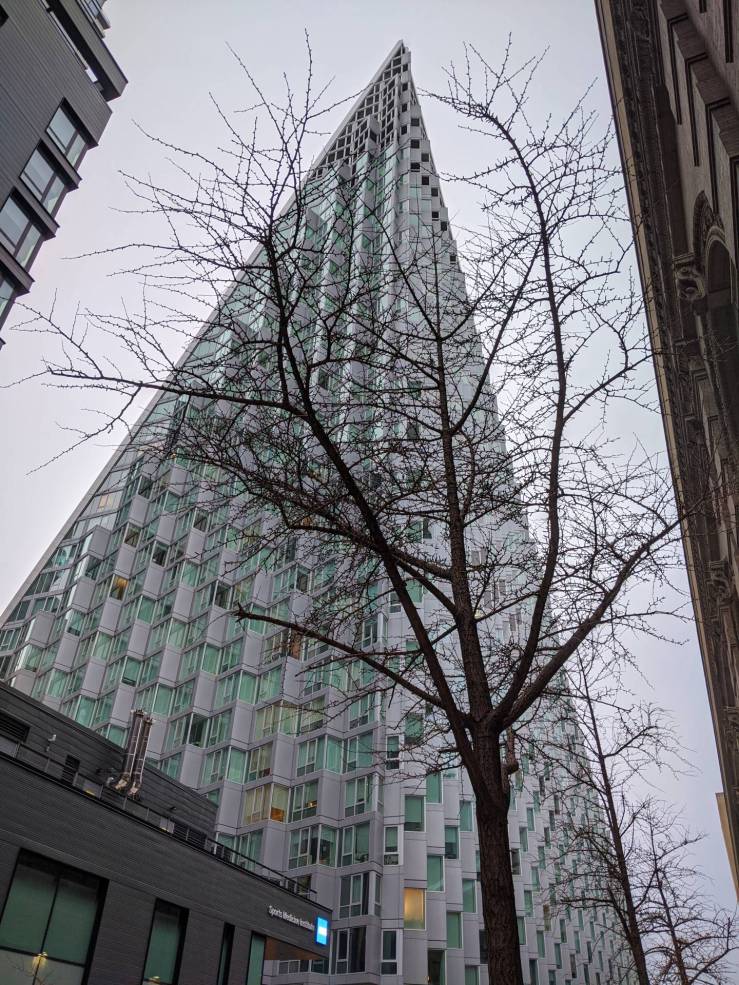
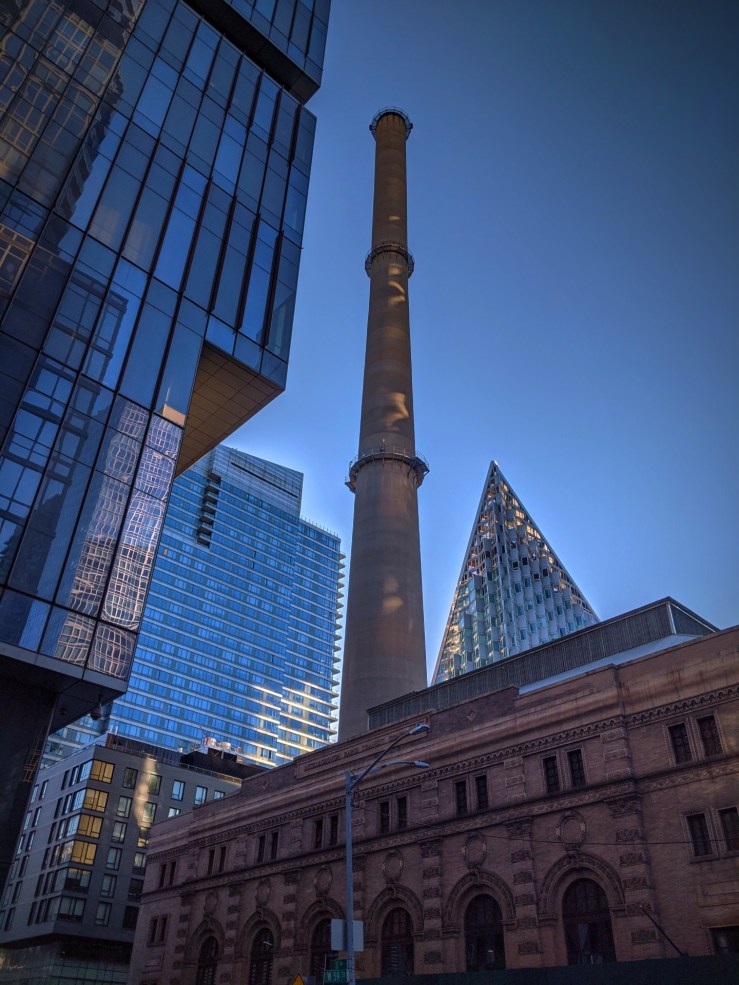
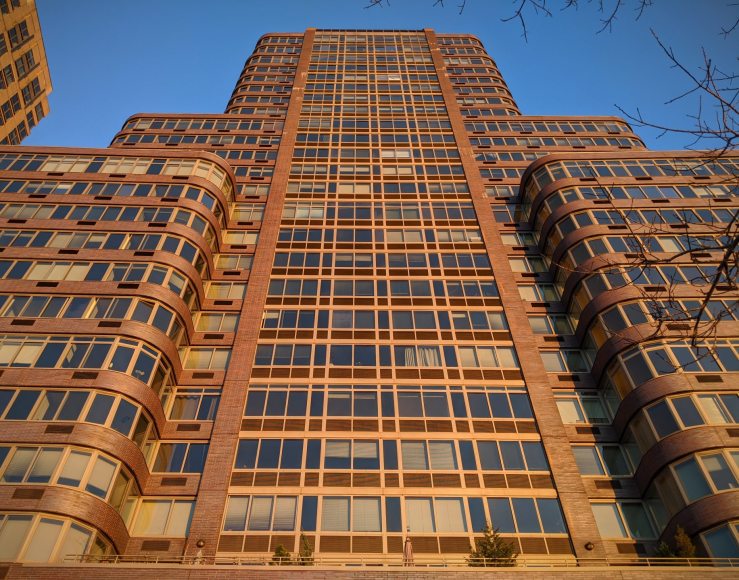
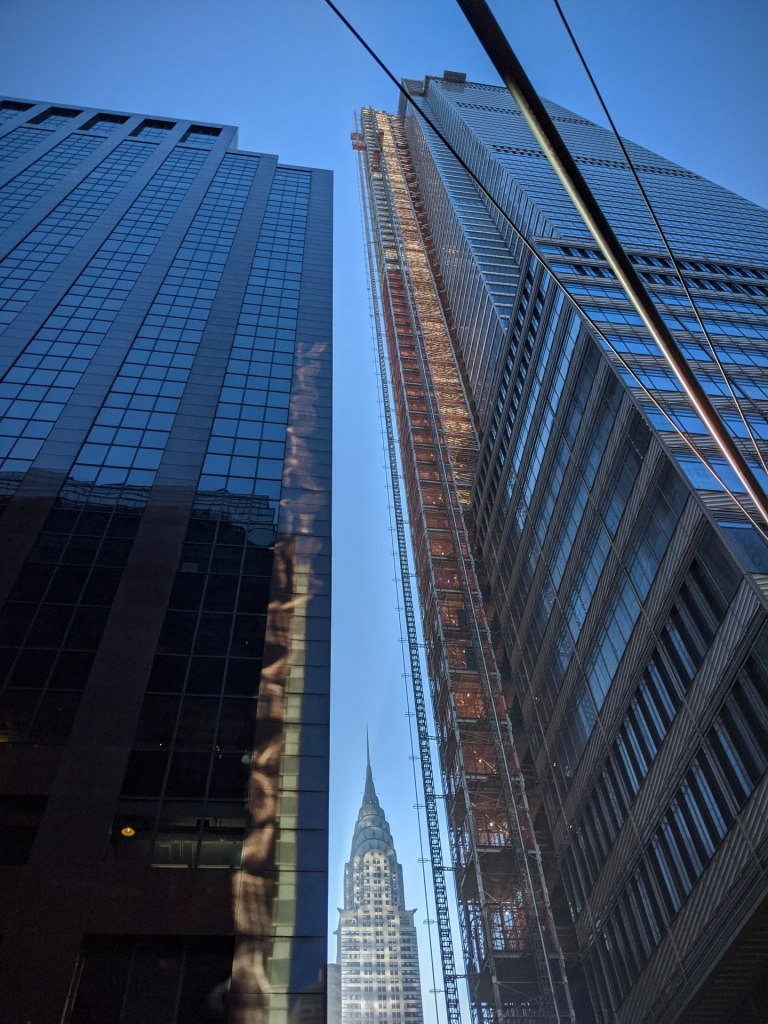
Schools, restaurants, gyms were closed. There was a gradual lockdown until March 20, when all non-essential workers were ordered to stay at home, and the City went on PAUSE. Shut in our glass tower, we spied on the Port Authority traffic (significantly reduced, yet there were still buses running), communicated with signs on windows and a 3-minute clapping every evening at seven (to cheer the frontliners, but also a get-together of sorts, as if to reassure each other we weren’t alone), learned how to work on Zoom, a platform no-one had ever heard of pre-Covid, but was now quickly becoming our new workplace.

We got sick and very wary of the ways the virus could evolve, with only mild symptoms fortunately; I couldn’t remember the last time I felt so insecure, but then again, I’d never been sick with a potentially deadly virus and no access to a doctor, let alone testing, save for a phone call and daily updates by sms(!).

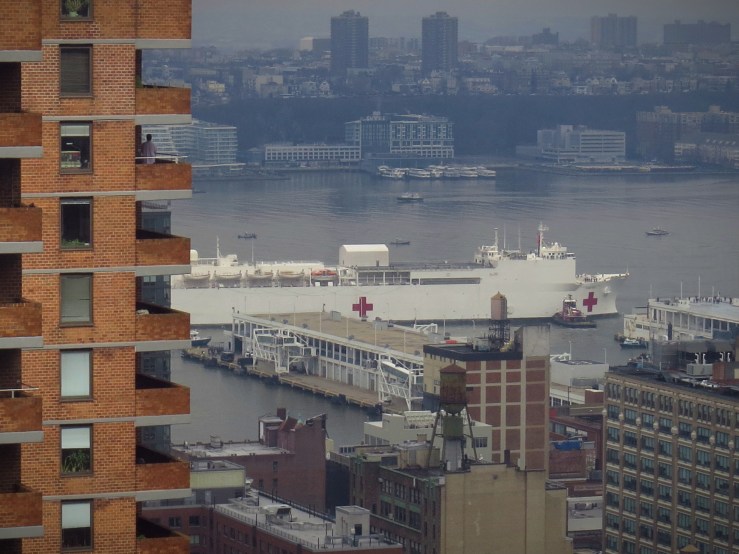
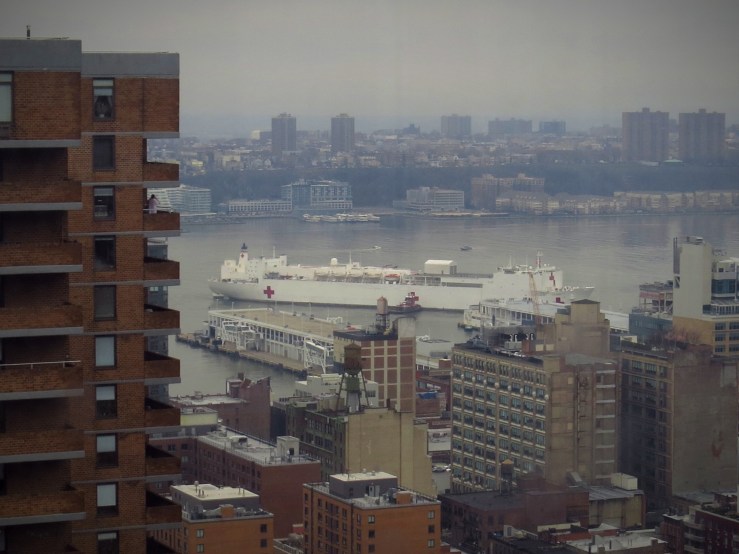
We got our hopes high with the arrival of USNS Comfort on March 30th, which was meant to alleviate the pressure from the City’s hospitals, only to depart exactly a month later having treated only 182 patients(!!).

All the while, we watched a ton of movies and TV series (”What We Do in the Shadows” was a highlight), tried to find disinfectant alcohol and wipes in vain, observed Amazon deliveries becoming a necessity and no longer a luxury, cooked a lot despite the loss of smell and taste which took about a month to return and even then not completely, because some things with strong aromas like lemons, onions or sandalwood now smell funny; turmeric and ginger became our new staples.

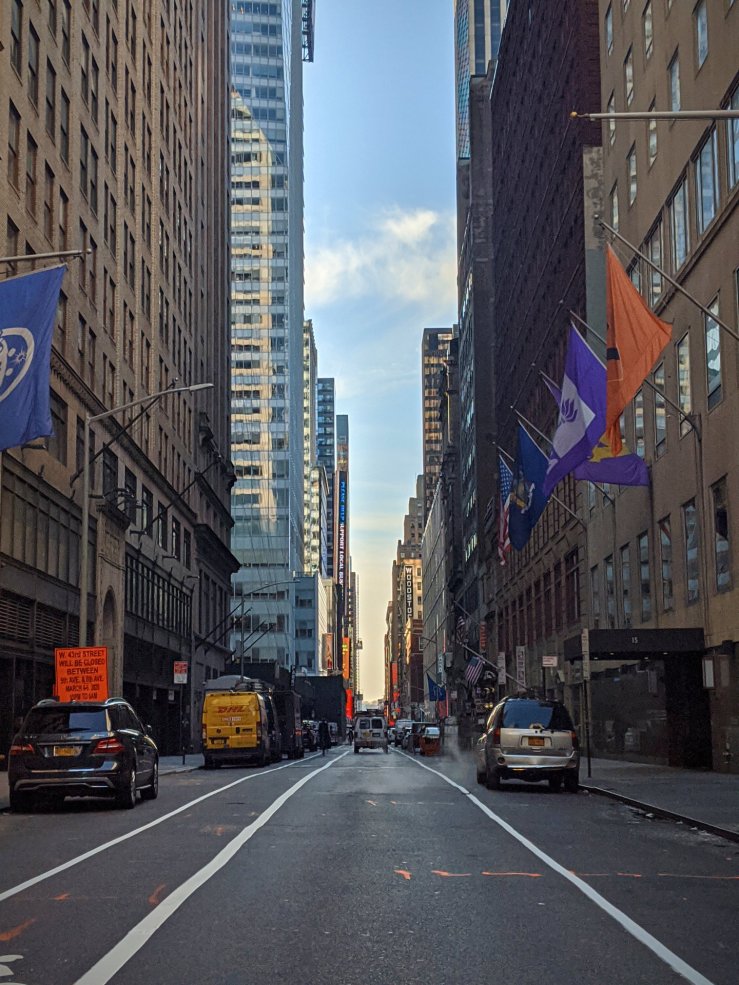
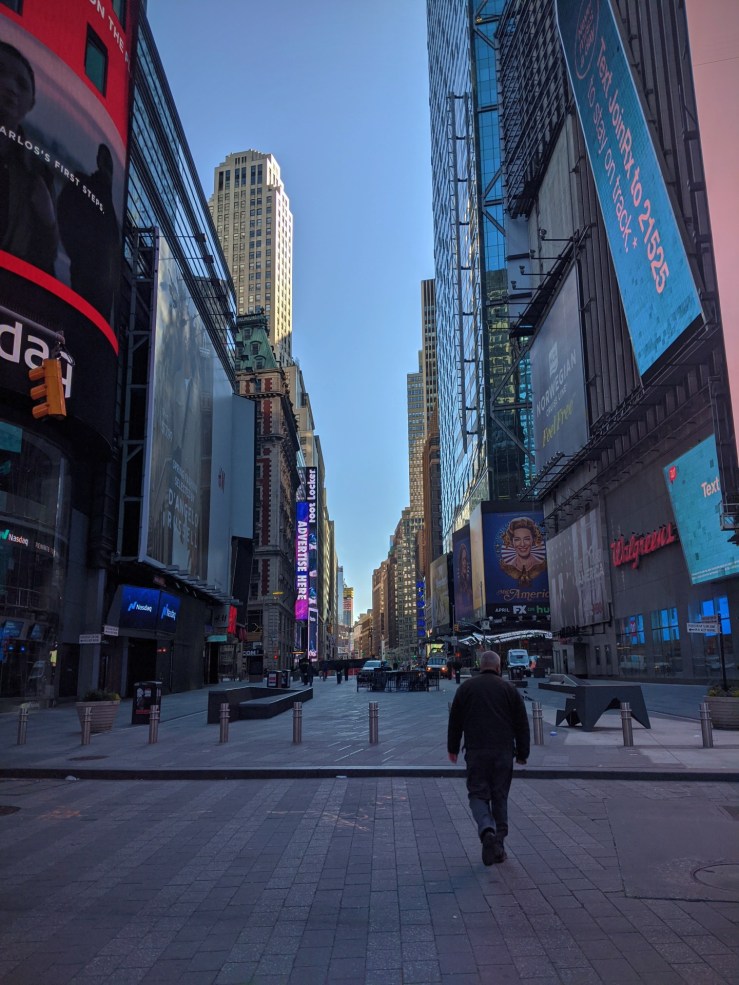
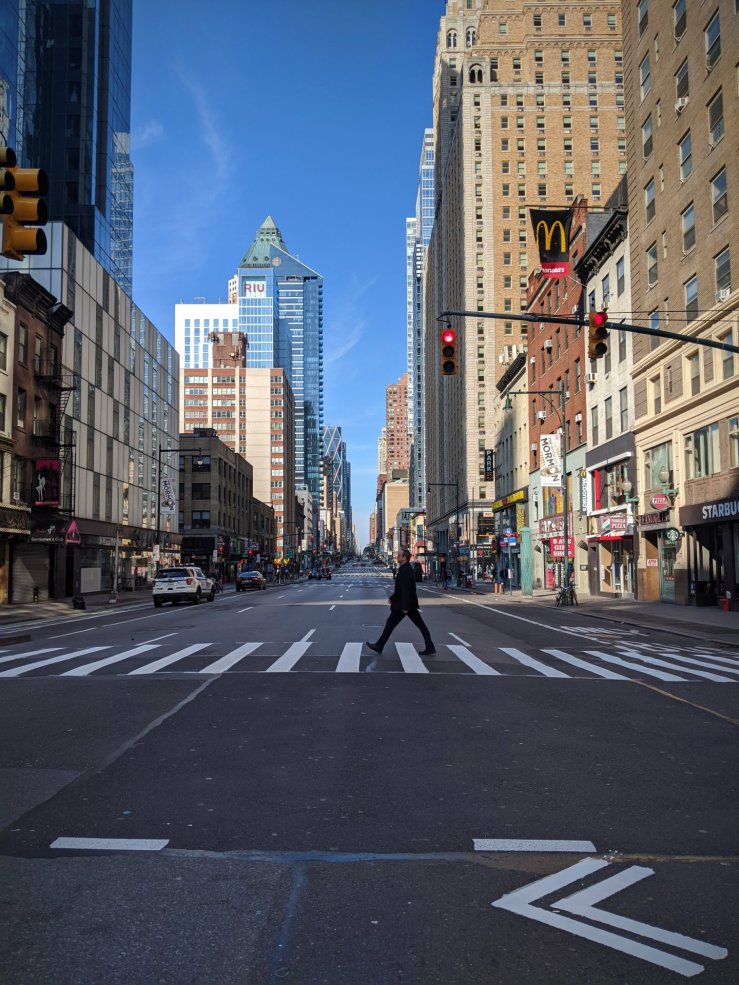
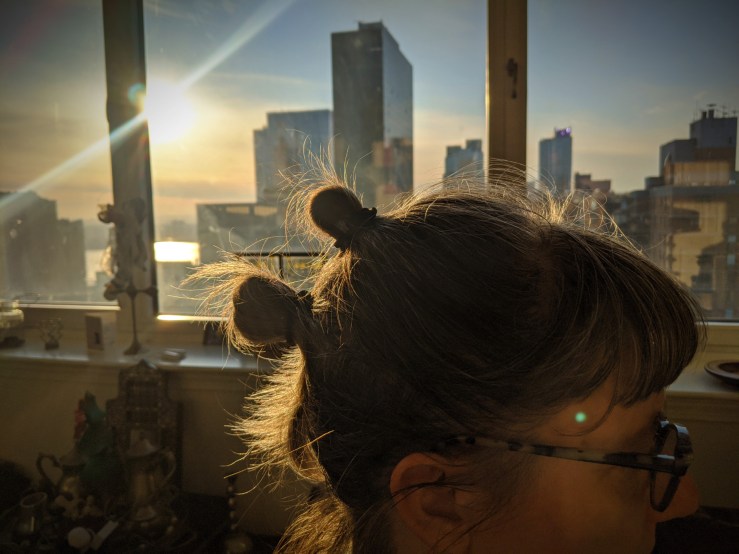
We witnessed the silence of empty streets the few times we had to work from the office (once no longer infectious) – and I mean really empty, as in people-playing-tennis-on-42nd-St.-&-Third-Avenue-at-nine-o’clock-in-the-morning empty; and I sported my new Covid-19 hairdo, which may or may not have triggered some stunned looks, but I’m still keeping it nonetheless.
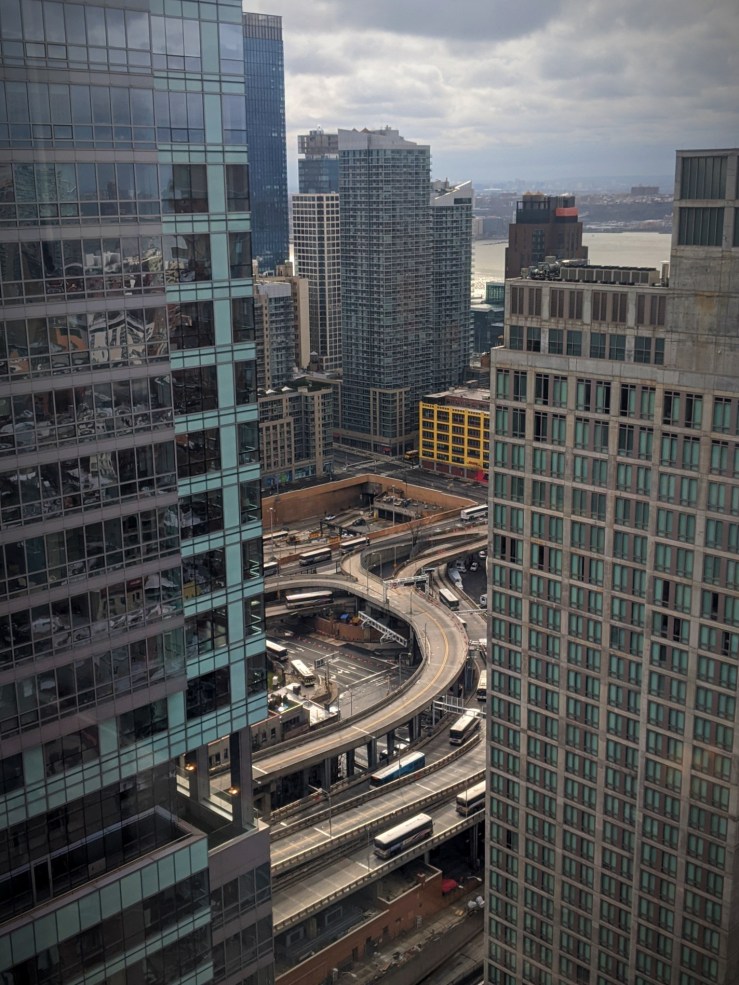
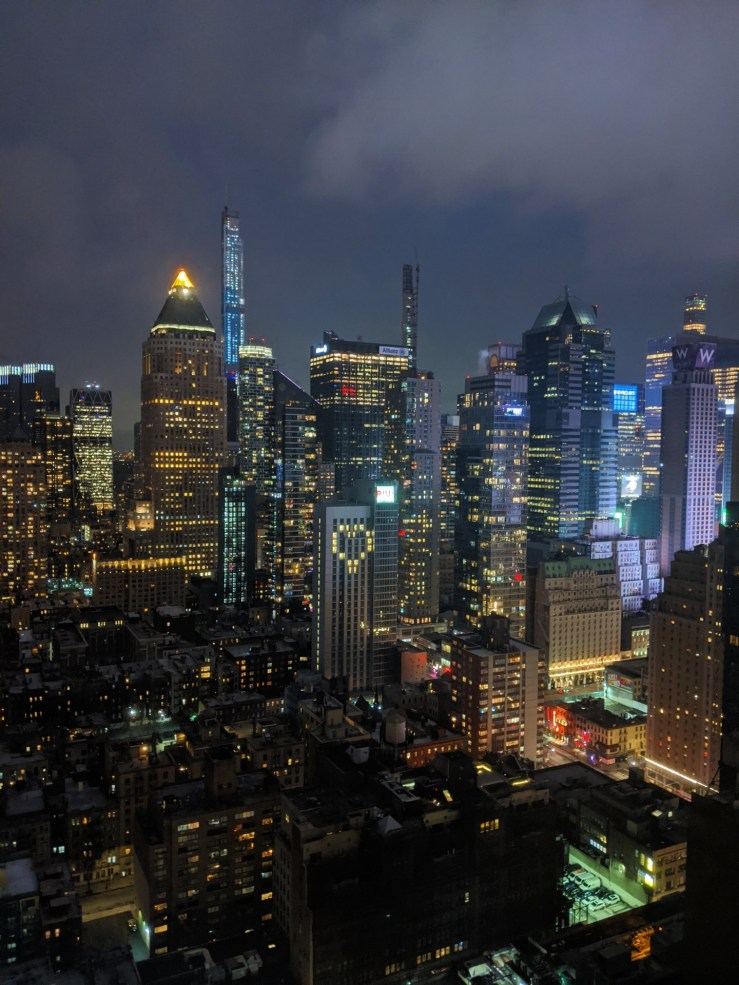
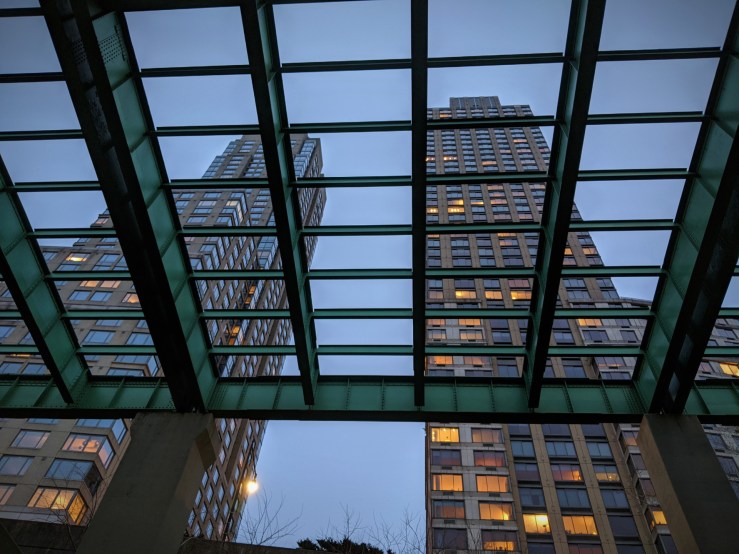
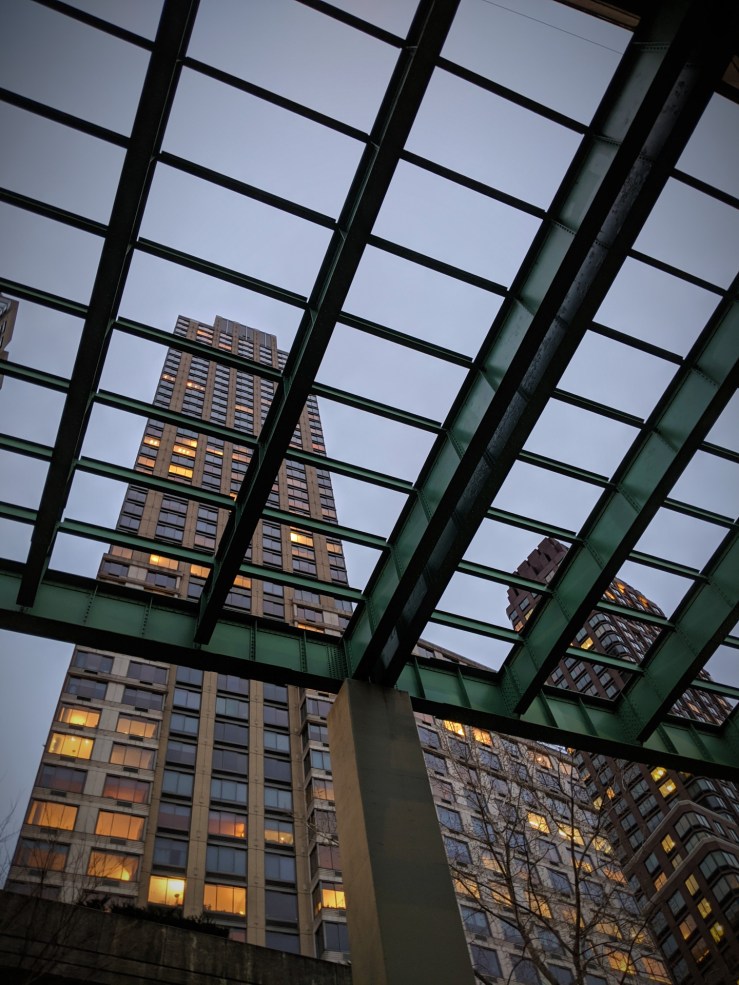
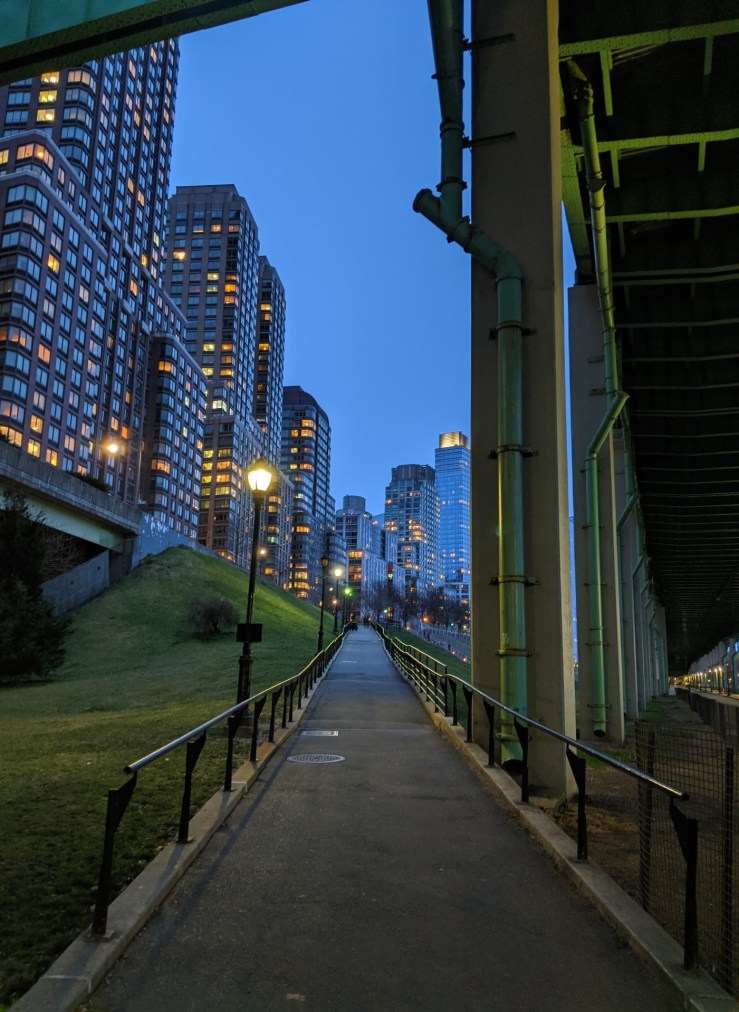
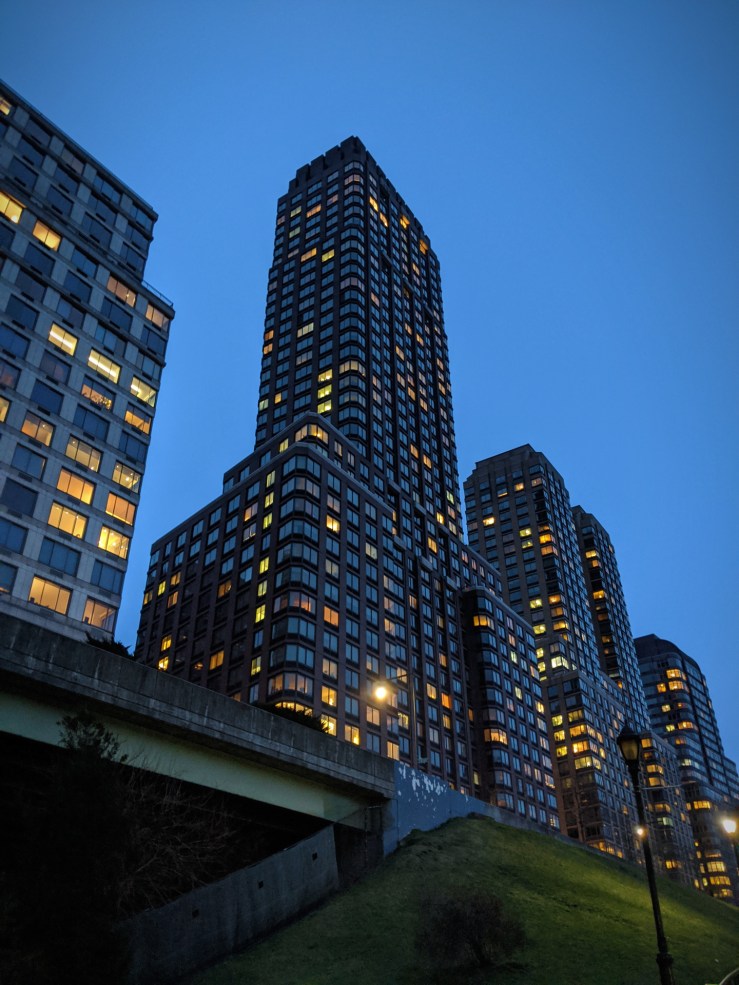
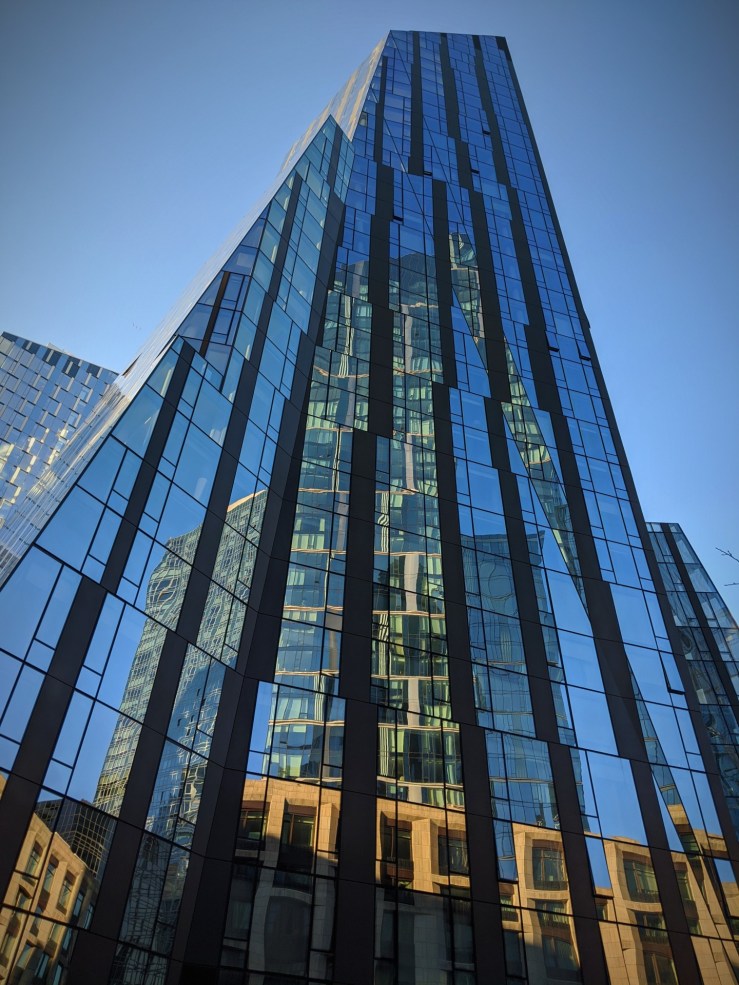
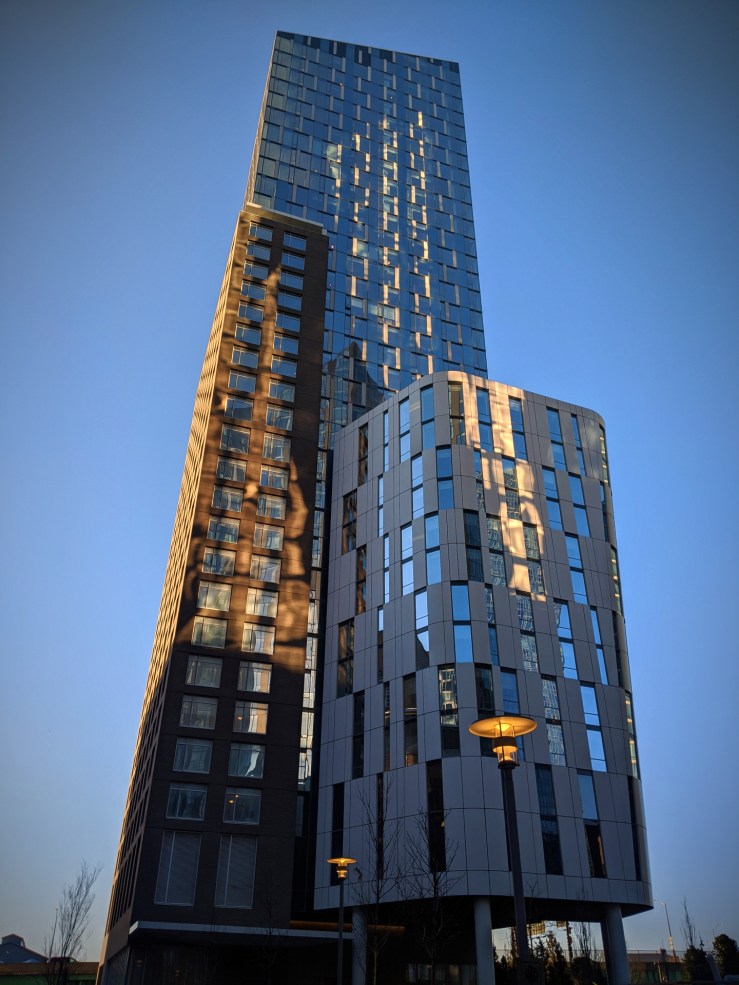
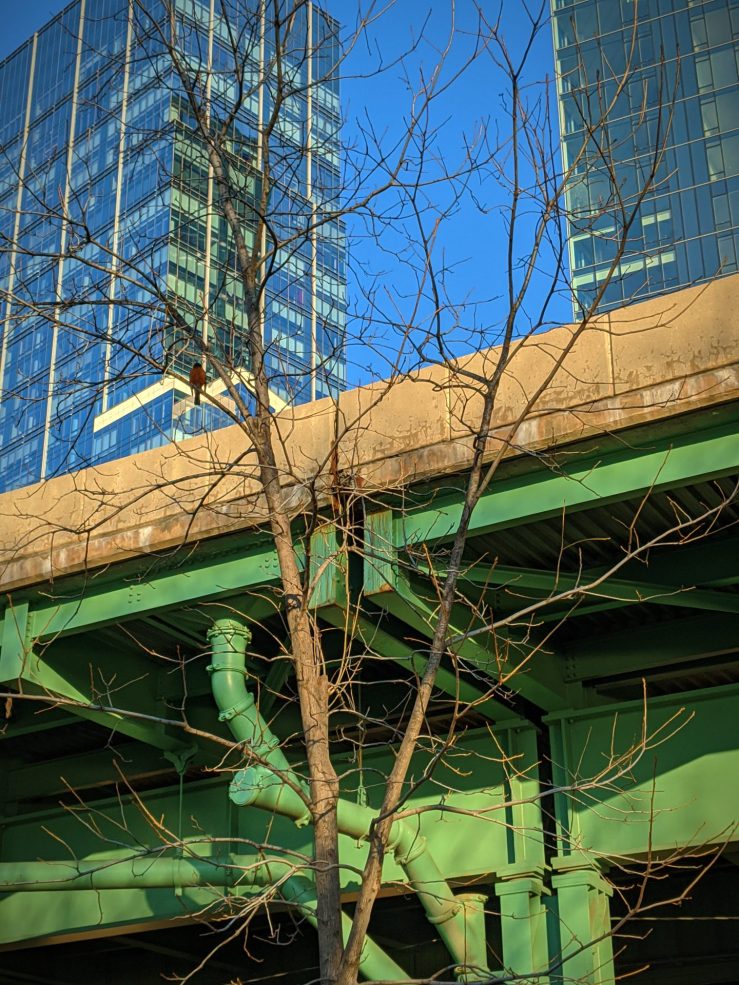
Hell’s Kitchen Towers, NYC

March 15-31, 2020
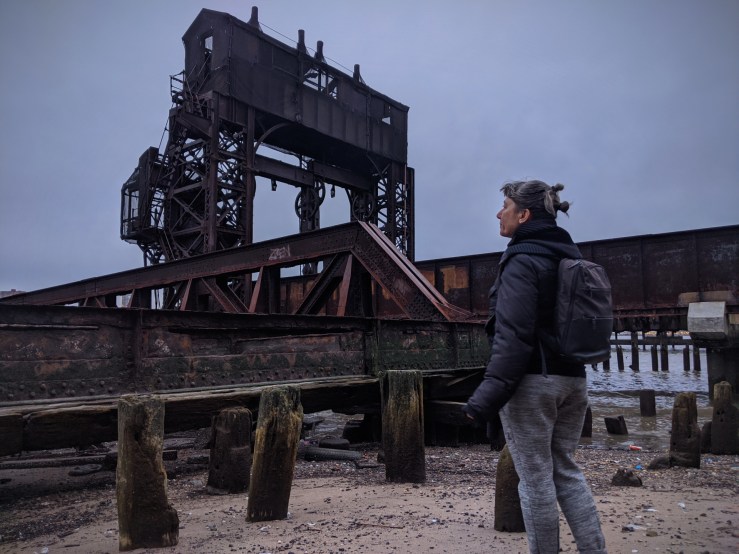
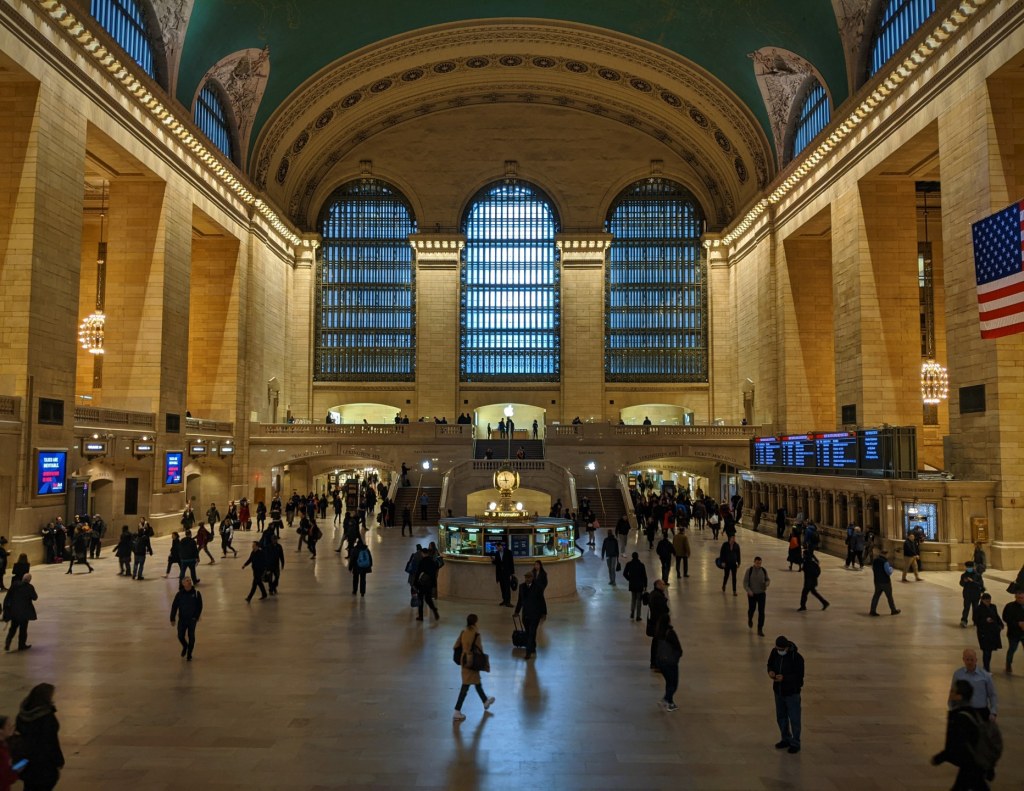
Grand Central Terminal Two Minutes To Nine

On my way to work, walking crosstown and taking a shortcut through the Terminal.

Normally absolutely packed at this time on a working day, it was almost empty. New Yorkers were being asked to avoid public transport and, those who could, were abiding by the guidelines.

Only the previous day, on March 11th, WHO had finally declared the outbreak a pandemic.

Infection numbers were on the rise, and new guidelines were issued daily: events with more than 500 people had to be cancelled or postponed.

Broadway went dark.

The City felt numb.

New York City

March 12th, 2020
Countryside, The Future

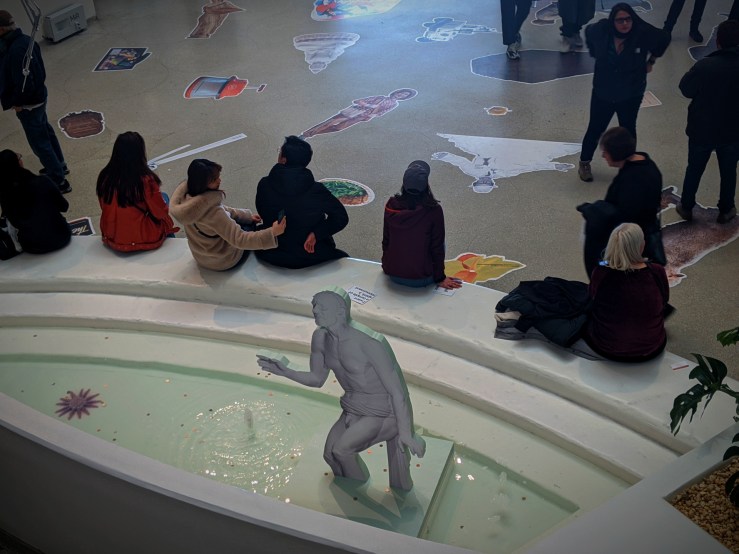
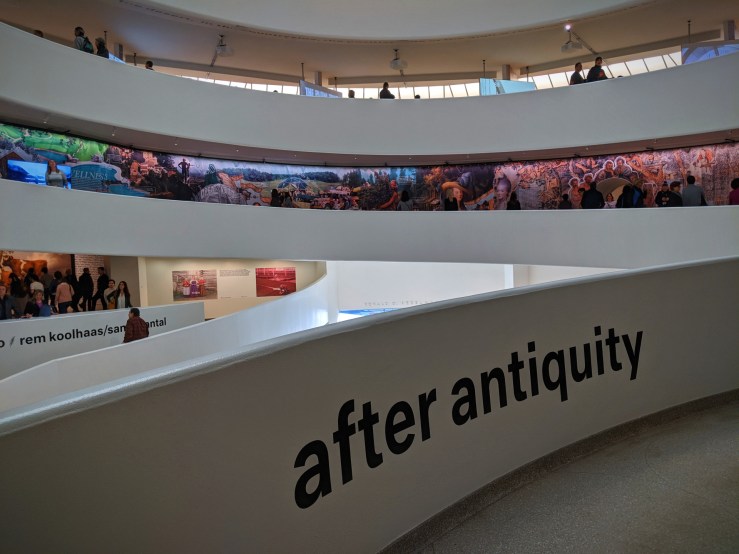
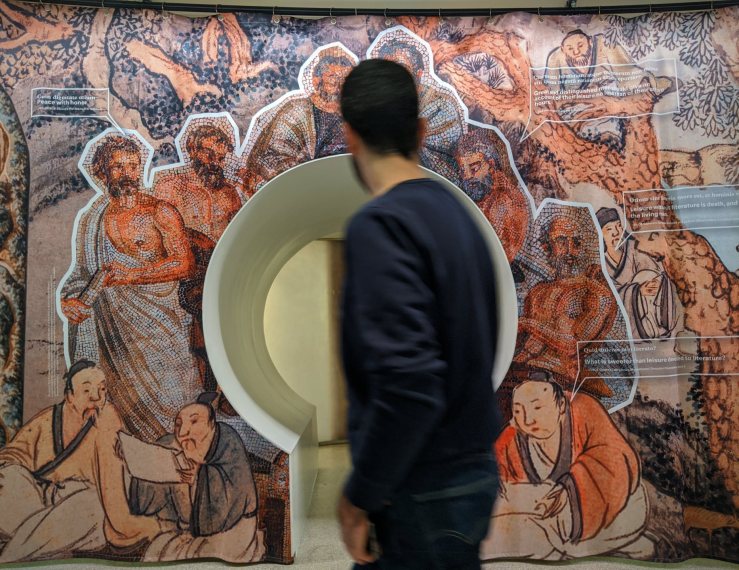
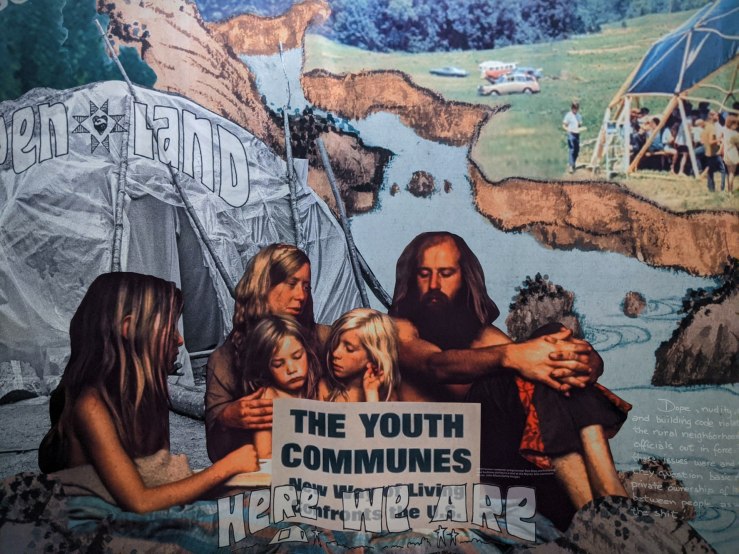
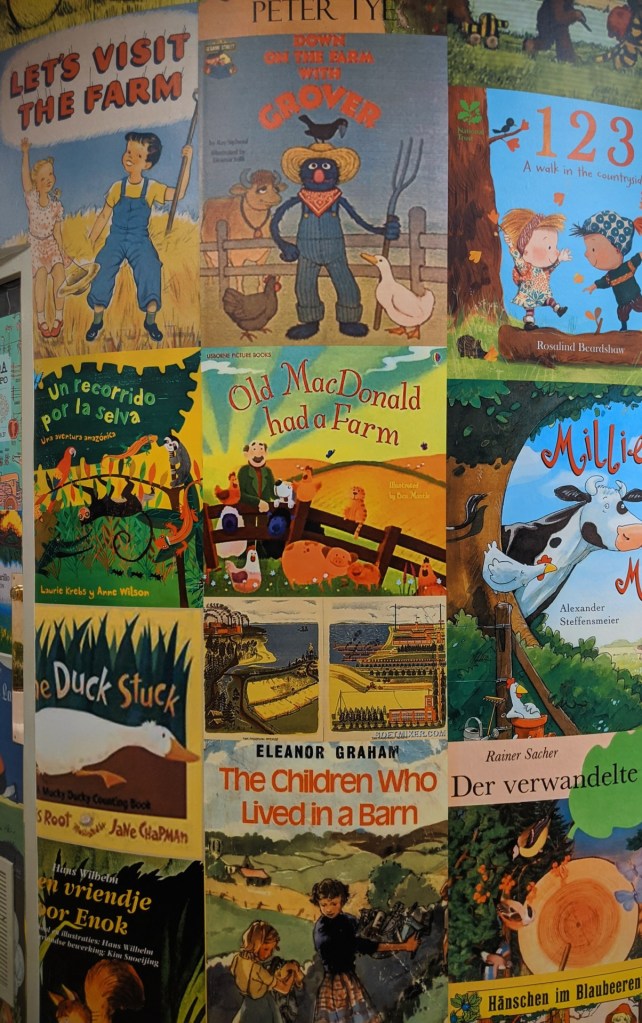
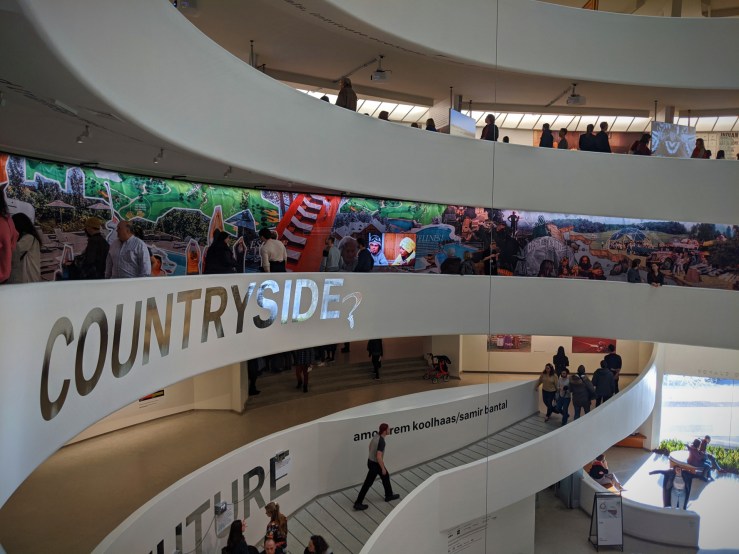
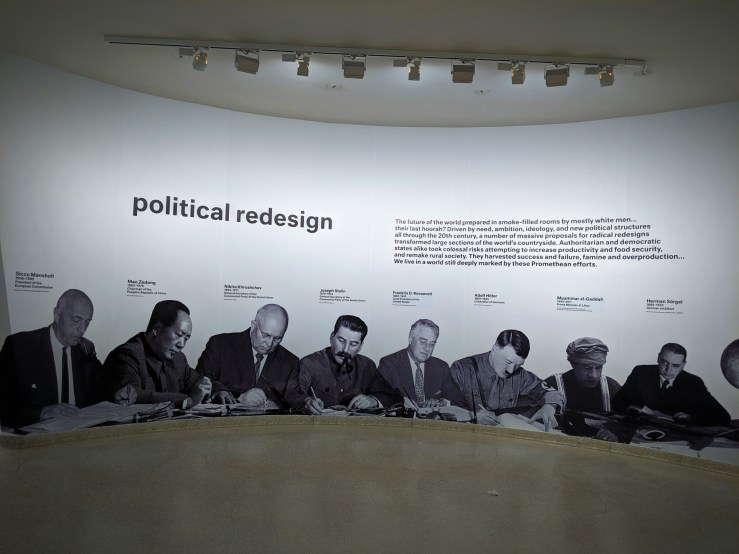
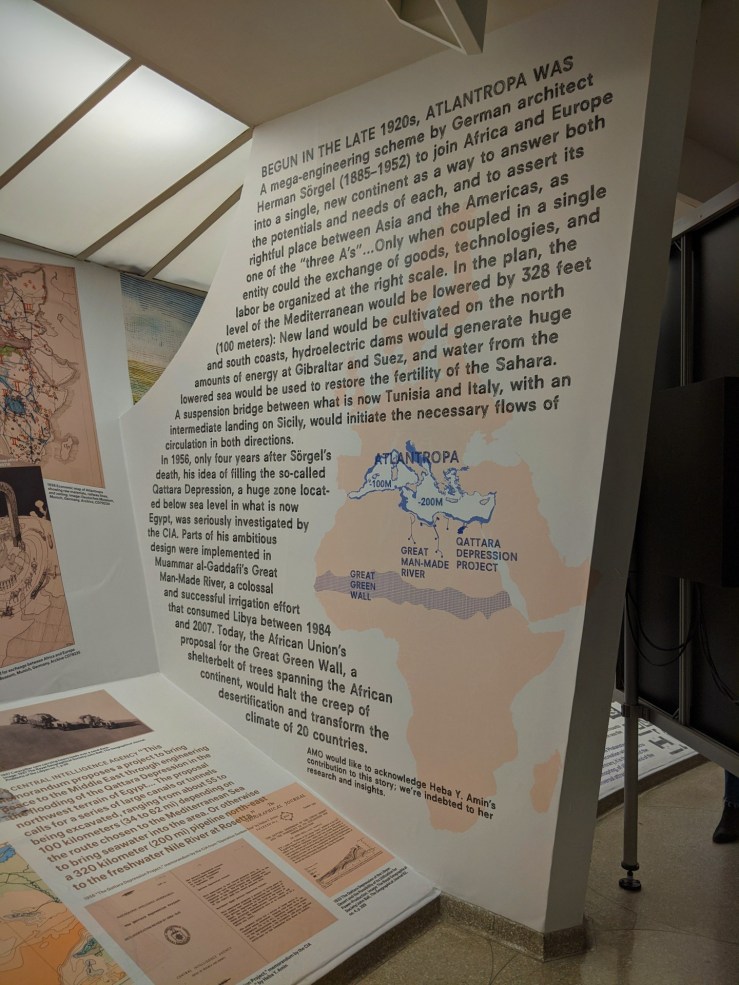
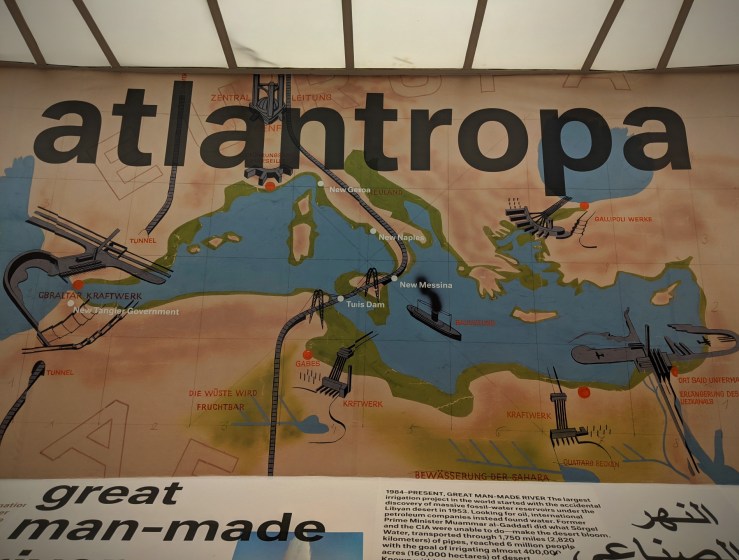
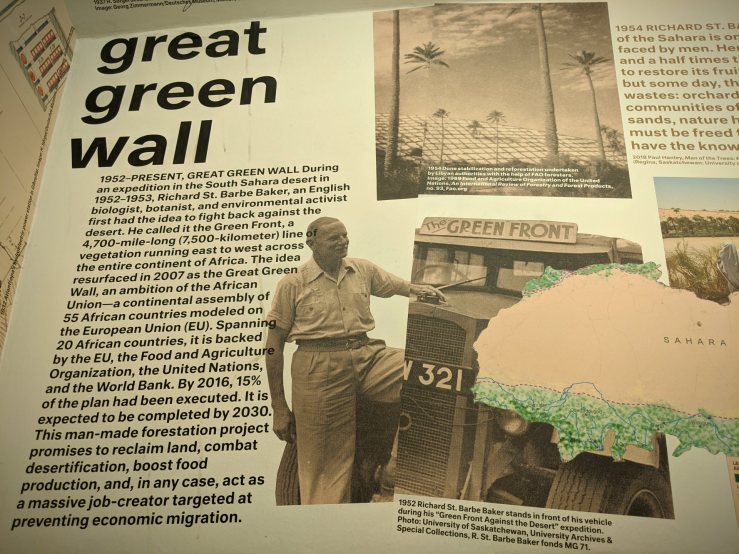
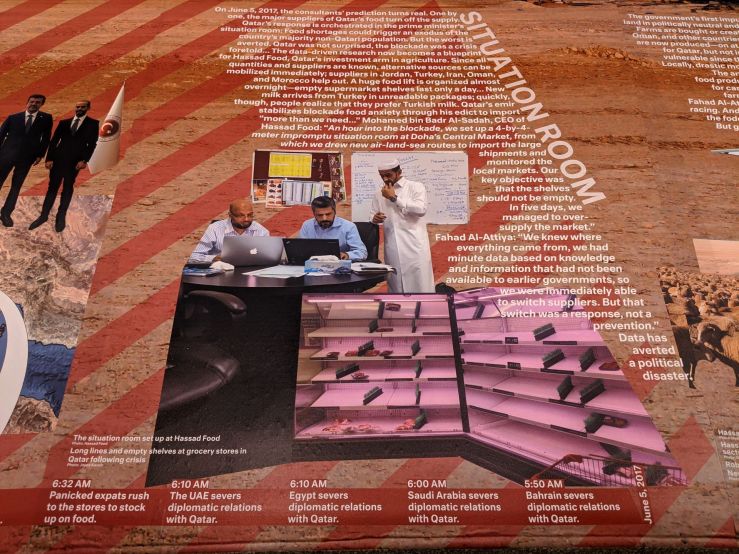
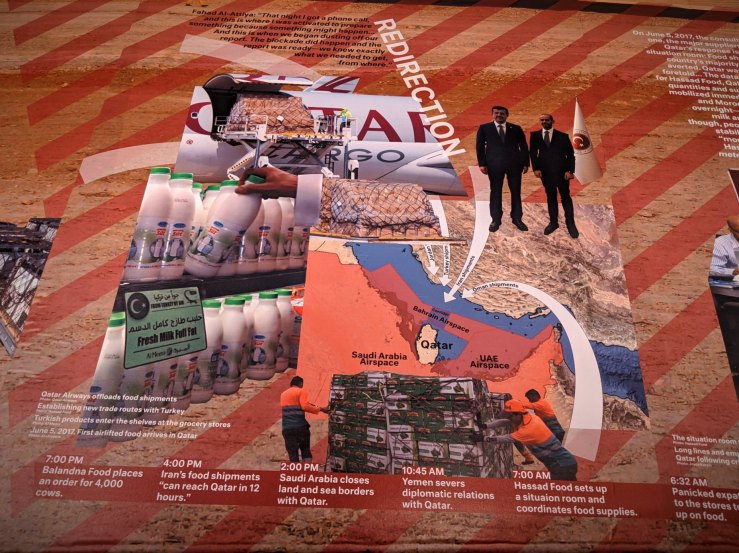
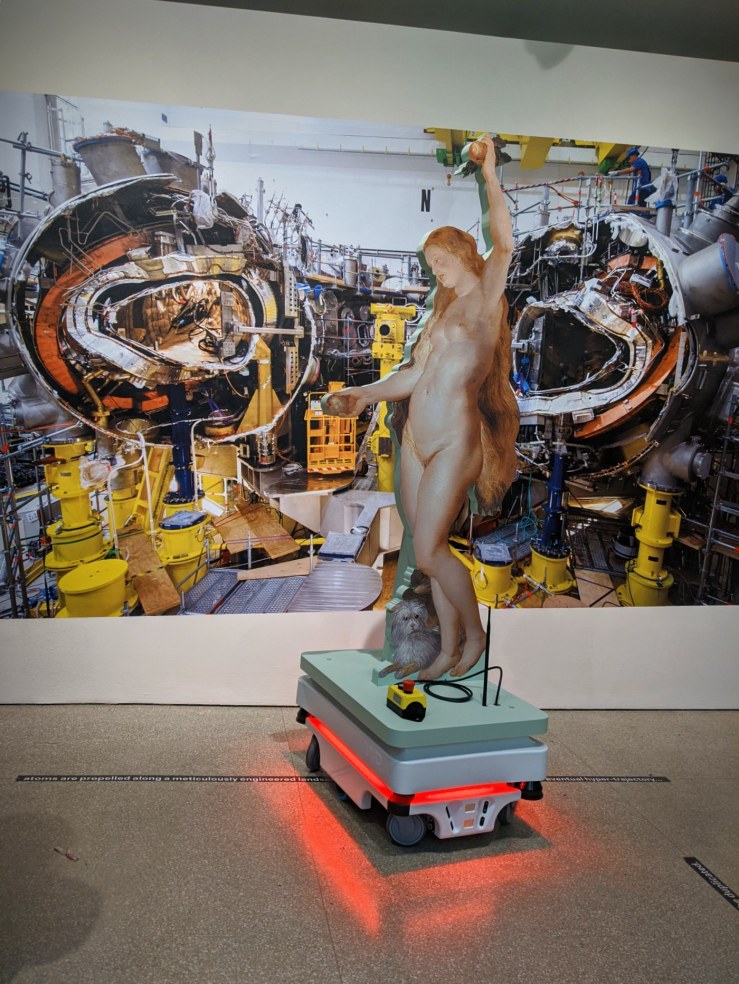
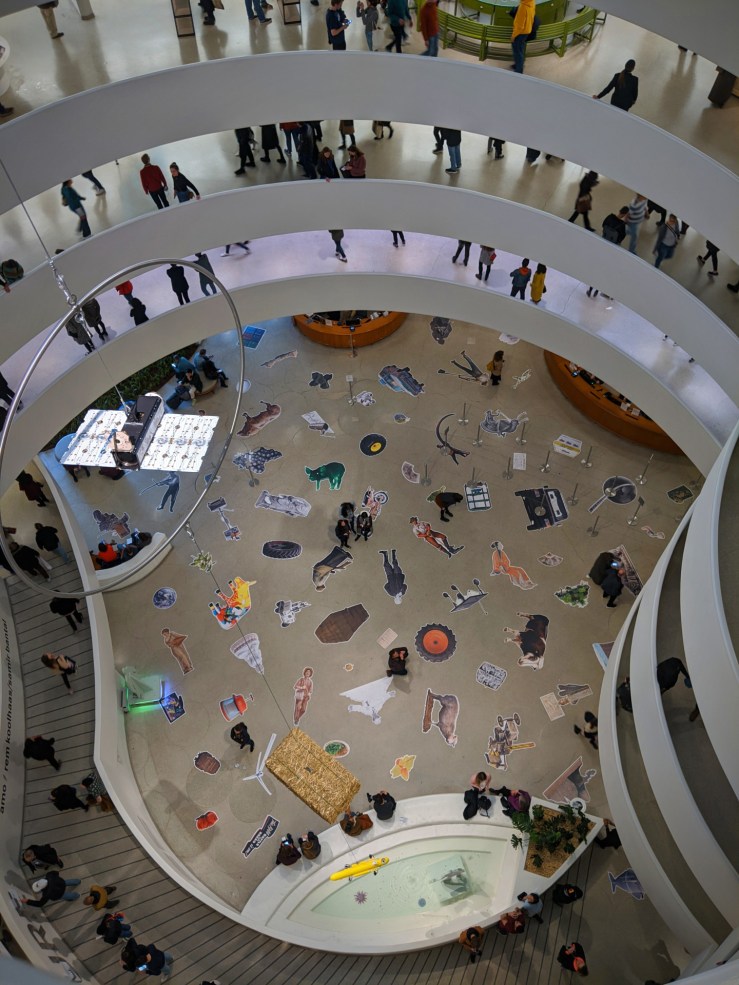
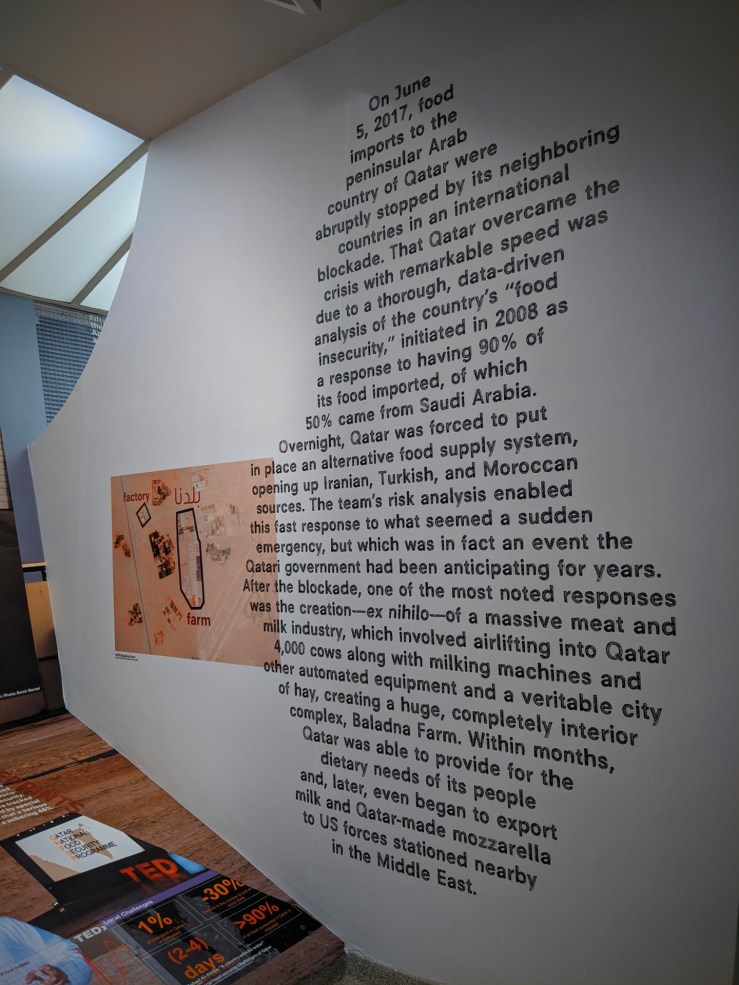
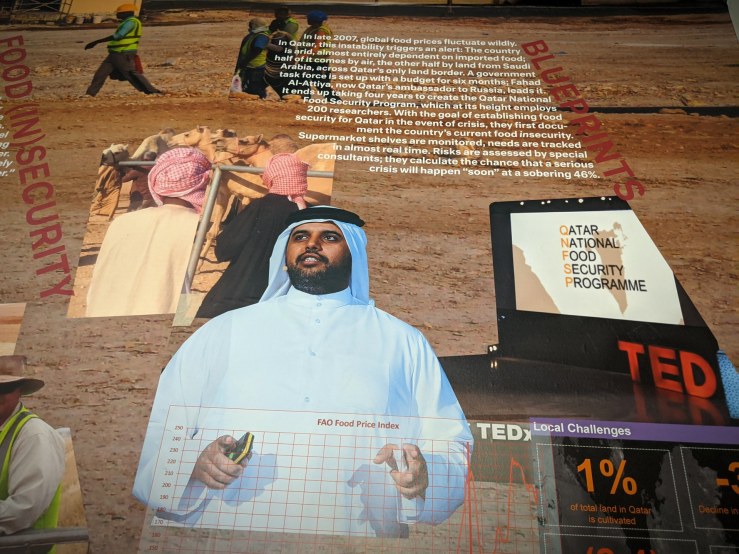
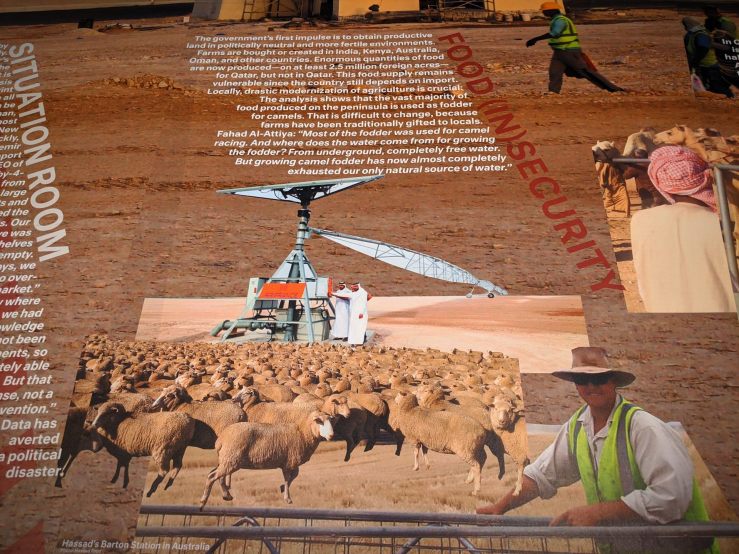
Countryside, The Future was an exhibition addressing urgent environmental, political, and socioeconomic issues through the lens of architect and urbanist Rem Koolhaas and Samir Bantal, Director of AMO, the think tank of the Office for Metropolitan Architecture (OMA).

A unique exhibition for the Guggenheim Museum, Countryside, The Future explored radical changes in the rural, remote, and wild territories collectively identified as “countryside,” or the 98% of the Earth’s surface not occupied by cities, with a full rotunda installation premised on original research. The project presented investigations by AMO, Koolhaas, with students at the Harvard Graduate School of Design; the Central Academy of Fine Arts, Beijing; Wageningen University, Netherlands; and the University of Nairobi. The exhibition examined the modern conception of leisure, large-scale planning by political forces, climate change, migration, human and nonhuman ecosystems, market-driven preservation, artificial and organic coexistence, and other forms of radical experimentation that are altering landscapes across the world.” [source]

It would be our last pre-Covid-19 exhibition, and the last outing in a crowed place. On that same day, March 7th 2020, the then NY Governor Andrew Cuomo declared a state of emergency. One day later, on March 8th, NYC issued guidelines to avoid densely packed buses, subways, and trains.

The Guggenheim, New York

March 7th, 2020
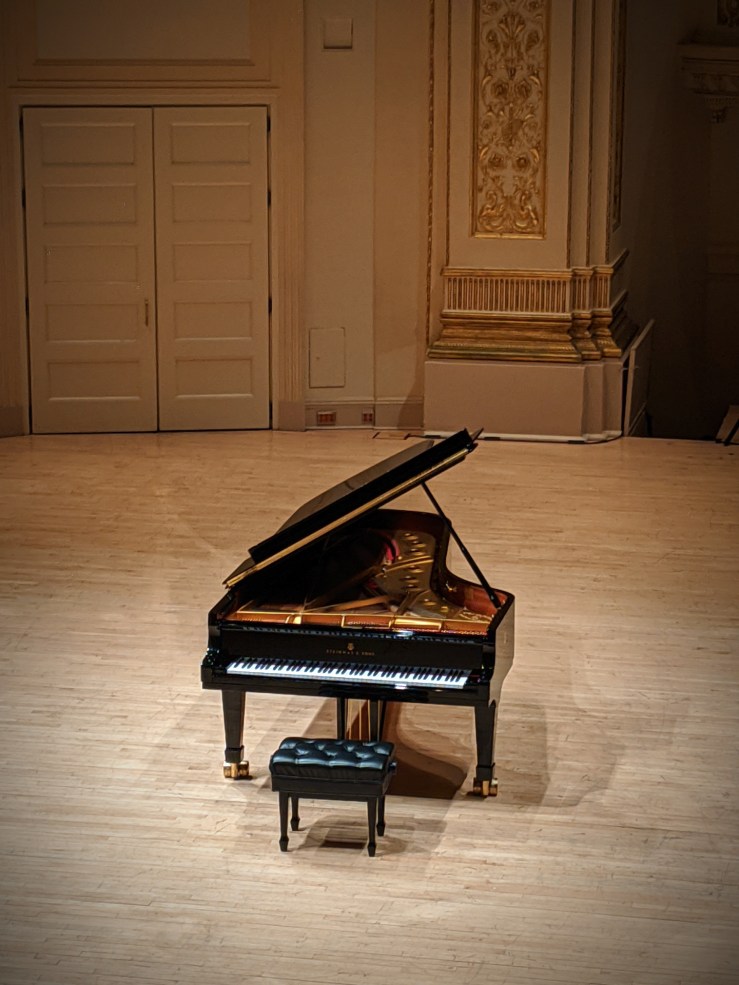
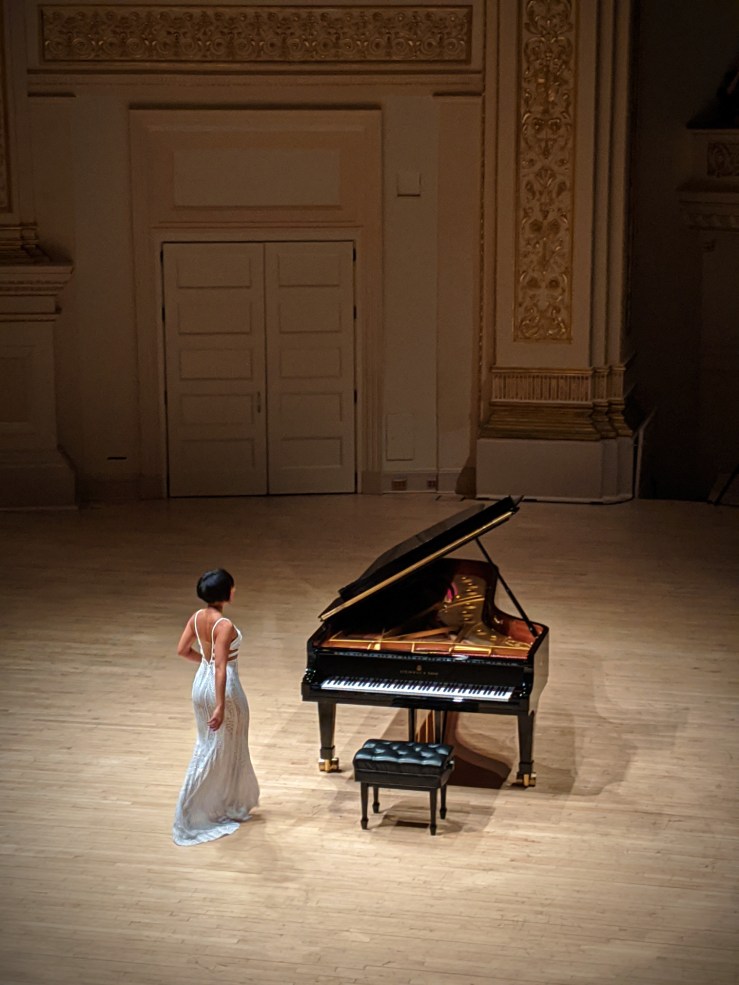
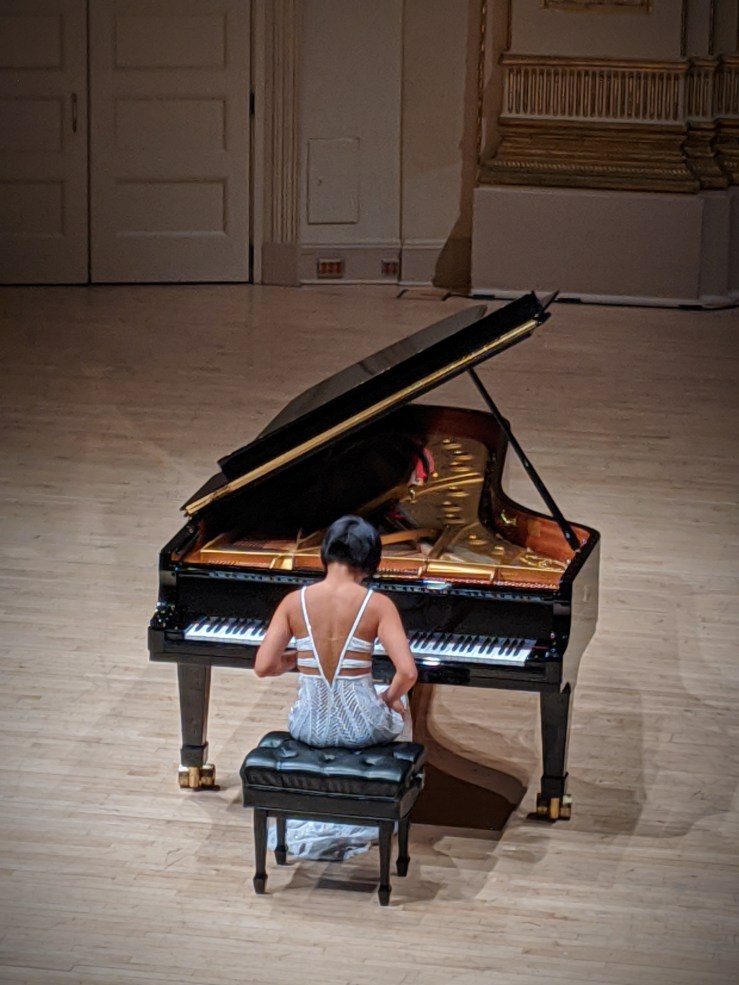
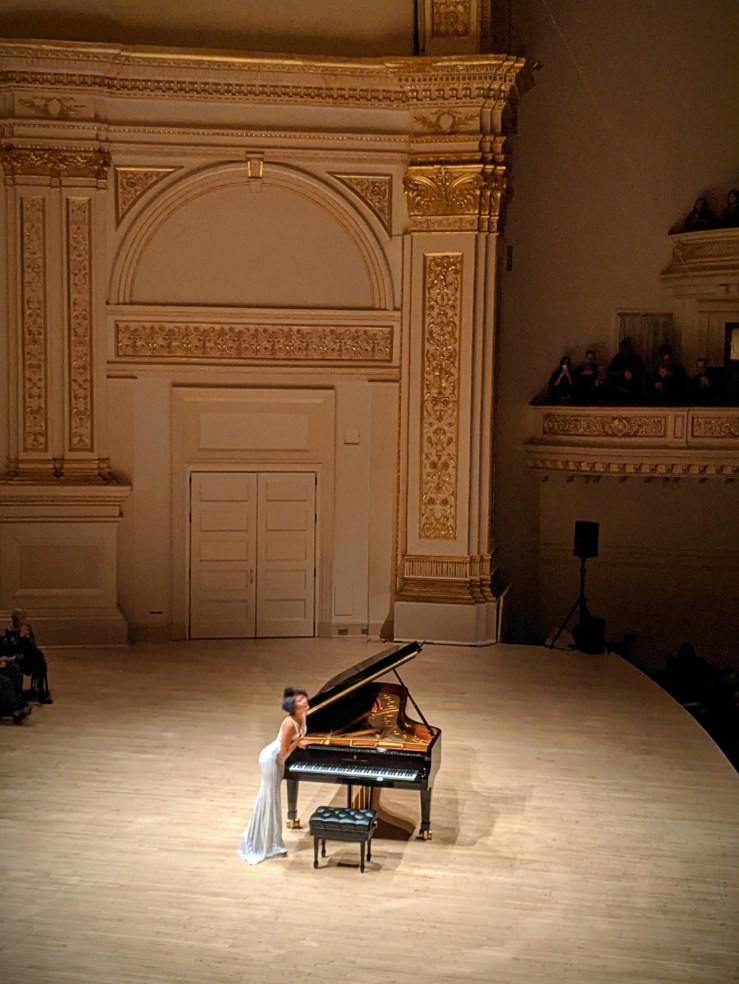
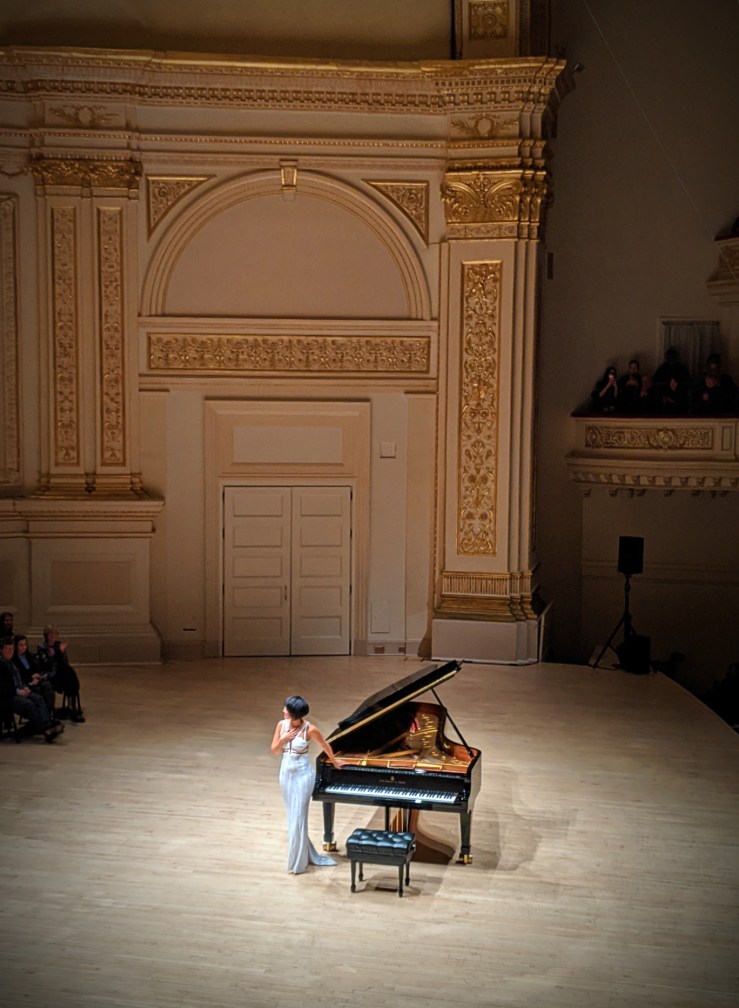
This dazzling virtuosa

Yuja Wang, in an unforgettable recital. It would be our last pre-Covid-19 one.

“I believe that every program is a living organism, so it should be in sync with how I’m feeling in that moment, so it is truly alive. I want the music to surprise me and to surprise the audience” – said Miss Wang as she entered the stage, and she proceeded to do just that, changing the sequence of the printed programme and keeping the audience hanging from every move of her flying fingers hitting those notes, for the next two hours.

Carnegie Hall, New York

February 28th, 2020
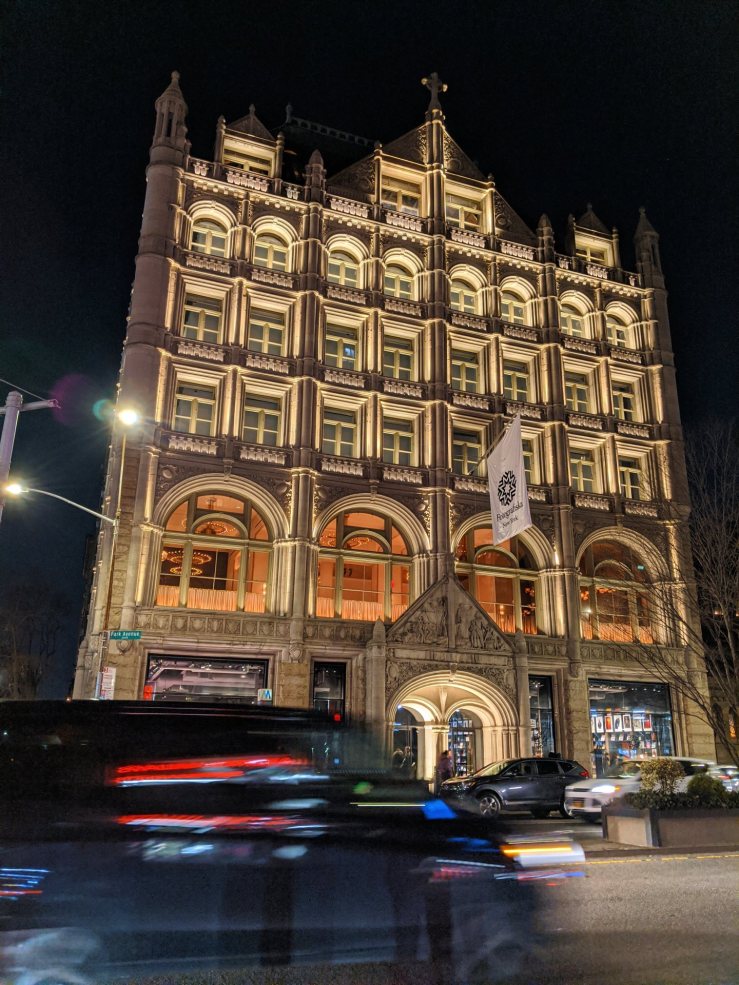
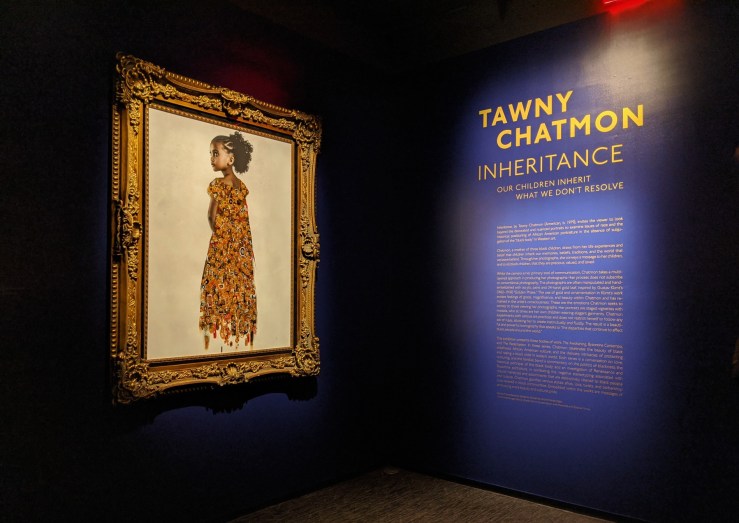
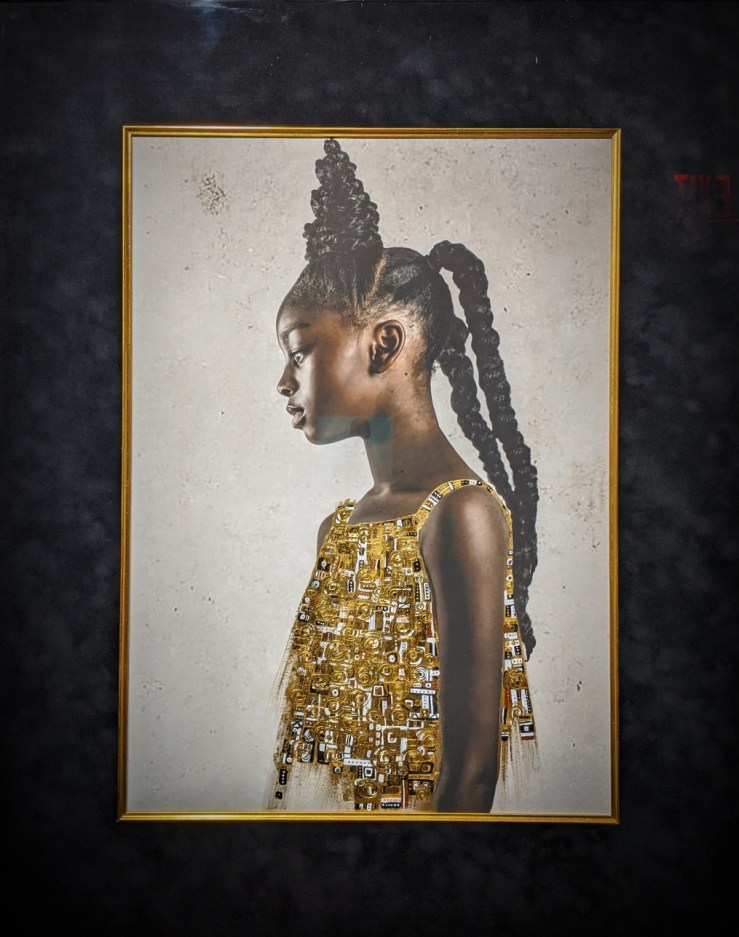
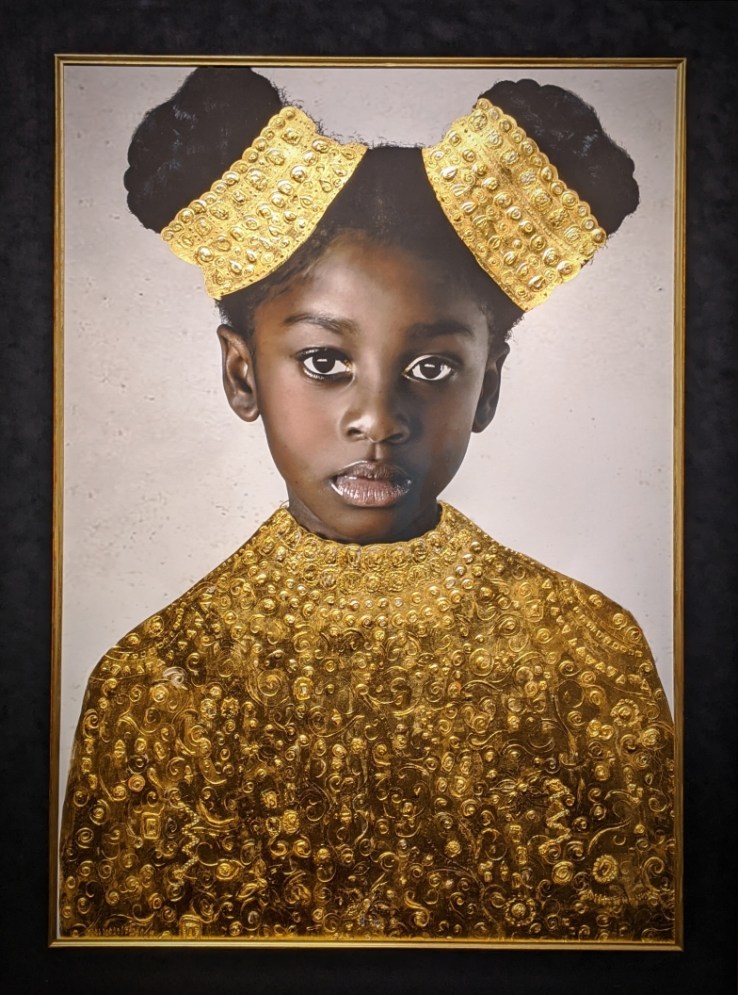
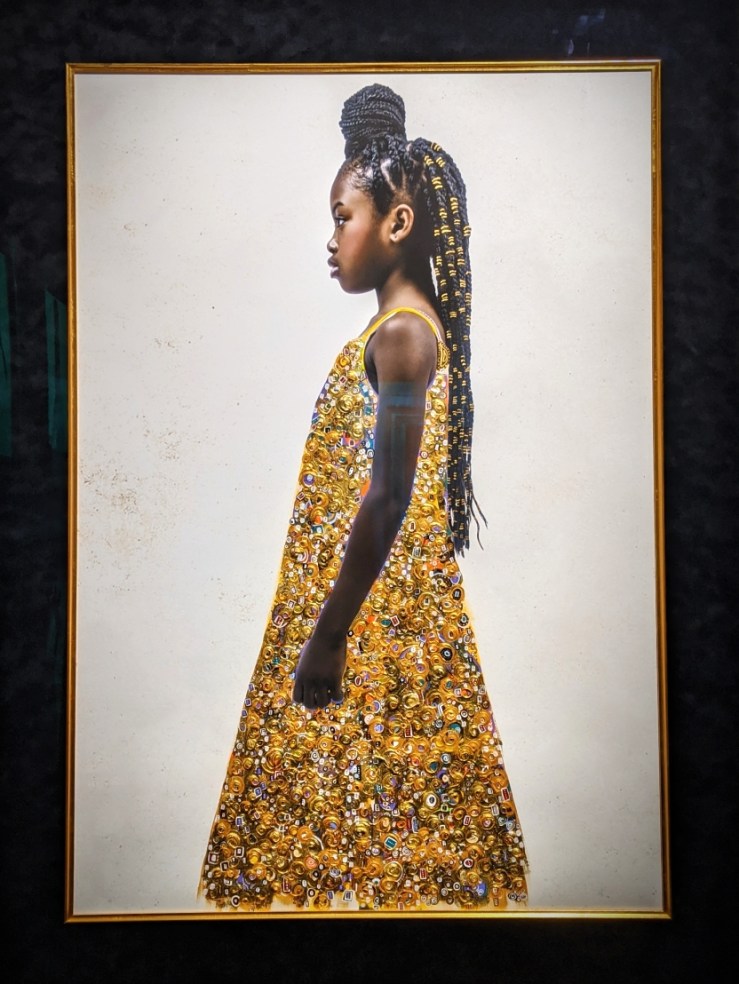
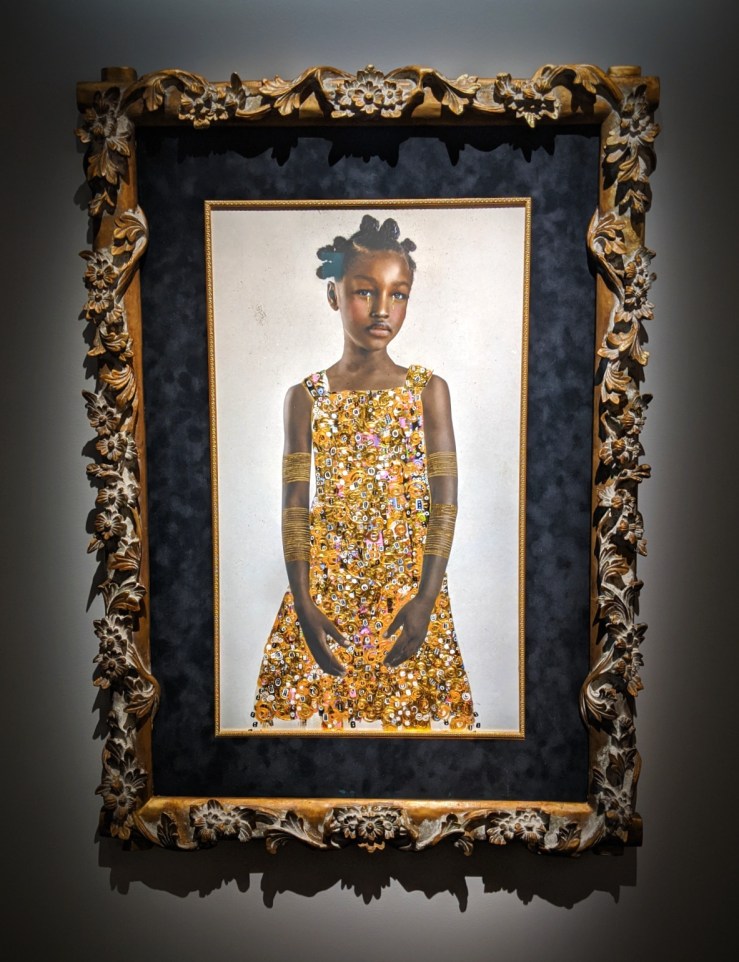
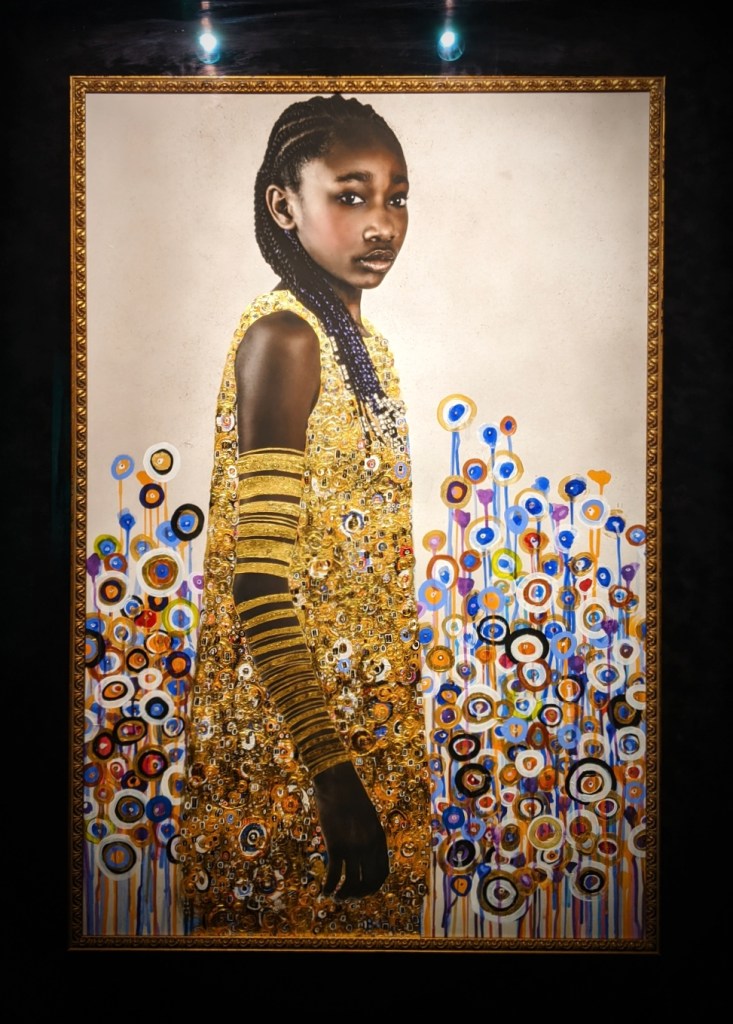
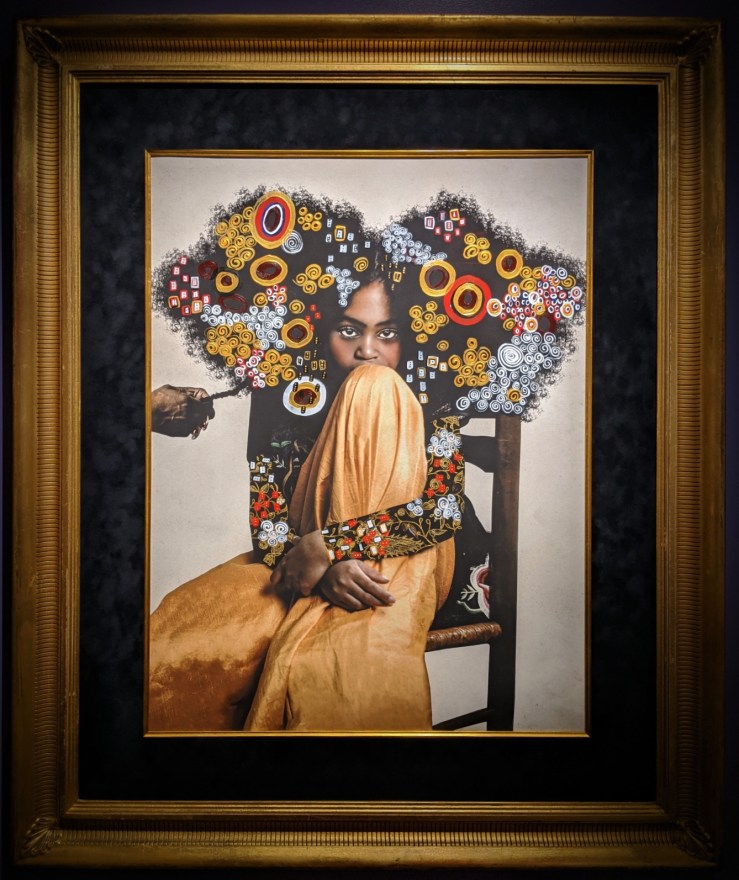
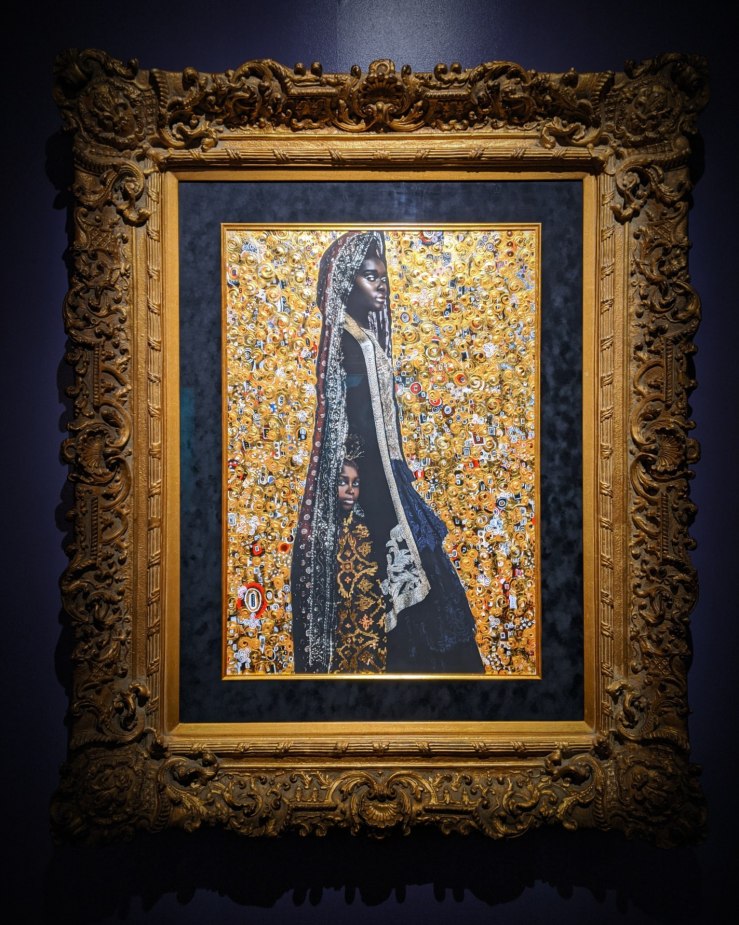
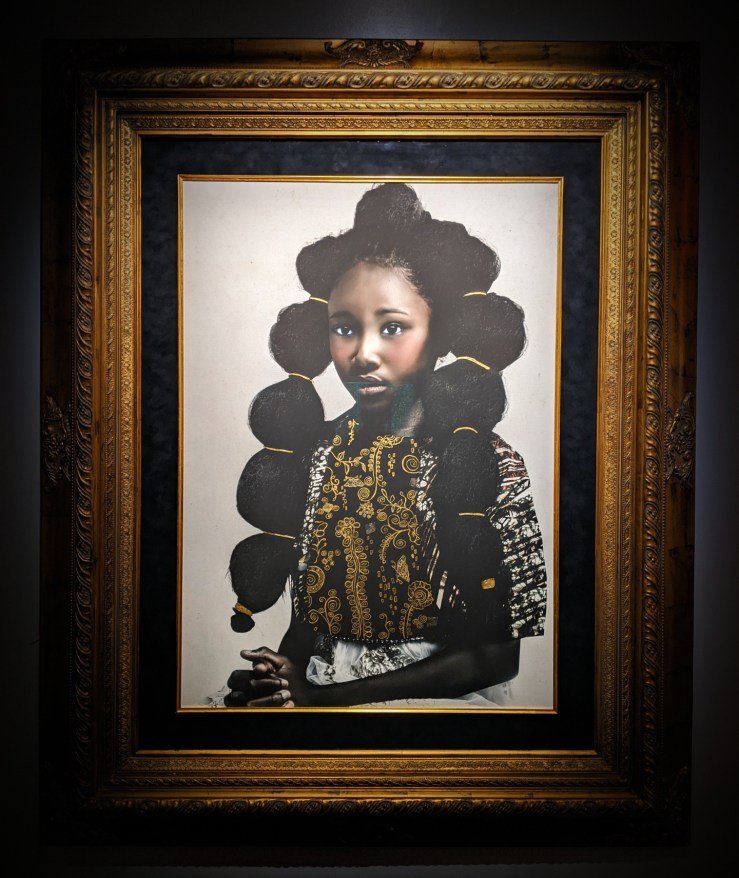
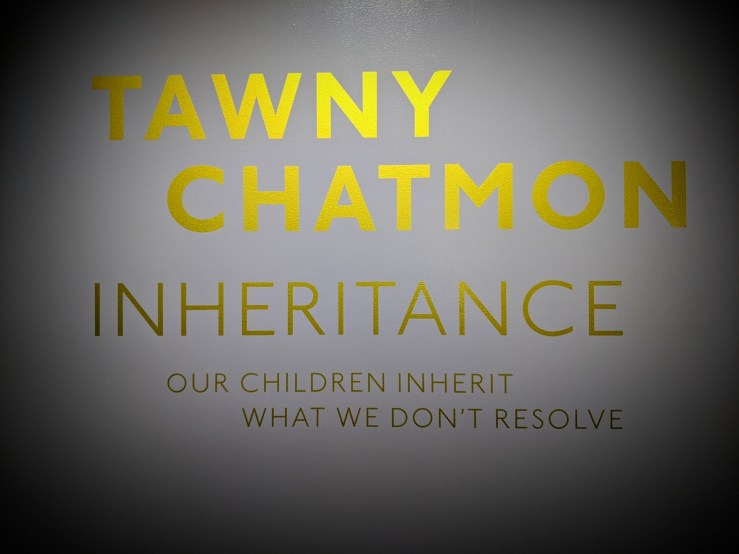
Tawny Chatmon @Fotografiska

Black Beauty in 24-karat gold leaf

Inheritance, by Tawny Chatmon (American, b. 1979), invites the viewer to look beyond the decorated and nuanced portraits to examine issues of race and the historical positioning of African American portraiture in the absence of subjugation of the “black body” in Western art. ​

Chatmon, a mother of three black children, draws from her life experiences and belief that children inherit our memories, beliefs, traditions, and the world that we leave behind. Through her photographs, she conveys a message to her children, and to all black children, that they are precious, valued, and loved.

While the camera is her primary tool of communication, Chatmon takes a multi-layered approach in producing her photographs—her process does not subscribe to conventional photography. The photographs are often manipulated and hand-embellished with acrylic paint and 24-karat gold leaf, inspired by Gustav Klimt’s (1862-1918) “Golden Phase.” The use of gold and ornamentation in Klimt’s work evokes feelings of grace, magnificence, and beauty within Chatmon and has remained in the artist’s consciousness. These are the emotions Chatmon seeks to convey to those viewing her photographs. Her portraits are staged vignettes with models, who at times are her own children wearing elegant garments. Chatmon experiments with various art practices and does not restrict herself to follow any set of rules, allowing her to create instinctually and fluidly. The result is a beautiful and powerful iconography that speaks to “the disparities that continue to affect black people around the world.” [source]

Fotografiska, New York

February 22nd, 2020