Sharing a quiet moment after lunch.


Hudson River Greenway, 2:15pm
January 21st, 2017
Sharing a quiet moment after lunch.
Hudson River Greenway, 2:15pm
January 21st, 2017
Let’s make America sane again? I don’t know Mr Maher, perhaps we should have entrusted the guy next to you in the all-white dress, with the task: the Young Pope might have been totally insane but at least he was young, good looking, a helluvan actor and with a better dress sense…!

January 16th, 2017
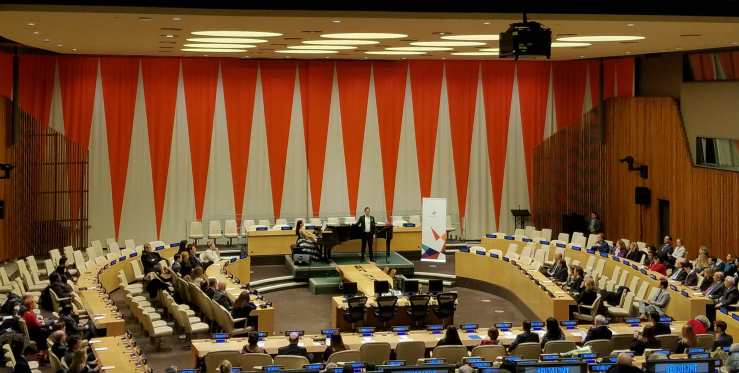
Not your average coordination meeting in the ECOSOC Chamber at the United Nations Headquarters! The Mission of Malta to the United Nations in collaboration with the Malta Arts Council organised an after-work concert to mark the launch of Malta’s Presidency of the Council of the European Union. A tenor and a pianist interpreted works from European (with emphasis to the Maltese) and American composers. An unlikely combination with fairly good acoustics but horribly strong lighting; and Dialogos, the vivid curtain by Swedish artist Ann Edholm, an excellent symbolic backdrop during negotiations, was rather overwhelming on this occasion.
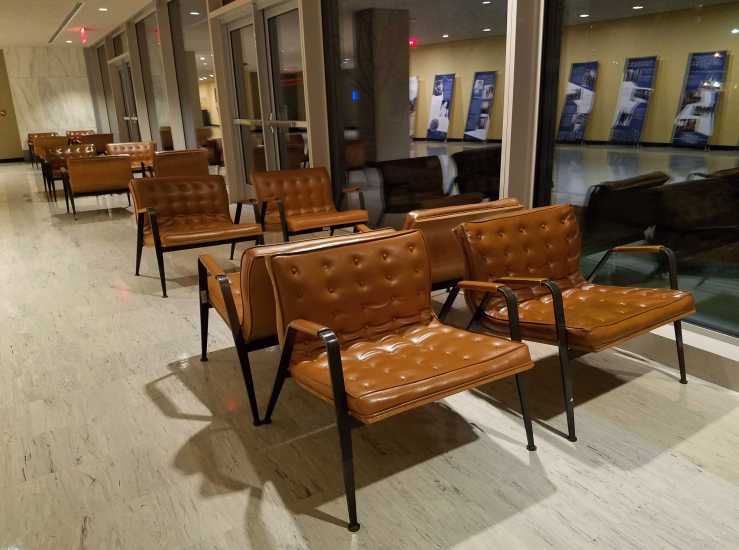
Any criticism however was quickly dismissed, replaced by a quiet excitement when on our way out through the – by then – empty corridors of the General Assembly Building, we spotted these familiar, functional yet almost sculptural armchairs. I would totally arrange my living room around a couple of them!


January 16th, 2017
The Beauty Queen of Leenane, a black comedy by Irish playwright Martin McDonagh was premiered by the Druid Theatre Company in Galway, Ireland in 1996.
20+ years later, Druid made its BAM debut with this first in the trilogy of plays set in the rural village of Leenane where forty-year-old Maureen Folan, a single and lonely woman lives with her mother Mag, trapped in a dry, loveless relationship. Until Mag interferes with her daughter’s first – and probably last – romance. Her cruel interference sets in motion a chain of events simultaneously funny and horrible, a narrative that leads to a tragicomic climax and leaves the audience with a bittersweet aftertaste that lingers long after the curtain comes down.
The Beauty Queen of Leenane, about to begin:
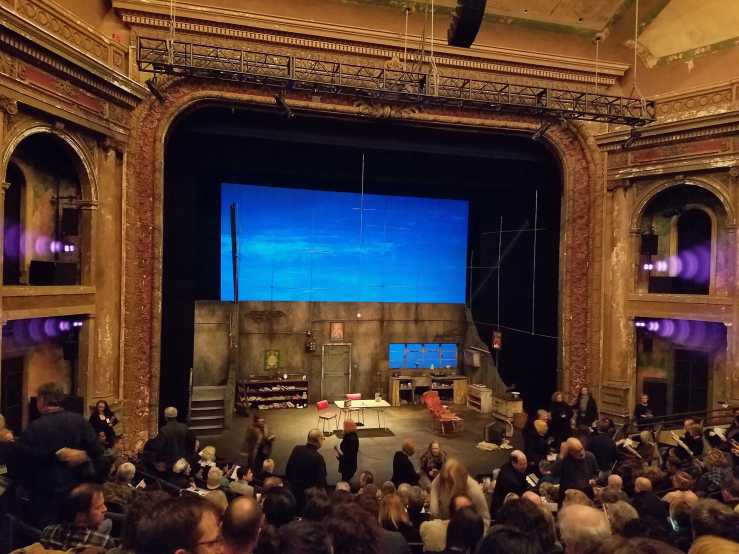
And the Beauty Queen of Solitaire, patiently killing time: 
Aisling O’Sullivan played Maureen, the daughter.
Marie Mullen, was the devious mother; most interestingly, Ms. Mullen played Maureen back in 1996, as if to confirm Maureen’s realisation when she exclaimed: Oh Gosh, I’ve turned into my mother!
Marty Rea was Pato Dooley, Maureen’s first and possibly last lover.
BAM Harvey Theater
January 14th, 2017
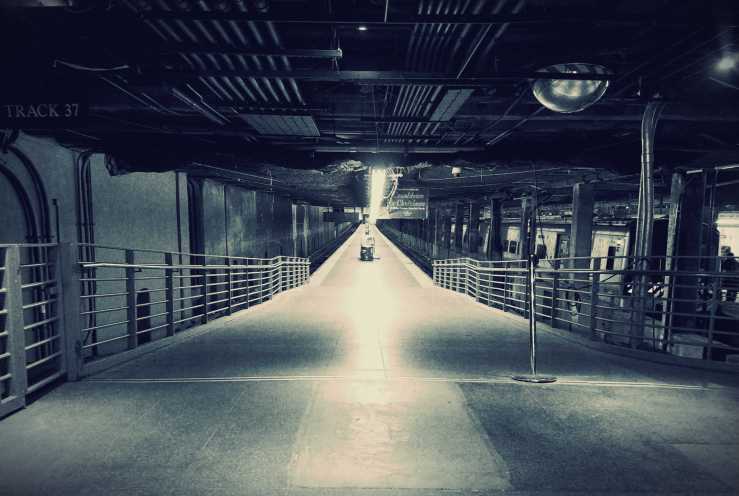
Friday, 7:04pm
Grand Central Terminal, Track 37
New York City
In a parallel universe.

January 13th, 2017
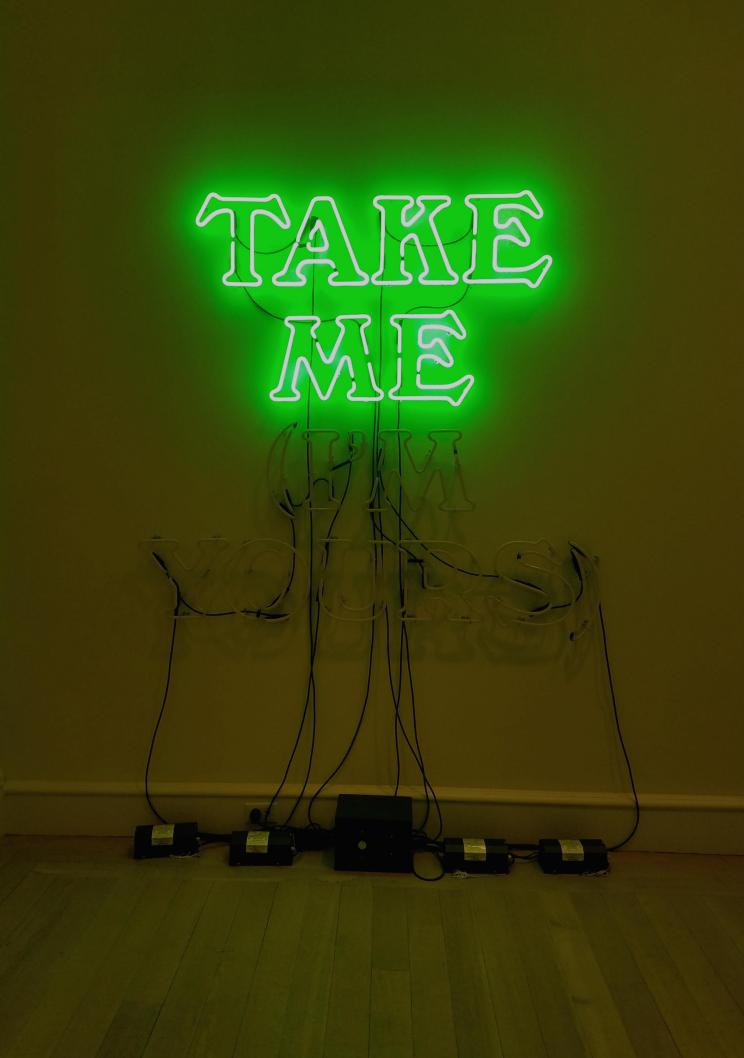
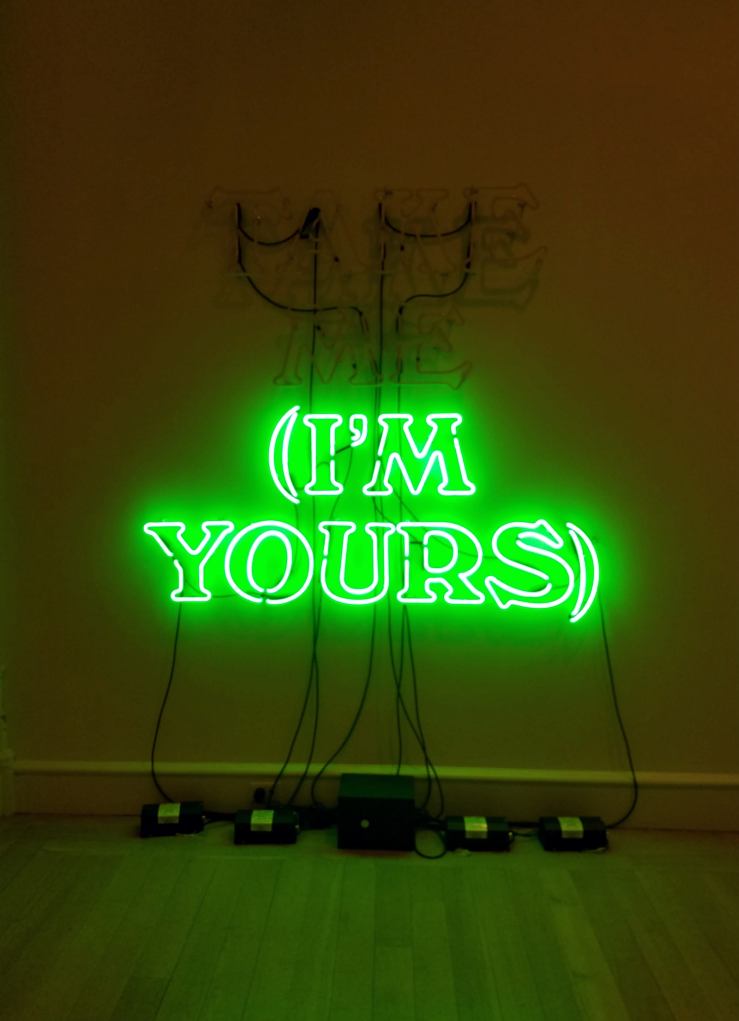
The Jewish Museum
January 8th, 2017

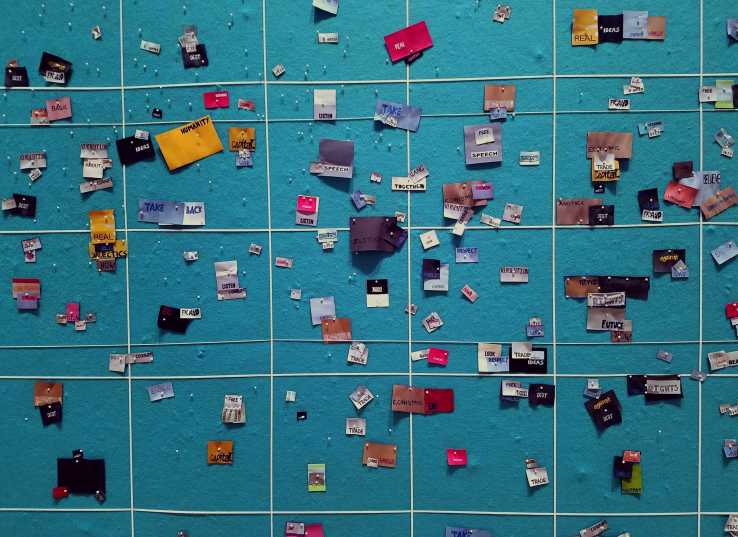
Rivane Neuenschwander (1967)
Watchword, 2012
For this work the artist, who was born in Belo Horizonte but lives and works in London, has embroidered words borrowed from the language of protest – take, back, justice, trade, war, corrupt, revolution, system, democracy, over – onto fabric tags similar to those used for clothing labels. Visitors were encouraged to take a tag, either to sew onto their clothes or to pin to the board. In both cases the migrating and accumulating words formed a poetic, global map of resistance.
I pinned ”Public” on top of ”Justice” on the board – my contribution to the resistance.
The Jewish Museum
January 8th, 2017

At The Jewish Museum
January 8th, 2017

Elsie Meyer (1885-1954), seen as a child in Sargent’s group portrait, became a fashionable young woman. In a 1903 letter to her brother Frank, her mother* described her ”insatiable appetite for society”, her gowns from Worth and Doucet in Paris, and the lavish preparations for her society debut. A few years later, Sargent depicted her in a simple cotton blouse.
*Lady Meyer demonstrated excellence in social skills herself: a society hostess known for her exuberant soirées, enchanting voice and support of the arts, but also a socially concerned philanthropist supporting working class women, underprivileged families, and women’s suffrage.
(Notes from The Jewish Museum’s website)
January 8th, 2017
Recently, the Jewish Museum presented the first U.S. exhibition on the work of French designer and architect Pierre Chareau (1883–1950). On show were mainly furniture and lighting fixtures, as well as designs for Maison de Verre, the glass house completed in Paris in 1932, in collaboration with Dutch architect Bernard Bijvoet (1889-1979) and craftsman metalworker Louis Dalbet.
Chareau’s designs were complemented by pieces from his personal art collection, since both he and his wife Dollie were active collectors.
But I only had eyes for these sleek, stylish pieces of furniture and fixtures created in the 1920s, yet so modern they could have come right out of a Manhattan penthouse overlooking Central Park.
Take your pick:

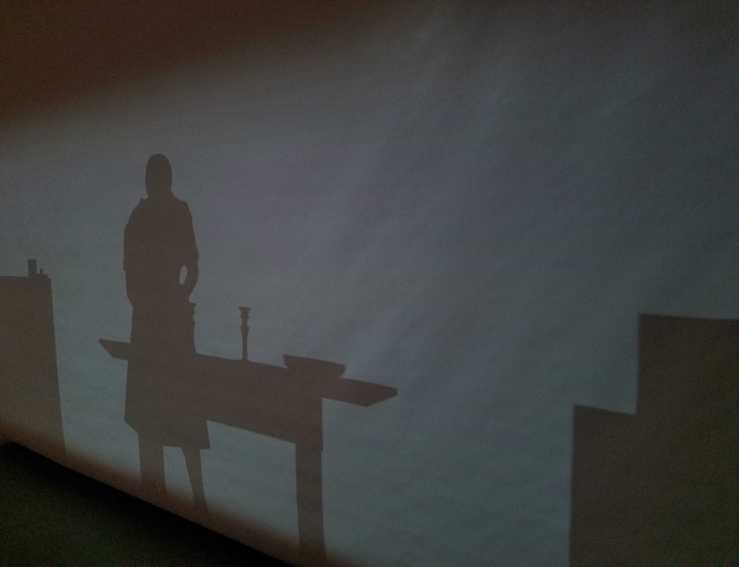

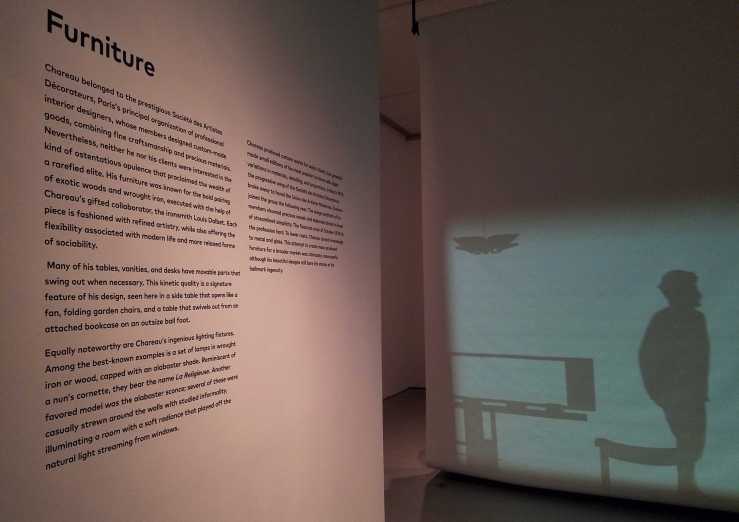
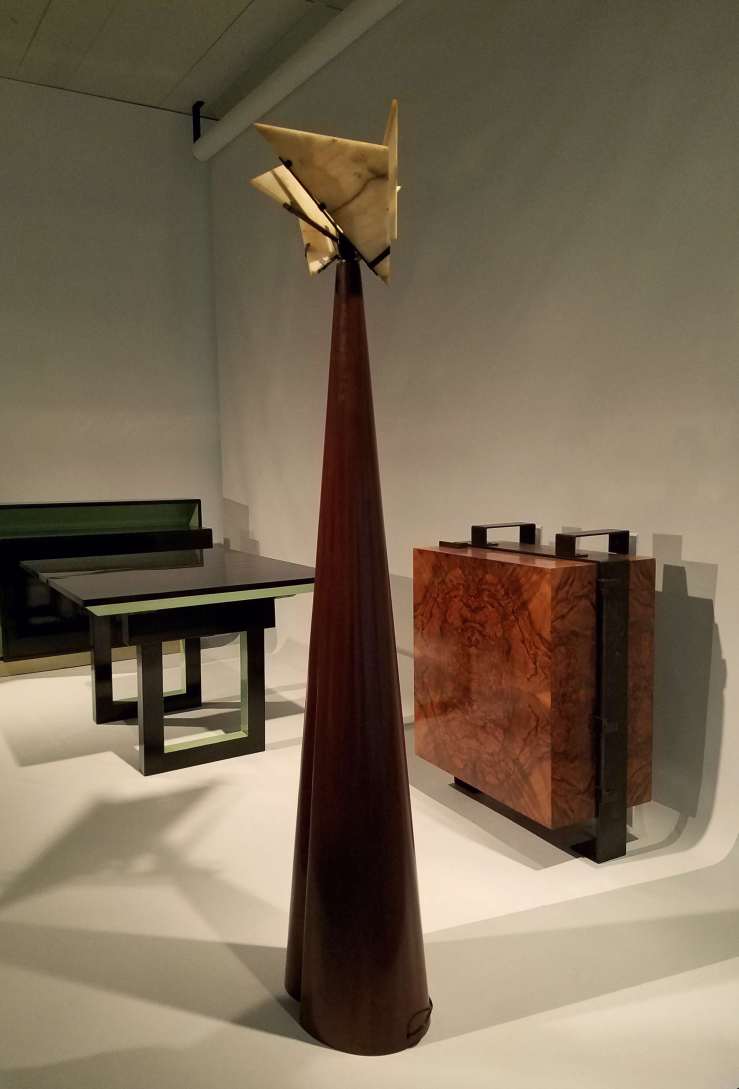
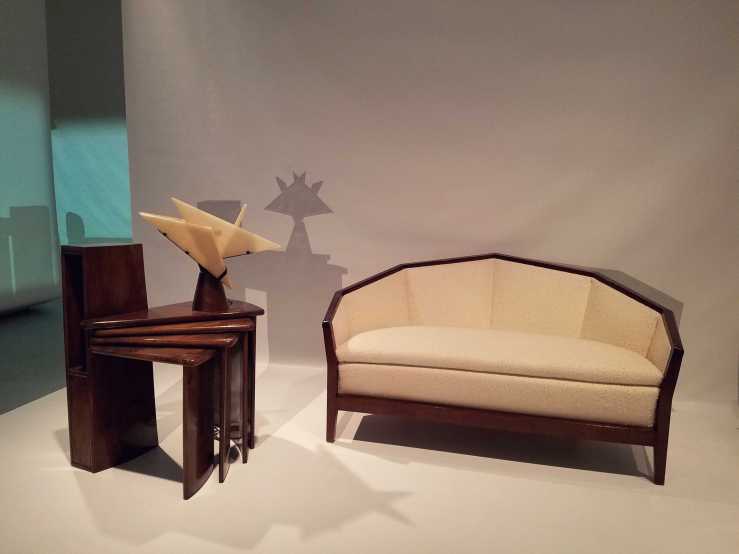
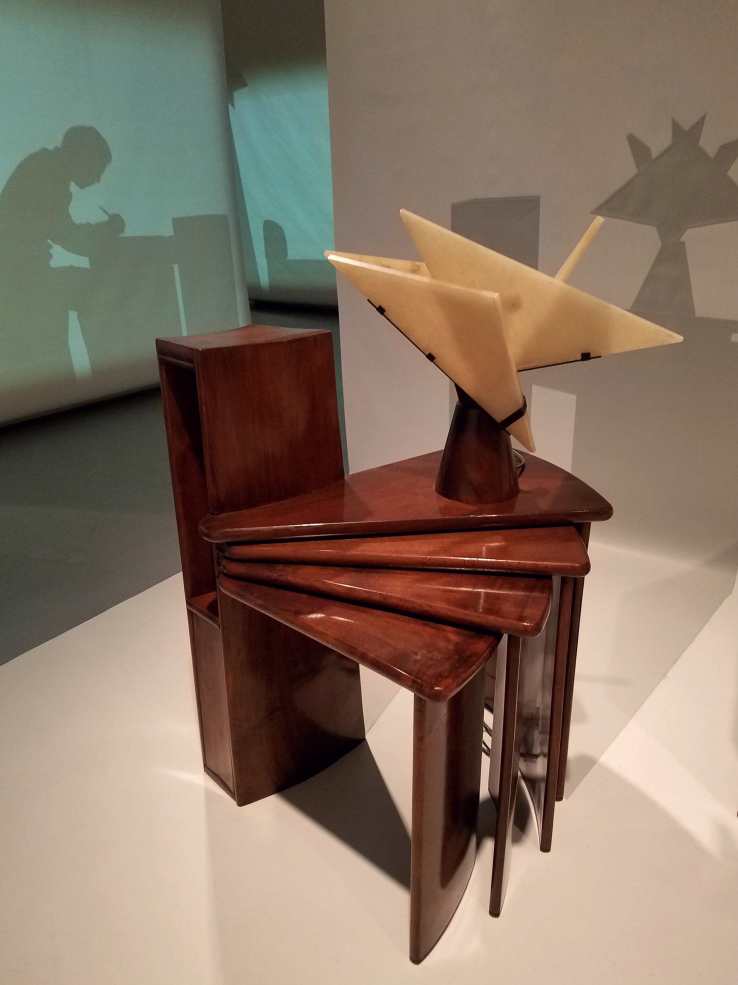


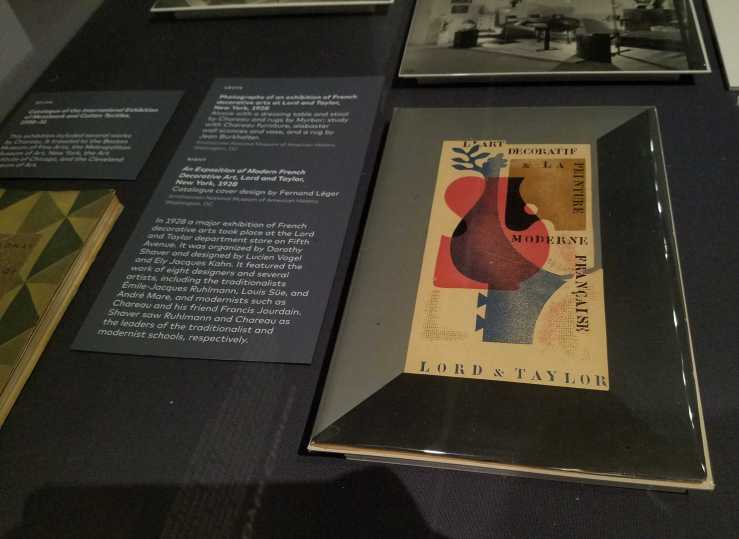

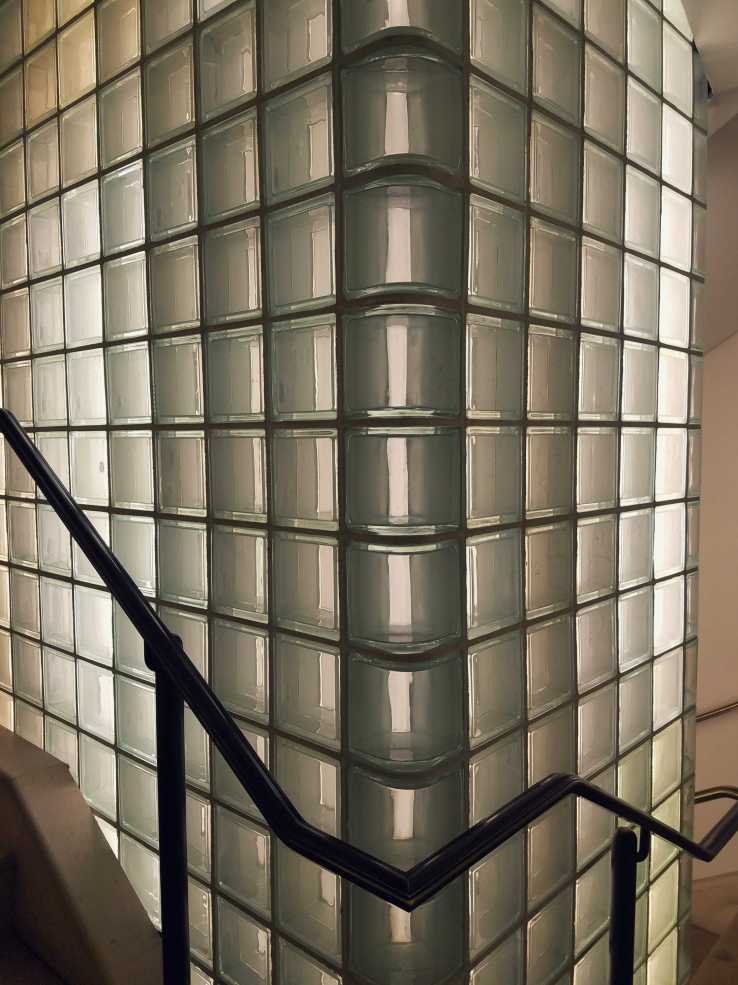
Pierre Chareau: Modern Architecture and Design exhibition ran between November 2016 – March 2017. You can read and browse through more photos on The Jewish Museum website.
January 8th, 2017
subjective worldview
Actor, writer, cook and author
Travel experiences & Strasbourg city guide
Writer
joy, happiness, travel, adventure, gratitude
"Rêve onirique & Bulle d'évasion"
makes pretty things on paper
This WordPress.com site is Pacific War era information
Welcome to my curious world of words....
Photographs, music and writing about daily life. Contact: elcheo@swcp.com
Free listening and free download (mp3) chill and down tempo music (album compilation ep single) for free (usually name your price). Full merged styles: trip-hop electro chill-hop instrumental hip-hop ambient lo-fi boombap beatmaking turntablism indie psy dub step d'n'b reggae wave sainte-pop rock alternative cinematic organic classical world jazz soul groove funk balkan .... Discover lots of underground and emerging artists from around the world.
A 365 analogue photography project
Barcelona's Multiverse | Art | Culture | Science
Een digitaal atelier aan de (zee)slag.
‘Doodling Ambiguity’s in Ink.’
Miscellaneous photography
Glimpses along the way on a journey of discovery into symmetry...
 The Humble Fabulist