Seating Plan

In great Stijl.

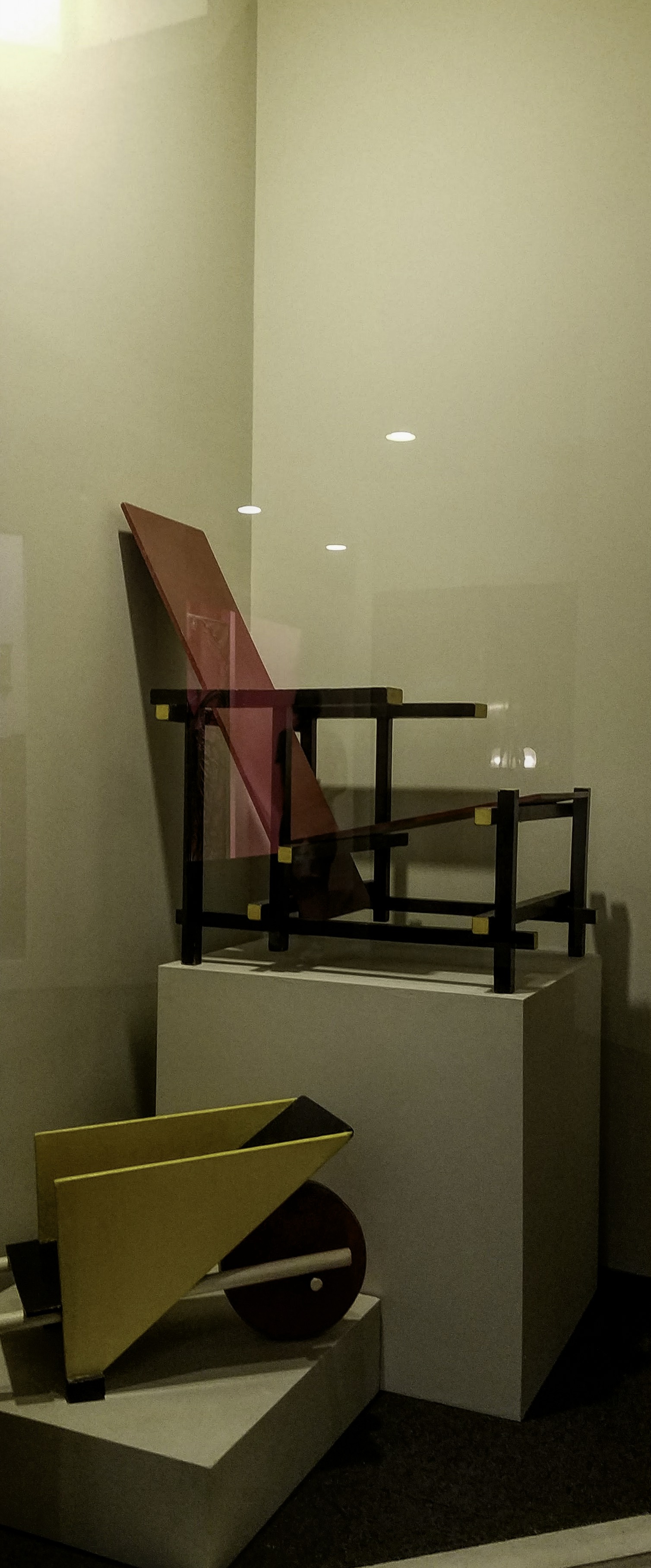
1/ Gerrit Thomas Rietveld
Armchair, designed 1917
Made by Gerard van de Groenekan (1904-1994)
The Netherlands
Painted beechwood

It is rare for decorative arts objects to evoke an artistic movement, but this armchair, formerly owned by De Stijl architect J.J. Oud, has become an icon. It expresses De Stijl ideology through balanced application of colour and the arrangement of geometric elements. De Stijl artists shunned historicism and naturalism and sought new abstract forms to express the ideals of the future

&

Child’s Wheelbarrow, designed 1923, made 1958
Made by Gerard van de Groenekan, The Netherlands
Wood

This child’s wheelbarrow is based on a toy that Gerrit Rietveld made in 1923 for the son of J.J. P. Oud. It exemplifies the stylistic characteristics of De Stijl: composed of elemental geometric forms, painted in primary colours and made of inexpensive wood.

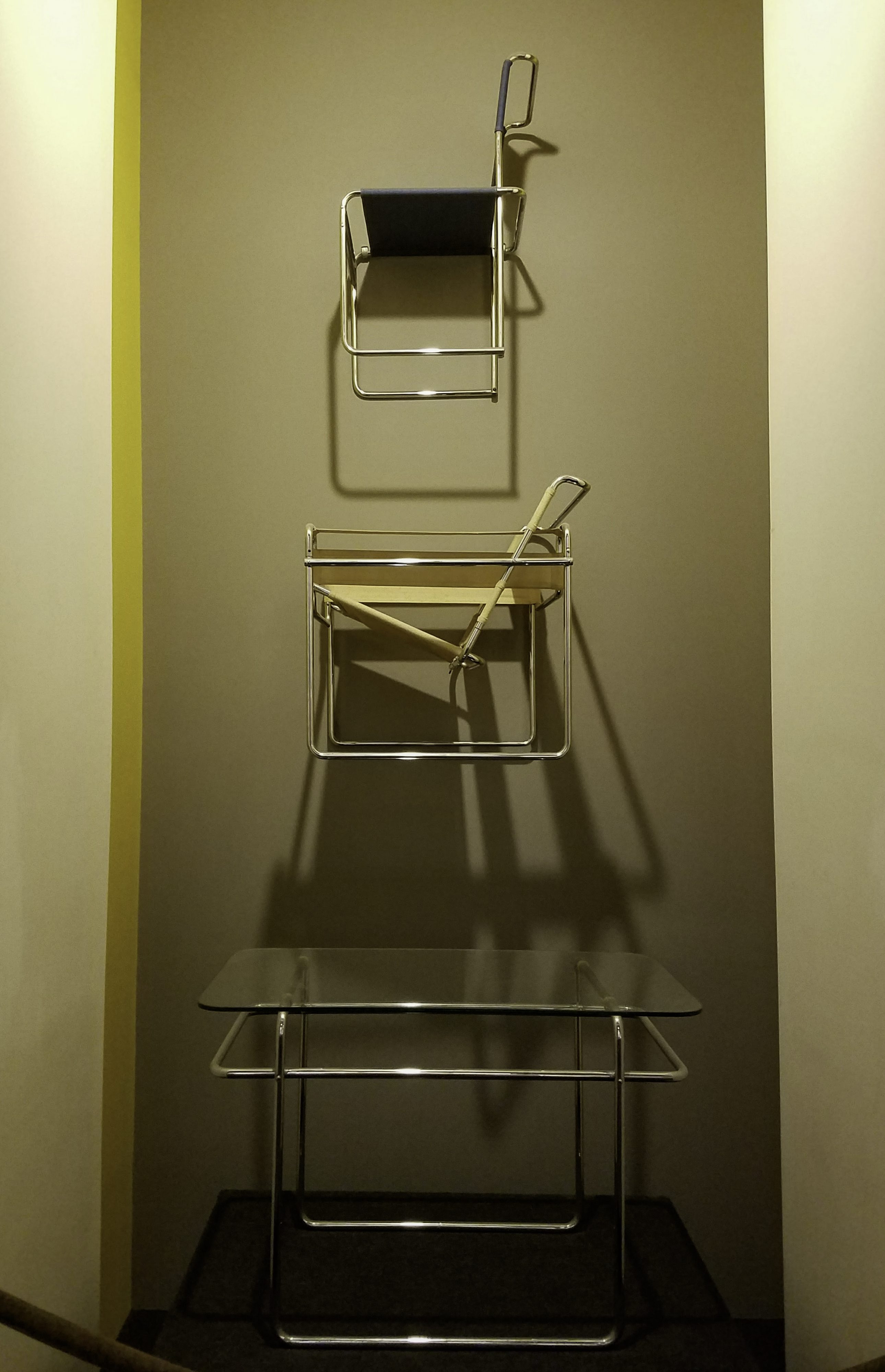
2/ Marcel Breuer
Side Chair, Model B5, ca. 1926, Germany
Armchair, Model b4, ca. 1927-28
Table, Model B19, ca. 1928
Chromium-plated tubular steel, white canvas (chairs), glass (table)

3/ Ettore Sottsass, Jr.
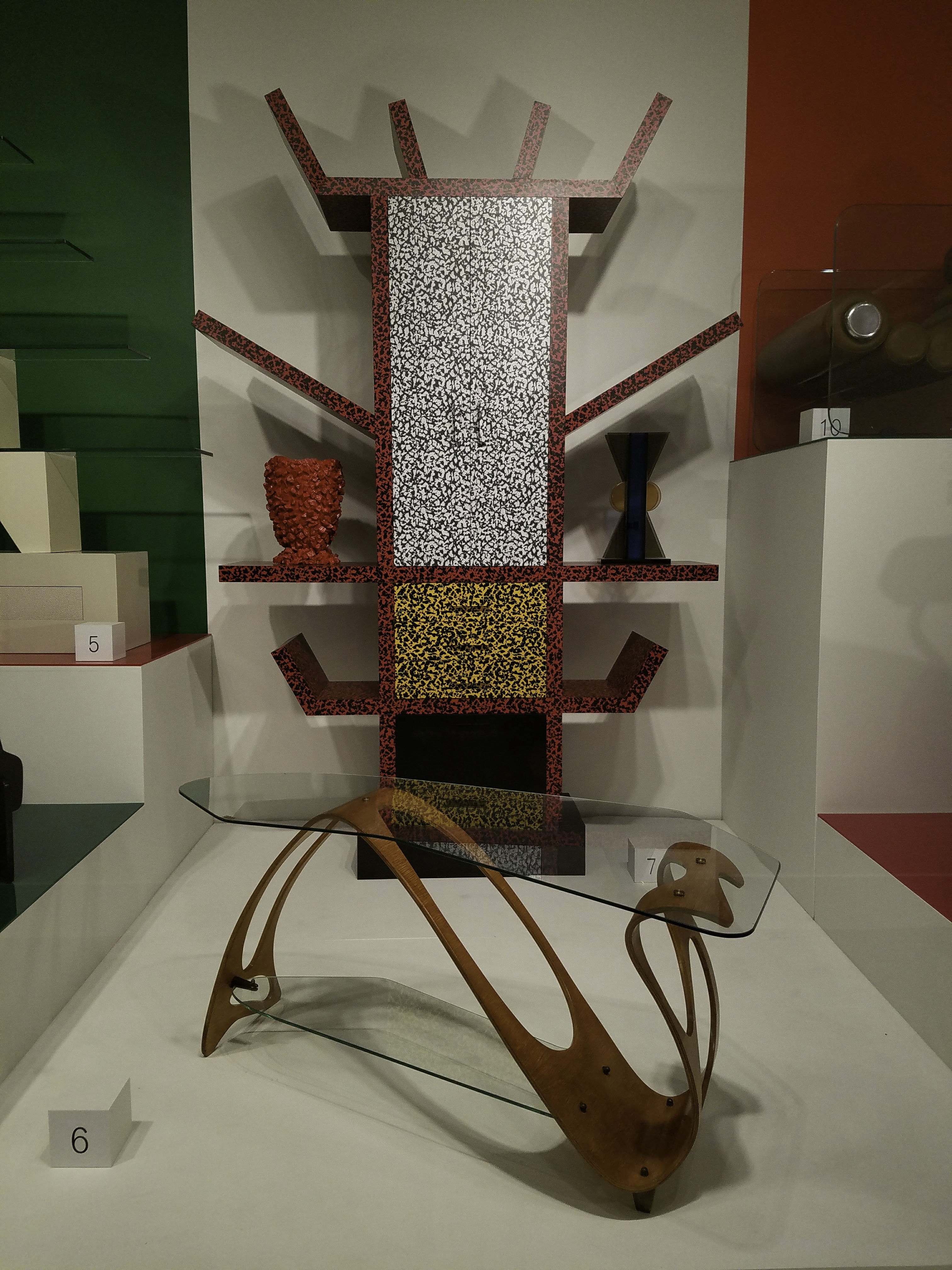
“Casablanca” Cabinet, designed 1981. Manufactured by Memphis. Milan.
Wood, plastic laminate

&

Carlo Mollino
Table, ca 1949. Made by F. Apelli and L. Varesio, Turin.
Laminated wood, glass, brass

Although it is functional, this table looks like a piece of sculpture. Its undulating curves were inspired by the work of Surrealist artists, in particular Jan Arp’s flowing lines and biomorphic shapes. The shape of the table top was based on the outlines of a woman’s torso. Mollino had traced it from a drawing by the Italian Surrealist Leonor Fini (1908-1996). In 1950 the table was included in a major exhibition of Italian design called Italy at Work: Her Renaissance in Design Today. The Italian government sent this travelling exhibition around America. {source}

Brooklyn Museum

July 22nd, 2017

Room Service @ The Metropolitan Museum of Art

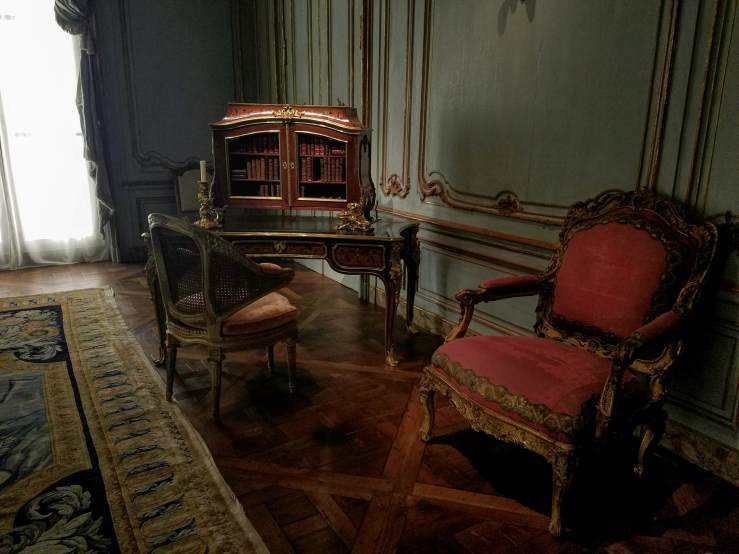
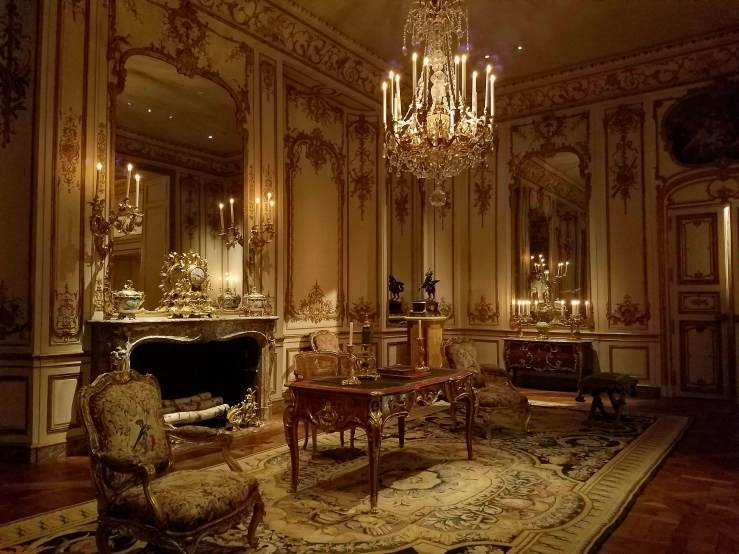
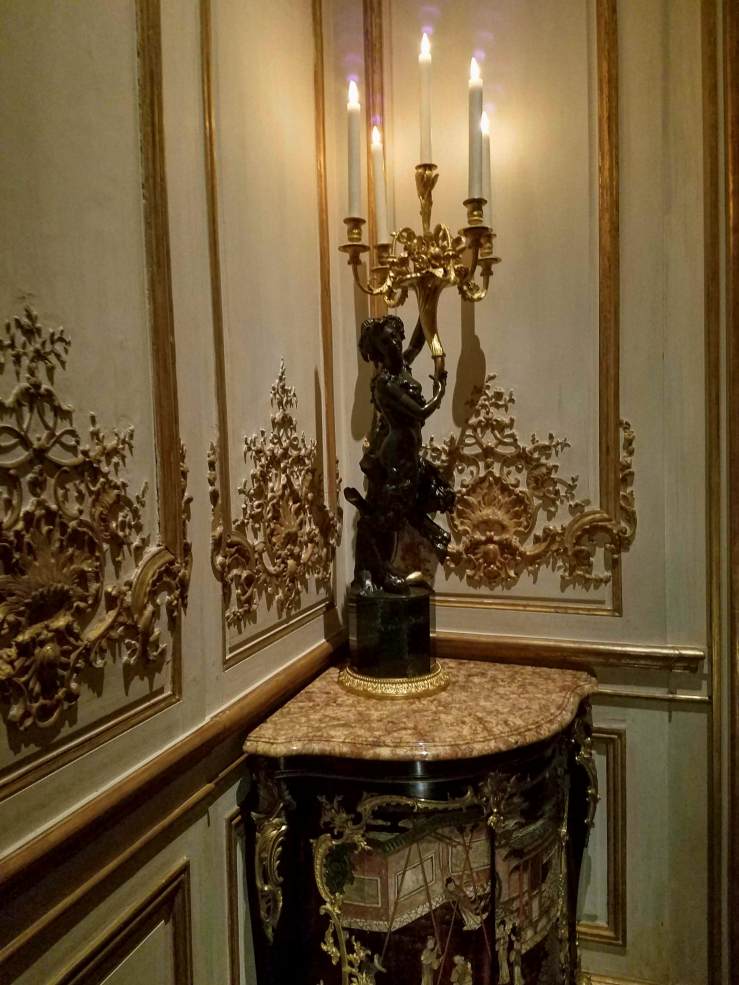
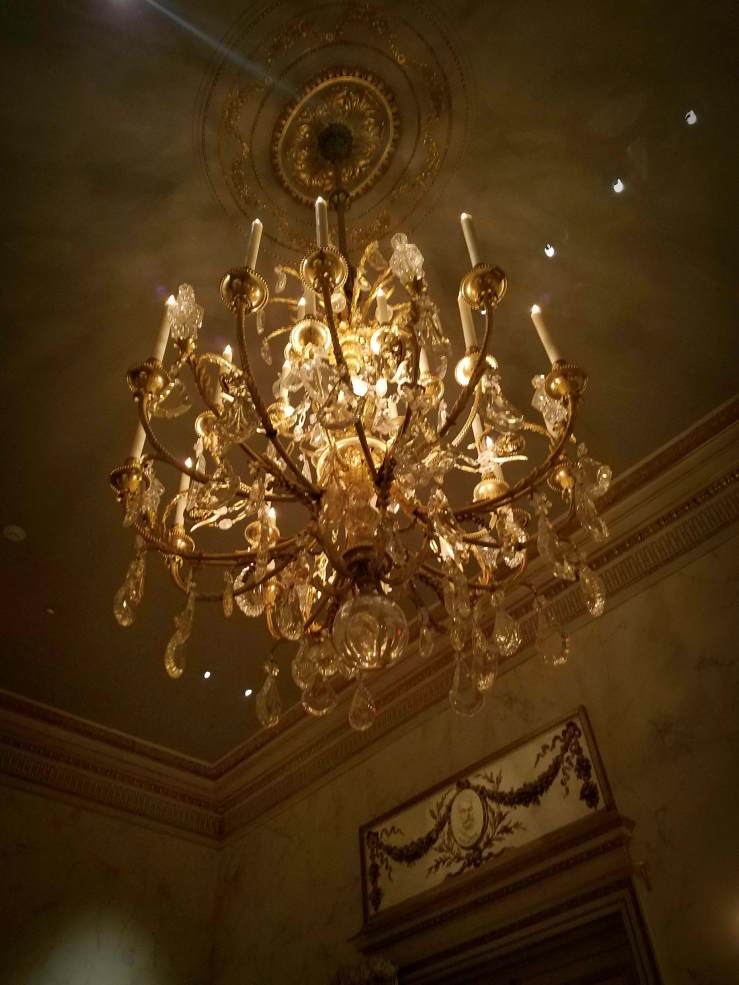
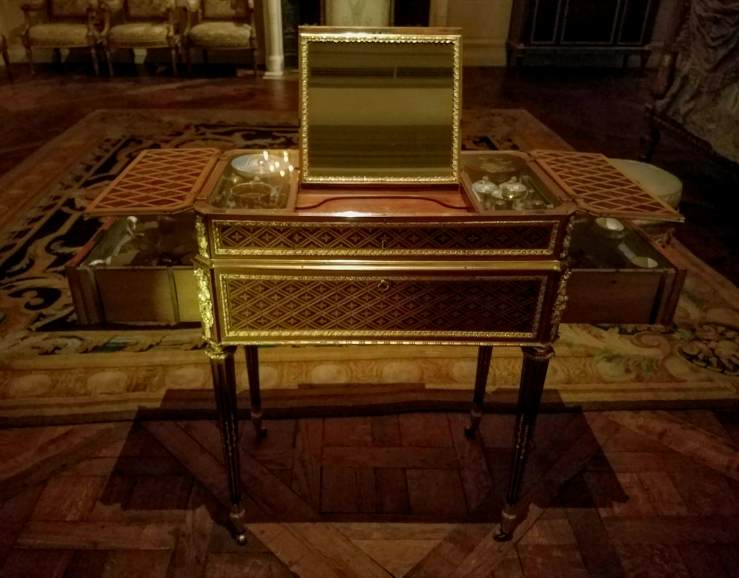
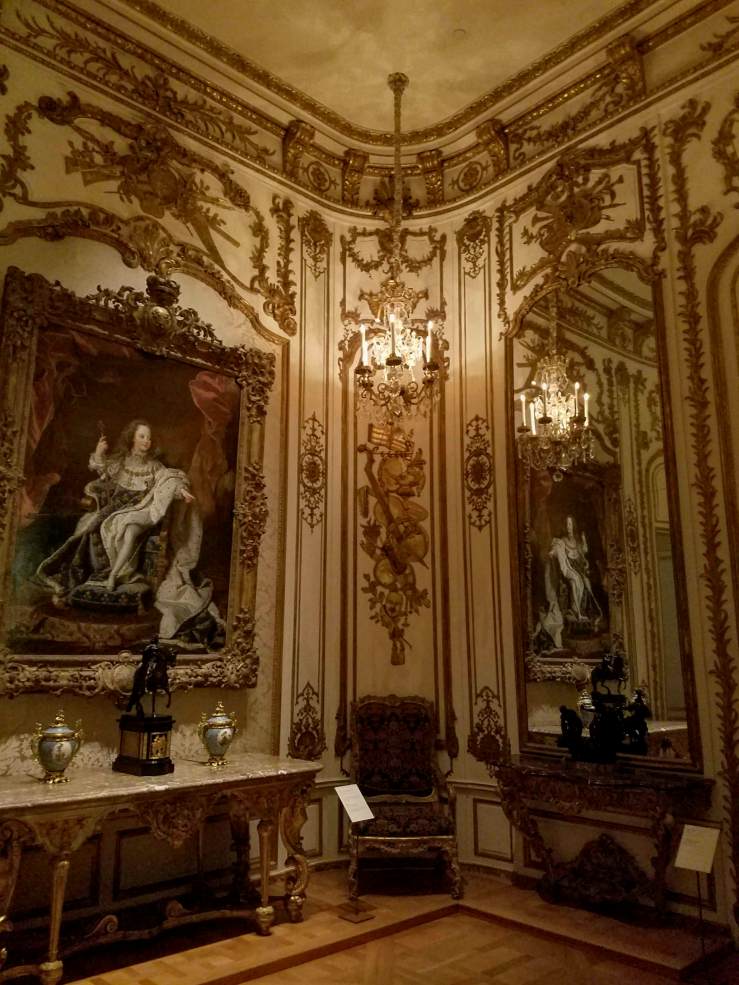
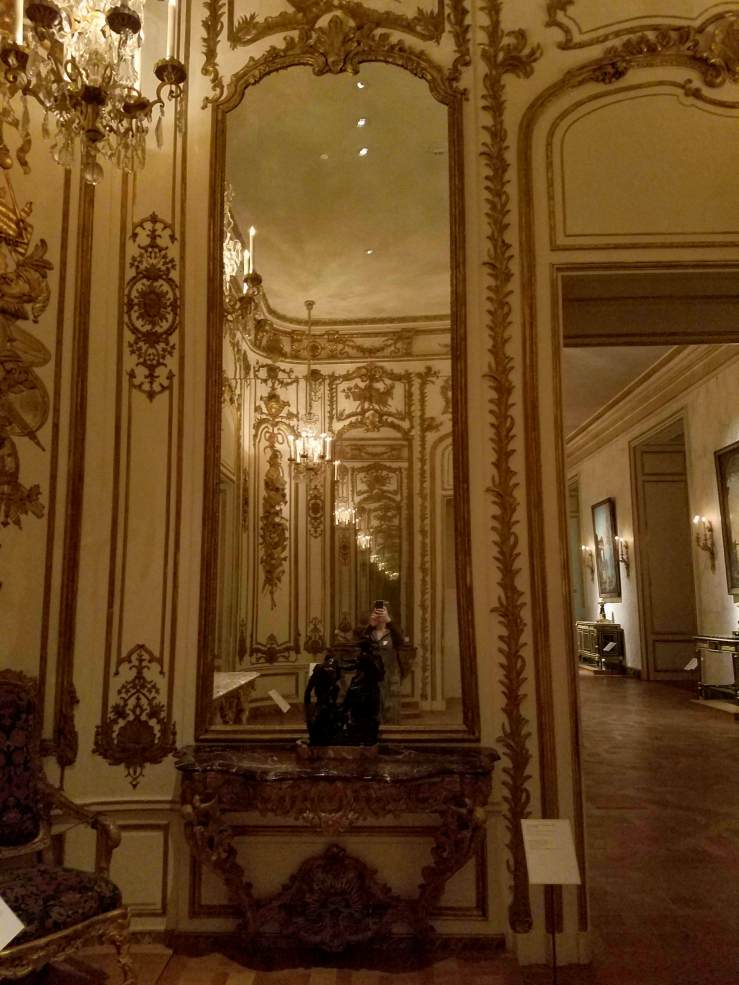
Sometimes I like to wander in and out of the period rooms, so elegant and opulent, so meticulously arranged down to the last detail, and imagine how it would be to live in places like these:  Formal Reception Room from the Hôtel de Tessé at 1, quai Voltaire, Paris.


Room from the Hôtel de Varengeville at 217, boulevard Saint-Germain, Paris.


The Lauzun Room (Hôtel Lauzun at 17, quai d’Anjou, Ile Saint-Louis).


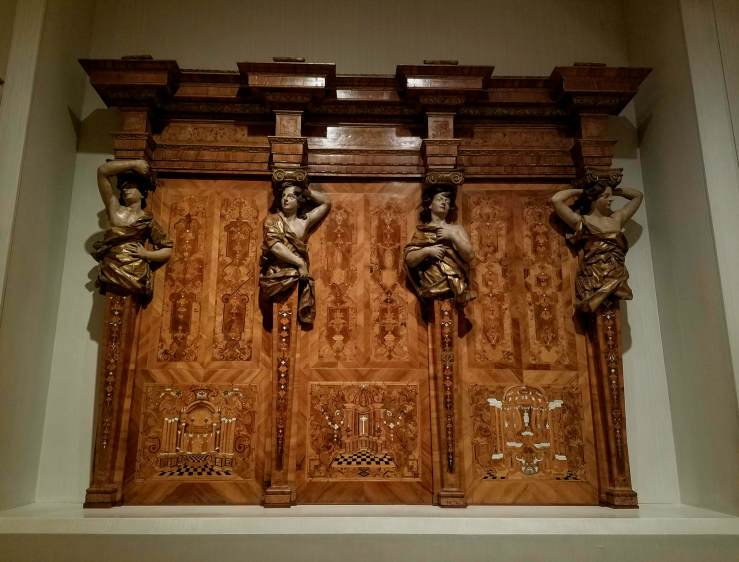
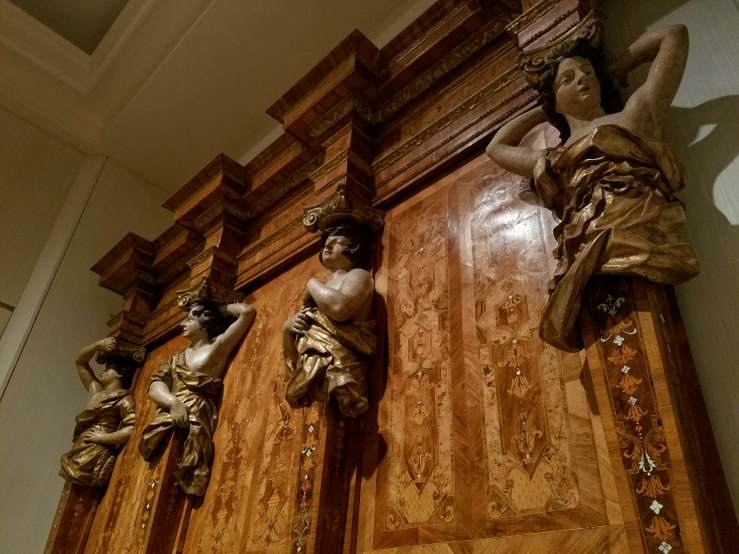
Back Panels of Choir Stalls
From choir stalls made by the cabinetmaker Johan Justus Schacht with the help of twenty-one assistants for the church of the Carthusian monastery in Mainz.
Panels: oak veneered with walnut, boxwood, rosewood, ebony, maple and other woods, ivory, green-stained horn and pewter.
Figures: carved and painted limewood
Mainz, 1723-26 with additions from 1787


Would my dreams be any different under this canopy?

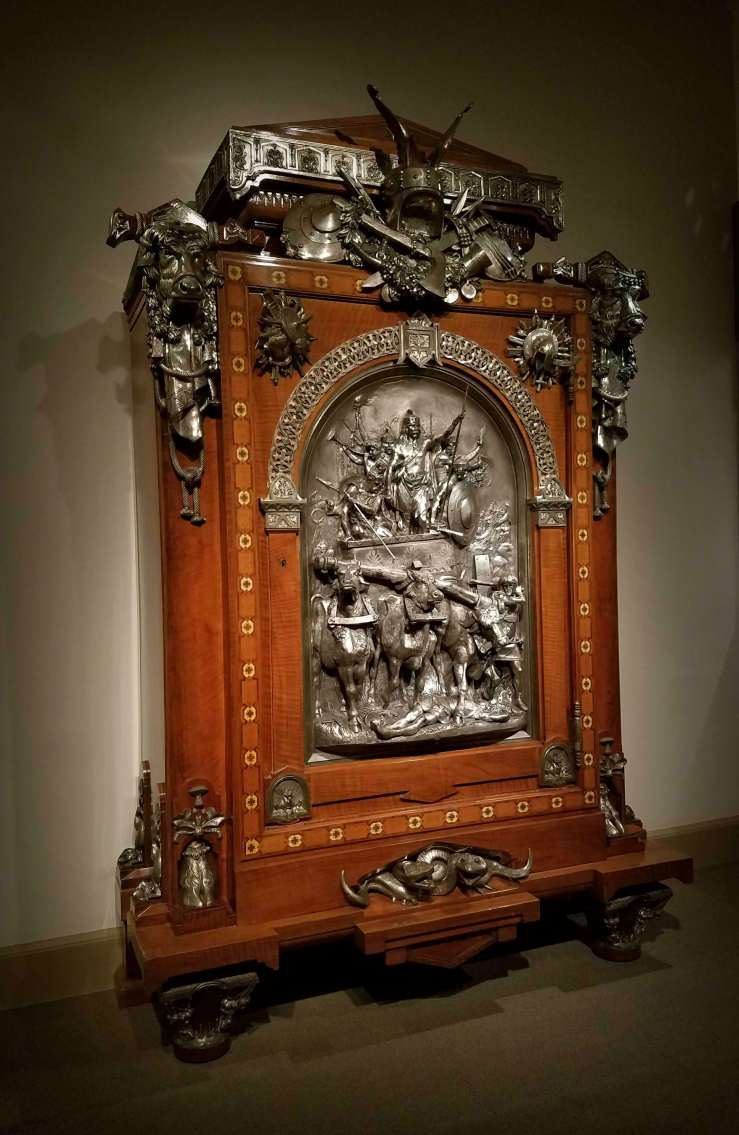
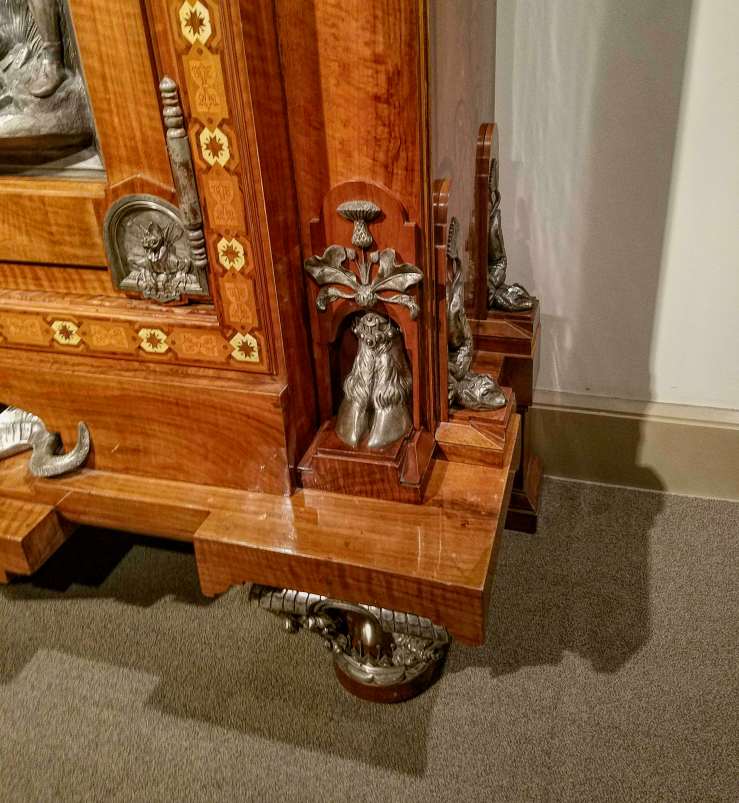
This armoire had me wondering how much more detail could one squeeze on a single piece of furniture: Armoire
Oak veneered with walnut and marquetry woods and set with silvered-bronze mounts
Design by Jean Brandley (active 1855-67)
Woodwork by Charles-Guillaume Diehl (1811-about 1885)
Mounts by Emmanuel Frémiet (1824-1910)
French (Paris), 1867

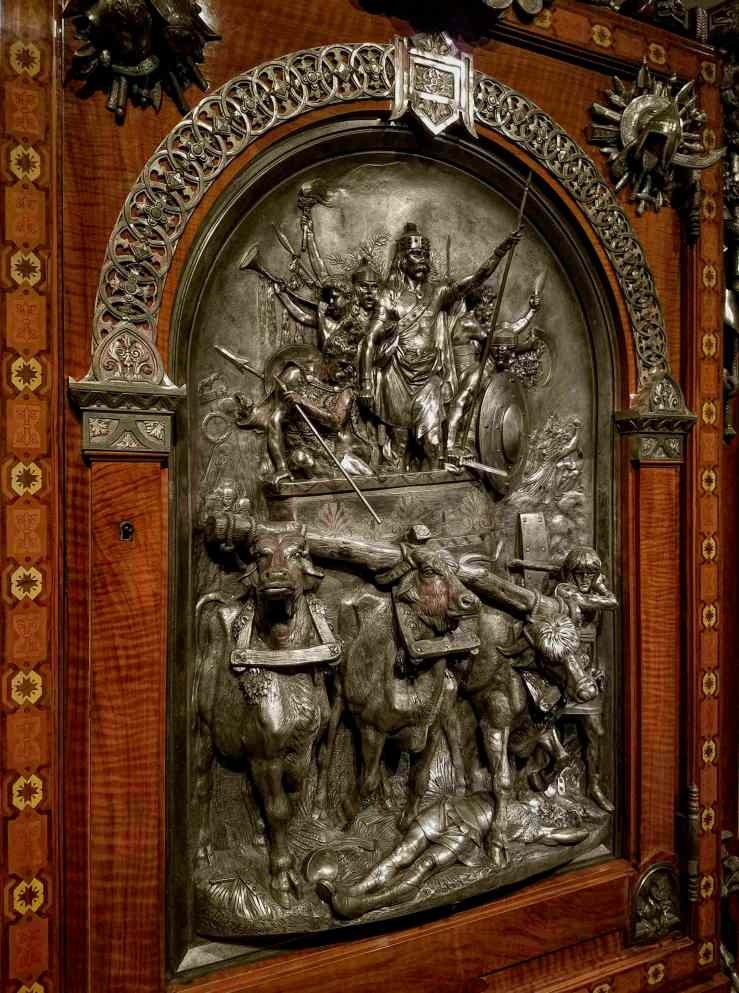
The central plaque of this ”Merovingian” armoire depicts the victory of the troops of King Merovech over the forces of Attila the Hun in 451. The prototype, a medal cabinet made for the Paris Exposition Universelle of 1867, is in the Musée d’Orsay, Paris. This armoire was commissioned by the cabinetmaker Diehl for his country house at Lagny.


Secrétaire à abattant
Walnut, parcel-ebonized and inlaid with various woods; mounted with gilt bronze; leather, glass, brass
Austrian, ca. 1815-20, with later additions.

Pair of side chairs
Attributed to Josef Danhauser (1780-1829)
Beech and pine wood, cherry wood veneer and ebonized mahogany; covered in silk not original to chair
Austrian (Vienna), ca. 1815-20


The Metropolitan Museum of Art

May 28th, 2017

Isabella Stewart Gardner Museum, part V – The Best of the Rest

The title is highly subjective, of course; what we are looking at – and all we’ve seen so far –  is but a fraction of The Gardner’s vast collection of artworks and beautiful objects.
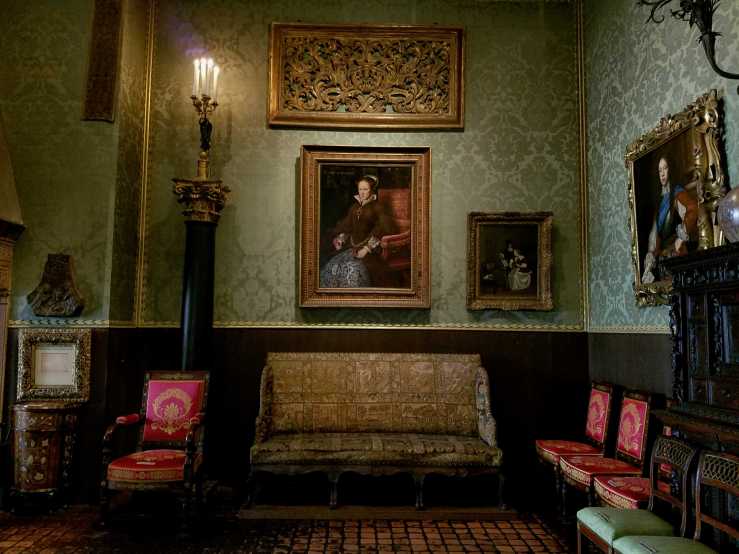
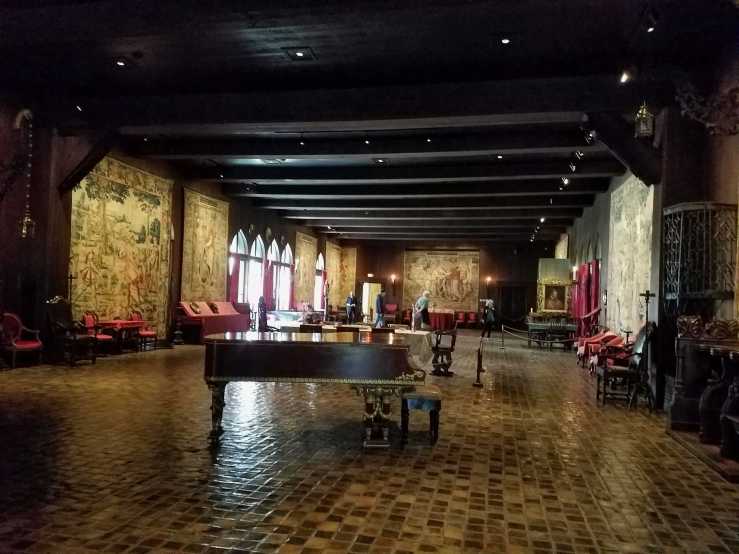
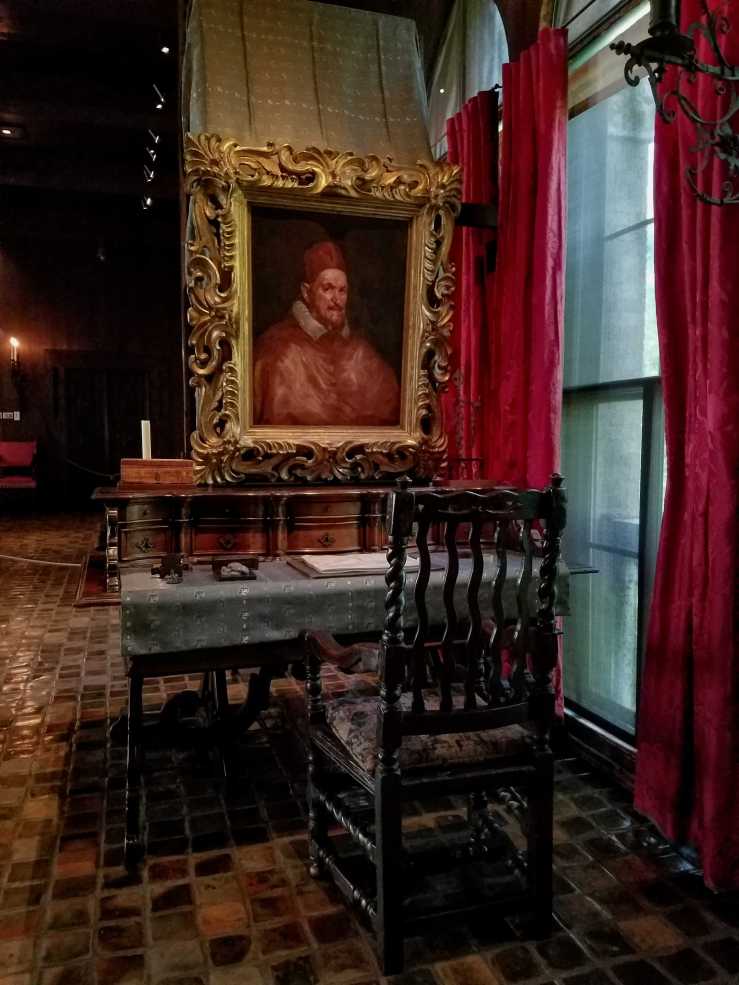
Look at the imposing Tapestry Room, for instance – imposing both in size and wealth – with its Flemish tapestries lining the walls…… and a portrait of Pope Innocent X, bearing an uncanny resemblance to a Velázquez but apparently it is not (but who the actually artist is, we know not)…Or the Veronese Room –
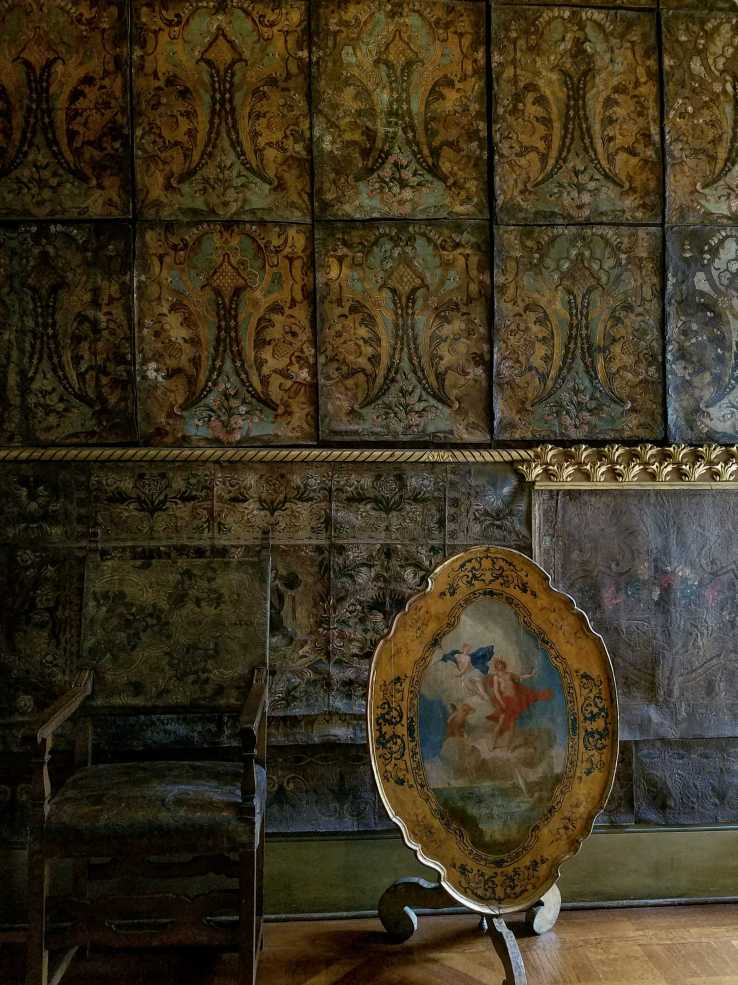
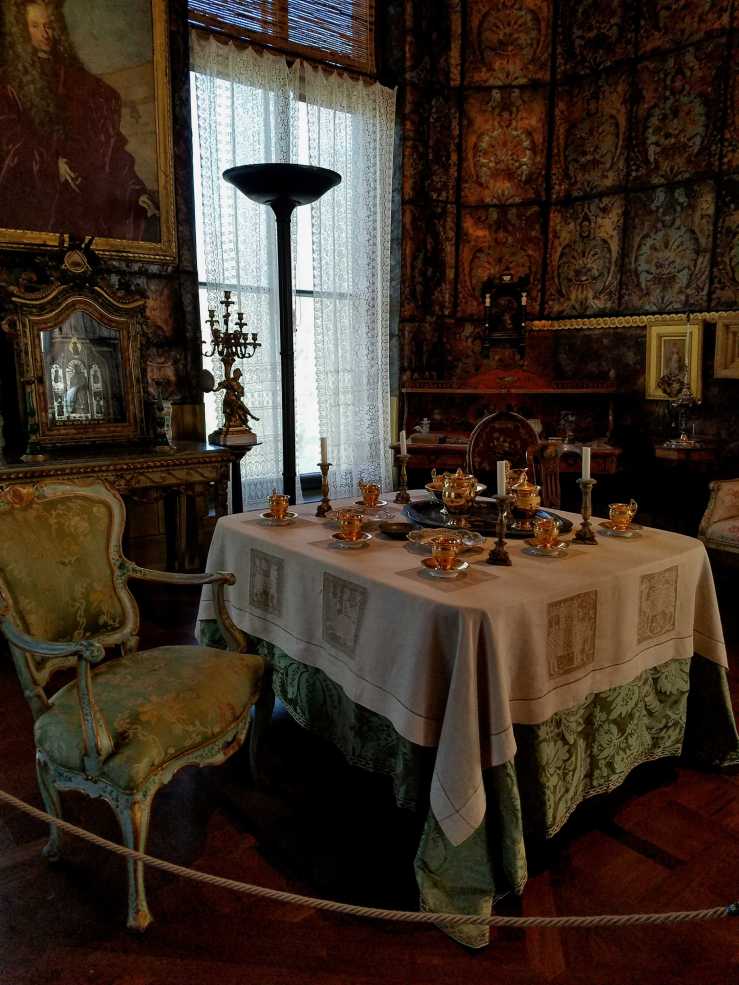
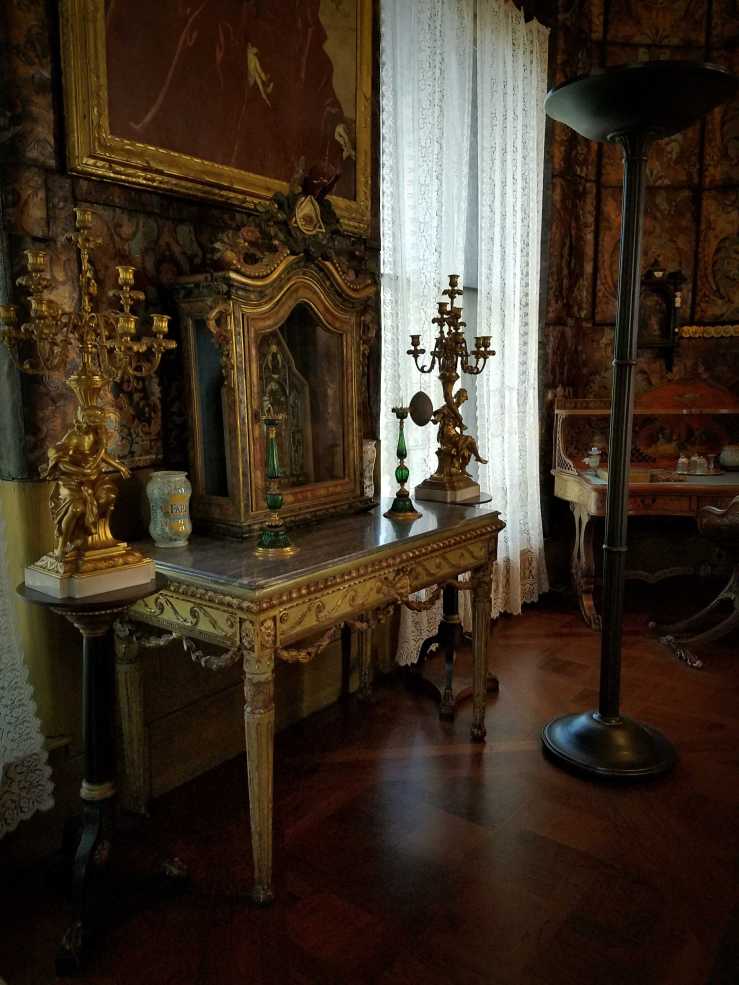
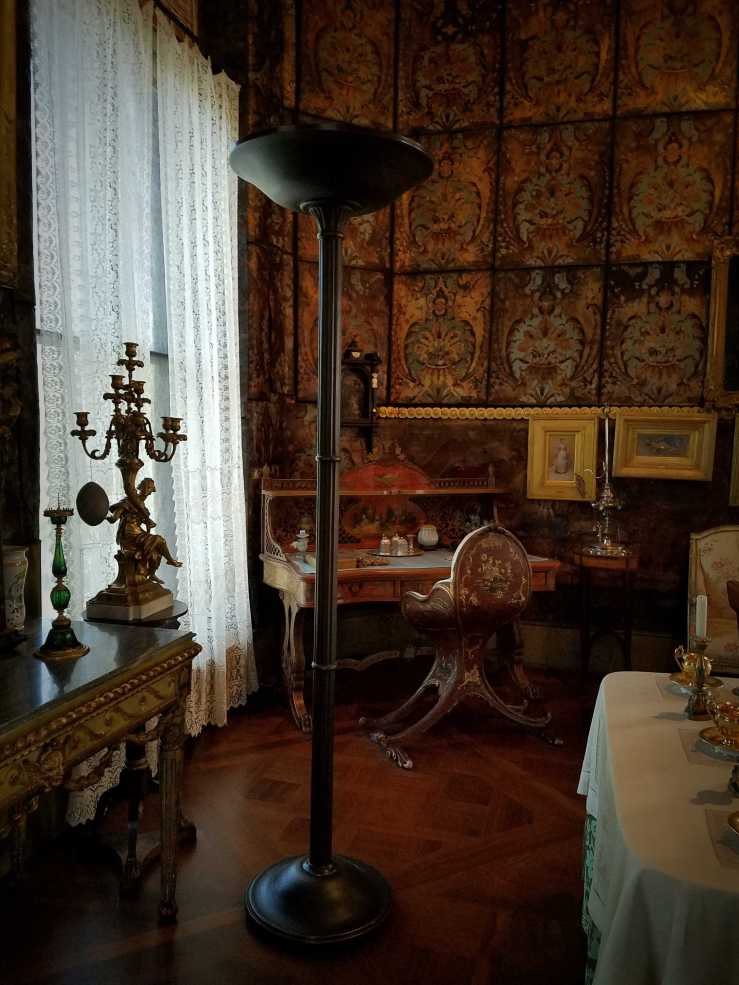
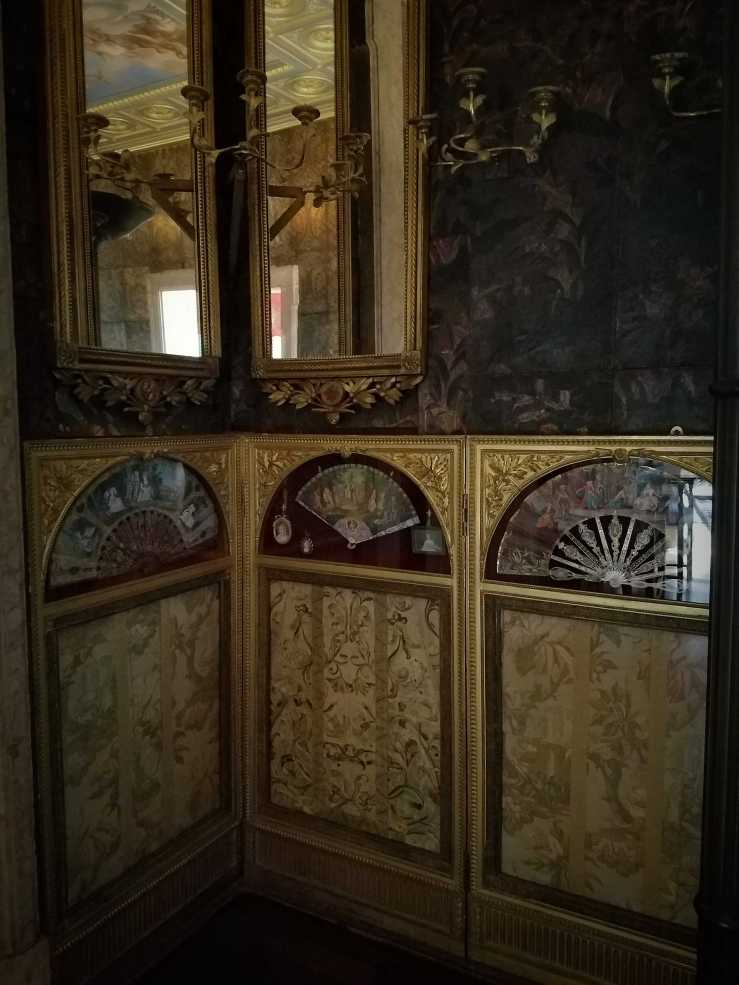
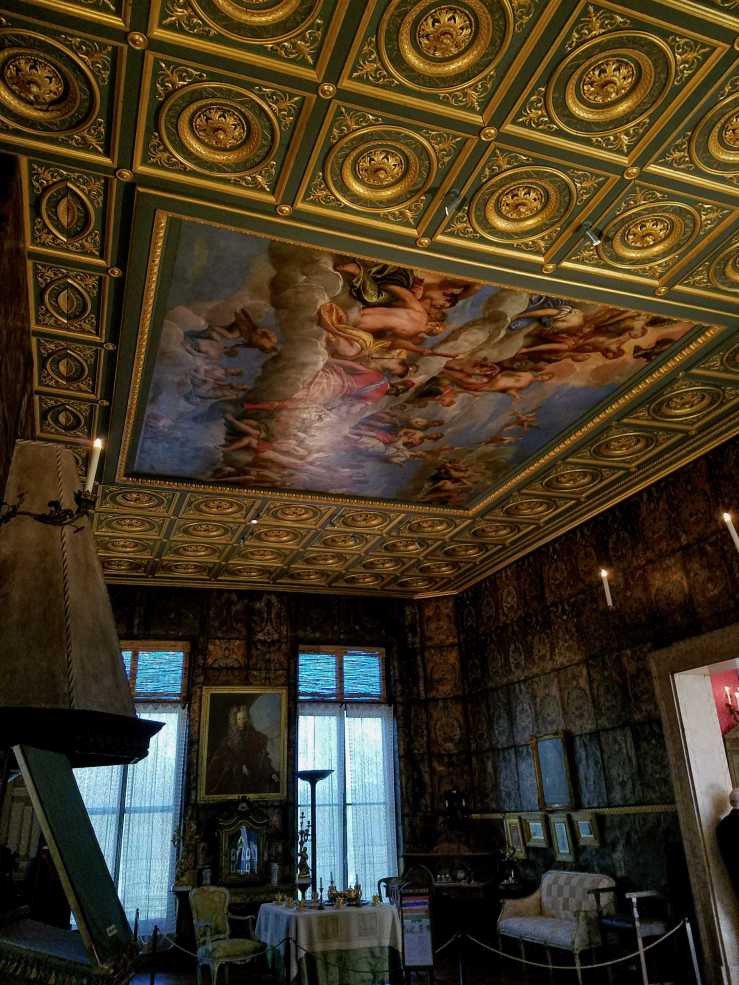
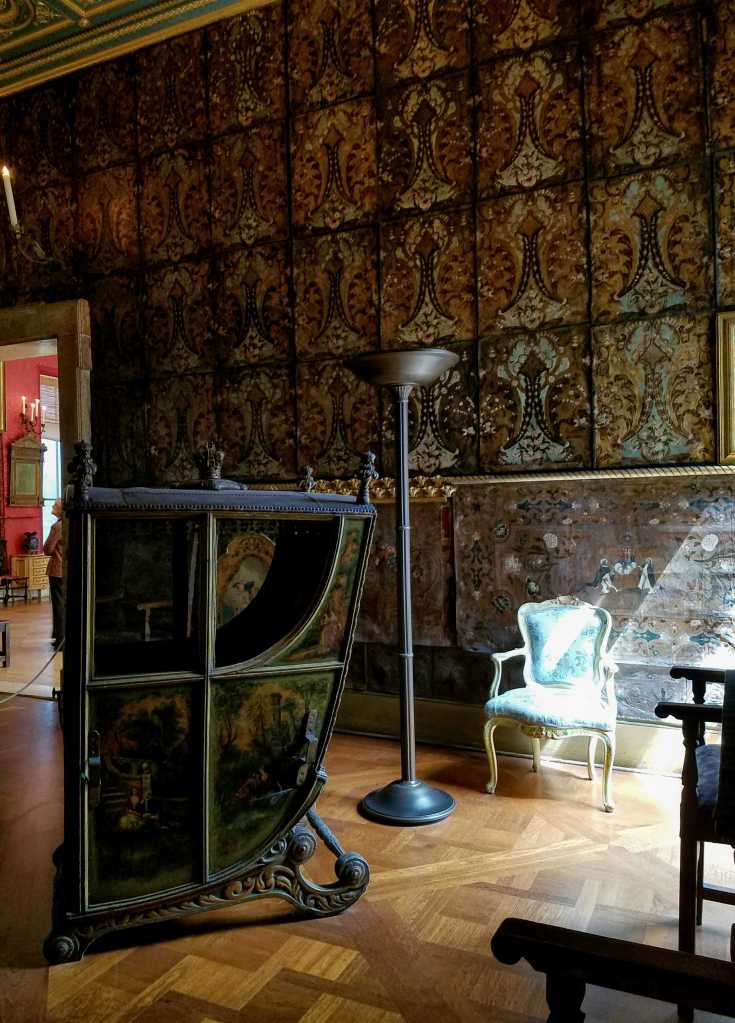
This room, which invites you to share Isabella Stewart Gardner’s love for Venice, takes its name from the painting on the ceiling. In 1899, while construction of the Museum was well under way, Isabella acquired The Coronation of Hebe, then attributed to Veronese. Gardner commissioned gilded paneling in Milan to frame the work in appropriate splendor. Rather than focusing on a single style or period, Isabella assembled around it a splendid mixture of objects that span diverse times and places. Stamped and painted leather panels from Spain, Italy, and the Netherlands line the walls. Gilded china saucers, cups, and a pitcher glisten on a small table at the room’s center. Balancing the stunning and huge Coronation on the ceiling are several pastels executed on an intimate scale by Isabella’s contemporary, James McNeill Whistler. 
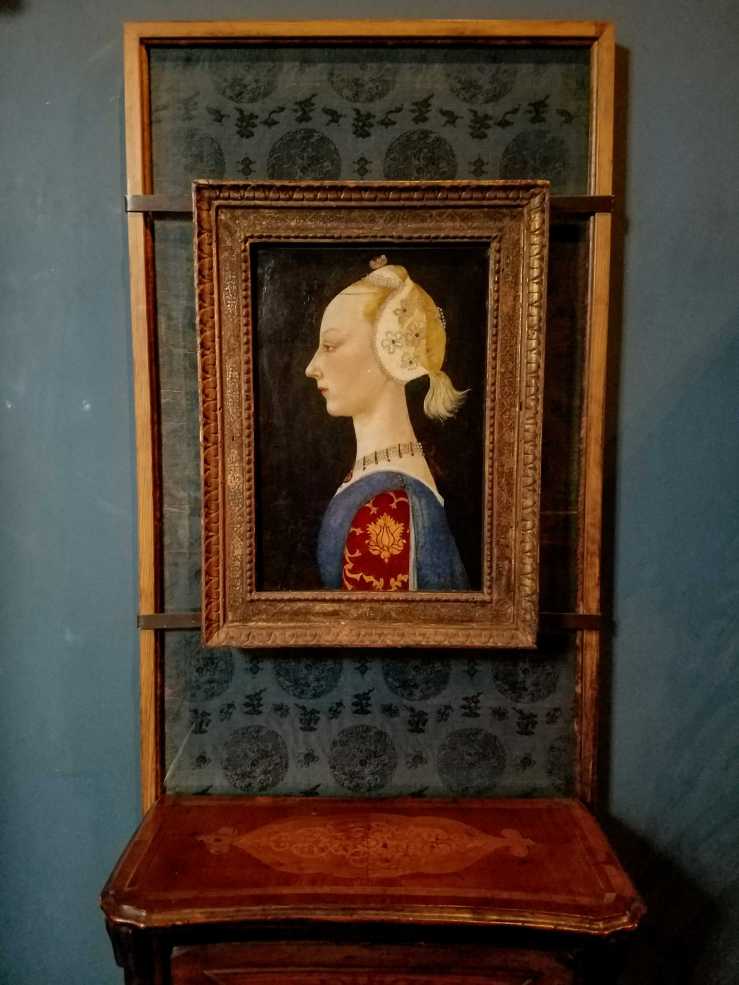
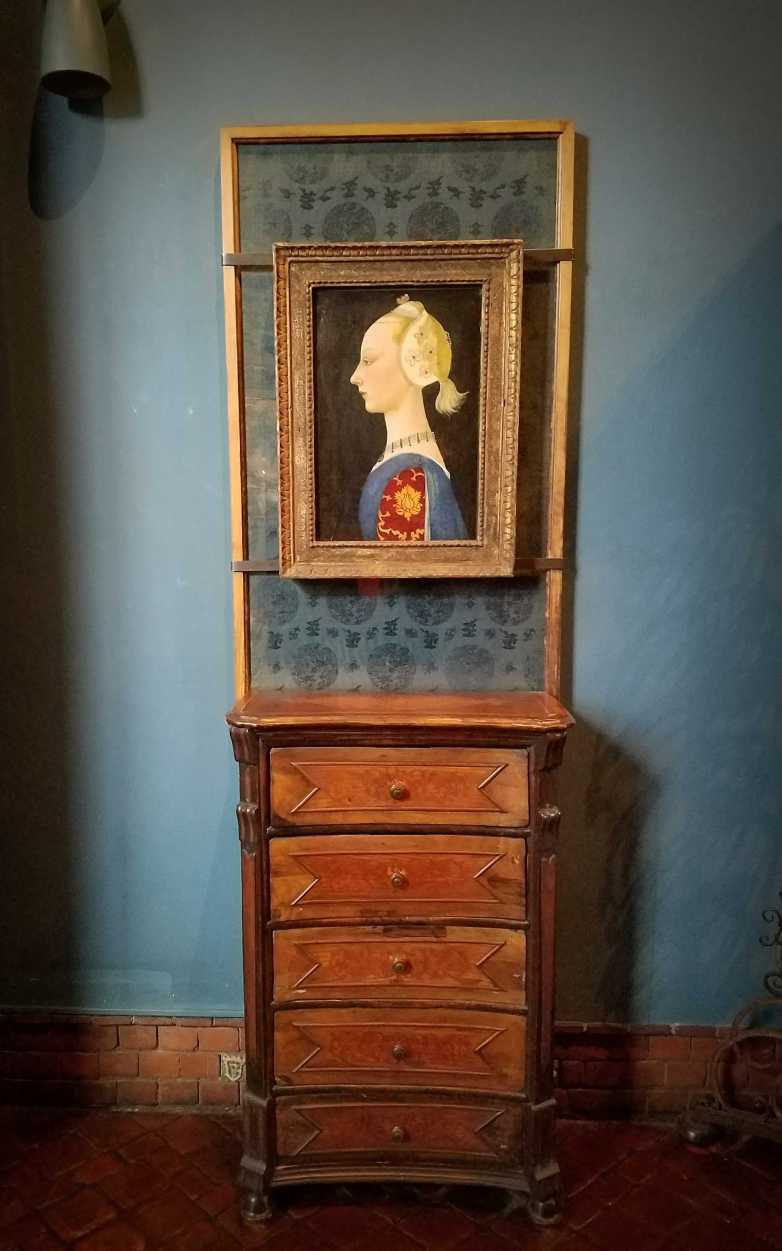
Crossing the Long Gallery, a young lady stops me in my tracks –

Attributed to Paolo Uccello (1397 – 1475)
A Young Lady of Fashion, early 1460s

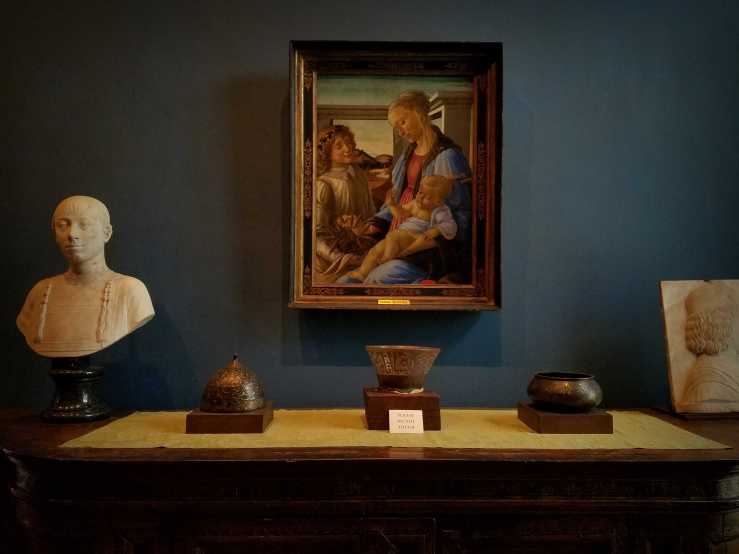
The portrait has a highly decorative quality in which costume and ornament play a major role. The rather flatly modeled face is placed on an insubstantial bust set against a uniform blue background. The woman is portrayed both according to literary notions of female pulchritude, which called for fair skin and blonde hair, and the dictates of contemporary fashion. Costly brocaded fabrics, pearls, and precious stones serve not only to display the sitter’s familial wealth and status but also to enhance her physical appearance – in art, as in life. In addition to a red and gold brocade sleeve and a sleeveless overdress, the woman wears a head brooch, a pearl choker with jeweled pendant, and a white cap ornamented with pearls.

This fashionable beauty looks impassive, immobile, and immutable, as if she were outside space and time. Her portrait image has a static, stereotyped character, in which the sitter’s individuality is almost entirely suppressed in favor of the social ideals for which she stands.

Bought as a work by Domenico Veneziano, the portrait has also been attributed to Paolo Uccello and the so-called Master of the Castello Nativity.

Source: David Alan Brown, “A Young Lady of Fashion,” in Eye of the Beholder, edited by Alan Chong et al. (Boston: ISGM and Beacon Press, 2003): 50.
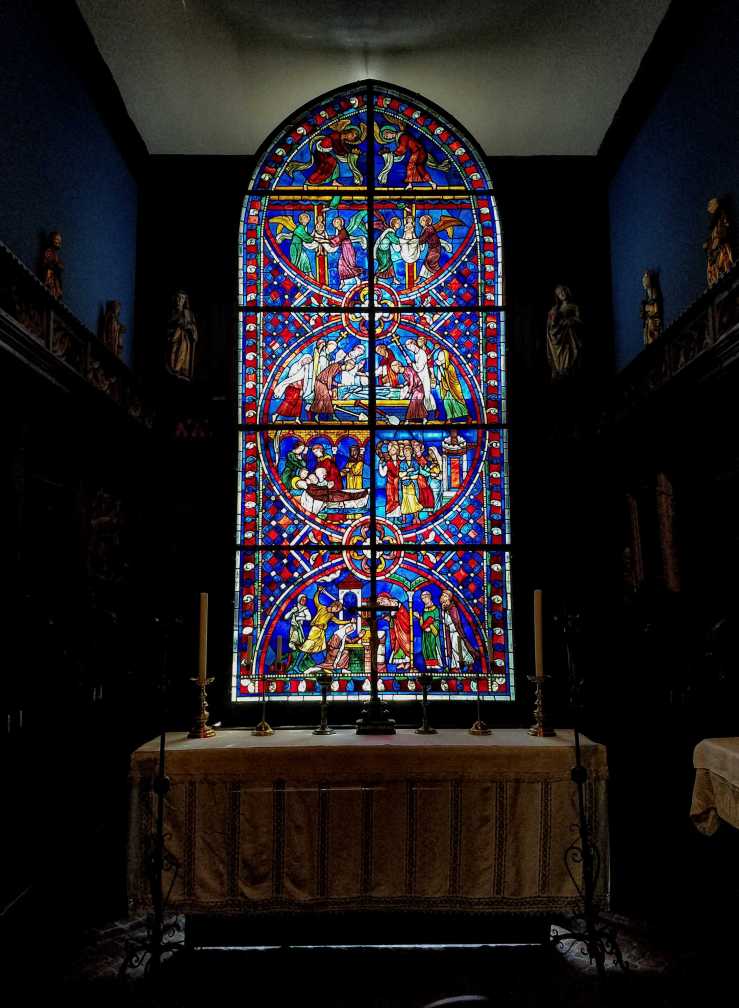
The Chapel –

at the far west end of the Long Gallery, houses a consecrated altar that was used by Isabella Stewart Gardner–a devout Anglo-Catholic–for the celebration of Mass. Its function as an active sacred space persists to this day. Every April, as specified in Isabella’s will, a memorial service honors her memory. Liturgical items, including an early 17th century Italian carved ivory crucifix and a cloth that Gardner crocheted herself, adorn the altar table. A magnificent Gothic stained-glass window from the cathedral of Soissons in France stands as the centerpiece of the Chapel.
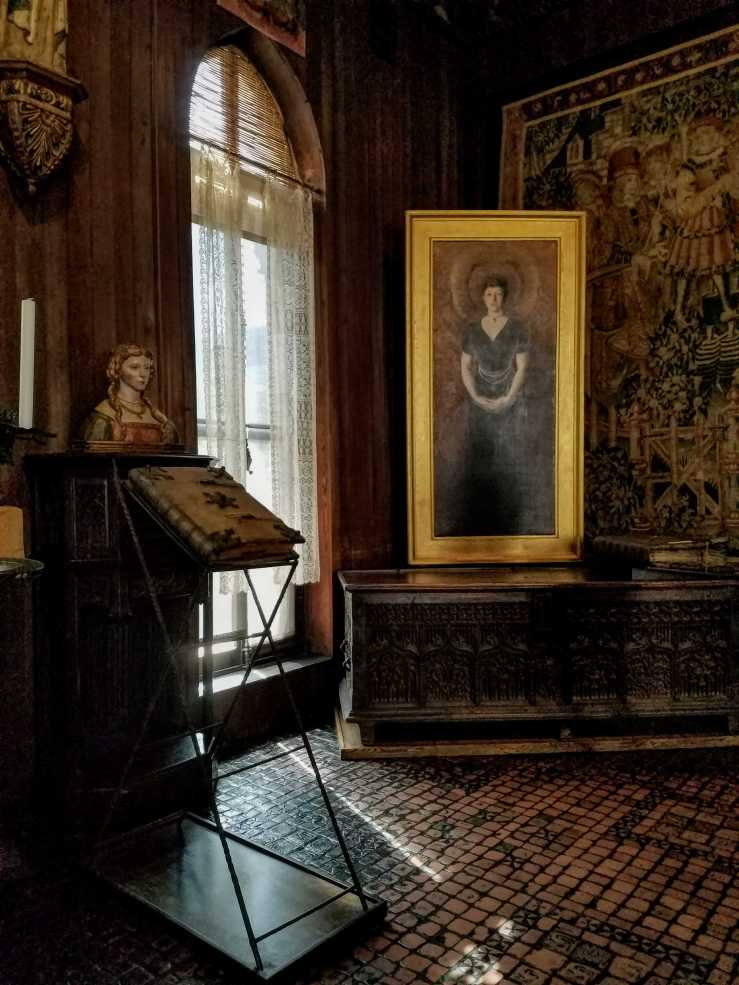
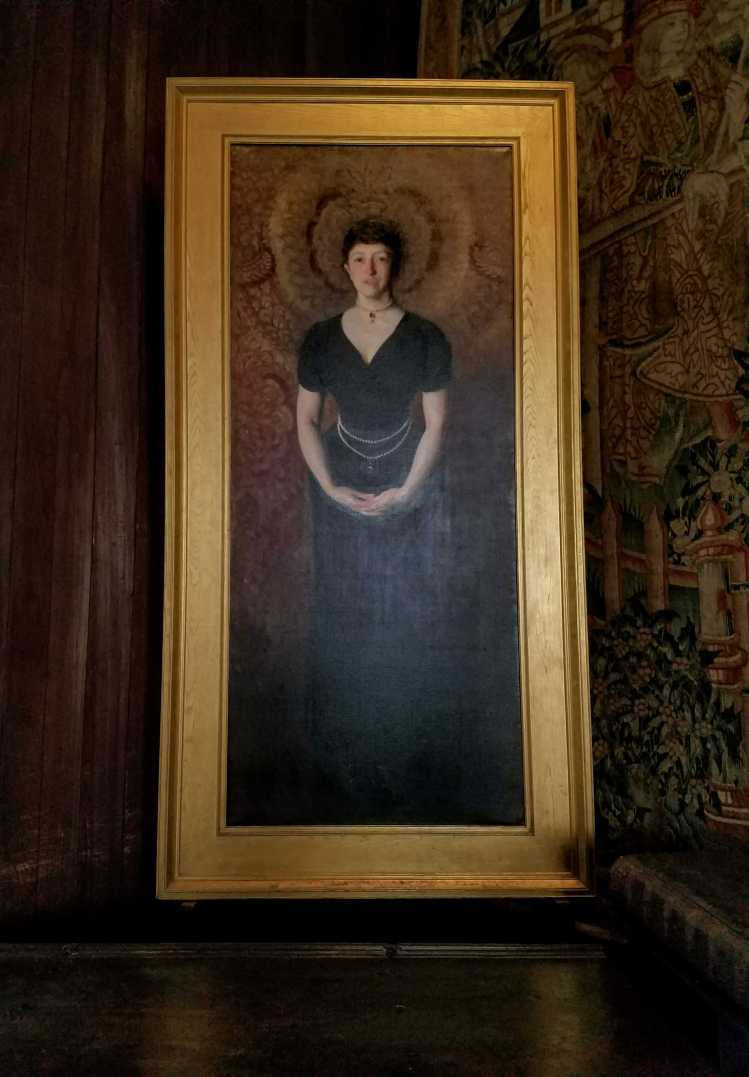
And last, but not least, Isabella Gardner herself, gracing the Gothic Room –

Mrs. Gardner sat for Sargent during his visit to Boston in January 1888. He was paid $3000 for the portrait, which was exhibited to great acclaim at Boston’s St. Botolph Club. The work also inspired gossip and legend: someone jokingly titled it “Woman: An Enigma,” while others believed that the sensuous display of flesh deliberately echoed the scandal recently created by Sargent’s Madame X. Mrs. Gardner herself said that she rejected eight renderings of the face until she was satisfied. Jack Gardner seems to have asked his wife not to publicly show the portrait again while he was alive, and indeed the portrait was placed in the Gothic Room, which remained private until Mrs. Gardner’s death. In its gallery, surrounded by altarpieces, stained glass, and religious statuary, the sacramental quality noted by nineteenth-century reviewers is even more pronounced.

Source: Eye of the Beholder, edited by Alan Chong et al. (Boston: ISGM and Beacon Press, 2003): 204.
Isabella Stewart Gardner Museum

May 4th, 2017
Isabella Stewart Gardner Museum, part III – The Theft

We start at the Macknight Room, the only one in the Museum to be named after a contemporary artist. Dodge Macknight’s watercolours may be decorating all four walls but, today, let us focus on my favourite object adorning the room – a desk with two side cabinets (scrivania con due mobili da appoggio); second half of the 18th century.Next, a passage by Worthington Street Entrance –

When Isabella Stewart Gardner built her museum, she made the top floor her residence and established a personal entrance to the building on Worthington Street (today Palace Road). In the spring of 2017 this space was restored to recreate her private foyer. Imagine Gardner shaking off her umbrella and enjoying artworks recently reinstalled as they were in her own time! 

But the Museum’ eclectic collection is not only renowned for its beauty; twenty-eight years ago, it also became the focus of the world’s largest heist. In the early morning hours of March 18, 1990, a pair of thieves disguised as Boston police officers entered the Gardner Museum, tied up the guards and stole 13 works of art. The entire operation took 81 minutes and the works have never been recovered. The Museum, however, remains optimistic and offers $10 million for any information leading to the stolen art.

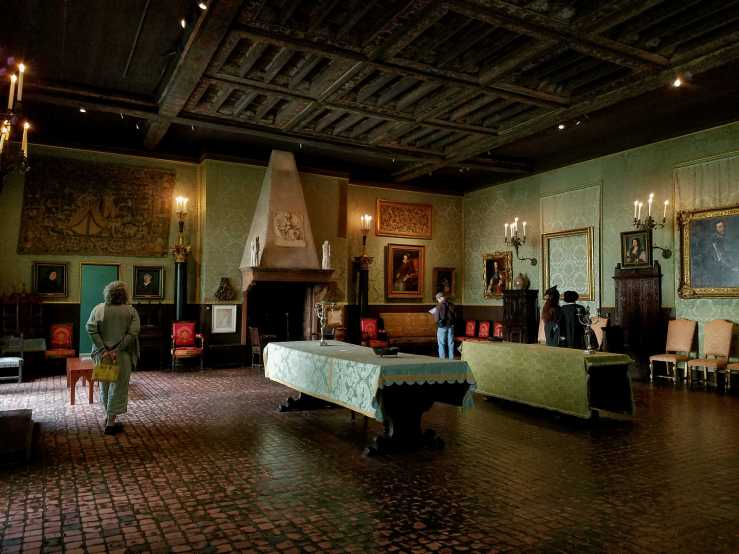
This is the Dutch Room, on the second floor.  Six works of art were stolen from here, including a Rembrandt self-portrait; one of his finest narrative paintings, A Lady and Gentleman in Black; and his only seascape, Christ in the Storm on the Sea of Galilee; as well as Johannes Vermeer’s The Concert.

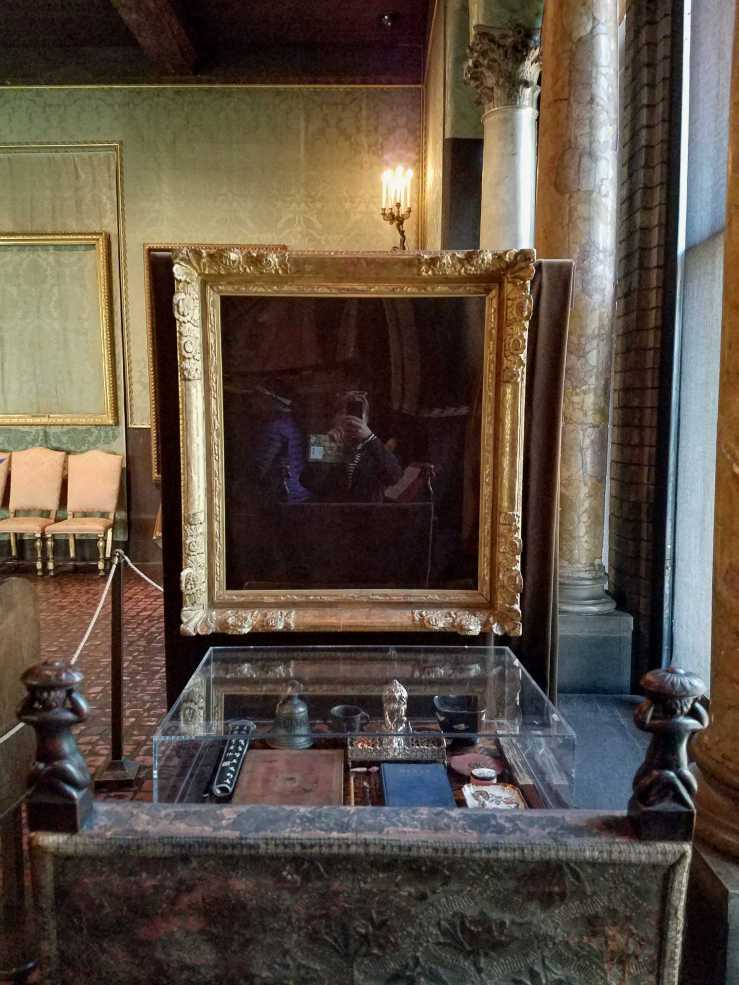
Empty frames remain in their original position, awaiting for the art to return.

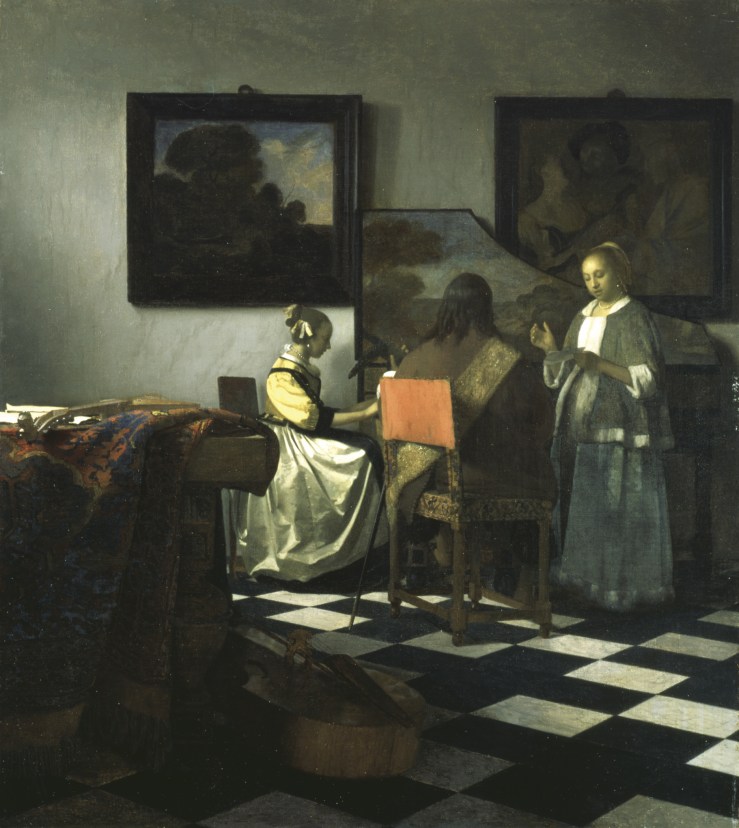
This is where Vermeer’s painting The Concert stood. One of only 36 by Vermeer in existence, this is the most valuable stolen painting—and perhaps the most valuable stolen object—in the world.

Isabella Gardner purchased The Concert in 1892 at auction in Paris. 

The Concert (c. 1664)
Johannes Vermeer
Oil on Canvas 

Isabella Stewart Gardner Museum

May 4th, 2017
Philadelphia – Museum of Art

Vast in size, rich in collections with major works from European, American and Asian artists, from paintings and prints to decorative items and furniture, it will require at least three hours for a ”quick” overview – and that includes the main building only. For the museum manages several annexes such as the Rodin Museum and the Perelman Building across the street, which is why your ticket will be valid for two consecutive days – in case you have the stamina to visit them all (which we didn’t).

The images below show a very brief part of what you can expect to see in the museum; I skipped most of the paintings in favour of objects and furniture that got my attention.

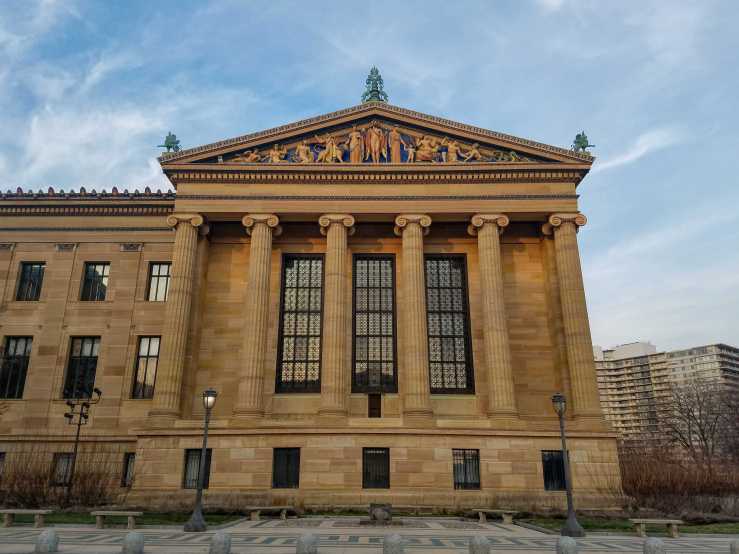
The Greek Revival facade.
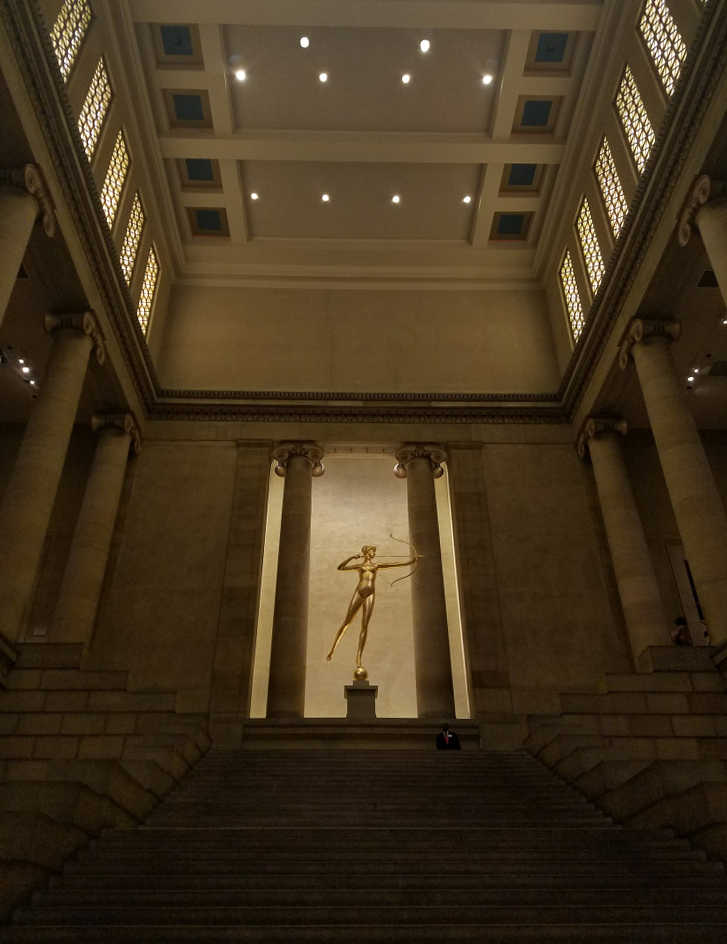
Diana, 1892-1893, in gilded copper sheets by Augustus Saint-Gaudens. Diana is arguably the best-known work of Augustus Saint-Gaudens, who was recognized at the turn of the century as the country’s finest sculptor. When installed in 1893 on the tower of New York’s Madison Square Garden to serve as a weather vane, Diana ruled the highest point in Manhattan. The sculpture’s gilded form caught the sun during the day and was illuminated at night by the city’s first electric floodlights. Madison Square Garden was demolished in 1925 and the Philadelphia Museum of Art adopted the sculpture in 1932. Diana has reigned as the goddess of the Museum’s Great Stair Hall ever since.
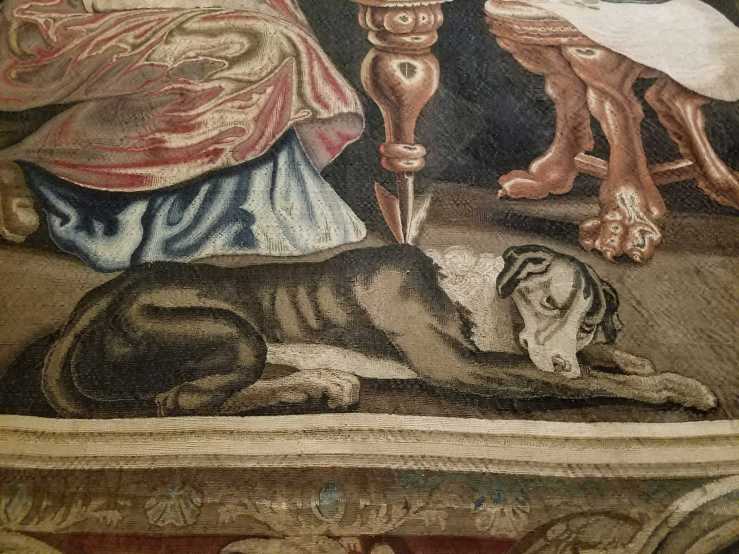
From a Tapestry showing Constantine Directing the Building of Constantinople, 1623-25. A composition designed by Peter Paul Rubens. Detail showing that some things never change.
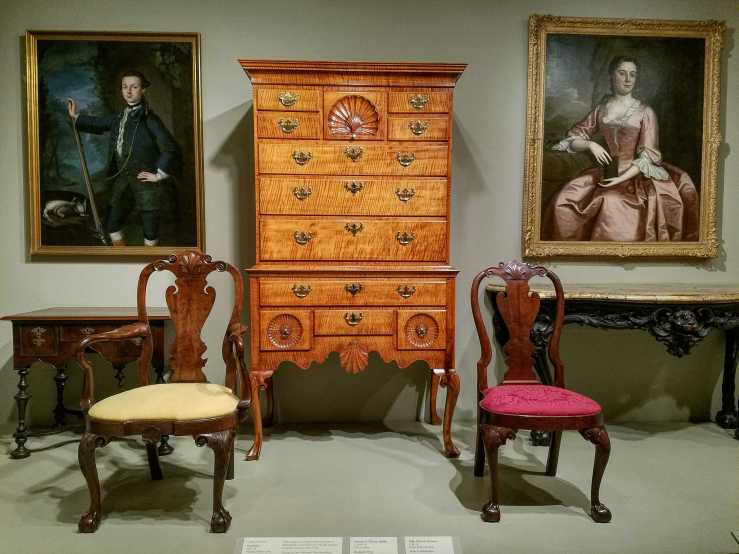
High Chest of Drawers, 1740-50. Curly maple, red pine. Armchair, 1745-55. Walnut. All made in Philadelphia.
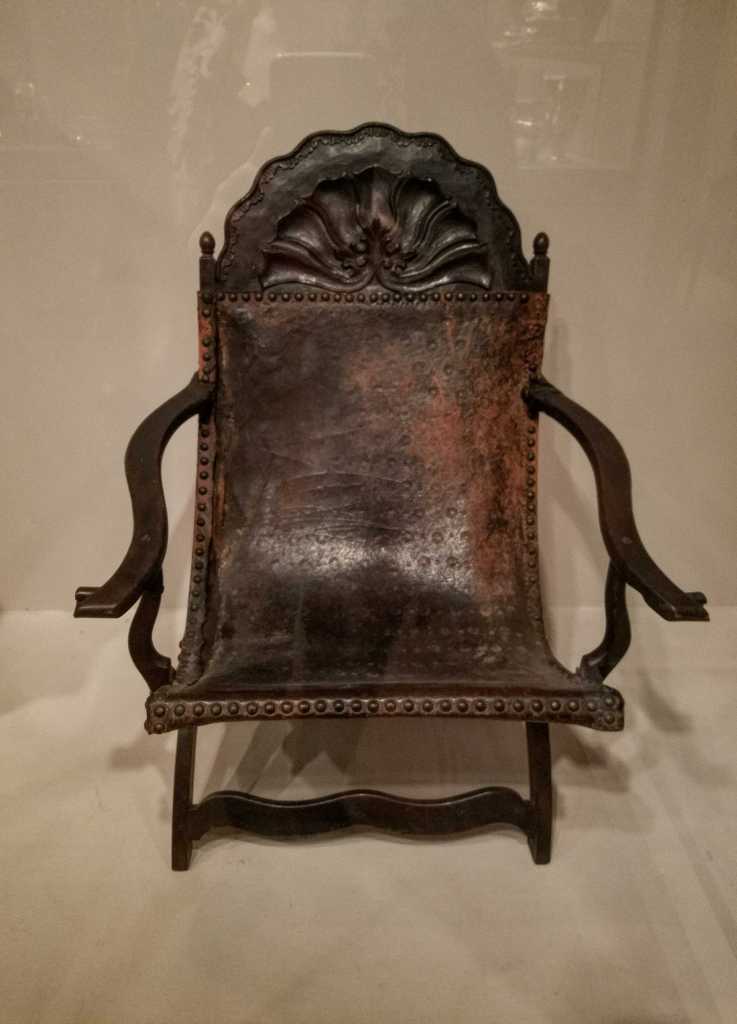
Butaca Chair, 1730-70. Mahogany, original leather upholstery and brass. Probably made in Mexico.
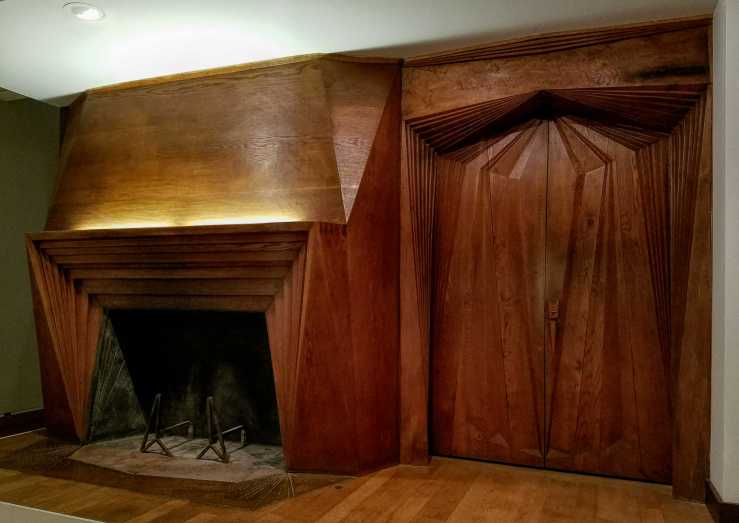
Fireplace, Doorway and Pair of Andirons, ca. 1936-37. Carved oak, stone, copper hearth, iron. Made by Wharton Esherick, American 1887-1970, in Pennsylvania.
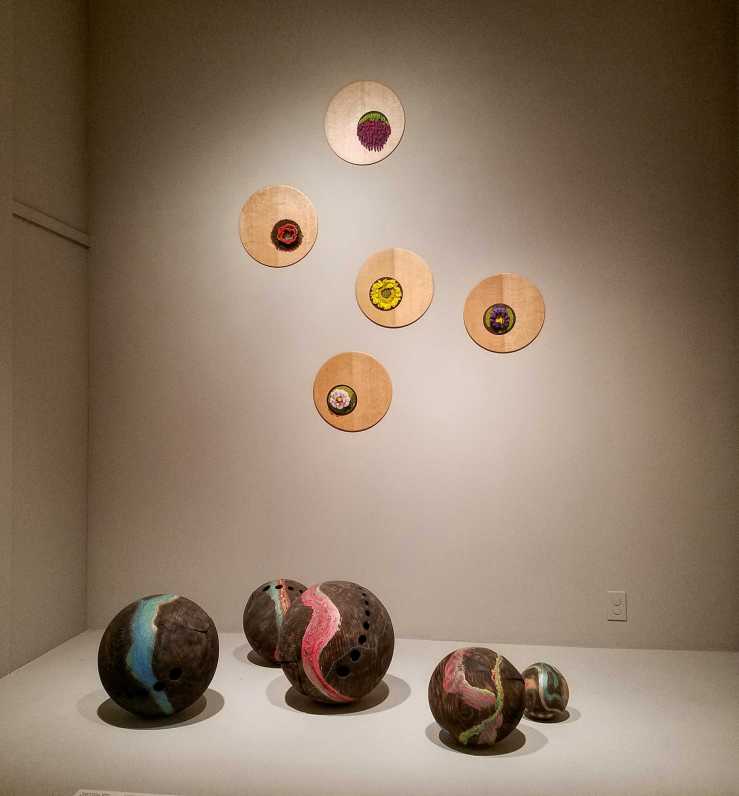
White oak and seed beads from the Mandala Series (on the wall), 2013 and 2016. A collaboration between David Ellsworth and his wife, Wendy Ellsworth, a seed bead artist. Burned and pained ash spheres (on the floor), symbolizing form in motion, from the Solstice Series, 1990-91. David Ellsworth. All made in Pennsylvania (Quakertown).
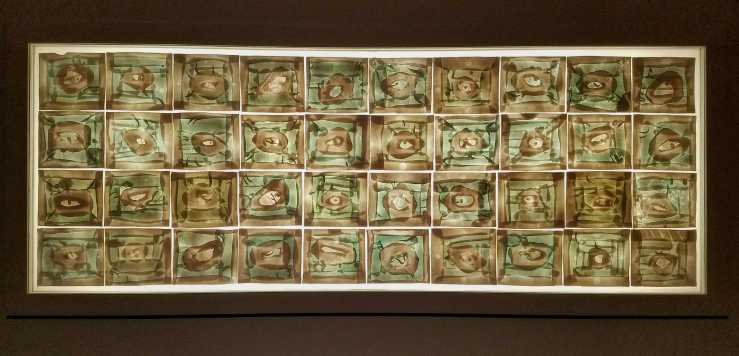
Window. Created for Magee Rehabilitation Hospital, installed 1983. Forty porcelain tiles washed with copper salts, each handcrafted and applied to frosted glass; wood frame. Made in Philadelphia by Rudolf Staffel.
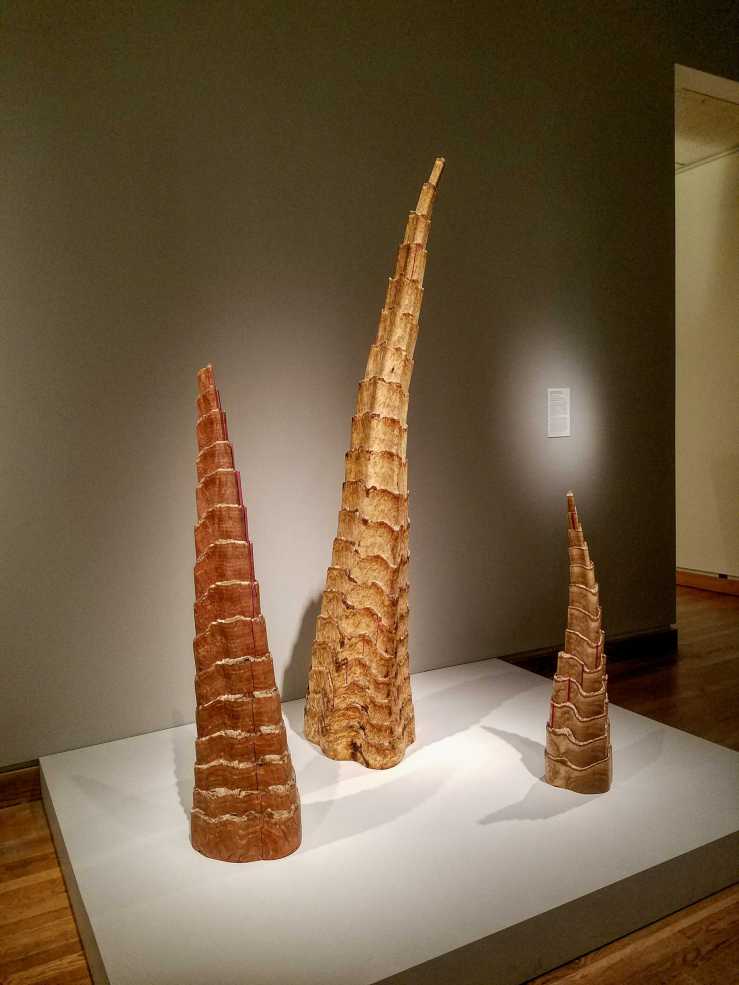
Line Ascending #5, #10, #11, from the Emergence Series 2013-15. Oak burl, black ash burl. Made by David Ellsworth in Pennsylvania (Quakertown).
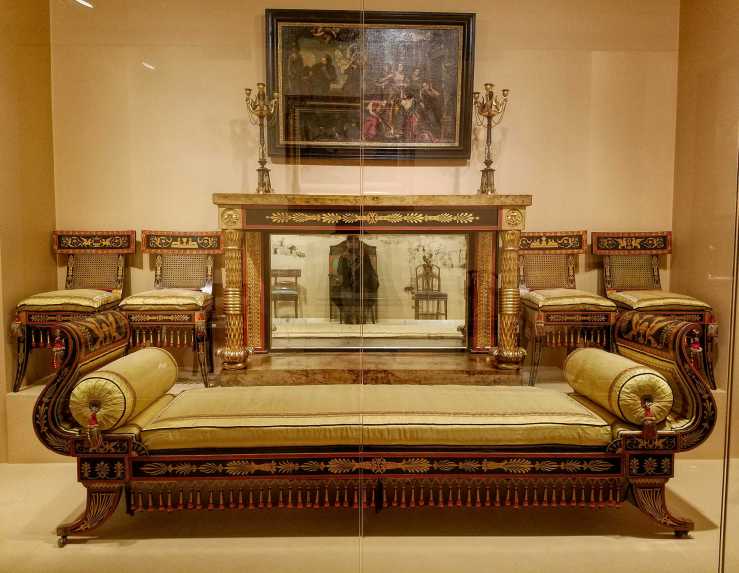
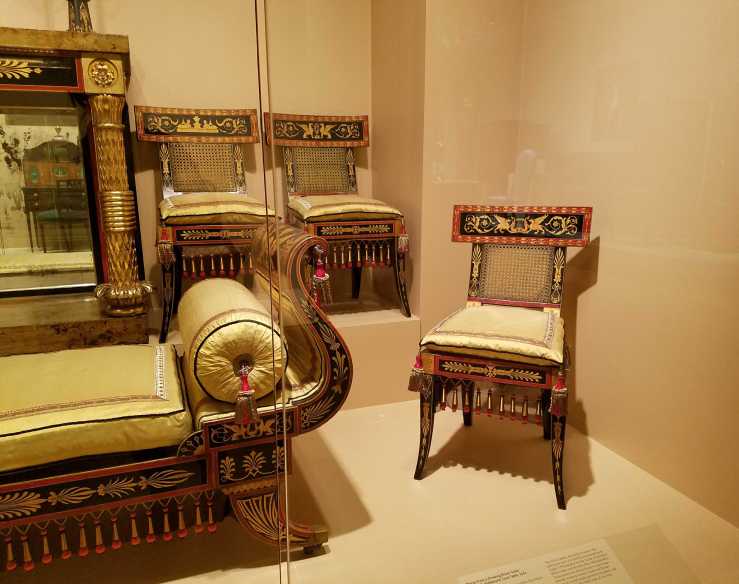
Furniture, part of a lavishly ornamented suite made in Philadelphia for the house of merchant William Waln and his wife, Mary Wilcocks Waln. Imitating ancient Greek and Roman furniture, sumptuously painted, gilded and upholstered in the latest style of the time. Designed in 1808 by Benjamin Henry Latrobe and made by John Aitken.
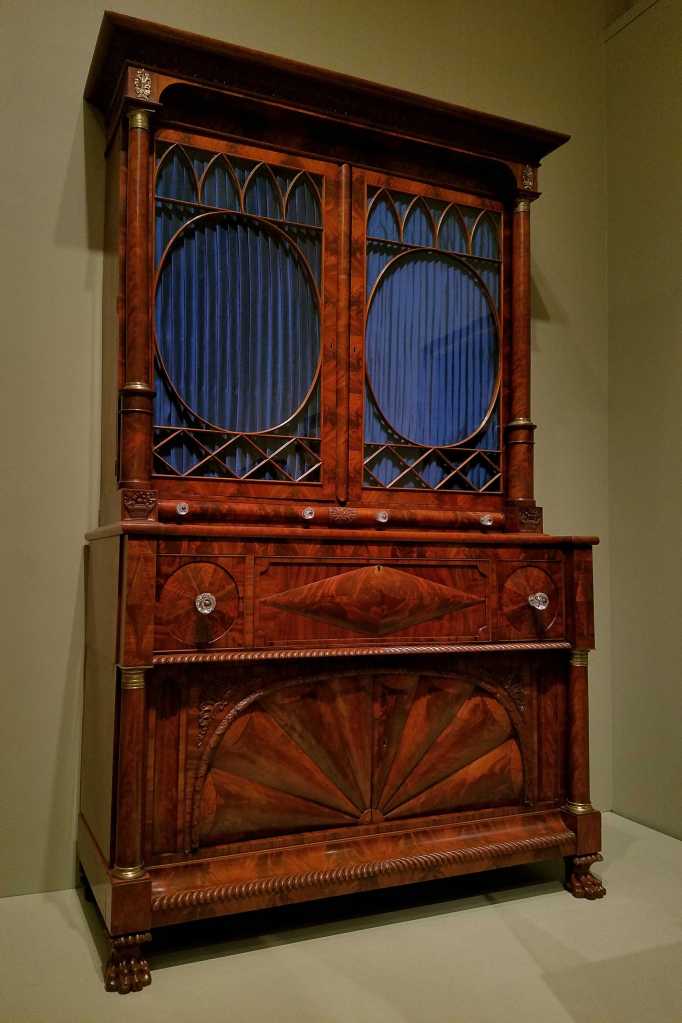
Secretary Bookcase, 1827. Mahogany, mahogany veneer, stained burl ash, white pine cedrela, red cedar, yellow poplar, dark wood stringing, brass, gilt decoration; glass doors and pulls; brass lock. Made in Philadelphia by Anthony G. Quervelle.
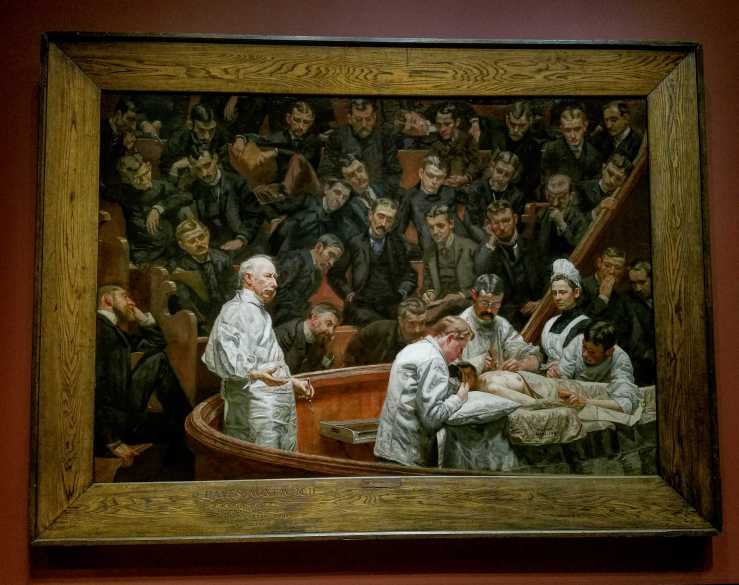
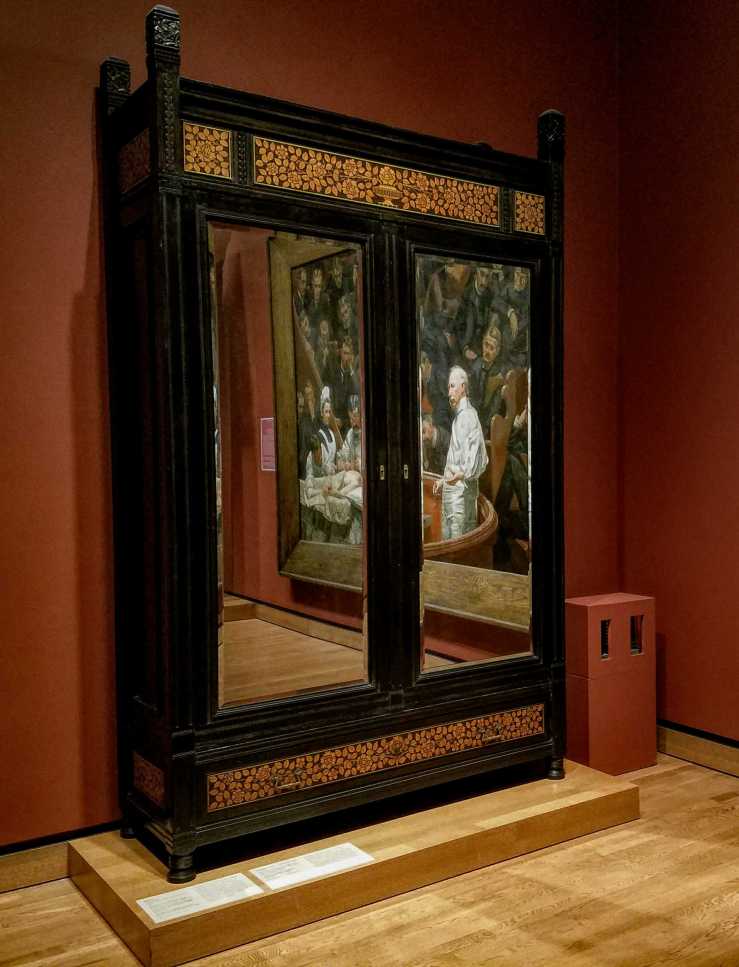
The Clinic of Dr. Agnew, 1889. Oil on canvas, by Philadelphia’s very own, Thomas Eakins.
The Japanese Aesthetic was introduced to Americans following Japan’s opening to international trade in 1854. Favouring asymmetry, flat patterns and unfamiliar materials and colour harmonies, it presented a refreshing alternative to that of the West. Here, the reflection of Eakins’ Clinic of Dr. Agnew is a harmonious bridge connecting the two aesthetics.
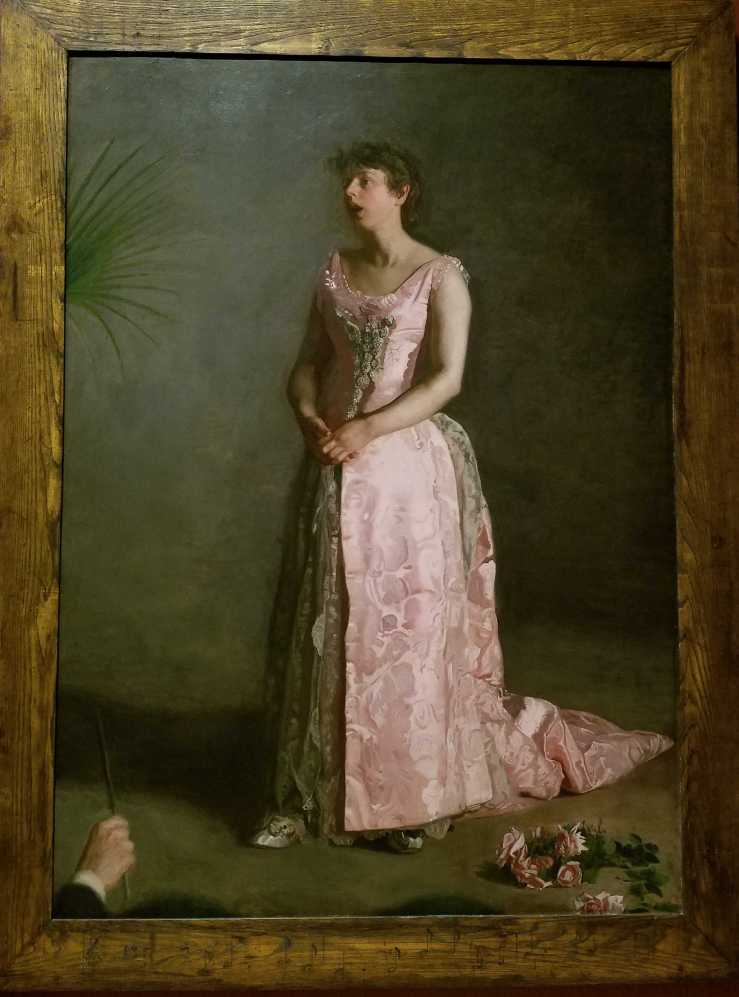
The Concert Signer, 1890-92. Oil on canvas by Thomas Eakins. Determined to suggest the sound of her voice and the emotions it invoked, Eakins asked his friend, soprano Weda Cook, to pose for hours while repeatedly singing the same few notes from ”O Rest in the Lord” by Felix Mendelssohn. Upon the painting’s completion, Eakins had these notes carved into its fame.
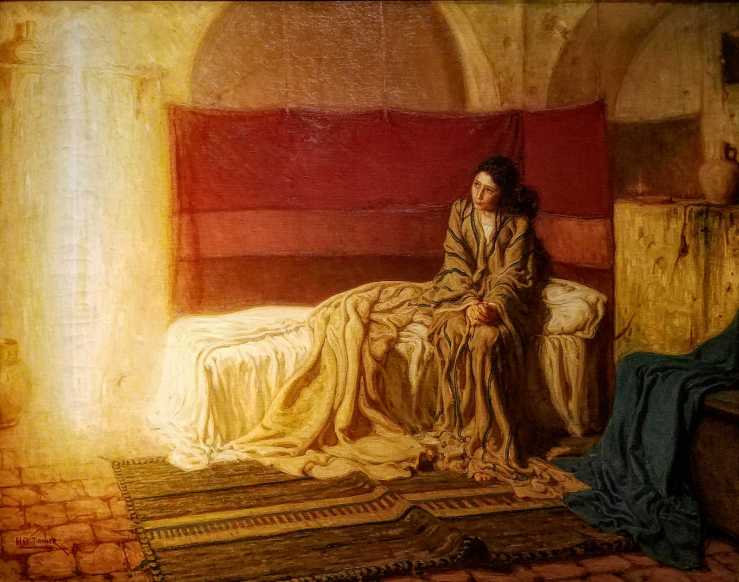
The Annunciation, 1898. Oil on canvas by Henry Ossawa Tanner.
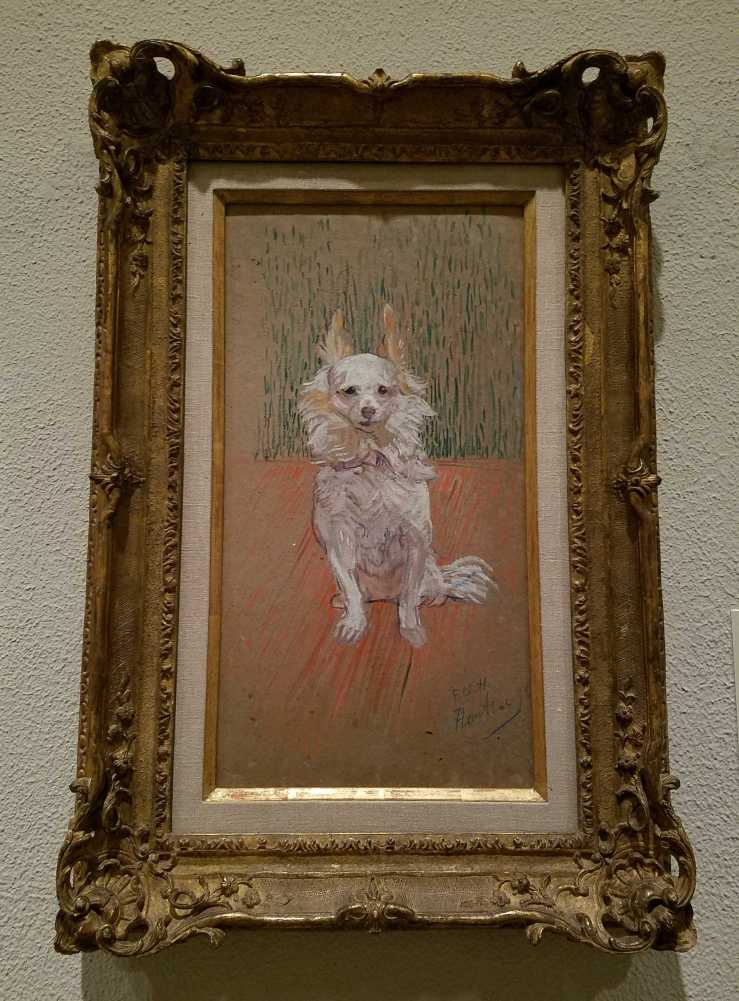
Follette, 1890. Oil on cardboard by Henri de Toulouse-Lautrec.
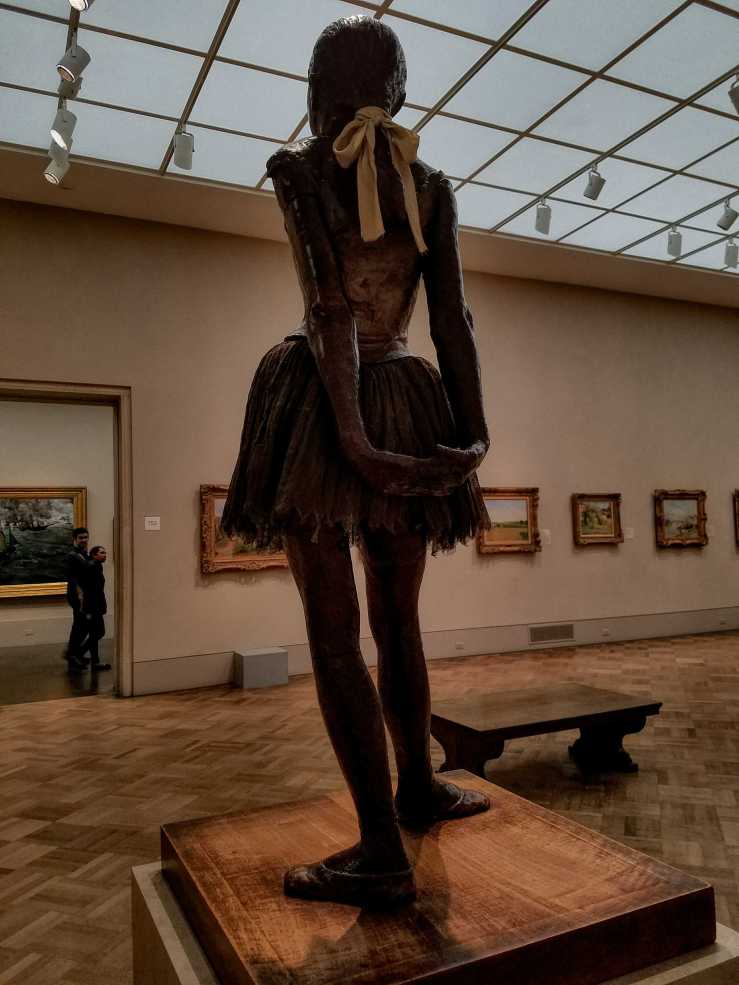
Oh, look!… another Fourteen-Year-Old Little Dancer, by Edgar Degas. If I don’t see one in a major museum, I will begin to worry.
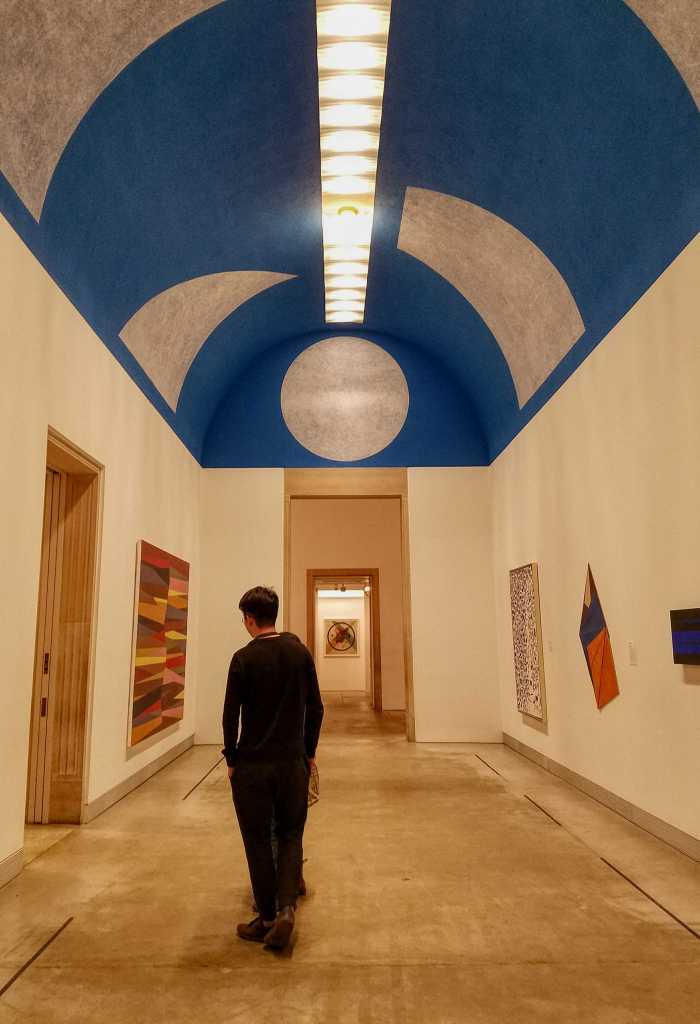
When the room becomes the canvas.
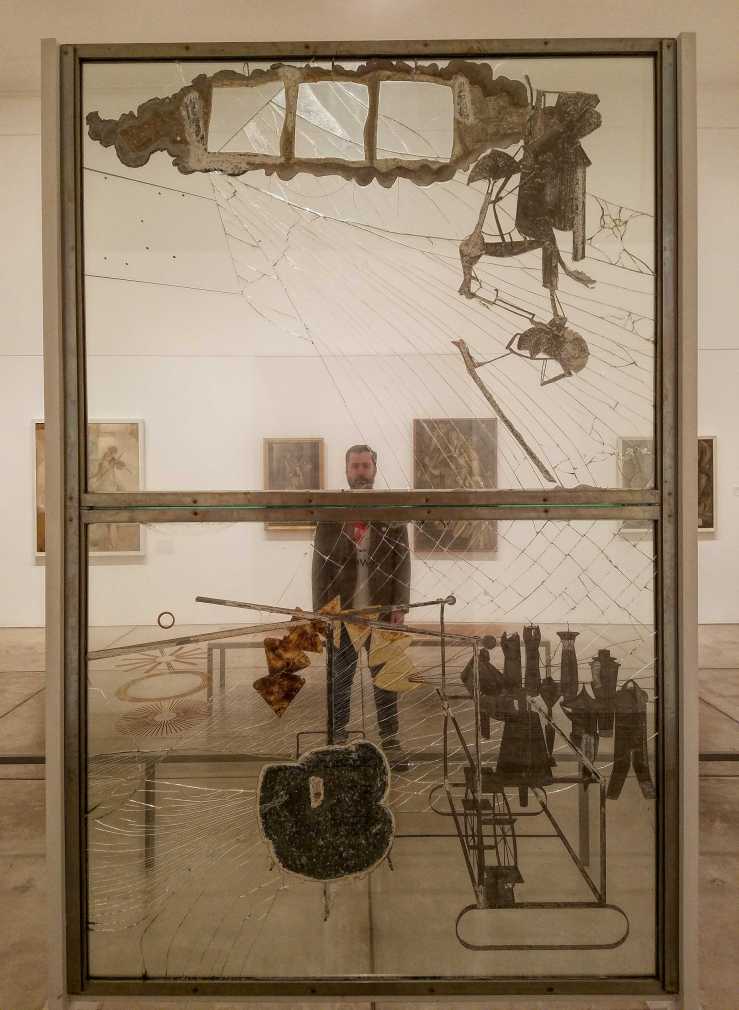
The Bride Stripped Bare by Her Bachelors, Even (The Large Glass) by Marcel Duchamp. A work of art to be looked both at and through, prompts the Museum of Art Handbook – and I made sure to follow the instructions. Duchamp started working on it in 1915 and stopped in 1923 stating that it was ”definitely unfinished”. A few years later, while in transit from an exhibition at the Brooklyn Museum in 1926-27, the two panels were shattered. Ten years would pass before Duchamp repaired the glass. Satisfied with the result and appearance of the eerily symmetrical cracks in the upper and lower sections, he declared the work finished!
Marcel Duchamp’s alter ego.
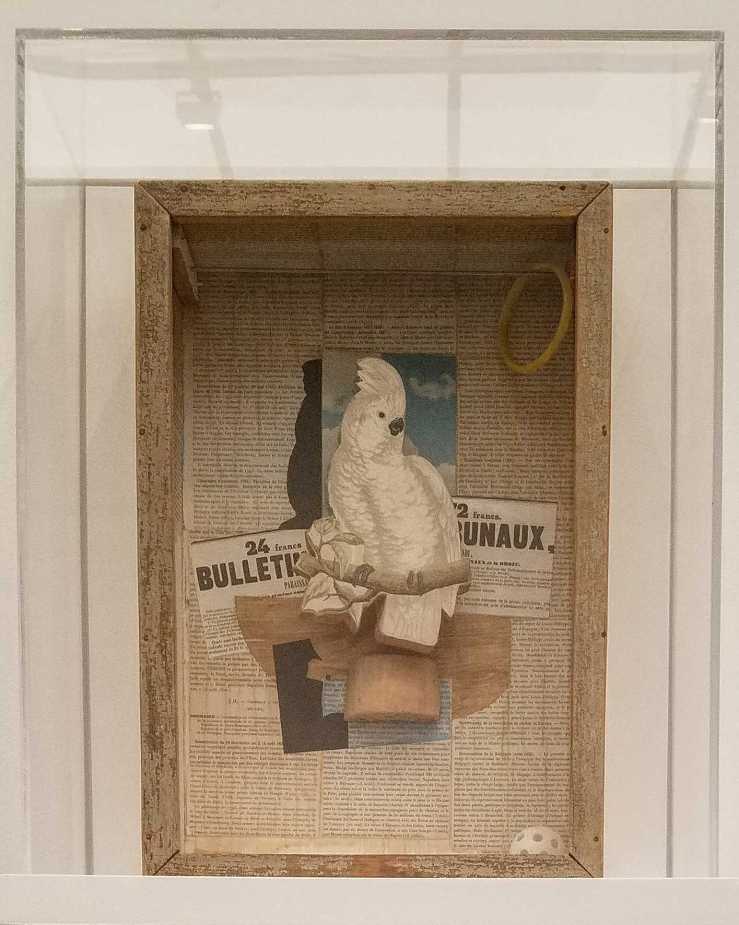
Homage to Juan Gris, 1953-54. A box construction by one of America’s most intriguing artists, Joseph Cornell.

***

I hope you enjoyed this very brief and – admittedly- subjective tour of the Philadelphia Museum of Art. Coming up next, two angry faces.

Philadelphia
February 22nd, 2017