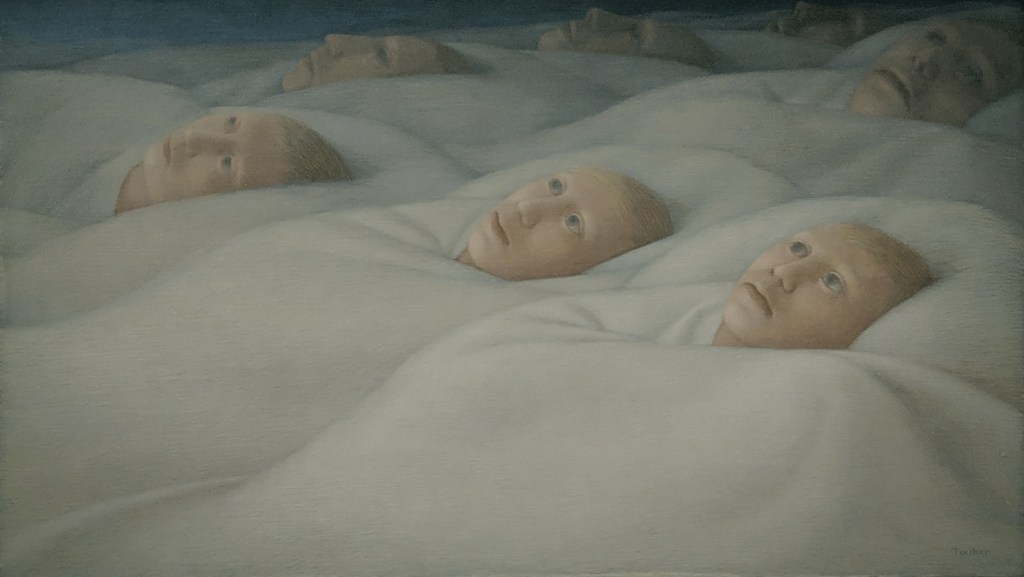
Sleepers II, 1959
Tempera on wood panel
Lincoln Kirstein’s Modern
MoMA, Mar-Jun 2019
March 15th, 2019
Lincoln Kirstein’s Modern
MoMA, Mar-Jun 2019
March 15th, 2019
Travelling in time and space in just a few steps, from gallery to gallery, at The Morgan; when three fantastic exhibitions ran simultaneously through May 2019.
By any means: Contemporary drawings from The Morgan
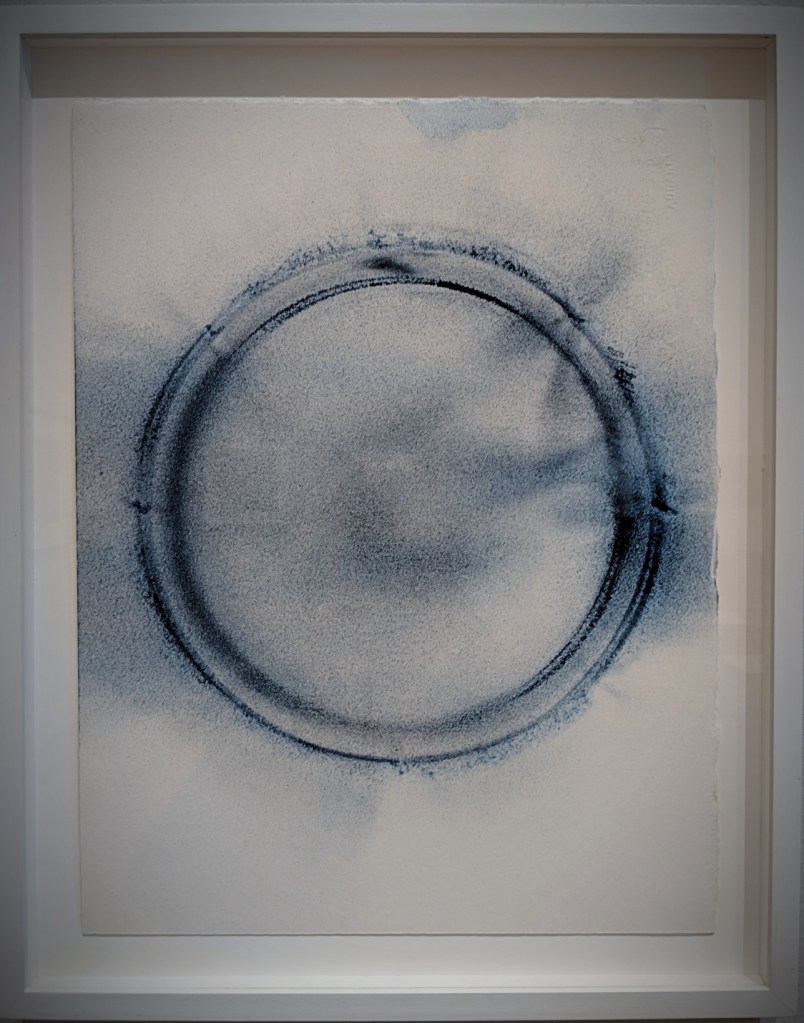
This work is part of a series in which Vitiello explored the relationship between sound – his primary medium – and drawing. He placed pigment in a speaker that was embedded in a table, laying a sheet of paper on top. Vibrations from a synthesizer’s low-frequency oscillator moved the pigment from the speaker to the paper, creating an image that contrasted in its minimalism with the density of the aural event.
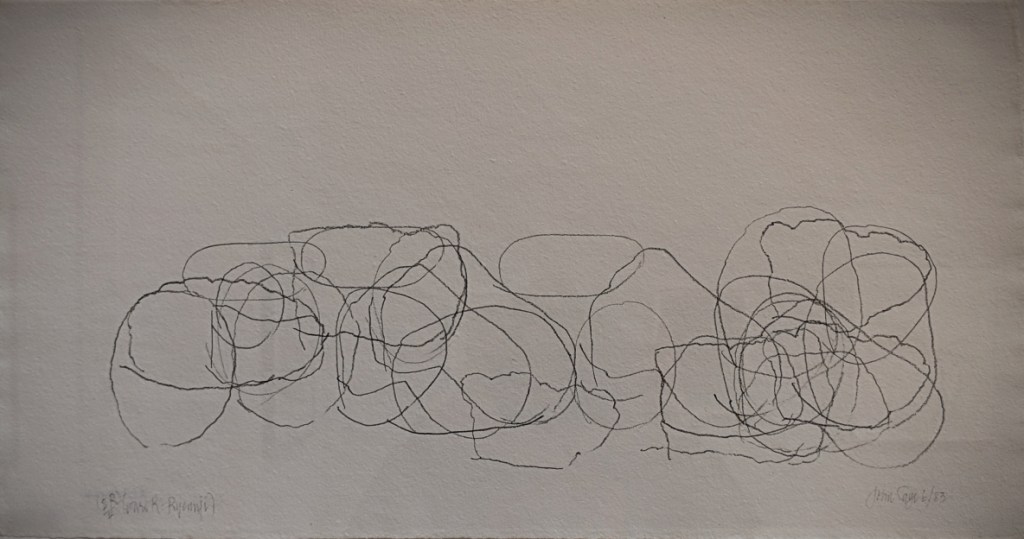
Cage often relied on chance to determine the forms of his works. The present sheet belongs to a series inspired by the Zen rock garden of the Ryoanji Temple in Kyoto, in which fifteen rocks are carefully arranged. The selection of stones, the number of tracings (here 30, as denoted by 2R, where R is equivalent to 15, the number of stones at the temple), their placement, and the number of pencils of different softness that he used (4) were determined by the I Ching, an ancient Chinese divination manual, by way of a computer simulation developed by Bell Labs in New York.
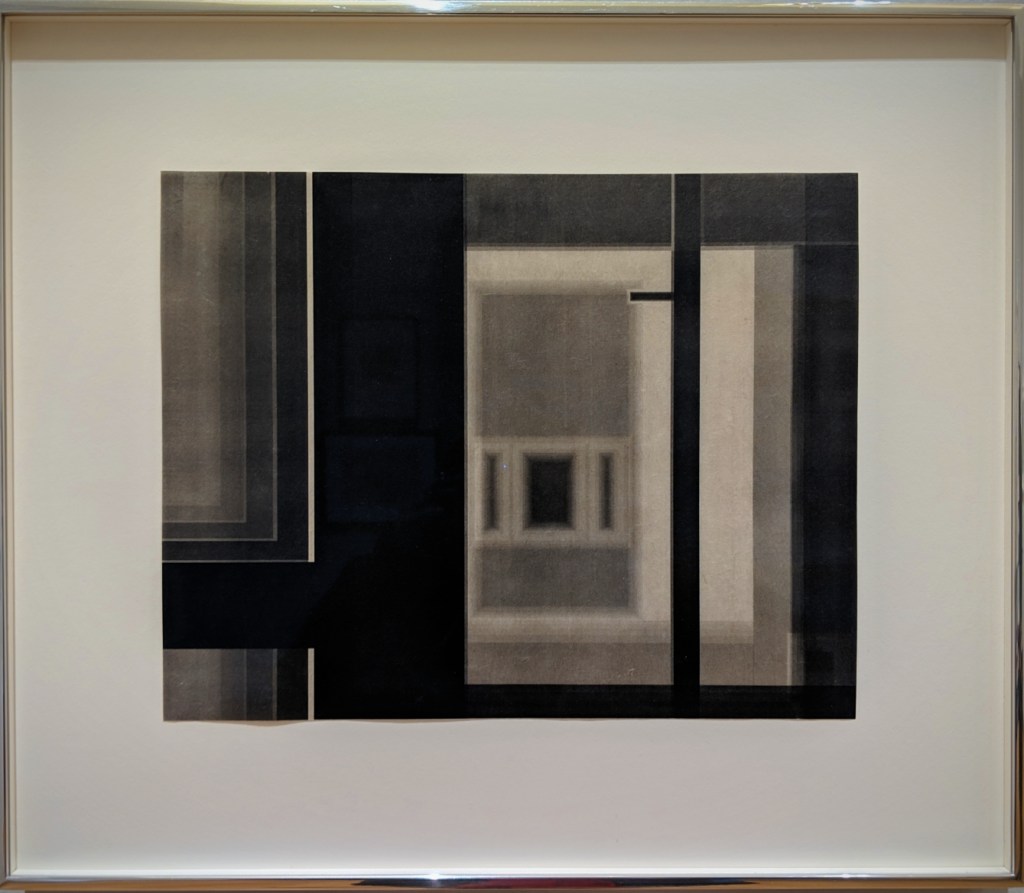
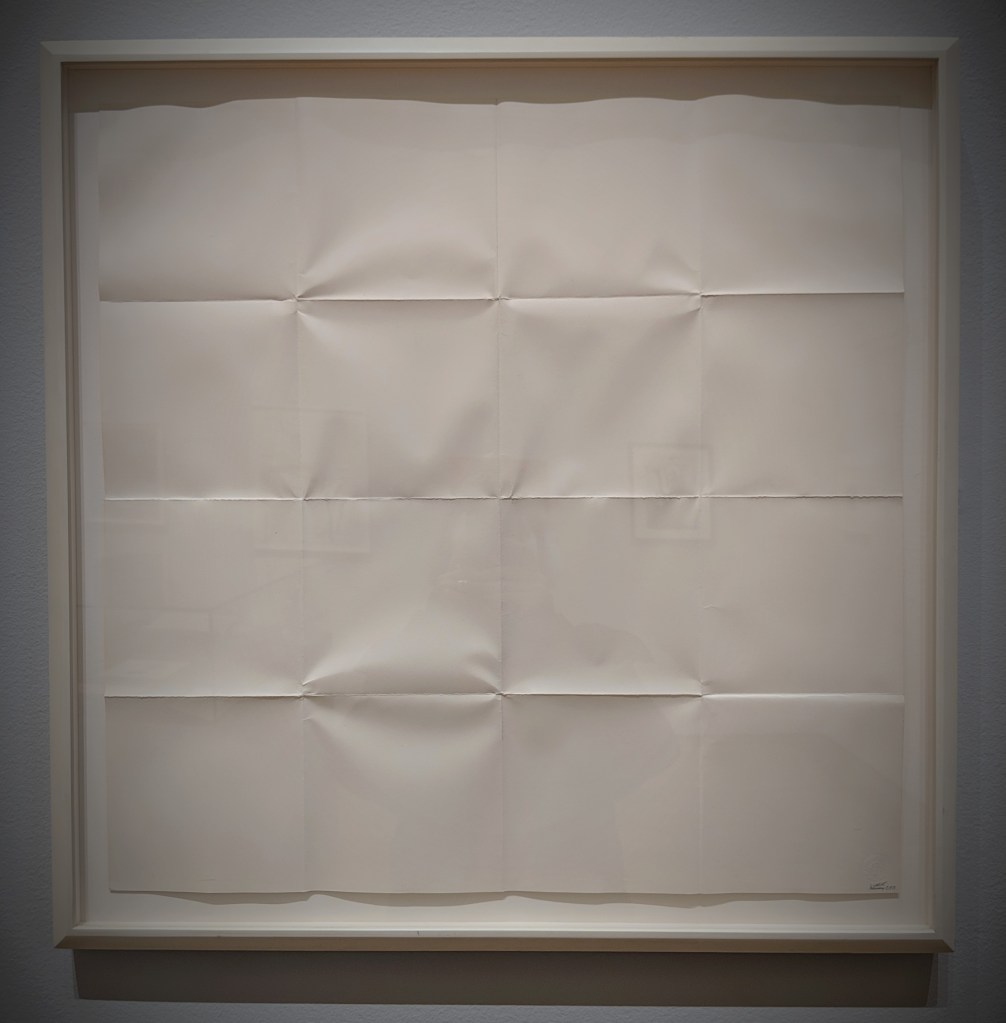
Although Cottrell uses a computer to make her work, she does not use a computer programme to determine composition but instead passes Japanese paper through a printer numerous times, each time changing or rearranging the shapes on the screen to generate dense, layered images.
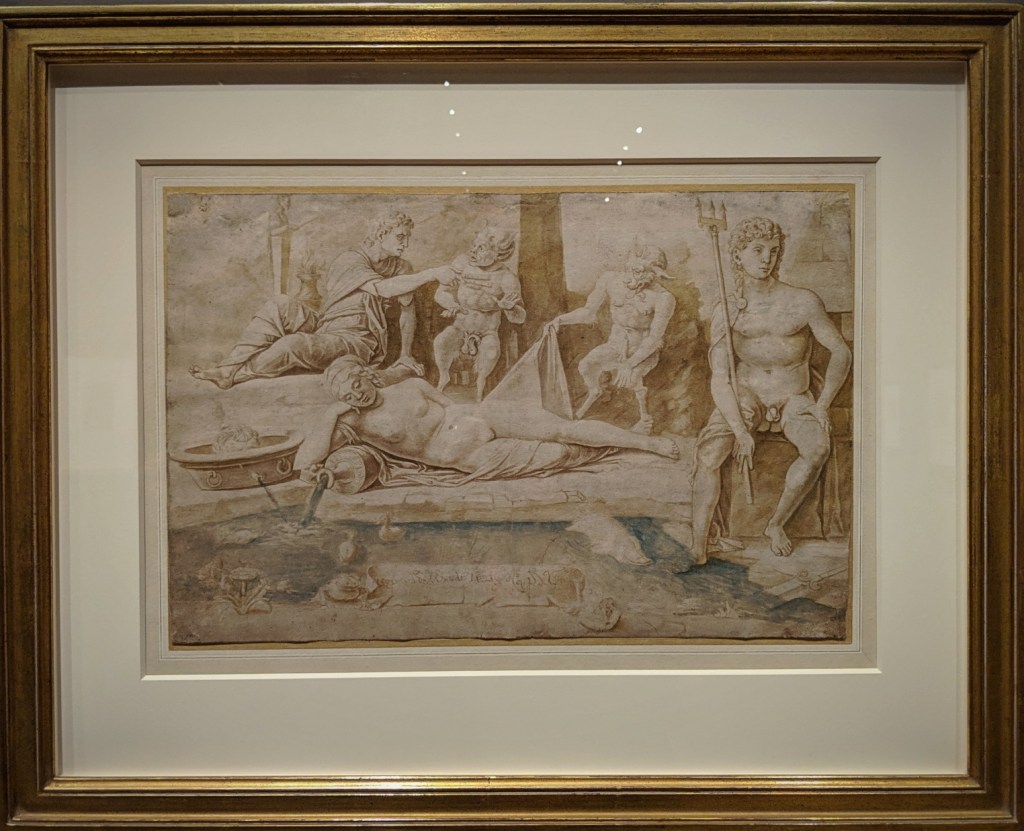
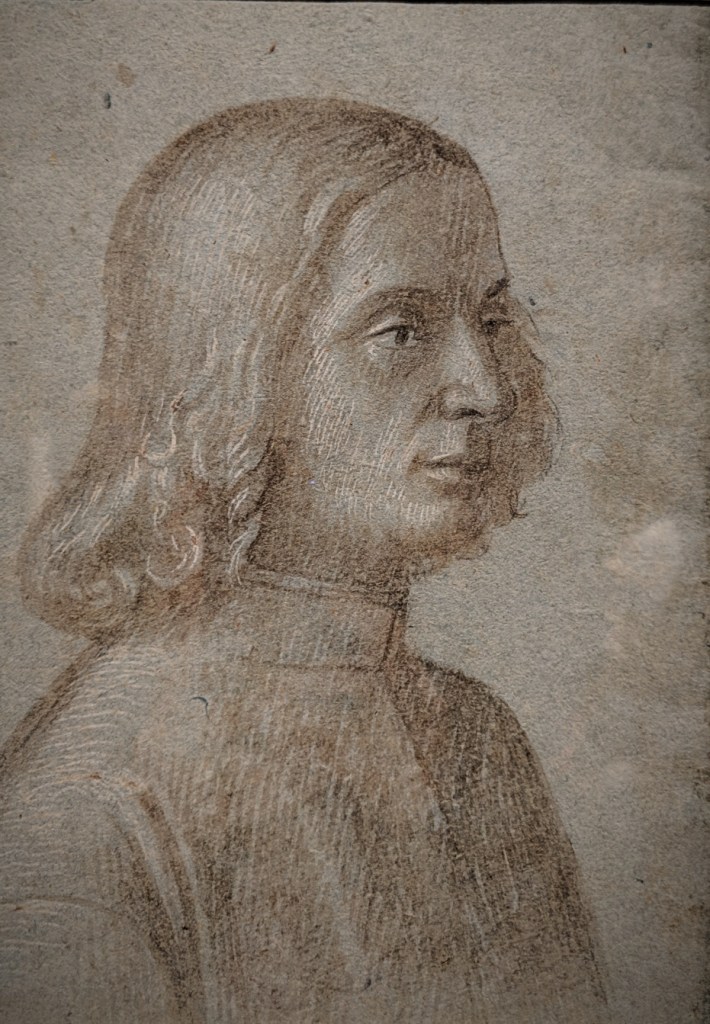
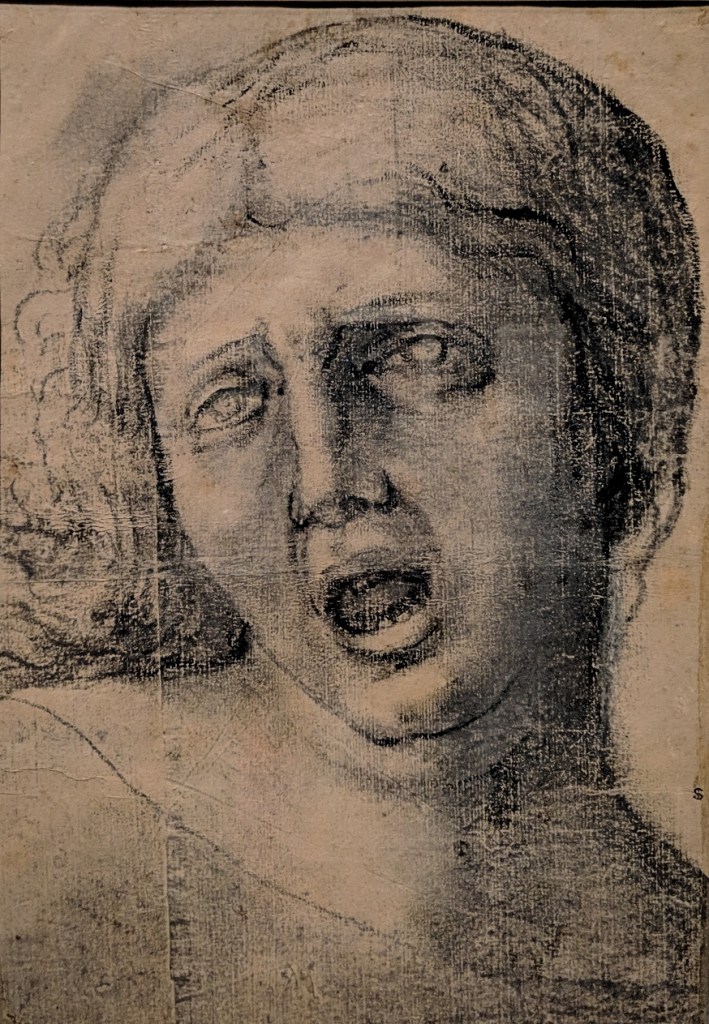
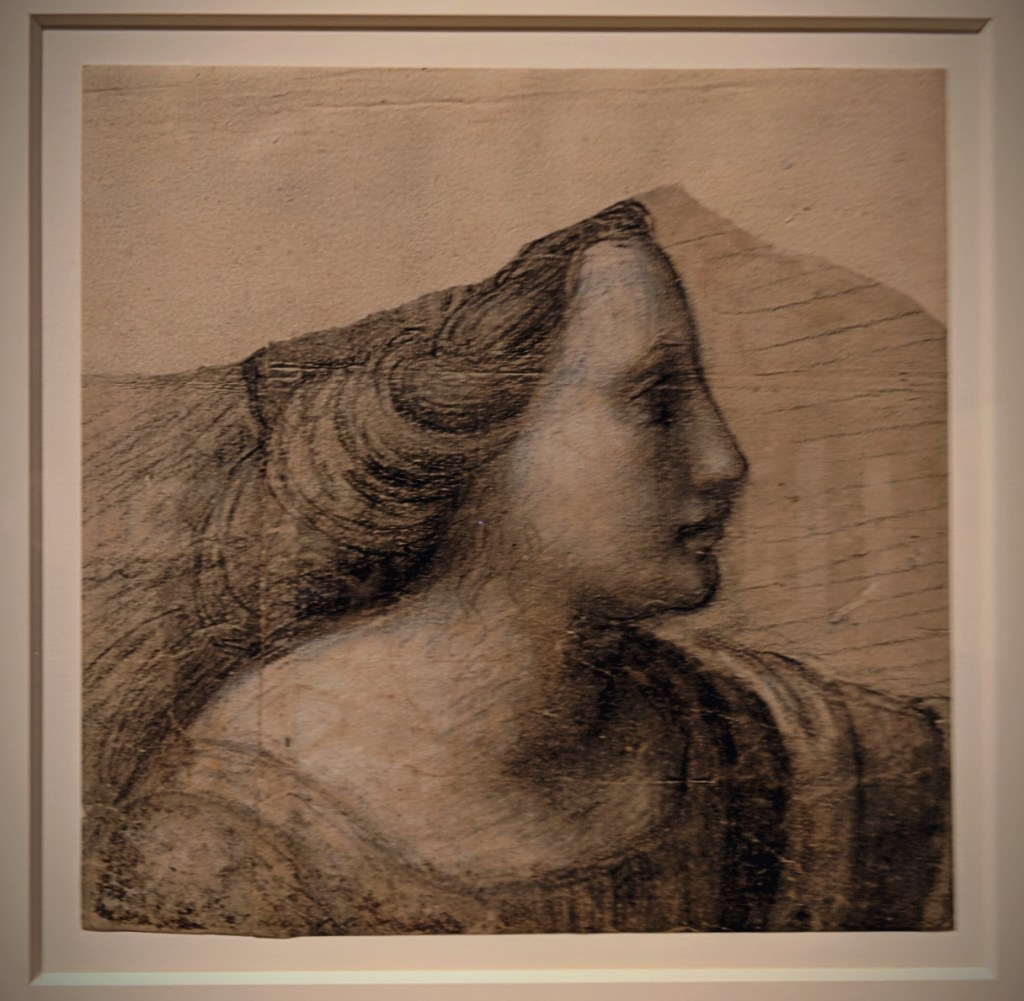
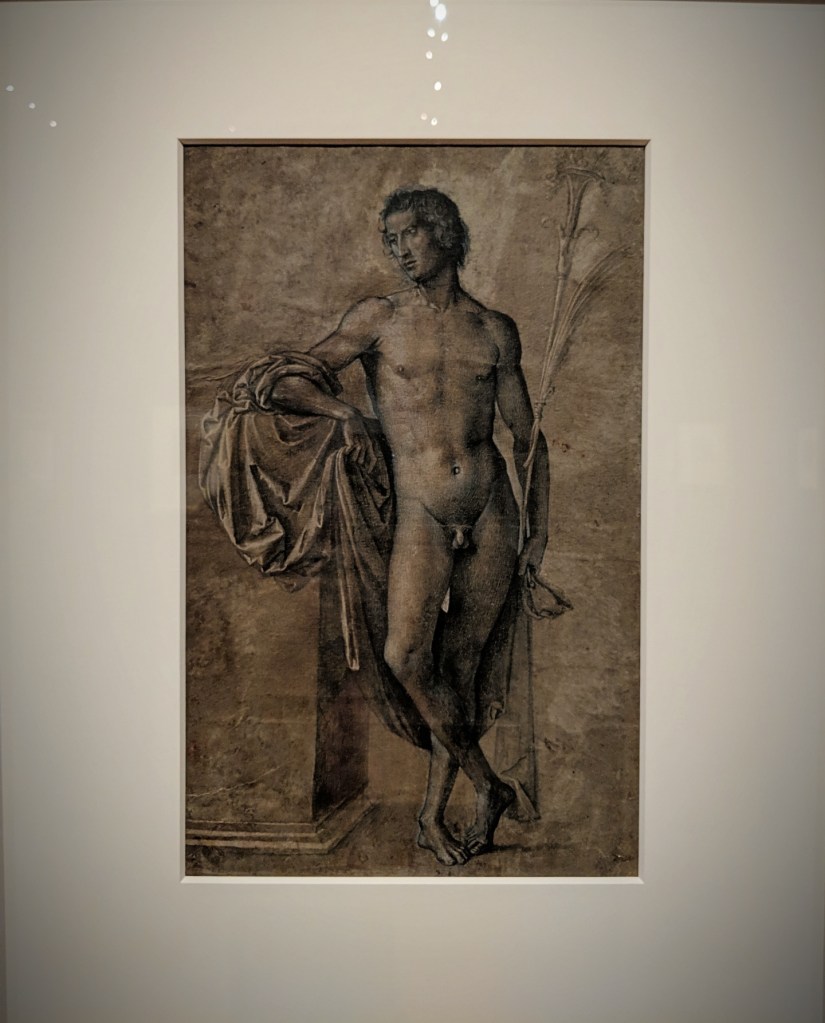
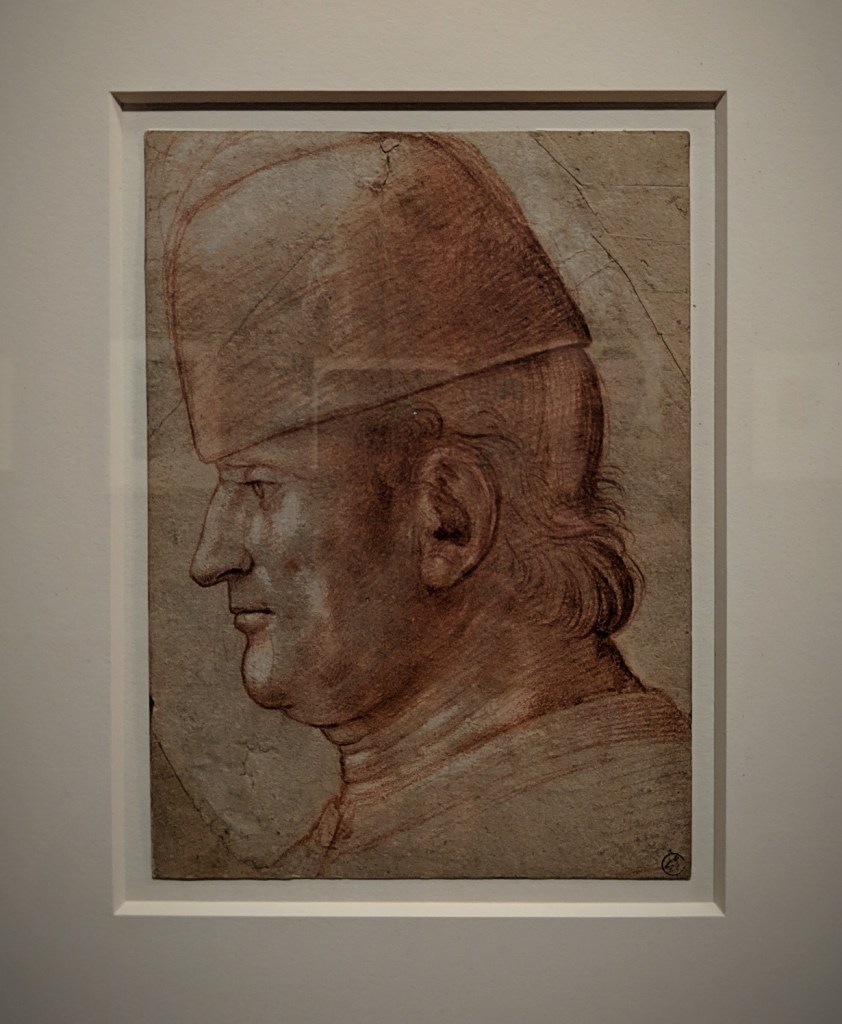
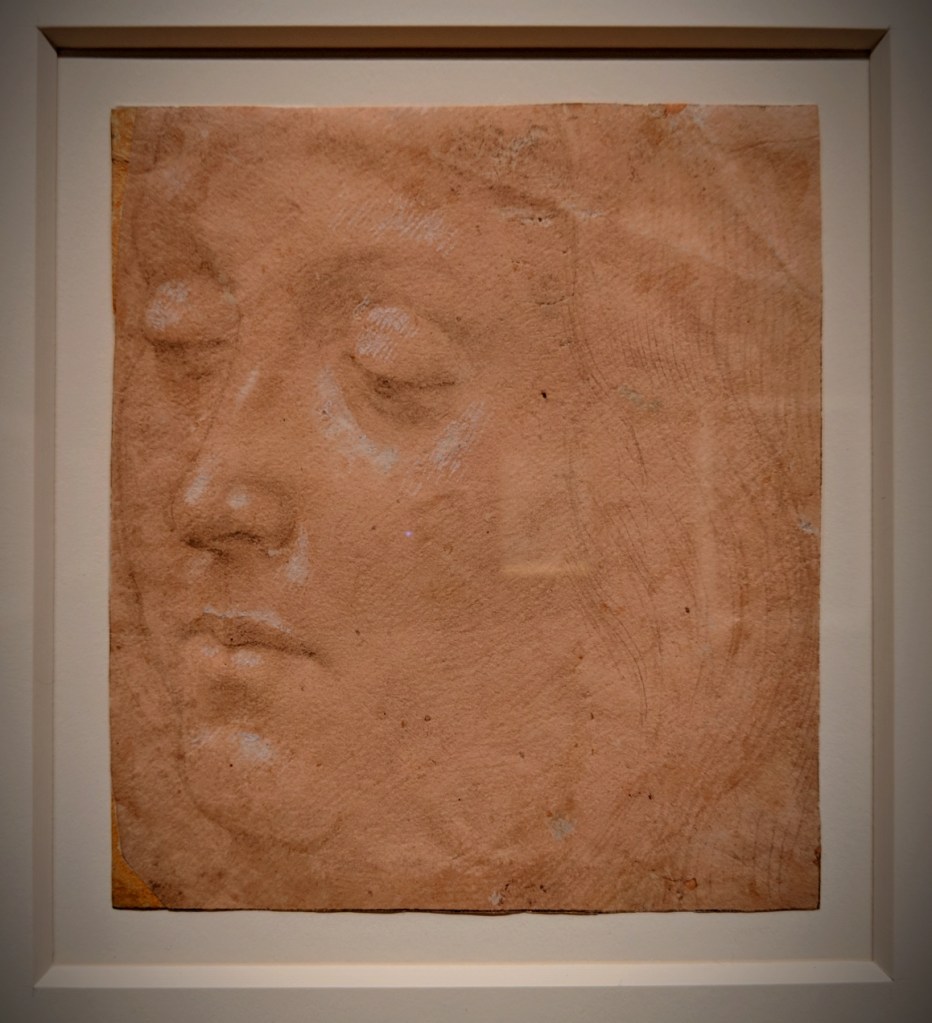
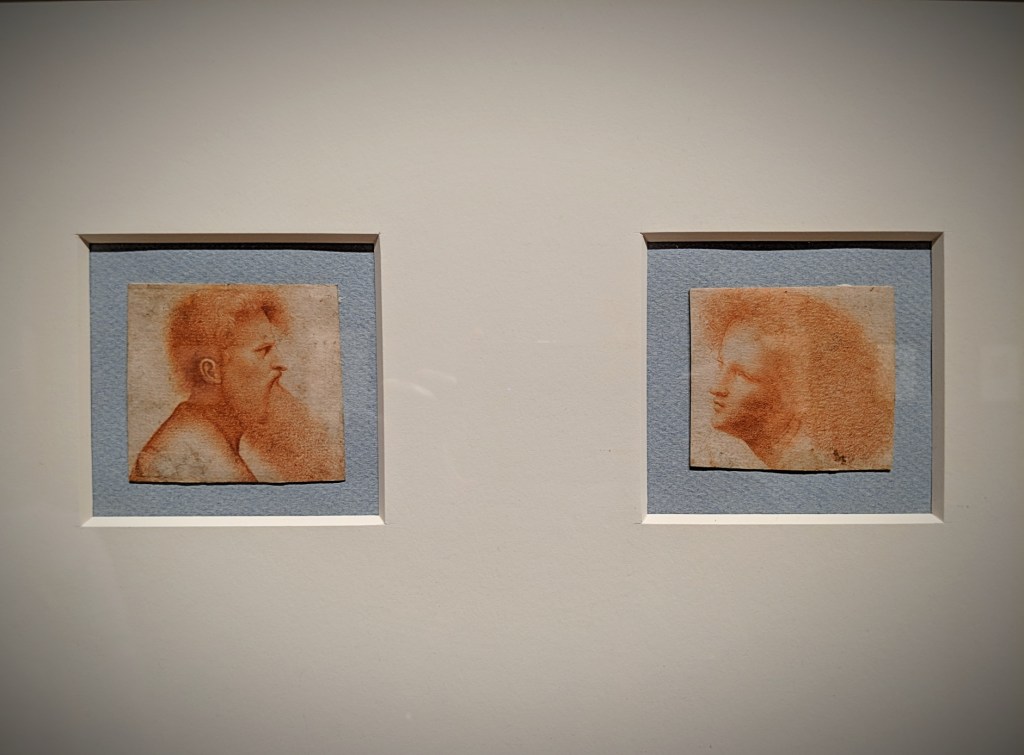
Invention and Design: Early Italian Drawings
Tolkien: Maker of Middle-earth
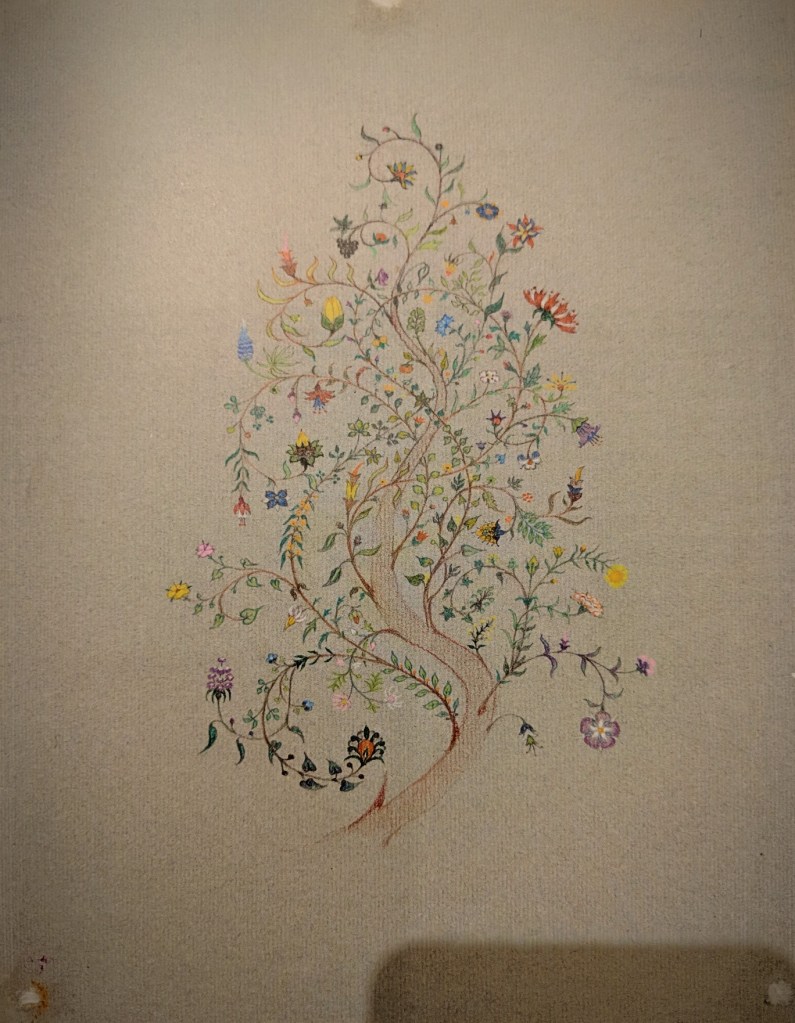
”He was the sort of painter who can paint leaves better than trees. He used to spend a long time on a single leaf, trying to catch its shape, and its sheen, and the glistening of dewdrops on its edges. Yet he wanted to paint a whole tree, with all of its leaves in the same style, and all of them different.”
This extract from Tolkien’s allegorical short story, ”Leaf by Niggle”, is a poignant expression of his own creative struggle as he sought to bring his works, both literary and academic, to completion. The story was written in the early 1940s as he worked fitfully on The Lord of the Rings, his Elvish languages and his wider legendarium, all of which seemed very far from completion. His perfectionism often resulted in numerous revisions and rewritings, whilst his interest in the minutiae led him down interesting but distracting side roads.
The only snapshot I could steal; so long were the lines, the guards had to usher Tolkien’s devotees, or the gallery would burst from overcrowding!
The Morgan Library
March 9th, 2019
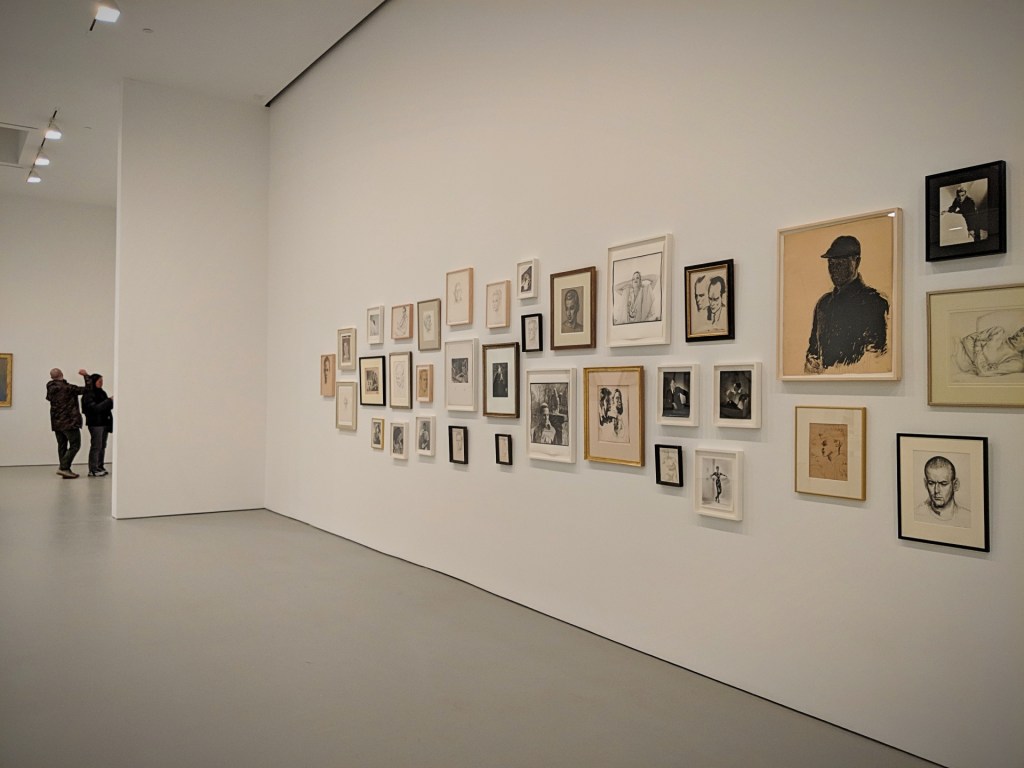
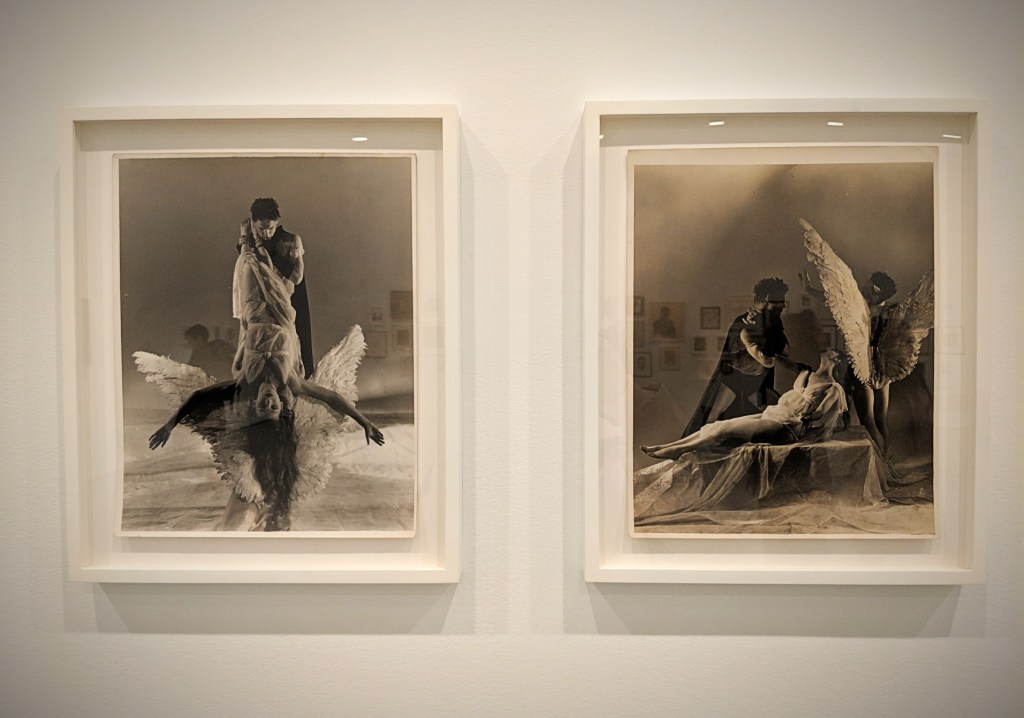
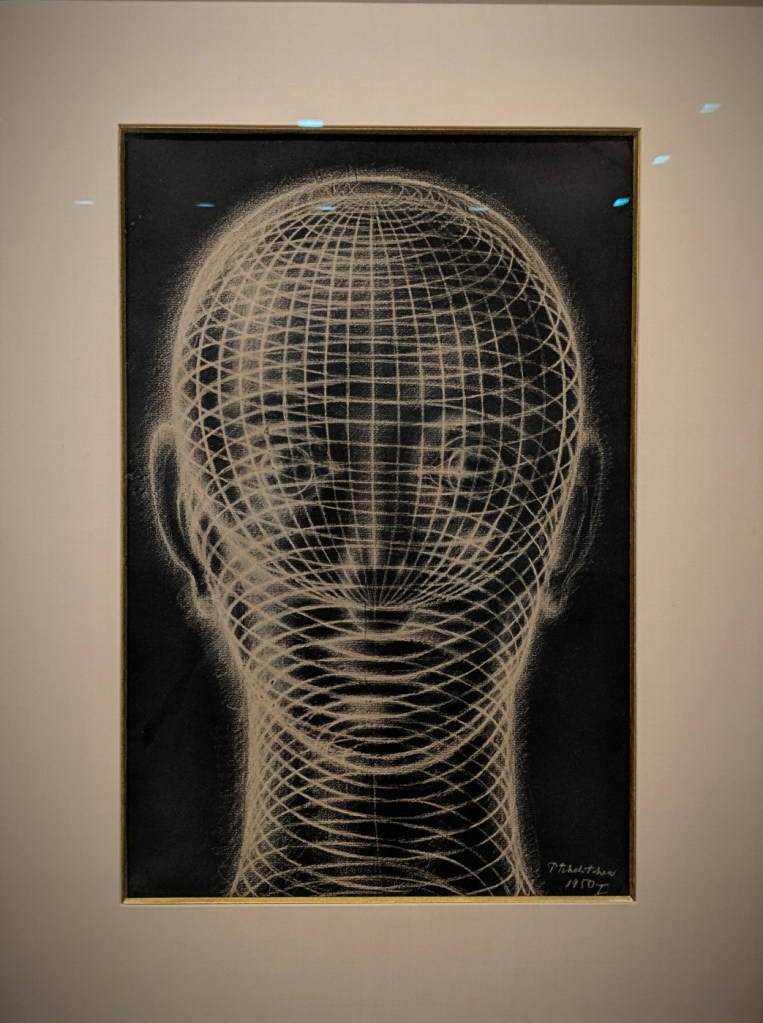
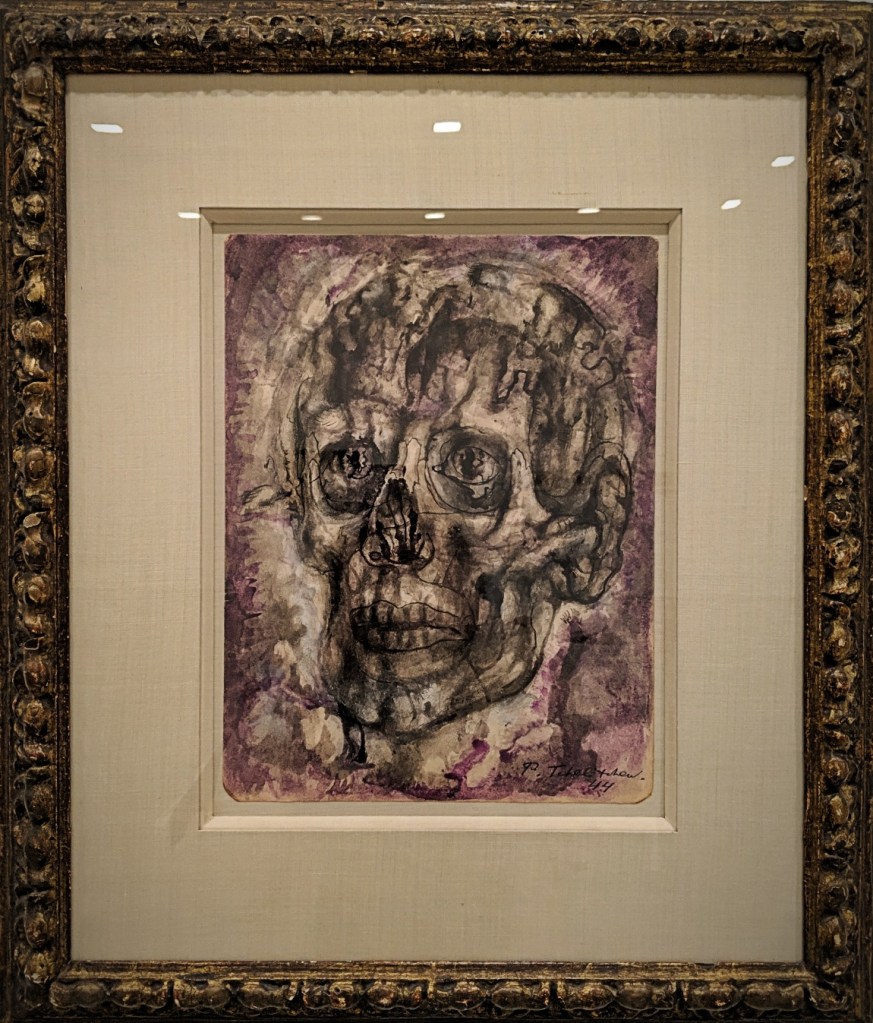
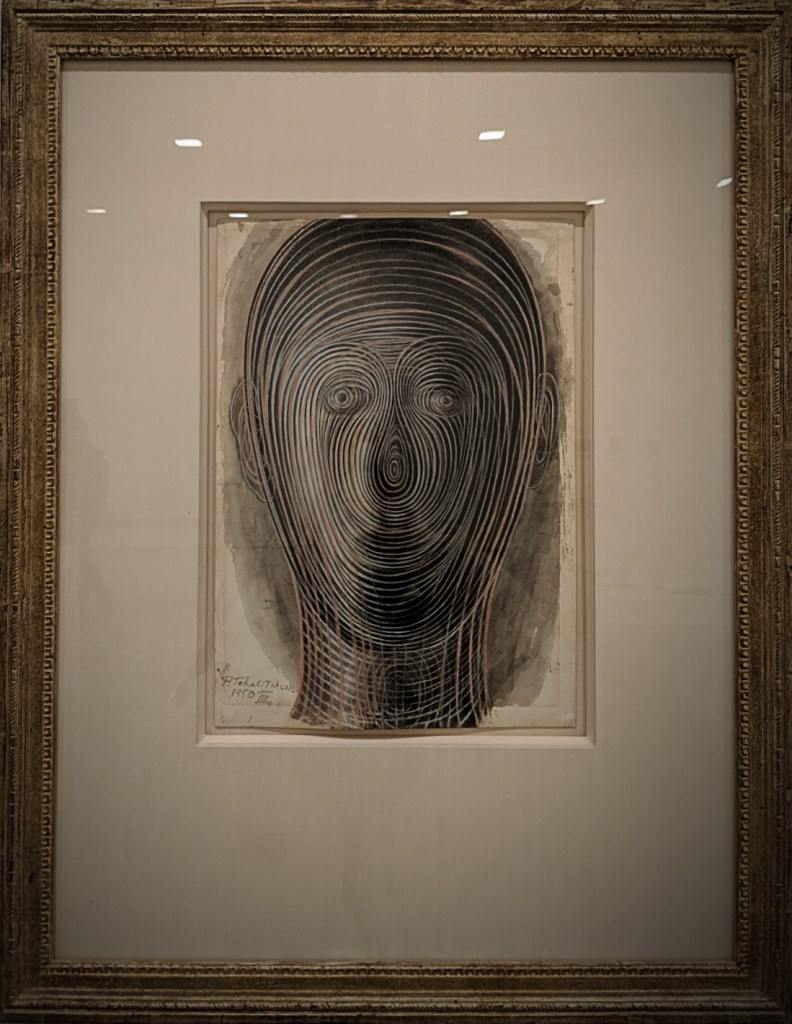
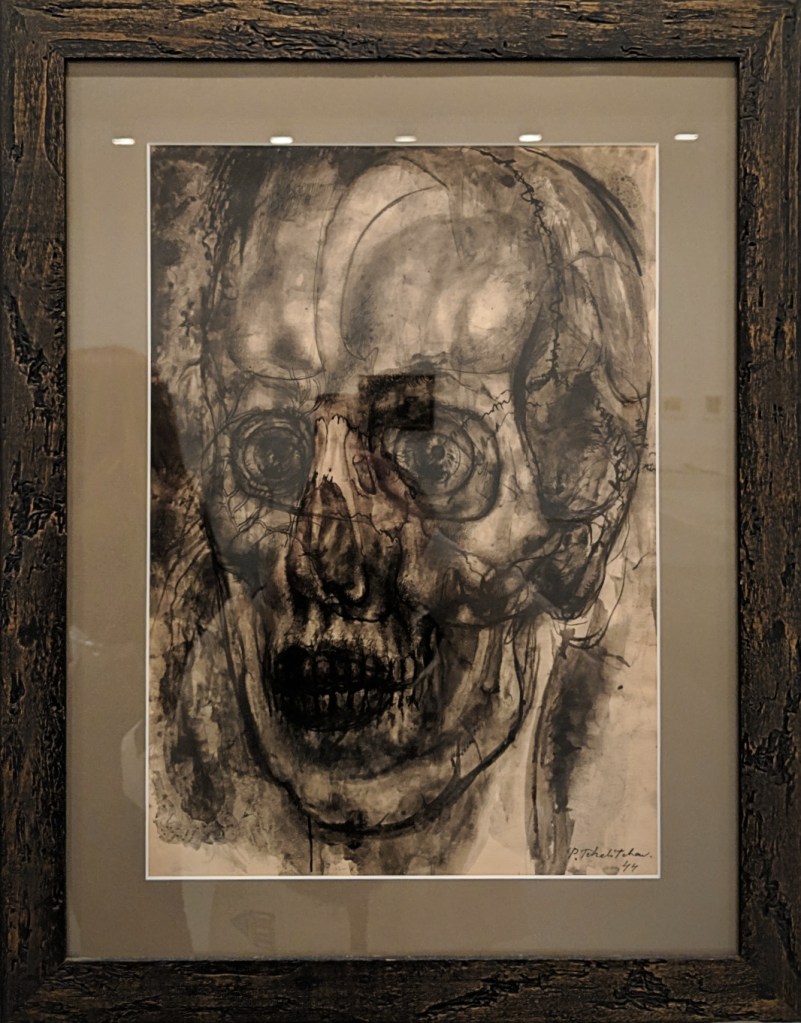
From February through April 2019, David Zwirner presented The Young and Evil, a group exhibition featuring significant works from the first half of the twentieth century by Paul Cadmus, Fidelma Cadmus Kirstein, Charles Henri Ford, Jared French, Margaret Hoening French, George Platt Lynes, Bernard Perlin, Pavel Tchelitchew, George Tooker, Jensen Yow, and their circle.
Among them, some works by Pavel Tchelitchew, to which I was particularly drawn.
March 7th, 2019
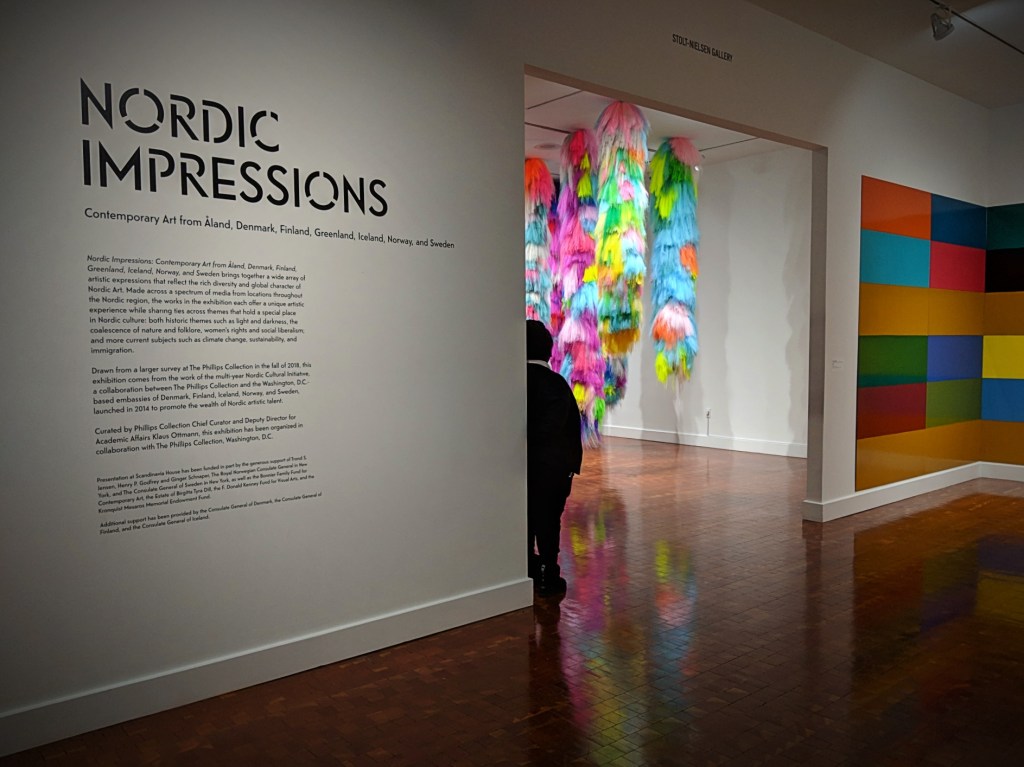
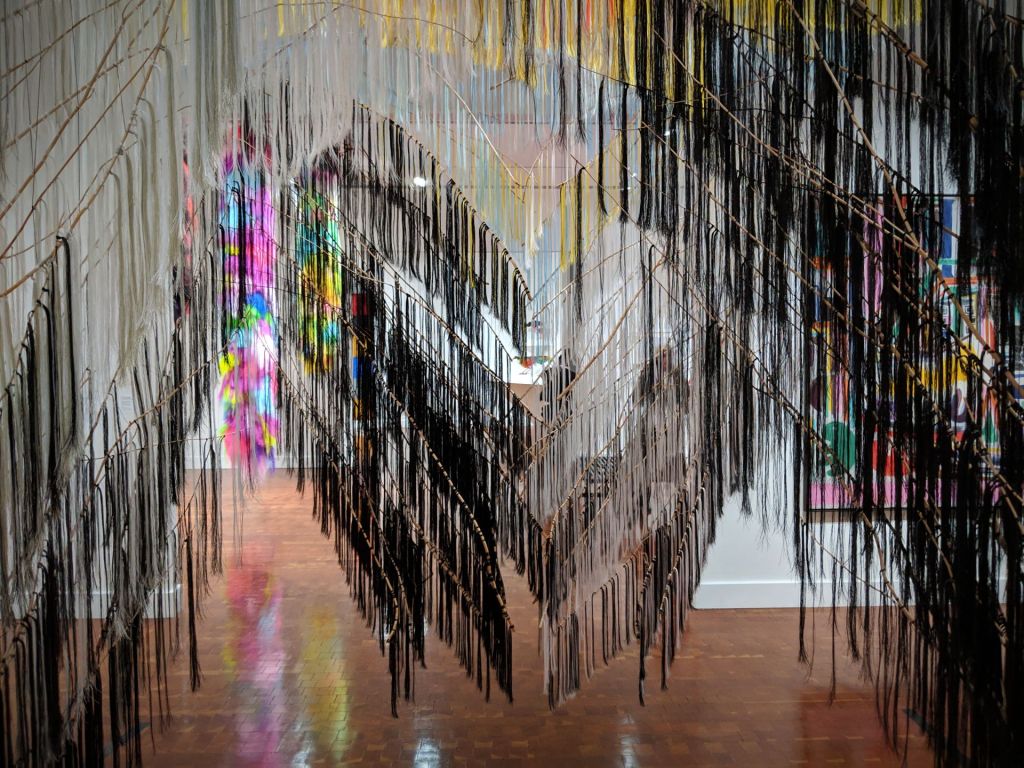
CONTEMPORARY ART FROM ÅLAND, DENMARK, FINLAND, GREENLAND, ICELAND, NORWAY, AND SWEDEN
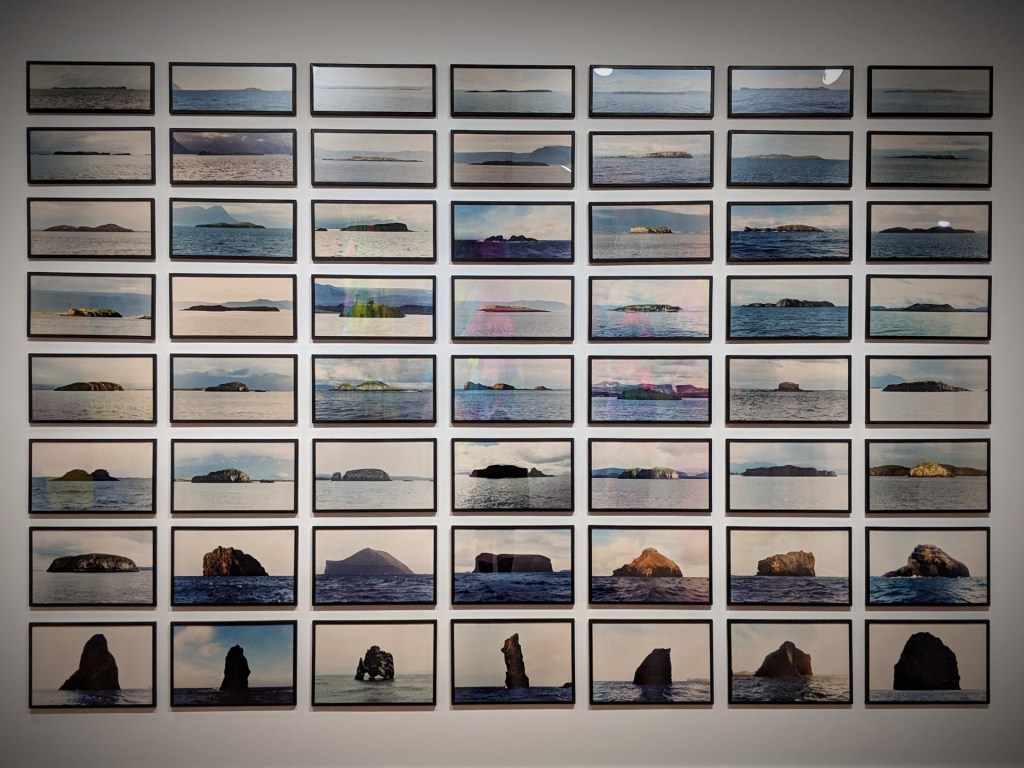
For The Island Series, Eliasson photographed the islands that surround Iceland. Sequenced according to island size, the photographs are reminiscent of the faithful depictions of nature – and its elements of water, sky, light, and colour – by the 19th-century Danish Golden Age painters.
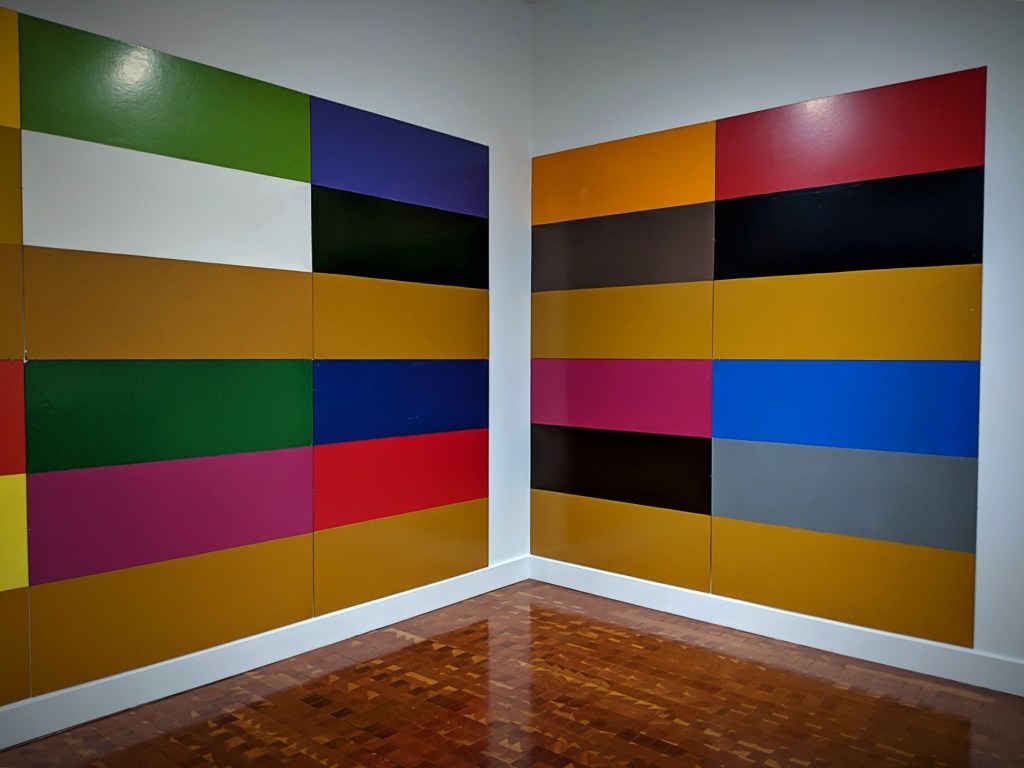
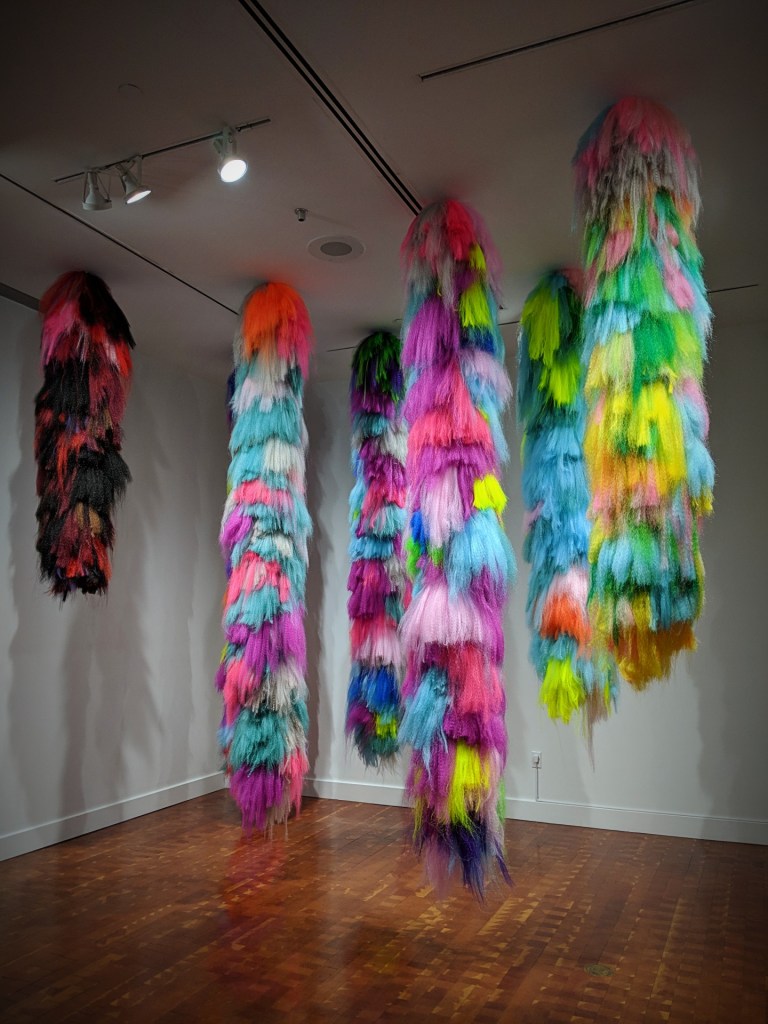
Brooklyn-based artist Hrafnhildur Arnardóttir, who goes by Shoplifter, experiments with artificial hair that she dyes into a rainbow of hypernatural colours and arranges into organic sculptures or massive landscapes.



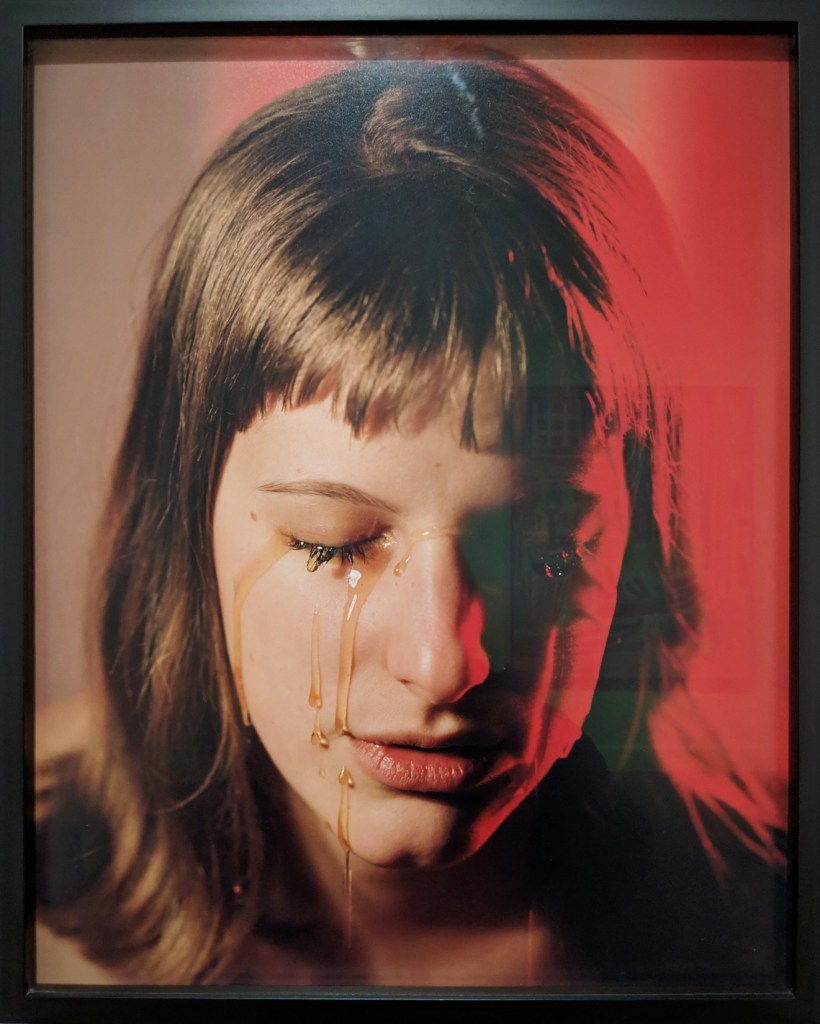


One of the 96 bronze plaques on East 41st Street, between Madison and Fifth Avenues.
From an exhibition at Scandinavia House on 58 Park Avenue, February through June 2019.
March 5th, 2019
And a lot more on display in Brooklyn Museum.
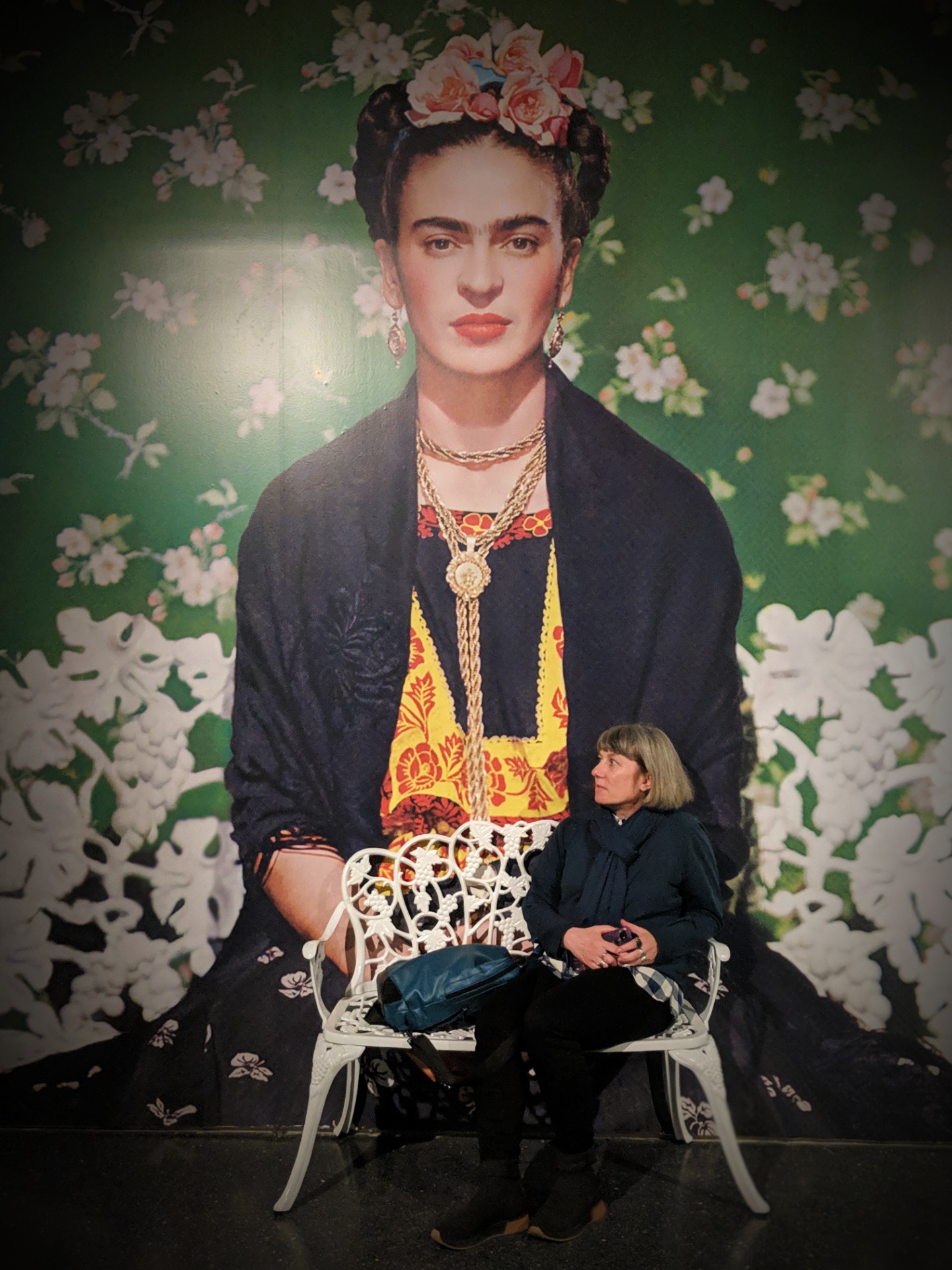
Frida Kahlo: Appearances Can Be Deceiving was ongoing, a collection of her clothing, jewelry, and other personal possessions like her corsets and prosthetics (themselves works of art), which were rediscovered and inventoried in 2004 after being locked away since Kahlo’s death, in 1954. Photography was strictly prohibited and all I managed was a couple of sneak pics. But, as is always the case in a museum, a whole world of other treasures is waiting to be discovered, photographed, and shared.
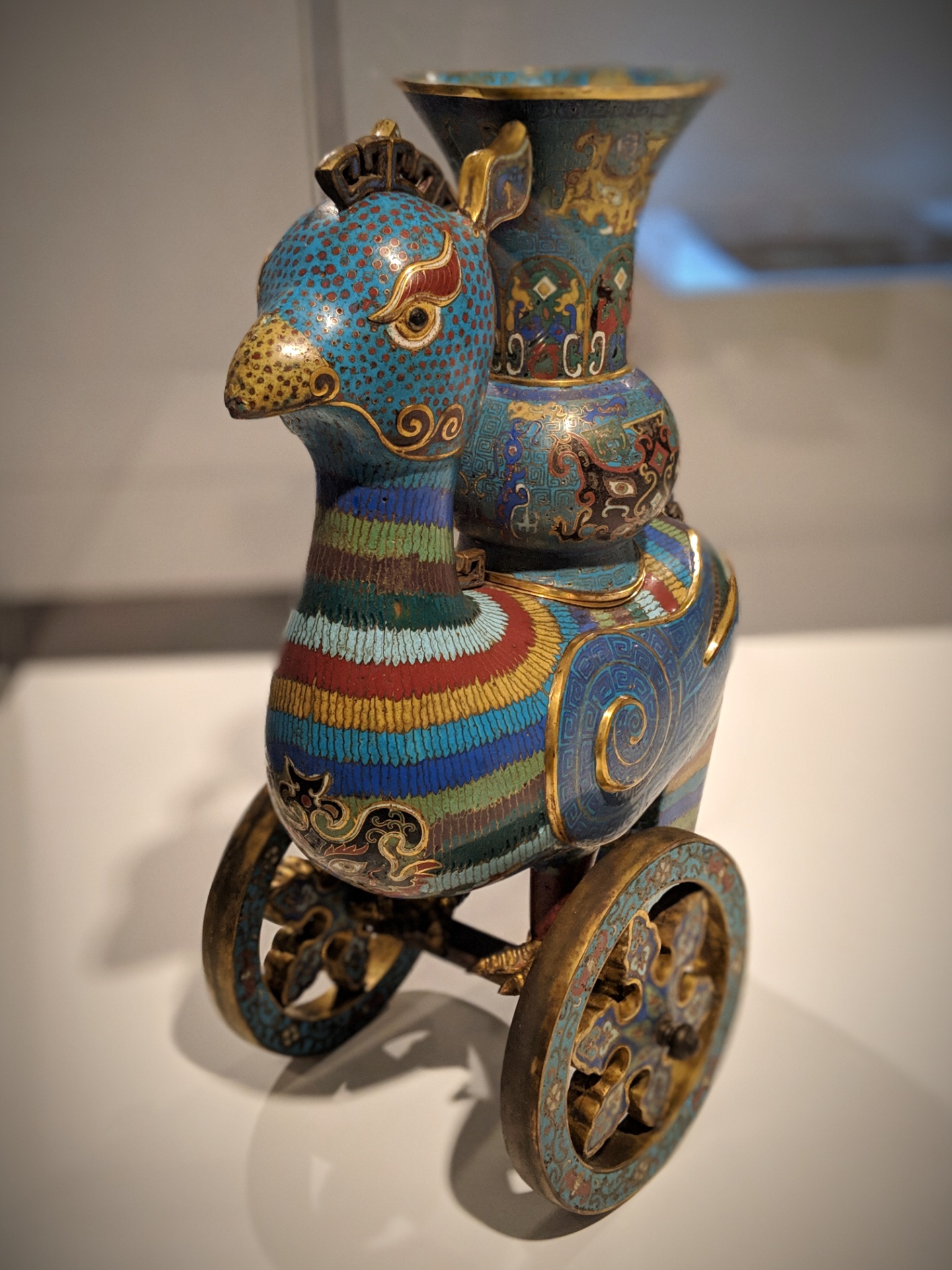 Ceremonial Wine Vessel on a Wheeled Phoenix, early 18th century
China, Qing dynasty
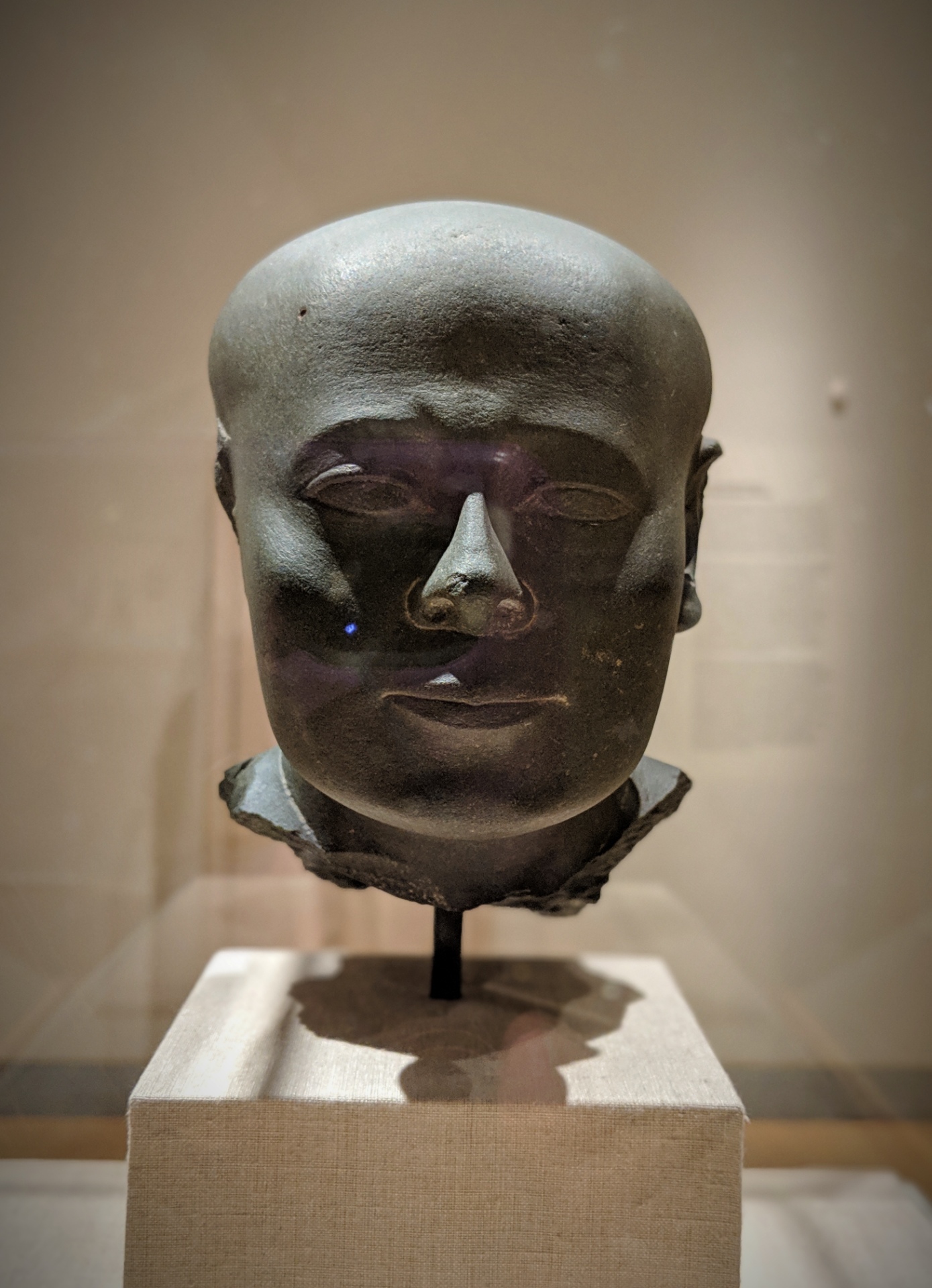 Head of Wesirwer, Priest of Montu
Green schist
Late Period, Dynasty XXX, ca 380-342 B.C.
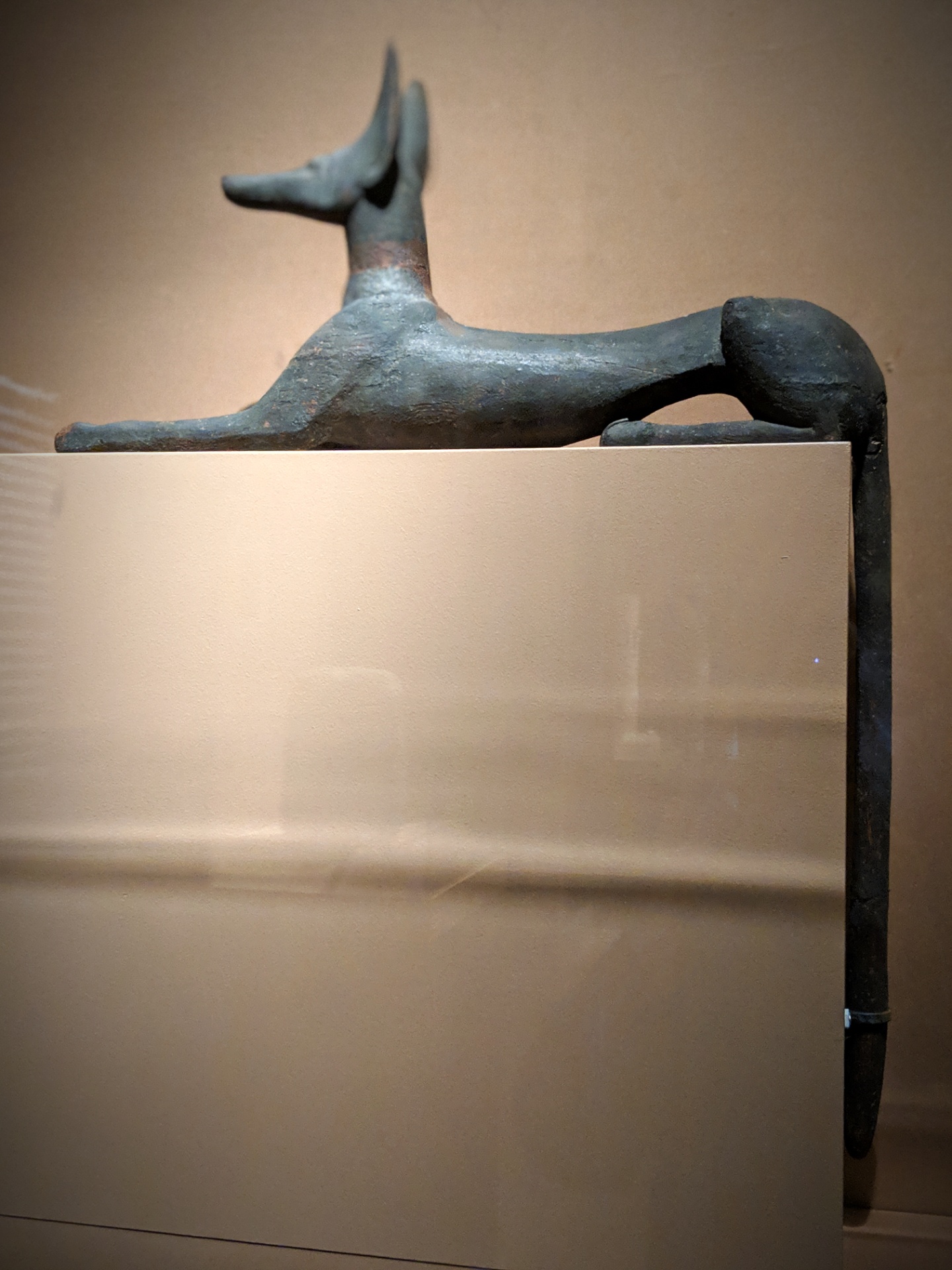 Figure of a Recumbent Jackal (God Anubis)
Wood
Late Period-Ptolemaic Period, ca. 664-30 B.C.E.
From Saqqara
 Frida Kahlo: Appearances Can Be Deceiving
 Frida Kahlo: Appearances Can Be Deceiving
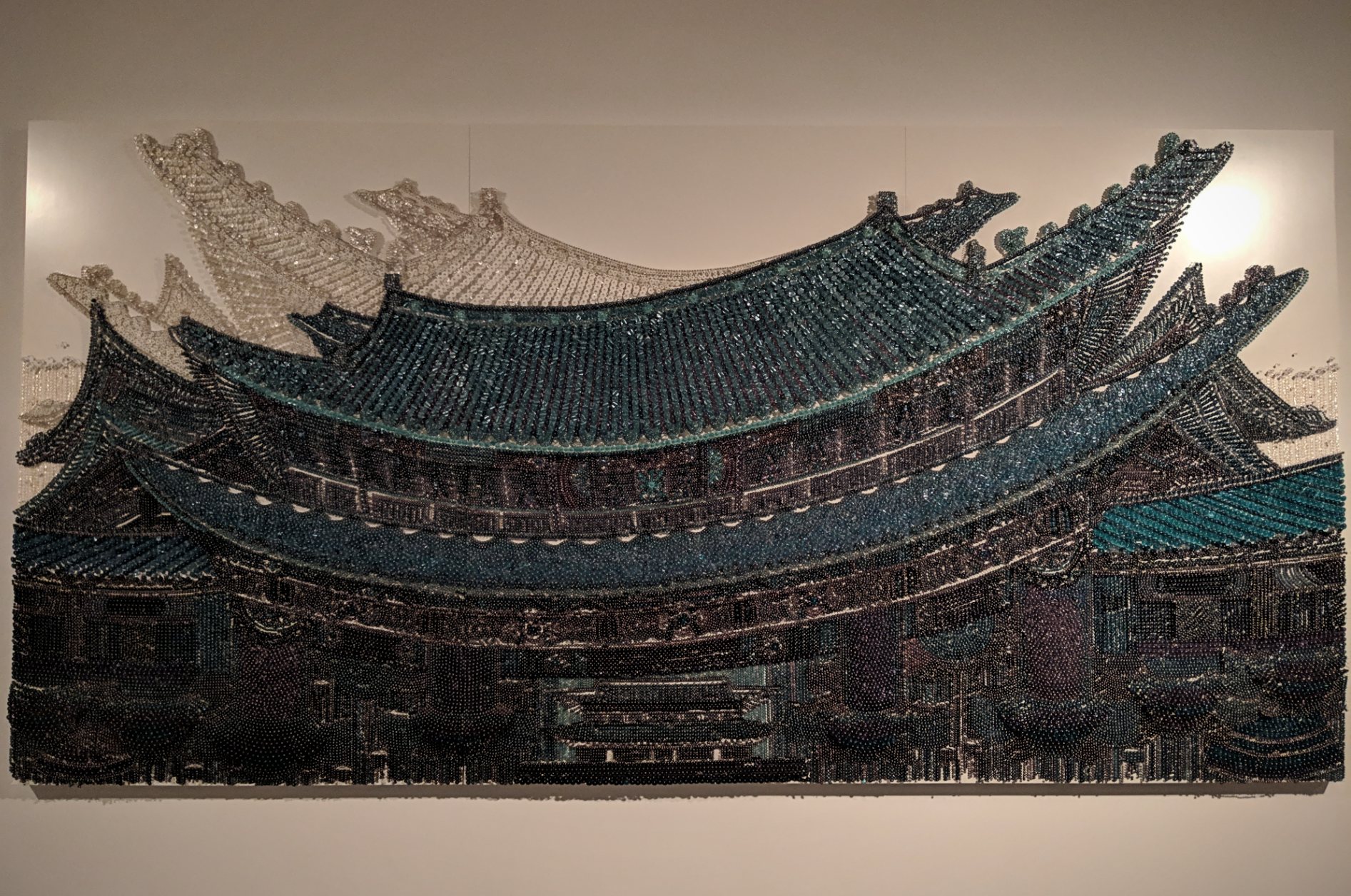 Ran Hwang (South Korean, b. 1960)
East Wind, 2012
Plastic and metal buttons and beads, metal pins, wood panel
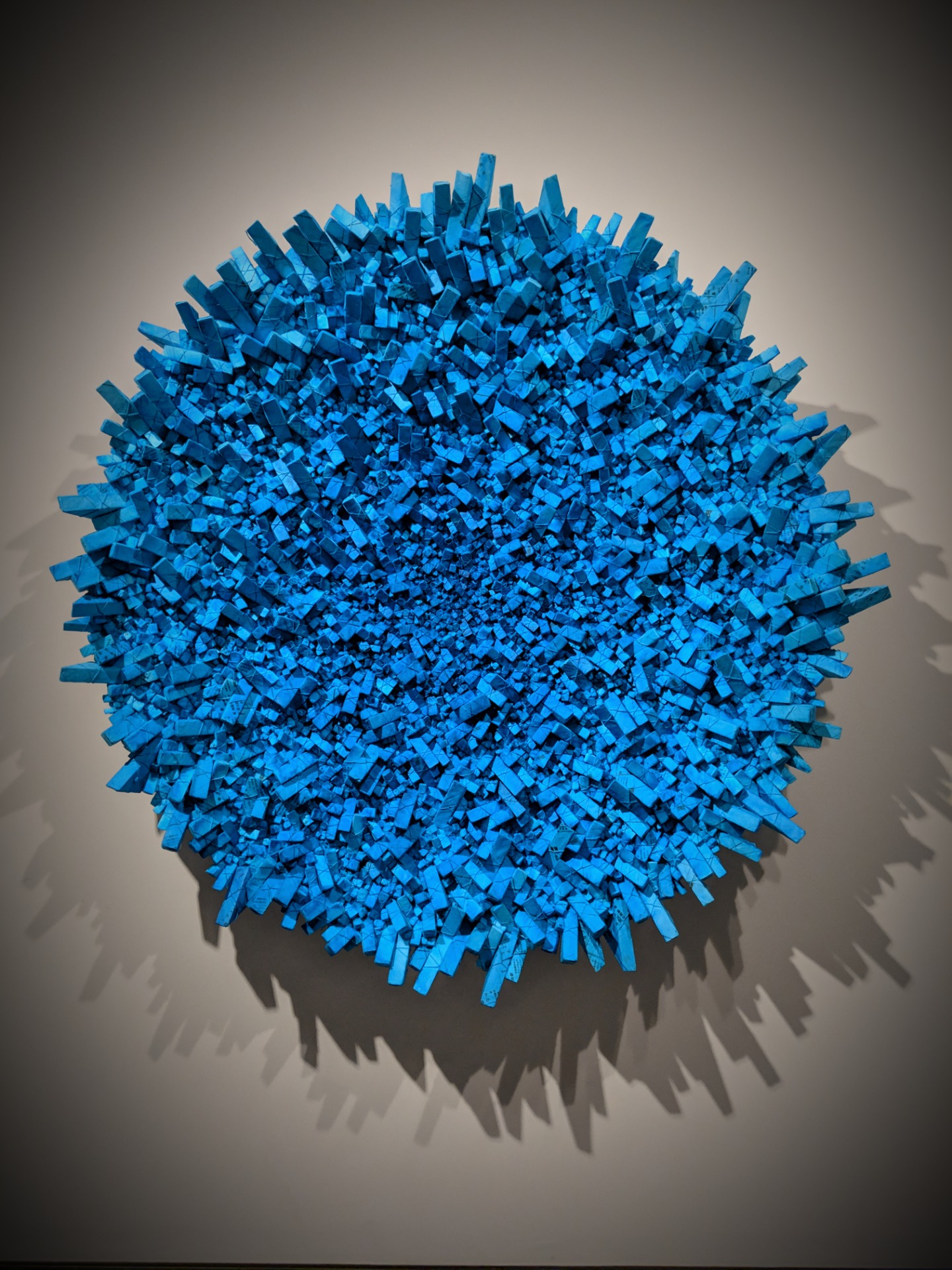 Kwang Young Chun
Born Hongchun, South Korea, 1944
Aggregation 18-JA006 (Star 1), 2018
Mixed media with Korean mulberry paper
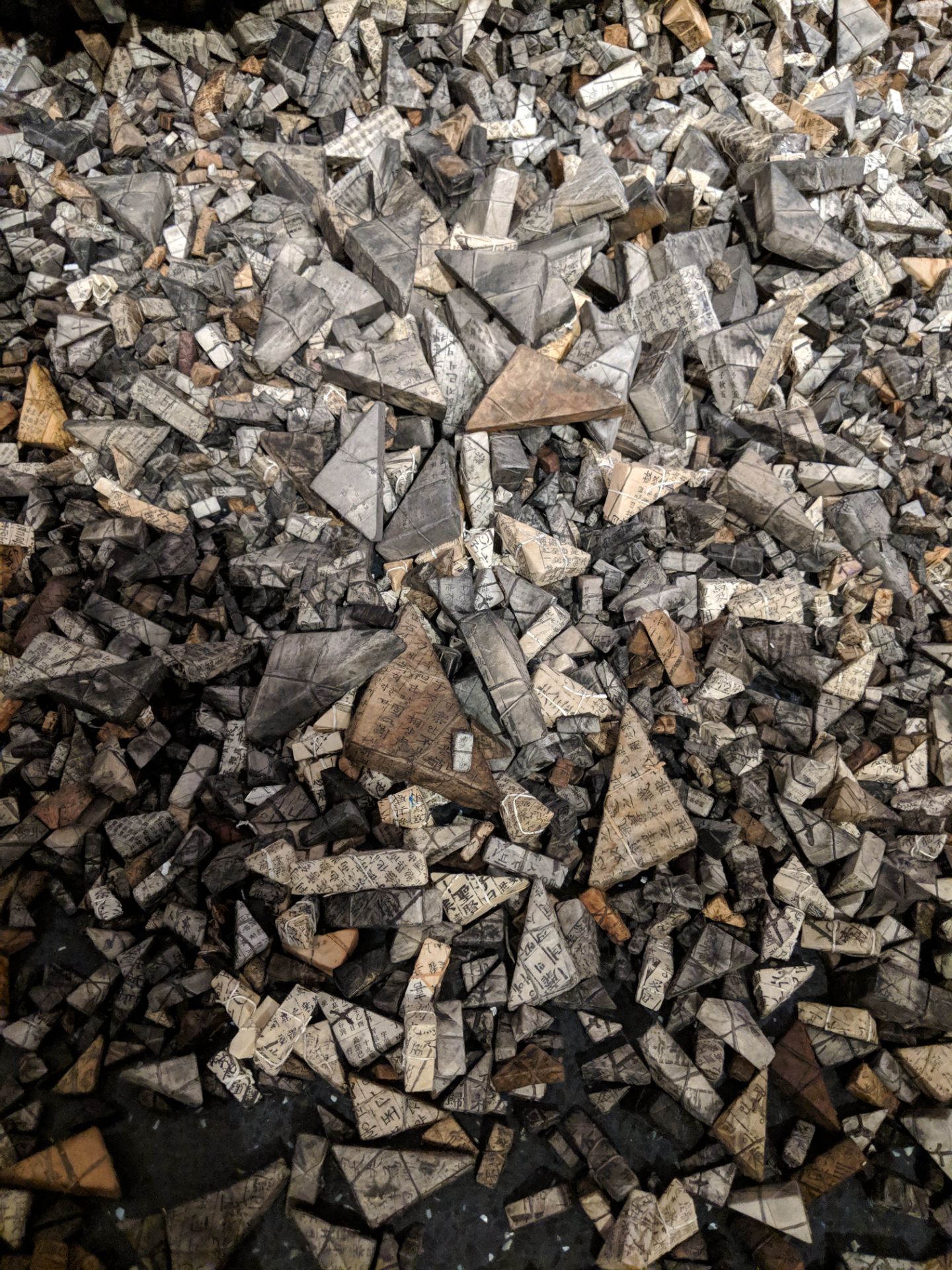 Kwang Young Chun
Born Hongchun, South Korea, 1944
Aggregations (detail)
 Kwang Young Chun
Born Hongchun, South Korea, 1944
Aggregations
 Kwang Young Chun
Born Hongchun, South Korea, 1944
Aggregations
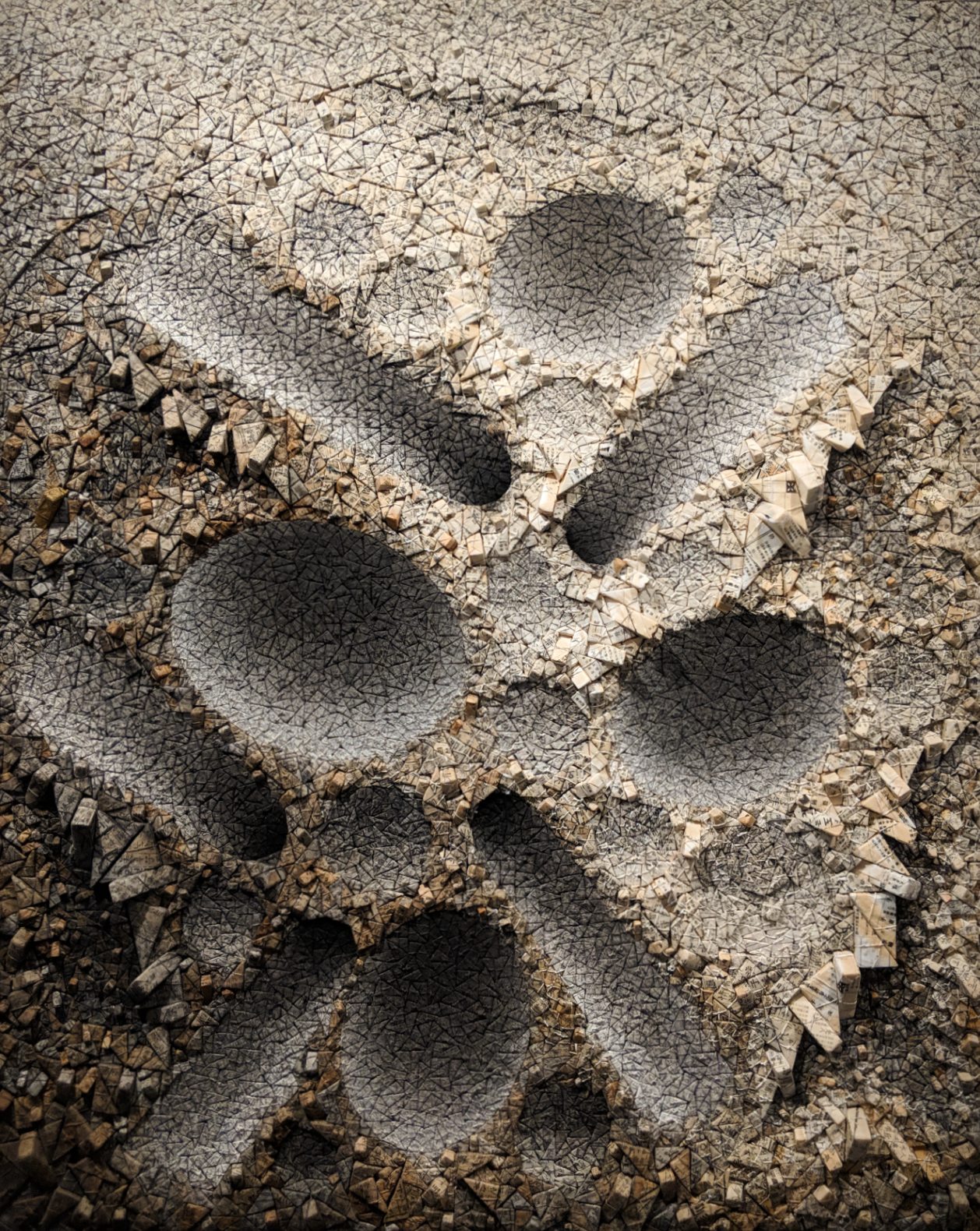 Kwang Young Chun
Born Hongchun, South Korea, 1944
Aggregation 15-AU043, 2015
Mixed media with Korean mulberry paper
 Philip Pearlstein, b. 1924
Portrait of Linda Nochlin and Richard Pommer, 1968
Oil on canvas
 Joan Semmel, b. 1932
Intimacy-Autonomy, 1974
Oil on canvas
Brookyn Museum
February 16th, 2019
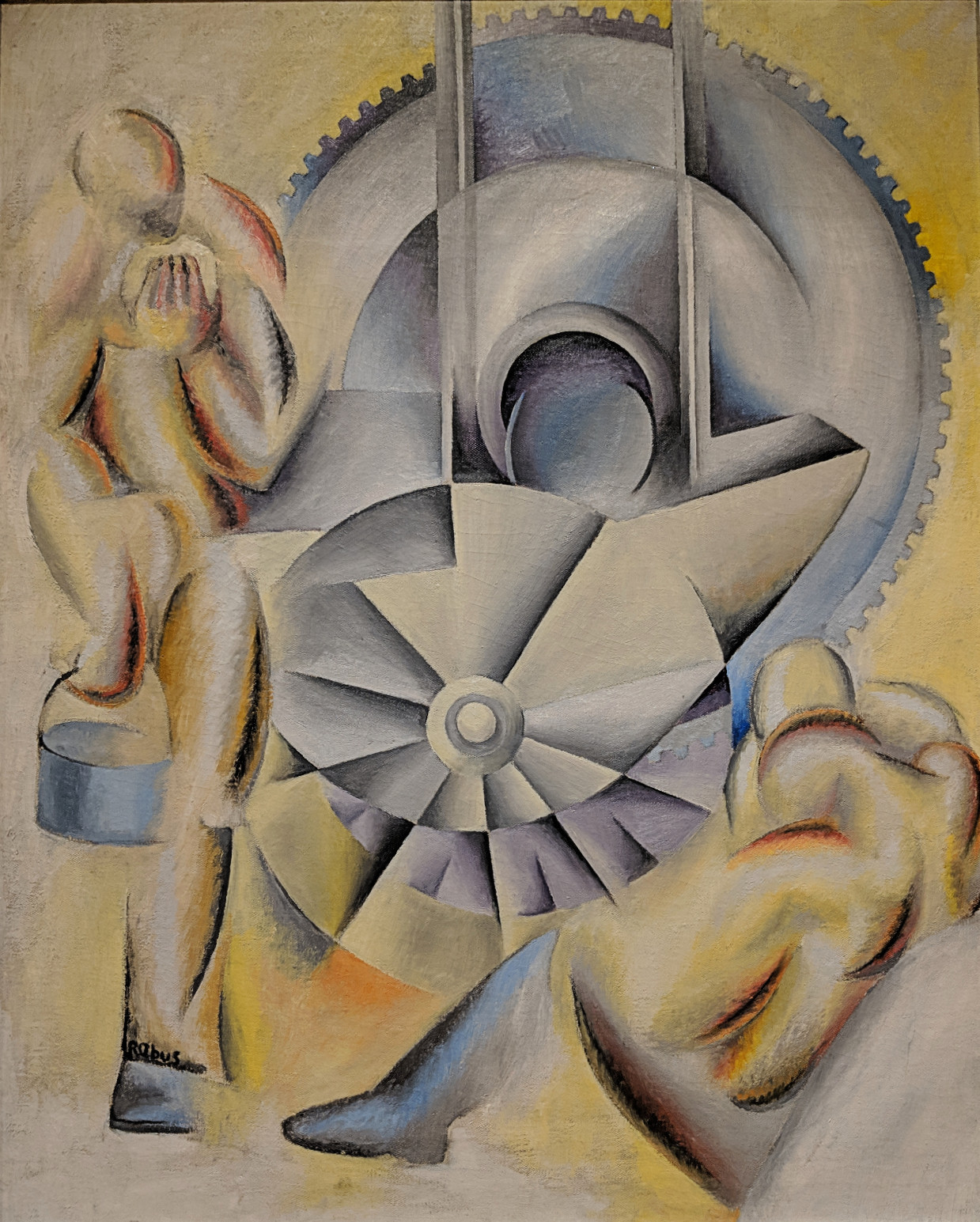 Hugo Robus (American, 1885-1964)
Untitled (Men and Machines), 1919
Oil on canvas
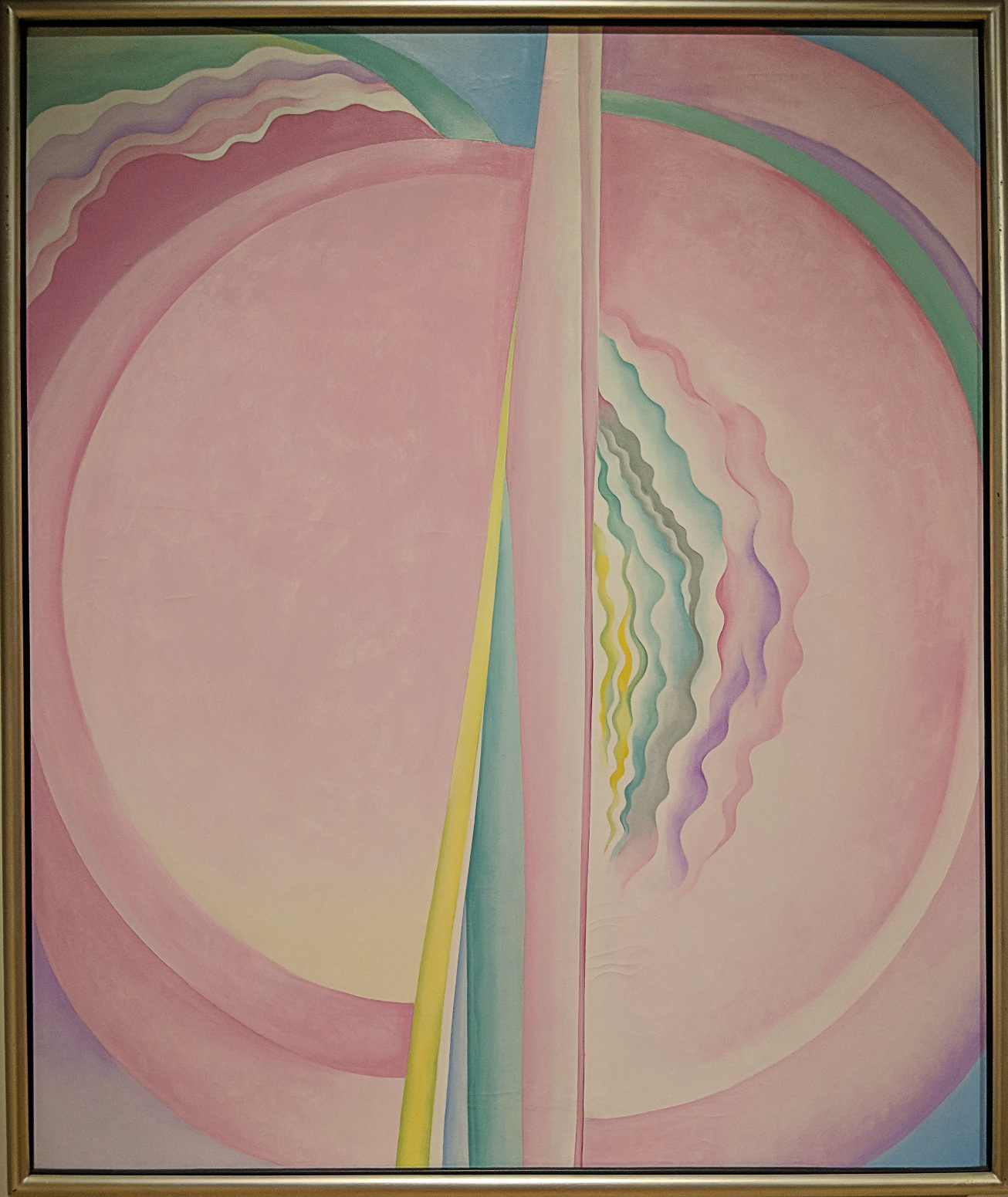 Georgia O’Keeffe (American, 1887-1986)
Pink Abstraction, 1929
Oil on canvas
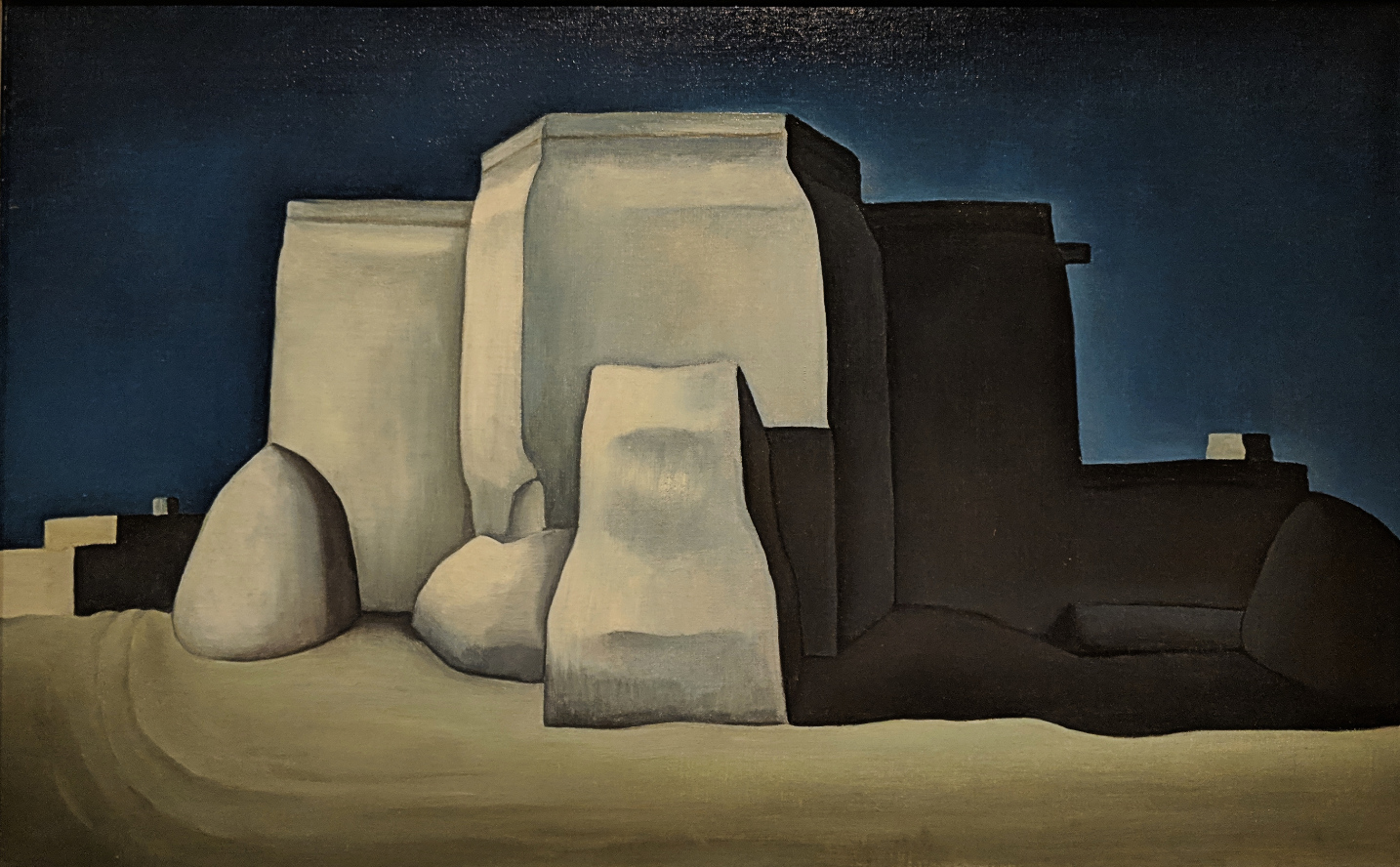 Emil Bisttram (American, 1895-1976)
Ranchos de Taos Church, c. 1937
Oil on canvas
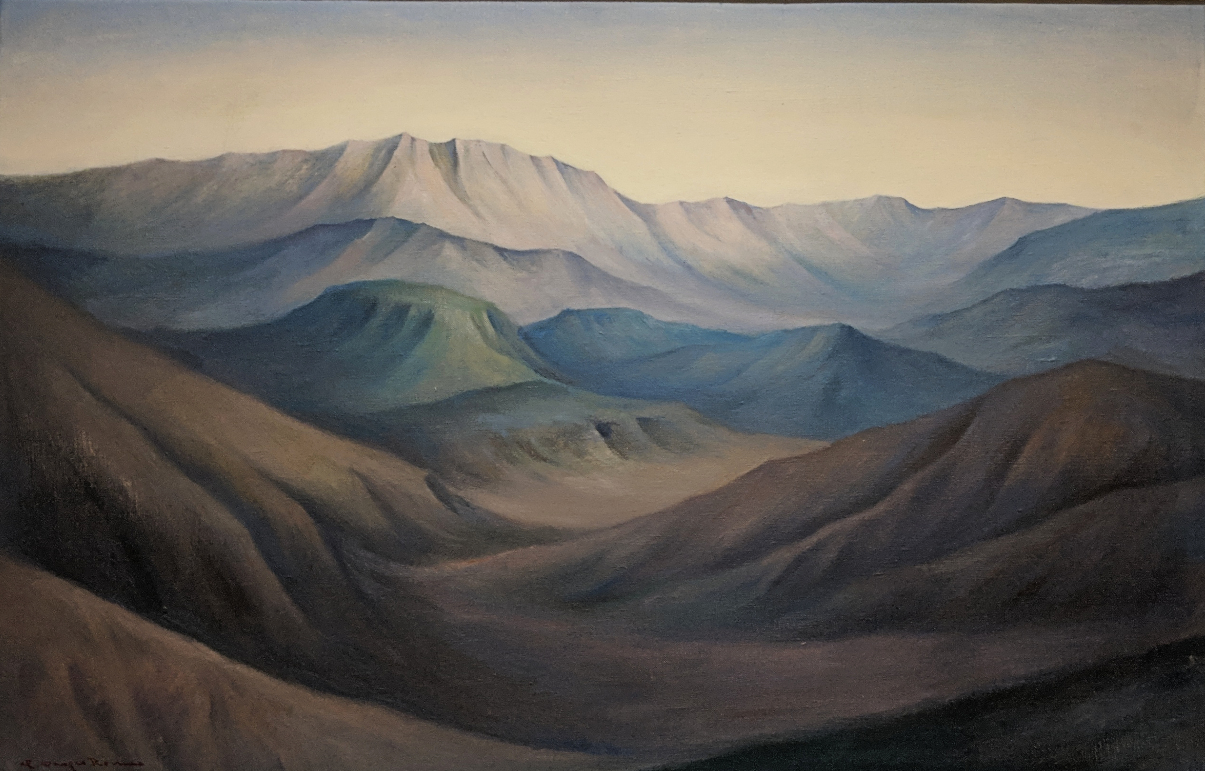 Carlos Orozco Romero (Mexican, 1898-1984)
La barranca (The Ravine), c. 1943-1946
Oil on canvas
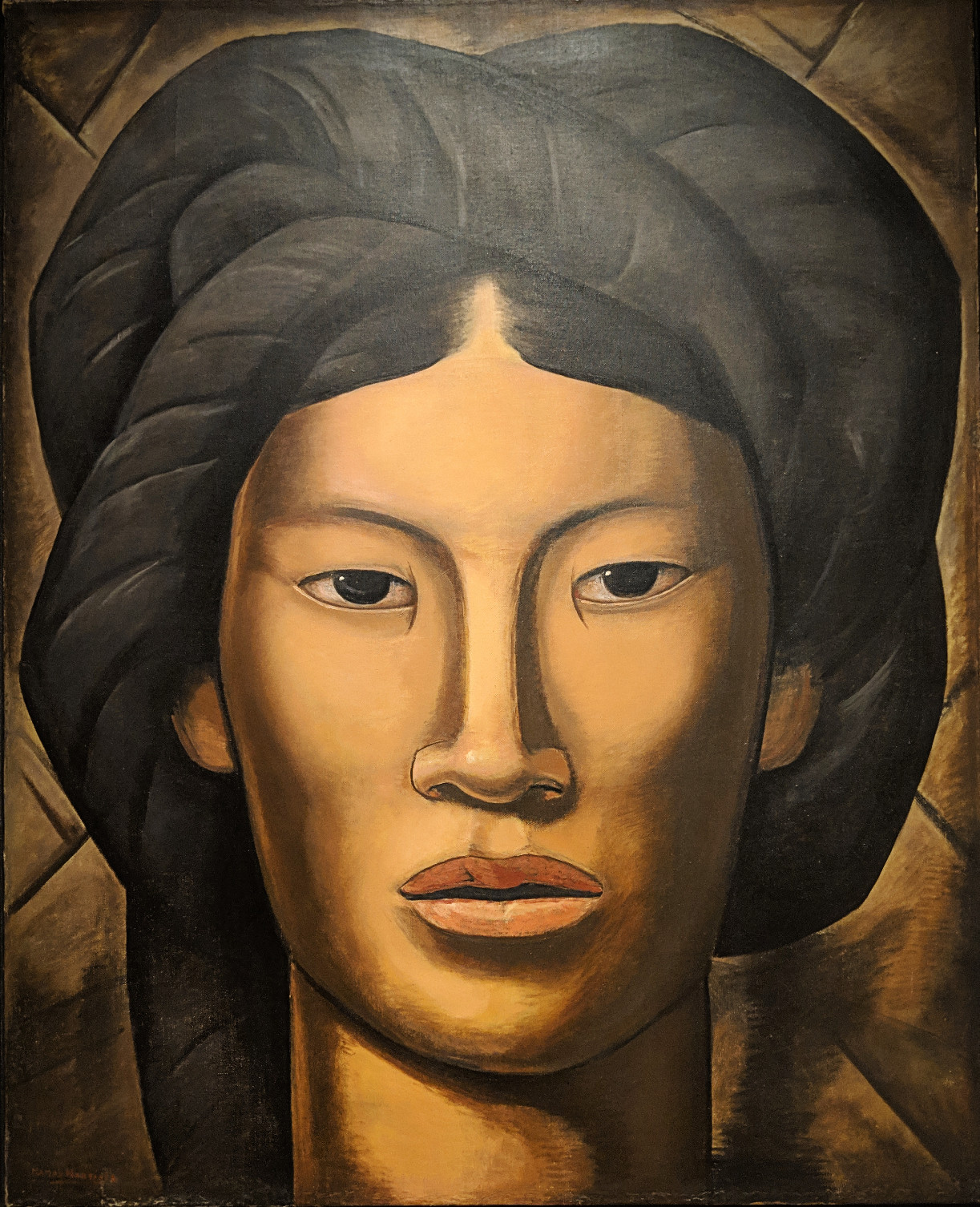 Alfredo Ramos Martínez (Mexican, 1871-1946)
La Malinche (Joven de Yalala, Oaxaca) (La Malinche [Young Girl of Yalala, Oaxaca]), c. 1940
Oil on canvas
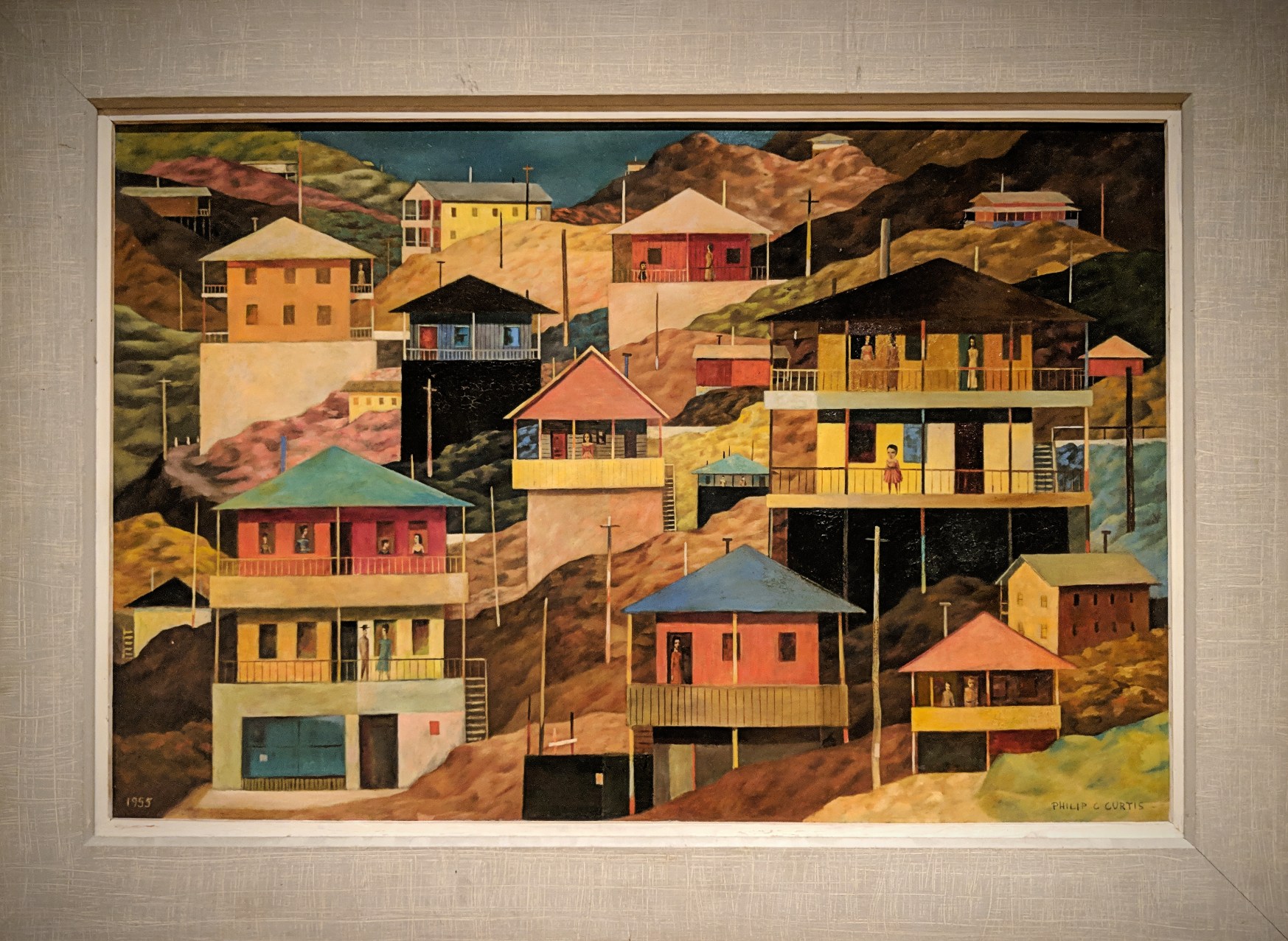 Philip C. Curtis (American, 1907-2000)
Mountain Village, 1955
Oil on board
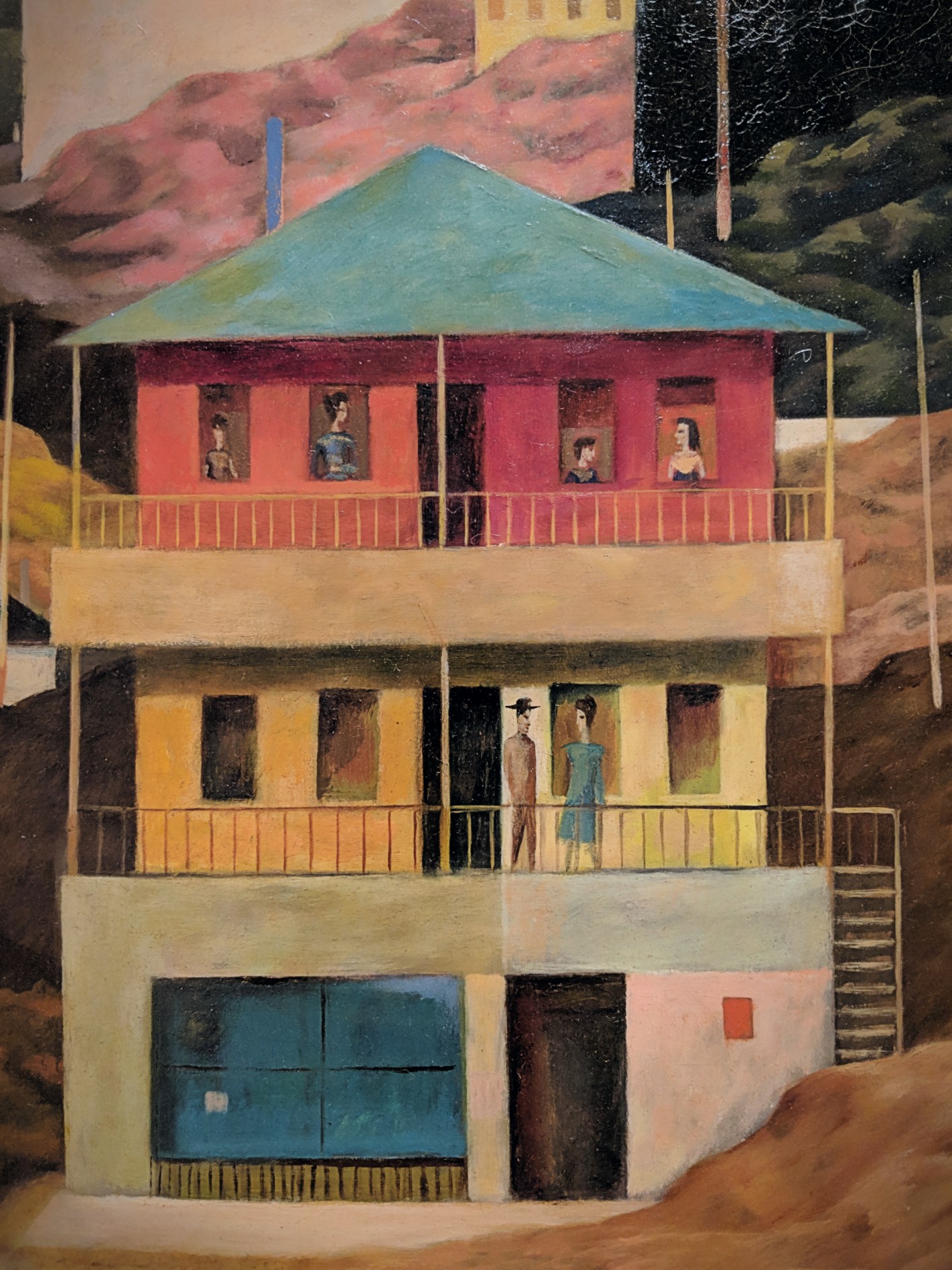 Philip C. Curtis (American, 1907-2000)
Mountain Village, 1955 [detail]
Oil on board
January 30th, 2019
Classic art was also contemporary once.
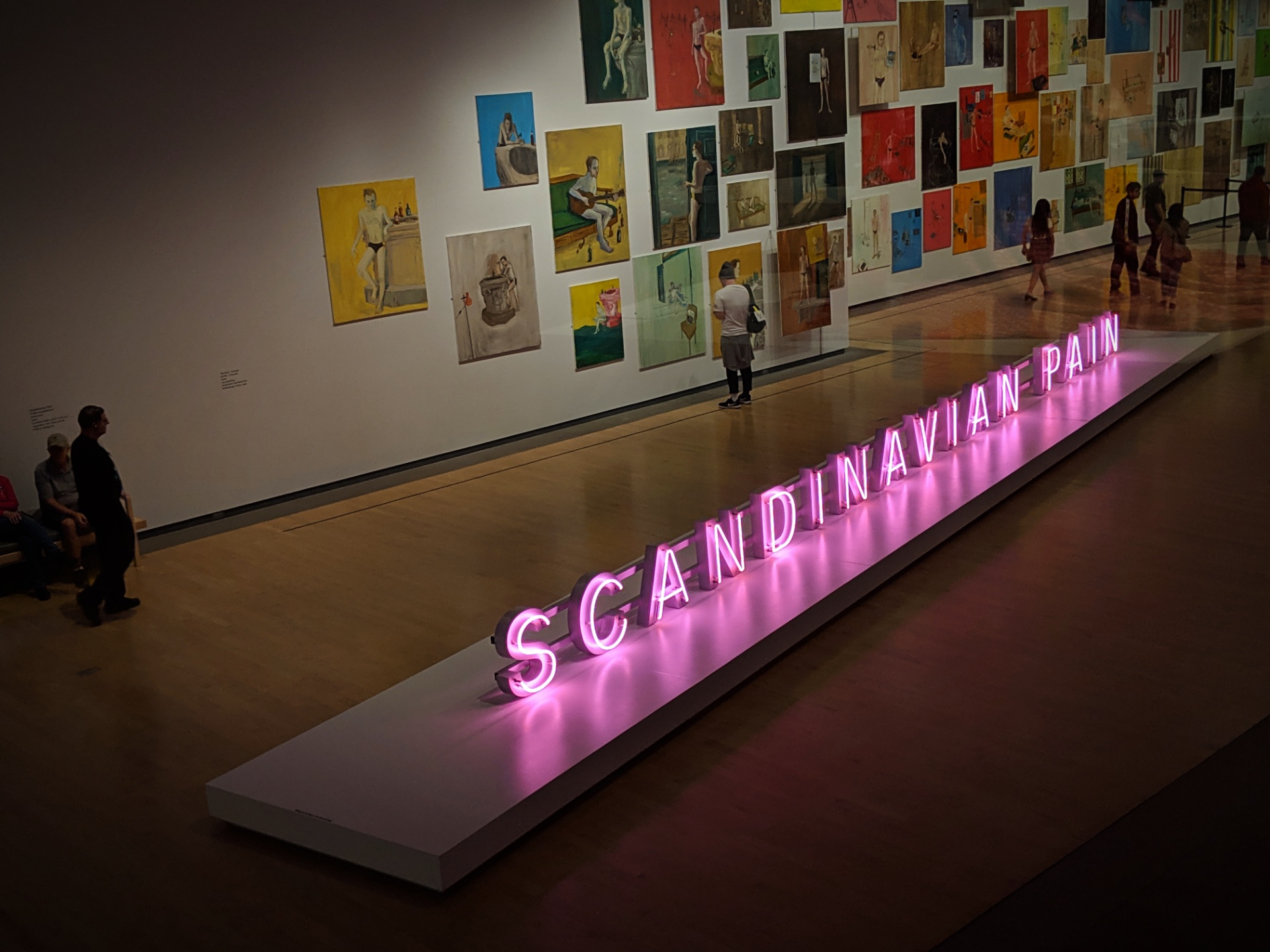
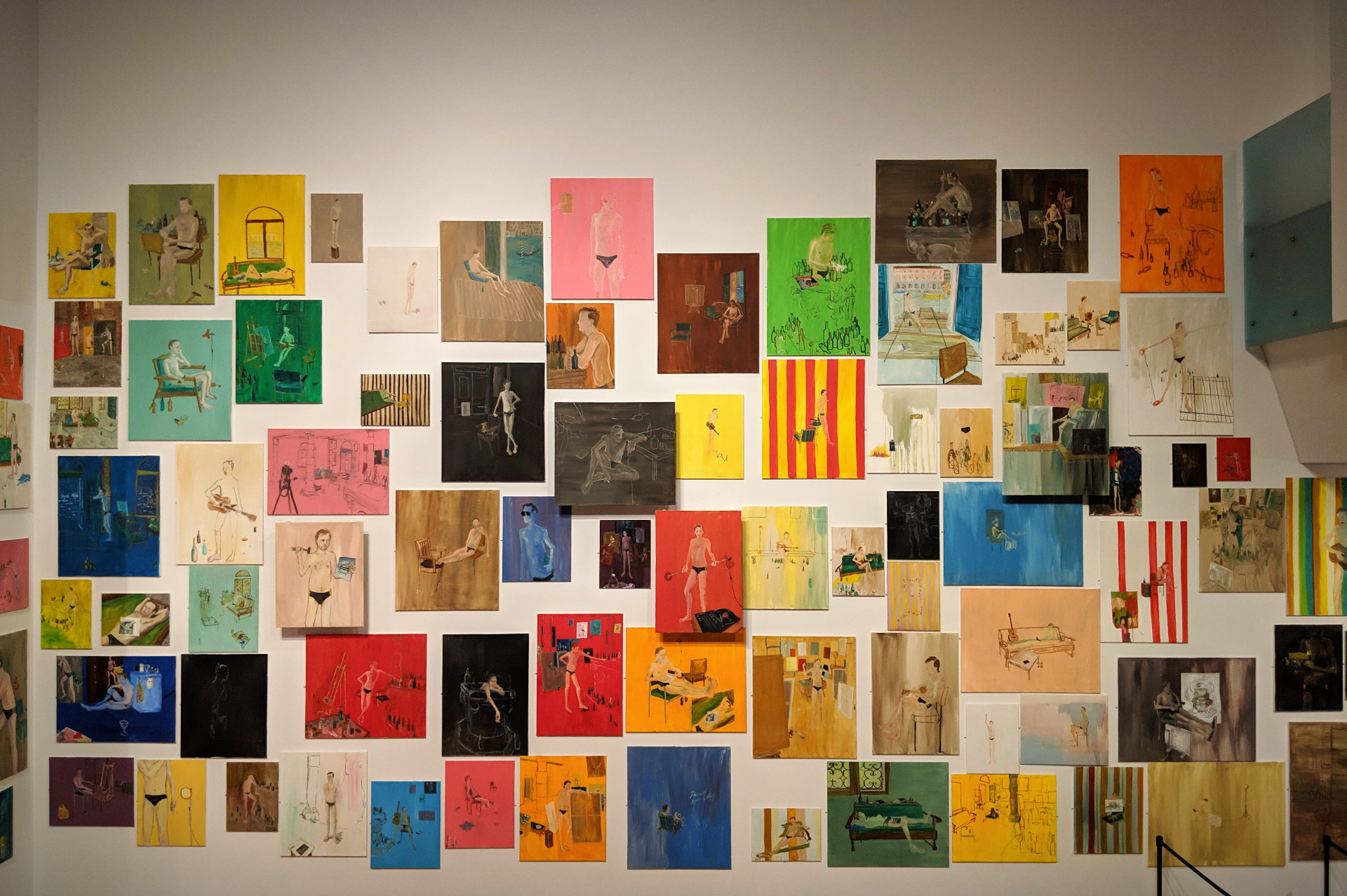
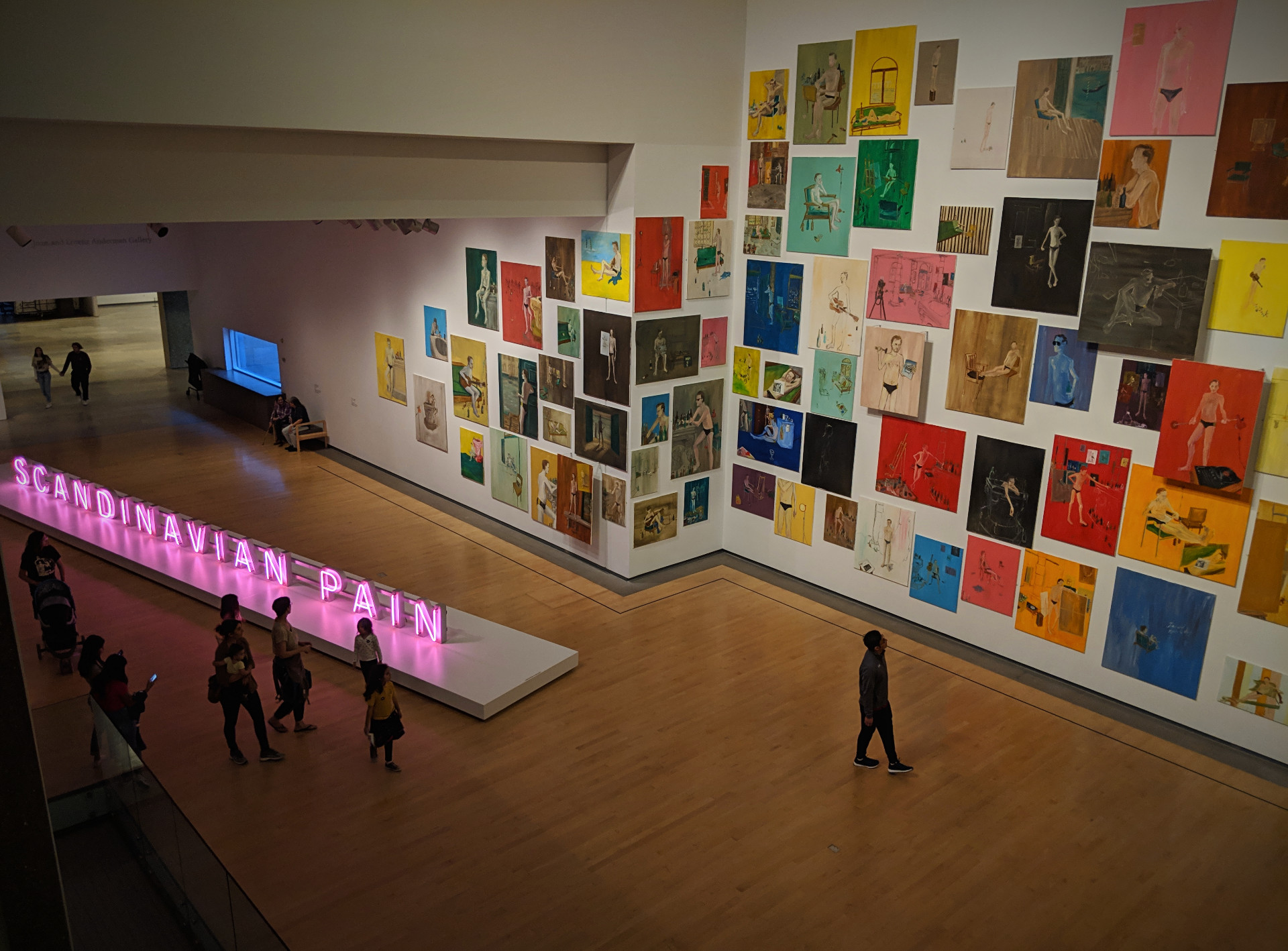
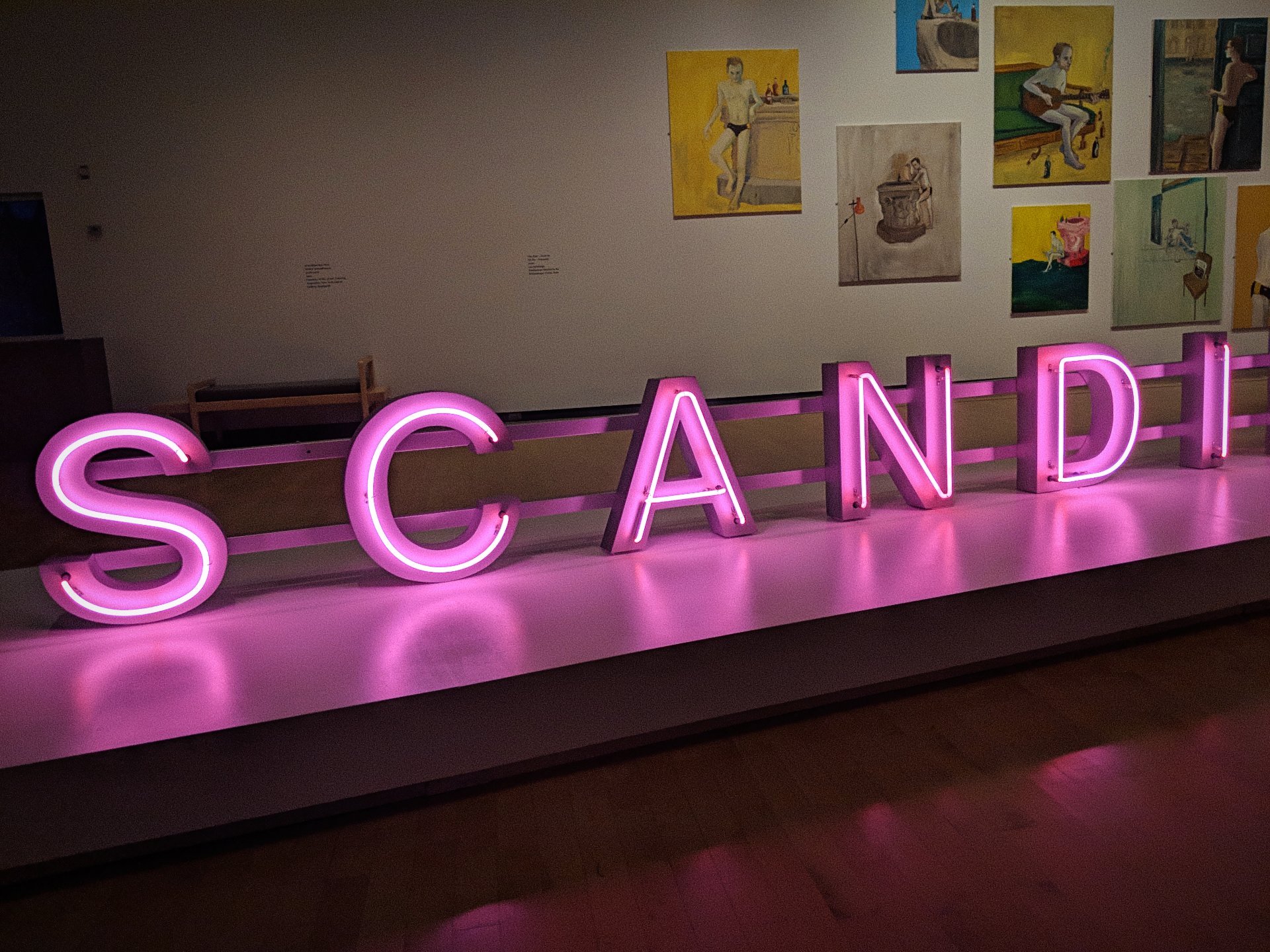
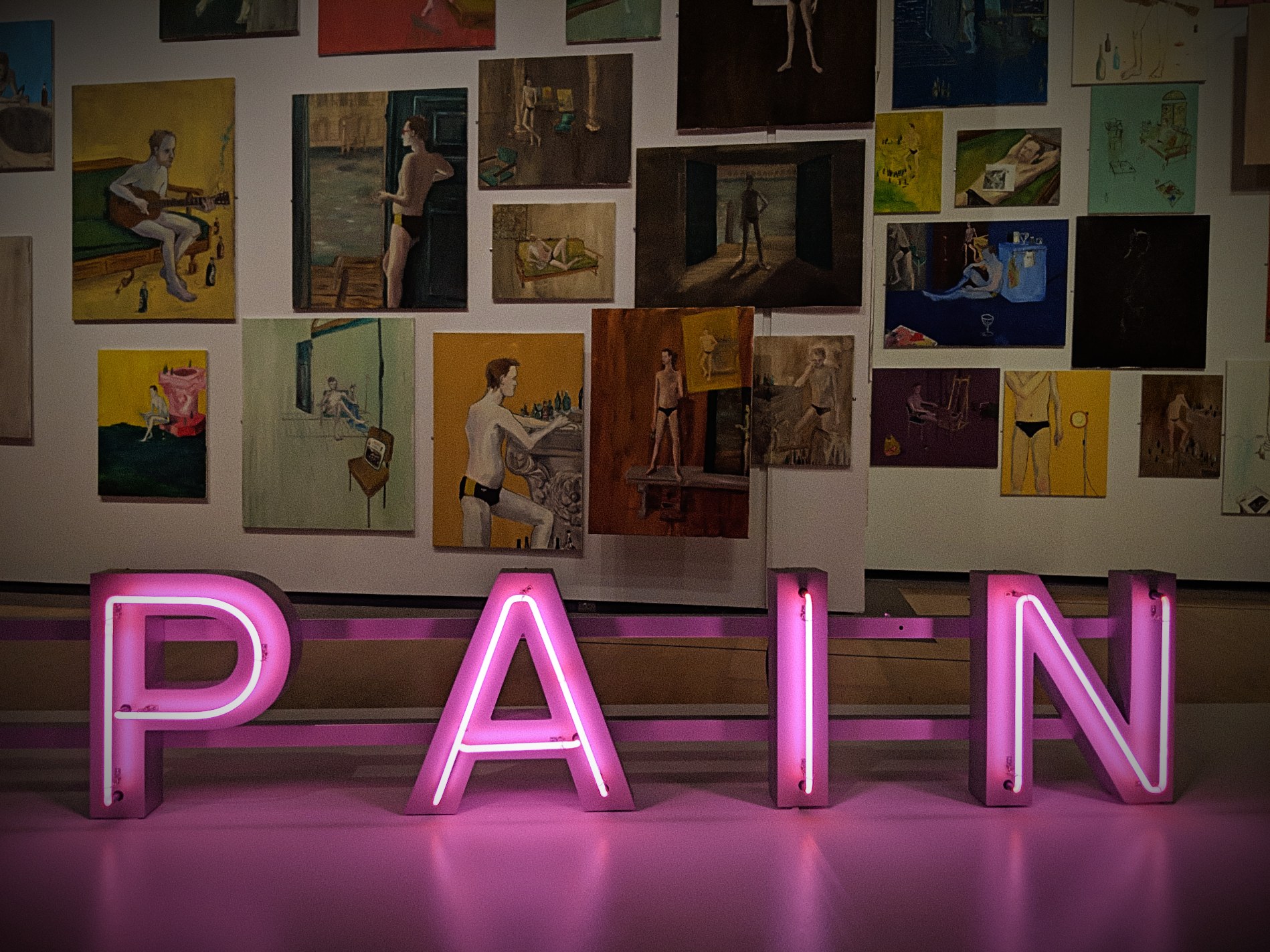 Ragnar Kjartansson: Scandinavian Pain & Other Myths was the Southwestern US premiere of work by Icelandic artist Ragnar Kjartansson (b. 1976), presented by the Phoenix Art Museum.
It consisted of three major works: the 40-foot long neon installation Scandinavian Pain, along with The End-Venice, Kjartansson’s contribution to the 2009 Venice Biennale during which he secluded himself in a fourteenth-century palazzo and produced one painting per day for six months (the entire duration of Venice Biennale). Each painting depicts his friend and fellow artist Páll Haukur Björnsson, in a Speedo.
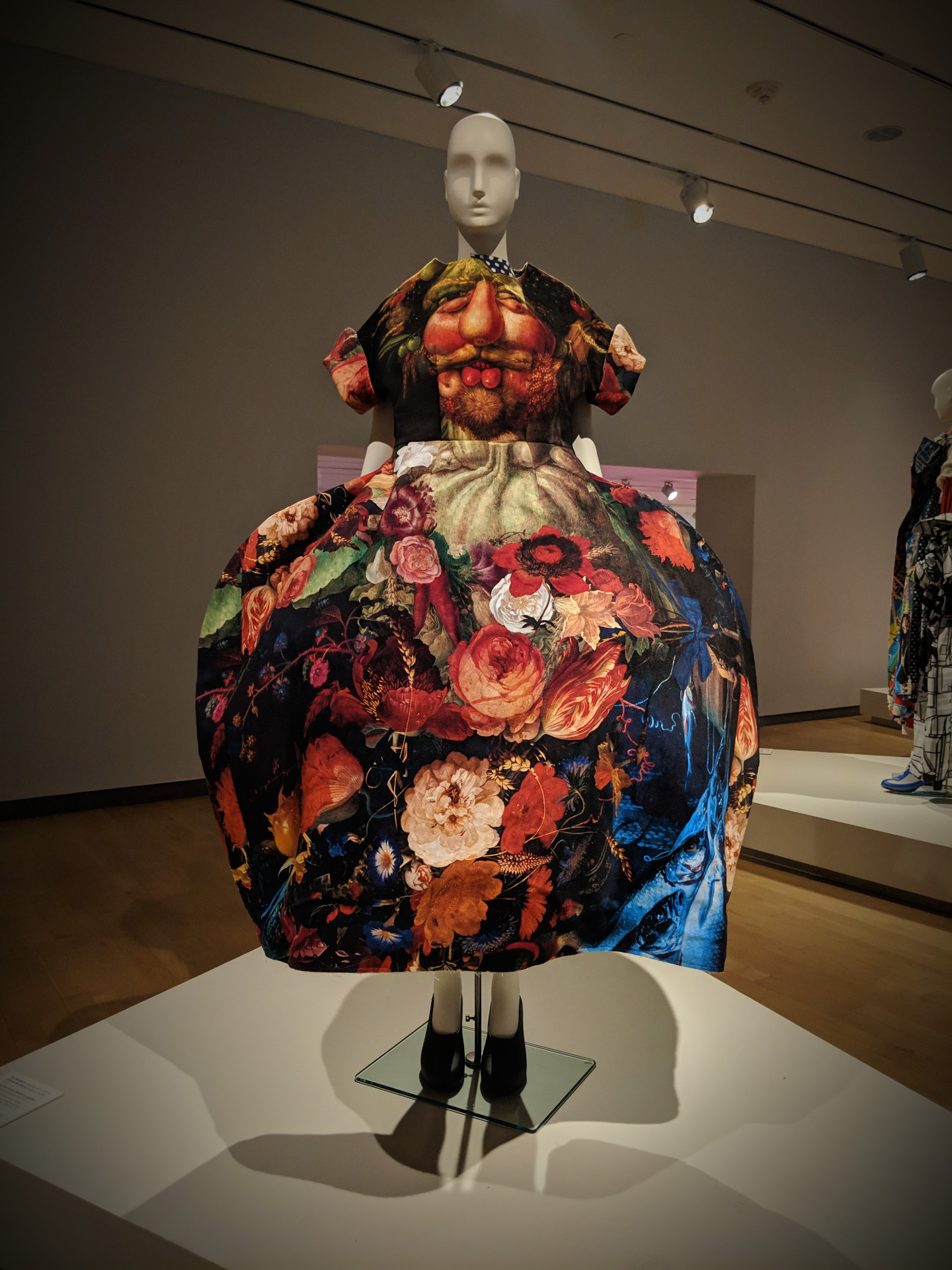 Rei Kawakubo for Comme des Garçons
Dress and shoes from the S/S 2018 collection
Art on Dress: Giuseppe Archimboldo
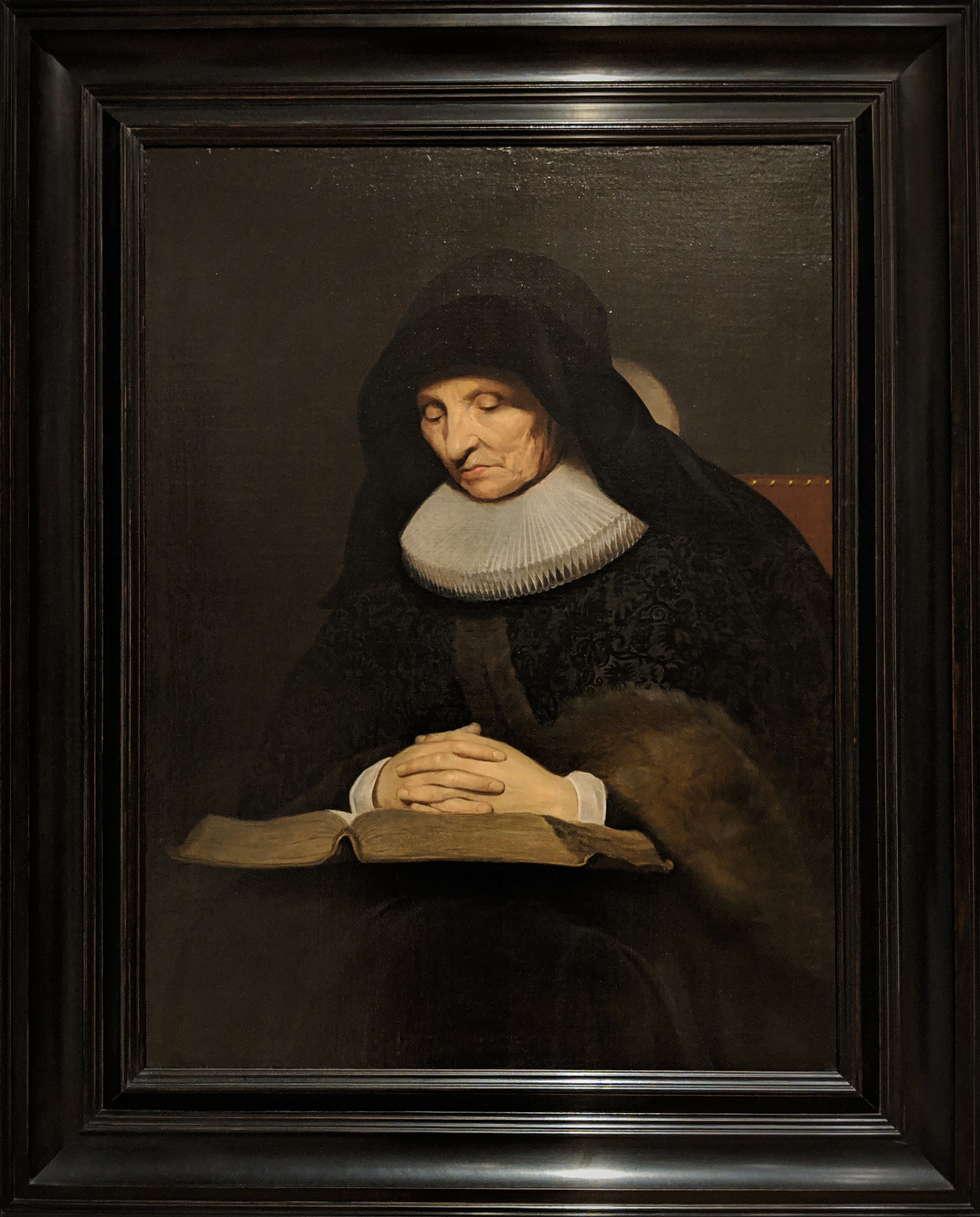 Jan Anthonisz van Ravesteyn (Dutch, c. 1570-1657)
Portrait of an Old Woman, late 16th-mid 17th century
Oil on canvas
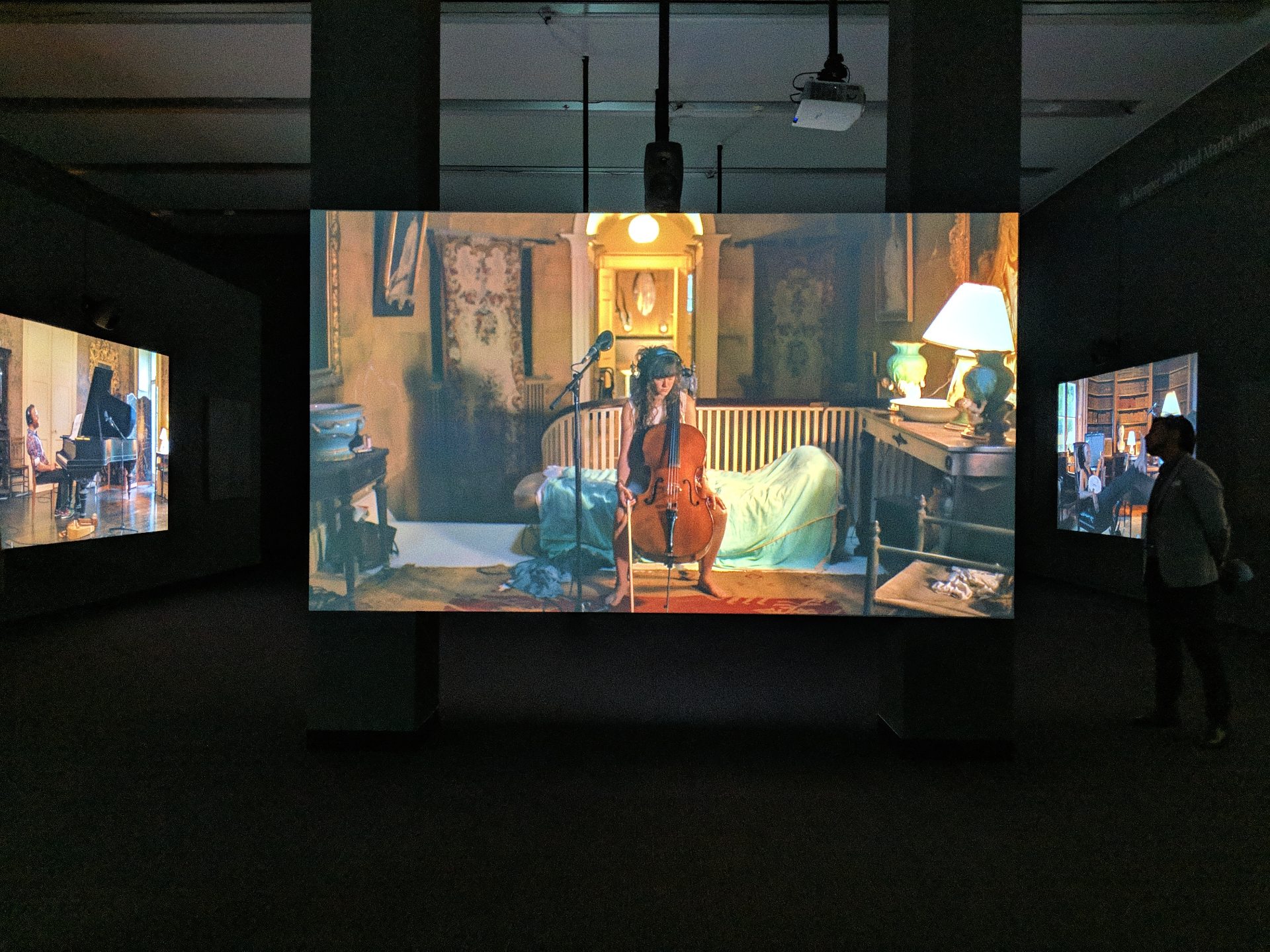
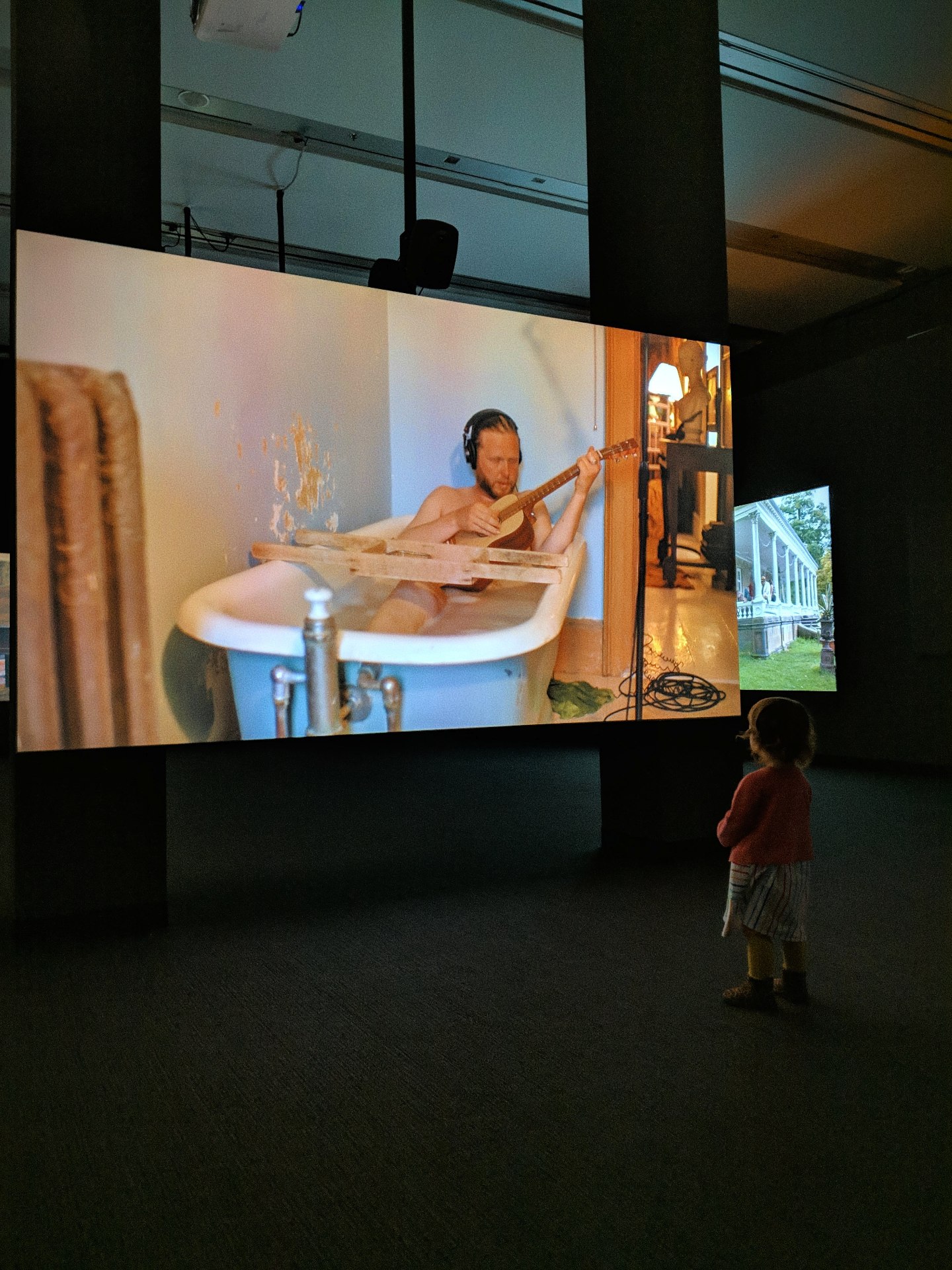
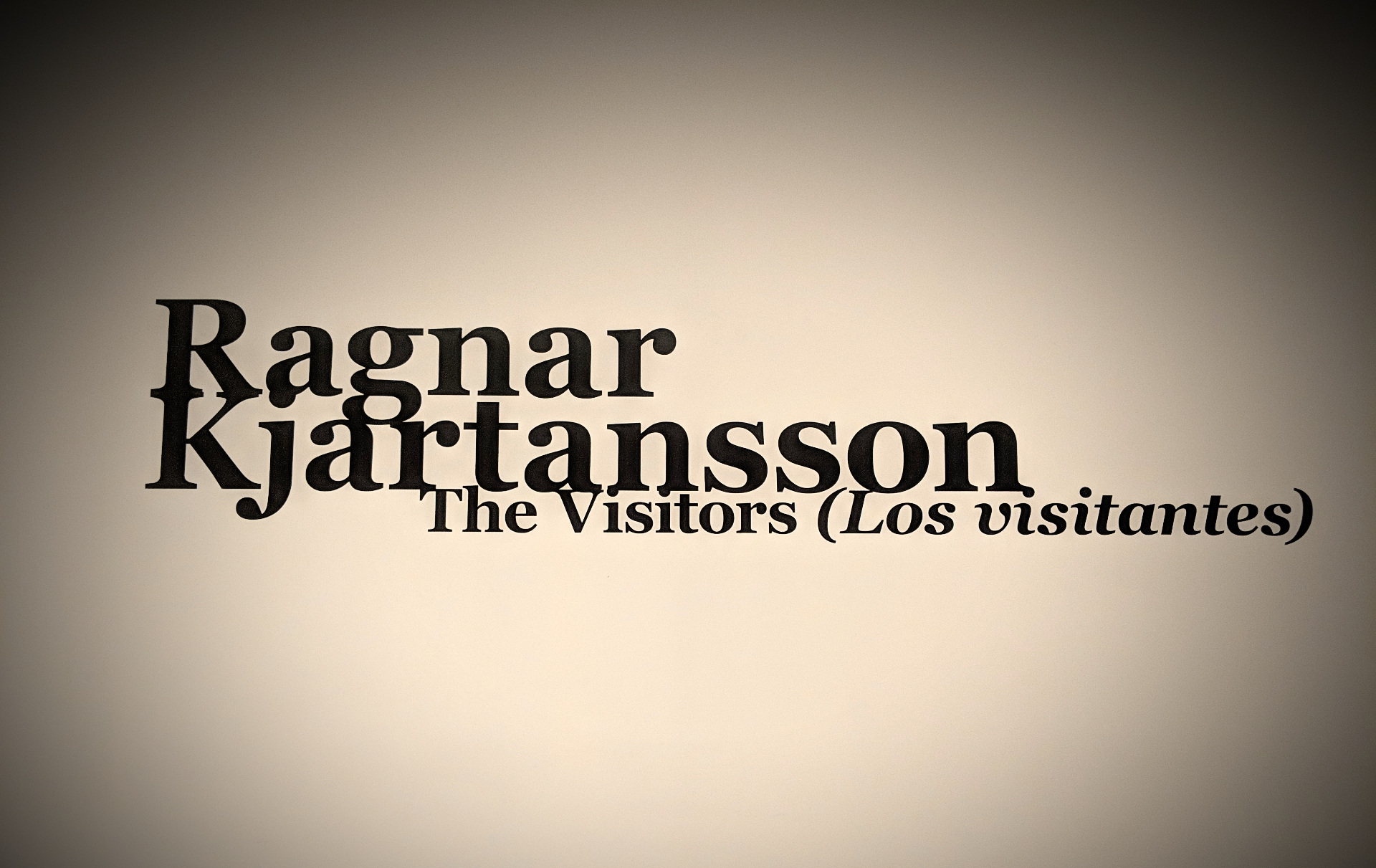 The third work by Ragnar Kjartansson was his superb nine-screen installation that was filmed in one take at the historic Rokeby farm in upstate New York. Named after ABBA’S final album, The Visitors, it records the performances of a group of friends, musicians and artists, playing simultaneously but in different rooms of the mansion. They all play the same song each one enriching it with their own voice, instrument and presence. Kjartansson himself performs most of the time in a bathtub. The film mesmerizes and moves audiences of all ages wherever it is shown. You can watch a recording of the recording, uploaded on YouTube by one of its many admirers.
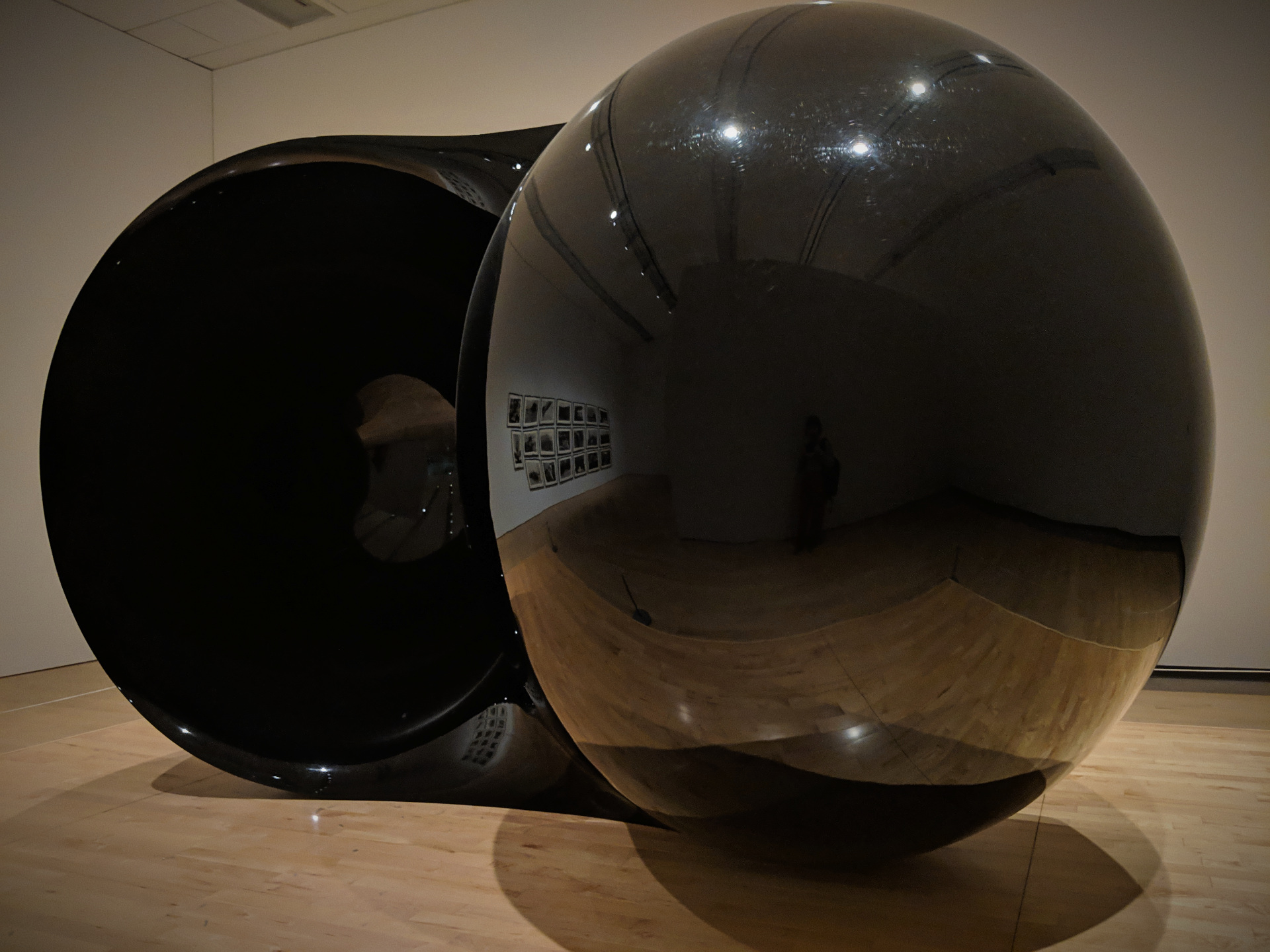 Anish Kapoor (British, b. 1954)
Upside Down, Inside Out, 2003
Resin and paint
January 30th, 2019
Taking its rightful place alongside more traditional forms of art.
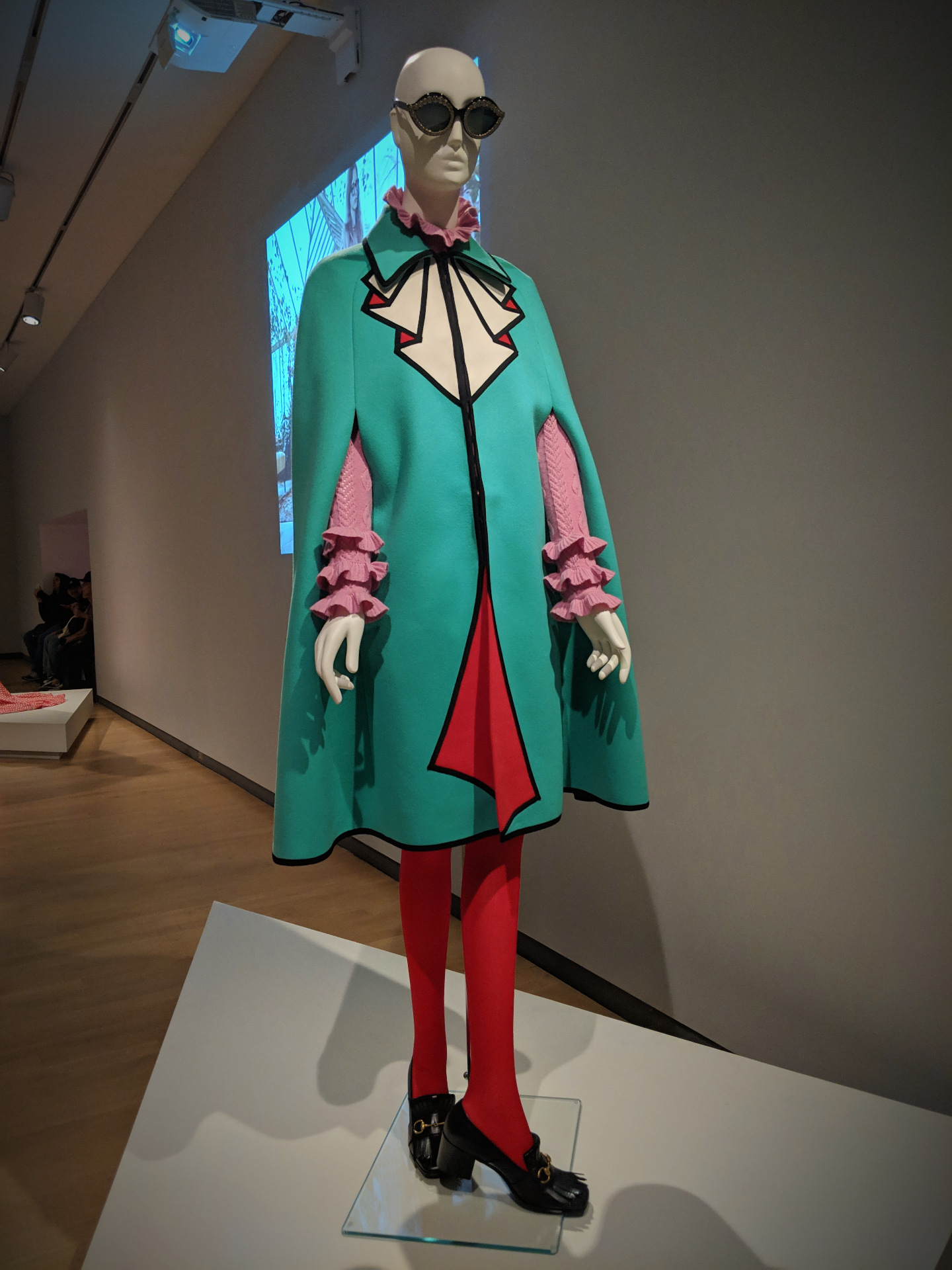 Alessandro Michele (Italian, b. 1972) for Gucci
Ensemble F/W 2016
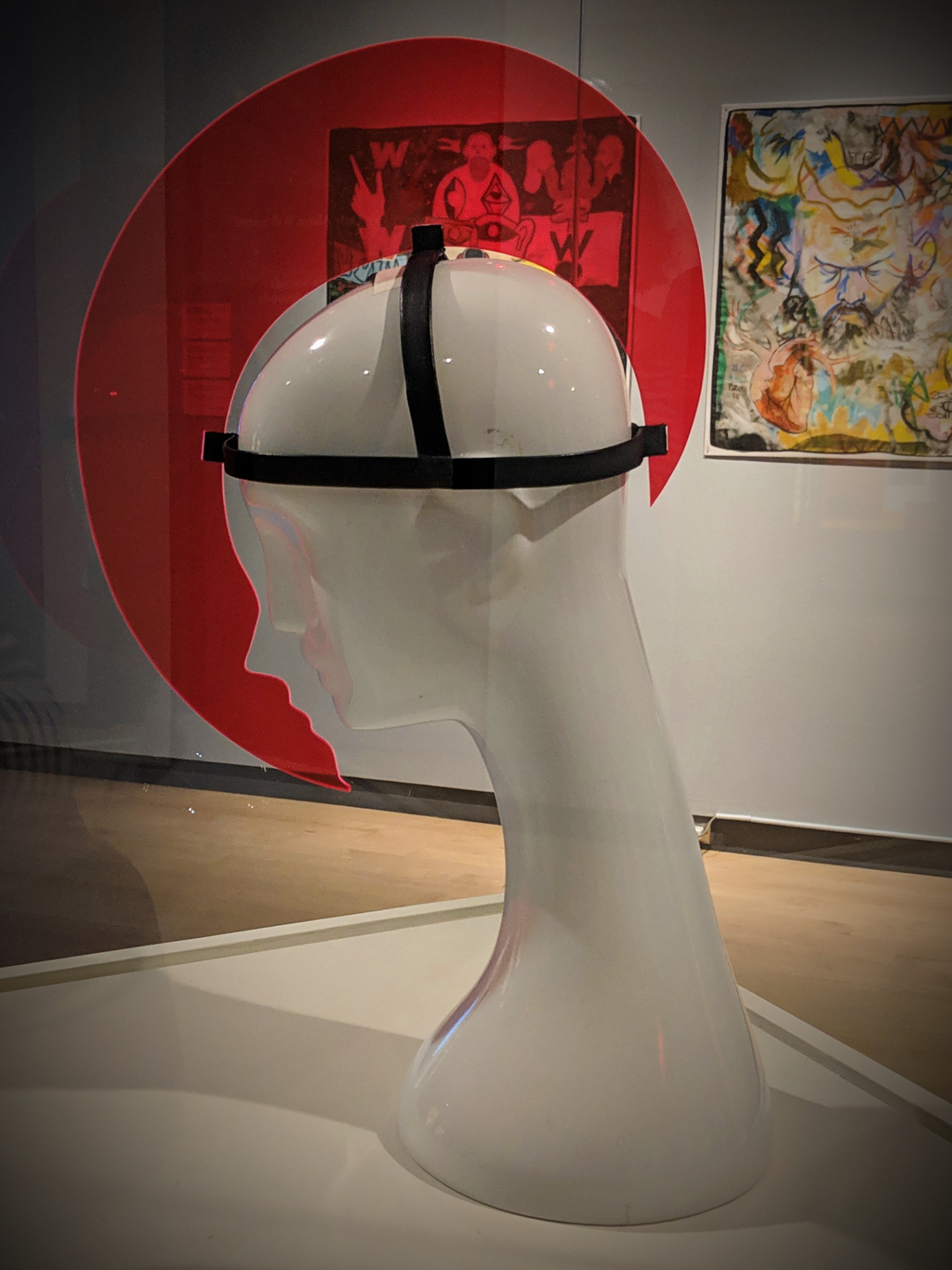 Stephen Jones (British, b. 1957)
”Show” Hat, F/W 2013 ”Art School”
Perspex Plexiglas
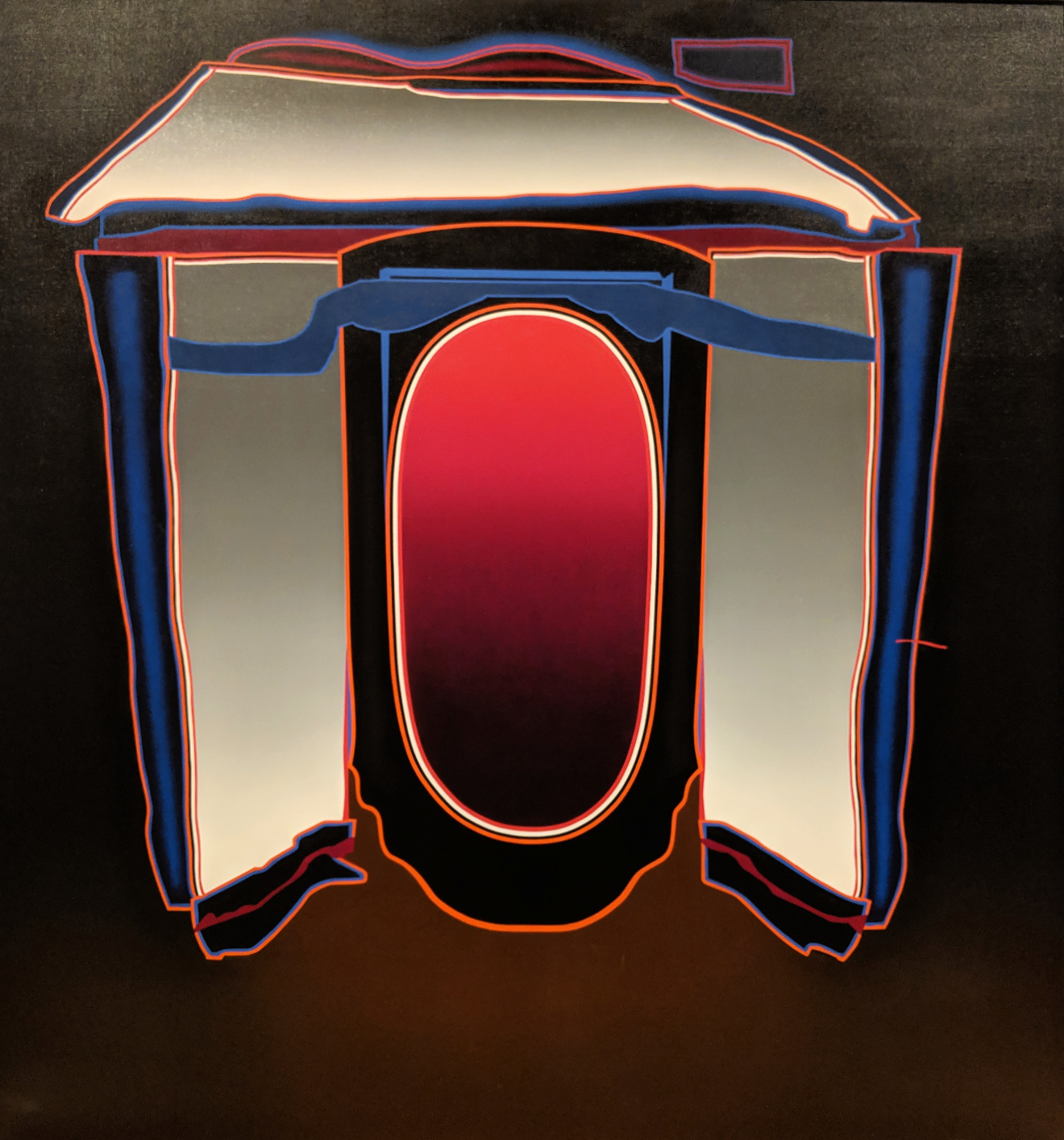 Deborah Williams Remington (American, 1930-2010)
Dover, 1975
Oil on canvas
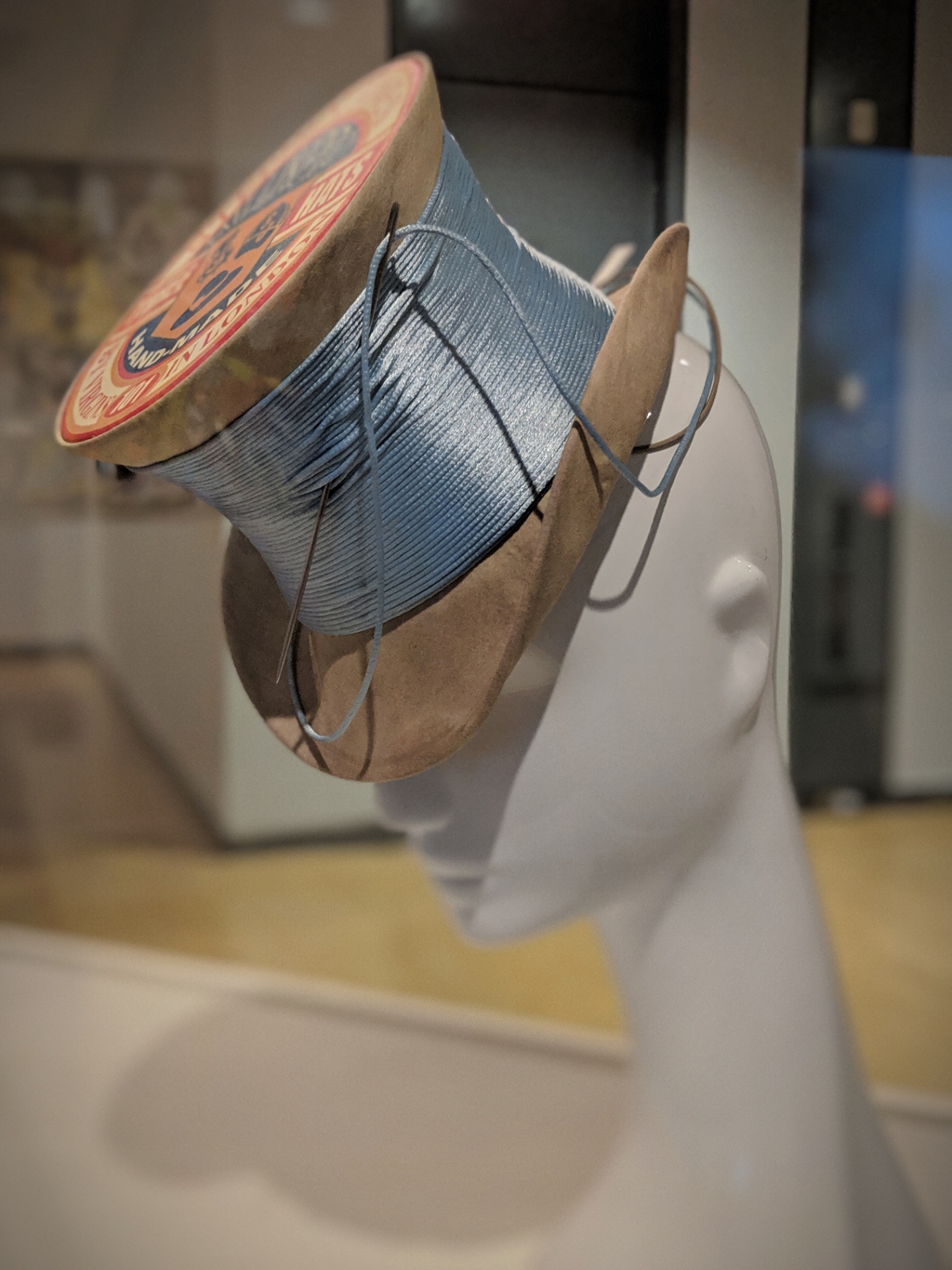 Stephen Jones (British, b. 1957)
”Sewing” Hat, S/S 2018
Printed cotton with satin cord and metal bodkin
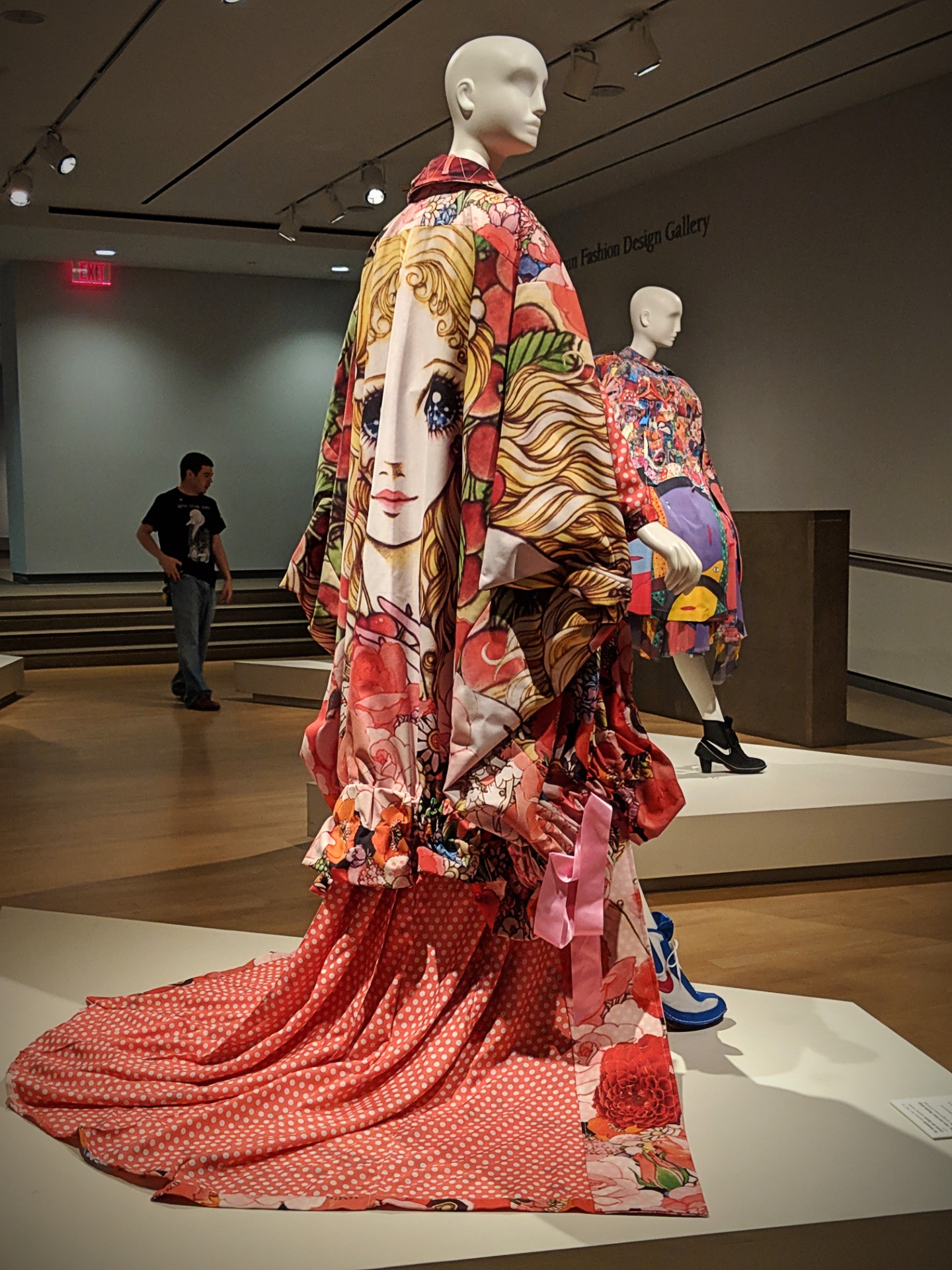 Rei Kawakubo (Japanese, b. 1942)
Comme des Garçons, S/S 2018
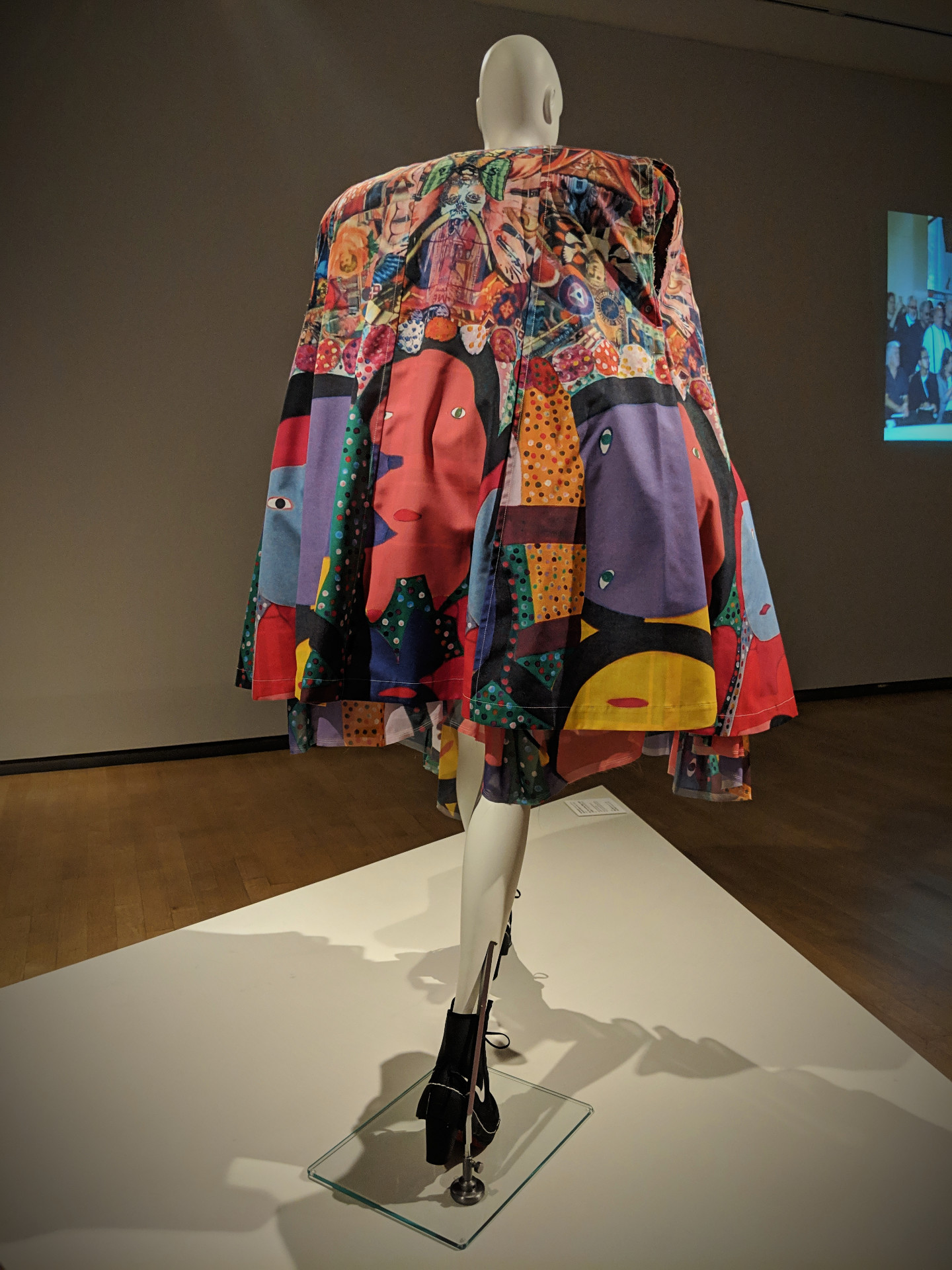 Rei Kawakubo (Japanese, b. 1942)
Comme des Garçons, S/S 2018
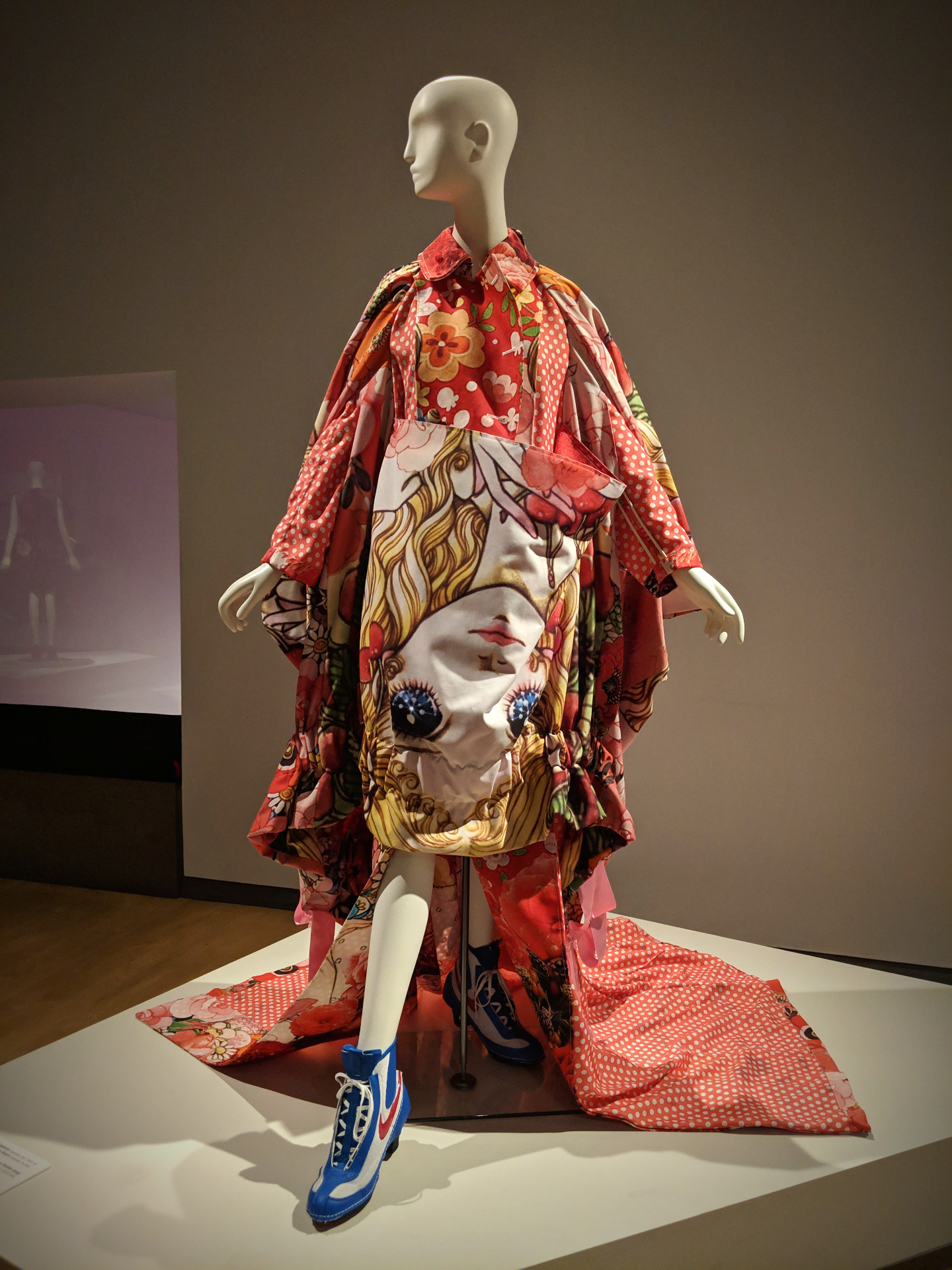 Rei Kawakubo (Japanese, b. 1942)
Comme des Garçons, S/S 2018
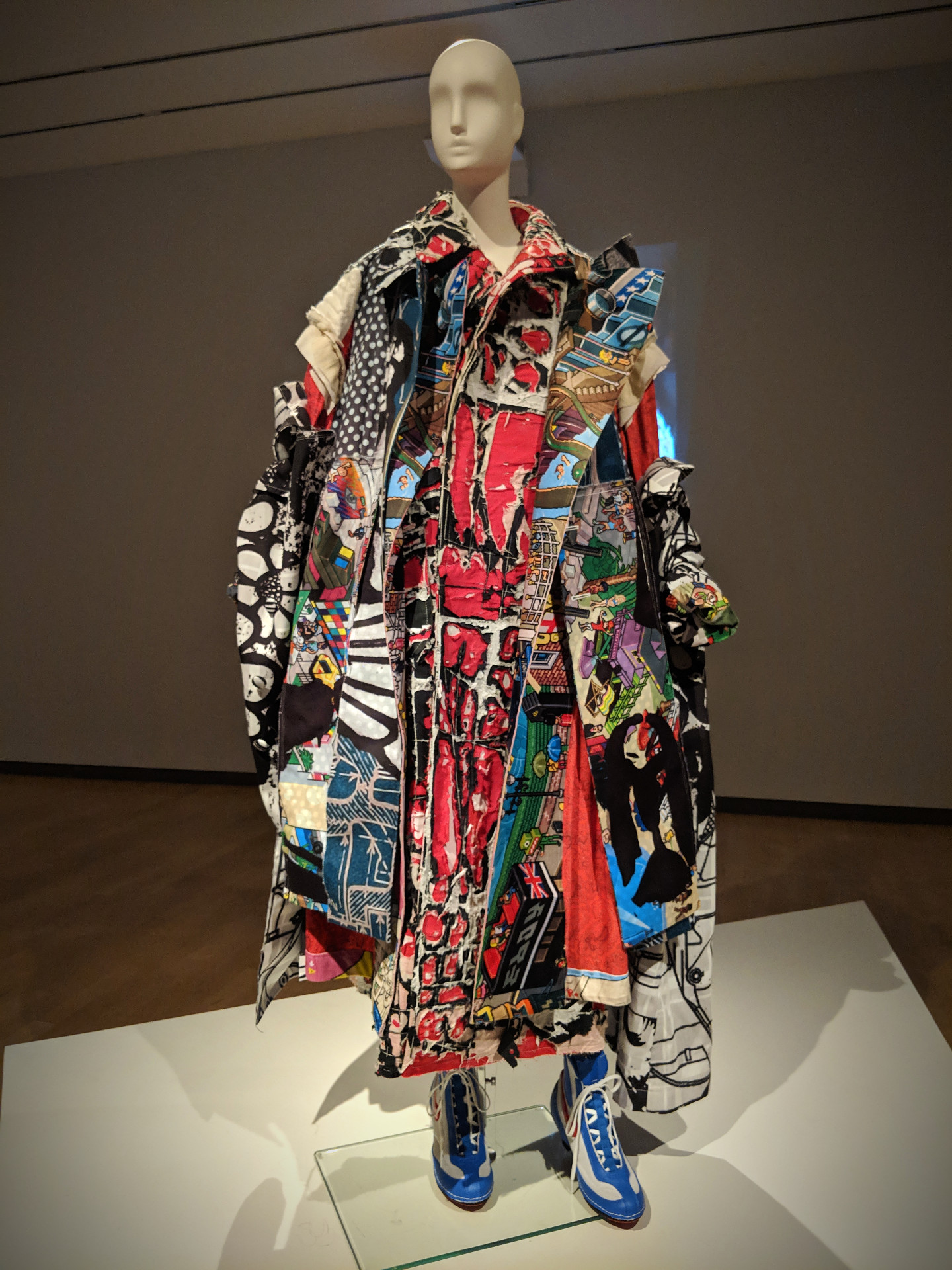
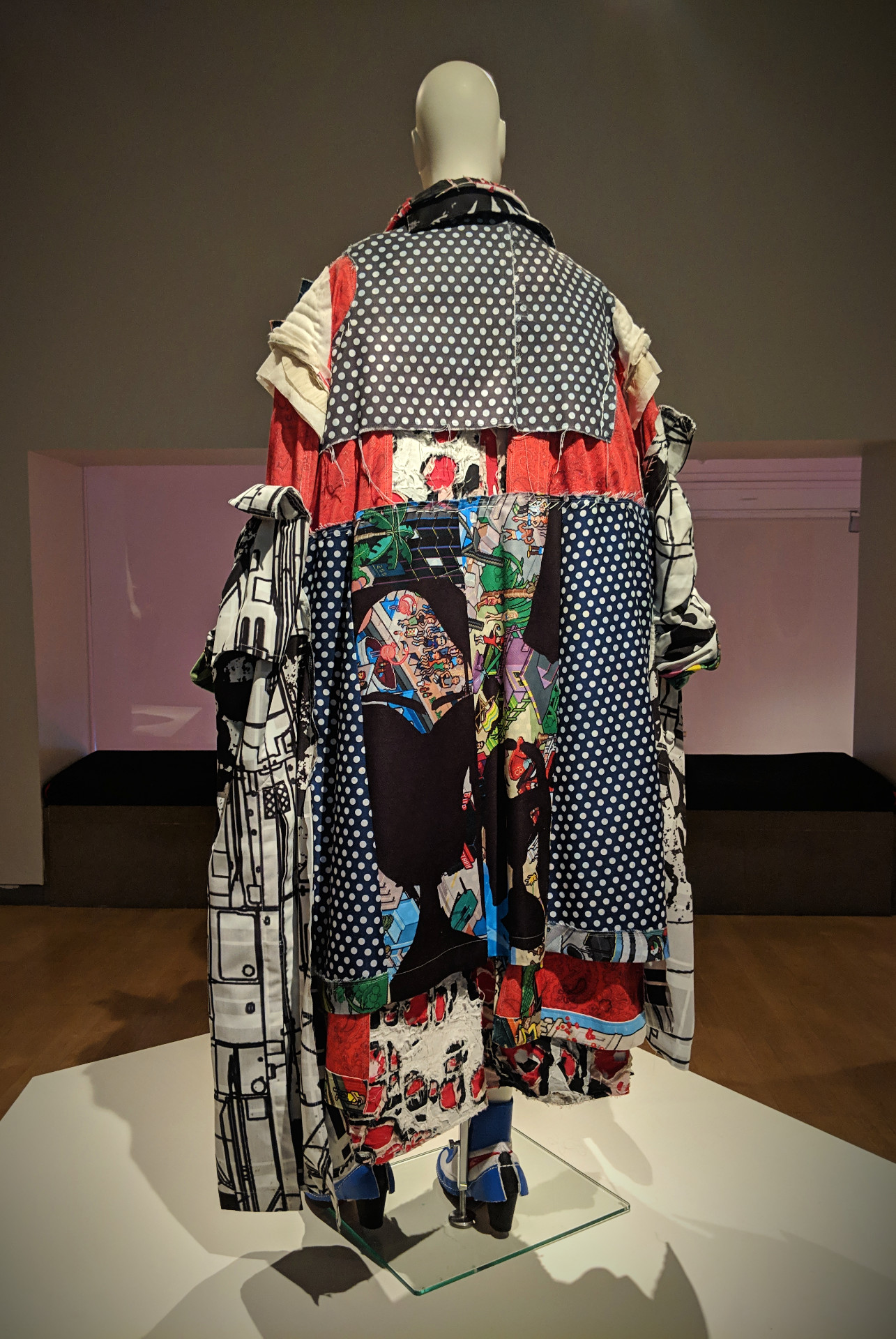 Rei Kawakubo (Japanese, b. 1942)
Comme des Garçons, S/S 2018
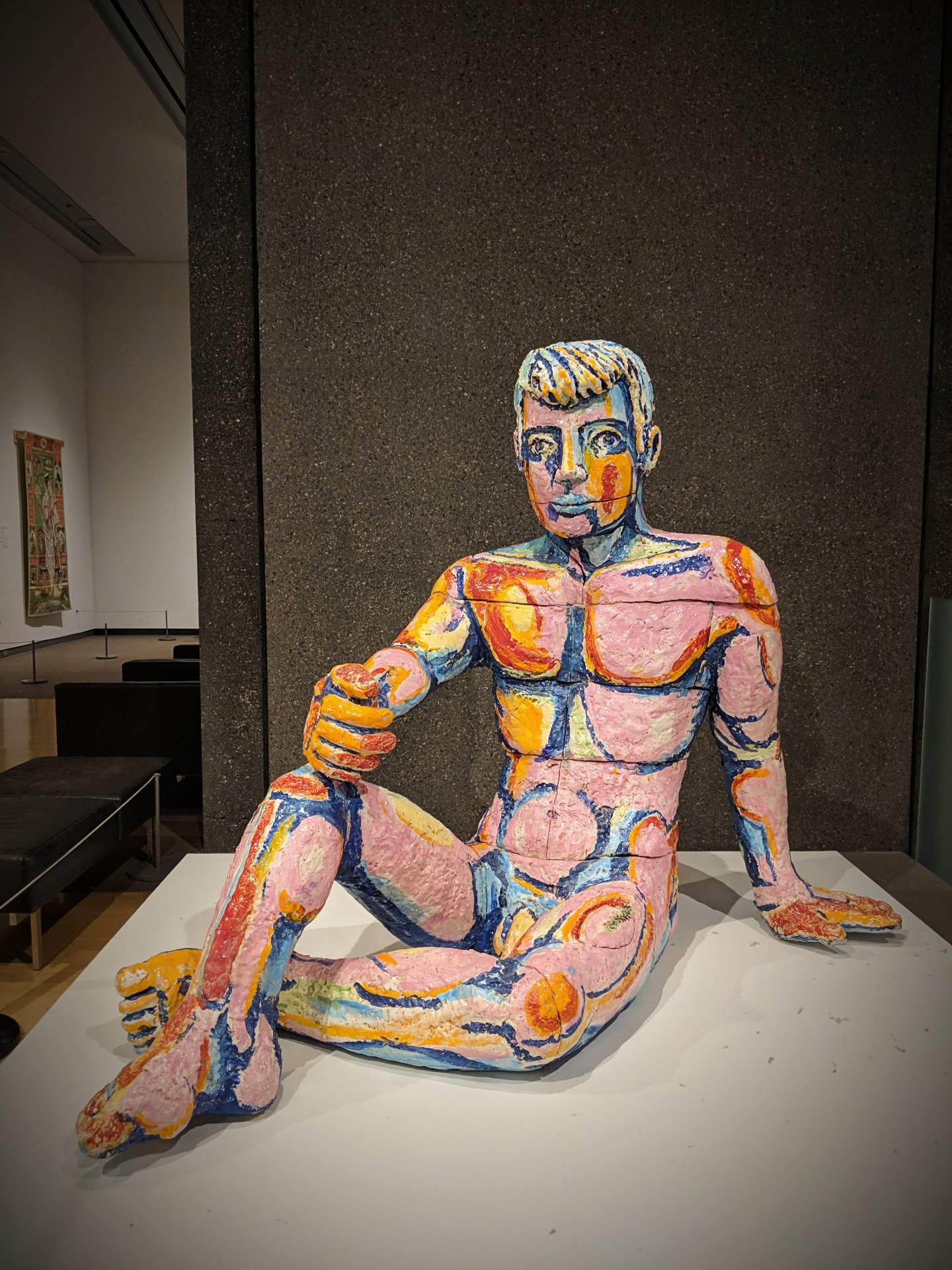 Viola Frey (American, 1933-2004)
Nude Man, 1989
Glazed ceramic
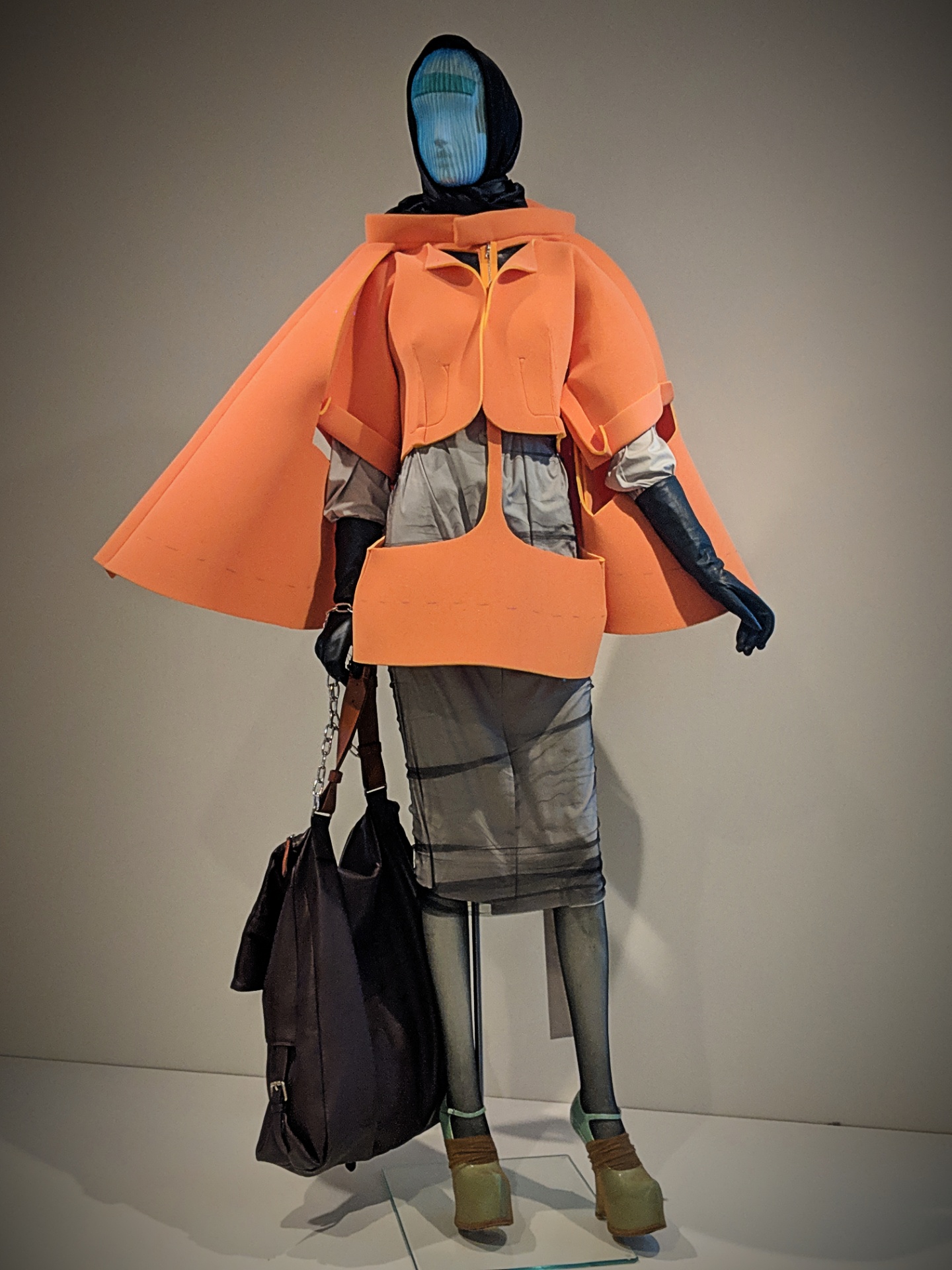 John Galliano (British, b. 1960) for Maison Margiela
Ensemble Fall 2018
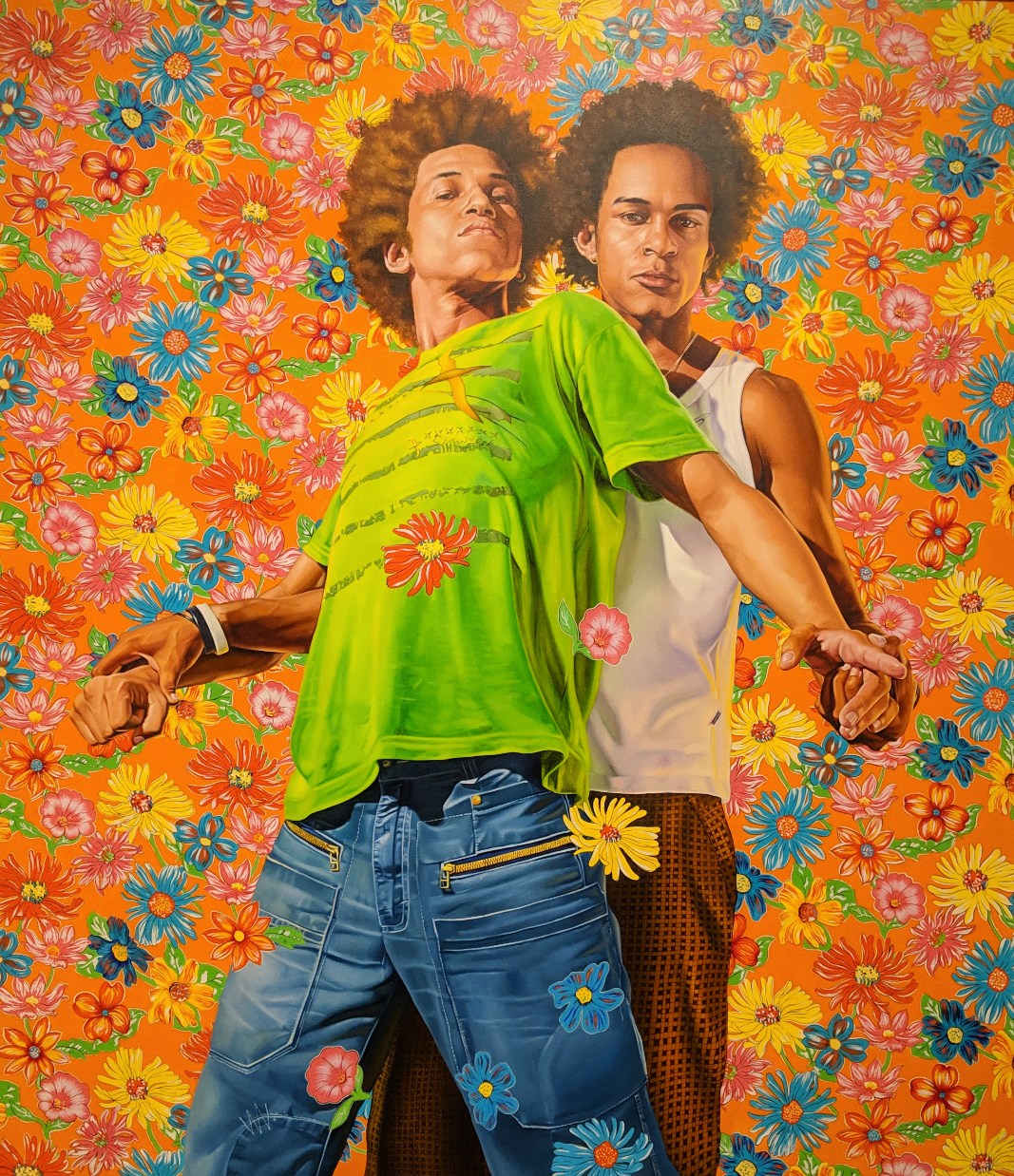 Kehinde Wiley (American, b. 1977)
Marechal Floriano Peixoto (from The World Stage: Brazil Series), 2009
Oil on canvas
January 30th, 2019
When Hilma af Klint began creating radically abstract paintings in 1906, they were like little that had been seen before: bold, colorful, and untethered from any recognizable references to the physical world. It was years before Vasily Kandinsky, Kazimir Malevich, Piet Mondrian, and others would take similar strides to rid their own artwork of representational content. Yet while many of her better-known contemporaries published manifestos and exhibited widely, af Klint kept her groundbreaking paintings largely private. She rarely exhibited them and, convinced the world was not yet ready to understand her work, stipulated that it not be shown for twenty years following her death. Ultimately, her work was all but unseen until 1986, and only over the subsequent three decades have her paintings and works on paper begun to receive serious attention. [source: The Guggenheim]
Hilma af Klint (1862-1944)


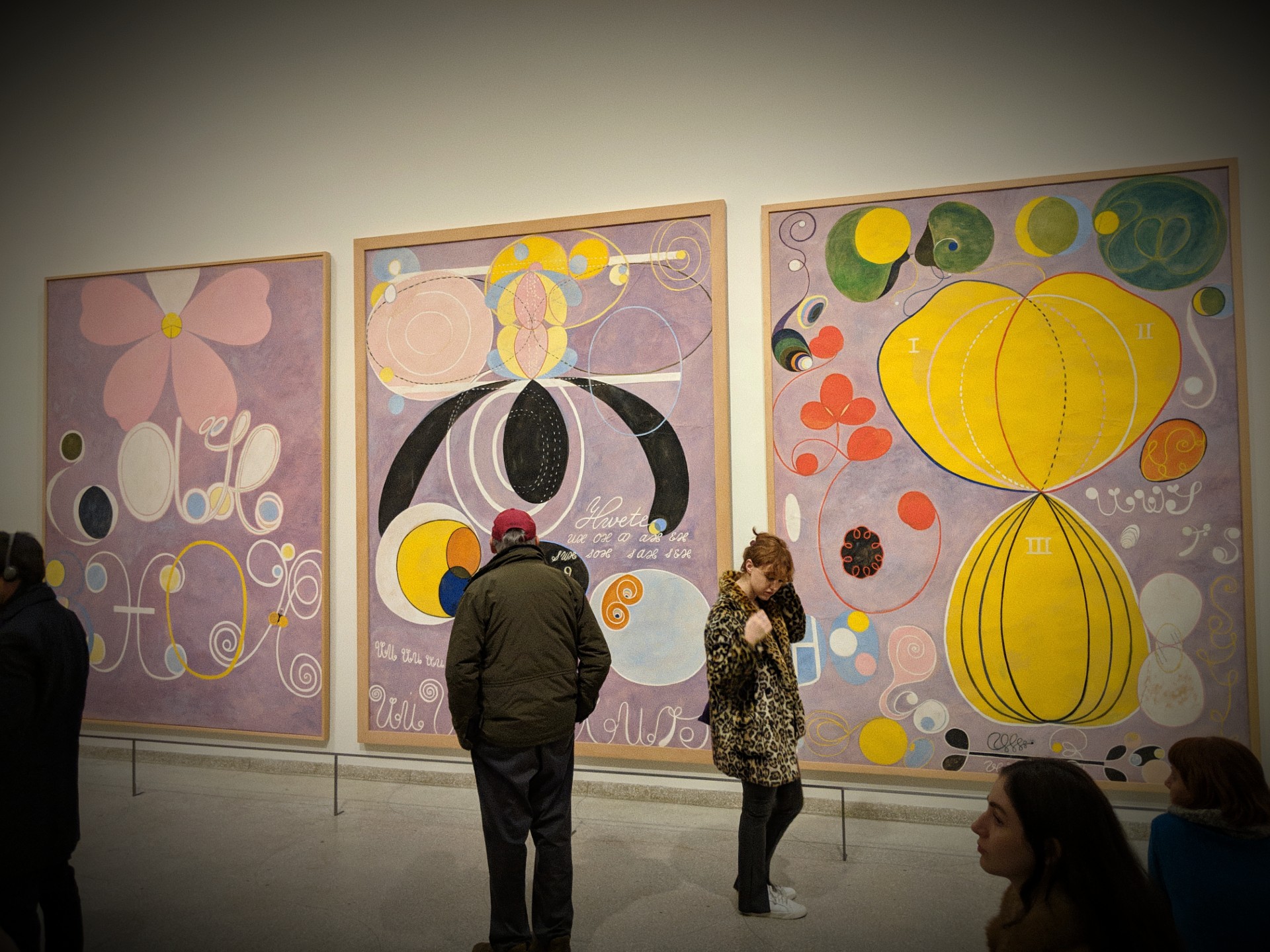
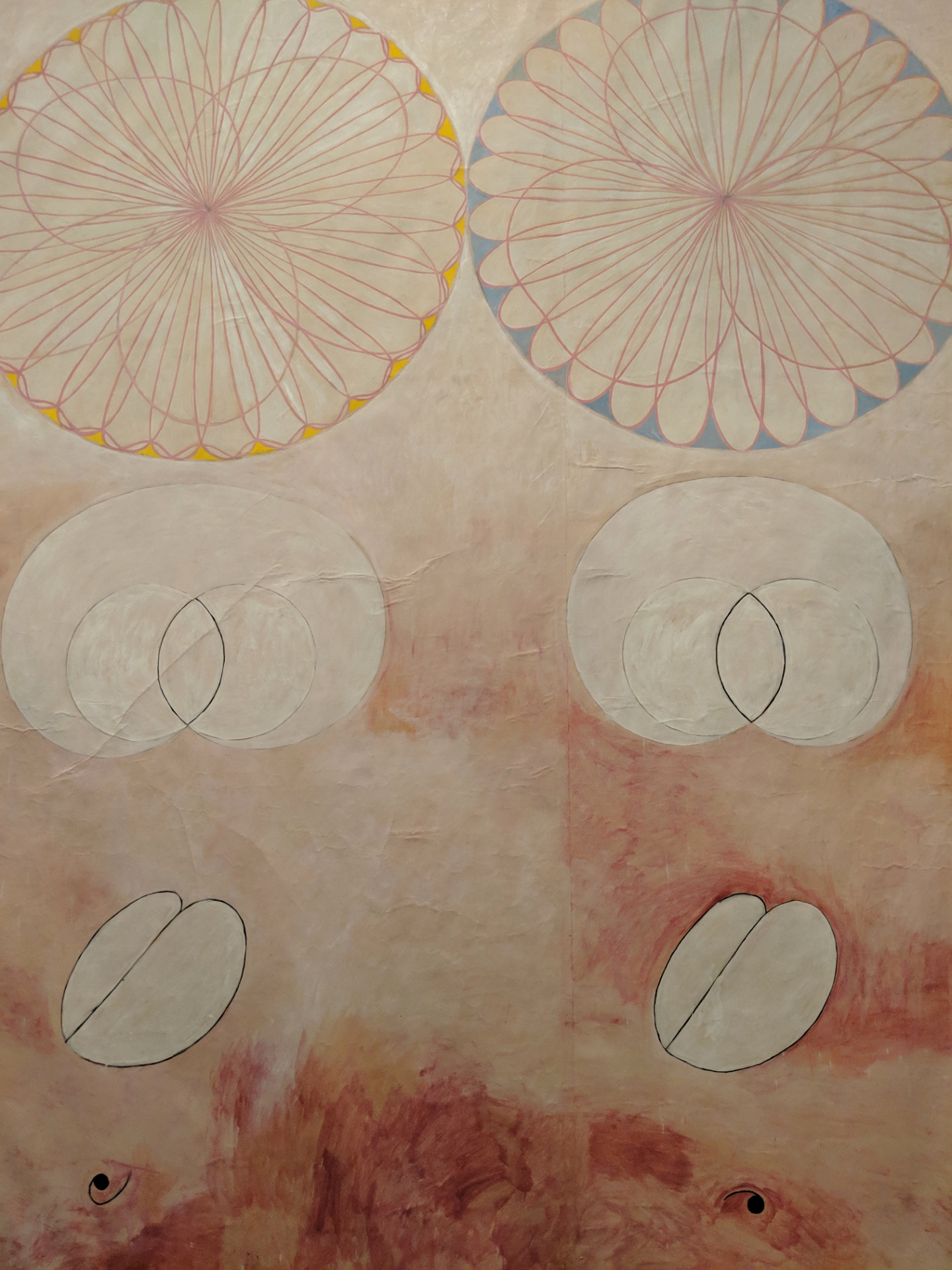
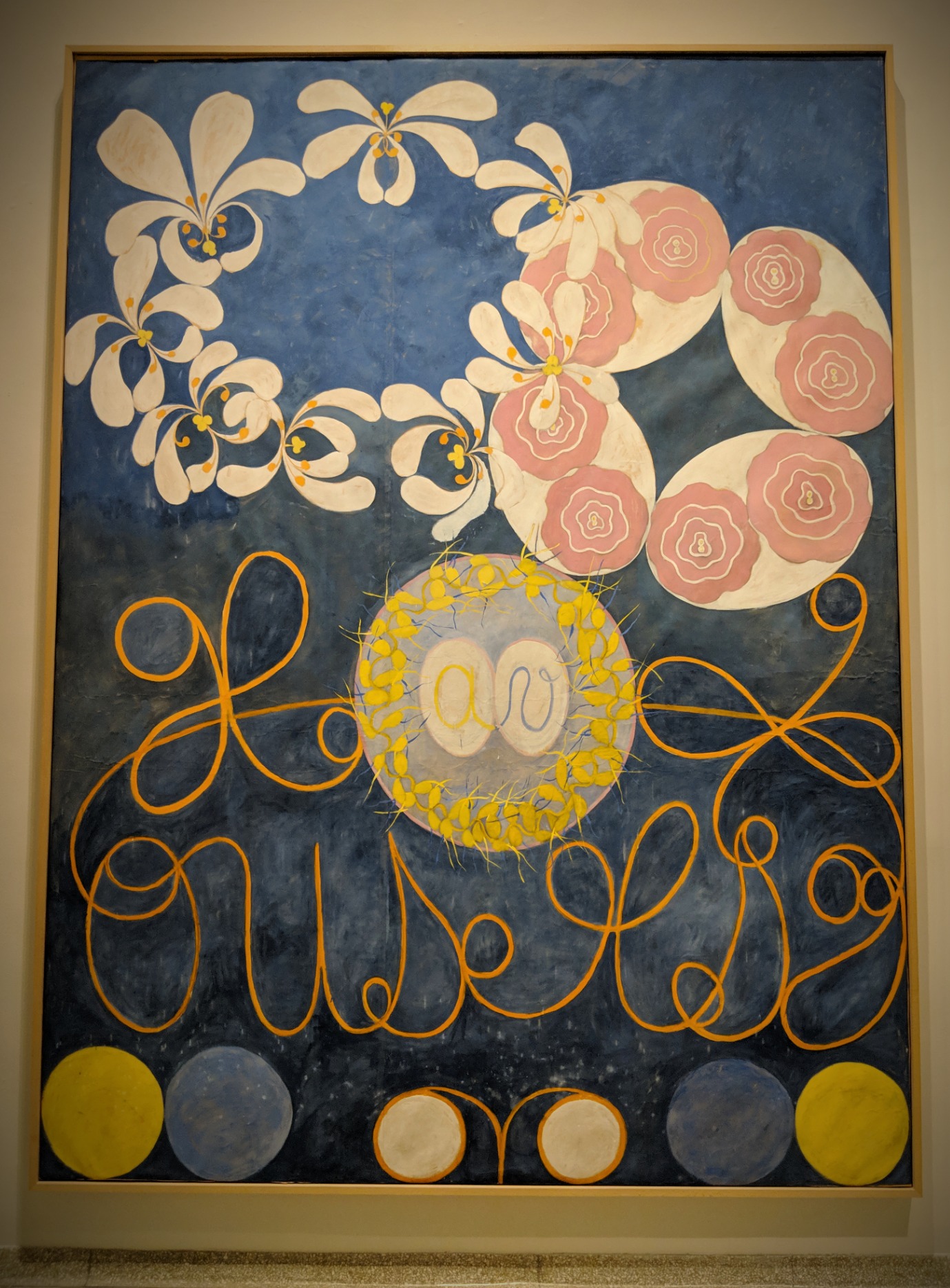
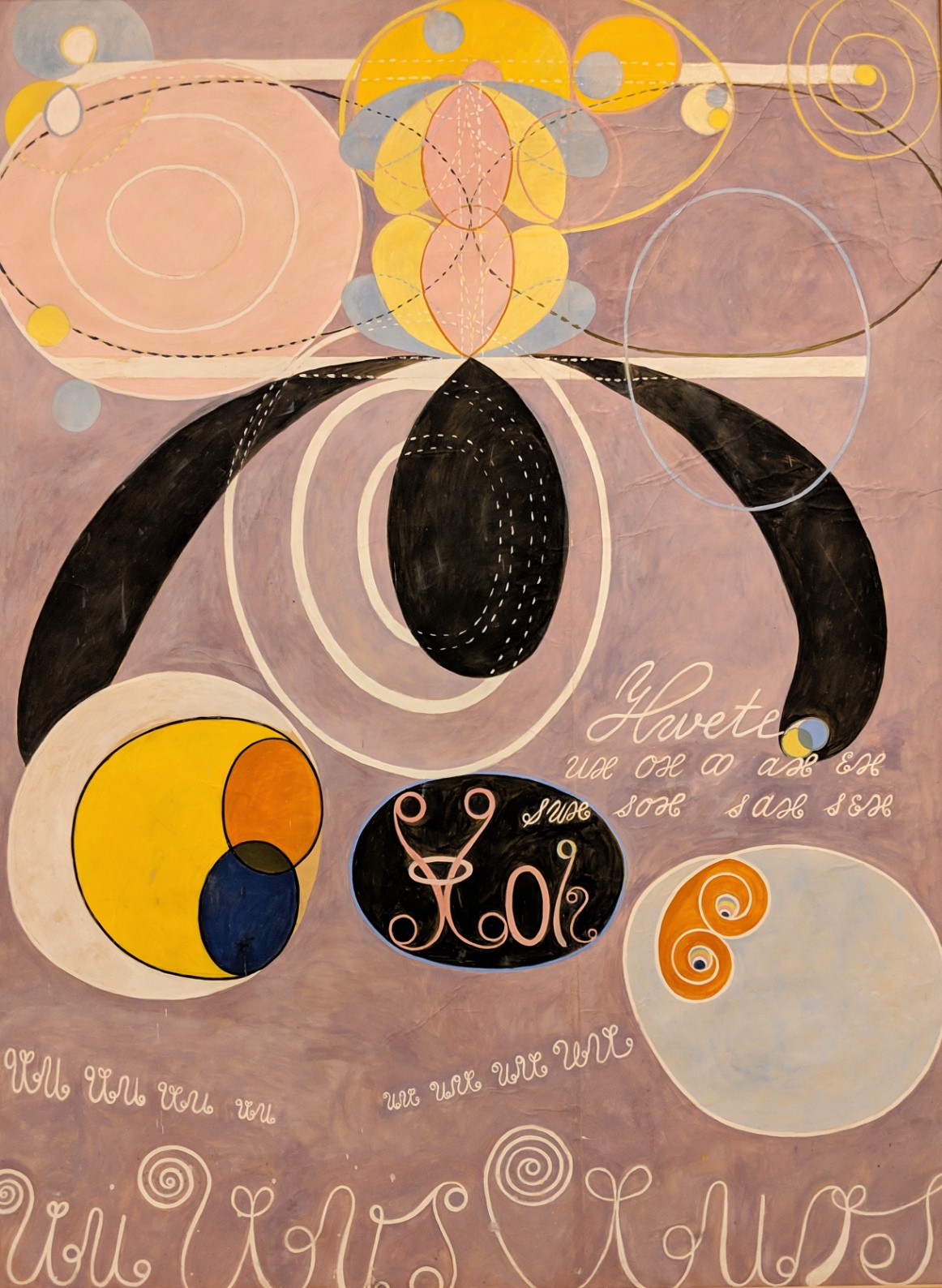

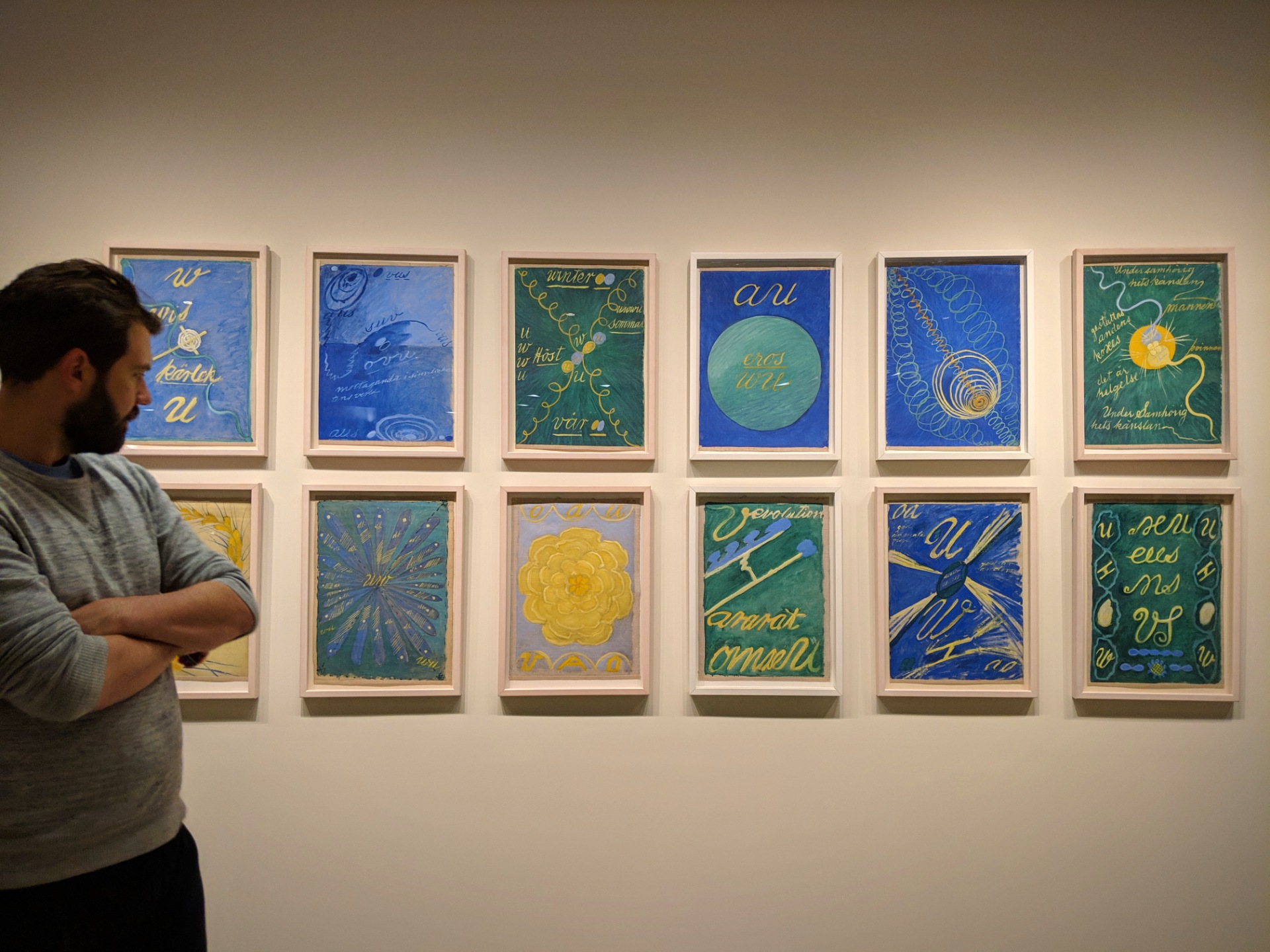


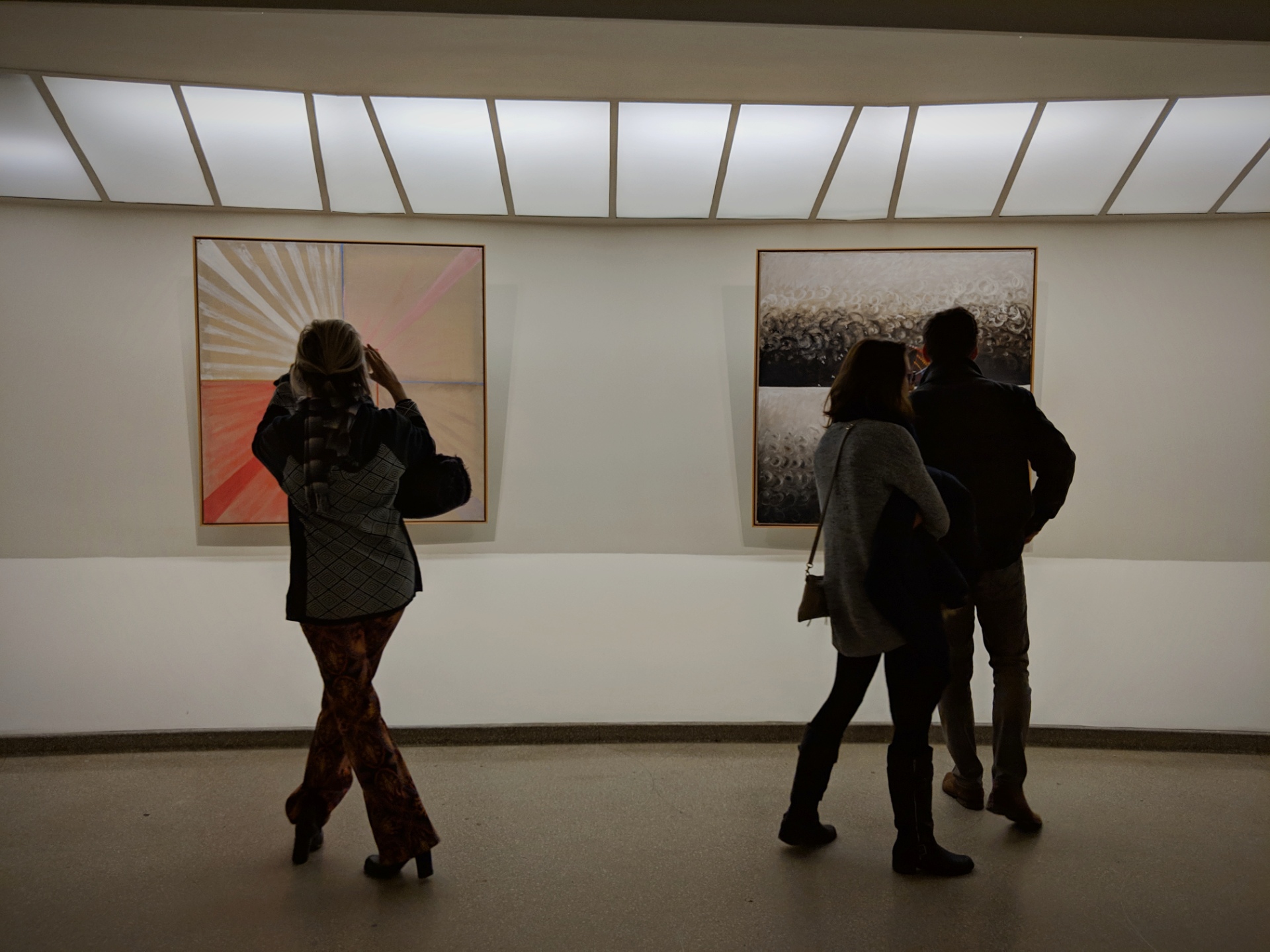

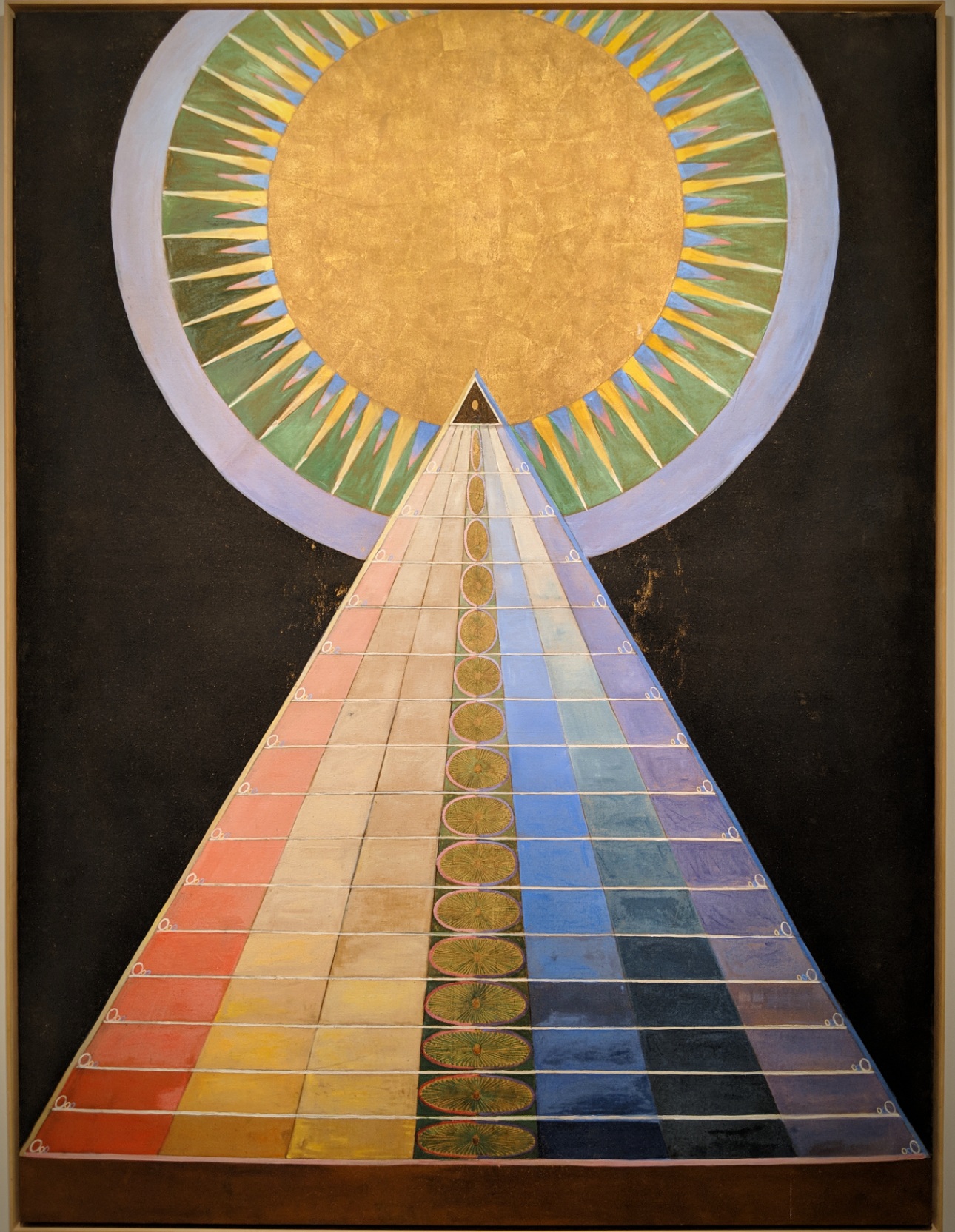

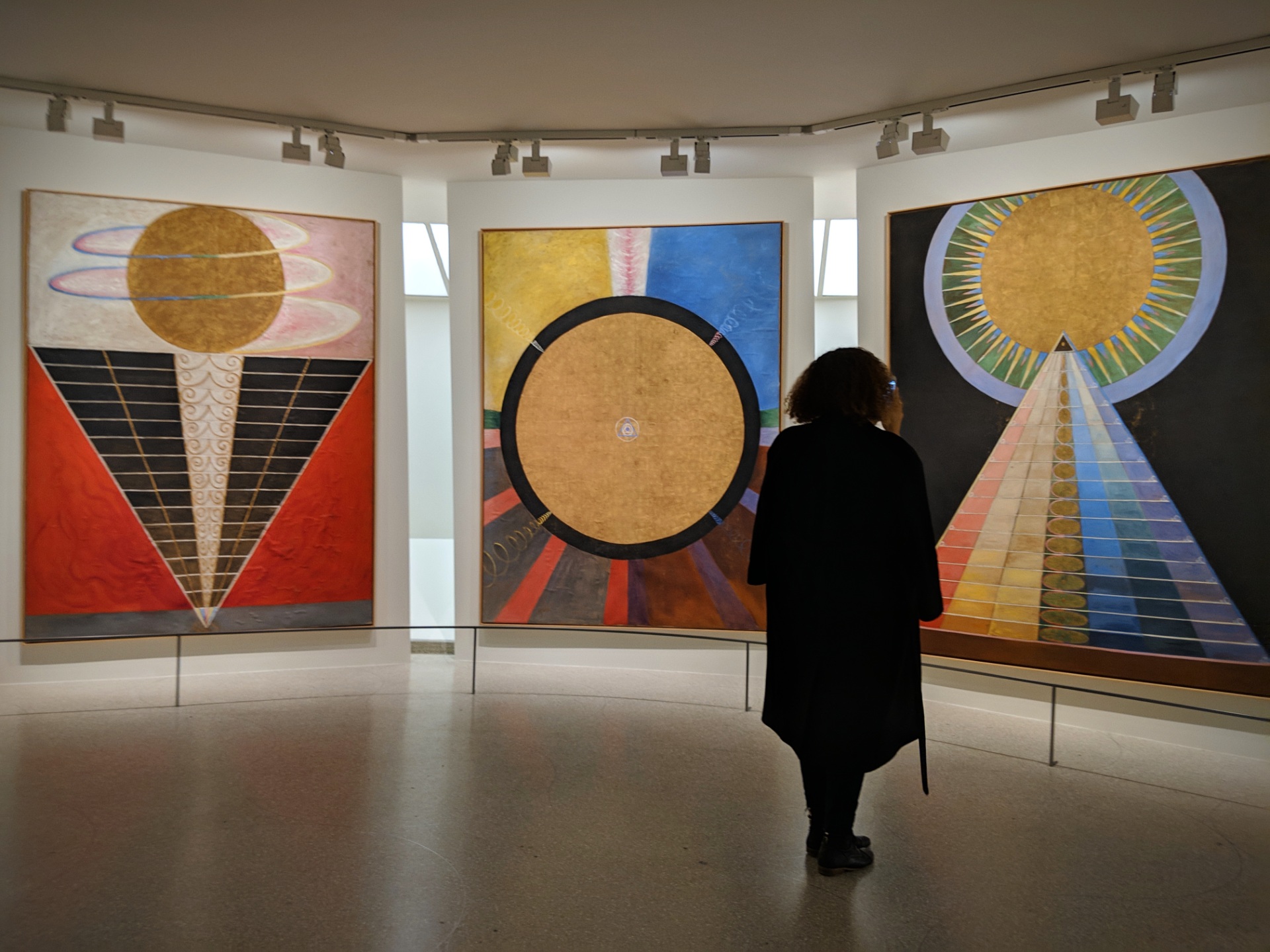
Hilma af Klint: Paintings for the Future, was the first major solo exhibition of the artist in the United States, running from October 2018 to April 2019.
December 9th, 2018
subjective worldview
Actor, writer, cook and author
Travel experiences & Strasbourg city guide
Writer
joy, happiness, travel, adventure, gratitude
"Rêve onirique & Bulle d'évasion"
makes pretty things on paper
This WordPress.com site is Pacific War era information
Welcome to my curious world of words....
Photographs, music and writing about daily life. Contact: elcheo@swcp.com
Free listening and free download (mp3) chill and down tempo music (album compilation ep single) for free (usually name your price). Full merged styles: trip-hop electro chill-hop instrumental hip-hop ambient lo-fi boombap beatmaking turntablism indie psy dub step d'n'b reggae wave sainte-pop rock alternative cinematic organic classical world jazz soul groove funk balkan .... Discover lots of underground and emerging artists from around the world.
A 365 analogue photography project
Barcelona's Multiverse | Art | Culture | Science
Een digitaal atelier aan de (zee)slag.
‘Doodling Ambiguity’s in Ink.’
Miscellaneous photography
Glimpses along the way on a journey of discovery into symmetry...

 The Humble Fabulist