and exposed. 

May 19th, 2017
Well, French Horn actually…
This tiny handbag had me look twice. A sales attendant helpfully informed me of its unique features – handcrafted and handpainted by local artisans in the Philippines, carved from acacia trees, produced in limited numbers – that would explain its hefty price tag. Still, I thought it looked better on the shelf than in my hands, too tiny to hold the essentials, let alone my opera binoculars. By the way, production doesn’t seem to be very limited – one year later, the purse is still available in the shop and online.
Shop @ the Metropolitan Opera House
May 14th, 2017
A little girl’s dream.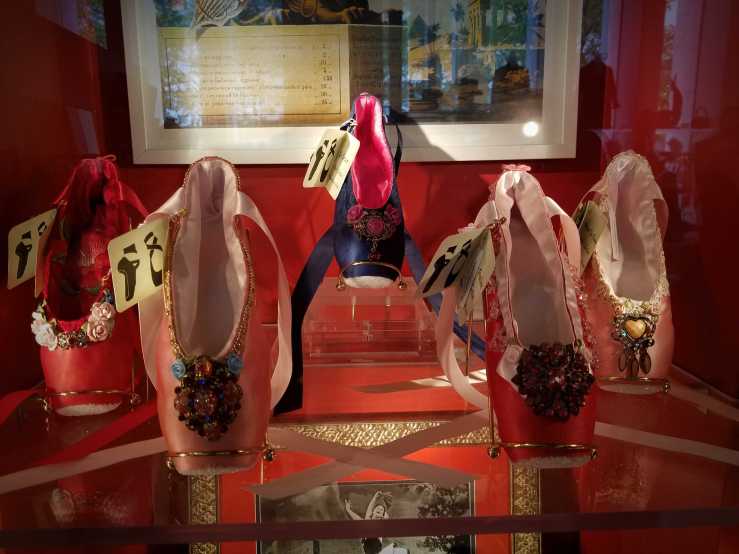


Shop @ the Metropolitan Opera House
May 14th, 2017
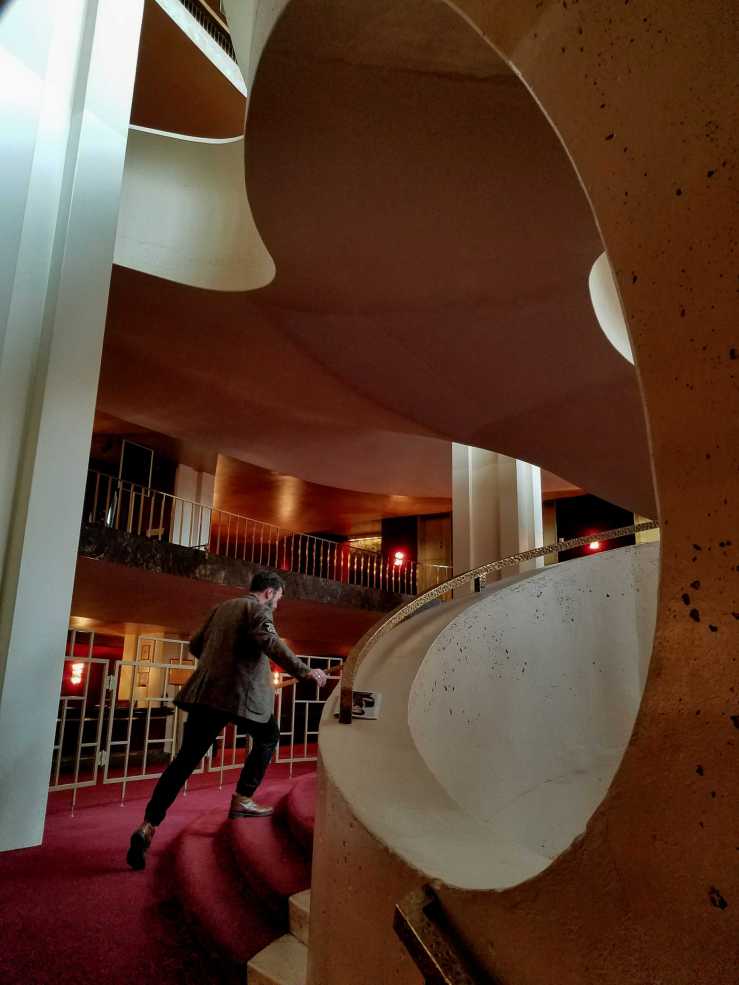
Metropolitan Opera House
May 14th, 2017
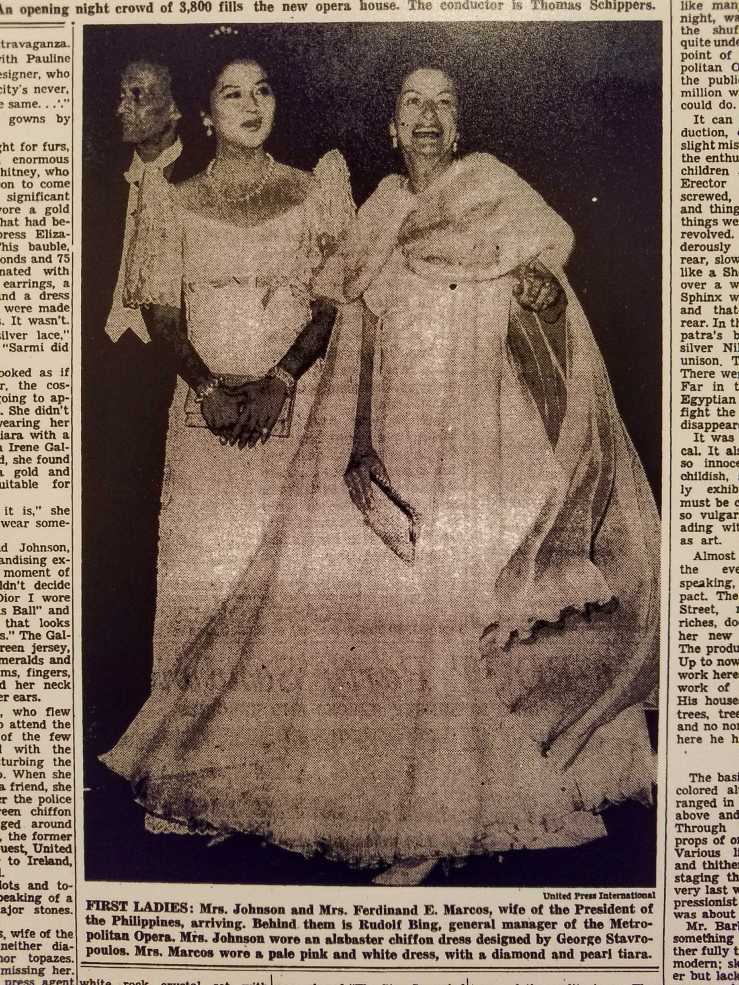
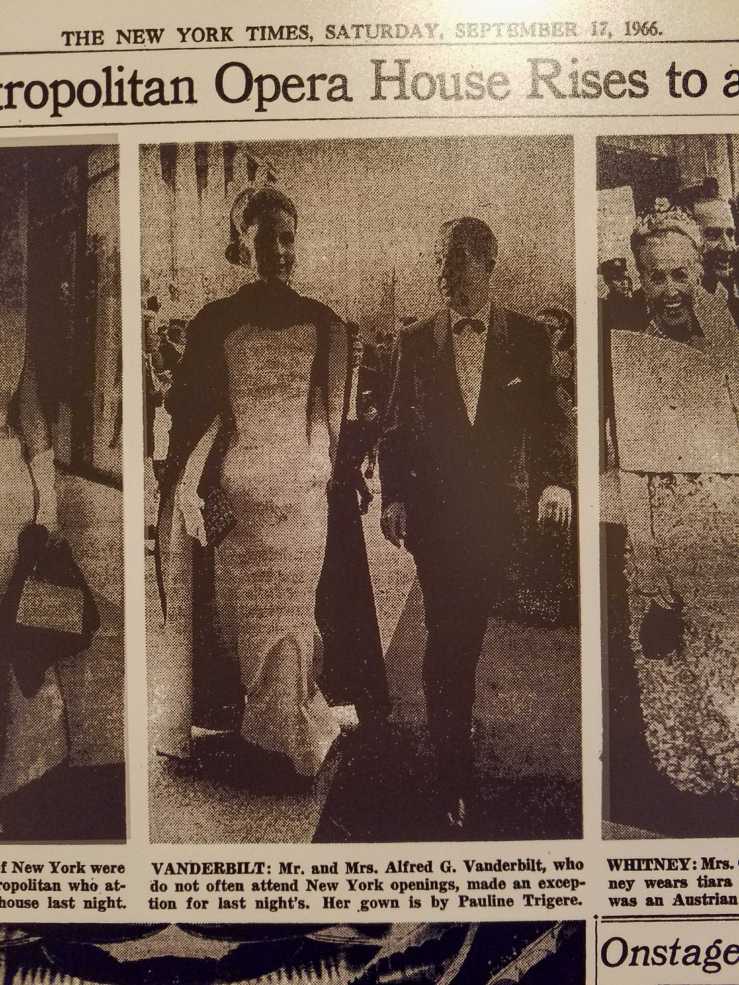
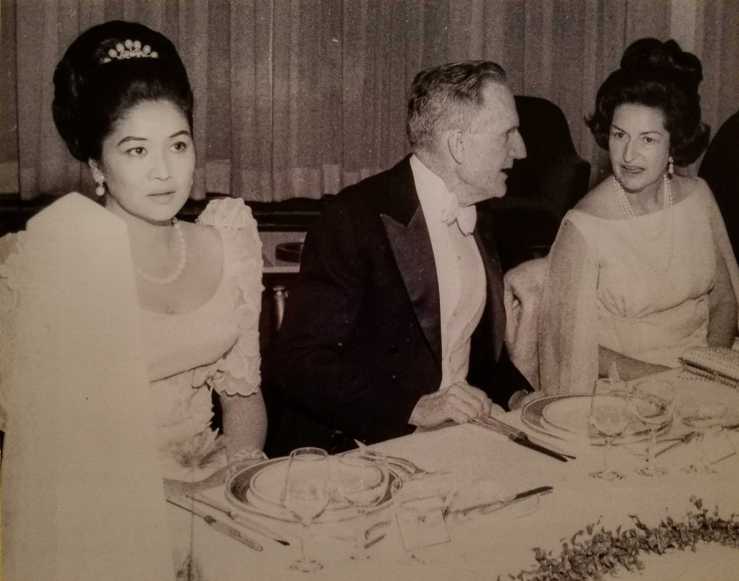
Those were the days…!

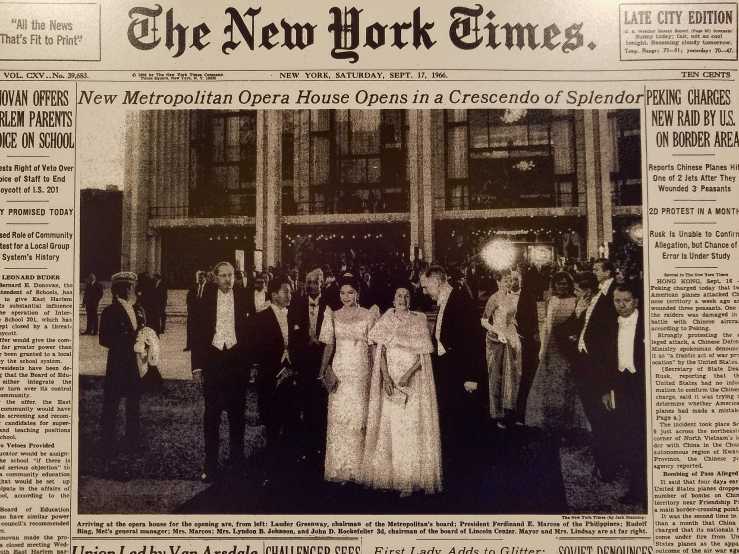
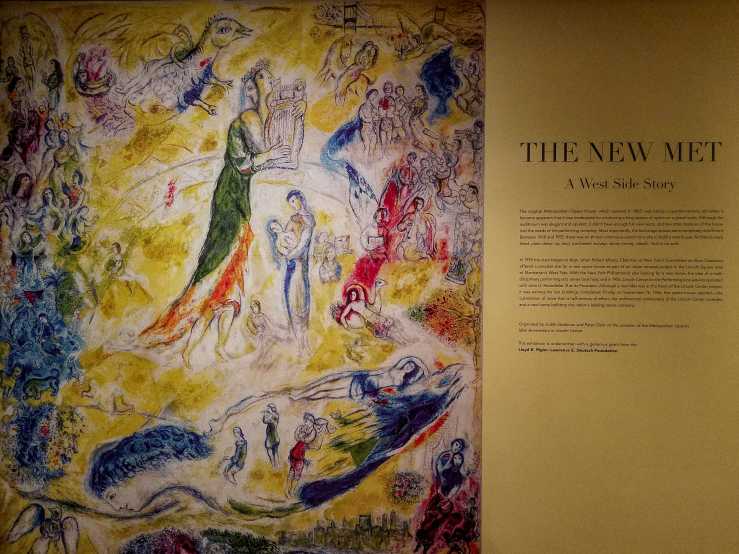

 Benjamin Morris, plan for a new Met, 1928
Architect Benjamin Morris, who had also proposed plans for the West 57th Street opera house, continued to work with the Met board’s New Site Committee. In May 1928, Morris presented a plan for the land now occupied by Rockefeller Center. His proposal for an opera house facing a plaza, surrounded by commercial towers, was the origin of what would later become the Center.  Benjamin Morris, plan for Metropolitan Square, 1928

Metropolitan Opera House
May 14th, 2017
At the lower level of the lobby at the Metropolitan Opera House.


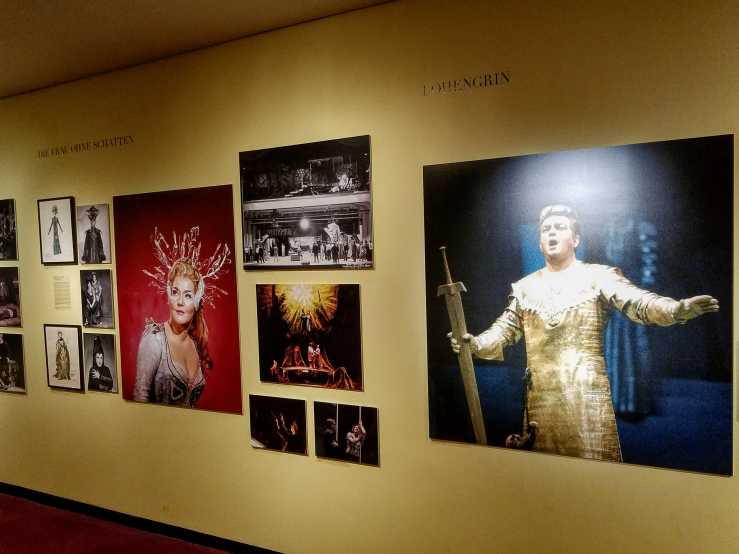


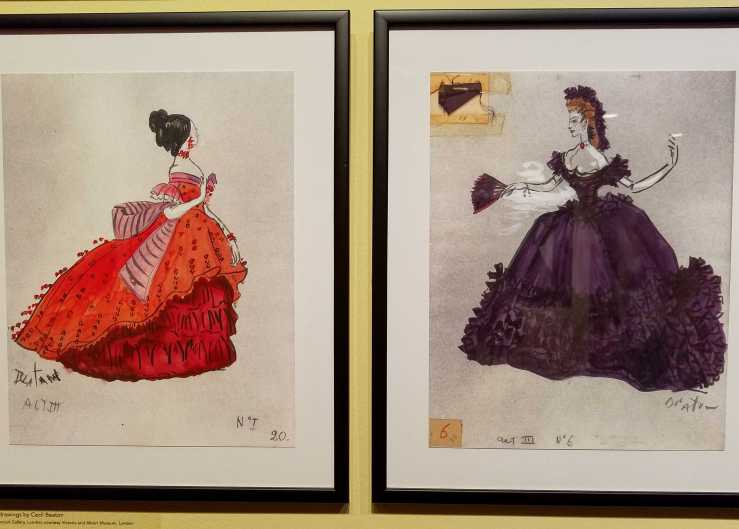
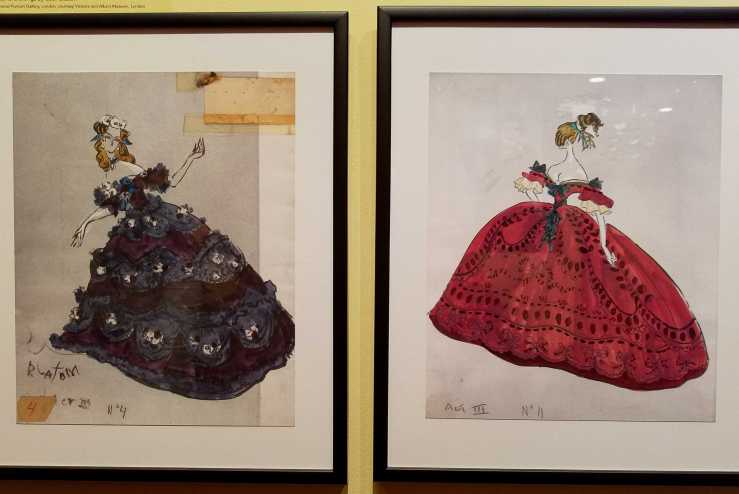


 Cecil Beaton photographed his La Traviata costume designs for the September 15, 1966 issue of Vogue magazine.


Metropolitan Opera House
May 14th, 2017
 Belle Greene, Librarian
In 1905 Pierpont Morgan hired twenty-six-year-old Belle da Costa Greene (1879-1950) to manage his library. She added to his collections with legendary discernment and went on to become a leading figure in the rare book world. She served as the Morgan’s first director until her retirement in 1948.
This brief tag accompanies Ms. Greene’s photo at The Lower Level. Nowhere else in the museum, was there anything to be found about this formidable woman and her work. Yet without her, there would be no Morgan Library Collection as we know and enjoy it today.
Greene was a young librarian at Princeton University, when her colleague Junius Morgan, who happened to be J. Pierpont Morgan’s nephew, introduced her to his wealthy uncle, who was looking for someone to catalogue his collection.
Child of two African-American parents of mixed ancestry, identified as ”colored” in her birth certificate, Belle knew that she would not be able to reach her dream of becoming a librarian had she been open about her family background. So she hid it and invented a relative in Portugal (the ”da Costa” part of her name) that would explain her darker complexion. She also shortened her real name from Greener to Green, to distance herself from her father, Richard Greener, the first coloured librarian and professor at the University of South Carolina.
Smart, witty, outspoken and sensual with a great sense of style and an extensive designer wardrobe (”Just because I’m a librarian”, she has been known to exclaim, ”doesn’t mean I have to dress like one!”) Belle was equally at ease among the Bohemian crowd as well as the scholarly elite.
Trusted for her expertise and excellent bargaining skills, Green would handle considerable amounts of money buying and selling rare manuscripts, books and art for Mr. Morgan. She went on doing that for forty-three years, first as librarian, then as the first director of the Morgan Library, when it became a public institution.
Belle Green retired in 1948 and died two years later.
***
More about this amazing woman and her life & work can be found in her biography ”An Illuminated Life: Belle da Costa Greene’s Journey from Prejudice to Privilege” by Heidi Ardizzone.
May 7th, 2017
 Roy Lichtenstein
Study for No Thank You!, 1964
That’s what I should have said. Probably. But I figured, if I avoided the rush on Thursday or – worse – Friday afternoon, I could just about manage to make it to destination unscathed. So, the next few weeks I hope to be bewitched, bedazzled and bewildered by the wonders of nature in Yellowstone, the savoury landscape of the Salt Flats in Utah, the coolest urbanity of Portland in Oregon and Seattle in Washington. Now, how about: travelling on Memorial Day weekend – Yes, please…!
May 7th, 2017
Whatever you do, stay inside the circle…! 

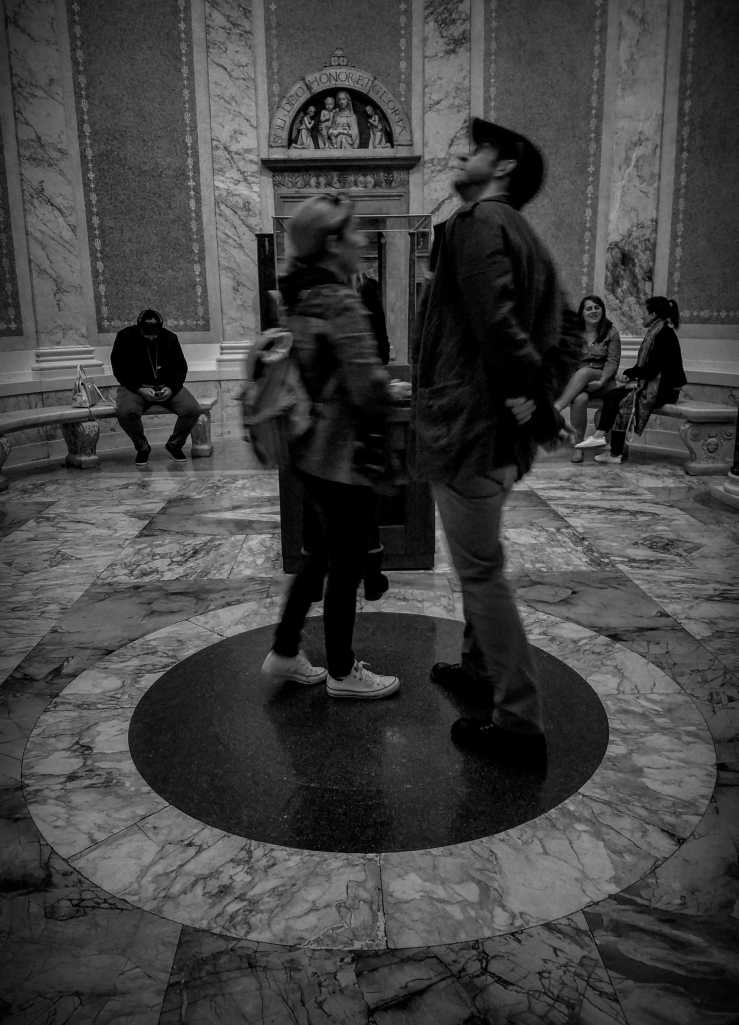
The magical Rotunda @ The Morgan Library & Museum
May 7th, 2017
The Original Library
With its three-story inlaid walnut bookshelves and magnificent ceiling, the East Room was designed as a treasury for Pierpont Morgan’s remarkable collection of rare printed books. The sixteenth-century Netherlandish tapestry over the mantelpiece depicts avarice, one of the seven deadly sins, personified by the mythological King Midas. Two staircases, concealed behind bookcases, provide access to the balconies. Paintings by H. Siddons Mowbray adorn the upper reaches of the room, and the signs of the zodiac are depicted in the ceiling’s hexagonal spandrels. (Morgan was a member of an exclusive dining club that admitted only twelve members at a time—one for each sign of the zodiac—and the arrangement of the signs in his library’s ceiling may carry a hidden meaning related to key events in his personal life.) Allegorical depictions of the arts and sciences alternate with portraits of figures from Socrates to Michelangelo, identifying the library as a place for the preservation of art and ideas.
Literature, Art, and Music from the Middle Ages to the Present
On view in the East Room are examples from The Morgan Library & Museum’s extraordinary collection of medieval illuminated manuscripts, rare printed books and bindings, and handwritten manuscripts of great writers, artists, and composers from the Renaissance to the present day. While some of the items on view were purchased by Pierpont Morgan, others have been acquired in the century since his death. Selections are changed regularly, but a seminal work is always on view: one of the Morgan’s three copies of a Bible printed by Johannes Gutenberg in 1455. With Gutenberg’s Bible, the painstaking process of copying books by hand gave way to an innovative new technology—movable type—that facilitated the exchange of art and ideas in all spheres of human endeavor.

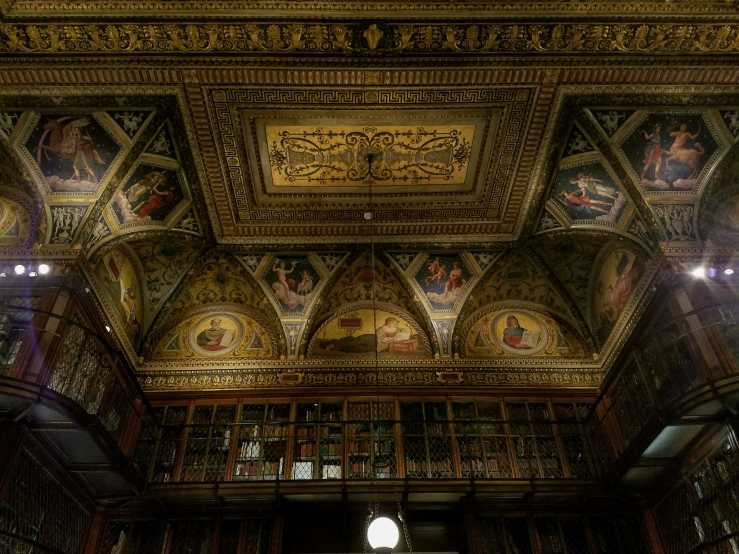
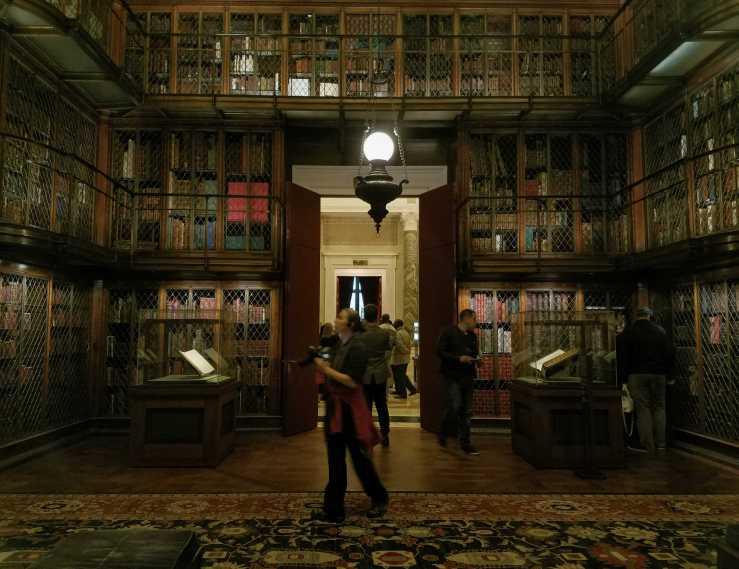
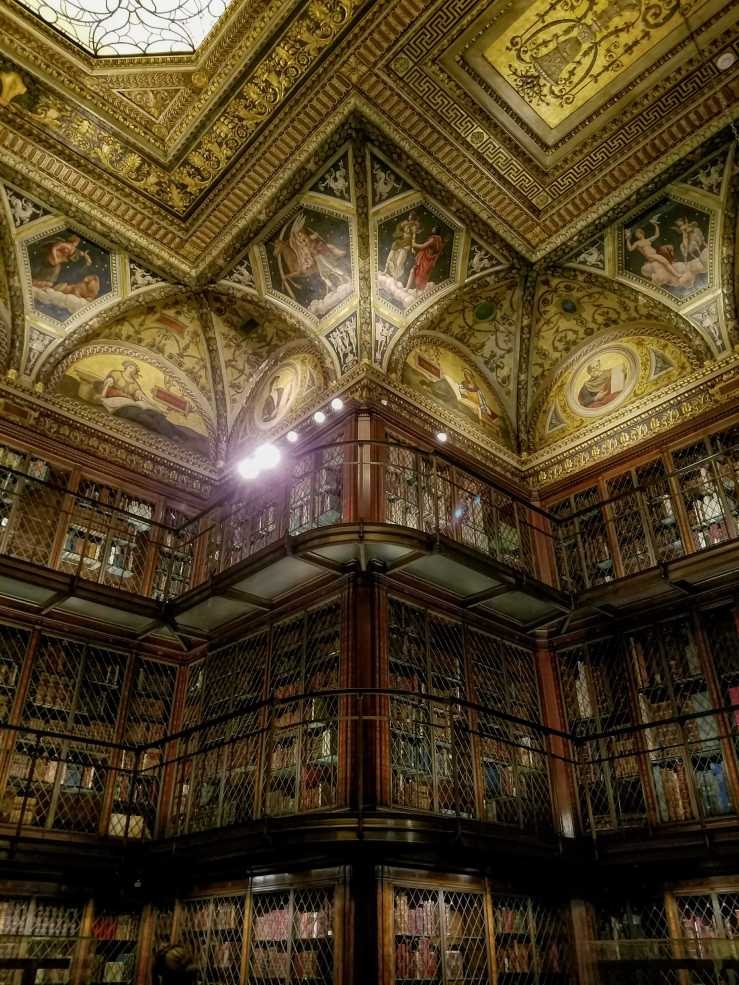
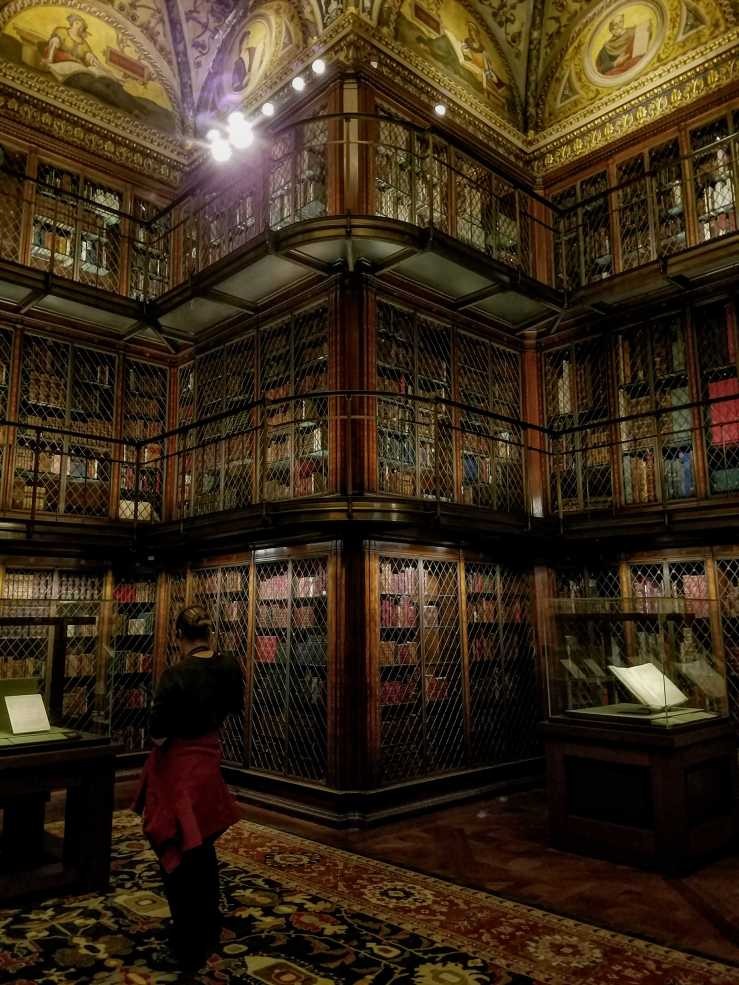
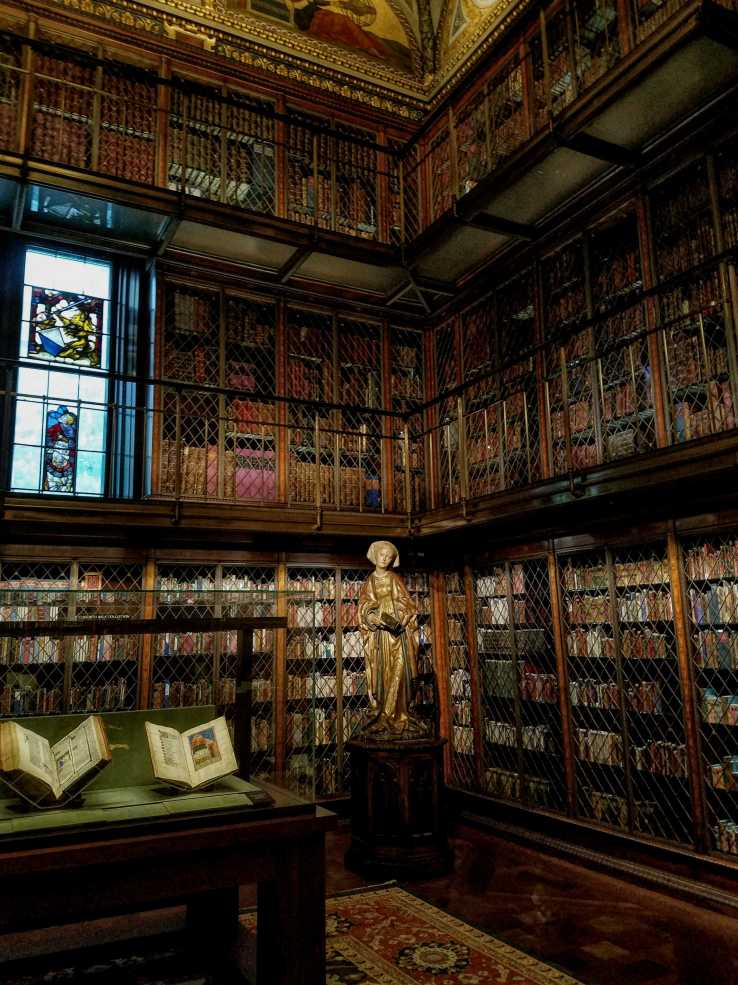


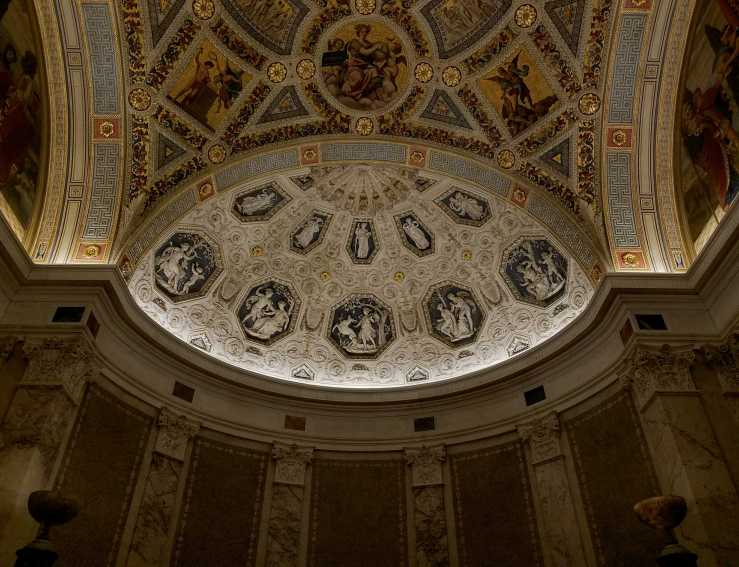 Taking another look at The North Room, before leaving.
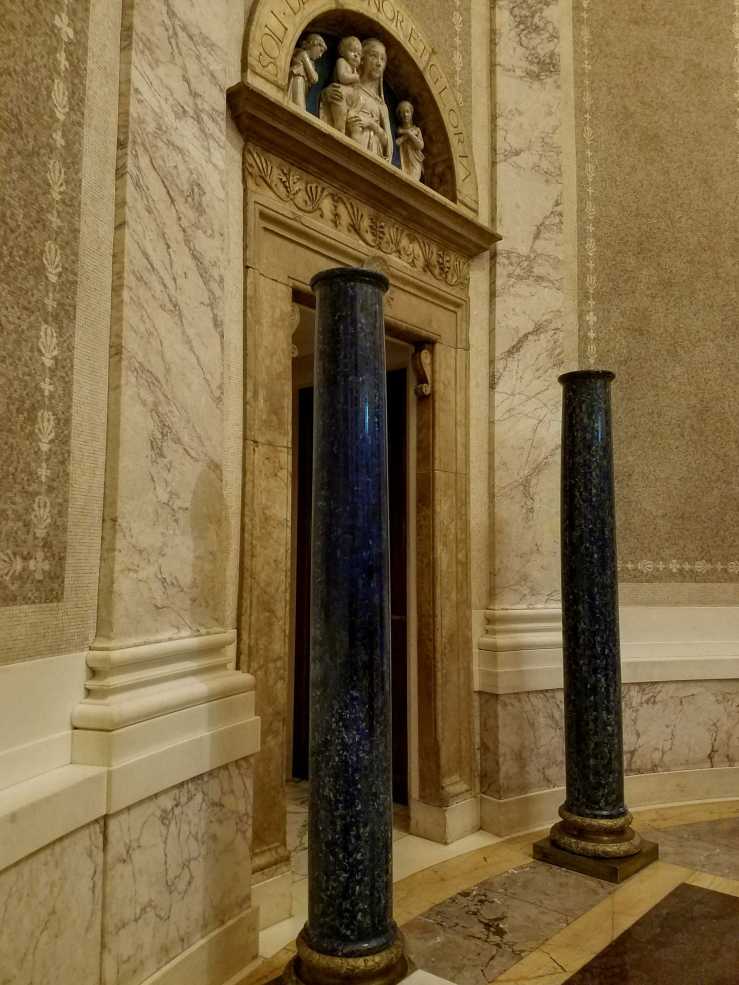
 The Rotunda

This portrait of Mrs. Morgan was on view at the Lower Level (and not in one of the rooms surrounding Mr. Morgan’s library, as I would have expected).  John Singer Sargent, Florence 1856-1925 London
Portrait of Mrs. J.P. Morgan, Jr.
This spirited portrait depicts Jane Morgan (neé Jane Norton Grew, 1868-1925), the wife of Pierpont Morgan’s son, J.P. Morgan, Jr. (1867-1943). Although the portrait is inscribed 1906, it appears that Mrs. Morgan sat for Sargent in 1904-5, when she was still living with her husband in London. The Morgans returned to New York in 1906. The following year Sargent declined the opportunity to depict Pierpont Morgan. Shortly thereafter he relinquished his practice as the leading portrait painter of high society in order to focus on landscapes and murals.
May 7th, 2017
subjective worldview
Actor, writer, cook and author
Travel experiences & Strasbourg city guide
Writer
joy, happiness, travel, adventure, gratitude
"Rêve onirique & Bulle d'évasion"
makes pretty things on paper
This WordPress.com site is Pacific War era information
Welcome to my curious world of words....
Photographs, music and writing about daily life. Contact: elcheo@swcp.com
Free listening and free download (mp3) chill and down tempo music (album compilation ep single) for free (usually name your price). Full merged styles: trip-hop electro chill-hop instrumental hip-hop ambient lo-fi boombap beatmaking turntablism indie psy dub step d'n'b reggae wave sainte-pop rock alternative cinematic organic classical world jazz soul groove funk balkan .... Discover lots of underground and emerging artists from around the world.
A 365 analogue photography project
Barcelona's Multiverse | Art | Culture | Science
Een digitaal atelier aan de (zee)slag.
‘Doodling Ambiguity’s in Ink.’
Miscellaneous photography
Glimpses along the way on a journey of discovery into symmetry...
 The Humble Fabulist