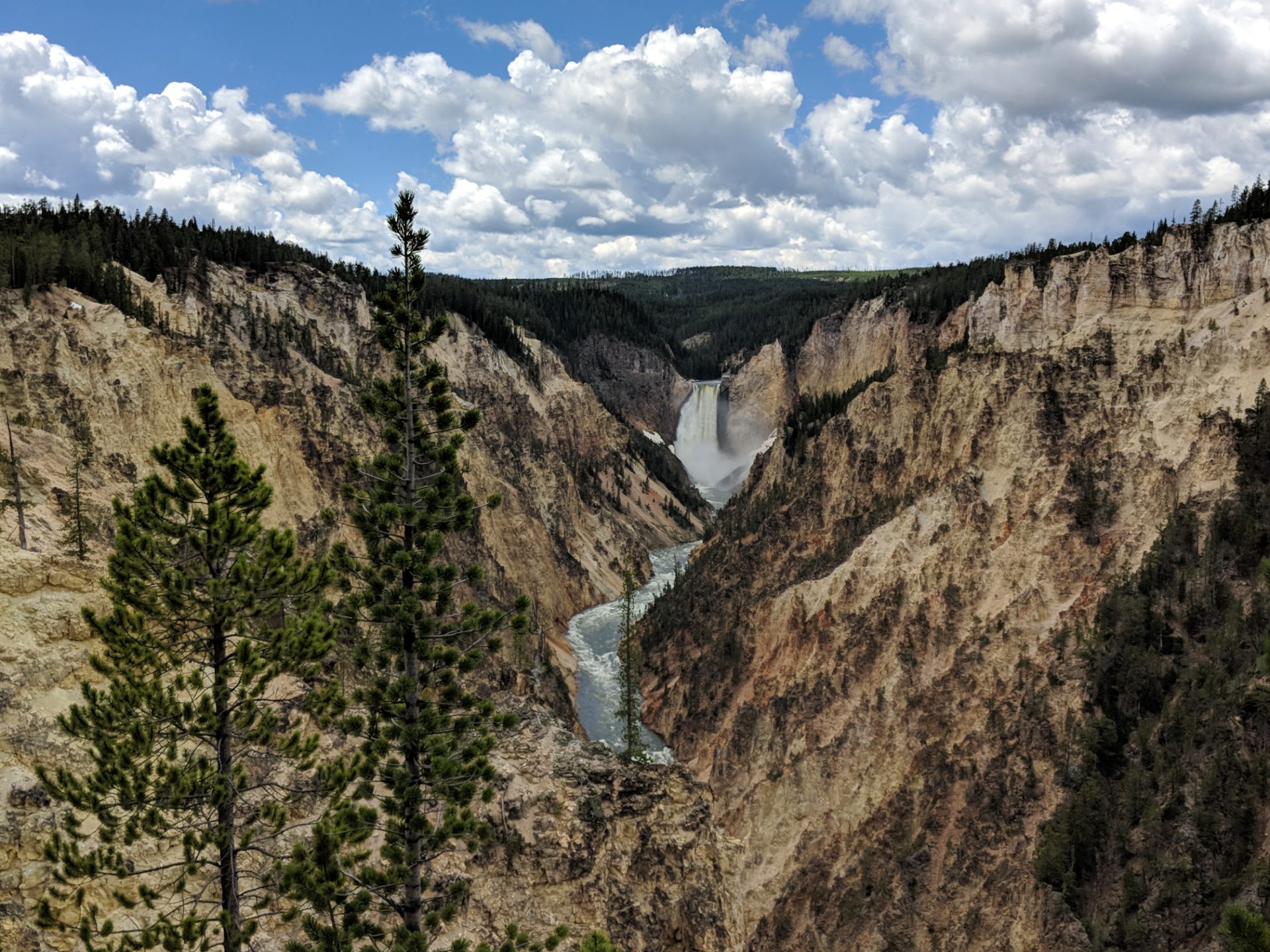
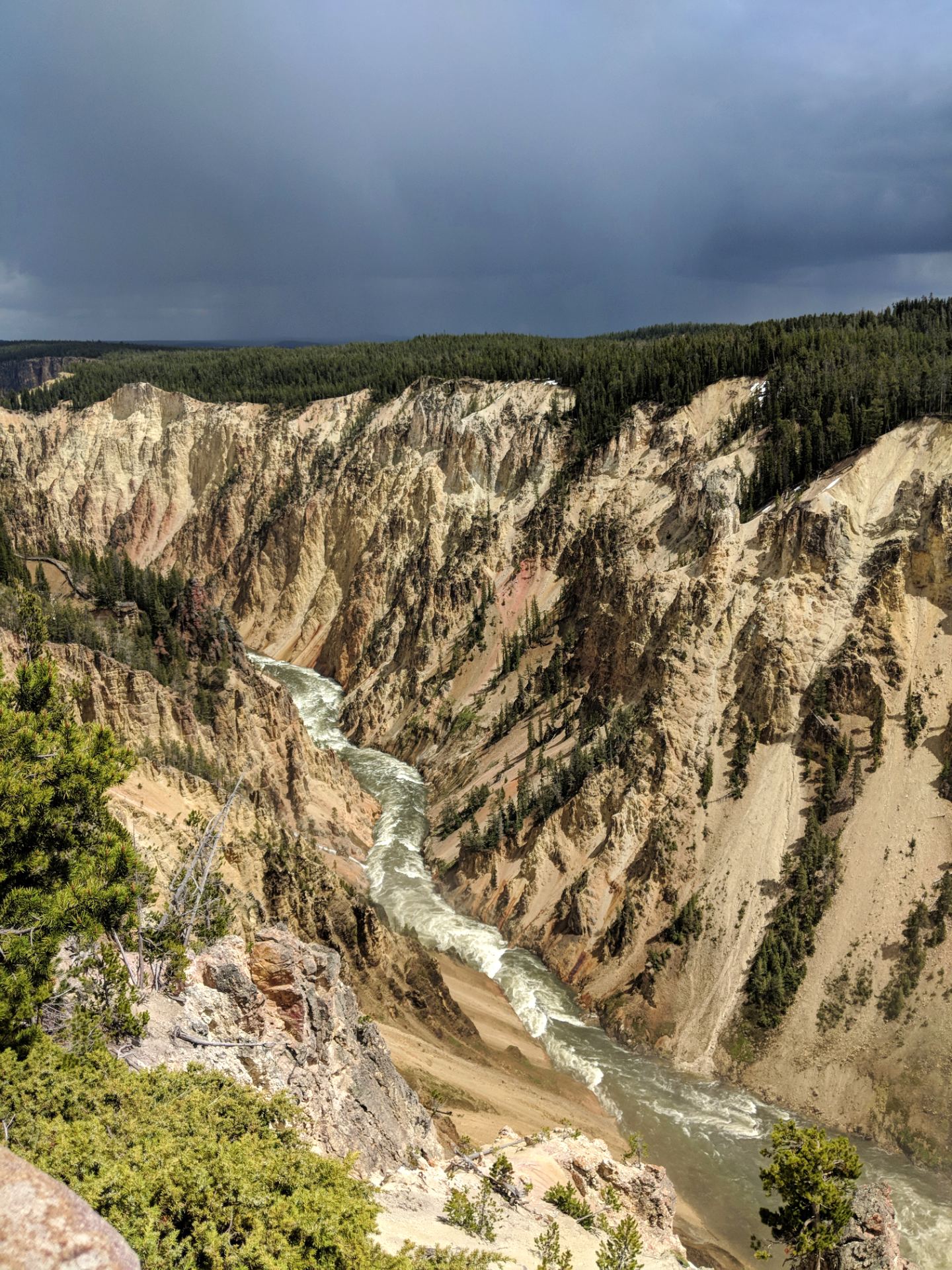
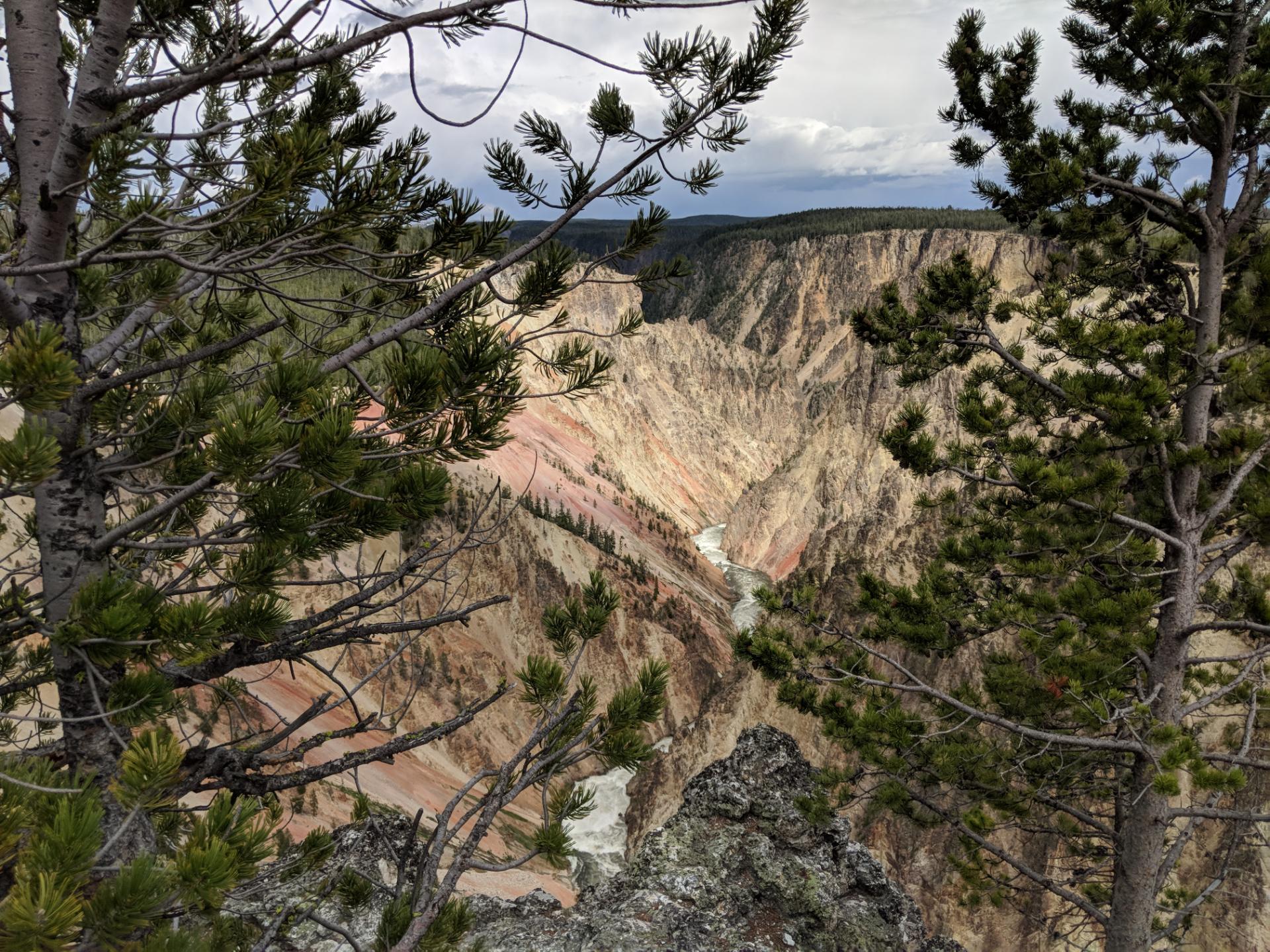
The moment when you feel you just stepped into a landscape painting. Only, you can feel this one with all your senses.
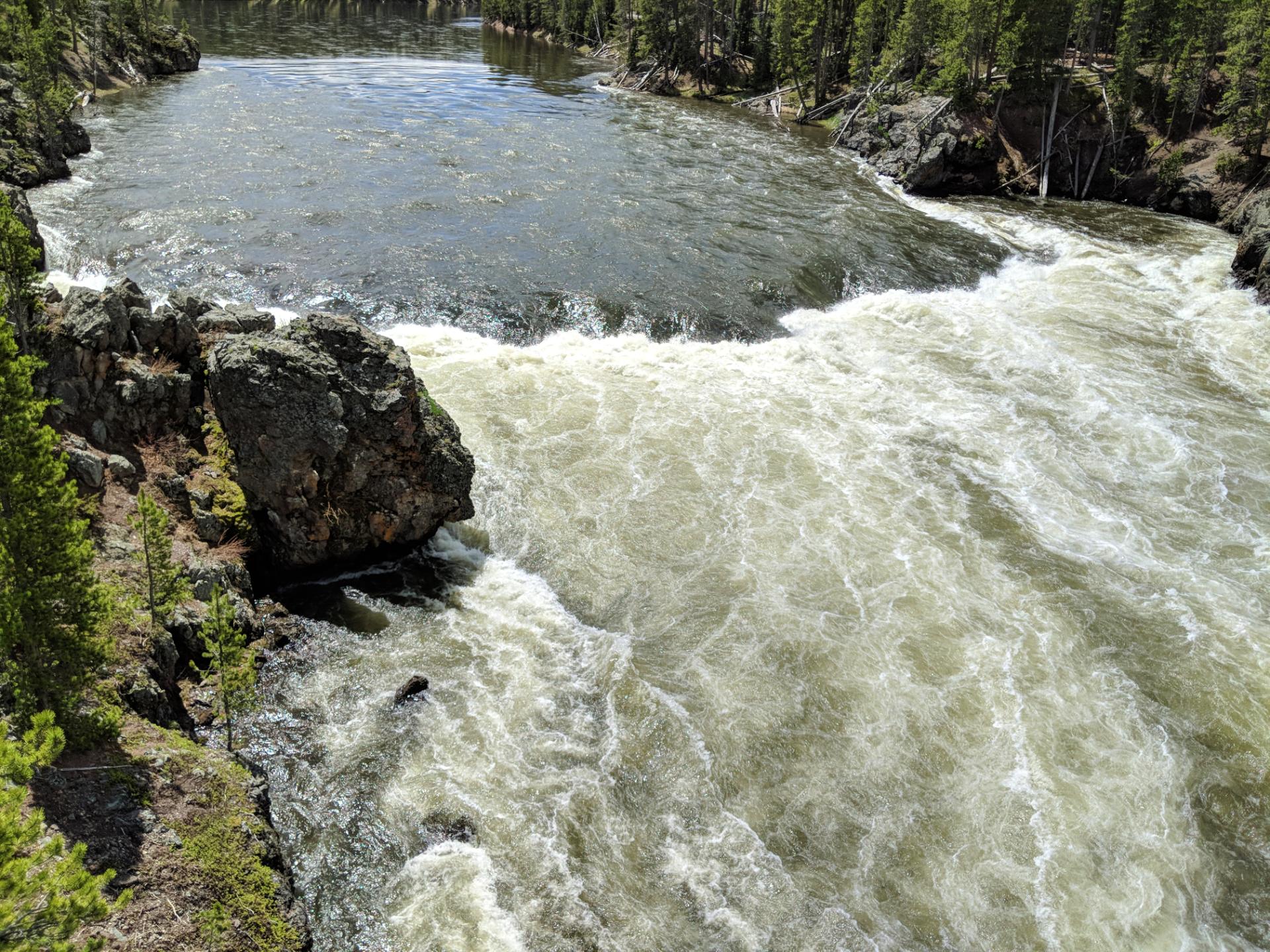
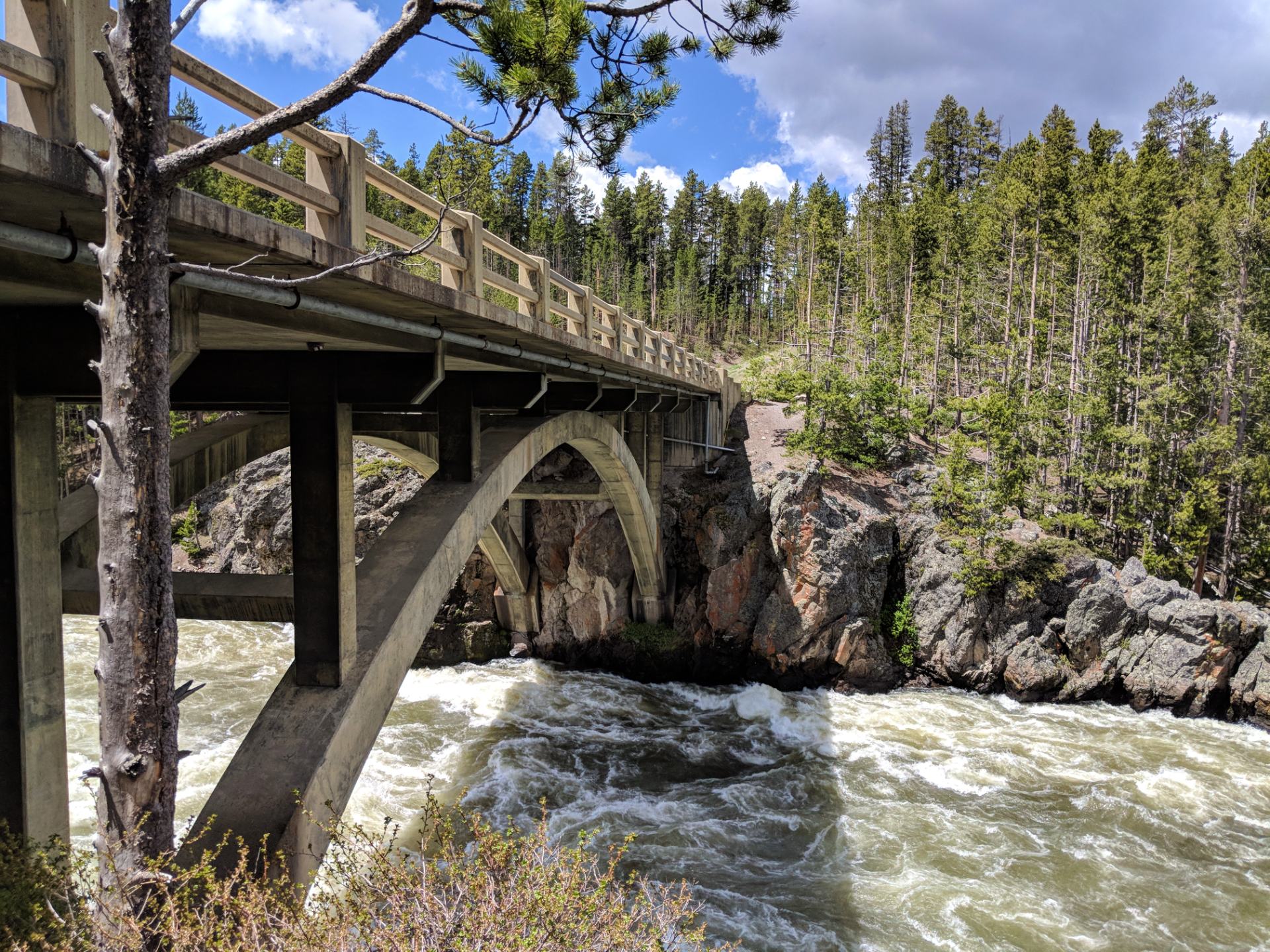
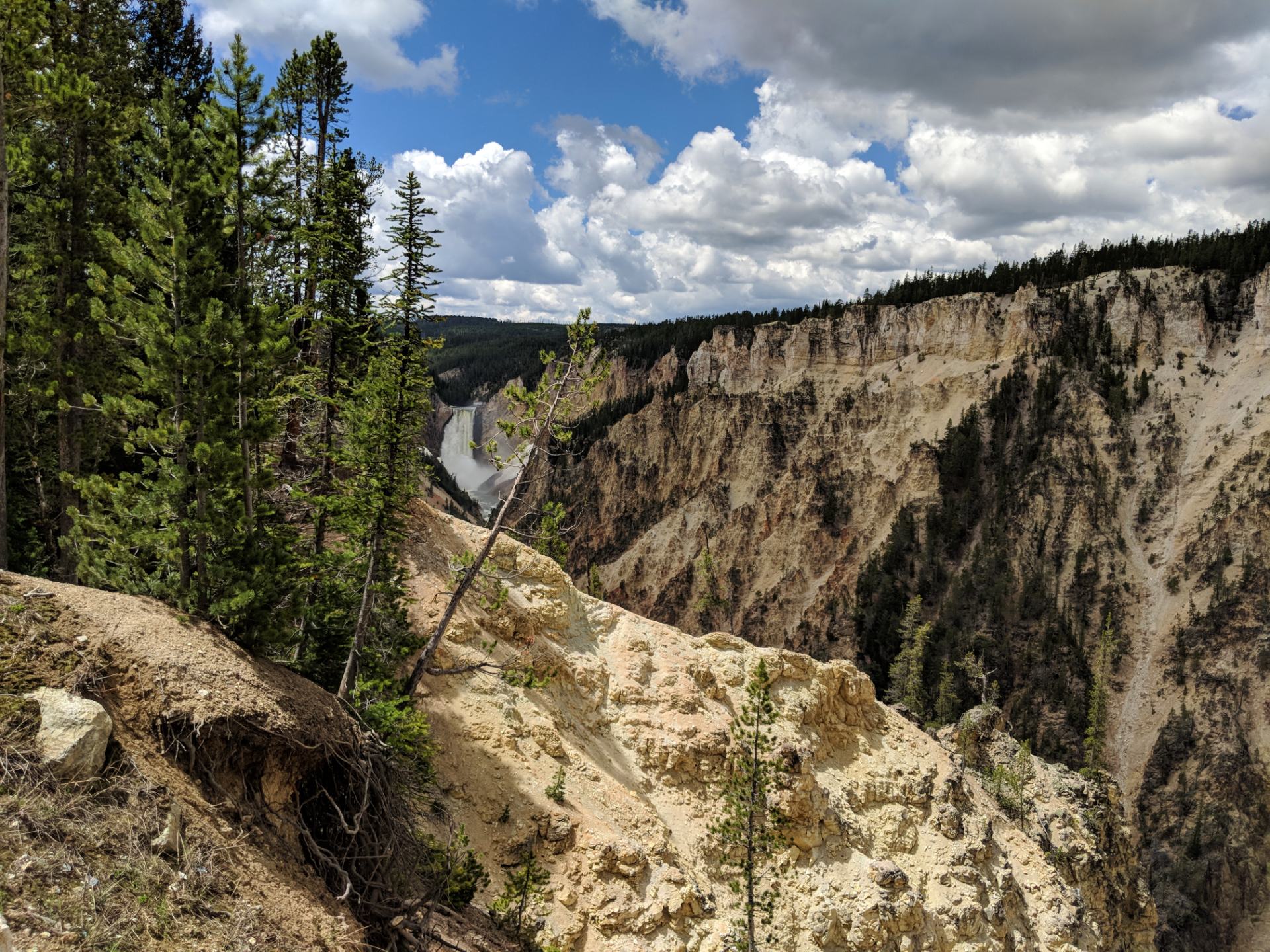
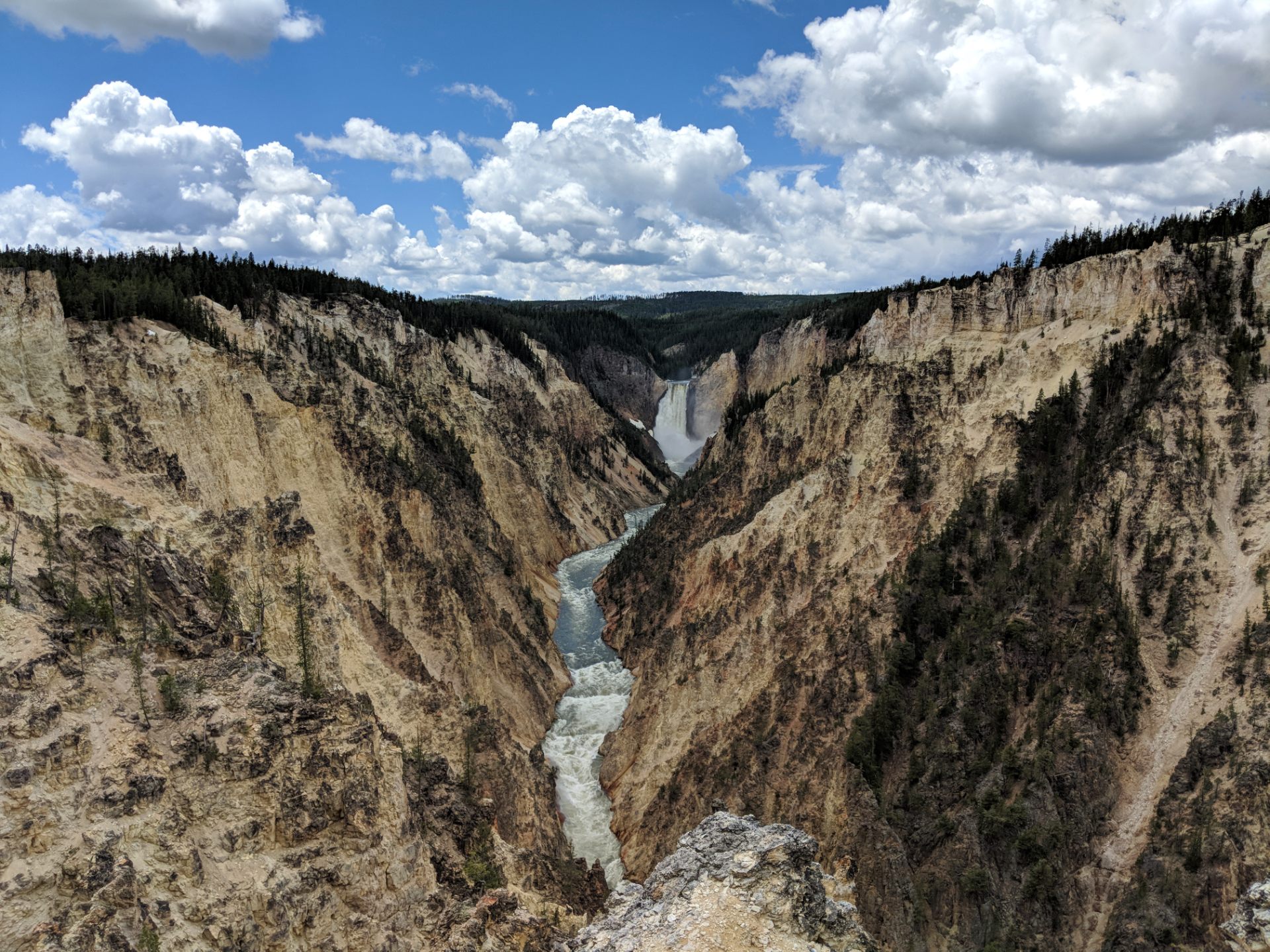
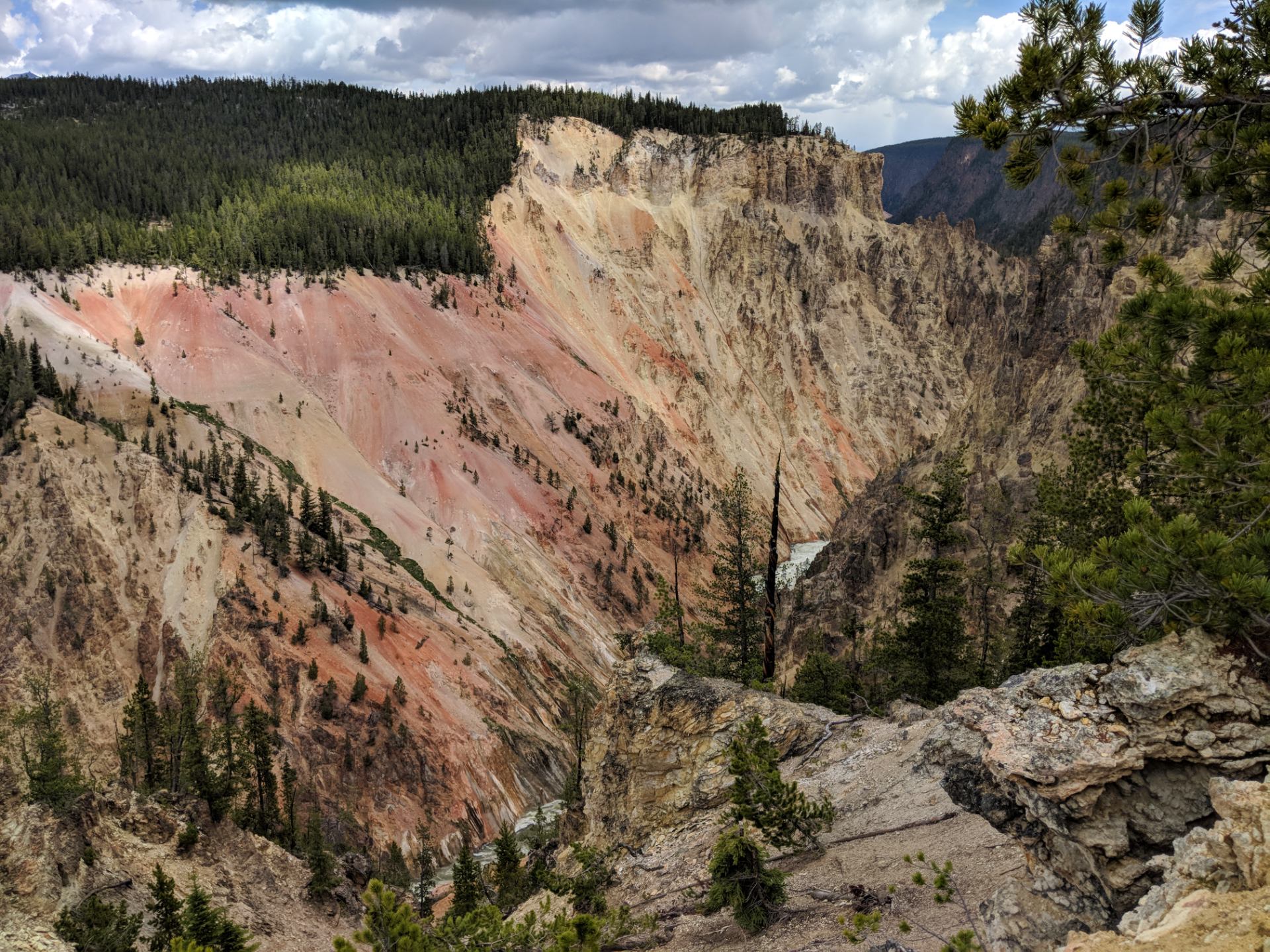
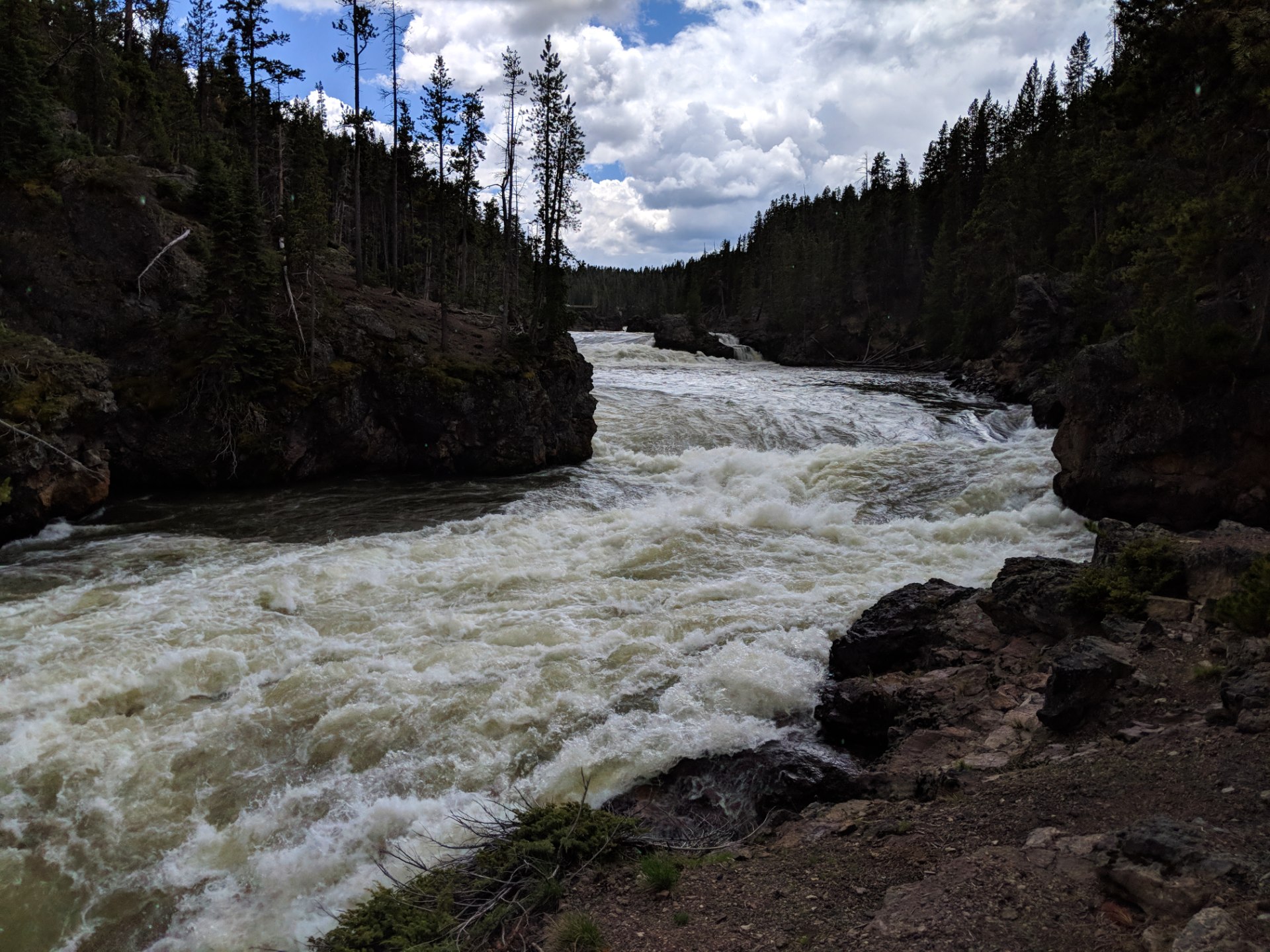
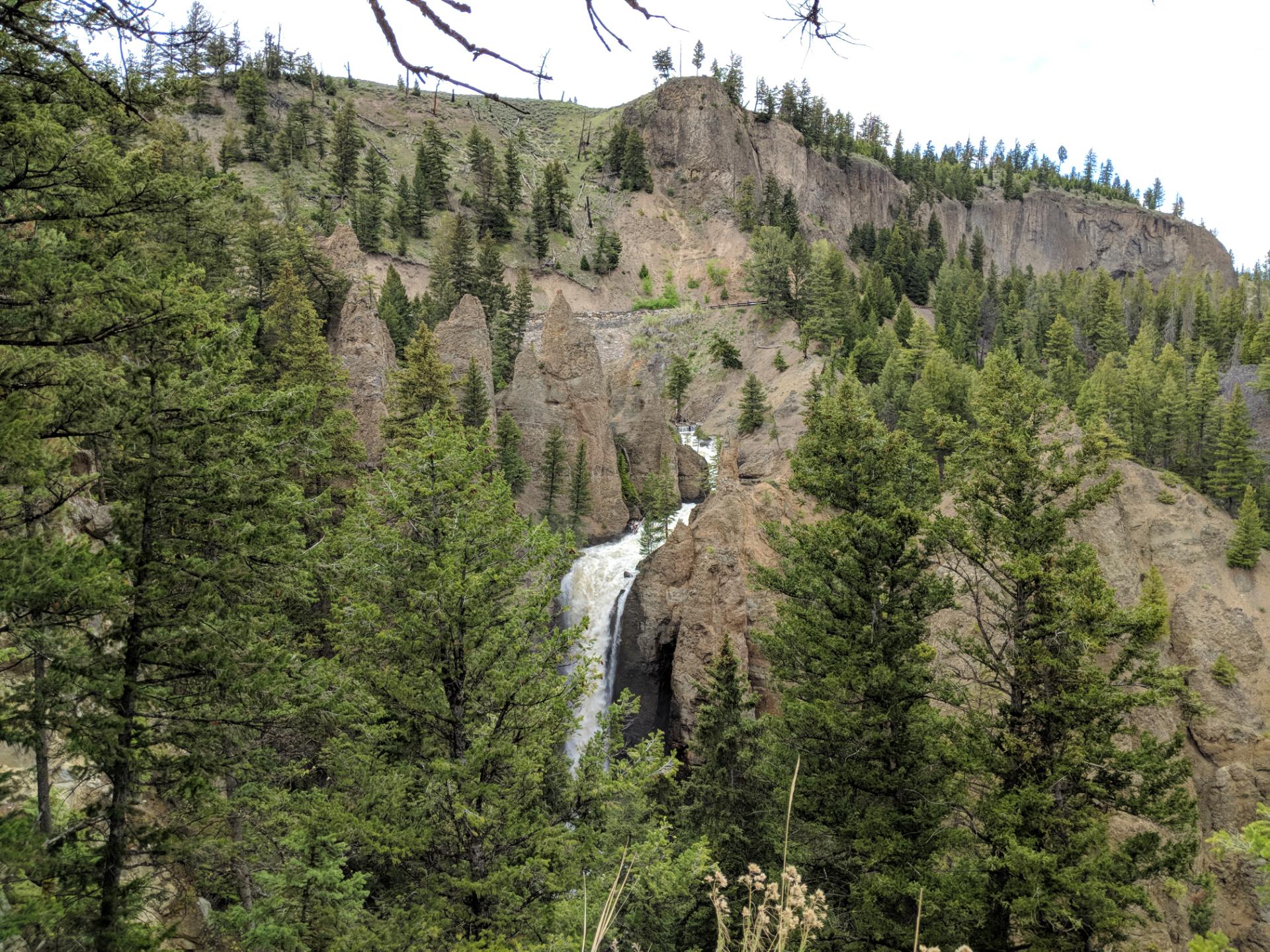
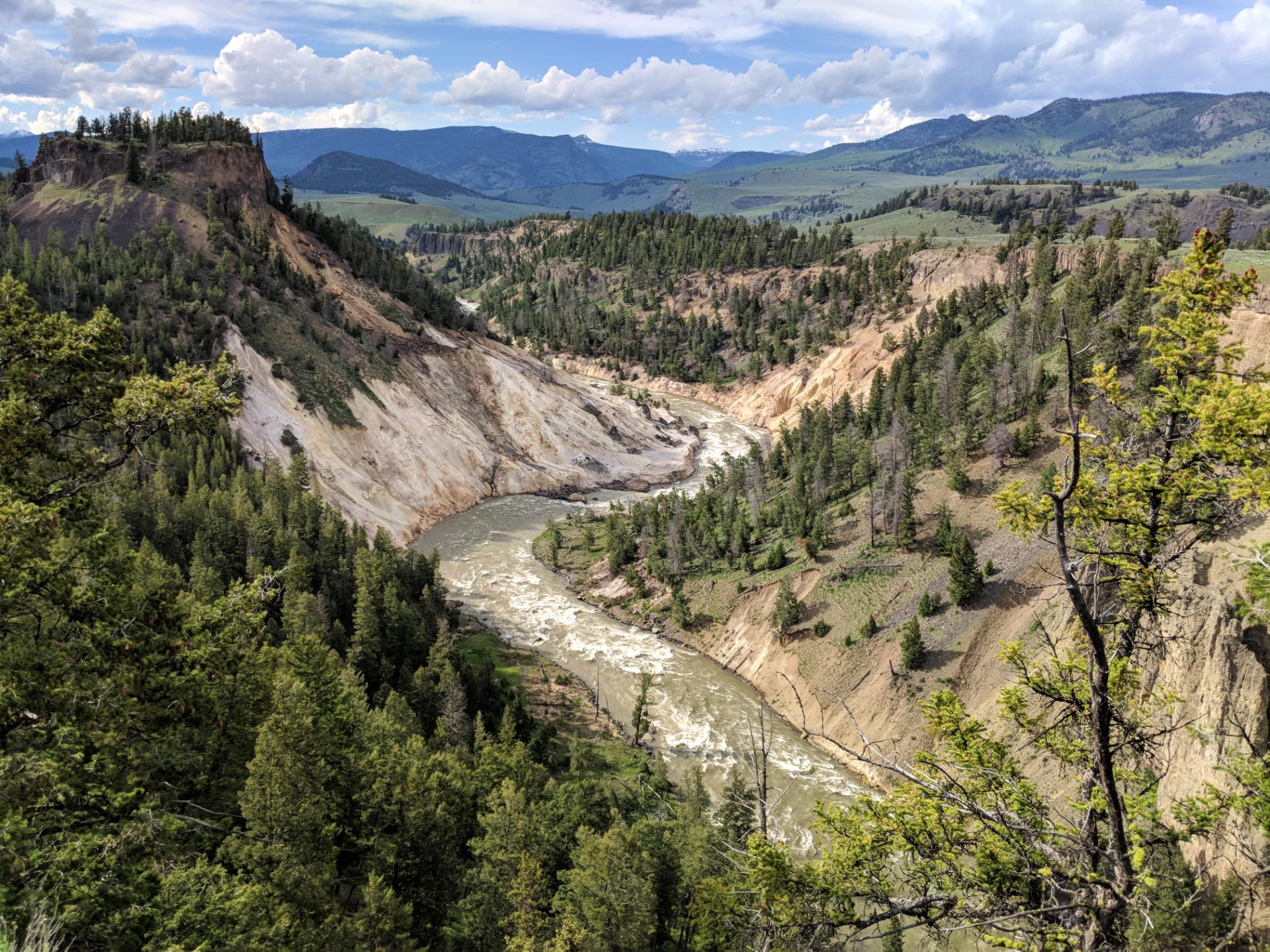
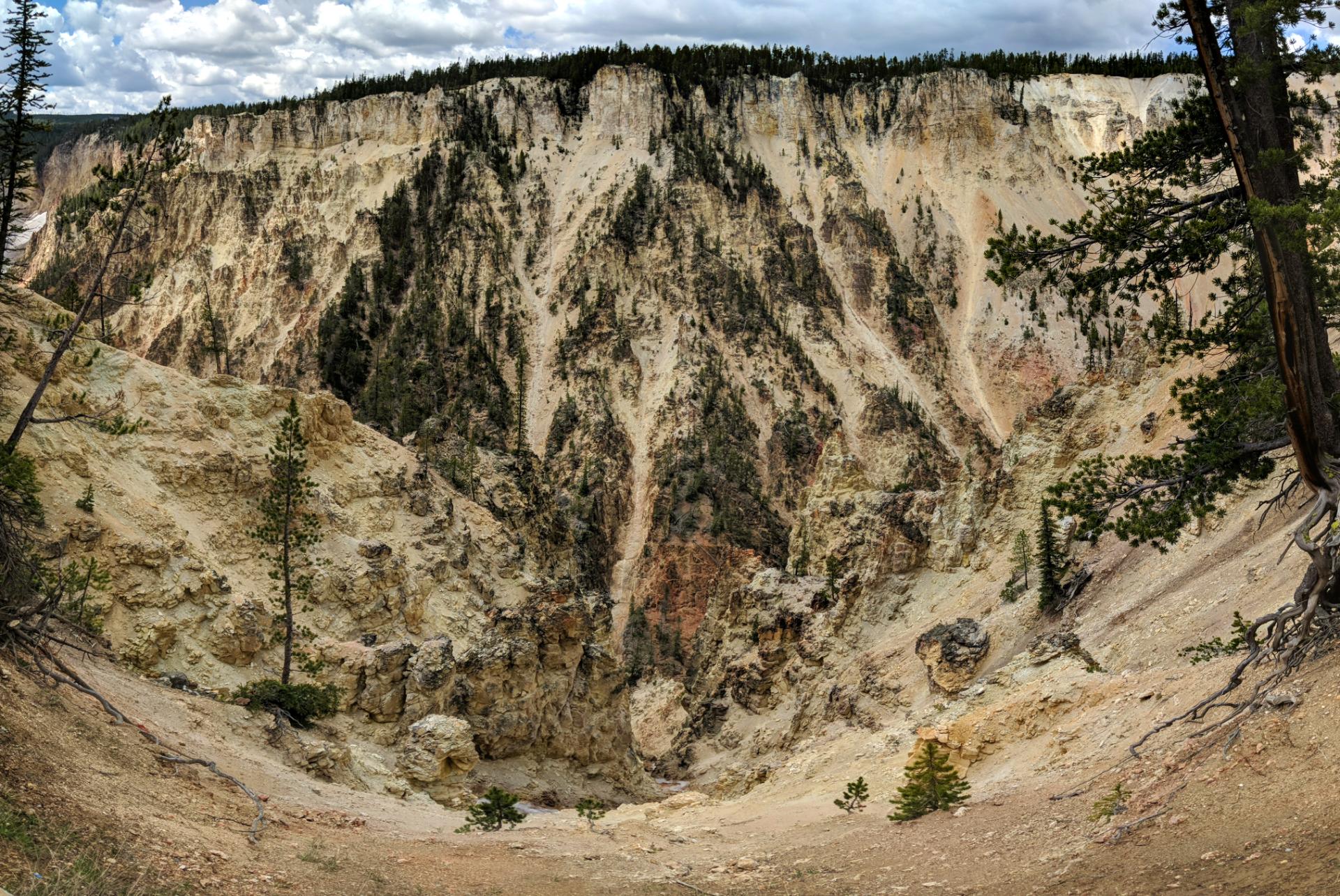
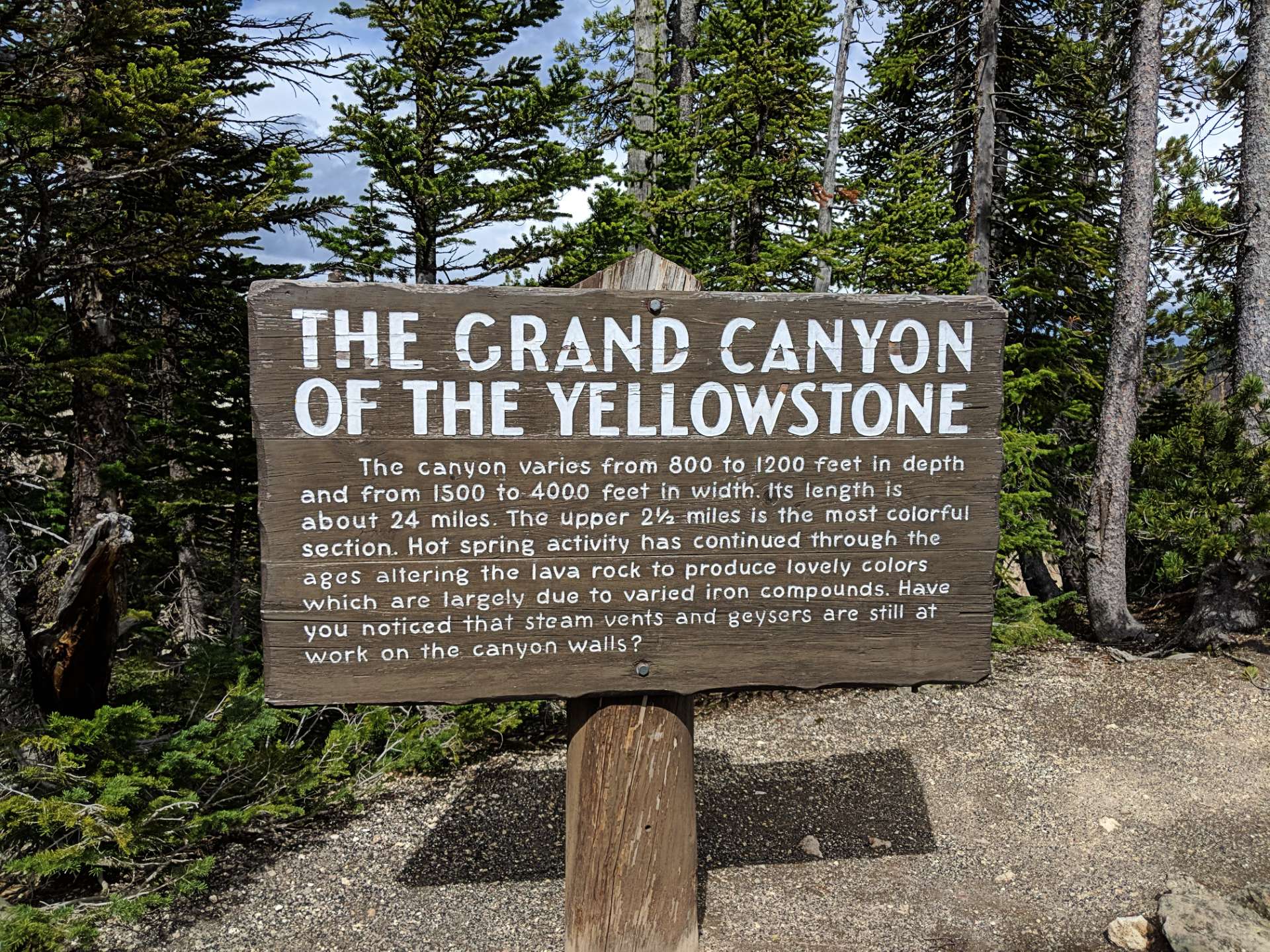
Views from the Upper & Lower Falls of the Yellowstone River. There are a few spots and lookout points in the area – you’ll be enchanted no matter which one you chose.
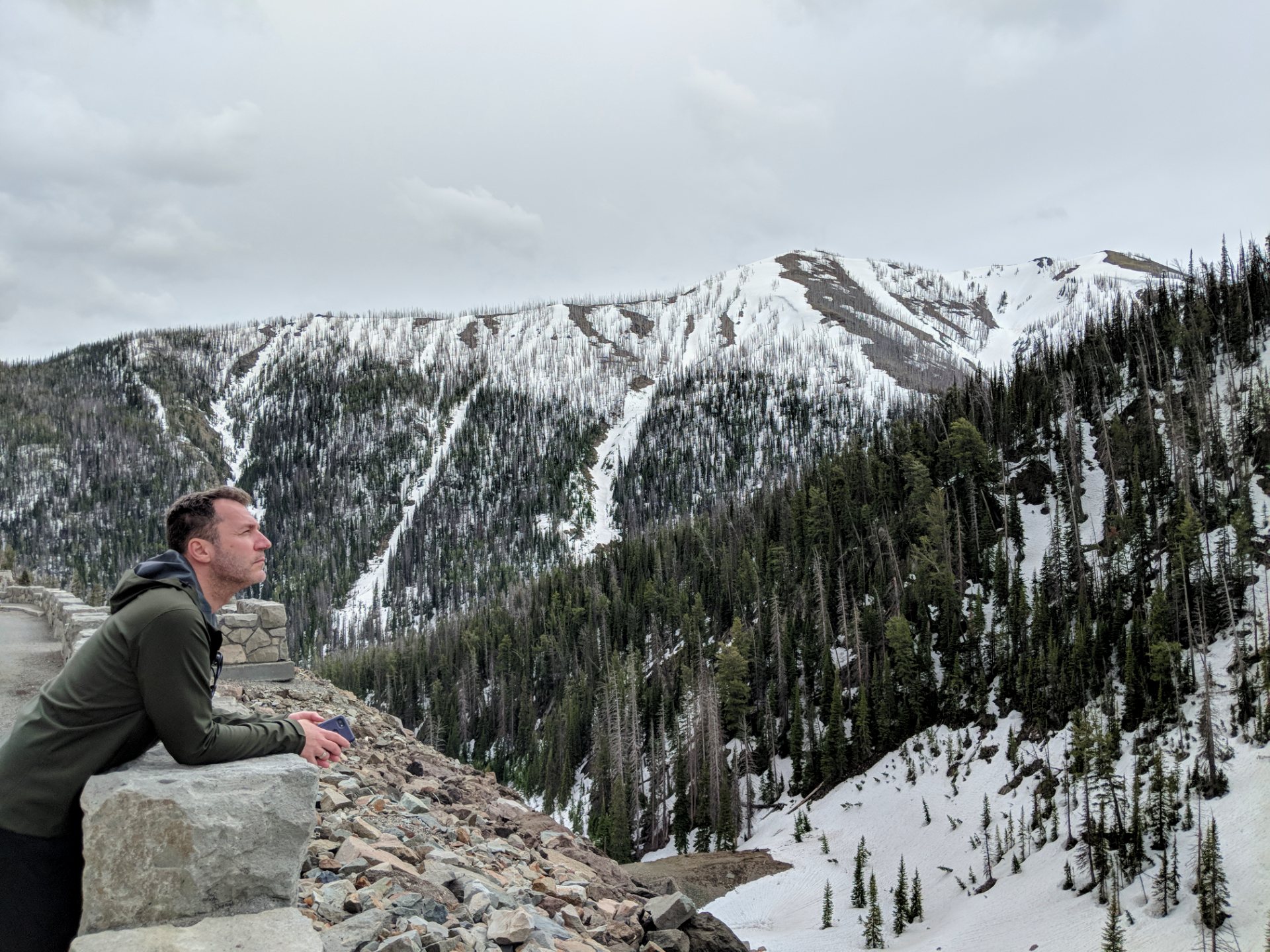
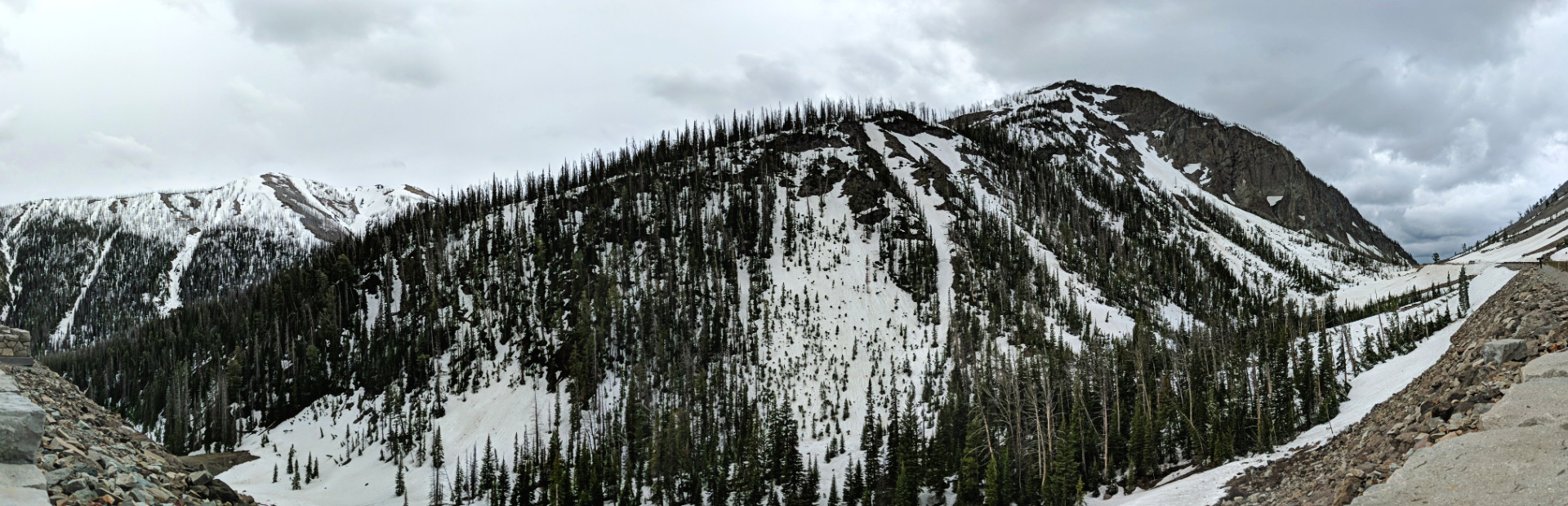
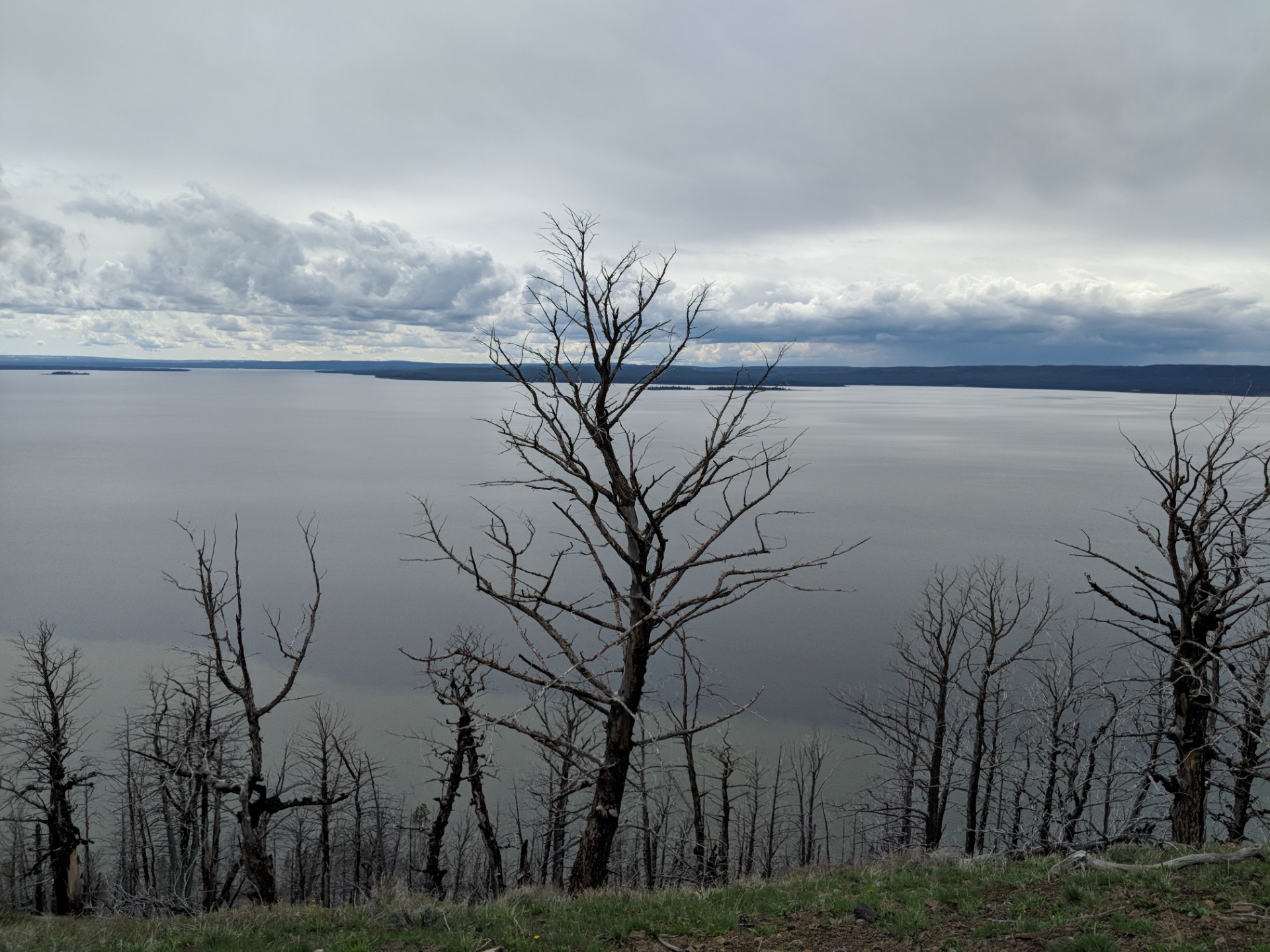
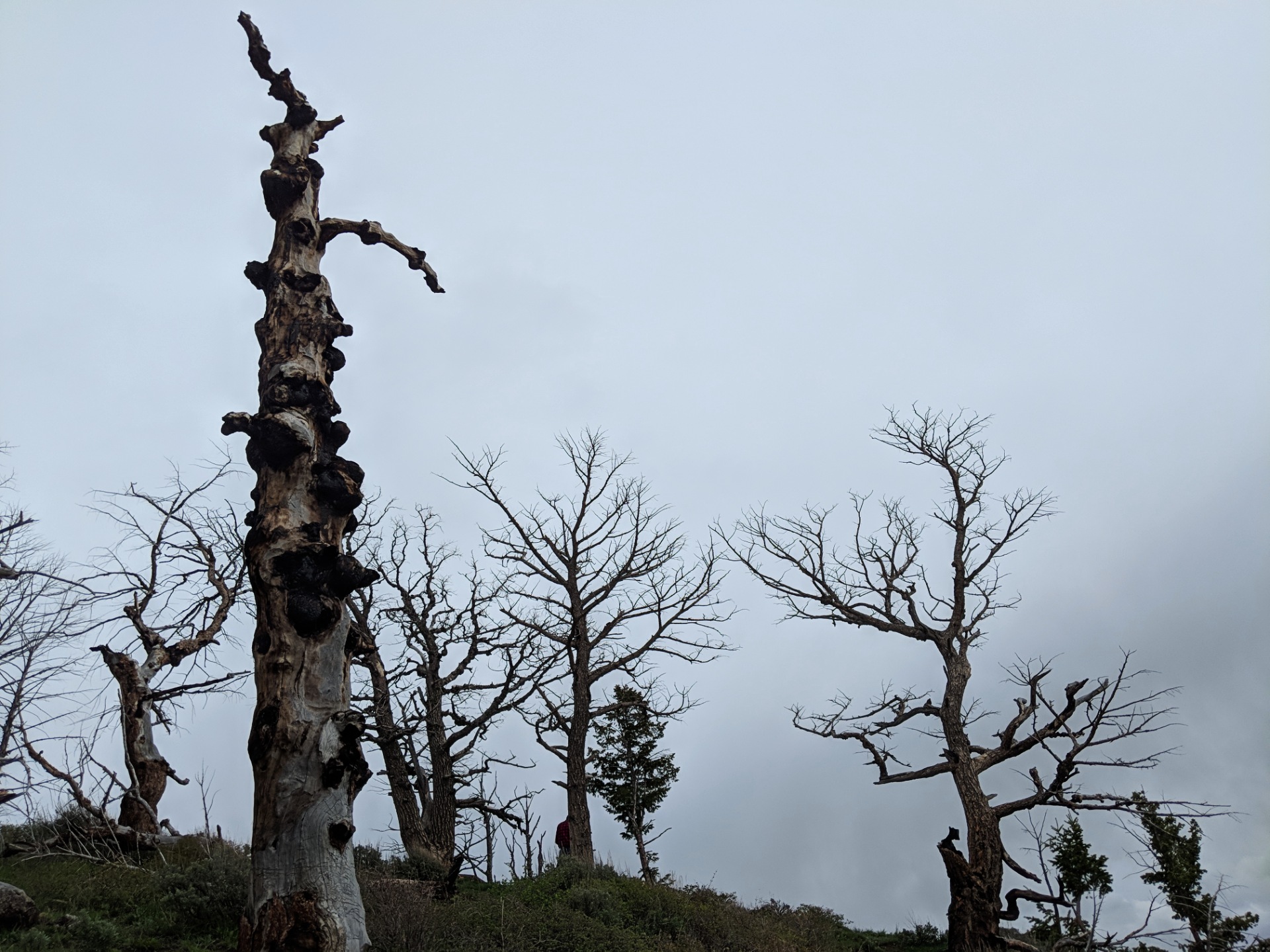
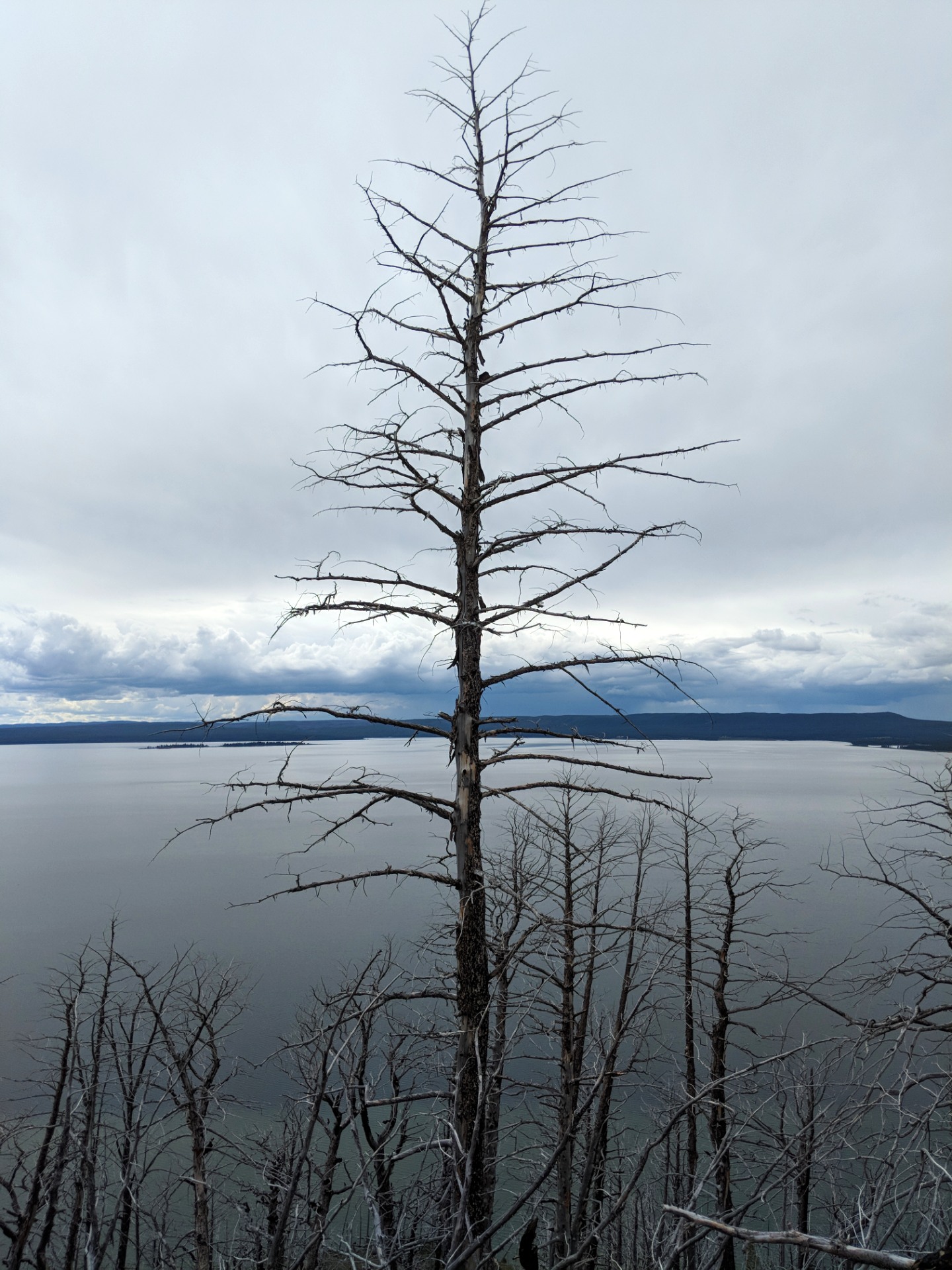
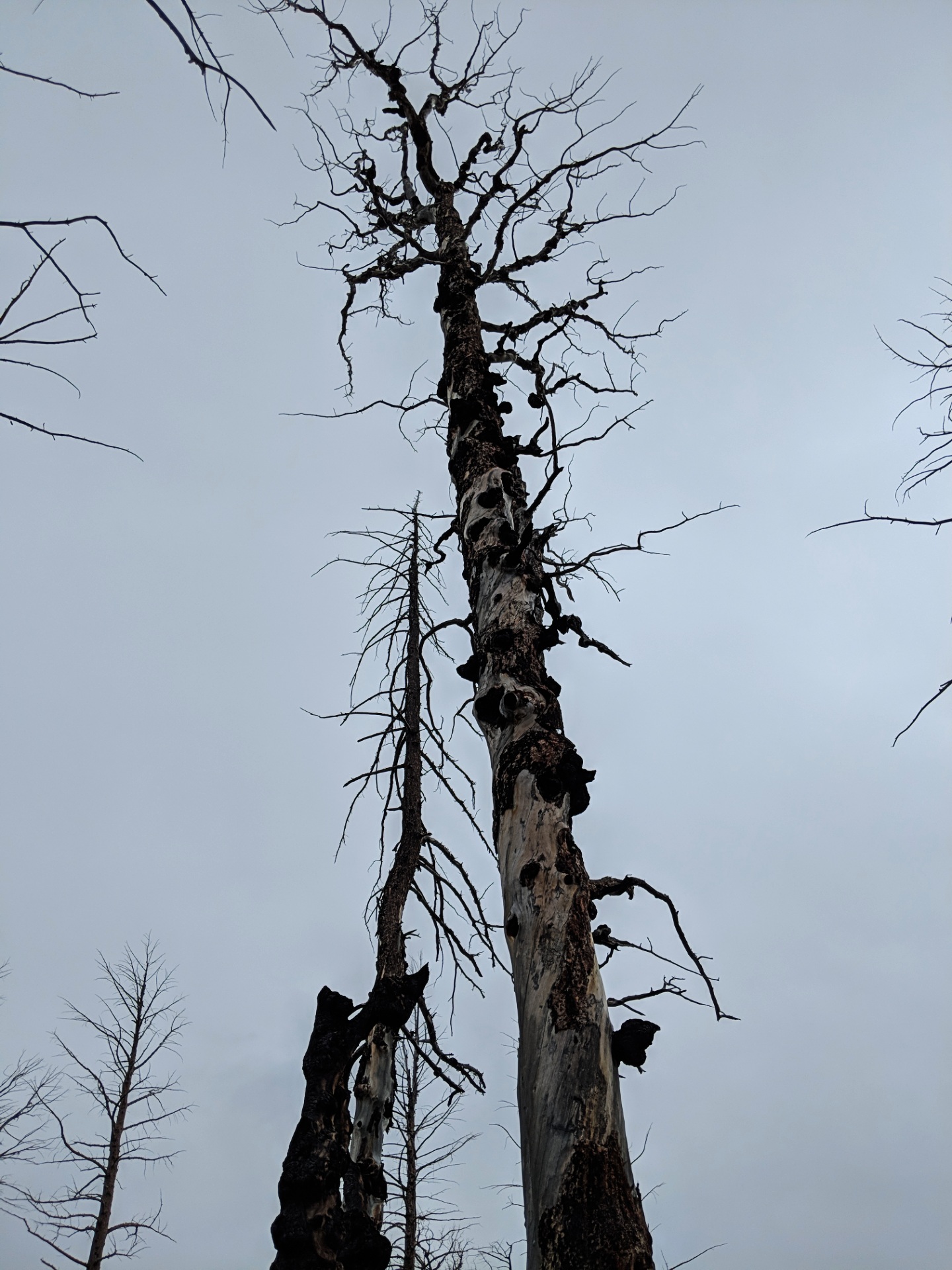
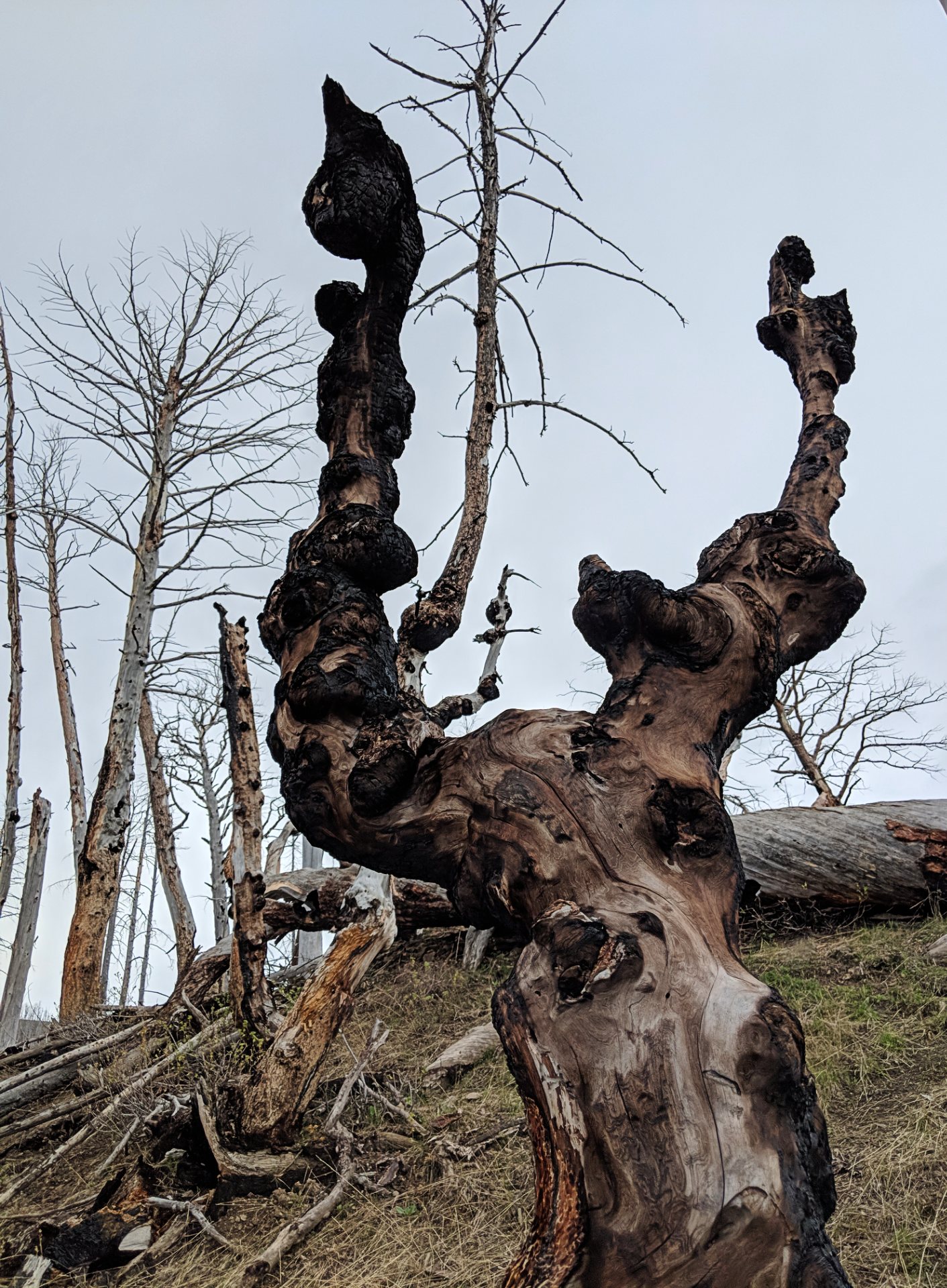
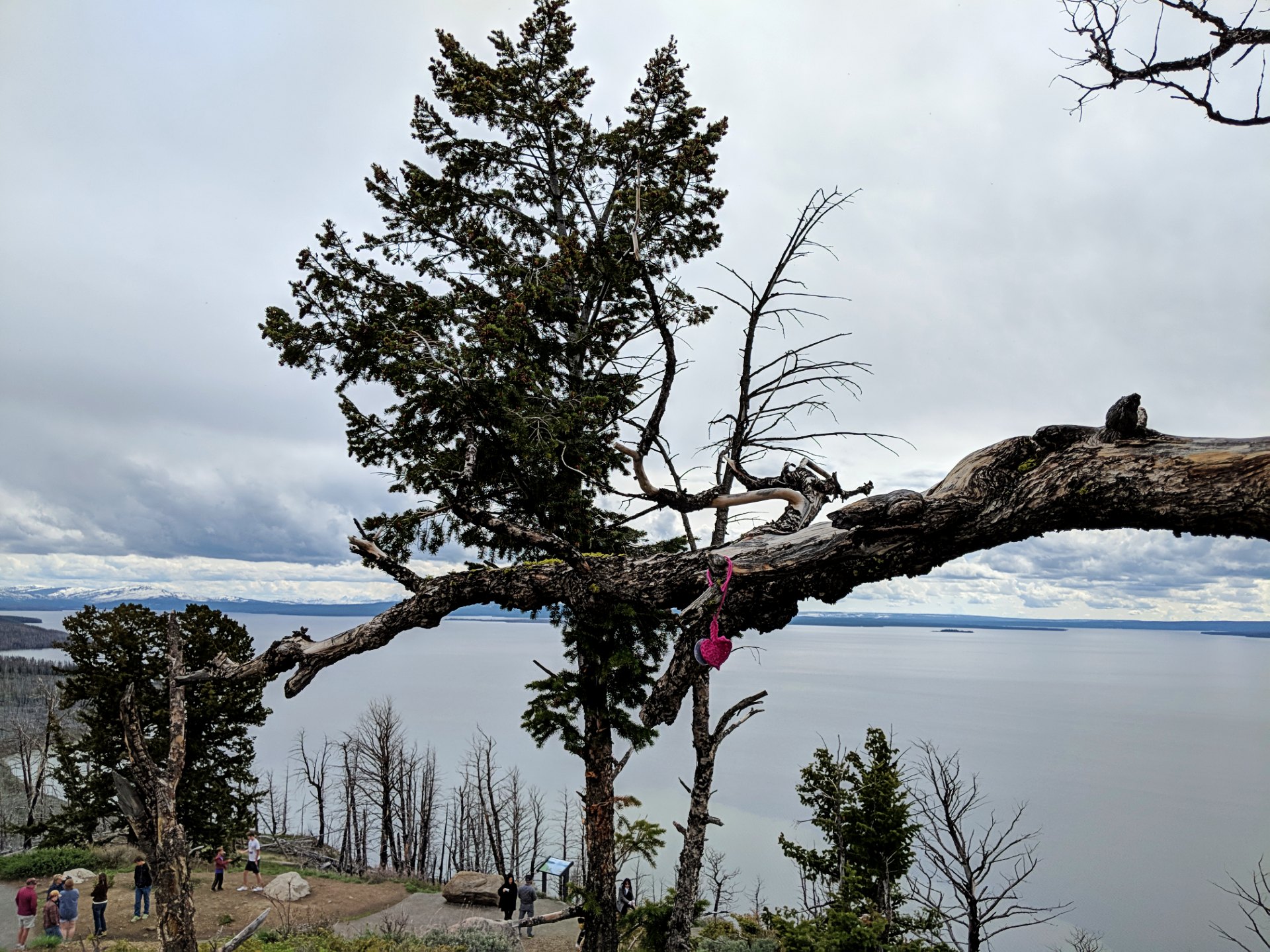
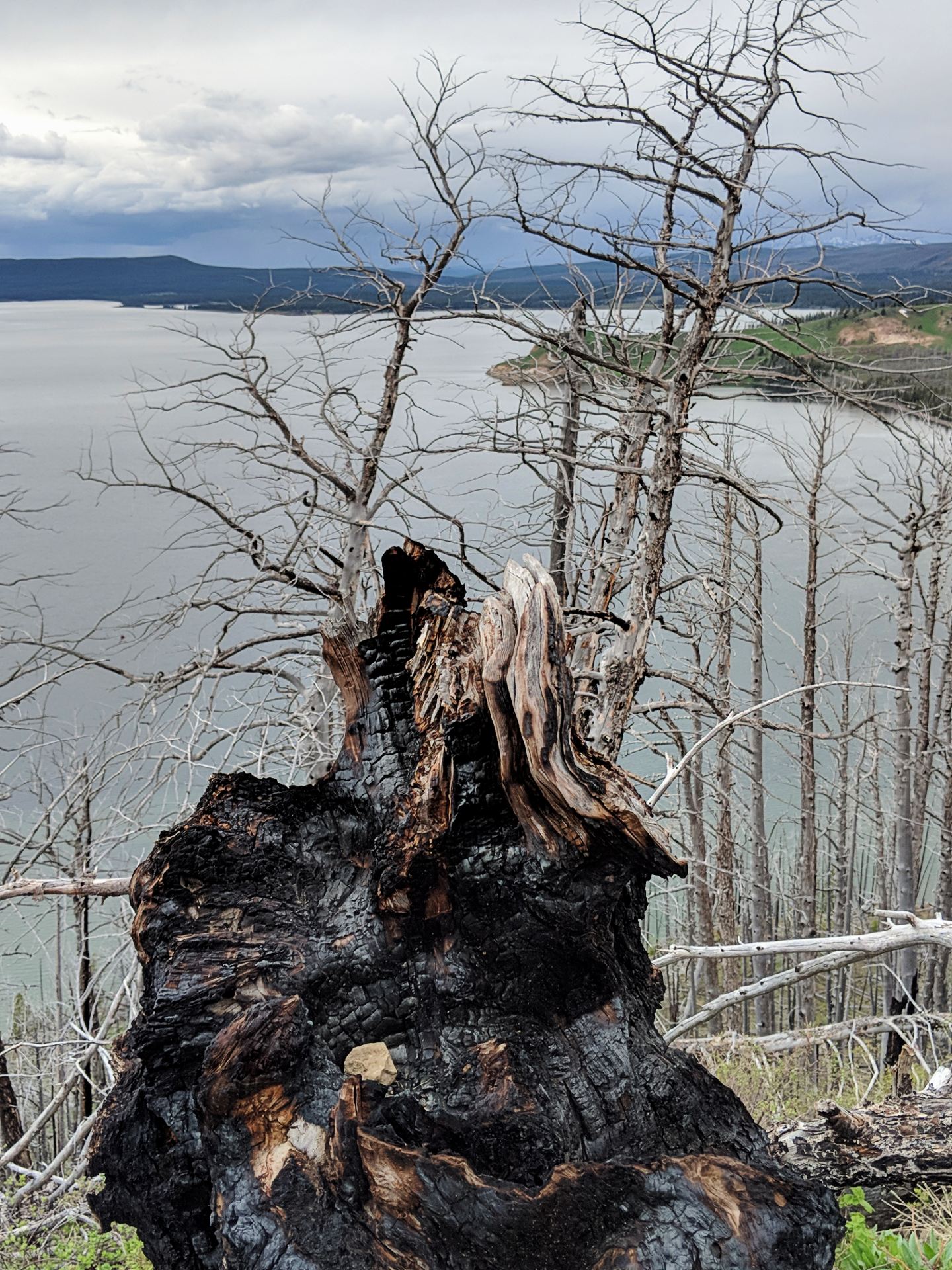
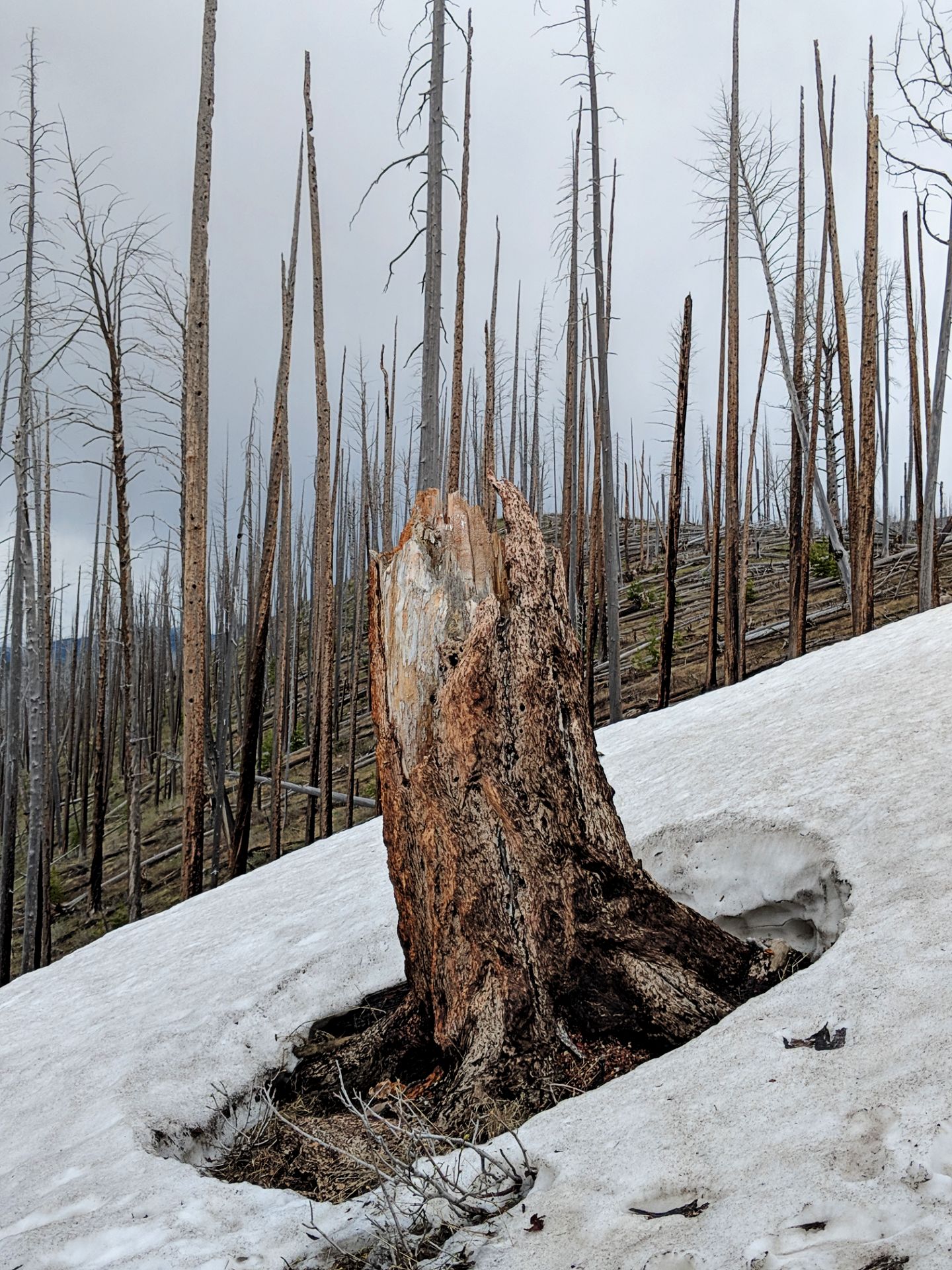
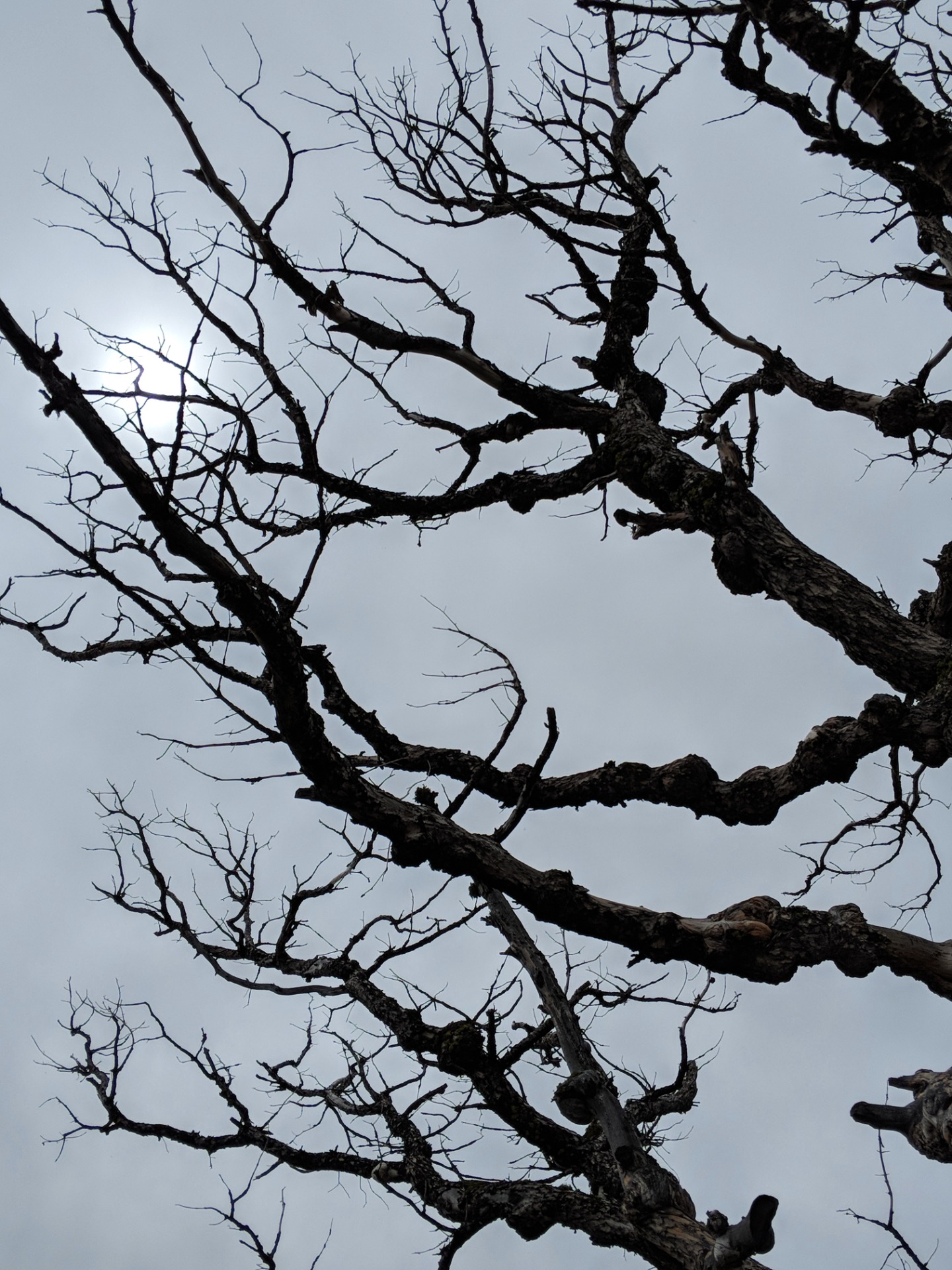
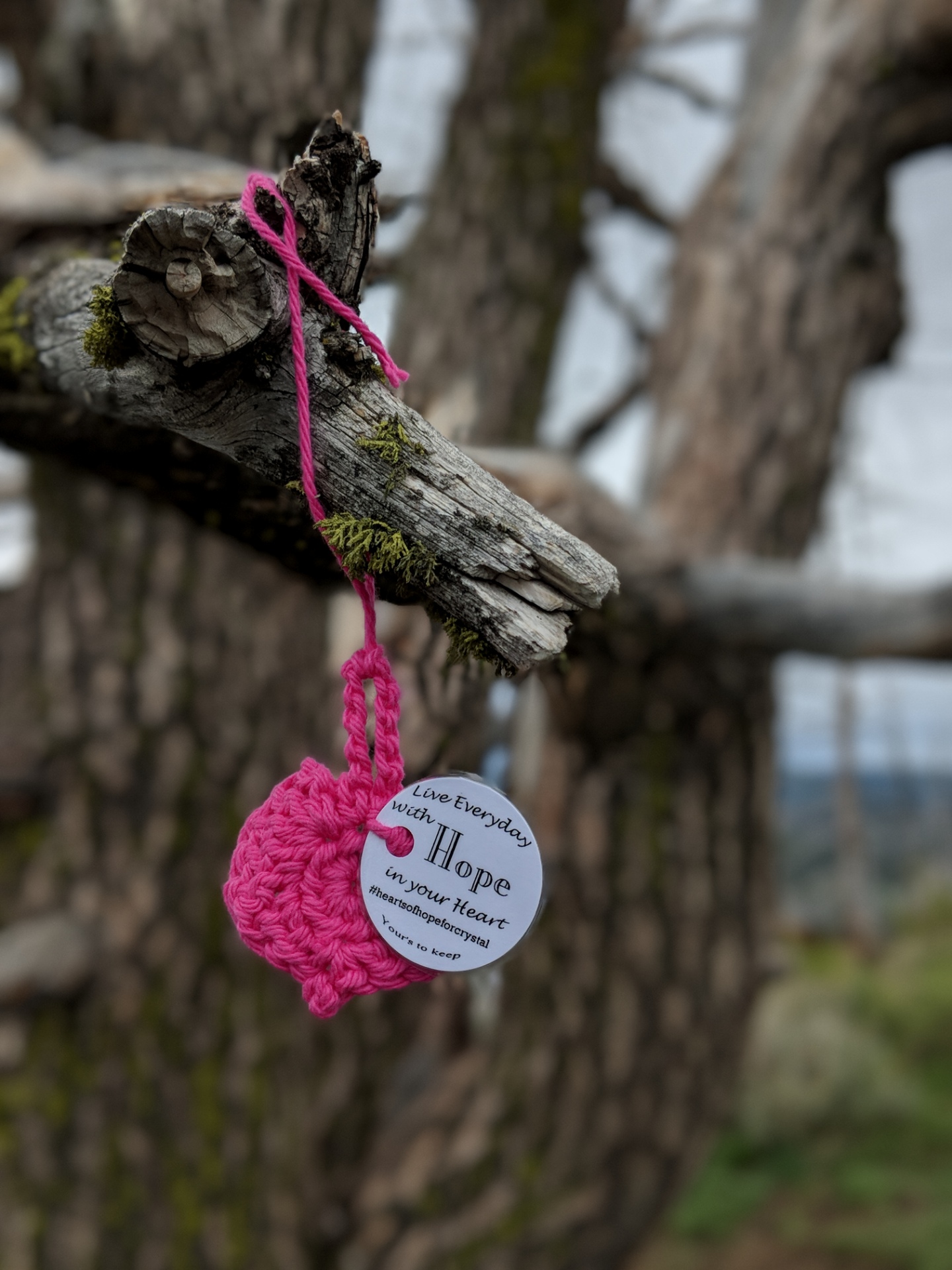
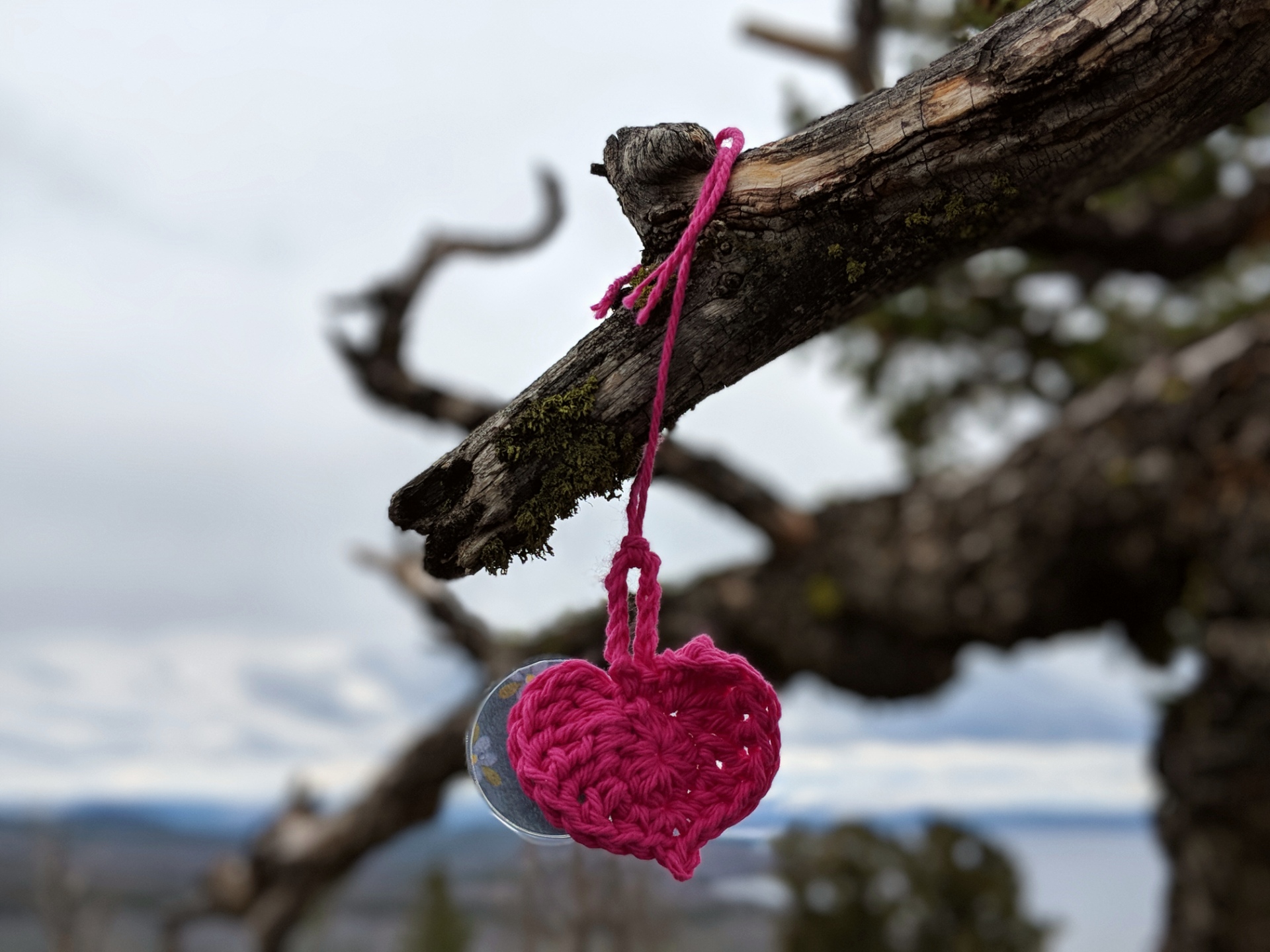
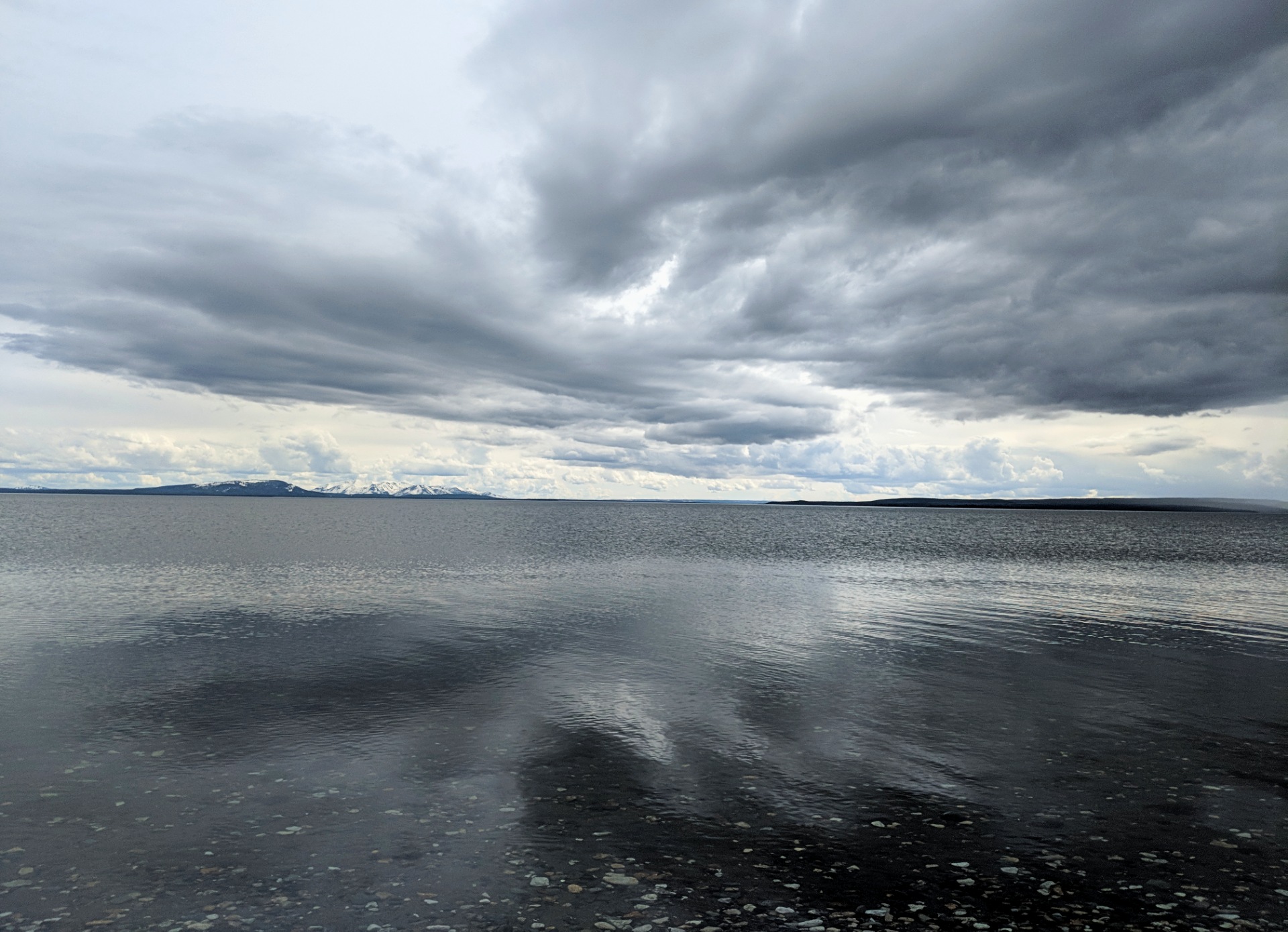
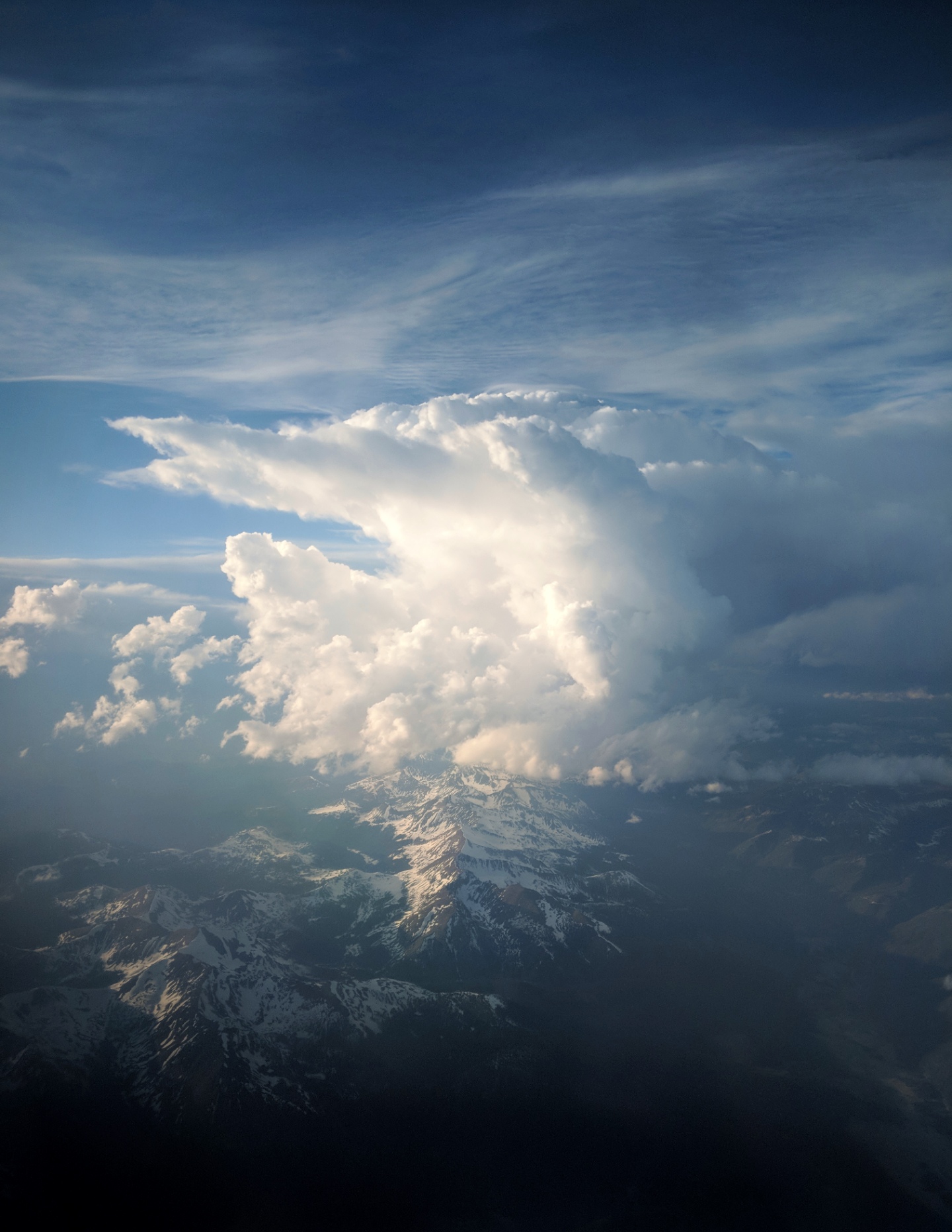
Spring rather, springled with snow as we drove on Highway 20 (which is actually closed in winter). Admiring the view from Lake Butte over the Yellowstone Lake. There is a starck beauty around us, in this area that has been devastated by wildfire. Yet Hope, is always the last to die.
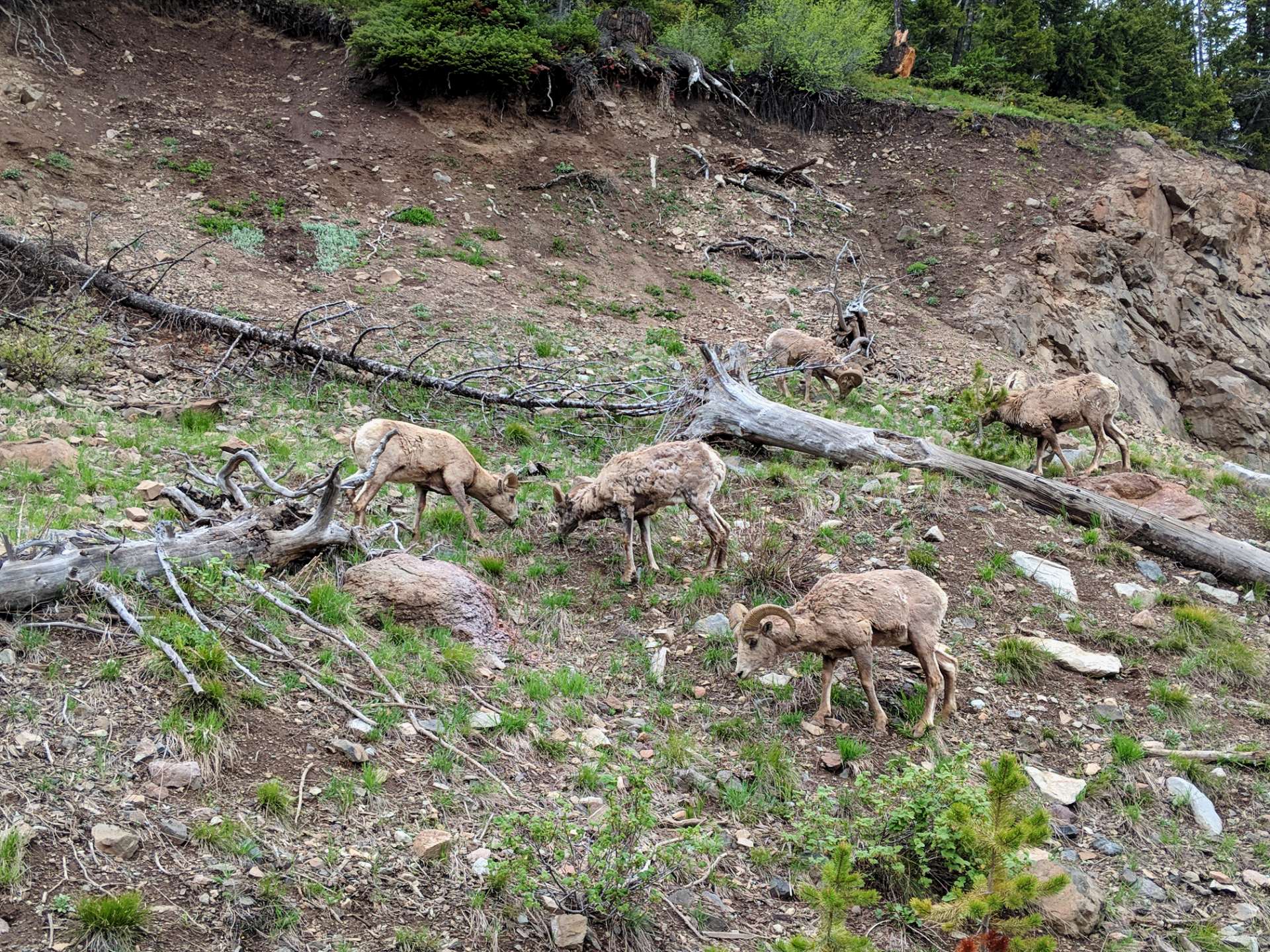
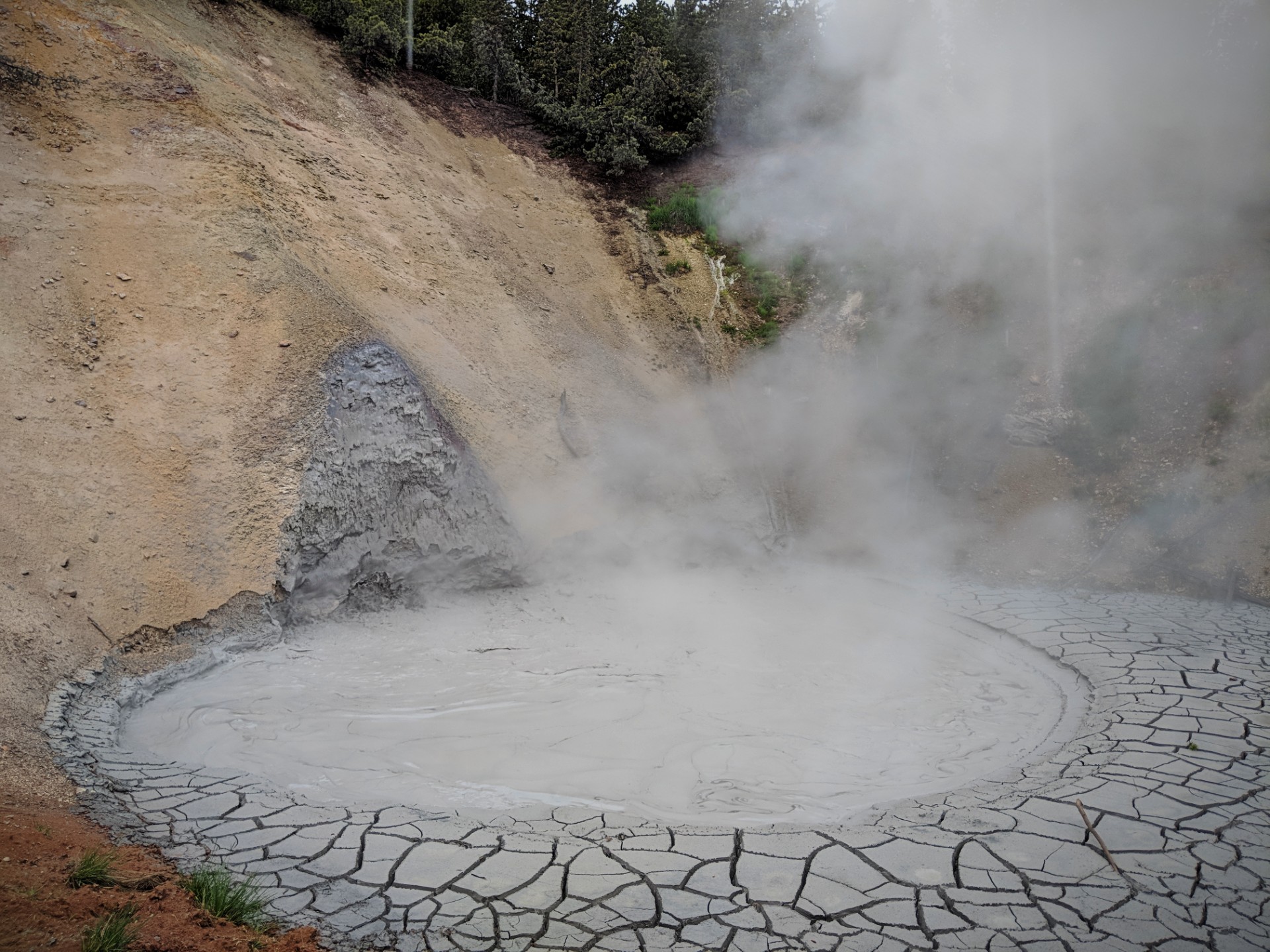
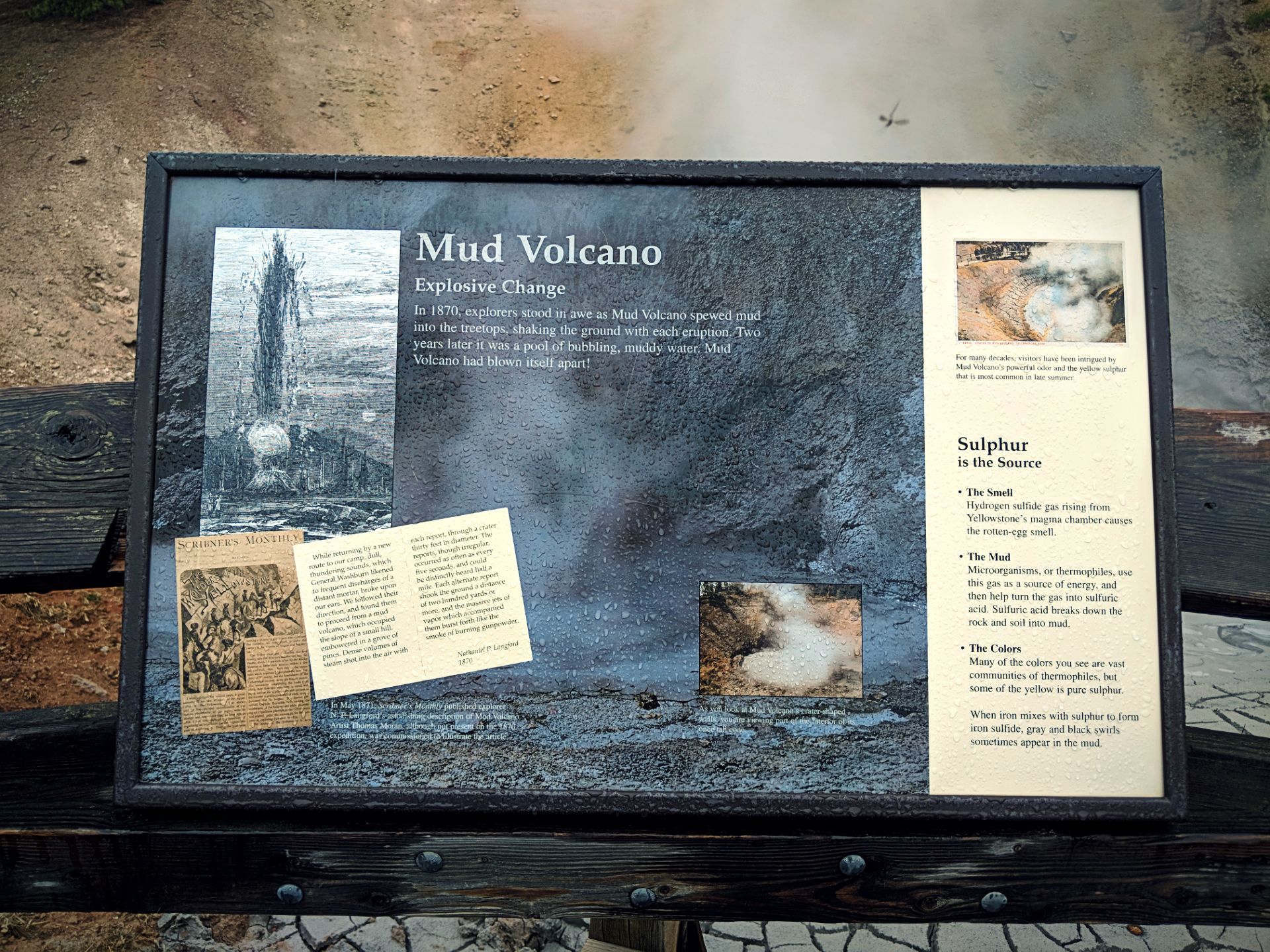
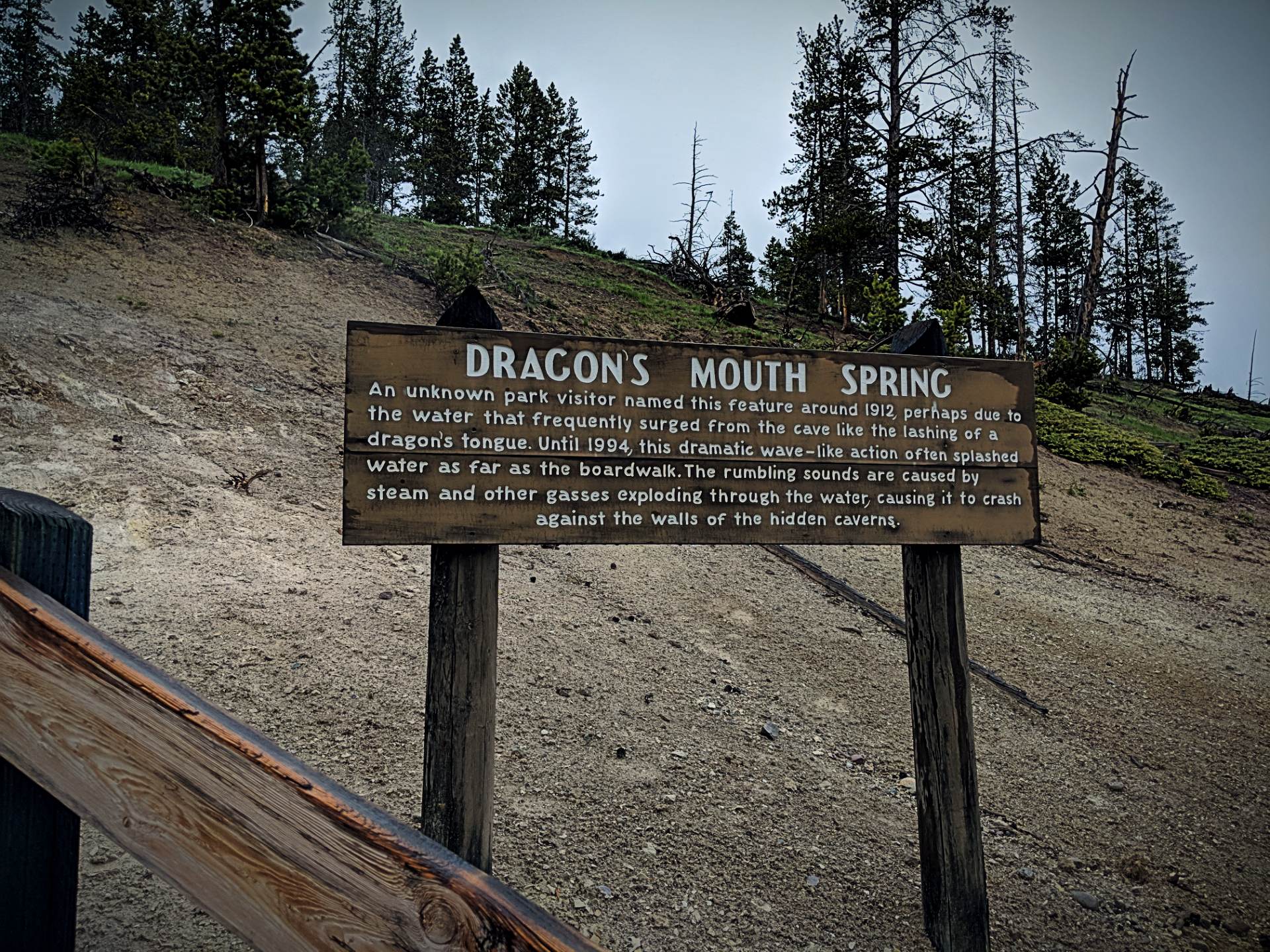
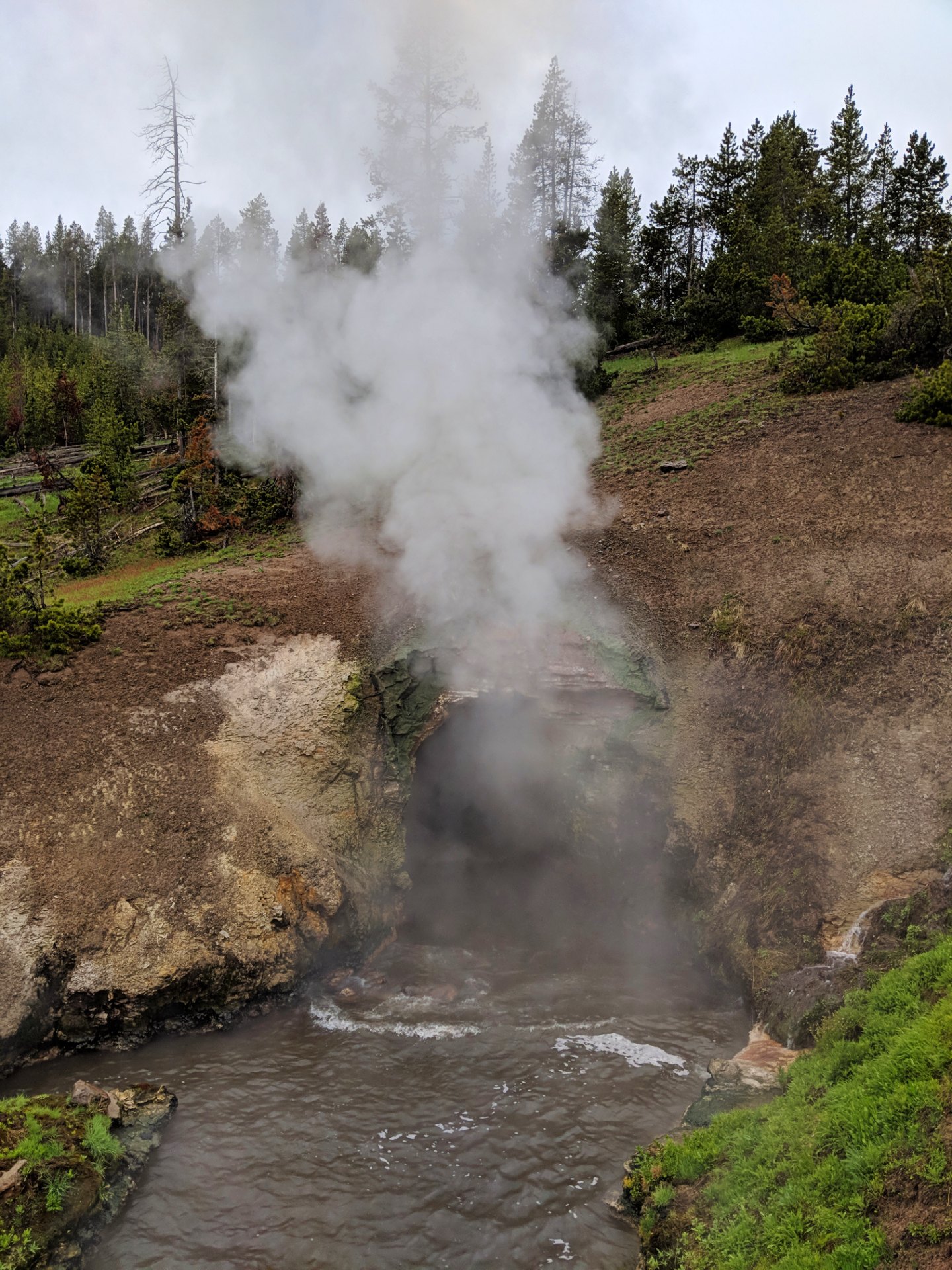
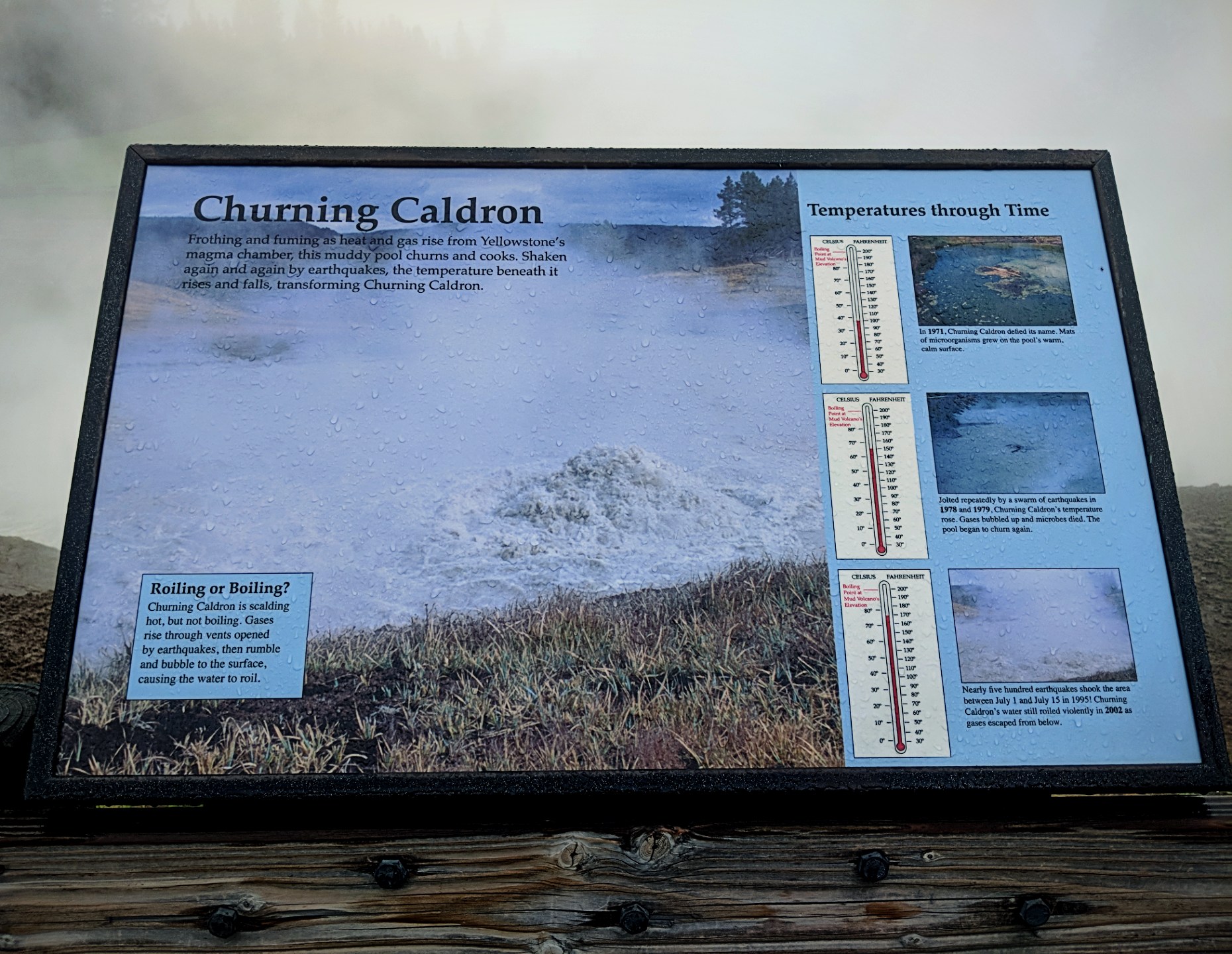
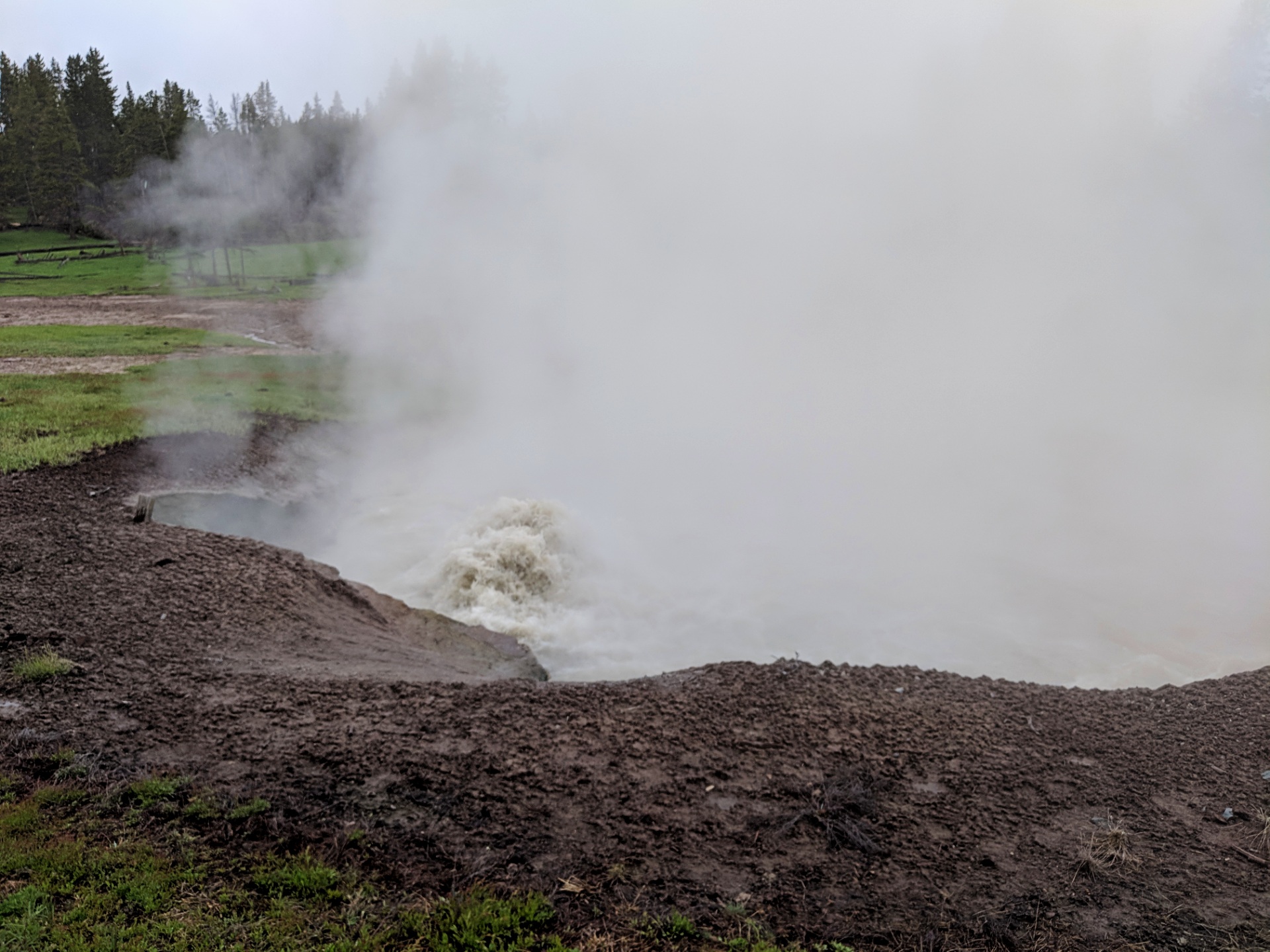
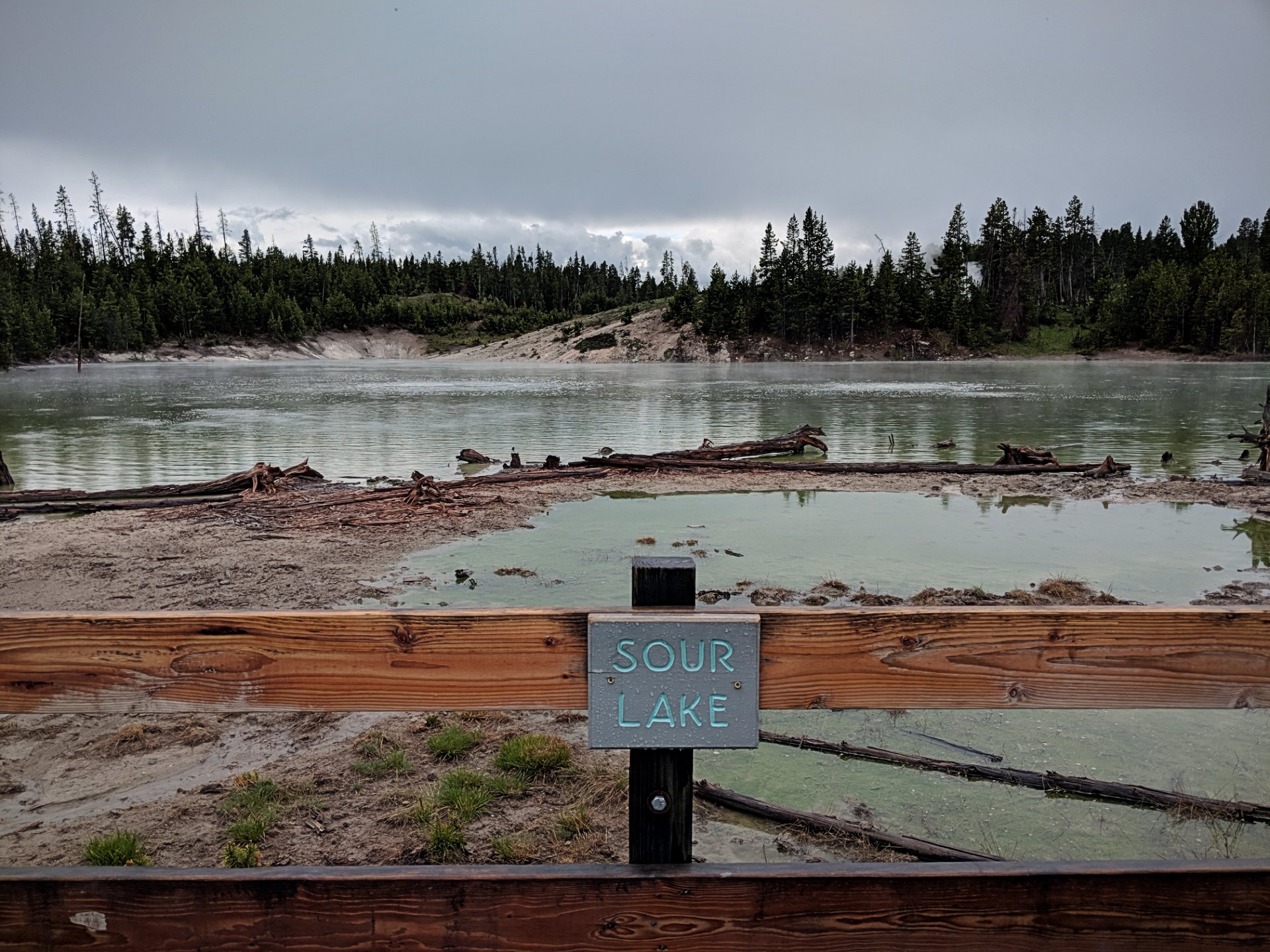
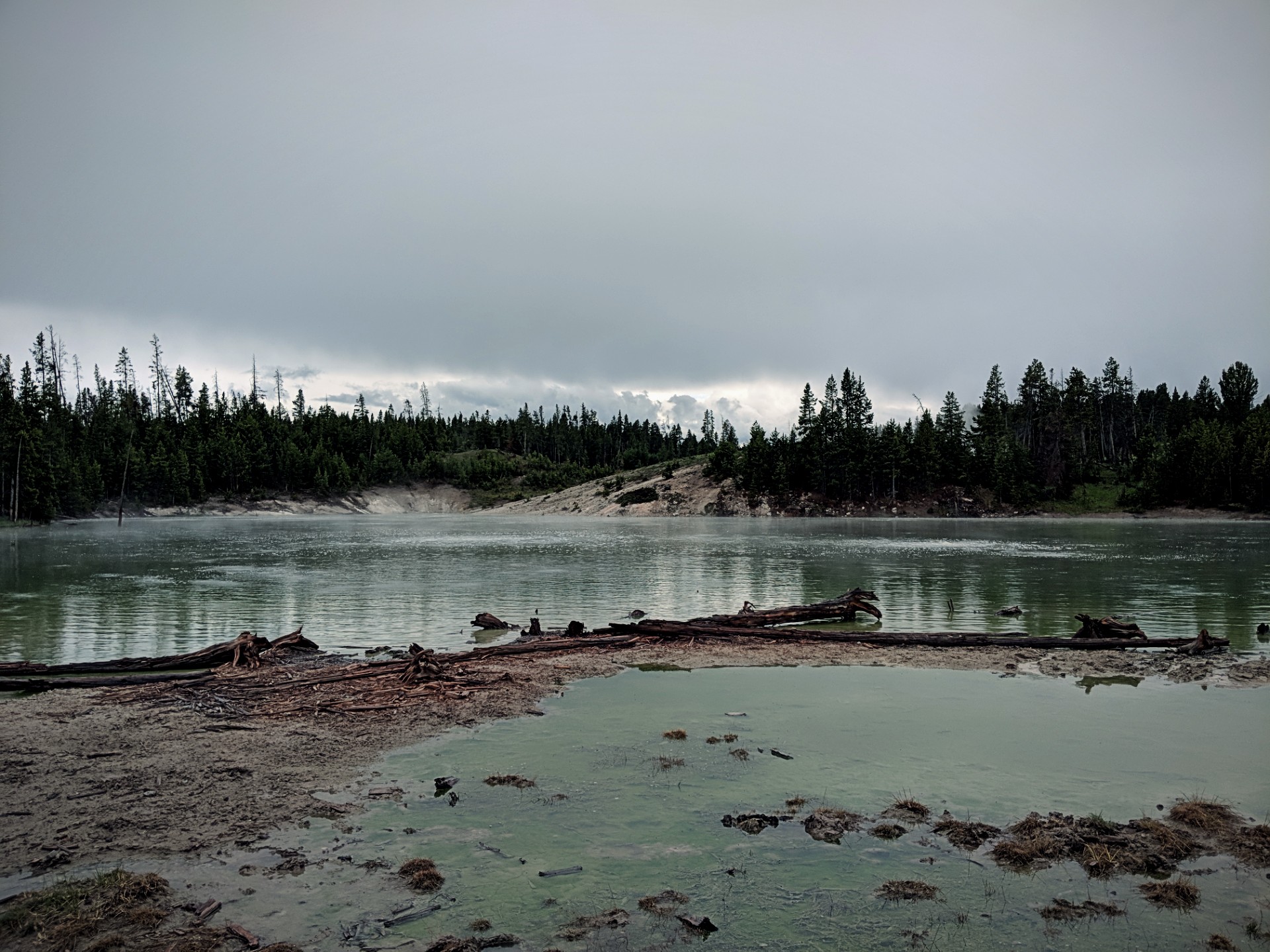
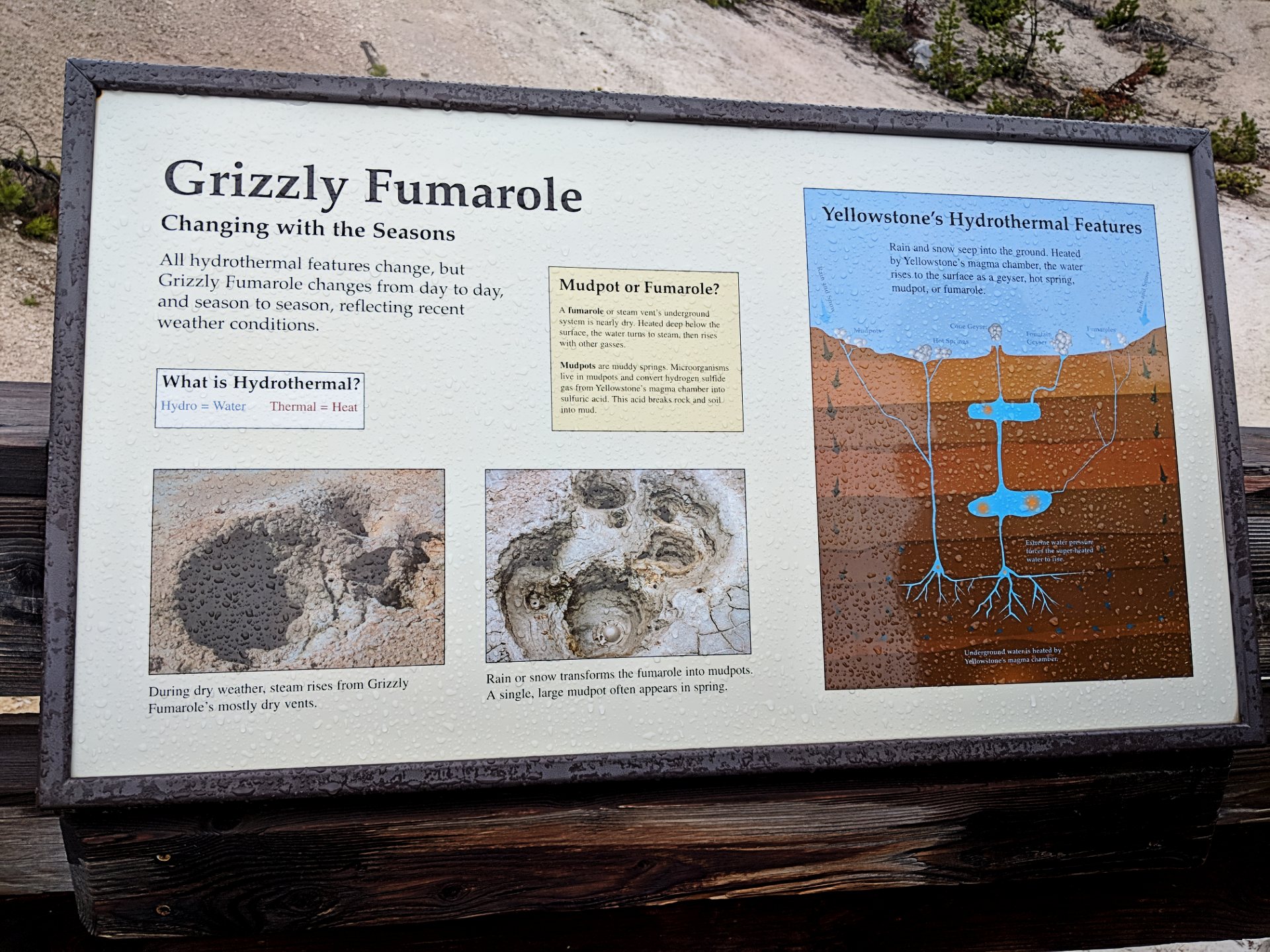
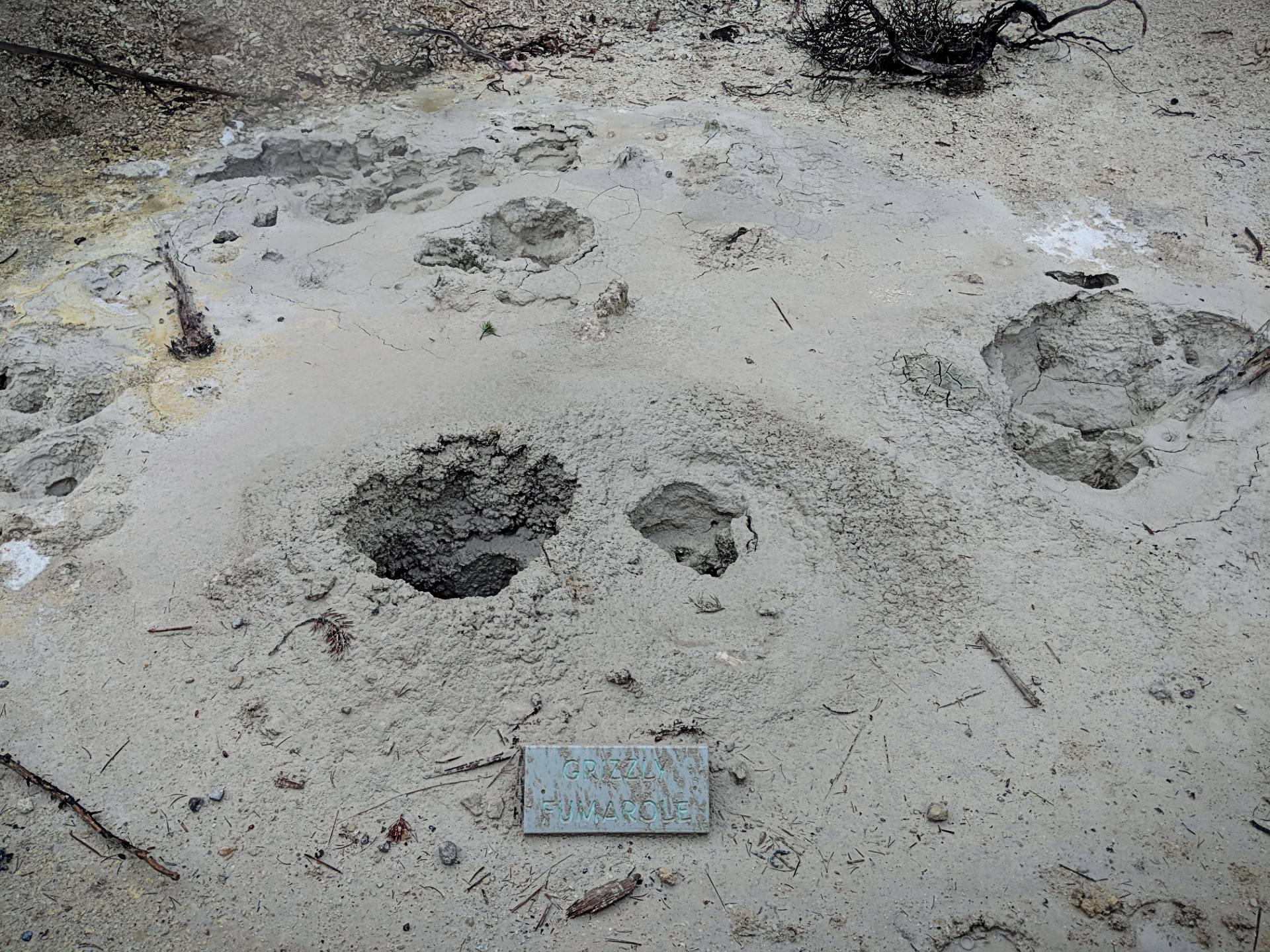
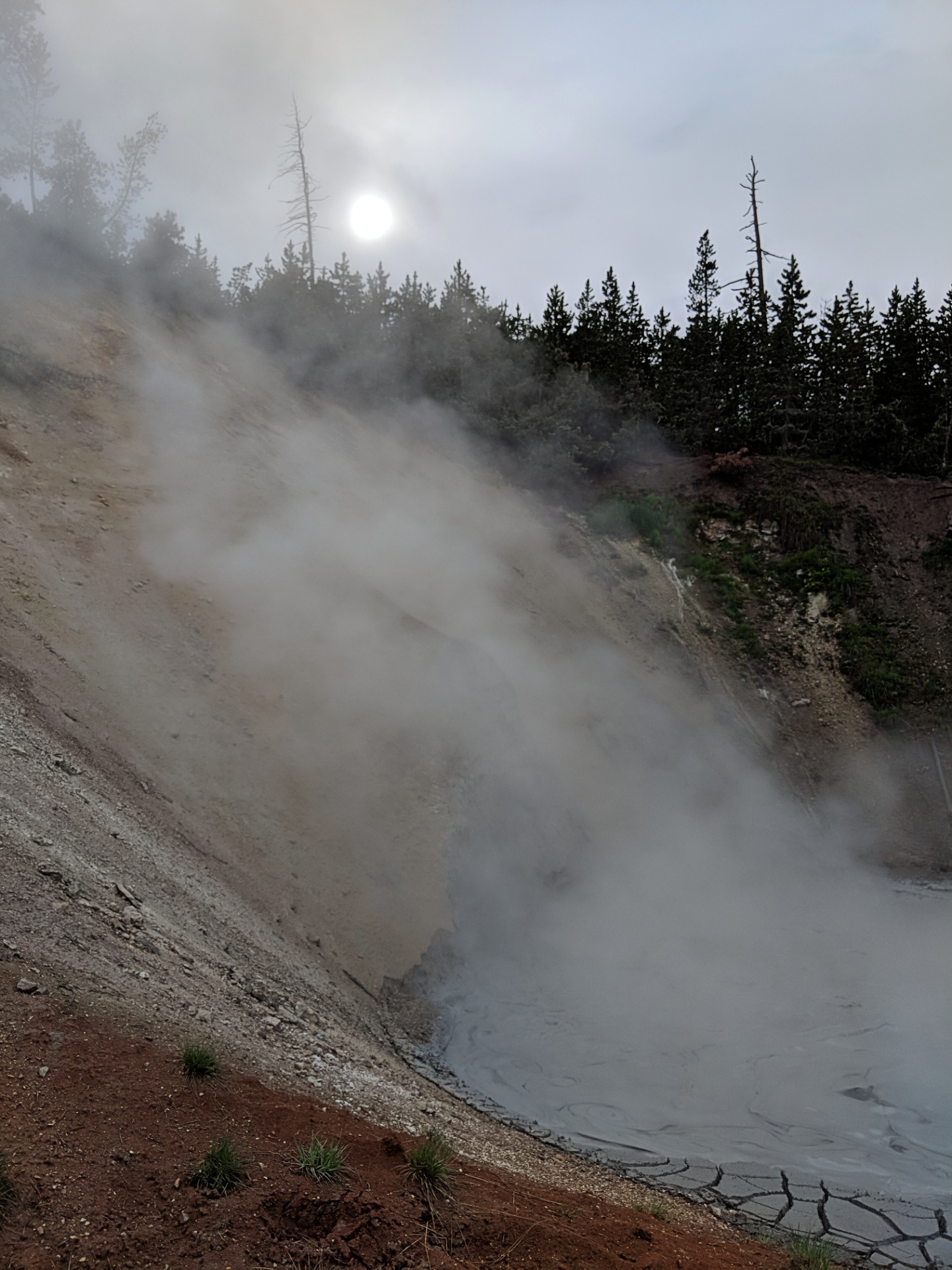
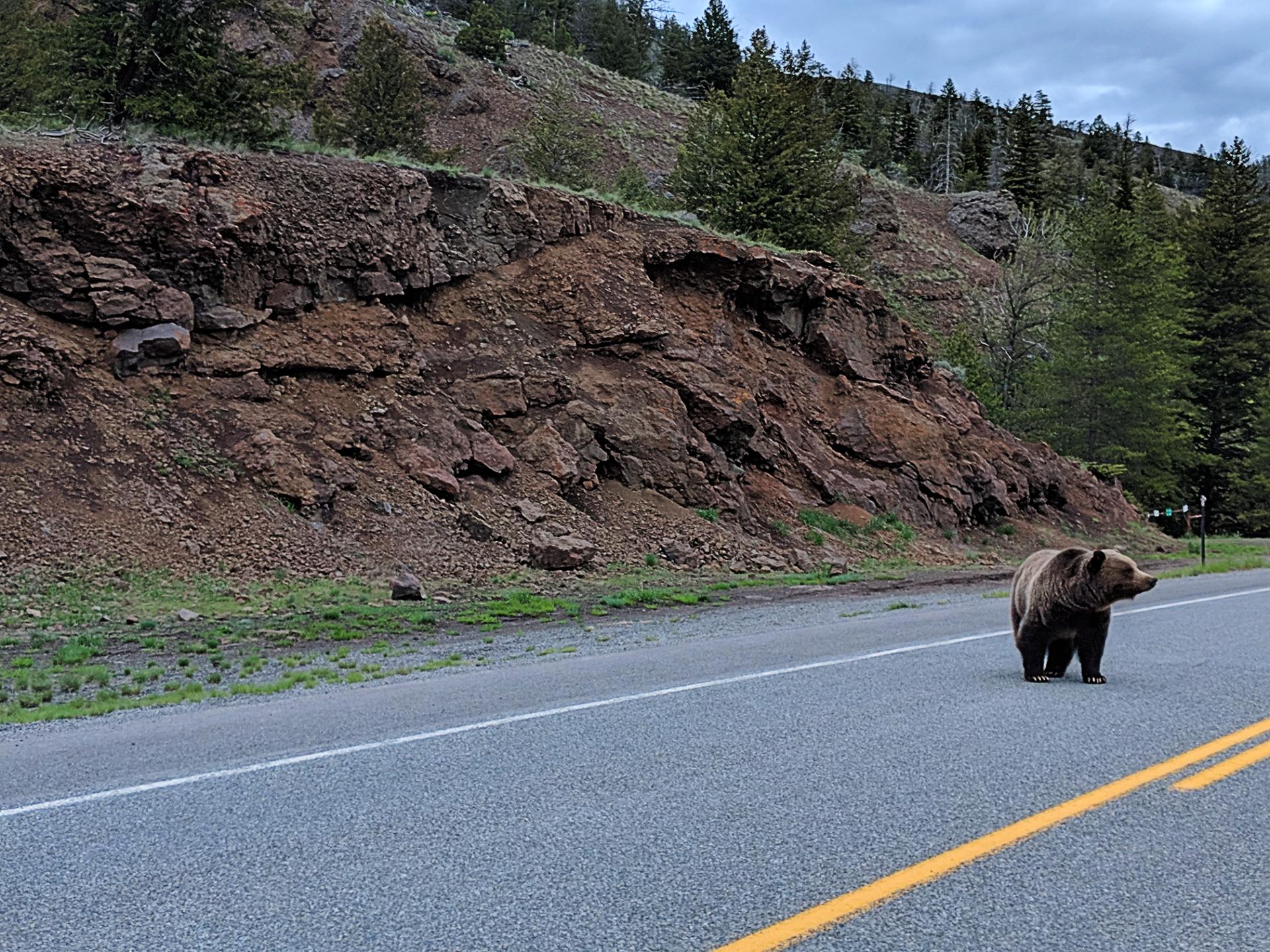
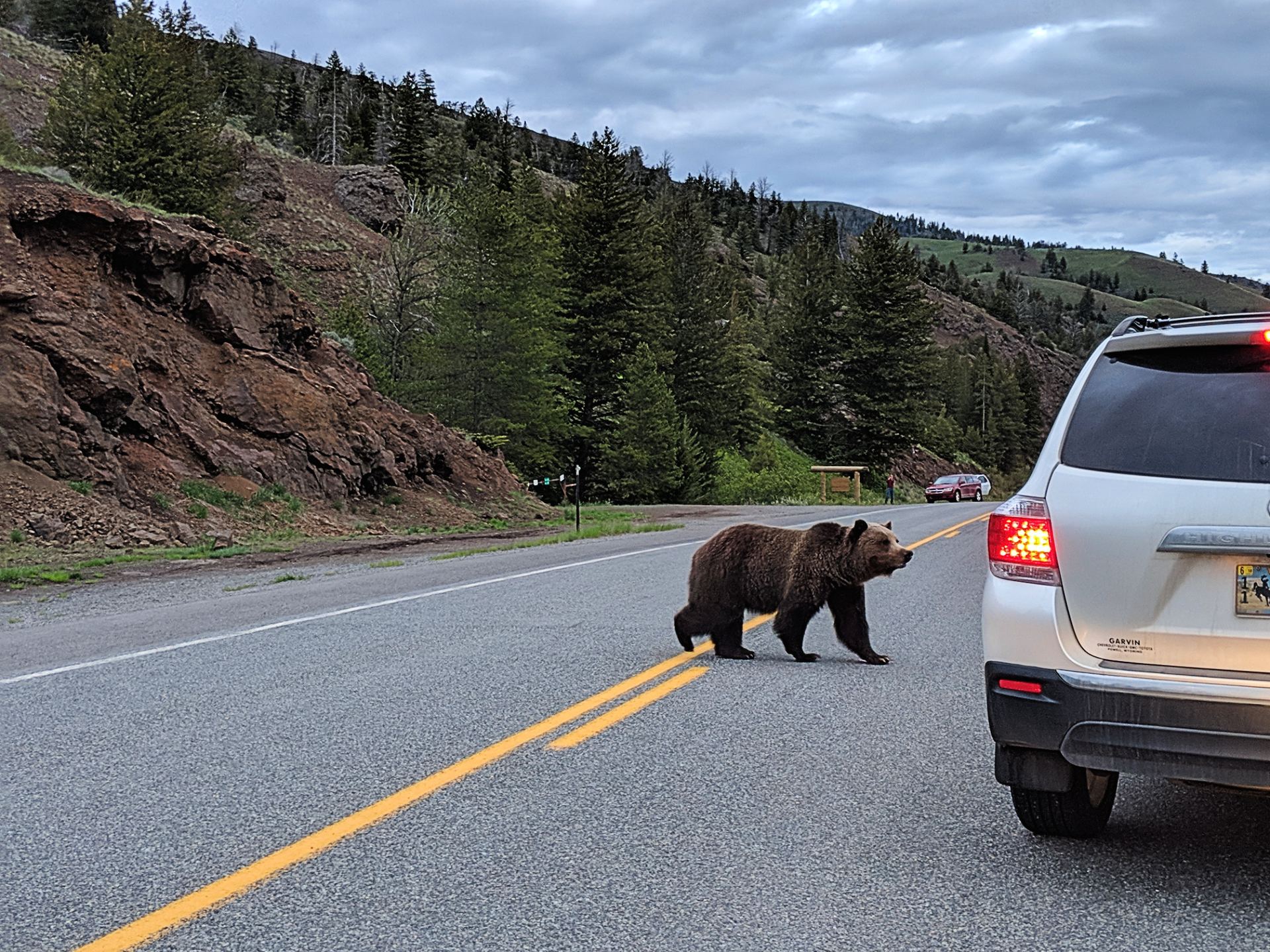
There’s been wildlife. There’s been gurgling and bubbling coming from deep down the bowels of the Earth. There’s been a lot of steam. There’ve been close encounters – too close for comfort. And that was just part of the first day in Yellowstone!
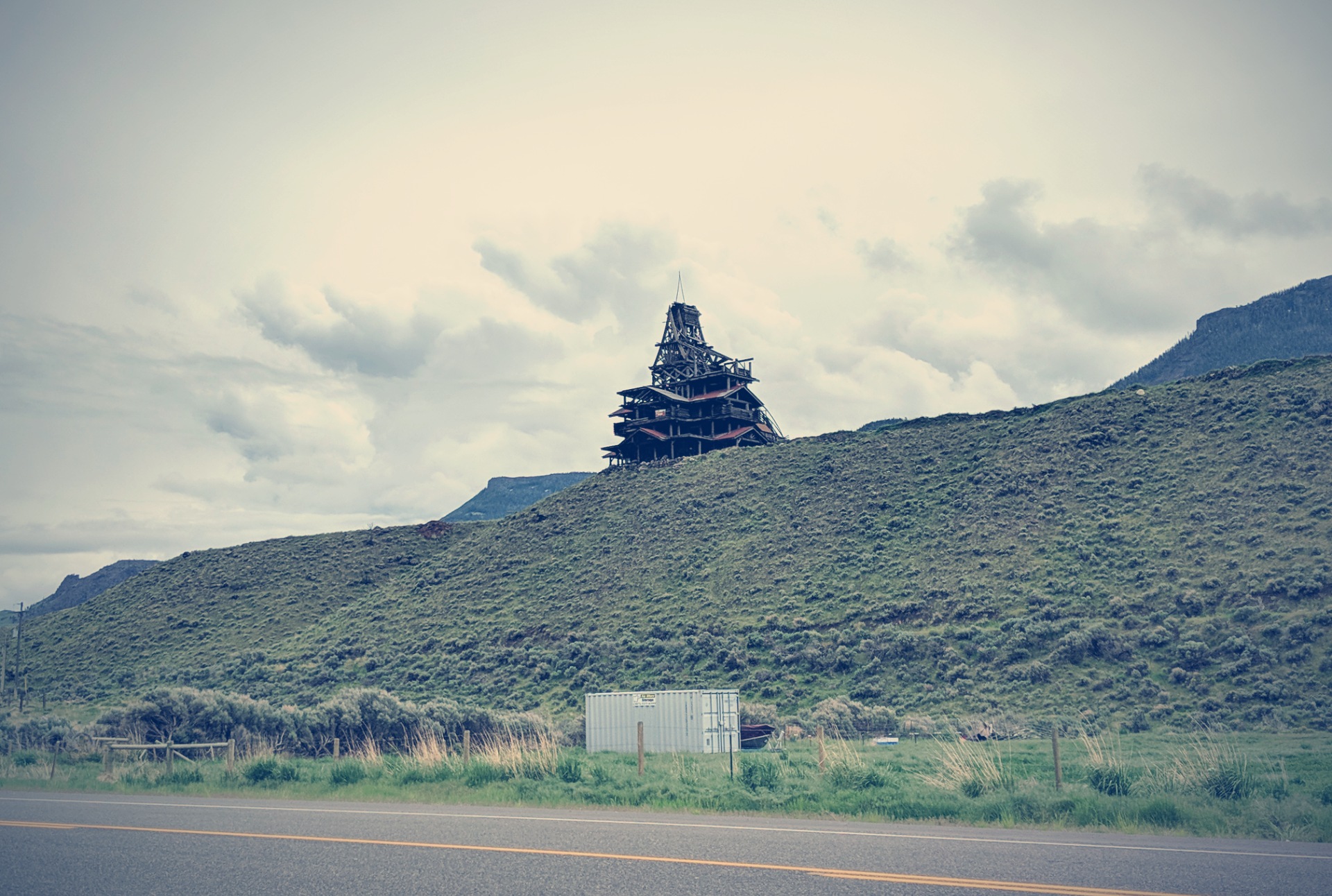
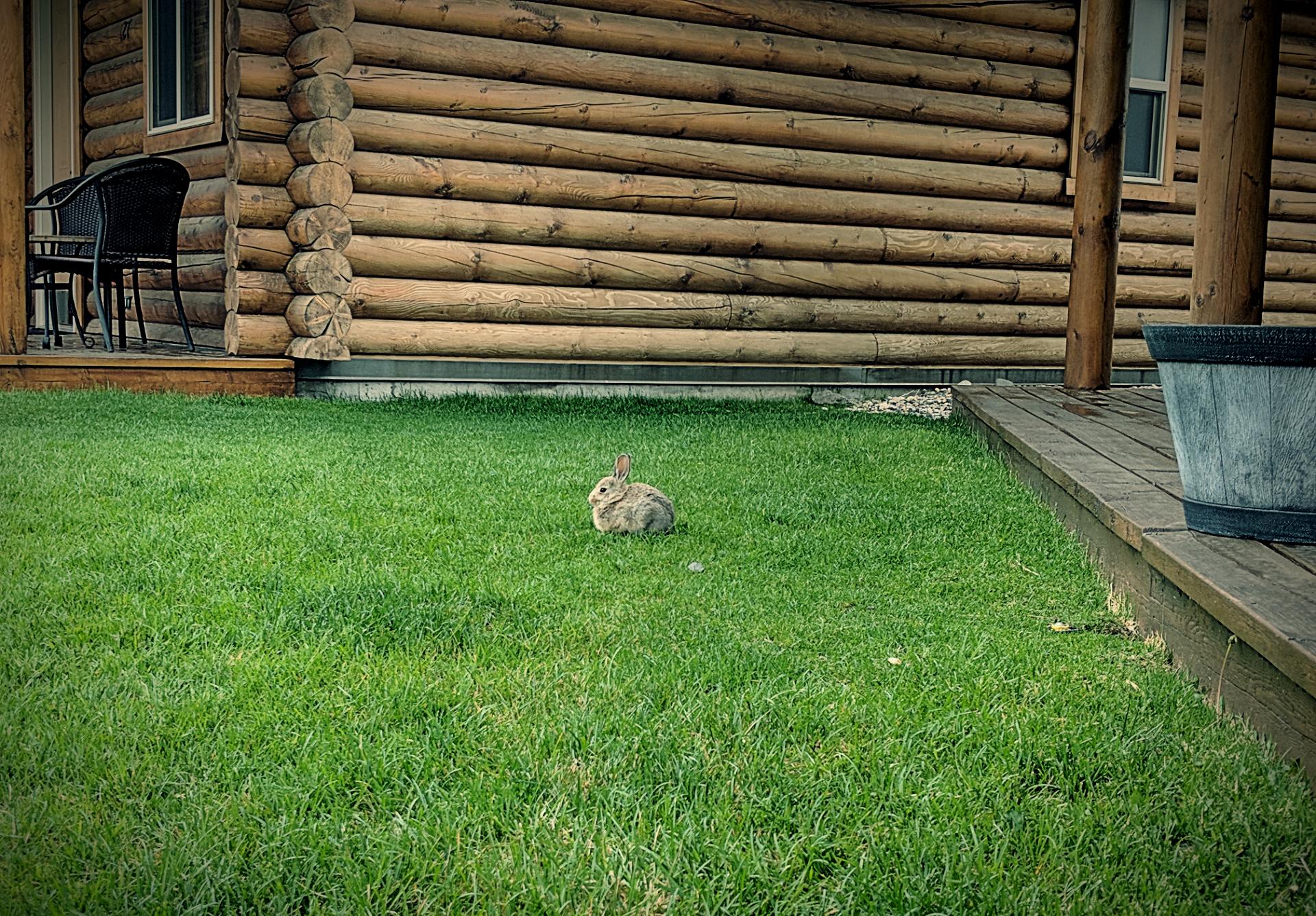
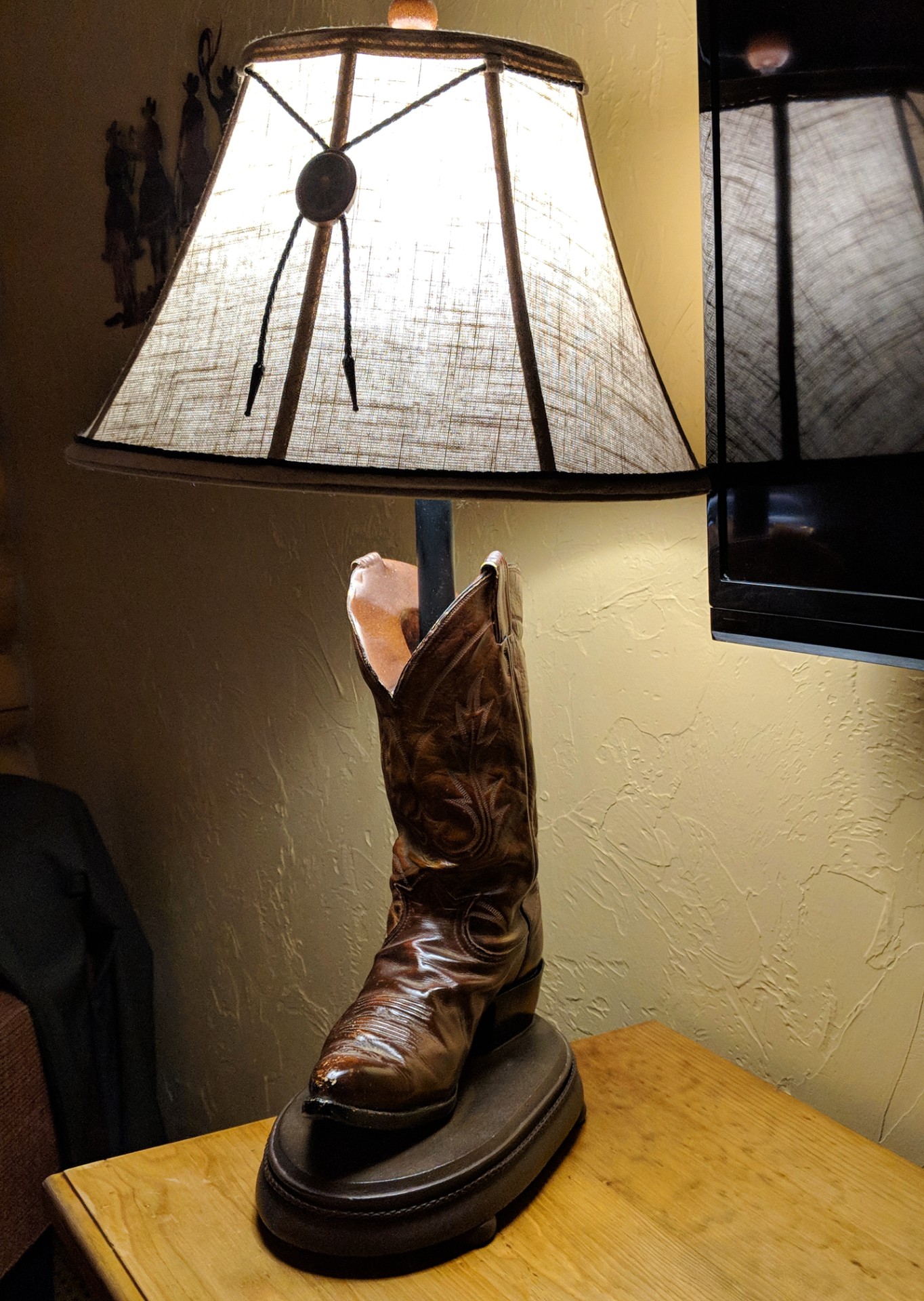
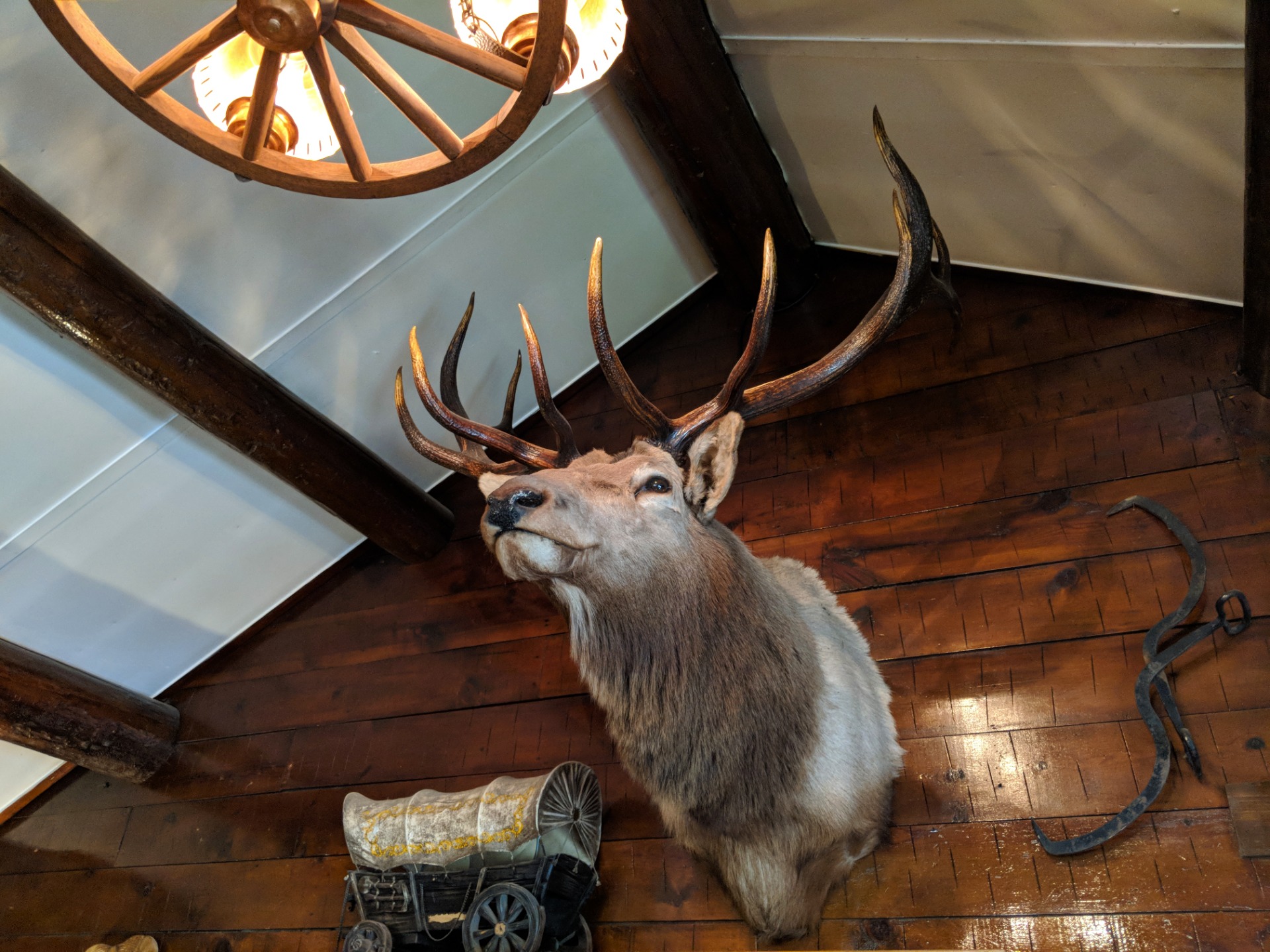
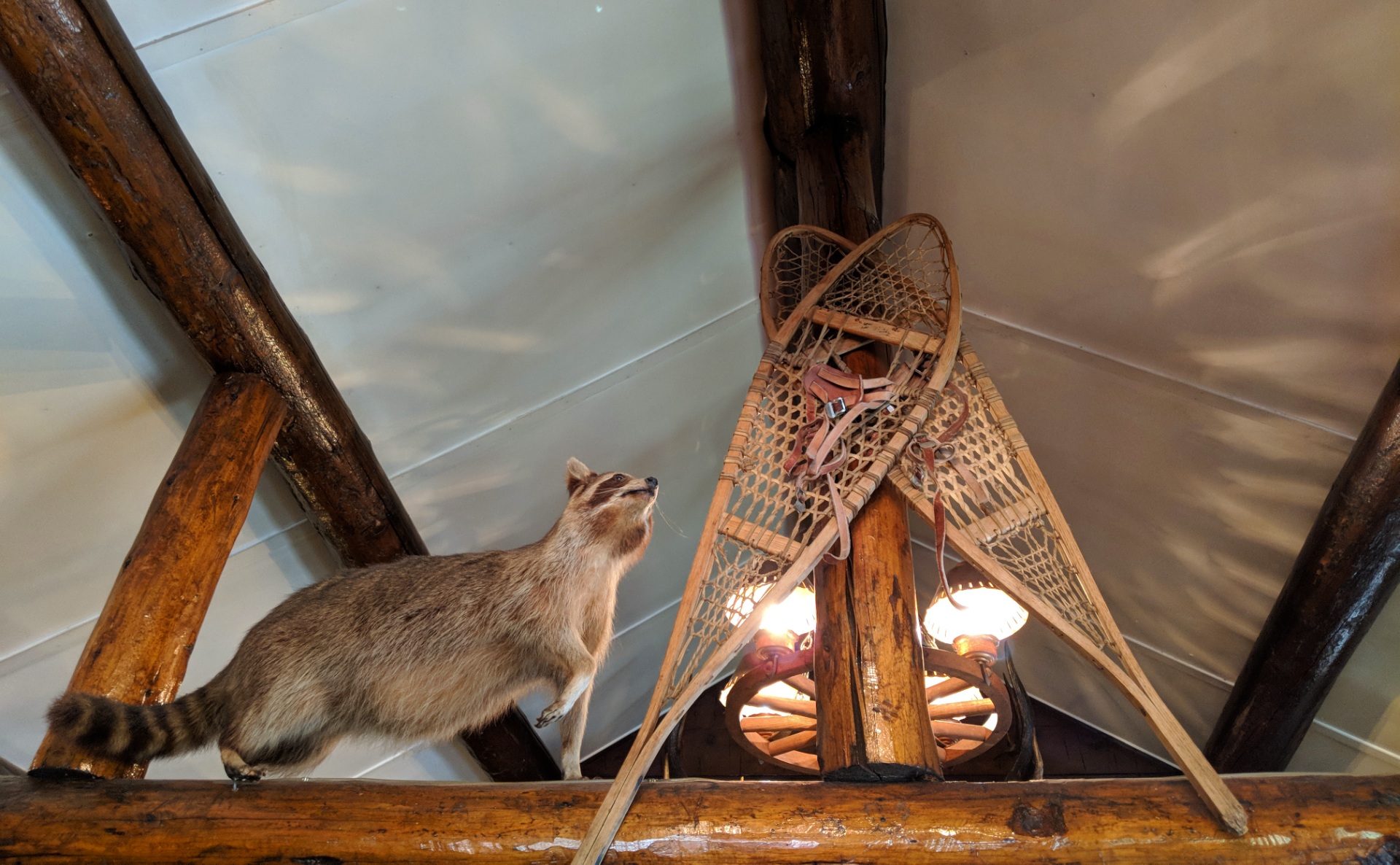
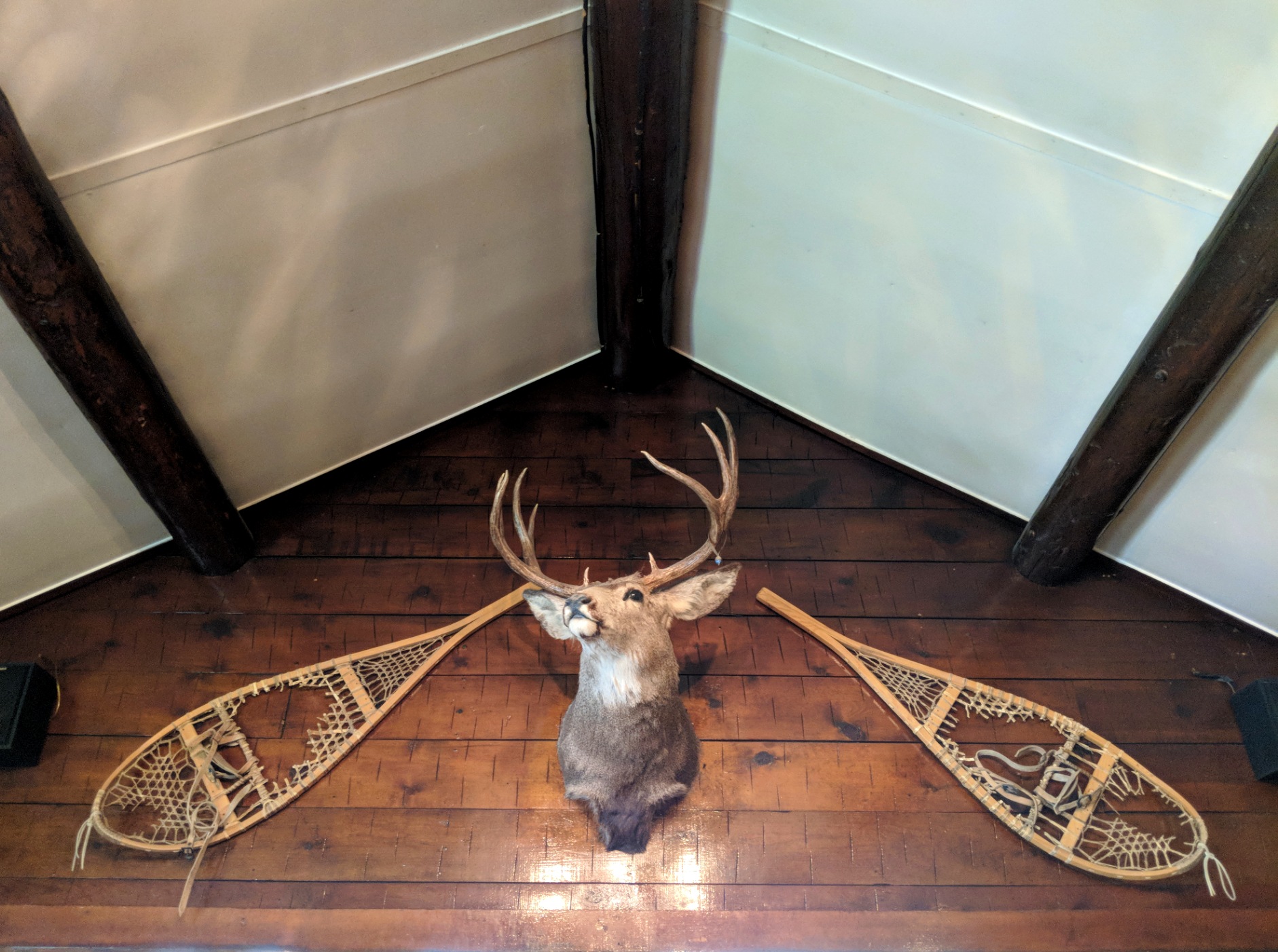
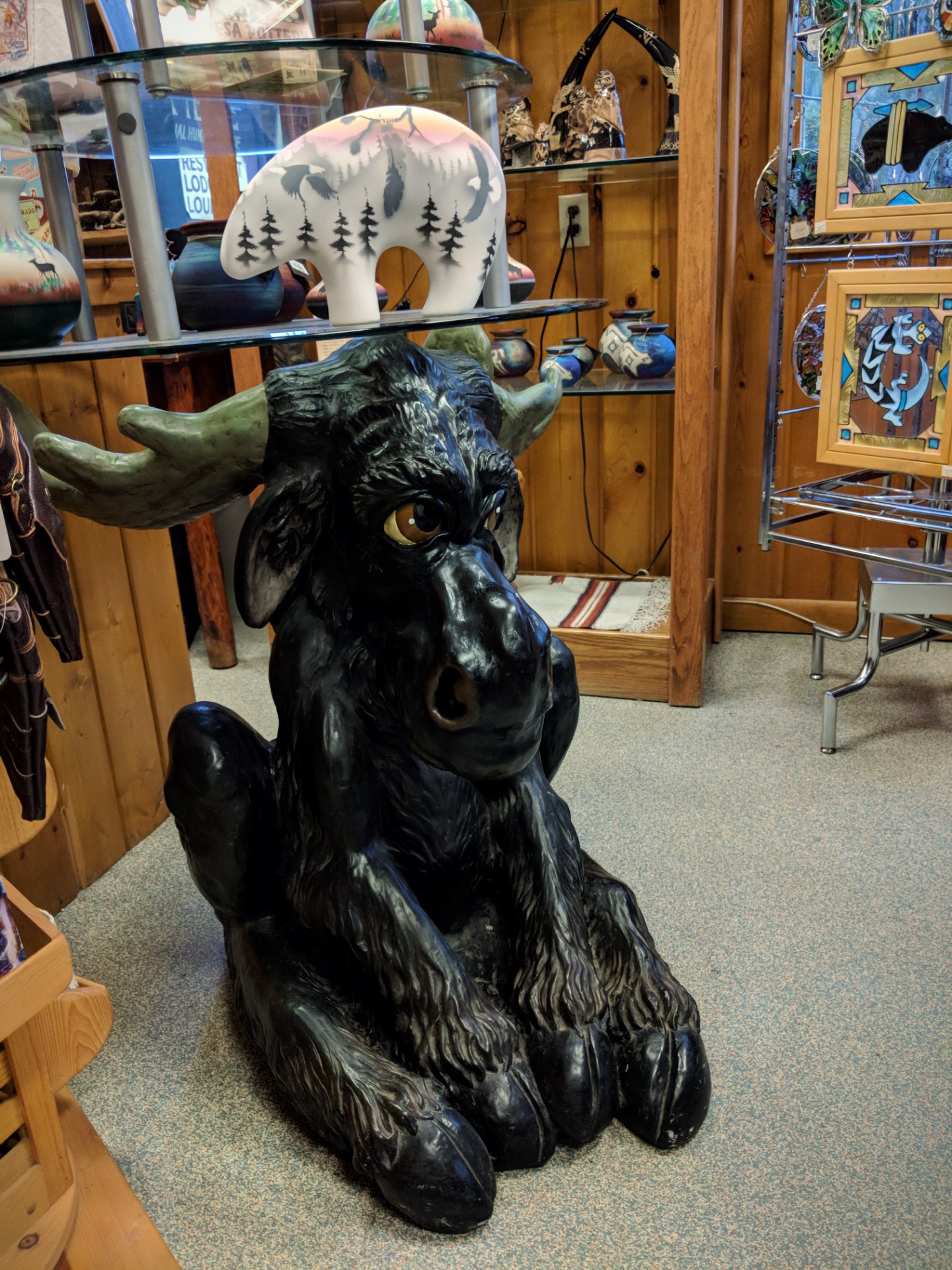
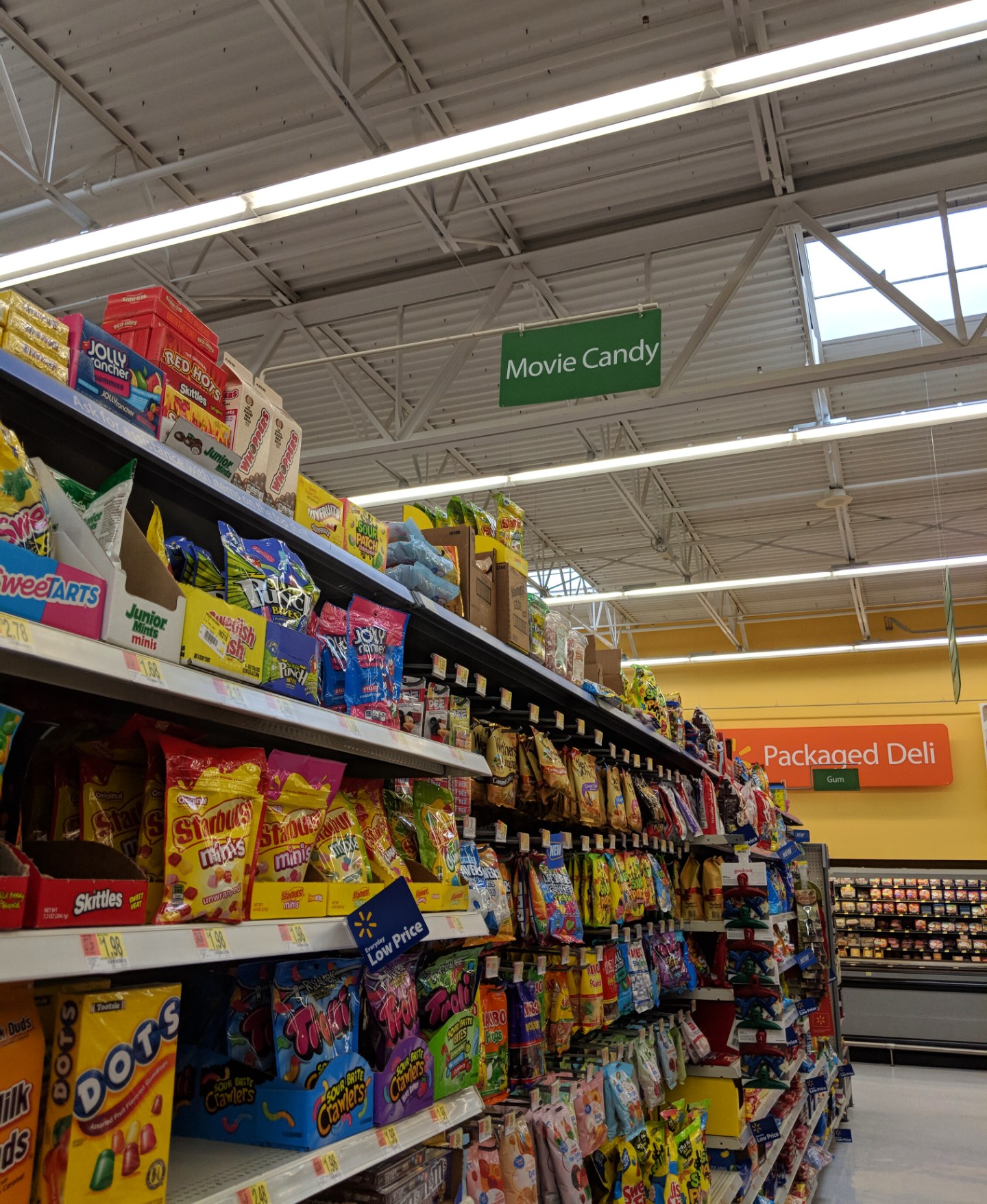
The coming days will be all about wildlife and nature’s wonders and incredible landscapes, here on the Humble Fabulist; but first – first impressions: bunnies and boot lamps, stuffed animals, americana kitsch and rows upon rows of movie candy in the local supermarket. No matter where you find yourself in the States, you are never too far away from candy.
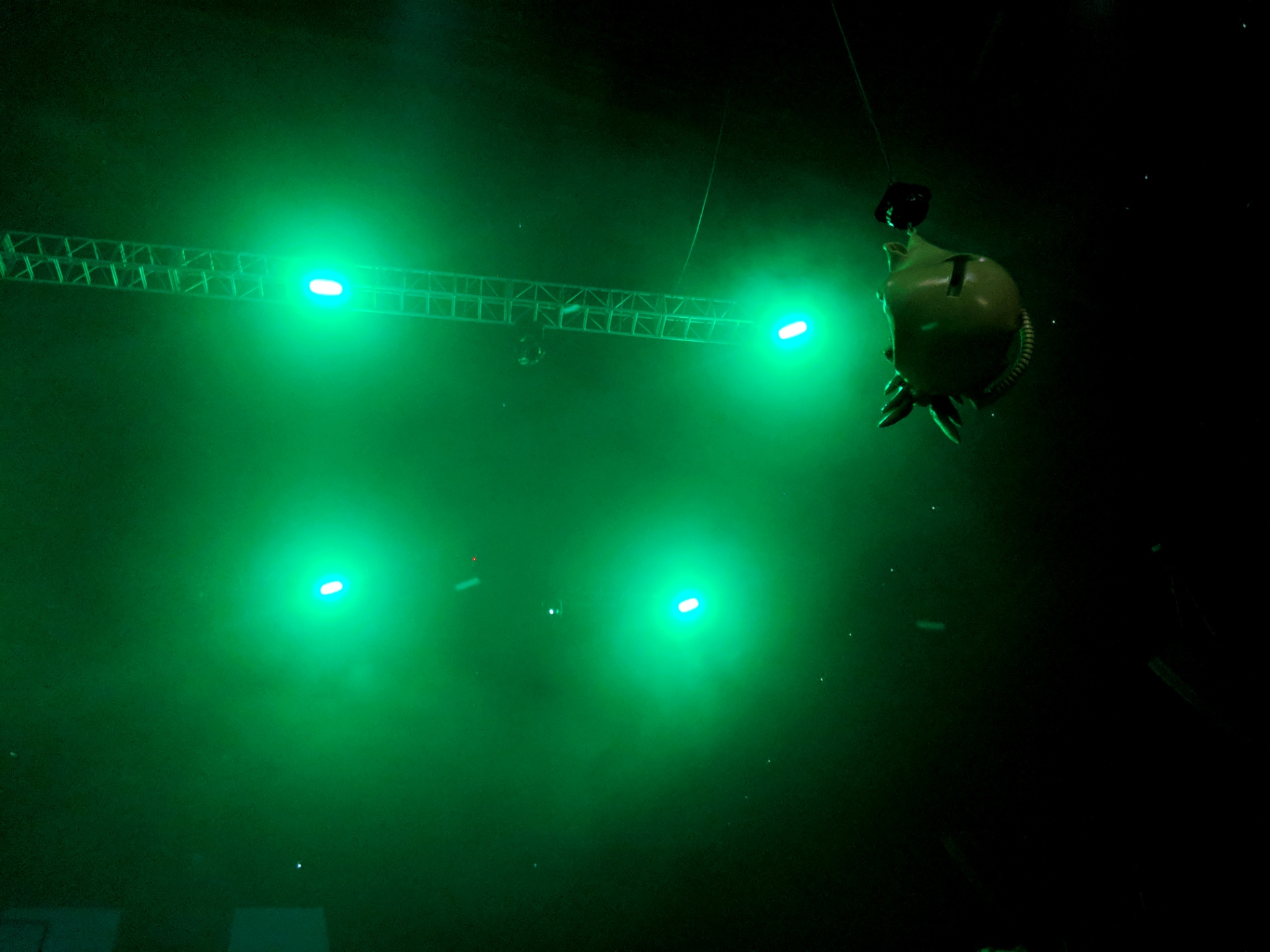
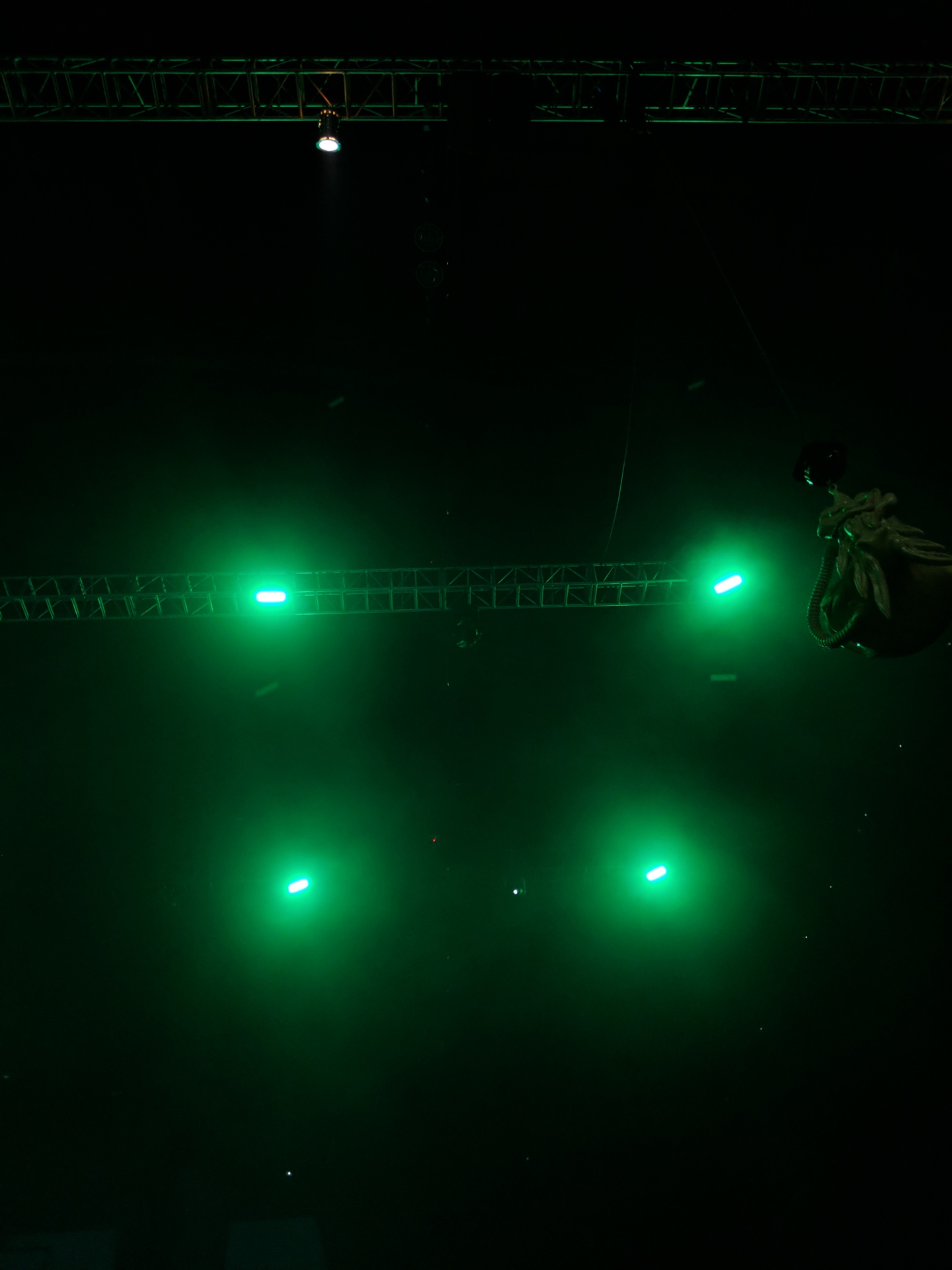
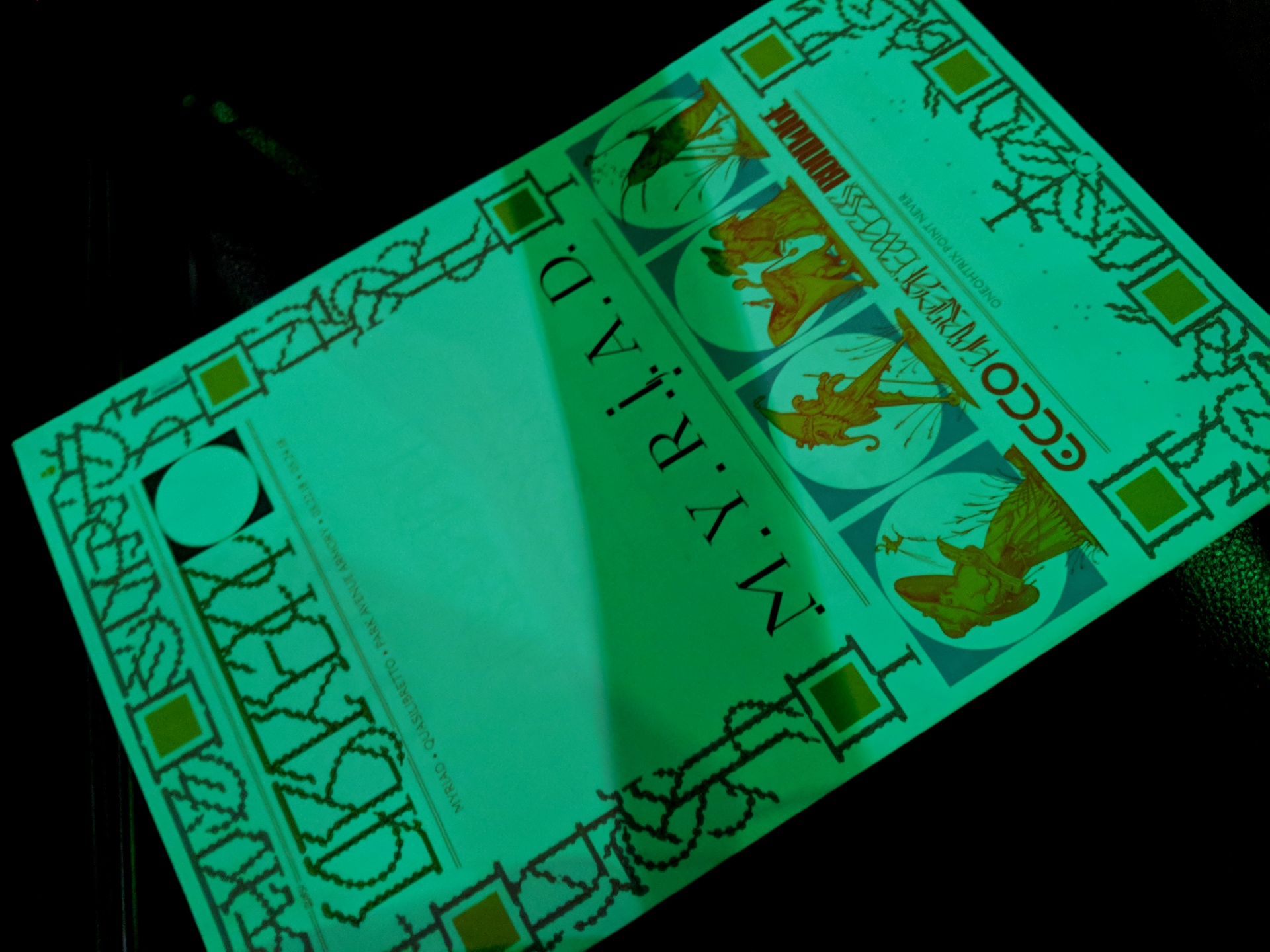
Immersing into one of Oneohtrix Point Never’s site-specific concertscapes. This one was his most ambitious yet, imagined from the perspective of an alien intelligence and was presented in Park Avenue Armory.
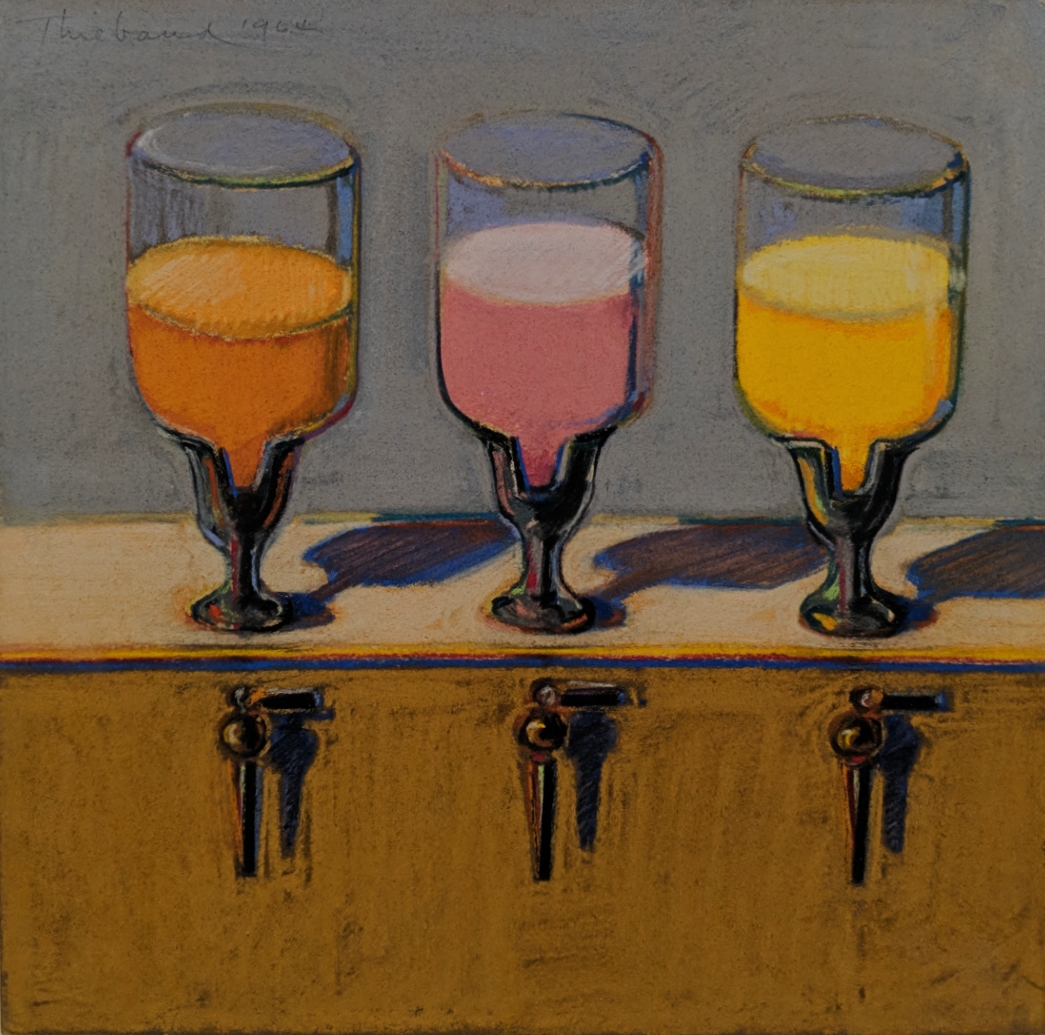
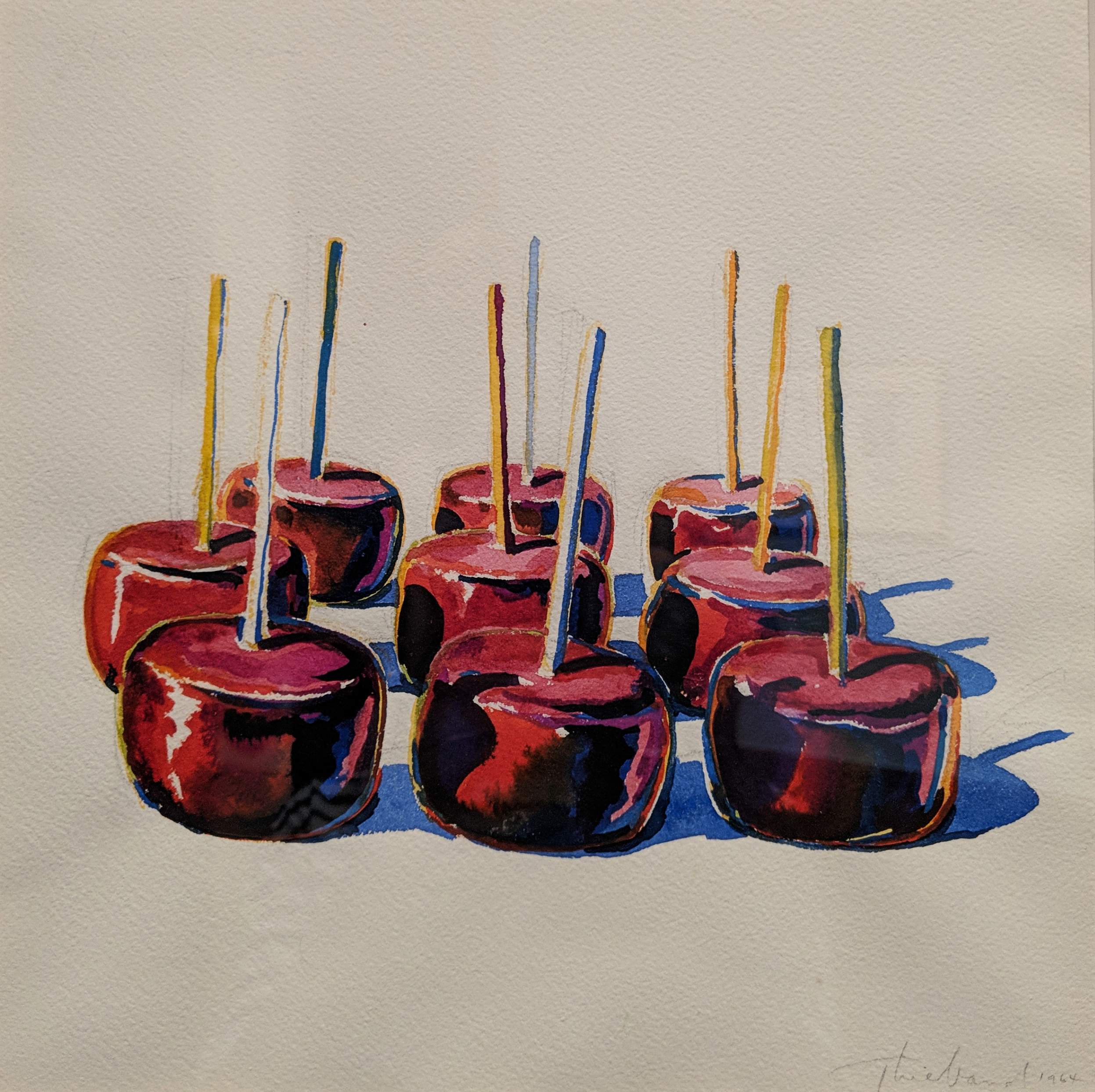
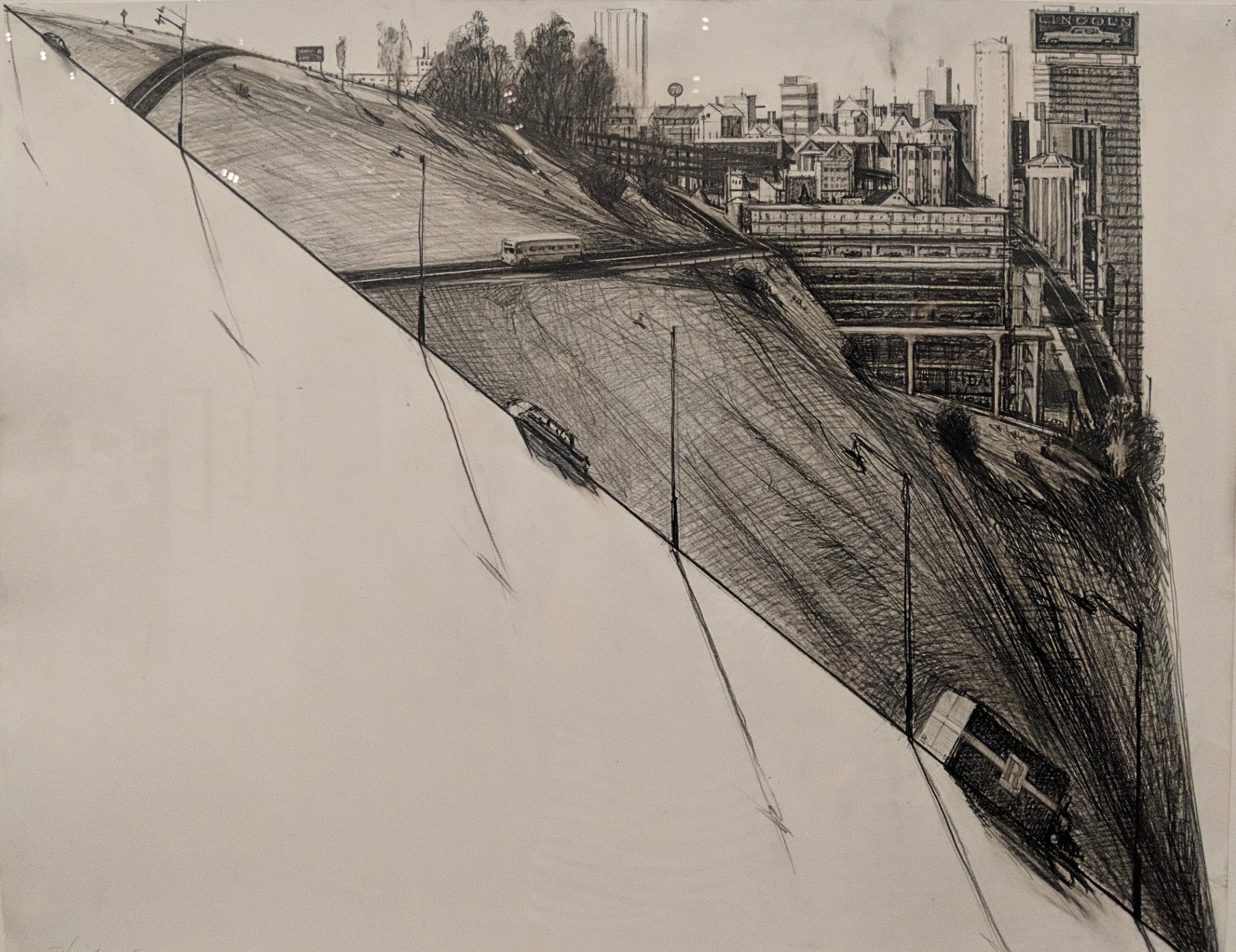
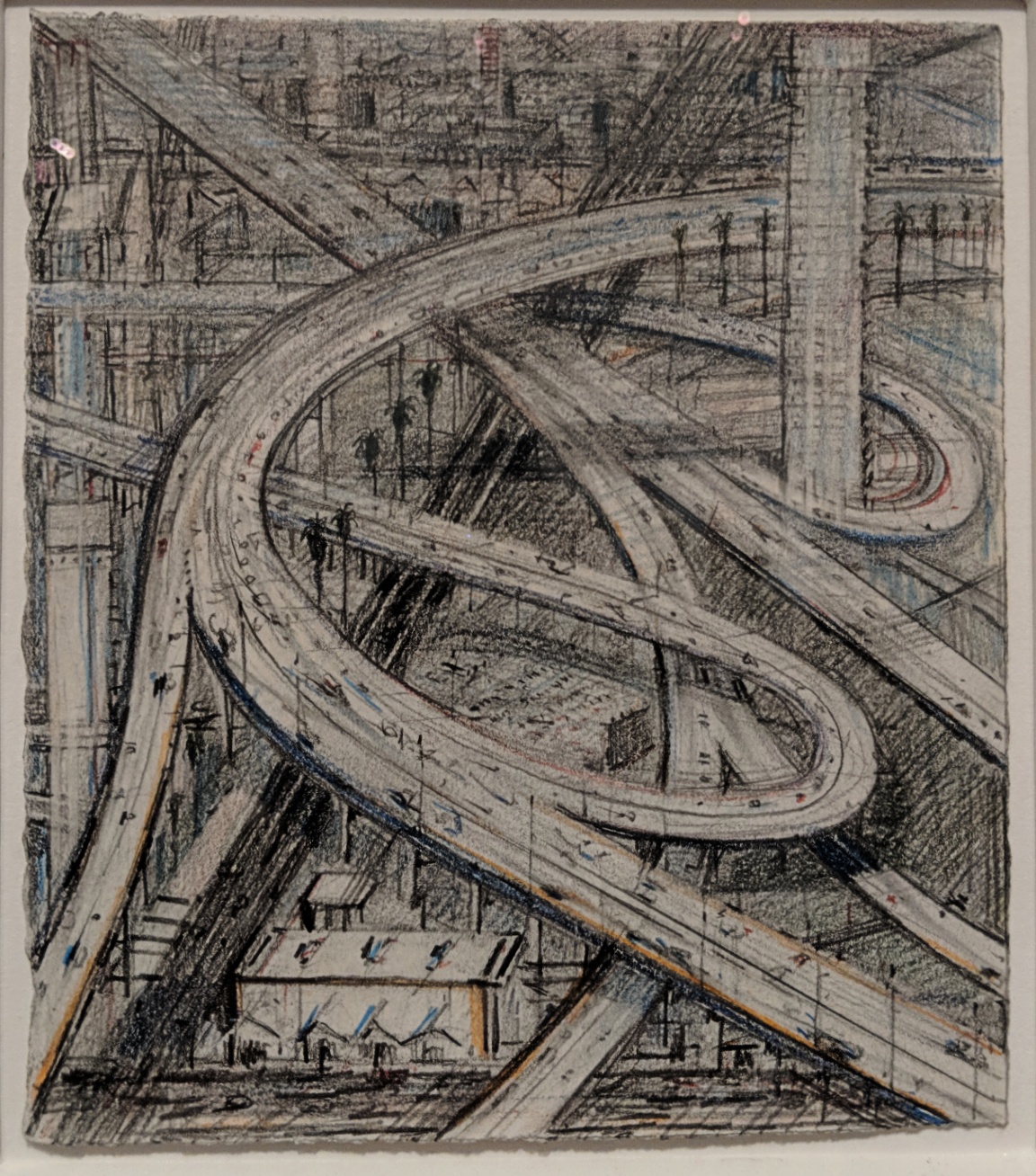
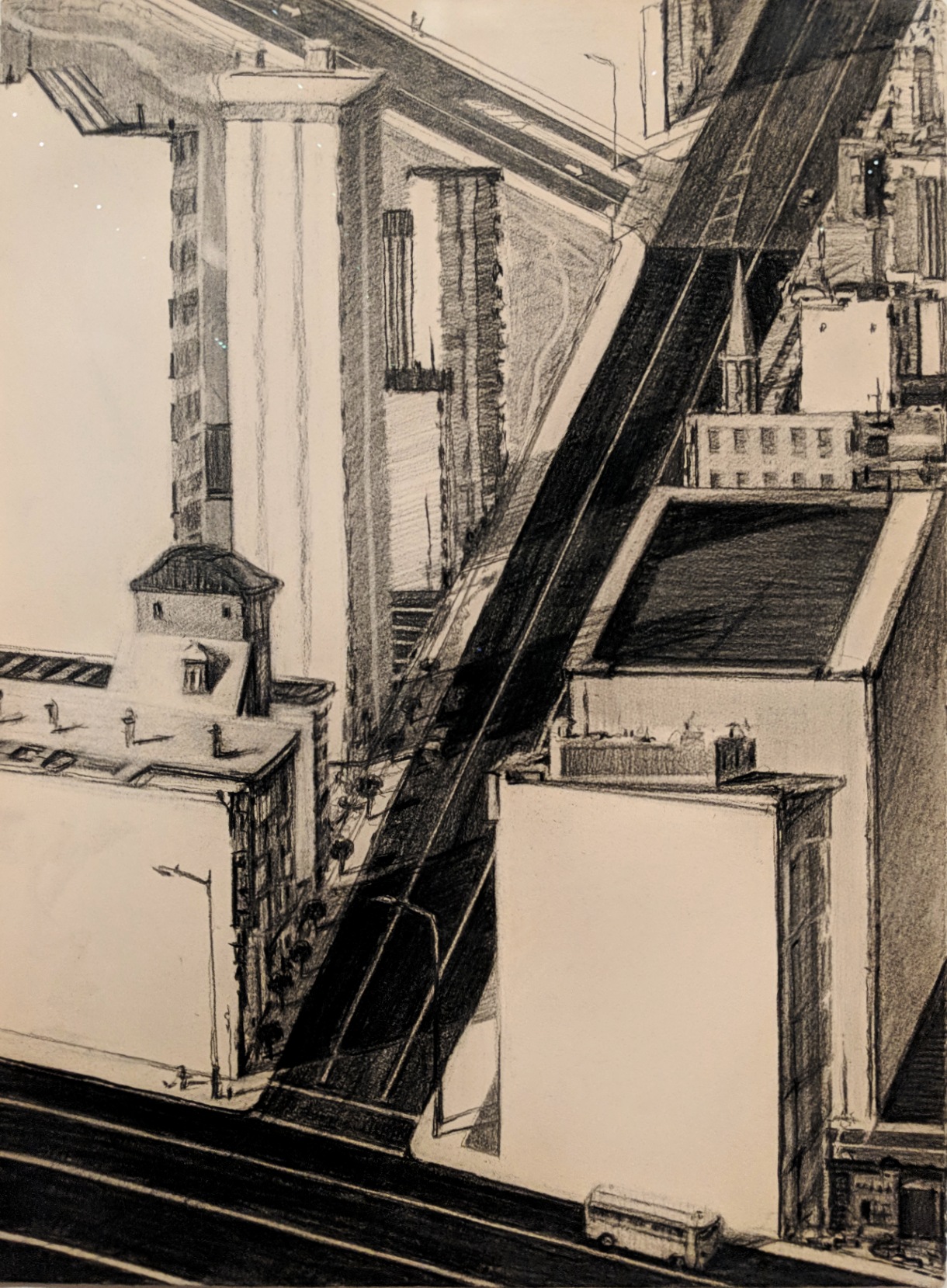
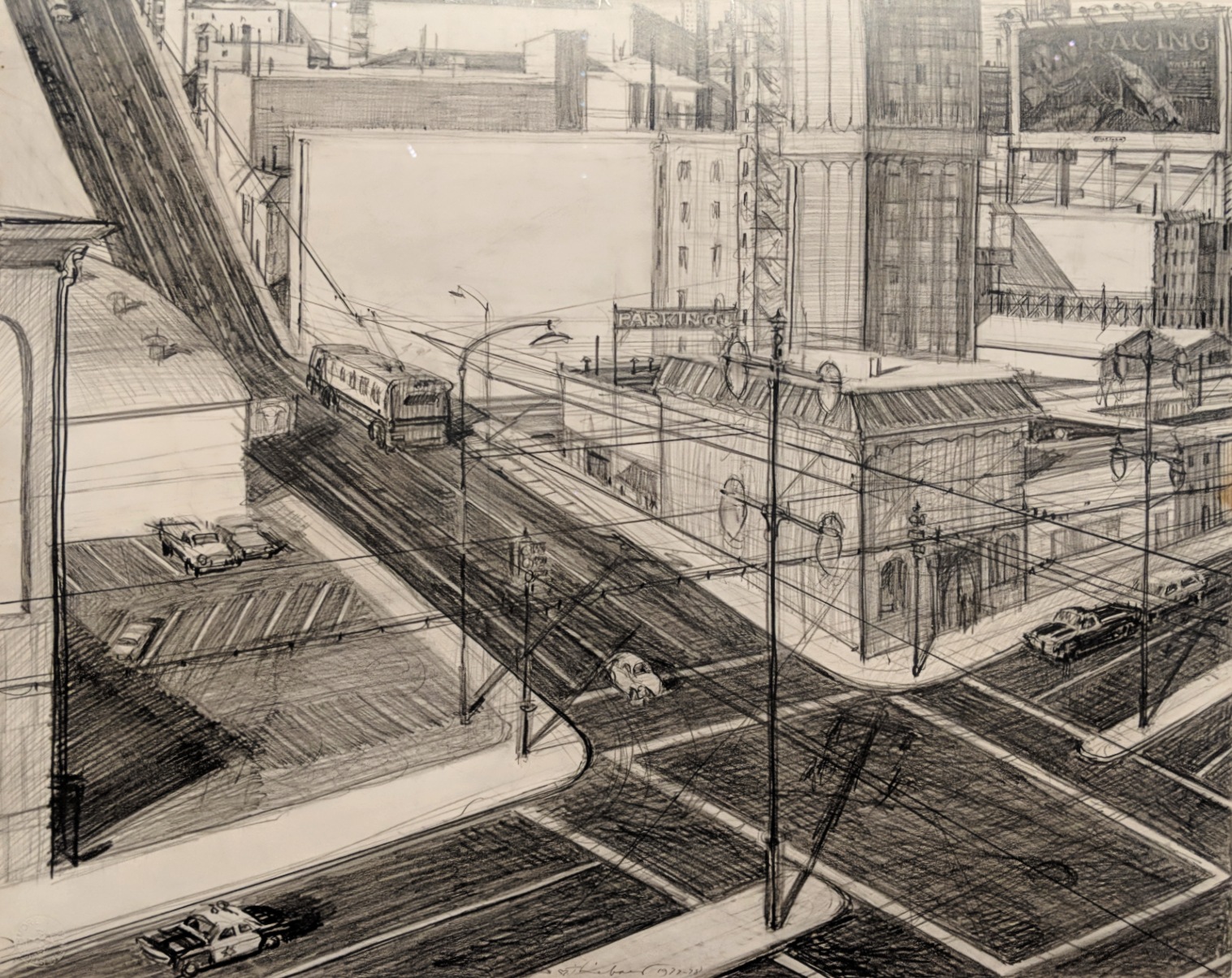
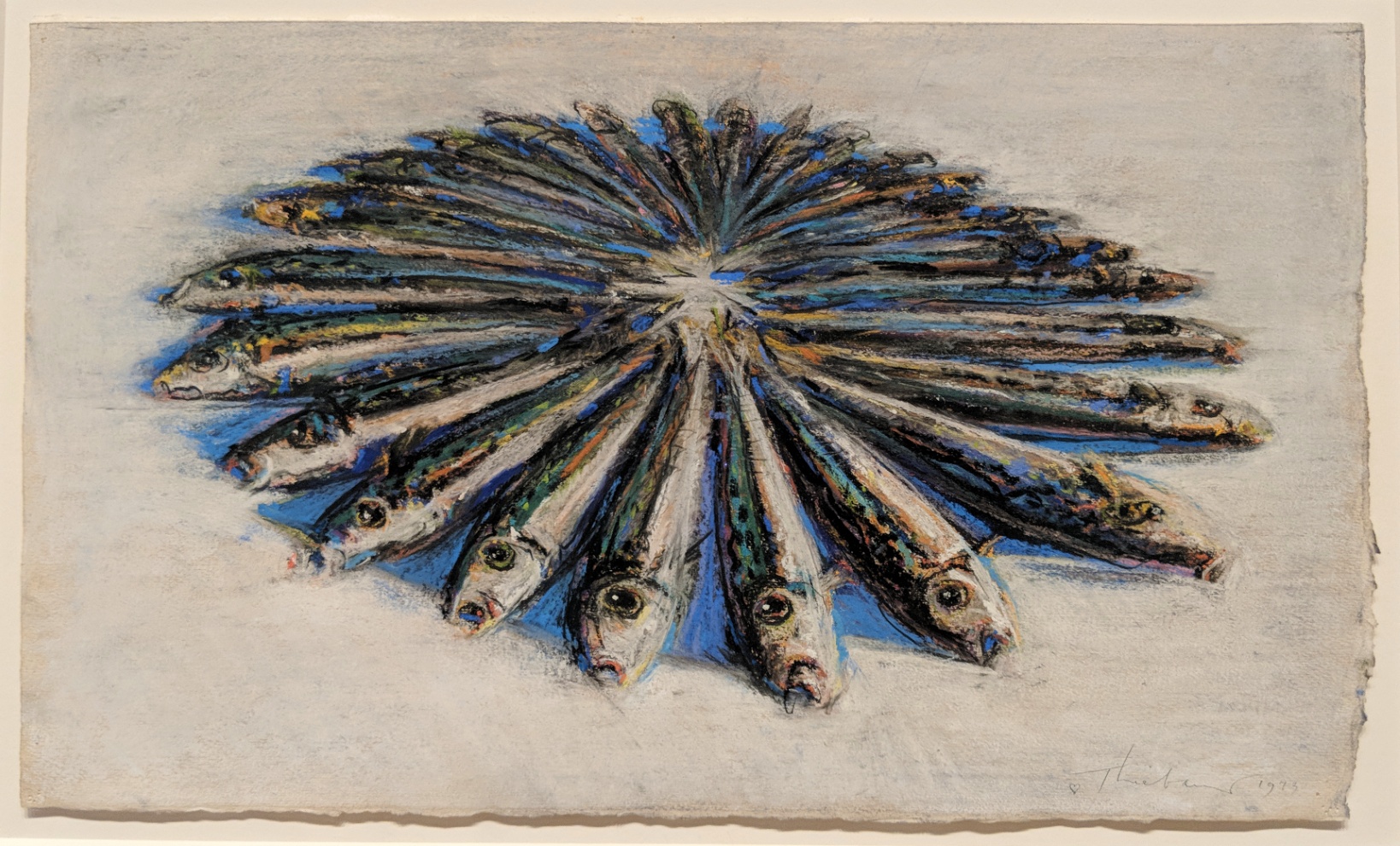
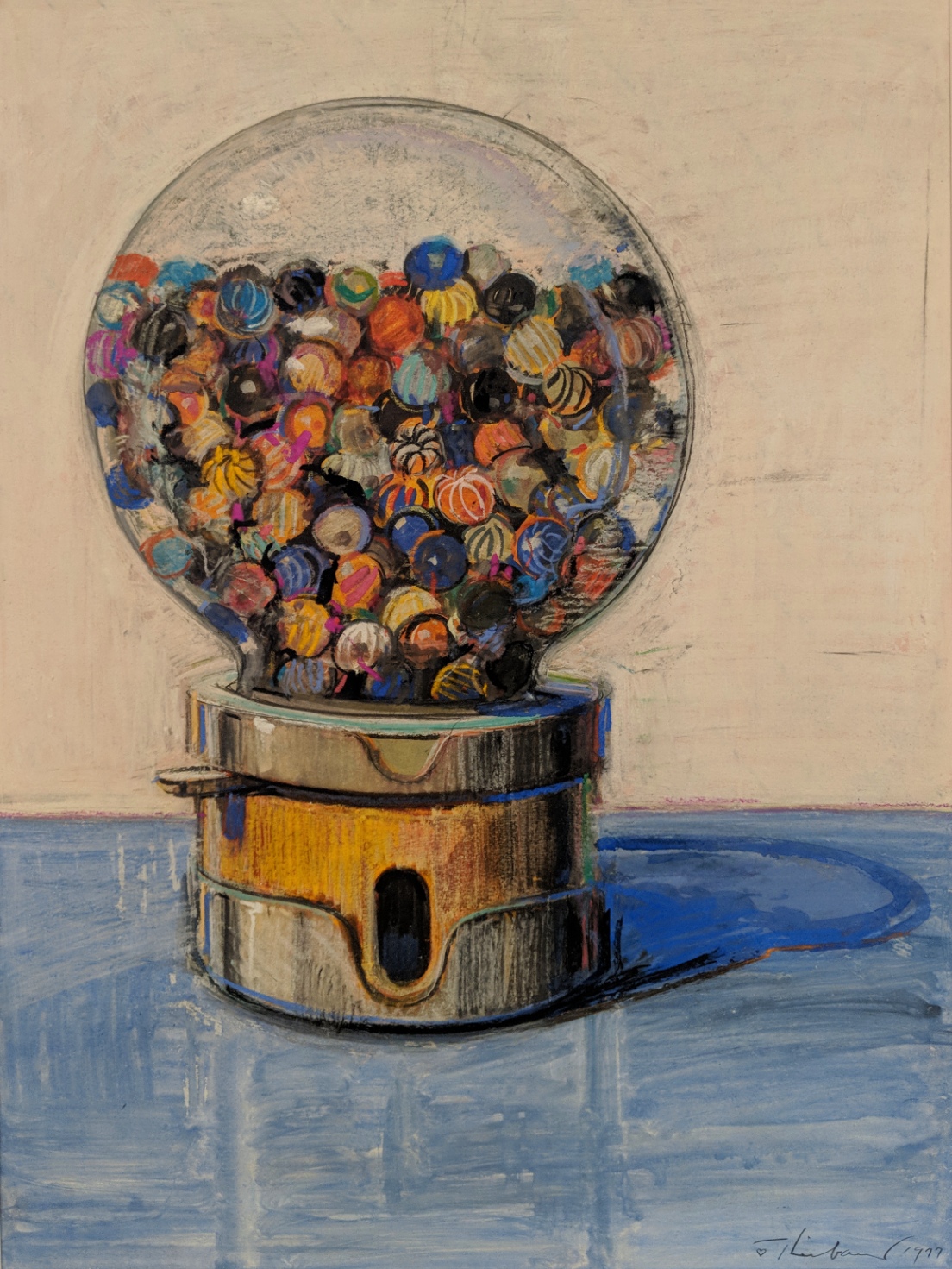
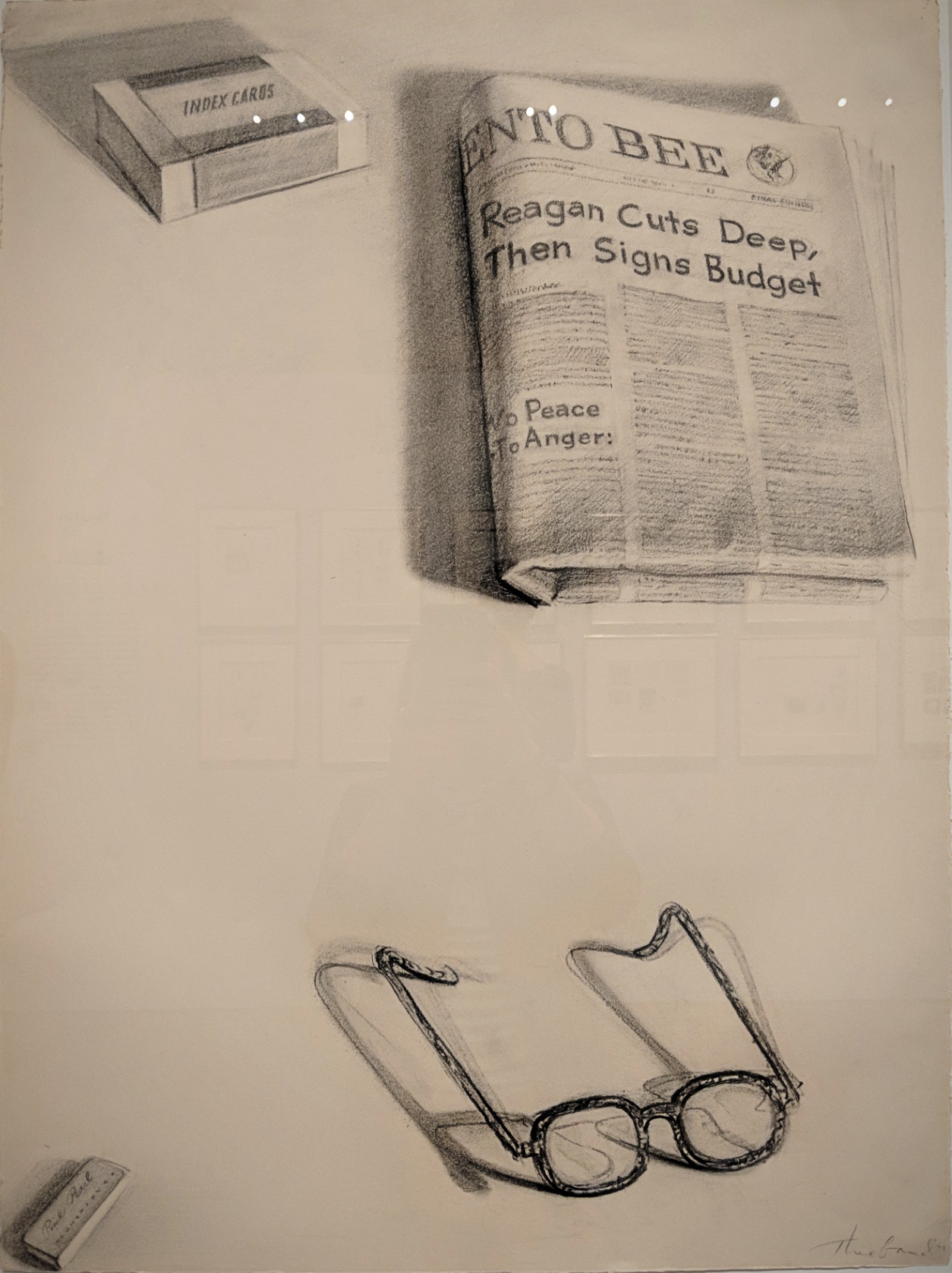
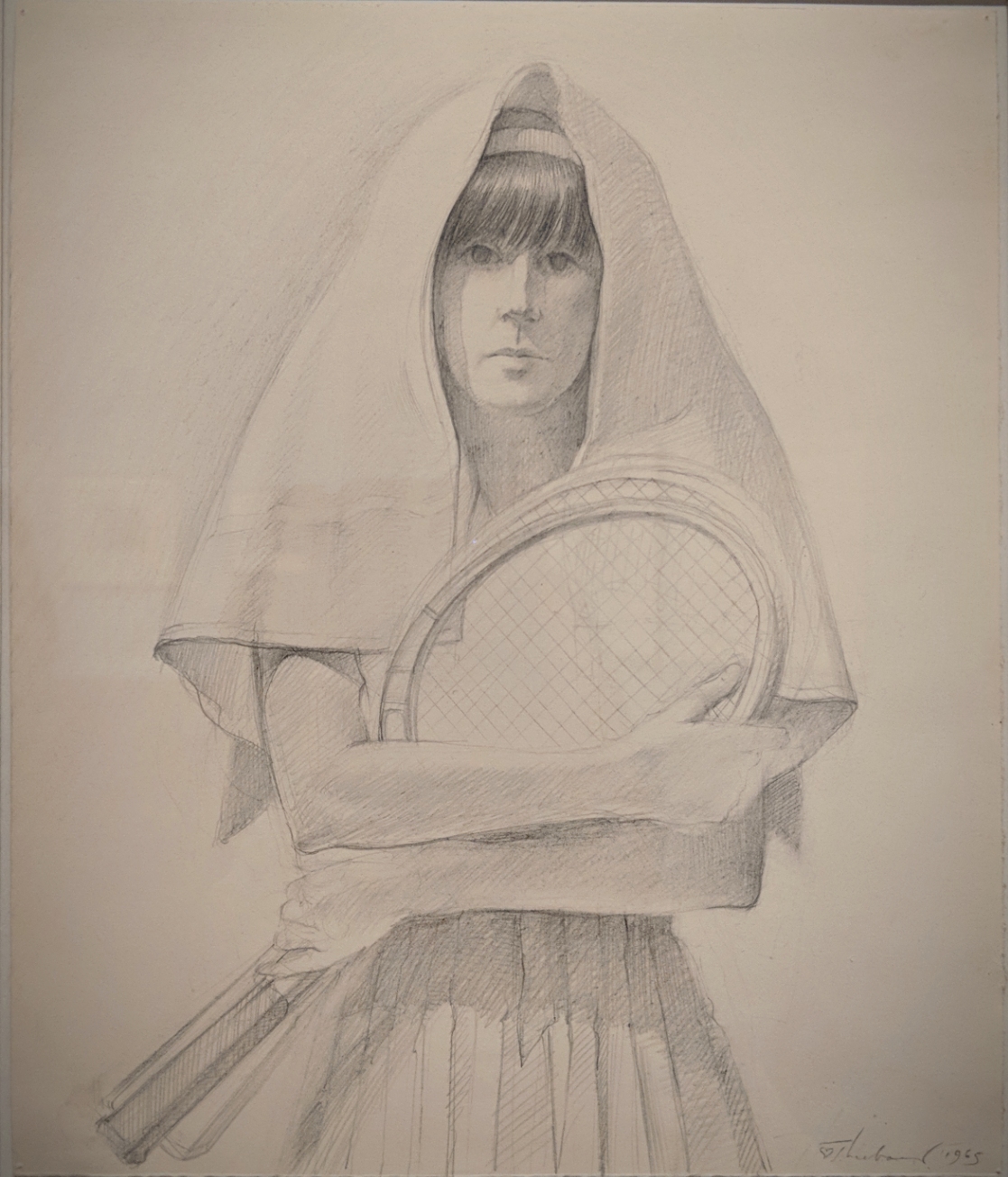
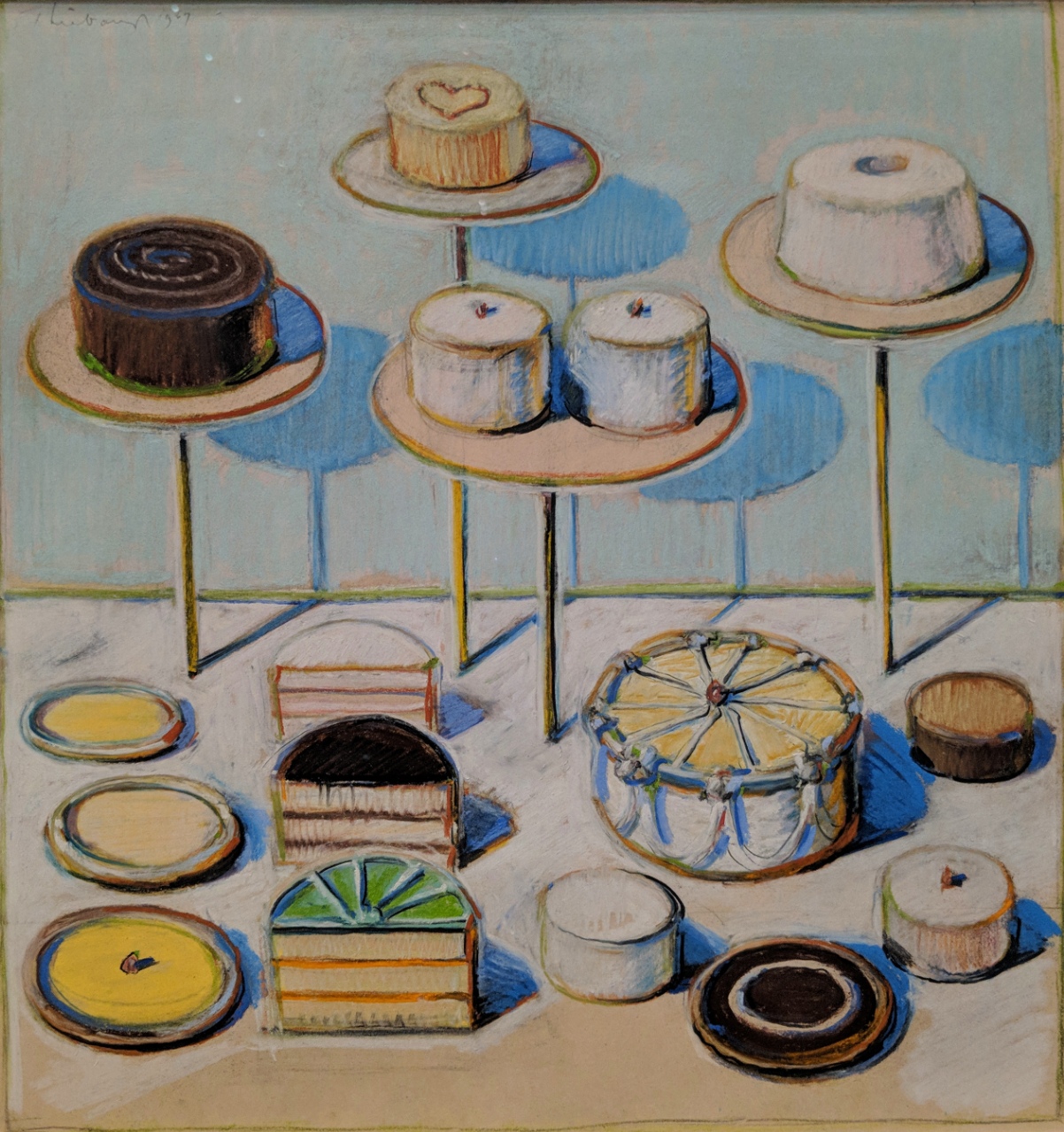
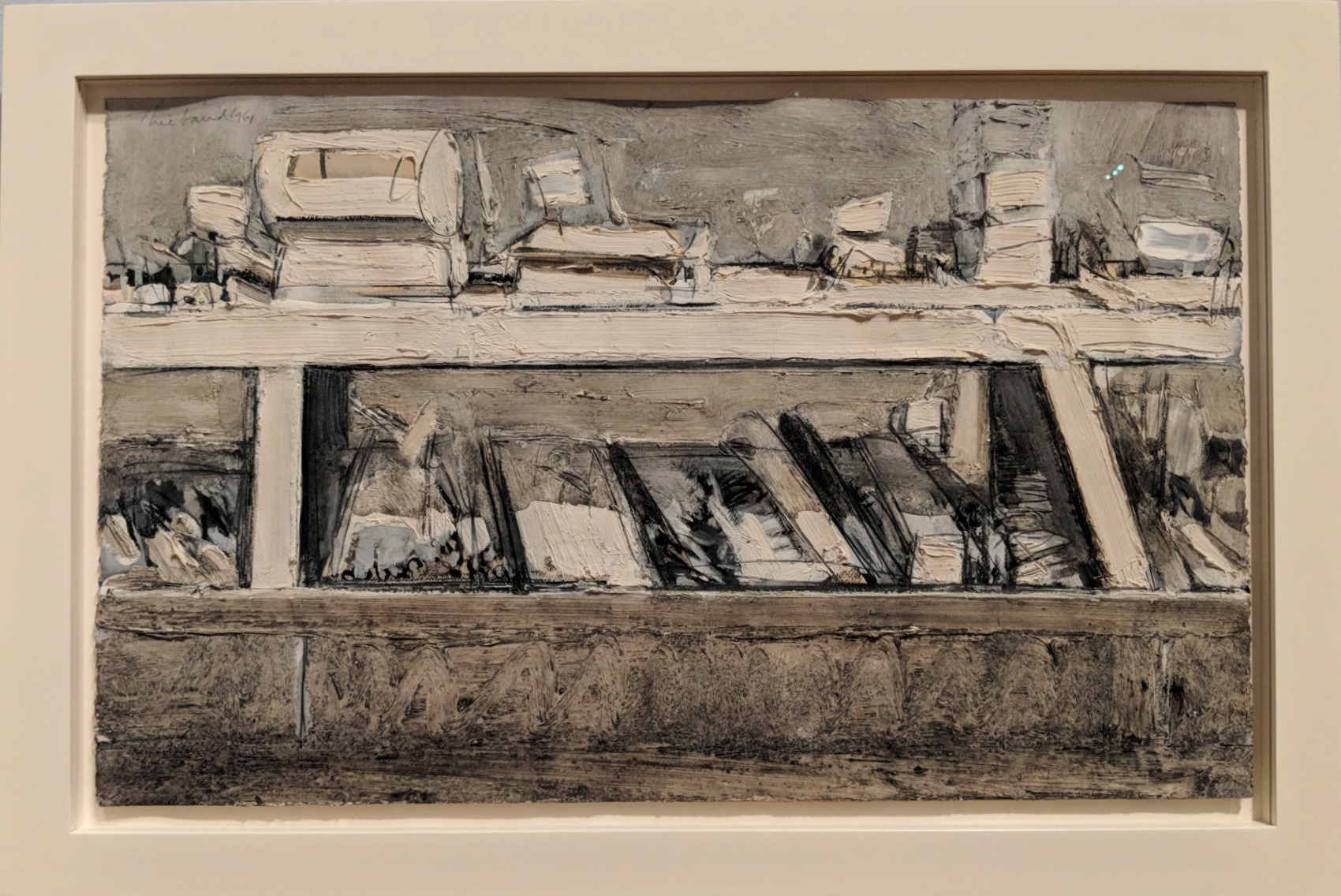
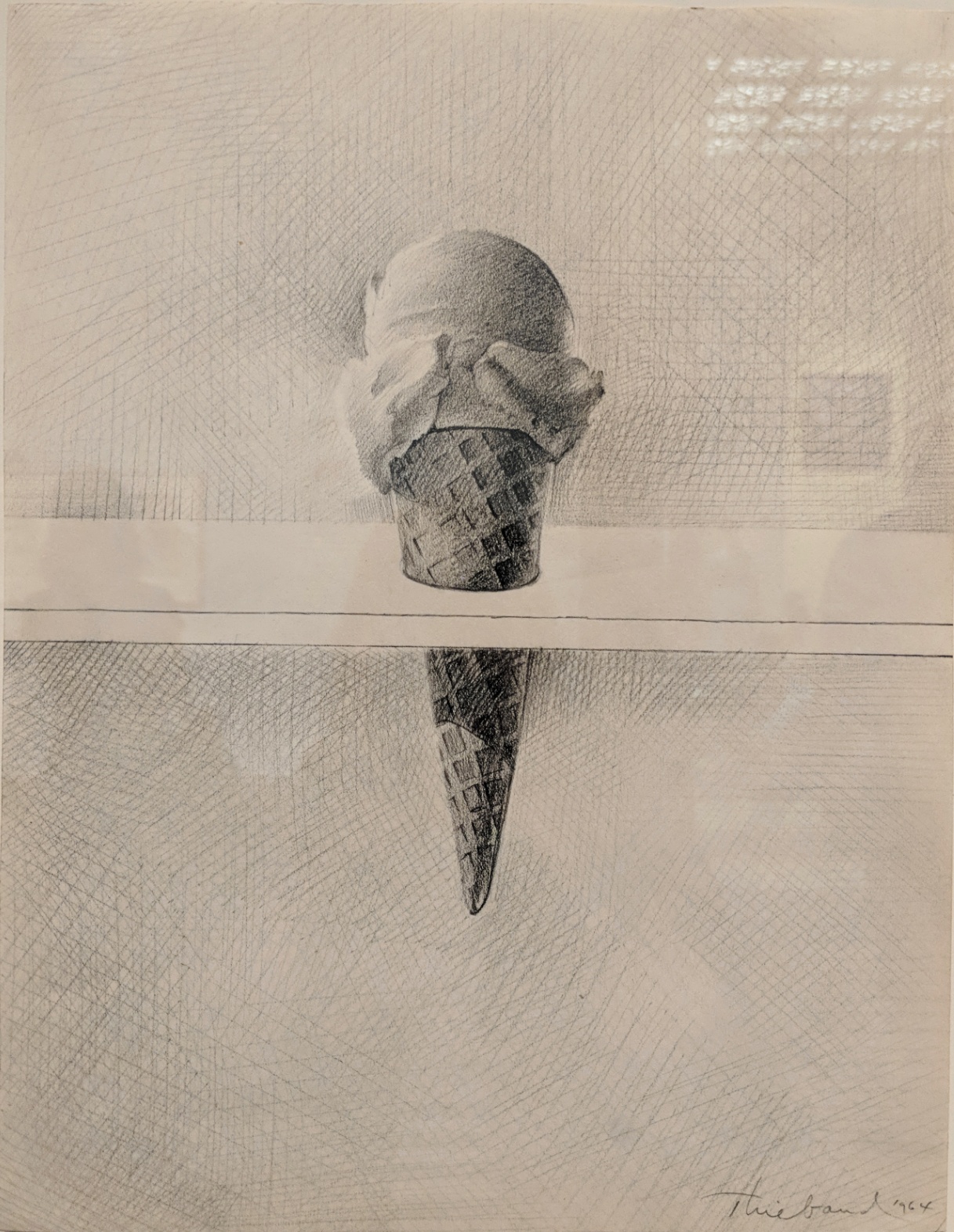
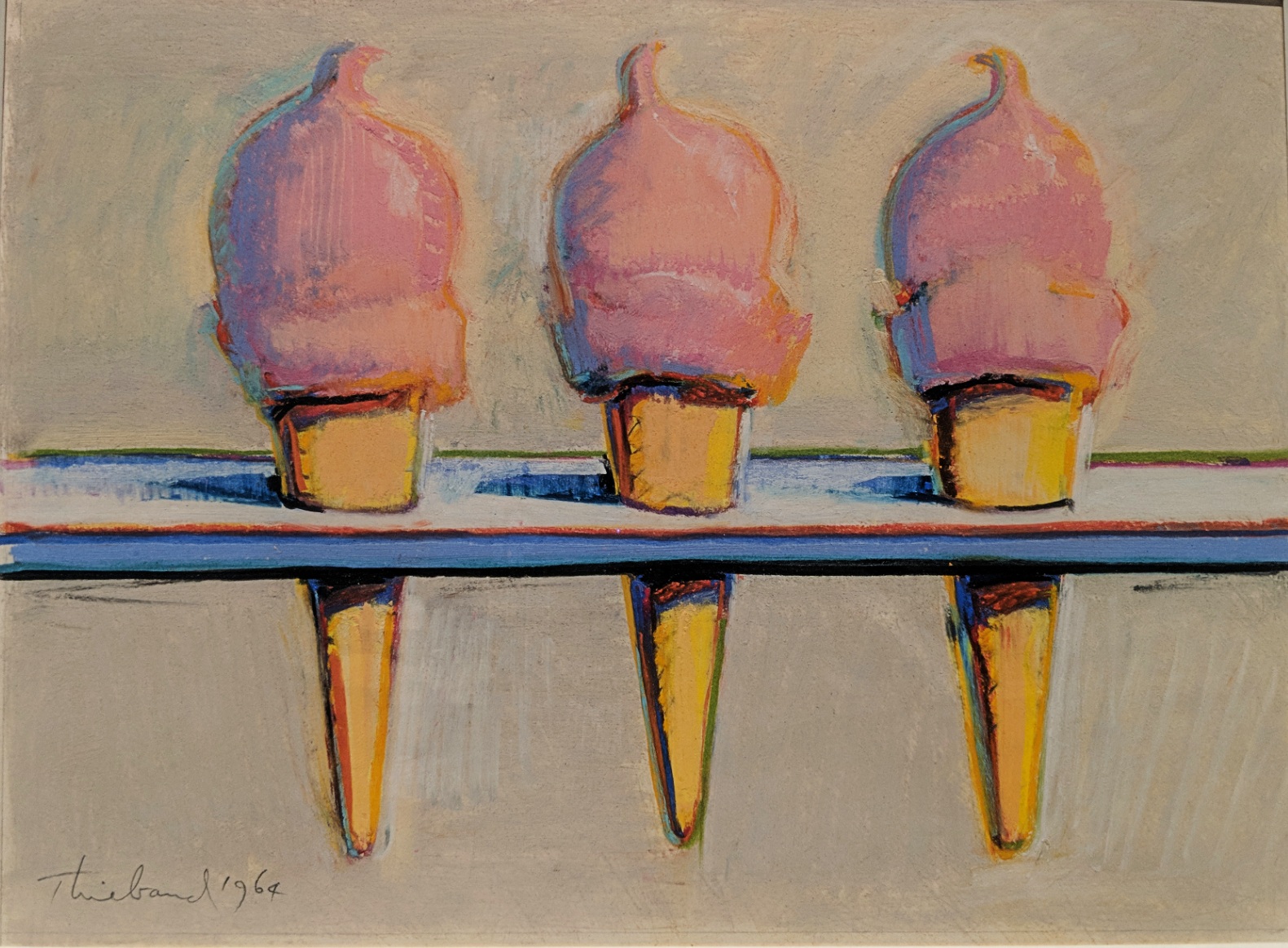
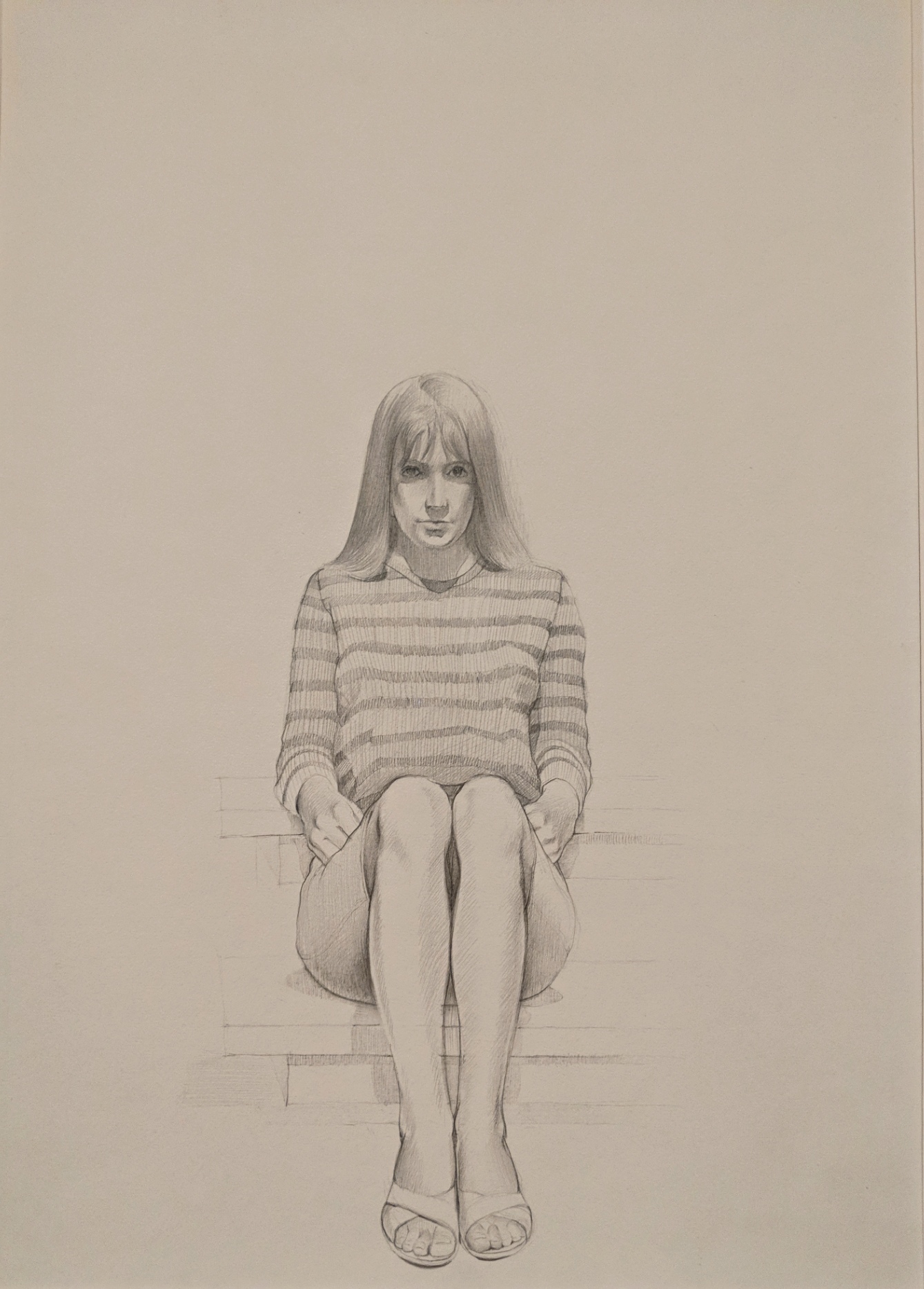
Best known for his luscious paintings of pies and ice-cream cones, California artist Wayne Thiebaud (born 1920) has been an avid and prolific draftsman since he began his career as an illustrator and cartoonist. Featuring subjects that range from deli counters and isolated figures to dramatic views of San Francisco’s plunging streets, Thiebaud’s drawings invariably endow the most banal, everyday scenes with a sense of poetry and nostalgia. The show was the first to explore the full range of the artist’s works on paper, from quick sketches to pastels, watercolors, and charcoal drawings. It run @The_Morgan through September 2018.
Drink Syrups, 1964. PastelNine Jelly Apples, 1964. Watercolour and graphiteDiagonal City, 1978. GraphiteFreeways Study, ca. 1982. Graphite and coloured pencilThree Roads, 1983. CharcoalUntitled (Intersection), 1977-78. GraphiteCircle of Fish, 1973. PastelCandy Ball Machine, 1977. Gouache and pastelSpectacles and Bee Still Life, 1971. CharcoalTennis Girl, 1967. GraphiteCakes No. 1, 1967. Pastel and graphiteDelicatessen Counter, 1961. Ink, oil, watercolour and graphiteIce Cream Cone, 1964. GraphiteUntitled (Three Ice Creams), 1964. Pastel and graphiteGirl in Striped Sweater, 1965. Graphite
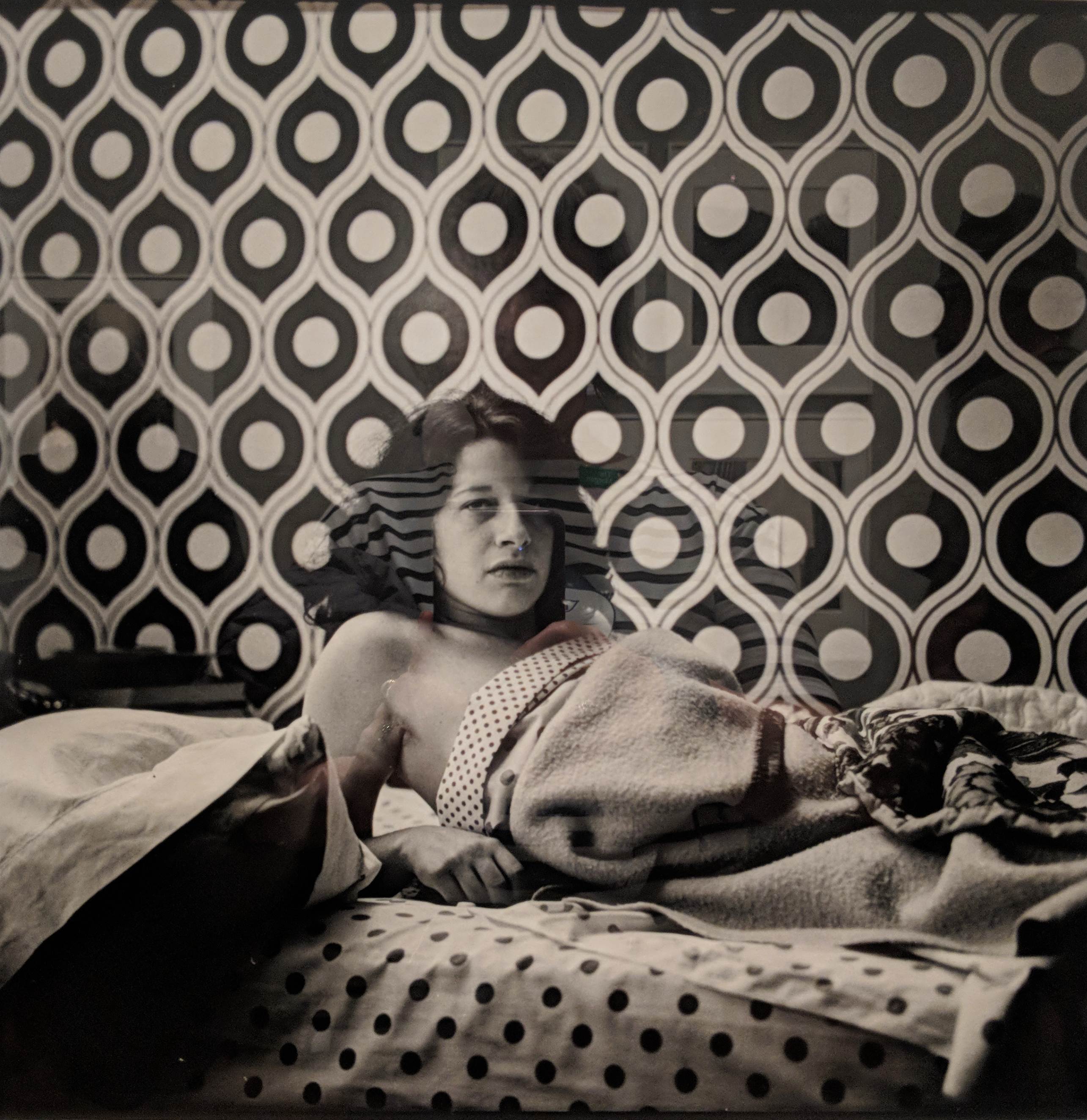
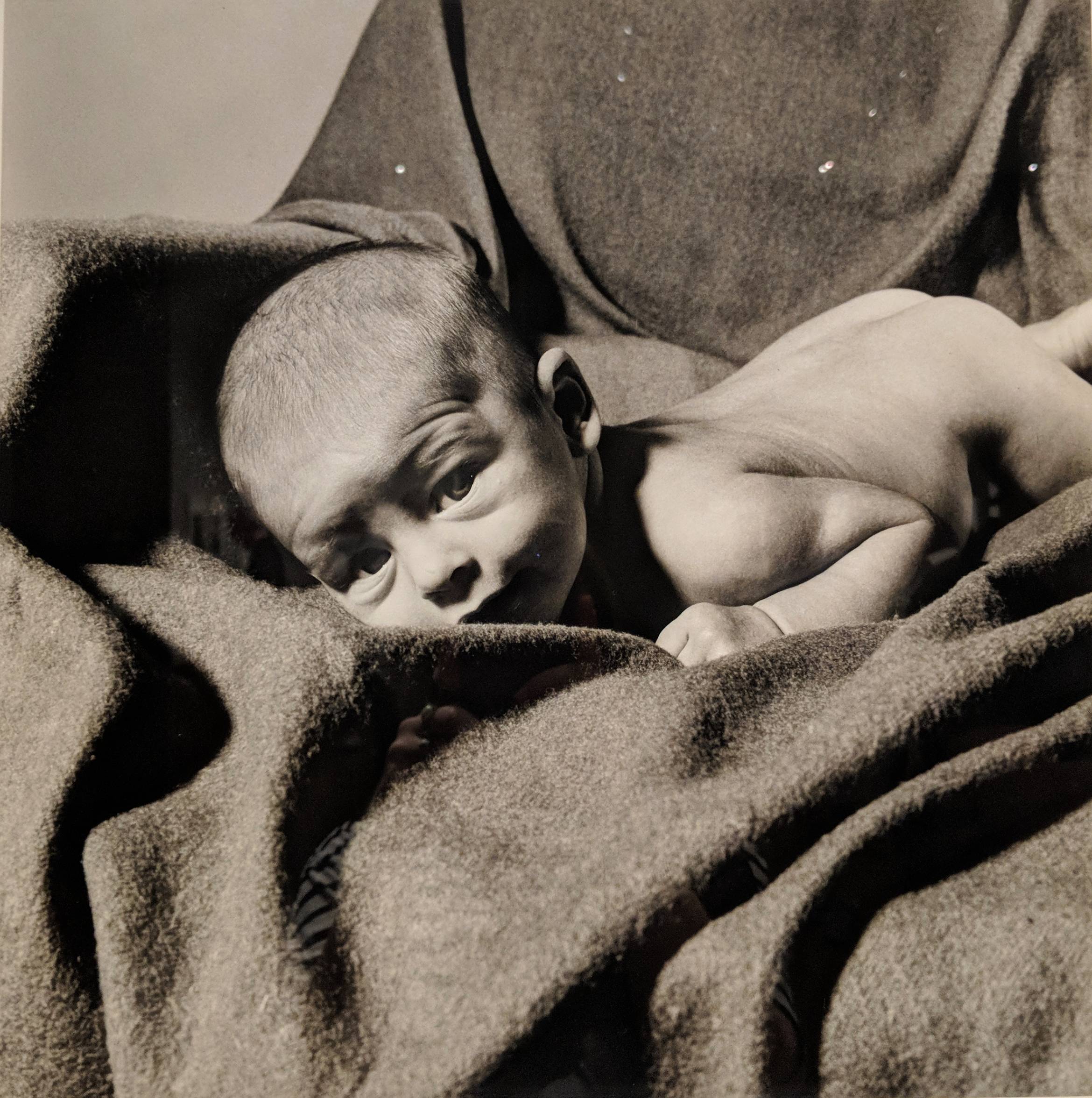
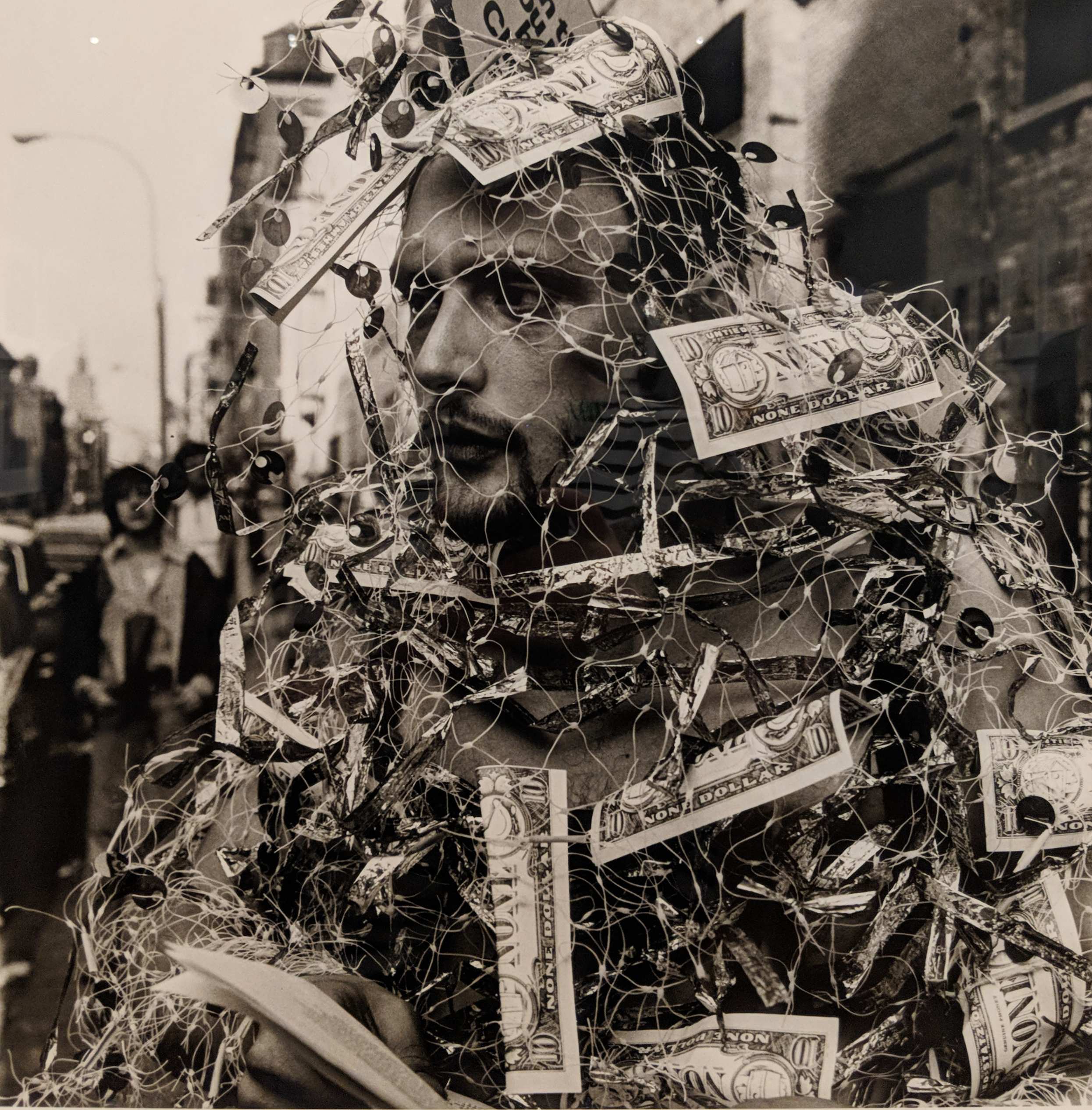
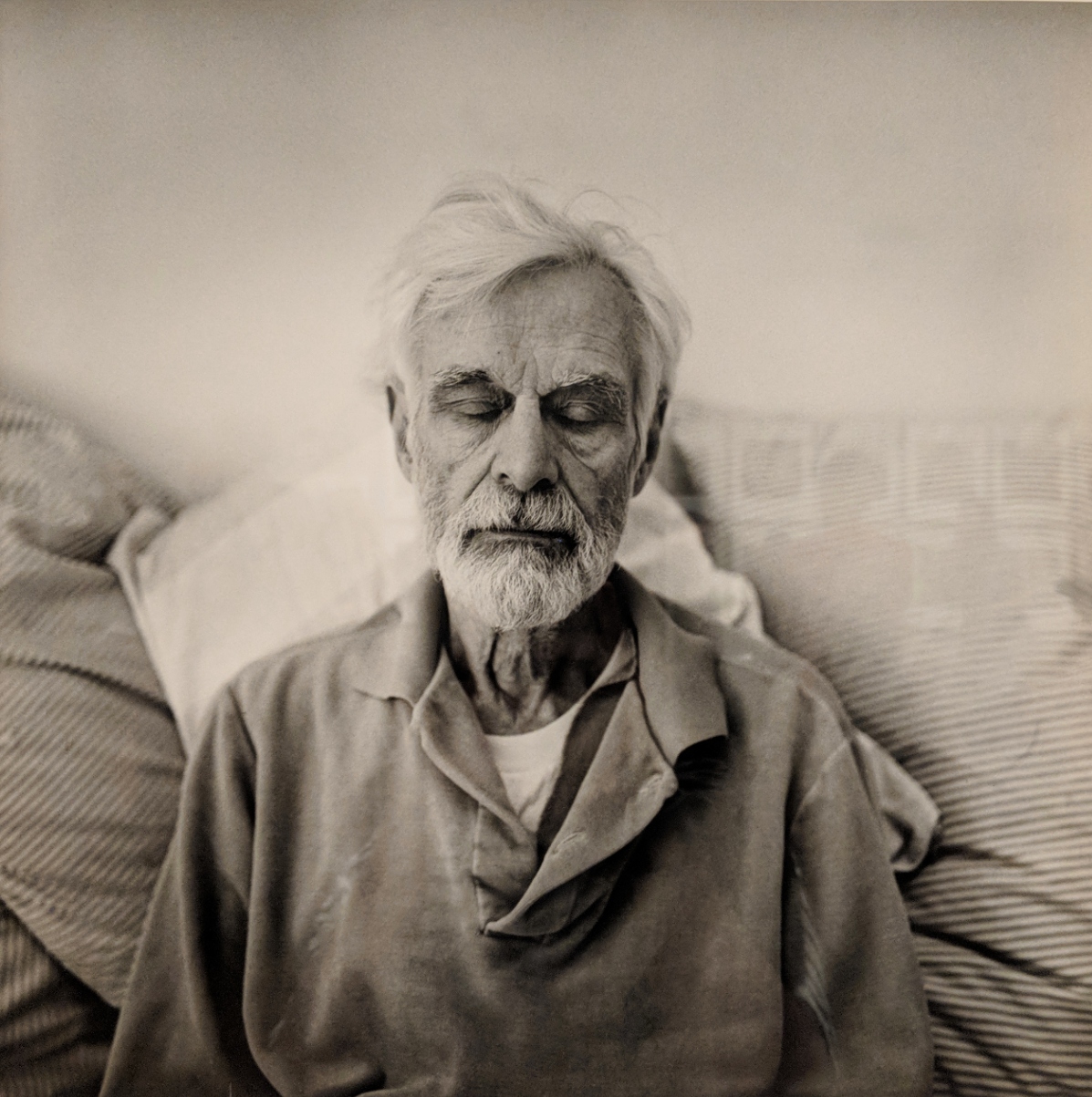
The life and art of Peter Hujar (1934–1987) were rooted in downtown New York. Private by nature, combative in manner, well-read, and widely connected, Hujar inhabited a world of avant-garde dance, music, art, and drag performance. His mature career paralleled the public unfolding of gay life between the Stonewall uprising in 1969 and the AIDS crisis of the 1980s.
In his loft studio in the East Village, Hujar focused on those who followed their creative instincts and shunned mainstream success. He made, in his words, “uncomplicated, direct photographs of complicated and difficult subjects,” immortalizing moments, individuals, and subcultures passing at the speed of life.
Peter Hujar: Speed of Life was on view at the Morgan Library through May 20, 2018.
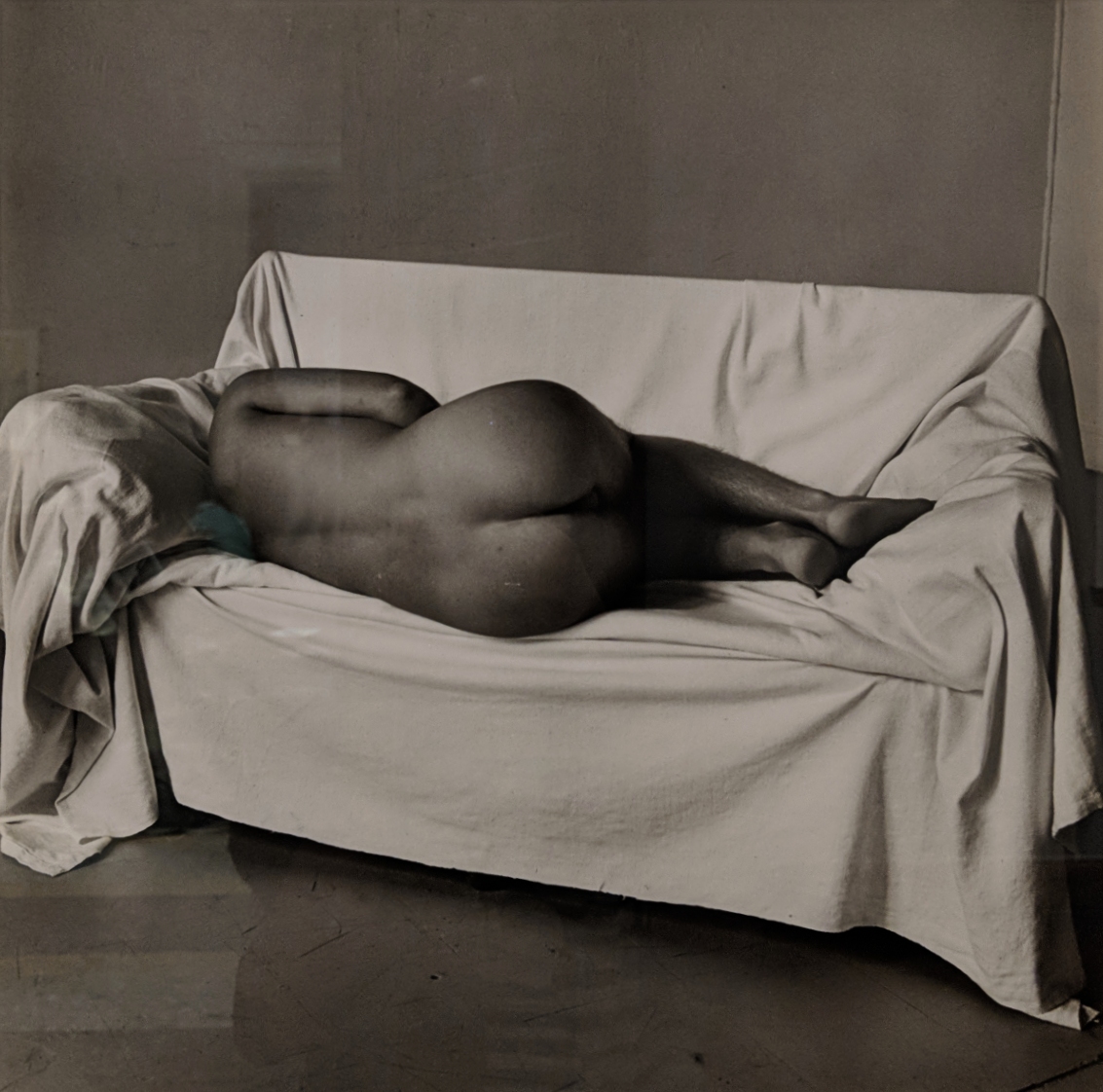
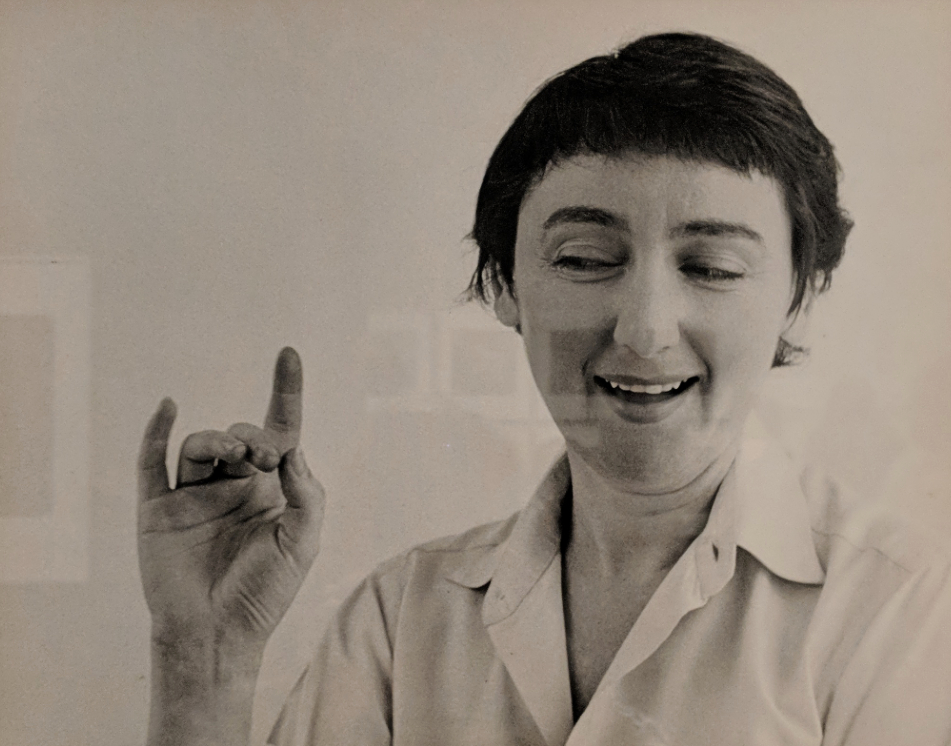
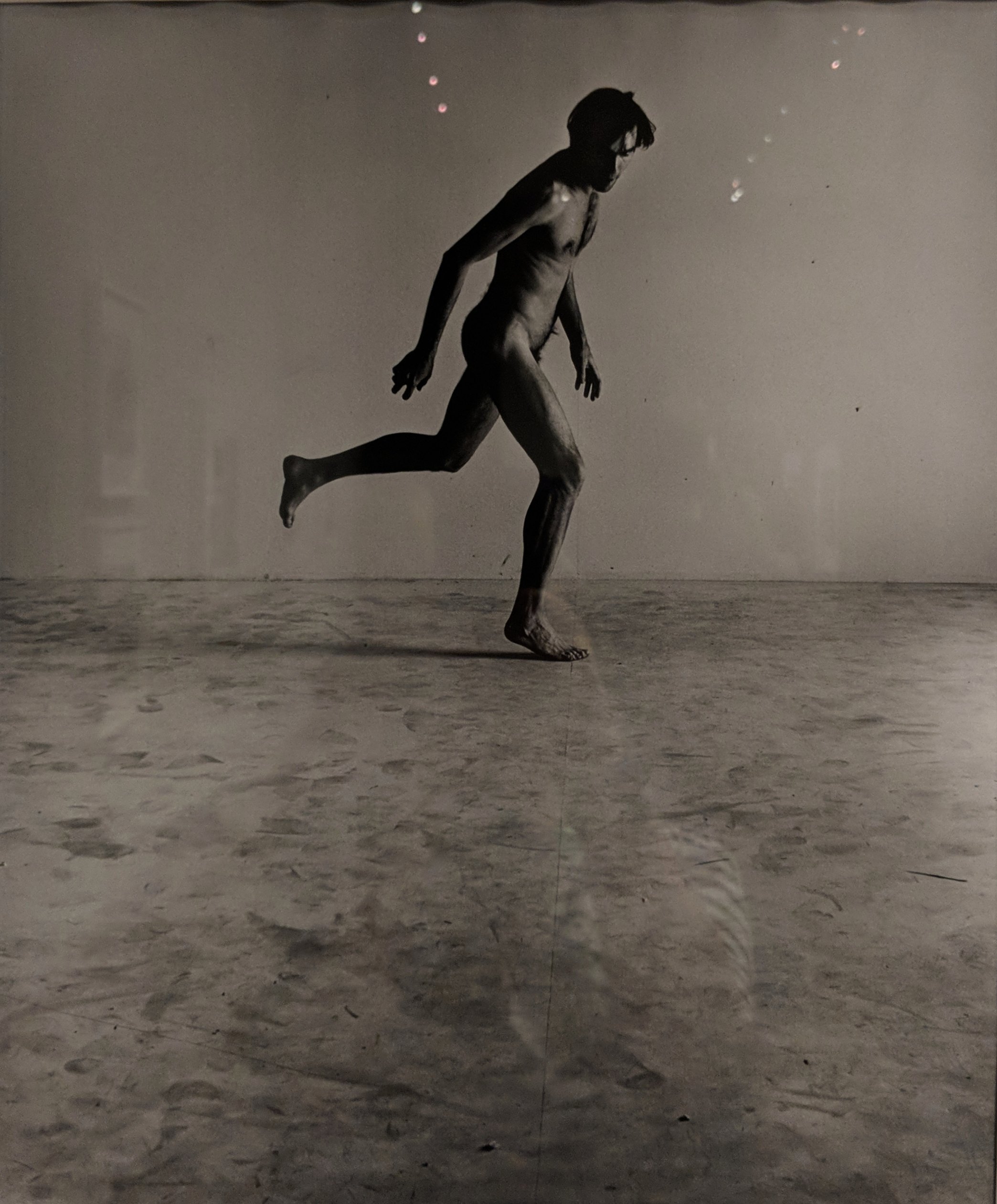
Cat on Cash Register, 1957Chloe Finch, 1981Reclining Nude on Couch, 1978Daisy Aldan, June 18, 1955Nude Self-Portrait, Running, 1966-67
For a 1966-67 workshop led by Richard Avedon and art director Marvin Israel, Hujar turned in an uncharacteristic series of nude, running self-portraits made with a flash unit in the studio of his employer. In a conscious echo of Avedon’s manner, the images emphasize action, vivid gesture and empty space- sensational effects calculated to hold a magazine page. Over the next couple of years, during Hujar’s brief pursuit of a career in fashion, the two photographers had frequent late-night phonecalls. Avedon wrote to him in 1979, ”if you ever have new work that you’re interested in selling, please call me as I am your collector.”
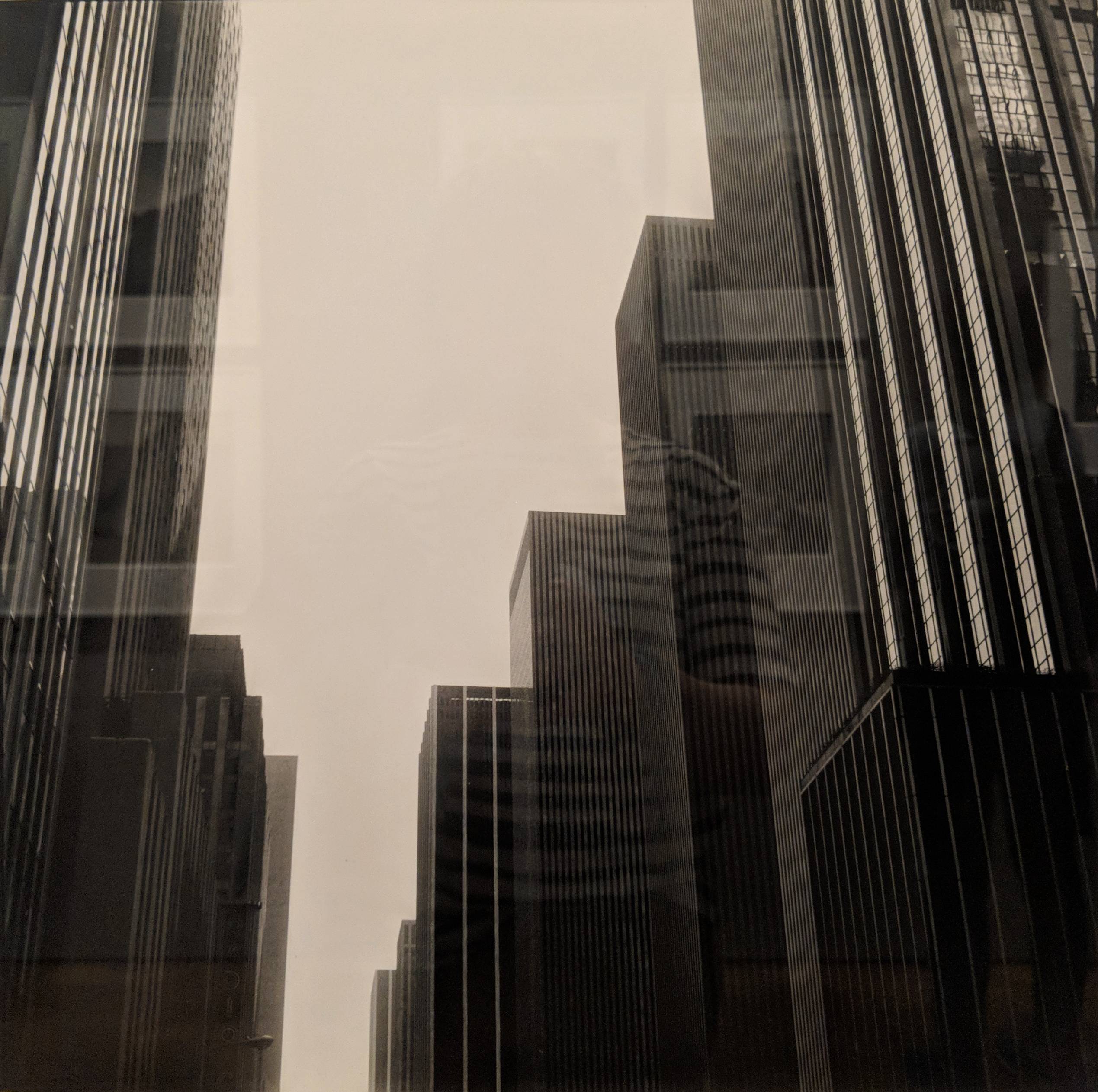
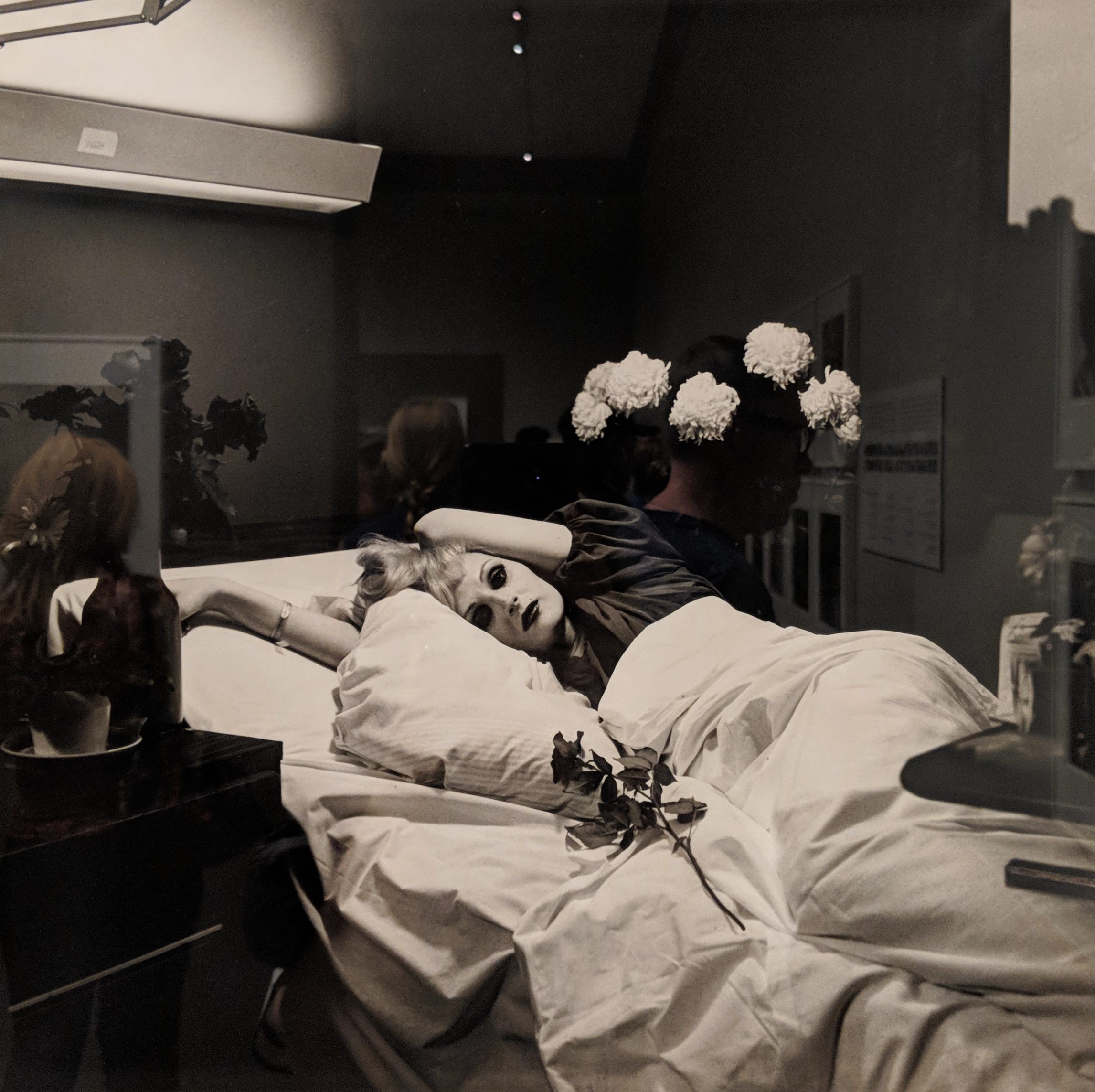
New York: Sixth Avenue (1), 1976Candy Darling on Her Deathbed, 1973
In September 1973, transgender Warhol Superstar Candy Darling (born James Lawrence Slattery) was hospitalized for lymphoma. She asked Hujar to make a portrait of her ”as a farewell to my fans.” Out of several dozen exposures, Hujar chose to print this languorous pose. As rendered in the print, Candy’s banal, fluorescent-lit hospital room looks as elegant as the studio props in a Hollywood starlet’s portrait. Hujar later wrote that his style cues came from Candy, who was ”playing every death scene from every movie.”
The image, first seen in print in the New York Post after Candy’s death six months later, became the most widely reproduced of Hujar’s works during his lifetime.
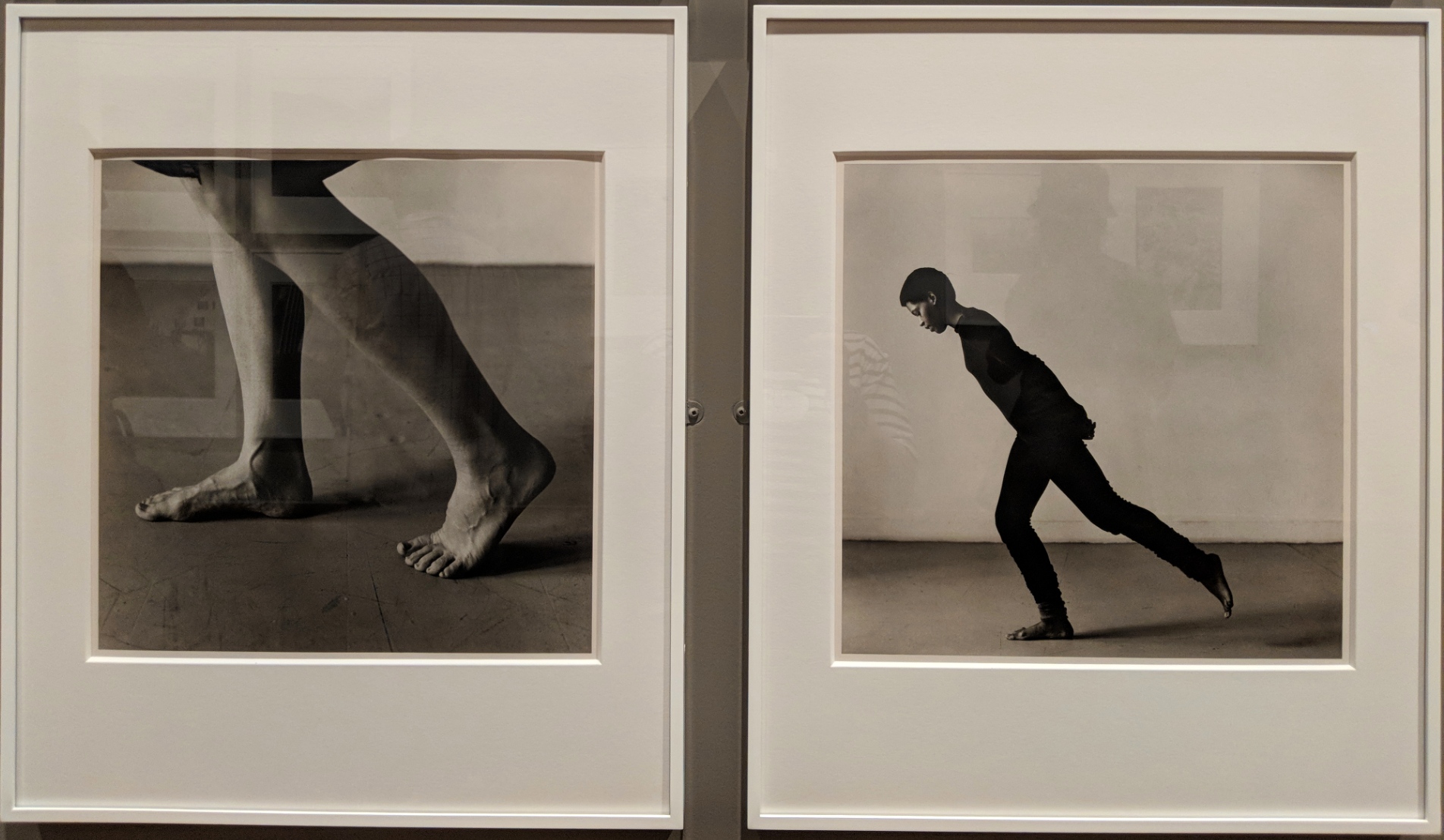
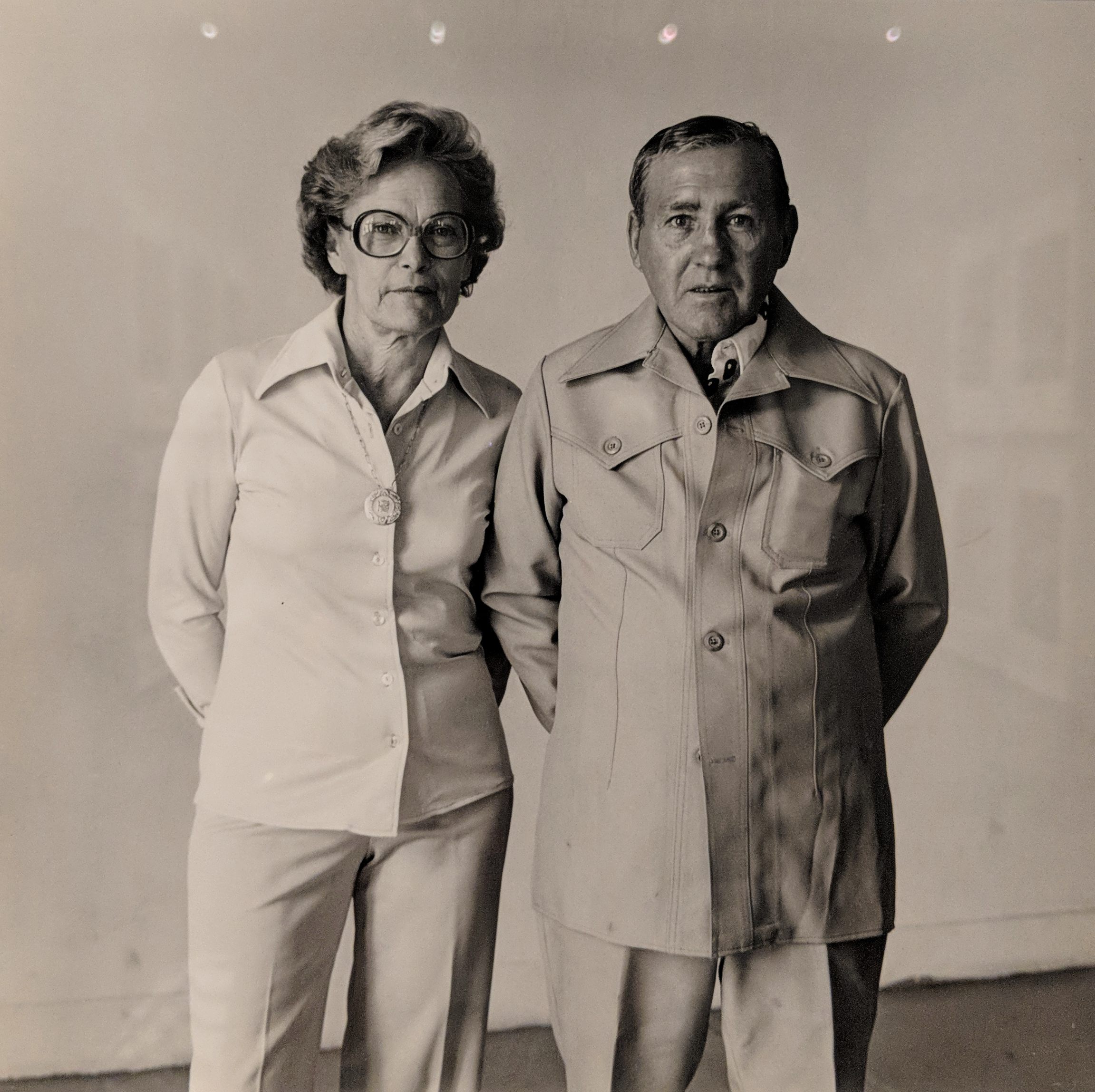
Fran Lebowitz at Home in Morristown, New Jersey, 1974Dana Reitz’s legs, Walking, 1979 & Sheryl Sutton, 1977John McClellan, 1981Stephen Varble (3), 1976Edwin Denby (1), 1975Rose and Edward Murphy (2), 1977
Hujar photographed his mother and her second husband, Ed ”Snookie” Murphy, on a rare occasion when they visited his loft. Obliged at age eleven to move into their one-bedroom apartment on E 32nd St., Hujar had moved out at sixteen. In adulthood, he maintained a protective distance, consistently referring to Rose Murphy by her full, unrelated-sounding name. Rose Murphy never reconciled herself to her son’s homosexuality, nor did he forgive her rejection.
When invited to a friend’s for dinner, Hujar often gave his host a recent photograph printed at a modest scale. No other print of this image is known.
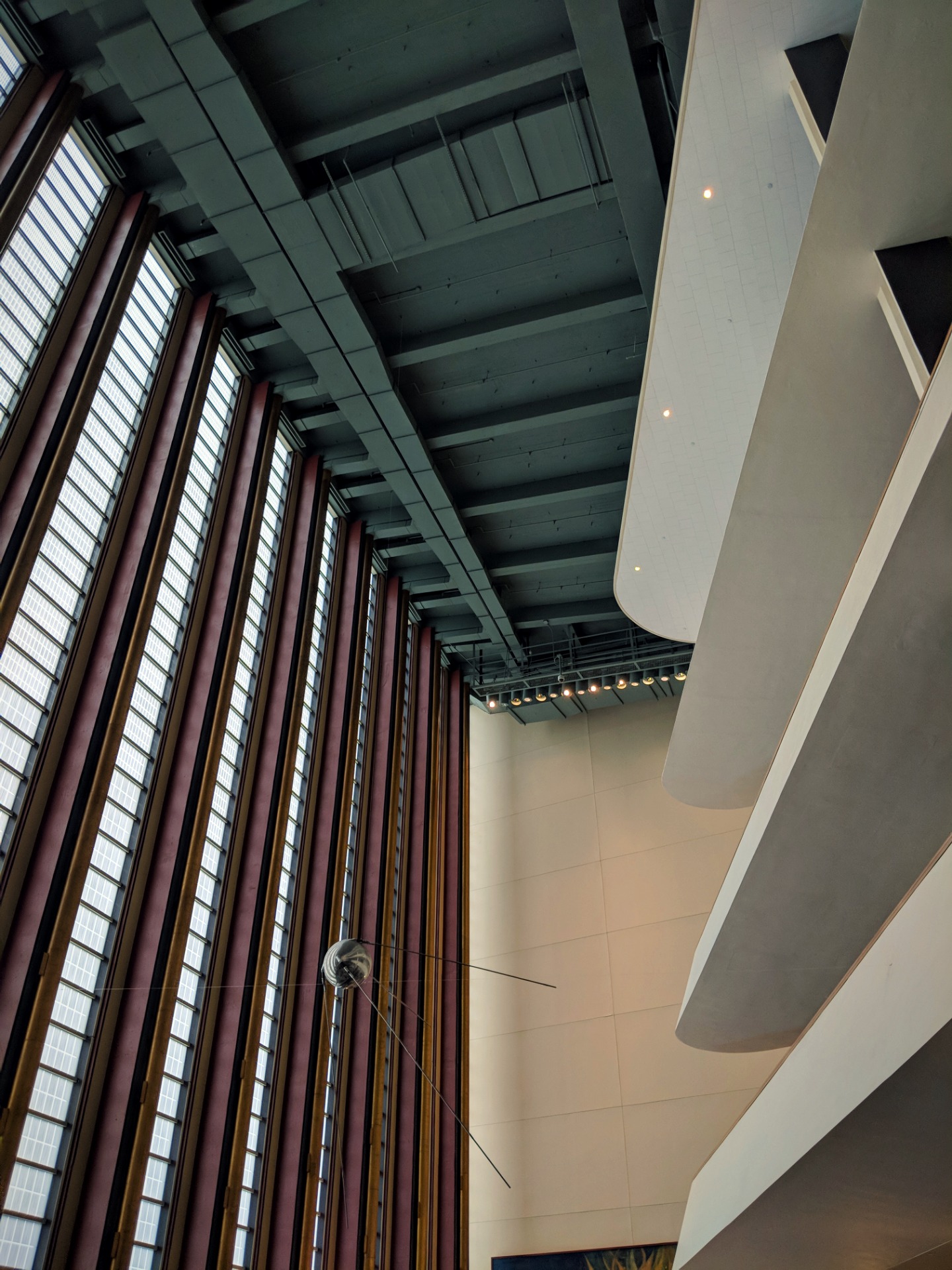
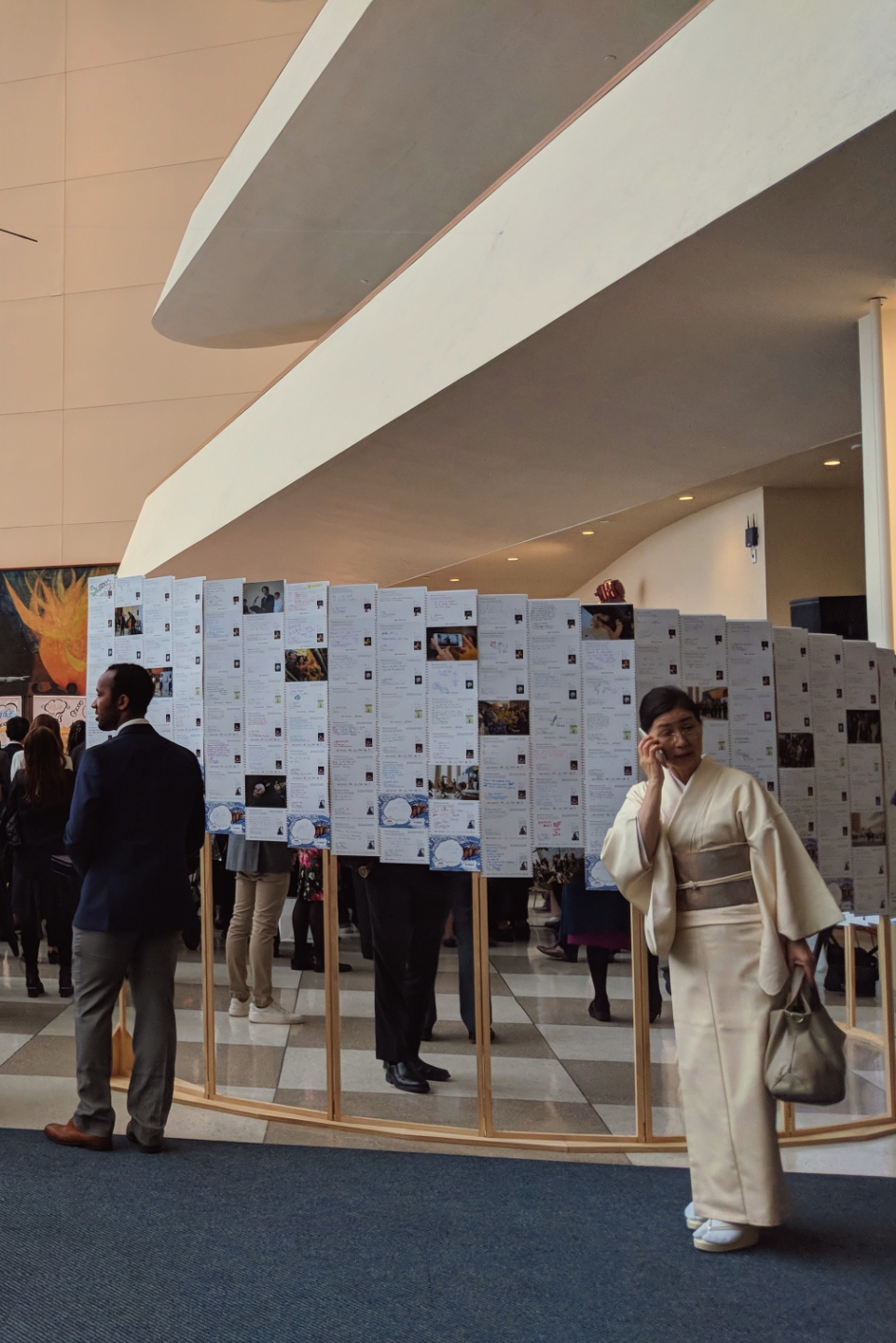
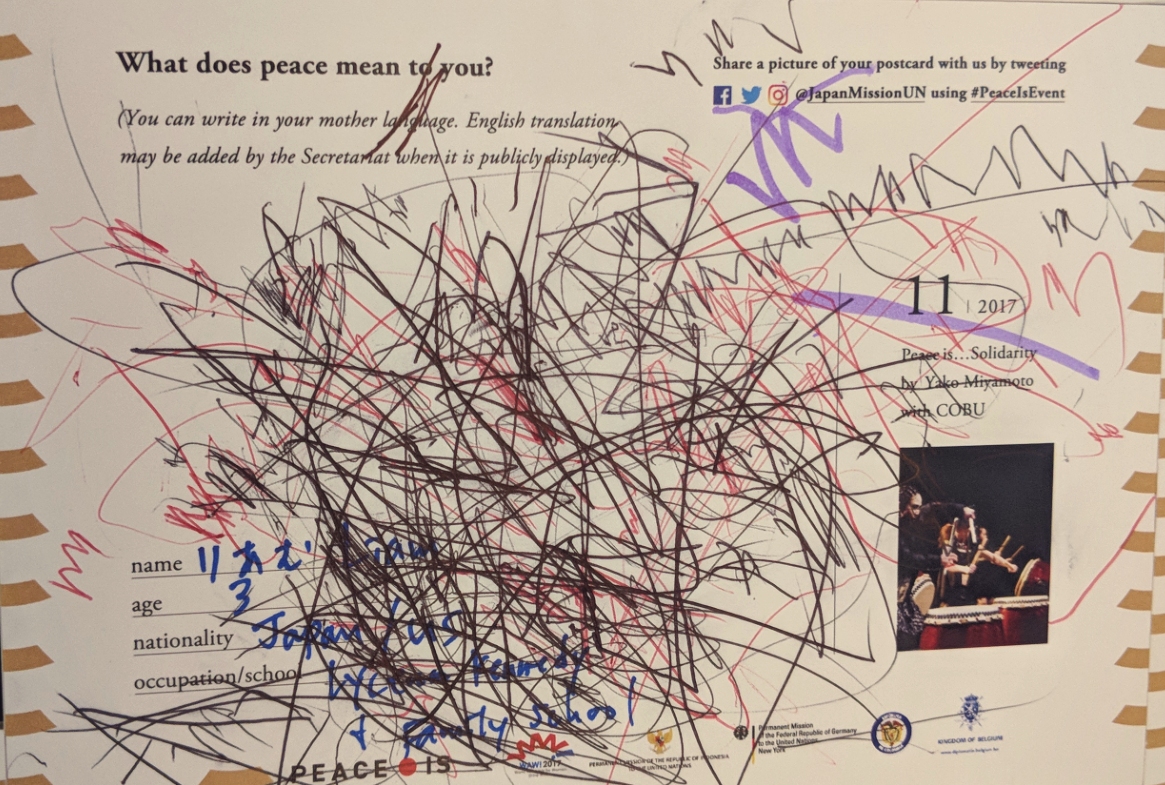
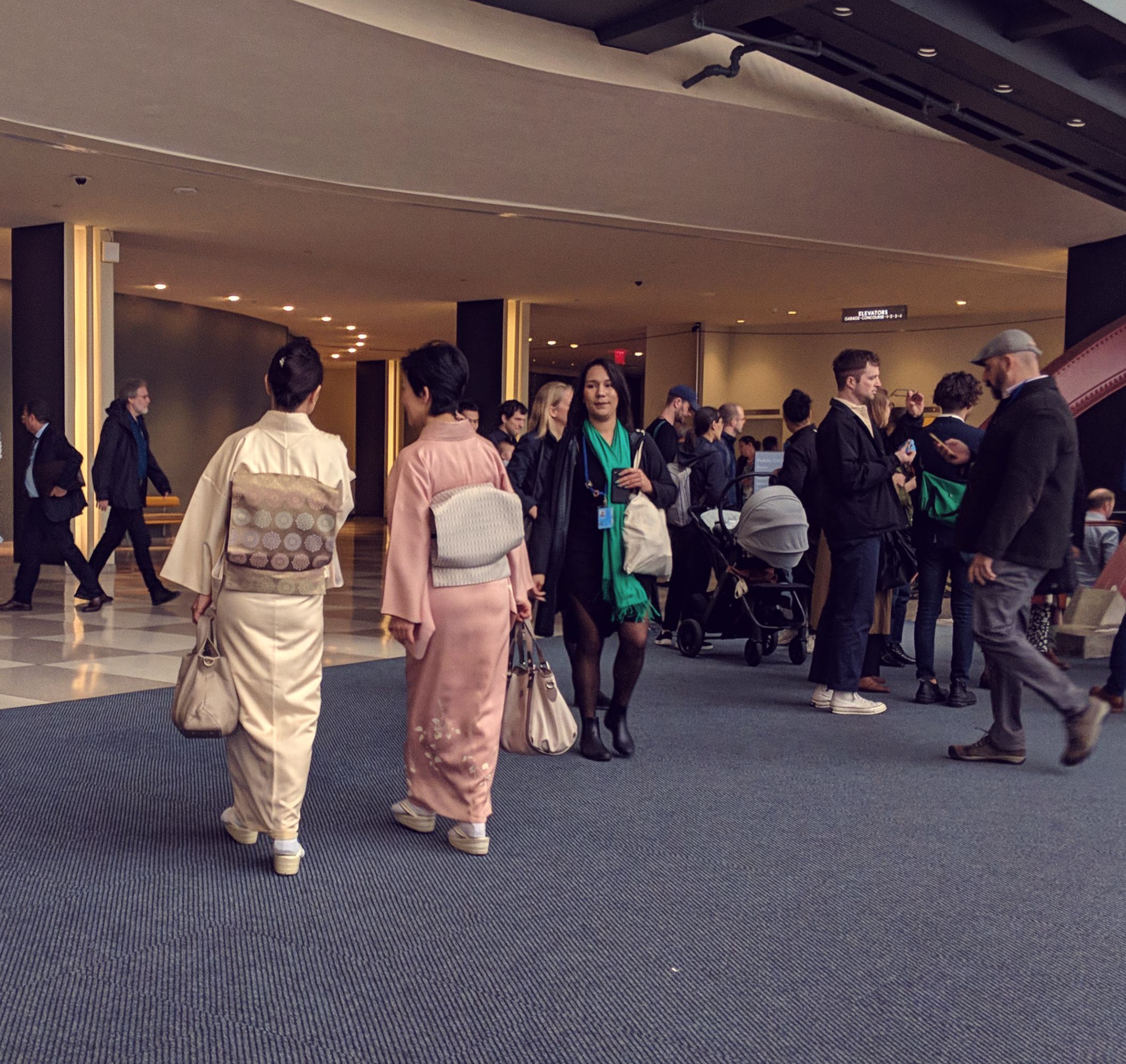
… a series of cultural events held by the Permanent Mission of Japan to the United Nations. This was the 7th ”Peace is…” event, during which a tea ceremony for peace and innovation was held under the theme “Peace Is… Coexistence”.
Free listening and free download (mp3) chill and down tempo music (album compilation ep single) for free (usually name your price). Full merged styles: trip-hop electro chill-hop instrumental hip-hop ambient lo-fi boombap beatmaking turntablism indie psy dub step d'n'b reggae wave sainte-pop rock alternative cinematic organic classical world jazz soul groove funk balkan .... Discover lots of underground and emerging artists from around the world.




 The Humble Fabulist