August 26th, 2017
August 26th, 2017
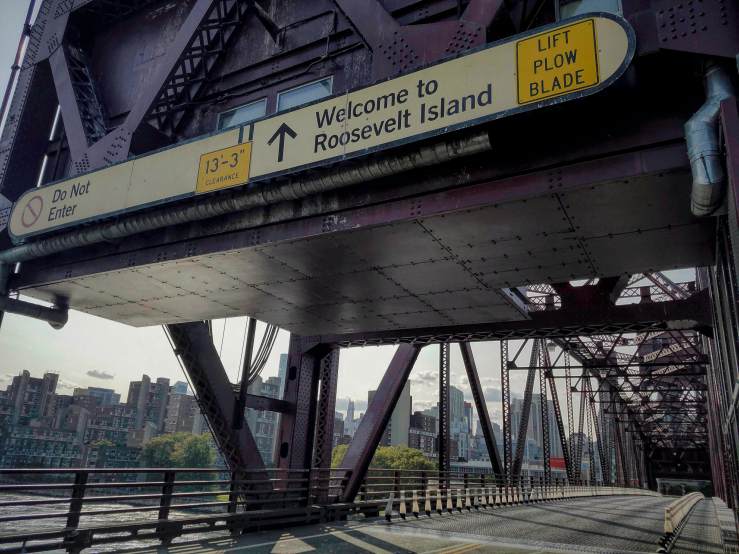
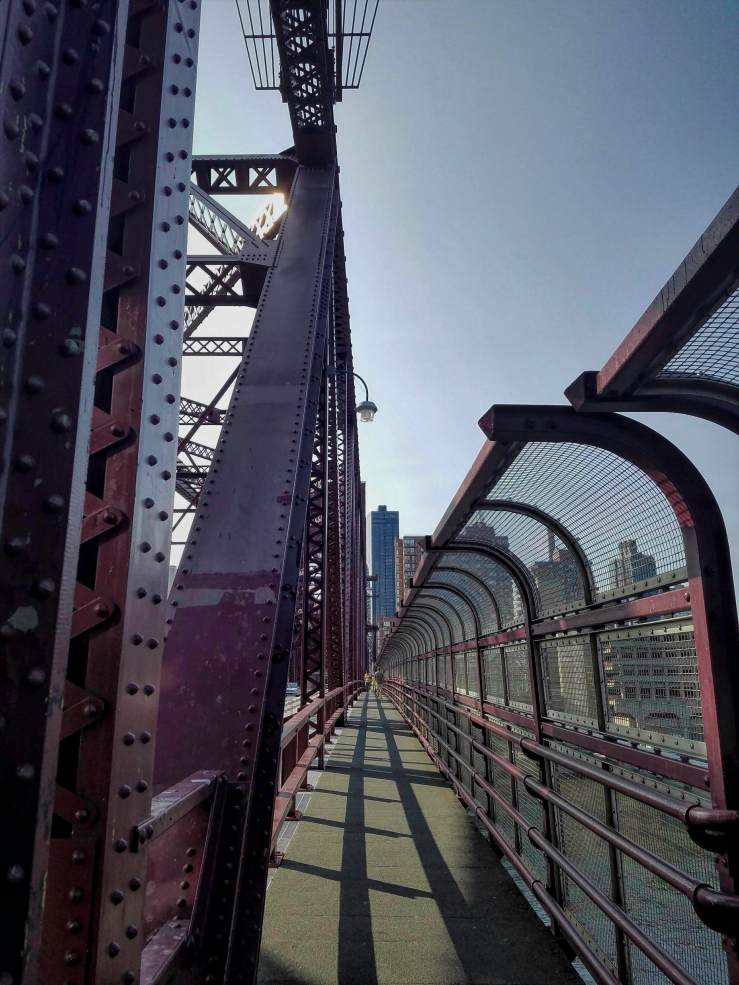
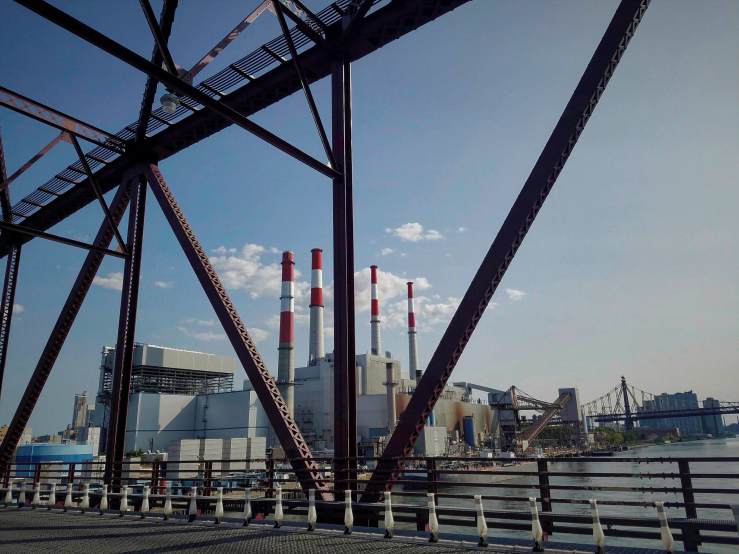
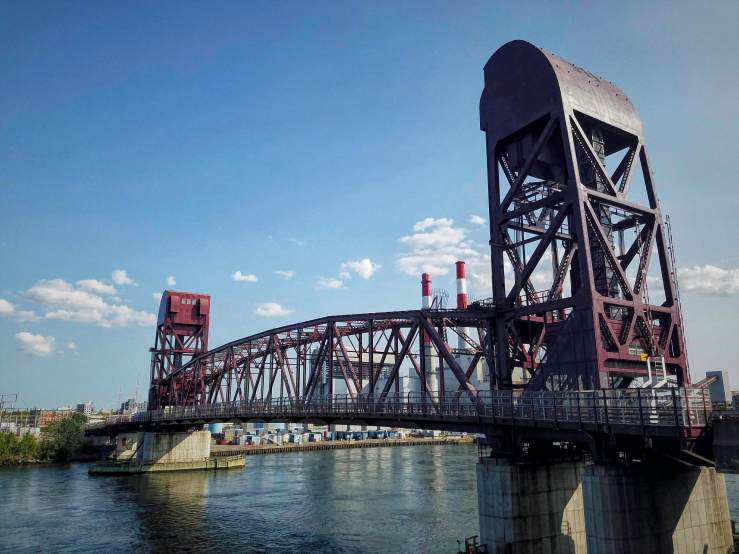
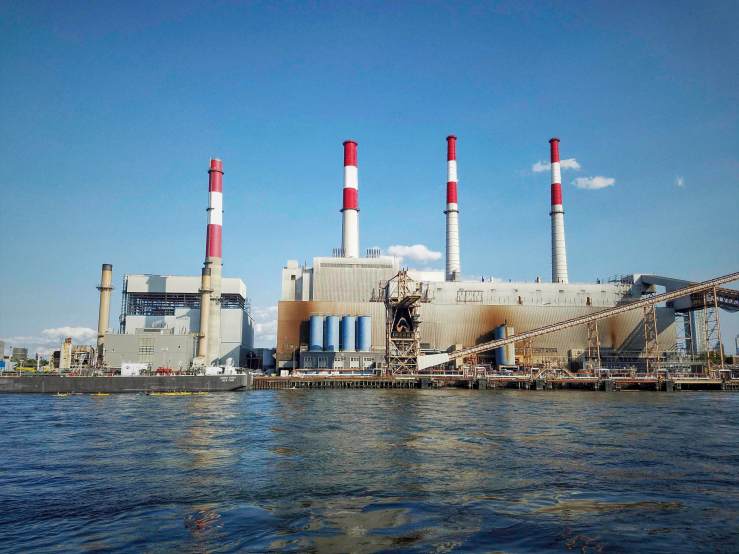
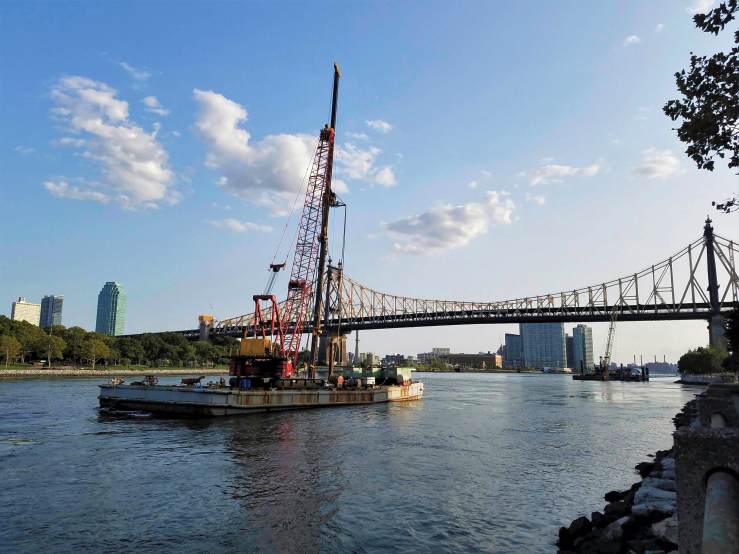
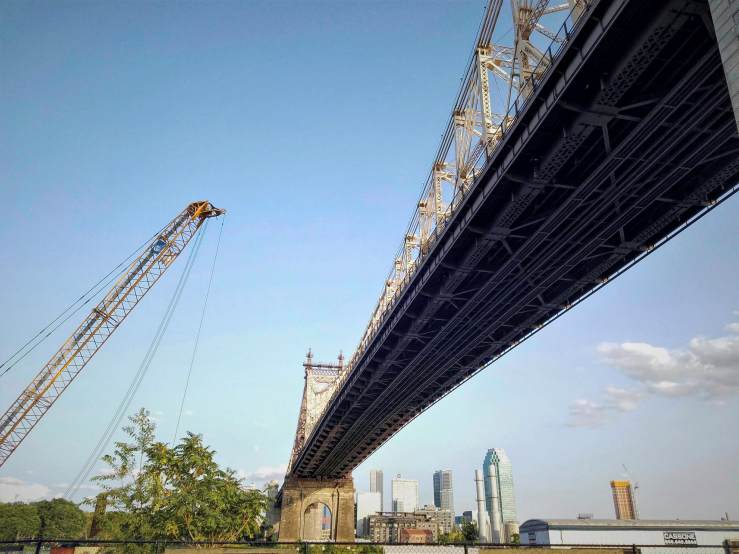
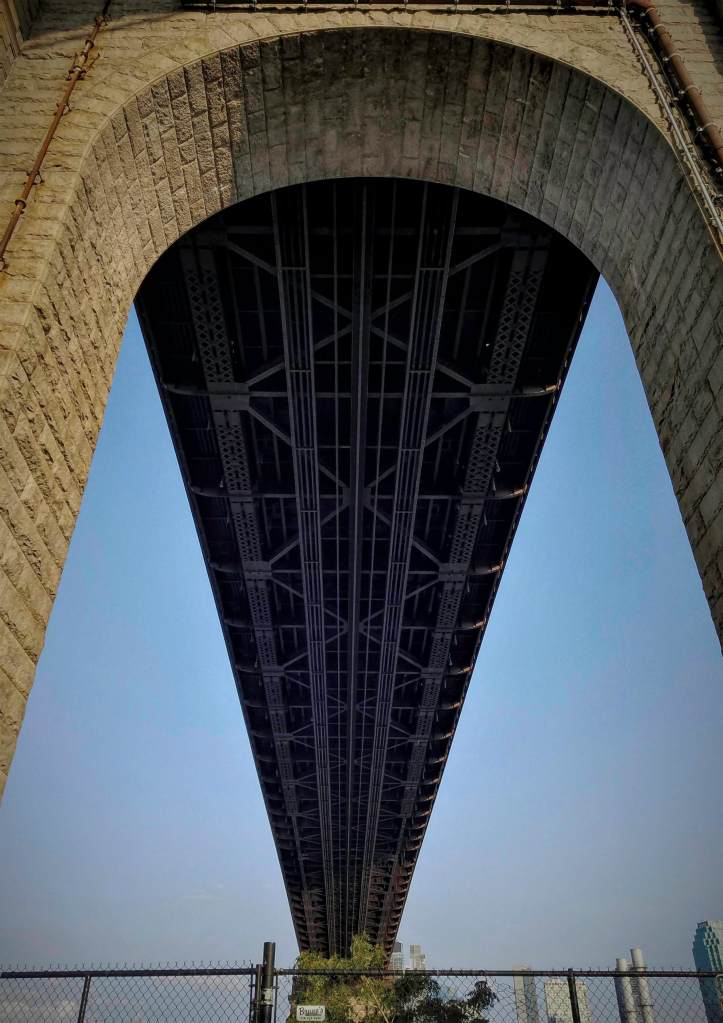
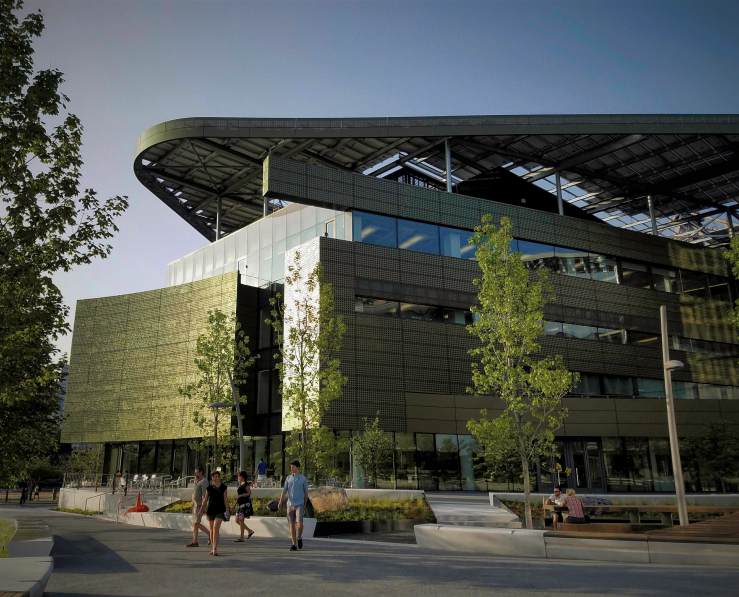
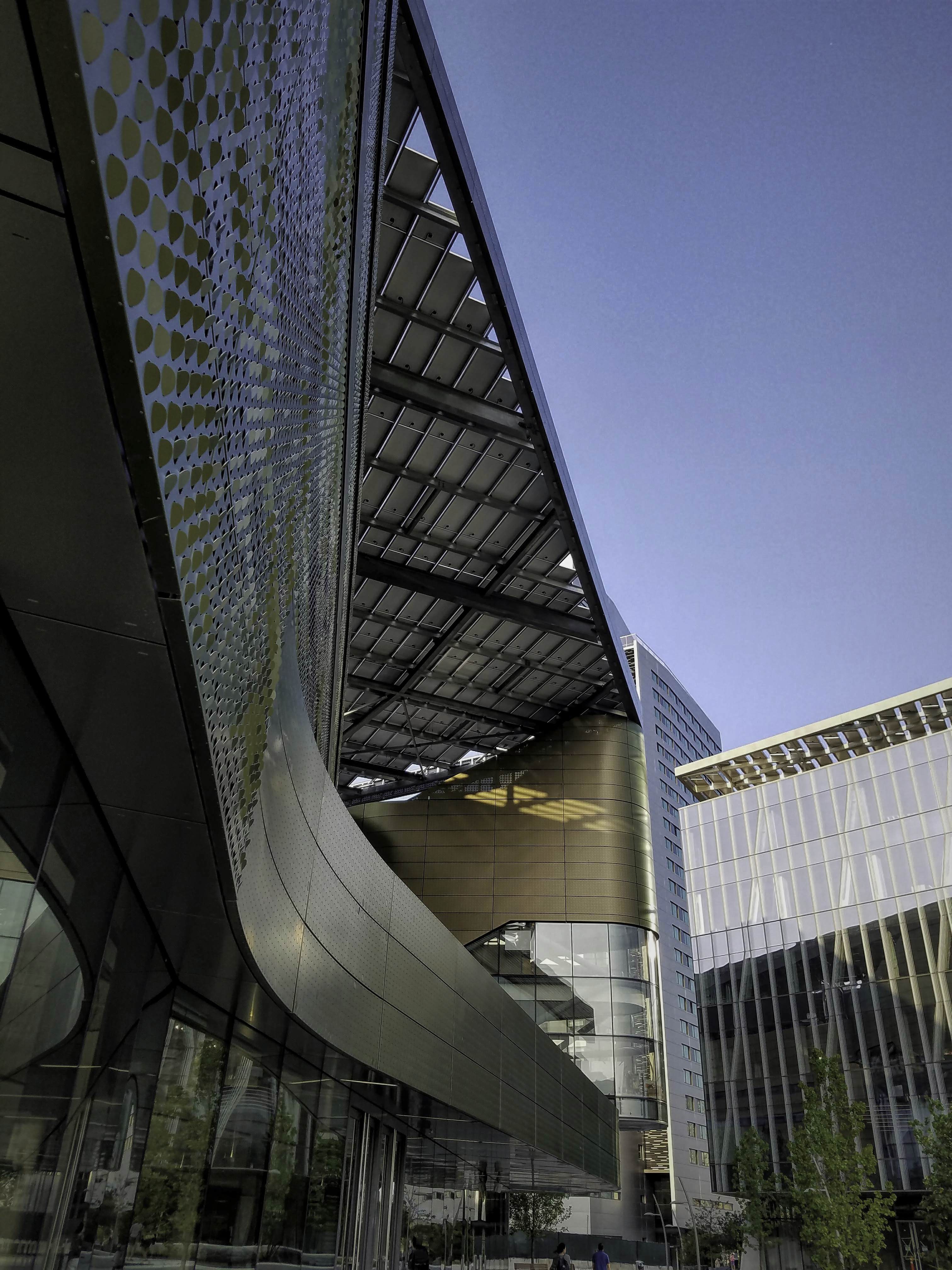
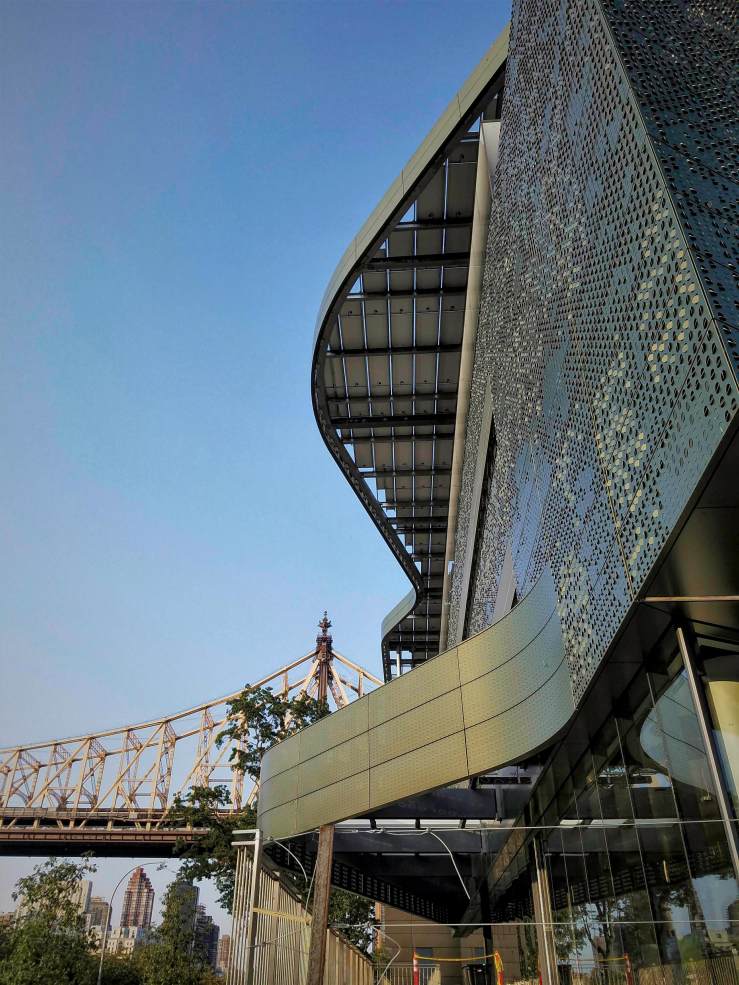
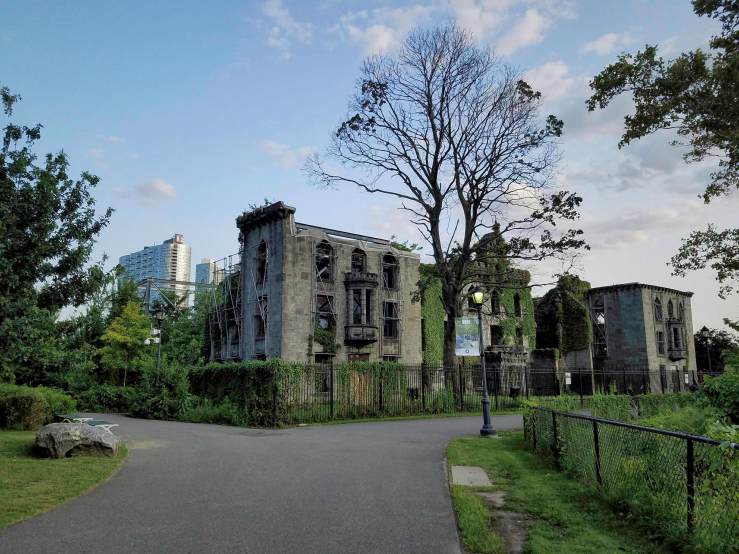
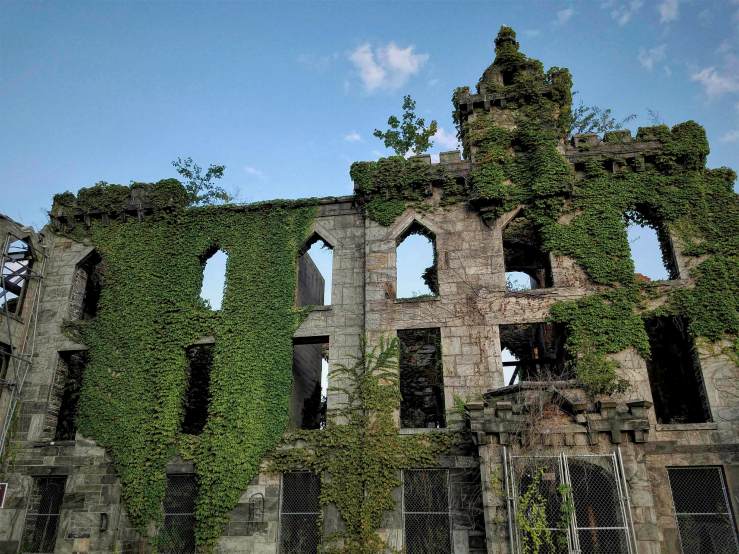
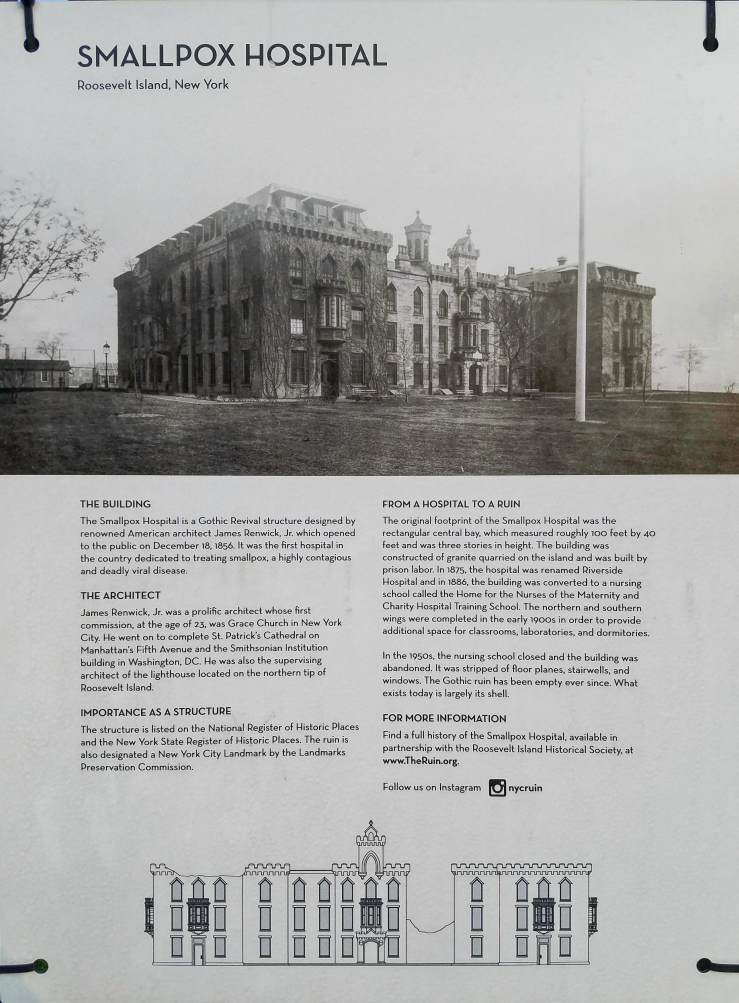
Crossing on foot the Roosevelt Island Bridge doesn’t take long; it is one of the shortest ones – around 2,880 feet or 880 metres only – in the area, connecting Roosevelt Island with Astoria. It is the only way to reach the island by car or on foot (without using the aerial tram or subway) but we only met a couple of vehicles and people. Crossing it proved to be an excellent idea, following the underwhelming experience in Socrates Sculpture Park. The industrial views and welcome quietude of an early afternoon more than made up for it.
August 26th, 2017
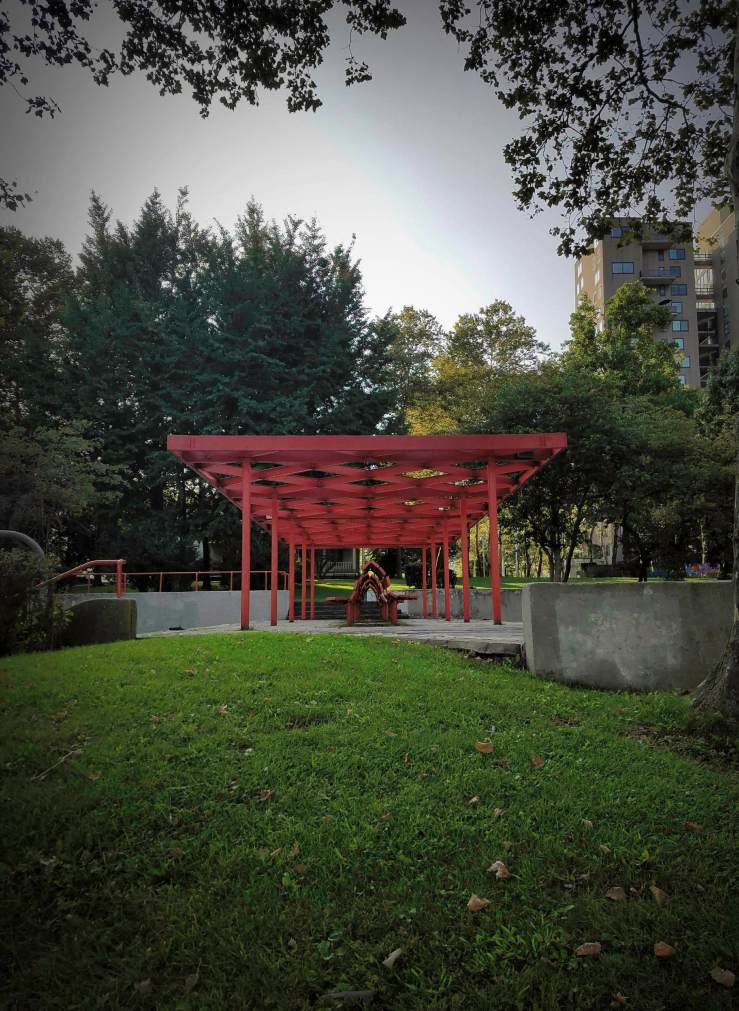
Reading about how the local community took the initiative to save this abandoned space, between Long Island City and Astoria, by converting it into a sculpture park – and being the first to applaud such creative initiatives, I thought I owed it to myself to take a closer look, not least because it is named after Socrates (470-399 B.C.), the great Greek philosopher, which is not surprising considering New York’s largest Greek community is in Astoria.
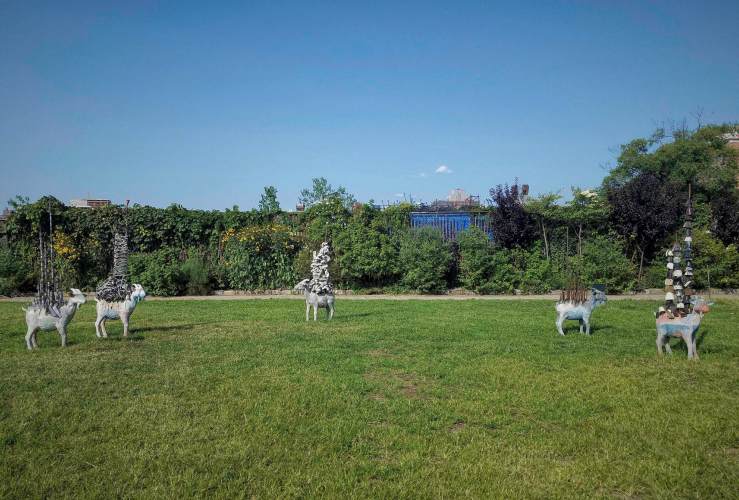
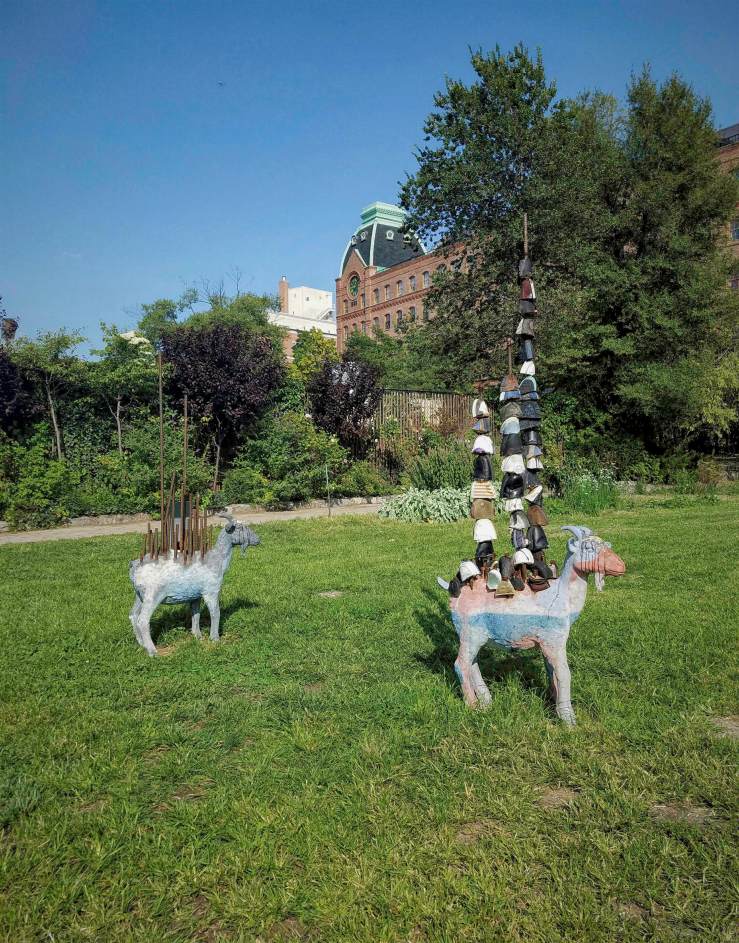
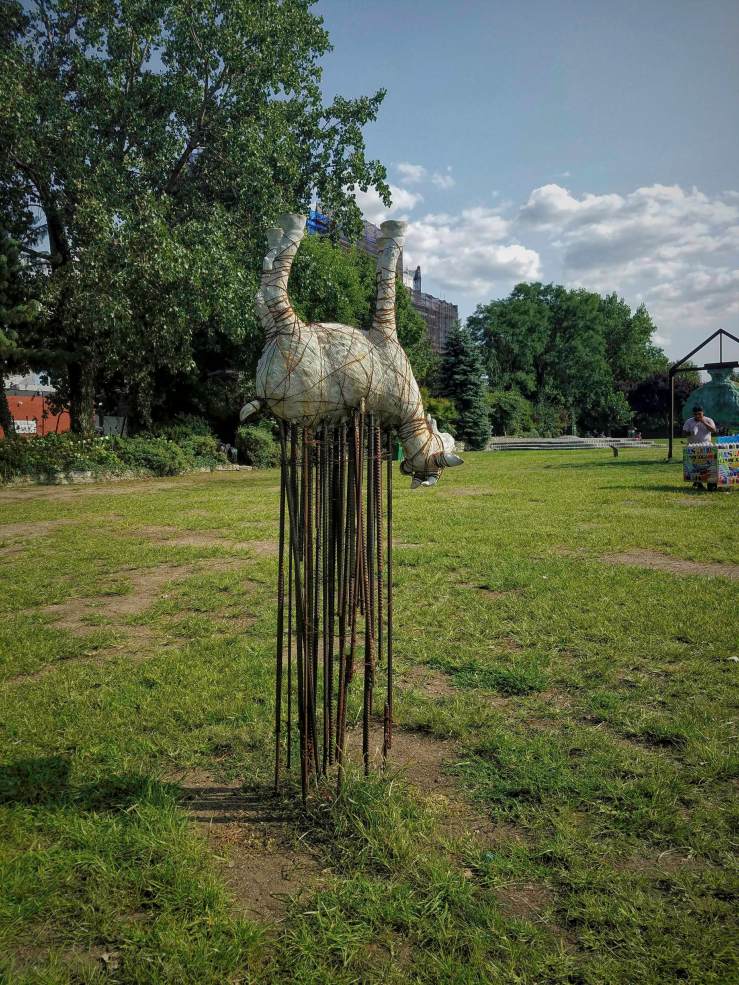
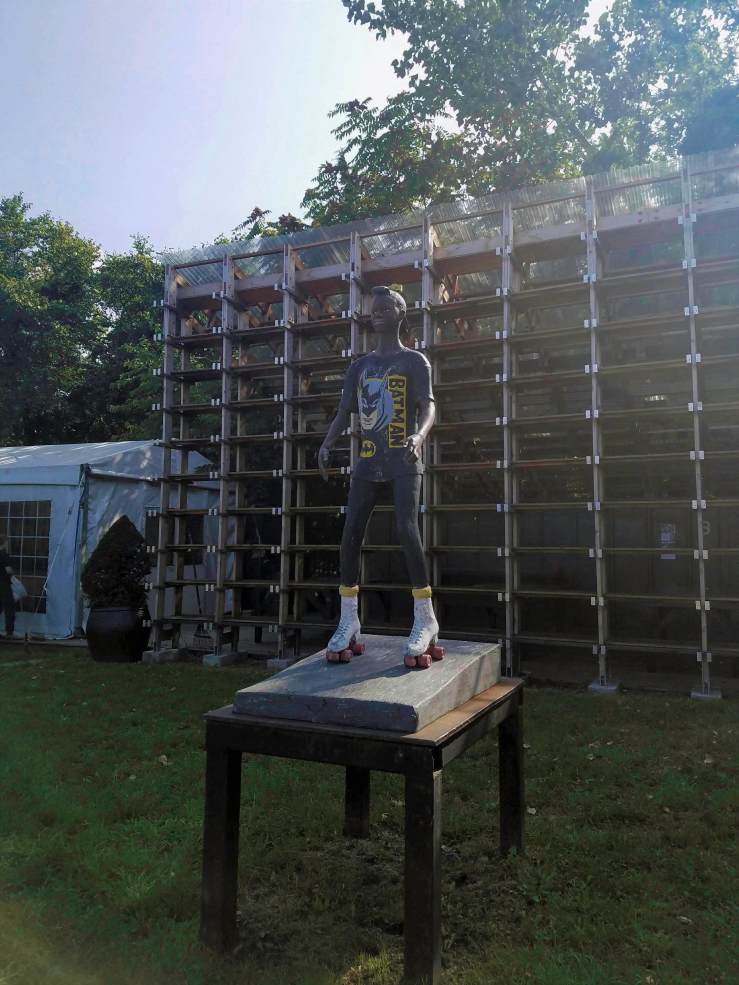
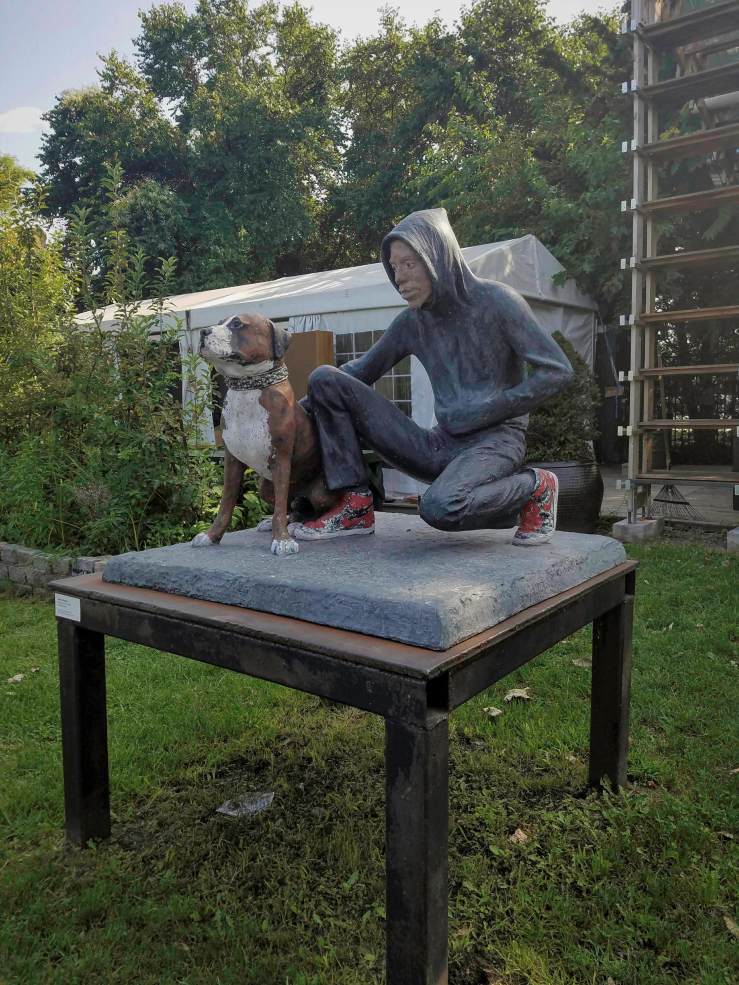
The exhibition on view those days was Nari Ward: G.O.A.T., again, G.O.A.T. being an acronym for Greatest of All Time, a phrase commonly used in American sports. The exhibition examined ‘‘how hubris creates misplaced expectations in American cultural politics. This exhibition also brought new insight into the artist’s exploration of identity, social progress, the urban environment, and group belonging.”
While it was difficult for me to grasp the higher meaning behind the flock of goats carrying stuff on their backs, I found the artist’s explanation ”… articulation of social dynamics, conjuring the animal’s attributes and symbolic connotations, from an ambitious climber of great heights to an outcast” equally puzzling.
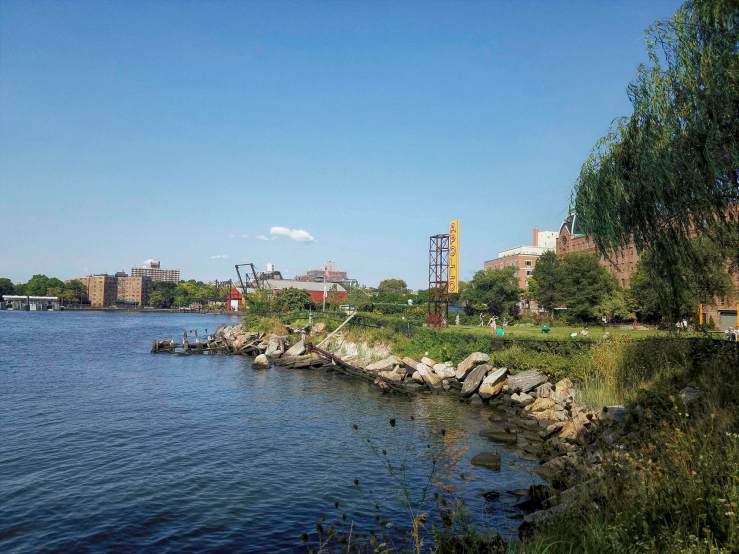
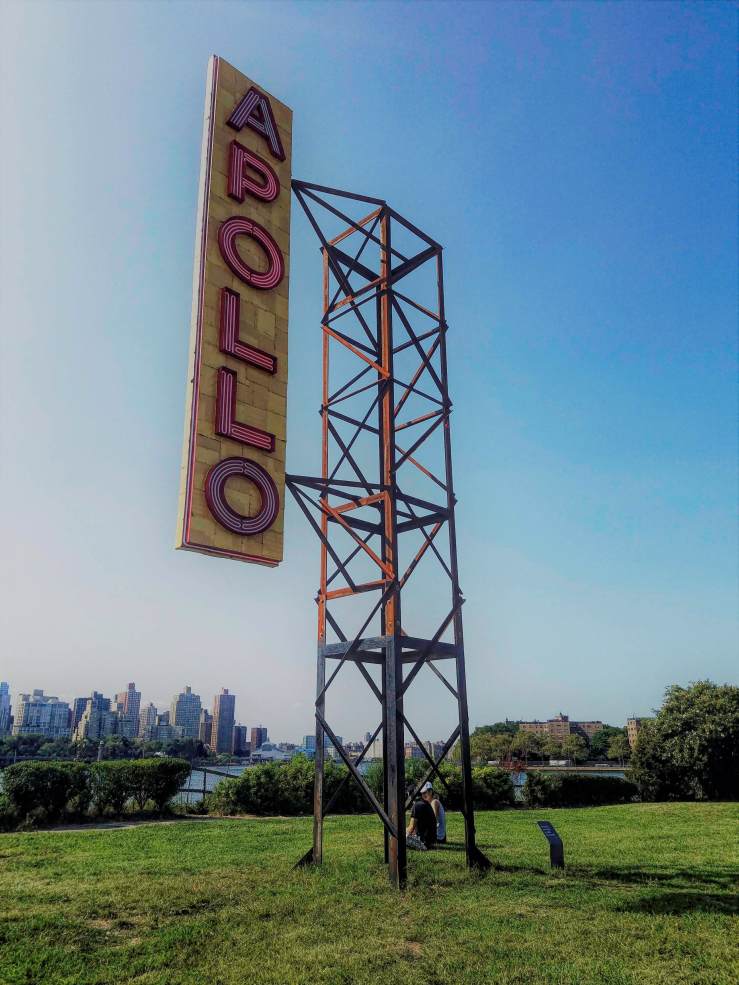
On the other hand, the Apollo/Poll sign, that read ‘APOLLO’, the letters ‘A’ and ‘O’ blinking on and off to spell out “POLL” was easier to interpret even without the help of the artist (but here it is anyway): ”… The size and font of the red LED-lit letters are inspired by those of the iconic neon beacon hanging over Harlem’s Apollo Theater, a renowned venue for African American entertainers. The word ‘POLL’ suggests not only the theater’s well-known amateur night in which the audience decides the winner, but also the democratic election process.”
I wonder what would Socrates have made out of all this…

August 26th, 2017
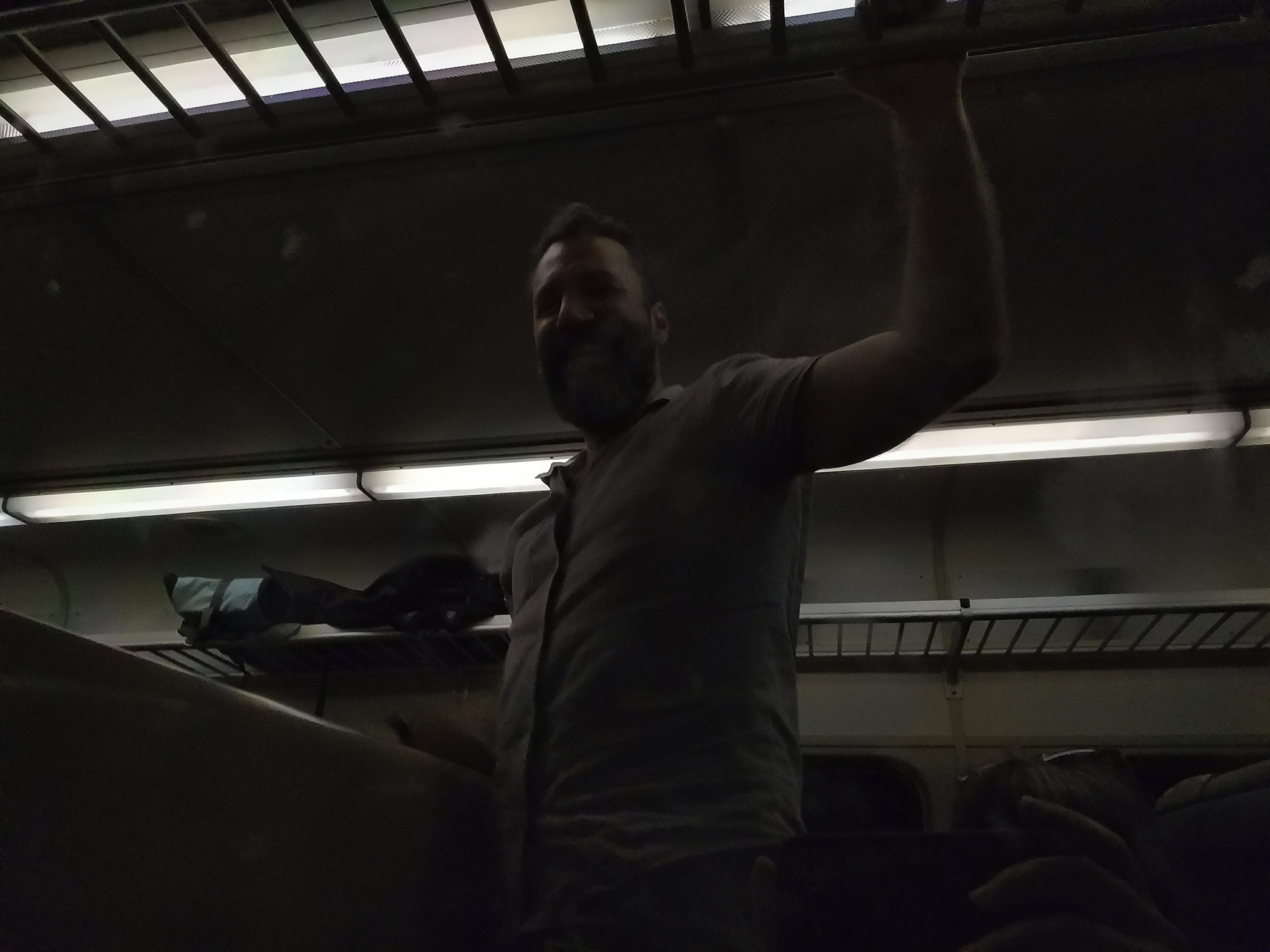
August 14th, 2017
In five scratchboard illustrations and one gouache.
In his 35-year career, Virgil Finlay produced over 2,600 illustrations, a remarkable achievement considering his labor-intensive and time-consuming drawing style.
”Instead of the typical pen and ink or carbon pencil drawings produced by most pulp illustrators, Finlay used a unique technique combining scratchboard—in which a clay-covered board is coated with black ink and the artist scratches away white lines from the black using a sharp blade—with intricate pen cross-hatching and an astonishingly painstaking method of creating tones called stipple.
Contrasted with hatching, or crossed lines, stippling is a time-consuming process in which tones are created with hundreds of tiny individual dots, carefully placed and dripped off the end of an ultra-fine dip pen, one dot at time.” [source]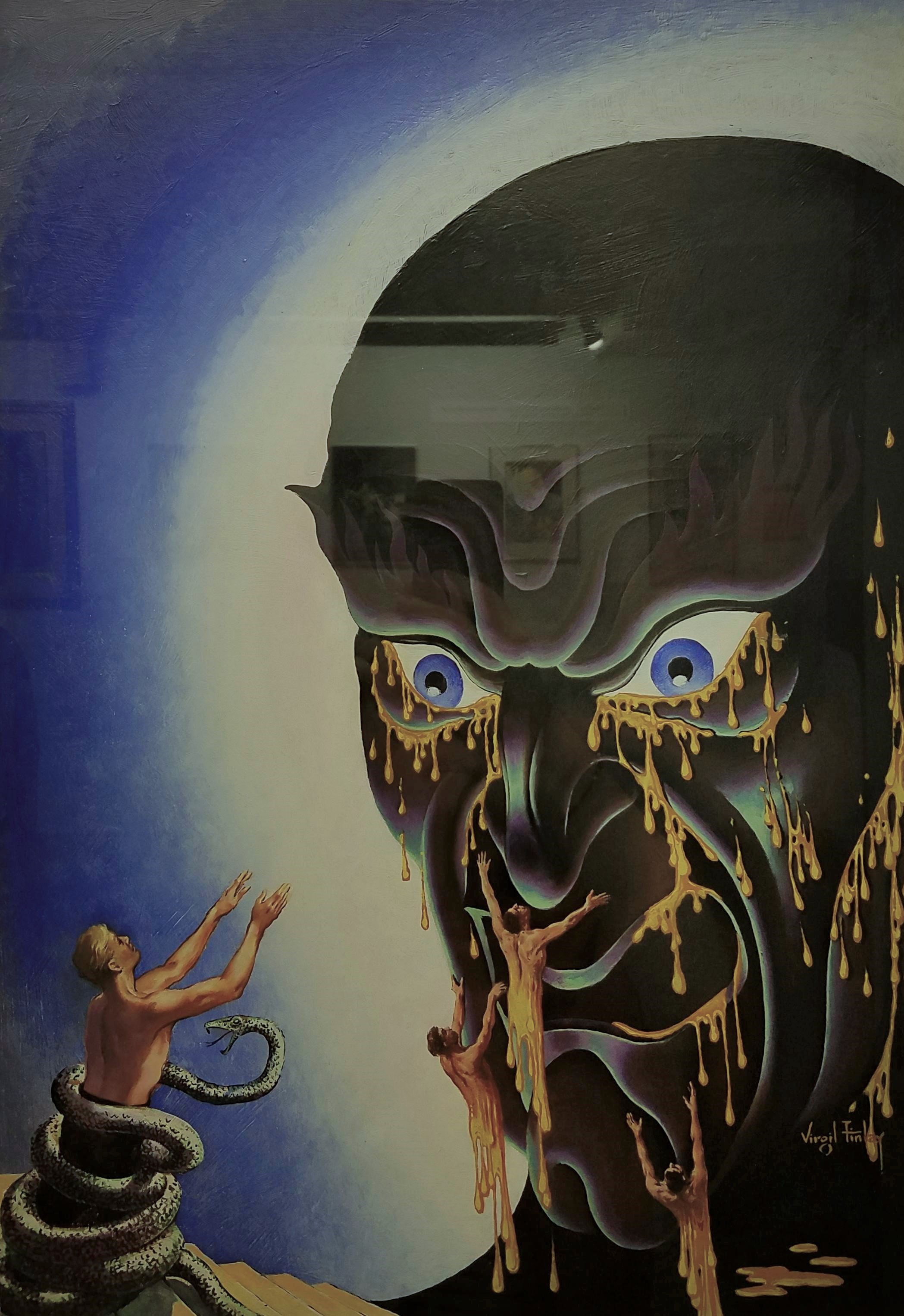 Face in the Abyss
Gouache on illustration board
Appeared on the cover of Famous Fantastic Mysteries magazine for ”Face in the Abyss” by A. Merritt, Frank A. Munsey Co., October 1940
”He came out of his coma. We left a sketch pad and pencils by the bed. He did a drawing, he went back into the coma, and died.”– Lail Finlay, Virgil Finlay’s daughter

 Three Against the Stars
Scratchboard, pen and ink
Interior illustration in Fantastic Novels Magazine for ”Three Against the Stars”, by Eric North, New Publications, Inc., May 1950
 The Lovers
Scratchboard, pen and ink
Appeared in Startling Stories magazine for ”The Lovers” by Philip José Farmer, Better Publications, August 1952
For the first time in science fiction history an Earth man and an alien woman have a sexual love affair in Philip José Farmer’s ”The Lovers”. This was quite groundbreaking yet controversial in 1950s American pop culture; however, it would seem quite tame compared to today’s science fiction books and films.
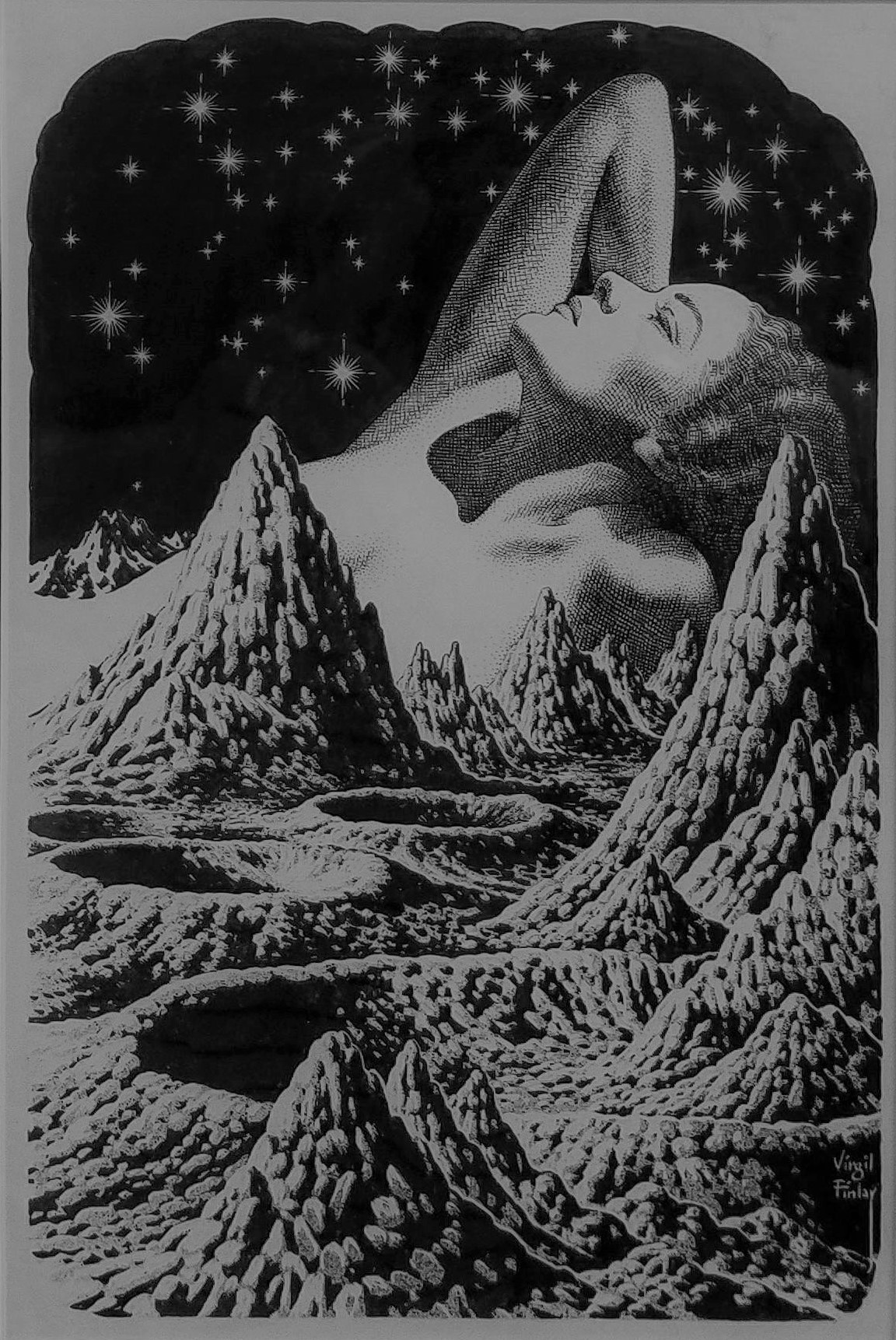 Woman reclining in lunar landscape, c. 1955
Scratchboard, pen and ink
 Conquest of the Moon Pool
Scratchboard, pen and ink
Interior illustration in Fantastic Novels magazine for ”Conquest of the Moon Pool” by A. Merritt, New Publications, September 1948
From ”Conquest of the Moon Pool”:
”… and suddenly there before us stood two figures! One was a girl – a girl whose eyes were golden… whose softly curved lips were red as the royal coral and whose golden-brown hair reached to her knees! And the second was a gigantic frog – a woman frog… six feet high if an inch and with one webbed paw of its short, powerfully muscled forelegs resting upon the white should of the golden-eyed girl!”
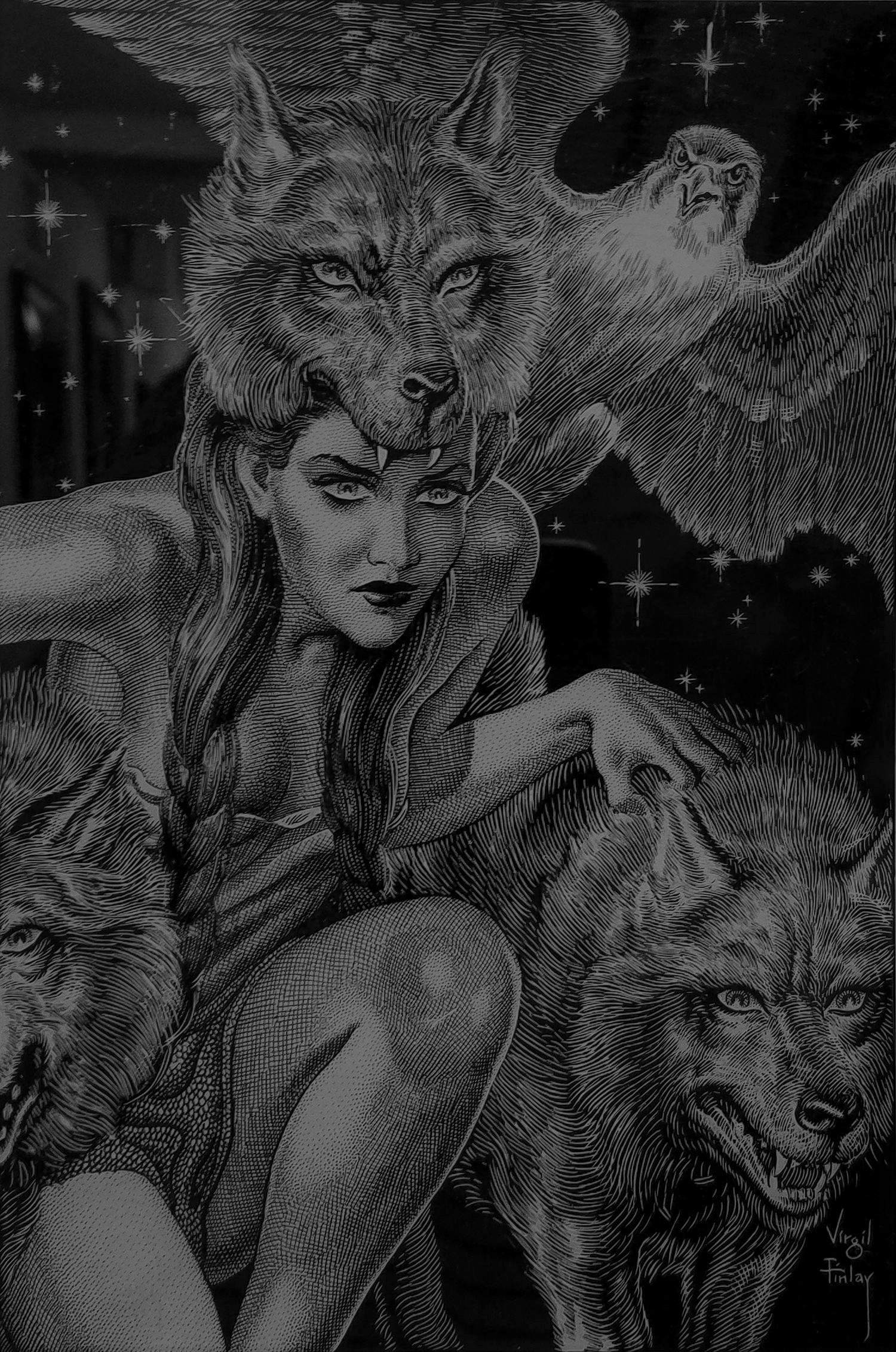 Lur the Witch Woman with Her Consorts, Dwellers in the Mirage
Scratchboard, pen and ink
Appeared on the cover of Fantastic Novels for ”Dwellers in the Mirage”, written by A. Merritt, Frank A. Munsey Co., NY, April 1941
”Dwellers in the Mirage” introduction:
”The strangest adventure any man had encountered since time began faced Leif Langdon when he tumbled through that Alaskan mirage into a lost world.”
Adenturer Leif Langdon stumbles upon an uncommonly warm, hidden Arctic valley where he finds and falls in love with Evalie. Also in this valley are the Little People – elfin warriors fighting against Lur the Witch Woman and her demon riders who raid the Little People’s land for sacrifices to Kraken, their dark lord. Tapping into buried memories of another lifetime, Langdon realizes he had a past life as Kraken and as Lur’s lover. So begins Langdon’s inner struggle between his two selves.
All artwork by Virgil Finlay (1914 – 1971), photographed at the Society of Illustrators
August 15th, 2017
Outside: pouring rain, Times Square countdown, Central Park midnight run, fireworks
Inside: human warmth, family life, old friends & new, bubbles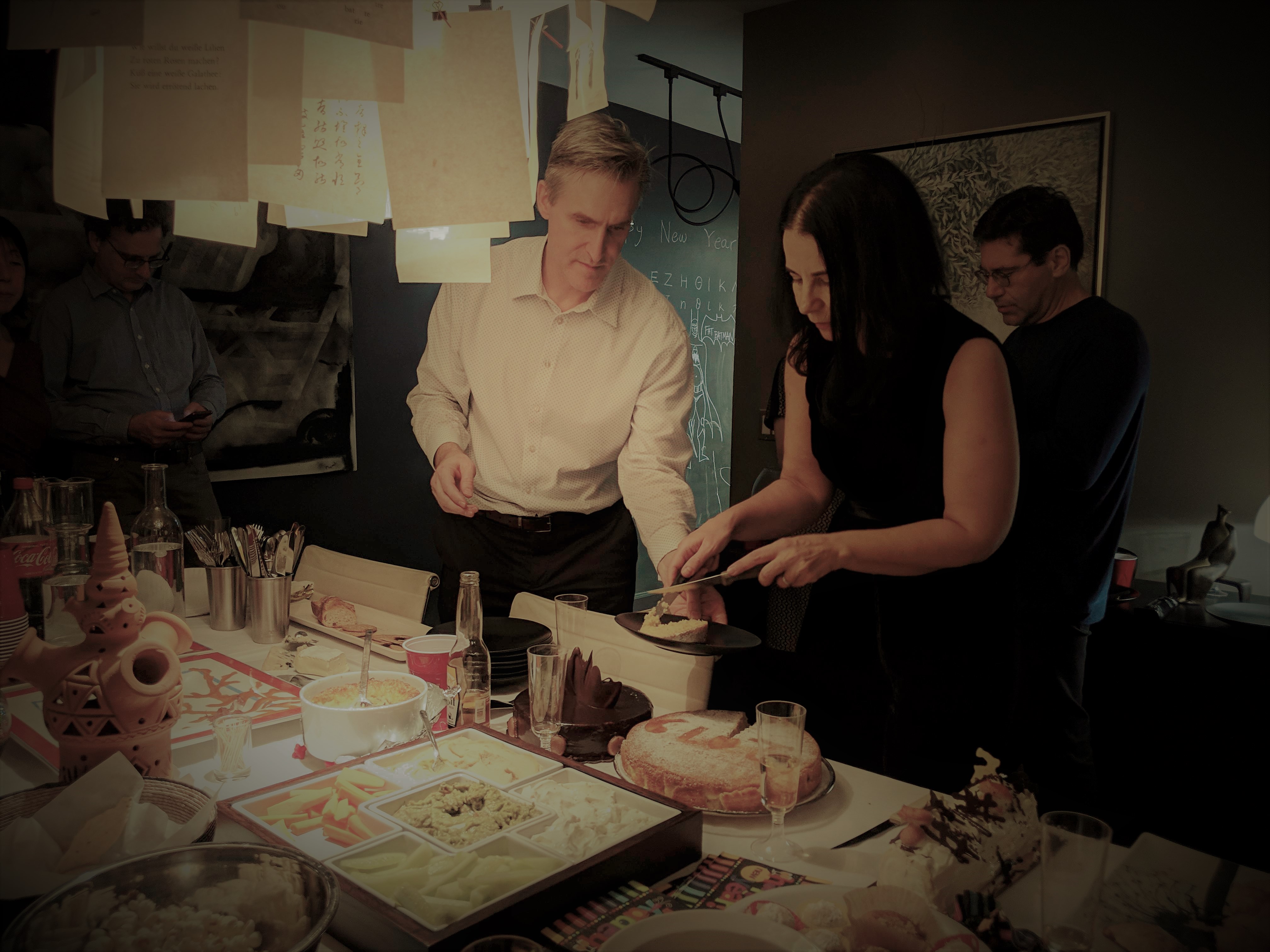


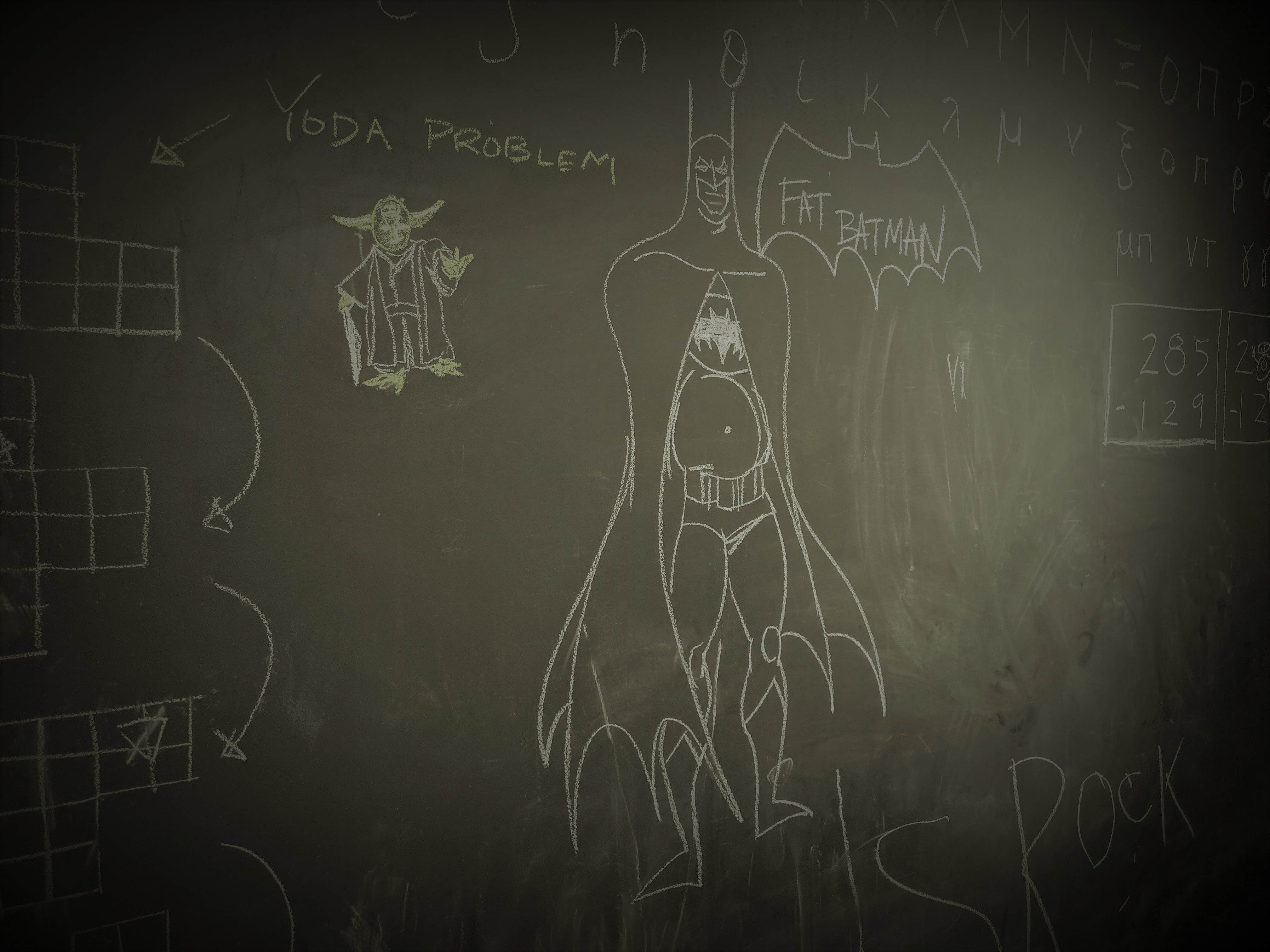
Here is to a healthy, peaceful & creative year ahead.
Happy New Year, everyone!
January 1st, 2019
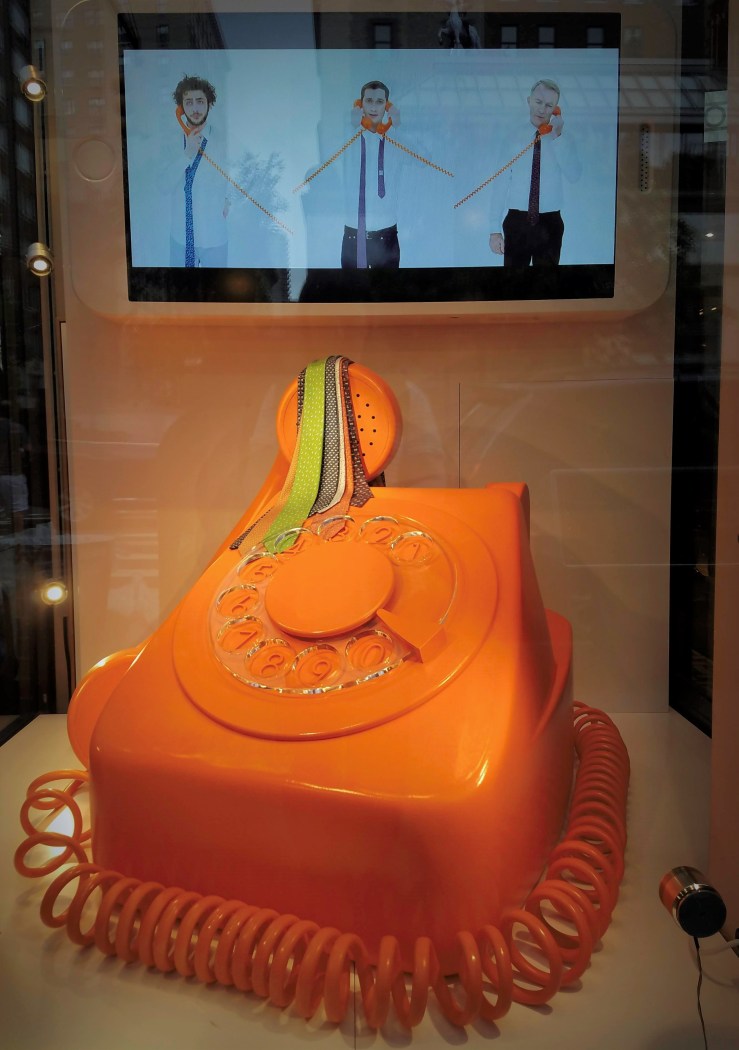
– Hello? This is 2018 calling; may I please speak to…
– Oh, hello 2018, sorry to interrupt, we’ve been expecting your call. Please hold for 2019, it’ll be right with you shortly!
December 31st, 2018
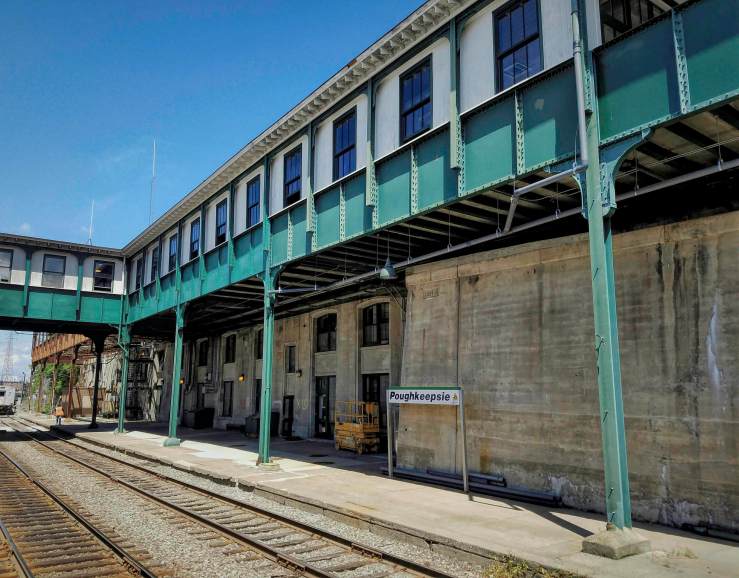
First, I was intrigued by the Native American name. Looking for its meaning, I found out that it is a mispronunciation of a Native American word referring to the location of a spring of fresh water that was used by the first travelers as a rest stop on the trail that ran along the river. Poughkeepsie is derived from ”uppuqui ipis ing”, uppuqui pronounced oo-poo-kee, and it means ”the reed-covered lodge by the little water-place”. [source]
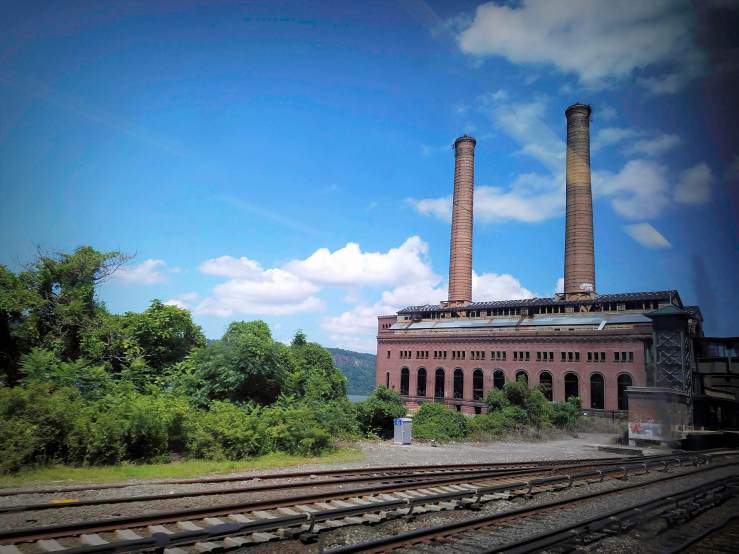
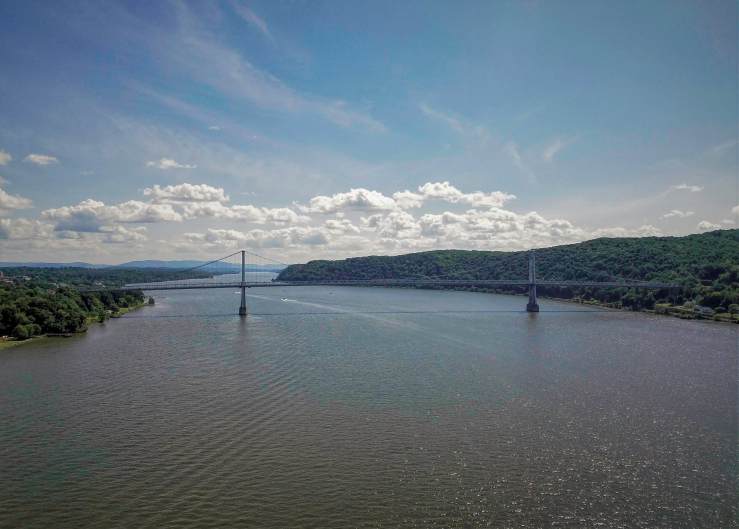
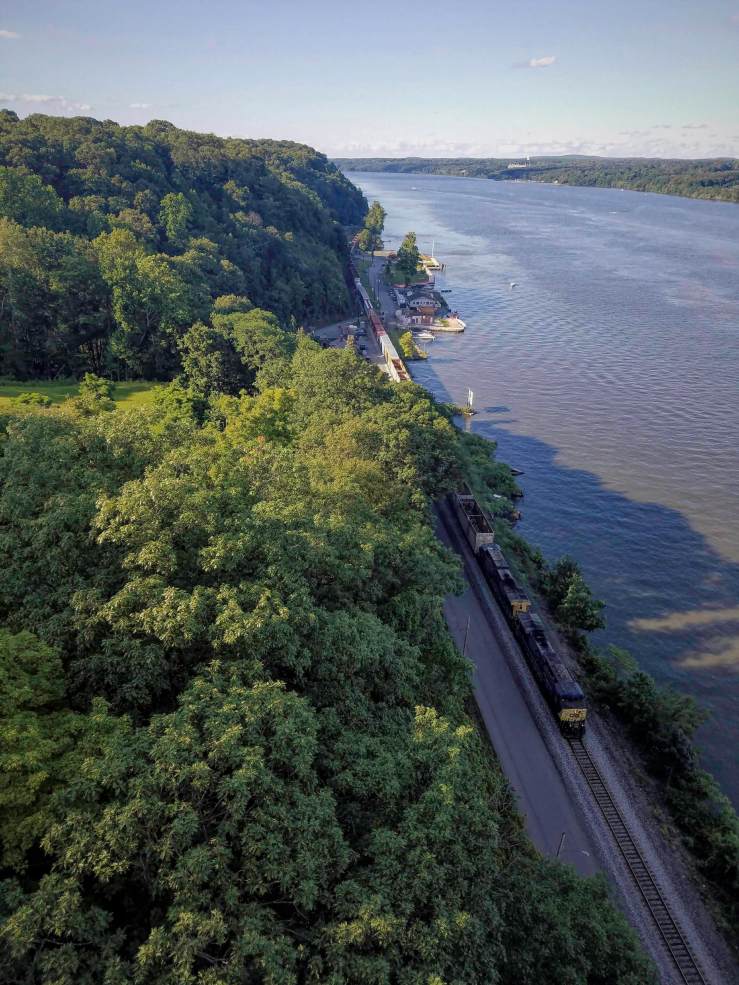
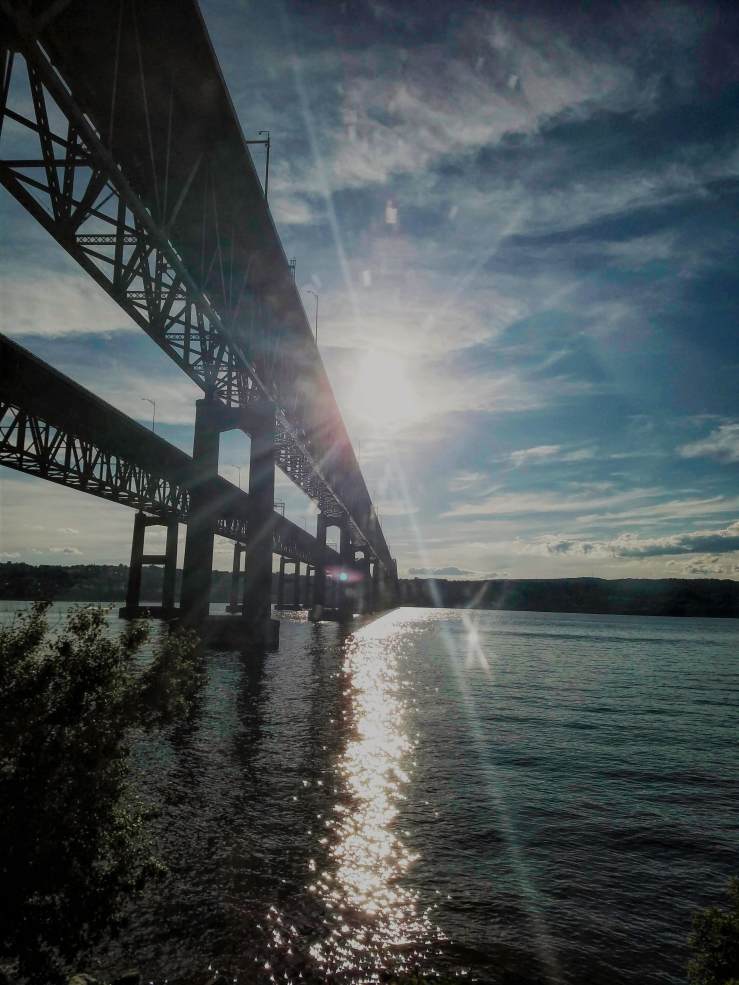
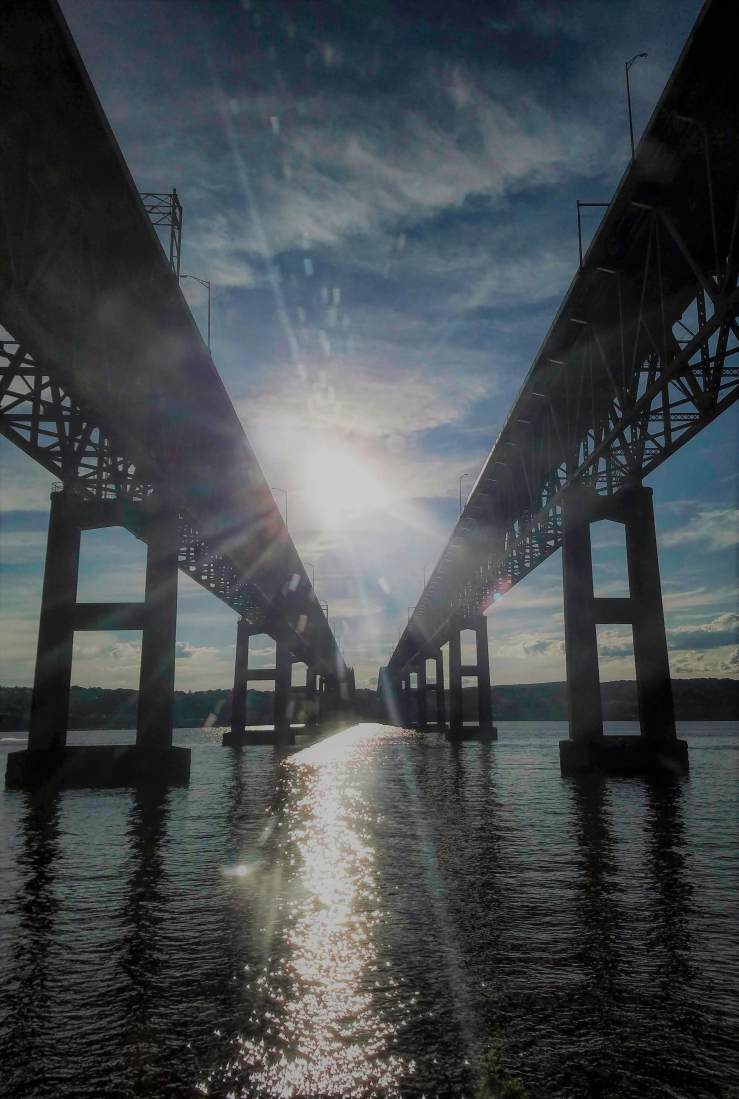
Then, came an episode of the ”Great American Railroad Journeys”, a BBC travel documentary in which Michael Portillo crosses the United States by train using an 1879 copy of Appleton’s Guidebook. In this episode, Portillo makes a stop on his way to Albany, to walk across the former Poughkeepsie-Highland Railroad Bridge, built in 1889.
In Appleton’s time the bridge existed on paper only but, just ten years later there it was, the first Hudson River rail crossing north of New York City, intended to move mostly freight from Midwest to New England. In peak times, as many as 50 trains a day used to cross the bridge, but by 1974, when it was destroyed by fire, the traffic had dropped to one train a day.
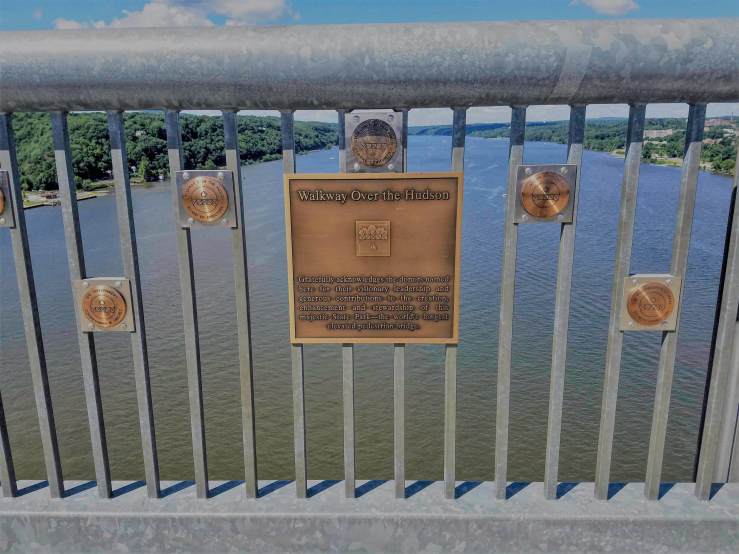
The fire may have been extinguished but the damaged bridge remained closed, in disrepair for 35 years, until October 2009 when it was reopened as Walkway Over the Hudson with funding by the State and Federal government bodies responsible for historic preservation, private philanthropic organisations, but mainly the initiative and extensive support by local residents.
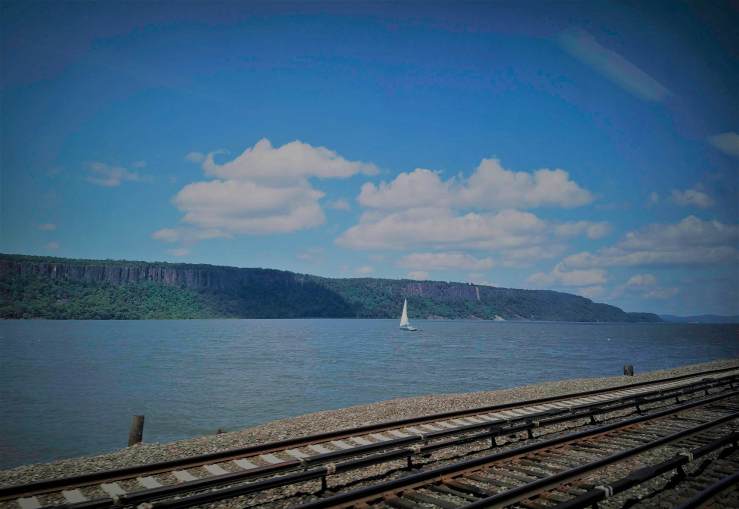
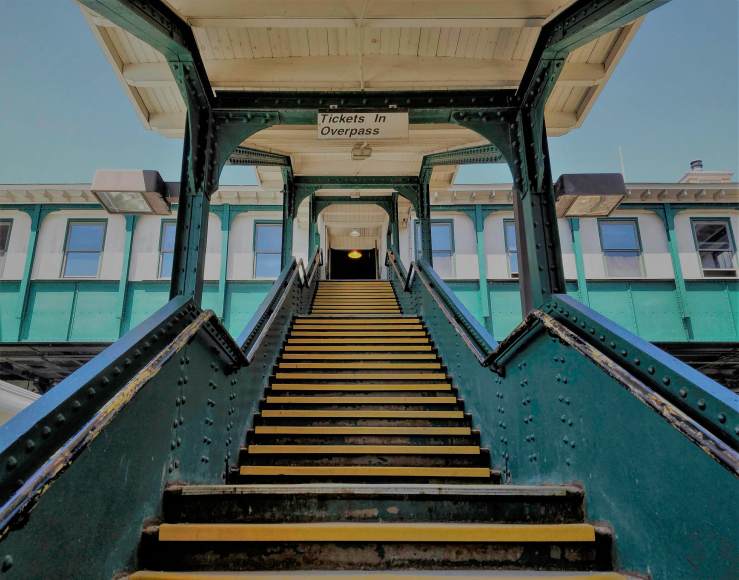
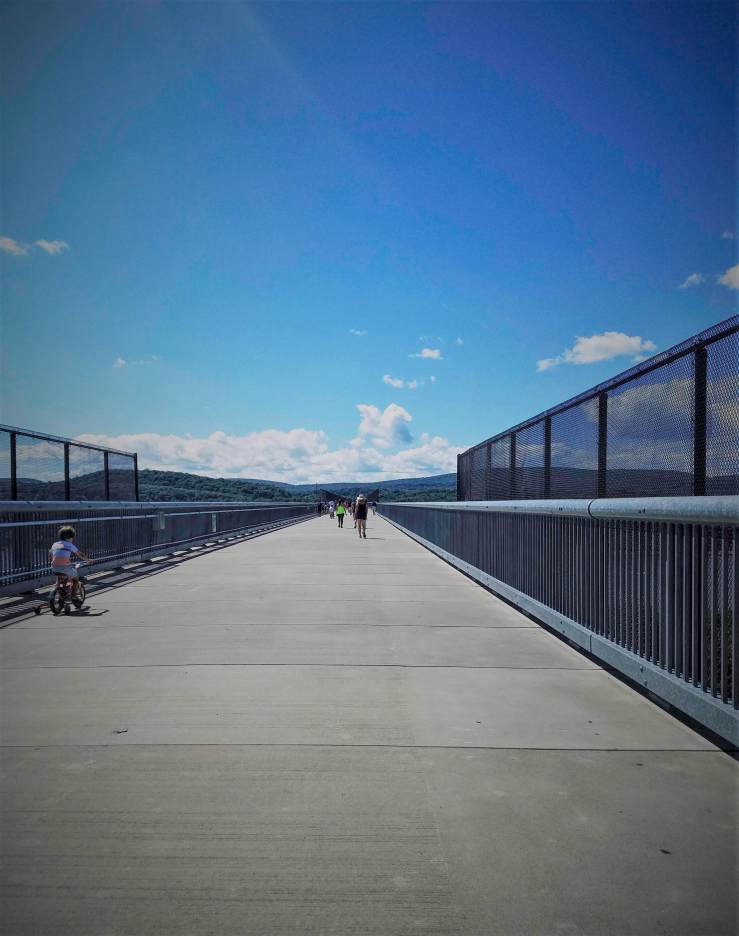
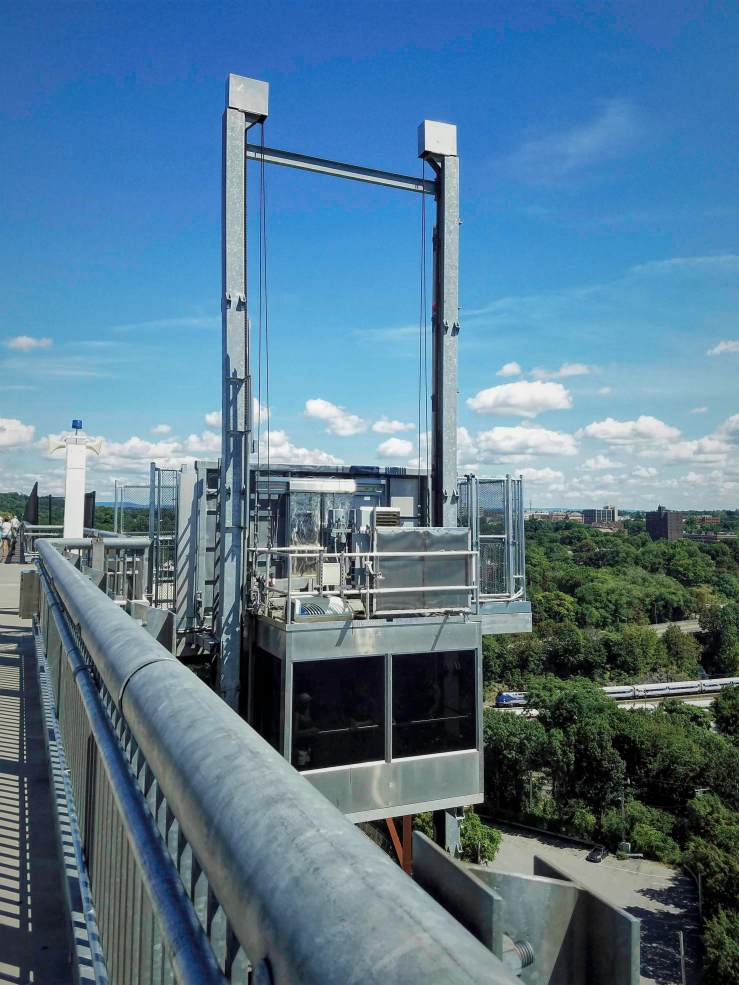
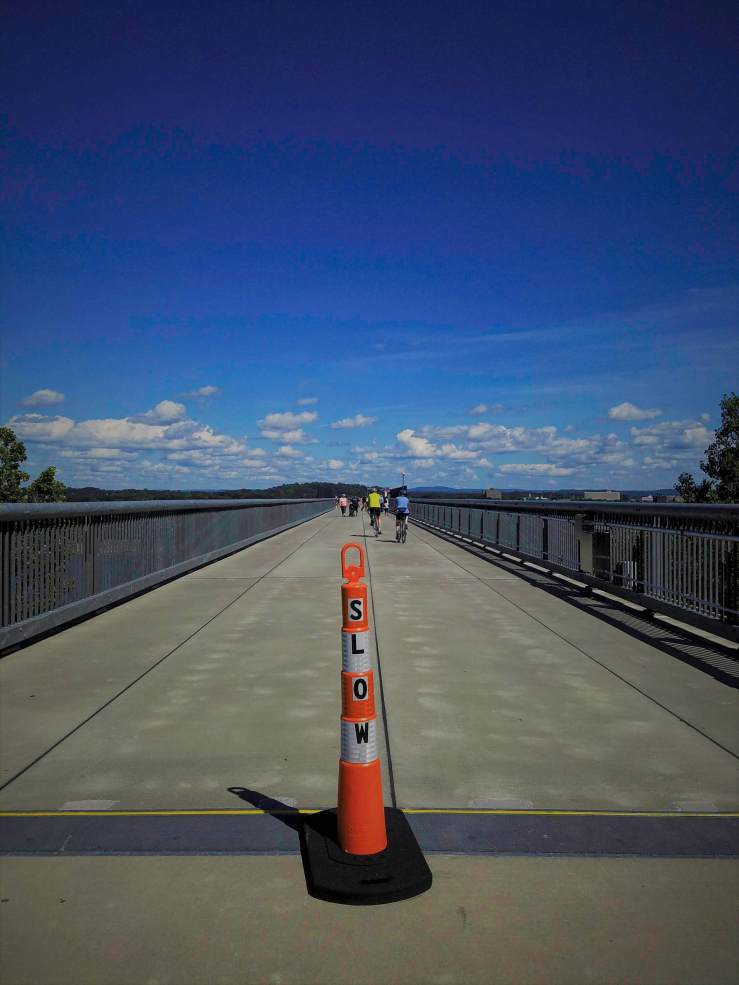
At 1,28 miles – just over 2 km long, it claims the first place as the longest, elevated pedestrian bridge in the world. Open daily from 7 am to sunset, easily reached from Manhattan: a two-hour trip running mostly alongside the Hudson, on Metro-North from Grand Central Terminal.
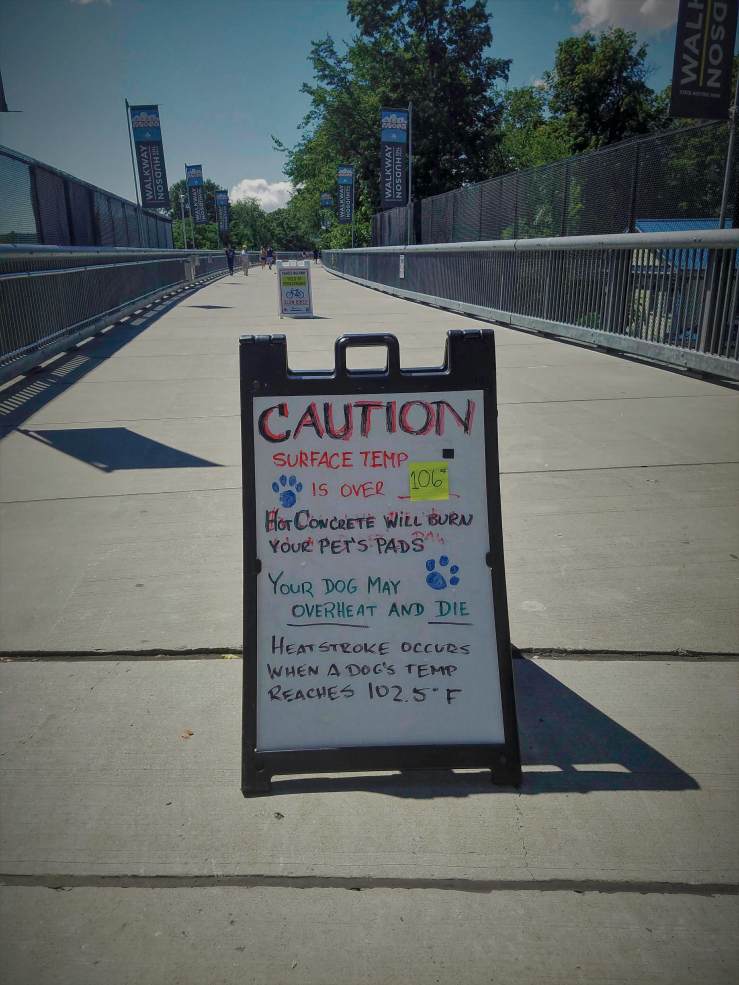
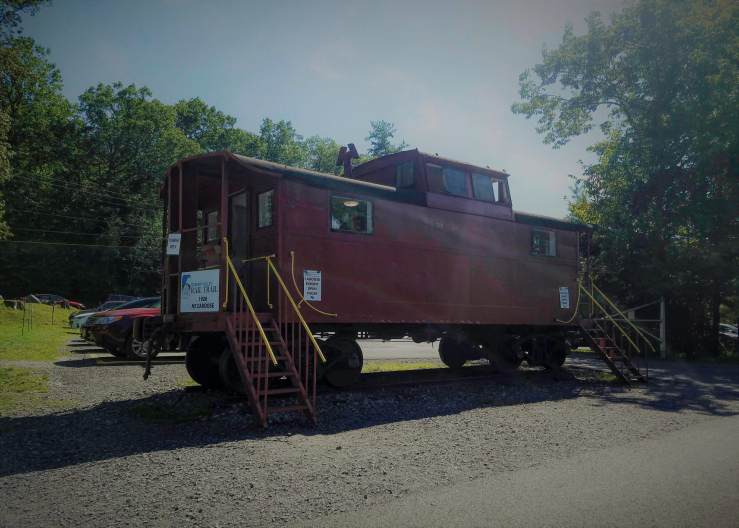
Attention, however, you need to plan accordingly: except for the obvious breezy conditions one may expect on a bridge, it can get really hot (as in boiling) on this particular one. There is nowhere to hide from the sun and relief will come only once you’ve crossed on either side and especially Highland, where the Hudson Valley Rail Trail continues for miles under the welcome leafy shade.
August 13th, 2017
It was August but Winterreise was about to take us on a journey back in time, through Hans Zender’s Dark Mirror; I had a feeling it would be dark and cool, just what one needs in August in the City – and I was right.
”Schubert’s Winterreise is a work shockingly ahead of its time, with a strongly expressionist flavor and prescient hints at the progress of music into the 20th century. Zender’s interpretation brings out and clarifies these extraordinary aspects and creates sonic associations for a modern audience. The rich cabaret feel draws on elements already there, and allows for a reflection on the piece itself—it is a work of art about a work of art.” (source)
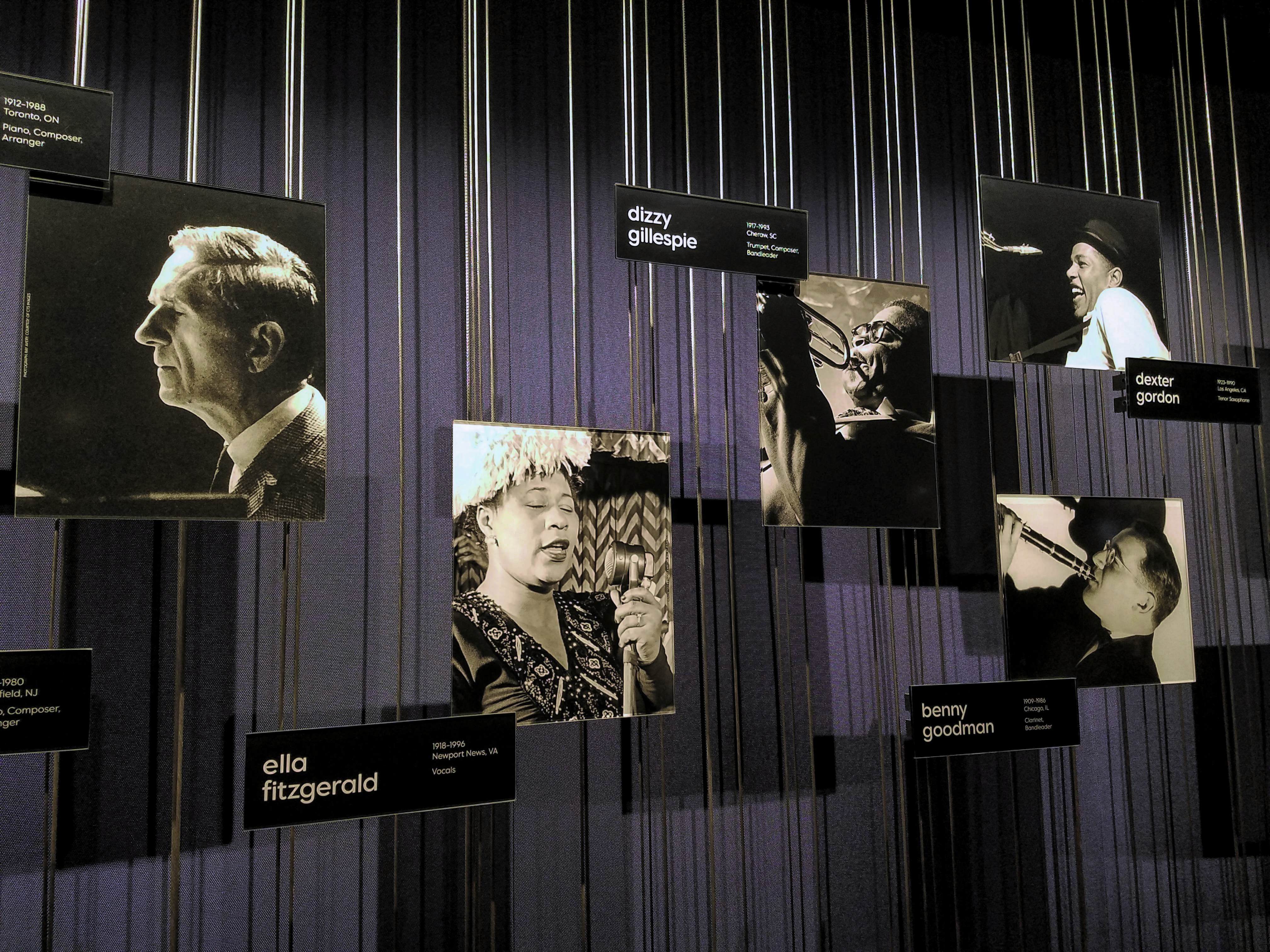
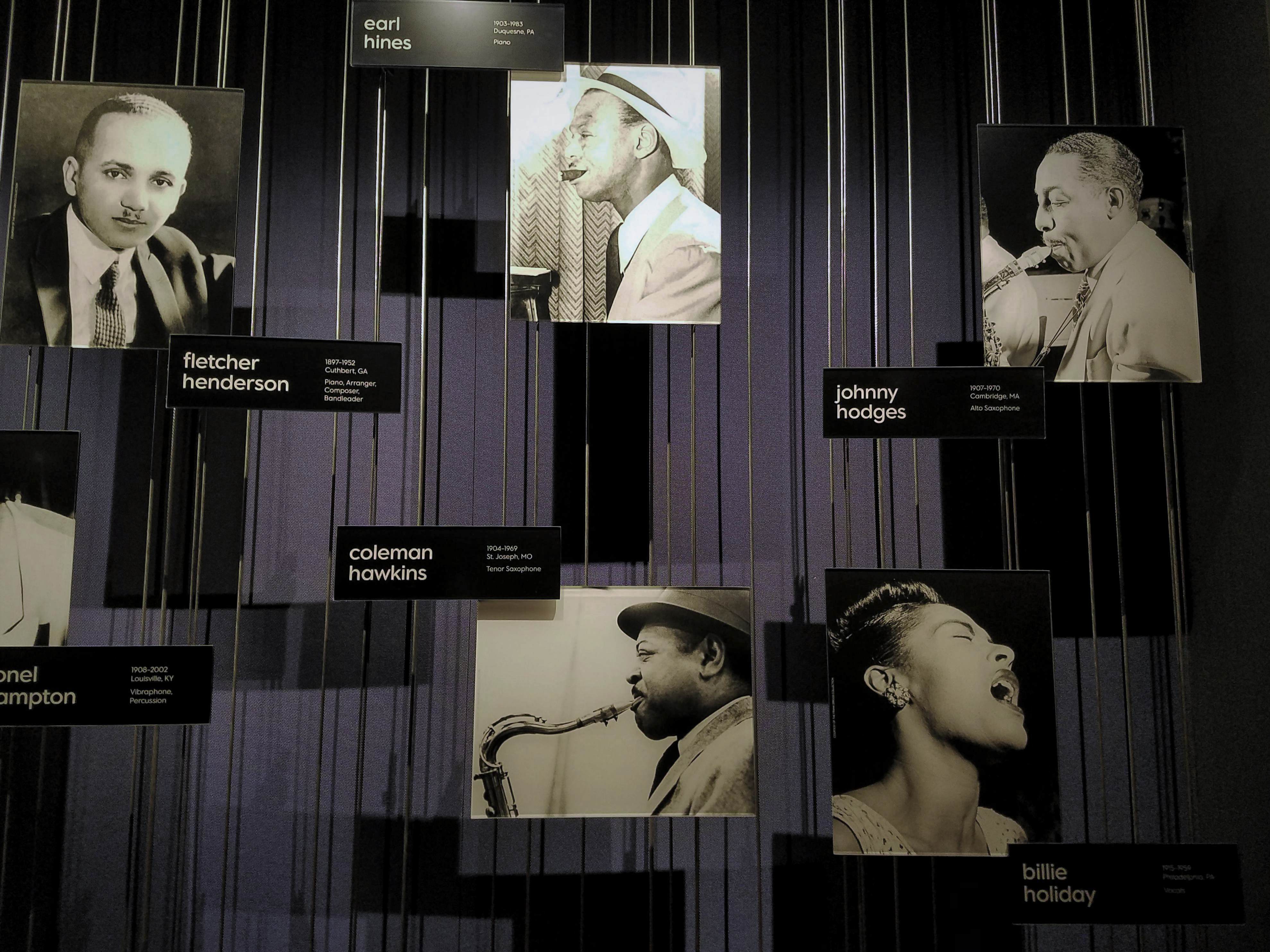
Before looking into ”The Dark Mirror”, we lingered around the Ertegun Jazz Hall Of Fame, a space honouring the life and work of jazz legends with photos of the men and women who dedicated their lives to jazz, and a video series on the media wall, designed and animated by Nate Milton. Walking by, it occurred to me that I have yet to discover New York’s jazz scene. Now, a year-and-a-half later, I’m still in the dark and not sure where to start. If you have a recommendation, please do drop me a line in the comments – I would love to find out! 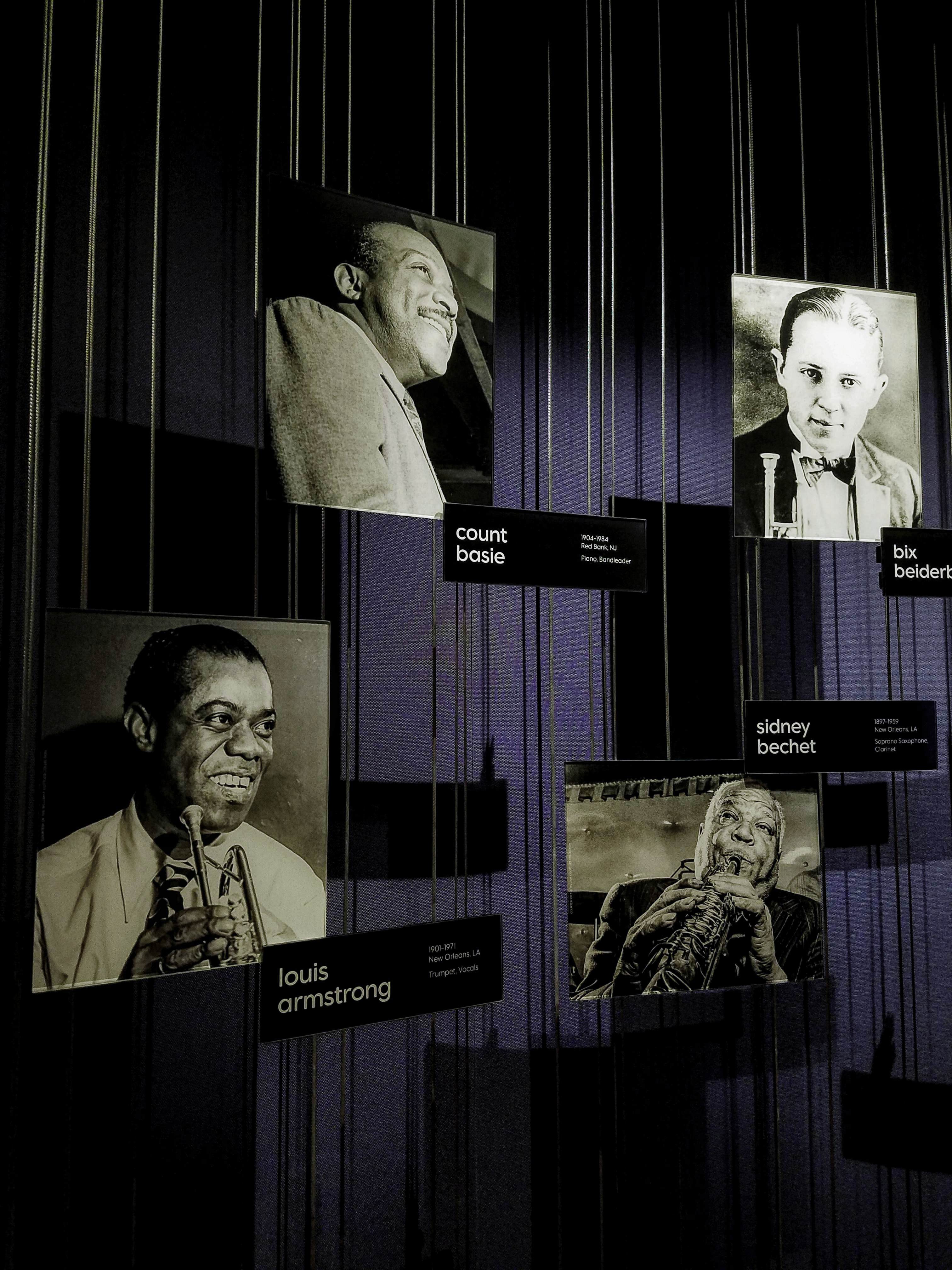
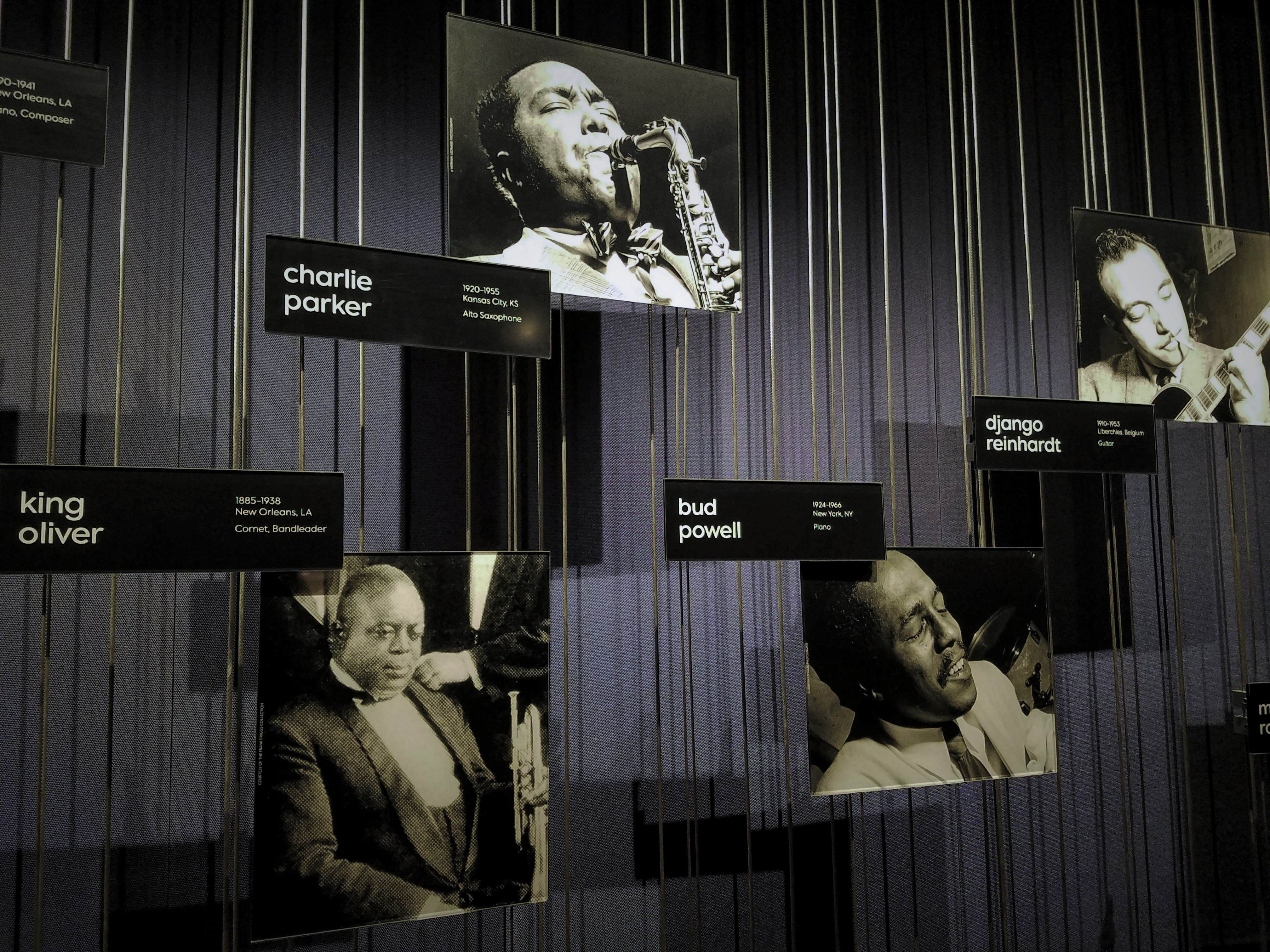
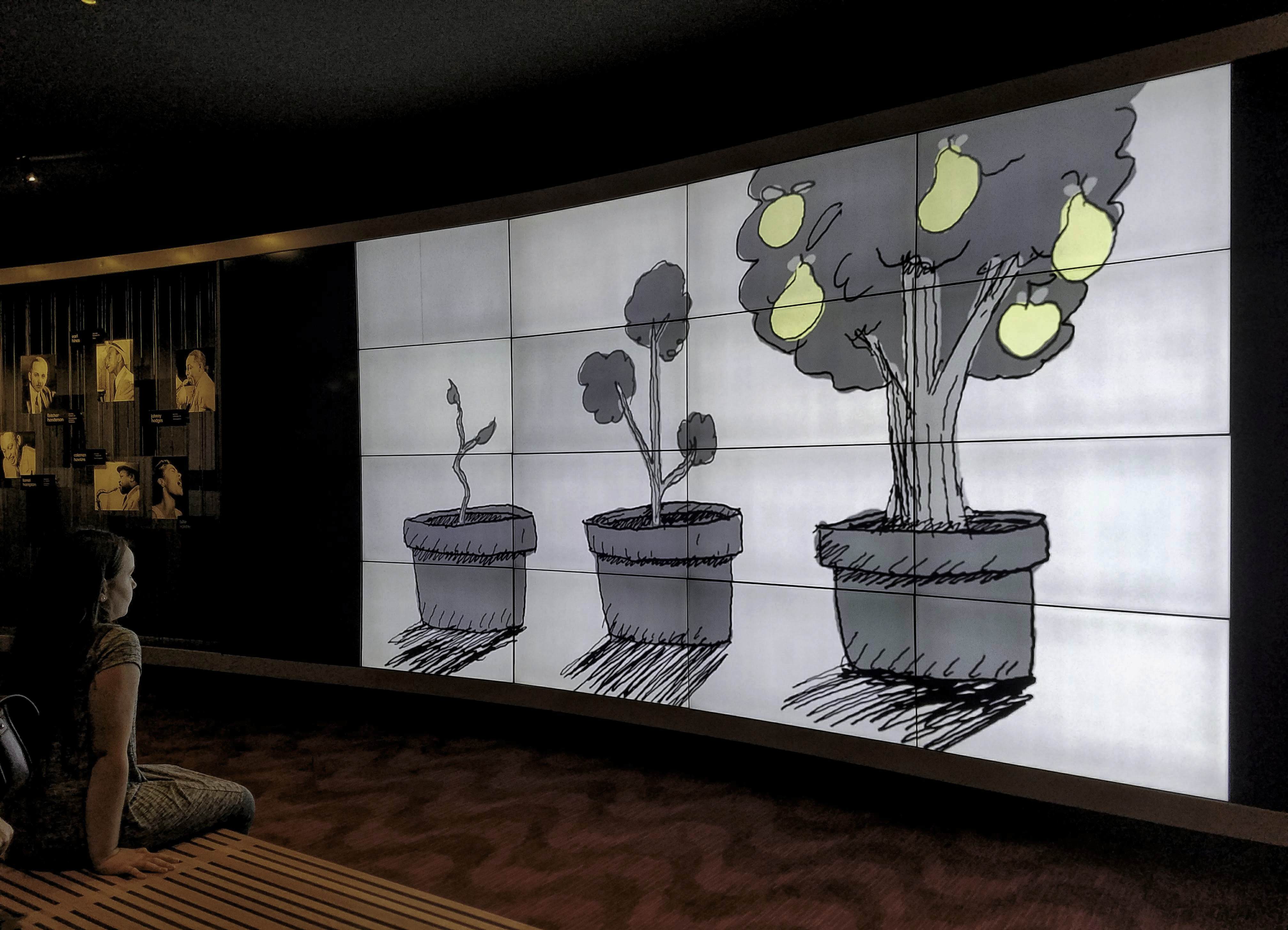
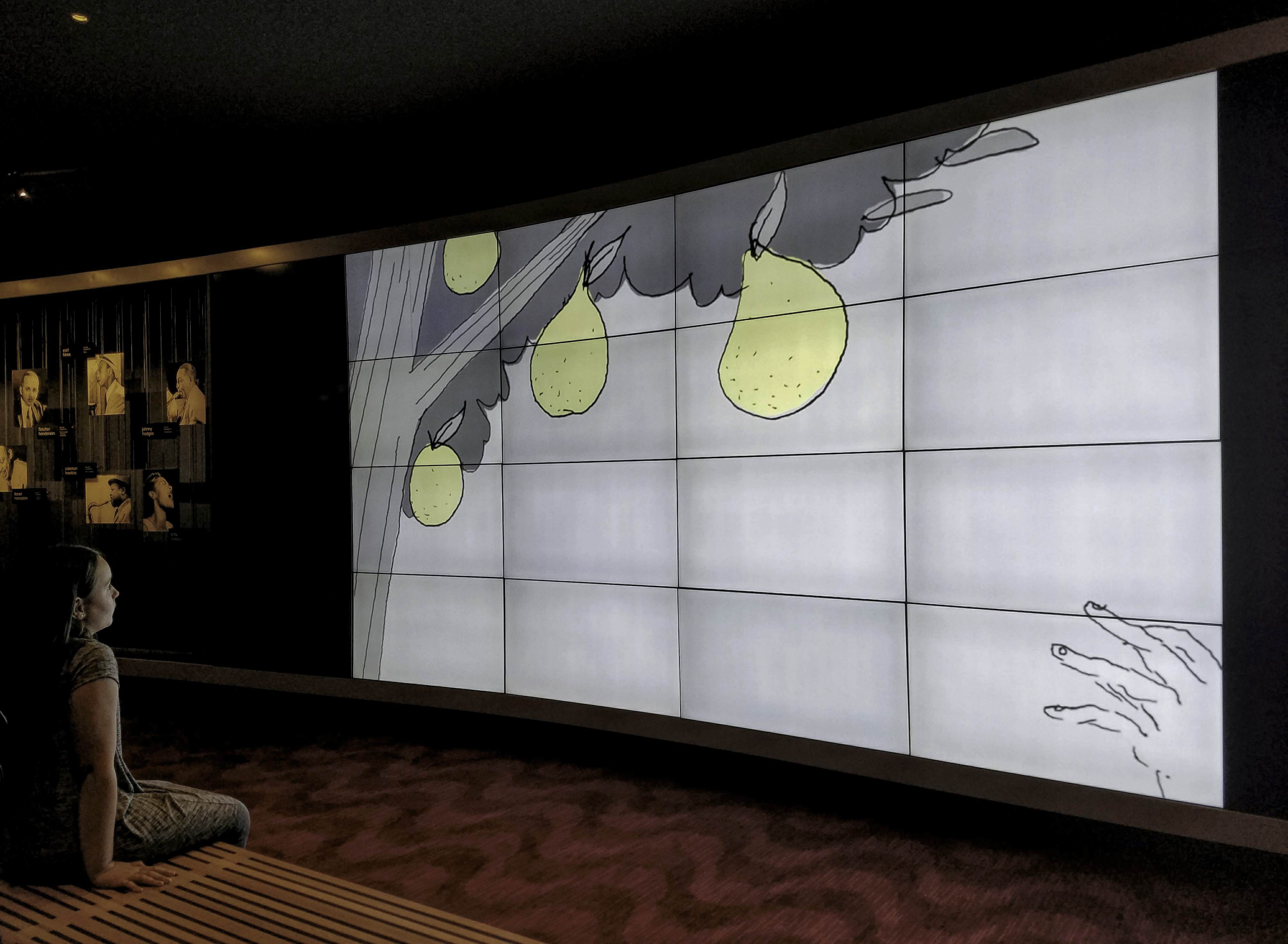
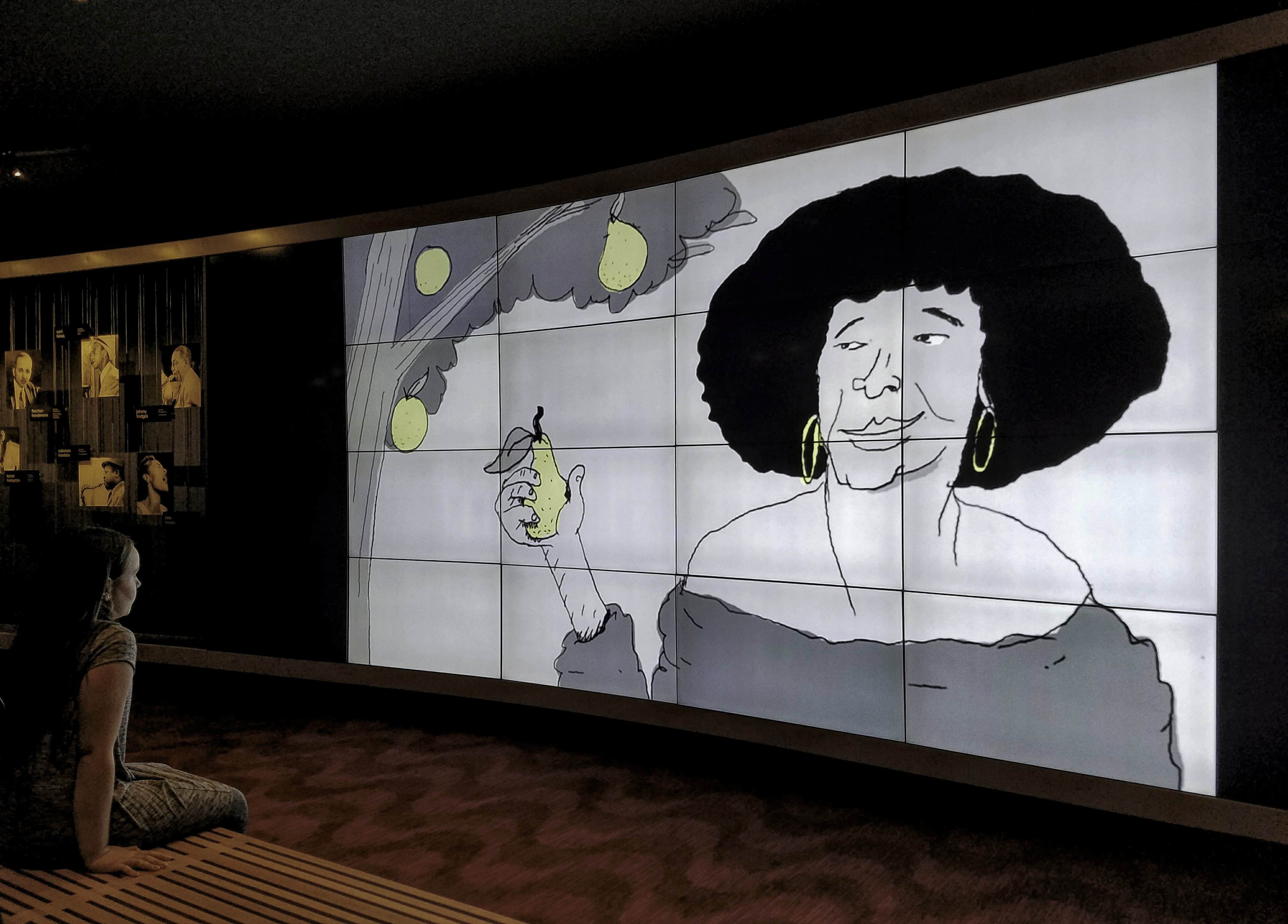
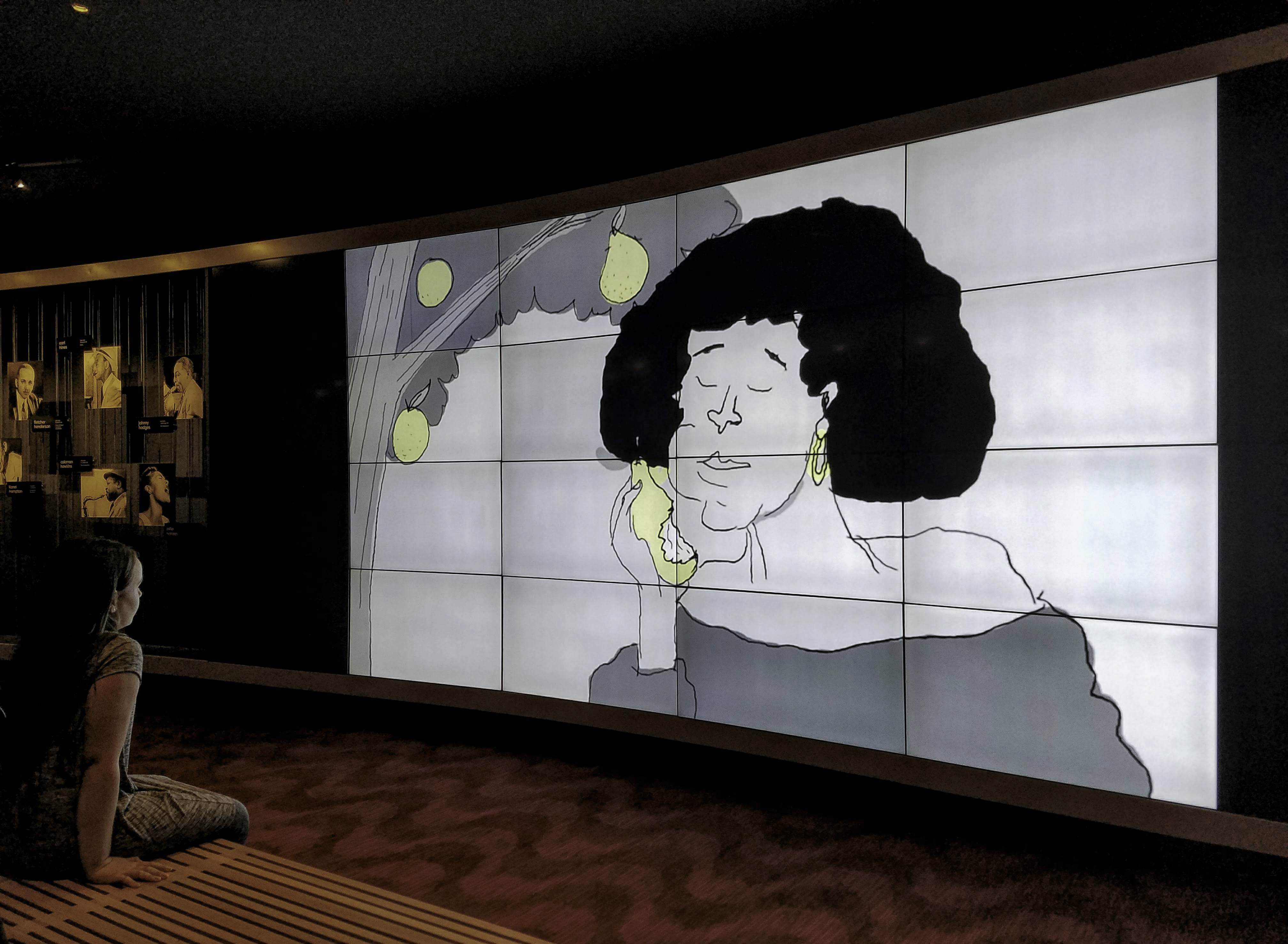
Jazz at Lincoln Center
August 12th, 2017
(Unsurprisingly) Bergdorf Goodman!
There should be an ”International Awards for Shop Xmas Windows” ceremony somewhere, if only to affirm that outdoing this B&G extravaganza is practically impossible. Except of course by B&G, who are somehow outdoing themselves every time! Hard to believe one can actually buy some of these items inside (I could probably afford a small box of macarons from Ladurée)…

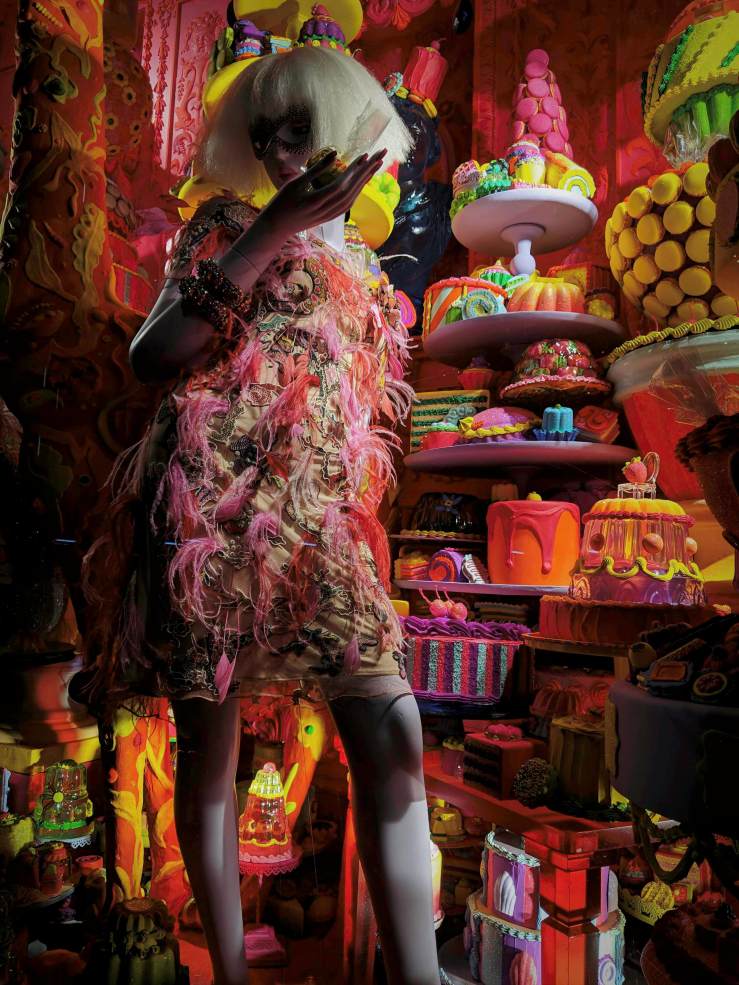
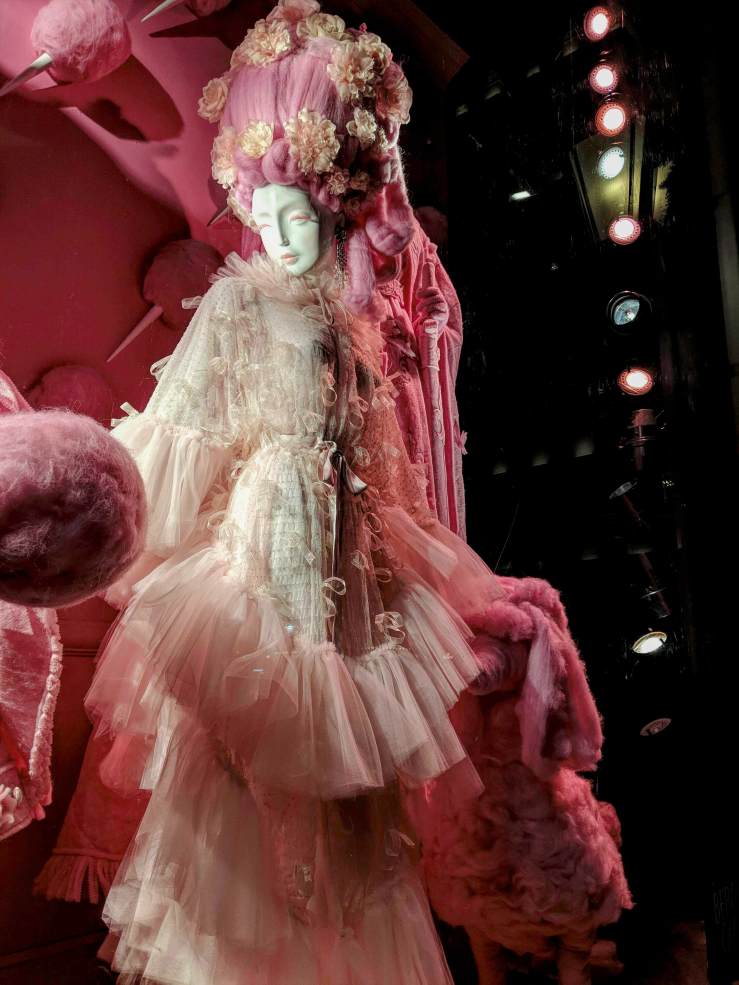
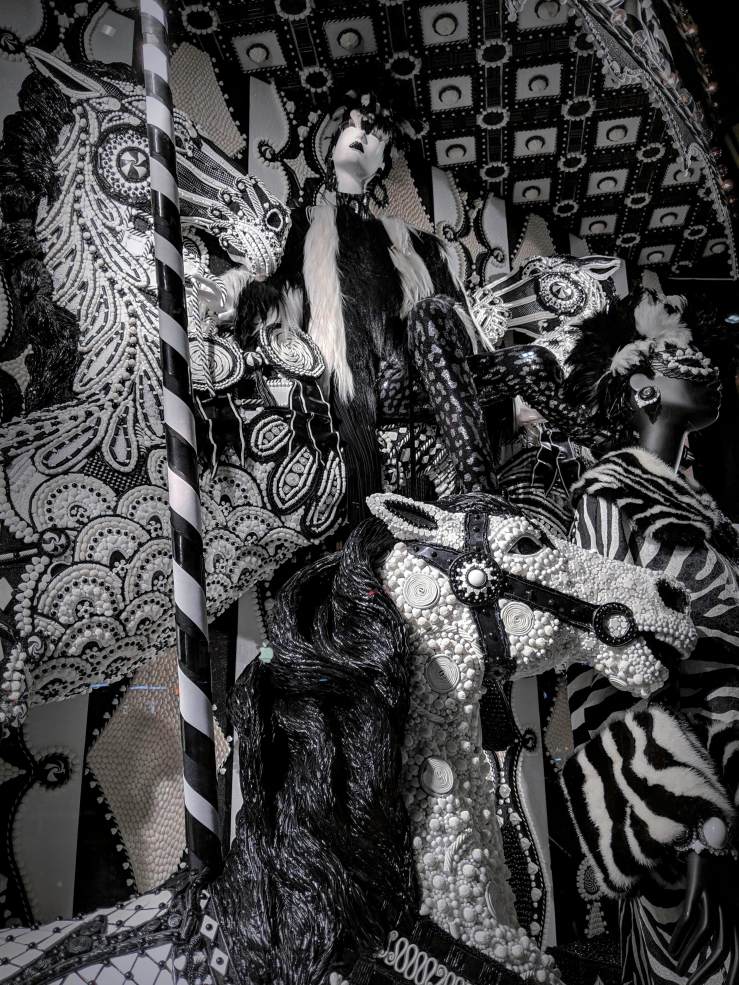
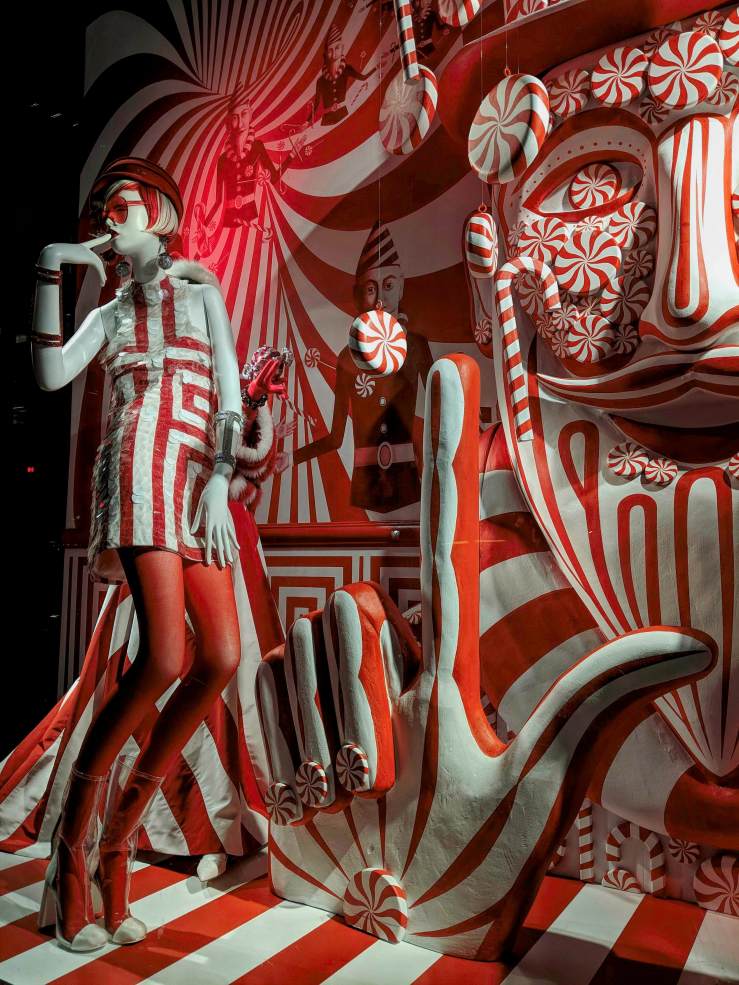

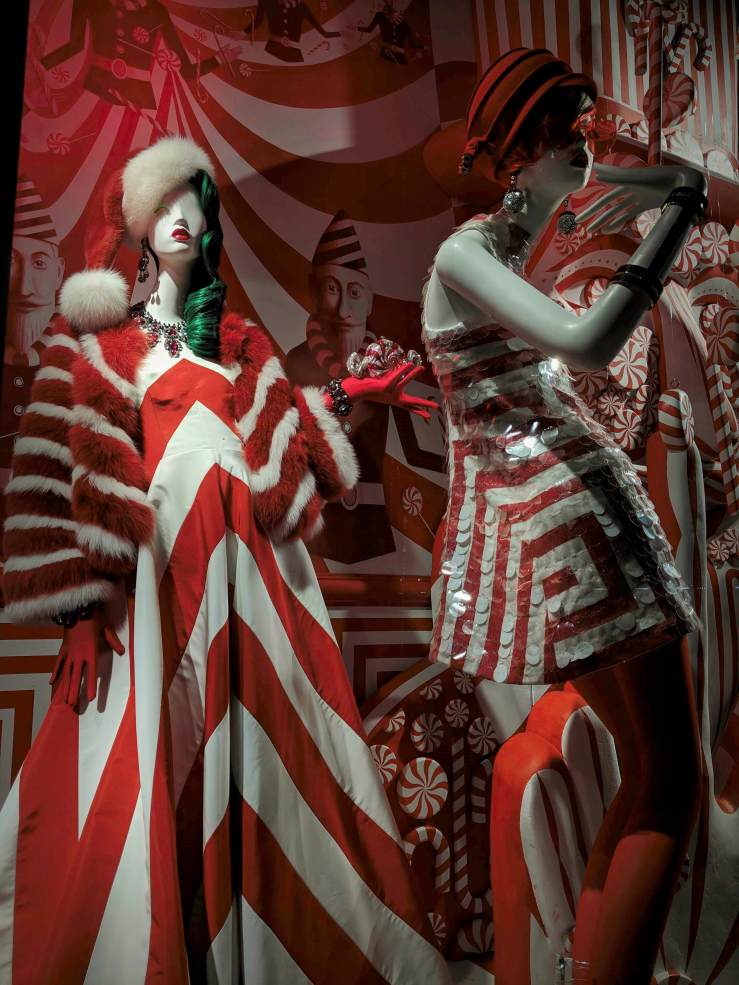
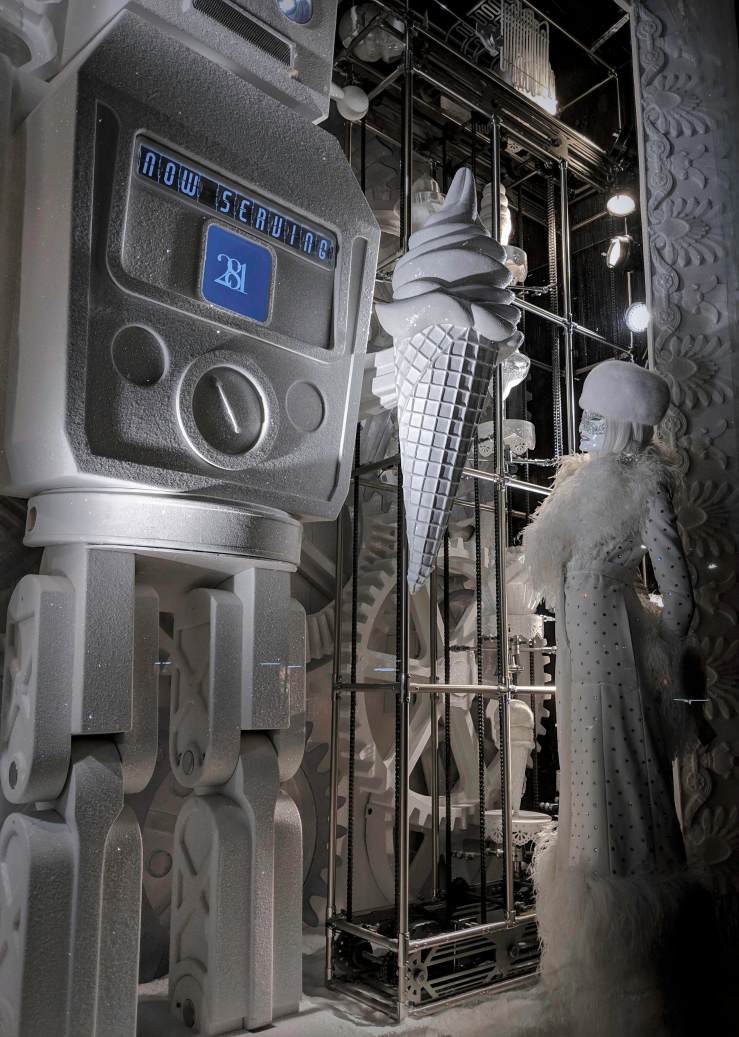
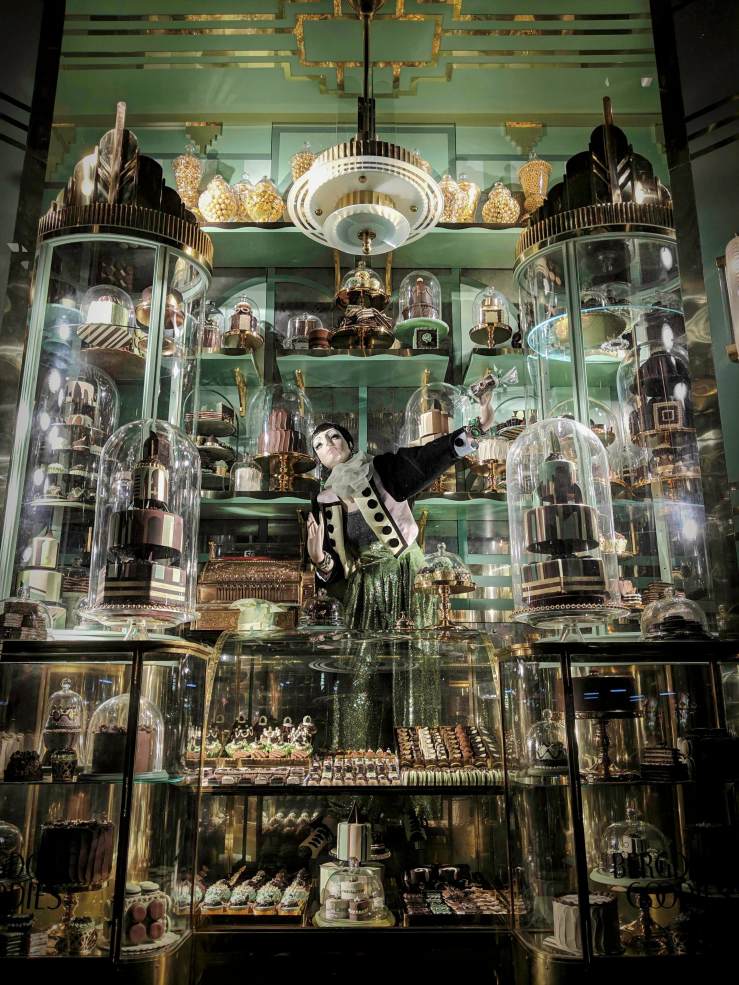

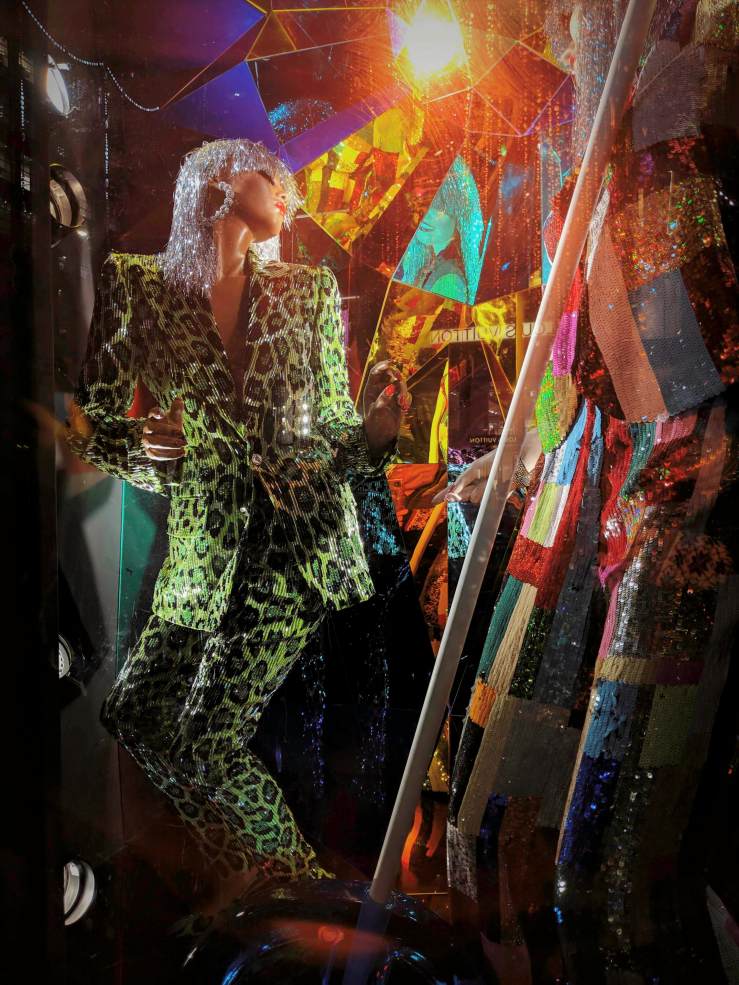
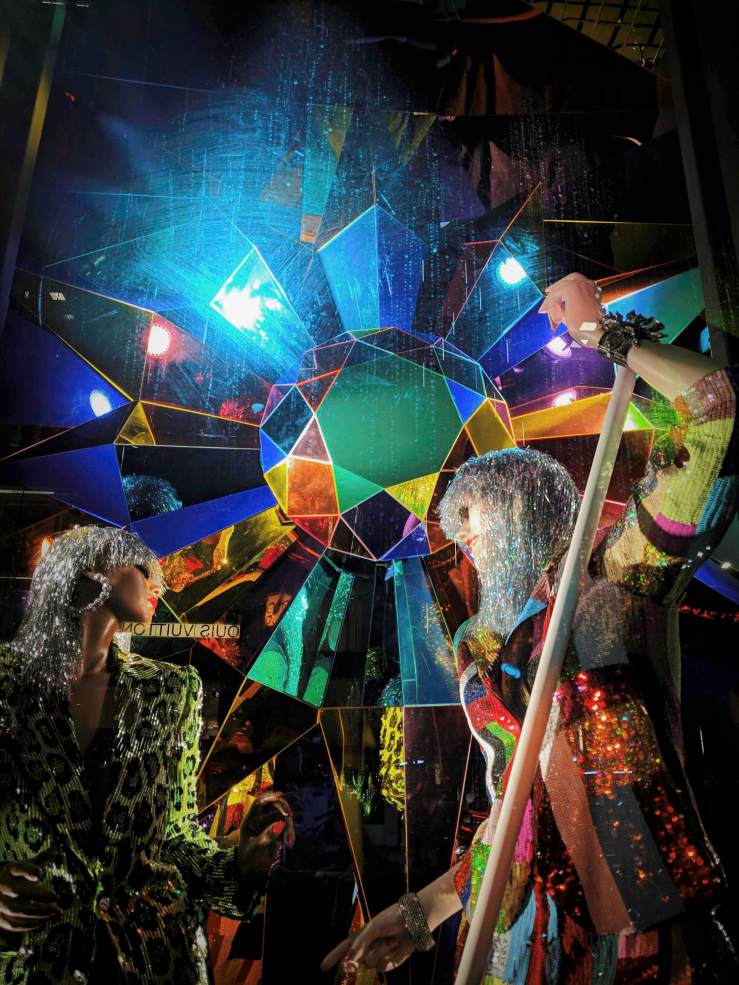
Manhattan, 5th Avenue
December 9th, 2017
subjective worldview
Actor, writer, cook and author
Travel experiences & Strasbourg city guide
Writer
joy, happiness, travel, adventure, gratitude
"Rêve onirique & Bulle d'évasion"
makes pretty things on paper
This WordPress.com site is Pacific War era information
Welcome to my curious world of words....
Photographs, music and writing about daily life. Contact: elcheo@swcp.com
Free listening and free download (mp3) chill and down tempo music (album compilation ep single) for free (usually name your price). Full merged styles: trip-hop electro chill-hop instrumental hip-hop ambient lo-fi boombap beatmaking turntablism indie psy dub step d'n'b reggae wave sainte-pop rock alternative cinematic organic classical world jazz soul groove funk balkan .... Discover lots of underground and emerging artists from around the world.
A 365 analogue photography project
Barcelona's Multiverse | Art | Culture | Science
Een digitaal atelier aan de (zee)slag.
‘Doodling Ambiguity’s in Ink.’
Miscellaneous photography
Glimpses along the way on a journey of discovery into symmetry...
 The Humble Fabulist