But how can you keep a secret under the brilliant Californian sun?

Family secrets @ The Getty Center
July 18th, 2017
But how can you keep a secret under the brilliant Californian sun?
Family secrets @ The Getty Center
July 18th, 2017

Under the magnifying glass: A view of the Bay of Naples, Looking Southwest from the Pizzofalcone towards Capo di Posilippo, 1791 by Giovanni Battista Lusieri (1755-1821)
The precision of the figures and architecture – first painstakingly depicted with pencil underdrawing – has led many to speculate that Lusieri used an optical device such as a camera obscura. However, eyewitness accounts of the artist at work do not support this theory. Lusieri painted the view over a period of two years from rooms in the Neapolitan residence of Sir William Hamilton, British envoy to the court of Naples. Hamilton commissioned it to hang in his London home, perhaps to serve as a reminder of this sunny scene when he returned to his often-gloomy homeland.
Lusieri is getting Sherlocked @ The Getty Center
July 18th, 2017
Do we really have to? I can’t decide.


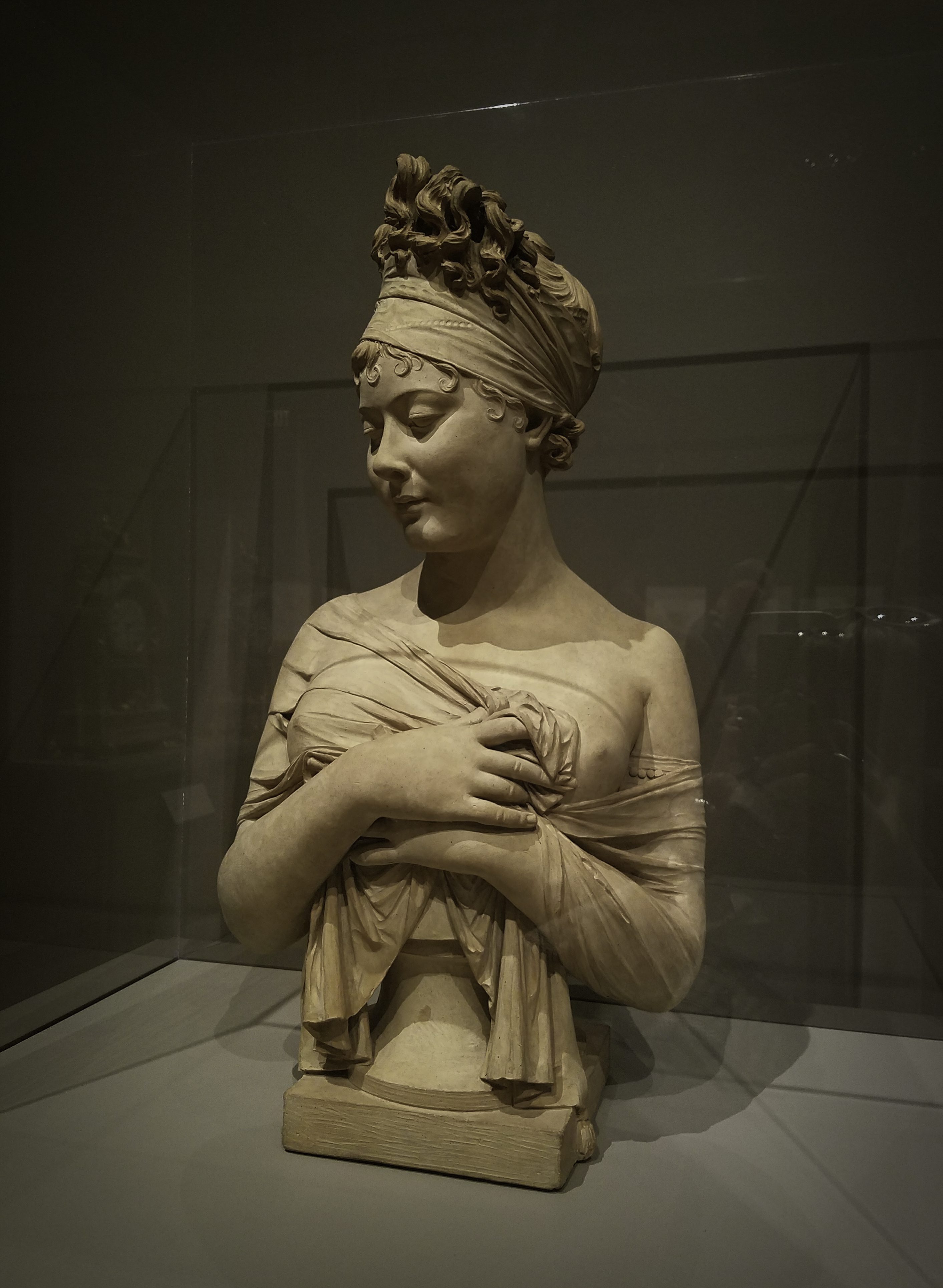
Bust of Juliette Récamier, ca. 1801-2
Joseph Chinard (1756-1813)
Juliette Récamier (French, 1777-1849) was a socialite renowned for her literary circle, but perhaps even more for her beauty. At age fifteen, she married Jacques-Rose Récamier, a banker, thirty years her senior – and her mother’s longstanding lover. Rumor had it that Récamier was, in fact, her natural father and they got married so that she would become his heir(!) Apparently, the marriage was never consummated.
Prince Lucien Bonaparte, Napoleon’s brother, courted her; Prince Augustus of Prussia proposed but she refused to divorce her husband/father; the French Romantic writer François-René de Chateaubriand was a constant visitor of her salon. The courtship never seized; despite advanced age, ill-health and reduced circumstances having lost most of her fortune, Juliette remained as charming as ever.
In this bust, her friend Chinard, a brilliant portraitist, enhanced her charming features by slightly tilting her head, paying attention to details such as her hair and including her arms and delicate hands.
July 18th, 2017
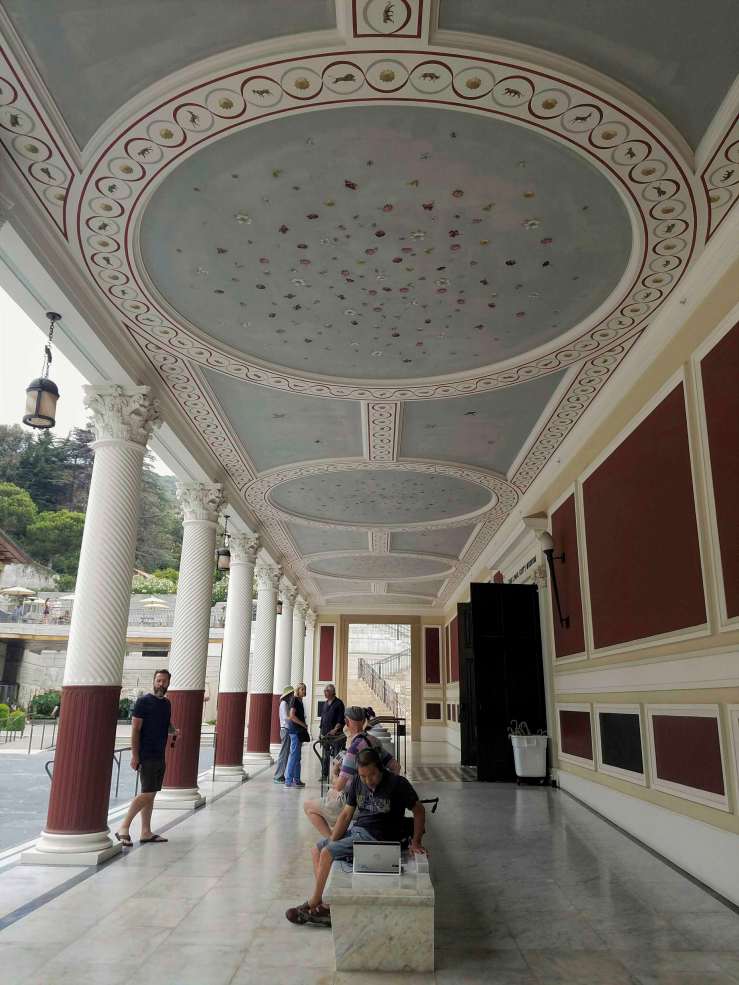
J. Paul Getty purchased his first work of ancient art in 1939 – a small terracotta sculpture. Almost thirty years later, inspired by his growing collection of antiquities of Greek, Roman, and Etruscan art, he announced he would build a museum worthy of such treasures: a recreation of the Villa dei Papiri, a luxurious Roman residence in Herculaneum, Italy that had been buried by the eruption of Mount Vesuvius in 79 A.D.
The Villa dei Papiri (“Villa of the Papyruses”) was rediscovered in the 1750s. The excavation recovered bronze and marble sculptures, wall paintings, colorful stone pavements, and over a thousand papyrus scrolls – hence the name. The Getty villa is a near replica of it, in scale and appearance; even some of the materials used were taken from the Villa dei Papiri. (source)
In other words, the Getty Villa should be seen as a work of art in itself and feature high on your list of ”must-see” museums next time you plan a trip to Southern California.
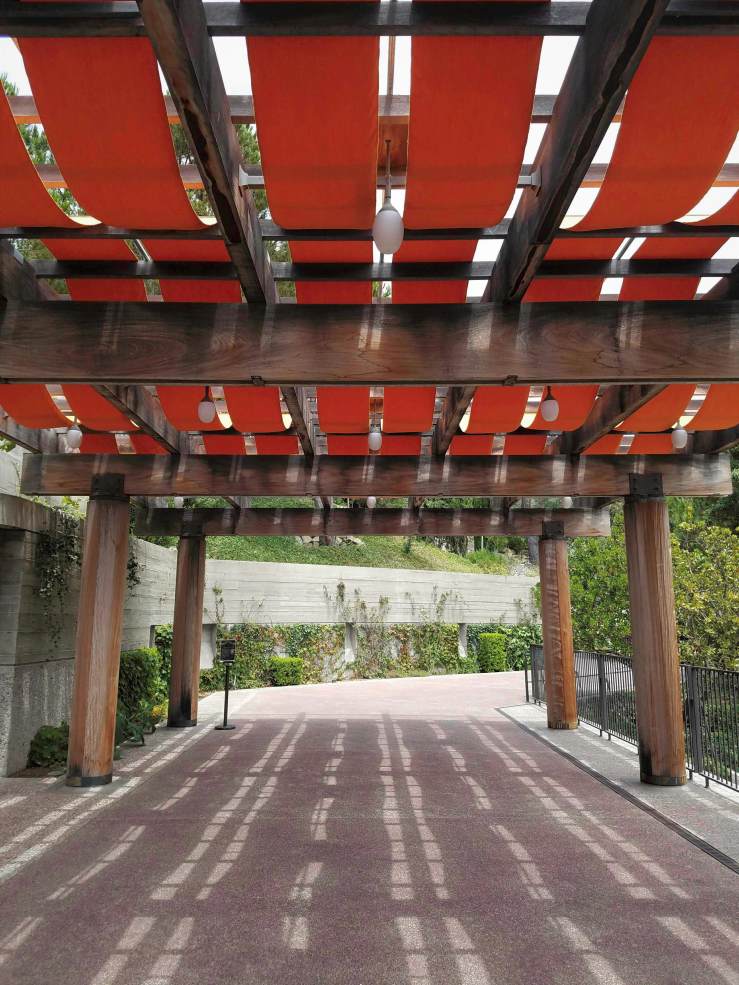 In antiquity, as today, awnings served both a ceremonial and practical purpose. Roman hosts invited guests to dine on outdoor couches protected from the sun by colourful fabric. Tends and awnings throughout towns and cities marked festivals and holidays and provided shade for the audience in open-air arenas and theatres.

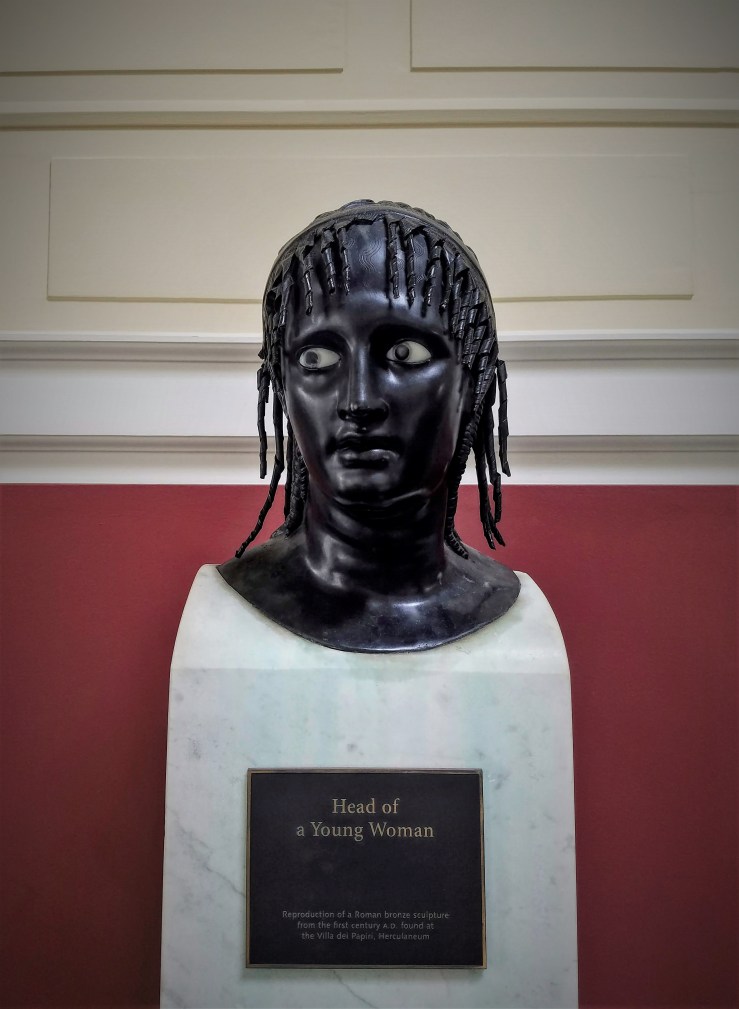
 Pair of Altars with Aphrodite and Adonis
Greek, made in Taras, South Italy, 400-375 B.C.
 Mixing Vessel with Adonis, Aphrodite and Persephone
Greek, made in Athens, 390-380 B.C.
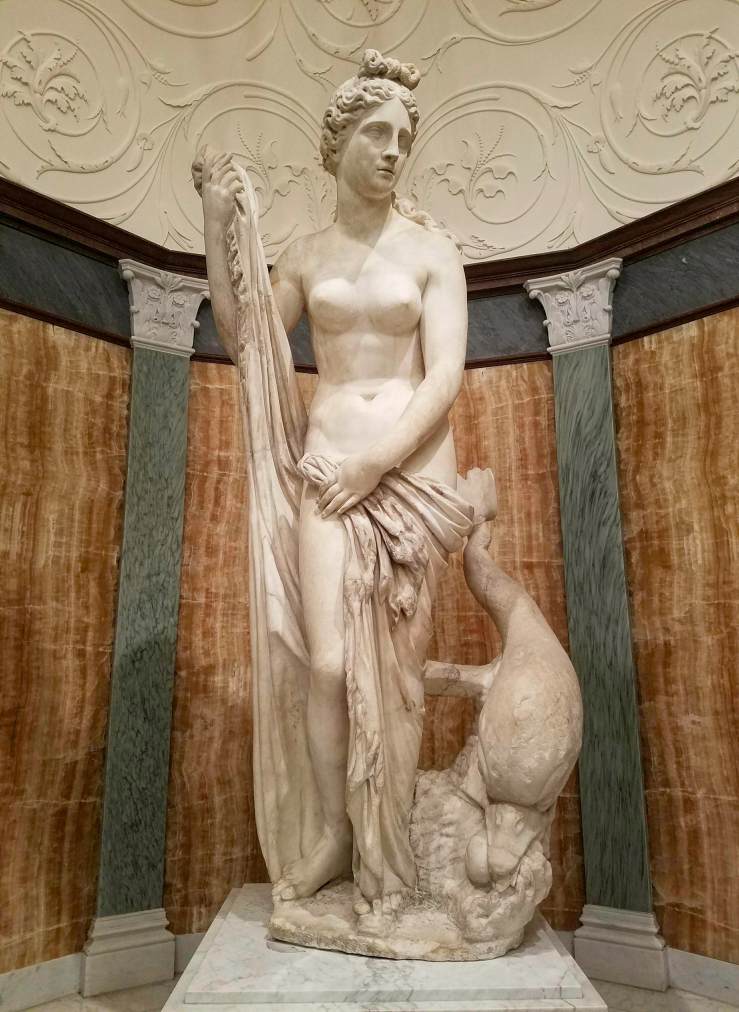 Venus
Venus
Roman, A.D. 100-200; found in Rome
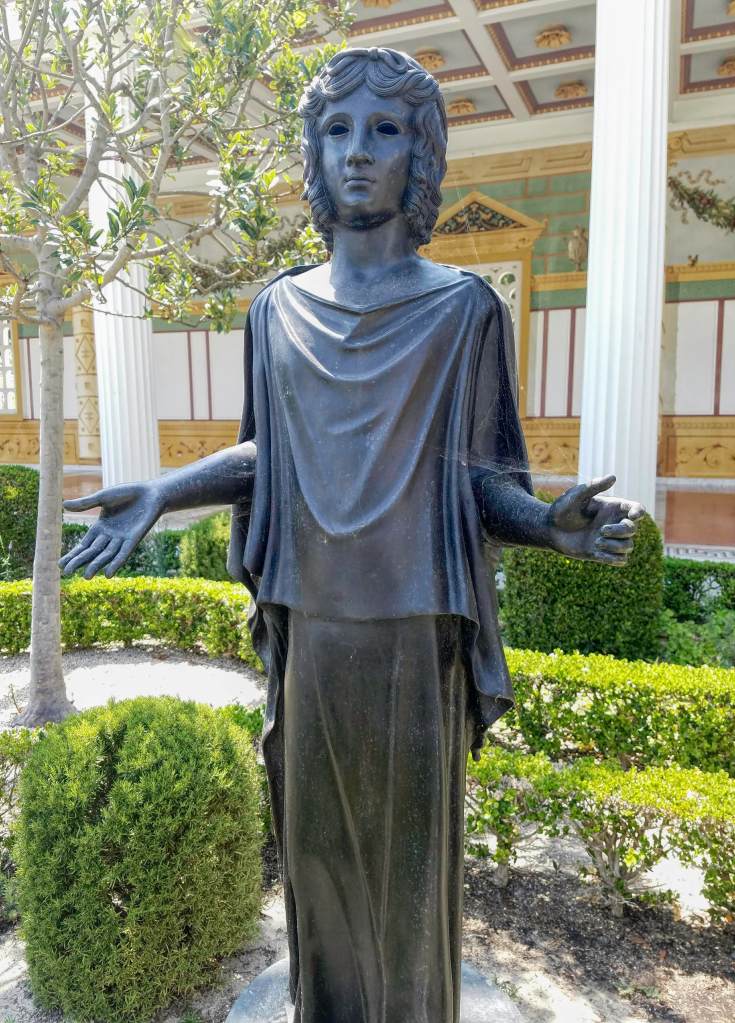
 Muse
Muse
Roman, about A.D. 200
 Storage Jar with Medusa
Greek, made in Athens, 530-520 B.C.

 The Lansdowne Herakles
Roman, about A.D. 125
This sculpture was one of J. Paul Getty’s most prized possessions and inspired him to build this Museum in the style of an ancient Roman villa. The statue, representing the Greek hero Herakles with his lionskin and club, was discovered in 1790 near the villa of the Roman emperor Hadrian at Tivoli, Italy.
 Poet as Orpheus with Two Sirens
Greek, made in Taras, South Italy, 350-300 B.C.
 Pair of Peacocks
Roman, from Syria, possibly Emesa (present-day Homs), A.D. 400-600





Sadly – and alarmingly – the Getty Villa will remain closed all weekend – Saturday and Sunday, November 10 and 11, 2018 – due to the ongoing wildfires in order to help firefighting efforts by alleviating traffic on the Pacific Coast Highway. The Villa itself is not threatened by the fires.
Here’s hoping to see the end of this destruction, soon.
Stalking the Gehry Residence, that unique structure that looks like it sprung out of a cubist painting, which Frank Gehry designed himself and built around an existing suburban Dutch Colonial house.
I only wish I could have seen the interior but then I wouldn’t have been a stalker, I would have been an acquaintance or a friend of the family. Wouldn’t that be something!

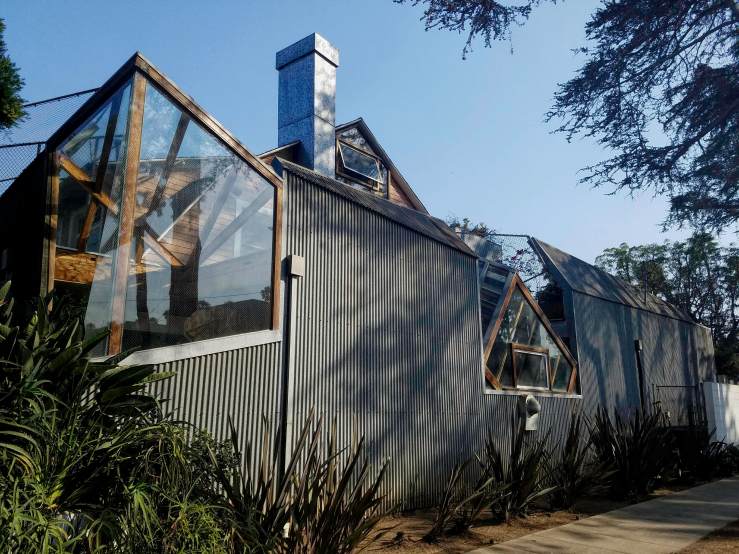
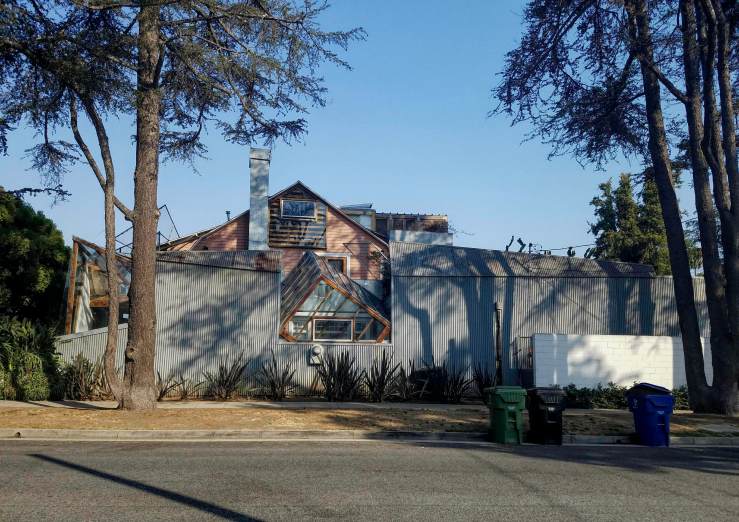
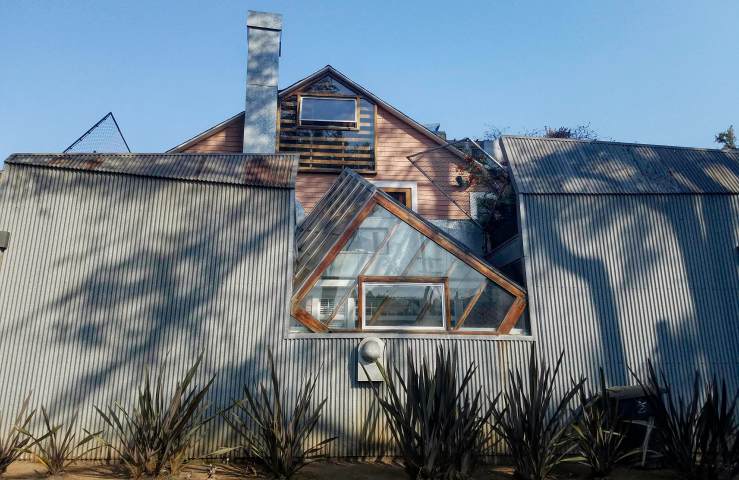
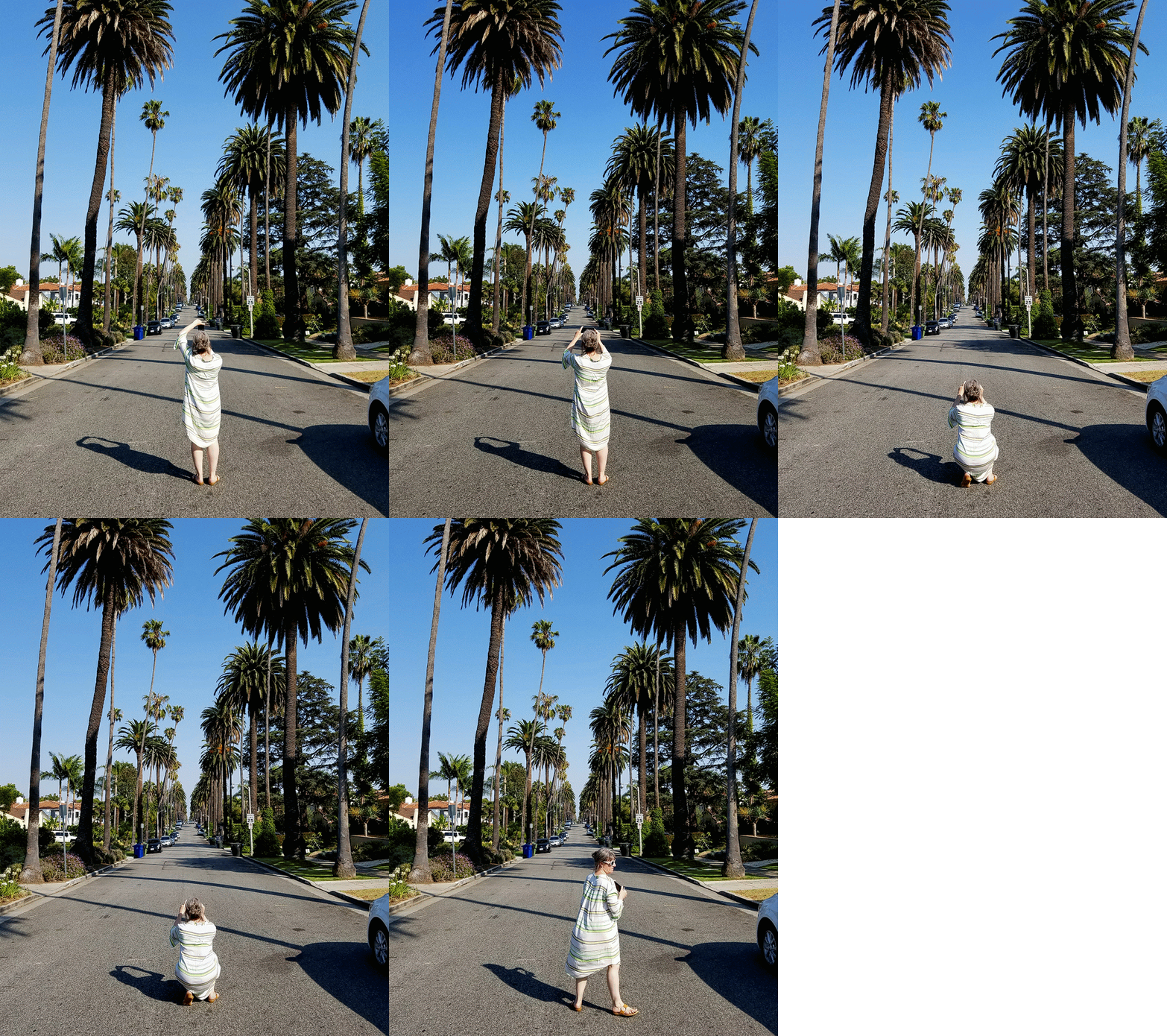
The Gehry Residence, Santa Monica
July 17, 2017
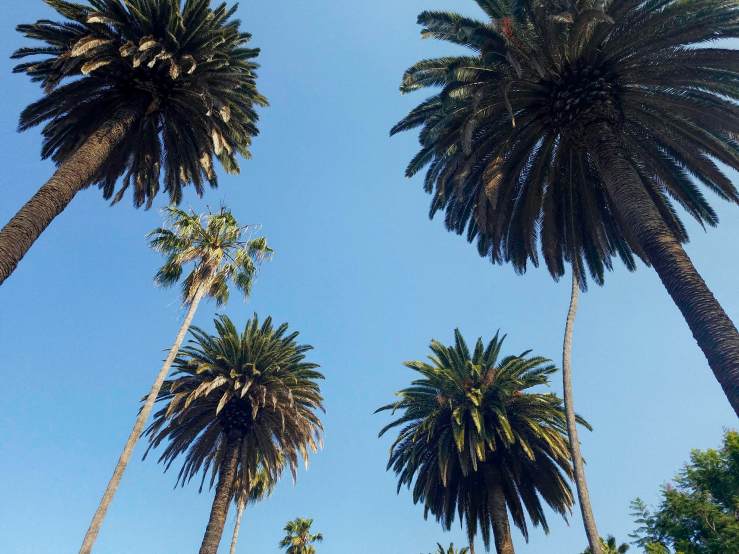
The unforgettable feeling of driving down Sunset Boulevard; Rodeo Drive; Santa Monica Boulevard. Strip after strip, mile after mile like a movie unfolding in front of you and you are part of the magic and have to keep pinching yourself to make sure you’re not dreaming.
See that long white colonnade building with the radio tower? That’s the old Warner Brothers Studio, now known as the Sunset Bronson Studios. And that’s where the first ever talkie was filmed in 1927, The Jazz Singer.
And now, Netflix, recently moved to their newly built Icon Tower next door, also signed a 10-year lease for the use of several sound stages at the studio.
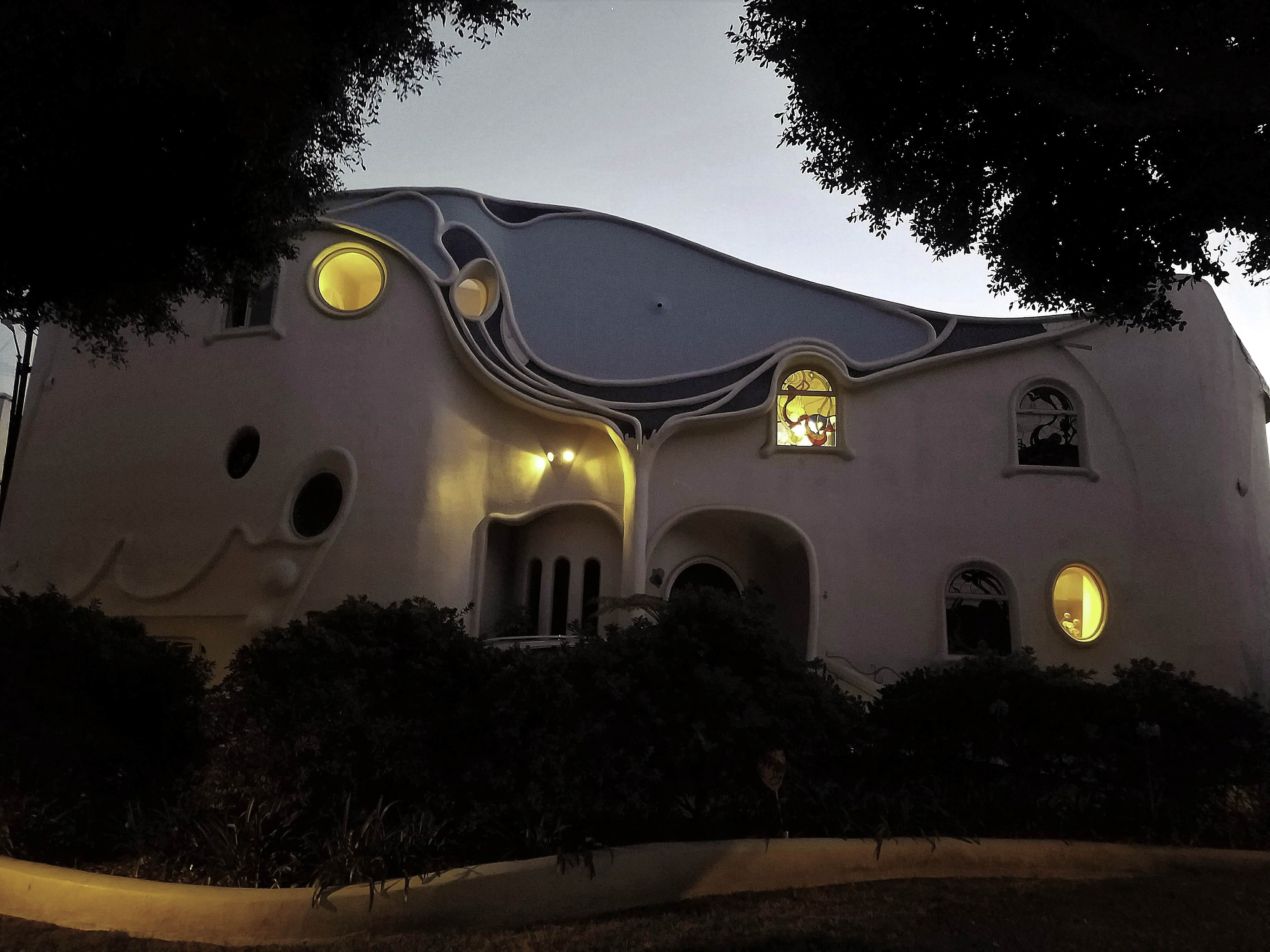
That magical structure just off Rodeo Drive? It’s the Gaudi inspired, Art Nouveau loving O’Neill House aka The Mushroom.
Next time you see me, please don’t wake me up. Let me keep on dreaming.


July 16th, 2017
Downtown L.A. on a Sunday.


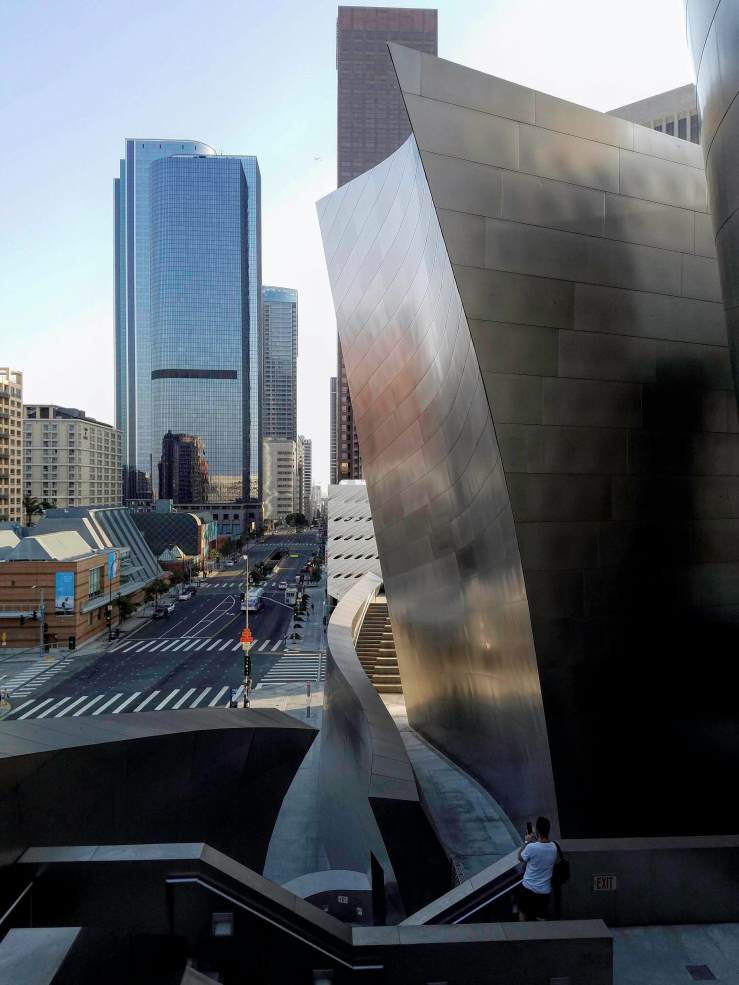

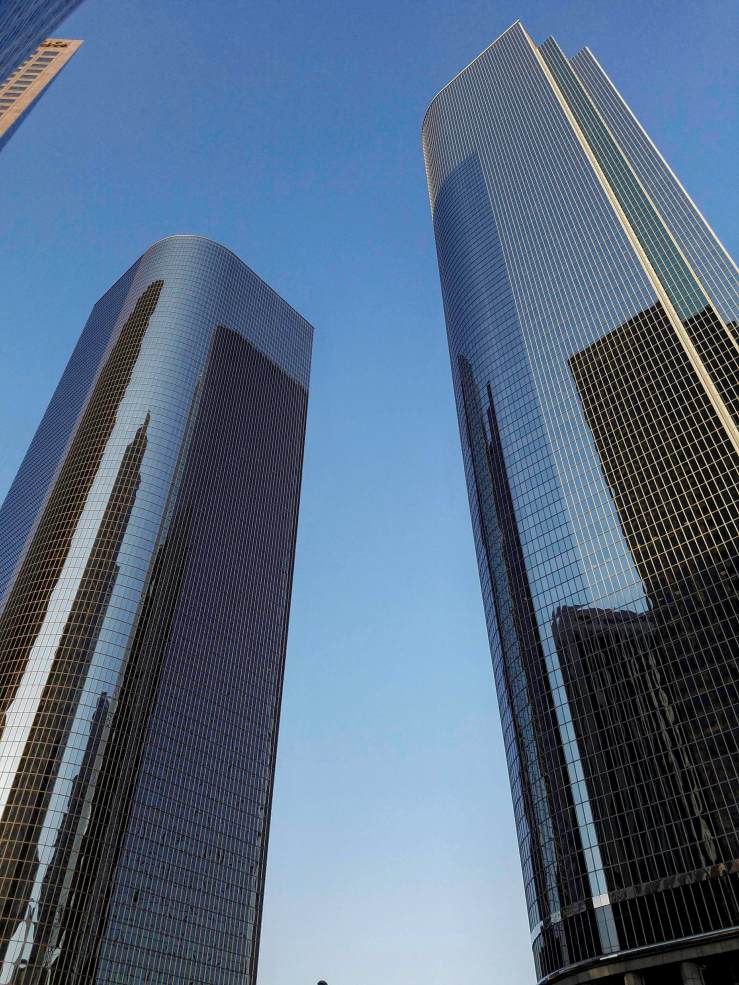


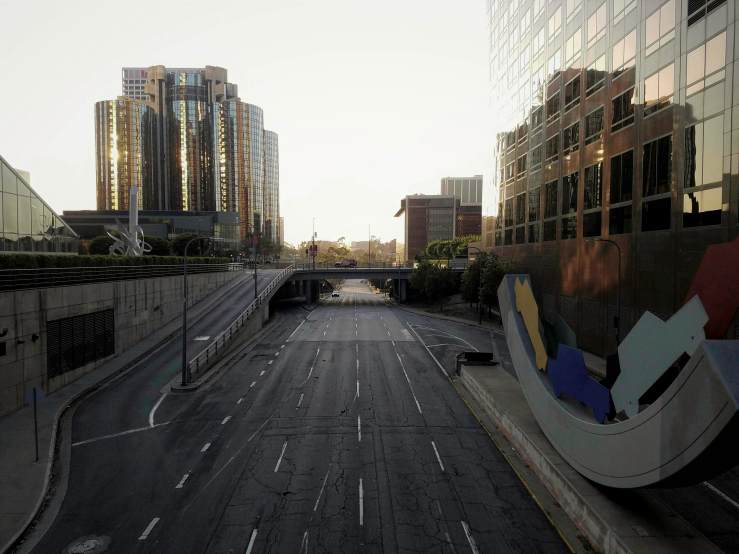
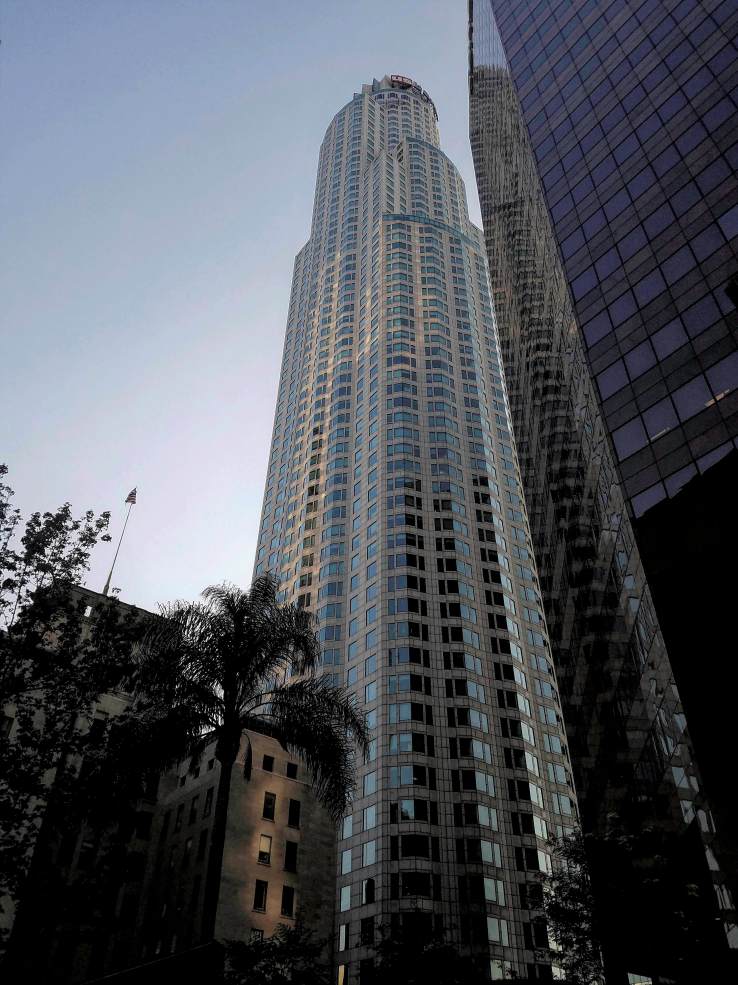
July 16th, 2017
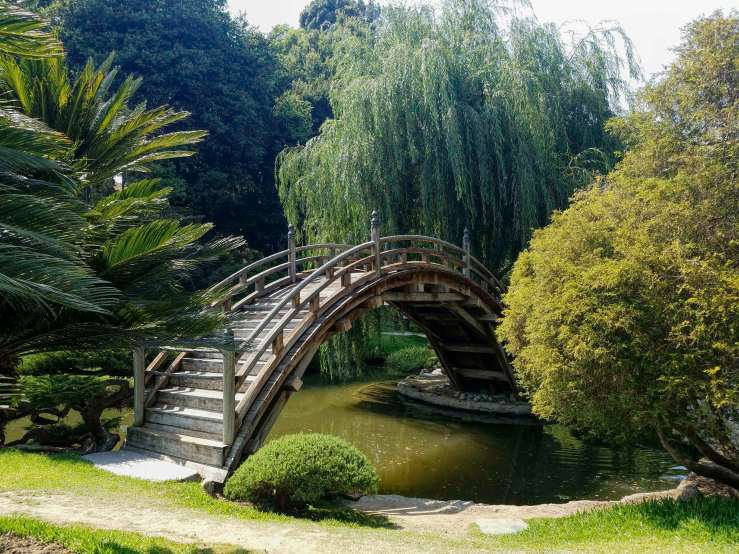
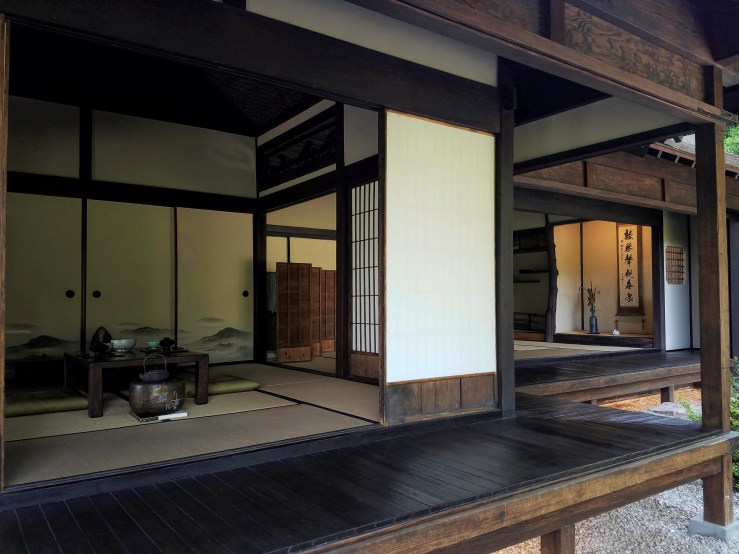
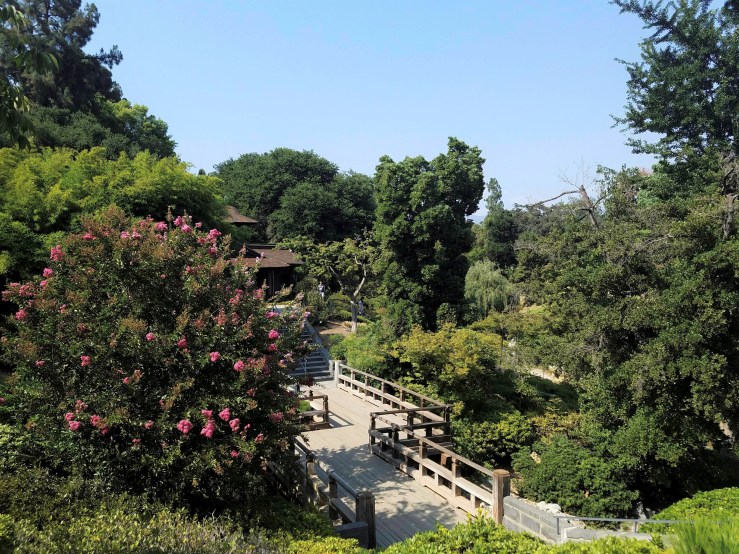
At the Huntington Japanese & Chinese Gardens.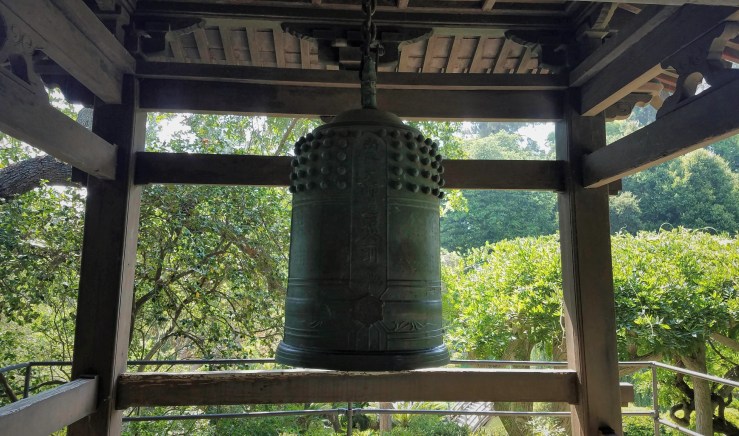






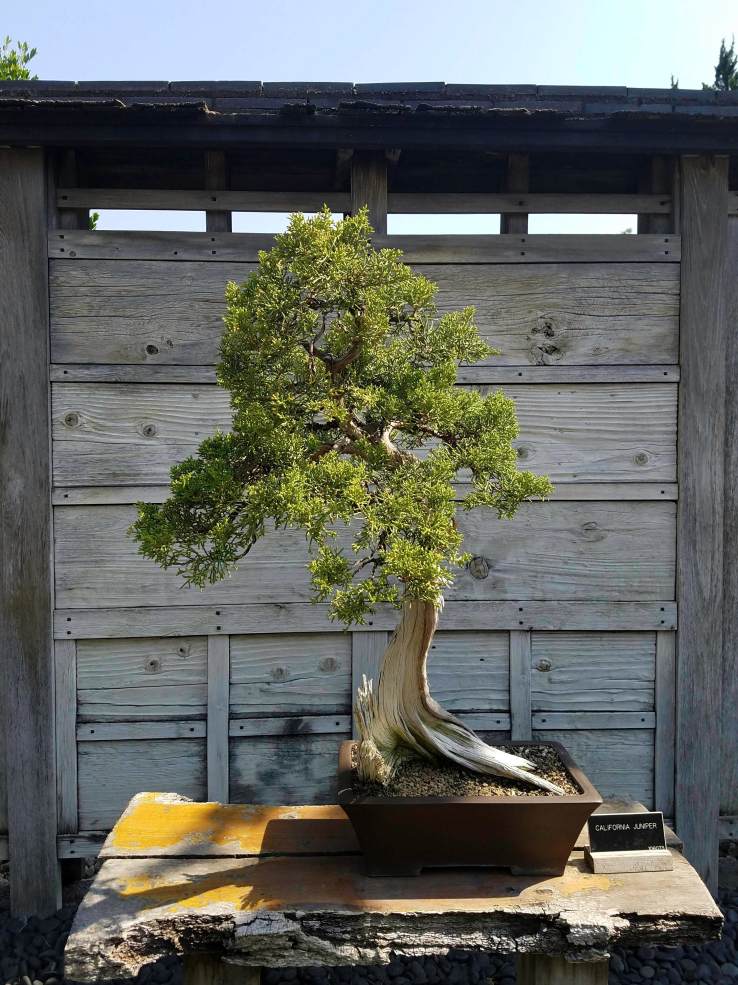


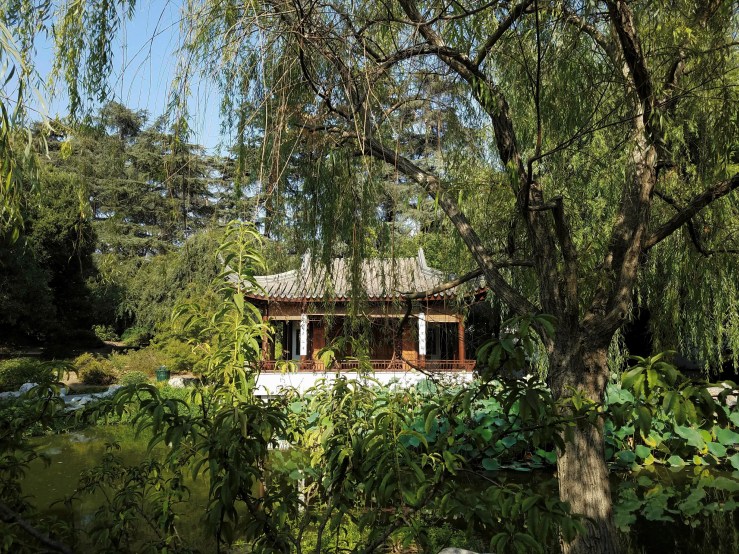

July 16th, 2017
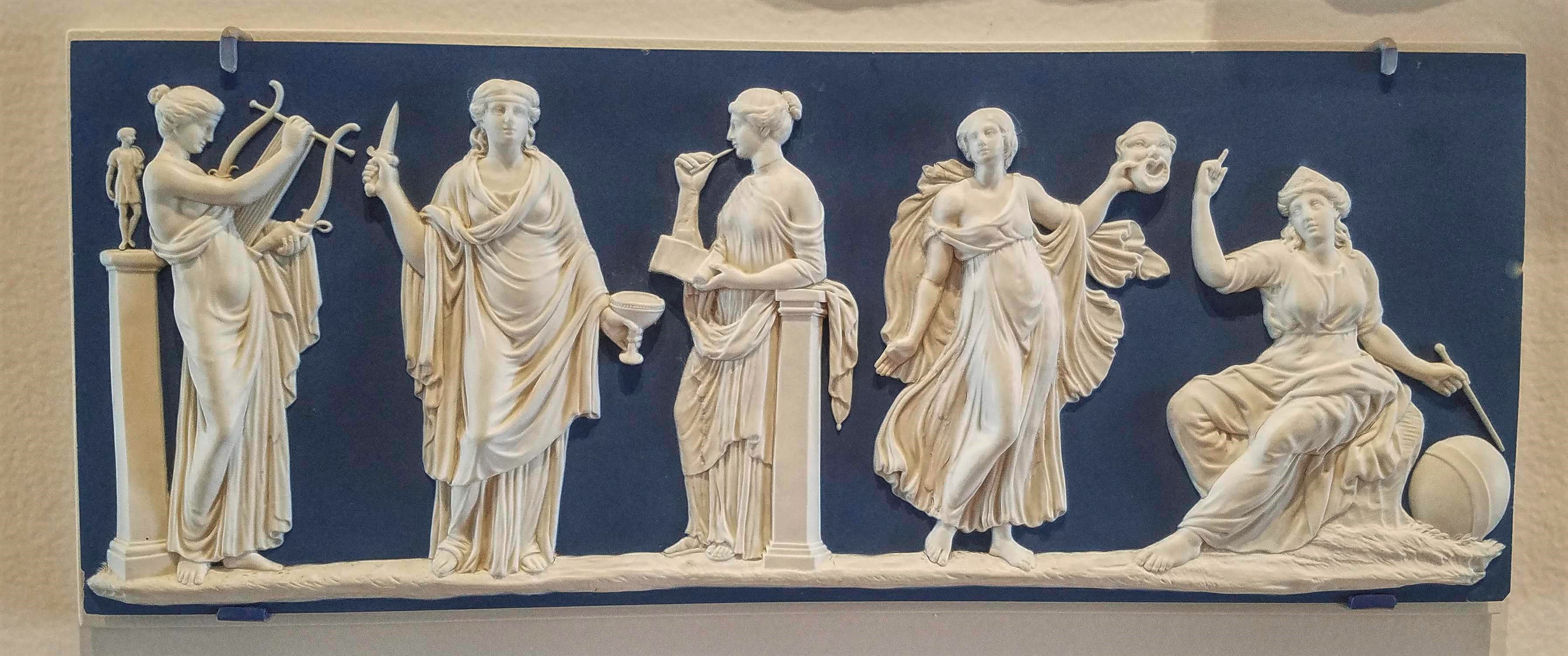
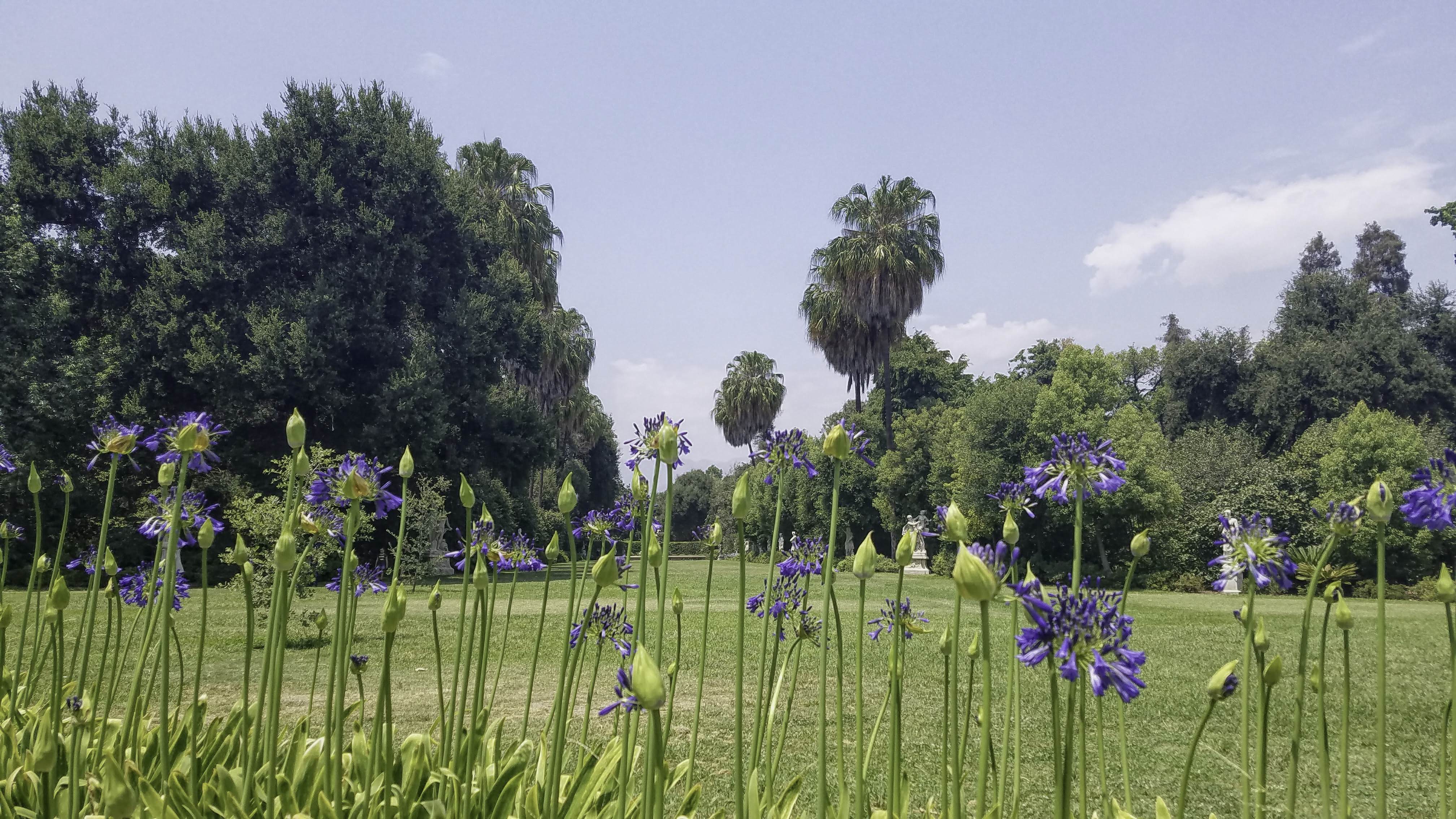






Credits in sequence:
Blue Jasper Plaque with Apollo and the Muses, ca. 1778-80
Manufactured by Wedgwood and Bentley, Stoke-on-Trent, England
\\
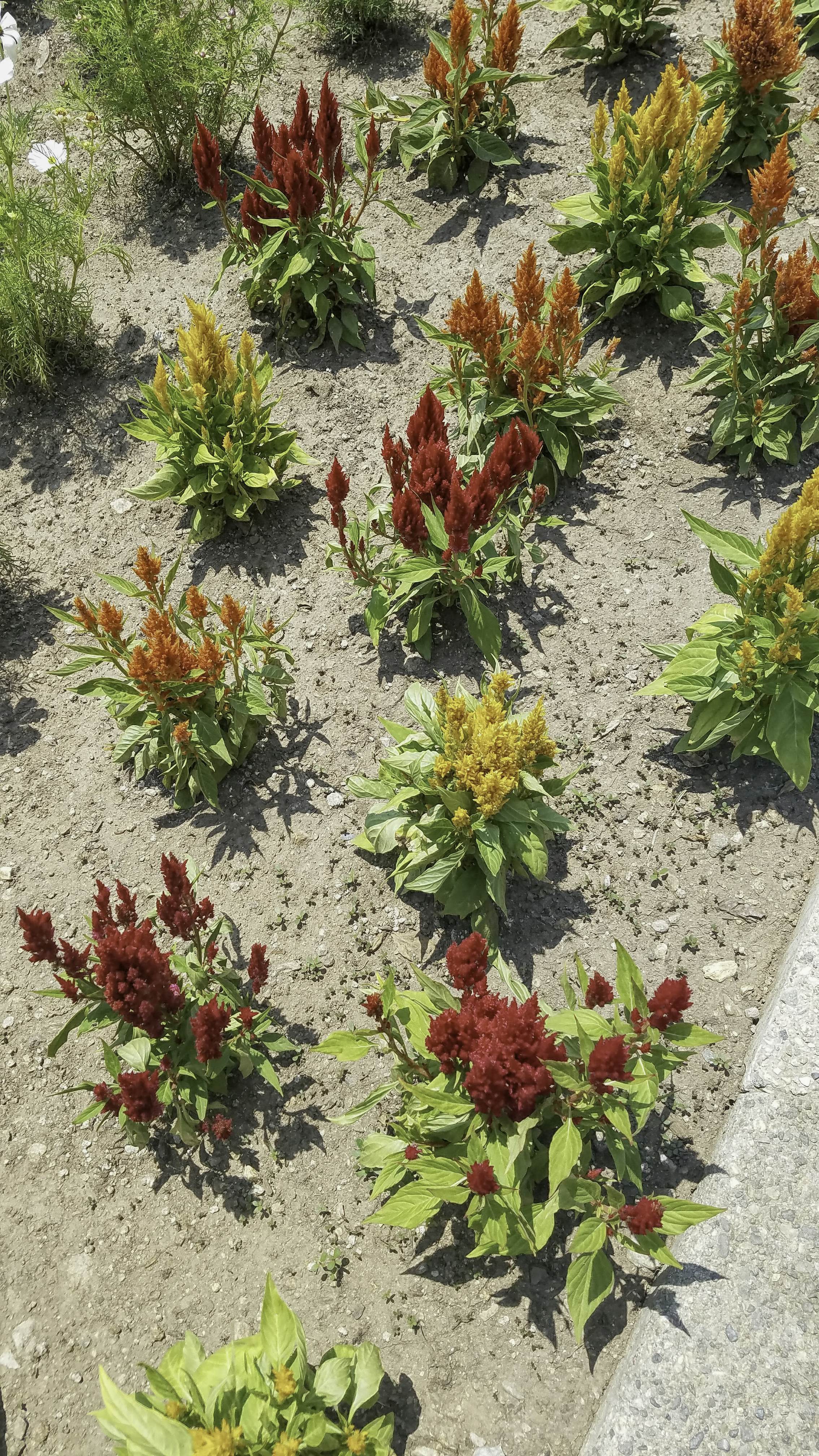
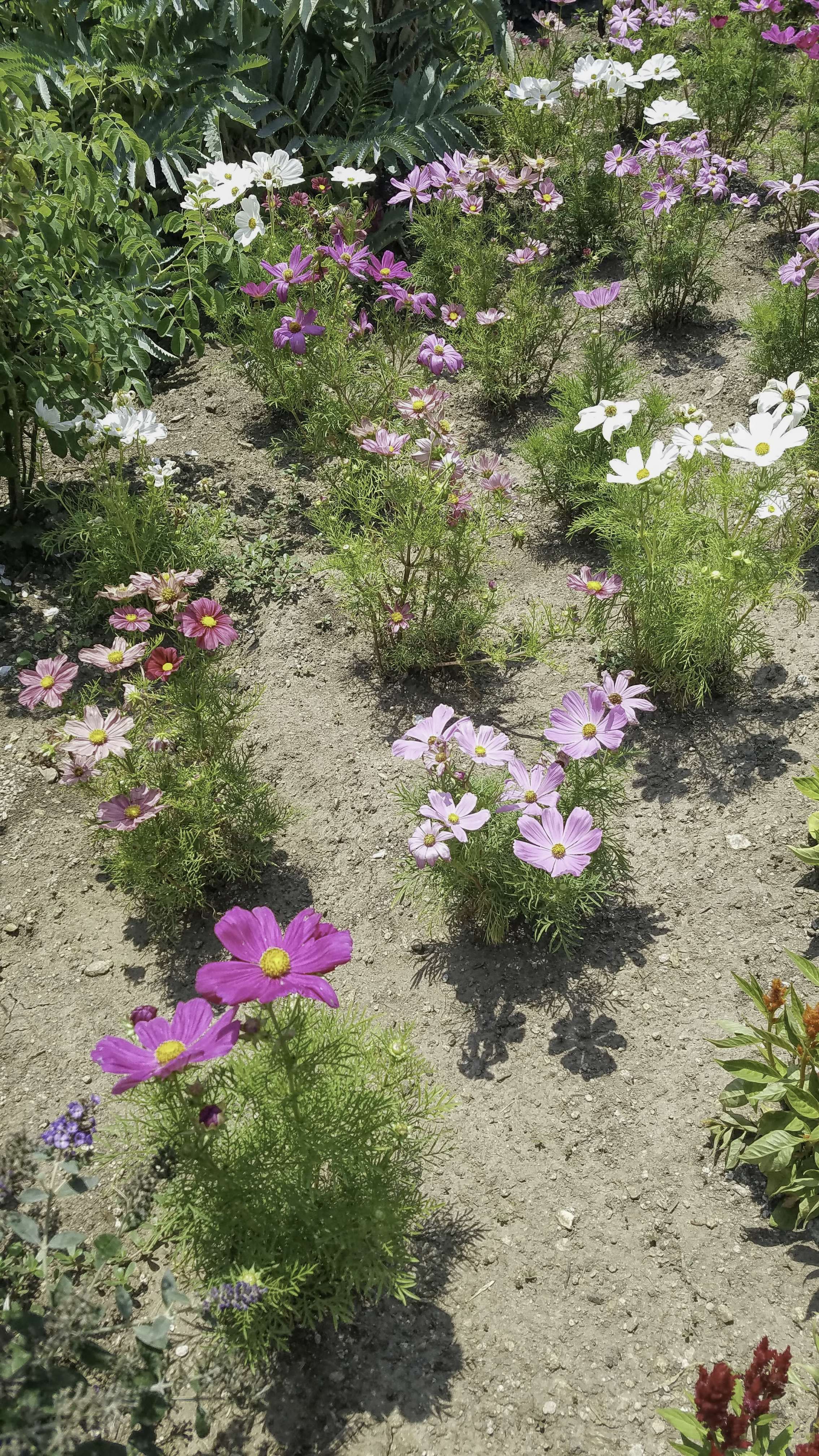
The Huntington Gardens
\\
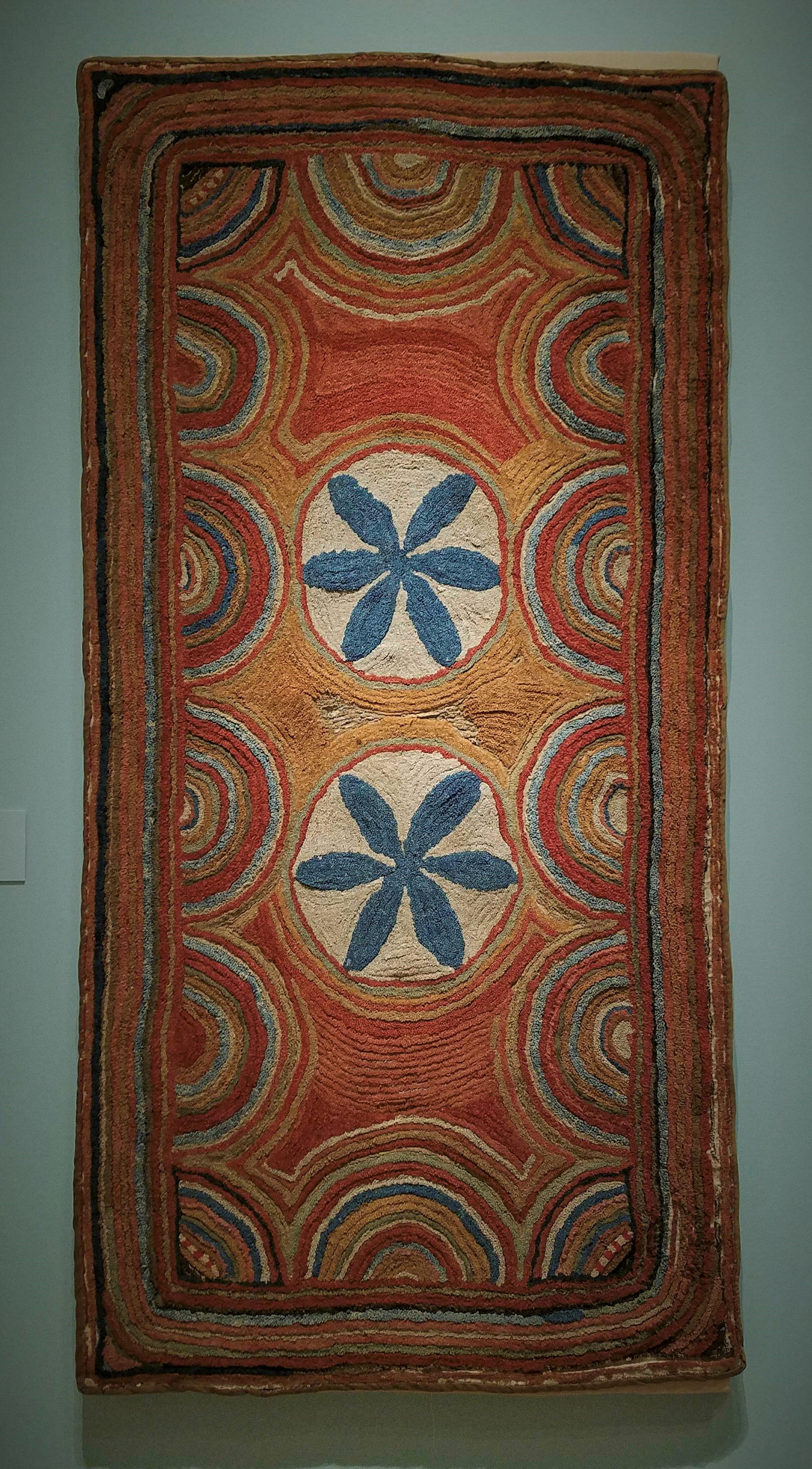
Geometric Hearth Rug, ca. 1800
Attributed to Mary Peters Hewins
\\
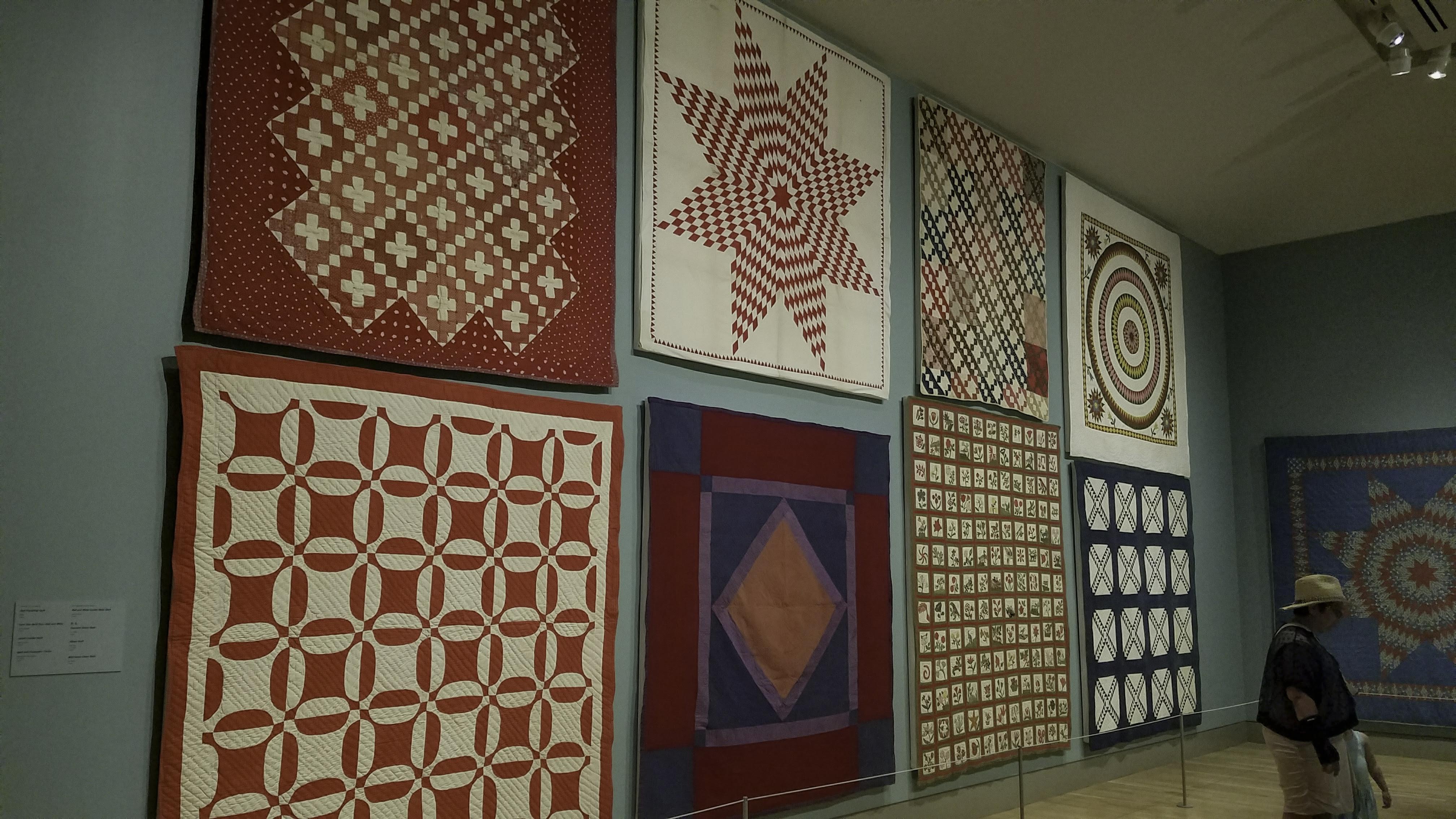
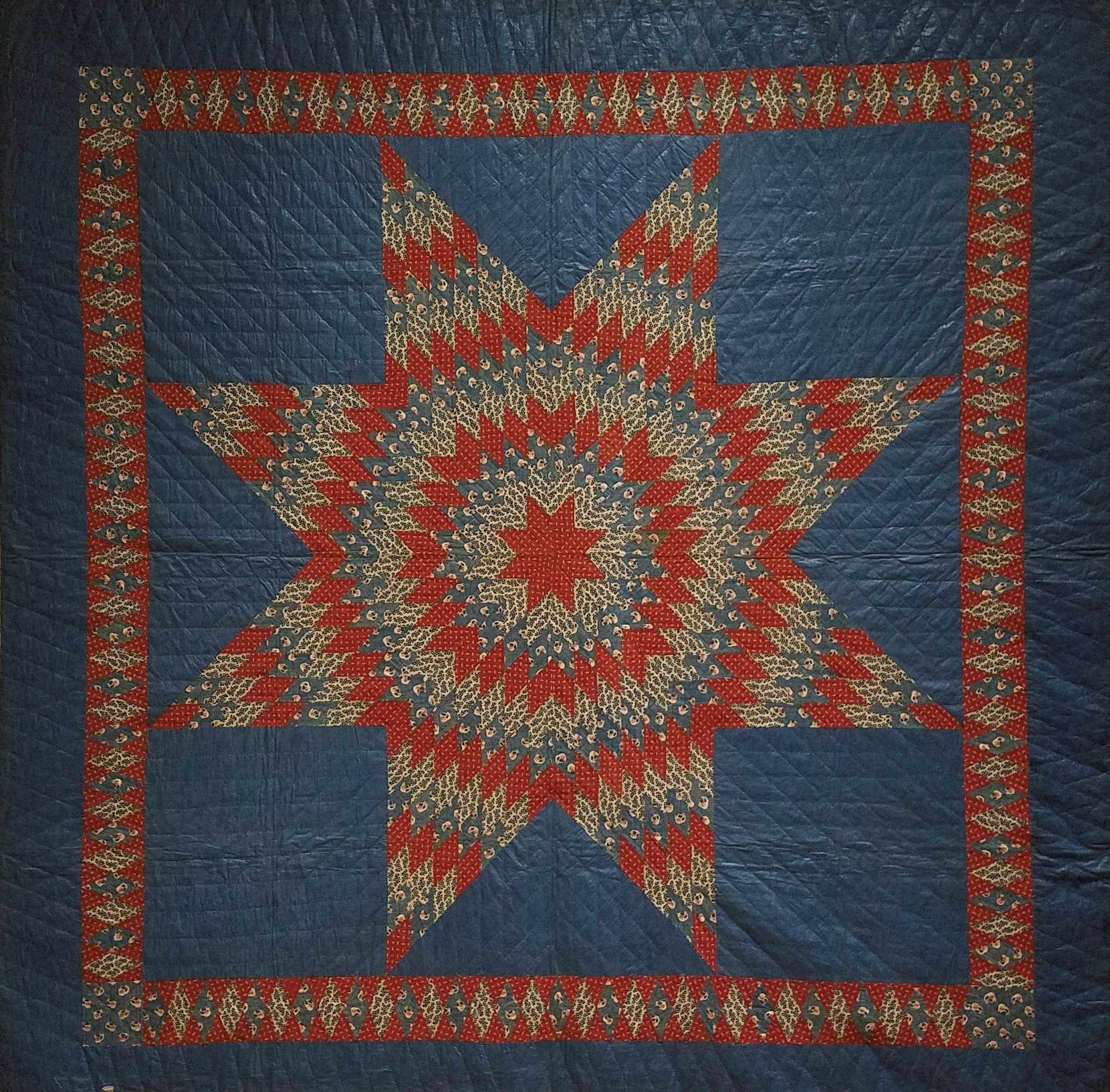
Quilts made between 1850-1896
\\
Drunkard’s Path Quilt, ca. 1880-90
(the large red square one with the yellow pattern)
\\
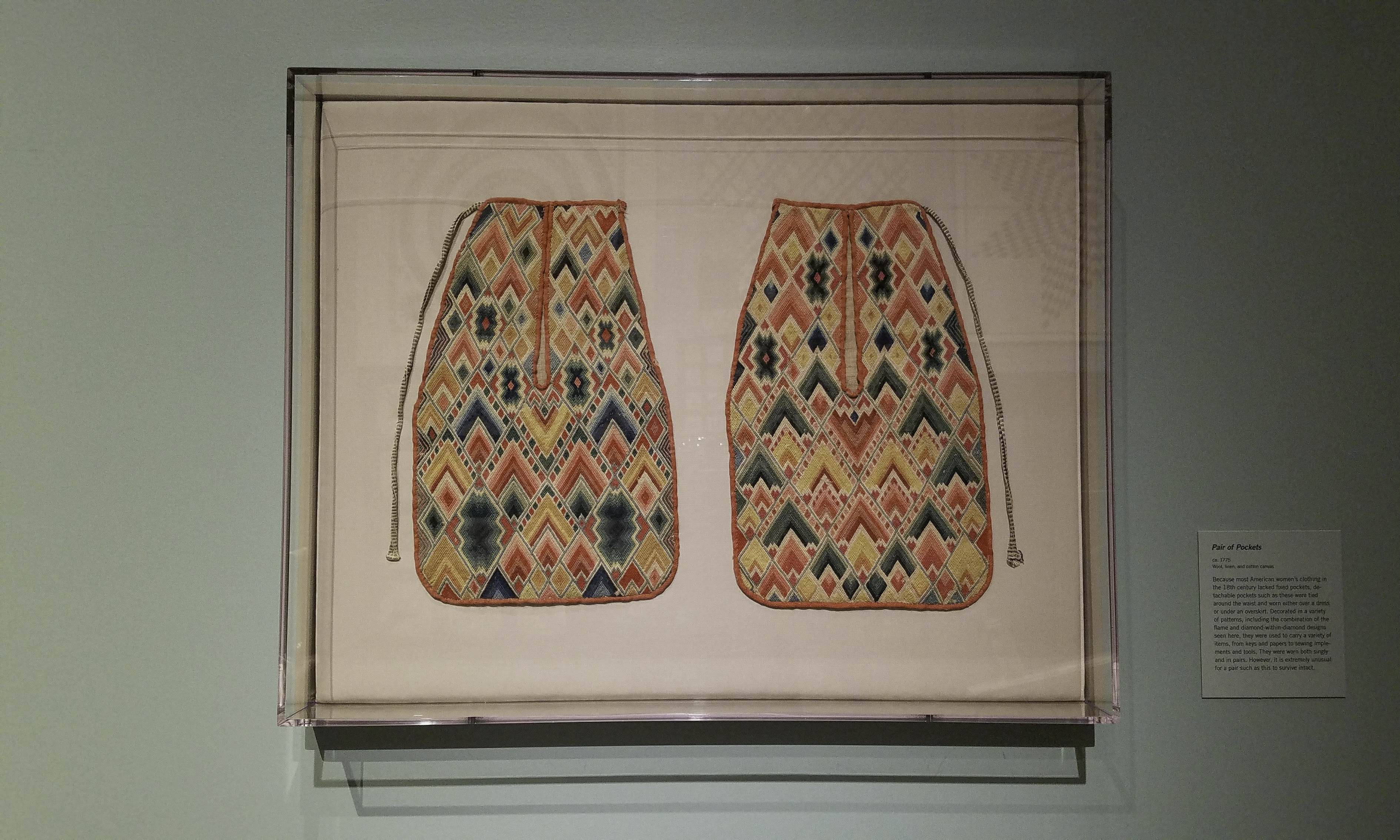
Pair of Pockets, ca. 1775
Because most American women’s clothing in the 18th century lacked fixed pockets, detachable pockets such as these were tied around the waist and worn either over a dress or under an overskirt. They were worn both singly and in pairs. It is extremely unusual for a pair such as this to survive intact. I urgently need two pairs!
\\
Helen E. Hatch
Folk Art Crazy Quilt, 1885
July 16th, 2017
subjective worldview
Actor, writer, cook and author
Travel experiences & Strasbourg city guide
Writer
joy, happiness, travel, adventure, gratitude
"Rêve onirique & Bulle d'évasion"
makes pretty things on paper
This WordPress.com site is Pacific War era information
Welcome to my curious world of words....
Photographs, music and writing about daily life. Contact: elcheo@swcp.com
Free listening and free download (mp3) chill and down tempo music (album compilation ep single) for free (usually name your price). Full merged styles: trip-hop electro chill-hop instrumental hip-hop ambient lo-fi boombap beatmaking turntablism indie psy dub step d'n'b reggae wave sainte-pop rock alternative cinematic organic classical world jazz soul groove funk balkan .... Discover lots of underground and emerging artists from around the world.
A 365 analogue photography project
Barcelona's Multiverse | Art | Culture | Science
Een digitaal atelier aan de (zee)slag.
‘Doodling Ambiguity’s in Ink.’
Miscellaneous photography
Glimpses along the way on a journey of discovery into symmetry...
 The Humble Fabulist