…
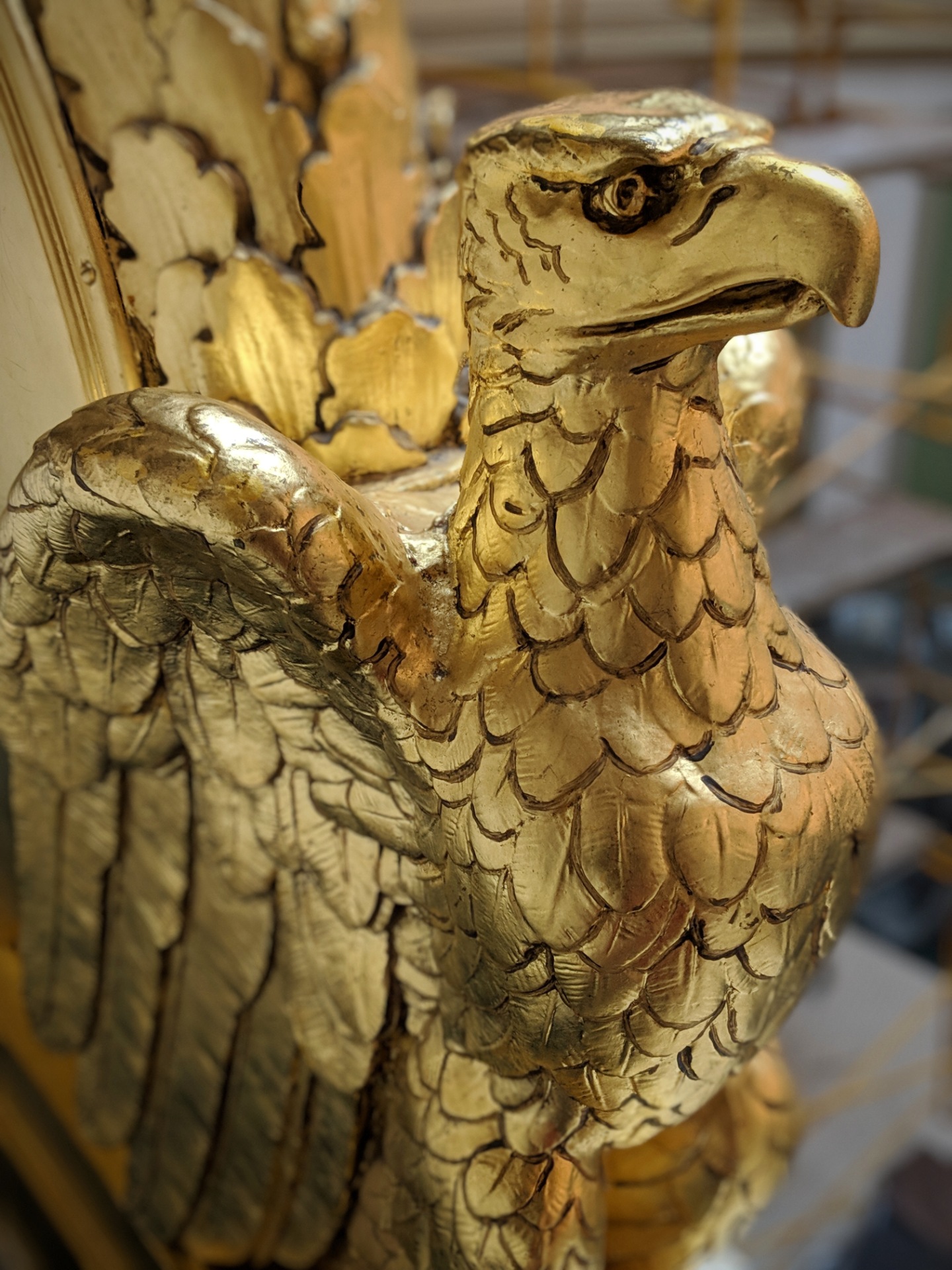
[fill in the blank]

RISD Museum, Providence, RI
November 23rd, 2018
…
[fill in the blank]
RISD Museum, Providence, RI
November 23rd, 2018
My Providence! What airy hosts
 Turn still thy gilded vanes;
What winds of elf that with grey ghosts
People thine ancient lanes!
– from ”Providence”, a poem by H.P. Lovecraft

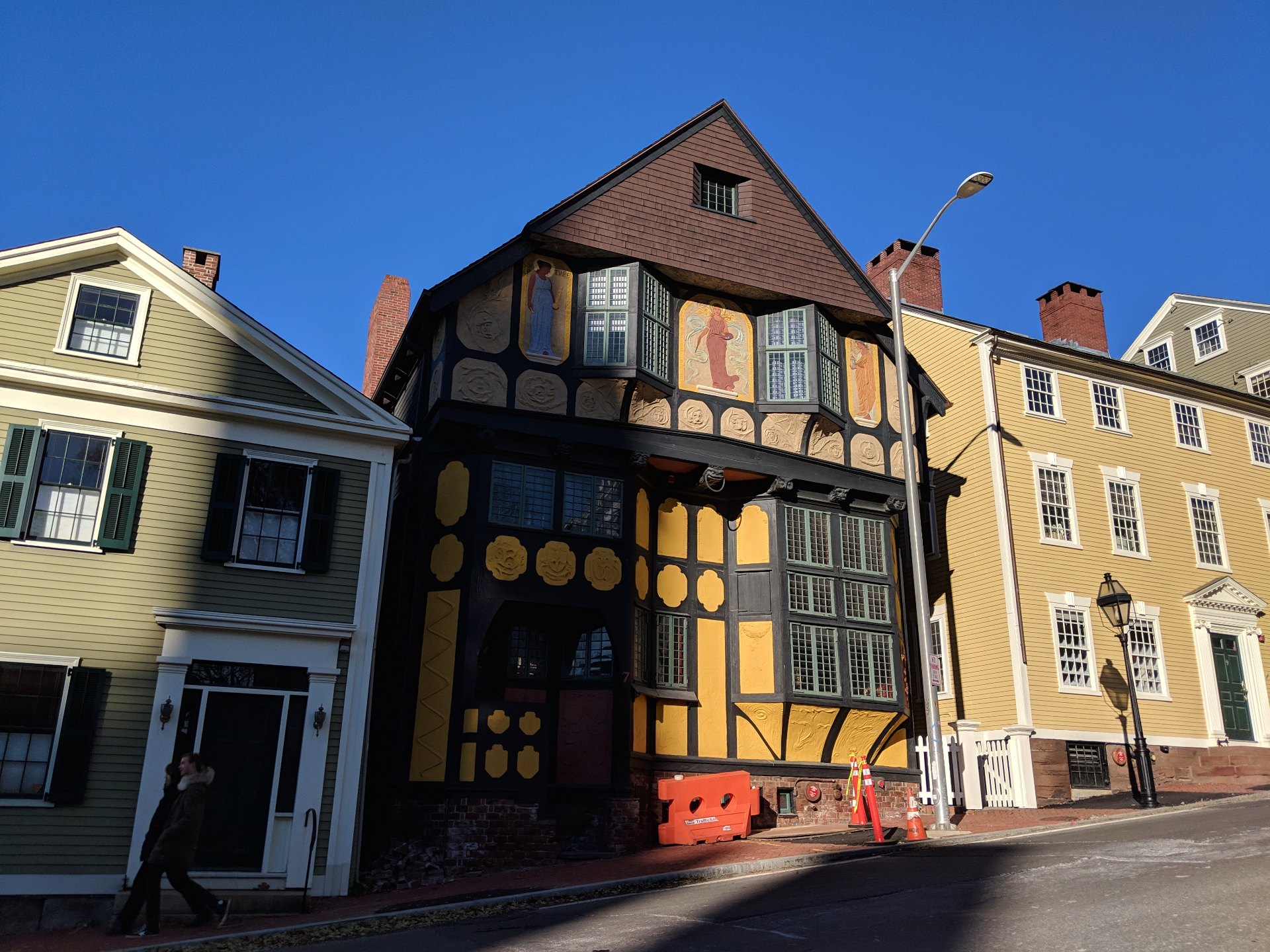

 A fanlight’s gleam, a knocker’s blow,
A glimpse of Georgian brick—
The sights and sounds of long ago
Where fancies cluster thick.
From the ”Superman” Building to the Fleur-de-Lys that Lovecraft despised – and made sure to tell the world, when he wrote in ”The Call of Cthulu”:
”Wilcox still lived alone in the Fleur-de-Lys Building in Thomas Street, a hideous Victorian imitation of seventeenth century Breton Architecture which flaunts its stuccoed front amidst the lovely colonial houses on the ancient hill, and under the very shadow of the finest Georgian steeple in America, I found him at work in his rooms, and at once conceded from the specimens scattered about that his genius is indeed profound and authentic.”
The spirit of H.P. Lovecraft is alive, in Providence.
November 23rd, 2018
Sitting atop Smith Hill, overlooking downtown Providence, a grant building of white George marble, in inverse proportion to the size of the State it was built to serve. Designed by the New York firm of McKim, Mead and White and constructed between 1895 and 1904, it is crowned with the fourth largest self supporting dome in the world, behind only that of St. Peter’s in Vatican City, the Minnesota State Capitol in St. Paul and the Taj Mahal in Agra, India.
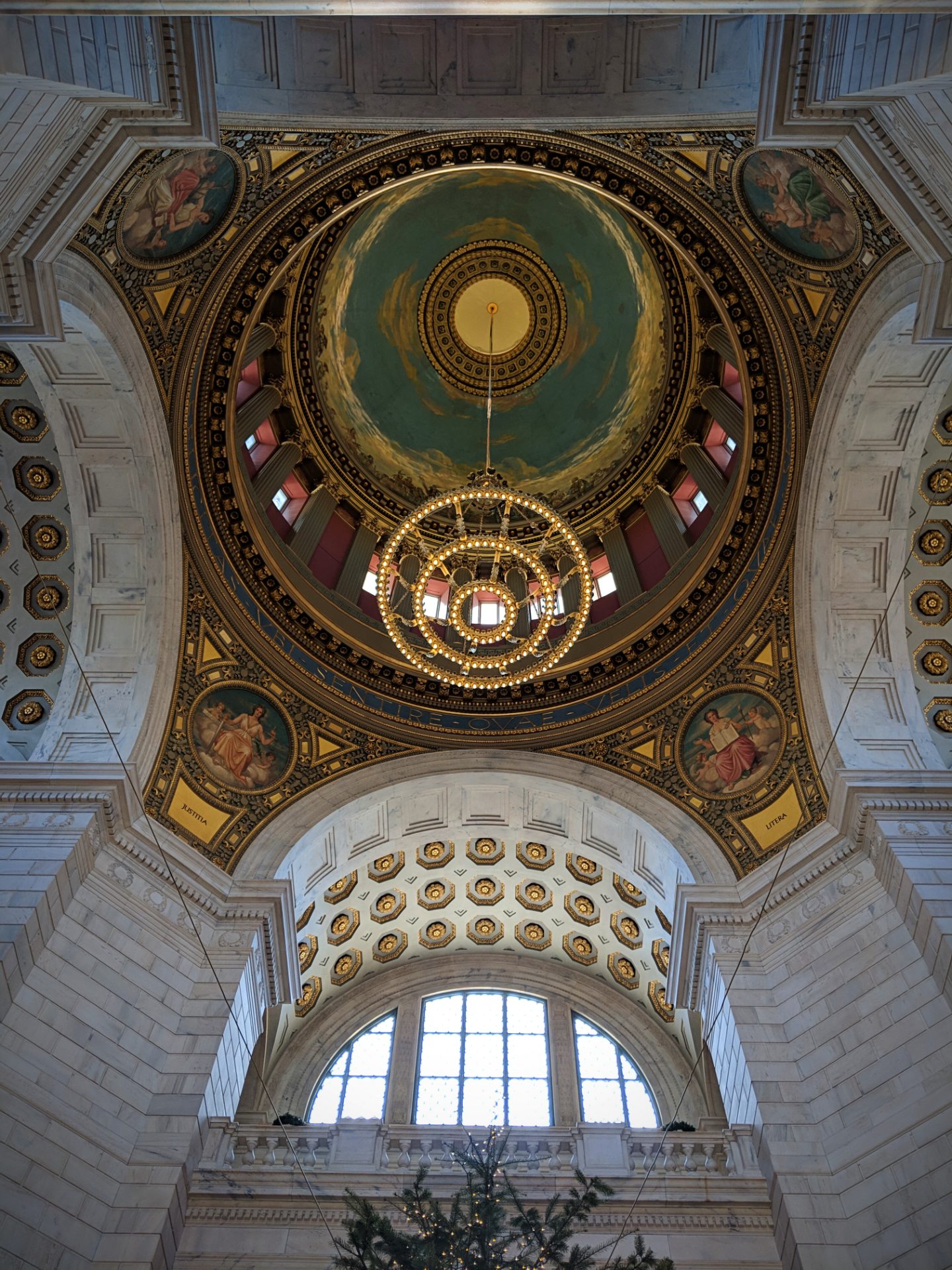
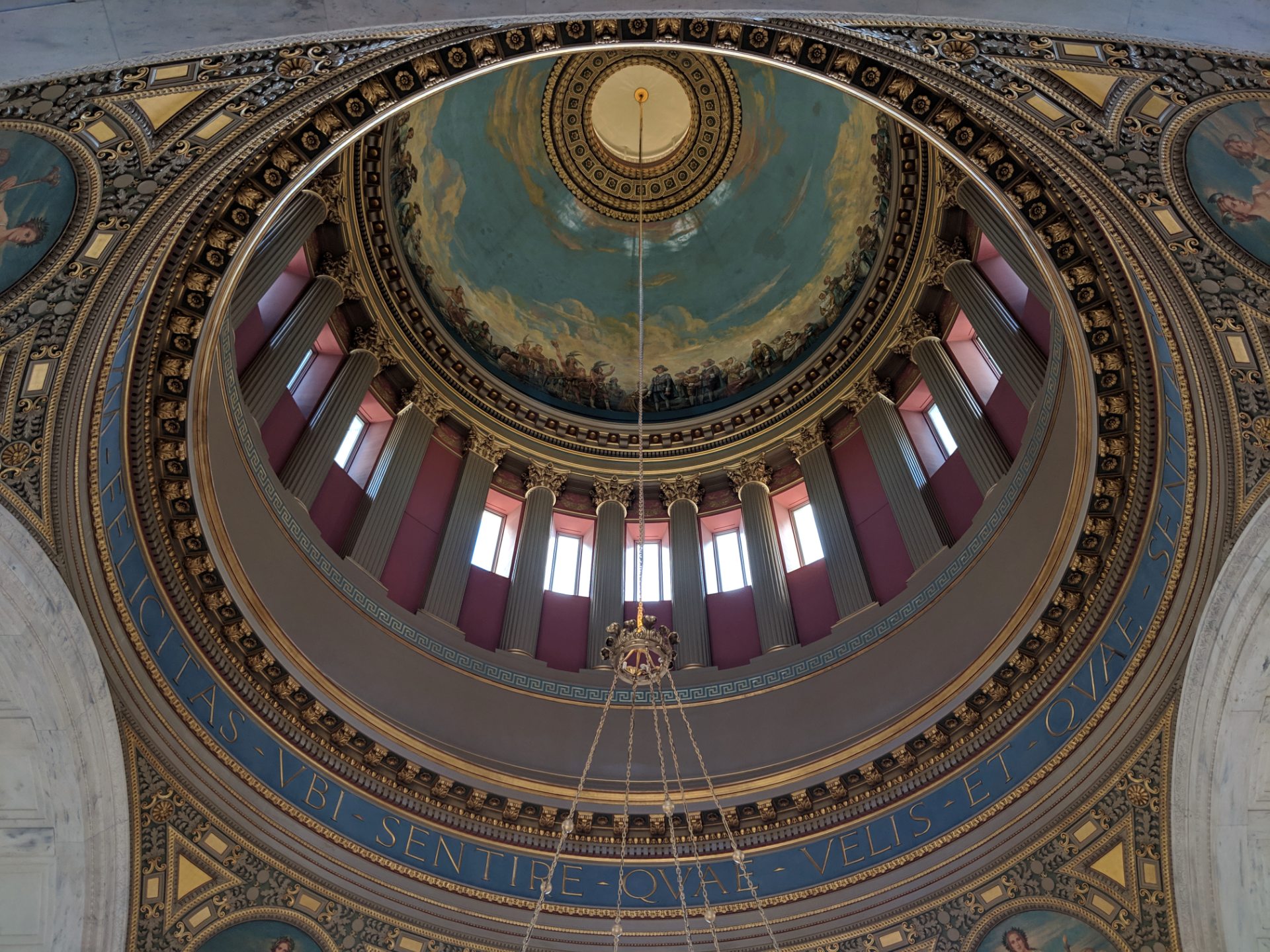

The Senate Chamber, home to the 38 members of the Senate; it’s design was influenced by the Pantheon in Rome.


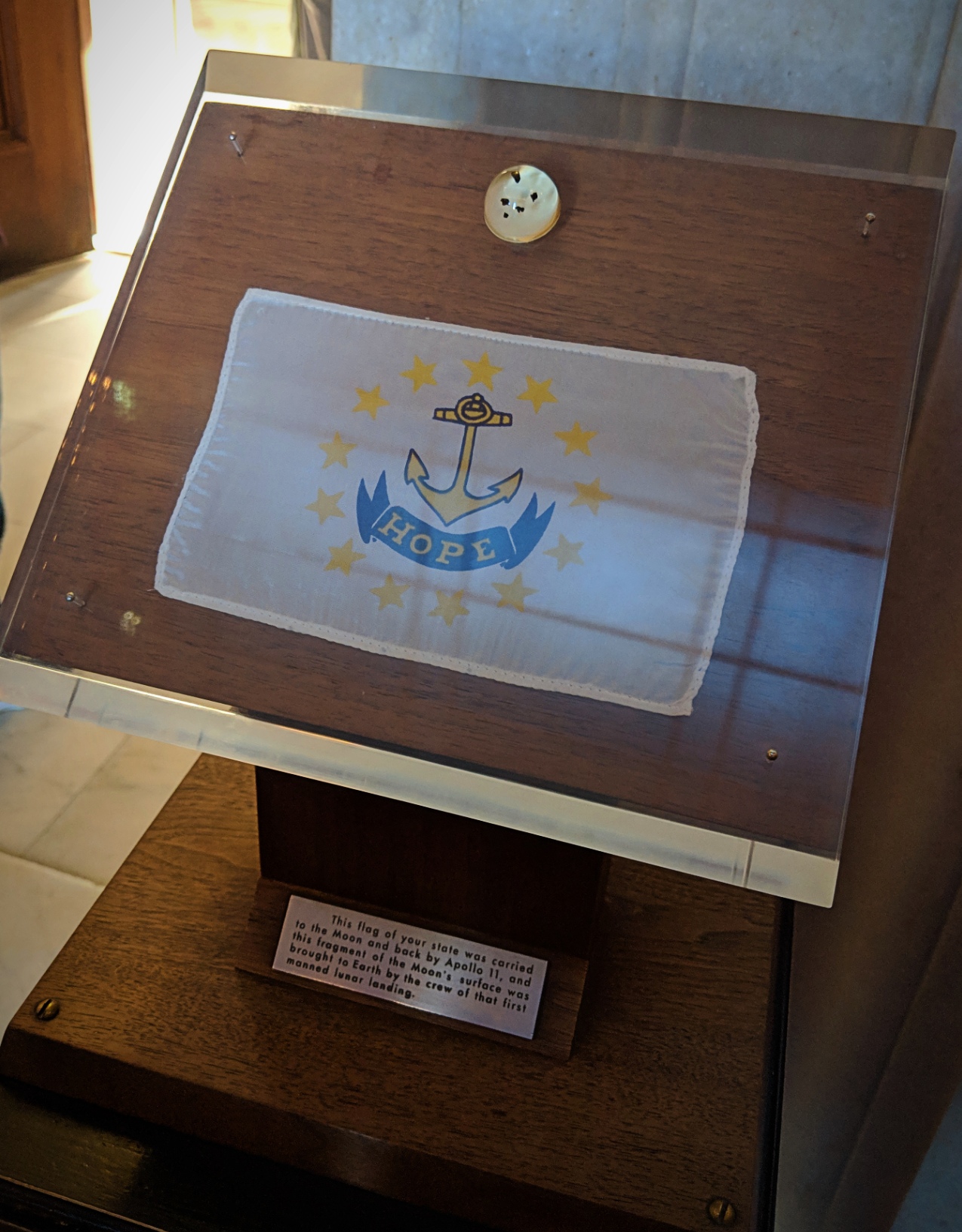
”Hope” is the official state motto of Rhode Island, inspired by the biblical phrase “hope we have as an anchor of the soul.” This little flag made it to the Moon and back.


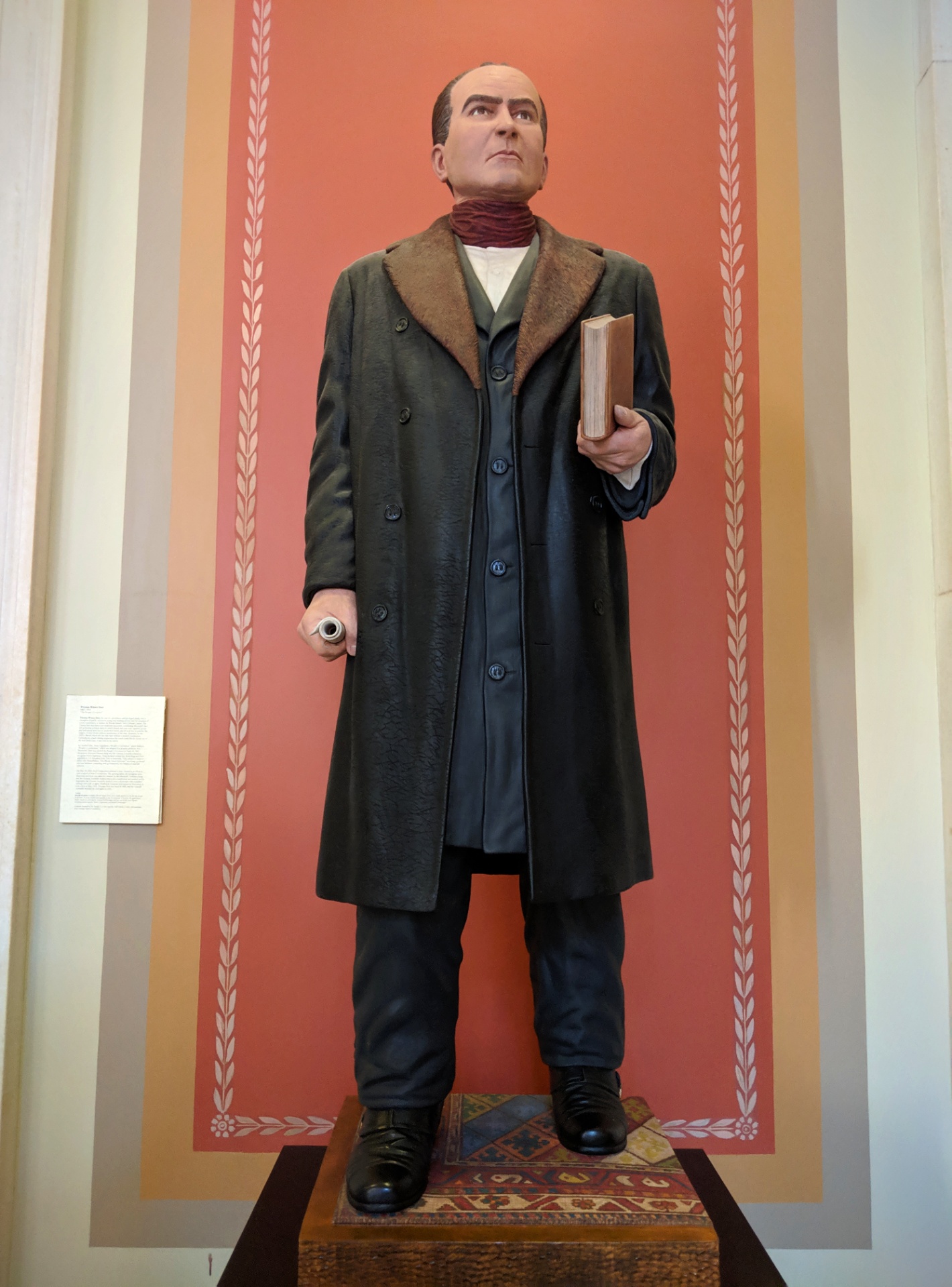
Thomas Wilson Dorr, 1805-1854
”The People’s Governor”, thanks to whom Rhode Island adopted a state constitution.
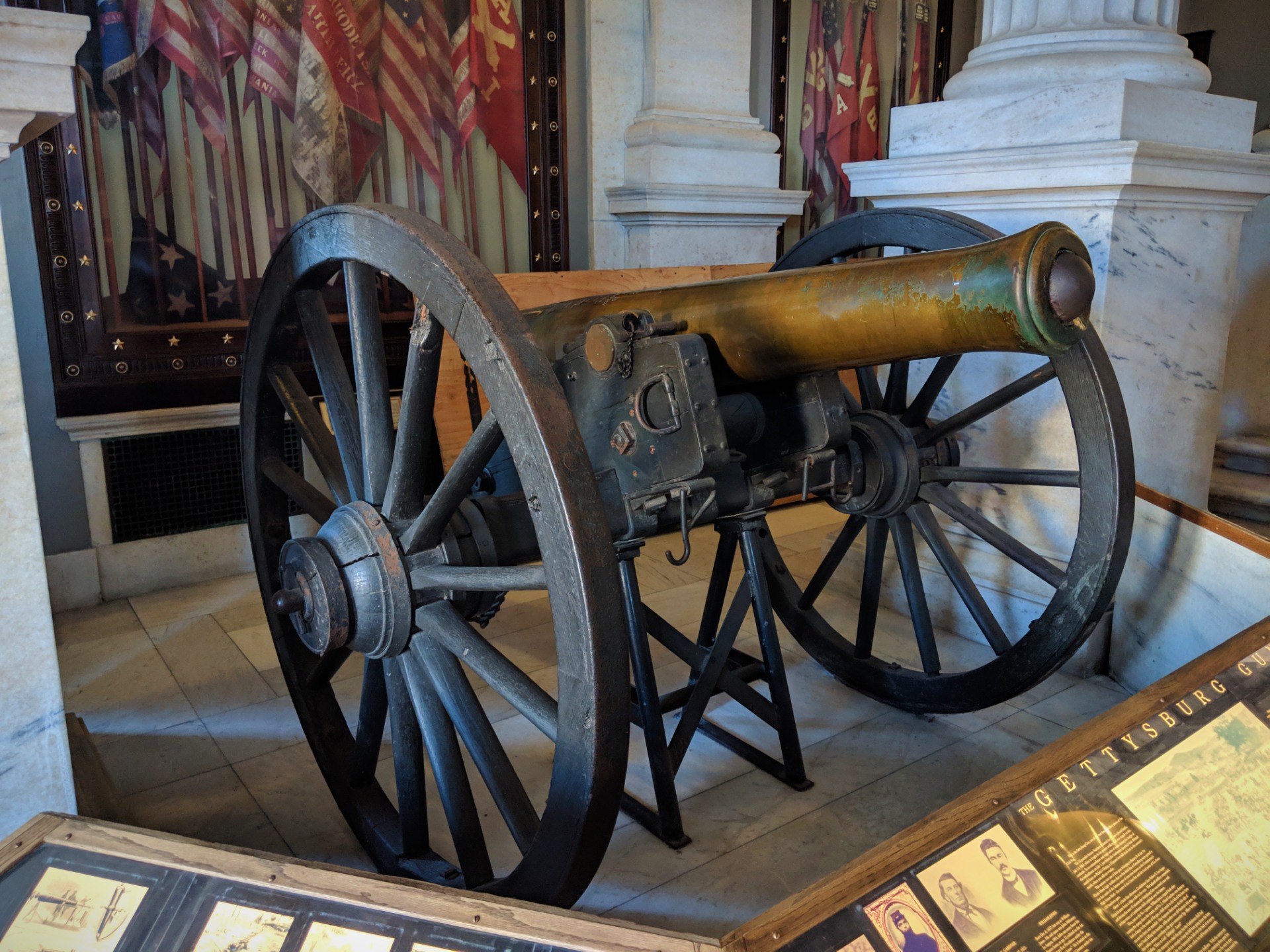 This is the Gettysburg gun from the First R.I. Light Artillery, damaged during the battle of Gettysburg on July 3, 1863 with a cannonball still stuck in the barrel.
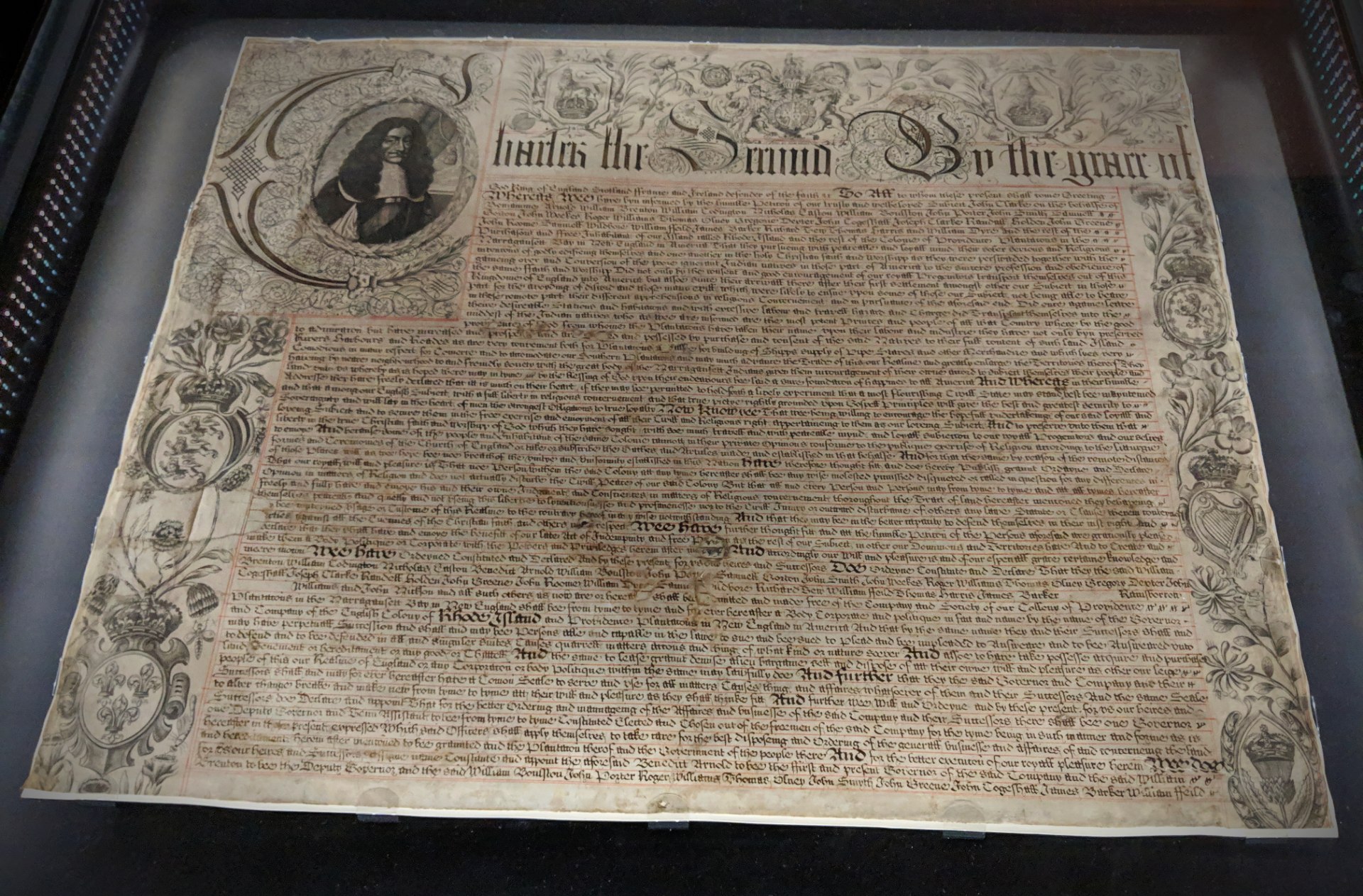
The Royal Charter of 1663 granted by King Charles II of England, on July 8, 1663, resides safely in a custom steel vault. The Charter guaranteed Rhode Island settlers complete religious liberty, established a self-governing colony with local autonomy and strengthened Rhode Island’s territorial claims. The most liberal charter of any colony, it served as Rhode Island’s basic law until the adoption of the state’s first constitution, which came into effect on May 2, 1843.

The Rhode Island State House, Providence
November 23rd, 2018
subjective worldview
Actor, writer, cook and author
Travel experiences & Strasbourg city guide
Writer
joy, happiness, travel, adventure, gratitude
"Rêve onirique & Bulle d'évasion"
makes pretty things on paper
This WordPress.com site is Pacific War era information
Welcome to my curious world of words....
Photographs, music and writing about daily life. Contact: elcheo@swcp.com
Free listening and free download (mp3) chill and down tempo music (album compilation ep single) for free (usually name your price). Full merged styles: trip-hop electro chill-hop instrumental hip-hop ambient lo-fi boombap beatmaking turntablism indie psy dub step d'n'b reggae wave sainte-pop rock alternative cinematic organic classical world jazz soul groove funk balkan .... Discover lots of underground and emerging artists from around the world.
A 365 analogue photography project
Barcelona's Multiverse | Art | Culture | Science
Een digitaal atelier aan de (zee)slag.
‘Doodling Ambiguity’s in Ink.’
Miscellaneous photography
Glimpses along the way on a journey of discovery into symmetry...
 The Humble Fabulist