”Through blue-tinted glass”

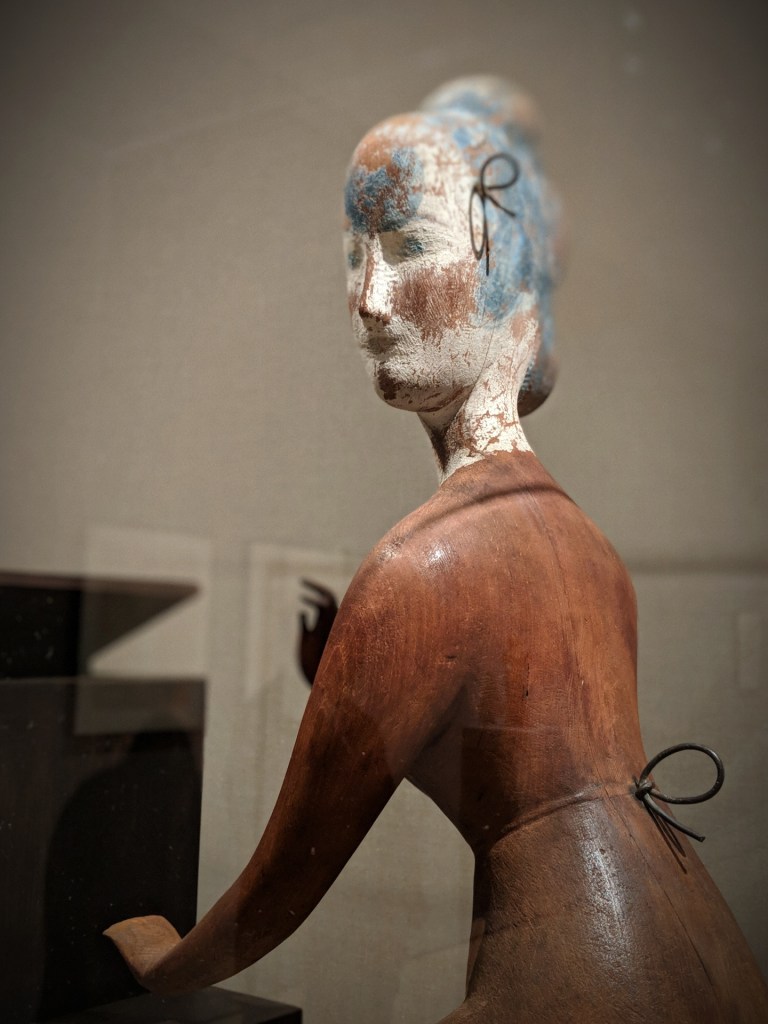
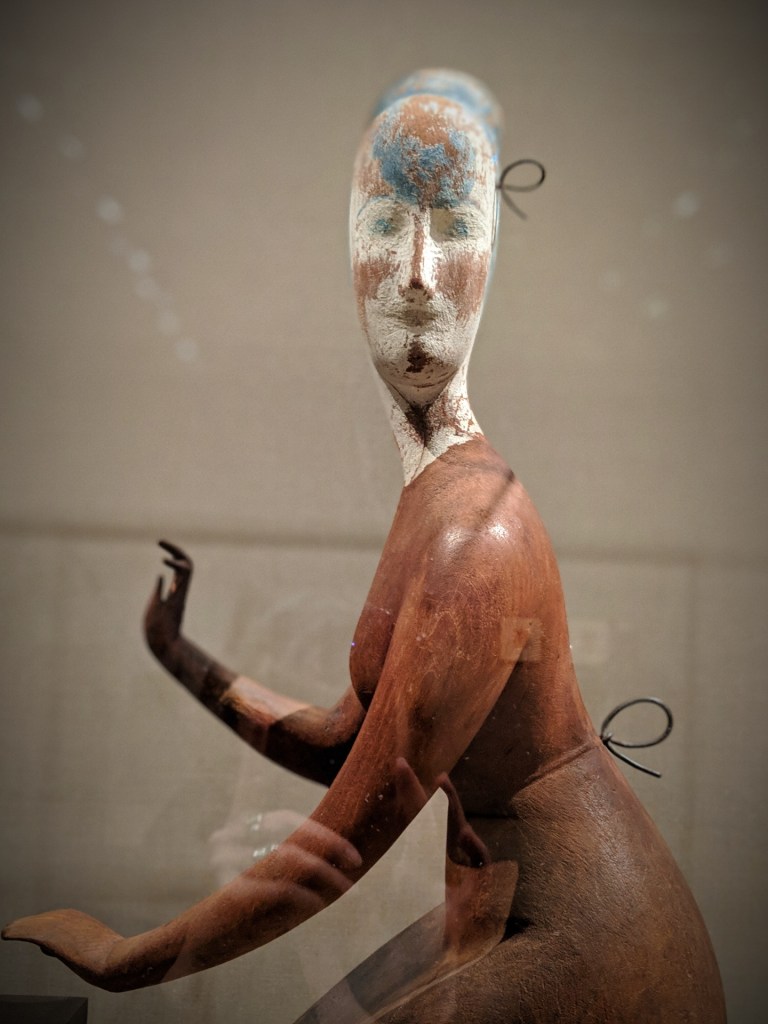
Elie Nadelman (American, born Poland, 1882–1946)
Woman at the Piano, c. 1917 (detail)
Stained and painted wood
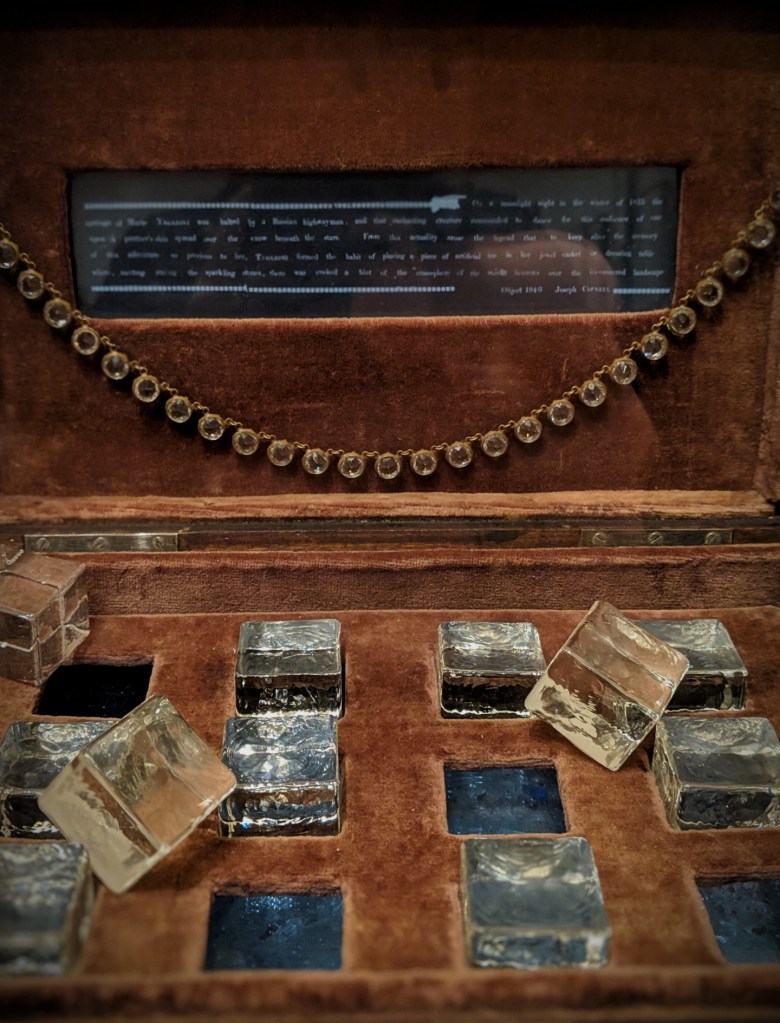
Joseph Cornell
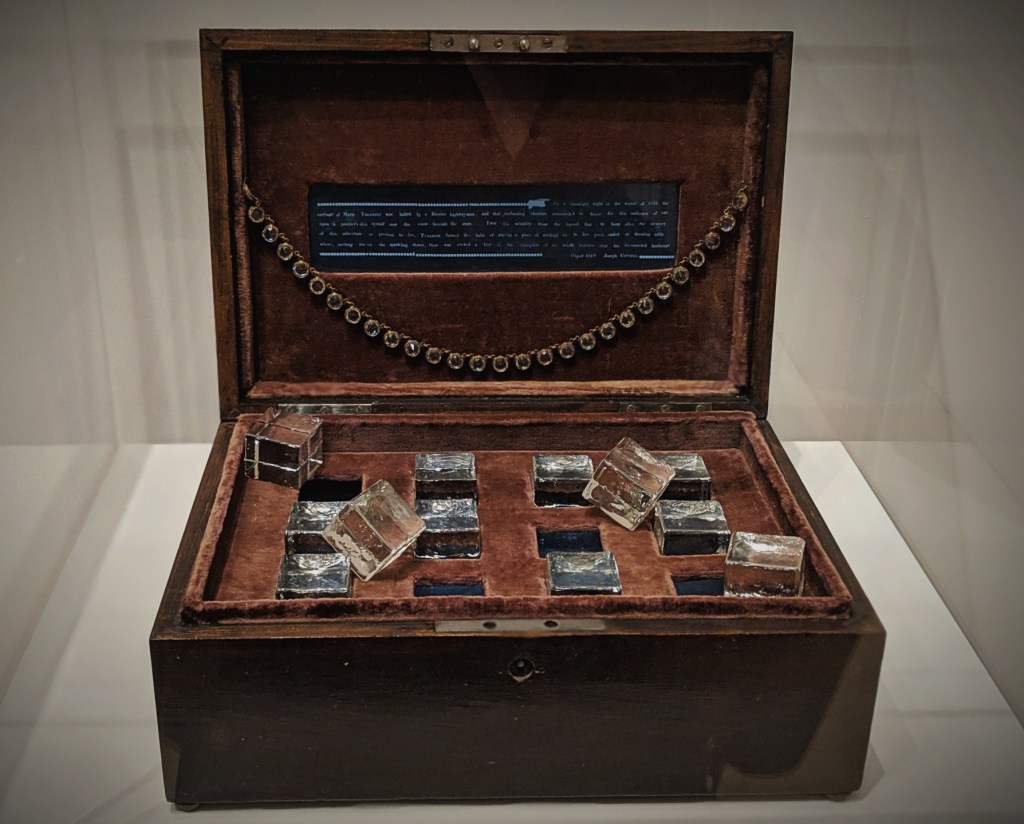
Taglioni’s Jewel Casket, 1940
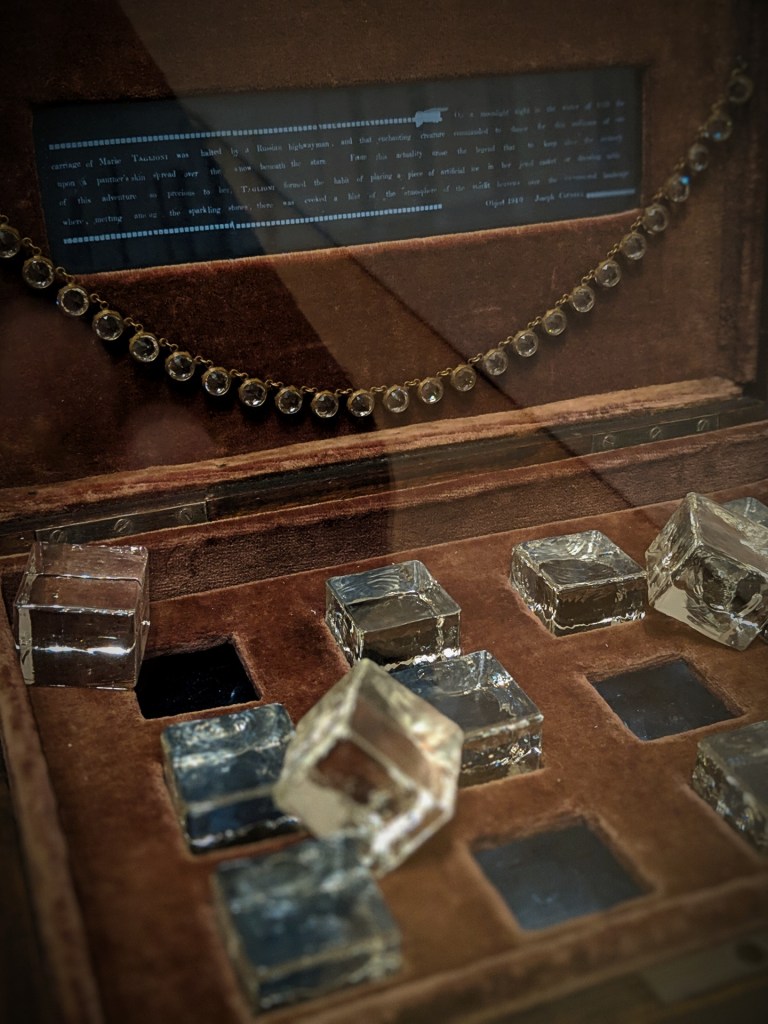
Joseph Cornell
Taglioni’s Jewel Casket, 1940
Joseph Cornell
Taglioni’s Jewel Casket, 1940
Elie Nadelman (American, born Poland, 1882–1946)
Woman at the Piano, c. 1917 (detail)
Stained and painted wood

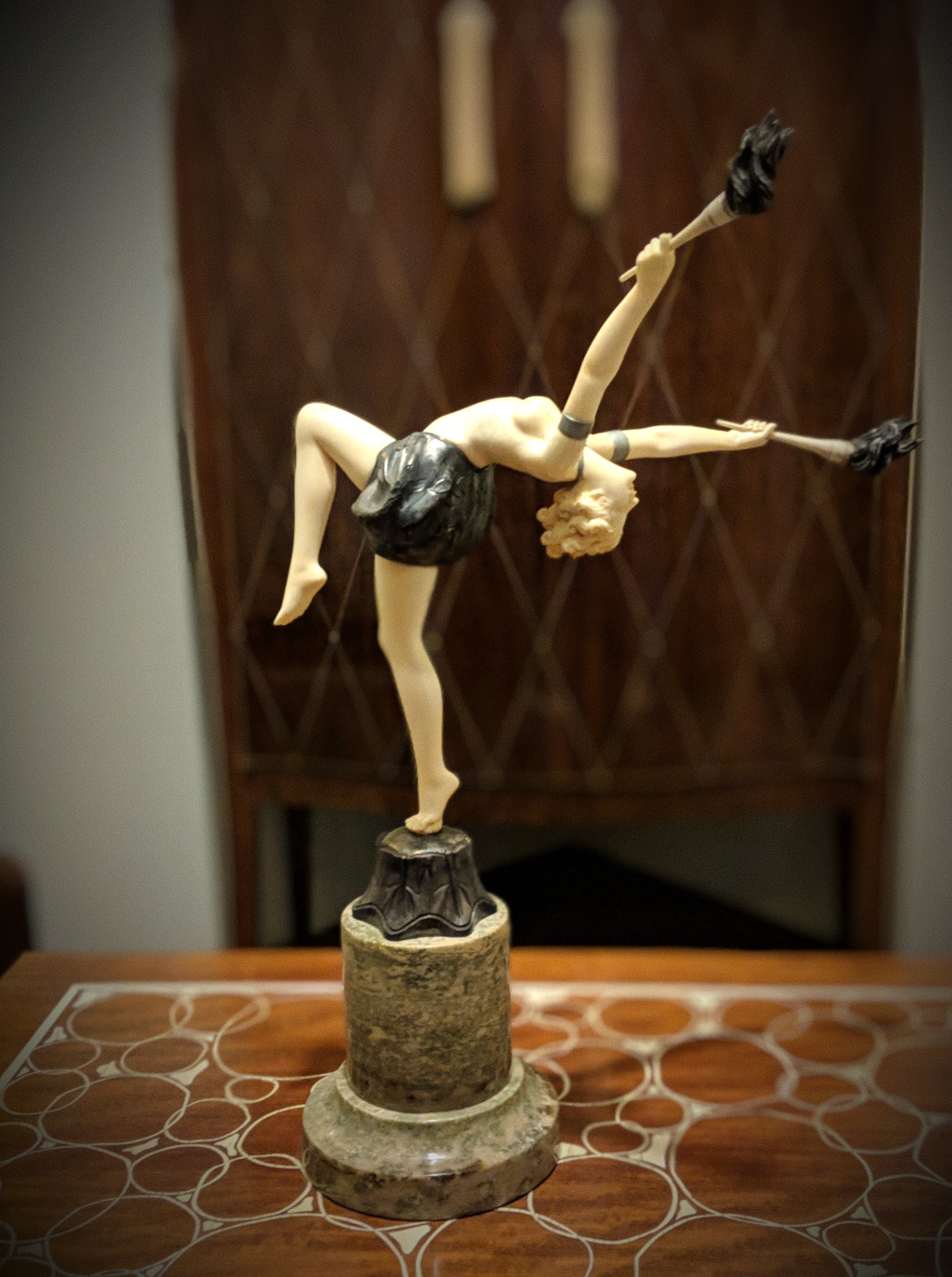
The first of dozens of works that Cornell made in honor of famous ballerinas, this box pays homage to Marie Taglioni, an acclaimed nineteenth-century dancer of Italian origin, who, according to the legend inscribed in the box’s lid, kept an imitation ice cube in her jewelry box to commemorate the time she danced in the snow at the behest of a Russian highwayman. The box is infused with erotic undertones—both in the tactile nature of the glass cubes, velvet, and rhinestone necklace (purchased at a Woolworth’s dime store in New York) and in the incident itself, in which Taglioni reportedly performed on an animal skin placed across a snowy road. Adding to the intimacy of this delicate construction, the glass cubes were designed to be removed, revealing a hidden recess below that contains two beaded necklaces and rhinestone chips placed on a mirrored surface and seen through blue-tinted glass. [source: MoMA]

Lincoln Kirstein’s Modern

MoMA, Mar-Jun 2019

March 15th, 2019
Contemporary Among Classics

Classic art was also contemporary once.

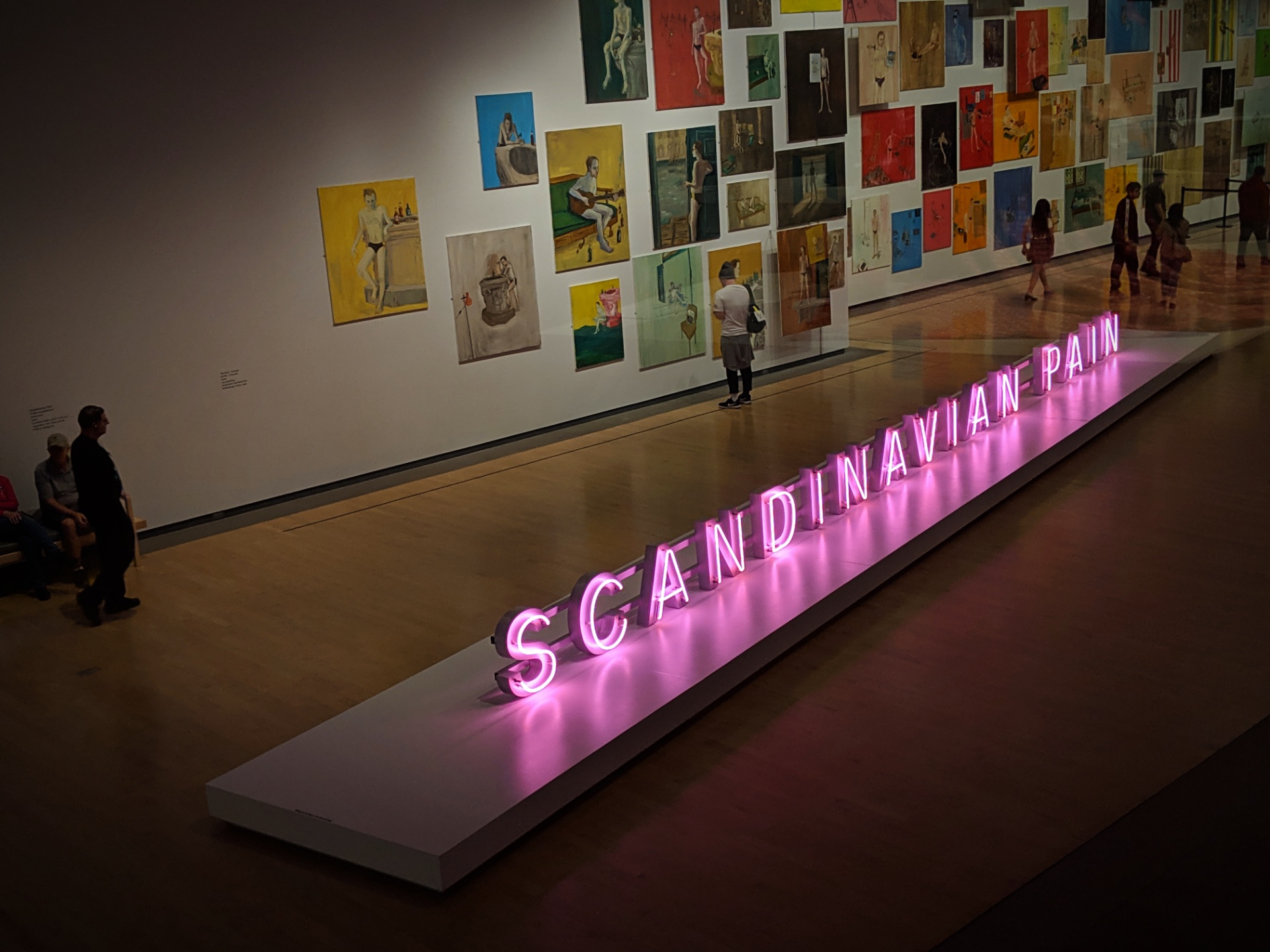
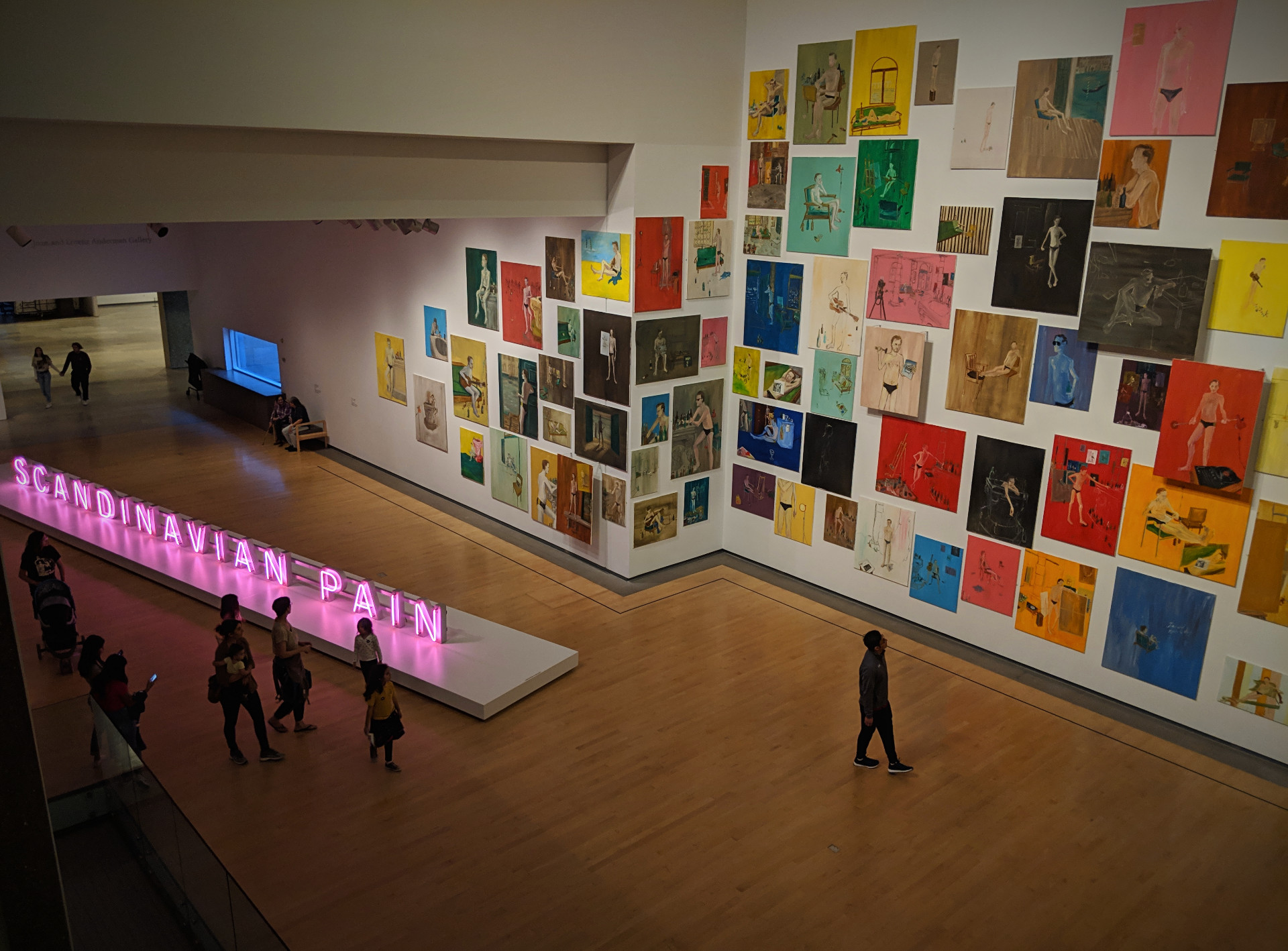
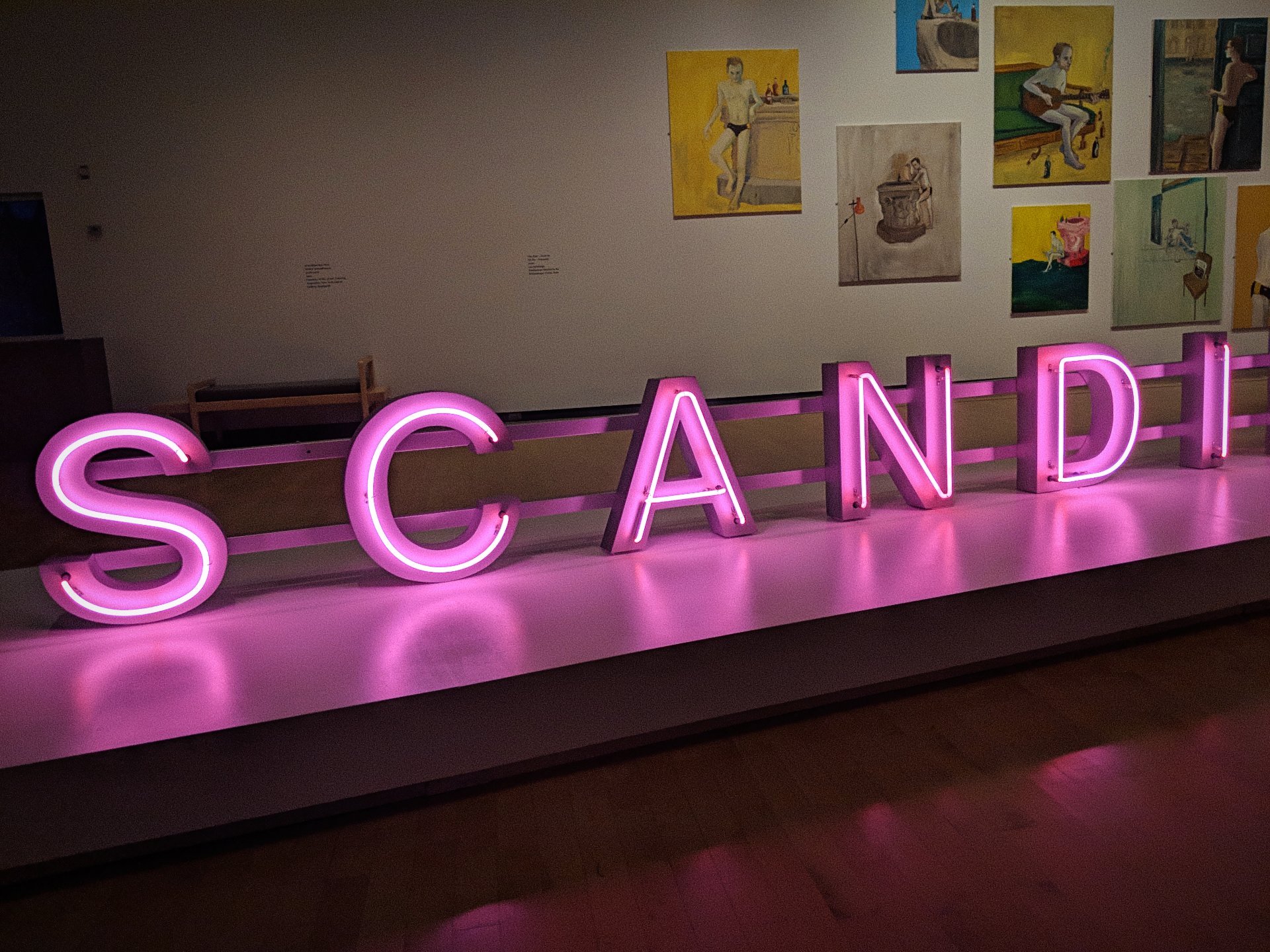
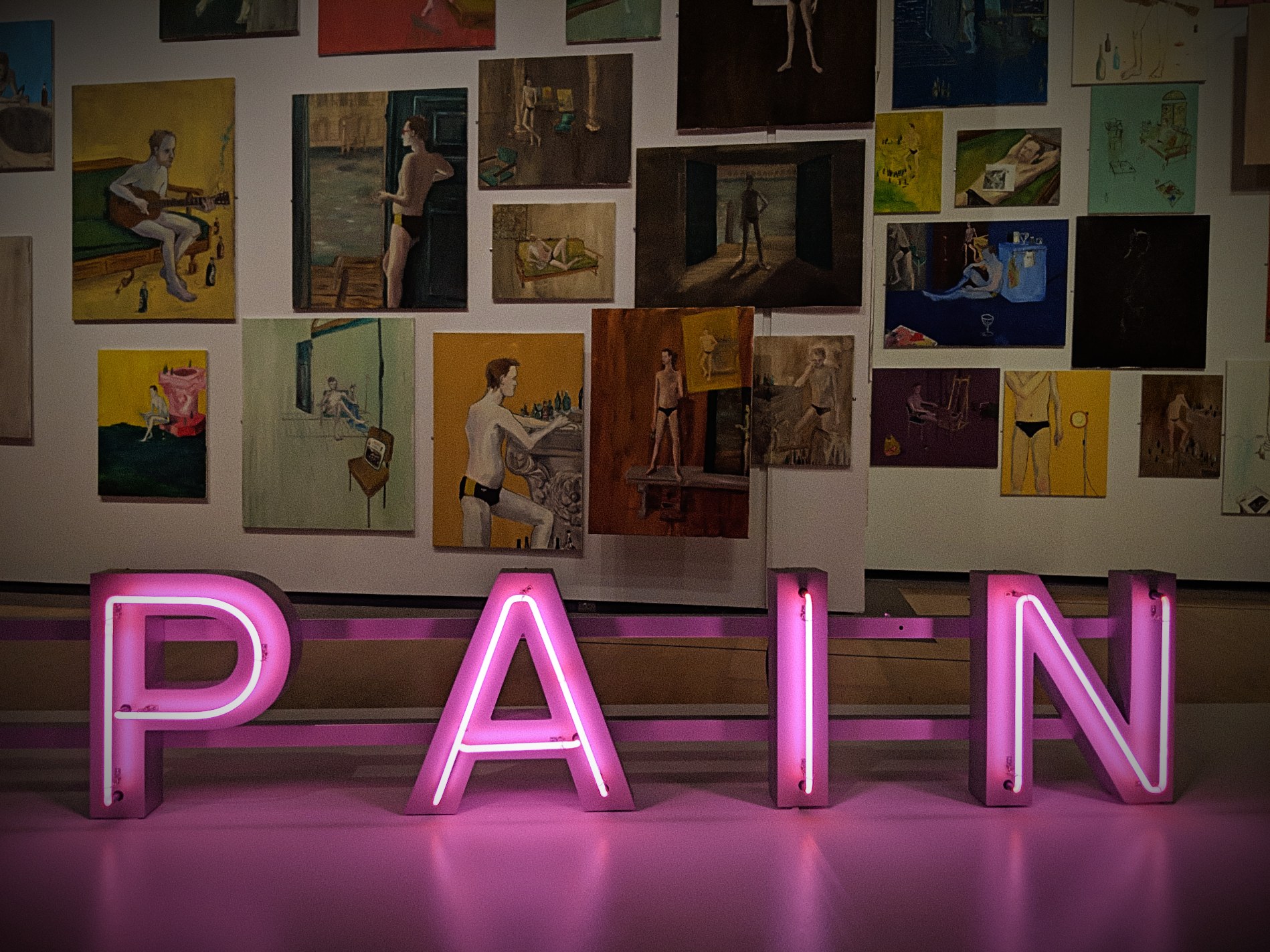
Ragnar Kjartansson: Scandinavian Pain & Other Myths was the Southwestern US premiere of work by Icelandic artist Ragnar Kjartansson (b. 1976), presented by the Phoenix Art Museum.

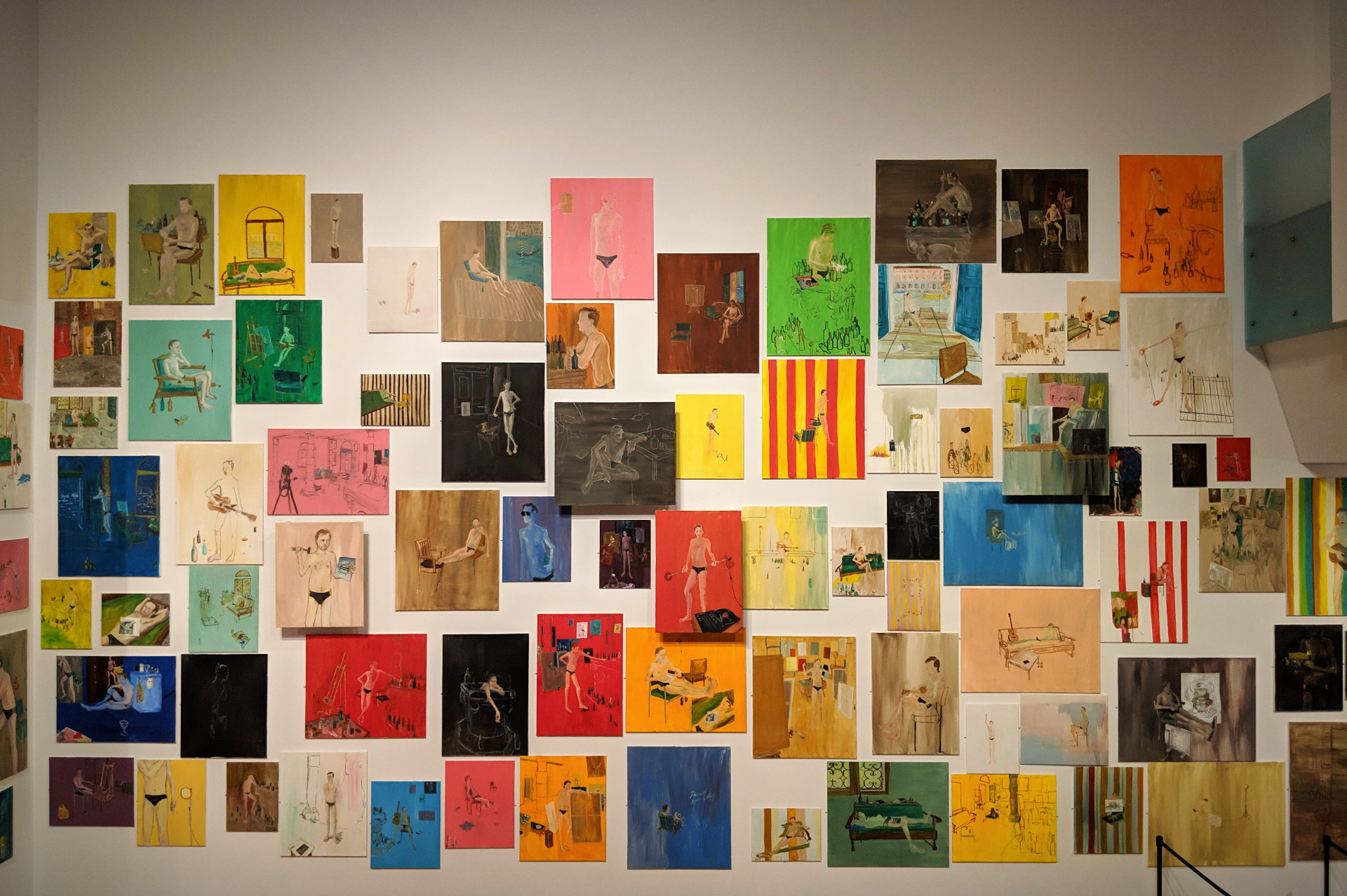
It consisted of three major works: the 40-foot long neon installation Scandinavian Pain, along with The End-Venice, Kjartansson’s contribution to the 2009 Venice Biennale during which he secluded himself in a fourteenth-century palazzo and produced one painting per day for six months (the entire duration of Venice Biennale). Each painting depicts his friend and fellow artist Páll Haukur Björnsson, in a Speedo.


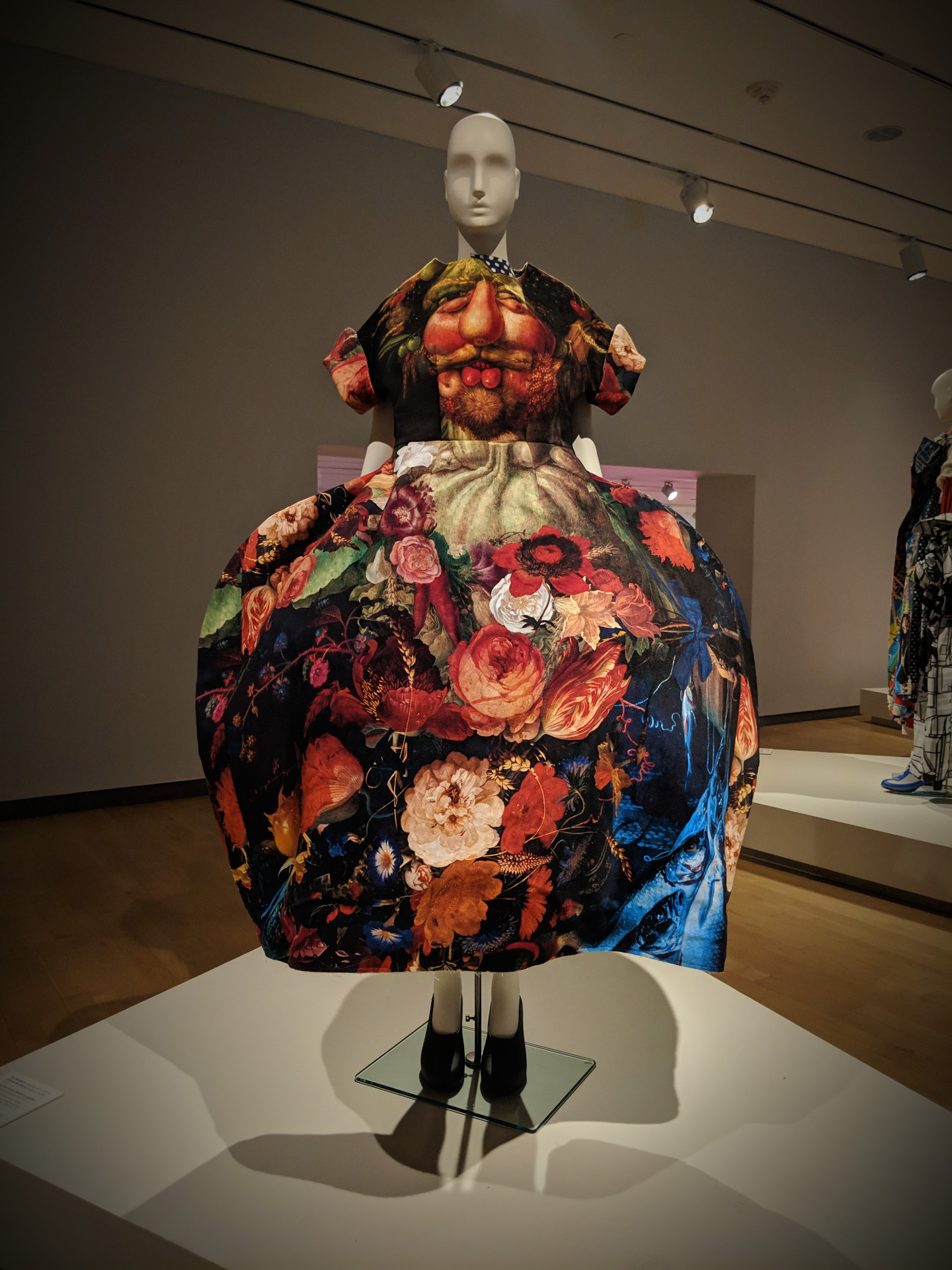
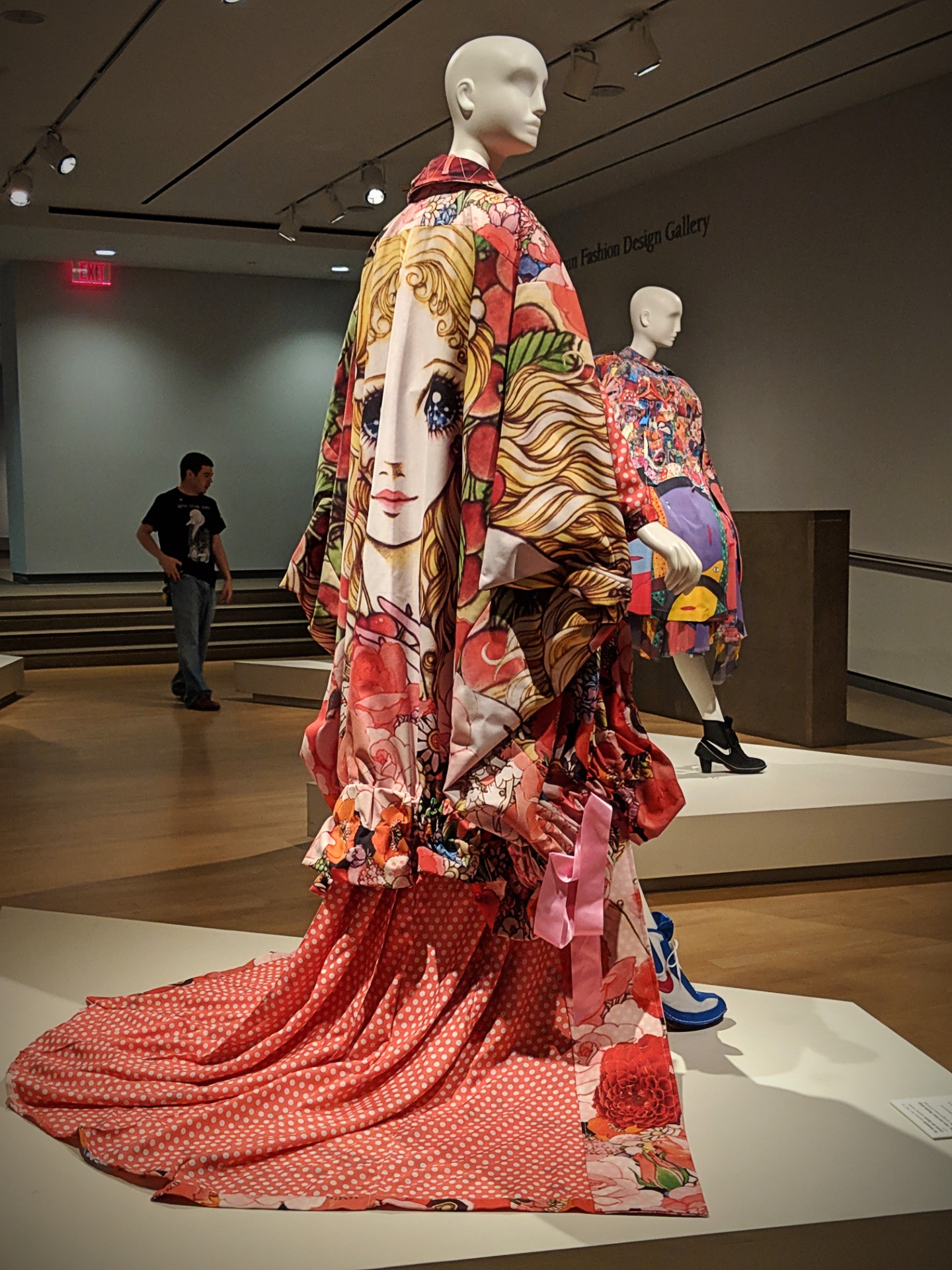
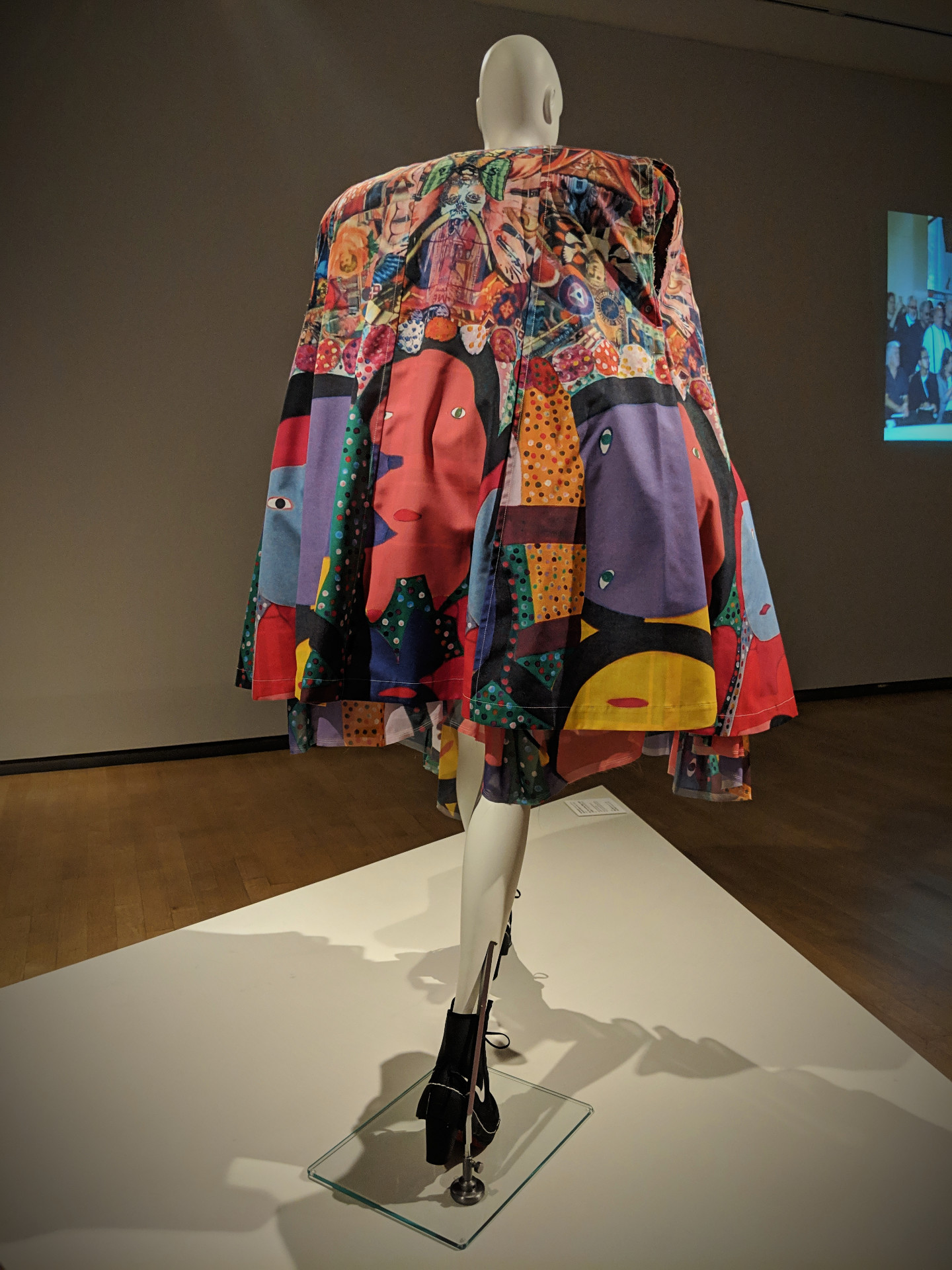
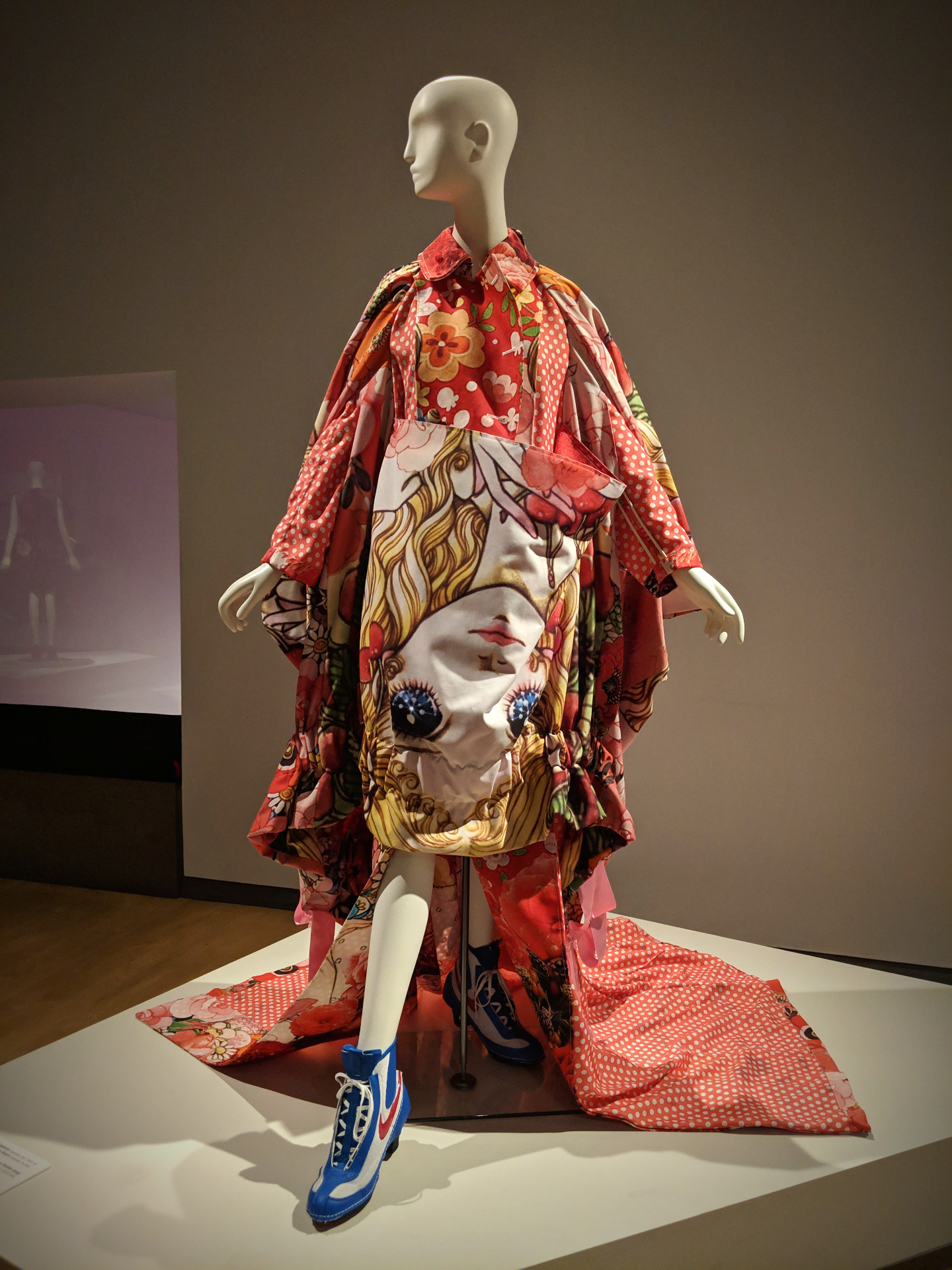
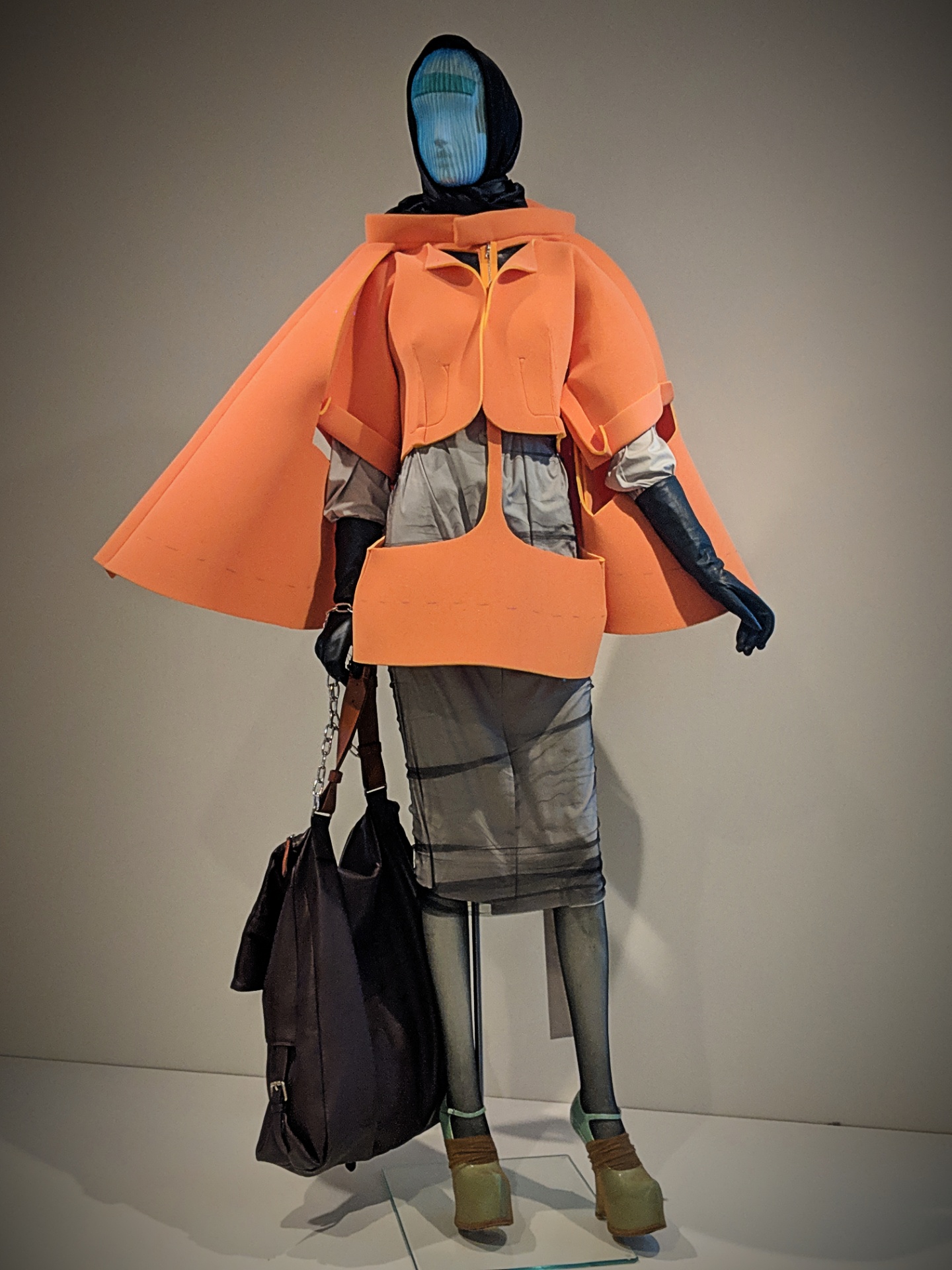
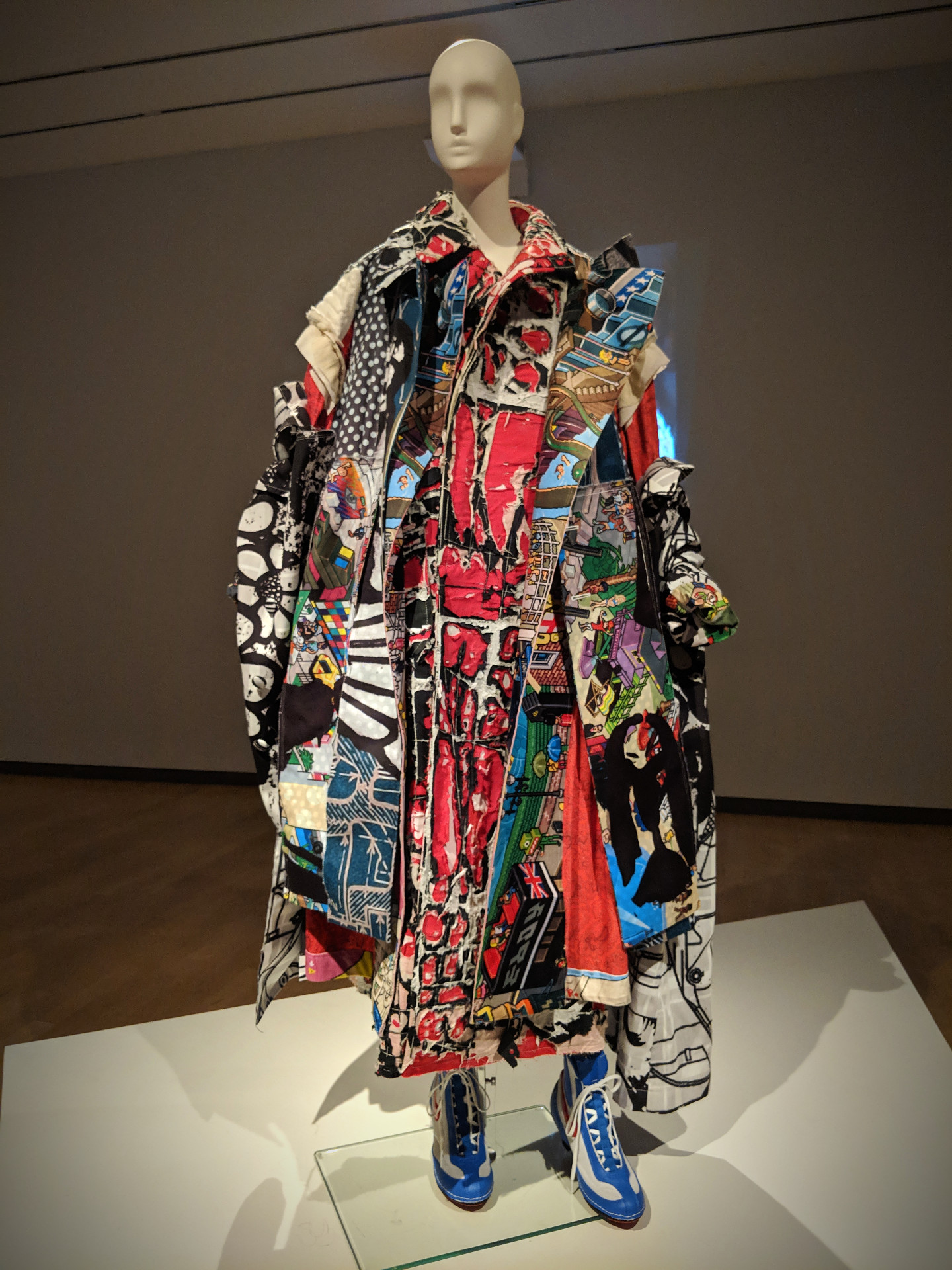
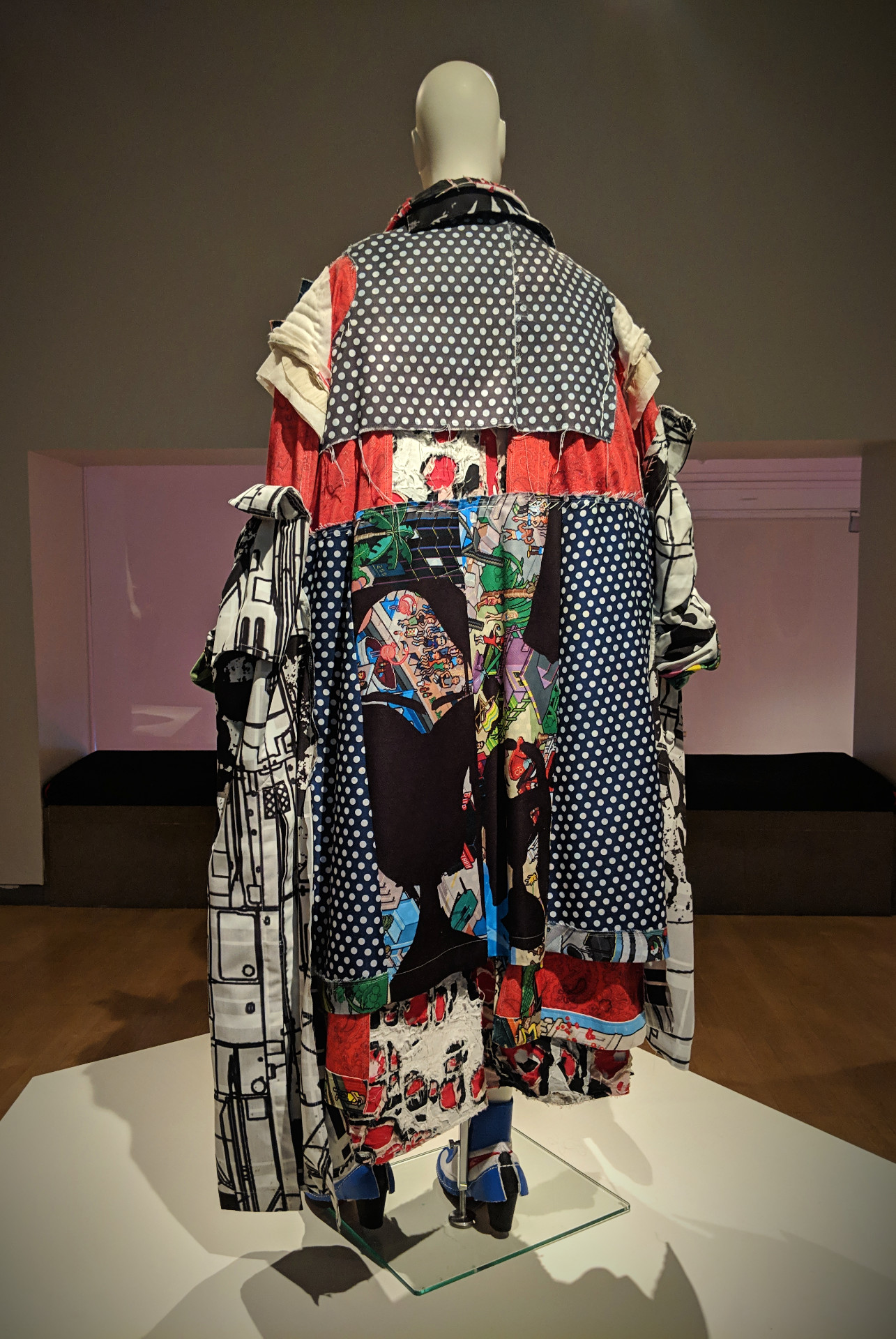
Rei Kawakubo for Comme des Garçons
Dress and shoes from the S/S 2018 collection

Art on Dress: Giuseppe Archimboldo


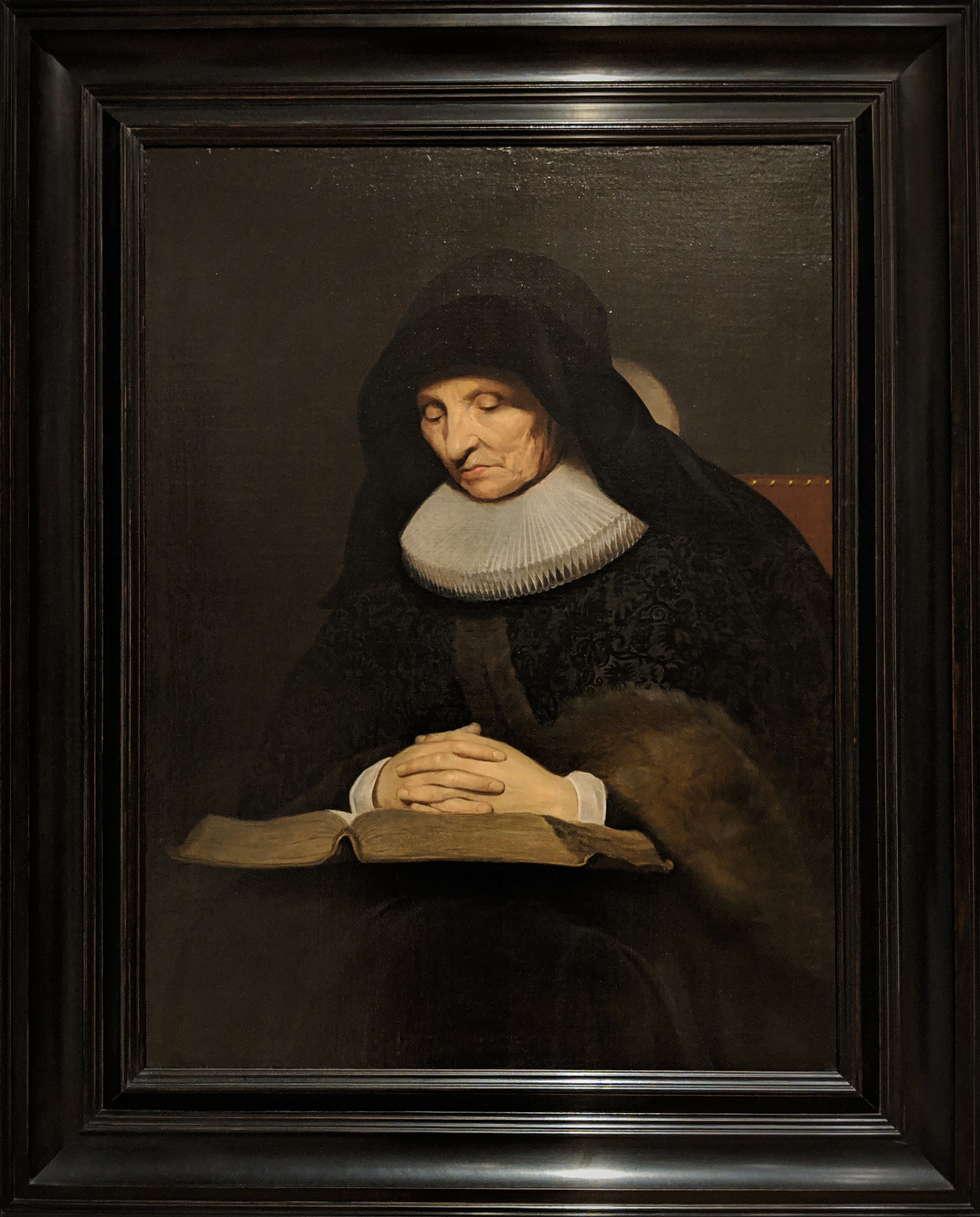
Jan Anthonisz van Ravesteyn (Dutch, c. 1570-1657)
Portrait of an Old Woman, late  16th-mid 17th century
Oil on canvas


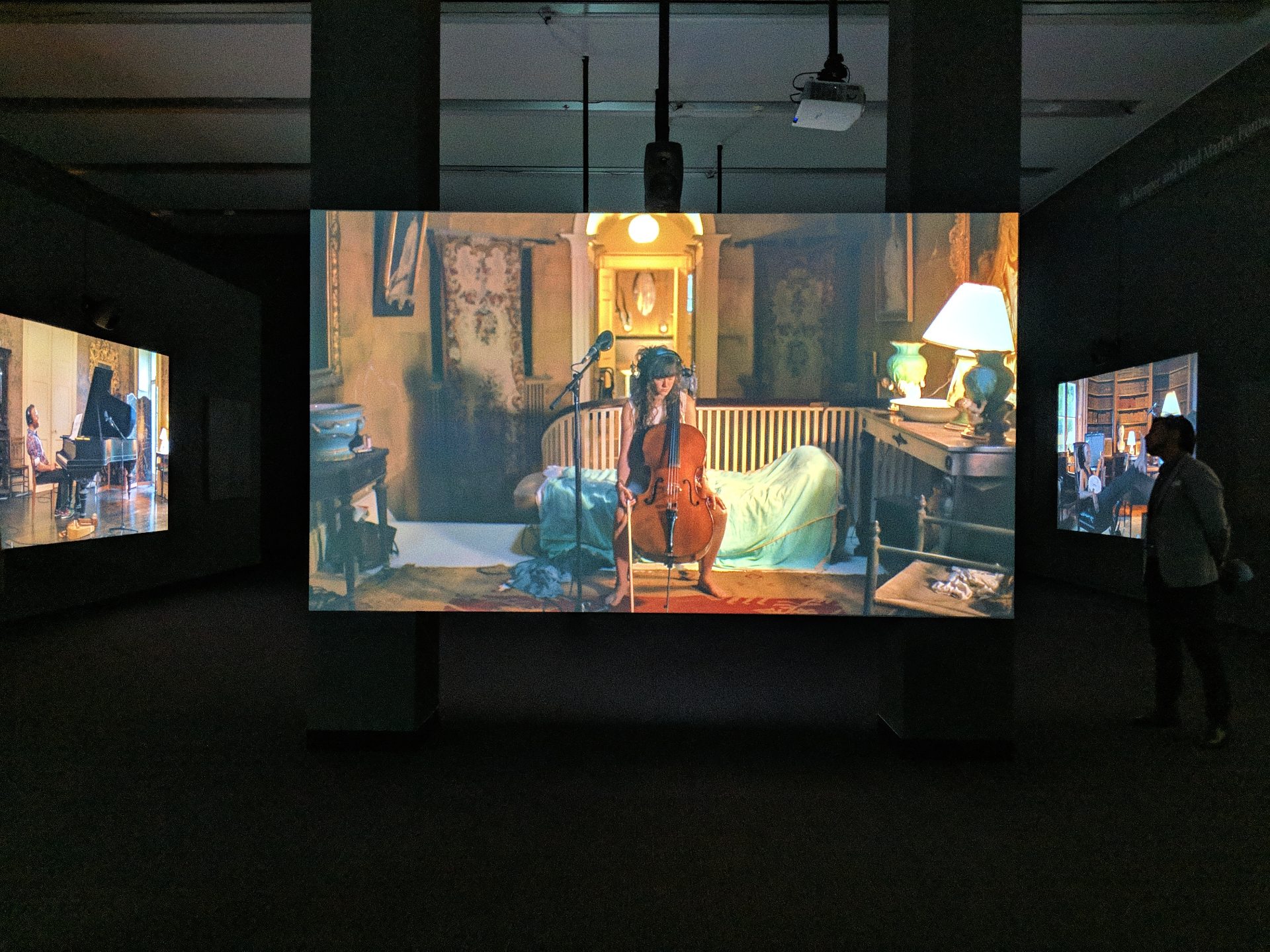
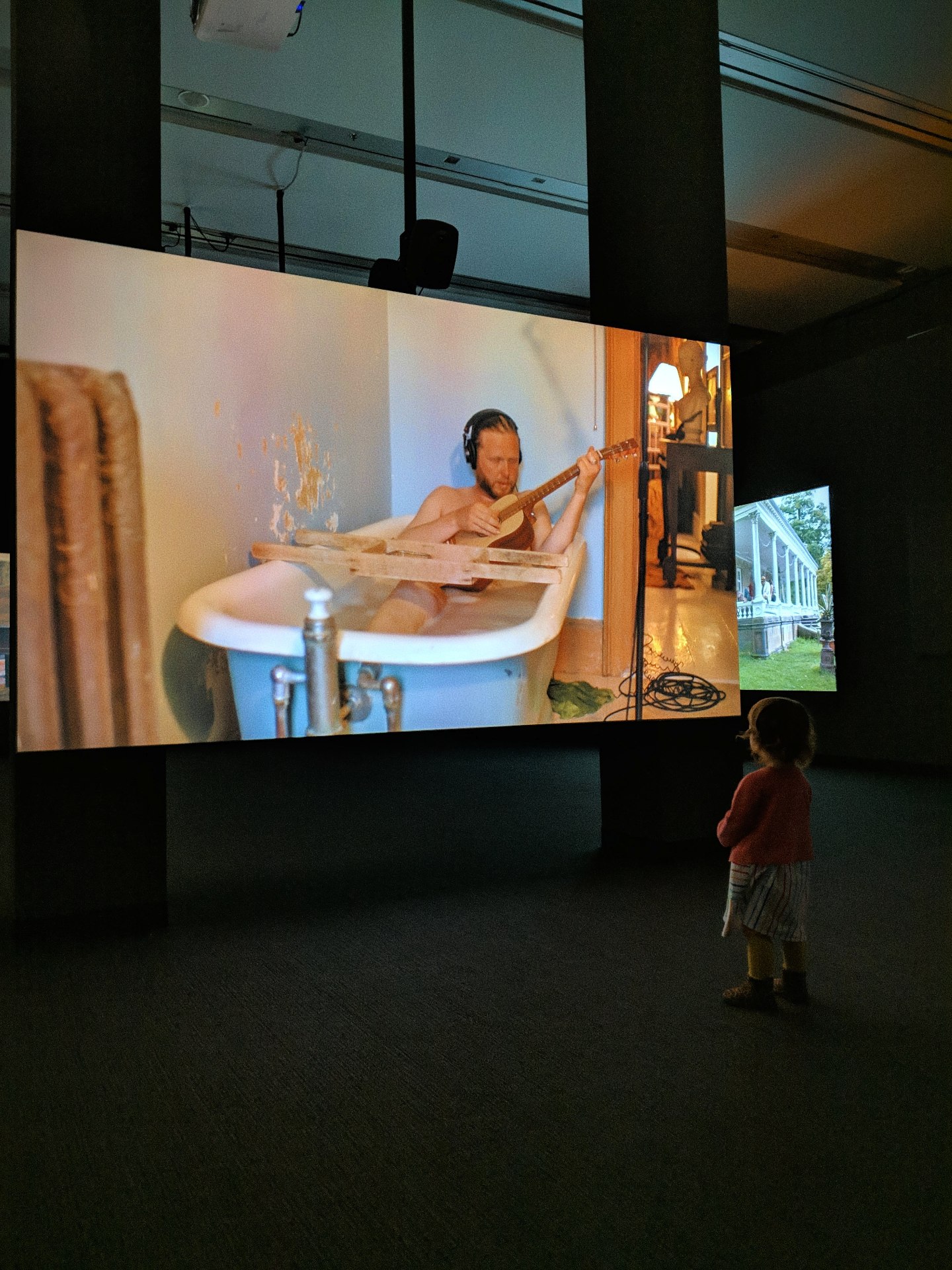
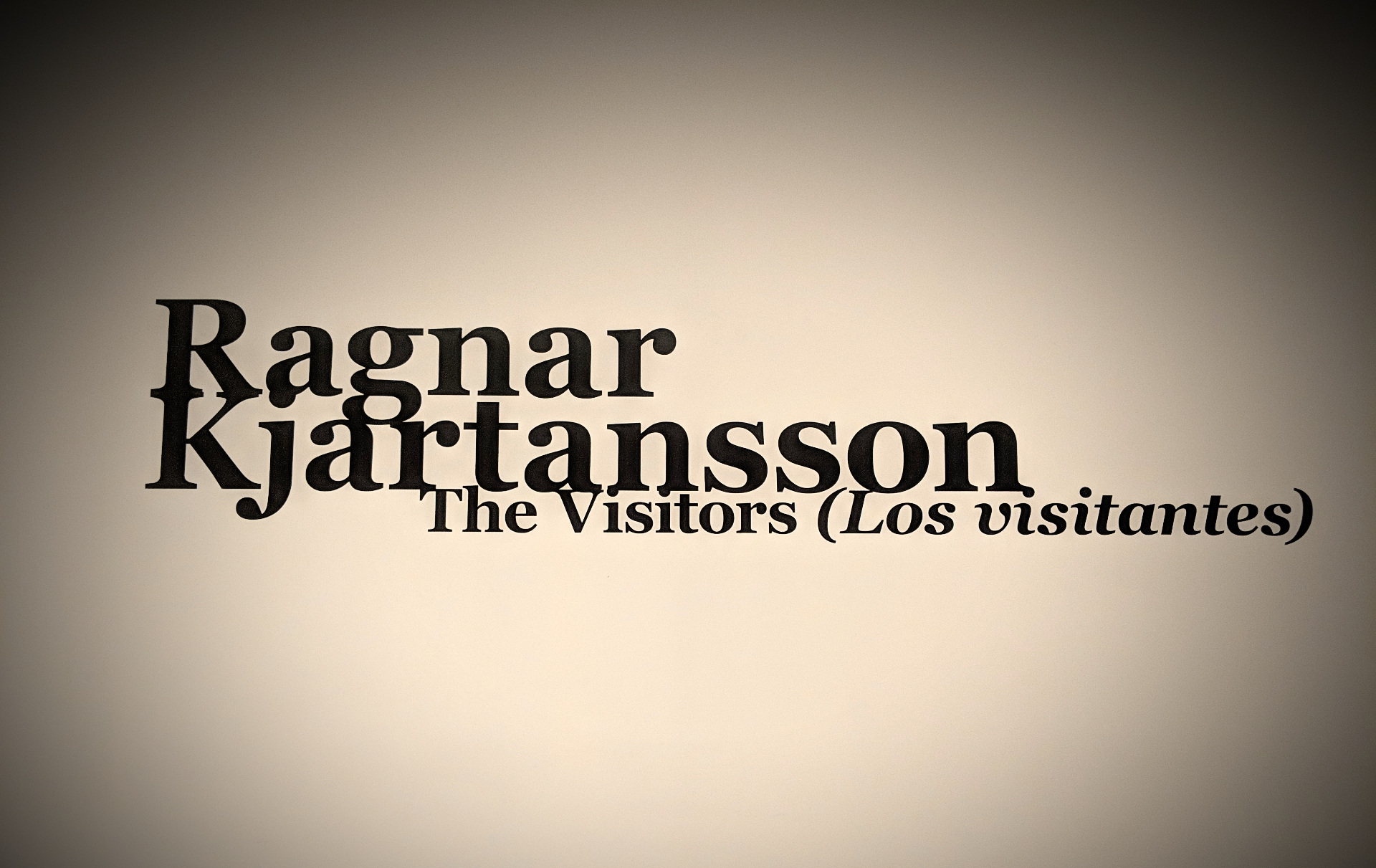
The third work by Ragnar Kjartansson was his superb nine-screen installation that was filmed in one take at the historic Rokeby farm in upstate New York. Named after ABBA’S final album, The Visitors, it records the performances of a group of friends, musicians and artists, playing simultaneously but in different rooms of the mansion. They all play the same song each one enriching it with their own voice, instrument and presence. Kjartansson himself performs most of the time in a bathtub. The film mesmerizes and moves audiences of all ages wherever it is shown. You can watch a recording of the recording, uploaded on YouTube by one of its many admirers.

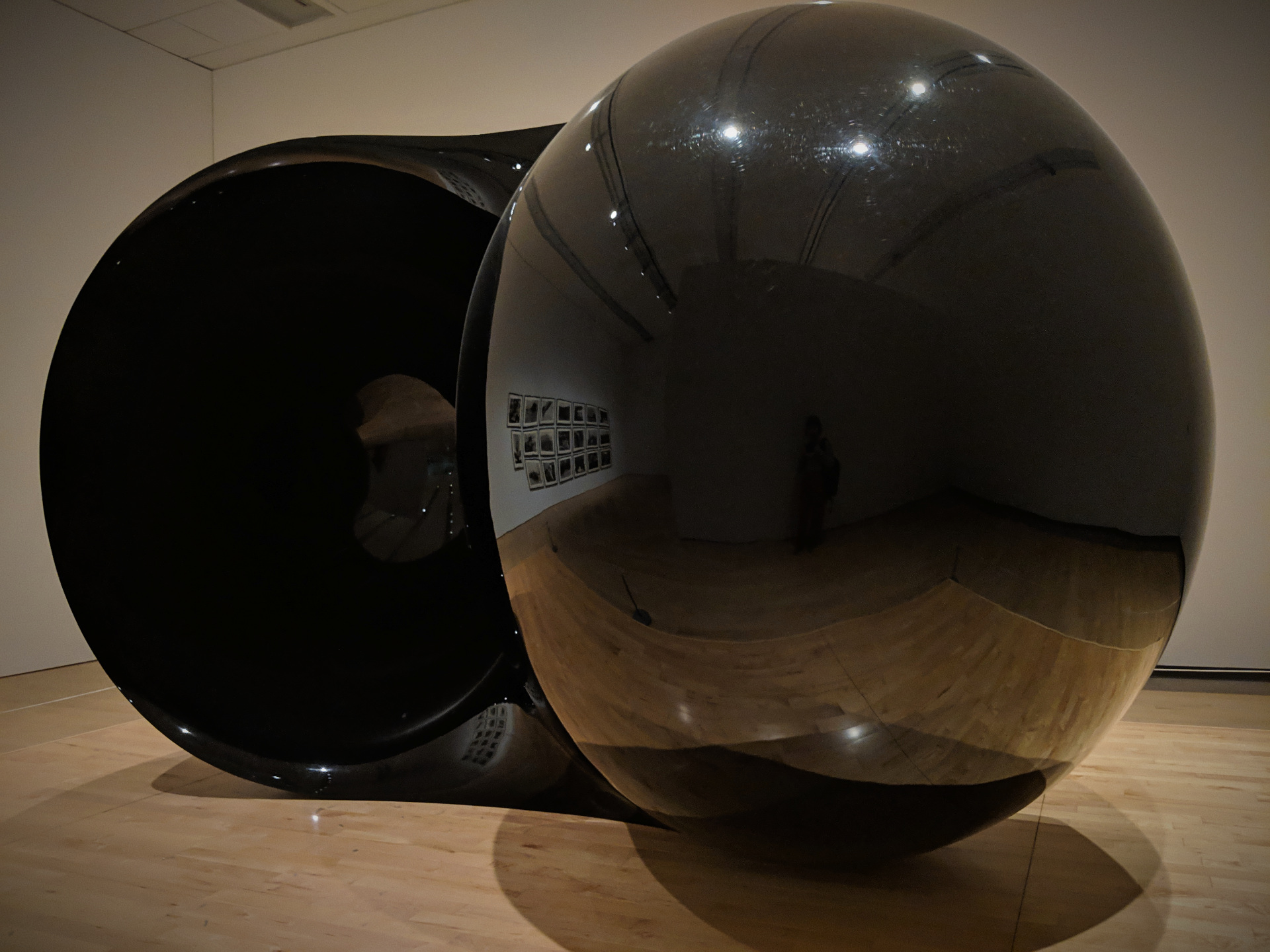
Anish Kapoor (British, b. 1954)
Upside Down, Inside Out, 2003
Resin and paint


Phoenix Art Museum

January 30th, 2019
Wearable Art

Taking its rightful place alongside more traditional forms of art.

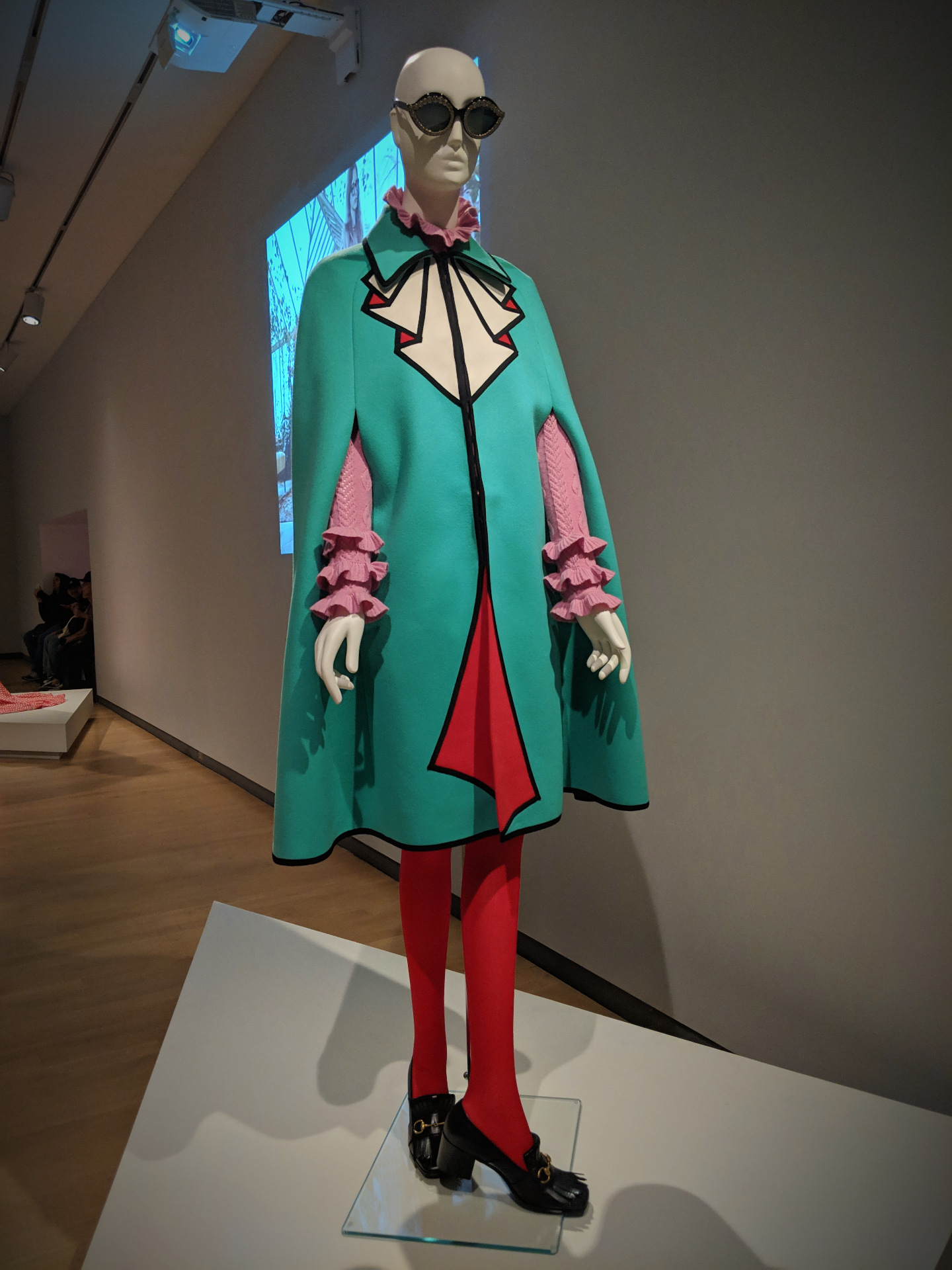
Alessandro Michele (Italian, b. 1972) for Gucci
Ensemble F/W 2016


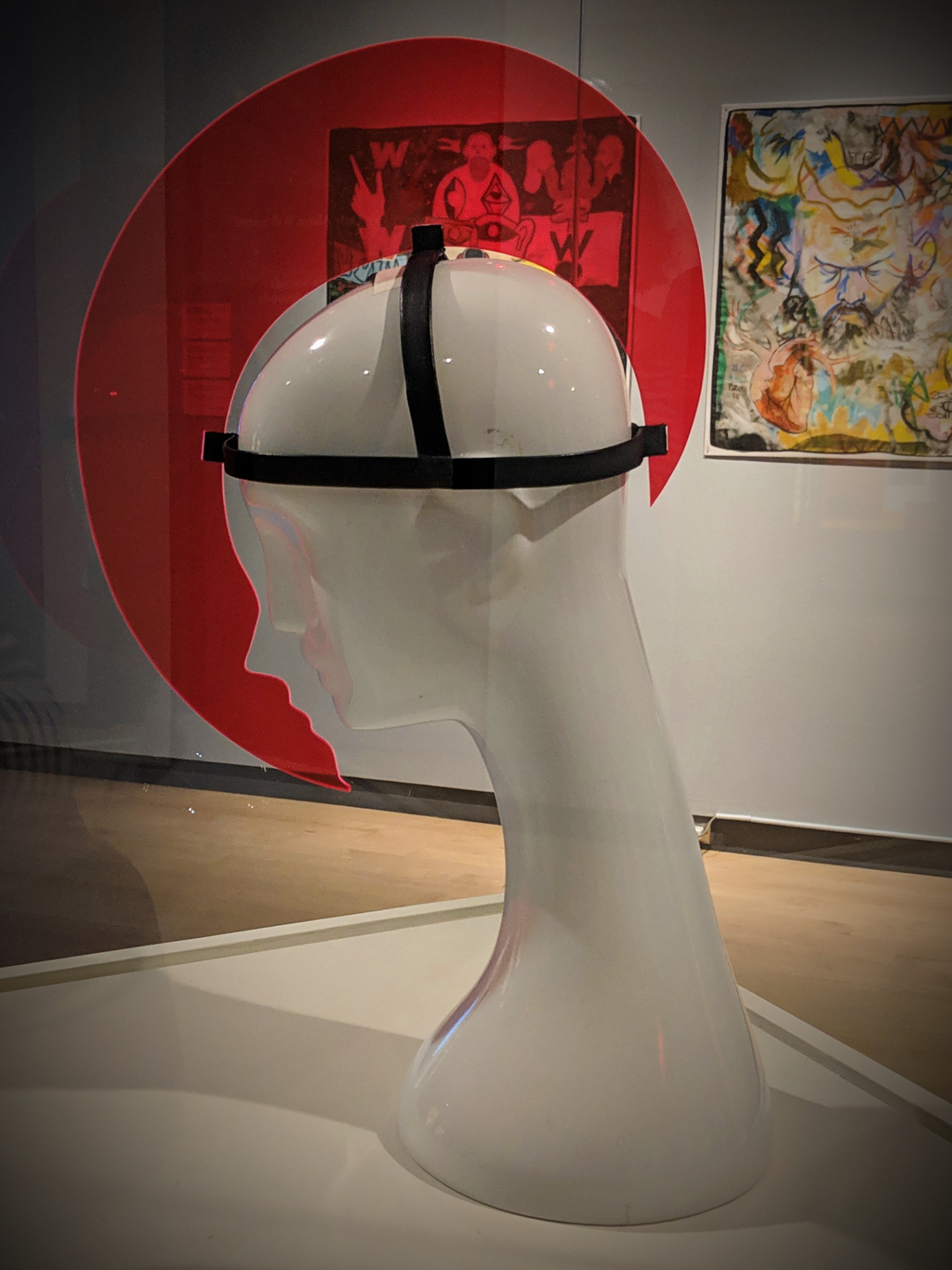
Stephen Jones (British, b. 1957)
”Show” Hat, F/W 2013 ”Art School”
Perspex Plexiglas


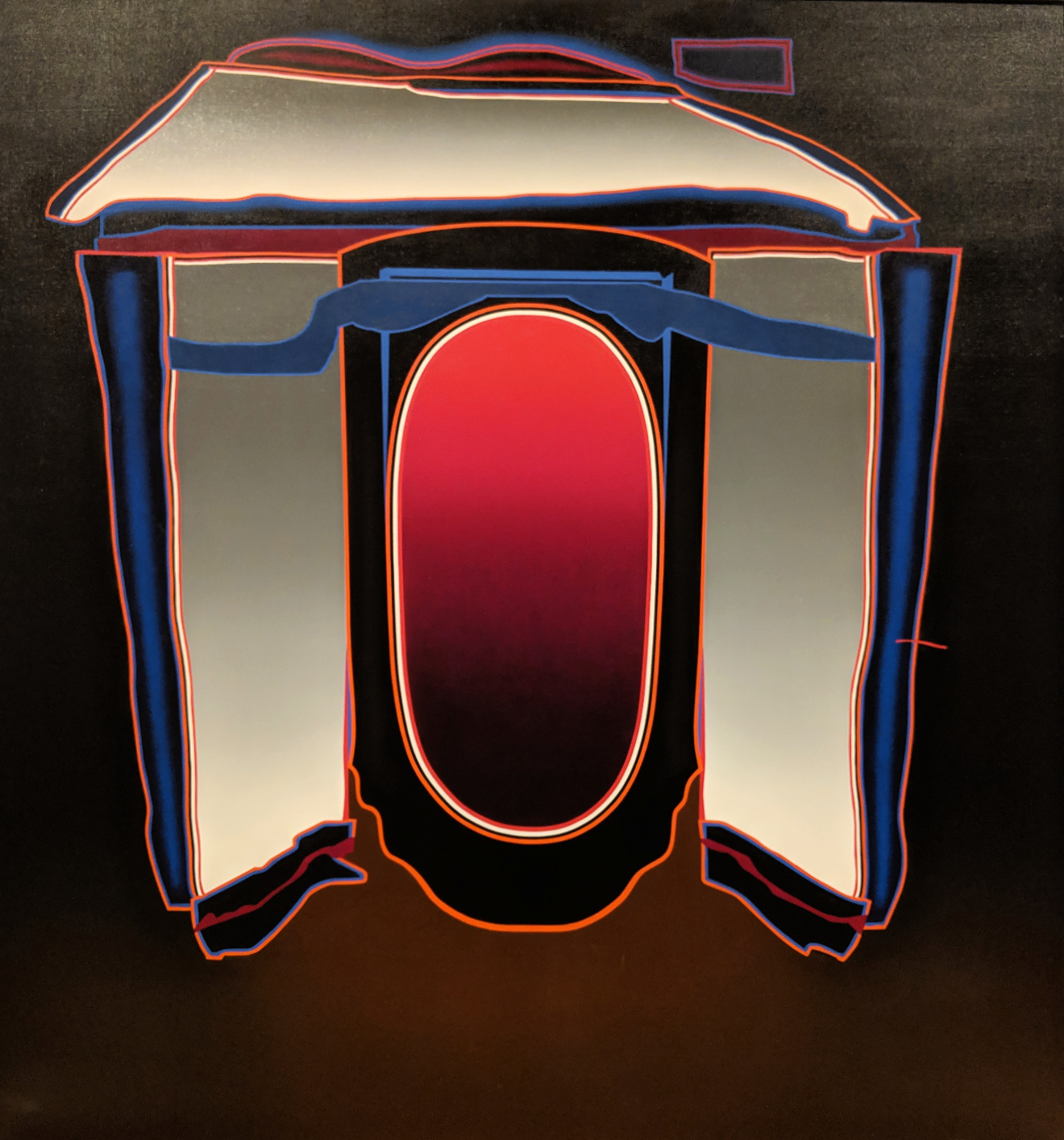
Deborah Williams Remington (American, 1930-2010)
Dover, 1975
Oil on canvas


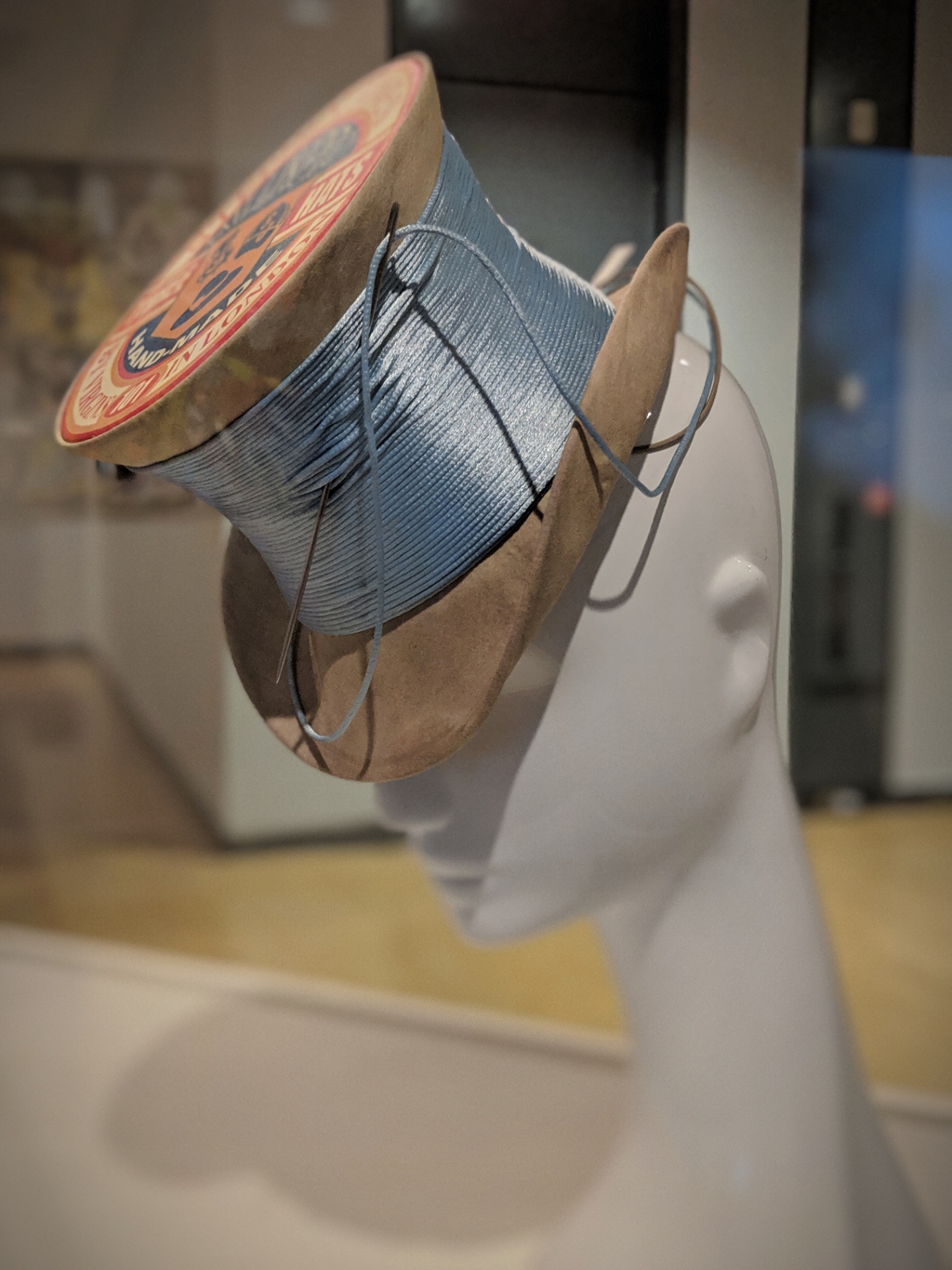
Stephen Jones (British, b. 1957)
”Sewing” Hat, S/S 2018
Printed cotton with satin cord and metal bodkin


Rei  Kawakubo (Japanese, b. 1942)
Comme des Garçons, S/S 2018


Rei  Kawakubo (Japanese, b. 1942)
Comme des Garçons, S/S 2018


Rei  Kawakubo (Japanese, b. 1942)
Comme des Garçons, S/S 2018


Rei  Kawakubo (Japanese, b. 1942)
Comme des Garçons, S/S 2018


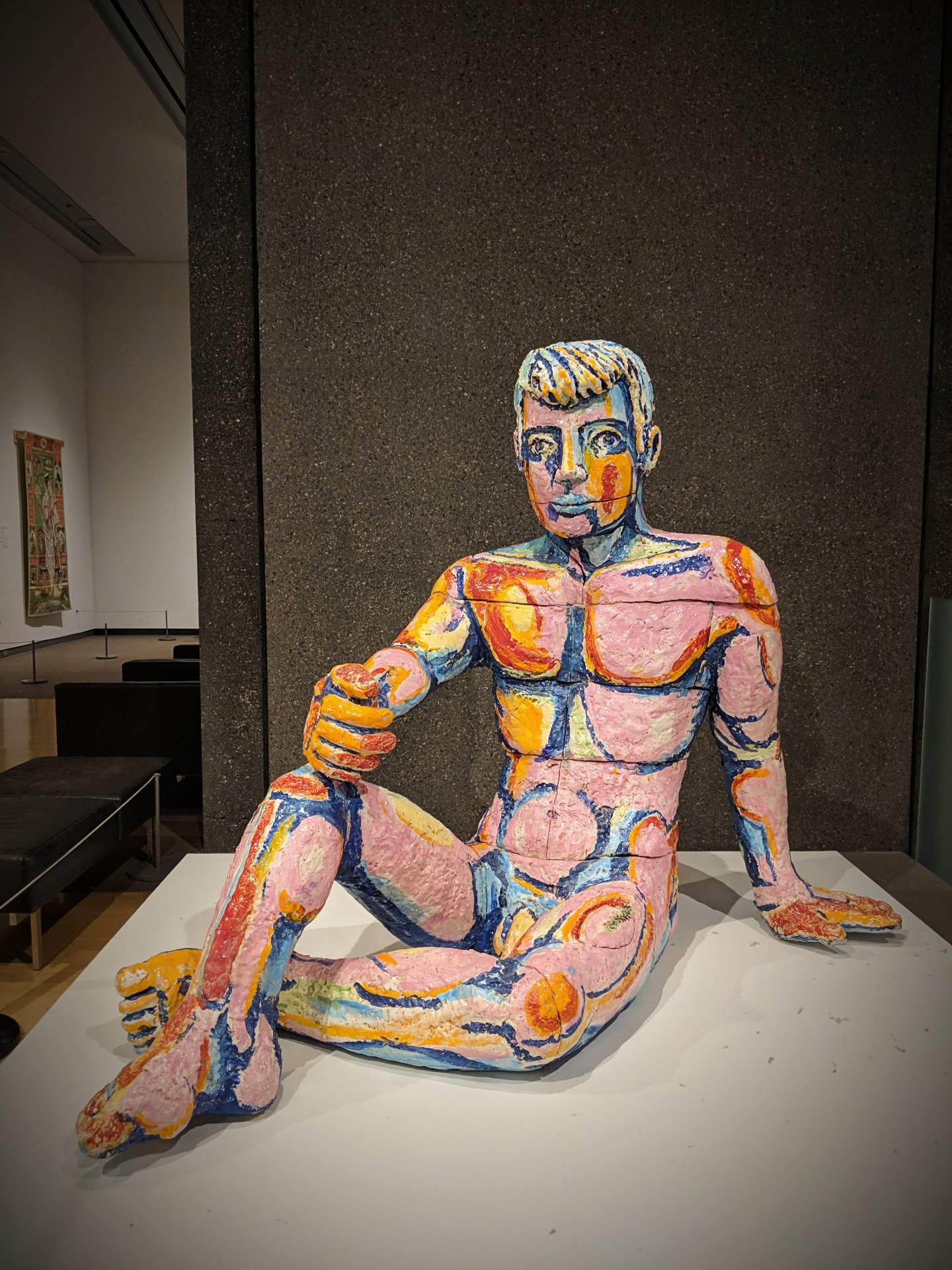
Viola Frey (American, 1933-2004)
Nude Man, 1989
Glazed ceramic


John Galliano (British, b. 1960) for Maison Margiela
Ensemble Fall 2018


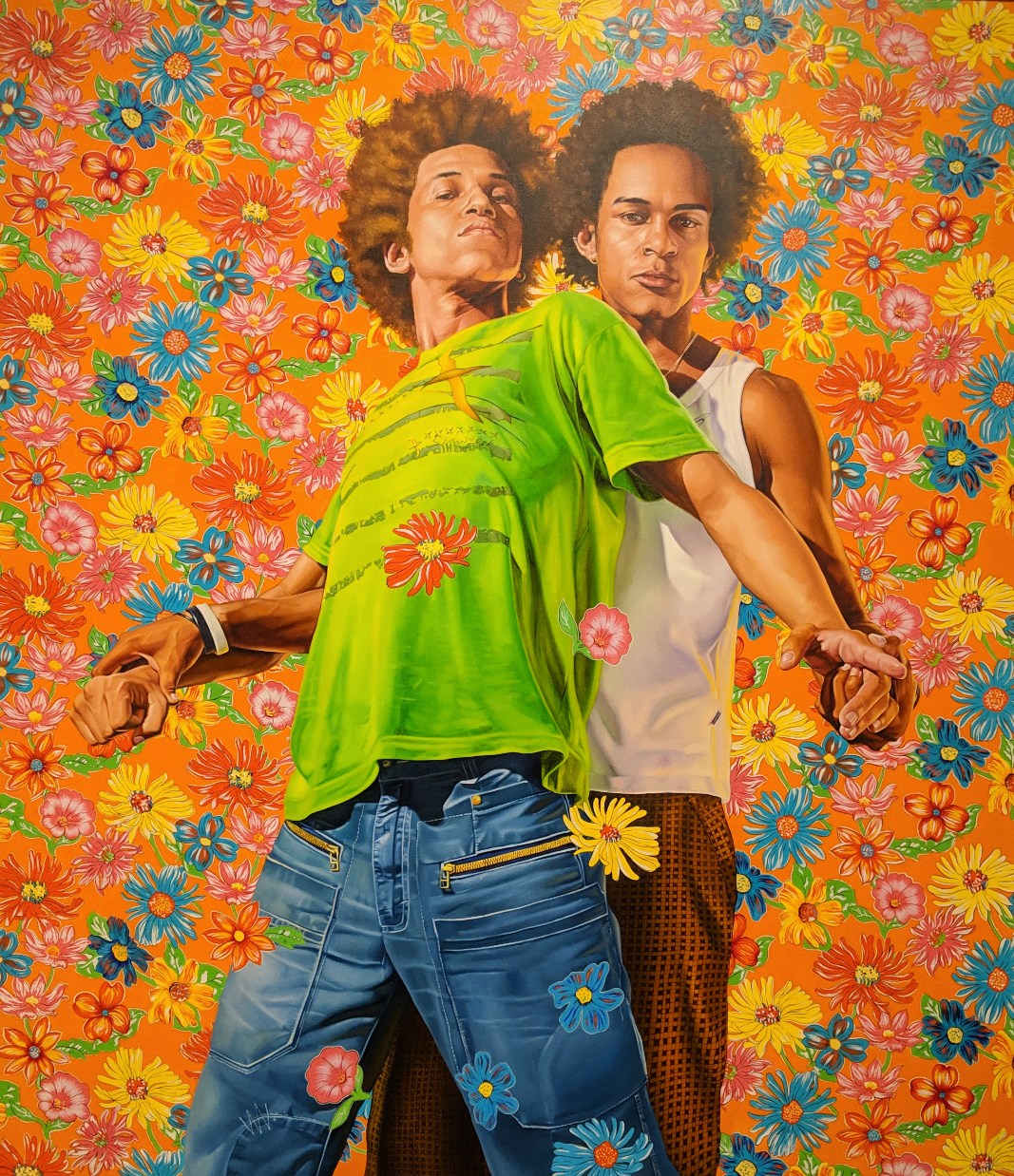
Kehinde Wiley (American, b. 1977)
Marechal Floriano  Peixoto (from The World Stage: Brazil Series), 2009
Oil on canvas


Phoenix Art Museum

January 30th, 2019
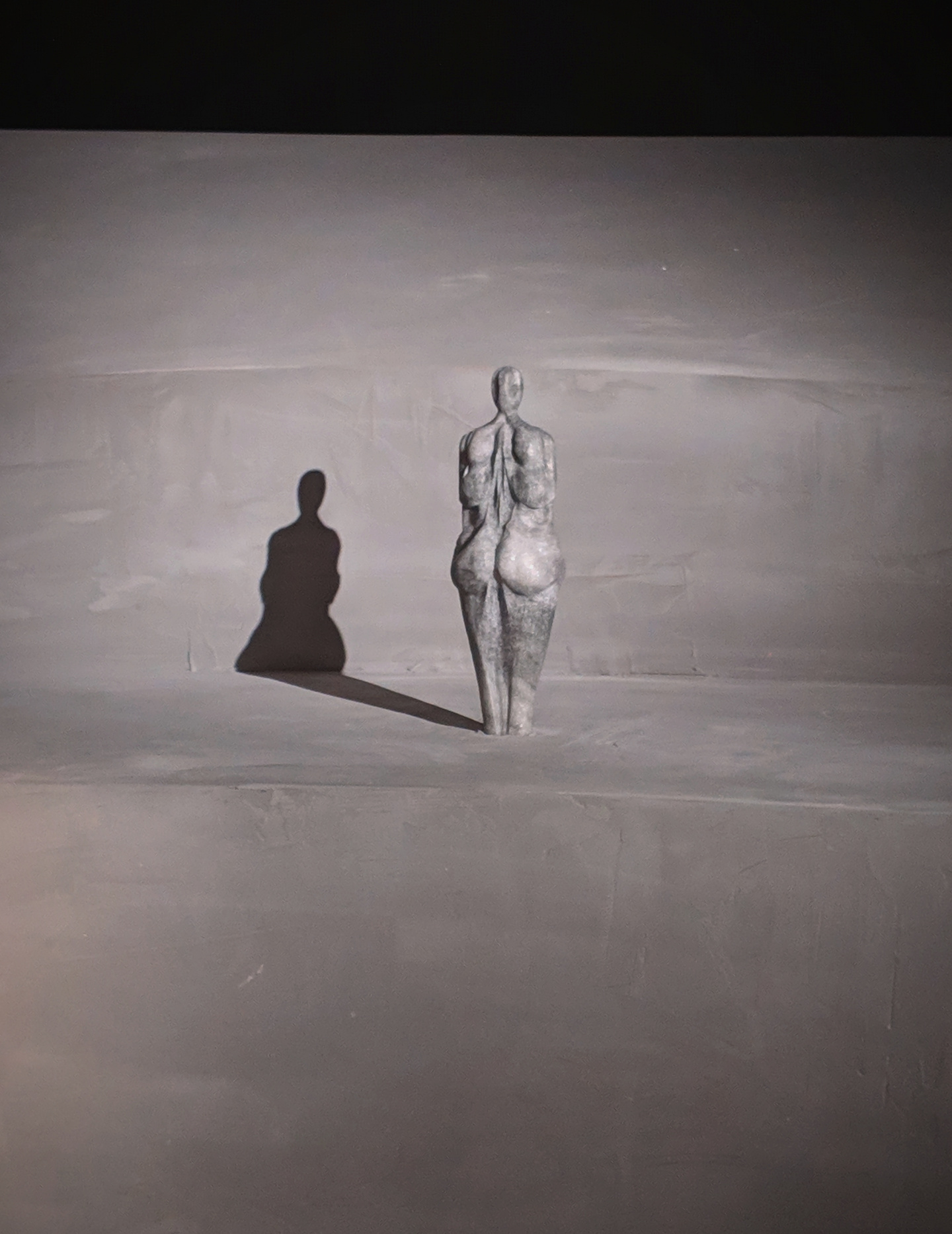
Marguerite Humeau: Birth Canal

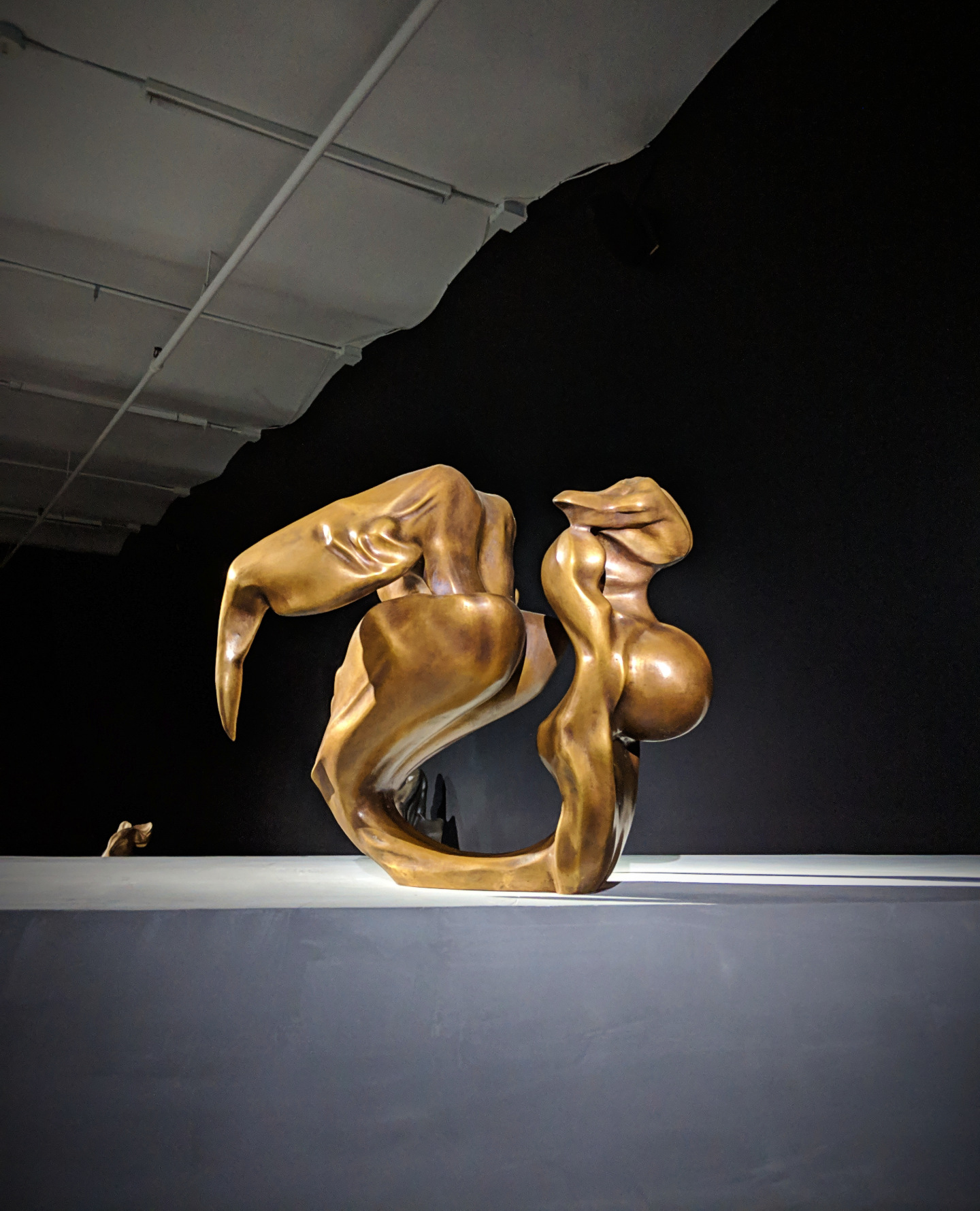
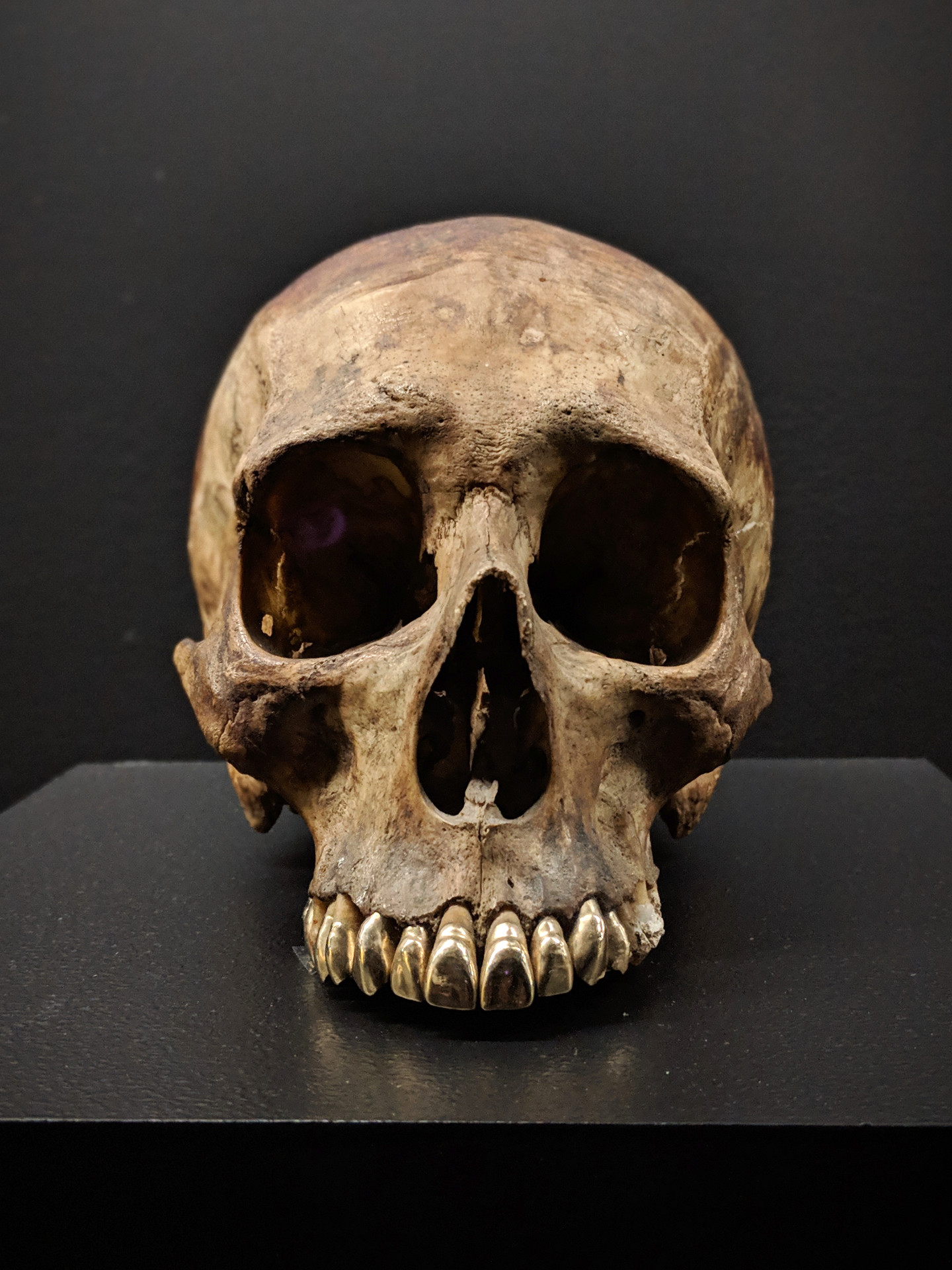
“Birth Canal,” the first US solo museum exhibition by Marguerite Humeau (b. 1986, Cholet, France), debuts a new body of sculpture within an installation of light, sound, and scent. Humeau’s work centers on the origins of humankind and related histories of language, love, spirituality, and war. She prefaces each project with a period of intense investigation in which she engages diverse authorities on her chosen subject, including historians, anthropologists, paleontologists, zoologists, explorers, linguists, and engineers. Through her interdisciplinary, speculative inquiry, Humeau enriches her own thinking as an artist and researcher, and refashions historical quests in ways that reflect the technological age in which we live. – New Museum

New Museum, 235 Bowery, New York

January 6th, 2019
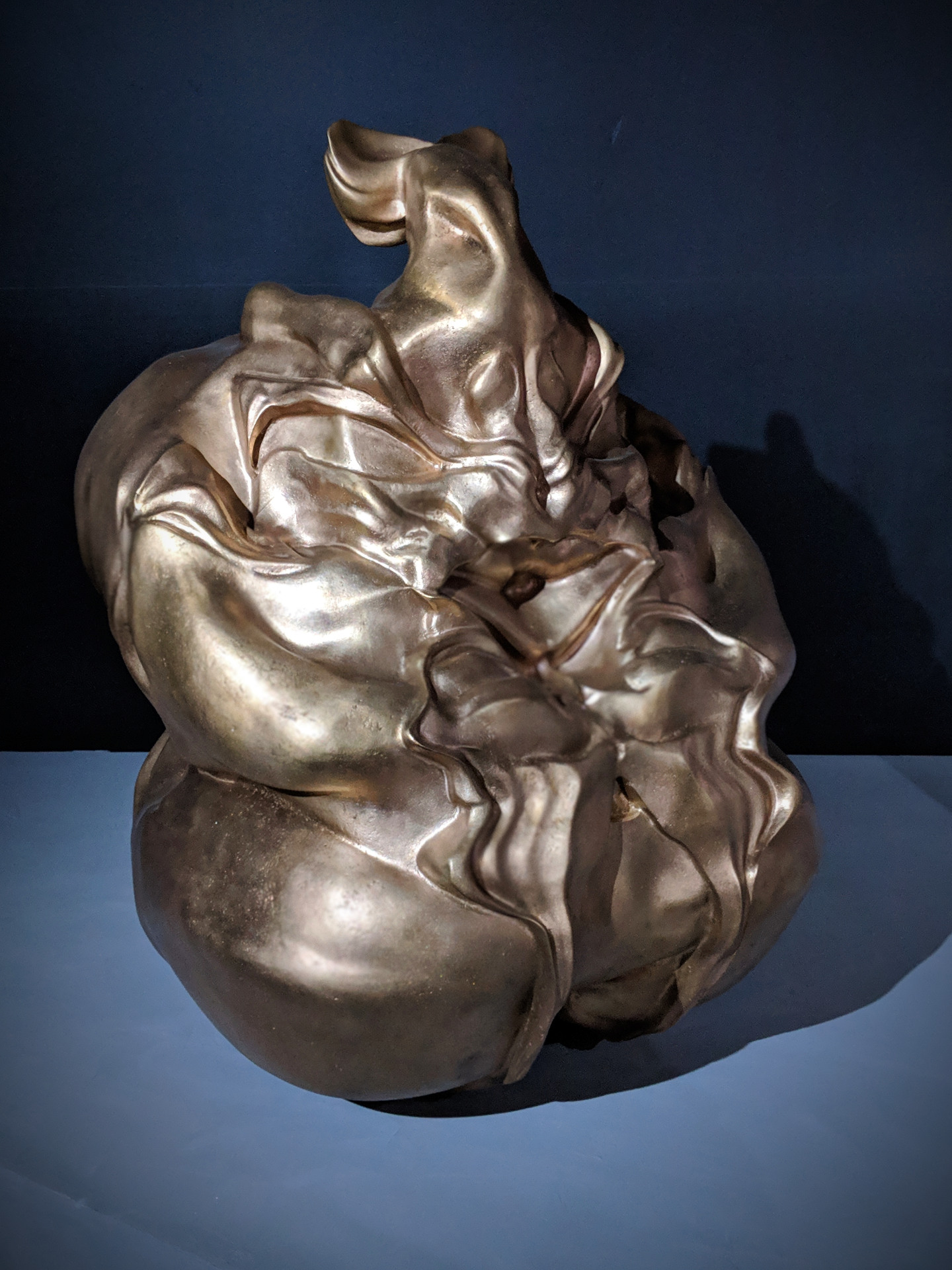
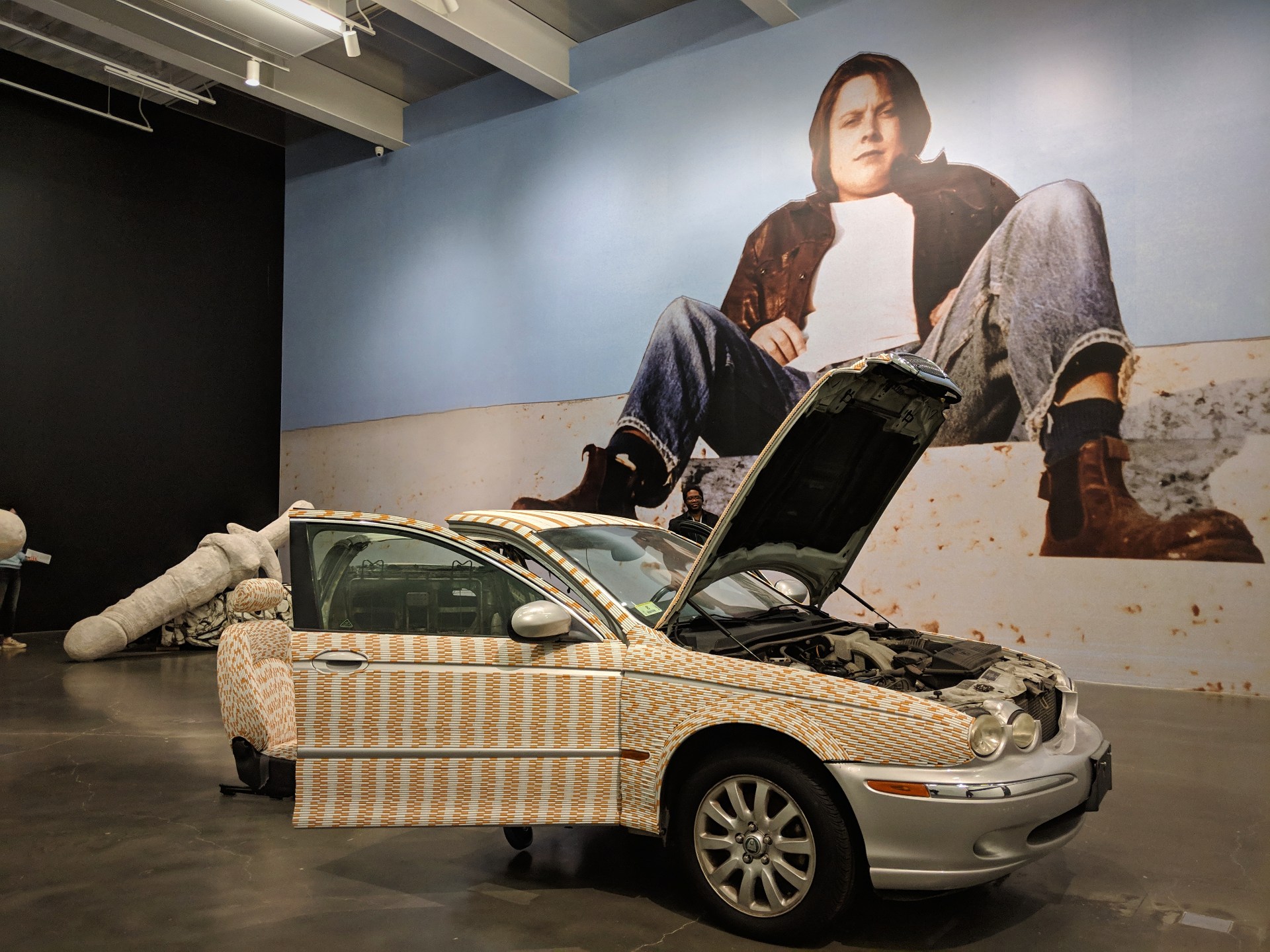
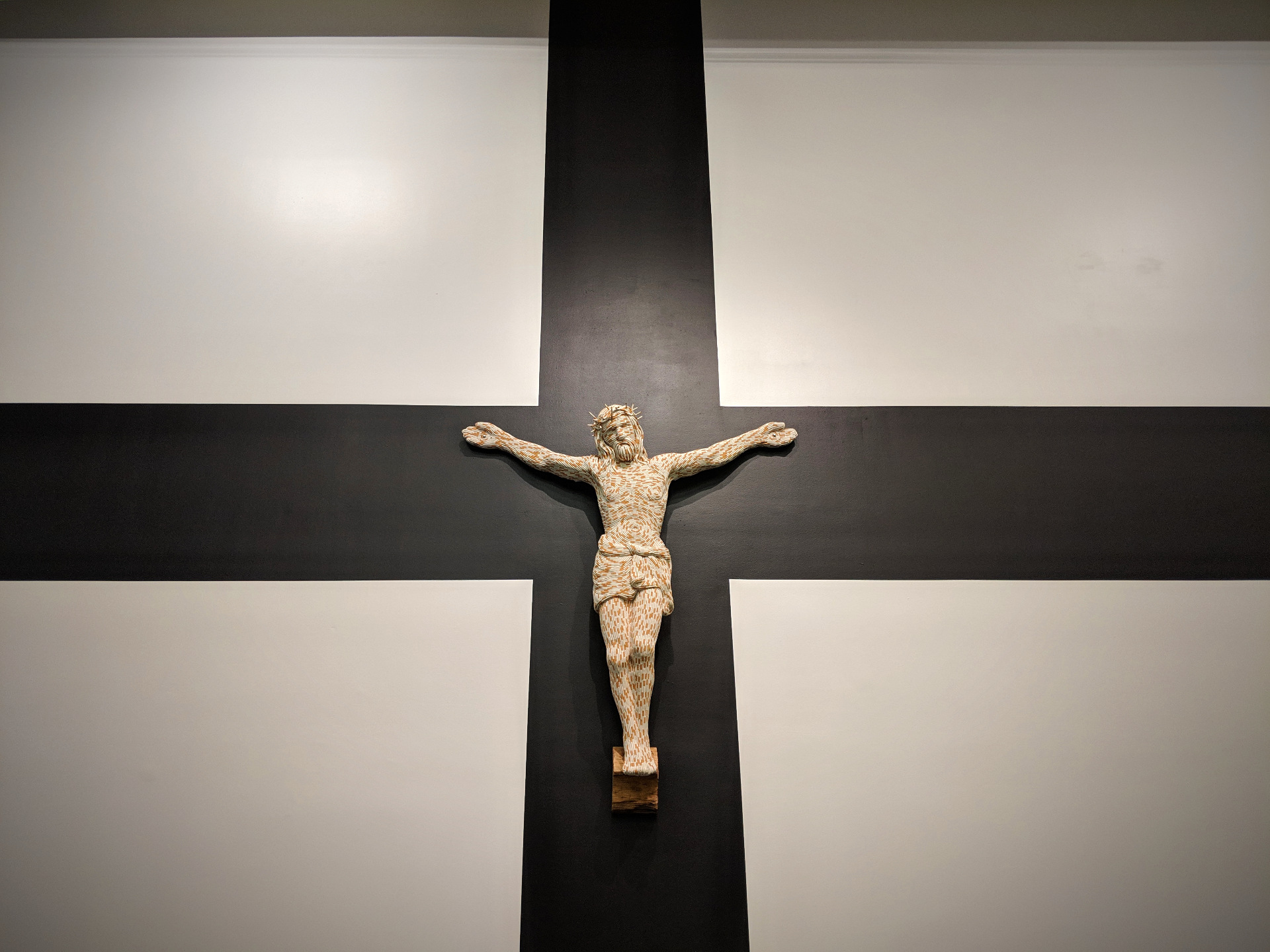
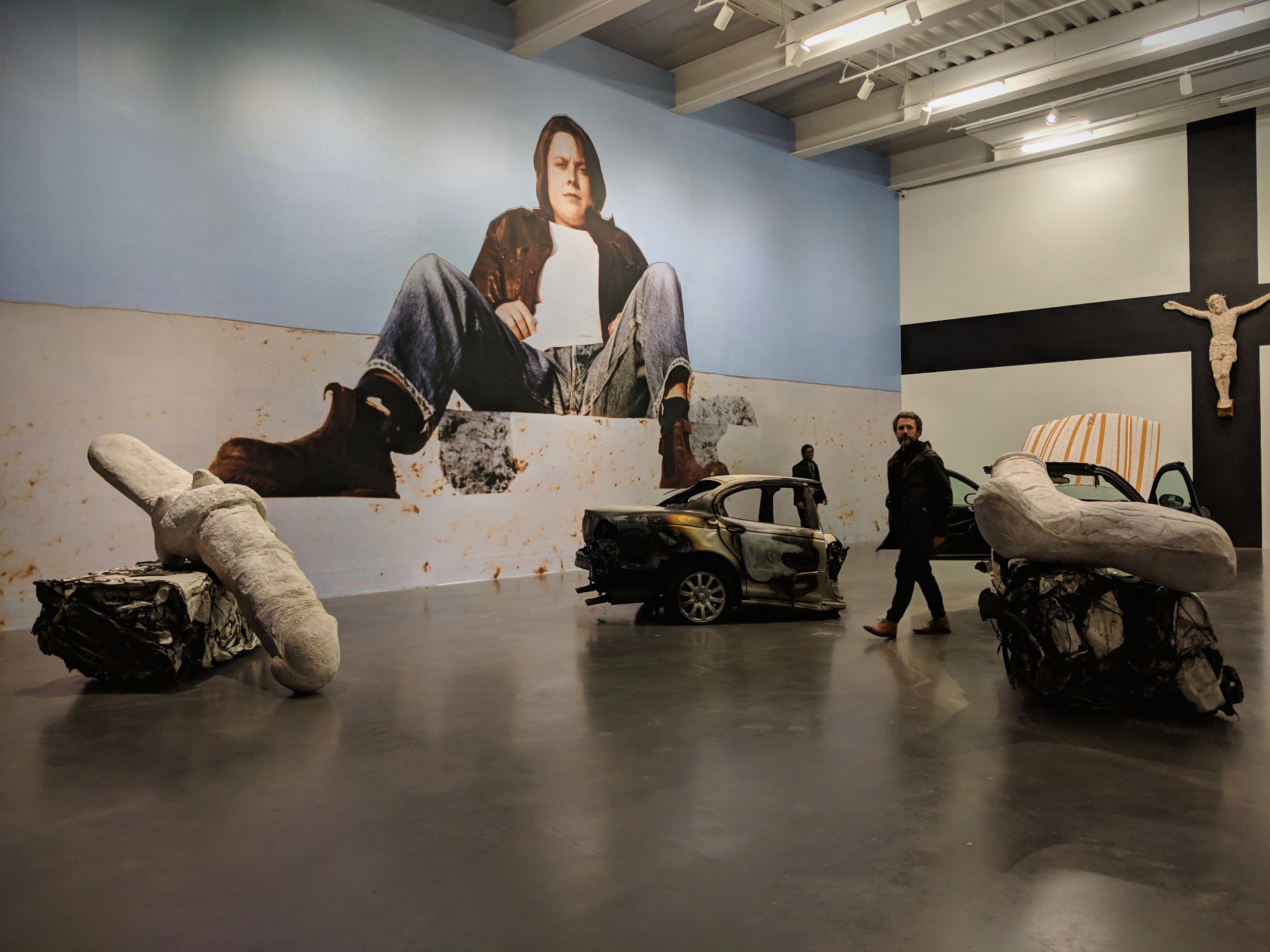
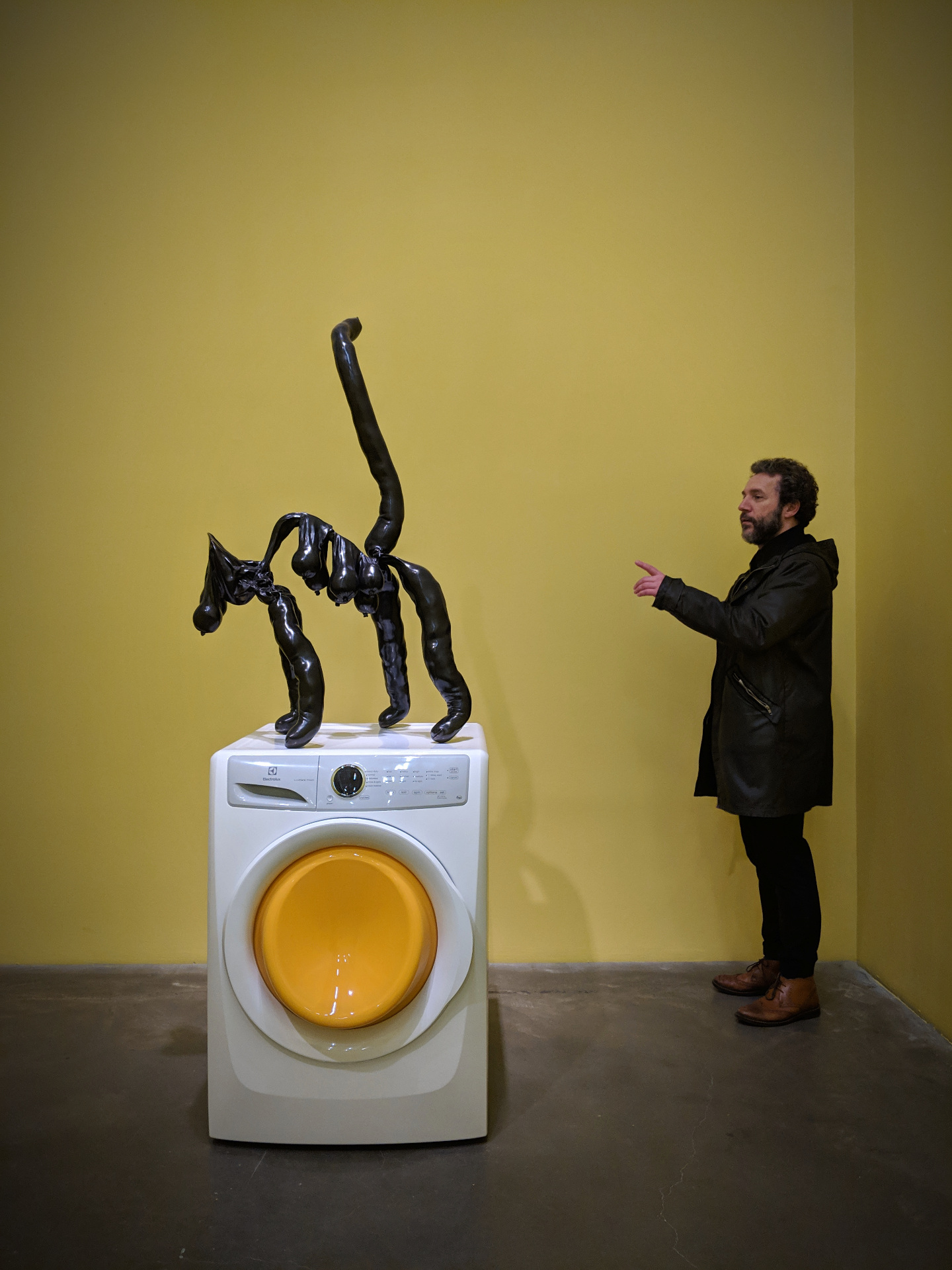
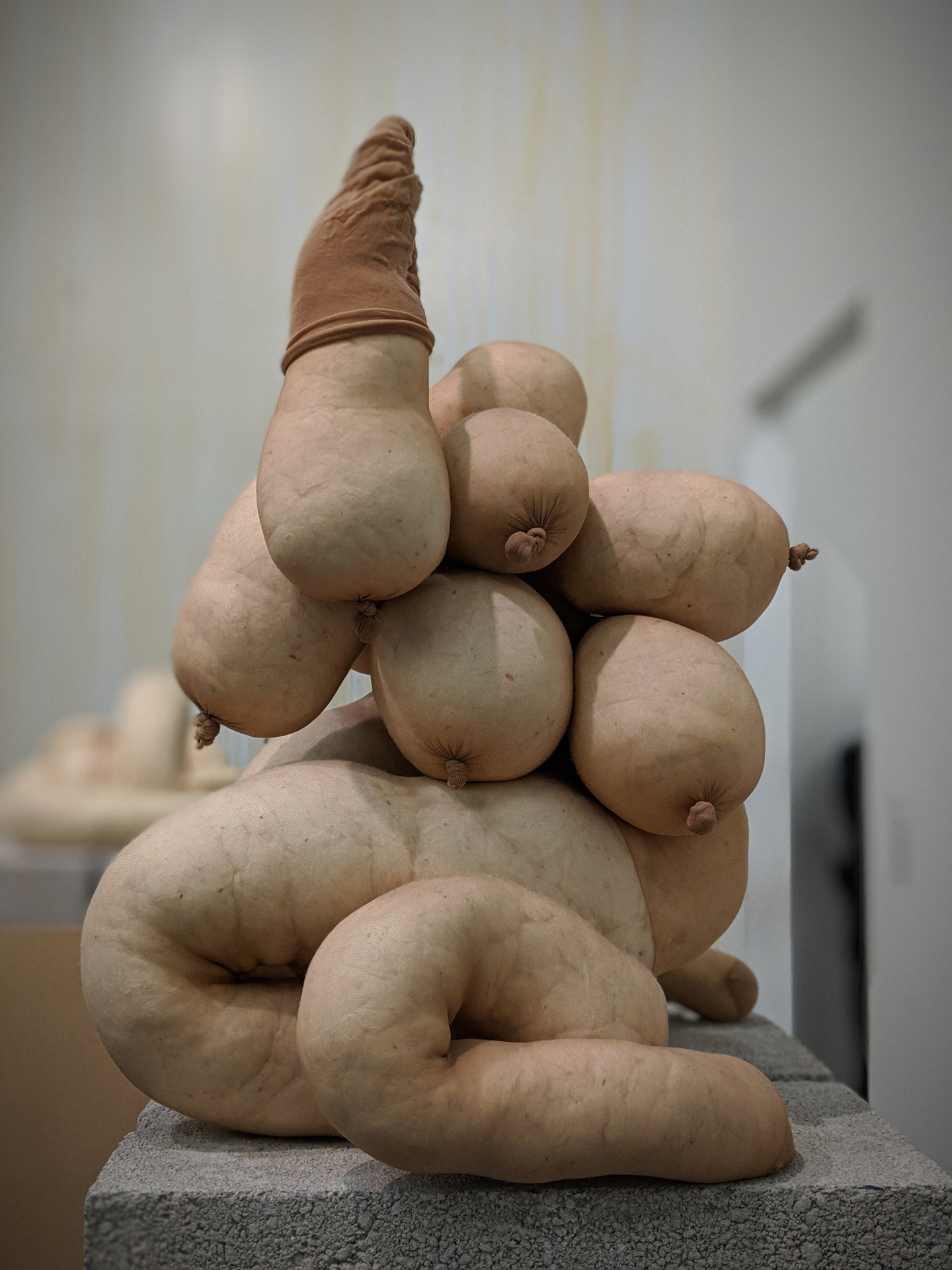
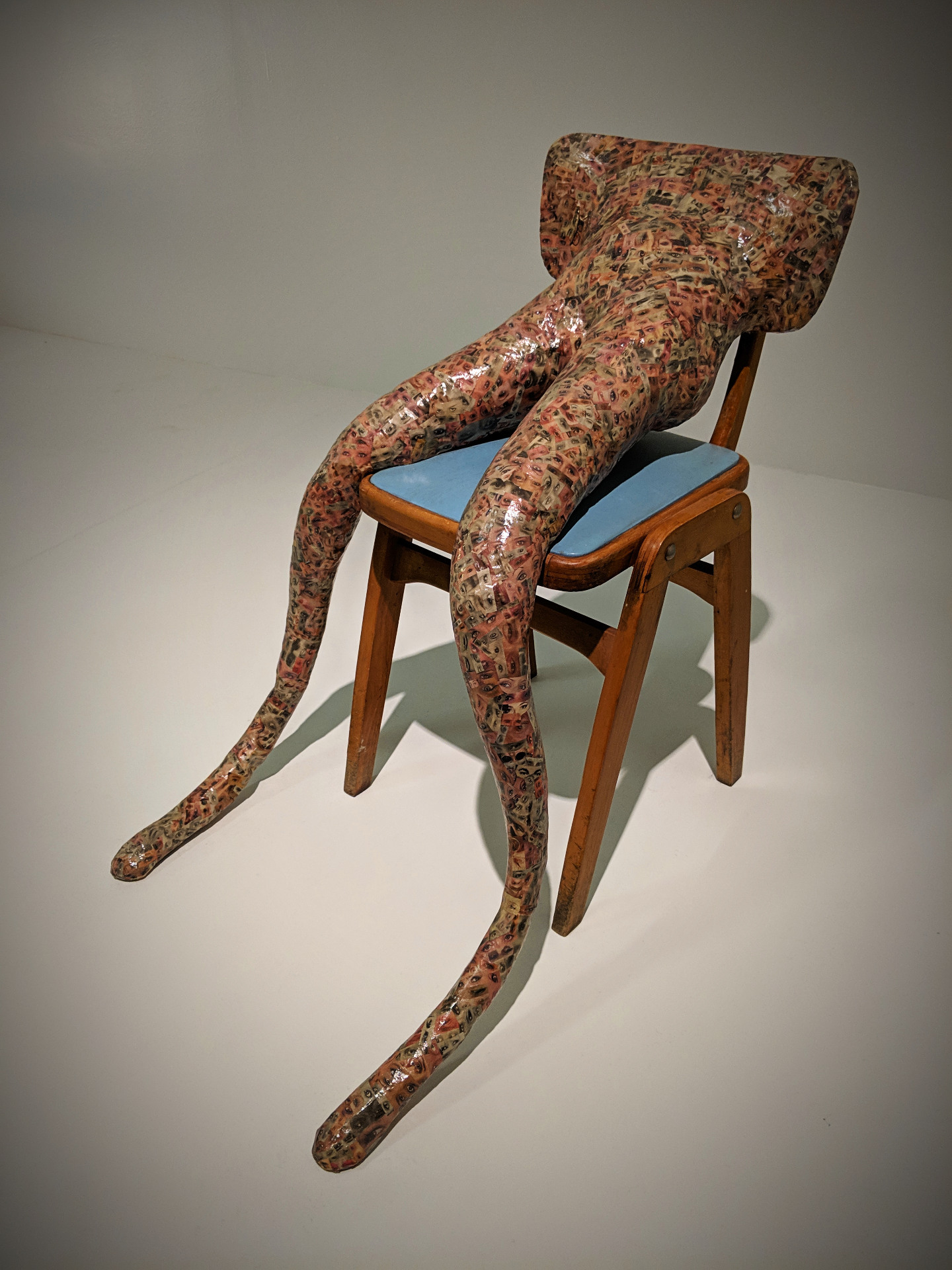
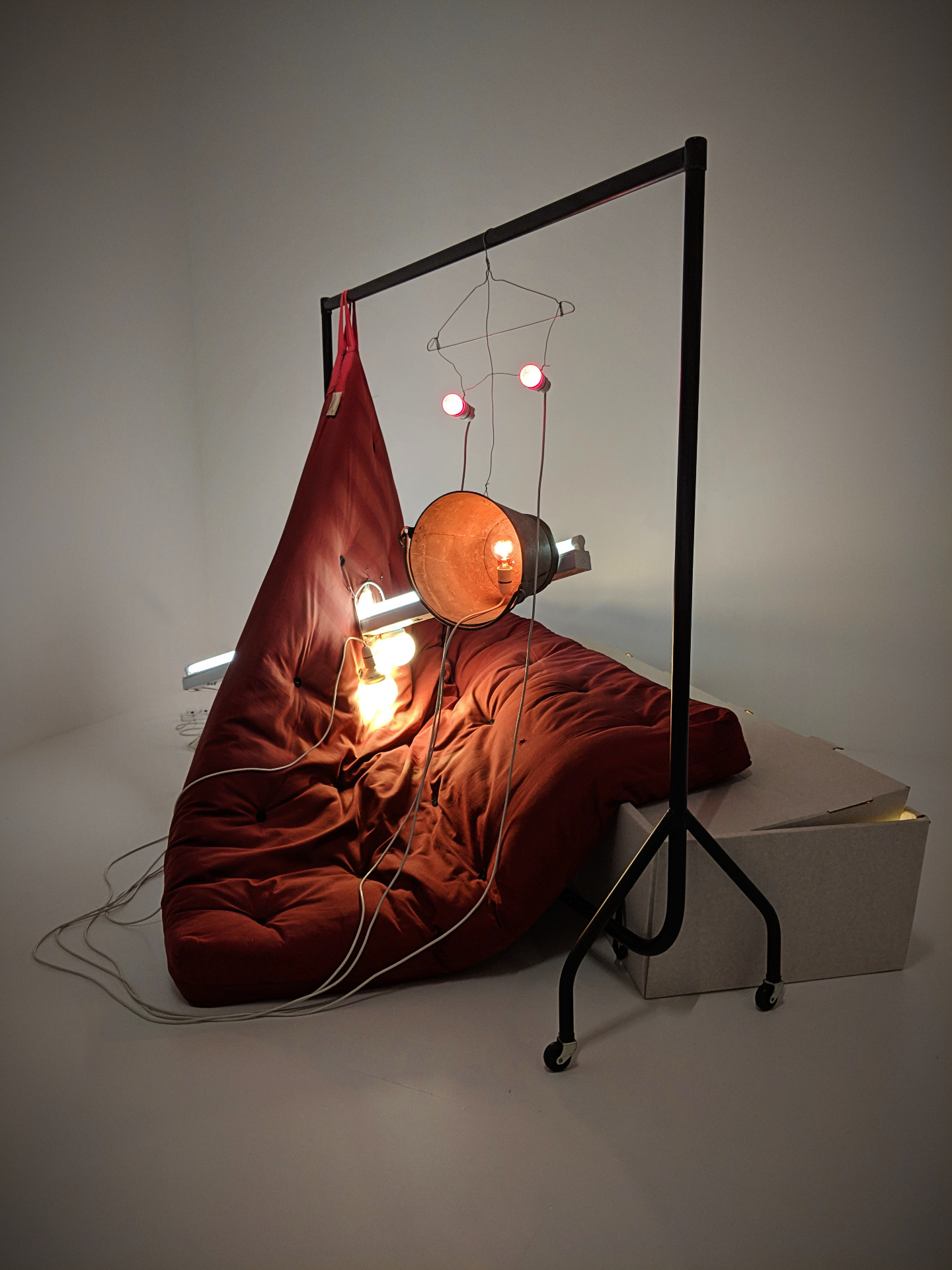
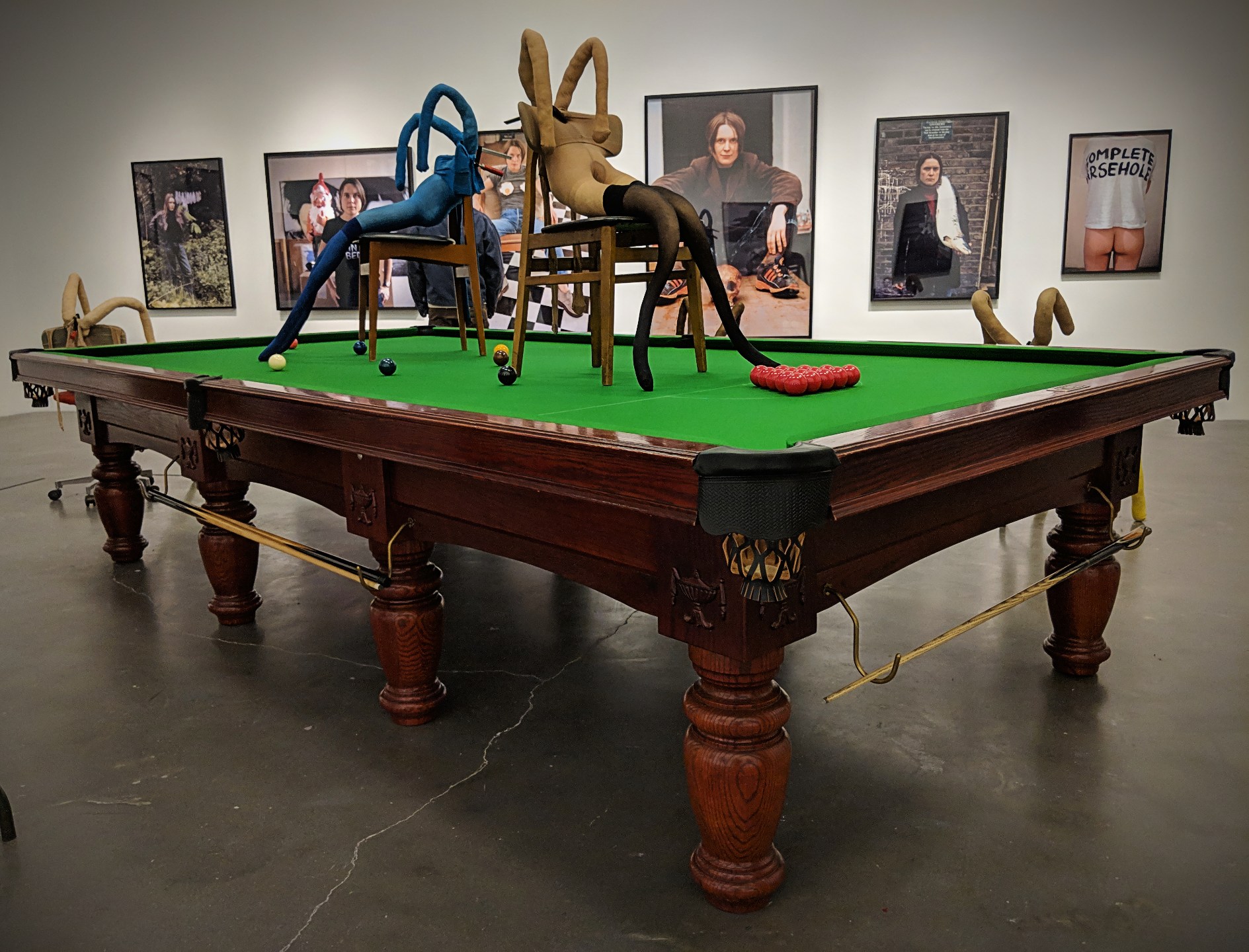
Sarah Lucas : Au Naturel

A love-it-or-hate-it situation

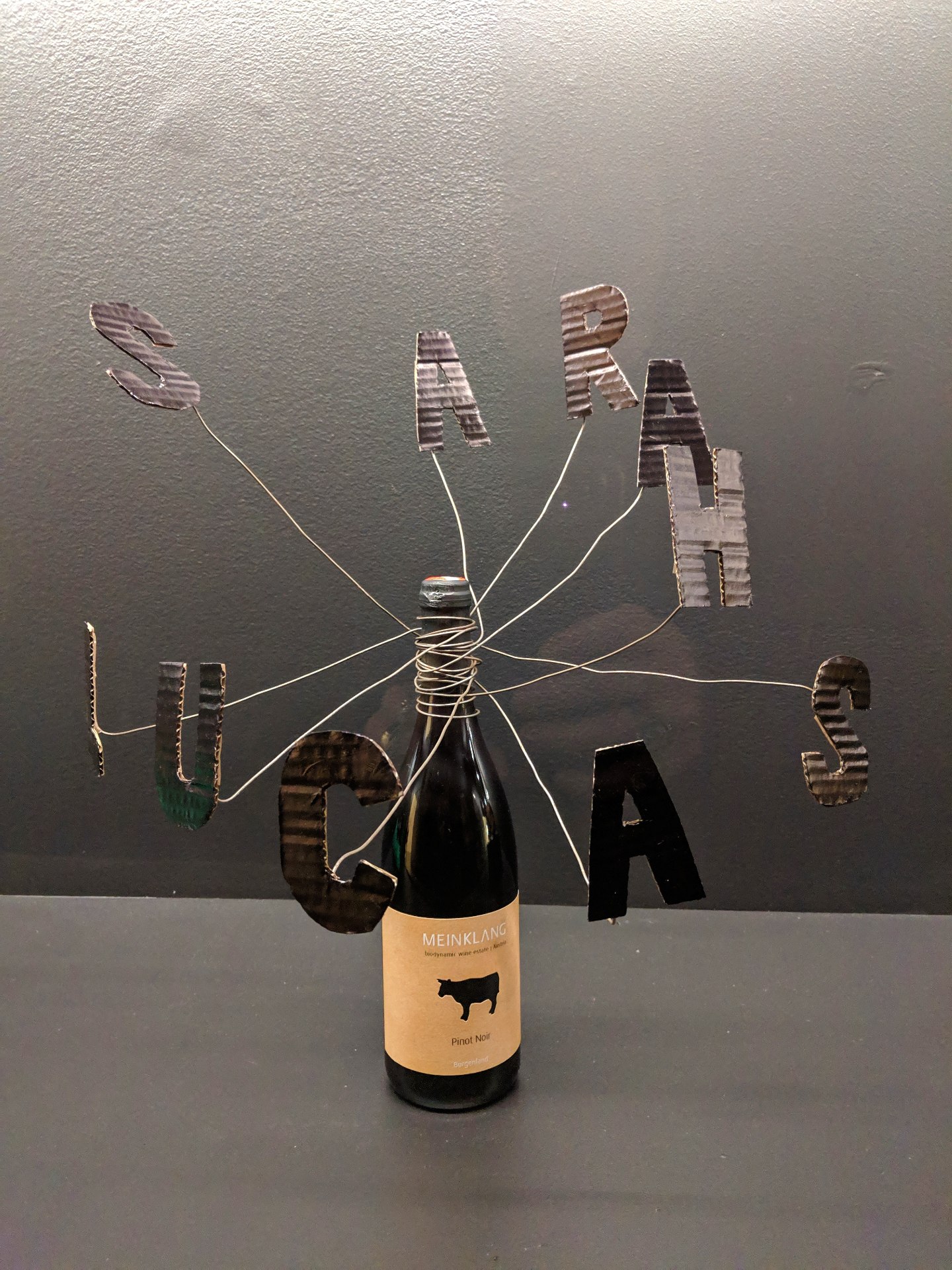
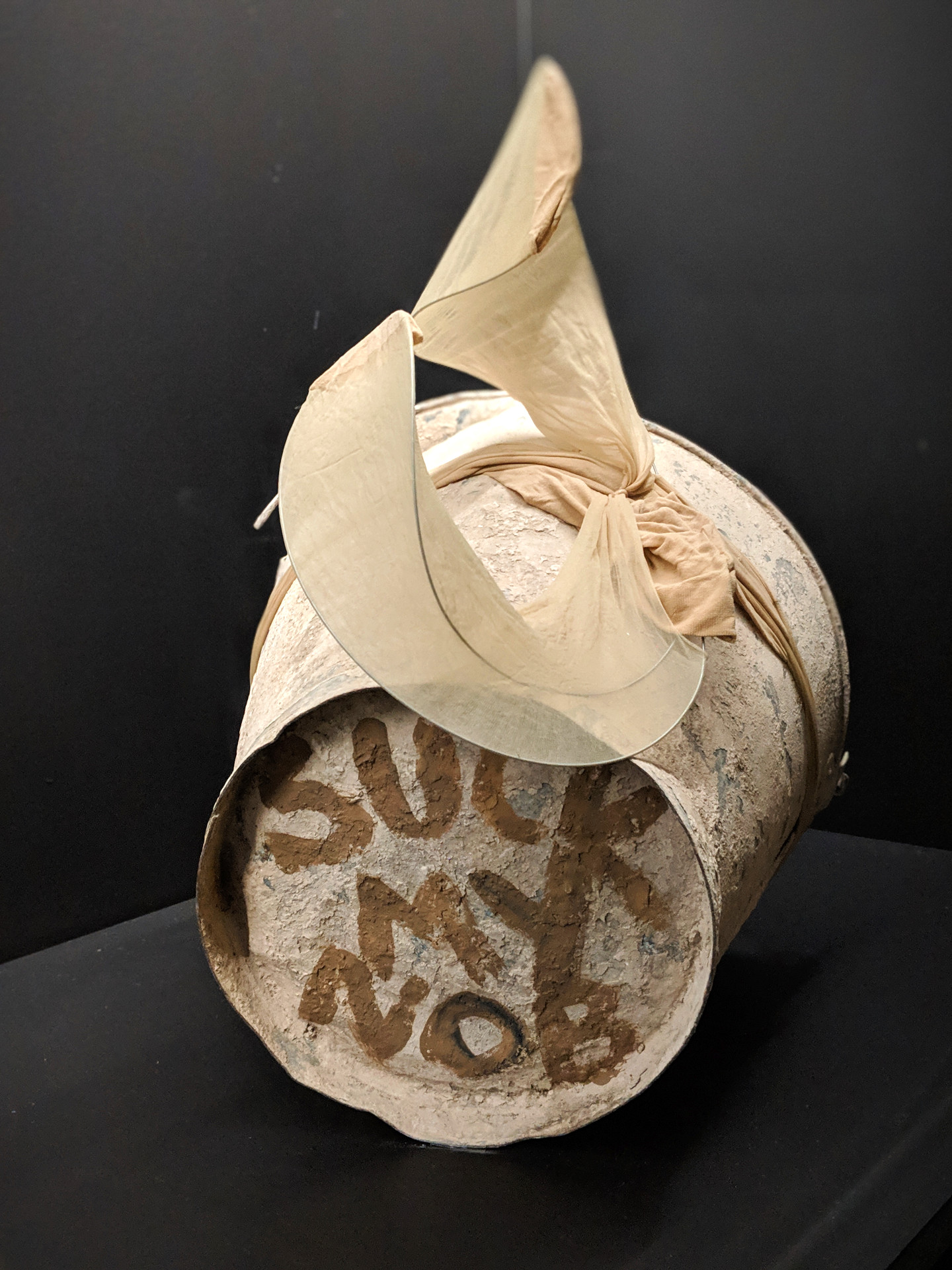
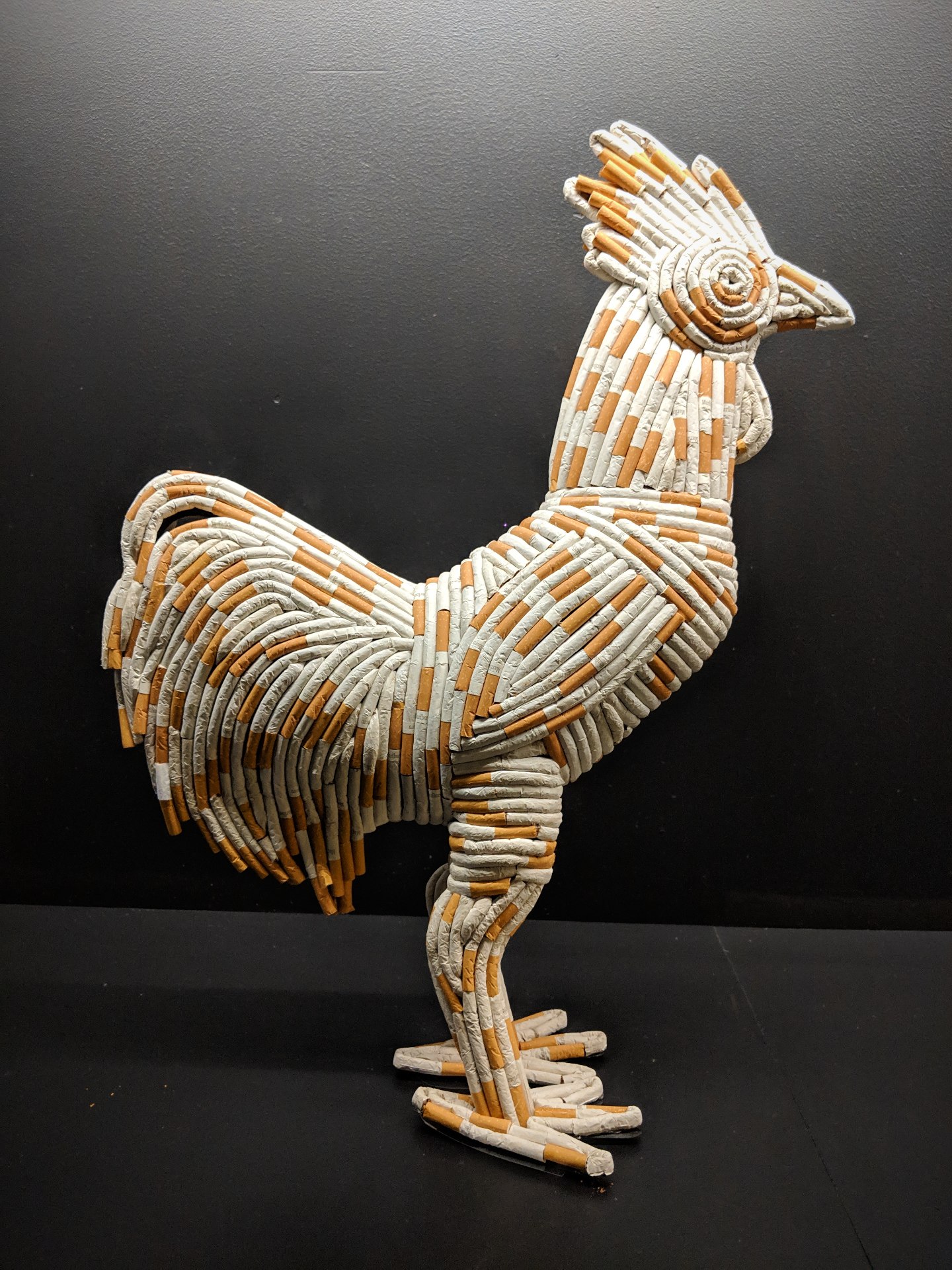
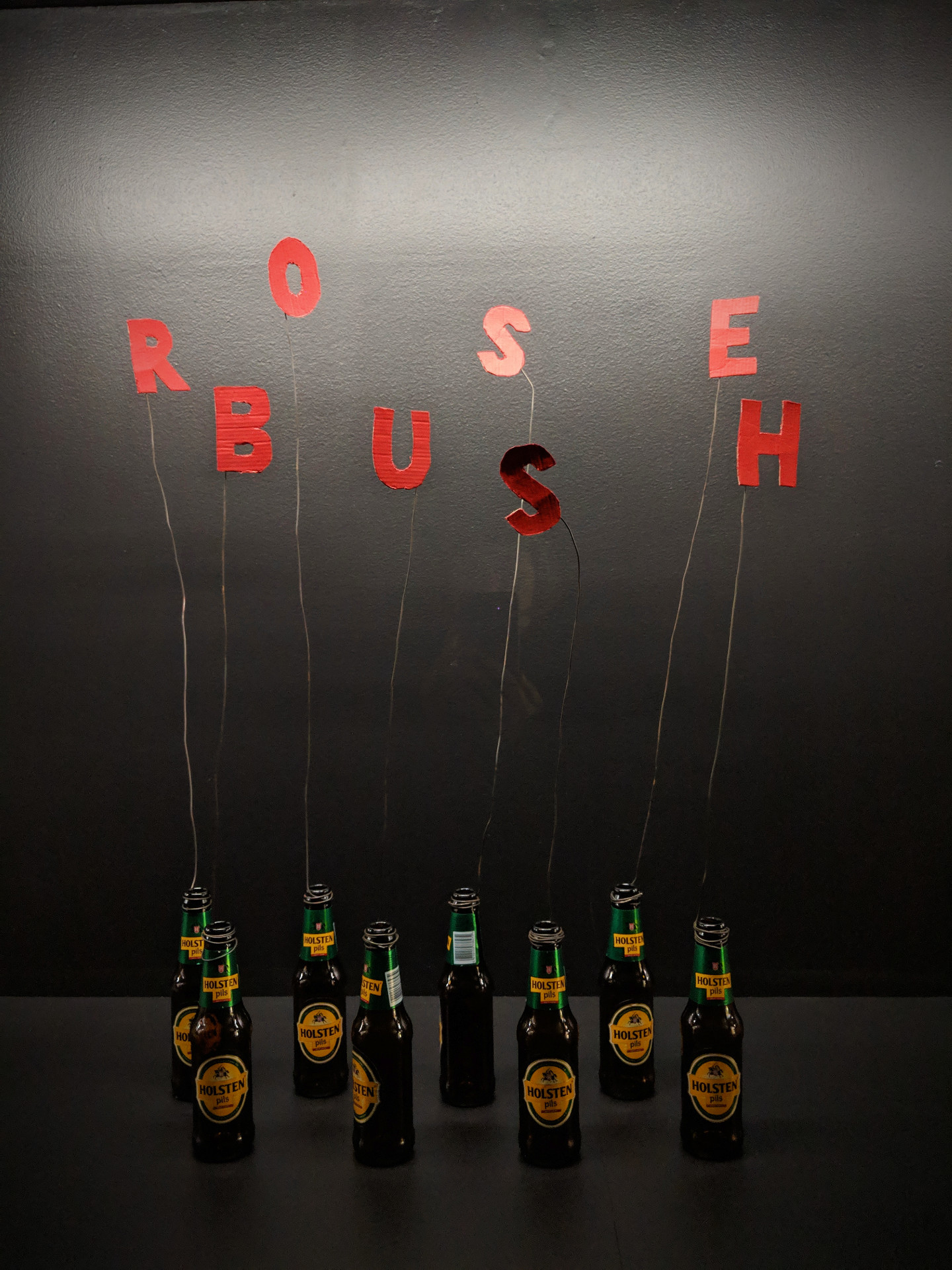
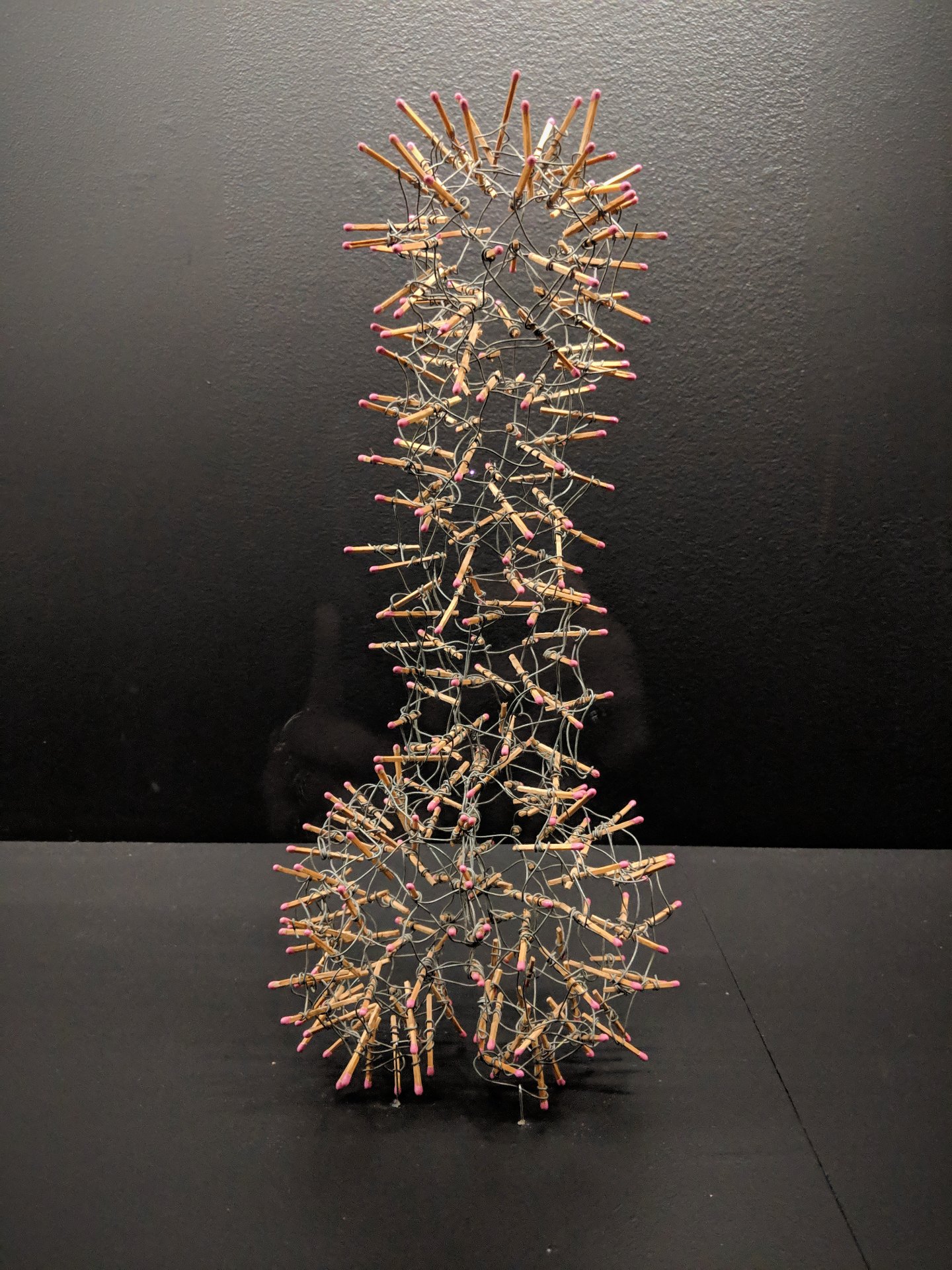
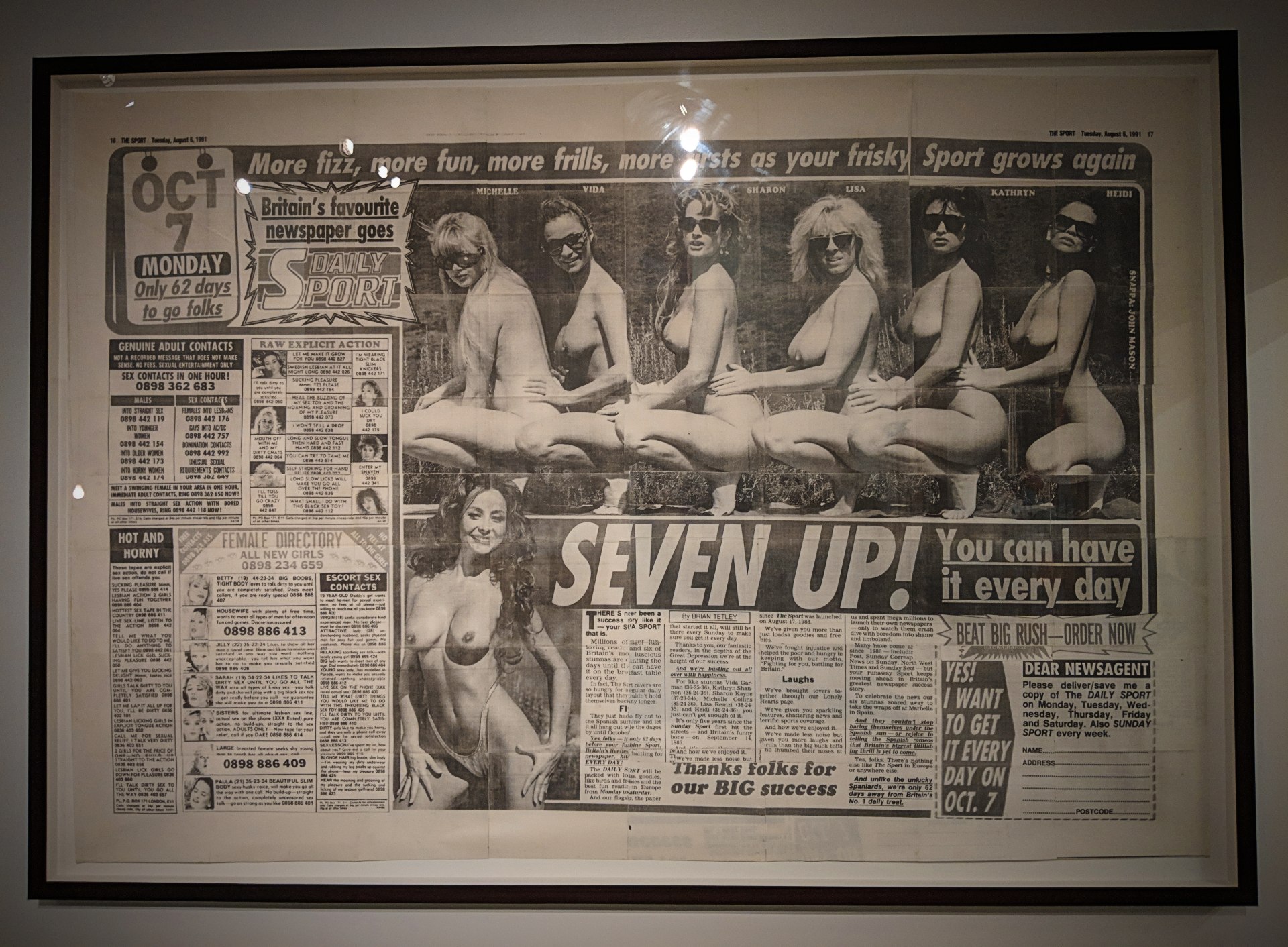
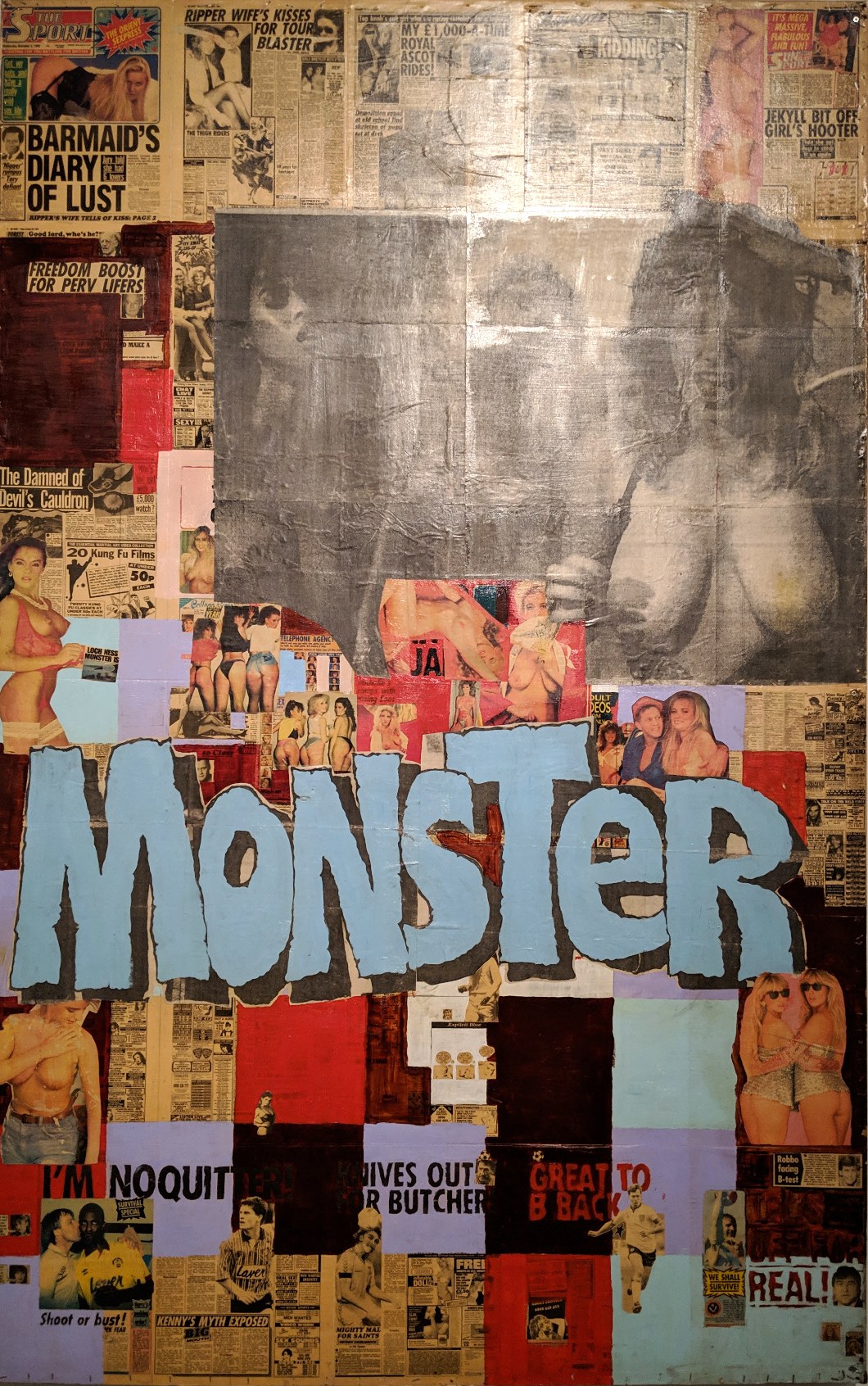
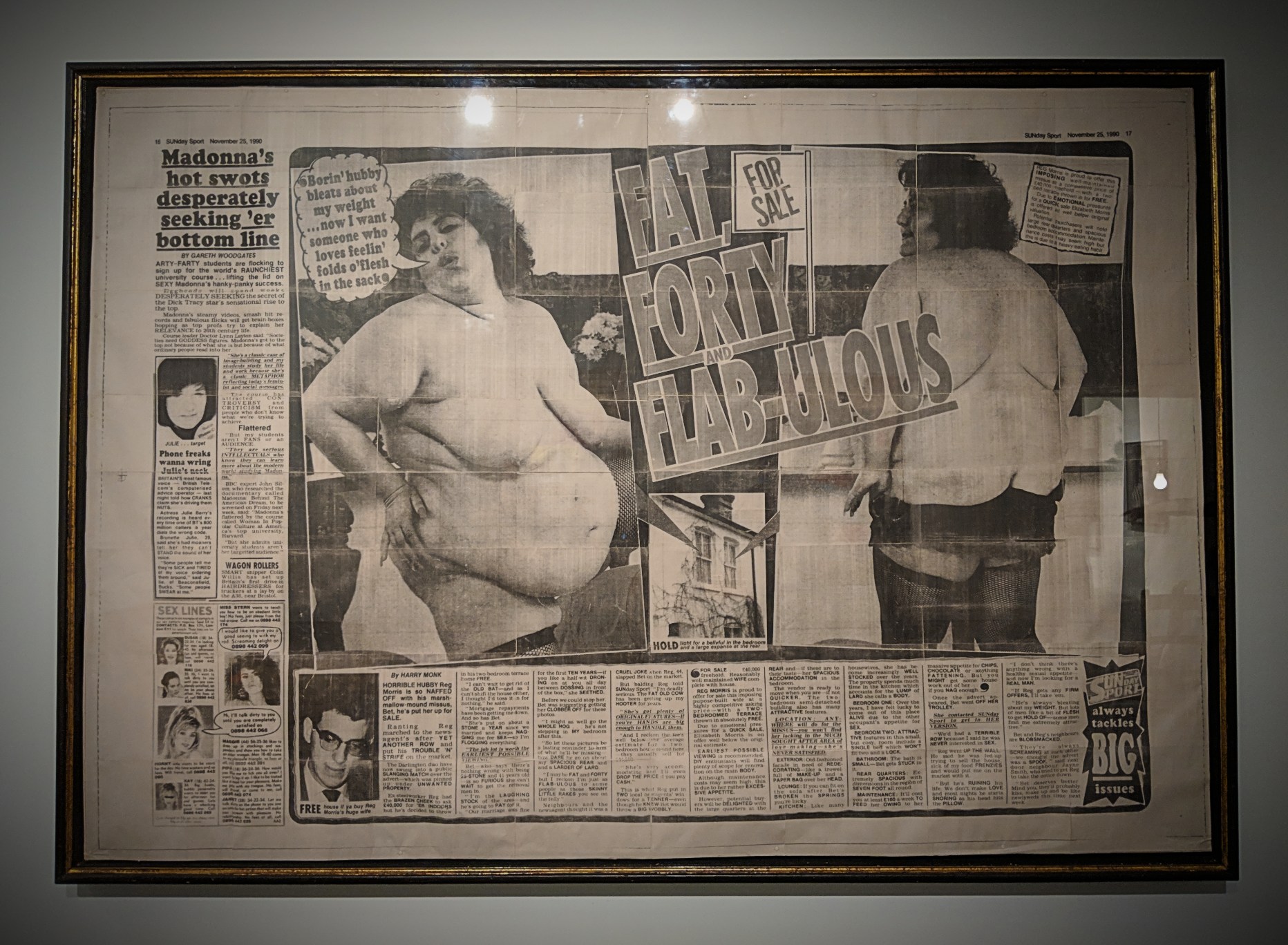
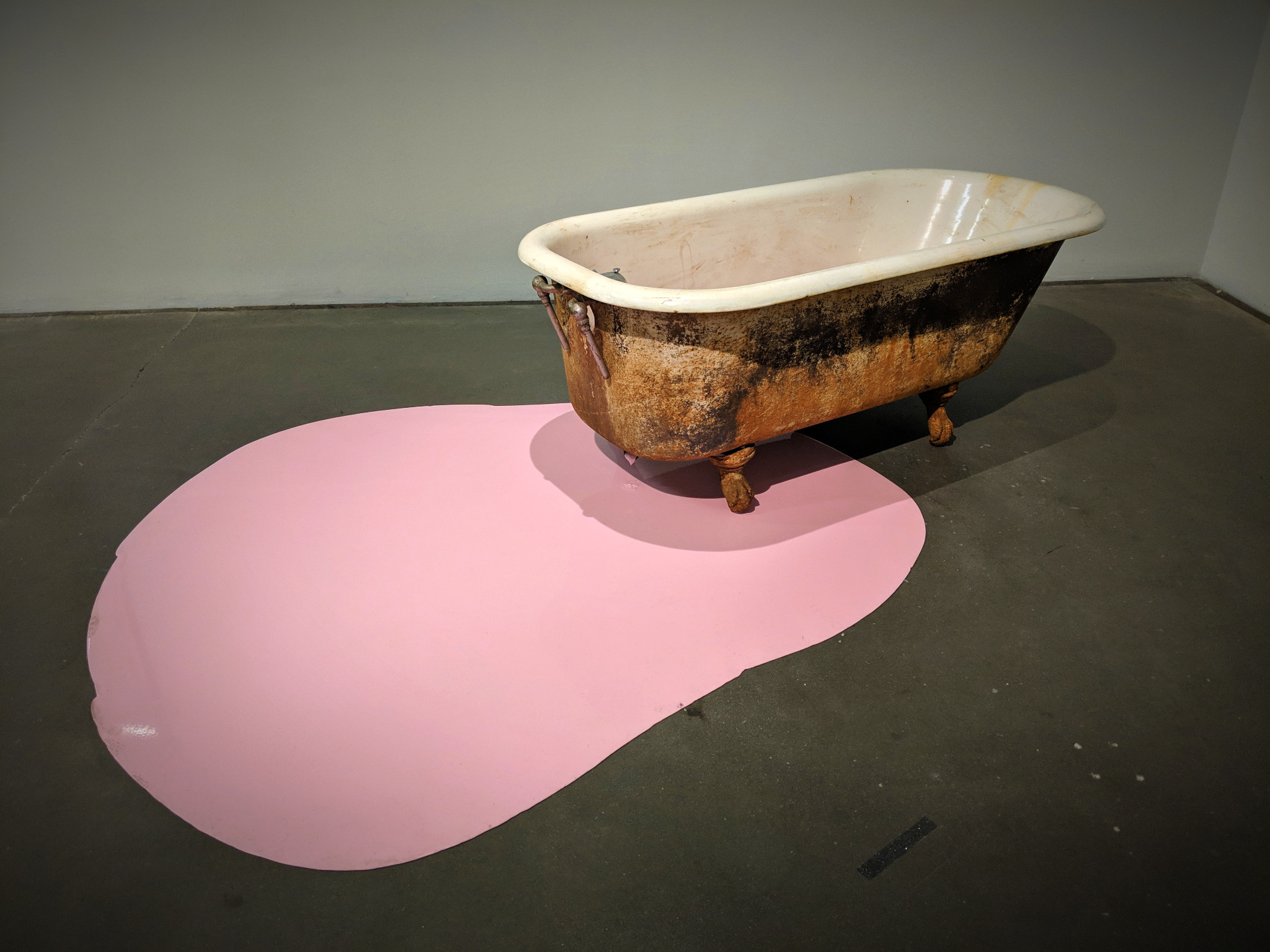
Over the past thirty years, Lucas has created a distinctive and provocative body of work that subverts traditional notions of gender, sexuality, and identity. Since the late 1980s, she has transformed found objects and everyday materials such as cigarettes, vegetables, and stockings into disorienting, confrontational tableaux that boldly challenge social norms. The human body and anthropomorphic forms recur throughout Lucas’s works, often appearing erotic, humorous, fragmented, or reconfigured into fantastical anatomies of desire. – New Museum

The exhibition was on view between September 2018 – January 2019.

New Museum, 235 Bowery, New York

January 6th, 2019