Creepy or cute? That is the question!
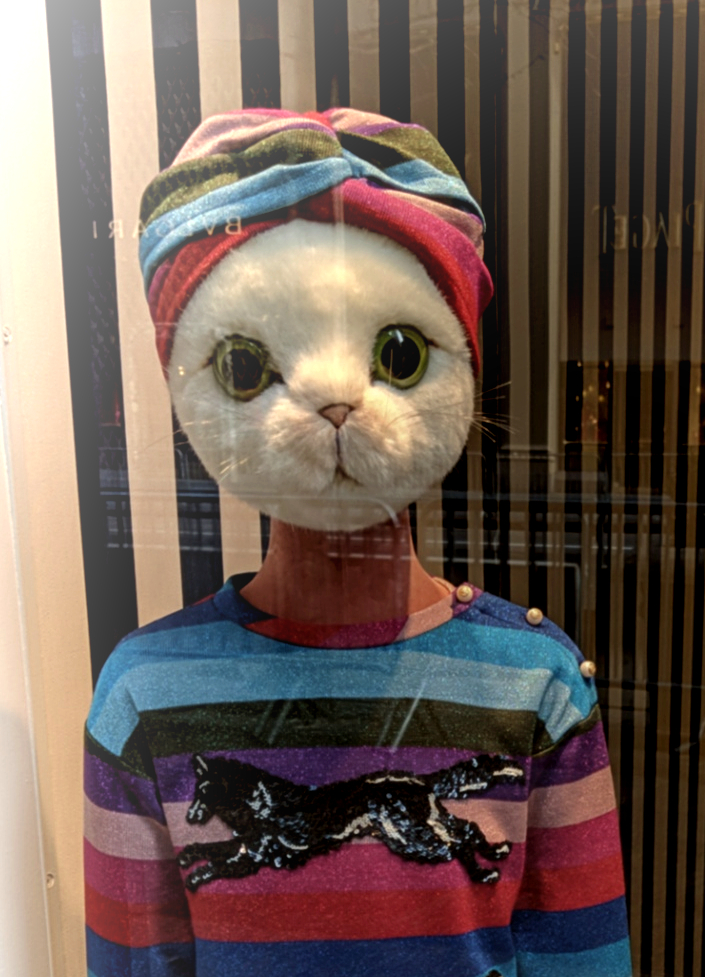
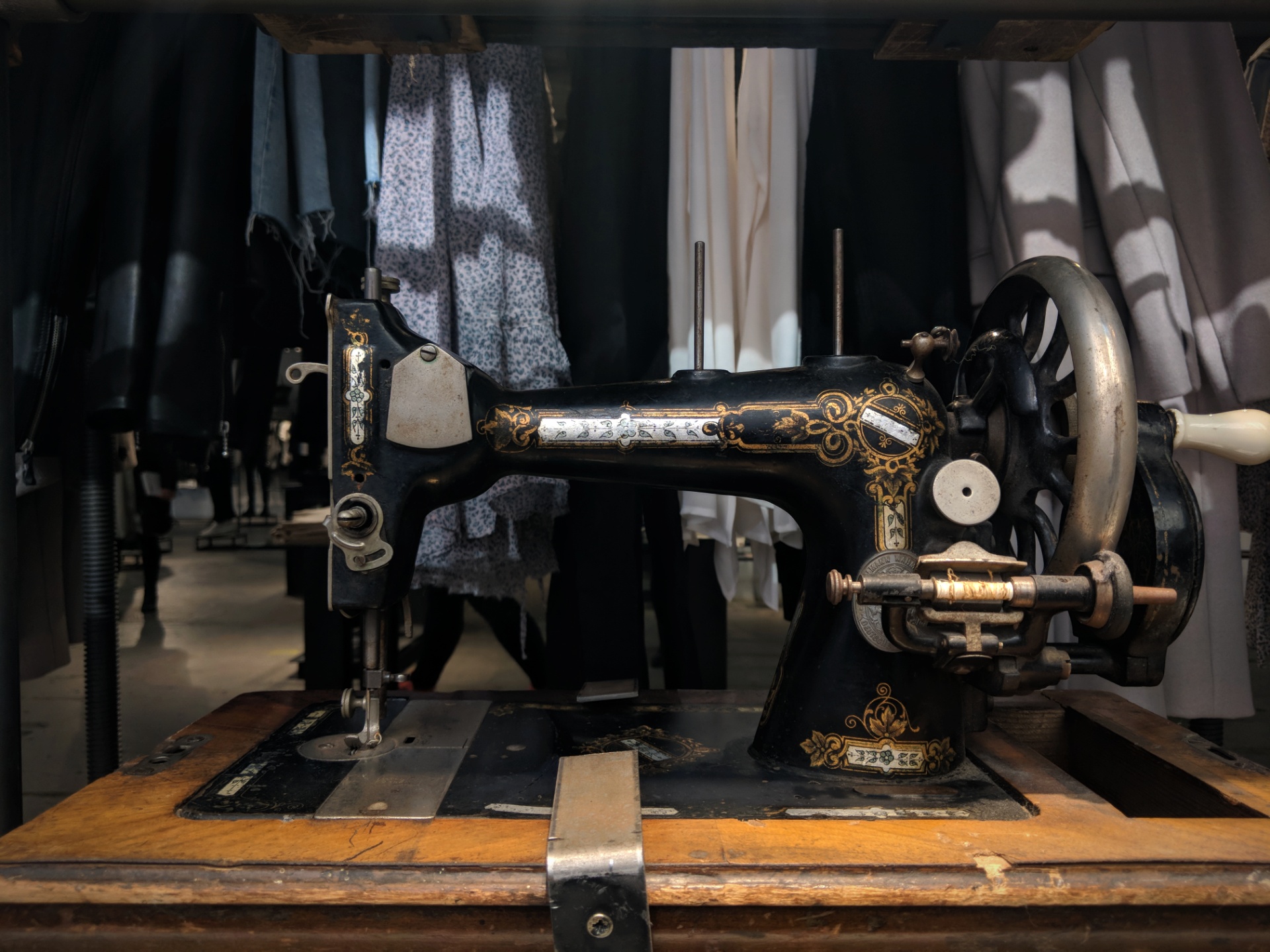
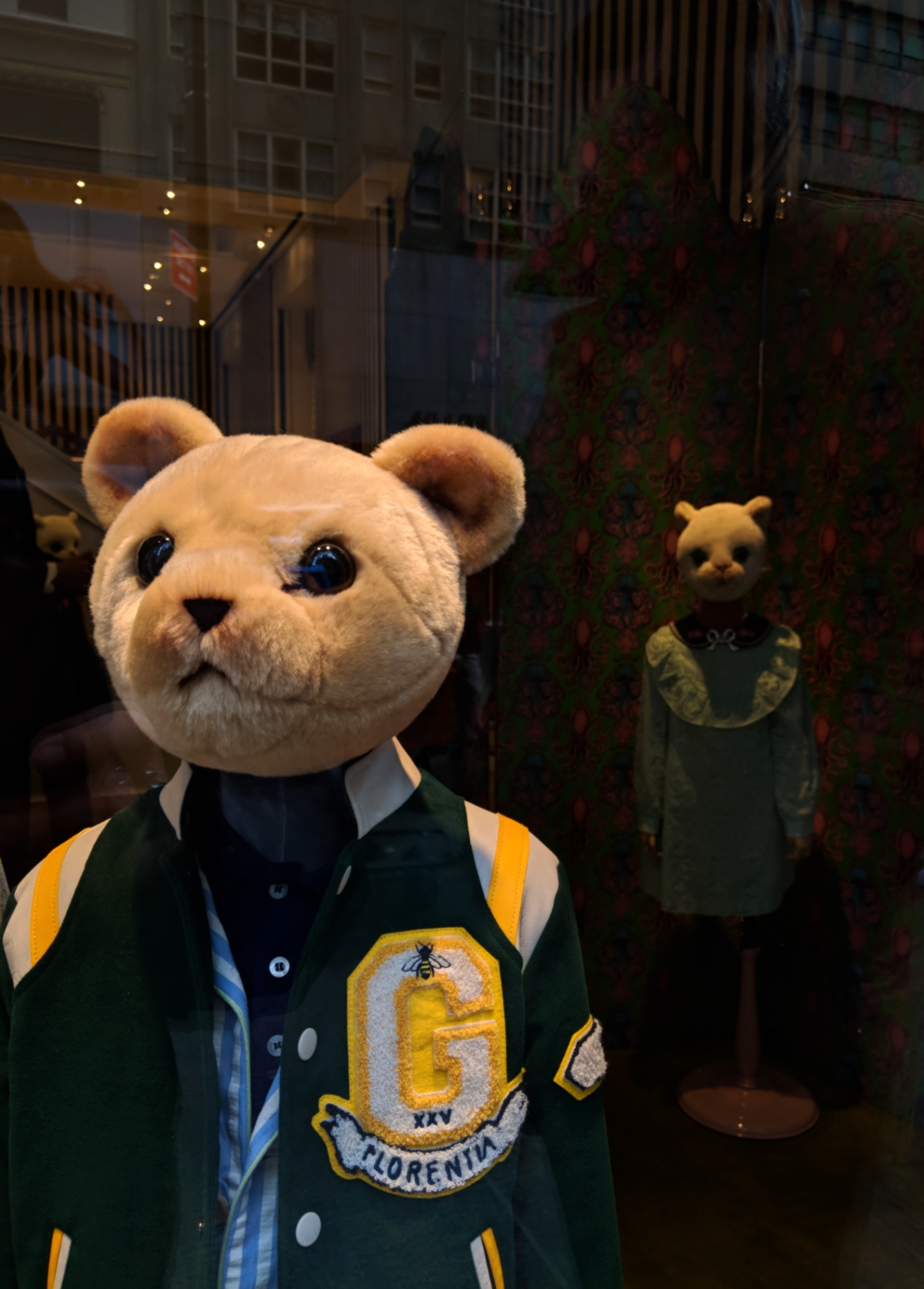
Window shopping on Fifth Avenue.
February 17th, 2018
Creepy or cute? That is the question!
Window shopping on Fifth Avenue.
February 17th, 2018
Walking through the immensity of the Museum of Natural History, in Upper West Side. Every room another wonder of our Cosmos.
Megaloceros
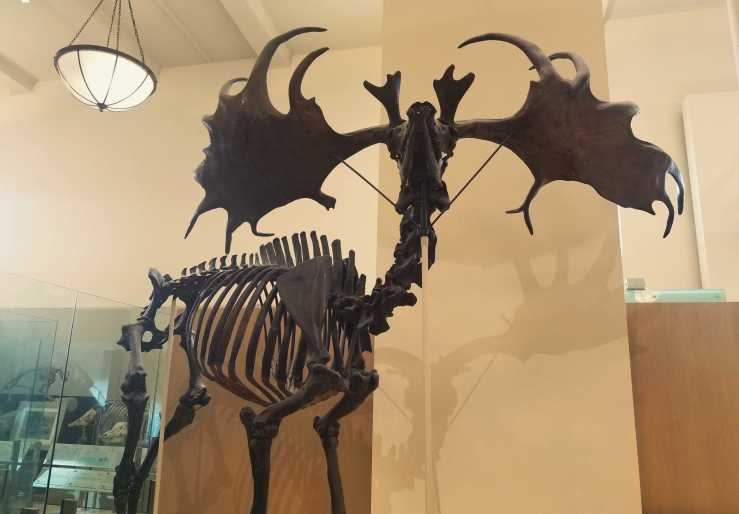
Megaloceros (Greek: μεγάλος – megalos + κέρας – keras, meaning “Great Horn”) may be the largest deer ever to have lived. It belongs to the group called artiodactyls (Greek: άρτιος – ártios + δάκτυλος – dáktylos, meaning ‘even finger/toe’) – hoofed mammals that usually have an even number of toes. Generally, only male artiodactyls have antlers. In living deer, they are used during the mating season for wrestling with other males and attracting females. Then, they are shed. This means that Megaloceros regrew its enormous antlers every year!
Stenomylus hitchcocki
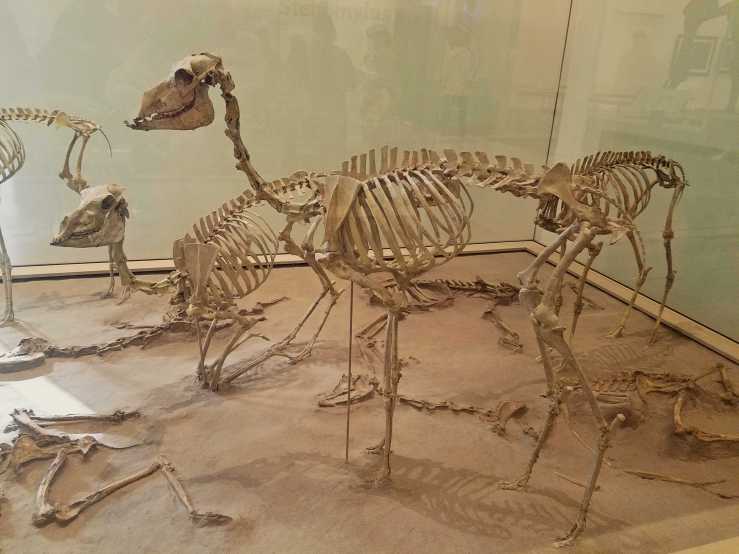
Stenomylus (Greek στενός – stenos “narrow” and μύλος – milos [latin: mola] “molar” meaning ”narrow tooth”. This group of camel skeletons was buried in dune sand in western Nebraska 22 million years ago. These individuals are only some of the numerous completely preserved camel skeletons that were found together at a site in Agate Springs National Monument. Stenomylus lived in a region where dune fields extended widely. It was relatively primitive in its body skeleton, but had the more advanced feature of very high-crowned teeth – presumably to cope with sand-laden food, which rapidly wears down the teeth.
If I understood correctly, ”hitchcocki” was added in honour of Dr. Edward Hitchcock, a geologist and President of Amherst College, whose Ichnology Collection of dinosaur footprints and tracks is invaluable (read more about it here).
Mammuthus
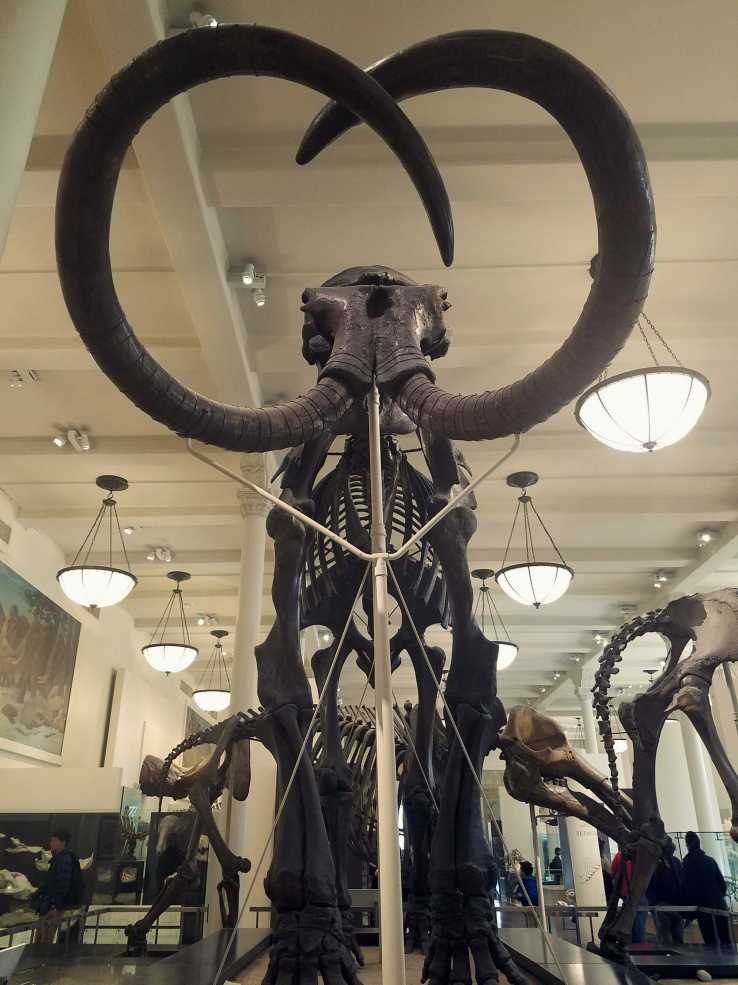
Mammoths were widespread during the Ice Ages. Some had woolly fur to keep them warm. This is a ”non-woolly” mammoth that lived in southern parts of the United States, which were not covered by glaciers. Like living elephants, Mammoths had trunks. We can’t see it on this skeleton, because soft parts are rarely preserved as fossils. But we can see where the trunk was attached, at the large single opening high on the front of the skull. The Greek myth of one-eyed giants, the Cyclops, may have arisen when ancient people found fossil provoscidean skulls and mistook this nostril opening for an eye socket. Most mammoths died out by 11.000 years ago but a few somewhat dwarfed forms persisted until about 3.000 years ago on remote arctic islands.
Titanosauria
(click on photo for a panoramic view and caption)

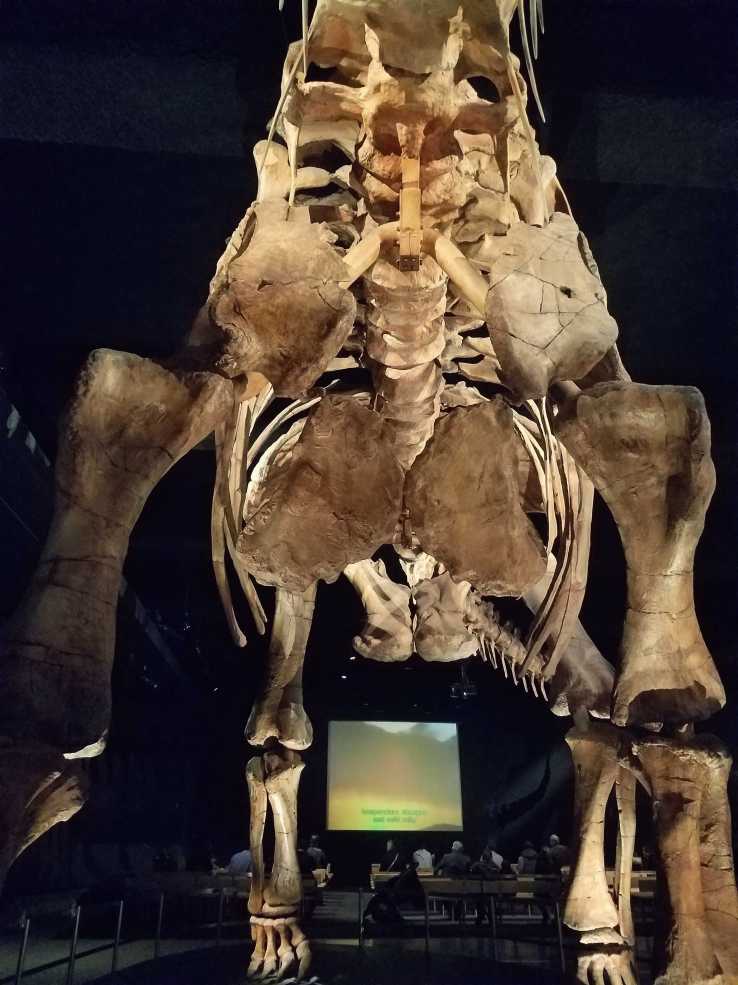
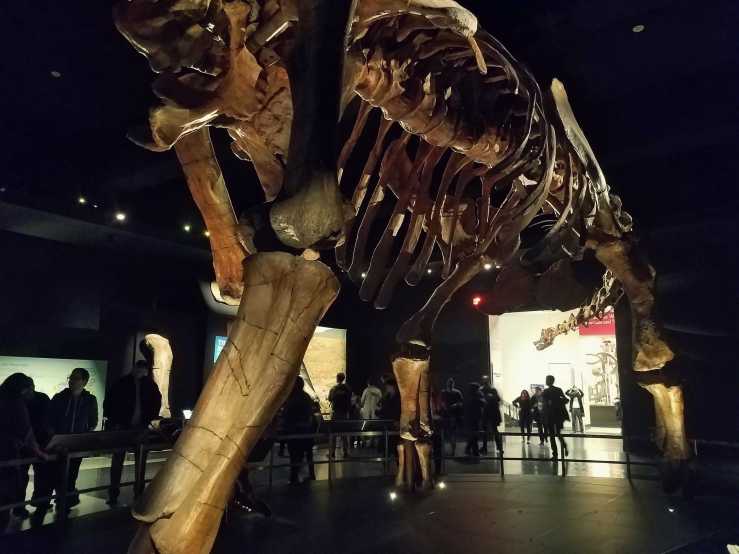
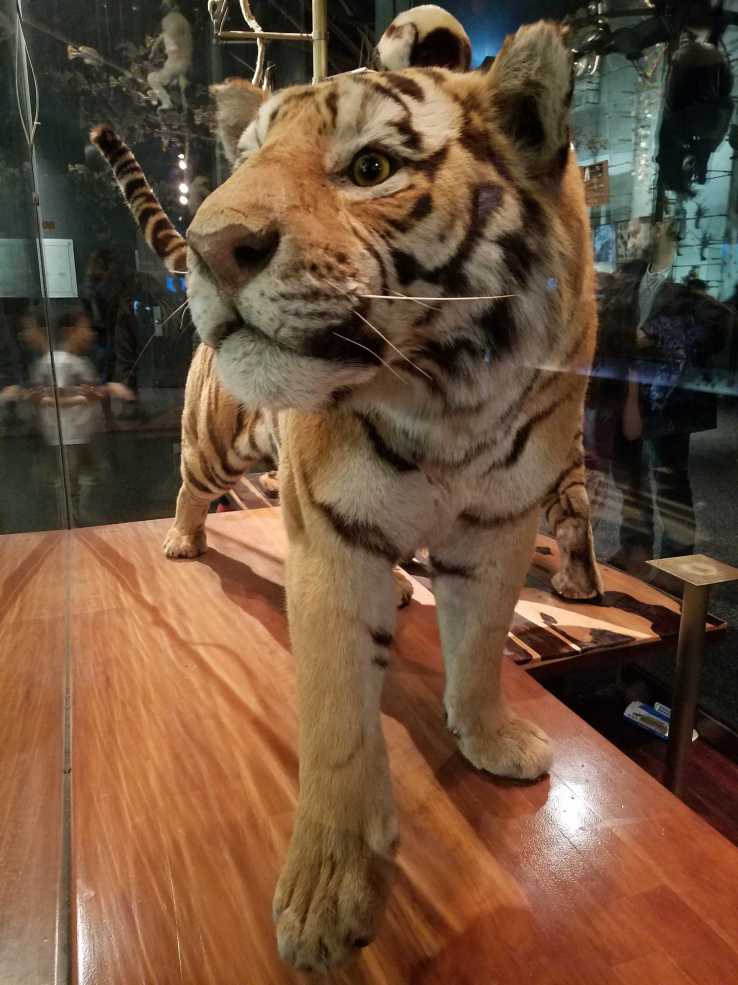
This stuffed beauty
(although I instinctively dislike stuffed animals)
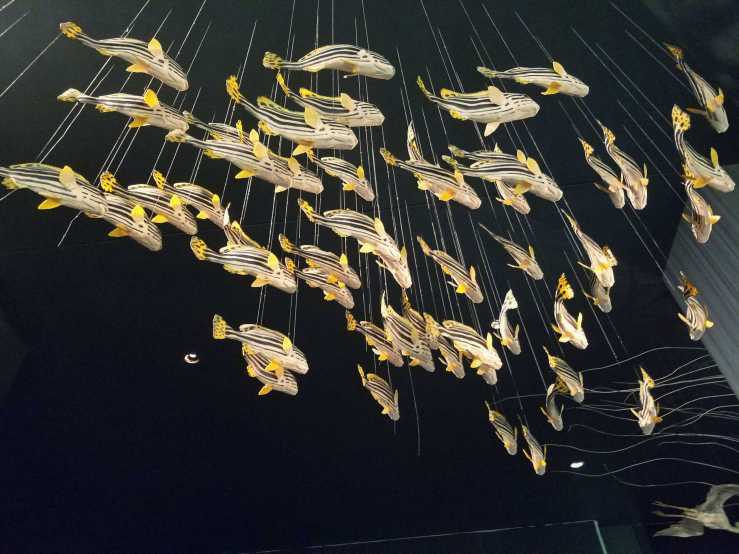
Creatures of the sea hanging in mid-air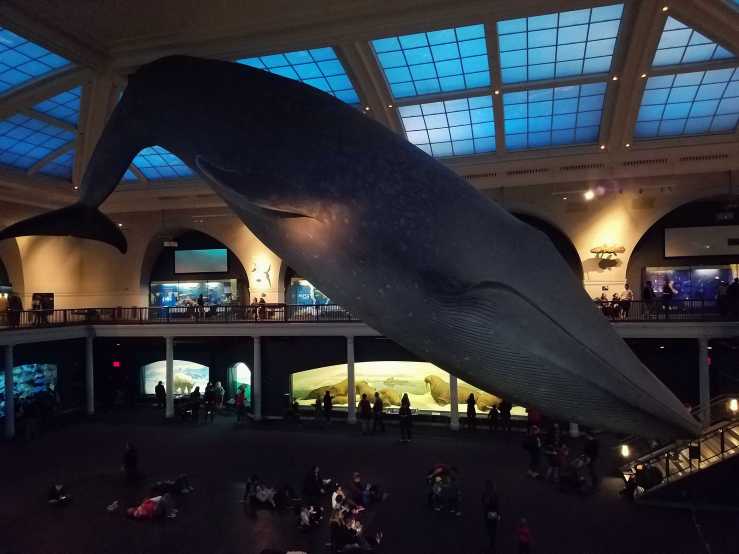
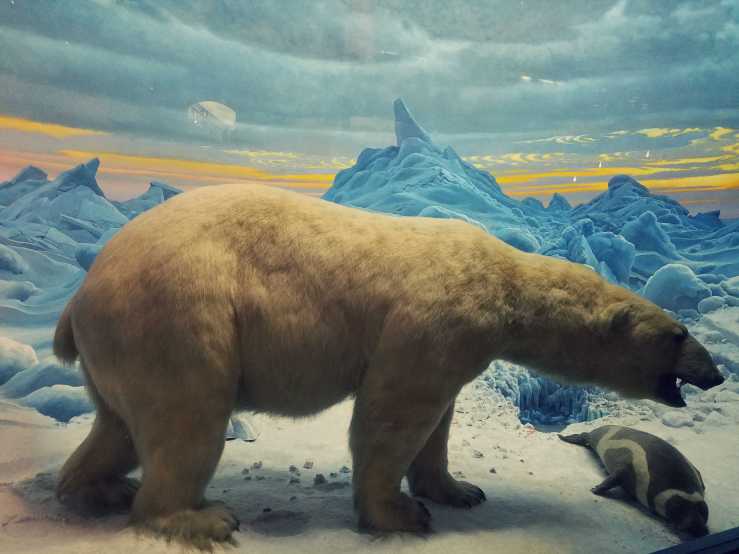
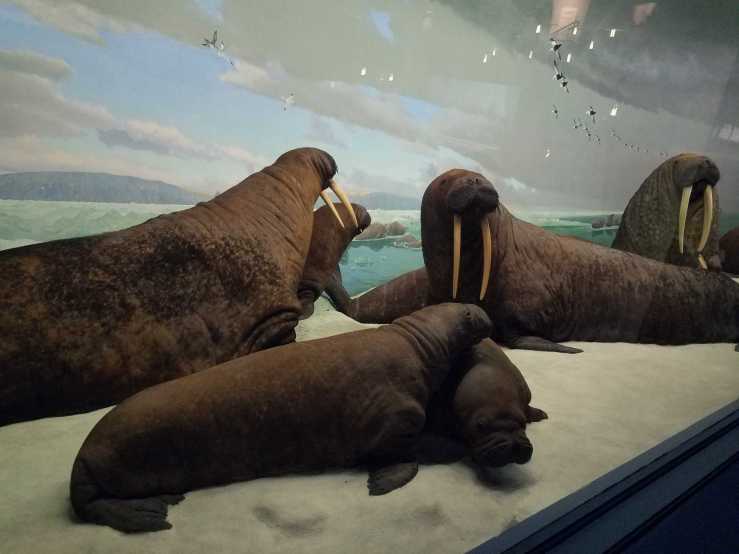
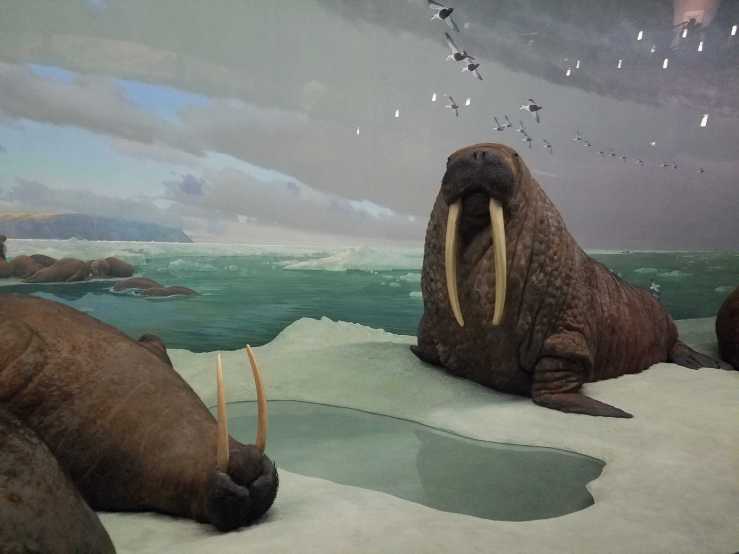
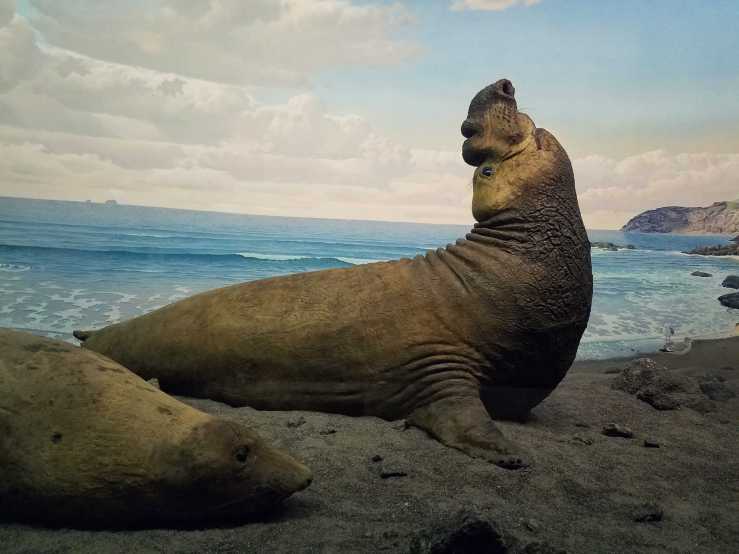
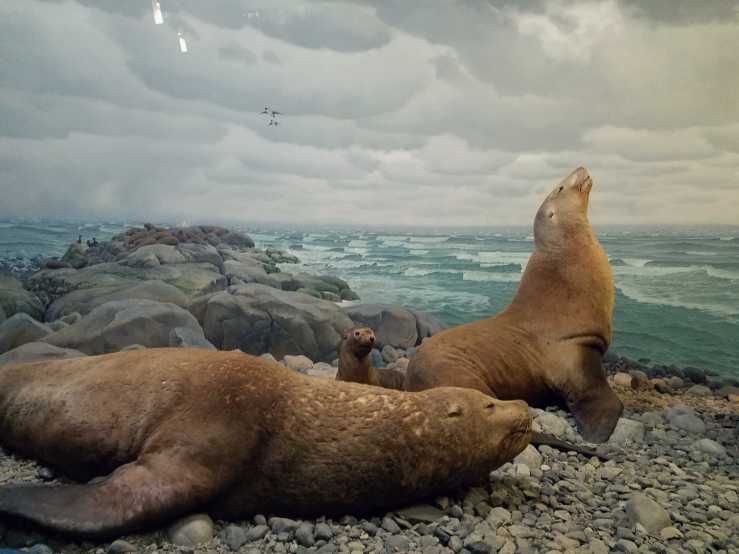
And those that came from the cold
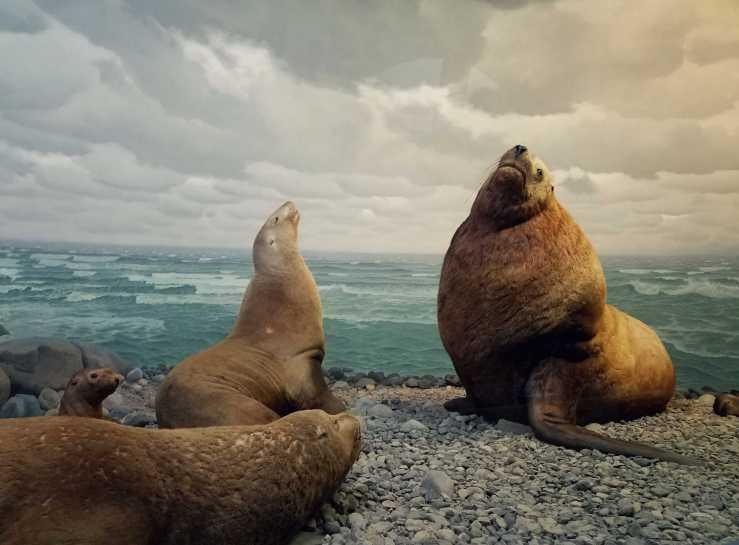
American Museum of Natural History
November 13th, 2016
subjective worldview
Actor, writer, cook and author
Travel experiences & Strasbourg city guide
Writer
joy, happiness, travel, adventure, gratitude
"Rêve onirique & Bulle d'évasion"
makes pretty things on paper
This WordPress.com site is Pacific War era information
Welcome to my curious world of words....
Photographs, music and writing about daily life. Contact: elcheo@swcp.com
Free listening and free download (mp3) chill and down tempo music (album compilation ep single) for free (usually name your price). Full merged styles: trip-hop electro chill-hop instrumental hip-hop ambient lo-fi boombap beatmaking turntablism indie psy dub step d'n'b reggae wave sainte-pop rock alternative cinematic organic classical world jazz soul groove funk balkan .... Discover lots of underground and emerging artists from around the world.
A 365 analogue photography project
Barcelona's Multiverse | Art | Culture | Science
Een digitaal atelier aan de (zee)slag.
‘Doodling Ambiguity’s in Ink.’
Miscellaneous photography
Glimpses along the way on a journey of discovery into symmetry...
 The Humble Fabulist