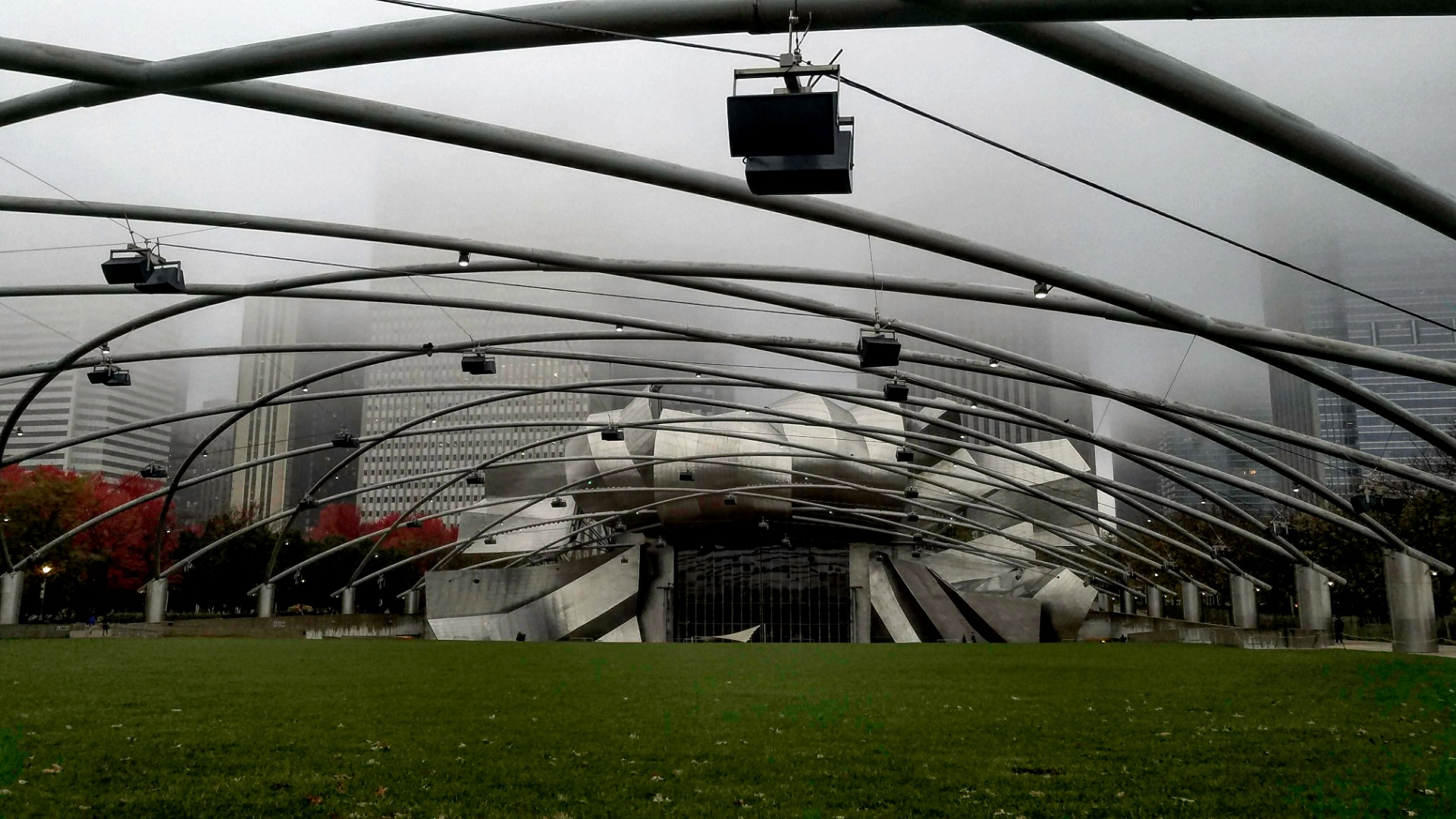
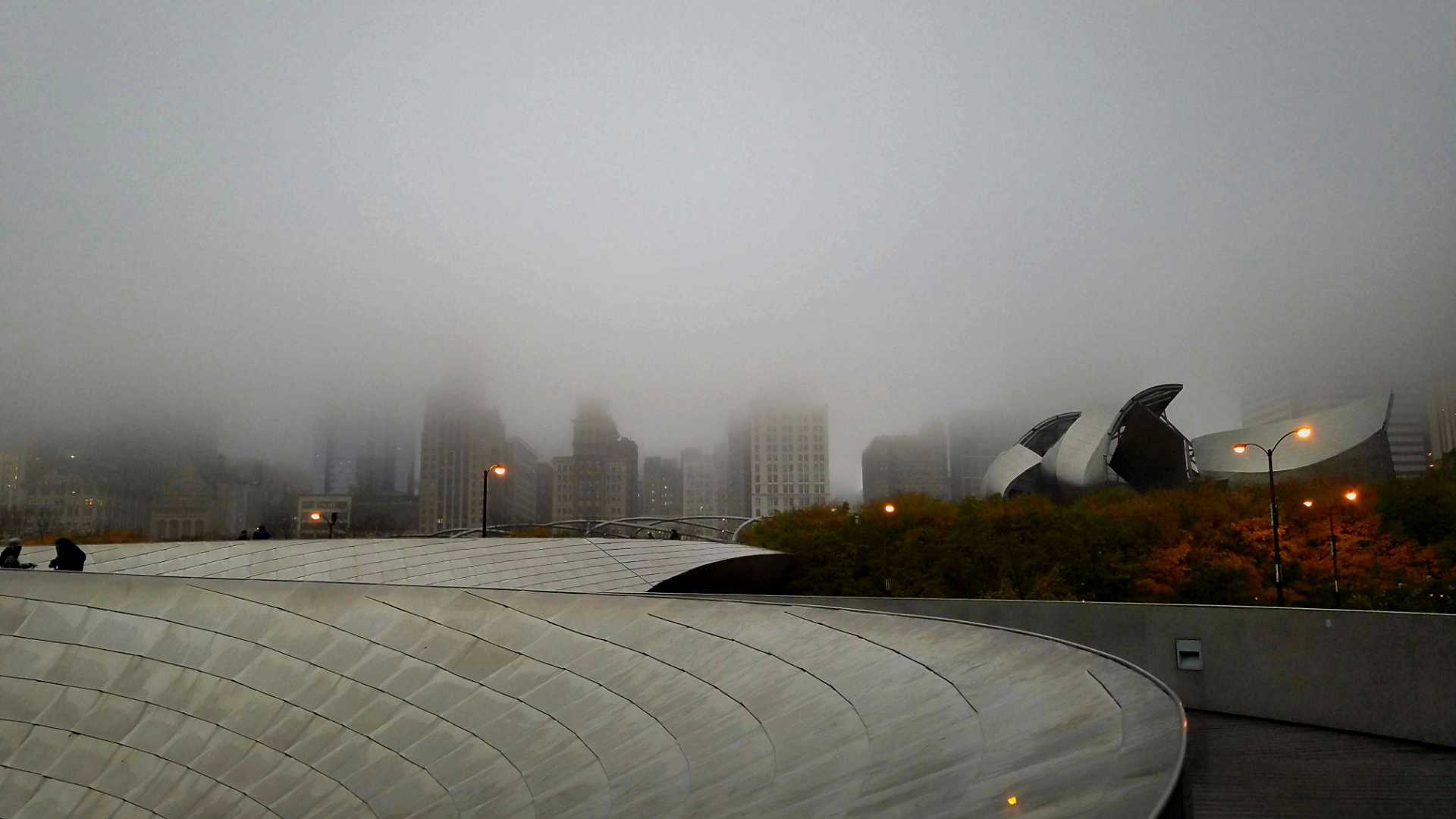
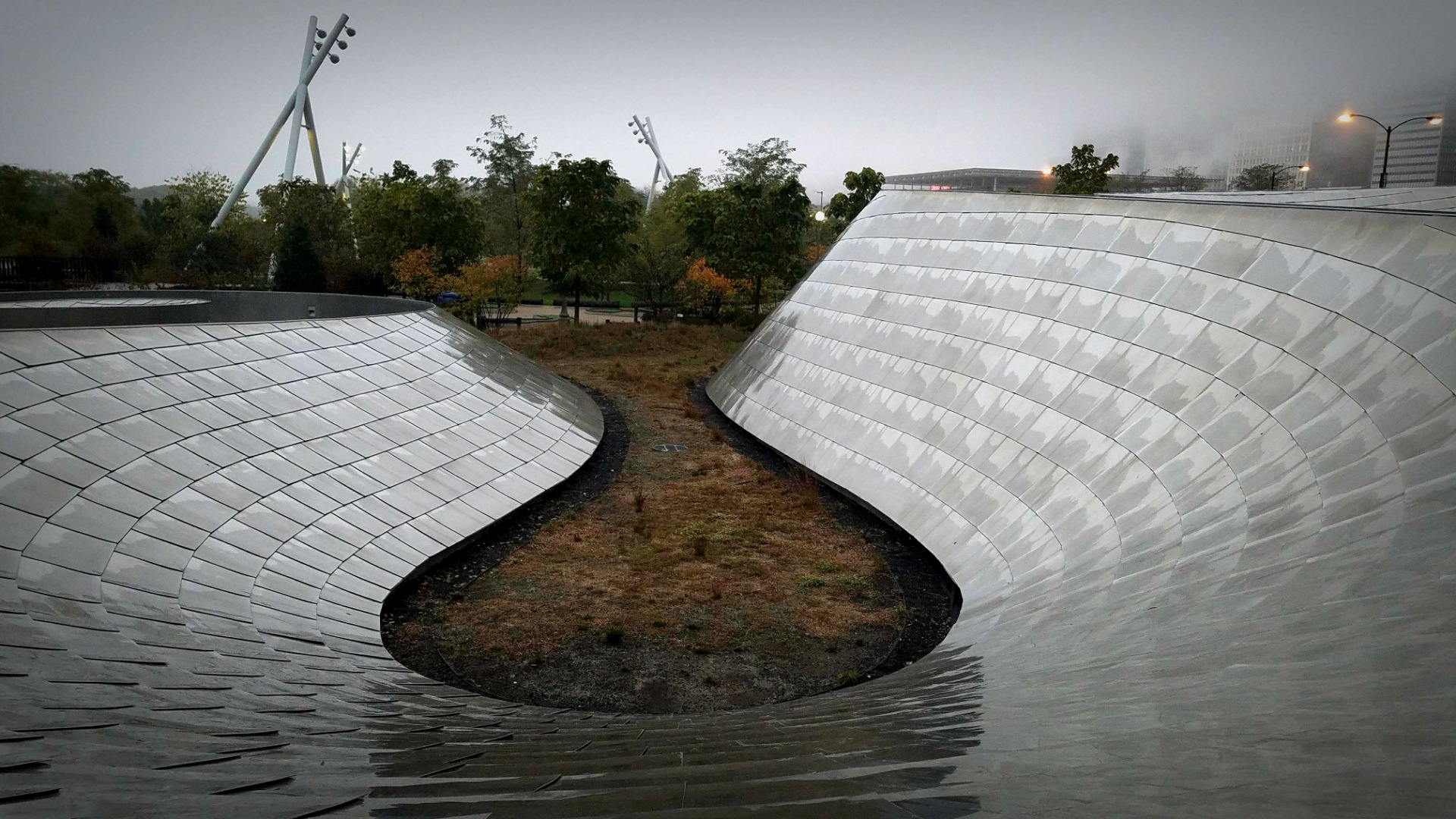
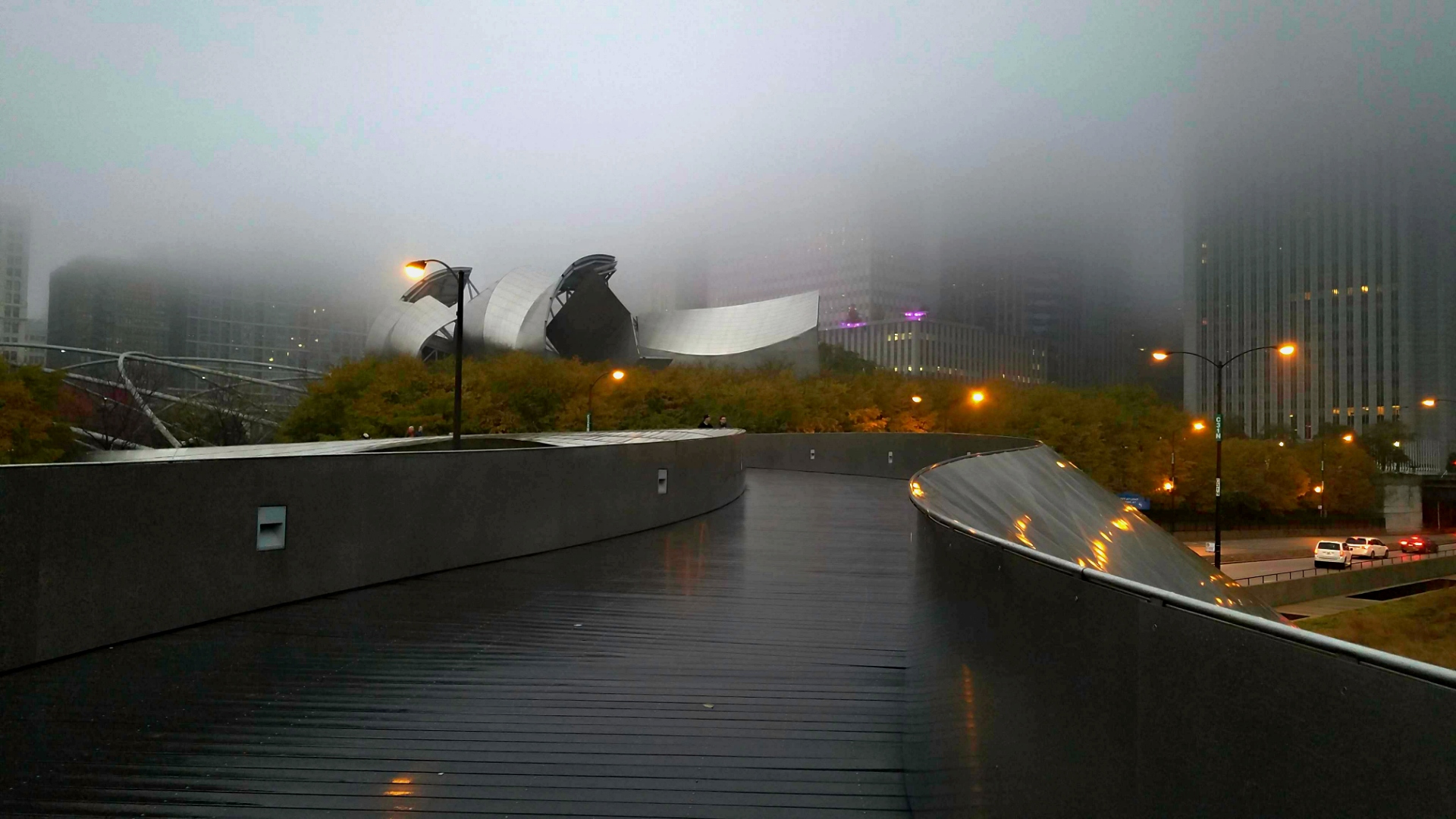
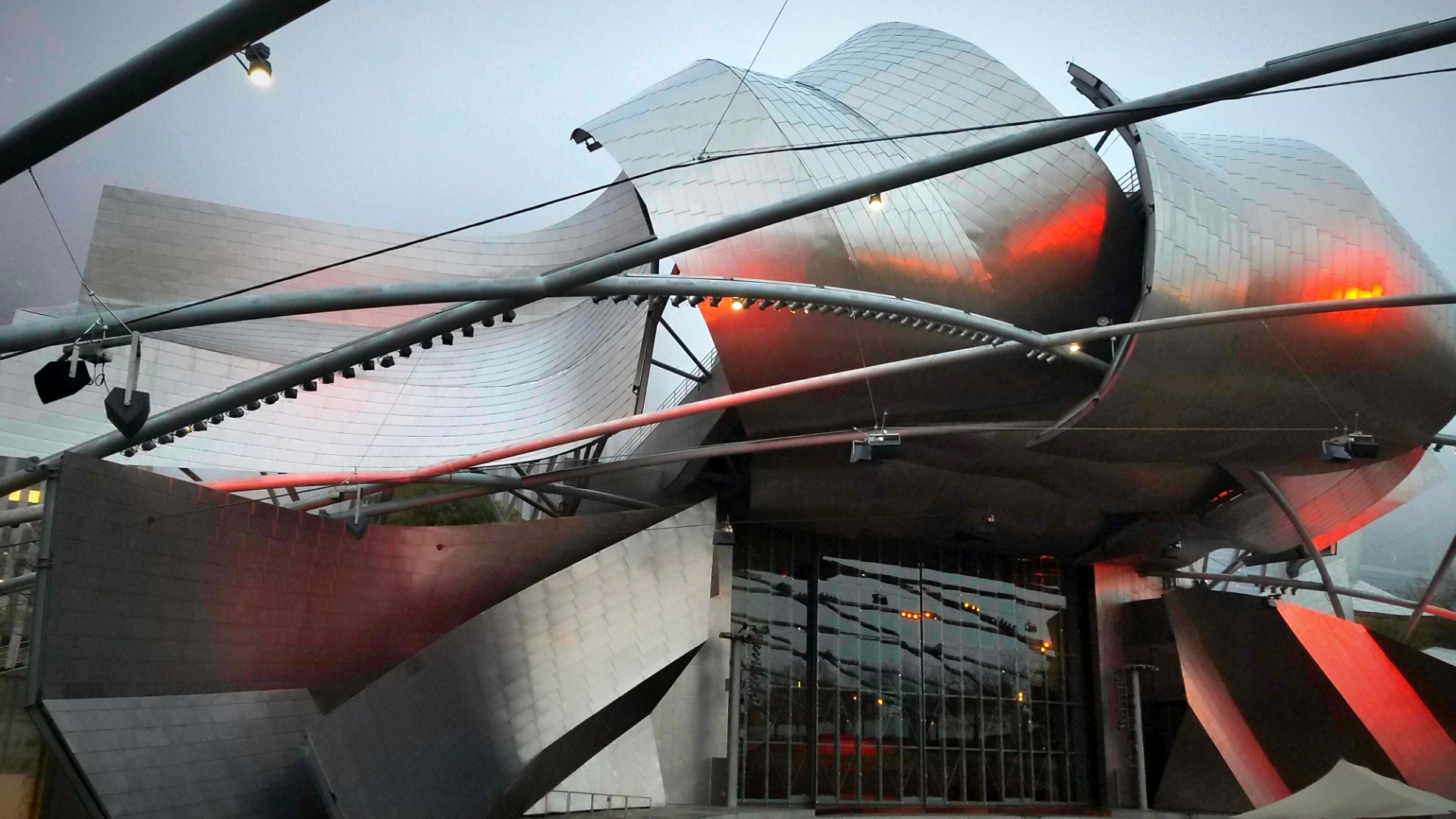
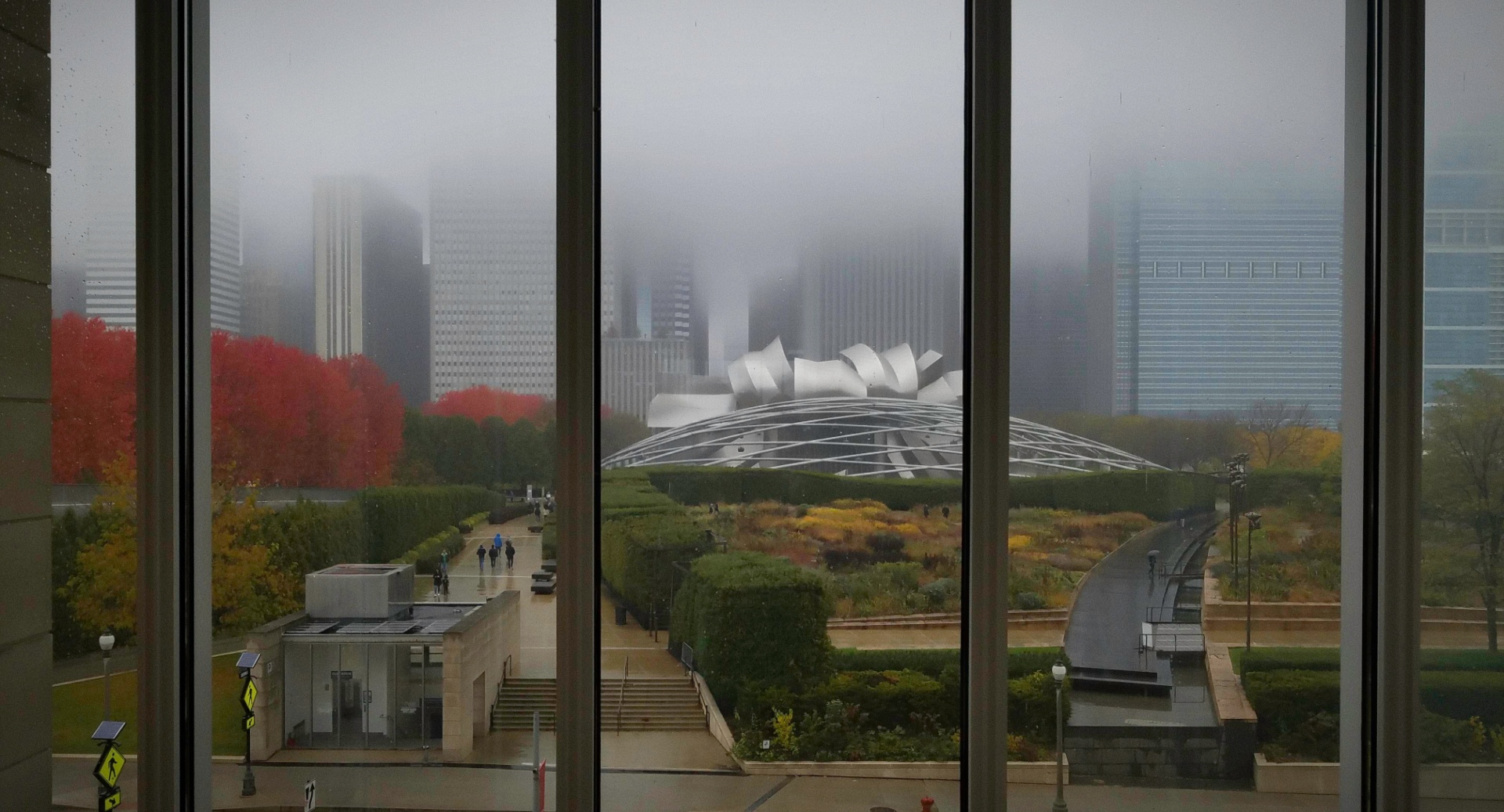
Ground control to Major Tom

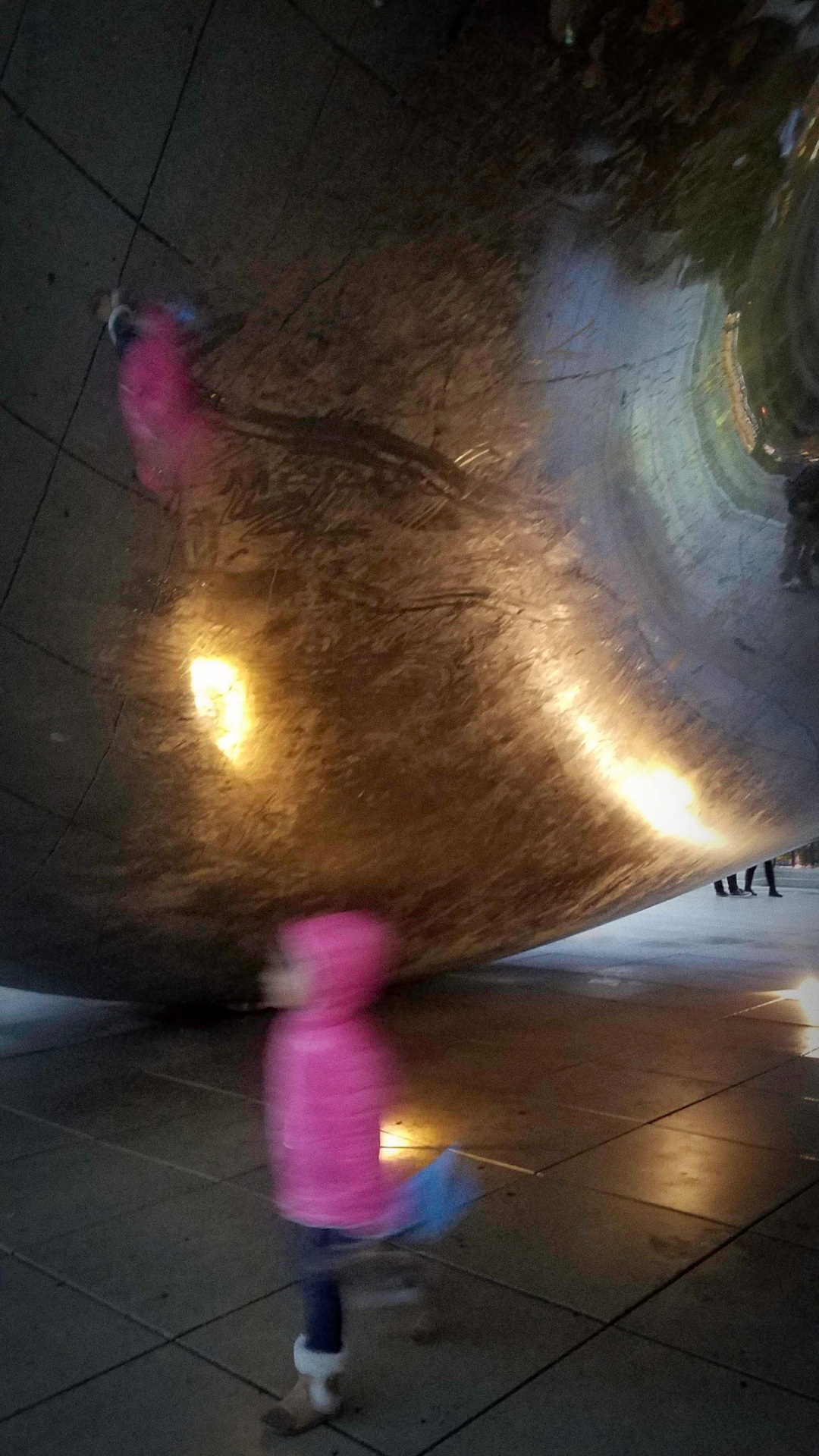
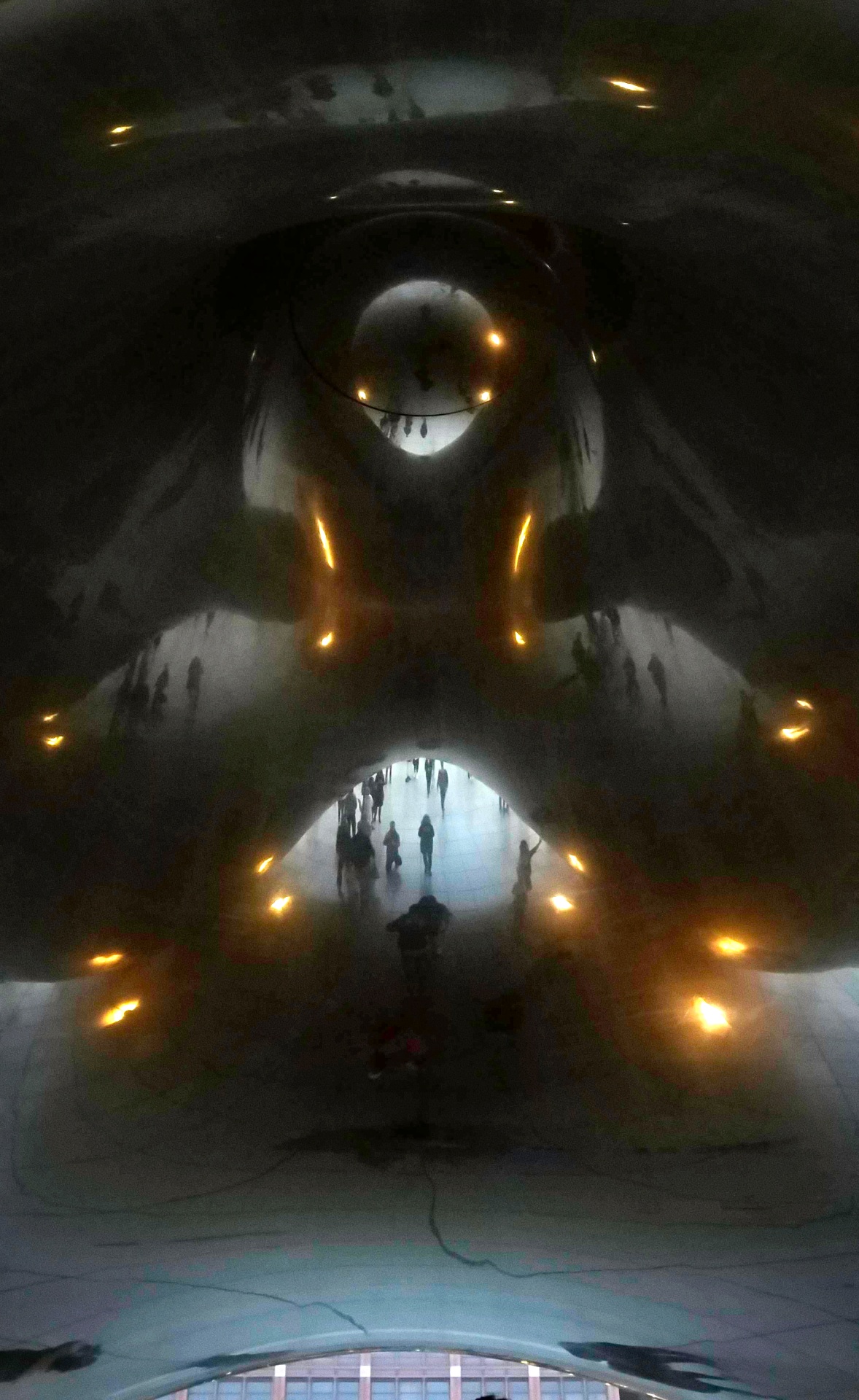
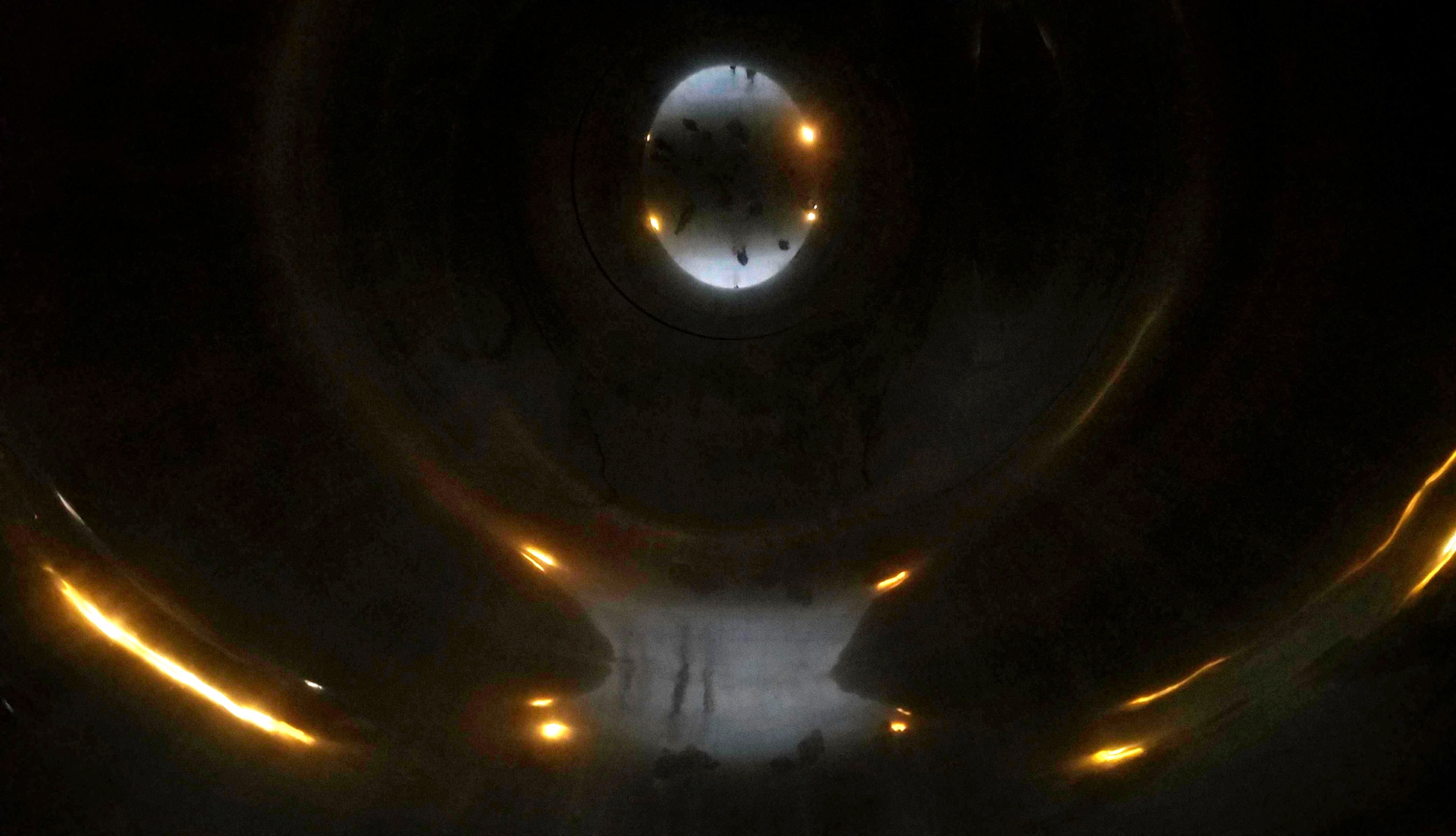
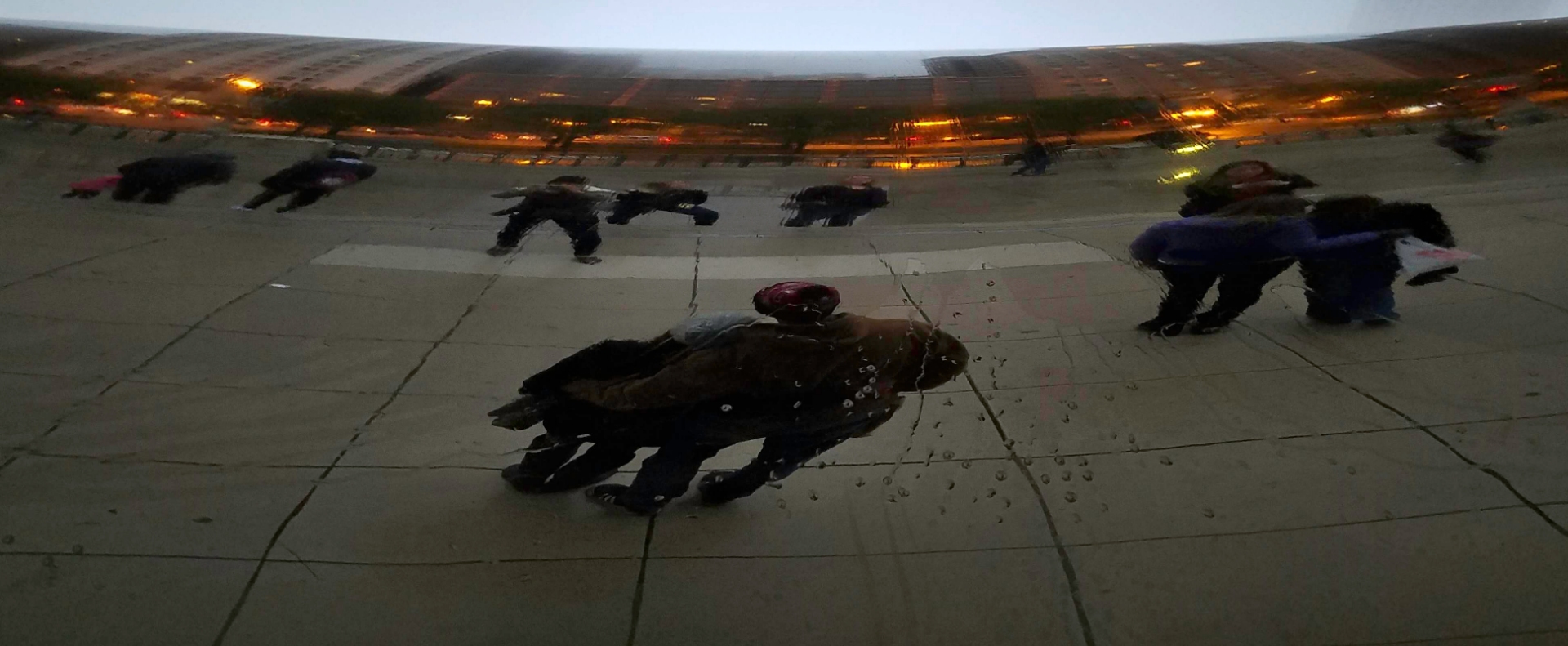
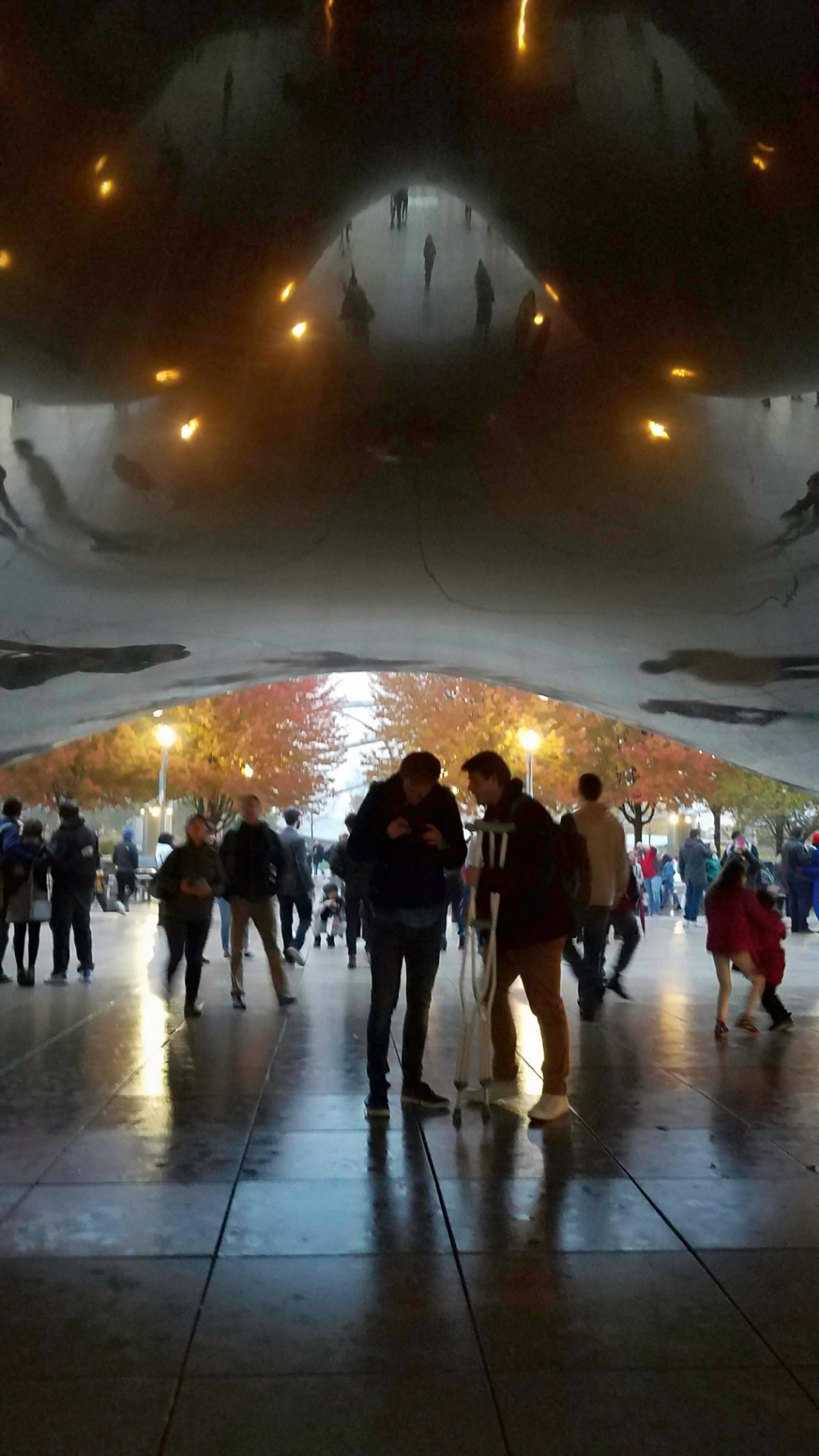
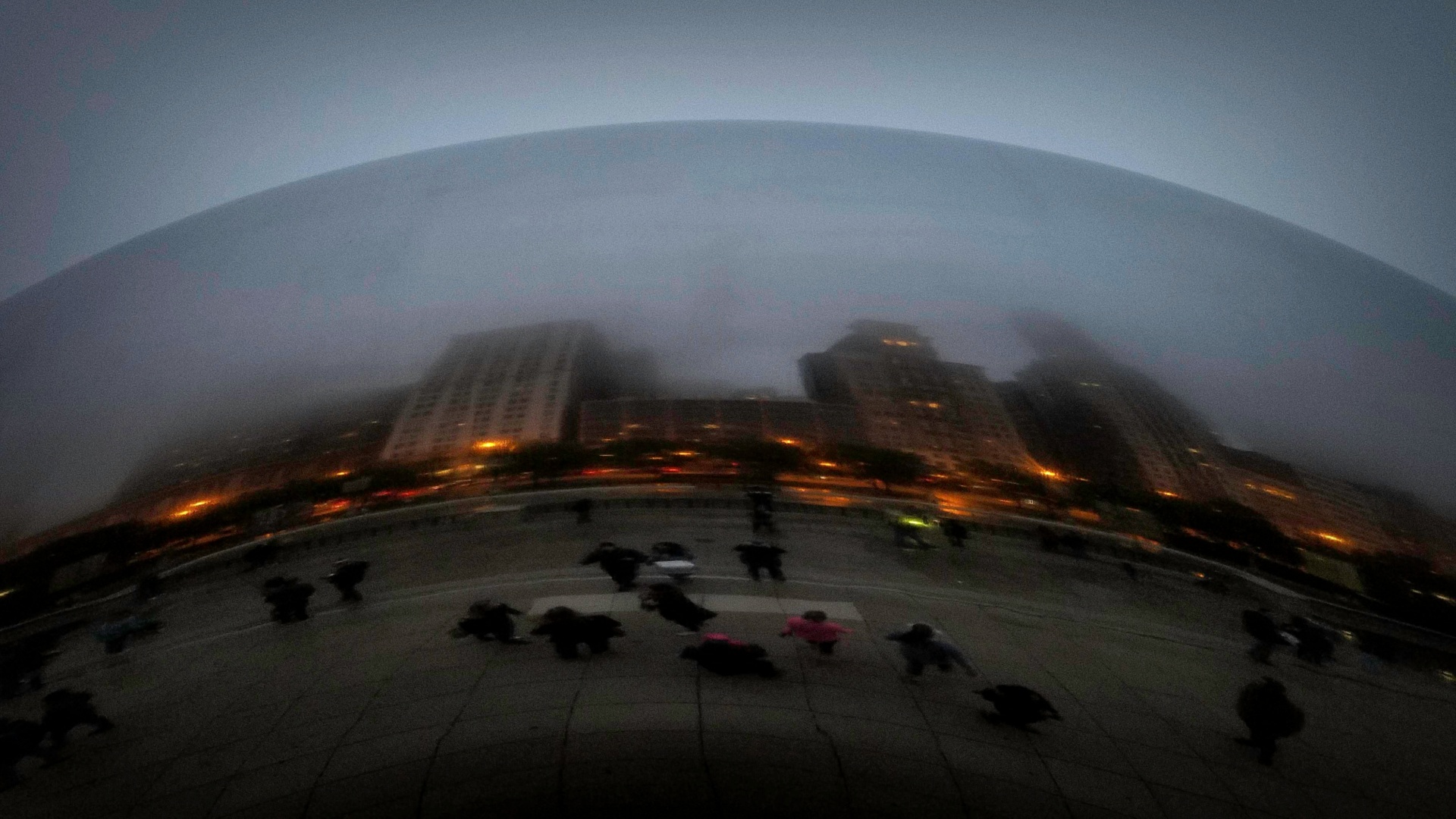
July 15, 2004. A giant object resembling a silver cloud made its first Earth landing, in Chicago’s Millennium Park. Reacting immediately, local authorities covered it up in a combined effort to reassure the public and control the curious crowds.

May 15, 2006. Authorities could no longer hold back the crowds. In a bold, unprecedented move, they unveiled the space oddity that has remained dormant ever since, defying all laws of physics, leaving scientists and general public puzzled and intrigued. People from the four corners of the earth flock to the park to monitor, examine and eventually try to explain what it is, where it came from and what it is doing here.
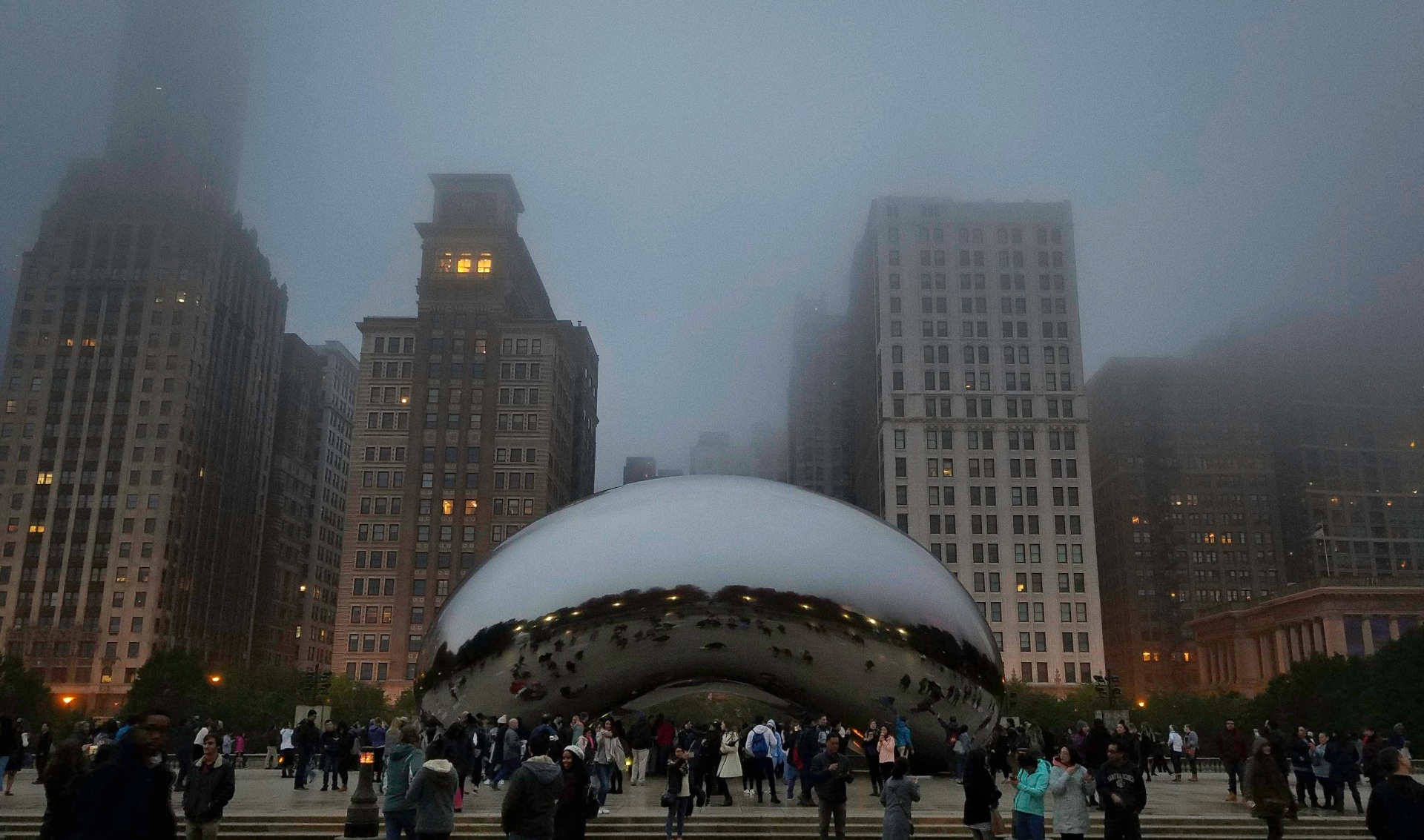
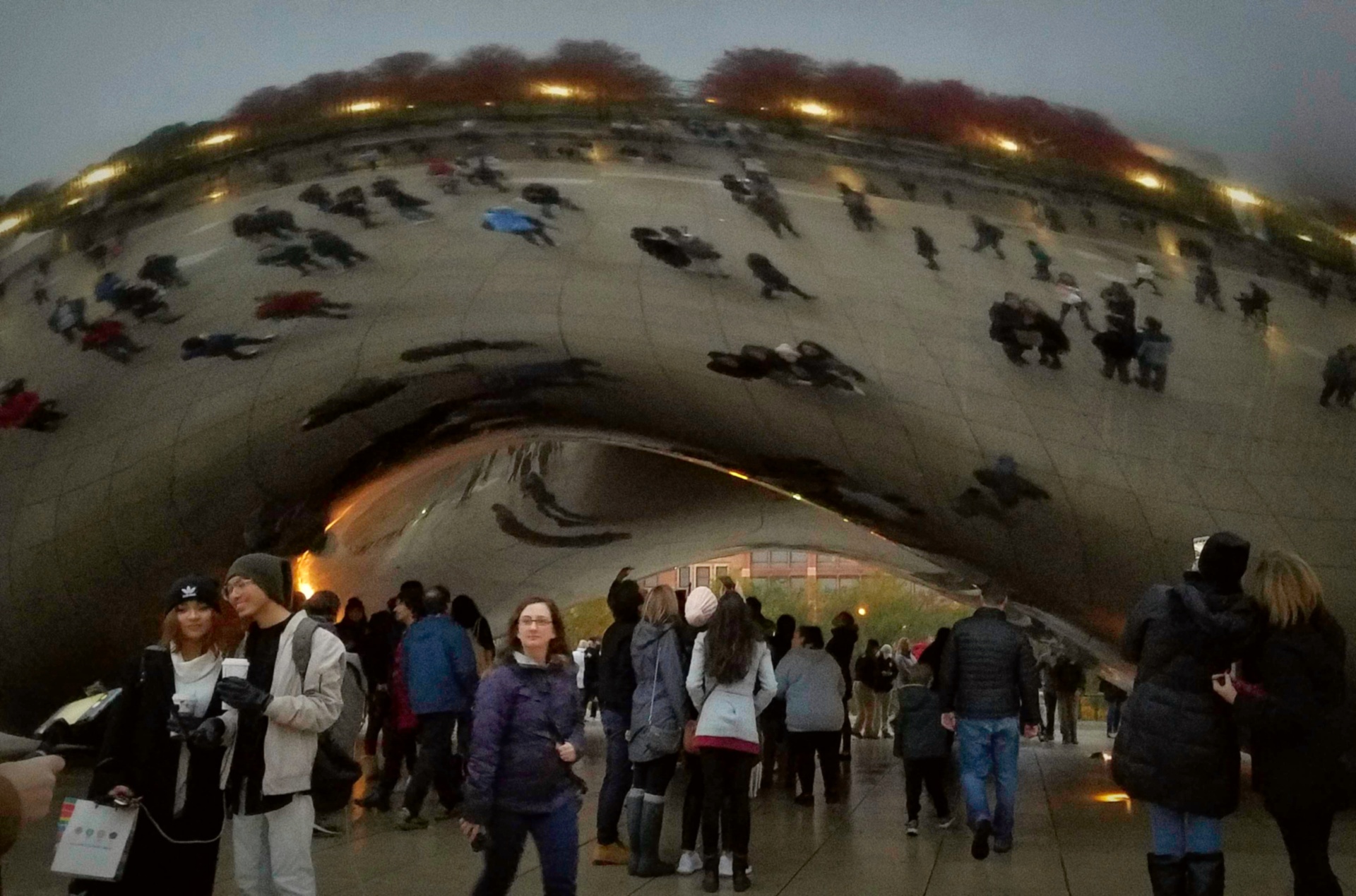
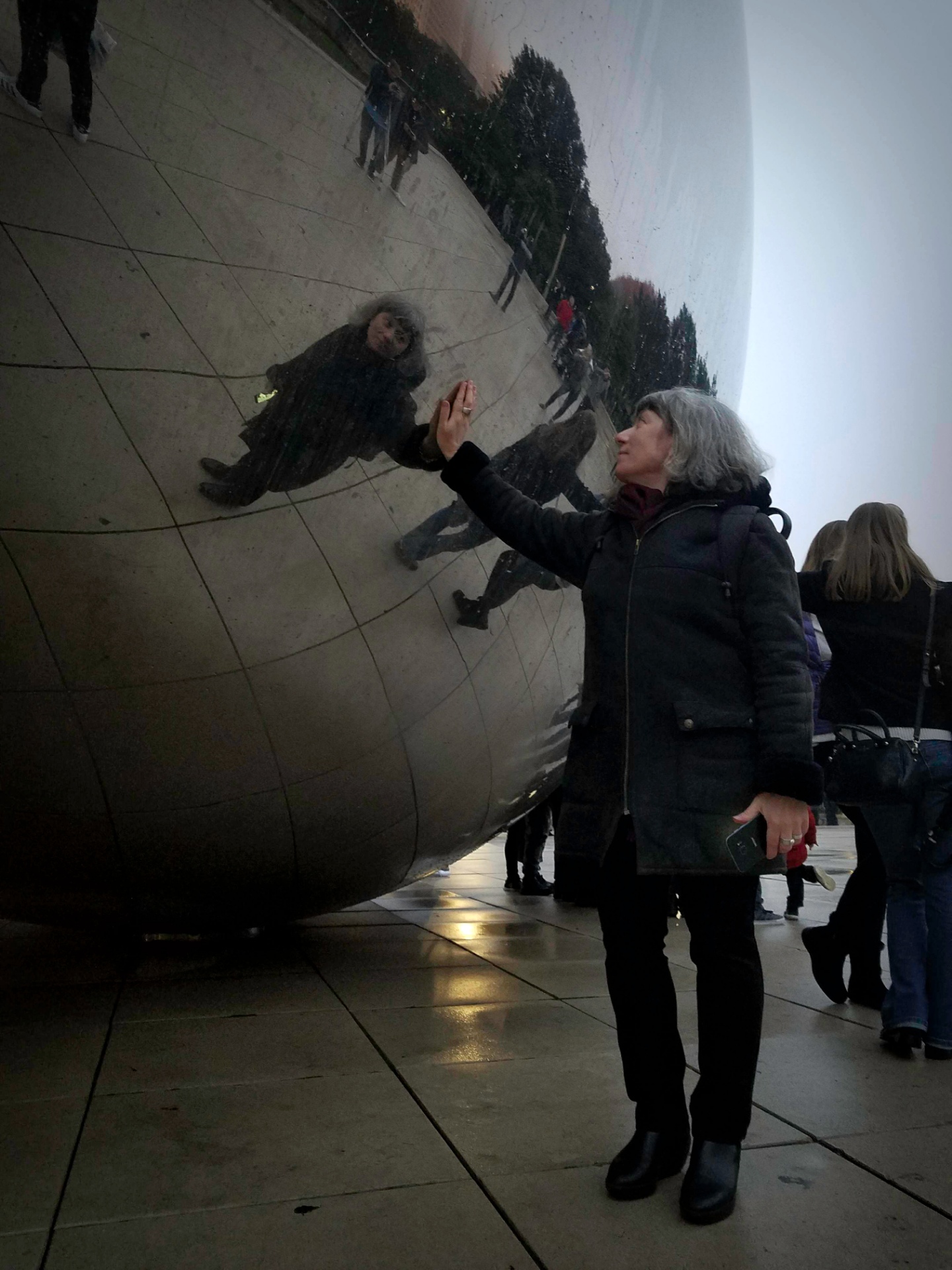
Cloud Gate, affectionately nicknamed ”The Bean”, is a public sculpture by British artist Anish Kapoor. It must be one of the most photographed public artworks in the city and I can totally see why.

November 4th, 2017
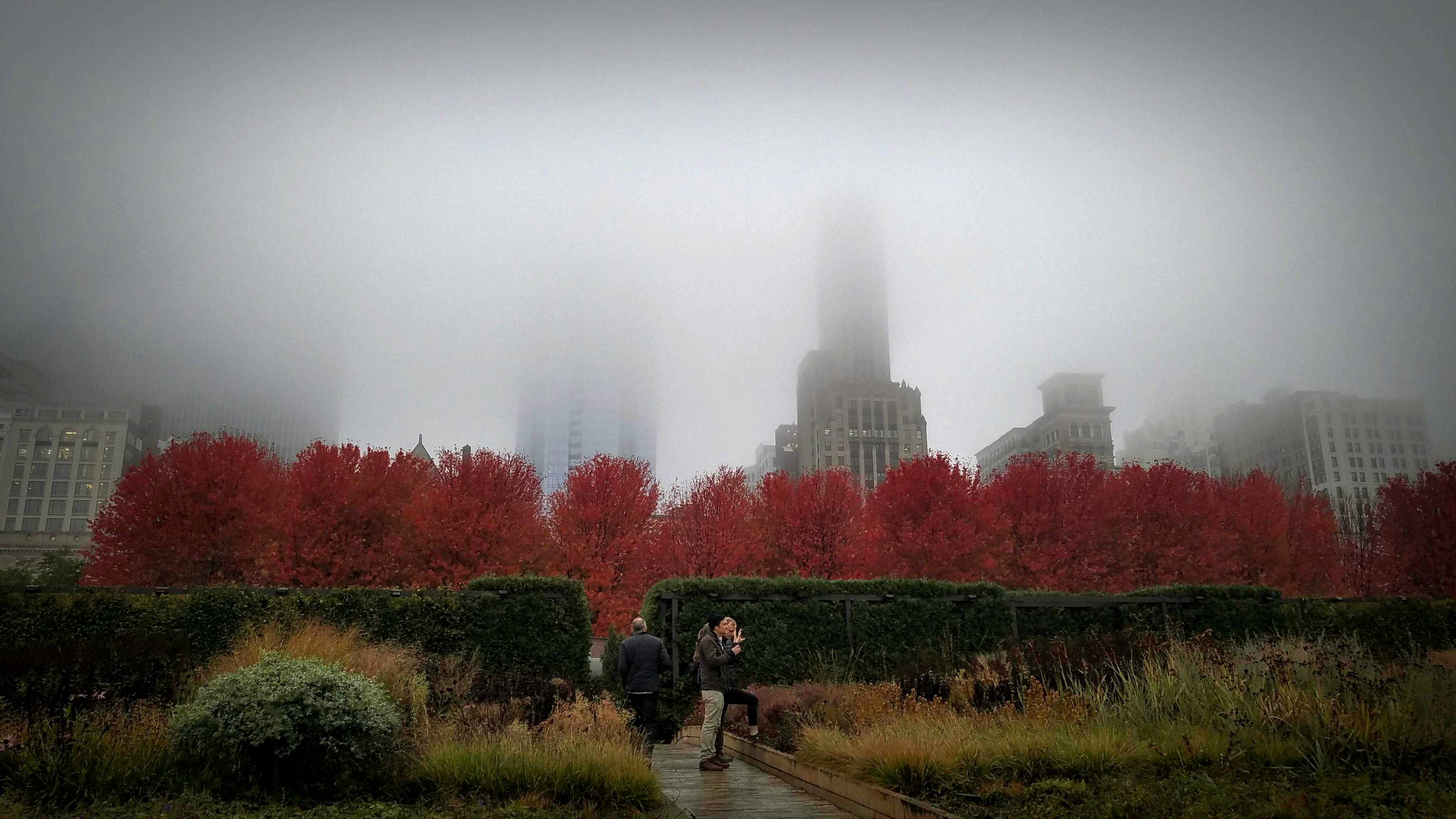
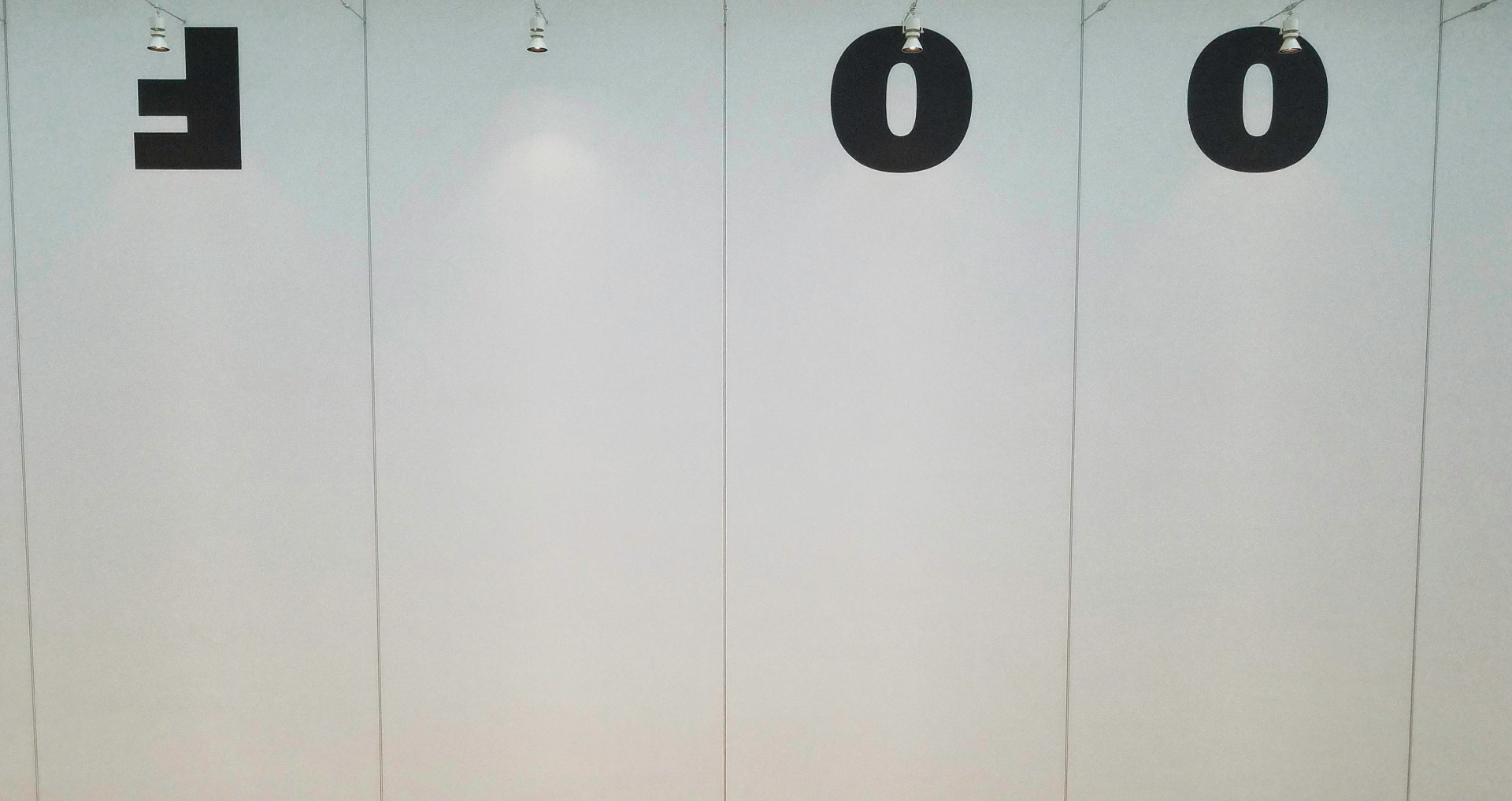
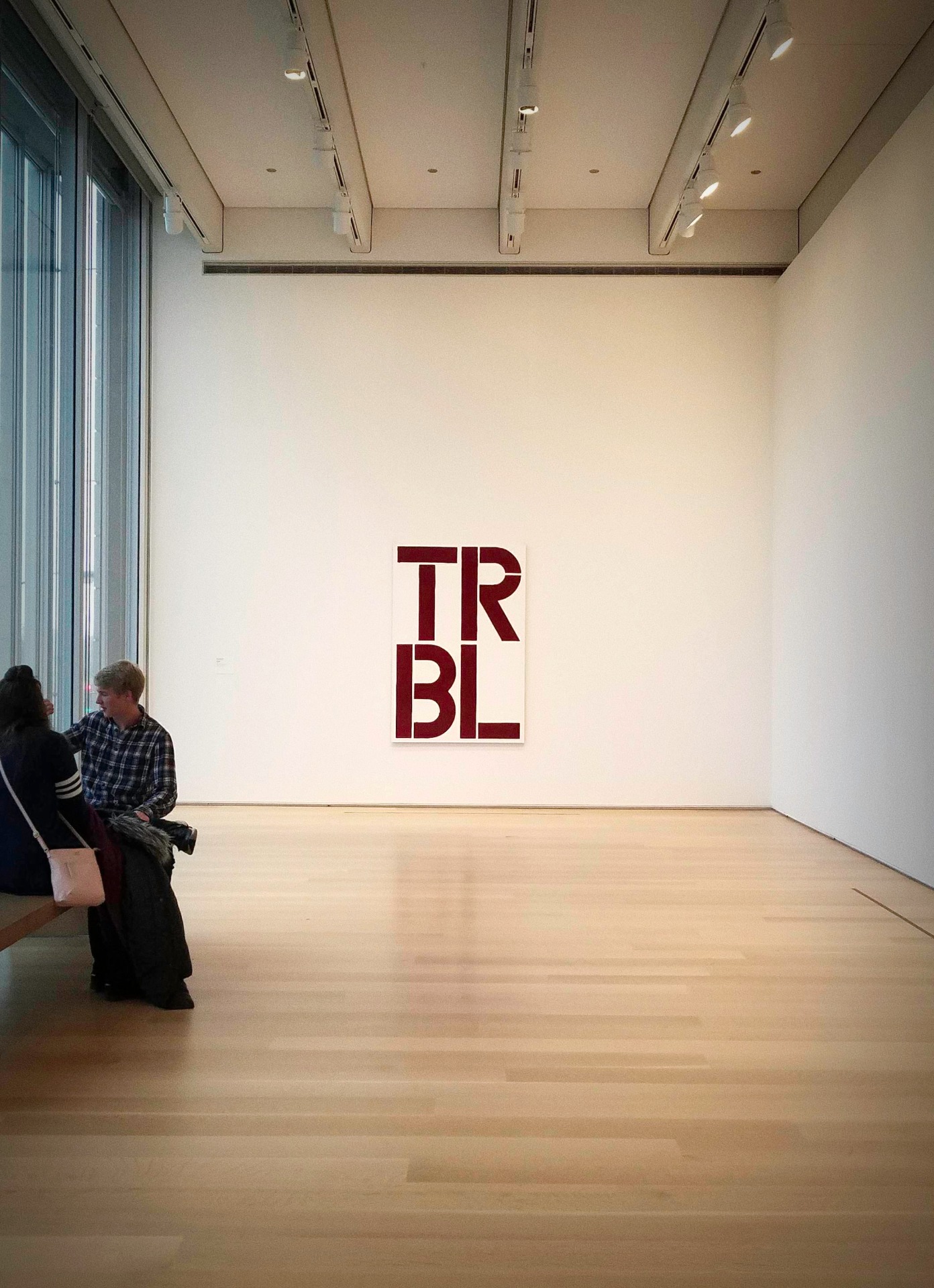
There will be no TRBL here

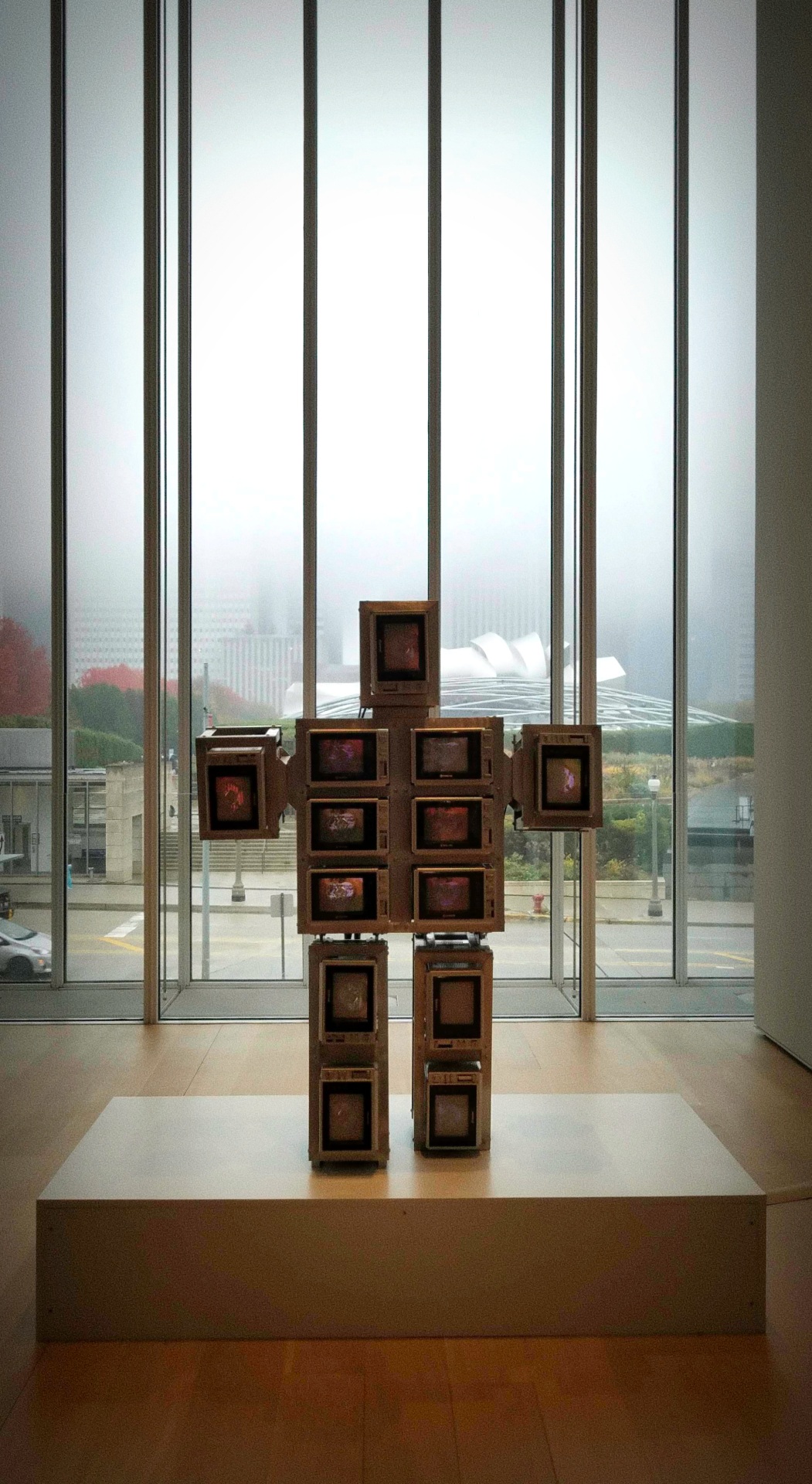
|3| – Family of Robot:  Baby, 1986, single-channel video sculpture; thirteen television monitors and aluminum armature – by Nam June Paik

Family of Robot, the first series of video sculptures that Paik created, consists of three generations of family members, including grandparents, parents and aunt and uncle and children. The children, including Baby, are made of televisions that are newer than those constituting their elders. This Baby was assembled from thirteen Samsung monitors, which at the time were some of the most up-to-date equipment. 

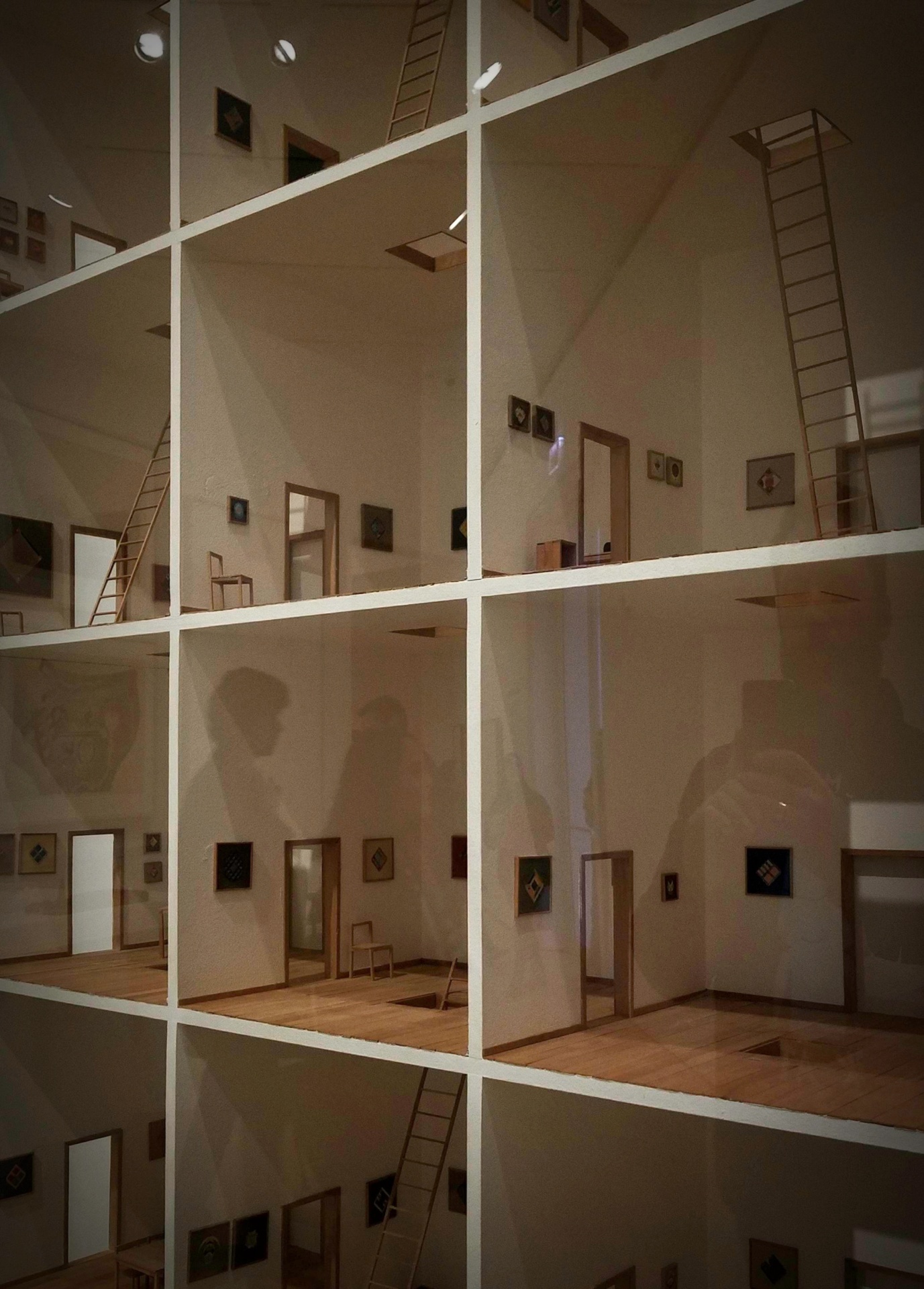
|4| – No More No Less (Chicago), 2017, model, MDF, paint, paper and wood – by Mauricio Pezo & Sofia von Ellrichshausen

No More No Less is an ongoing project in which the architects of the firm Pezo Von Ellrichshausen insert a museum at a 1:10 scale into an exhibition space. 

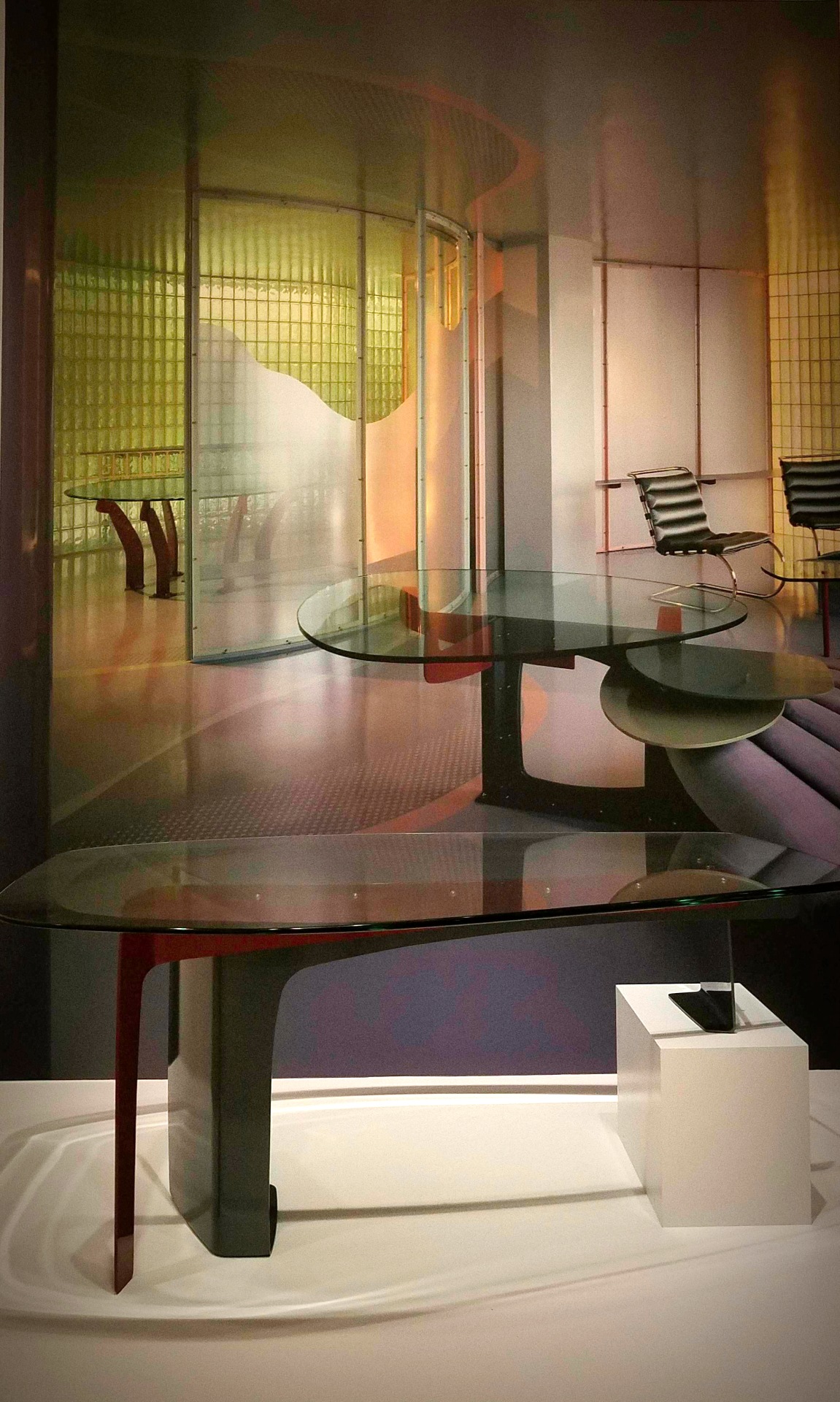
|6| – Custom desk from Untitled No. 2, Chicago, Illinois, 1987, enameled steel and glass – by Krueck and Olsen Architects (now Krueck and Sexton)

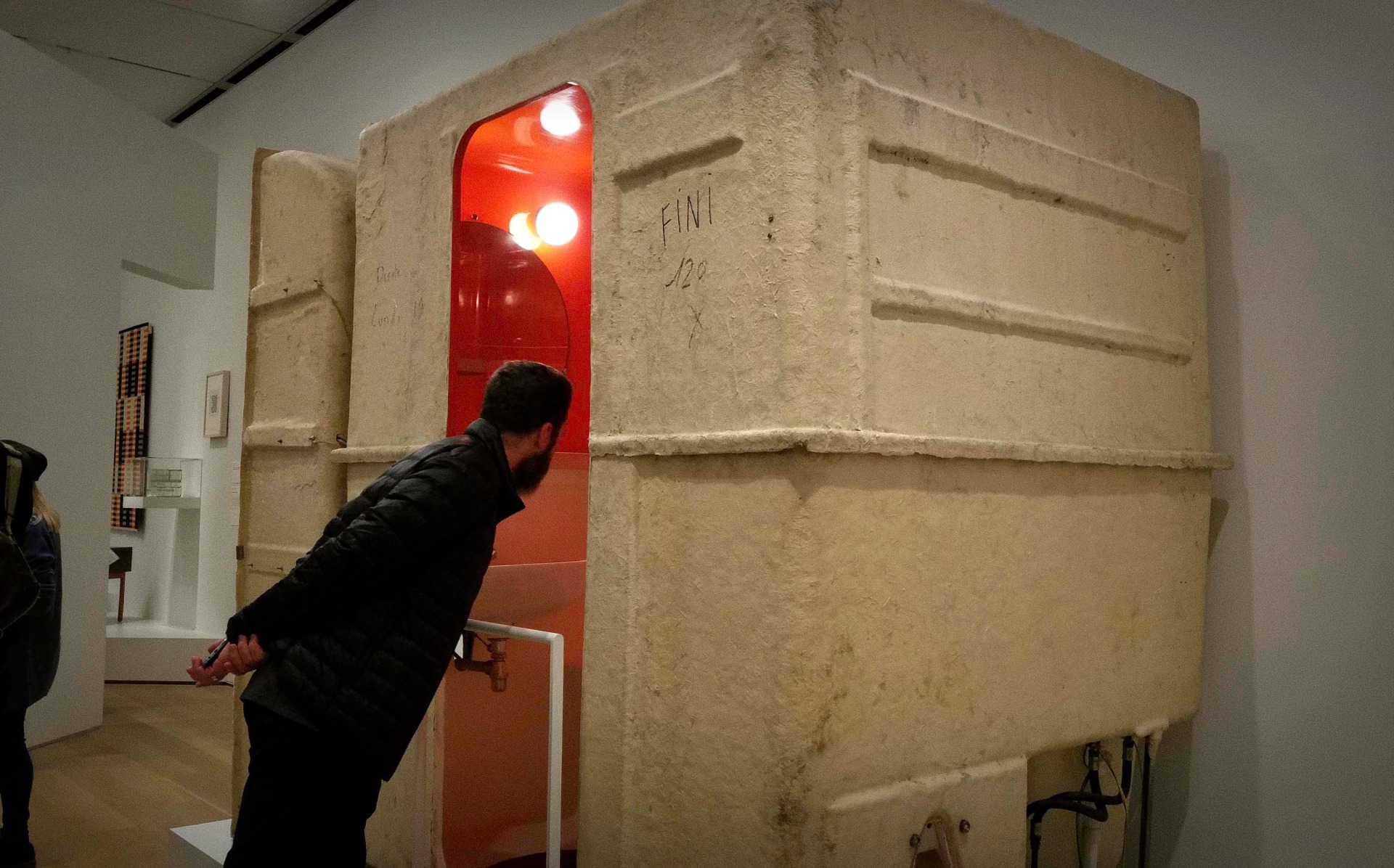
|7| – Prefabricated Bath Unit, Les Tournavelles, Arc 1800, France, 1975/78 – by Charlotte Perriand

Completed at the end of Perriand’s career, these units were the culmination of many years of work to make domestic spaces more usable, affordable, responsive to contemporary life and especially at Les Arcs, enjoyable and fun. 

Christopher Wool

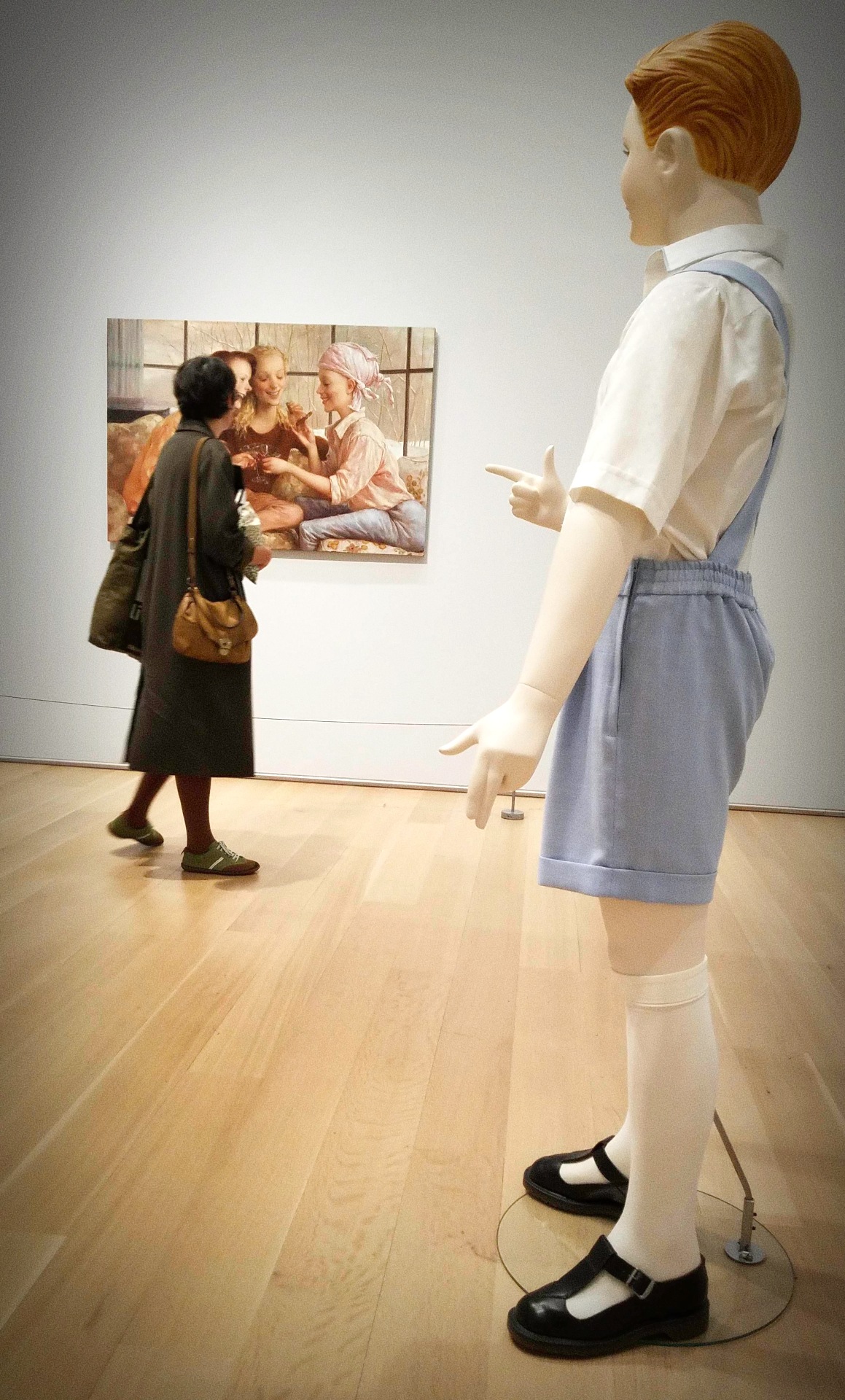
|9| – Boy, 1992 – by Charles Ray

With Boy, Ray created a particularly disquieting figure. The sculpture stands just shy of six feet tall, the artist’s exact height, yet maintains the softness of youth. 

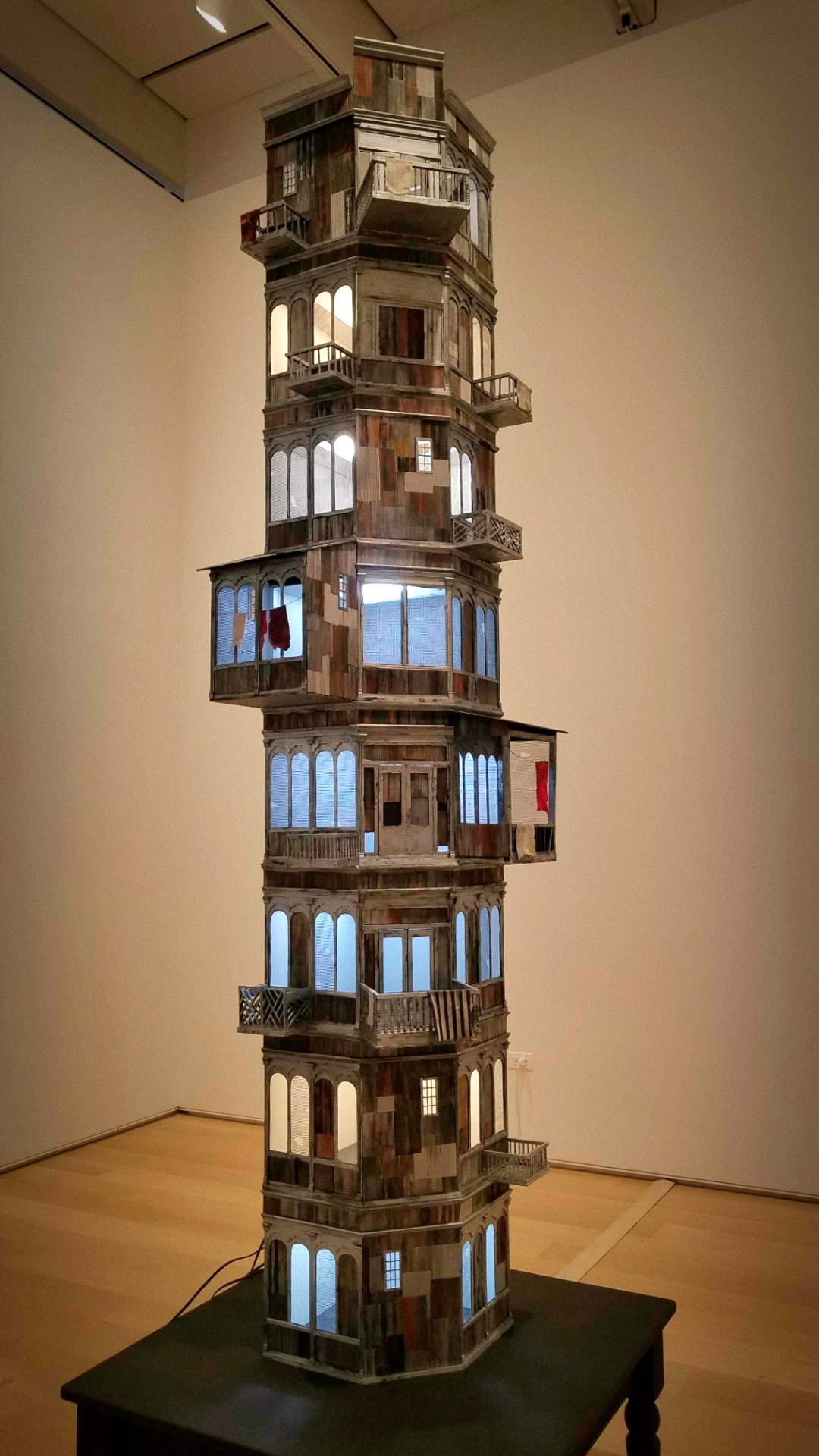
|10| – Dilapidarian Tower, 2010, display boxes, mixed media, lights, tables – by Richard Hawkins

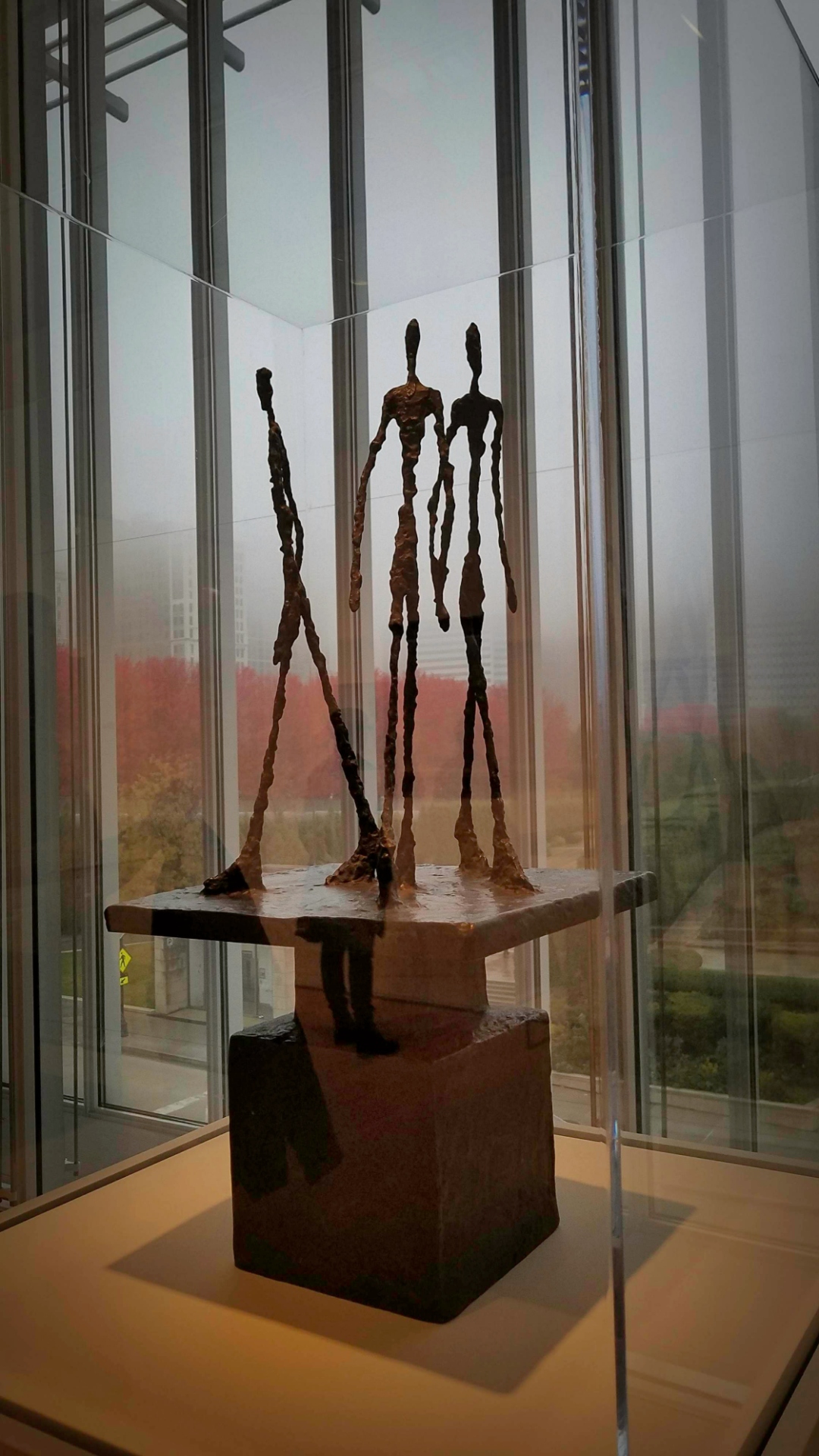
|11| – Three Men Walking II, 1948-49, bronze – by Alberto Giacometti

The Art Institute of Chicago

November 4th, 2017

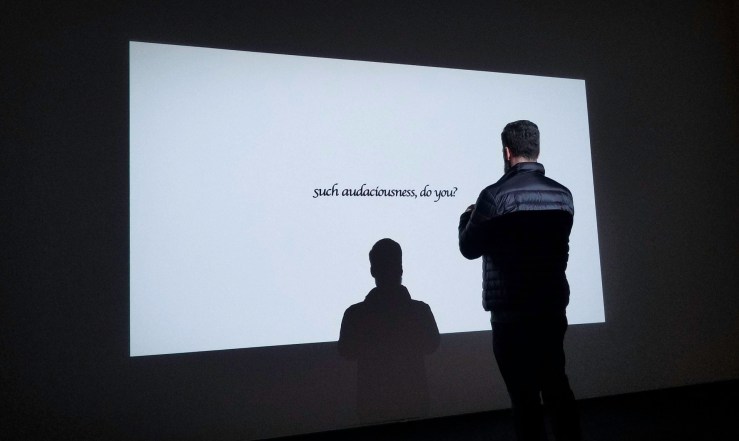
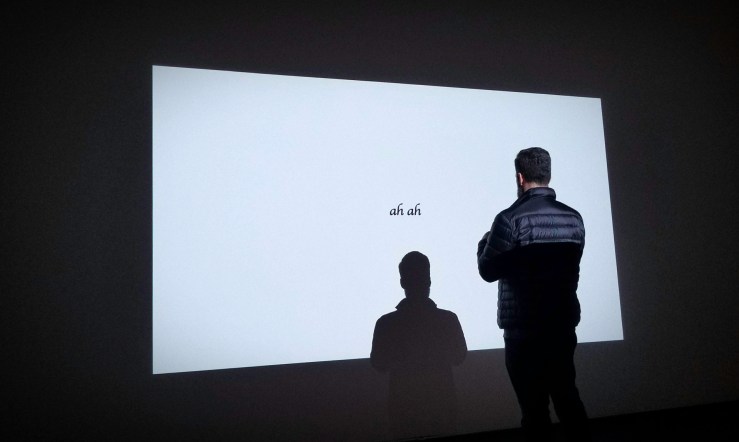
ah ah

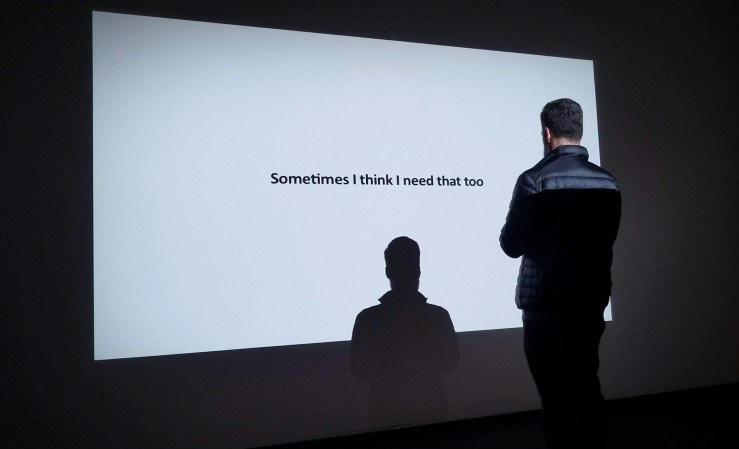
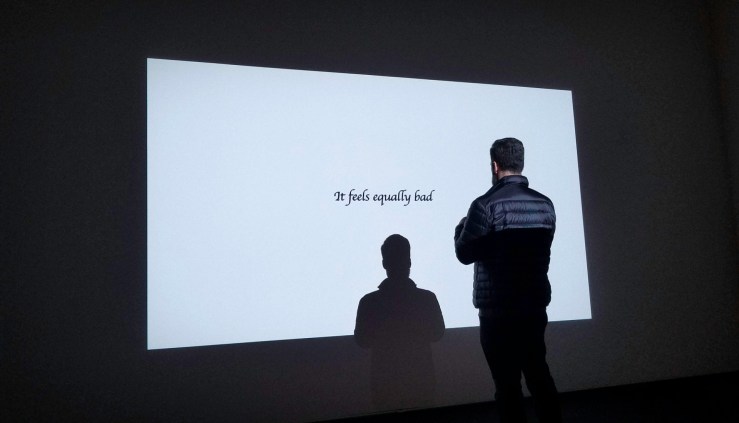
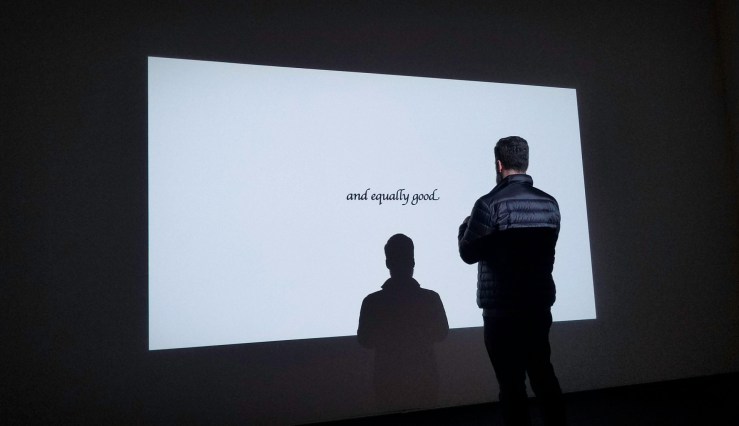
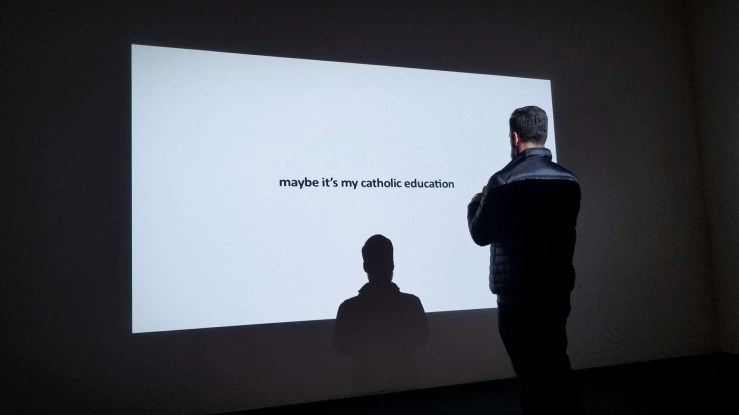
|1|-|6| Nothing is Enough, single-channel digital video projection, 2012 – by Frances Stark

Nothing is Enough consists of documented text fragments from Frances Stark’s online chat with a young Italian man, ranging from contemplative, self-reflective discussions to cybersex.

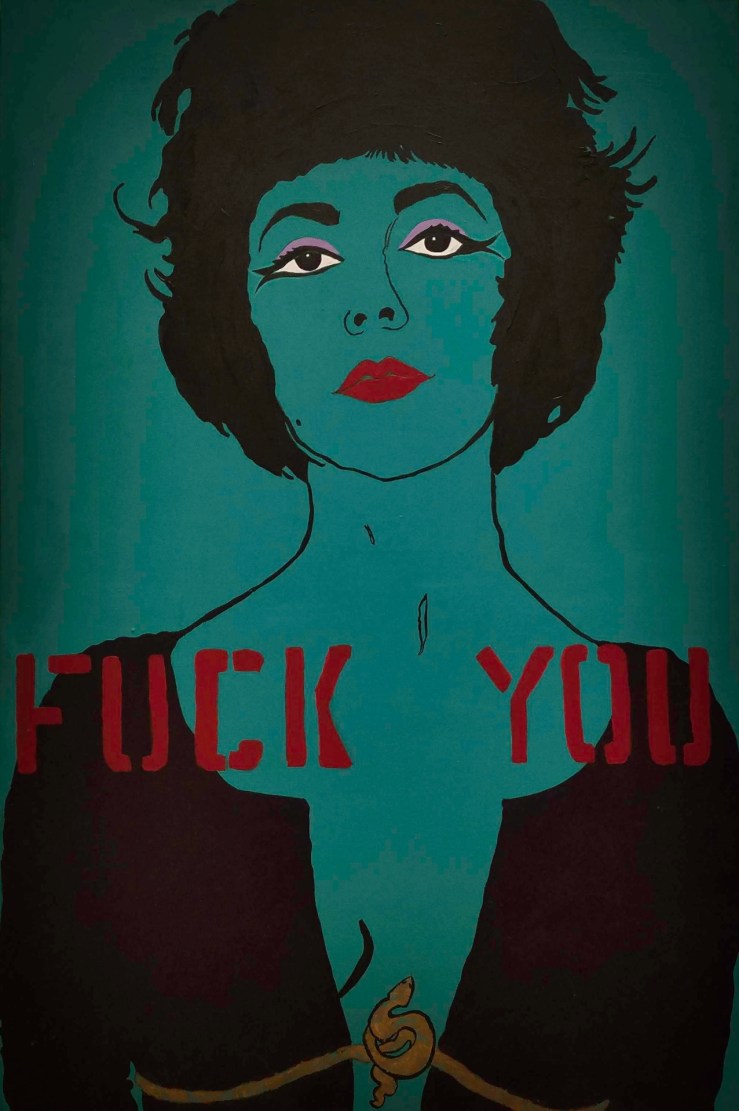
|7|- Fuck You: From the Liz Taylor Series (after Bert Stern), 1984, acrylic and composition leaf on canvas – by Kathe Burkhart

Kathe Burkhart is an artist and writer who uses images and text to, in her words, ”articulate a radical female subject.” She considers this confrontational, sensual work to be the first fully realized canvas in her Liz Taylor Series, ongoing since 1982.

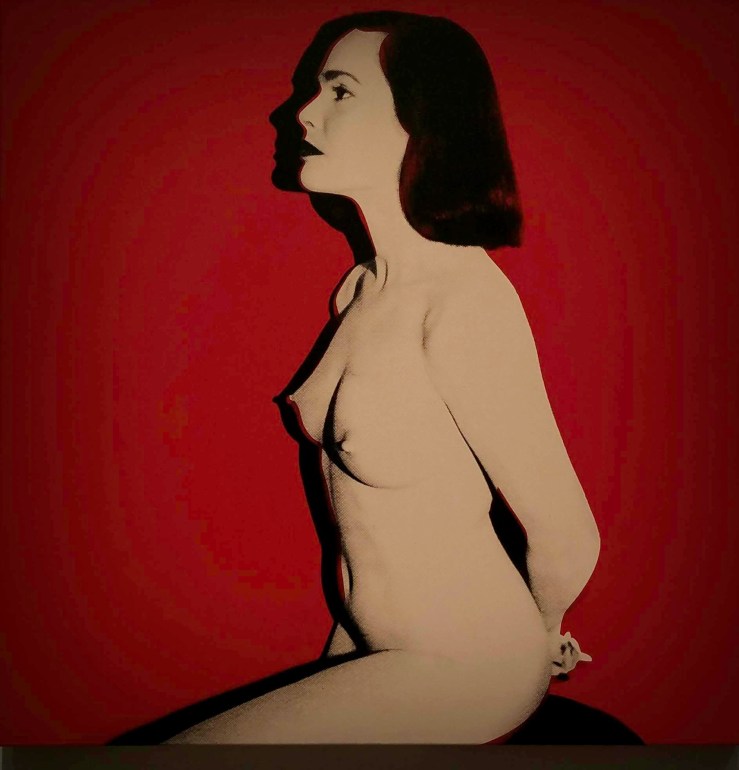
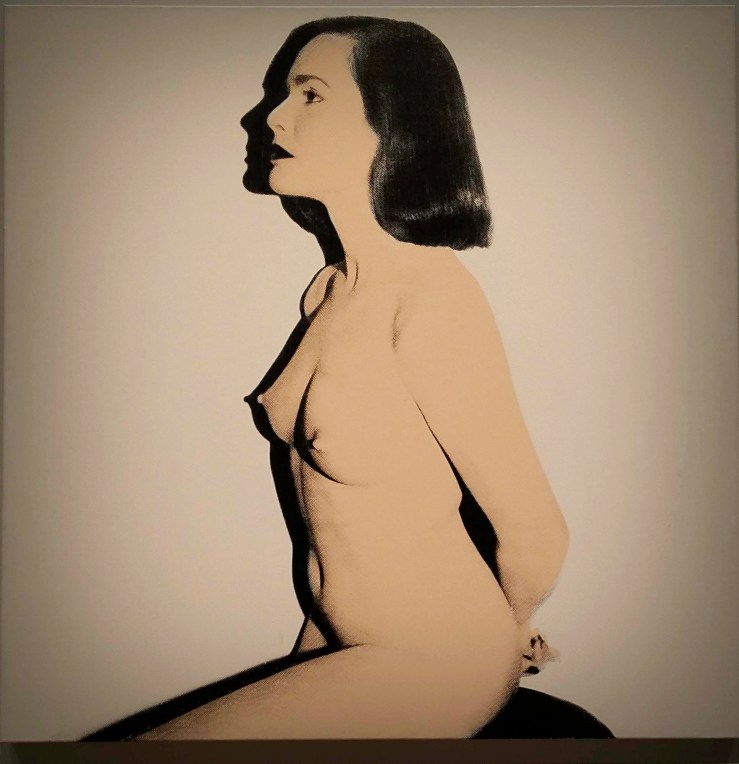
|8|-|9| Pat Hearn, 1985, acrylic and silkscreen ink on linen – by Andy Warhol

The Art Institute of Chicago

November 4th, 2017

Taking a line for a walk @ The Art Institute of Chicago

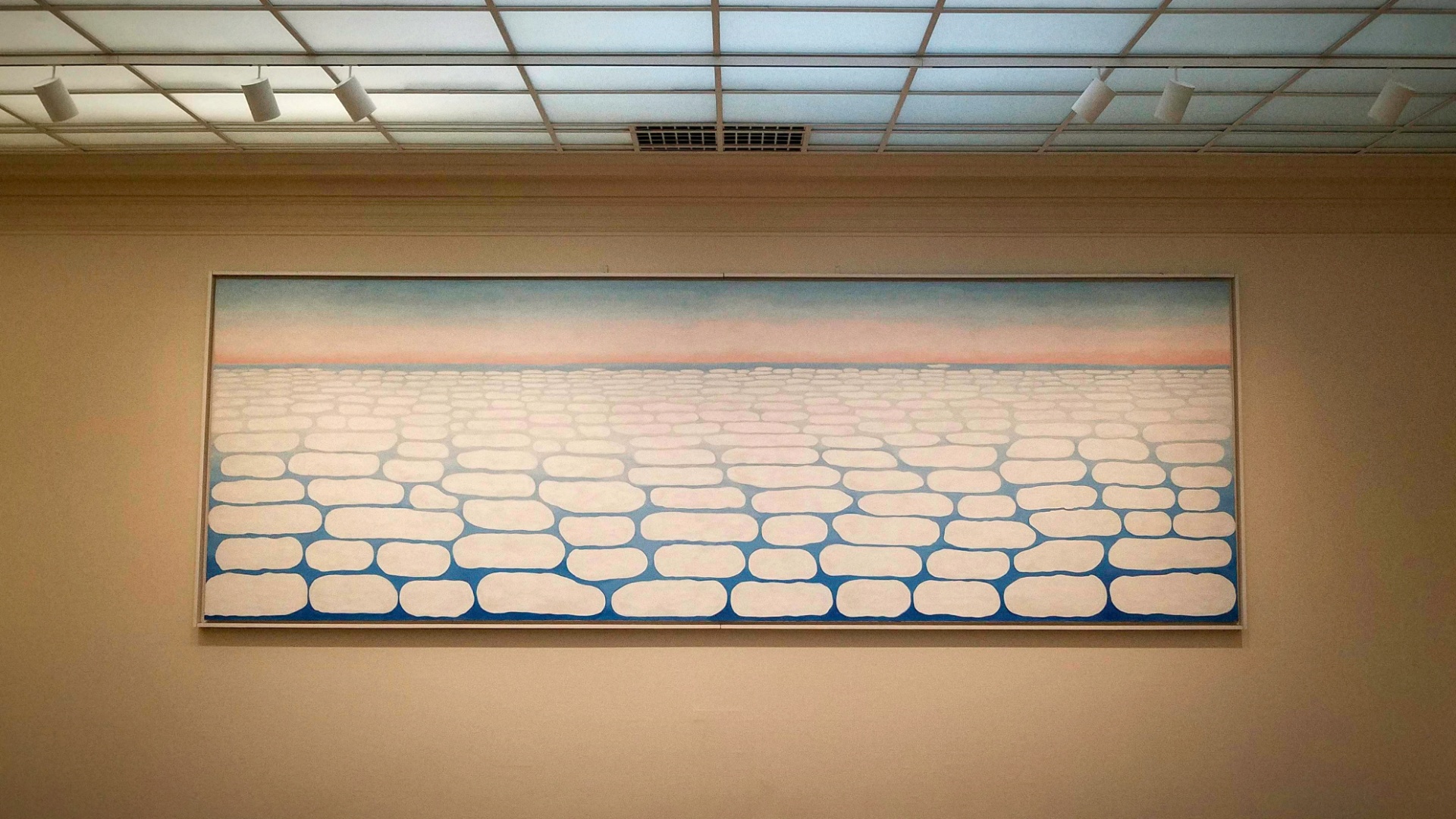
The monumental

1965, oil on canvas – by Georgia O’Keeffe (1887–1986)

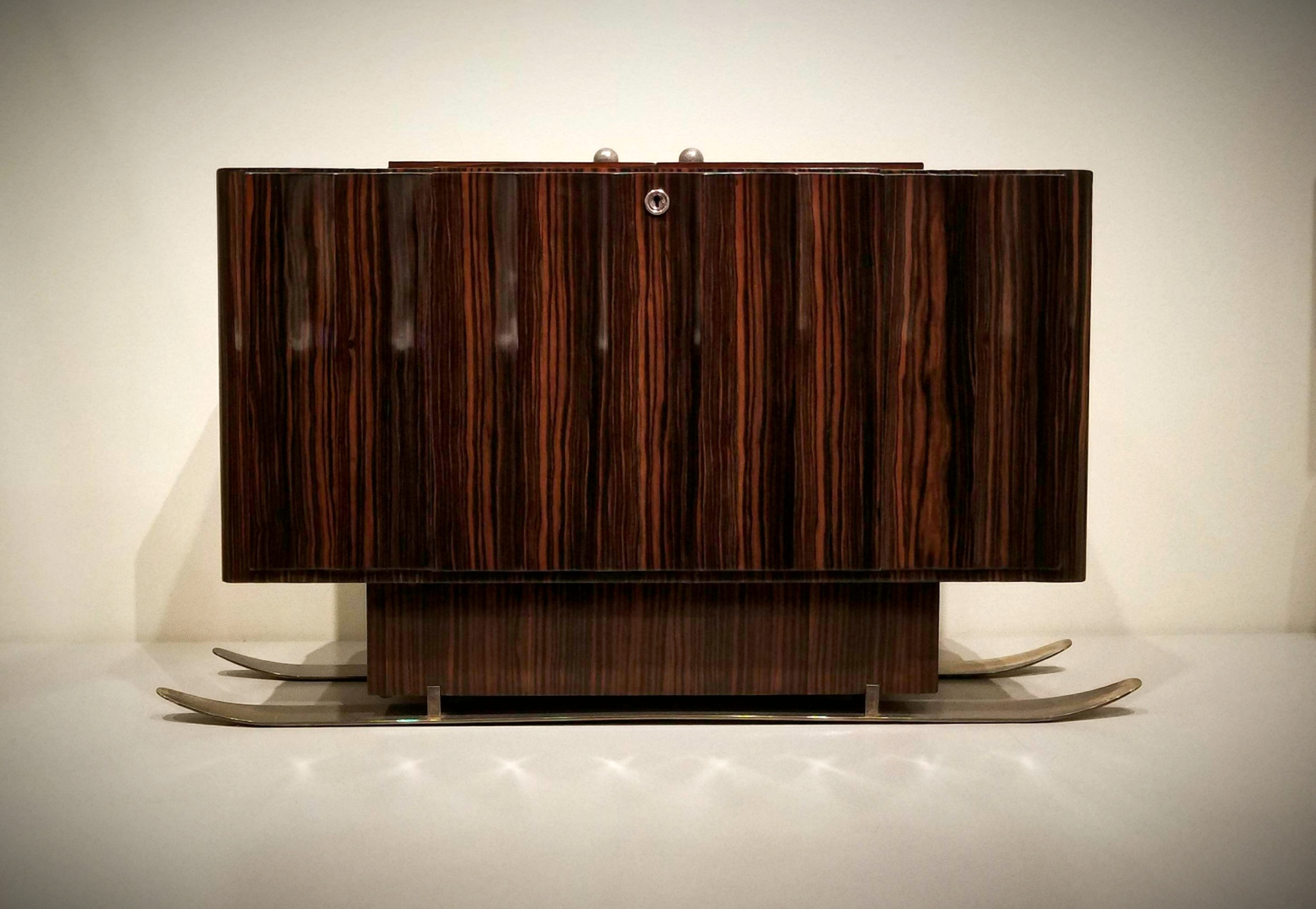
|2|- ”Bar on Skis” Liquor Cabinet, about 1930 – by Émile Jacques Ruhlmann

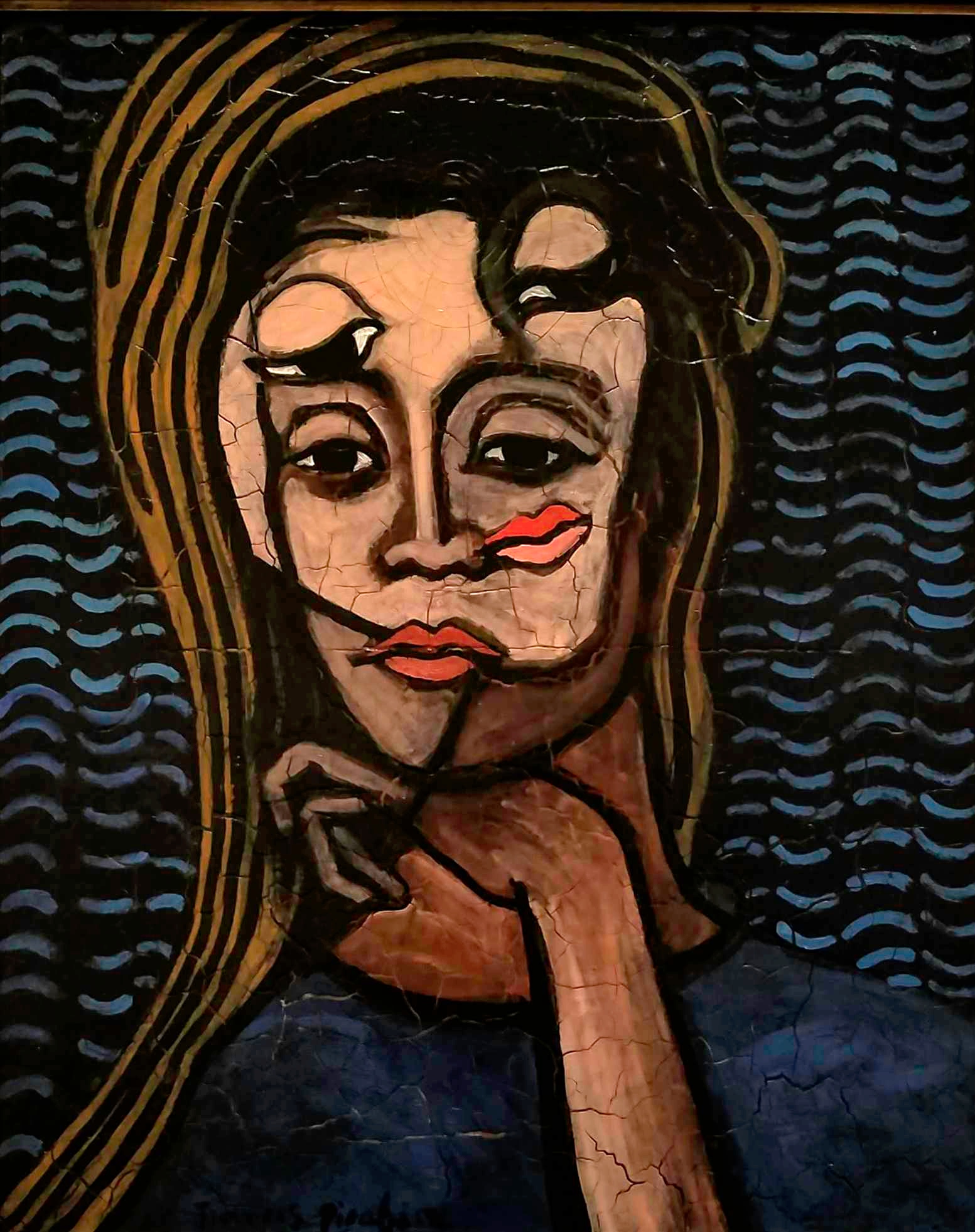
|3|- Painting of Madame X, 1927/30, oil on canvas – by Francis Picabia (1879-1953)

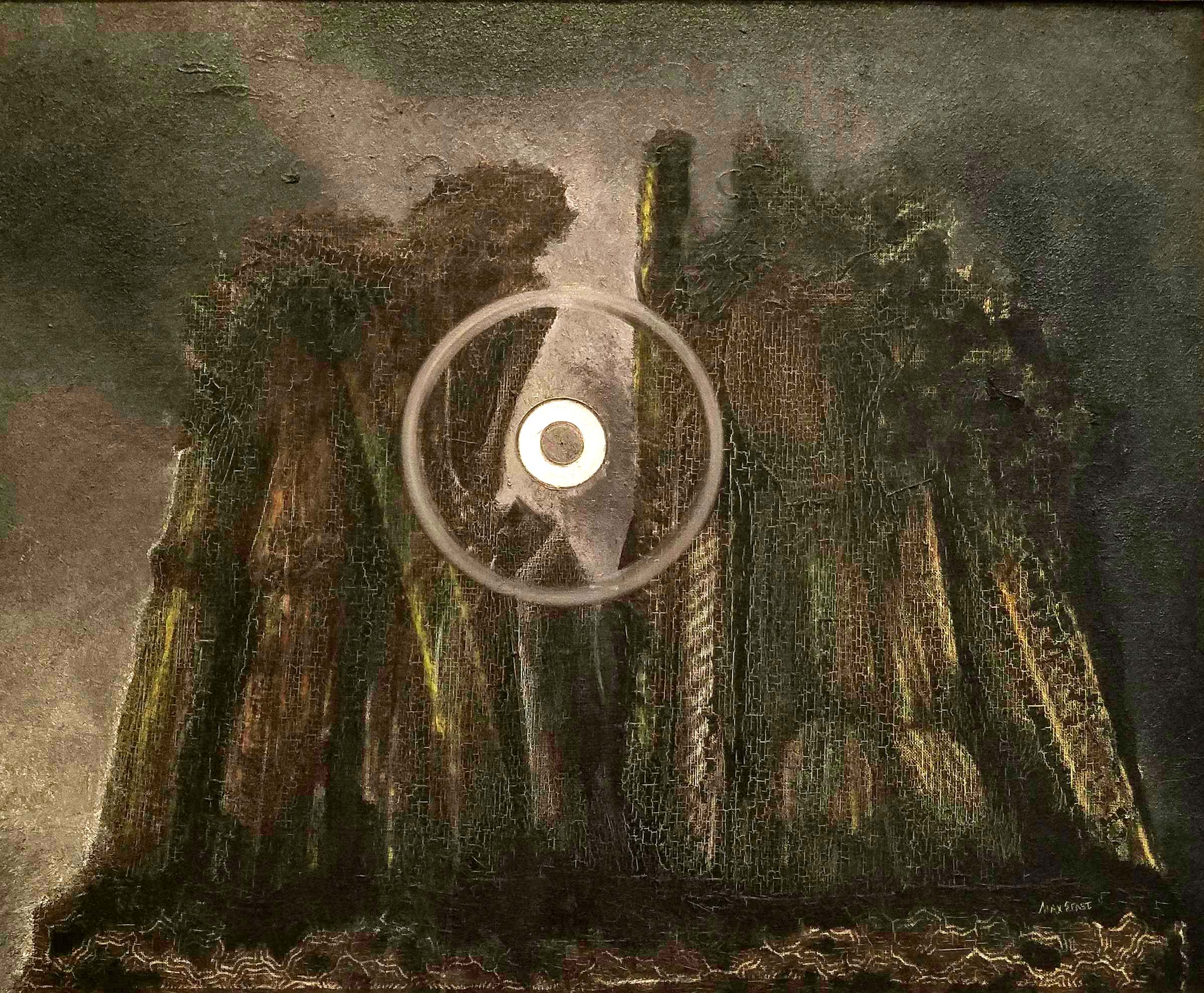
|4|- Forest and Sun, 1927, oil on canvas – by Max Ernst (1891-1976)

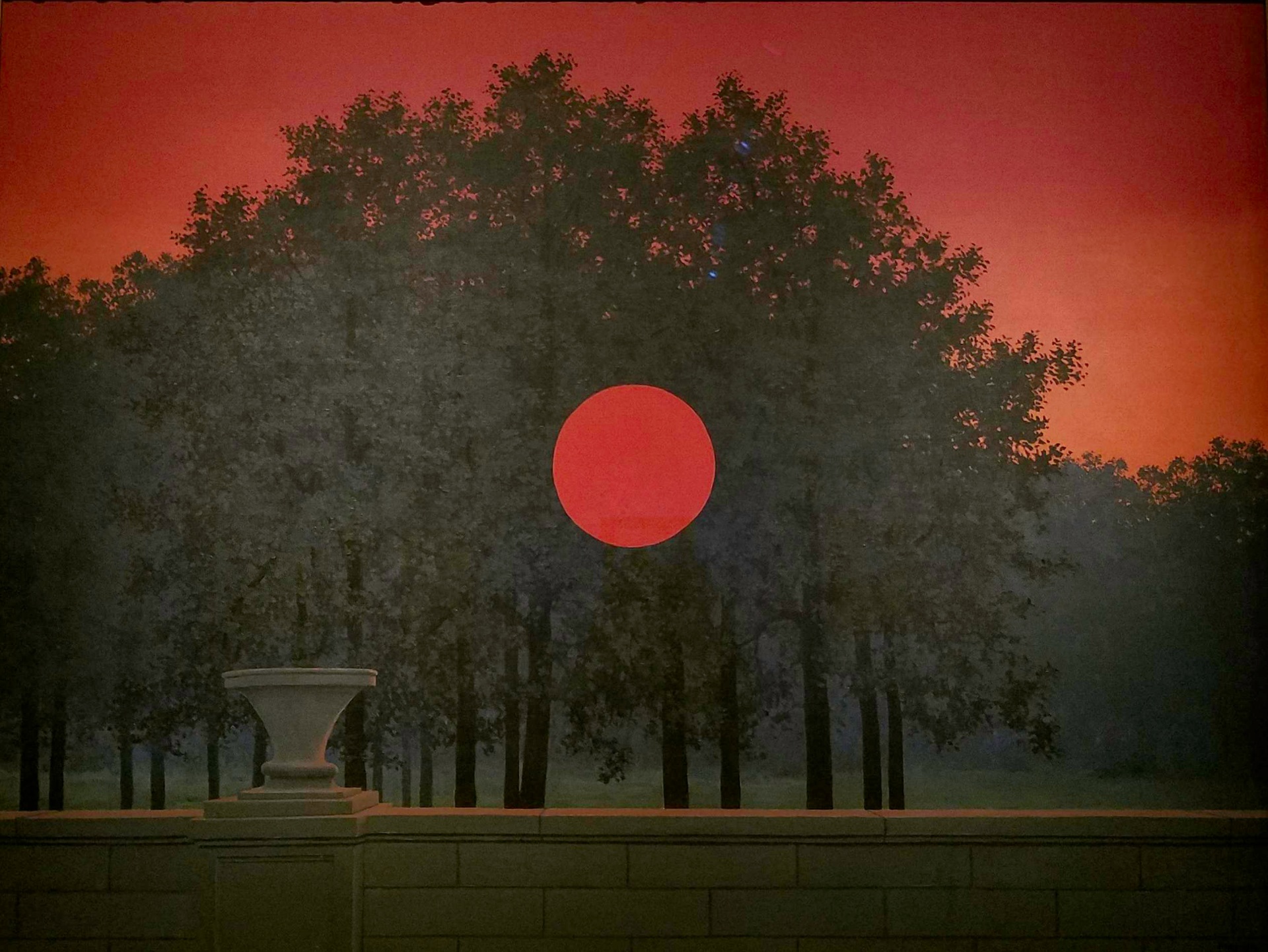
|5|- The Banquet, 1958, oil on canvas – by René Magritte (1898-1967)

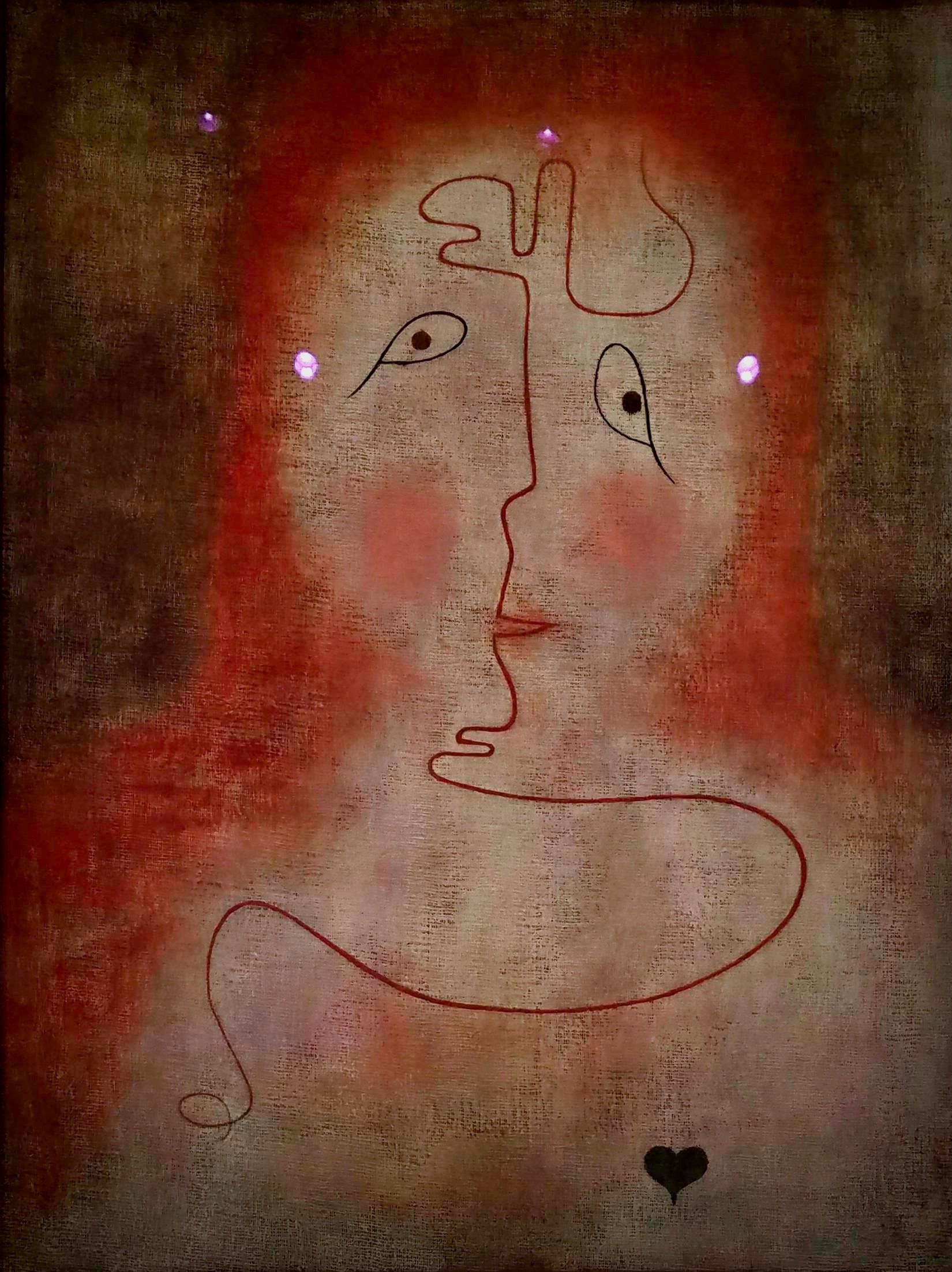
|6|- In the Magic Mirror, 1934, oil on canvas, on board – by Paul Klee (1879-1940)

The Art Institute of Chicago

November 4th, 2017

The Magnificent Seven @ The Art Institute of Chicago

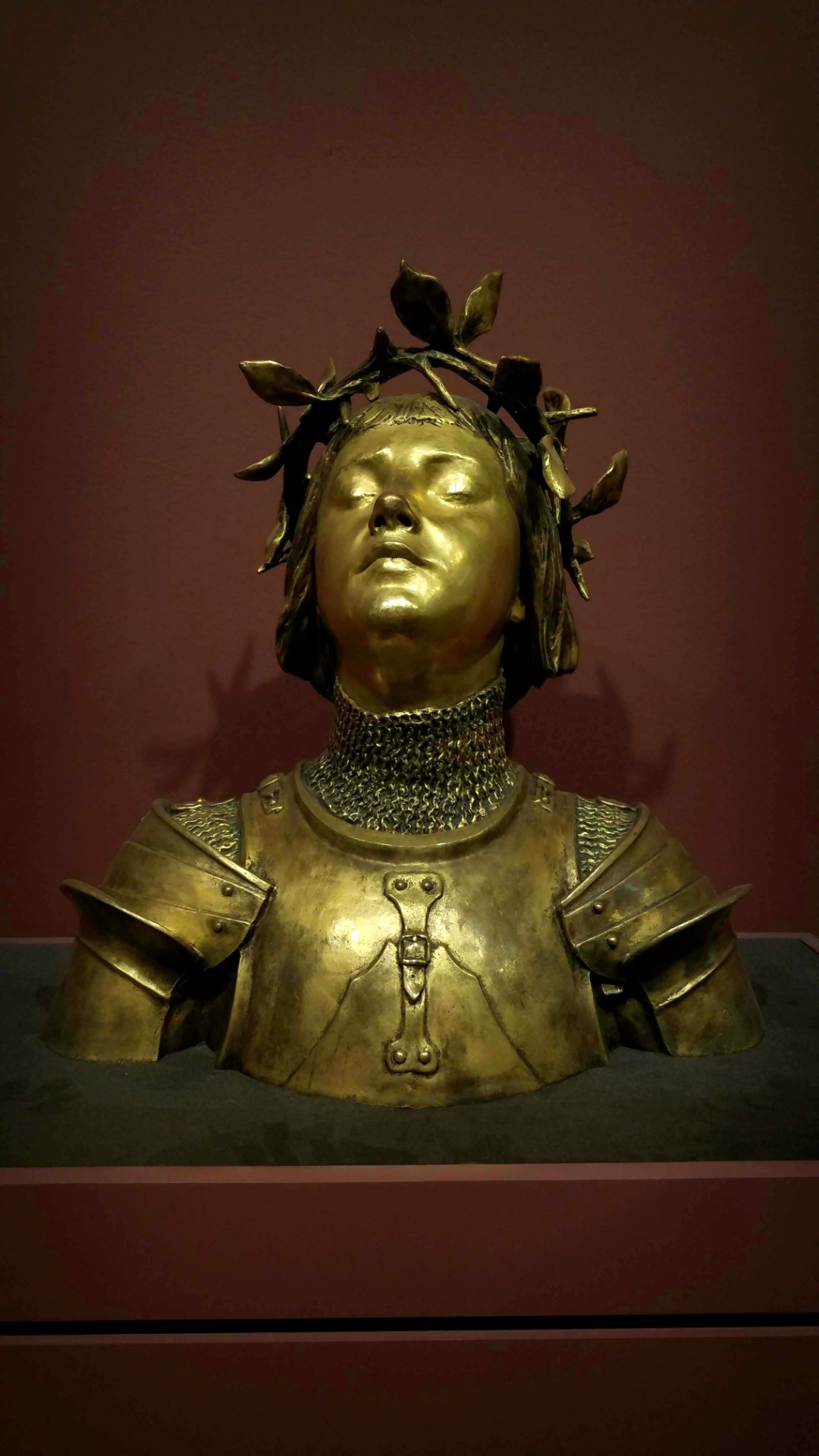
|1|- 1875/1900, gilt bronze – by Antonin Mercié (1845-1916)

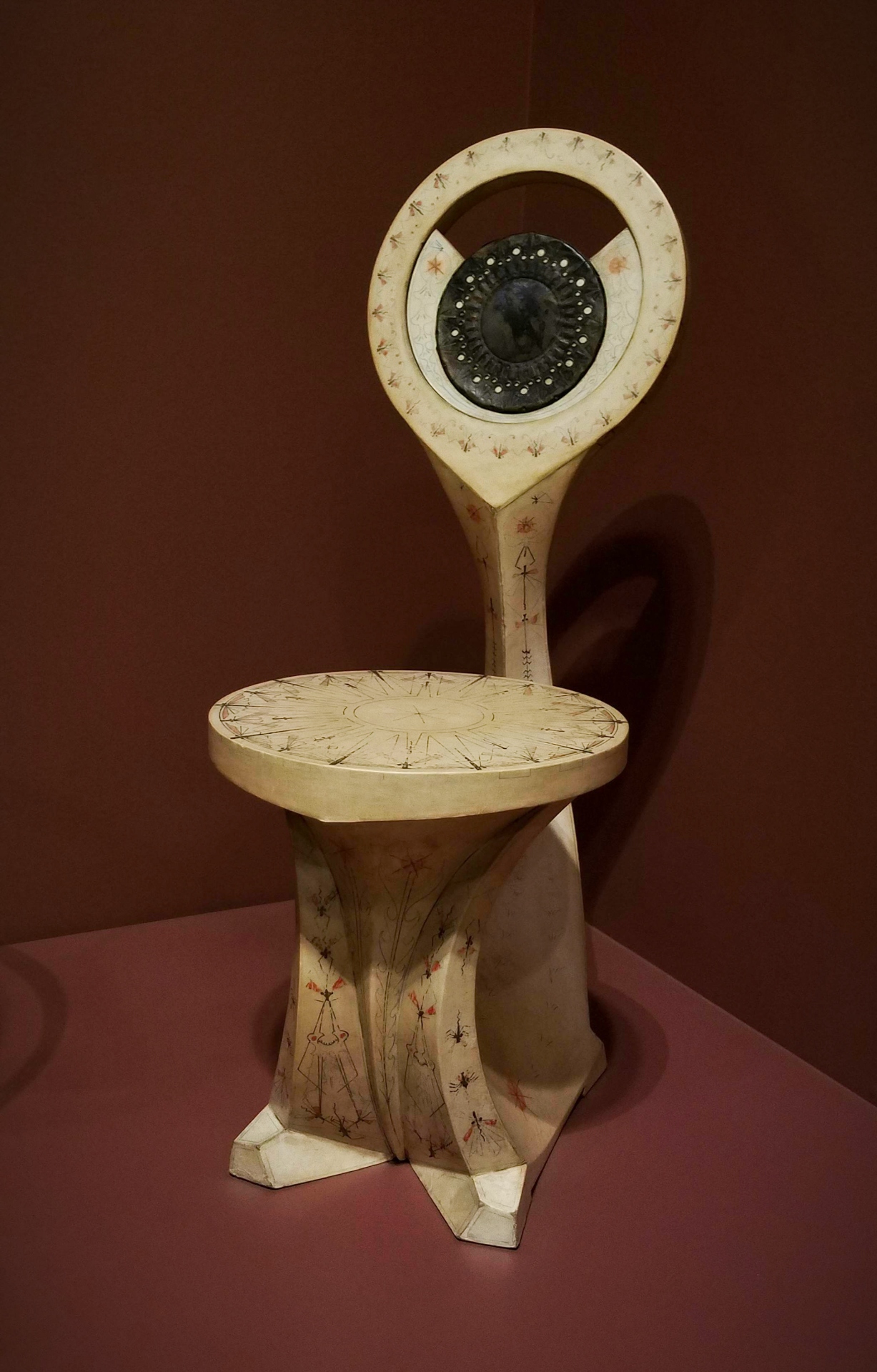
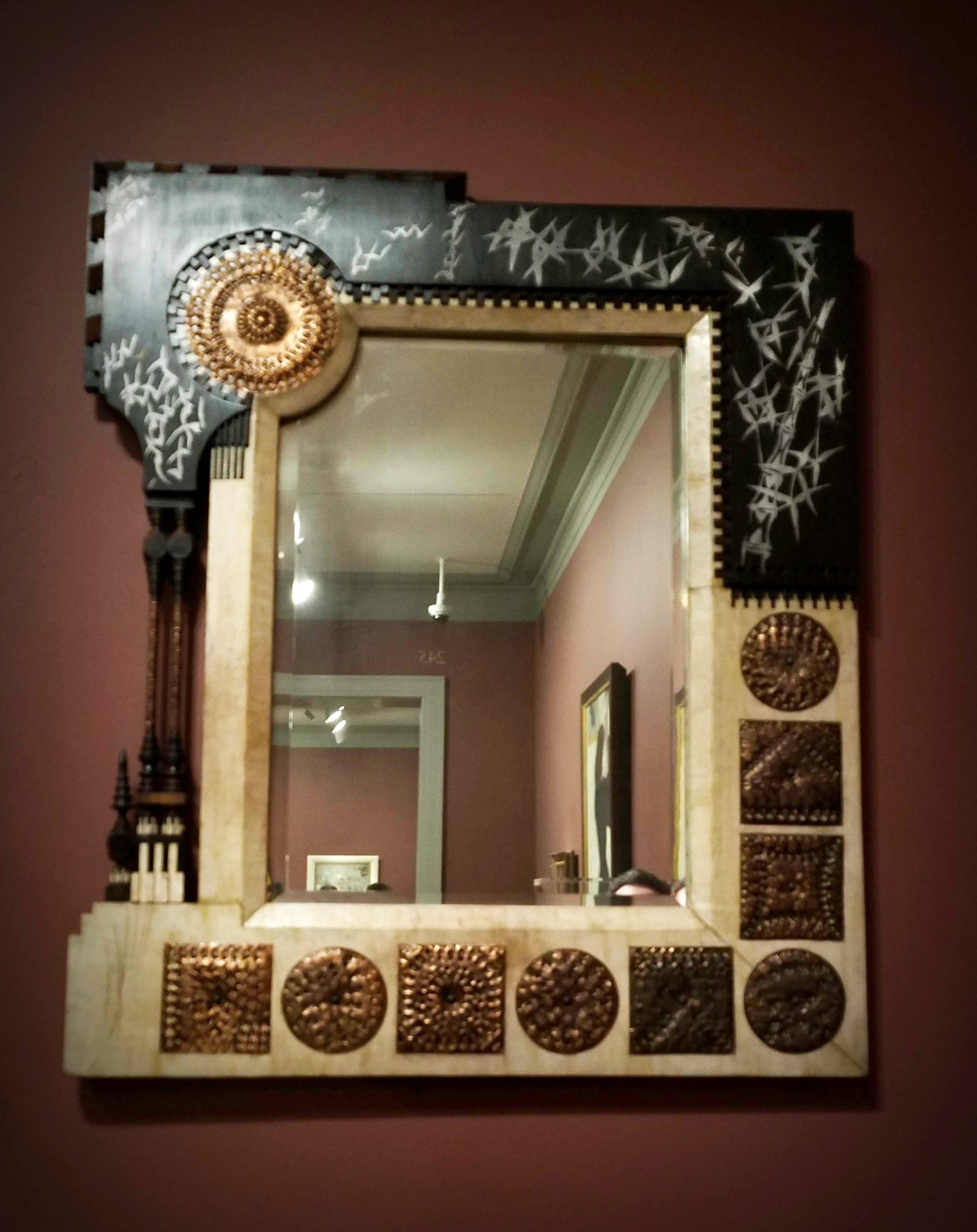
|2|- 1895/1902 – designed by Carlo Bugatti (1856-1940)

|3|- 1902 – designed by Carlo Bugatti (1856-1940)

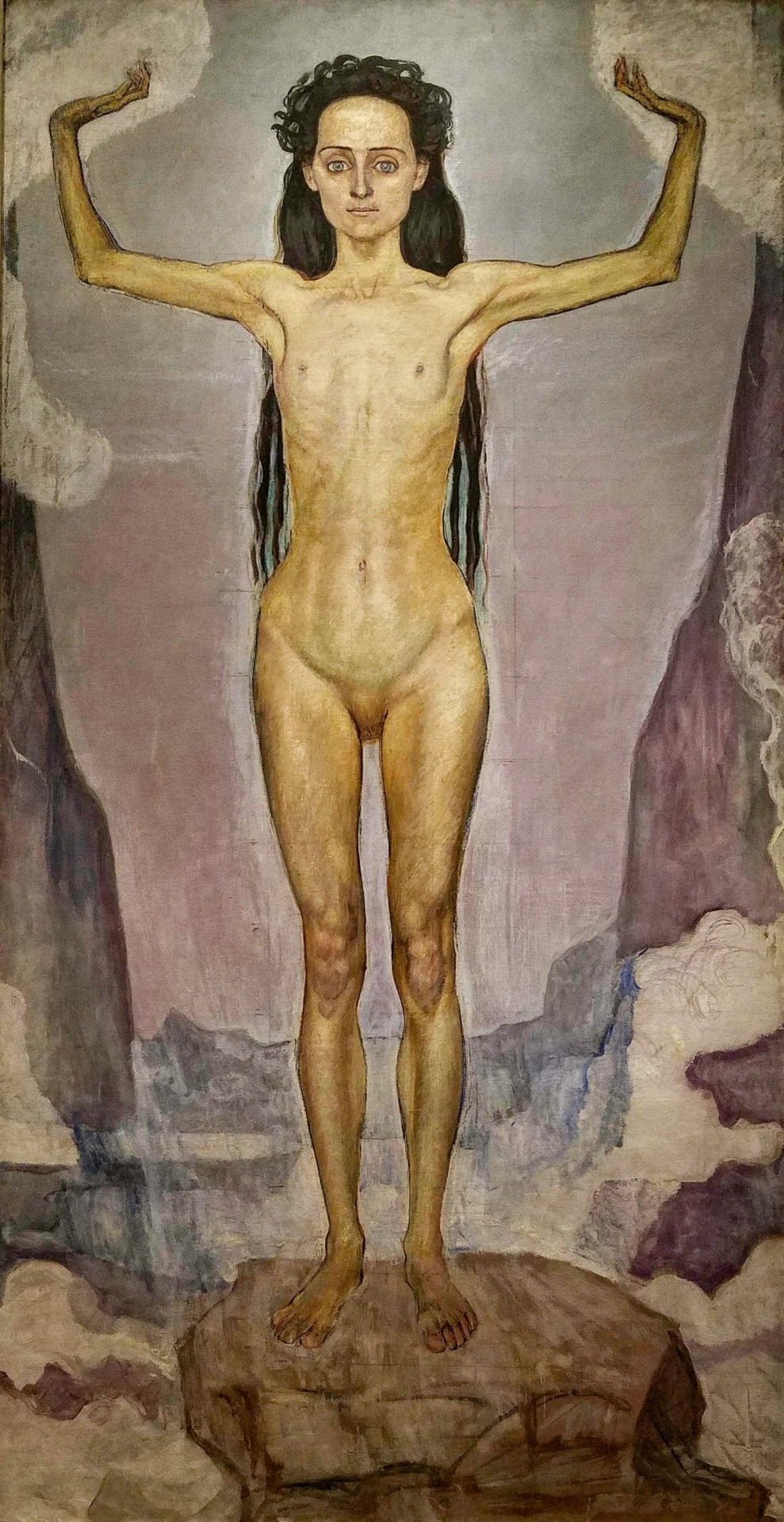
|4|- Day (Truth), 1896/98, oil on canvas – by Ferdinand Hodler (1853-1918)

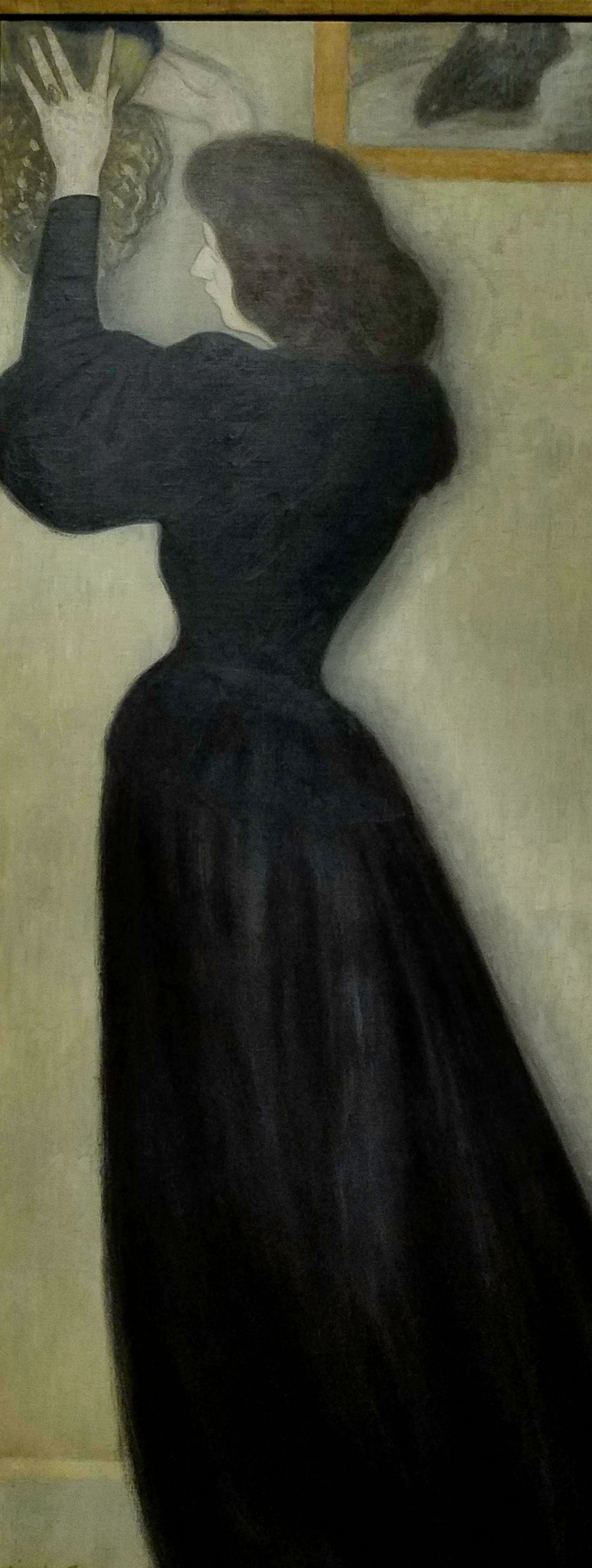
|5|- 1894, oil on canvas – by József Rippl-Rónai (1861–1927)

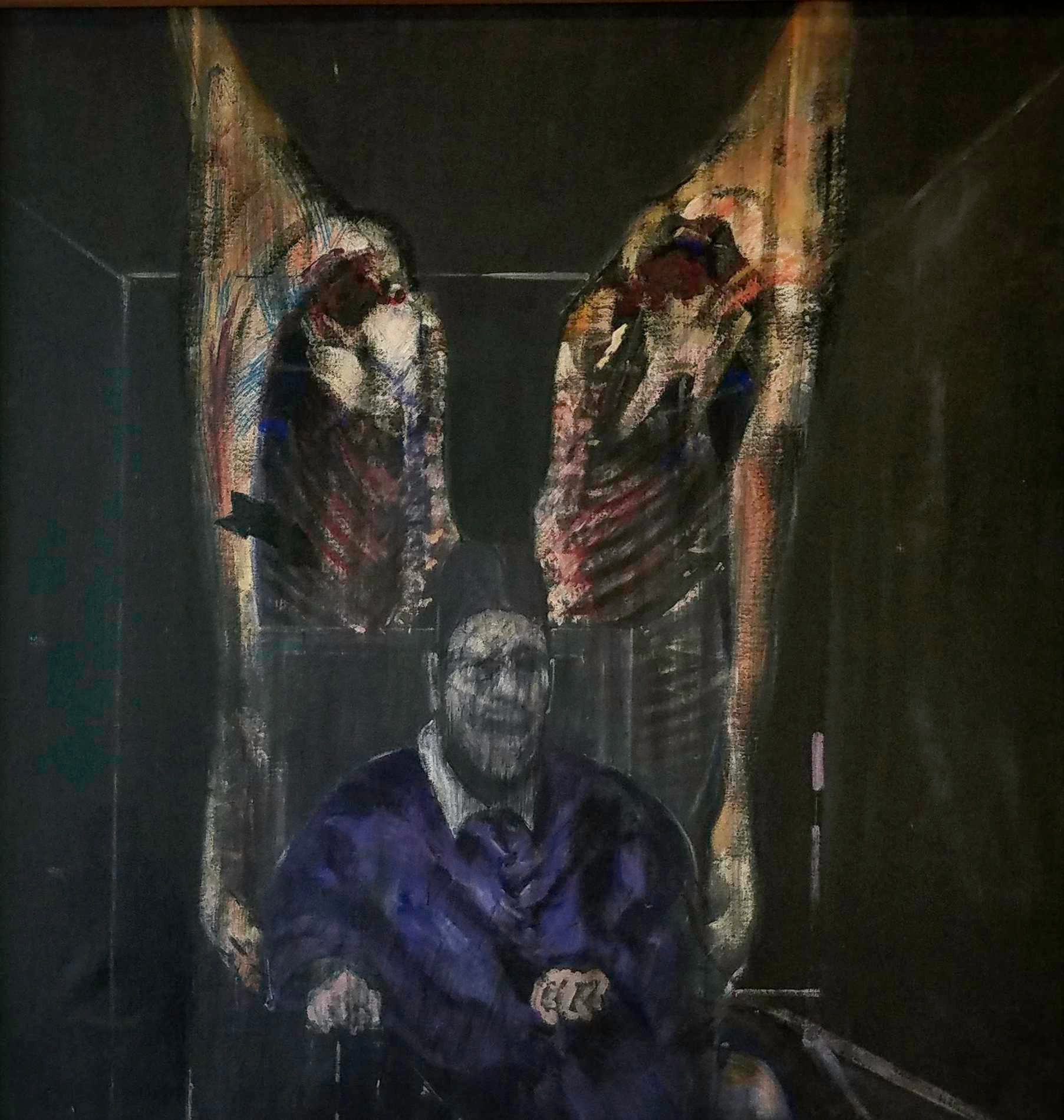
|6|- Figure with Meat, 1954, oil on canvas – by Francis Bacon (1909-1992)

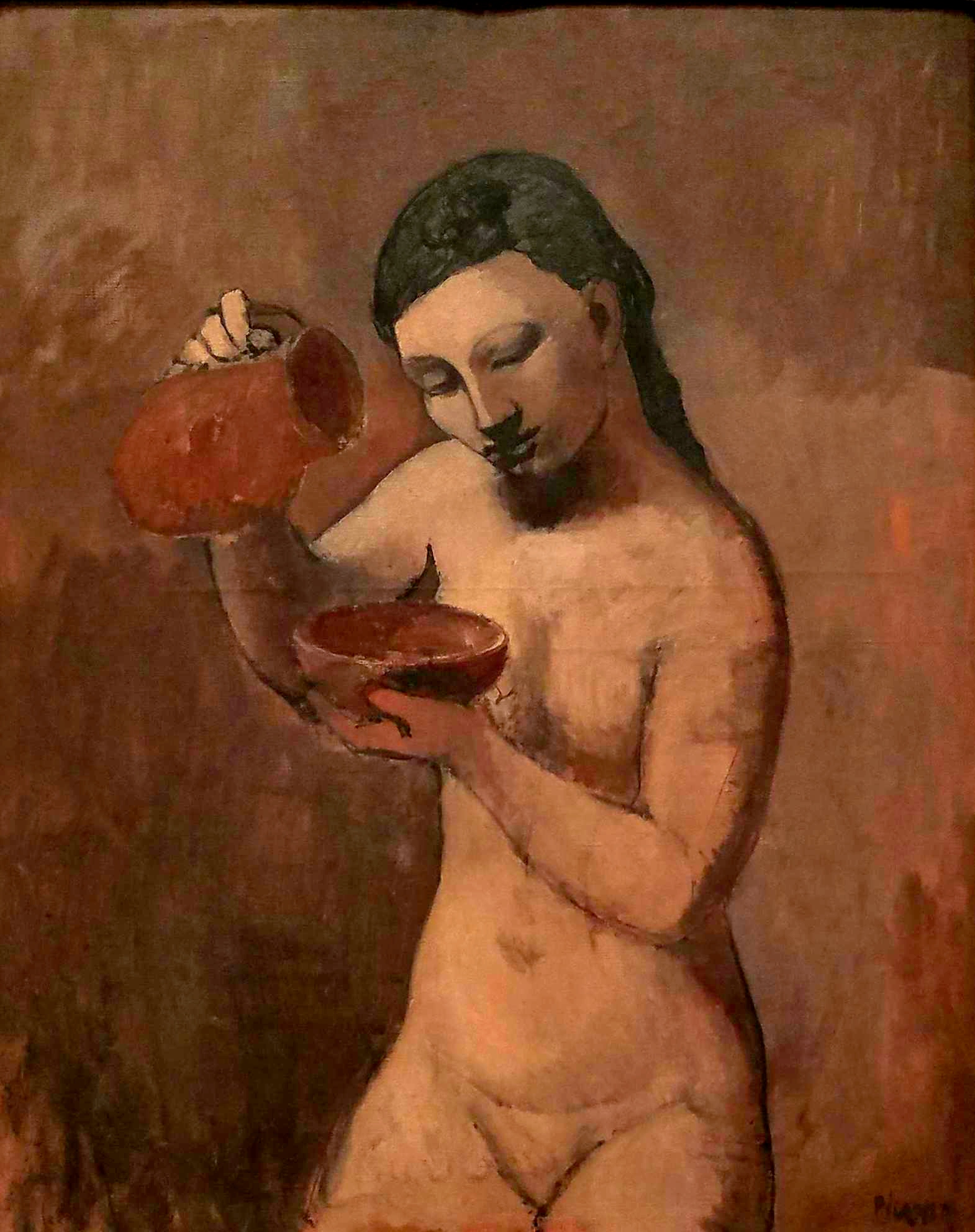
|7|- Nude with a Pitcher, 1906, oil on canvas – by Pablo Picasso (1881-1973)

Art and objects from the Art Institute of Chicago permanent collection.

November 4th, 2017
The Art Institute of Chicago

After two full days absorbing as much as possible of the city’s stunning art deco architecture, it was now high time for some art. Enter the Art Institute of Chicago, one of the largest museums in the United States, one that is home to some of my favourite paintings and the one museum you should never leave Chicago without visiting.

And once inside, the danger is, you will never want to leave.

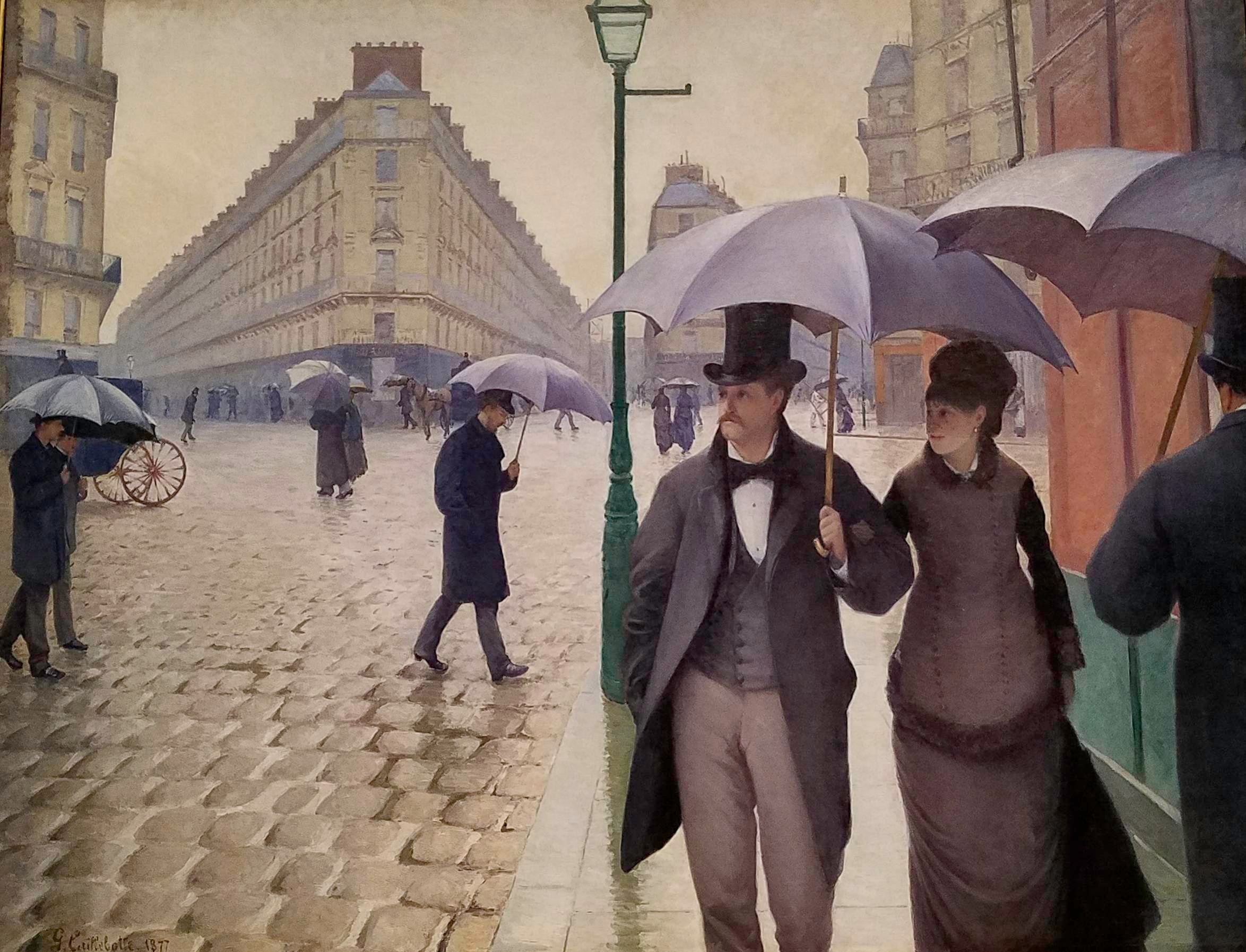
Gustave Caillebotte (1848-1894)
Paris Street; Rainy Day, 1877, oil on canvas


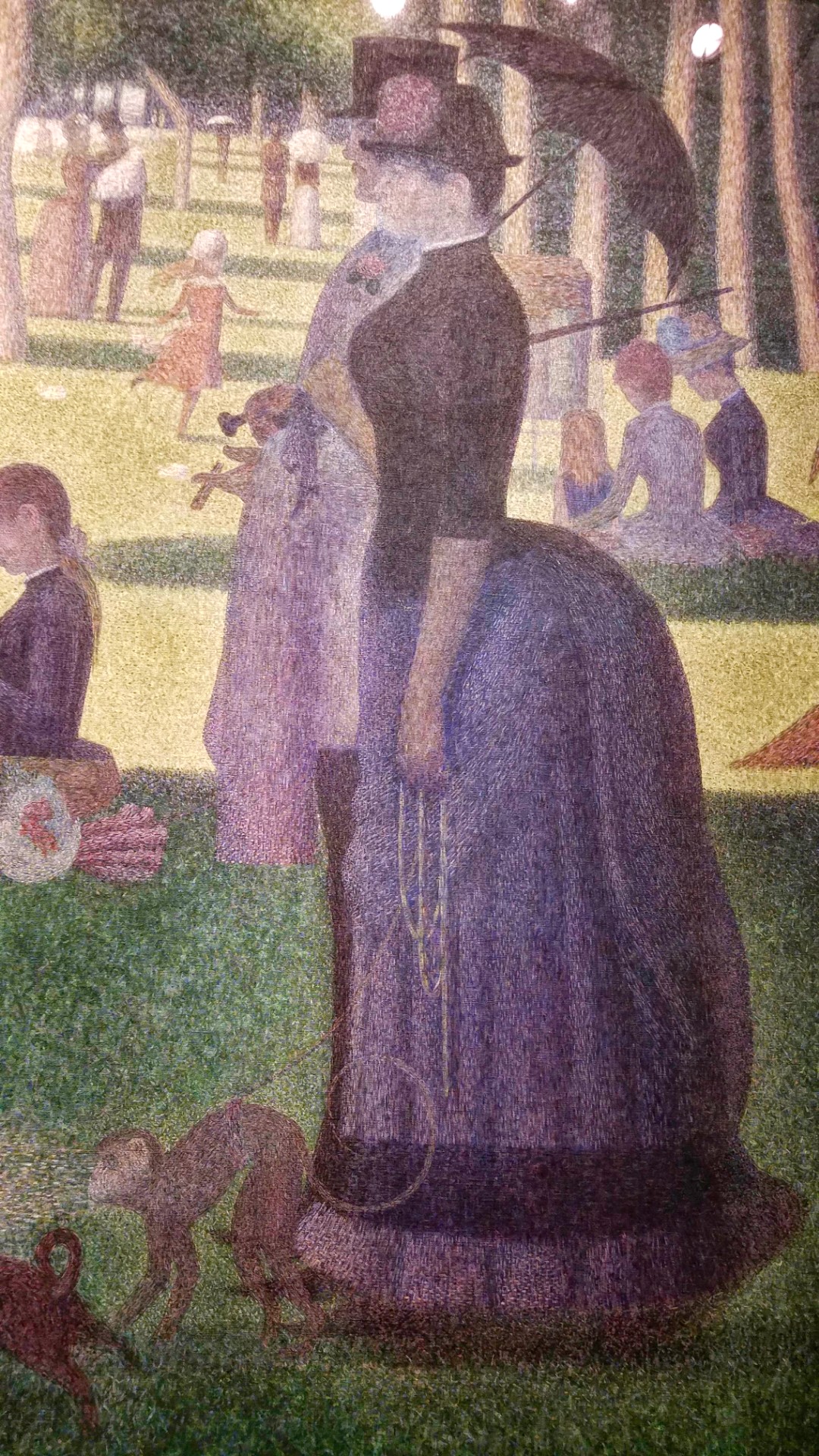
Georges Seurat (1859-1891)
A Sunday on La Grande Jatte – 1884 (1884-86), oil on canvas


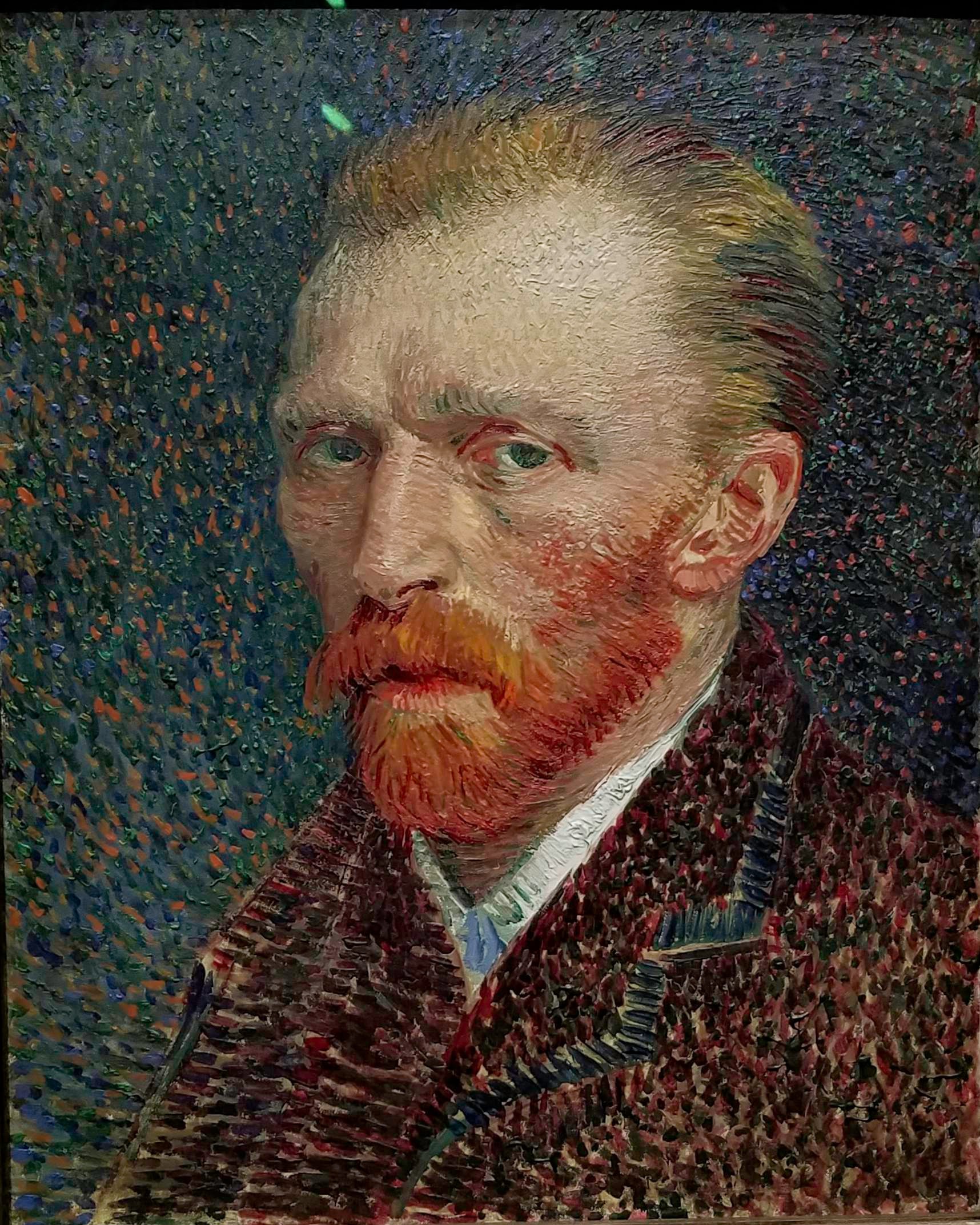
Vincent van Gogh (1853-1890)
Self-Portrait, 1887, oil on artist’s board, mounted on cradled panel


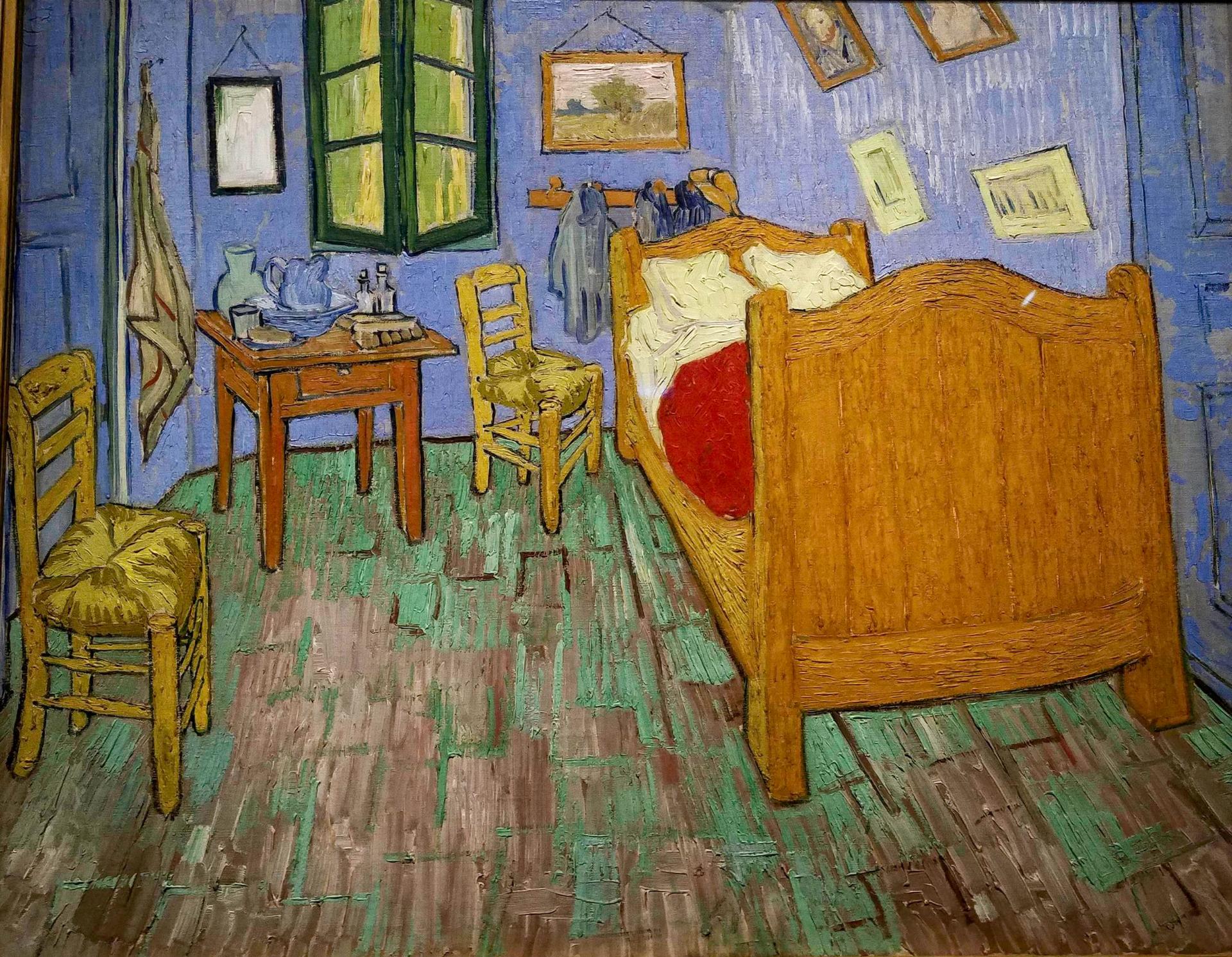
Vincent van Gogh (1853-1890)
The Bedroom, 1889, oil on canvas


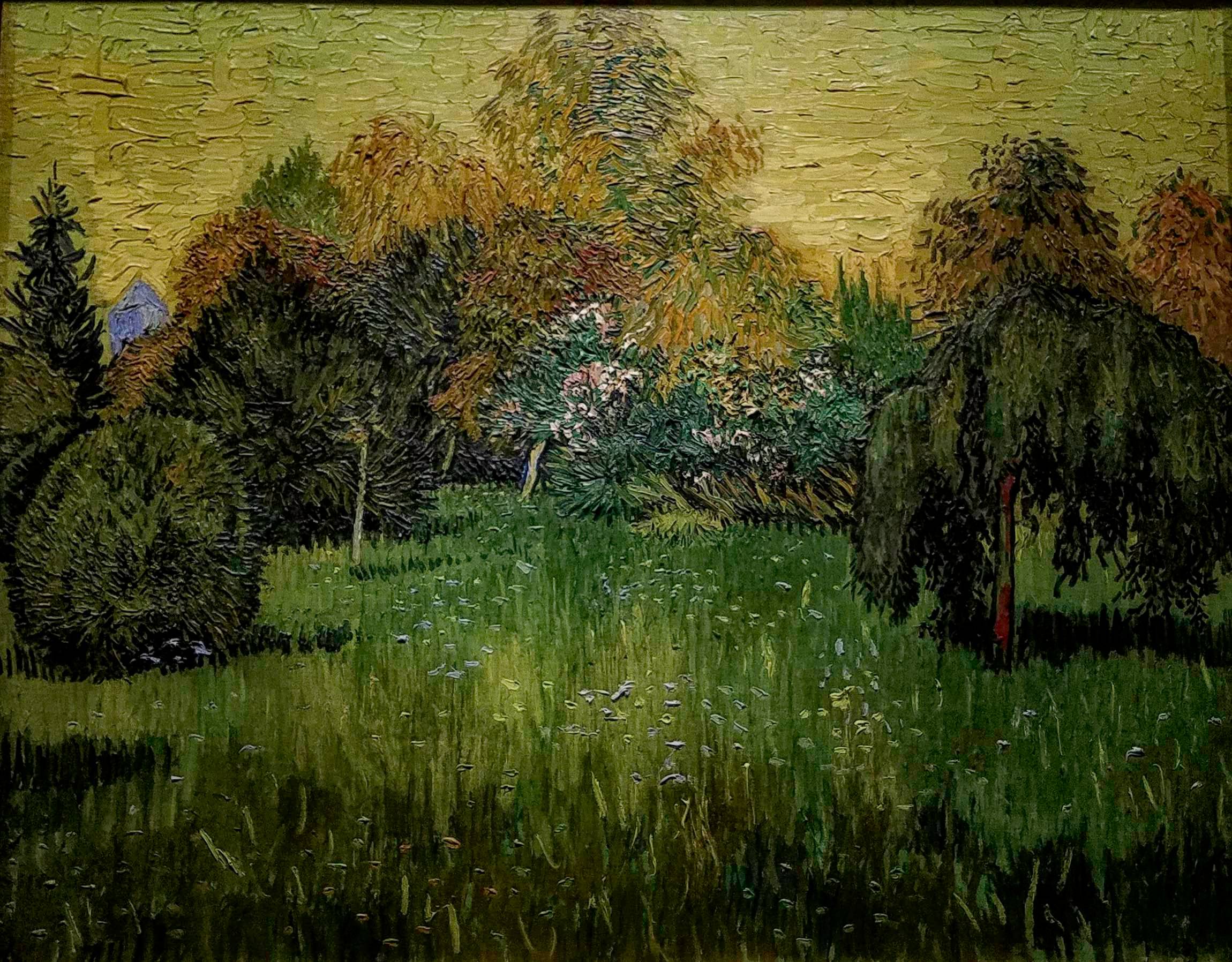
Vincent van Gogh (1853-1890)
The Poet’s Garden, 1888, oil on canvas


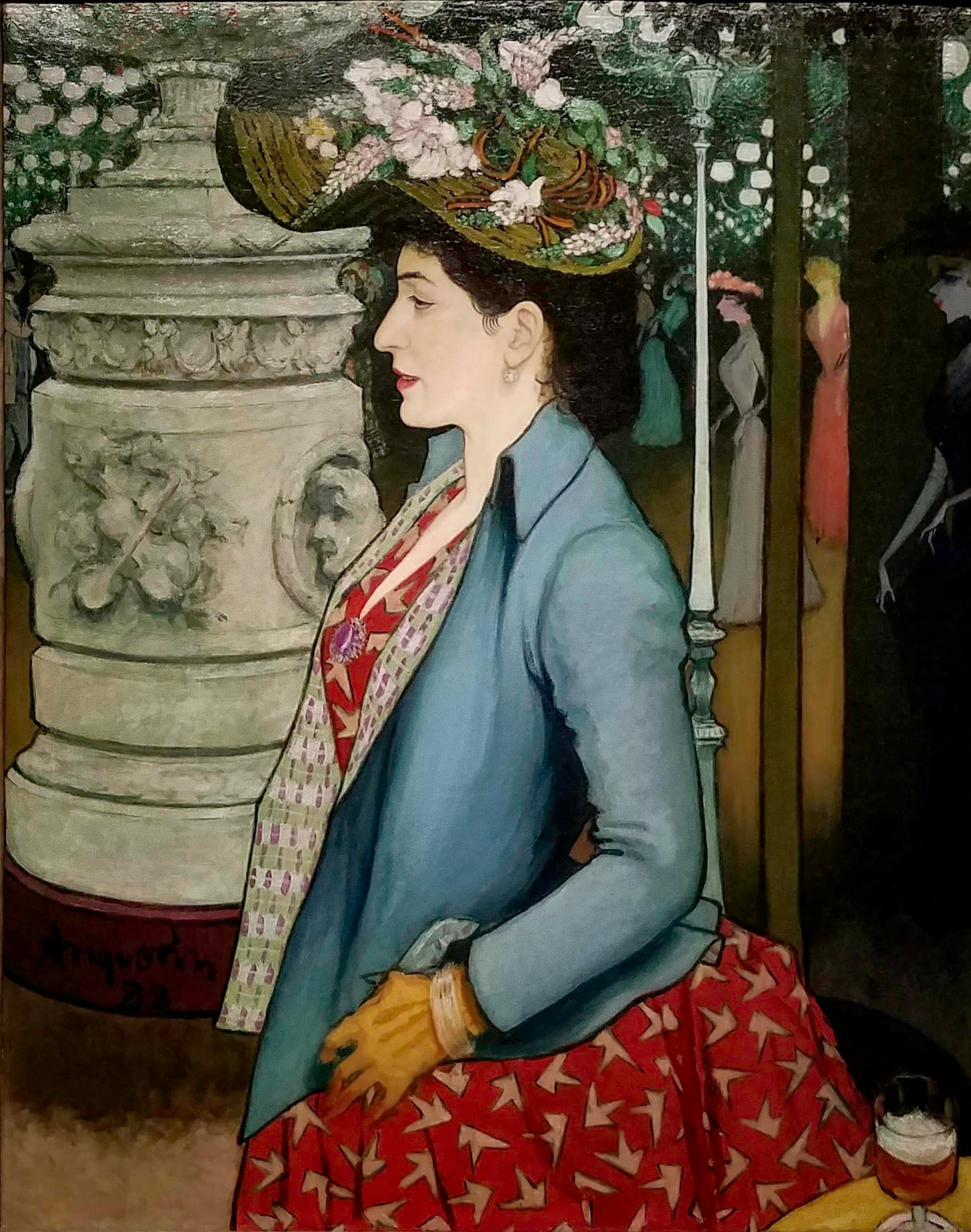
Louis Anquetin (1861-1932)
An Elegant Woman at the Élysée Montmartre, 1888, oil on canvas


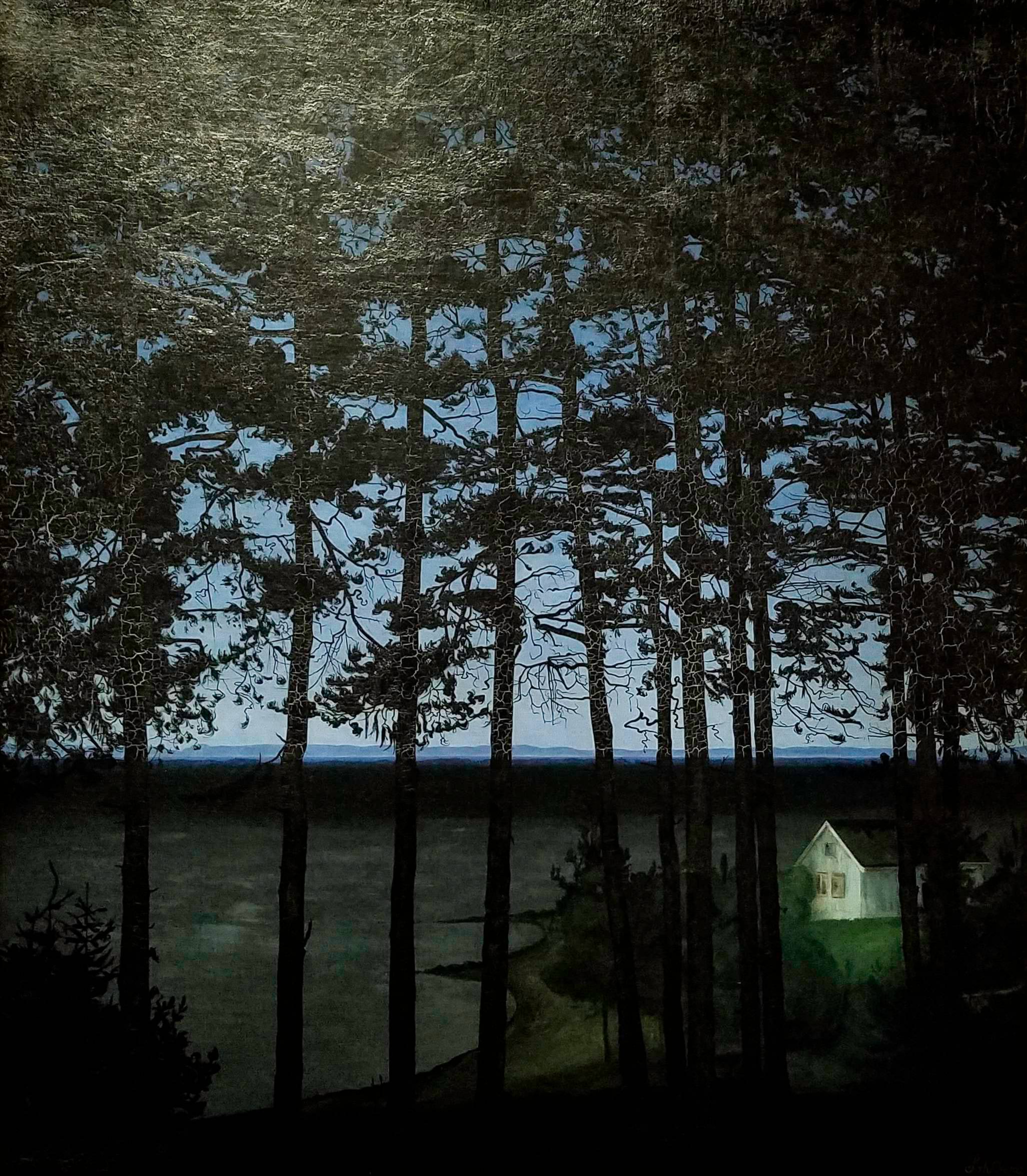
Harald Sohlberg (1869-1935)
Fisherman’s Cottage, 1906, oil on canvas


Pierre-Auguste Renoir (1841-1919)
Lucie Berard (Child in White), 1883, oil on canvas


Emil Nolde (1867-1956)
Red-Haired Girl, 1919, oil on canvas


The Art Institute of Chicago

November 4th, 2017
When in Chicago…

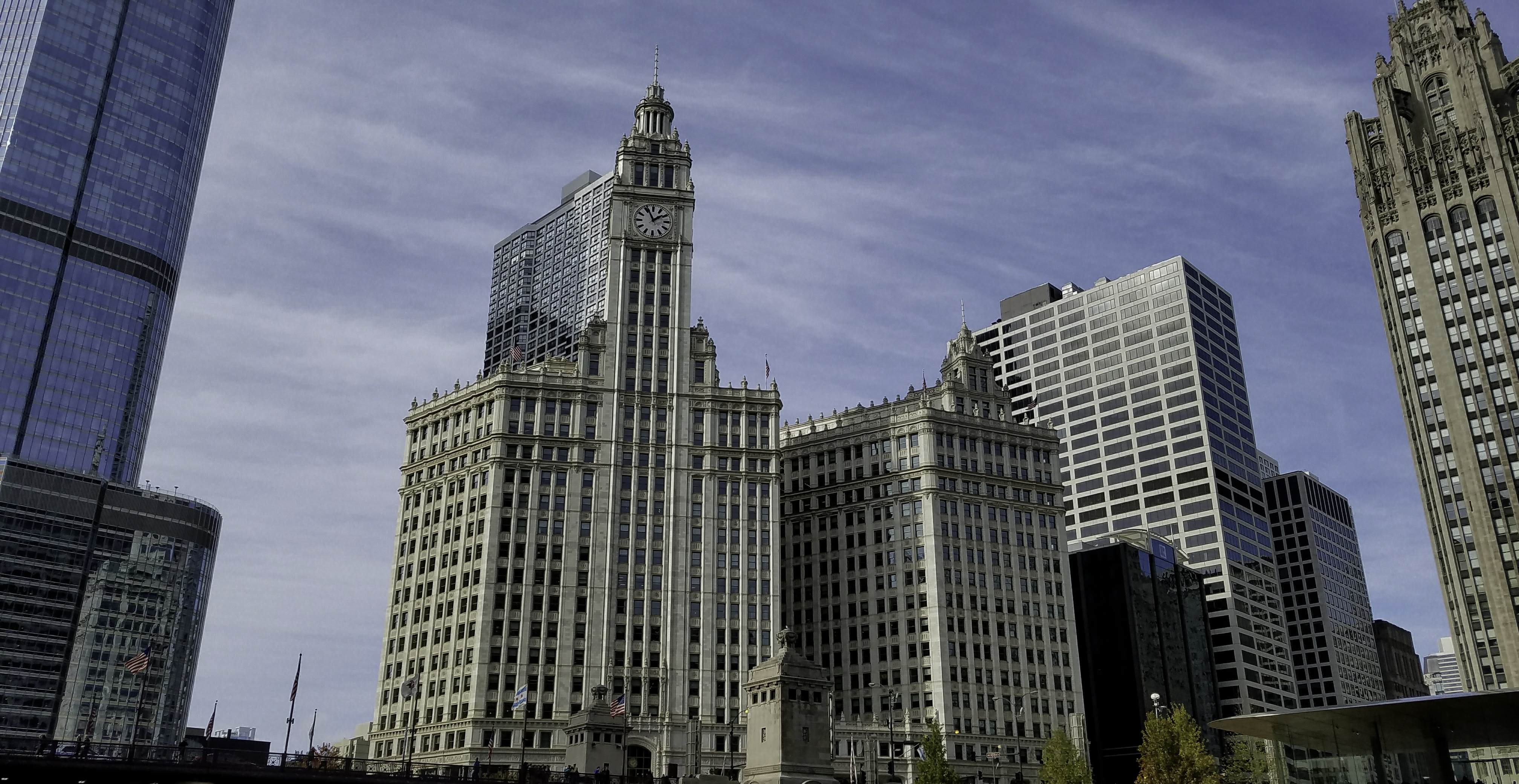
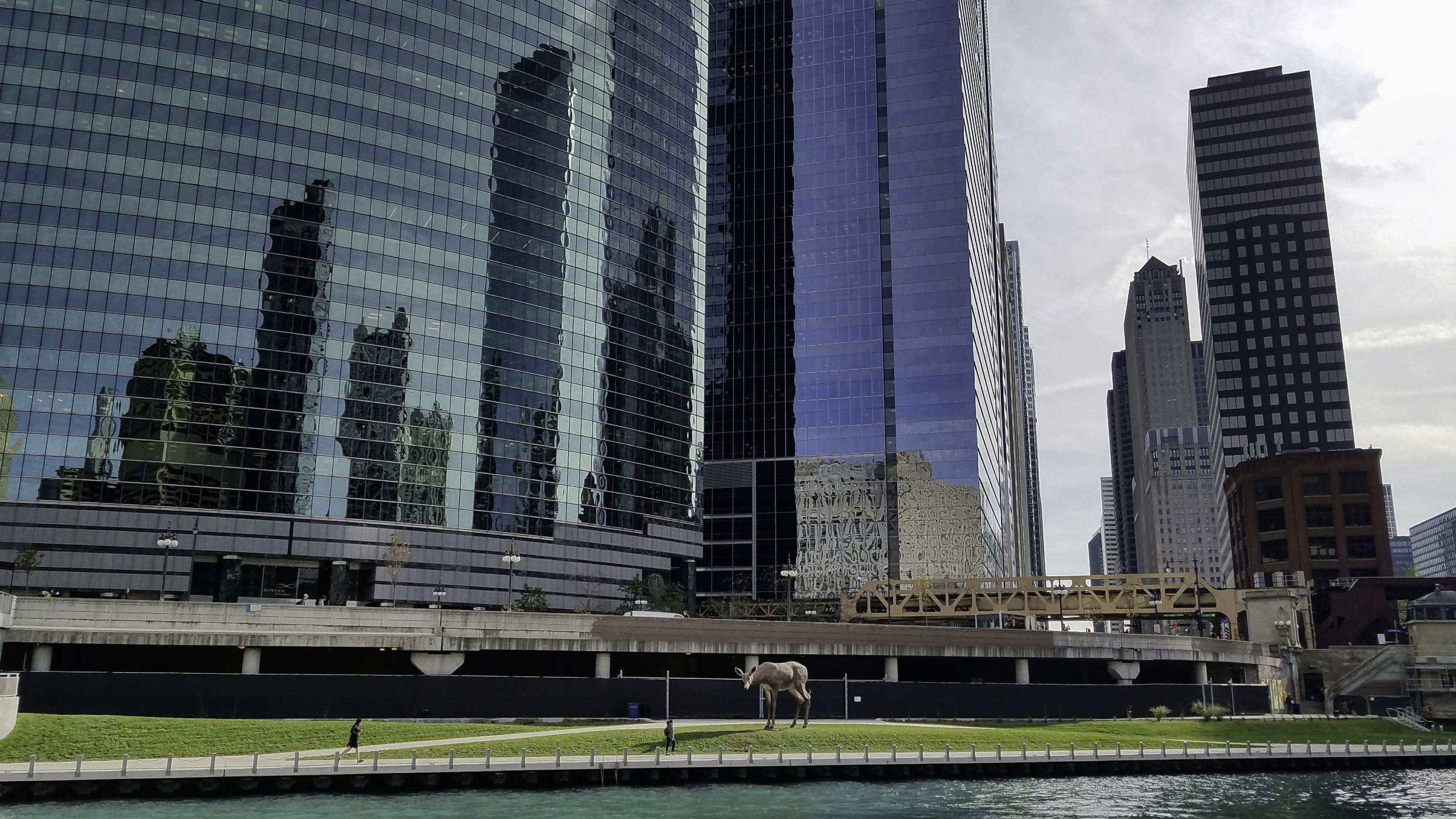
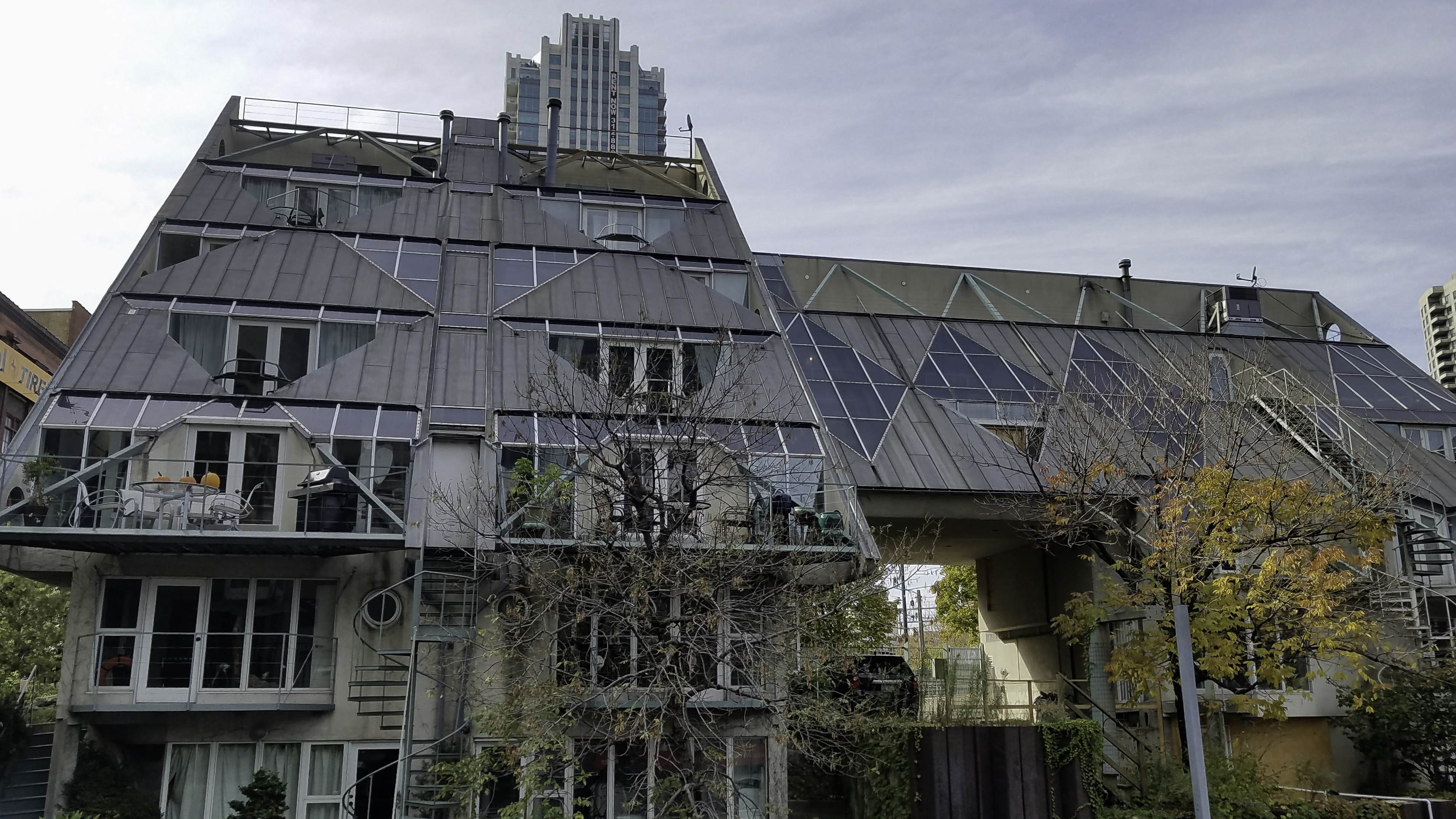
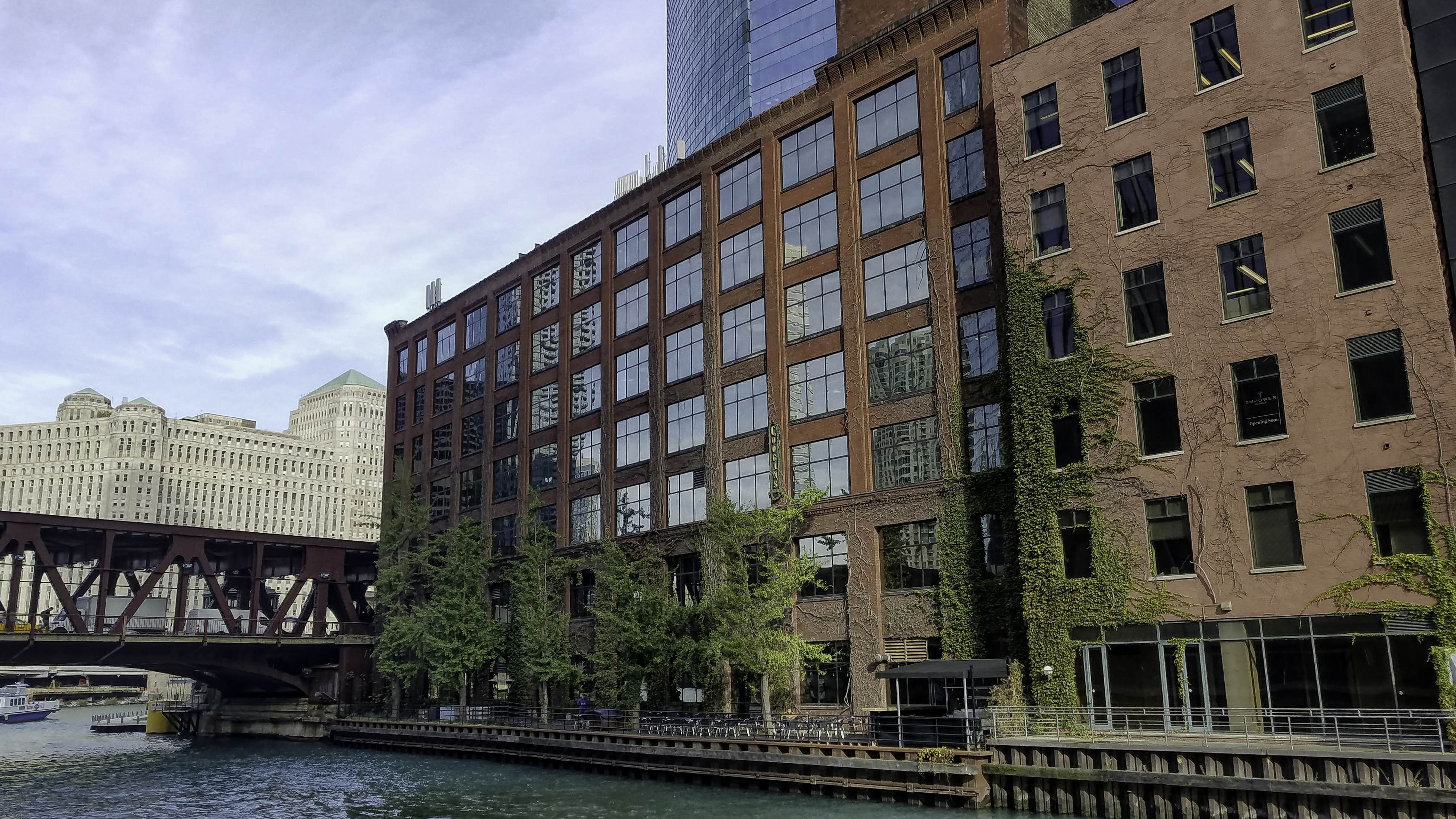
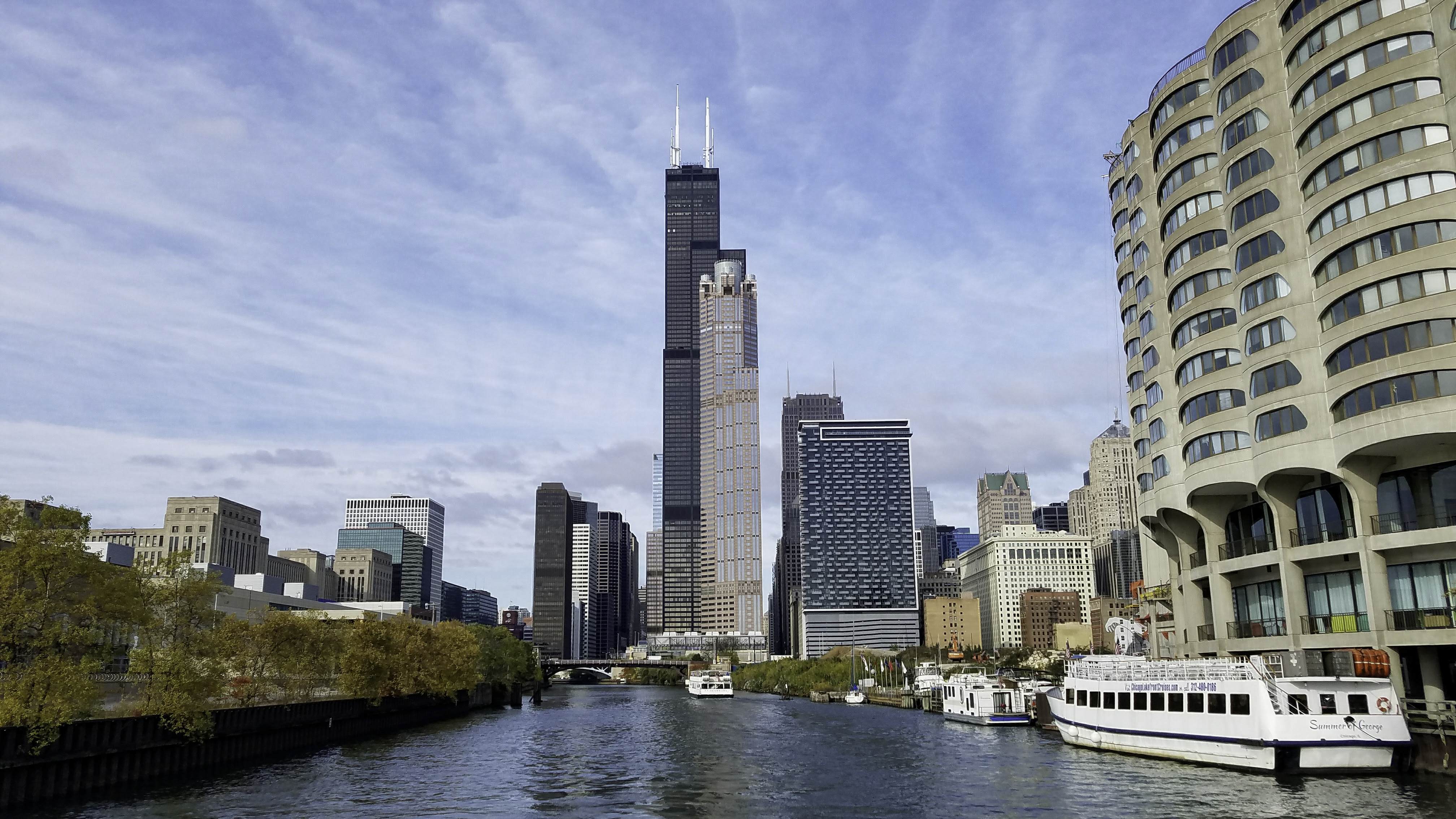
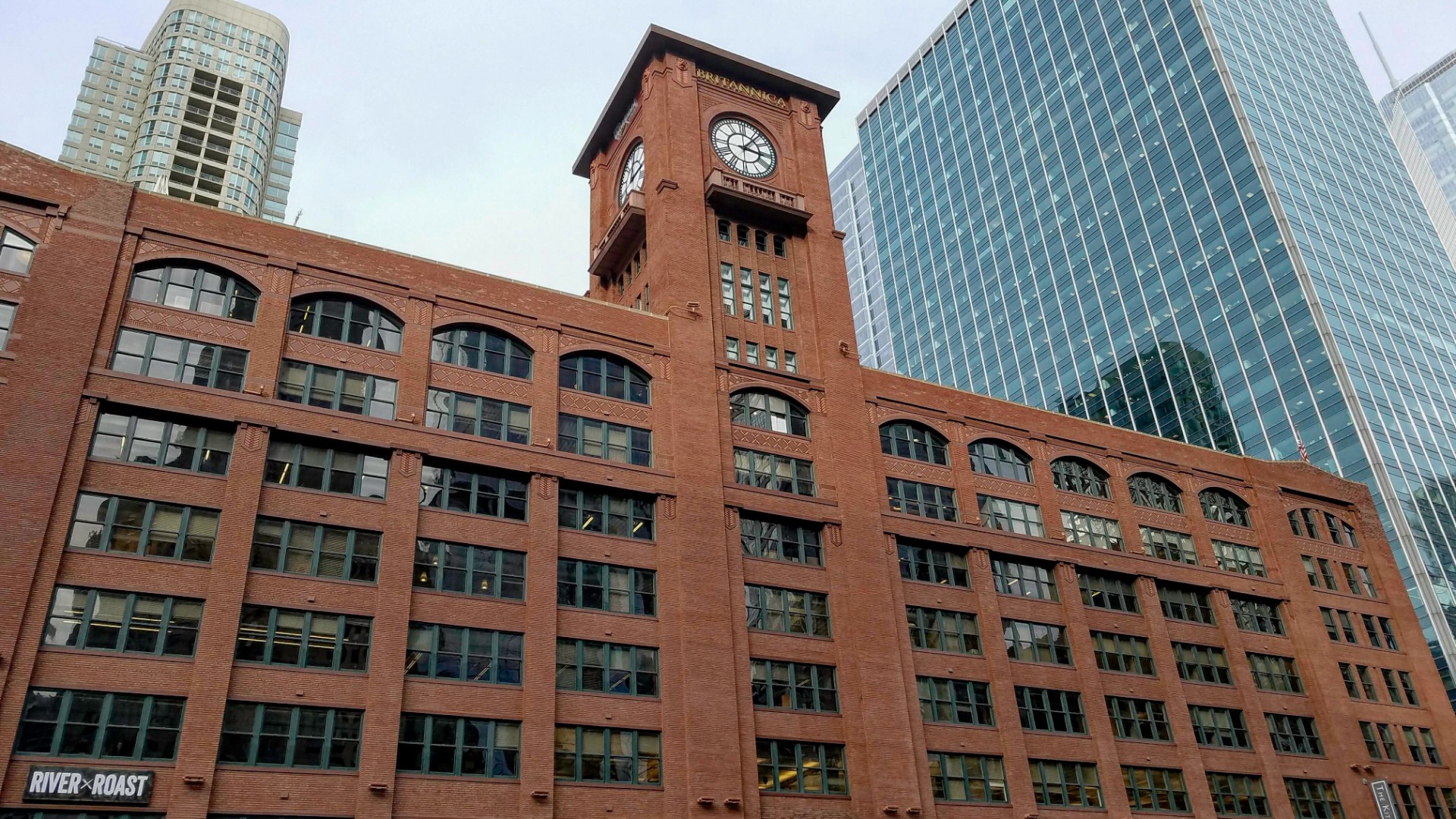
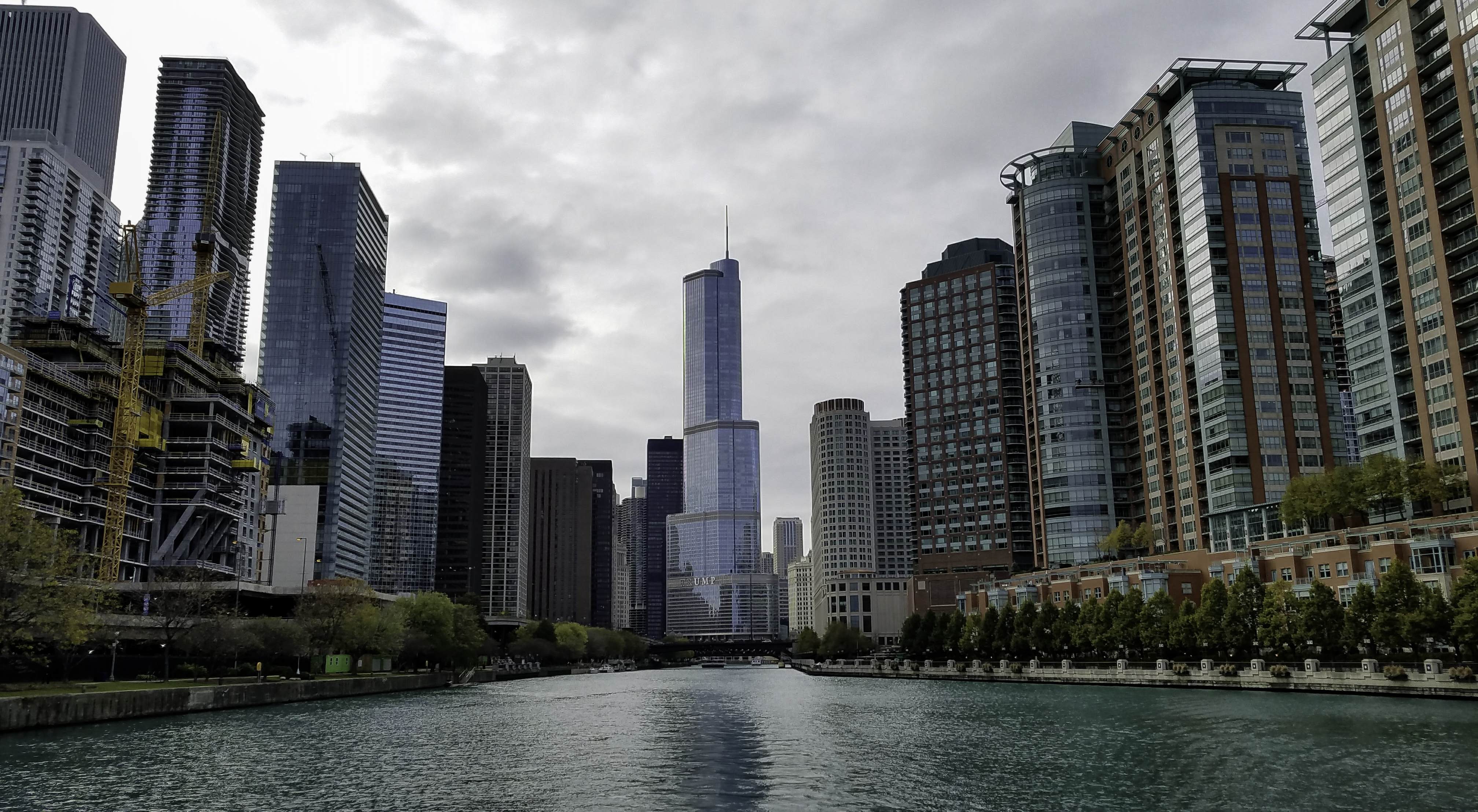
… weather permitting, go on an Architecture Foundation River Cruise on board Chicago’s First Lady. You will see some of the city’s most interesting buildings from a unique viewpoint and hear some of the stories behind them. You will learn how, in an effort to prevent their sewage waste flow into Lake Michigan – the city’s clean water source – Chicagoans reversed the flow of the very river you are touring, so that sewage would flow to Illinois and Michigan Canal,  and ultimately to the Mississippi River instead; a no mean engineering feat, admirable even today, let alone in 1900 when it was completed. Last, but not least, you will have some hot apple cider – spiked if necessary for that extra warmth.

You will take hundreds of photos.
You won’t regret it.

November 3rd, 2017
Chicago || The Carbide and Carbon Building

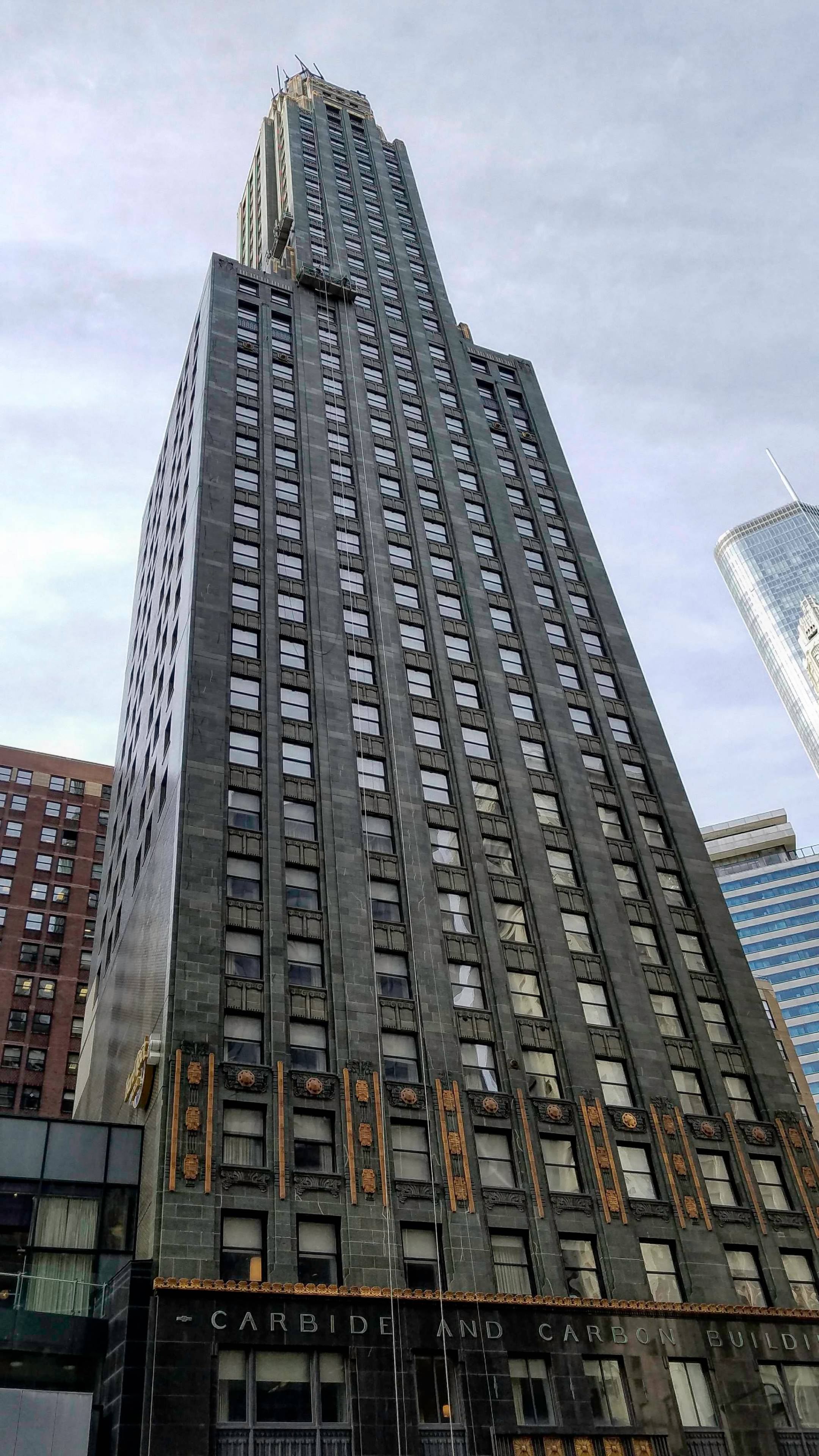
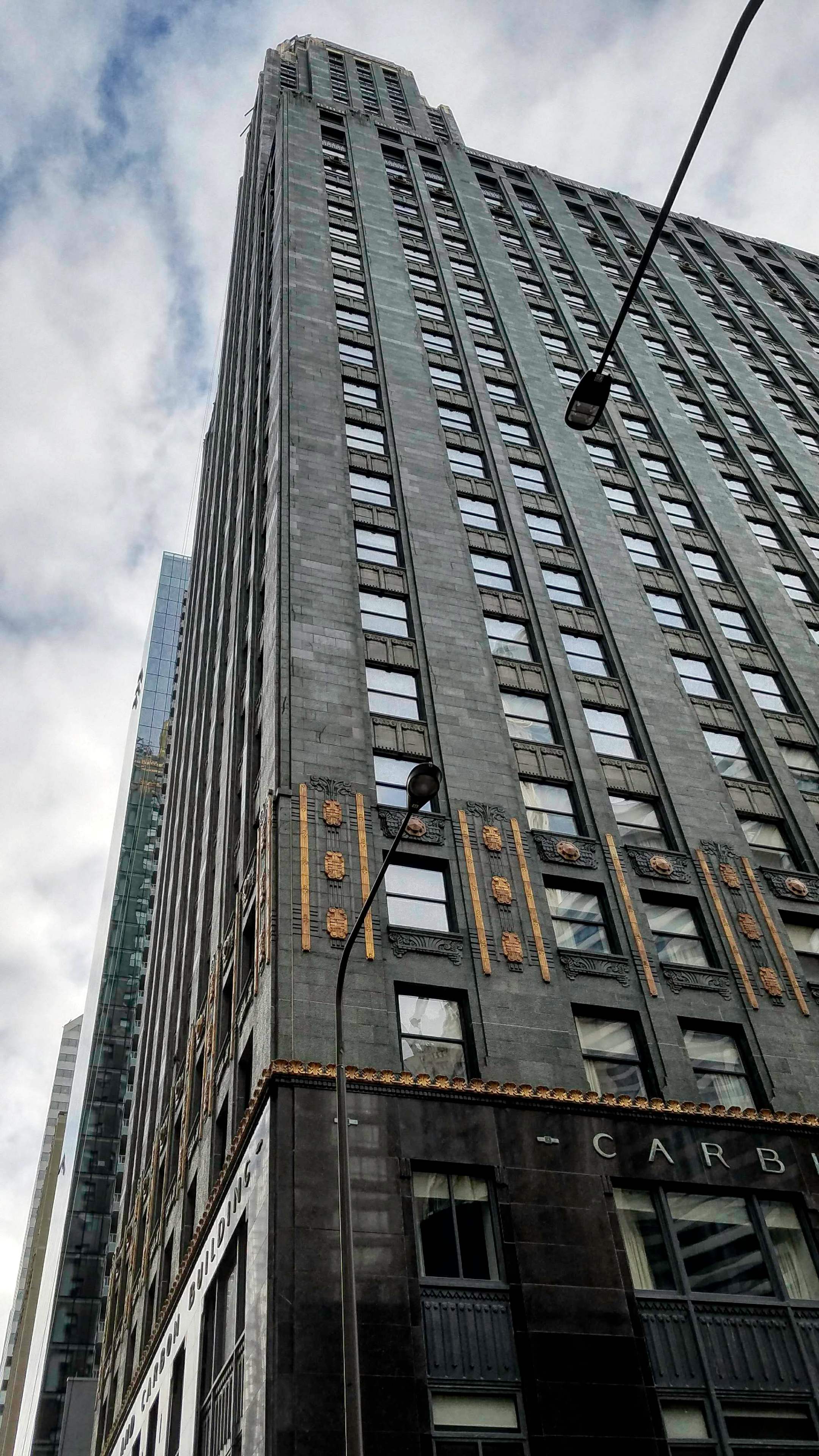
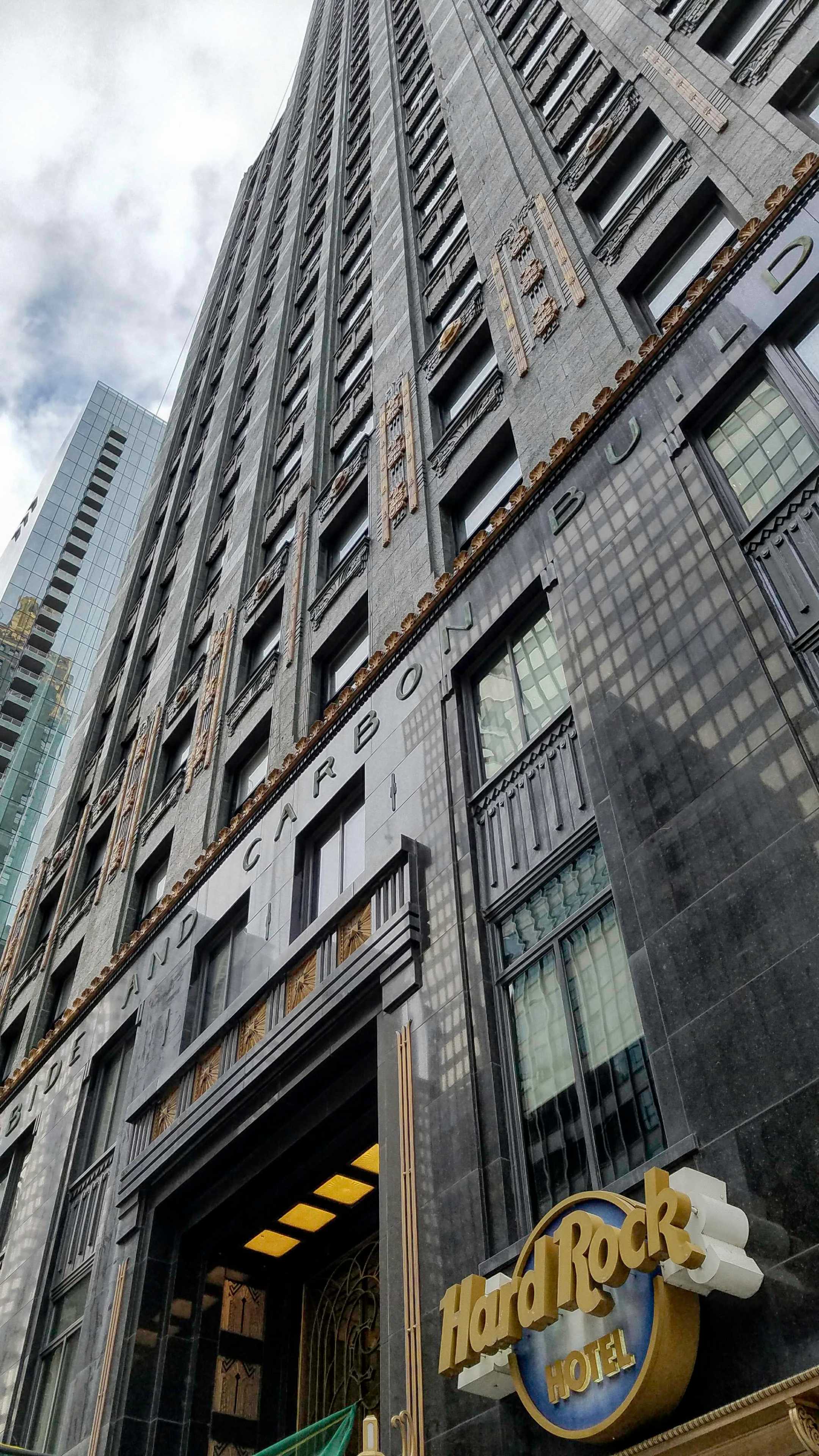
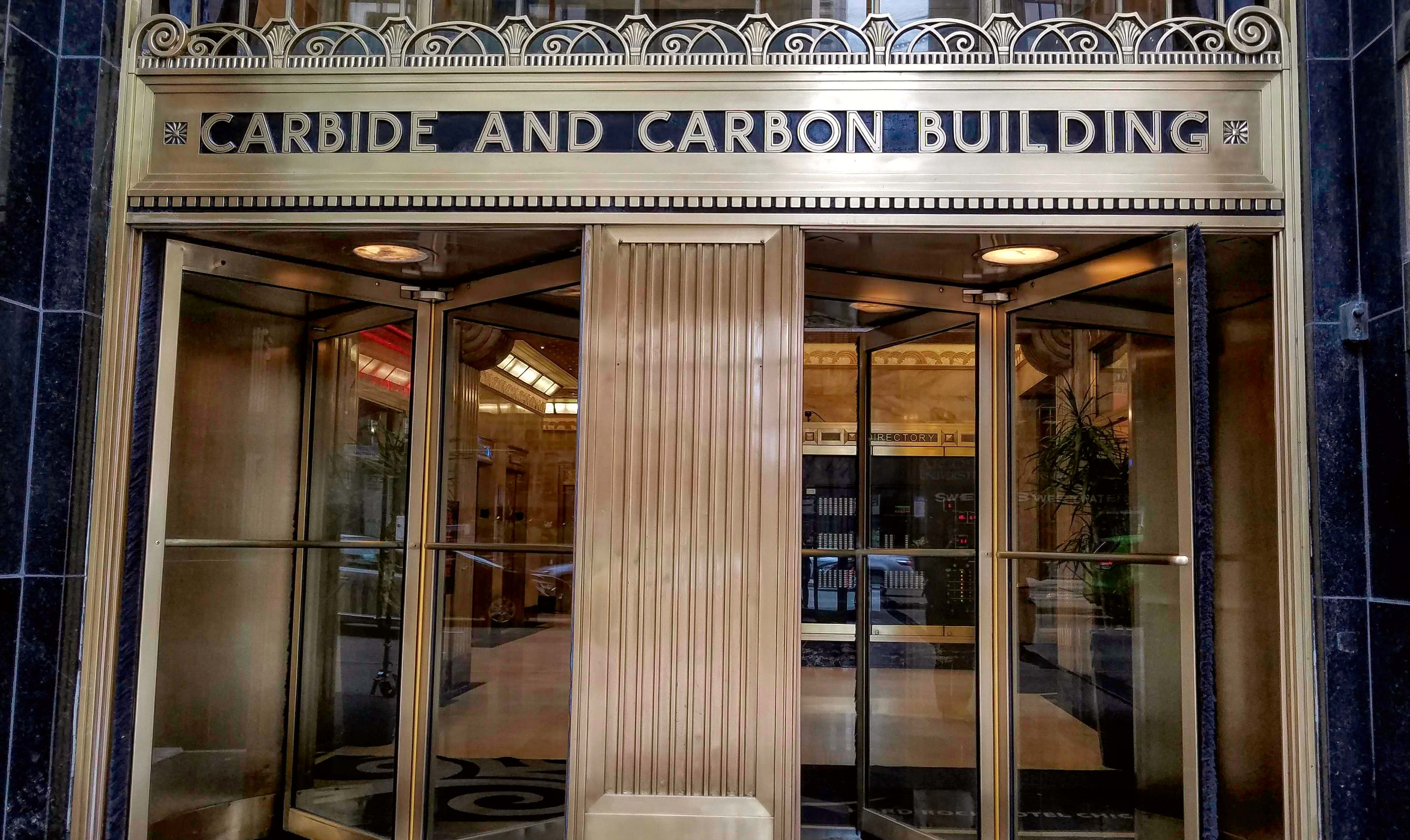
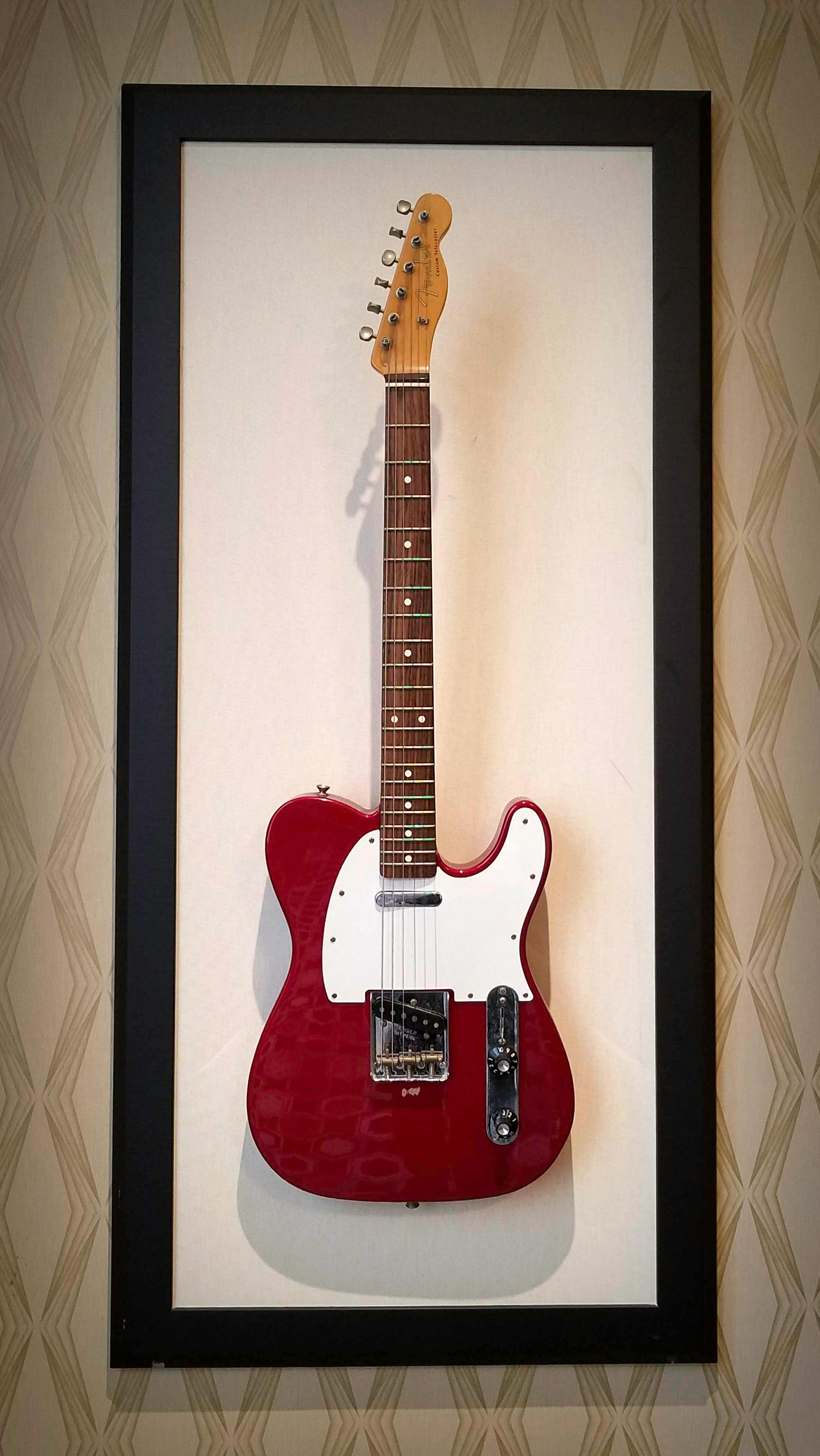
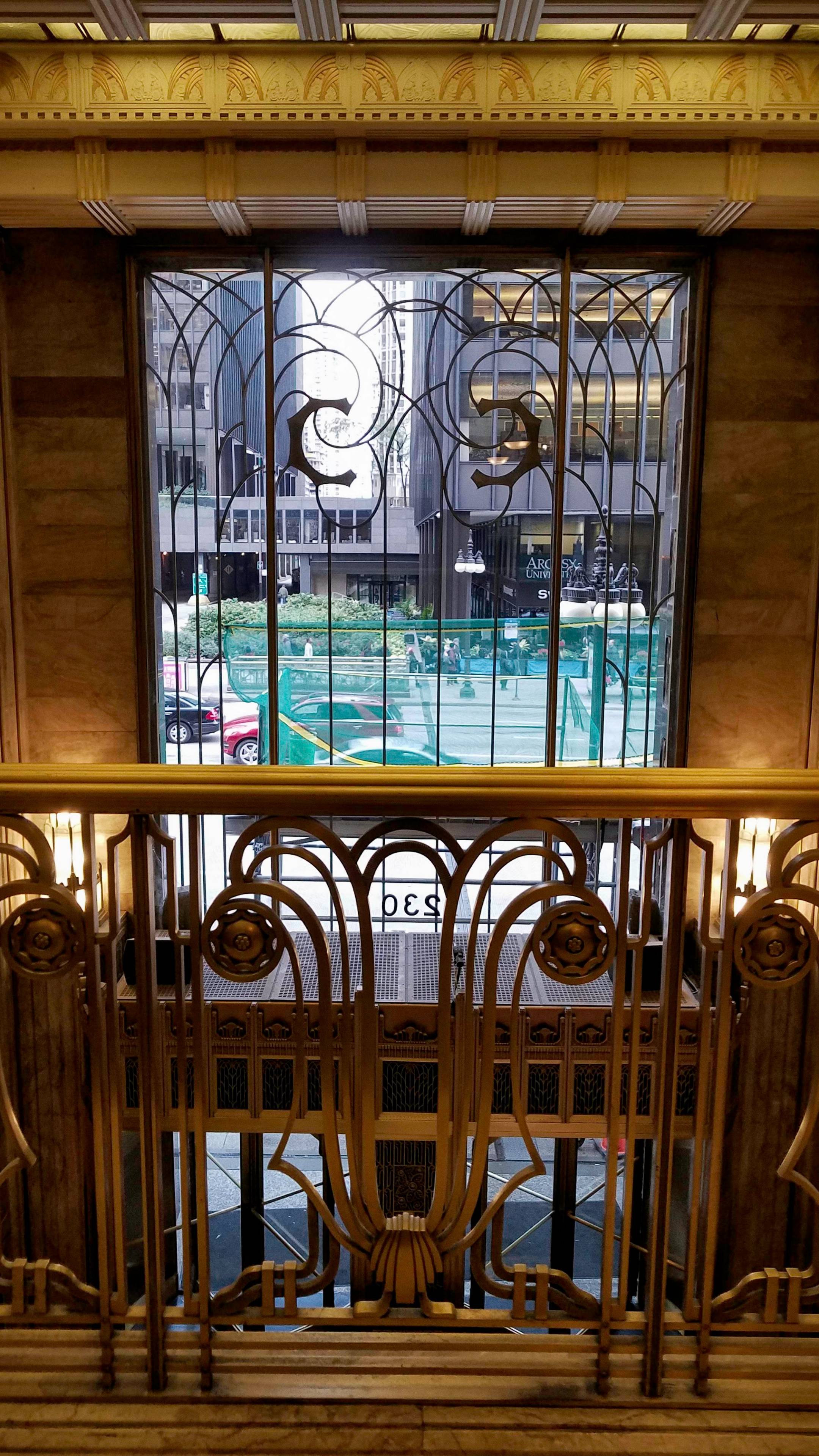
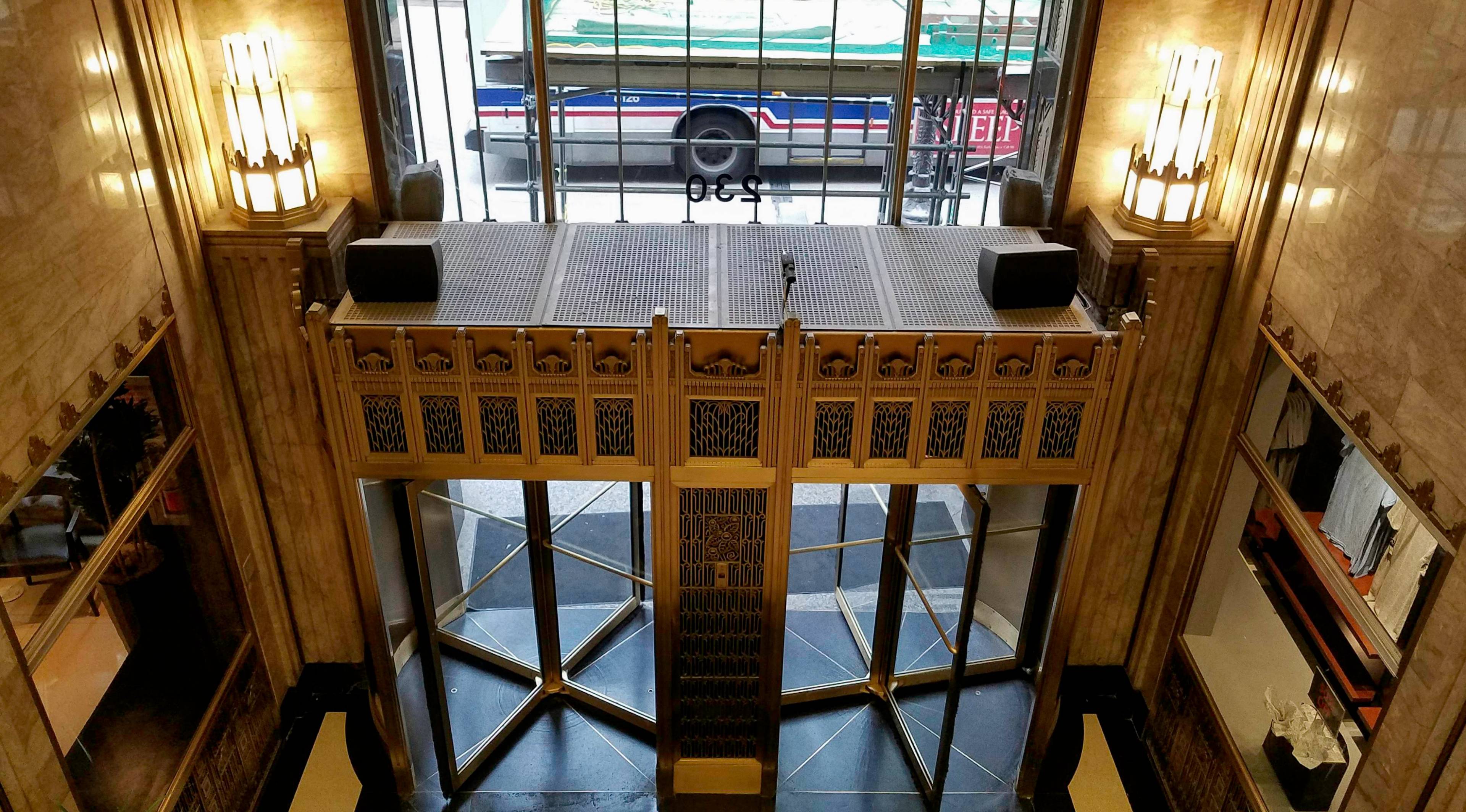
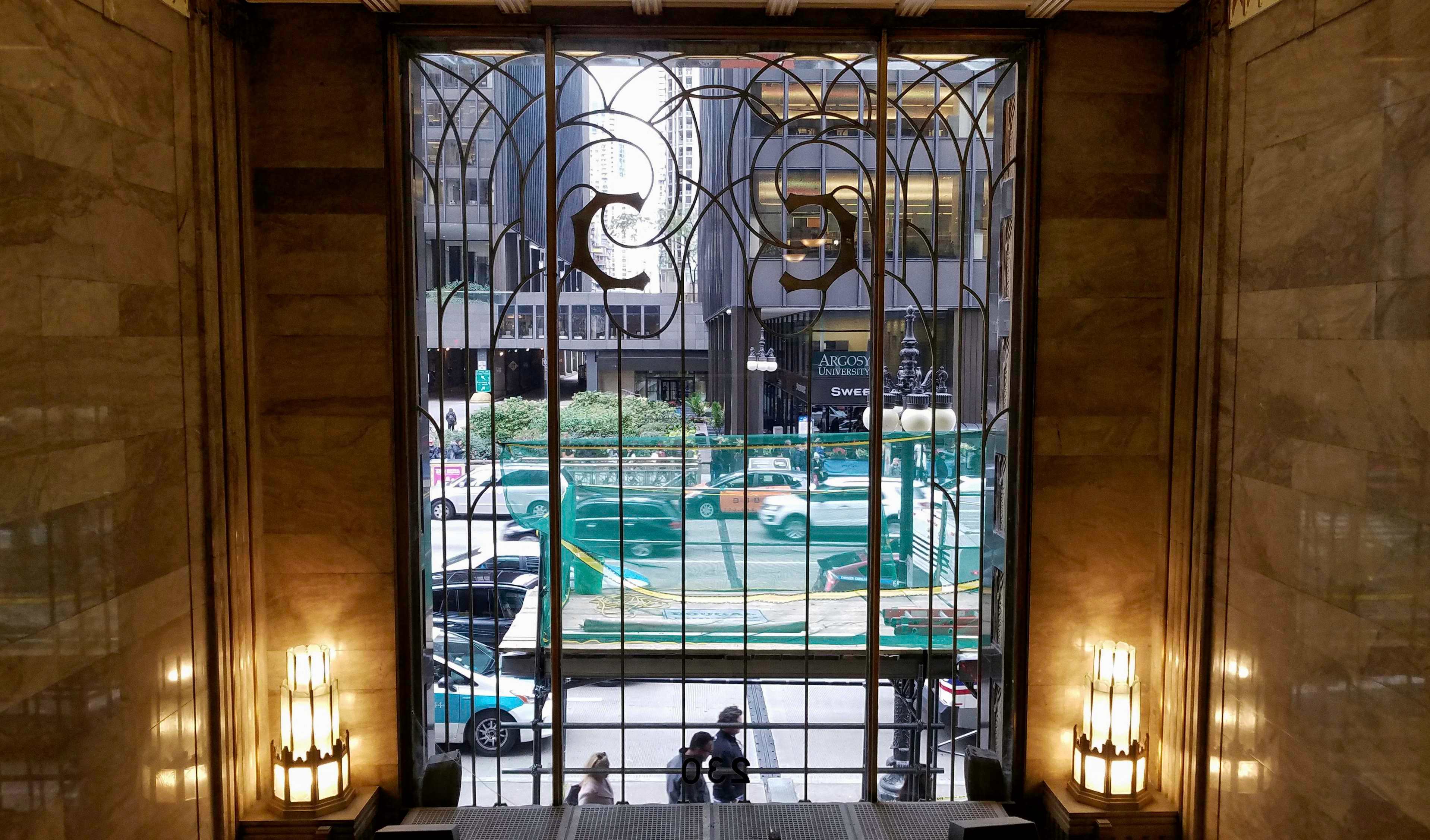
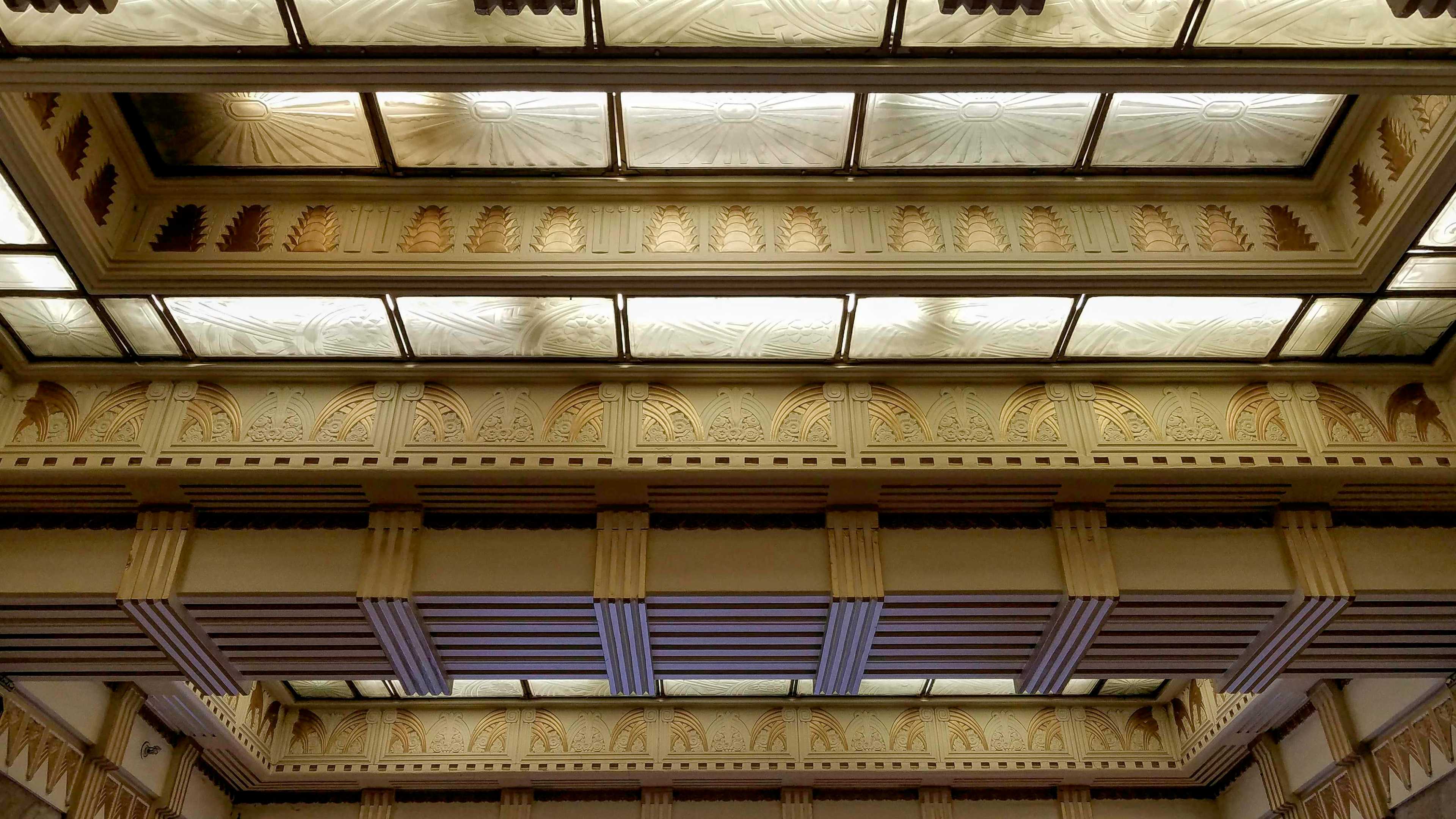
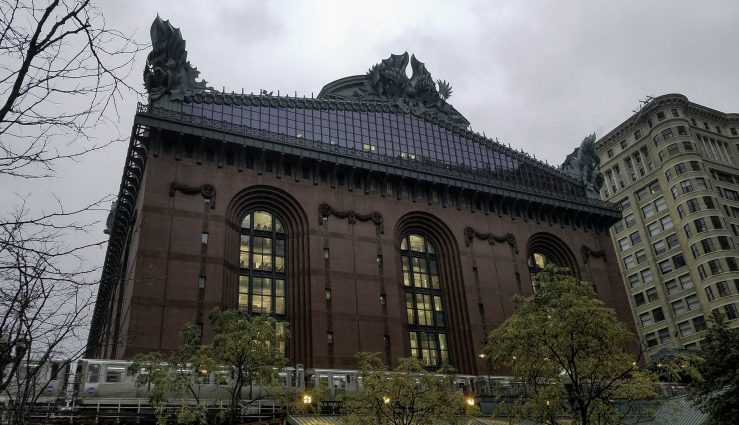
Aka The Hard Rock Hotel – although that was about to change. We didn’t know it at the time, but a month later, the hotel would close for renovation; it now operates under a new brand, as the St. Jane Chicago. But the exterior, covered in polished black granite, topped by a tower dressed in dark green terracotta with gold leaf ornaments, must surely remain as impressive as it has always been, since the day of its completion in 1929.

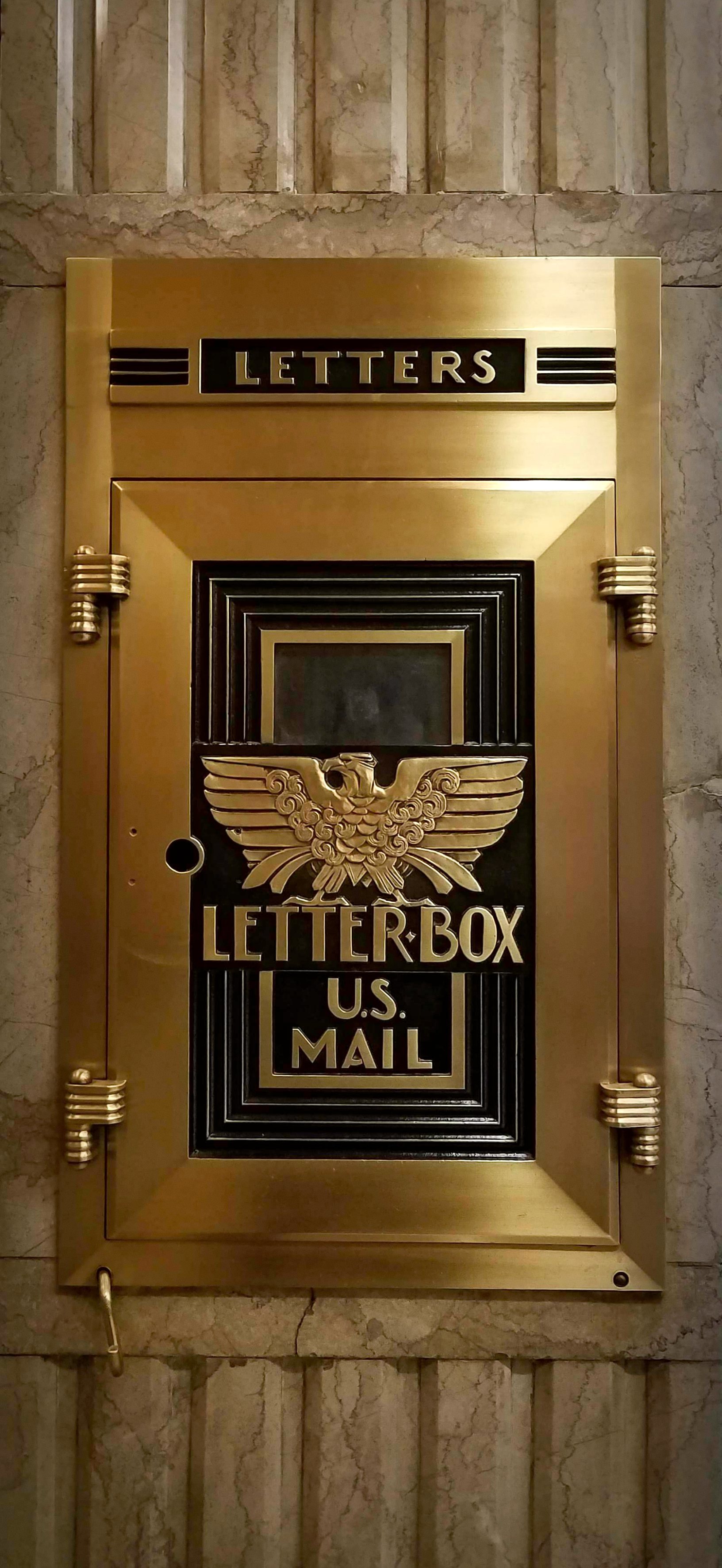
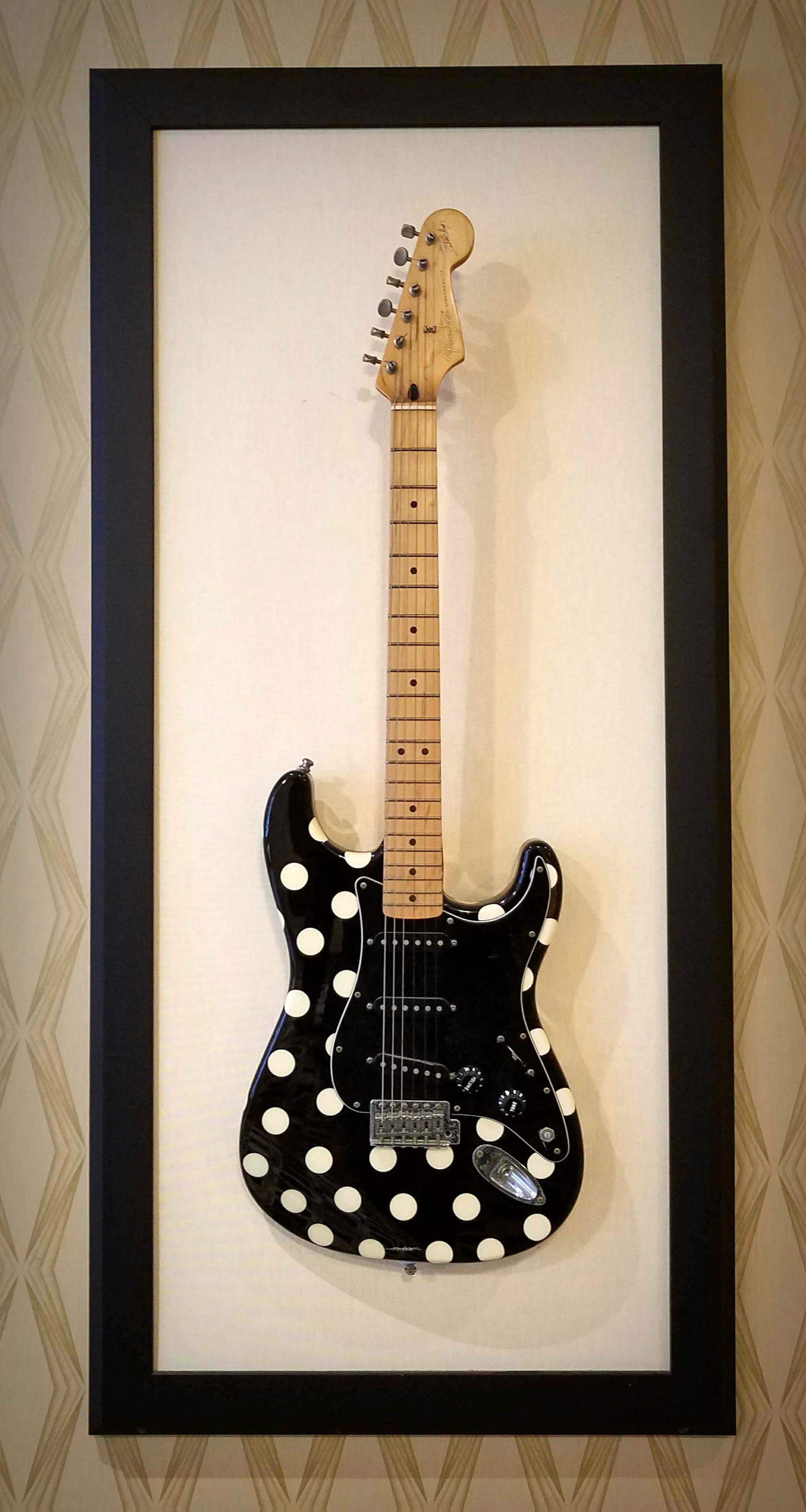
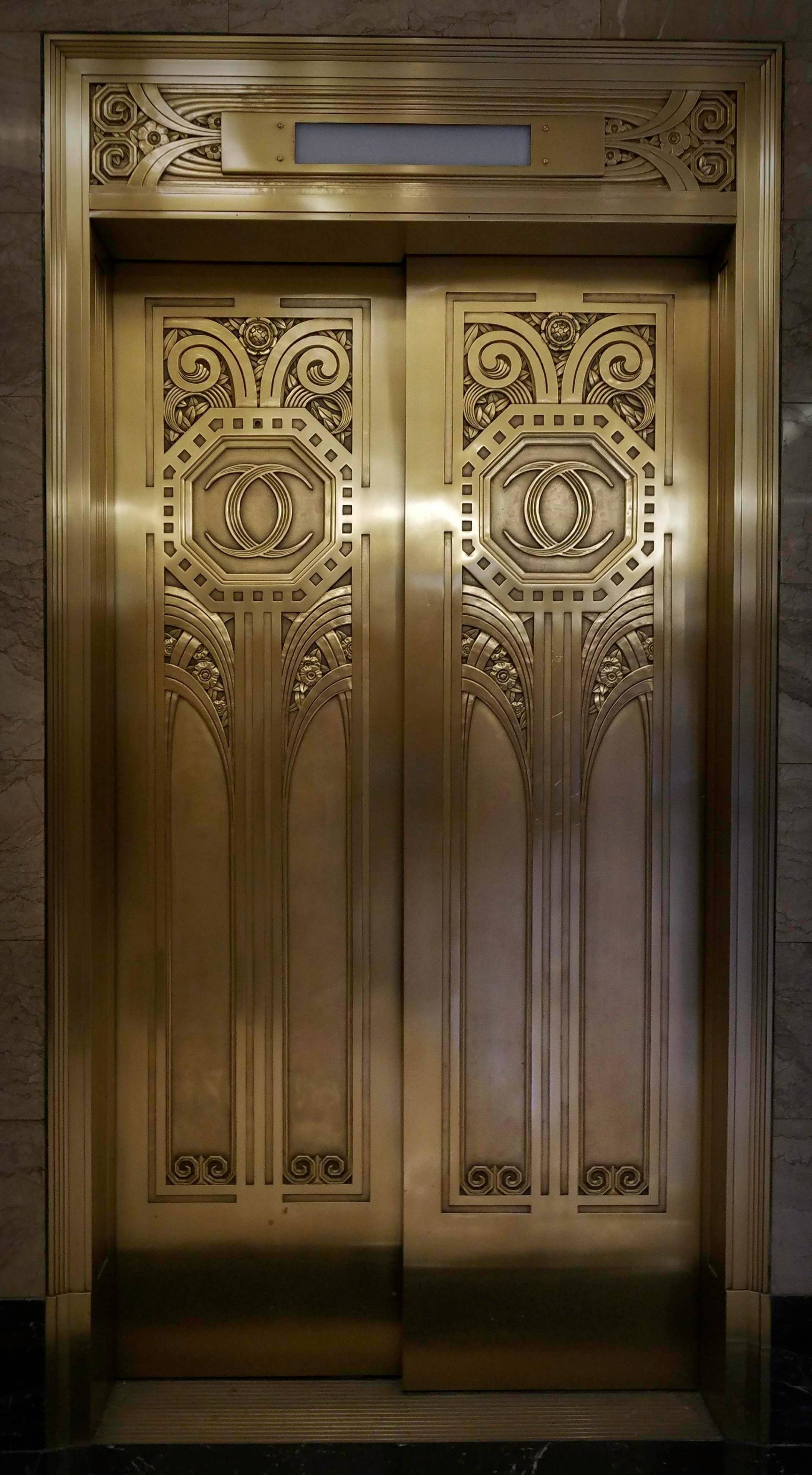
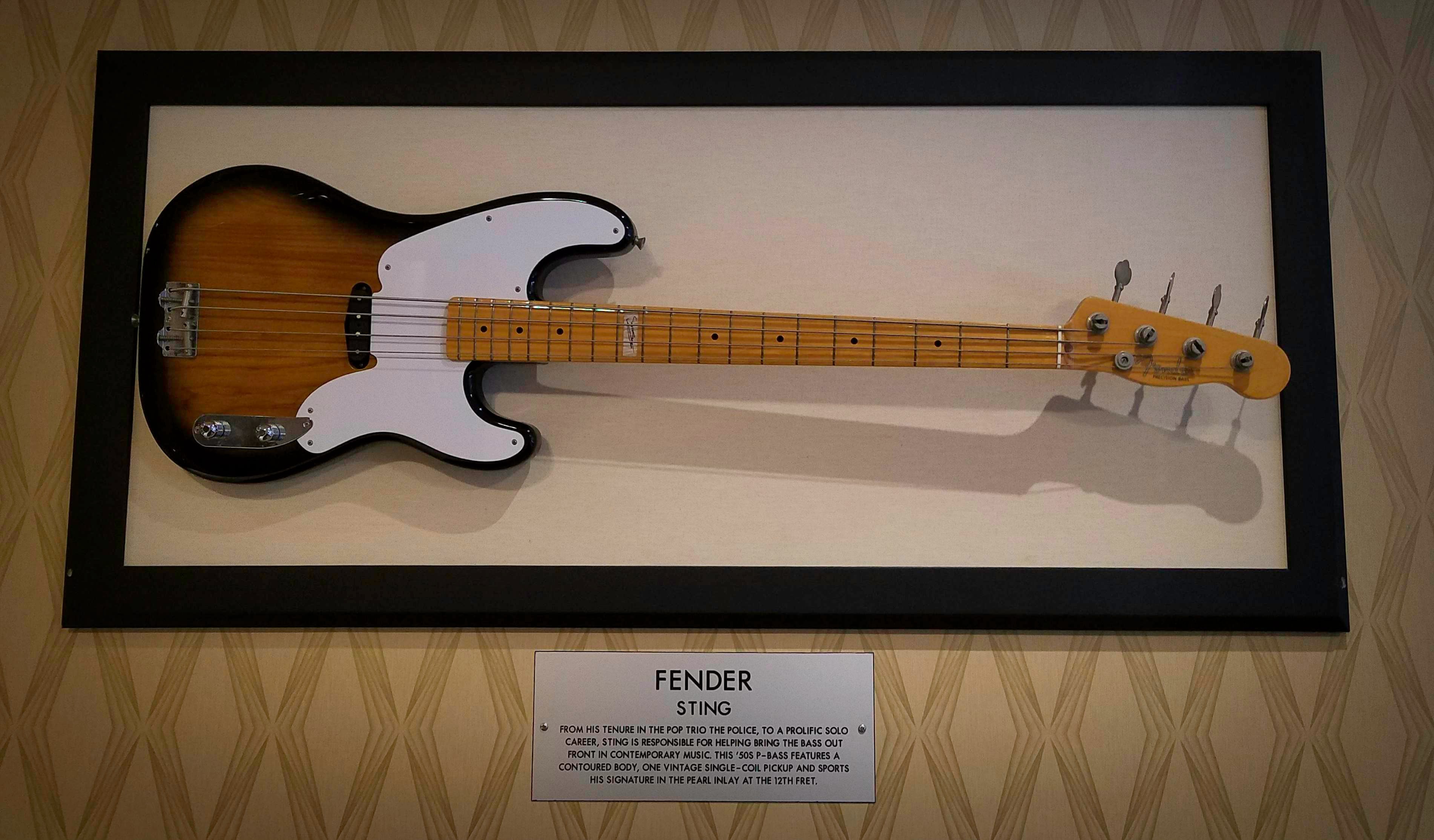
Then, there is the dazzling lobby, all bronze and dark Belgian marble and Art Deco features – minus, I guess, the guitars which will have probably found a new wall to grace.

The building was designed by the Burnham Brothers, a commission by the Carbide and Carbon Company to house their regional headquarters.

November 3rd, 2017
Chicago || At the end of the day [one]

After a full day of intense lobbying – in the most literal sense of the word, it was time to sit back and (re)collect all the stunning places, experiences and photos we took: the tour at the Rookery, the marvelous art deco details of the Board of Trade and the Field Building, the gorgeous Tiffany mosaics at the Marquette, the very atmospheric Monadnock.

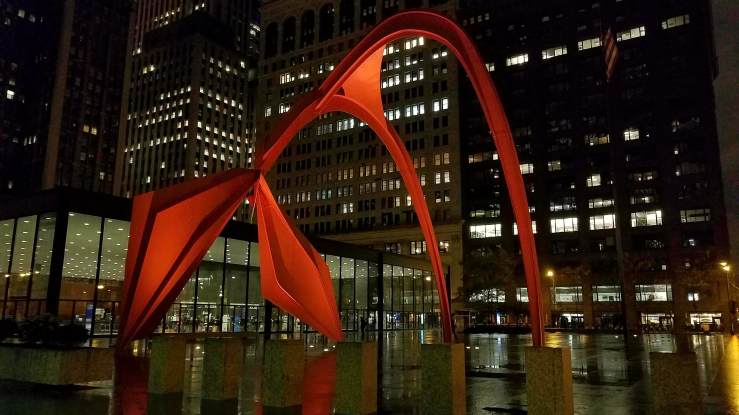
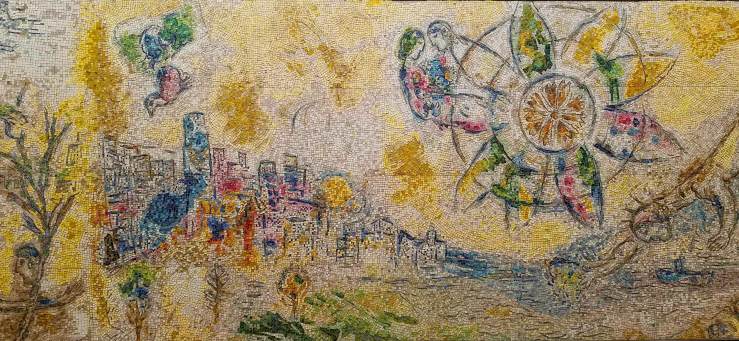
And to top it all off, some serious public art adorning the streets of Chicago.

Flamingo – by Alexander Calder in the Federal Plaza
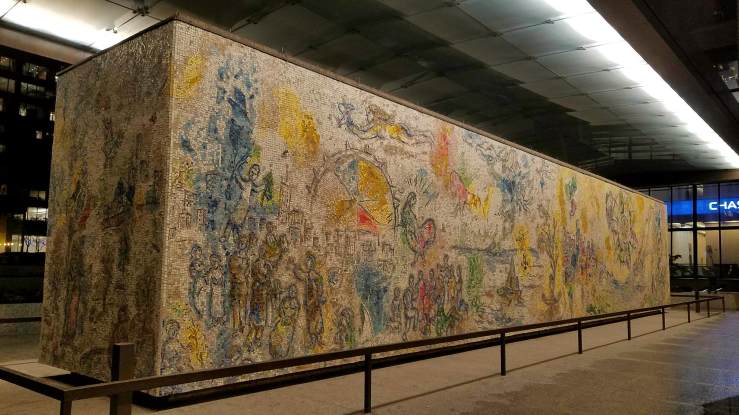
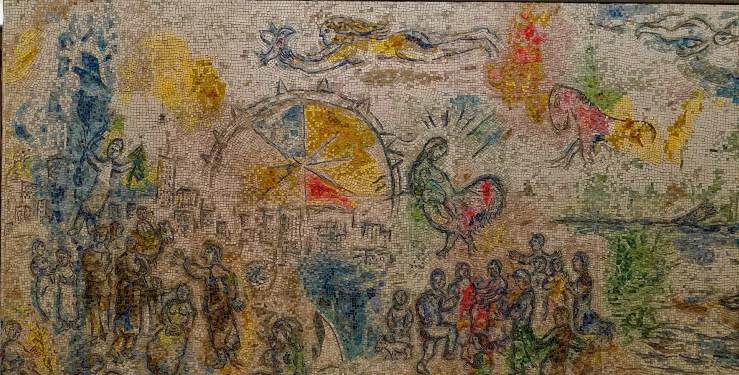

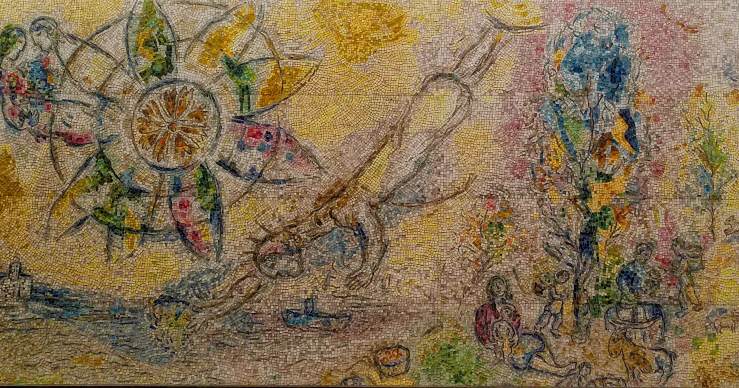
Chagall’s Four Seasons mosaic in the Exelon Plaza
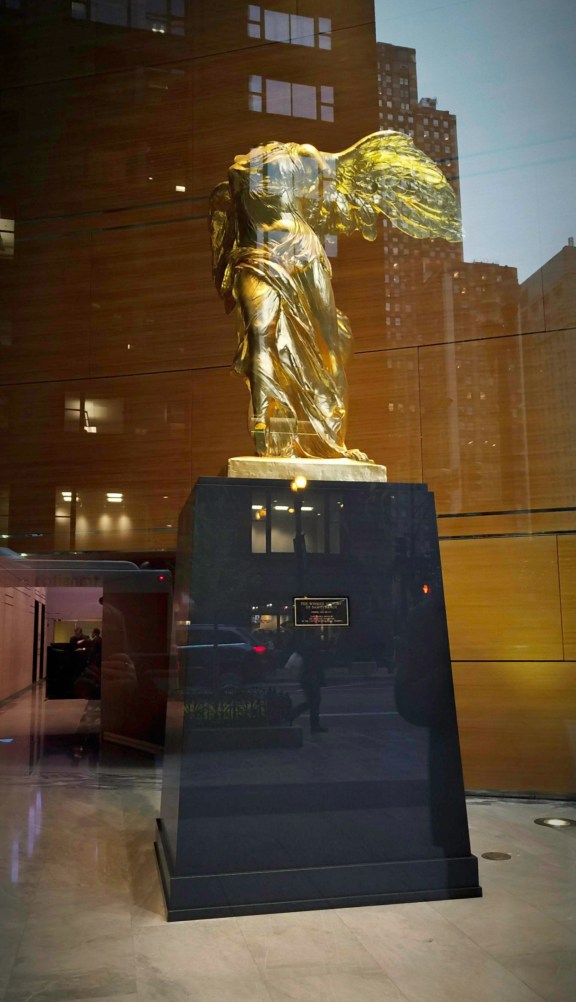

The Winged Victory of Samothrace, cast from a mold from the original sculpture in the Louvre Museum, Paris – (but why make it gold at all…? marble would have been equally stunning)
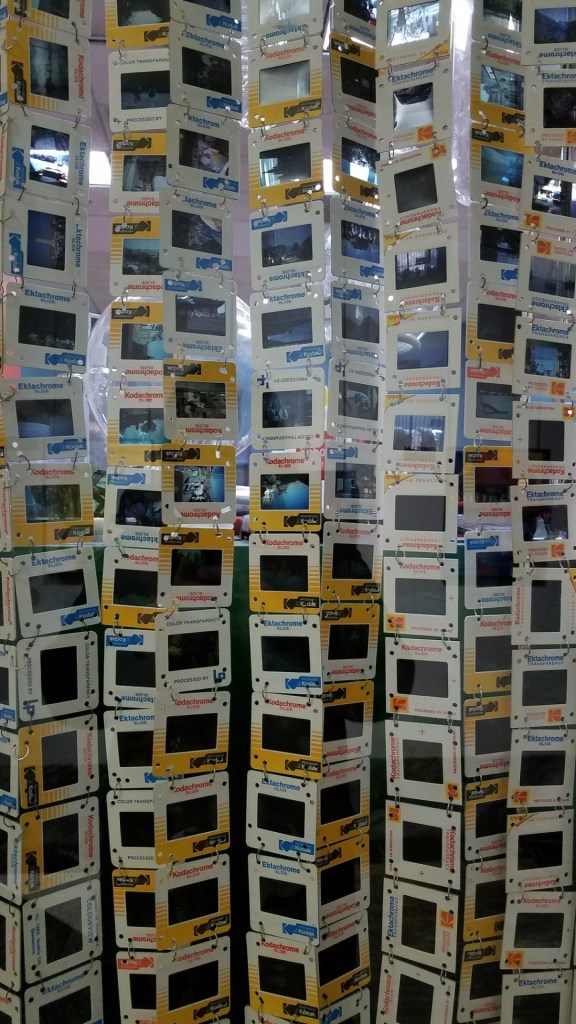
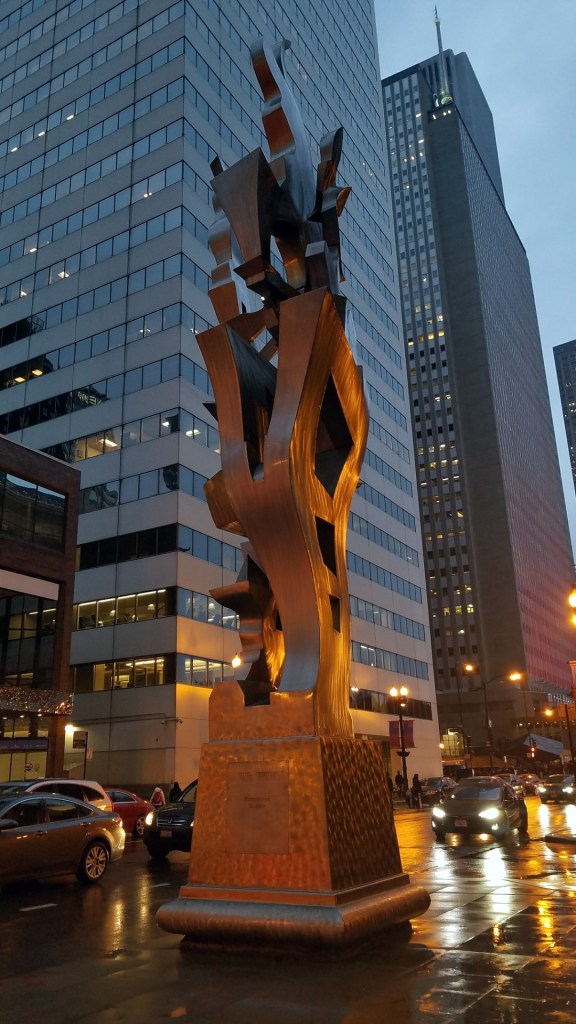

We Will, a welded stainless steel sculpture by Richard Hunt


November 2nd, 2017