Chicago || The Monadnock

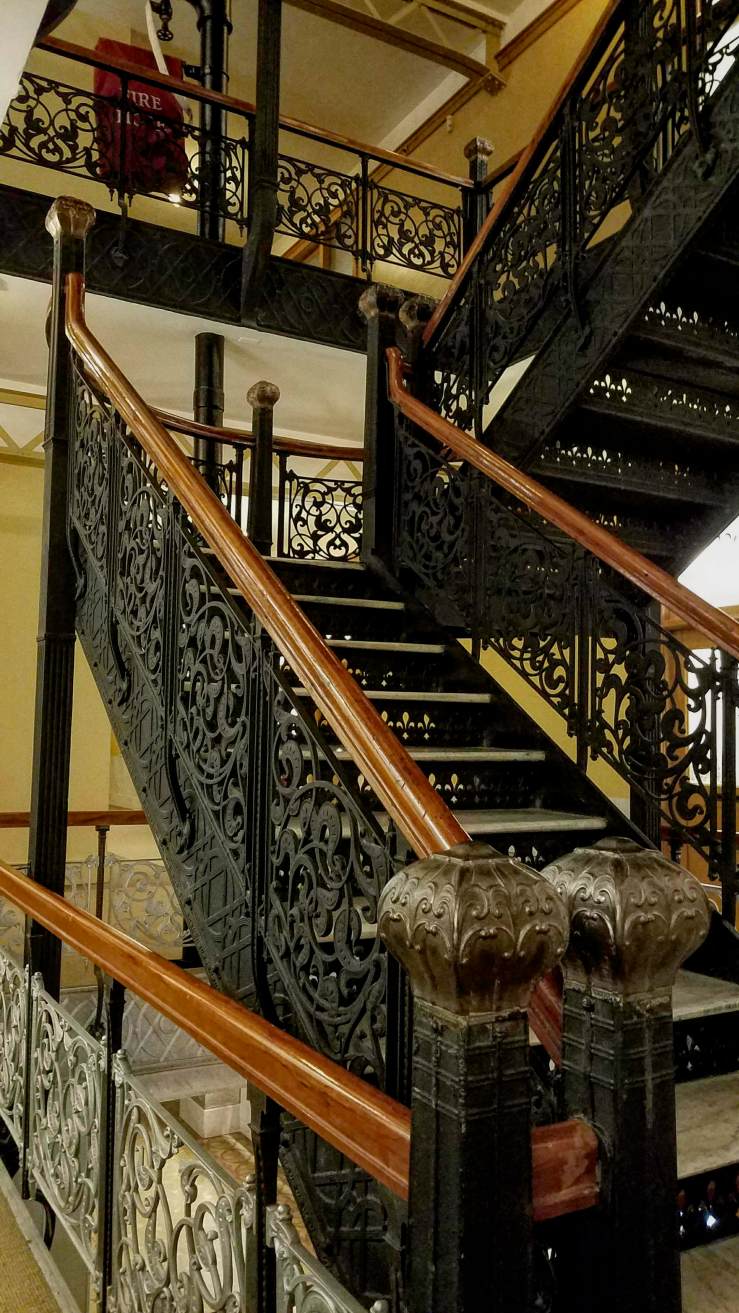
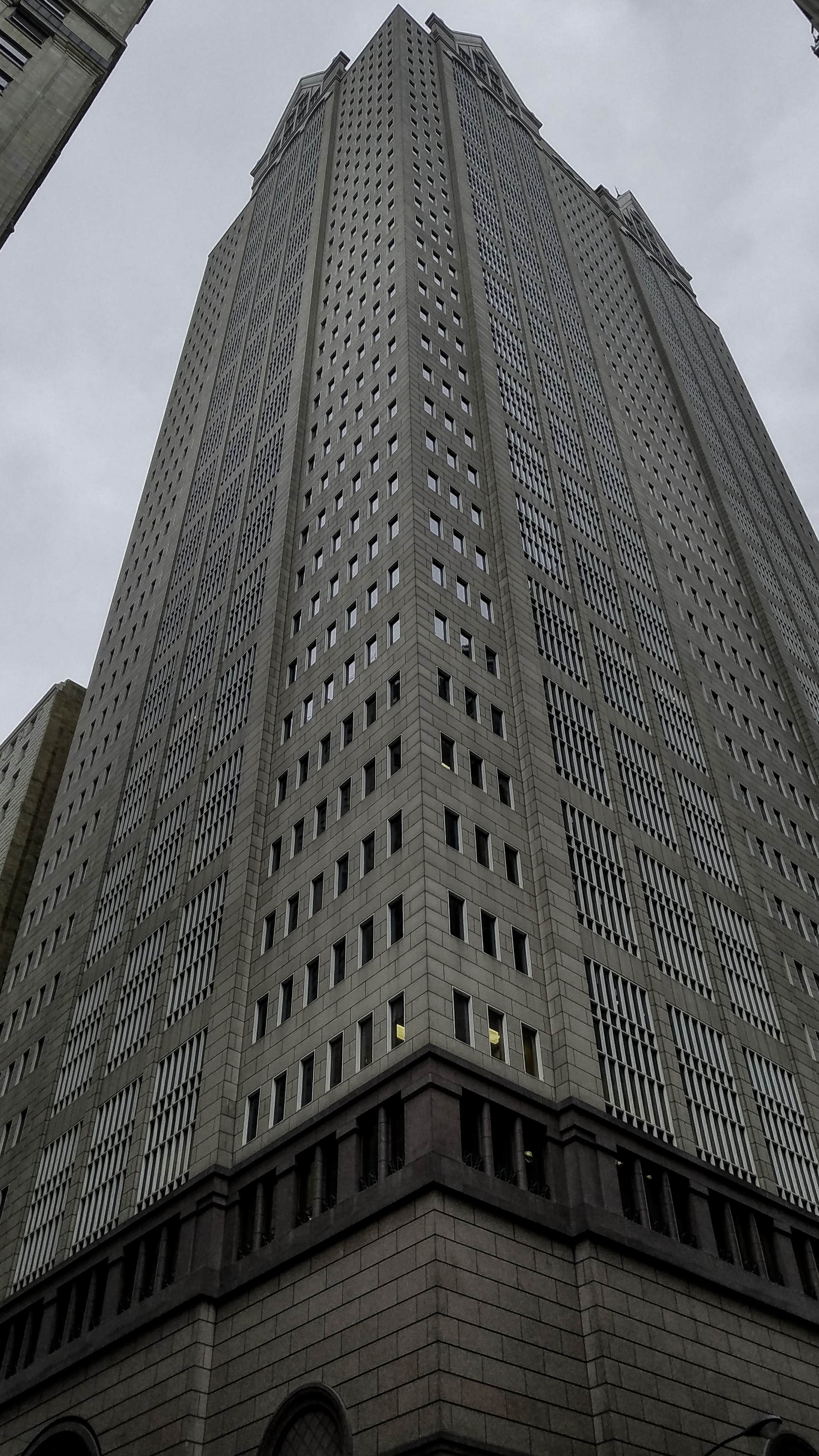
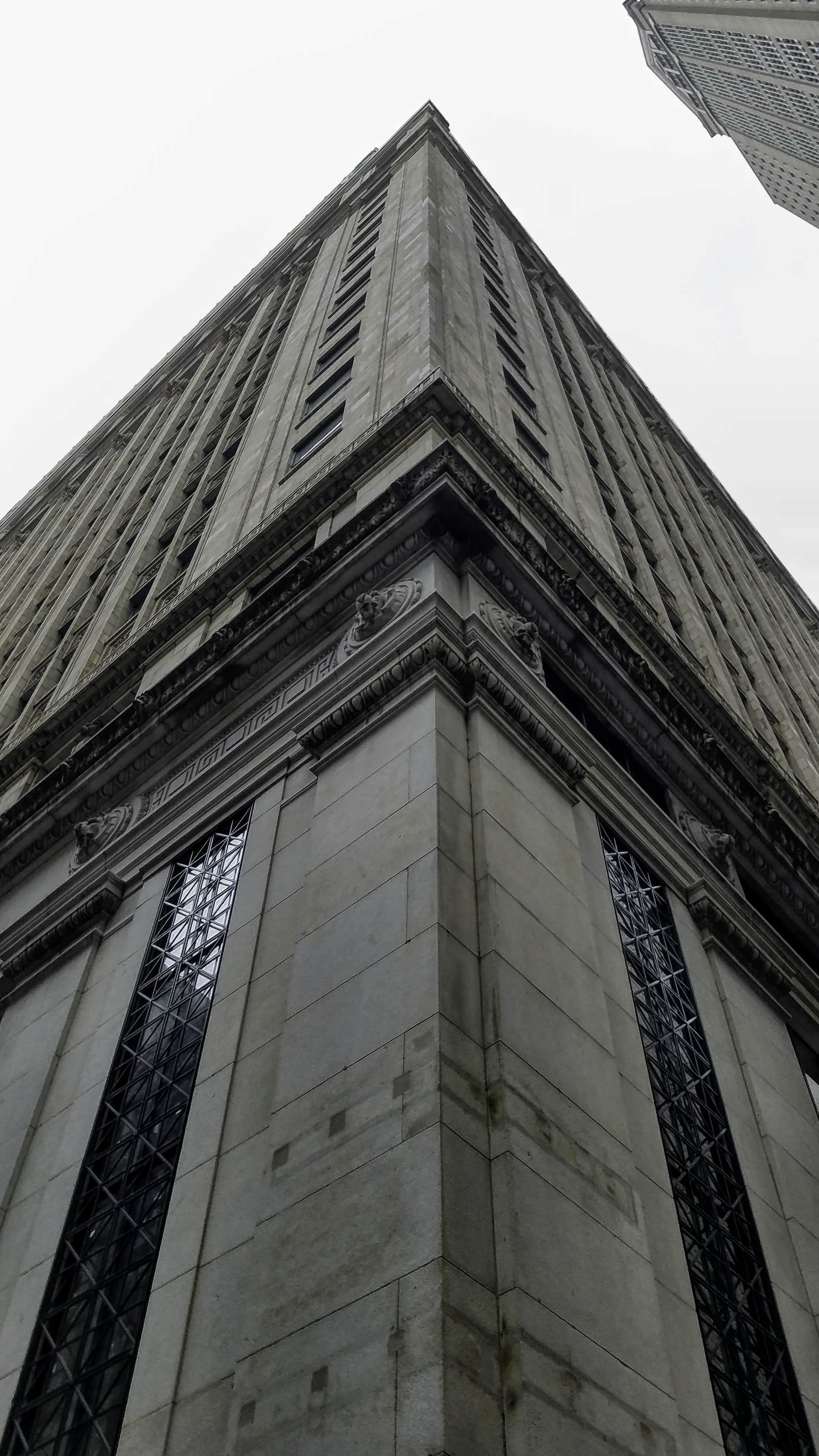
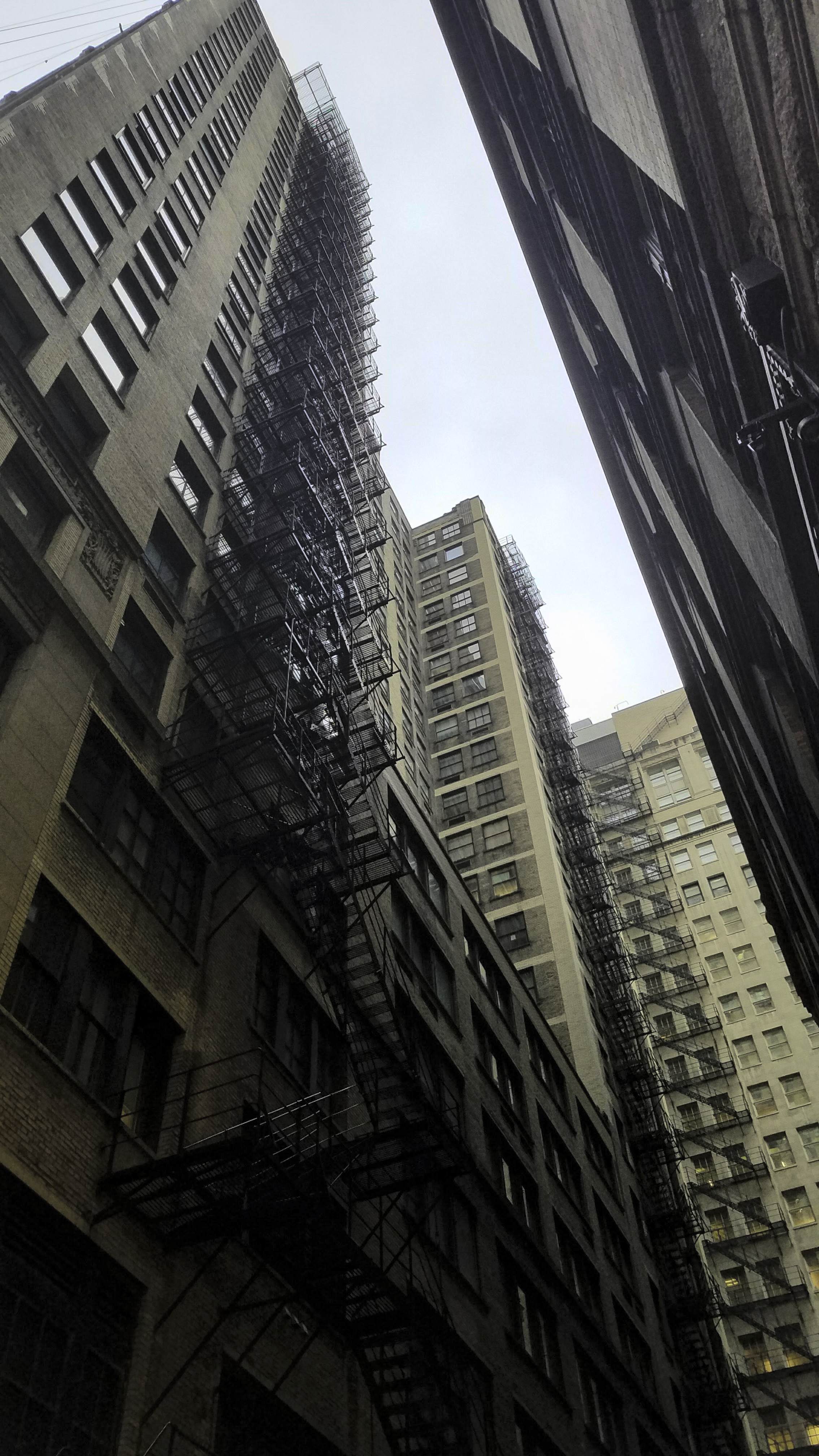
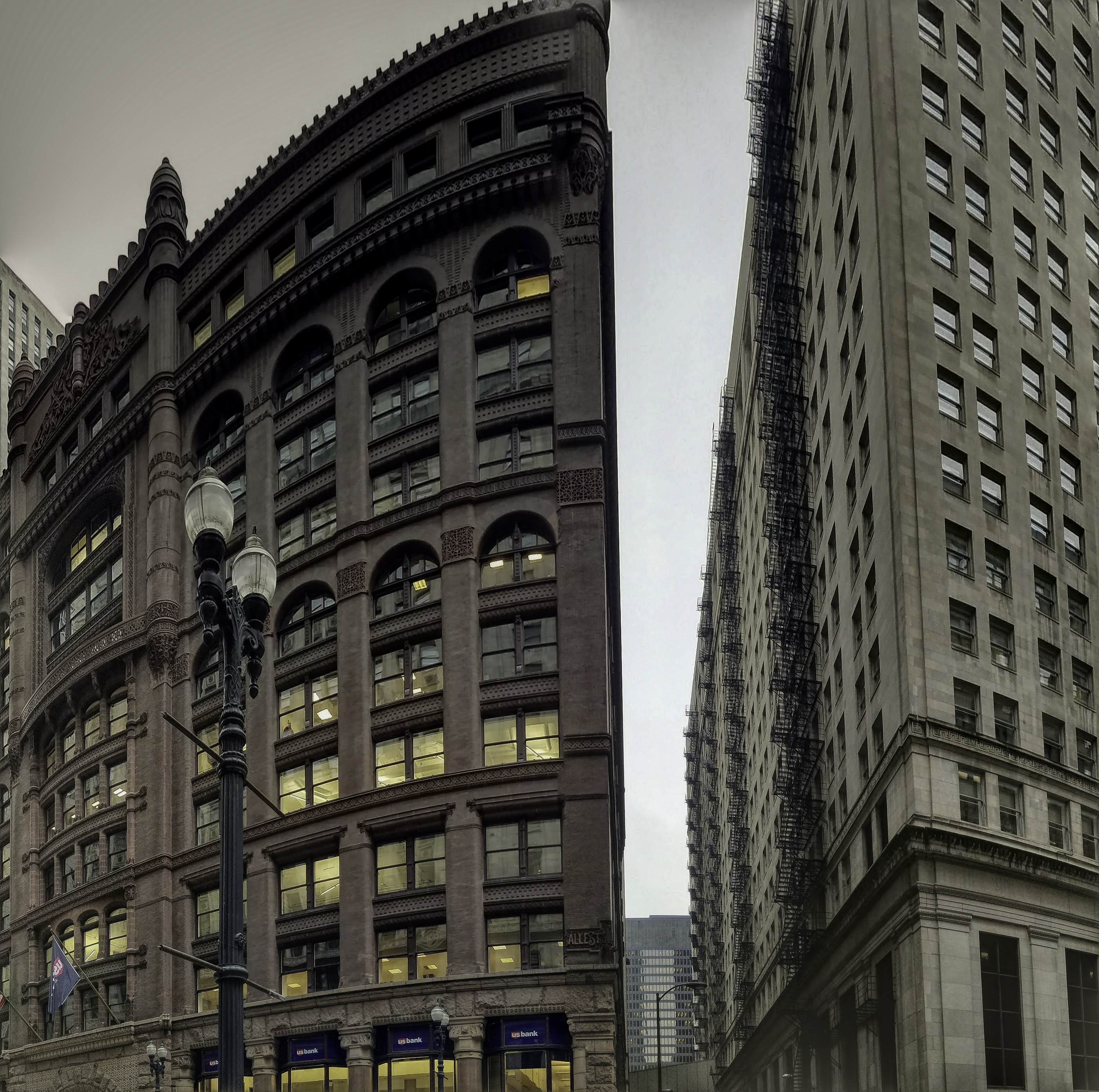
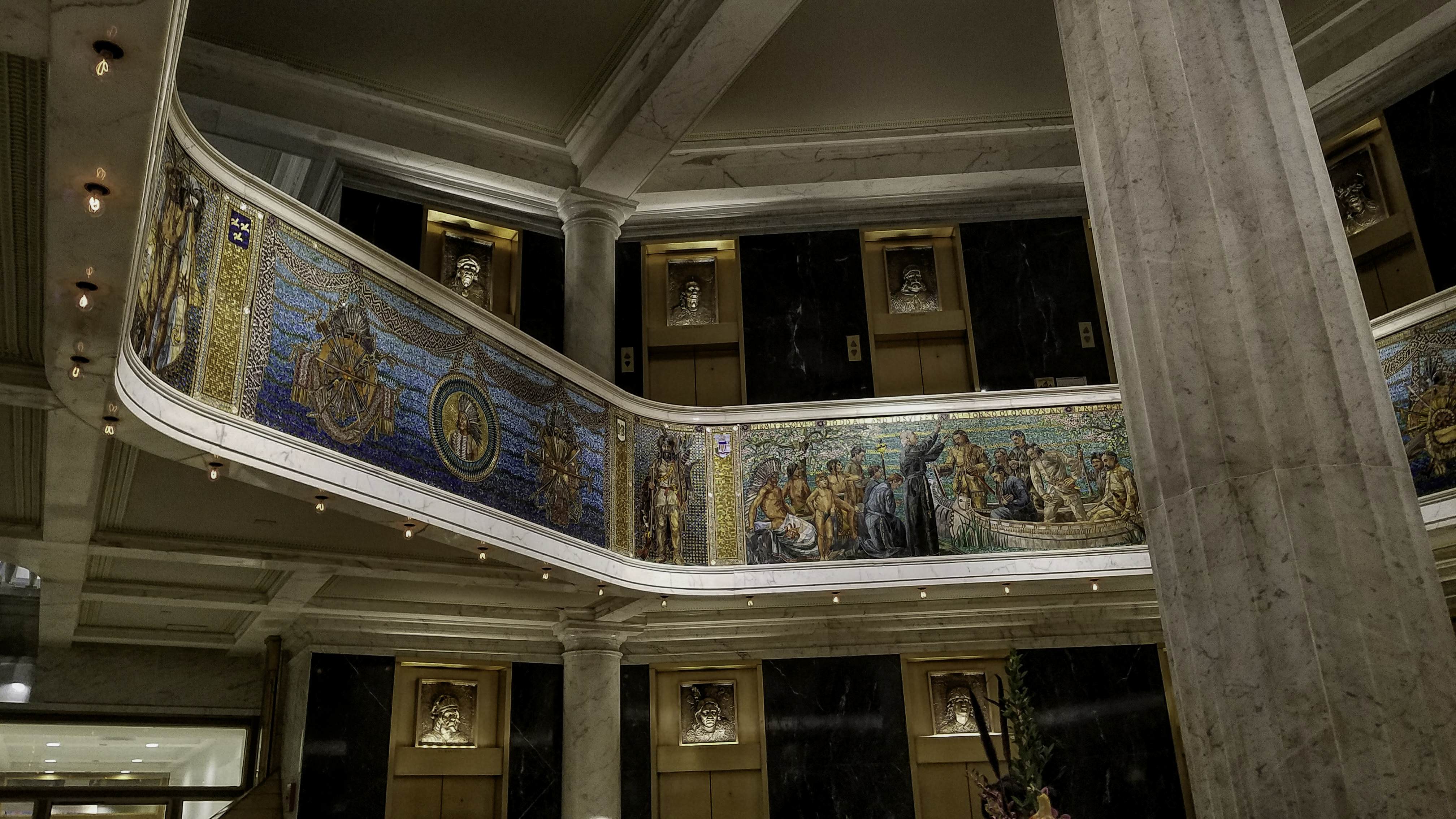
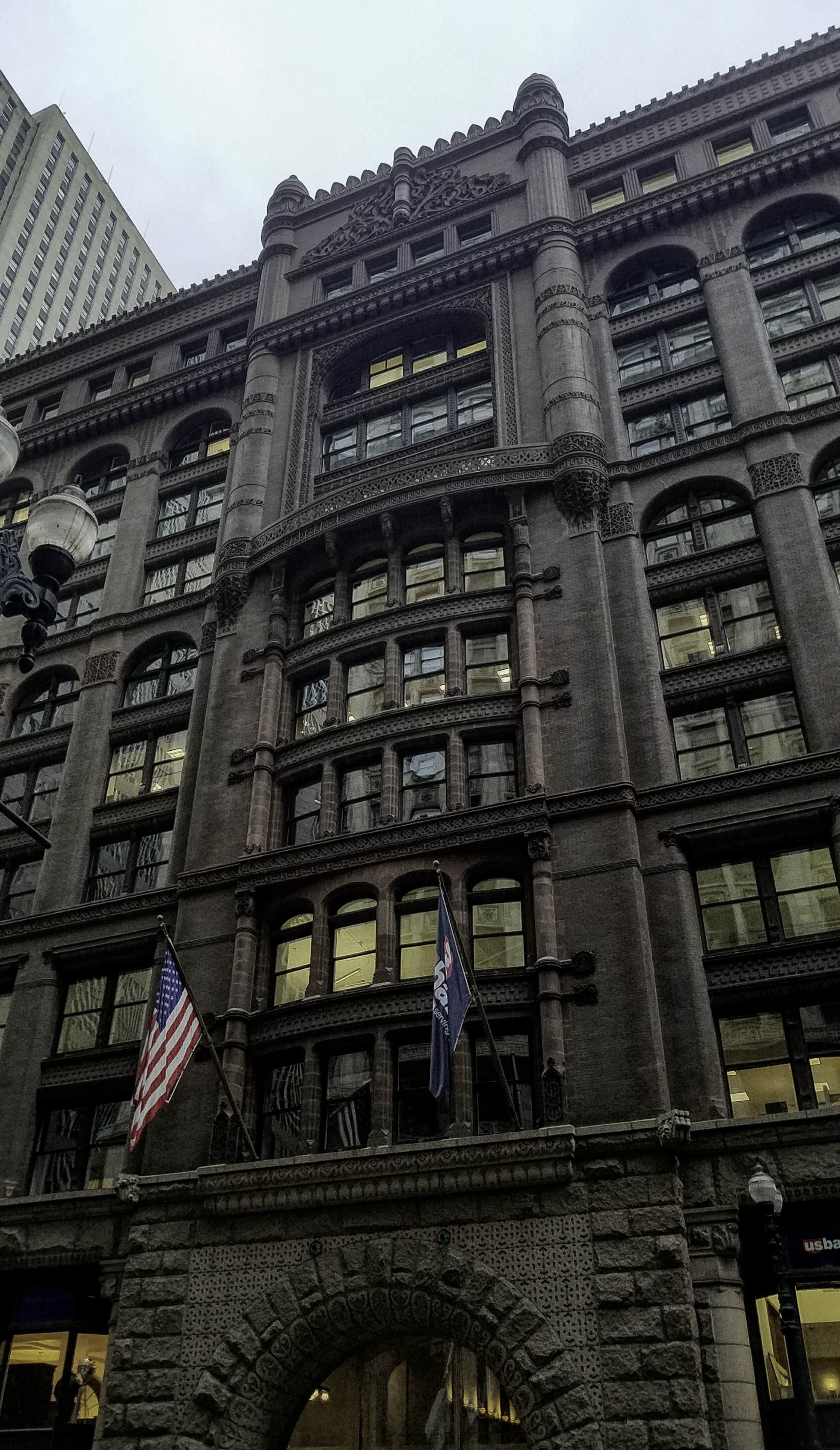
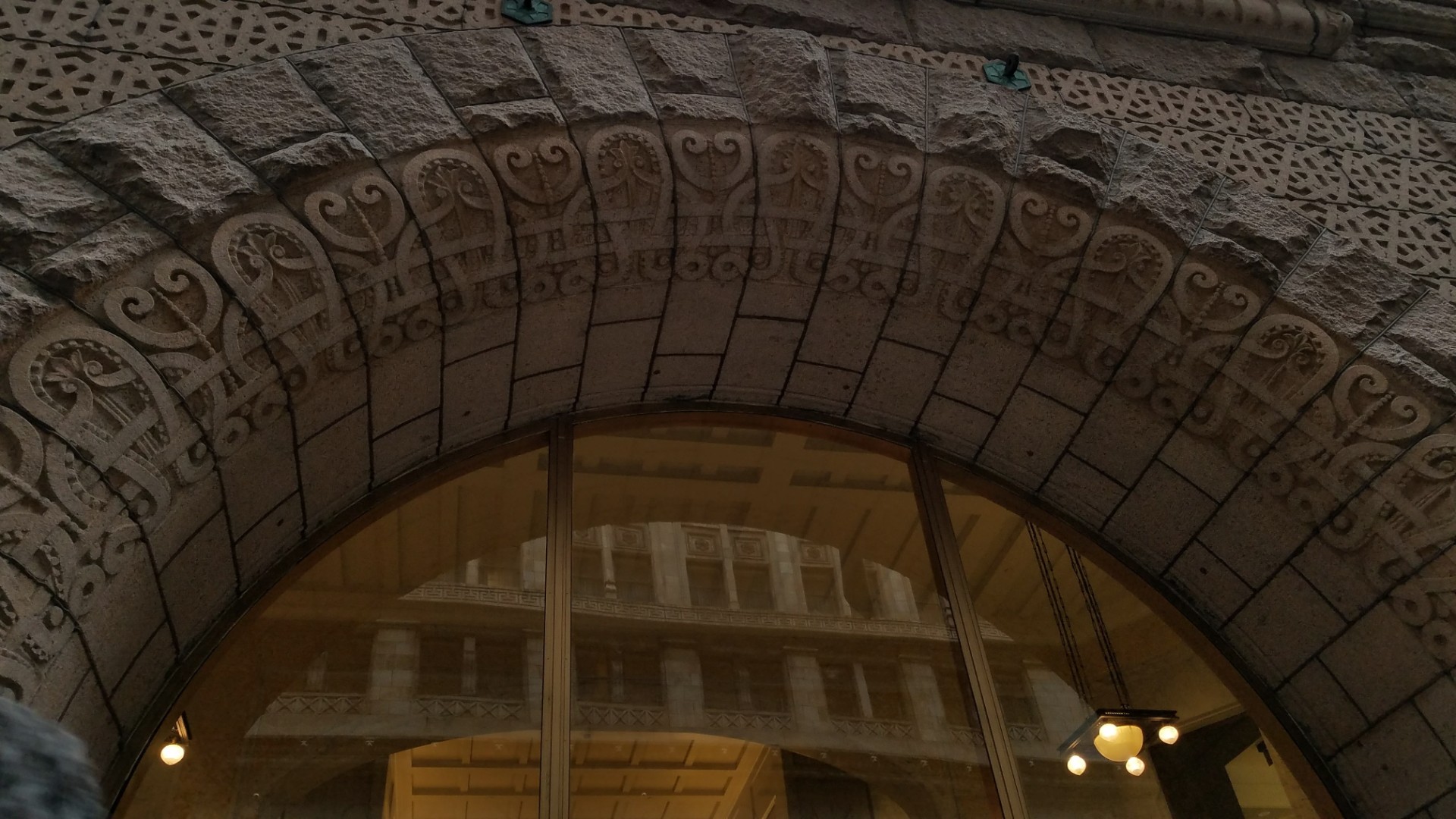
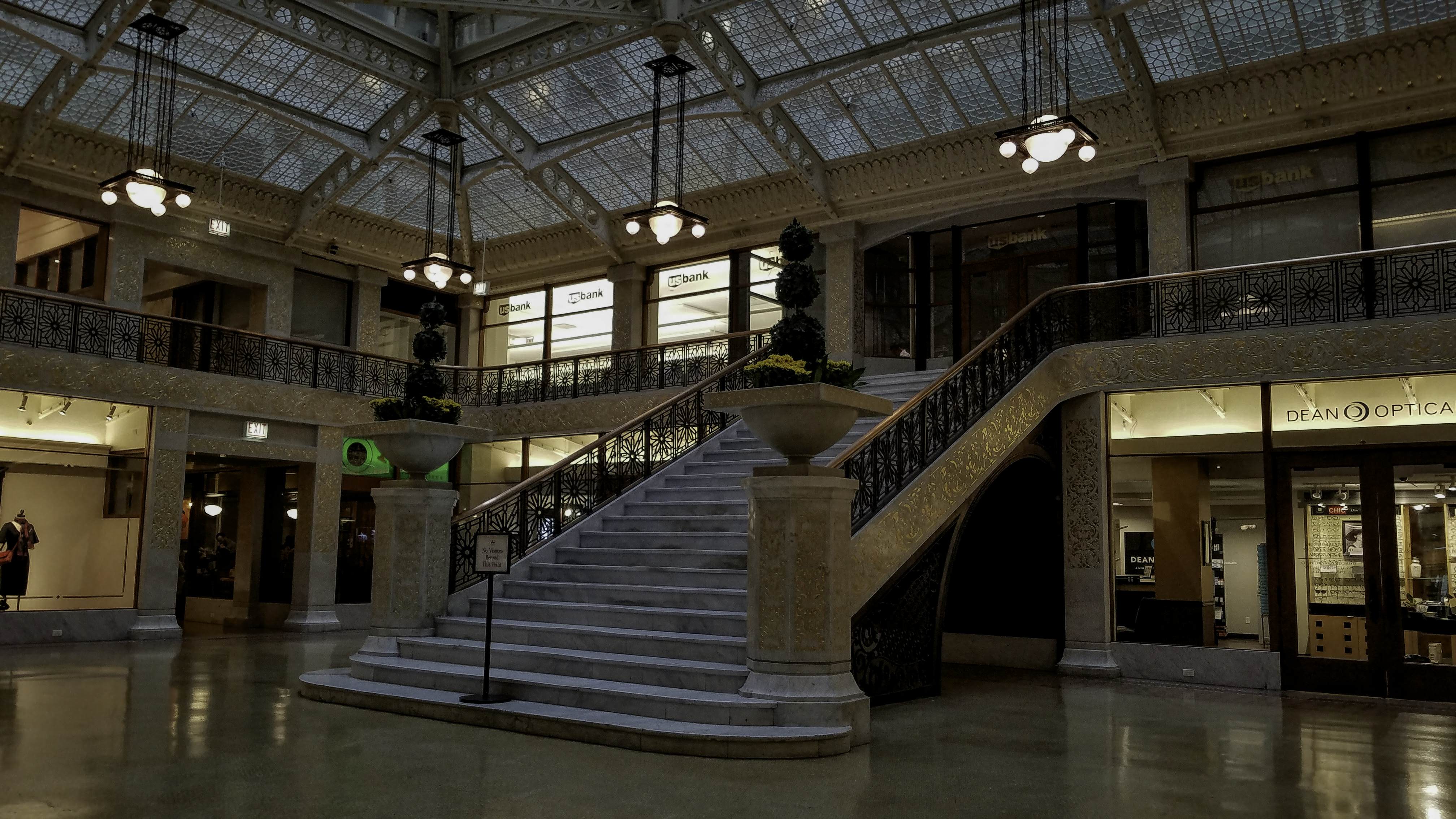
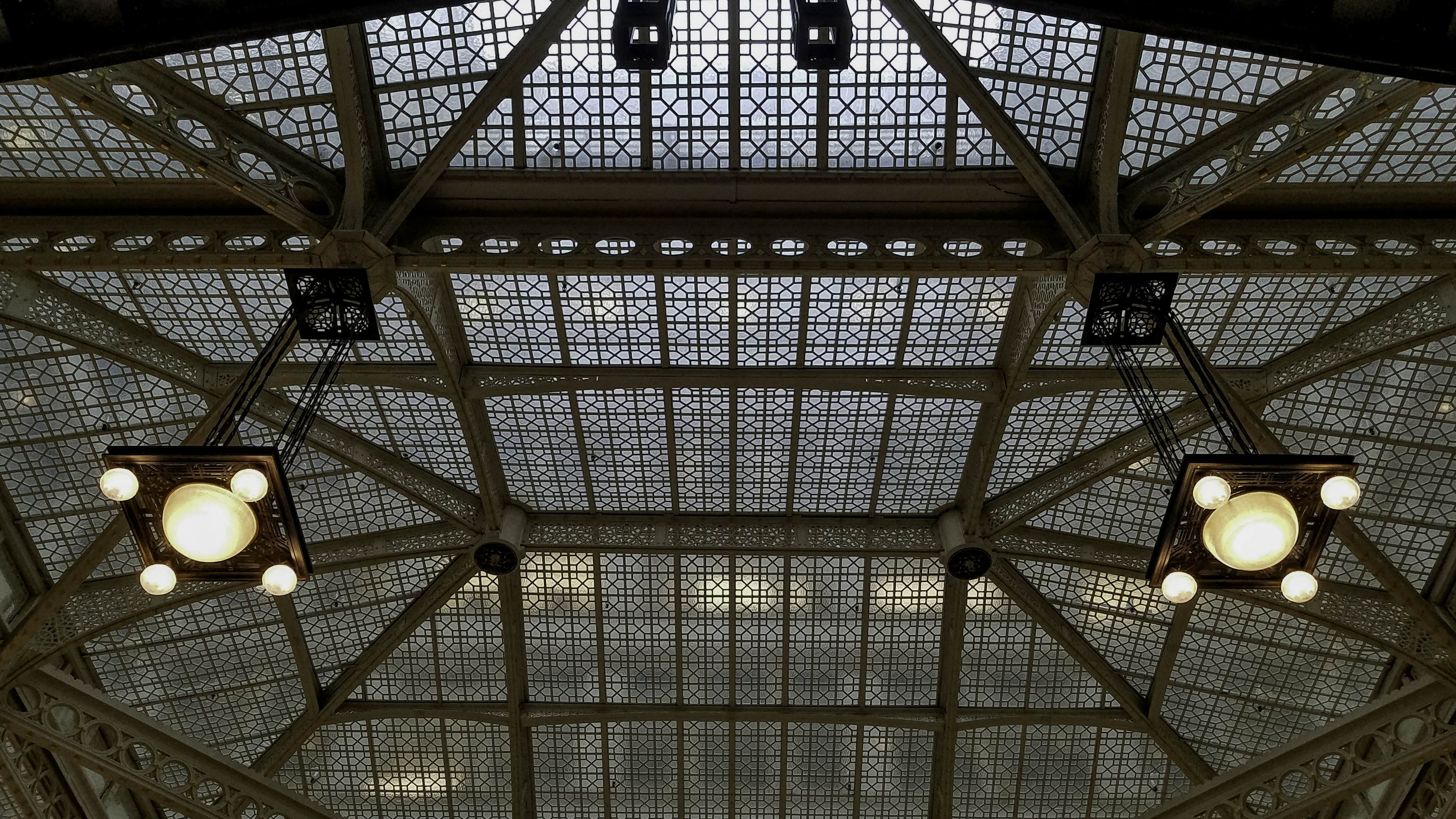
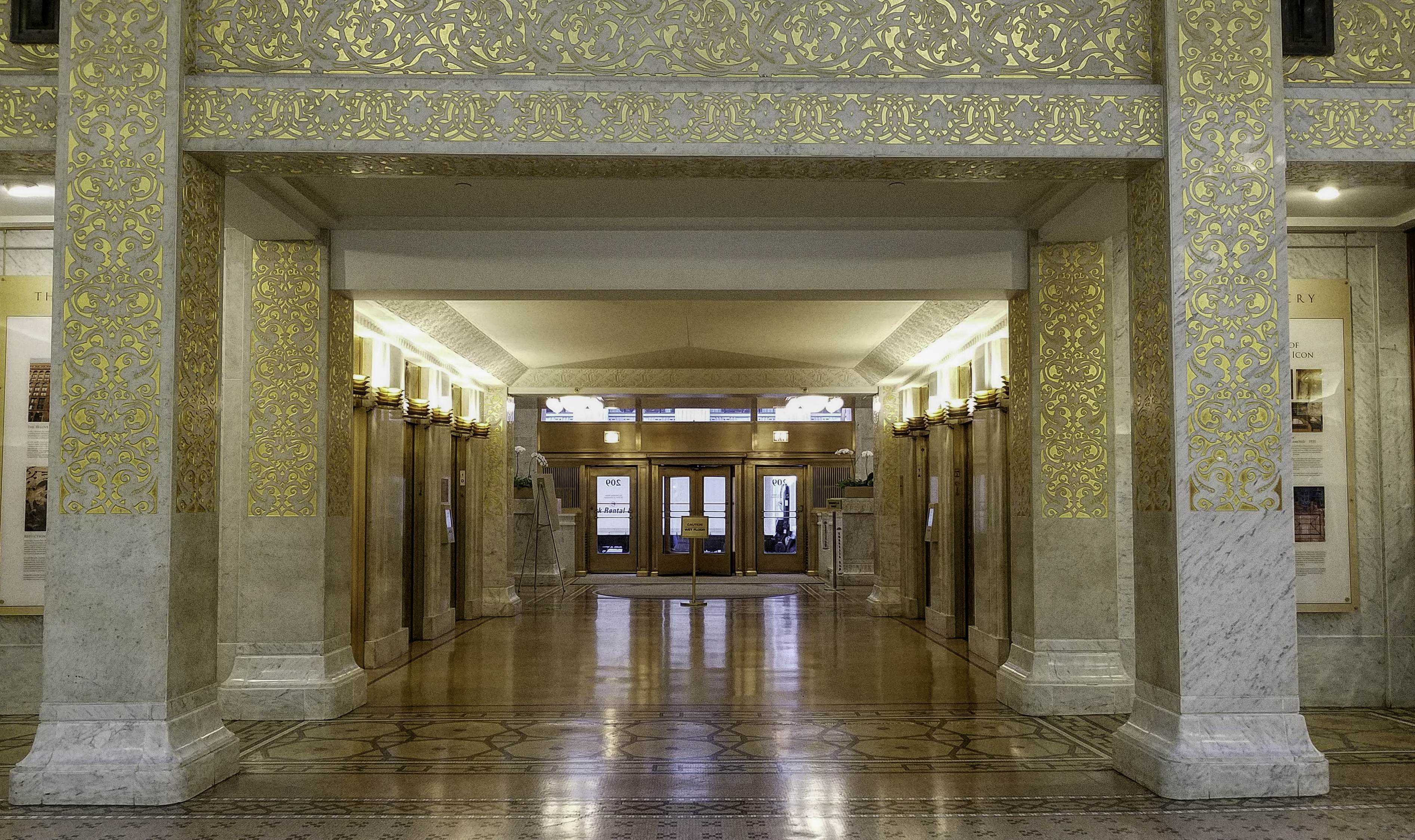
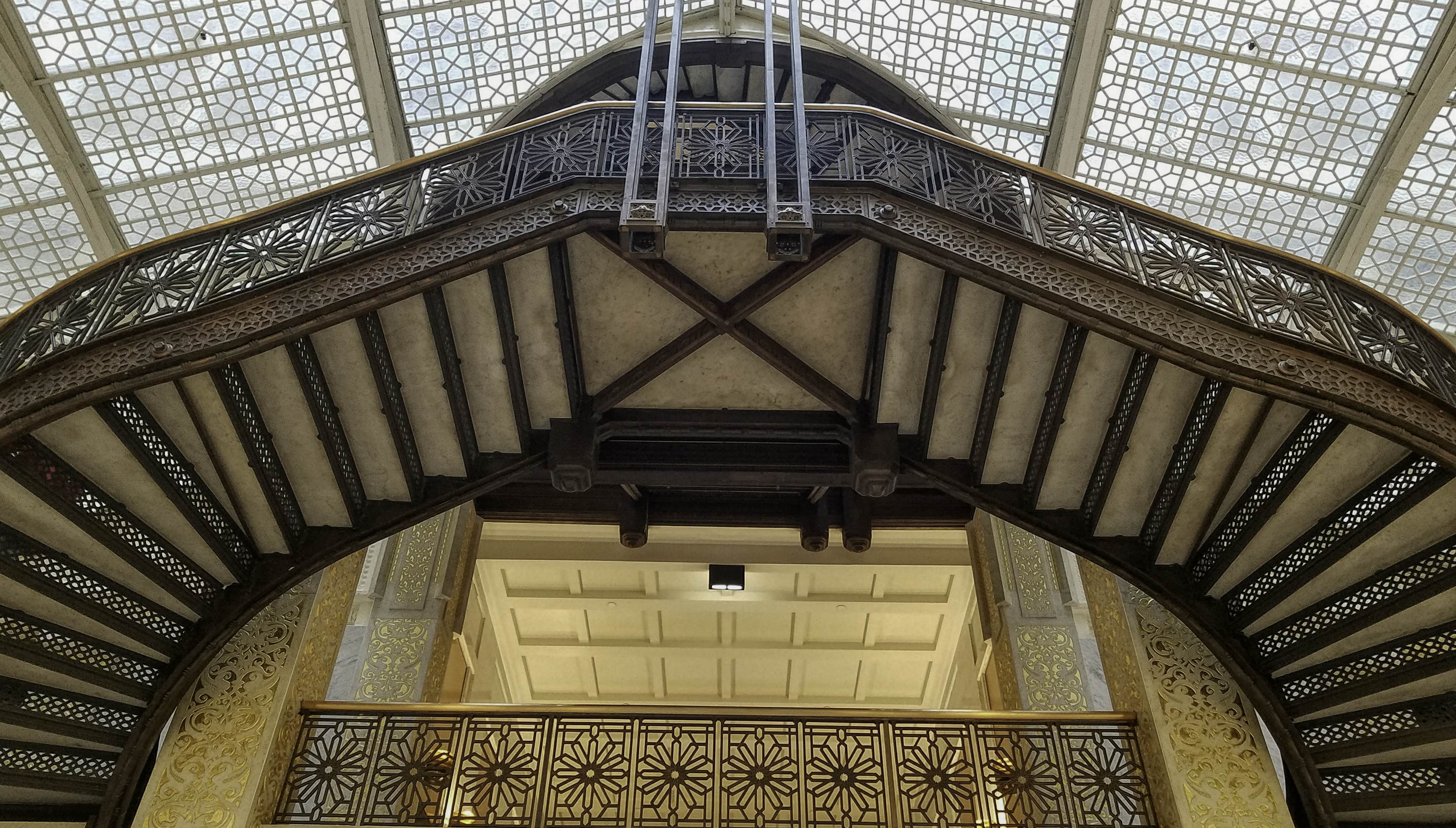
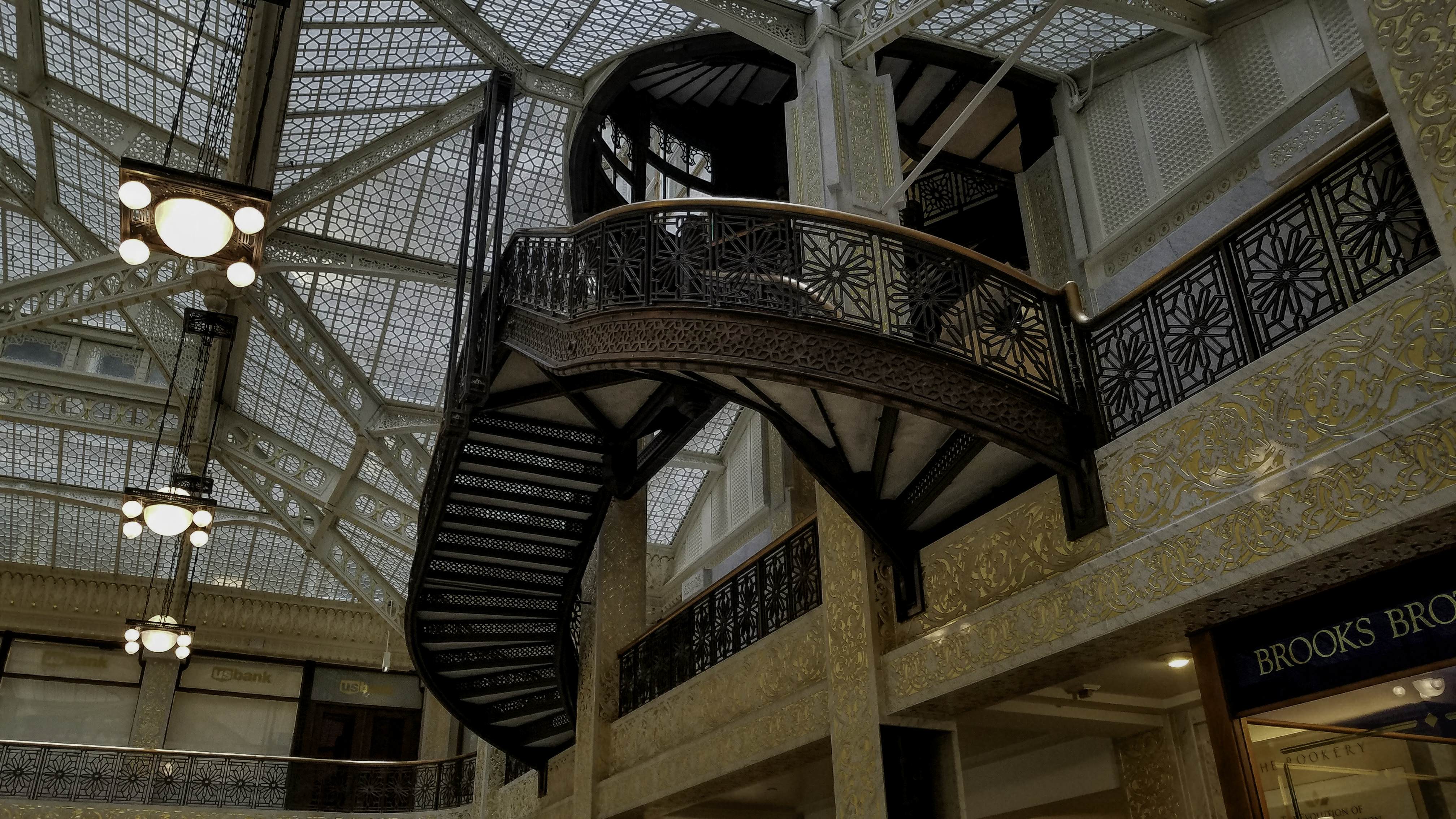
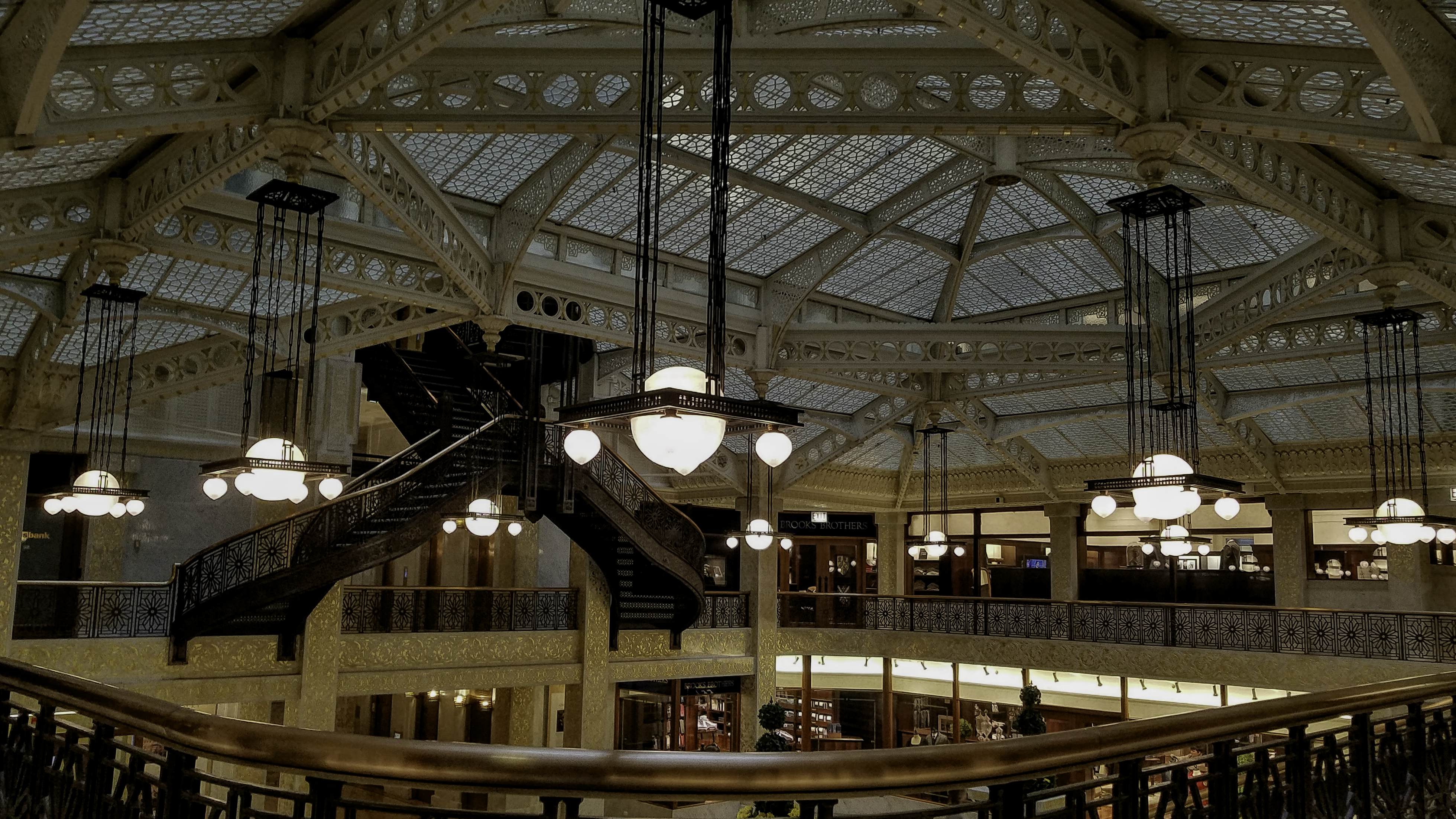
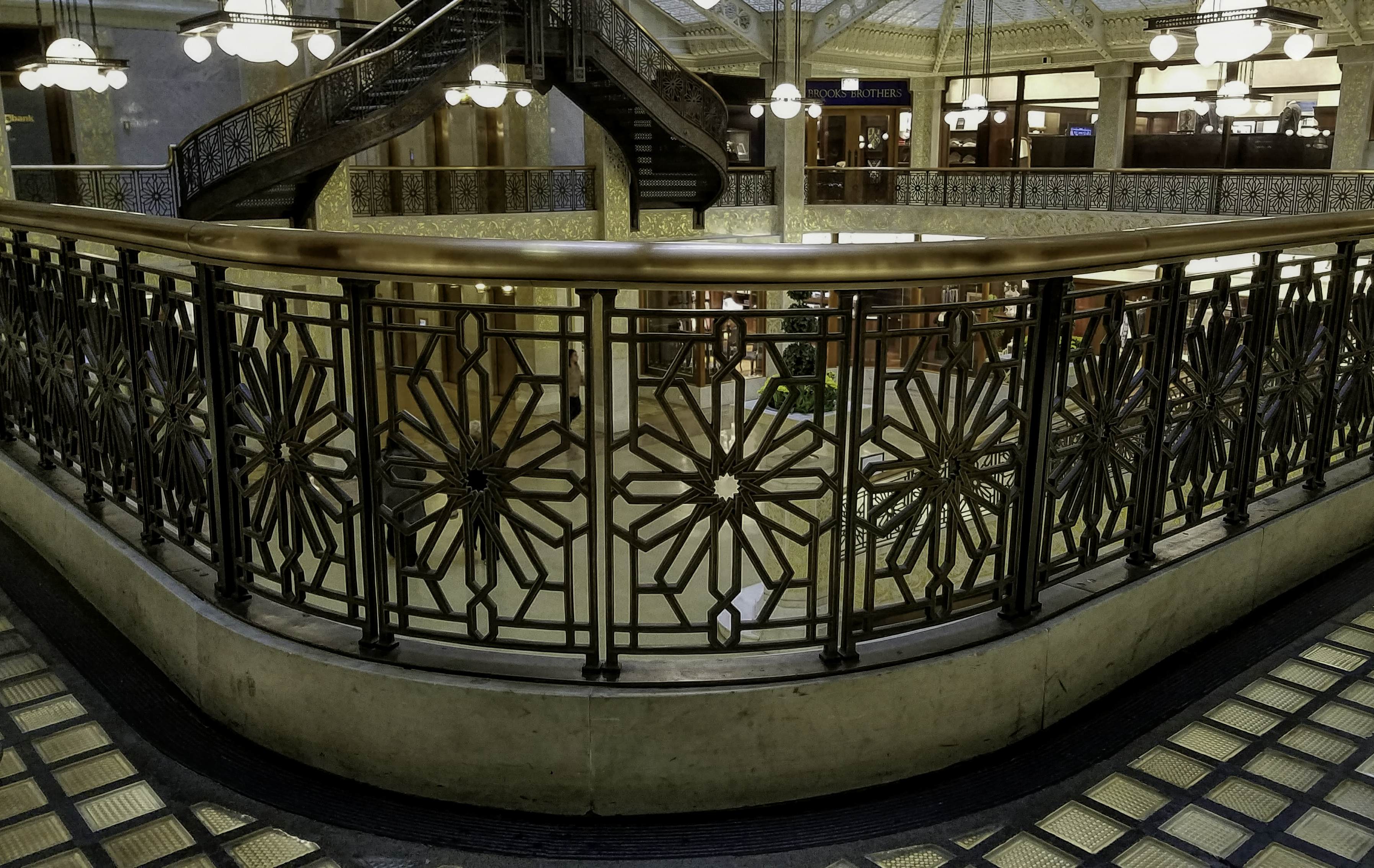
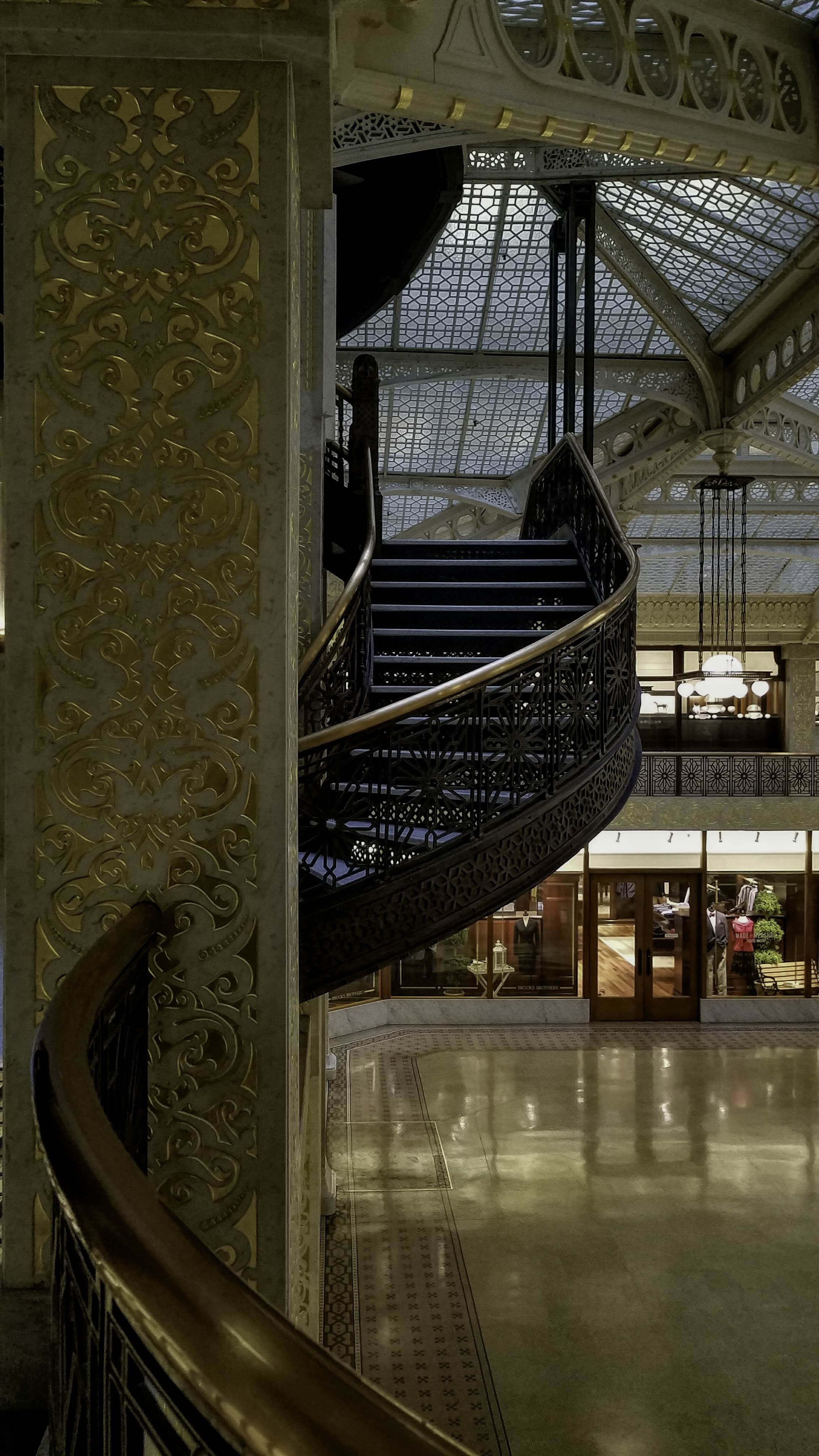
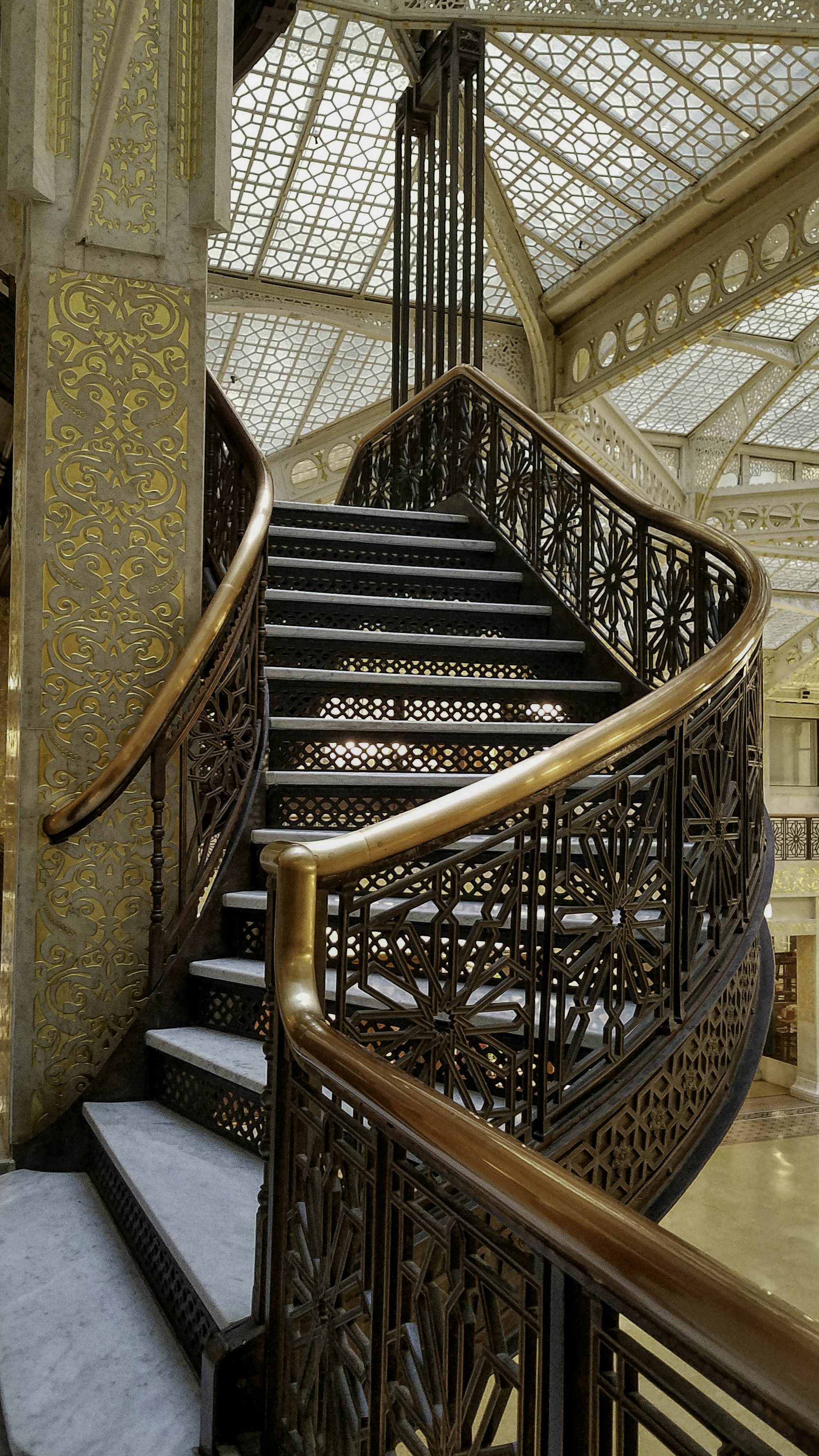
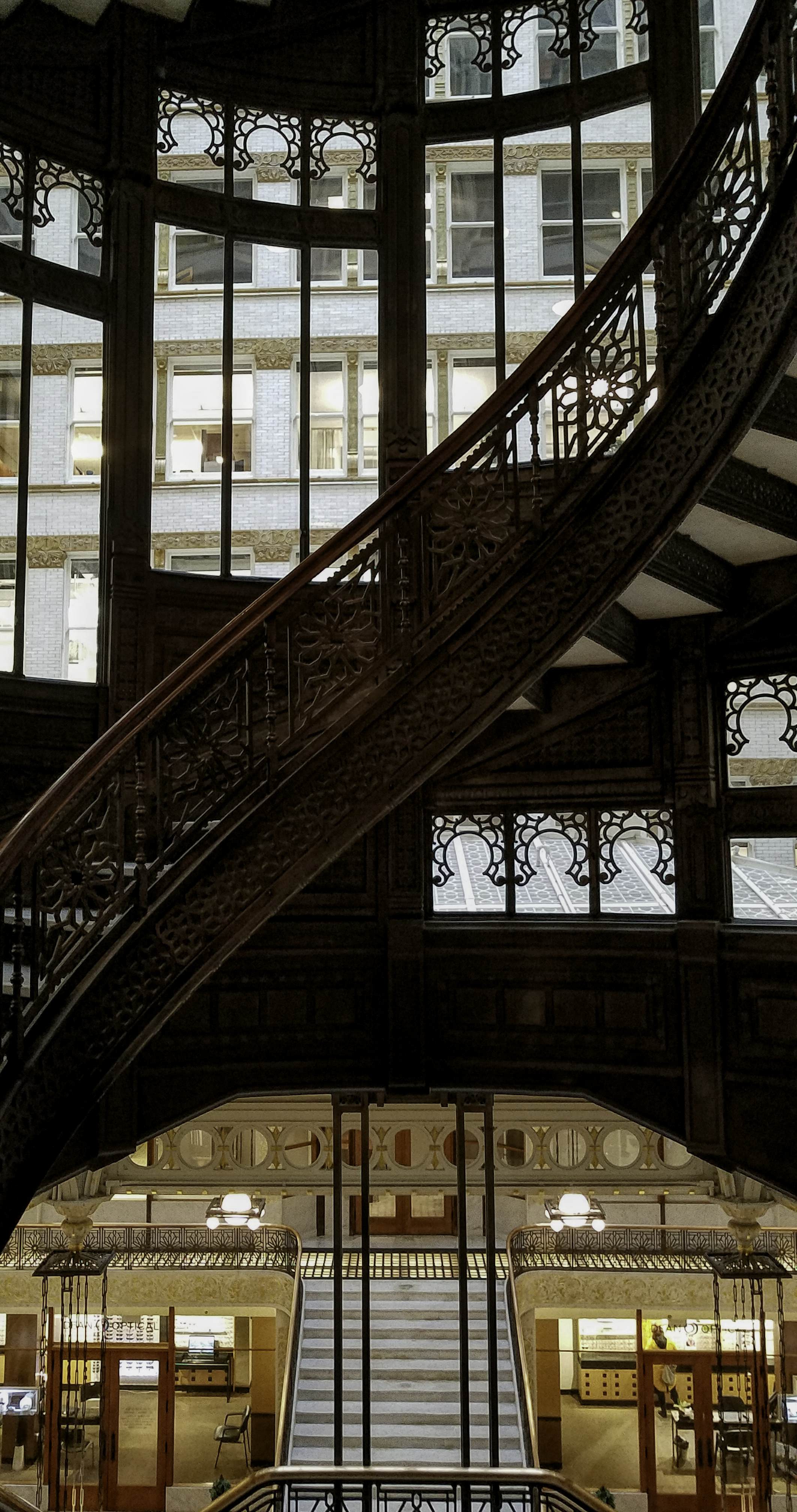
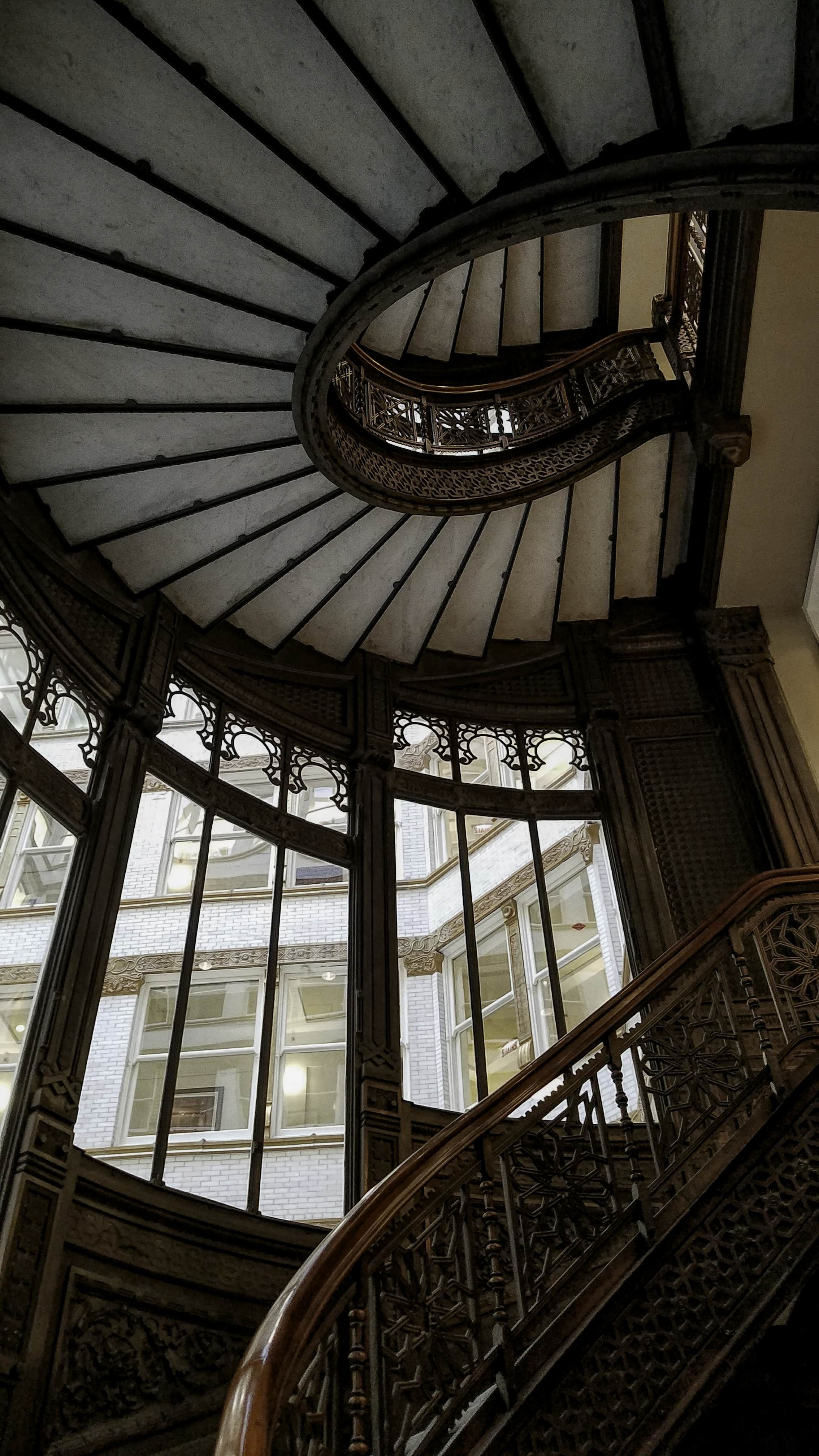
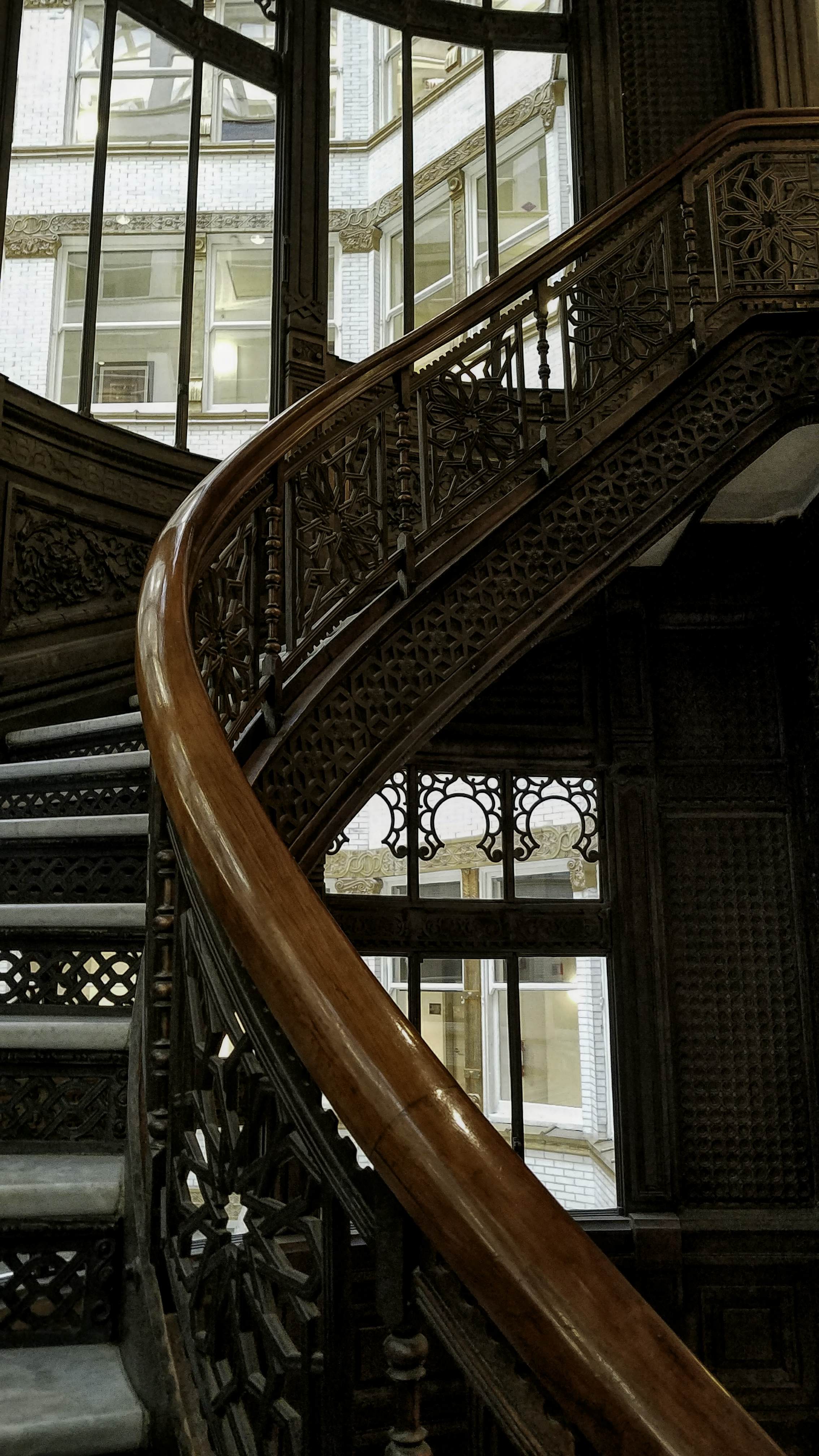
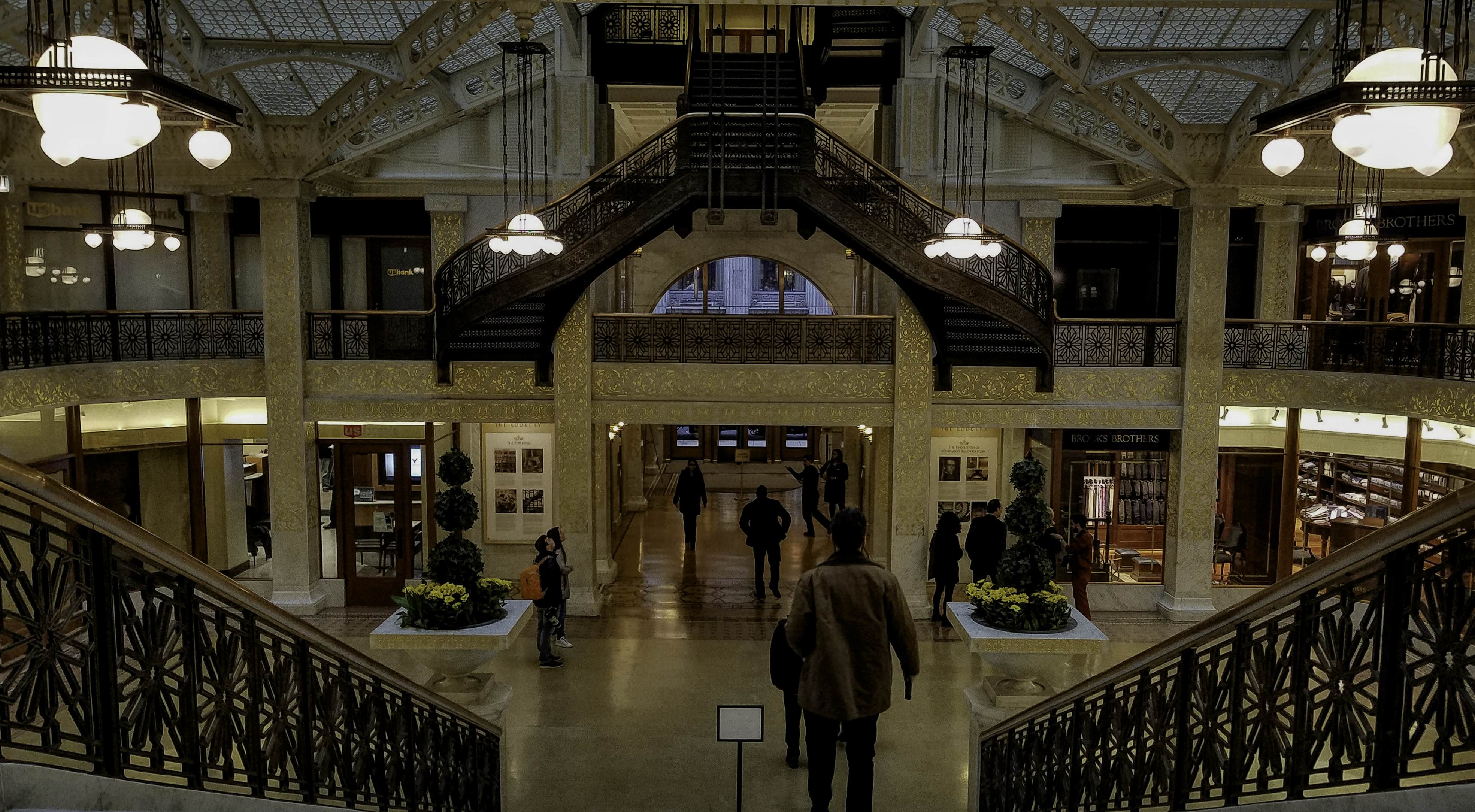
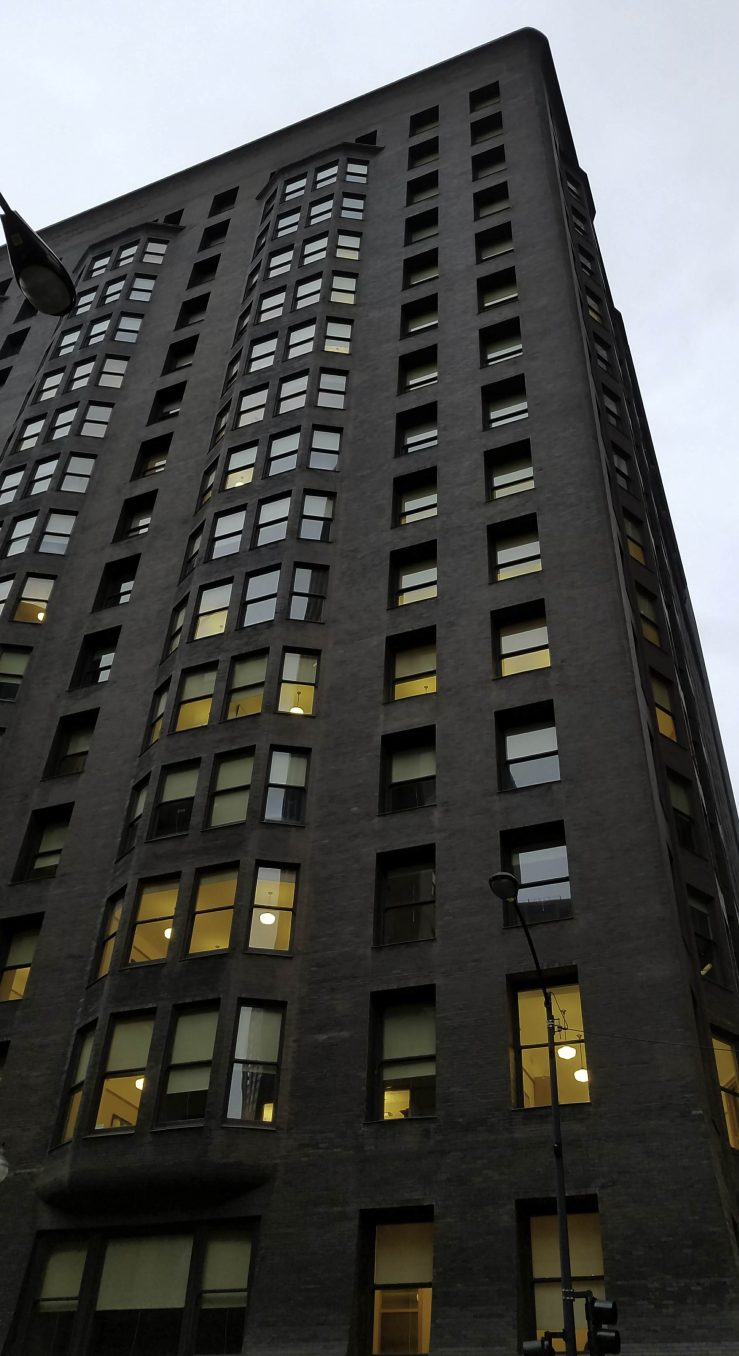
The Monadnock was conceived primarily as a business centre; in fact, upon its completion, it was the world’s largest office building. Architects Burnham & Root designed the north half (built 1891); Holabird & Roche designed the south half (built 1893). Names that are becoming strangely familiar, by now.

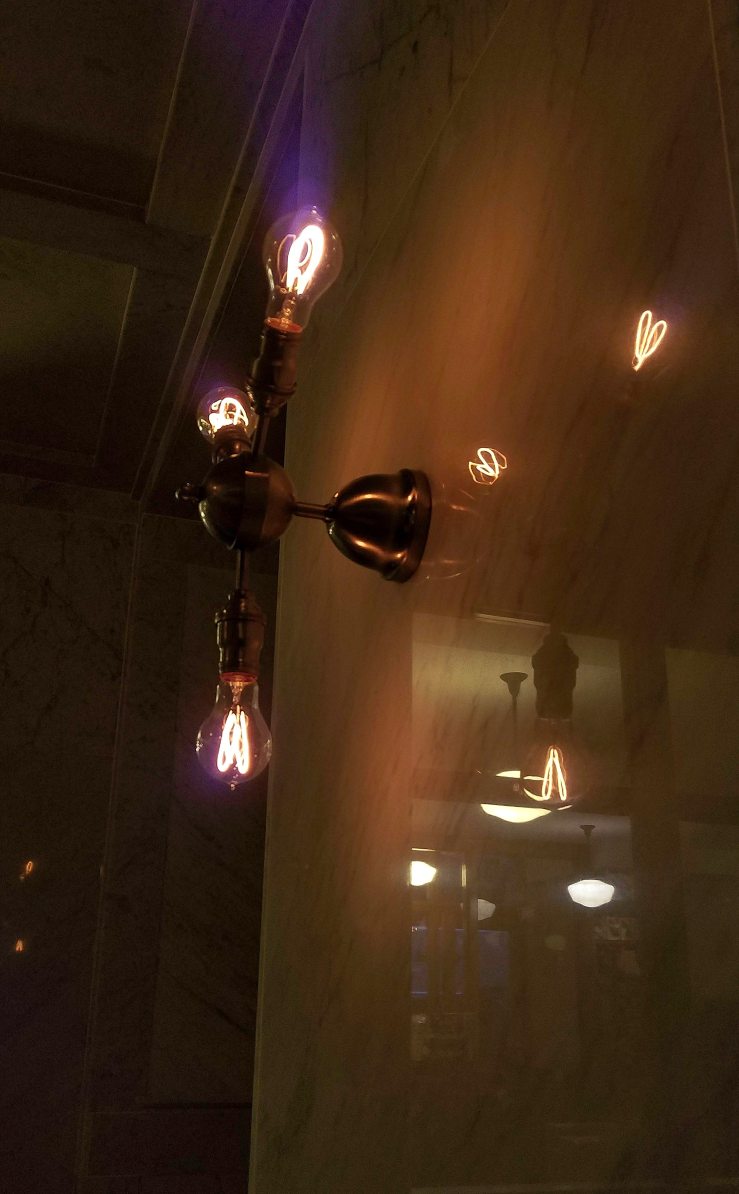
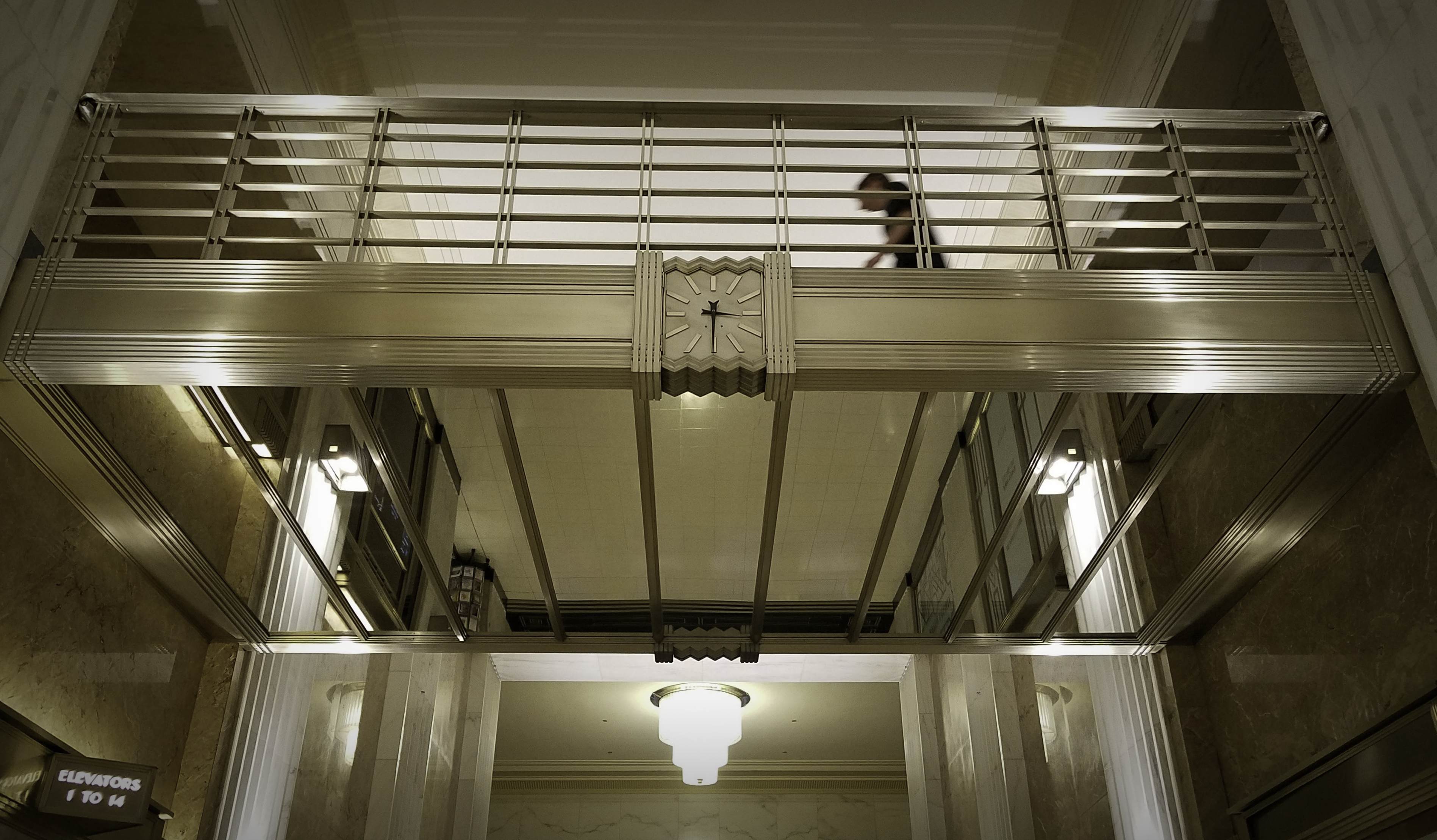
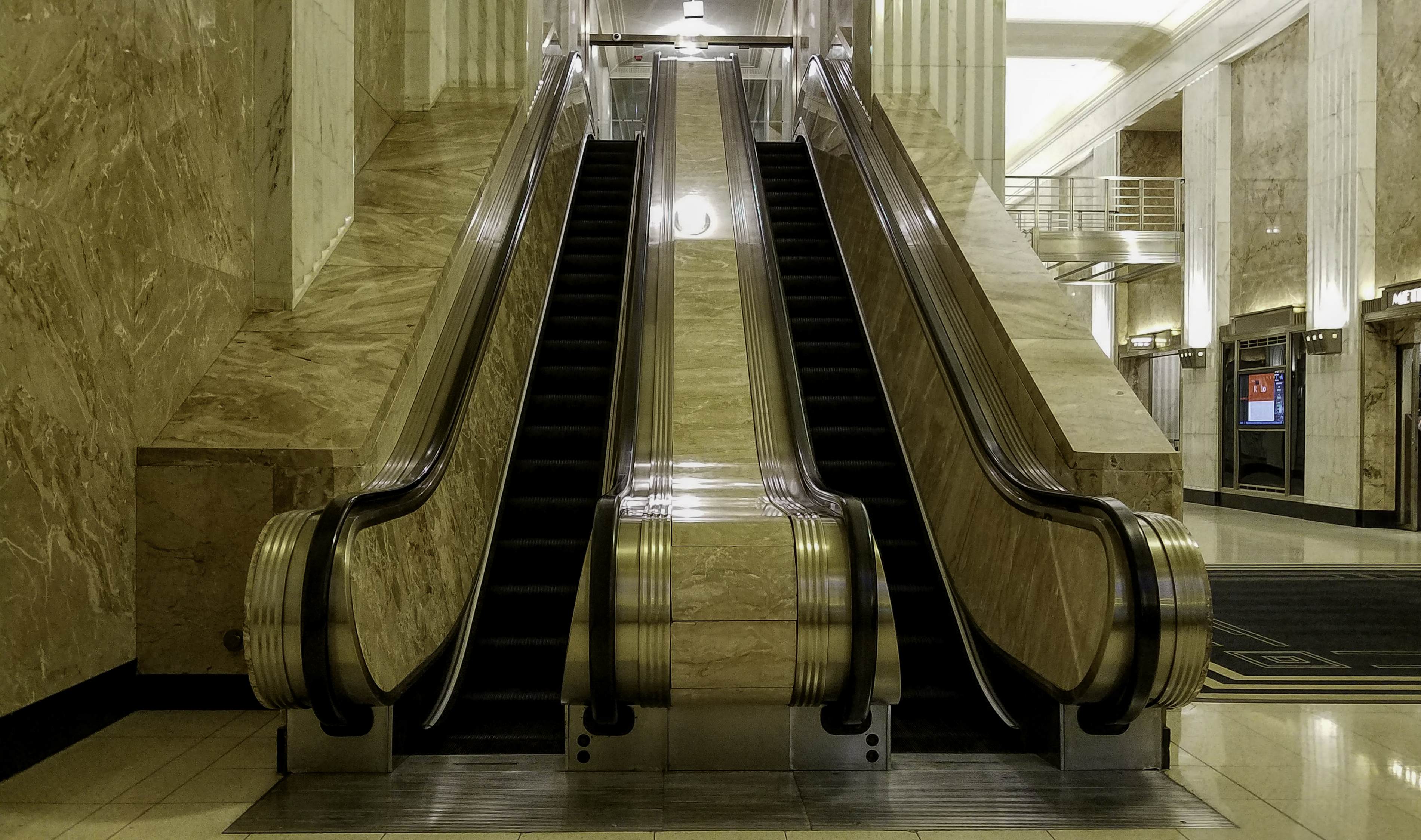
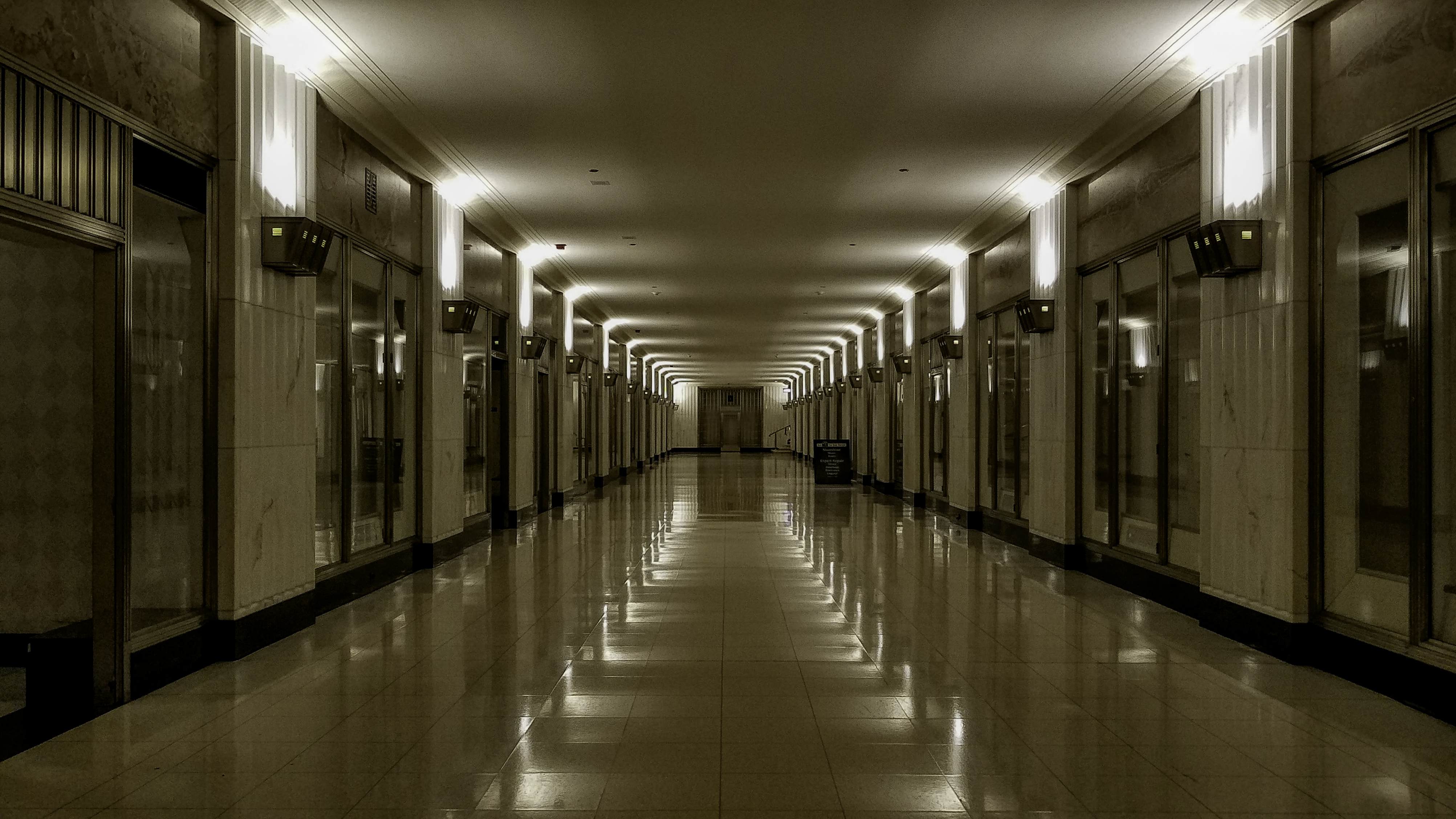
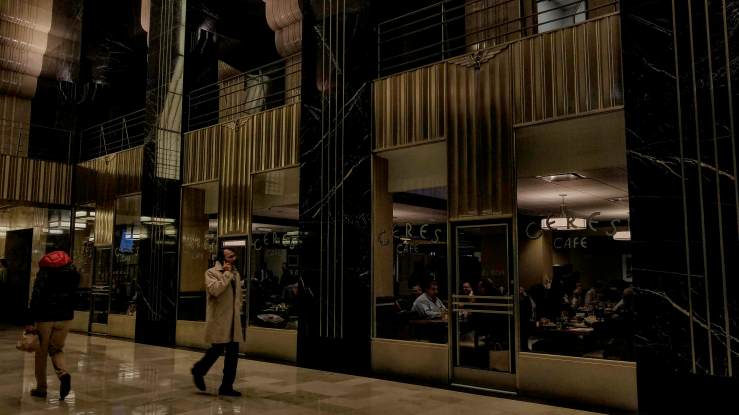
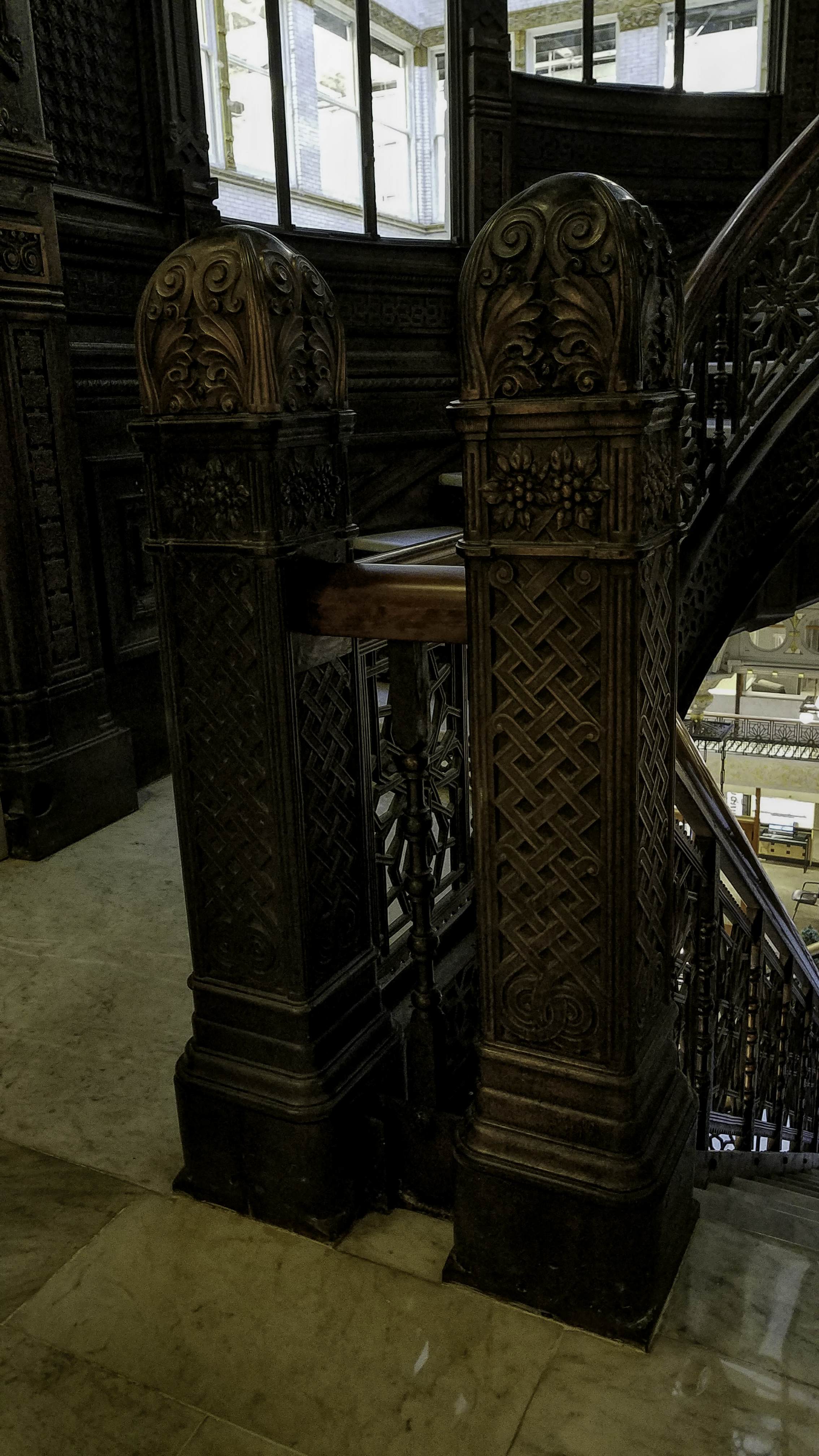
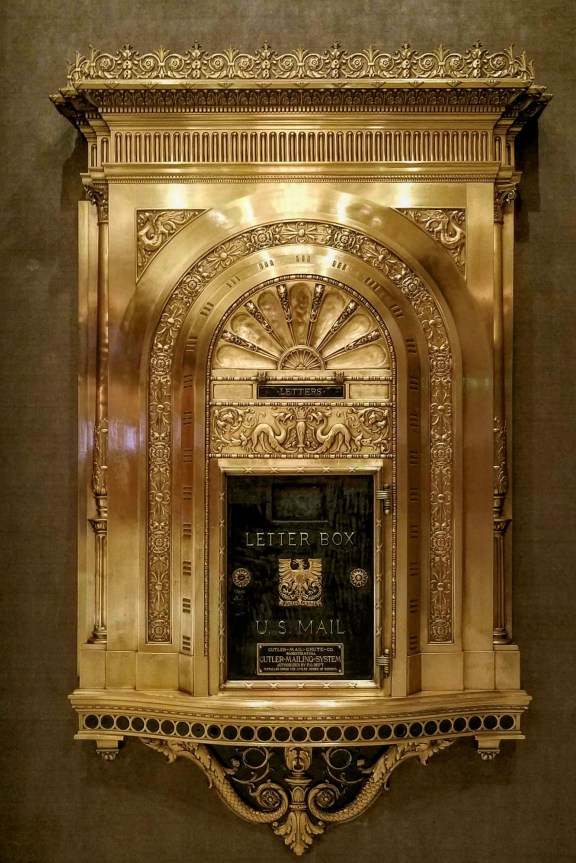
The ground floor is purely commercial; a café, a restaurant, various retail shops, a ”shoe hospital”, every single one of them oozing old-school elegance. I am sure their interior design, unique yet totally coordinated, is a prerequisite and constitutes a lengthy clause in their leasing contract.

Whatever the cause, the result is the most atmospheric commercial gallery I have ever encountered.

November 2nd, 2017

Chicago || The Art Deco City

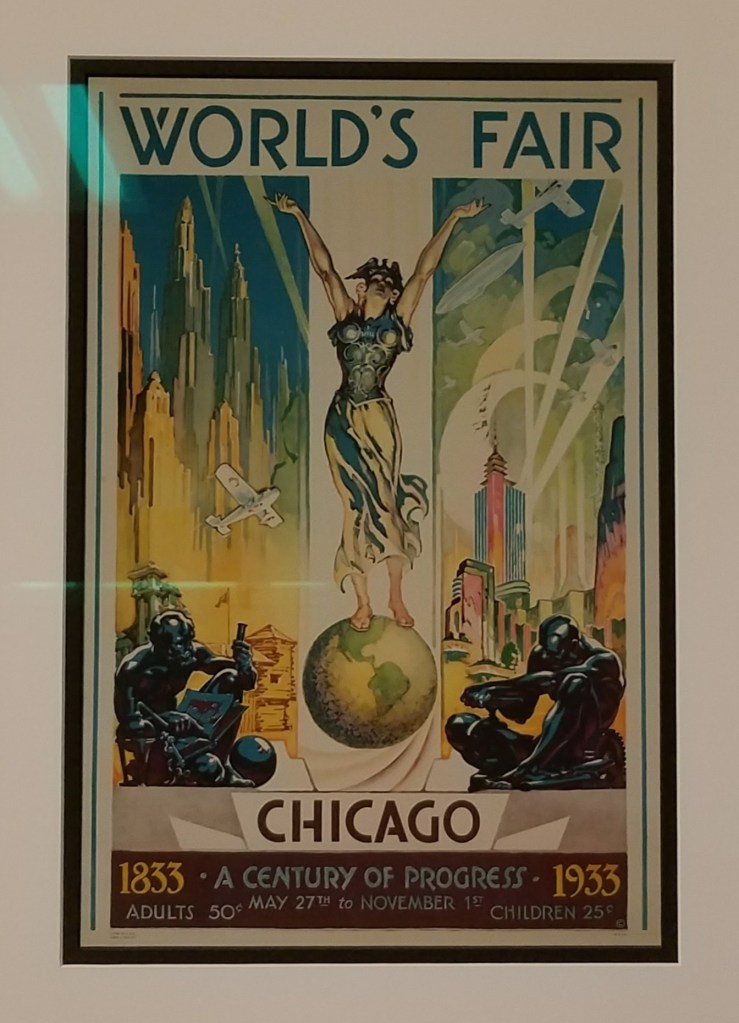
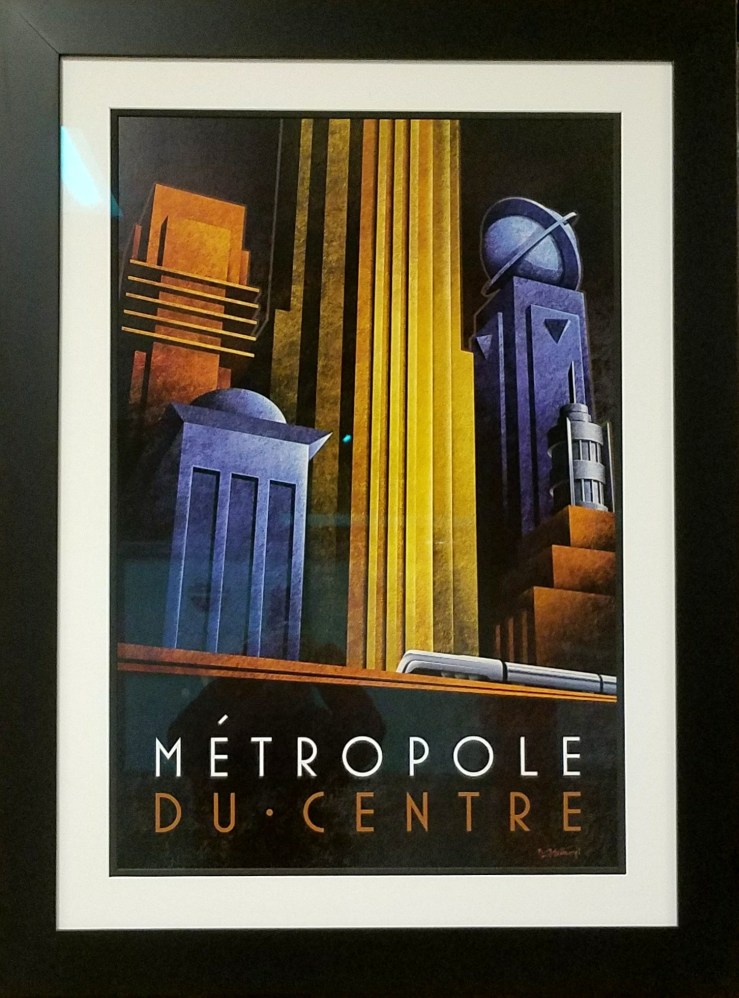
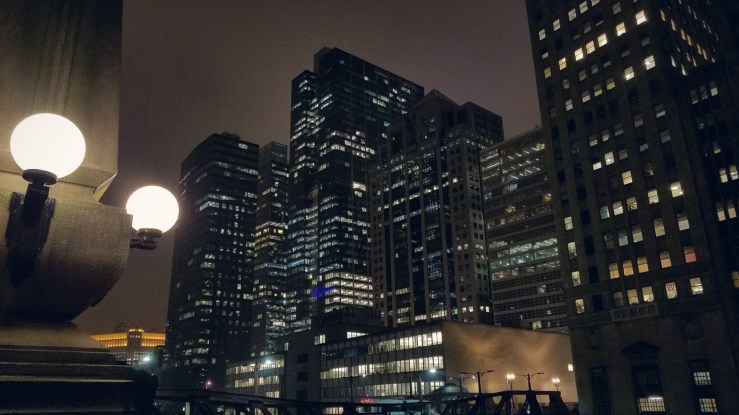
There are so many buildings of architectural interest in the Financial District of Chicago, you’d probably need to join a guided tour to visit them all and learn about their history. But if you are a casual visitor – and a first-time one at that, just walk around, spot an interesting-looking building and then step inside its lobby. You’ll soon find out that these lobbies are not simply entrances to commercial or office spaces; they are, in reality, stunningly beautiful Art Deco treasure troves; and they provide excellent shelter from the rain, too.

Walk, for instance, inside the Field Building, built in 1934 by Graham, Anderson, Probst & White; another wonderful example of the Art Deco style:

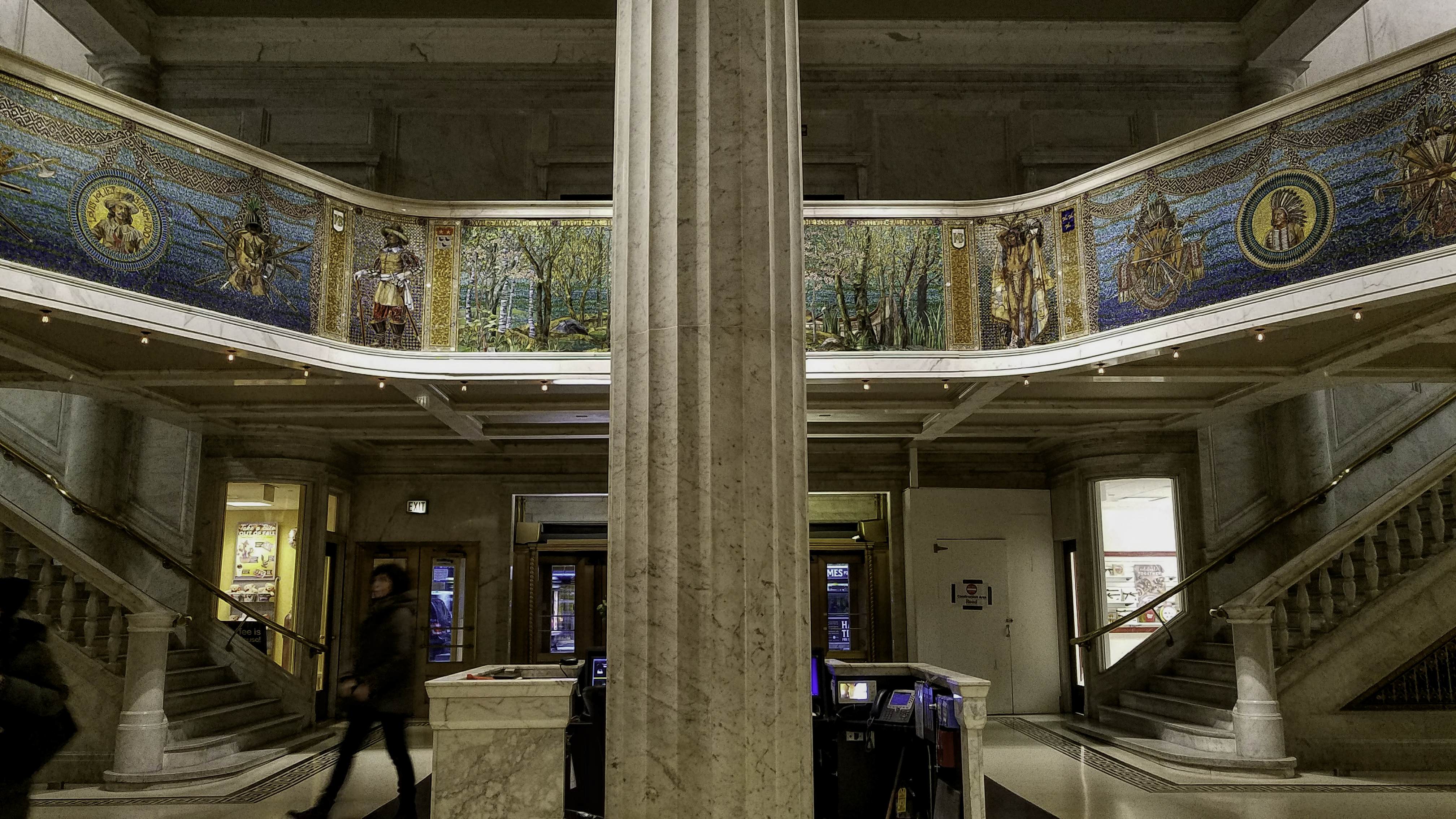
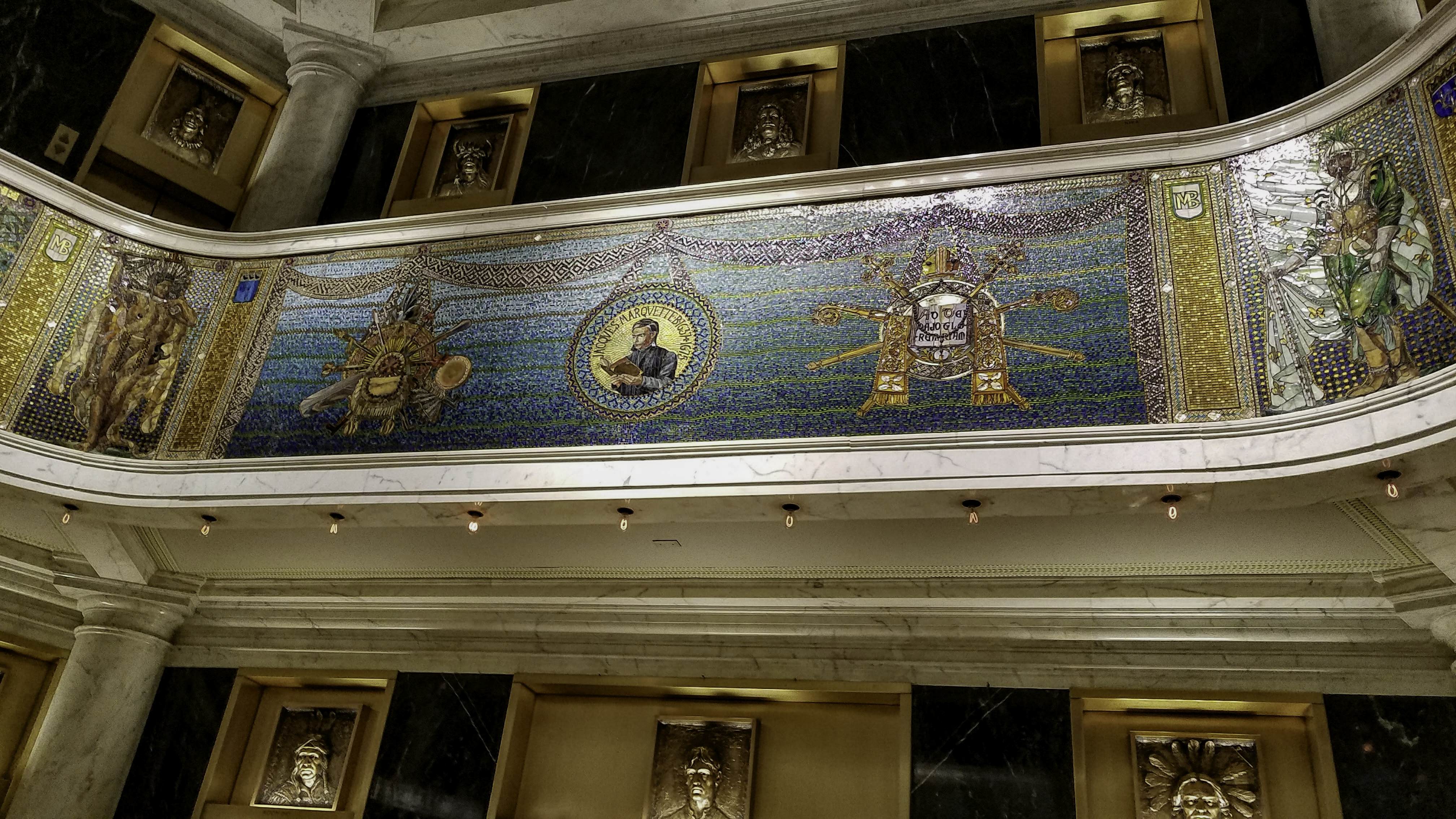
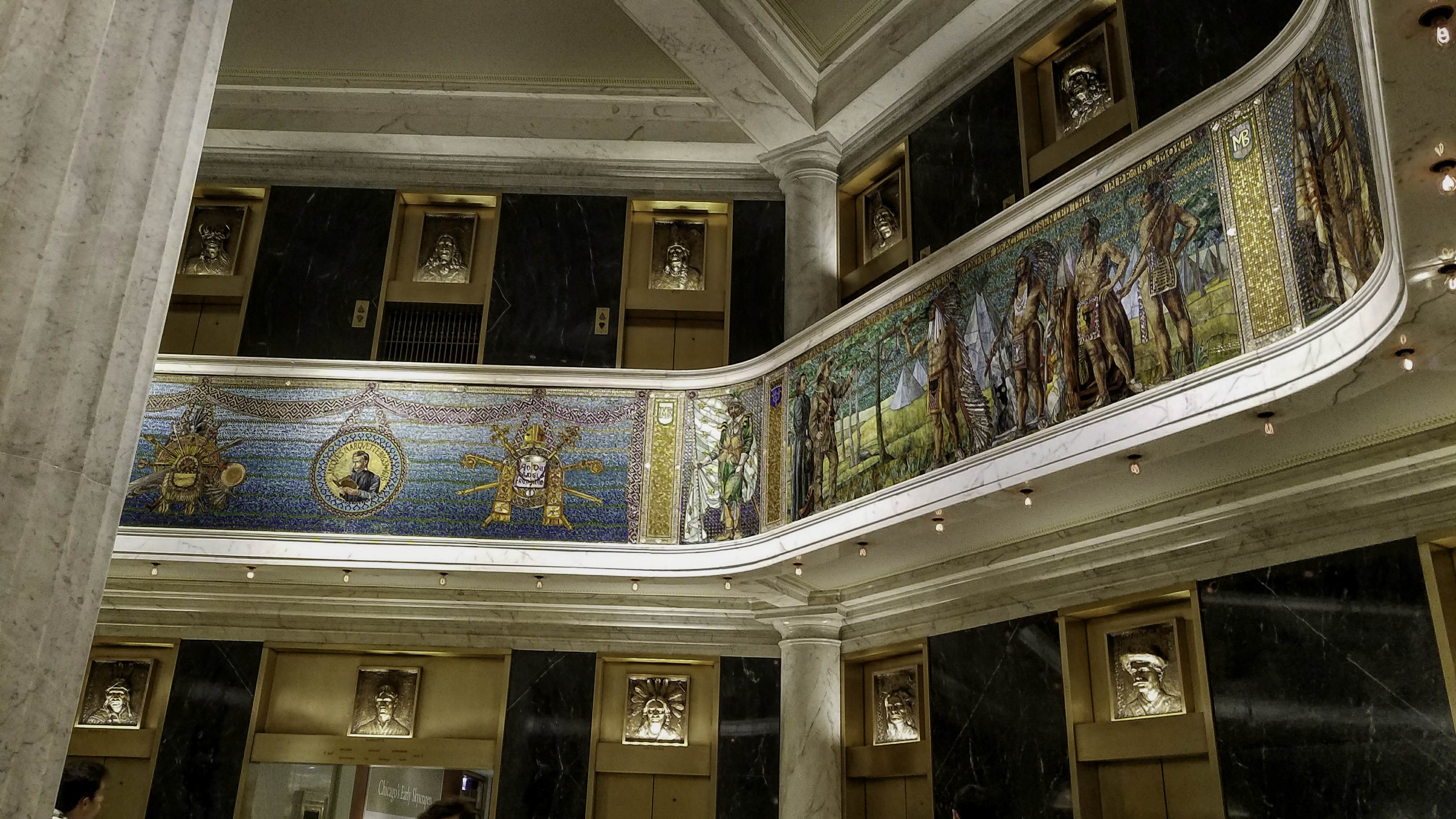
Or enter the Marquette Building’s hexagonal lobby and be captivated by the exquisite mosaic panels depicting the journey of Father Marquette, a French missionary and explorer, first settler in the area we know today as Chicago,  in whose honour the building has been named.

The mosaics are designed by Louis Tiffany, son of Charles Tiffany, the famous jeweler; and Jacob Adolph Holzer, a Swiss artist who worked for Tiffany as their chief designer and art director.

November 2nd, 2017

Chicago || Board of Trade Building

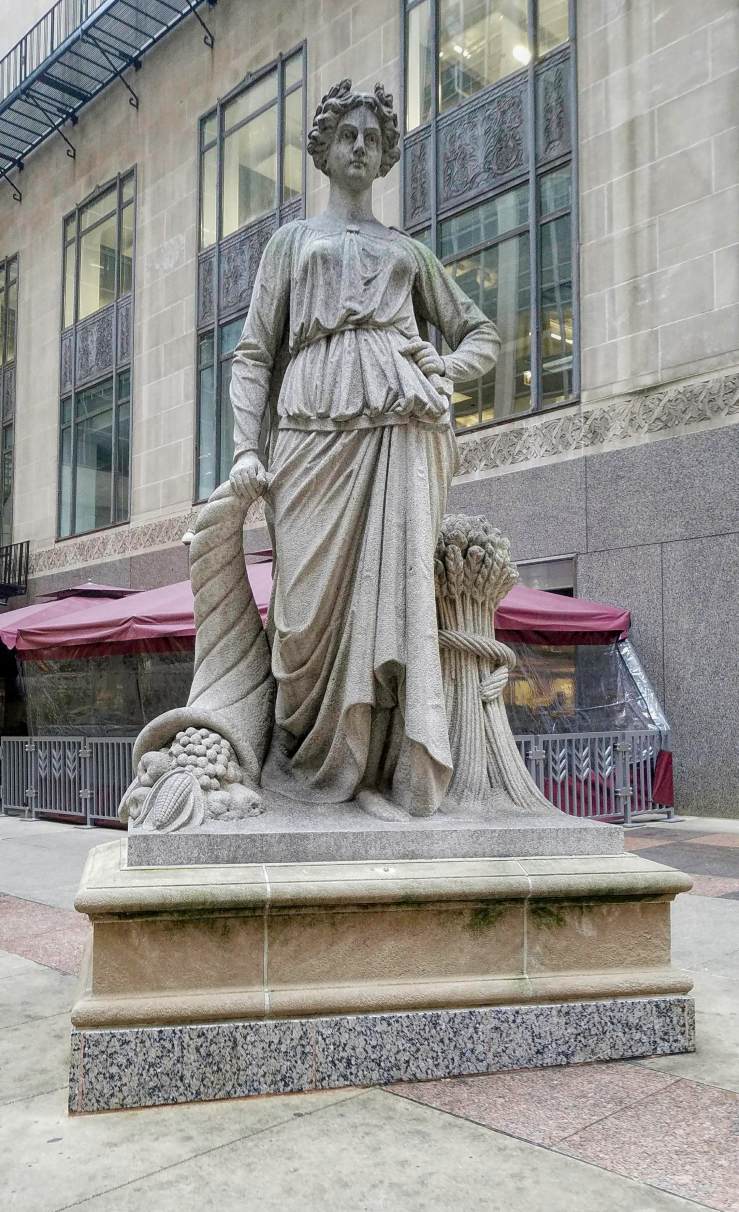
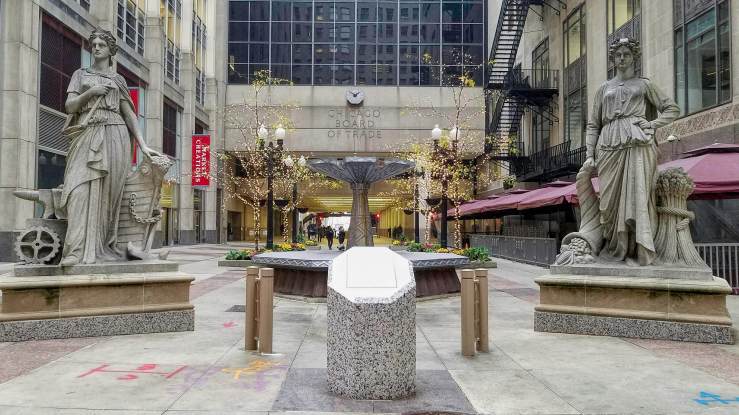
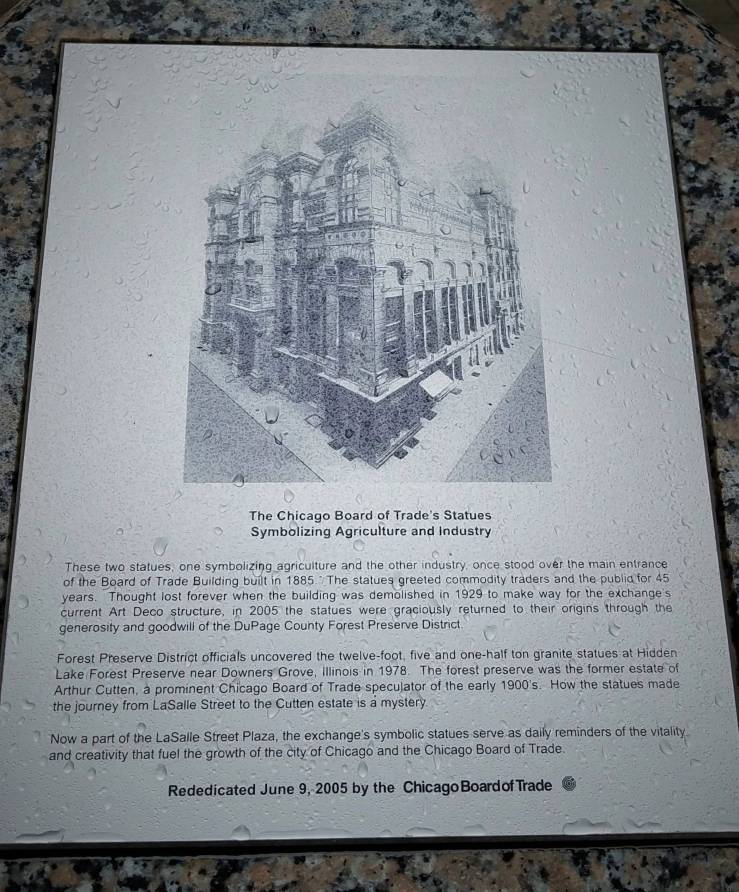
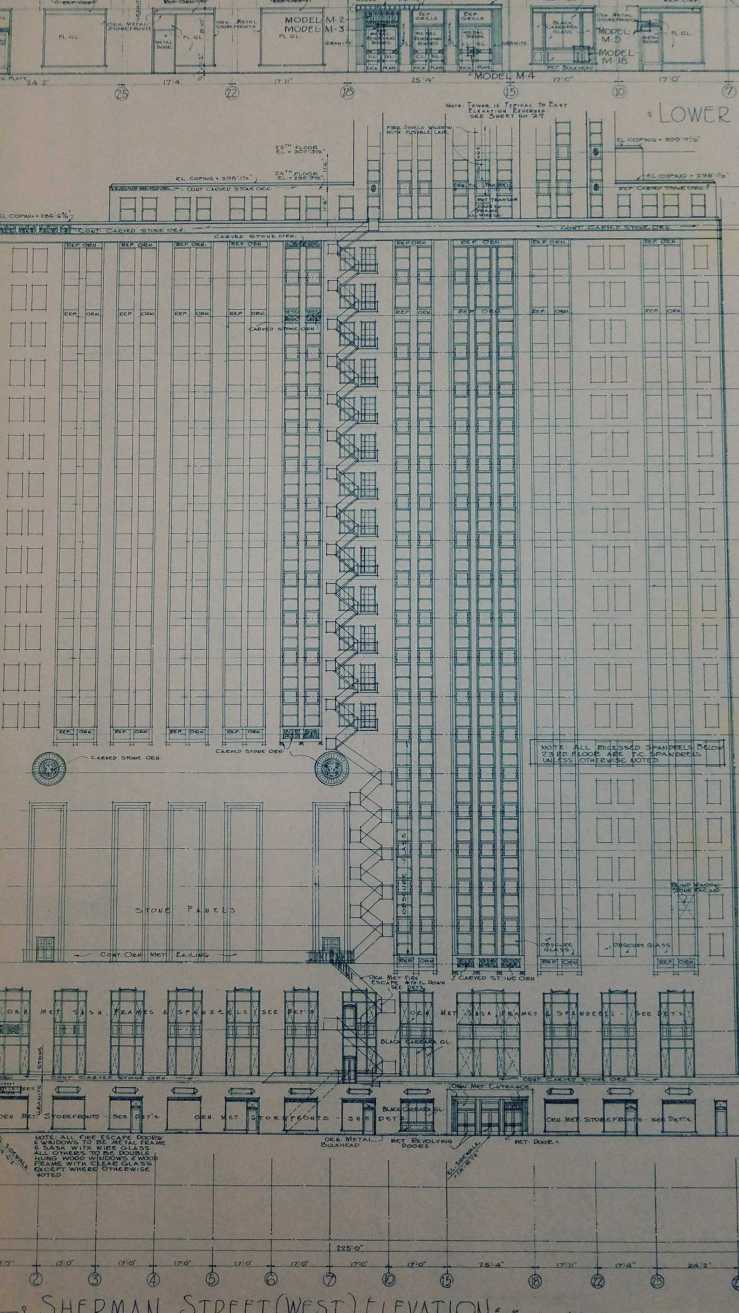
Built in 1930 by John A. Holabird and John Wellborn Root Jr. (son of John Root Sr., one of the architects of the Rookery), to become home to the world’s oldest futures and options exchange, the Chicago Board of Trade, which had already been established in 1848 – year that the first railroads arrived in Chicago.

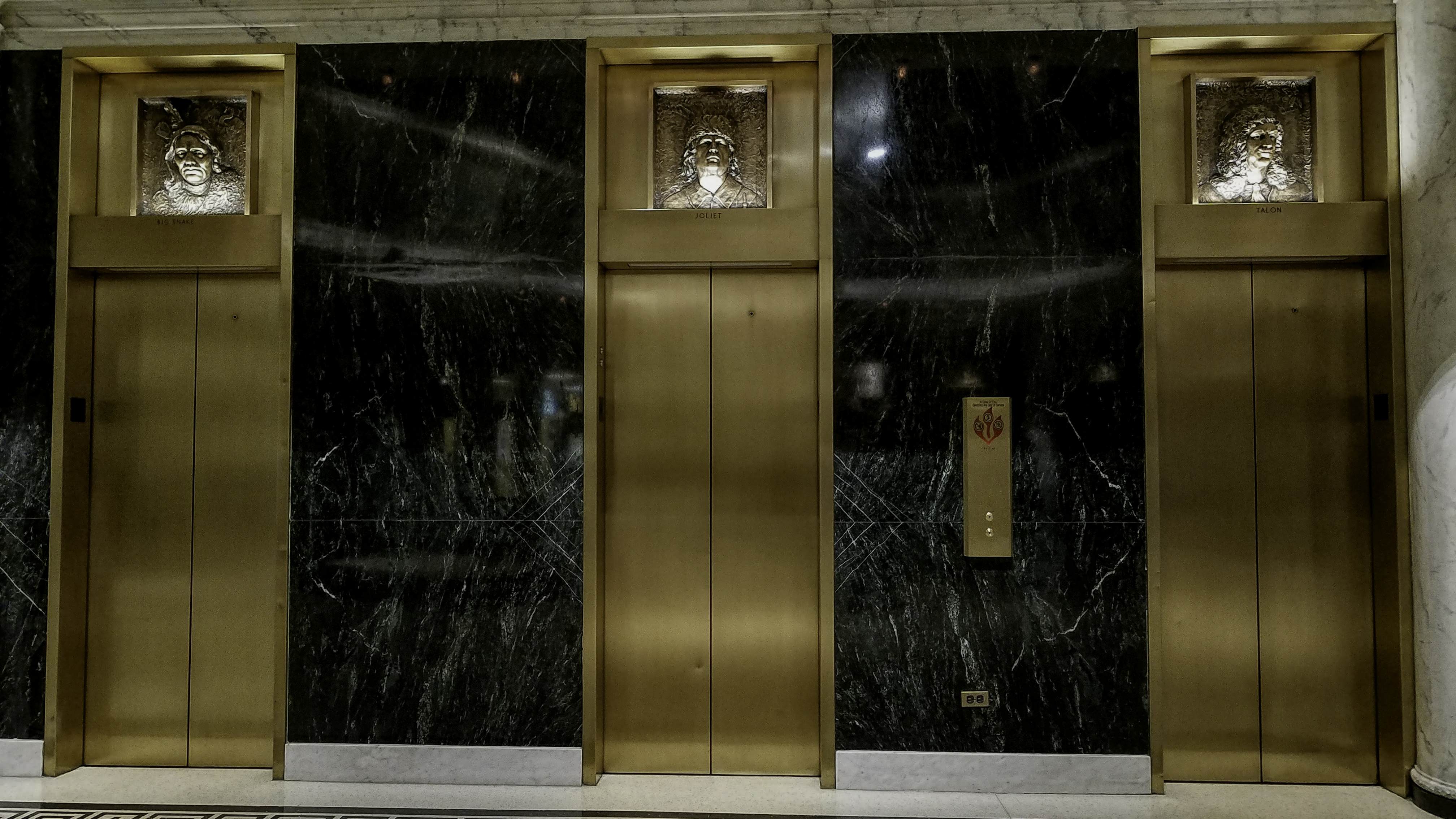
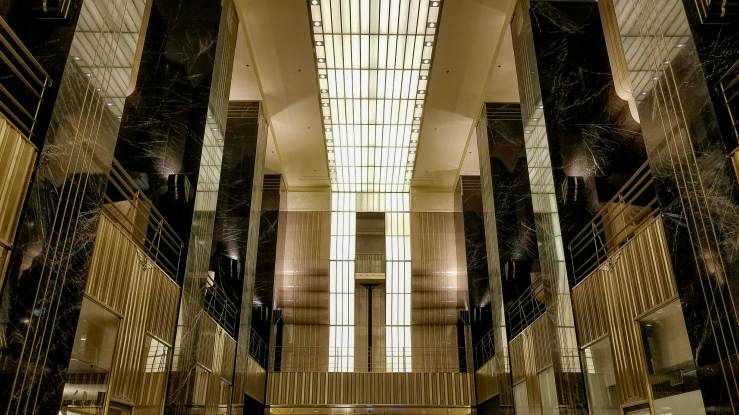
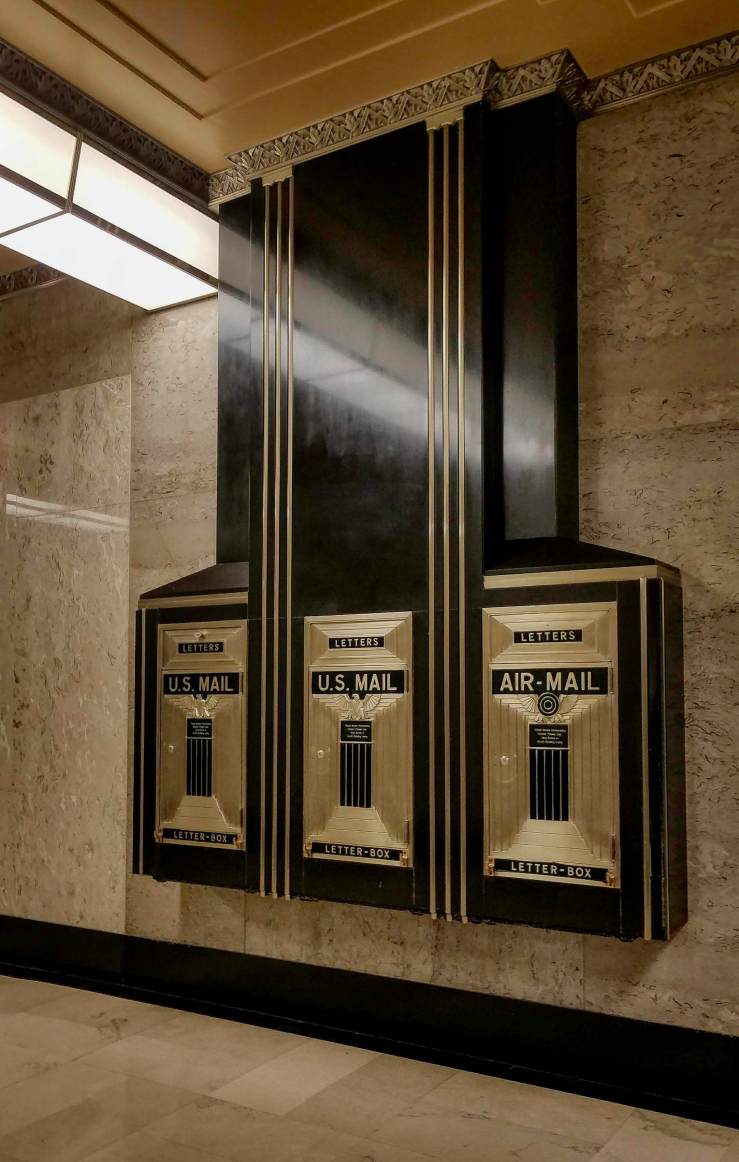
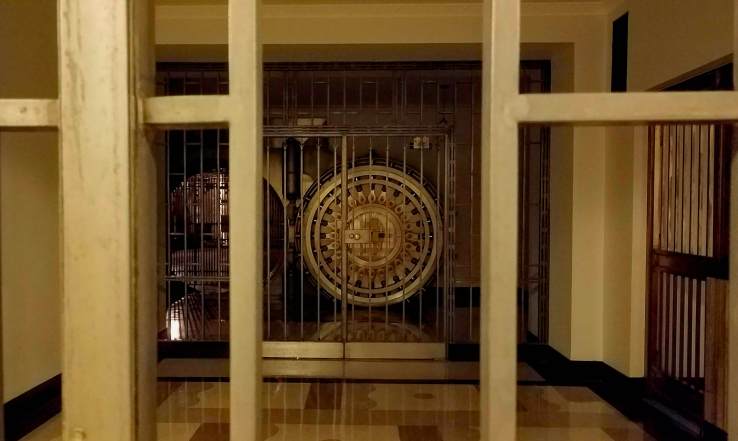
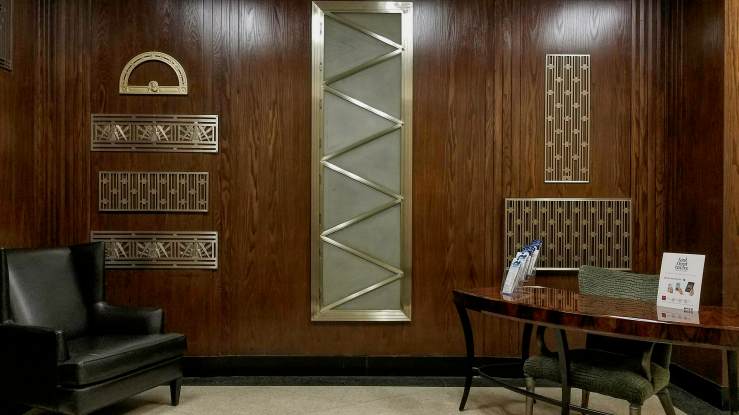
From John Storrs’ faceless statue of Ceres, Roman goddess of Agriculture, presiding over Chicago’s financial district from its prominent position at the rooftop, down to its lobby  with the sleek brass elements contrasting blindingly against the darker surfaces, and even further down to its subterranean vault, the Board of Trade Building is one of the finest – and best preserved – examples of the Art Deco style, popular in Chicago in the early 20th century.

November 2nd, 2017

Chicago || The Rookery & the Frank Lloyd Wright effect

The Rookery was designed by Daniel Burnham and John Root, heads of one of Chicago’s most famous architectural companies of the 19th century and, like most of Chicago’s early skyscrapers, it was built to last.

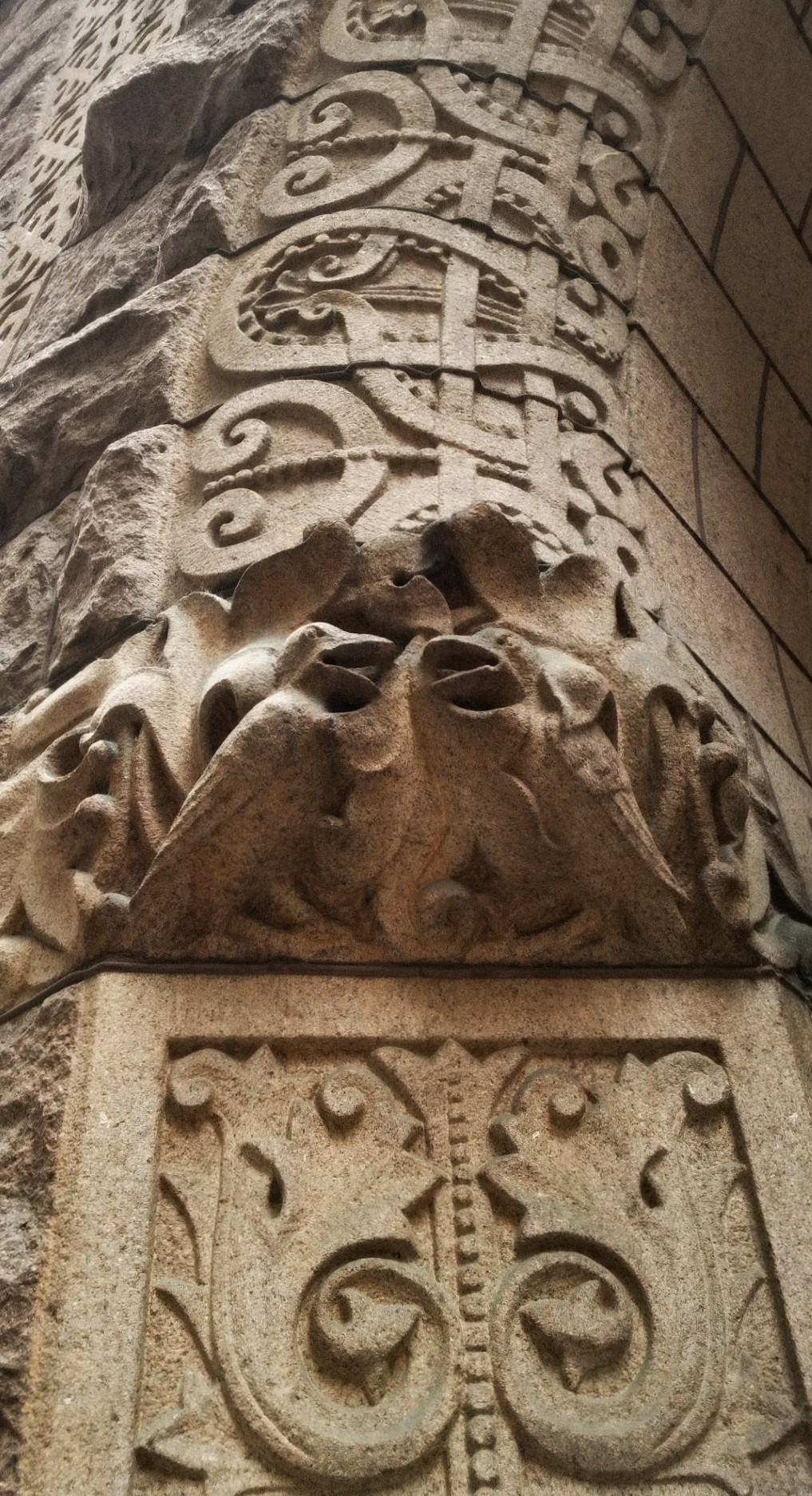
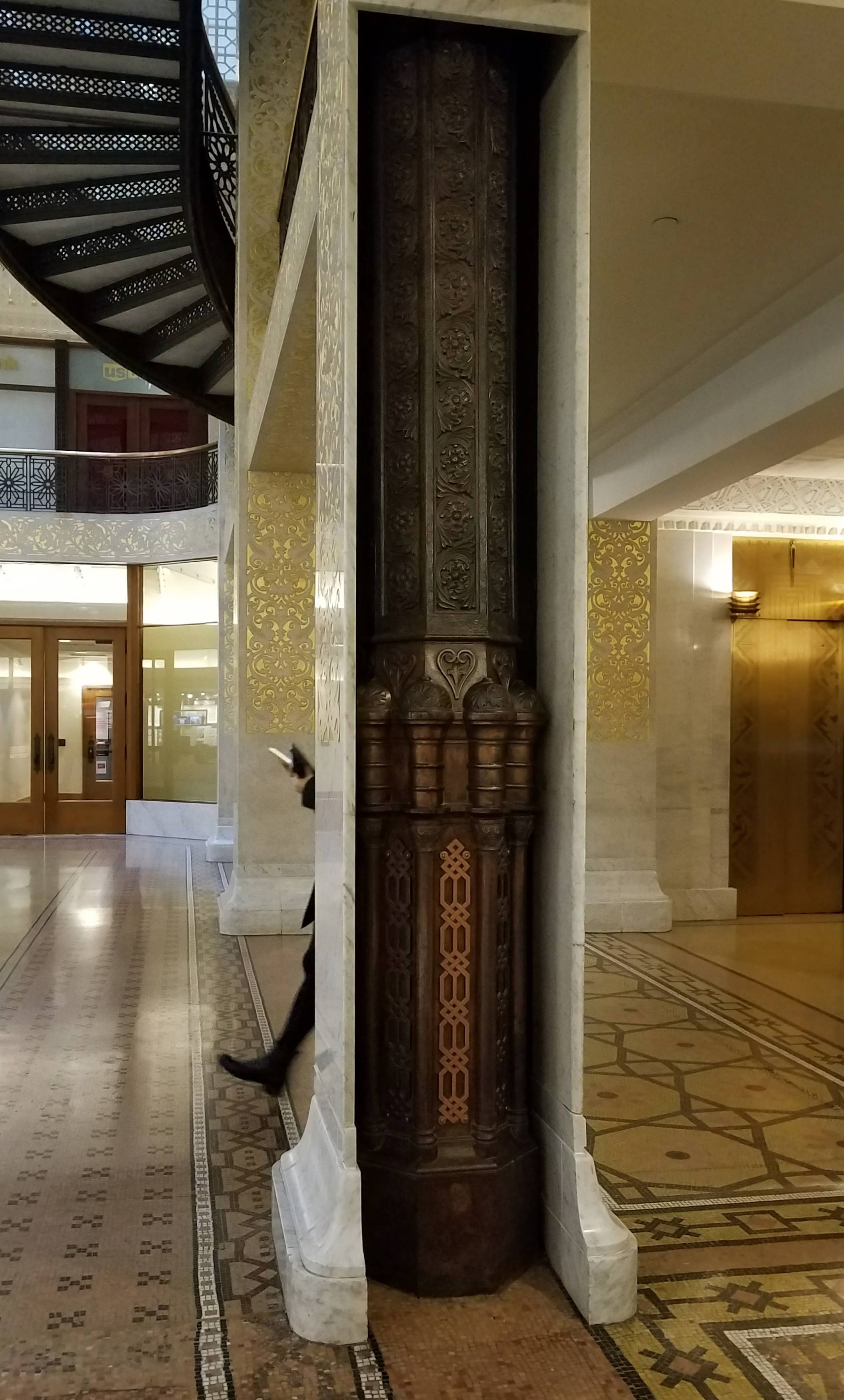
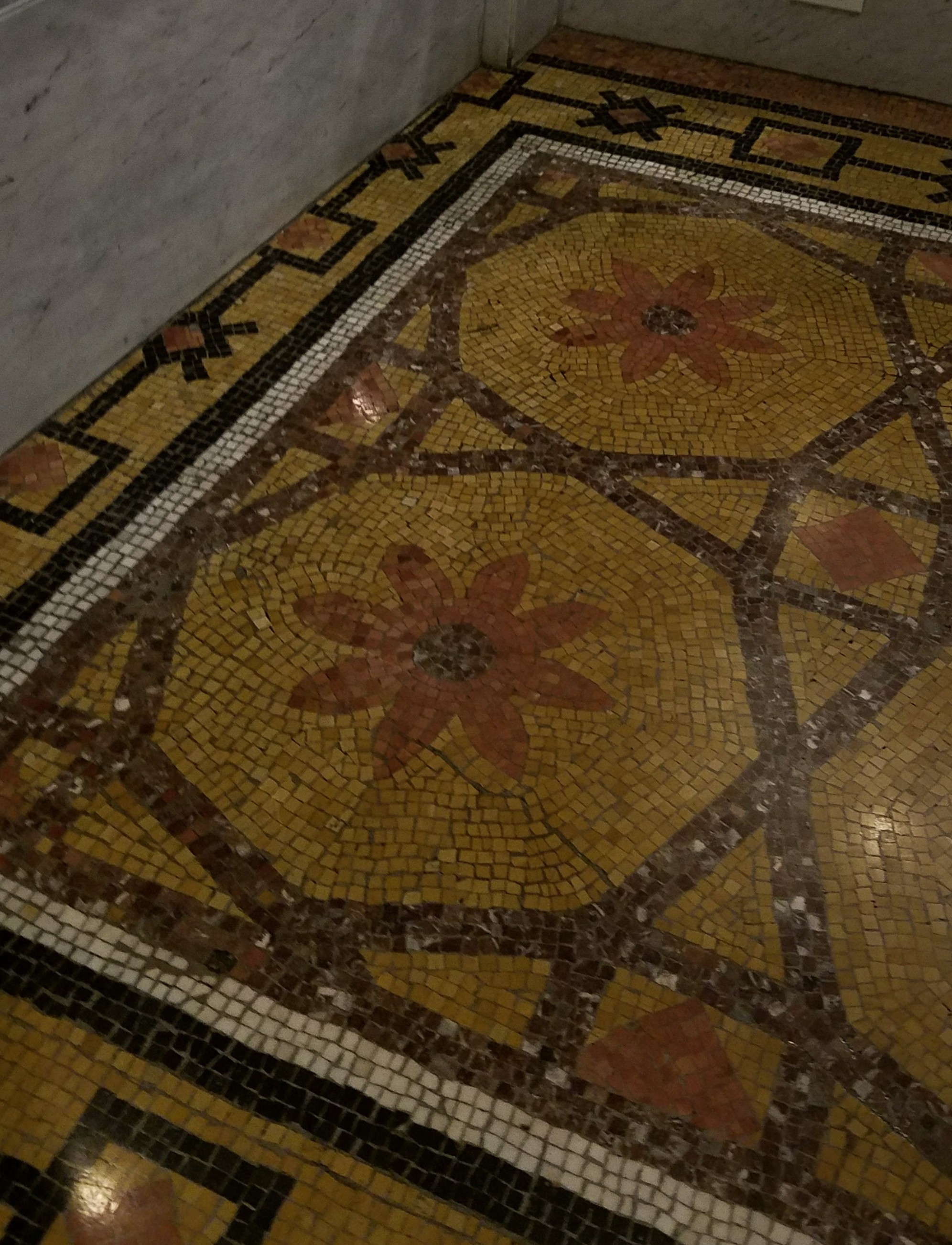
A sturdy structure with a red brick facade, elaborately adorned with elements reminiscent of Moorish architecture and Mr. Root’s open-mouthed crows (or rooks) to which – no, the building does not owe its name*, cast-iron columns and mosaics, upon its completion in 1888 it was considered Burnham and Root’s masterpiece; today, it is the oldest standing high-rise and one of the most recognisable buildings in Chicago.

But it wasn’t the famous rooks, nor the cast-iron columns and mosaics, original parts of which were uncovered during renovation and were left open for comparison that had brought us here; it was what lay inside that we eager to see.

I mean, of course, the central light court with its glass ceiling, two-storey lobby, magnificent spiral staircase, and the unmistakable touch of Mr Frank Lloyd Wright, the architect in charge of the building’s first major renovation in 1905-1907. Although Mr. Wright made some very important changes like, for instance, dressing the original copper-plated ironwork in white marble with gold patterns, he generally respected the original design. The result is an airy, modern interior that breathes, so much different from the heavy art-deco lobbies of other historical buildings in Chicago.

And it is absolutely stunning.

*The Rookery was built on the site of an initial Water Tower later turned into the City Hall. It seems that the building has been called a “rookery” due to the nickname of the former City Hall that had crows on its walls and crooked politicians inside it (according to our guide).

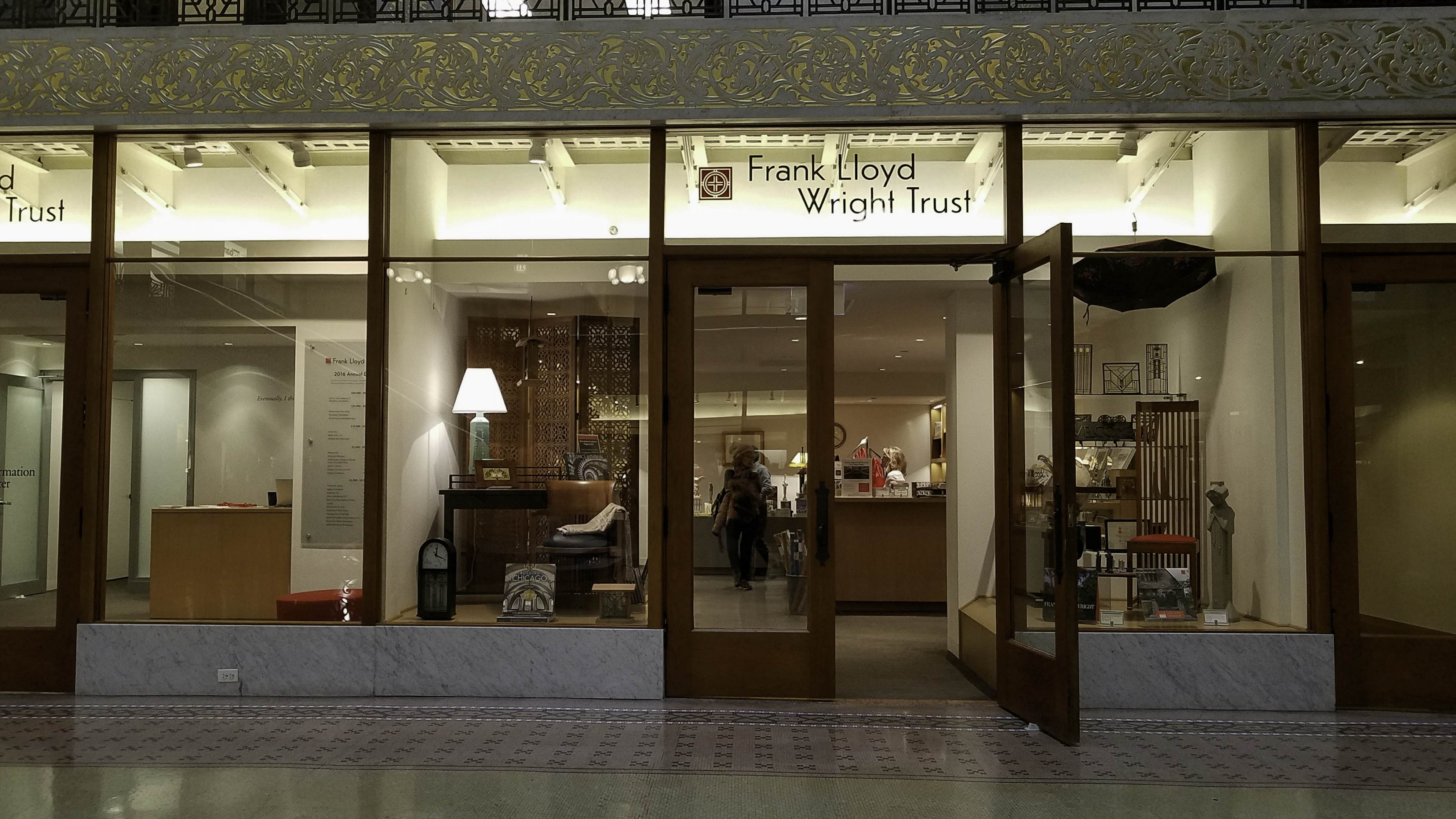
While you can wander about the ground floor freely, the upper level is only open to guided tours. Check for info on the Frank Lloyd Wright Trust website, or in their brick and mortar office/shop, on-site.

November 2nd, 2017

Chicago!

From Ottawa and the Thousand Islands, back to Manhattan, a day-break to regroup and whoosh… off again – this time, to Chicago!

It was a change of gear (a heavier coat would be needed), a switch to different means of transport (dropping off the car and boarding on a plane), a change of pace and, more importantly, a total change of scenery.

We stayed five-and-a-half days in Chicago and it was raining the entire time. Well, almost, because there were some dry(-ish) spells, enough to let us take a boat tour or walk about – we even saw some sunshine, at some point.

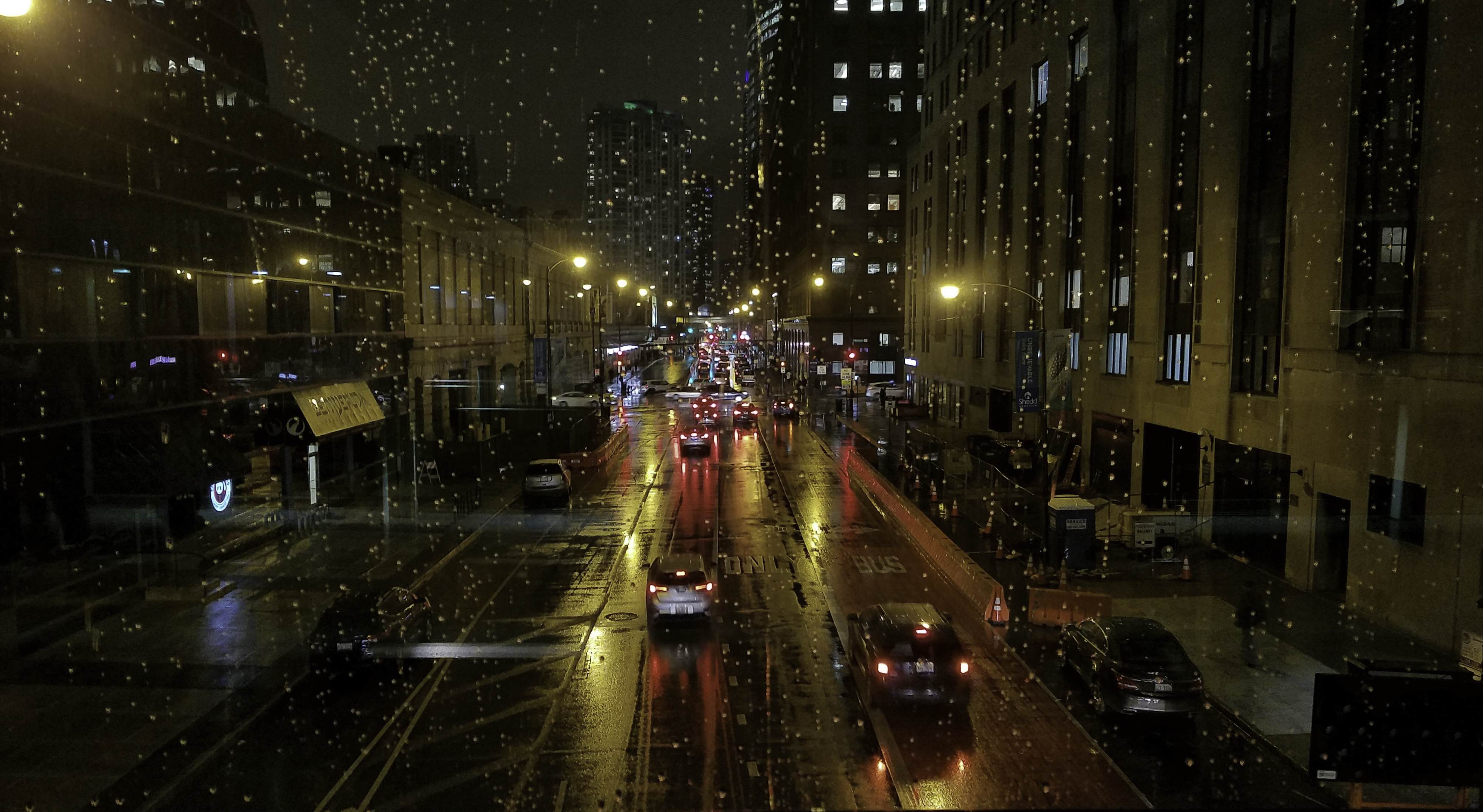
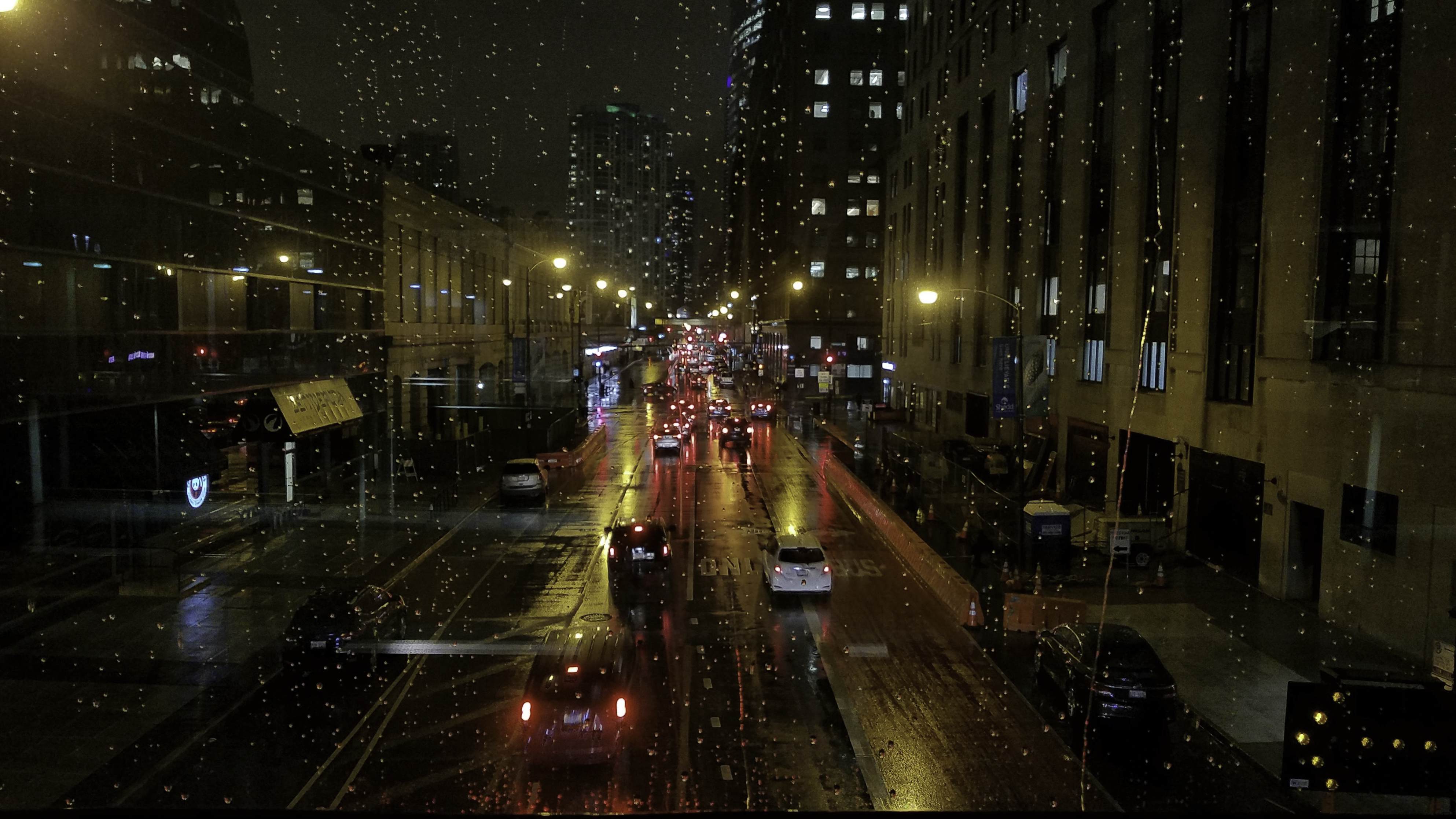
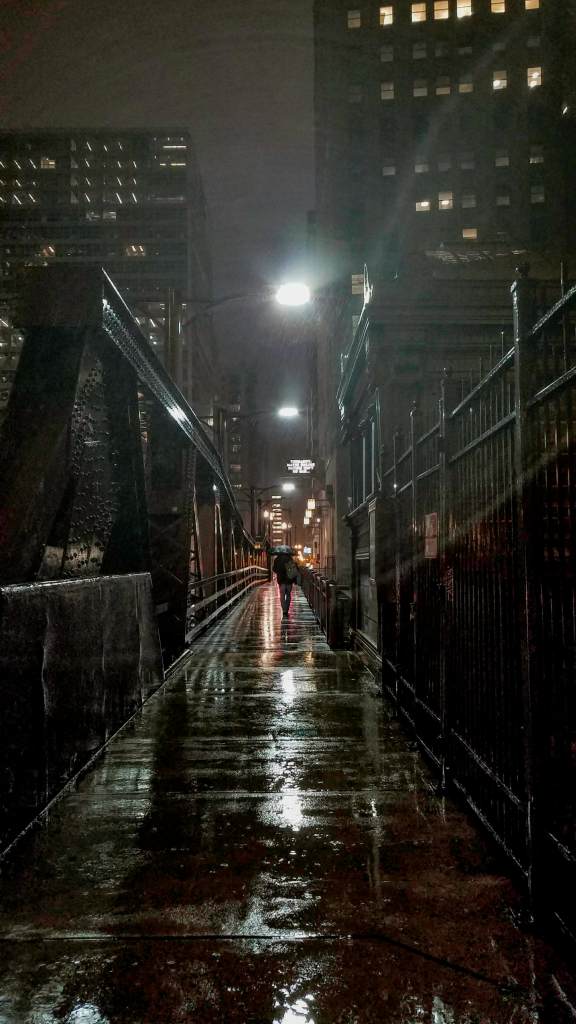
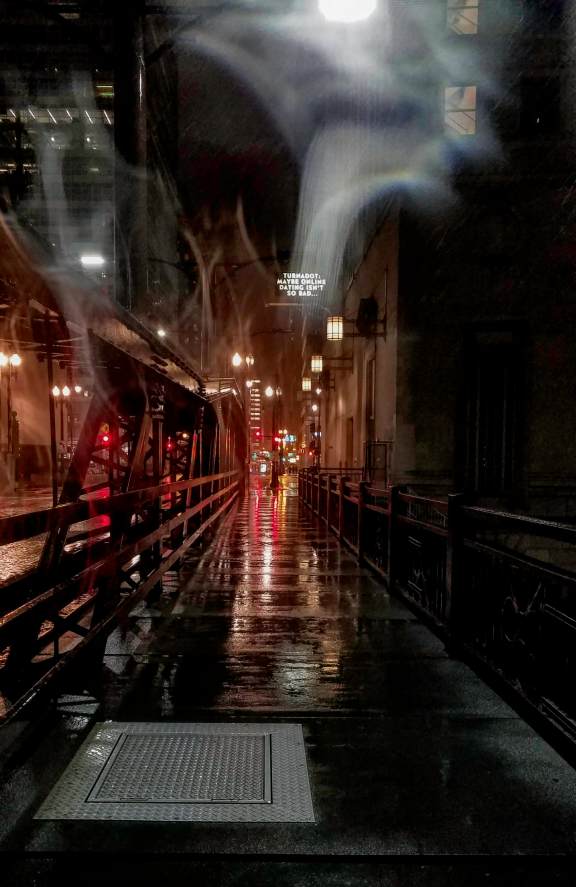
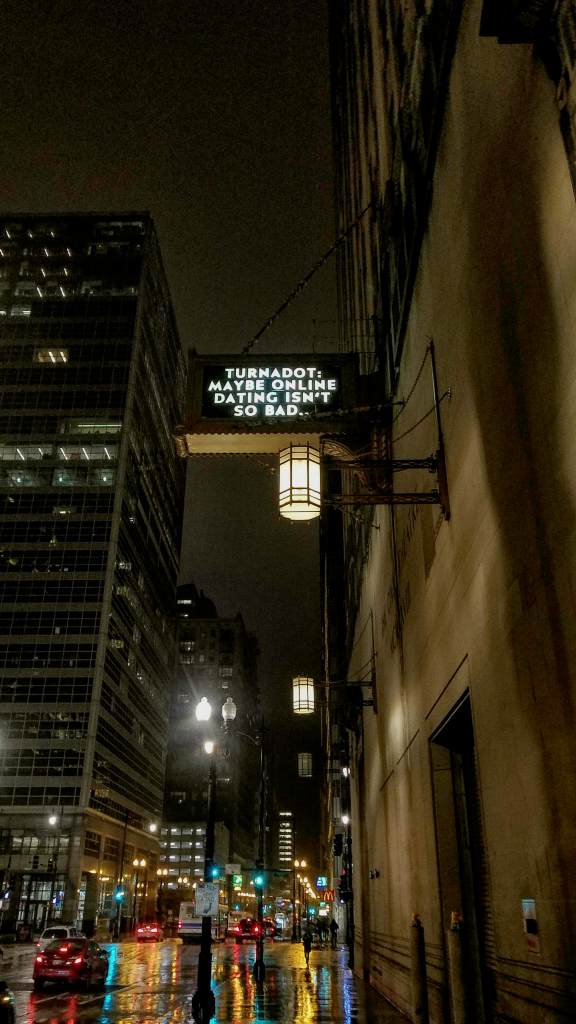
But we took our first walk in the rain. It was already dark and rather chilly.

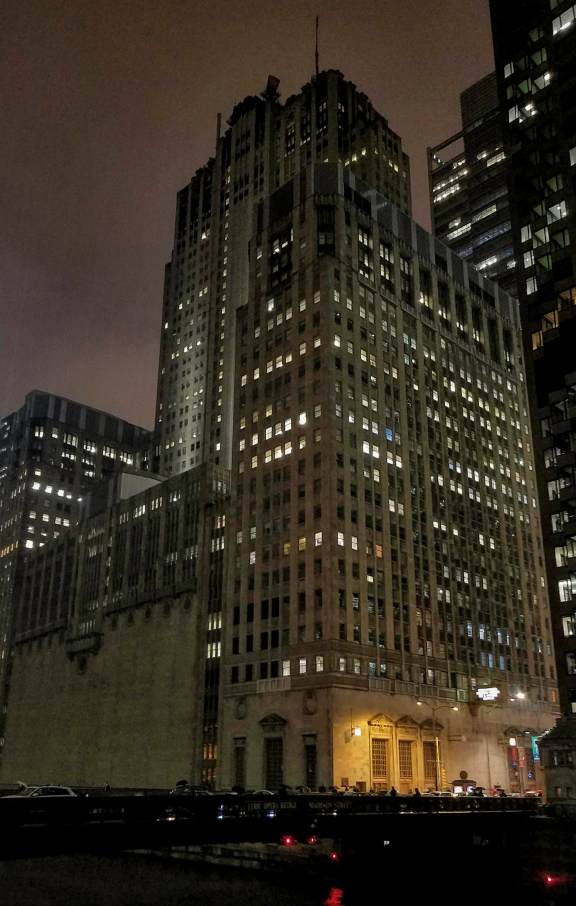
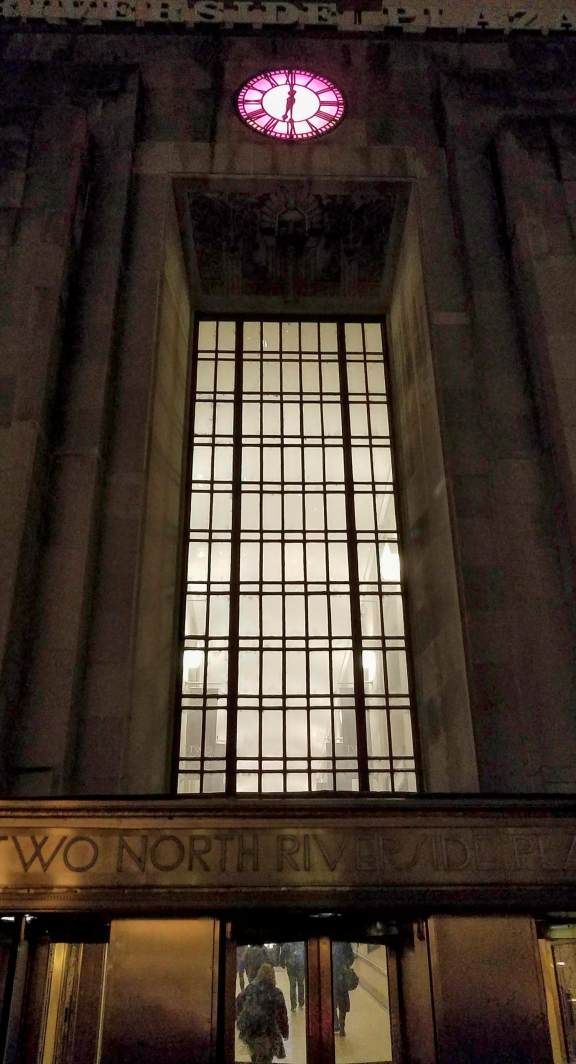
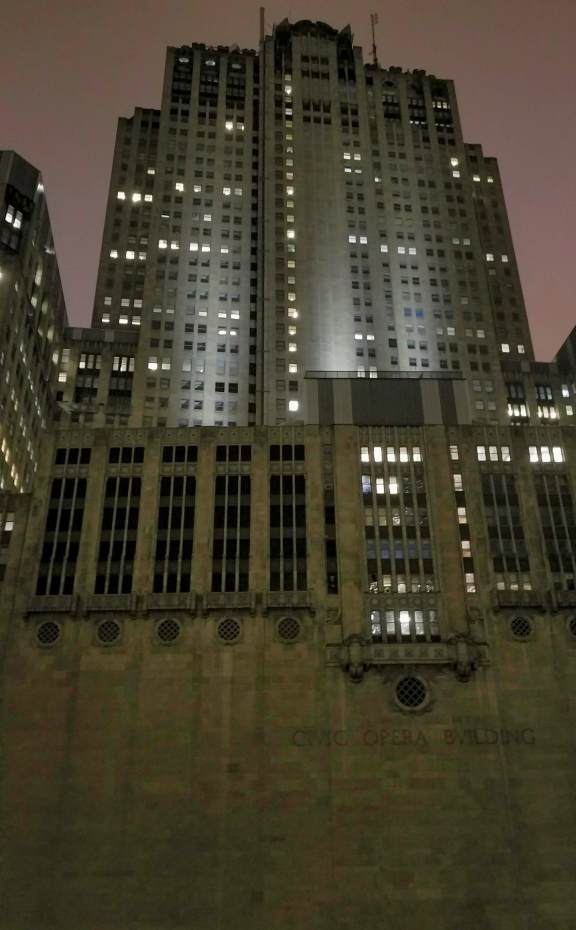
Chicago looks great in the rain – more Gothamic than Gotham. 

November 1st, 2017

A good night’s sleep

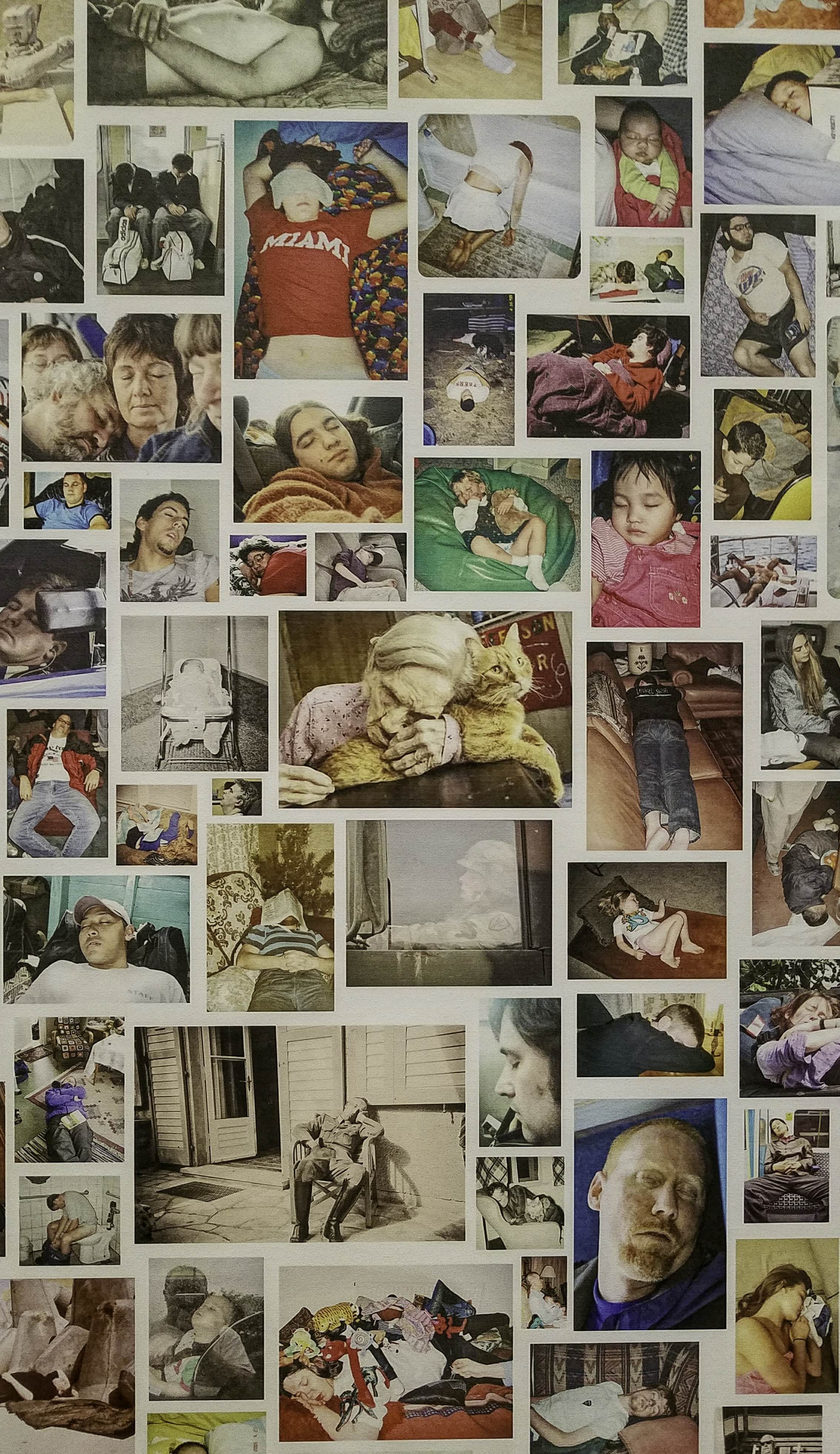
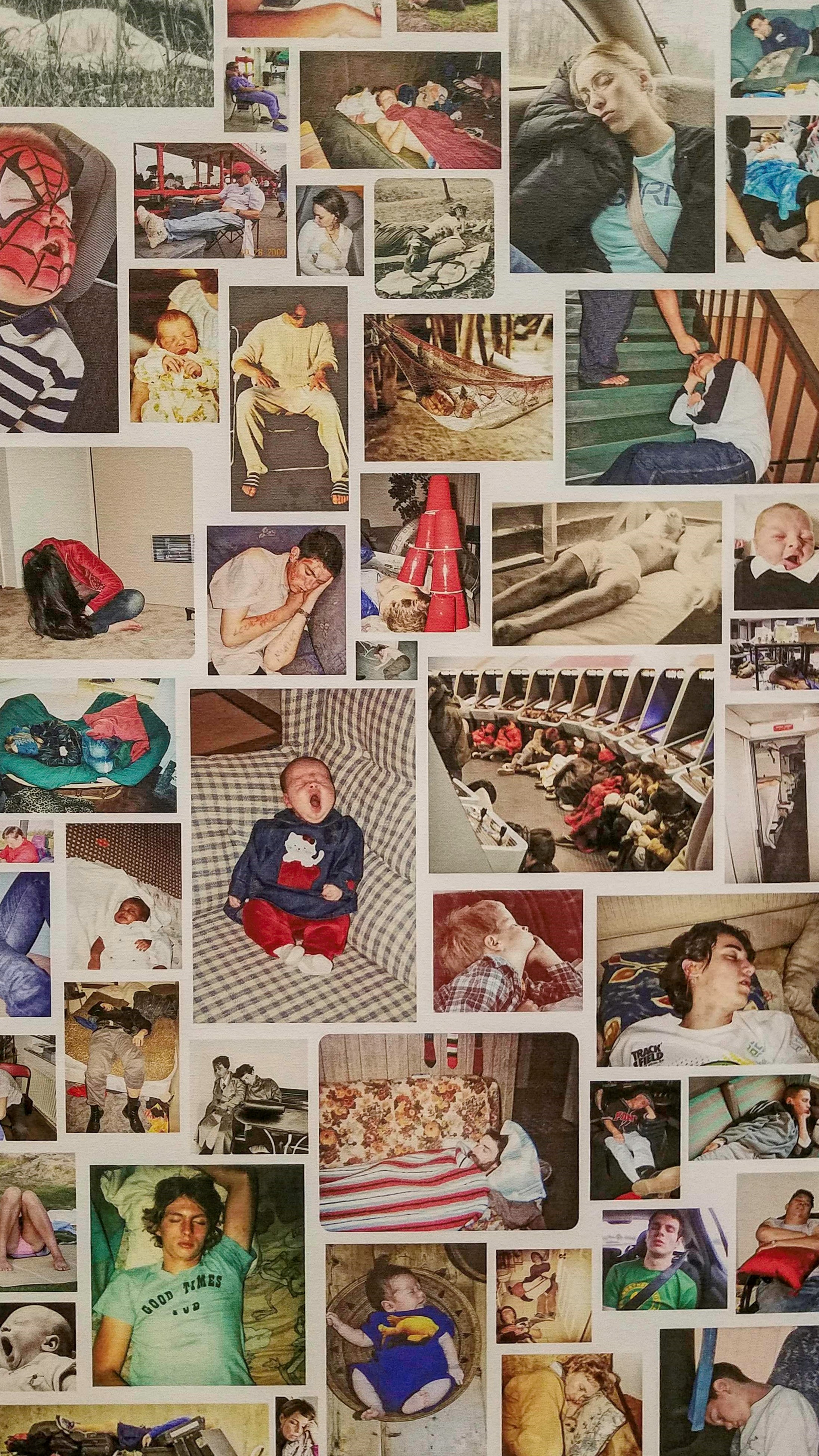
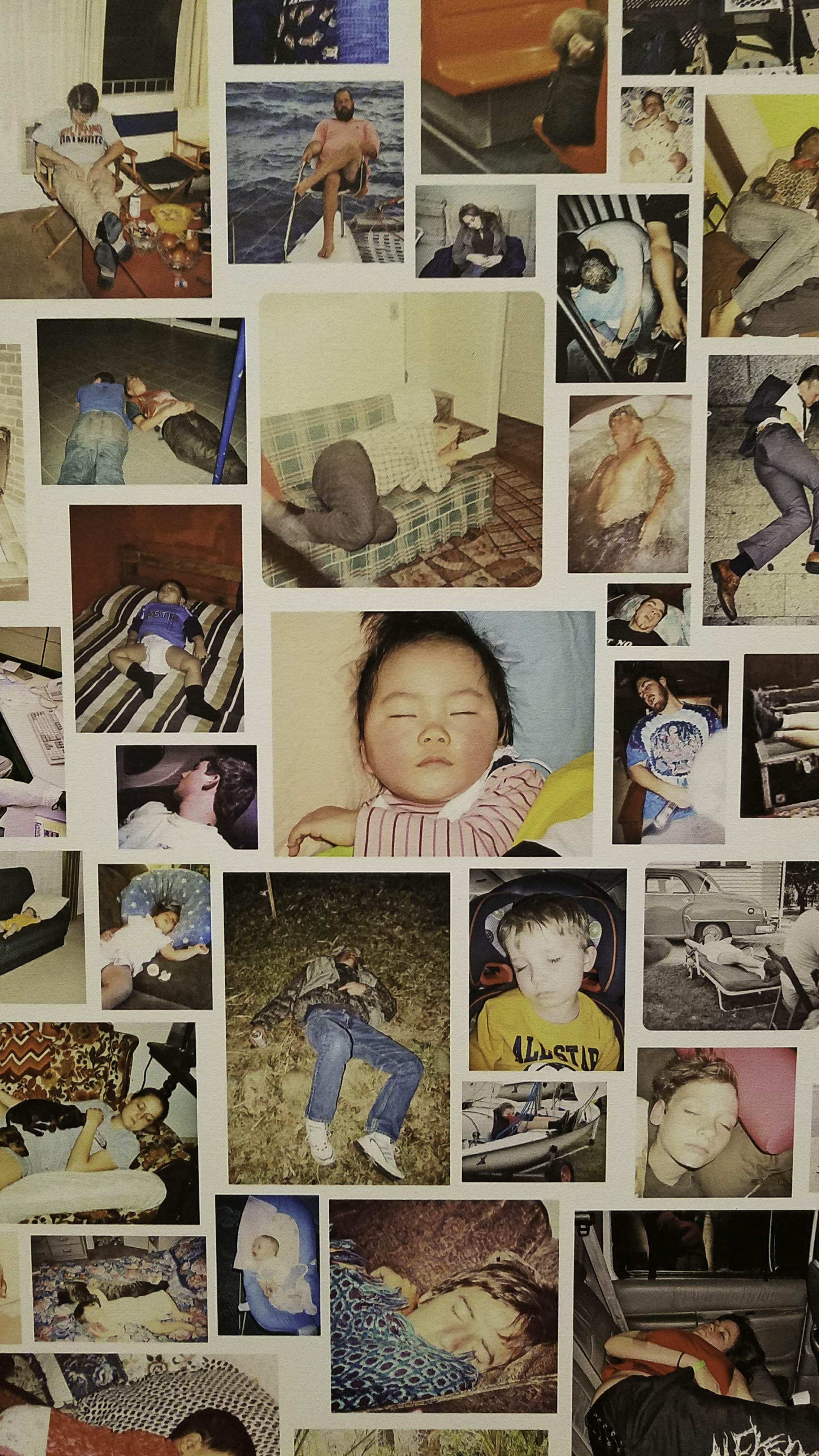
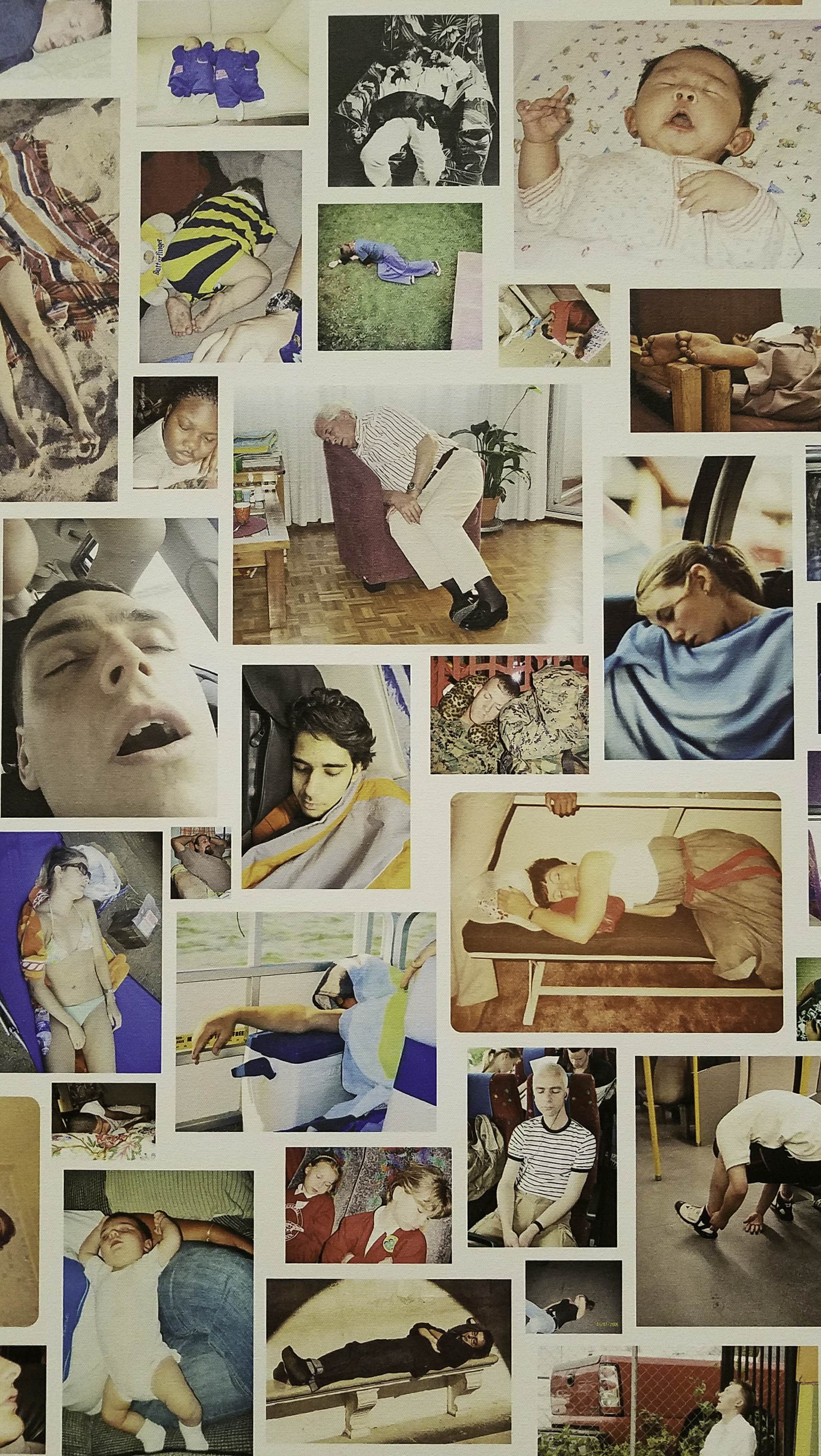
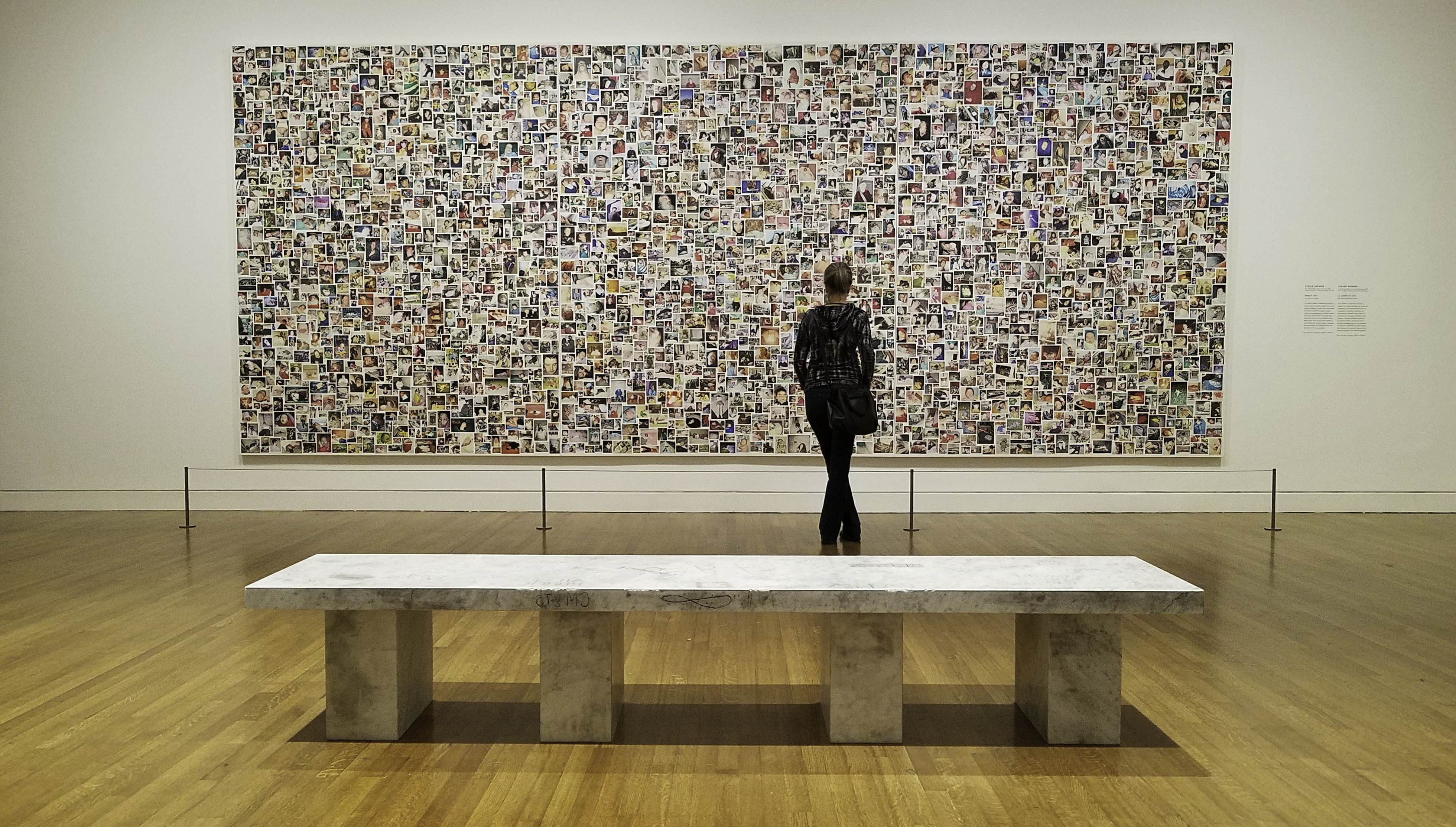
Would you be comfortable with being photographed while asleep? What if your photograph ended up, one among dozens, on a giant canvas on a wall of a major museum, scrutinised by thousands of visitors, be it art lovers, habitual museum-goers or the occasional curious?

Steven Shearer
Sleep II 2015
Ink jet print on canvas

For Sleep II Shearer amassed thousands of found images of people sleeping. He painstakingly crafted the work into a rhythmically balanced composition, paying special attention to combinations of subject matter, scale and colour. Some individuals sleep peacefully, some in a near ecstatic state, while others seem eerily close to death. In representing the universal state of sleeping, the artist invites us to witness a vast and intimate record of anonymity. 

National Gallery of Canada, Ottawa

October 29th, 2017

National Gallery of Canada || The Art

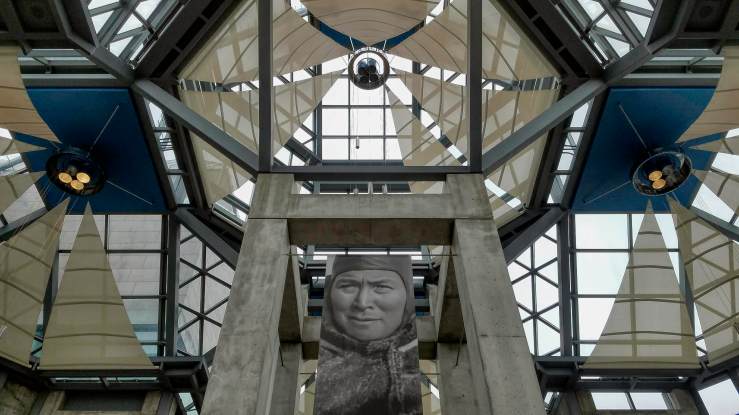
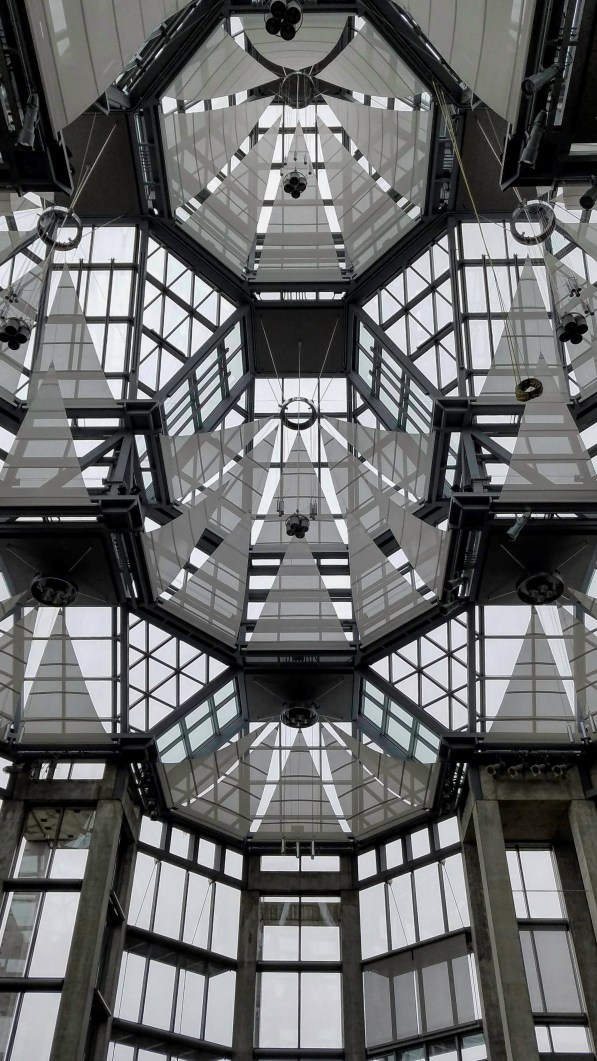
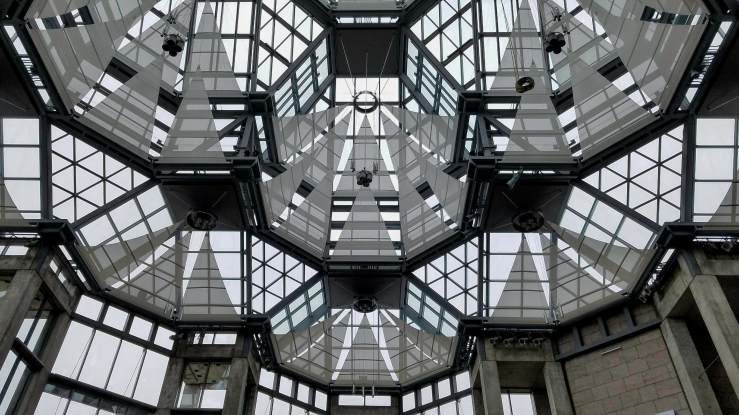
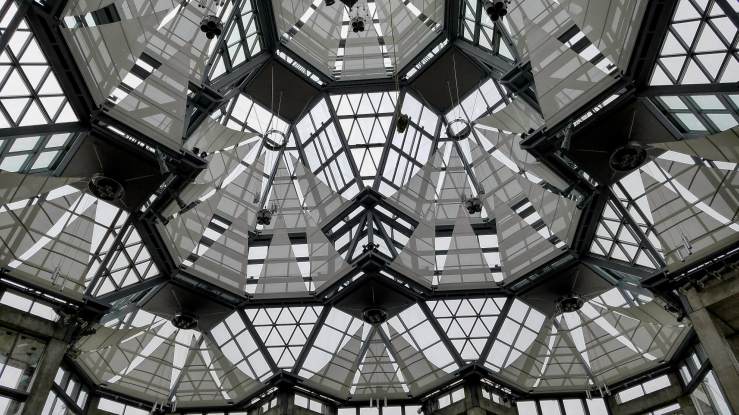
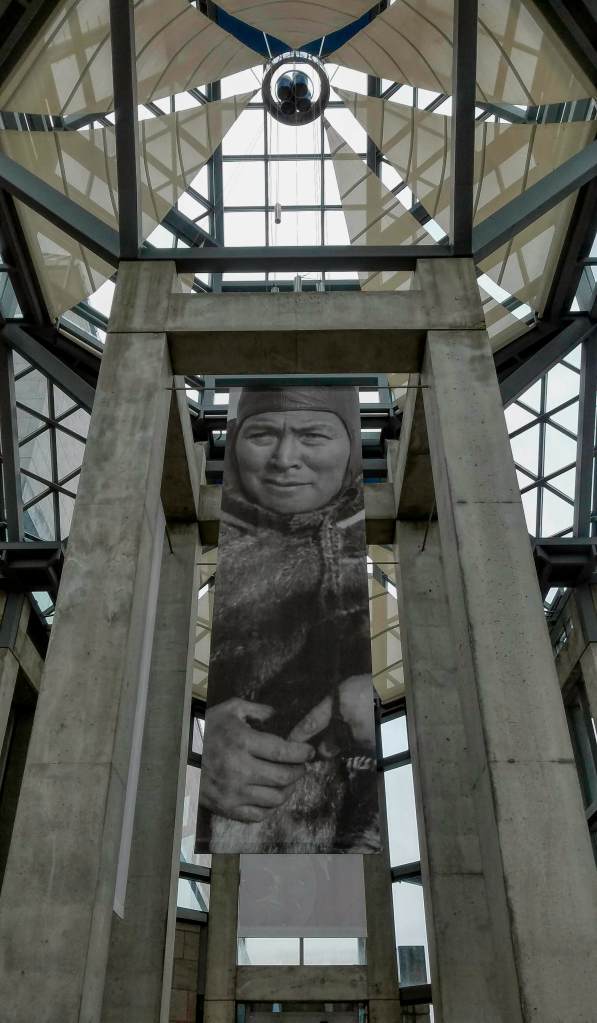
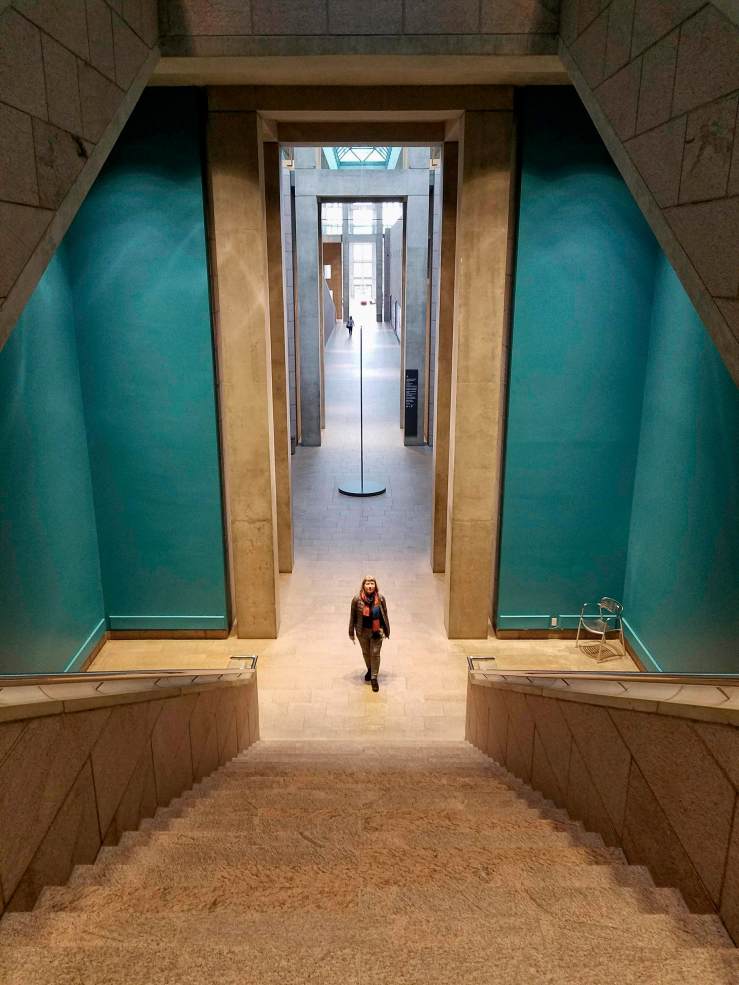
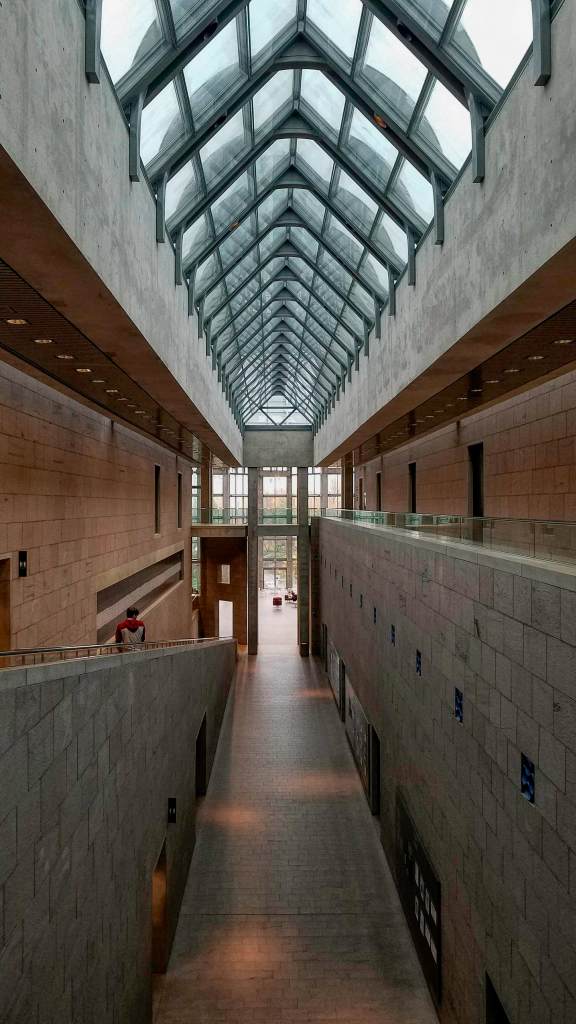
The building itself is so photogenic, one could spend hours trying to capture the gorgeous light-and-shadow play that goes on all day, thanks to its octagonal skylights. But that would only be half the fun; so today, let’s take it a step further and focus on the art.

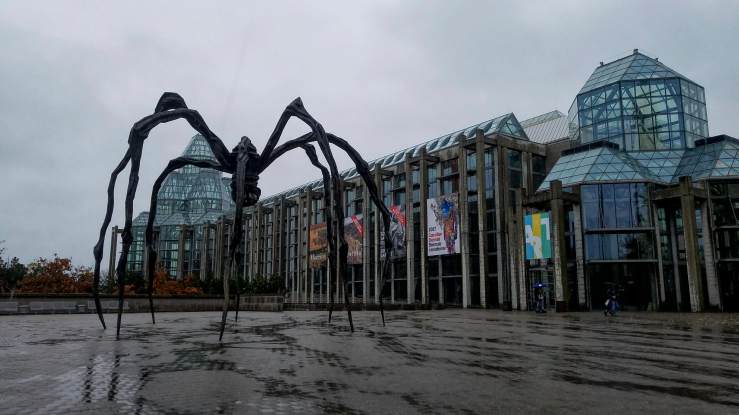
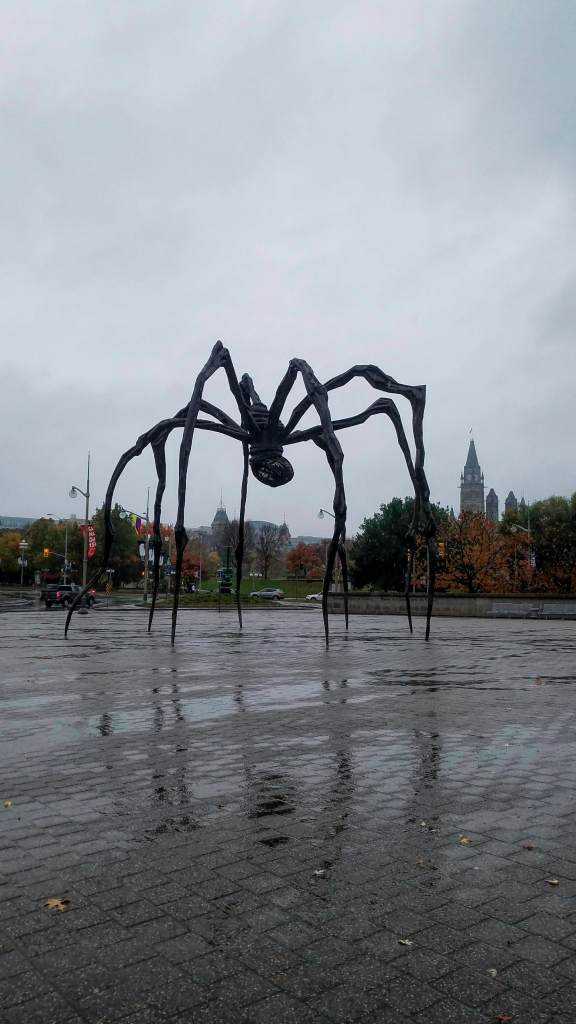
Today and tomorrow and tomorrow… “Maman” the giant egg-carrying spider; bronze, stainless steel and marble, 1999 (cast 2003) by Louise Bourgeois.
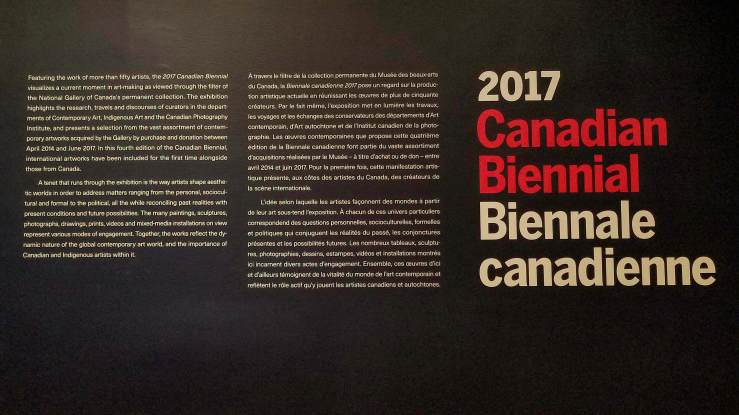
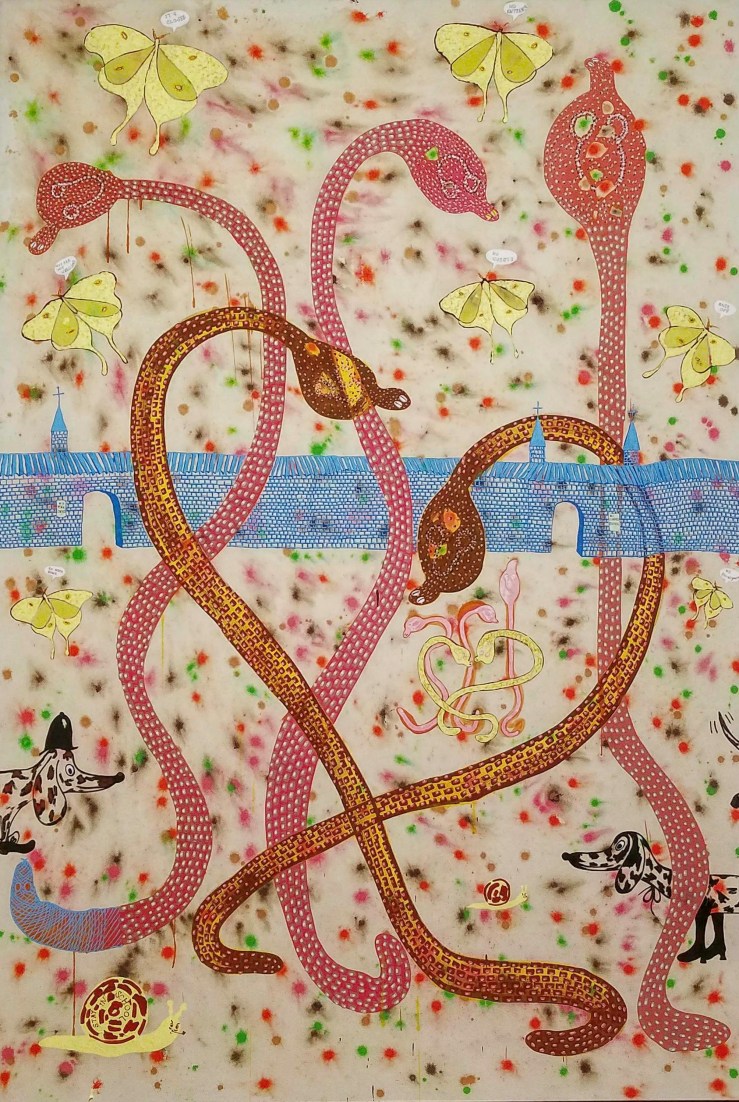
”No Foreigners” (série Nos maîtres les fous / Our Insane Masters), 2016, acrylic on canvas by Cynthia Girard-Renard
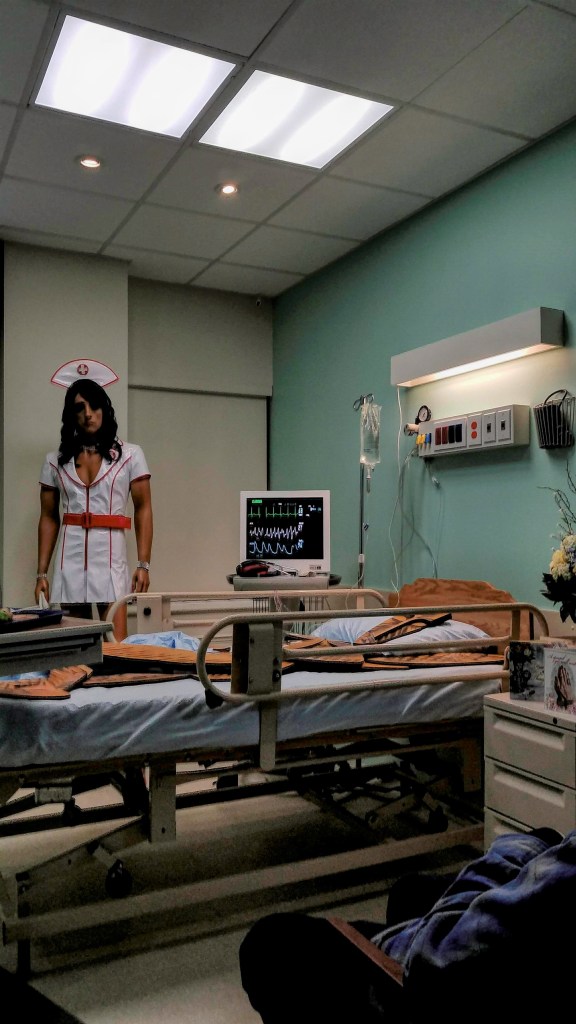

”Casualties of Modernity”, 2015, mixed-media installation with HD video, by Kent Monkman

In this installation, Monkman’s drag-queen alter-ego, Miss Chief Eagle Testickle, an agent provocateur and trickster, appears on screen and in mannequin form clad in a PVC nurse’s outfit, tending to her patient, the wheezing cubism. The work is a satirical look at art through Miss Chief’s eyes, foregrounding the artist’s critique of modern art through the downfall of romanticism, cubism and primitivism.
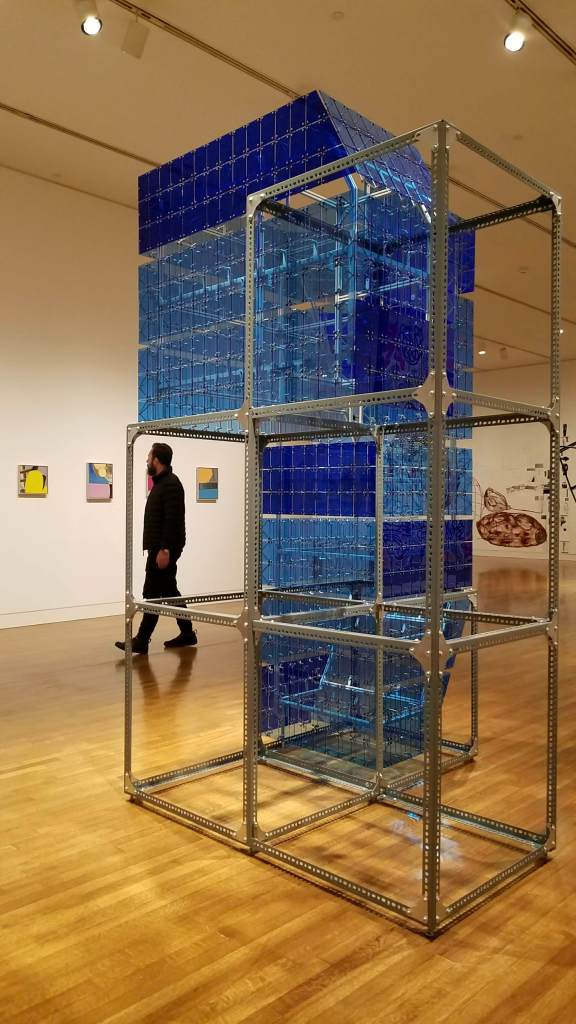

”Eunoia”, 2013, steel extruded aluminum, acrylic and components by Daniel Young & Christian Giroux
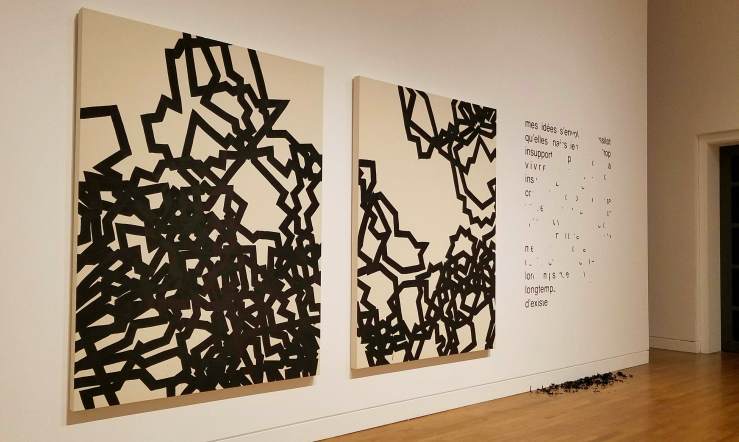

”Dérive 45 & 46”, 2015, acrylic on canvas
”Vendredi 11 août 1989 – Mes idées s’envolaient aussitôt” [Friday 11 August 1989 – My ideas took flight immediately], 2014, vinyl and digital print mural by Latifa Echakhch
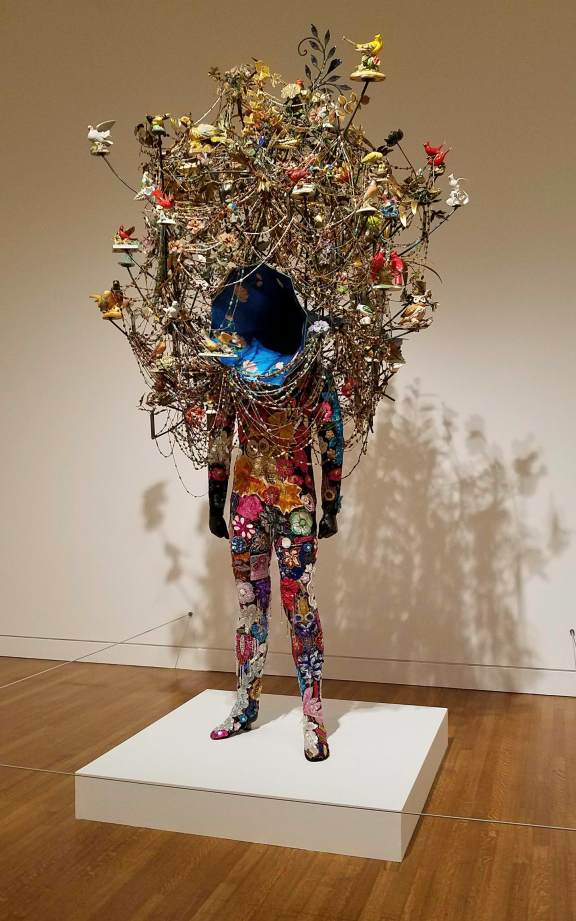


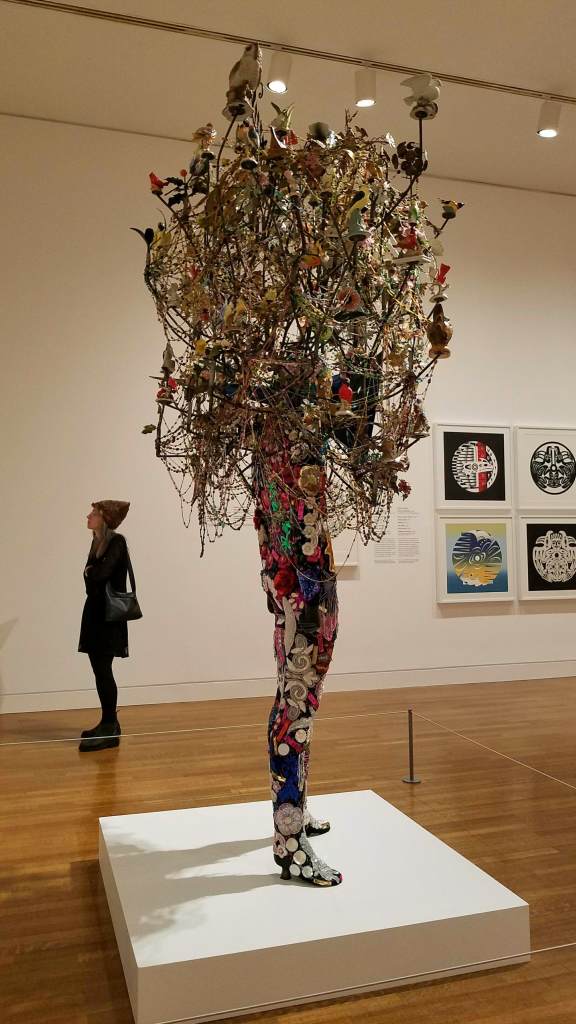
”Soundsuit”, 2015, mixed media including gramophone horn, ceramic birds, metal flowers, strung beads, fabric, metal and mannequin – by Nick Cave
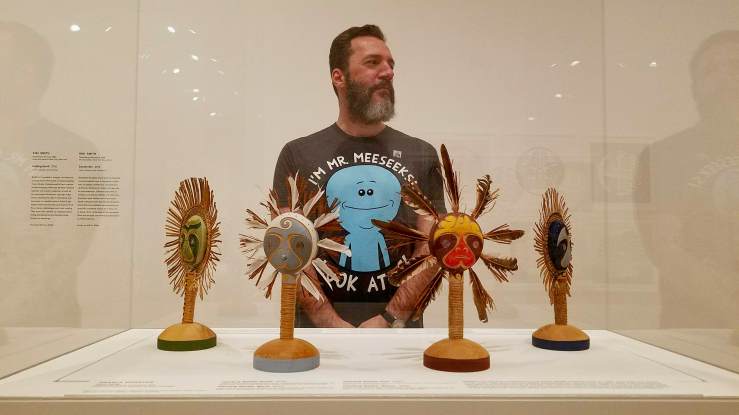
Healing Rattles: Earth, Wind, Fire, Water, 2010 by Angela Marston
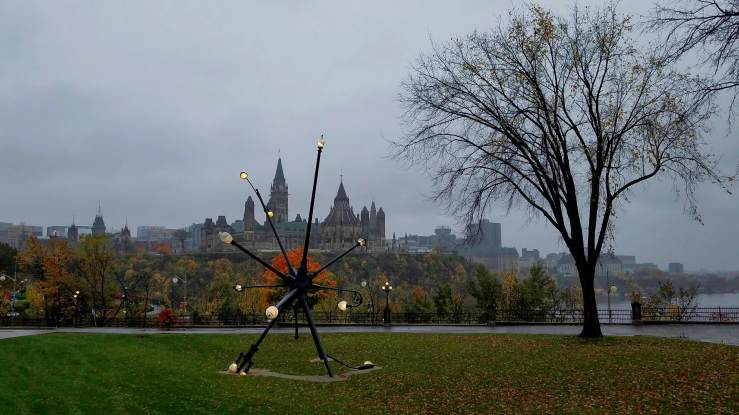

Majestic, 2011, lamp posts, steel, glass, electricity, by Michel de Broin

De Broin’s array of revitalized New Orleans streetlamps, uprooted by Hurricane Katrina in 2005, light up the area as night falls {source}
National Gallery of Canada, Ottawa

October 29th, 2017
National Gallery of Canada || Ottawa

What can a visitor do on a rainy October Sunday in Gananoque, apart from eat and sleep? Drive to Ottawa, of course. It’s only a two-hour drive, maybe less in good weather.

And what can a visitor do on a rainy October Sunday afternoon upon arrival in Ottawa with only a couple of hours to go before dark? Go straight to the National Gallery of Canada. Of course!

Housed in a stunning glass and granite building full of light that is carried from the skylights on the roof, the gallery is an excellent antidote to depressing weather. It was designed by Moshe Safdie, who is responsible for a number of iconic structures around the world, including, for example, the Marina Bay Sands complex in Singapore, the infinity pool of which tops both the building and my personal wish-list.

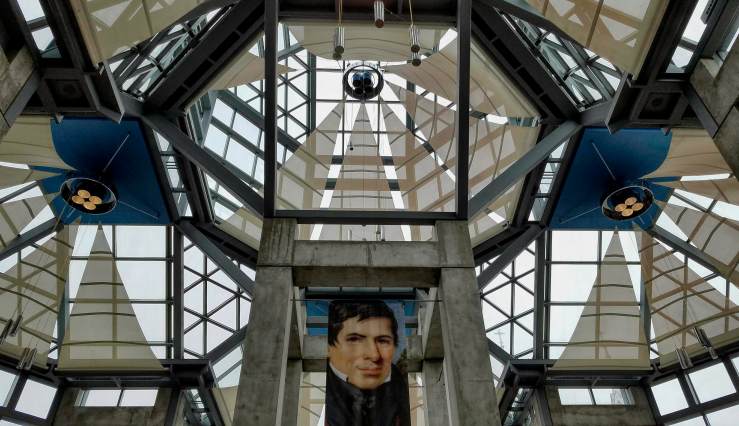
Back in Ottawa; see these glass octagonal features on the roof?  That’s how they look like on the inside, with the addition of white sails to diffuse the light.

“Maman” the giant egg-carrying spider outside the gallery, is a sculpture (1999, cast 2003) by Louise Bourgeois.

National Gallery of Canada, Ottawa

October 29th, 2017