Cayuga Lake

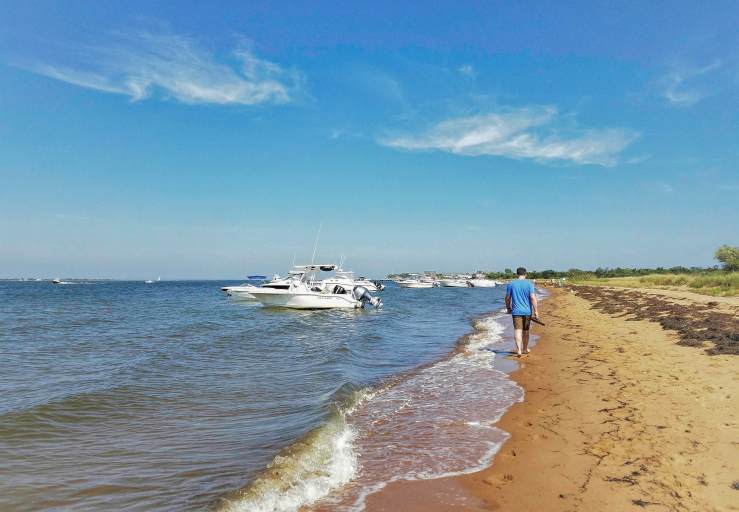
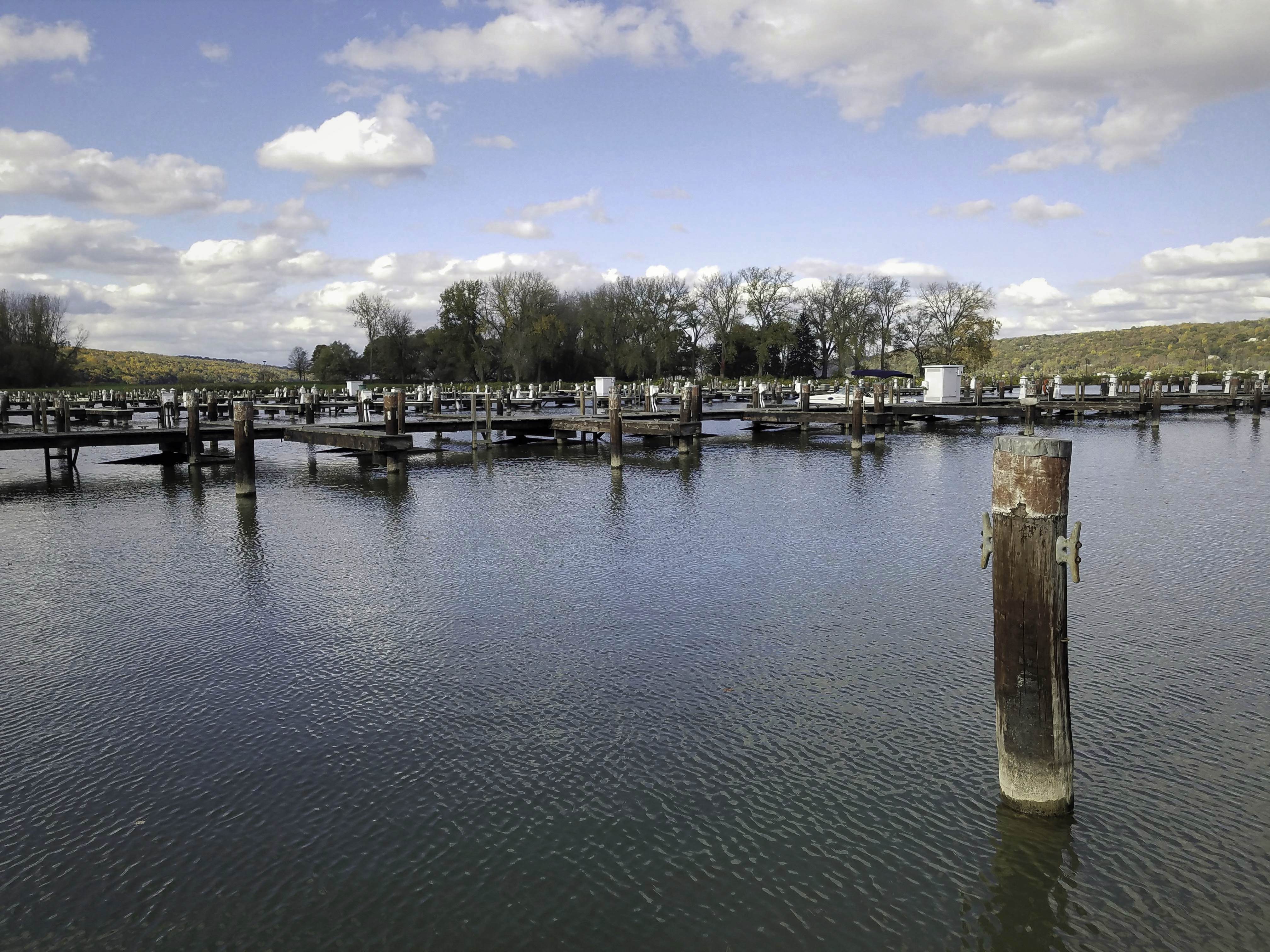
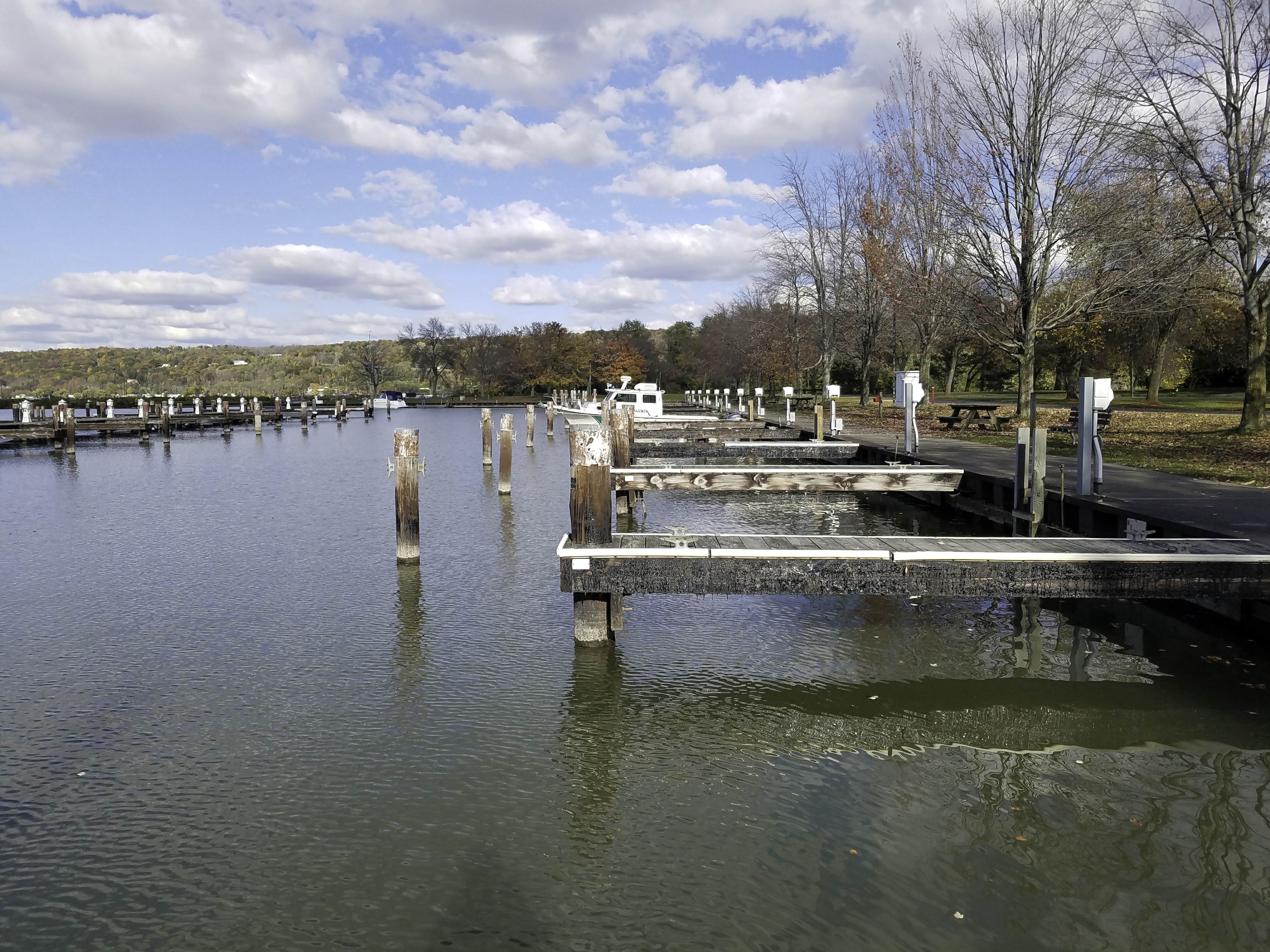
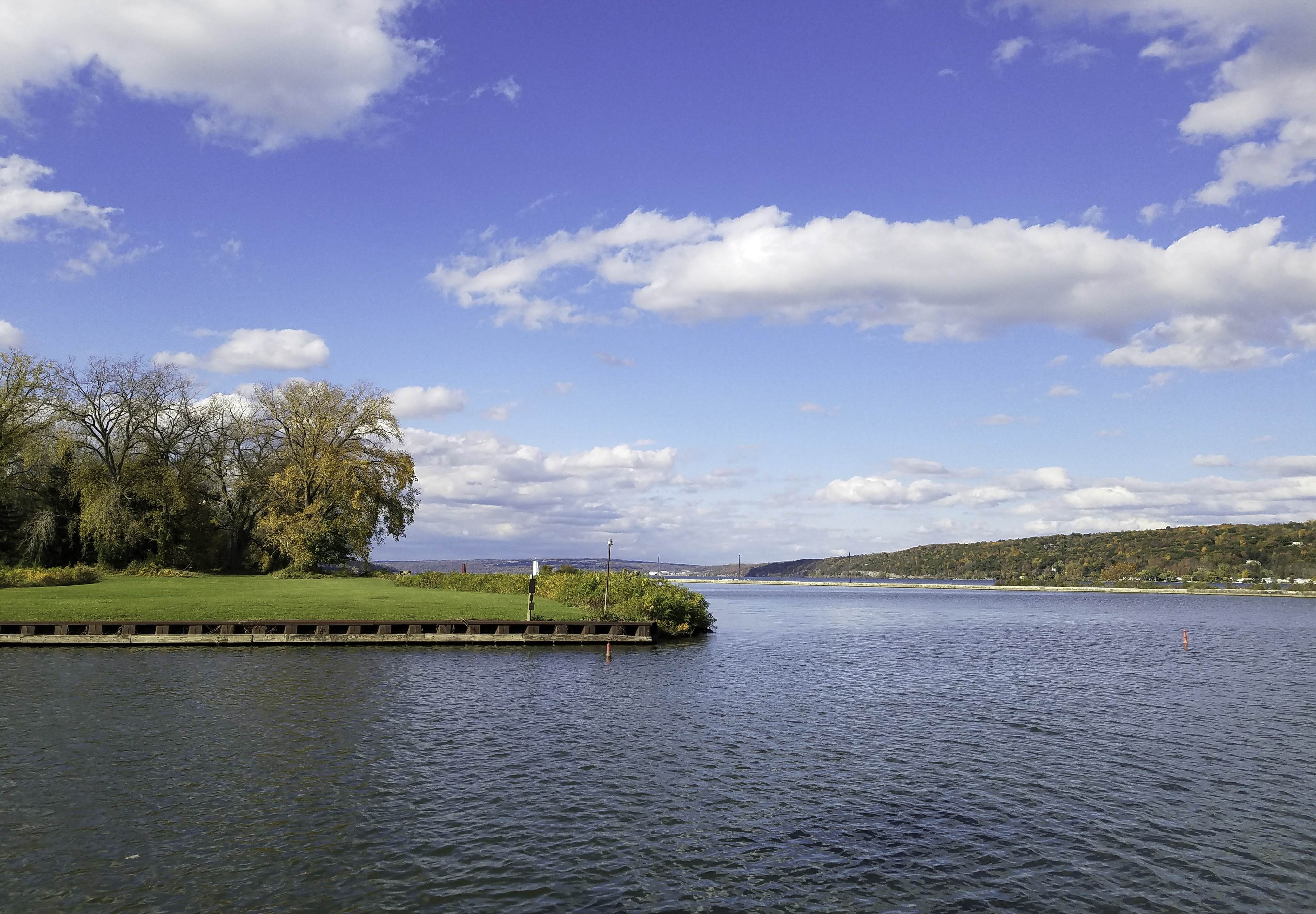
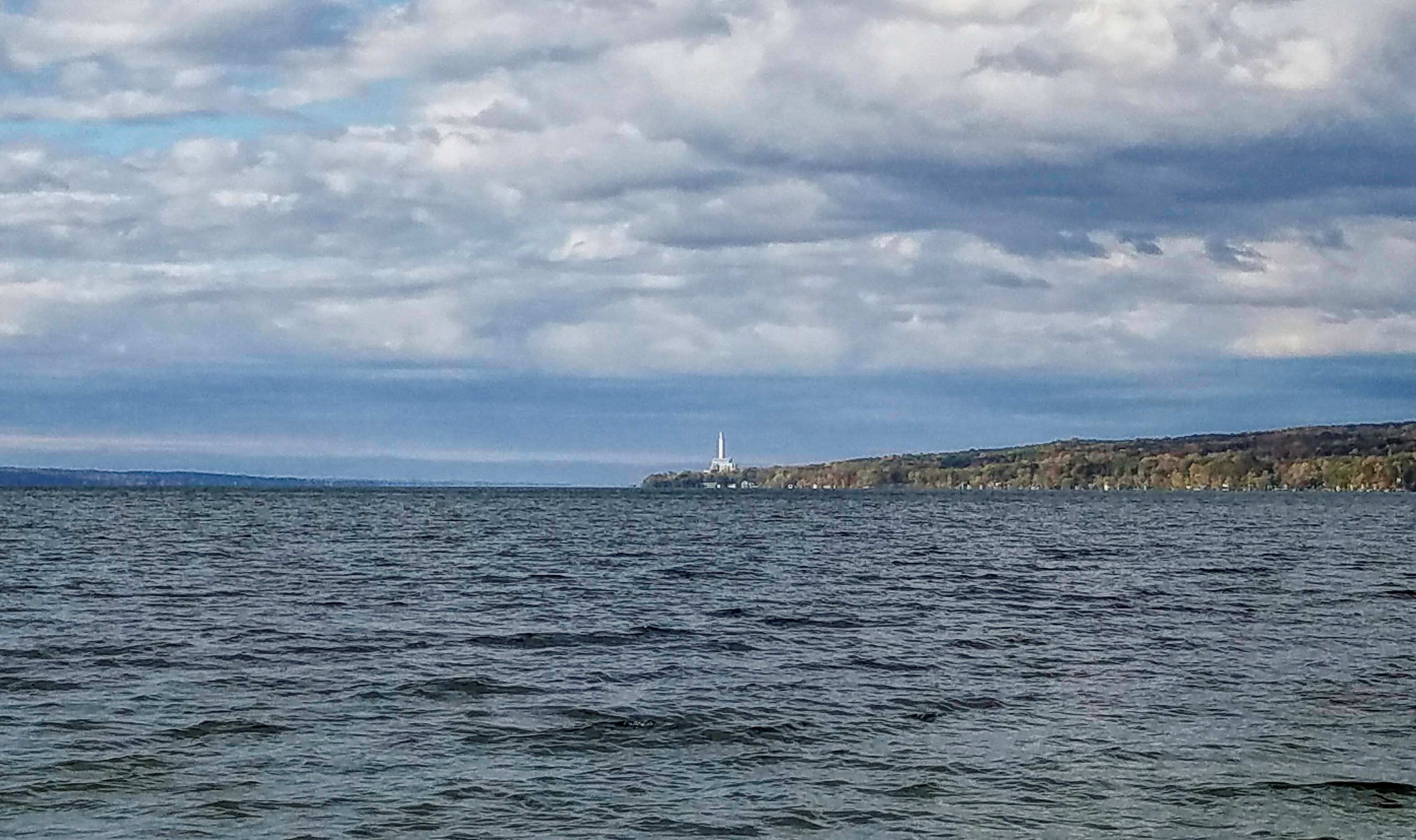
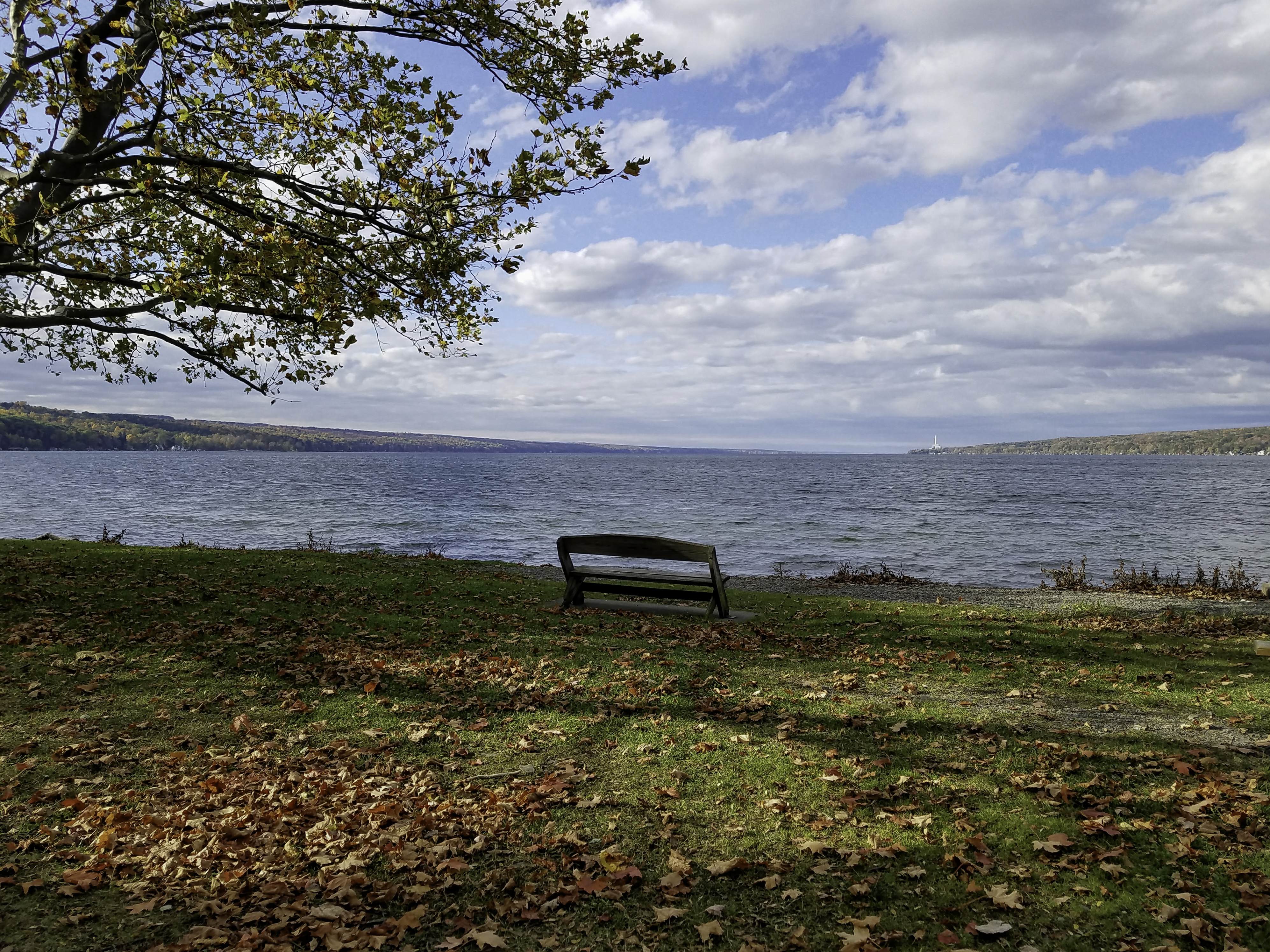
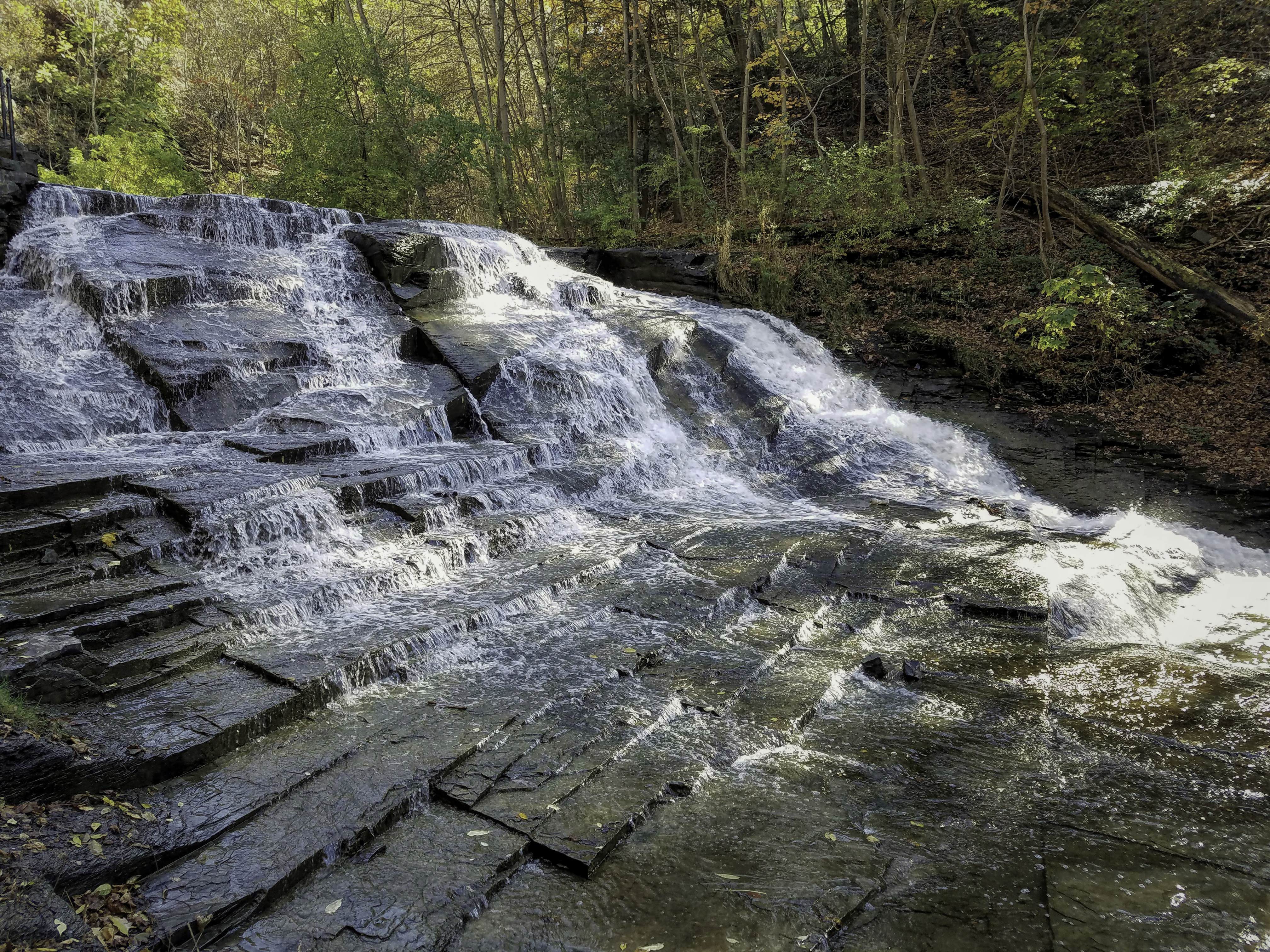
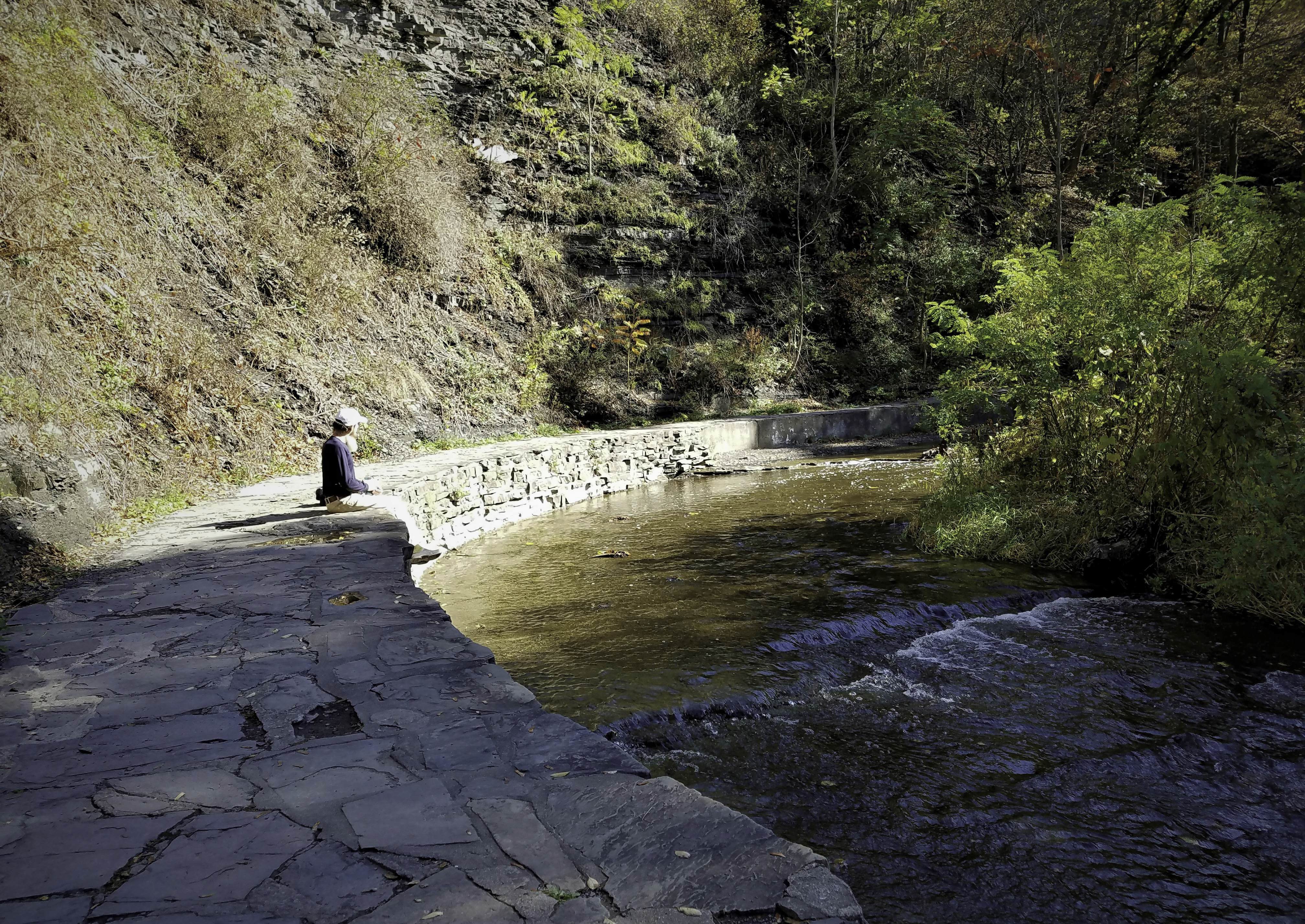
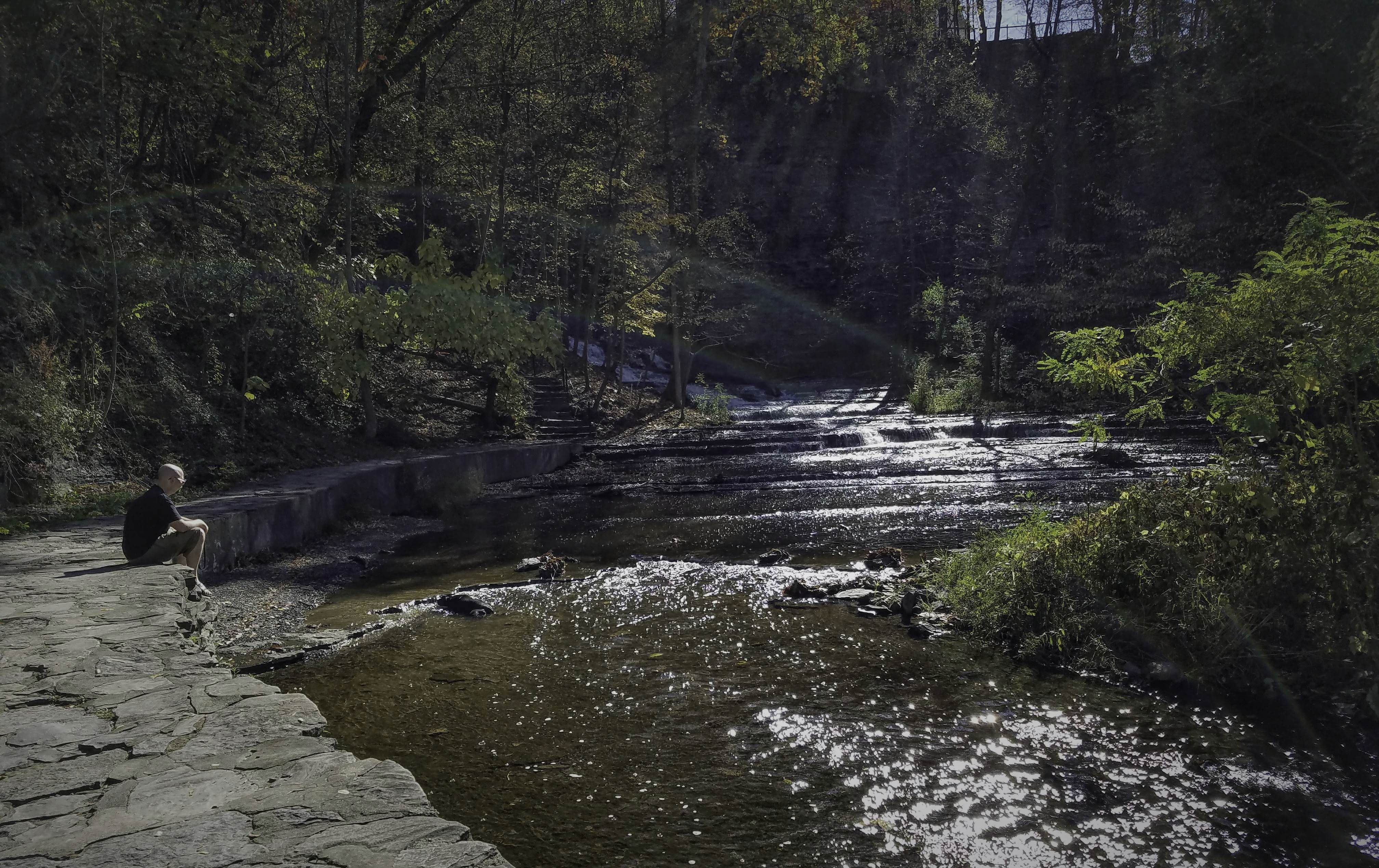
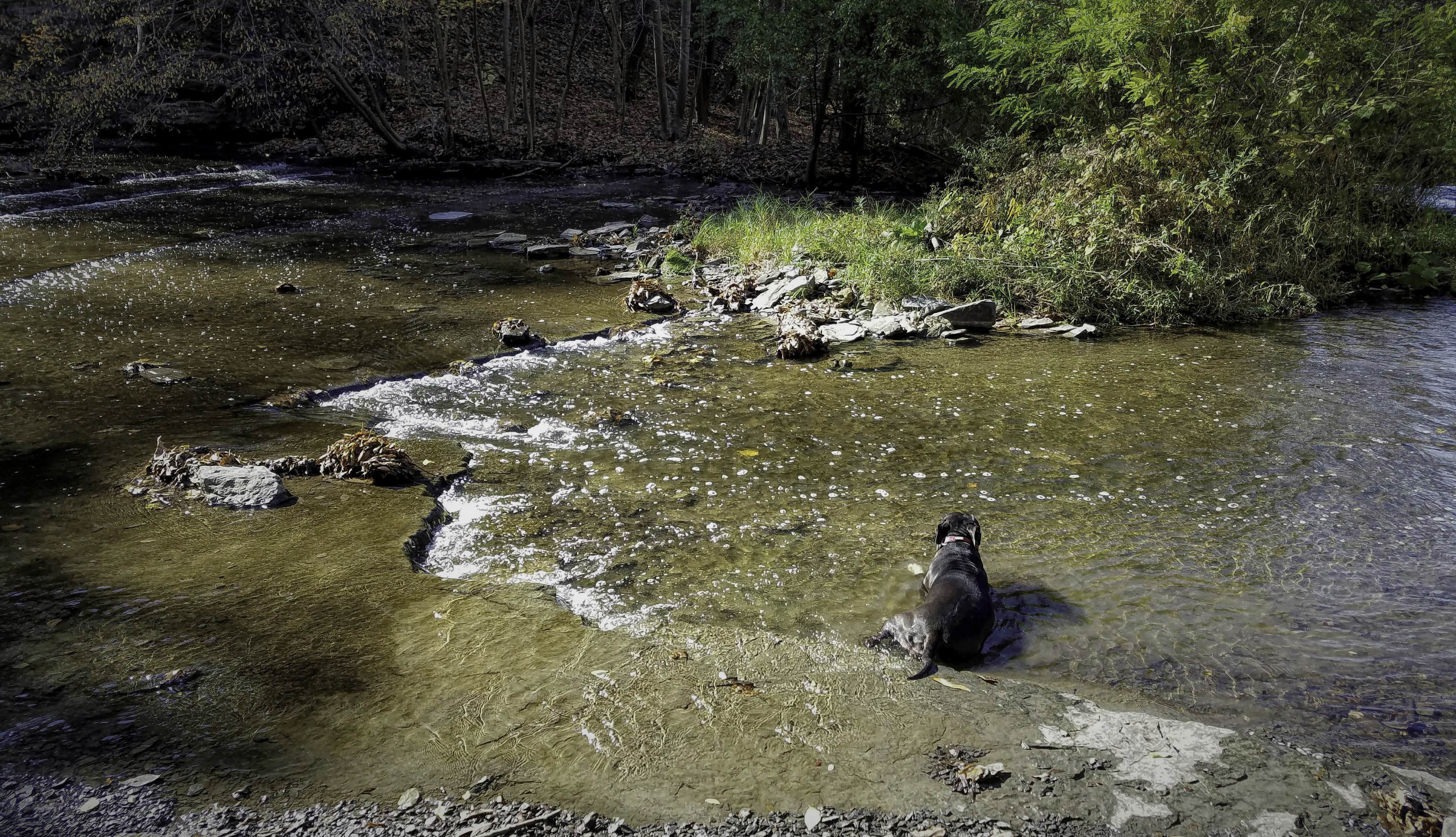
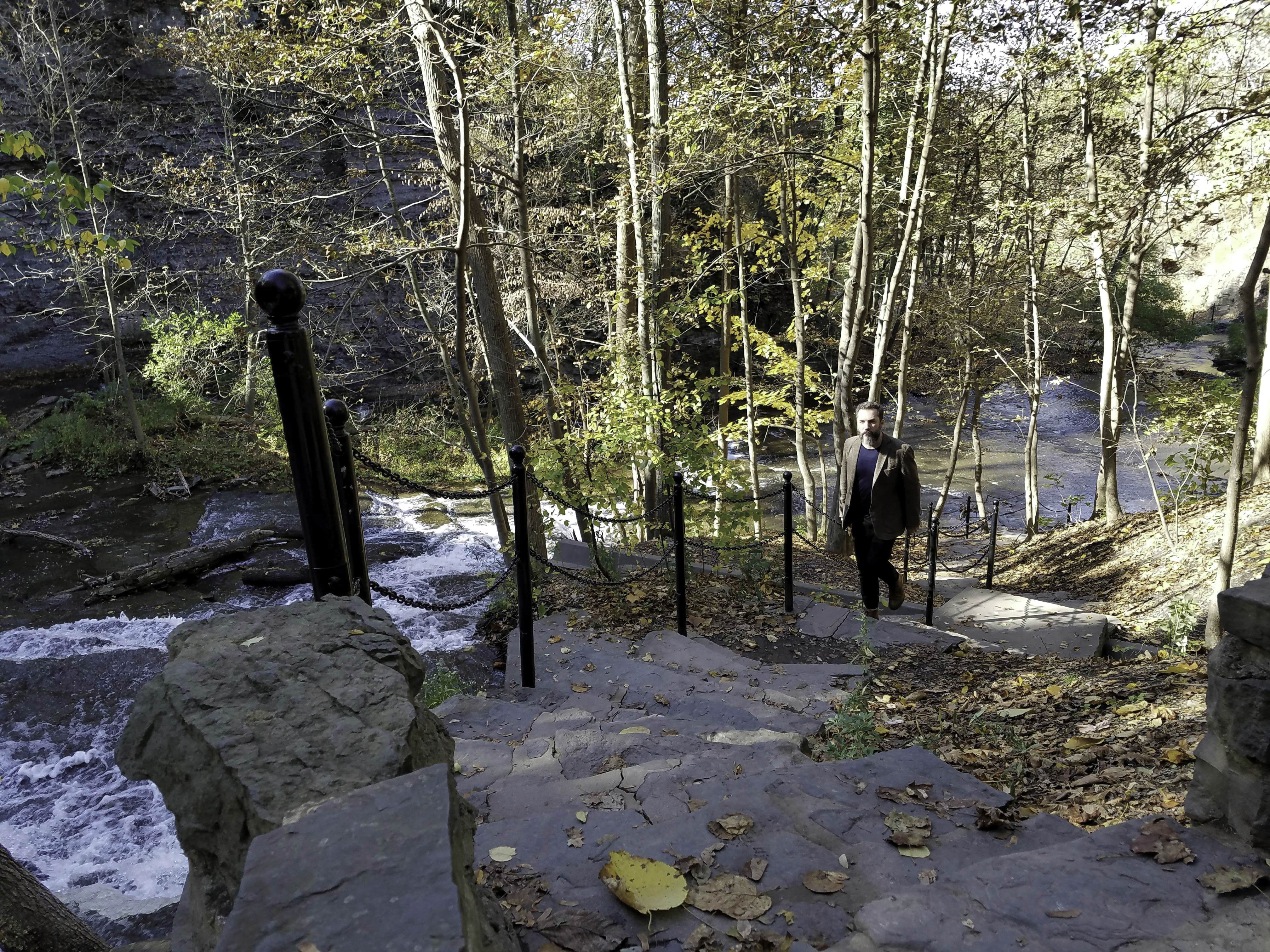
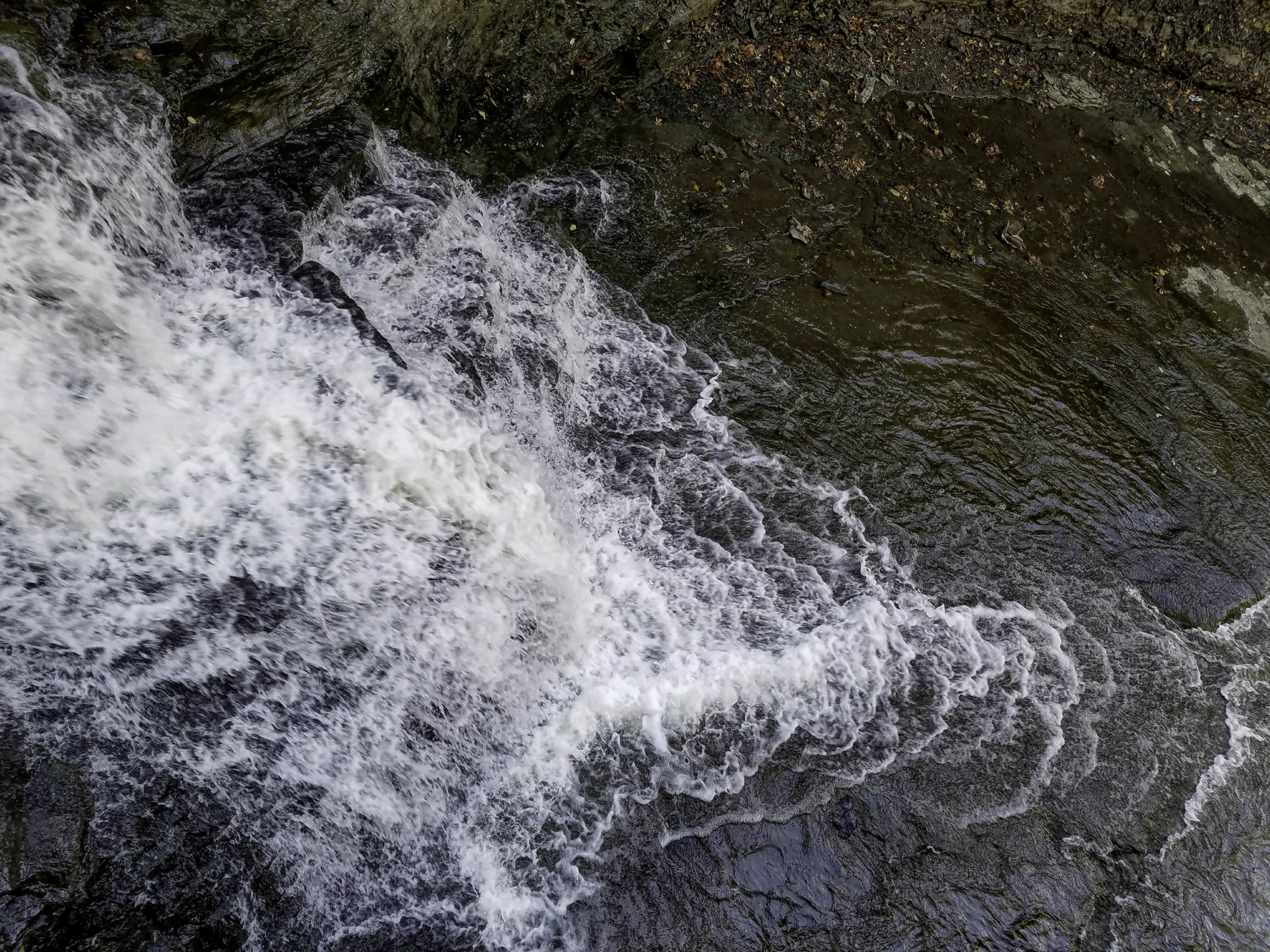
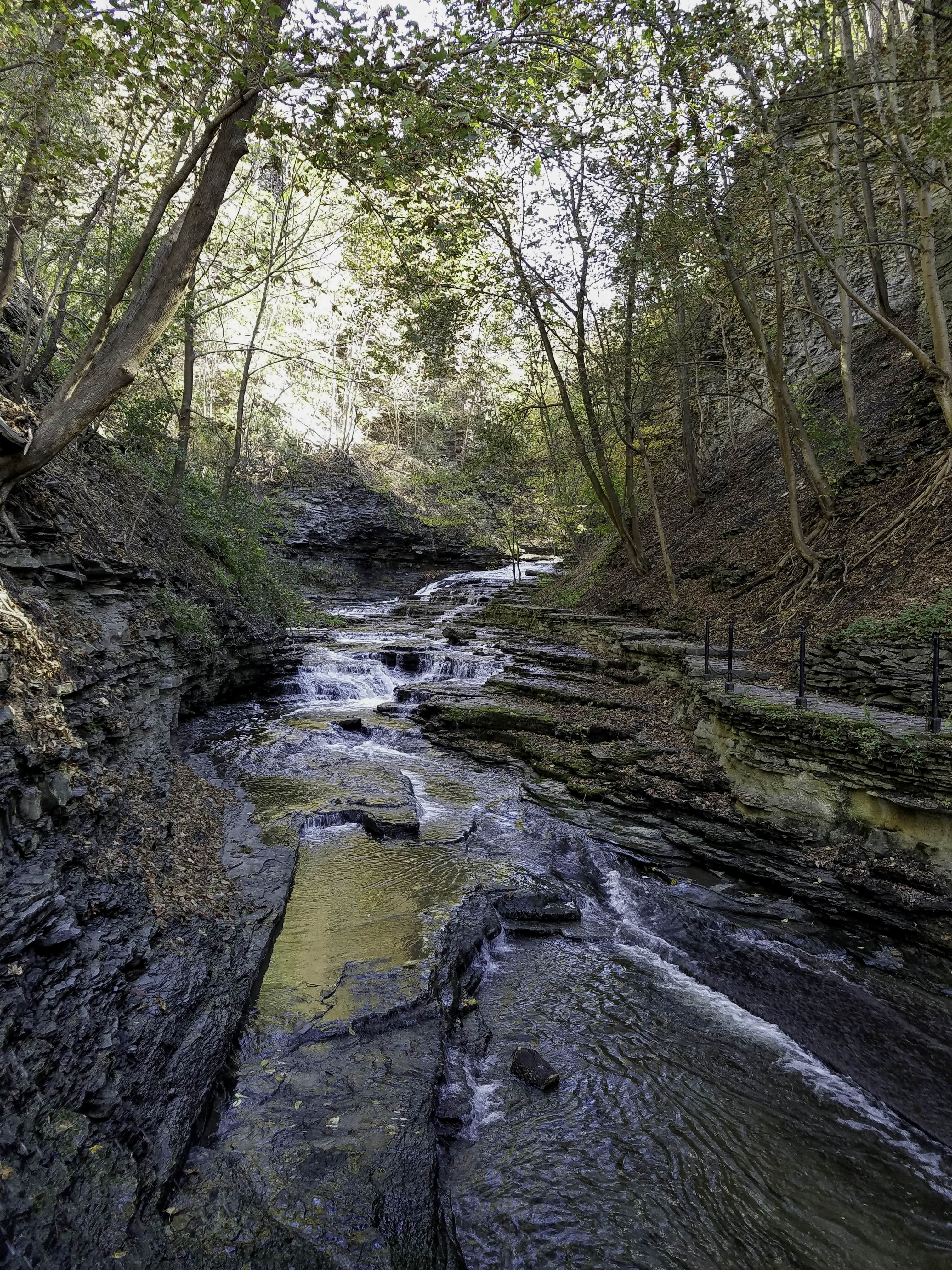
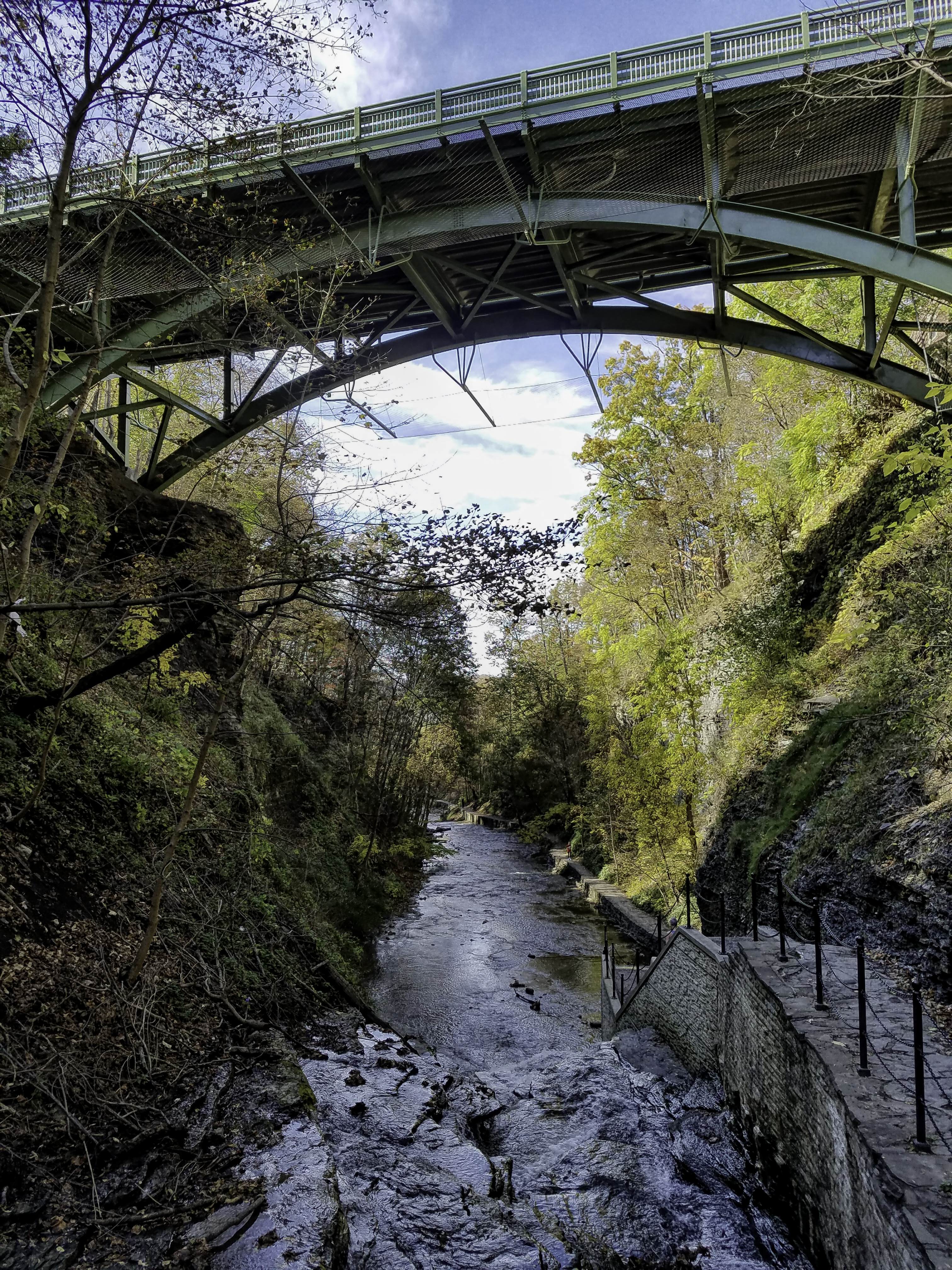
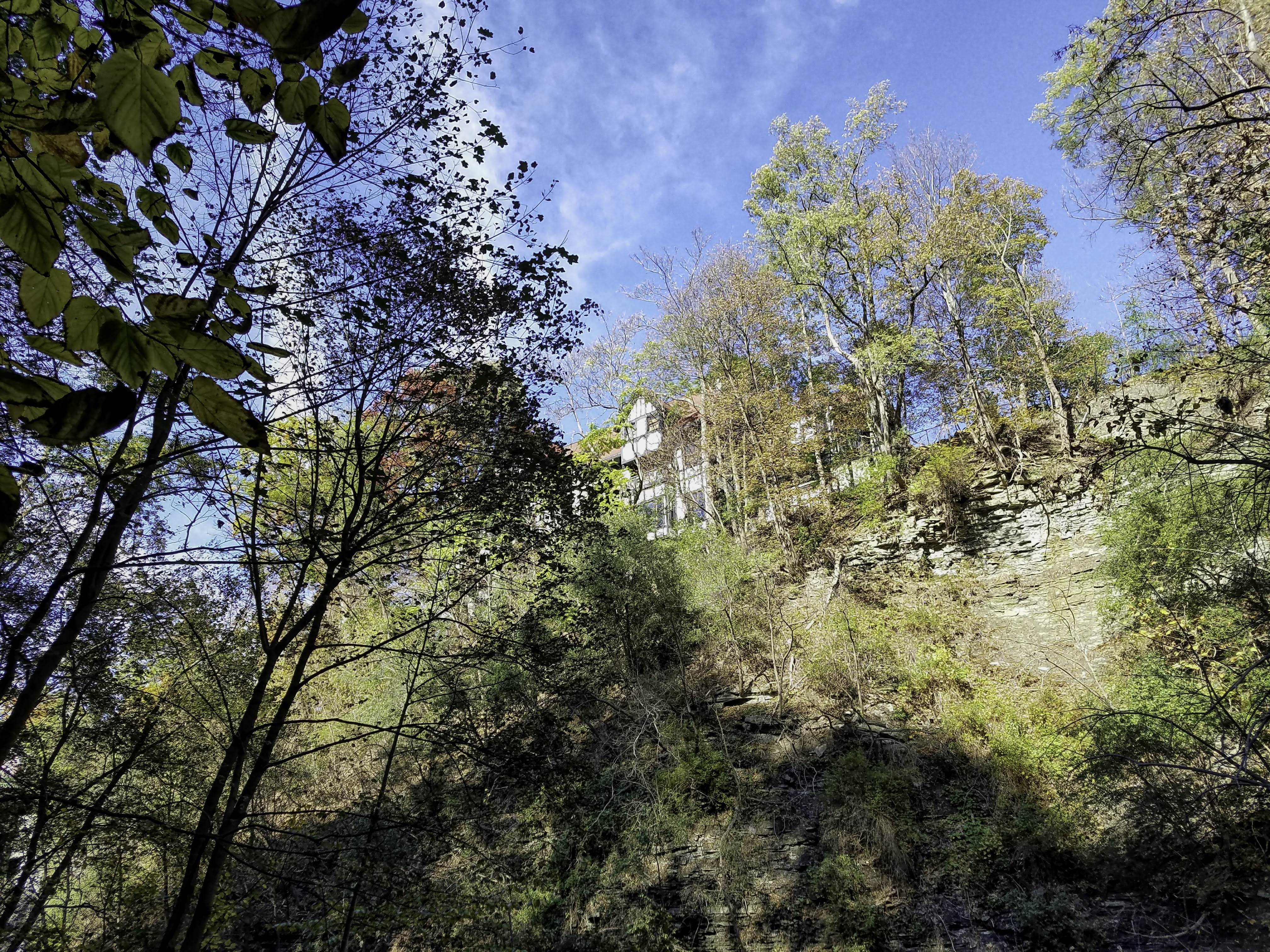
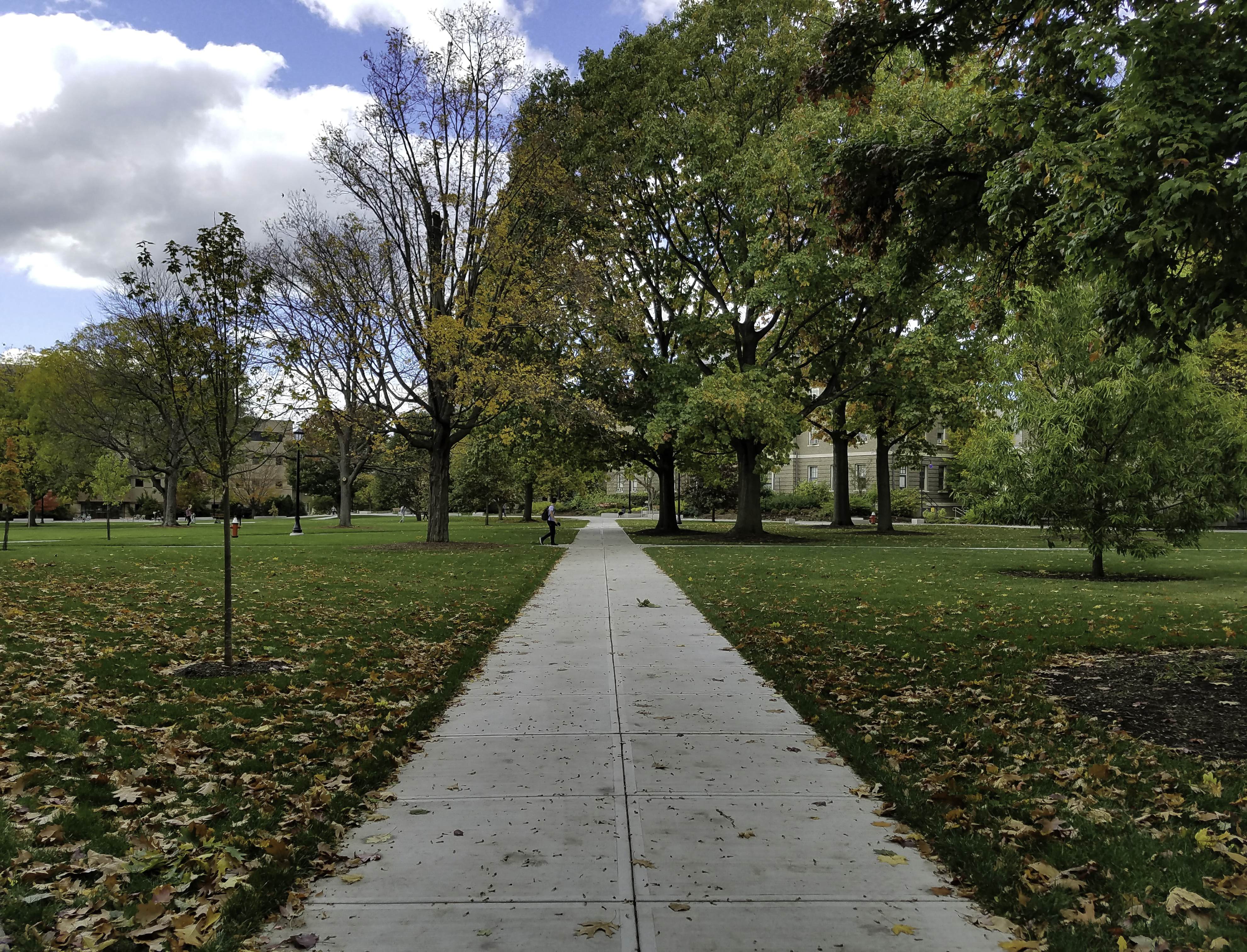
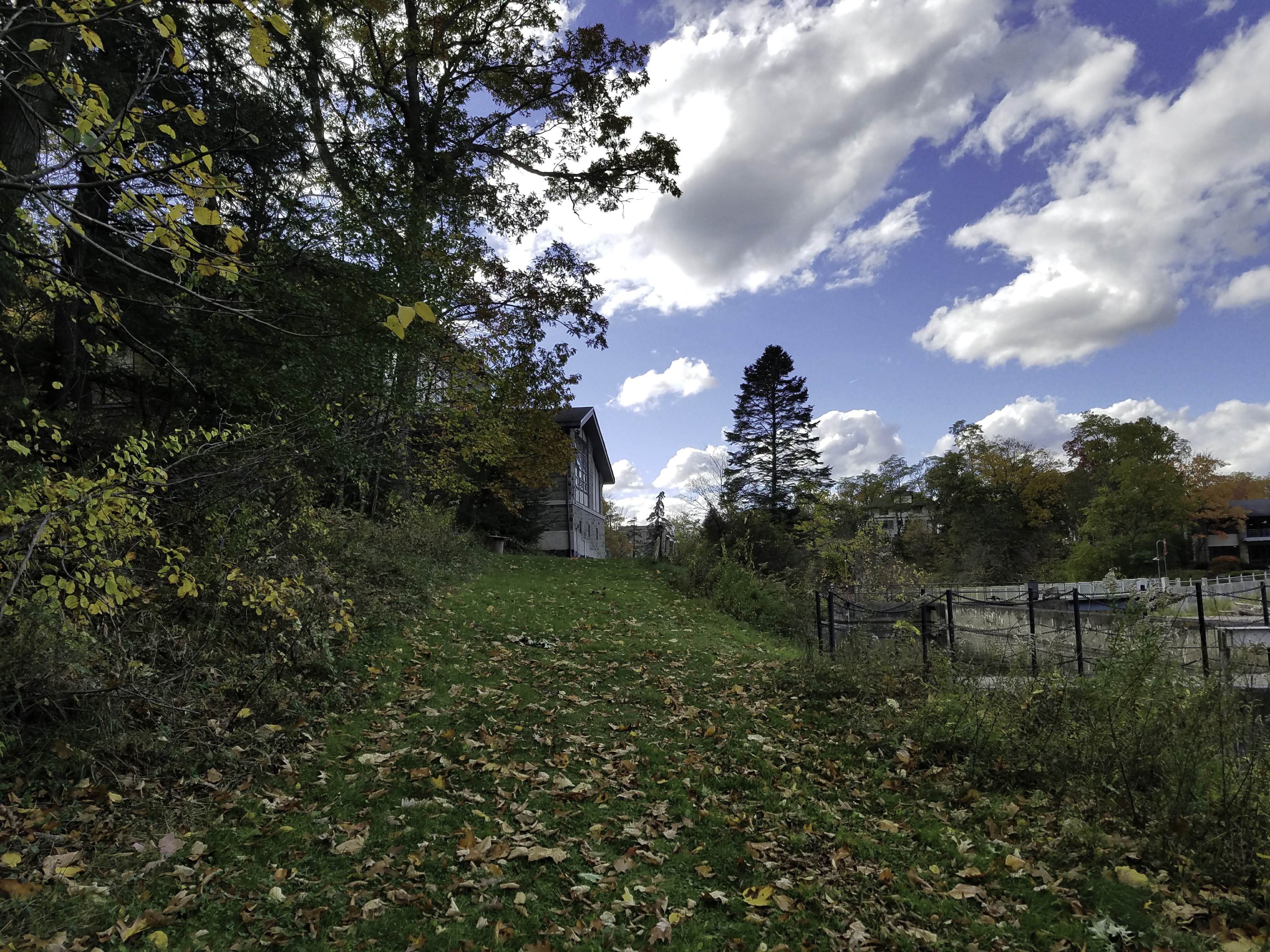
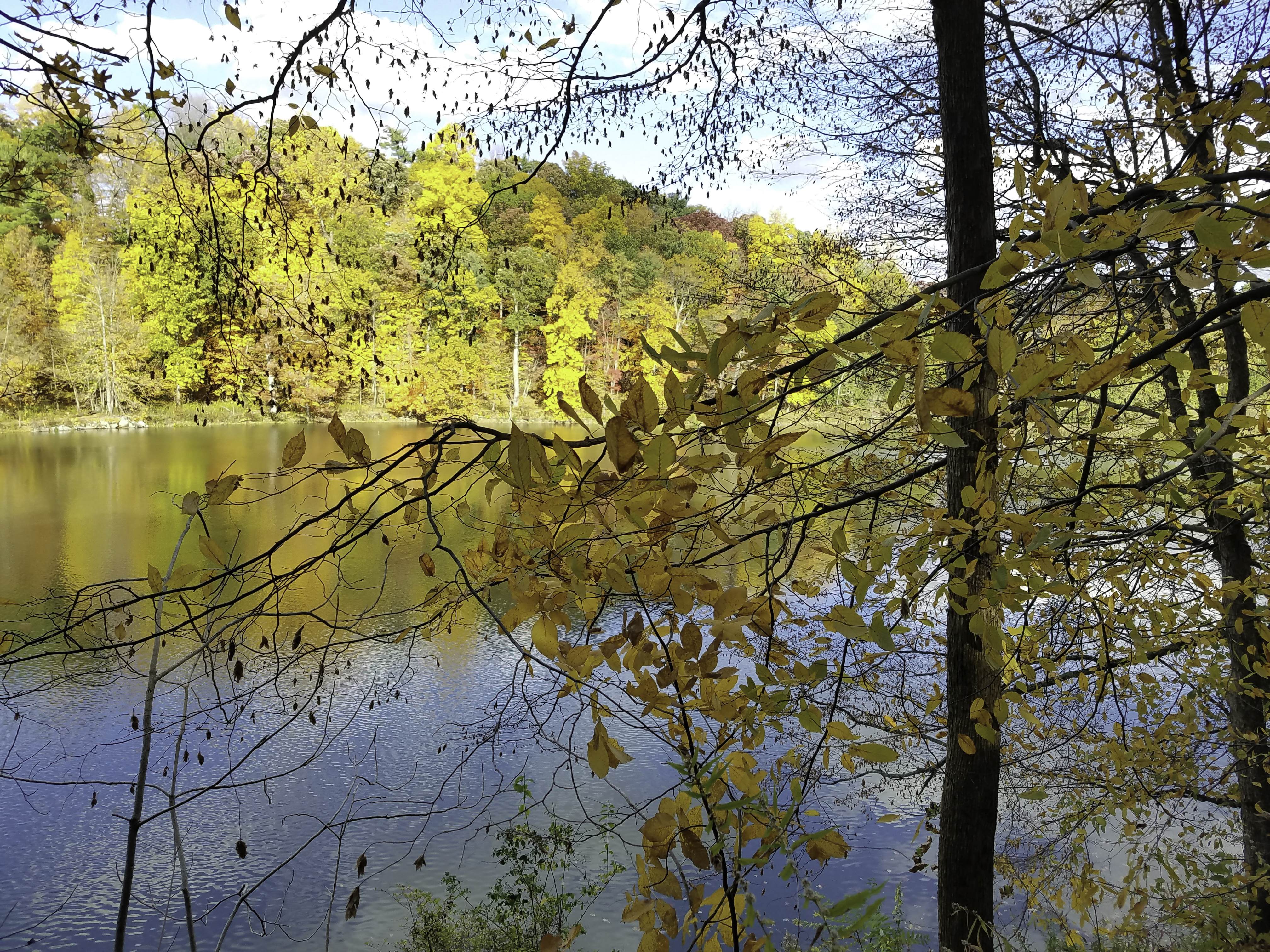
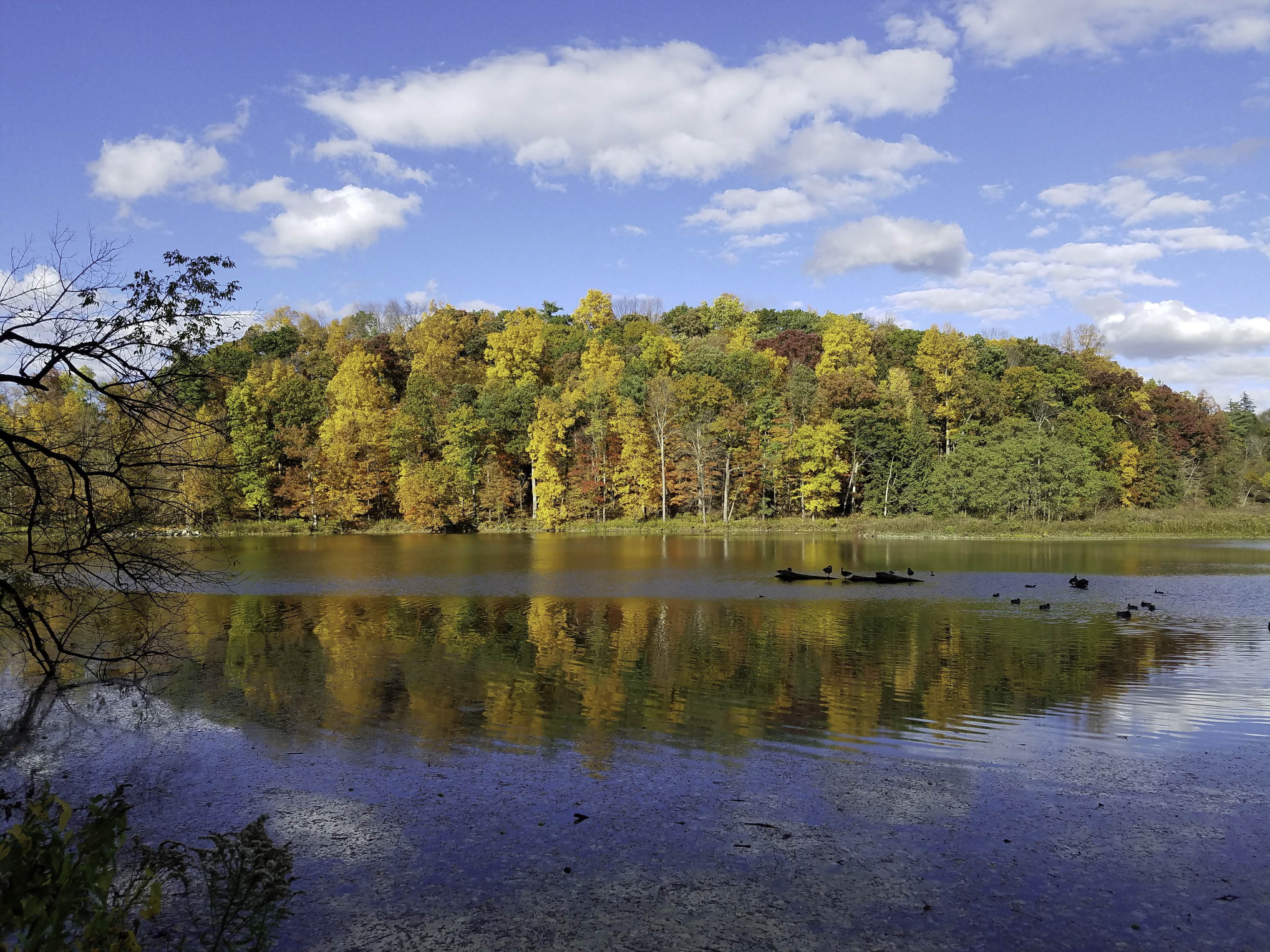
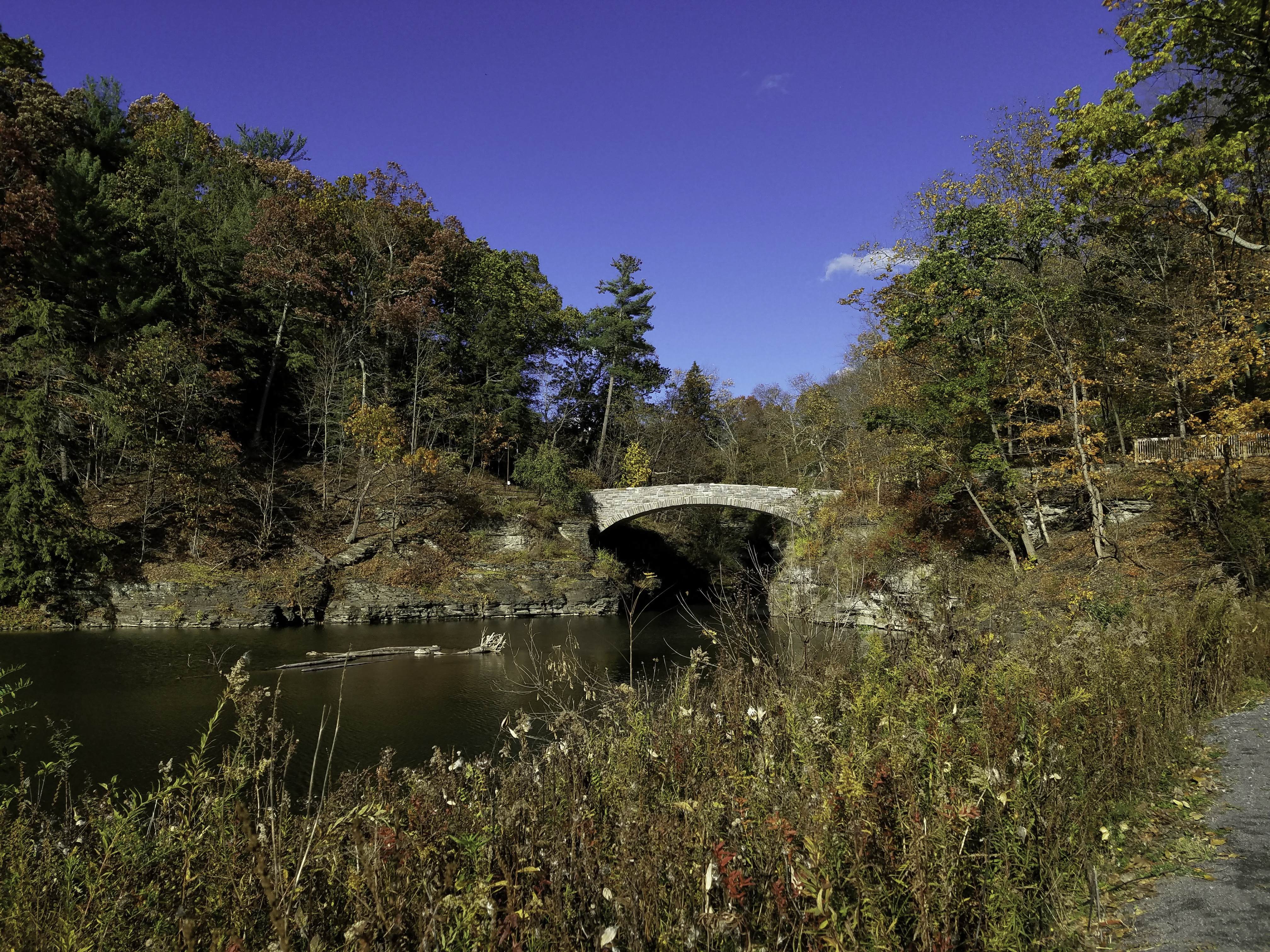
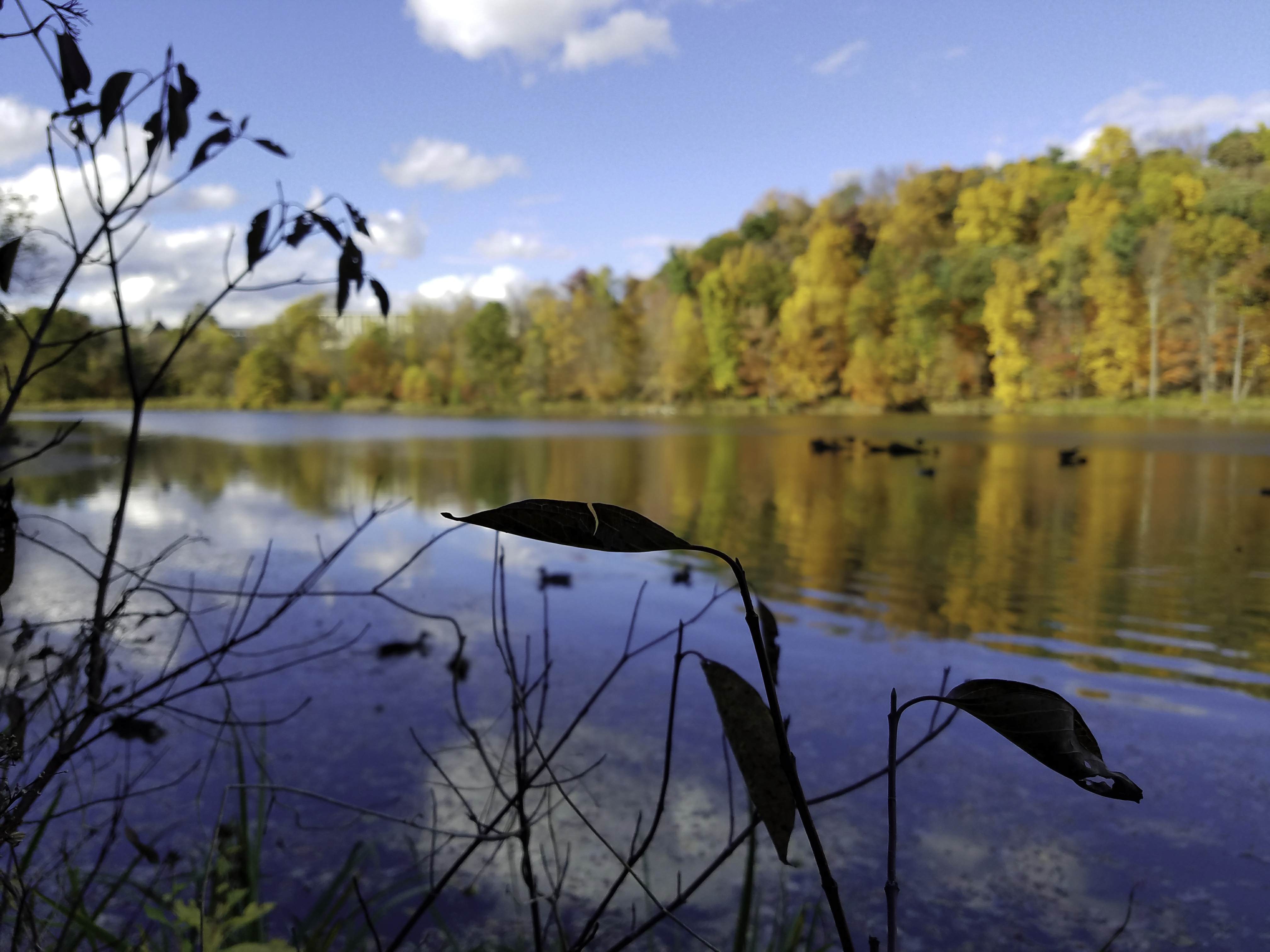
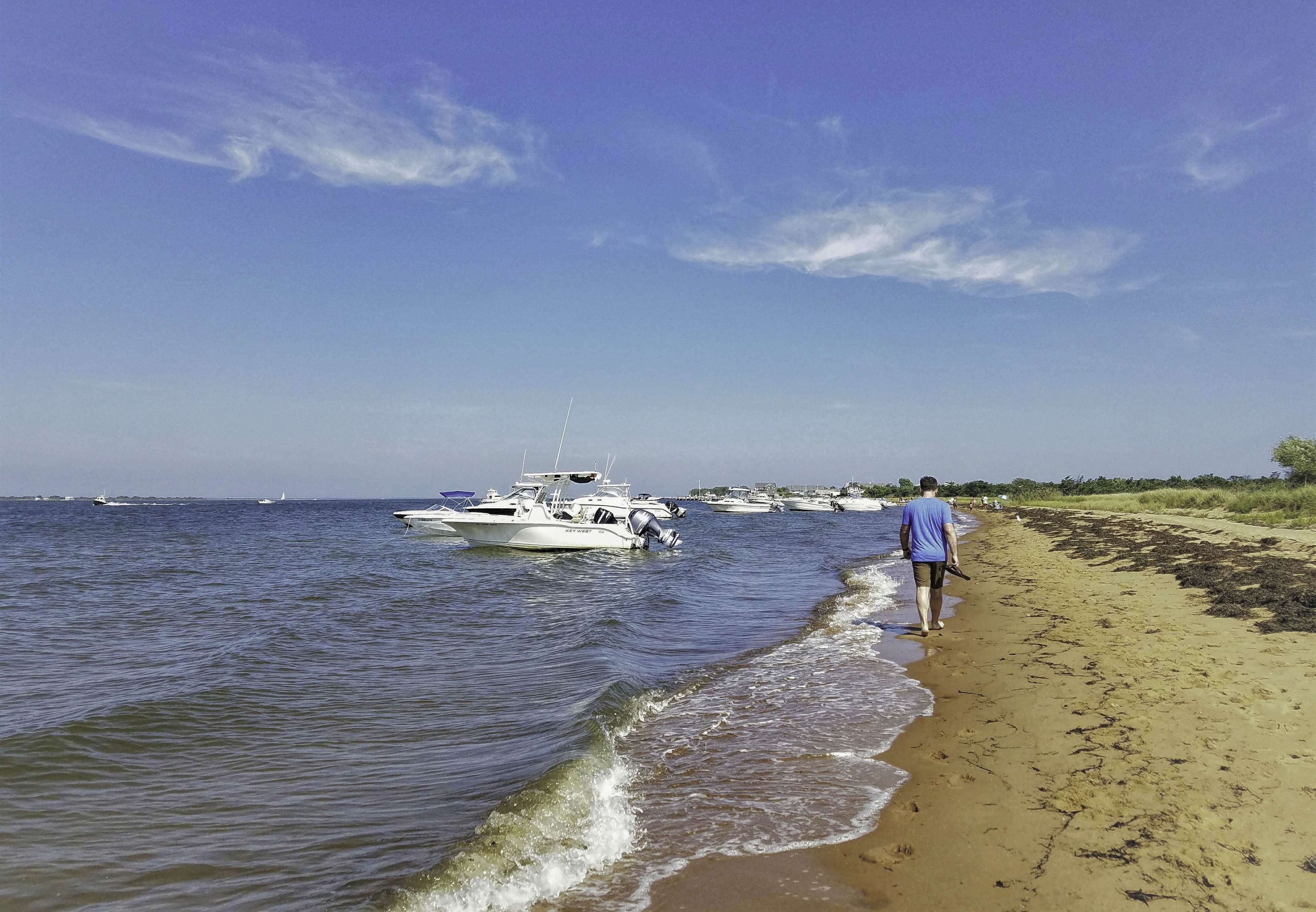
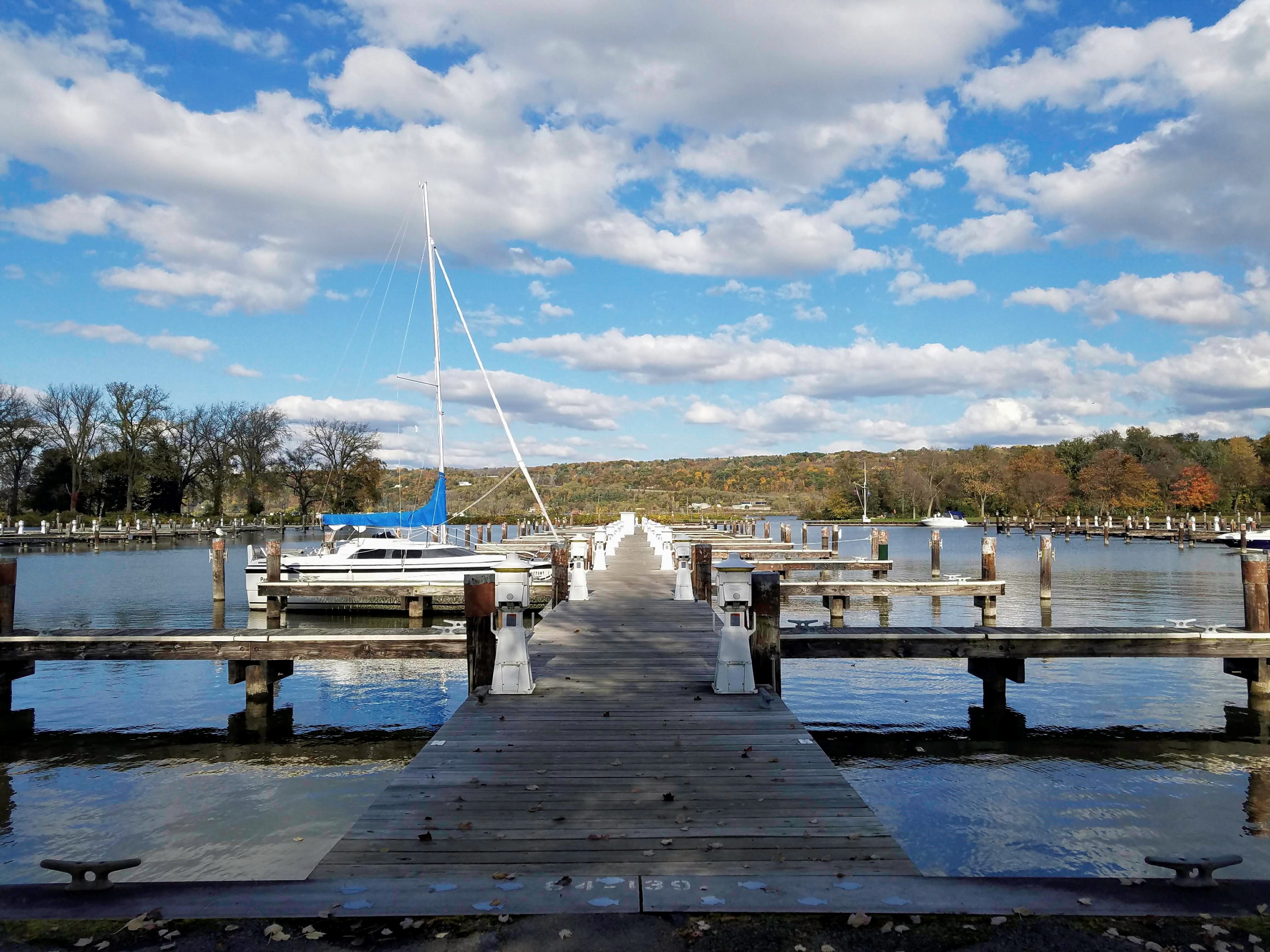
We almost missed the lake! Here we were, next to the longest, widest and second deepest of the glacier carved Finger Lakes and we had almost no time left to enjoy it. That’s how enthralled we had been by the beauty of Ithaca’s waterfalls! So, on our way to the most magnificent of them all, the least we could do was make a quick stop at the deserted Allan H Treman State Marine Park; and a second one in Taughannock Point, before entering the Park. It was sunny and cool and – at times – very, very breezy. It was also getting late and we still had a long walk ahead.

Ithaca, N.Y.

October 25th, 2017

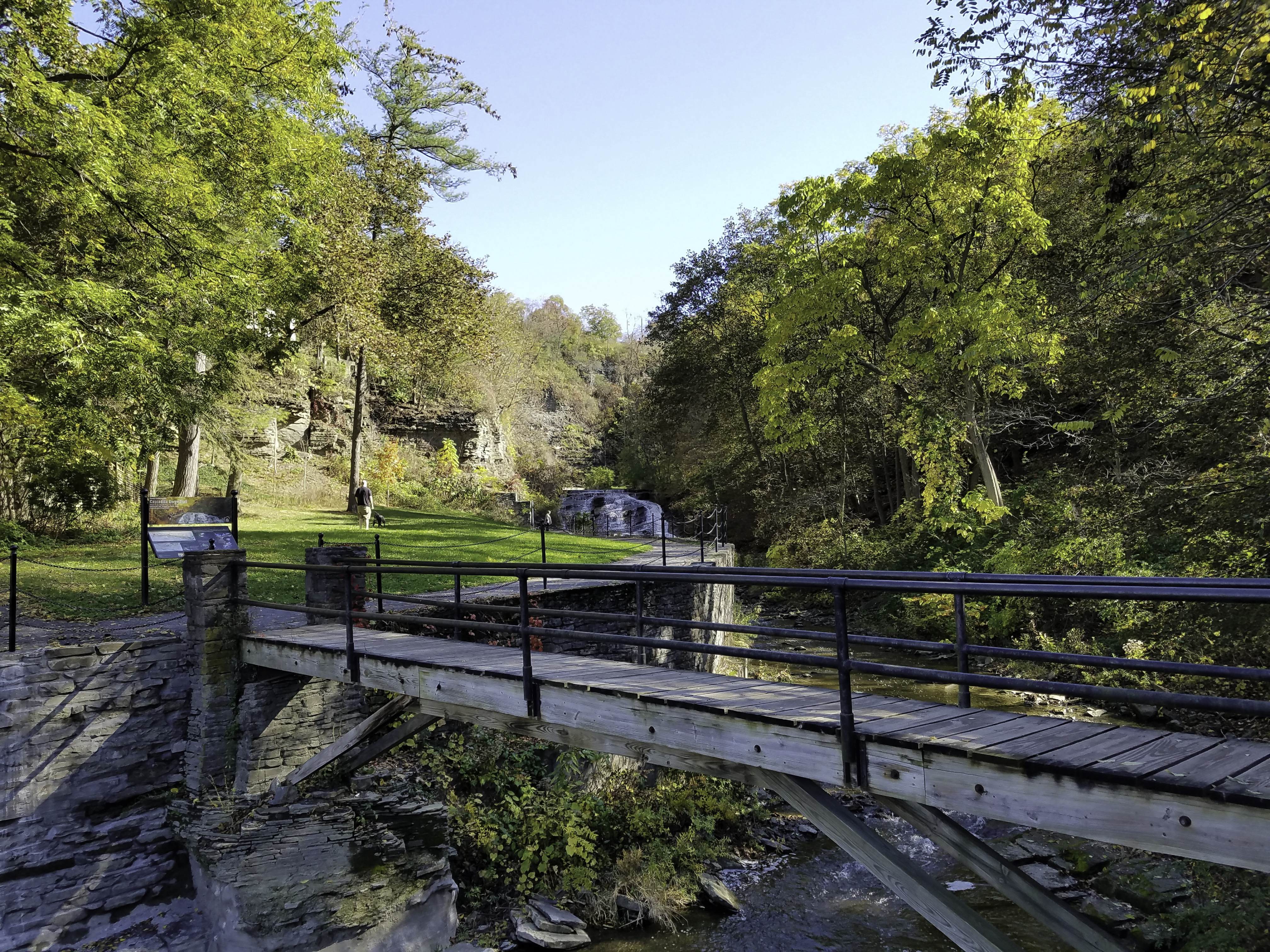
Cascadilla Gorge Trail

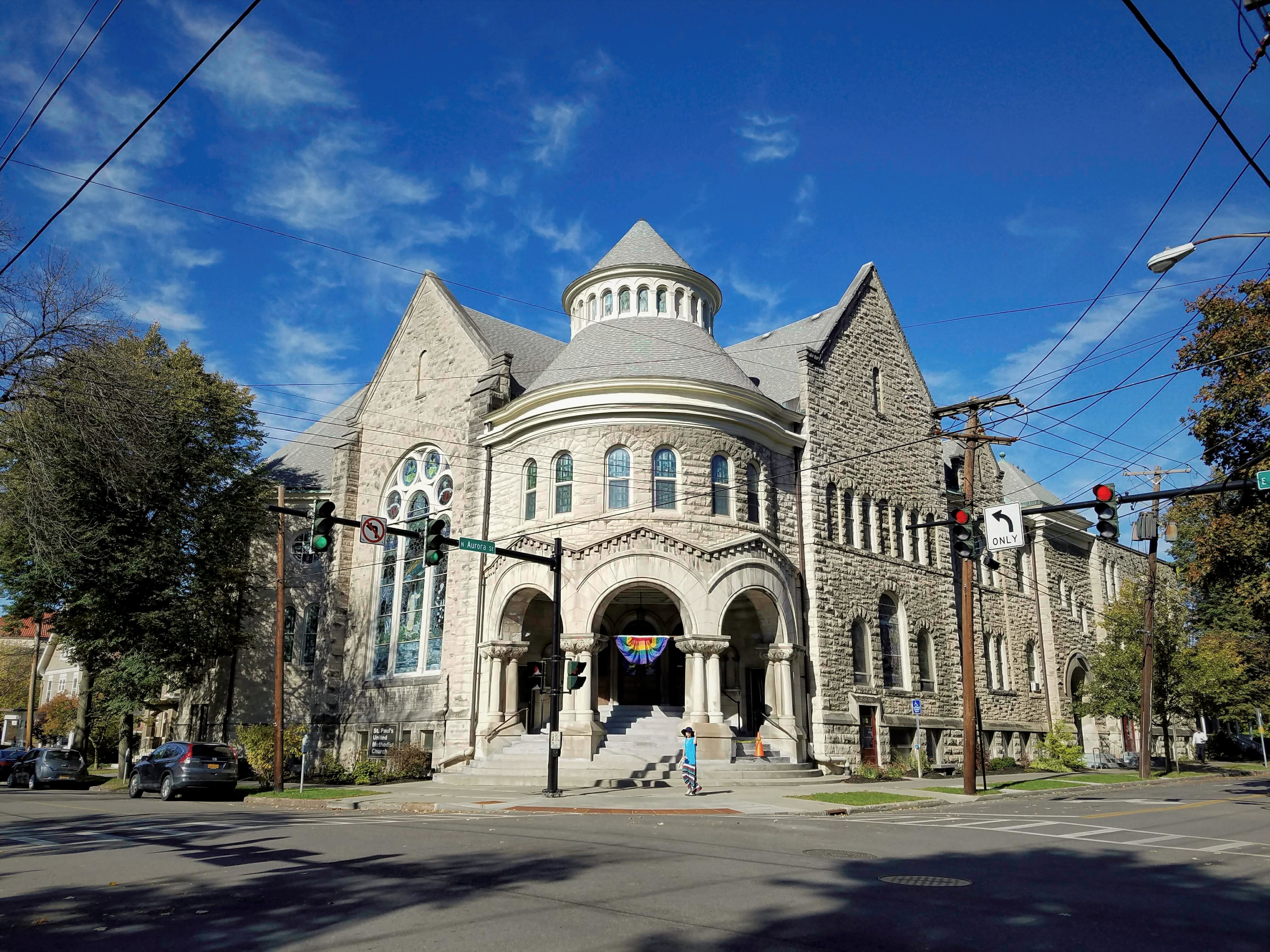
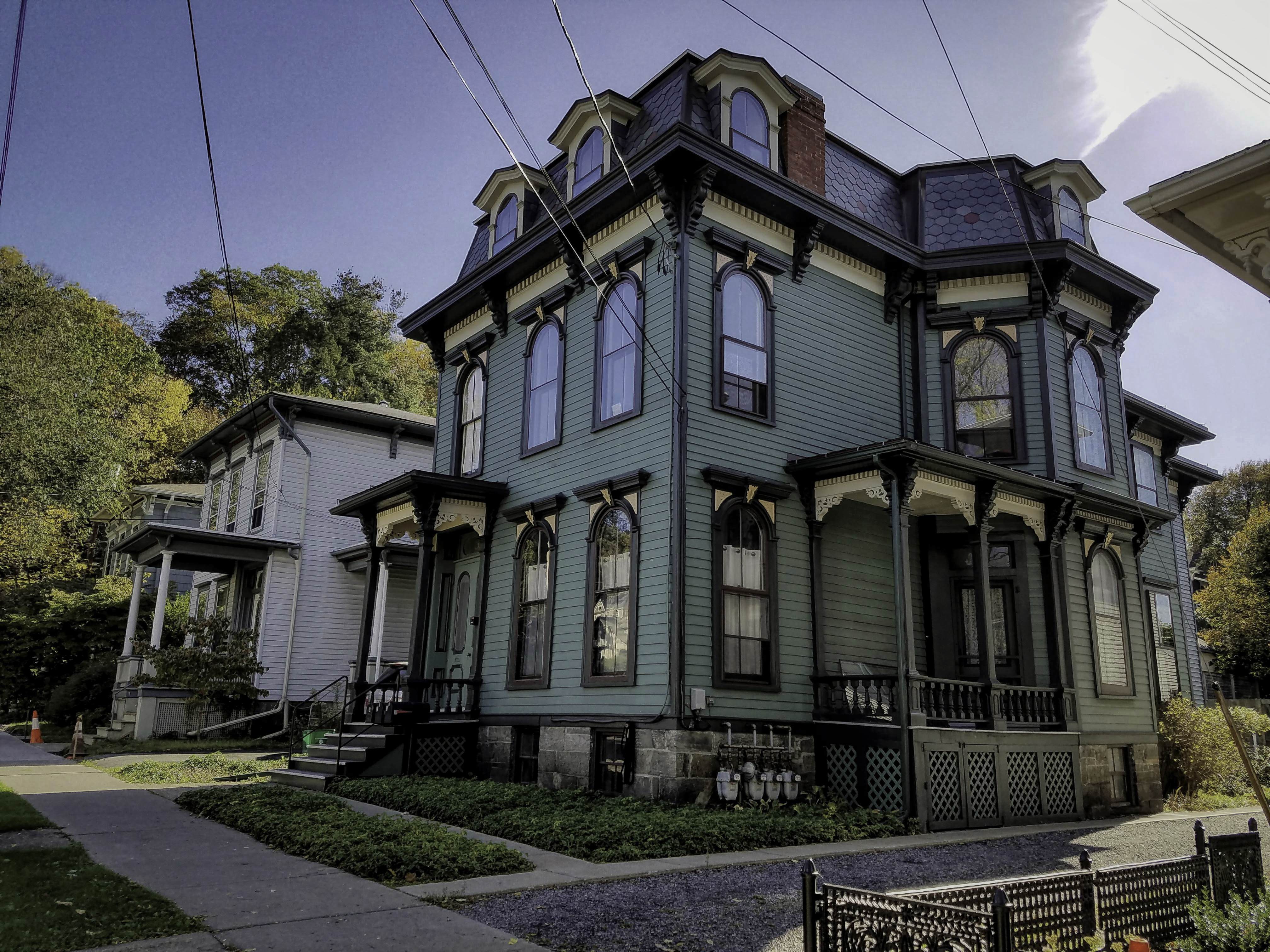
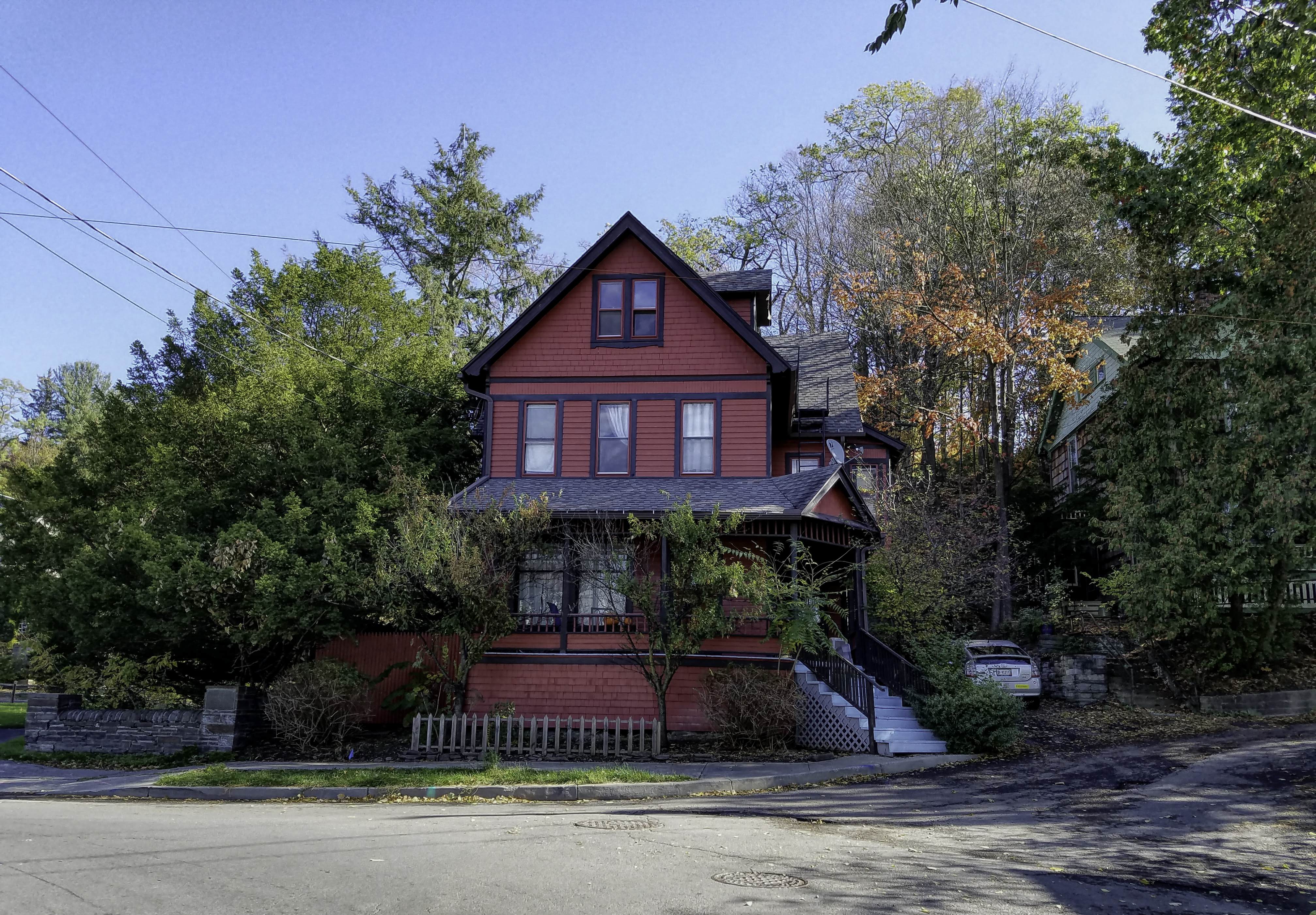
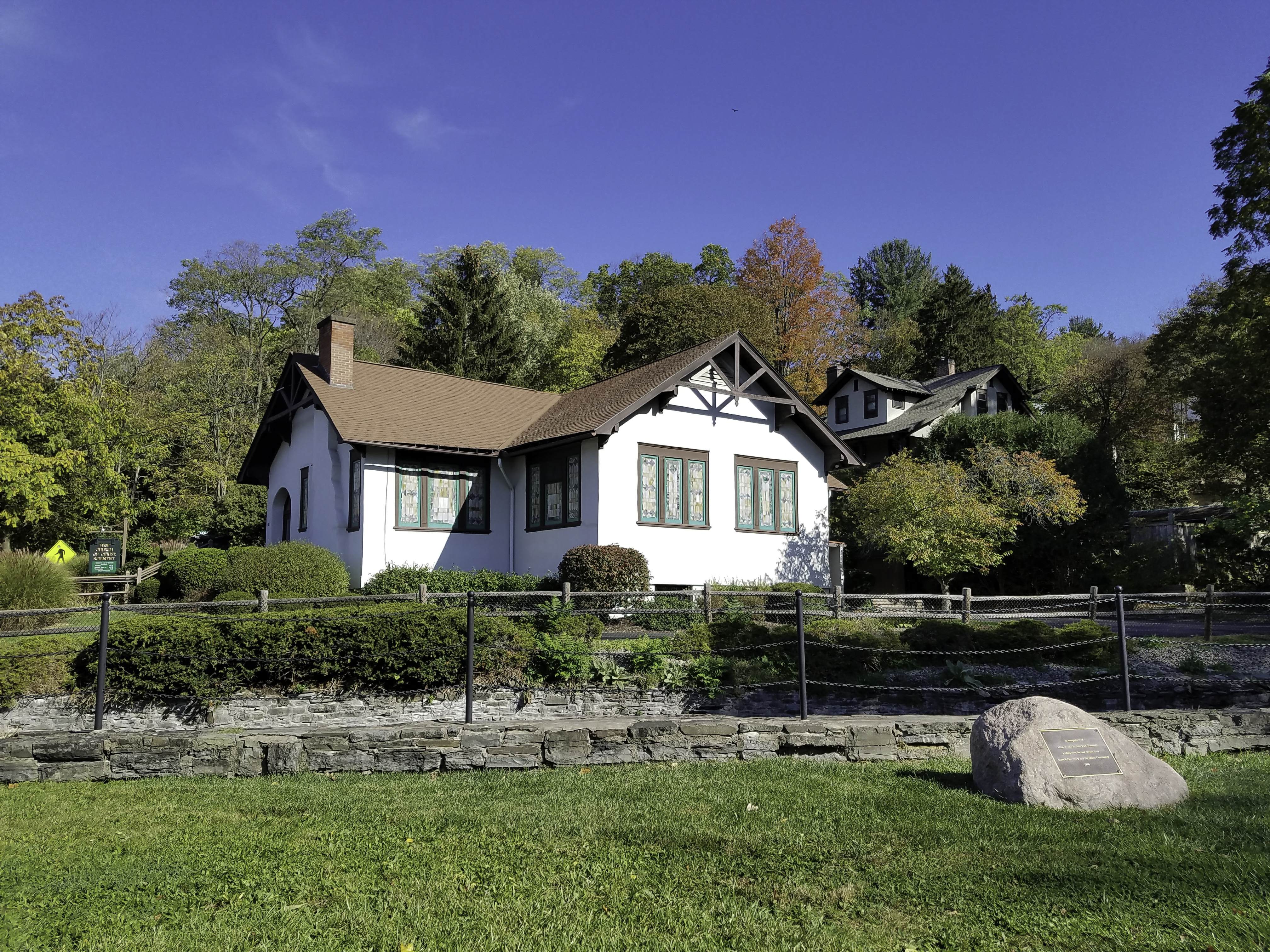
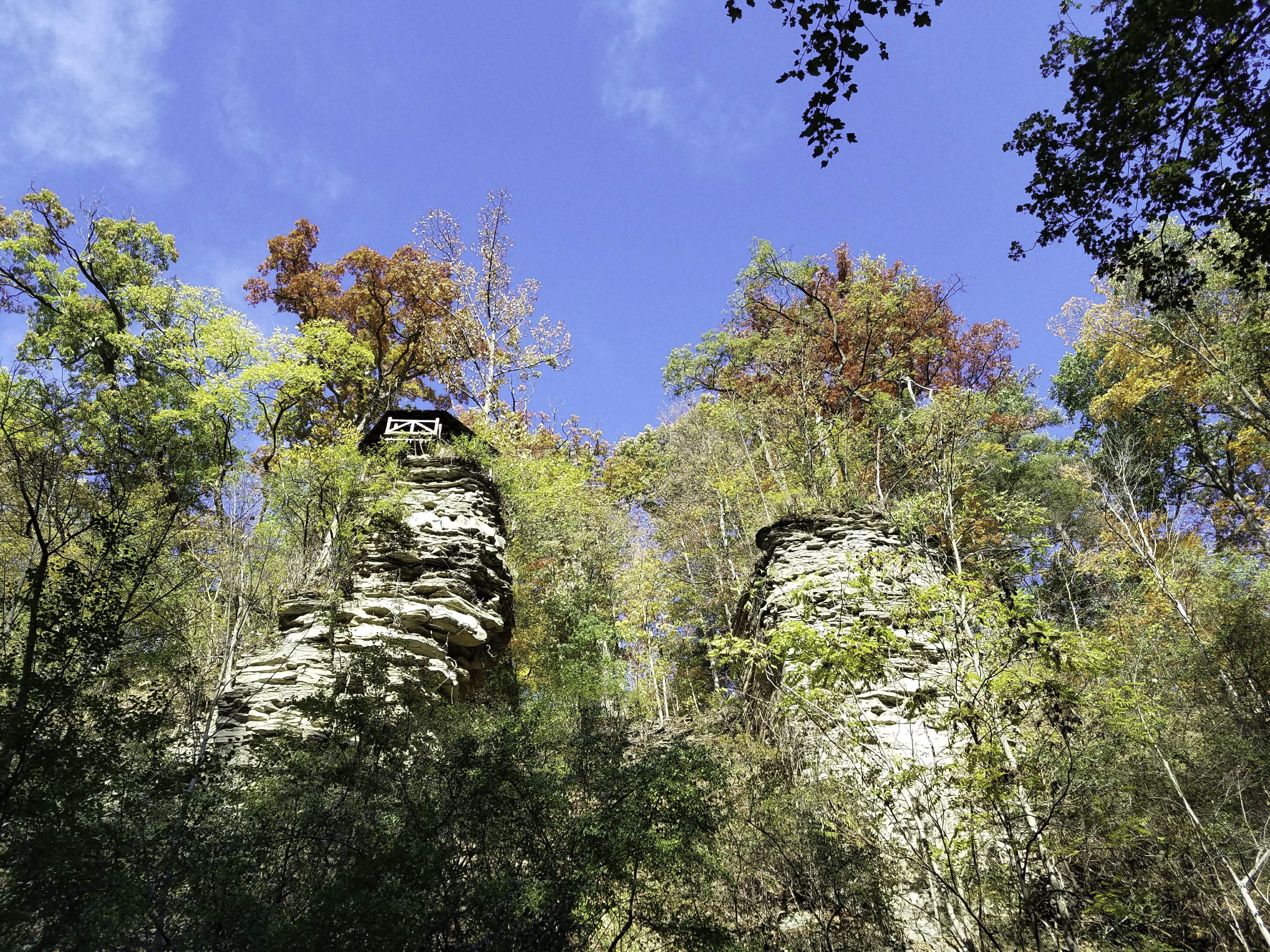
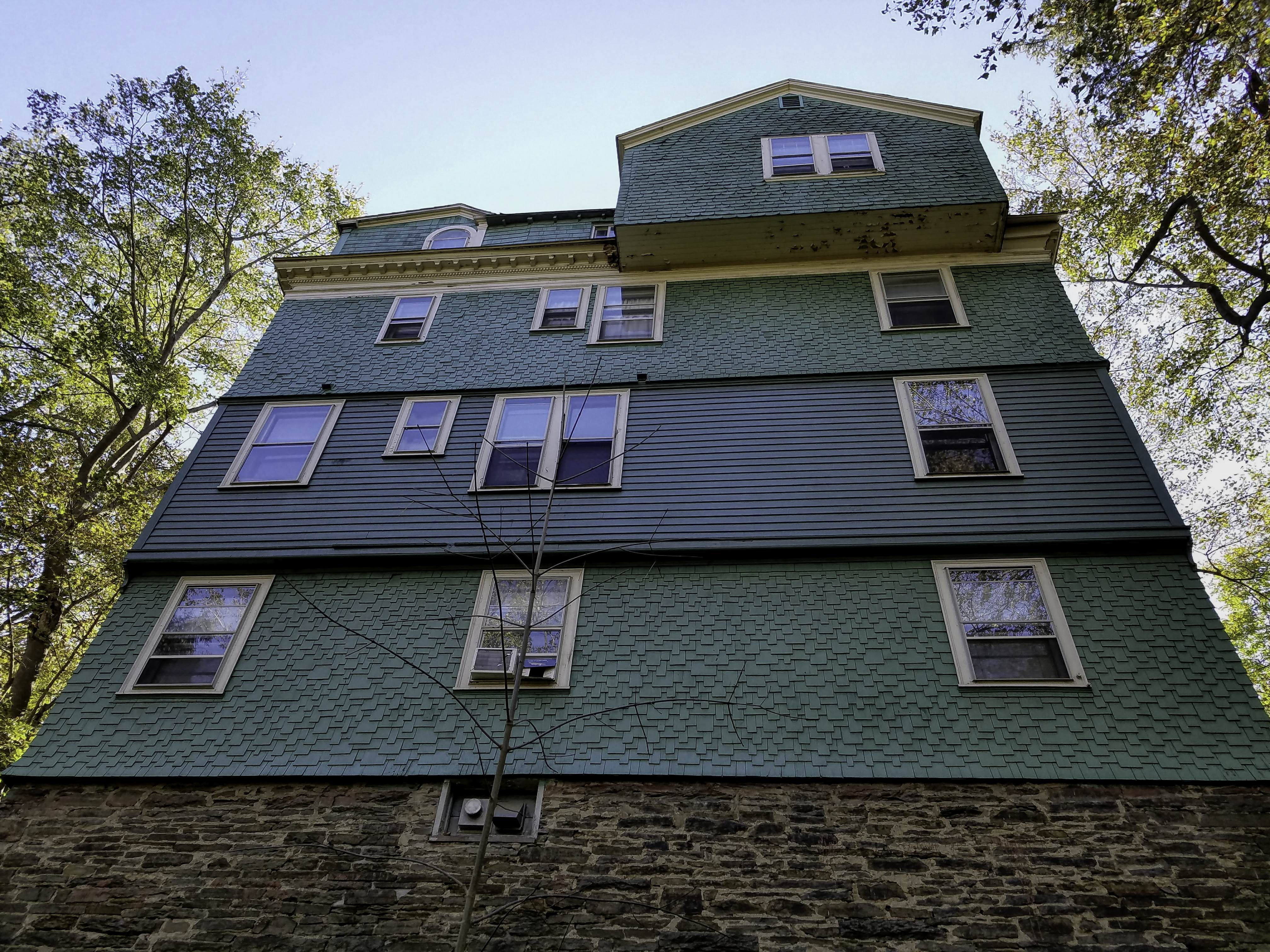
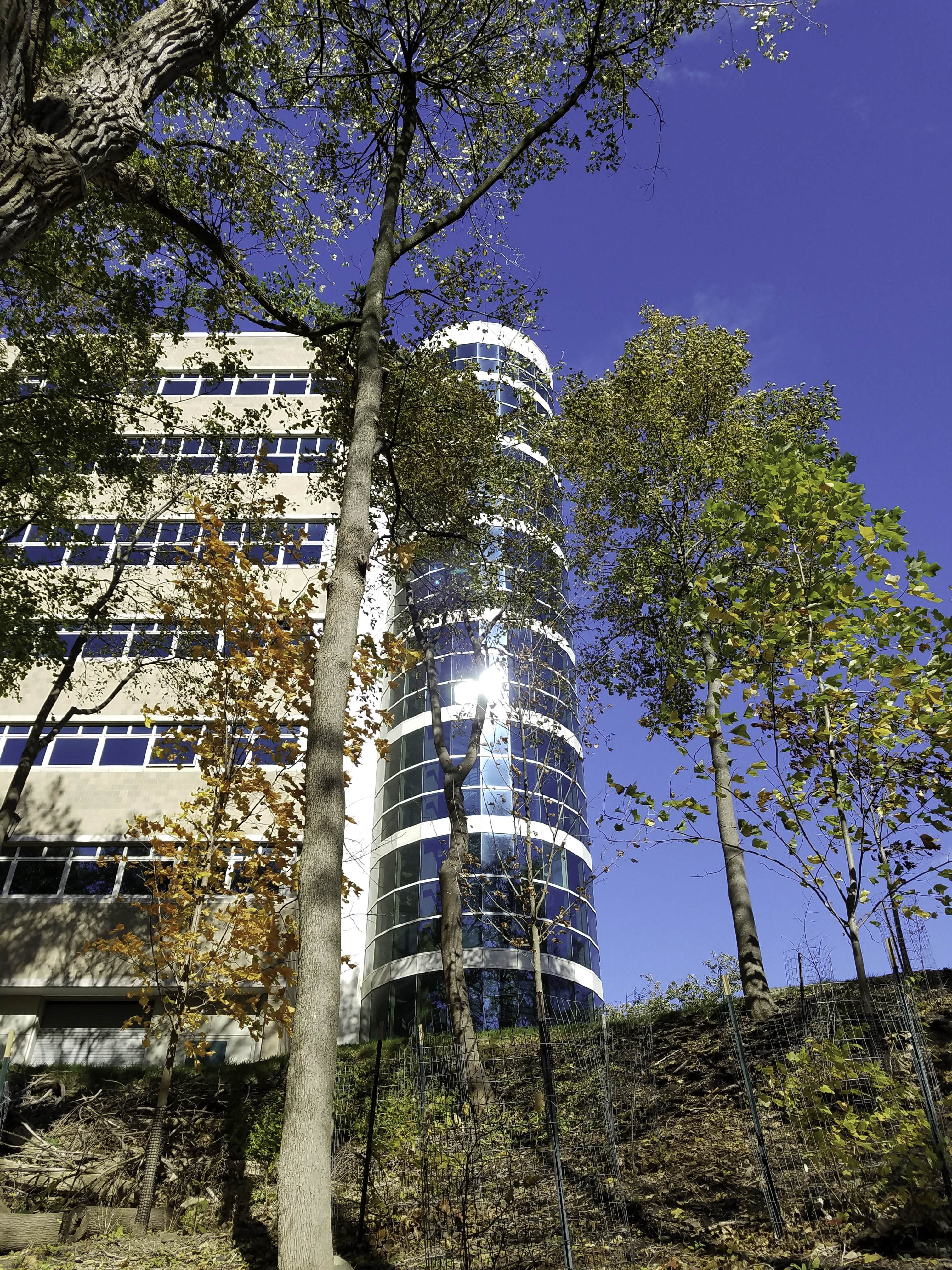
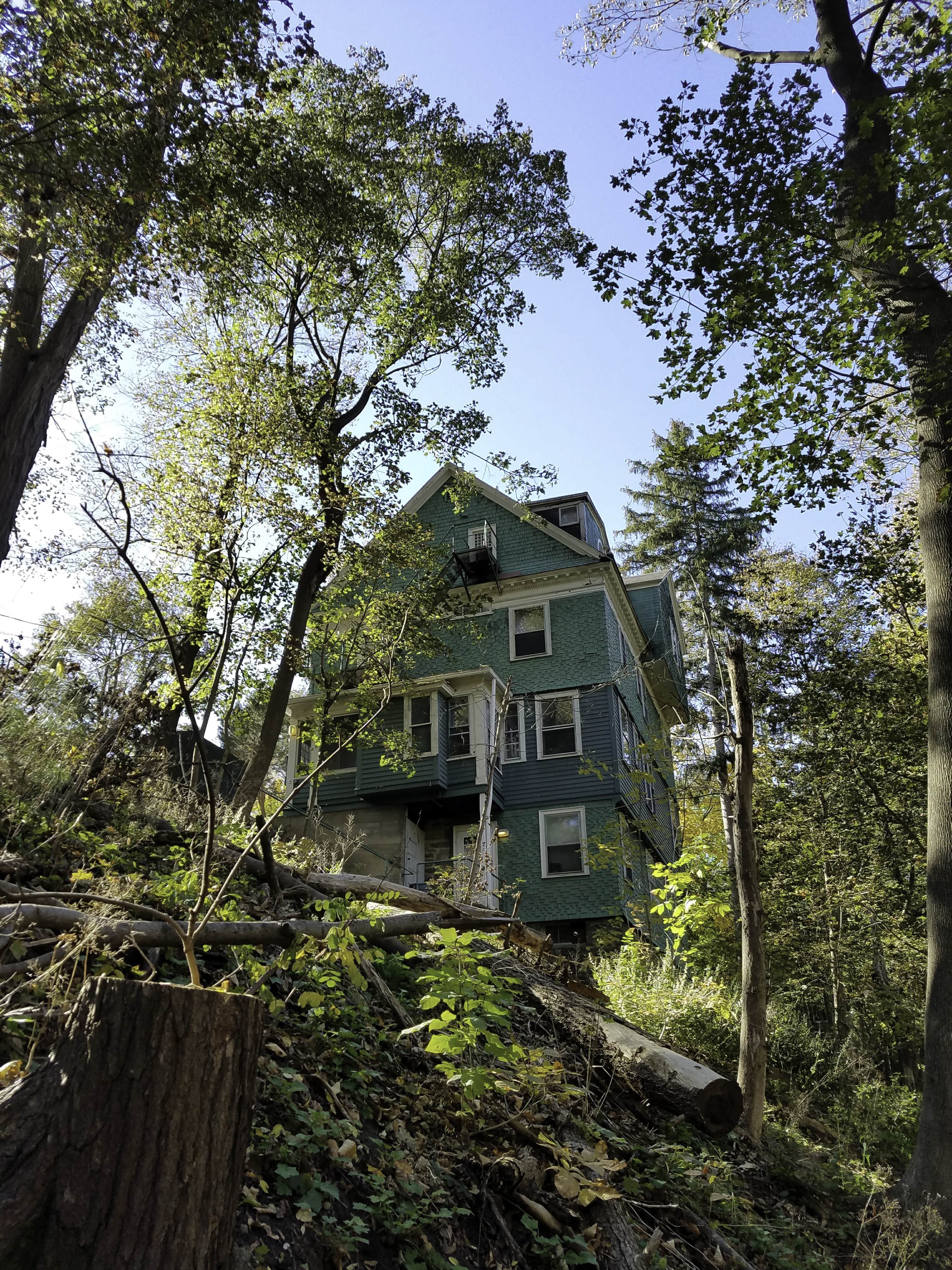
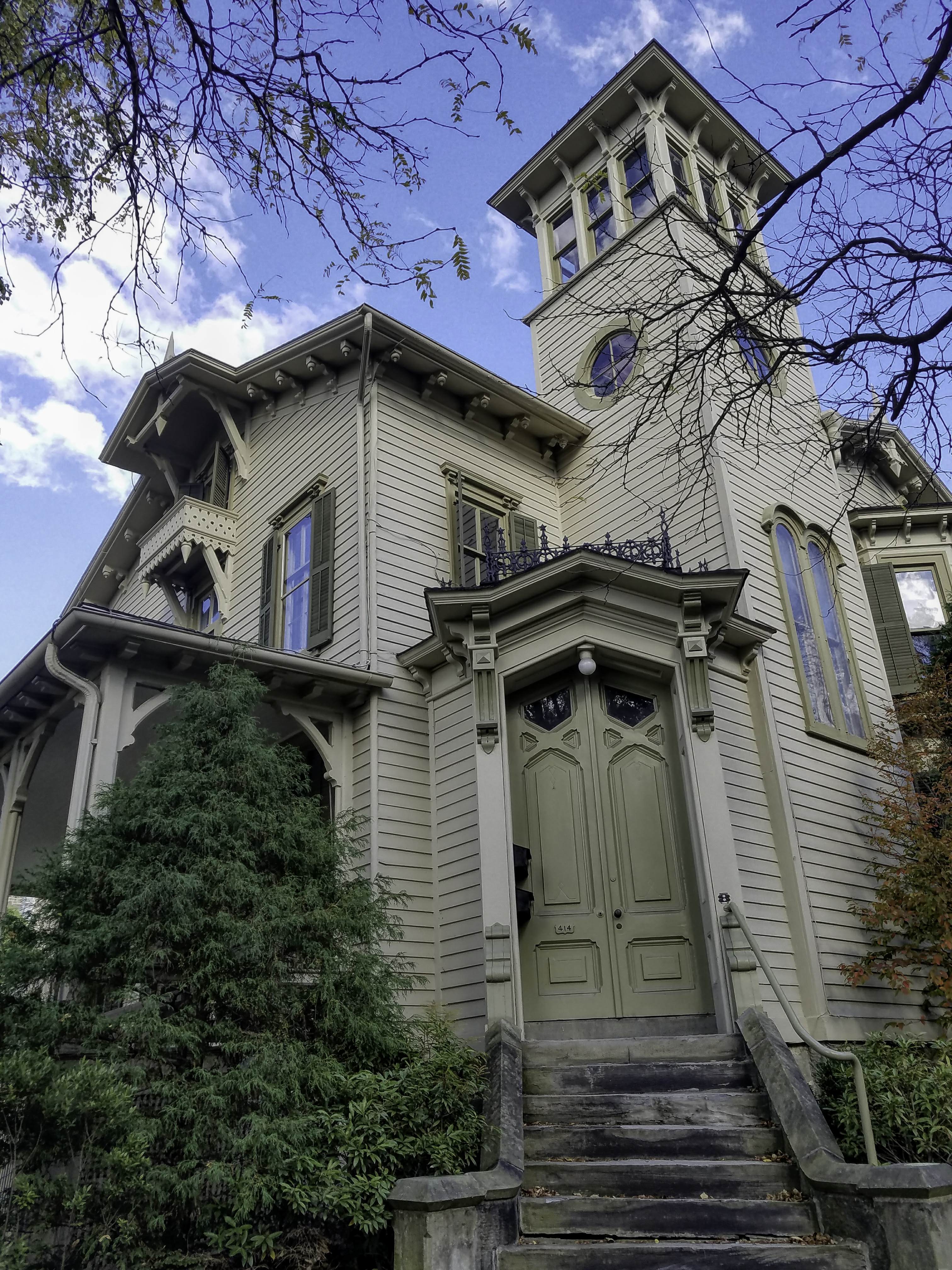
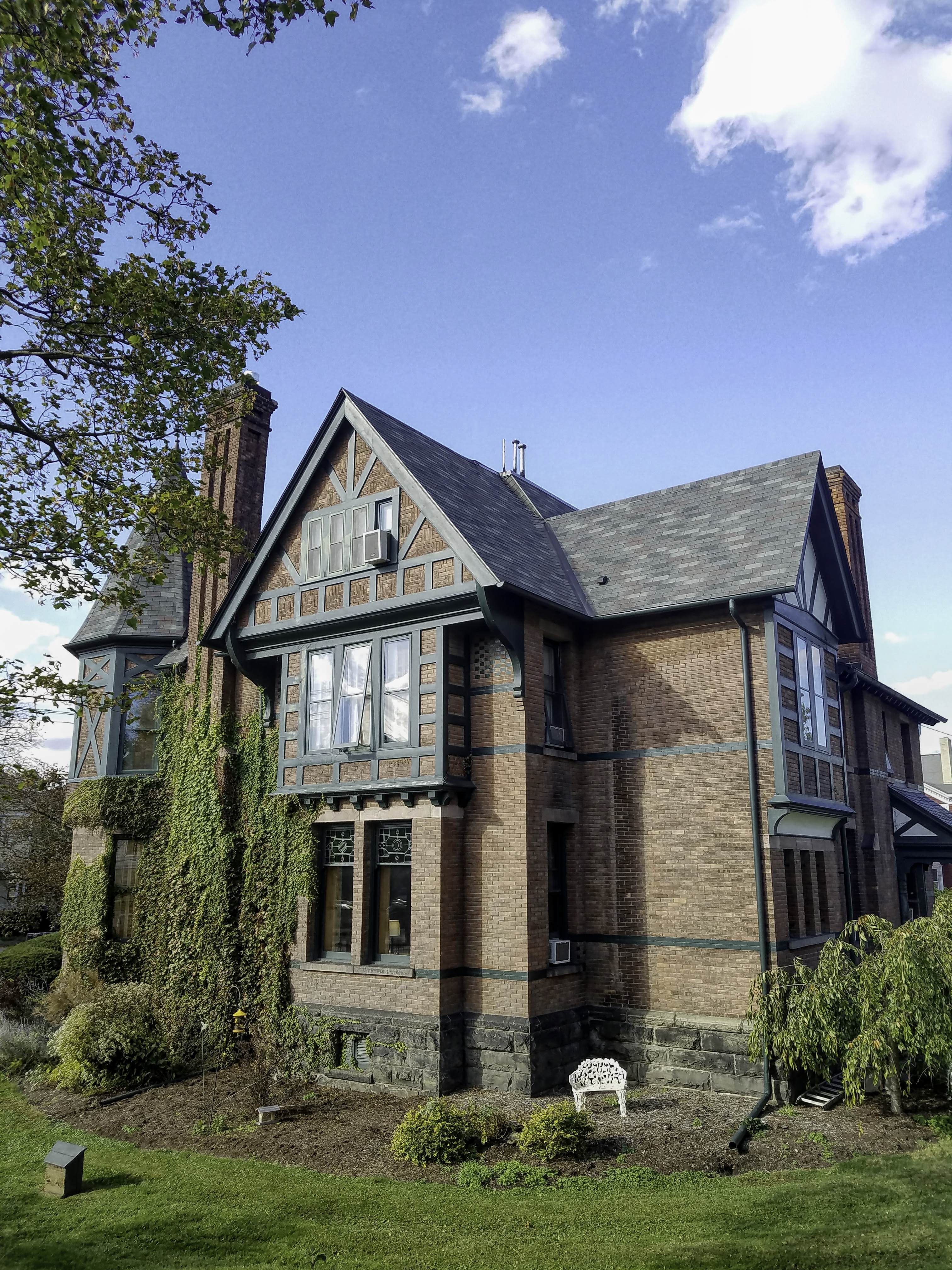
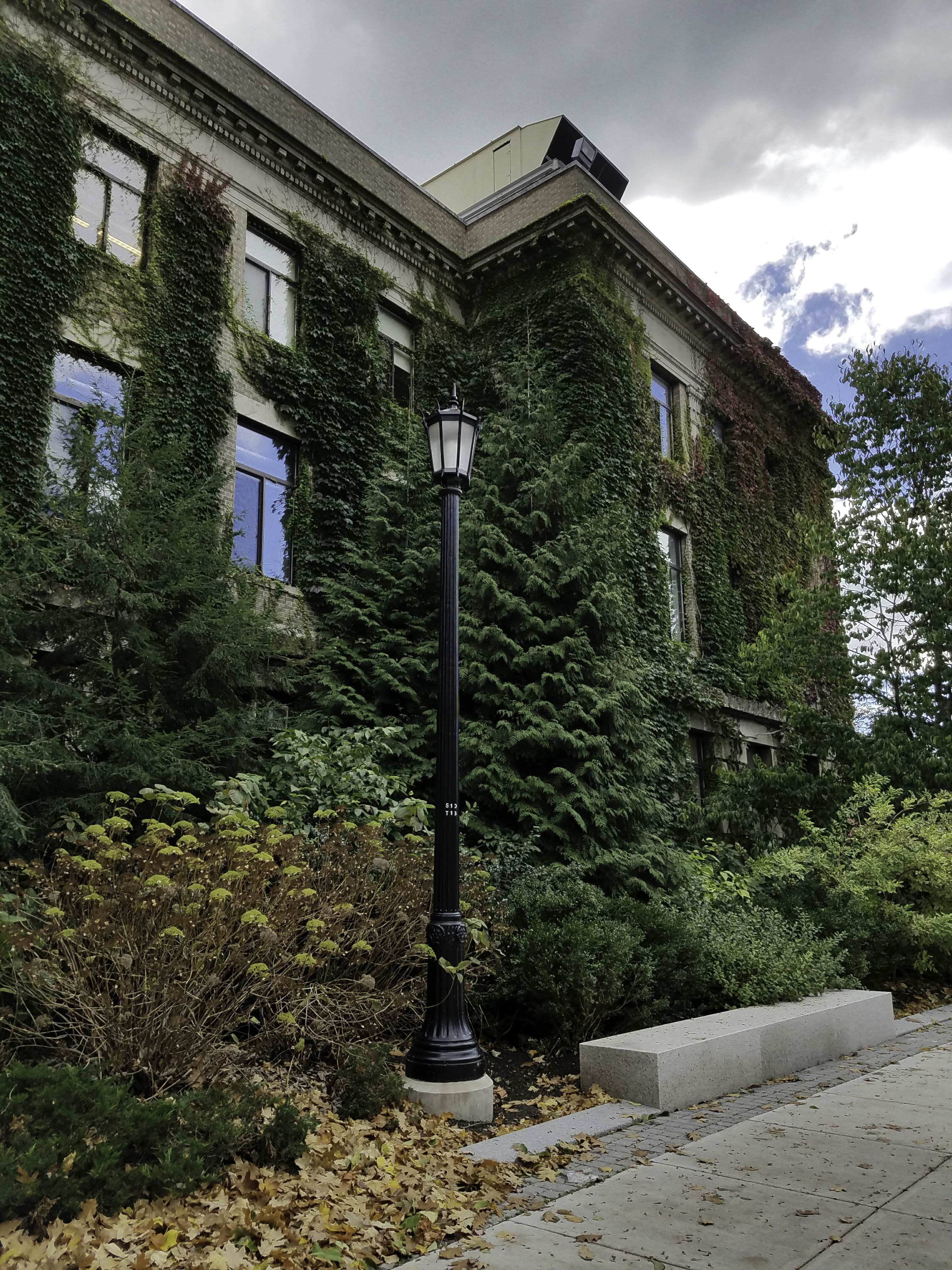
”Ithaca must be one of the most picturesque towns on this side of the Ocean”, I thought, as we were walking past these well-kept buildings, down neat, tree-lined streets to join the Cascadilla Gorge trail.

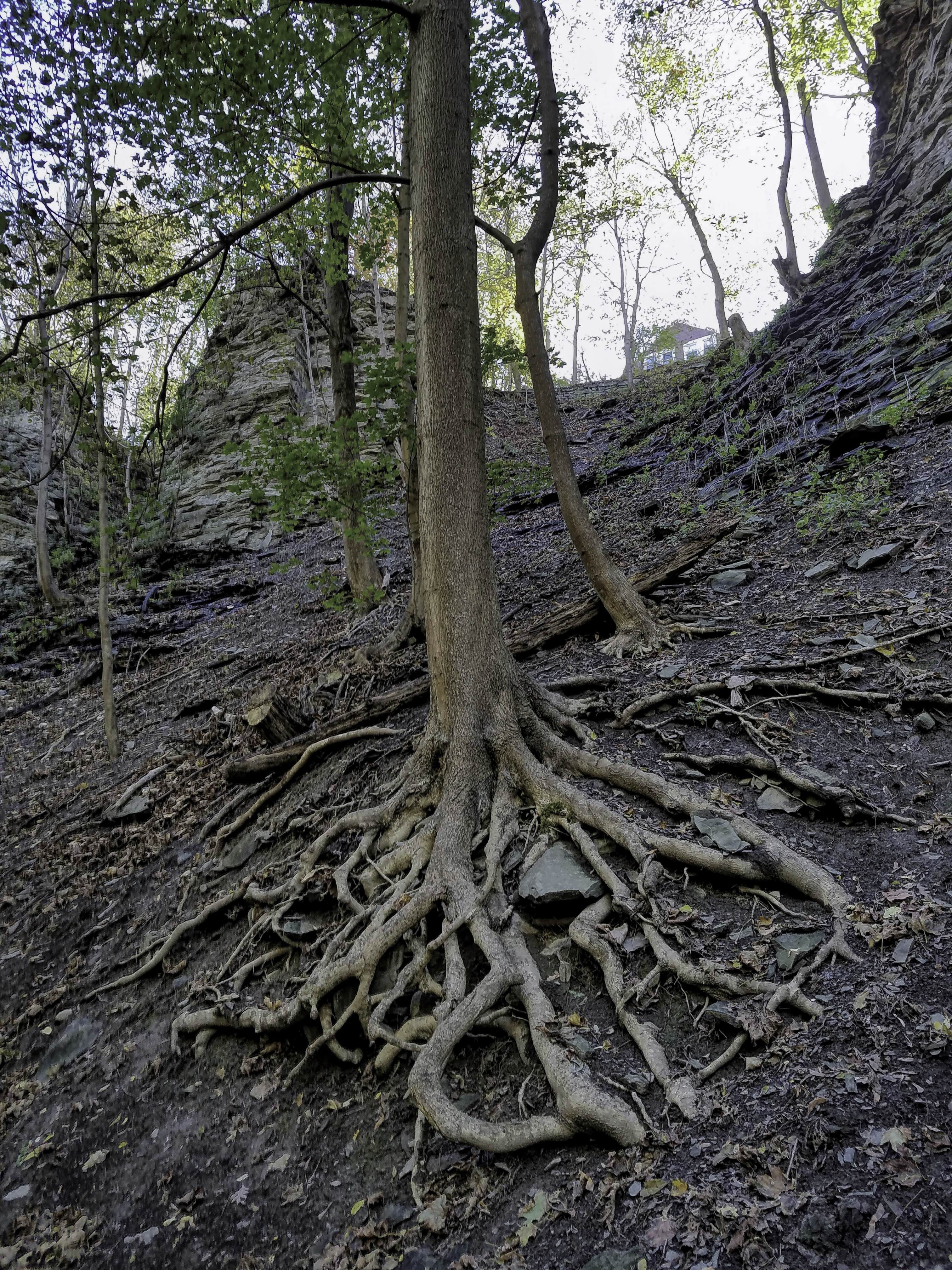
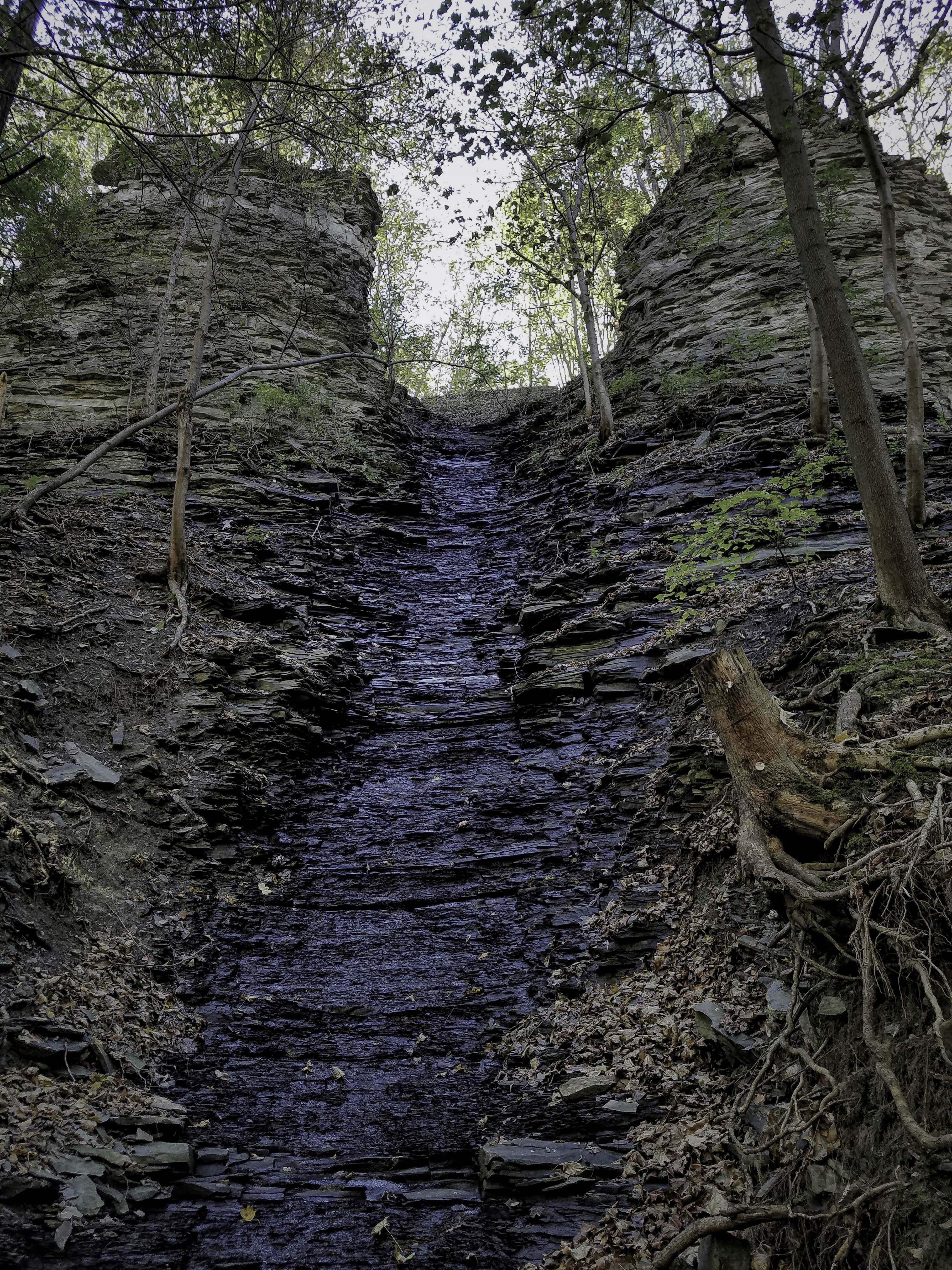
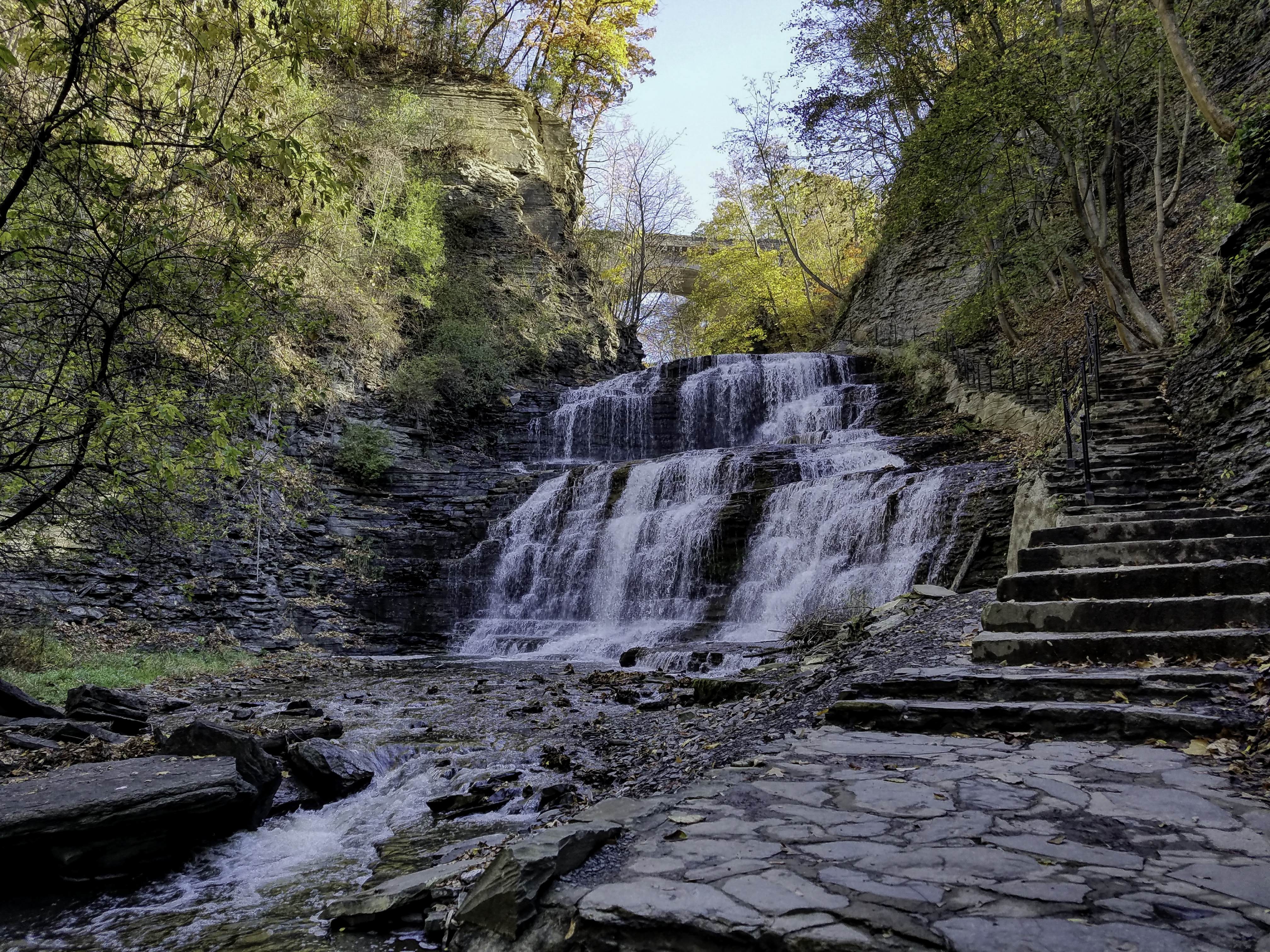
”No, this is paradise”, I corrected myself mentally after the first few steps alongside the cascading waterfalls, over the footbridges and up the staircases. For this stunning trail crosses right through the heart of Ithaca, connecting its downtown with the Cornell campus.

Cornell, Cornell… no matter how long you walk you’ll be hard pressed to find a place in Ithaca that is not in some way connected with Cornell. I found it rather surprising, the fact that Ithaca has actually kept its name; if one day someone decided to change it to ”Cornell City”, no one would give it a second thought, I suppose.

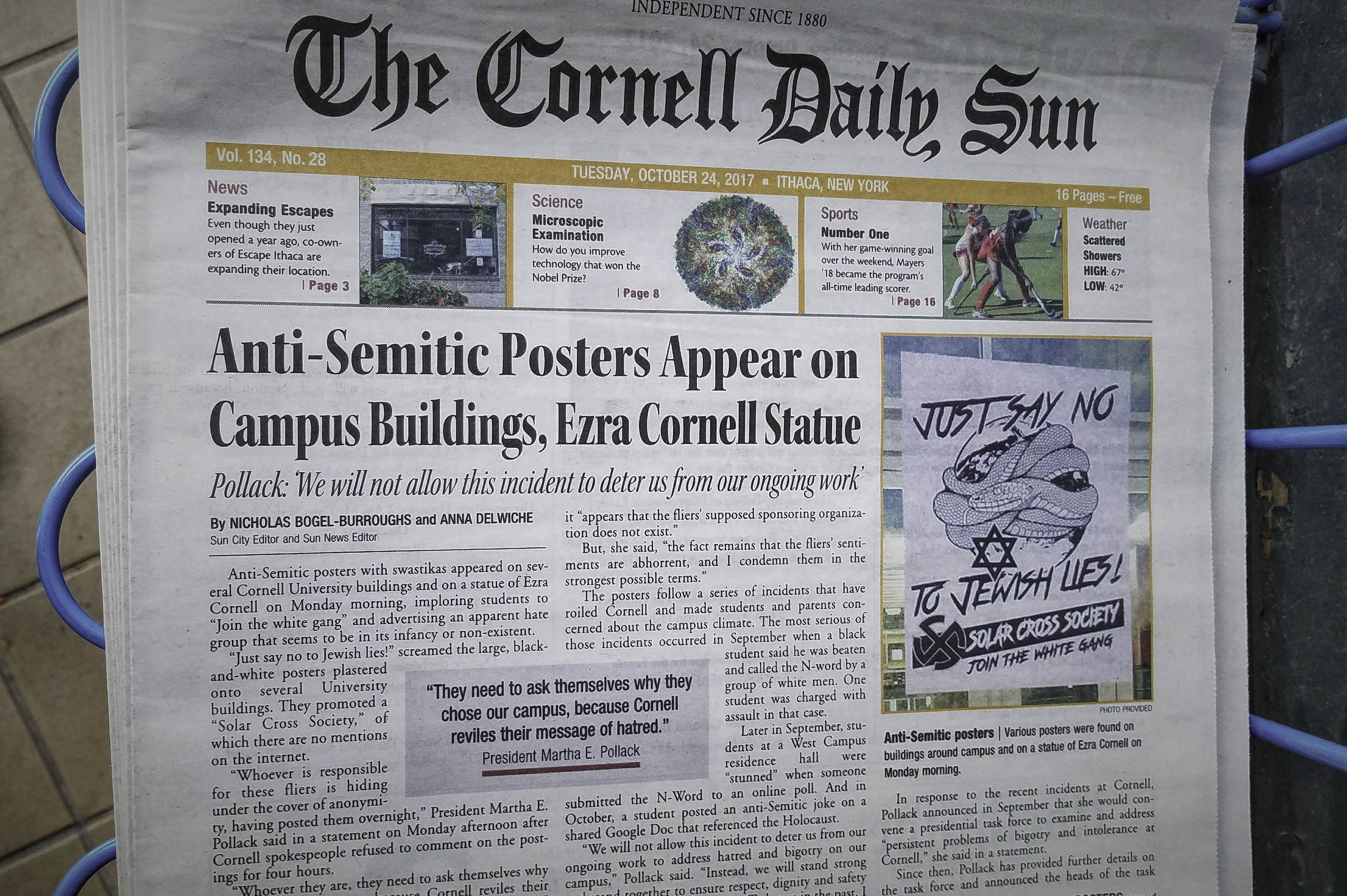
Then, this newspaper caught my eye. ”Anti-Semitic posters appear on Campus Buildings”. How odd is human nature, always ready to show its ugly face as if unable to bear so much beauty!

Ithaca N.Y.

October 25th, 2017

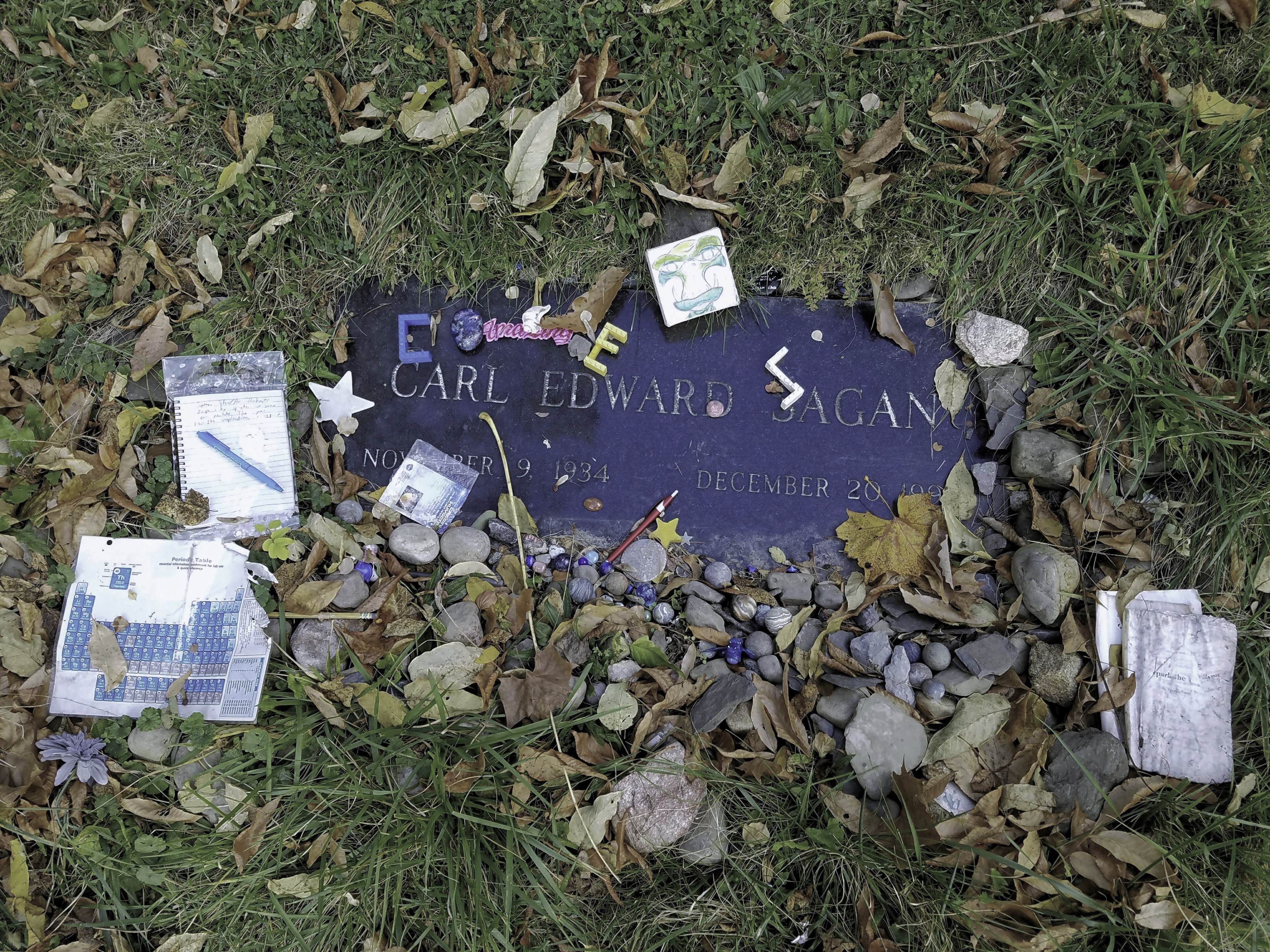
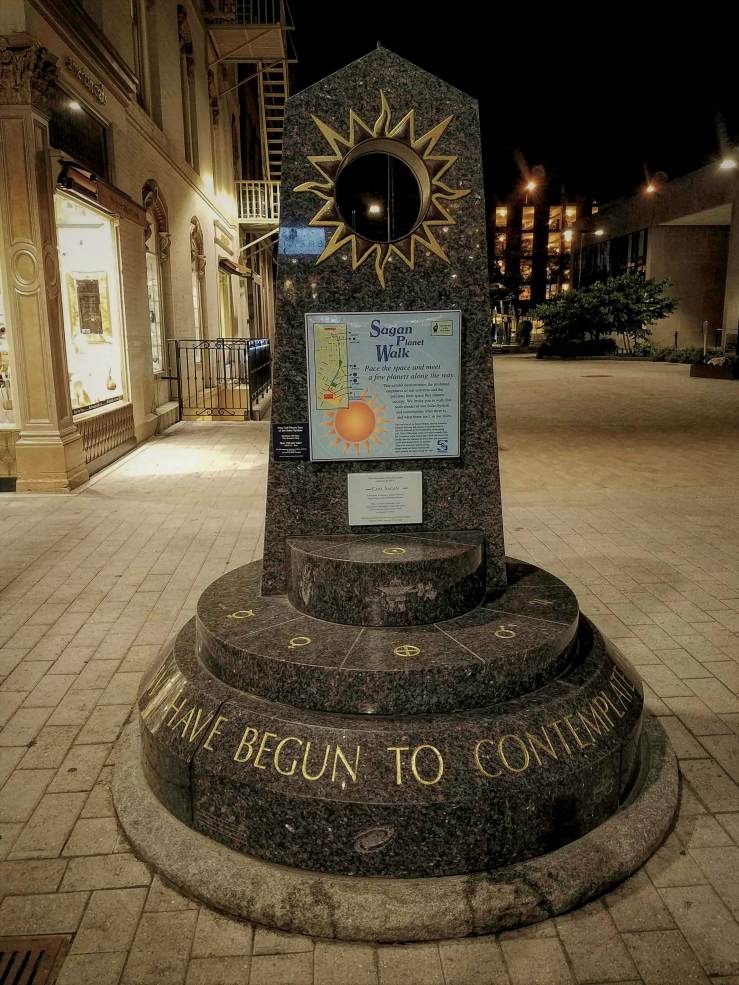
We paid our respects

To Professor Carl E. Sagan whose brilliant mind touched and inspired millions and whose work brought a slice of the Cosmos within our reach. May his memory leave forever in humanity’s quest to understand the Universe.

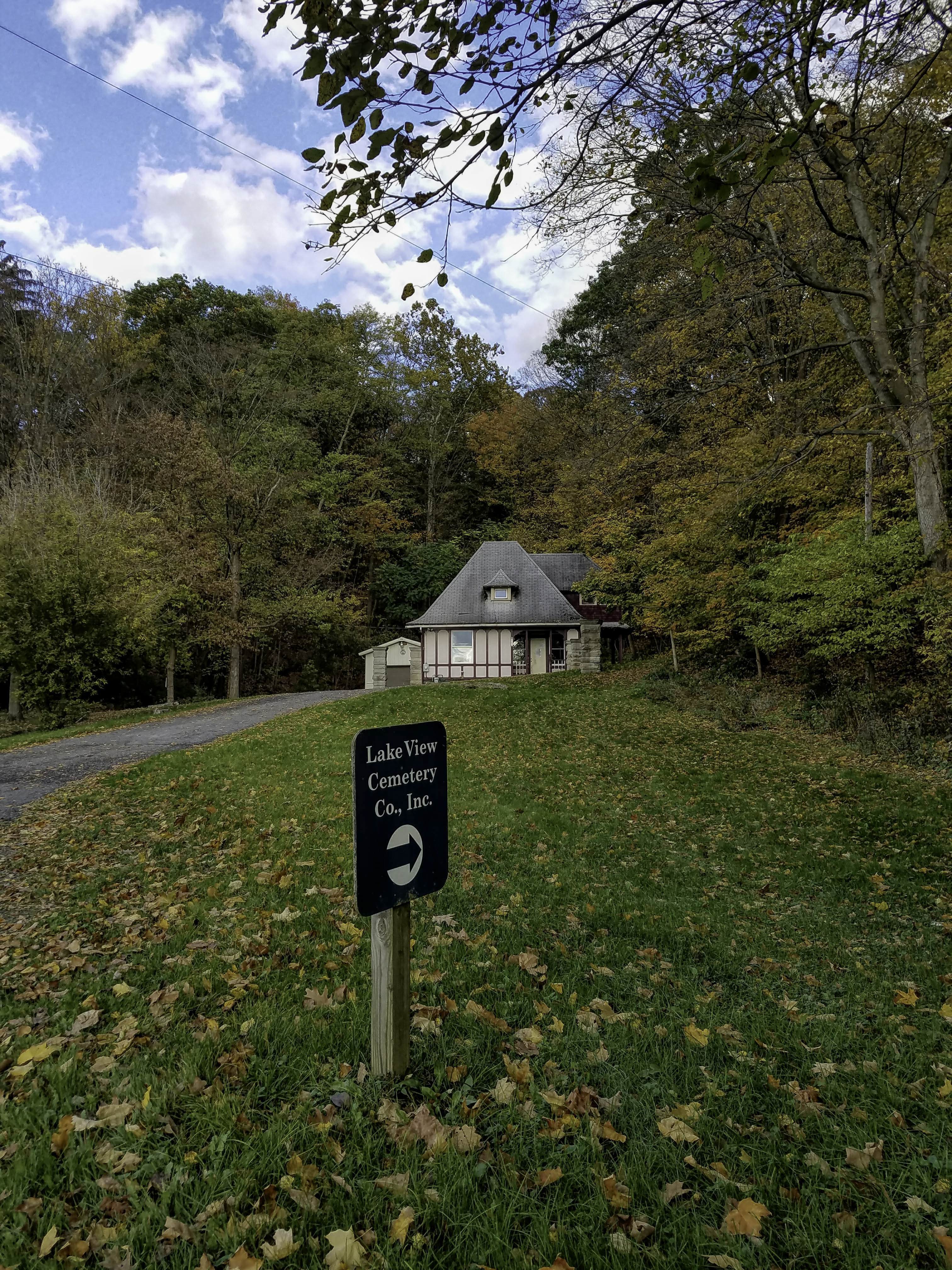
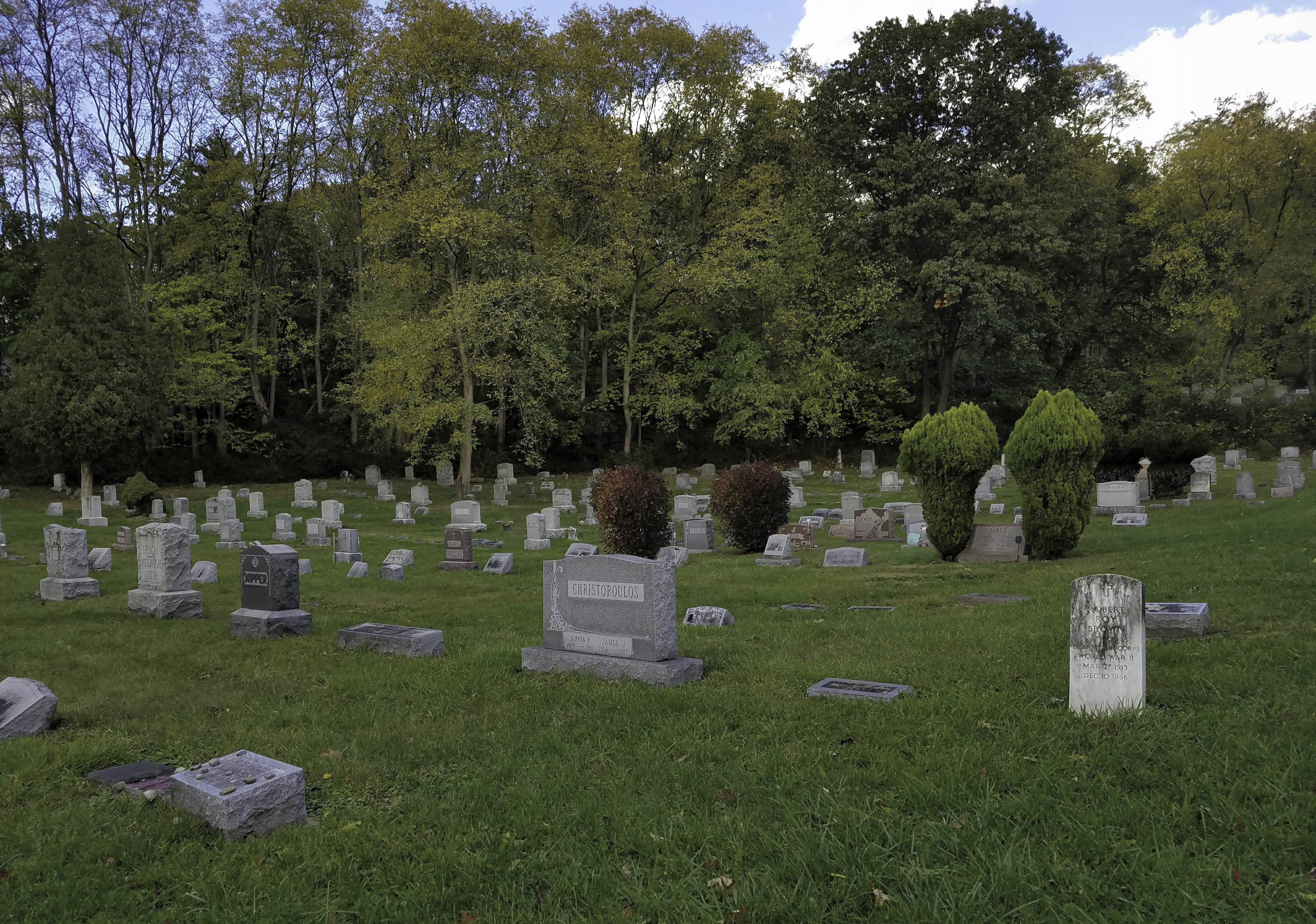
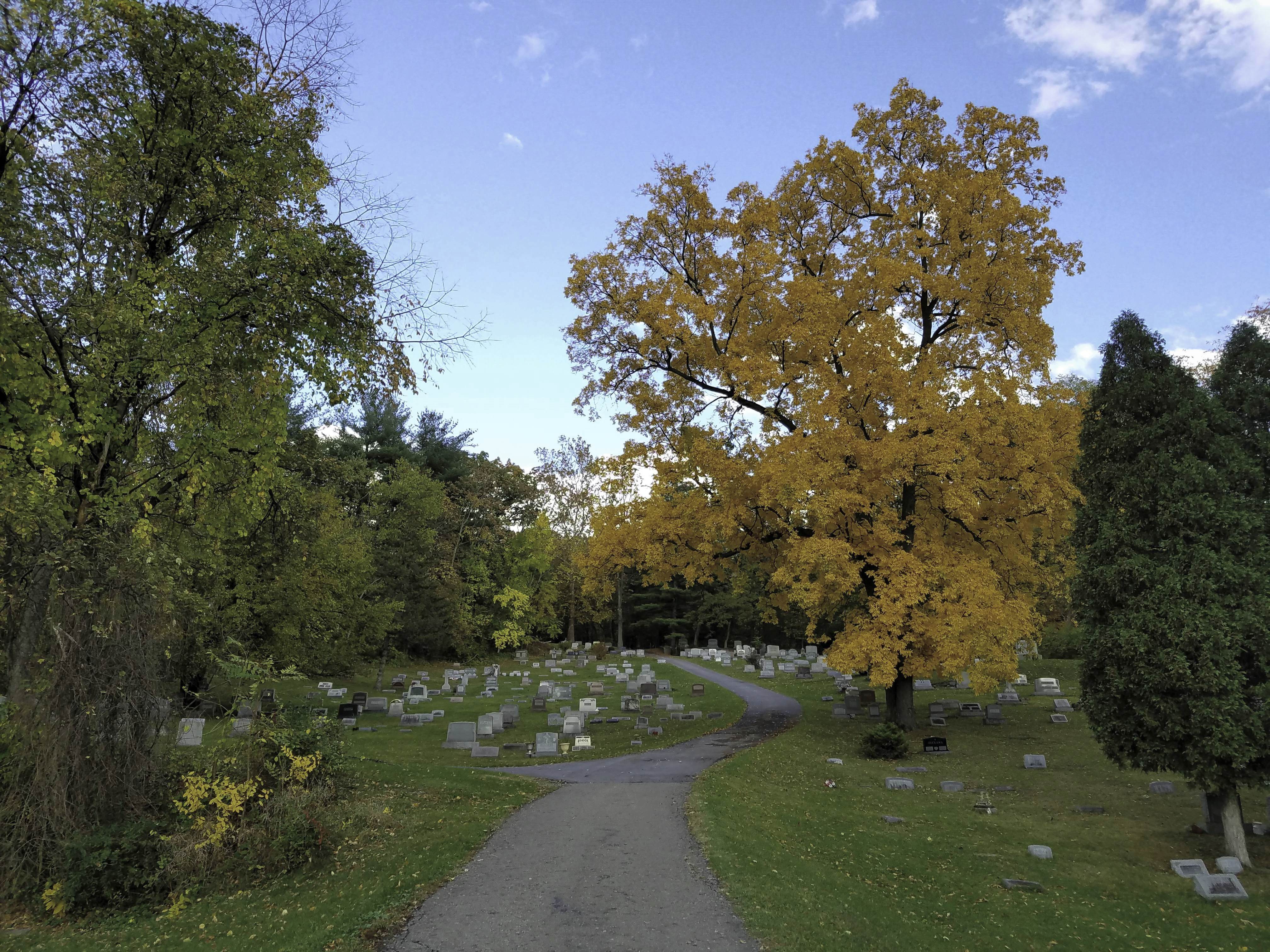
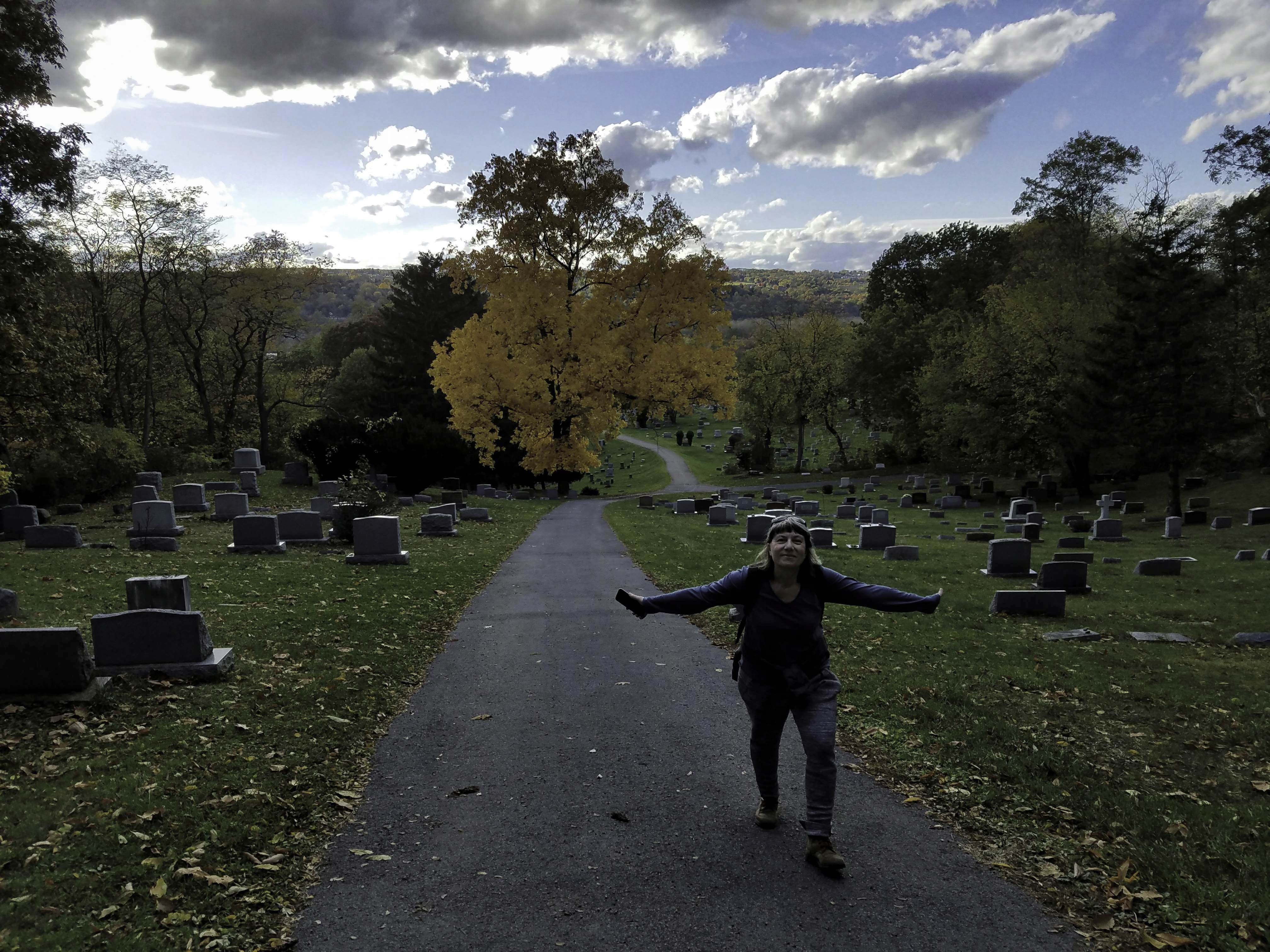
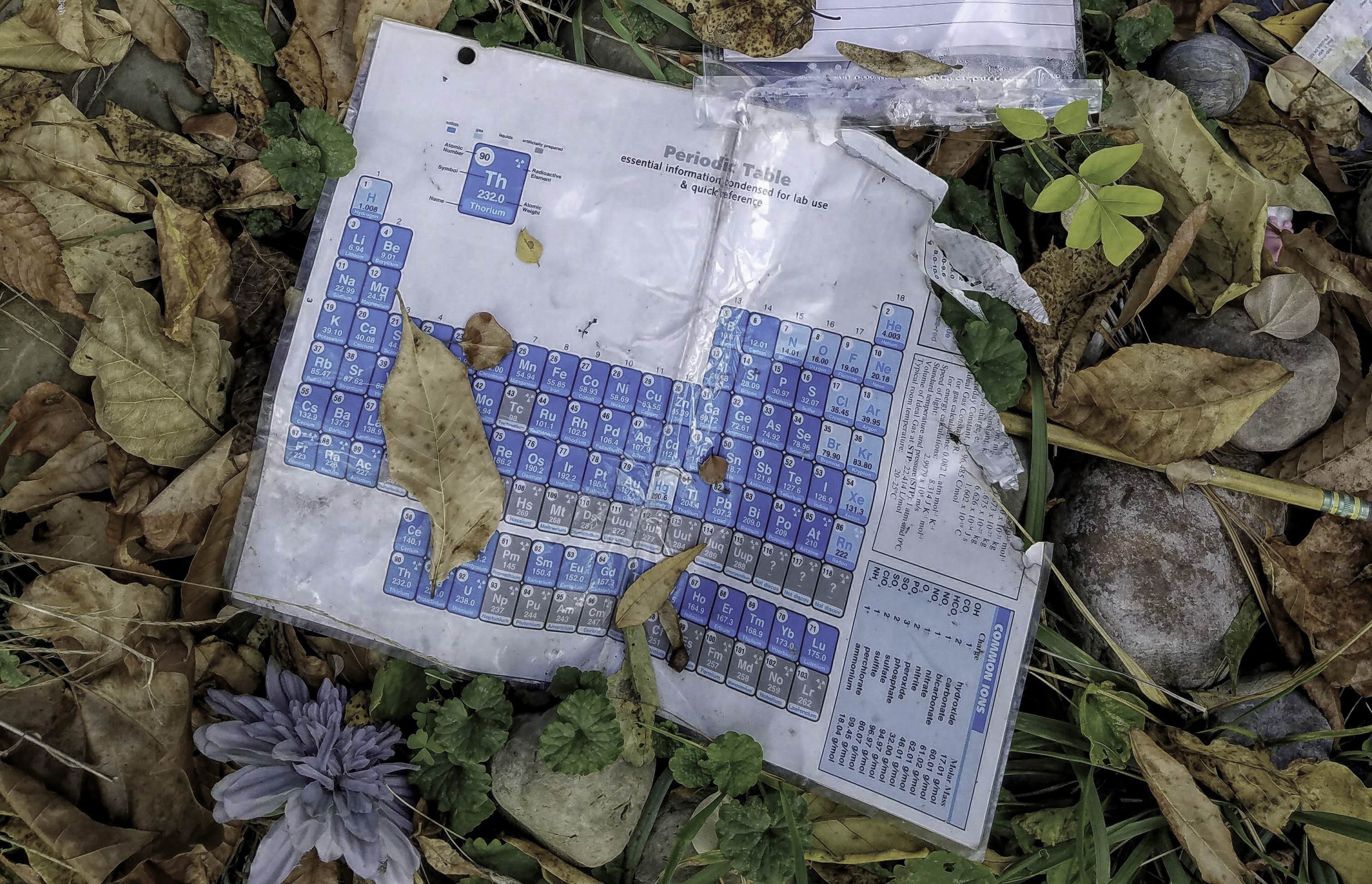
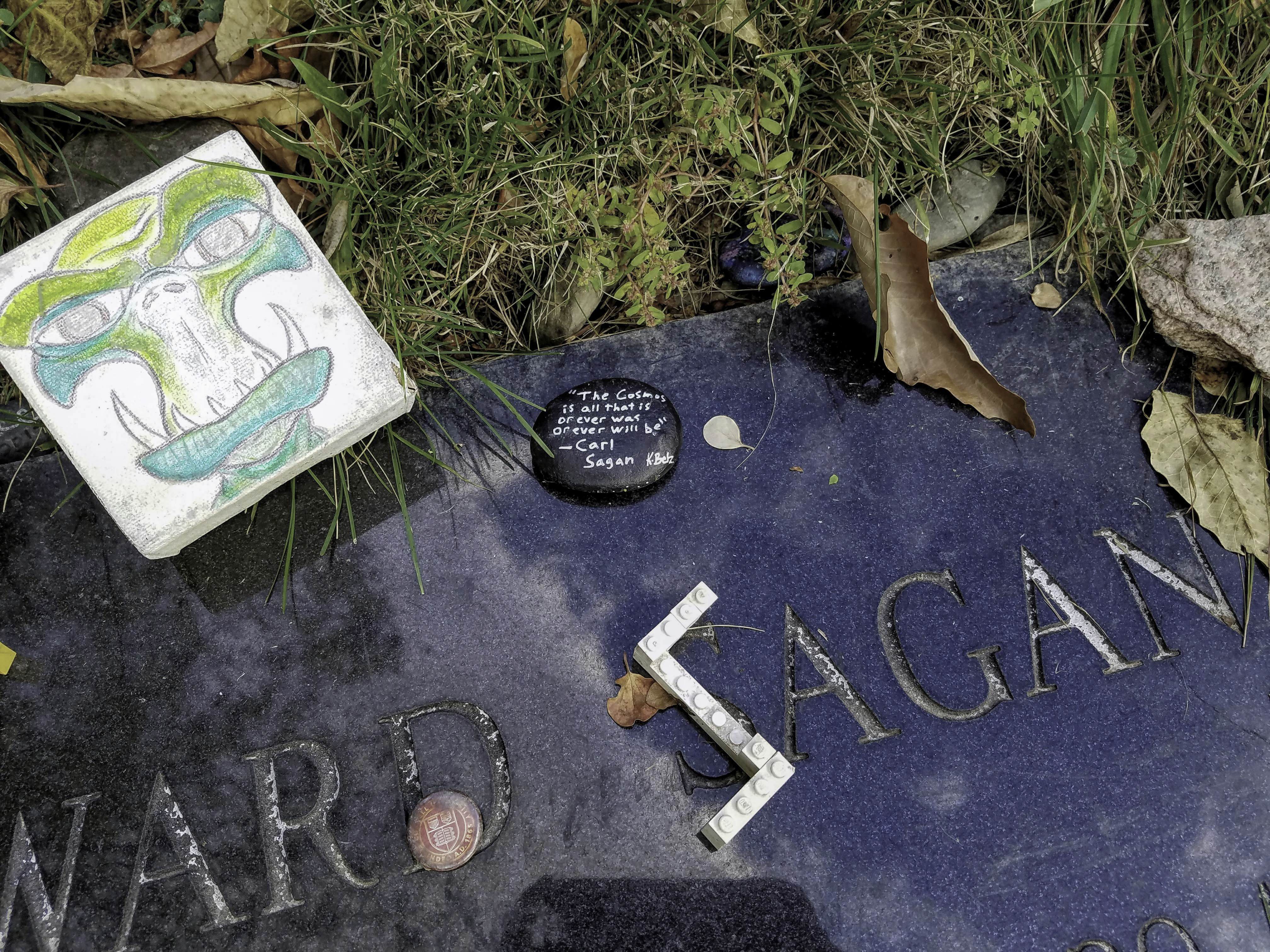
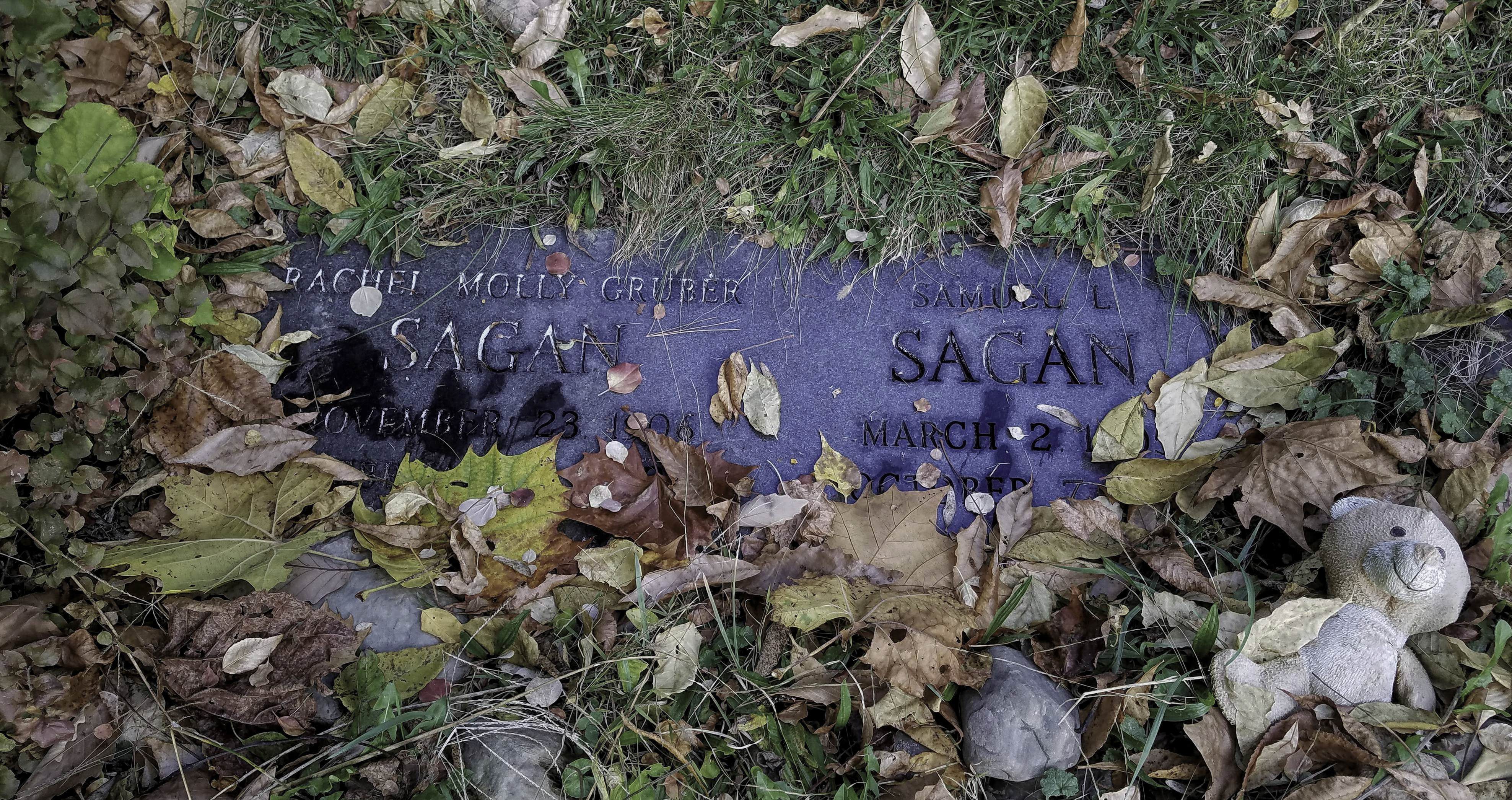
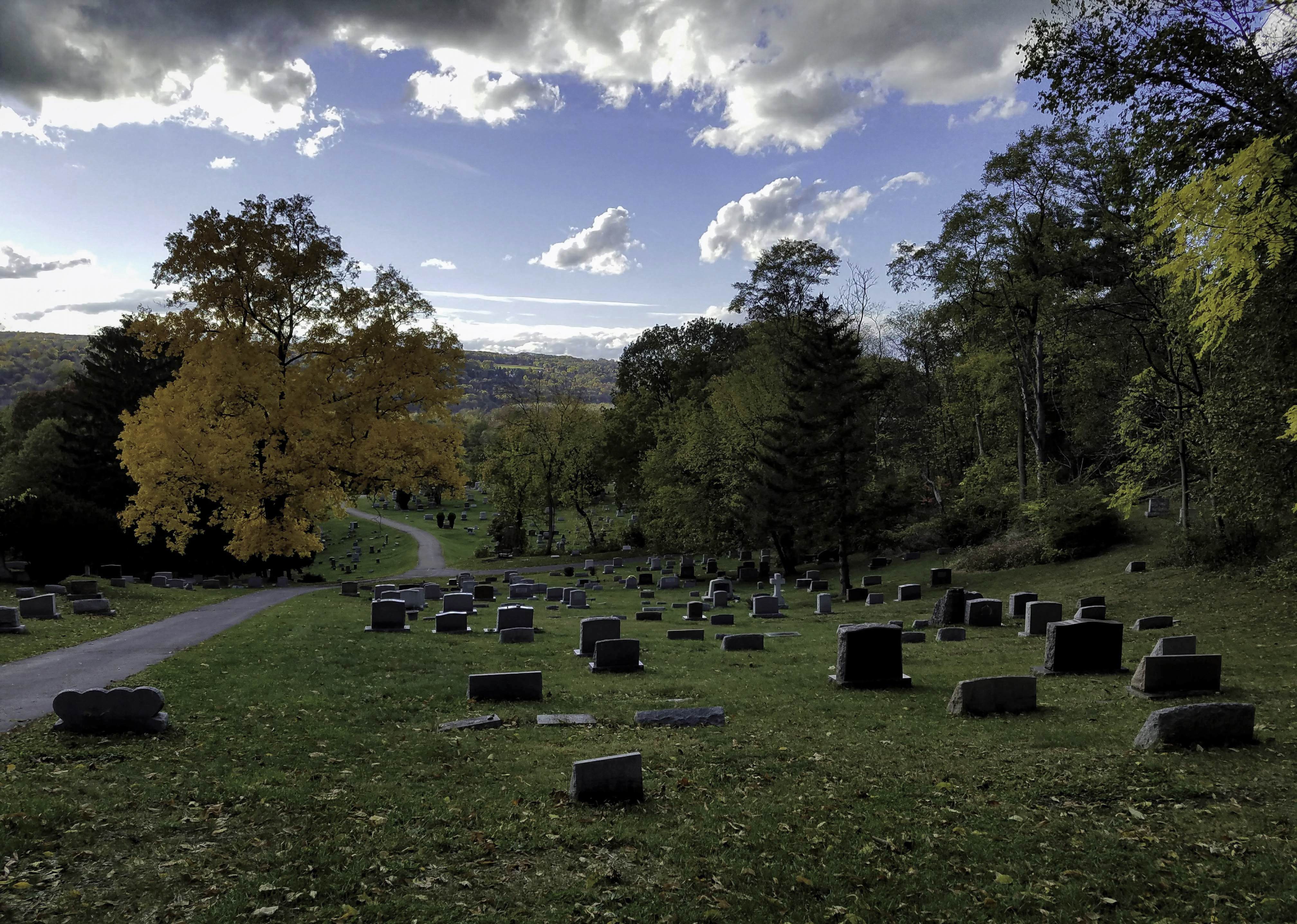
Professor Sagan was laid to rest in the serenity of Lake View Cemetery. People still walk the ascending path that leads to his grave and leave all kinds of dedications. We found, among others, a button with one of his famous quotes: “The Cosmos is all that is or was or ever will be.” Here is the rest of the quote: ”Our feeblest contemplations of the Cosmos stir us — there is a tingling in the spine, a catch in the voice, a faint sensation, as if a distant memory, of falling from a height. We know we are approaching the greatest of mysteries.” – Carl E. Sagan (1934-1996)

Ithaca N.Y.

October 24th, 2017

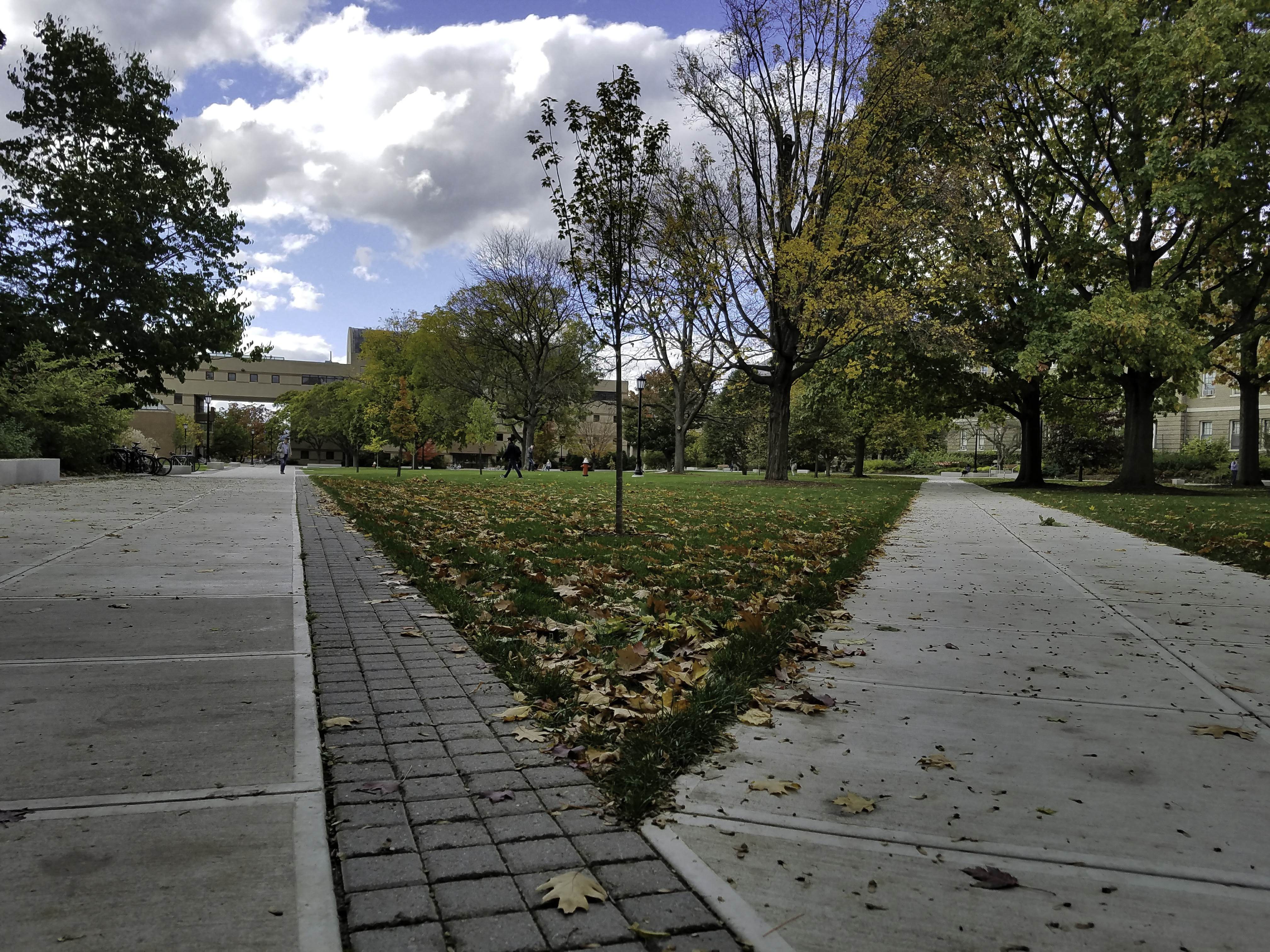
Cornell Campus || Beebe Lake

  • A break for lunch at Manndible Cafe; located on campus, inside the Mann Library, but easily accessible to non-students, too; soups, burritos and such.
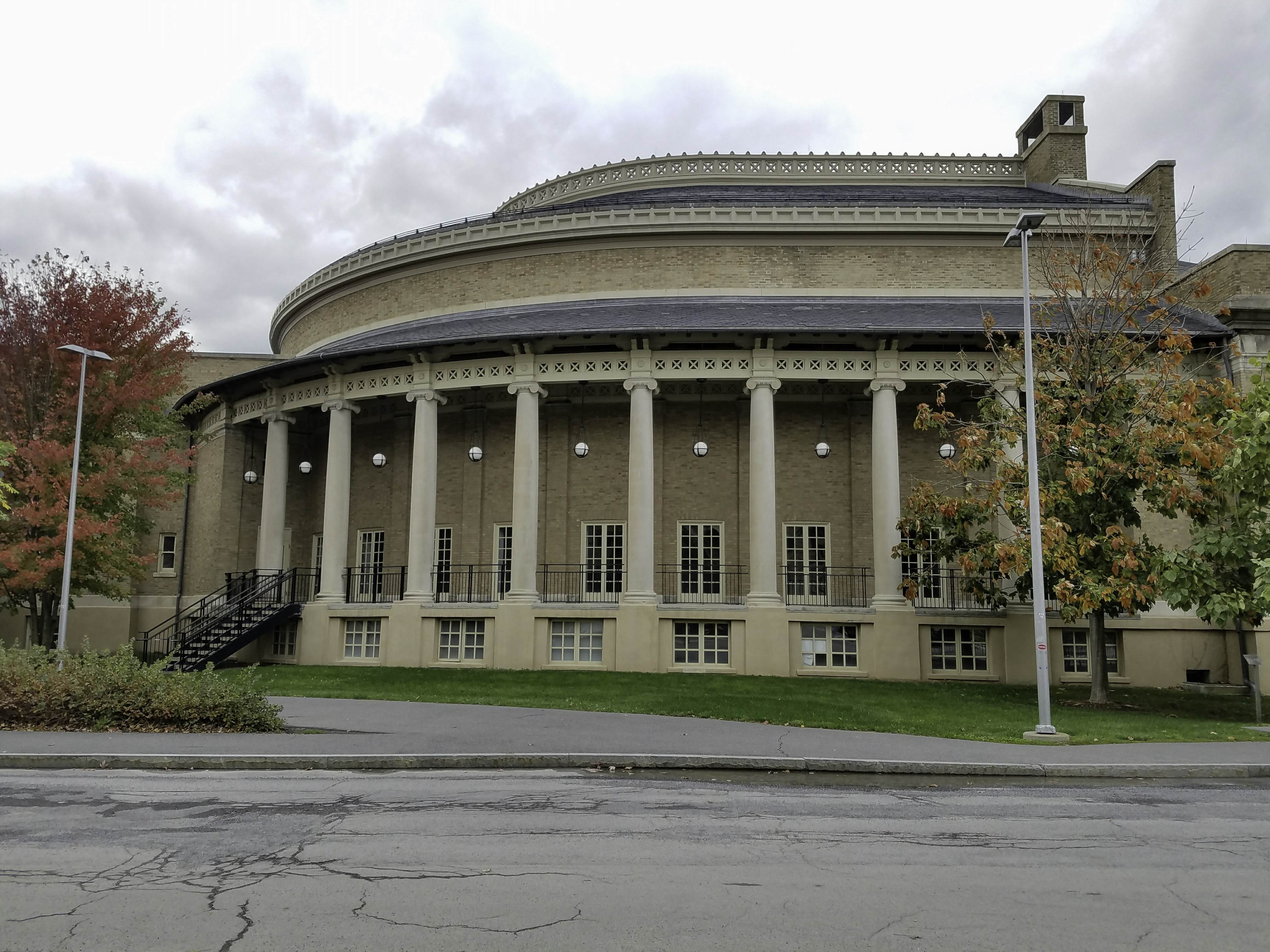
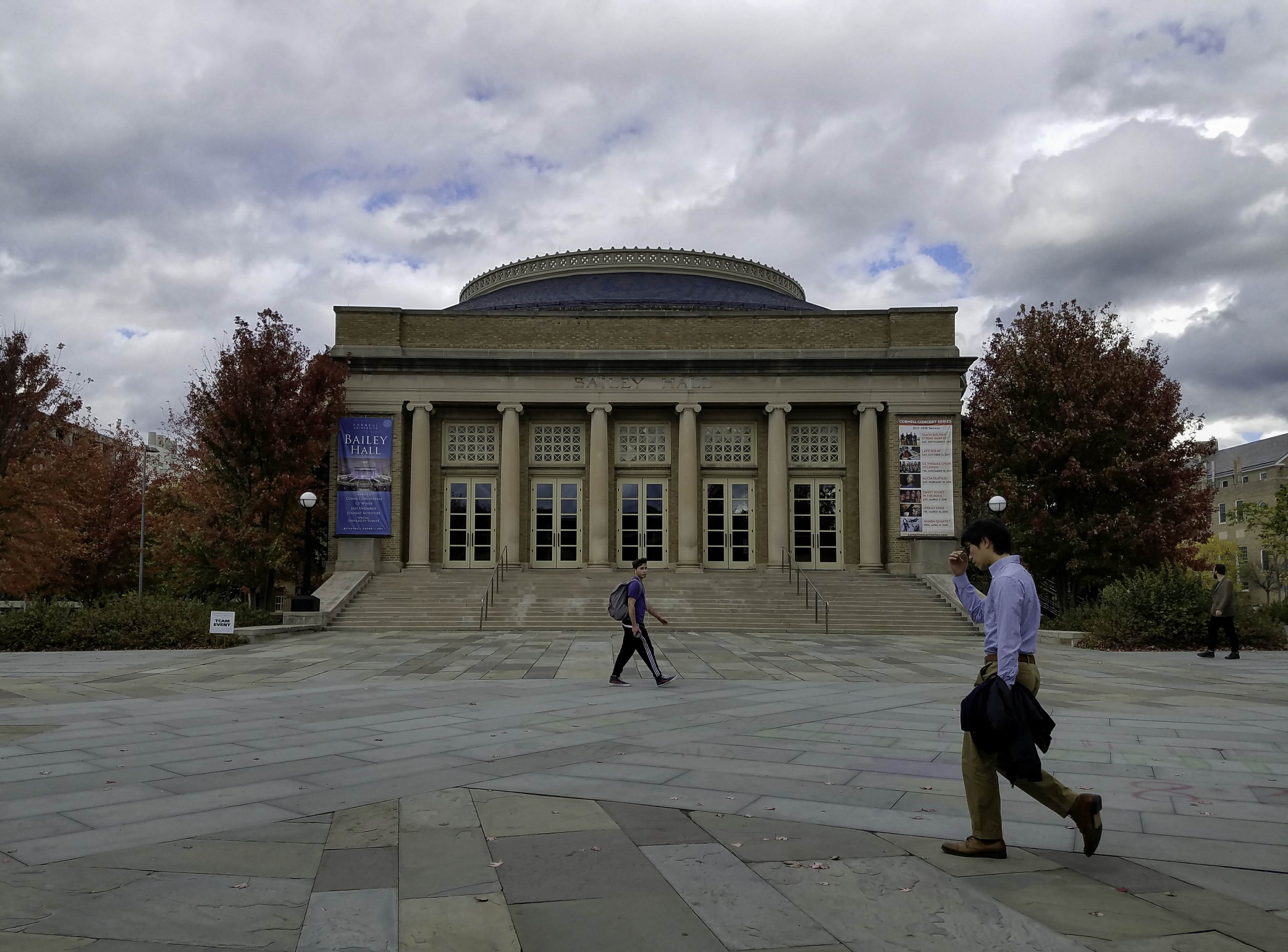
  • Walking past Bailey Hall
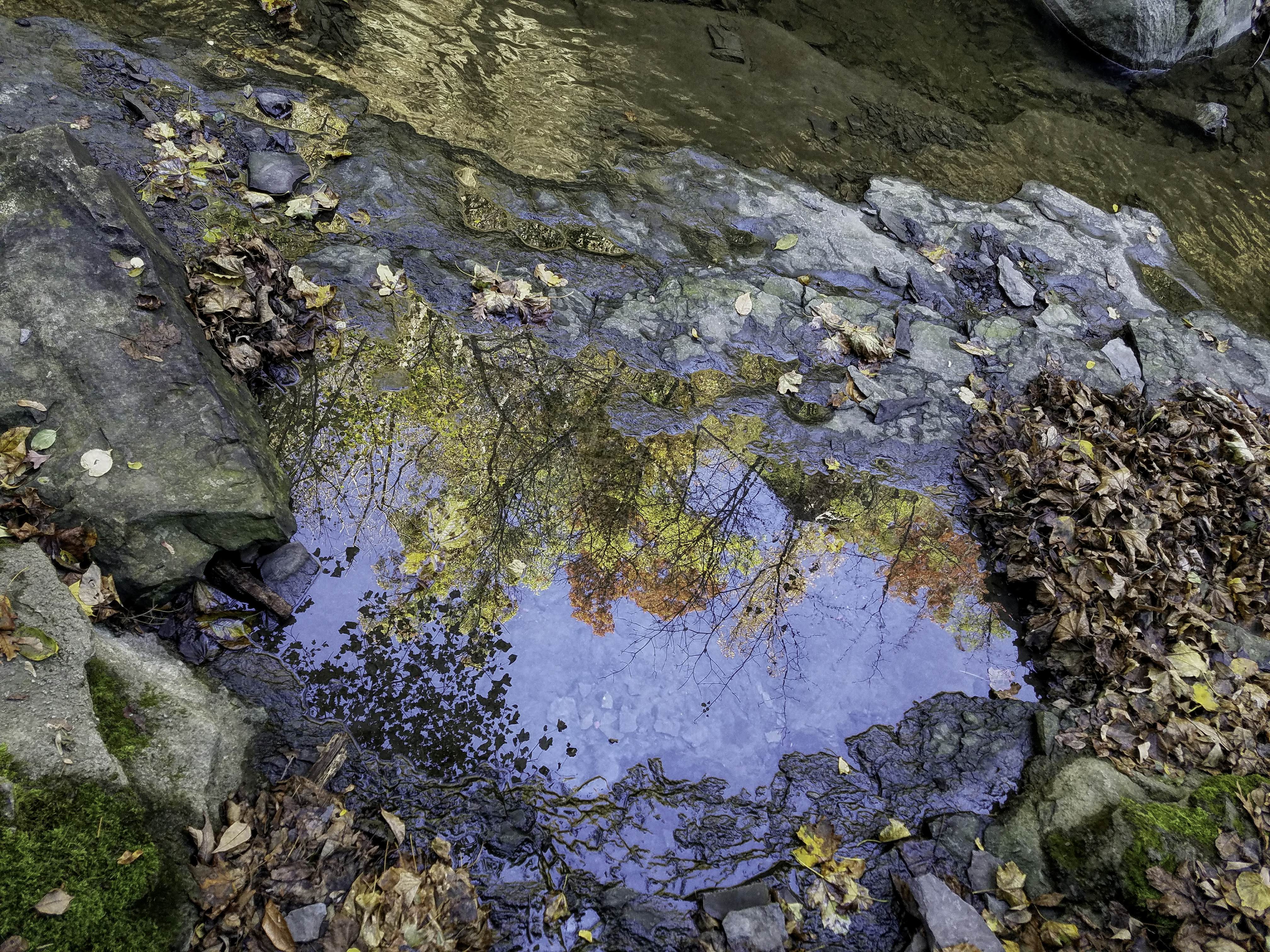
  • Back to the path toward Sackett Foot Bridge; wonderful views over Beebe Lake; fall yellows reflecting on water

Warm afternoon sun

Inner peace

Ithaca, NY

October 24th, 2017

In Ithaca, one night in October

What is it about Ithaca that we’ve had to travel far and wide to find it?
Better may be, what is it about us that have had to travel far and wide to find Ithaca?

An Ocean and four Seas apart from the original Ithaca, home of Odysseus, lies another – a city in the Finger Lakes region of New York.

It was only the first stop of a week-long trip to Cayuga Lake, Buffalo, Niagara Falls, around Lake Ontario to Gananoque and the Thousand Islands – with a touch of Ottawa.

So here we were, one night in October. We had found Ithaca. Now all we had to do was explore it.

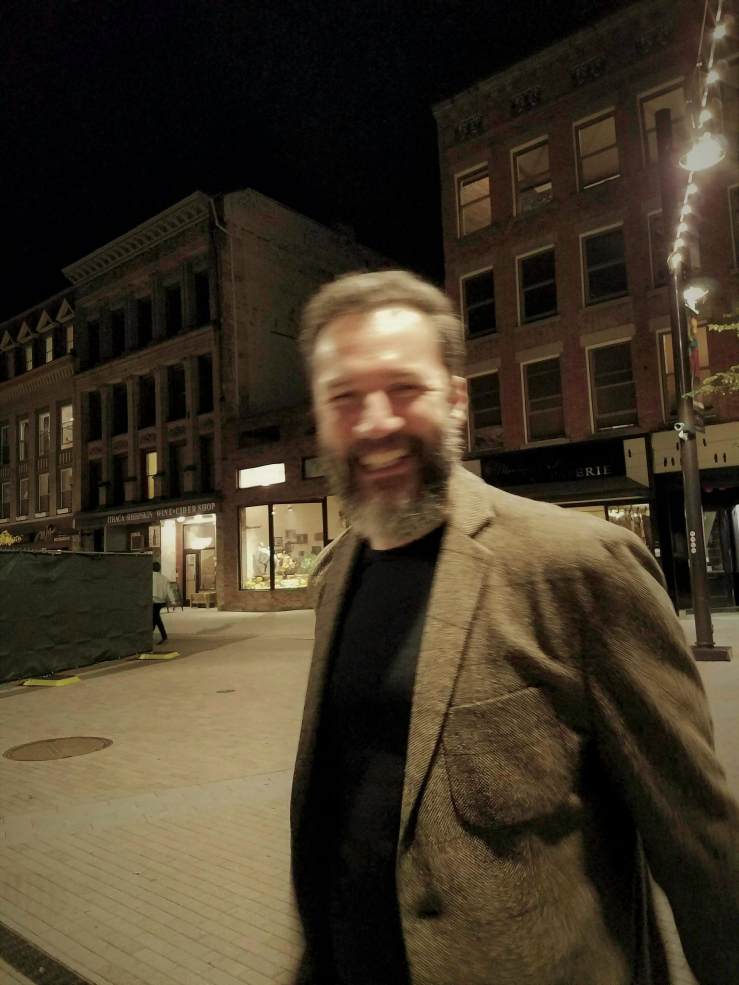
This is downtown, at 8 p.m. on a Monday.

Ithaca, NY

October 23rd, 2017

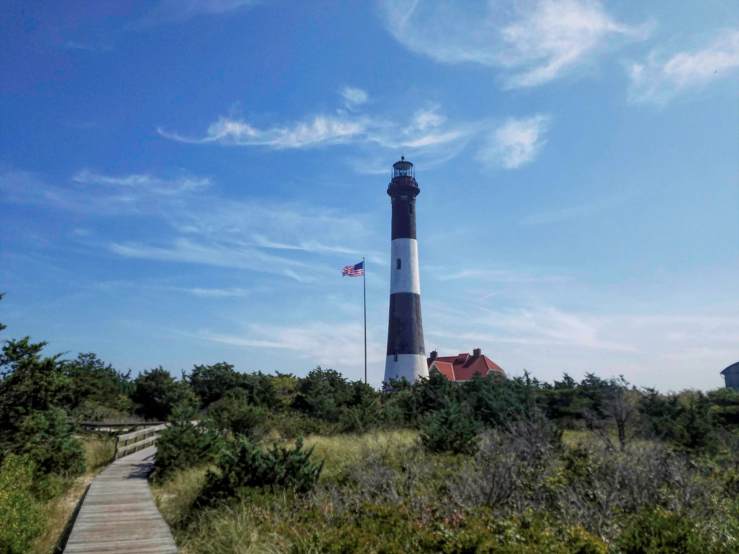
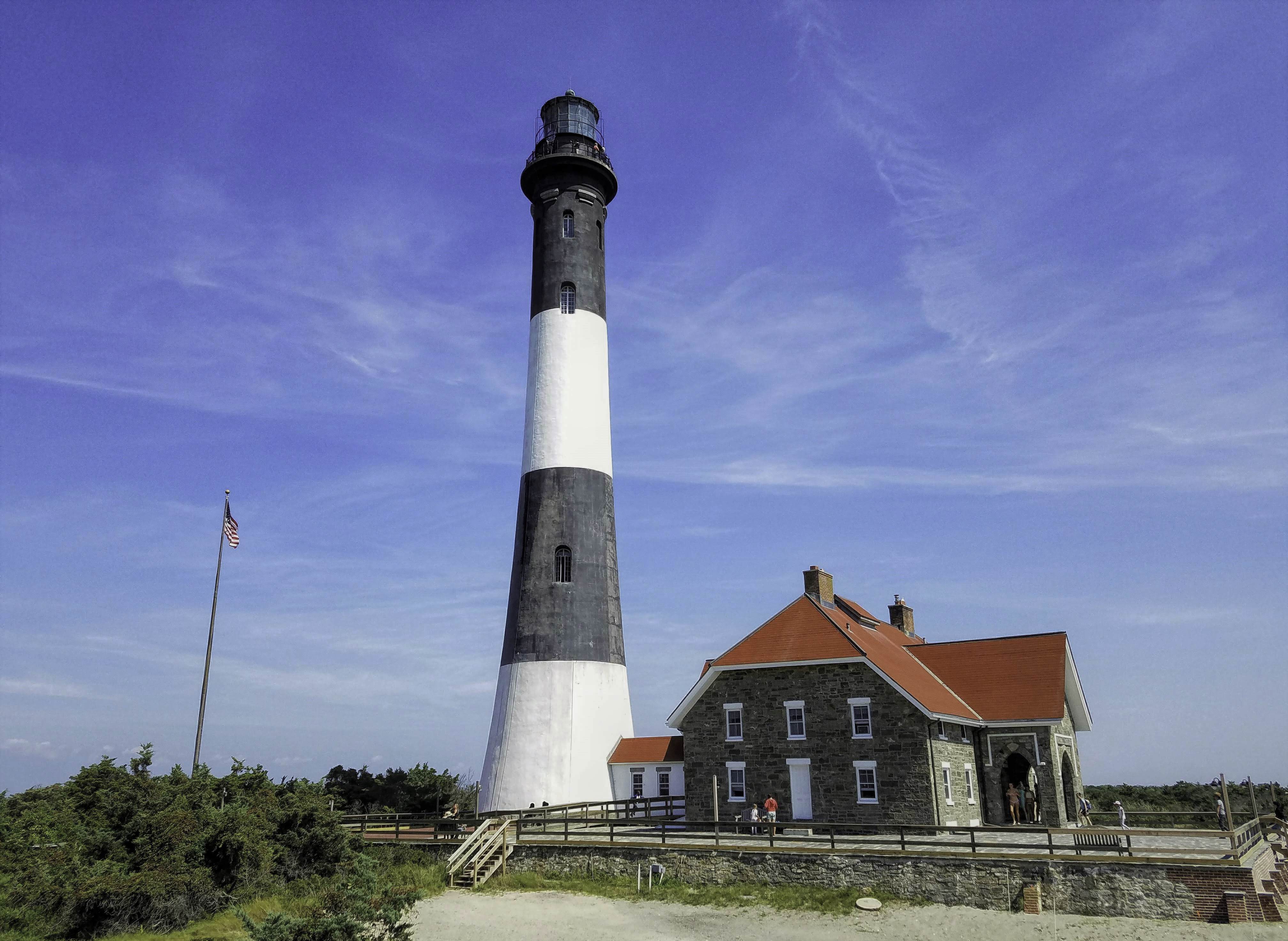
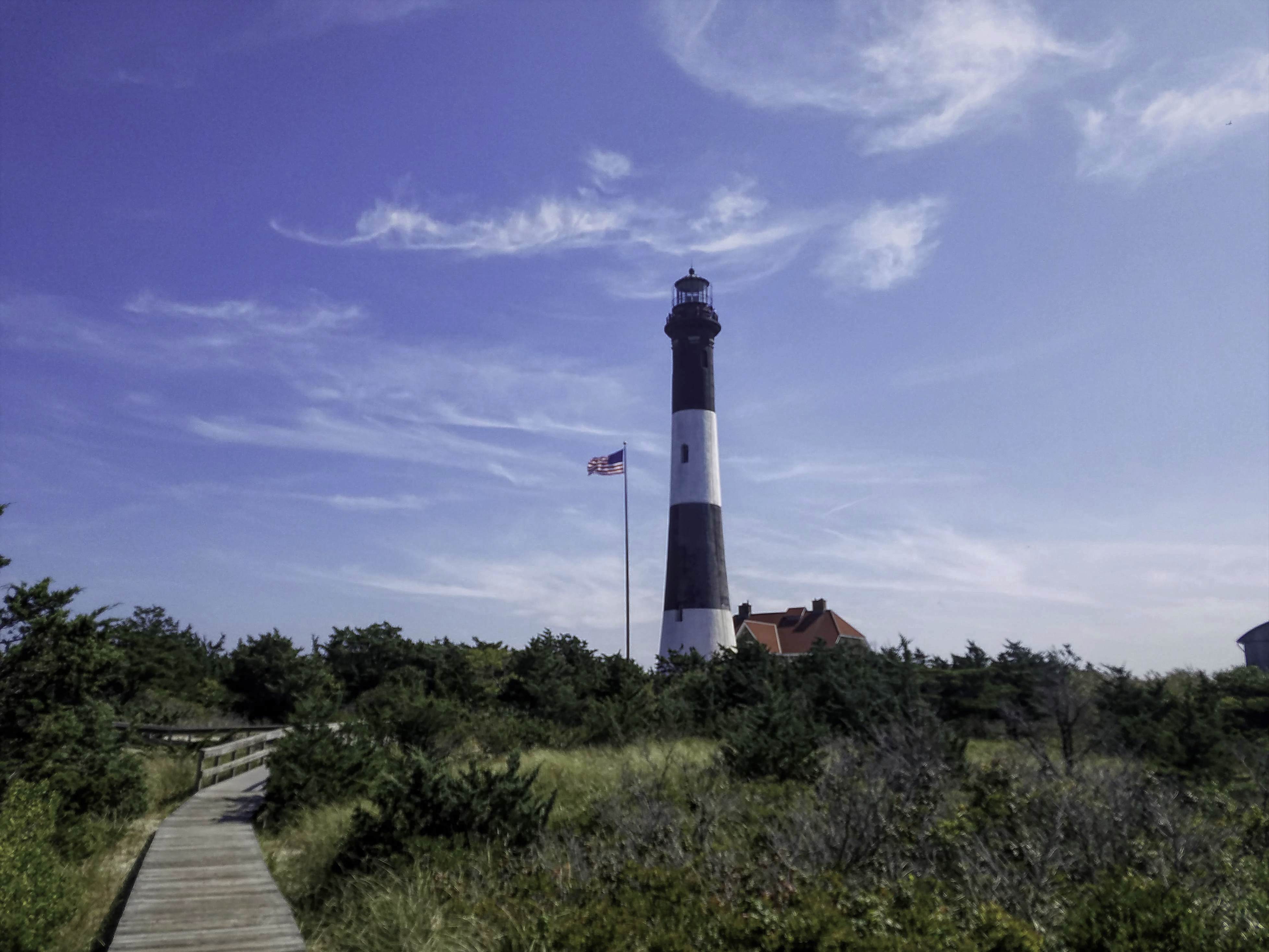
Fire Island Lighthouse

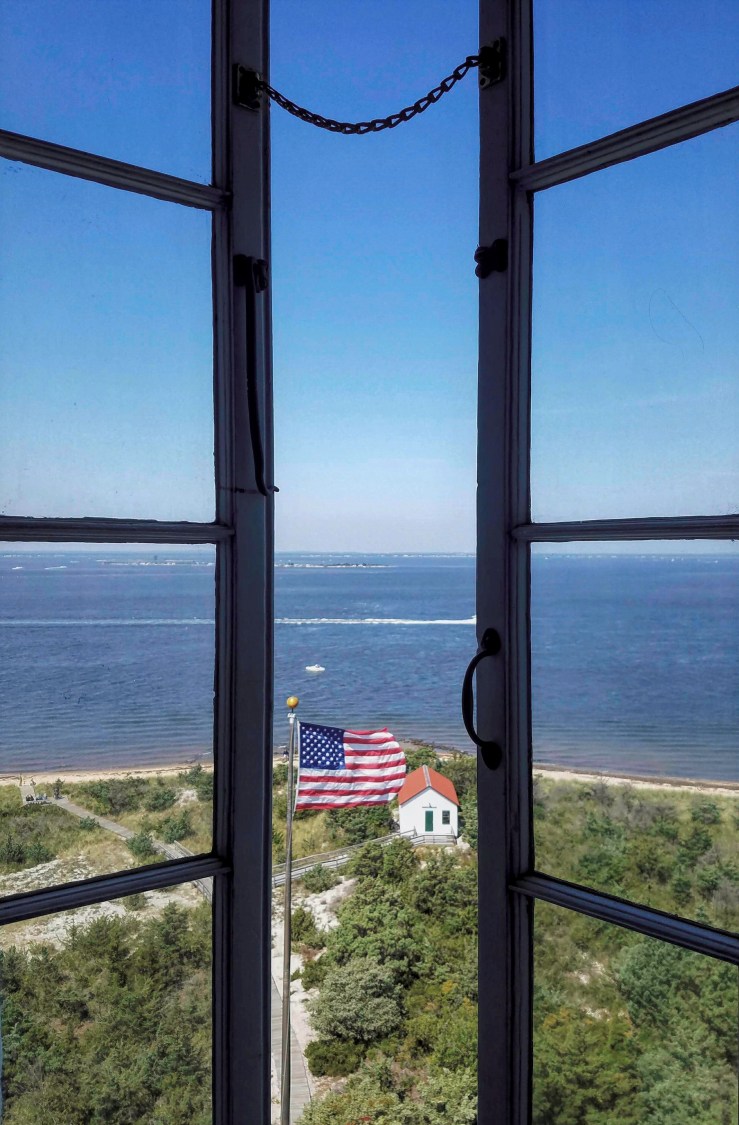
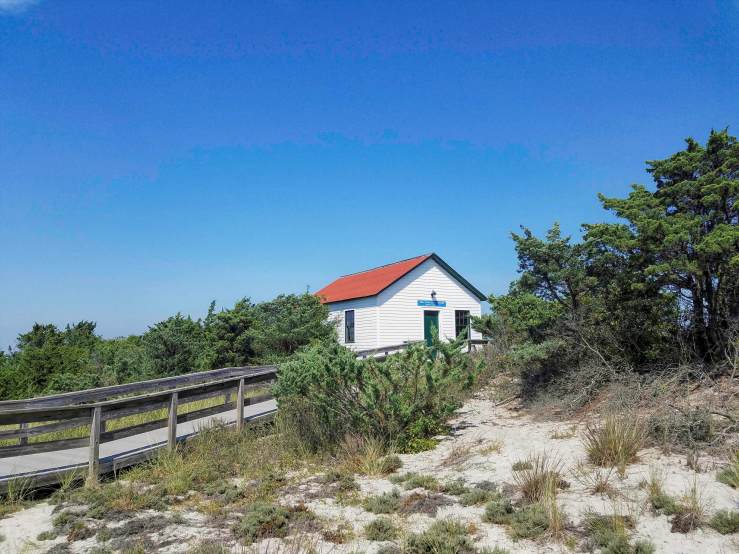
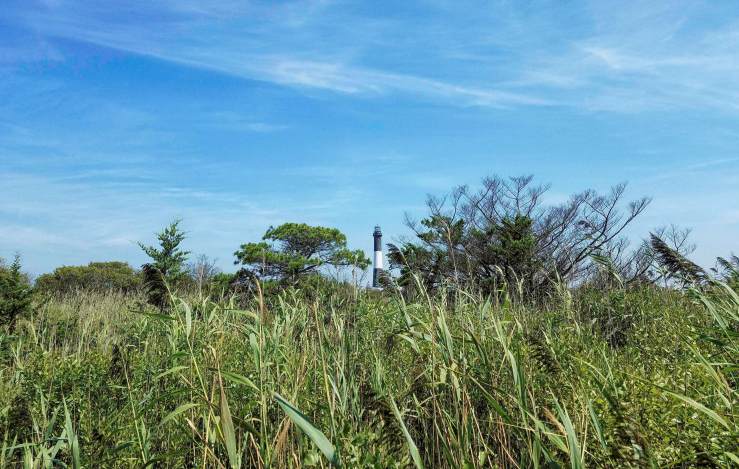
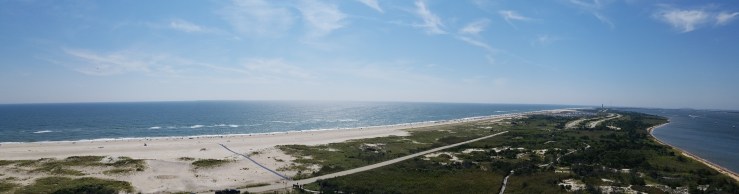
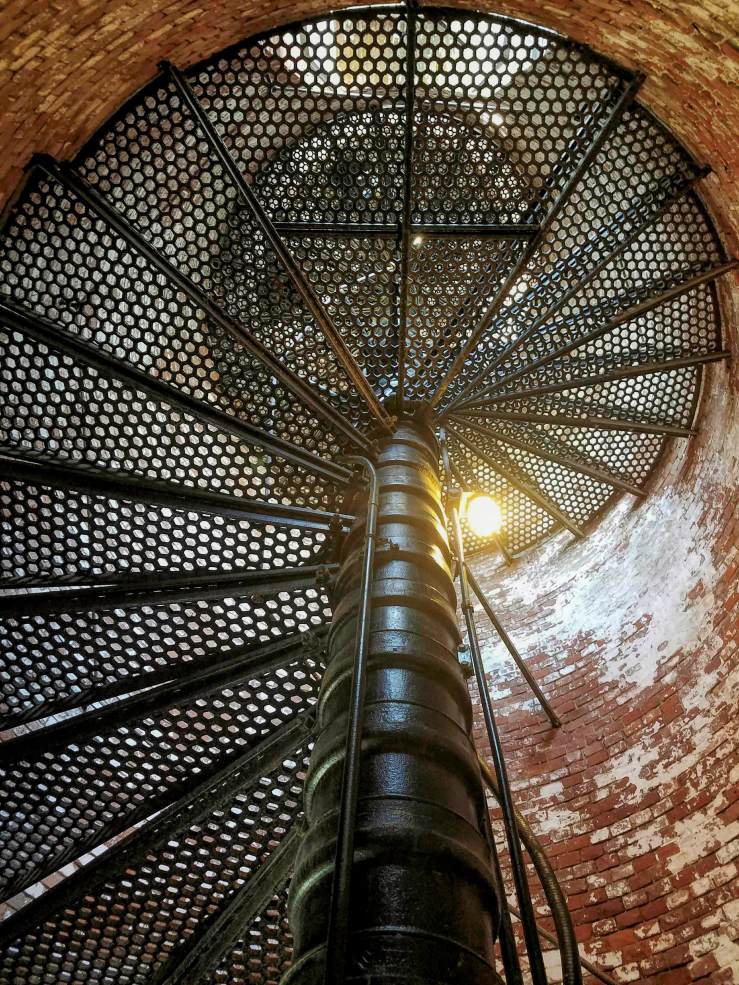
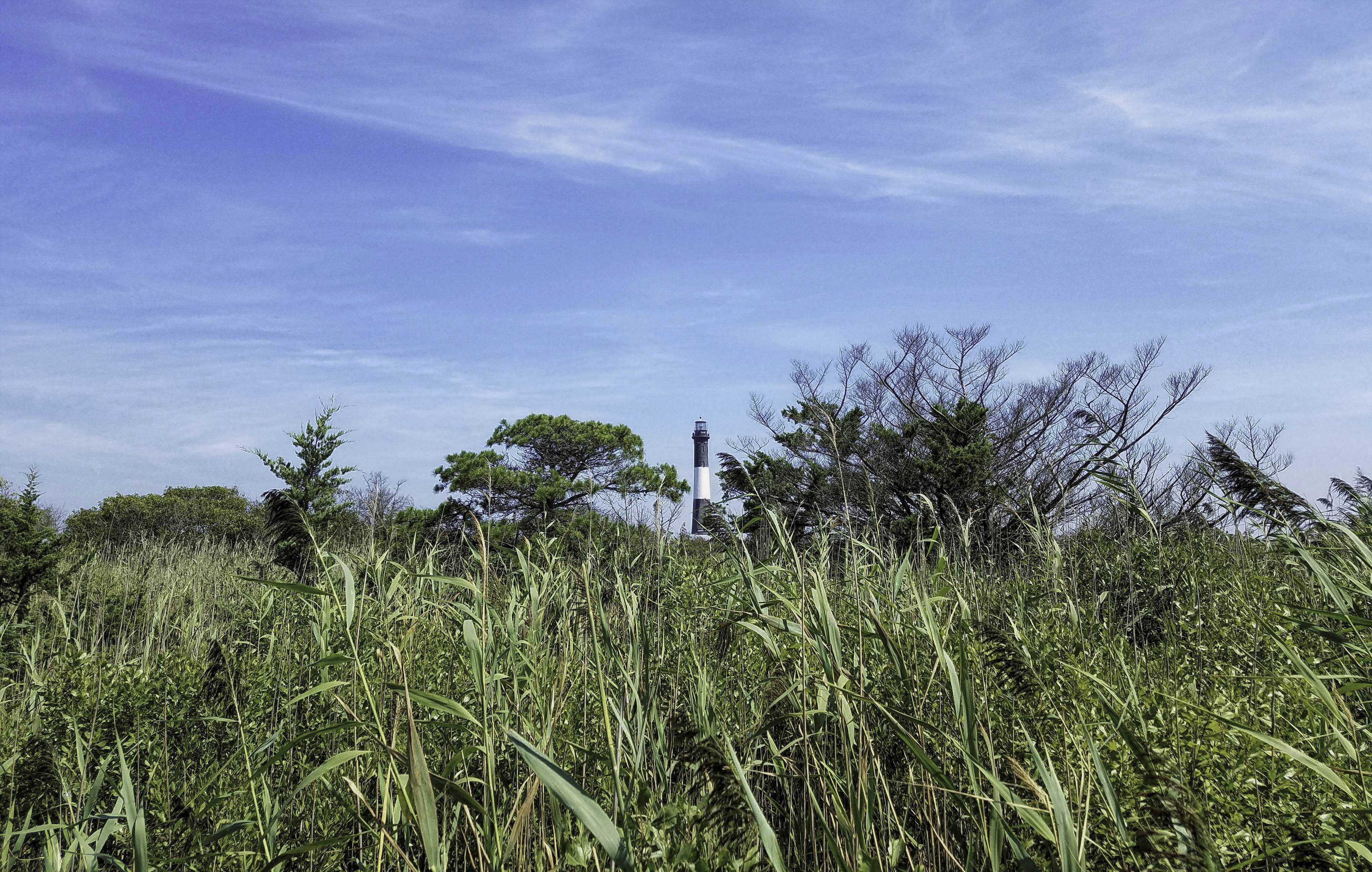
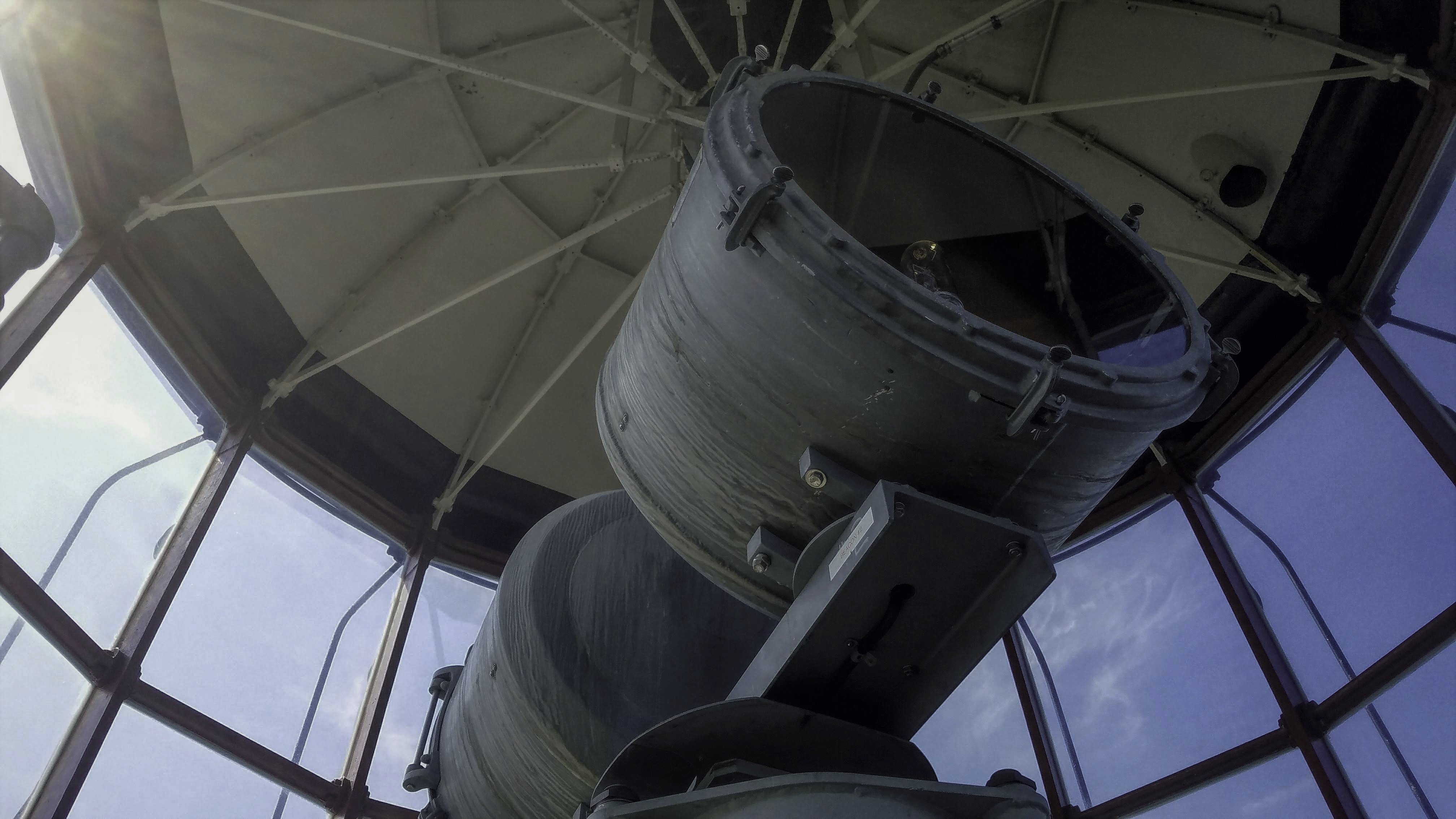
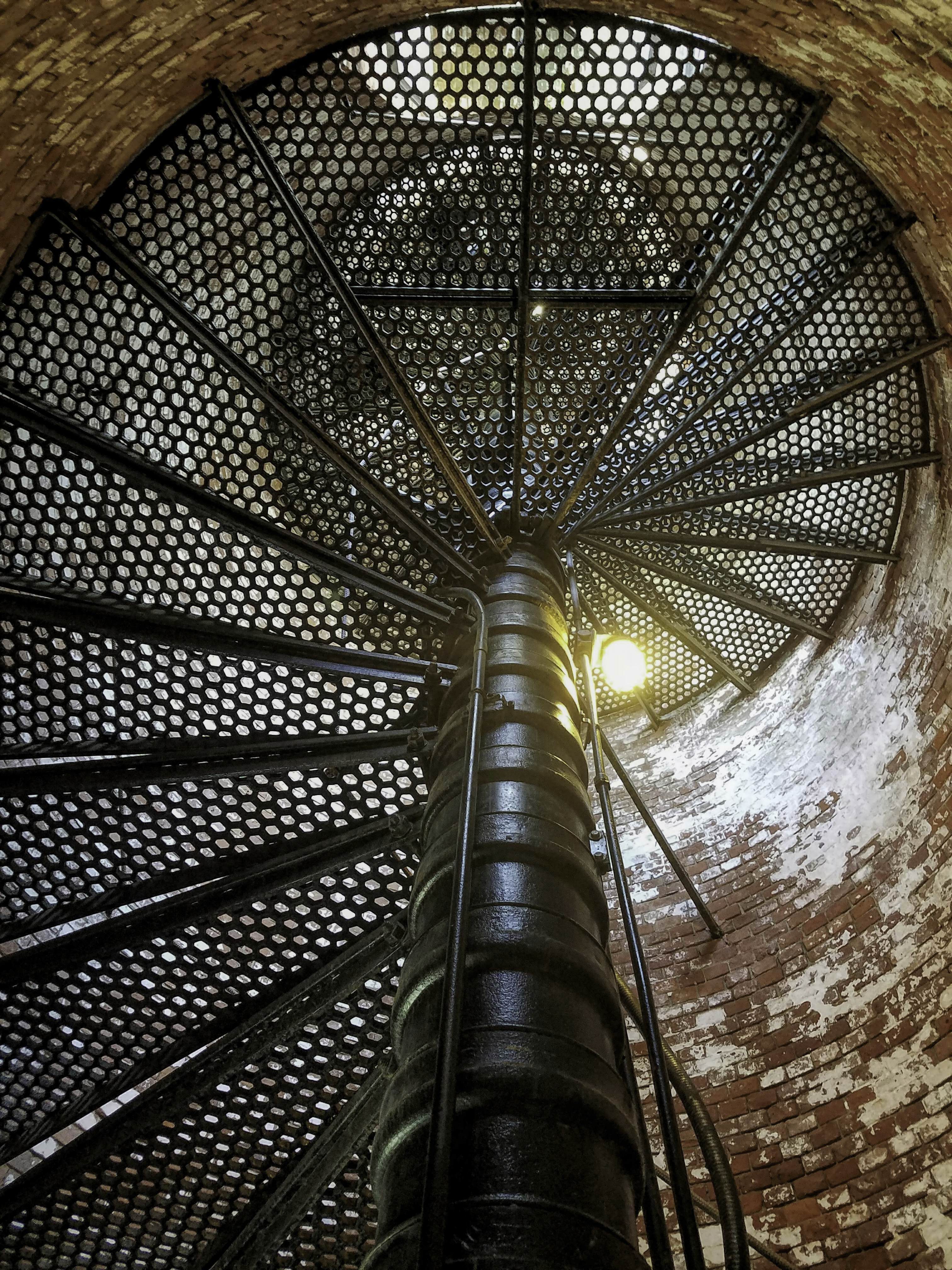
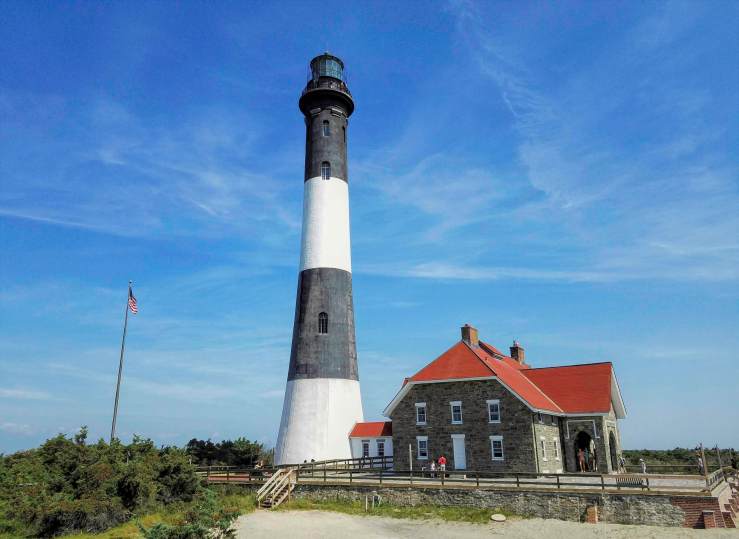
130 steps and a narrow staircase. Fortunately, there are several landings in-between, where we can pretend we stopped to check the view, catch our breaths and continue climbing. We can also learn some fun facts about the lighthouse.

Step 26, first window landing, all’s well.
We read: The lighthouse was constructed from the inside out. The stair treads and centre posts acted as internal scaffolding. As the walls rose in height, additional stair treads and centre posts were added. The construction rate was about 1 foot/day and was completed within one year. The total cost was $40,000 including the lens, about $1.14 million in today’s dollars.

Its iconic tapered shape is most likely based on John Smeaton’s stone lighthouse of 1759 at Eddystone Rocks, just south of Plymouth, England. Smeaton was the first self-proclaimed “civil engineer” and also the first to consider the problem of constructing a lighthouse at sea. He decided to build it entirely in stone and took the shape of an oak tree as his inspiration ”a large heavy base rooted in the soil with a curved tapering pillar above, keeping the centre of gravity low”. The outer surface was to be as smooth as possible to deflect the waves.

Step: 52, second window landing, breathing a bit heavier.
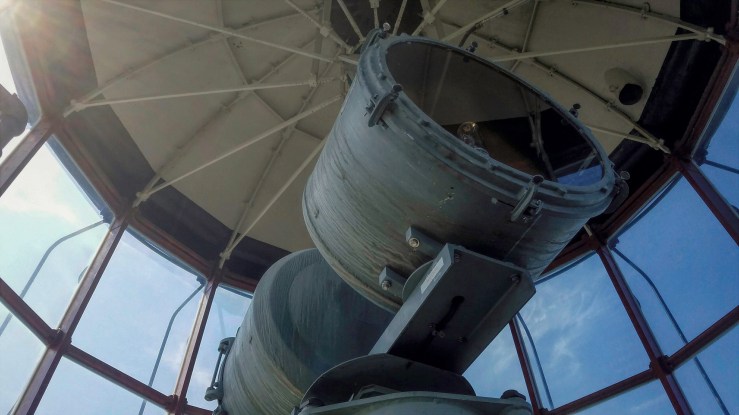
We read: Lighthouses have distinctive ”characteristics” that allow them to be recognized night or day. The lantern provides nighttime recognition and has unique flash ”characteristics”. This lantern flashes every 7.5 seconds. Day-marks allow daytime recognition: this lighthouse uses four alternating black and white bands.

Step: 78, third window landing, legs join lungs in need of a break.
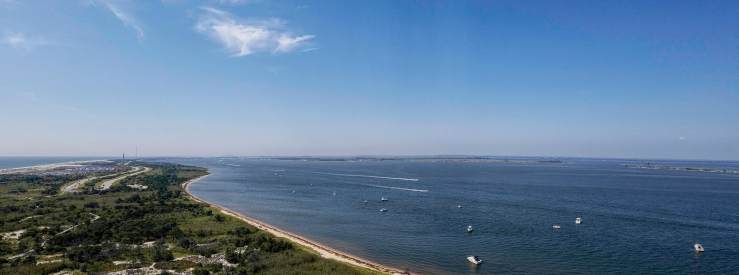
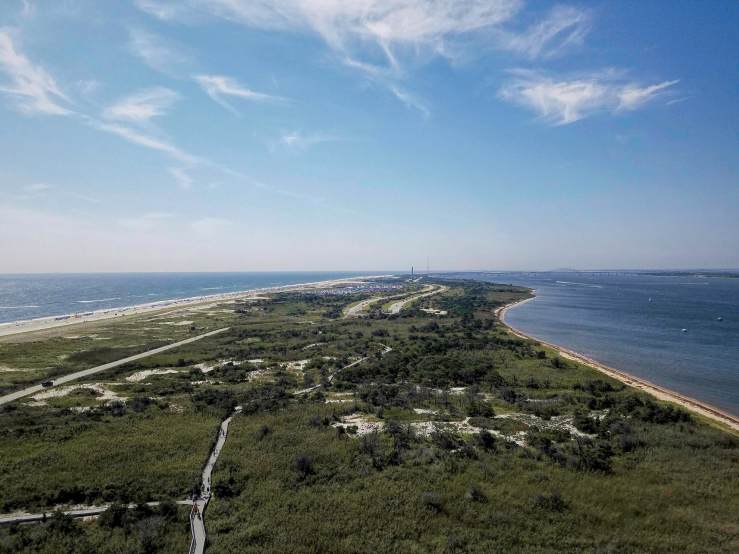
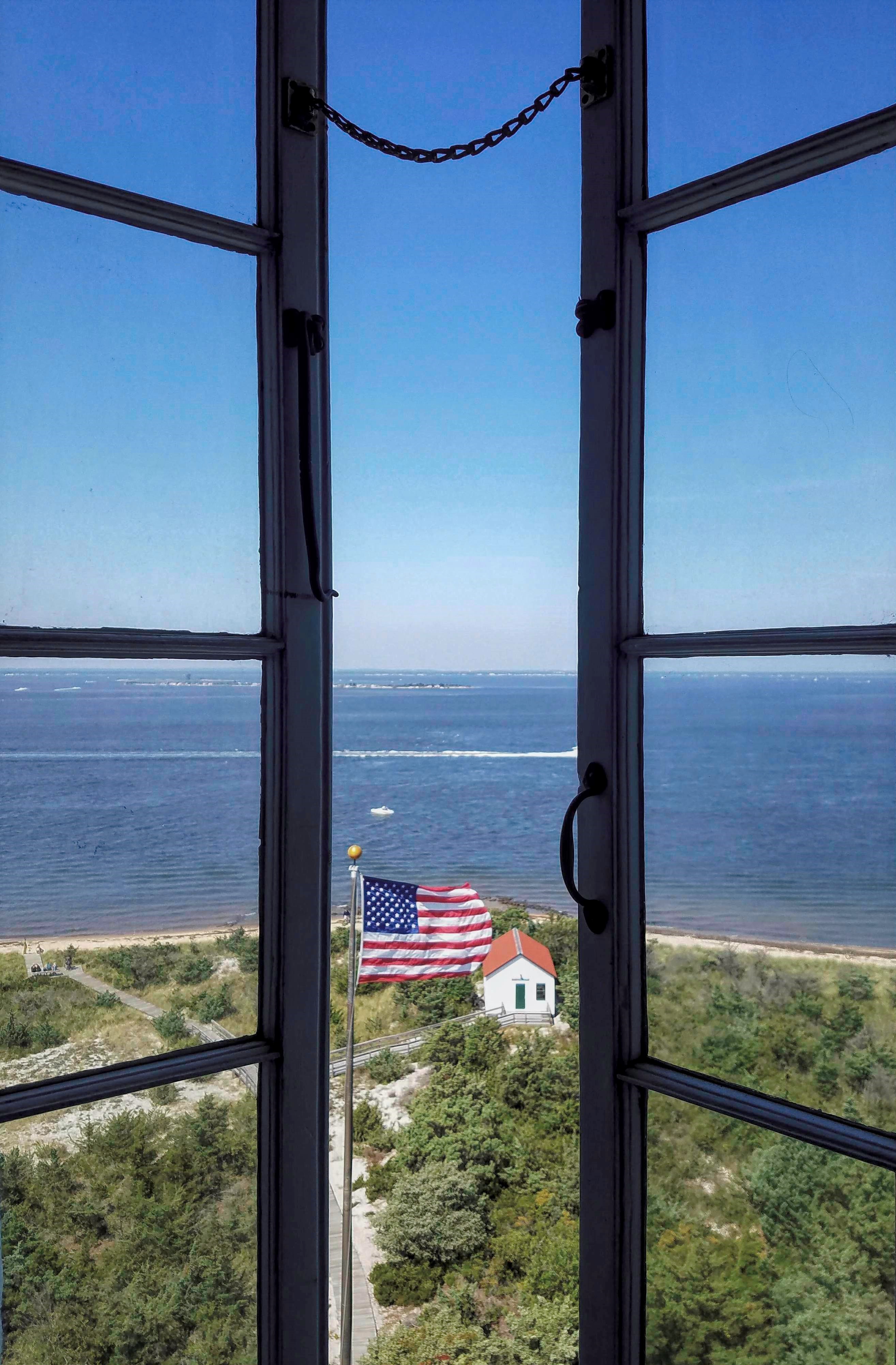
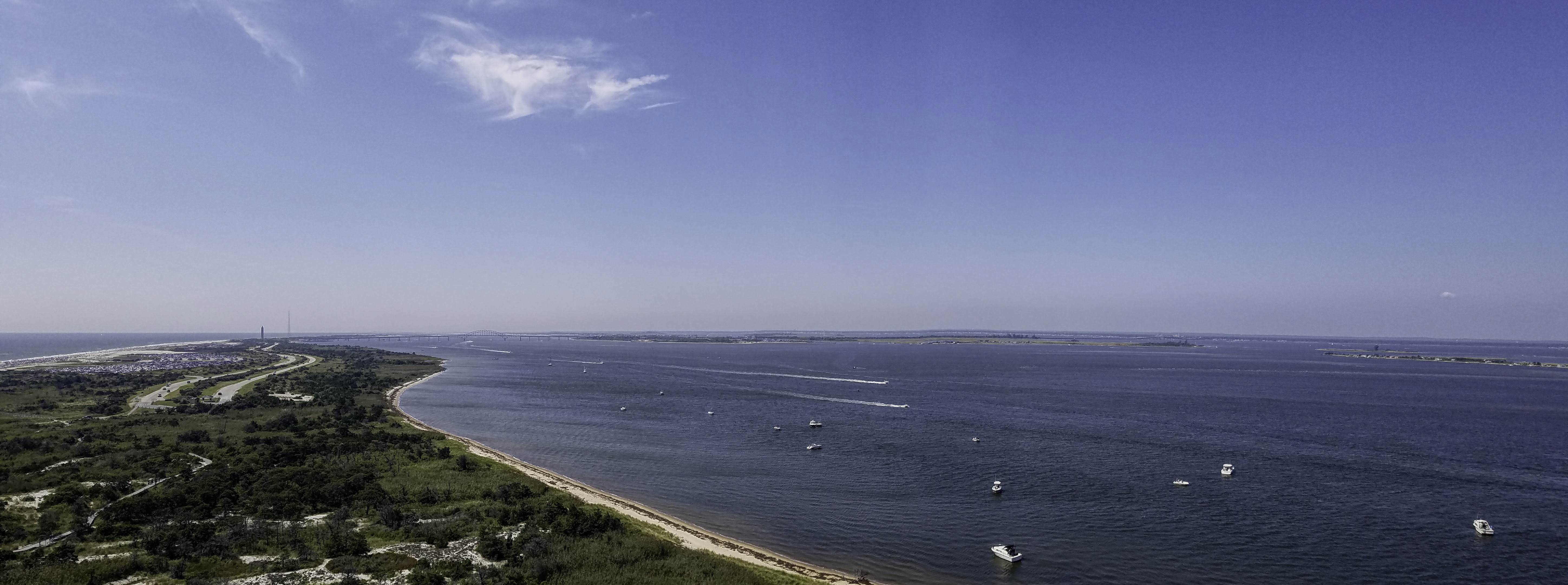
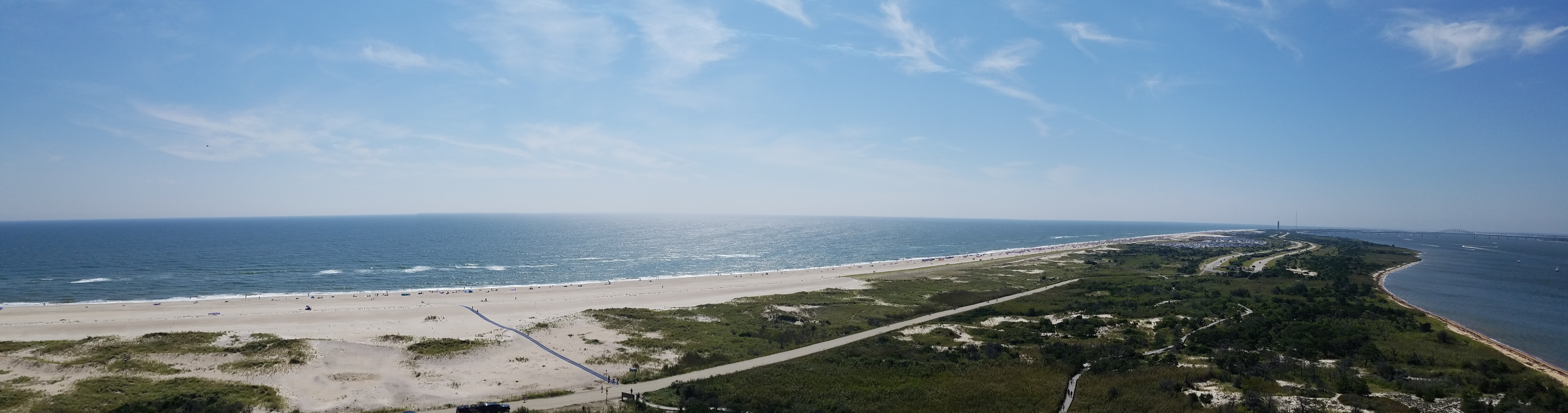
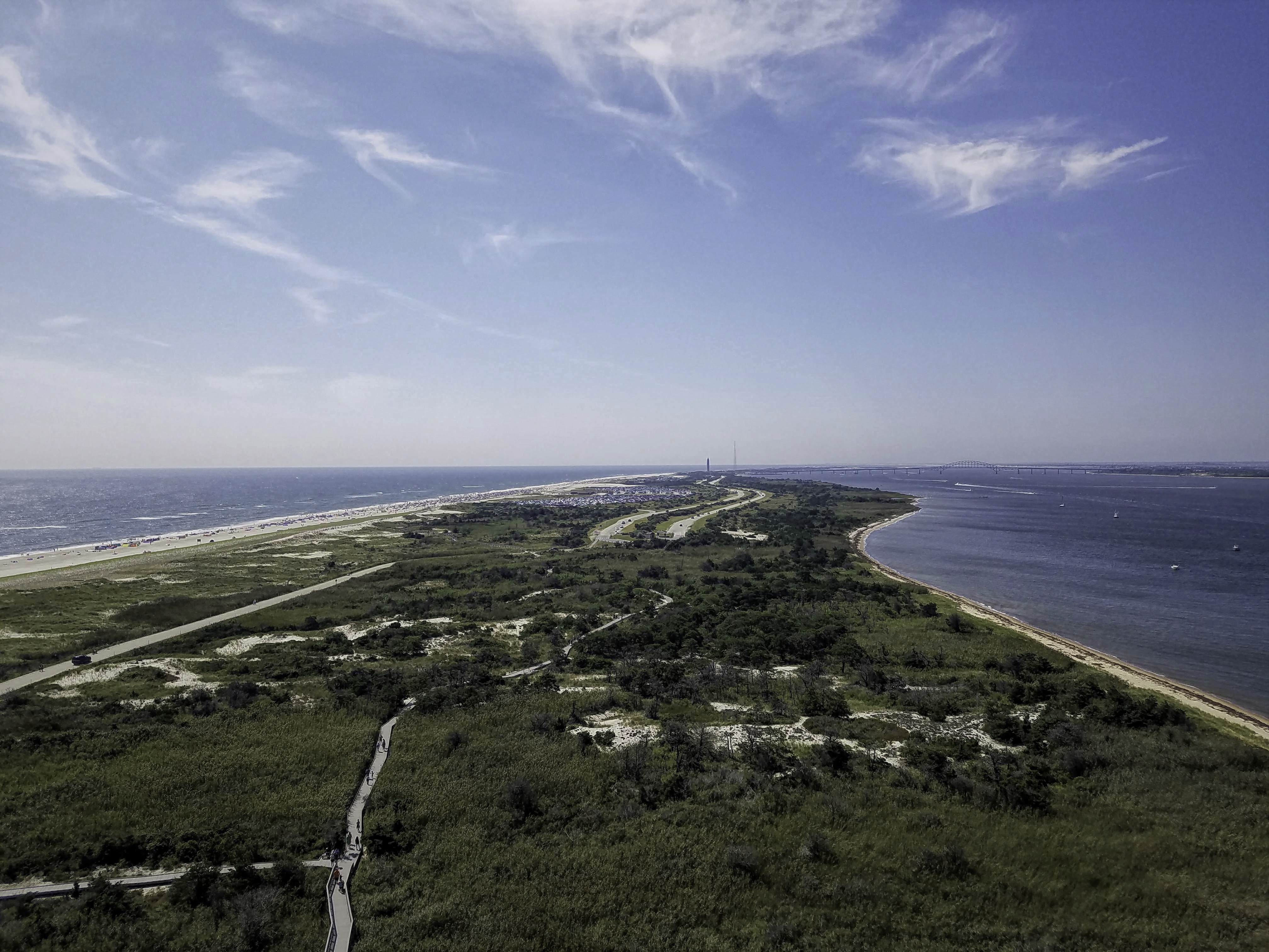
We read: Fire island is 32 miles long. It is comprised of multiple communities and beaches, interspersed with segments of the Fire Island National Seashore, established in 1964 to preserve the only developed barrier beach in the United States. The first community you see is Kismet. ”That’s where we’re heading for lunch later”, I thought.

Step: 104, fourth window landing, need. longer. break.
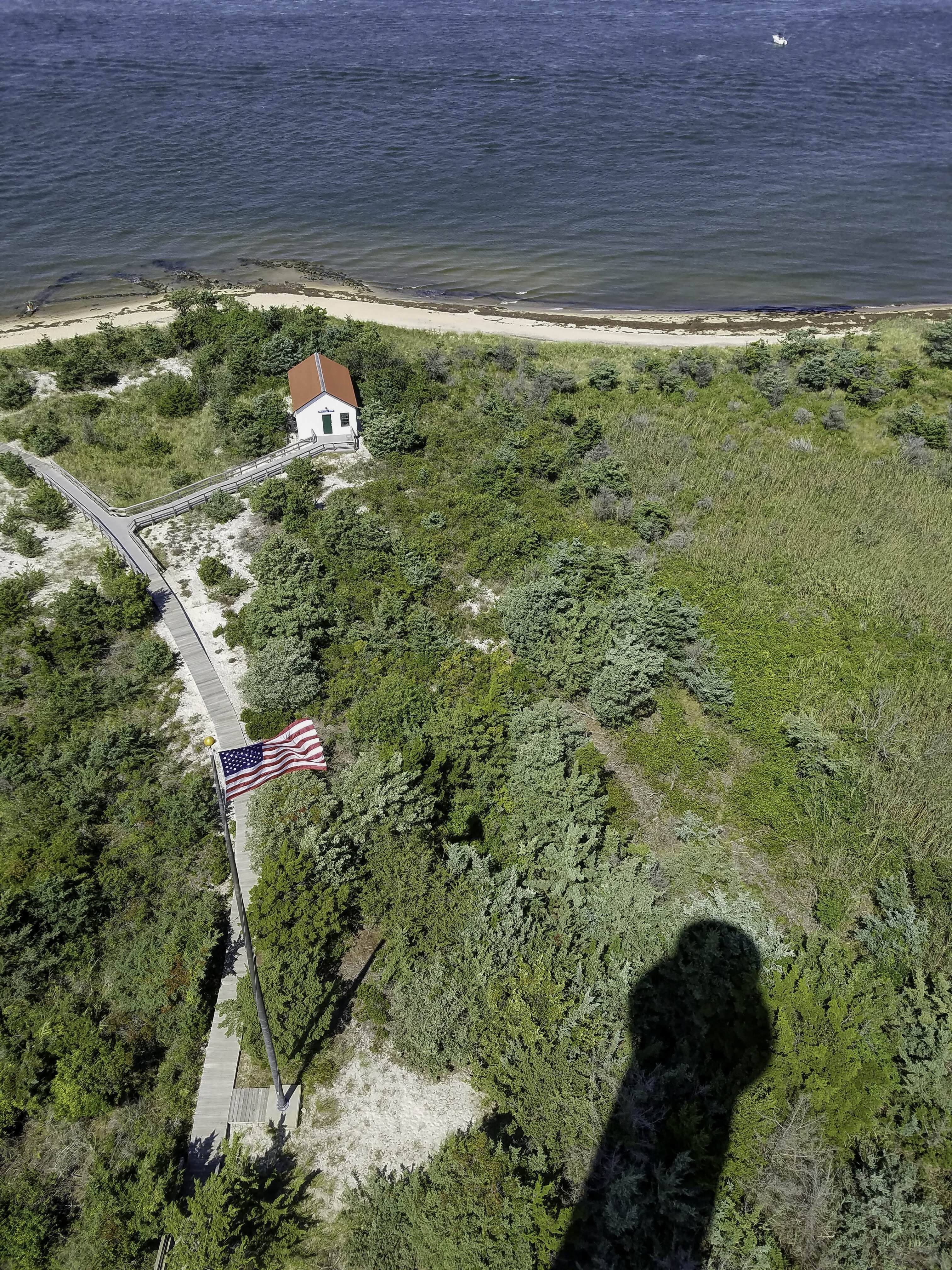
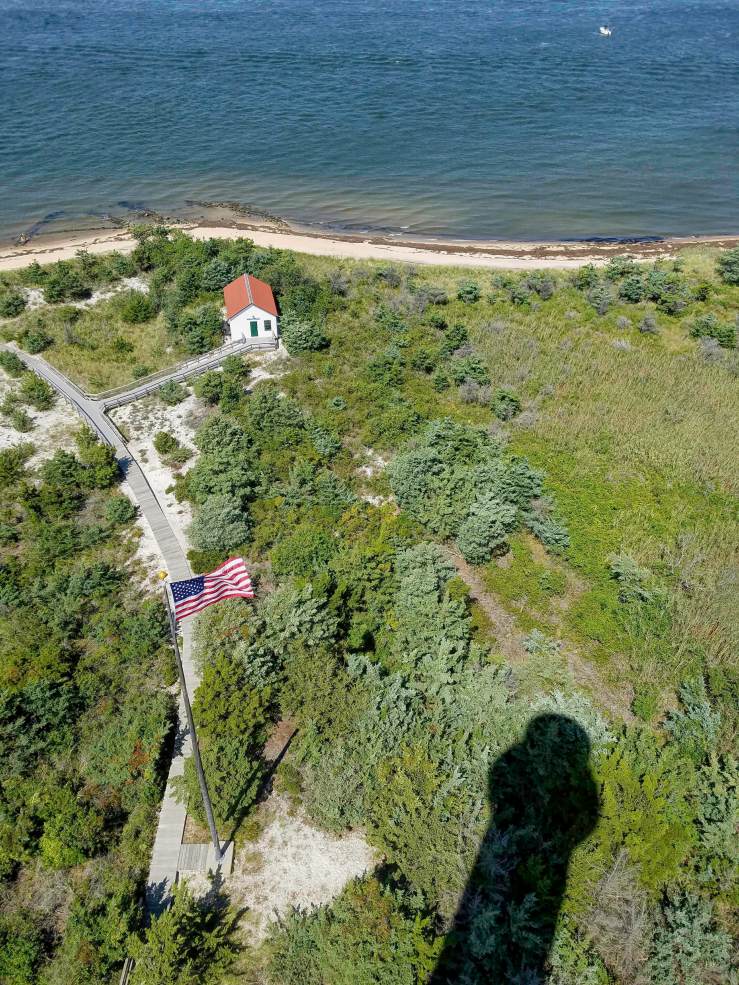
We read: The flagpole is the approximate height of the original lighthouse. At 90 feet, the first lighthouse at best projected its beam only 14 miles out to sea. Far short of the current tower’s 20 to 24 mile range.

In case you, like me, were wondering how did ”Fire Island” get its name: there are many popular theories for its origin. The first relates to Poison Ivy’s bright red fire like colouring in the fall. Poison Ivy grows in abundance here. The second is based on false fires land pirates were building to lure unsuspecting ships to the coast and loot them. The third derives from the English mistranslation of the word ”five” from an original Dutch map. The Dutch named the area around the light station ”Five Island” because of the four islands visible in the bay, plus the one we now call Fire Island.

Step: 130, fifth window landing, that’s it don’t give up now, look outside… The view is breathtaking!
September 4th, 2017
Ponquogue Beach

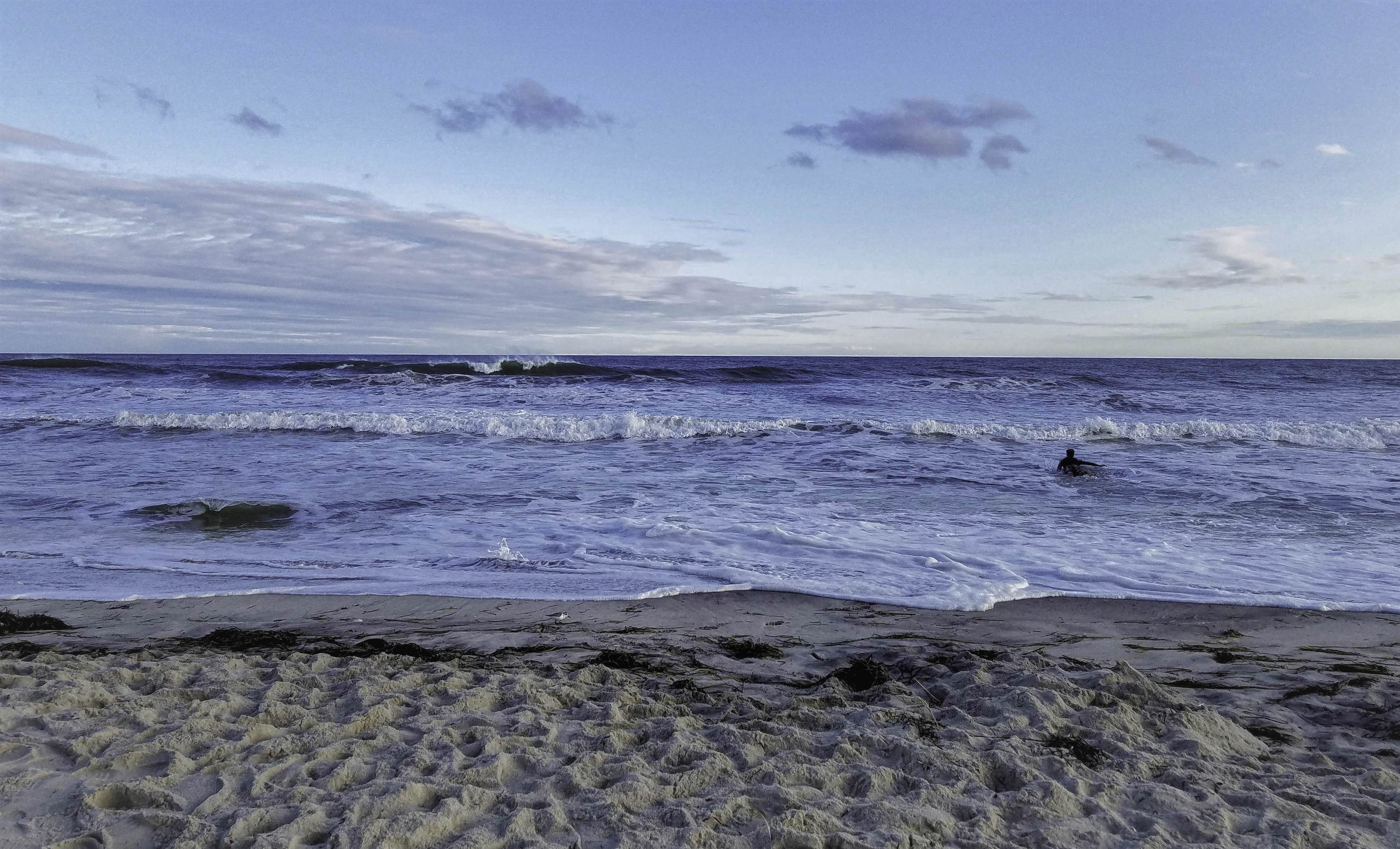
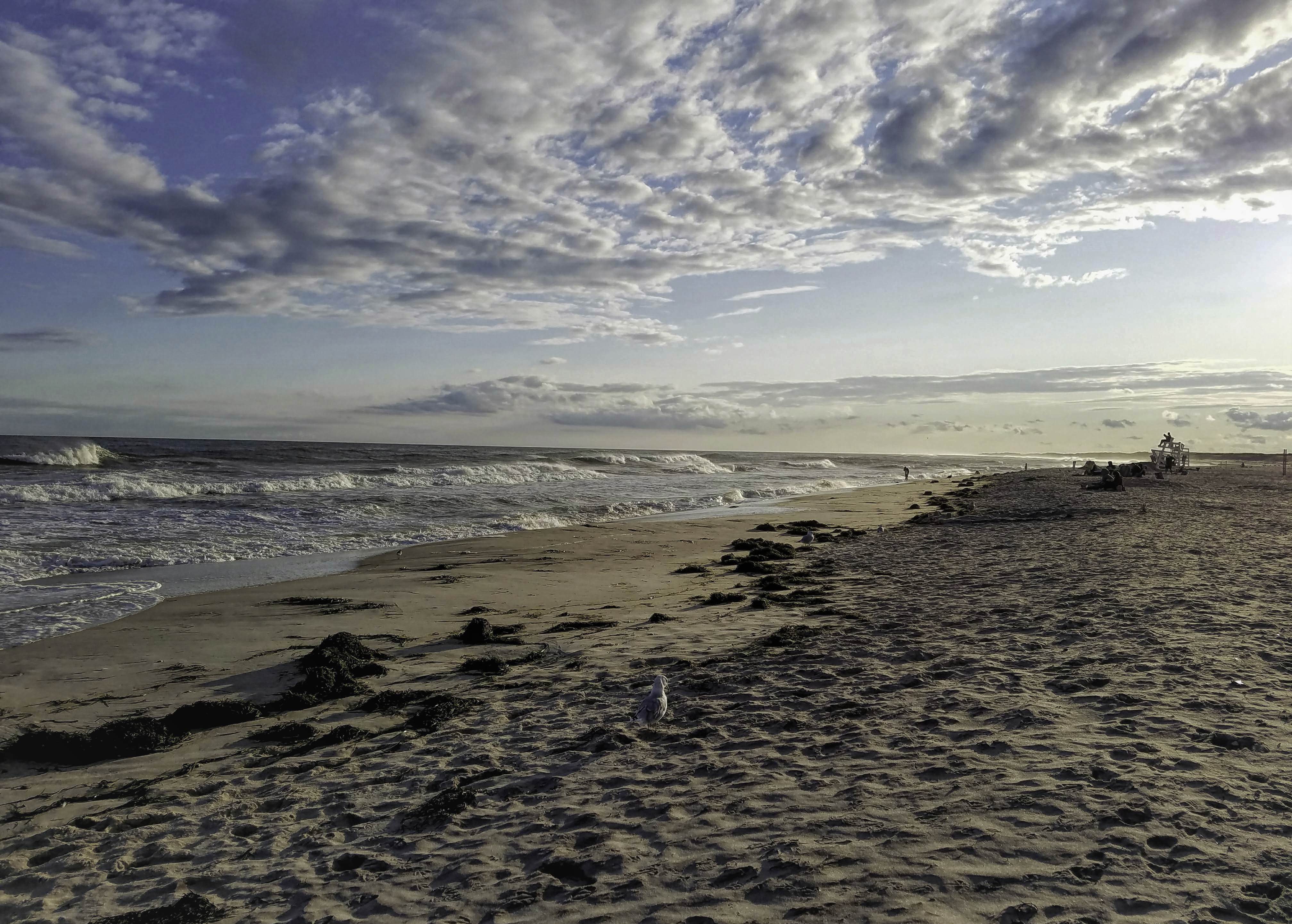
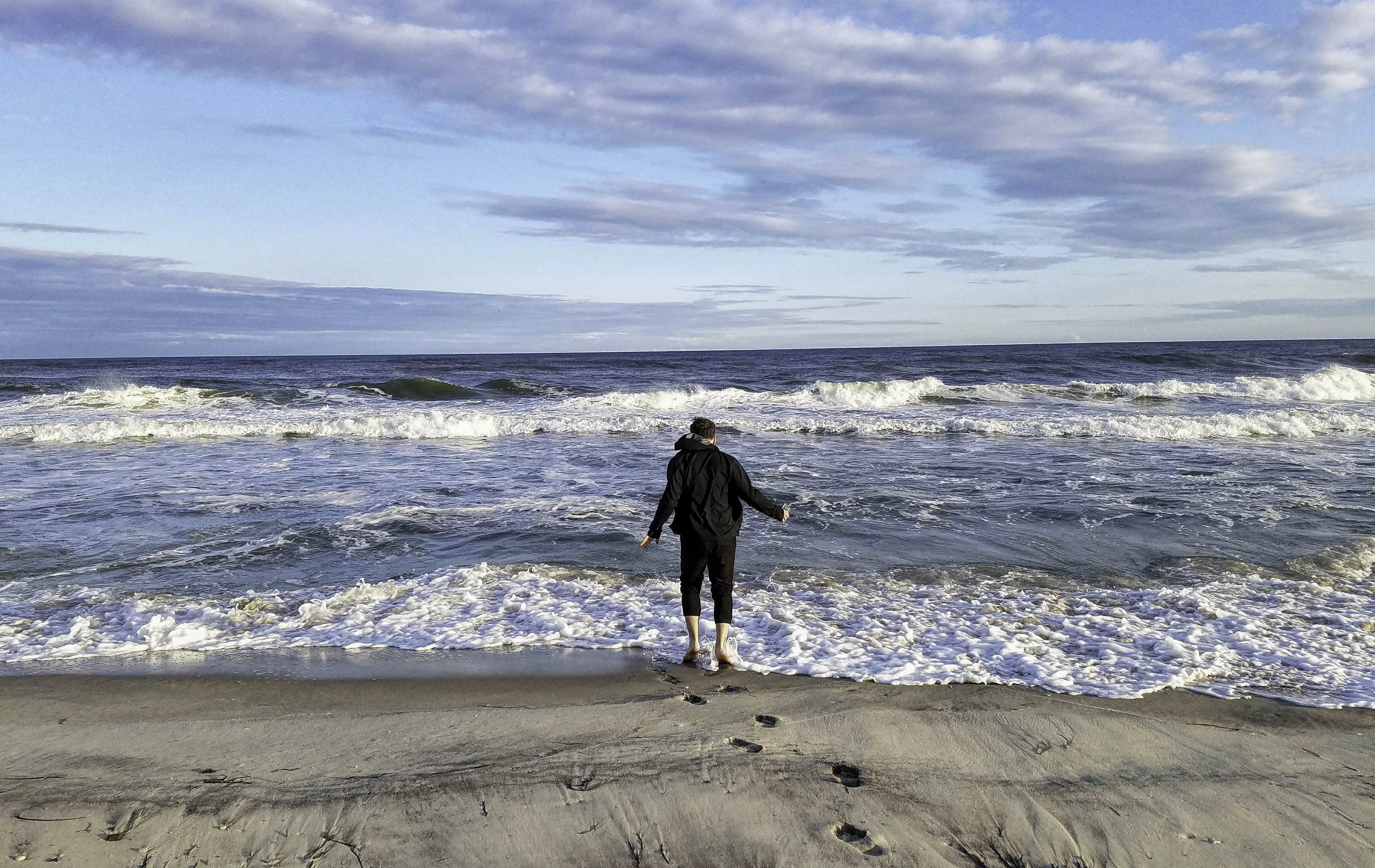
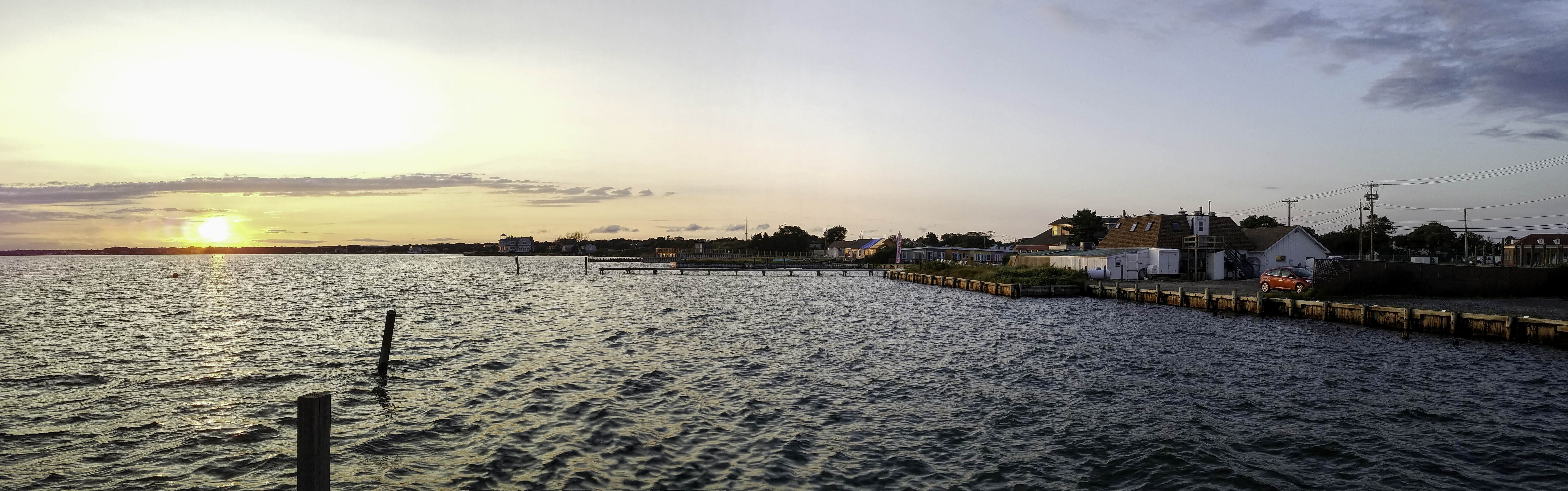
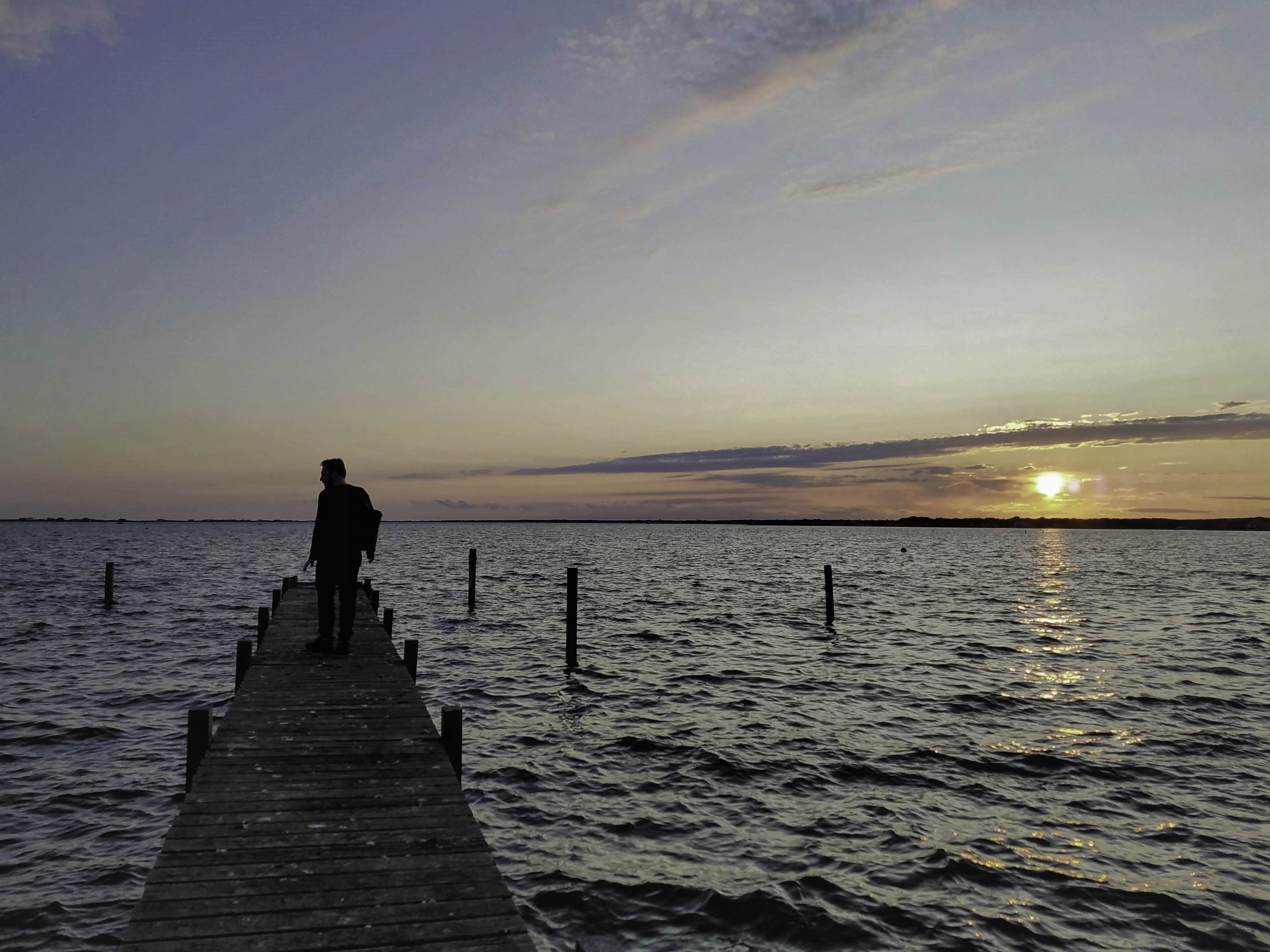
  • Late afternoon, that mellow hour when the light is golden before turning to blue. It was getting chilly.
  • A lone surfer paddling. Smooth, regular movements and his wetsuit would keep him warm, hopefully.
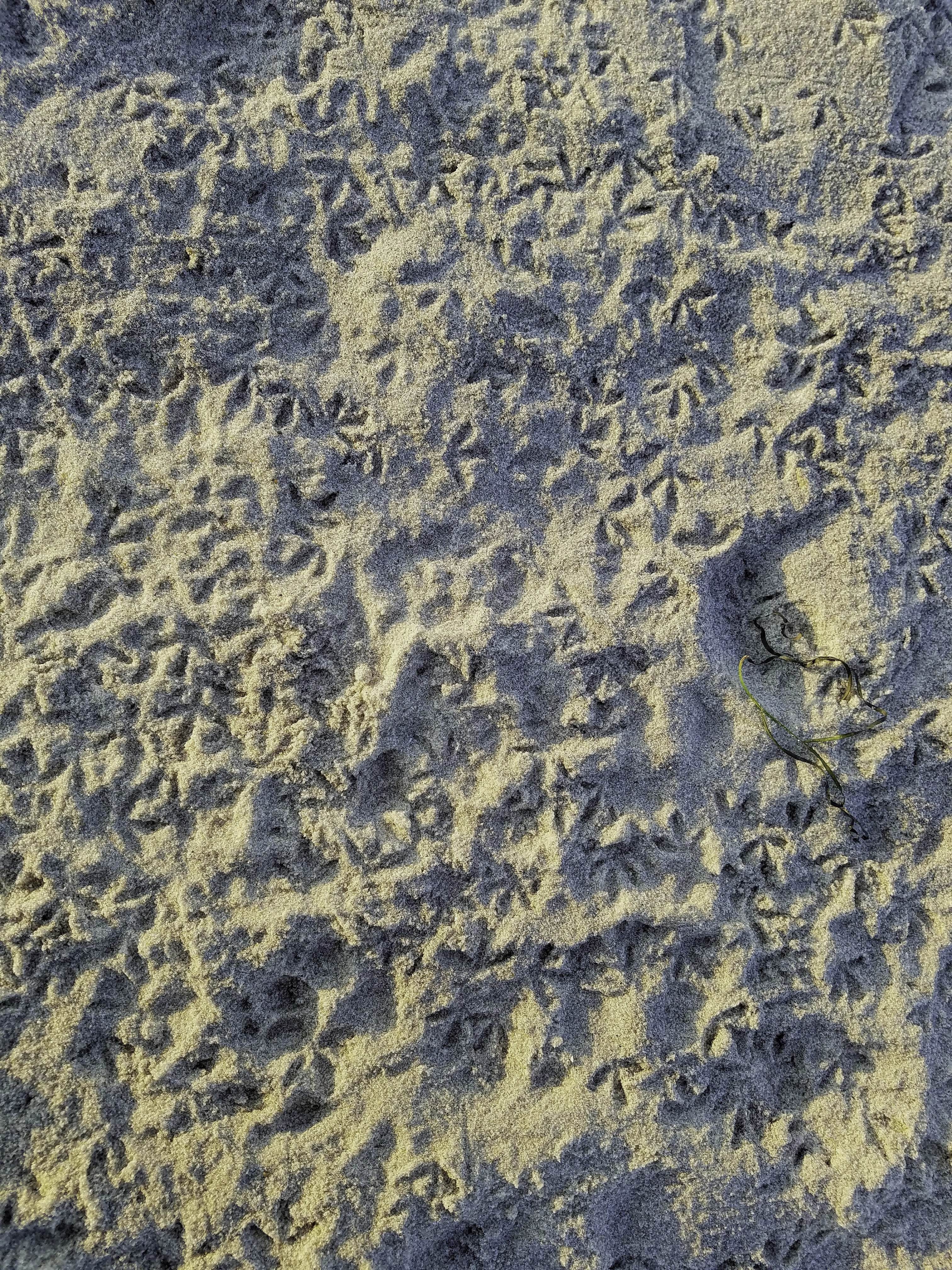
  • Thousands of tiny shorebirds on the beach. Western Sandpiper, I think they’re called. They refused to be photographed. These are their footprints – leaving their mark all over the place. 
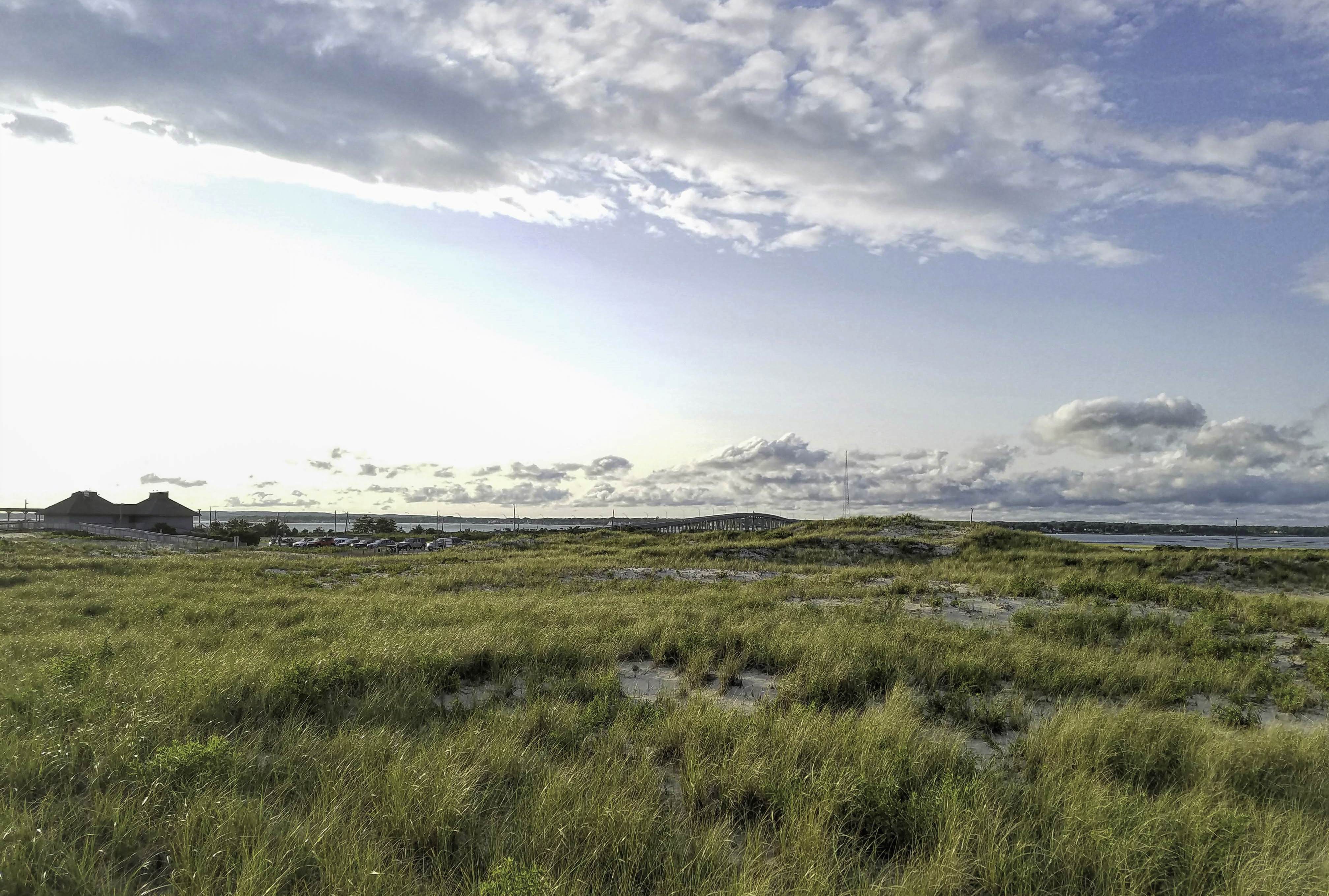
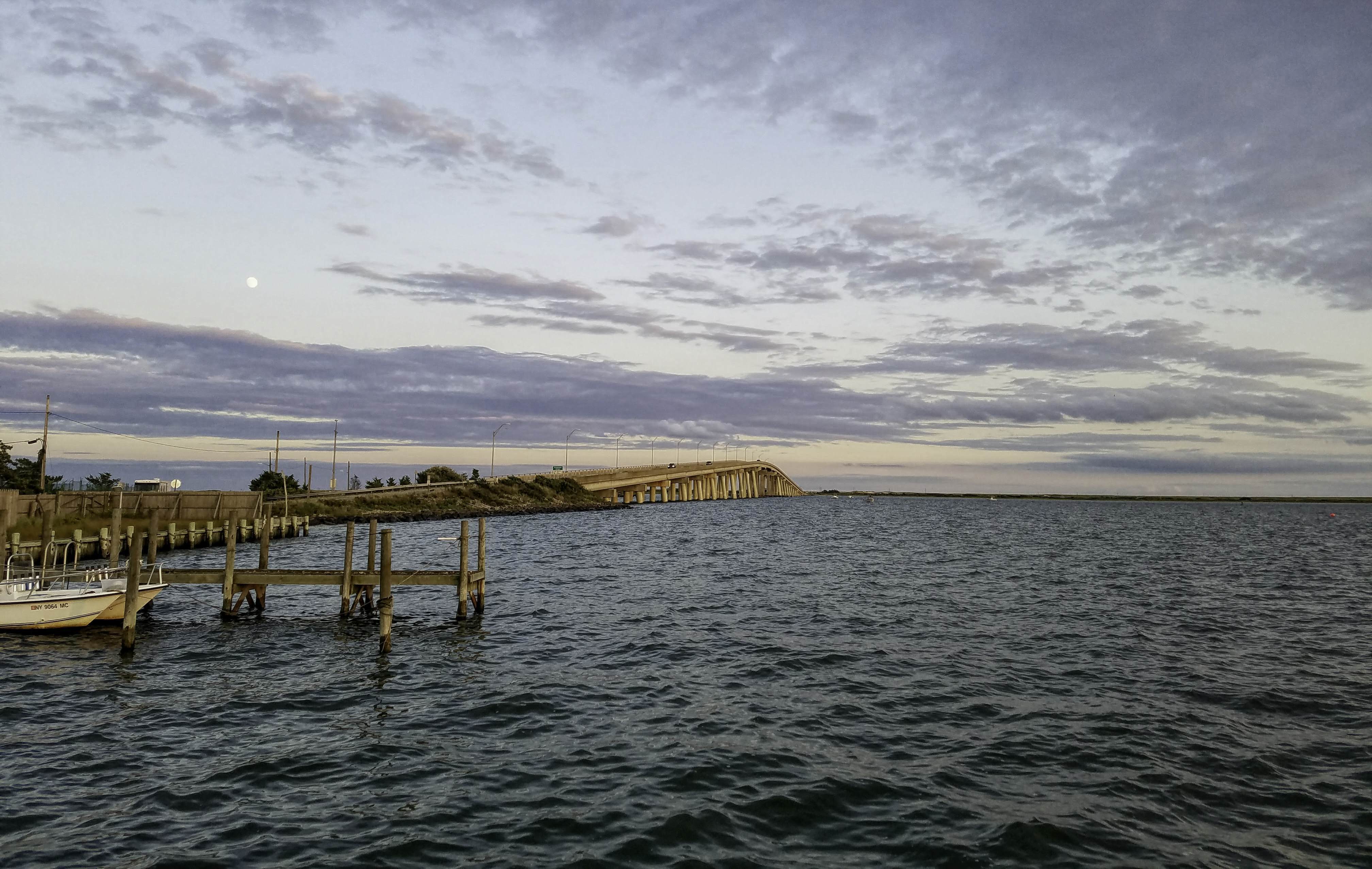
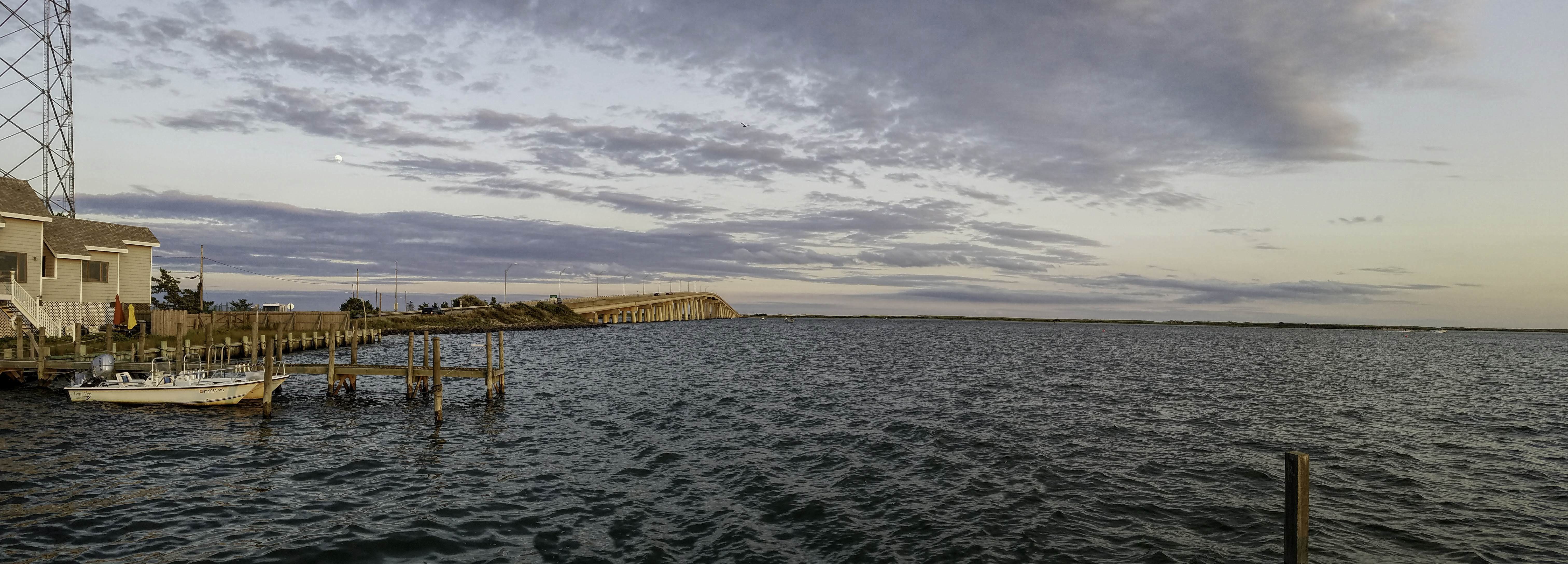
  • The Ponquogue Bridge, built by man to bring together that which the force of nature took apart.
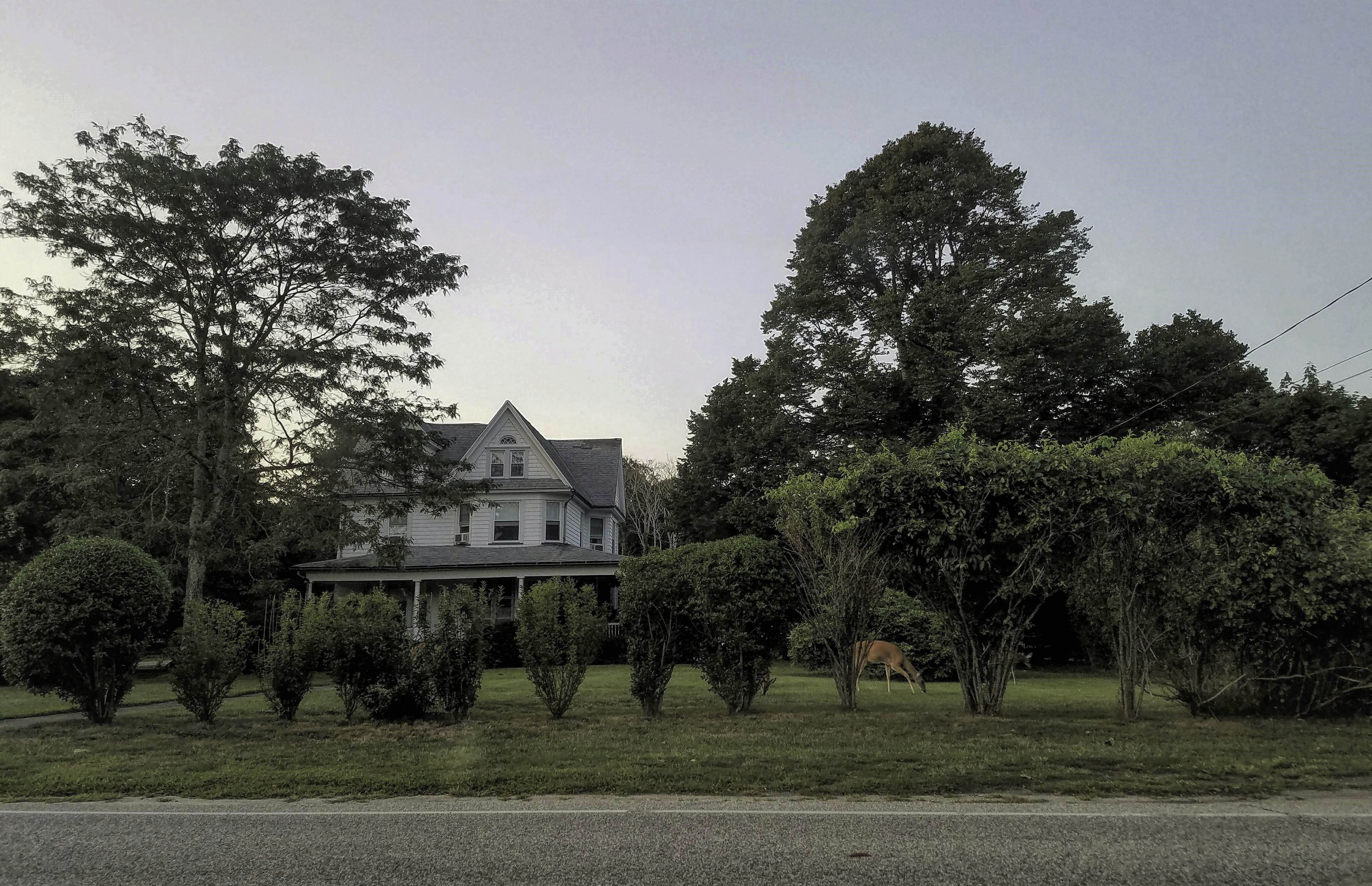
  • Creatures of a more benevolent nature. Deer feeding in the garden, next to the road, undisturbed and oblivious to traffic and humans with mobile cameras. Soon, it would be dark. I wondered, where do deer go to sleep in the Hamptons?

Ponquogue Beach, Shinnecock Bay
Hampton Bays

September 3rd, 2017
The Watermill Center

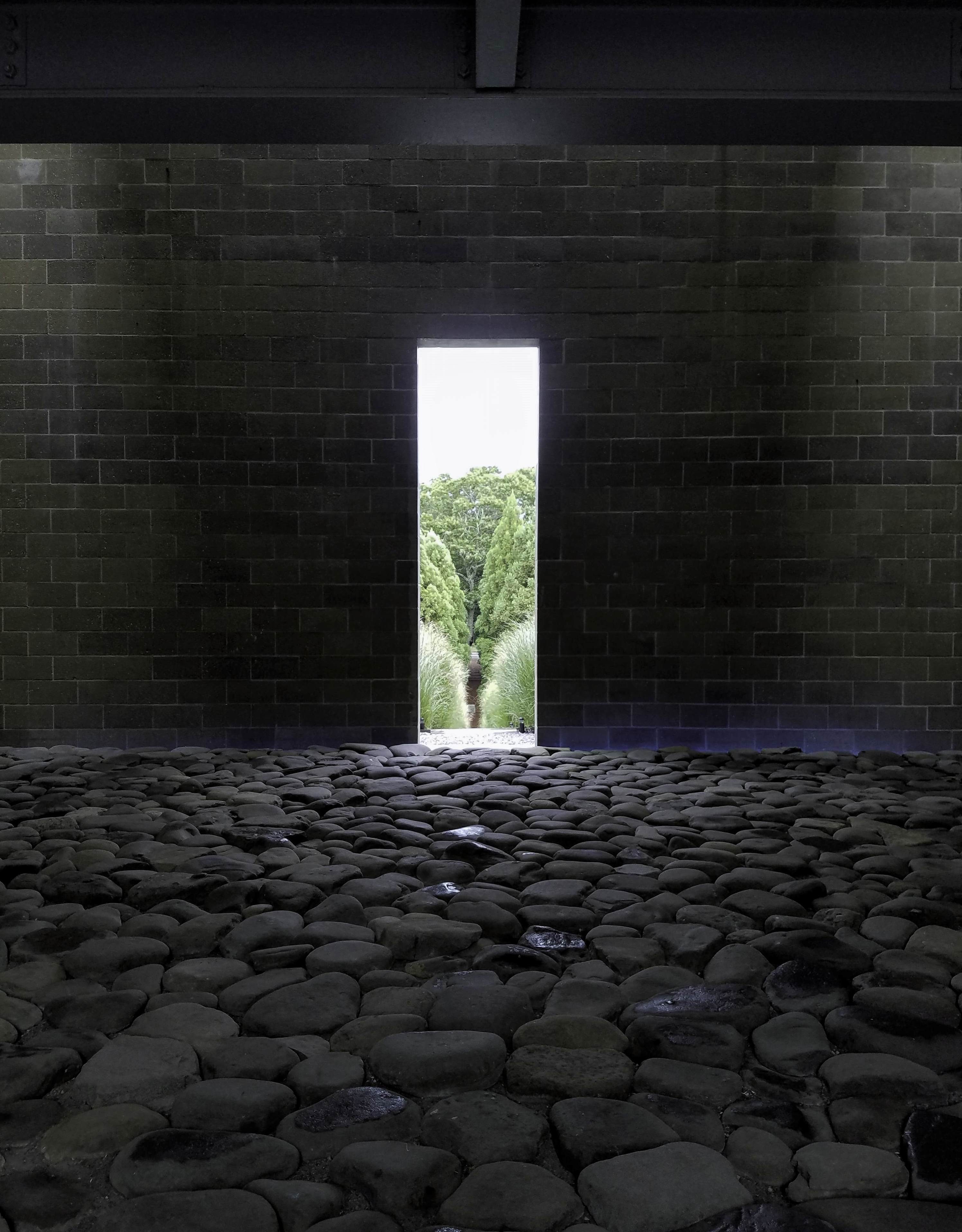
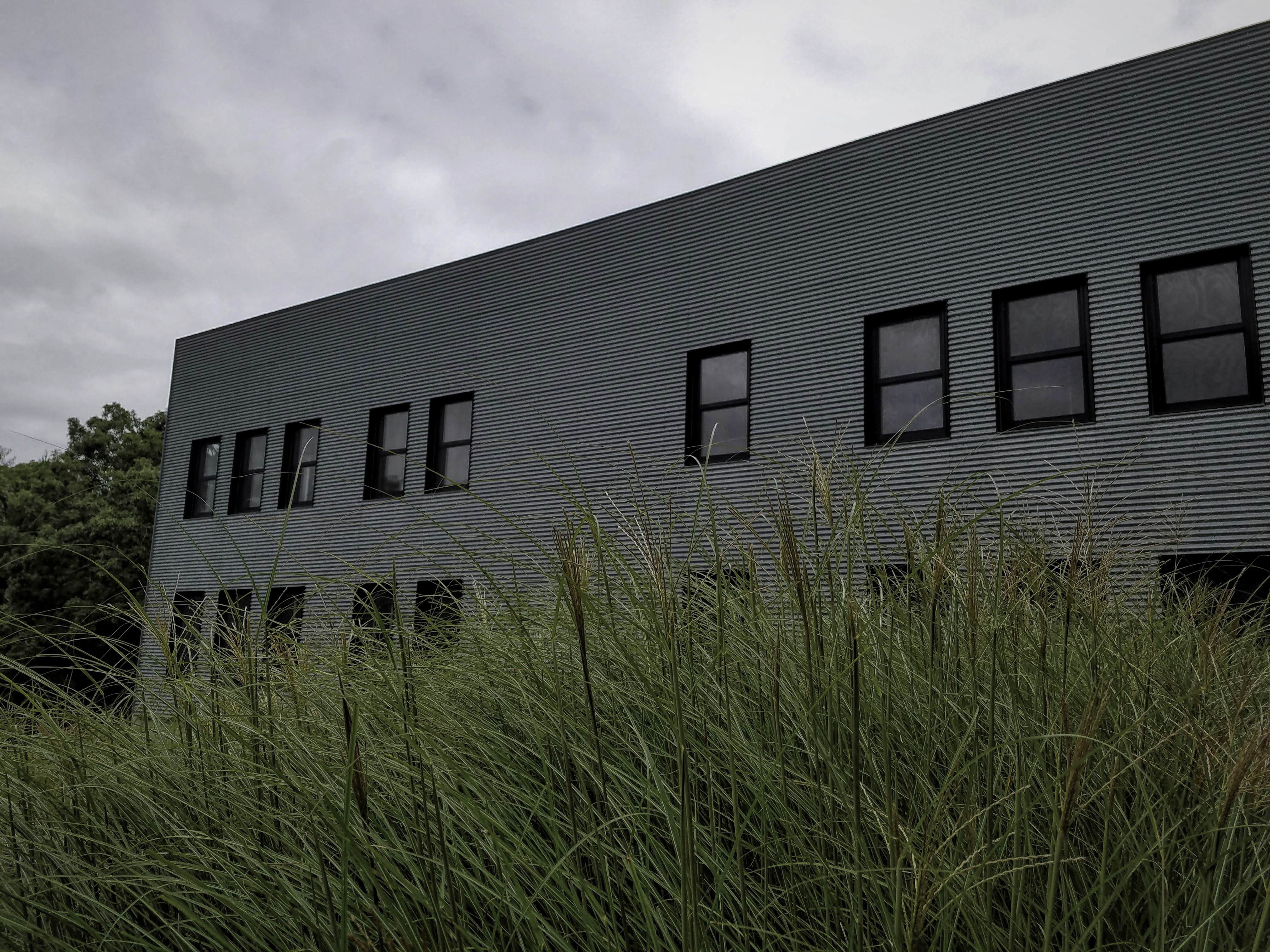
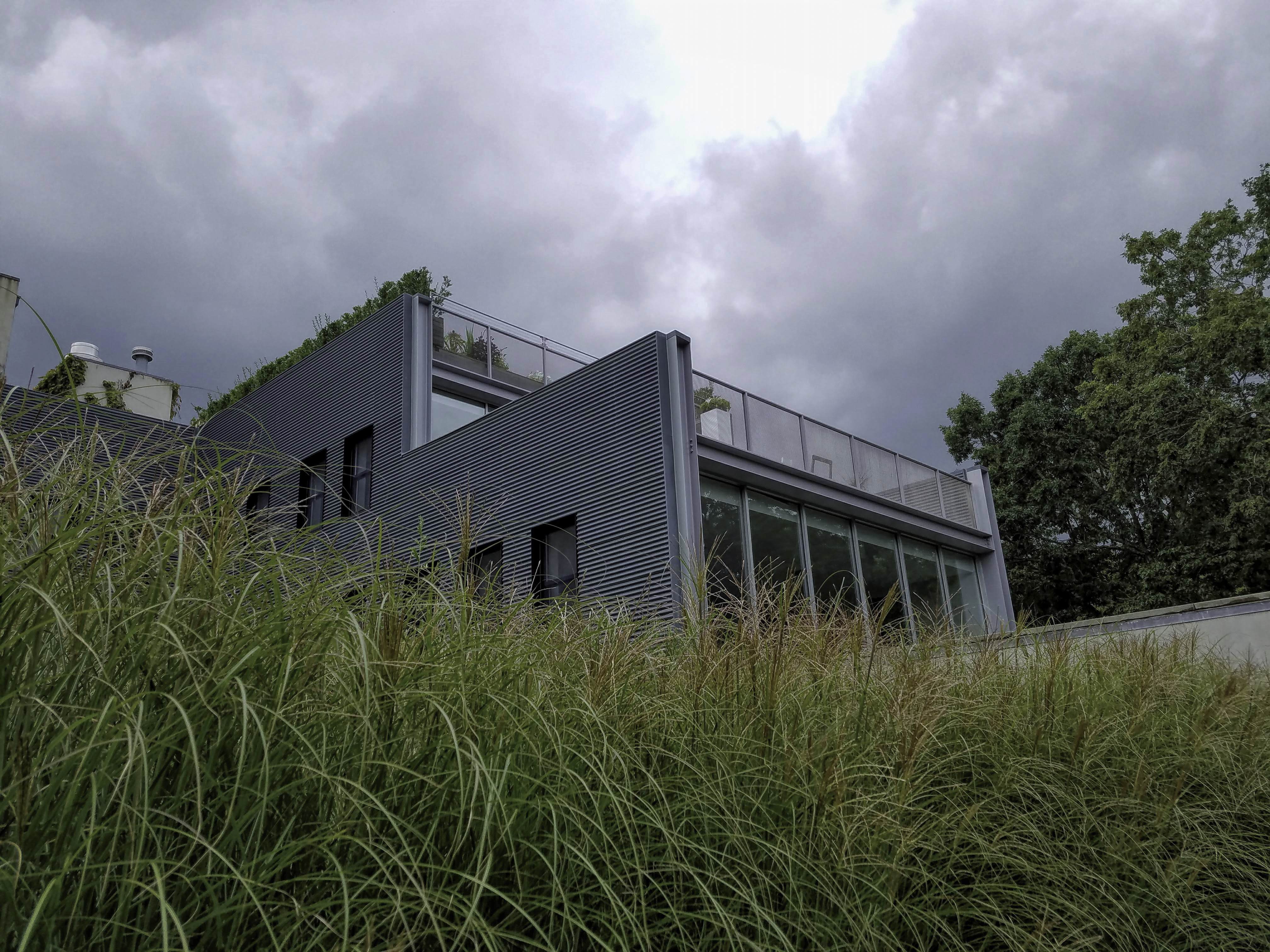
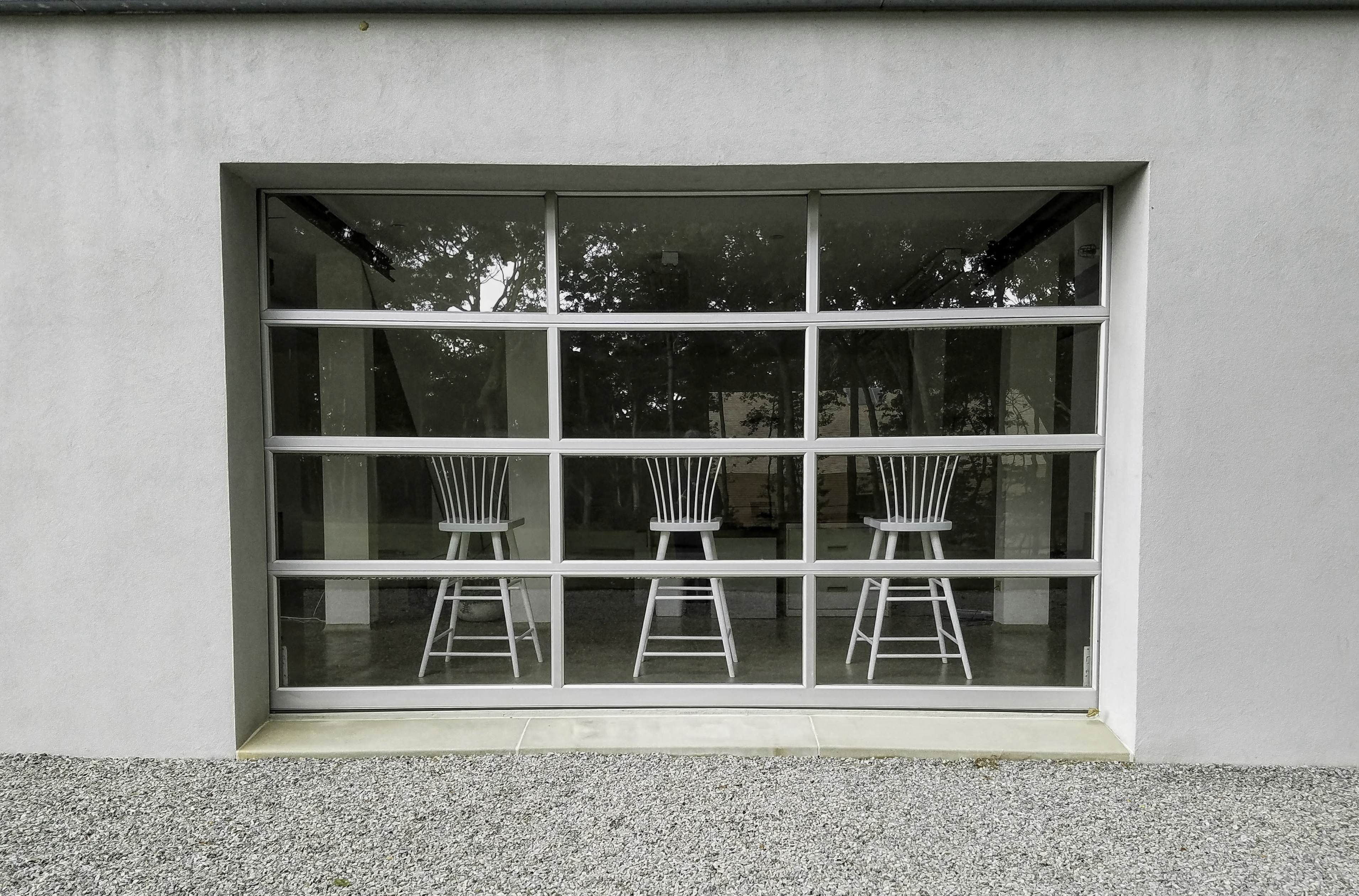
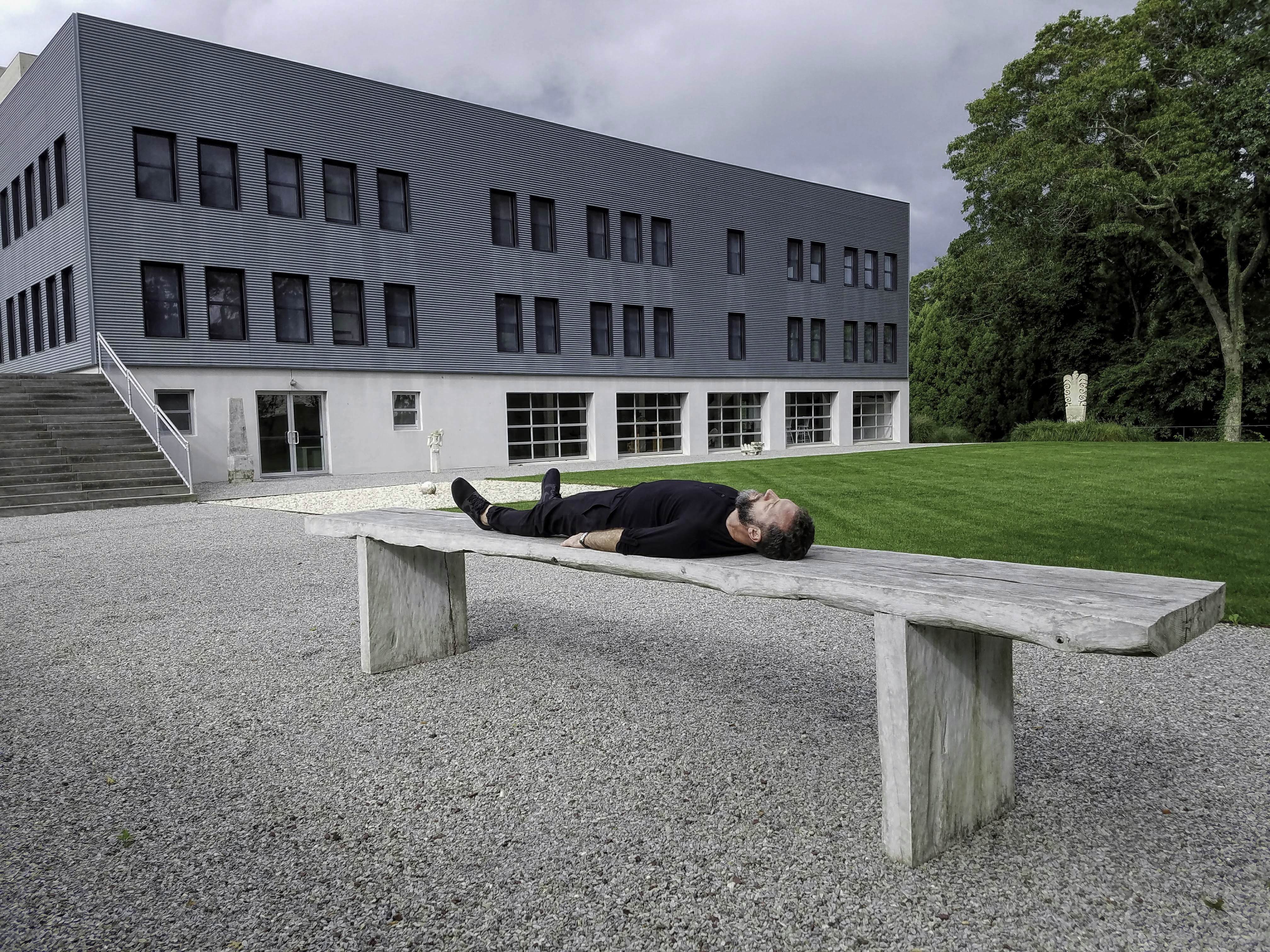
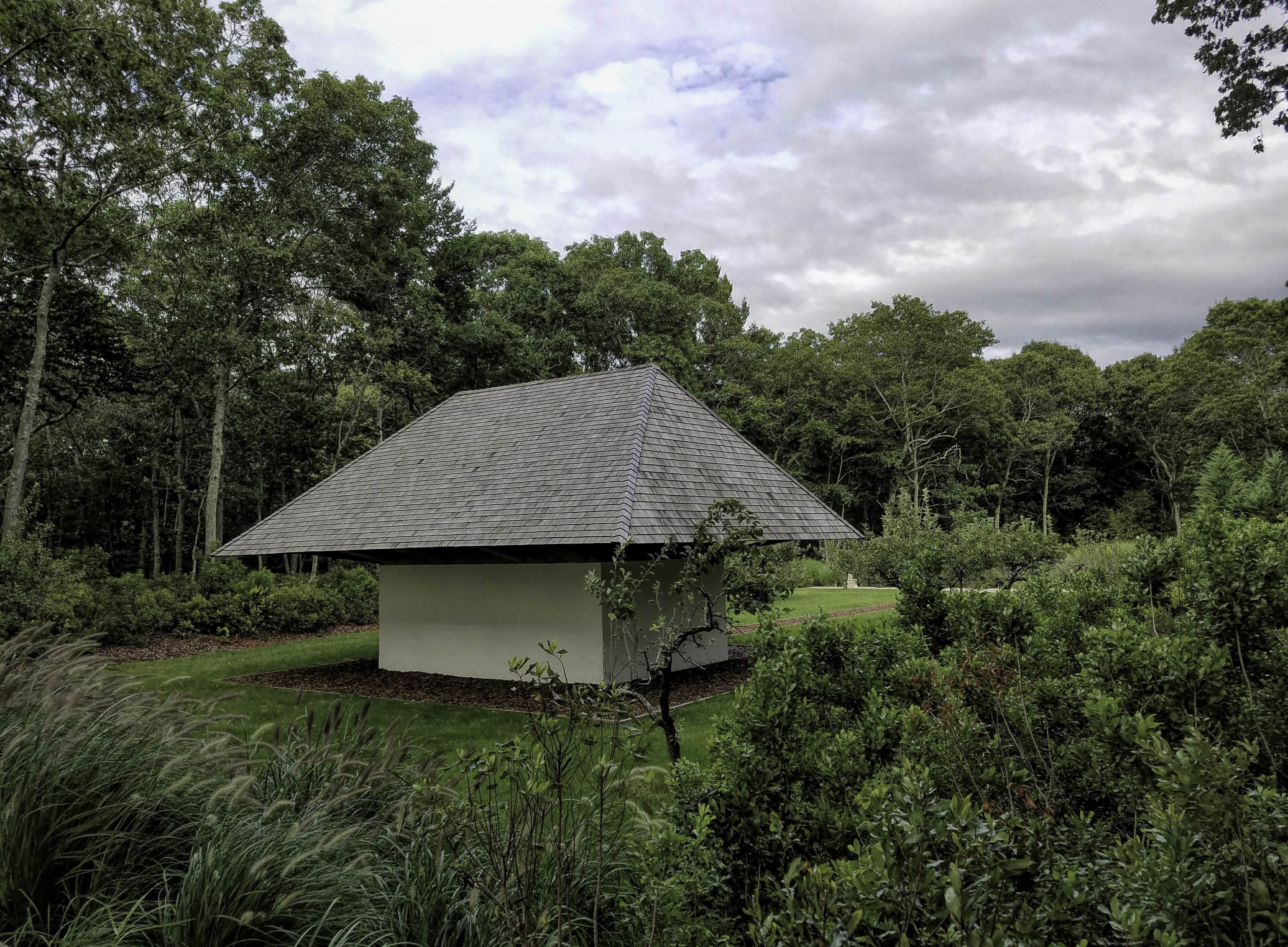
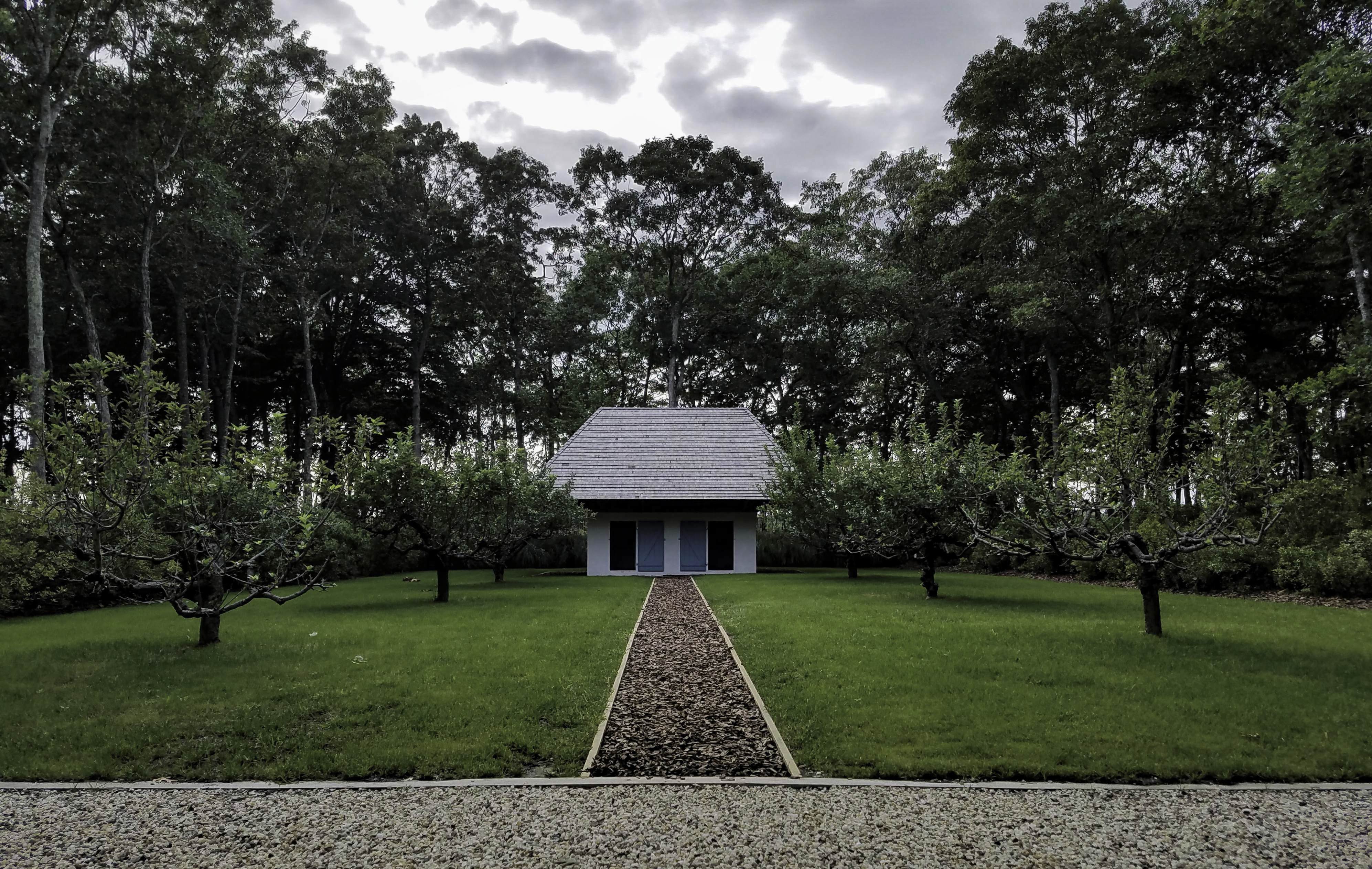
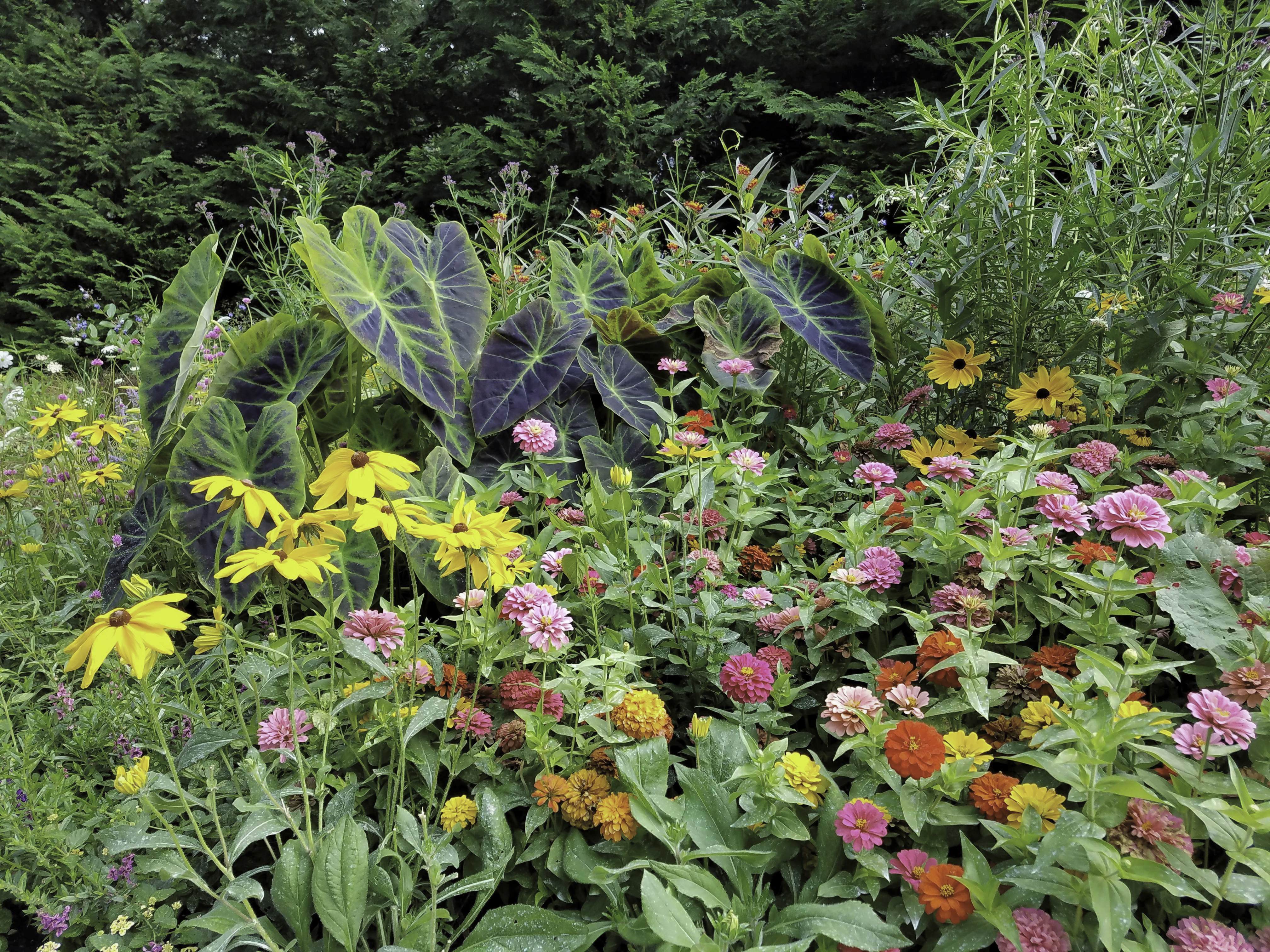
A laboratory for the arts and humanities, a unique space for artists to explore, create and present their work, the brainchild of visual artist Robert Wilson and, for the two of us, an uplifting, almost spiritual experience.

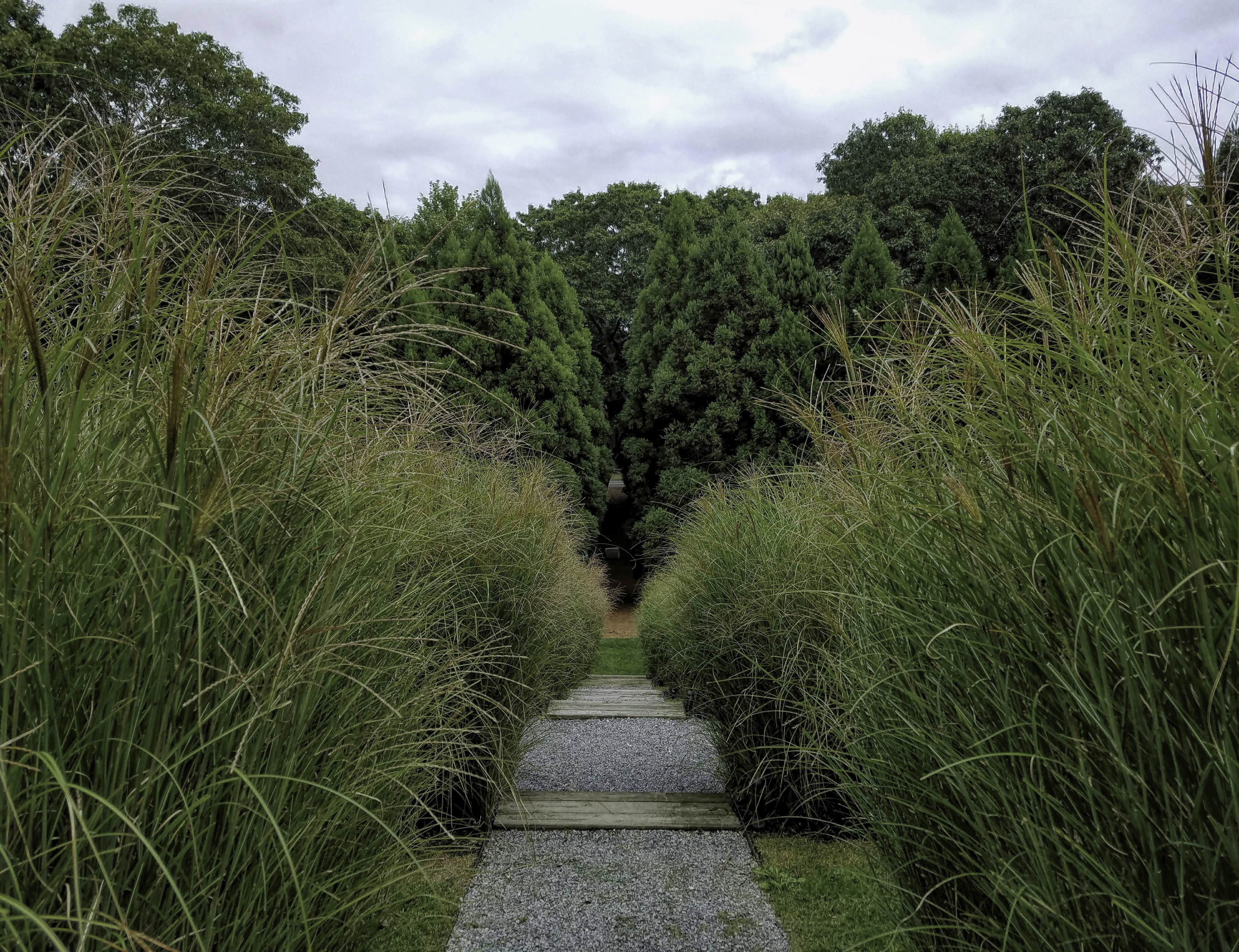
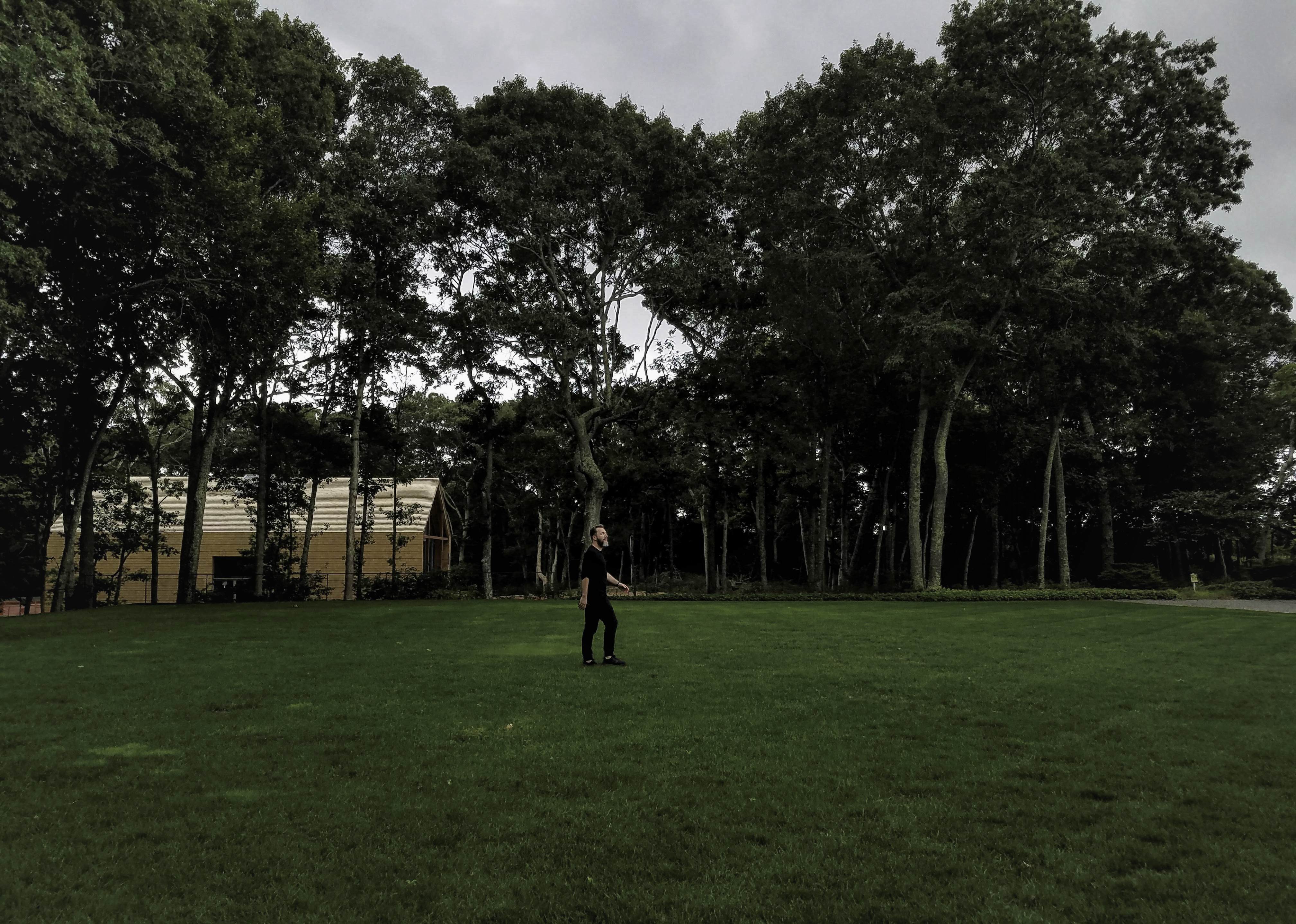
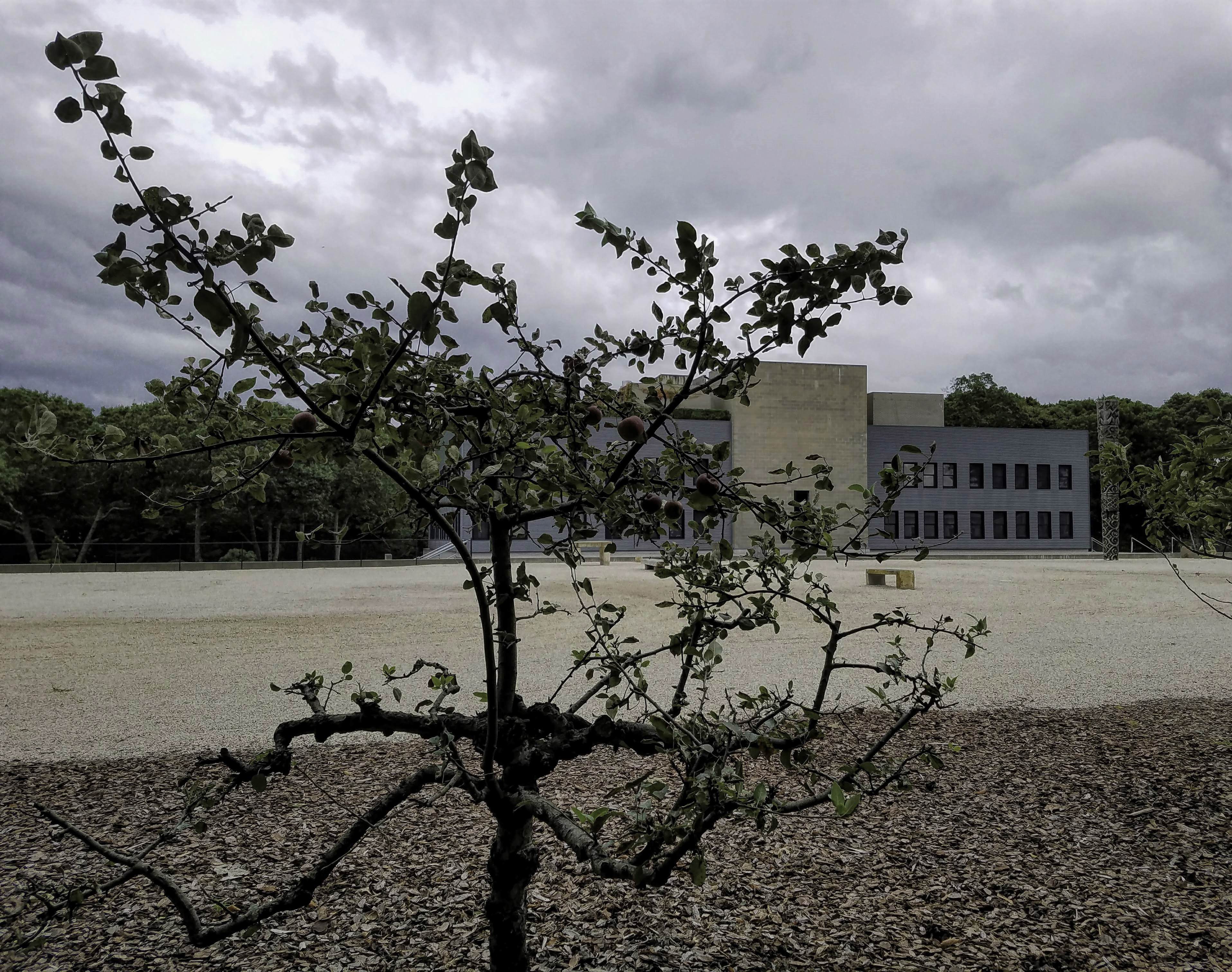
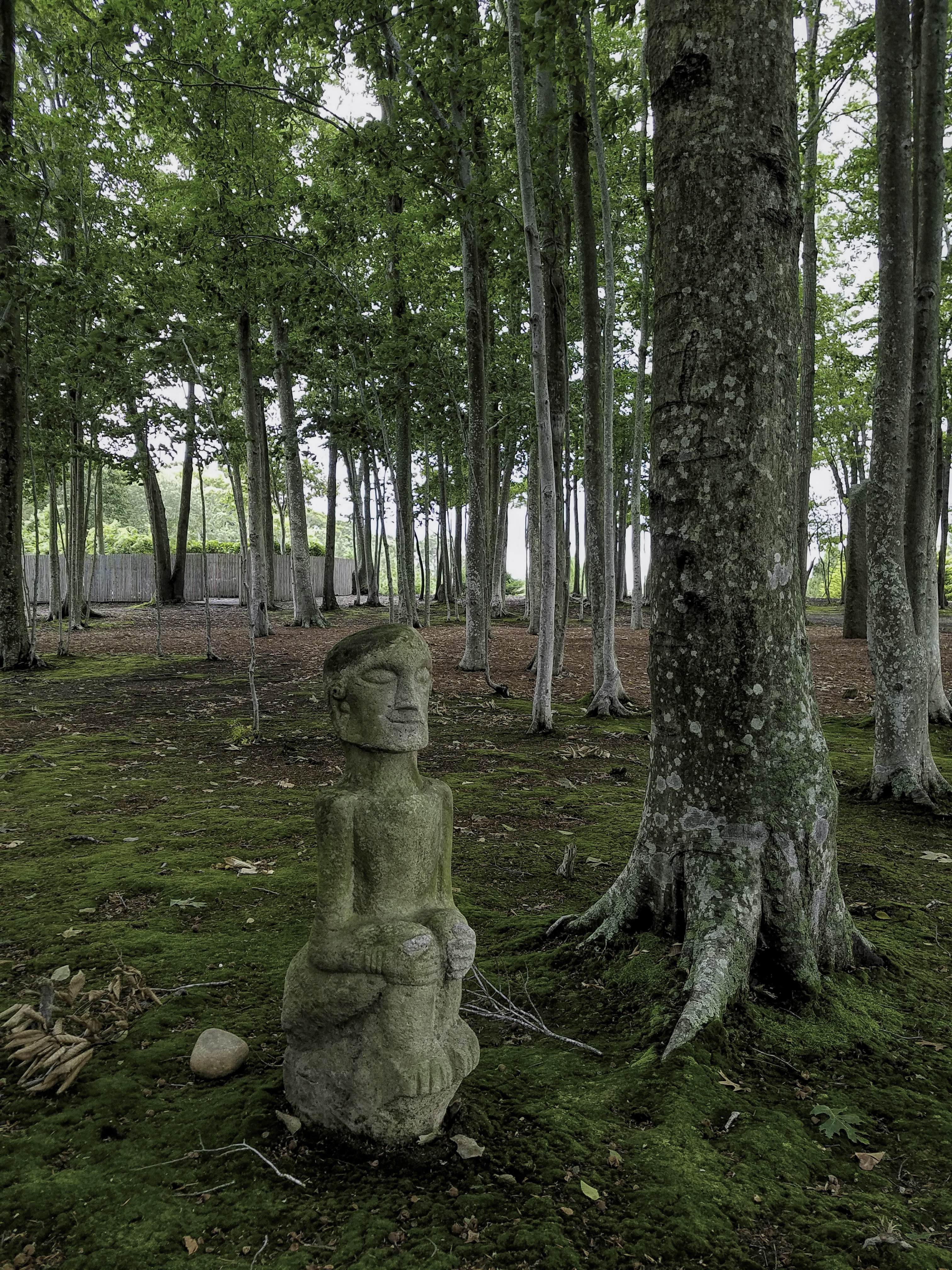
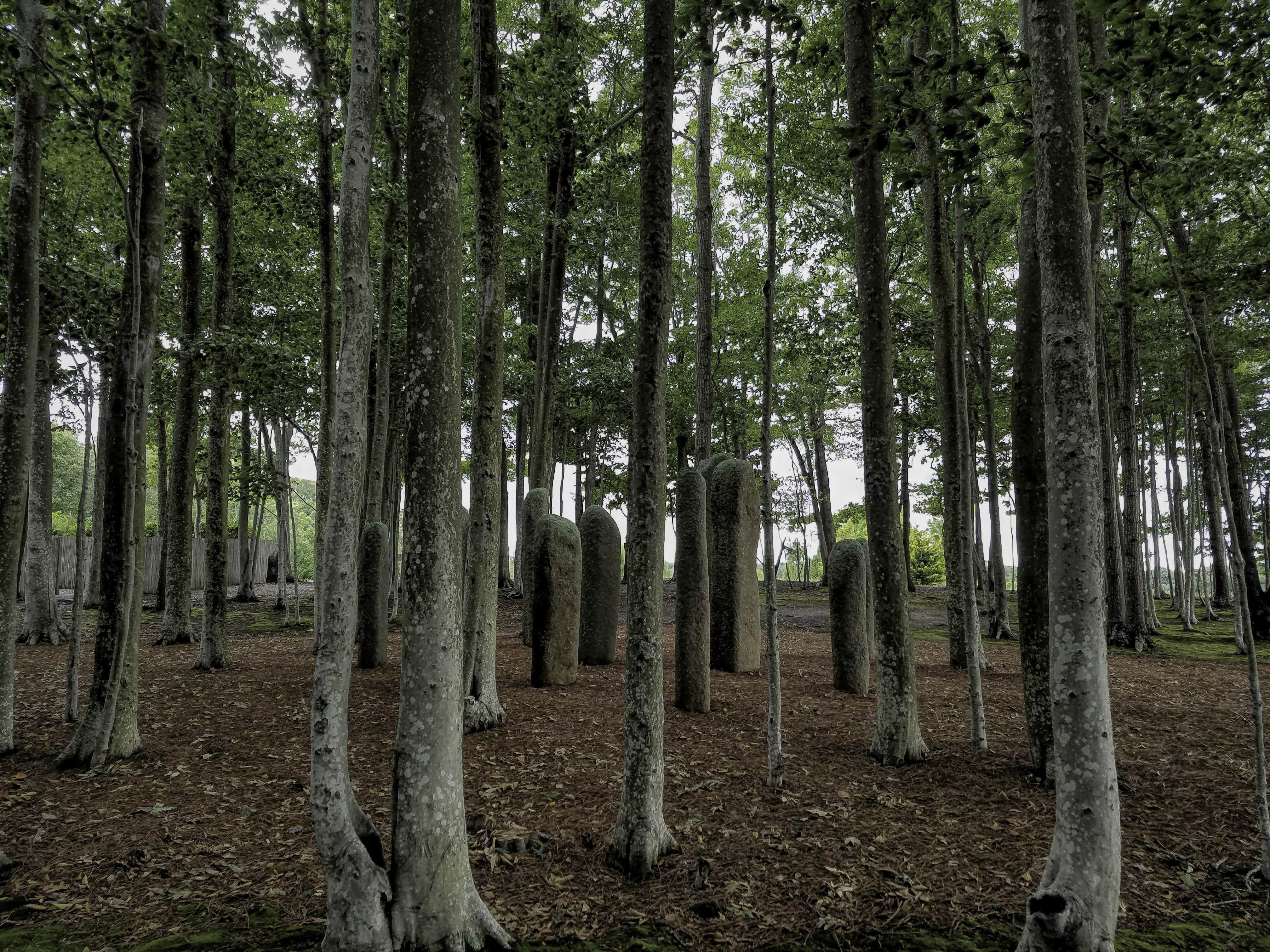
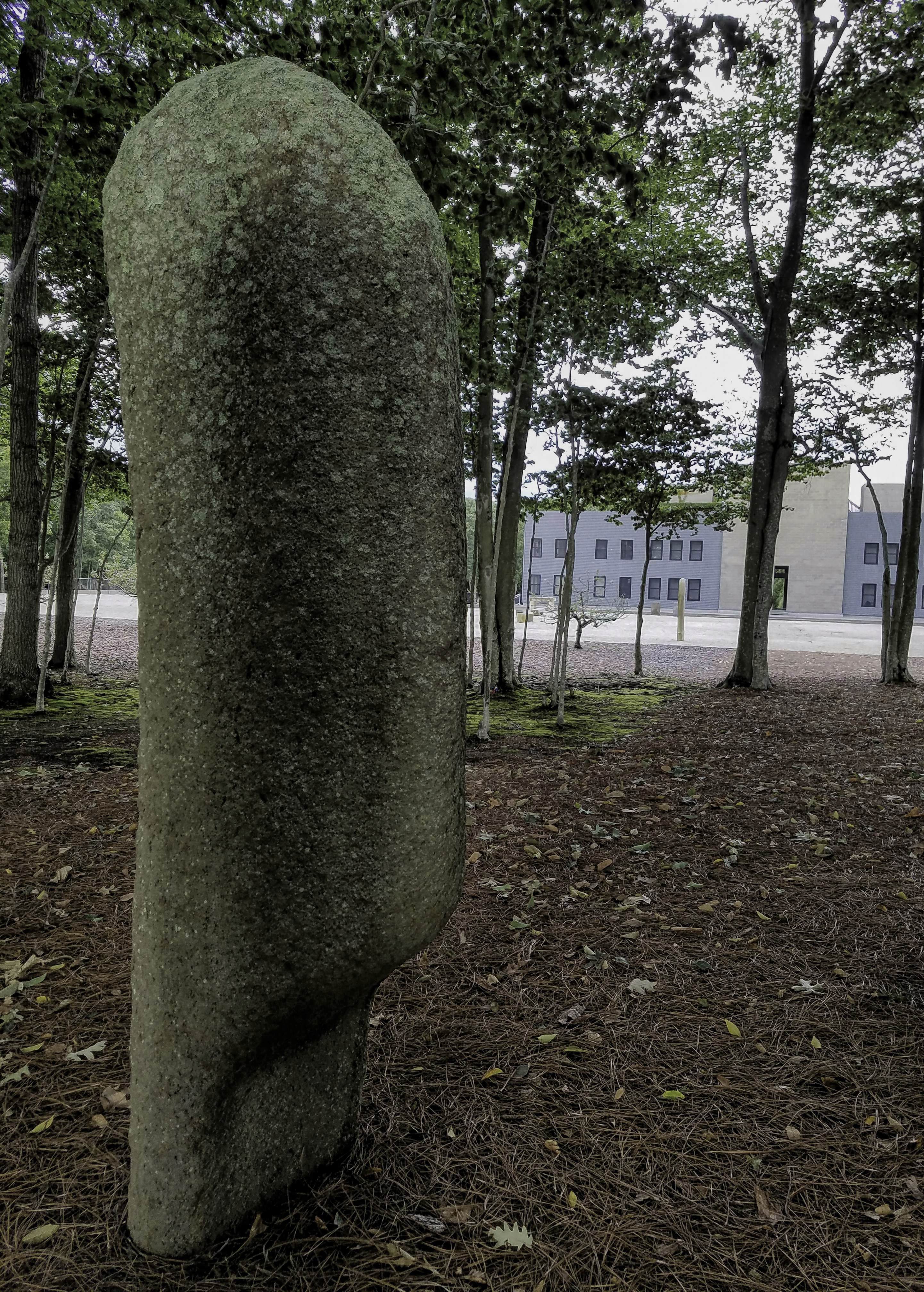
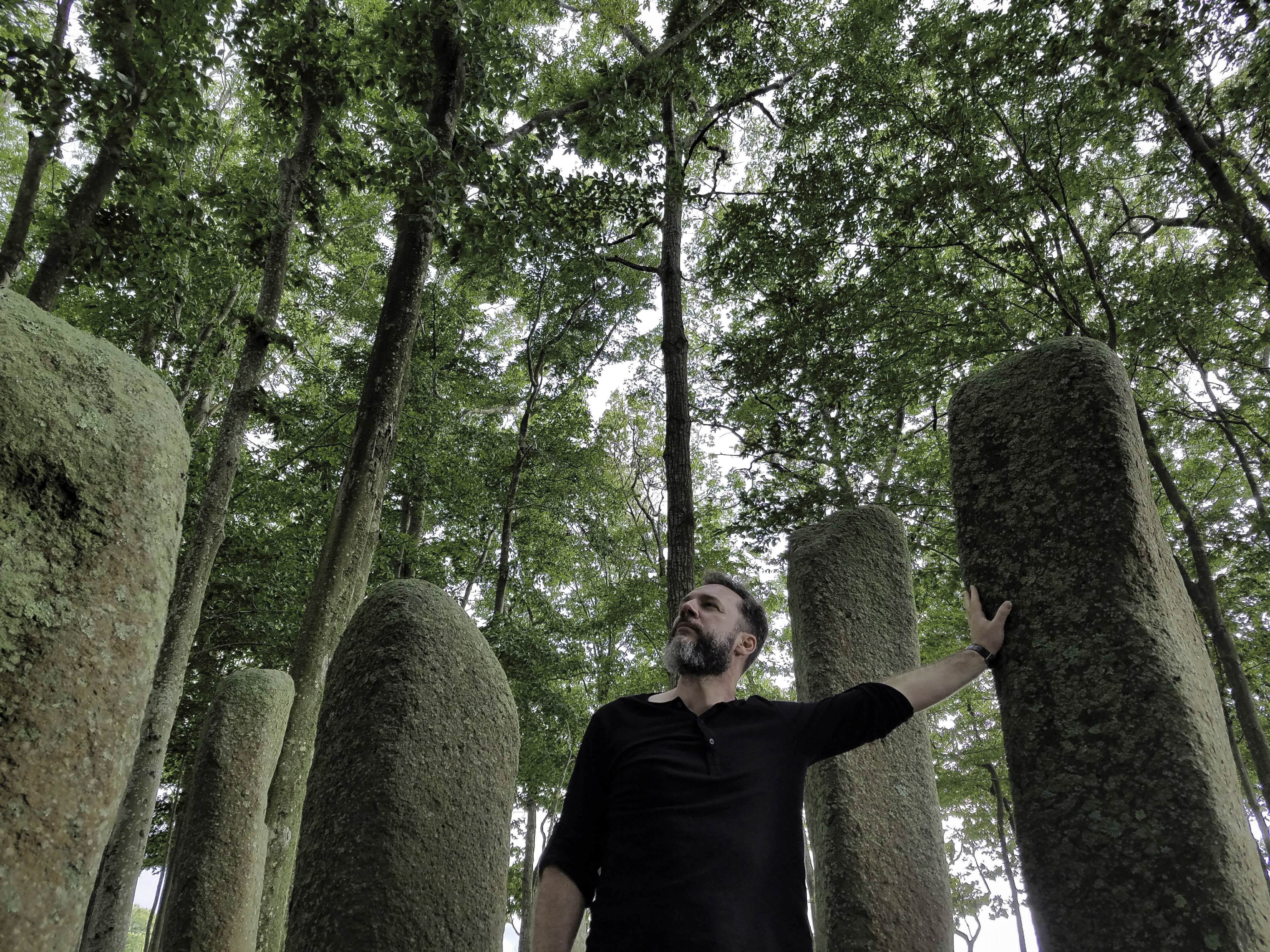
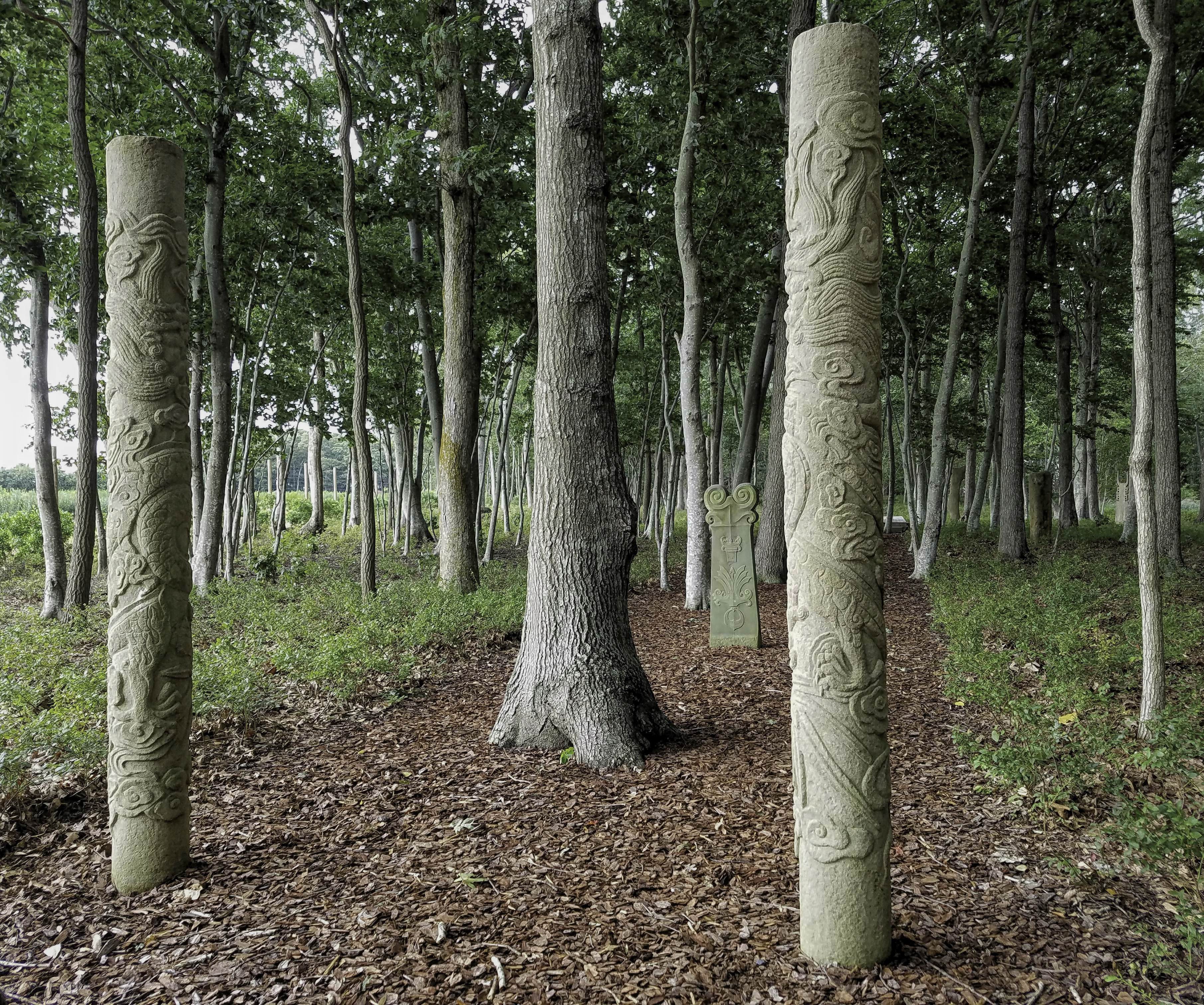
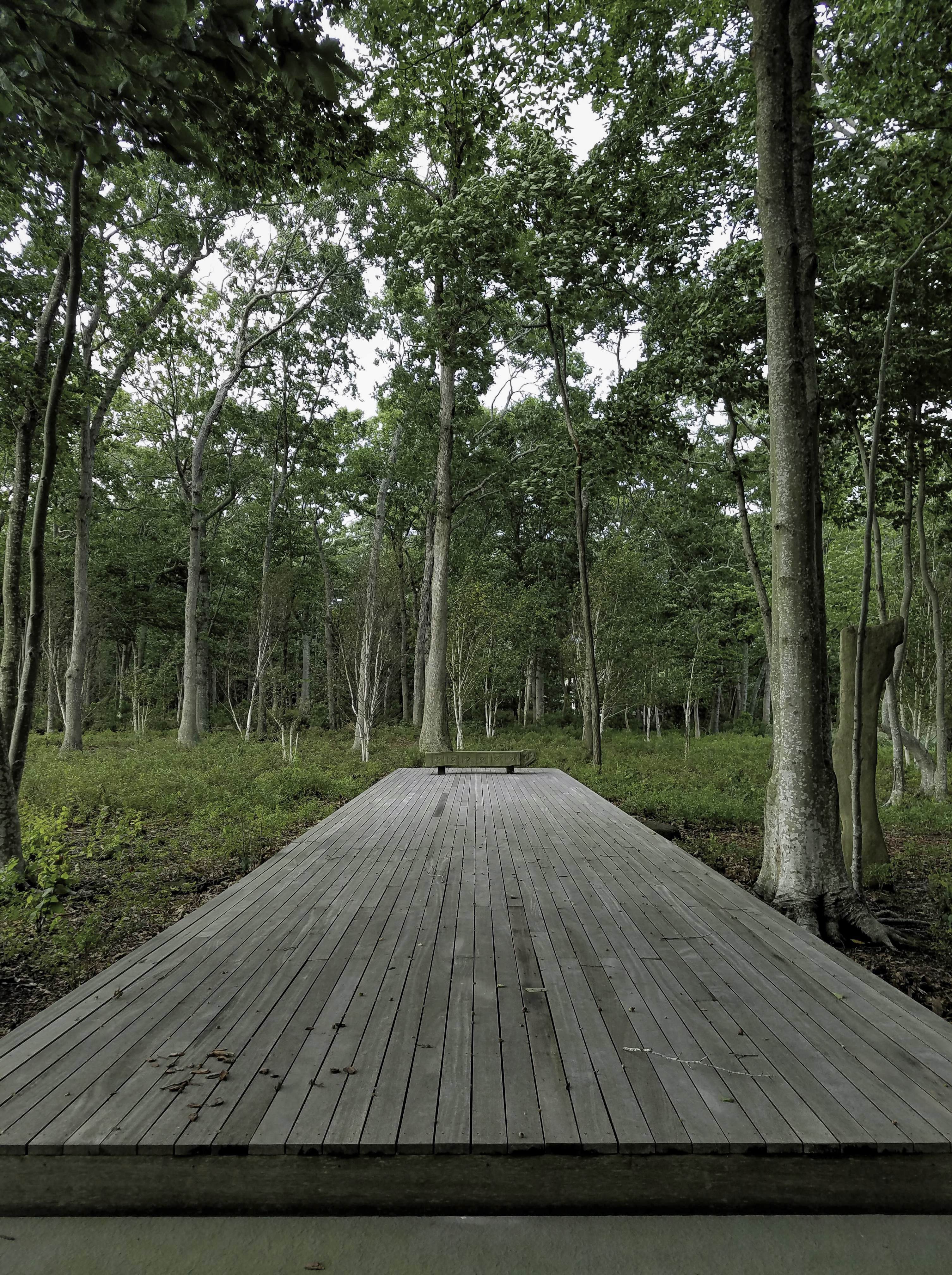
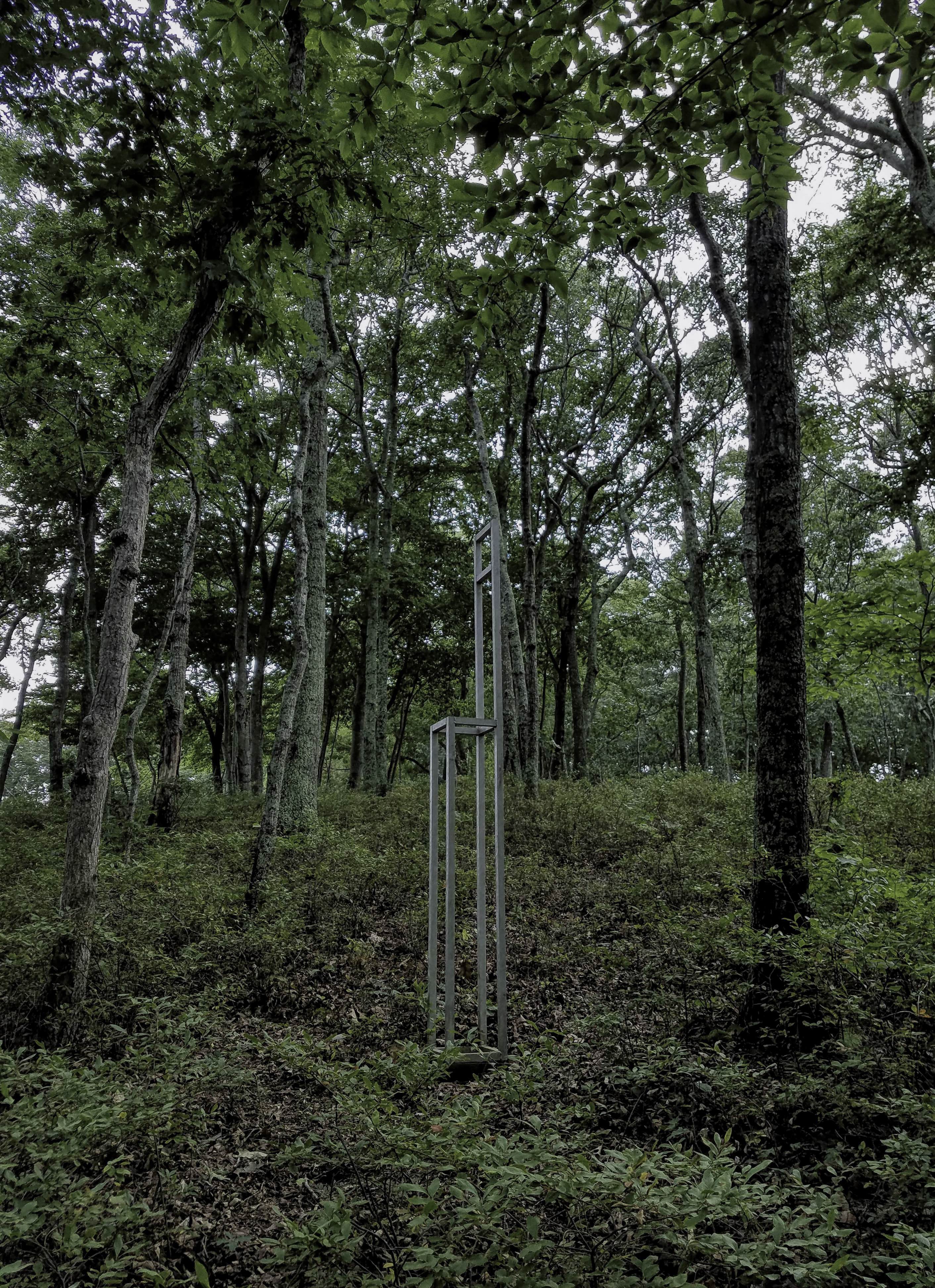
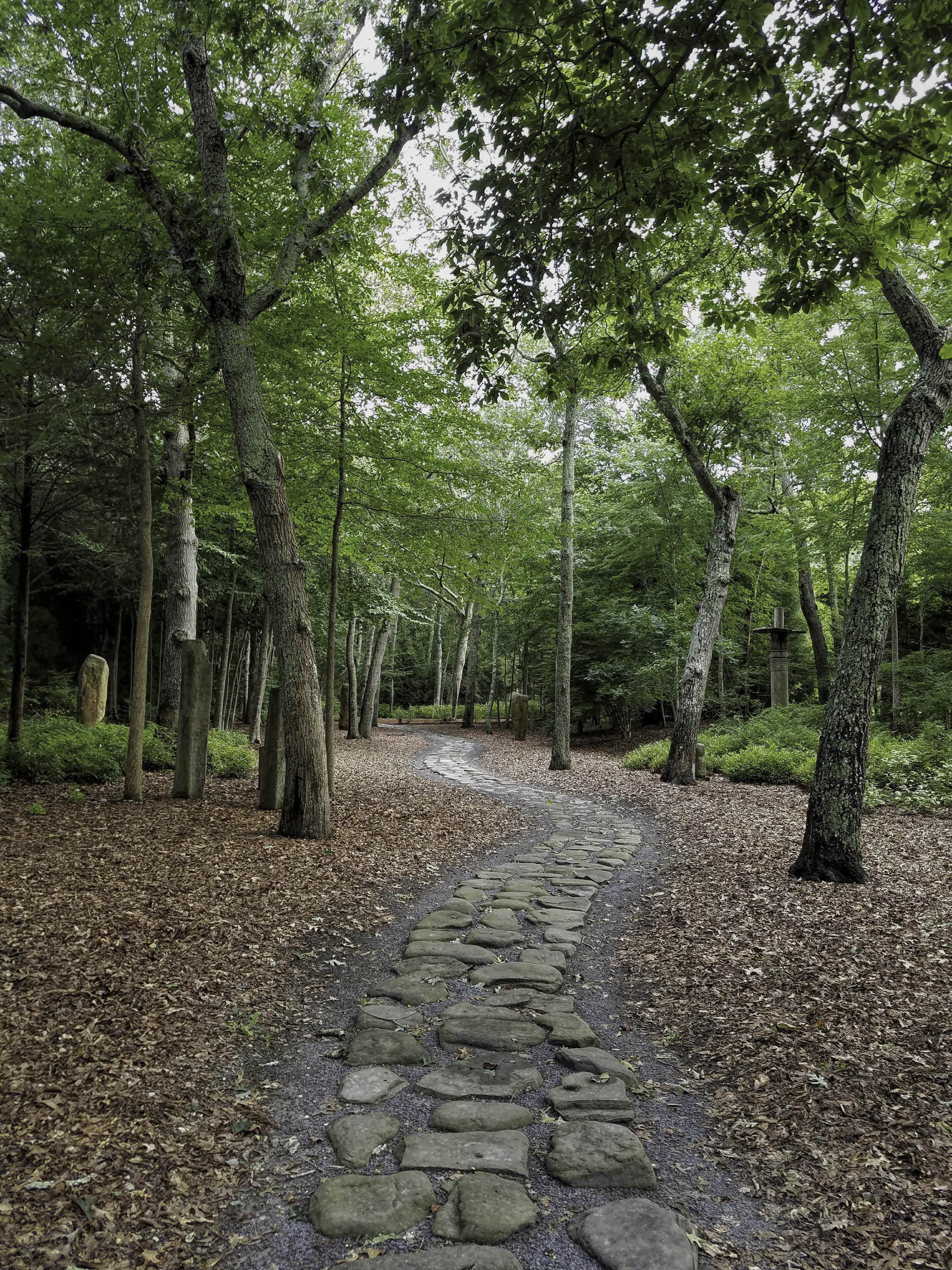
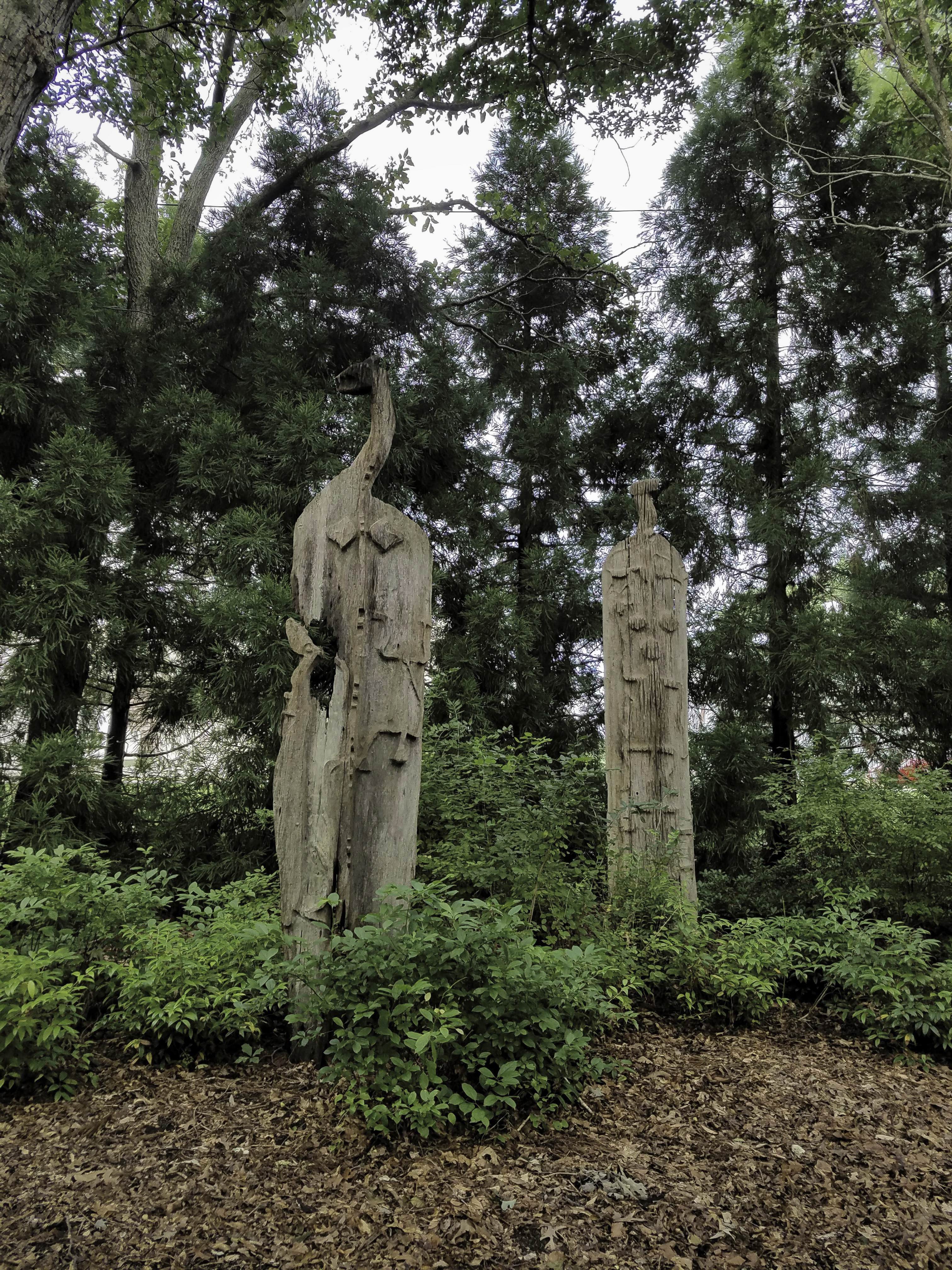
It was Sunday, beginning of September and the Watermill Center was resting after a summer of buzzing activity. No one else was around, the grounds were ours to explore. In a strange, calming way we did not feel lonely; for the artists may have been absent but their essence still lingered in the air. And in the many totems scattered in the woods.

The Watermill Center, is a mere 5′ drive from the Parrish Art Museum and a 2-hour drive from Manhattan.

September 3rd, 2017