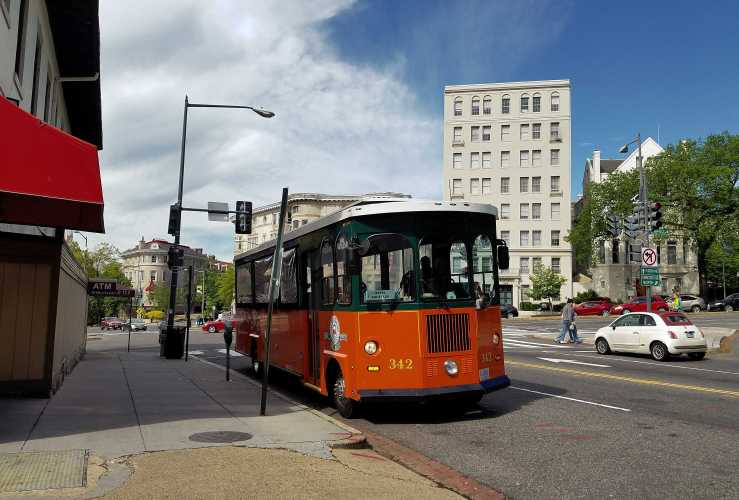
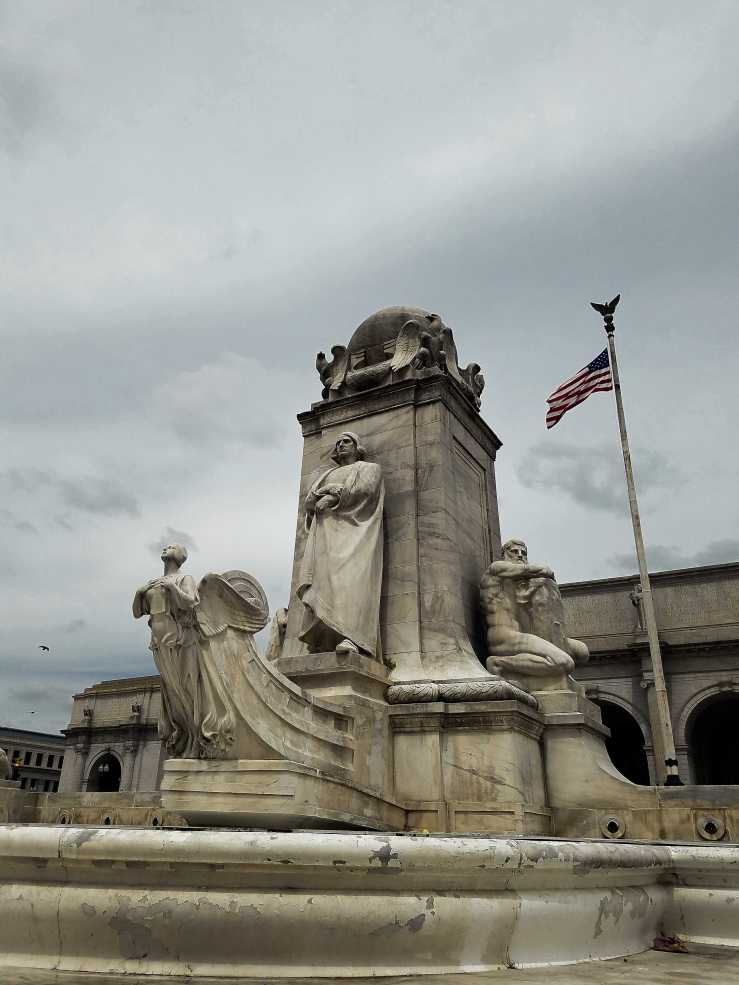
Beginning near Dupont Circle back to Union Station with its massive Columbus Fountain and very own Liberty Bell which, in reality, is a replica of this symbol of independence located in Philadelphia – minus the iconic crack. In D.C., it is called Freedom Bell, American Legion, a public artwork dedicated in 1981.
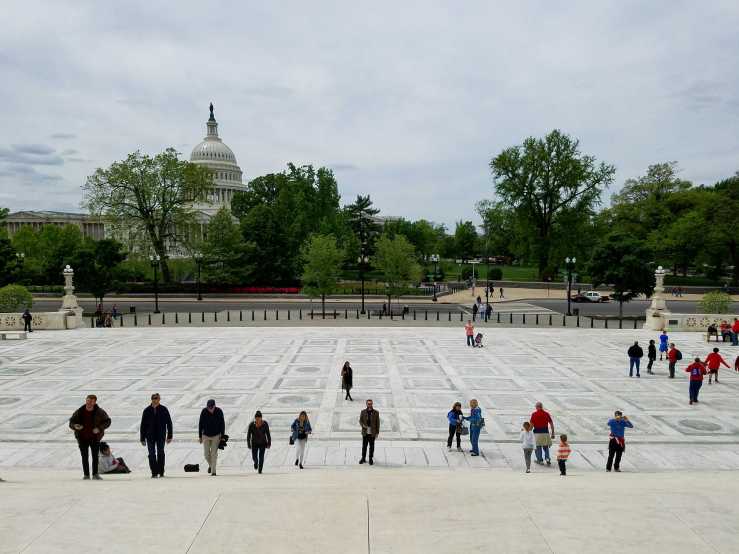
From the Station, a short walk to the Capitol, passing in front of the Supreme Court which is closed on weekends. Still, one can walk around it and marvel at its dignified neoclassical architecture, tall Corinthian columns and bronze doors, designed by Gilbert and John Donnelly, Sr. and sculpted by his son, John Donnelly, Jr.
Each door is made up of four bas-reliefs which represent significant events in the evolution of justice according to Western tradition in chronological order. The thematic sequence begins on the lower left panel, moves up to the top of the door then continues on the bottom right panel and concludes on the upper right corner.
17 feet high and 9 ½ feet wide, and weighing approximately 13 tons the doors prompted the sculptor to declare:
“Out of all of our monumental projects, spread over two lifetimes, the Supreme Court doors are the only work that we ever signed – that’s how important they were.”






April 23rd, 2017
















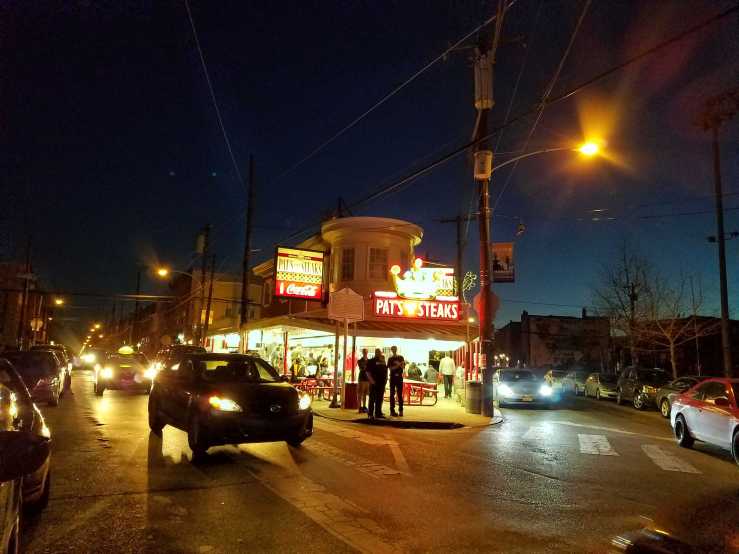
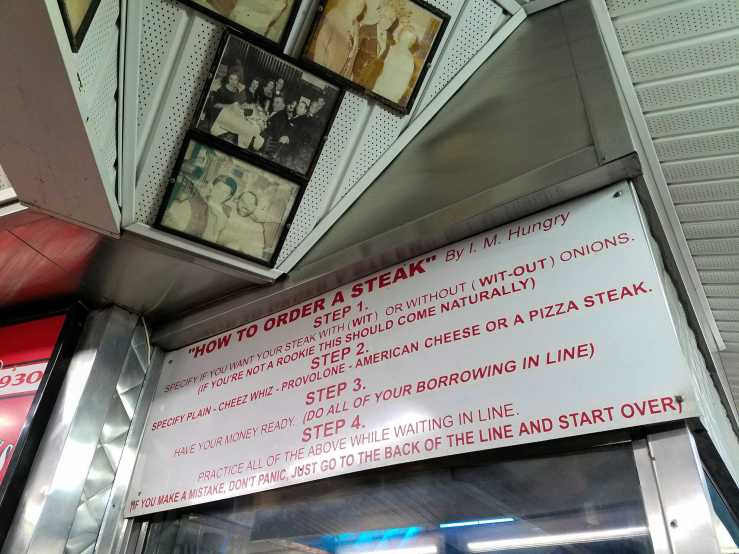 There are a lot of good addresses for Philly cheesesteaks nowadays but if you value tradition, there can be only one: Pat’s King of Steaks. Original home of the steak sandwich invented by its founder, Pat Olivieri, in 1930, the place is still owned by the same family. The sandwiches (we got them wit) are utterly delicious.
 Philadelphia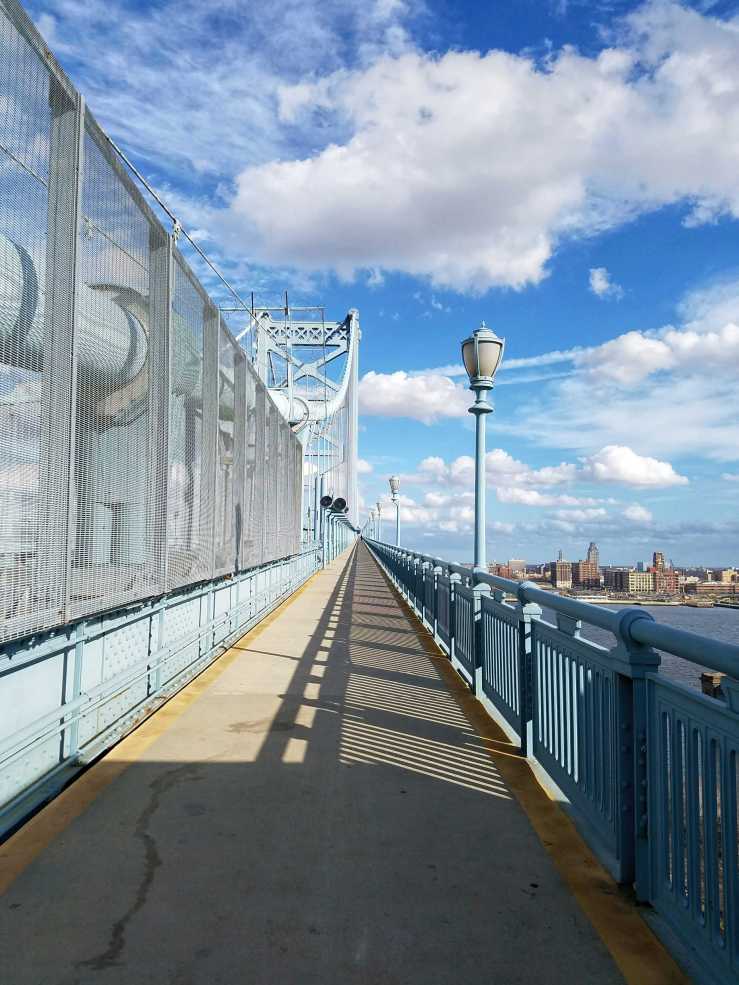
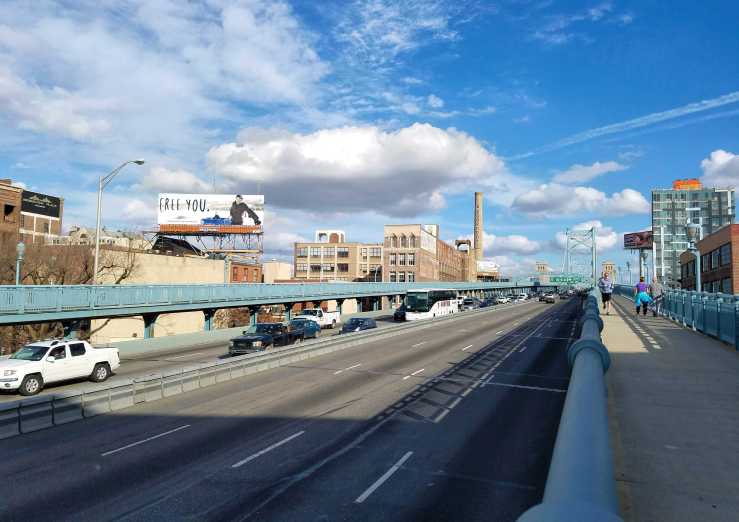
 The bridge named after Benjamin Franklin spans across Delaware River and connects two Cities and two States: Philadelphia, Pennsylvania and Camden, New Jersey. It can be crossed by car, train, bike or, like we did, on foot. Around 1,3 miles or 30′ walk, longer if you pose to take photos, soak up the views, try to identify Philly’s tall buildings in the background or just take deep breaths of fresh air.
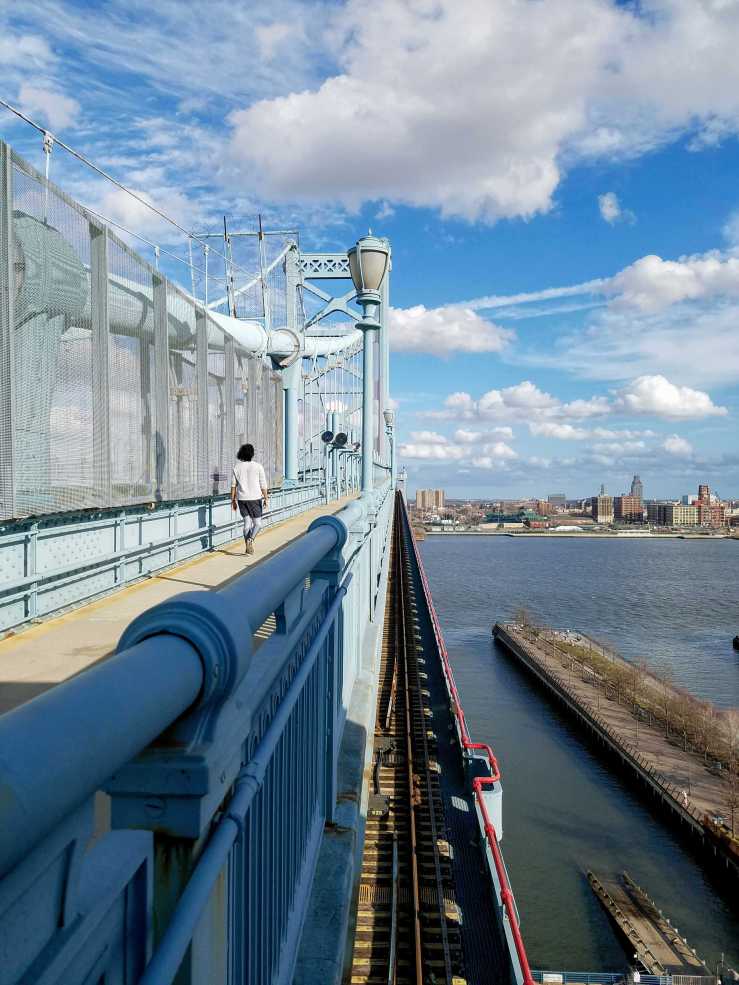
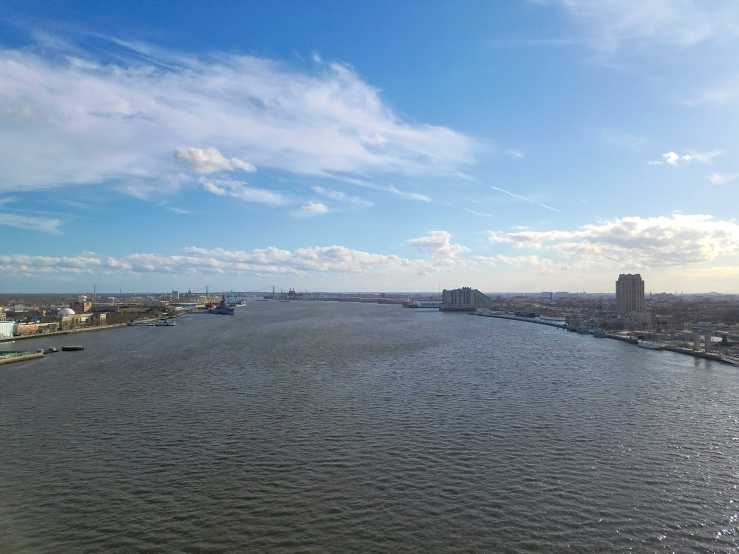
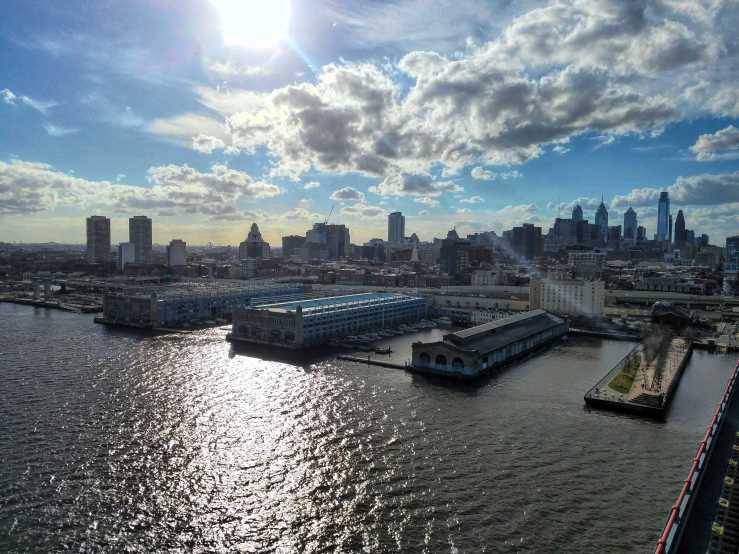
 Or maybe watch a game.
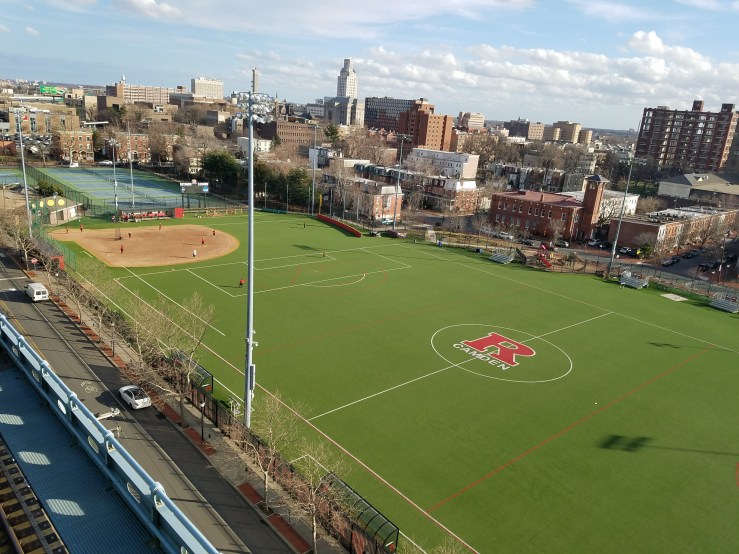 Camden Waterfront, on the other side, was undergoing a major redevelopment and didn’t look too welcoming at the time so we just turned back without exiting the bridge.
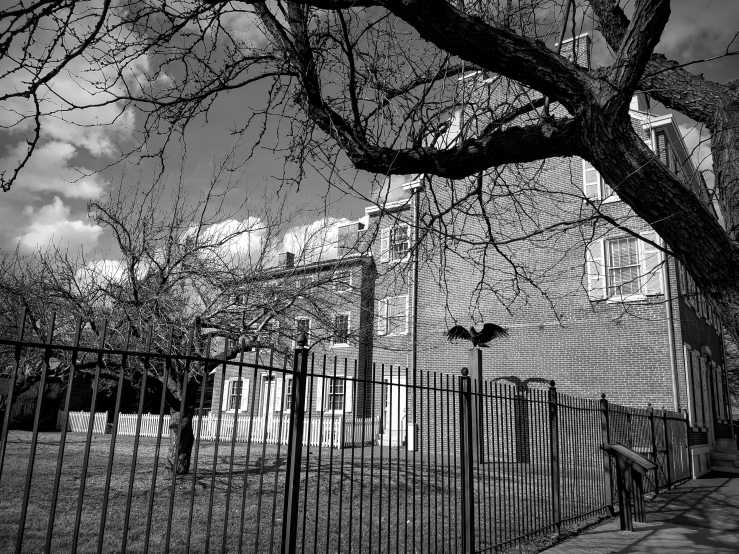
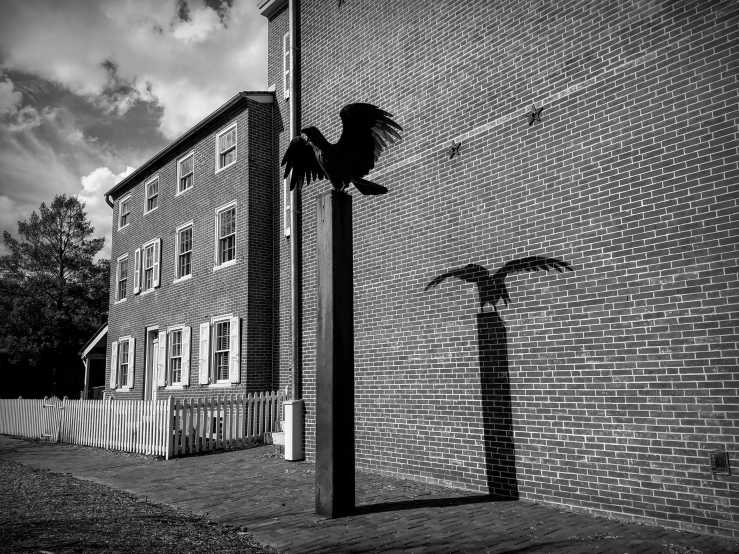
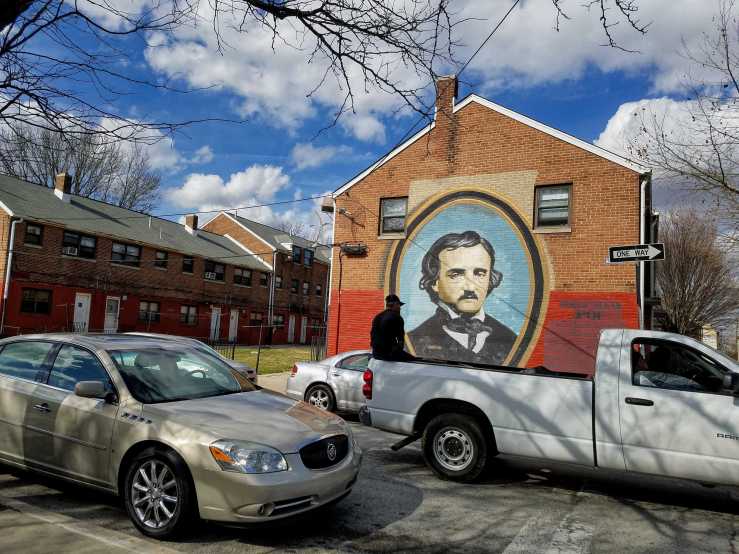
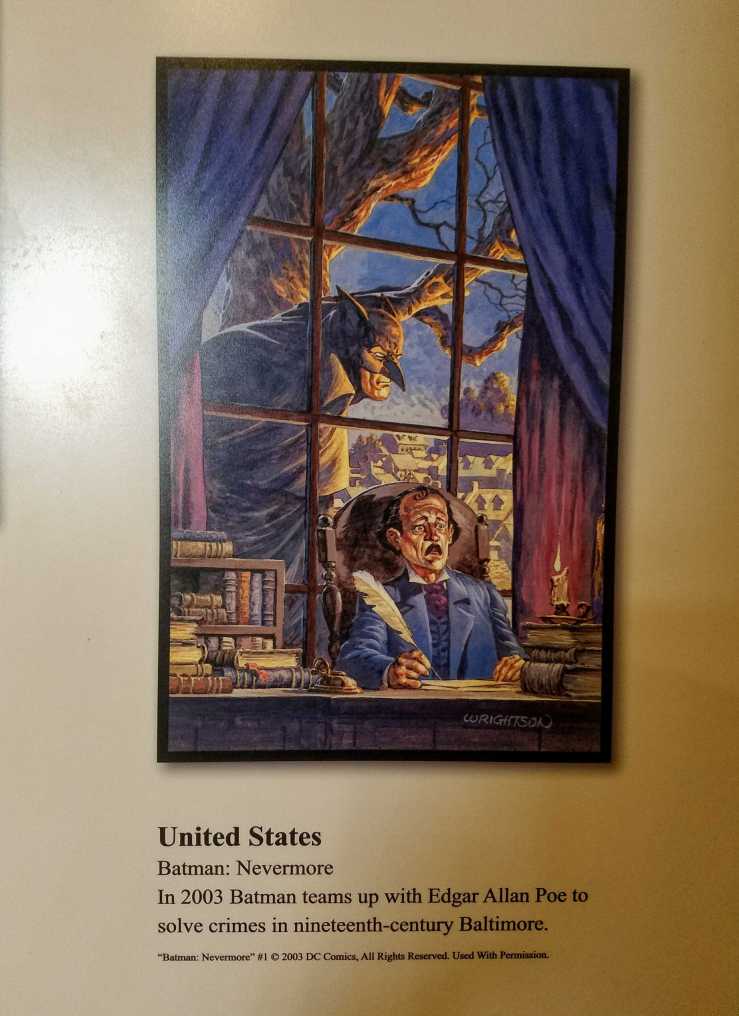
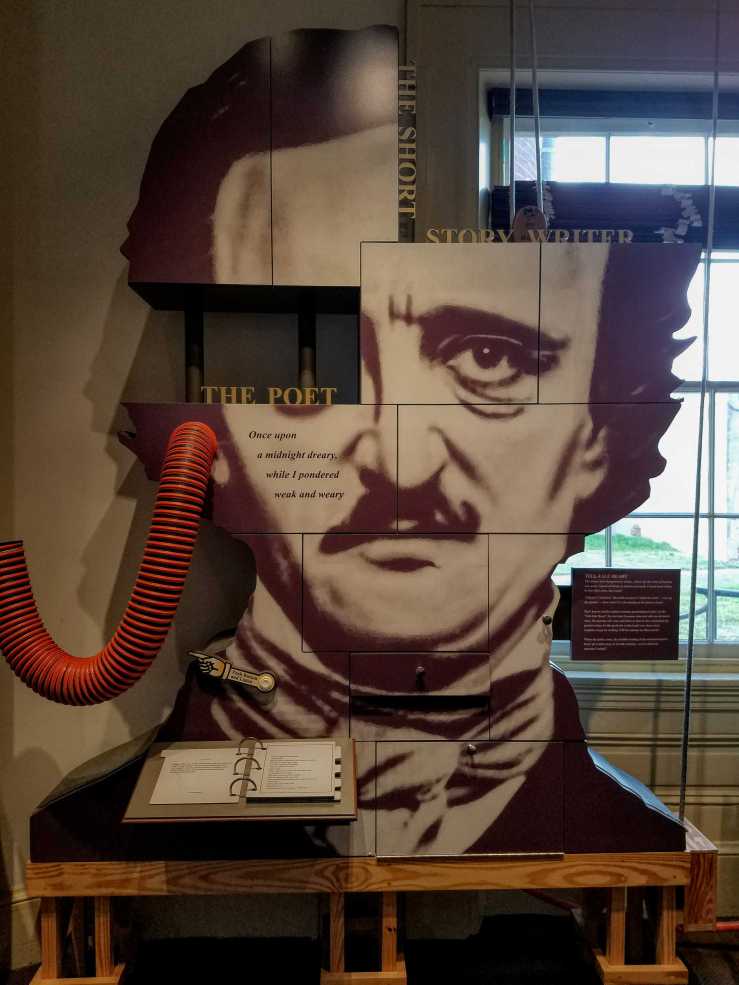
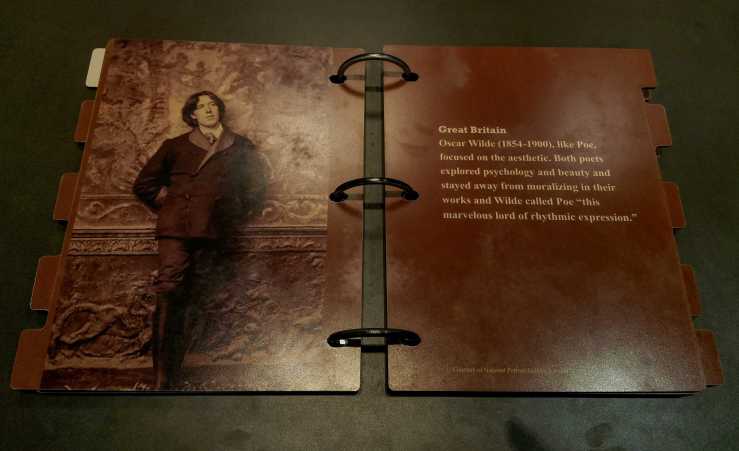
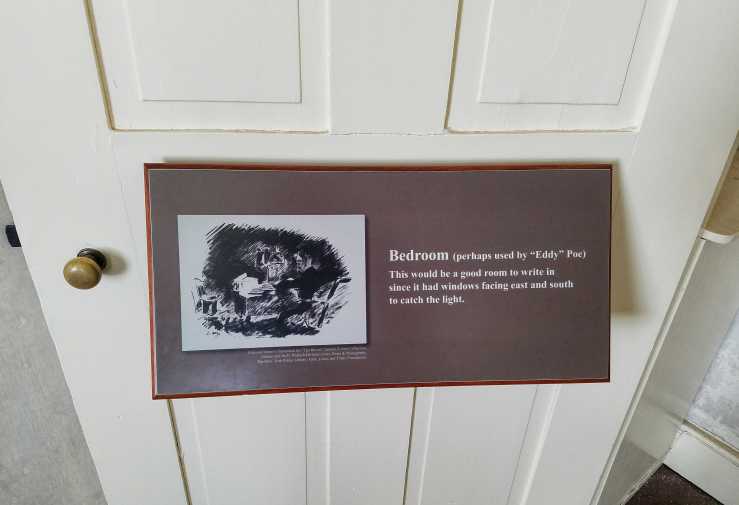
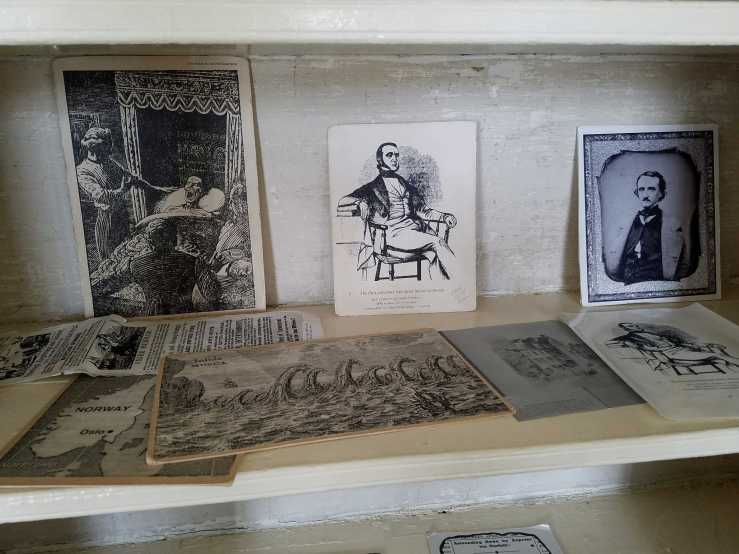
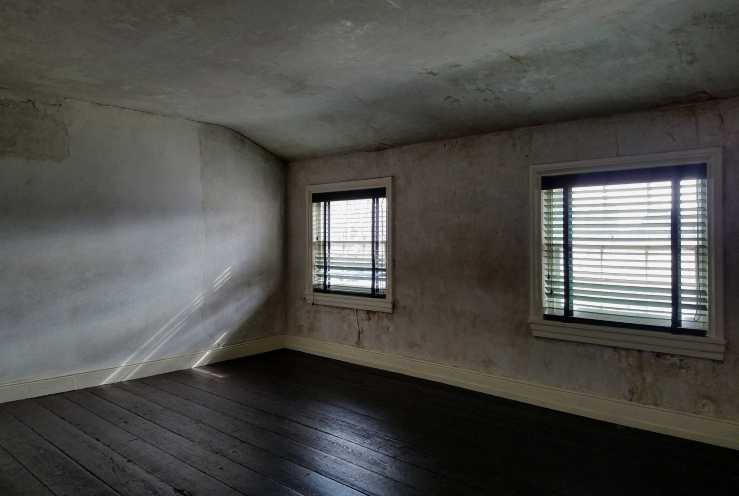
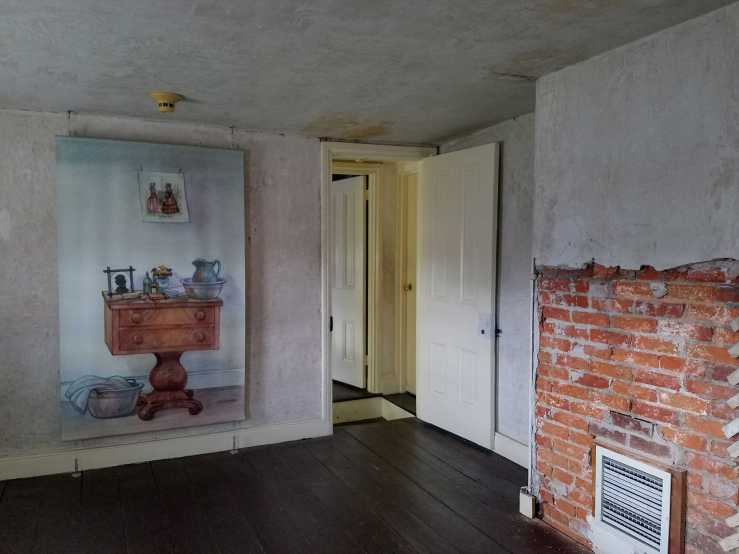
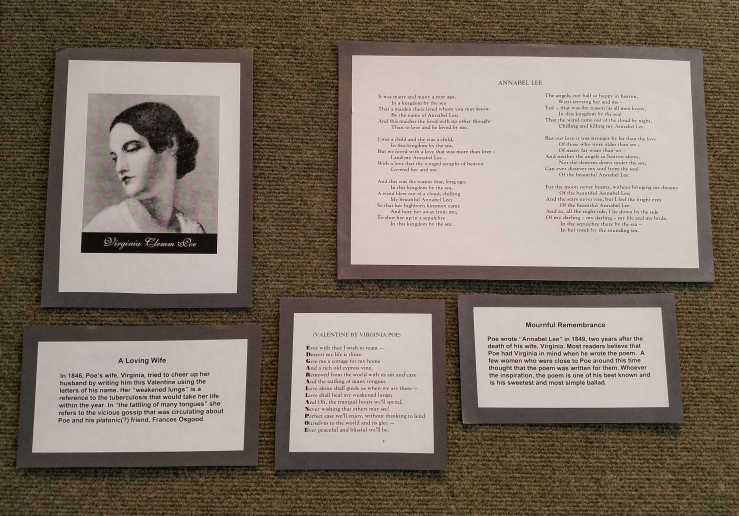
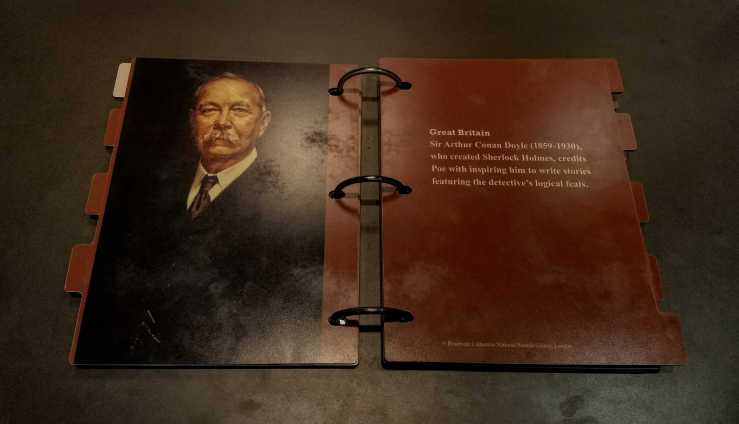 Poe lived here with his beloved wife Virginia and devoted mother-in-law Maria Clemm who was an excellent housekeeper, a great help to the couple especially while Virginia was in declining health. The house is stripped bare; no objects or furniture belonging to Poe because nothing was left behind when the family moved on to their next home in the Bronx. Only drawings and period photographs indicate how it would have looked back then.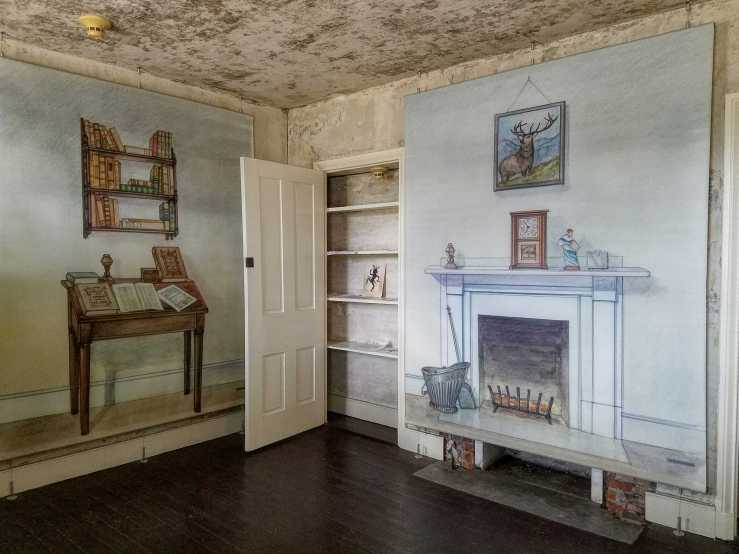
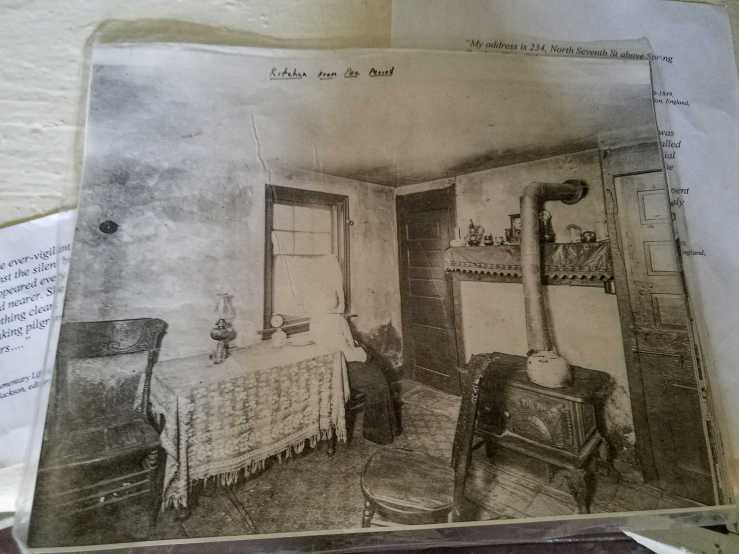
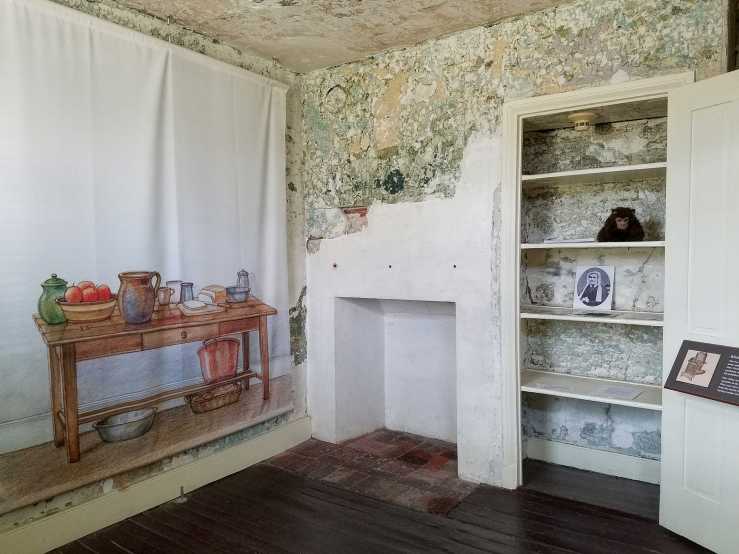 Narrow staircases and tiny rooms always make me wonder how much we and our living spaces have expanded over the years.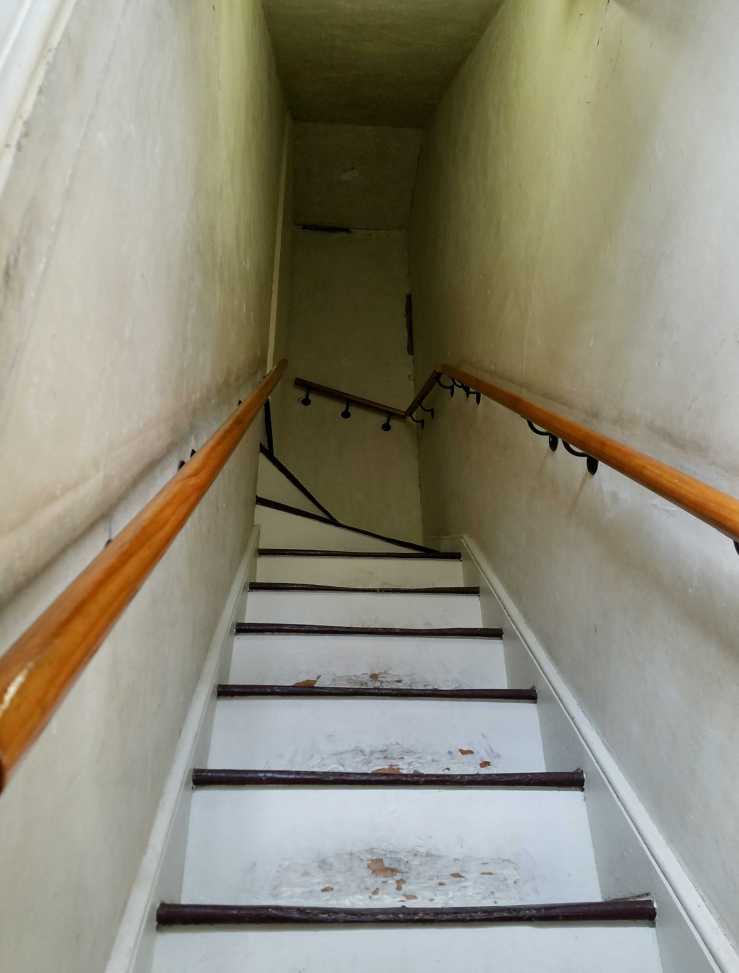
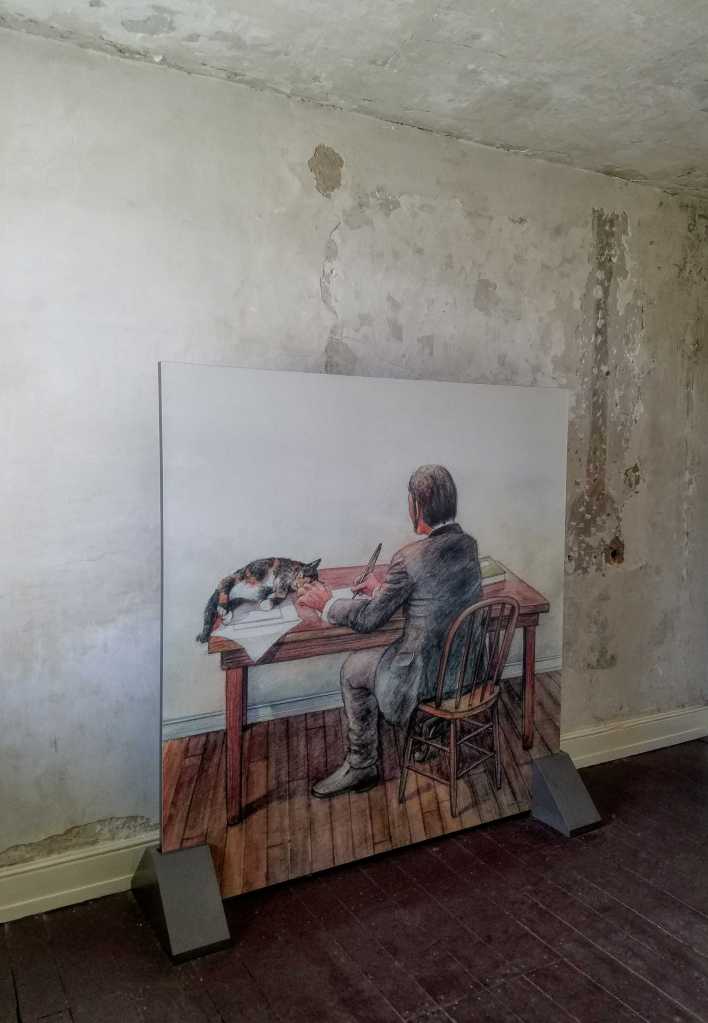
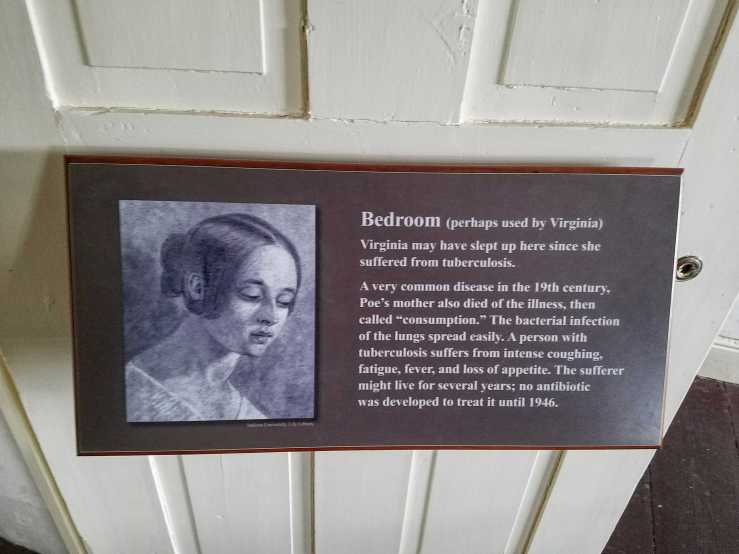
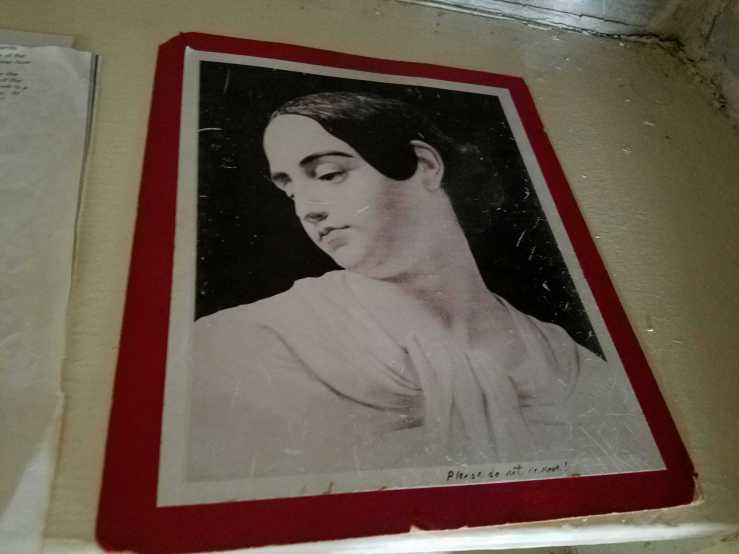
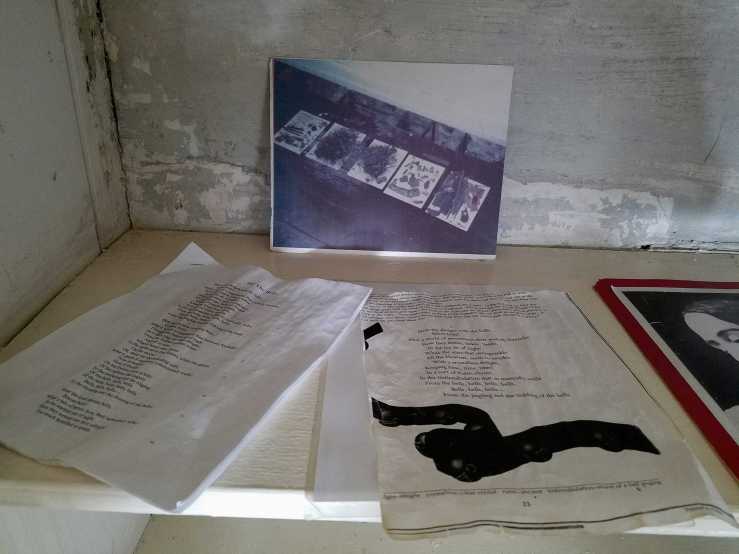
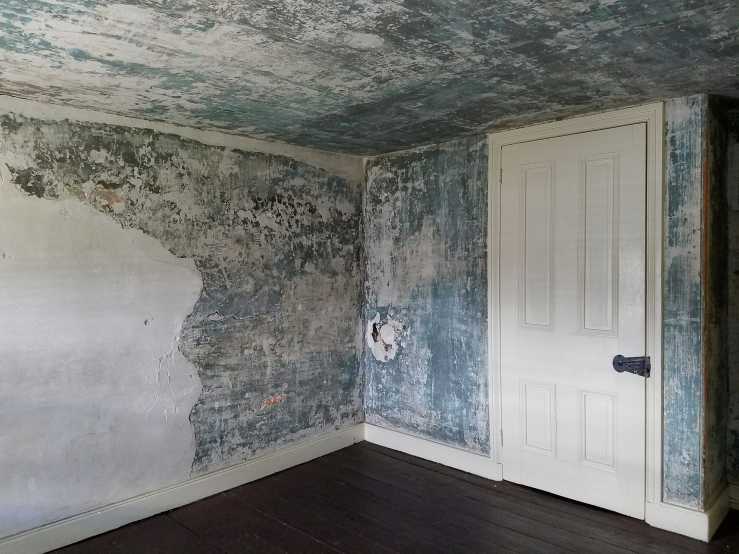
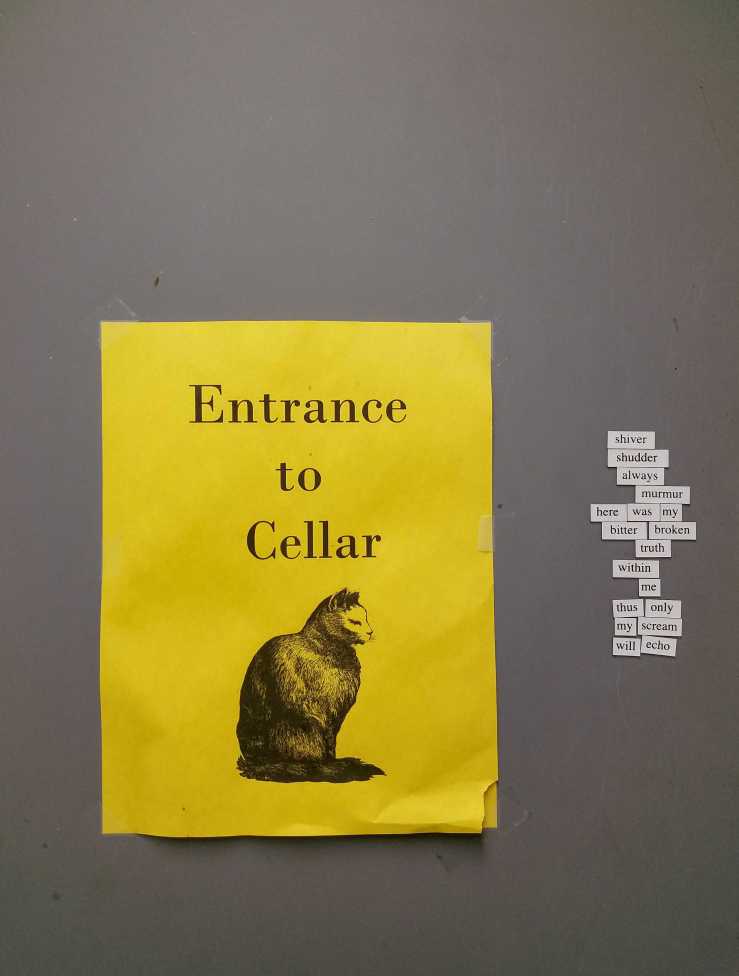
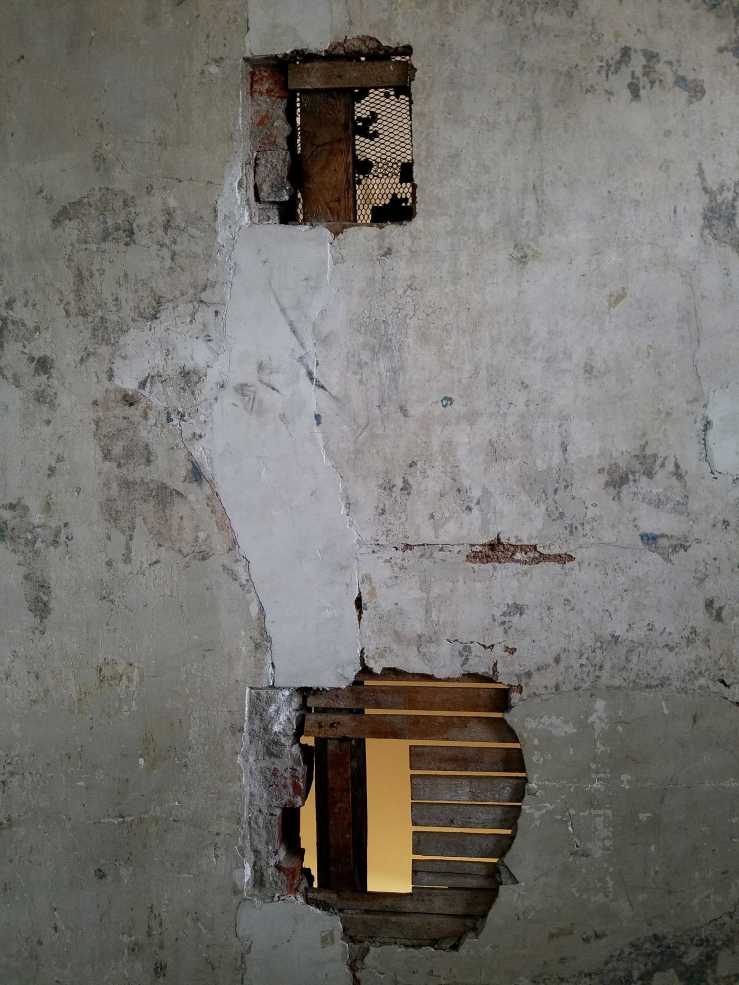 The cellar, that is said to have been described in “The Black Cat” (1843), a short story written here, in Philadelphia.
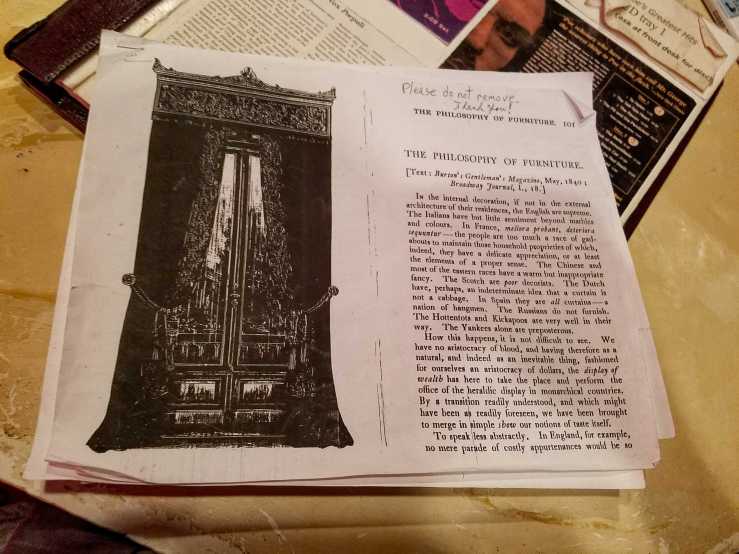
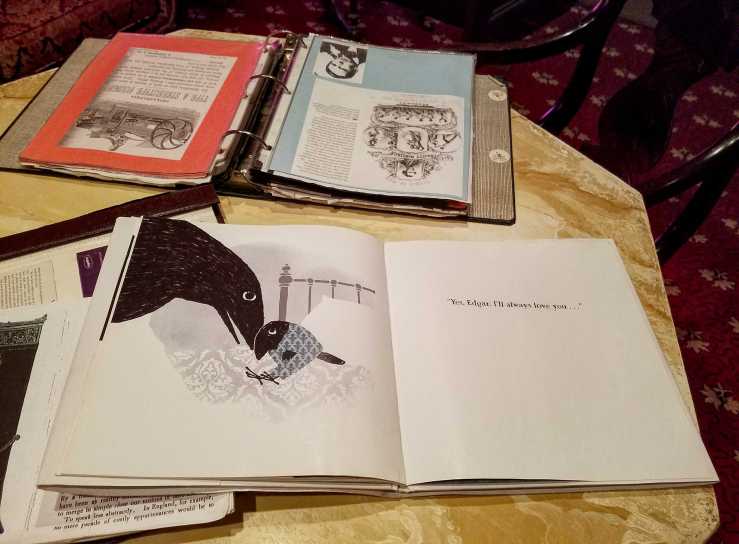
 The reading room, the only furnished one in the house and decorated according to Poe’s ”The Philosophy of furniture”. A library with the full body of Poe’s work is available and visitors are warmly encouraged to sit comfortably and indulge to their heart’s content. Plan ahead though: admission is free but the house is open only Friday through Sunday, from 9am – 12noon, and 1pm -5pm. And they do take their lunch break seriously!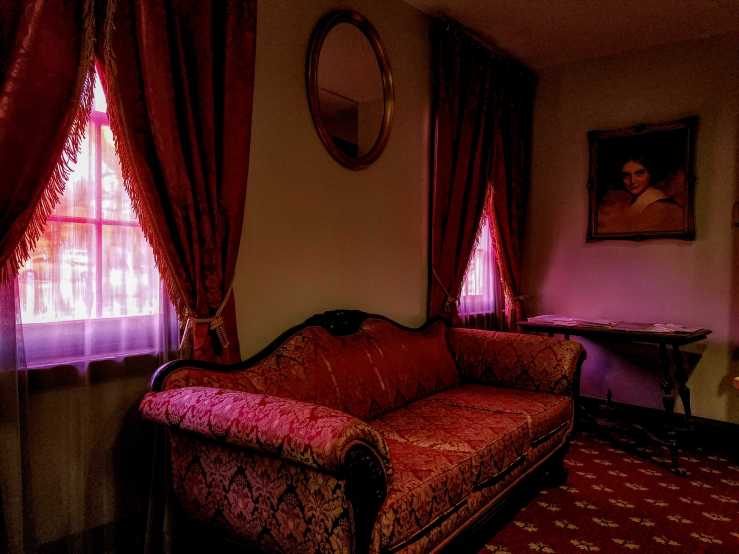
 Edgar Allan Poe’s House
 Philadelphia
 The Humble Fabulist