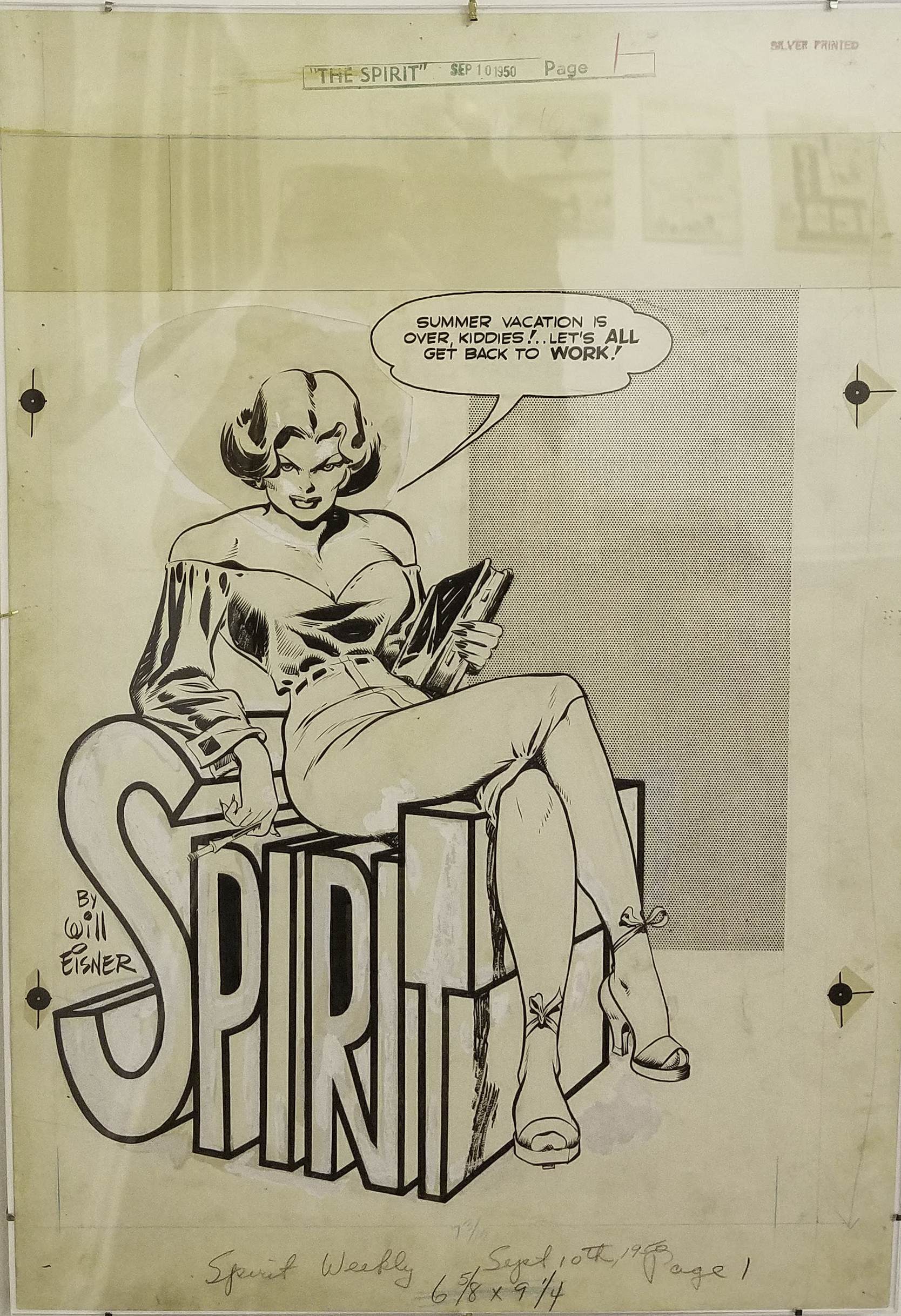
 The Spirit: ”Teacher’s Pet” page 1
September 10, 1950
Ink on paper
From WILL EISNER: The Centennial Celebration 1917-2017 retrospective @ the Society of Illustrators.
June 3rd, 2017
The Spirit: ”Teacher’s Pet” page 1
September 10, 1950
Ink on paper
From WILL EISNER: The Centennial Celebration 1917-2017 retrospective @ the Society of Illustrators.
June 3rd, 2017
Sometime ago I mentioned how much I enjoy wandering about the period rooms at the Metropolitan, so painstakingly reconstructed by the museum curators that they compete in authenticity and splendour with the original ones. Today, let’s go for another walk to see some of the objects high on my imaginary wish list (and a couple of no-nos).
The pianoforte: Pianoforte, New York City, 1810-15
Patented by John Geib and Son. Case attributed to the workshop of Duncan Phyfe (1768-1844). Mahogany, rosewood, satinwood, ivory, gilded gesso, brass with white pine, maple, ash
The Square Piano (when more is too much – too complicated for my wish list, yet very impressive woodwork):  Square Piano
Robert Nunns and John Clark (active 1833-58)
New York City, 1853
Rosewood, mother-of-pearl and tortoiseshell
{Lavish decoration and opulent materials distinguish this extraordinary piano…. Its immense scale and excessive decoration make it quite unlike the small and economical upright pianos that became fixtures of middle-class parlours in the second half of the nineteenth century.}
The Four Seasons cabinet: 
 Cabinet
Herter Brothers (active 1864-1906)
New York City, ca. 1869
Rosewood, maple ebonized wood, porcelain plaques, oil on panel, brass
{This rich and imposing cabinet is from a ten-piece parlour suite made by Herter Brothers in 1869 for Jay Gould’s house on Fifth Avenue. Incorporating a design vocabulary taken from the architecture of the day, it is a tour de force of cabinetmaking, combining sophisticated marquetry, assured carving and delicately modeled ceramic plaques depicting the Four Seasons.}
The Étagère in Rococo Revival style: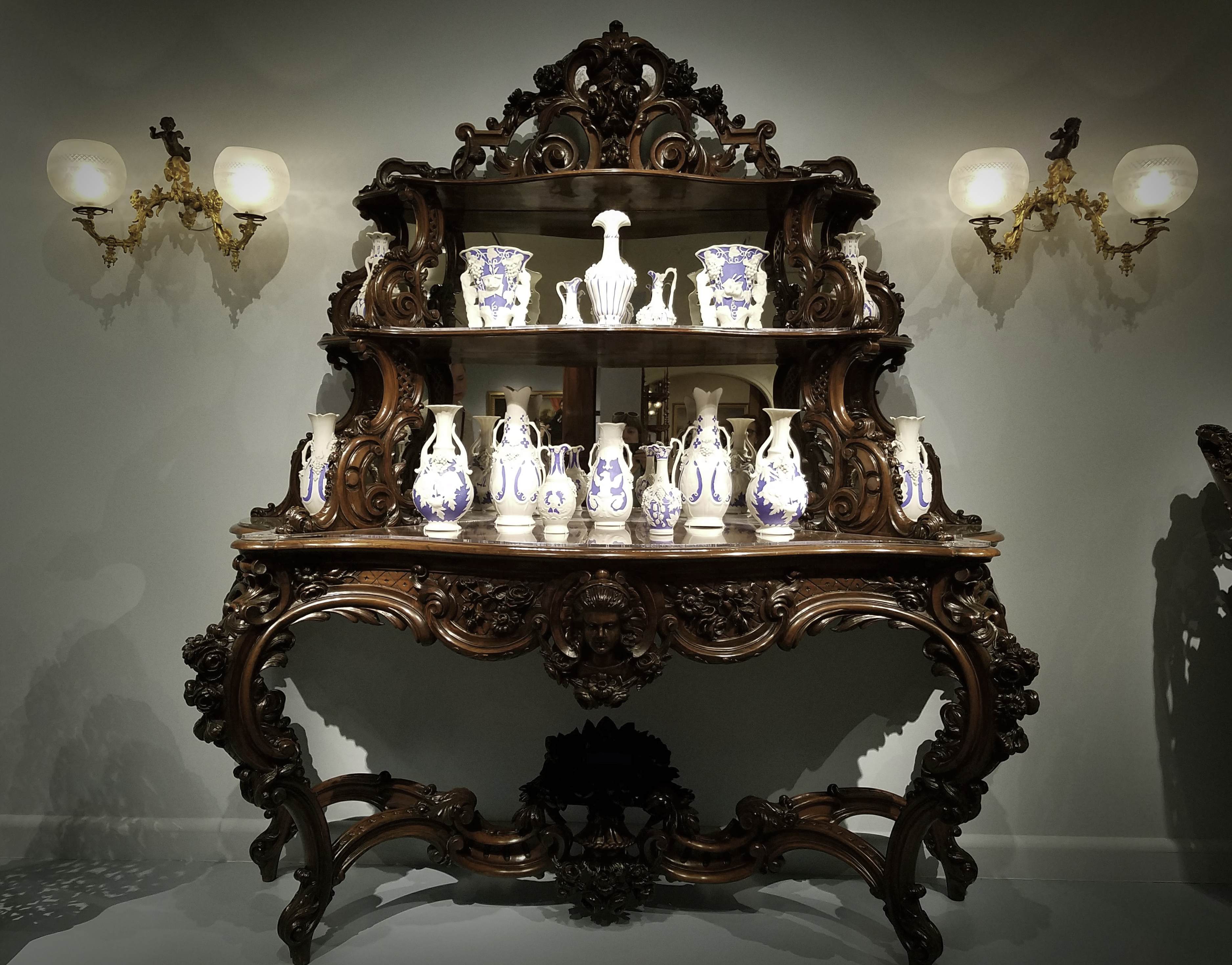 Alexander Roux (active 1843-86)
New York City, ca. 1855
Rosewood, chestnut, poplar, bird’s-eye maple veneer
A Girl’s best friend (not just diamonds):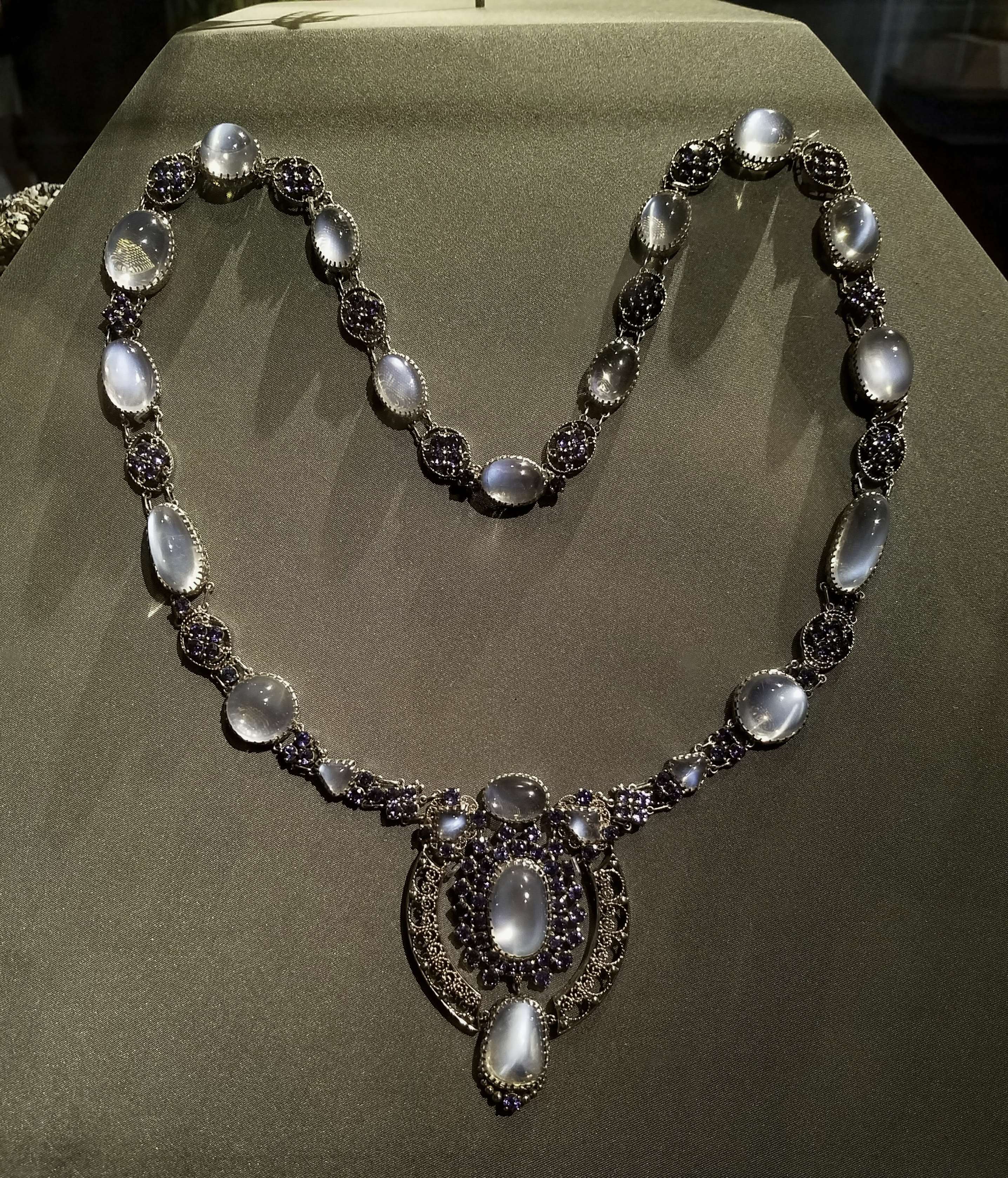 Necklace with Pendant, ca. 1910
Louis Comfort Tiffany
Tiffany and Company
Moonstones, Montana sapphires, platinum
The Gilded Kennel (with the mark of Marie-Antoinette, no less):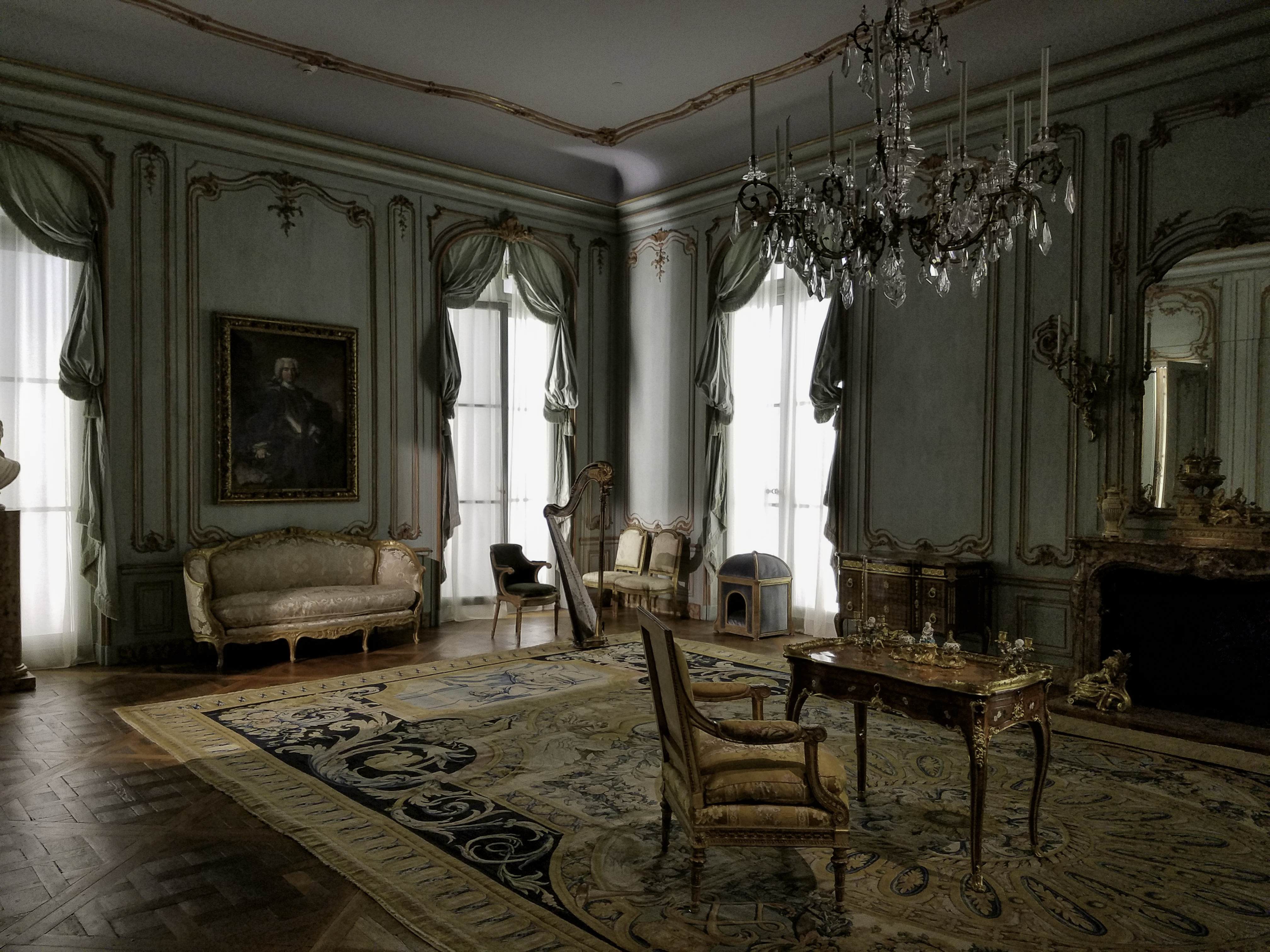 Kennel
Gilded beech and pine. Signed by Claude Sené (1724-1792): stamped with the mark of Marie-Antoinette’s garde-meuble. French, ca. 1775-80
The Copper Lamp: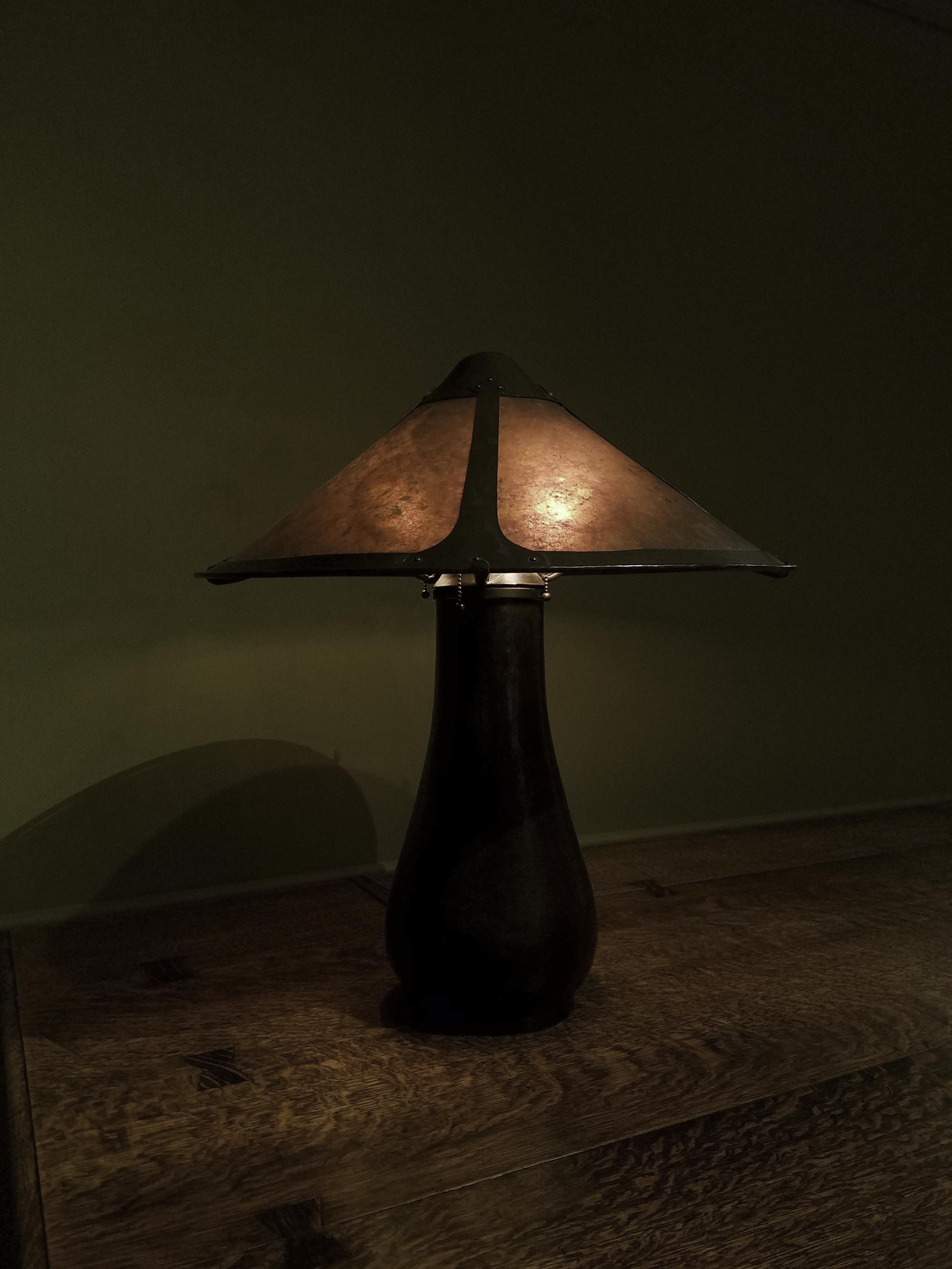 Dirk Van Erp (1859-1933)
San Francisco, California, ca. 1912-15
Copper base, mica and copper shade
The dressing room (gown included):  Worsham-Rockefeller Dressing Room
New York City, 1881-82
George A. Schastey & Co. (1873-97)
{In 1881, Arabella Worsham then-mistress of railroad magnate Collis P. Huntington, hired the cabinetmaking and decorating Firm George A. Schastey & Co. to create a series of distinctive artistic interiors for her townhouse at 4 West 54th Street. The resulting decor, including that found in this dressing room, was the height of cosmopolitan style in the early 1880s and emblematic of Worsham’s quest to fashion her identity as a wealthy, prominent woman of taste.}
The octagon table: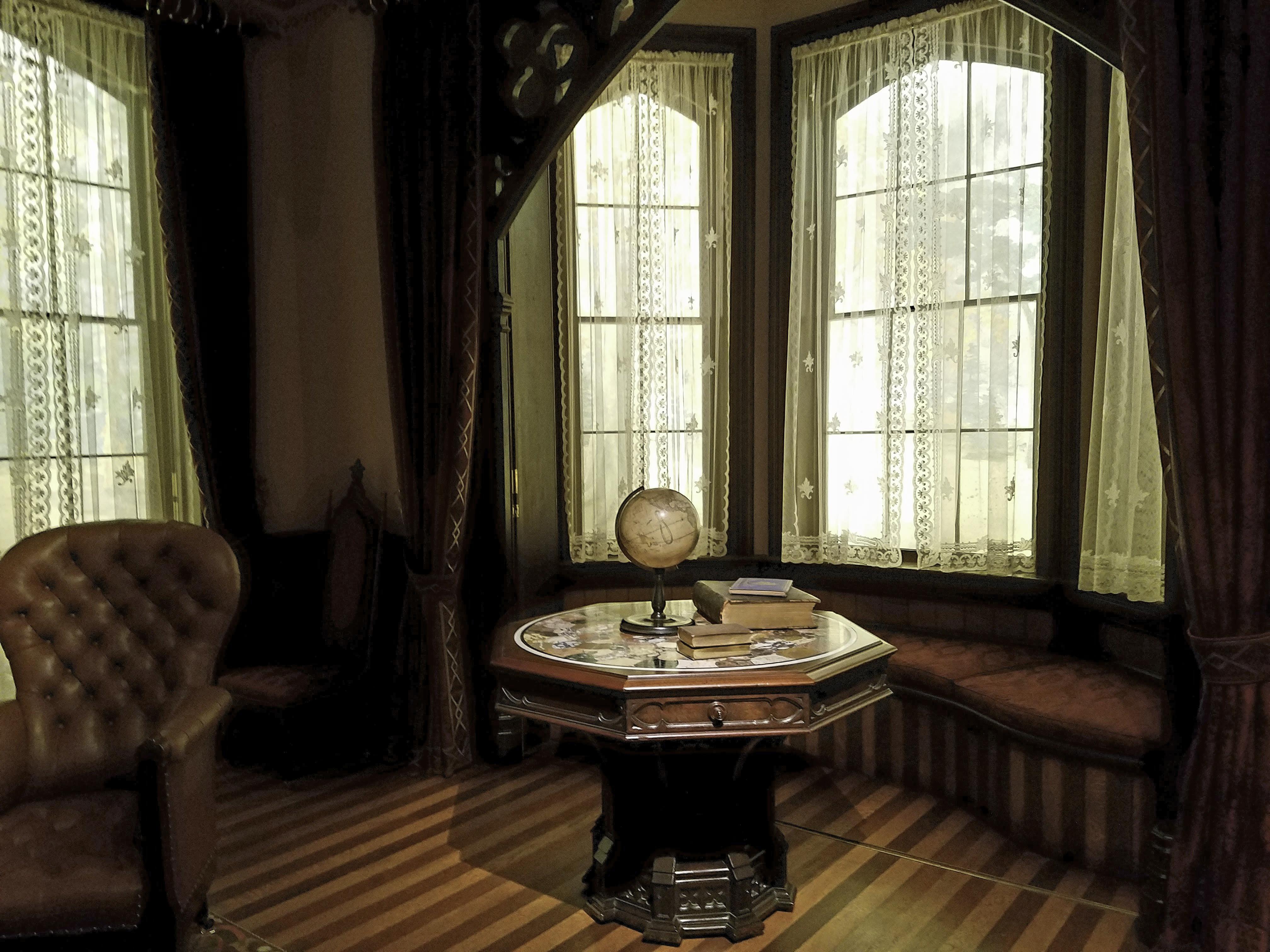 Probably New York City, about 1860
Walnut, marble
The Richard and Gloria Manney Greek Revival Parlour: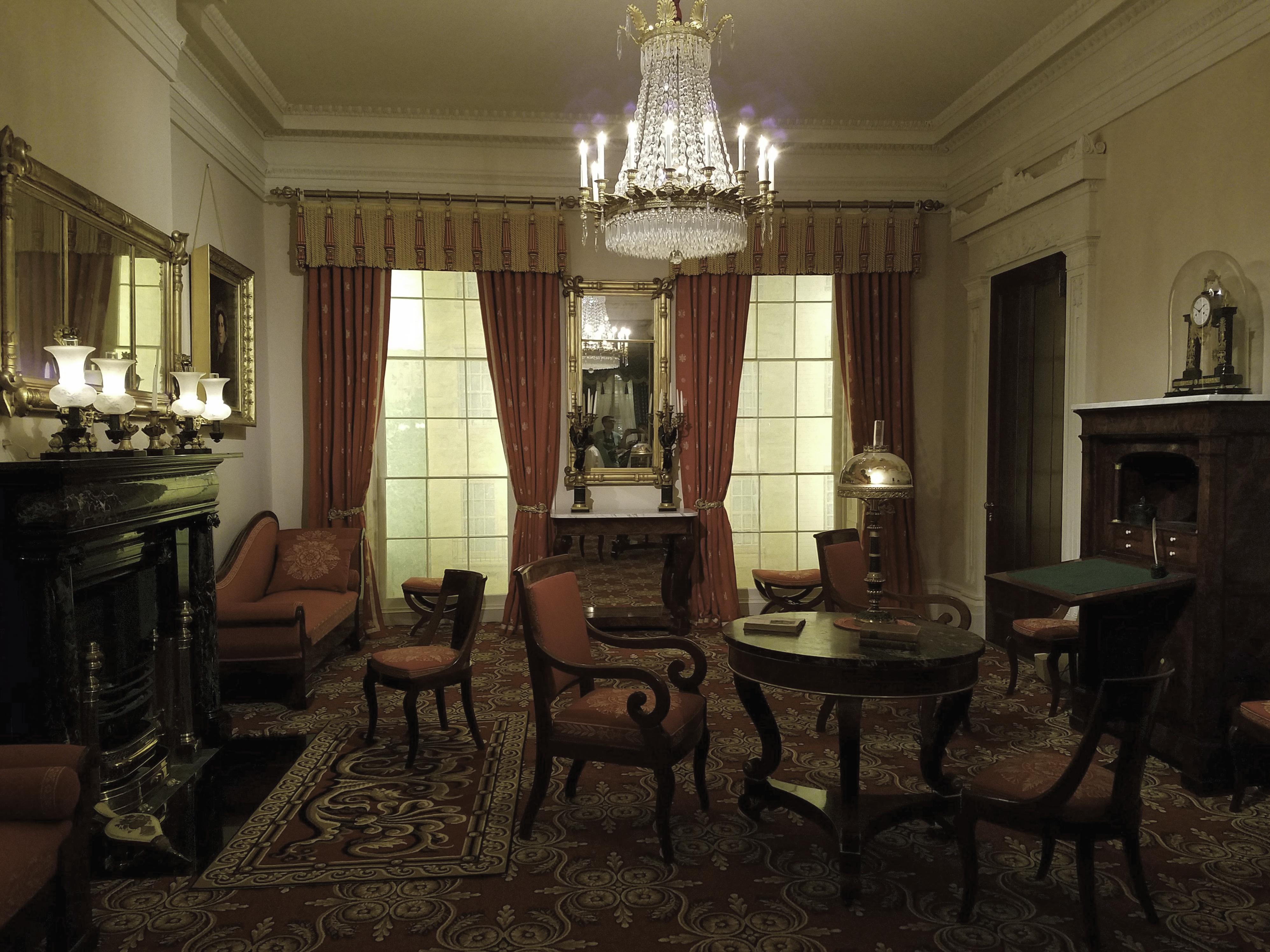
The Richard and Gloria Manney John Henry Belter Rococo Revival Parlour: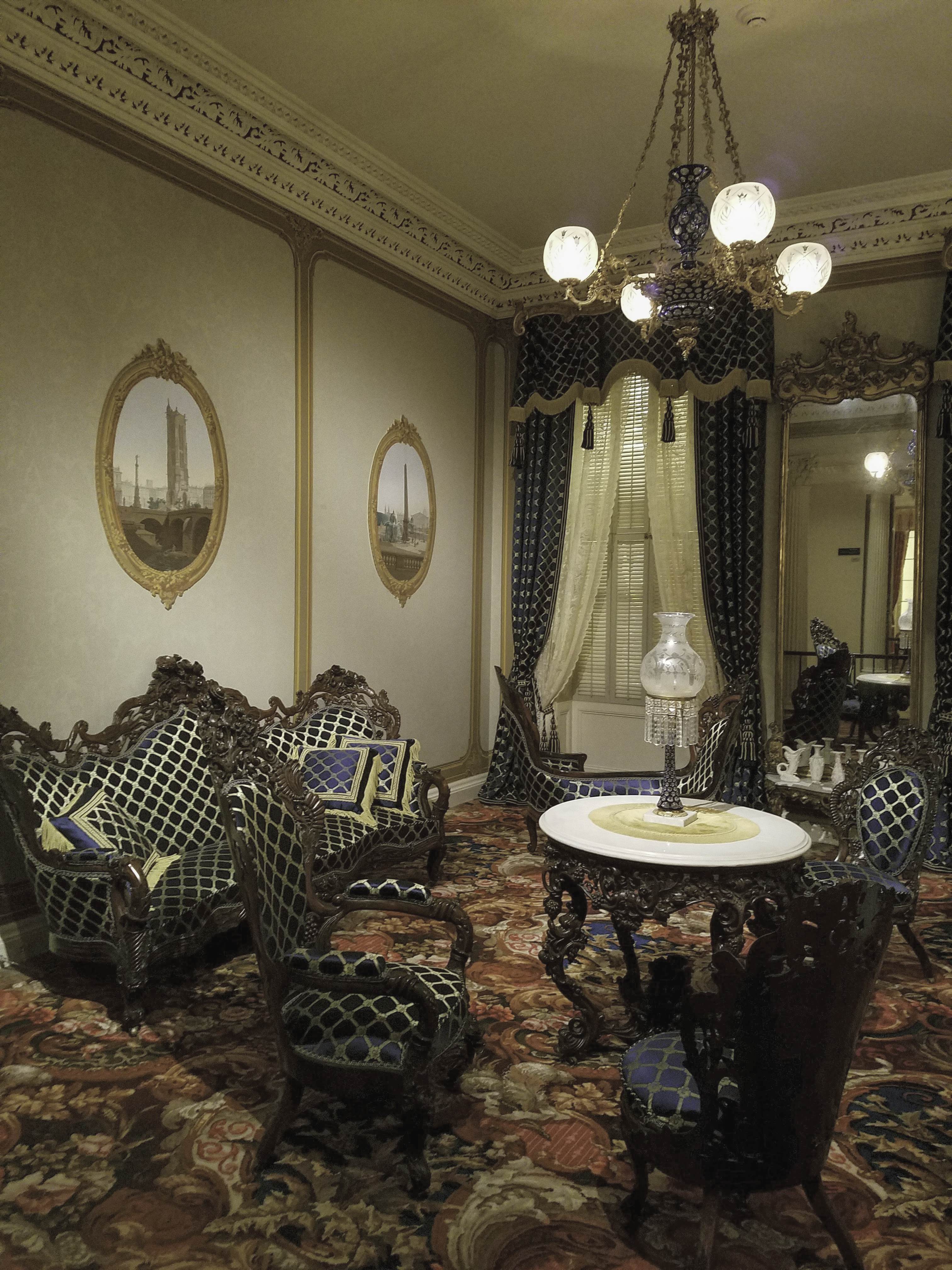
The Working Girl’s table: Worktable
Salem, Massachusetts, 1800-1810
Mahogany, mahogany veneer, ivory with white pine, maple
{Worktables were one of few gender-specific pieces of furniture used in the home. Women relied on them for storing sewing supplies and for conducting correspondence, as such tables often contained a hinged writing surface in a drawer.}
The Richmond Room, 1810-11: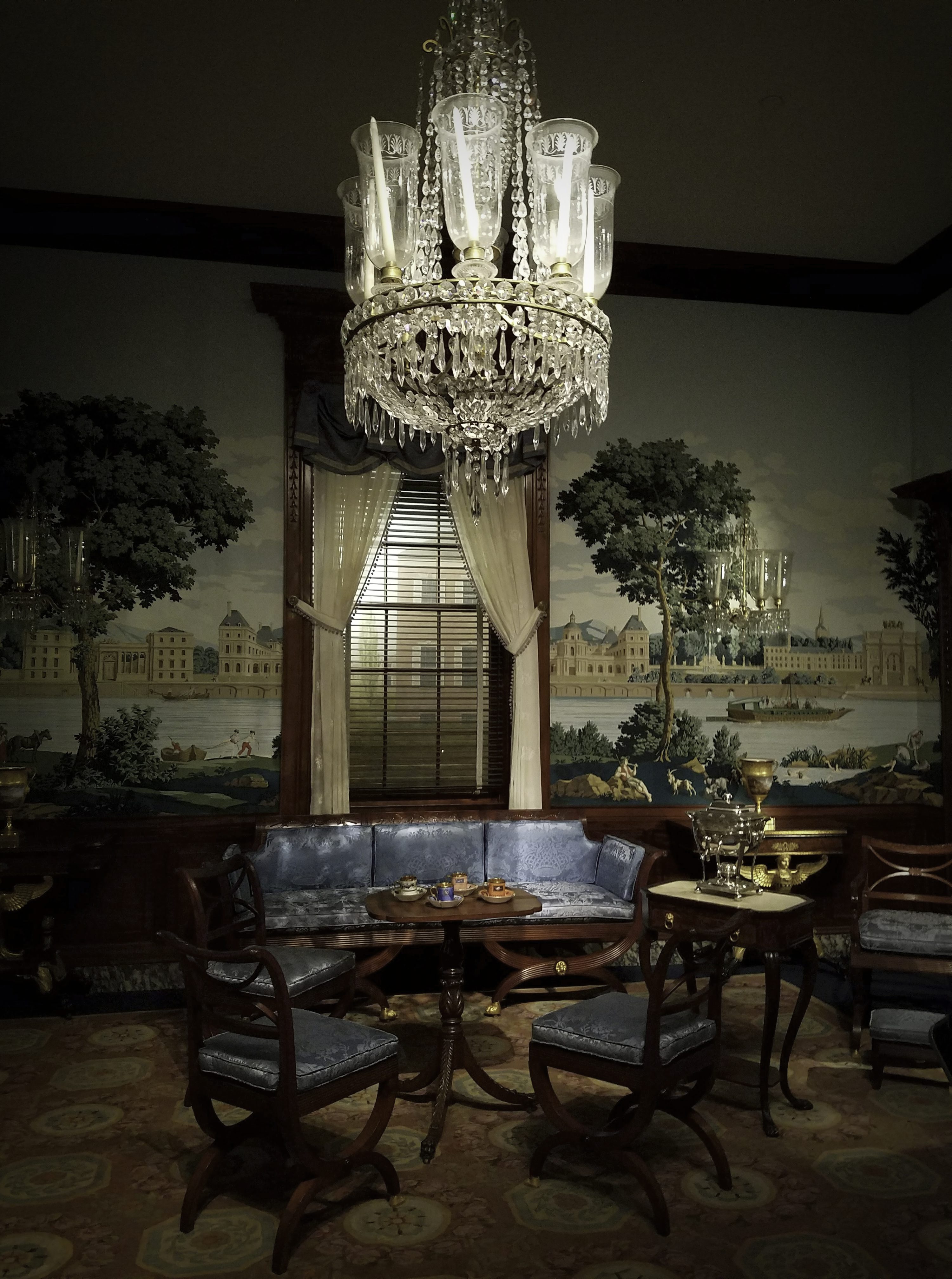
The yellow chairs and the sleek Federal era sofa: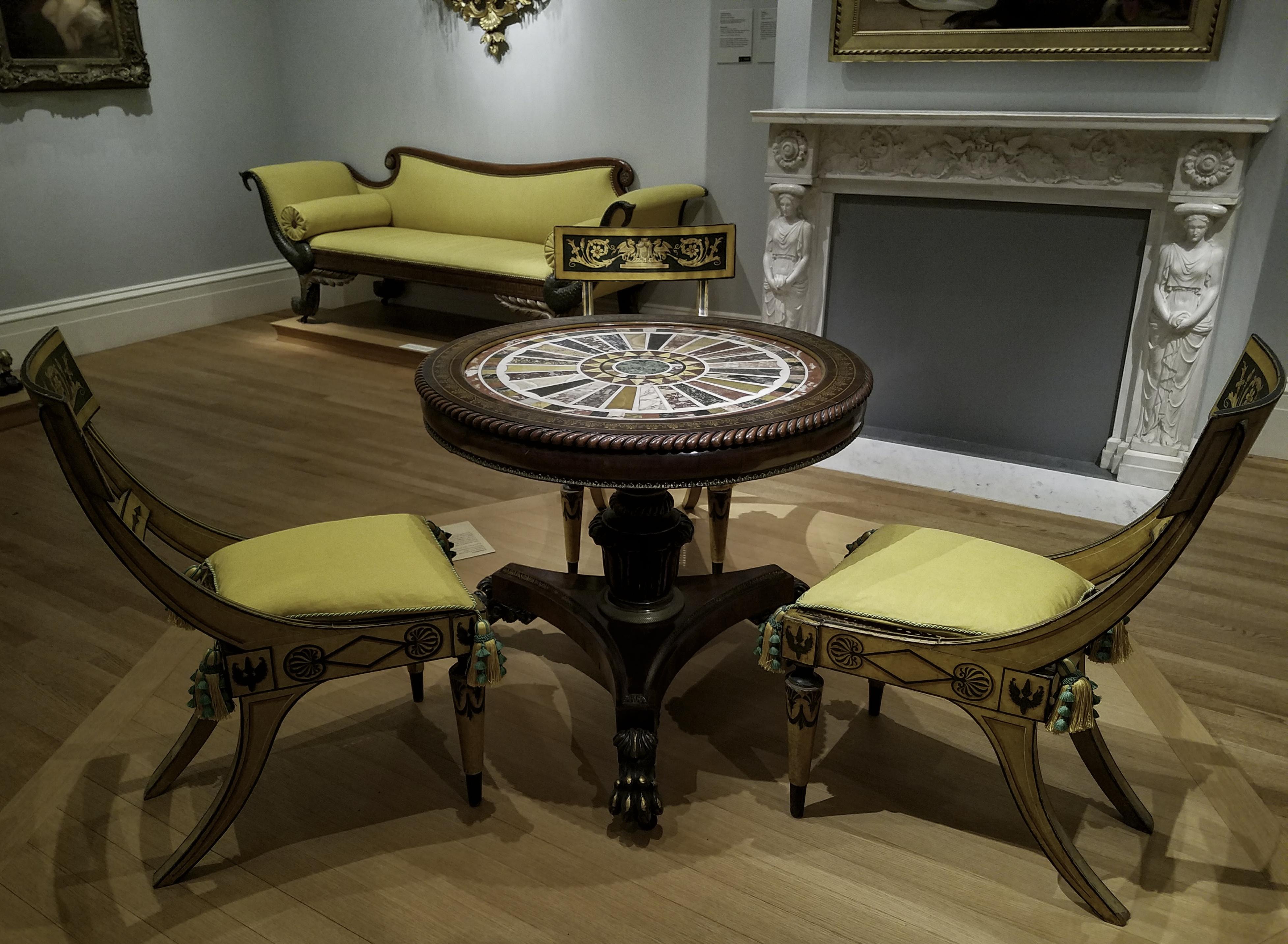 Side Chairs
Attributed to the workshop of John Finlay (1777-1851) and Hugh Finlay (1781-1830)
Baltimore, ca. 1815-25
Maple with painted and gilded decoration
{Originally part of a large set, these brilliantly conceived and handsomely executed chairs derive their broad, deeply curved crest tablets and sweeping rear stiles from the ancient Greek klismos form.}
Center Table
Labeled by Anthony G. Quervelle (1789-1856)
Philadelphia, ca. 1830
Mahogany, marble and brass with painted decoration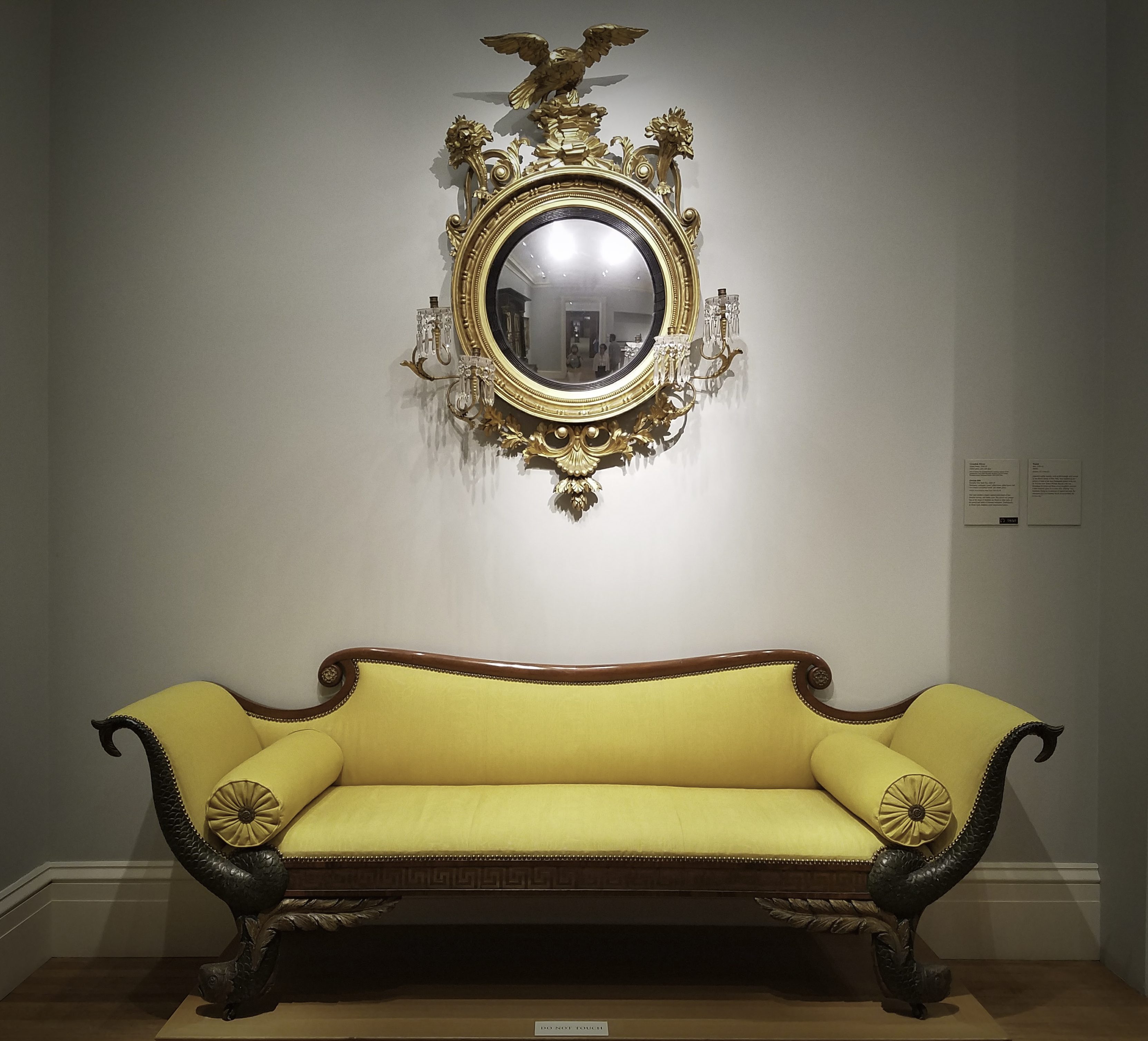
The Art Nouveau mantelpiece: 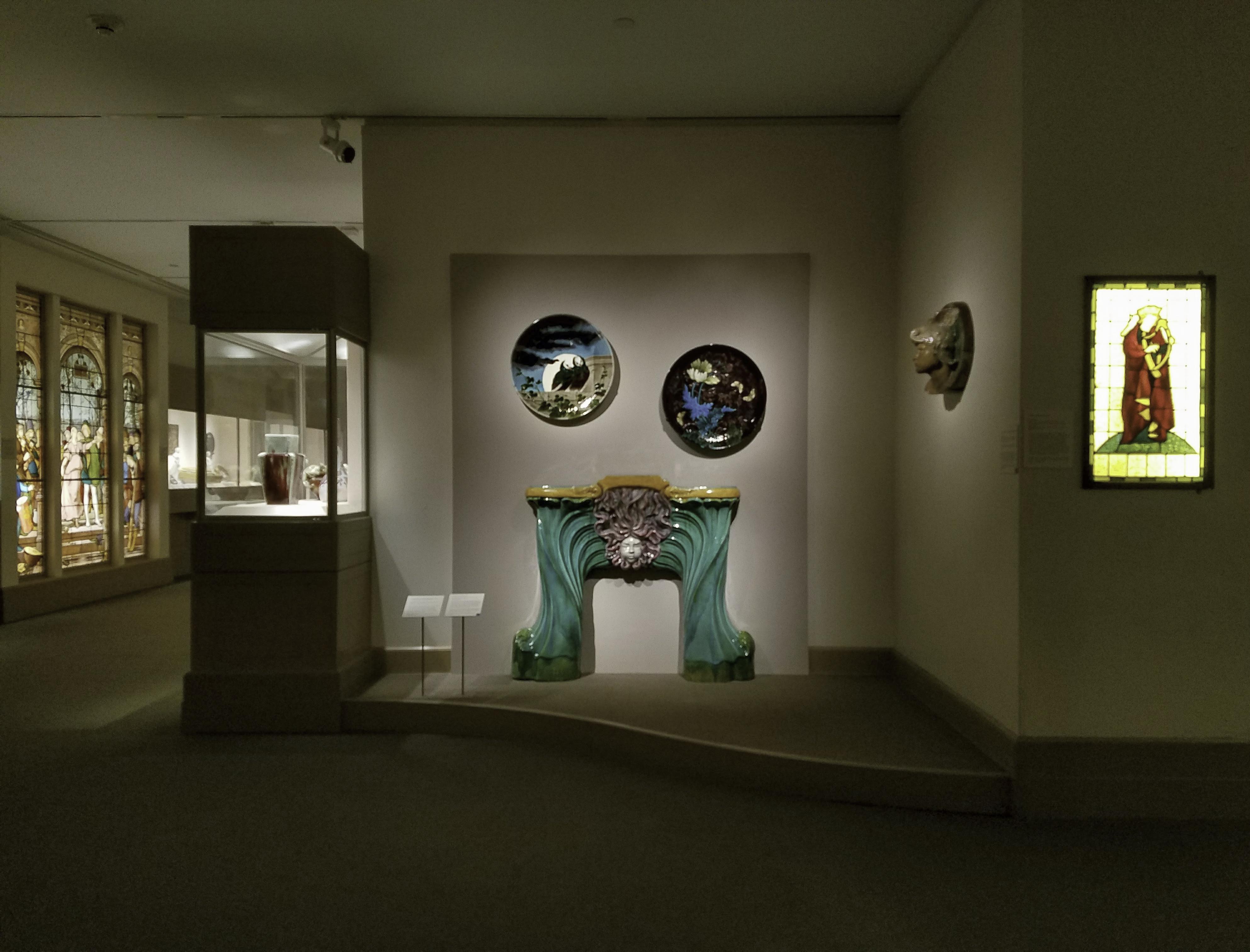 Attributed to Jean-Désiré Muller (French, 1877–1952)
Glazed stoneware, ca. 1900
The Minimal-Tidy-Closet-I-will-Never-Have-But-Always-Dream-Of: 
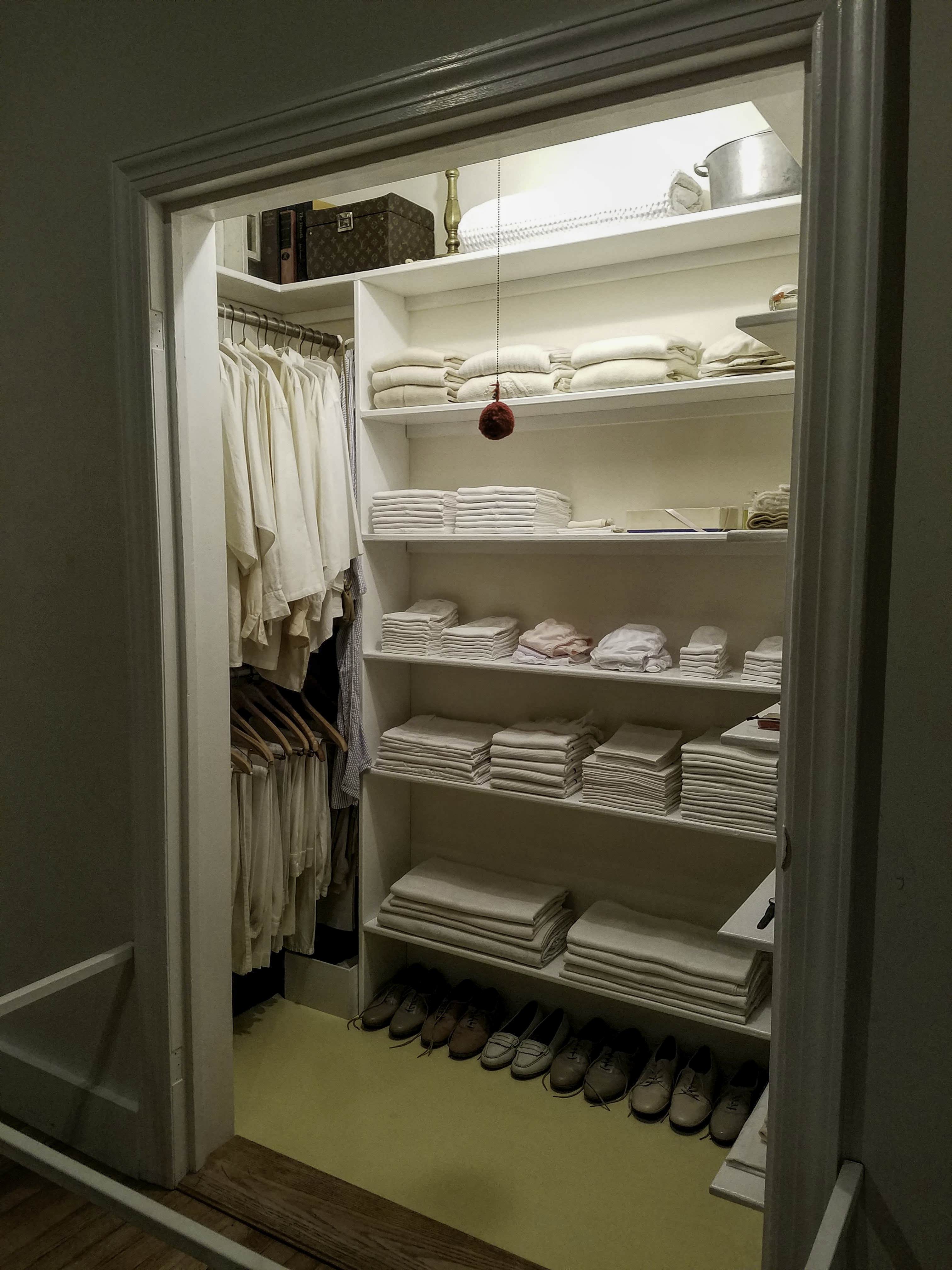
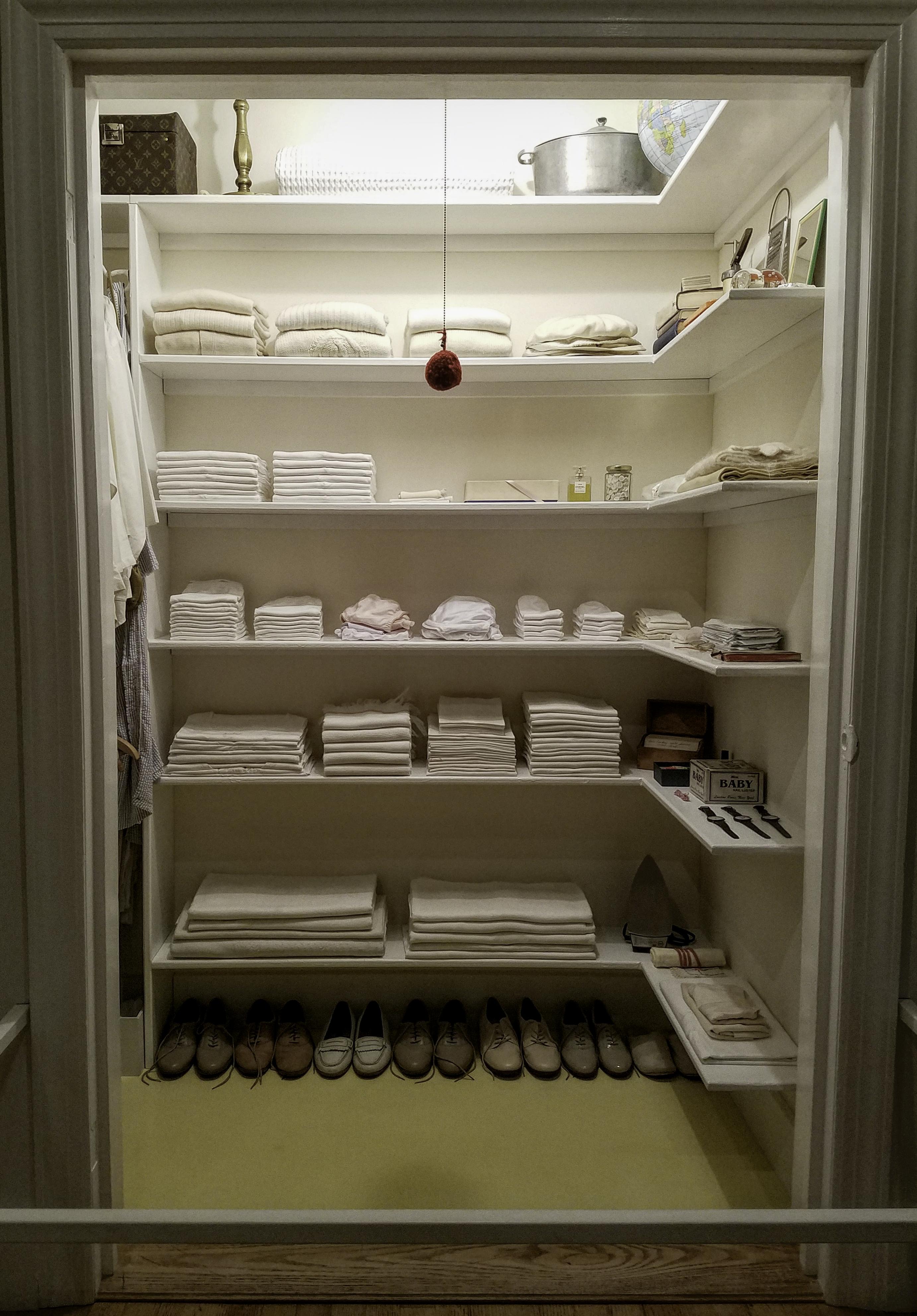 Sara Berman’s Closet
{The meticulously organized, modest closet in which Sara Berman (1920–2004)—an immigrant who traveled from Belarus to Palestine to New York—kept her all-white apparel and accessories both contained her life and revealed it. Inspired by the beauty and meaning of Berman’s closet, the artists Maira and Alex Kalman (who are also Berman’s daughter and grandson) have recreated the closet and its contents as an art installation.
This exhibition represents Berman’s life from 1982 to 2004, when she lived by herself in a small apartment in Greenwich Village. In her closet Berman lovingly organized her shoes, clothes, linens, beauty products, luggage, and other necessities. Although the clothing is of various tints—including cream, ivory, and ecru—it gives the impression of being all white.}
And, finally, his made-to-order Little Red Hood’s cloak: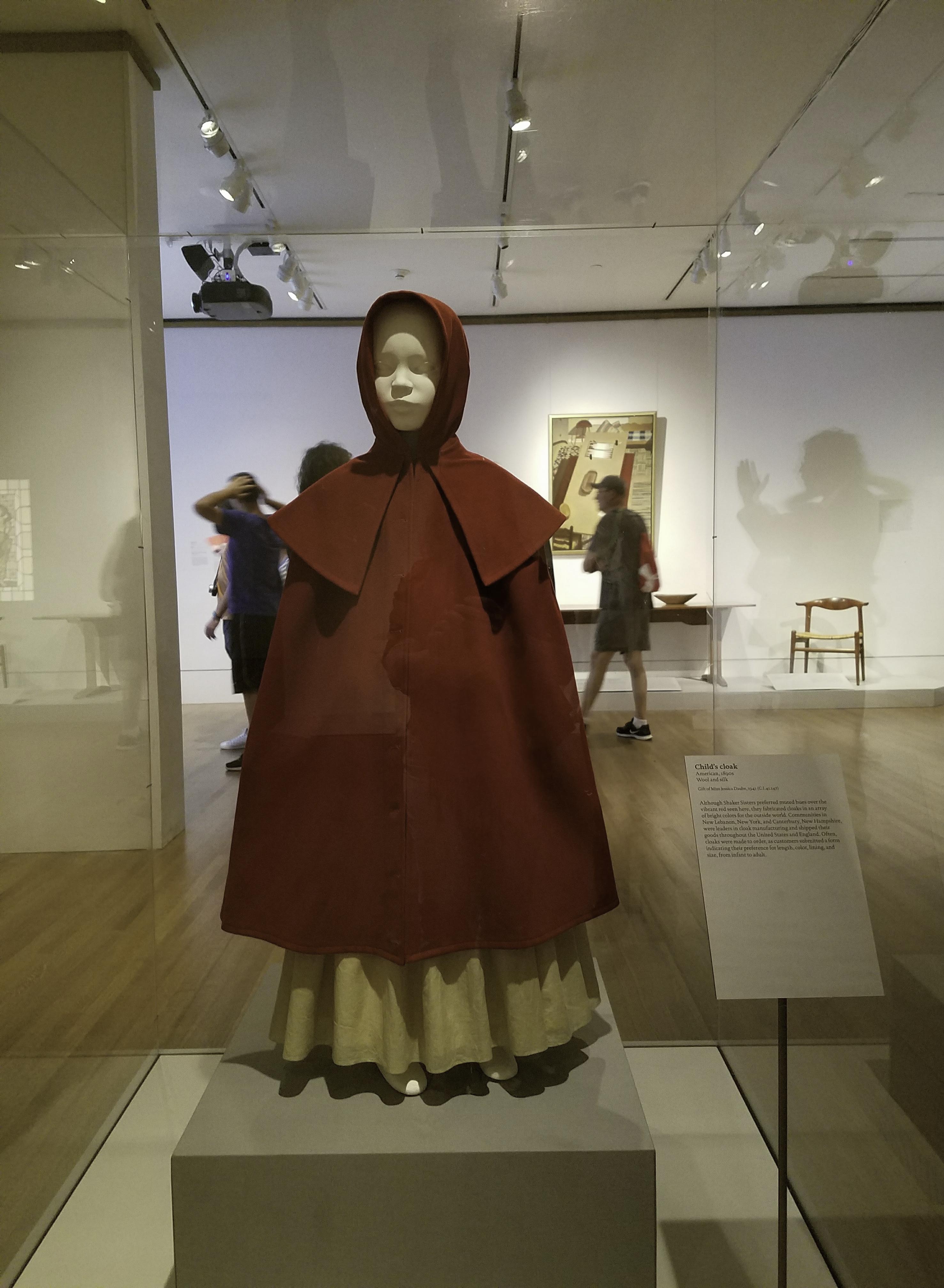 Child’s cloak
American, 180s
Wool and silk
The Metropolitan Museum of Art
July 2nd, 2017
“Look at her”, said my companion, “this must be the saddest little girl in the world!”
“He is right”, I thought, captivated by the palette, contrasting colours, their facial expressions and composition of the painting.
Until I read the description on the wall and, for a moment there, it was I who seemed to be the saddest little girl in the world…
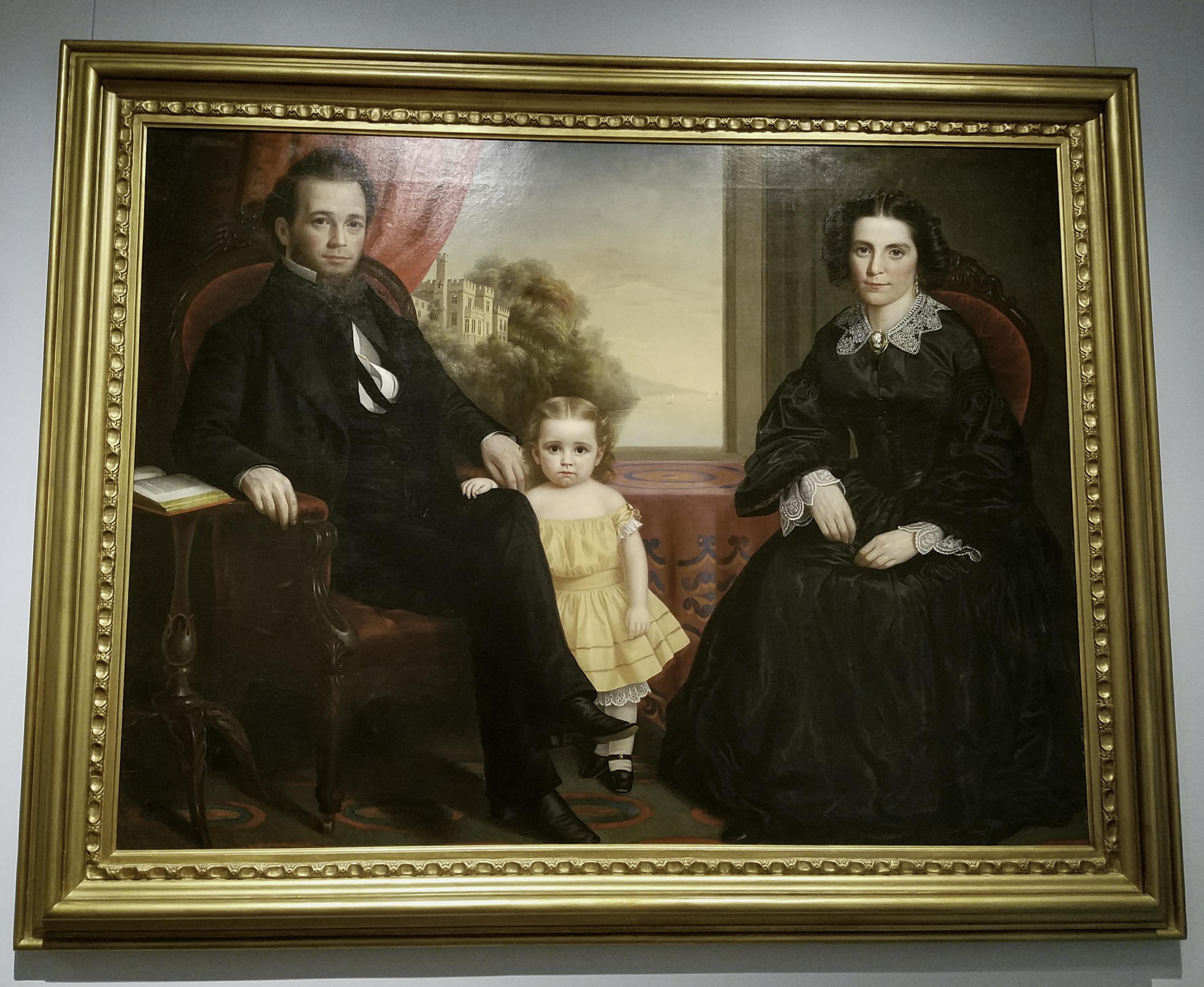
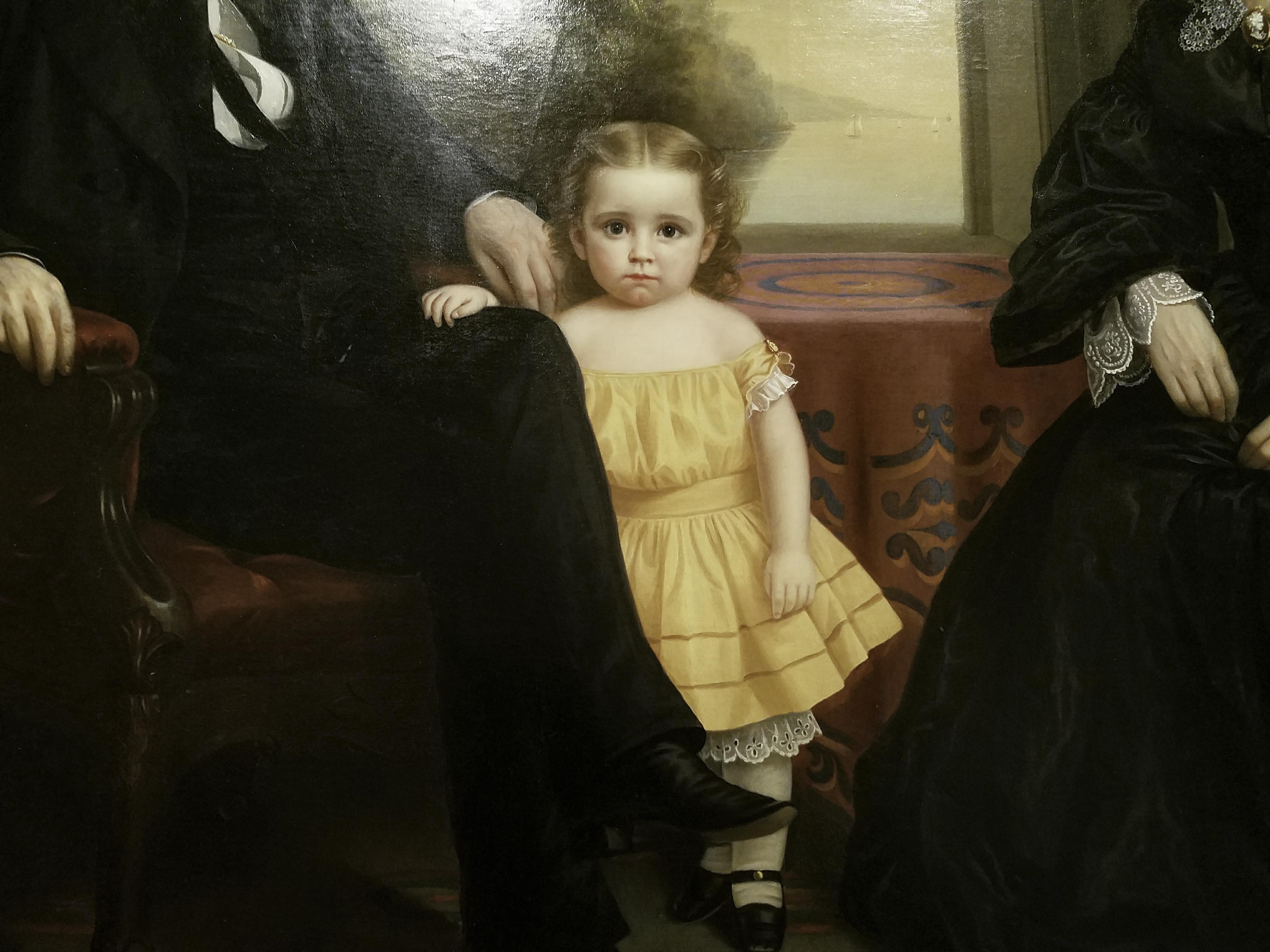
Unknown Artist
A Family Group, ca. 1850
Oil on canvas
{”This painting of an unidentified family bears the hallmarks of high-style portraits produced in New York during the antebellum era: saturated colours; attentiveness to details of costume, coiffure and jewellery; accurate facial depictions. The setting is a richly appointed Rococo Revival parlour. Seen through the window is a castellated Gothic Revival villa, possibly the family’s home, perched on a cliff overlooking the Hudson River. While it is similar to many designed by architects such as Alexander Jackson Davis during the period, it may be the home they aspired to, rather than their actual house. Details suggest that the child is deceased: the woman wears a cameo brooch carved with Orheus holding his lyre, a reference to the myth of Orpheus’ attempt to rescue his beloved Eurydice from the underworld; the possibly phantom house (a castle in the sky?); and the adults are wearing sombre black clothing.”}
The Metropolitan Museum of Art
July 2nd, 2017
a museum in the city ⇔ a city in the museum Greek Revival facade of Martin E. Thompson’s Branch Bank of the United States, at the American Wing Court. For a photo of the original building, please go to {NYC Design}.
July 2nd, 2017
Normally a yellow school bus would not be associated with a luxury luggage brand but, parked as they were in front of a shop with a pile of suitcases stuck outside, they reminded me of those no work-just play school trip days away from classrooms and homework. Happy times!


June 3rd, 2017
A lot of advertising of that period would, in one way or another, be considered inappropriate or offensive by today’s standards. But, make no mistake: the Cream of Wheat Chef knows exactly what every boy and girl needs and serves it with a smile!
 Edward V. Brewer (1883-1971)
“A Good Start is Half the Journey”
Cream of Wheat advertisement, 1926
Museum of American Illustration, Permanent Collection
Oil paint on canvas
Apparently Emery Mapes, one of the owners of the Diamond Milling Company that produced Cream of Wheat, preferred to hire local talent rather than nationally known illustrators. So, from 1911 to 1926, St. Paul native Edward Brewer was the dominant hand in advertising the porridge. This work, done at the end of his tenure with the cereal maker, typifies the homespun ethos the company wished to convey to the general public, something at which Brewer showed great skill. It was Mapes who originated the concept of ”Rastus” the chef, the logo which had from 1890 to the 1920s appeared as a woodcut image. Brewer developed the image that we see here. It is believed to be the face of a Chicago chef, Frank L. White, who received $5 to model in his chef’s garb and which remains the face of Cream of Wheat today.
The Society of Illustrators
June 3rd, 2017
A jury of professional peers including illustrators and art directors have chosen the most outstanding works created by college level illustration and animation students throughout the year. Pieces are accepted based on the quality of technique, concept and skill of medium used. After reviewing 8.082 submissions, only 220 were selected for this year’s exhibition and 25 have received financial awards.
The works were on view between May & June 2017; these images are but a fraction, just enough to get an idea. Individual styles, different types of media, several Art Schools, all sharing a common quality: it was hard to believe these works were created by students, not professionals.
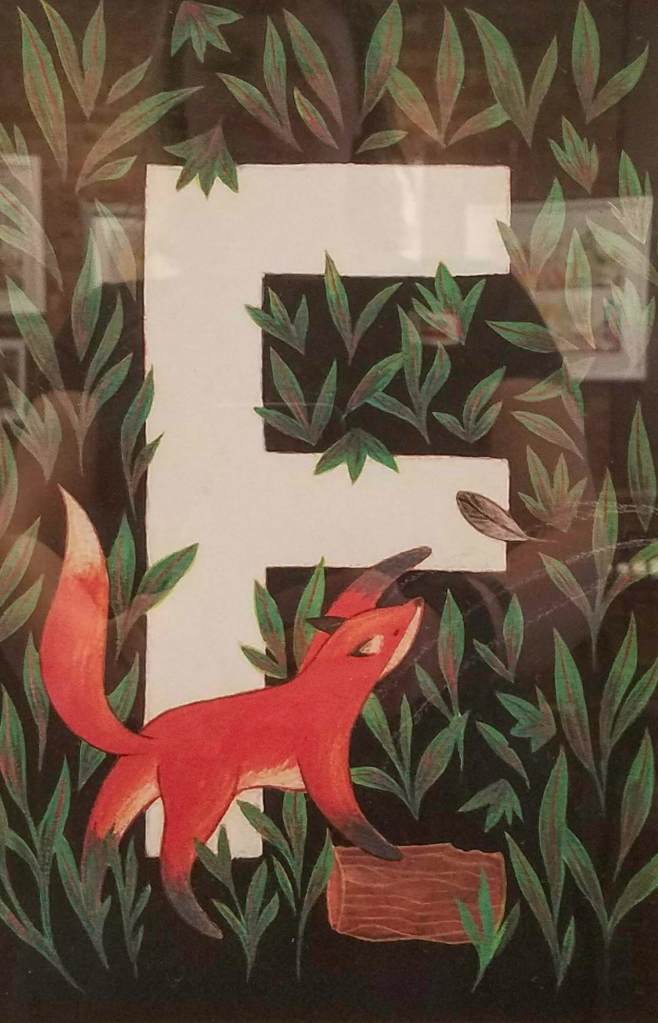 Carina Chong, F is for Fox
Gouache and pencil, Pratt Institute, Instructor: Pat Cummings
 Mei Kanamoto, Insignificant Others
Silkscreen on paper, Parsons School of Design, Instructors: Jordin Isip and Steven Guarnaccia
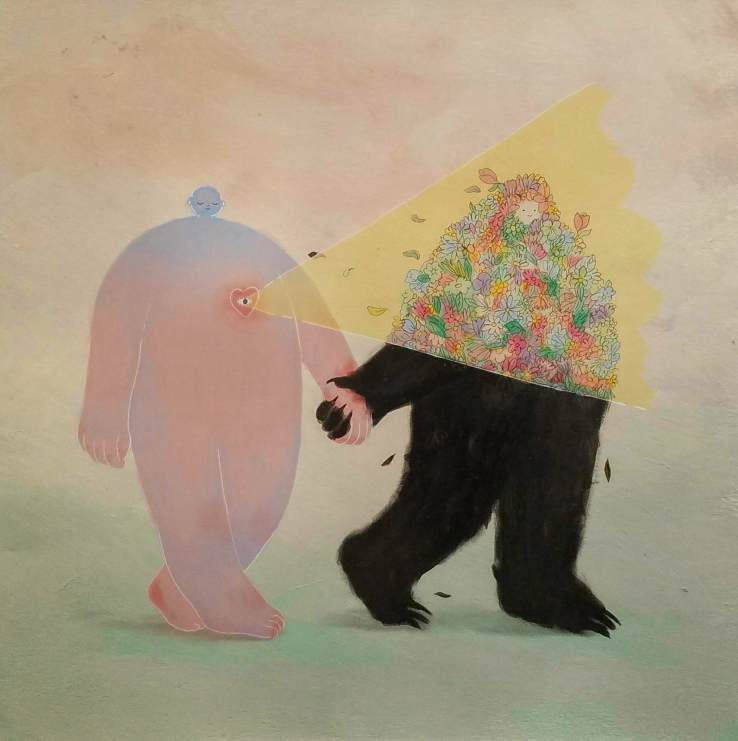 Amanda Chung, The Fool
Mixed media, Parsons School of Design, Instructors: Jordin Isip
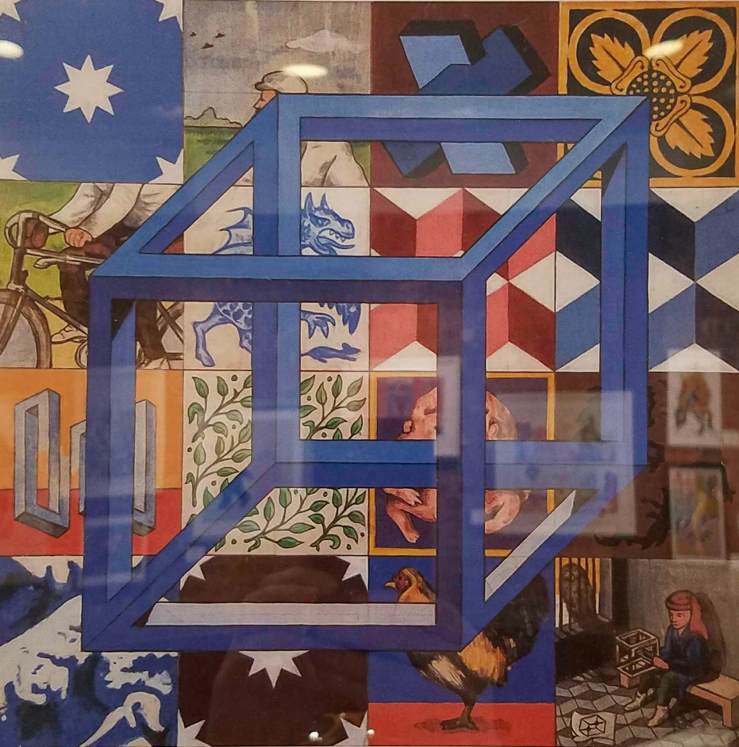 Kyoosang Choi, Illusion
Acrylic and oil on panel, School of Visual Arts, Instructors: Thomas Woodruff and TM Davy
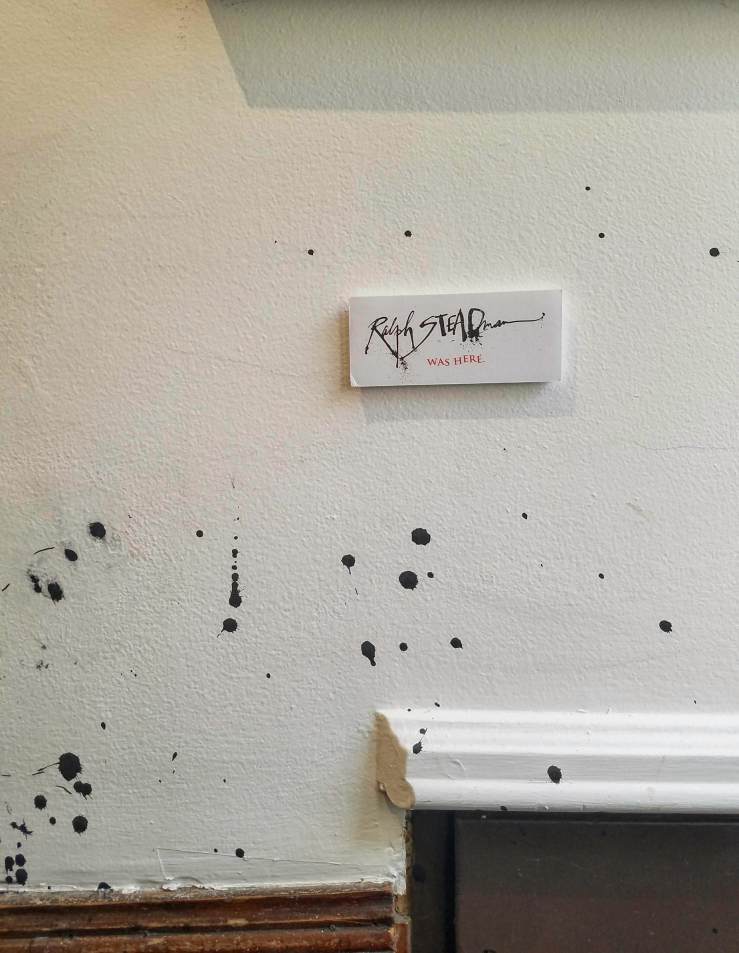 Oh, look! Steadman was here!
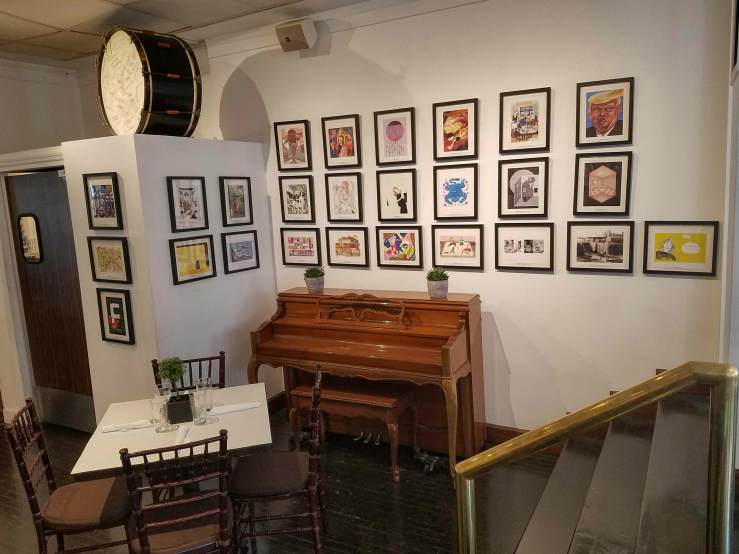
 Varvara Nedilska, The Collector
Watercolour and gouache, OCAD University, Instructor: Jon Todd
 Clarissa Liu, Felt Tattoo
Felt, Rhode Island School of Design, Instructor: Melissa Ferreira
Acrylic, California College of the Arts, Instructor: Bob Ciano
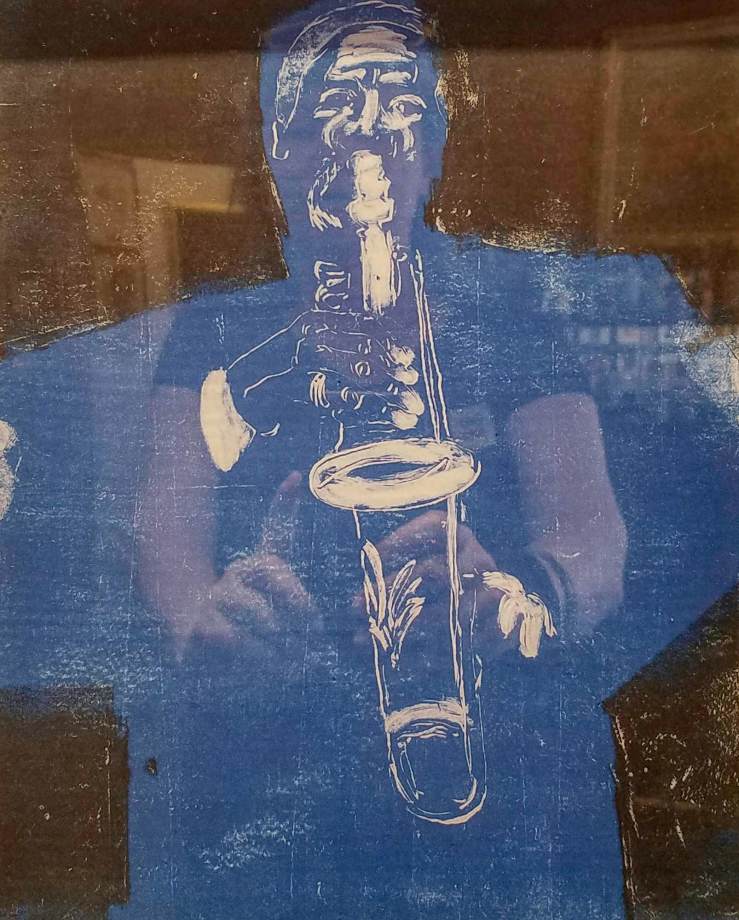 Mack Muller, Sax man
Monoprint, Syracuse University, Instructor: James Ransome
June 3rd, 2017
Of being an old soul but never wanting to grow up.


 The Spirit: ”Il Duce’s Locket” page 1
May 25, 1947
Ink on paper
P’Gell, a femme fatale with an impossibly narrow waist, was among the more prominent and persistent in a series of beautiful criminals in Eisner’s long-running Spirit. P’Gell, though a deadly adversary couldn’t shake her love interest in The Spirit. He seldom returned her affectionate overtures. P’Gell was named after the Quartier Pigalle, the notorious red light district of Paris

 The Spirit: ”Quirte” seven-page story
November 21, 1948
Ink on paper

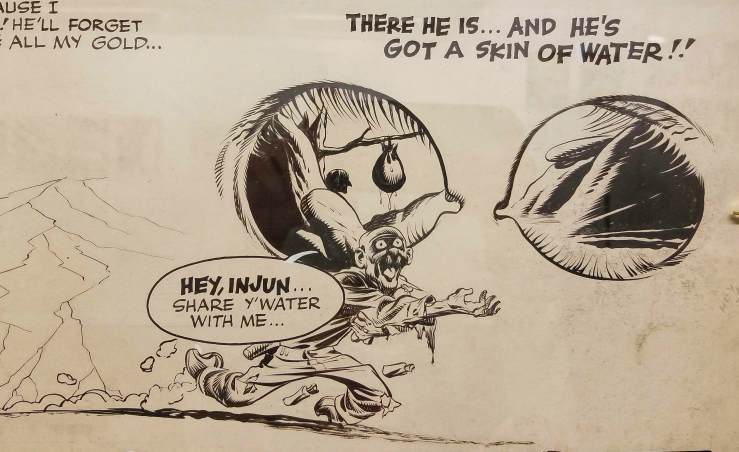


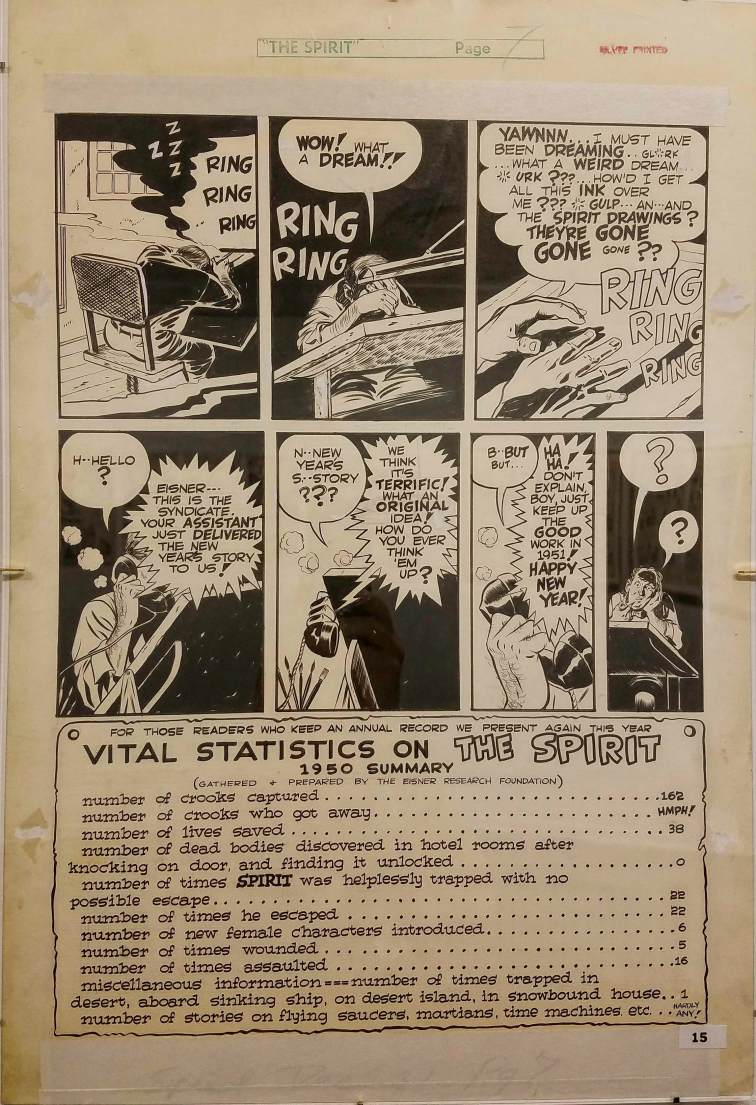
 The Spirit: ”John Lindsay’s Mayoral Race”, five-page story
New York Herald Tribune magazine (January 9, 1966)
Will Eisner and Chuck Kramer
Ink on paper with wash
Will Eisner had not drawn a new Spirit story since 1952 when the New York Herald Tribune’s Sunday magazine contacted him in late 1965 to create a story based on the city’s mayoral election. The lettering (done on clear acetate) is missing from the original pages, but the story can be read on the smaller reproductions of the published version.
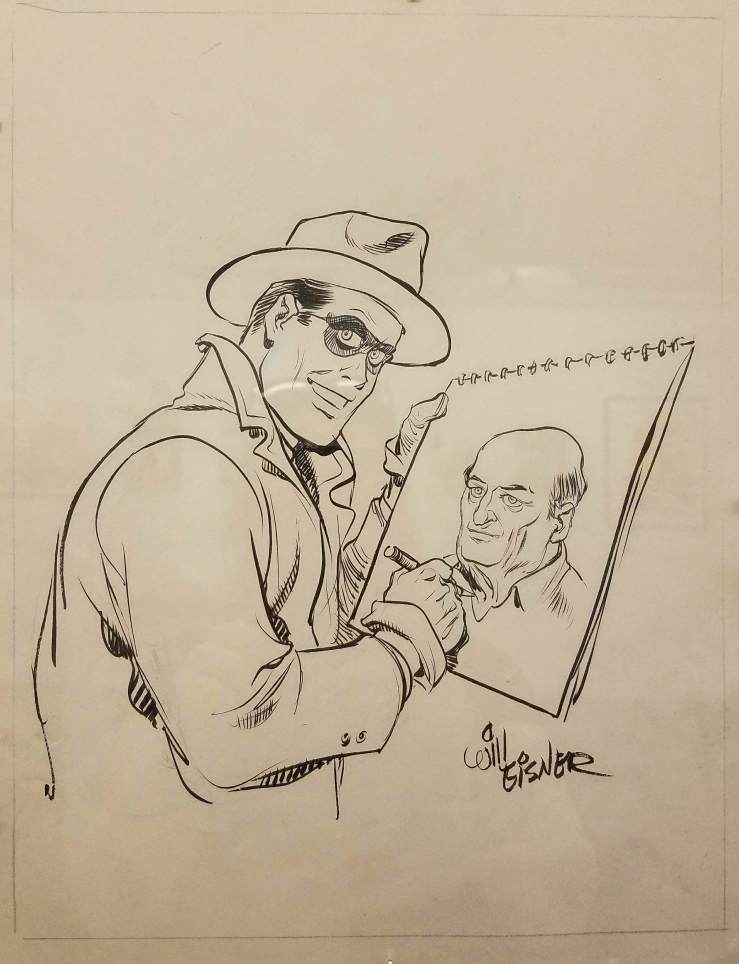 Portrait of Will Eisner by The Spirit
circa 1985
Ink on paper
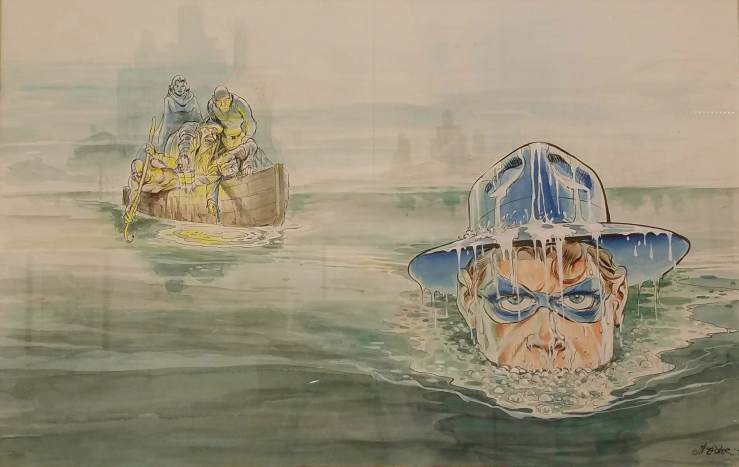 Spirit Magazine #20 cover art
1979
Ink with watercolour on board
 Samples of Eisner’s used pens and brushes
Jules Feiffer script for unpublished Spirit Story
1952
manuscript
 Smash Comics #8: ”Espionage”, page 3
1940
Ink on paper
This original ”Espionage” page on display is among a very small handful of Will Eisner’s surviving comic book pages from the 1930s when the Eisner & Iger Studio ”packaged” stories for client publishers. During that period (and later) publishers routinely destroyed original art after publication. Decades before organized fandom saw value in both vintage comics and art, publishers saw no reason to save such ”production” material. As a result, original art from the comic book industry’s early years is extremely rare.
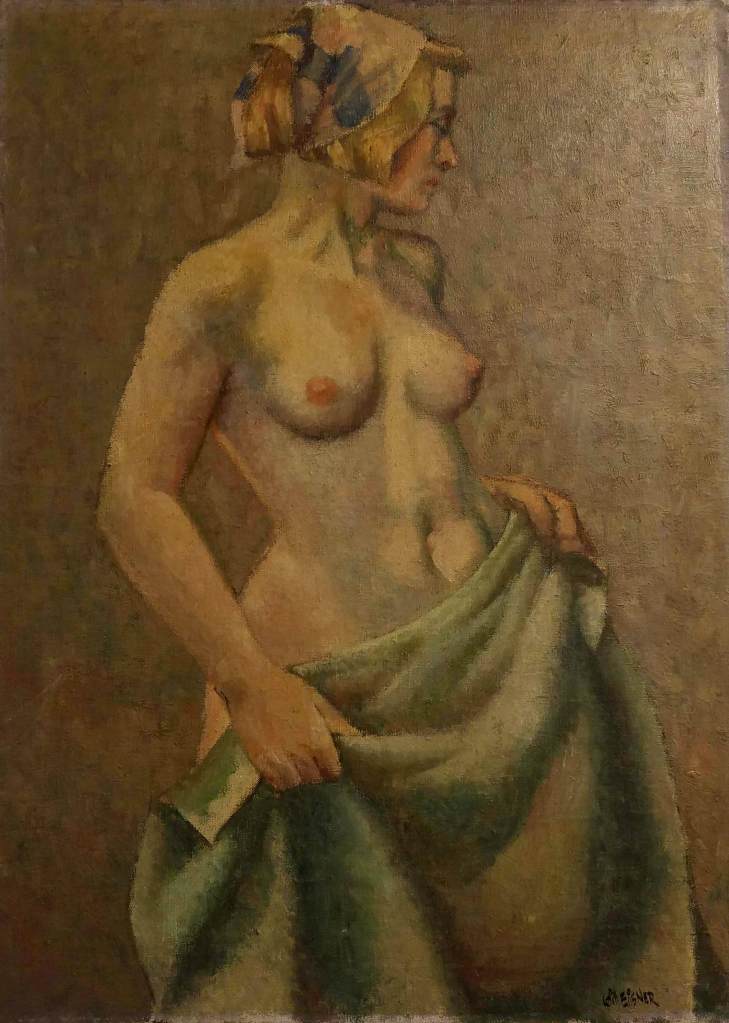 Portrait of a Nude Woman
1936
Oil on stretched canvas
A teen-aged Will Eisner painted this model while attending life drawing classes at the Art Students League in New York. Eisner’s disapproving and practical mother was shocked to learn that her young son was painting naked women and she discouraged him from pursuing art, a career she felt would be unremunerative. Eisner’s father, who when younger had aspired to be an artist, quietly gave his son encouragement.
 Late Train
New York City lithograph series
1988
Ink with watercolour on board
 Turf War
New York City lithograph series
1988
Ink with watercolour on board

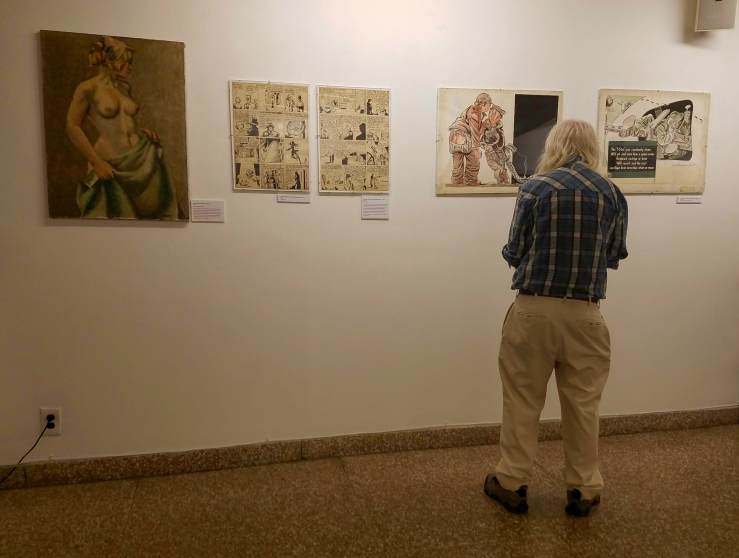

 A Contract with God and Other Tenement Stories: ”The Super”, ten-page excerpt
1978
Ink on vellum, adhered to board
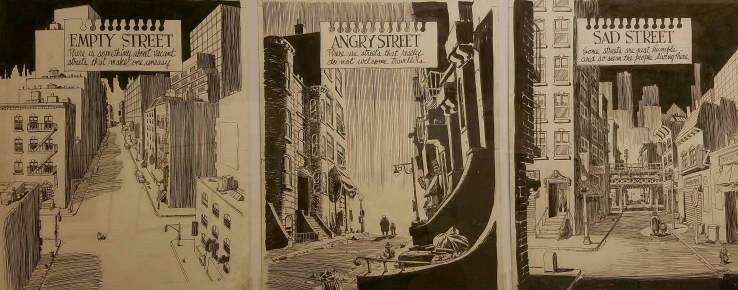
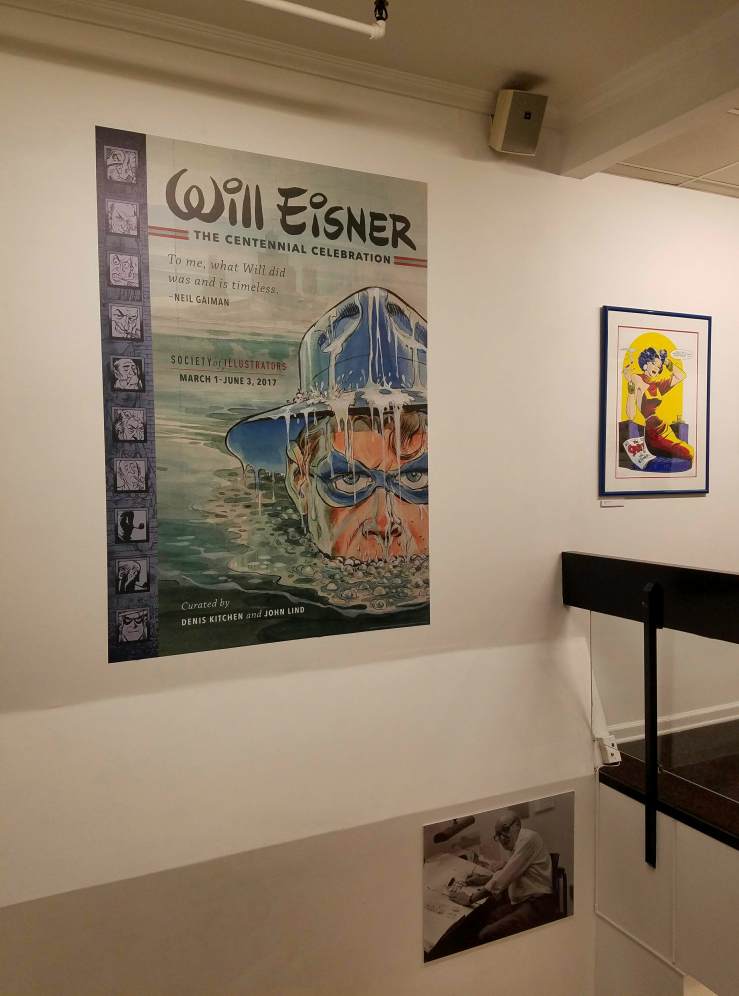
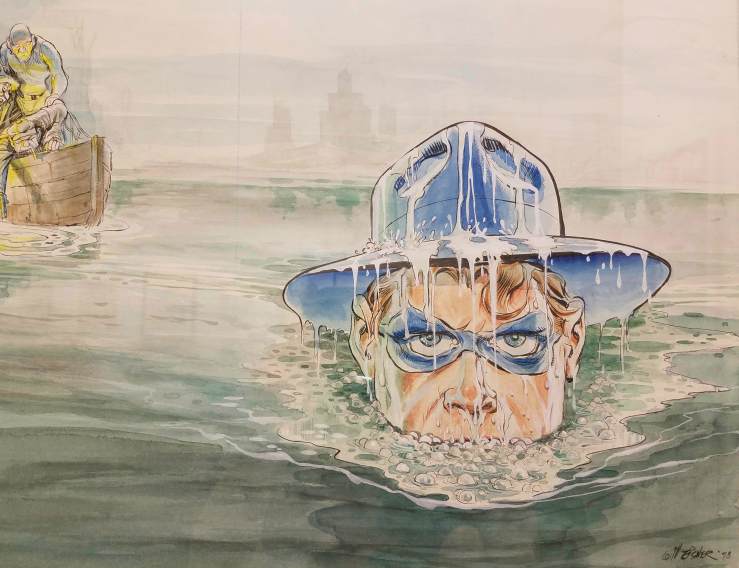 Images from WILL EISNER: The Centennial Celebration 1917-2017, a retrospective comprising over 150 pieces of artwork, graphic novel sequences, original pages of The Spirit and Mr. Eisner’s personal items. The exhibition was curated by Denis Kitchen and John Lind and ran between March & June 2017 at the Society of Illustrators. It was the largest Eisner exhibition ever in the United States and made me very happy indeed.
June 3rd, 2017
You don’t have to reach the end to see it.

72nd St. Subway Station
June 2nd, 2017
If you let your mind drift, your eyes will follow.
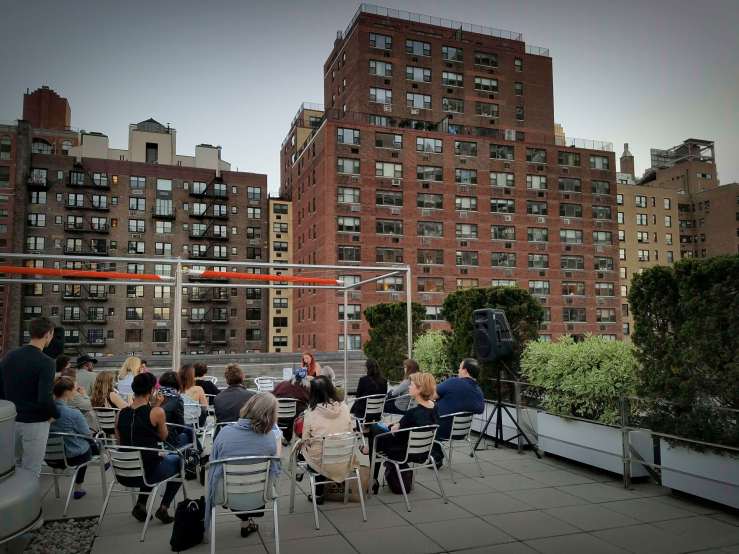
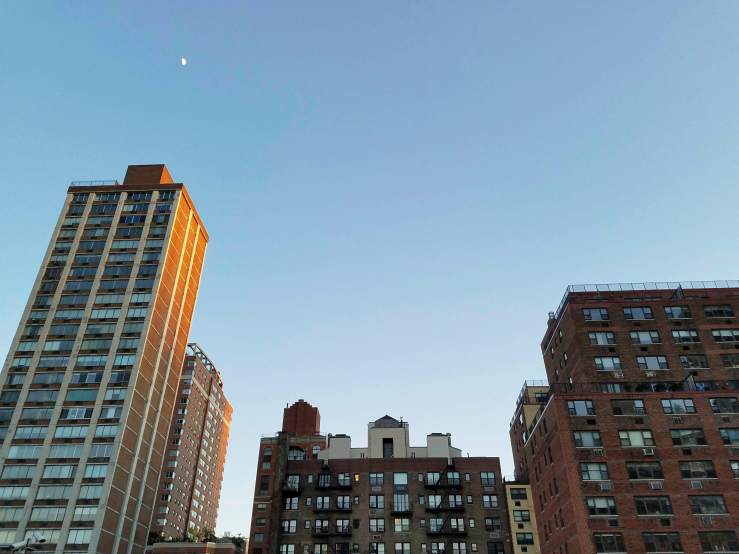
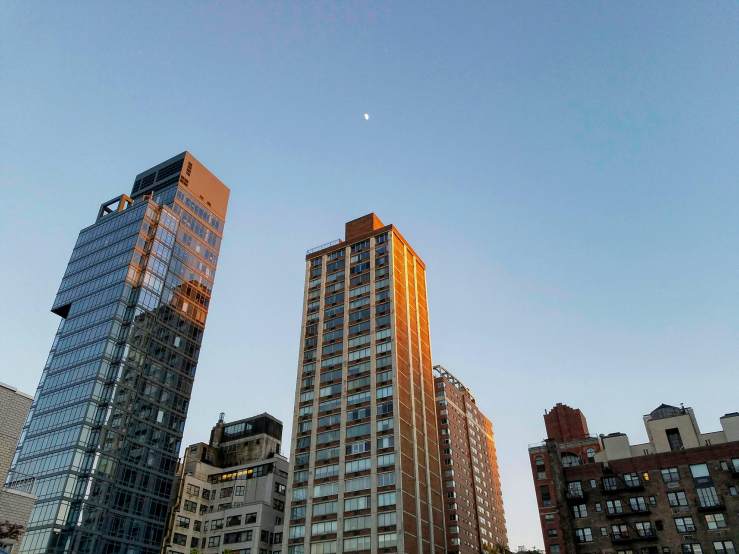
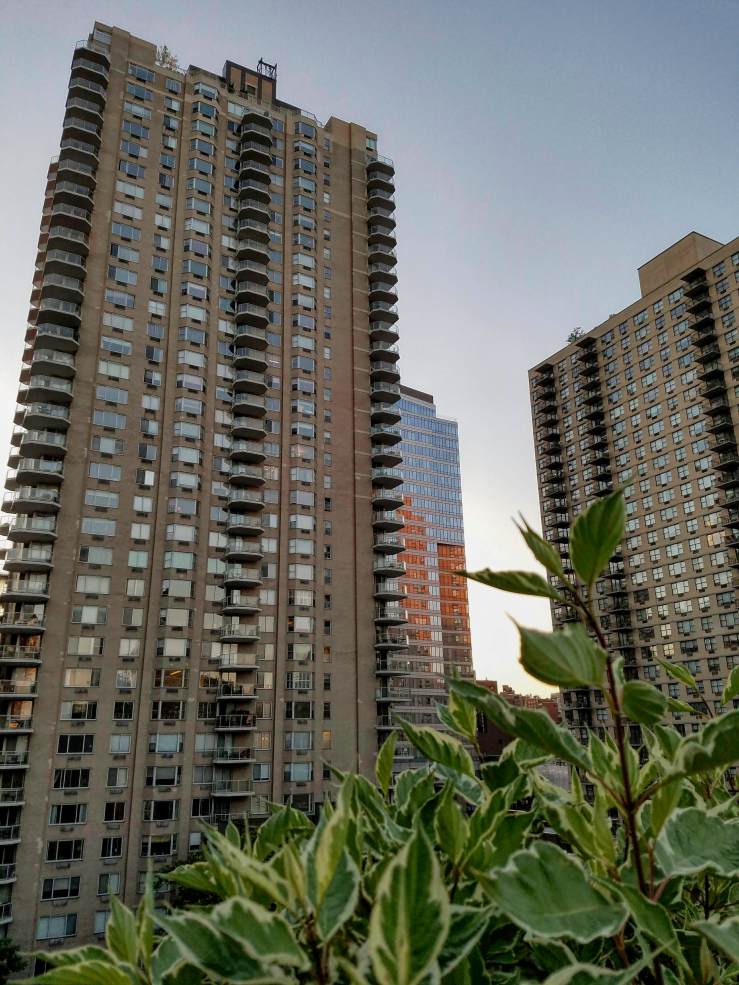
European Literature Night @ The Bohemian National Hall
June 2nd, 2017
subjective worldview
Actor, writer, cook and author
Travel experiences & Strasbourg city guide
Writer
joy, happiness, travel, adventure, gratitude
"Rêve onirique & Bulle d'évasion"
makes pretty things on paper
This WordPress.com site is Pacific War era information
Welcome to my curious world of words....
Photographs, music and writing about daily life. Contact: elcheo@swcp.com
Free listening and free download (mp3) chill and down tempo music (album compilation ep single) for free (usually name your price). Full merged styles: trip-hop electro chill-hop instrumental hip-hop ambient lo-fi boombap beatmaking turntablism indie psy dub step d'n'b reggae wave sainte-pop rock alternative cinematic organic classical world jazz soul groove funk balkan .... Discover lots of underground and emerging artists from around the world.
A 365 analogue photography project
Barcelona's Multiverse | Art | Culture | Science
Een digitaal atelier aan de (zee)slag.
‘Doodling Ambiguity’s in Ink.’
Miscellaneous photography
Glimpses along the way on a journey of discovery into symmetry...
 The Humble Fabulist