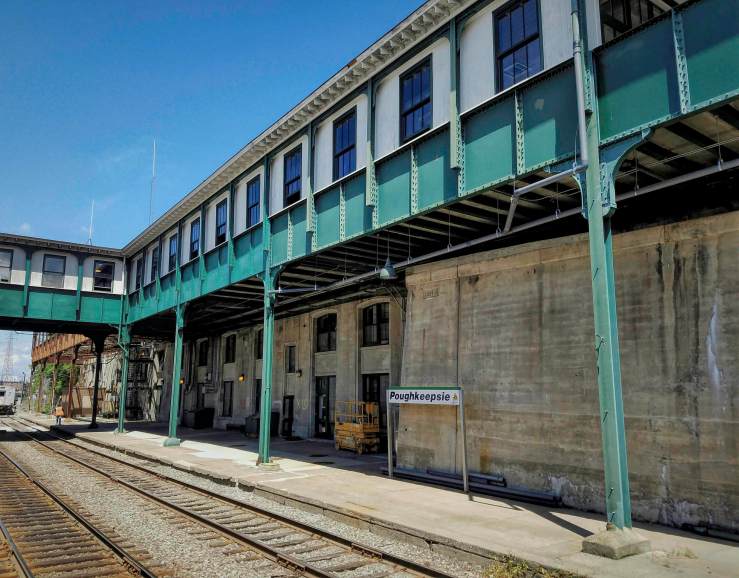
First, I was intrigued by the Native American name. Looking for its meaning, I found out that it is a mispronunciation of a Native American word referring to the location of a spring of fresh water that was used by the first travelers as a rest stop on the trail that ran along the river. Poughkeepsie is derived from ”uppuqui ipis ing”, uppuqui pronounced oo-poo-kee, and it means ”the reed-covered lodge by the little water-place”. [source]
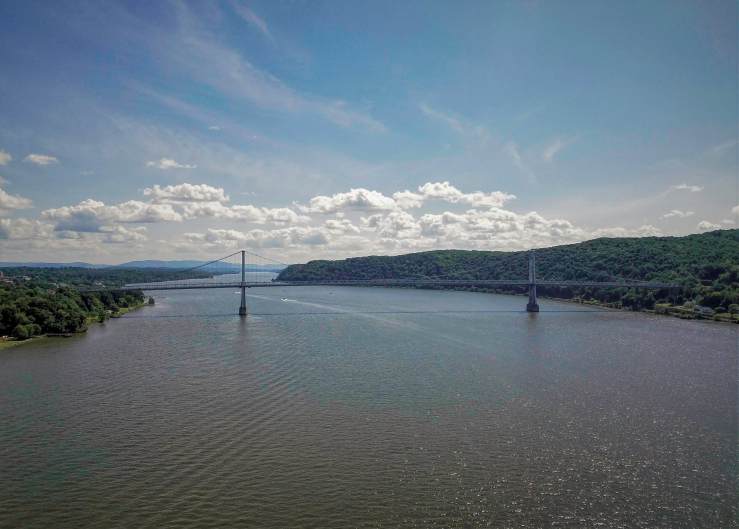
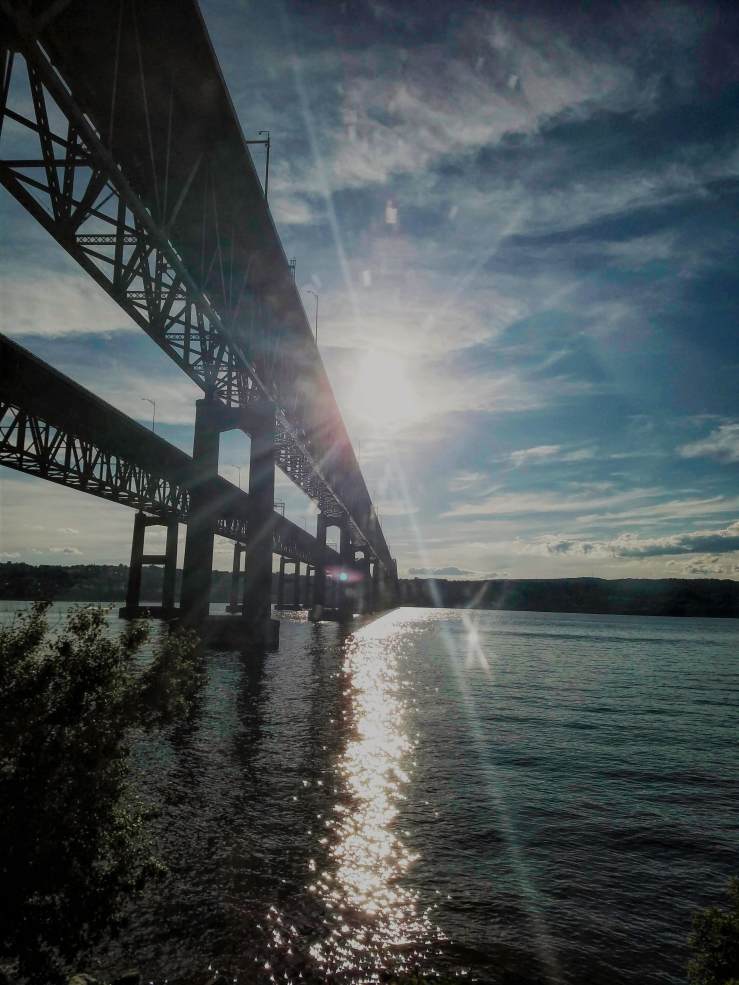
Then, came an episode of the ”Great American Railroad Journeys”, a BBC travel documentary in which Michael Portillo crosses the United States by train using an 1879 copy of Appleton’s Guidebook. In this episode, Portillo makes a stop on his way to Albany, to walk across the former Poughkeepsie-Highland Railroad Bridge, built in 1889.
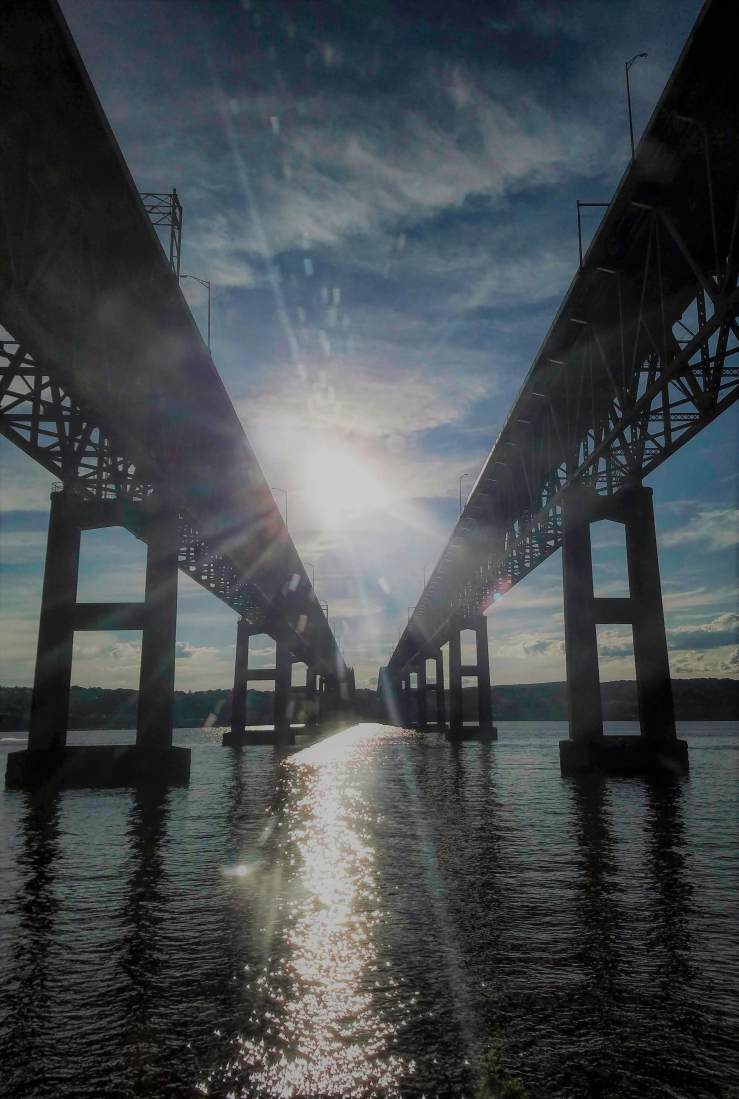
In Appleton’s time the bridge existed on paper only but, just ten years later there it was, the first Hudson River rail crossing north of New York City, intended to move mostly freight from Midwest to New England. In peak times, as many as 50 trains a day used to cross the bridge, but by 1974, when it was destroyed by fire, the traffic had dropped to one train a day.
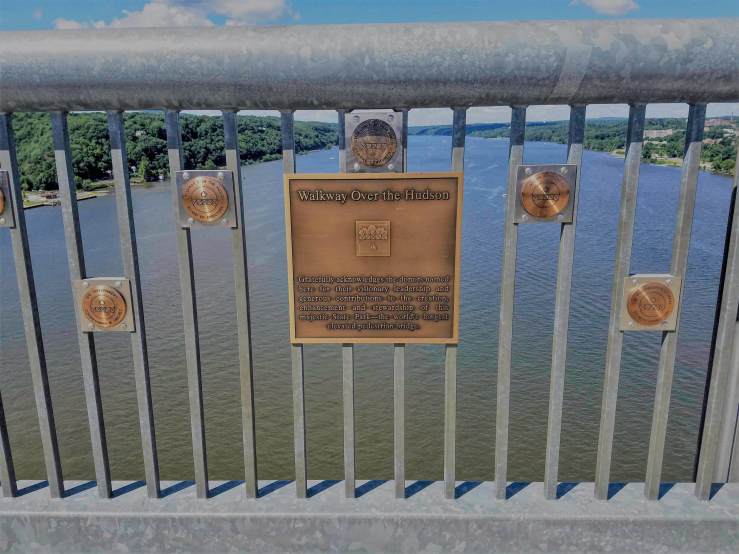
The fire may have been extinguished but the damaged bridge remained closed, in disrepair for 35 years, until October 2009 when it was reopened as Walkway Over the Hudson with funding by the State and Federal government bodies responsible for historic preservation, private philanthropic organisations, but mainly the initiative and extensive support by local residents.
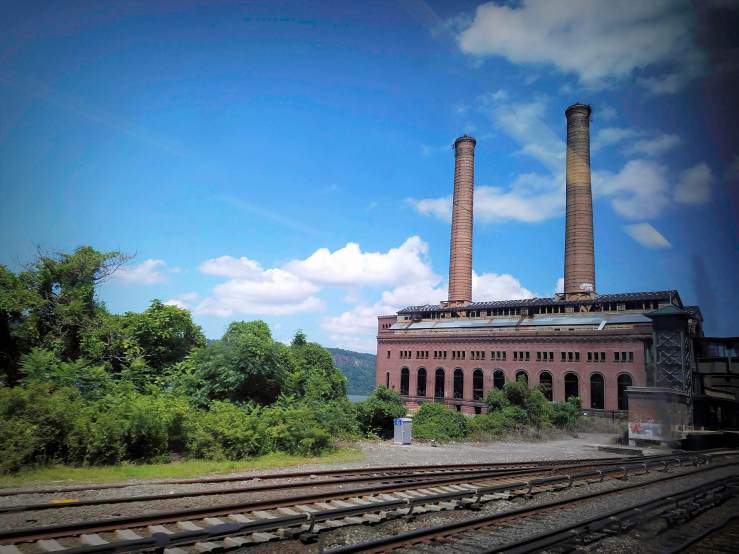
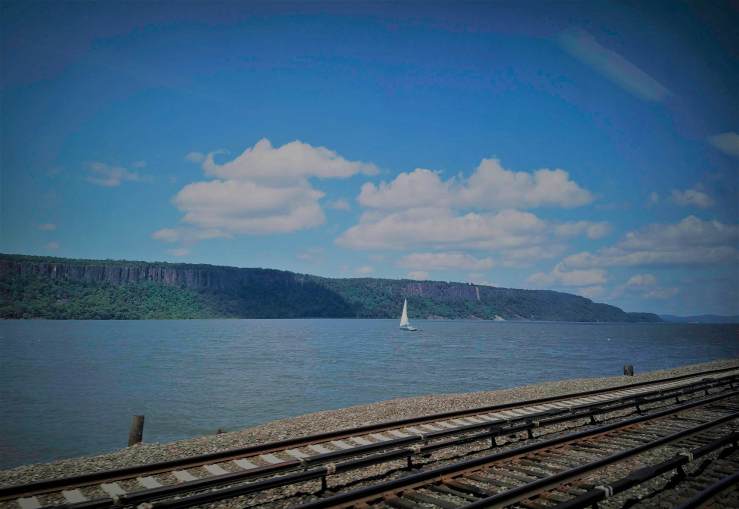
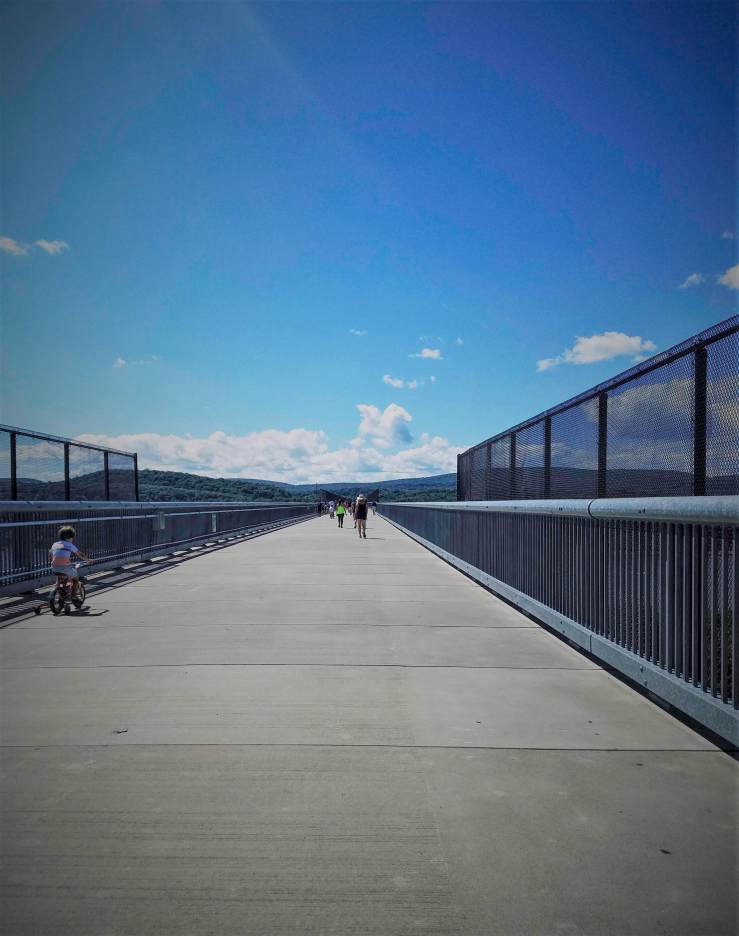
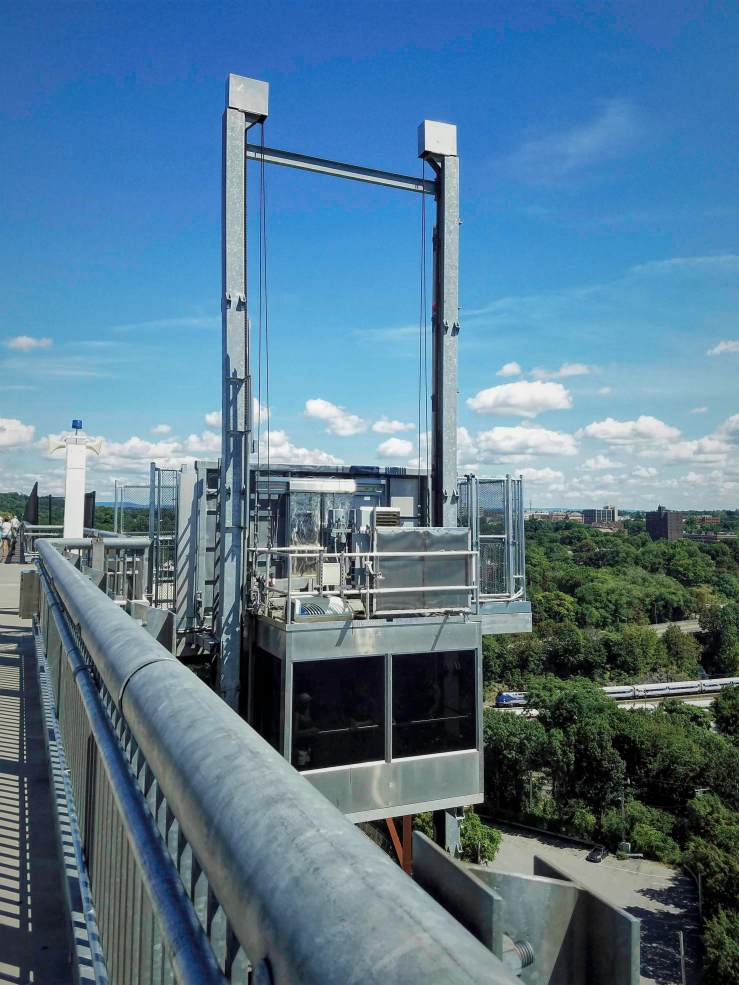
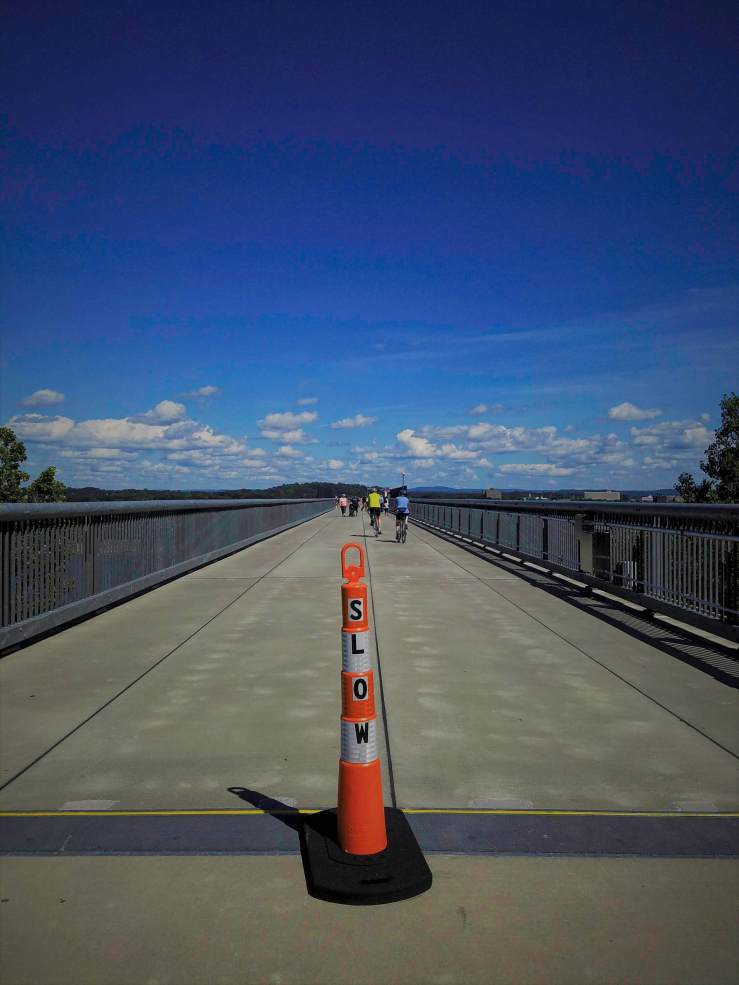
At 1,28 miles – just over 2 km long, it claims the first place as the longest, elevated pedestrian bridge in the world. Open daily from 7 am to sunset, easily reached from Manhattan: a two-hour trip running mostly alongside the Hudson, on Metro-North from Grand Central Terminal.
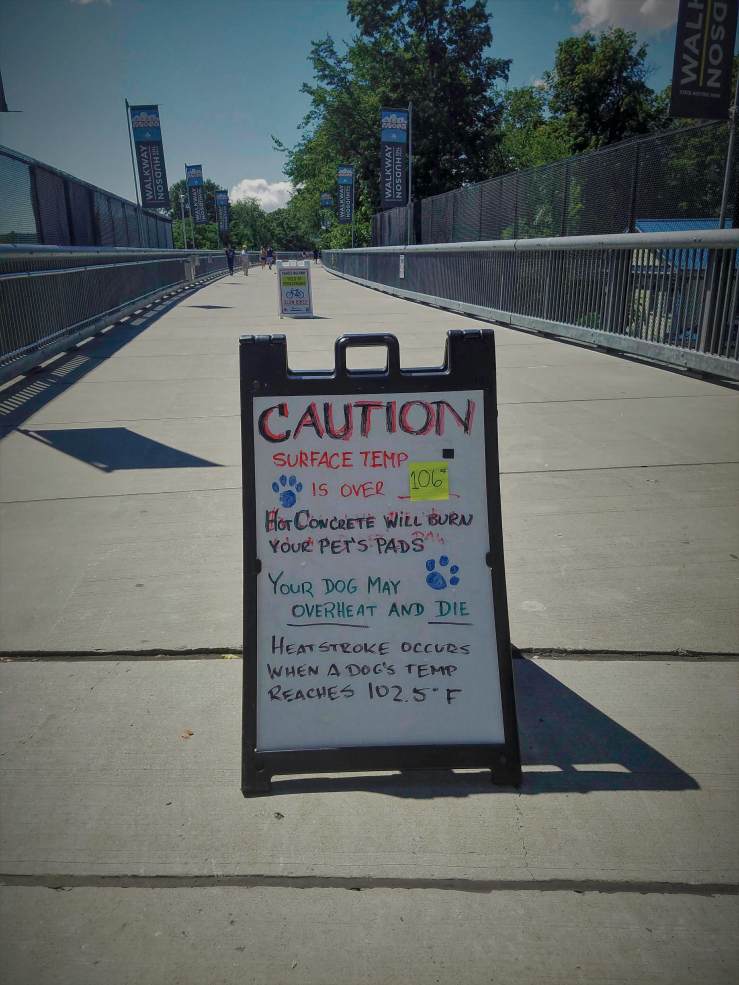
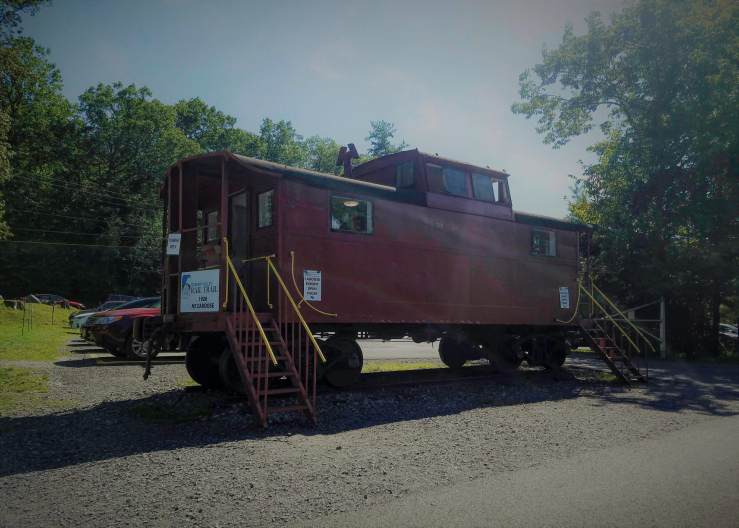
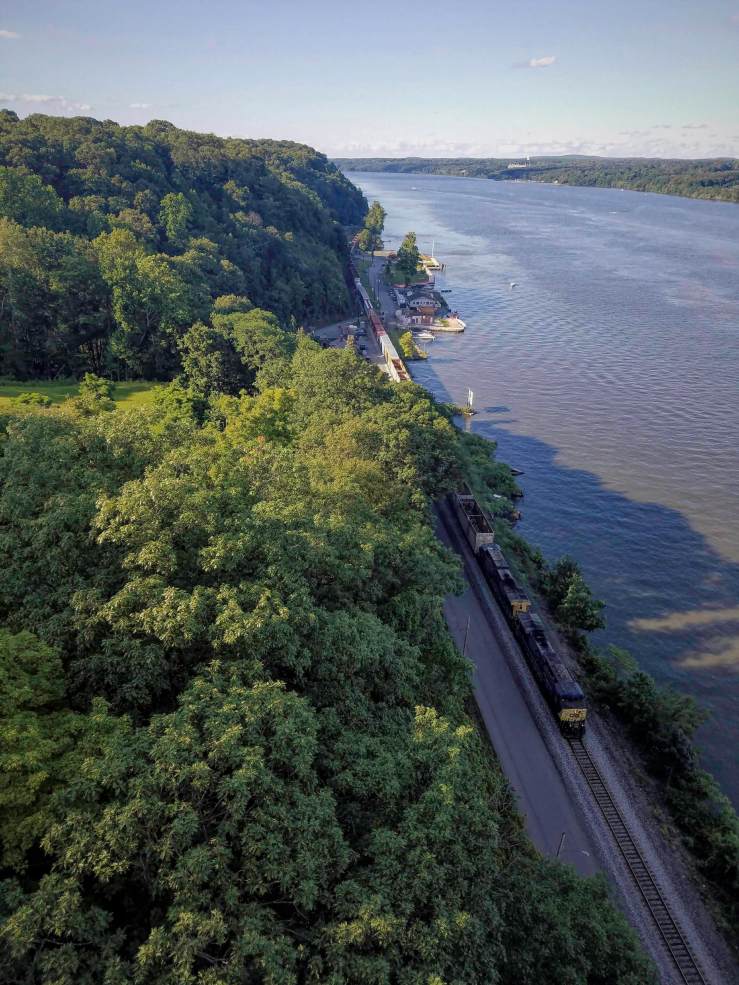
Attention, however, you need to plan accordingly: except for the obvious breezy conditions one may expect on a bridge, it can get really hot (as in boiling) on this particular one. There is nowhere to hide from the sun and relief will come only once you’ve crossed on either side and especially Highland, where the Hudson Valley Rail Trail continues for miles under the welcome leafy shade.
August 13th, 2017



 The Humble Fabulist