I had read about Sargent’s murals and, in any case, public libraries always figure high on our ”must see” lists when we visit cities with significant history and culture. Having already been acquainted with the treasures inside and out of the MFA and having marveled at the city from high above, I expected the Library would be the best way to end a day full of wonders. I expected to be amazed by a couple of murals, chandeliers, marble staircases and, of course, an inviting reading room. But nothing – nothing – could have prepared me for this:
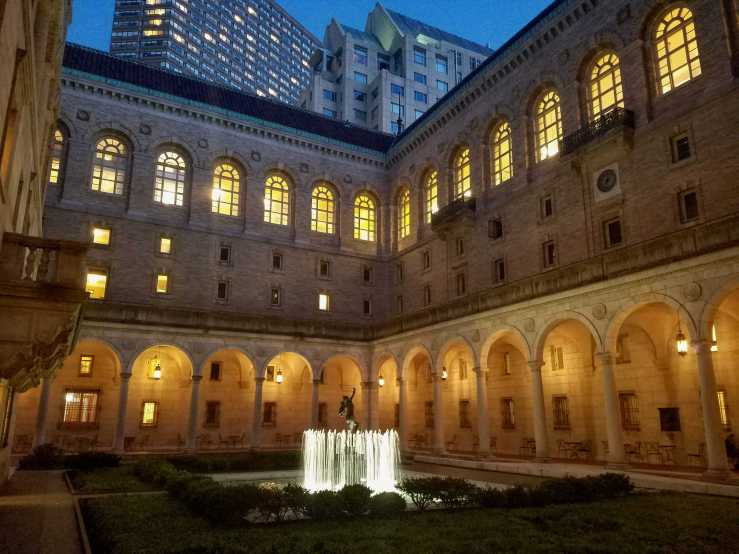
Not just a couple of murals but three whole galleries covered in art – by three different artists.
We found the Chavannes Gallery first: The Muses of Inspiration Hail the Spirit, the Messenger of Light by Pierre Puvis de Chavannes
“This cycle of allegorical murals by renowned French painter Pierre Puvis de Chavannes (1824-1898) was completed in Paris and installed between 1895 and 1896. Subjects depicted include science, history, poetry and philosophy.”


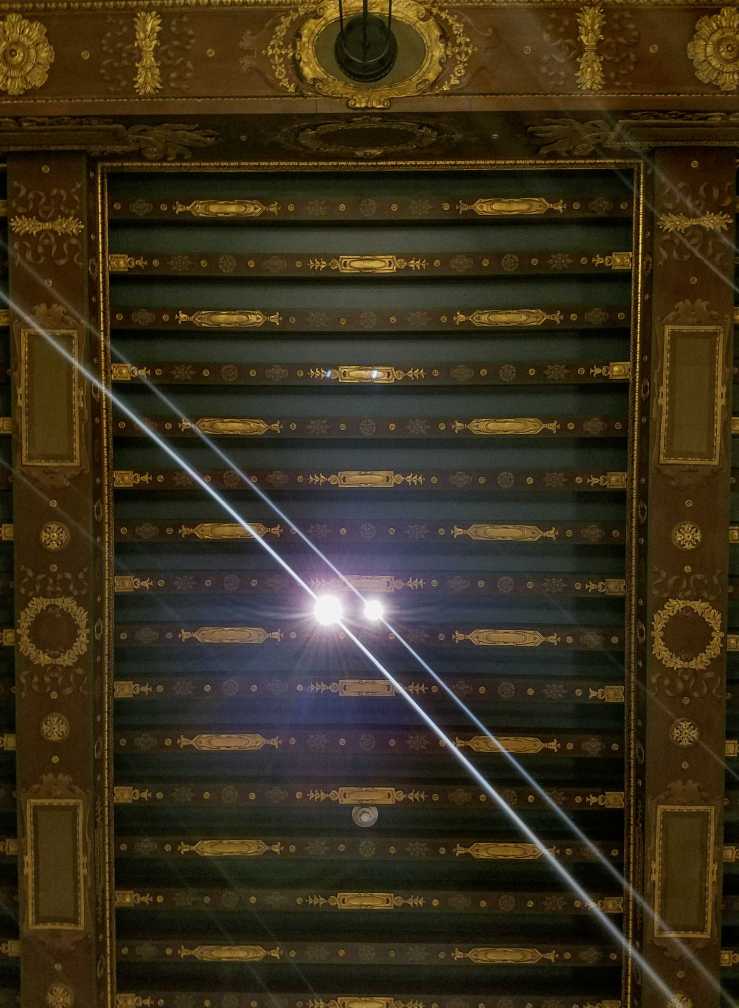
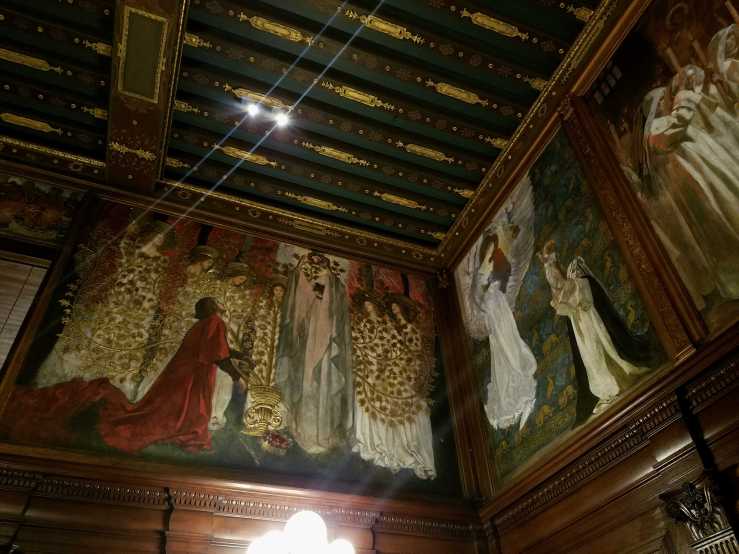
Then came the Abbey Room and its murals: The Quest and Achievement of the Holy Grail by Edwin Austin Abbey
“Respected American illustrator Edwin Austin Abbey (1852-1911) completed his first work in oil paint with this vibrant mural cycle, installed in the library in 1902. The murals follow the story of Sir Galahad on his quest for the Holy Grail.”
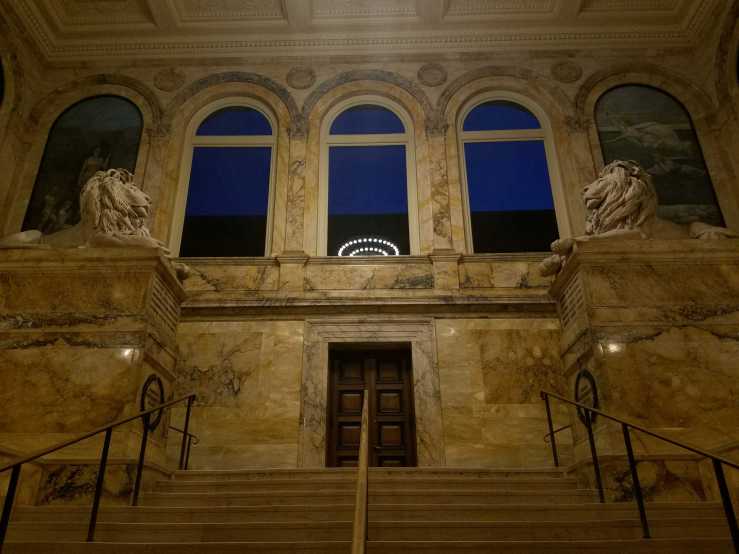
And, finally, the magnificent Sargent Gallery Murals: Triumph of Religion by John Singer Sargent
“American artist John Singer Sargent (1856-1925) spent 29 years on this ambitious mural cycle, titled The Triumph of Religion. Painted in his studio in England and installed over four phases between 1895 and 1919, the panels interpret moments in the history of Paganism, Judaism and Christianity.”
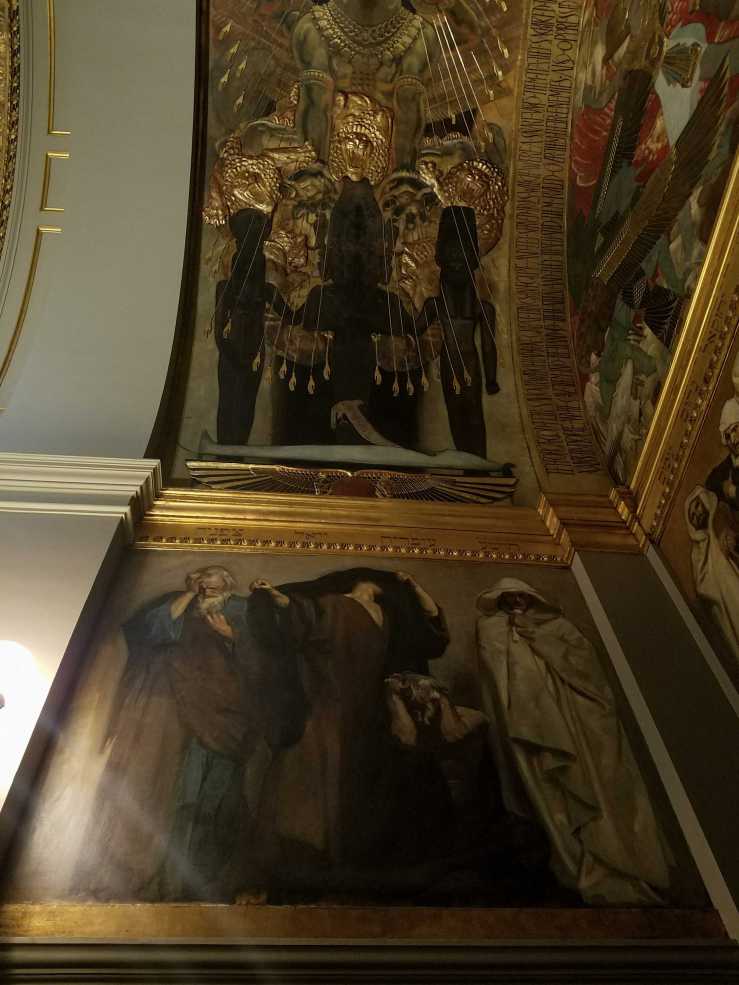
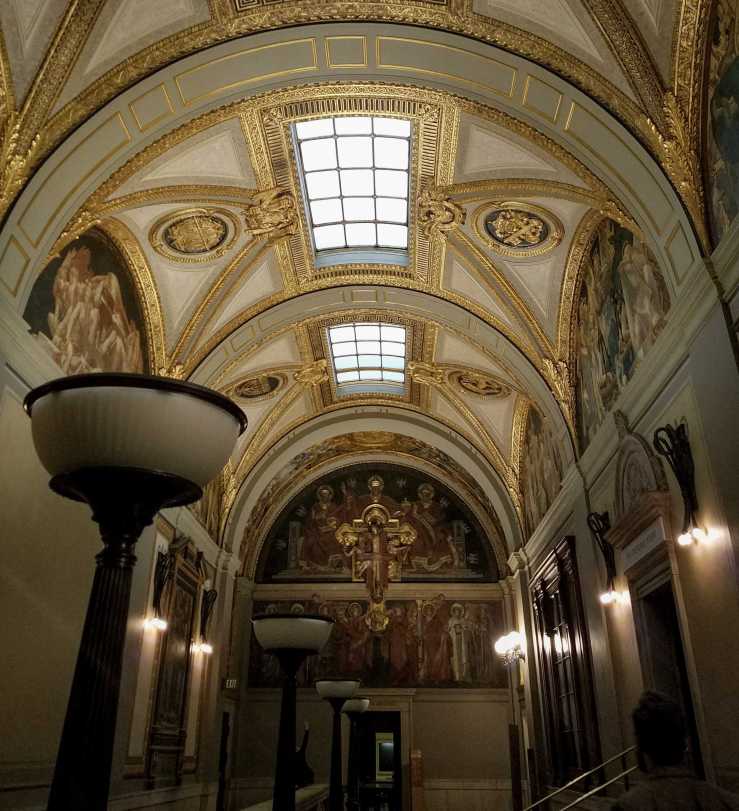
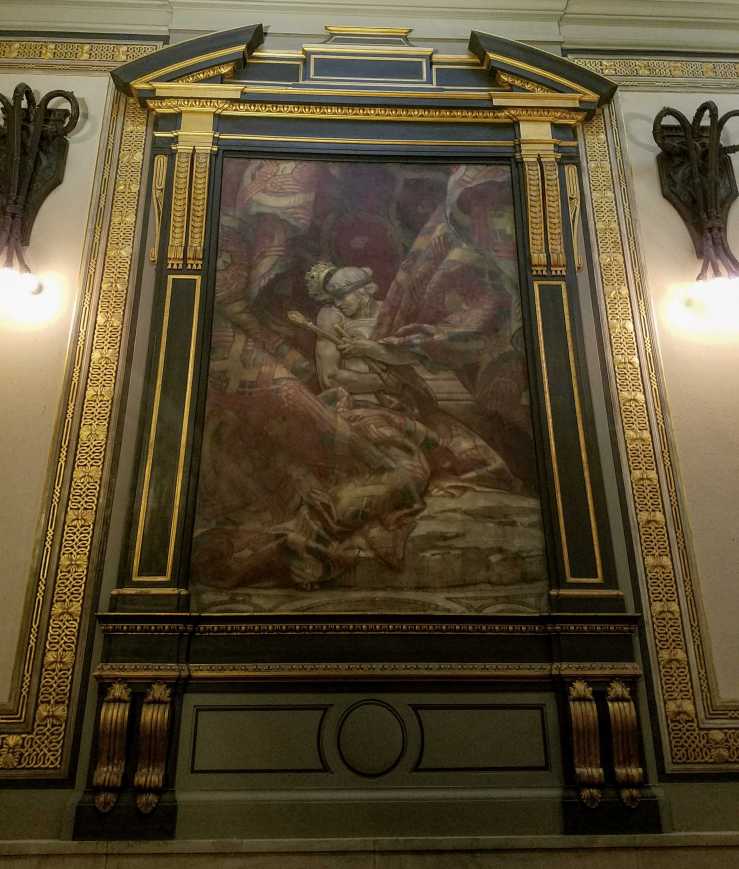
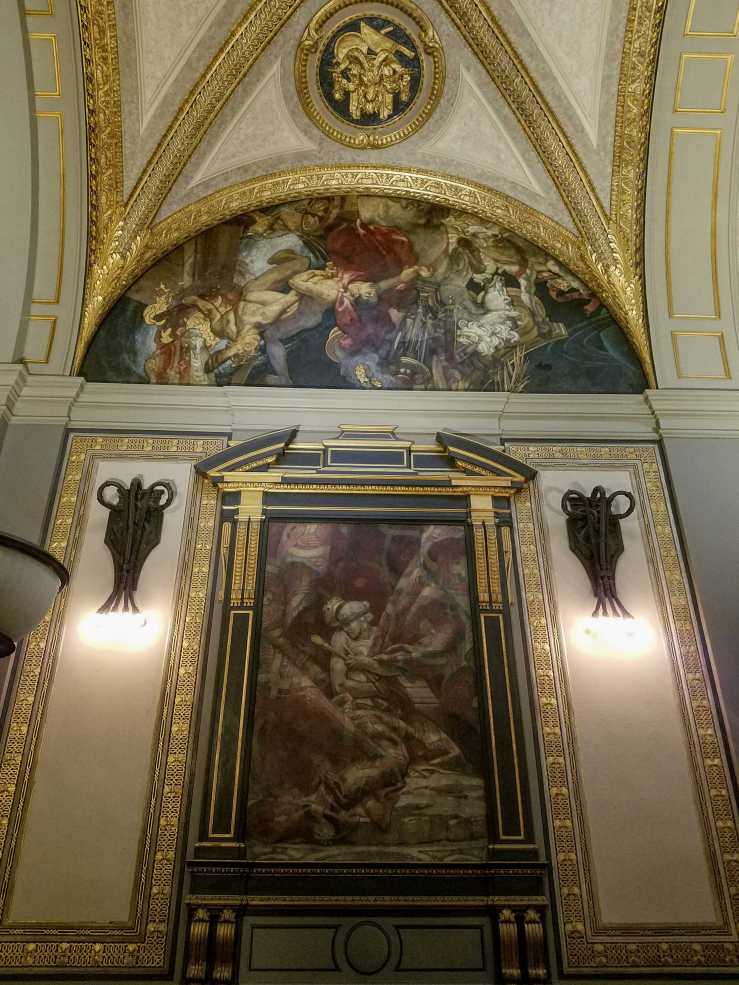


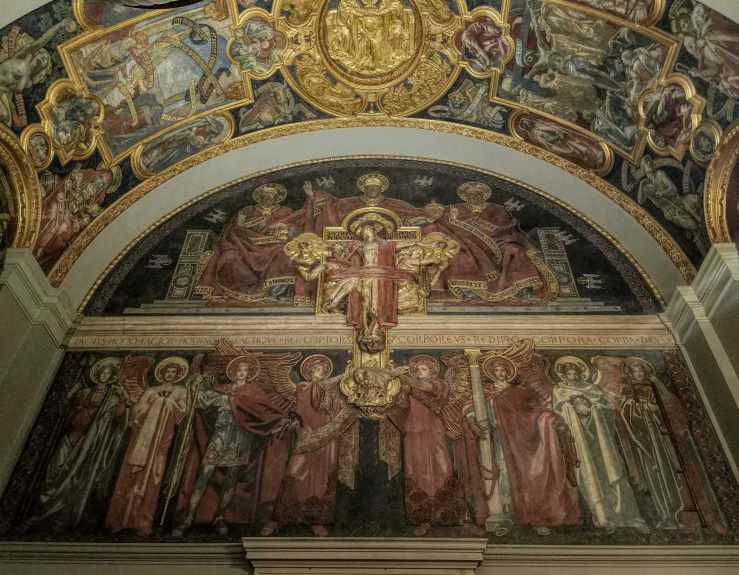
For more information the Library and Murals, notably those by John Singer Sargent, please check The Boston Public Library website.
Visited on May 2nd, 2017 – and still in awe.


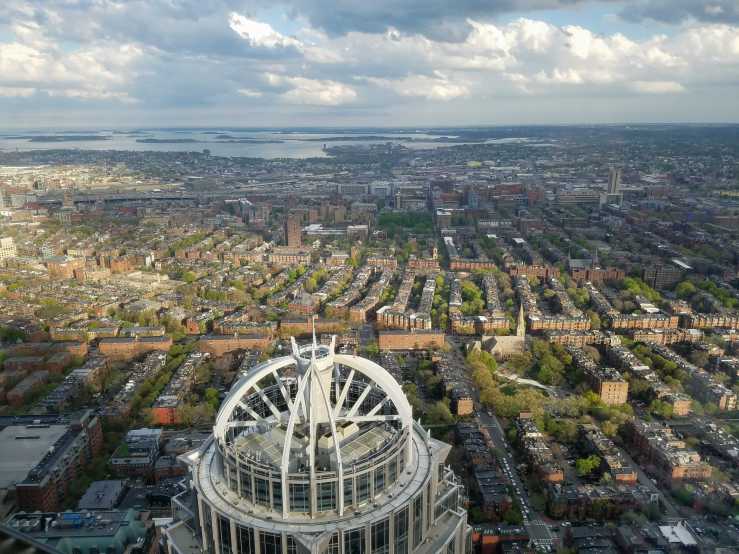
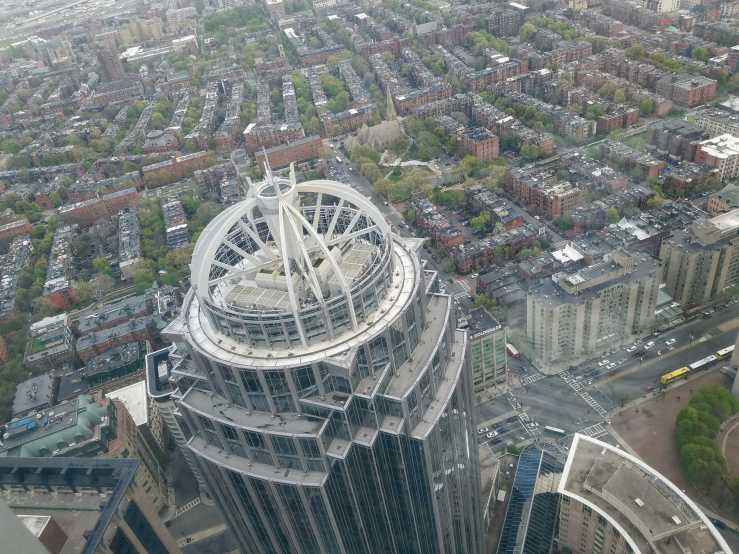





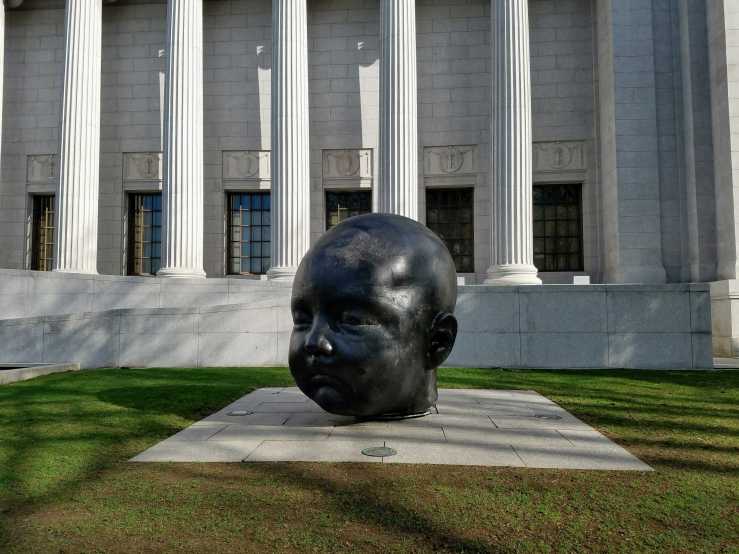





 There is a bunny hiding in this picture; an adorable little troublemaker, disrupting the peace.









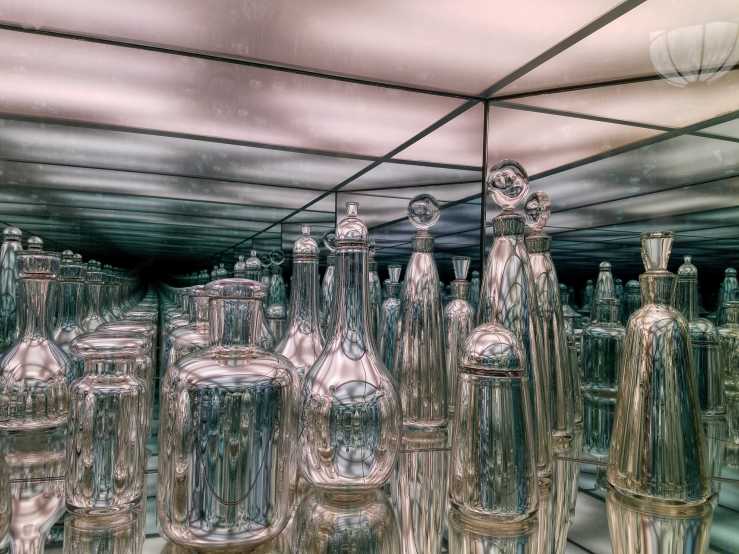

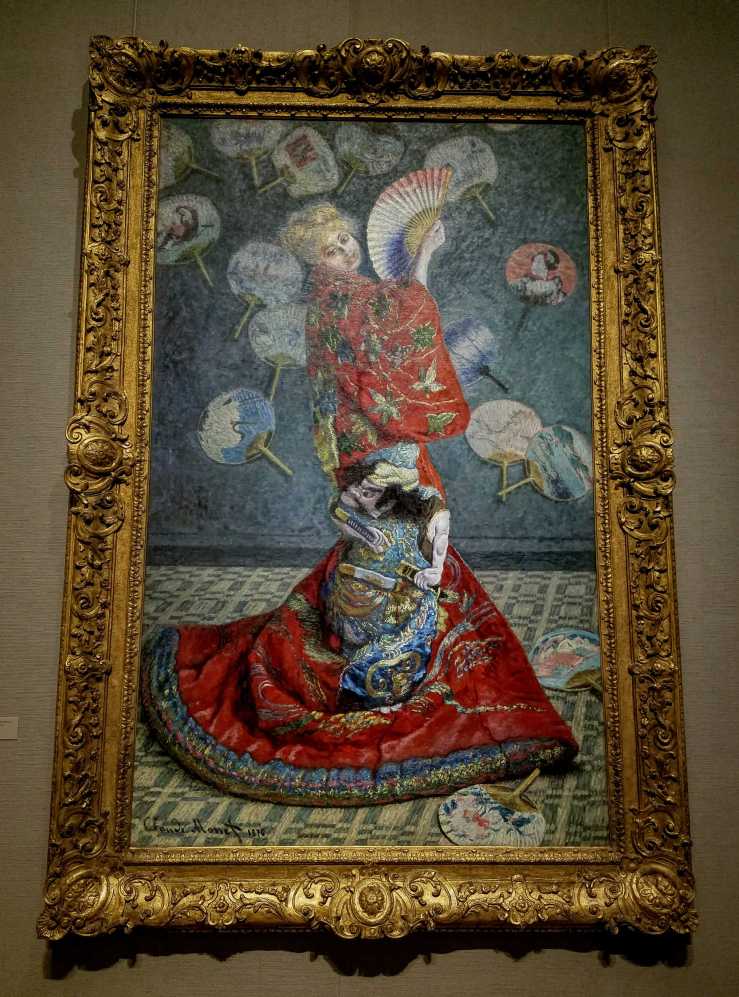
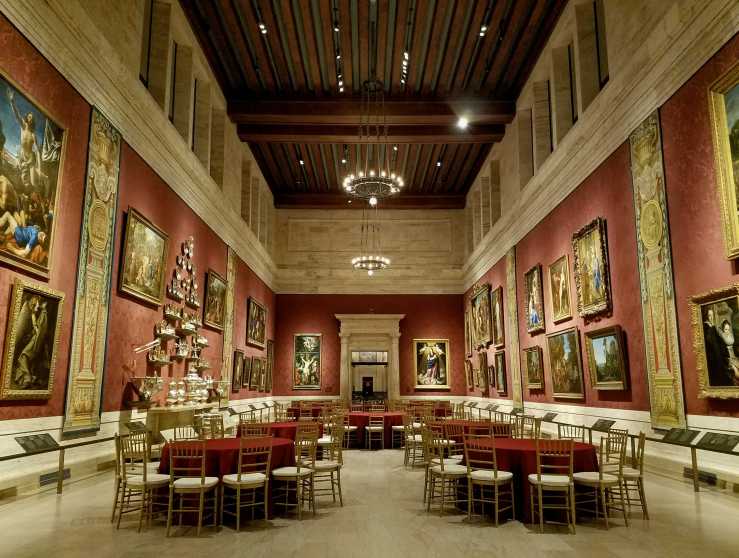 … it leads to the Monet gallery. The MFA boasts one of the largest collections of Claude Monet’s work outside France, with a whole gallery dedicated to the artist! Below, just two of the works I particularly enjoy – the first, for its virtuosity and splendid kimono and the second, for its hazy, dreamy mood:
 Claude Monet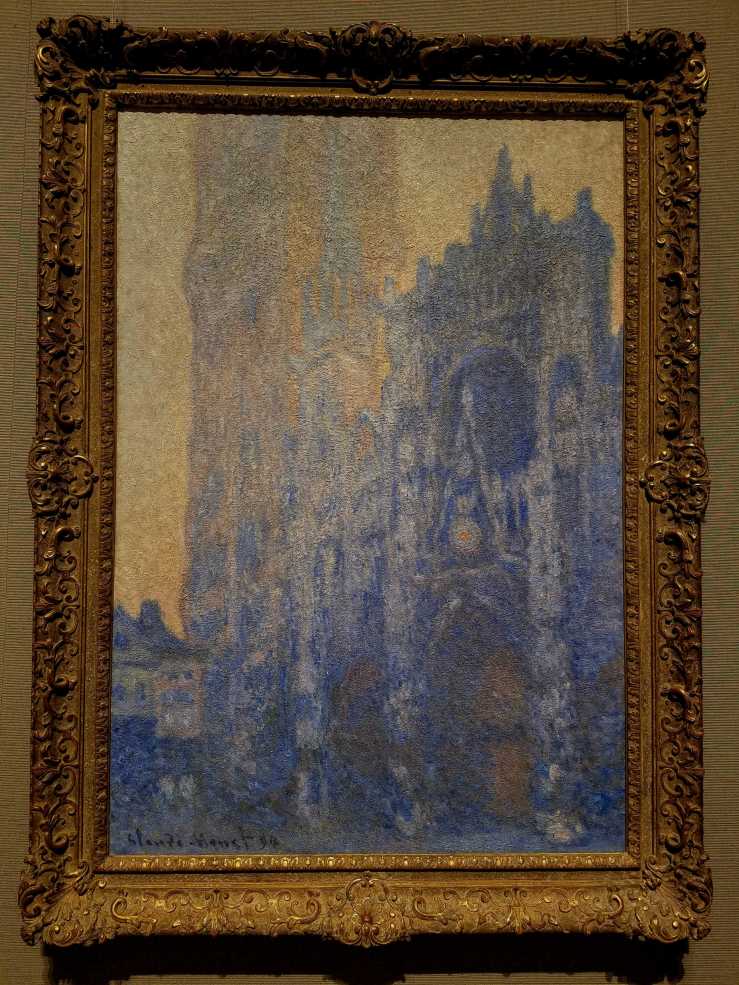




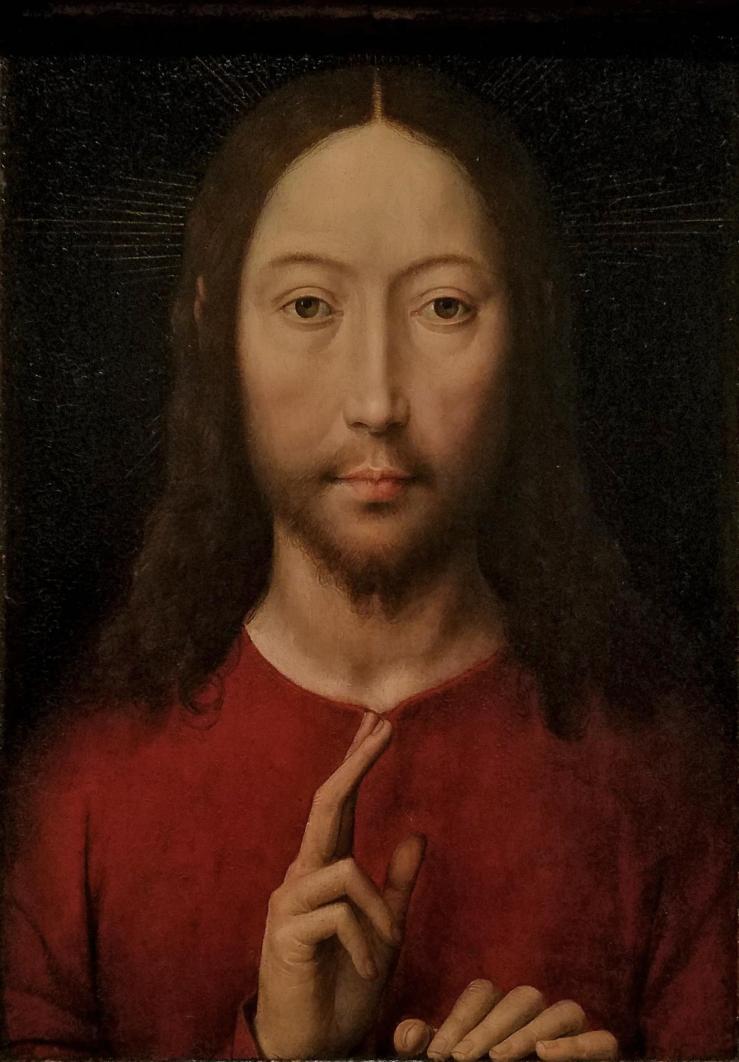 Hans Memling

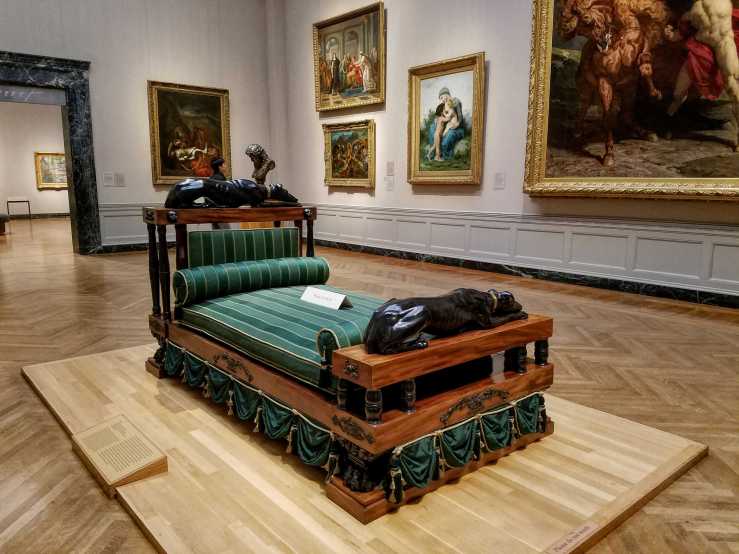 Bed
Bed  This bed is among the most original pieces of English Regency furniture. Dominant in English interiors from about 1800 to 1830, the Regency style perpetuated the classical taste of the late 18th century but was more academic and archaeologically correct. This bed closely resembles furnishings designed by Thomas Hope – collector, connoisseur and a pivotal figure in the classical revival of Regency England- for one of his residences. Its architectural form and bronze mounts derive from ancient and Renaissance models. The greyhounds, however, are inspired by medieval tomb sculpture and exemplify the more romantic interpretation of historical sources characteristic of Hope’s influential furniture designs. The bed may have been used for resting – a day bed – or for sleeping.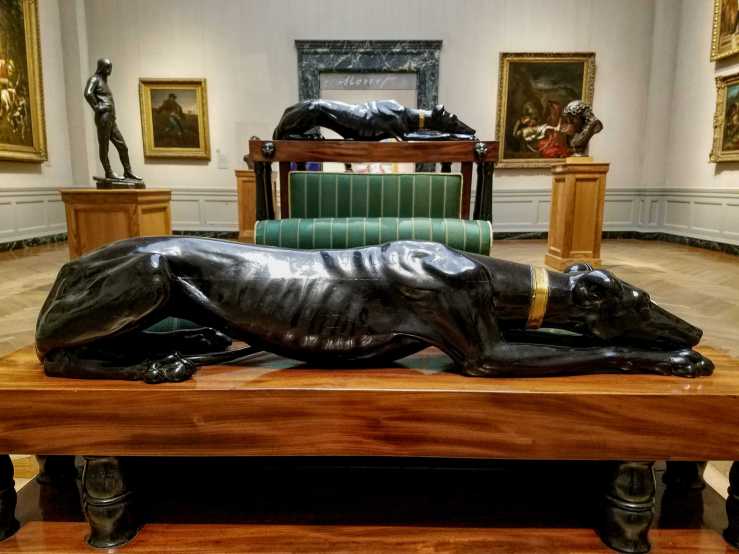

 The Humble Fabulist