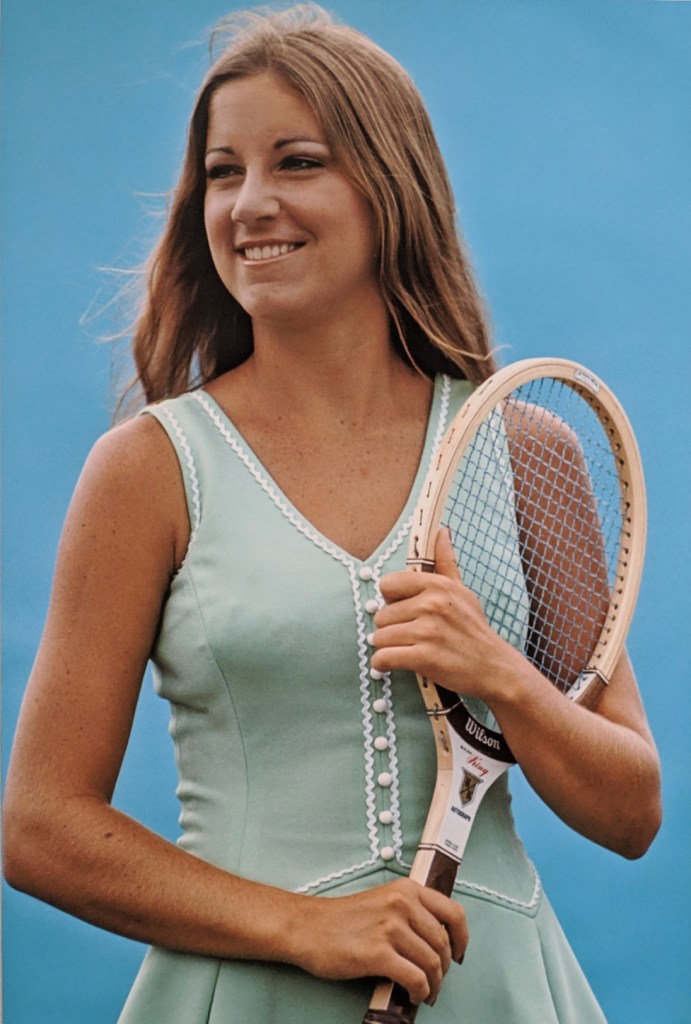
The Champion

Chris Evert

Tennis match after tennis match, Chris Evert was the picture of composed aggression as she sliced, lobbed, and, with two fists, backhanded her way to victory, amassing an astonishing career-winning record of 90 percent. Between 1974, with her first French Open championship, and 1986, with her record seventh, she collected eighteen Grand Slam singles titles, including two at the Australian Open, three at Wimbledon, and six at the U.S. Open. Evert was one of the last major champions to use a wooden tennis racquet; her one-time fiancé Jimmy Connors had switched to metal, and her greatest rival, Martina Navratilova, was swinging a graphite model.

Known as ”America’s Sweetheart” for her on-court femininity, Evert also became known as the ”Ice Maiden” for her steely nerves. Even in defeat, which was rare, Evert was always the gracious competitor. In 1995, she was inducted into the International Tennis Hall of Fame.

Photograph by Al Satterwhite (from the 1973 original)

National Portrait Gallery, Washington, D.C.

March 22nd, 2019
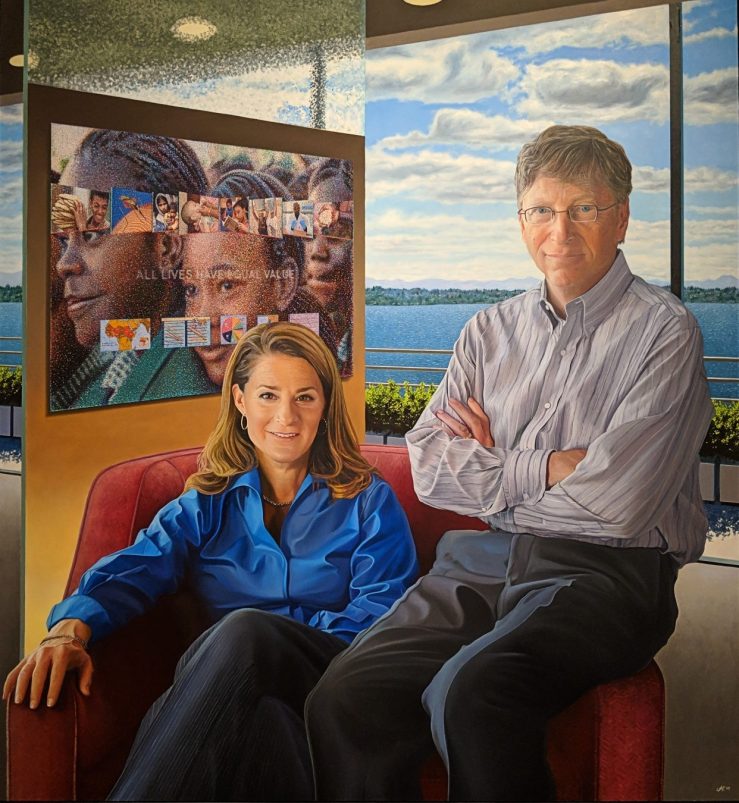
The Art of pairing Smartness with Goodness

Bill and Melinda Gates || Jon R. Friedman || Oil and collage on canvas attached to wood panel, 2010
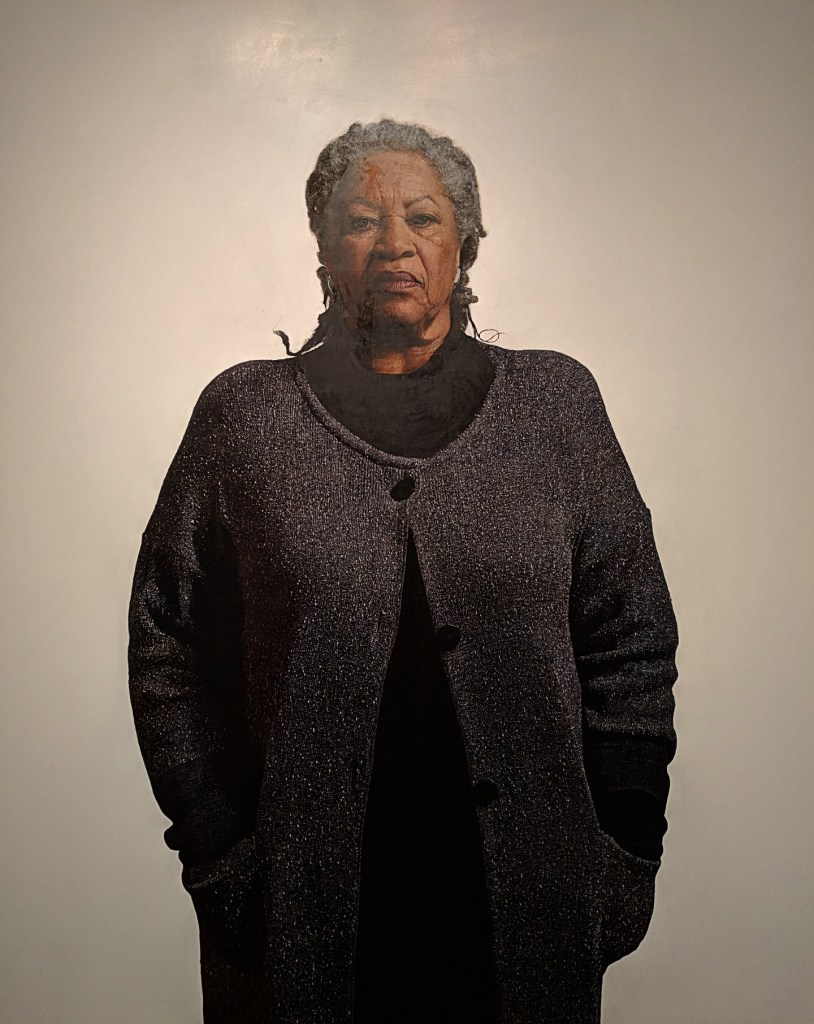
Toni Morrison || Robert McCurdy || Oil on canvas, 2006
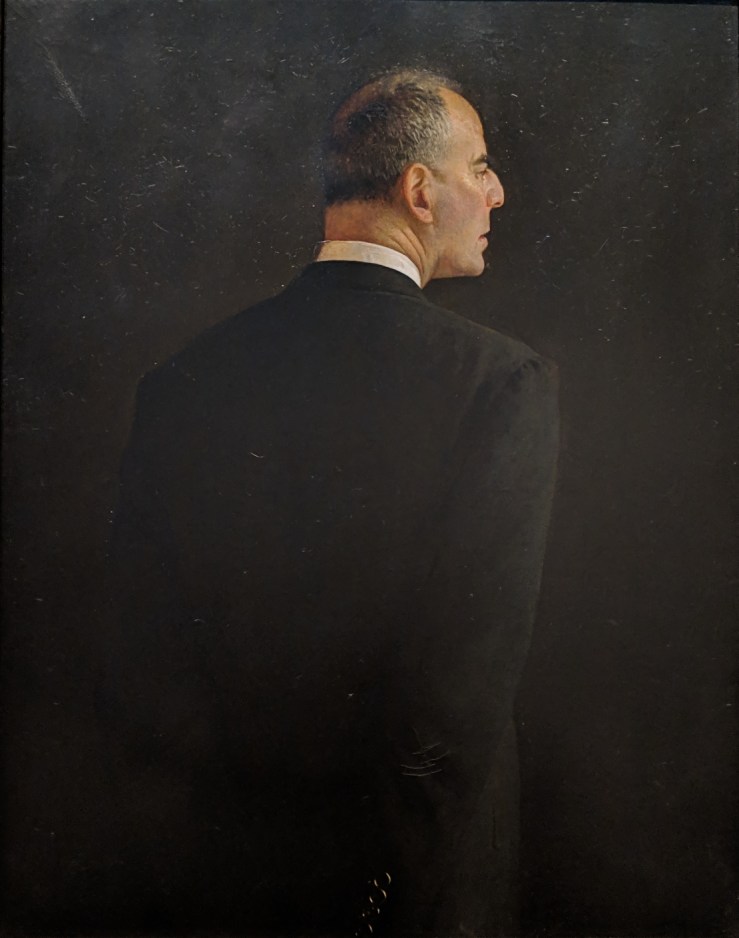
Lincoln Kirstein || Jamie Wyeth || Oil on canvas, 1965
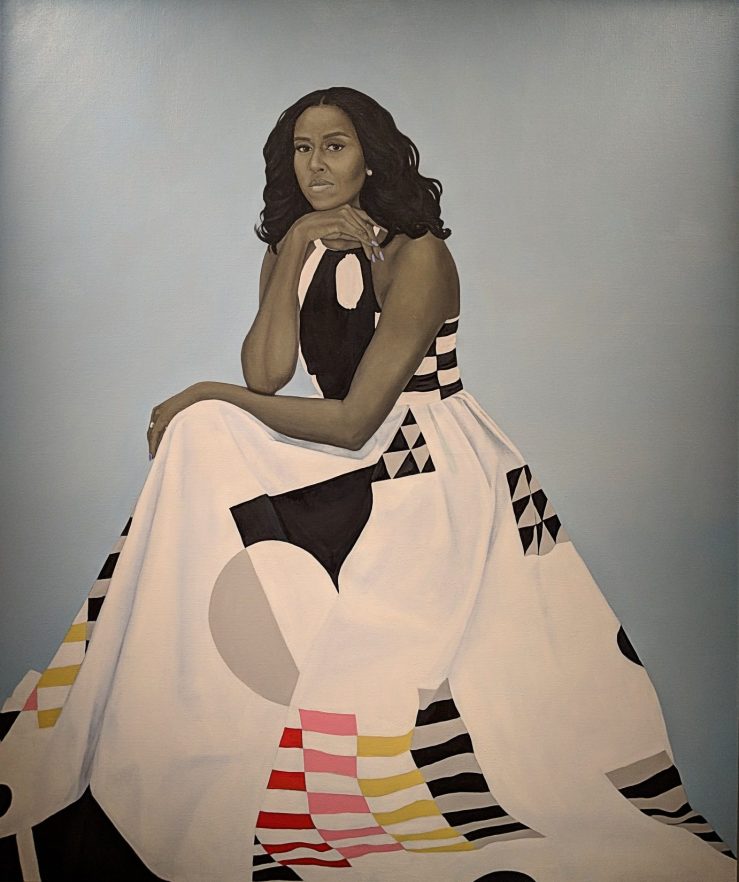
Michelle LaVaughn Robinson Obama || Amy Sherald || Oil on linen, 2018

National Portrait Gallery, Washington, D.C.

March 22nd, 2019
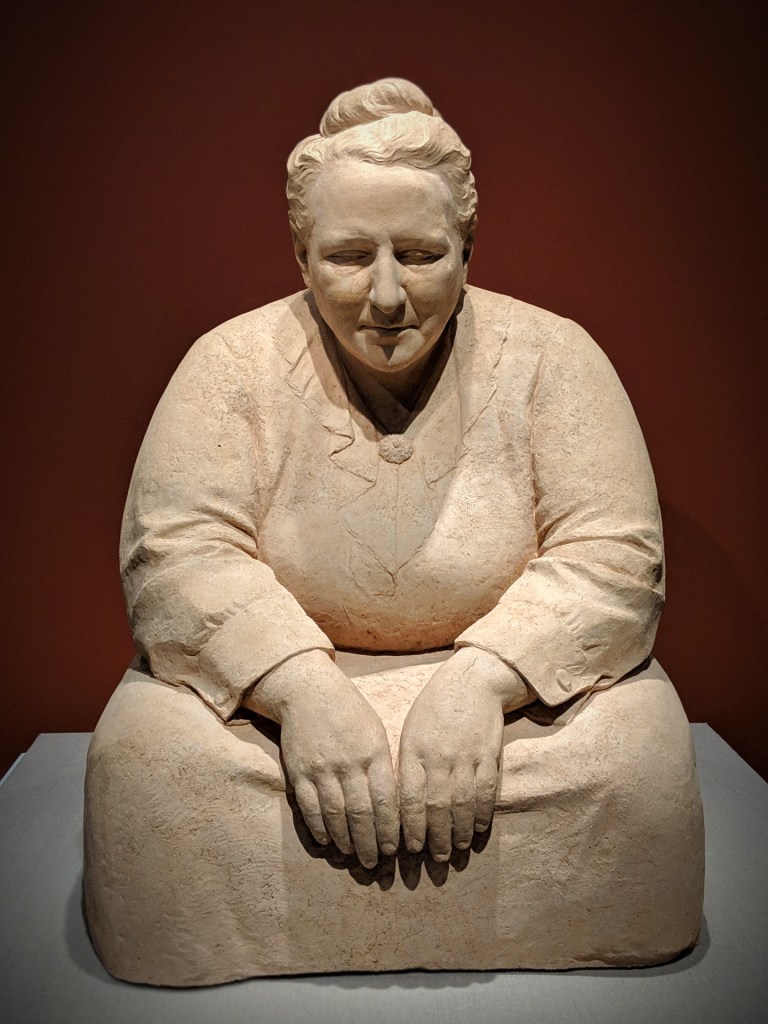
Meet Ms Gertrude Stein

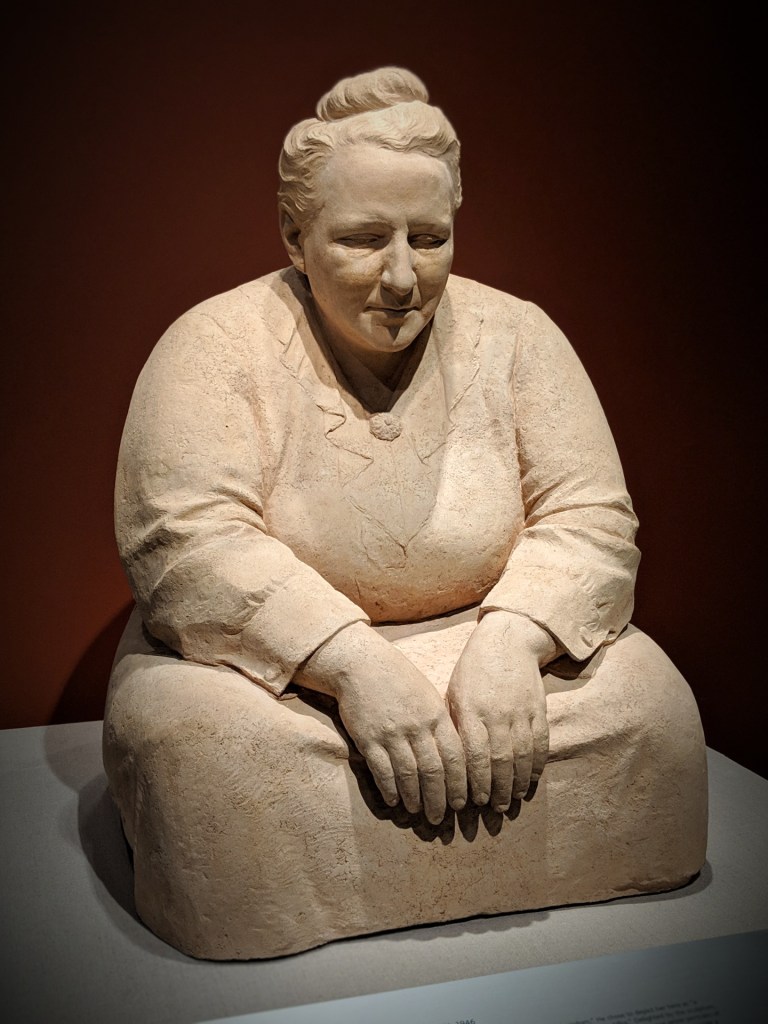
Gertrude Stein, 1874-1946

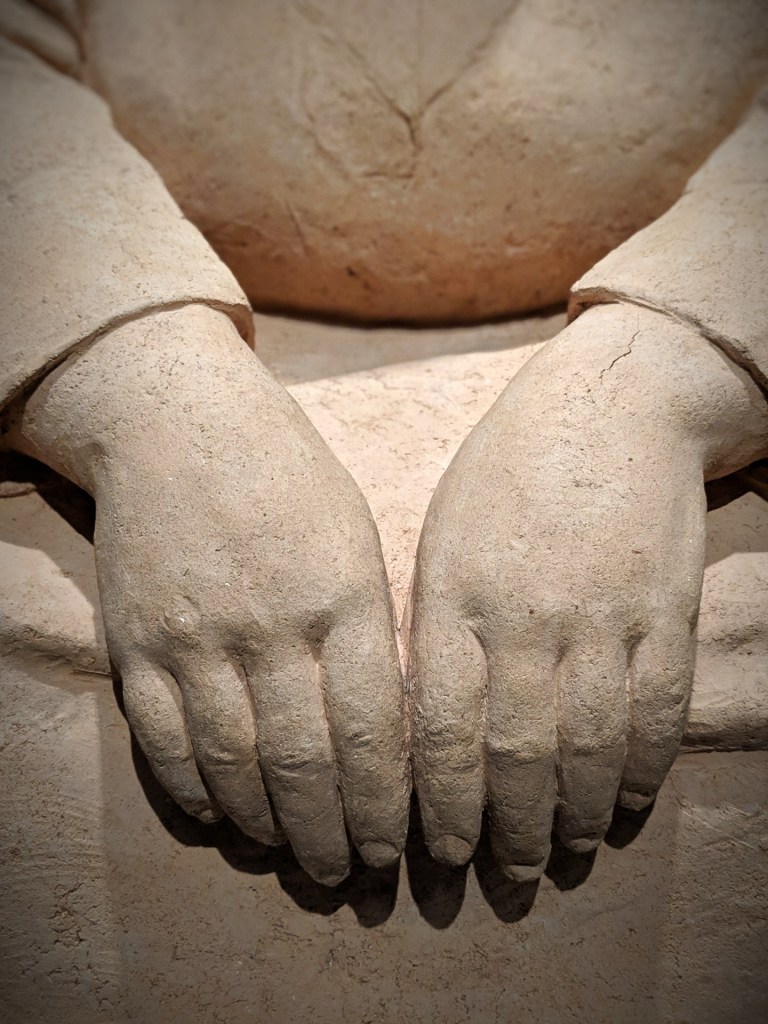
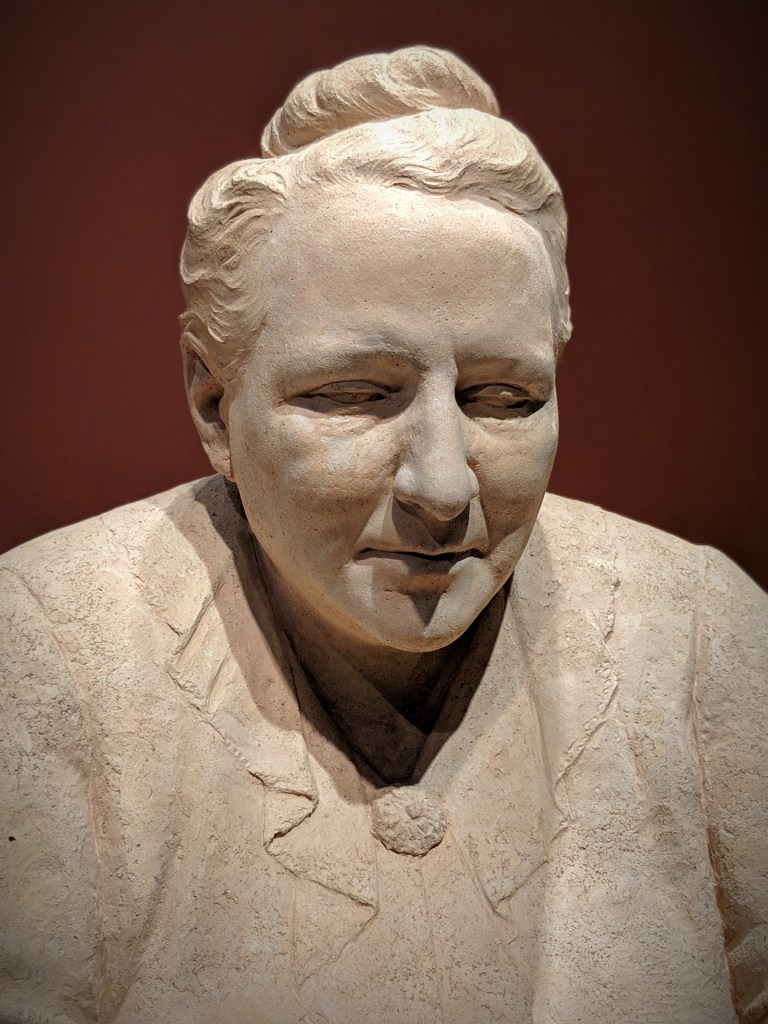
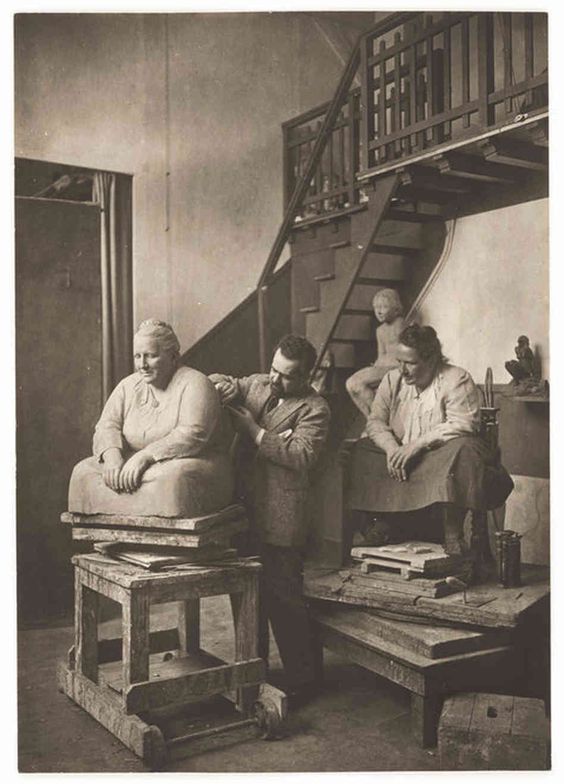
American expatriate writer Gertrude Stein was a high priestess of early-twentieth-century modernism for the many who visited her fabled Paris apartment. She collected and promoted the art of the avant-garde, including that of Picasso and Matisse, and her own abstract, repetitive prose inspired the experiments of playwrights, composers, poets, and painters. ”There was an eternal quality about her,” sculptor Jo Davidson wrote. ”She somehow symbolized wisdom.” He chose to depict her here as ”a sort of modern Buddha.” Delighted by the sculpture, Stein composed one of her famous prose portraits of Davidson, later published in Vanity Fair alongside a photograph of his work.

Jo Davidson (1883-1952)
Terracotta, 1922-23

PS: A bronze version is included in the vast Met Collection, in NYC.

PS1: Another bronze version can be seen in Bryant Park, NYC.

PS2: A terracotta head portrait of Gertrude Stein, produced at the same time Davidson was completing the full-figure cast bronze edition, is at the Columbus Museum, in GA

PS3: Another bronze version apparently belongs to the Whitney, in NYC, but is not on view.

PS4: A photo of Gertrude Stein posing for Jo Davidson, by Man Ray in 1922, is at the Getty Museum, in L.A. Man Ray photographed Stein for the first time in 1922, and was granted exclusive rights to photograph her until 1930.

PS5: Finally, click on the link for the portrait of Jo Davidson by Gertrude Stein in Vanity Fair, February 1923.

National Portrait Gallery, Washington, D.C.

March 22nd, 2019
Industrial Design || Electronic Superhighway

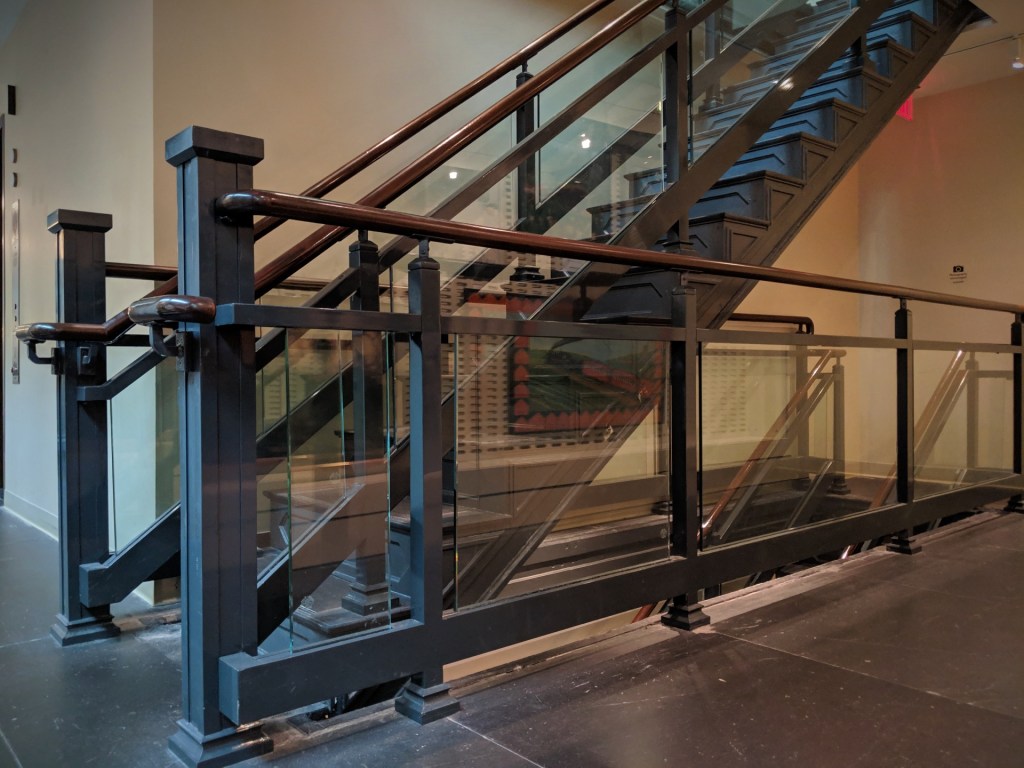
The industrial lines within the National Portrait Gallery, paired to perfection with the outlines of the United States on

Electronic Superhighway: Continental U.S., Alaska, Hawaii, 1995-96
forty-nine-channel closed-circuit video installation, neon, steel, and electronic components
by Nam June Paik

Electronic Superhighway is Nam June Paik’s tribute to the United States, his adopted homeland. Paik, born in Korea in 1932, moved to New York in 1964 and lived in America until his death in 2006.

Though the outlines of the fifty states are familiar, Electronic Superhighway challenges the viewer to look with new eyes at the cultural map of the United States. Each state is represented by video footage reflecting the artist’s personal, and often unexpected connections to his artistic friends – composer John Cage in Massachusetts, performance artist Charlotte Moorman in Arkansas, and choreographer Merce Cunningham in Washington. Some states he knew best through classic movies – The Wizard of Oz appears for Kansas, Showboat for Mississippi, and South Pacific for Hawaii. Sometimes he chose video clips or assembled flickering slideshows that evoke familiar associations, such as the Kentucky Derby, Arizona highways, and presidential candidates campaigning in Iowa. Topical events such as the fires of the 1993 Waco siege or Atlanta’s 1996 summer Olympics create portraits of moments in time. Old black-and-white television footage and audio of Martin Luther King’s speeches recall Civil Rights struggles in Alabama. California has the fastest-paced imagery: racing through the Golden Gate Bridge, the zeros and ones of the digital revolution, and a fitness class led by O.J. Simpson. A mini-cam captures images of Superhighway’s viewers and transmits those images to a tiny screen representing Washington, D.C. making visitors a part of the story.

Nam June Paik is hailed as the ”father of video art” and credited with the first use of the term ”information superhighway” in the 1970s. He recognized the potential for media collaboration among people in all parts of the world, and he knew that media would completely transform our lives. Electronic Superhighway – constructed of 336 televisions, 50 DVD players, 3.750 feet of cable, and 575 feet of multicoloured neon tubing – is a testament to the ways media defined one man’s understanding of a diverse nation.

National Portrait Gallery, Washington, D.C.

March 22nd, 2019
Strange Fascination

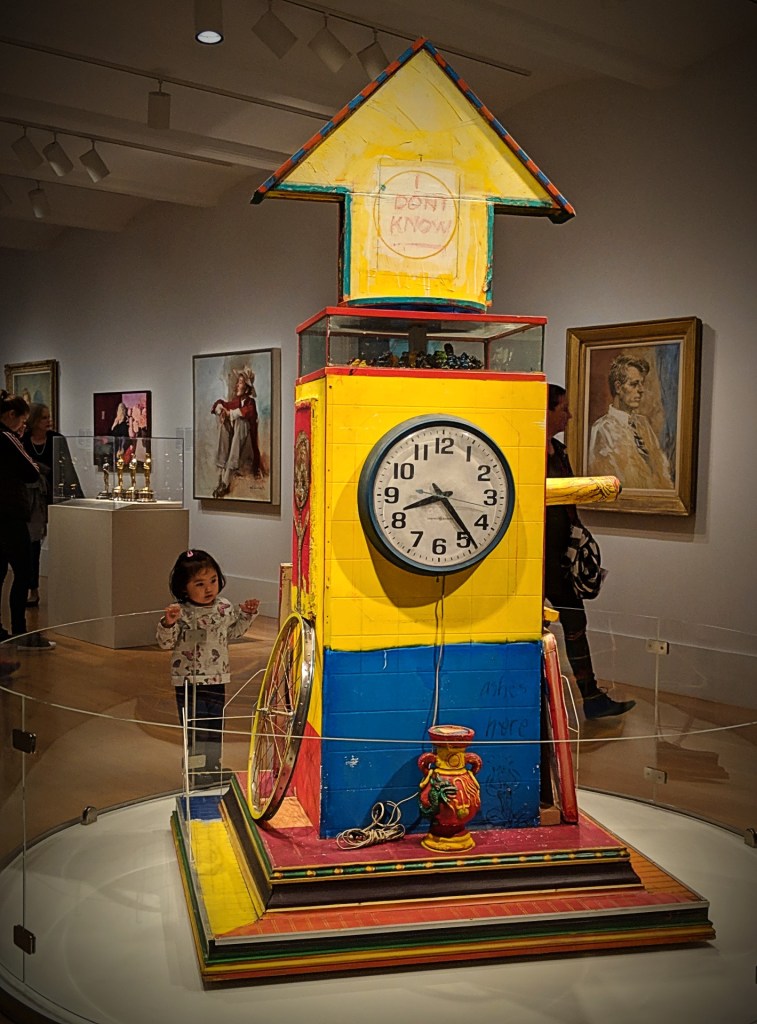
Tomb II
Gregory Gillespie, 1936-2000

Gillespie was thinking about the conventions surrounding death when he made this sculpture. He told and interviewer in 1999, ”I want this big tomb at my wake. It will add some humour to the event. But it’s really a kind of joke because it’s so big and bright and funny that I don’t think people are really going to … have it here.” And yet, it was there.

Self-Portrait
Mixed media on wood panels, 1998-1999

At the National Portrait Gallery, Washington, D.C.

March 22nd, 2019
Still Lives

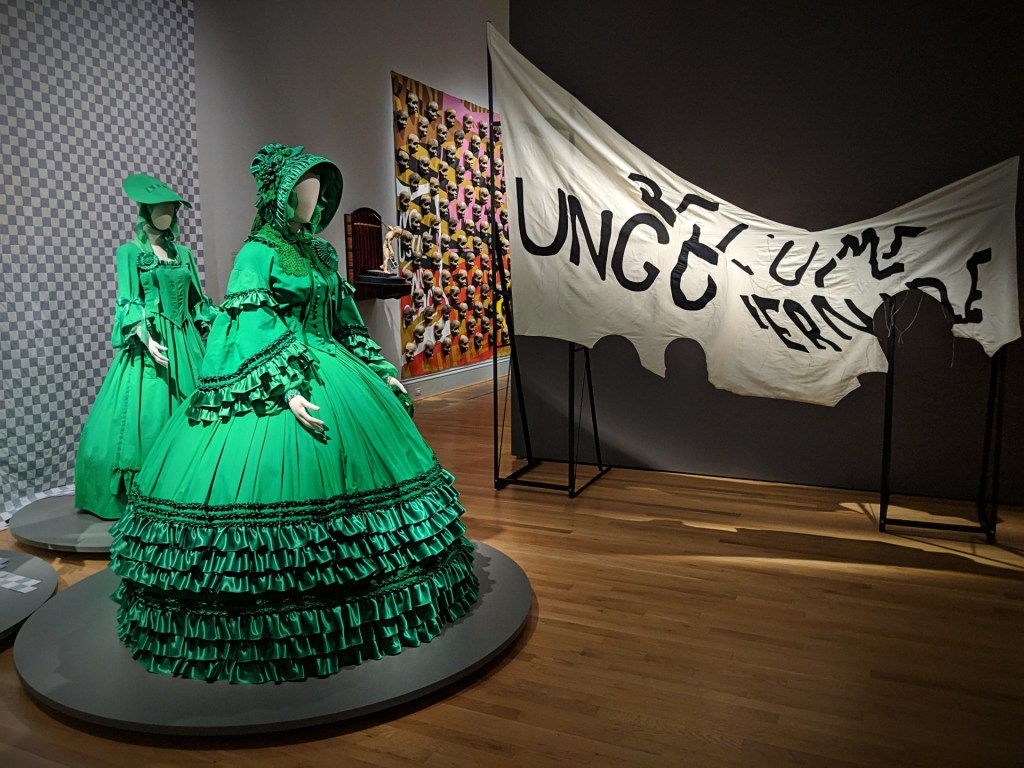
Stephanie Syjuco || The Visible Invisible: Antebellum South (Simplicity)+Colonial Revolution (McCall’s), 2018+Ungovernable (Hoist), 2017
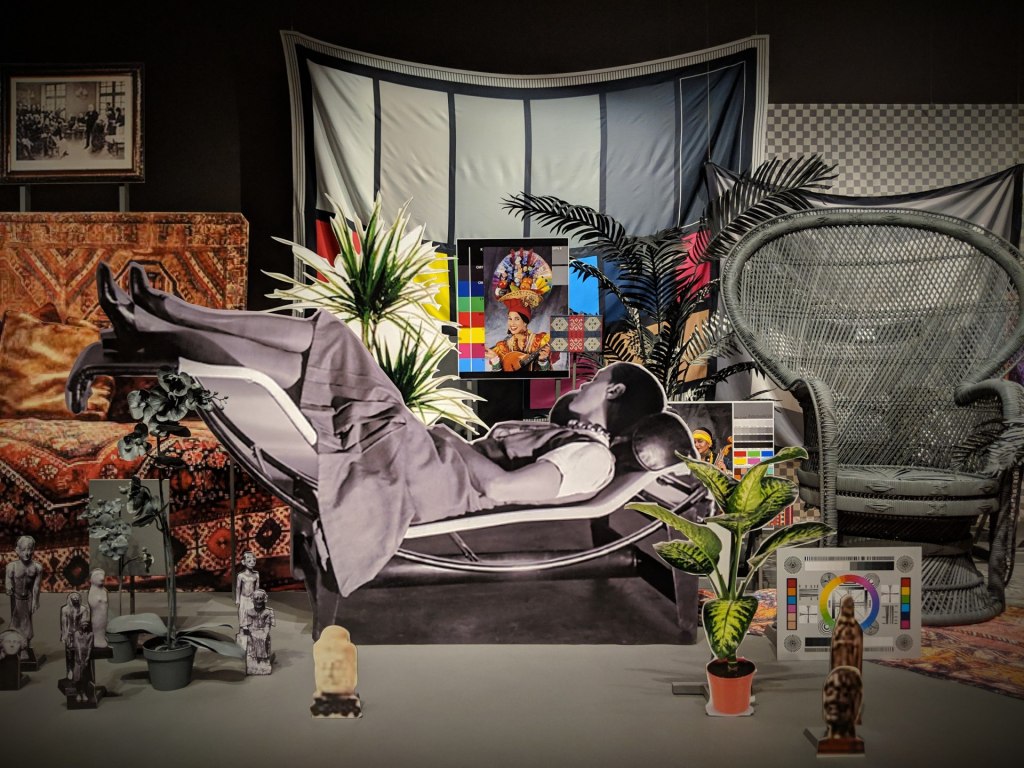
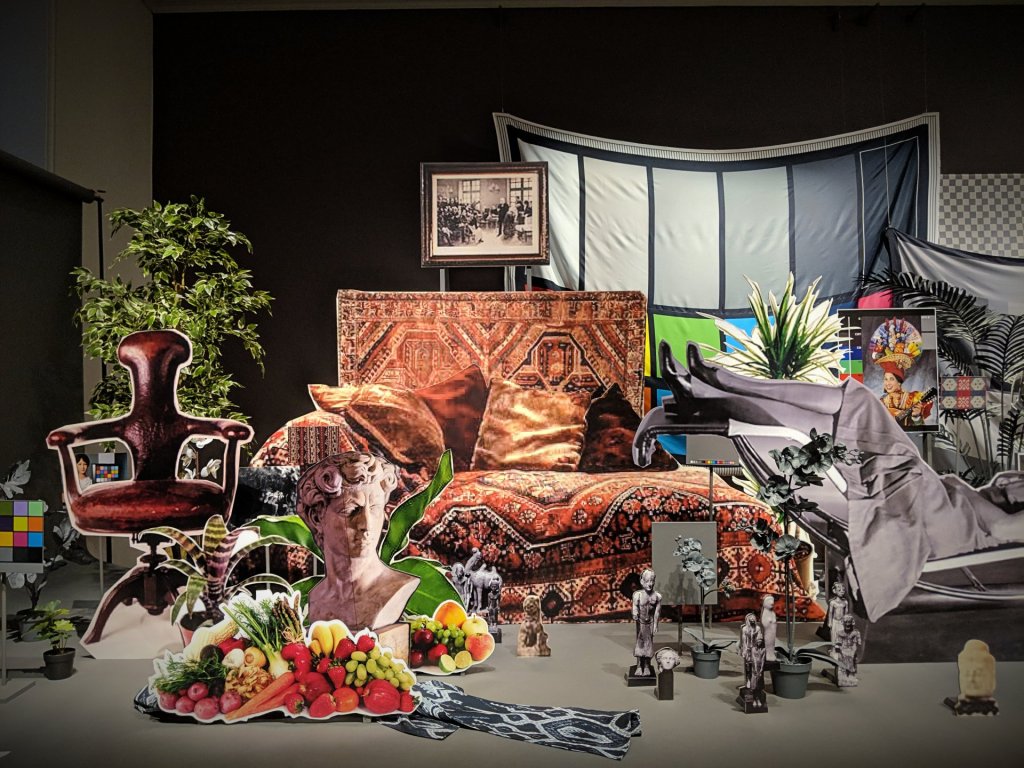
Stephanie Syjuco || Neutral Calibration Studies (Ornament+Crime), 2016

In this installation, Syjuco’s contemporary “still life” takes as inspiration the subjects of photographic color calibration charts that have been long used to check for “correct” or “neutral” color. The array of images and objects in the works creates a visual friction, challenging the idea of cultural and political neutrality by presenting a coded narrative of empire and colonialism as told through art history, Modernism, ethnography, stock photos, and Google Image searches. [source: Stephanie Syjuco]

Tanya Aguiñiga || Hand-Felted Folding Chairs, 2006-present

From ”Disrupting Craft: Renwick Invitational 2018” presenting work from four artists: Tanya Aguiñiga, Sharif Bey, Dustin Farnsworth and Stepanie Syjuco.

March 22nd, 2019

On Top of their Heads

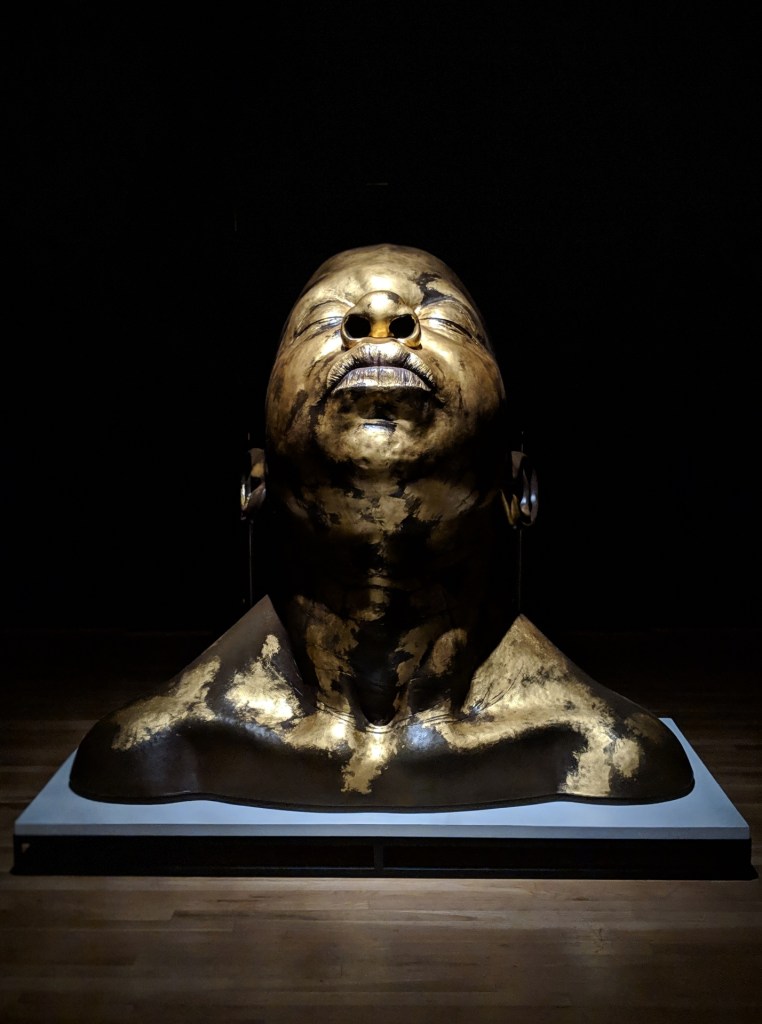
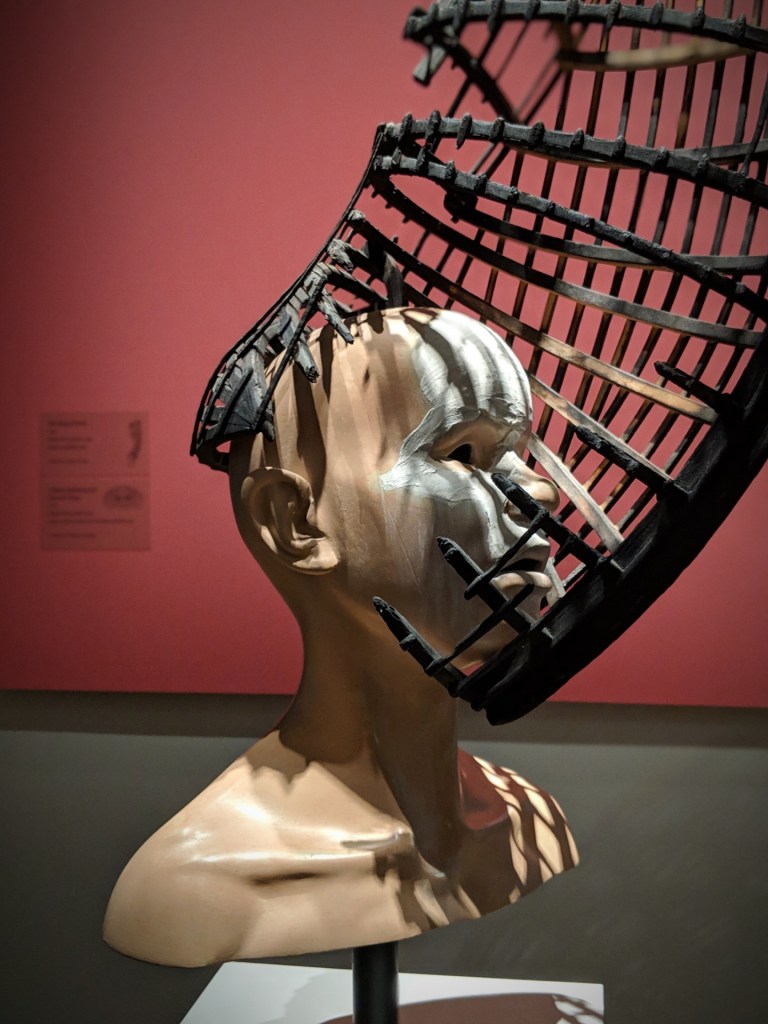
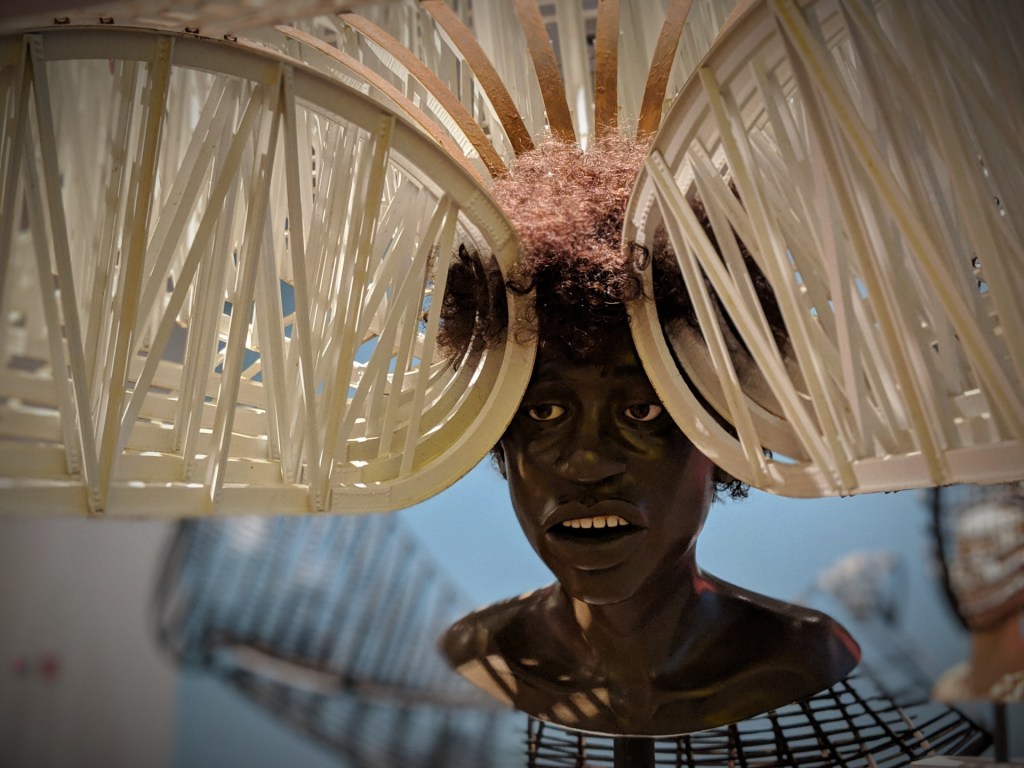
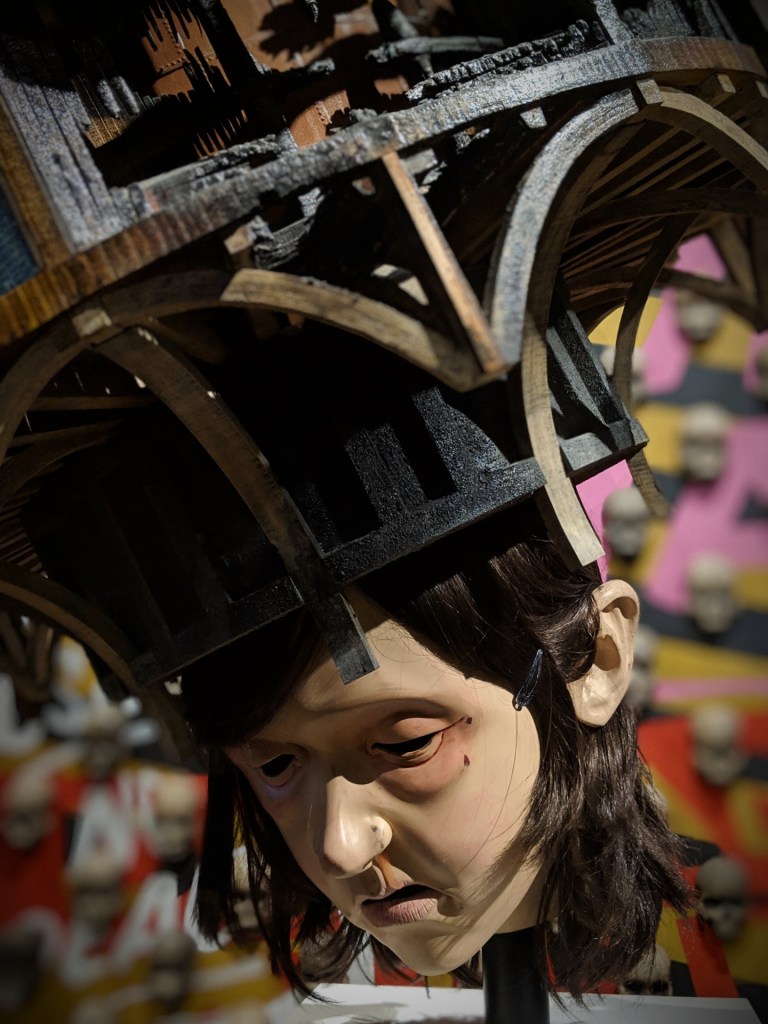
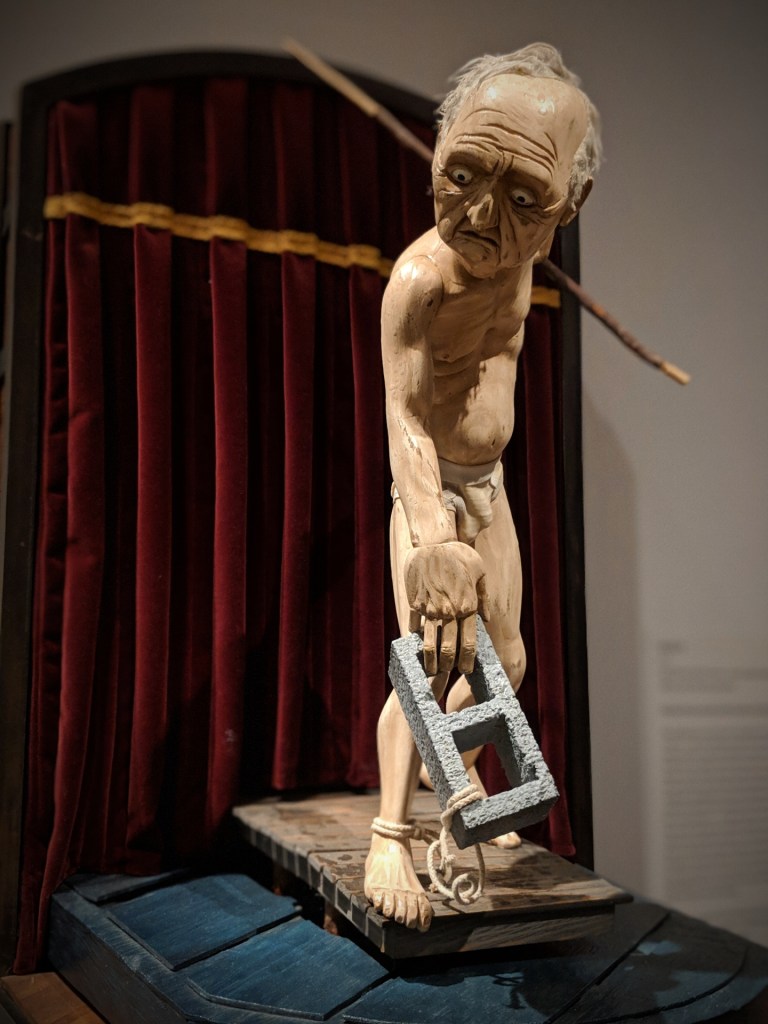
All artwork by Dustin Farnsworth

Succession, 2014
Basswood, poplar, steel, bendable plywood, human hair, and various polychrome
The King Is Dead, 2015 [detail]
Basswood, poplar, and various polychrome
A More Sophisticated Form of Chaos, 2014 [detail]
Basswood, poplar, steel, resin, human hair, and various polychrome
Succession, 2014 [detail]
Basswood, poplar, steel, bendable plywood, human hair, and various polychrome
Promontory, 2013 [detail]
Pine, basswood, poplar, plywood, veneer, bendable plywood, steel, luan, human hair, and various polychrome
Promontory, 2013 [detail]
Pine, basswood, poplar, plywood, veneer, bendable plywood, steel, luan, human hair, and various polychrome
I Am Man: Revenge, 2011
Basswood, poplar, pine, tree branches, mahogany, medium-density fiberboard, mild steel, aluminum, plywood, fabrics, stain, lacquer, kiln brick, rope, steel screen, high-density polyethylene, elastic, hardware, and various polycoating
A More Sophisticated Form of Chaos, 2014 [detail]
Basswood, poplar, steel, resin, human hair, and various polychrome
The King Is Dead, 2015
Basswood, poplar, and various polychrome
Promontory, 2013 [detail]
Pine, basswood, poplar, plywood, veneer, bendable plywood, steel, luan, human hair, and various polychrome

From ”Disrupting Craft: Renwick Invitational 2018” presenting work from four artists: Tanya Aguiñiga, Sharif Bey, Dustin Farnsworth and Stepanie Syjuco.

March 22nd, 2019