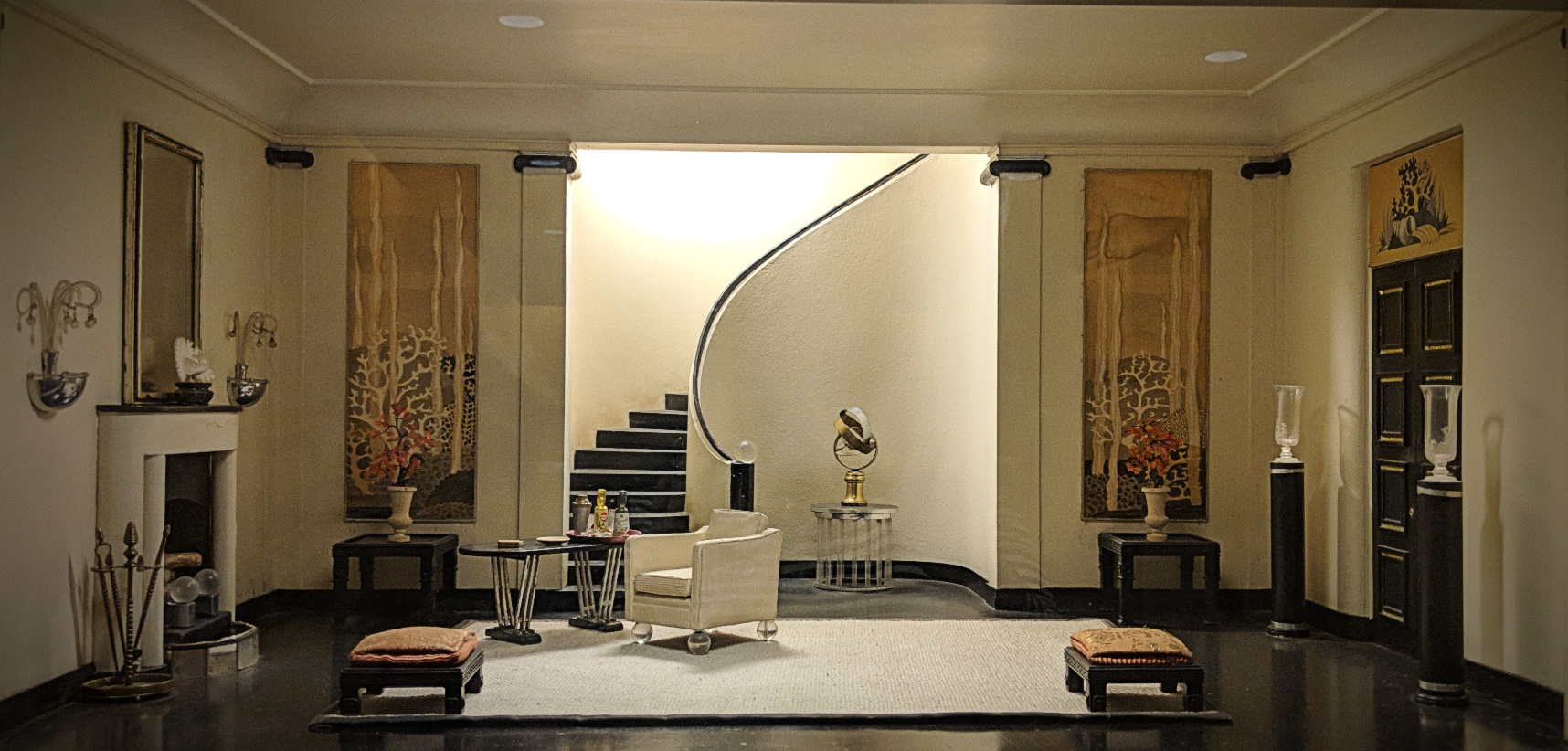
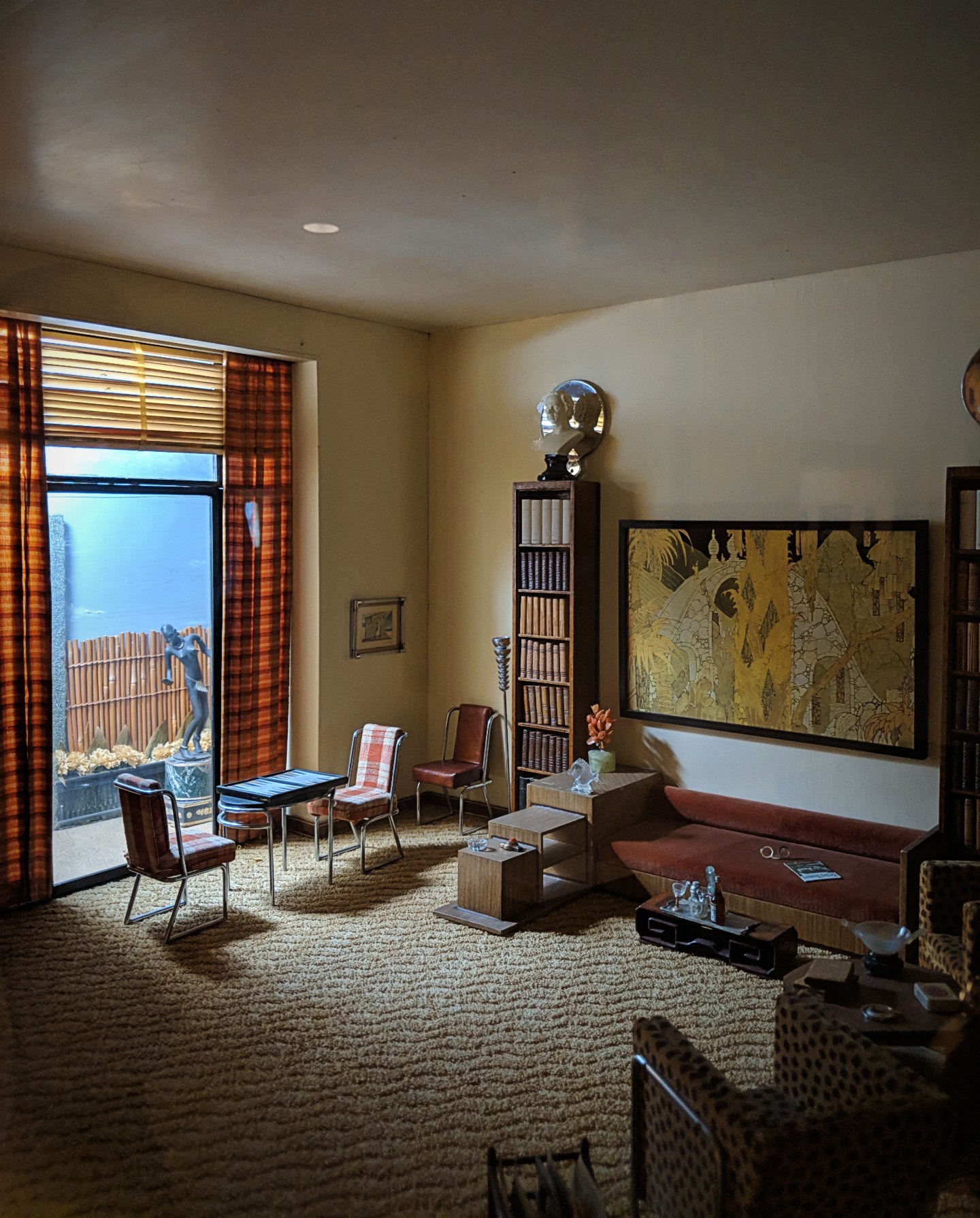
The incredibly detailed miniature rooms, by Narcissa Niblack Thorne

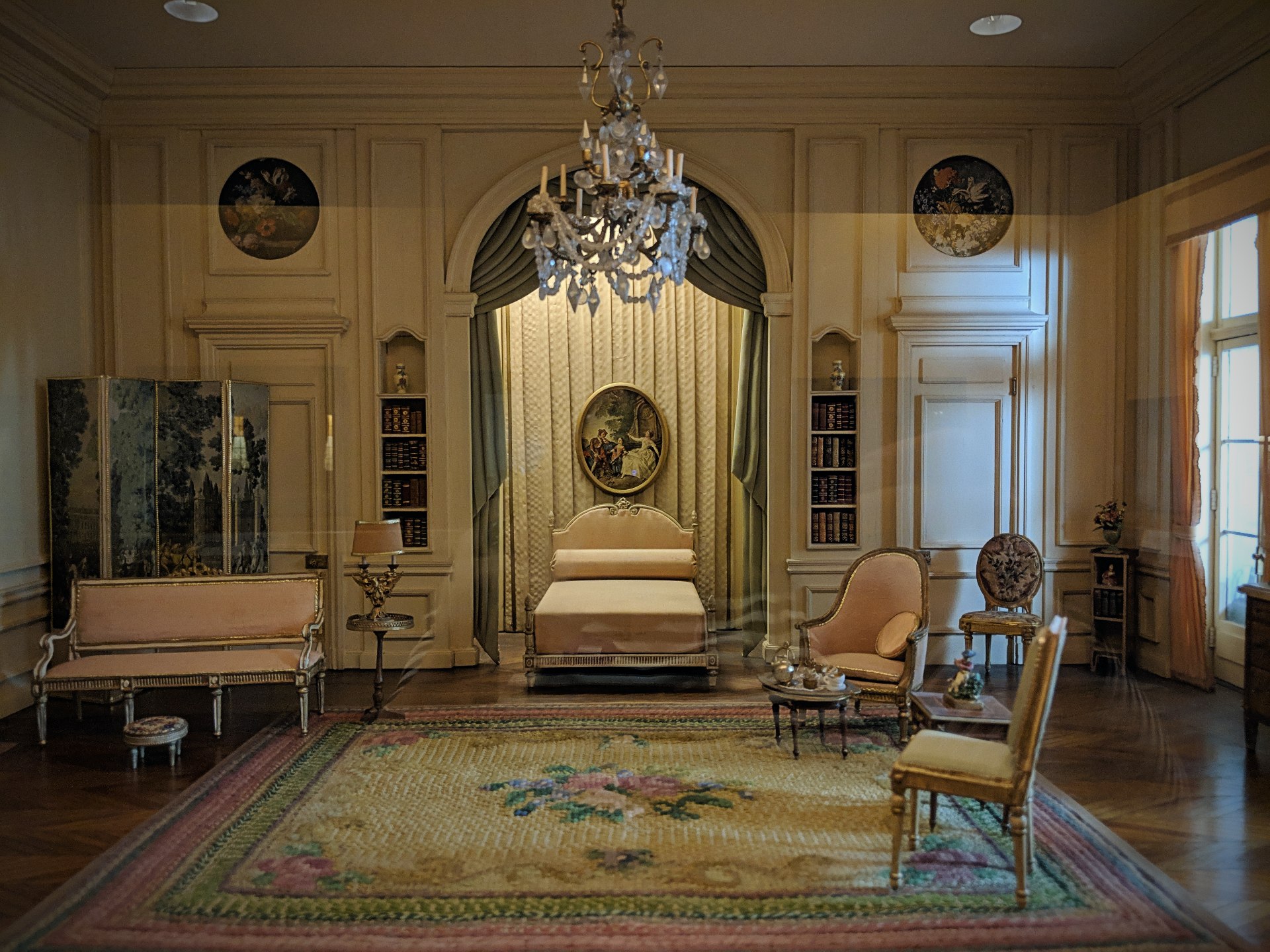
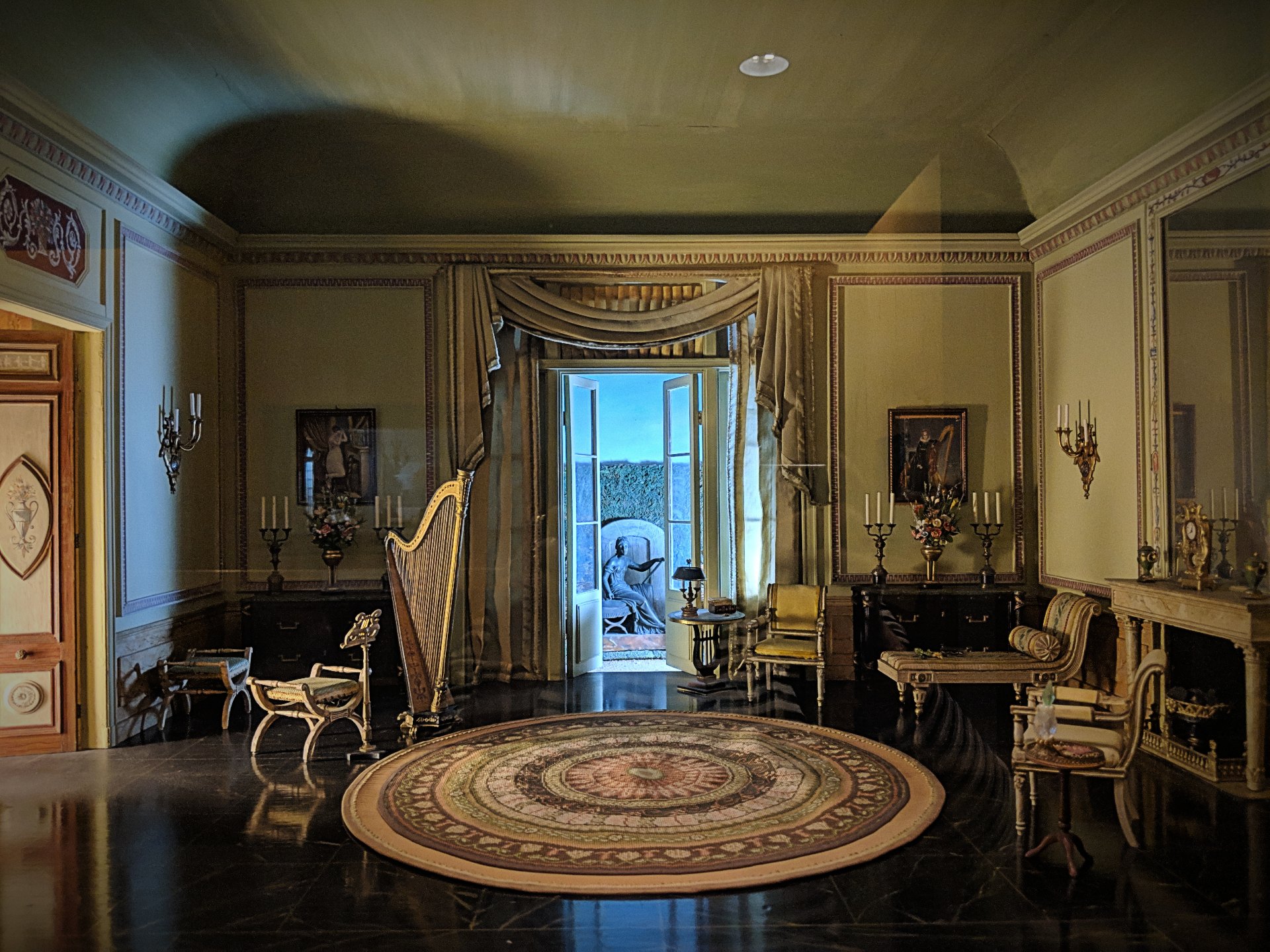
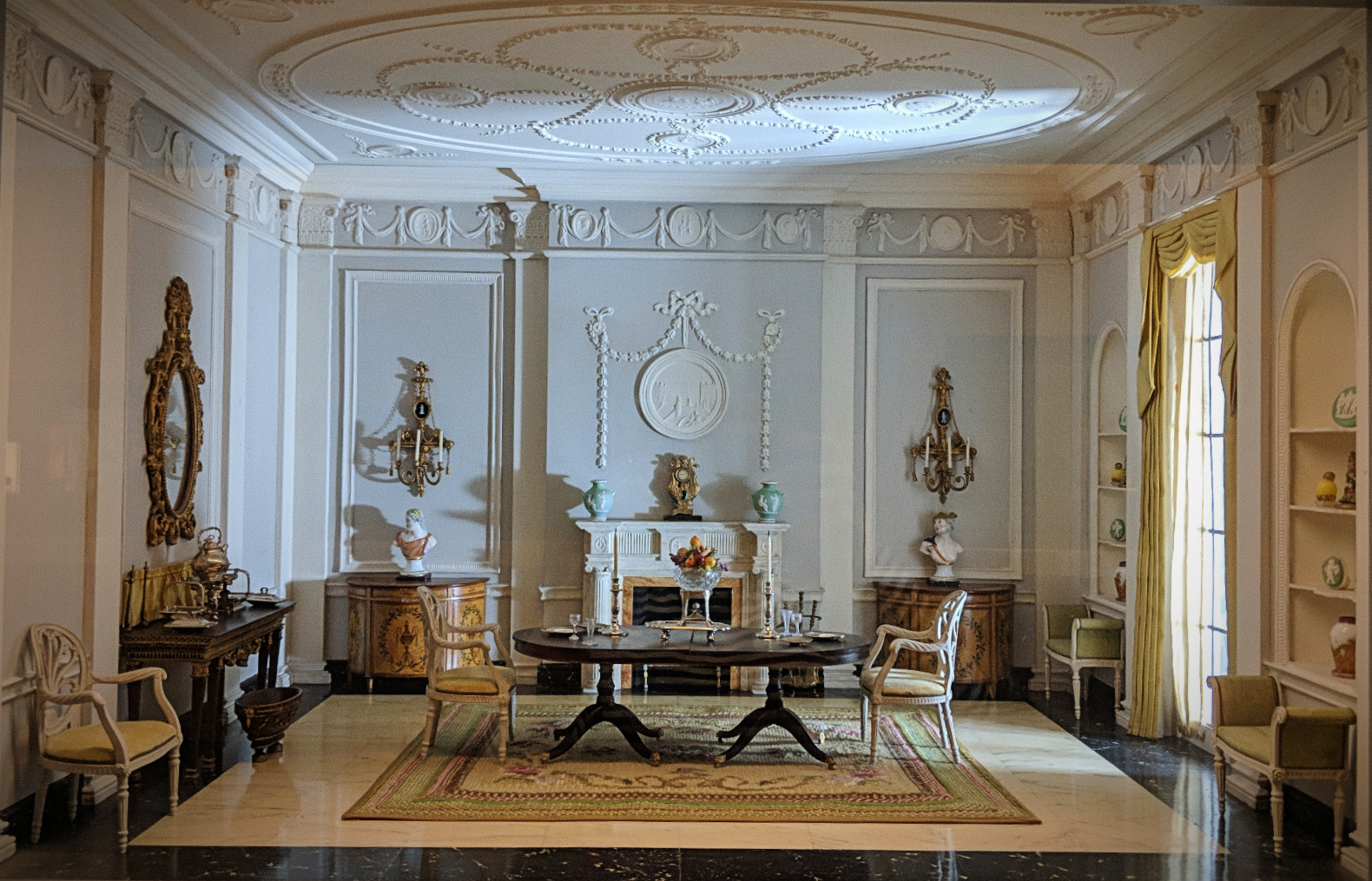
”The Thorne Miniature Rooms represent a world in minuscule. Created at an exacting scale of one inch to one foot, several of the rooms replicate actual rooms found in the United States and Europe, while the remainder were inspired by the architecture and interior design of their respective periods and countries.

These rooms were conceived, designed, and in large part crafted by Narcissa Niblack Thorne (1882-1966). An Indiana native, Thorne began to collect miniature furniture and household accessories during her travels to England and Asia shortly after the turn of the 20th century.

Beginning in 1930, Thorne commissioned interiors scenes to contain her growing collection of miniature objects. At their tiny scale, some of the rooms even contain period-style rugs Thorne had woven specifically for each space. Thorne and the craftsmen with whom she worked completed nearly 100 rooms. Her hope was that perfectly proportioned rooms in miniature could substitute for costly and space-consuming full-scale period rooms that museums across the country were beginning to acquire. They also reflect the architectural revivals popular amongst wealthy patrons for their homes, and publicized in the shelter magazines of the period.

The original 30 Thorne Miniature Rooms were displayed at the 1933 Chicago Century of Progress Exposition and they gained national attention when featured in a 1940 LIFE Magazine article. In 1962, Thorne donated 20 of the original 30 rooms to a fledgling Phoenix Art Museum, then celebrating its third anniversary, and the rooms have been on view since that time. Other examples of the Thorne Rooms can be seen at the Art Institute of Chicago (68) and in the Knoxville Museum of Art (9).” [source & details]

Phoenix Art Museum

January 30th, 2019

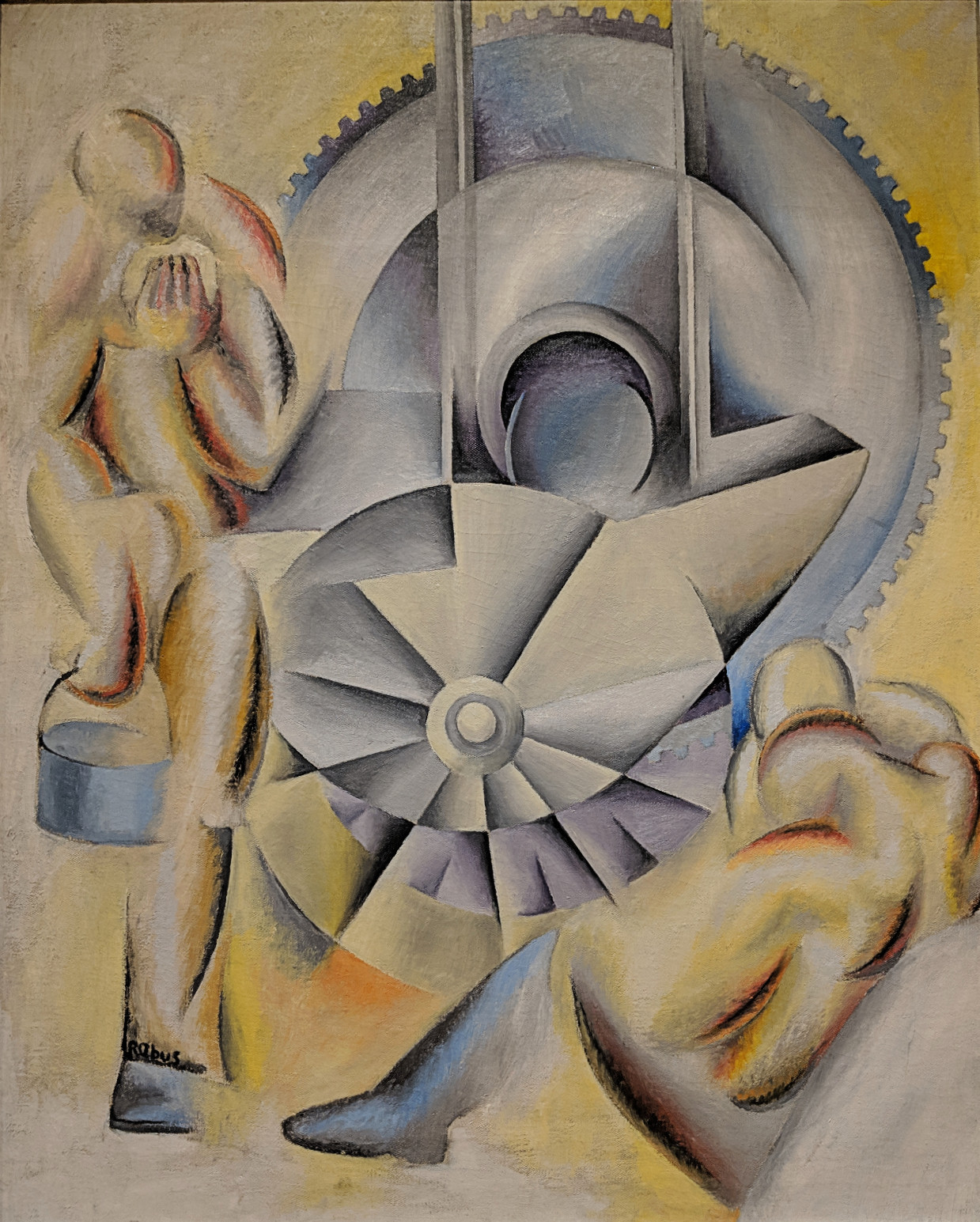
Meditation on [New] Mexico

Hugo Robus (American, 1885-1964)
Untitled (Men and Machines), 1919
Oil on canvas


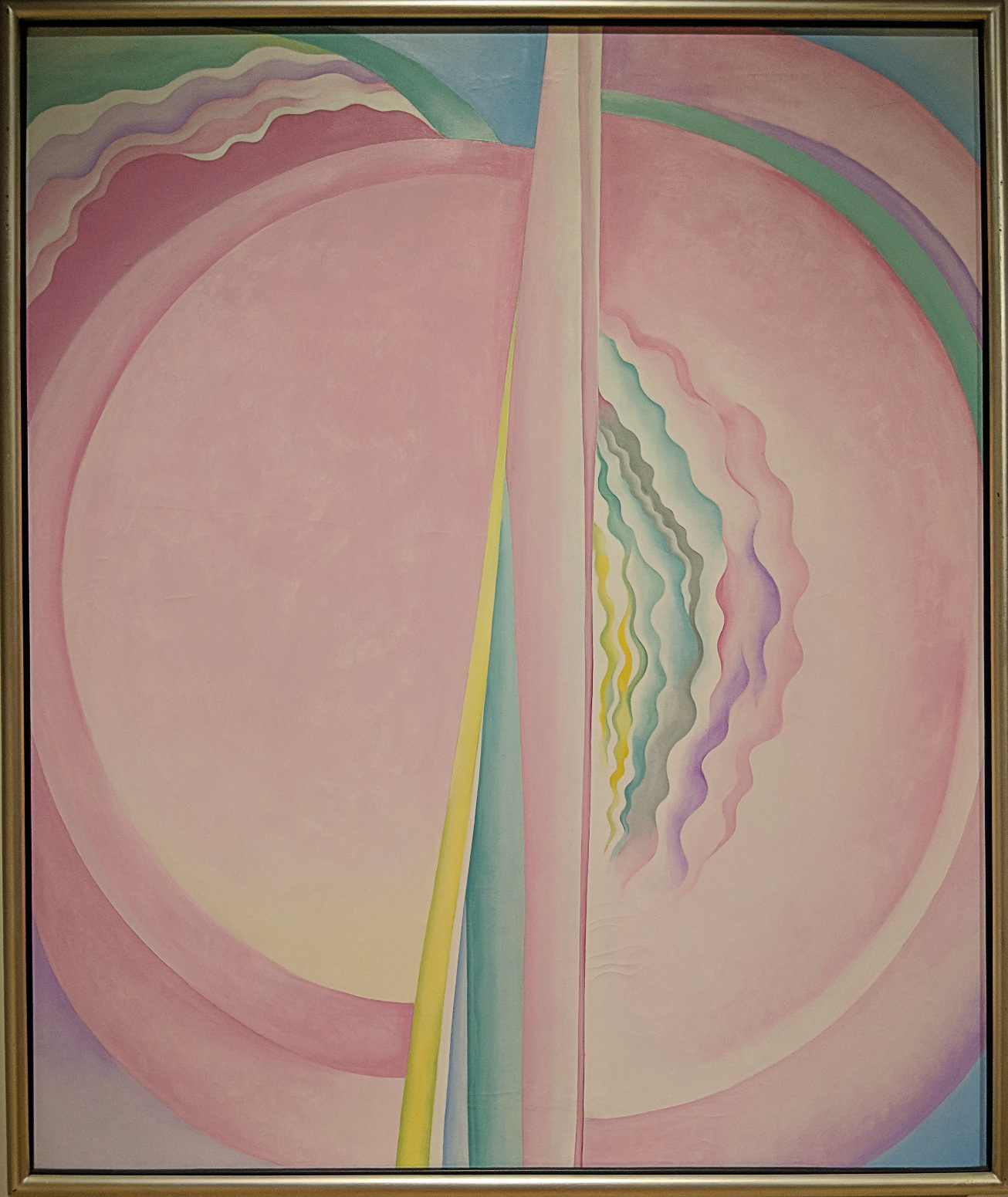
Georgia O’Keeffe (American, 1887-1986)
Pink Abstraction, 1929
Oil on canvas


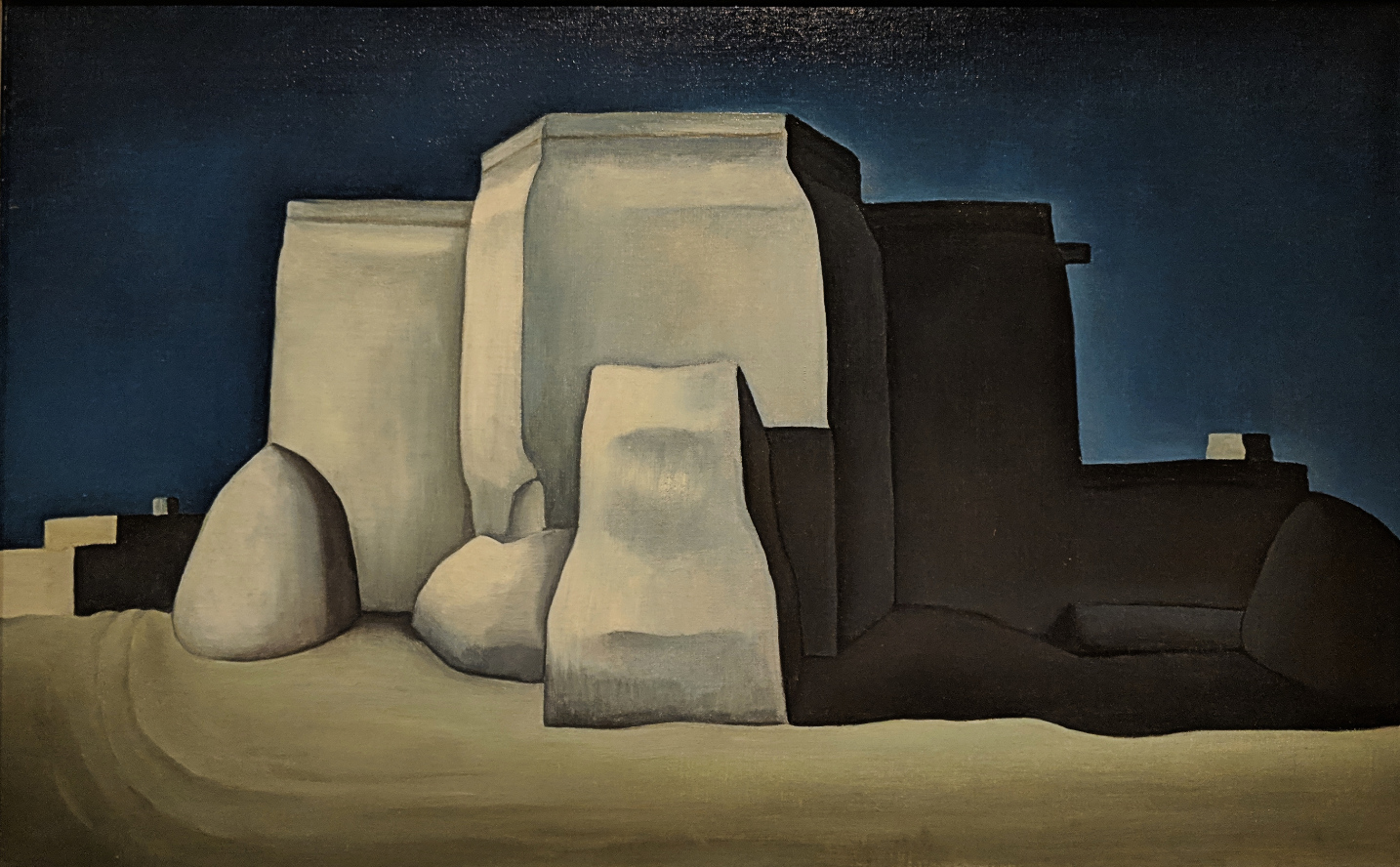
Emil Bisttram (American, 1895-1976)
Ranchos de Taos Church, c. 1937
Oil on canvas


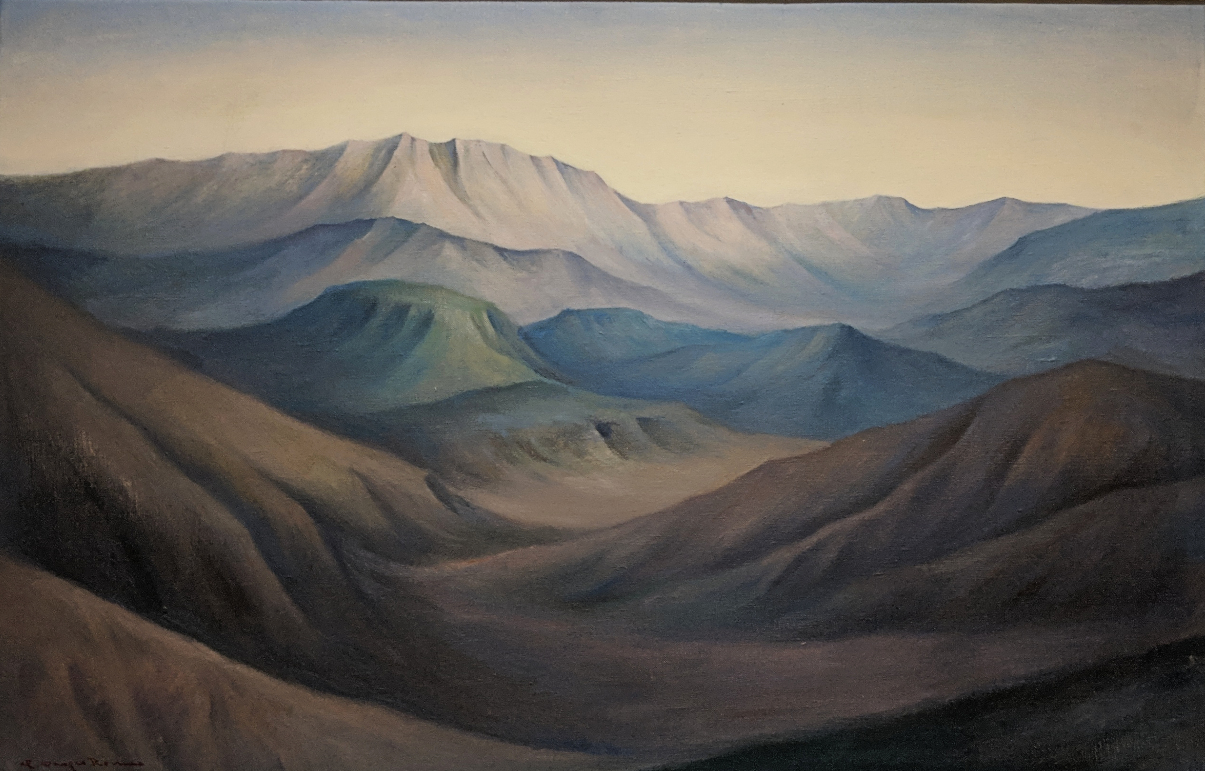
Carlos Orozco Romero (Mexican, 1898-1984)
La barranca (The Ravine), c. 1943-1946
Oil on canvas


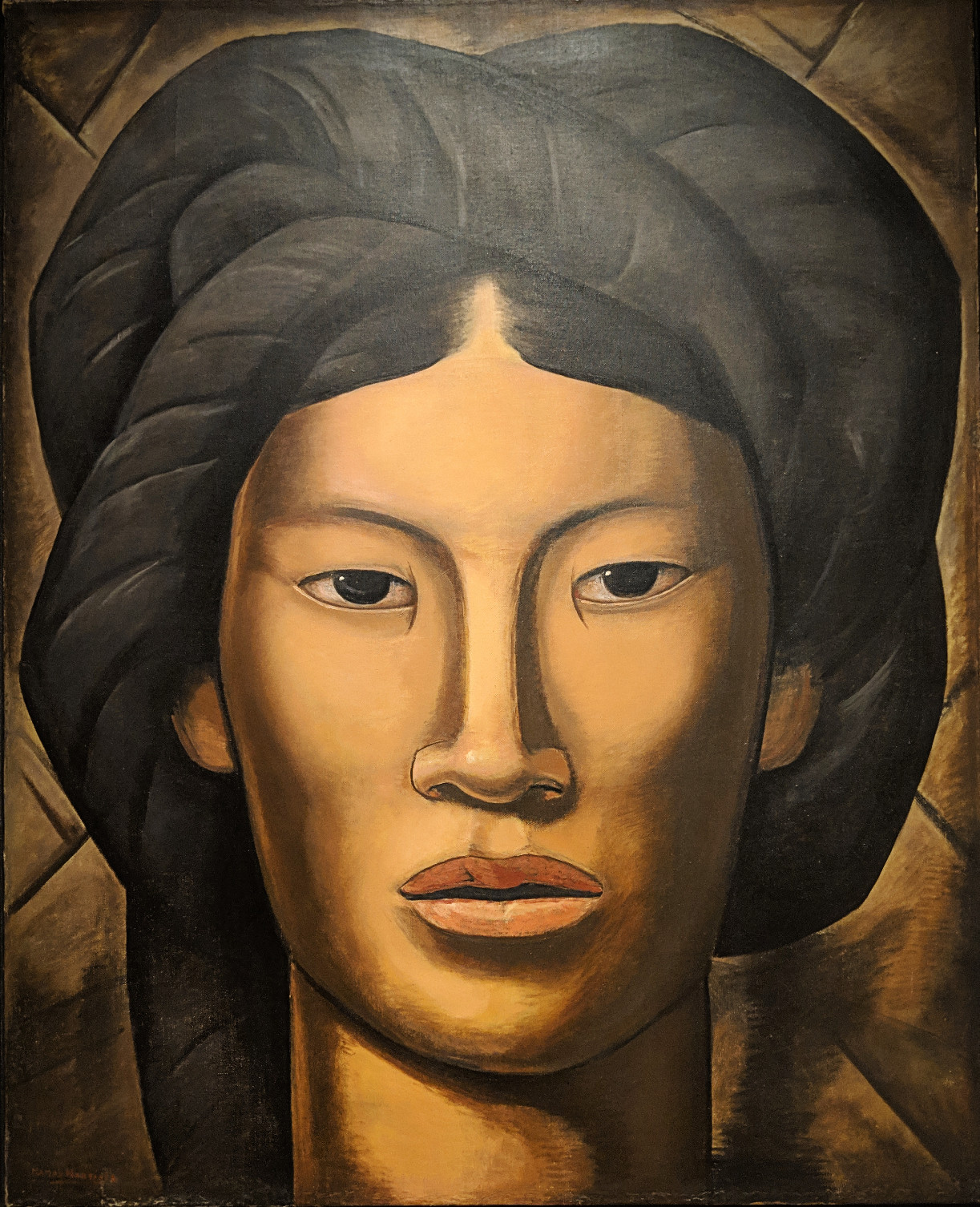
Alfredo Ramos Martínez (Mexican, 1871-1946)
La Malinche (Joven de Yalala, Oaxaca) (La Malinche [Young Girl of Yalala, Oaxaca]), c. 1940
Oil on canvas


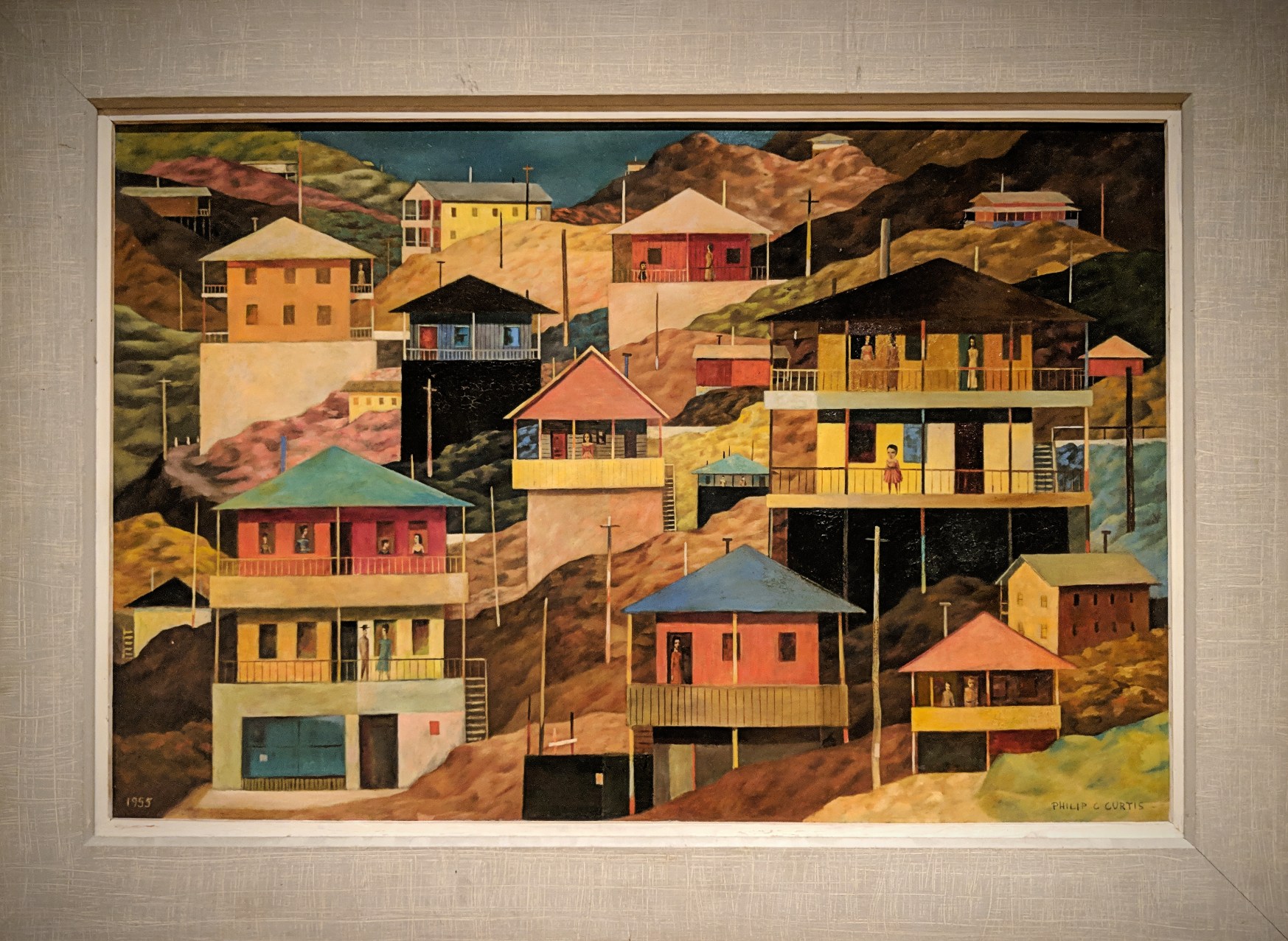
Philip C. Curtis (American, 1907-2000)
Mountain Village, 1955
Oil on board


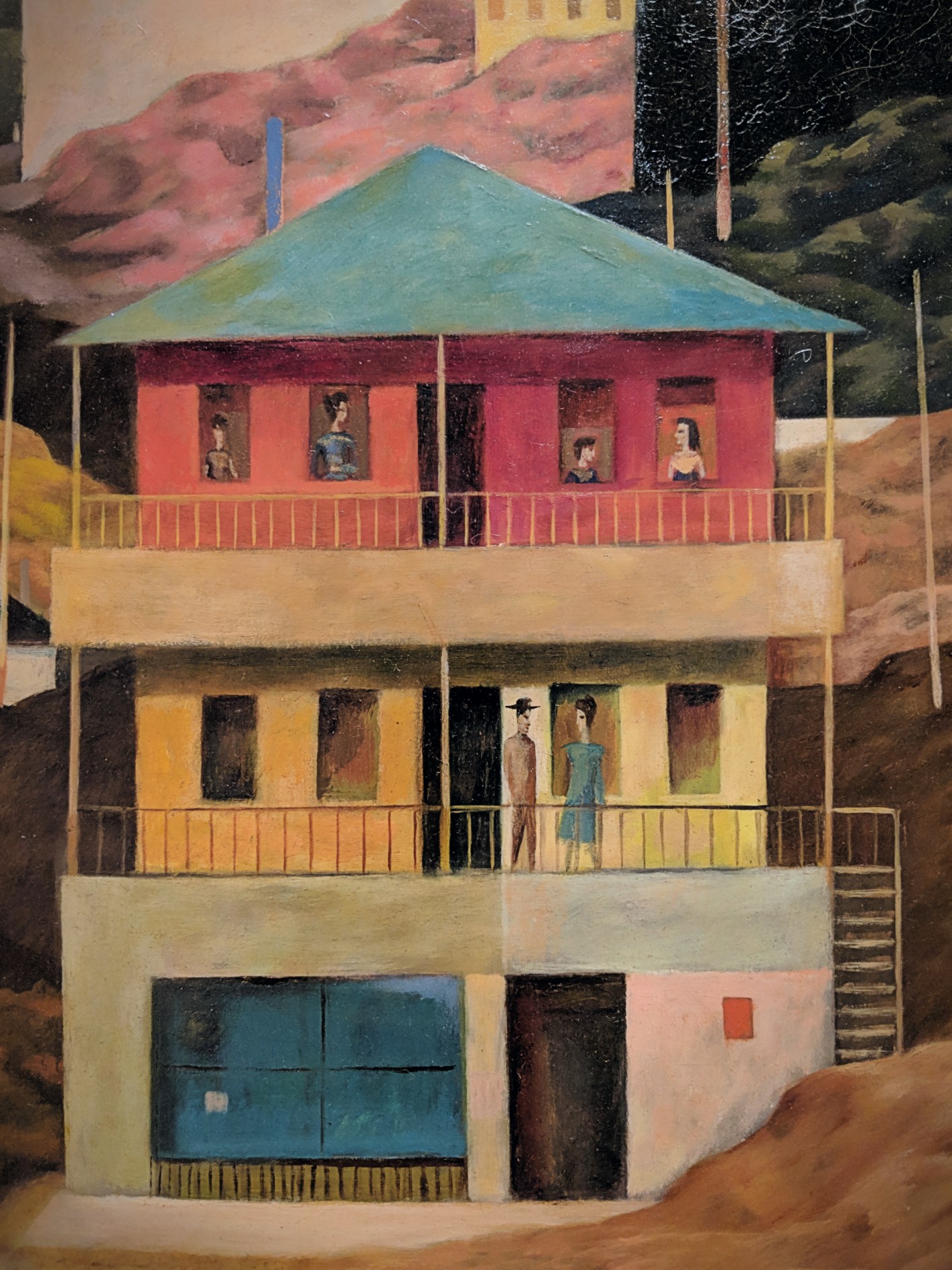
Philip C. Curtis (American, 1907-2000)
Mountain Village, 1955 [detail]
Oil on board


Phoenix Art Museum

January 30th, 2019

Contemporary Among Classics

Classic art was also contemporary once.

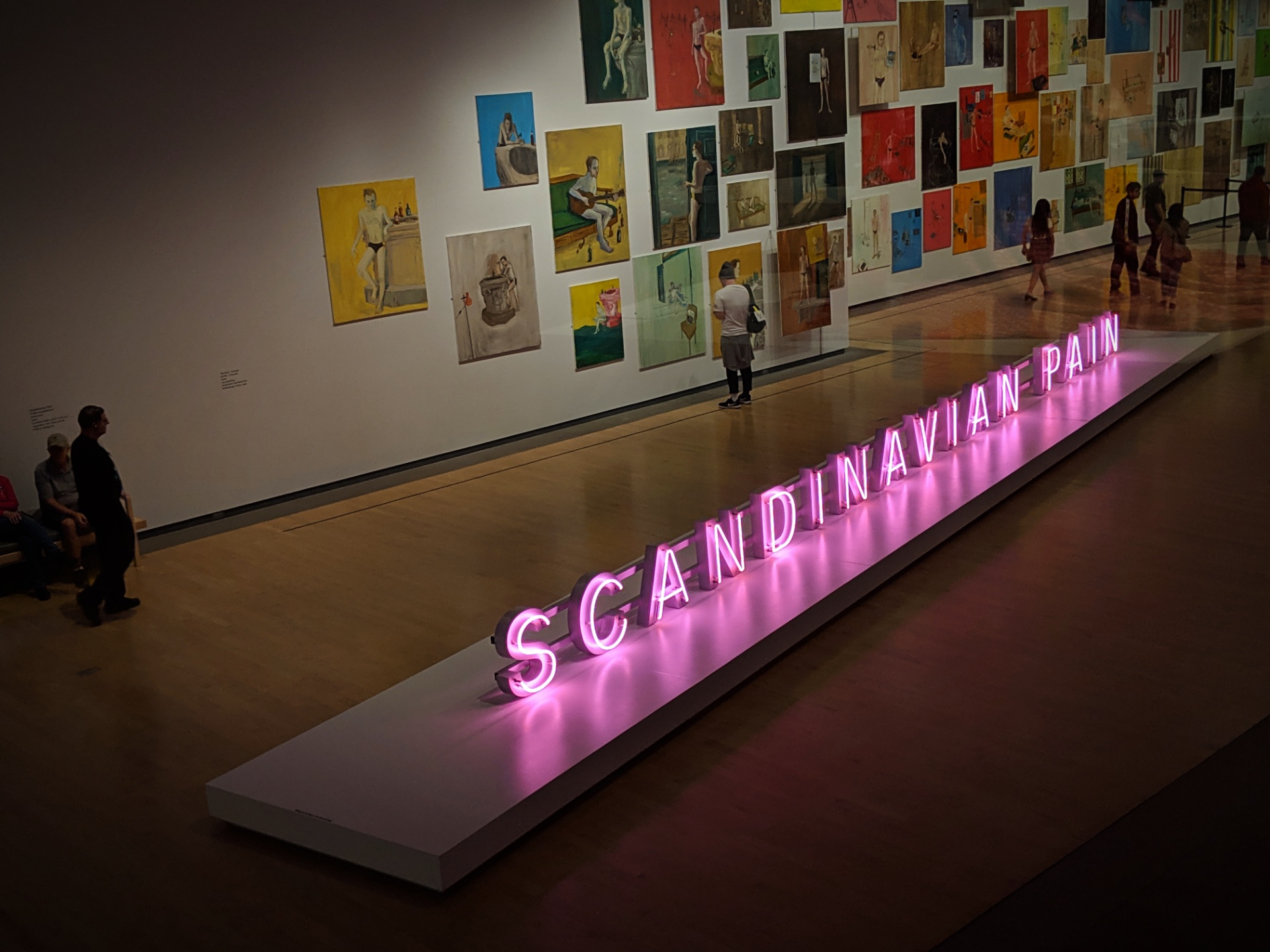
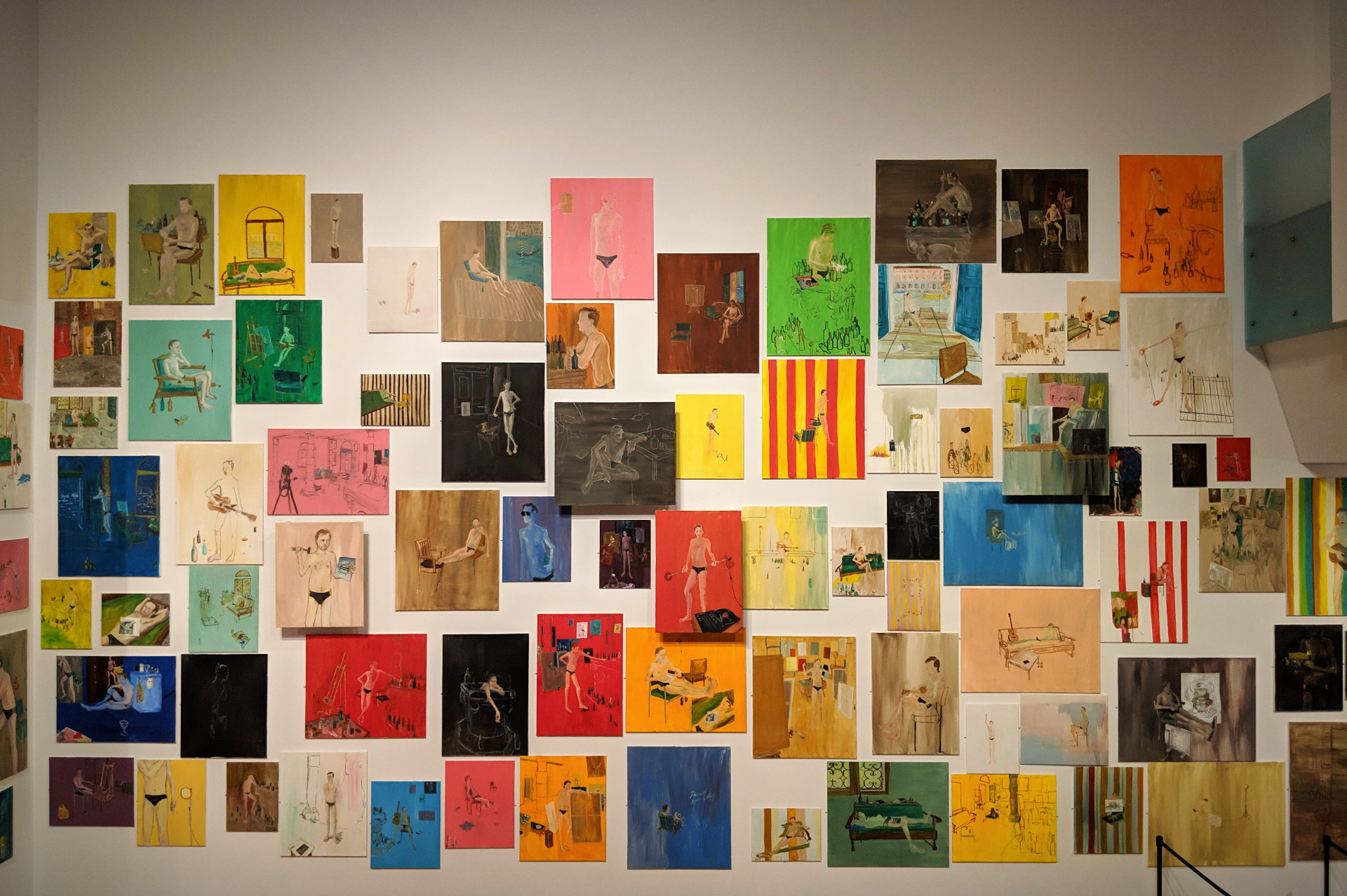
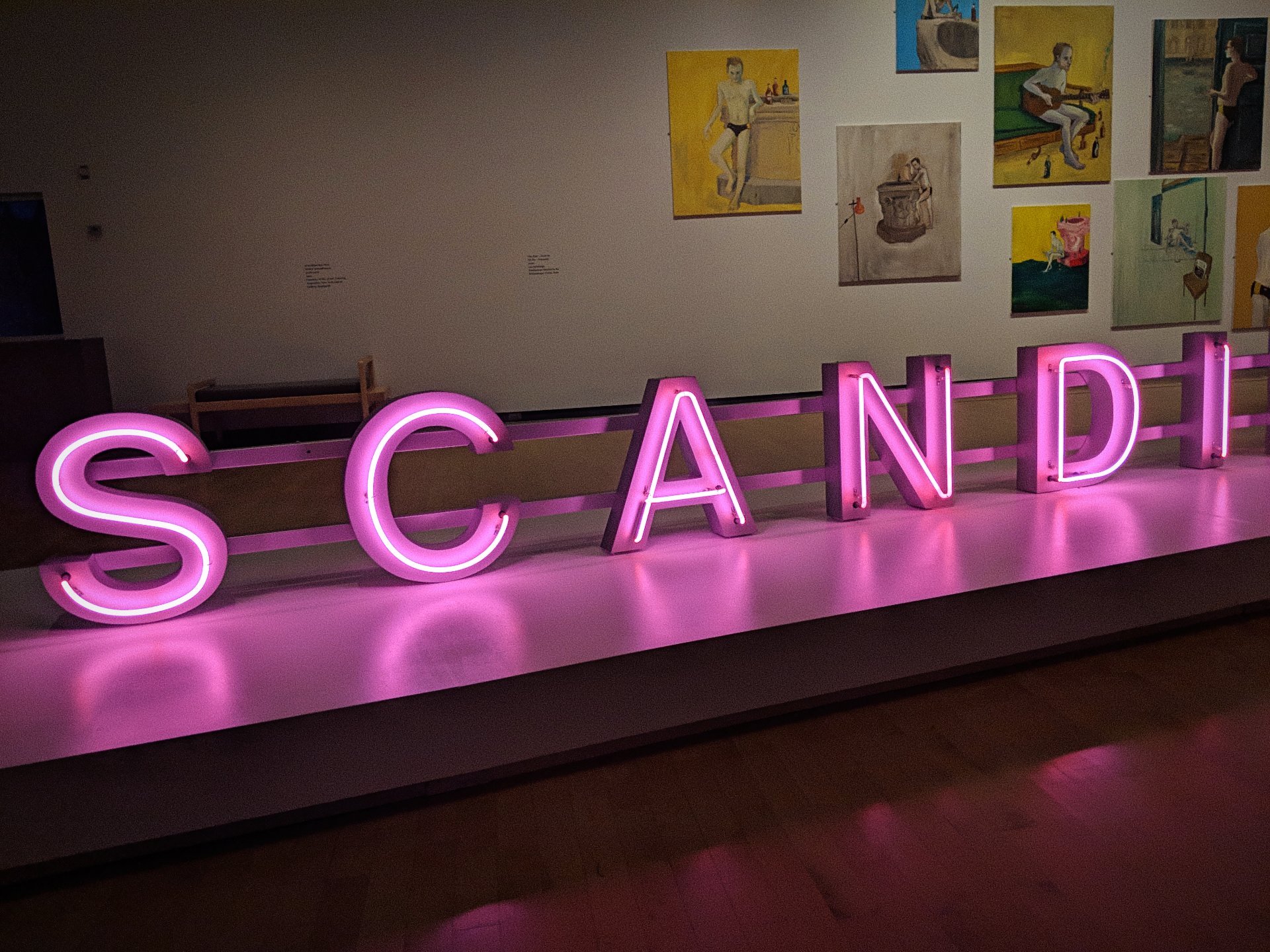
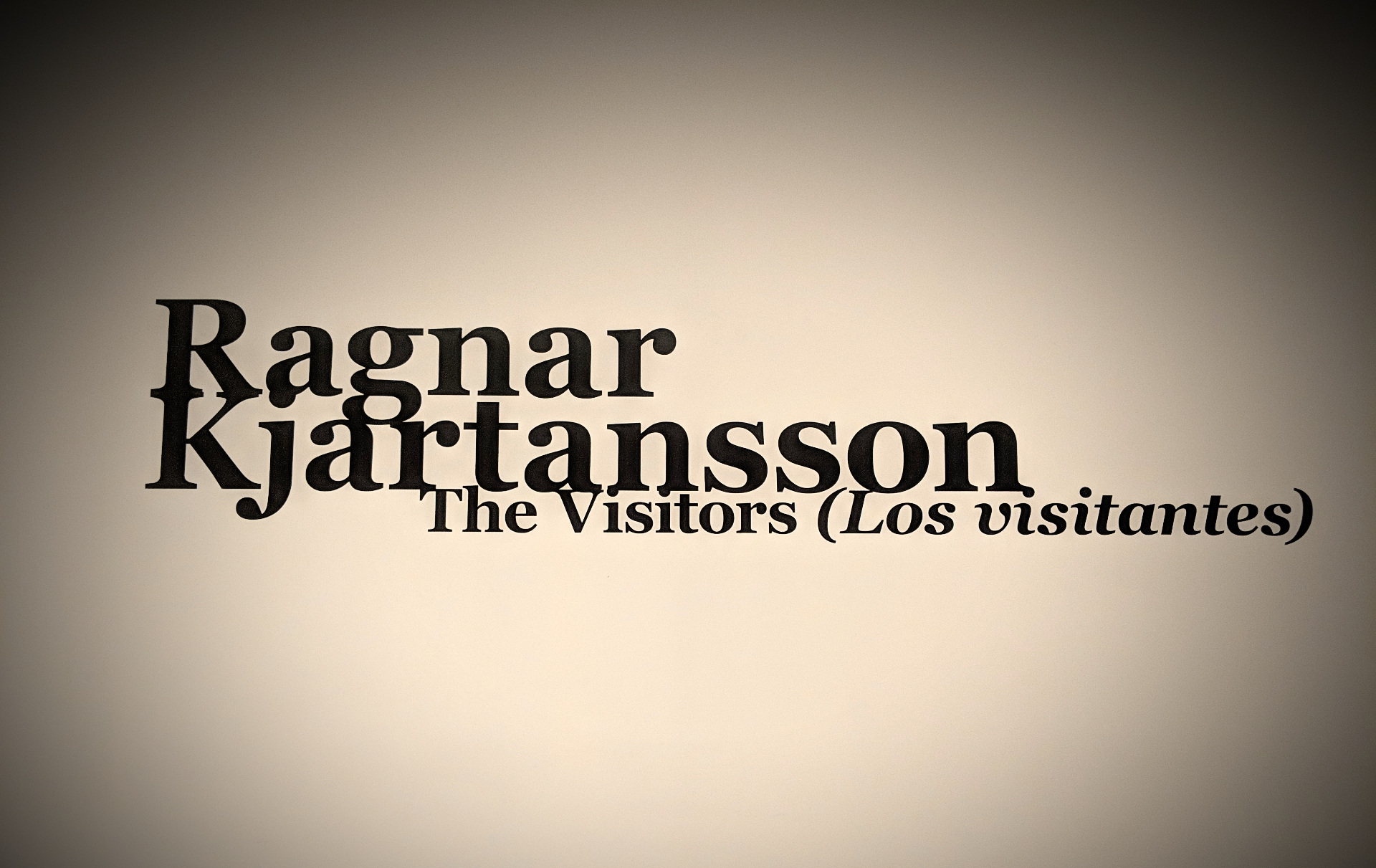
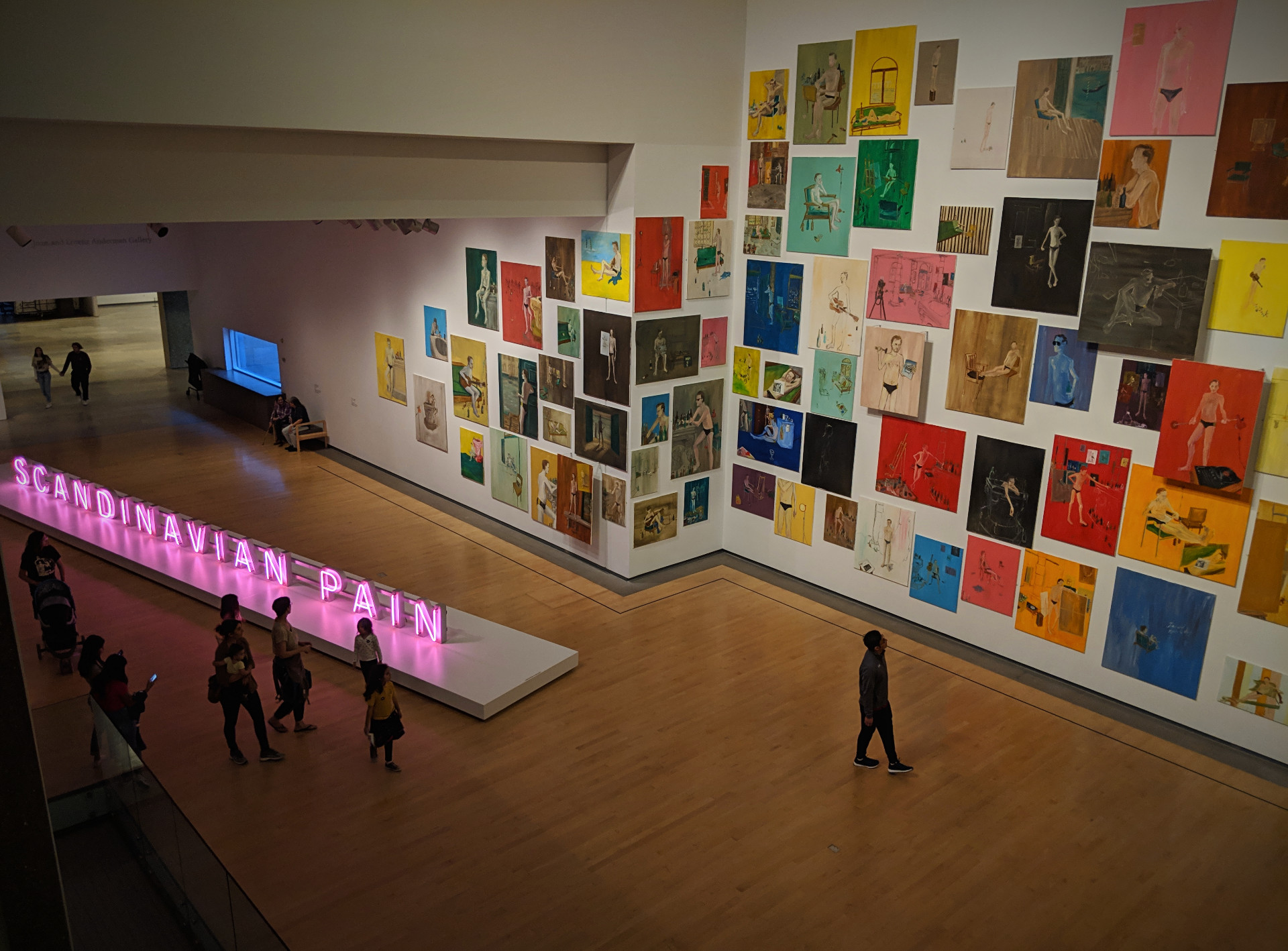
Ragnar Kjartansson: Scandinavian Pain & Other Myths was the Southwestern US premiere of work by Icelandic artist Ragnar Kjartansson (b. 1976), presented by the Phoenix Art Museum.

It consisted of three major works: the 40-foot long neon installation Scandinavian Pain, along with The End-Venice, Kjartansson’s contribution to the 2009 Venice Biennale during which he secluded himself in a fourteenth-century palazzo and produced one painting per day for six months (the entire duration of Venice Biennale). Each painting depicts his friend and fellow artist Páll Haukur Björnsson, in a Speedo.


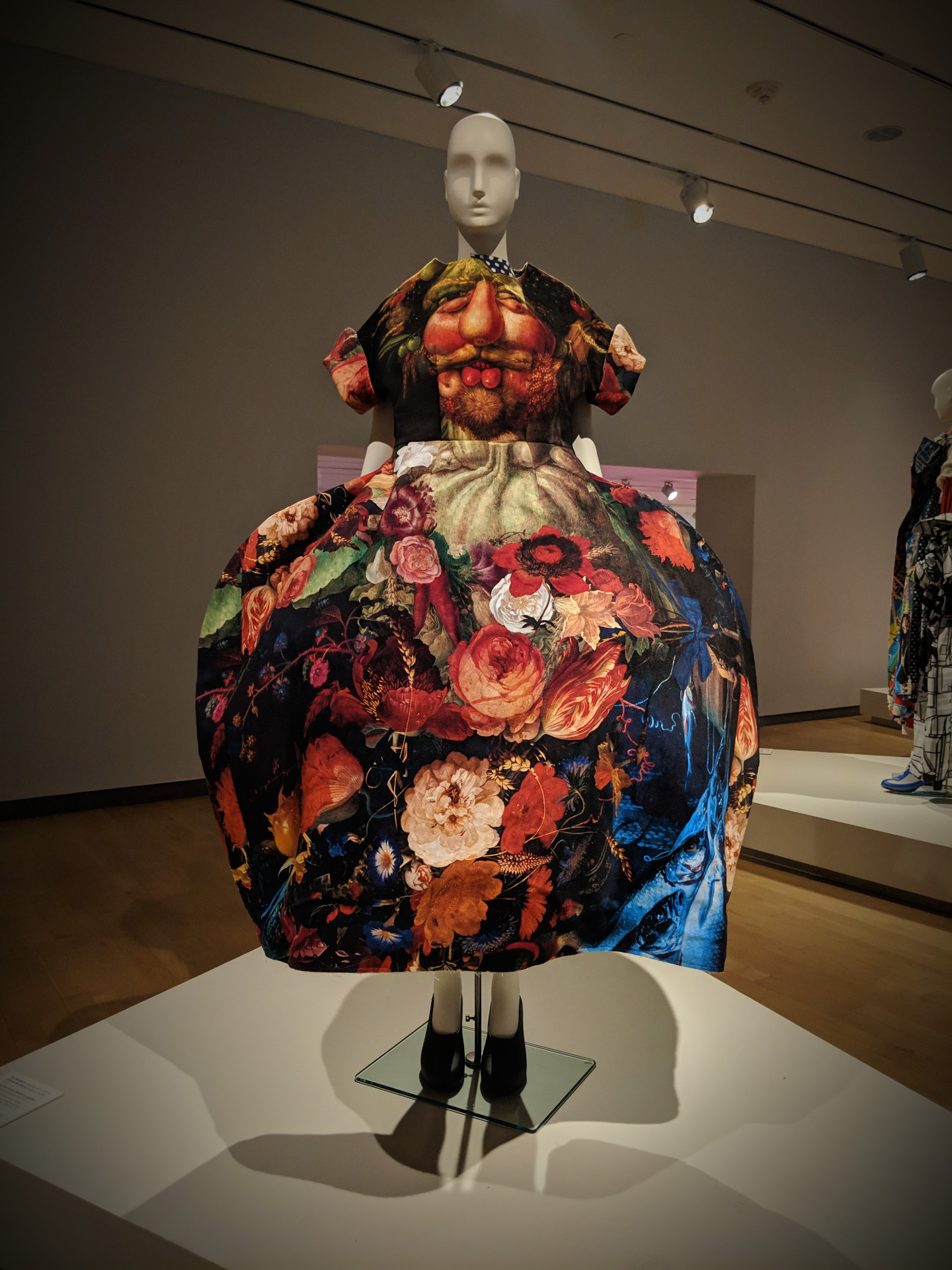
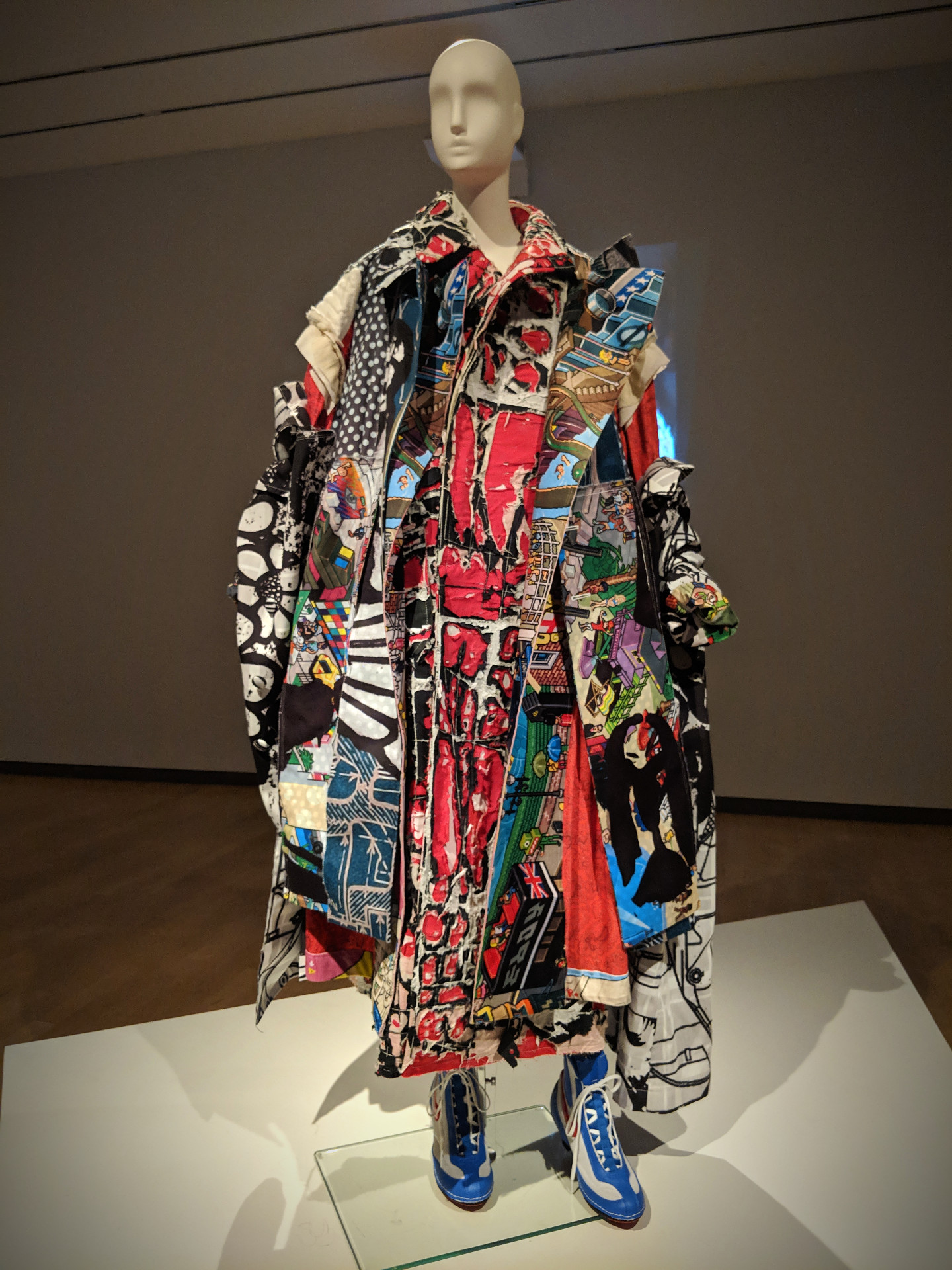
Rei Kawakubo for Comme des Garçons
Dress and shoes from the S/S 2018 collection

Art on Dress: Giuseppe Archimboldo


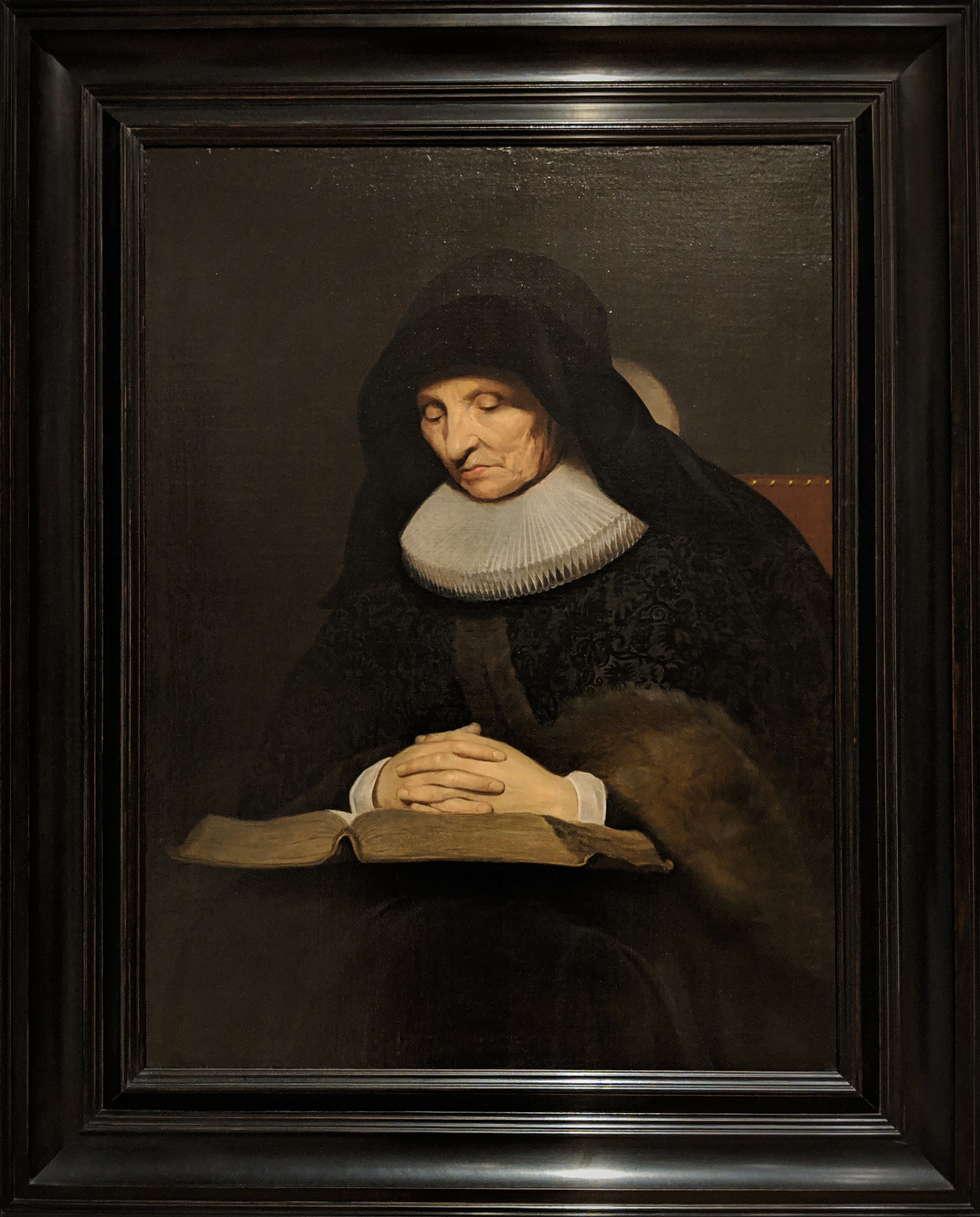
Jan Anthonisz van Ravesteyn (Dutch, c. 1570-1657)
Portrait of an Old Woman, late  16th-mid 17th century
Oil on canvas


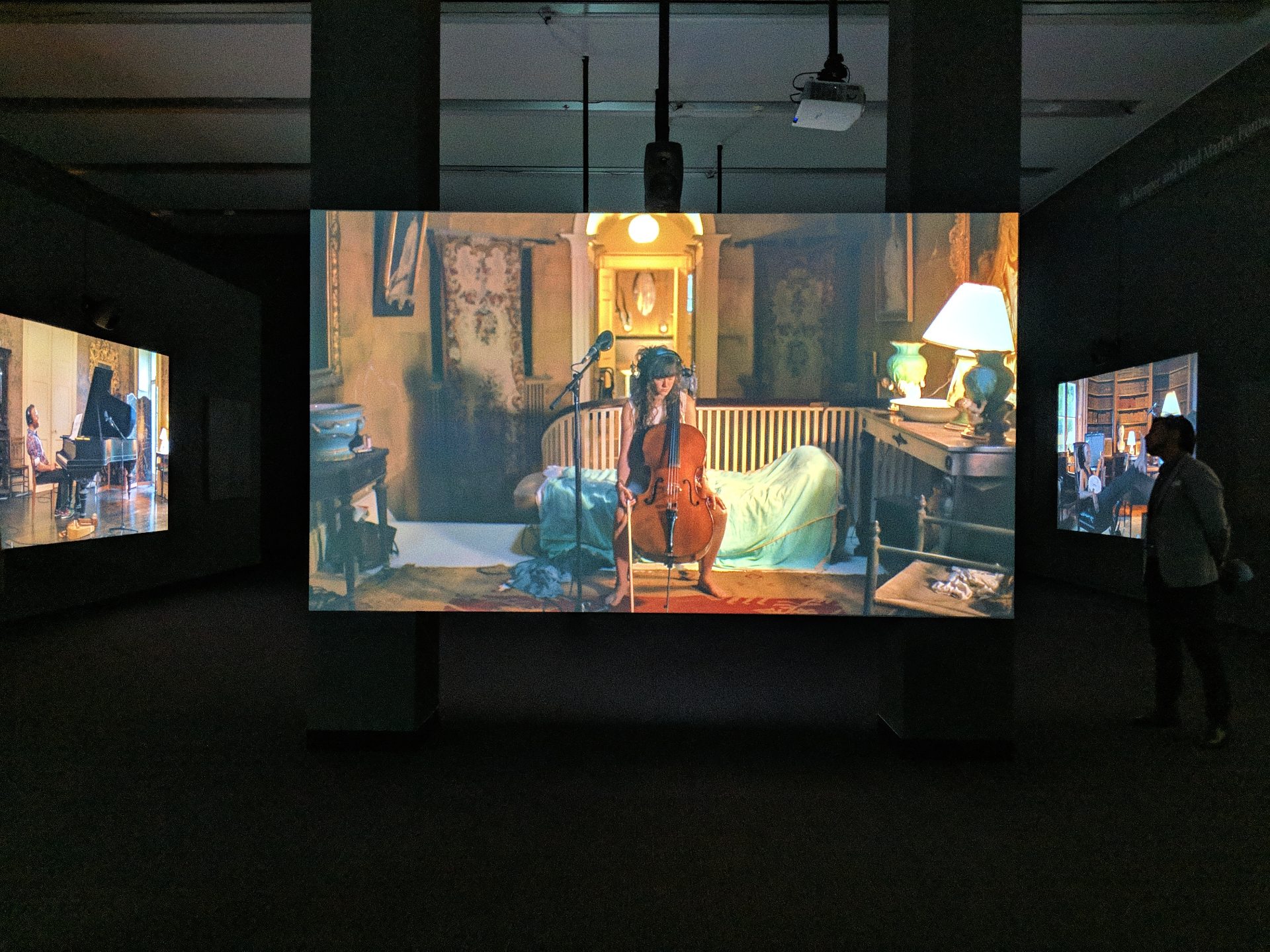
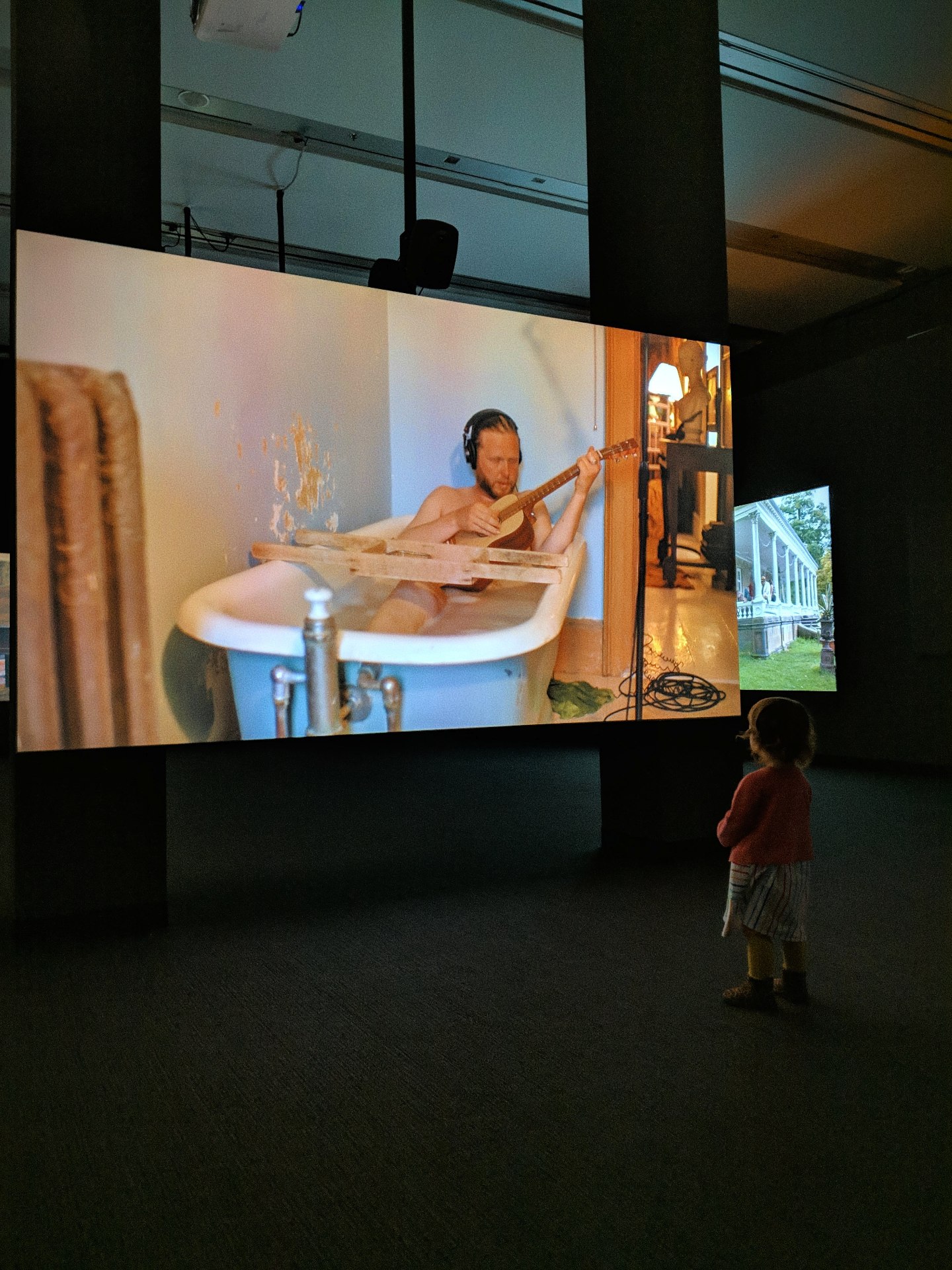
The third work by Ragnar Kjartansson was his superb nine-screen installation that was filmed in one take at the historic Rokeby farm in upstate New York. Named after ABBA’S final album, The Visitors, it records the performances of a group of friends, musicians and artists, playing simultaneously but in different rooms of the mansion. They all play the same song each one enriching it with their own voice, instrument and presence. Kjartansson himself performs most of the time in a bathtub. The film mesmerizes and moves audiences of all ages wherever it is shown. You can watch a recording of the recording, uploaded on YouTube by one of its many admirers.

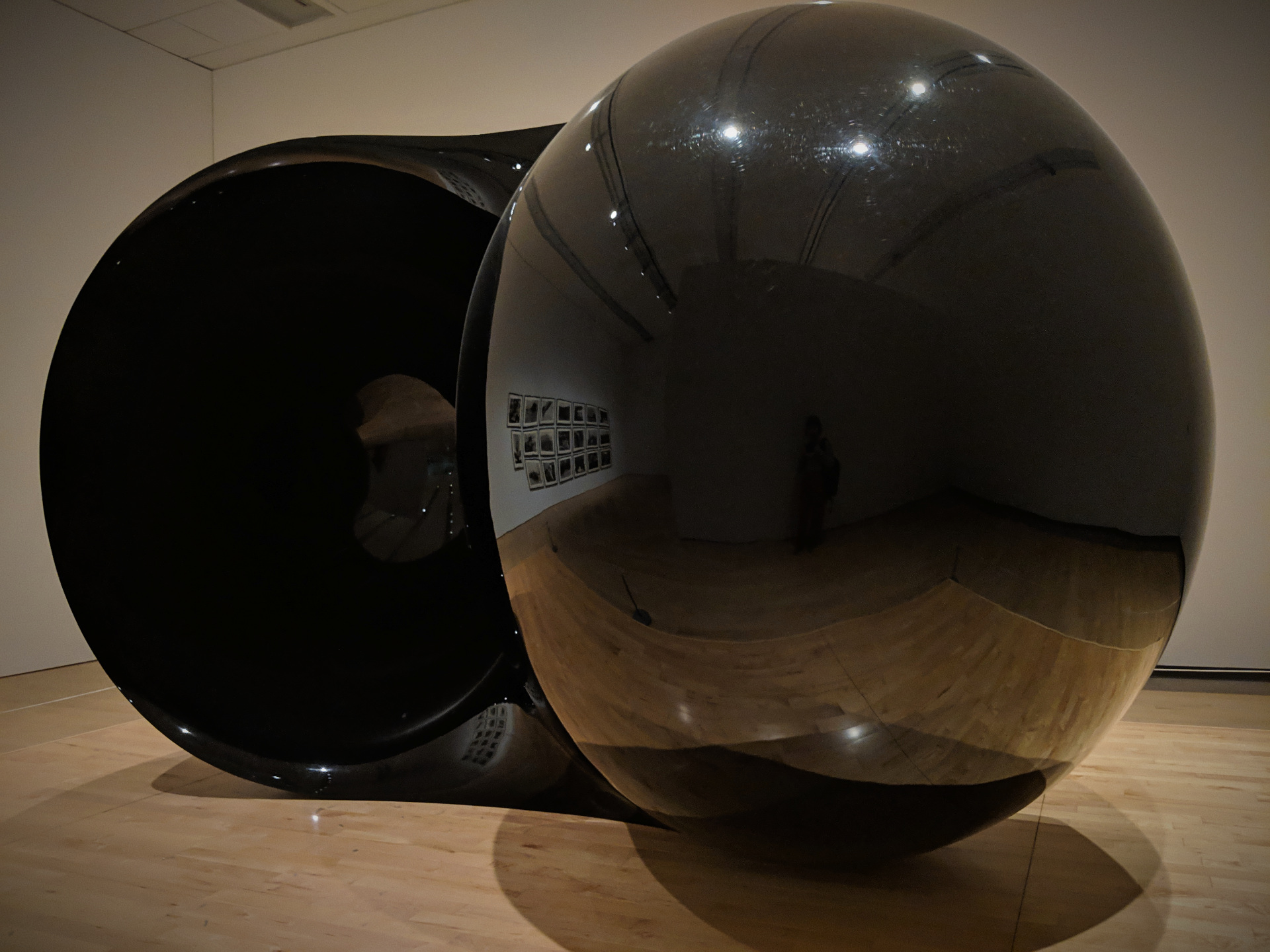
Anish Kapoor (British, b. 1954)
Upside Down, Inside Out, 2003
Resin and paint


Phoenix Art Museum

January 30th, 2019

Wearable Art

Taking its rightful place alongside more traditional forms of art.
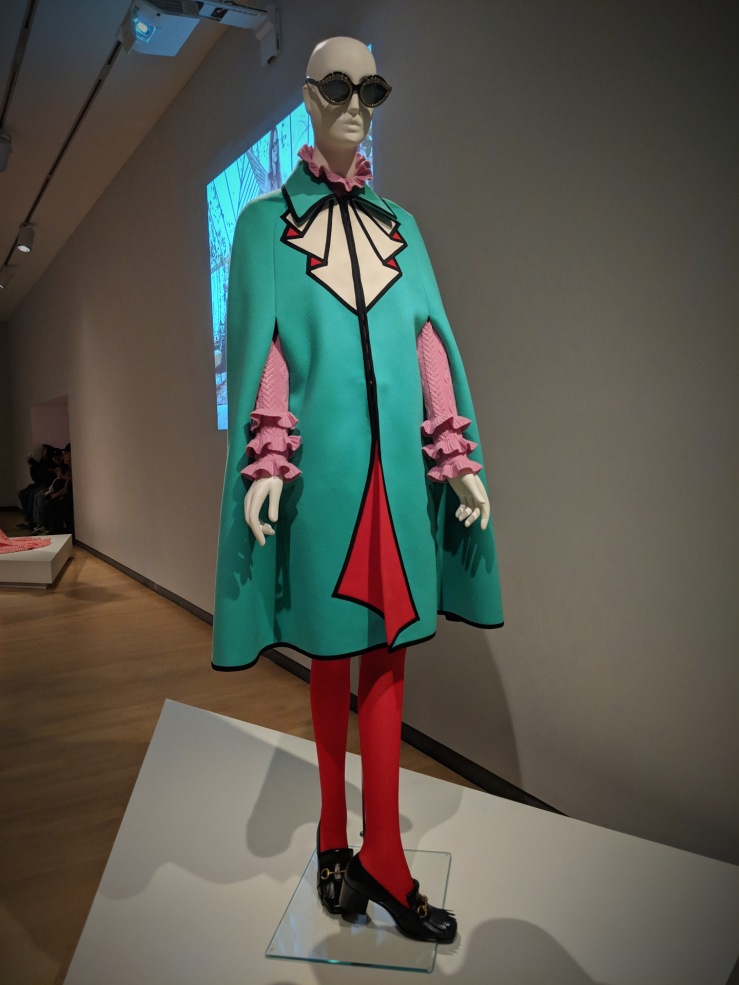
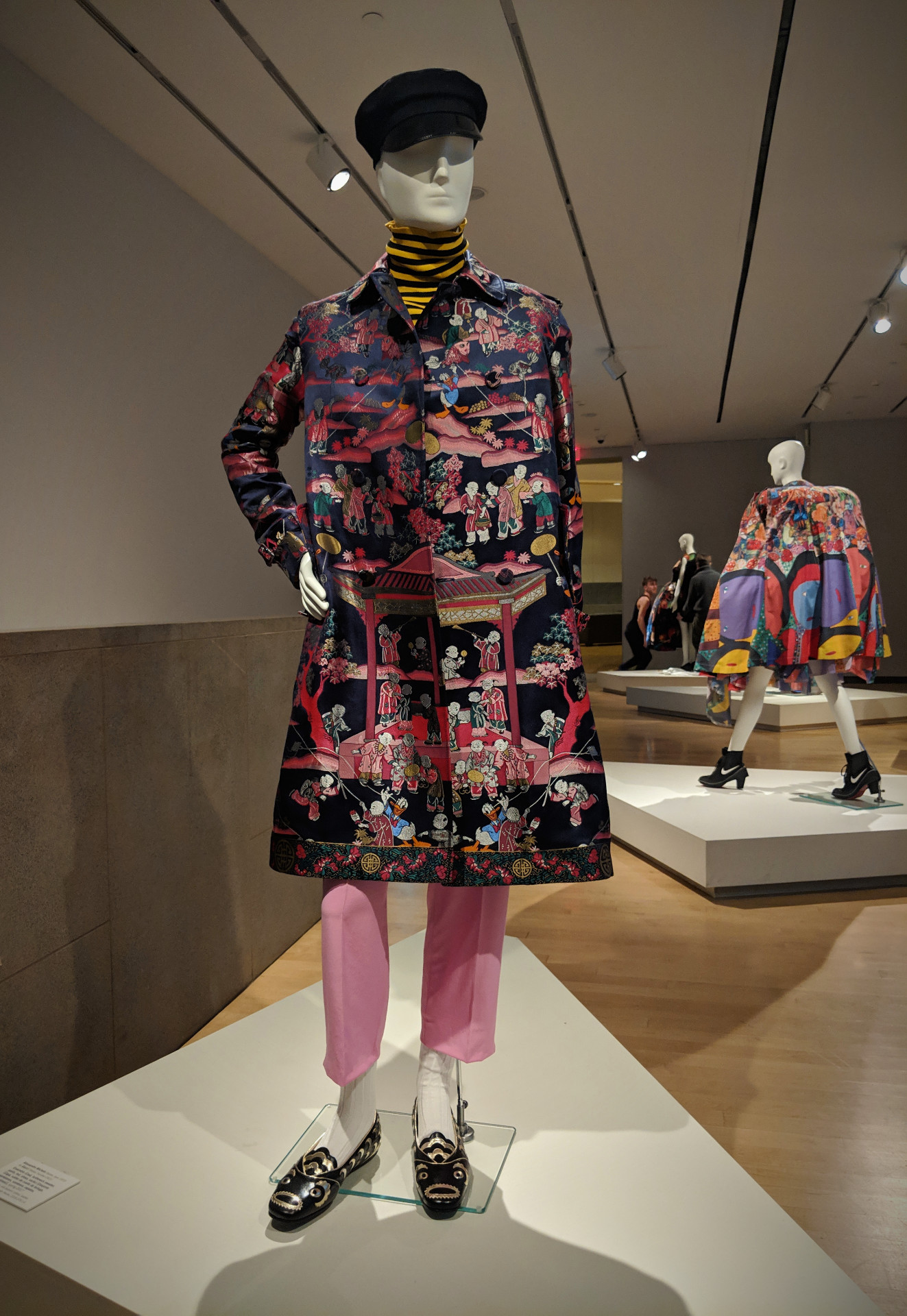
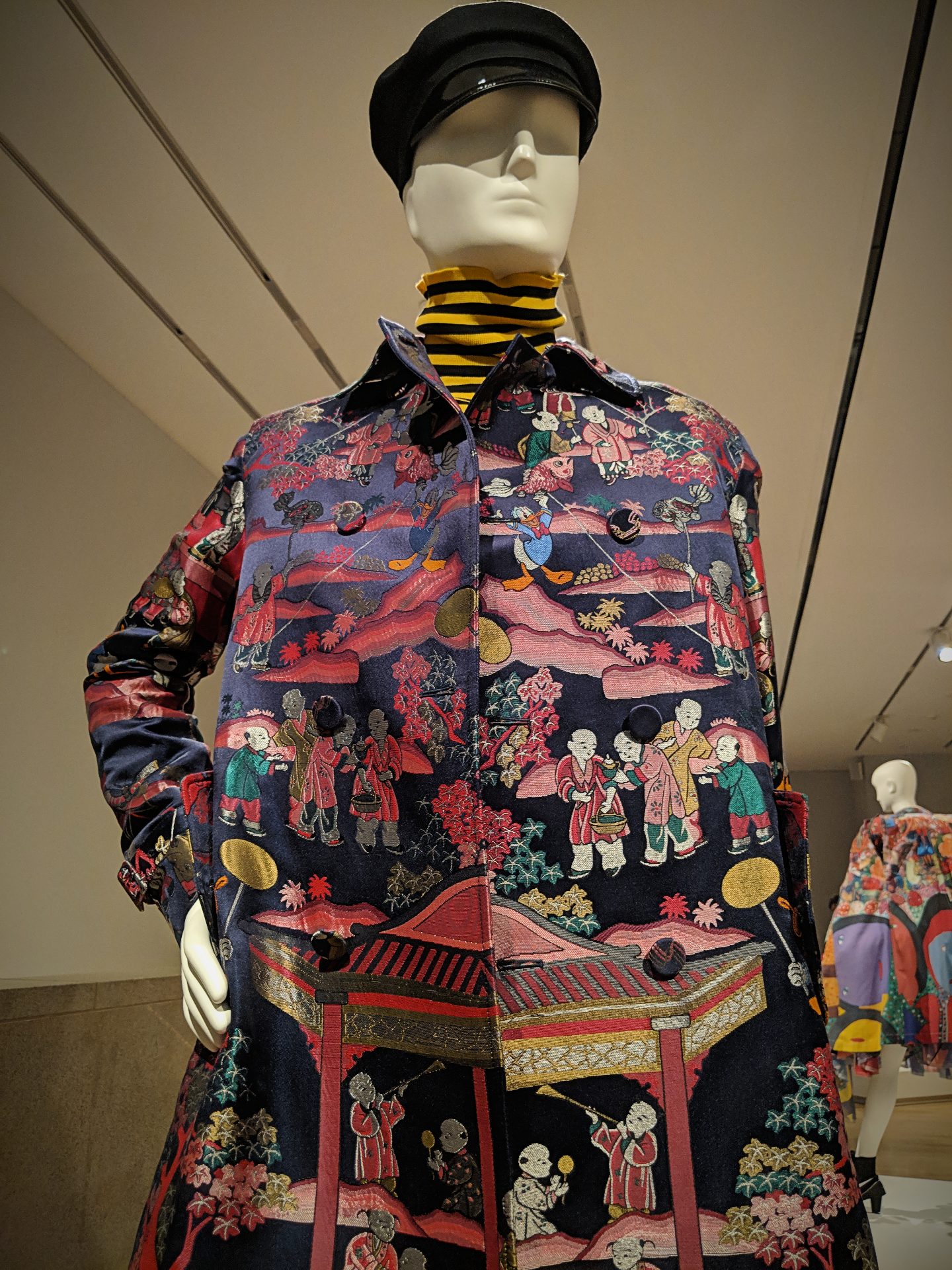
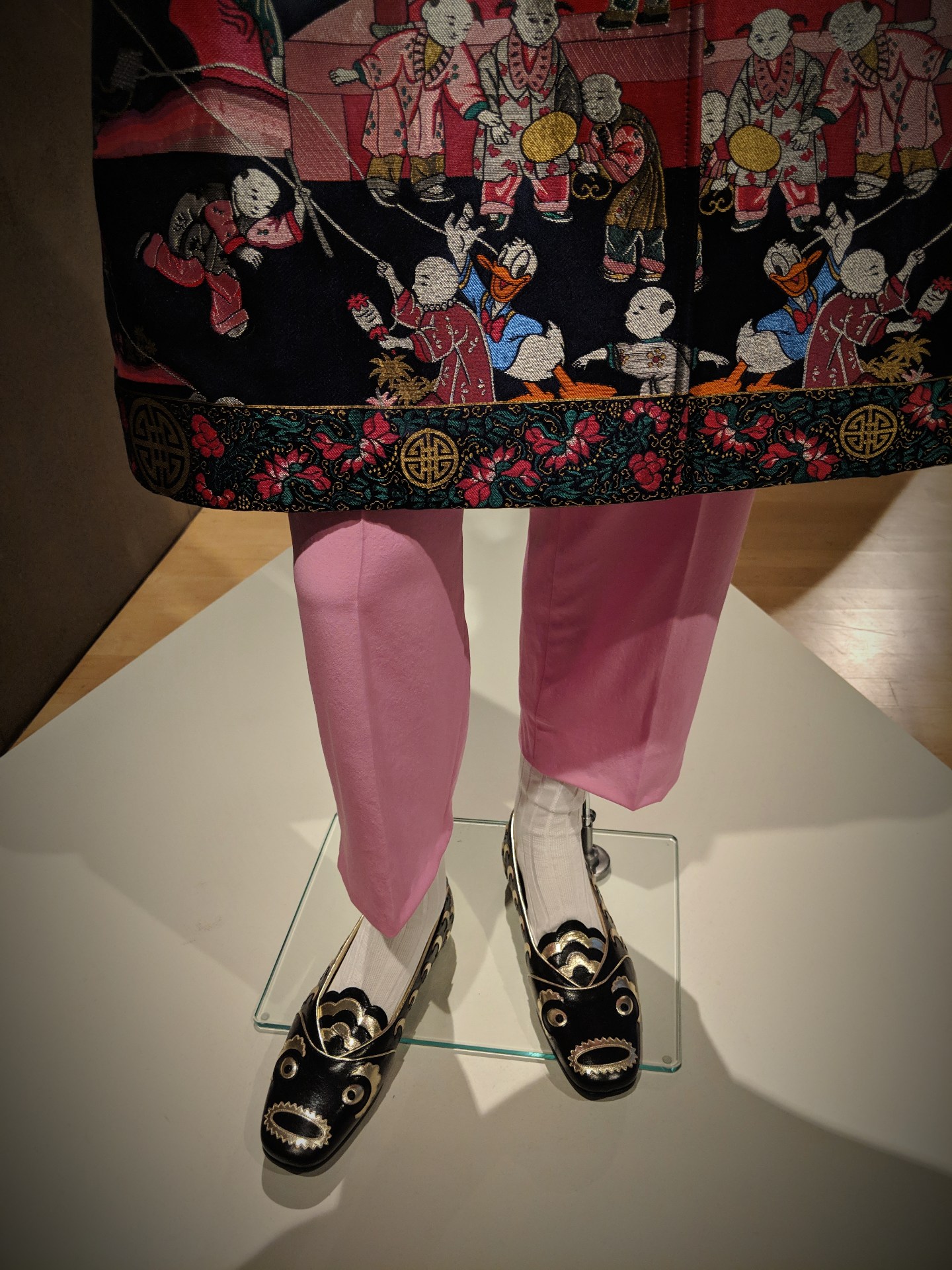
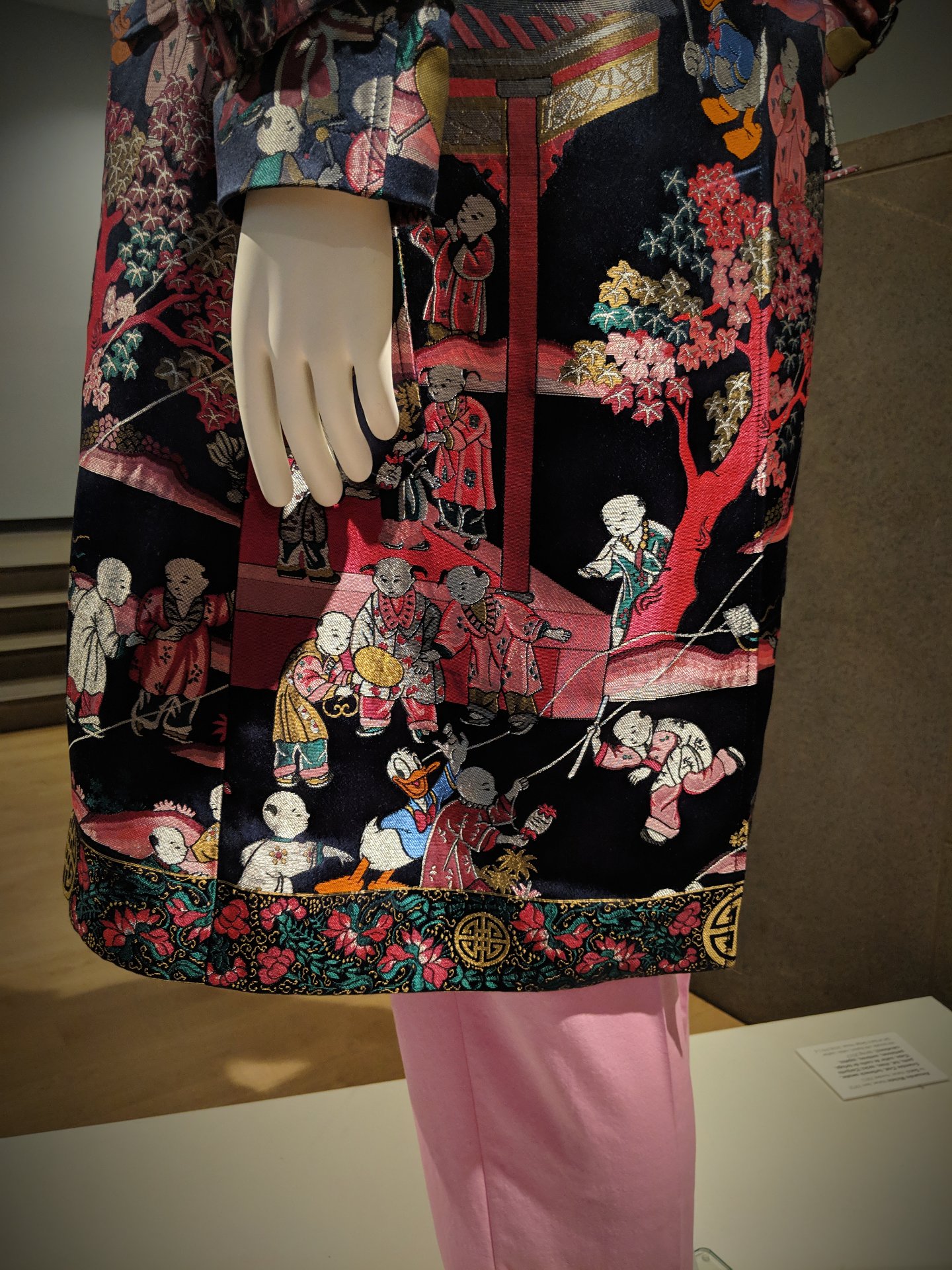
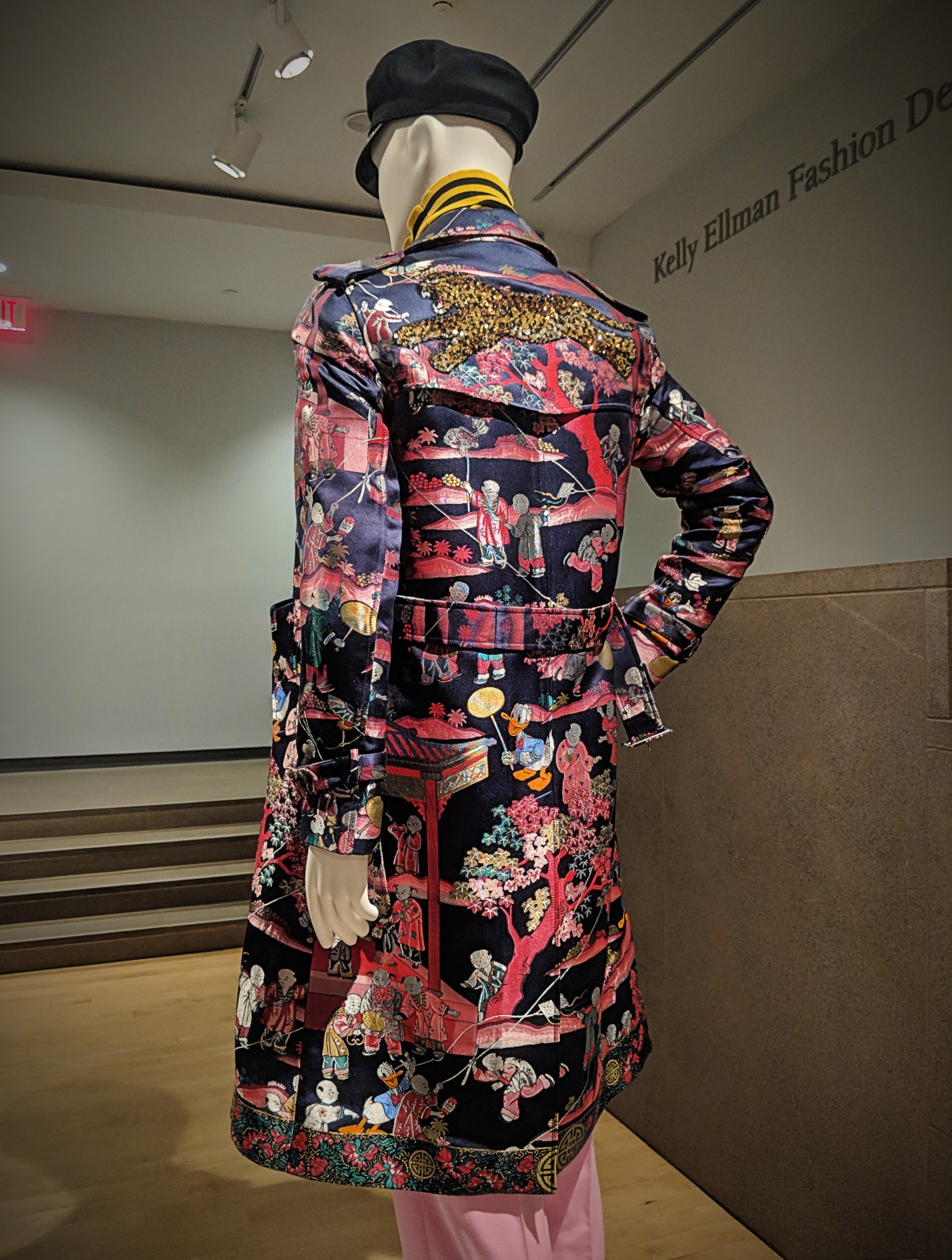
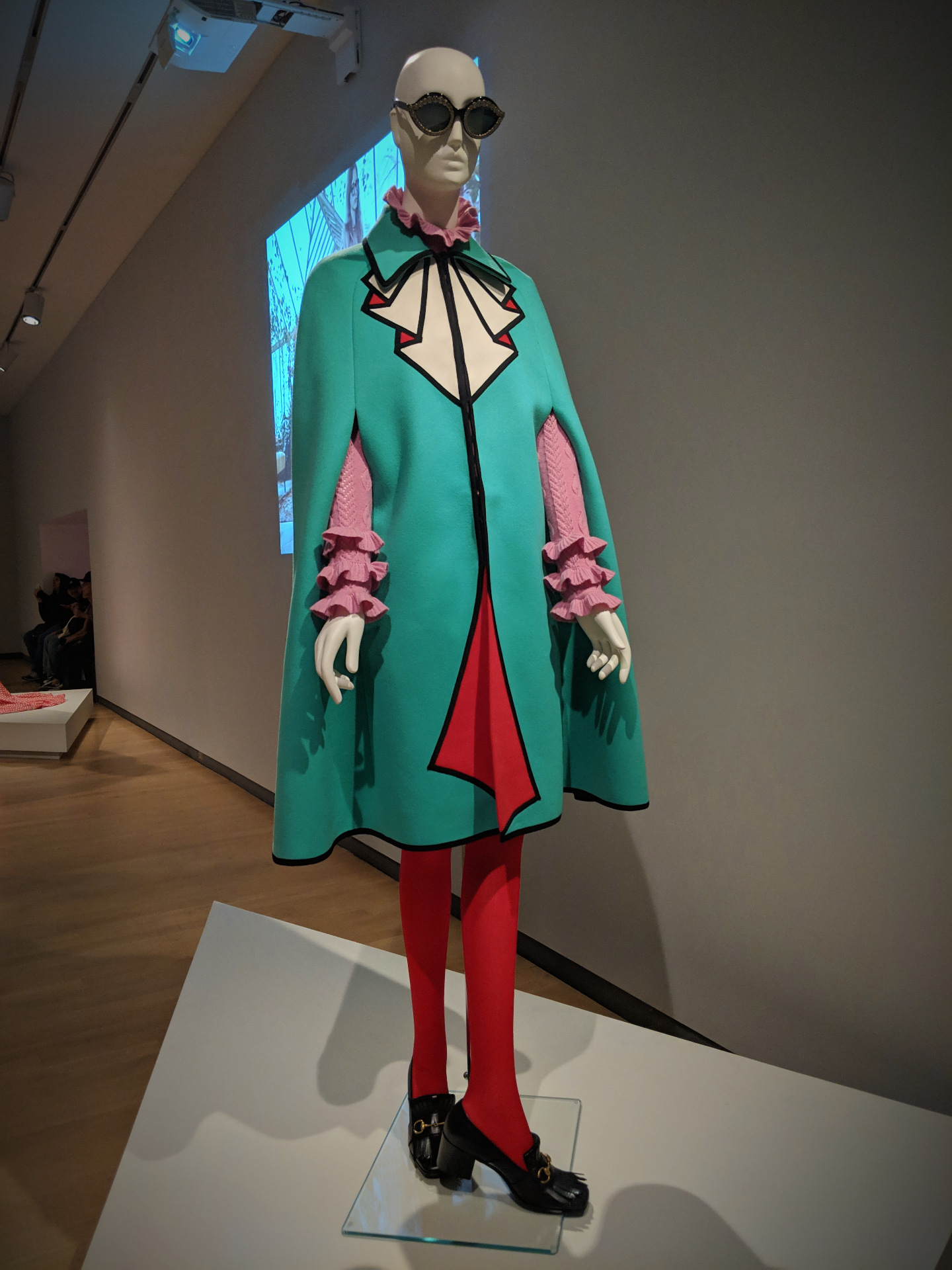
Alessandro Michele (Italian, b. 1972) for Gucci
Ensemble F/W 2016
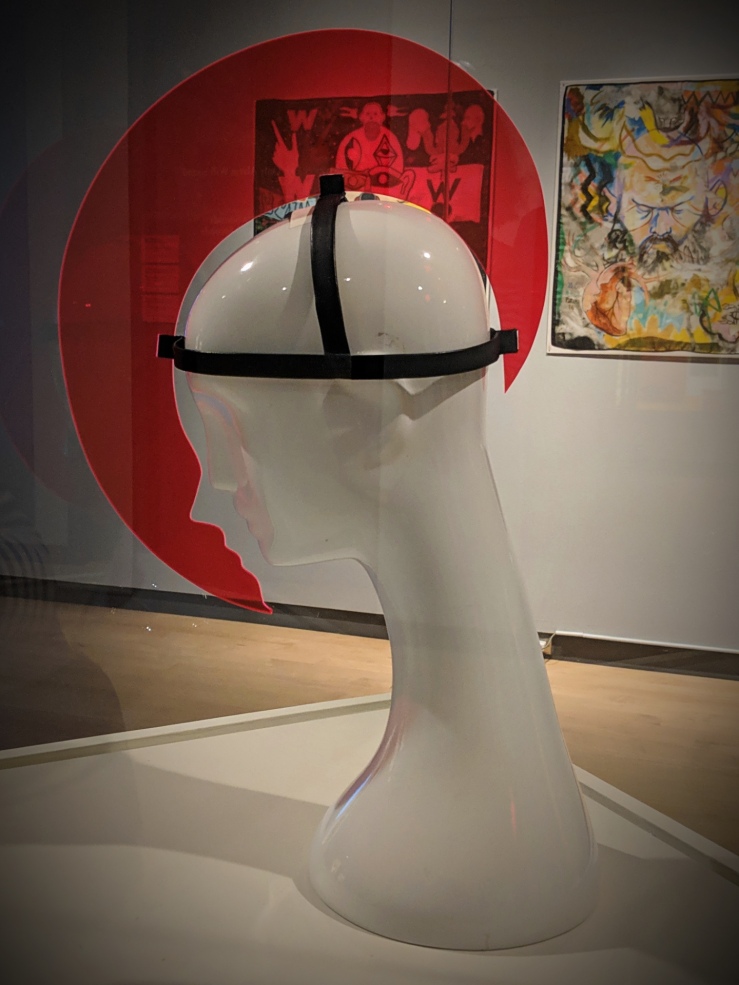

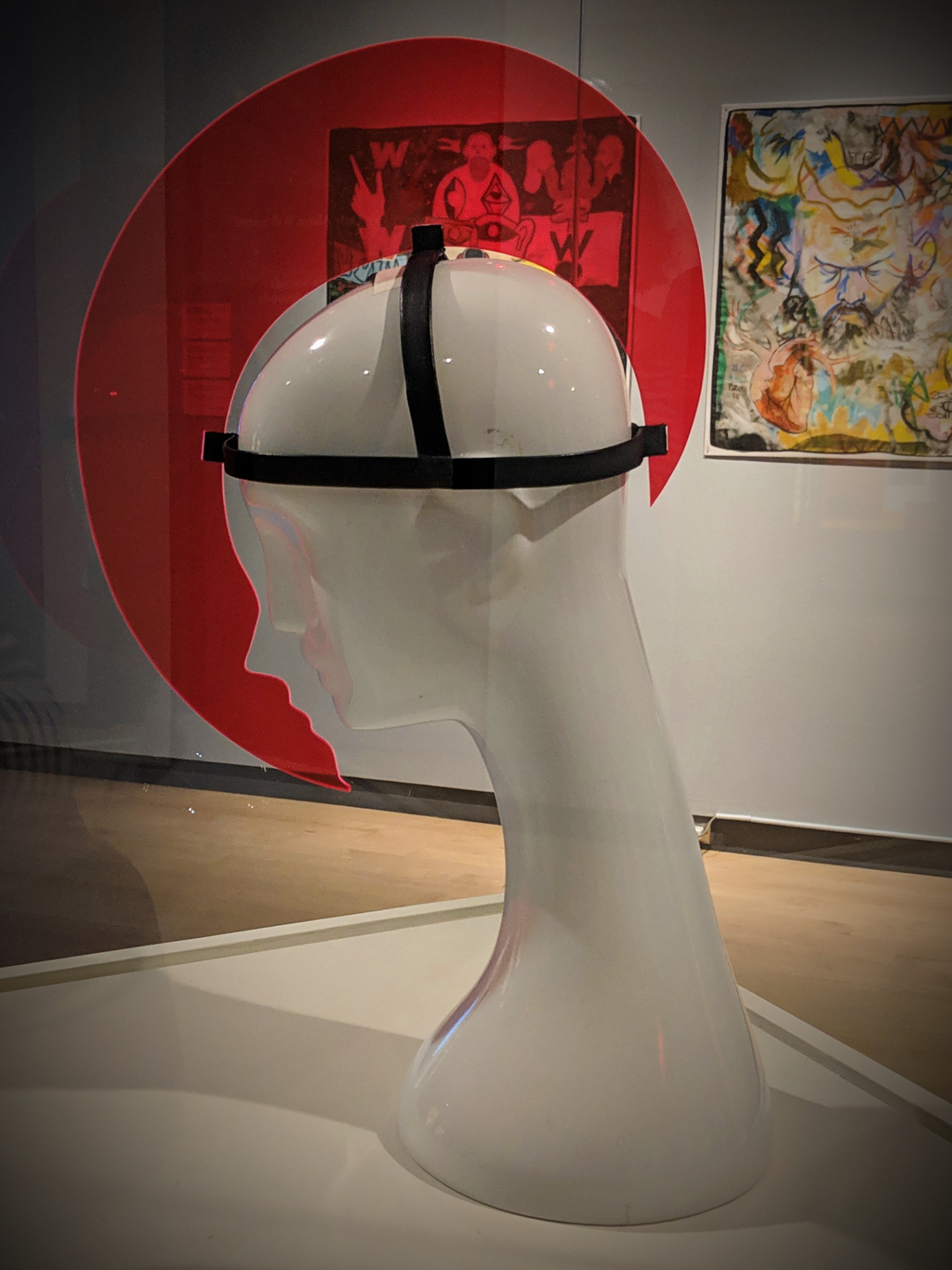
Stephen Jones (British, b. 1957)
”Show” Hat, F/W 2013 ”Art School”
Perspex Plexiglas
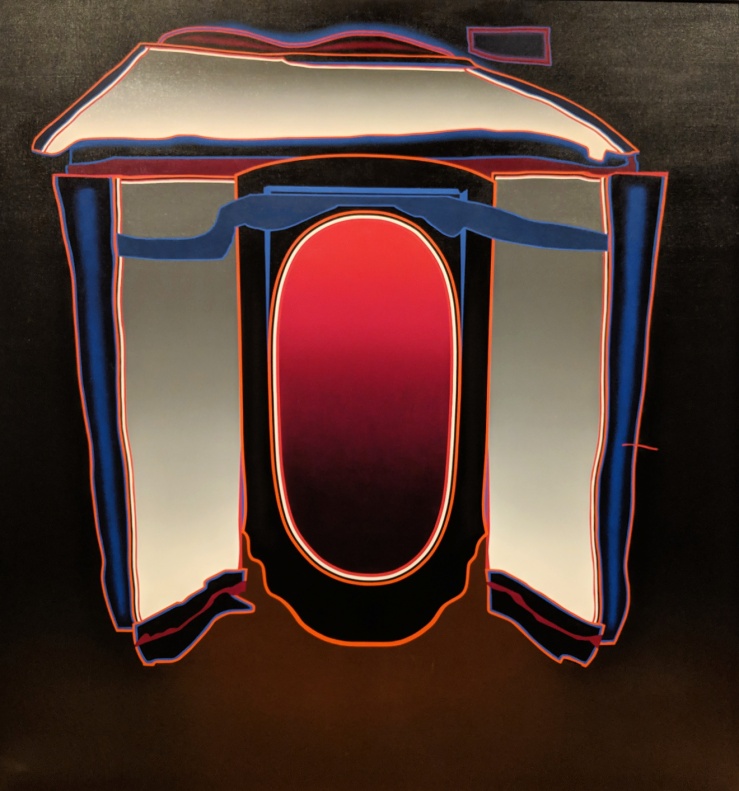

Deborah Williams Remington (American, 1930-2010)
Dover, 1975
Oil on canvas
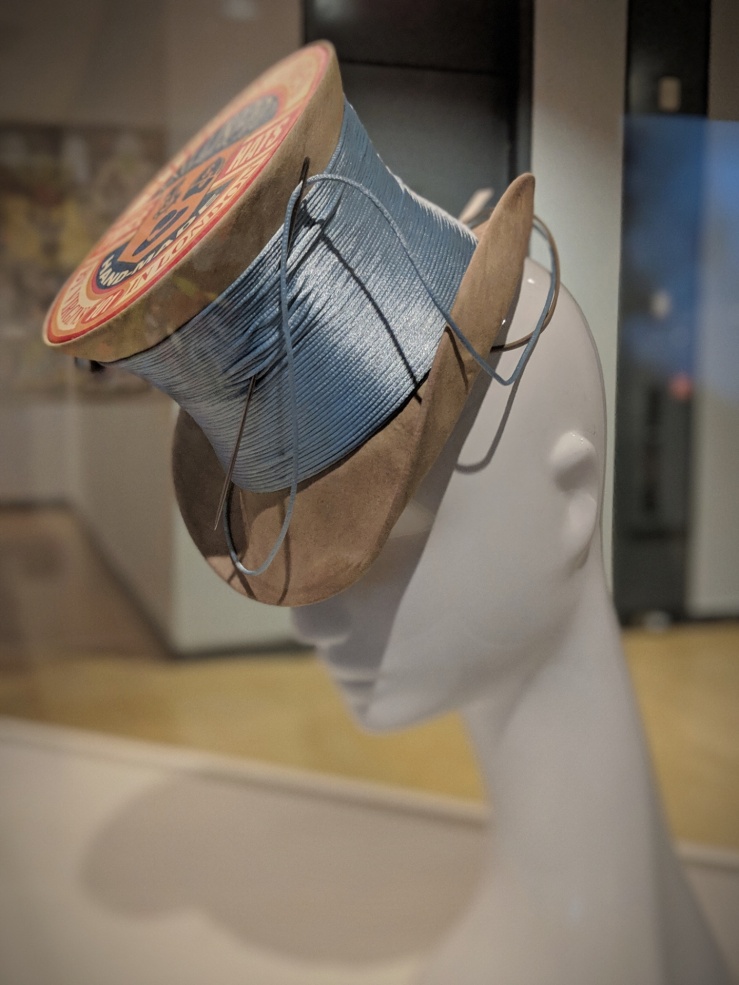

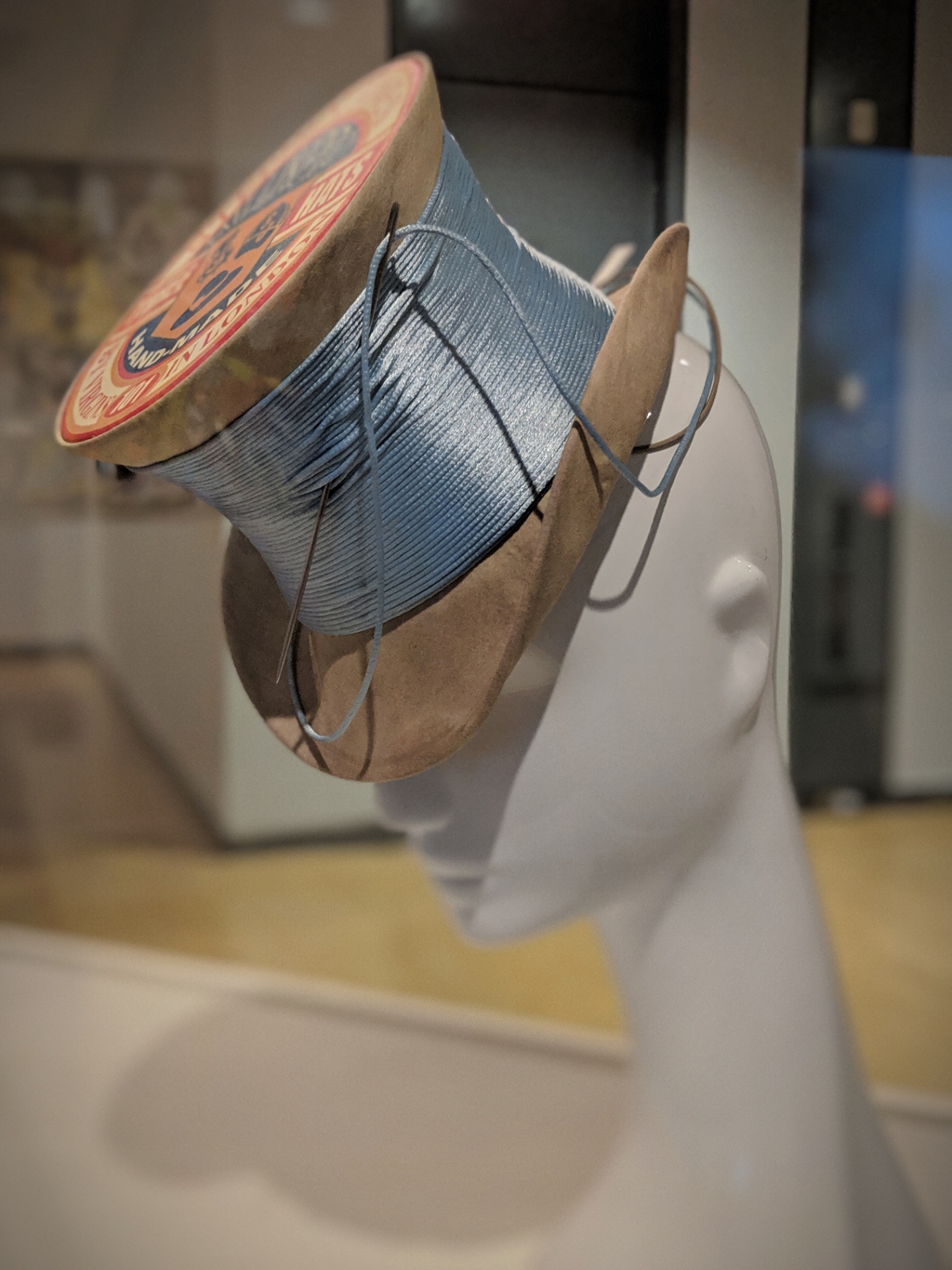
Stephen Jones (British, b. 1957)
”Sewing” Hat, S/S 2018
Printed cotton with satin cord and metal bodkin
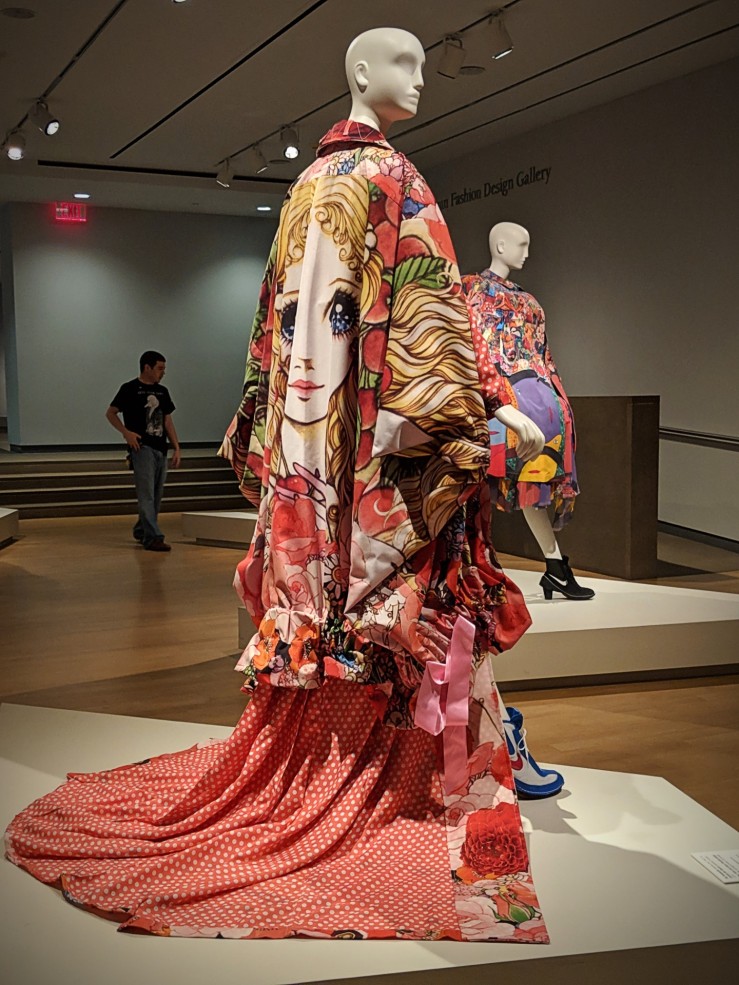

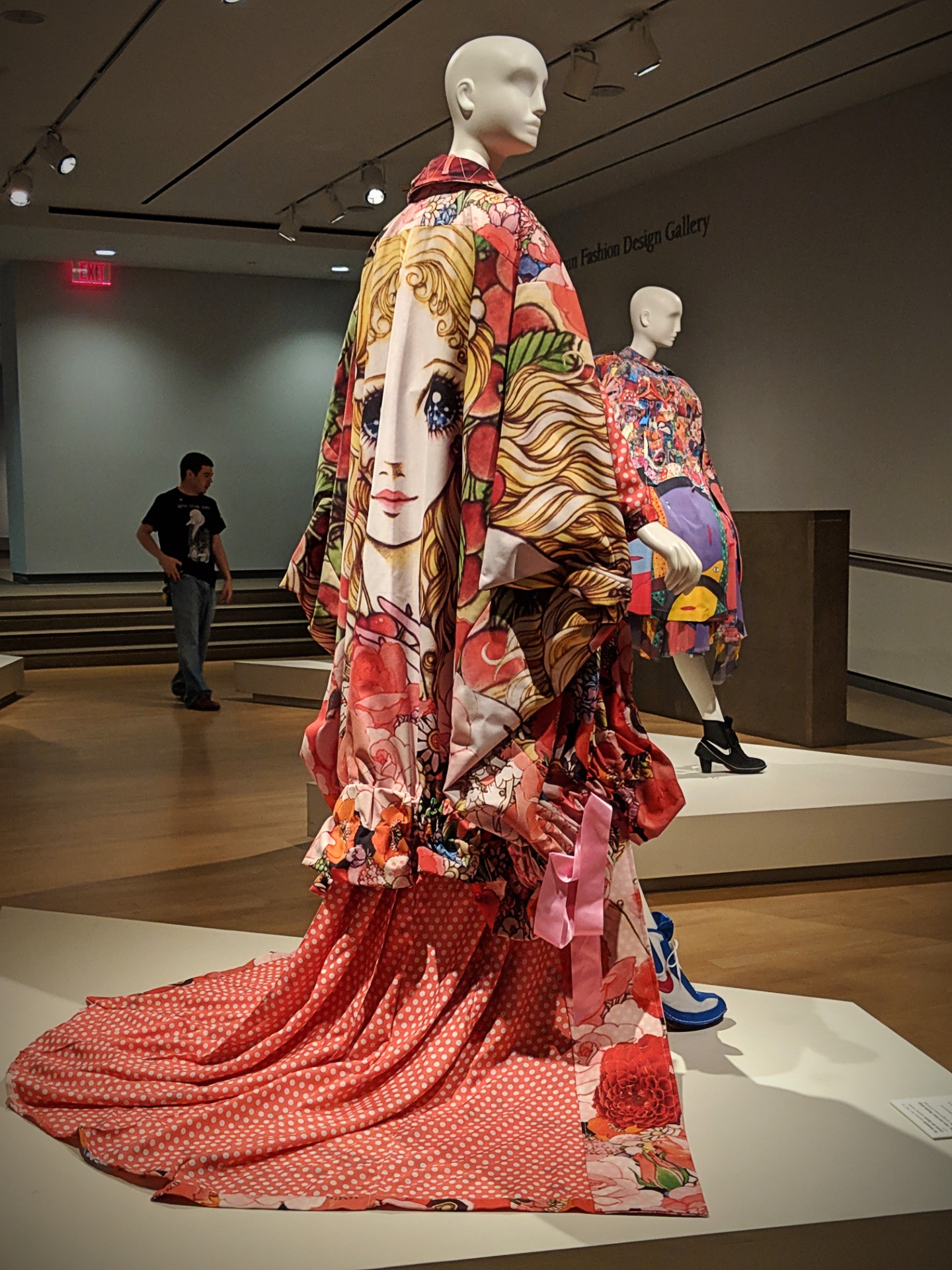
Rei  Kawakubo (Japanese, b. 1942)
Comme des Garçons, S/S 2018
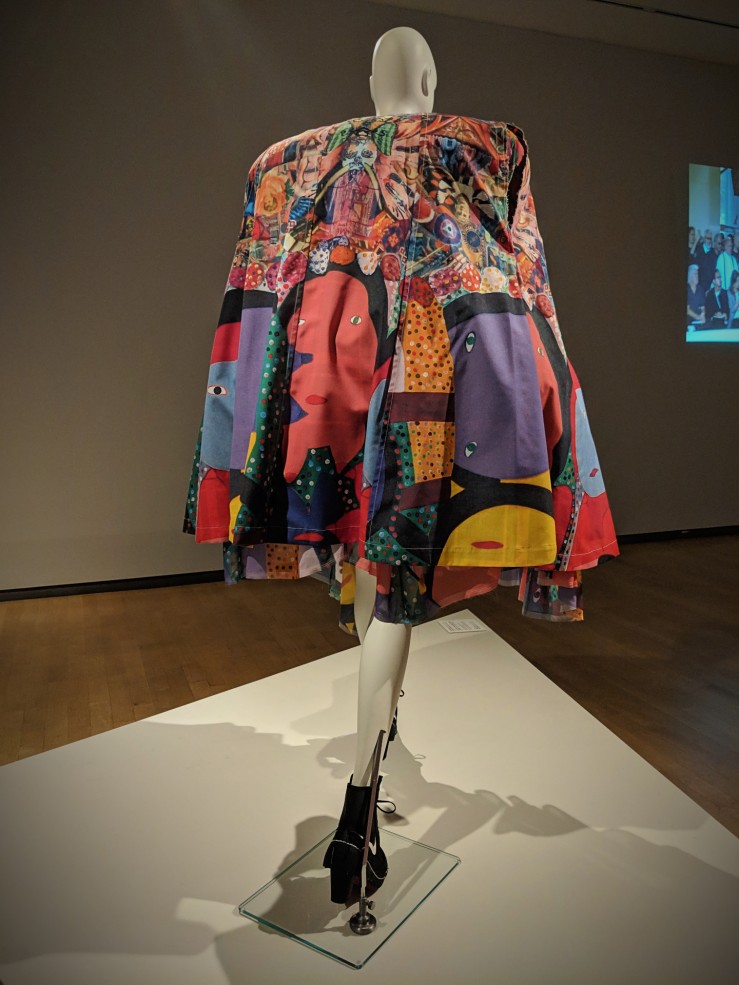

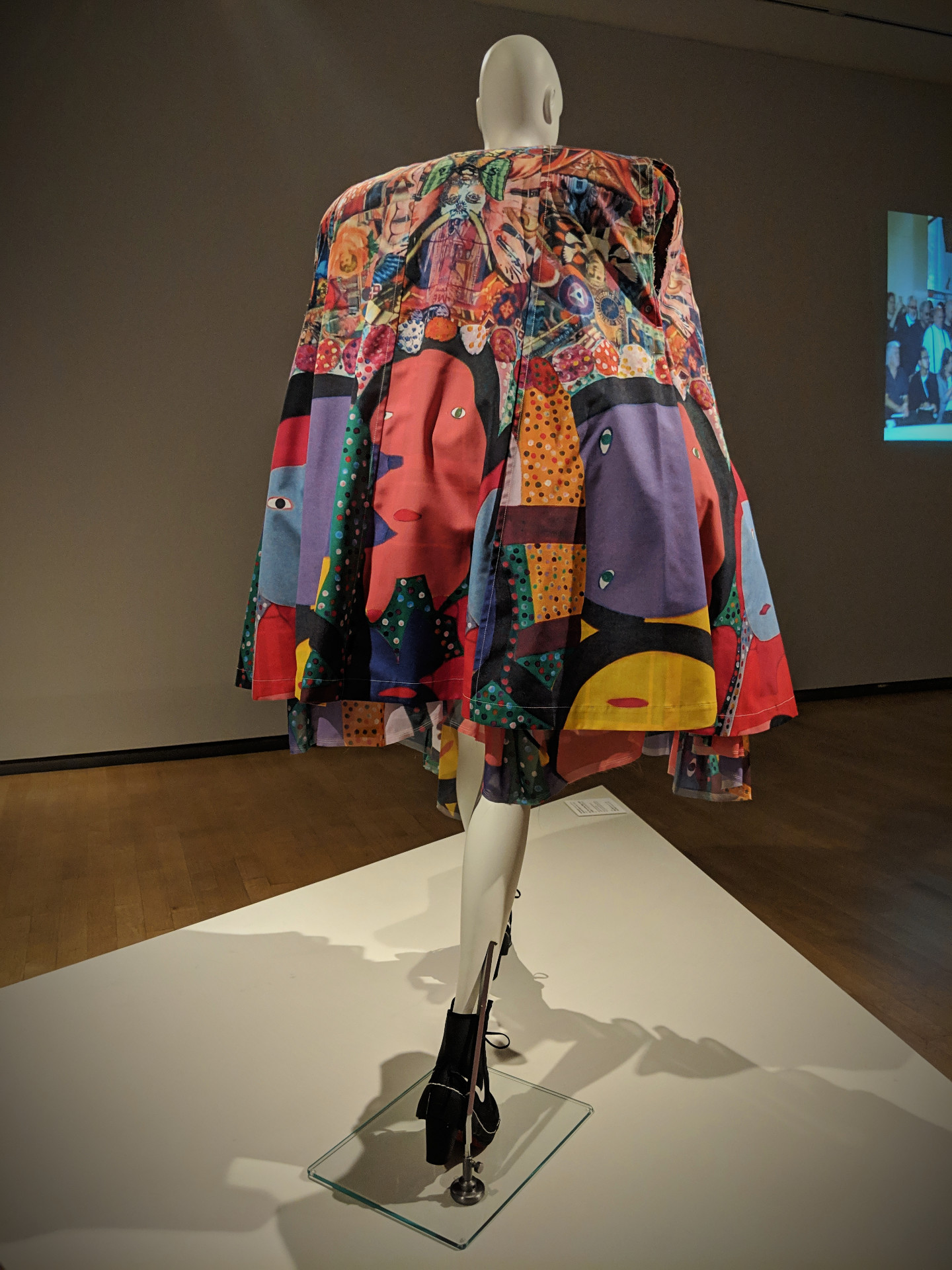
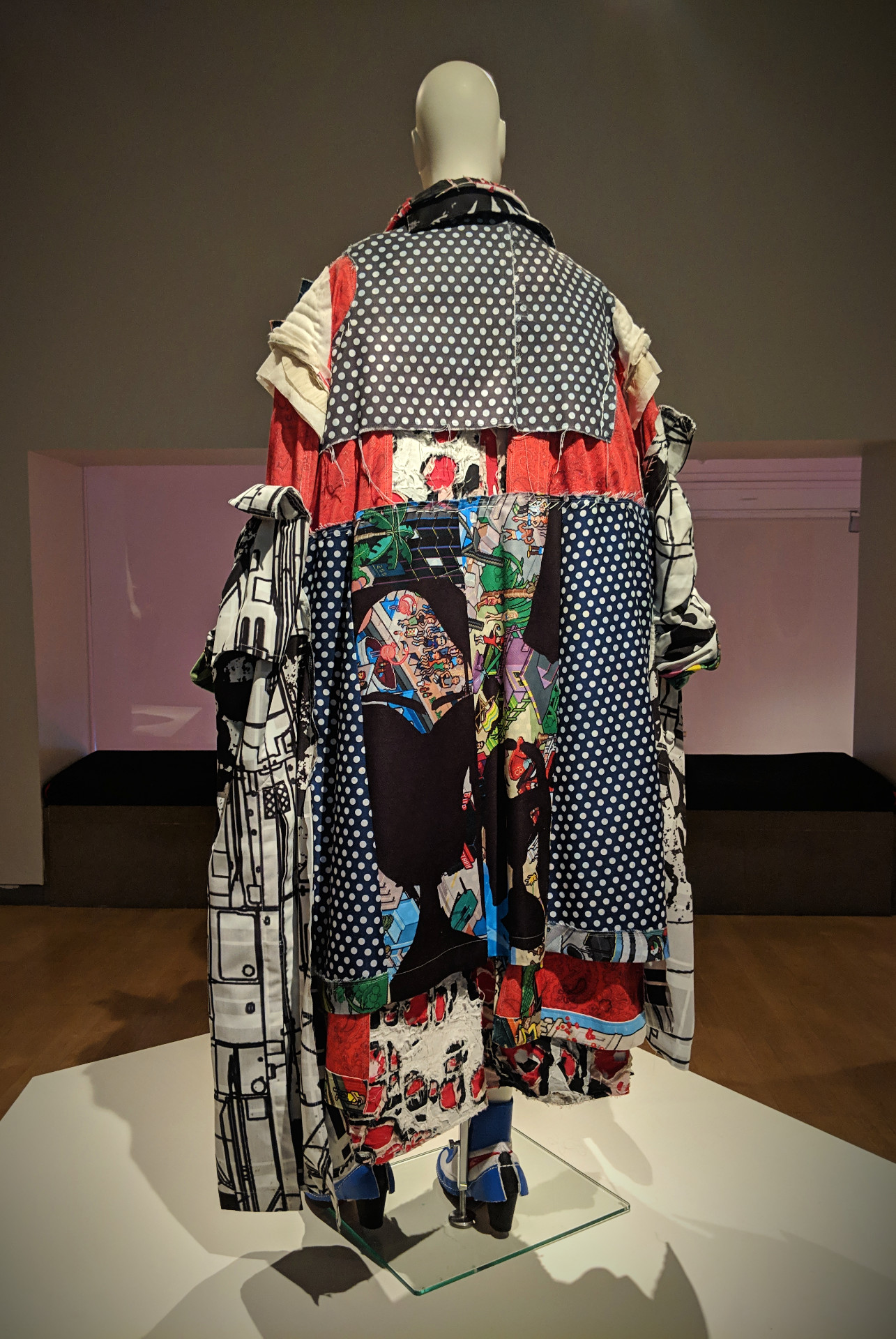
Rei  Kawakubo (Japanese, b. 1942)
Comme des Garçons, S/S 2018
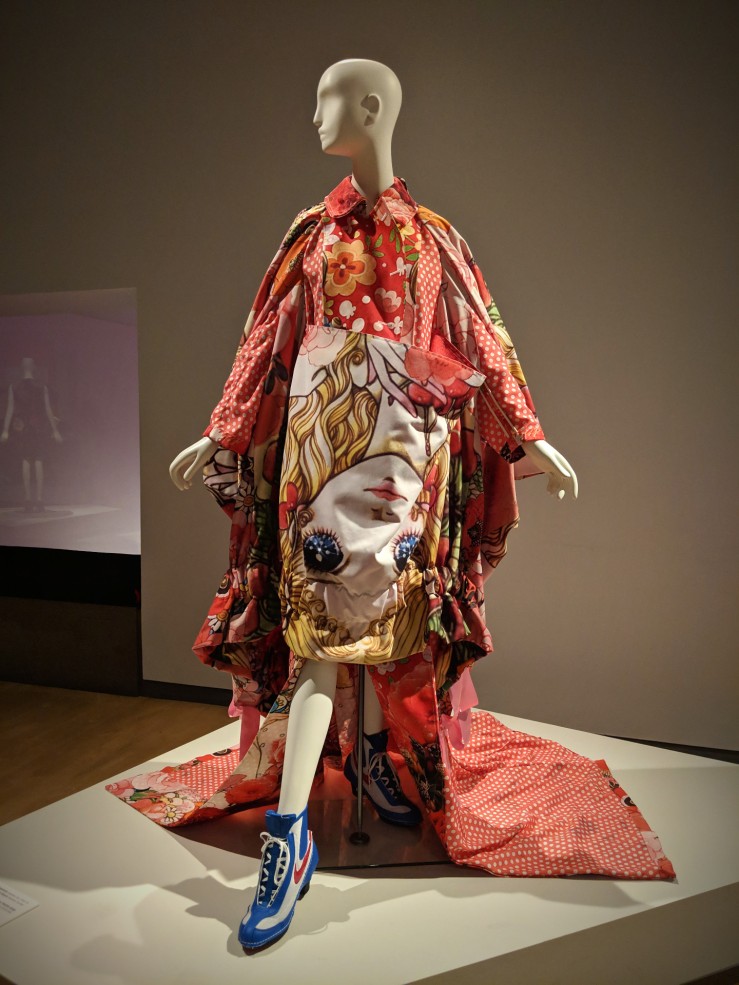

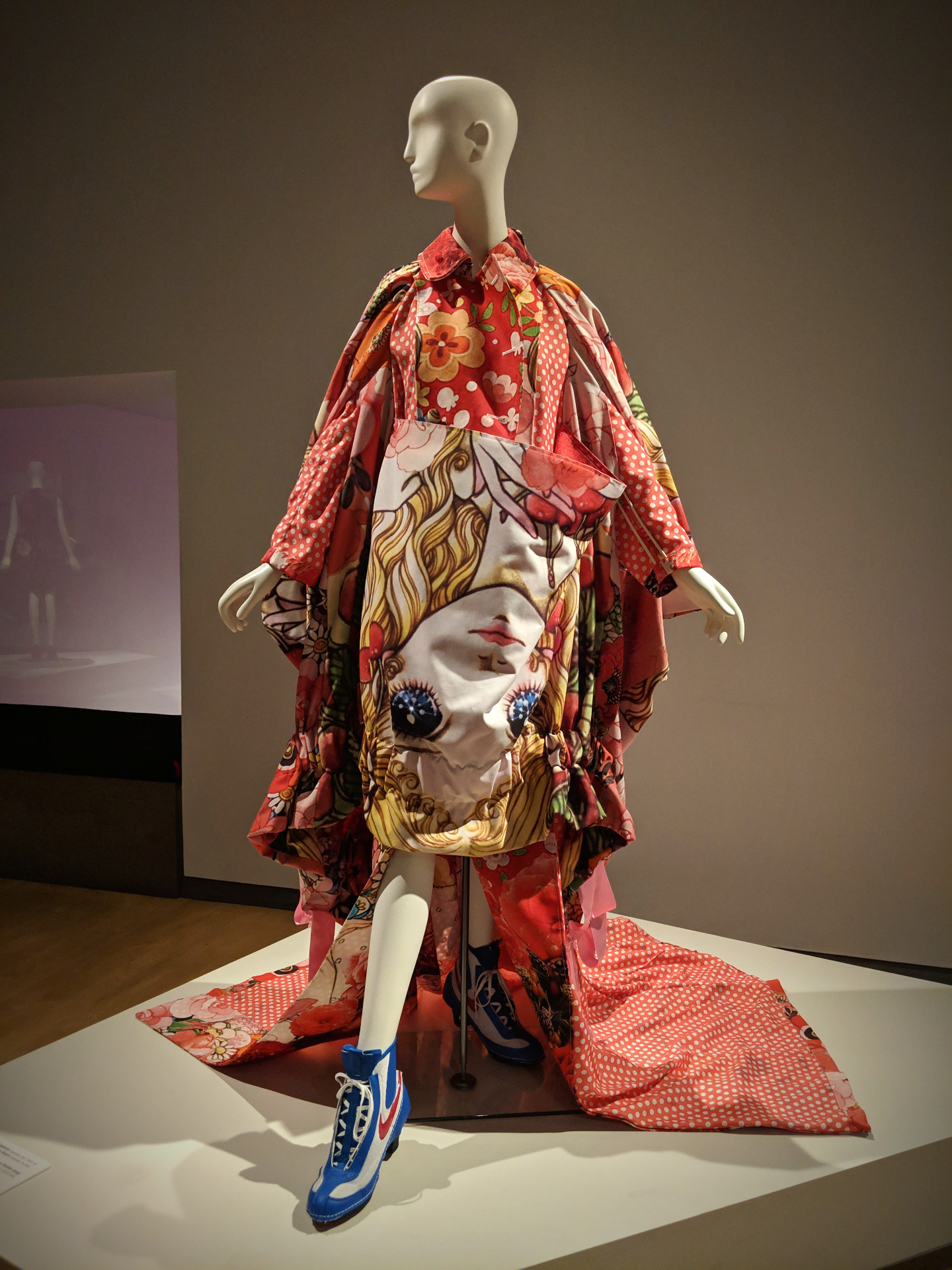
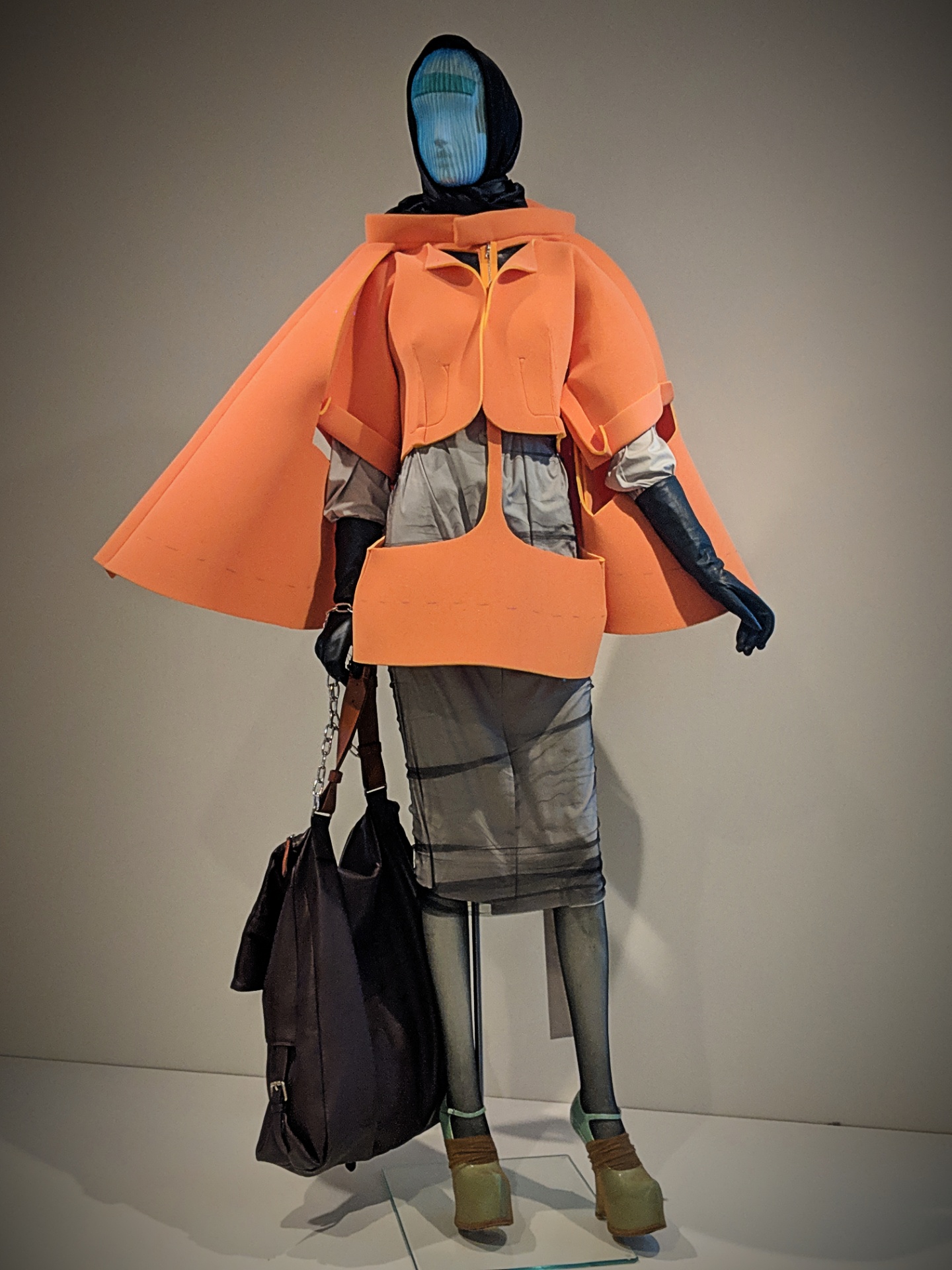
Rei  Kawakubo (Japanese, b. 1942)
Comme des Garçons, S/S 2018
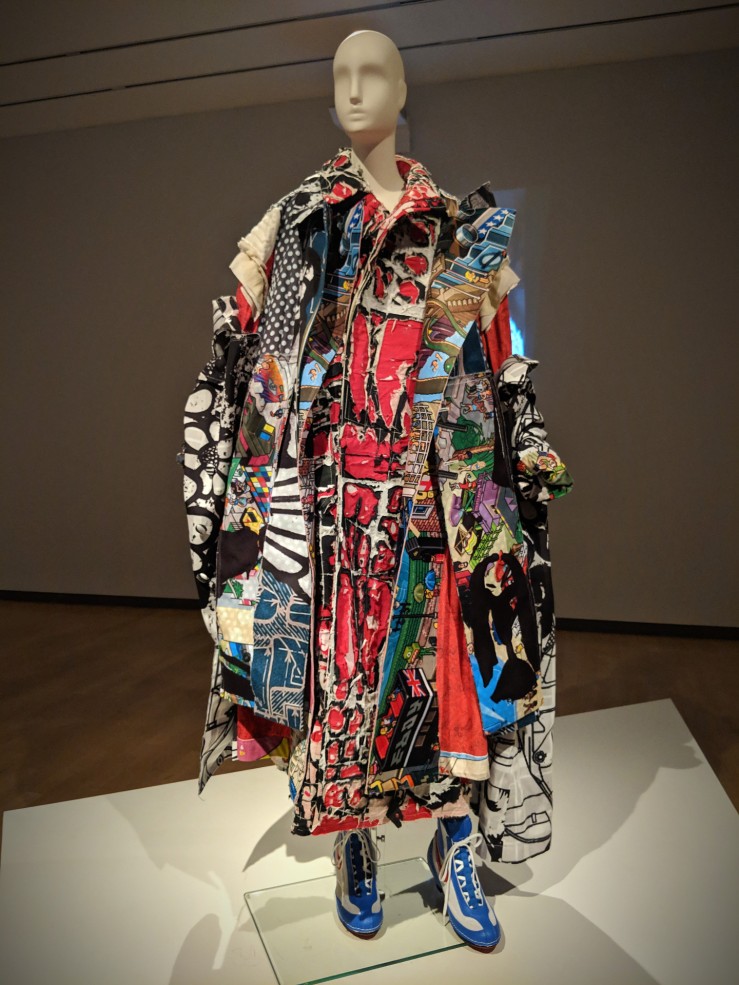

Rei  Kawakubo (Japanese, b. 1942)
Comme des Garçons, S/S 2018
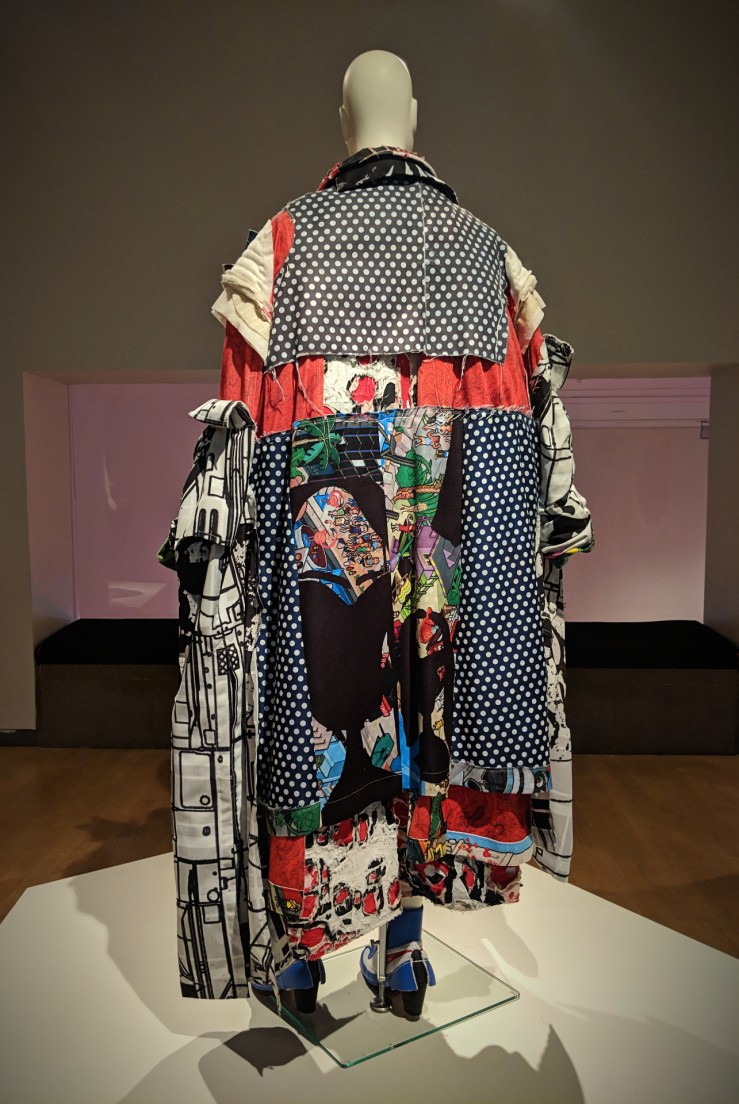

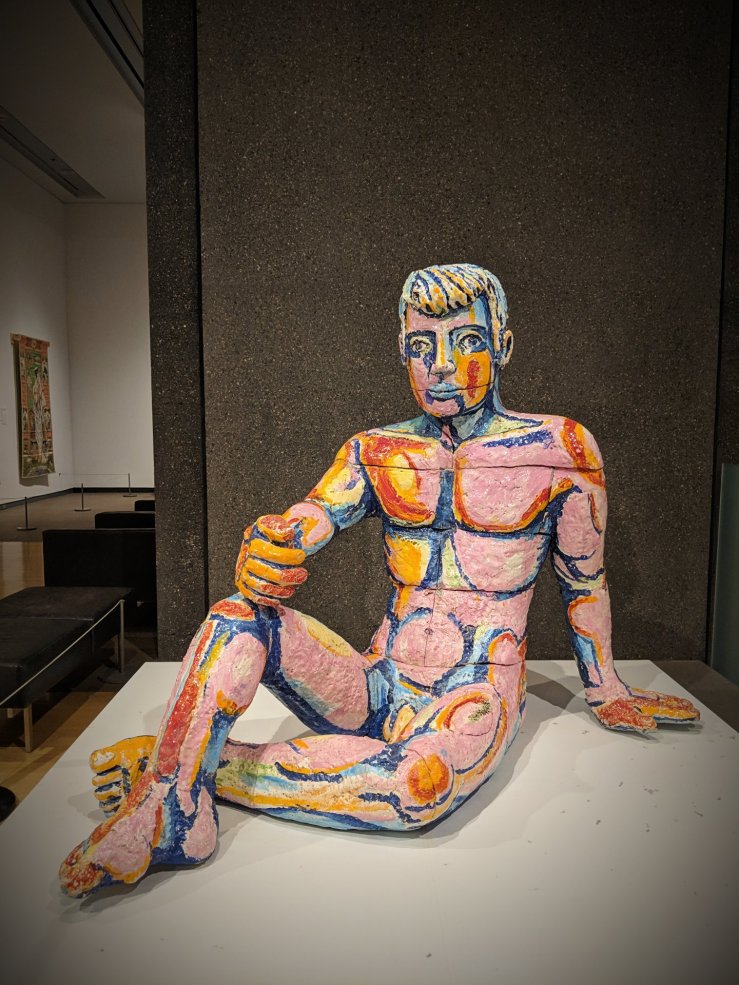
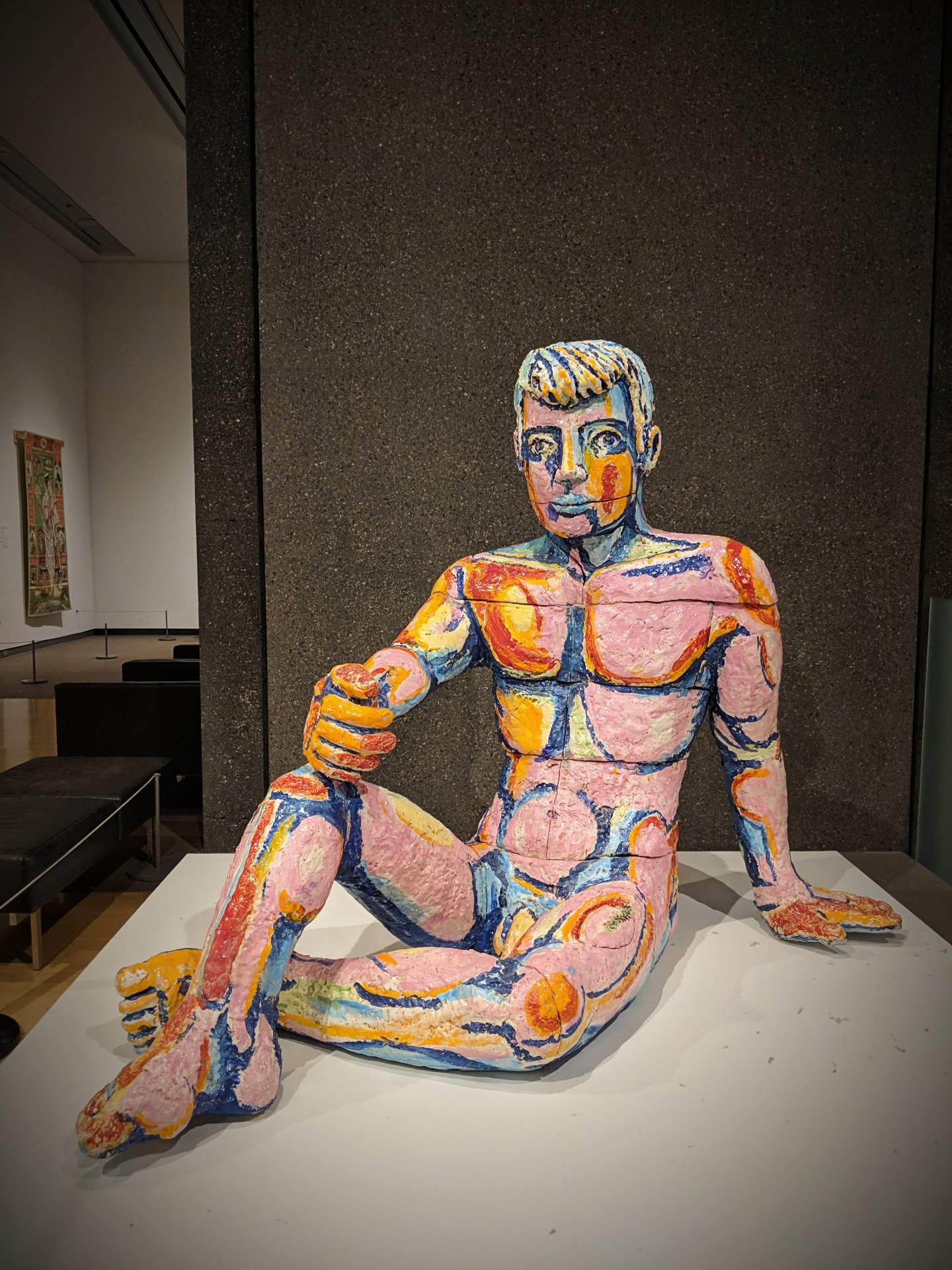
Viola Frey (American, 1933-2004)
Nude Man, 1989
Glazed ceramic
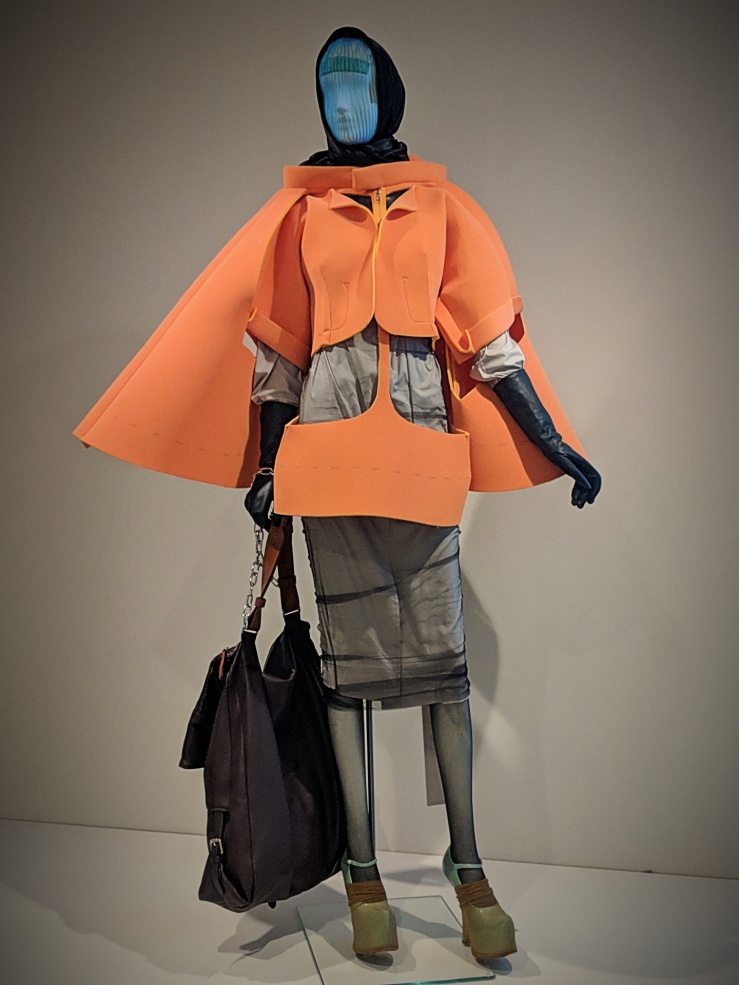

John Galliano (British, b. 1960) for Maison Margiela
Ensemble Fall 2018
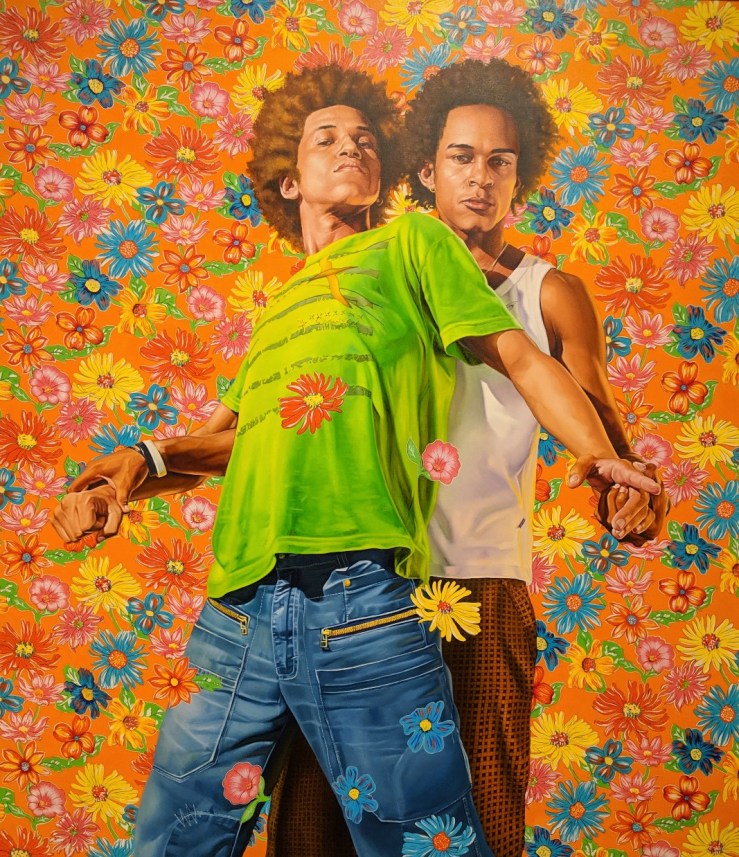

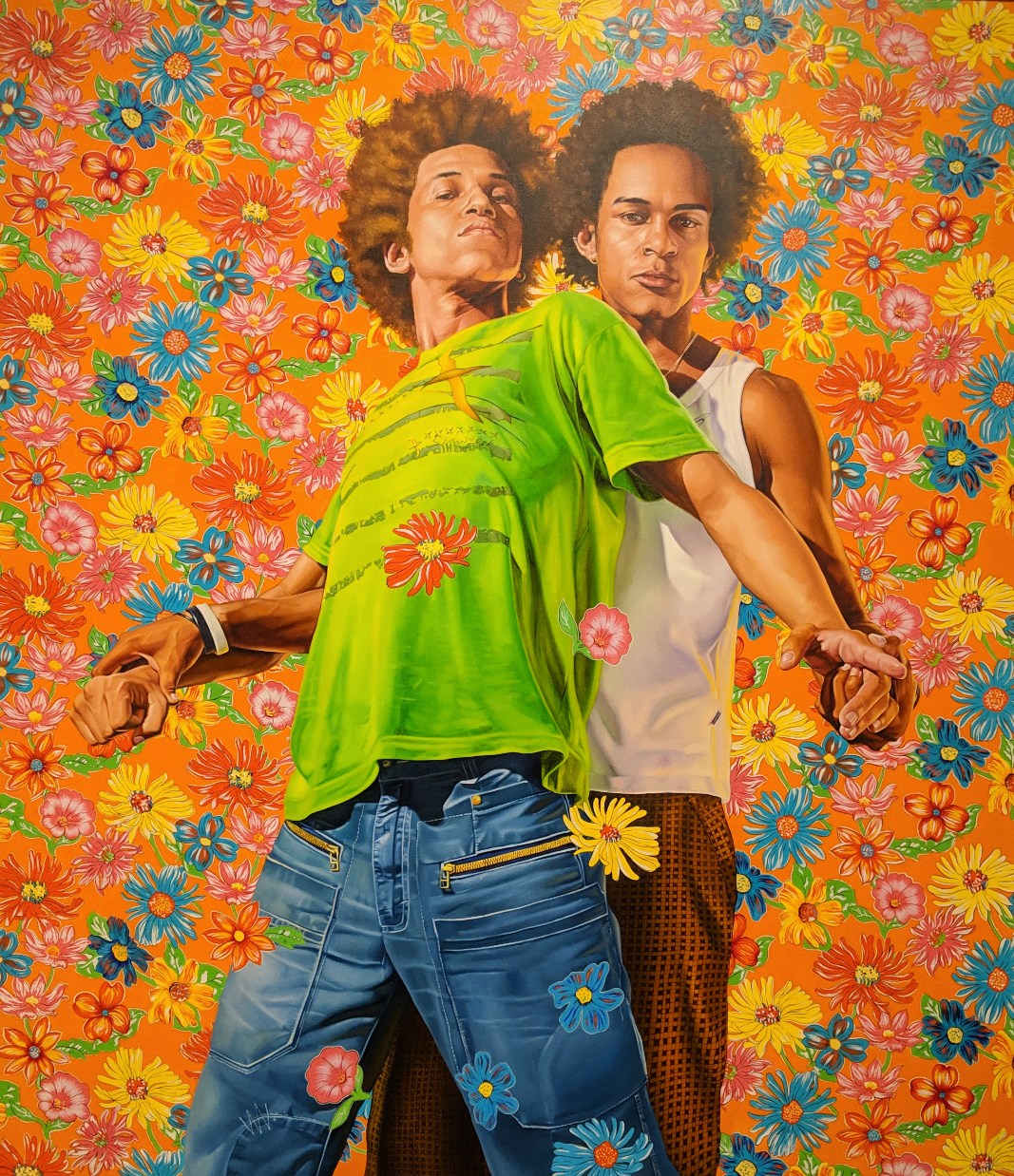
Kehinde Wiley (American, b. 1977)
Marechal Floriano  Peixoto (from The World Stage: Brazil Series), 2009
Oil on canvas


Phoenix Art Museum

January 30th, 2019
Food for thought (in quarantine)

Art:

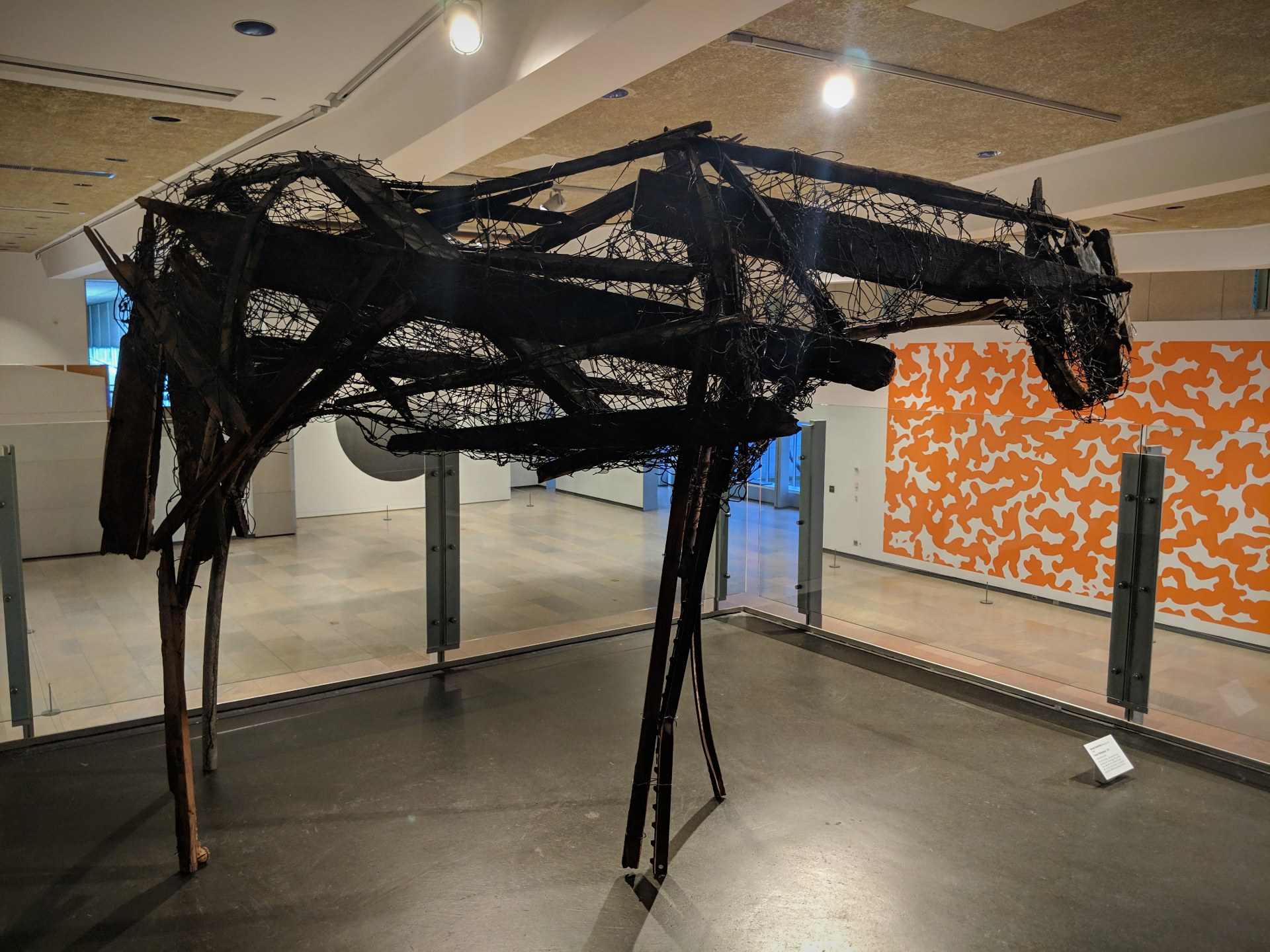
1/Cornelia Parker (British, b. 1956)
Mass (Colder Darker Matter), 1997
Burnt wood, wire and string

Proposing that matter is never destroyed but merely transformed, Cornelia Parker challenges the way we experience destruction. Mass (Colder Darker Matter) is made  from the charred remains of a Texas Baptist church that was struck by lightning.

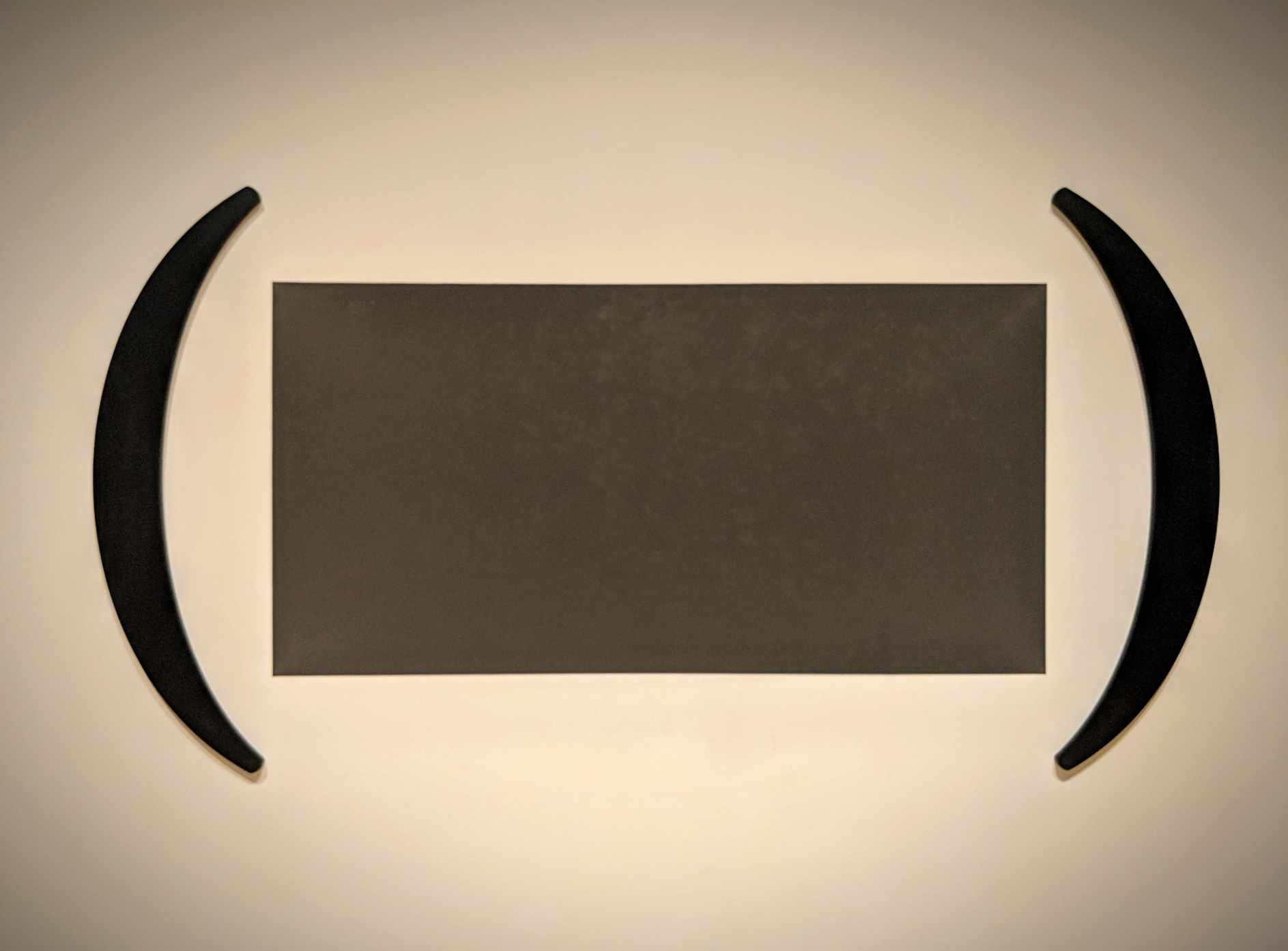
2/Horacio Zabala (Argentine, b. 1943)
Hipótesis para Phoenix (Hypothesis for Phoenix), 2016
Acrylic on wall, enamel paint on wood

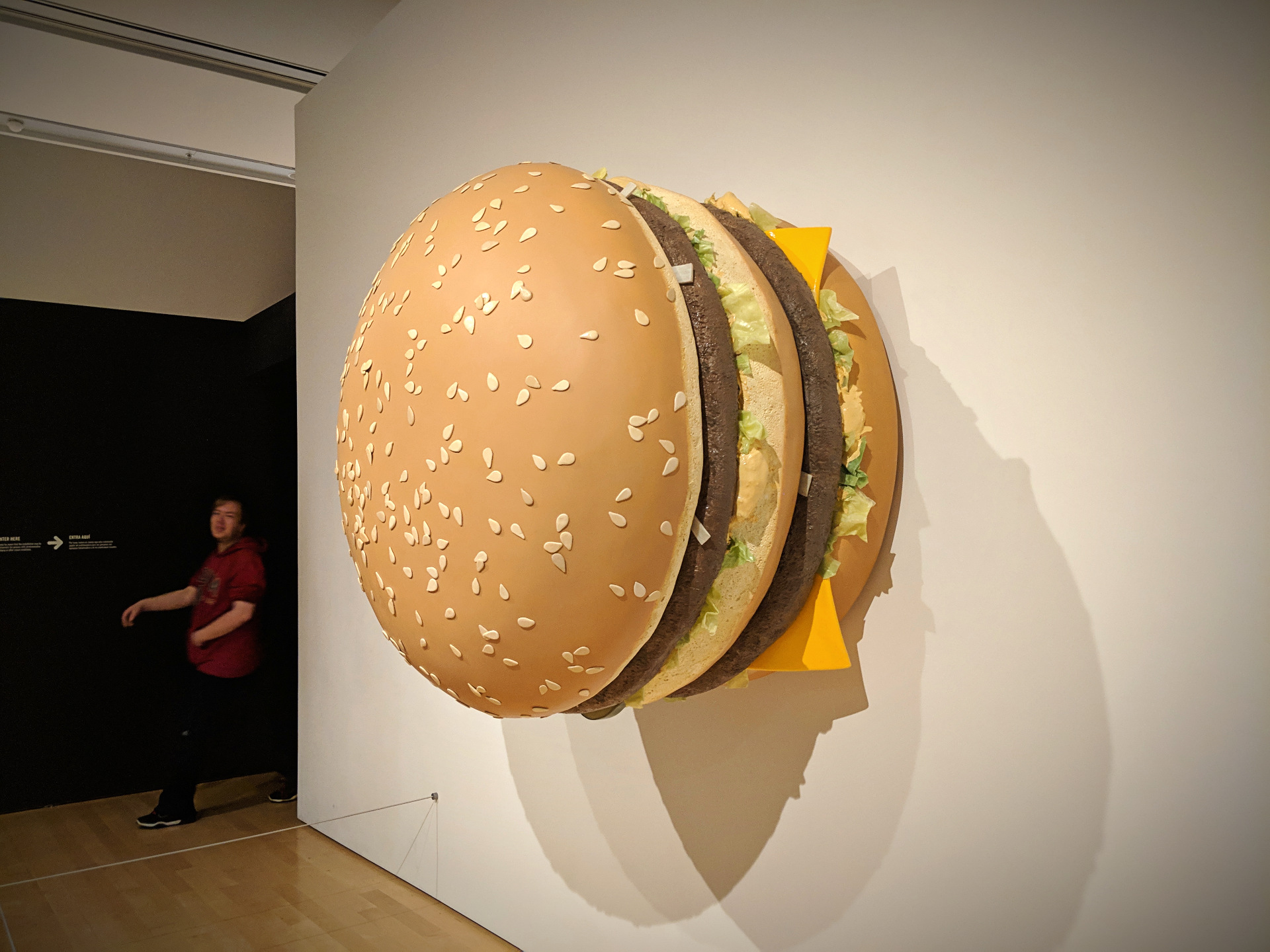
3/Tom Friedman (American, b. 1965)
Big Big Mac, 2013
Styrofoam and paint

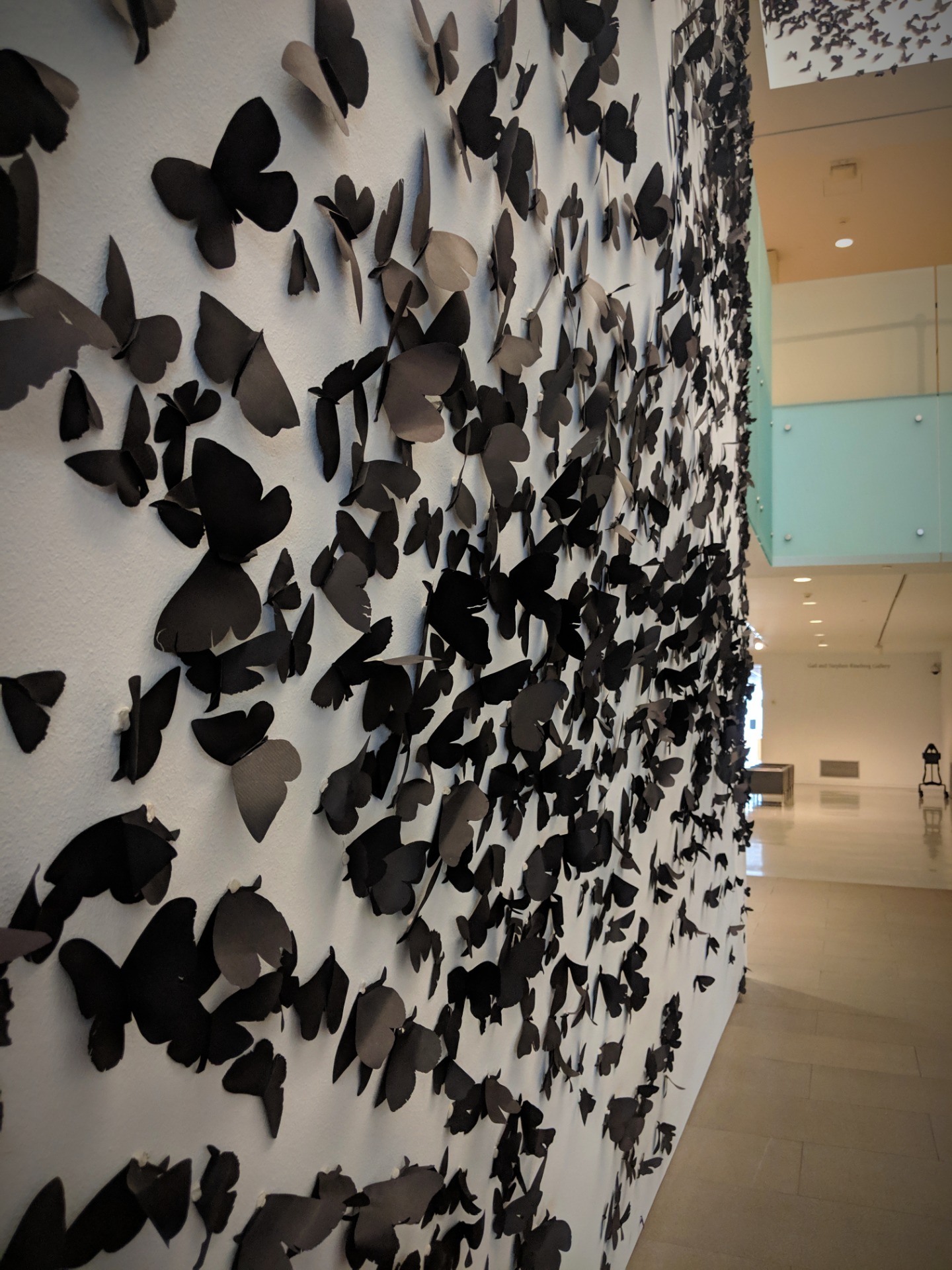
4/Black Cloud (Nube negra), 2007
Carlos Amorales (Mexican, b. 1970)
25.000 paper moths and butterflies

Inspired by the annual migration of monarch butterflies from Canada to Mexico, Carlos Amorales conceived Black Cloud as a ”plague” of moths that swarm through museum spaces.

Phoenix Art Museum

January 30th, 2019


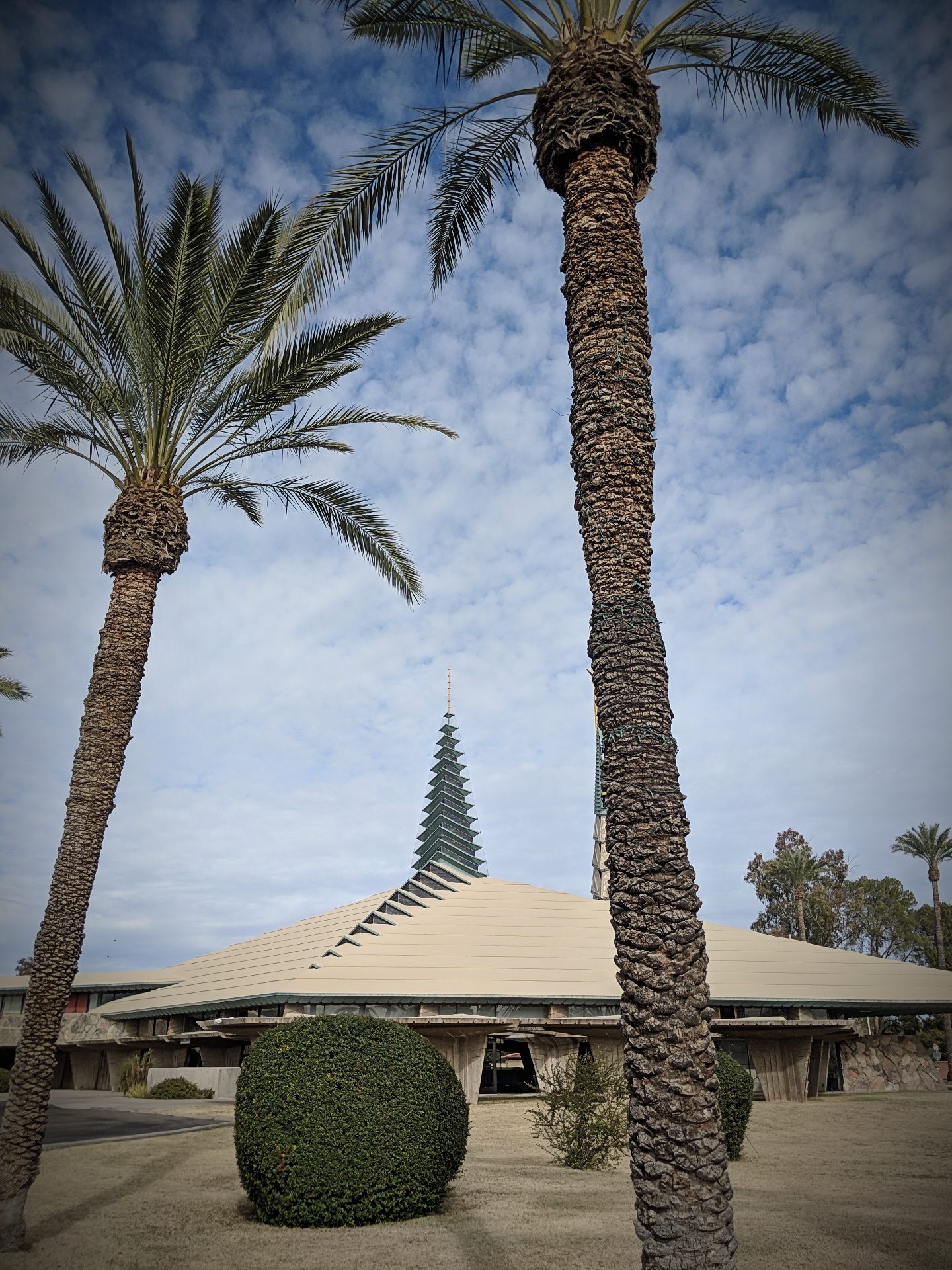
One Church I Would Gladly Attend

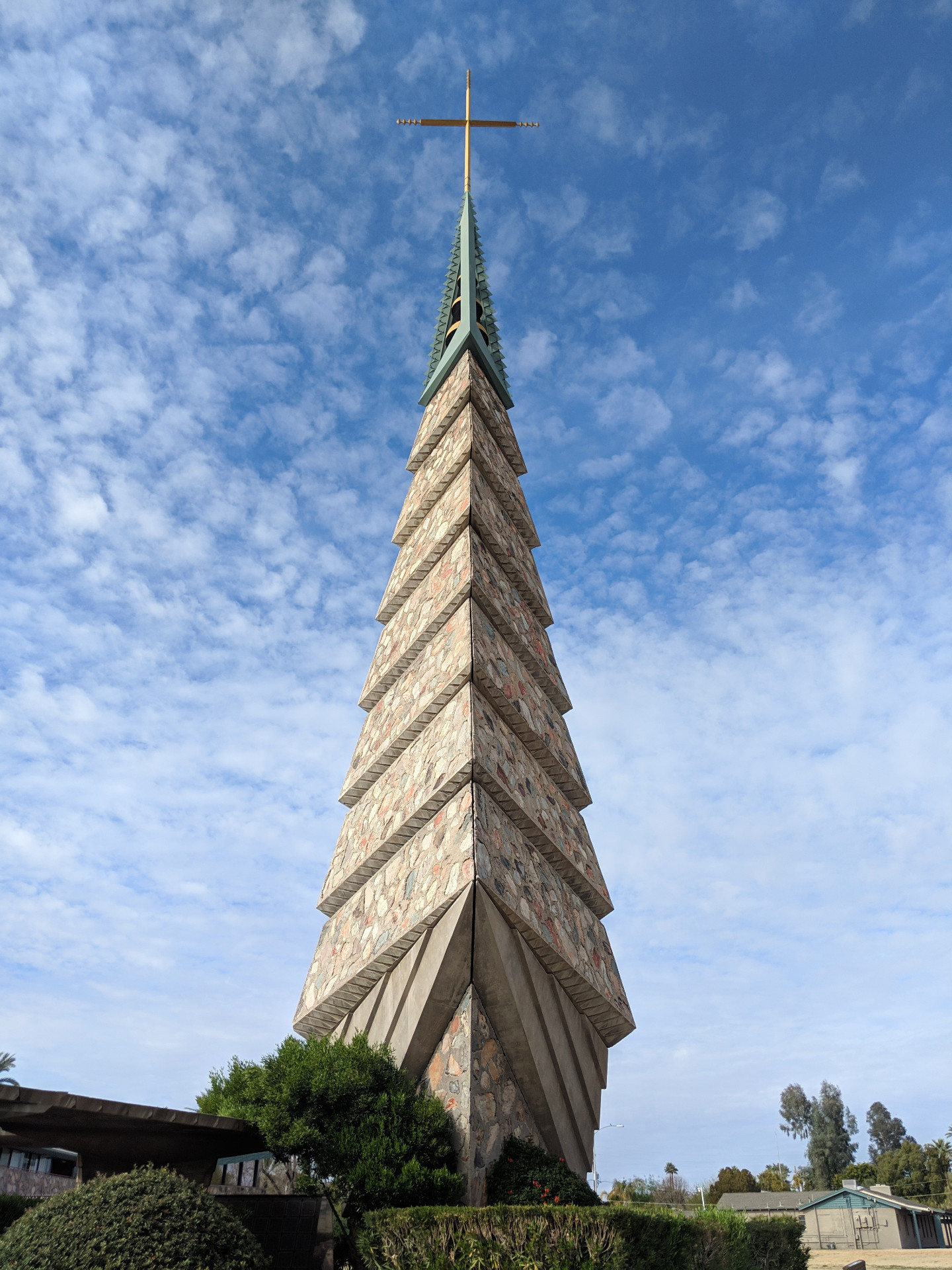
At least once, if only to see how the light filters through the spire’s stained glass onto the floor of the sanctuary.

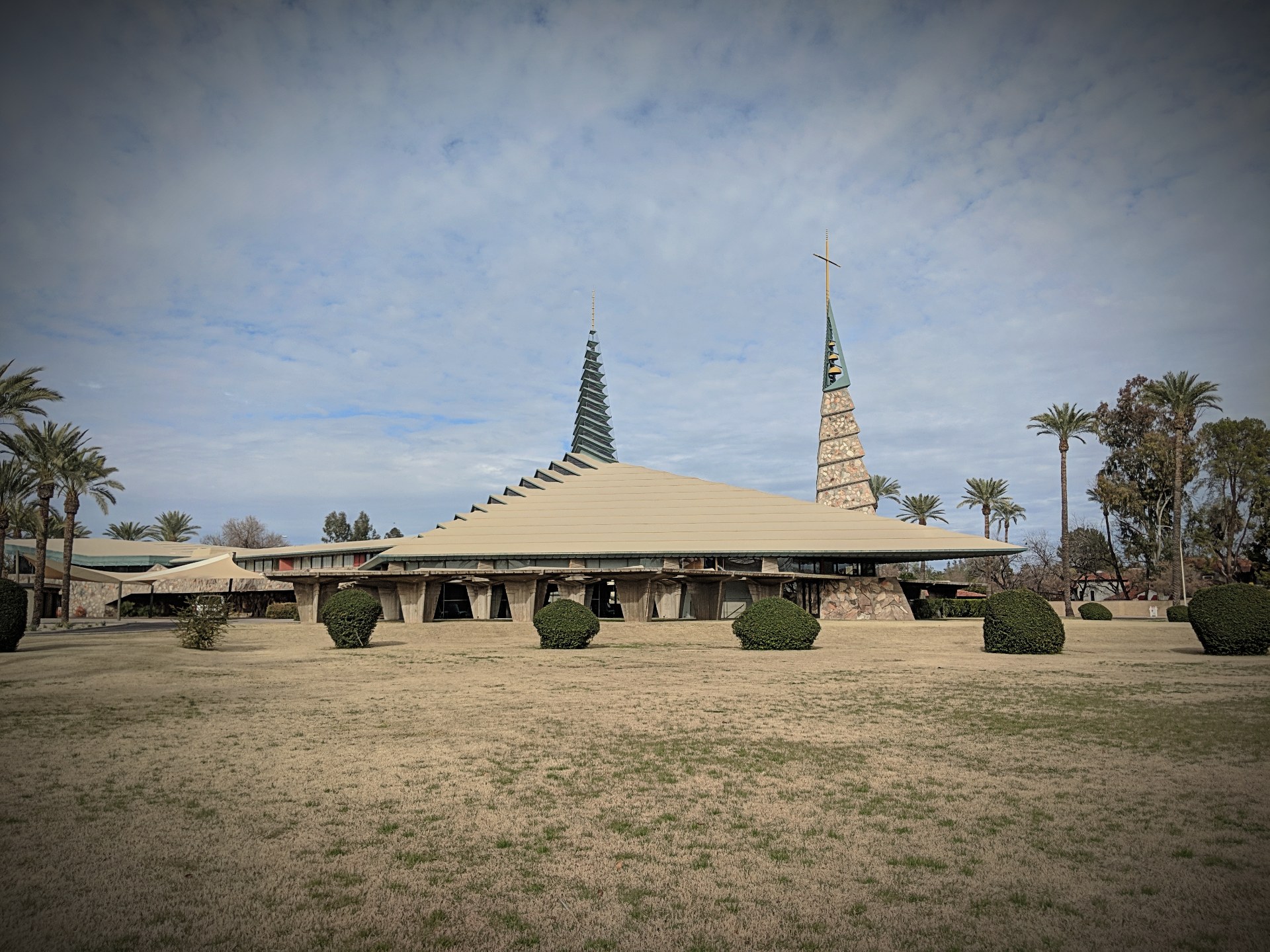
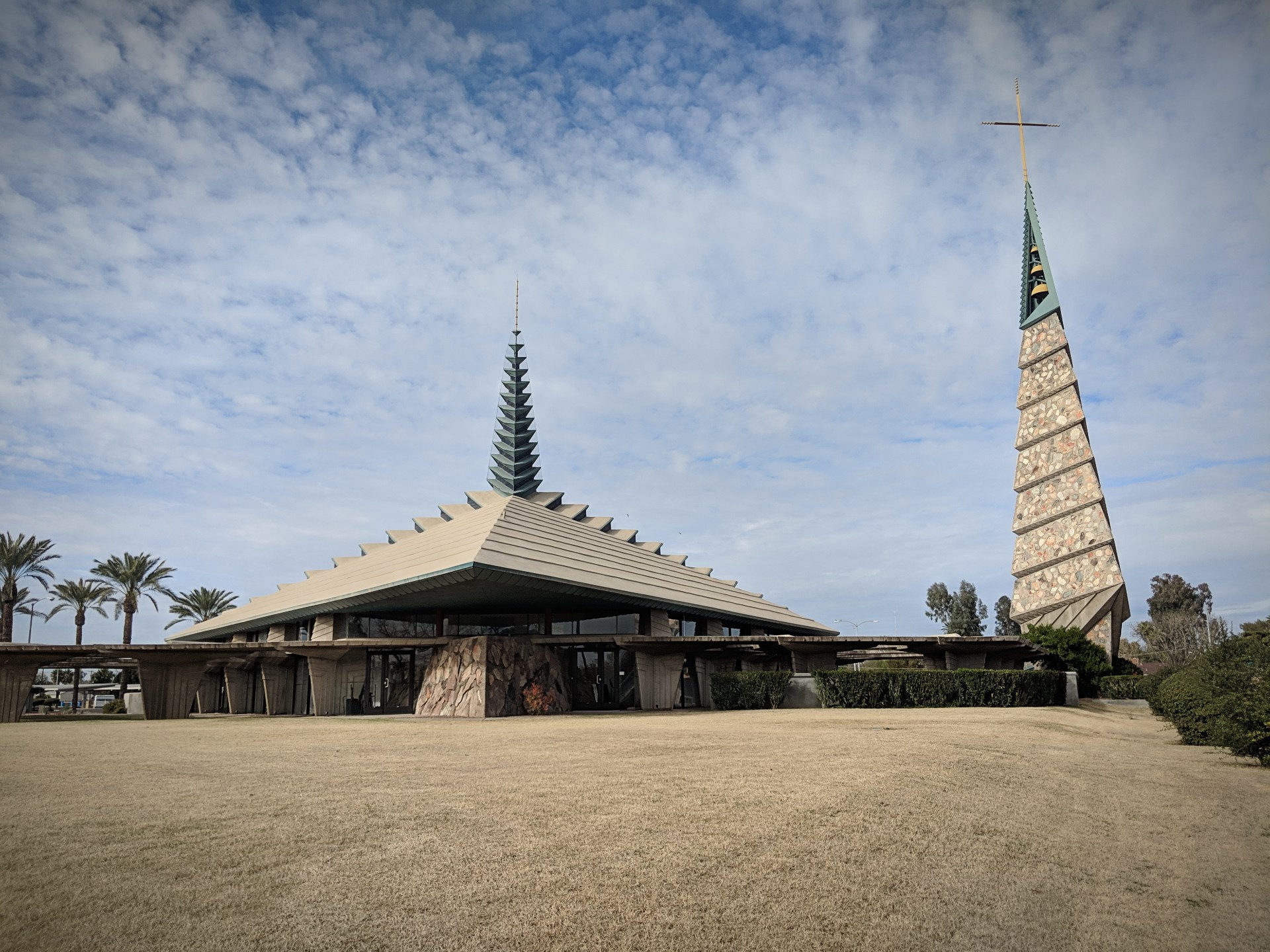
In 1949 the president of Phoenix’s Southwest Christian Seminary commissioned Frank Lloyd Wright to design a Classical University.
Wright’s drawings, completed in 1950, reveal his vision for an eighty-acre campus replete with a chapel, administrative buildings, seminar rooms, library, Greek theatre, and faculty homes. However, the seminary ceased operation before the campus could be built.

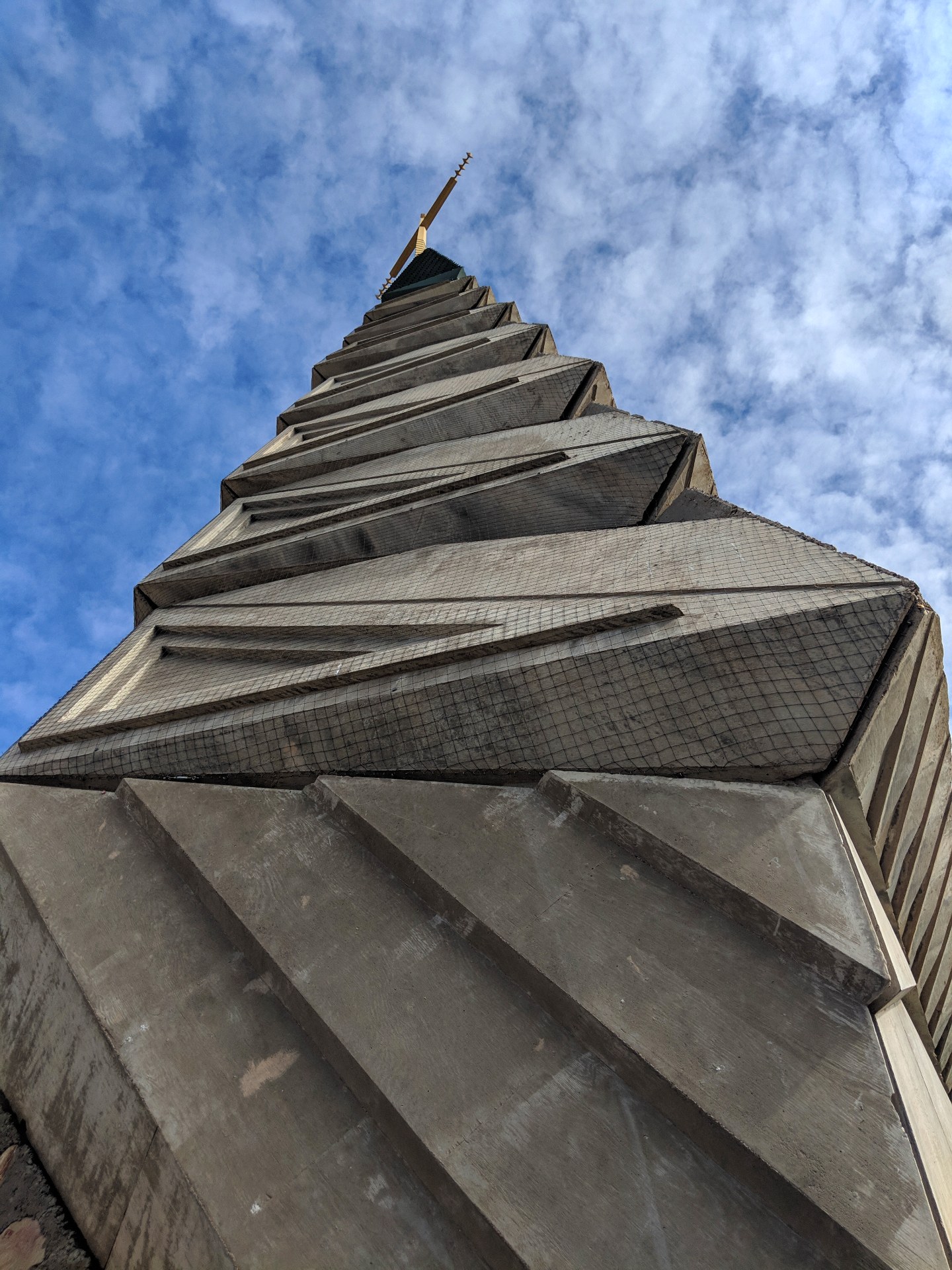
In the early 1970s, the First Christian Church approached Wright’s widow, Olgivanna, who granted them permission to use Wright’s triangular chapel design. Meant to evoke the Holy Trinity and reflect an attitude of prayer, the chapel’s roof and spire rise seventy-seven feet, supported by the 23 slender triangular pillars. Light filters through the spire’s stained glass insets onto the floor of the 1,000-seat diamond-shaped sanctuary.

The addition of the baptistery and choir loft, as well as the 1979 addition of an administrative wing, completed by Taliesin Architects, are the only modifications to the original design.
[source]

First Christian Church, Phoenix, AZ

January 30th, 2019