cool, white fluorescent light
utility vs art
perceptually clear vs conceptually blurred

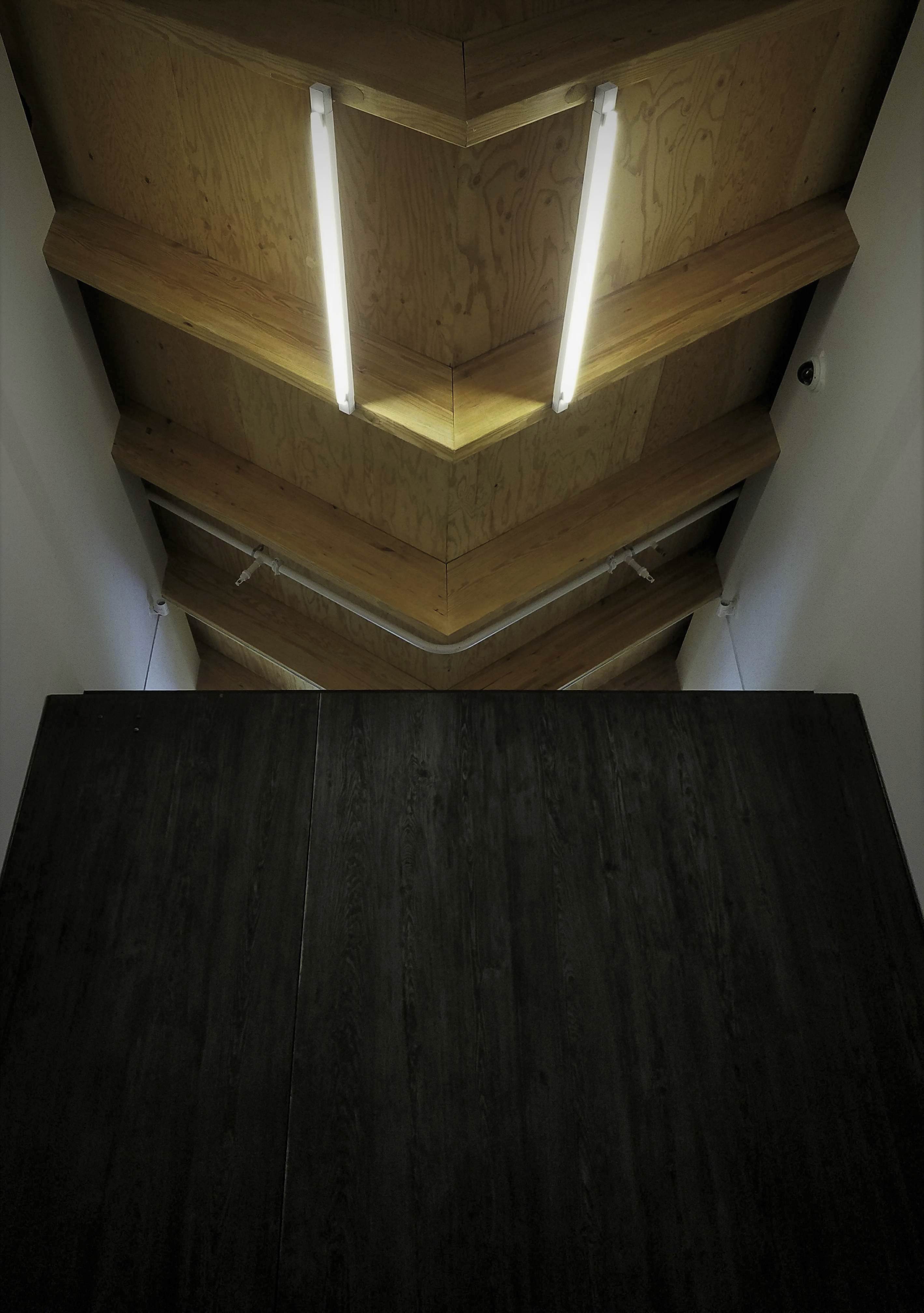
 Dan Flavin (1933-1996),
the nominal three (to William of Ockham), 1963
Parrish Art Museum
Water Mill, Long Island
cool, white fluorescent light
utility vs art
perceptually clear vs conceptually blurred
Dan Flavin (1933-1996),
the nominal three (to William of Ockham), 1963
Parrish Art Museum
Water Mill, Long Island
The painting,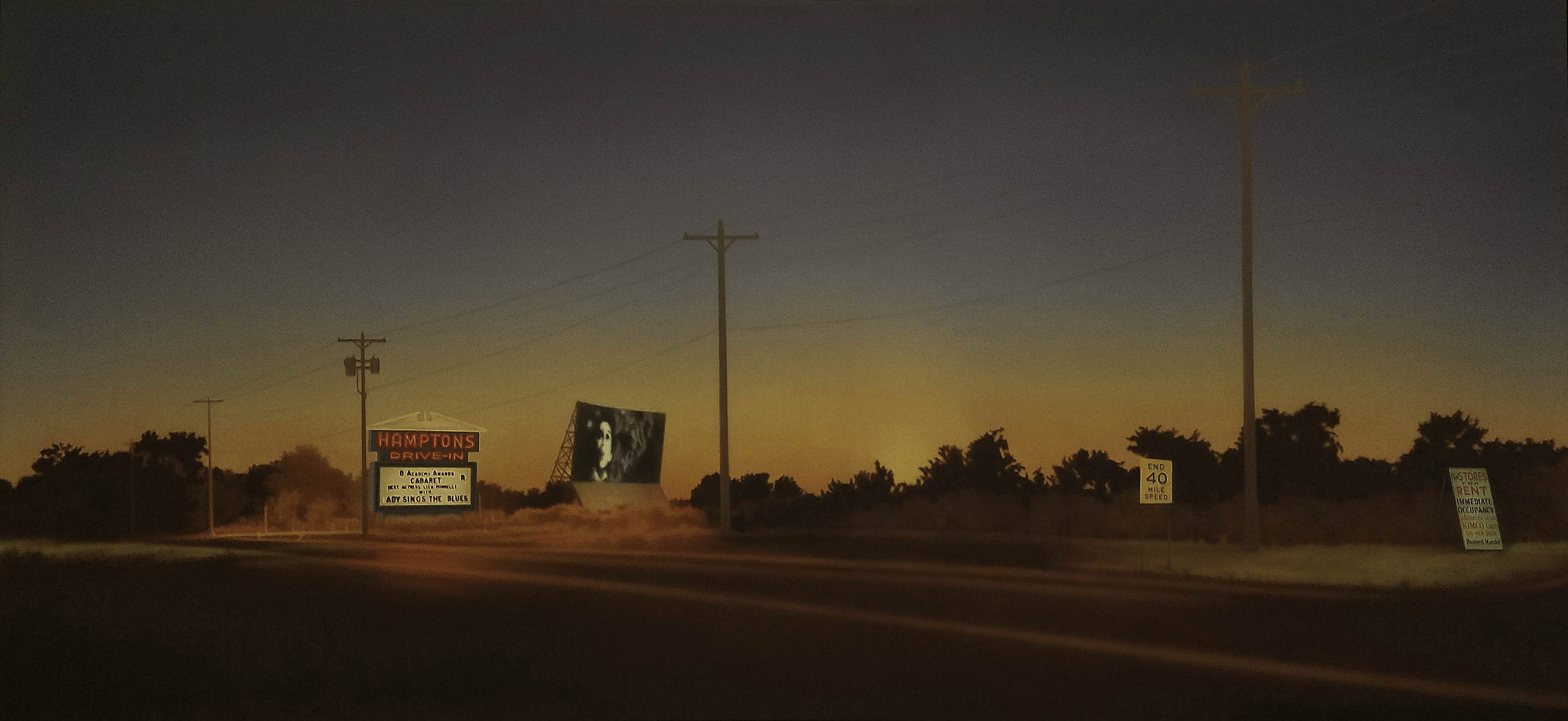
 Howard Kanovitz (1938 – 2009)
Hamptons Drive-In, 1974
Acrylic on canvas
and the film of how it came to be. Because, in Mr. Kanovitz’ words ”if you’re gonna paint a picture, first you gotta take the picture”.
From The Parrish Art Museum Collection
September 3rd, 2017
The closer you look, the harder it is to believe that these photos are actually paintings. Richard McLean (1934-2014)
Western Tableau with Rhodesian Ridgeback (Trails West), 1993
Oil on linen
 Richard McLean (1934-2014)
(Detail) Western Tableau with Rhodesian Ridgeback (Trails West), 1993
Oil on linen
 Charles Bell (1935-1995)
Troupe, 1983
Oil on canvas
 Ralph Goings (1928-2016)
Miss Albany Diner, 1993
Oil on canvas
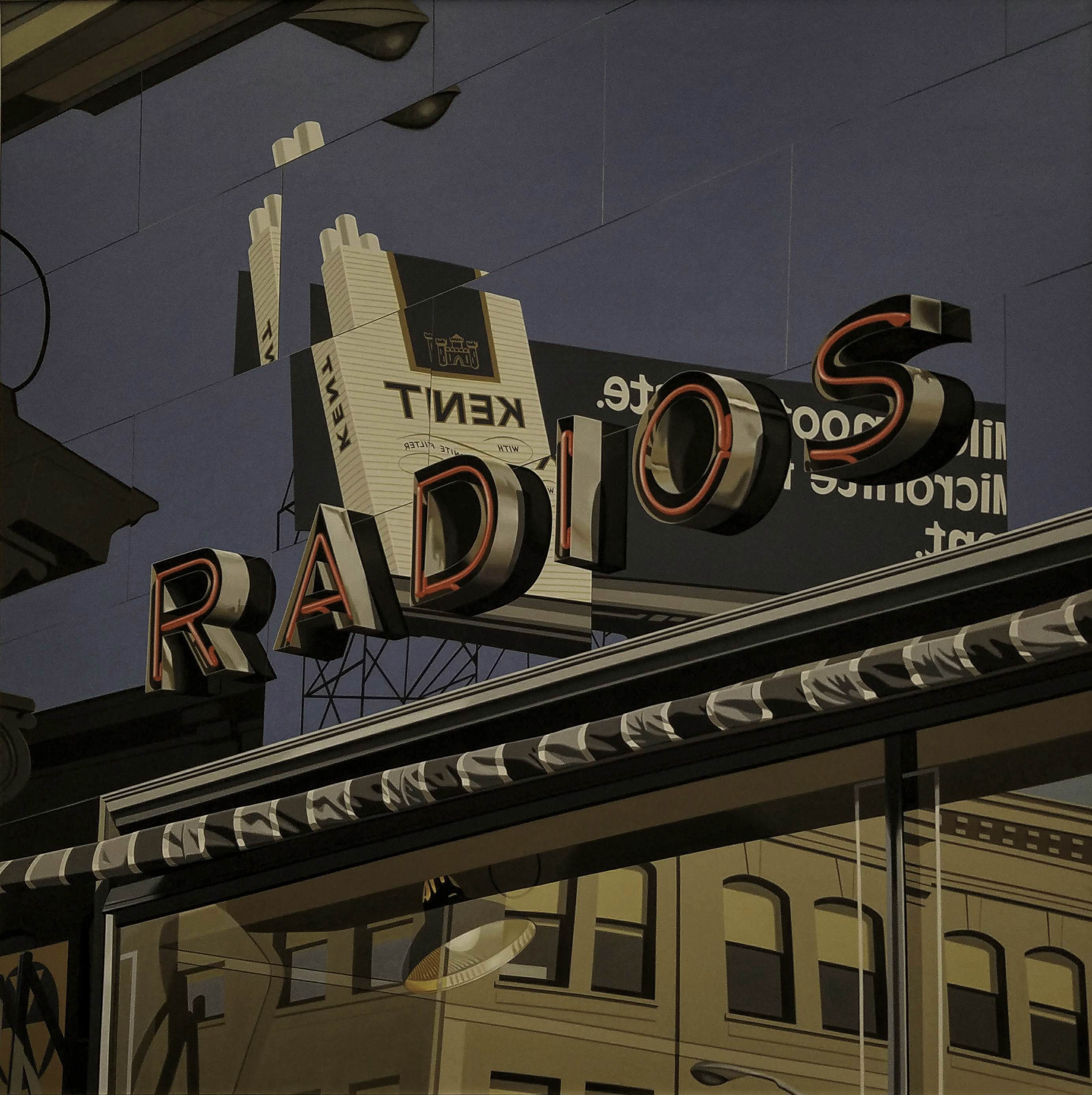 Robert Cottingham (b. 1935)
Radios, 1977
Oil on linen
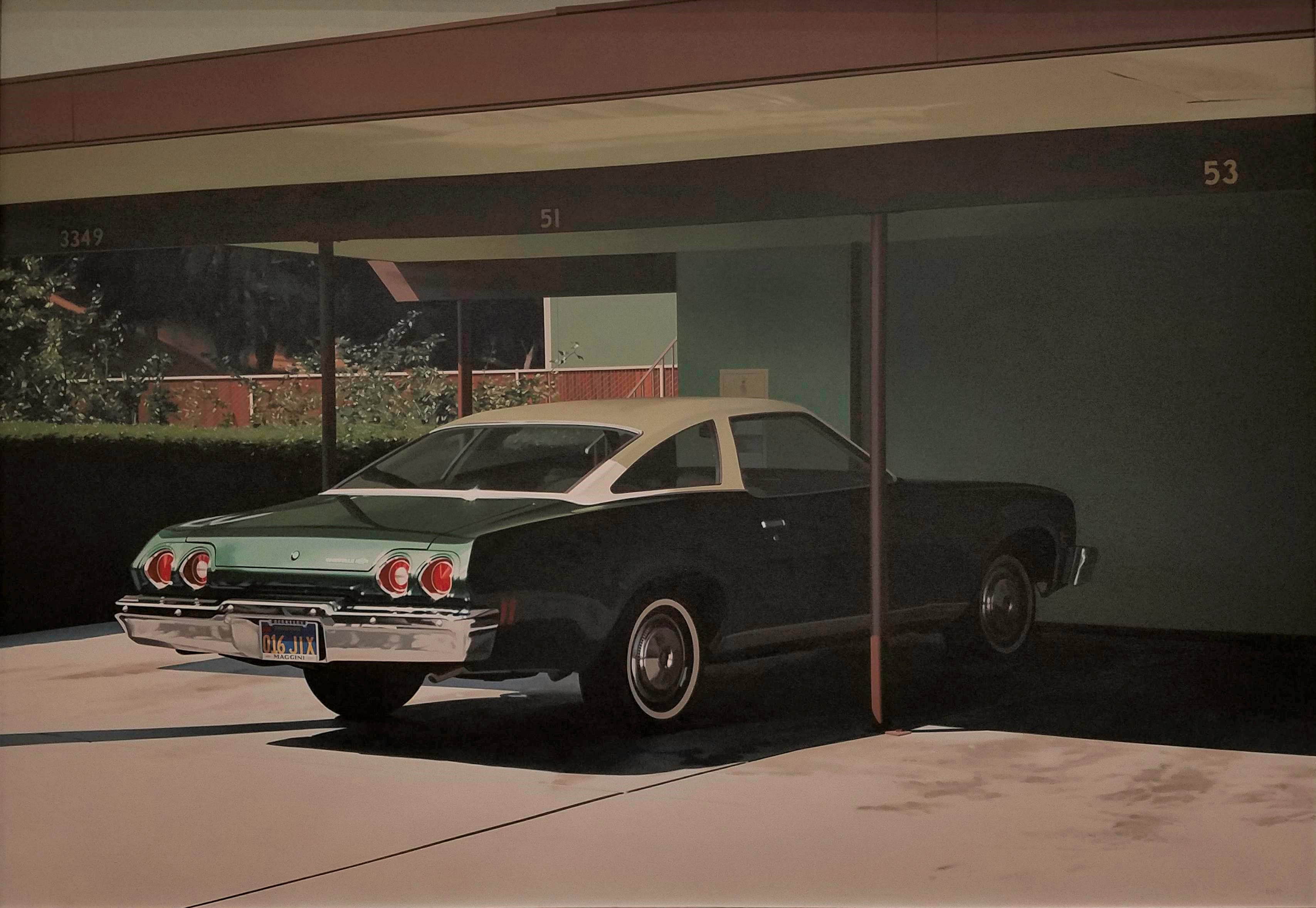 Robert Bechtle (b. 1932)
’73 Malibu, 1974
Oil on canvas
 John Kacere (1920-1999)
Untitled, 1974
Watercolour on paper
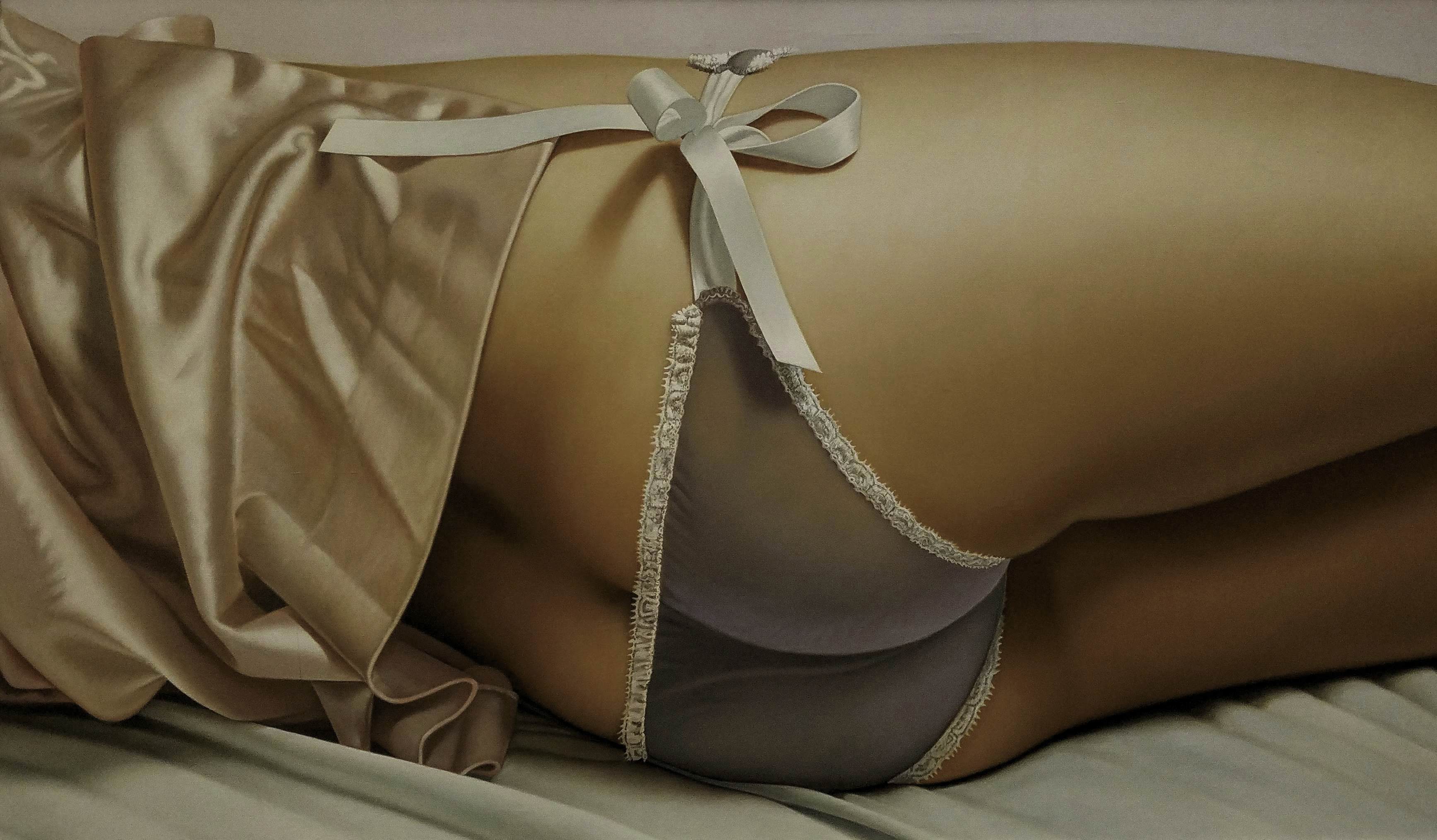 John Kacere (1920-1999)
Reina ’79, 1979
Oil on linen
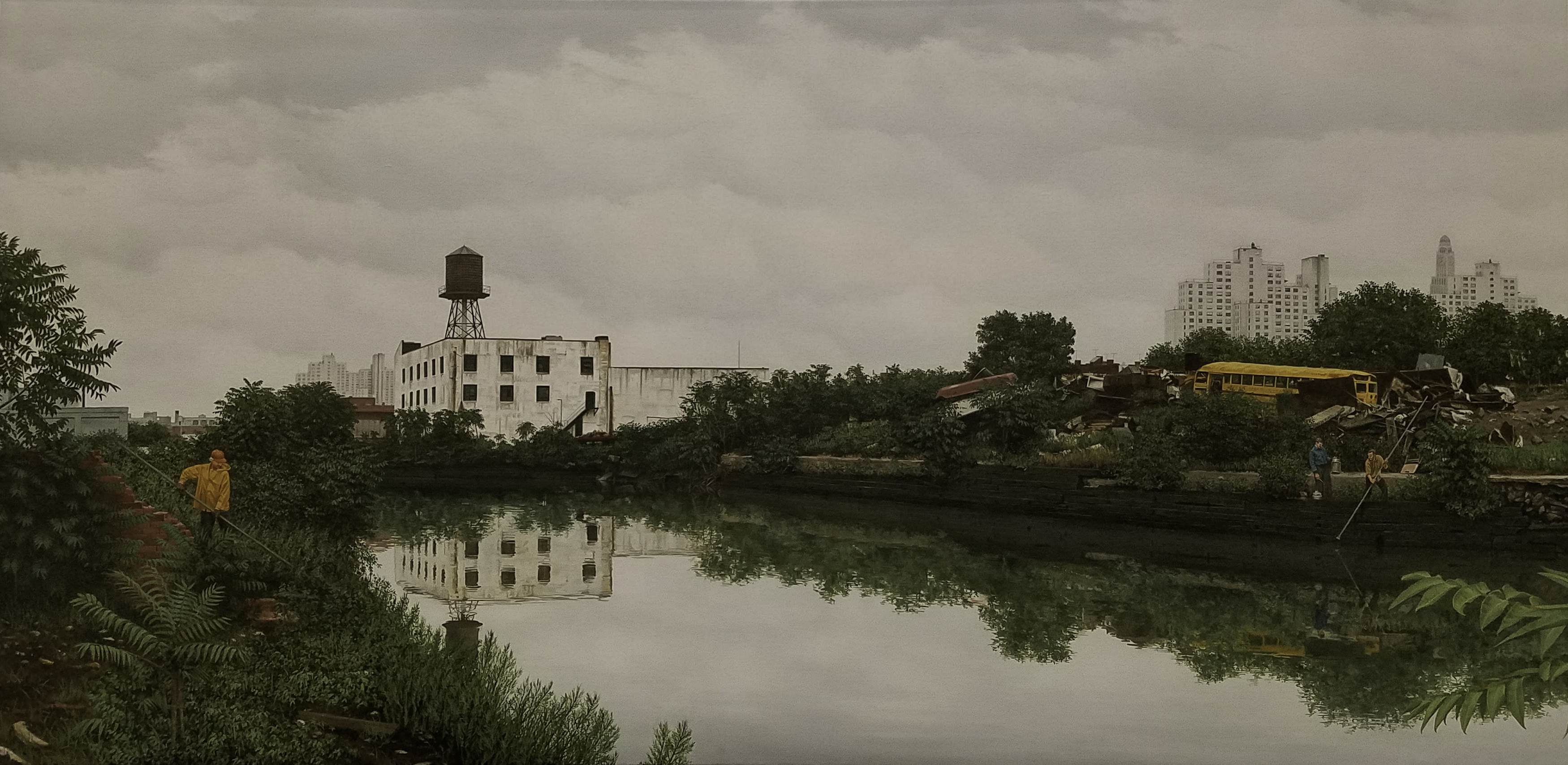 Randy Dudley (b. 1950)
Gowanus Canal from 2nd Street, 1986
Oil on canvas
 Davis Cone (b. 1950)
State-Autumn Evening, 2002
Acrylic on canvas
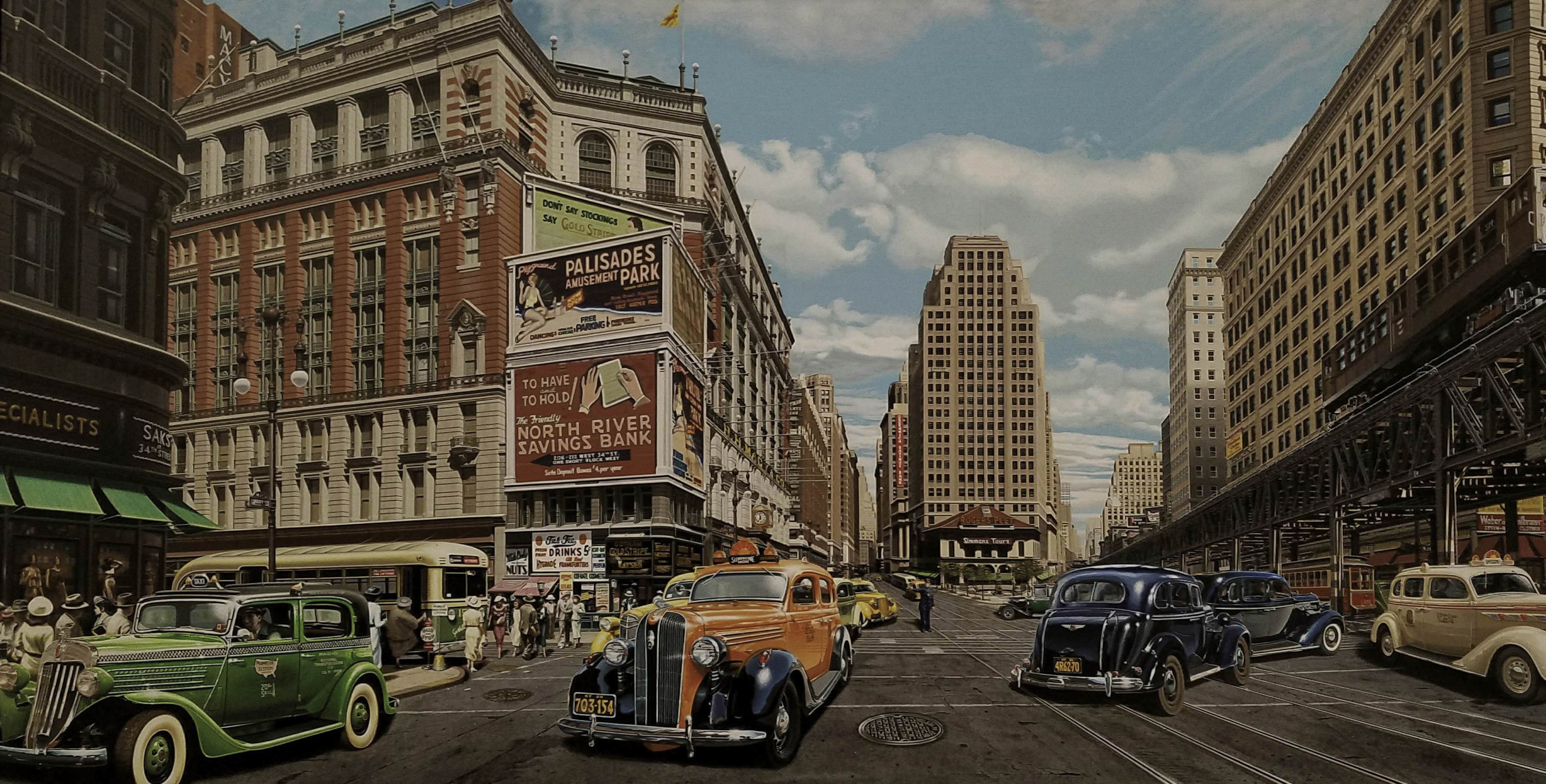 Don Jacot (b. 1949)
Herald Square, 1936 (After Berenice Abbott), 2013
Oil on linen
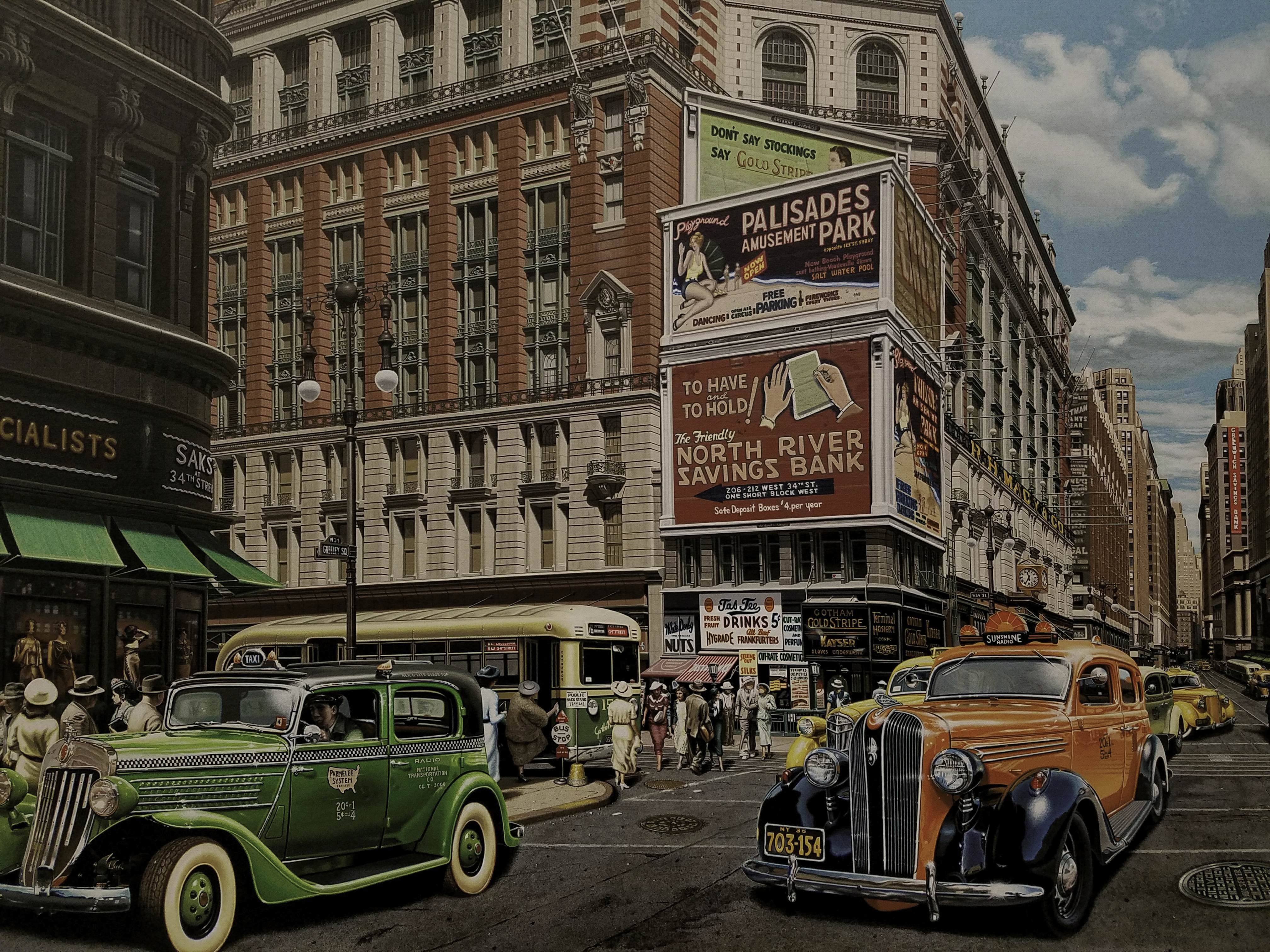
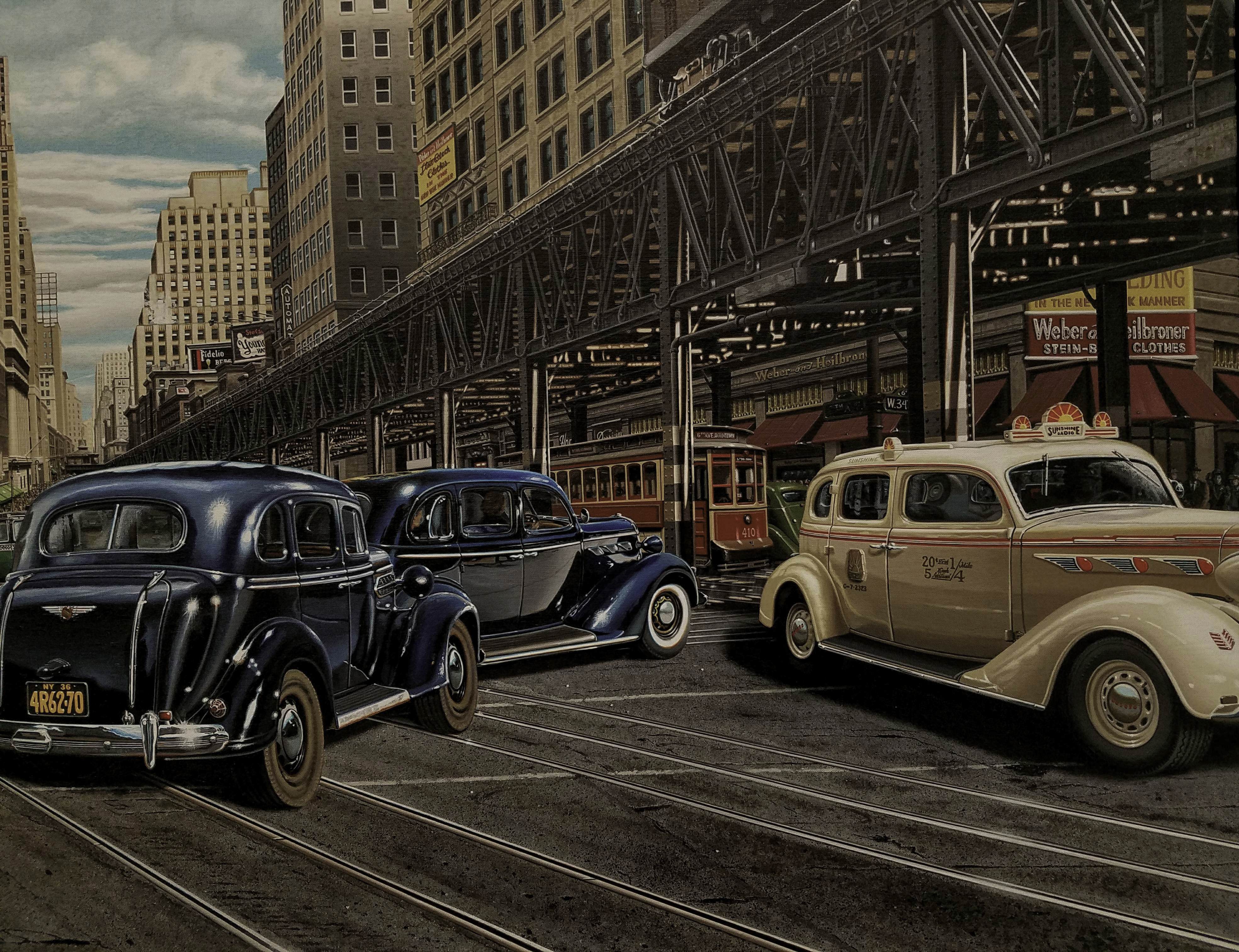 Don Jacot (b. 1949)
(Detail) Herald Square, 1936 (After Berenice Abbott), 2013
Oil on linen
From Lens to Eye to Hand, Photorealism 1969 to Today, was an exhibition that took a fresh look at this contemporary art movement that found its roots in the mid-1960s in New York and California, evolving from the then dominant movements, Abstract Expressionism, Pop art and Minimalism. And, while Photorealism reached its height in the ’70s, there are some magnificent works proving that the movement continues today.
Parrish Art Museum
Water Mill, Long Island
September 3rd, 2017
On Labor Day weekend. No longer summer, not yet autumn, just perfect for a quick road trip to discover firsthand just how long Long Island really is.
Starting with a good lunch in the most patriotic diner on the island: Oconee East in Islip. Which, obviously, has a Greek connection like so many diners around New York. With gigantic portions and over-the-top festive decoration, which is seasonal and changes to match the occasion, it was a great first stop. I wonder what they will do for St. Valentines’…
 Our sightseeing tour started at the easternmost tip on the island, the Lighthouse of Montauk. It was a grey, chilly day which explains the absence of views from the top. Those at ground level, however, were just as interesting. In the Keepers’ house, now a neatly organised museum displaying historical documents, photographs and objects, we learned a lot about the history and preservation of the lighthouse, which is no mean feat considering its decades-long battle with erosion.


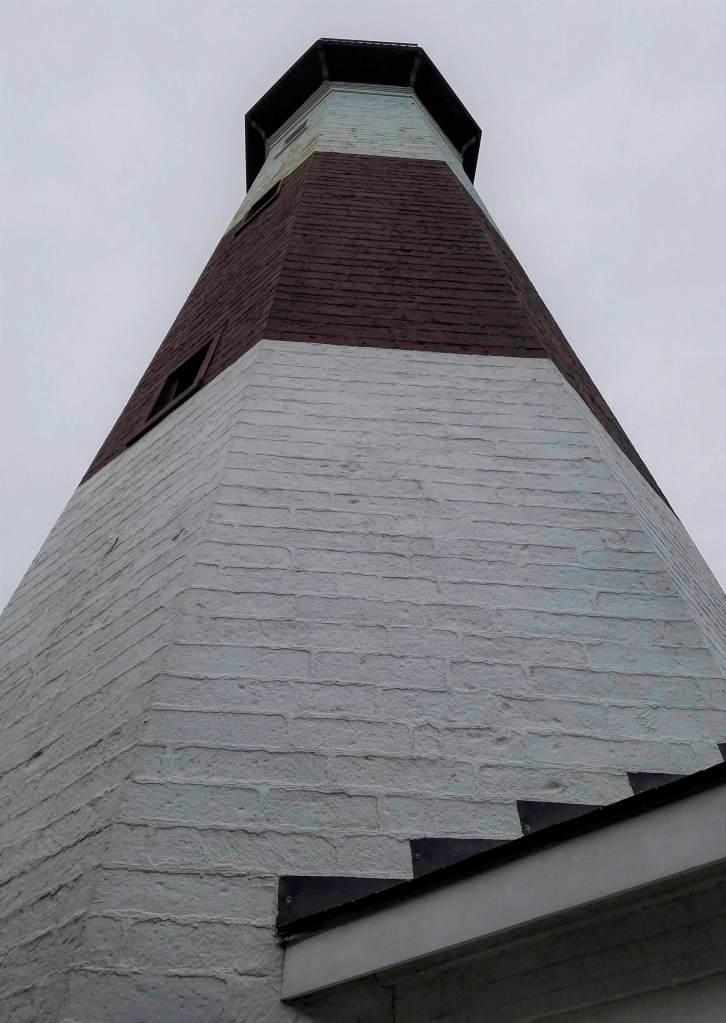
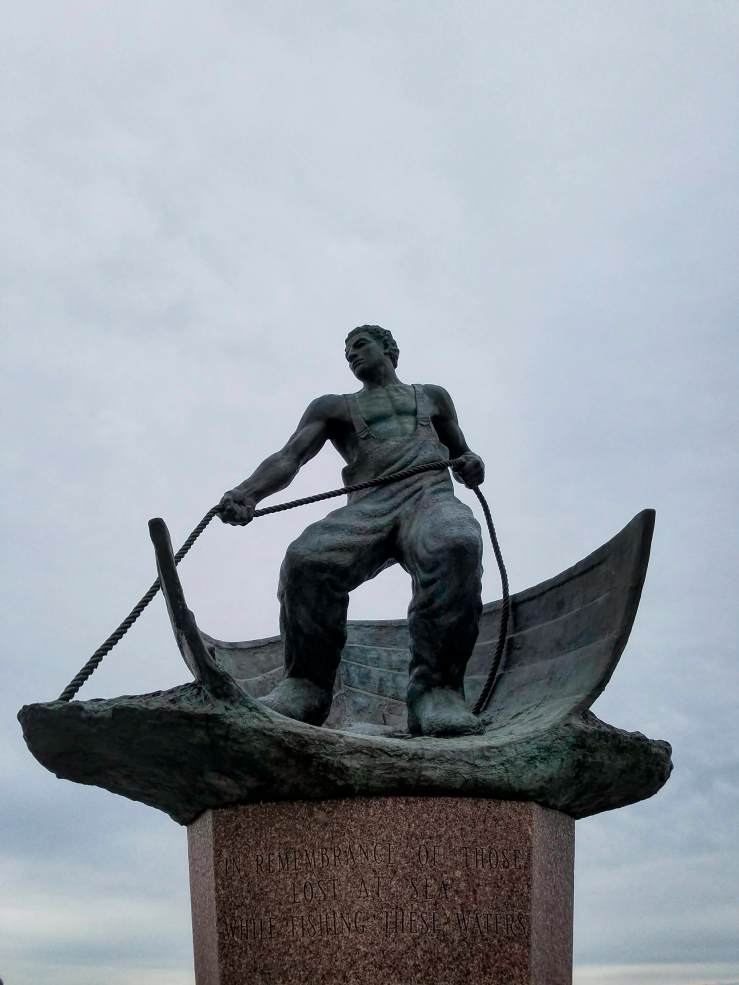
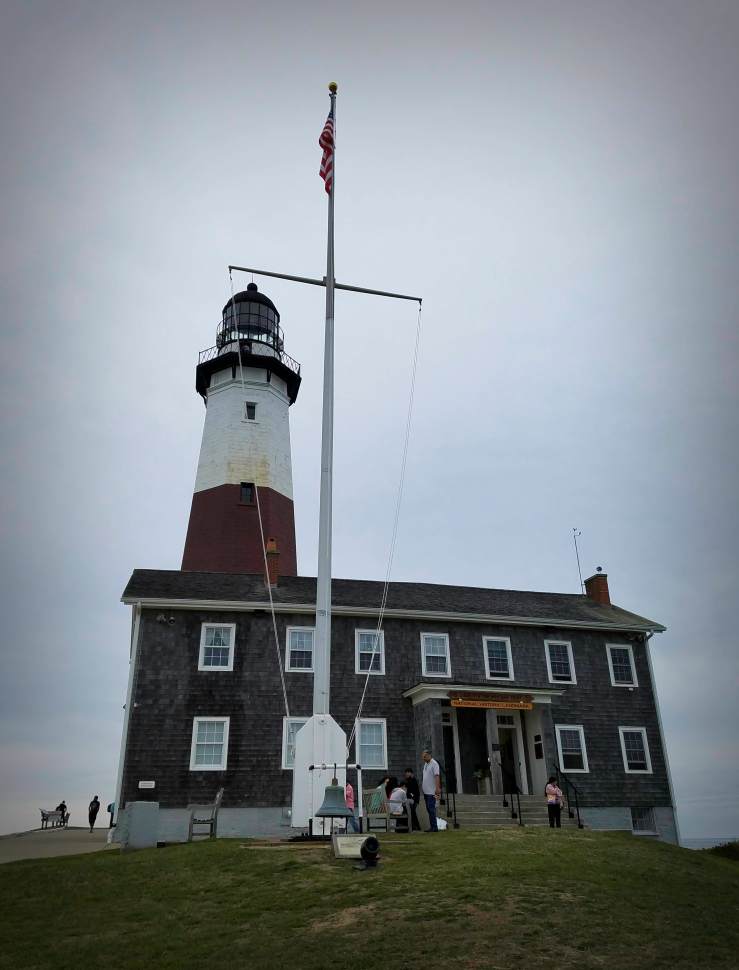 Dusk found us in Amagansett, a pretty smart resort in East Hampton. Evenings can be eerily quiet on the island, in September.


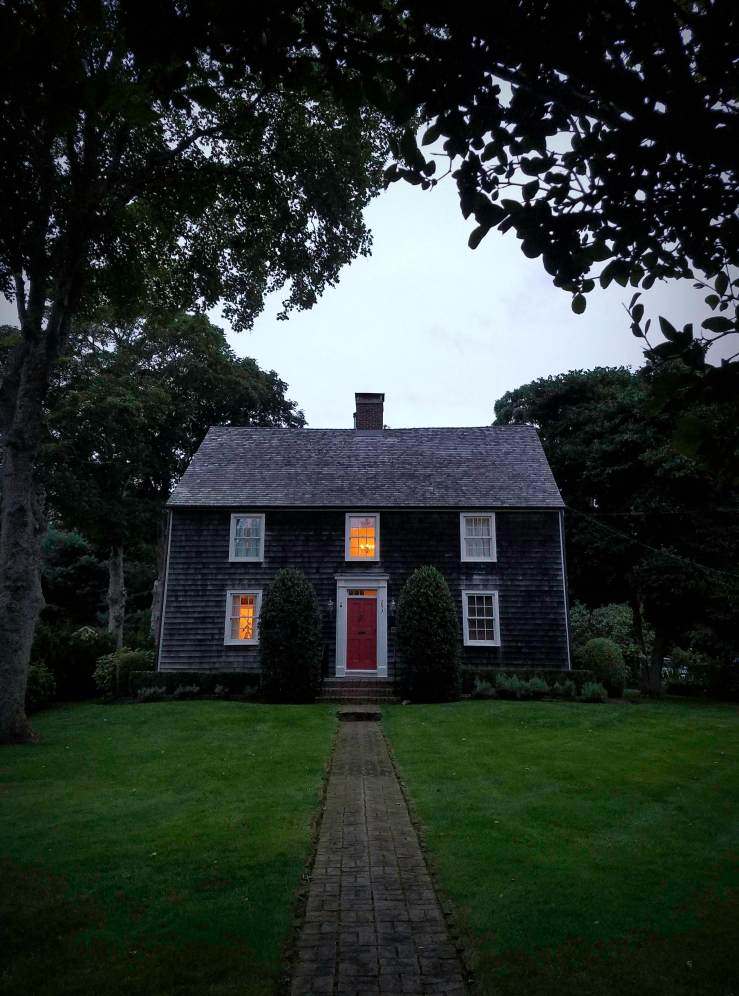
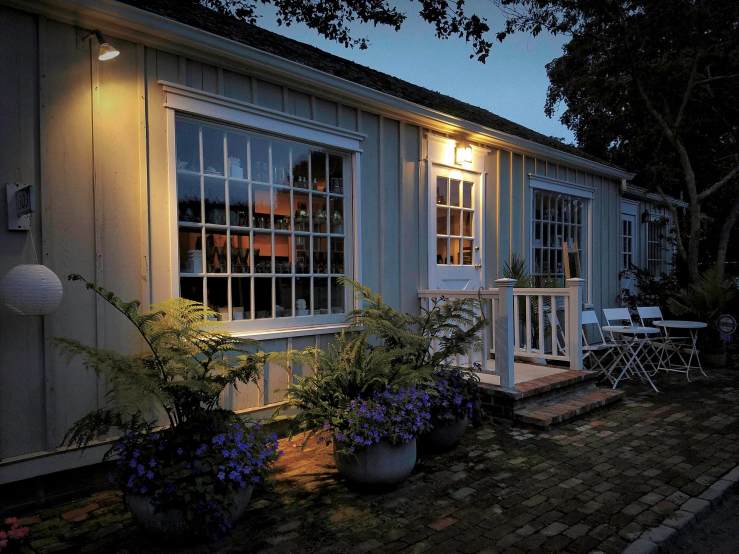
Long Island, September 2nd, 2017
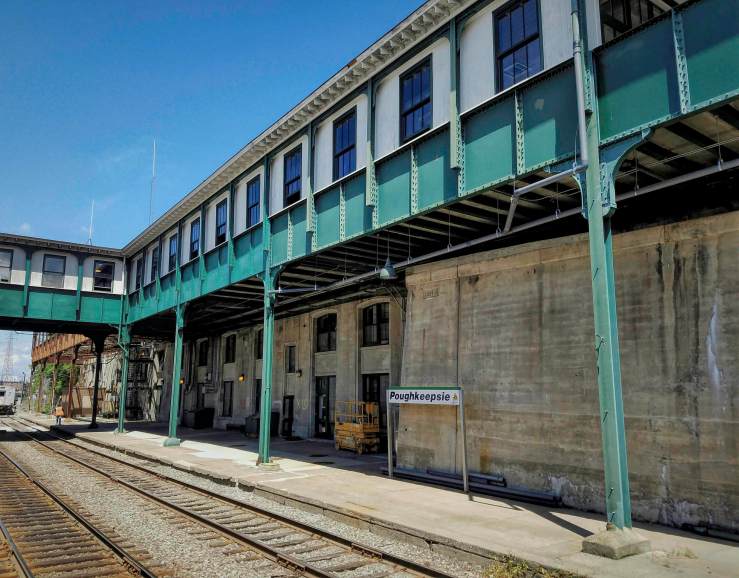
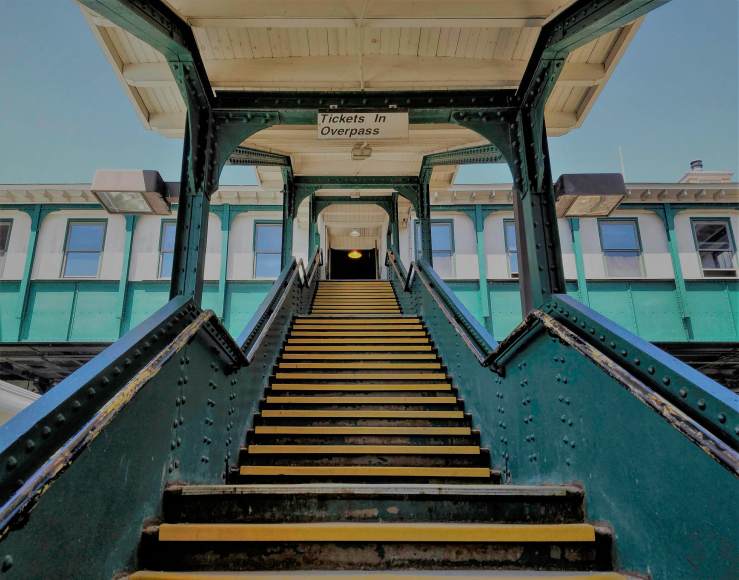
First, I was intrigued by the Native American name. Looking for its meaning, I found out that it is a mispronunciation of a Native American word referring to the location of a spring of fresh water that was used by the first travelers as a rest stop on the trail that ran along the river. Poughkeepsie is derived from ”uppuqui ipis ing”, uppuqui pronounced oo-poo-kee, and it means ”the reed-covered lodge by the little water-place”. [source]
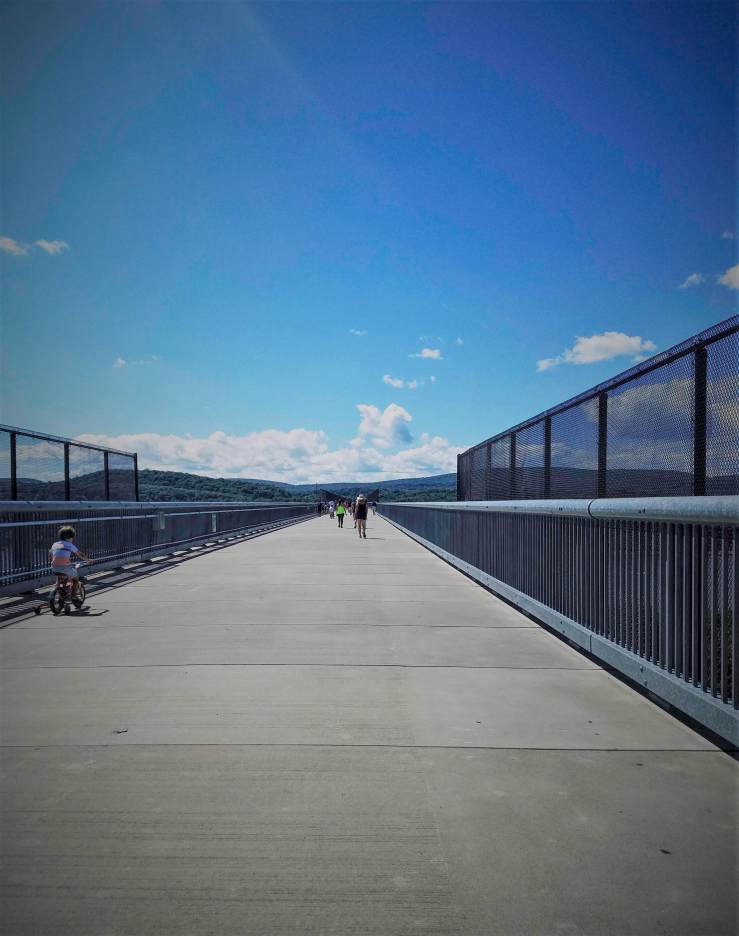
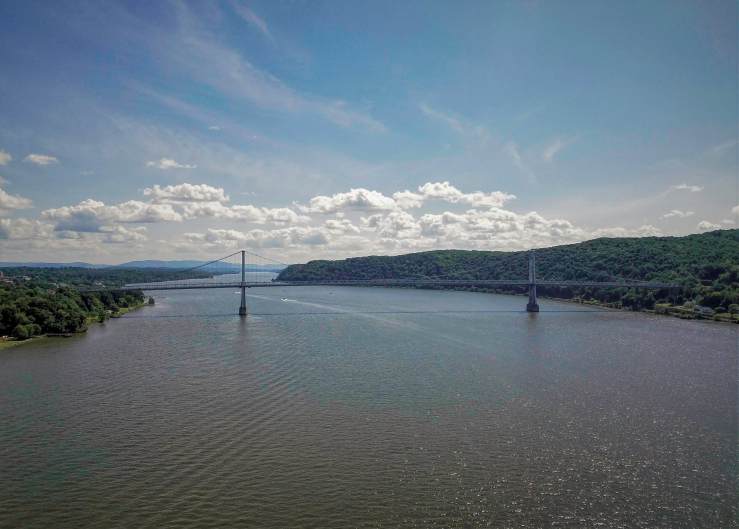
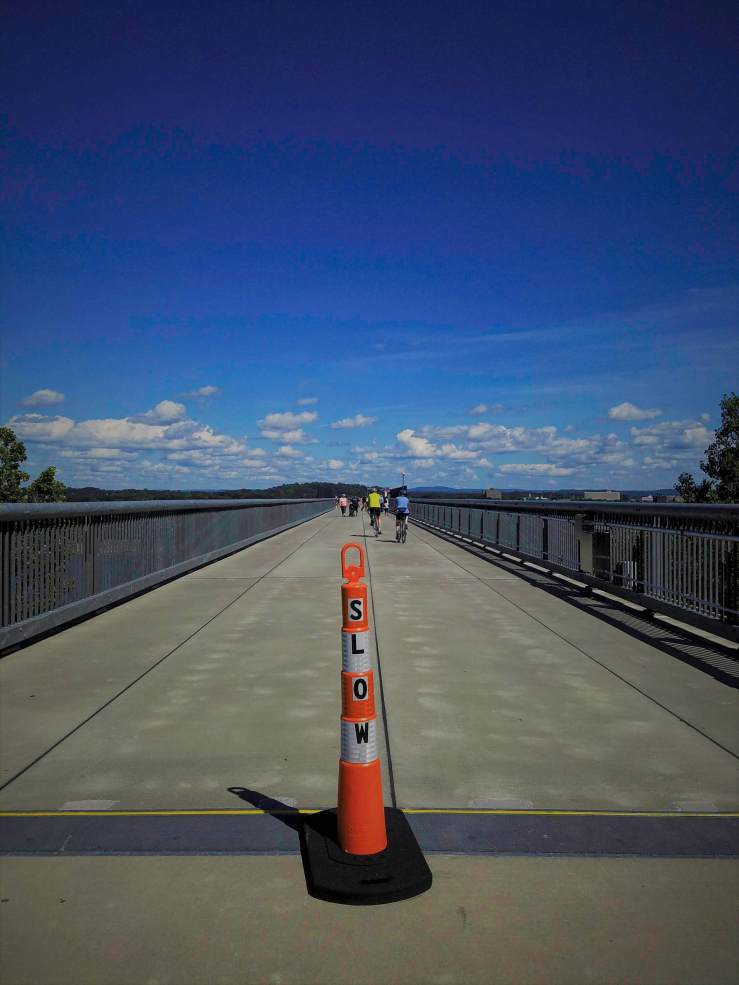
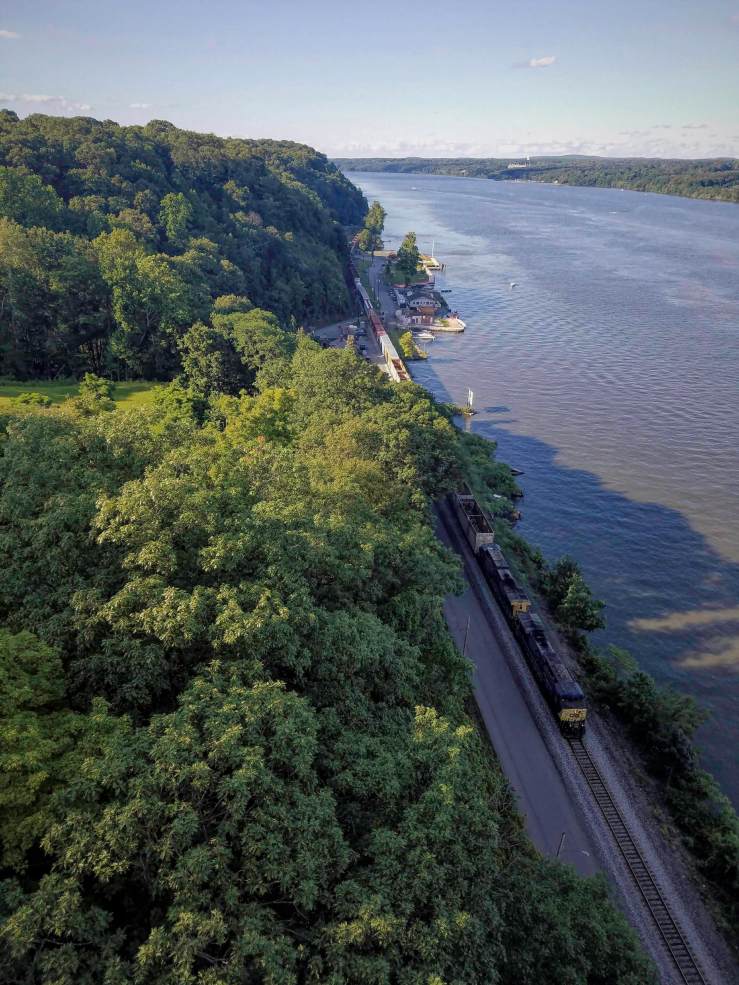
Then, came an episode of the ”Great American Railroad Journeys”, a BBC travel documentary in which Michael Portillo crosses the United States by train using an 1879 copy of Appleton’s Guidebook. In this episode, Portillo makes a stop on his way to Albany, to walk across the former Poughkeepsie-Highland Railroad Bridge, built in 1889.
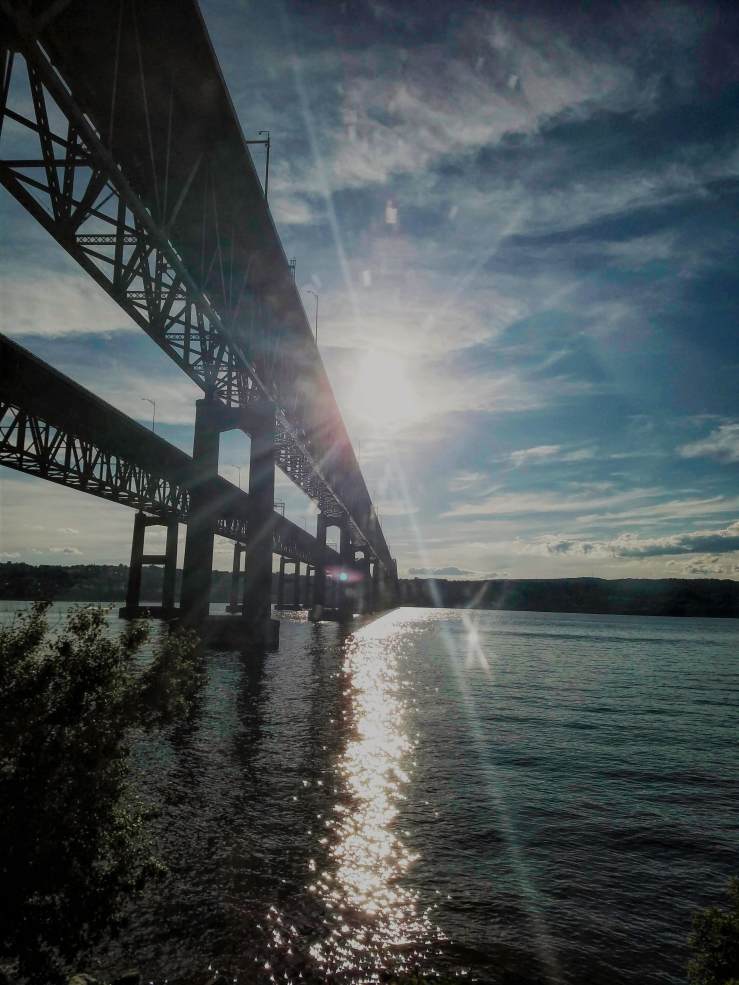
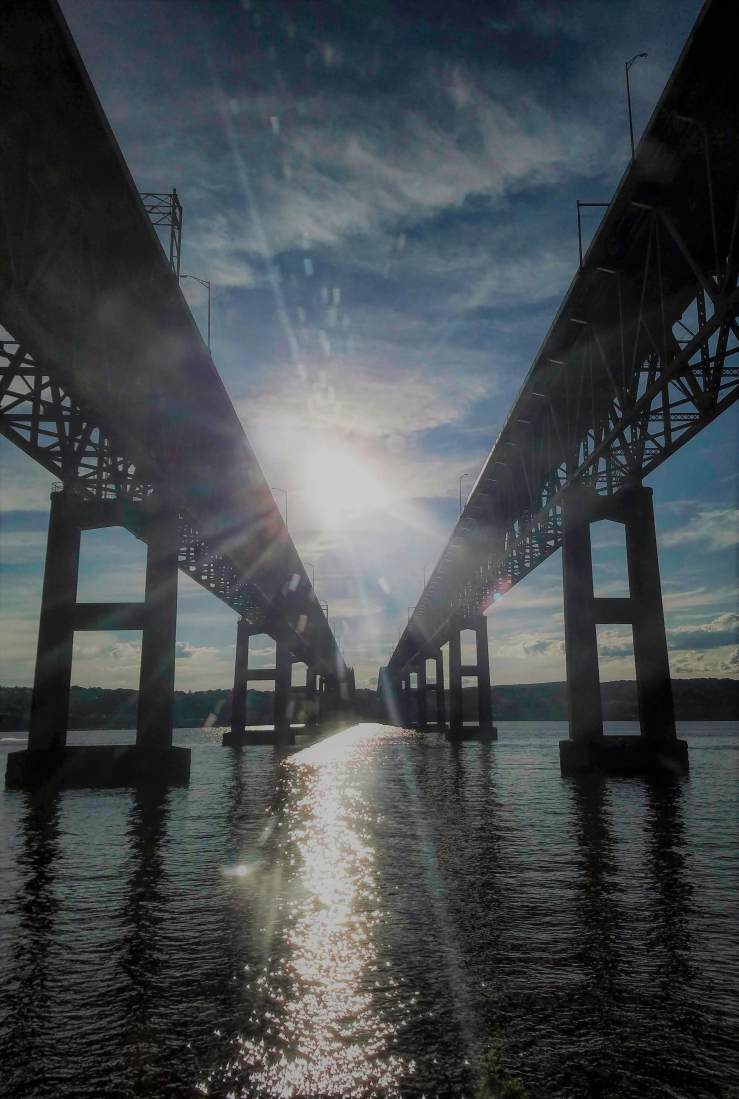
In Appleton’s time the bridge existed on paper only but, just ten years later there it was, the first Hudson River rail crossing north of New York City, intended to move mostly freight from Midwest to New England. In peak times, as many as 50 trains a day used to cross the bridge, but by 1974, when it was destroyed by fire, the traffic had dropped to one train a day.
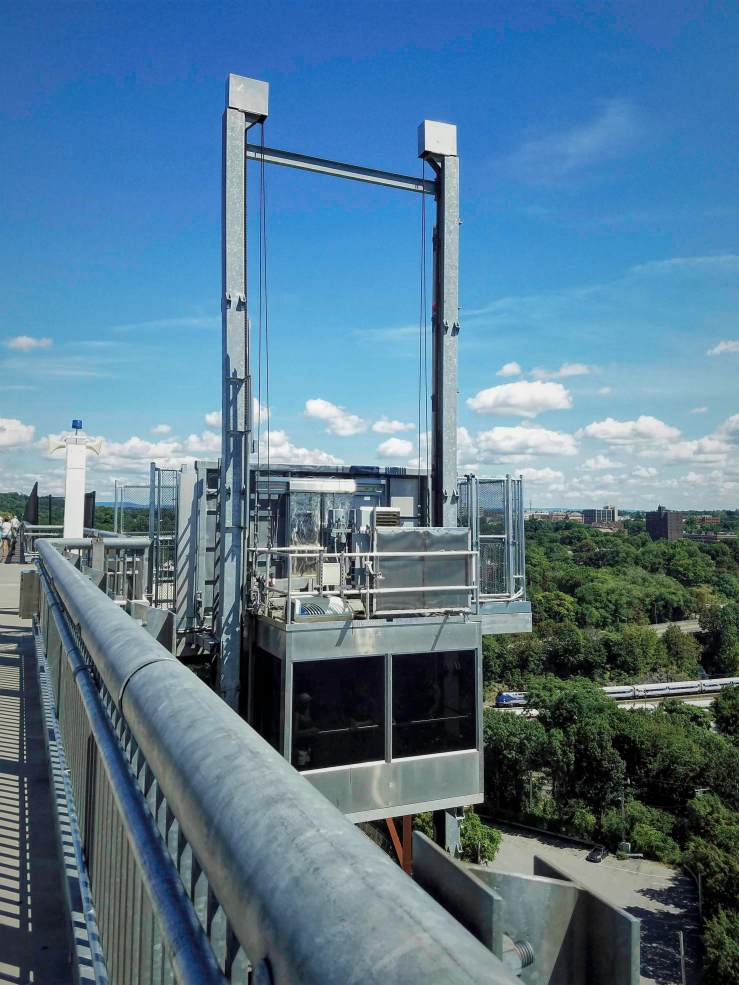
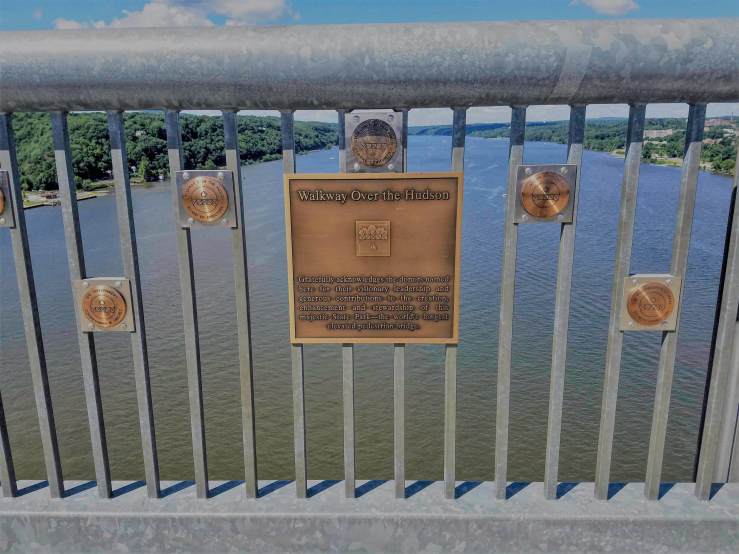
The fire may have been extinguished but the damaged bridge remained closed, in disrepair for 35 years, until October 2009 when it was reopened as Walkway Over the Hudson with funding by the State and Federal government bodies responsible for historic preservation, private philanthropic organisations, but mainly the initiative and extensive support by local residents.
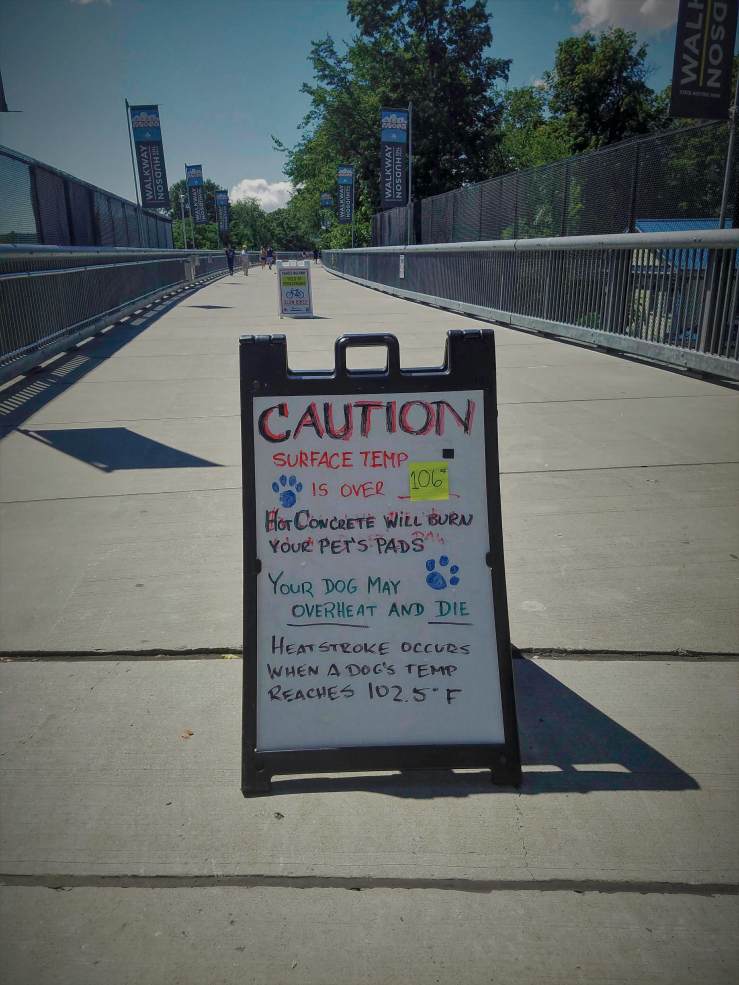
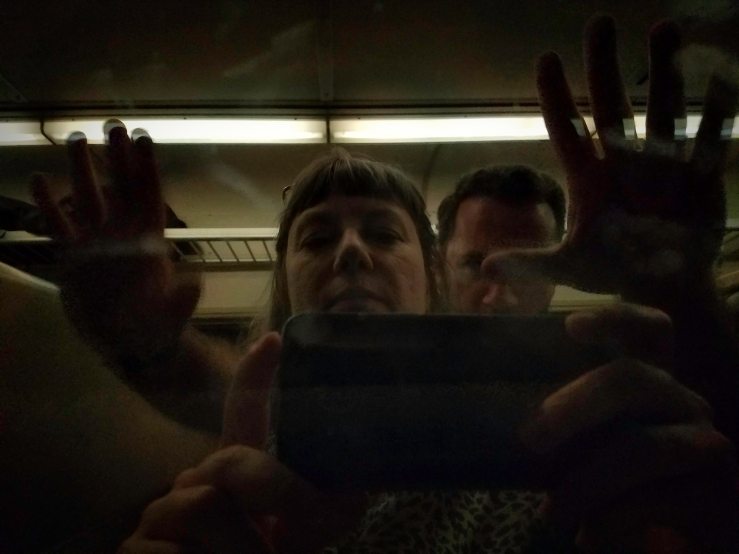
At 1,28 miles – just over 2 km long, it claims the first place as the longest, elevated pedestrian bridge in the world. Open daily from 7 am to sunset, easily reached from Manhattan: a two-hour trip running mostly alongside the Hudson, on Metro-North from Grand Central Terminal.
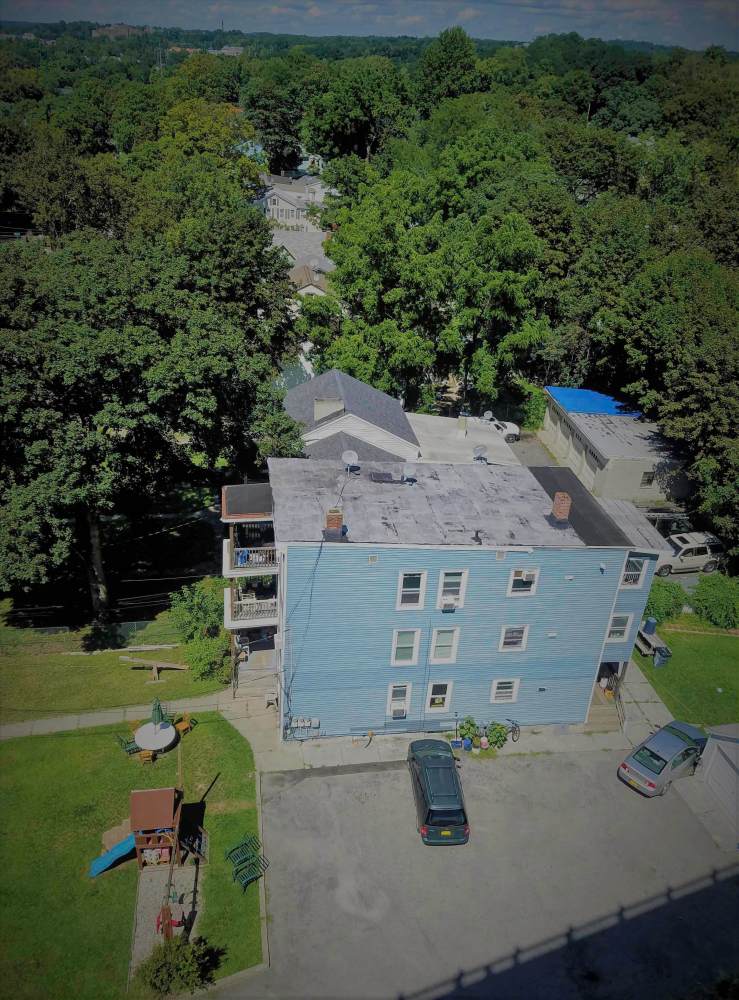
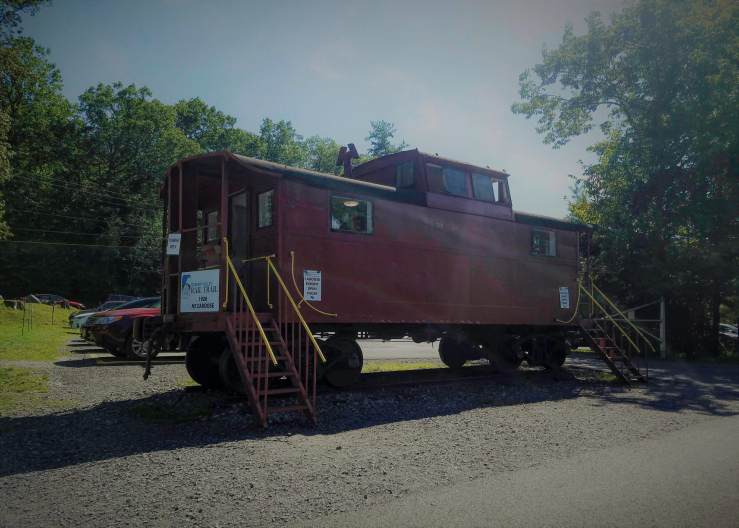
Attention, however, you need to plan accordingly: except for the obvious breezy conditions one may expect on a bridge, it can get really hot (as in boiling) on this particular one. There is nowhere to hide from the sun and relief will come only once you’ve crossed on either side and especially Highland, where the Hudson Valley Rail Trail continues for miles under the welcome leafy shade.
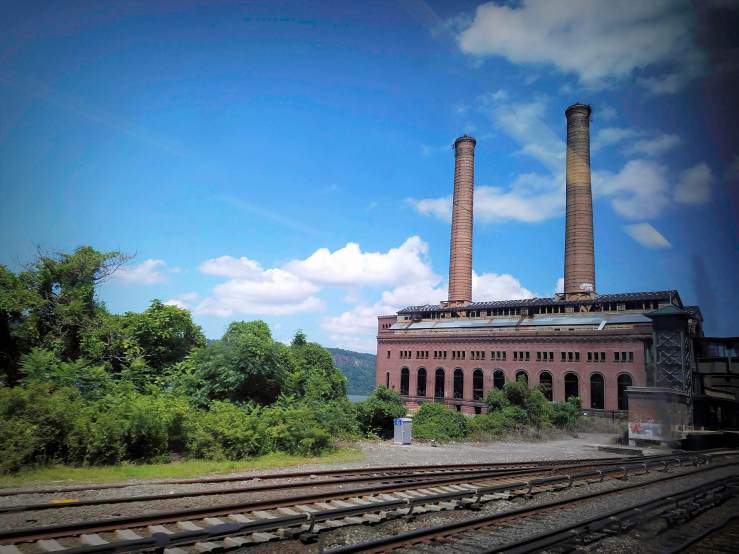
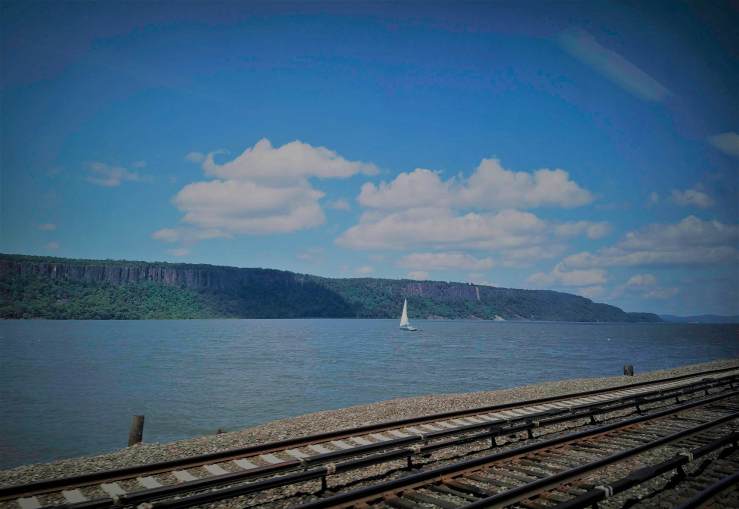
August 13th, 2017
Truth_be_told
July 18th, 2017
Upon realizing it was time to leave L.A. My Californication had been an utter success – so much so, I was already plotting my way back. 


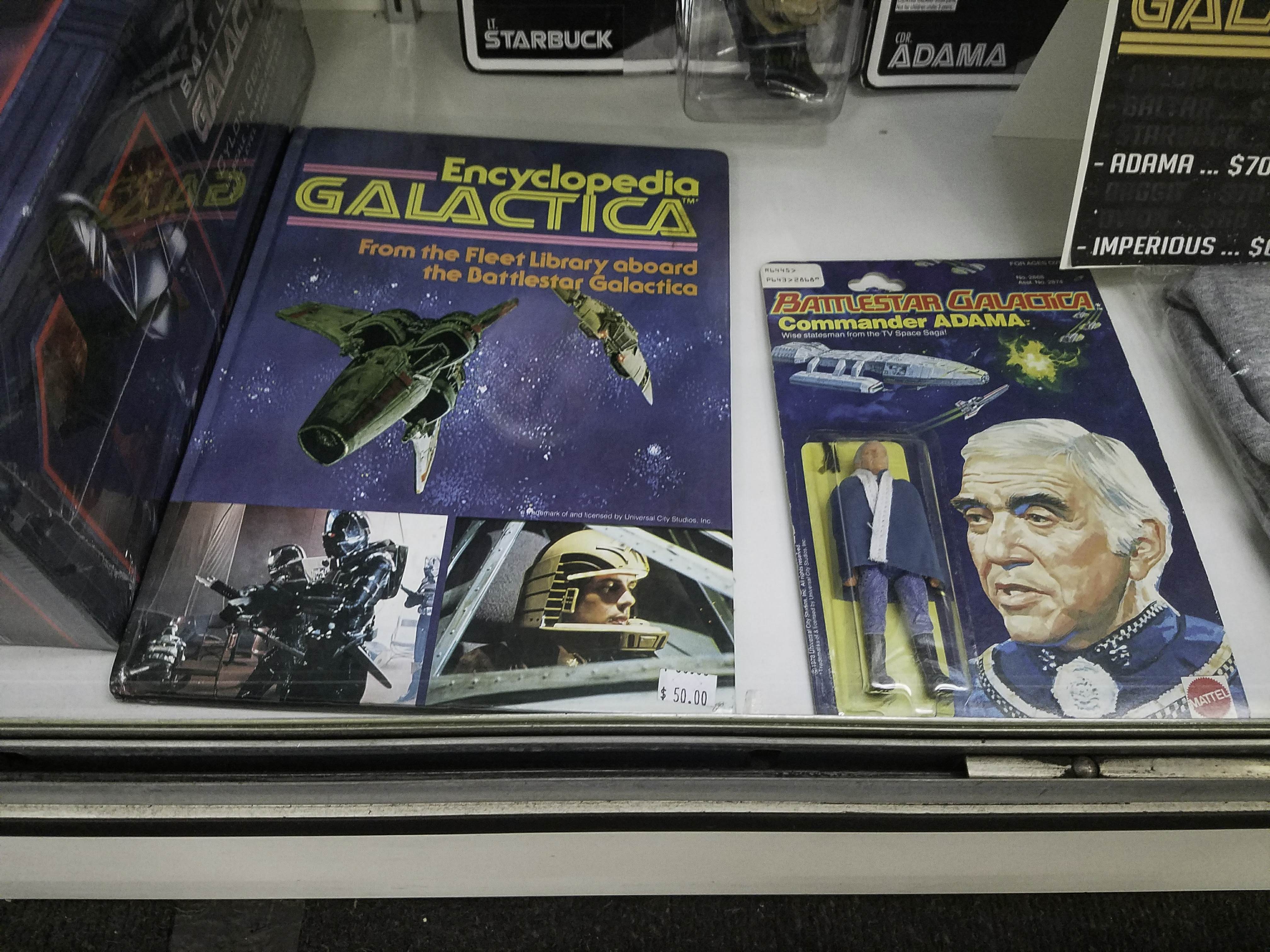
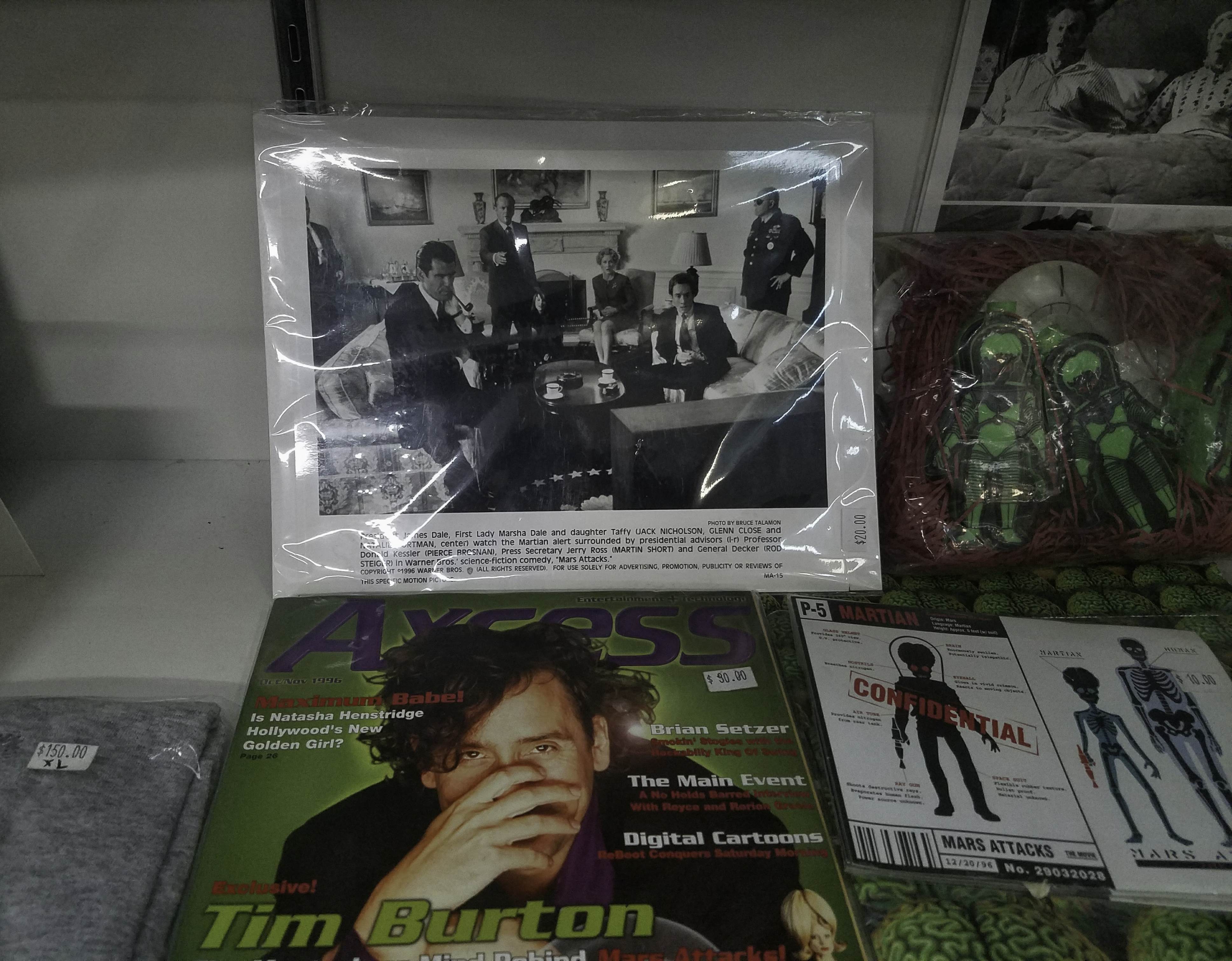


Seriously though, I had a mini-crisis upon learning that Meltdown Comics, an L.A. landmark for the past 25 years, would close its doors forever on April 1st, 2018. What a chance to have made it there just in time!
July 18th, 2017
Day after Thanksgiving.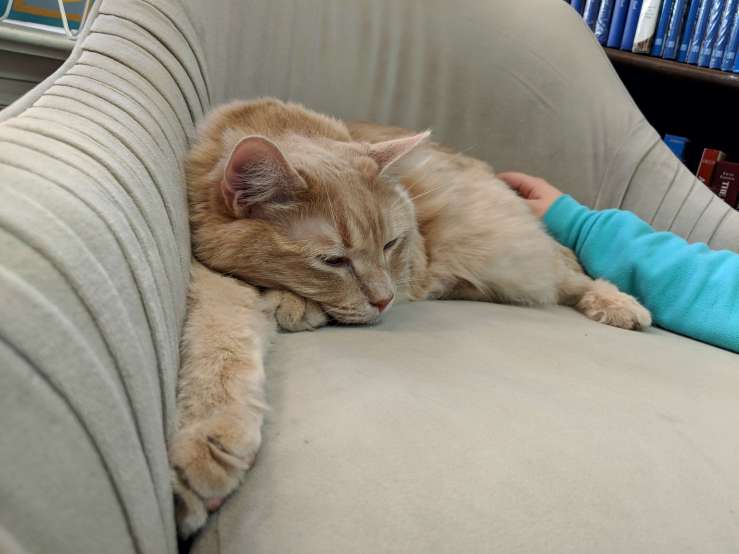

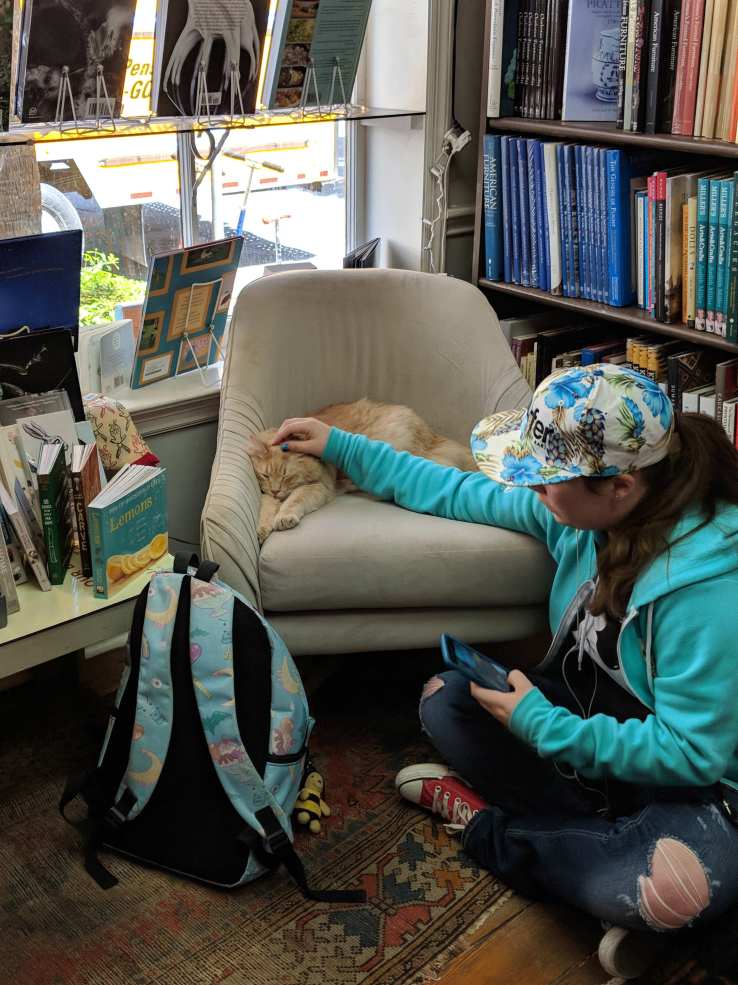
Savannah, GA
April 5th, 2018
The rare instance of being a voracious womanizer who “could hardly ever say ‘no’ to a woman, or ‘yes’ to a man”, could momentarily be overlooked.


3/
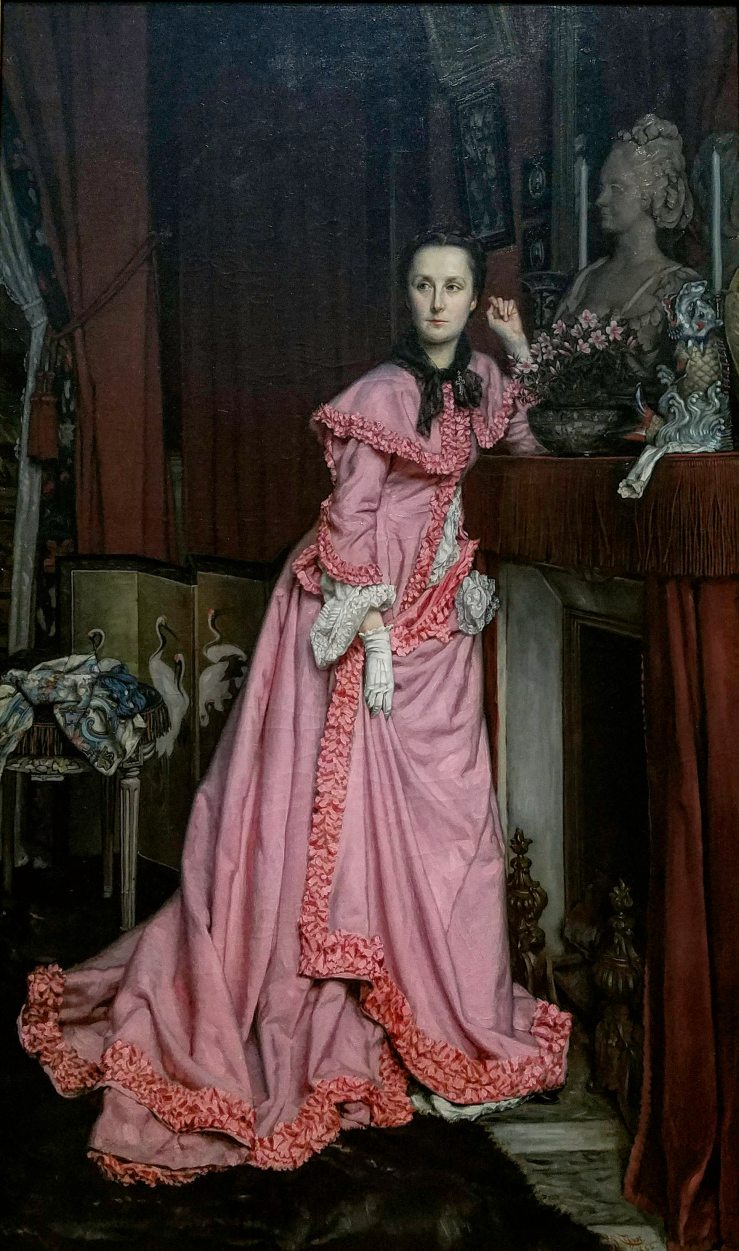
Portrait of the Marquise de Miramon, née Thérèse Feuillant, 1866
James Tissot (1836-1902)
Oil on canvas
4/
Jeanne (Spring), 1881
Édouard Manet (1832-1883)
Oil on canvas
Depicting young actress Jeanne Demarsy as the fashionable embodiment of spring, this portrait was part of an unfinished series of the seasons that Manet undertook at the end of his life.
5/
Portrait of Jeanne Kéfer, 1885
Fernand Khnopff (1858-1921)
Oil on canvas
6/
Portrait of Princess Leonilla of Sayn-Wittgenstein-Sayn, 1843
Franz Xaver Winterhalter (1805-1873)
Oil on canvas
7/
Mischief and Repose (1895)
John William Godward (1861-1922)
Oil on canvas
July 18th, 2017
Celebrating the human body (but the artist’s daughters seem less than impressed).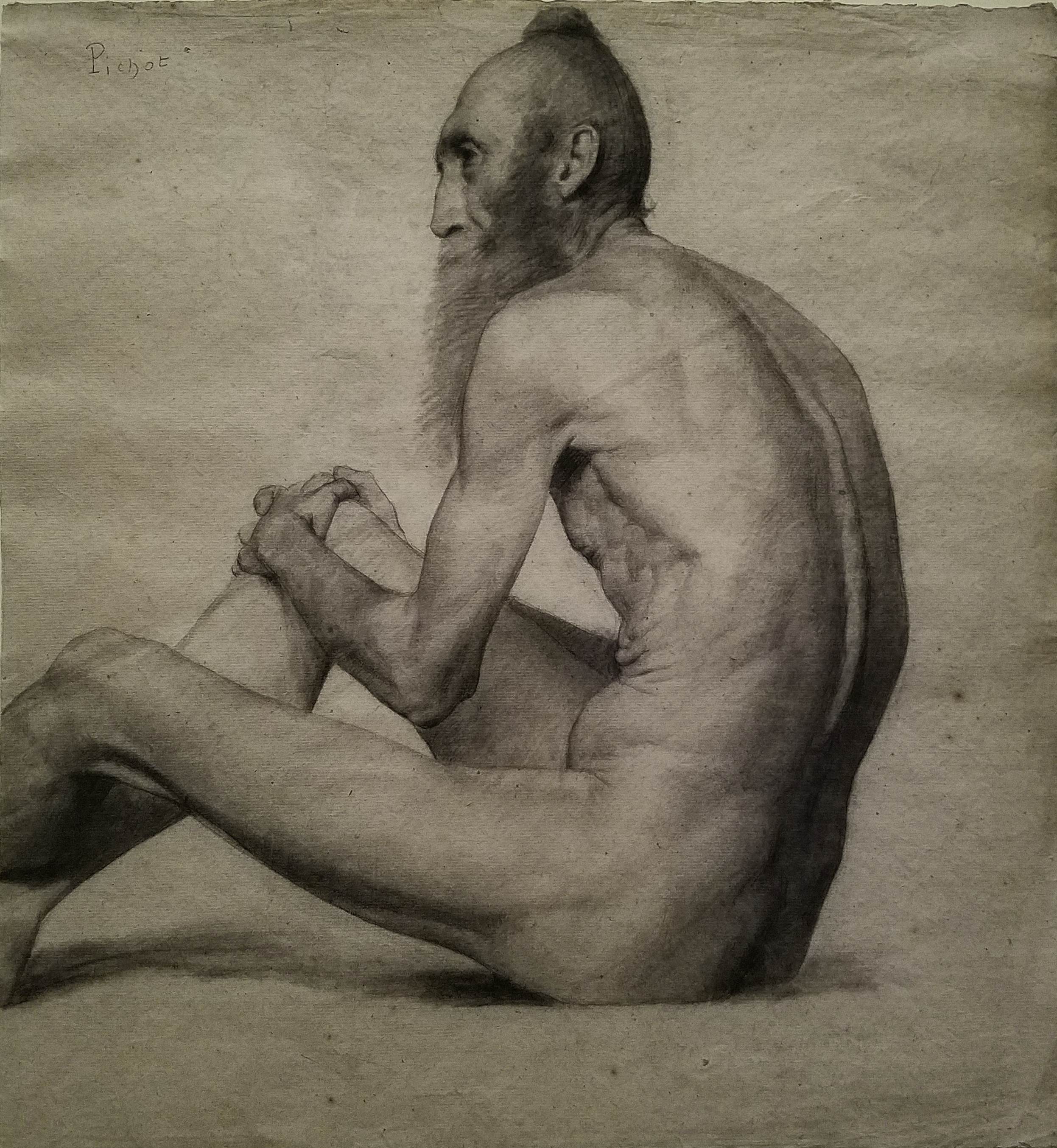
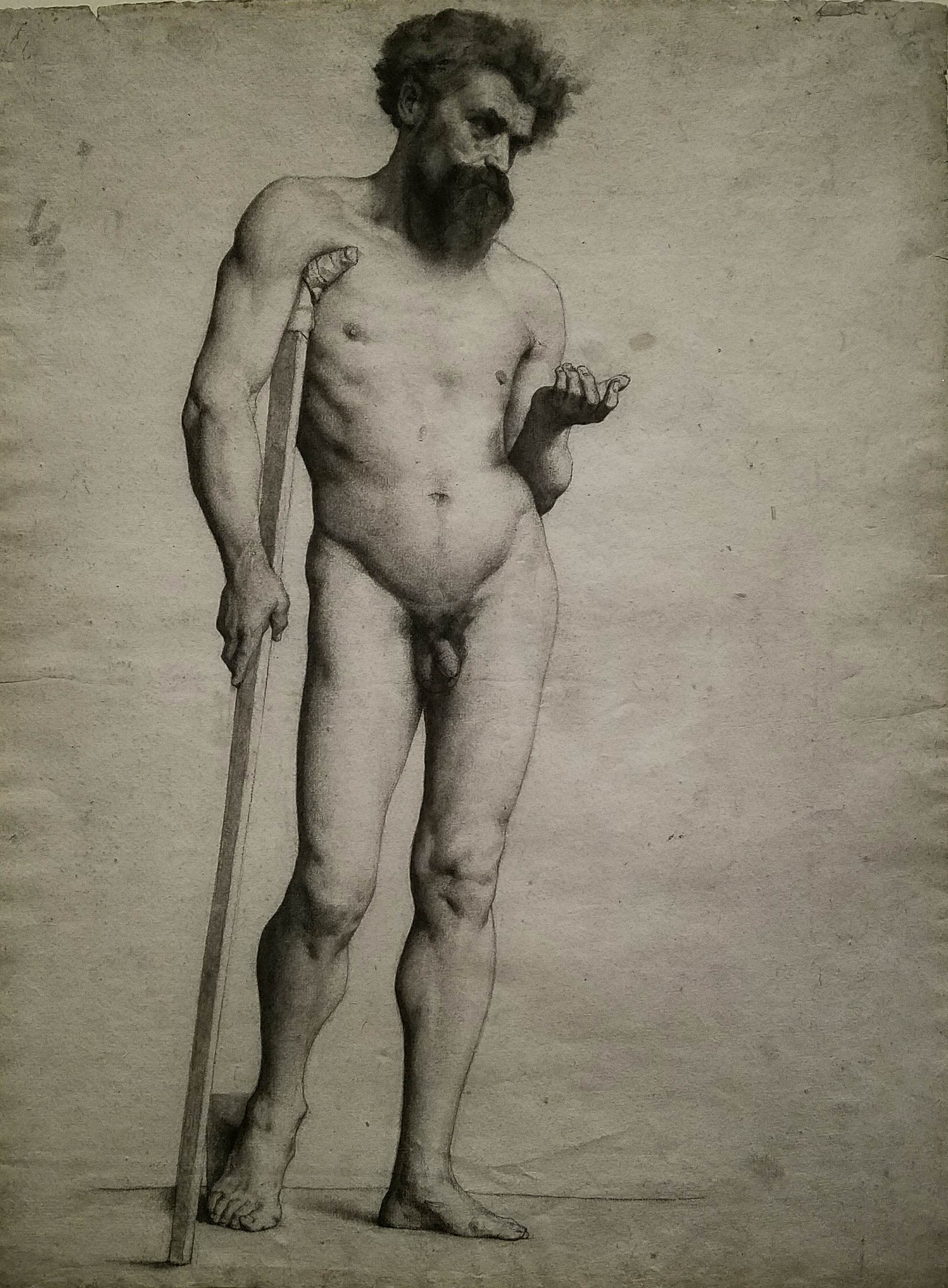
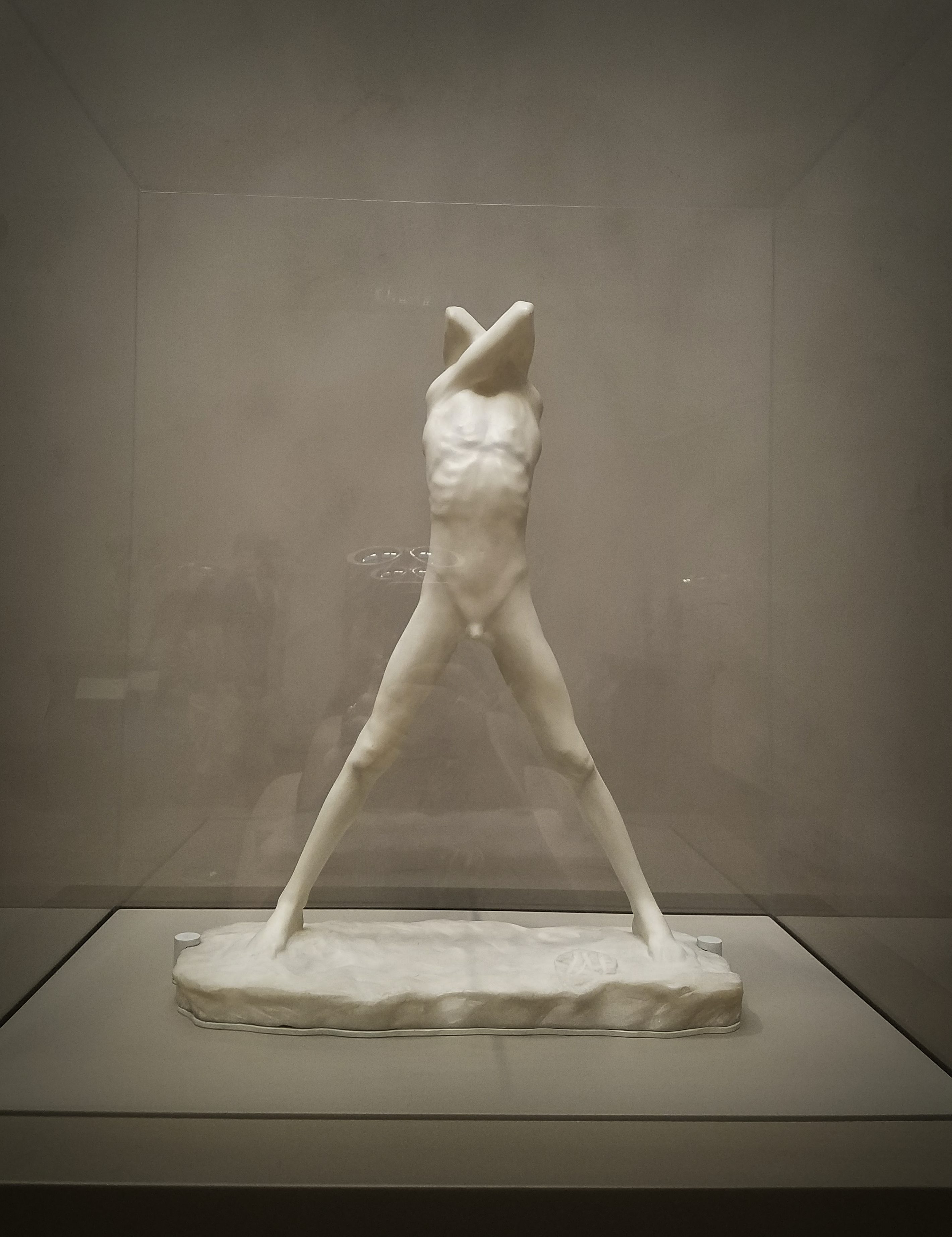
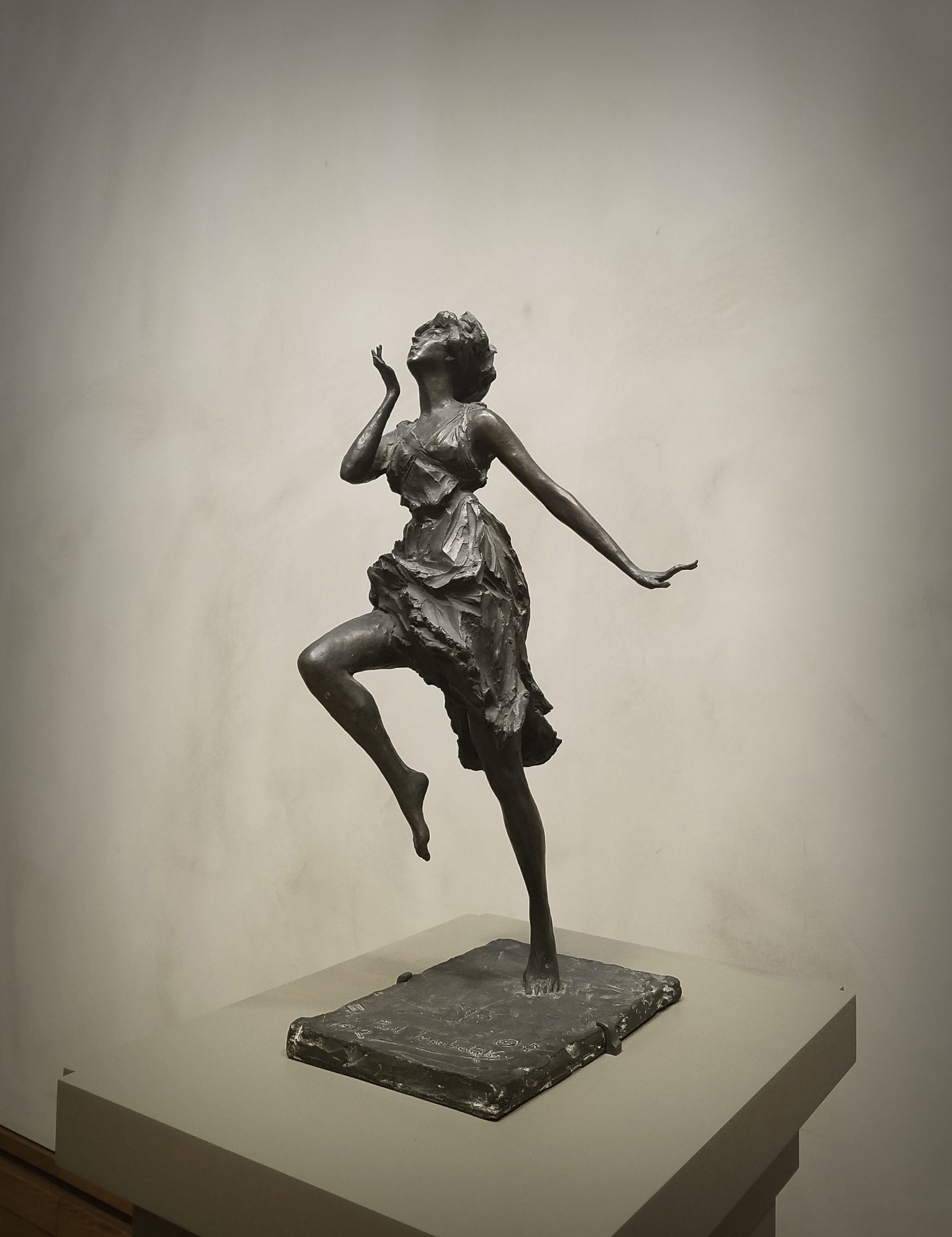
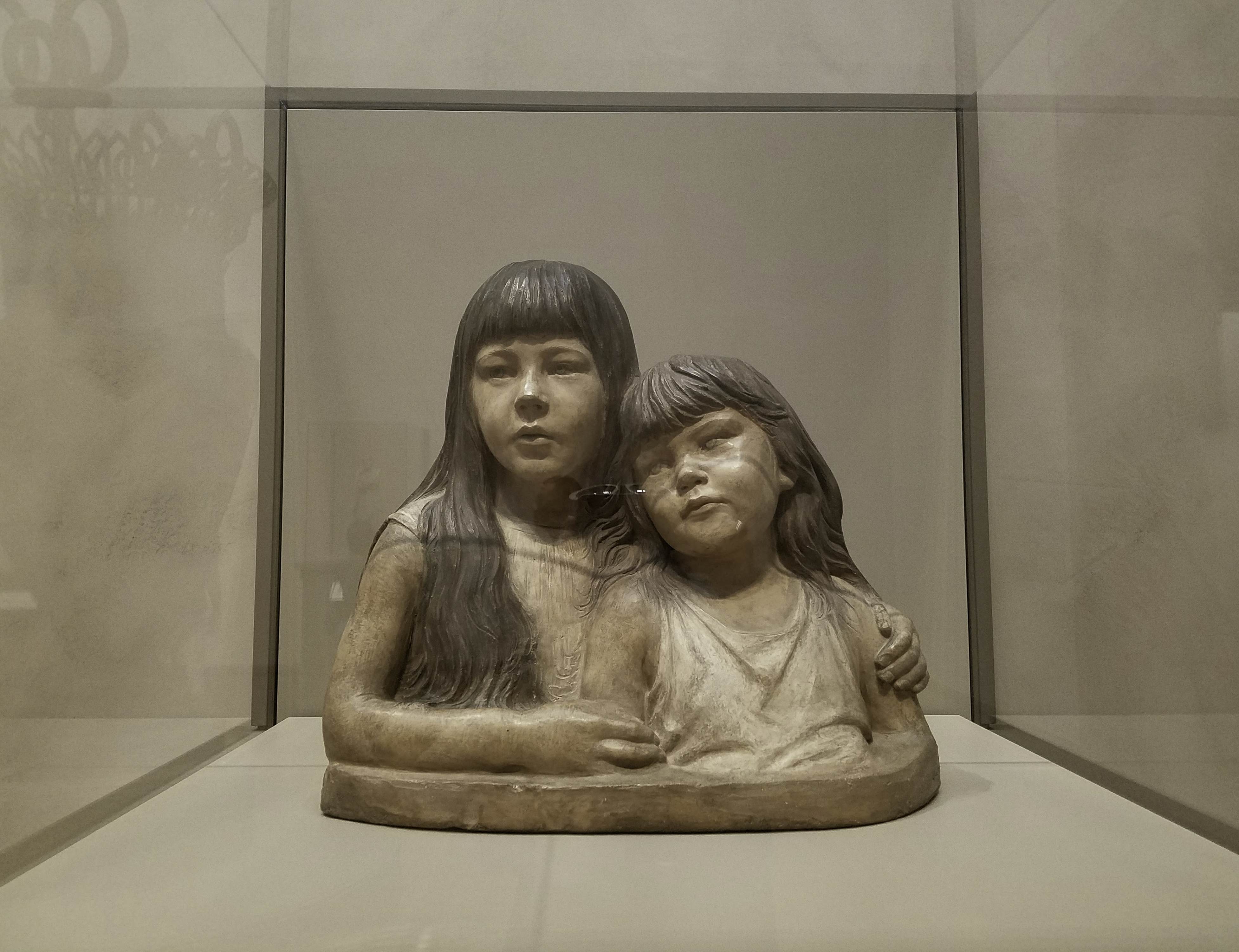
1/
Nude Study of an Indian Man, about 1878-79
Émile-Jules Pichot (1857-1936)
Charcoal and powdered vine charcoal with stumping and lifting
Little is known of Pichot, to whose talents as a draftsman this sheet attests. The drawing’s date, however, can be determined with some precision, for the same gaunt, bearded model (possibly a Hindu ascetic or a Sikh) appears in a drawing by Georges Seurat, a contemporary of Pichot and destined for greatness.
2/
Standing Male Nude, 1866
Gabriel Ferrier (1847-1914)
Charcoal with black chalk
This accomplished nude study executed when the artist was nineteen years old, predicted a bright future for Ferrier in the official art world. Largely forgotten today, he won the French Academy’s prestigious Rome Prize in 1872 and later received prominent commissions, including decorations for the Gare d’Orsay train station (today the Musée d”Orsay).
3/
Adolescent I, about 1891
George Minne (1866-1941)
Marble
This nude, emaciated youth defiantly exposes his body while simultaneously crossing his arms in a protective embrace, indicating shame and anguish. Minne was one of the major representatives of a circle of Symbolist artists and writers based in Ghent, Belgium.
4/
Dancer, 1912
Paolo Troubetzkoy (1866-1938)
Bronze
Countess Thamara Swirskaya (Saint Petersburg, 1890-Los Angeles, 1961), the famous Russian pianist and dancer depicted here, performed throughout Europe and the United States. J. Paul Getty, who purchased this piece in 1933, may have attended one of her shows in the U.S. She posed for this lively composition in 1909 in Paris, where Troubetzkoy, the son of a Russian prince and American mother, lived between 1905 and 1914.
5/
Double Portrait of the Artist’s Daughters, 1889
Adolf von Hildebrand (1847-1921)
Polychrome terracotta
Freestanding double-portrait busts are rare in European sculpture, and this is one of the few known examples. Hildebrand’s termination of the figures above the waist and his use of subtle colours are based on Italian Renaissance portraiture. This sensitive portrayal of the artist’s daughters, Silvia and Bertel, is remarkable among the sculptor’s normally restrained official portraits and monuments.
July 18th, 2017
subjective worldview
Actor, writer, cook and author
Travel experiences & Strasbourg city guide
Writer
joy, happiness, travel, adventure, gratitude
"Rêve onirique & Bulle d'évasion"
makes pretty things on paper
This WordPress.com site is Pacific War era information
Welcome to my curious world of words....
Photographs, music and writing about daily life. Contact: elcheo@swcp.com
Free listening and free download (mp3) chill and down tempo music (album compilation ep single) for free (usually name your price). Full merged styles: trip-hop electro chill-hop instrumental hip-hop ambient lo-fi boombap beatmaking turntablism indie psy dub step d'n'b reggae wave sainte-pop rock alternative cinematic organic classical world jazz soul groove funk balkan .... Discover lots of underground and emerging artists from around the world.
A 365 analogue photography project
Barcelona's Multiverse | Art | Culture | Science
Een digitaal atelier aan de (zee)slag.
‘Doodling Ambiguity’s in Ink.’
Miscellaneous photography
Glimpses along the way on a journey of discovery into symmetry...
 The Humble Fabulist