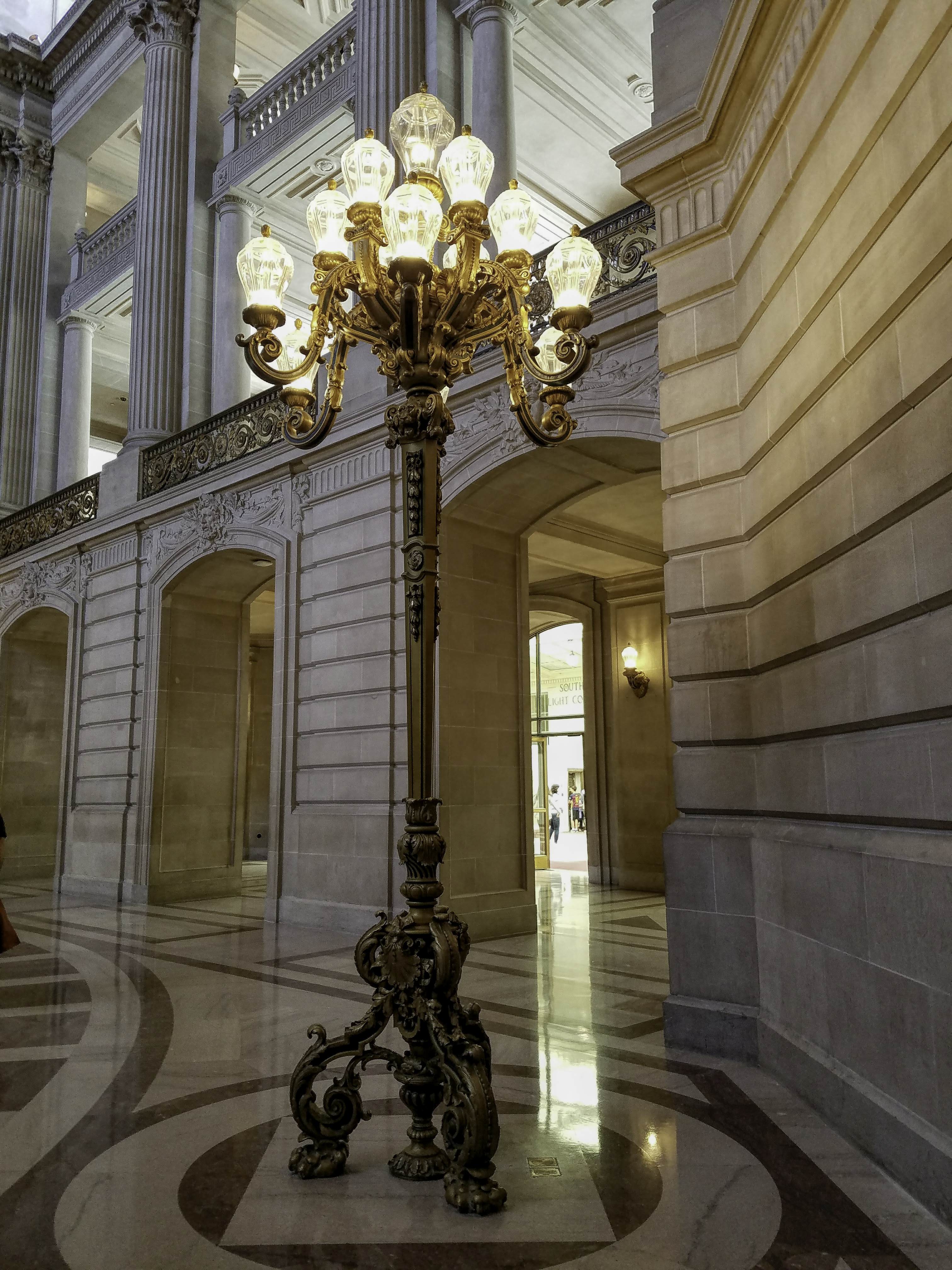
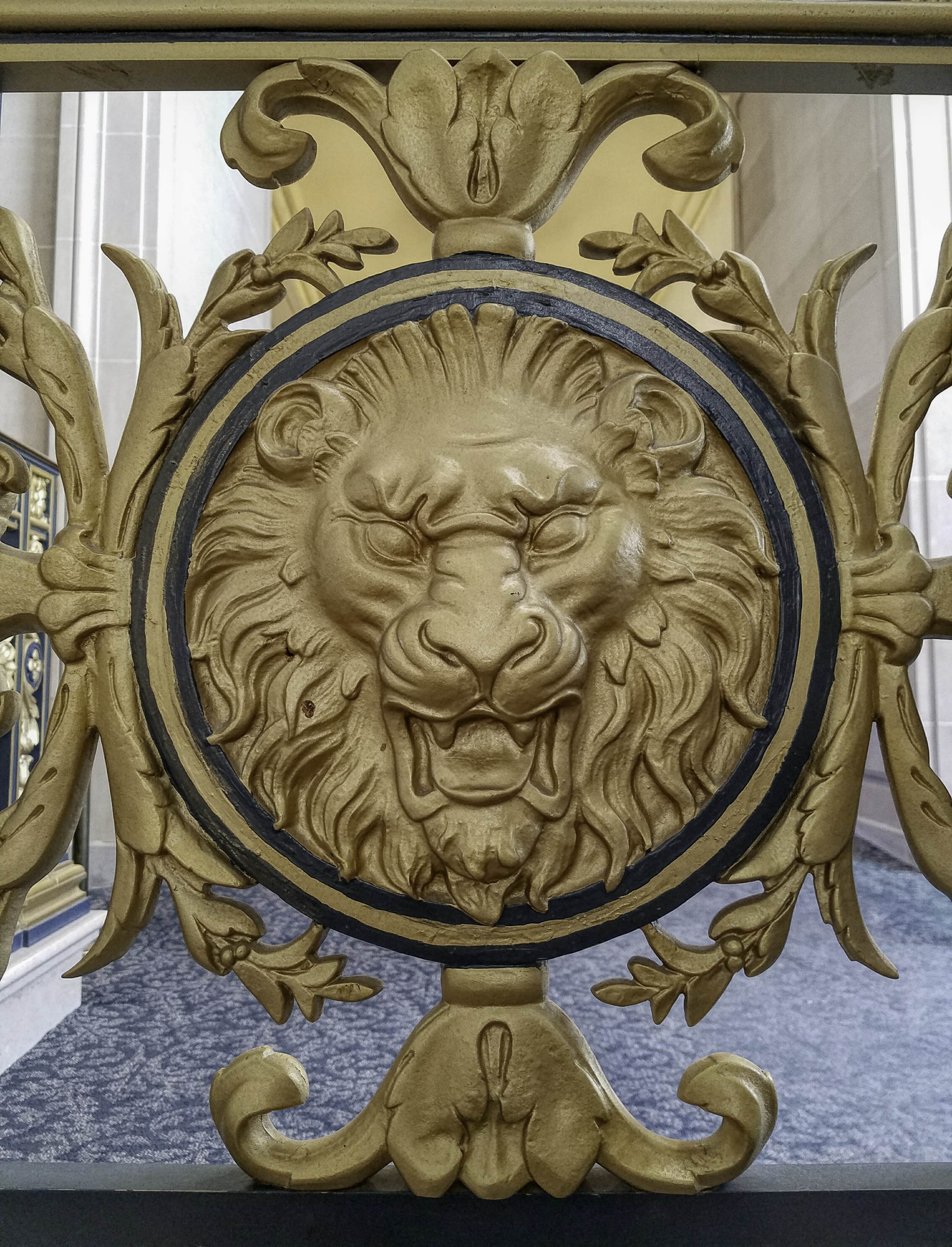
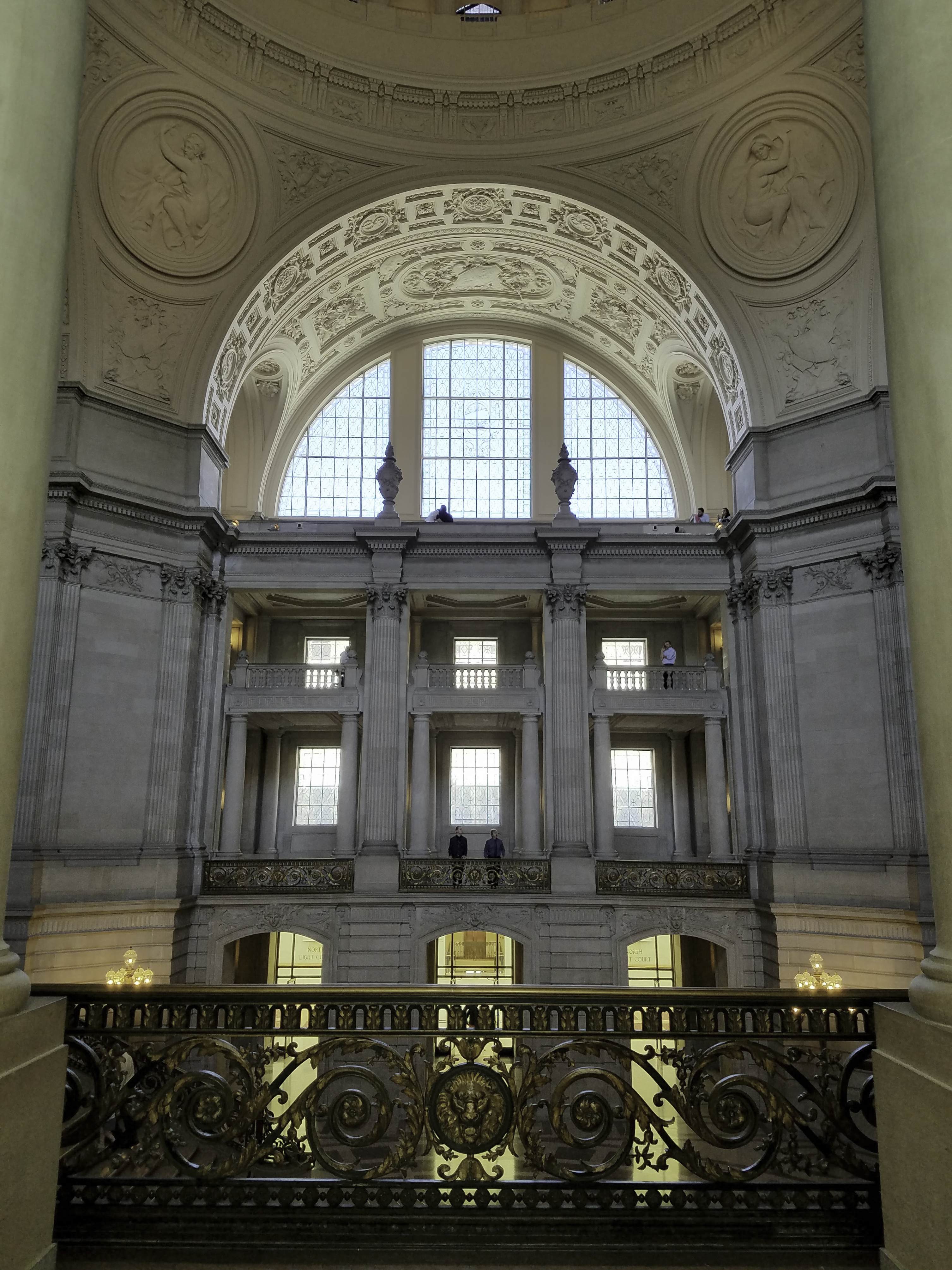
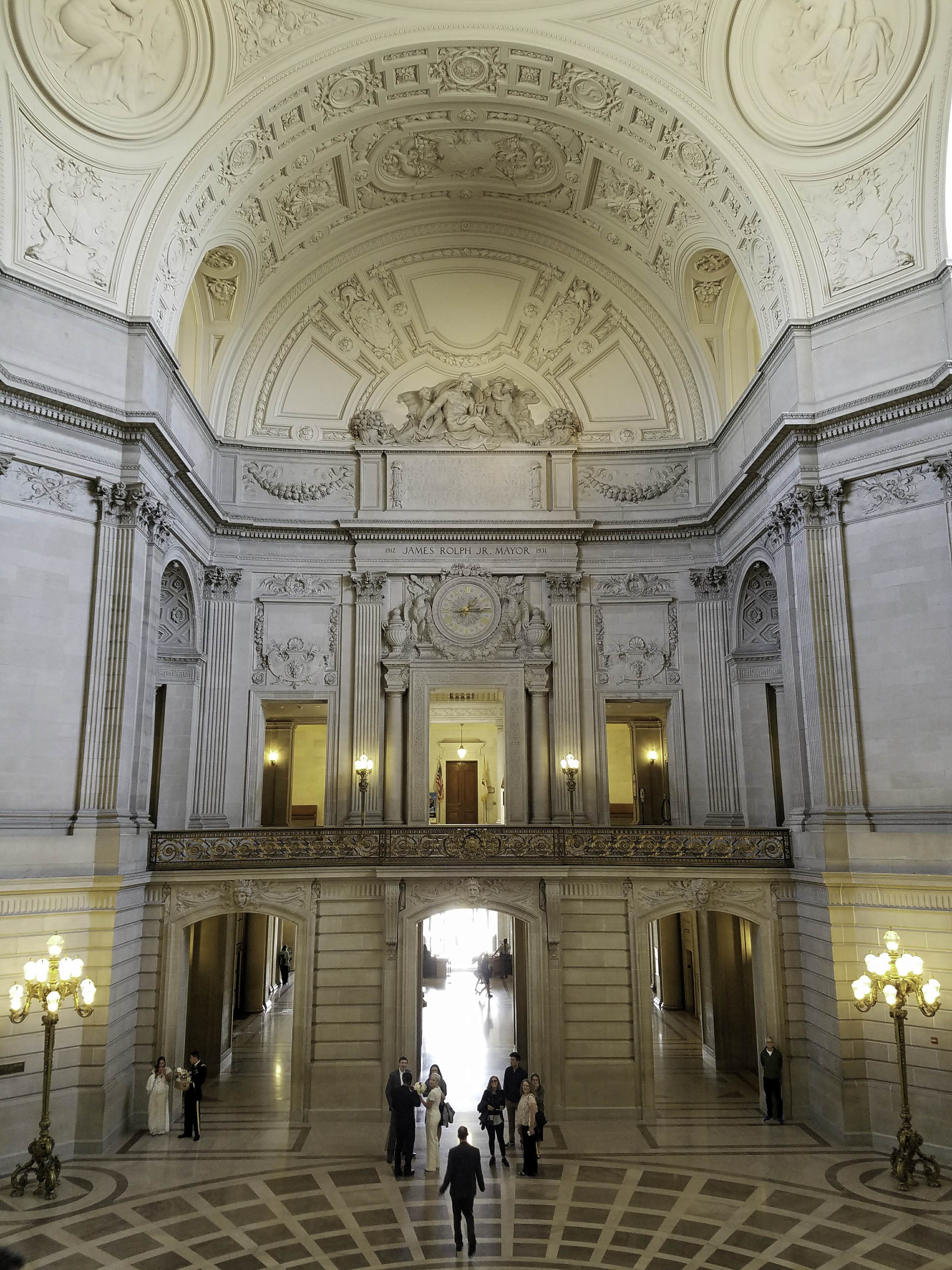
San Francisco is… three weddings in the City Hall

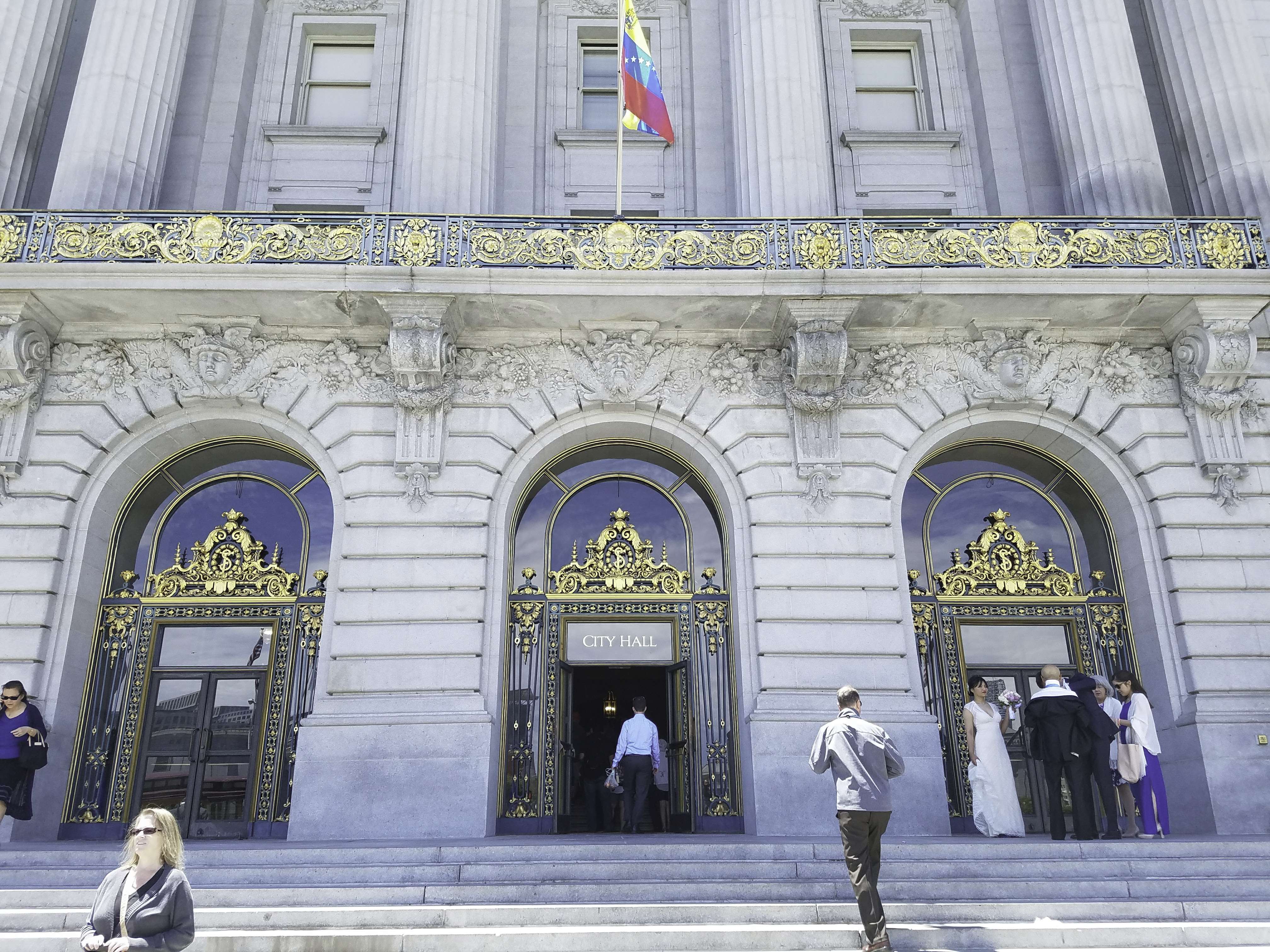
And that’s only the ones we witnessed during the time we spend in the City Hall – just over an hour. Looking at the vast open space of the central rotunda with the grand staircase, I’m not surprised they are on a tight schedule. Who wouldn’t want to get married under this magnificent dome! Marilyn Monroe and Joe Di Maggio did it in 1954. A number of gay couples were finally able to wed in 2004 when Gavin Newsom, then mayor of the city, made history by issuing same sex marriage licences. On the day we visited, the rotunda echoed with cheers. It was a happy day. 

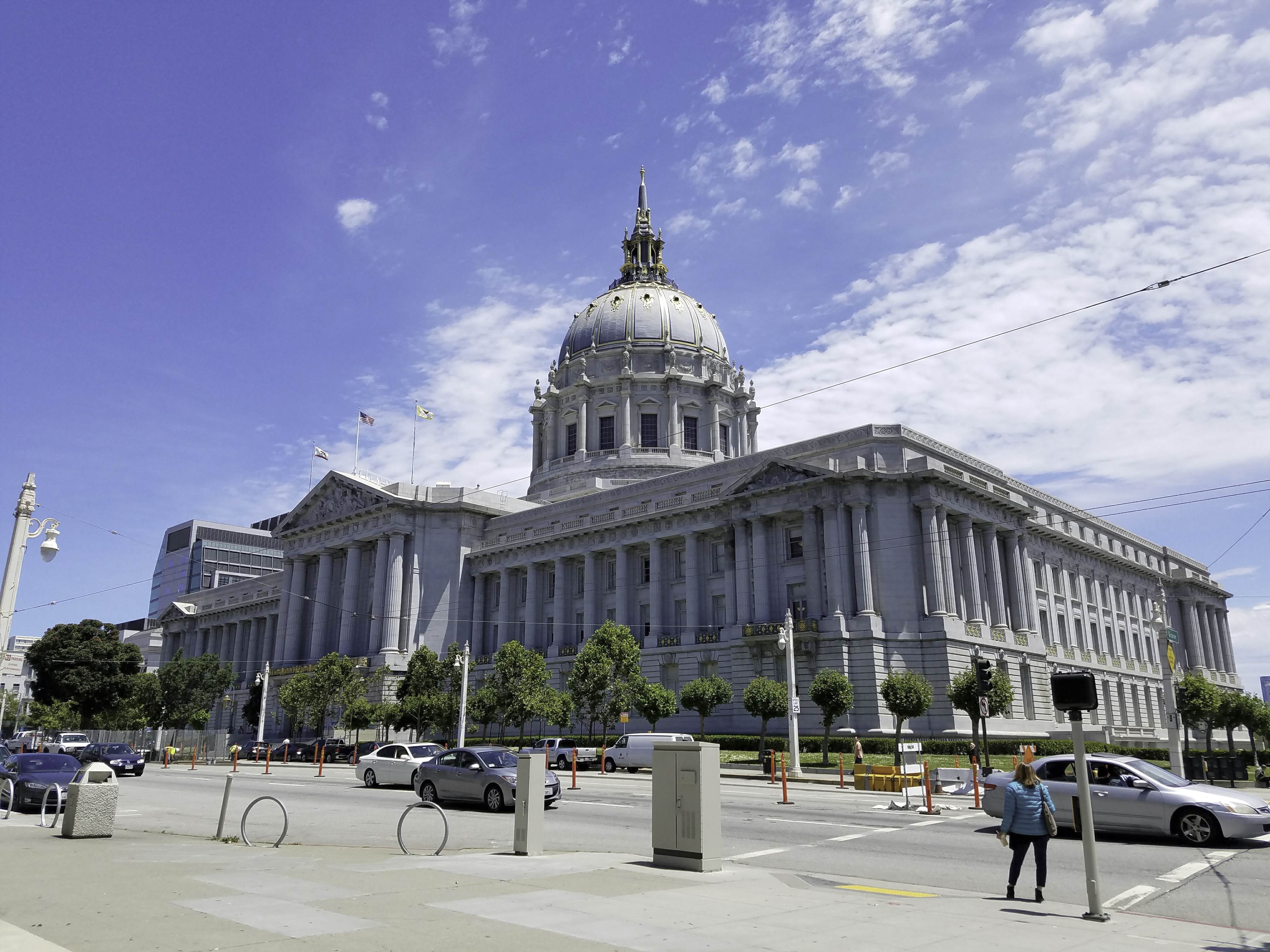
Completely destroyed in the Great Earthquake of 1906, reconstruction began in 1913 and the new building was ready in 1915, in good time for the World’s Fair of the same year. Designed by architect Arthur Brown, Jr. in the Beaux-Arts style, it suffered severe damages yet again, when struck by another earthquake in 1989. Repairs and reinforcements were completed ten years later, making the building earthquake proof. I’m just glad we didn’t have to find out how resistant the structure has become.

The City Hall

July 5th, 2017

San Francisco is… Bullitt!

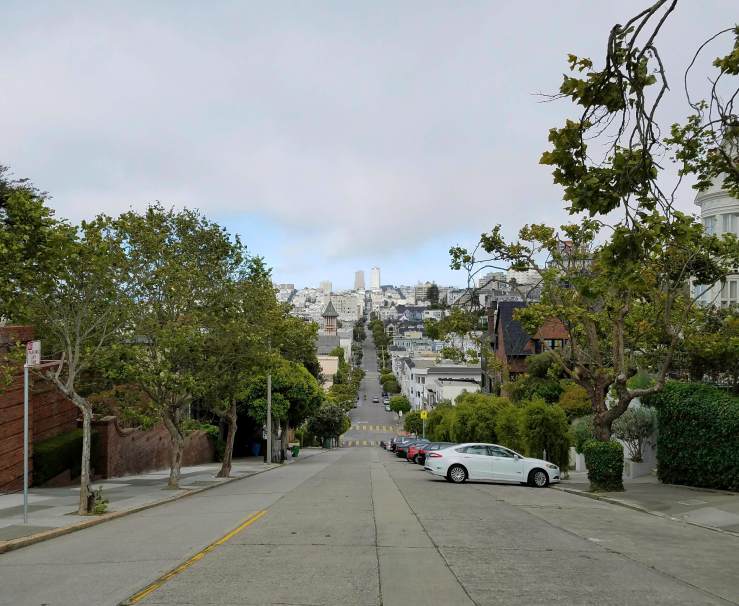
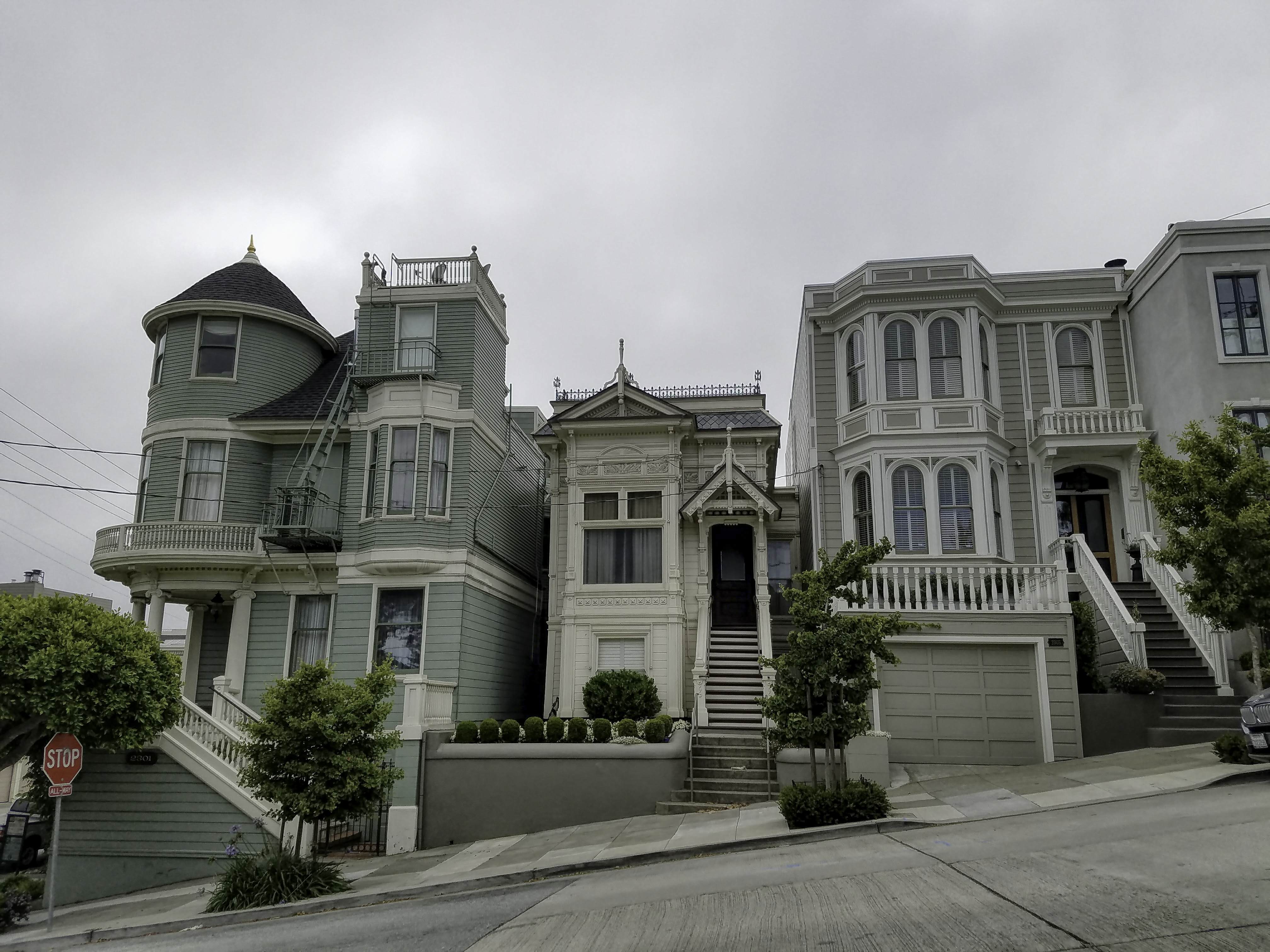
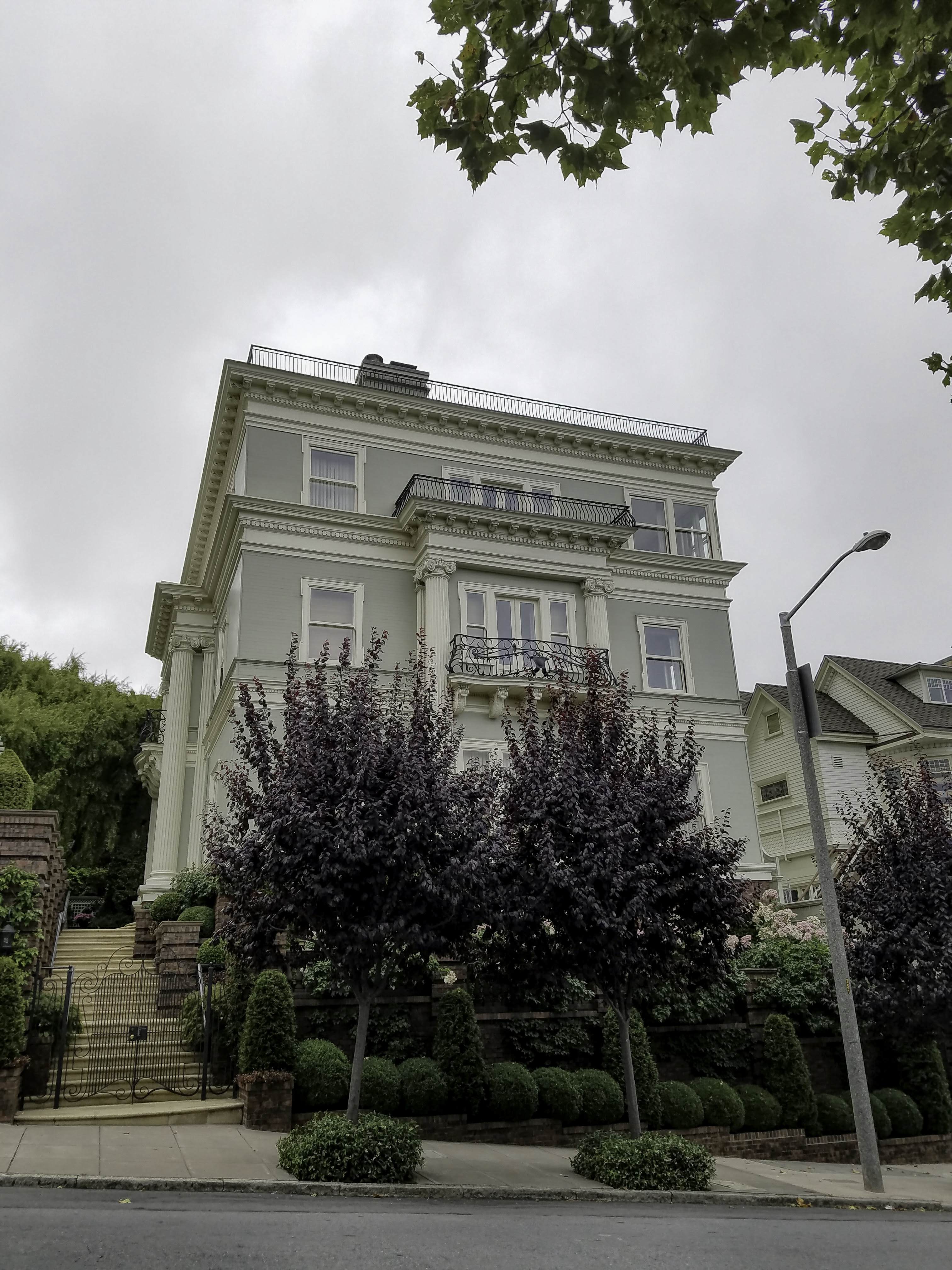
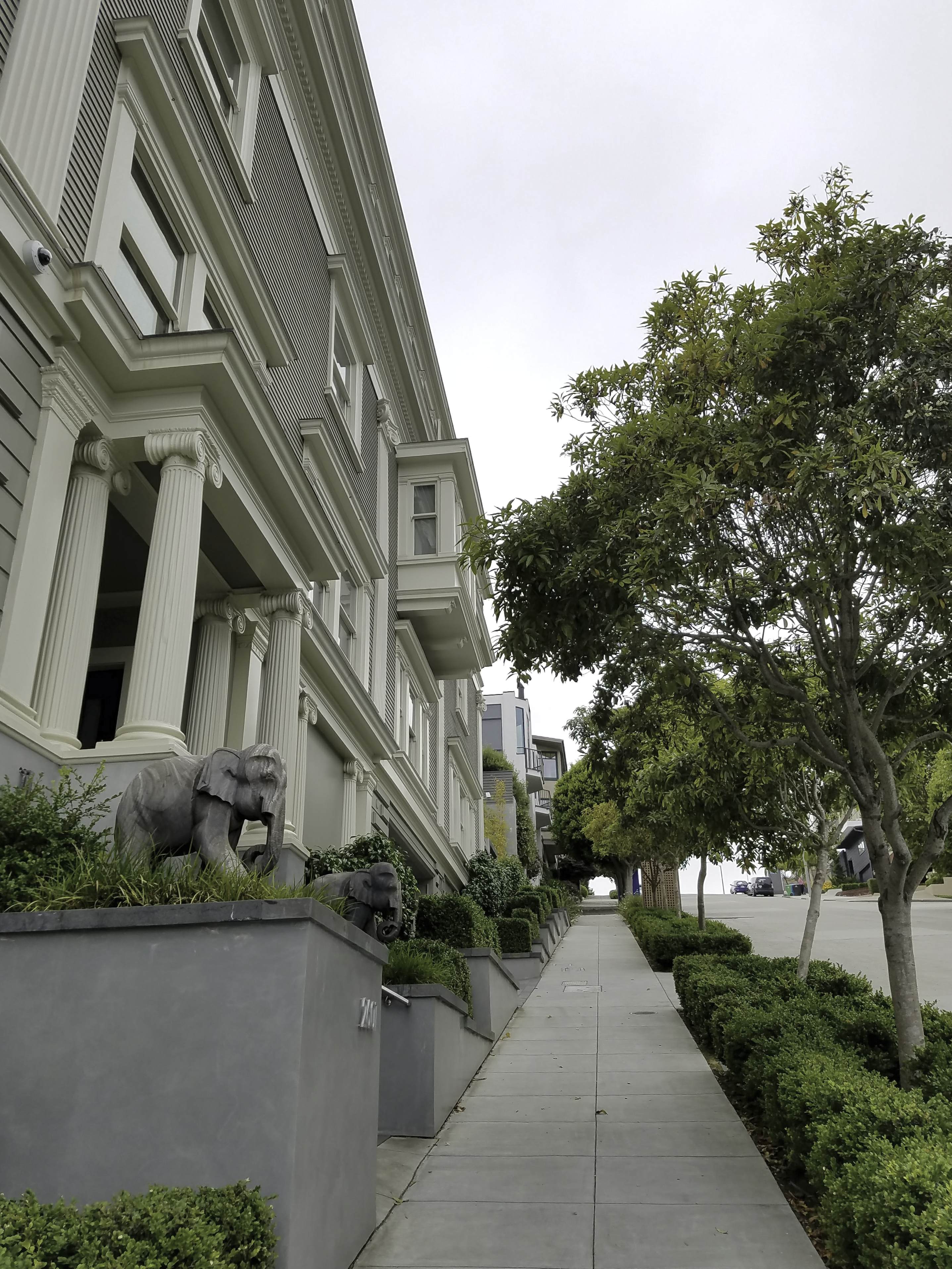
We watched Bullitt in preparation of the trip, just a few days before departure, so I was very excited to have spotted one of the filming locations very close to Alamo Square where we were staying. A brief 35 minute walk via Divisadero St. and its rather wonderful mansions, or 1.6 miles according to my web map.  What could be easier? Well, walking 35 minutes uptown hilly Manhattan, that’s what. For I still had to get to grips with the steepest streets I had ever encountered in a city, the very same that sent the cars flying in one of the most exciting car chases in film history(skip to 3:15 and buckle up).

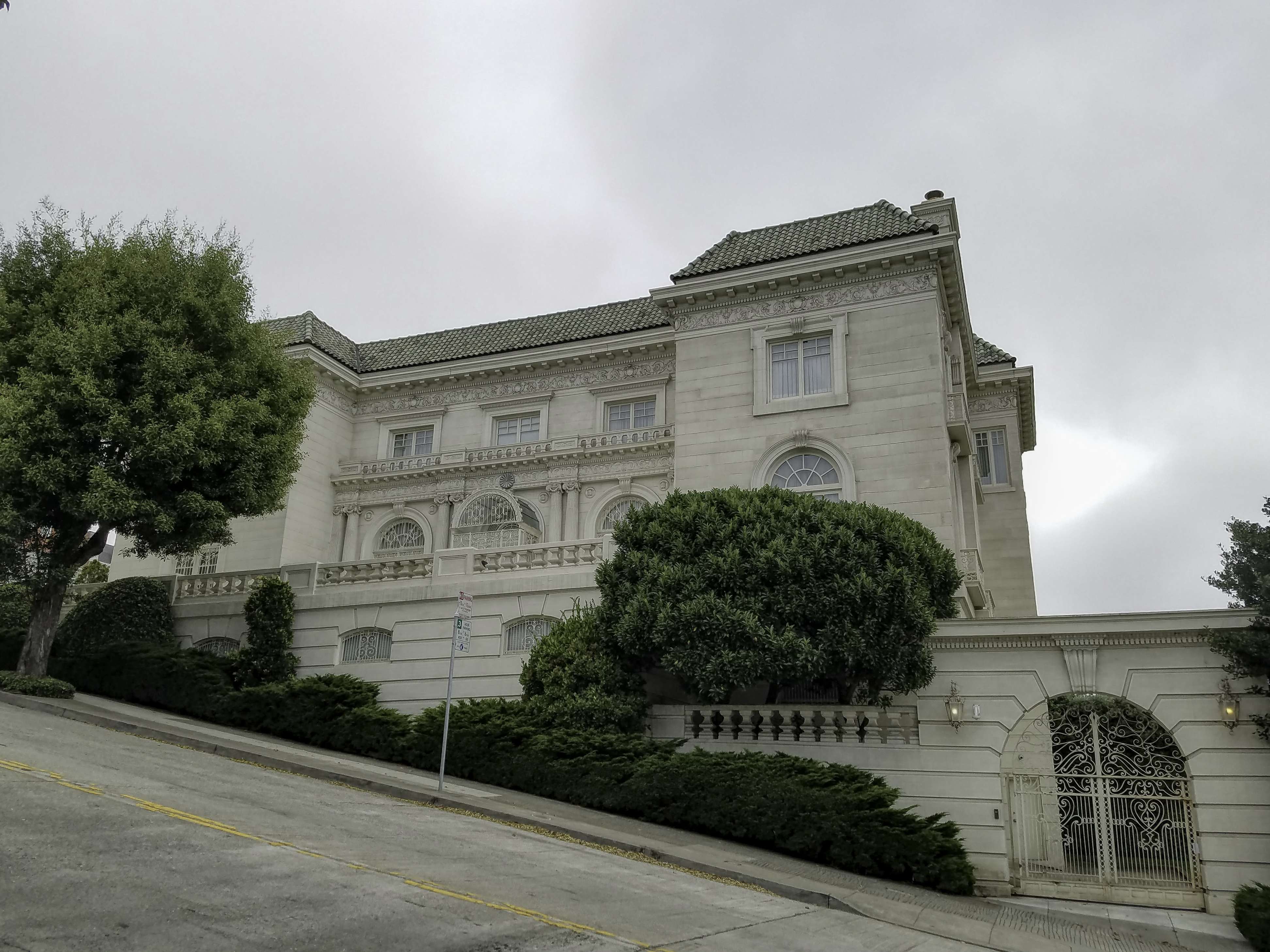
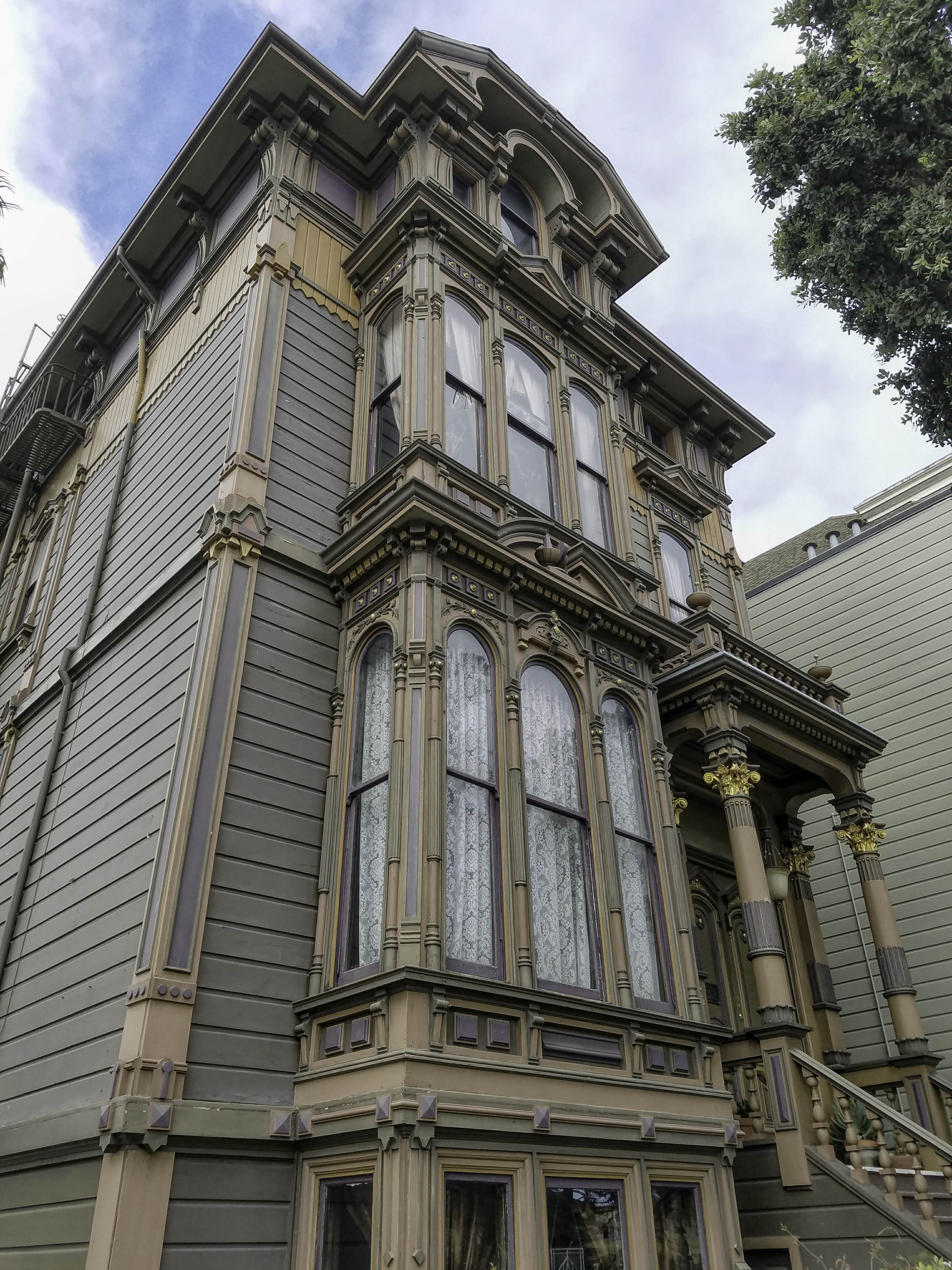
We did make it, with a few extra huffs and puffs, to the gorgeous mansion atop the hill, where police detective Lieutenant Frank Bullitt (Steve McQueen) meets District Attorney Walter Chalmers (Robert Vaughn) at a reception at Chalmer’s residence.

A break for some extra cheesy pizza to treat ourselves, because what comes up must come down… and then all the way up again.

 Walking towards the mansion in the corner of Divisadero St. & Vallejo St., down to Lombard St. at Cow Hollow for a pizza and then back to Alamo Square Park to watch the 4th of July fireworks.

July 4th, 2017

San Francisco is… postcard-perfect

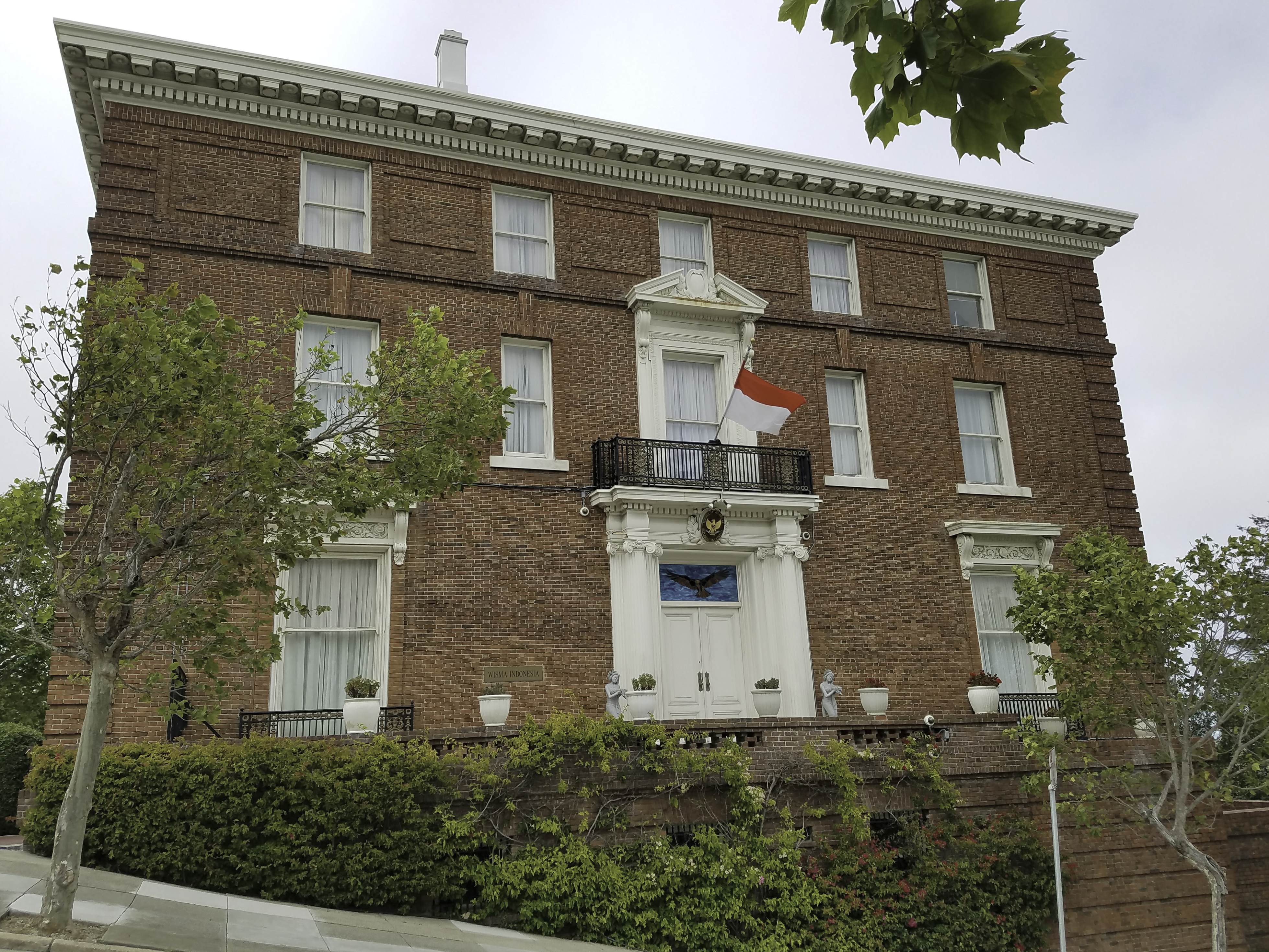
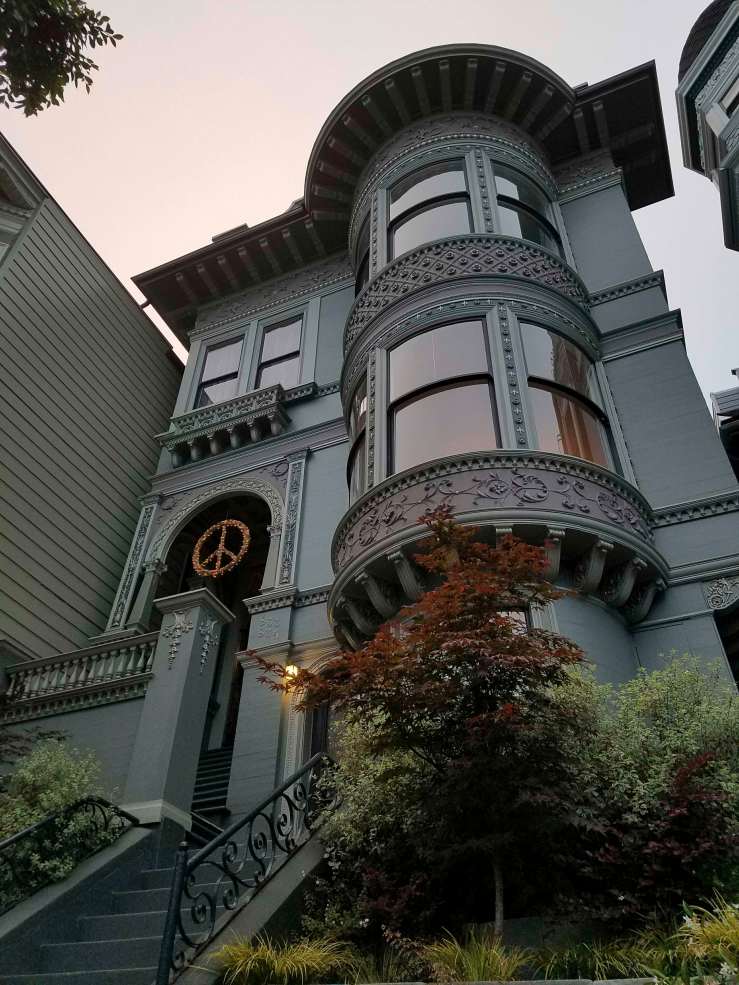
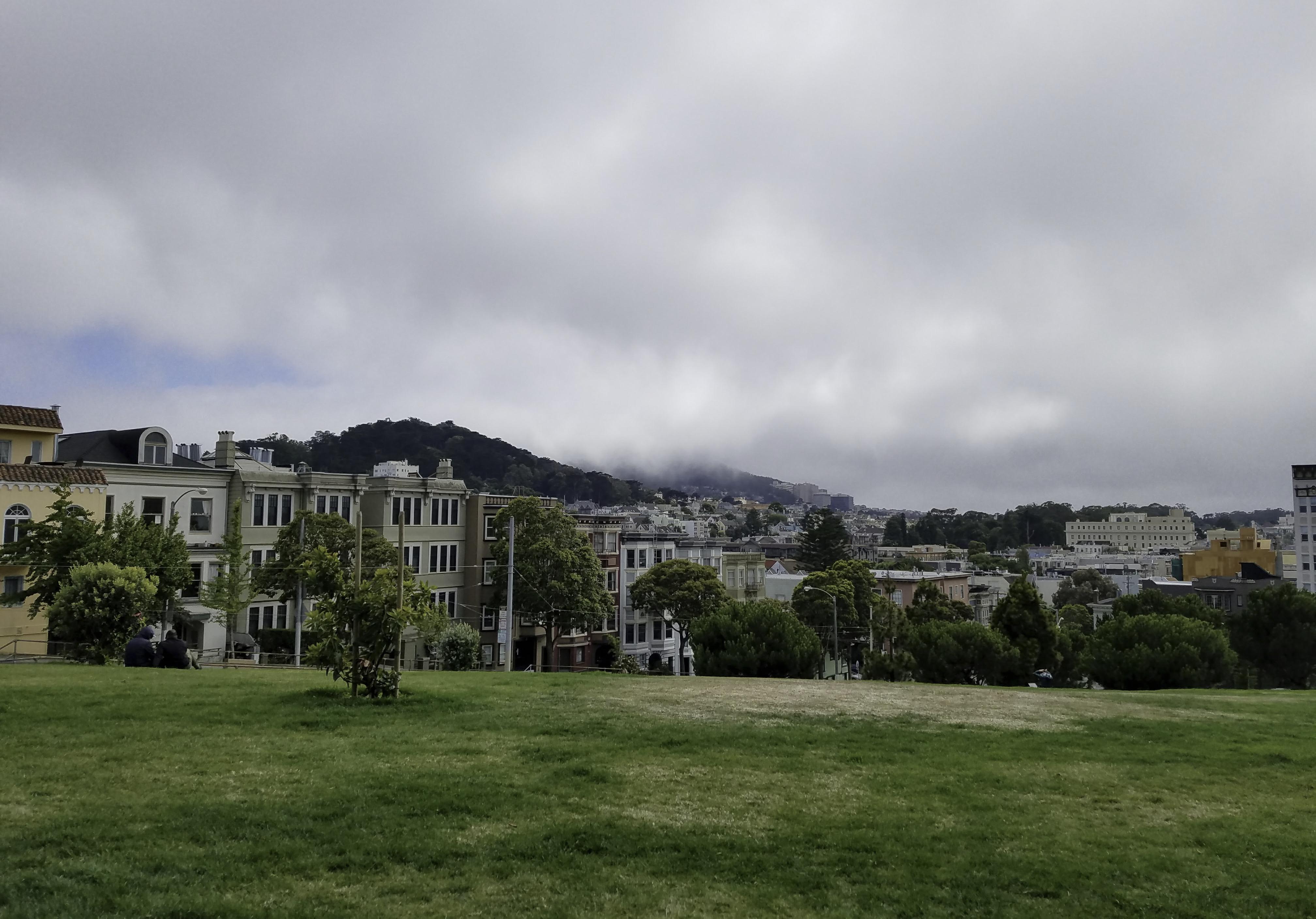
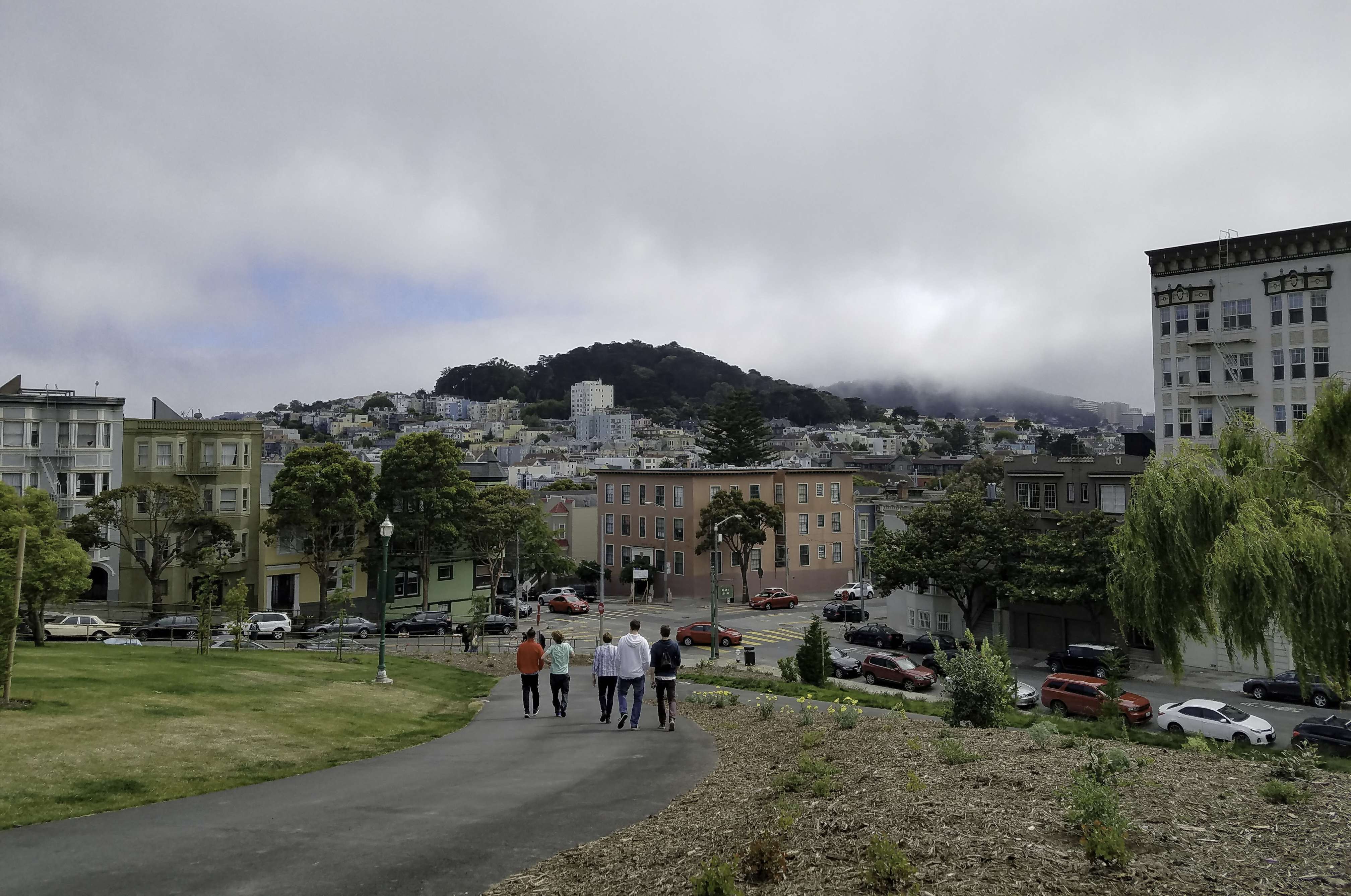
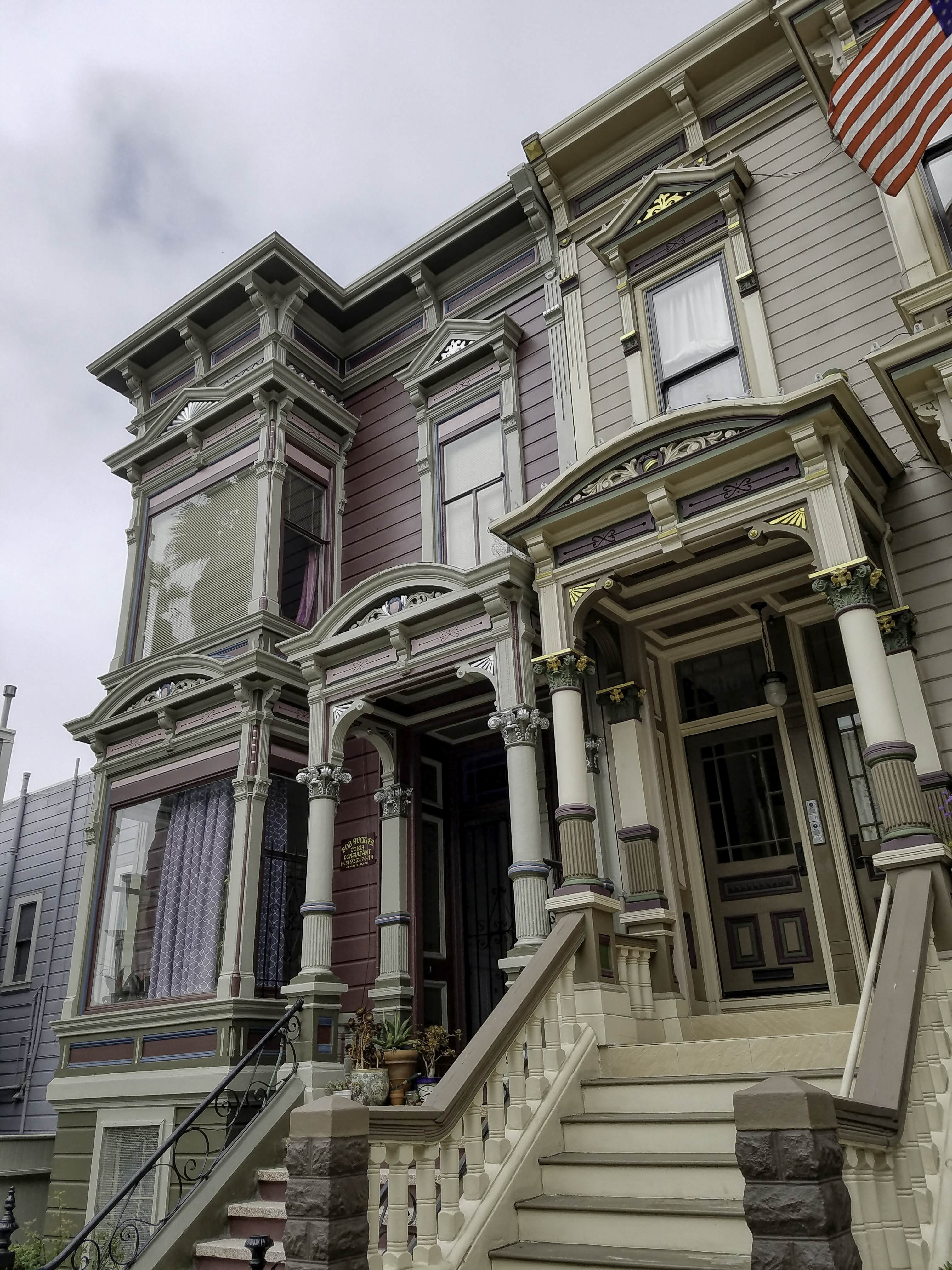
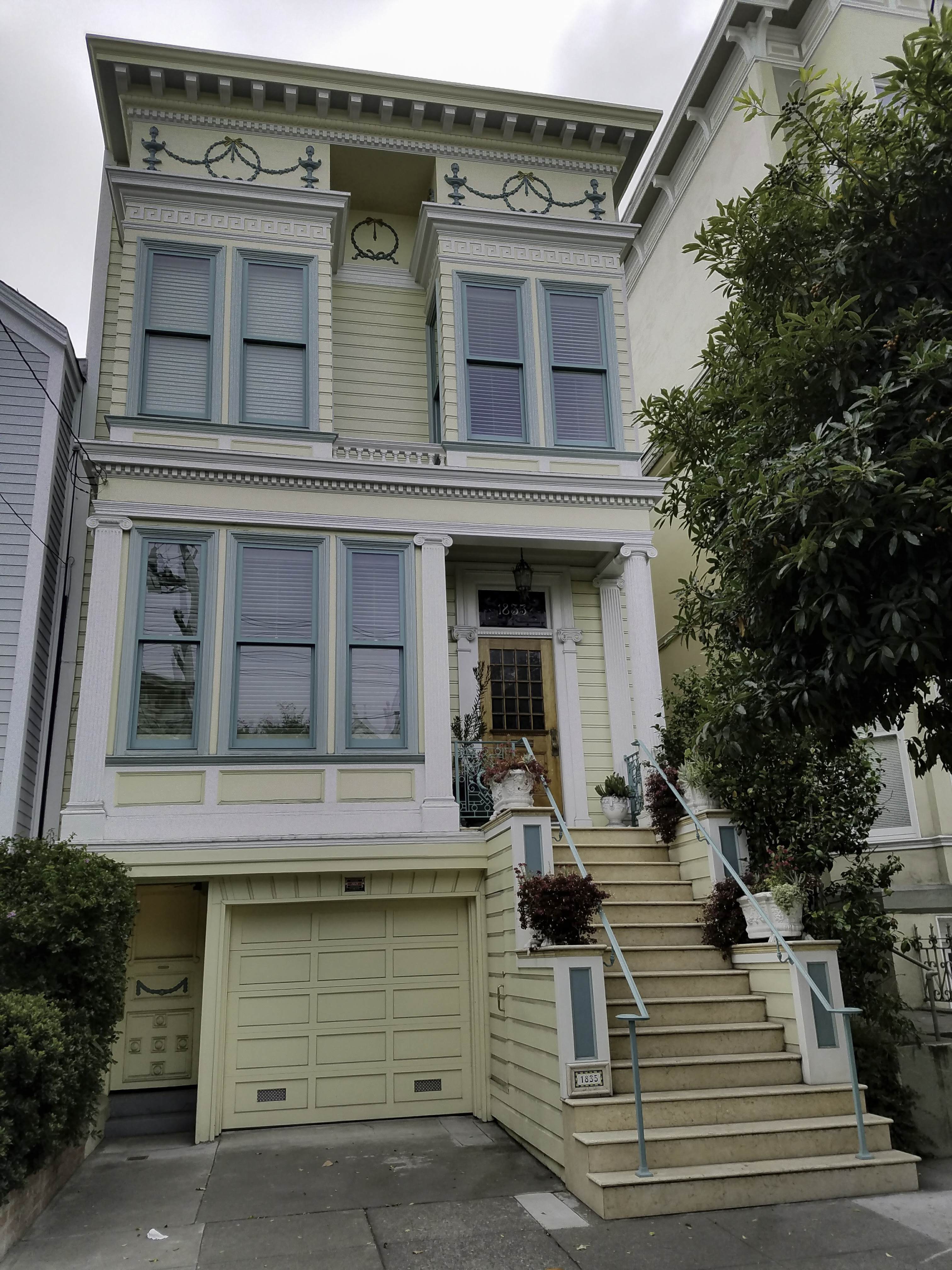
First port of call was Alamo Square with its incredibly charming, perfectly aligned pastel Painted Ladies; so perfectly pastel and aligned, I thought I had walked into a Wes Anderson film. Beyond them, San Francisco Downtown was beckoning. Excited as we were to discover it, it would have to wait because the Painted Ladies were only the start. For street after street, mansion after mansion, this entire district of San Francisco seemed to be a giant postcard.

It was a cool day with low clouds coming up from the East. Partly cloudy and grey but not dull at all. My eyes had yet to adjust to the light – so much different than in New York: similarly bright, but the dominant hues were blue, instead of the orange-yellow ones my eyes have been accustomed to. And, instead of being reflected on glass buildings, here the light was generously diffused, making objects seem sharper, colours brighter and the grass greener. Even on a cloudy day.

I would also have to adjust to the temperature, surprisingly cool – and I mean sweater and a light jacket cool – even in July. One tends to dream of sunshine and hot days on the beach when thinking of California, not this cool-summer-continental, one has learned to expect in Northern Europe.  

Walking from Alamo Square to the Pacific Heights, via Divisadero St. and its environs

July 4th, 2017

“Cabin crew, please take your seats for landing”

Ladies & Gentlemen, welcome to San Francisco!

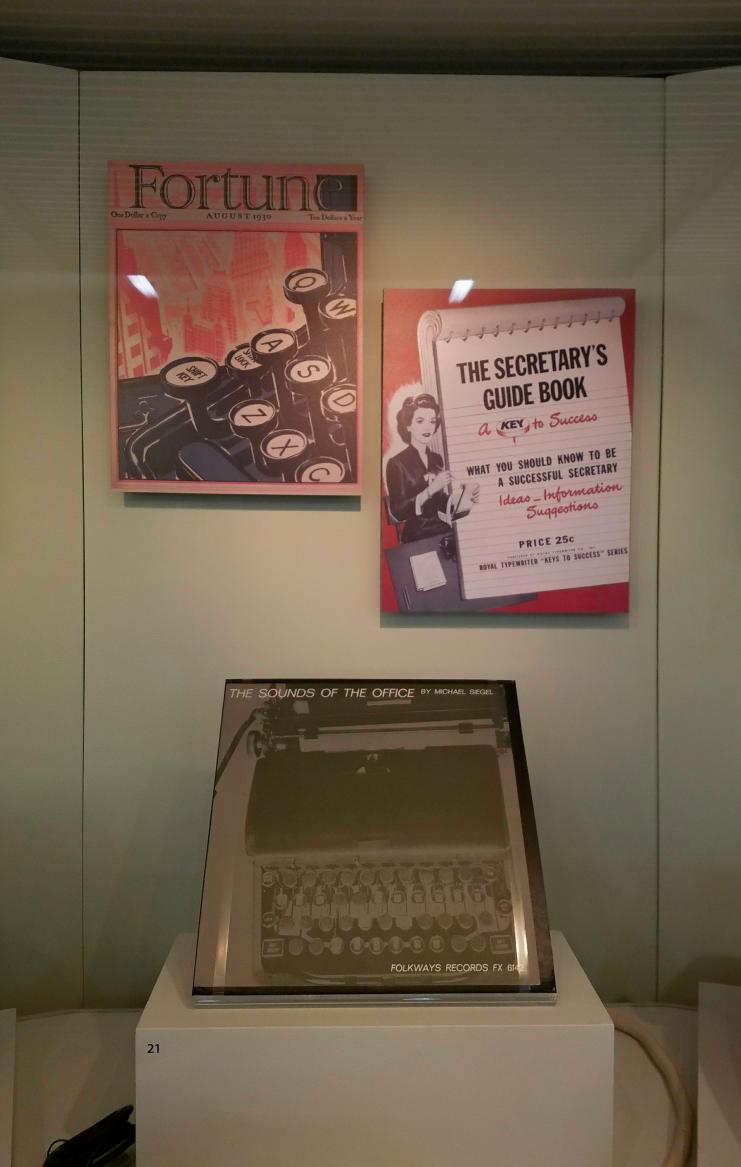
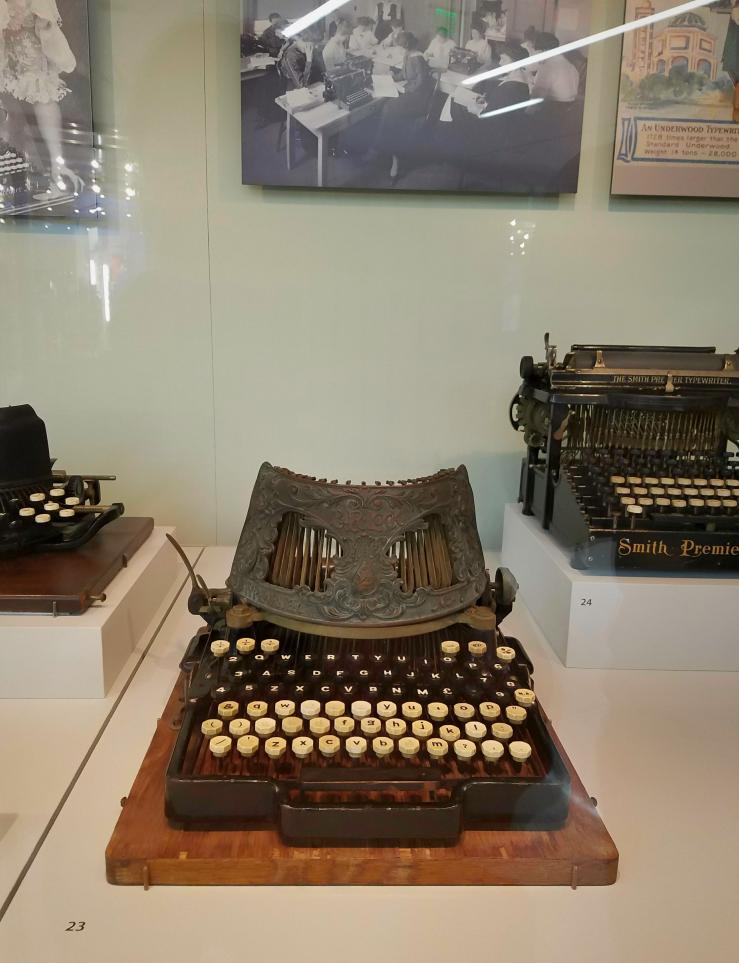
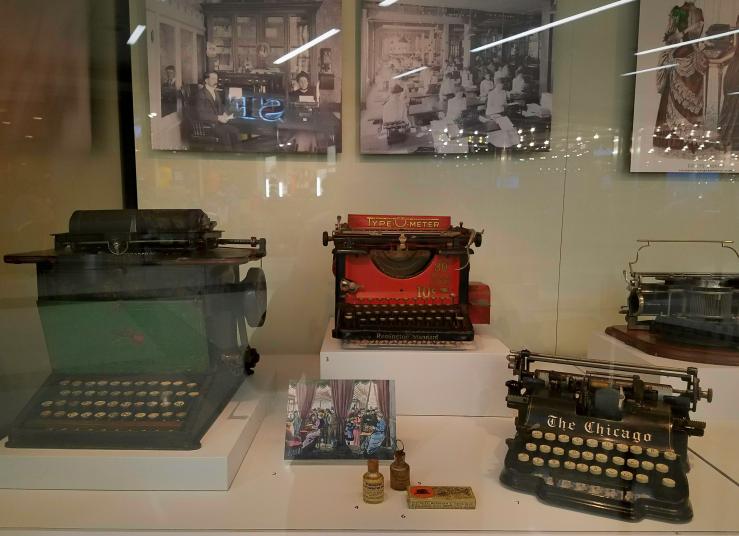
You know you’re in the right place when -on touch down- you’re greeted with a display of some of the most iconic antique typewriters ever produced. Japanese Typewriters

Chinese and Japanese script are logographic and utilize characters that represent elements of words or meanings. Chinese is one of the most ancient forms of active writing, with over 80.000 characters identified throughout different eras and regions of China. Modern Chinese is simplified. Around 3.500 characters are defined in the List of Frequently Used Characters in Chinese, with approximately 2.500 in Common-use Character lists published by the Chinese government.

In 1915, Japanese printer and inventor Kyota Sugimoto (1882-1972) patented a typewriter that printed in both Chinese and Japanese. Manufactured by the Nippon Typewriter Company, the machine featured a large, sliding tray to room for 2.450 individual type-slugs. 


The Chinese typewriter

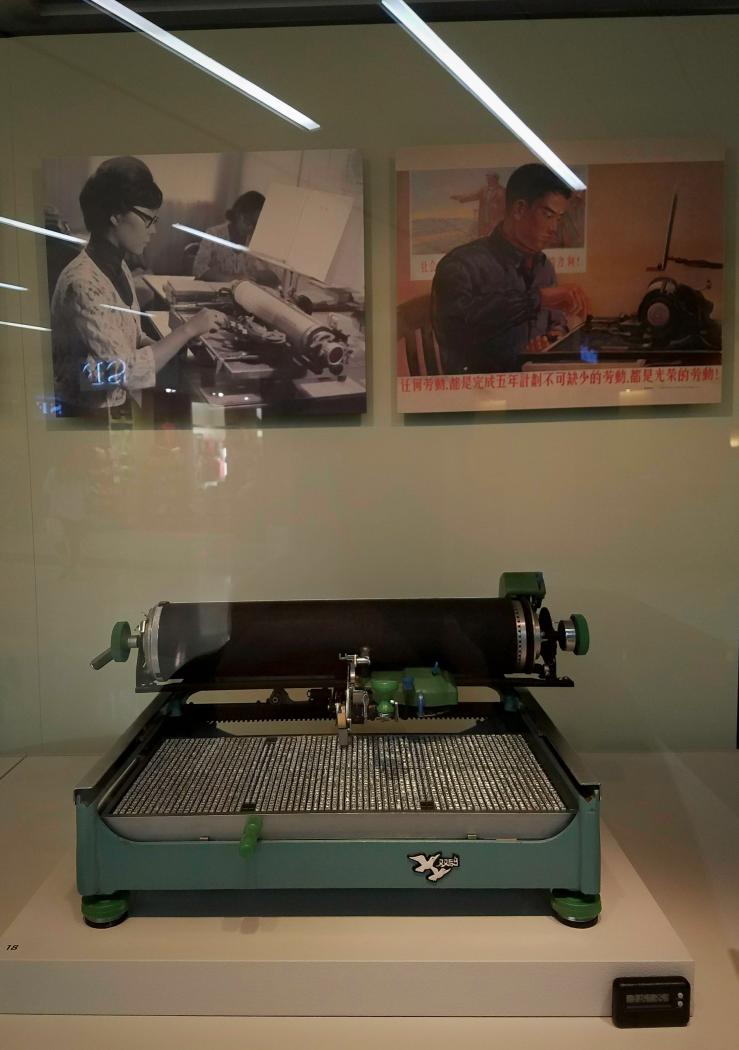
Typing in Chinese or Japanese on a flatbed typewriter is a complex procedure. Operators of these machines must familiarize themselves with the location of more than 2.000 type-slugs, and most early typists averaged twenty to thirty characters per minute. Typing speed substantially increased with the arrangement of type-beds by operators to suit their individual needs. In the early 1950s, the New Typing Method introduced ”radiating compound” organization to Chinese typists. Depending on subject matter, associated characters were arranged around central, primary characters in radiating patterns. Typists were responsible for their own layouts, and organization differed dramatically. For instance, a layout for a government office would be quite different than for a factory, with names of officials substituted for company names and technical terms.

Throughout the 1950s, most Chinese language typewriters were manufactured in Japan. The Chinese government restructured typewriter production under the new communist regime and in 1964, the Shanghai Chinese Typewriter Manufacturers Association introduced a flatbed typewriter. Based on the Japanese typewriter produced by Nippon Typewriter Co. in Tokyo, the revitalized machine was branded the Double Pigeon DHY and made by Shanghai Calculator & Typewriter. Available with either ribbon-or roller-inking mechanisms, the DHY was the iconic typewriting machine of the People’s Republic of China and was manufactured until 1992.


Olivetti Design

The Valentine is perhaps the most iconic Olivetti typewriter, envisioned by designer Ettore Sottsass (1917-2007) as an inexpensive and simple-yet-stylish portable.


Royal Quiet De Luxe with carrying case, 1949
Royal Typewriter Company, Inc. Hartfort, Connecticut


Bar-Lock No. 6, 1895
Columbia Typewriter Company, New York

Double Keyboards

Modern typewriters use a shift-key mechanism to select upper- and lower-case characters. Many models introduced during early typewriter production utilized a double-keyboard arrangement, with two banks of keys organized by upper and lower cases. Initially, makers of double-keyboard machines promoted their potential speed and efficiency. The Smith Premier was the best-selling typewriter of this group and advertised ”a key for every character”. Like the Sholes & Glidden Type Writer and early Remington models, the Smith Premier was an upstroke machine and did not print within the user’s view – its carriage had to be lifted to reveal the paper and printed text.


Williams No. 1, 1895
The Williams Typewriter Company, New York


Crandall New Model, c. 1890
Crandall Machine Company, Groton, New York


Chicago No. 2, 1905
Chicago Writing Machine Co.


Underwood Standard Portable Typewriter with hand-lettered case, 1926
owned by Orson Welles
Underwood Typewriter Company, New York

Typescript for Citizen Kane, 1941


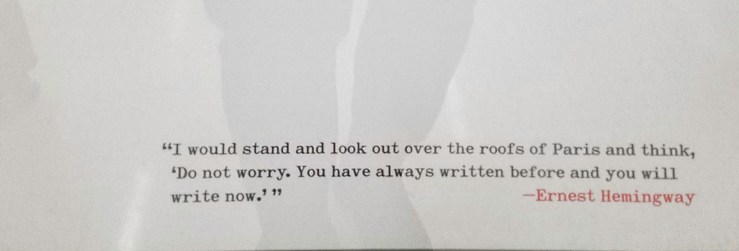
Royal Model P, 1932
owned by Ernest Hemingway
Royal Typewriter Co., Inc. New York

Our amazing trip to the West Coast had just began in the best way possible – in San Francisco International Airport.

July 4th, 2017

Watch This Space

On 20 July 2018, ESA astronaut Alexander Gerst welcomed the legendary electronic band Kraftwerk and 7500 visitors to the Jazz Open Festival on Stuttgart’s Schlossplatz – live from the International Space Station, where he will live and work until mid-December 2018.

Watch them perform live. In real-time. In direct line. With space.

Alexander Gerst: […”The ISS is a Man-Machine. The most complex and valuable machine humankind has ever built. Here, in the European Columbus Laboratory, the successor to the Spacelab, the European Space Agency (ESA) is researching things that will improve the daily life on Earth. More than a 100 different nations work together peacefully here and achieve things that a single nation could never achieve”…]

∞ °•° 

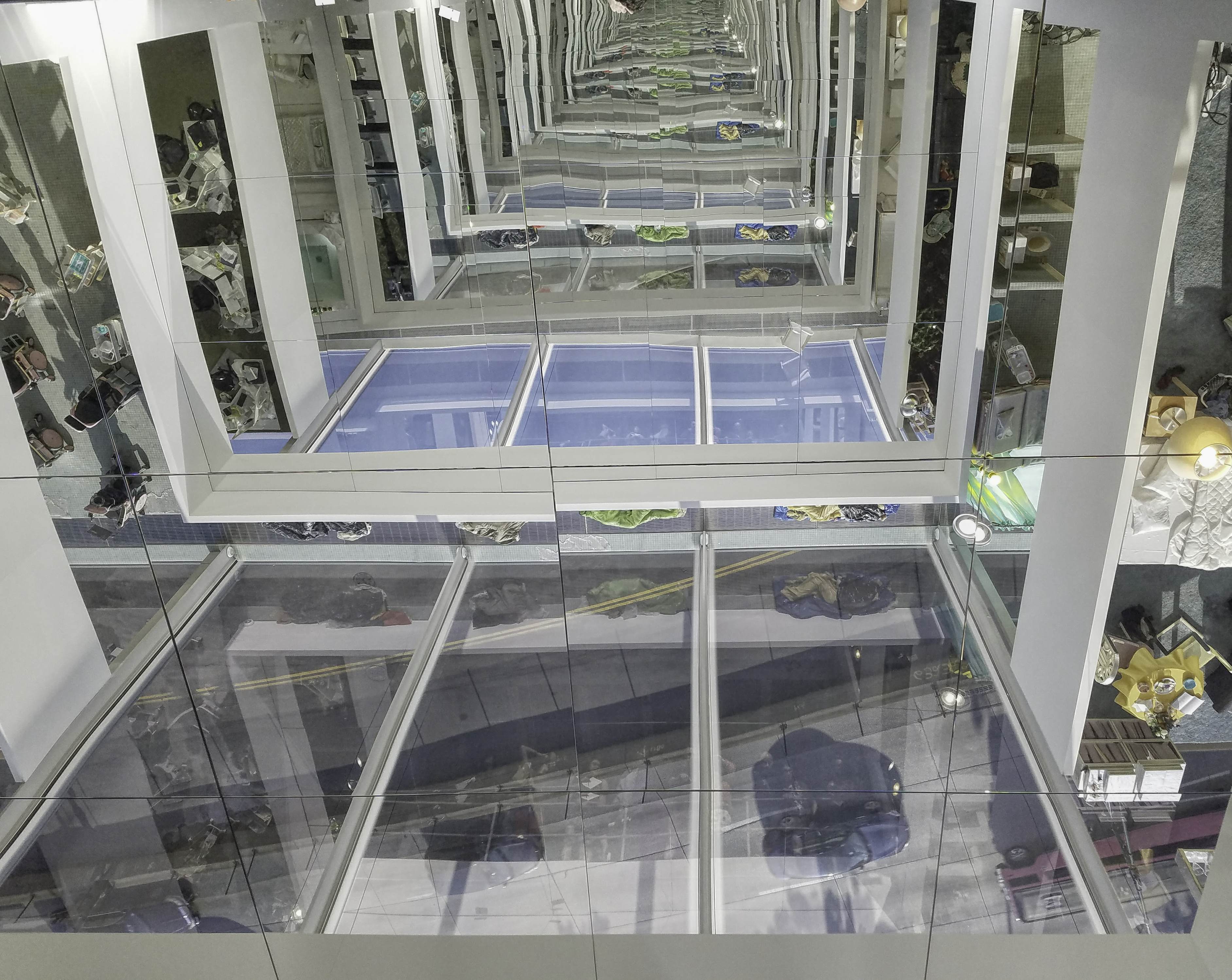
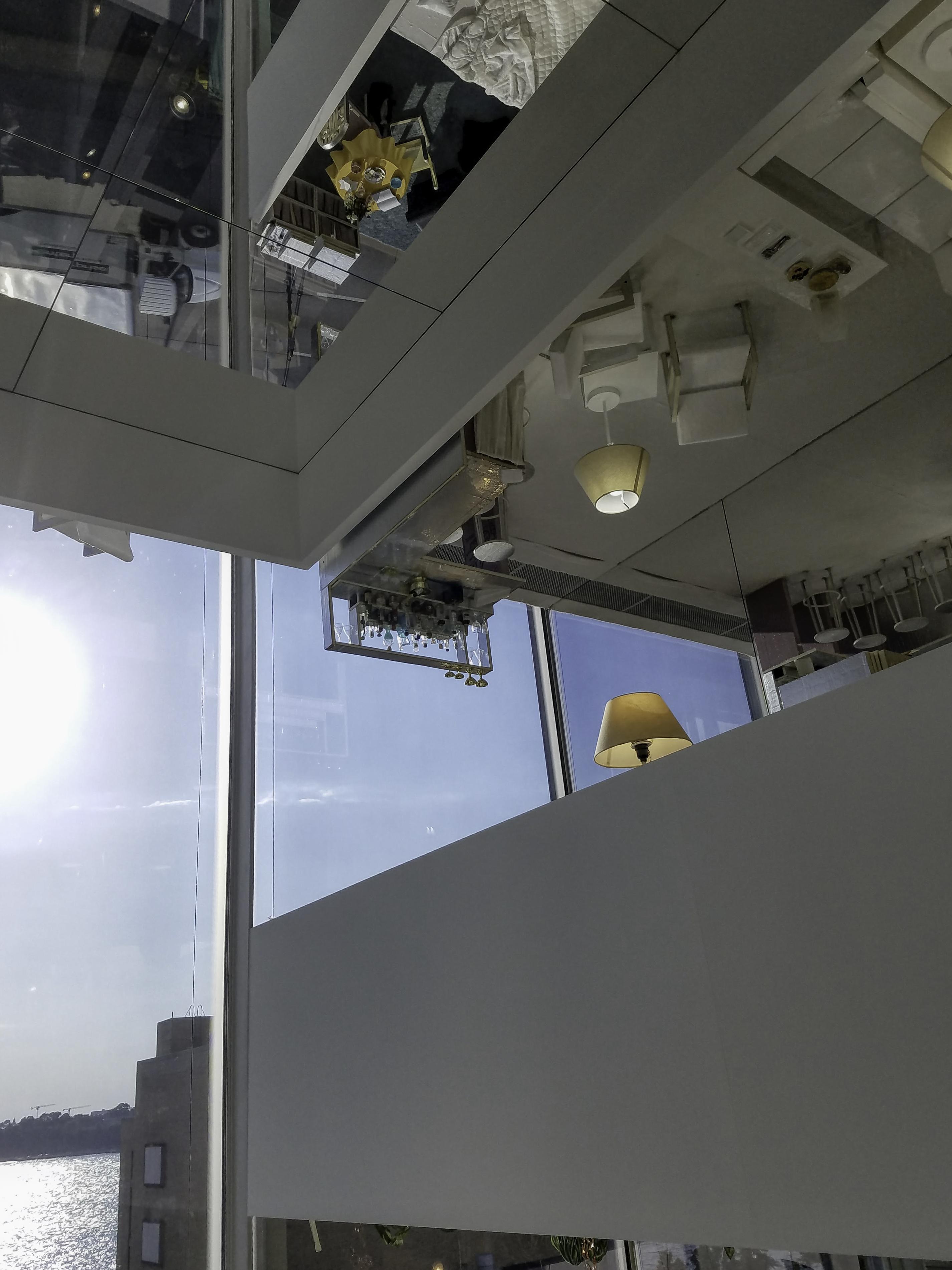
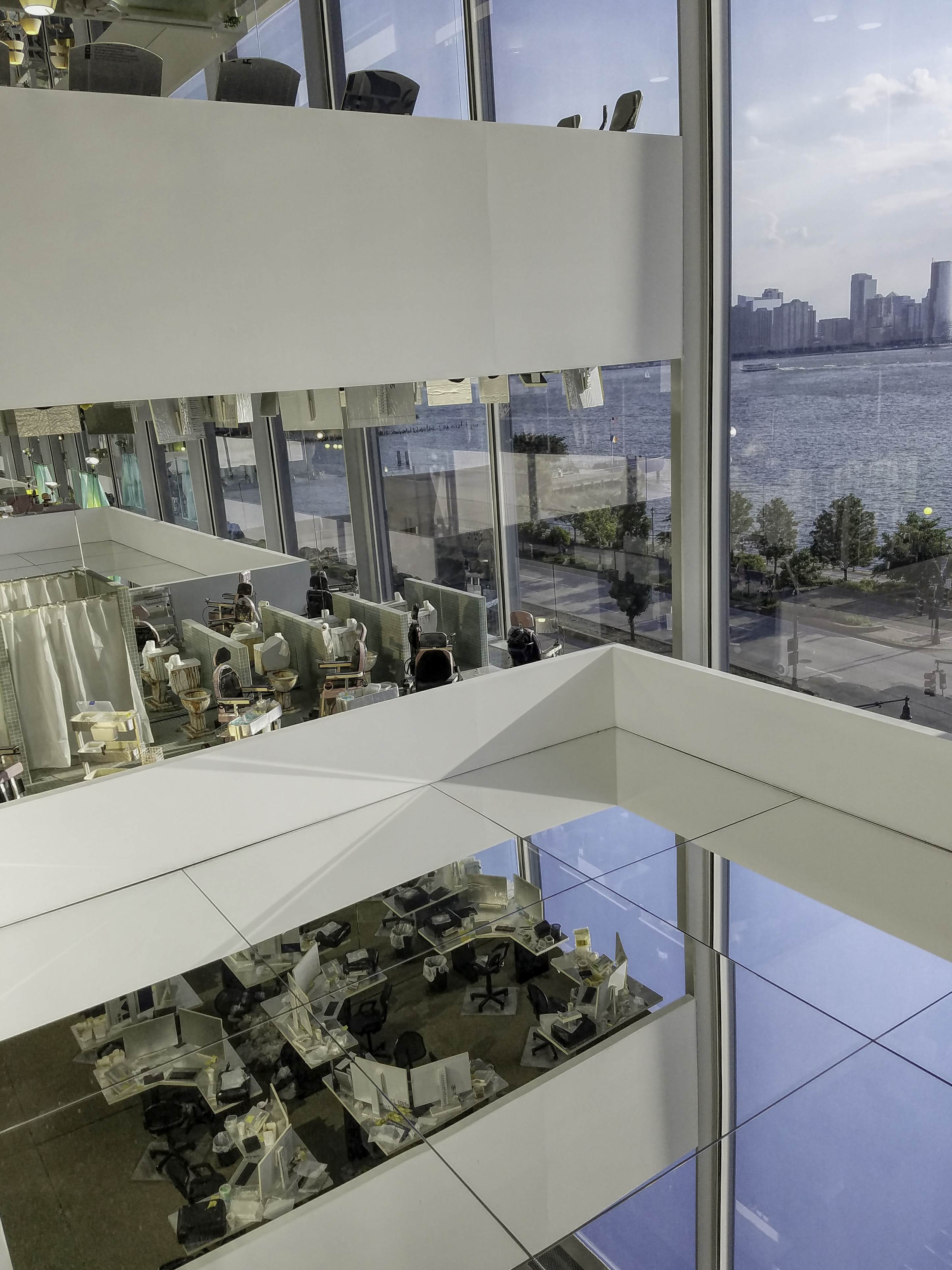
Paired with the reflective, illusionary, upside down, spacey architecture by Samara Golden.

The Meat Grinder’s Iron Clothes, 2017 was a site-specific installation using insulation foamboard, extruded polystryrene, epoxy resin, carpet, vinyl, fabric, acrylic paint, spray paint, nail polish, plastic, altered found objects and mirror.

The 2017 Whitney Biennial

June 10th, 2017

One year ago today

We were watching the fireworks from the heights of Alamo Square Park. Somewhat obstructed by that perfectly aligned row of ”Painted Ladies” but I could not complain. After all, it was a mildly cool evening, we had just arrived in San Francisco and the ”Ladies” themselves were such a lovely sight. There will be many more photos and memories from that trip later on – meanwhile…

Happy 4th of July America! May You Become Sane Again!

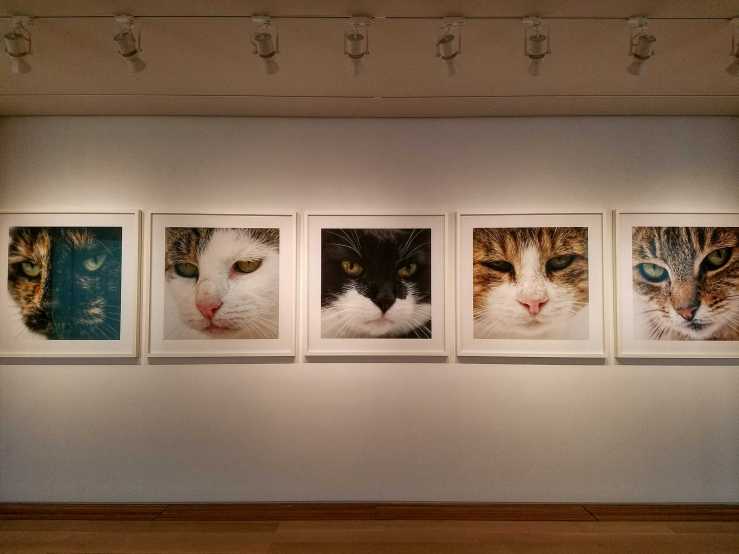
See || Purr || Listen

Su-Mei Tse (b. 1973) in collaboration with Jean-Lou Majerus
Sound for Insomniacs, 2007

5 Lambda digital prints on semi-glossy photo paper, two stools with integrated MP3 players, screens, and headphones.

For Su-Mei Tse, photographs alone are not enough to capture a cat’s unique personality. Here she presents large close-ups of five different cats, each with an expressive presence similar to traditional painted portraits, along with recordings of each cat purring. 

Because every cat’s purr is unique but they all sooth, relax and may act as natural sleeping pills. Works for me, anytime!

Isabella Stewart Gardner Museum

May 4th, 2017

Isabella Stewart Gardner Museum, part V – The Best of the Rest

The title is highly subjective, of course; what we are looking at – and all we’ve seen so far –  is but a fraction of The Gardner’s vast collection of artworks and beautiful objects.
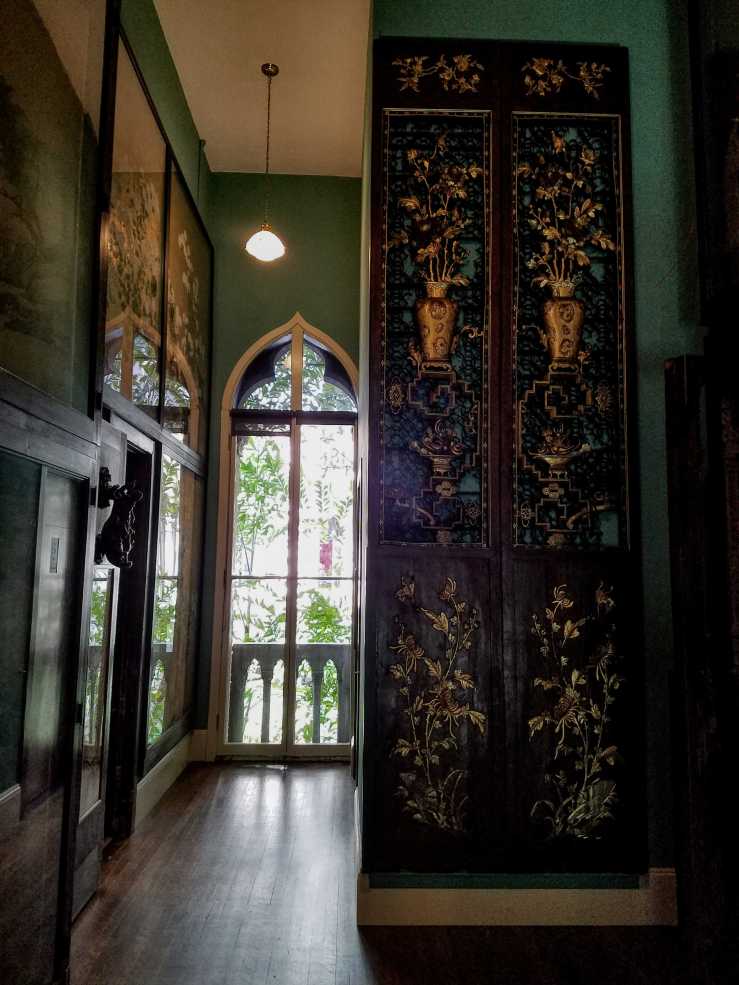
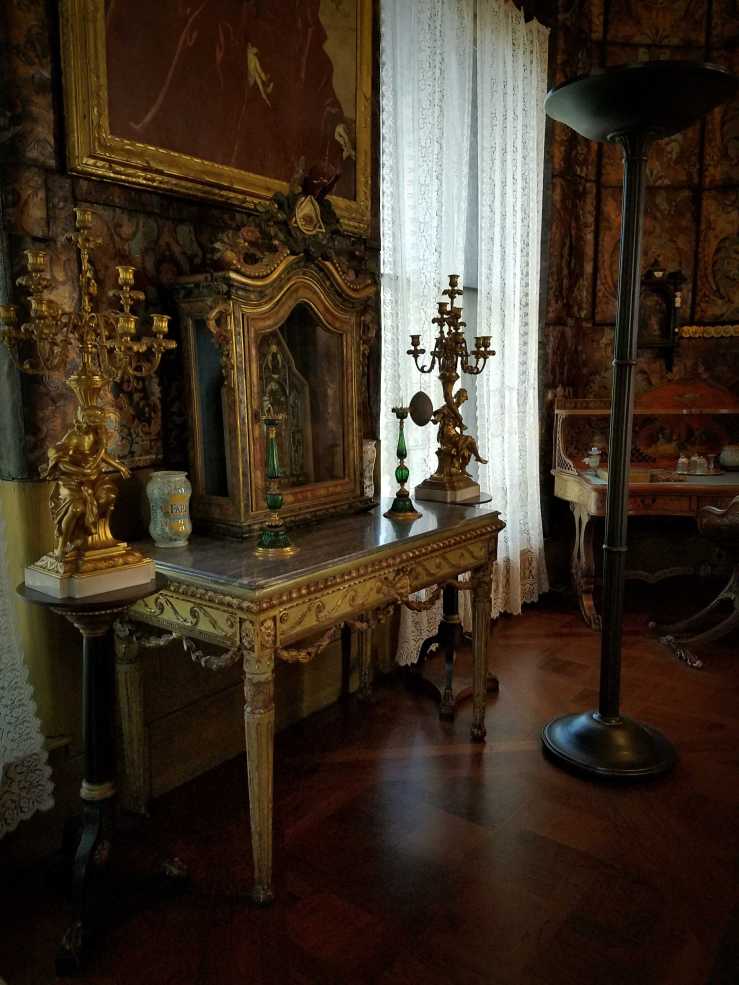
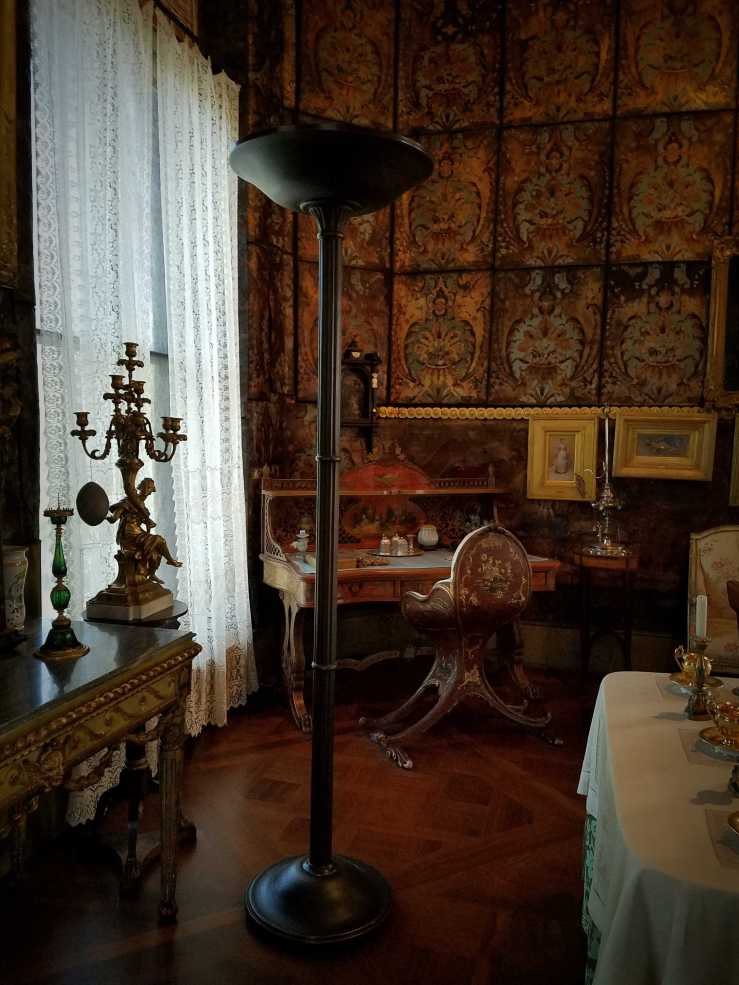
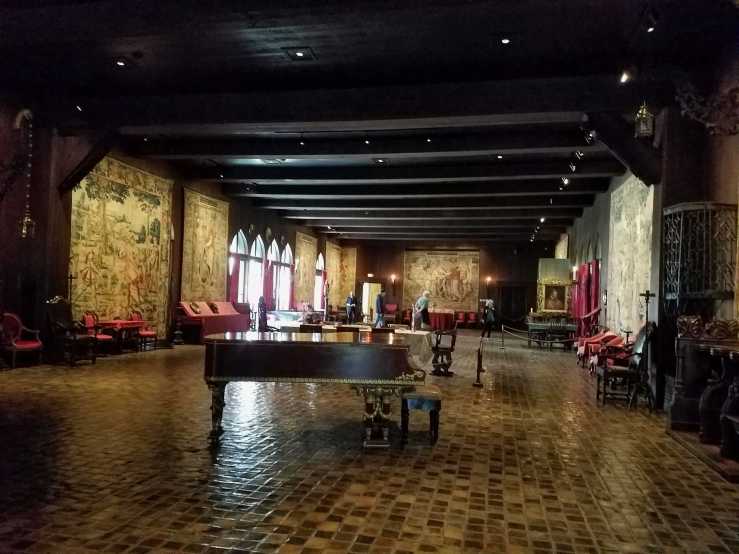
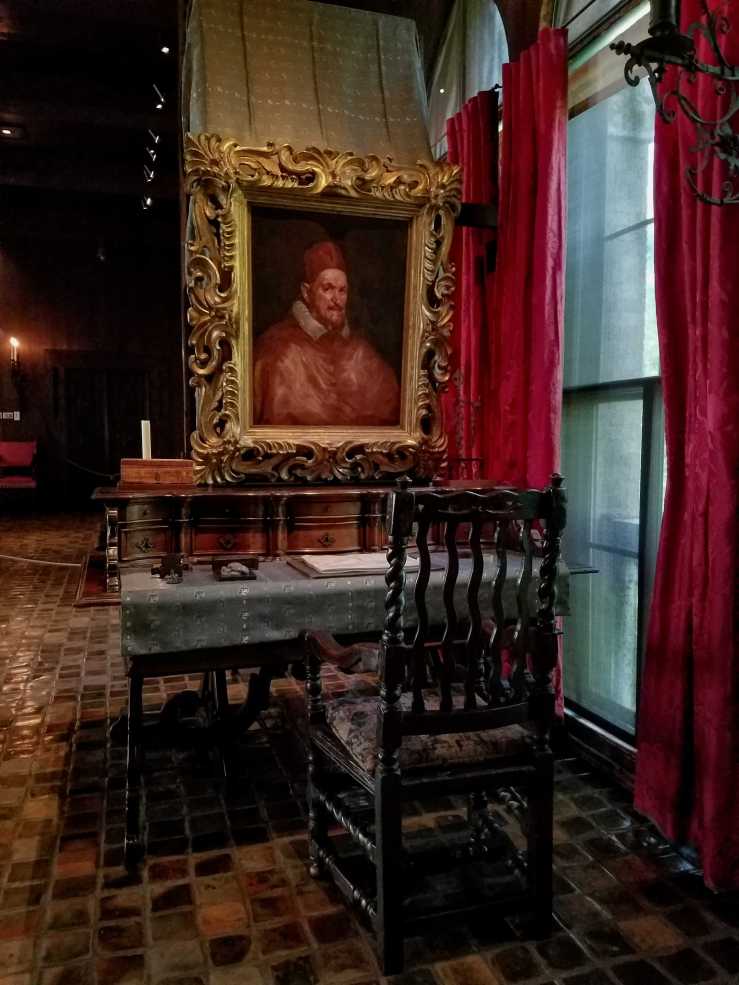
Look at the imposing Tapestry Room, for instance – imposing both in size and wealth – with its Flemish tapestries lining the walls…… and a portrait of Pope Innocent X, bearing an uncanny resemblance to a Velázquez but apparently it is not (but who the actually artist is, we know not)…Or the Veronese Room –
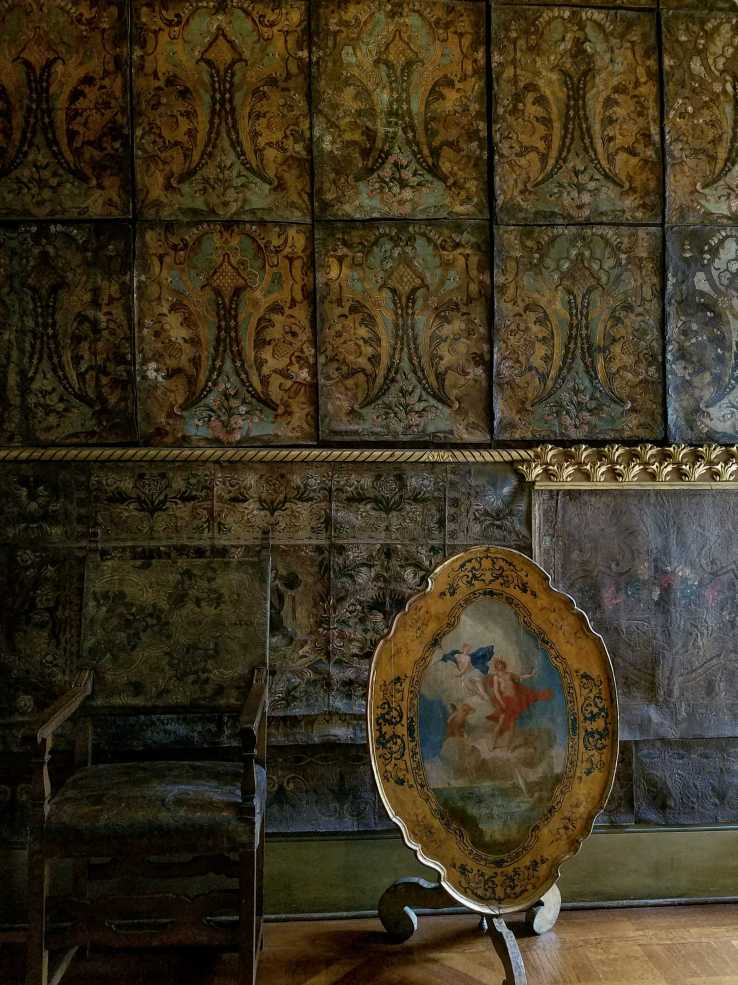
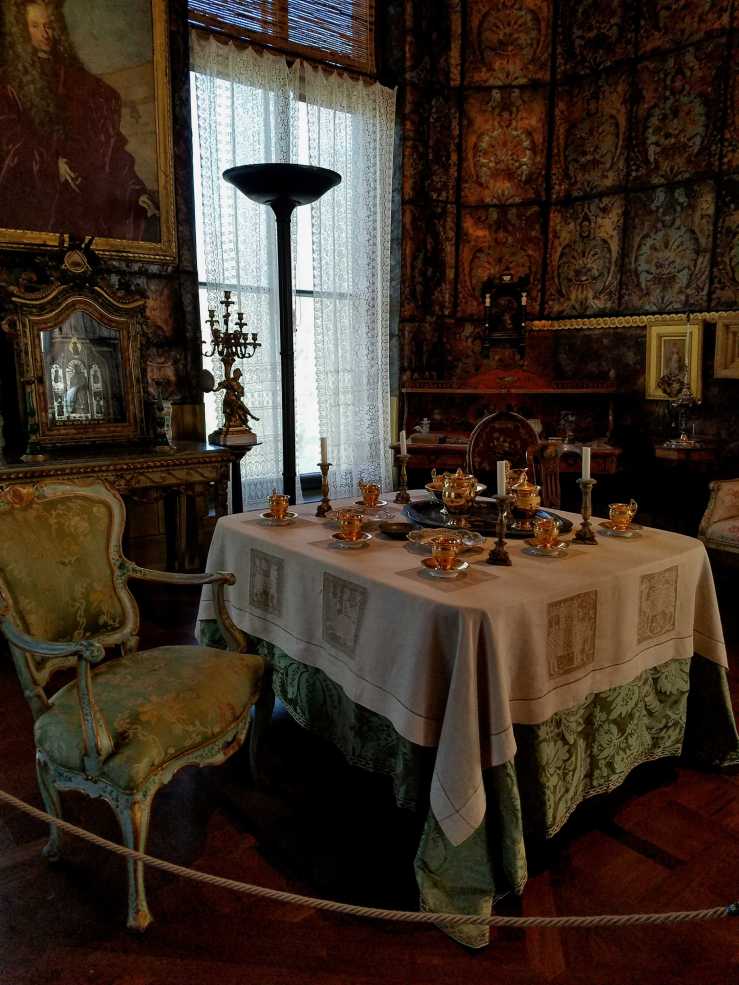
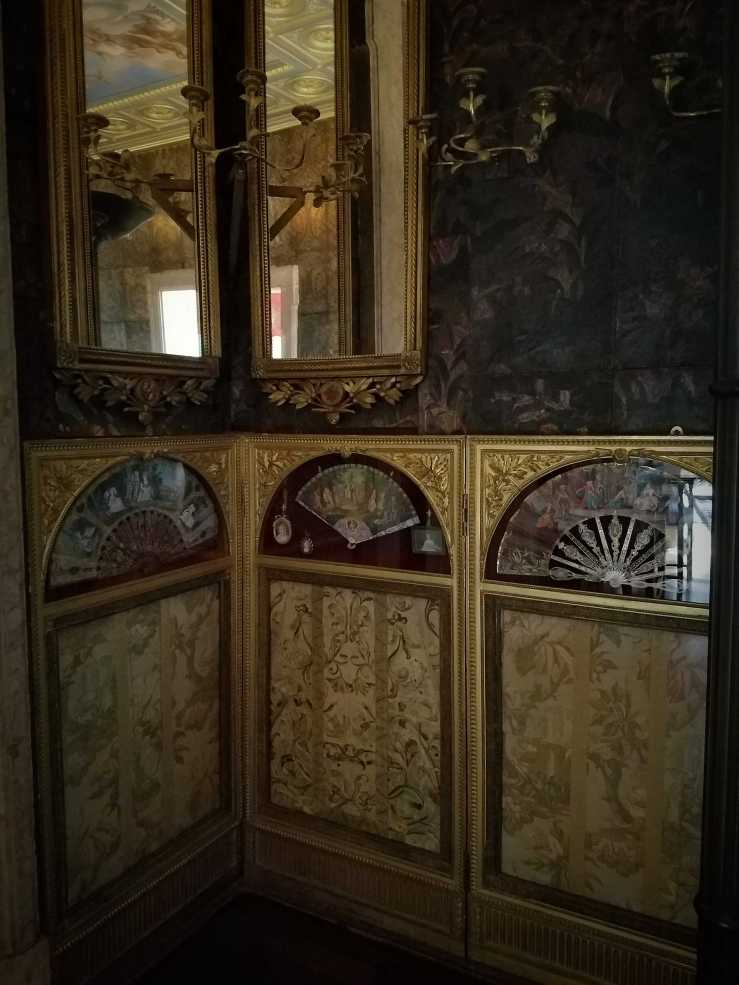
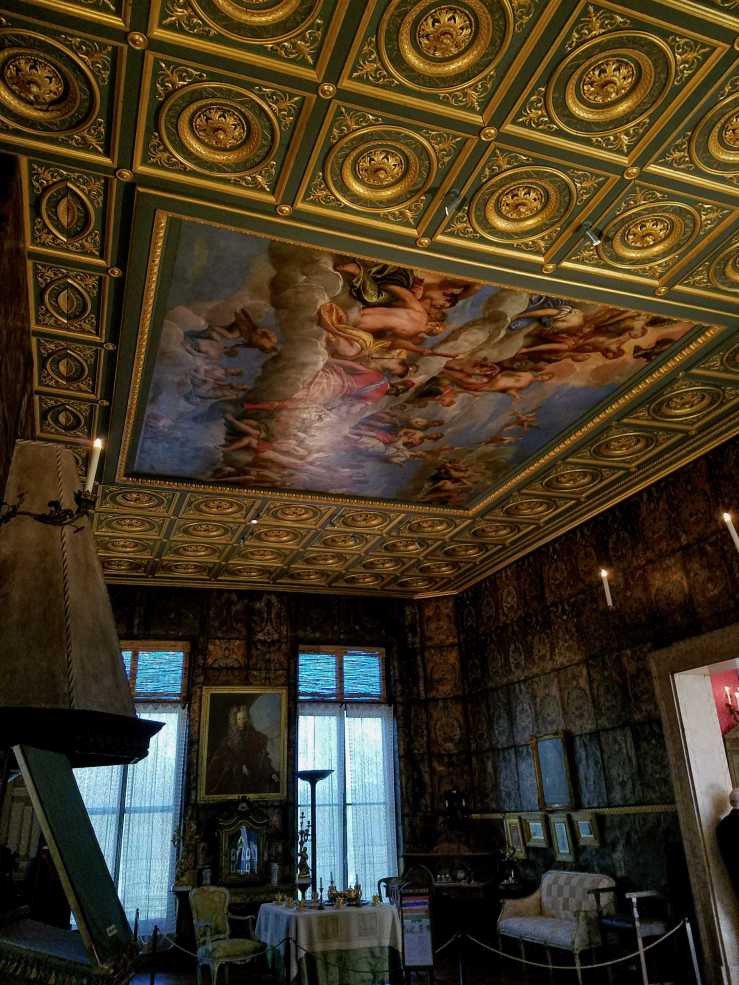
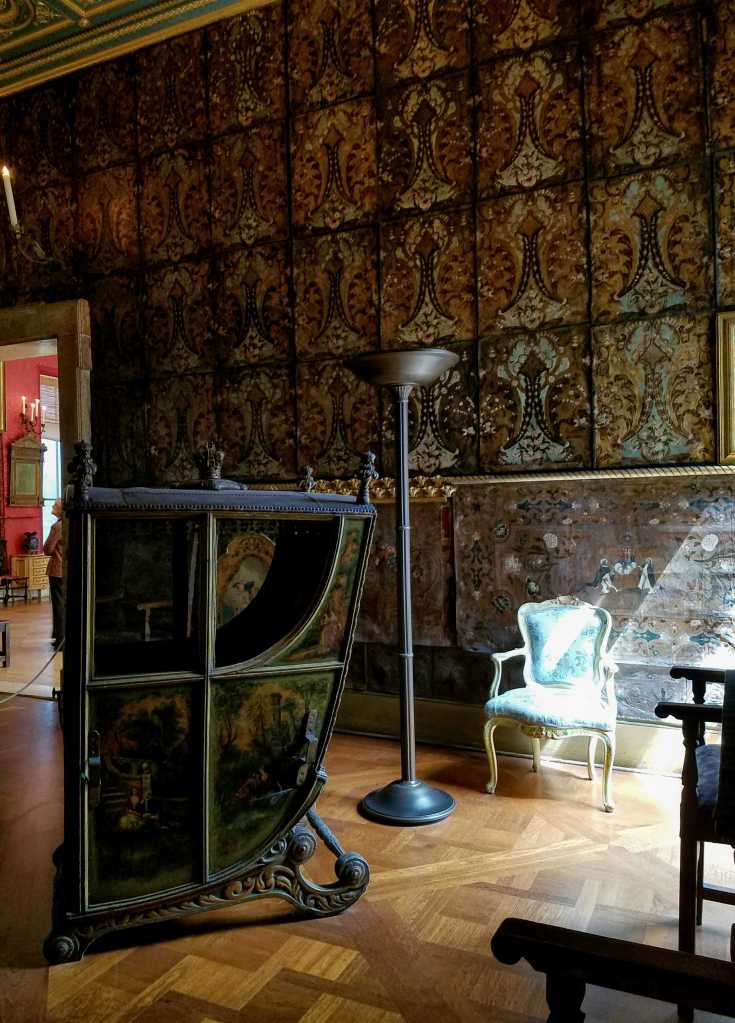
This room, which invites you to share Isabella Stewart Gardner’s love for Venice, takes its name from the painting on the ceiling. In 1899, while construction of the Museum was well under way, Isabella acquired The Coronation of Hebe, then attributed to Veronese. Gardner commissioned gilded paneling in Milan to frame the work in appropriate splendor. Rather than focusing on a single style or period, Isabella assembled around it a splendid mixture of objects that span diverse times and places. Stamped and painted leather panels from Spain, Italy, and the Netherlands line the walls. Gilded china saucers, cups, and a pitcher glisten on a small table at the room’s center. Balancing the stunning and huge Coronation on the ceiling are several pastels executed on an intimate scale by Isabella’s contemporary, James McNeill Whistler. 
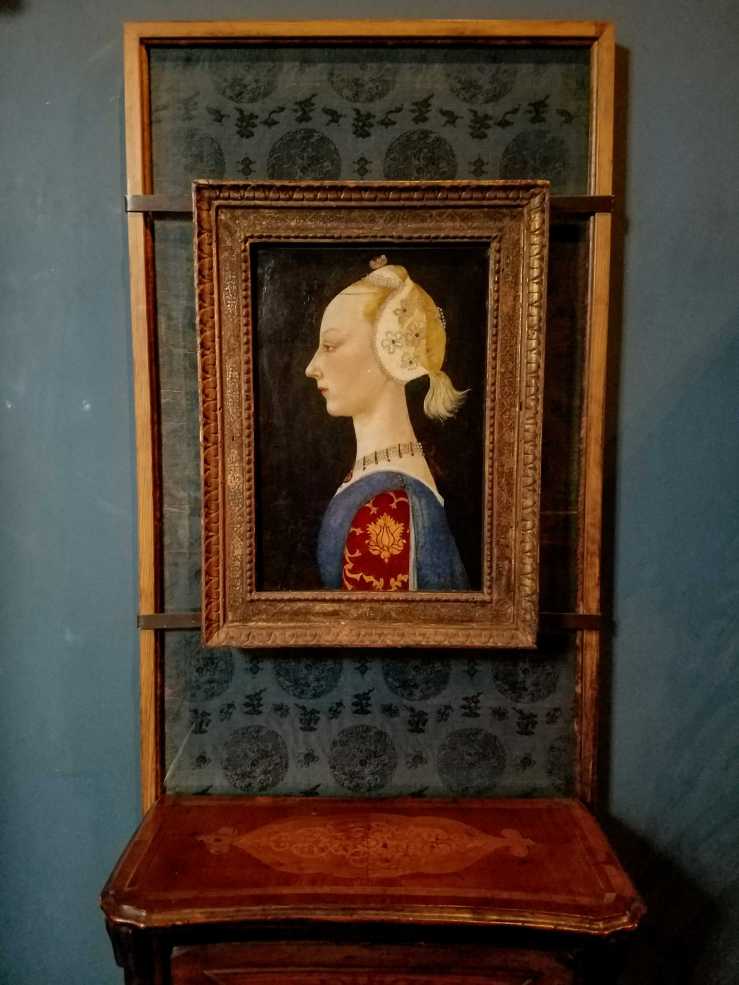
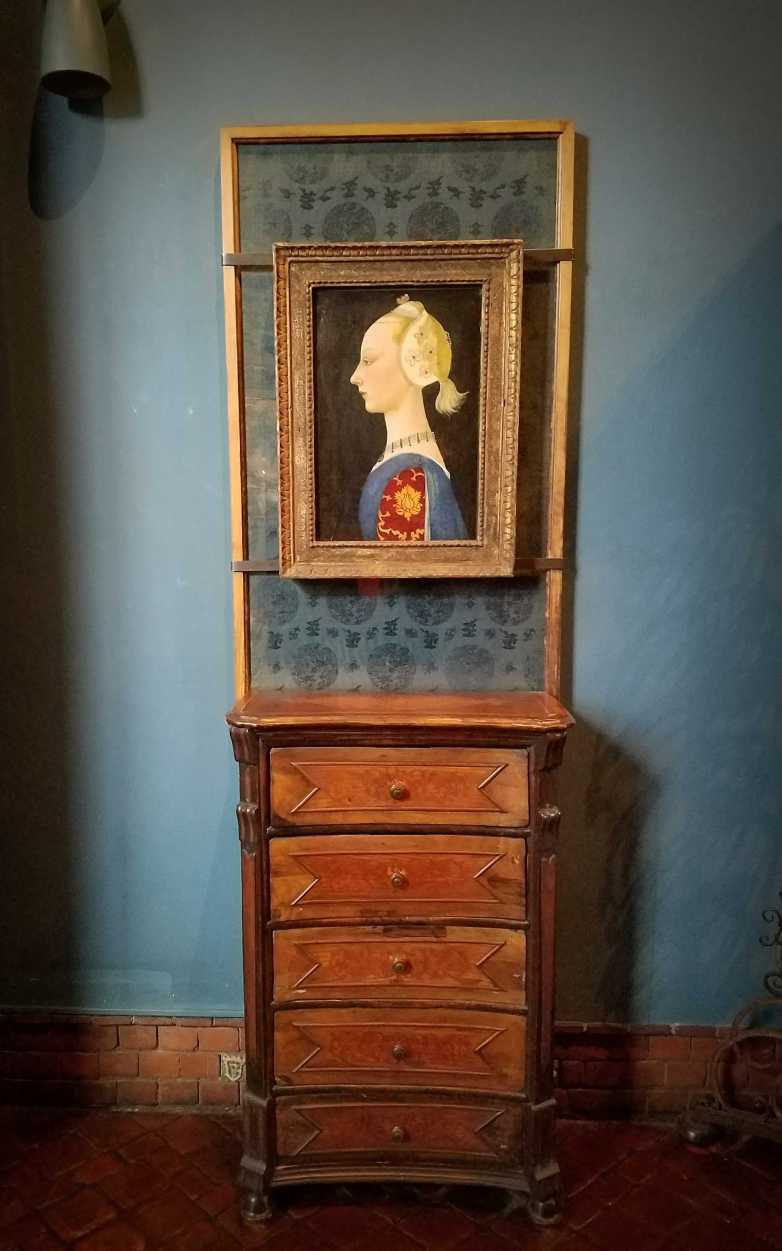
Crossing the Long Gallery, a young lady stops me in my tracks –

Attributed to Paolo Uccello (1397 – 1475)
A Young Lady of Fashion, early 1460s

The portrait has a highly decorative quality in which costume and ornament play a major role. The rather flatly modeled face is placed on an insubstantial bust set against a uniform blue background. The woman is portrayed both according to literary notions of female pulchritude, which called for fair skin and blonde hair, and the dictates of contemporary fashion. Costly brocaded fabrics, pearls, and precious stones serve not only to display the sitter’s familial wealth and status but also to enhance her physical appearance – in art, as in life. In addition to a red and gold brocade sleeve and a sleeveless overdress, the woman wears a head brooch, a pearl choker with jeweled pendant, and a white cap ornamented with pearls.

This fashionable beauty looks impassive, immobile, and immutable, as if she were outside space and time. Her portrait image has a static, stereotyped character, in which the sitter’s individuality is almost entirely suppressed in favor of the social ideals for which she stands.

Bought as a work by Domenico Veneziano, the portrait has also been attributed to Paolo Uccello and the so-called Master of the Castello Nativity.

Source: David Alan Brown, “A Young Lady of Fashion,” in Eye of the Beholder, edited by Alan Chong et al. (Boston: ISGM and Beacon Press, 2003): 50.
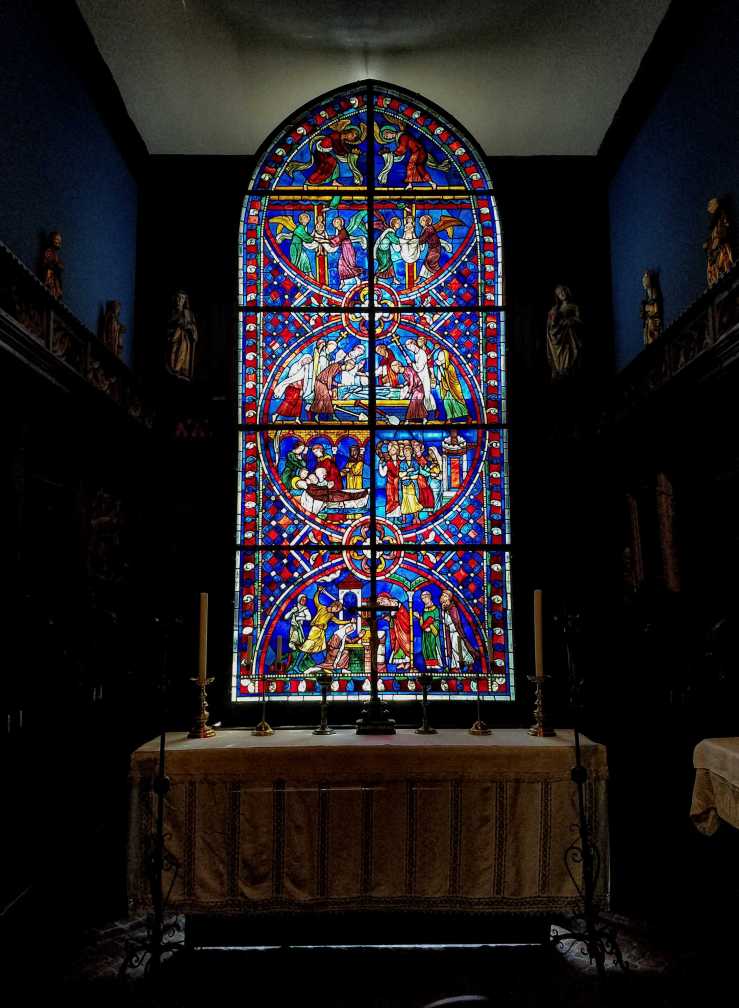
The Chapel –

at the far west end of the Long Gallery, houses a consecrated altar that was used by Isabella Stewart Gardner–a devout Anglo-Catholic–for the celebration of Mass. Its function as an active sacred space persists to this day. Every April, as specified in Isabella’s will, a memorial service honors her memory. Liturgical items, including an early 17th century Italian carved ivory crucifix and a cloth that Gardner crocheted herself, adorn the altar table. A magnificent Gothic stained-glass window from the cathedral of Soissons in France stands as the centerpiece of the Chapel.
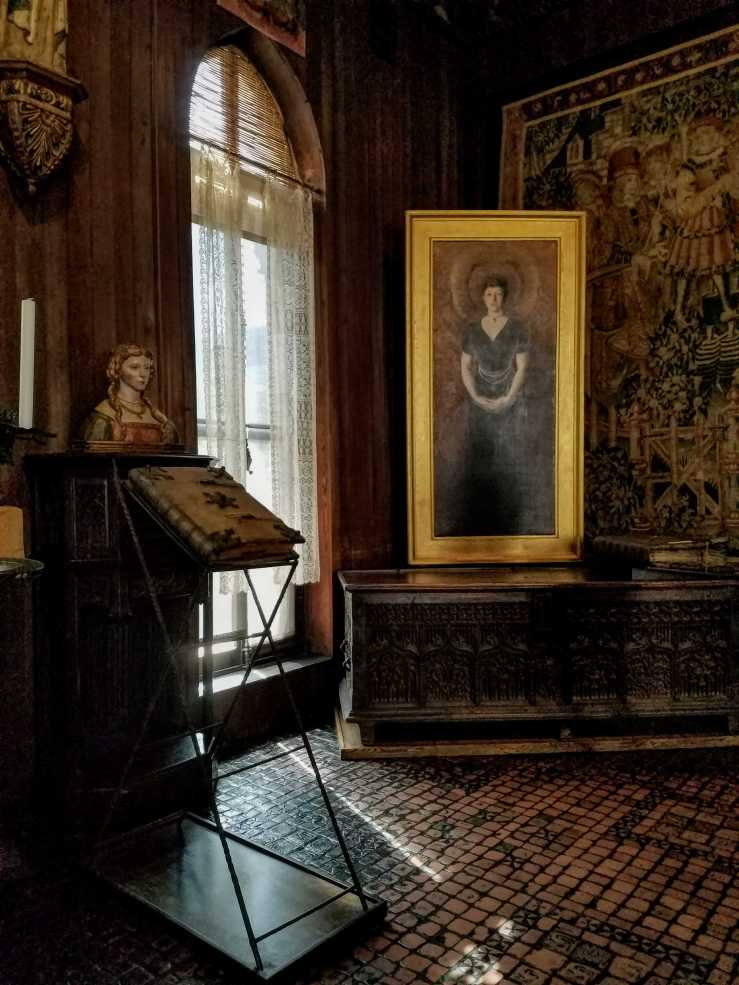
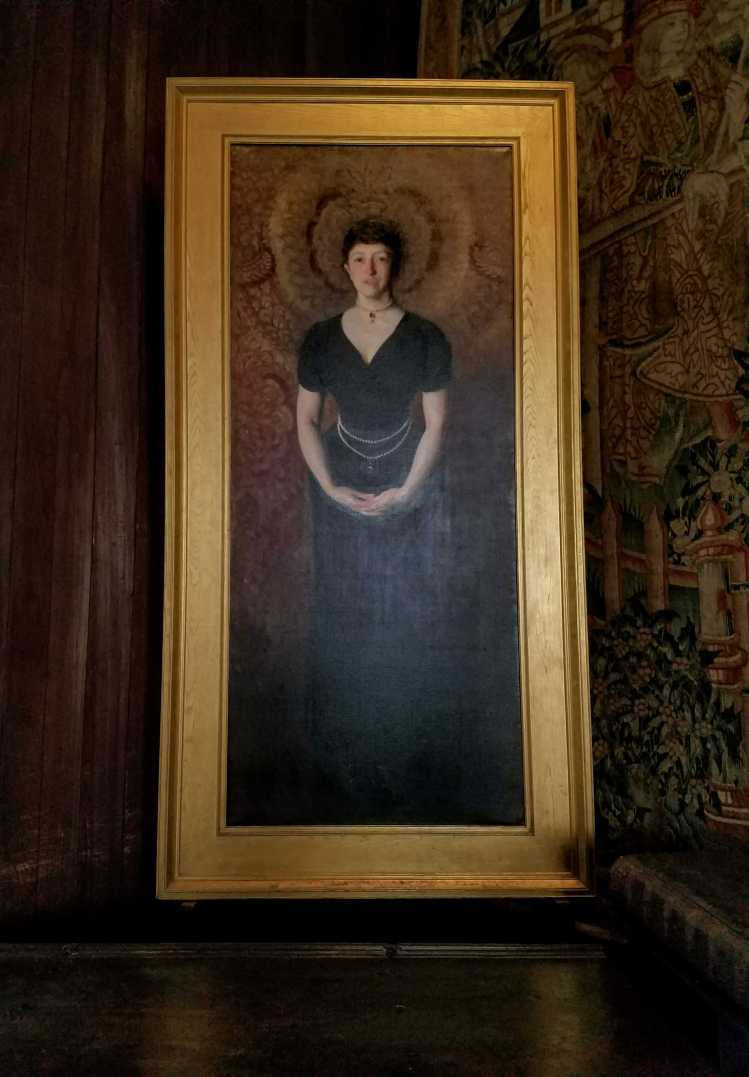
And last, but not least, Isabella Gardner herself, gracing the Gothic Room –

Mrs. Gardner sat for Sargent during his visit to Boston in January 1888. He was paid $3000 for the portrait, which was exhibited to great acclaim at Boston’s St. Botolph Club. The work also inspired gossip and legend: someone jokingly titled it “Woman: An Enigma,” while others believed that the sensuous display of flesh deliberately echoed the scandal recently created by Sargent’s Madame X. Mrs. Gardner herself said that she rejected eight renderings of the face until she was satisfied. Jack Gardner seems to have asked his wife not to publicly show the portrait again while he was alive, and indeed the portrait was placed in the Gothic Room, which remained private until Mrs. Gardner’s death. In its gallery, surrounded by altarpieces, stained glass, and religious statuary, the sacramental quality noted by nineteenth-century reviewers is even more pronounced.

Source: Eye of the Beholder, edited by Alan Chong et al. (Boston: ISGM and Beacon Press, 2003): 204.
Isabella Stewart Gardner Museum

May 4th, 2017