In front of the Hirshhorn! I’m alright darling, but you’ll never believe what happened…


April 25th, 2017
In front of the Hirshhorn! I’m alright darling, but you’ll never believe what happened…
April 25th, 2017
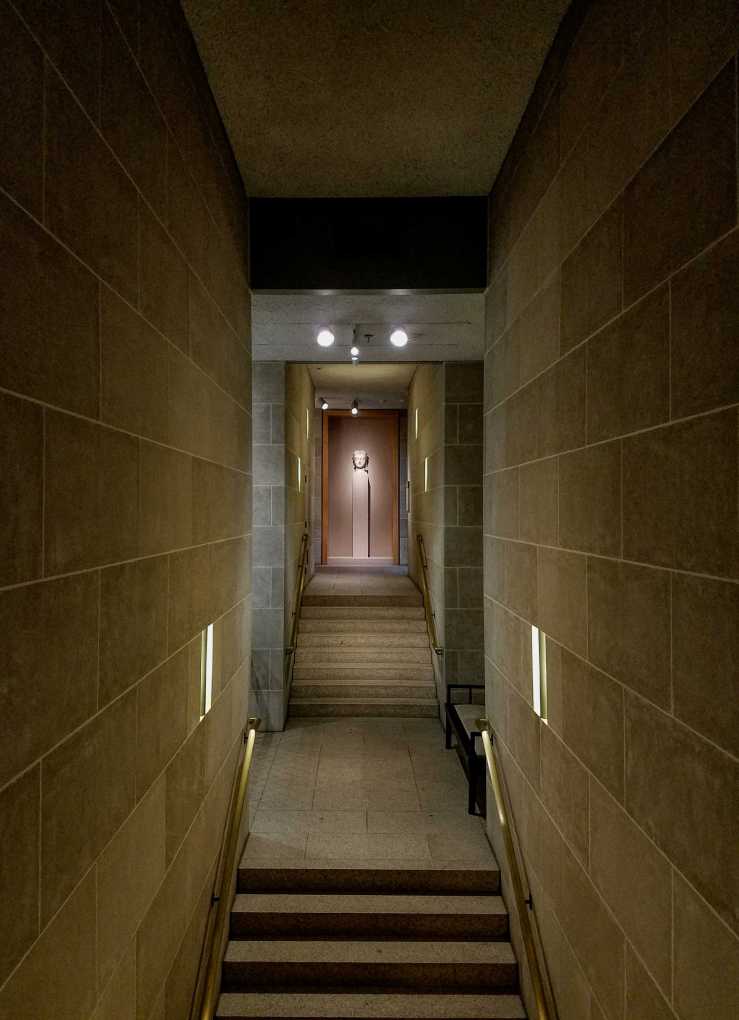
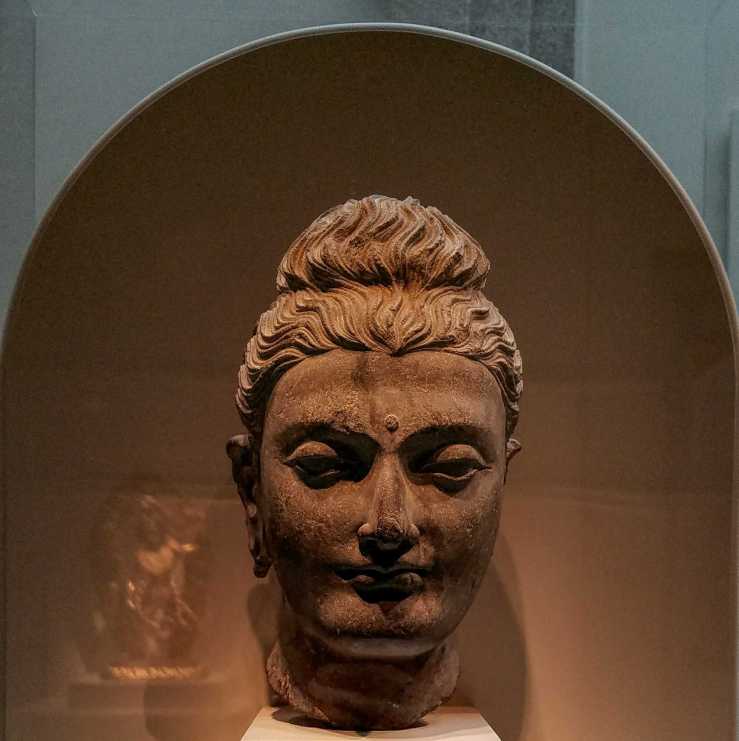
Head of the Buddha
A very early image of the Buddha, this serenely beautiful head was once framed by a halo and joined to a complete figure. The Buddha’s downward gaze conveys that he is meditating. His cranial bump (ushnisha), which signifies transcendent wisdom, and his forehead dot (urna) are marks of his perfected nature. The sculpture was created for a monastic complex in ancient Gandhara, a region that now spans Pakistan and Afghanistan. In the third century, Gandhara was a crossroads that united the Greco-Roman world with India, and the Buddha’s wavy hair recalls classical images of Apollo.
Pakistan (ancient Gandhara)
3rd century
Schist
Arthur M. Sackler Gallery
April 25th, 2017
One artist’s inspiration piled up on giant heaps of china. The artist is Walter McConnell and these are his Dark & White stupas: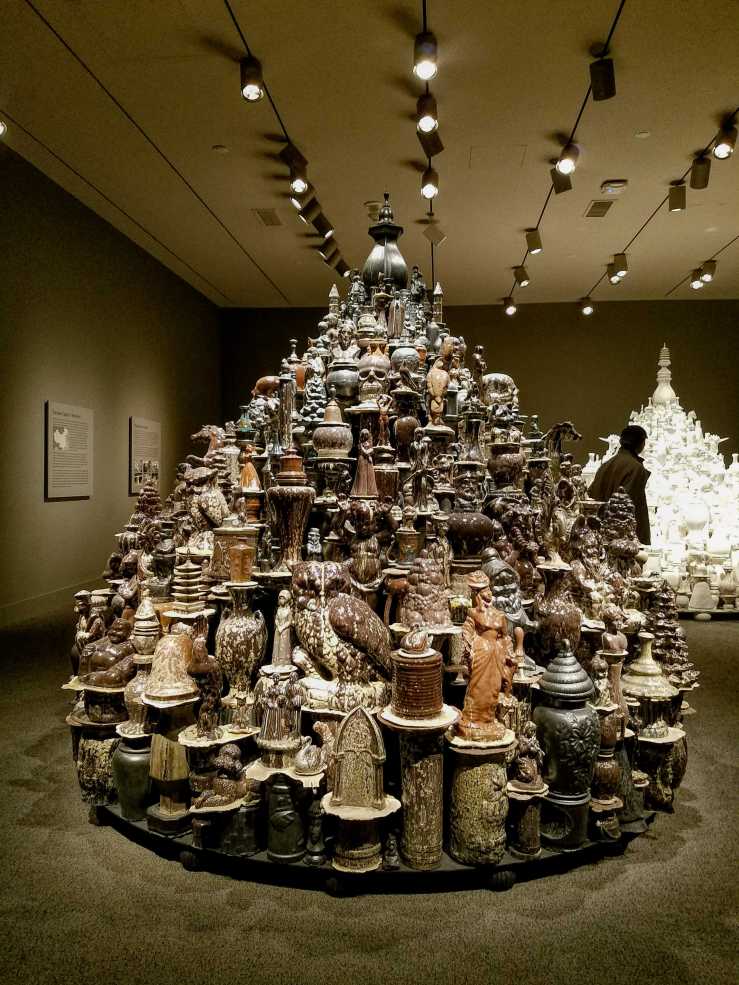
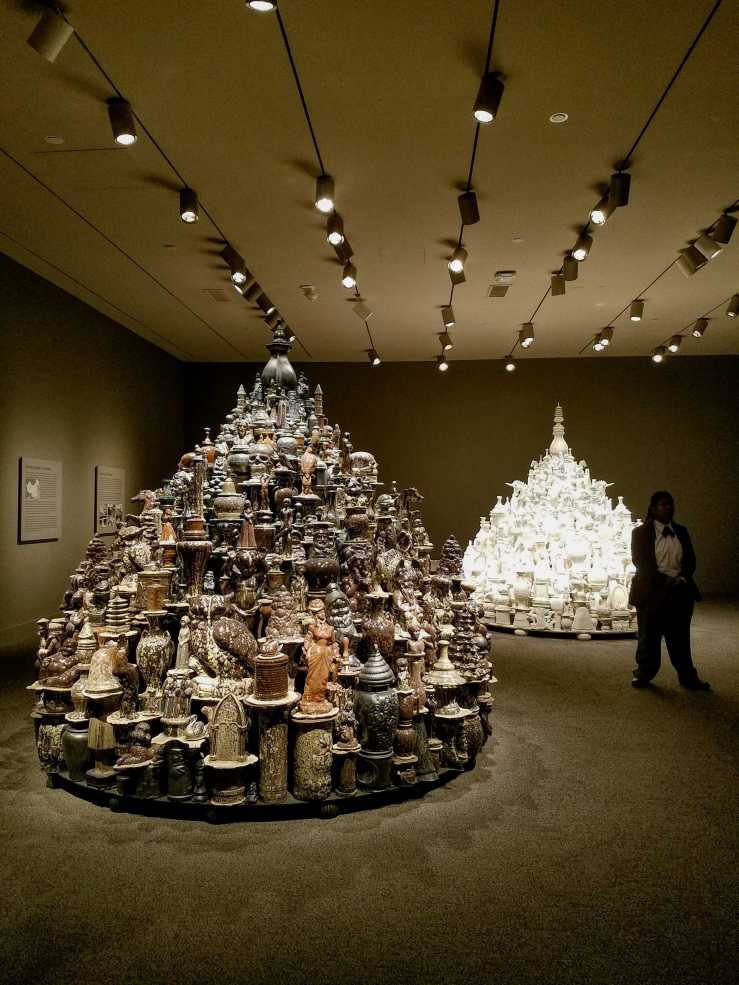
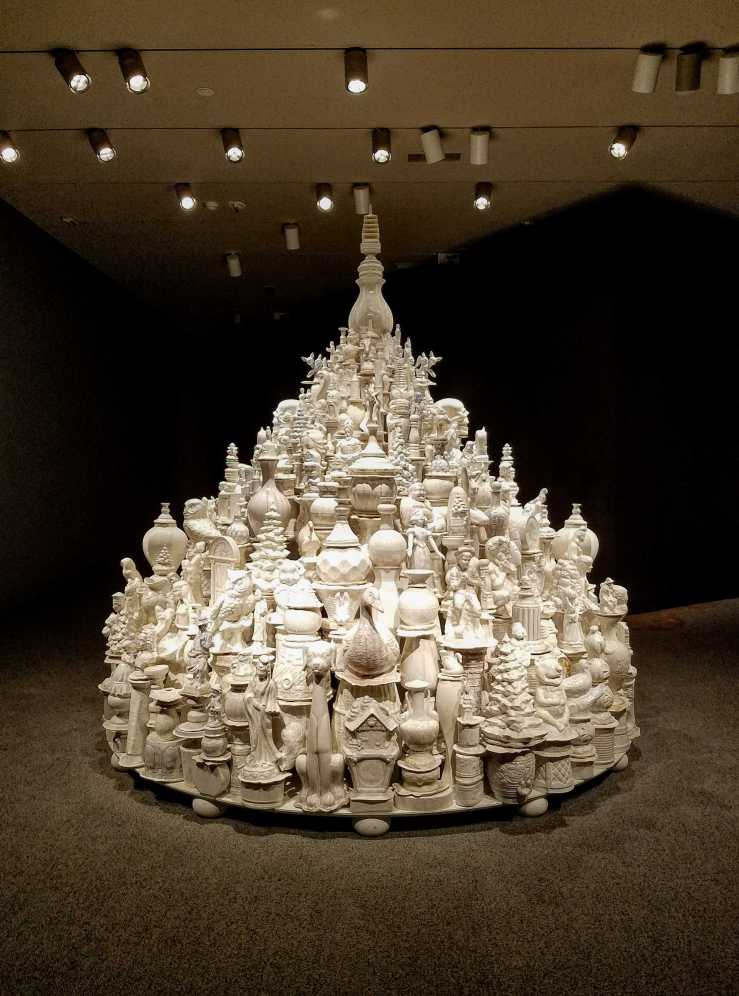
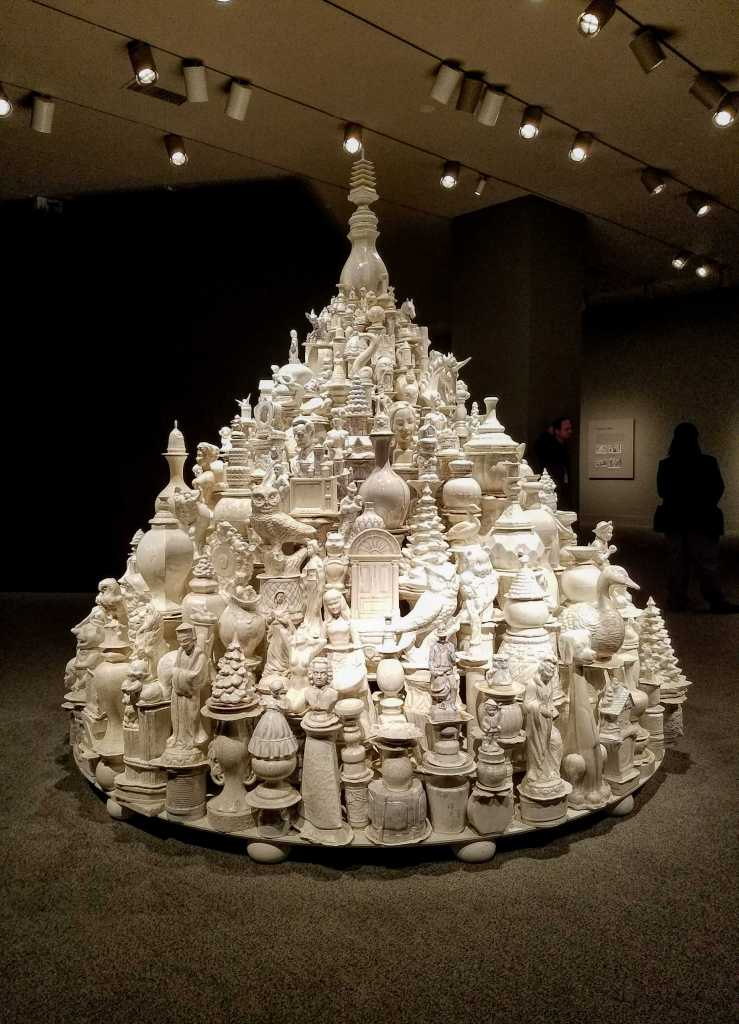

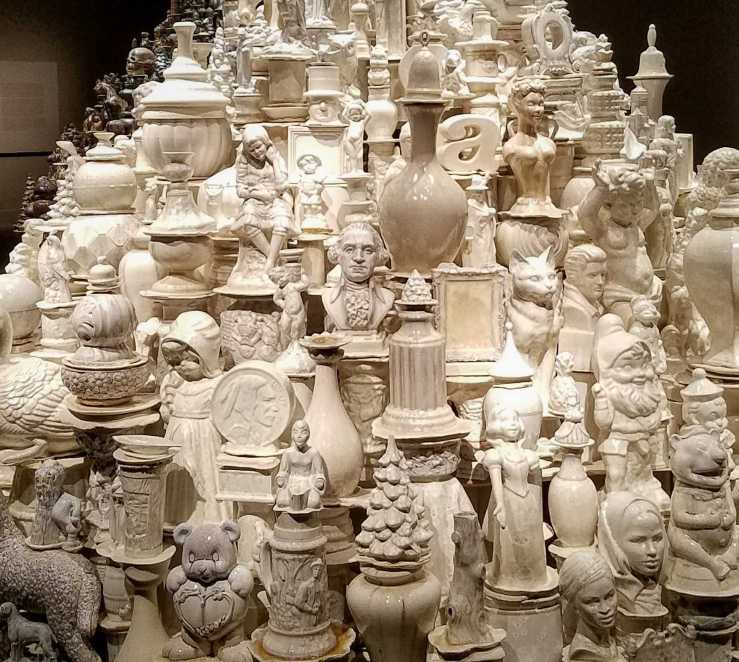

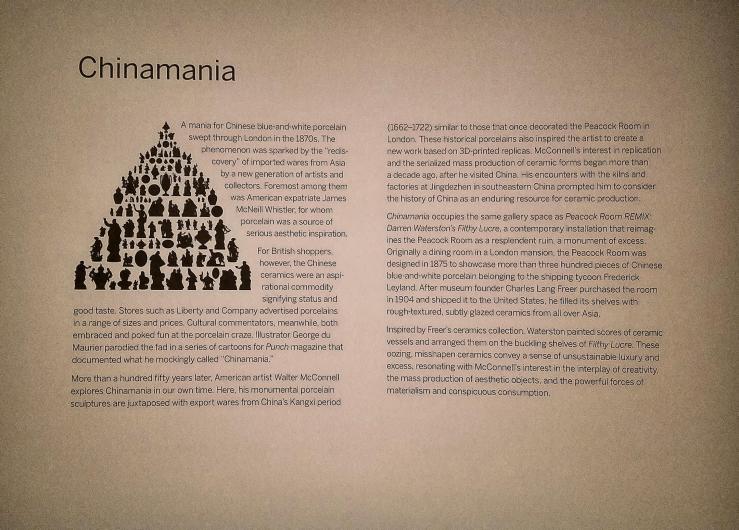
Chinamania was on show until June 2017 at the Sackler.
April 25th, 2017
A reason big enough to visit the Sackler and a wonderful coincidence these masterpieces were on show during our visit (show ran until July 2017).
”In 2014, the Okada Museum of Art in Hakone, Japan, made an announcement that startled the art world. The new arts center revealed it had discovered a long-lost painting by Kitagawa Utamaro (1753–1806), a legendary but mysterious Japanese artist.Titled Snow at Fukagawa, the immense work is one of three paintings by Utamaro that idealize famous pleasure districts in Edo (now Tokyo). This trio reached the Paris art market in the late 1880s and was quickly dispersed. Museum founder Charles Lang Freer acquired Moon at Shinagawa in 1903. Cherry Blossoms at Yoshiwara passed through several hands in France until the Wadsworth Atheneum Museum of Art in Hartford, Connecticut, purchased it in the late 1950s. And Snow at Fukagawa had been missing for nearly seventy years before it resurfaced in Hakone.
For the first time in nearly 140 years, these paintings reunite in Inventing Utamaro at the Freer|Sackler, the only location to show all three original pieces. Contextualizing them within collecting and connoisseurship at the turn of the twentieth century, the exhibition explores the many questions surrounding the paintings and Utamaro himself.”


Photography was not permitted in this part of the gallery.
Images and text from the the Freer | Sackler website.
April 25th, 2017
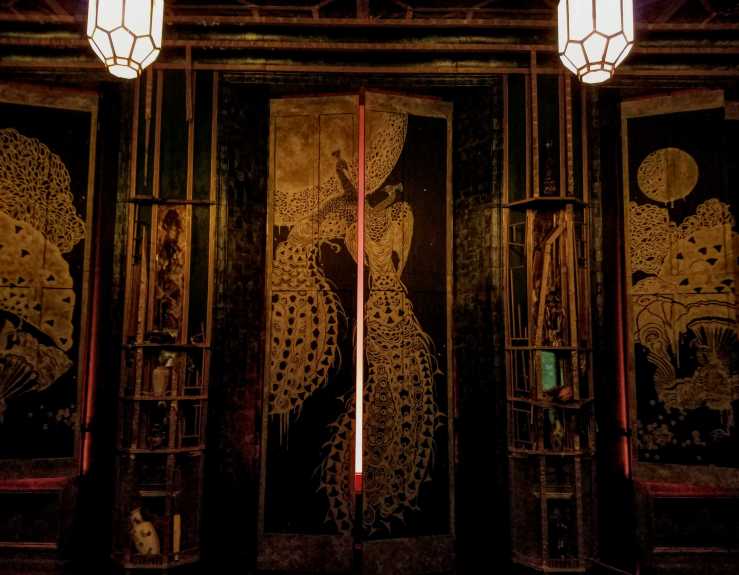
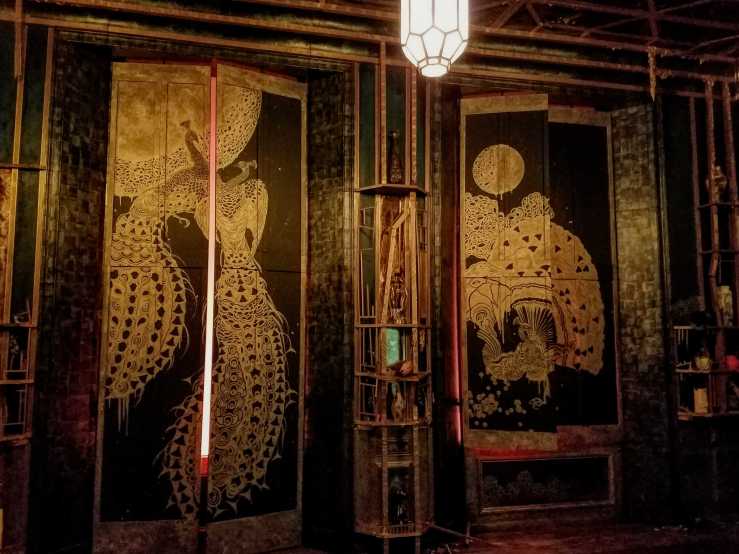
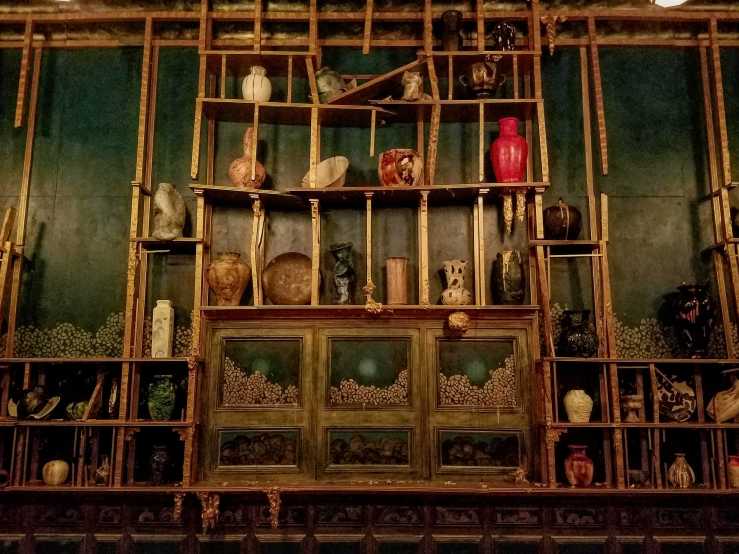
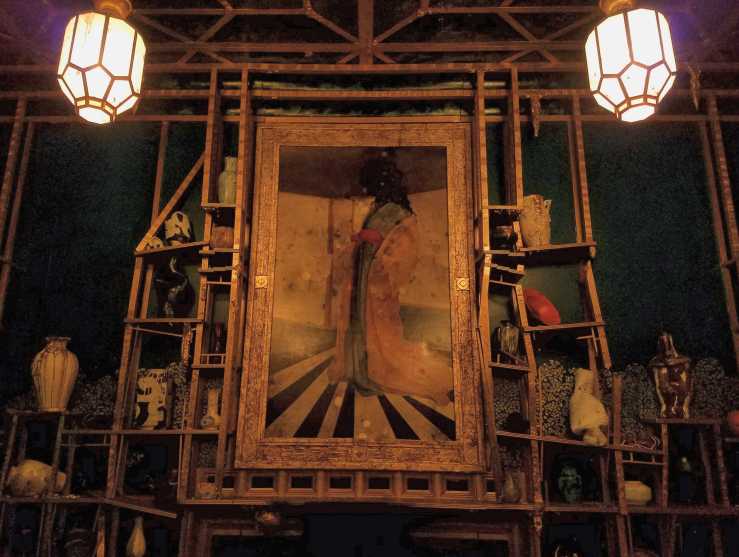
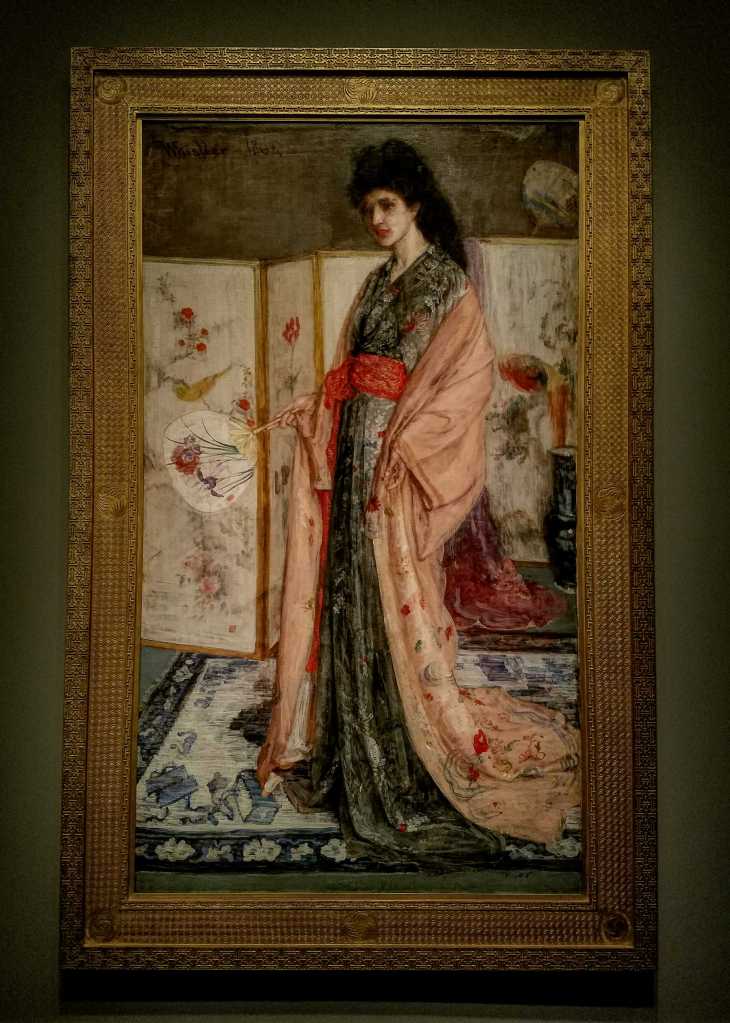
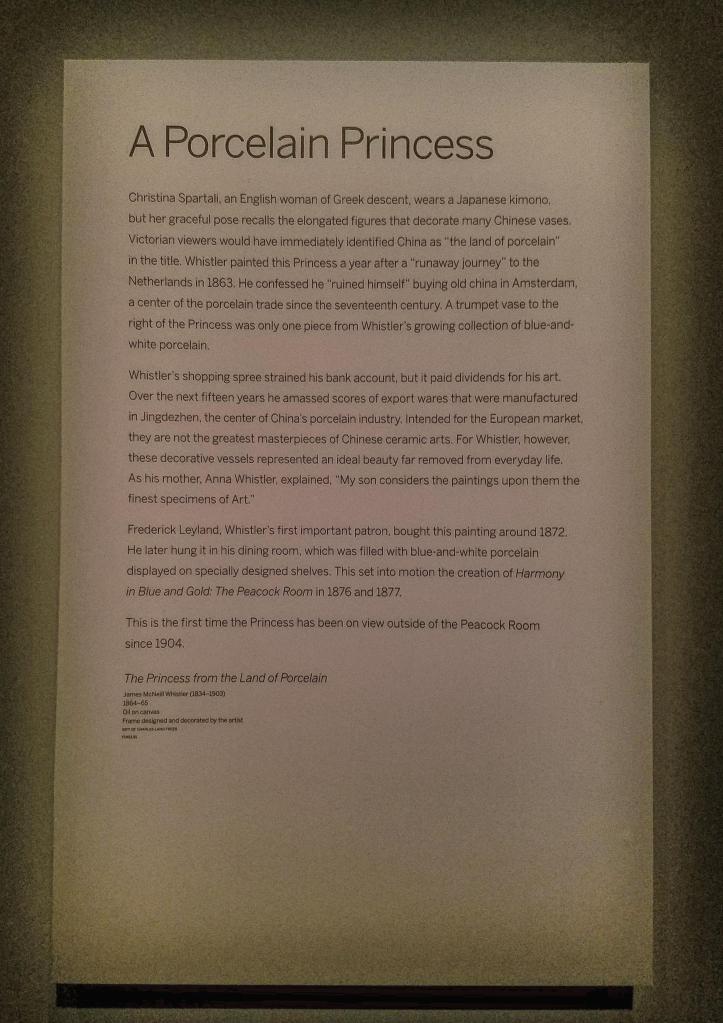
Together with the Freer Gallery of Art, they form the Smithsonian Museums of Asian Art with permanent collections and temporary exhibitions of Asian or Asian-influenced art, bridging the differences of cultures in a unique way.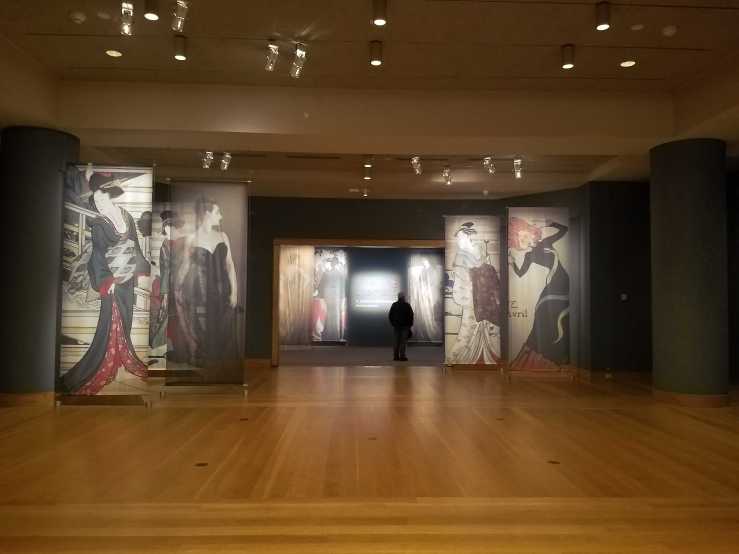 As unique as ”The Peacock Room”, a magnificent example of cross-cultural art:
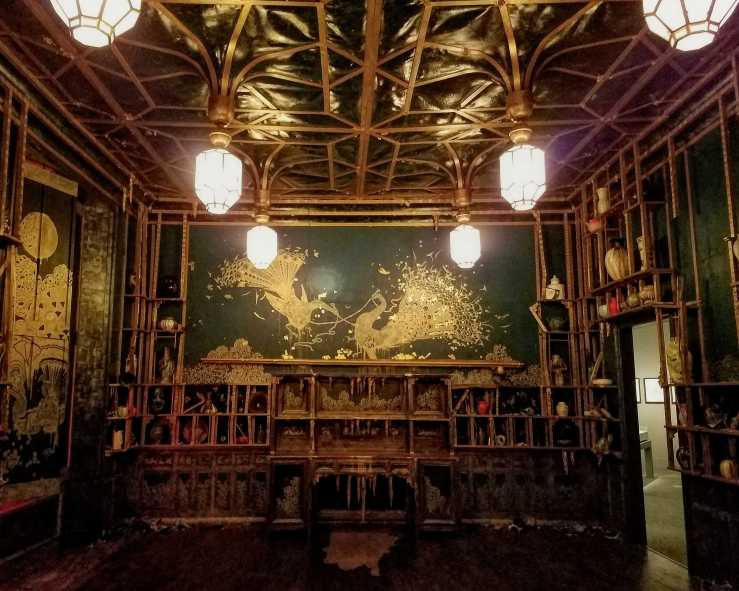
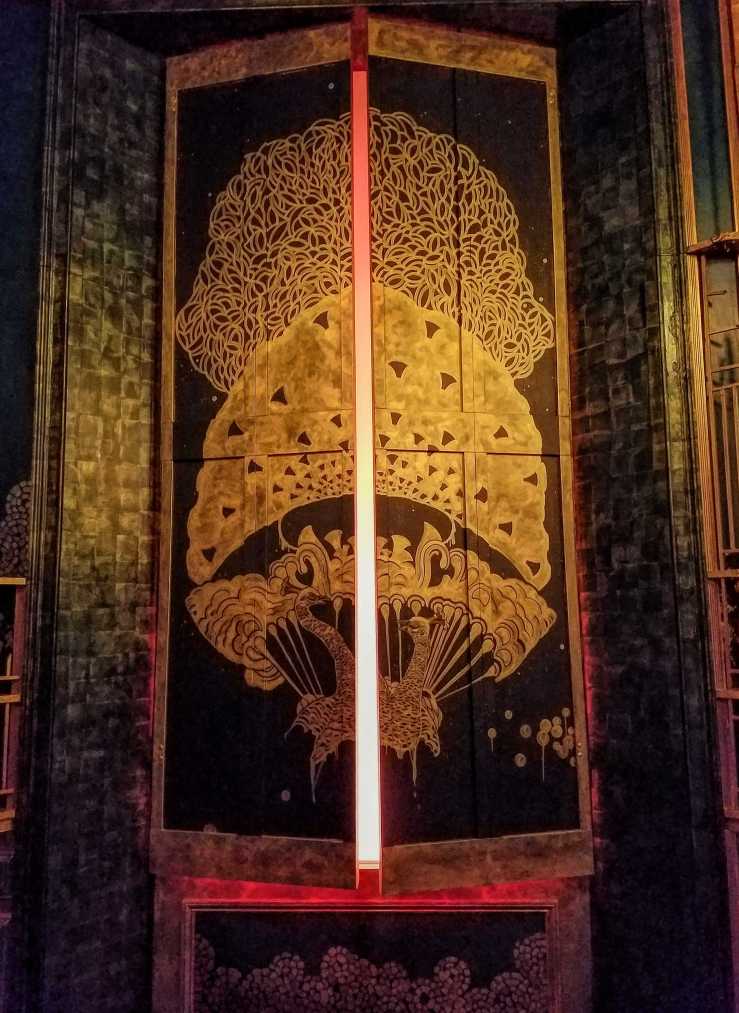
”Before the Peacock Room became a work of art by James McNeill Whistler, it was the dining room in the London mansion of Frederick Leyland. Its shelves were designed to showcase the British shipping magnate’s collection of Chinese blue-and-white porcelain. Whistler completely redecorated the room in 1876 and 1877 as a “harmony in blue and gold.” Leyland was far from pleased with the transformation and the artist’s fee. He quarrelled with Whistler, but he kept the room intact.
Charles Lang Freer purchased the room in 1904. He had it taken apart, shipped across the Atlantic, and reassembled in his home in Detroit, Michigan. There, he gradually filled its shelves with ceramics collected from Syria, Iran, Japan, China, and Korea. For Freer, the Peacock Room embodied his belief that “all works of art go together, whatever their period.”
Whistler’s extravagant interior has been on permanent display since the Freer Gallery of Art opened in 1923. Located between galleries of Chinese and American art, the Peacock Room remains a place where Asia meets America.”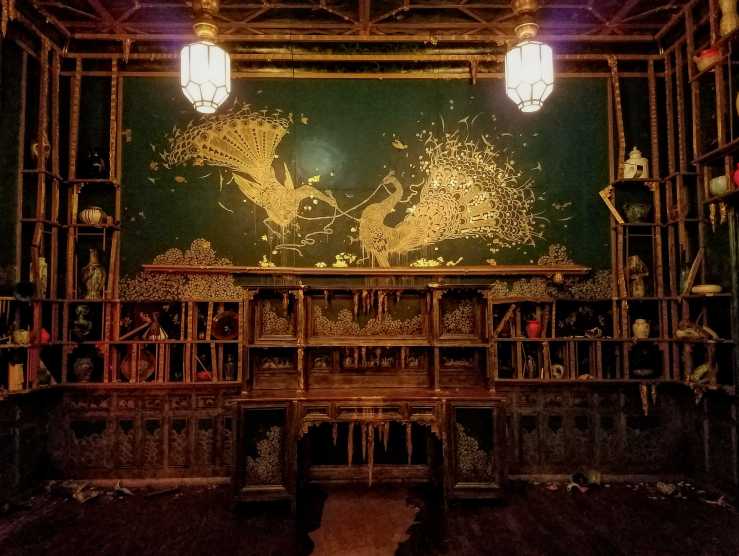
Arthur M. Sackler Gallery
April 25th, 2017
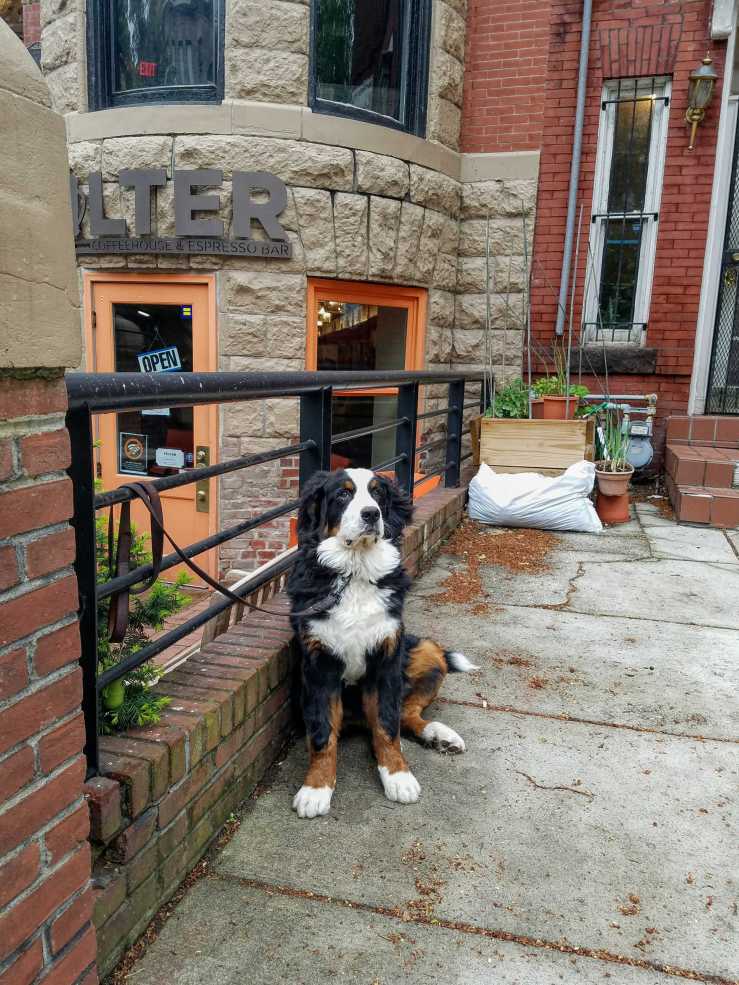
If in the area, this is where you’ll get a damn good cup of coffee (#twin_peaks #coop). And meet some of the locals. 
 Dupont Circle
April 25th, 2017
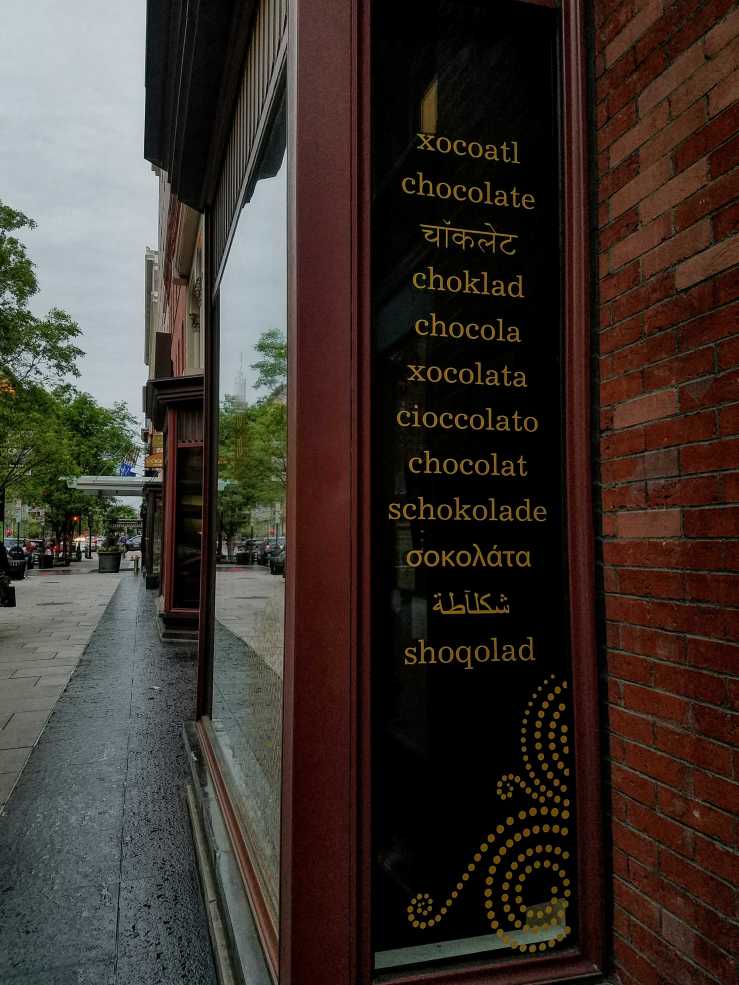
A hot chocolate in many languages, contemplating the irony of such magnificence having to bear the name of its current owner: behold the Old Post Office, now an opulent Trump hotel.

April 24th, 2017
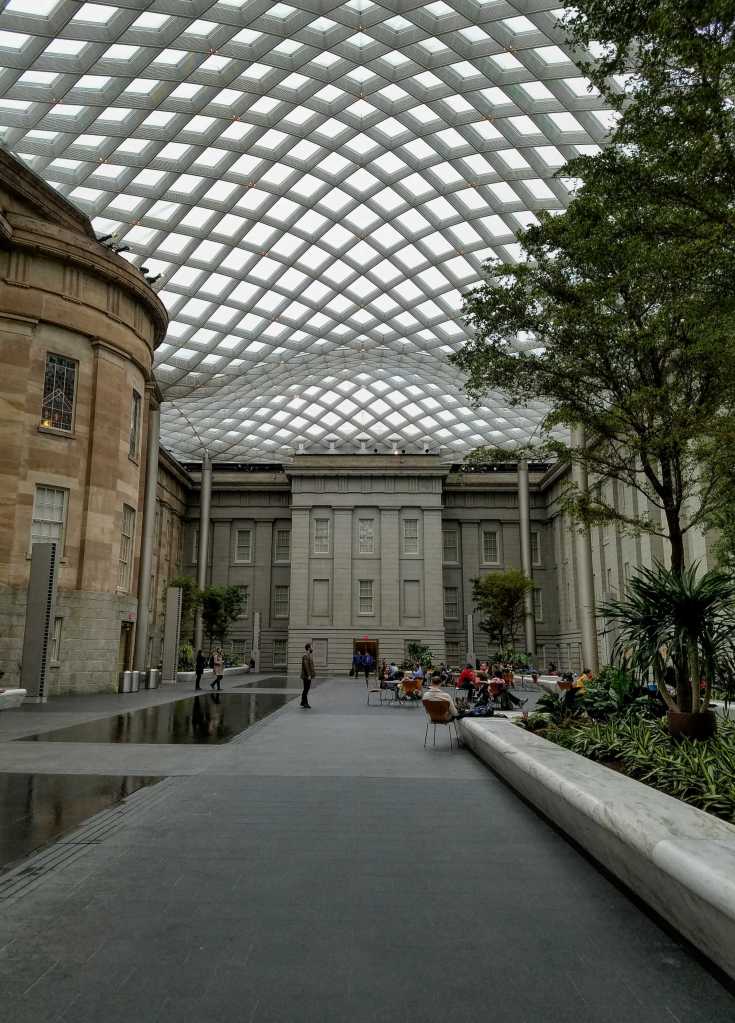
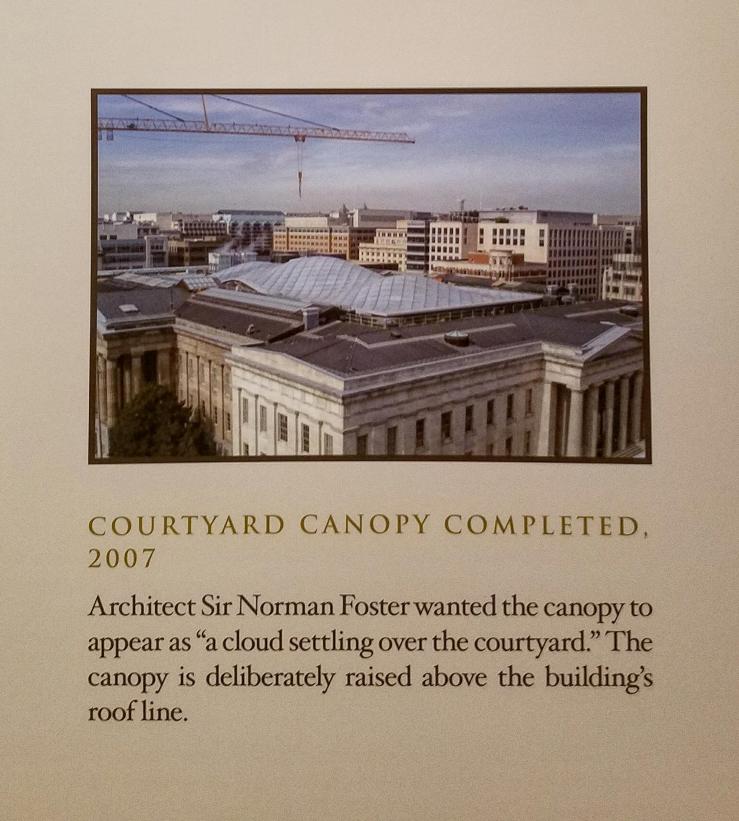
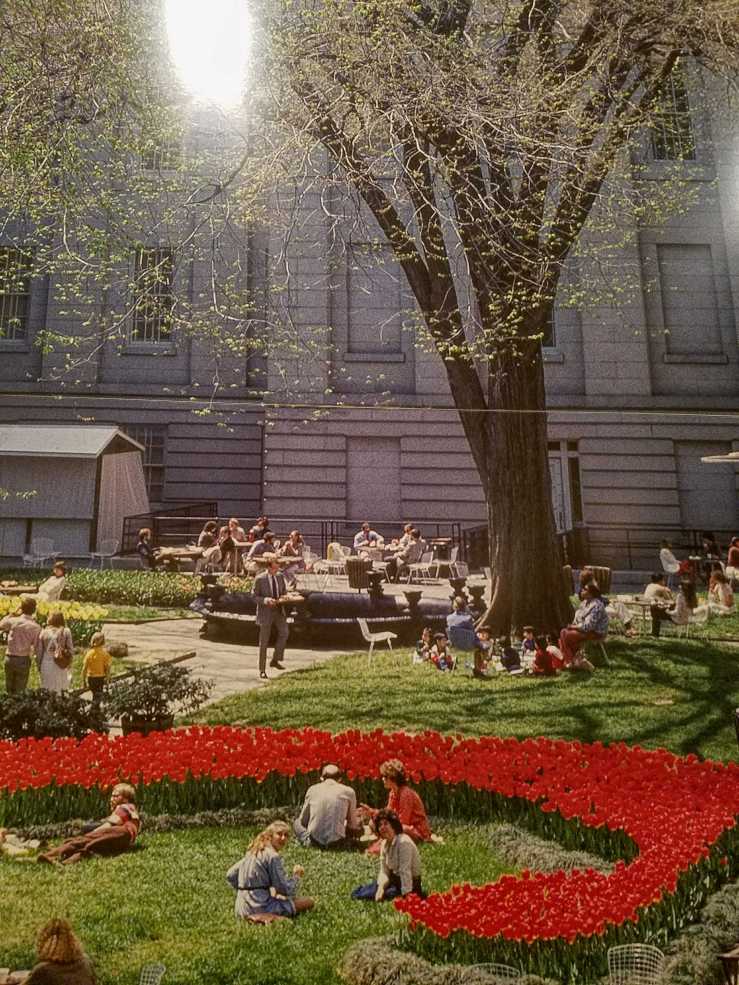
Its curvy white shape resembles a giant fishnet. It could be another work of art, but was actually installed to cover and protect an inner courtyard from the elements. 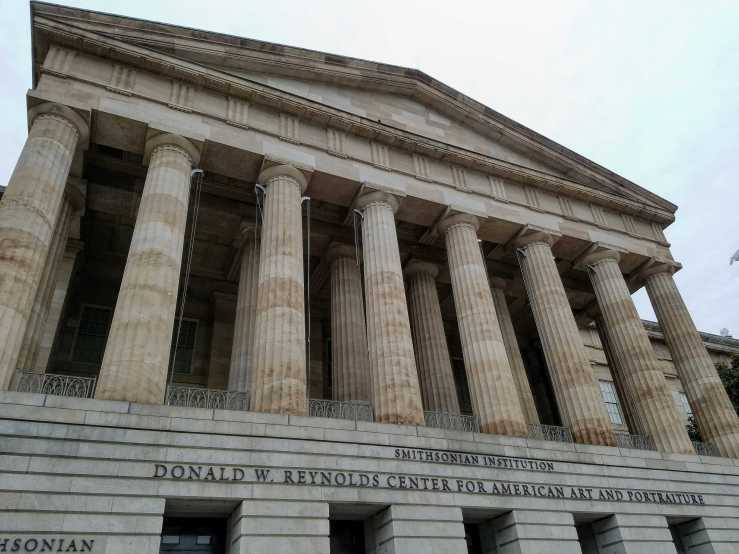




 National Portrait Gallery
April 24th, 2017
The American Art Museum shares its premises with the National Portrait Gallery, both being part of the Smithsonian Institution. First-time visitors may have a hard time distinguishing between the two, but that’s just a minor detail – what’s important is to allow time to enjoy some incredible works of American art, like Bill Viola’s ”The Moving Portrait” exhibit, which was running until May 2017.
I’ve been admiring Viola’s work for years, his use of video technologies, experimentation with portraiture and the fact that he always seems to submerge his subjects in water, an element present in -almost- his entire body of work. But, it was only recently I learned, coming across an interview on Louisiana Channel, that when Viola was 6 years old he fell into a lake, all the way to the bottom, ”to a place which seemed like paradise”. That’s when he learned that “there’s more than just the surface of life” […] and ”the real things are under the surface”. That explains his fascination with water, also evident in ”The Dreamers”, a video/sound installation of 2013:
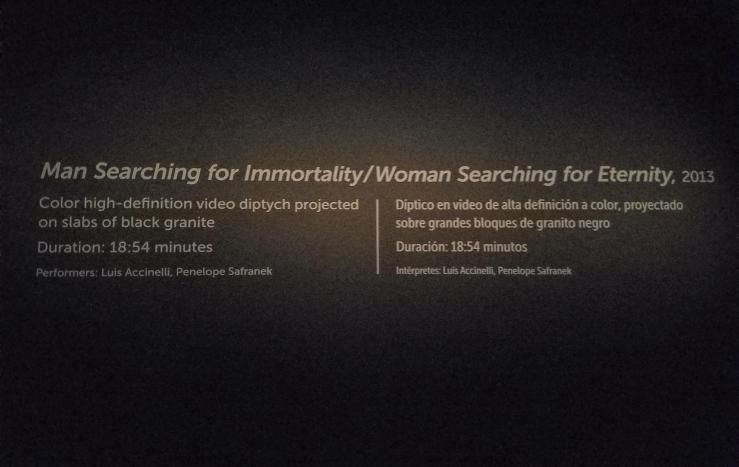
No water present in ”Man Searching for Immortality/Woman Searching for Eternity” (2013), an installation in two frames, showing an elderly man and a woman, naked, inspecting their bodies with a flashlight.

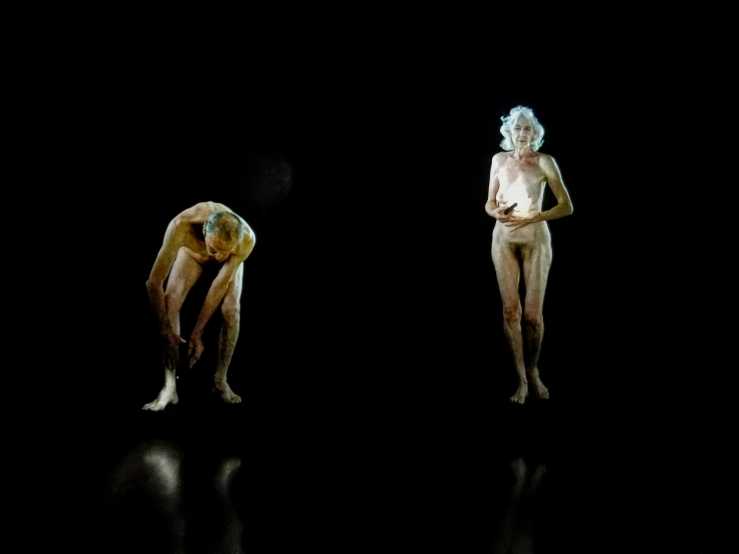
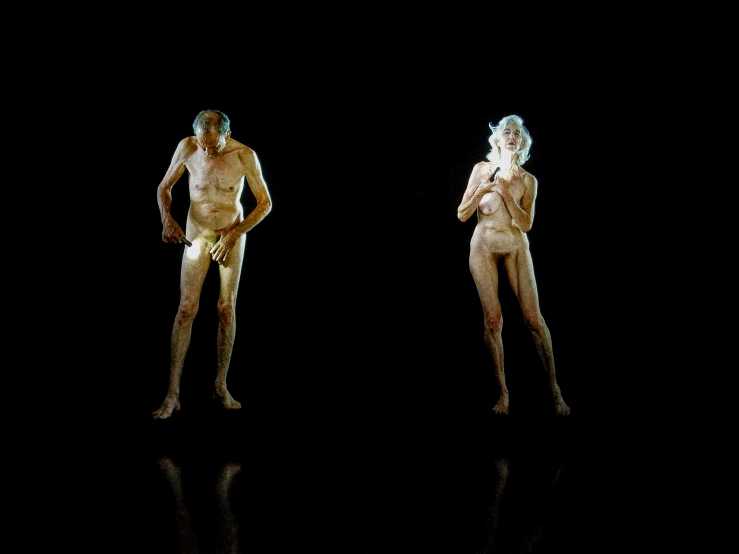
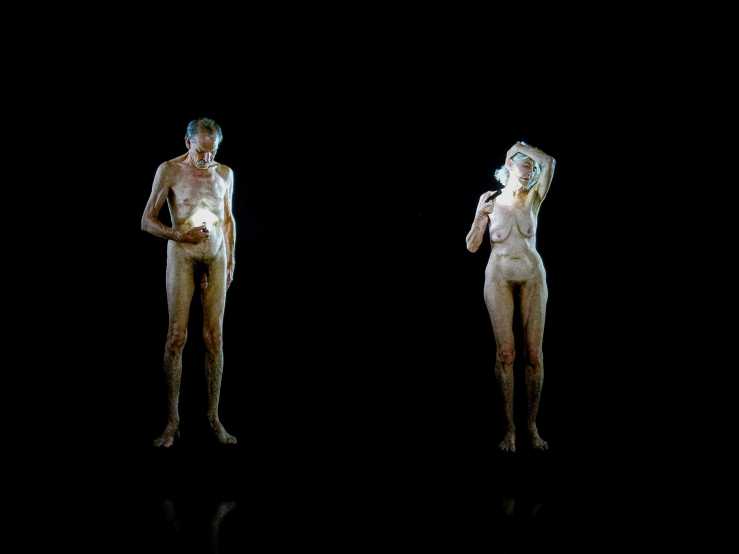
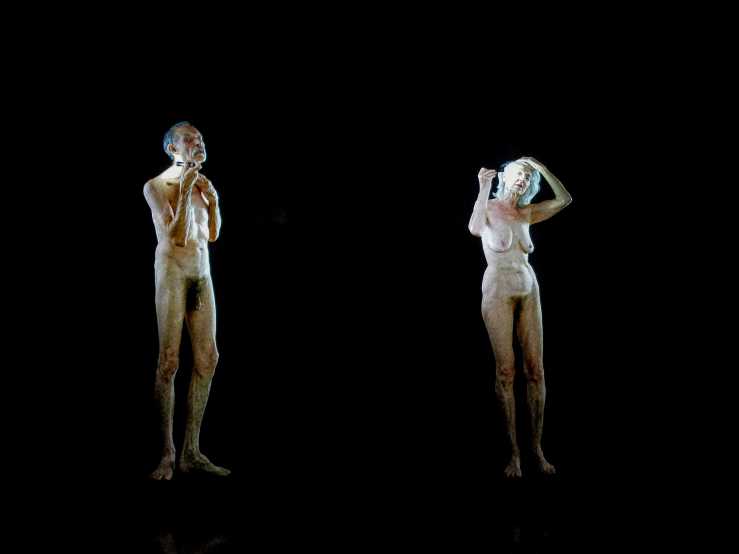
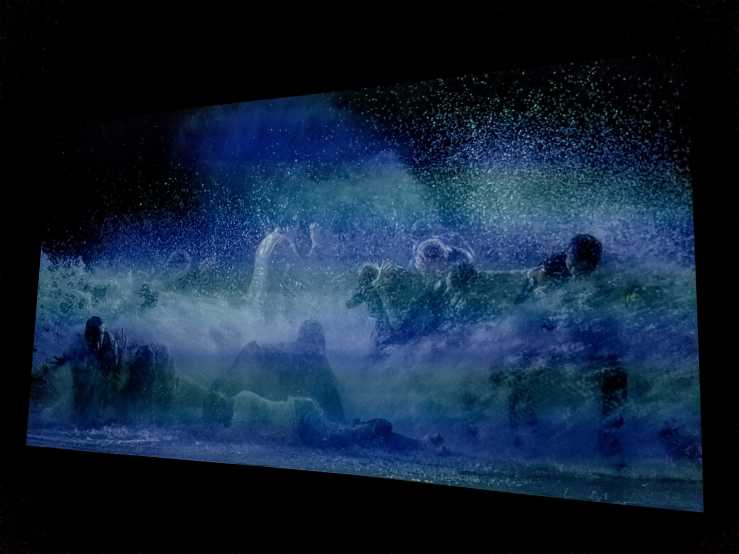
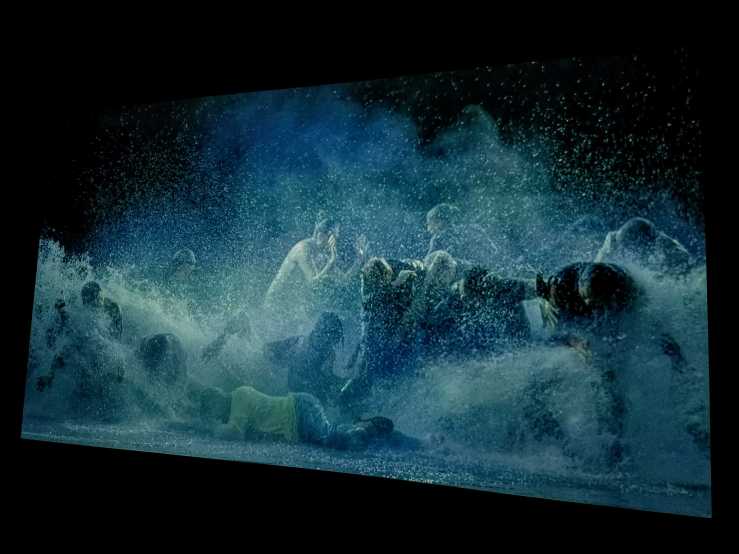
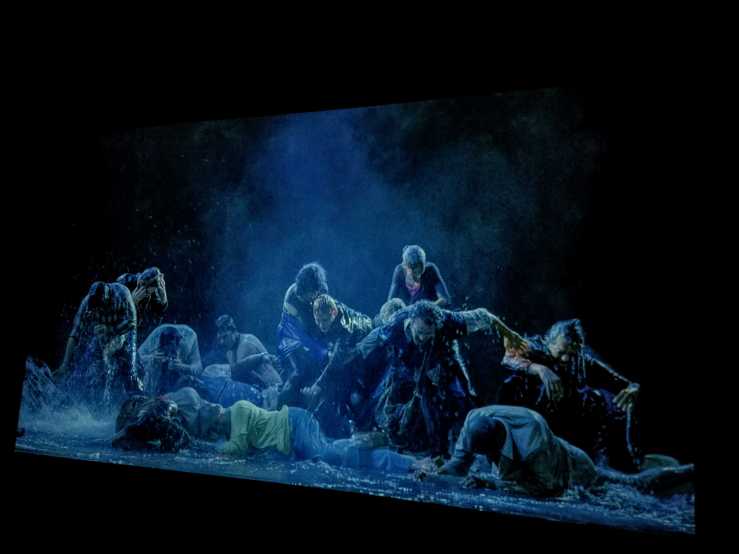
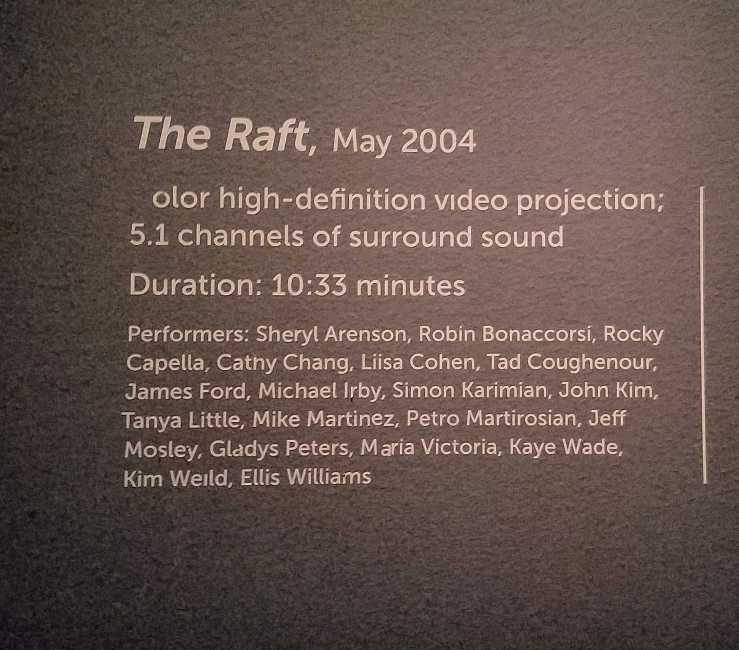
But water is present with all its mighty force in ”The Raft” (2004), in which 19 perfect strangers unsuspectingly gather in a spot, as if waiting for a bus, when suddenly disaster strikes as torrents of water knock them down, leaving them gasping for breath. 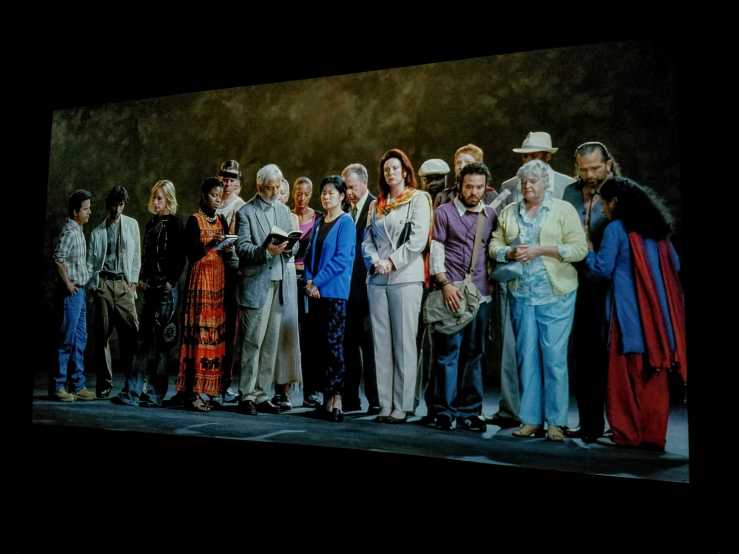
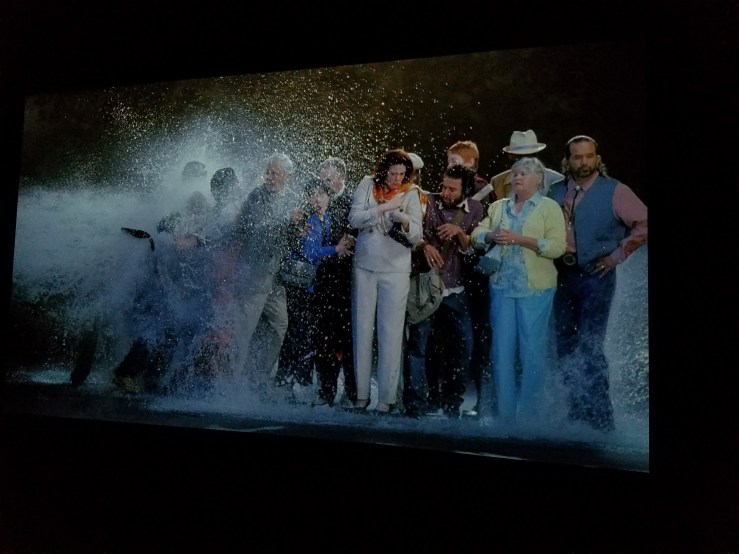
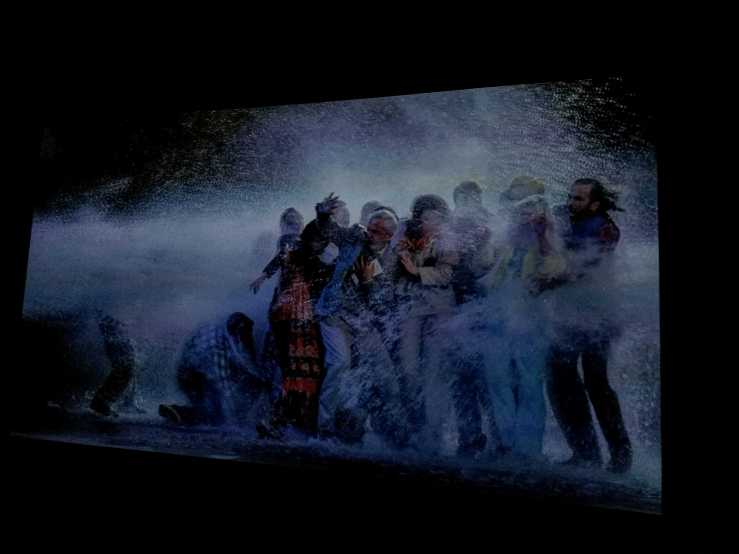

Bill Viola Interview on Louisiana Channel, including views from ”The Raft”:
National Portrait Gallery
Washington, D.C.
April 24th, 2017


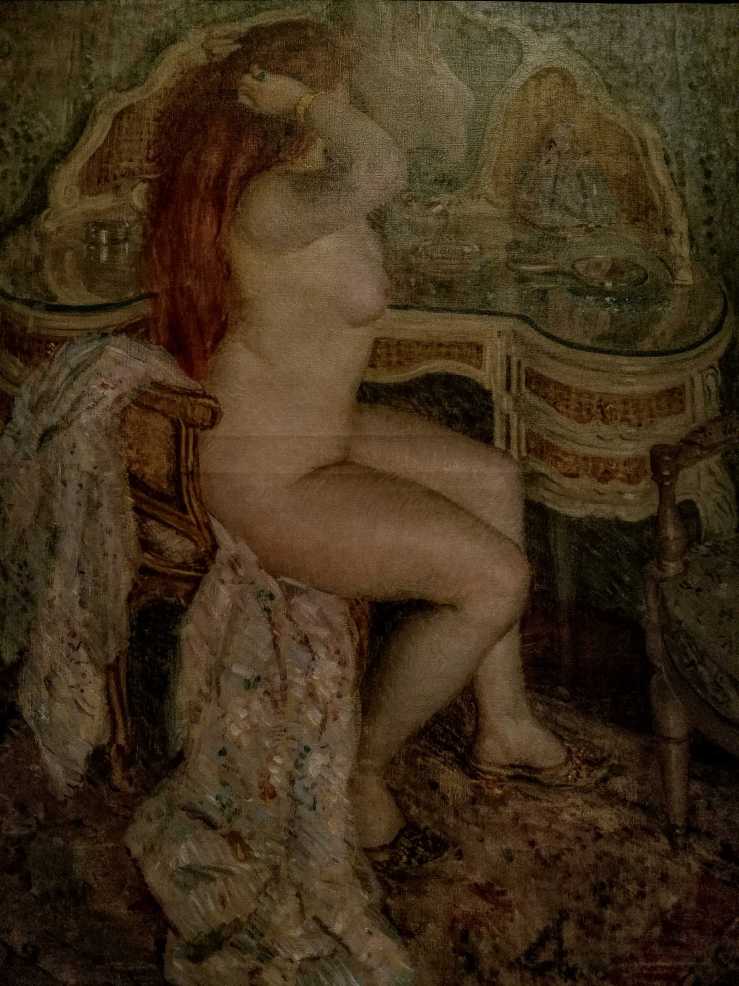
 Nude Seated at Her Dressing Table, 1909, oil on canvas
Frederick Carl Frieseke (1874-1939)
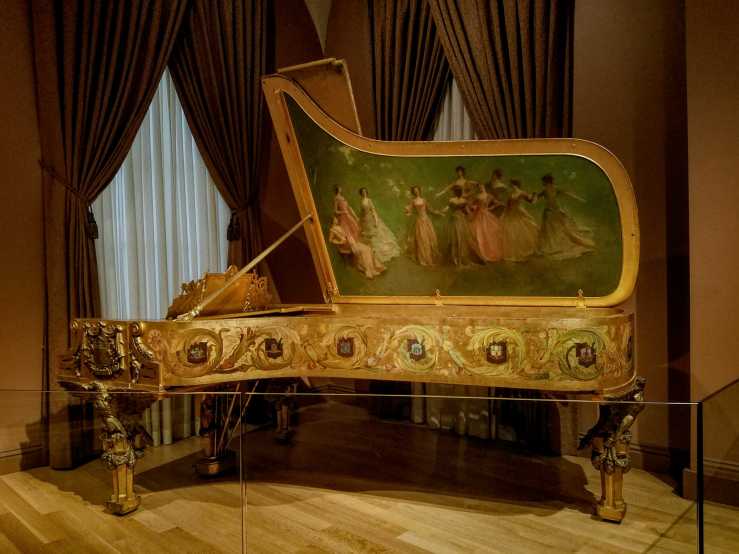
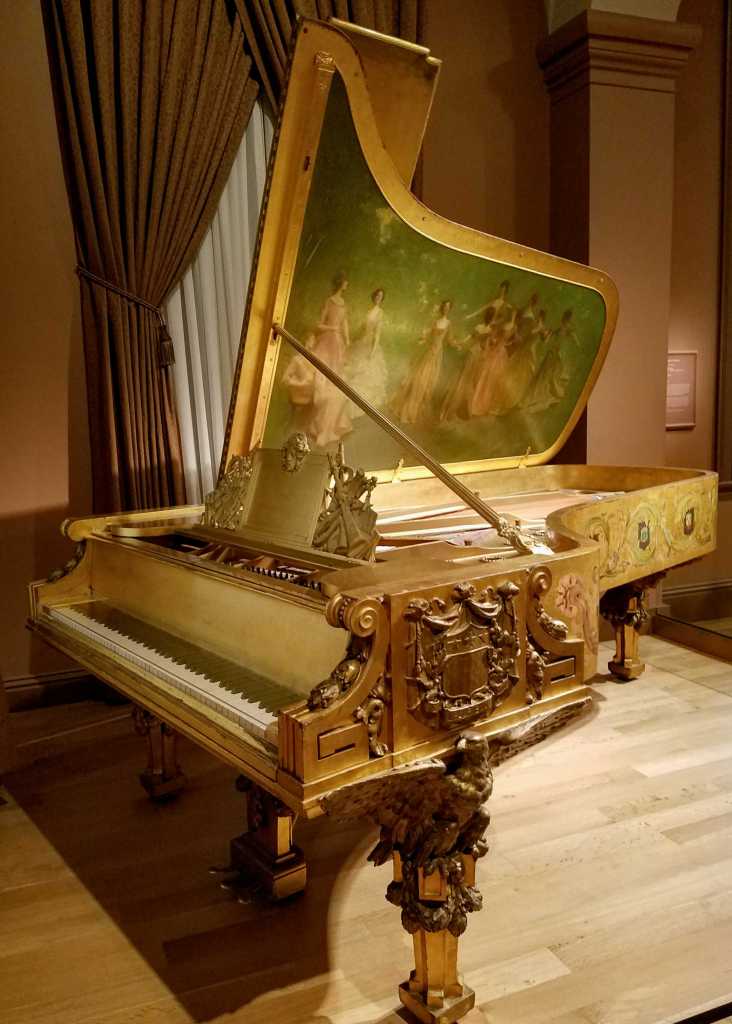
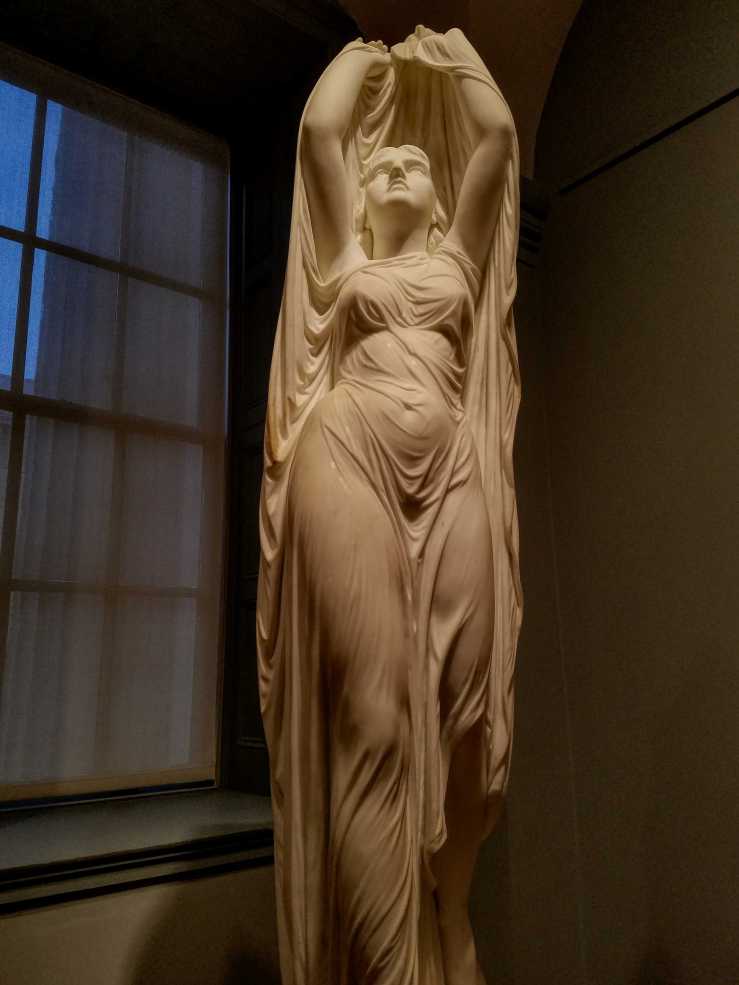 Undine, modeled about 1880, carved 1884, marble
Chauncey Bradley Ives (1810-1894)
 Illusions, before 1901, oil on canvas
Henry Brown Fuller (1867-1934)
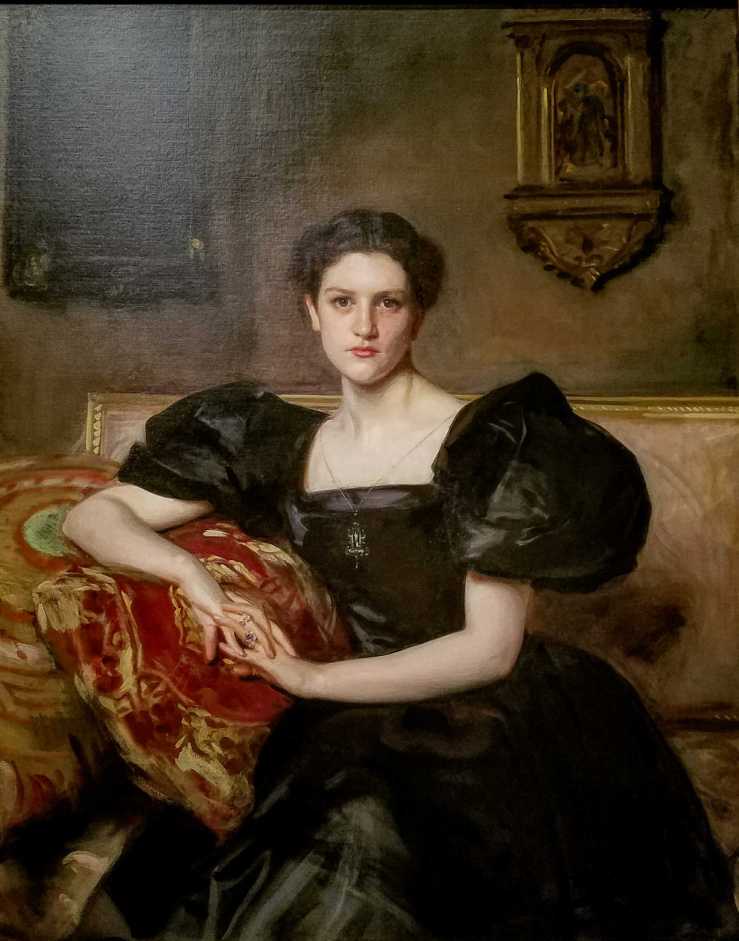 Elizabeth Winthrop Chanler (Mrs. John Jay Chapman), 1893, oil on canvas
John Singer Sargent (1856-1925)
According to the artist, twenty-six-year-old Elizabeth Chanler had ”the face of the Madonna and the eyes of a child.” This portrait shows a beautiful, well-bred woman who has learned to be strong. When Elizabeth was still a girl, her mother died, leaving her to help care for seven younger brothers and sisters.
Sargent has portrayed her in the elegant interior of his London studios decorated with two paintings that frame the circumstances of Elizabeth’s life: a Madonna and Child, and a figure of an old woman copied from a portrait by Frans Hals. Perhaps the artist wished to show Elizabeth as a woman who, despite early hardships, was neither maiden nor matron. Sargent was often dismissed by his contemporaries as a ”society portraitist”, but his paintings never fail tot convey the human story behind the image.
April 24th, 217
subjective worldview
Actor, writer, cook and author
Travel experiences & Strasbourg city guide
Writer
joy, happiness, travel, adventure, gratitude
"Rêve onirique & Bulle d'évasion"
makes pretty things on paper
This WordPress.com site is Pacific War era information
Welcome to my curious world of words....
Photographs, music and writing about daily life. Contact: elcheo@swcp.com
Free listening and free download (mp3) chill and down tempo music (album compilation ep single) for free (usually name your price). Full merged styles: trip-hop electro chill-hop instrumental hip-hop ambient lo-fi boombap beatmaking turntablism indie psy dub step d'n'b reggae wave sainte-pop rock alternative cinematic organic classical world jazz soul groove funk balkan .... Discover lots of underground and emerging artists from around the world.
A 365 analogue photography project
Barcelona's Multiverse | Art | Culture | Science
Een digitaal atelier aan de (zee)slag.
‘Doodling Ambiguity’s in Ink.’
Miscellaneous photography
Glimpses along the way on a journey of discovery into symmetry...
 The Humble Fabulist