Home to four generations of the Rockefeller family with a postcard-perfect garden/open-air art gallery.
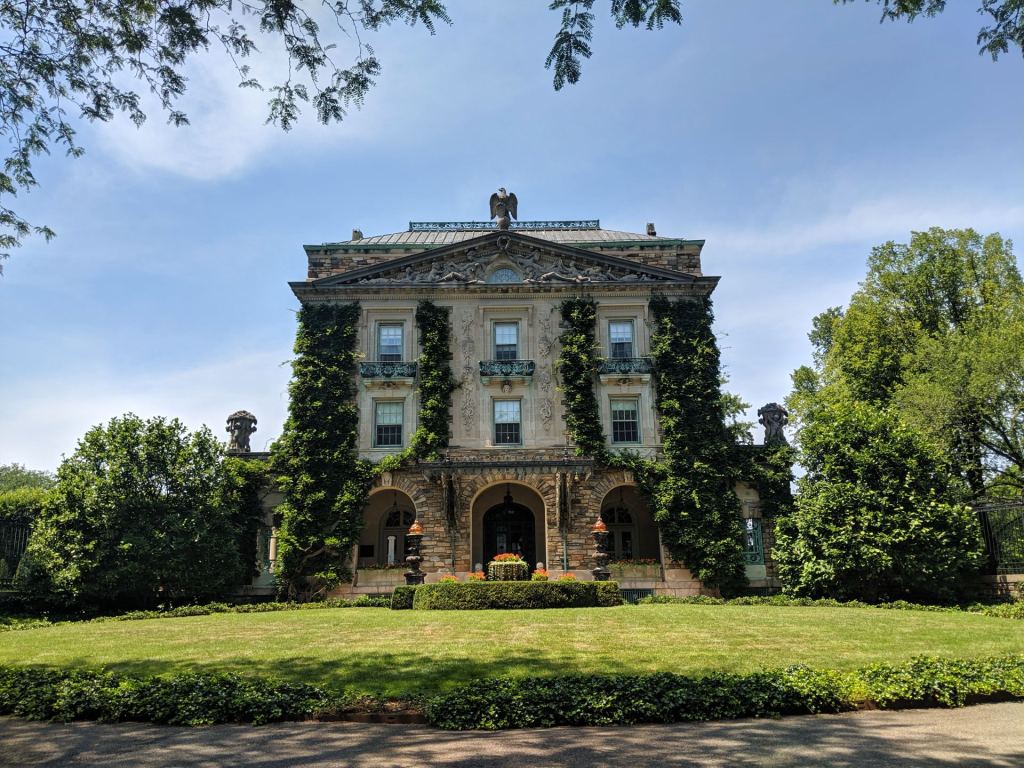


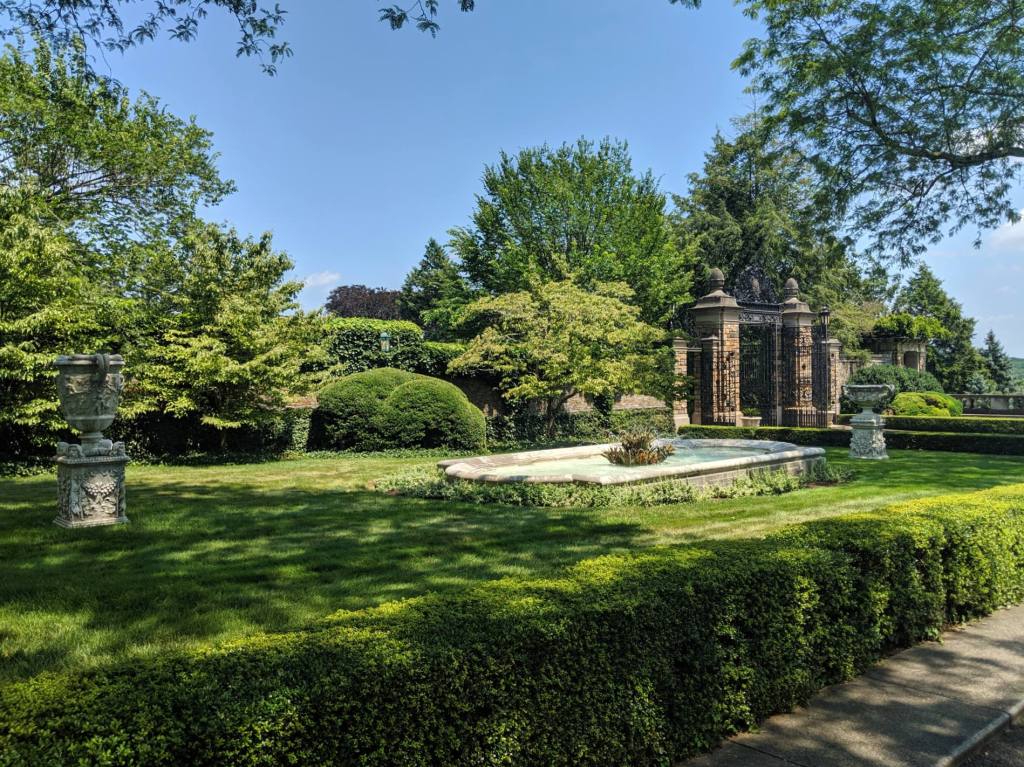
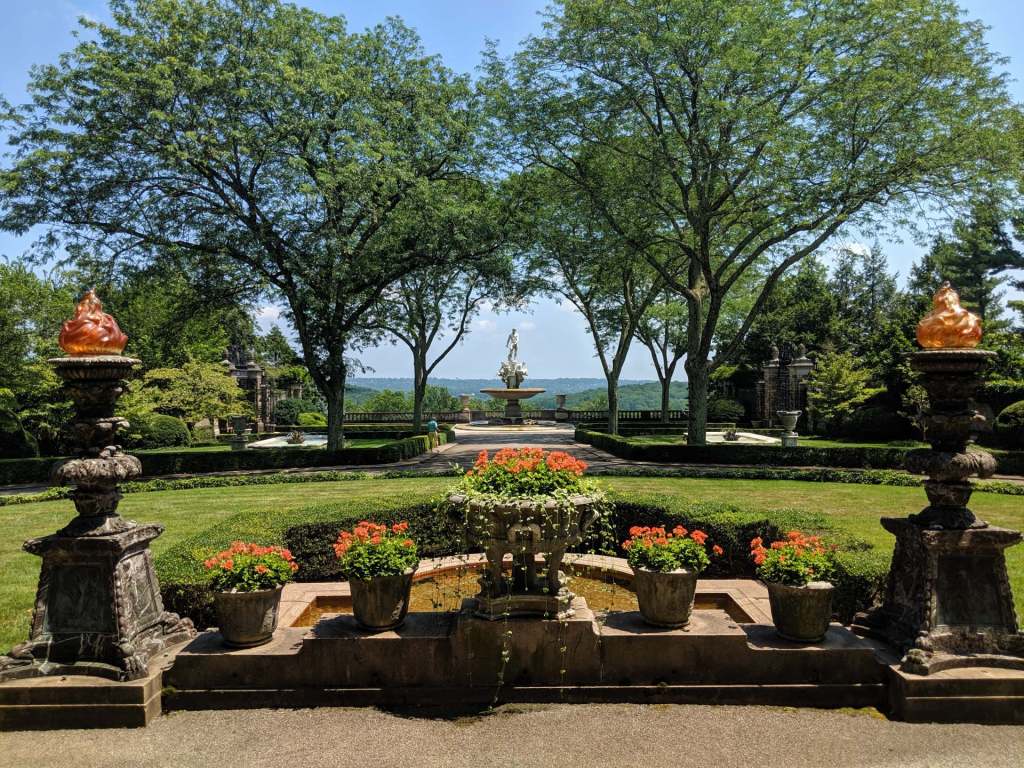

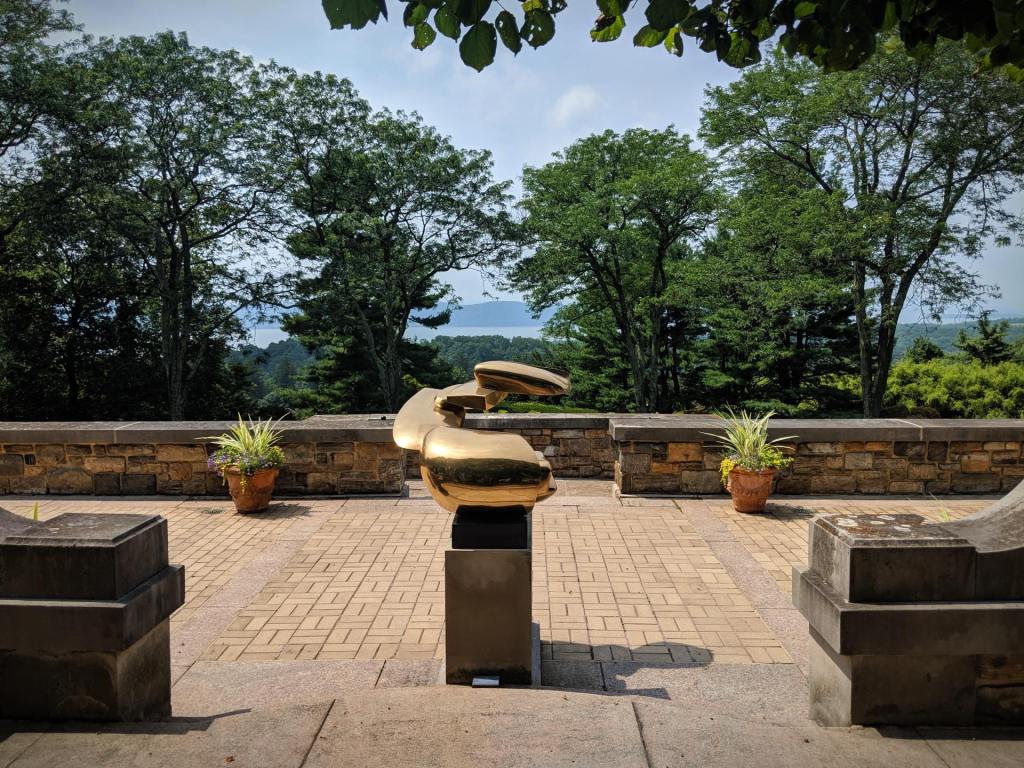


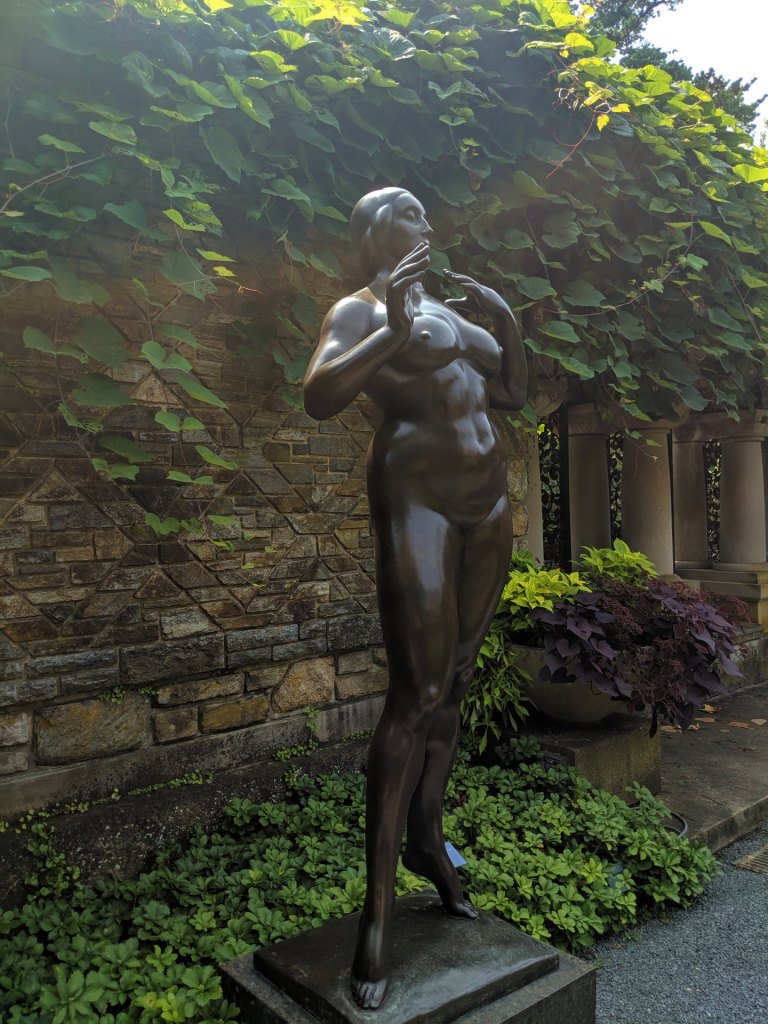

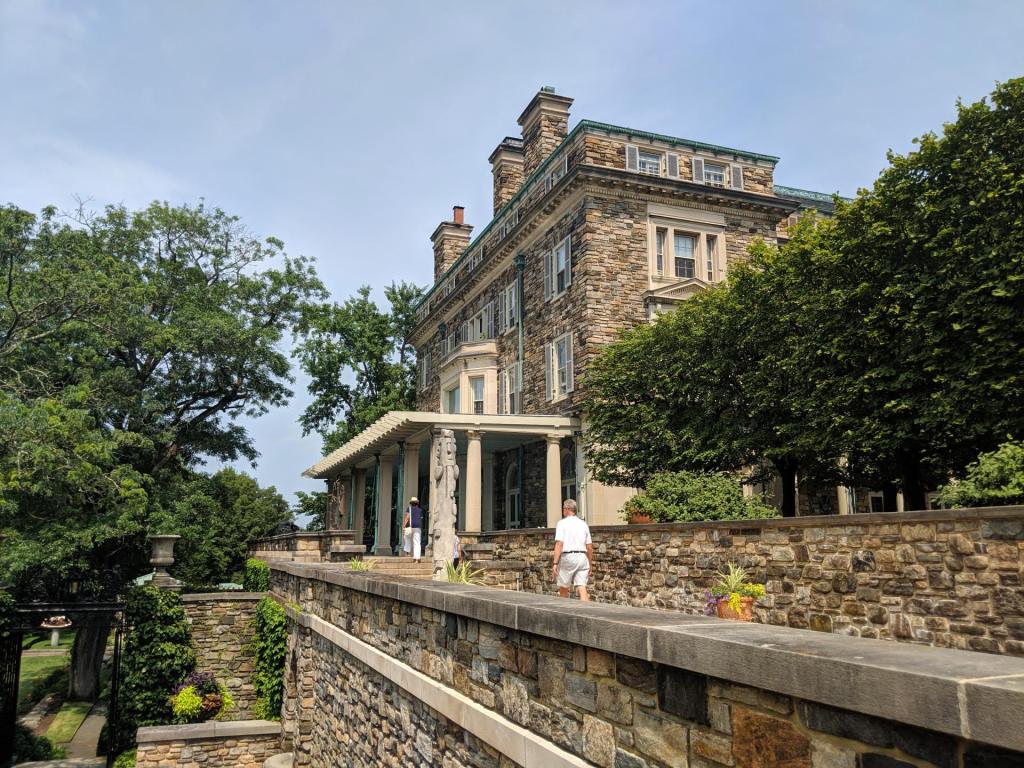


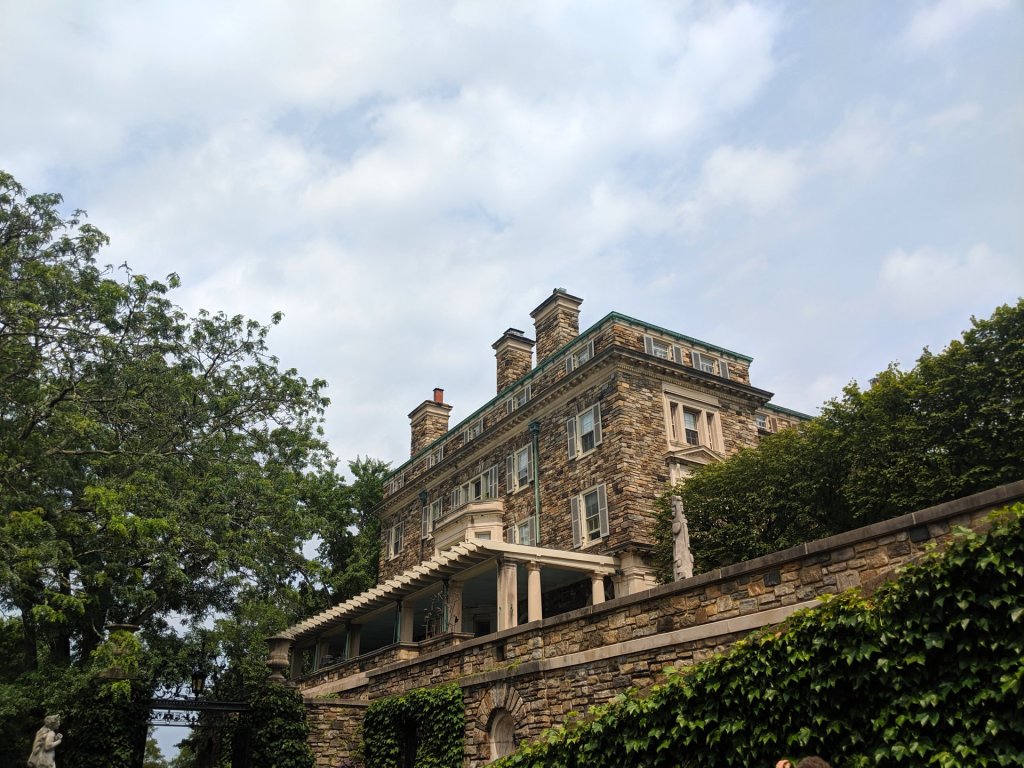

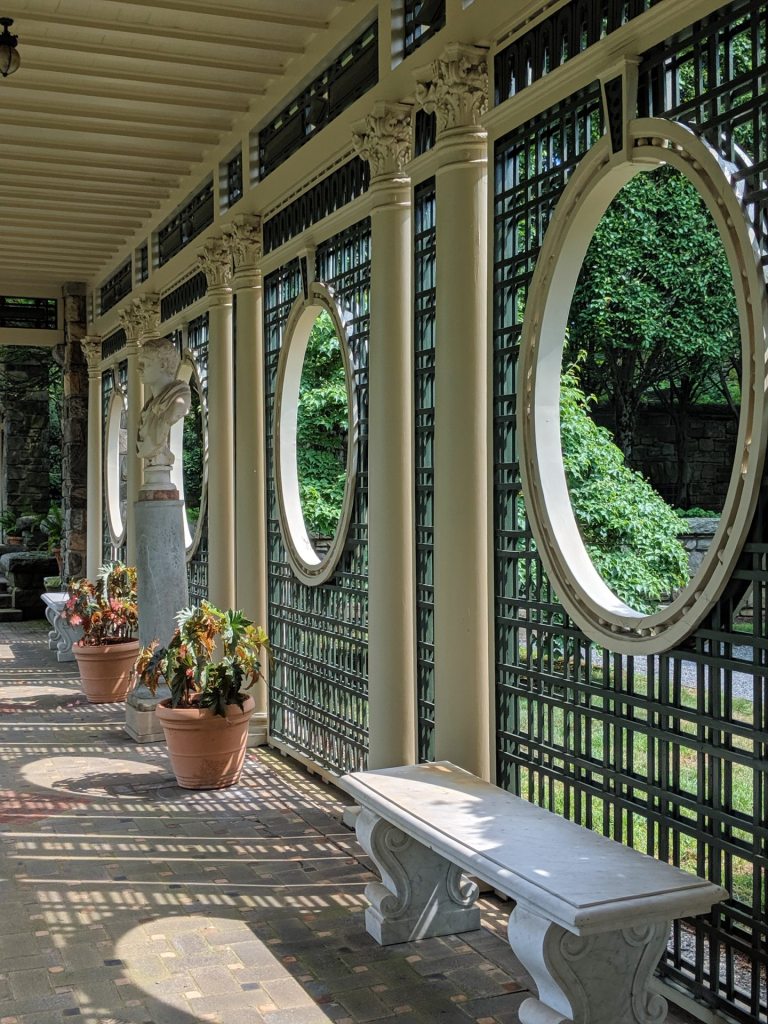
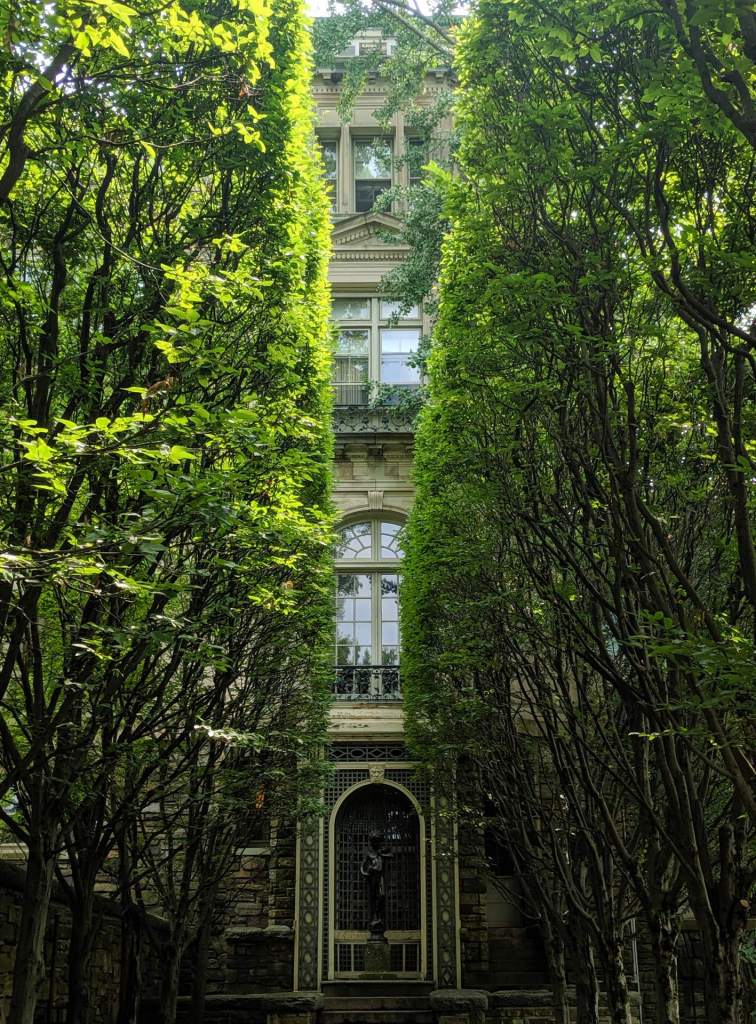

Kykuit, the Rockefeller Estate on Pocantico Hills.
Tarrytown, N.Y.
July 19th, 2019
Home to four generations of the Rockefeller family with a postcard-perfect garden/open-air art gallery.
Kykuit, the Rockefeller Estate on Pocantico Hills.
Tarrytown, N.Y.
July 19th, 2019
An even better shelter (this time from the inevitable -and welcome- downpour/relief from the heat). Gothic Revival at its finest, a mansion worthy of its notable owners: William Paulding Jr., a New York City Mayor; George Merritt, a wealthy businessman; and Wall Street tycoon Jay Gould who updated some of the interior décor by commissioning furniture from the Herter Brothers, windows from Louis Comfort Tiffany, and paintings from the Knoedler Gallery. Thankfully, they still remain intact, and most of the furnishings on view are original.
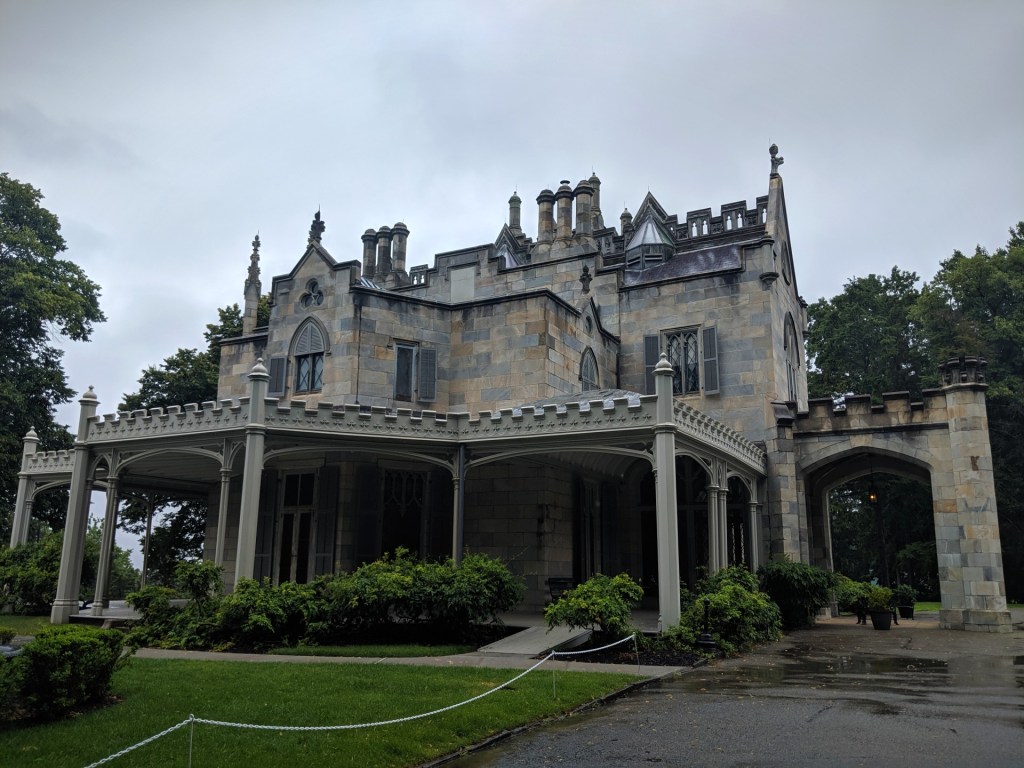
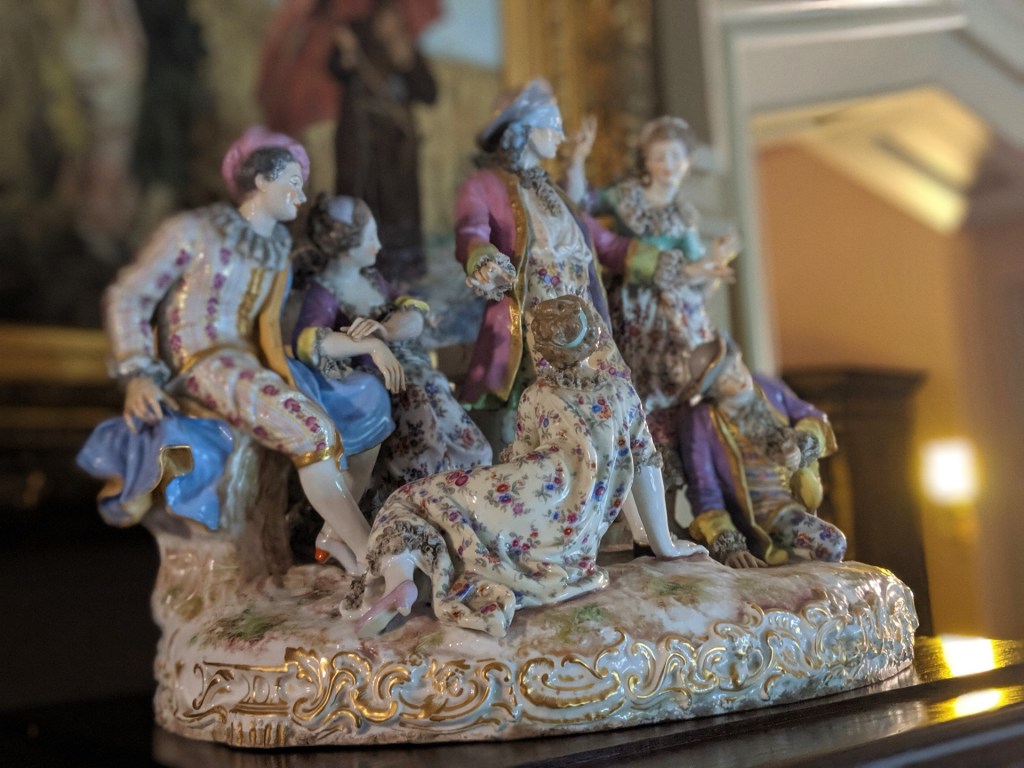
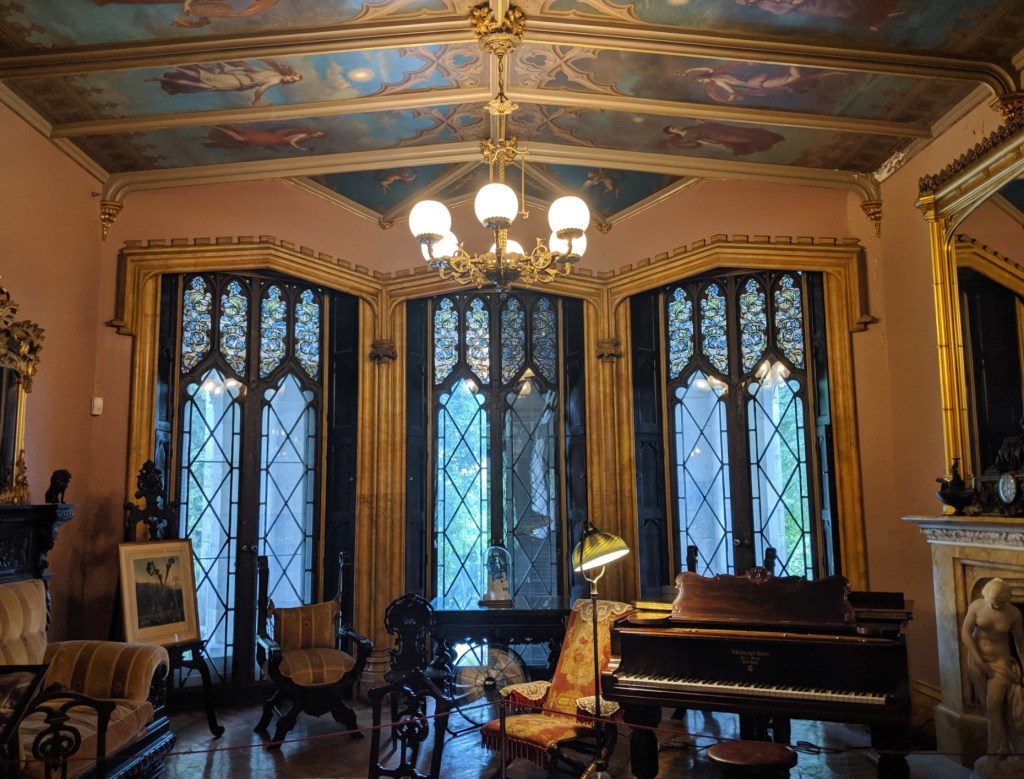

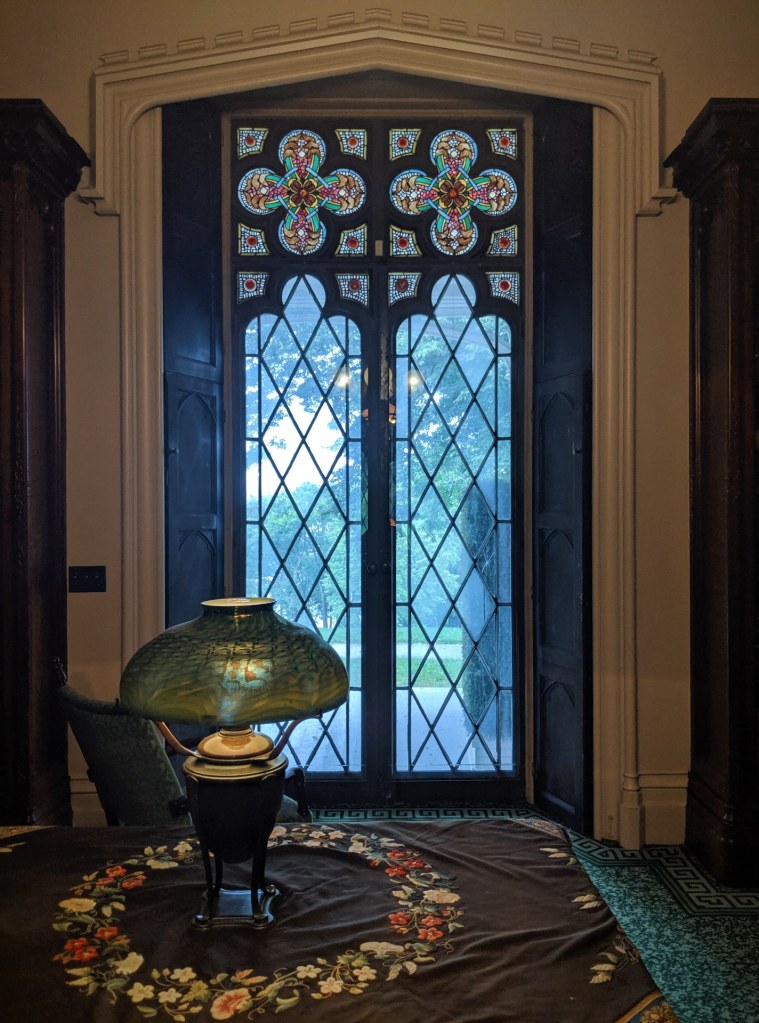


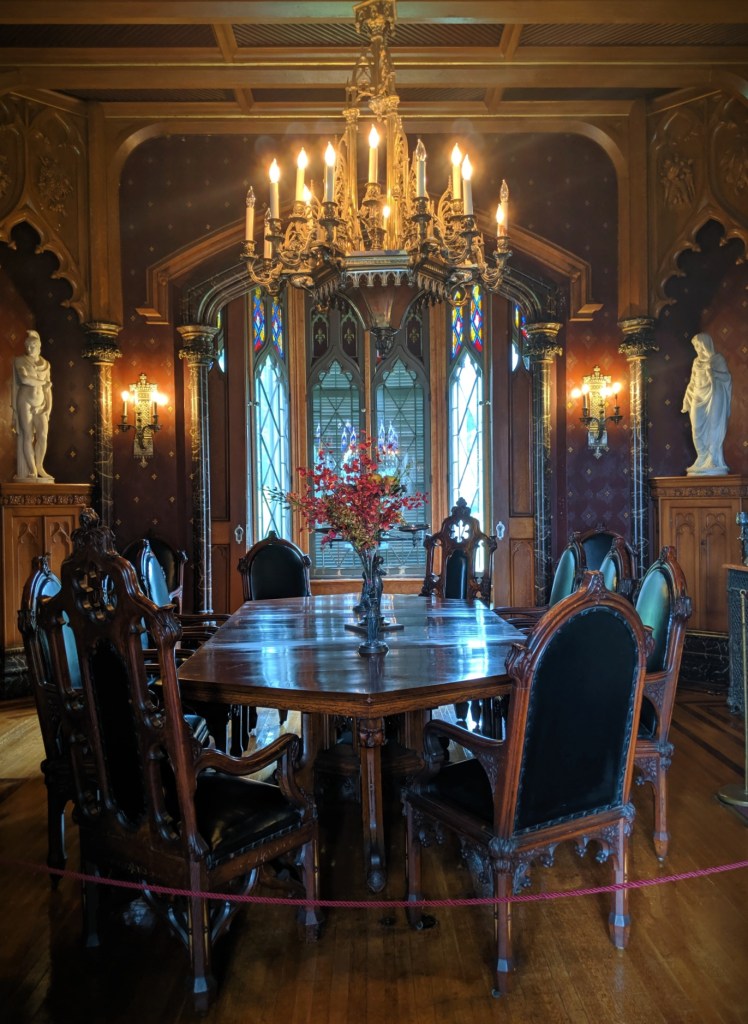


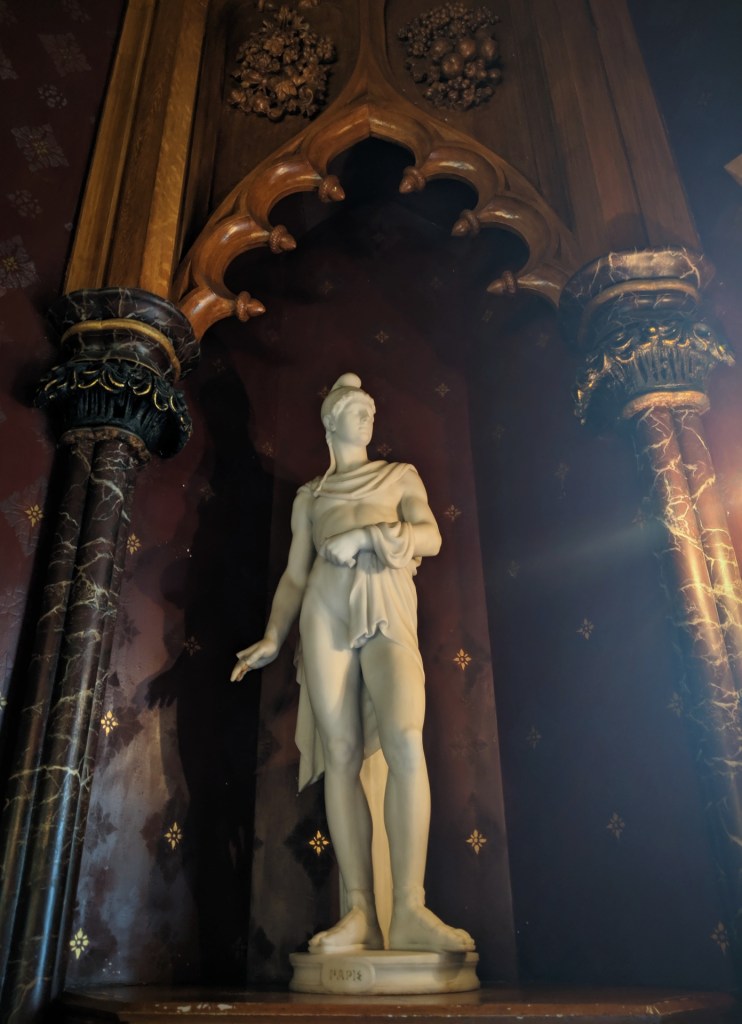
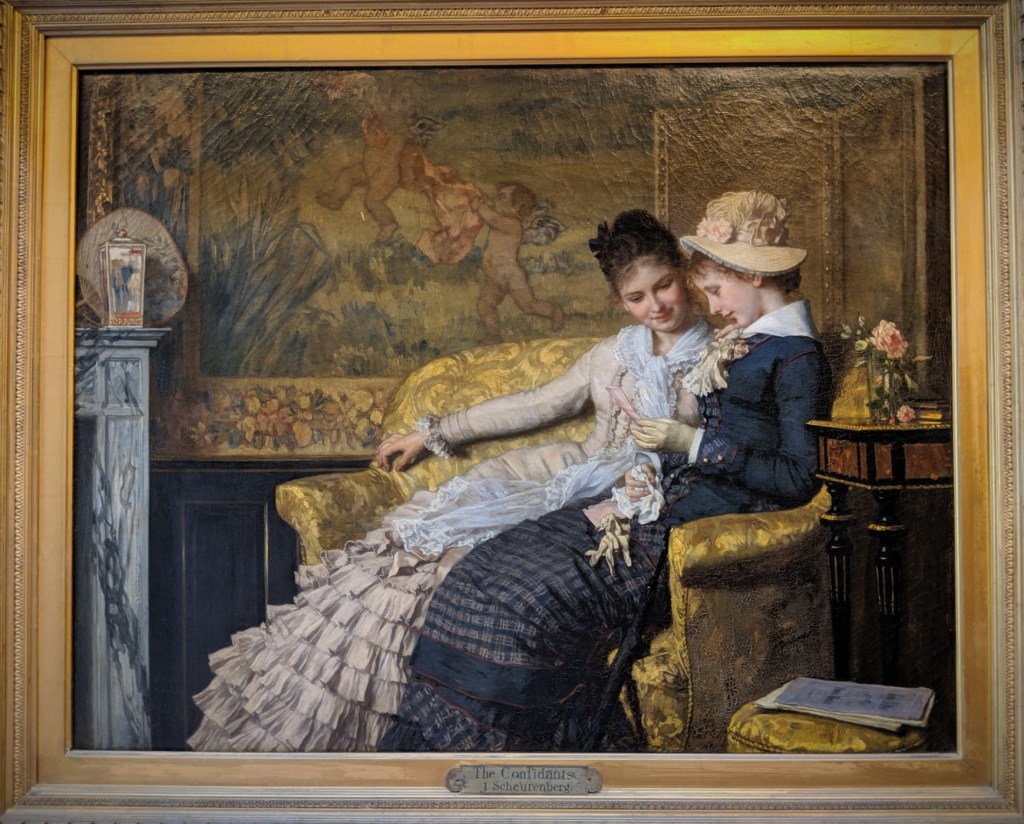

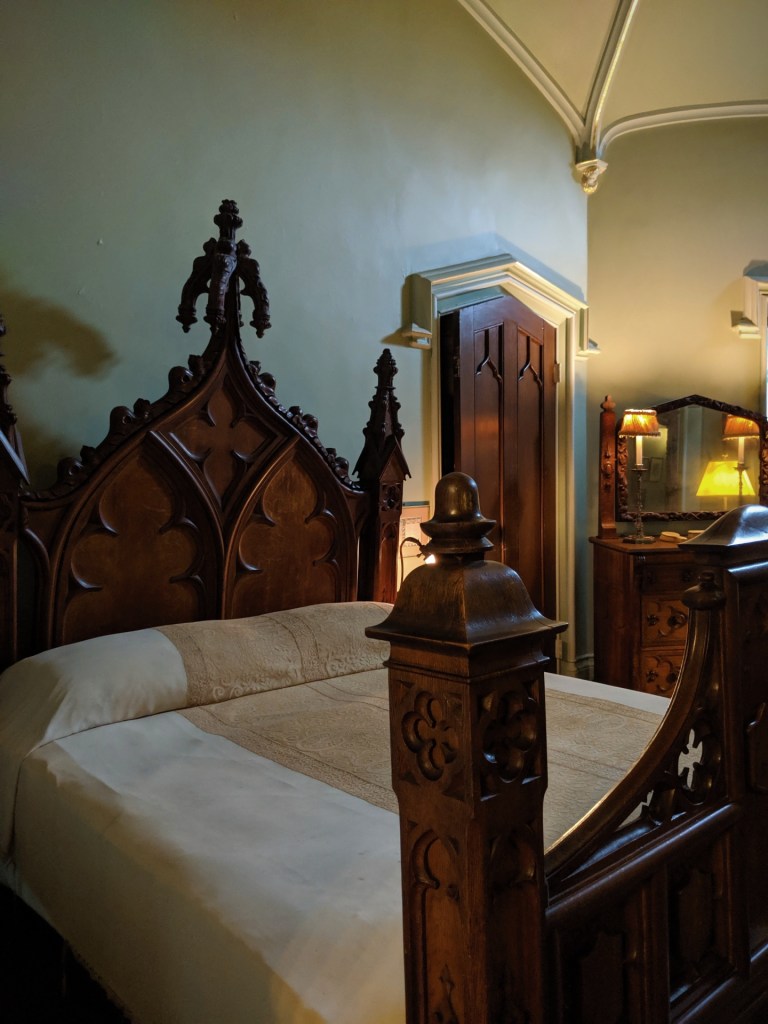


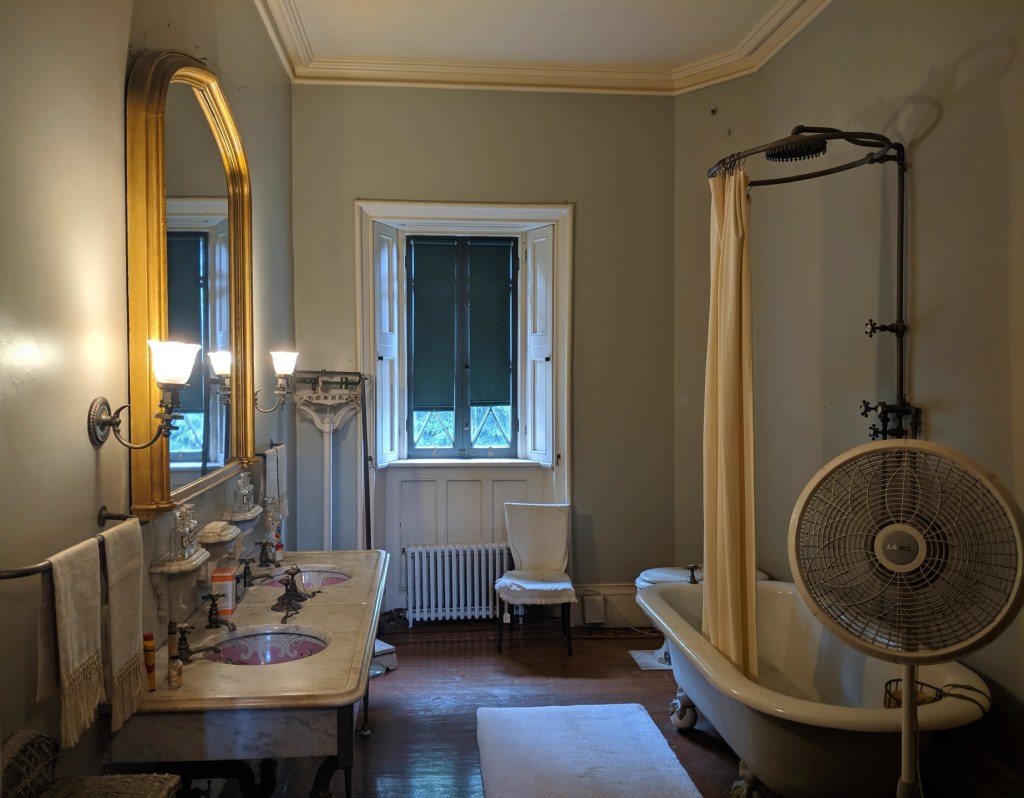


Lyndhurst Mansion, Tarrytown
Designed in 1838 by architect Alexander Jackson Davis.
July 18th, 2019
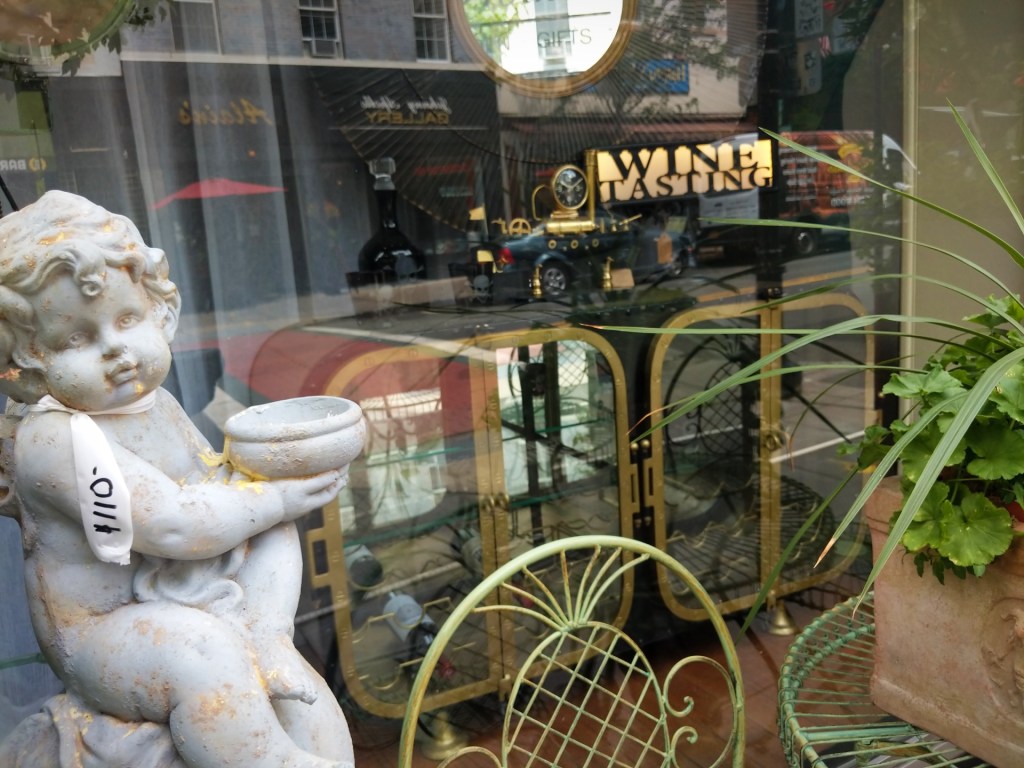
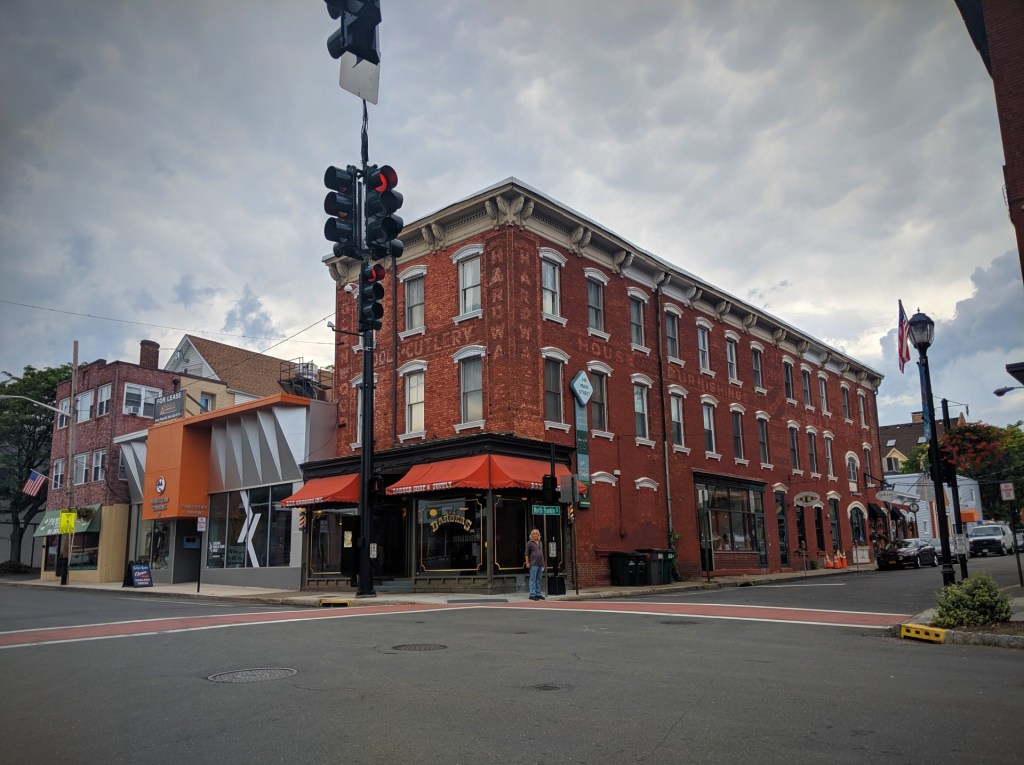
We wanted so much to walk in Hopper’s steps around town, down to the waterfront and up to the Oak Hill Cemetery, following a map provided by the Museum, but it was so damn hot that day, we just had to give up and seek shelter. As you can see, there were only a couple of people in the streets, mad enough to brave the heat.

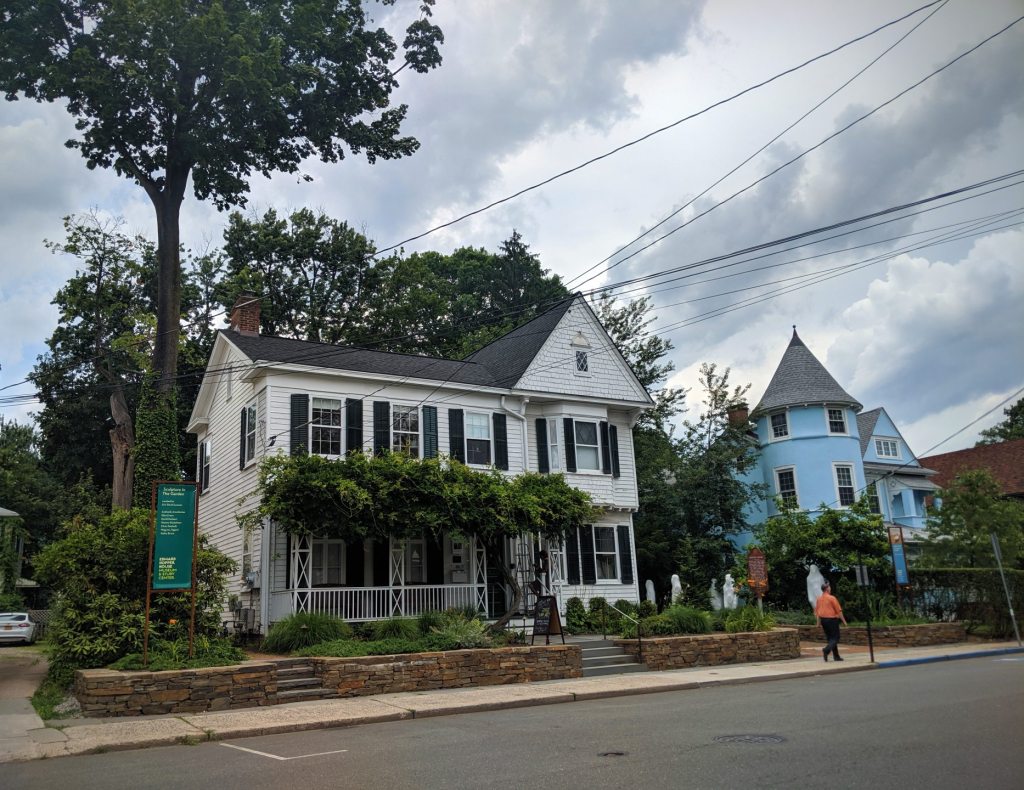
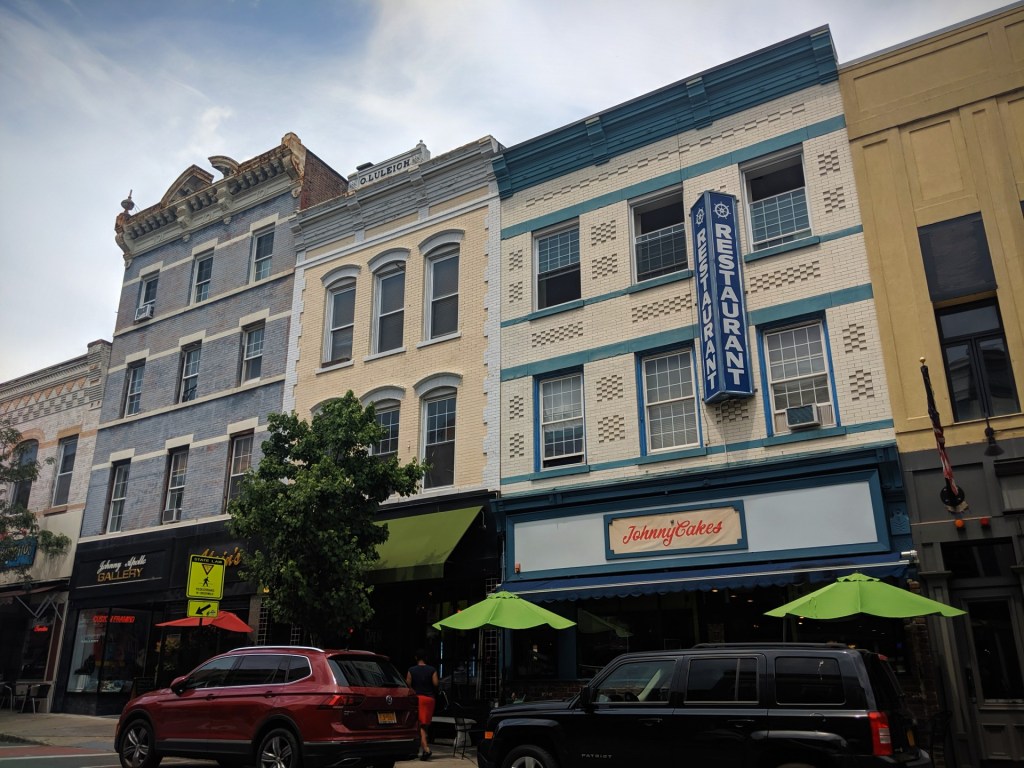




Nyack, N.Y.
July 17th, 2019
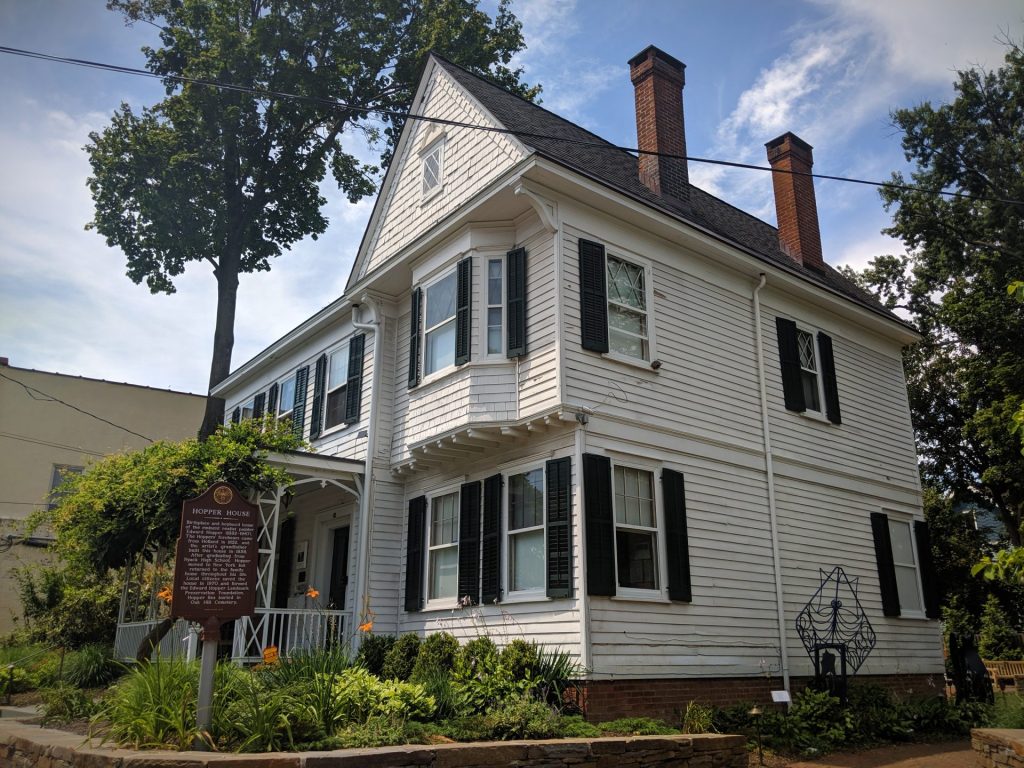
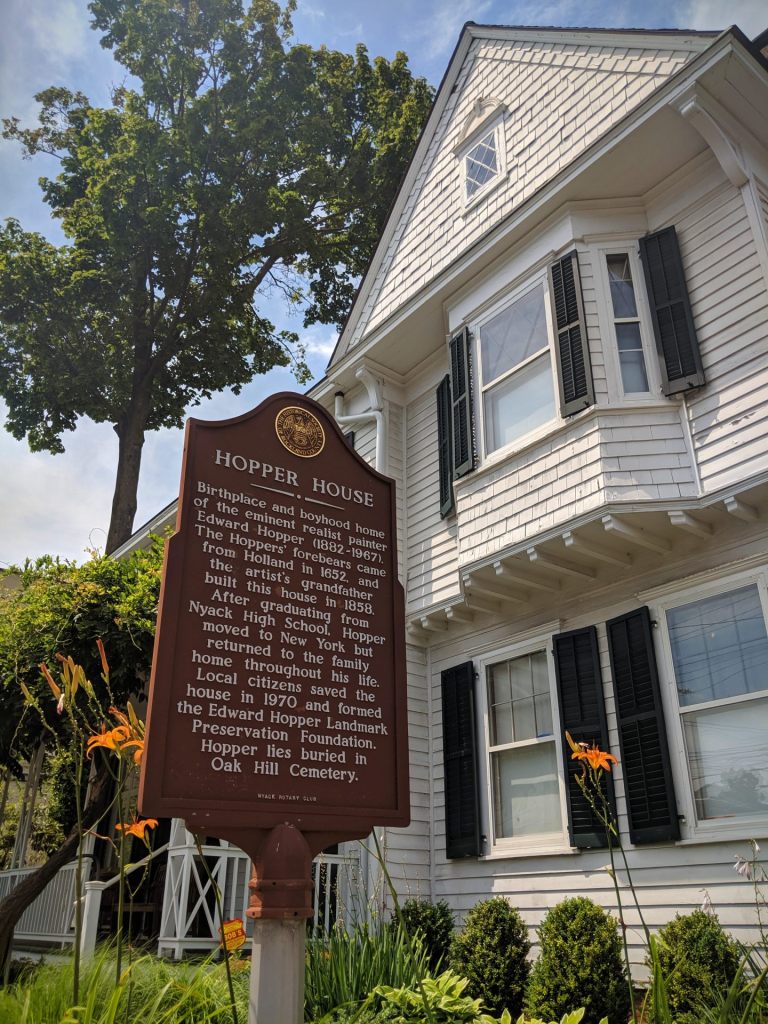
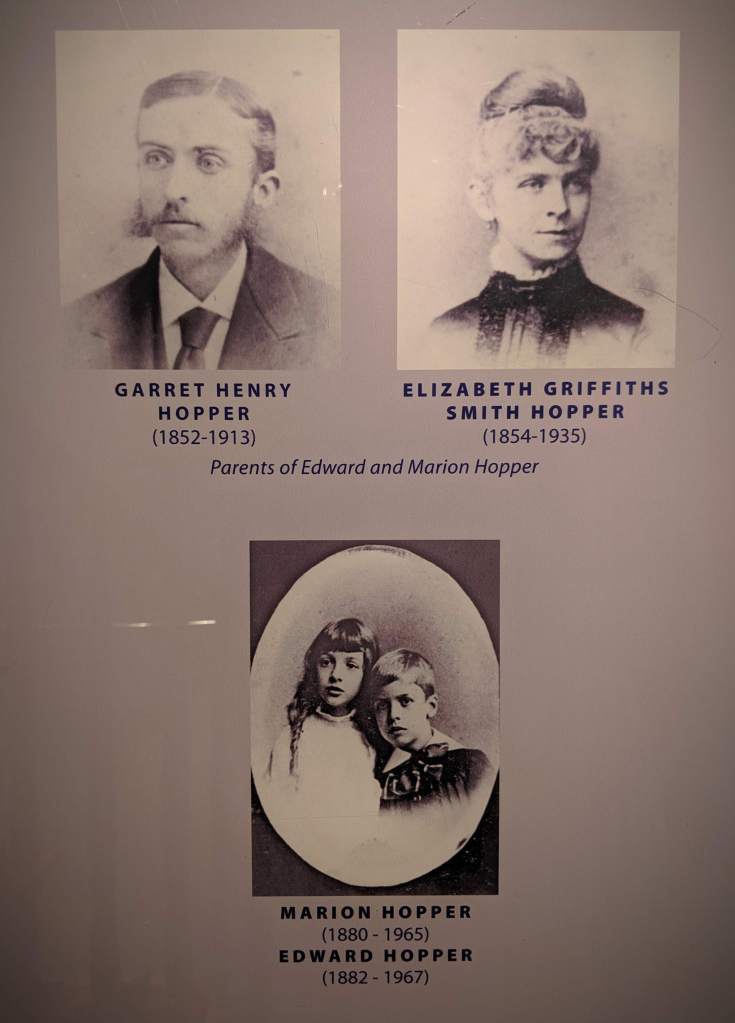
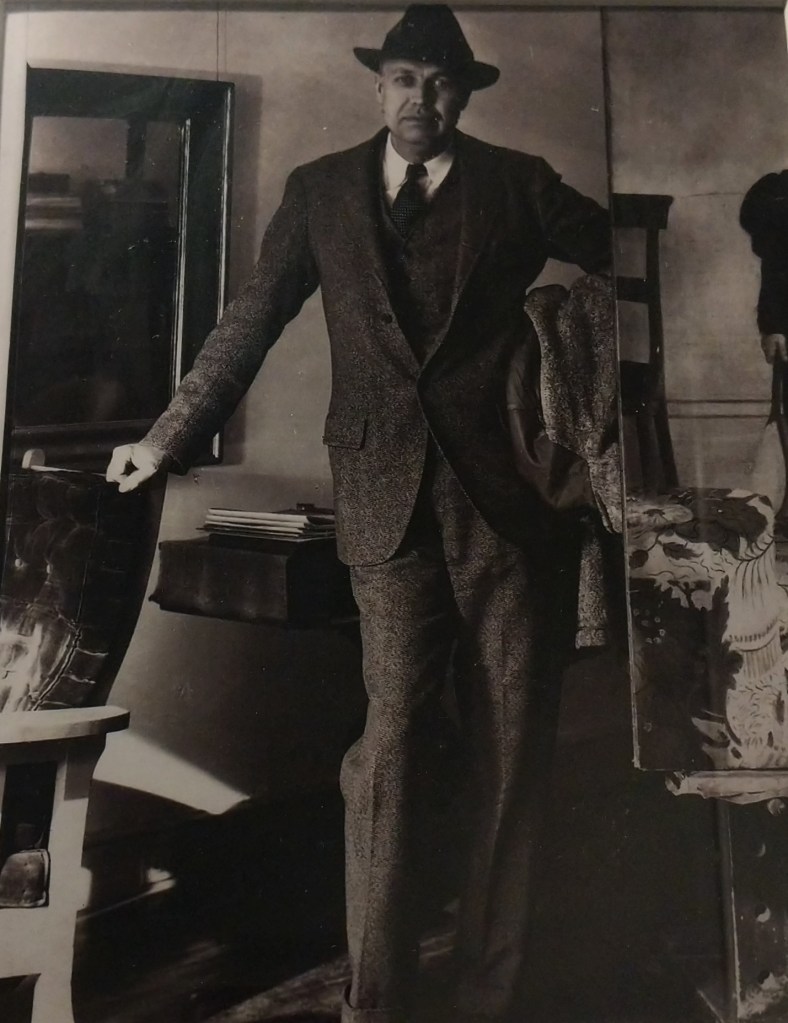
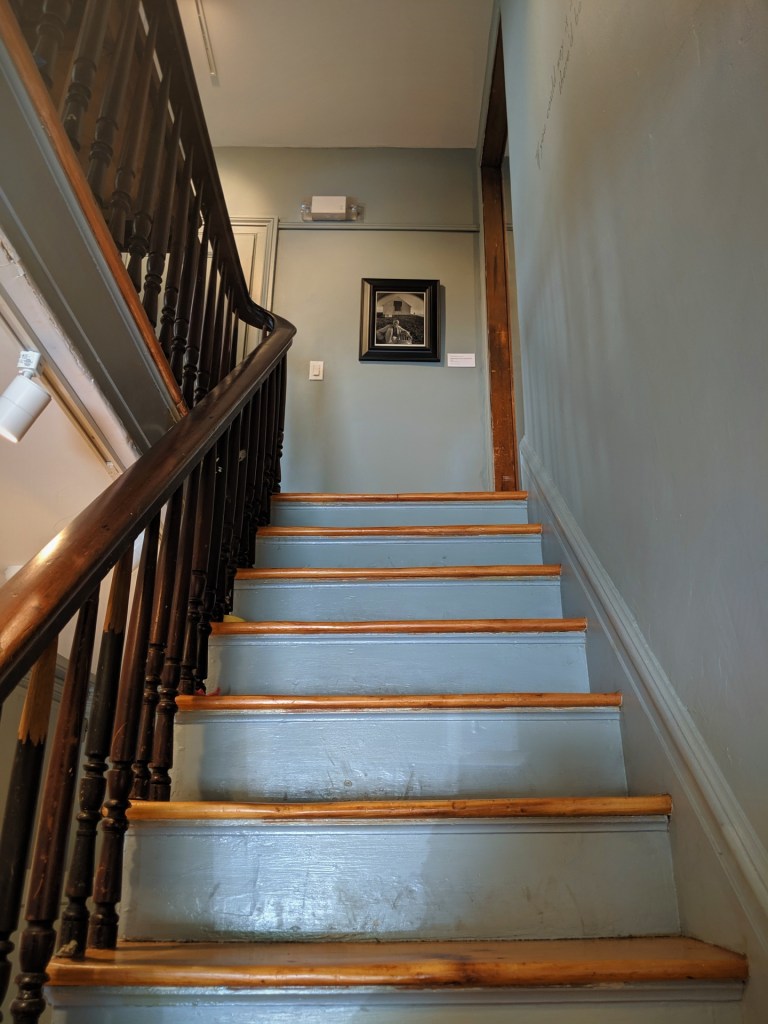
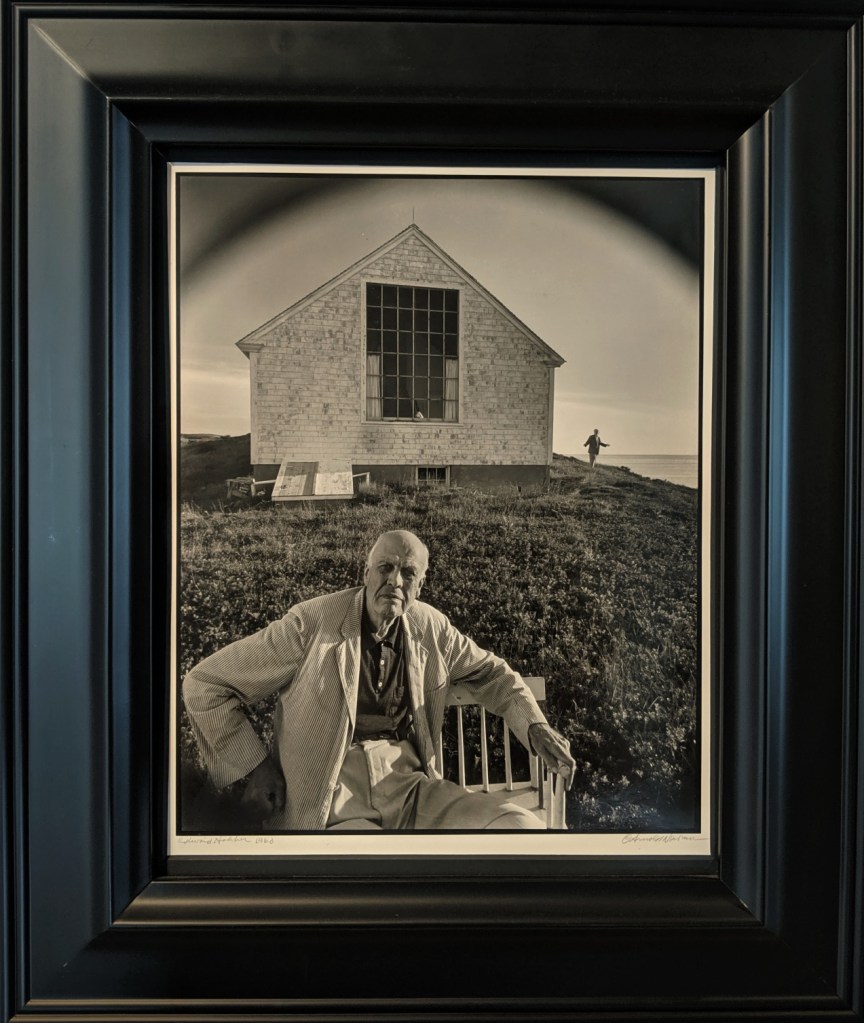
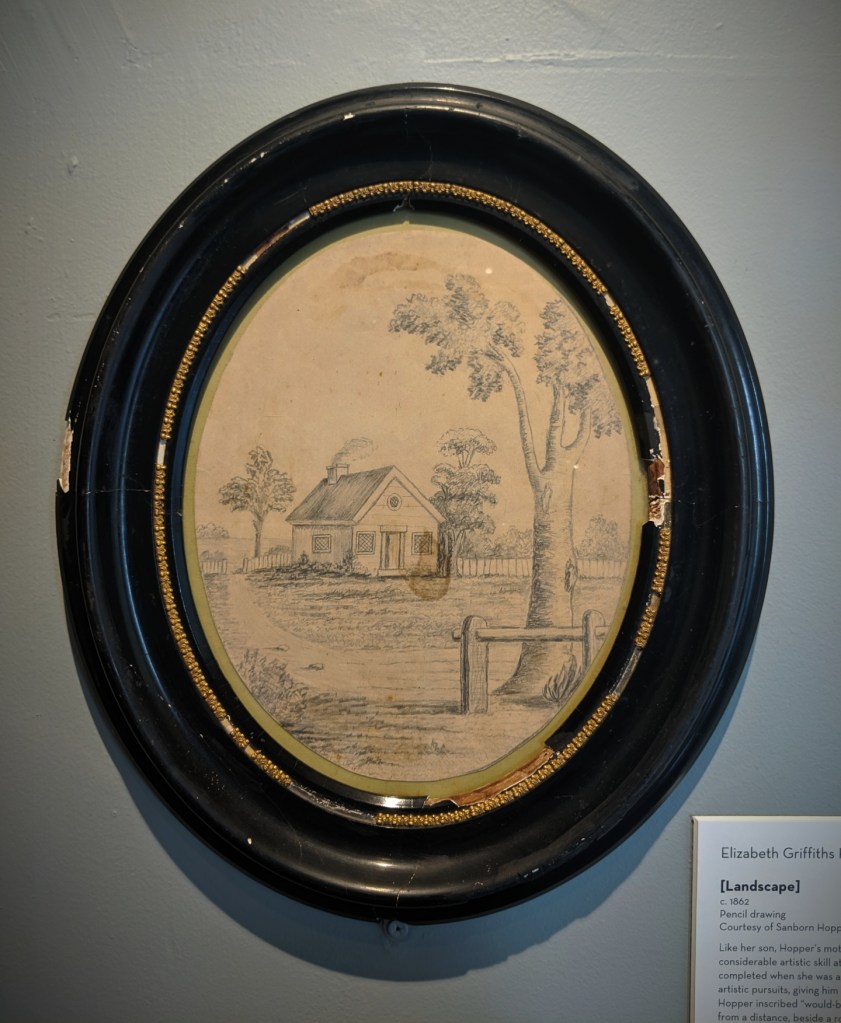
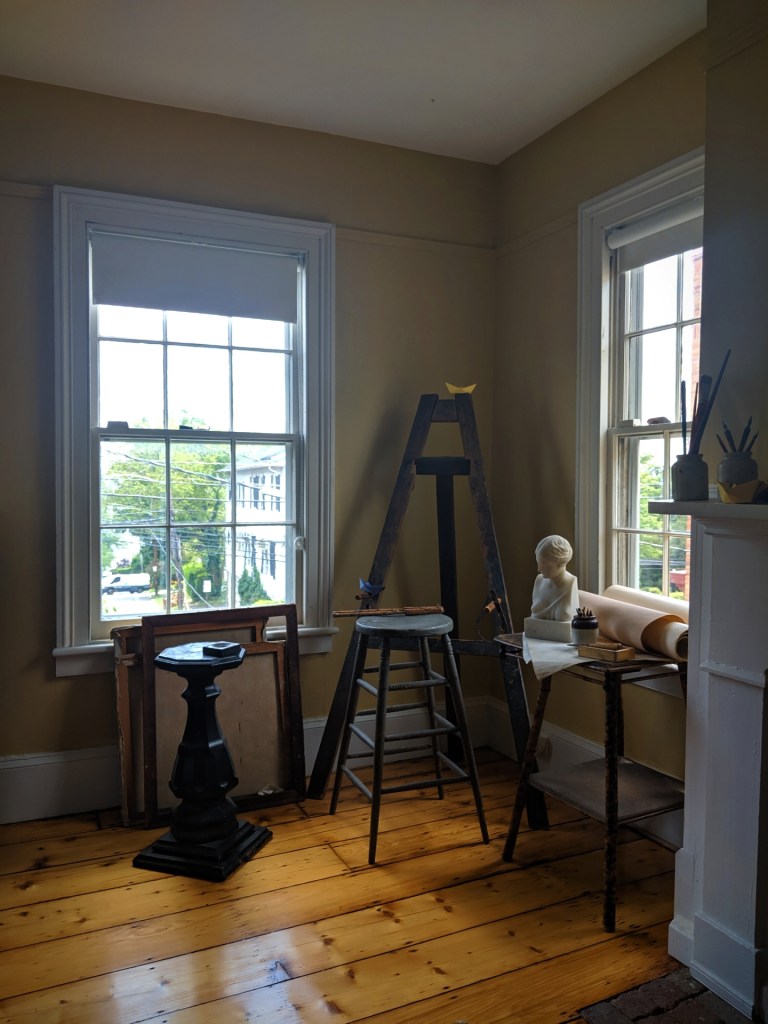
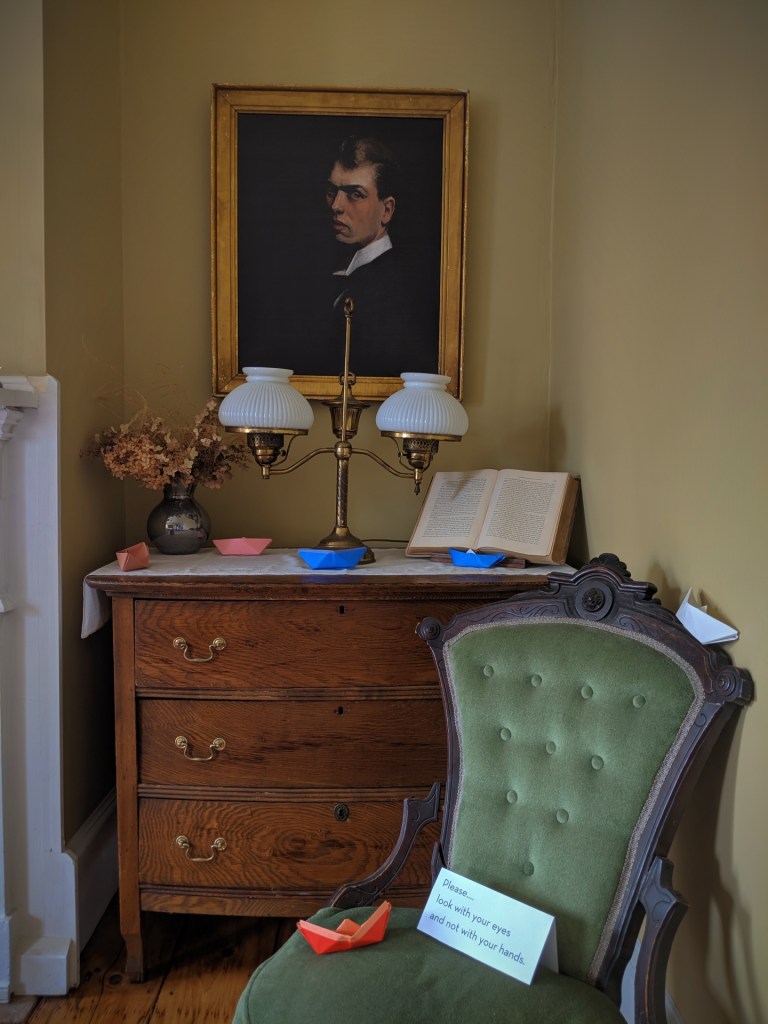
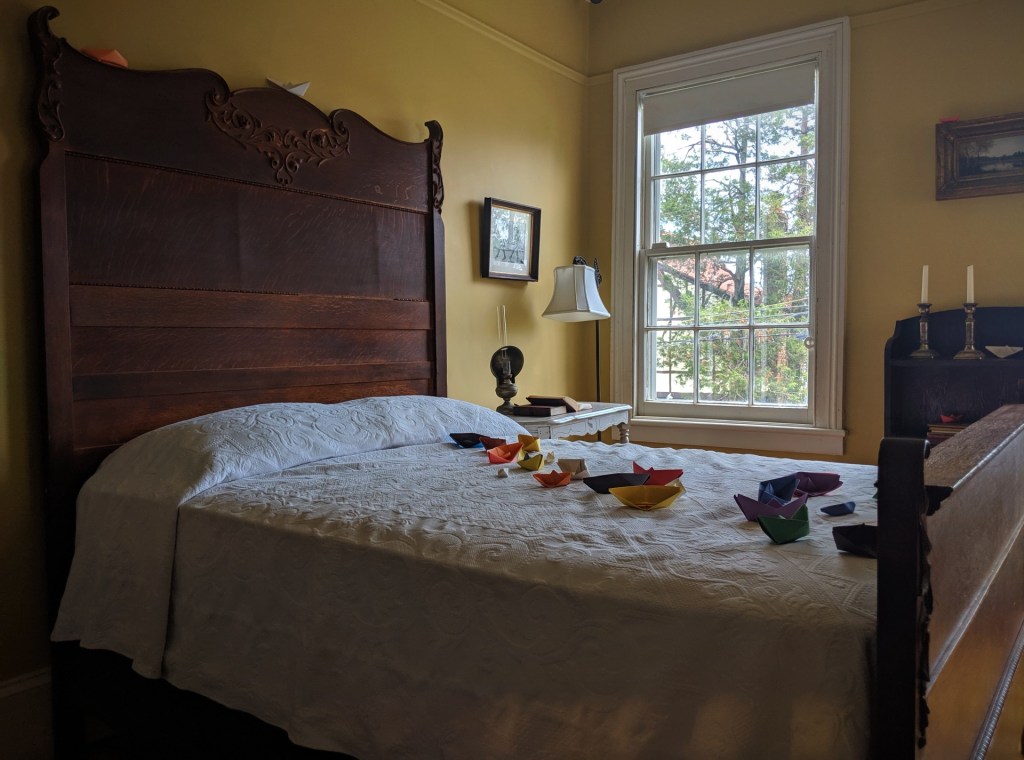
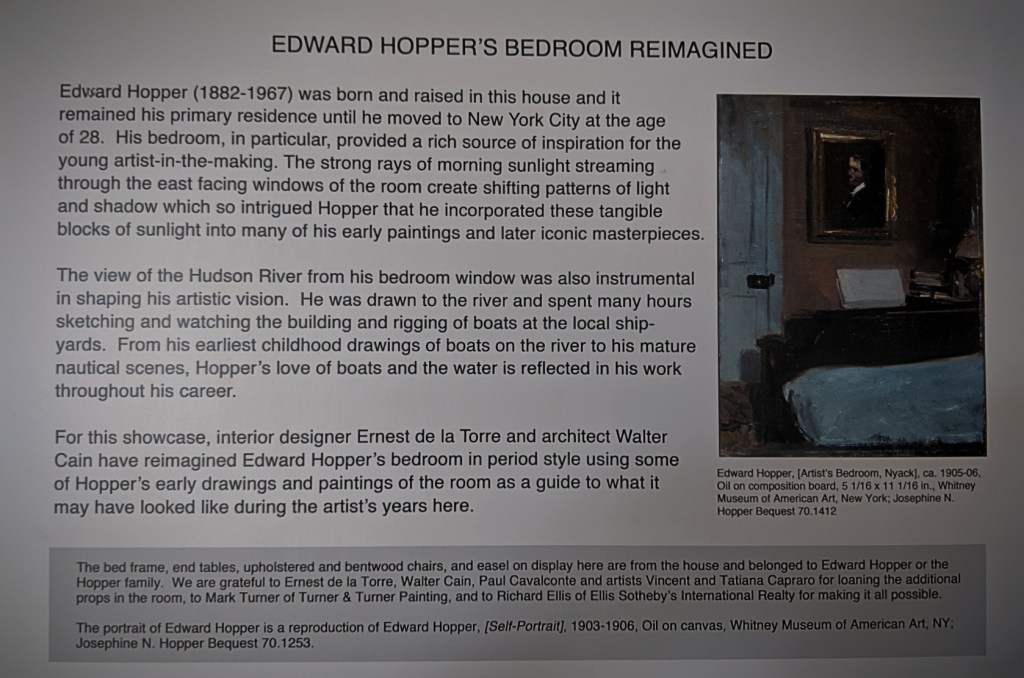
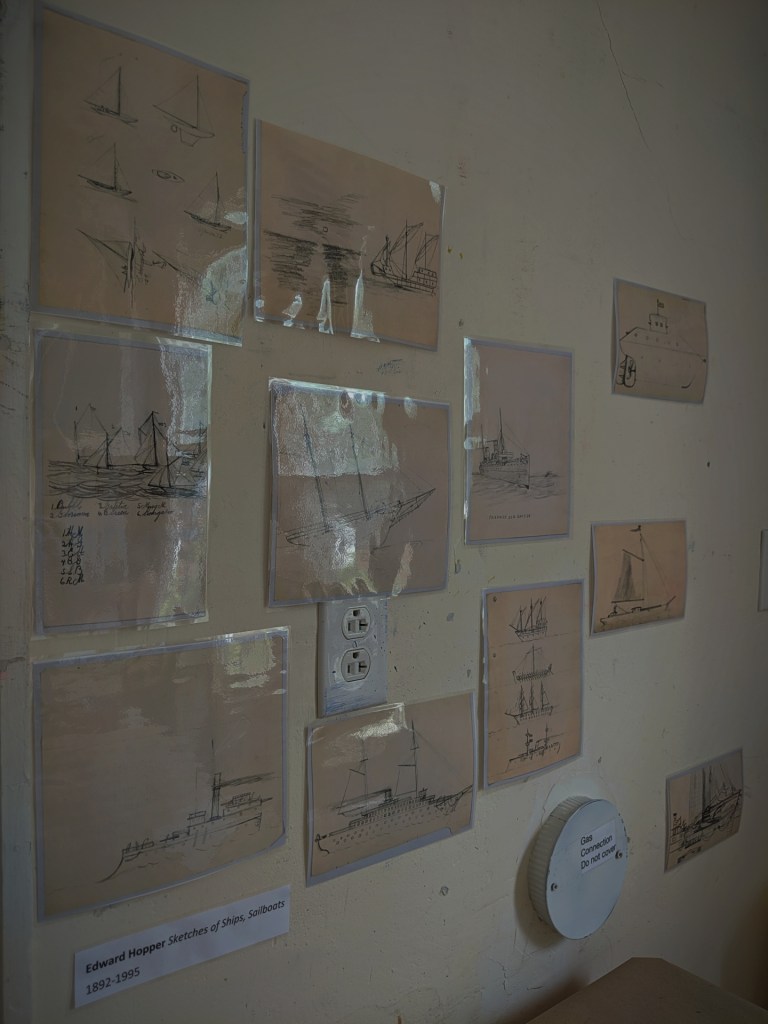
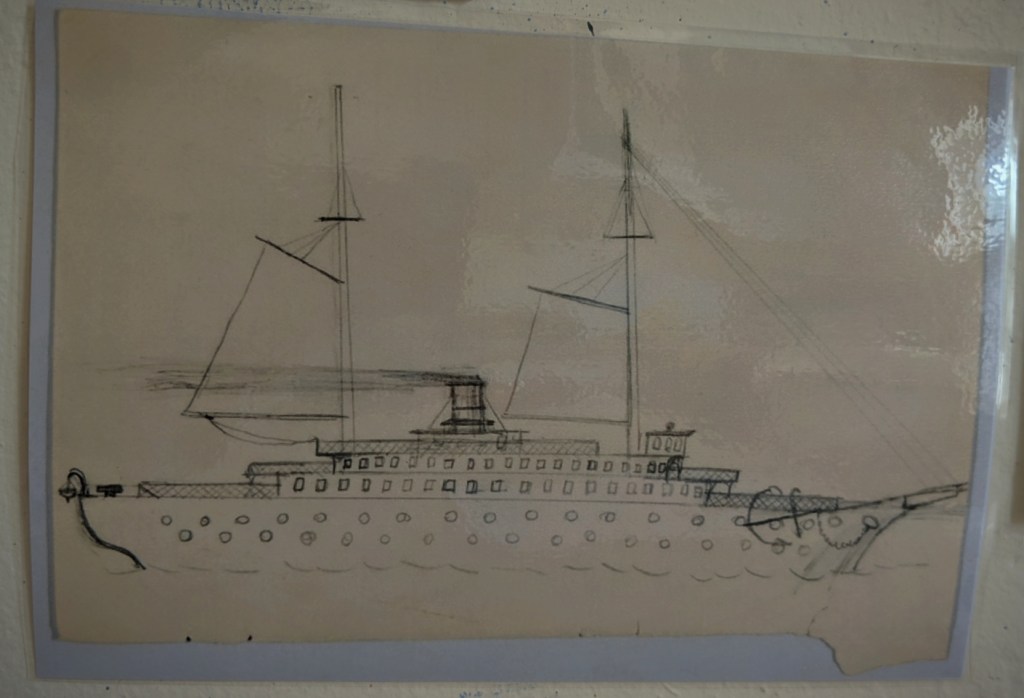
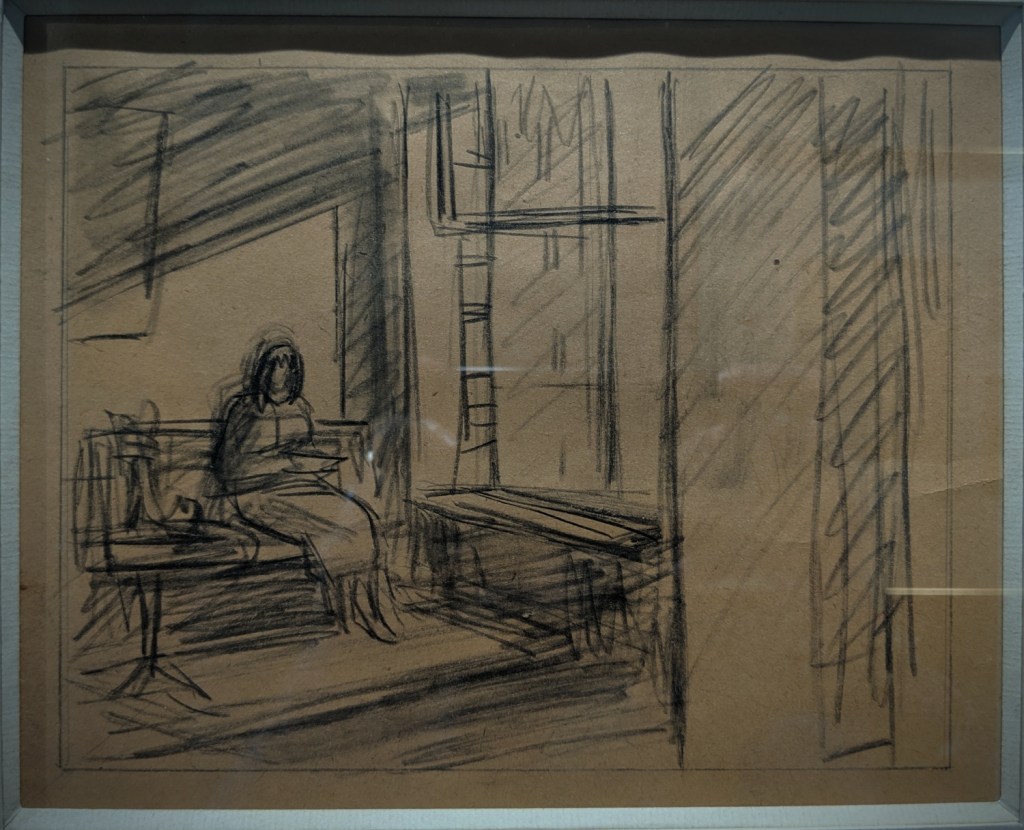
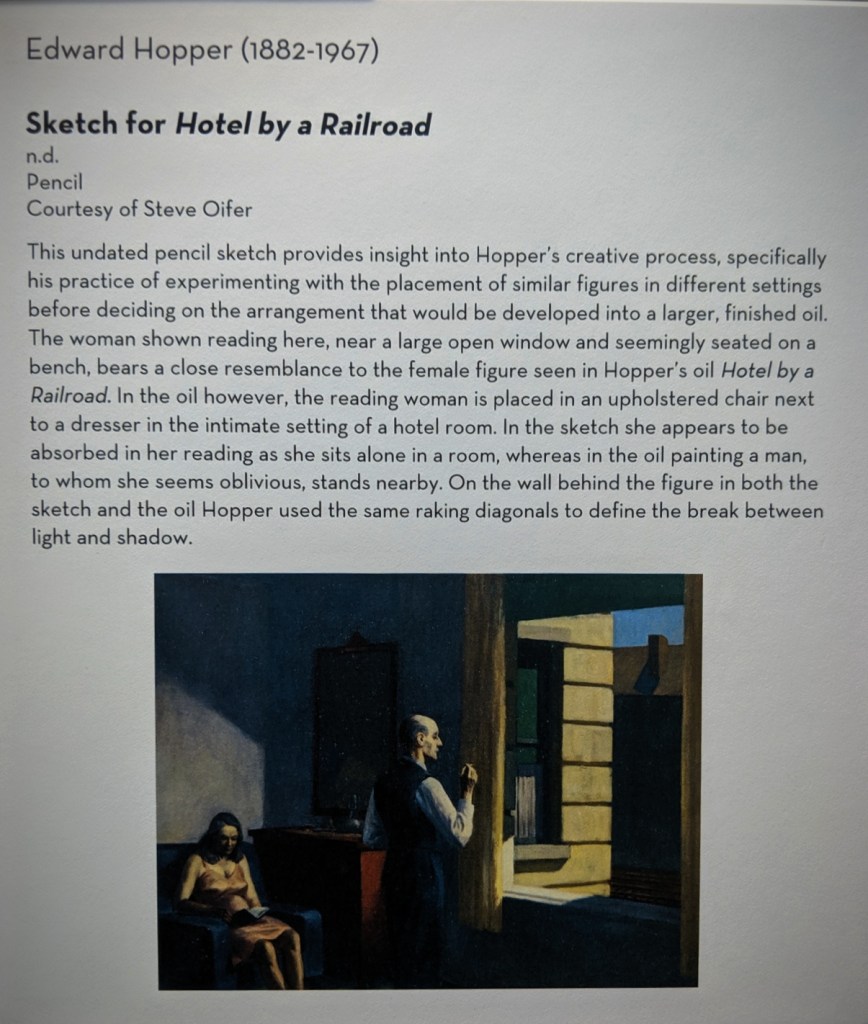
Where he was born and grew up, drew his first impressions and sketches, pictures that were imprinted on his memory working to make him the artist he became.
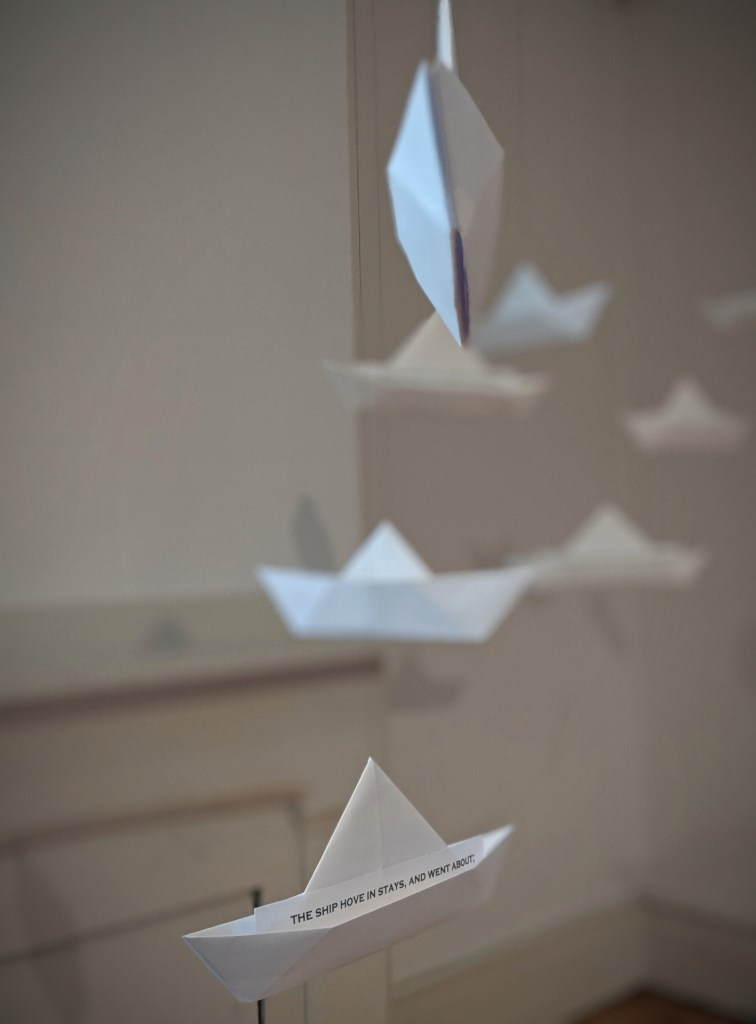
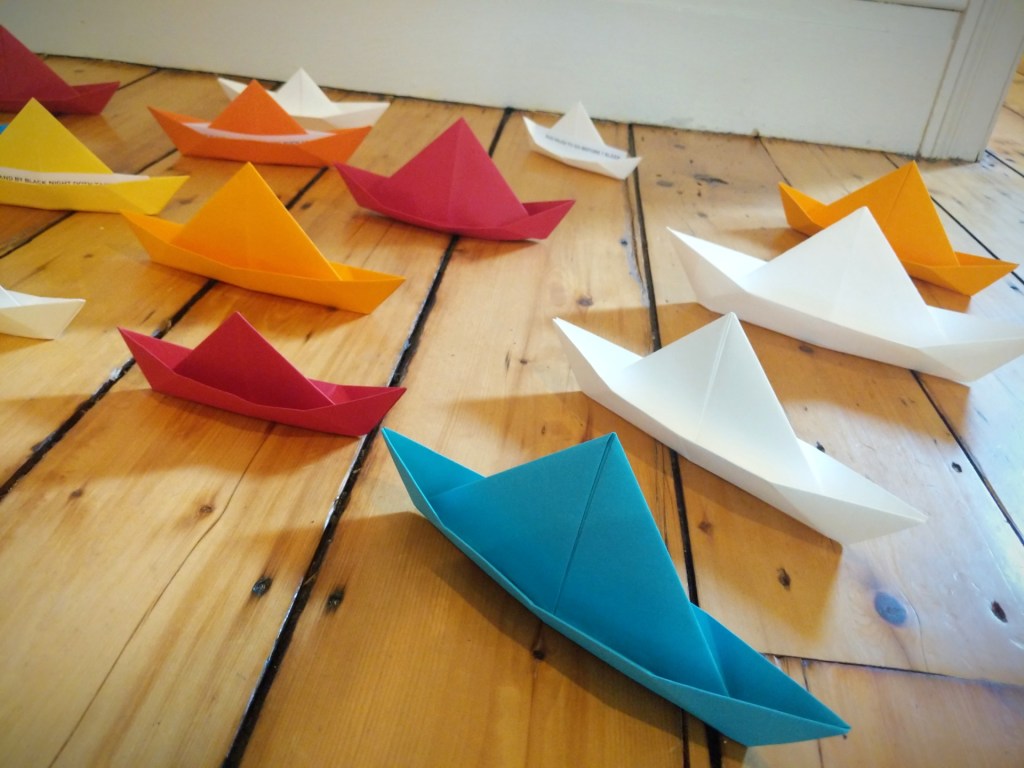
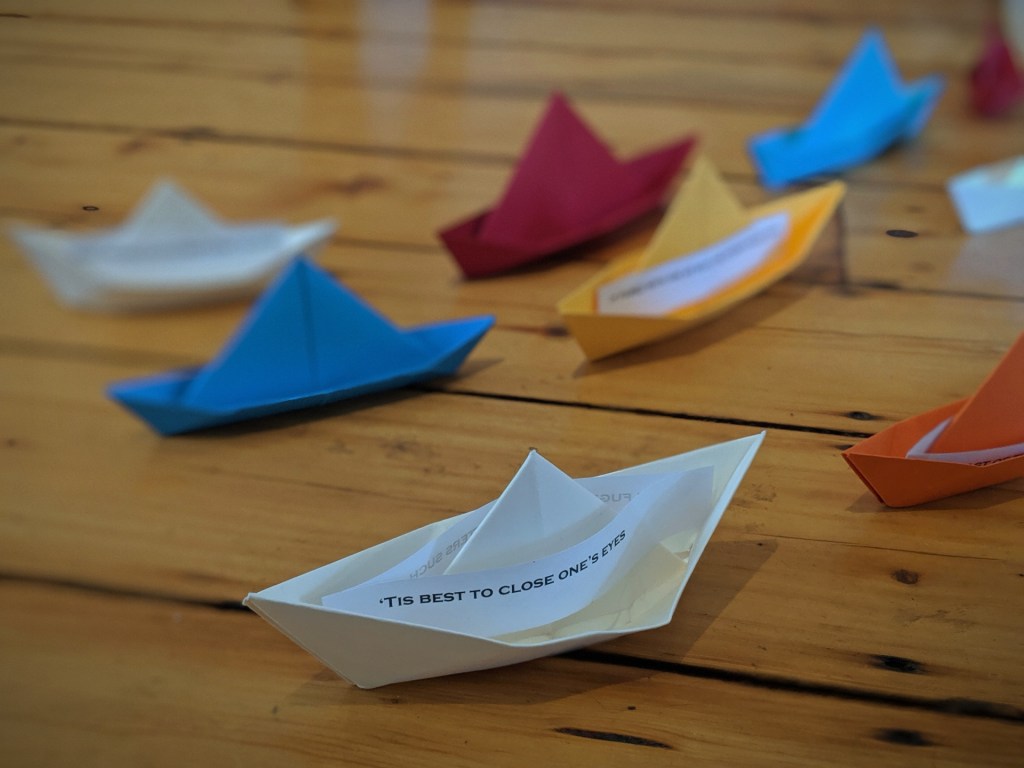
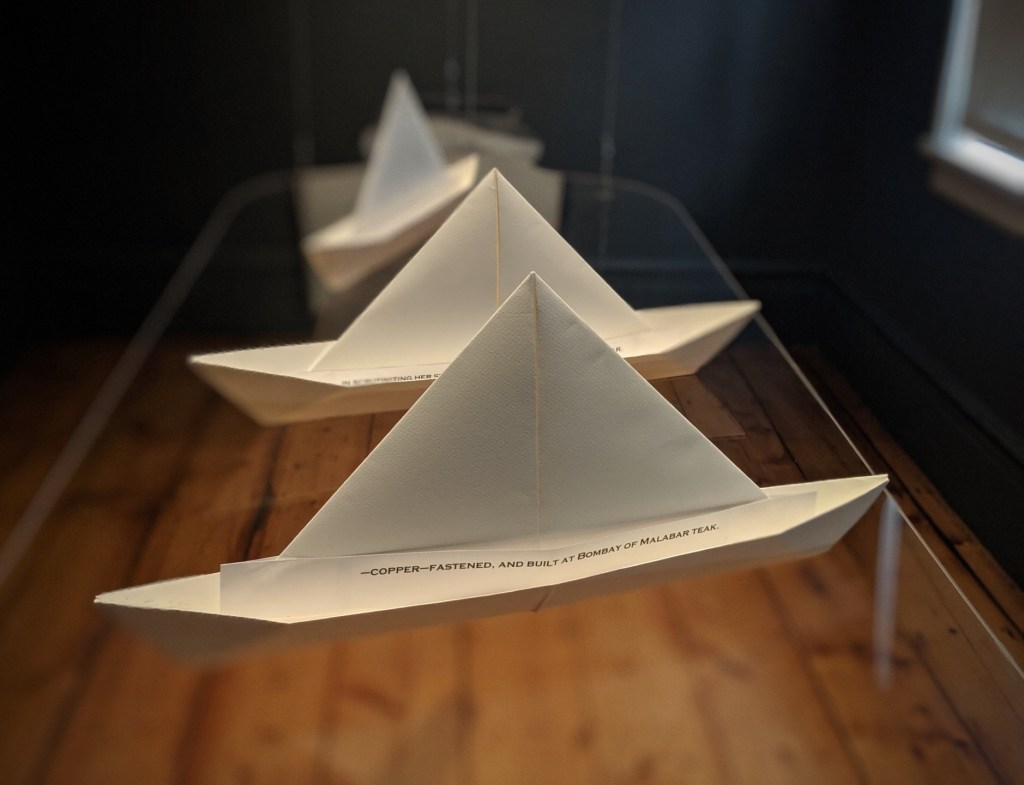
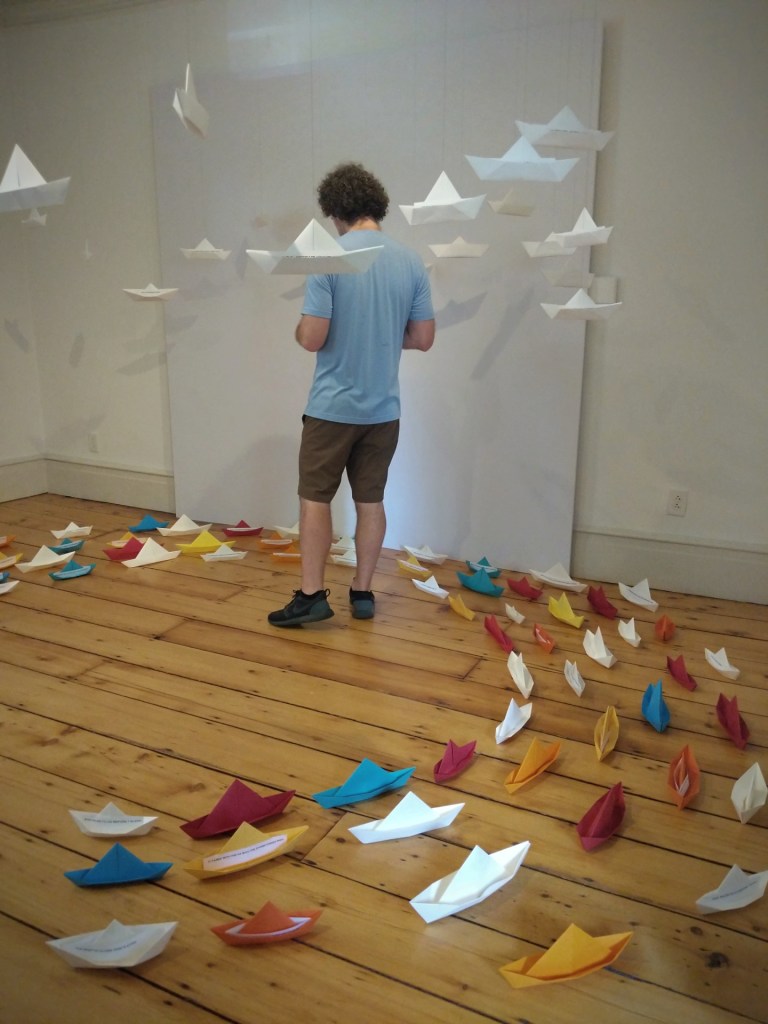
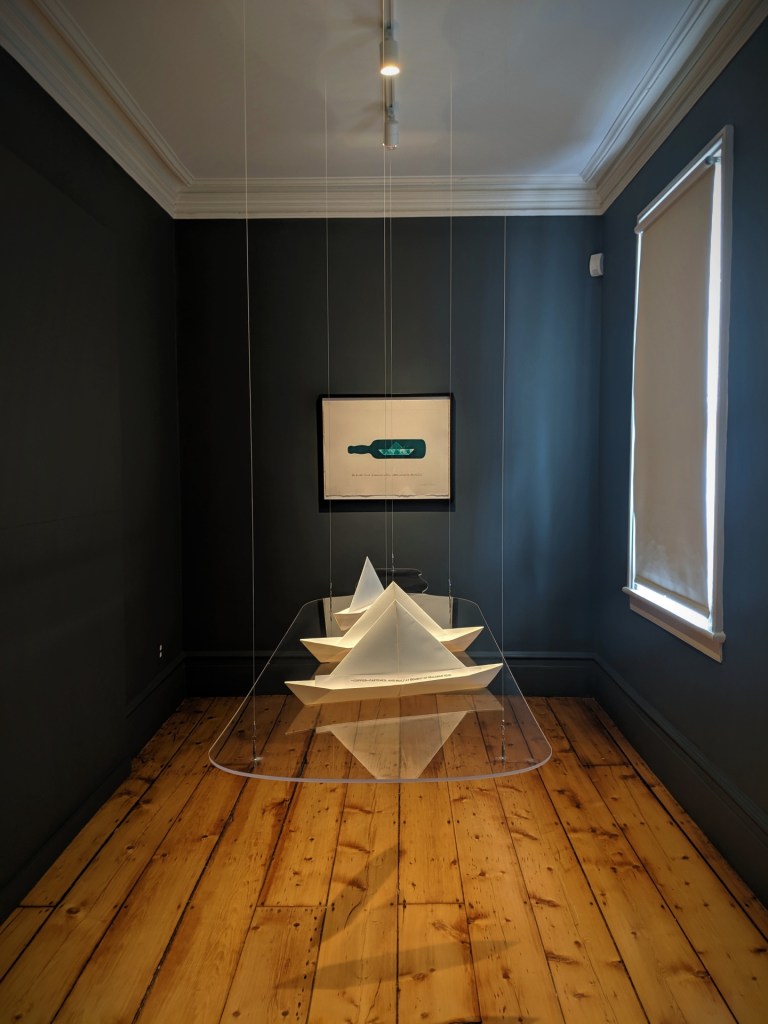
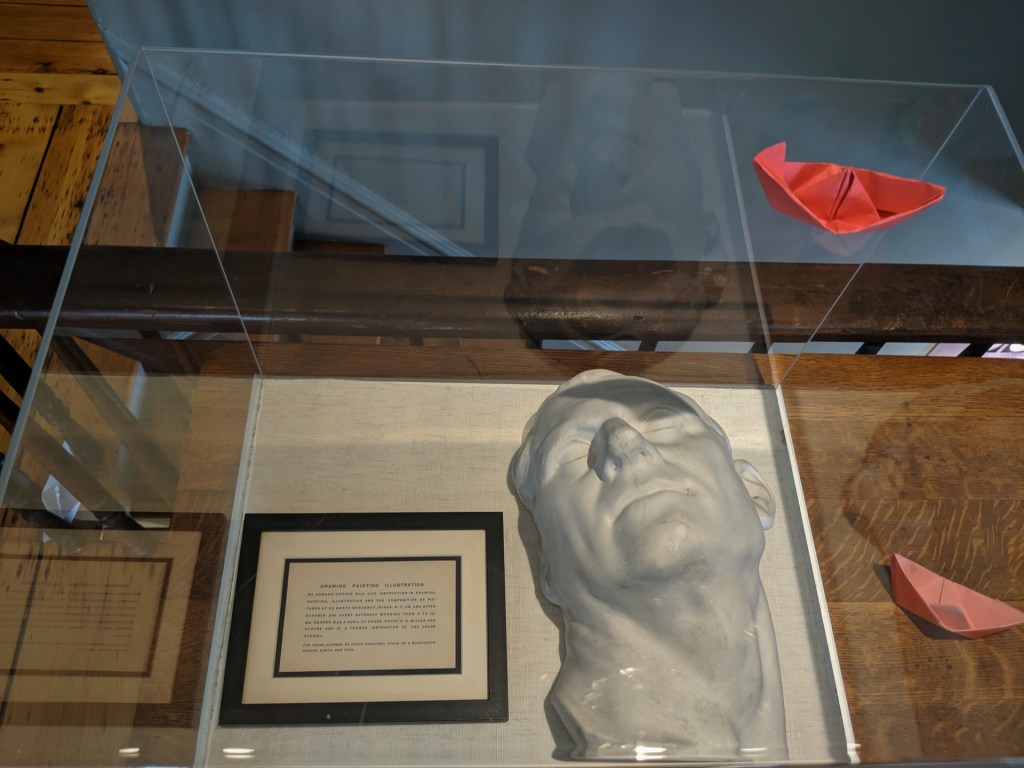
On the ground floor, an additional exhibition of works by Alastair Noble, inspired by Hopper’s boyhood fascination with yachts and other sailing boats; an installation of paper boats and poetic messages, a weightless flotilla flowing across the gallery.
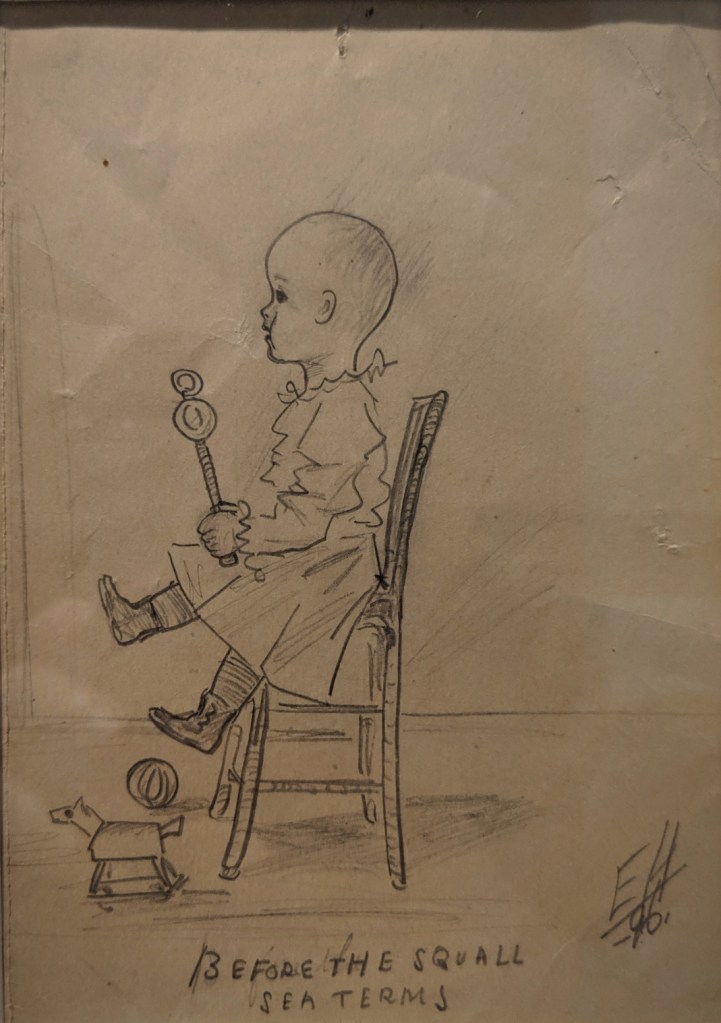
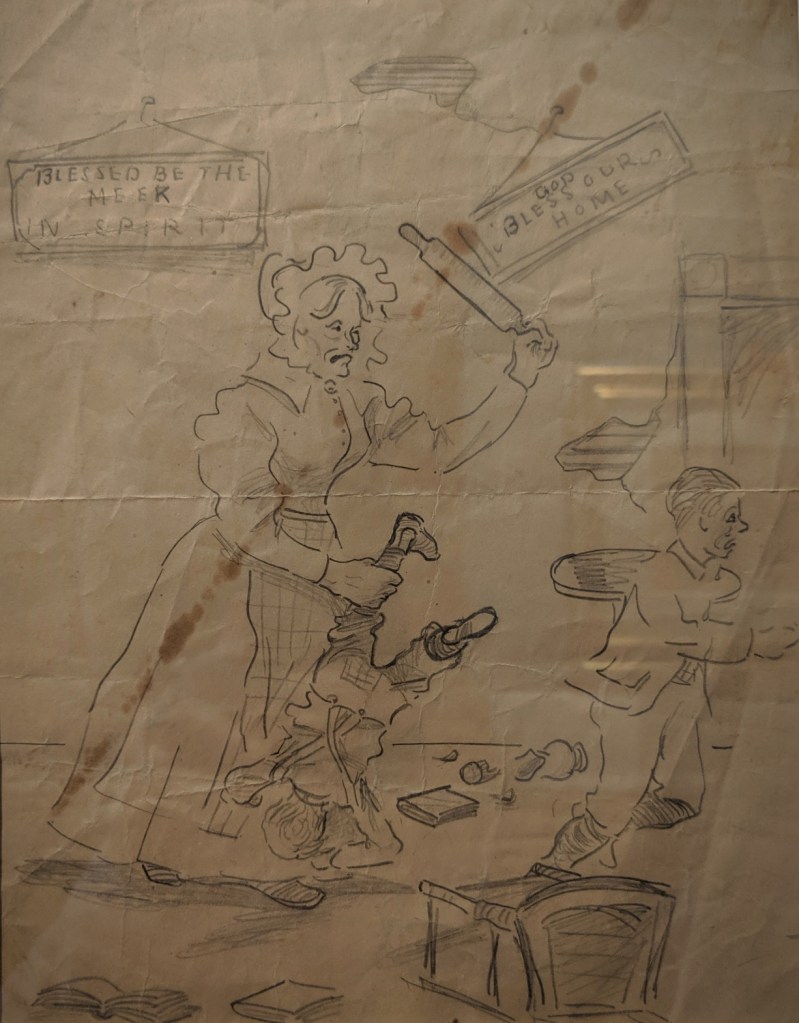
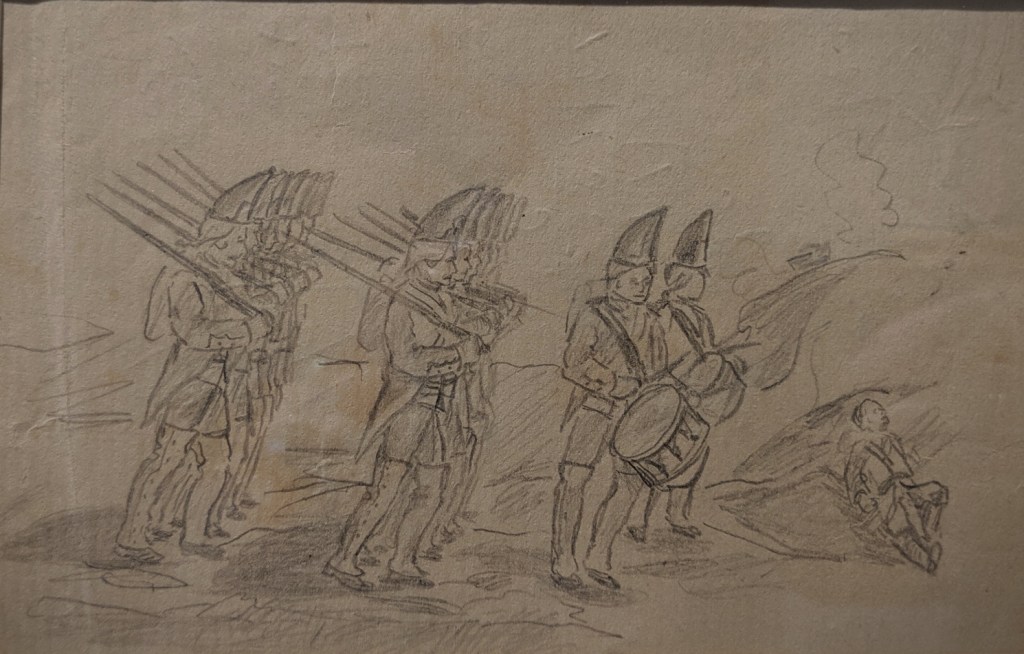
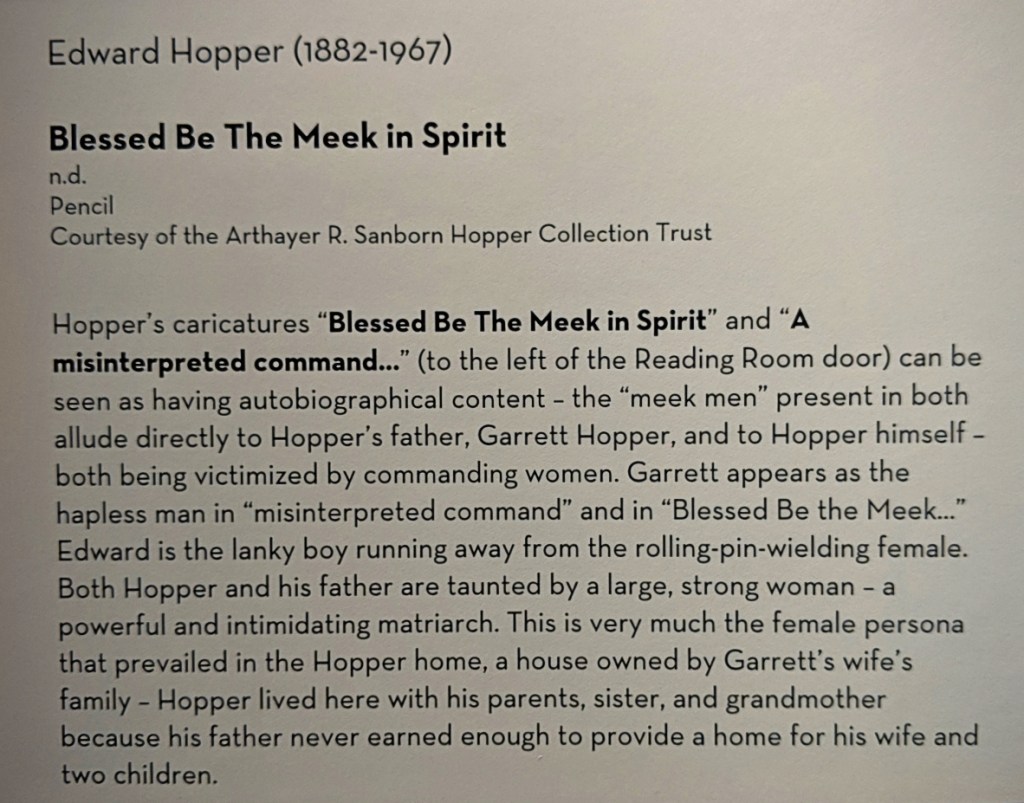
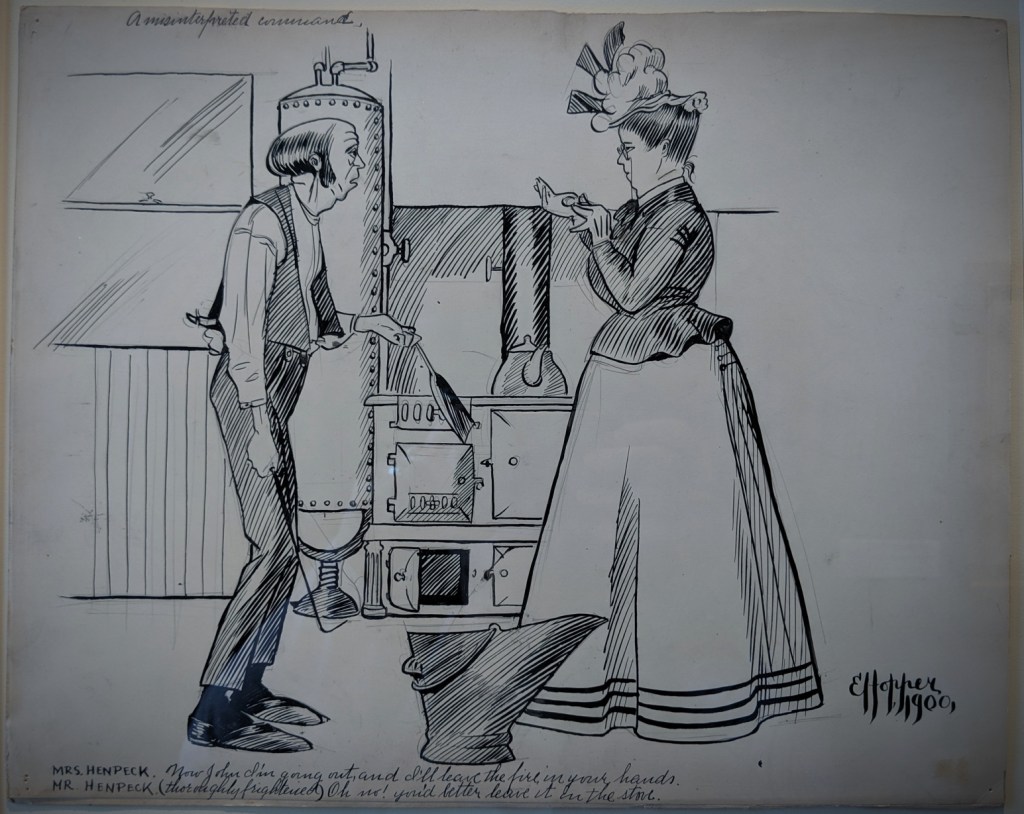
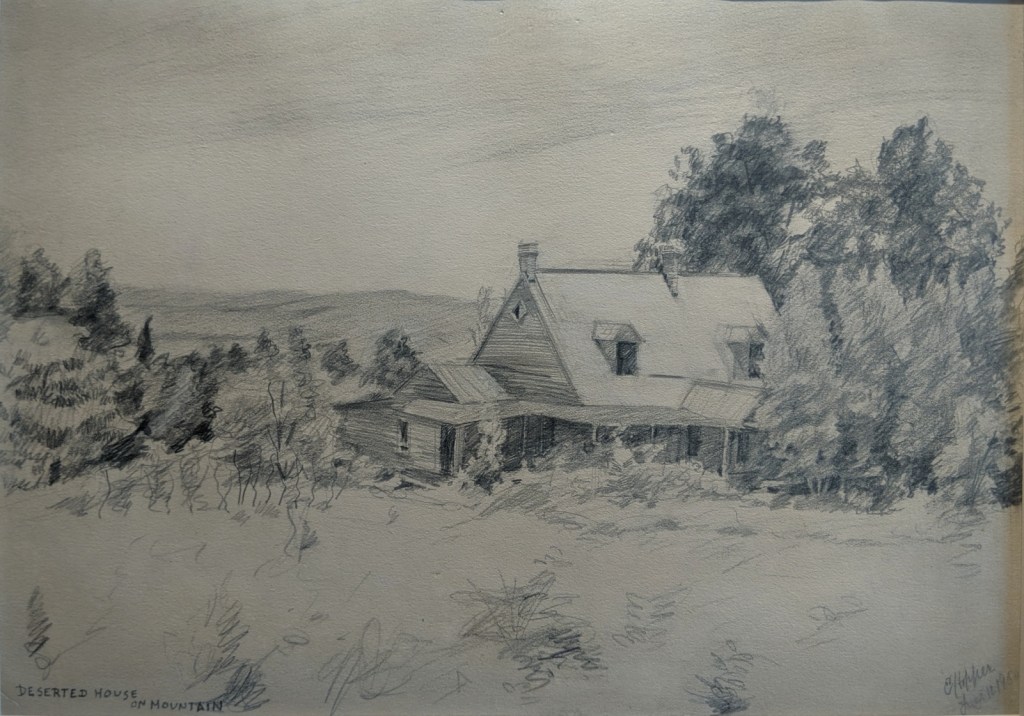
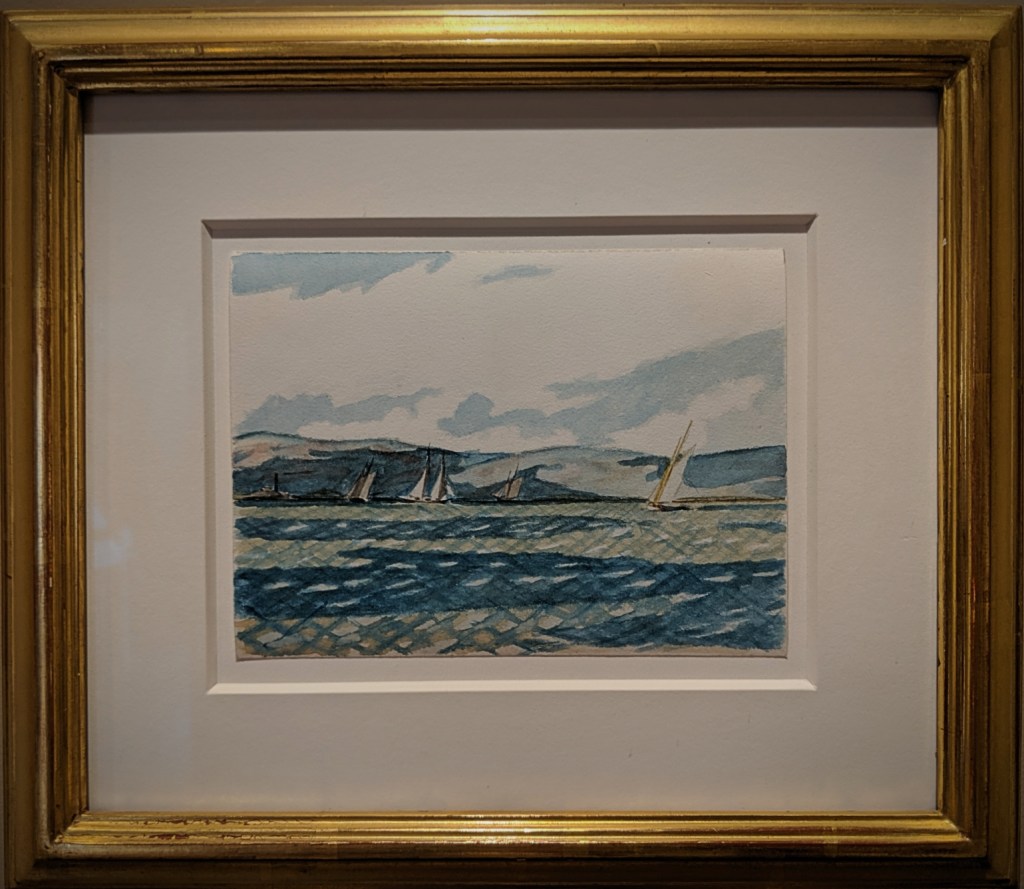
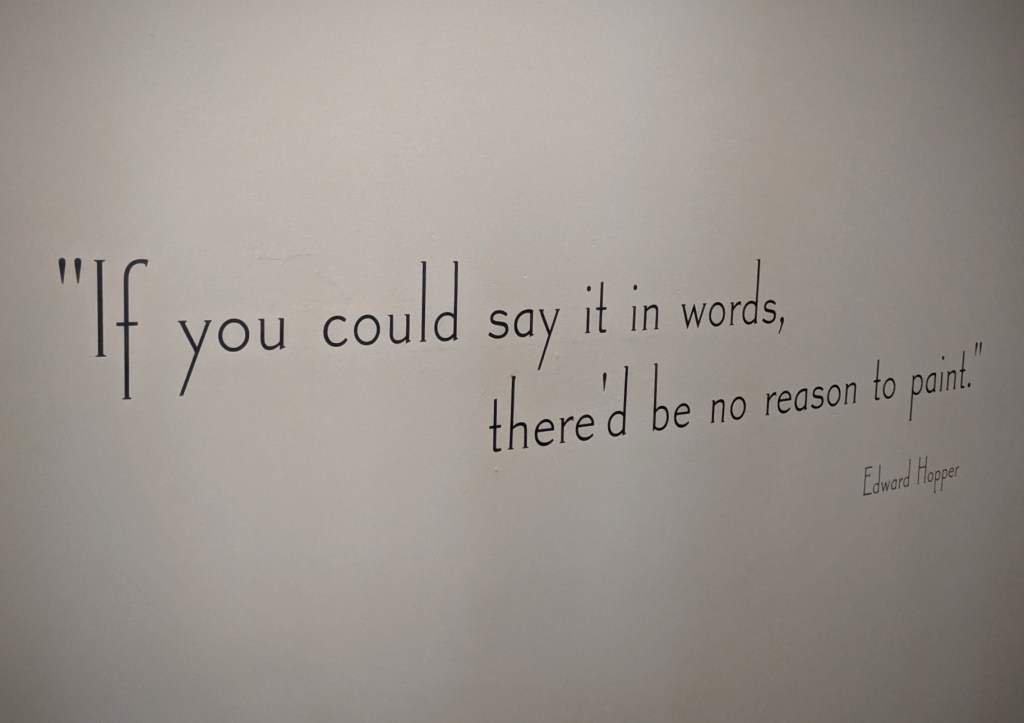
Nyack, N.Y.
July 17th, 2019
Follow your heart
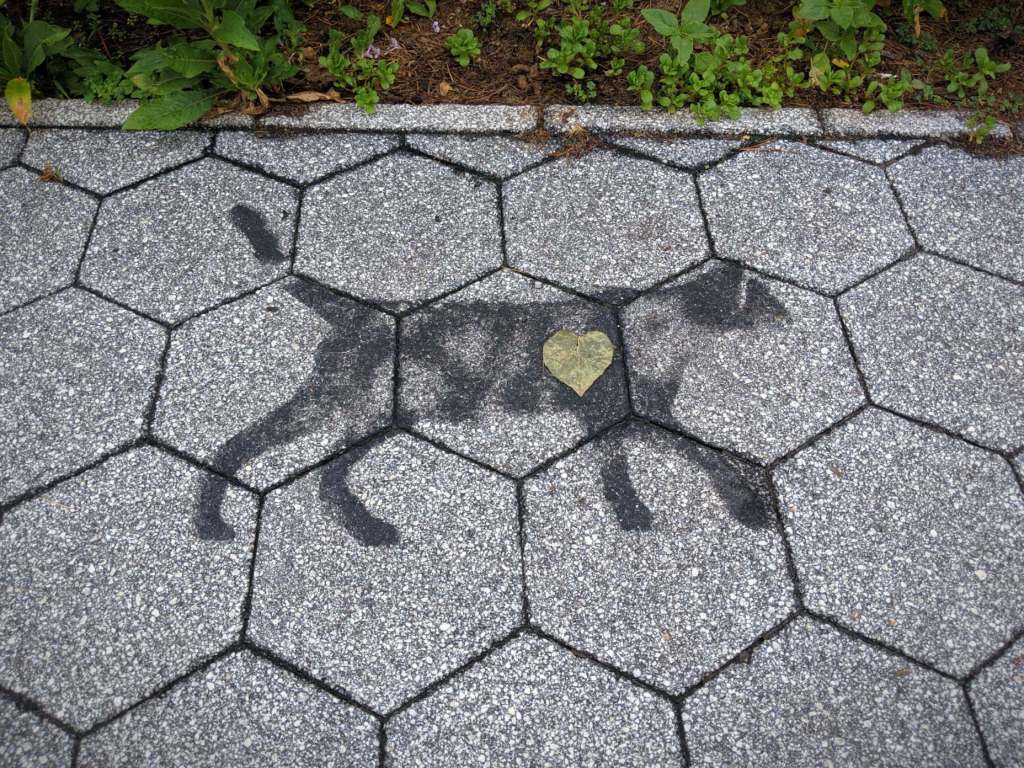
to Tarrytown
July 18th, 2019
So close to Manhattan, yet so far away…
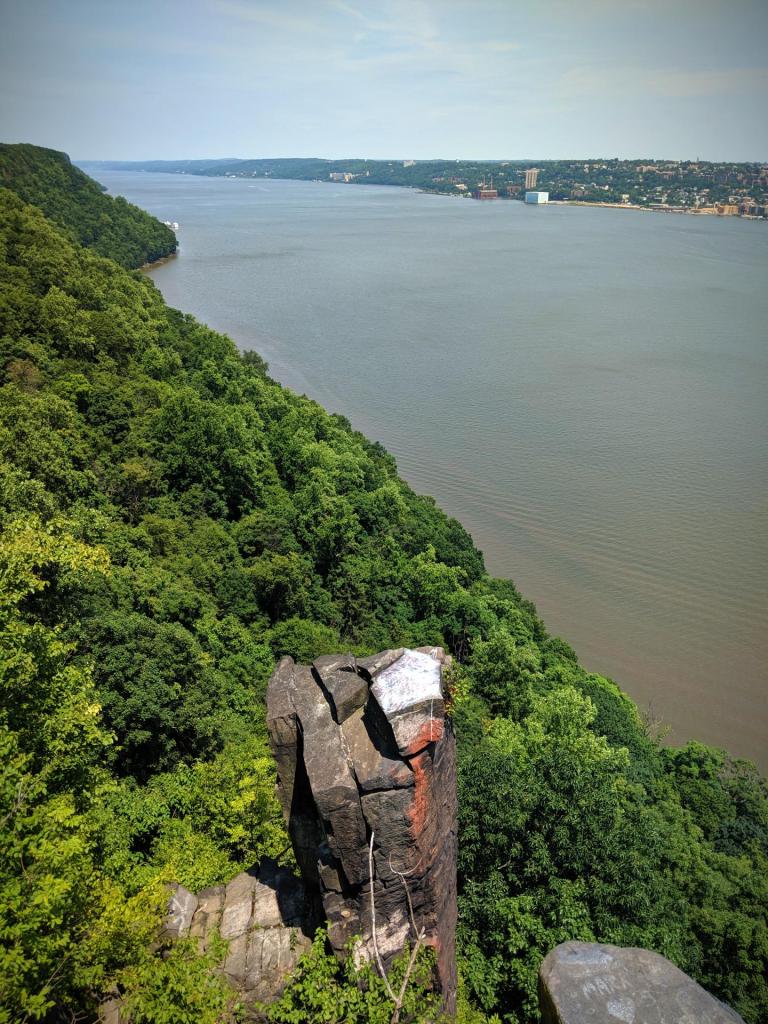

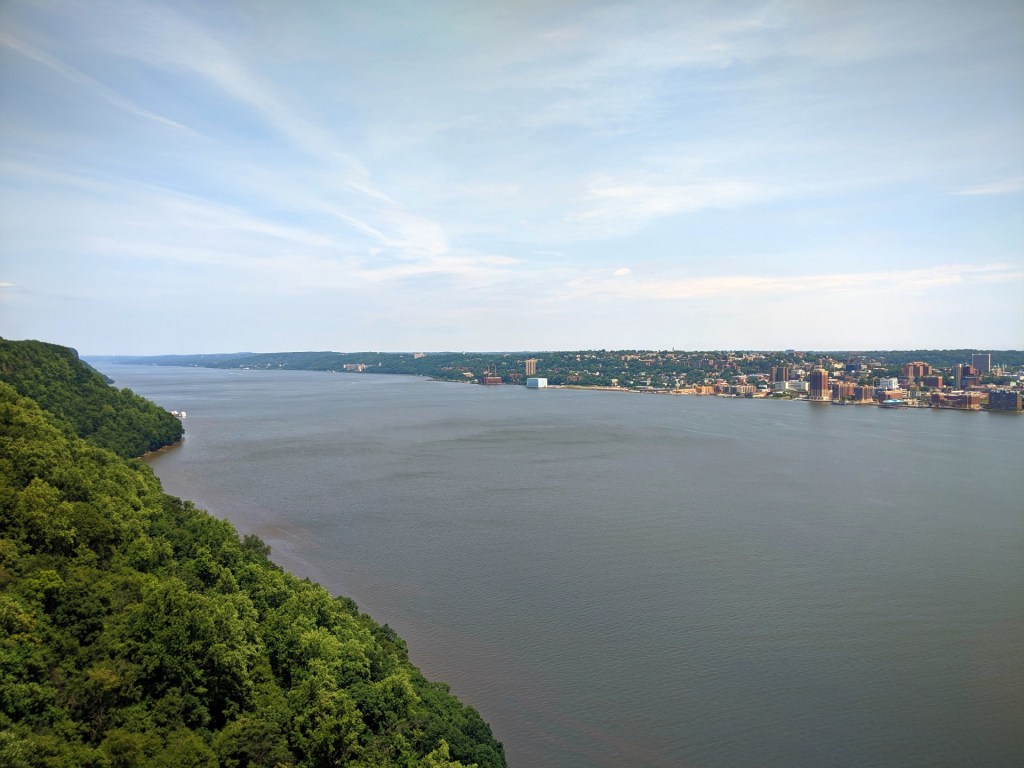
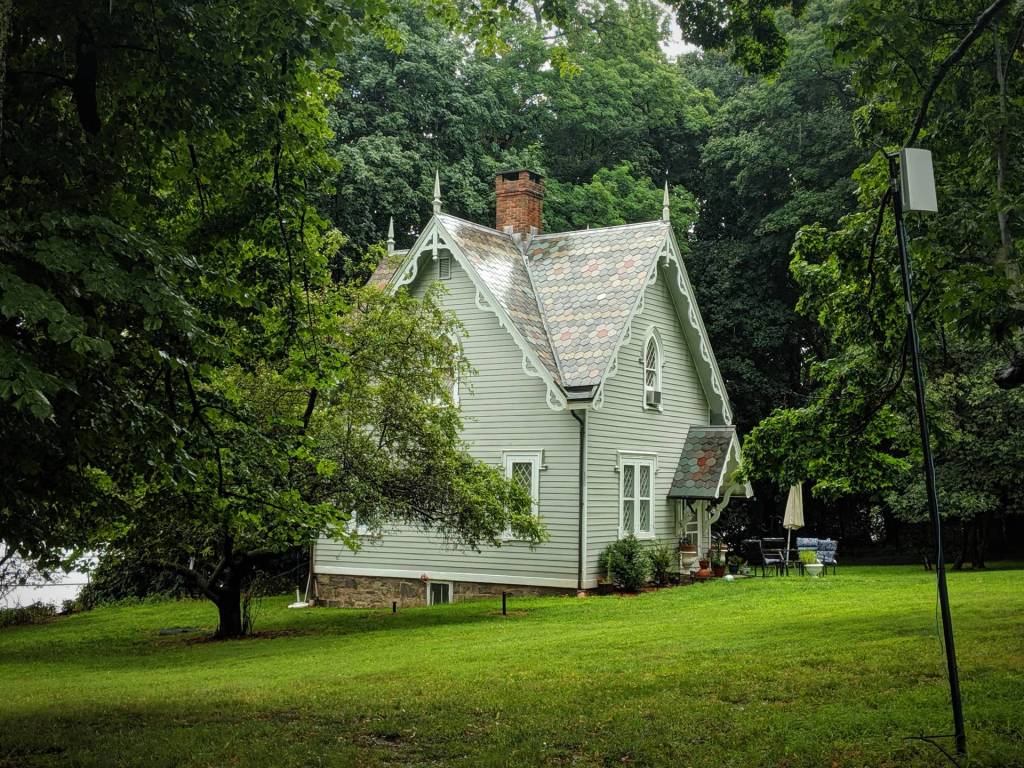

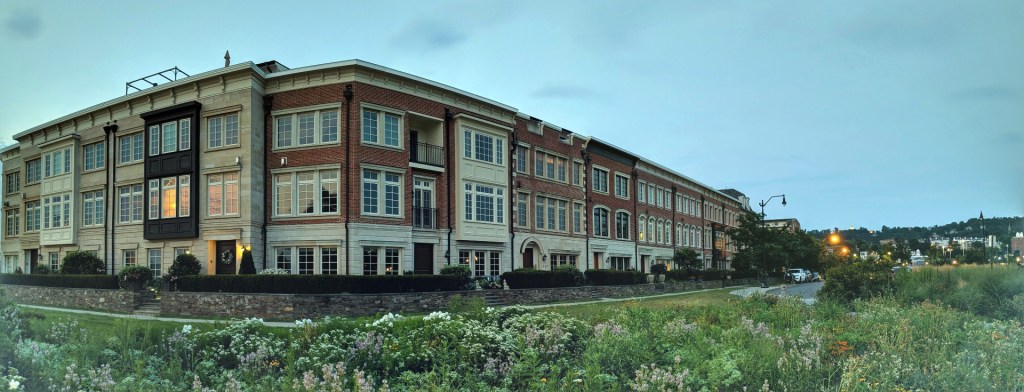
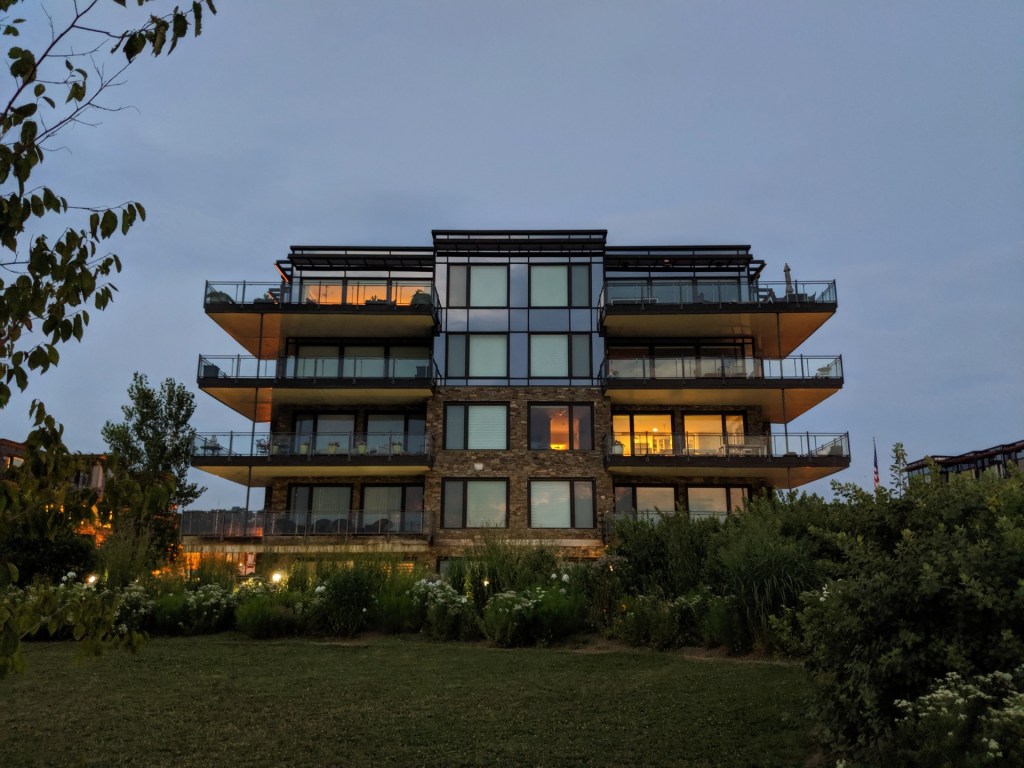
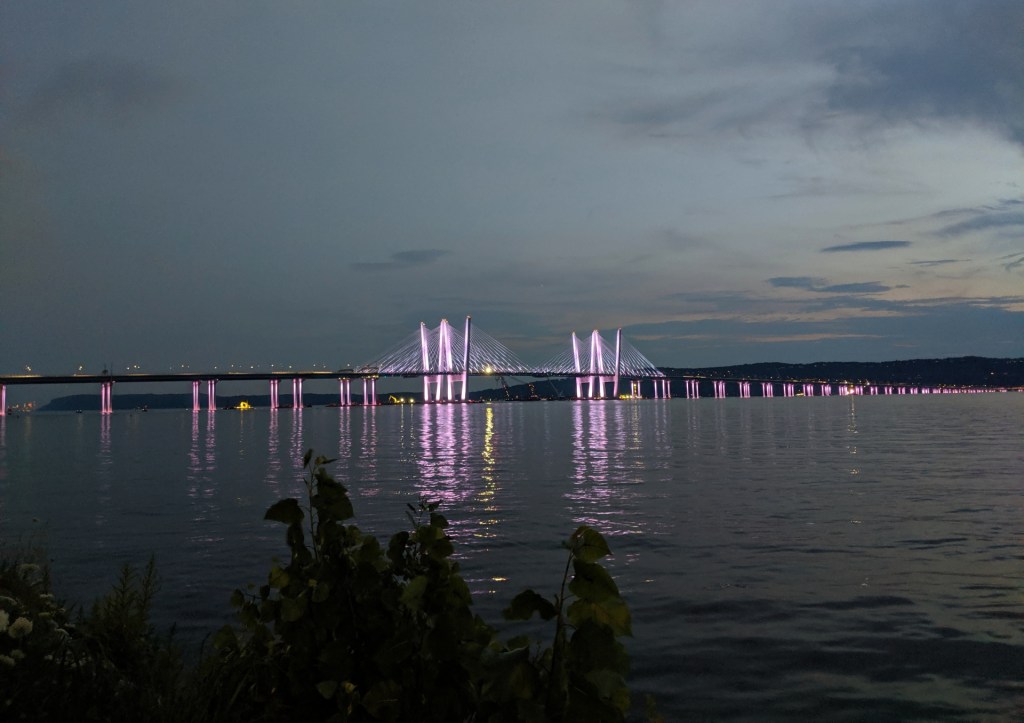

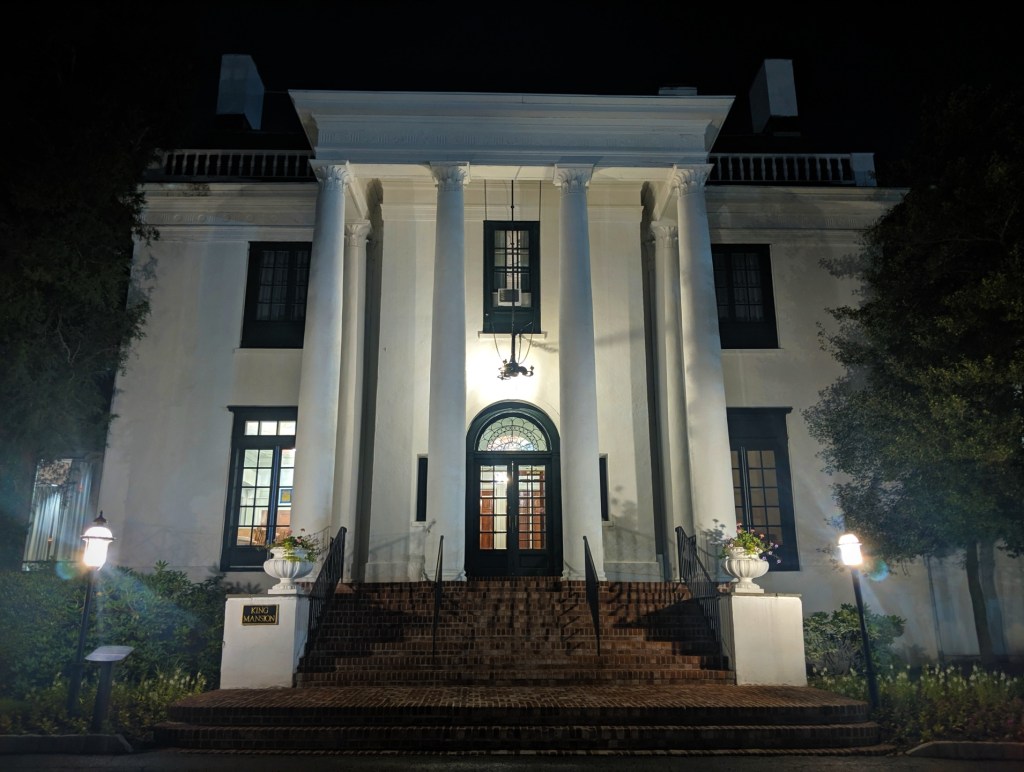
Tarrytown, Tappan Zee Bridge & Sleepy Hollow Lighthouse
July 16th, 2019
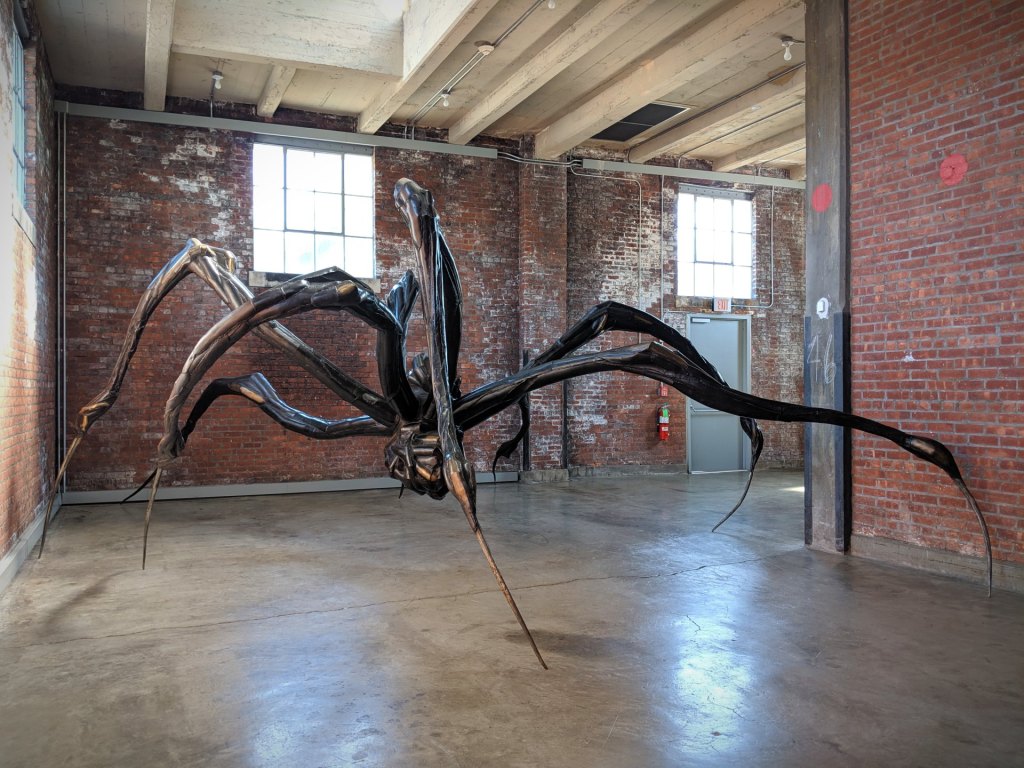
Just the end of our walk in one of the largest art museums of contemporary art we’d seen so far, one that leaves breathing space for the art to expand and feel totally at home, as if it were borne to be there.
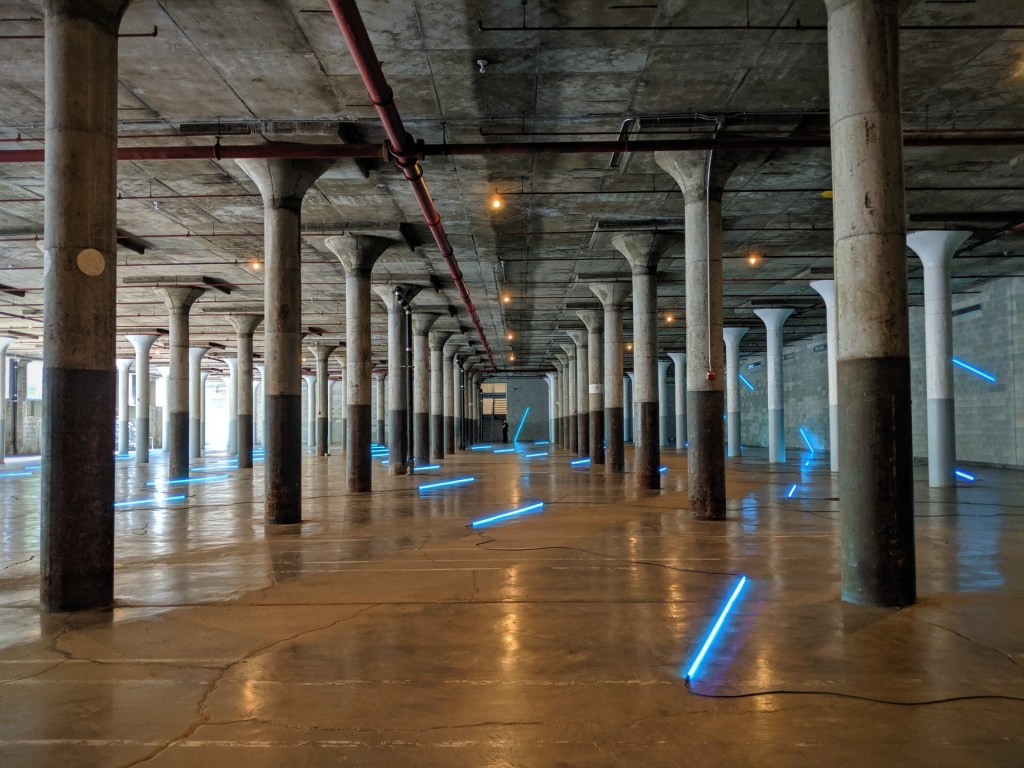
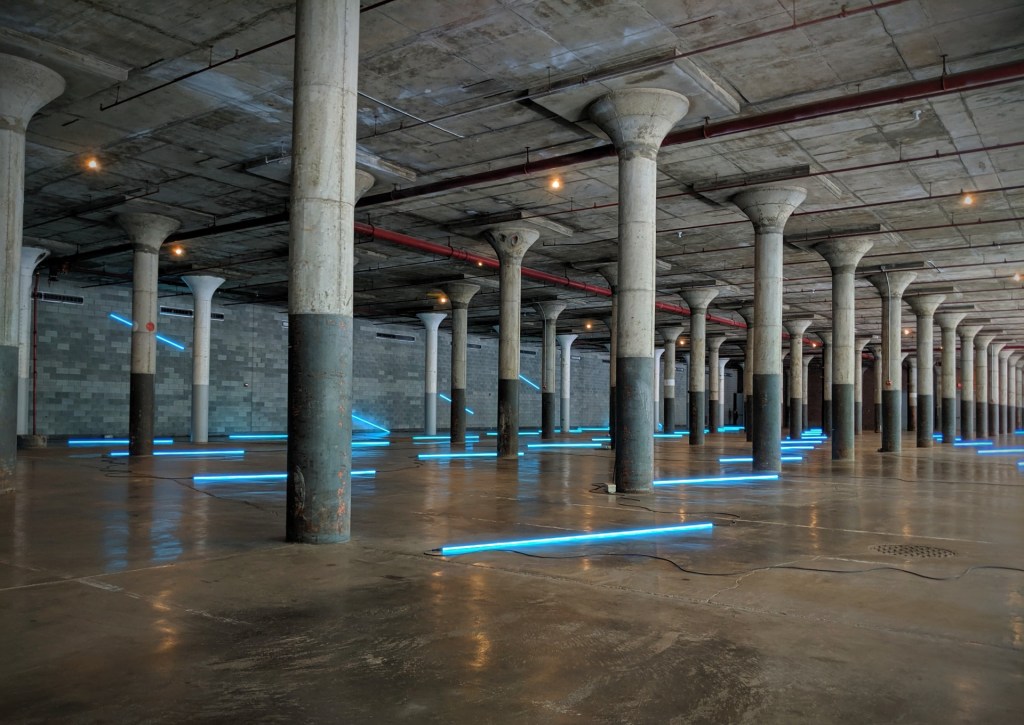
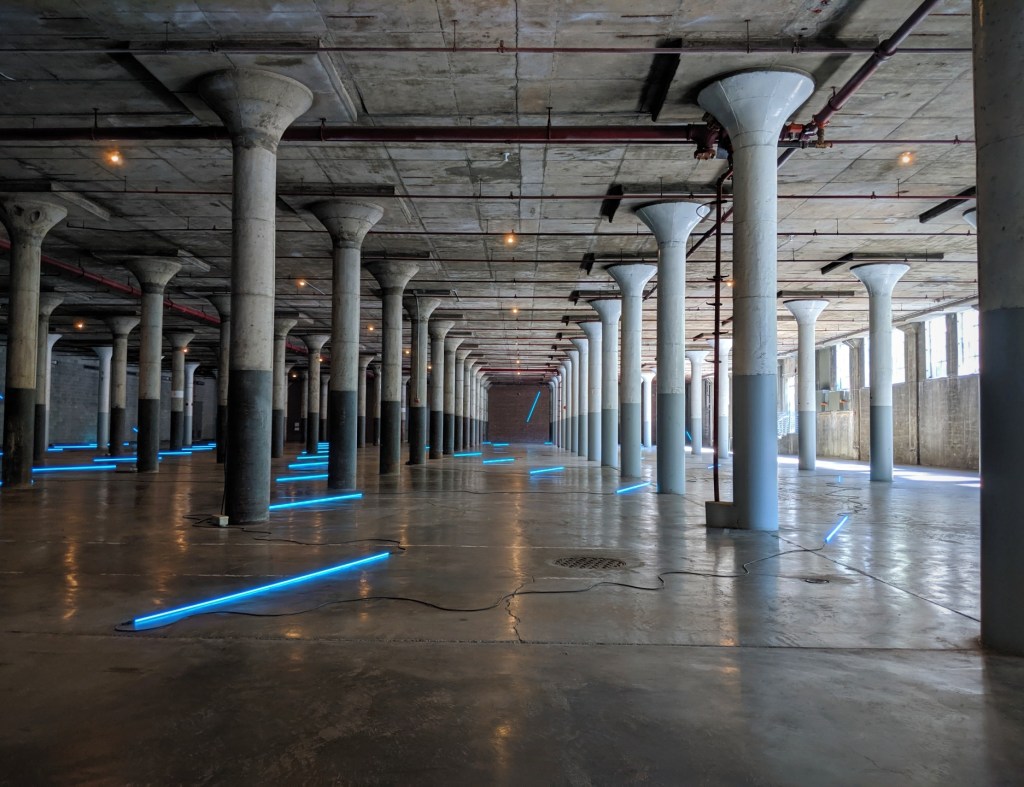
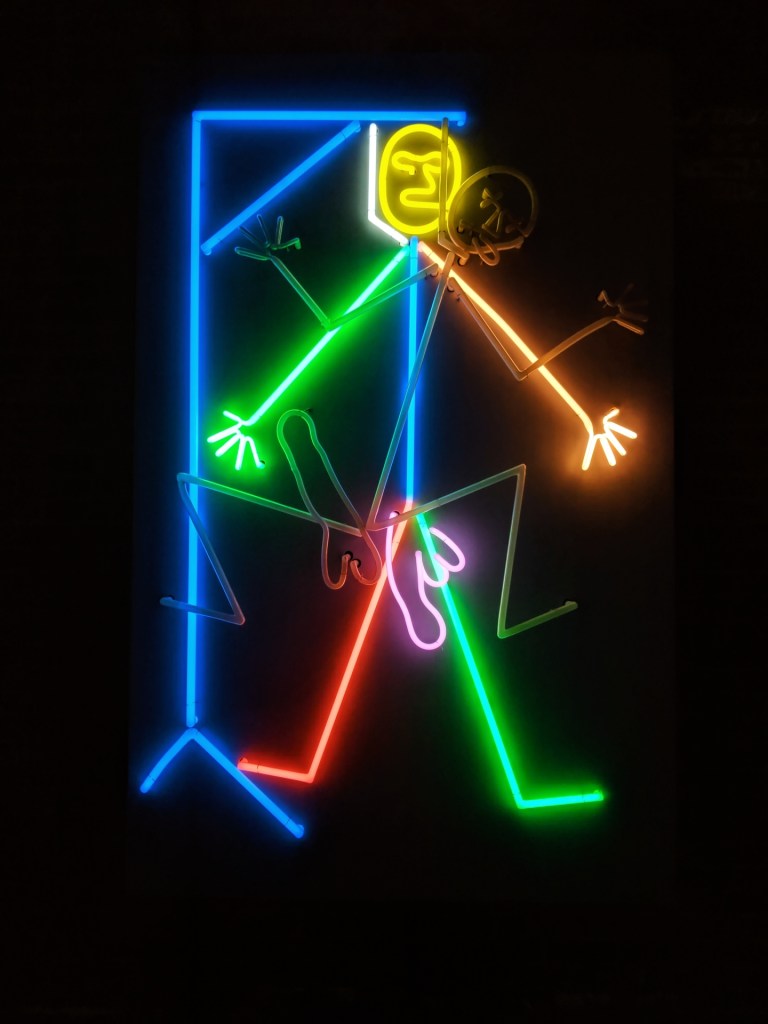
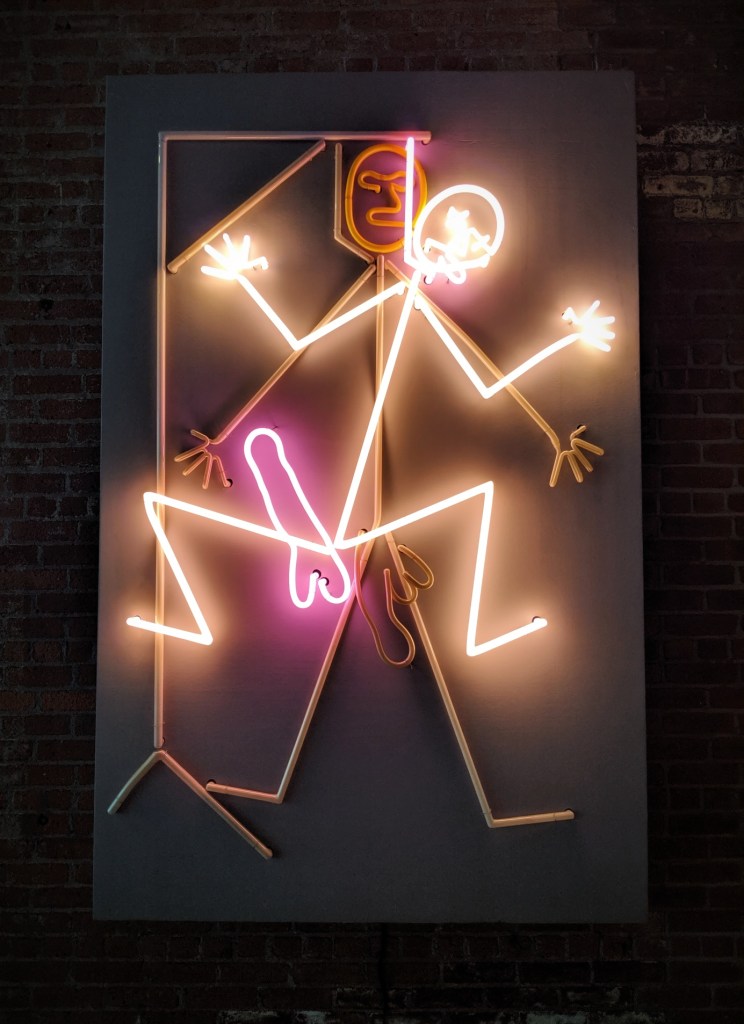
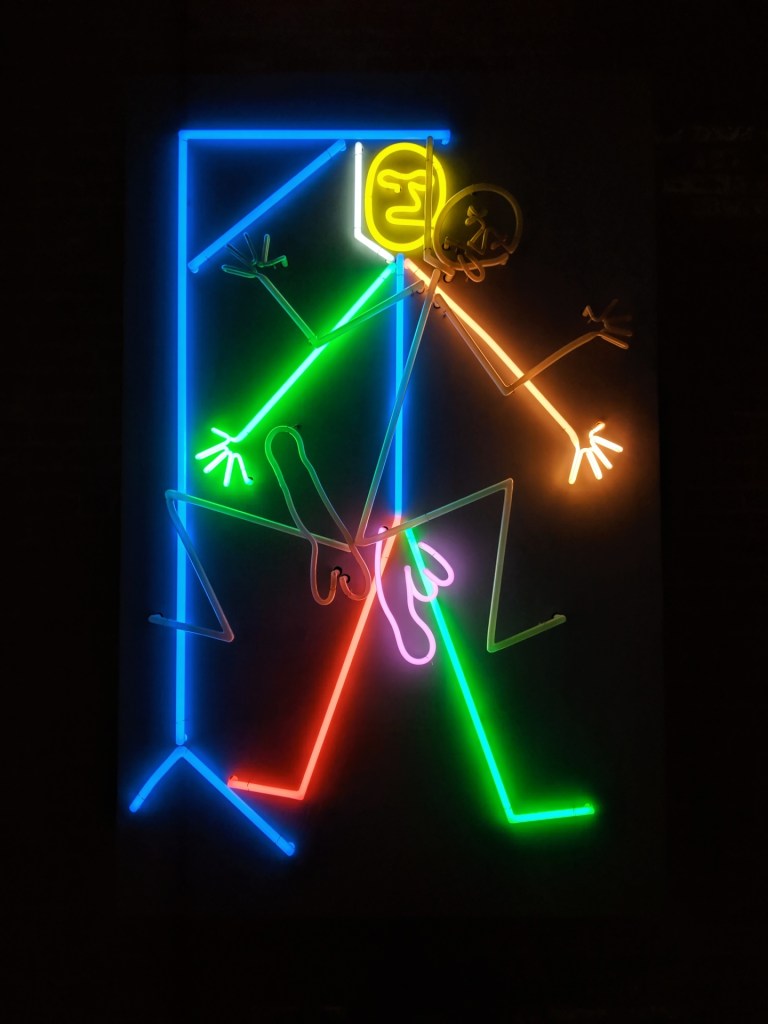
François Morellet, “No End Neon,” 1990/2017
Louise Bourgeois, Crouching Spider, 2003.
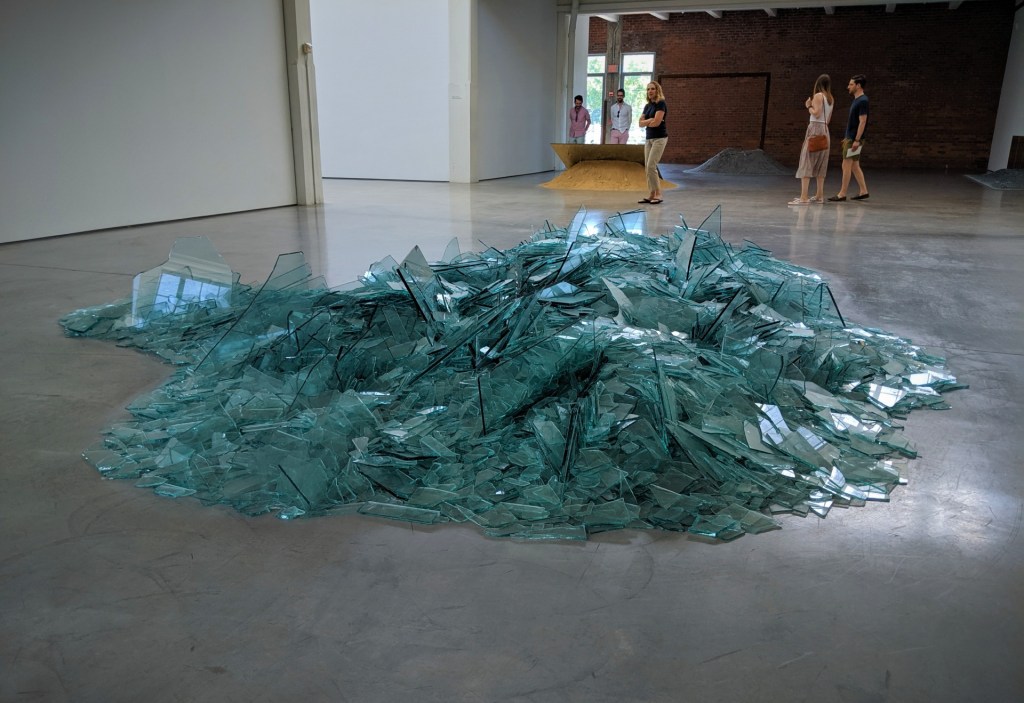
Robert Smithson, Map of Broken Glass (Atlantis), 1969
July 15th, 2019

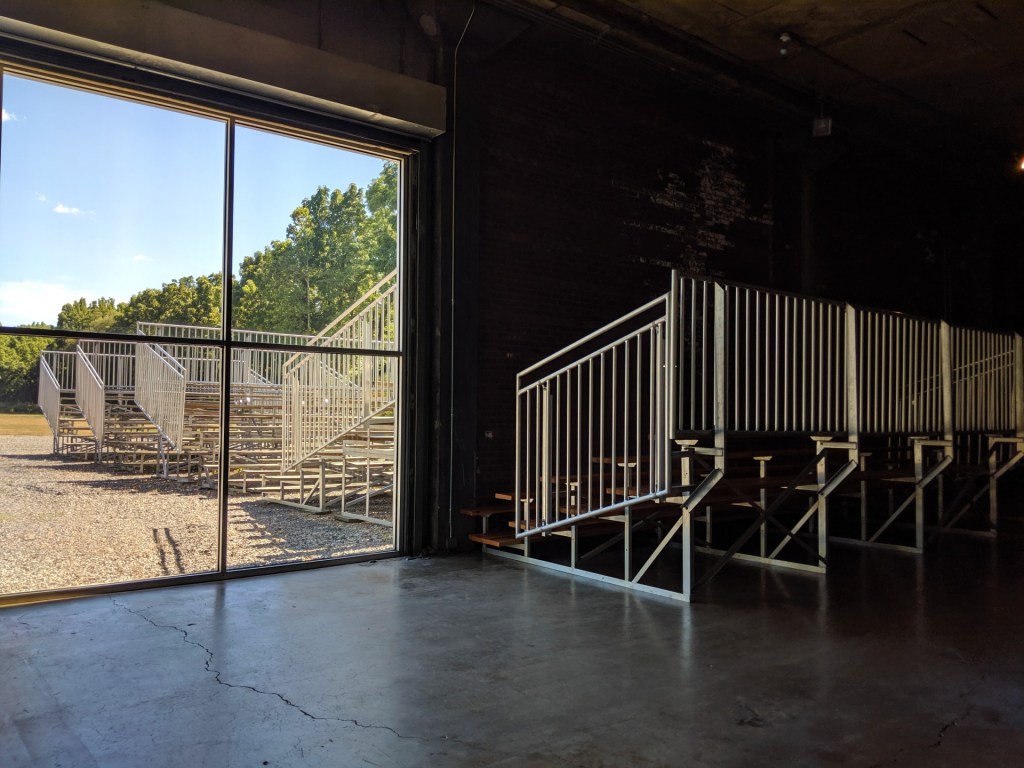
Top:
Installation by Dan Flavin (untitled, 1970), a work that was conceived as an edition of three, but only two were produced. The other one is installed in Donald Judd Foundation, 101 Spring Street Space, in New York City, the first building Judd owned, where he worked and lived with his family. It was created specifically to illuminate the family’s bedroom, at a time that the two artists and friends were working so closely together that, for a while, they had become Flavin & Judd.
The gorgeous windows behind Flavin’s installation are part of Robert Irwin’s design for Dia: Beacon, Beacon Project (1999–2003) that conceived the museum as a work of art itself.
Bottom:
Just barriers, artfully stacked.
July 15th, 2019
subjective worldview
Actor, writer, cook and author
Travel experiences & Strasbourg city guide
Writer
joy, happiness, travel, adventure, gratitude
"Rêve onirique & Bulle d'évasion"
makes pretty things on paper
This WordPress.com site is Pacific War era information
Welcome to my curious world of words....
Photographs, music and writing about daily life. Contact: elcheo@swcp.com
Free listening and free download (mp3) chill and down tempo music (album compilation ep single) for free (usually name your price). Full merged styles: trip-hop electro chill-hop instrumental hip-hop ambient lo-fi boombap beatmaking turntablism indie psy dub step d'n'b reggae wave sainte-pop rock alternative cinematic organic classical world jazz soul groove funk balkan .... Discover lots of underground and emerging artists from around the world.
A 365 analogue photography project
Barcelona's Multiverse | Art | Culture | Science
Een digitaal atelier aan de (zee)slag.
‘Doodling Ambiguity’s in Ink.’
Miscellaneous photography
Glimpses along the way on a journey of discovery into symmetry...



 The Humble Fabulist