The Yard & The Art

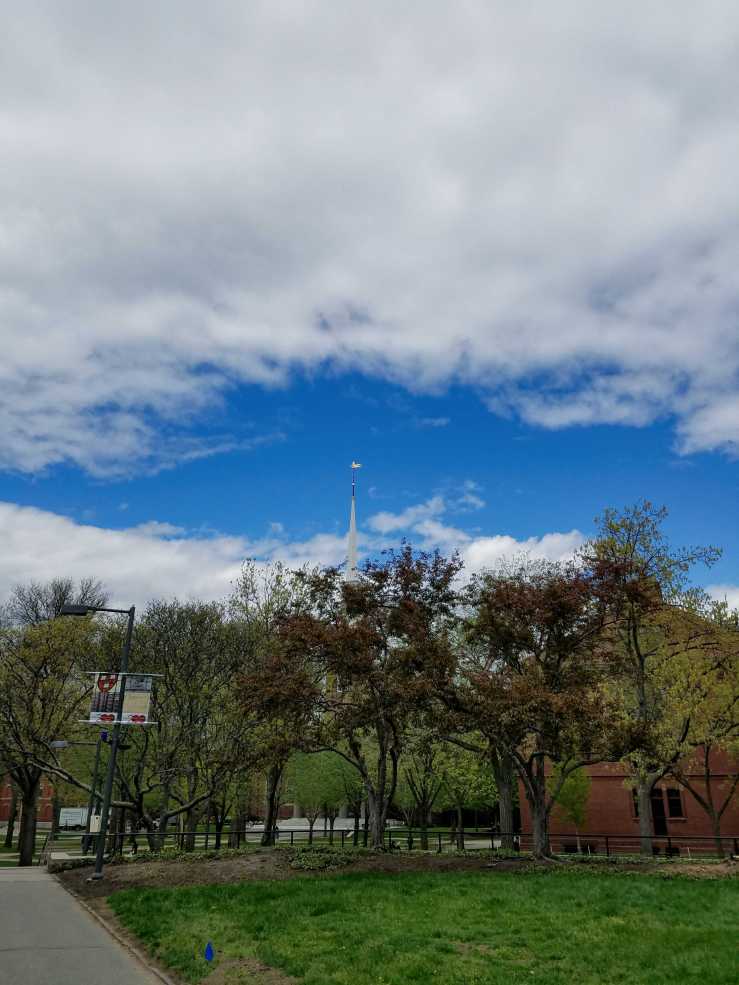
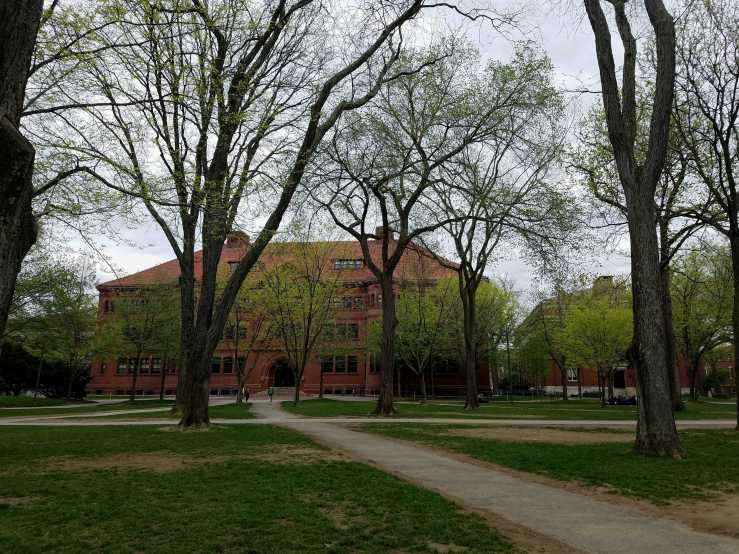
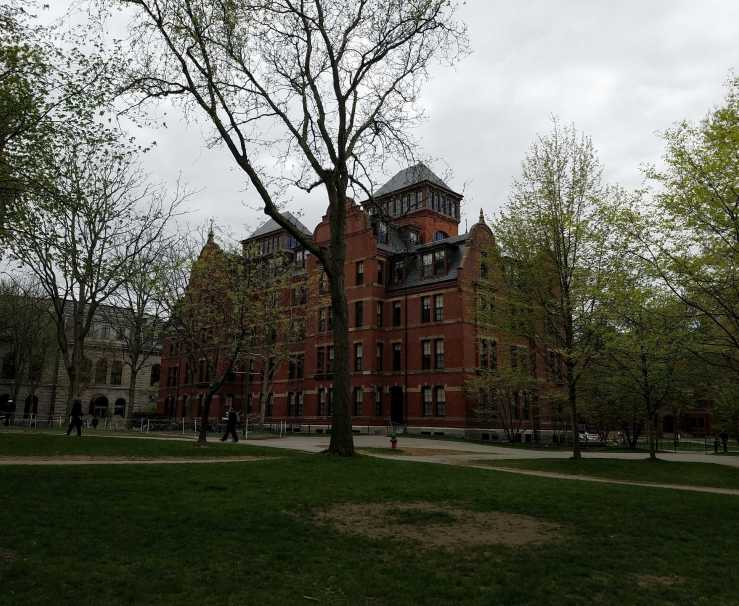
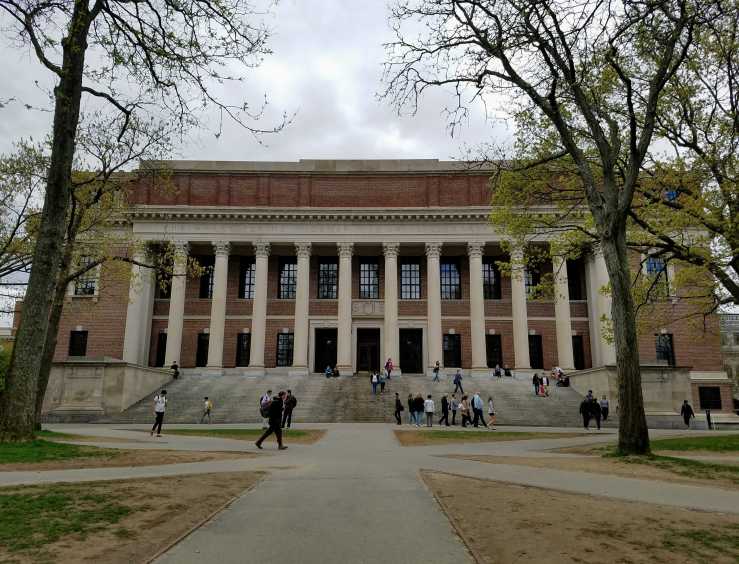
Everything about Harvard commands respect: the Institution, the studies, the buildings and – my personal favourite – the art. If Harvard were a car, it would have been a Rolls-Royce. As things stand, Harvard is one of the top Universities in the world and, as we are about to find out, boasts an astonishing art collection that can be viewed at the Harvard Art Museums. The use of plural is intentional, because there are actually three Museums – the Fogg, the Busch-Reisinger and the Arthur M. Sackler – consolidated under one roof just outside the Harvard Yard, in the newly renovated building on 32 Quincy St., re-designed and extended by (you guessed it) Renzo Piano.
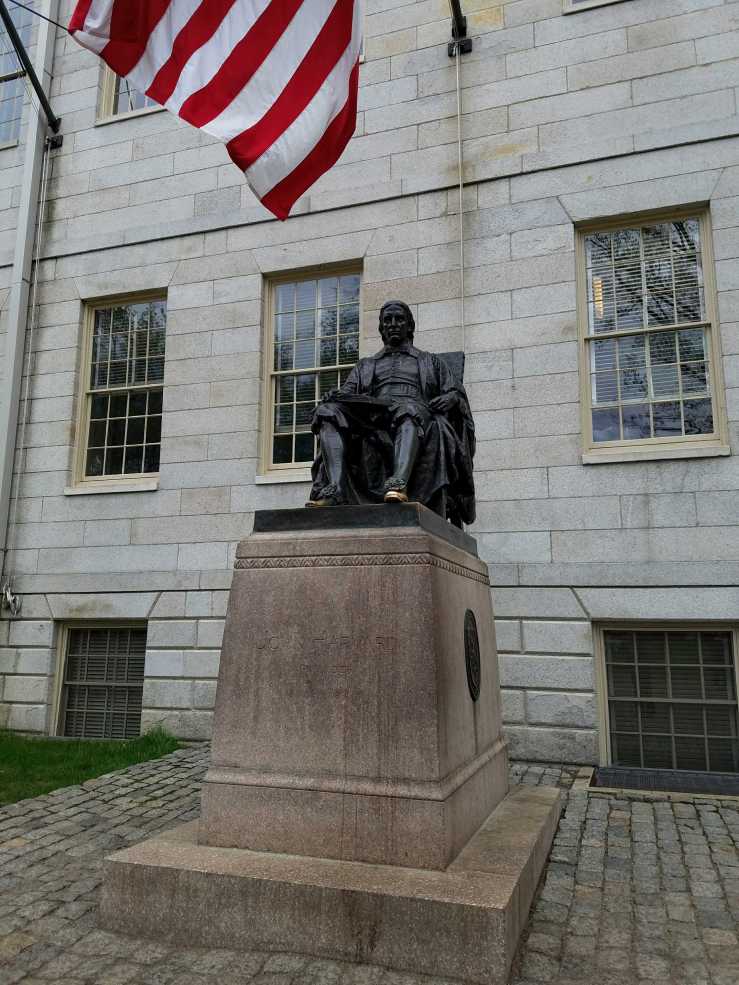
John Harvard (1607–1638)


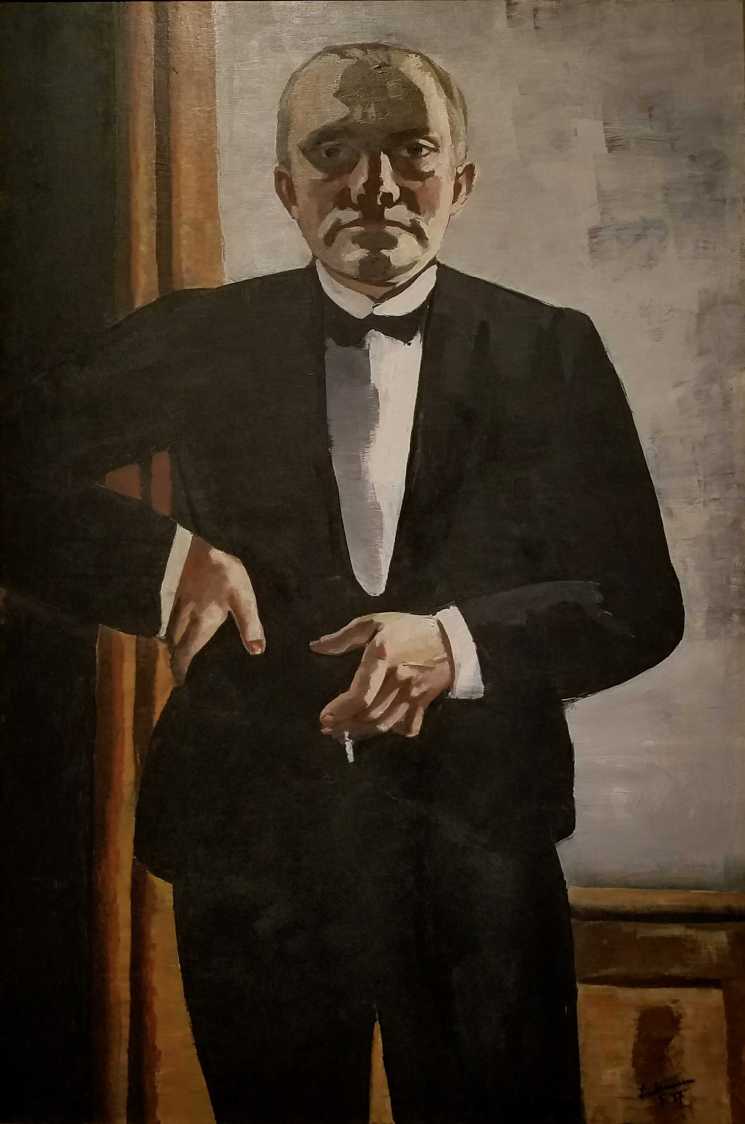
Max Beckmann (1884 – 1950)
Self-Portrait in Tuxedo, 1927
Oil on canvas

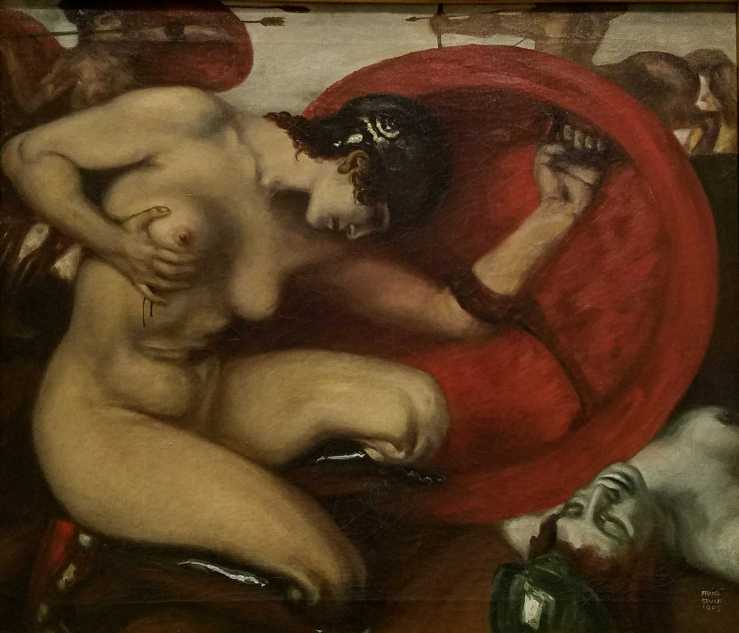
Franz von Stuck (1863-1928)
Wounded Amazon, 1905
Oil on canvas

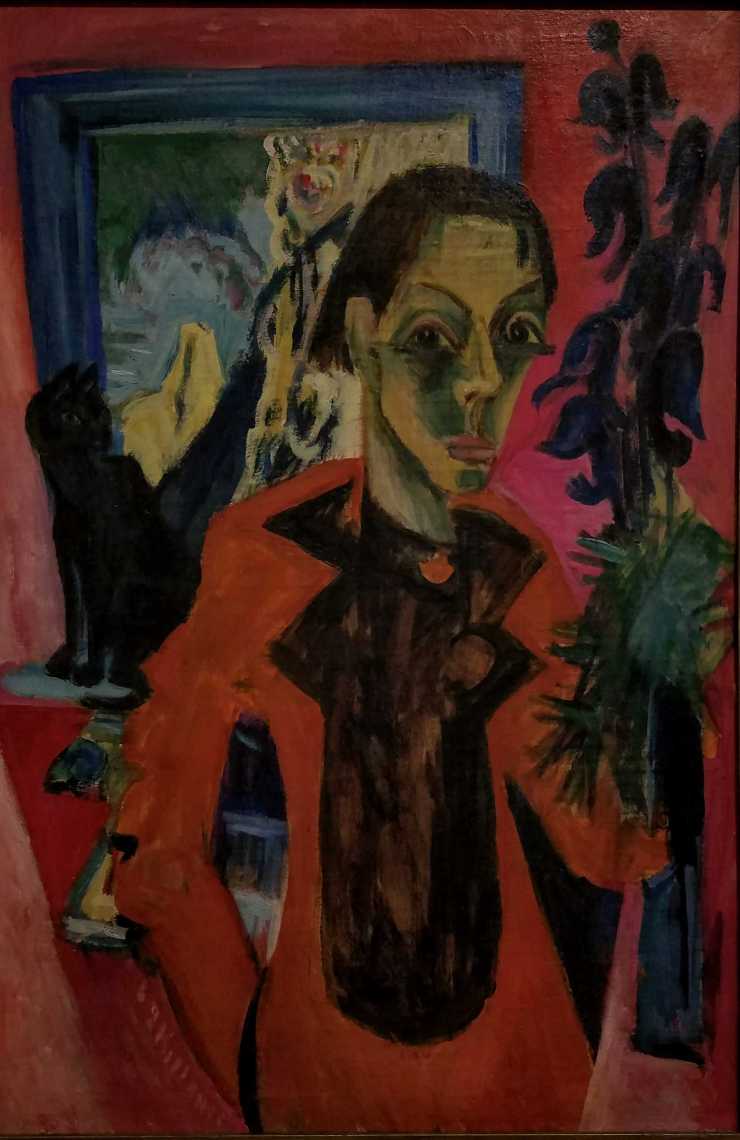
Ernst Ludwig Kirchner (1880-1938)
Self-Portrait with Cat, 1920
Oil on commercially woven cotton fabric
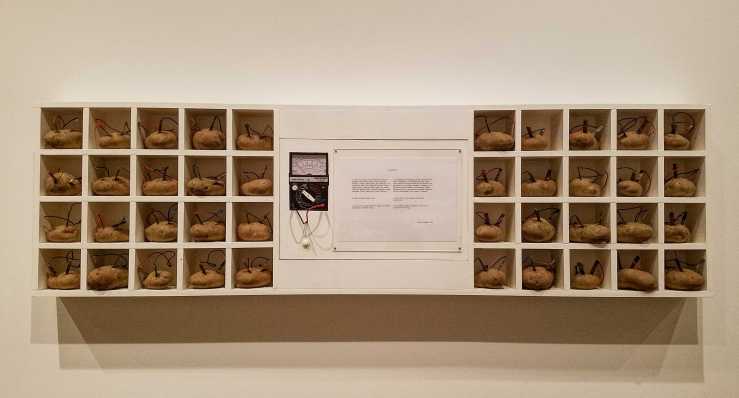
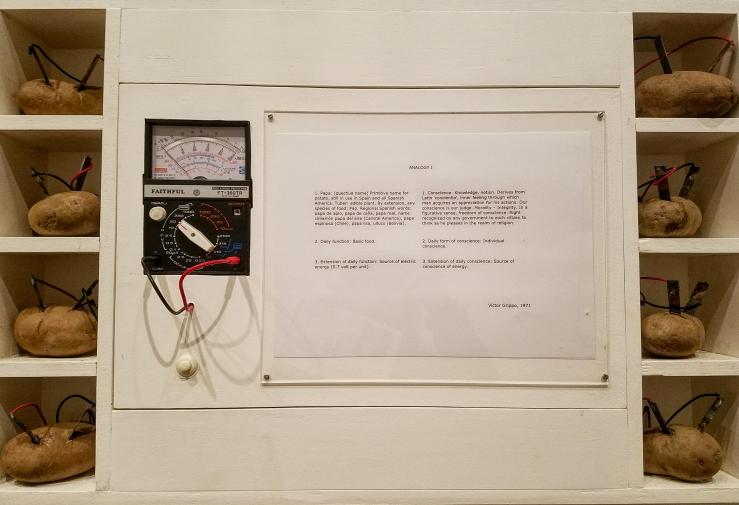
Victor Grippo (1936 – 2002)
Analogia I, 1970-71
electric circuits, electric meter and switch, potatoes, ink, paper, paint and wood

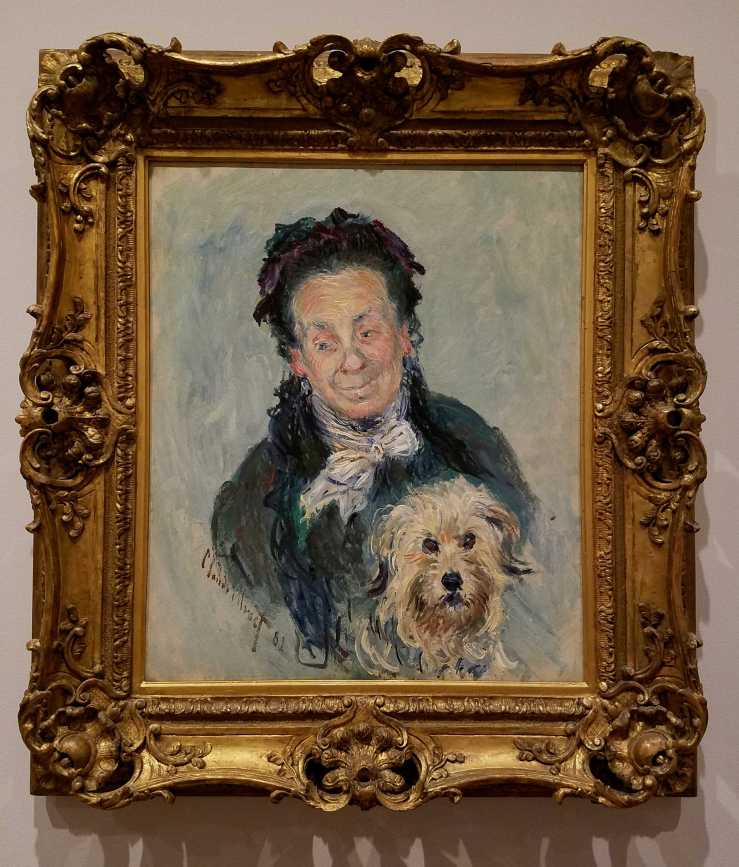
Claude Monet (1840-1926)
Eugénie Graff (Madame Paul), 1882
Oil on canvas

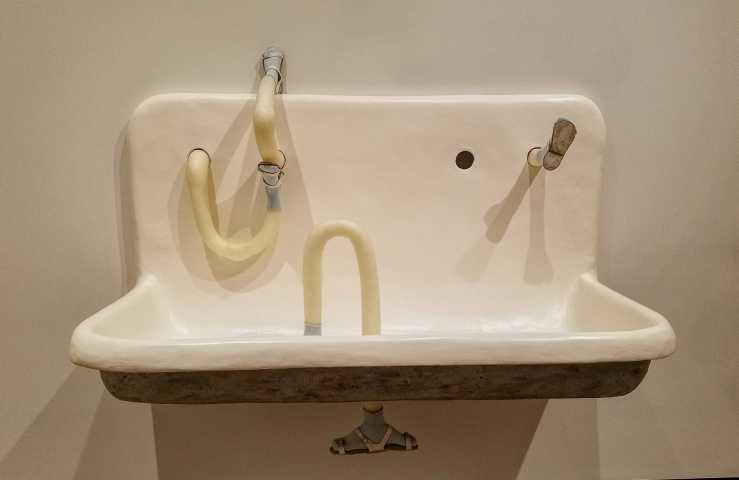
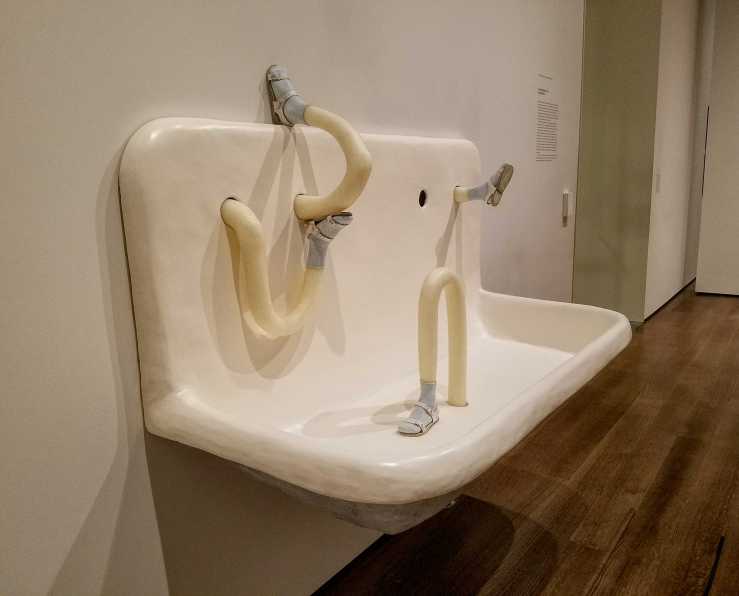
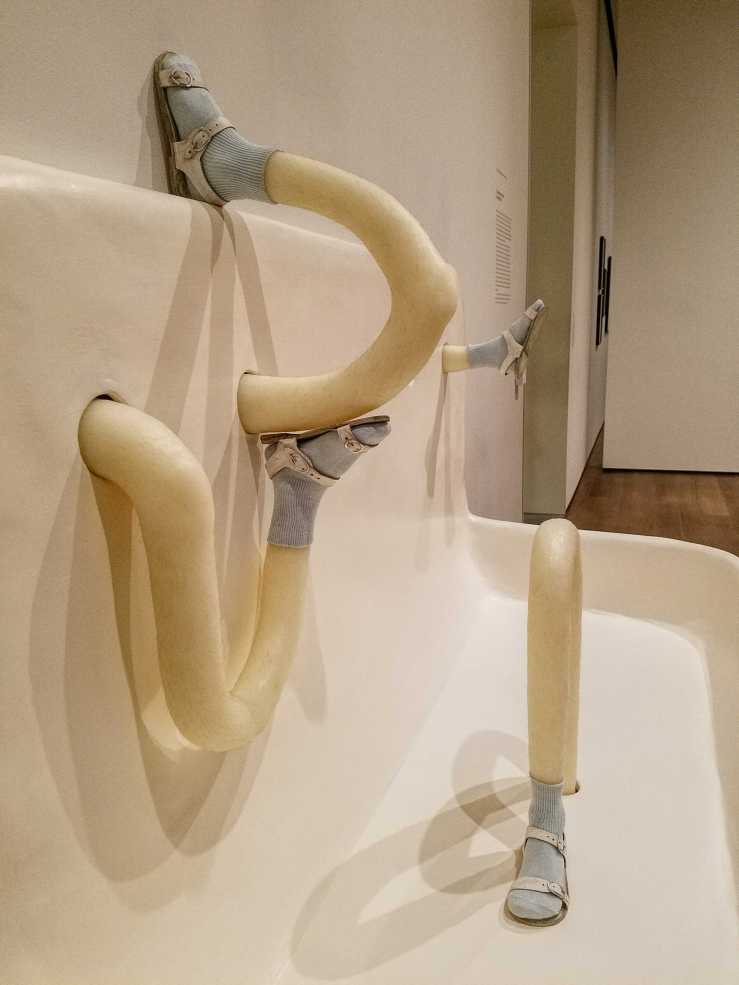
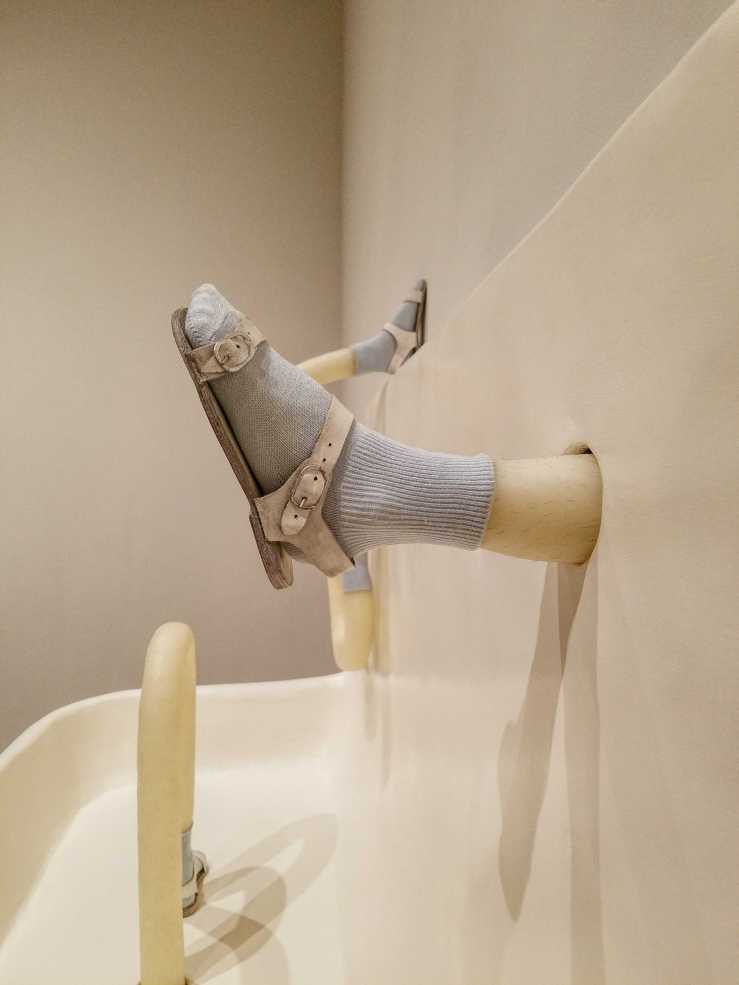
Robert Gober (b. 1954)
Untitled, 2009-10
Plaster, beeswax, human hair, cotton, leather, aluminium pull tabs, enamel paint
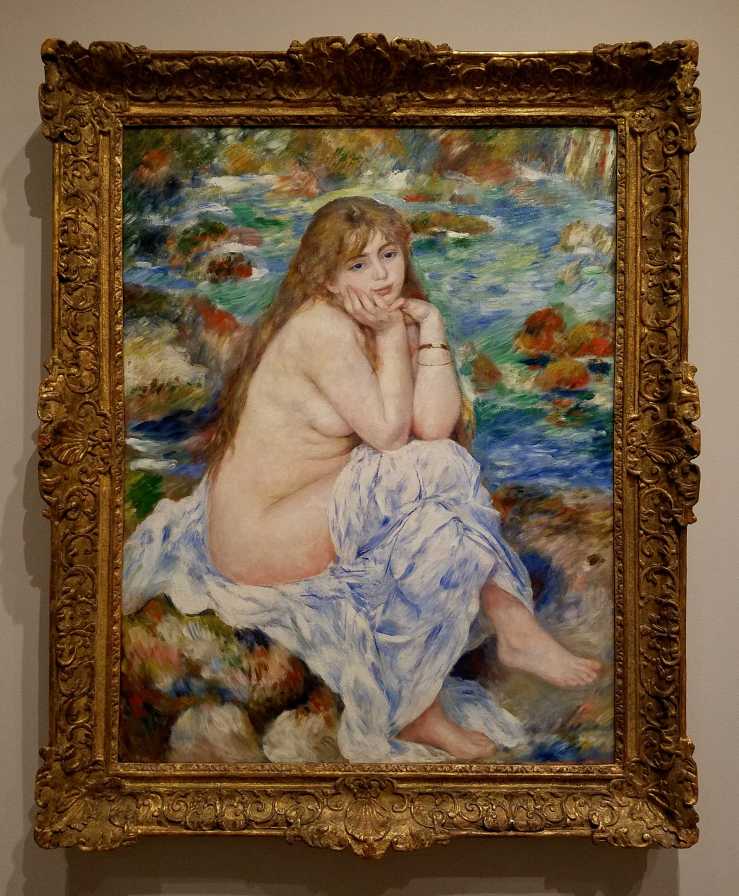
Pierre-Auguste Renoir (1841-1919)
Seated Bather, c. 1883-84
Oil on canvas

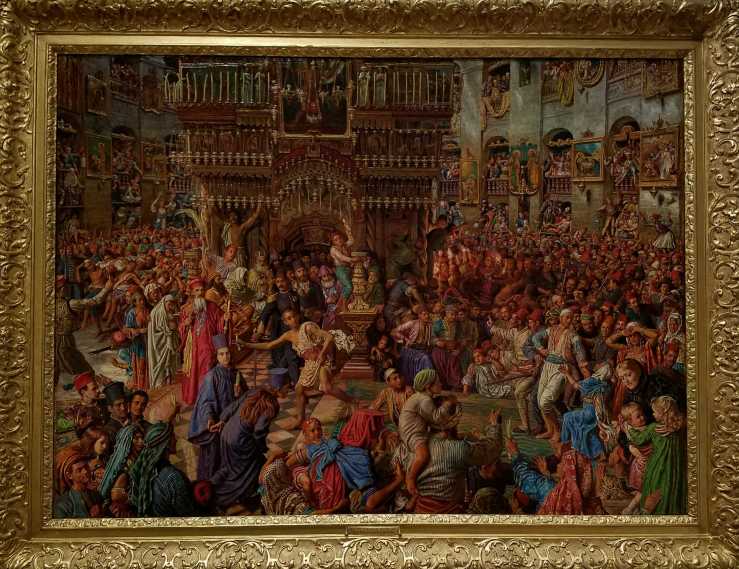
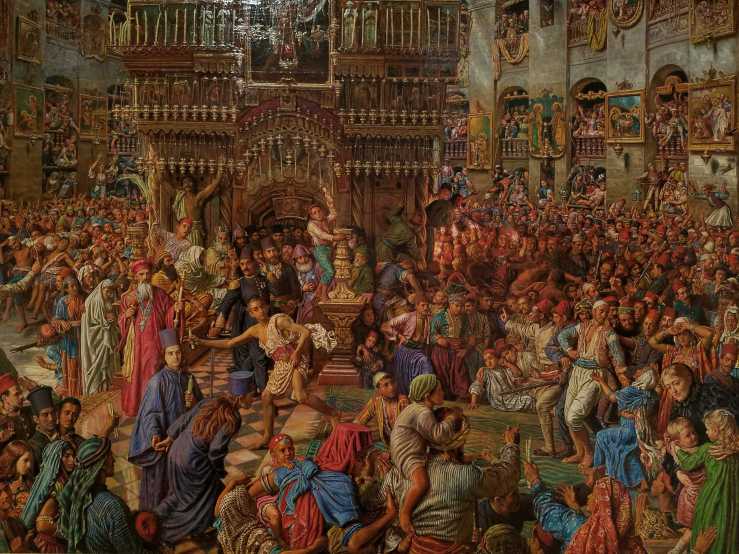
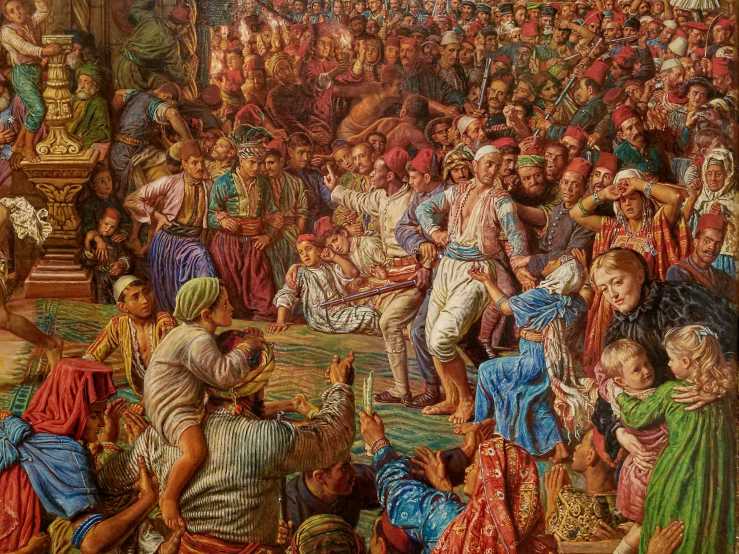
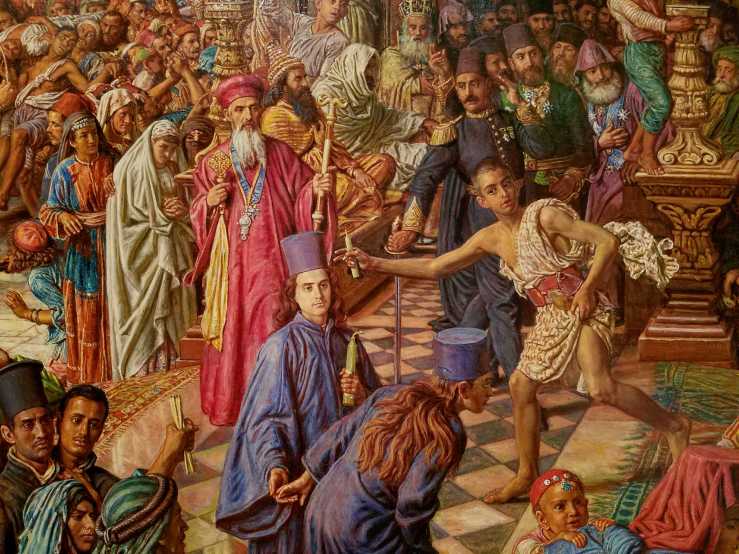
William Holman Hunt, (1827 – 1910)
The Miracle of the Sacred Fire, Church of the Holy Sepulchre in Jerusalem / The Miracle of the Holy Fire, 1892-99
Mixture of oil and resin on canvas

Hunt, a founding member of the Pre-Raphaelite Brotherhood and a painter of religious subjects, made four trips to the Holy Land. This painting represents the annual “miracle of the sacred fire” at the Holy Sepulchre in Jerusalem. Denounced as a fraud for centuries, the event continued to attract thousands of pilgrims, who eagerly awaited the rekindling of the flame over Christ’s purported tomb. Hunt found the scene, with its crush of bodies, to be distasteful and heretical, but was keen to capture its “dramatic, historic, and picturesque” qualities. When the painting was exhibited in London in 1899, he was obliged to provide a key to the complex array of figures. The flame, borne by a priest to the right of the shrine, is barely visible. An English woman at the lower right, protecting her children from the spectacle, serves as a surrogate for the curious viewer and a contrast to the expectant pilgrim family in the foreground.
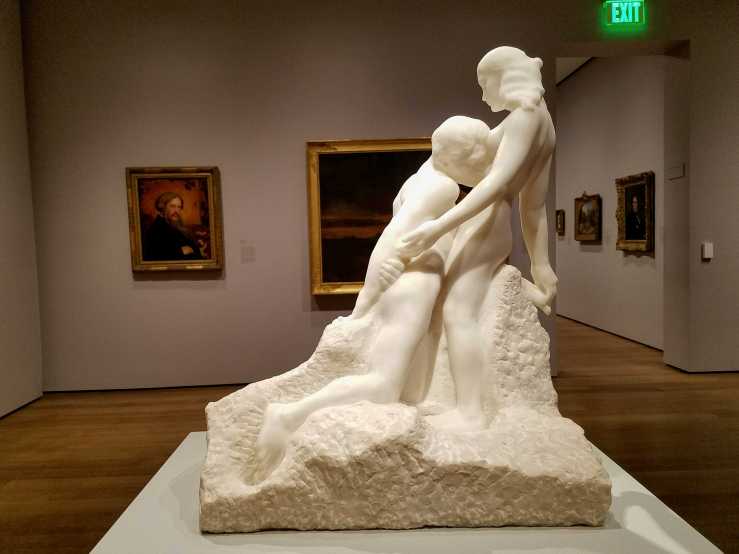
Auguste Rodin (1840-1917)
Eternal Idol, 1893
Marble
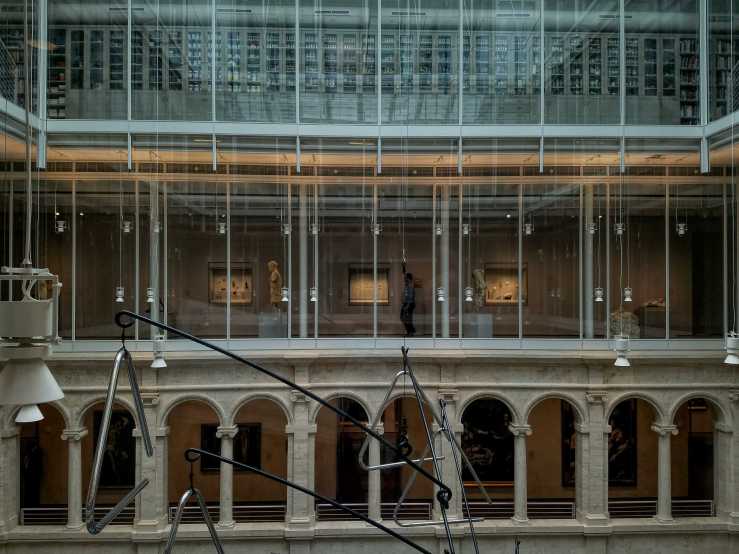

The Renzo Piano effect


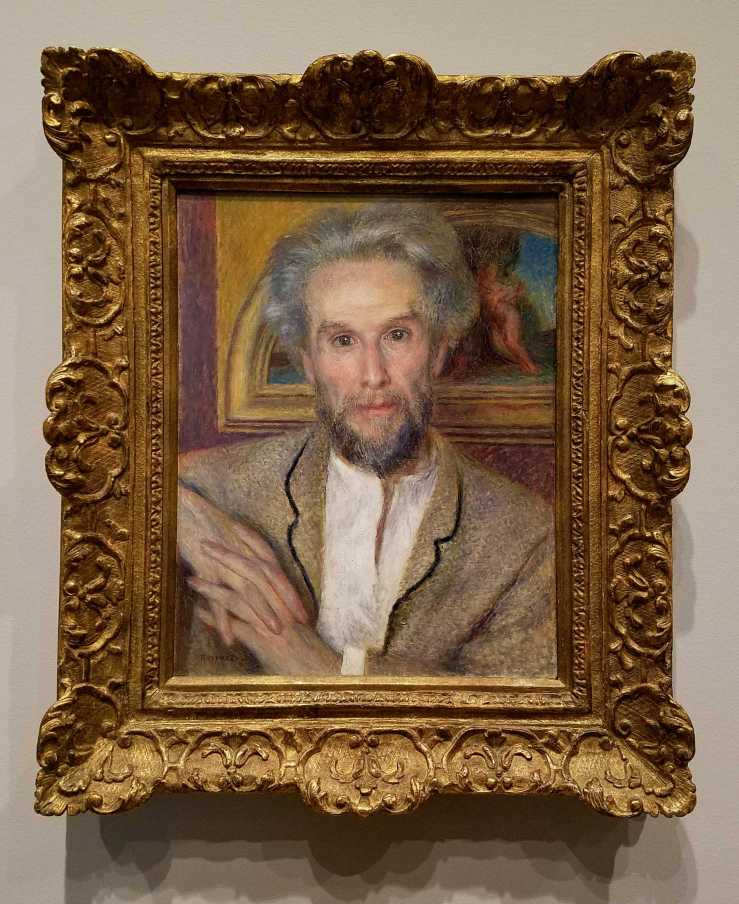
Pierre-Auguste Renoir (1841-1919)
Victor Chocquet, c. 1875
Oil on canvas

An employee at the Ministry of Finance, Victor Chocquet (1821–1891) met Degas in 1875, and by the second impressionist exhibition, in 1876, had become an avid supporter of the progressive artistic movement, collecting works by Renoir, Monet, and Cézanne. Here Renoir paints his new friend and patron dressed in casual attire. With his hands informally clasped across the bottom left corner of the canvas, Chocquet’s pose suggests the sitter’s closeness with the painter. Chocquet had identified Renoir as the inheritor of the romantic painter Eugène Delacroix’s approach to color. Renoir acknowledges this compliment and pays homage to the celebrated colorist by including one of Delacroix’s preparatory studies from Chocquet’s collection in the background. The study was for a lunette in the Hôtel de Ville (Paris city hall), which was destroyed in 1871.


There will be more art from the Harvard Art Museums in the coming days, the collection is vast and spans centuries, styles and continents.

May 3rd, 2017
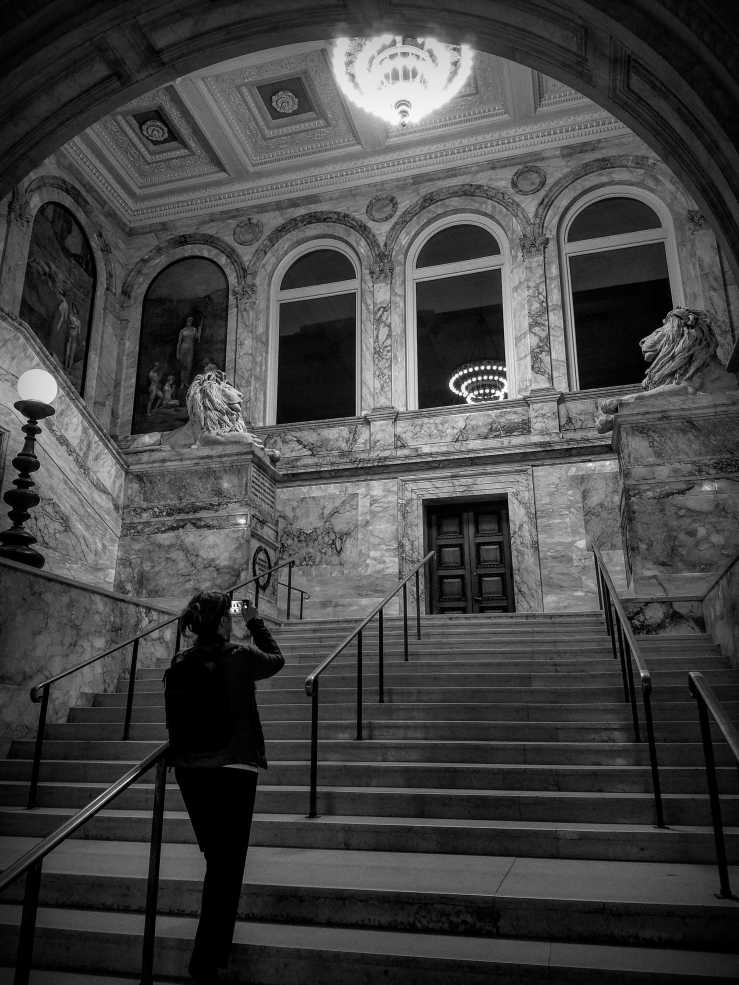
 

The incredible murals of the Boston Public Library

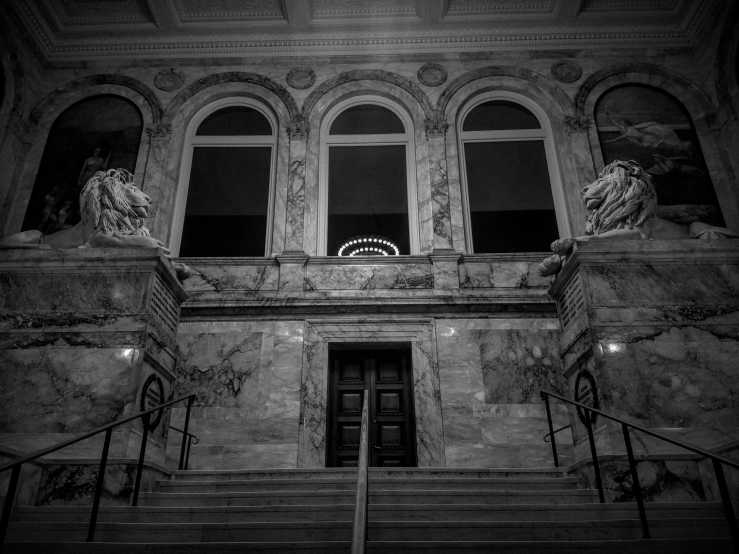
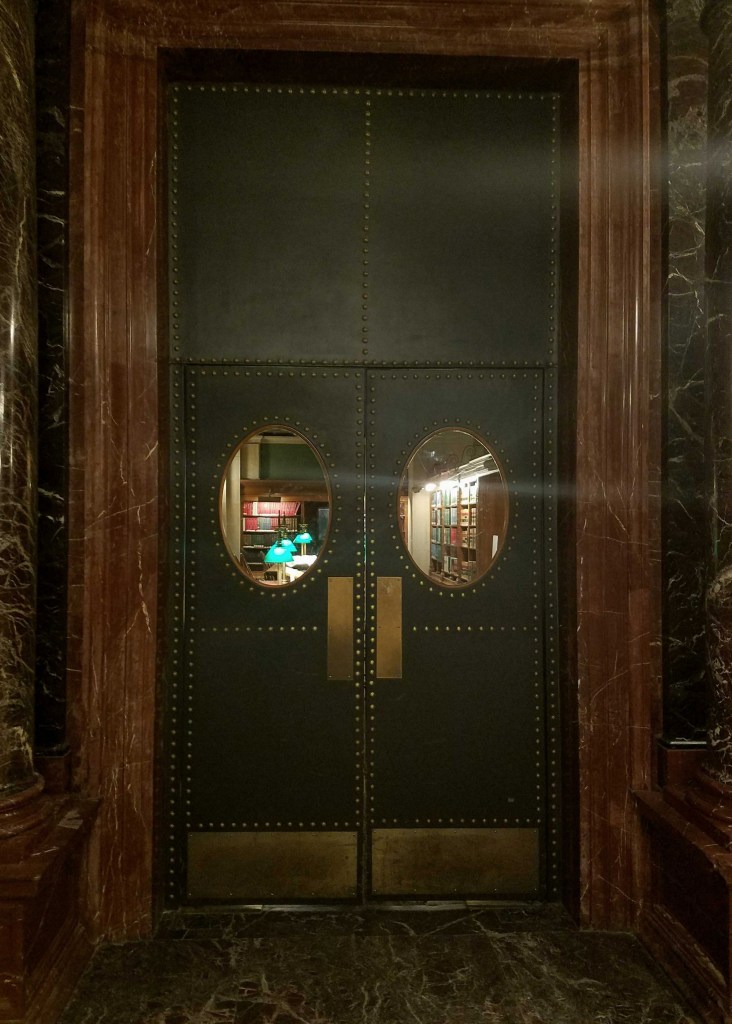
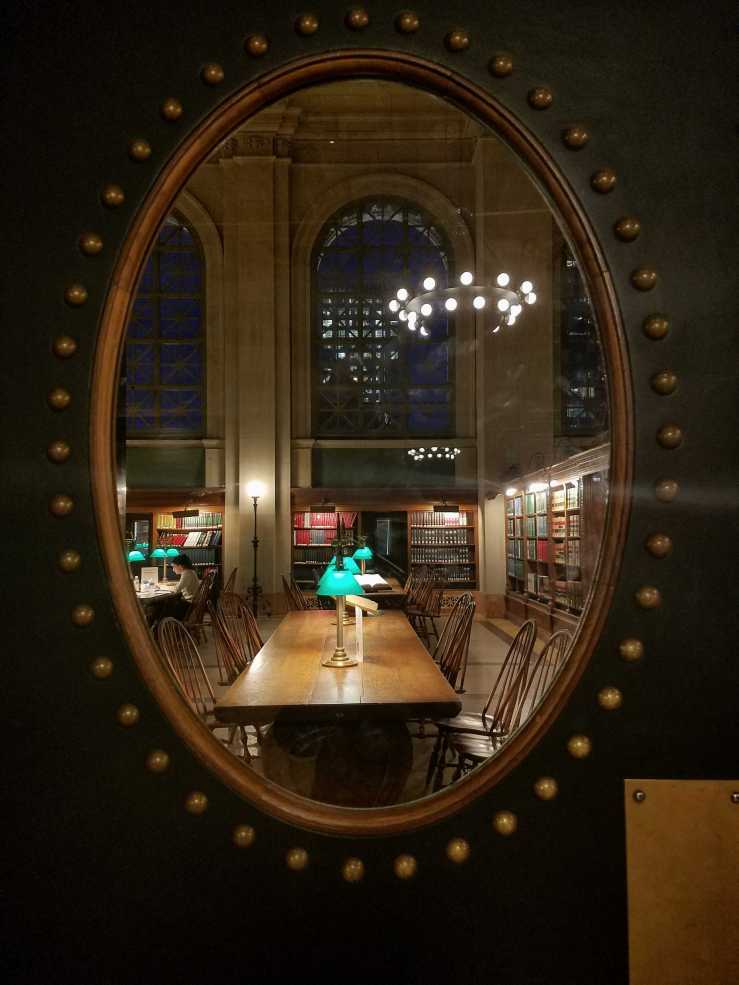
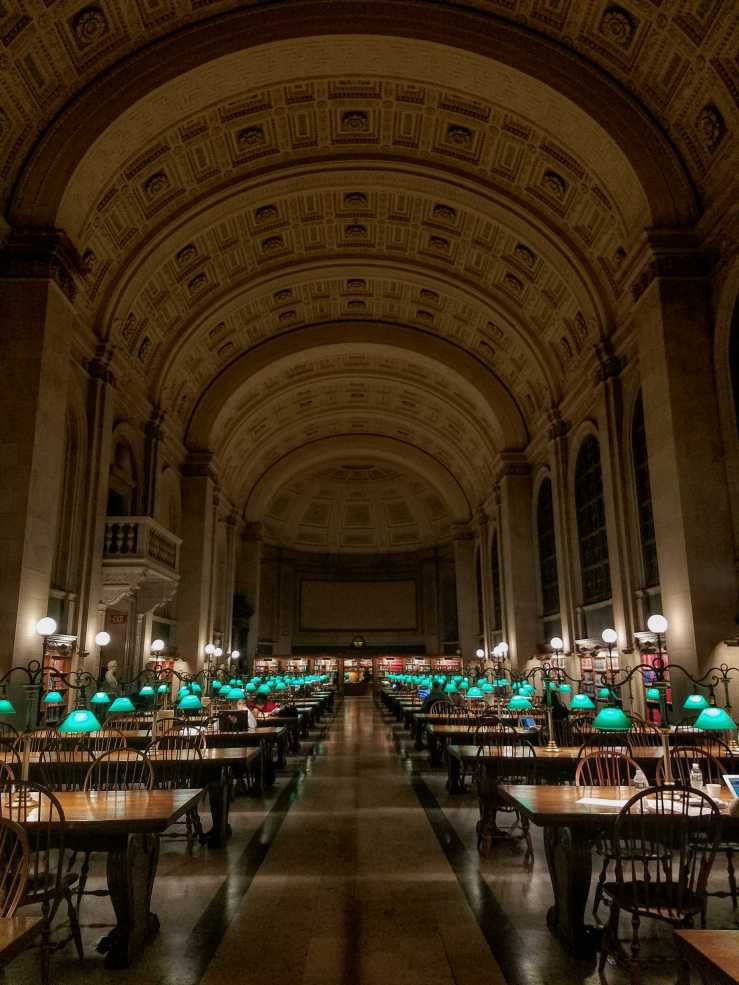
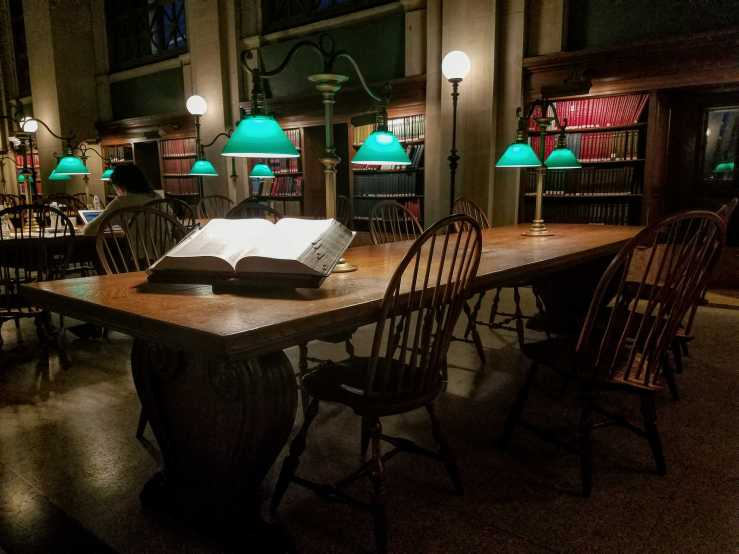
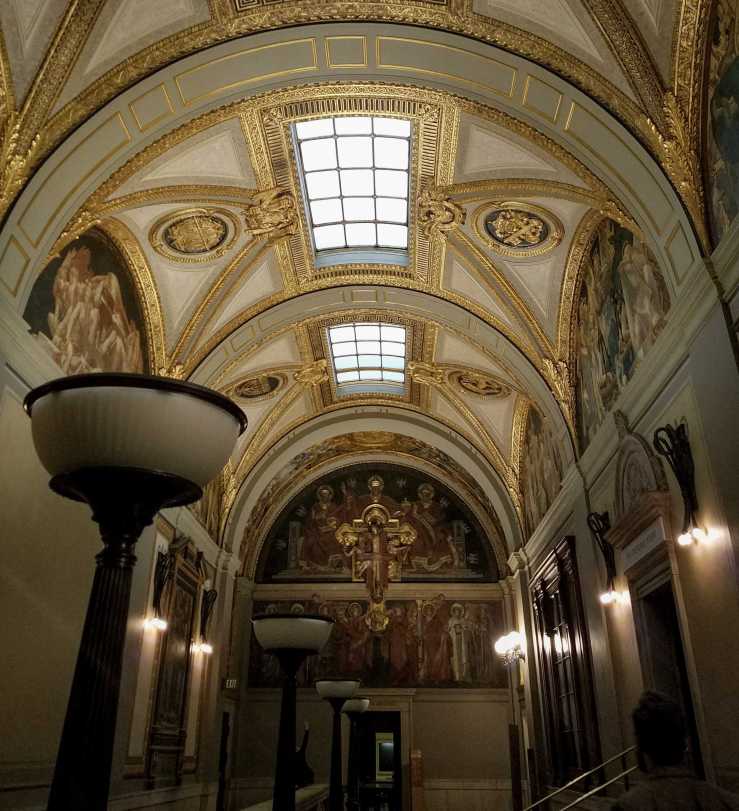
I had read about Sargent’s murals and, in any case, public libraries always figure high on our ”must see” lists when we visit cities with significant history and culture. Having already been acquainted with the treasures inside and out of the MFA and having marveled at the city from high above, I expected the Library would be the best way to end a day full of wonders. I expected to be amazed by a couple of murals, chandeliers, marble staircases and, of course, an inviting reading room. But nothing – nothing – could have prepared me for this:

Not just a couple of murals but three whole galleries covered in art – by three different artists.

We found the Chavannes Gallery first: The Muses of Inspiration Hail the Spirit, the Messenger of Light by Pierre Puvis de Chavannes

“This cycle of allegorical murals by renowned French painter Pierre Puvis de Chavannes (1824-1898) was completed in Paris and installed between 1895 and 1896. Subjects depicted include science, history, poetry and philosophy.”

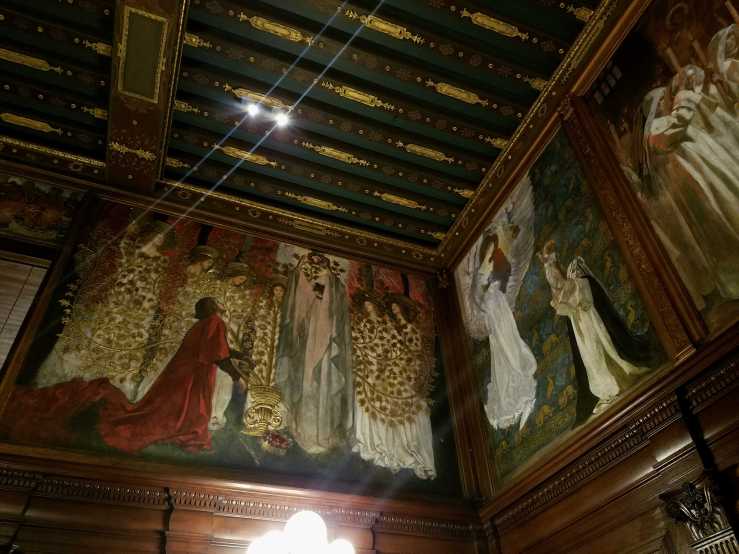
Then came the Abbey Room and its murals: The Quest and Achievement of the Holy Grail by Edwin Austin Abbey

“Respected American illustrator Edwin Austin Abbey (1852-1911) completed his first work in oil paint with this vibrant mural cycle, installed in the library in 1902. The murals follow the story of Sir Galahad on his quest for the Holy Grail.”

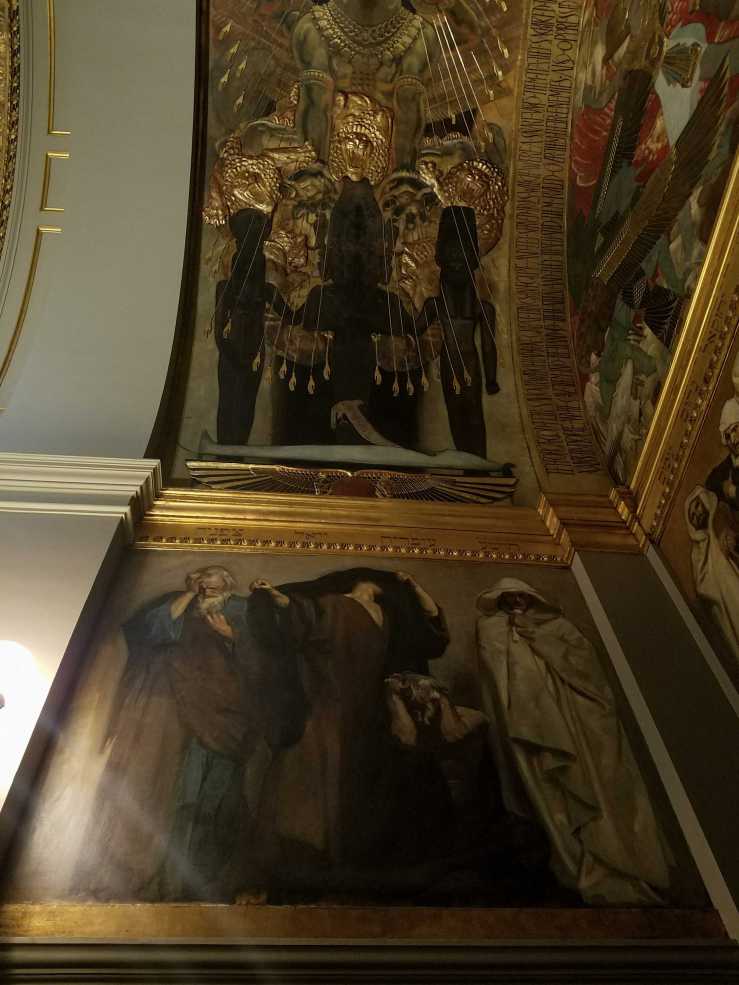
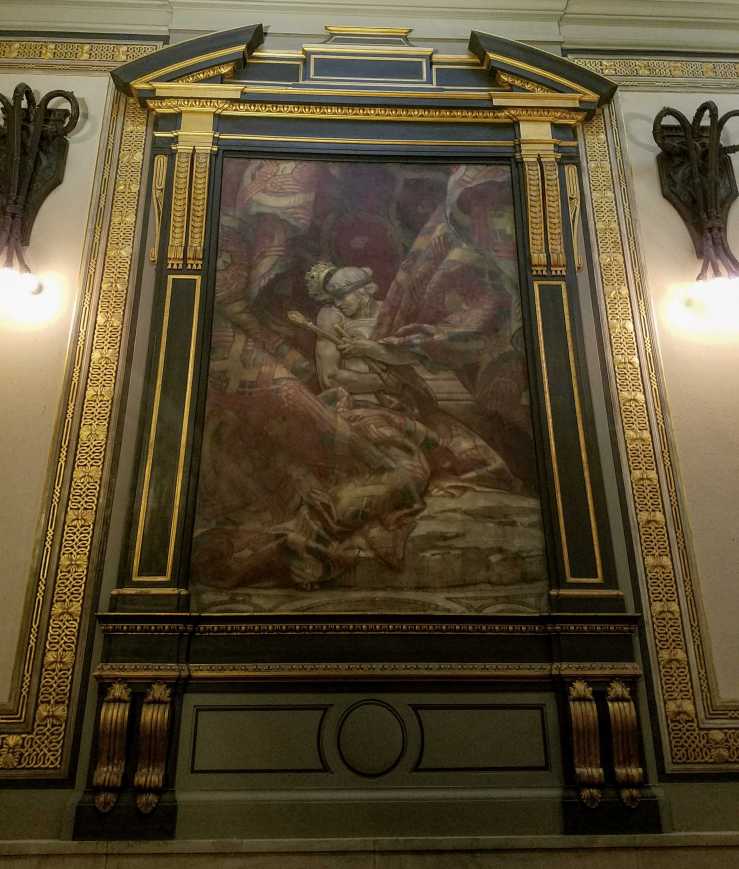
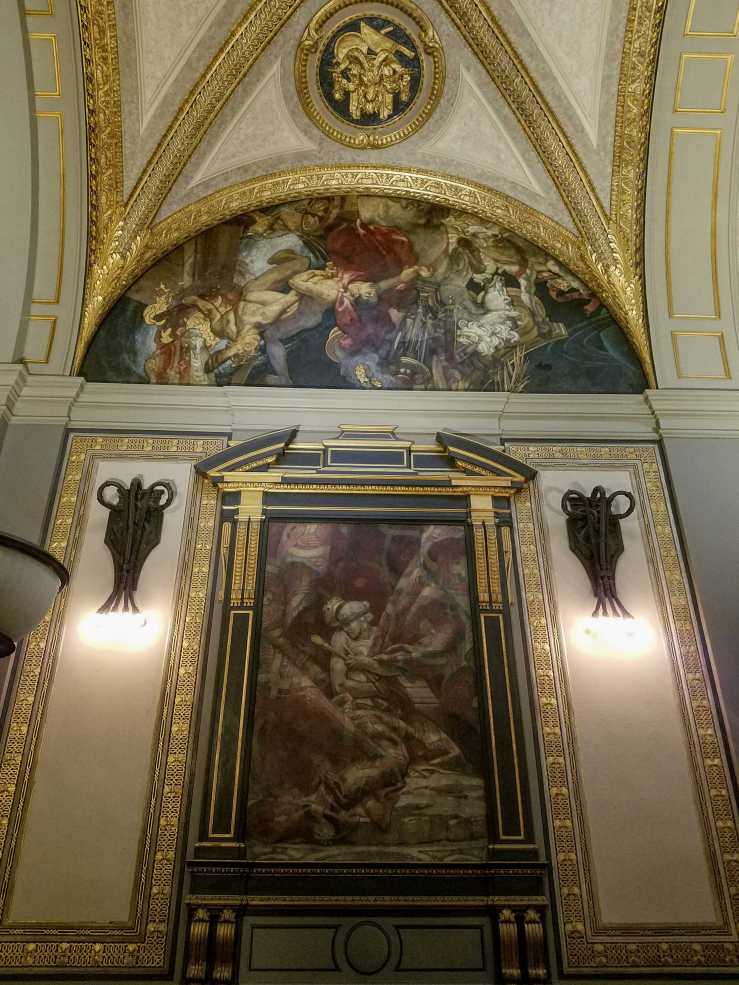
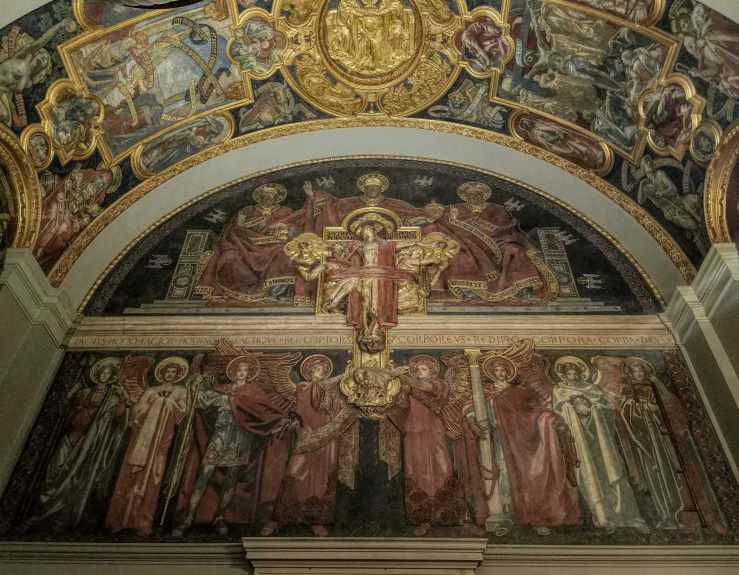
And, finally, the magnificent Sargent Gallery Murals: Triumph of Religion by John Singer Sargent

“American artist John Singer Sargent (1856-1925) spent 29 years on this ambitious mural cycle, titled The Triumph of Religion. Painted in his studio in England and installed over four phases between 1895 and 1919, the panels interpret moments in the history of Paganism, Judaism and Christianity.”

For more information the Library and Murals, notably those by John Singer Sargent, please check The Boston Public Library website.

Visited on May 2nd, 2017 – and still in awe.

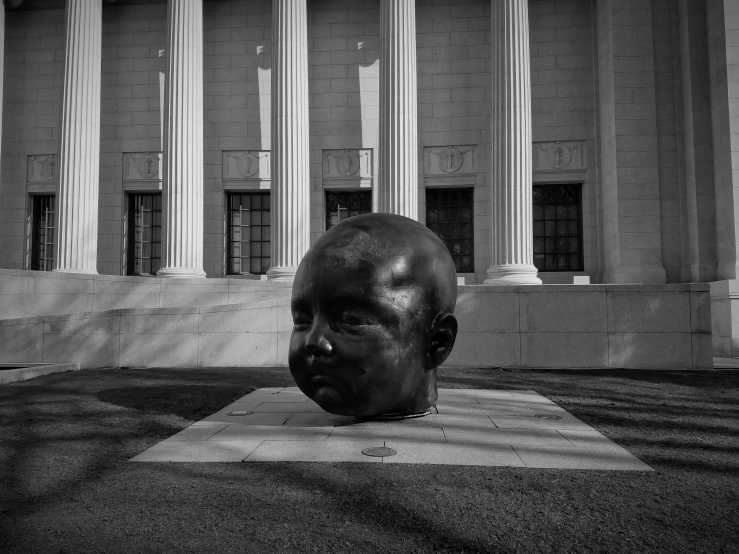
Head Hunters

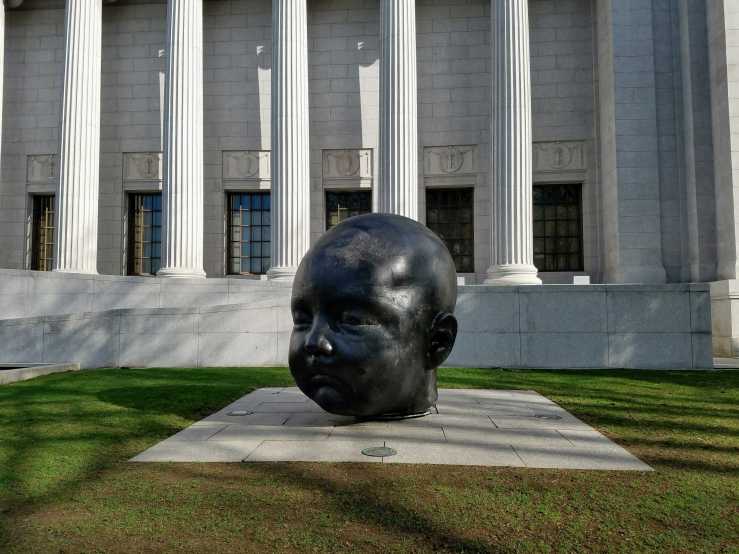
Outside the MFA.

“Over the past several decades, Antonio Lopez Garcia has become known as the finest Spanish painter of his generation. His intensely realistic paintings-ranging in subject from grimy bathroom sinks to expansive Madrid cityscapes-often take him years of meticulous work to complete. These sculptures, and several other recent works by Lopez, were inspired by the birth of his grandchildren. When his second grandchild, Carmen, was a few months old, Lopez began modeling two portraits of her head, one depicting her awake and the other asleep.”
Source: CultureNOW

The full sculpture of the Hunter, however, depicts him hunting a antelope – not heads!

“Paul Manship designed Indian and Pronghorn Antelope to span the length of the mantelpiece in his New York City apartment. He expertly used the negative space created by the separation of the hunter and his prey to capture the drama of the hunt. The work represents a compromise between historical artistic traditions and modern tendencies toward abstraction: the smooth planes and stylized renderings recall ancient Greek statues, while the arresting linear design and suggestion of movement reflect Manship’s own innovations. Small-scale statuettes such as these were popular for interior decoration, and Manship’s style was immediately accepted by the public.” Source: Art Institute Chicago

While this particular cast adorns the Fenway entrance lawn of the Museum of Fine Arts, a quick search on line shows a number of others being in permanent collections of various museums in America, such as The Met in New York, Joslyn Art Museum in Omaha Nebraska, Buffalo Center of the West Wyoming, The Art Institute of Chicago, Detroit Institute of Arts.

Antonio López García
Day & Night, 2008
Bronze

Paul Manship
Indian Hunter, 1917, this cast 2002
Bronze

Museum of Fine Arts, Boston

May 2nd, 2017

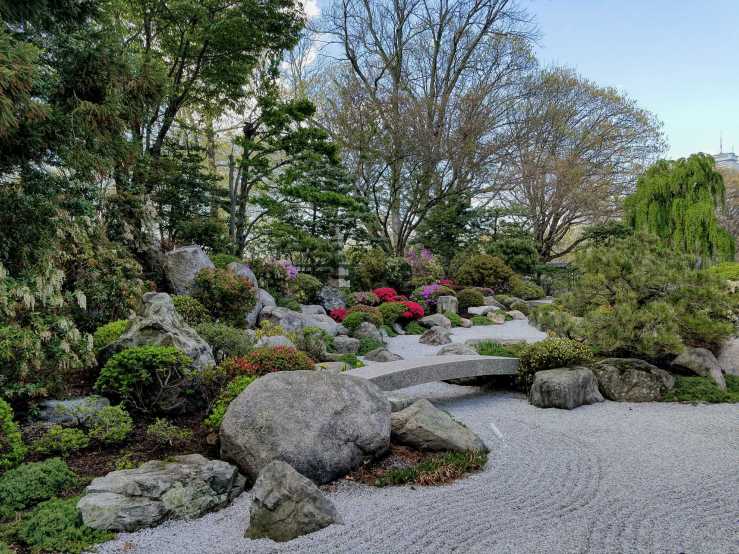
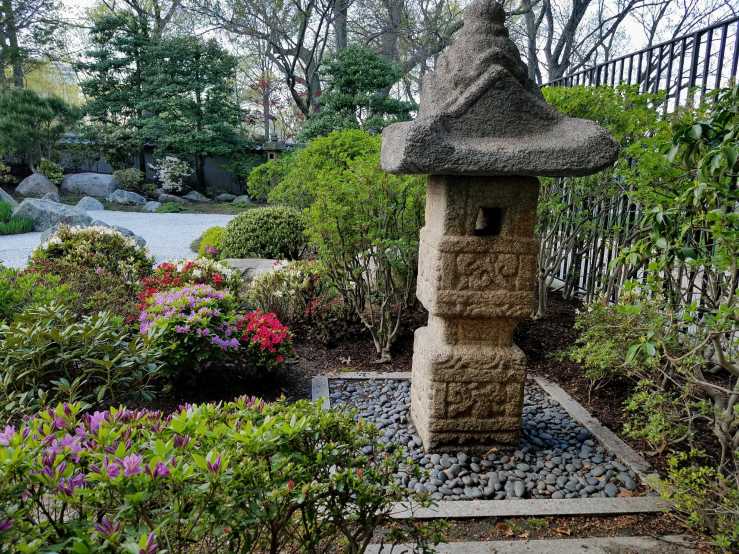
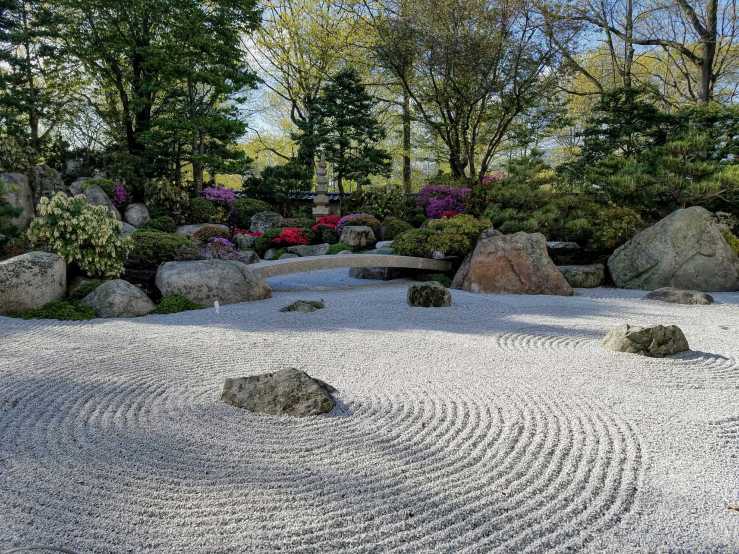
The Garden of the Heart of Heaven

A few moments of contemplation, allowing ourselves to absorb the various works of art we had just witnessed across the Museum’s galleries – and the warmth that comes with sunshine after the rain.

And then came the bunnies… There is a bunny hiding in this picture; an adorable little troublemaker, disrupting the peace.


Tenshin-en
The Garden of the Heart of Heaven
Designed by Kinsaku Nakane of Kyoto, Japan
Dedicated October 24, 1988

Museum of Fine Arts, Boston
May 2nd, 2017

Maenads in a Wood

”Gustave Doré (1832–1883), known primarily for his book illustrations, prints, and paintings, turned to sculpture late in his career. It was only in 1871 that he began to learn to model, and he exhibited his first sculpture at the Salon of 1877.
This plaster relief is the second version of a sculpture inspired by his 1879 painting of the Death of Orpheus. Doré used the same background and composition in both reliefs; however, here the dead Orpheus is absent and the female woodland figures are not armed. He has depicted a Bacchic dance of the Maenads, followers of Dionysus, god of the Orphic religion, who in a delirious frenzy killed Orpheus. This relief may have been intended to serve as an architectural decoration.”

Maenads in a Wood, 1879
Gustave Doré

The painting in reference and a study (the only copies I was able to trace on-line): 

Gustave Doré
Study for La mort d’Orphée, 1879
Charcoal and watercolor with gouache on thick card


Gustave Doré
La mort d’Orphée, 1885
Wash and gouache


Museum of Fine Arts, Boston
May 2nd, 2017
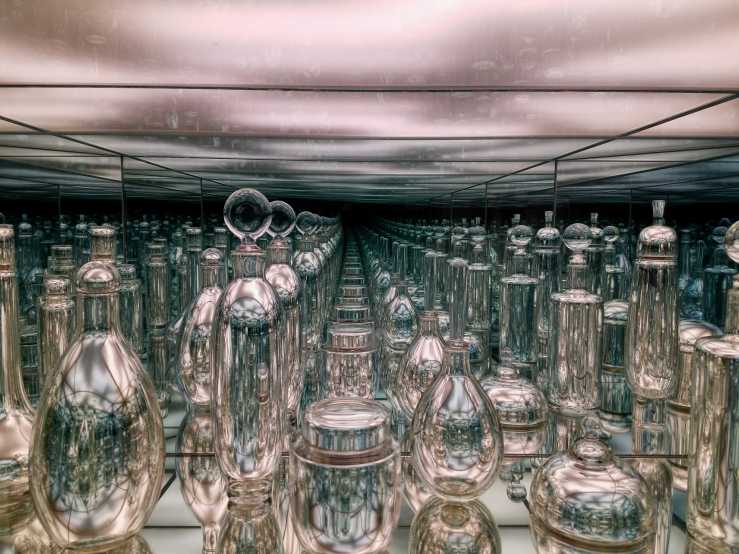
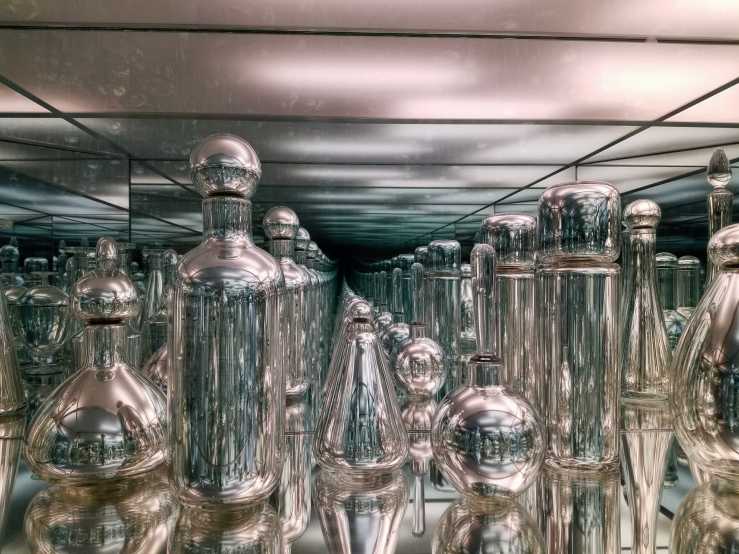
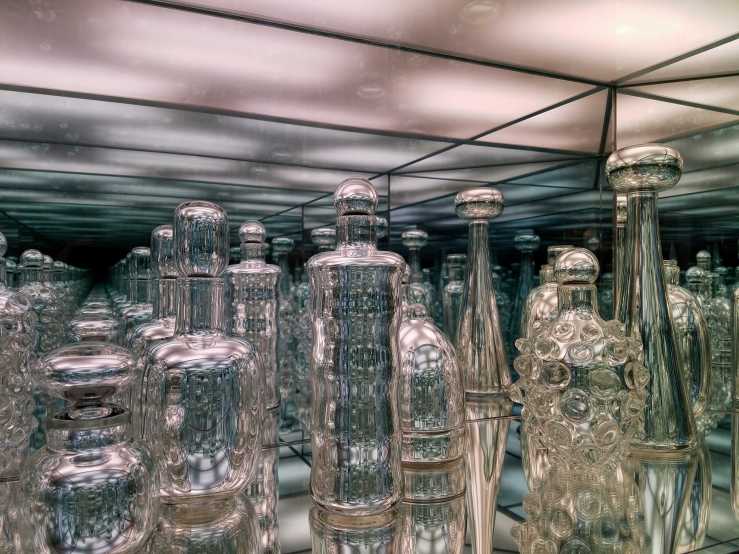
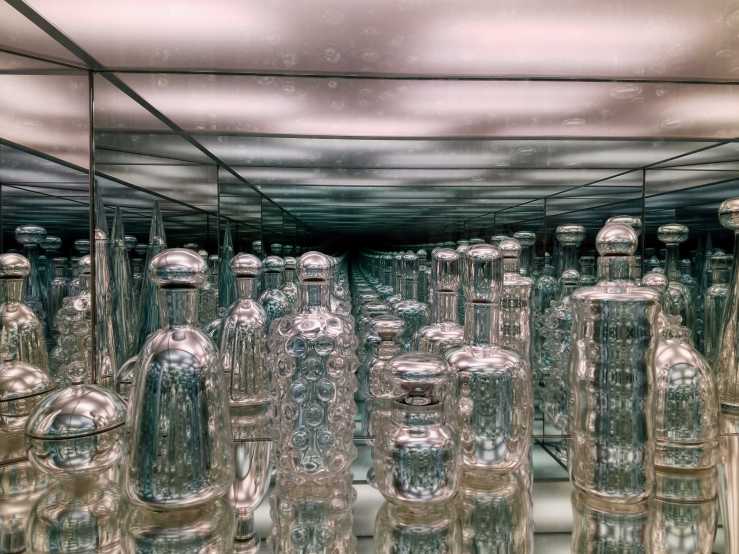
Endlessly Repeating

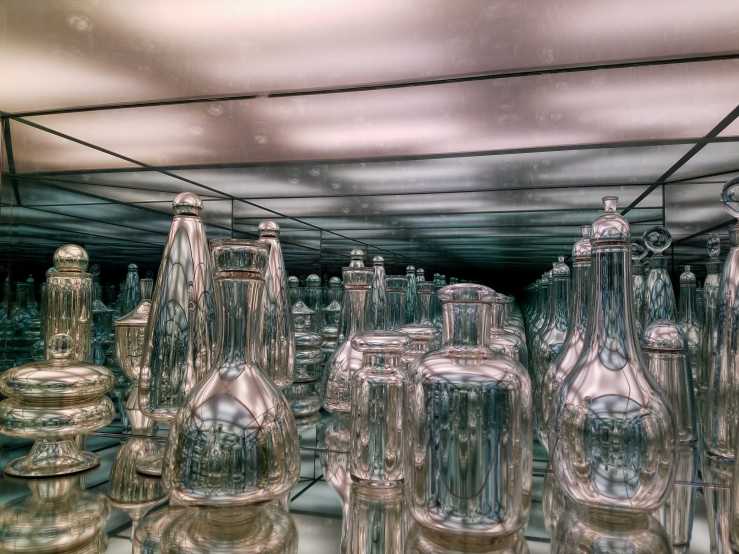
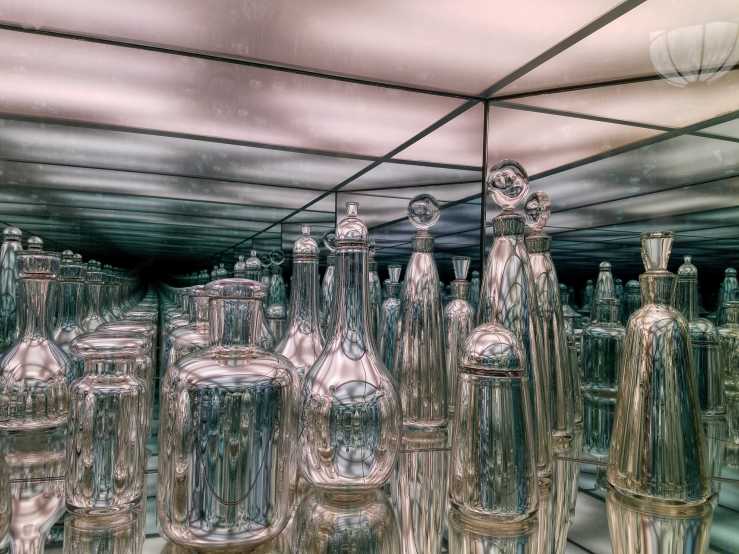
”Josiah McElheny created this mirrored installation with a critical eye on histories of innovation, ornament and display that shaped European Modernism. He hand-blew each glass vessel based on sleek Italian, Austrian, Czech and Scandinavian designs from 1910-90. Then, the precisely positioned them within this polished cube to capture their endless repetition as infinite assembly lines of 20th century elegance.”

Endlessly fascinating.

Josiah McElheny
Endlessly Repeating Twentieth Century Modernism, 2007
Blown mirrored glass, mirrors, metal, wood and electric lighting

Museum of Fine Arts, Boston
May 2nd, 2017