Walk in an Art Gallery. Not only for art collectors…


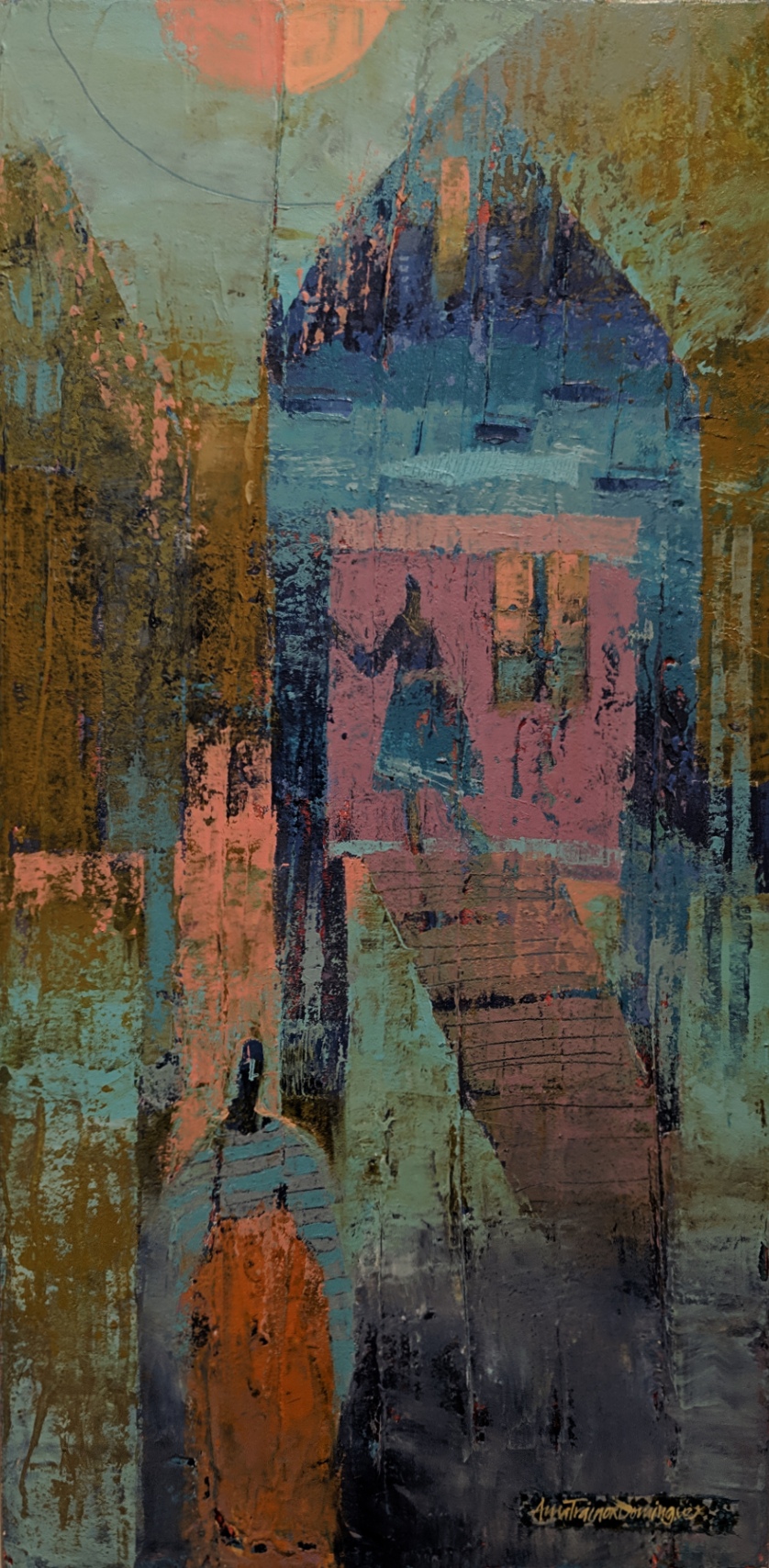
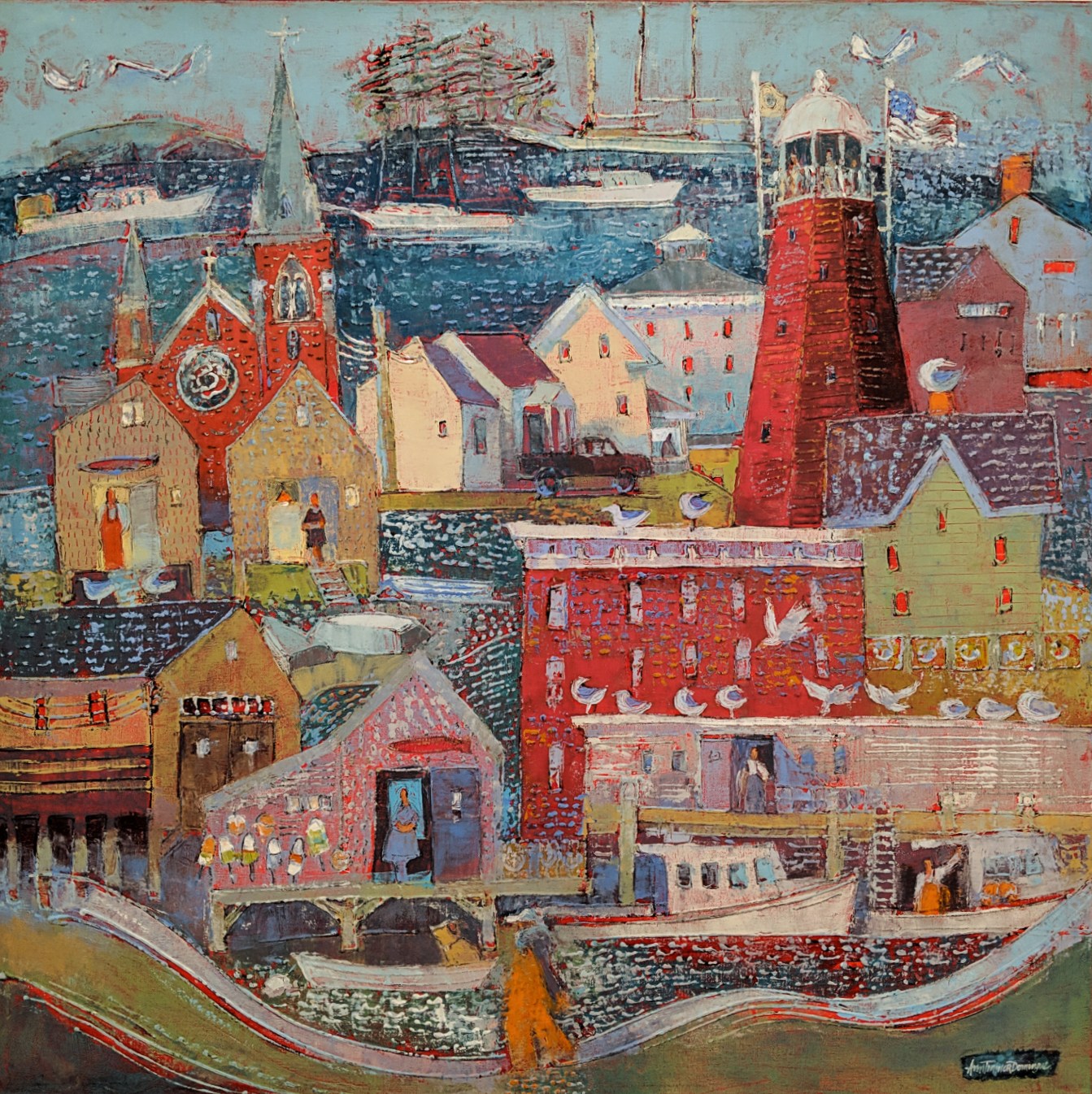


Paintings by: Ann Trainor Domingue || Sculptures by: David Moser
Portland, ME
November 19th, 2018
Walk in an Art Gallery. Not only for art collectors…
Paintings by: Ann Trainor Domingue || Sculptures by: David Moser
Portland, ME
November 19th, 2018
when the cold becomes unbearable. Comic book shops are not only for geeks…

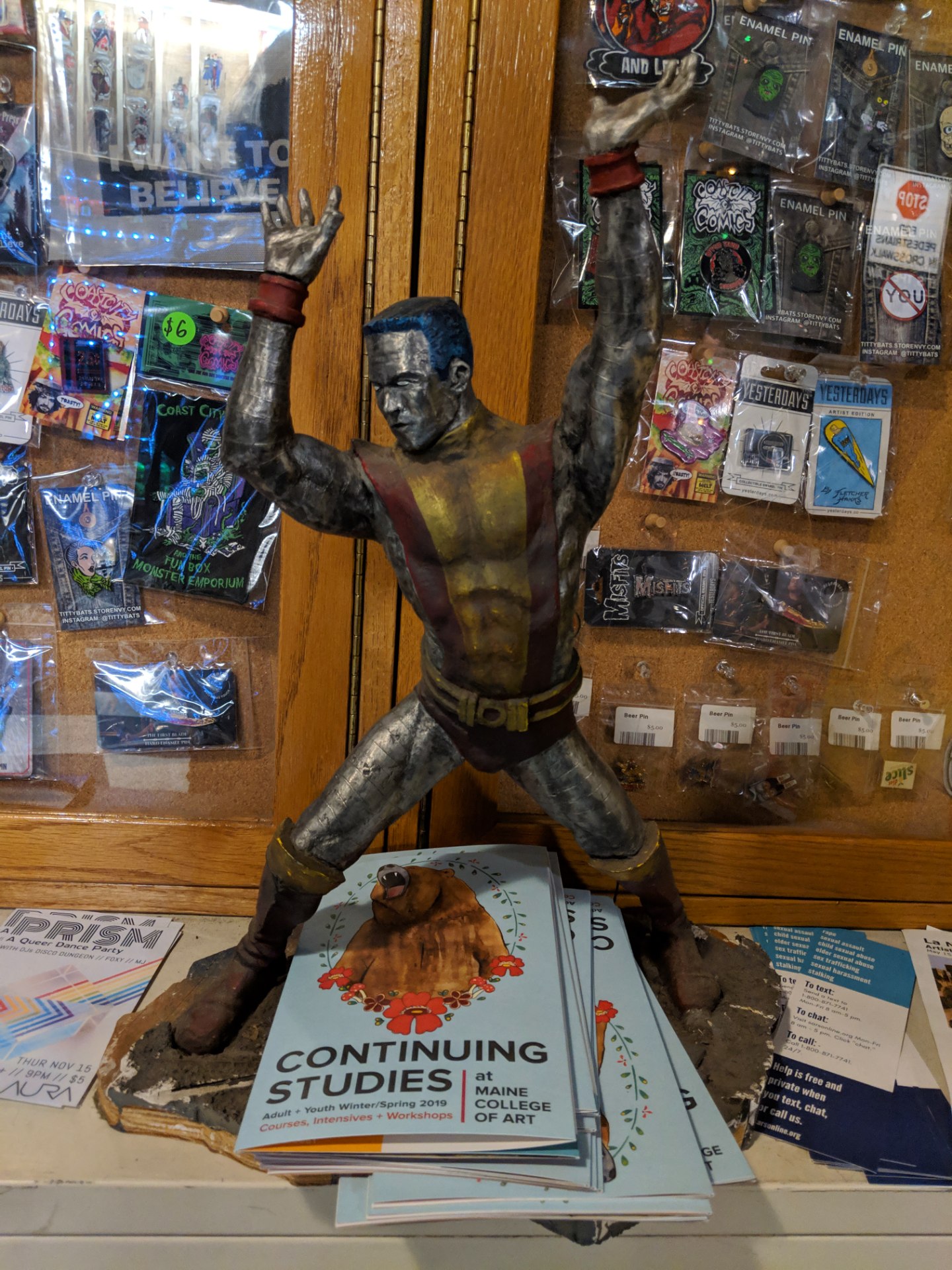

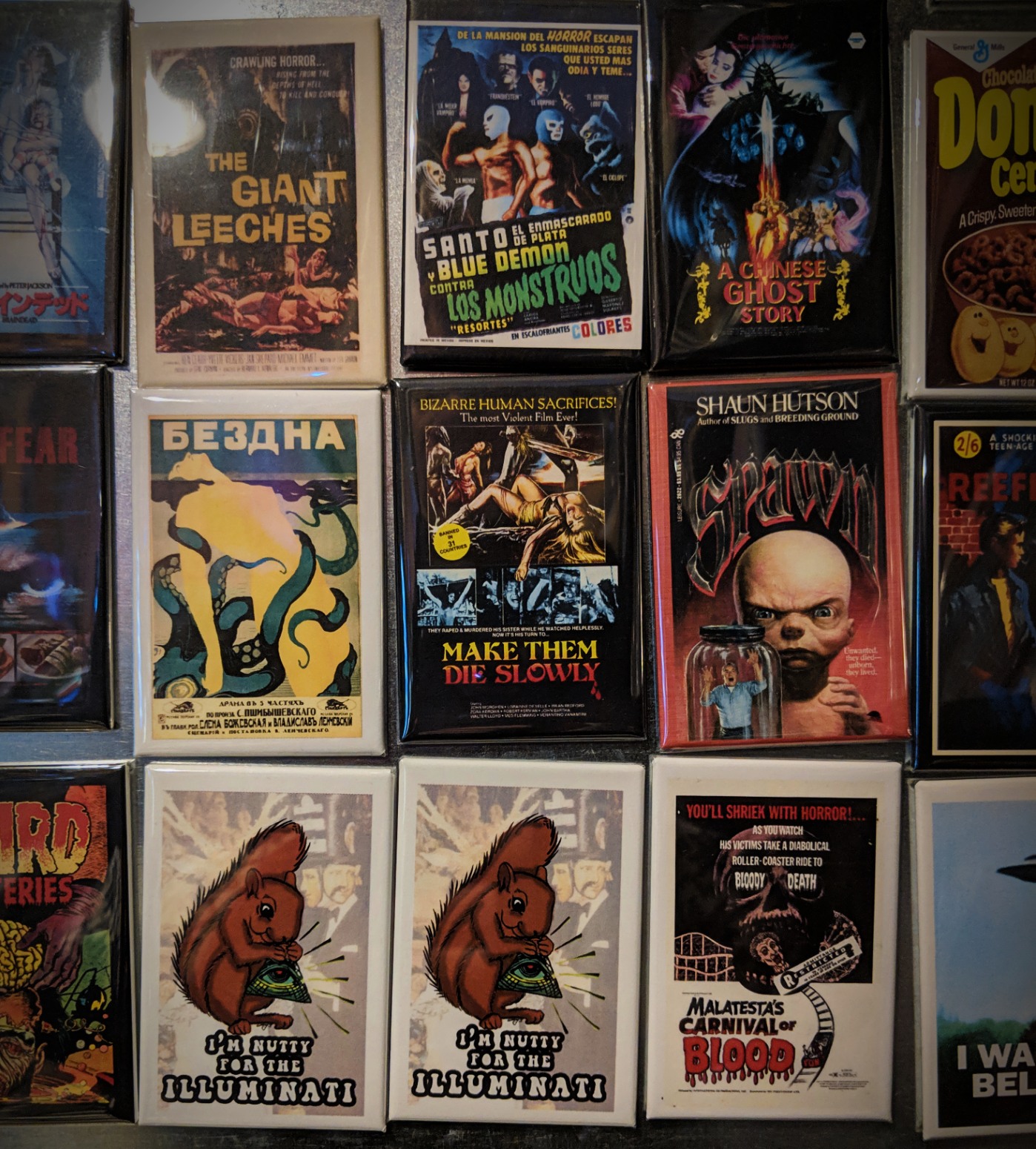
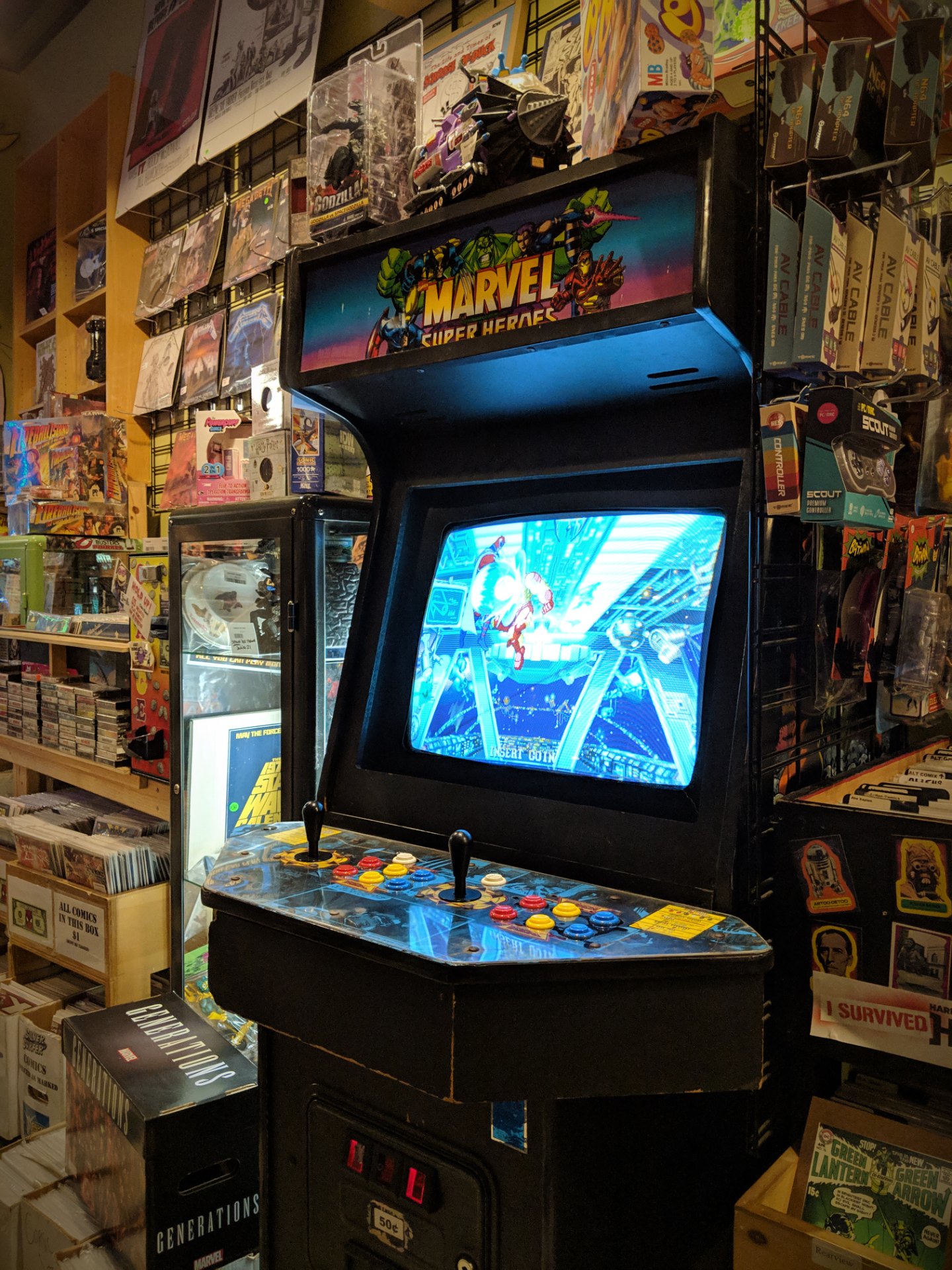

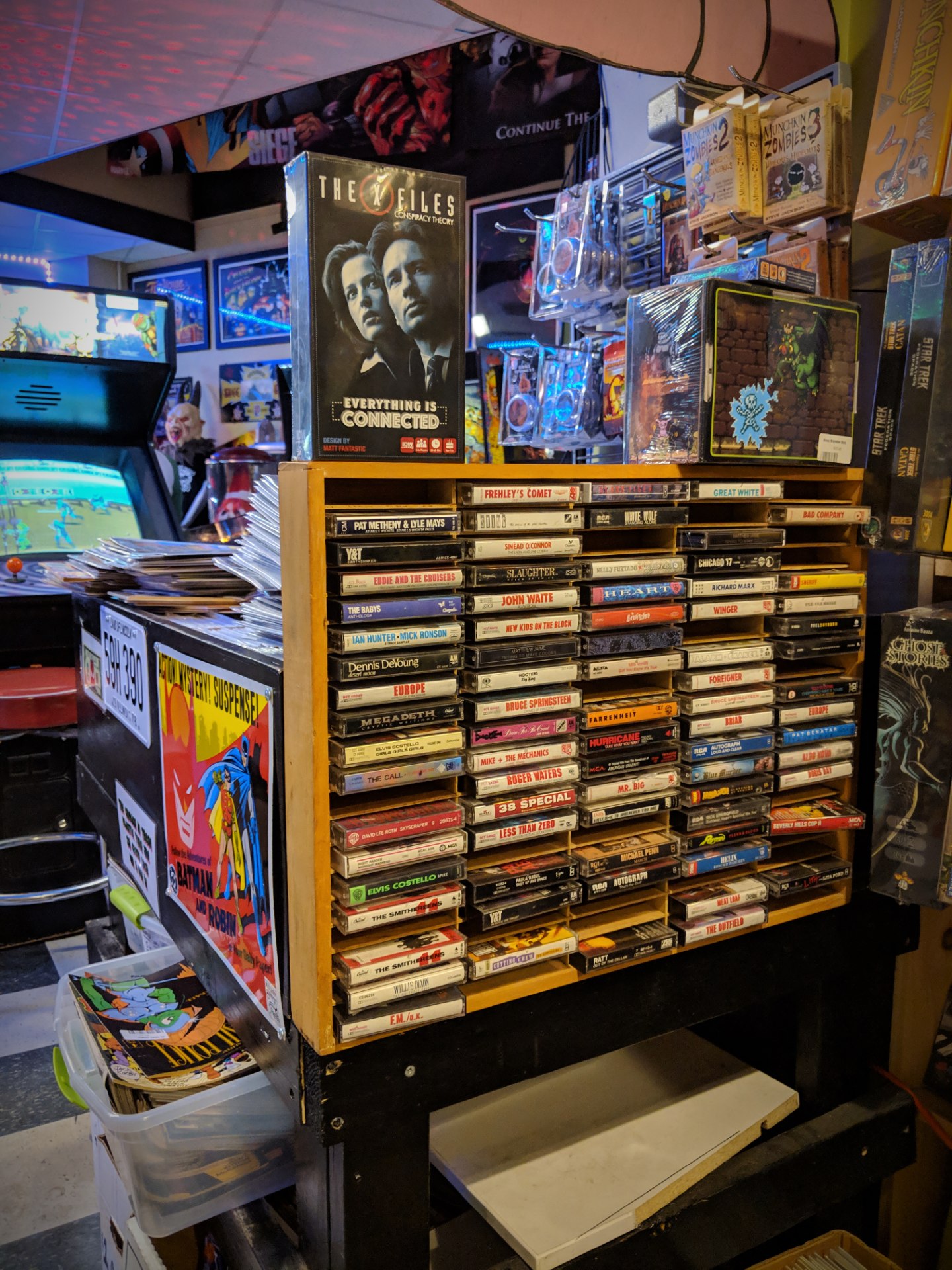

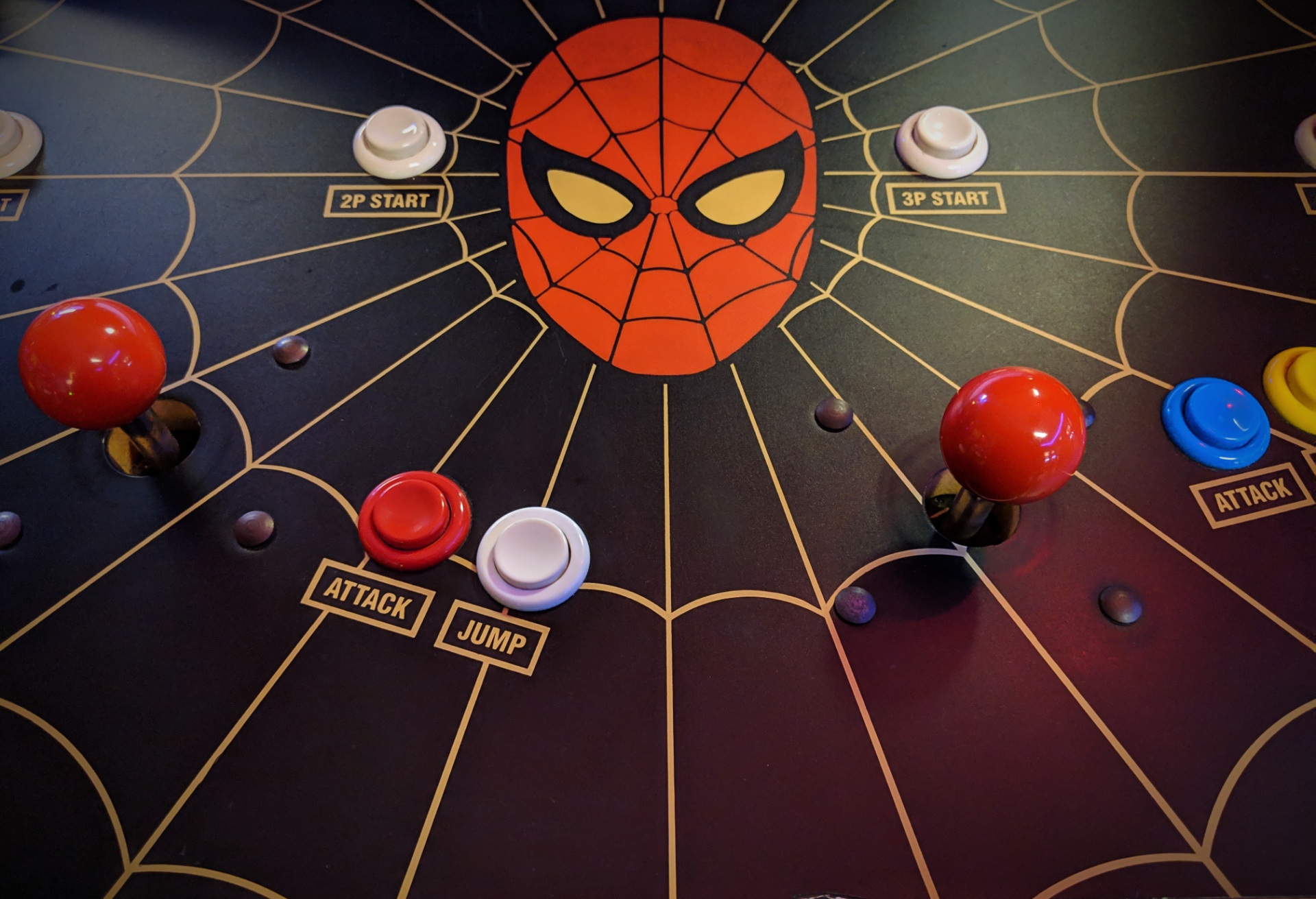
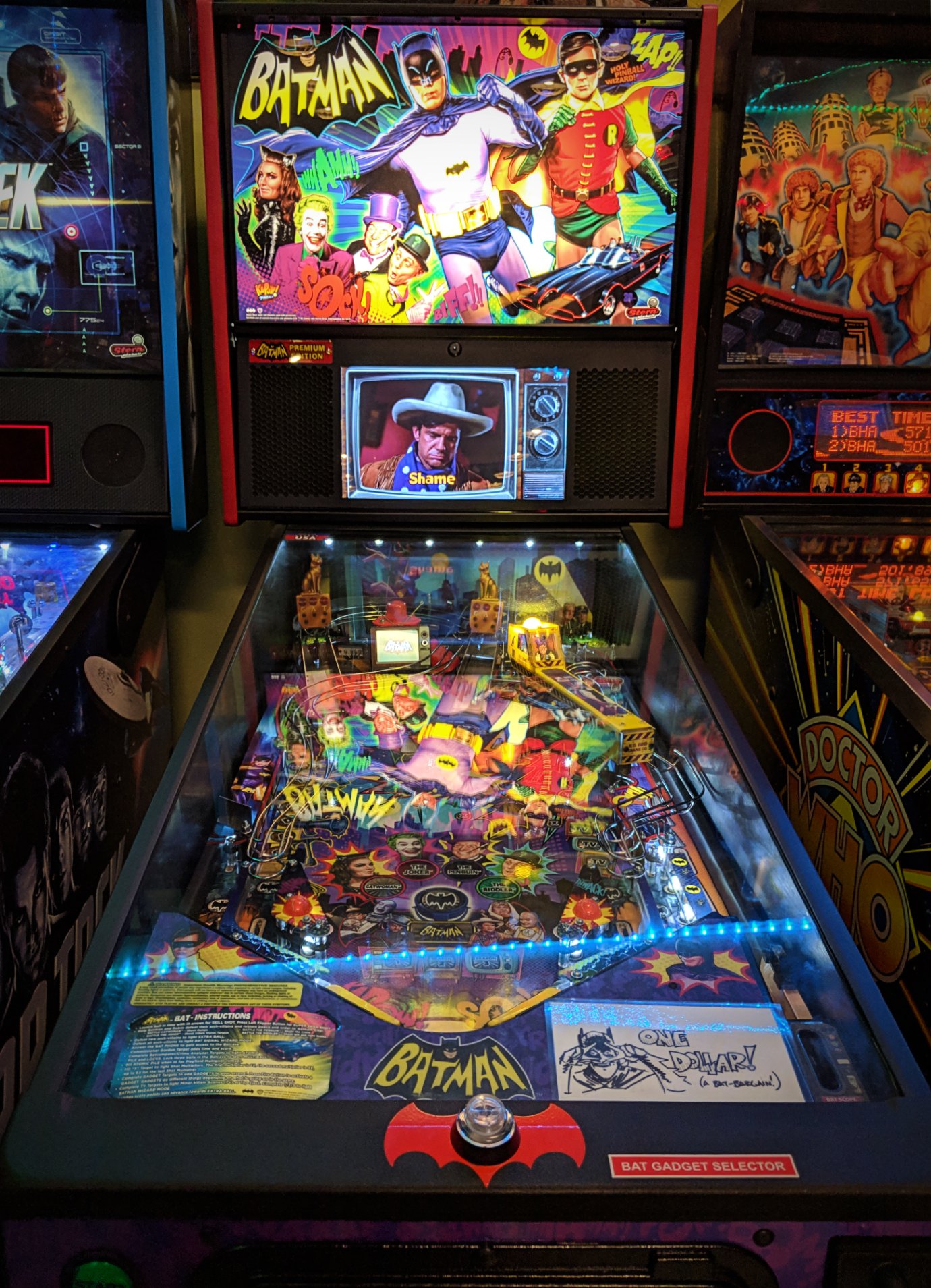

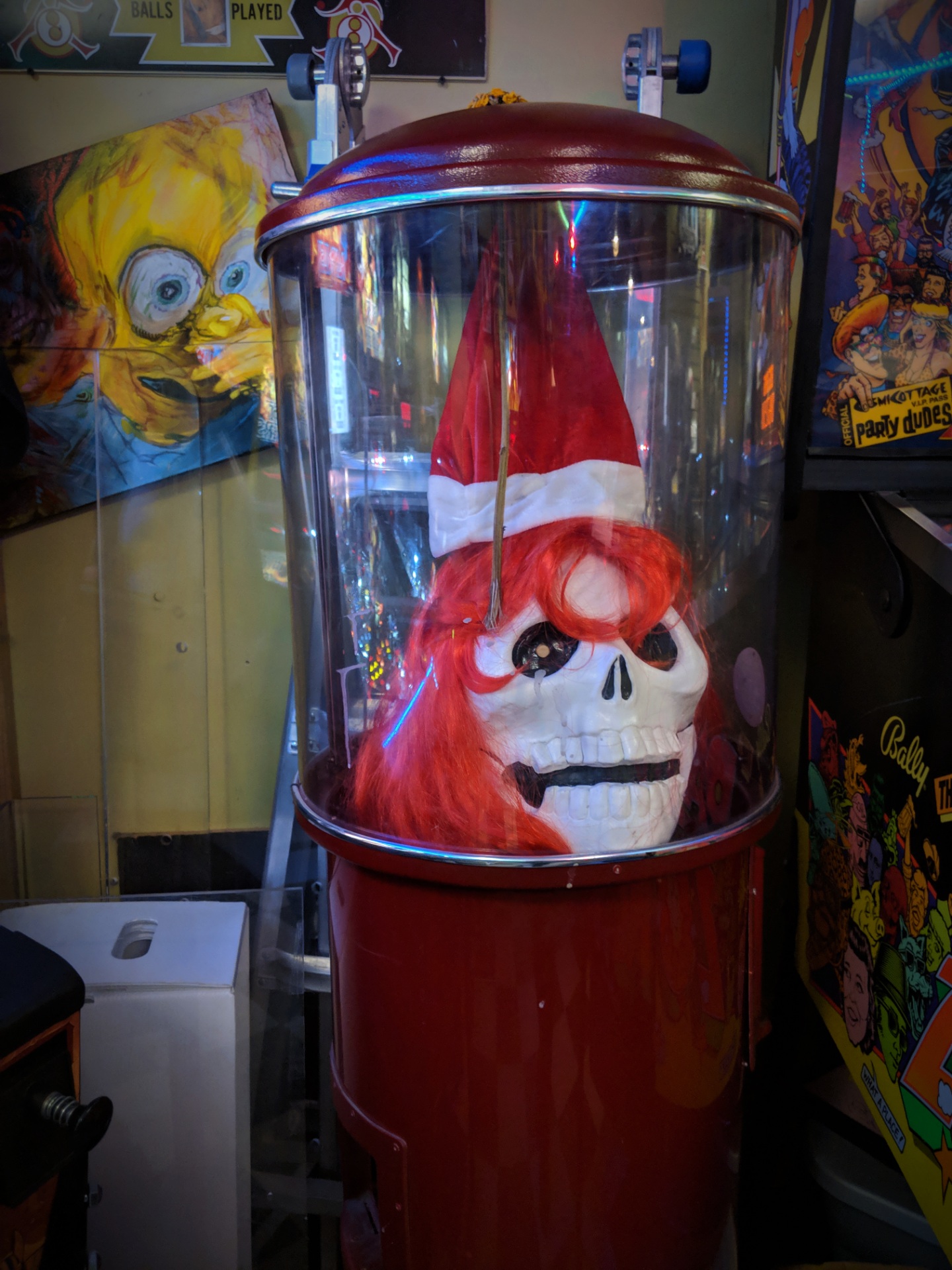



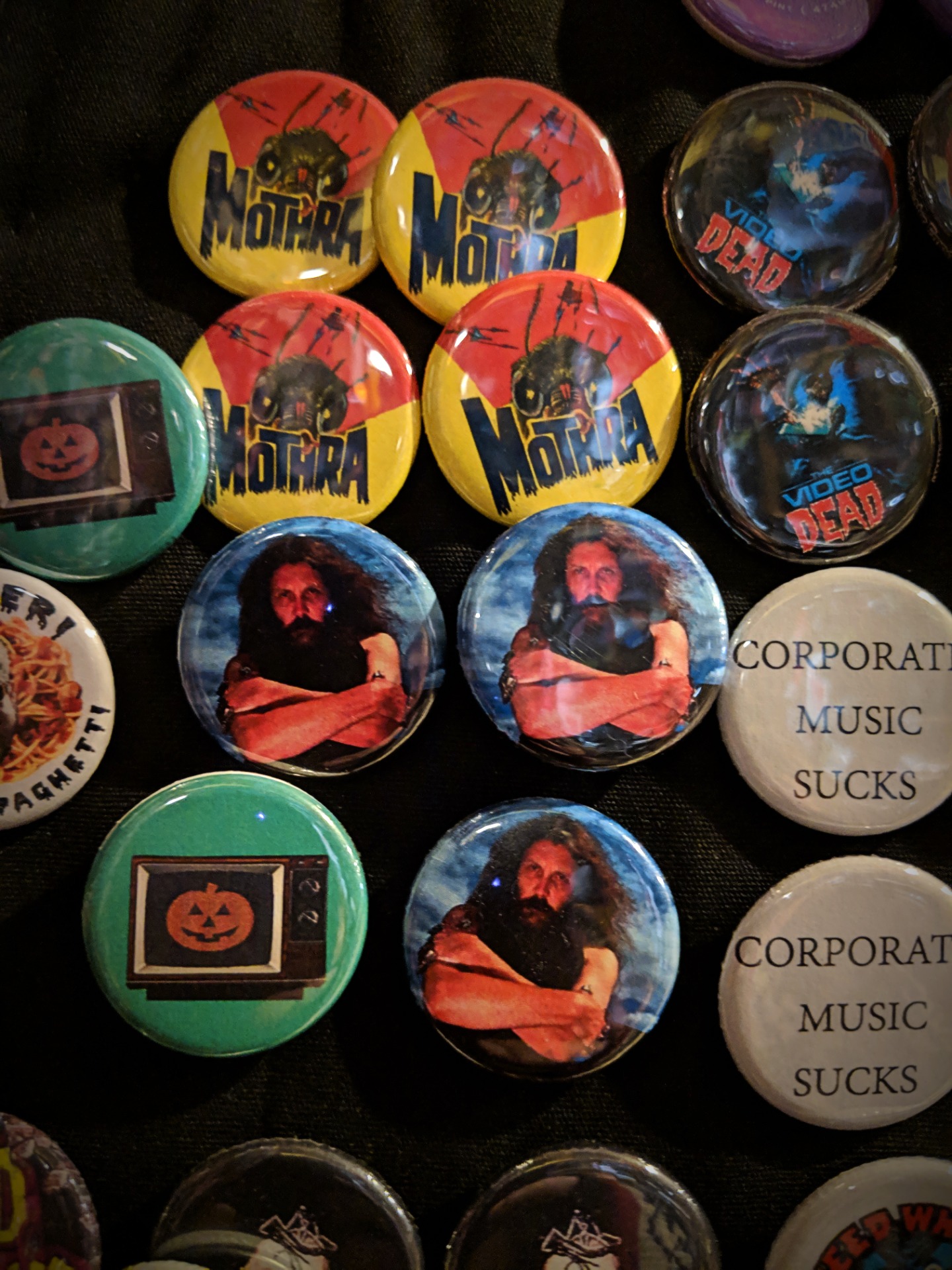
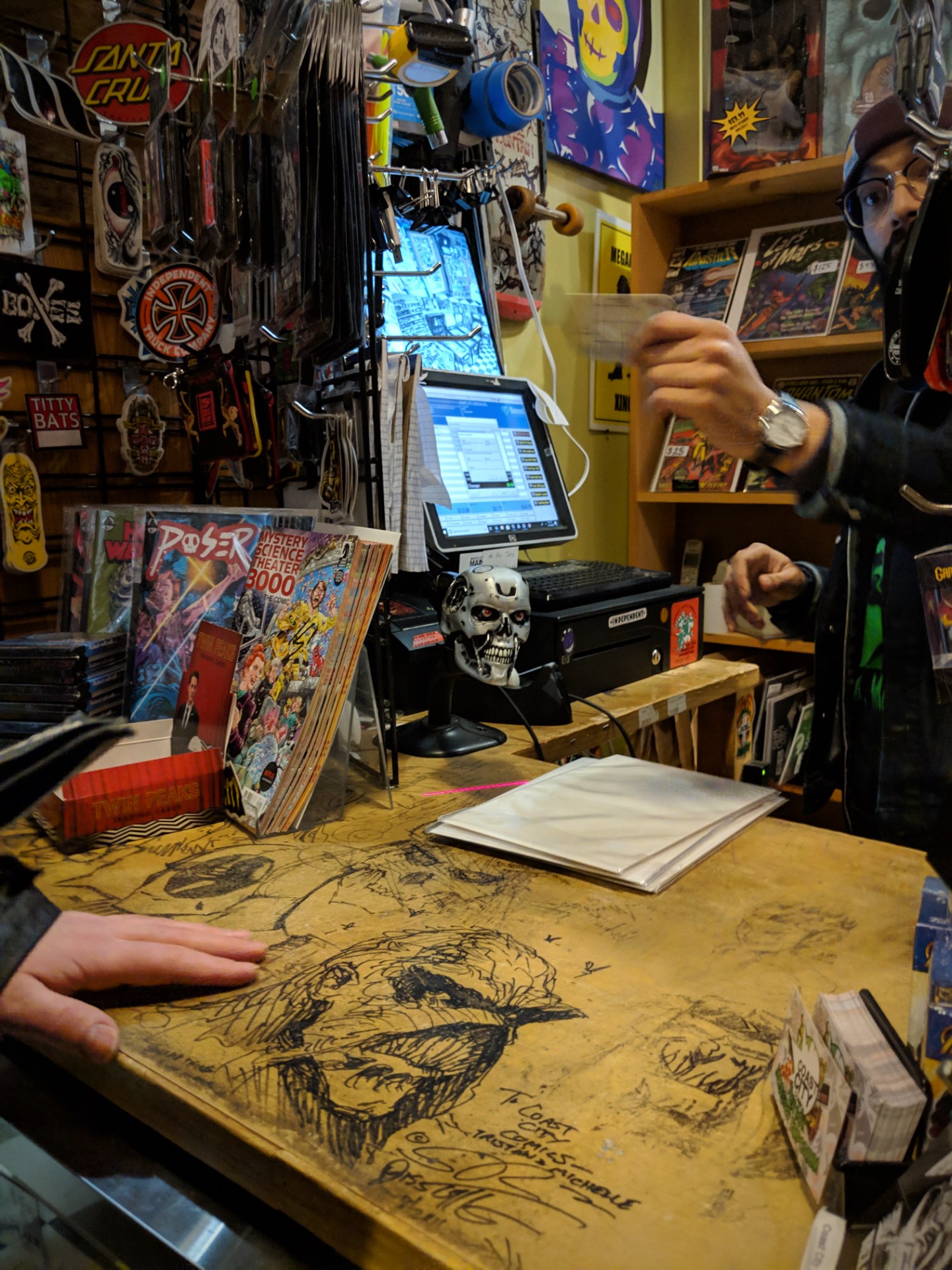
Fun times @ Coast City Comics
Portland, ME
November 19th, 2018
QWERTY, AZERTY, QWERTZ –
travelling stories will always inspire, amuse, intimidate or scare (sometimes all at once), no matter which keyboard you type them on.

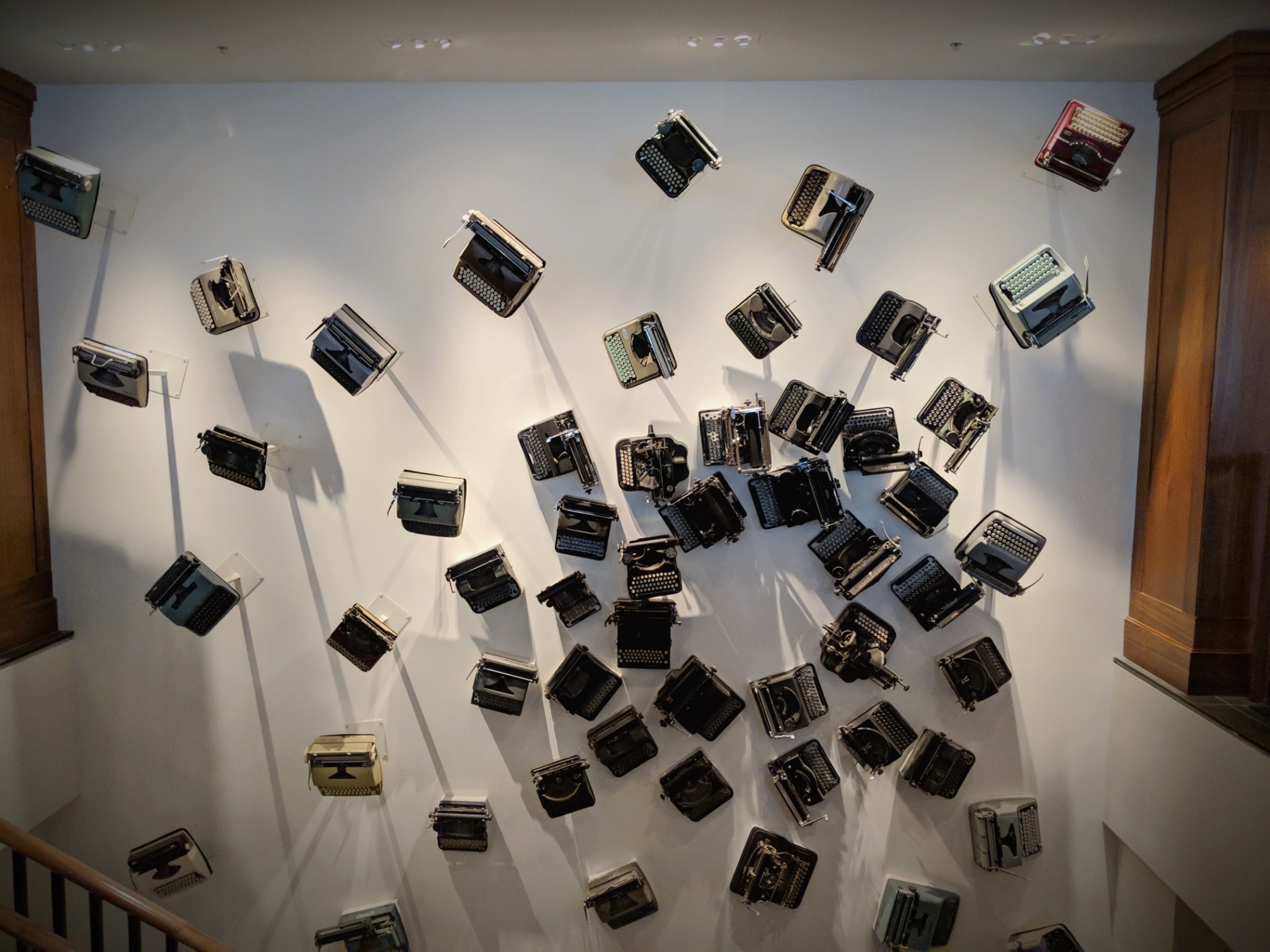

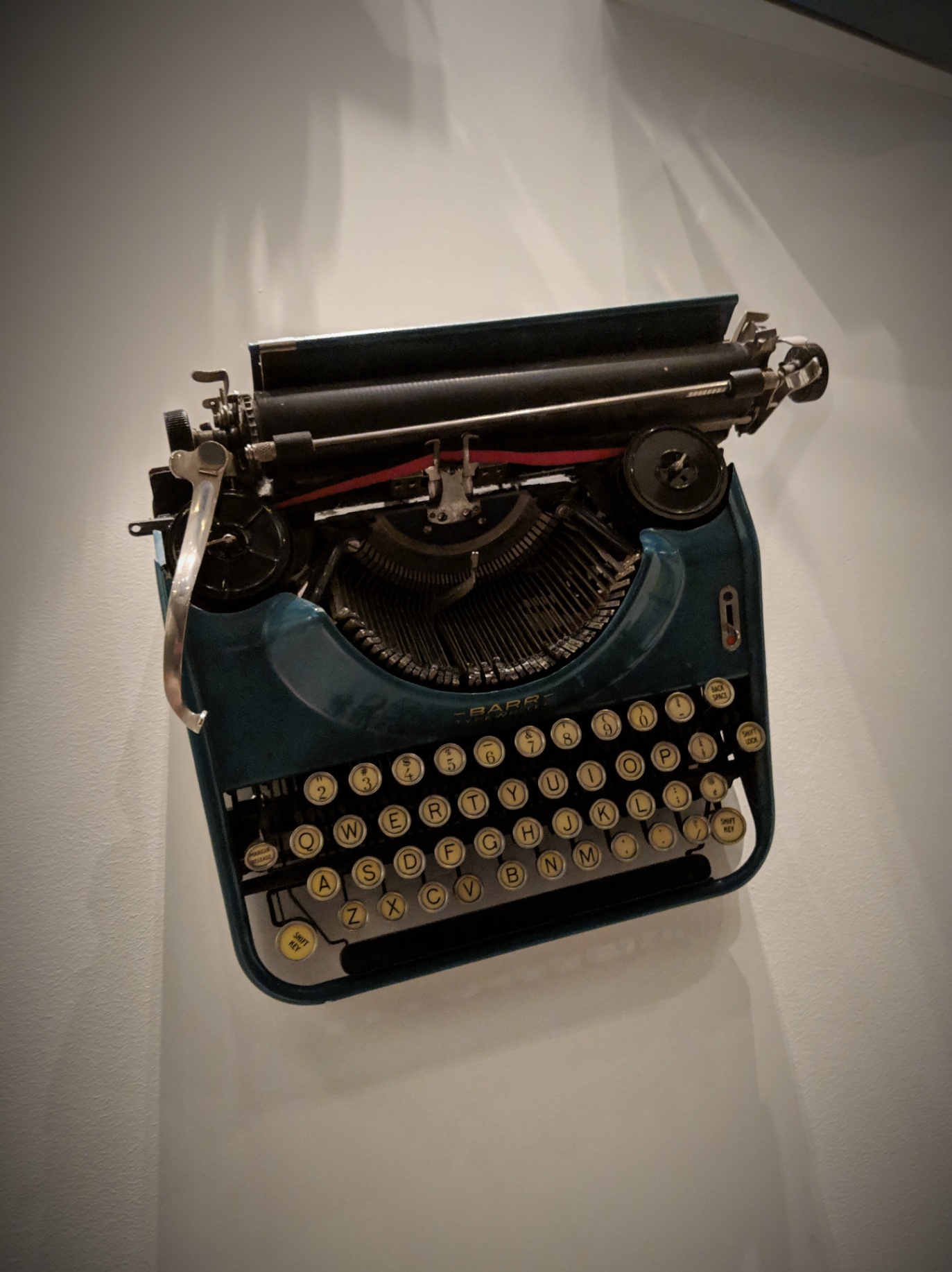


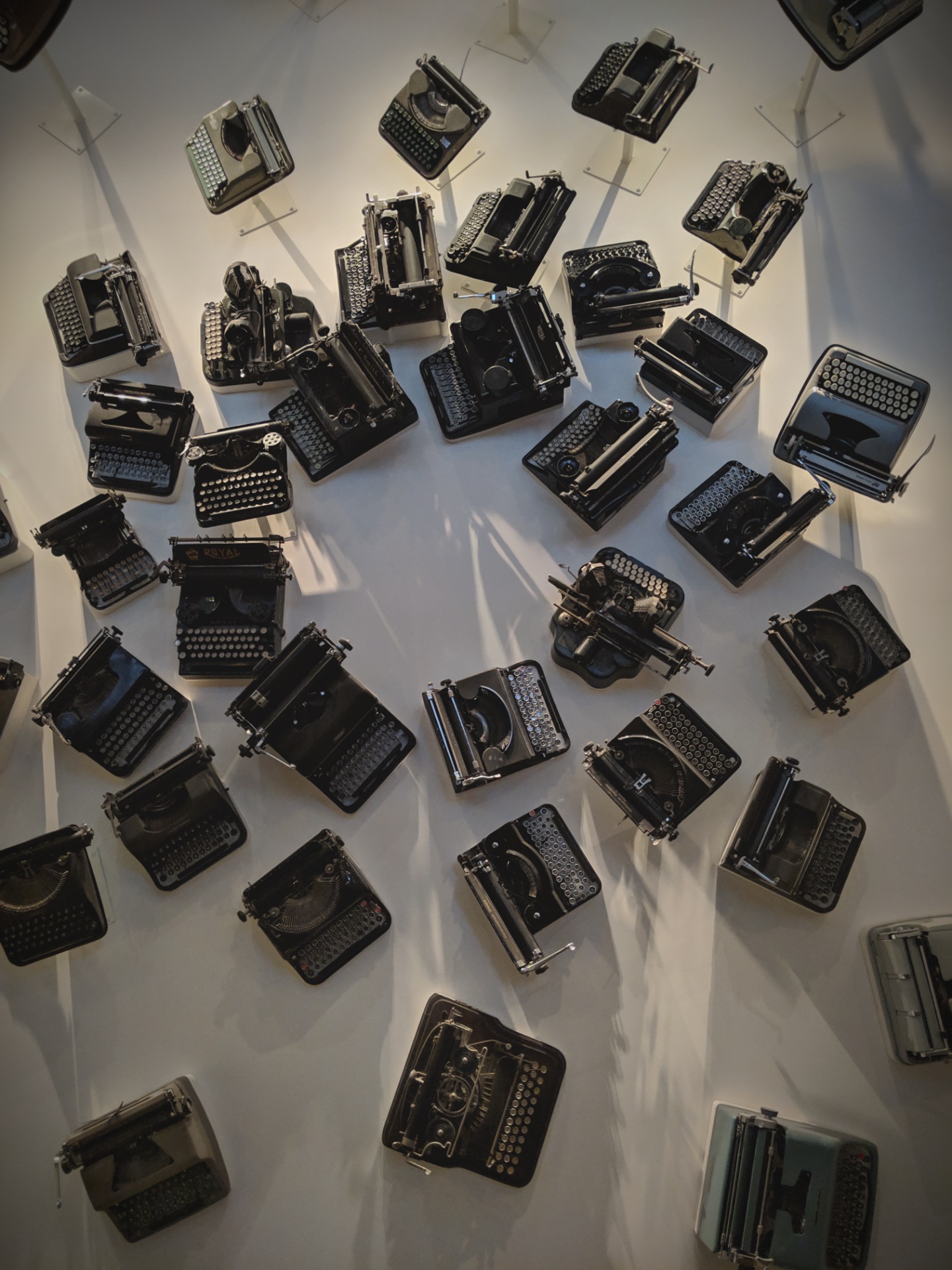


Images from The Press Hotel, reincarnation of the Gannett Building that housed the offices and printing plant of the Portland Press Herald until 2010. The hotel retained virtually all of the building’s architectural details and many artifacts.
Portland, ME
November 19th, 2018
On the flight of Life. 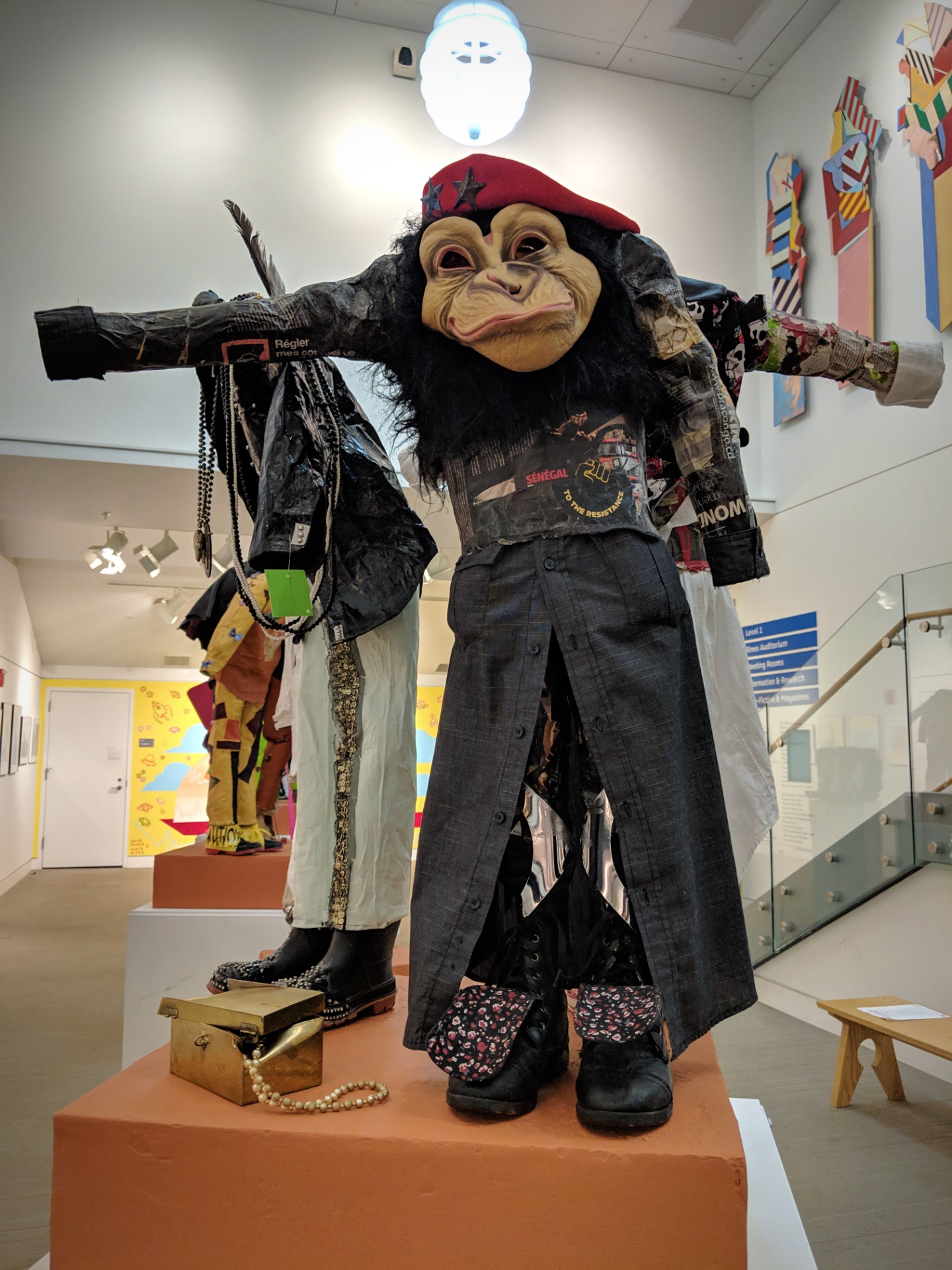

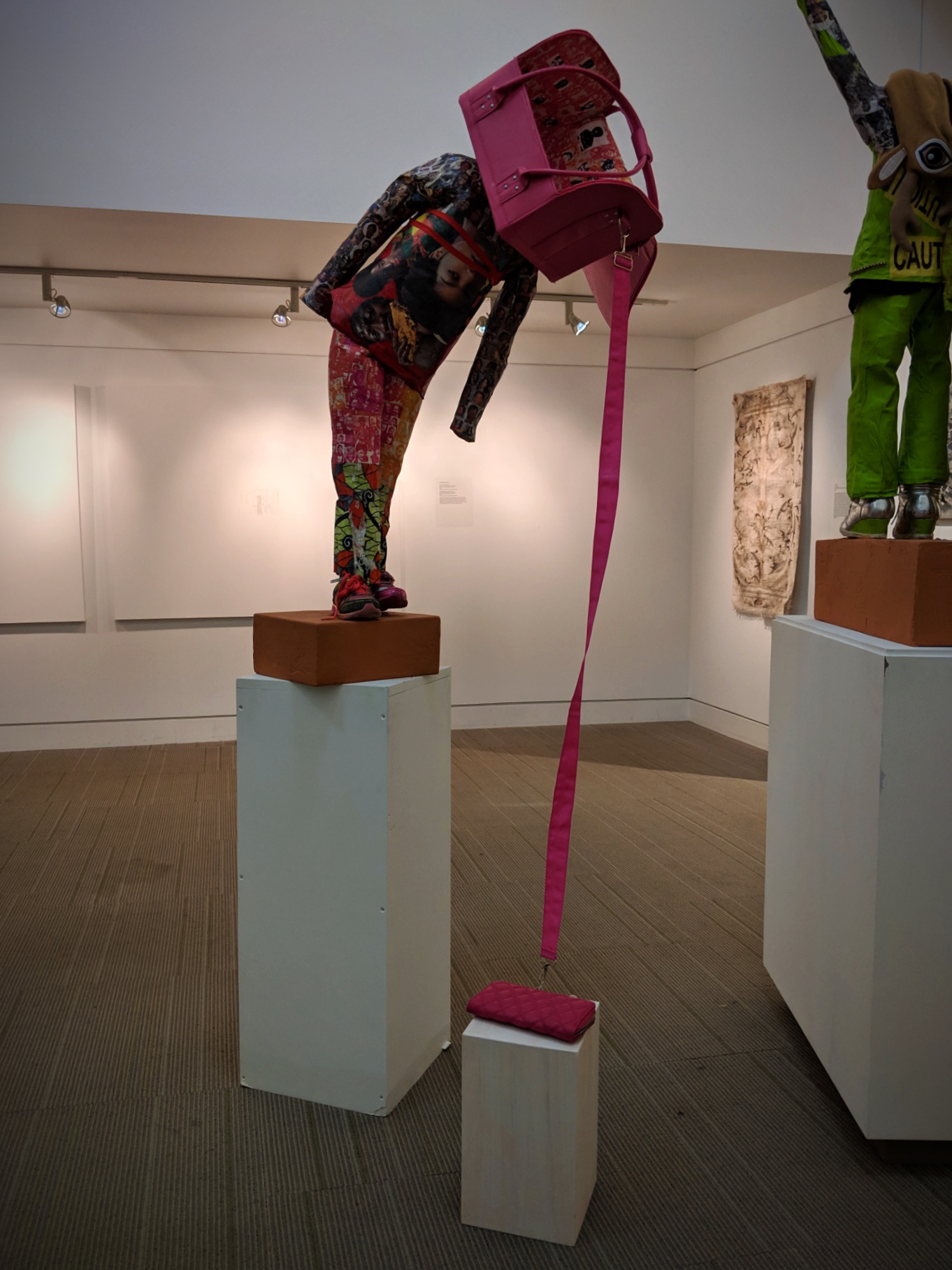
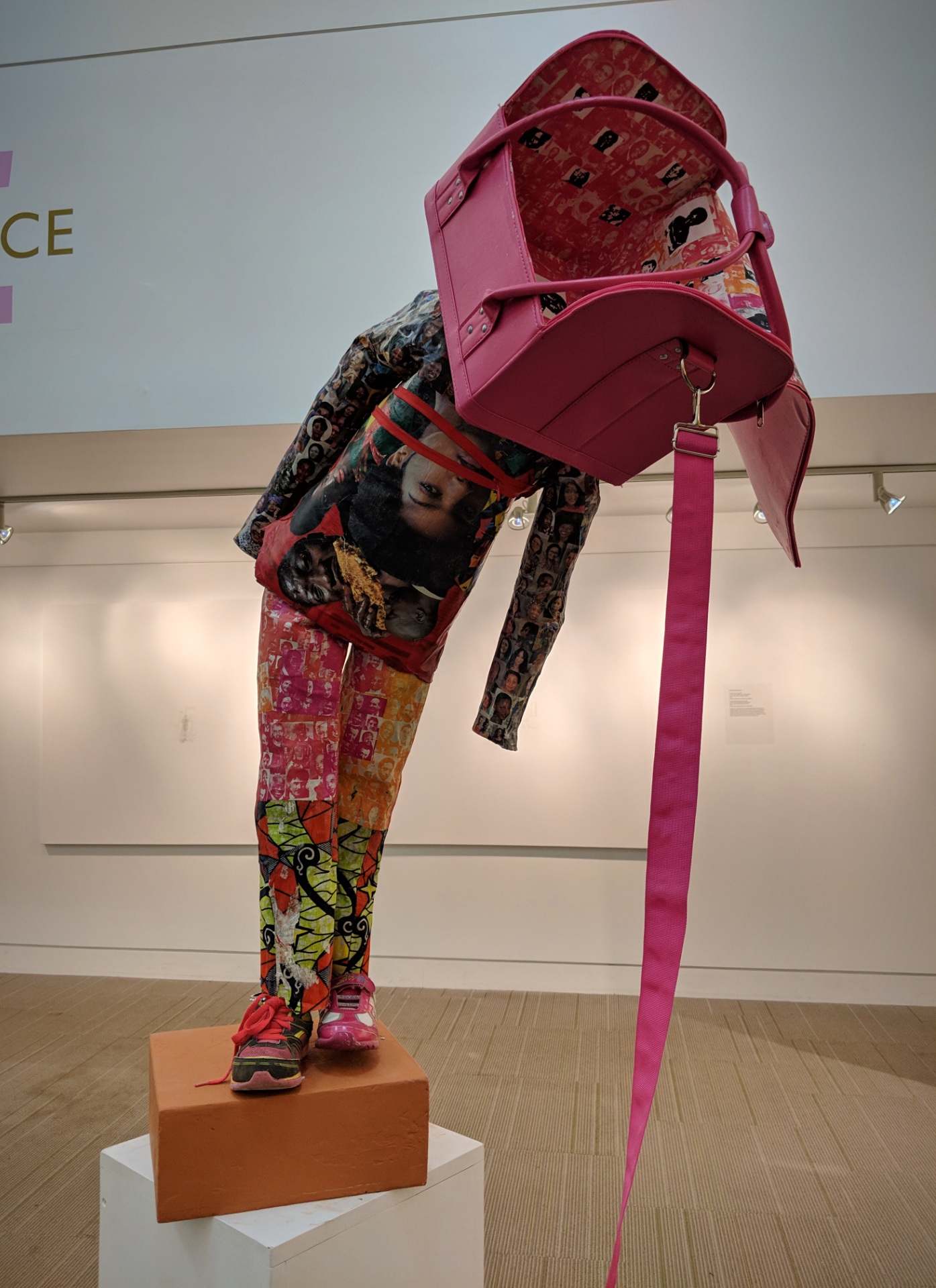
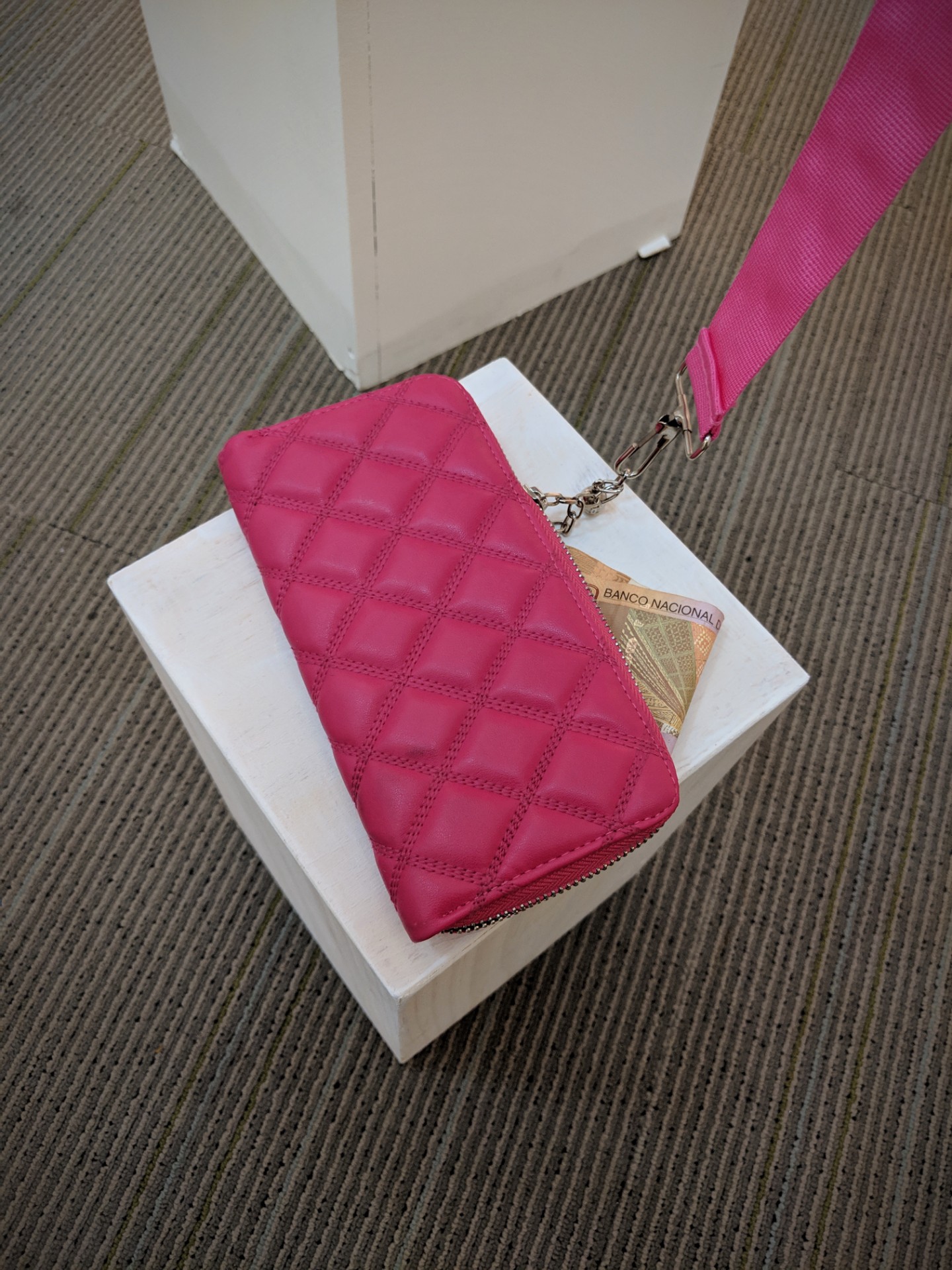

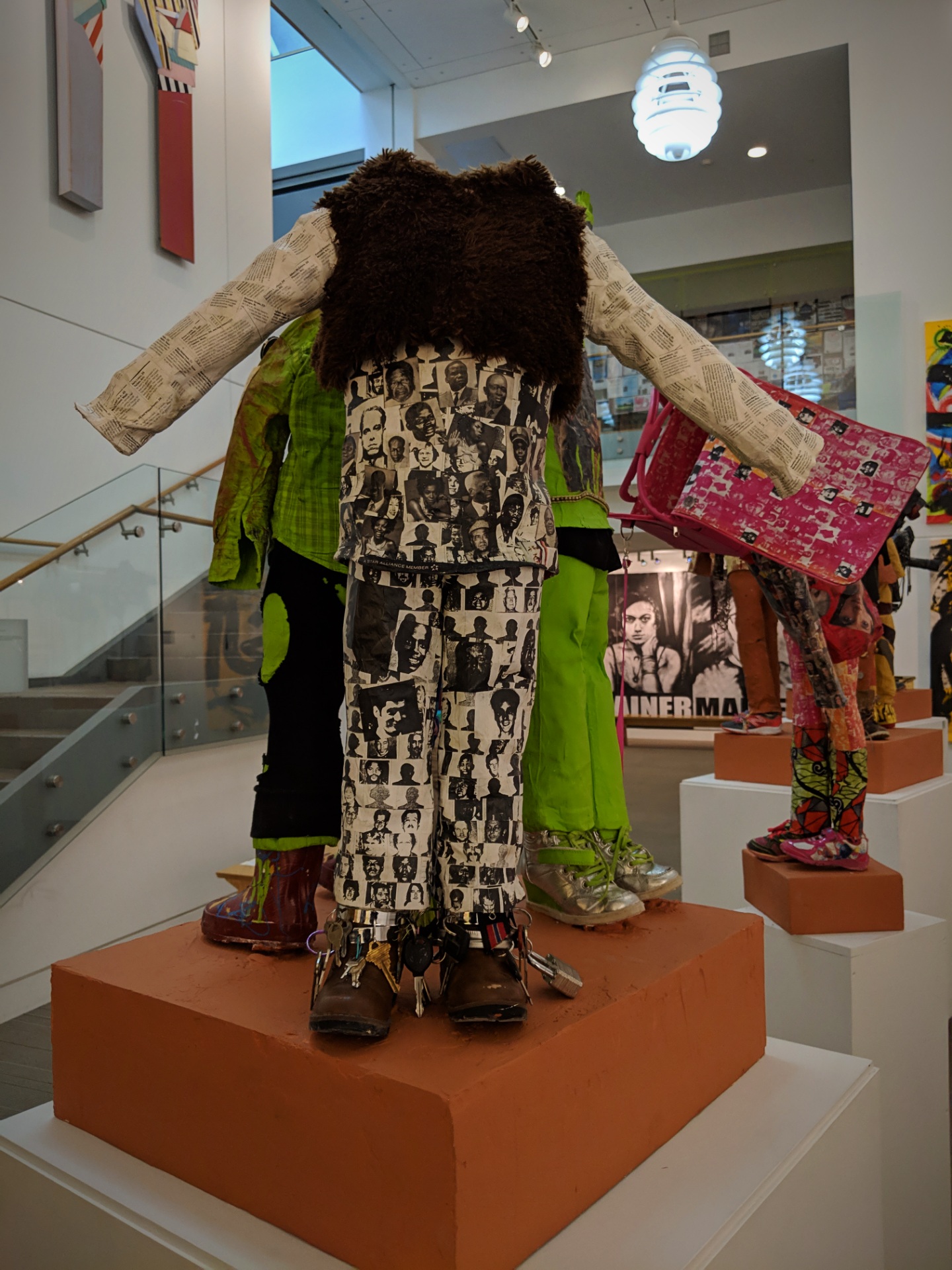
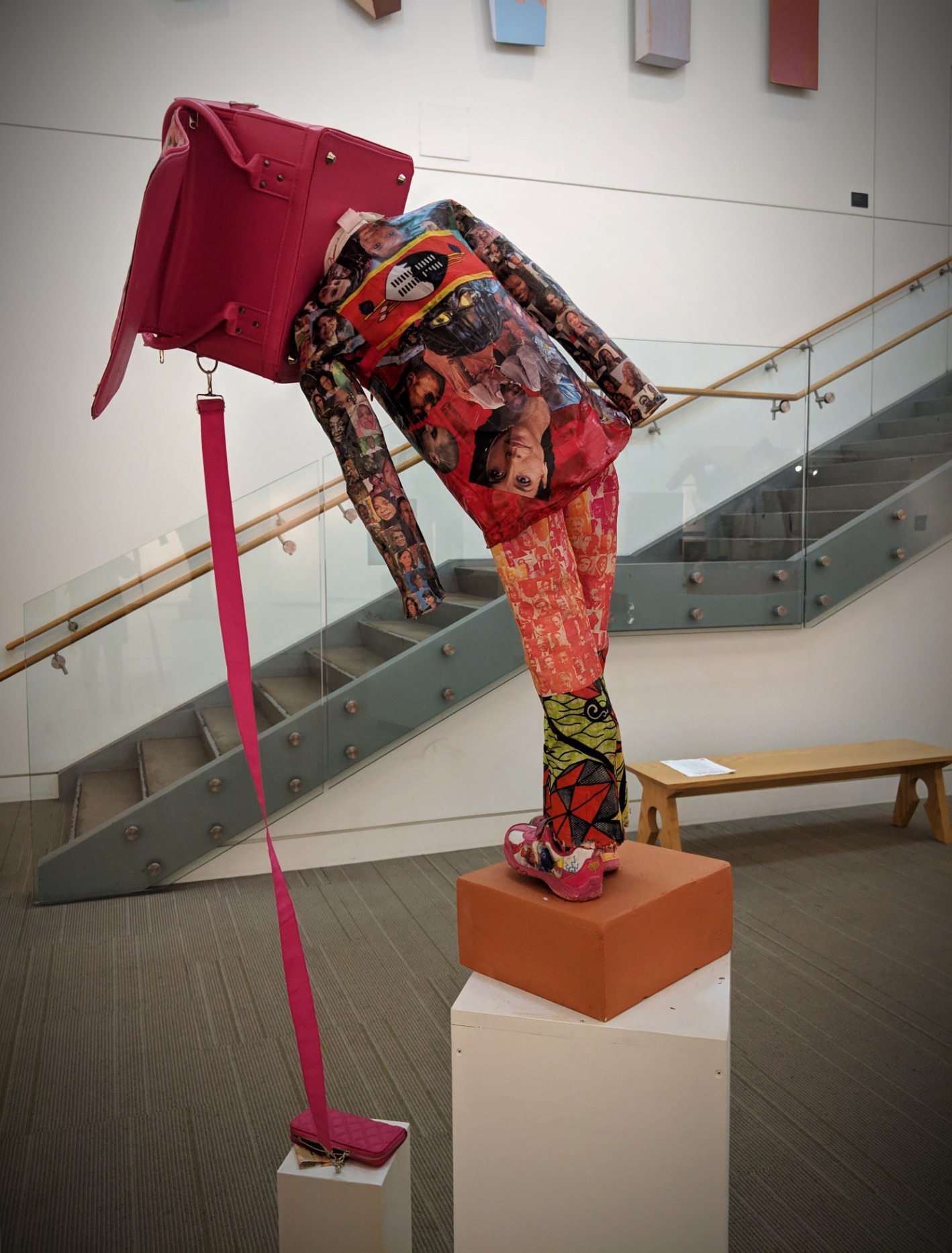
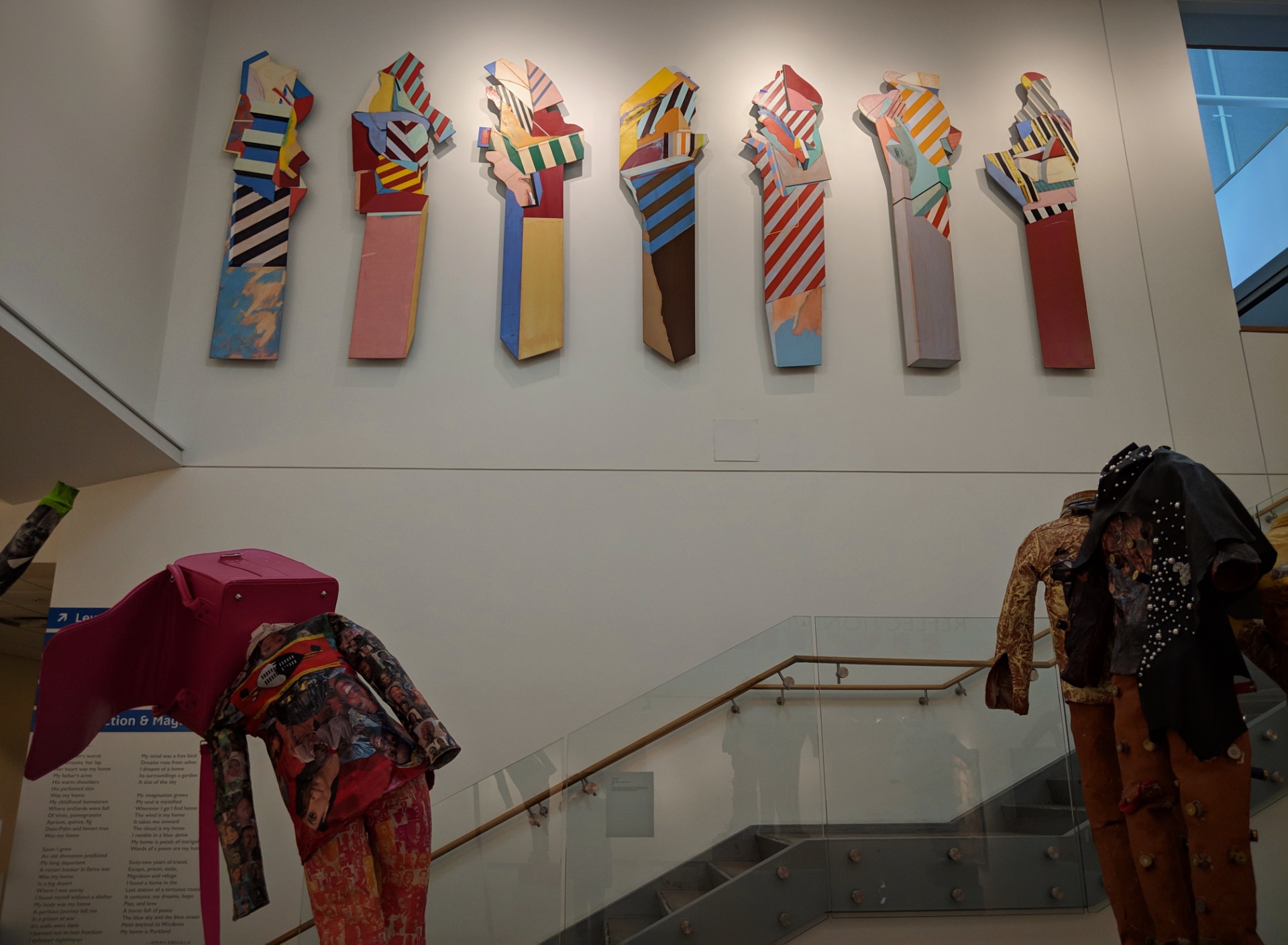


Art that is both fun and thought-provoking. Too late I realized that I didn’t note the artist’s name.
Portland Public Library
Portland, ME
November 19th, 2018
”When the renovations to the Portland Public Library were newly completed, I noticed an elderly woman standing in the foyer quietly contemplating the Little Water Girl sculpture, and as I passed by the woman, I heard her whisper the word “precious” to herself. I’m rather fond of the piece myself, so I glanced over caught the woman’s eye and gave her a little smile. She brightened up, took a step towards me, and began to say something, as if she had to tell someone what she was feeling, but instead she just laid her hand on my arm and sighed, as if whatever she said just wouldn’t be enough.”
– Portland author Cliff Gallant
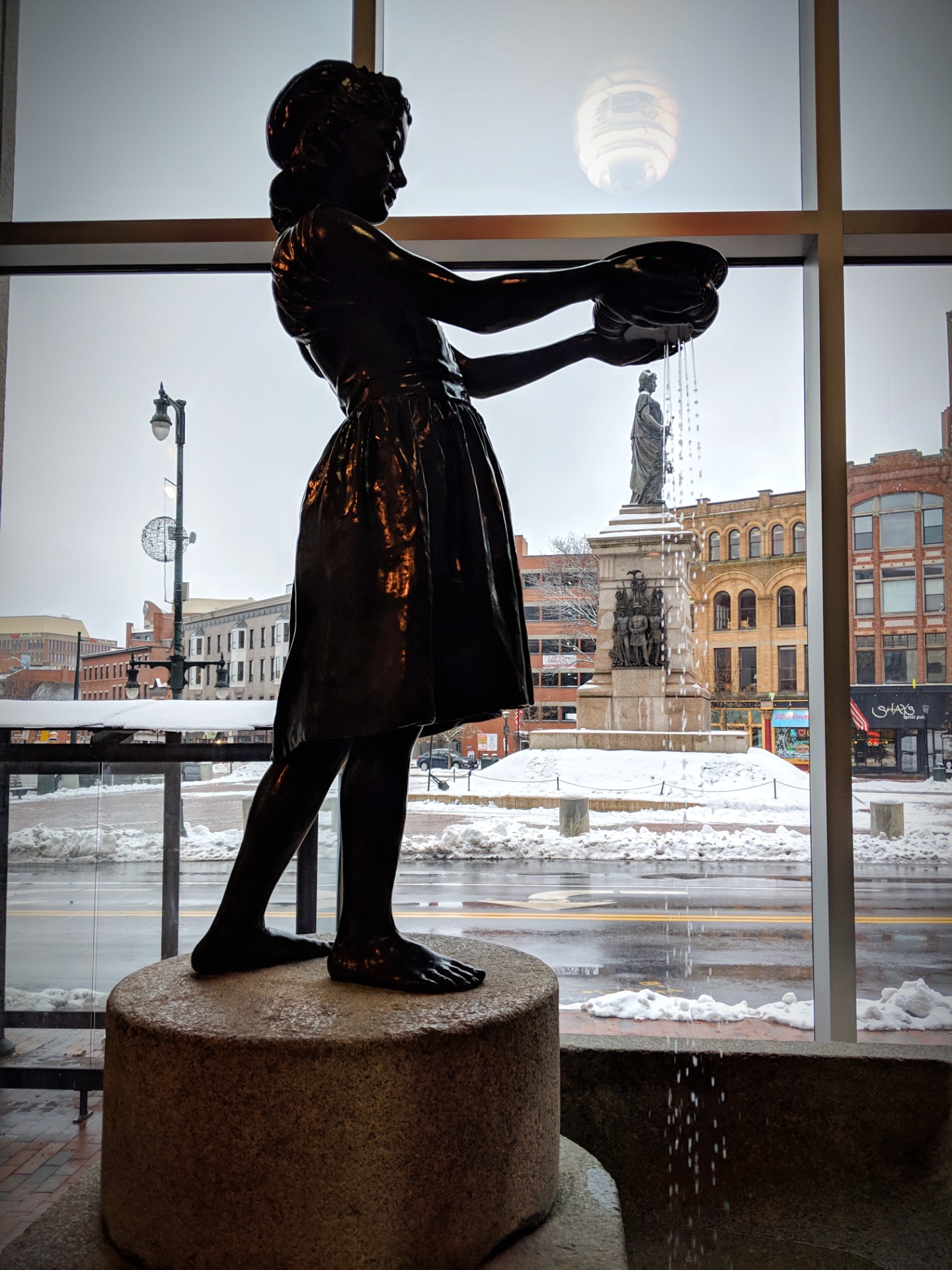
Bronze on a granite base
Artists: George E. Wade, sculptor; Frederick A. Thompson, designer of granite base
Donated in 1917 by the Women’s Christian Temperance Union (WCTU)
Portland Public Library
Portland, ME
November 19th, 2018
”In America, is a series that explores Asian-American identity through self-portraiture. The work focuses on the artist’s search for an emotional home and a sense of belonging. It is about leaving one’s home in search of a new one; about redefining oneself in the process of keeping the original cultural backbone while adapting to a new one. It’s an internal emotional journey that parallels life’s ongoing journey.”
Ni Rong
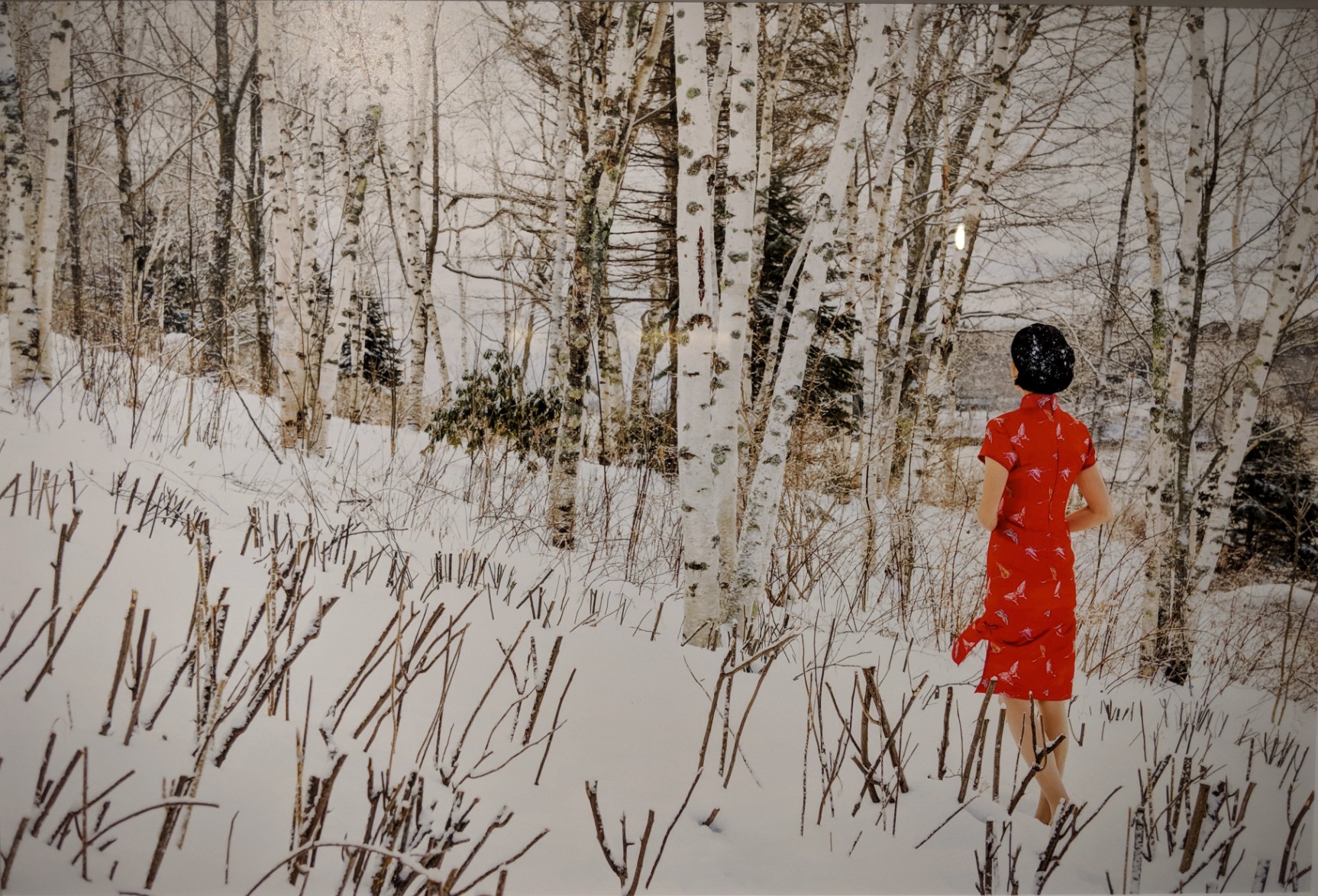

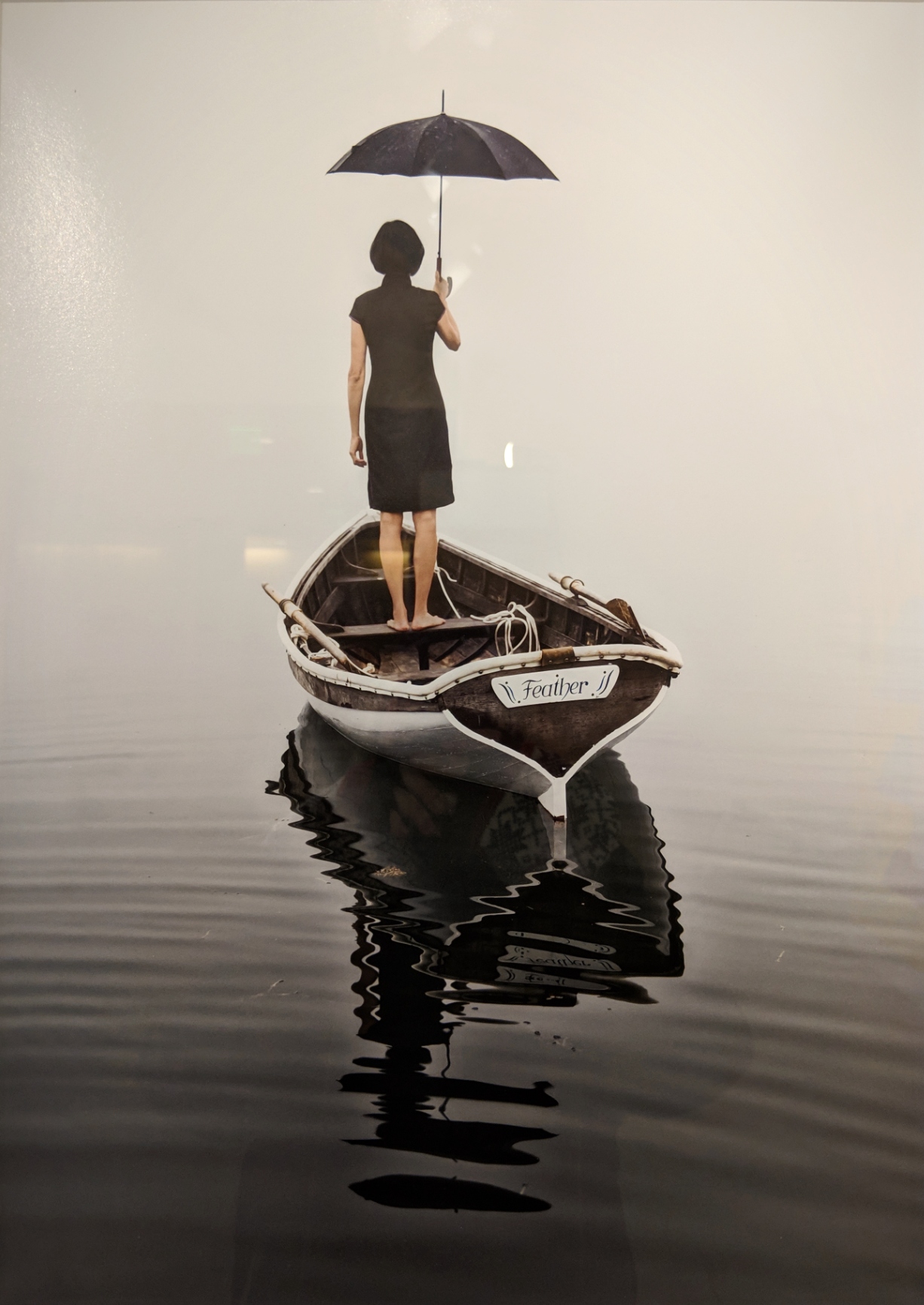
In America (2012)
Archival pigment print on Hahnemuhle Fine Art paper
Portland Public Library
Portland, ME
November 19th, 2018
It snows a lot in Portland in November. Not like in New York, where the snow wilts and melts and is quickly turned into a grey mass of rock salt, sleazy mud and greasy dirt – no.
In Portland, the snow is fresh and white, crisp and crunchy under the feet. It calls for walks all day long, until it’s too dark and too cold to stay outside any longer.

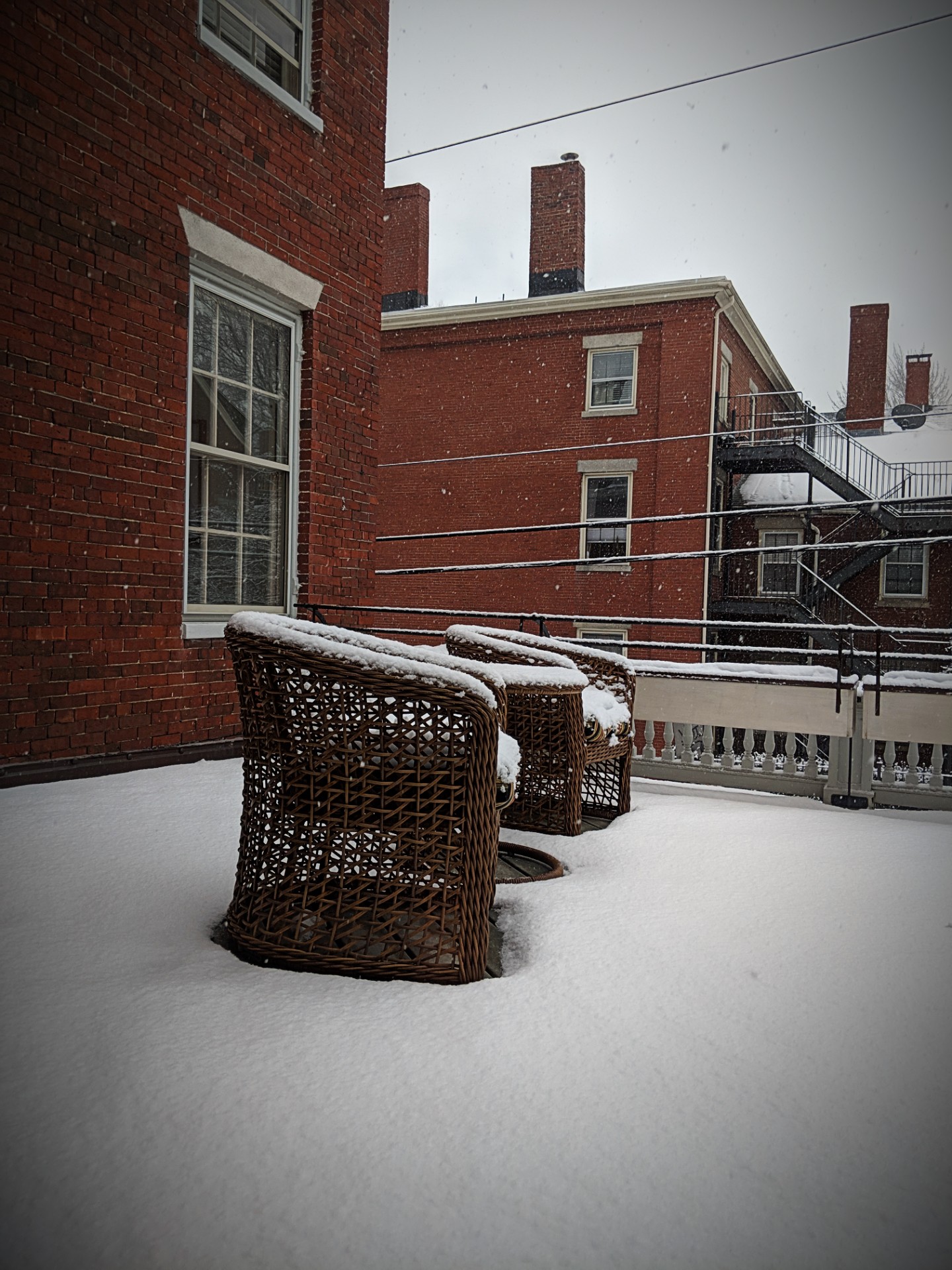
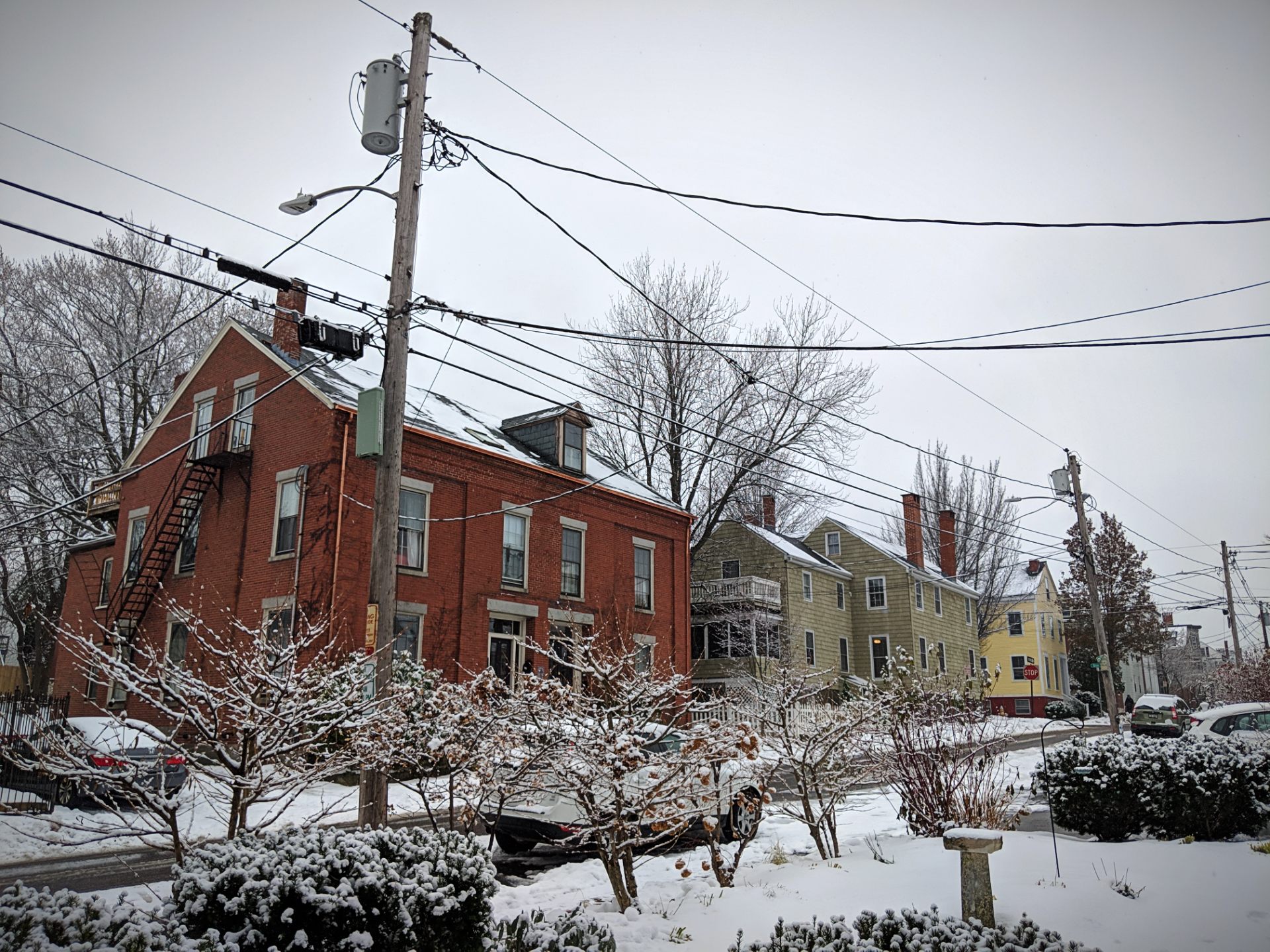
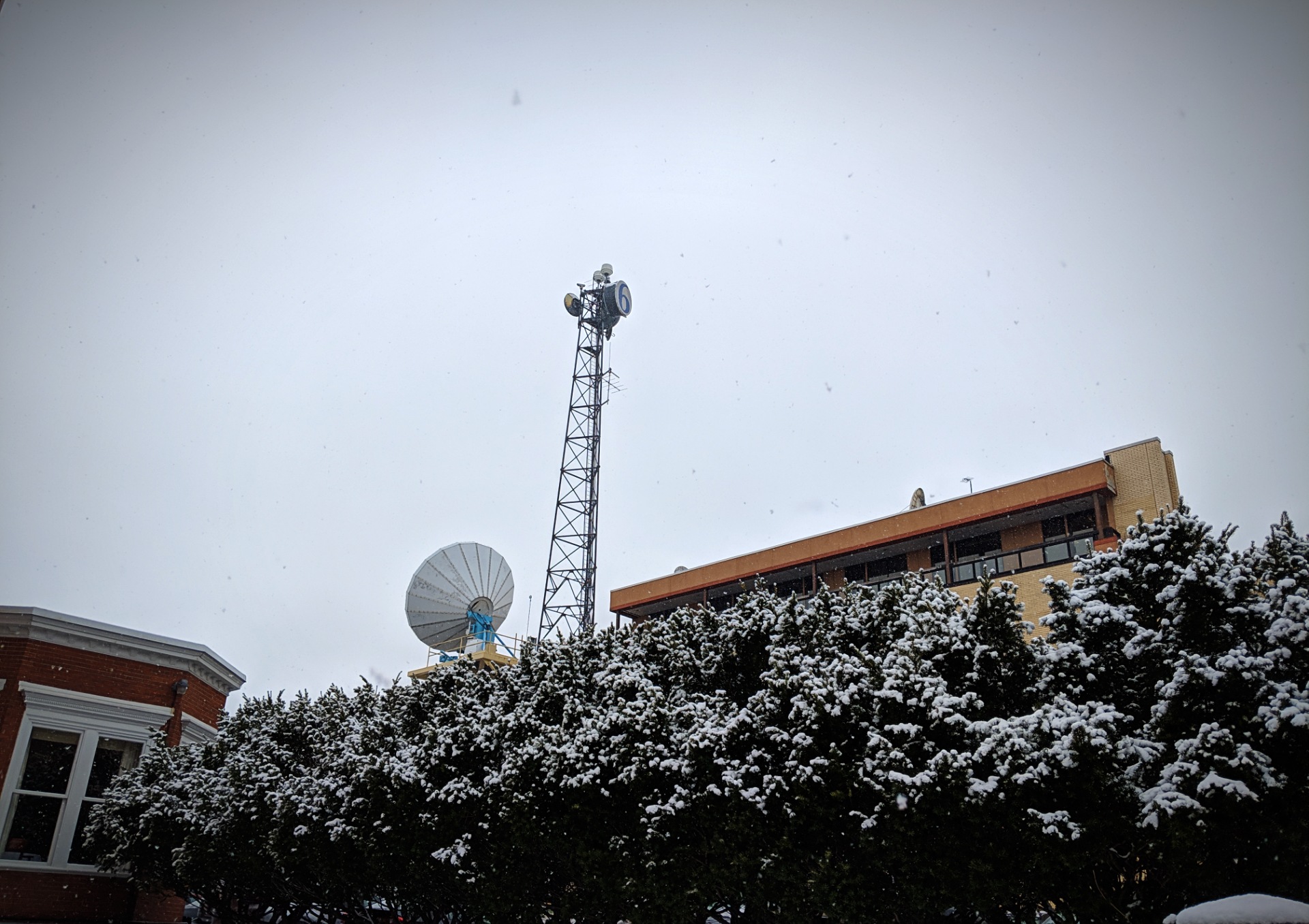


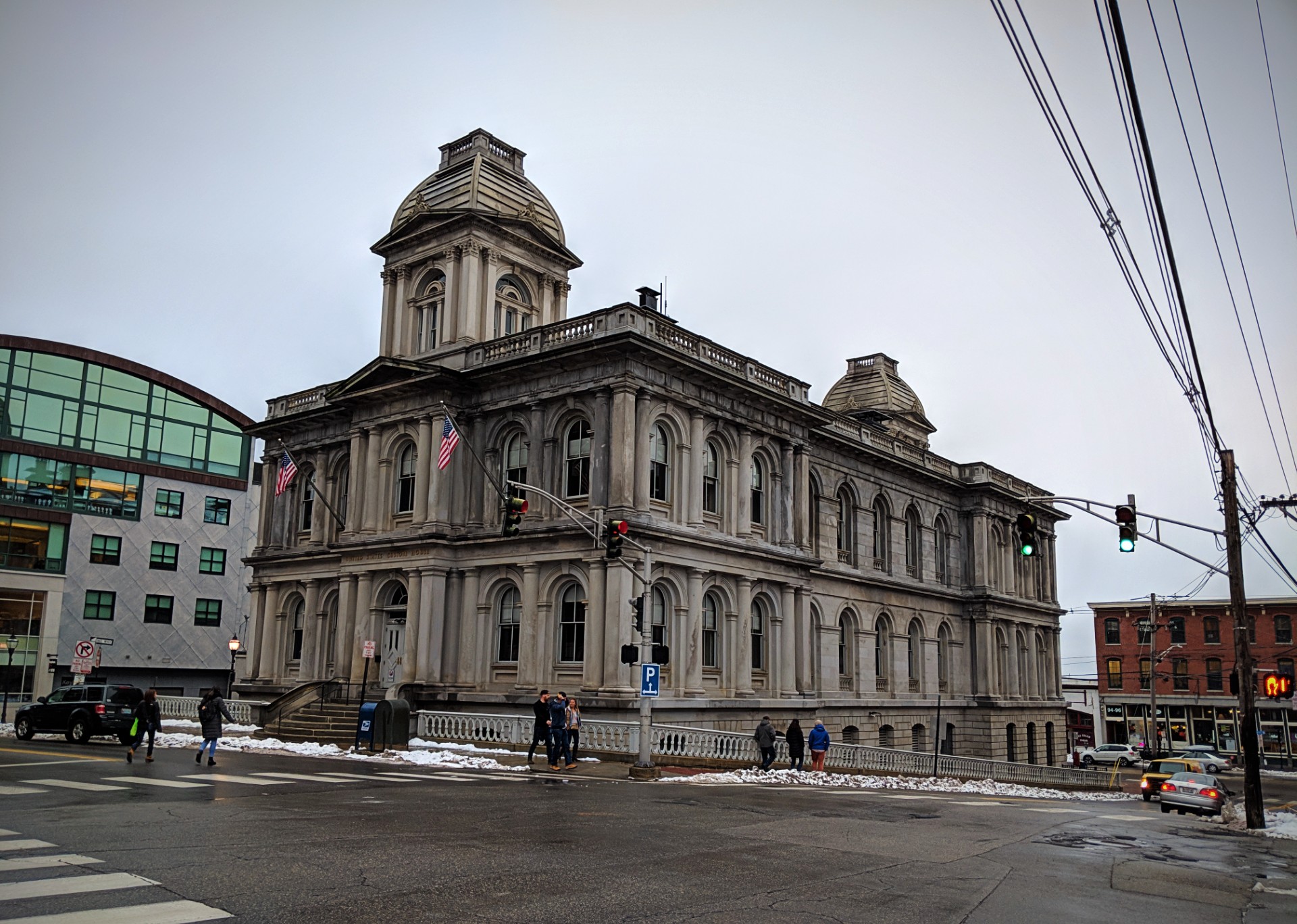
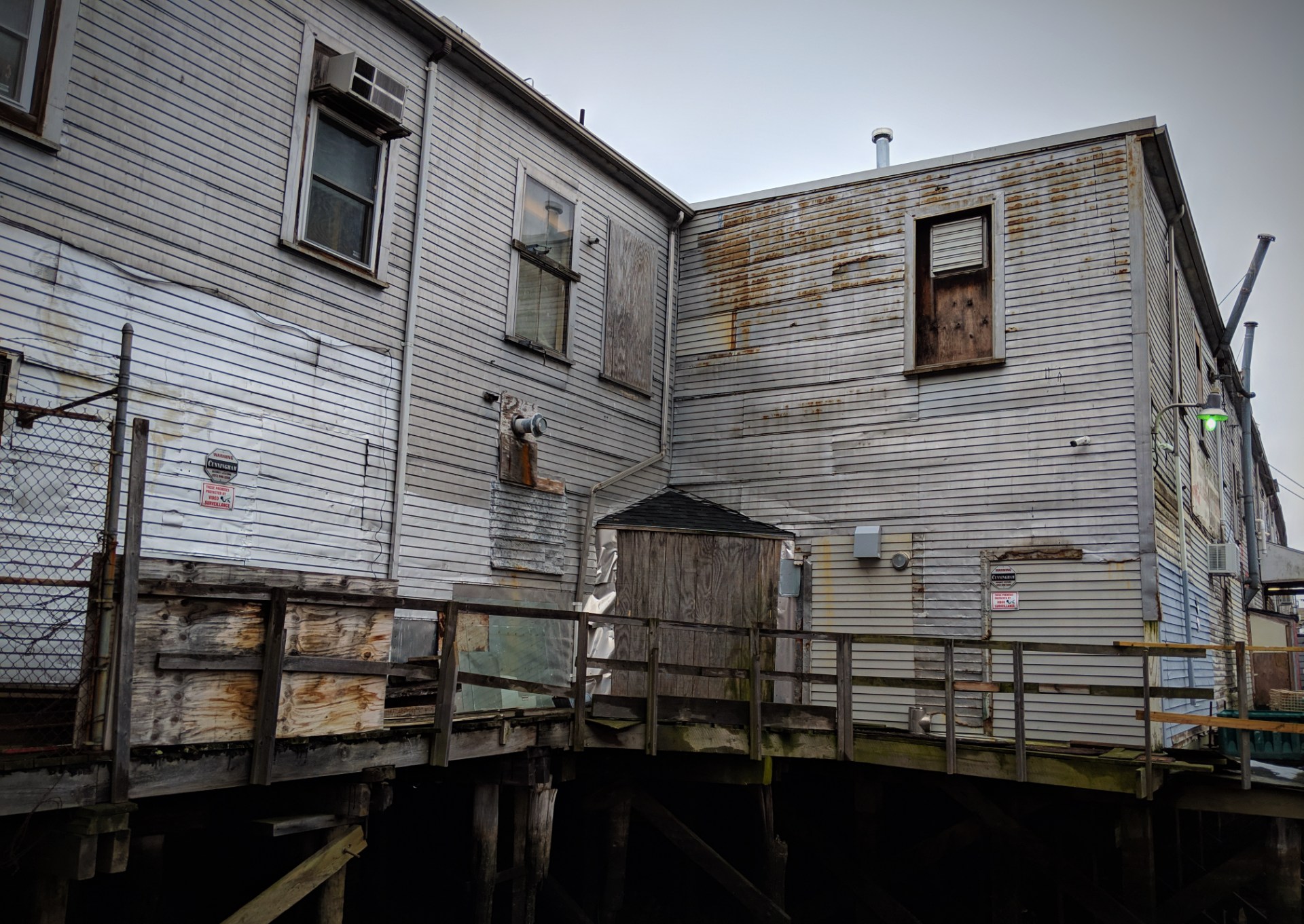
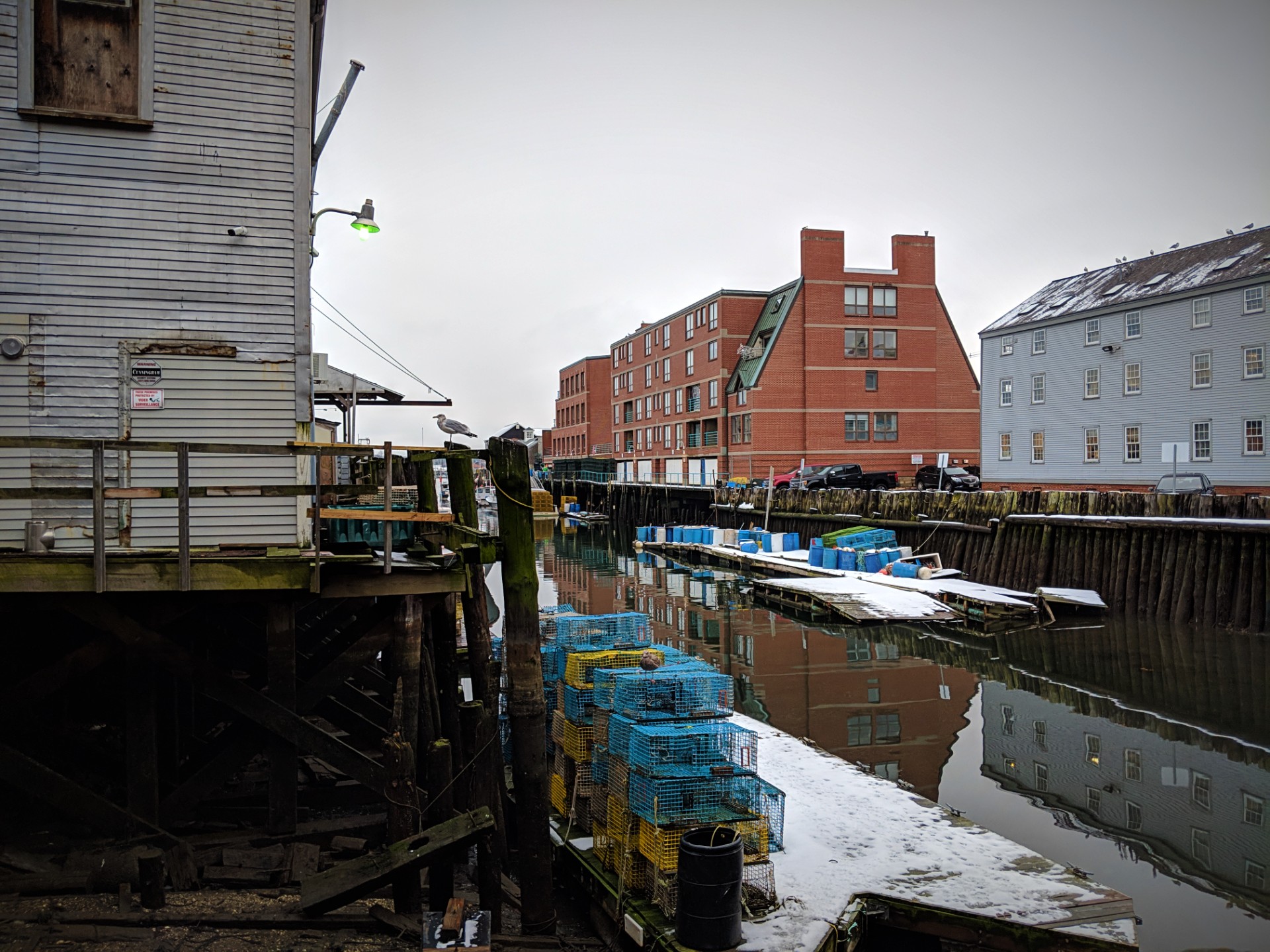
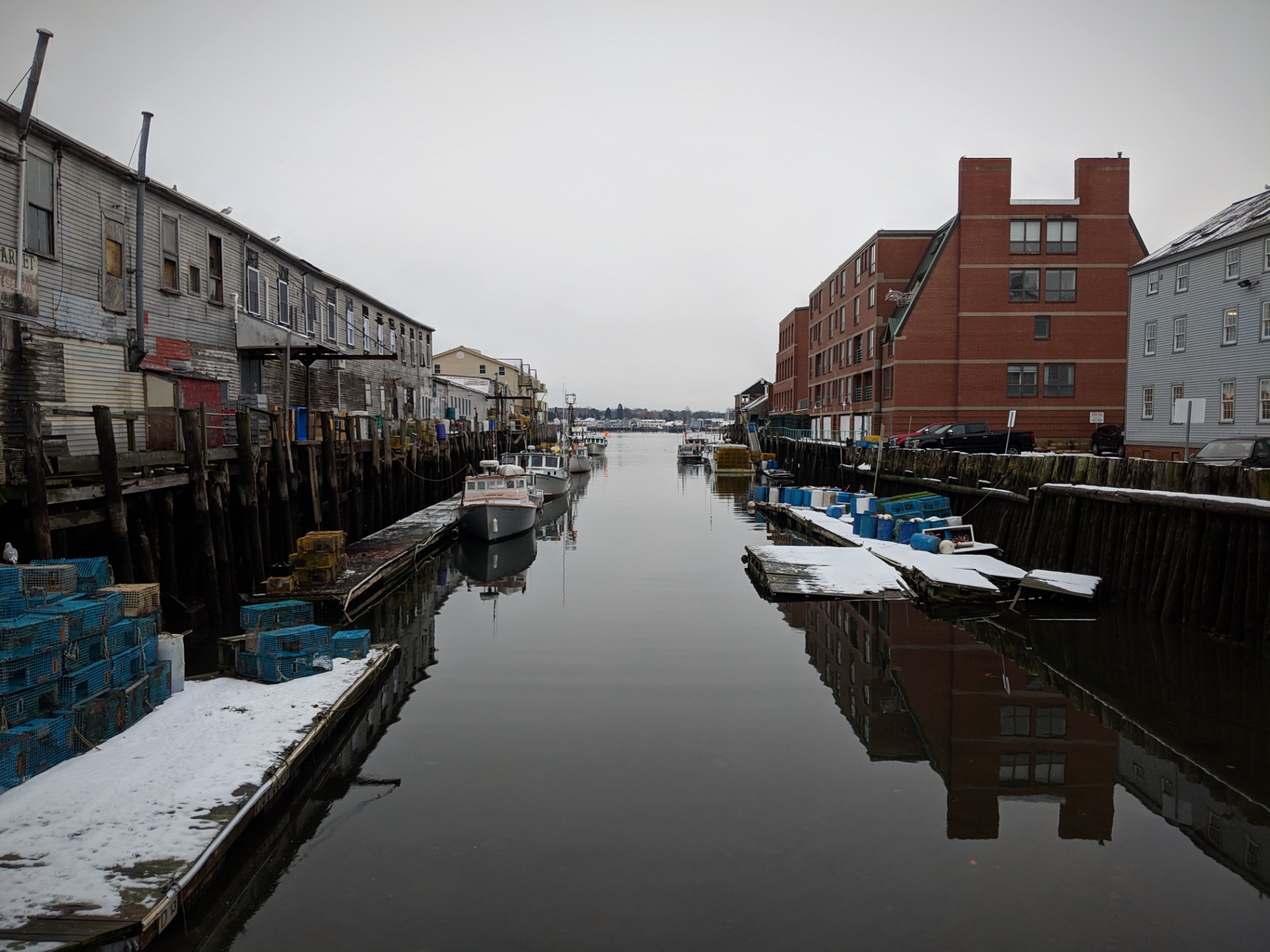


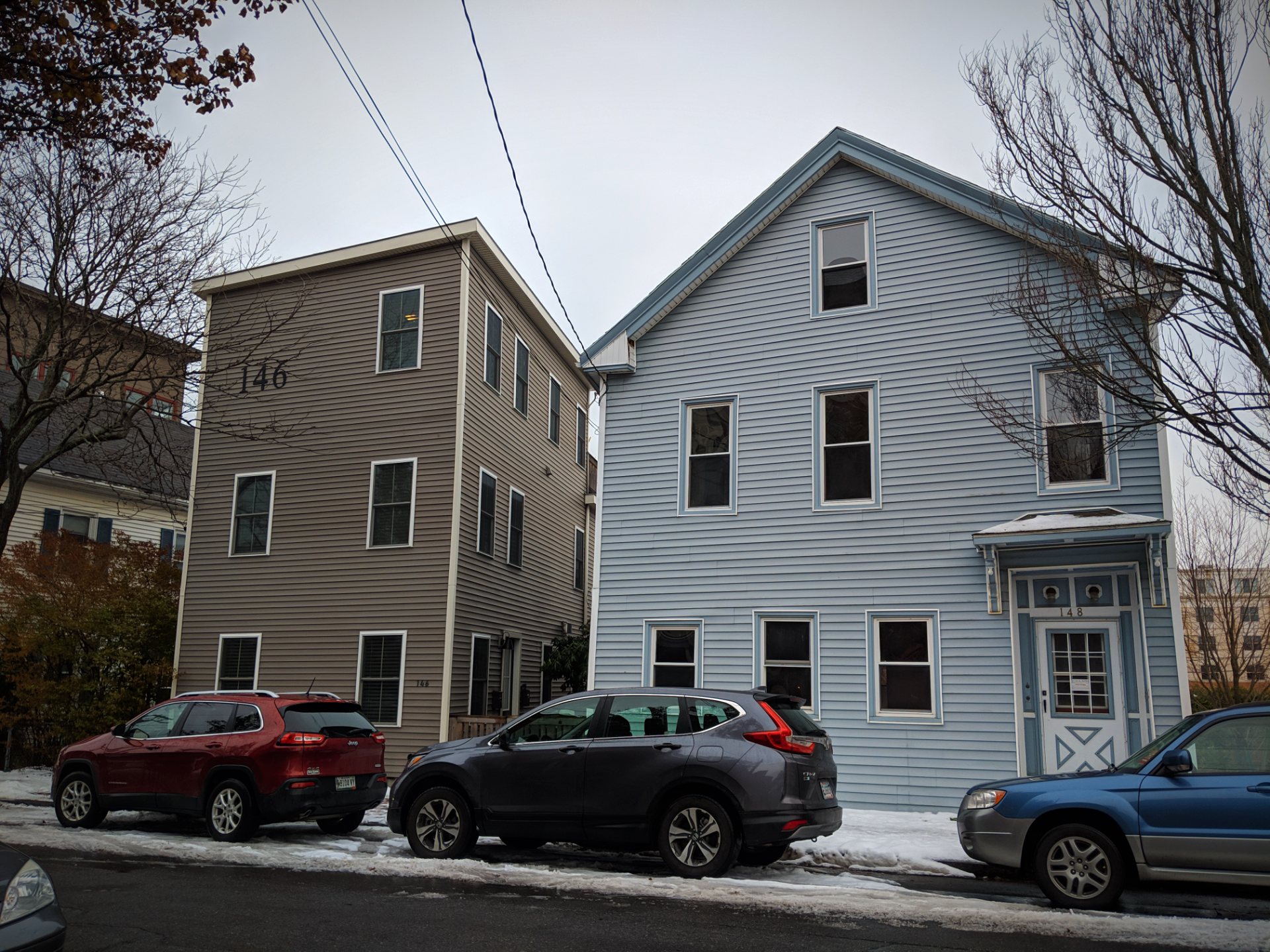


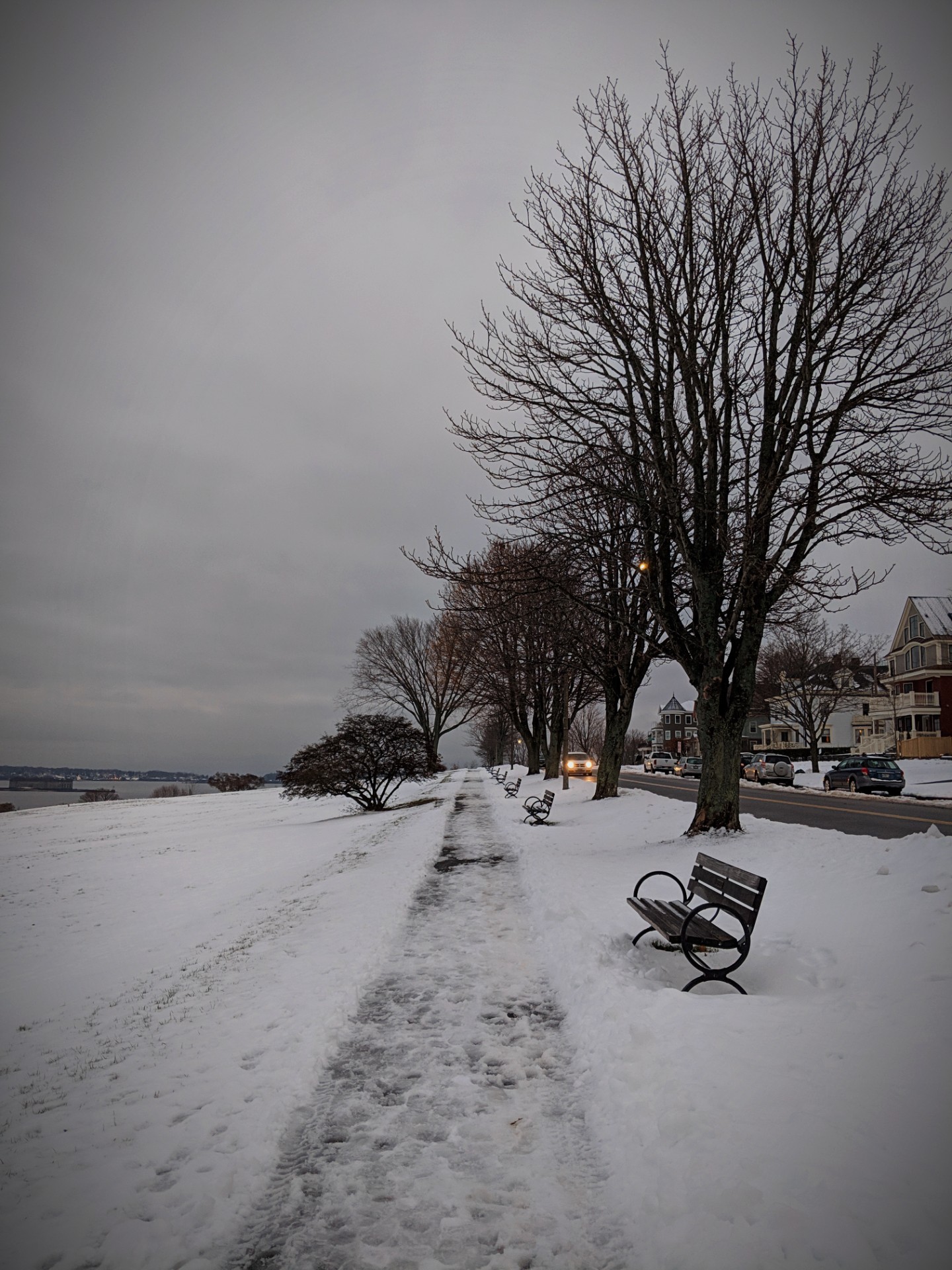


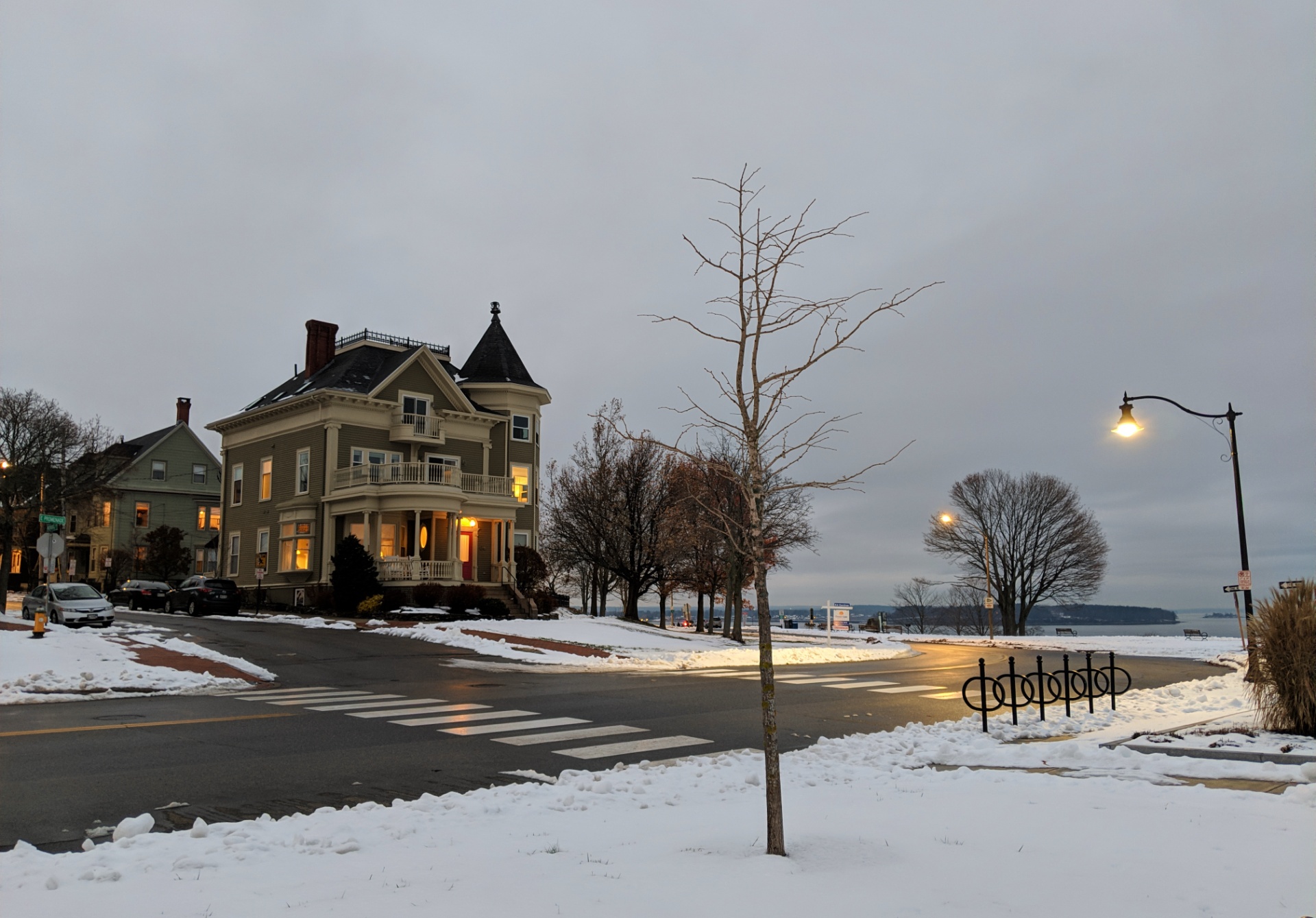
Walking in Portland: Victoria Mansion to City Hall, down to the Old Port and Harbor Fish Market where our juicy Maine Lobster comes from, passing by the city’s oldest historic site that is the Eastern Cemetery and outside Portland Observatory, the only remaining historic maritime signal station in the United States. Our walk ends at the Fort Allen Park catching the icy cold breeze from the harbour and glimpses of Fort Georges which is accessible only by boat.
Portland, ME
November 19th, 2018
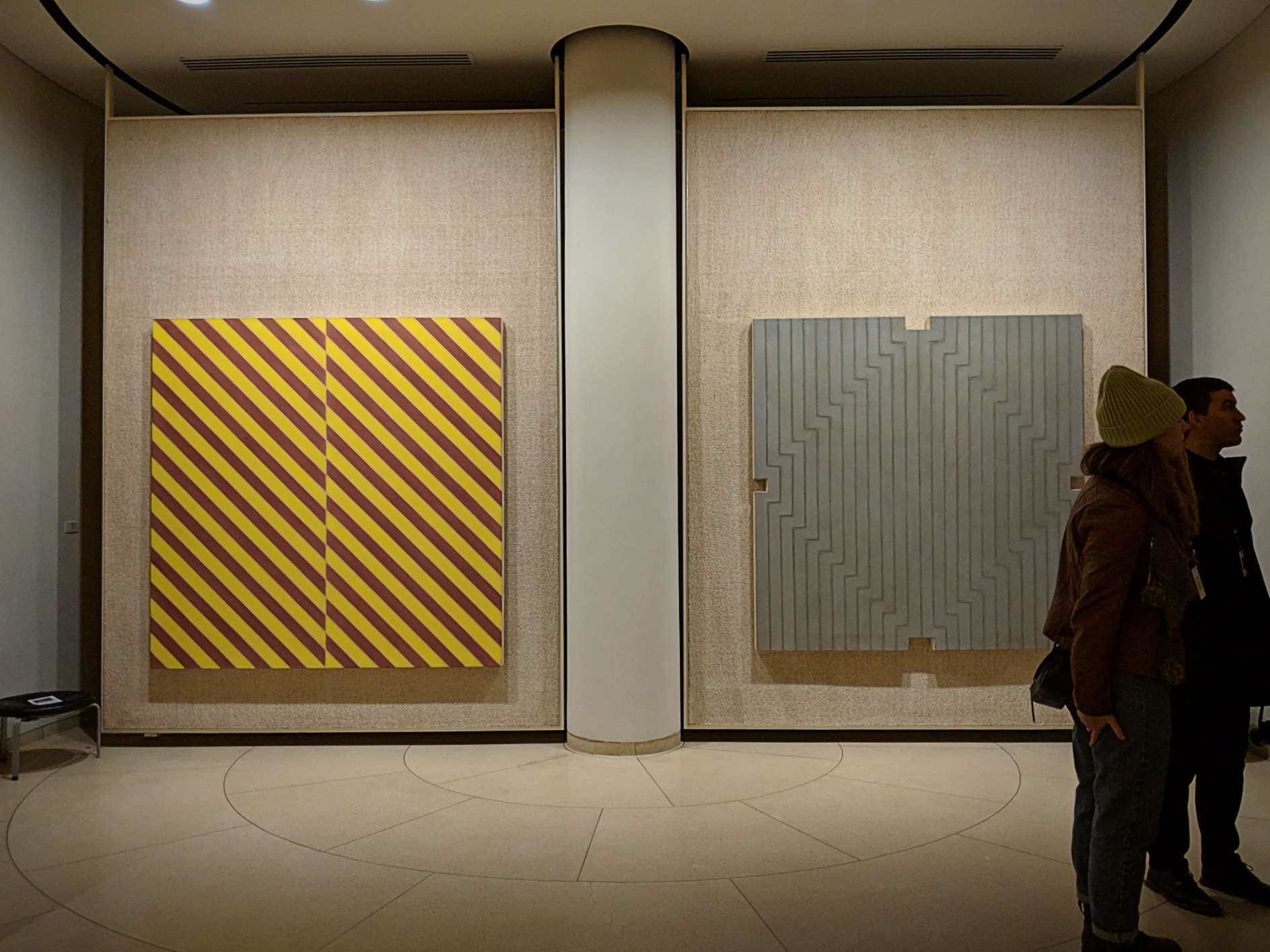
A Frank Stella dominion.

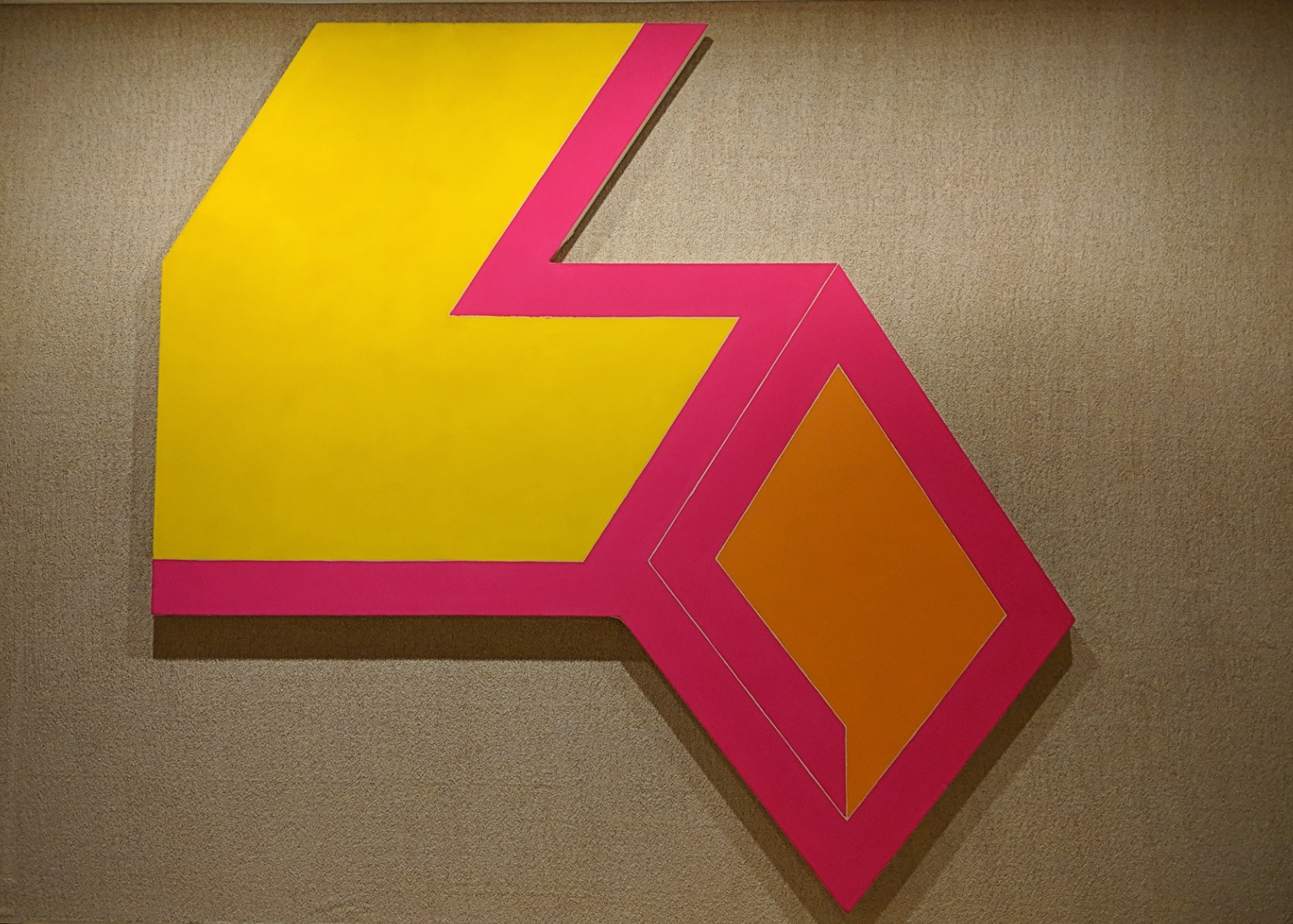 Frank Stella
Effingham II, 1966
Fluorescent alkyd and epoxy on canvas
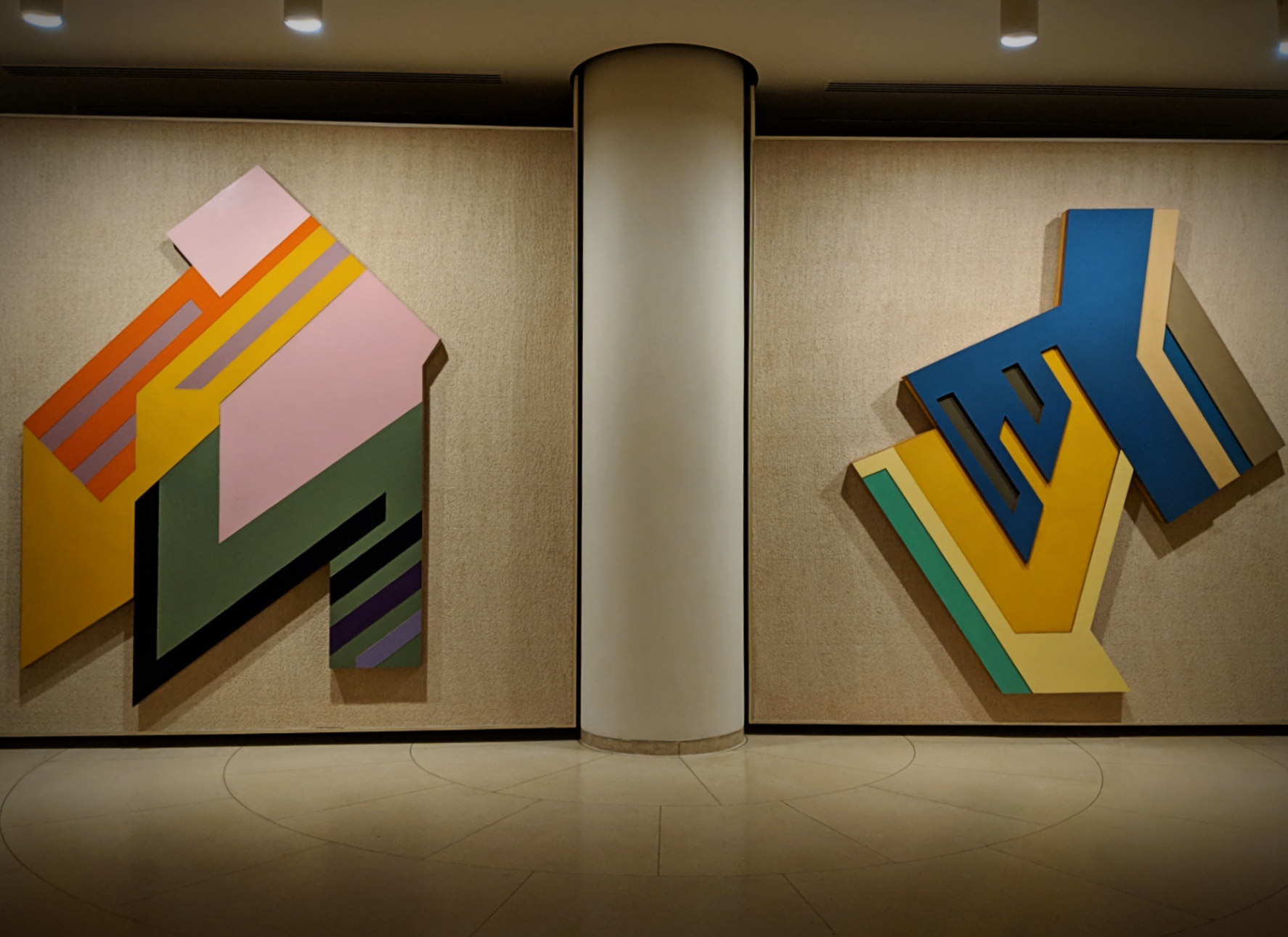 Frank Stella
Brzozdowce I, 1973
Mixed media: felt, fabric, and acrylic on panel and plywood
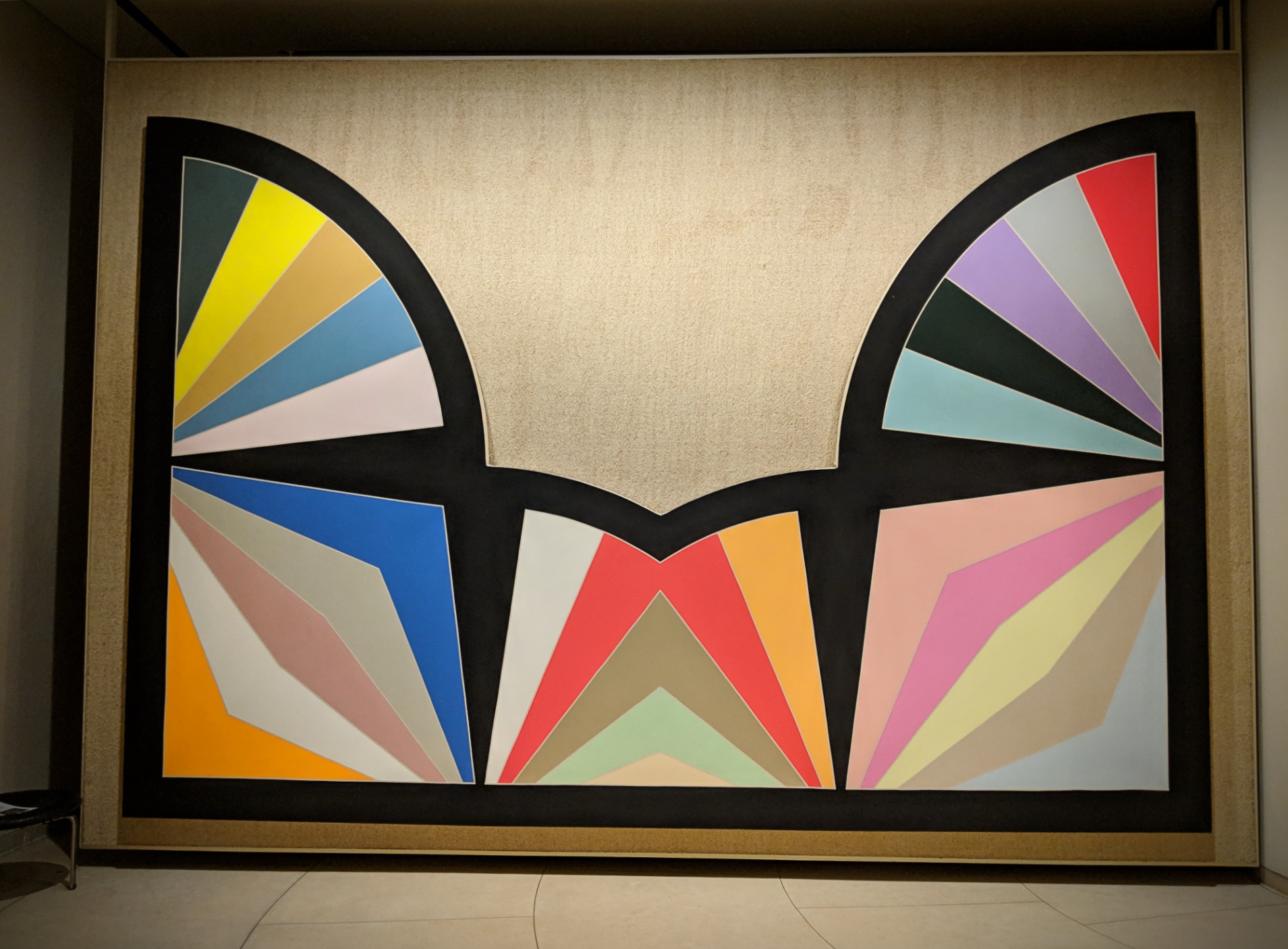 Frank Stella
Hagmatana III, 1967
Fluorescent acrylic on canvas
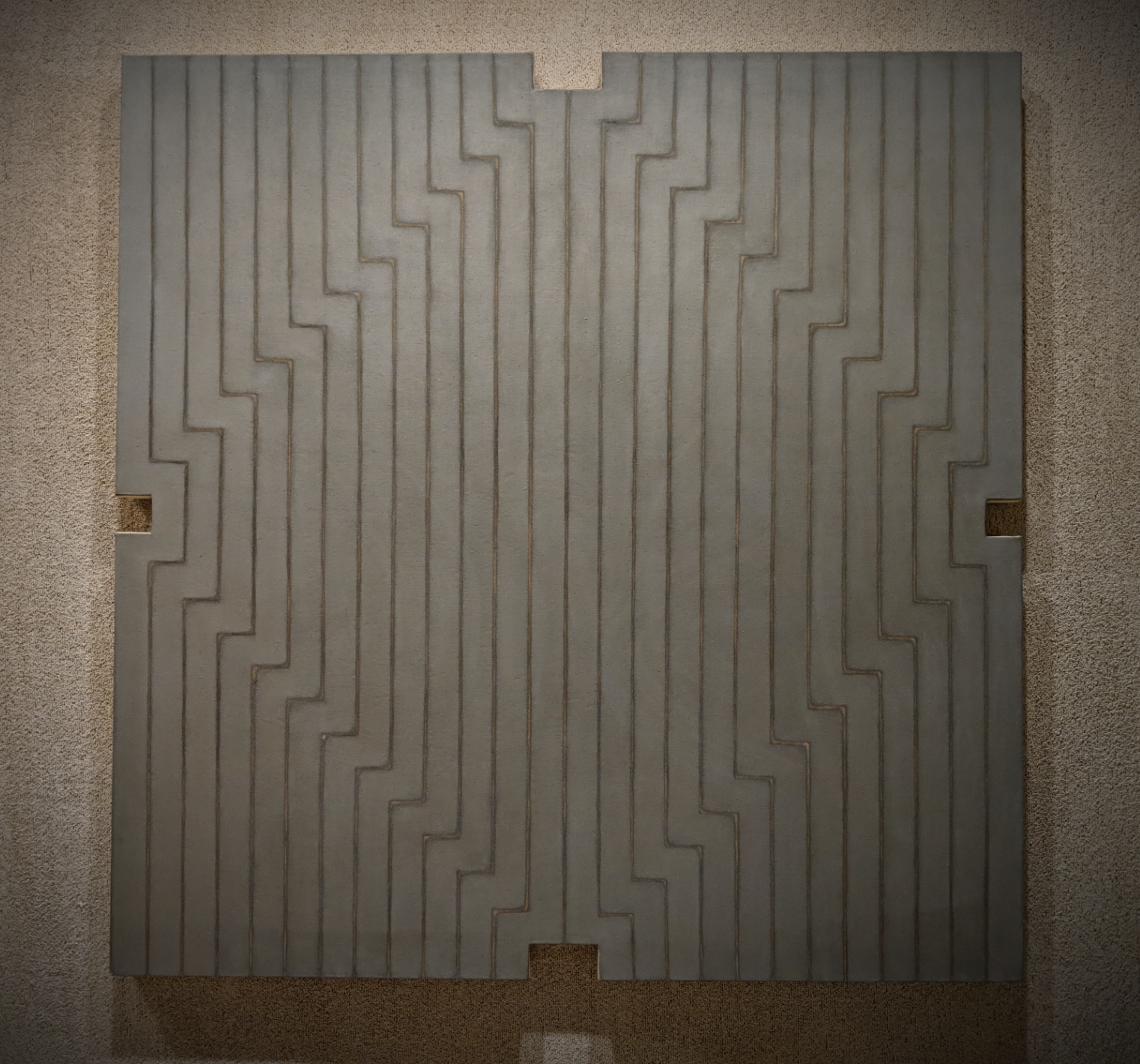 Frank Stella
Averroes, 1960
Aluminum paint on canvas
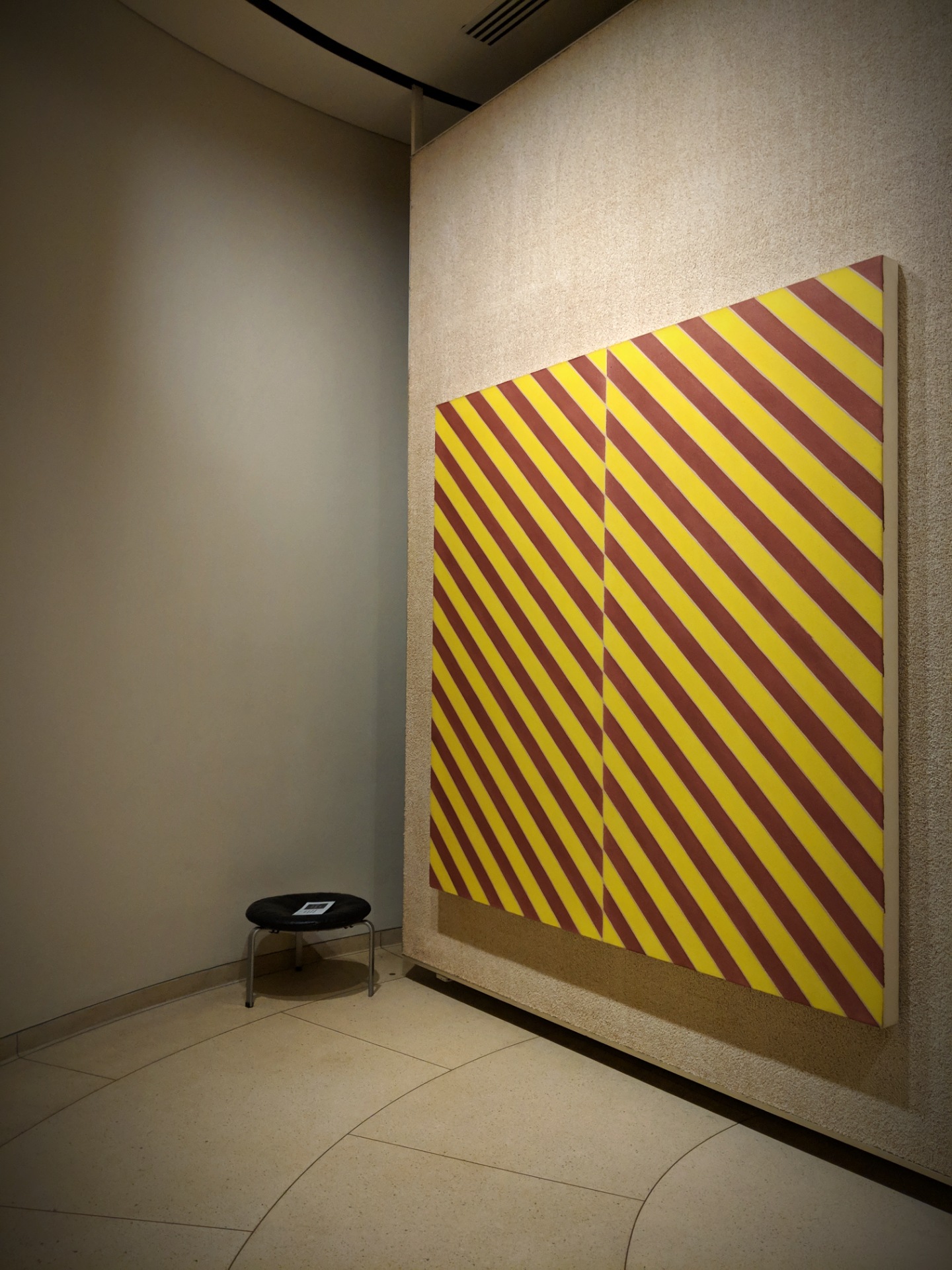 Frank Stella
Tetuan II, 1964
Fluorescent alkyd on canvas
We were pleasantly surprised to discover that the Painting Gallery is built as a tomb, its exterior very much resembling that of the Royal Tomb of Philip II in Aigai, Greece. Philip II (382–336 BC) was the king of Macedonia from 359 BC until his assassination in 336 BC, and father of Alexander the Great. Our guide confirmed the design was, indeed, inspired by Kind Philip’s tomb.
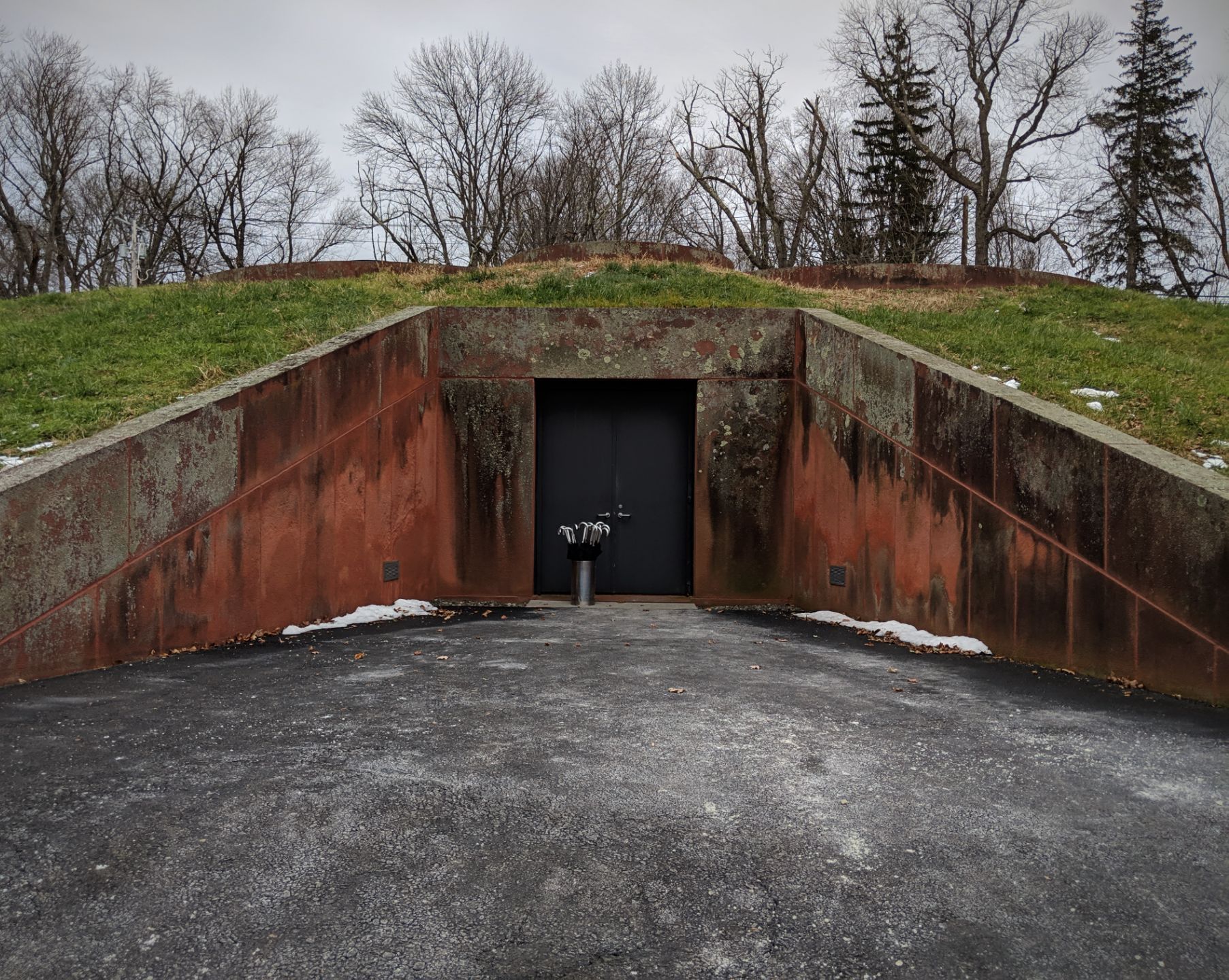
**
While the Painting Gallery was inspired by an ancient Greek Tomb, Johnson looked to modern Greece for the design of his Sculpture Gallery. His inspiration came partly from the Greek islands and their many villages marked by stairways. Johnson remarked that in these villages, “every street is a staircase to somewhere.” He liked it so much that he seriously considered moving his residence from the Glass House to the Sculpture Gallery. But then, he thought again: “Where would I have put the sculpture?”
 Robert Morris
Untitled, 1965-70
Three L-shaped units of stainless steel
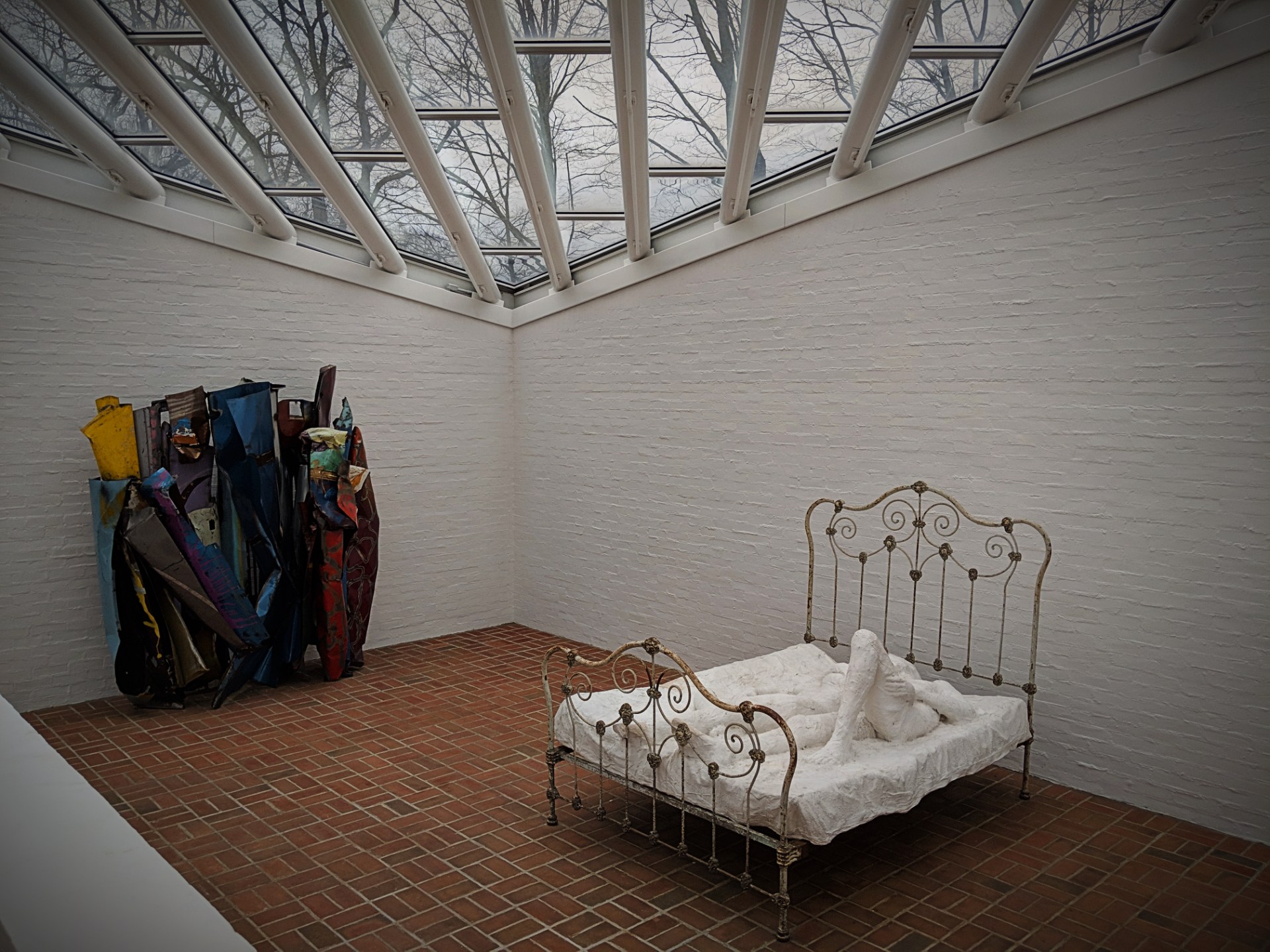 John Chamberlain
The Archbishop, The Golfer, and Ralph, 1982-83
Painted and chromium plated steel
George Segal
Lovers on a Bed II, 1970
Plaster, iron bed frame, paint
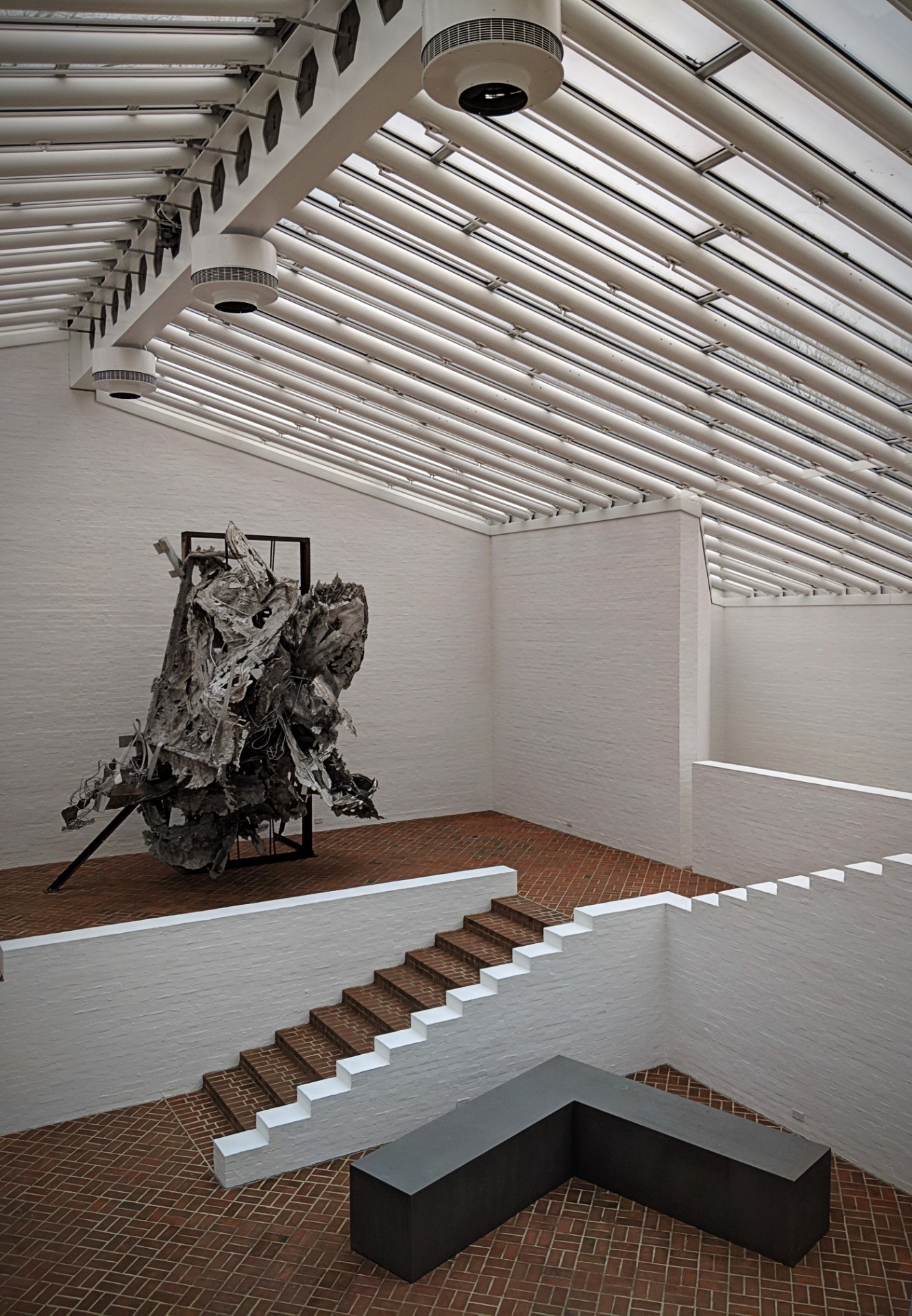 Frank Stella
Raft of Medusa, Part I, 1990
Oil and enamel on etched honeycomb aluminum with steel pipes, beams, and other metal elements
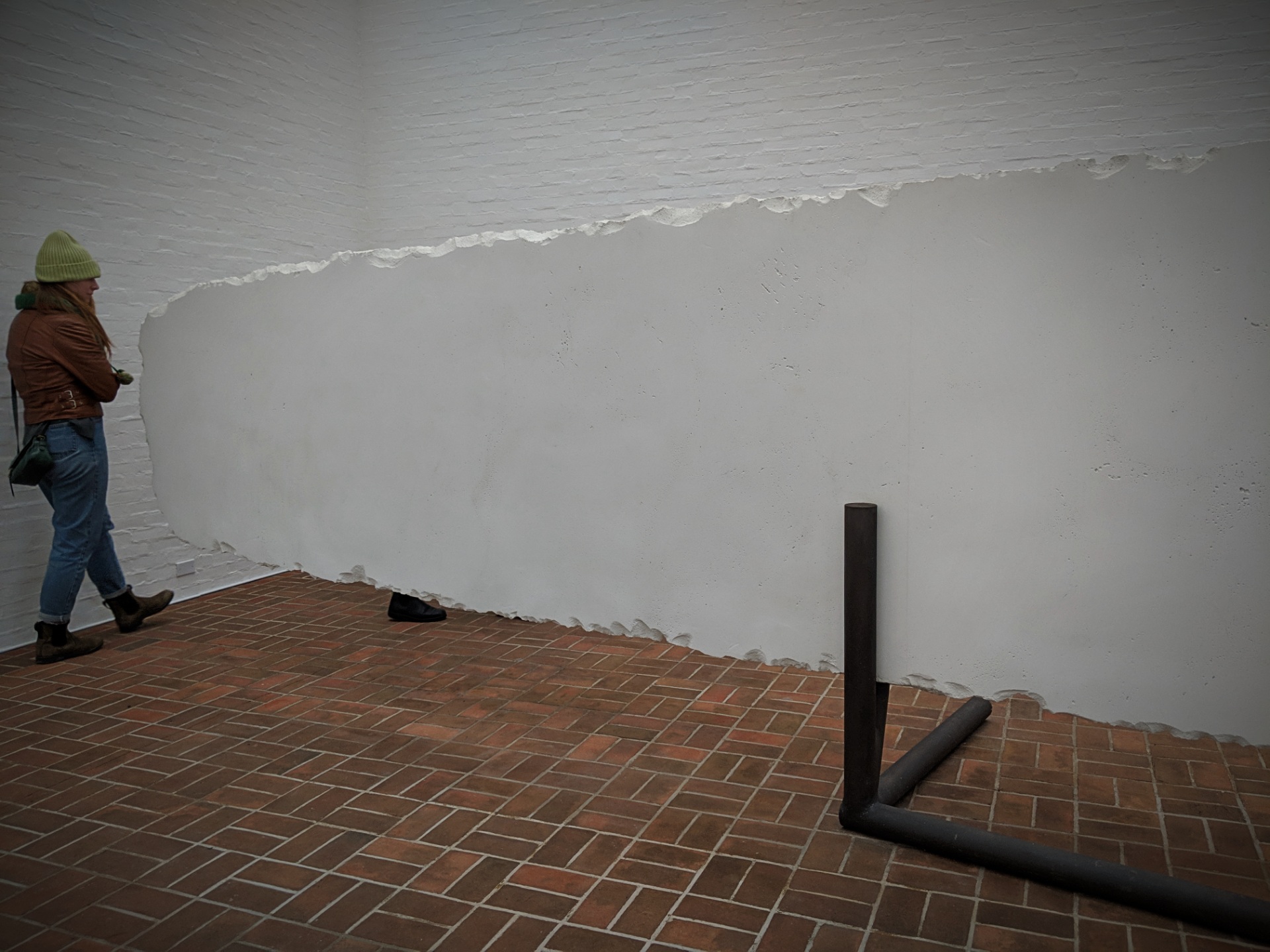 Michael Heizer
Prismatic Flake #4, 1990
Modified concrete, steel base
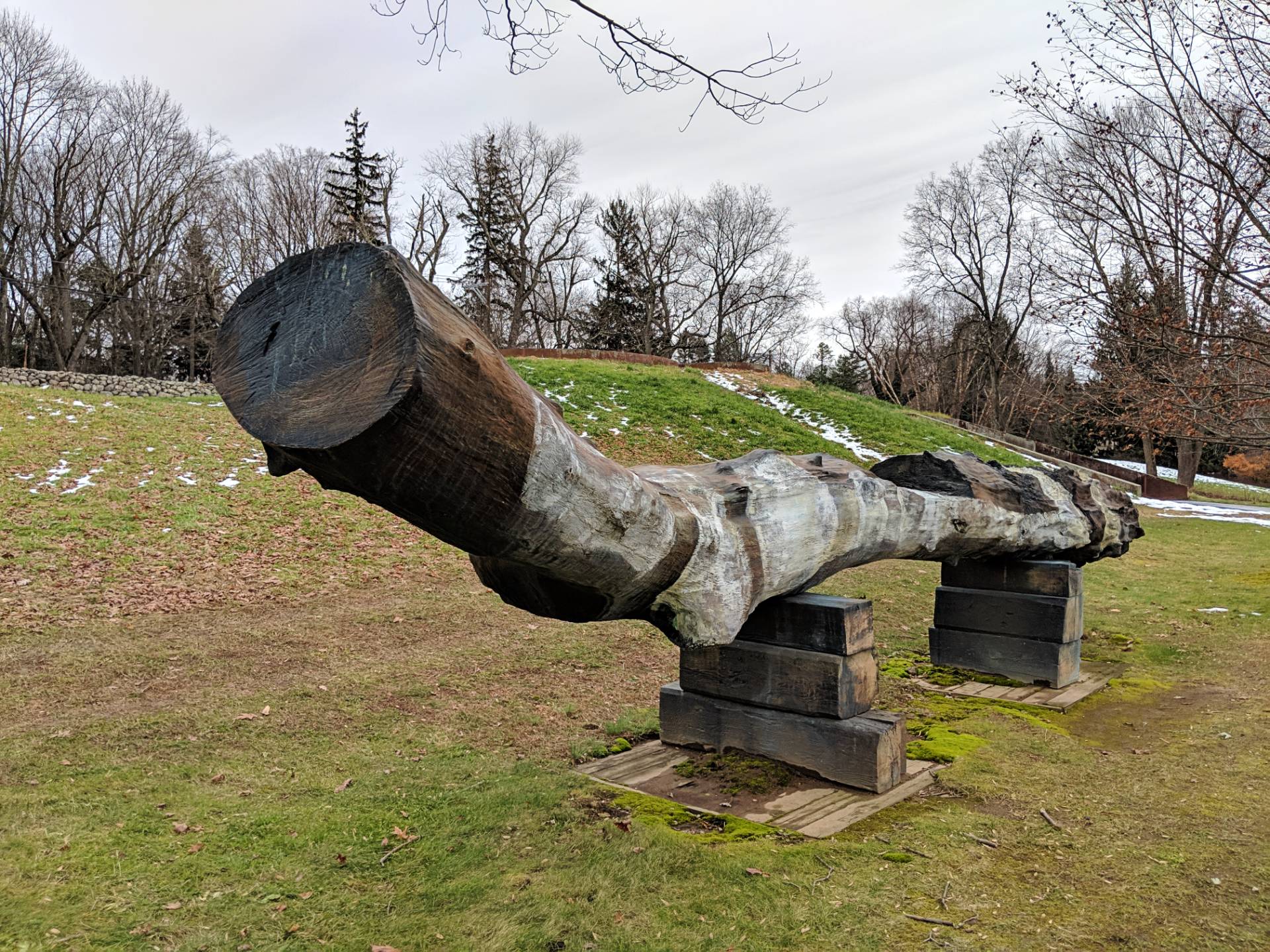 Julian Schnabel
Ozymandias, 1986-90
It looks so much like wood that it was hard to believe it is made of cast bronze, patina and paint
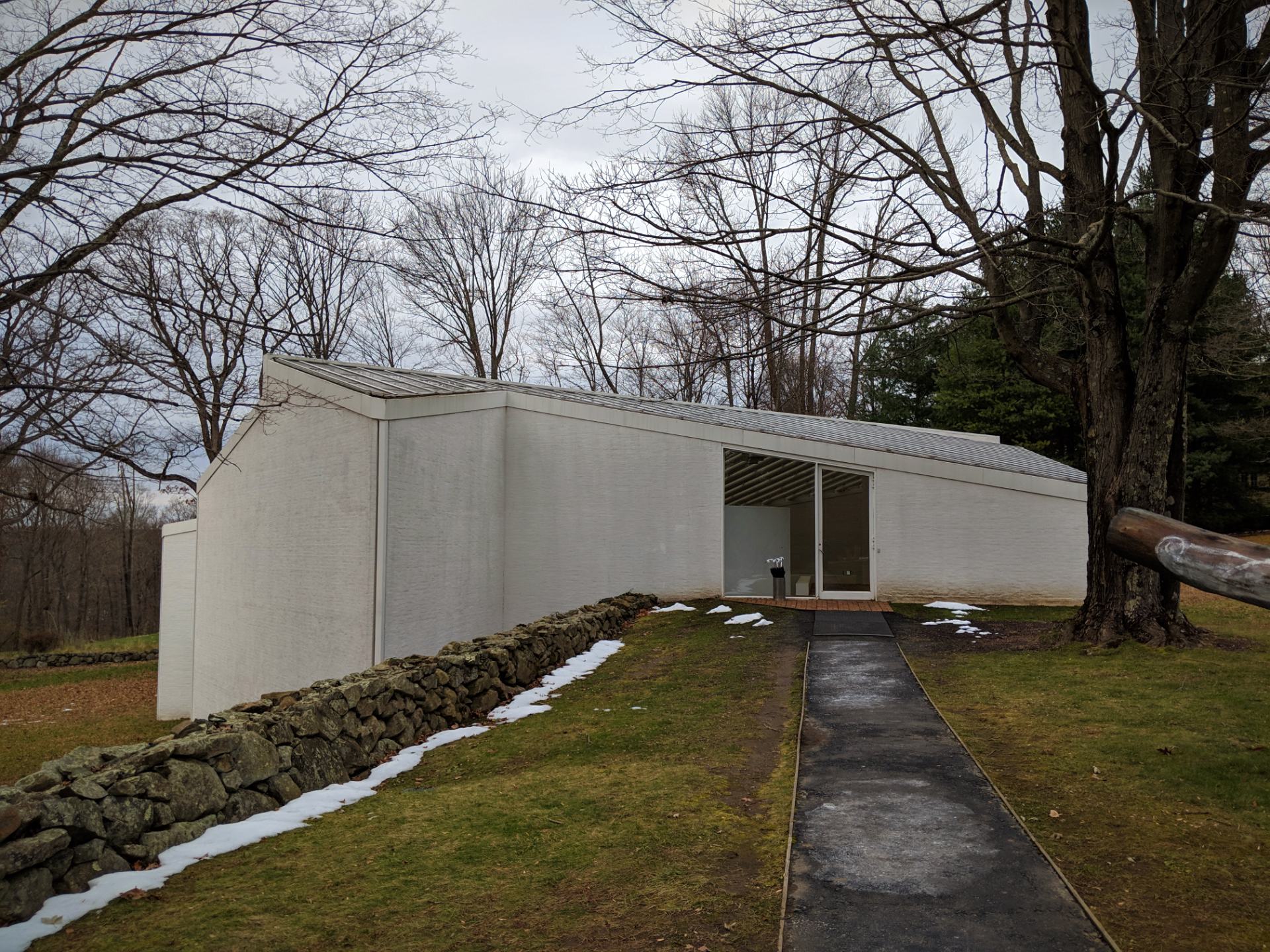 An exterior view of the Sculpture Gallery
**
The Studio, a one-room workspace and library, was referred to by Johnson as an ”event on the landscape”. When first completed, the Studio’s stucco exterior was bright white, but later Johnson painted it a soft brown color, described by colorist Donald Kaufman as ”stone greige.”
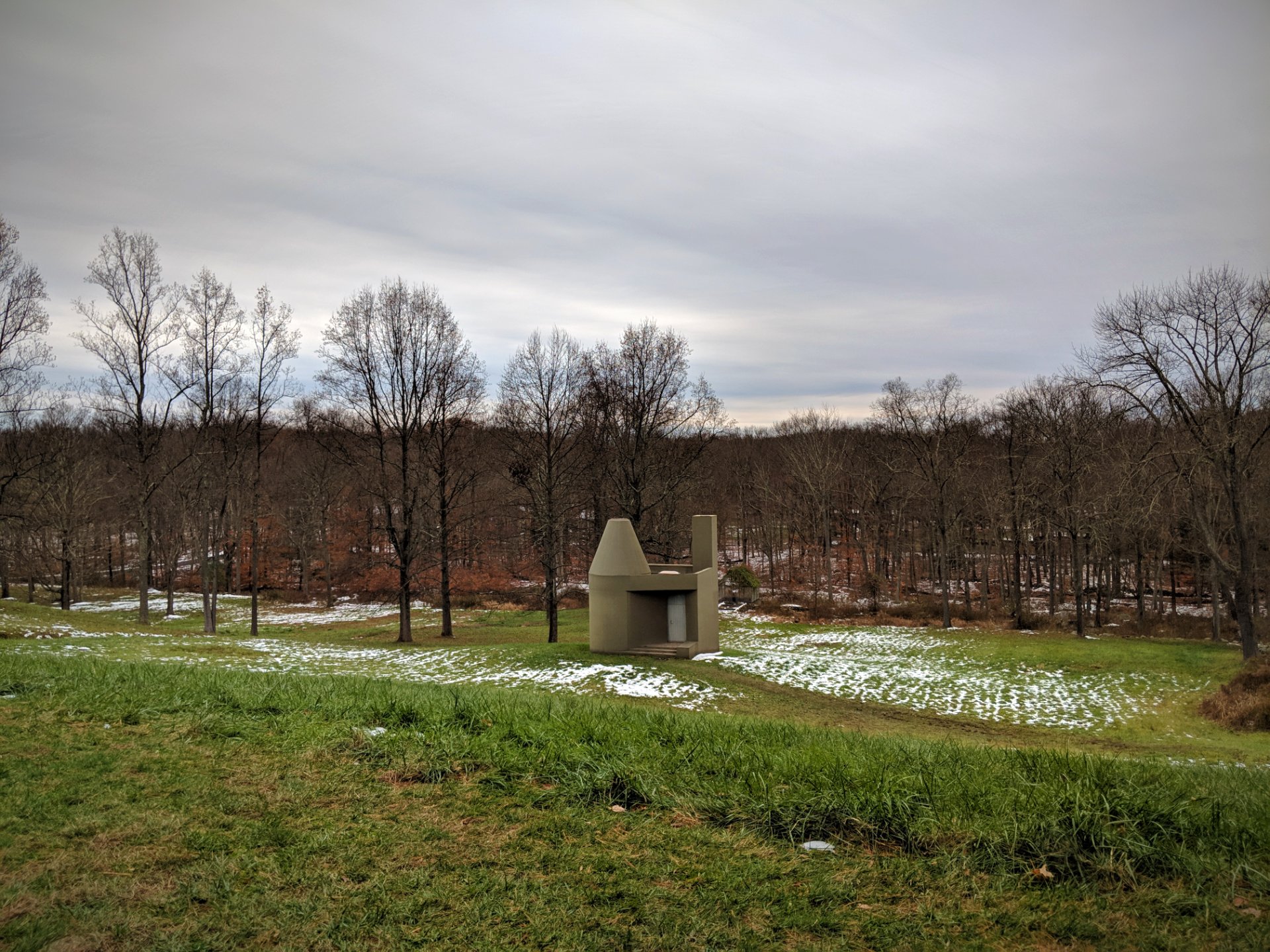
**
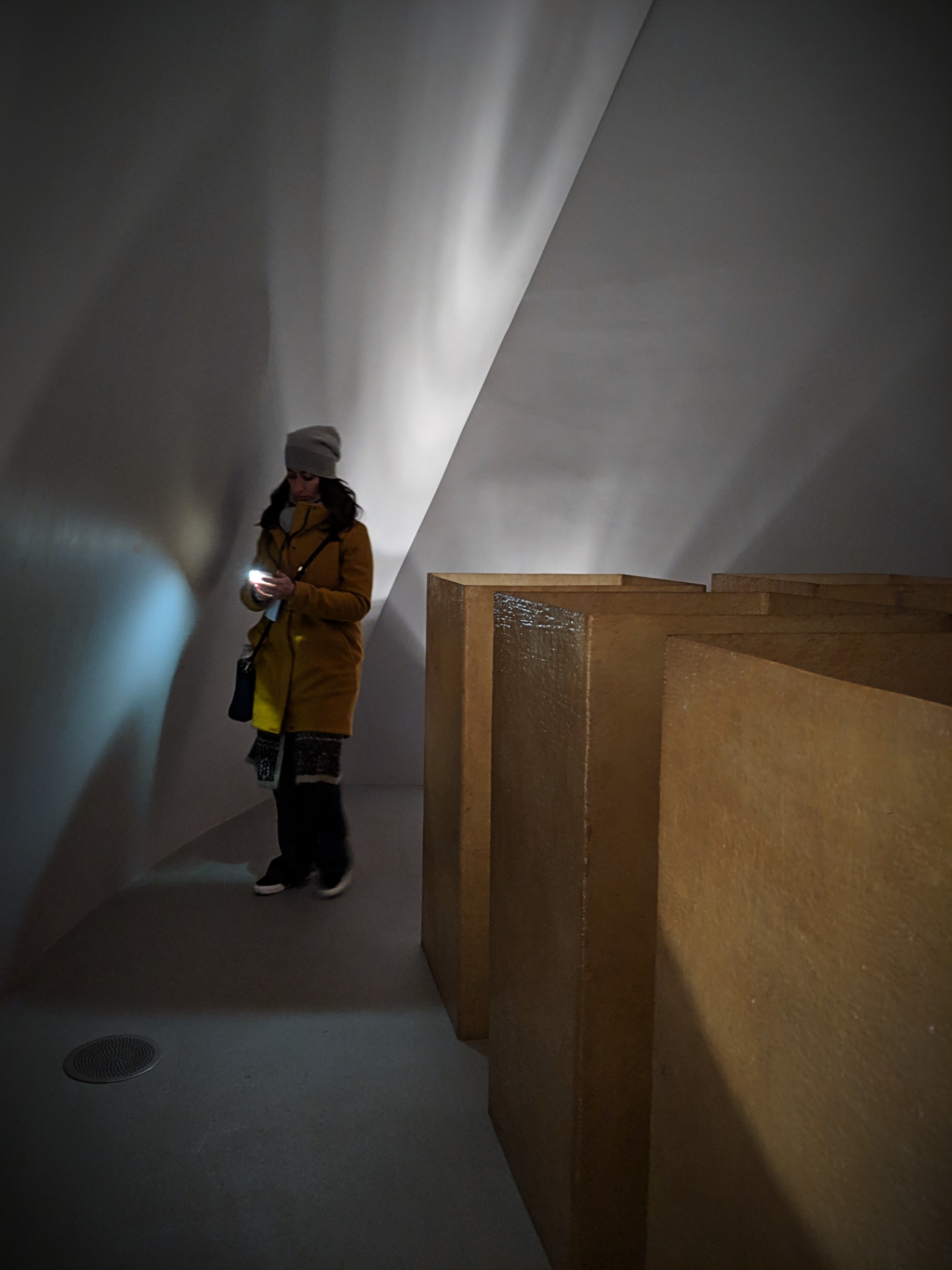
This building, constructed of modified gunnite, is the closest to Johnson’s thinking about sculpture and form at the end of his life – what he called the ”structured warp.”
The name of the building is an adaptation of the “monster”, a phrase for the building that resulted from a conversation with architecture critic Herbert Muschamp. Johnson felt the building had the quality of a living thing.
I thought Frank Gehry would have felt at home here.
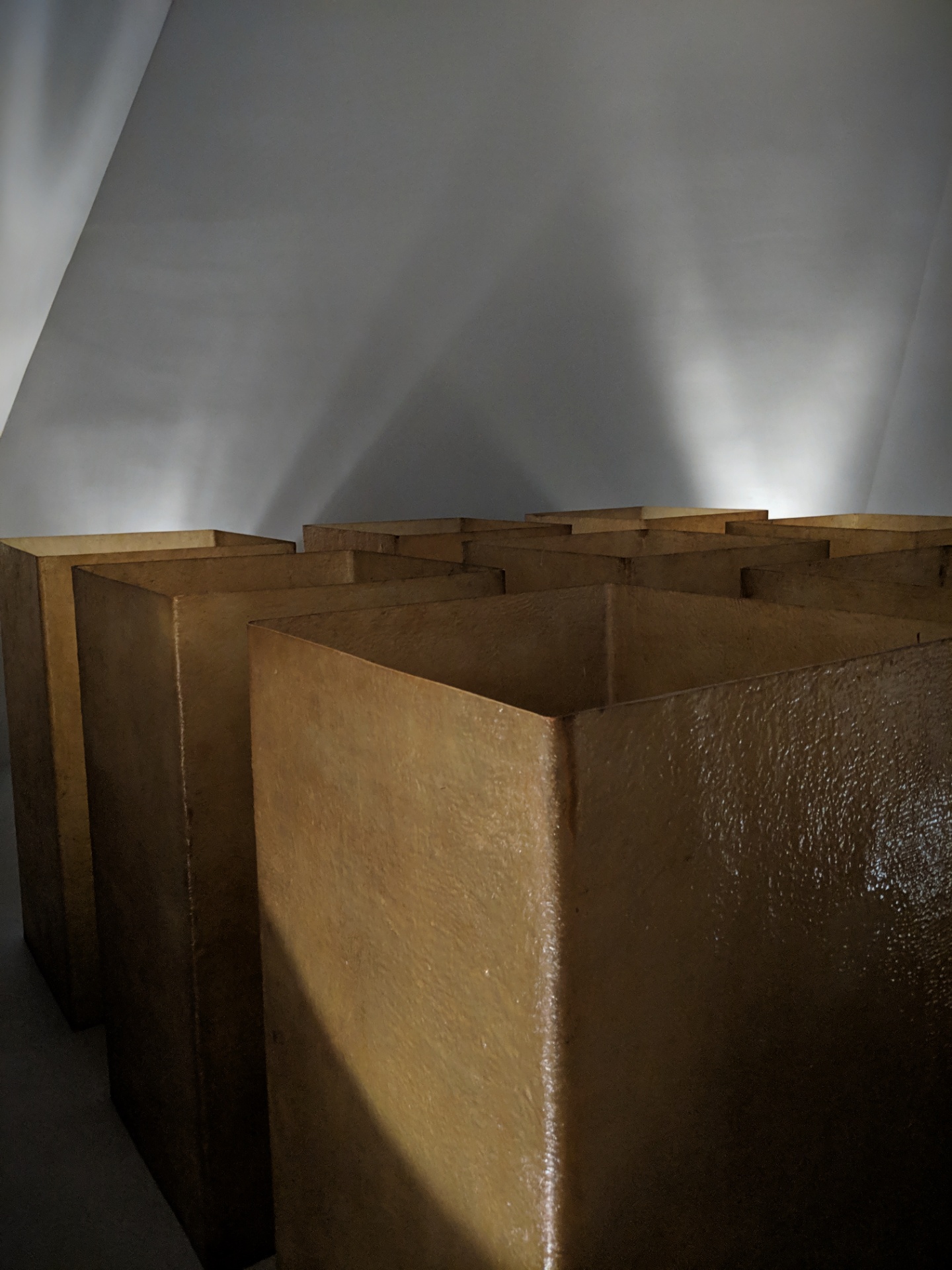
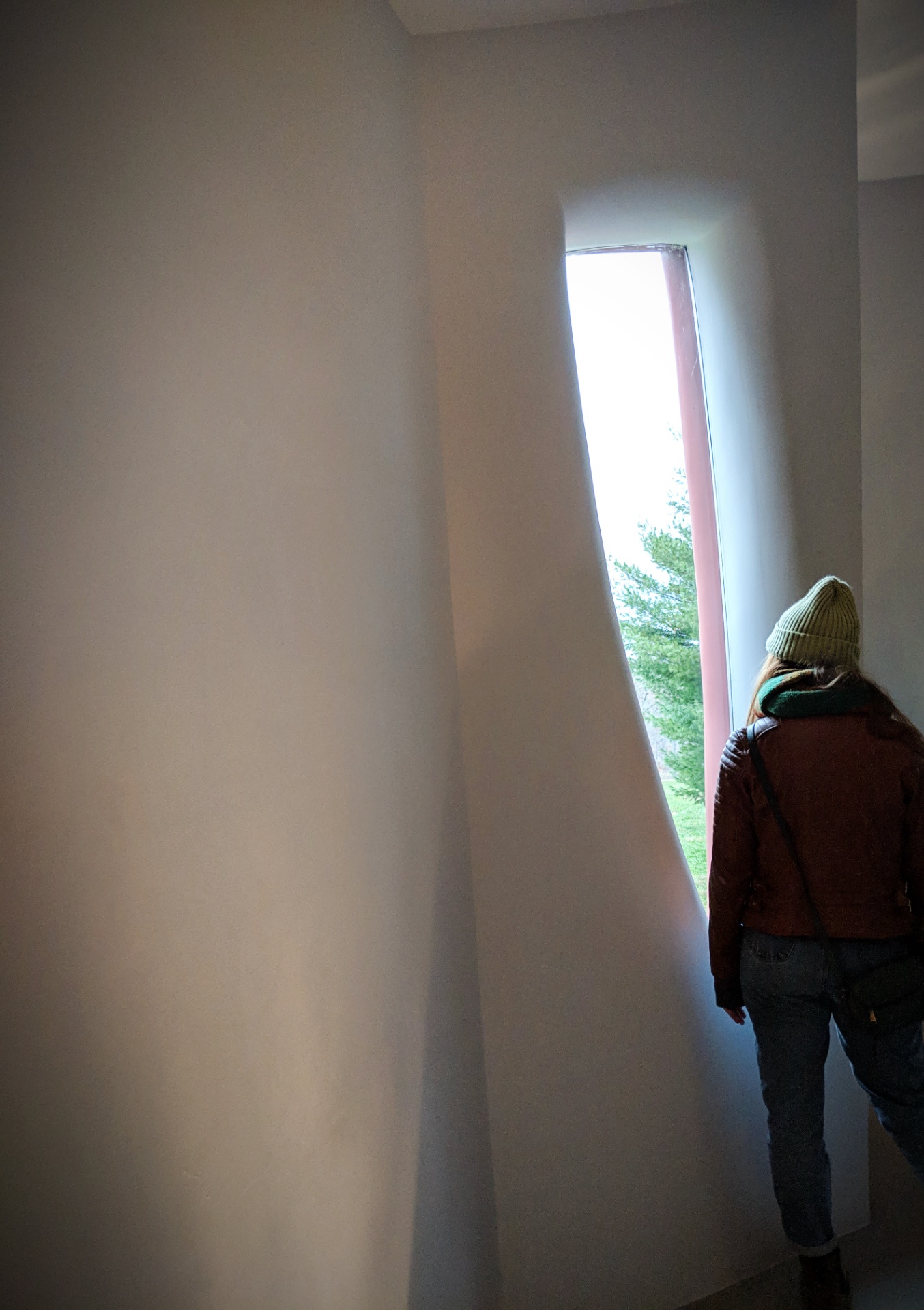
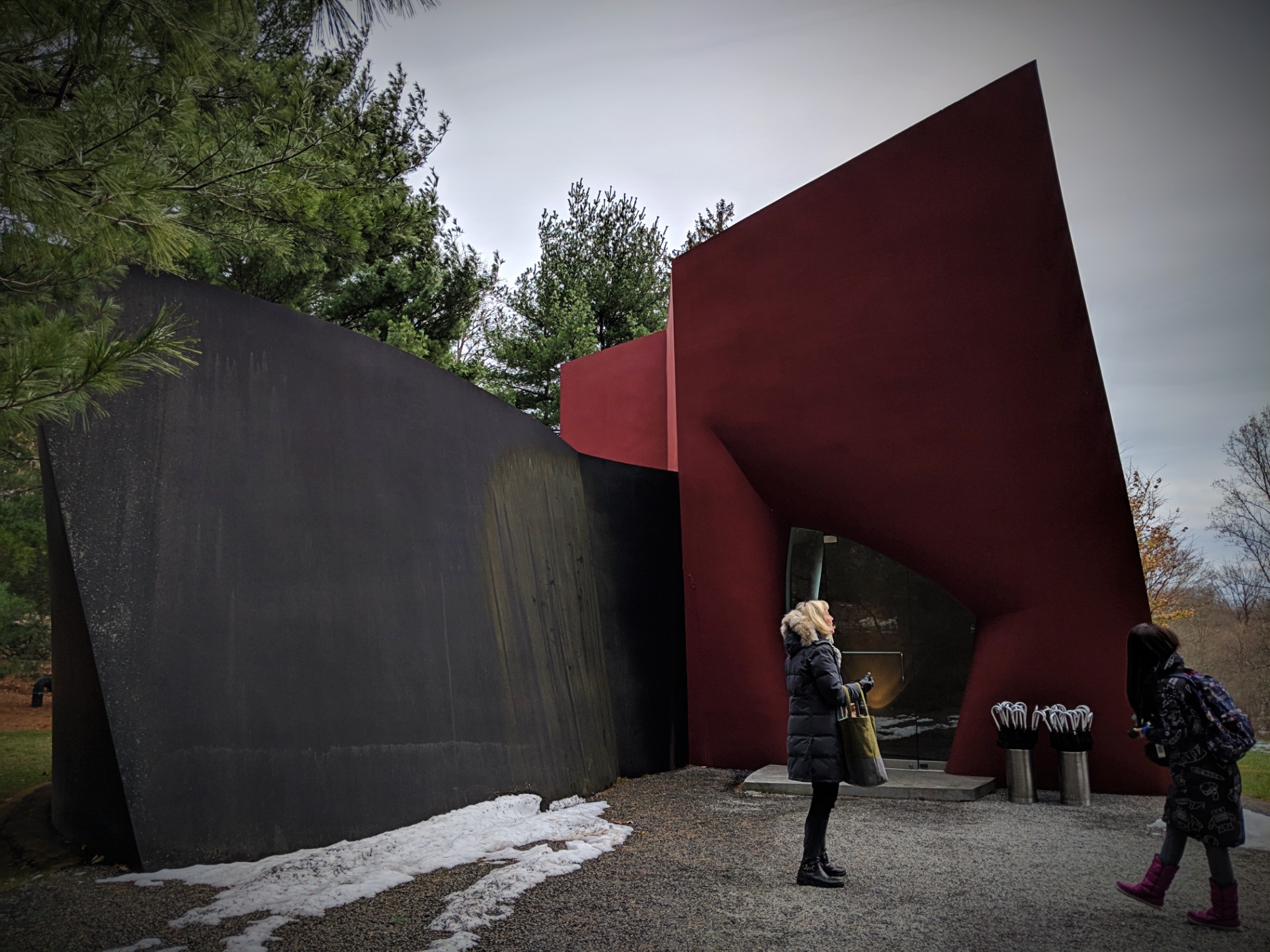
“In the case of the Glass House, the stylistic approach is perfectly clear. Mies van der Rohe and I had discussed how you could build a glass house and each of us built one. Mies’ was, of course, primary and mine was an adoption from the master, although it’s quite a different approach. In my case, there were a lot of historical influences at work. The Glass House stylistically is a mixture of Mies van der Rohe, Malevich, the Parthenon, the English garden, the whole Romantic Movement, the asymmetry of the 19th century. In other words, all these things are mixed up in it but basically it is the last of the modern, in the sense of the historic way we treat modern architecture today, the simple cube.” – Philip Johnson, 1991
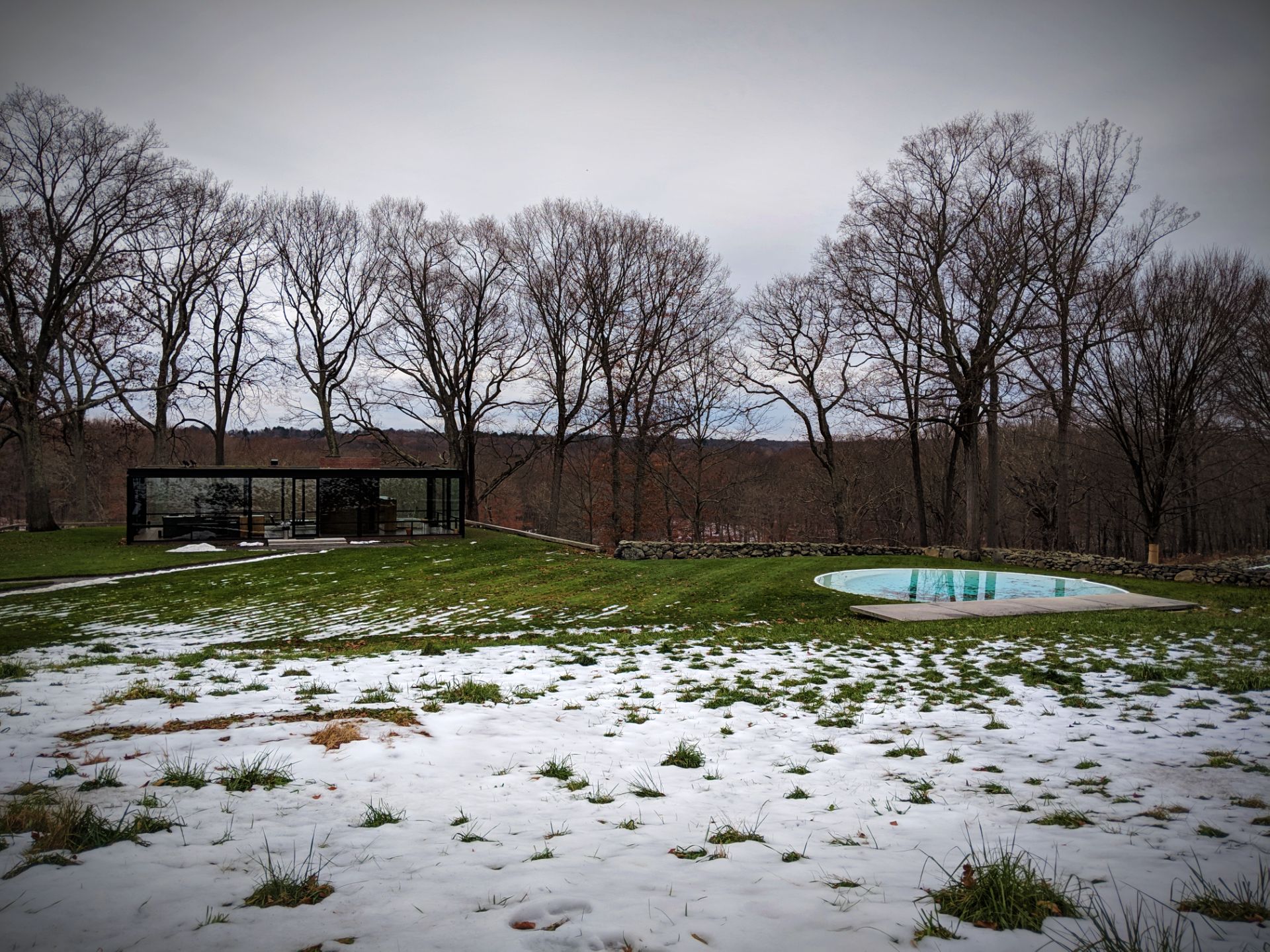
And so it was that Johnson’s famed masterpiece came to be. But it’s not just the house: a Studio, a Painting Gallery, a Sculpture Gallery, Da Monsta, a Brick House and a Pavillion in the Pond complete the picture.
But first things first:
The Gate
A standalone structure with no fence, so anyone can just walk by. Still, quite impressive in size and mechanics, with the bar sliding up to let our shuttle bus enter, and down again behind it. It was a sailboat boom in a previous life.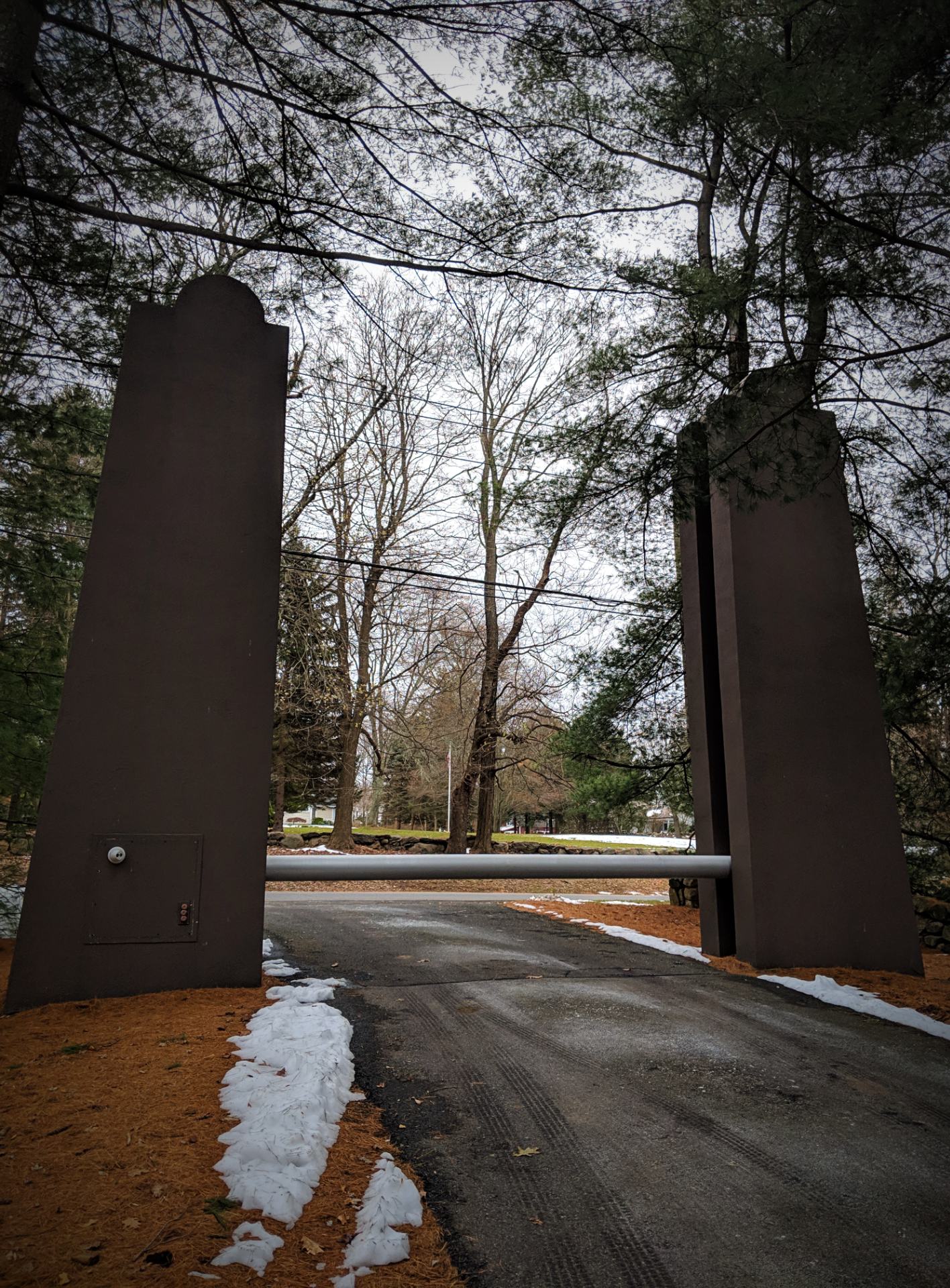
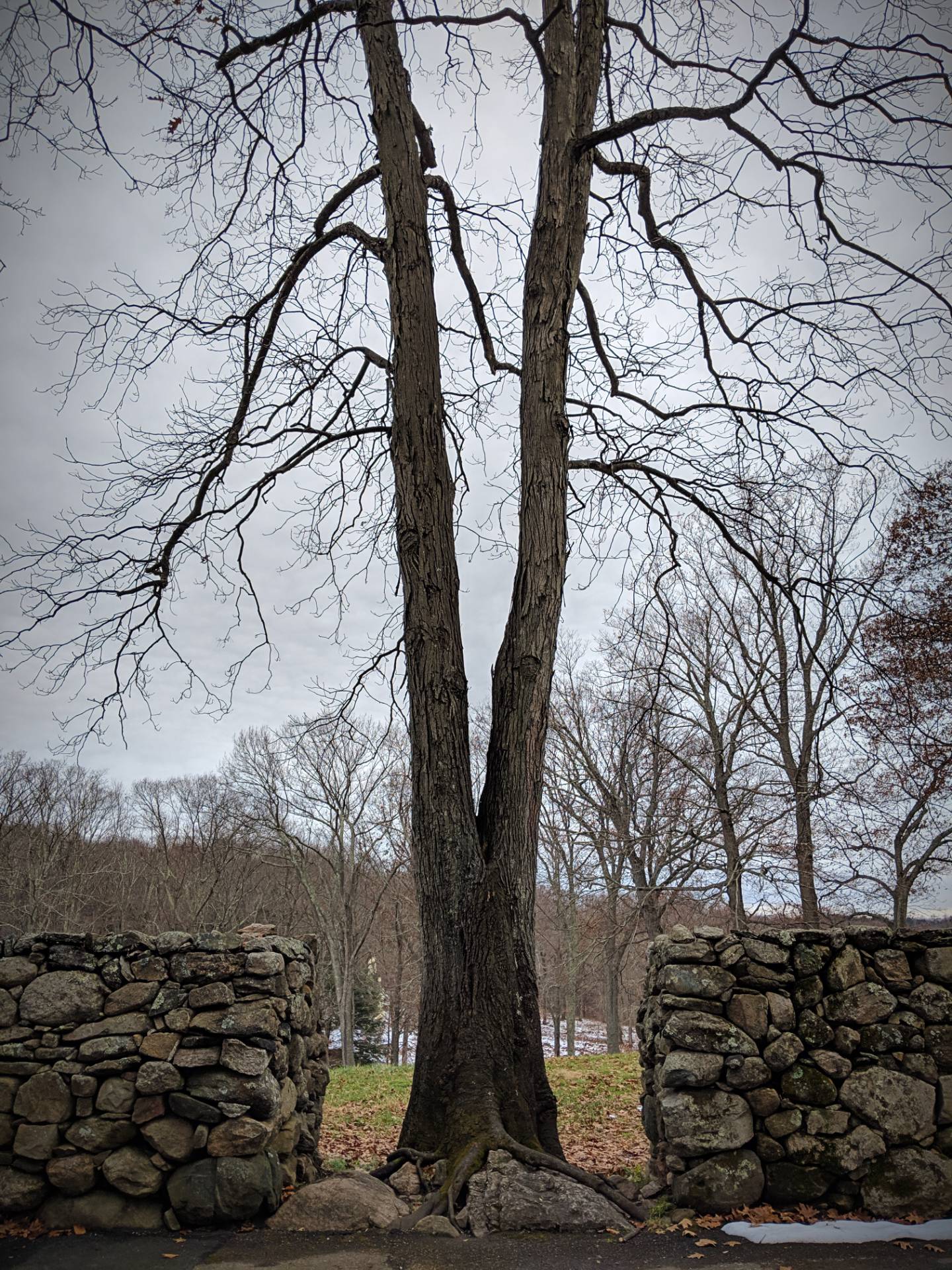
The Brick House
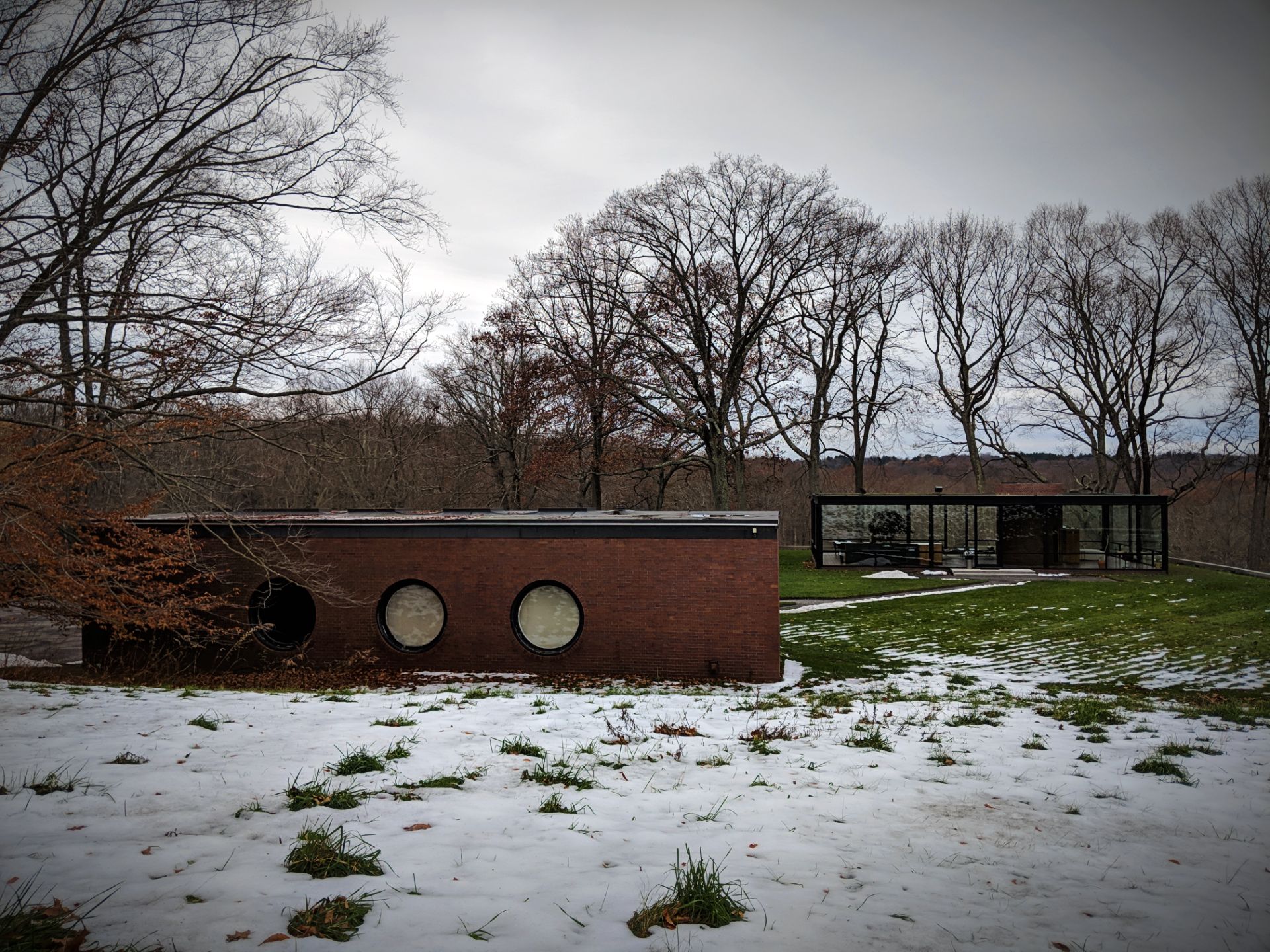
In contrast to the diaphanous Glass House, it was conceived as a guest house offering total privacy – light pours in from skylights and the only windows were placed at the rear.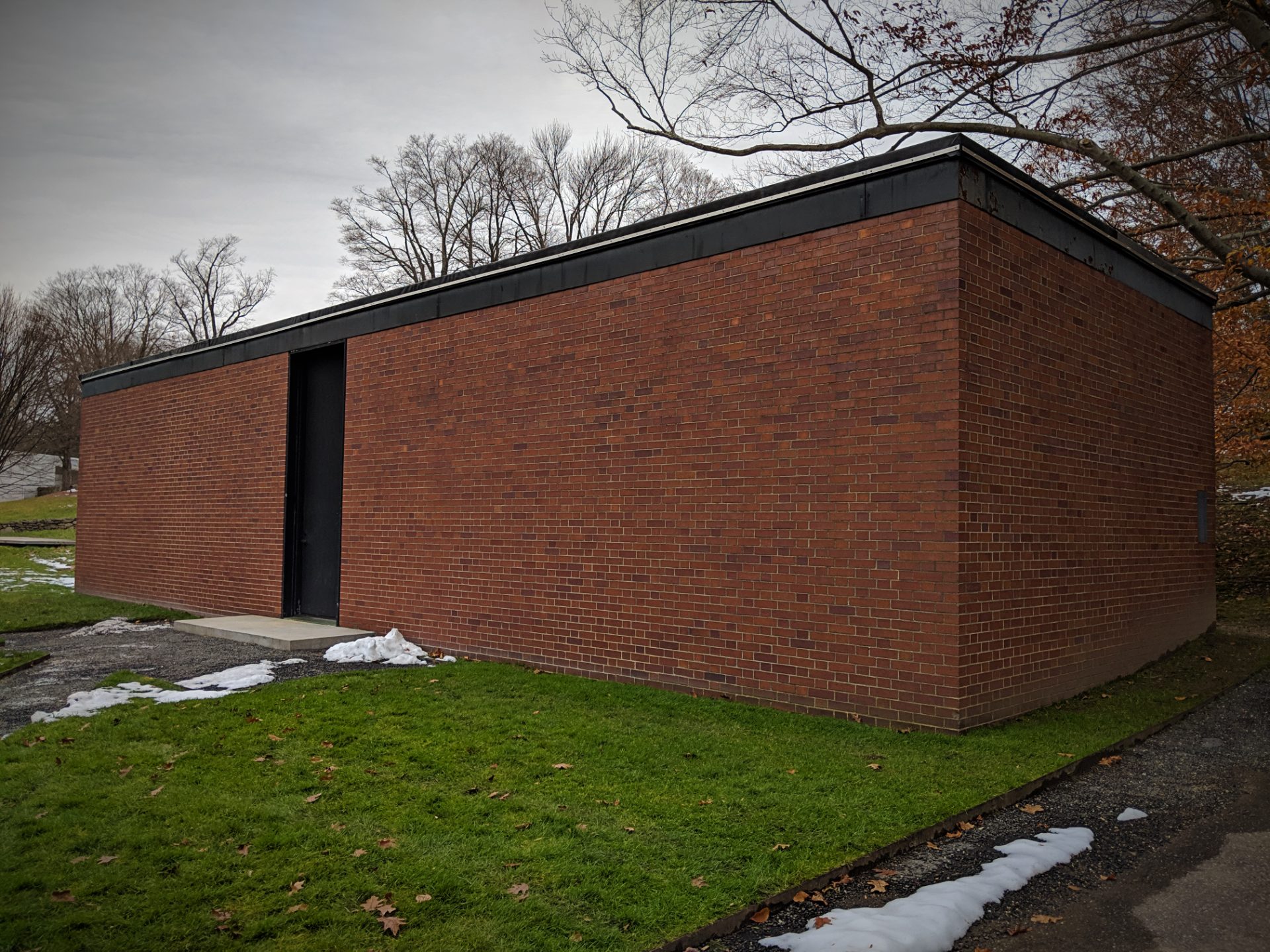
The Glass House
Although there are no walls separating them, Philip Johnson referred to areas within the space as “rooms.” So we have the living room, dining room, kitchen, bedroom and an entrance area – their limits defined by furniture or objects.
And, yes, it gets really hot when the sun shines. In order to avoid suffocation from the greenhouse effect, Johnson had special modular wooden panels placed on the glass ones for shade; they would be moved according to the hour of day or season.
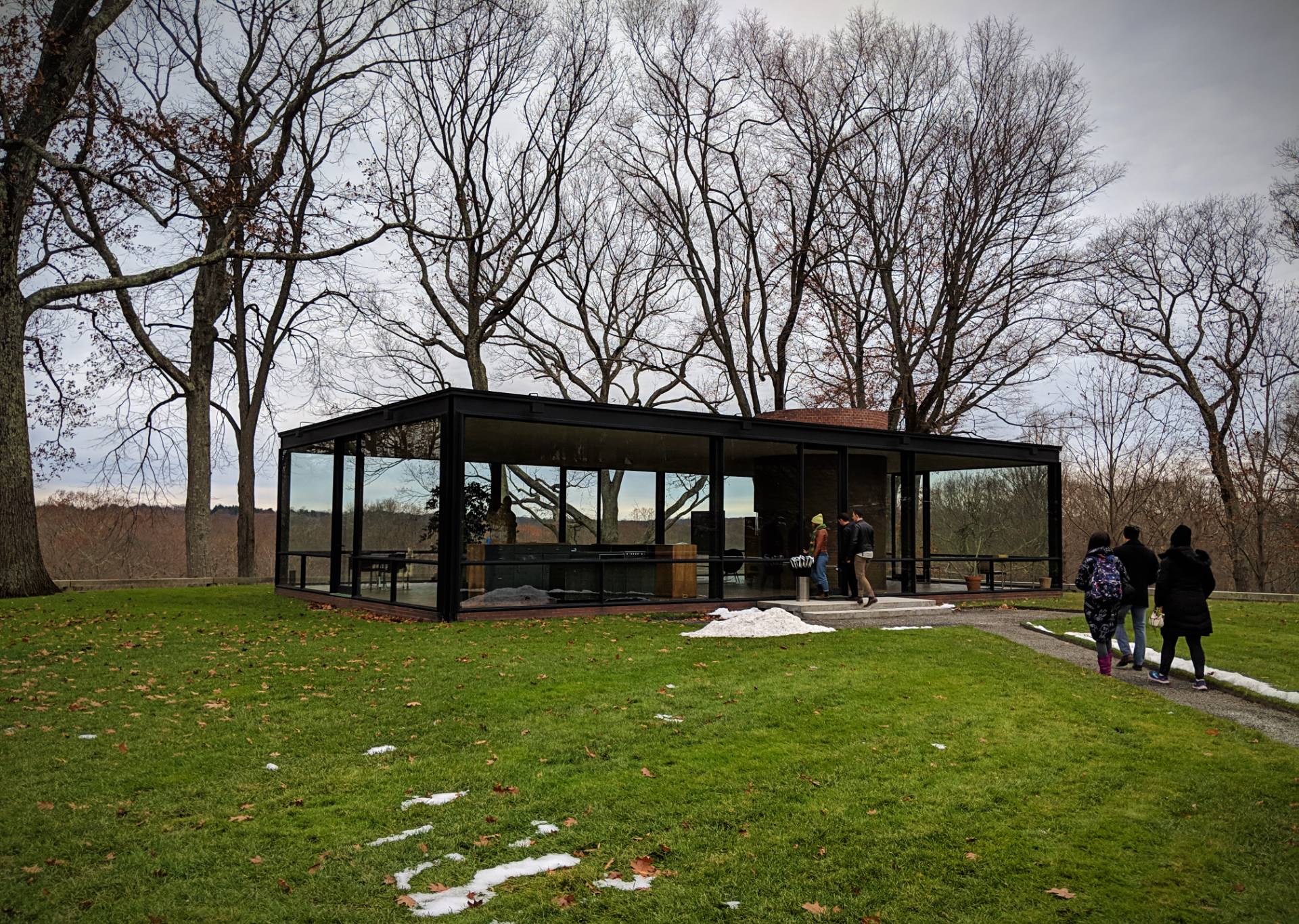
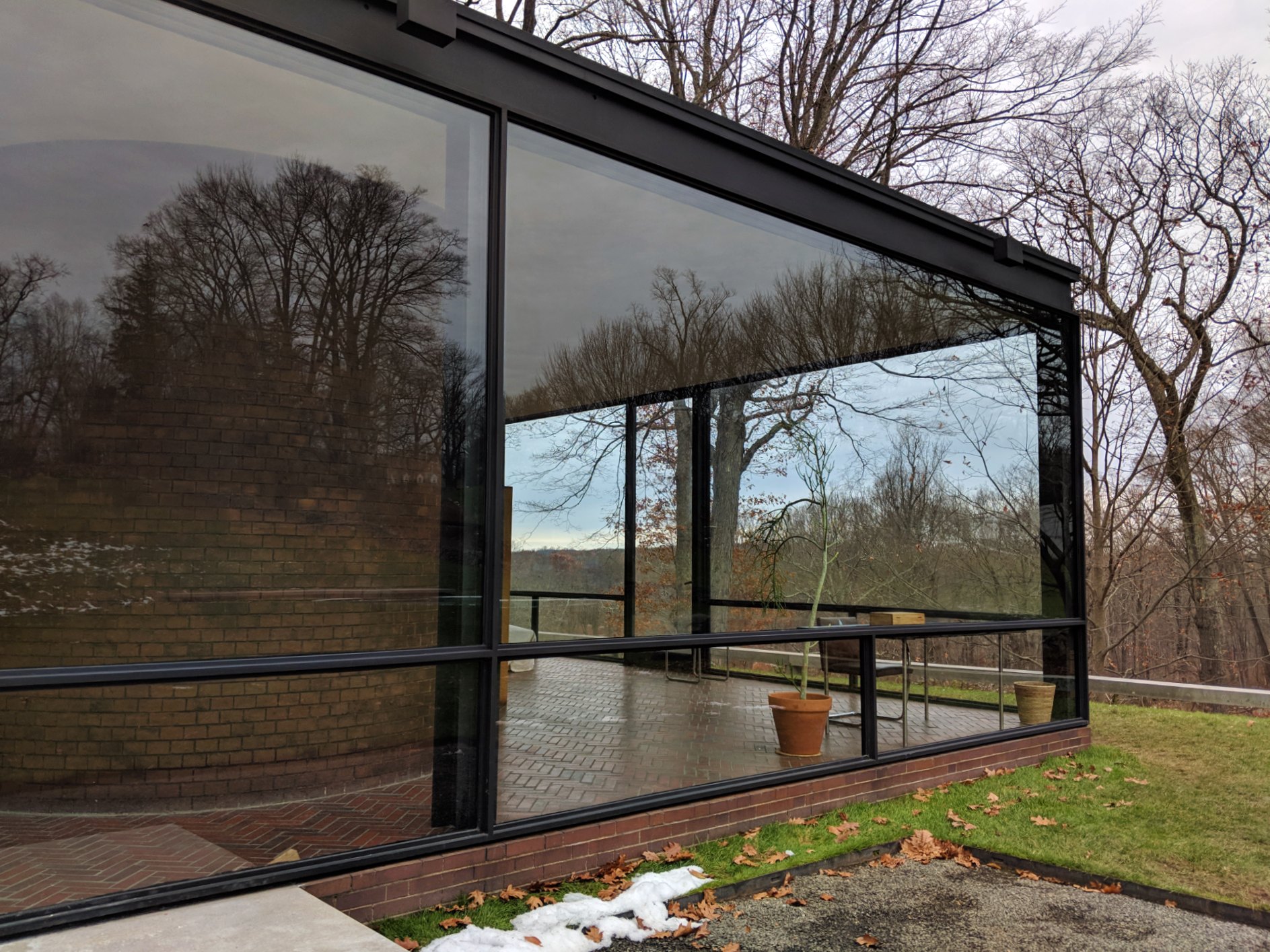
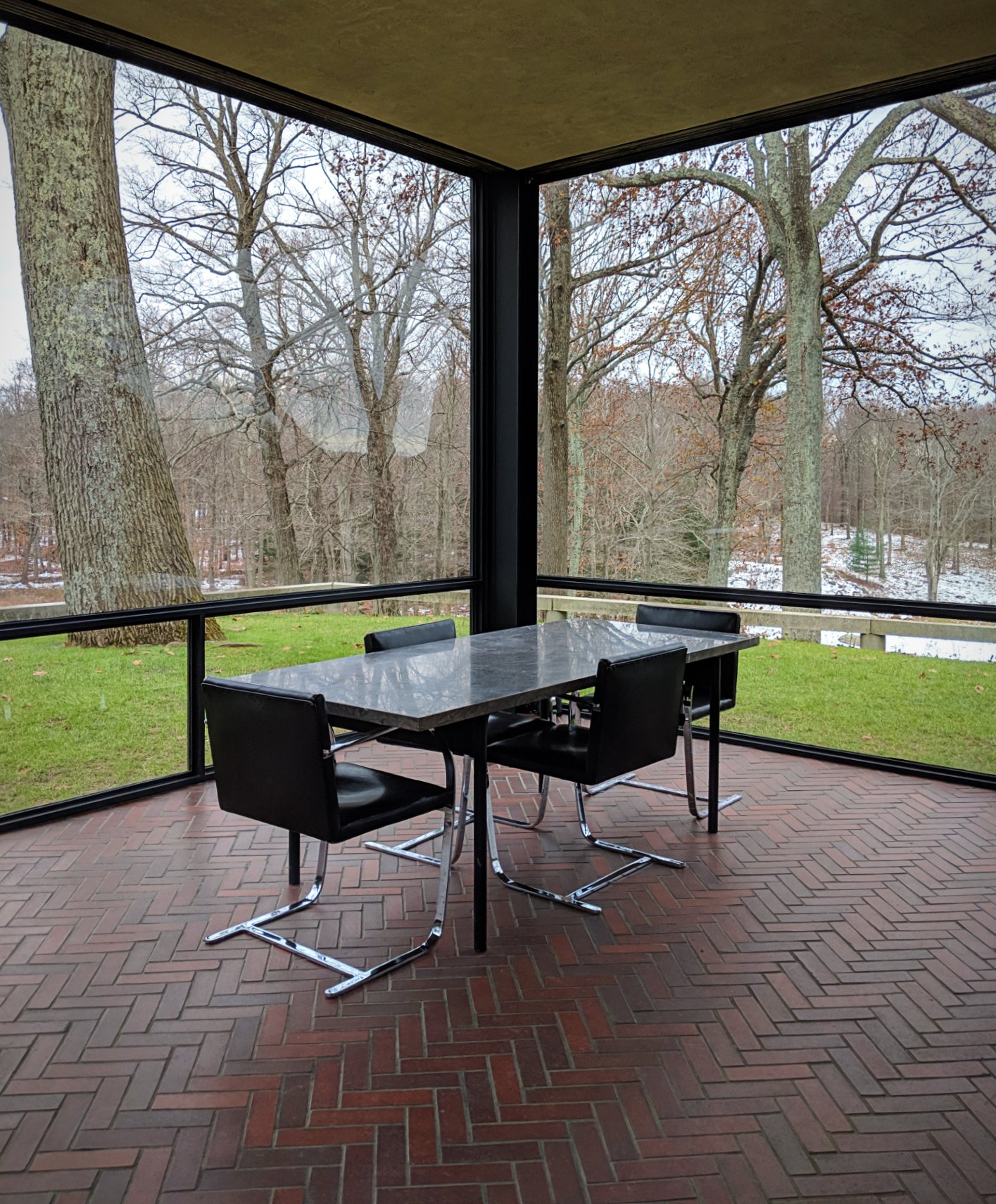
The painting in the ”living room” is ”Burial of Phocion” ca. 1648-49, by Nicolas Poussin. It was selected specifically for the house by Alfred H. Barr, Jr., the first director of the Museum of Modern Art.
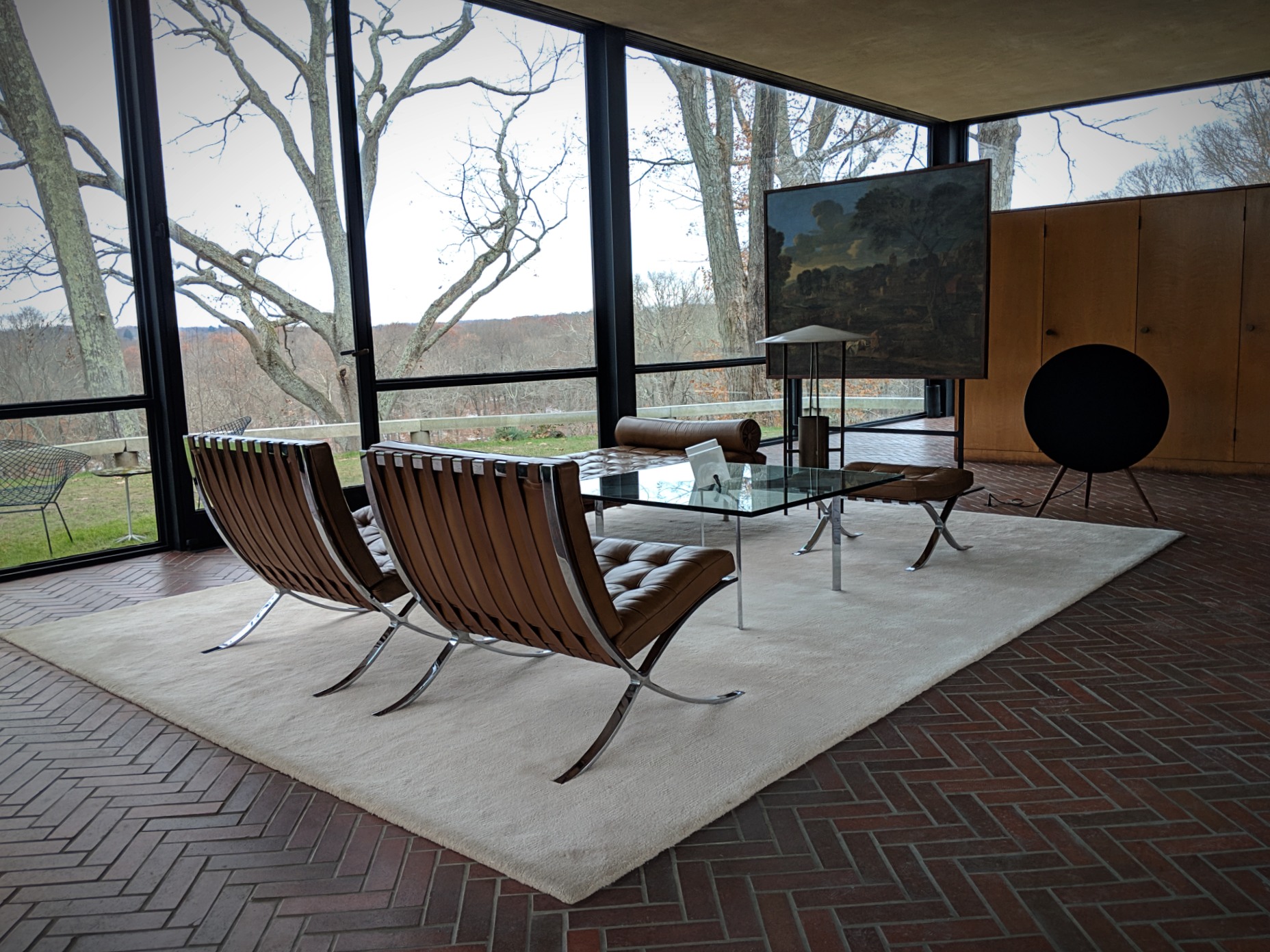
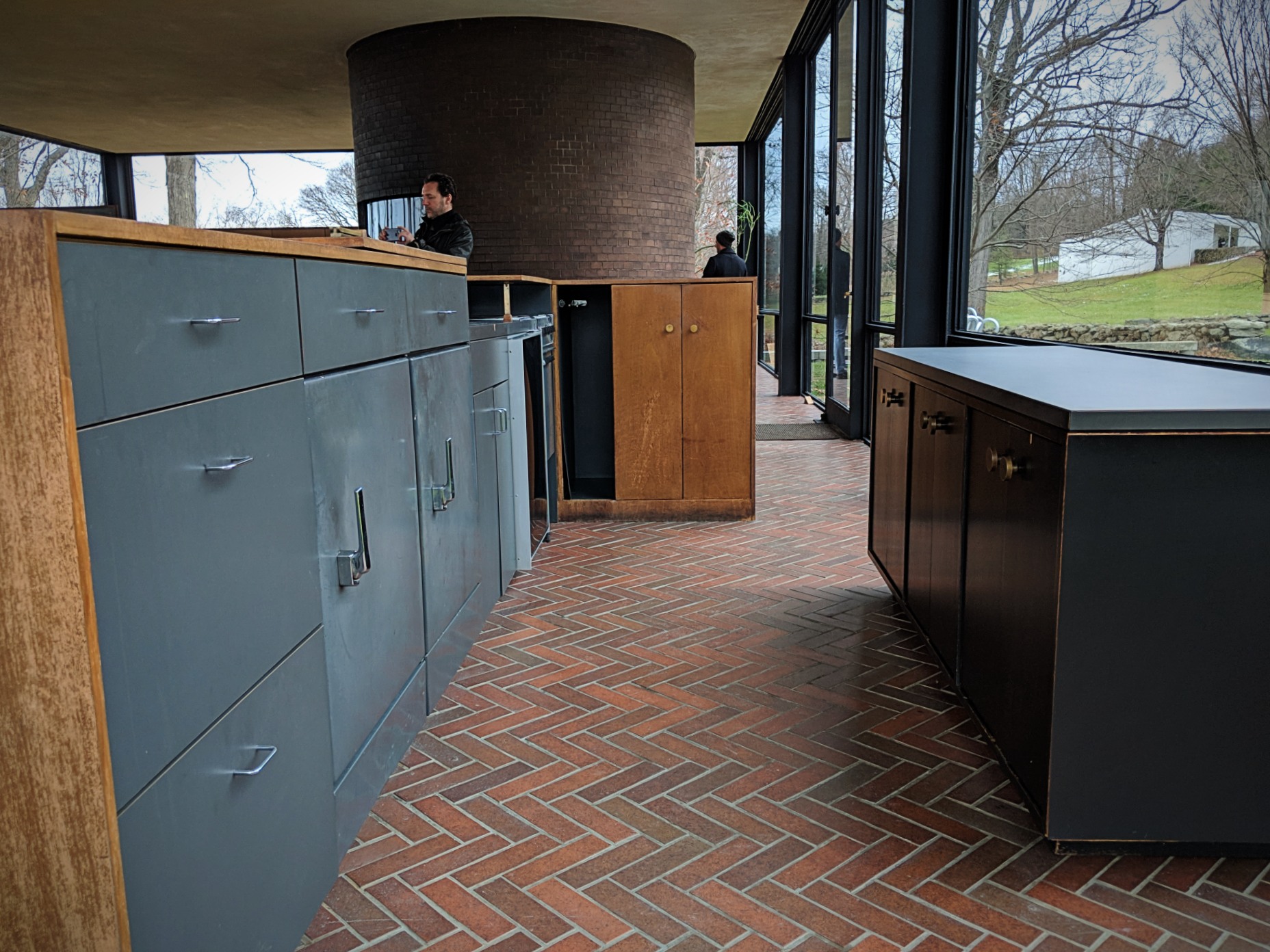
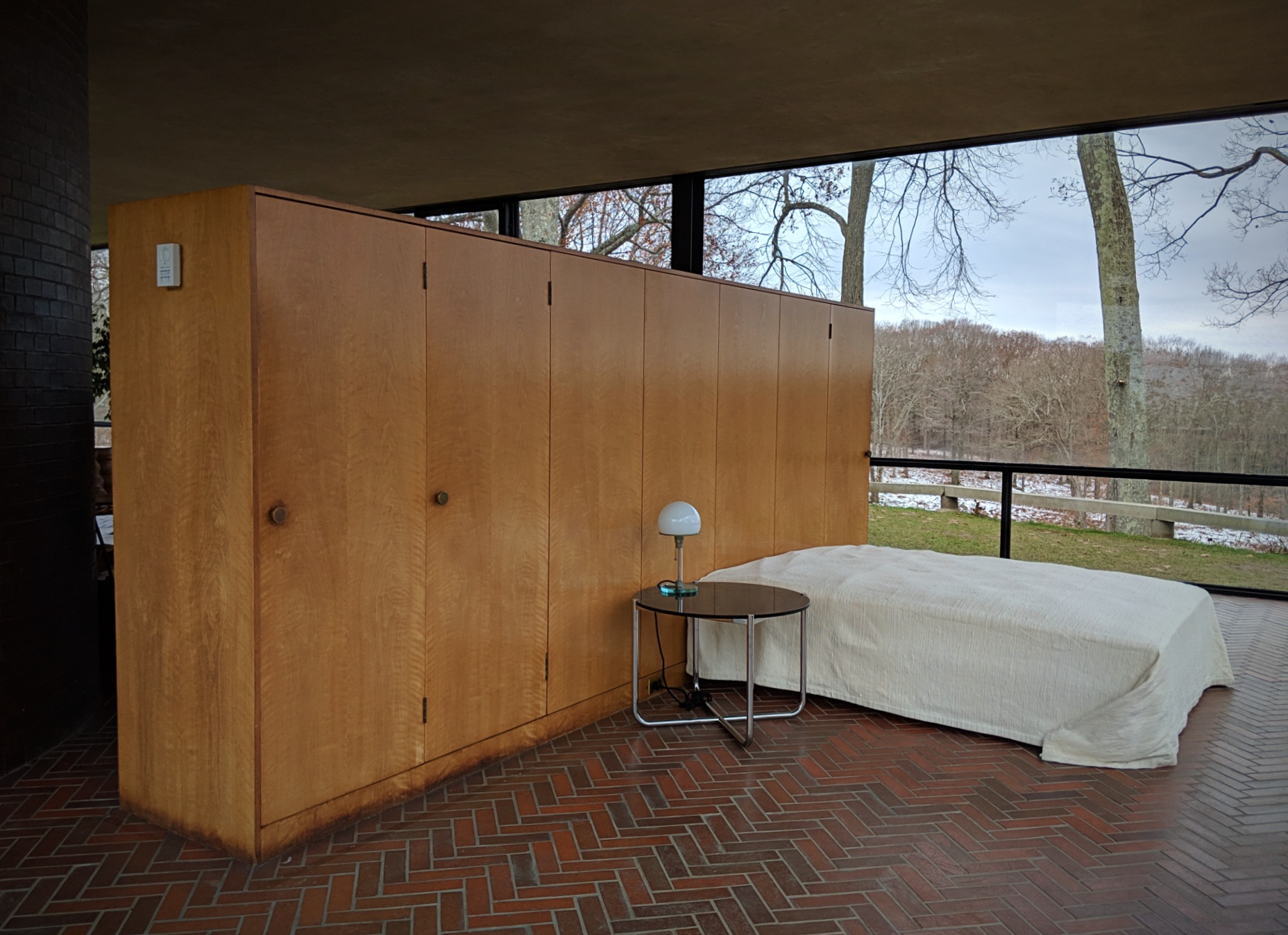
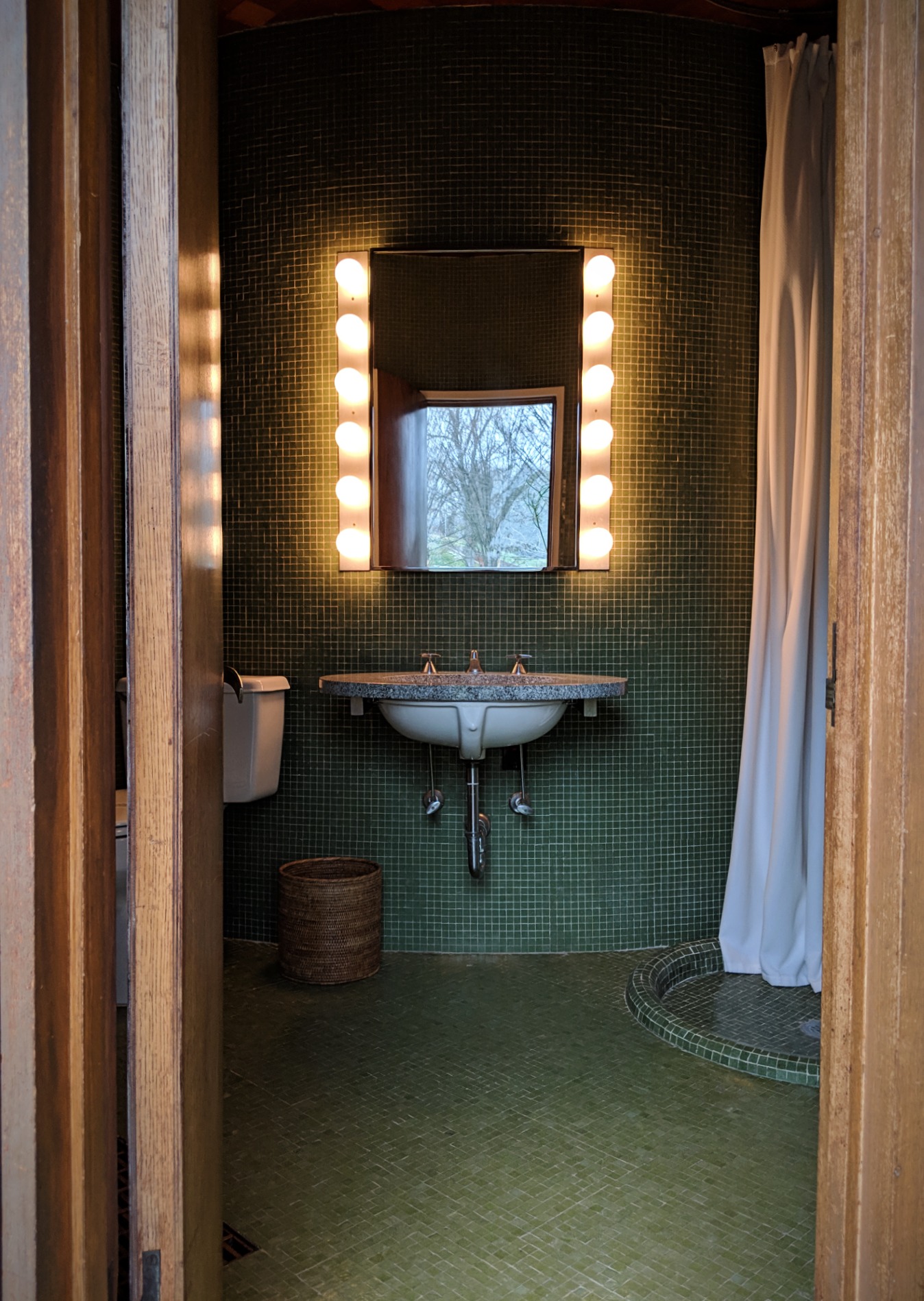
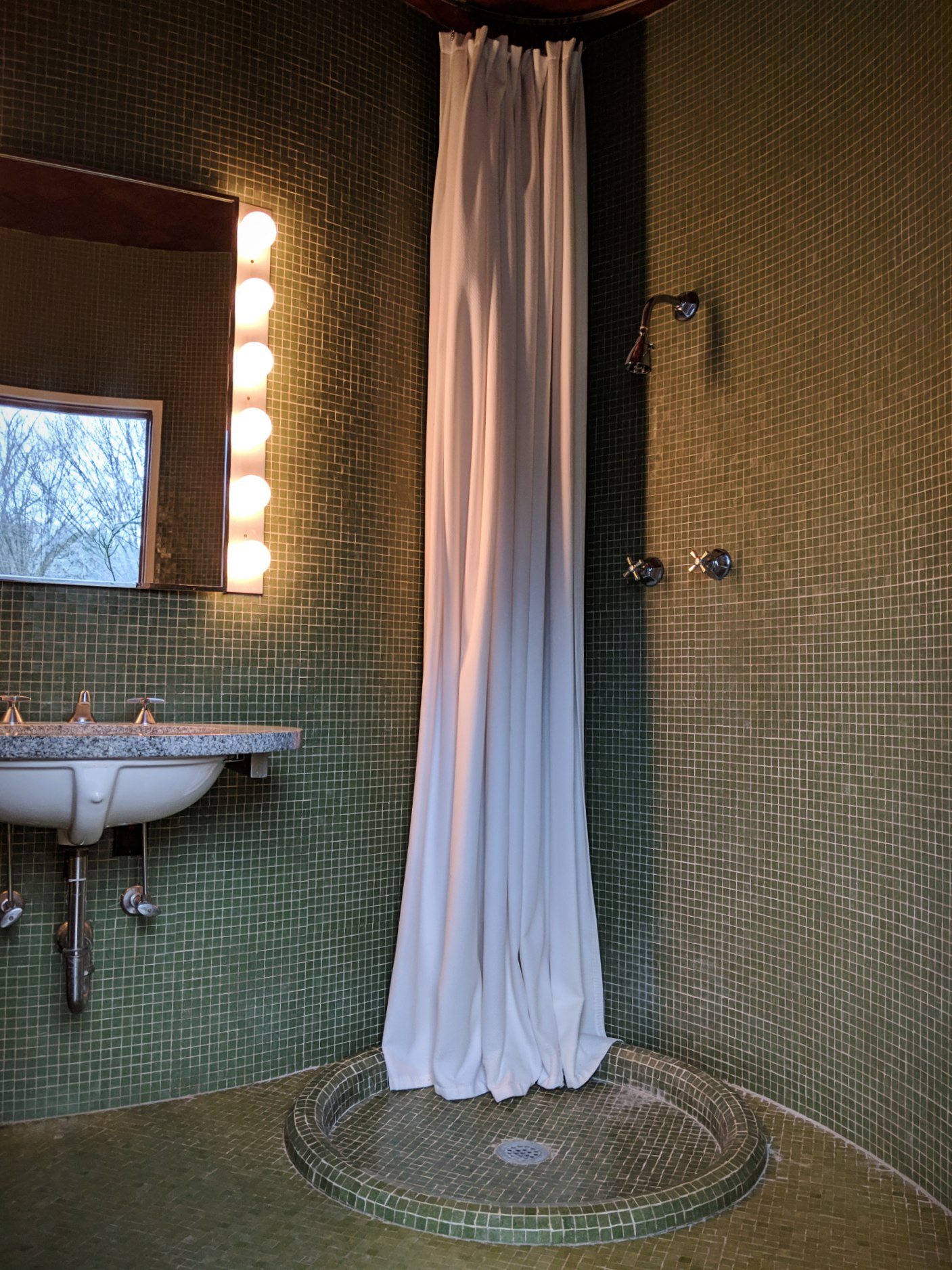
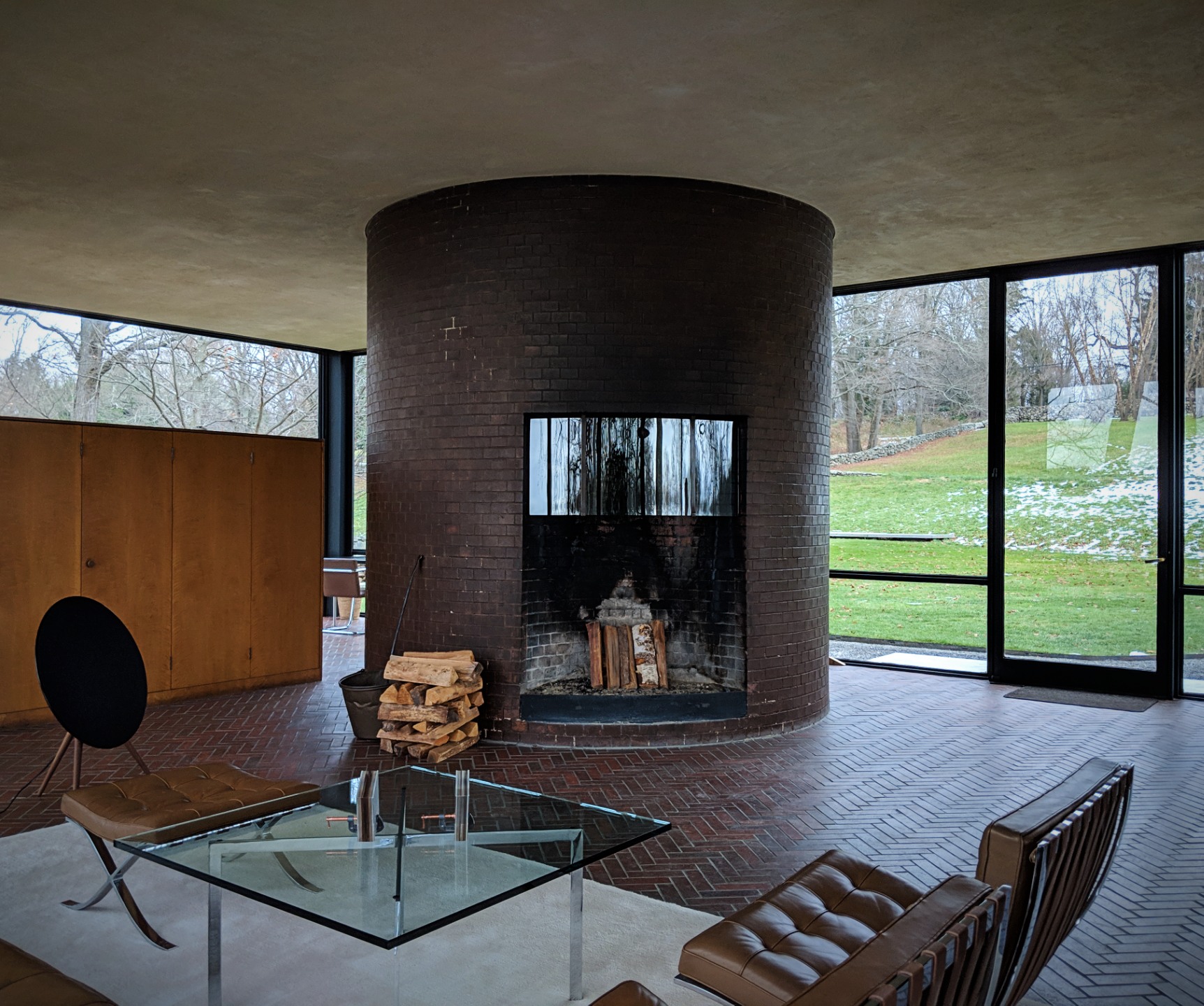
The only really private room is the bathroom enclosed in a rounded brick structure that holds the fireplace on the other side.
View to the Pavillion in the Pond and the Monument to Lincoln Kirstein, 1985 – a 30 feet high tower, which Johnson frequently climbed, describing it “a staircase to nowhere.”
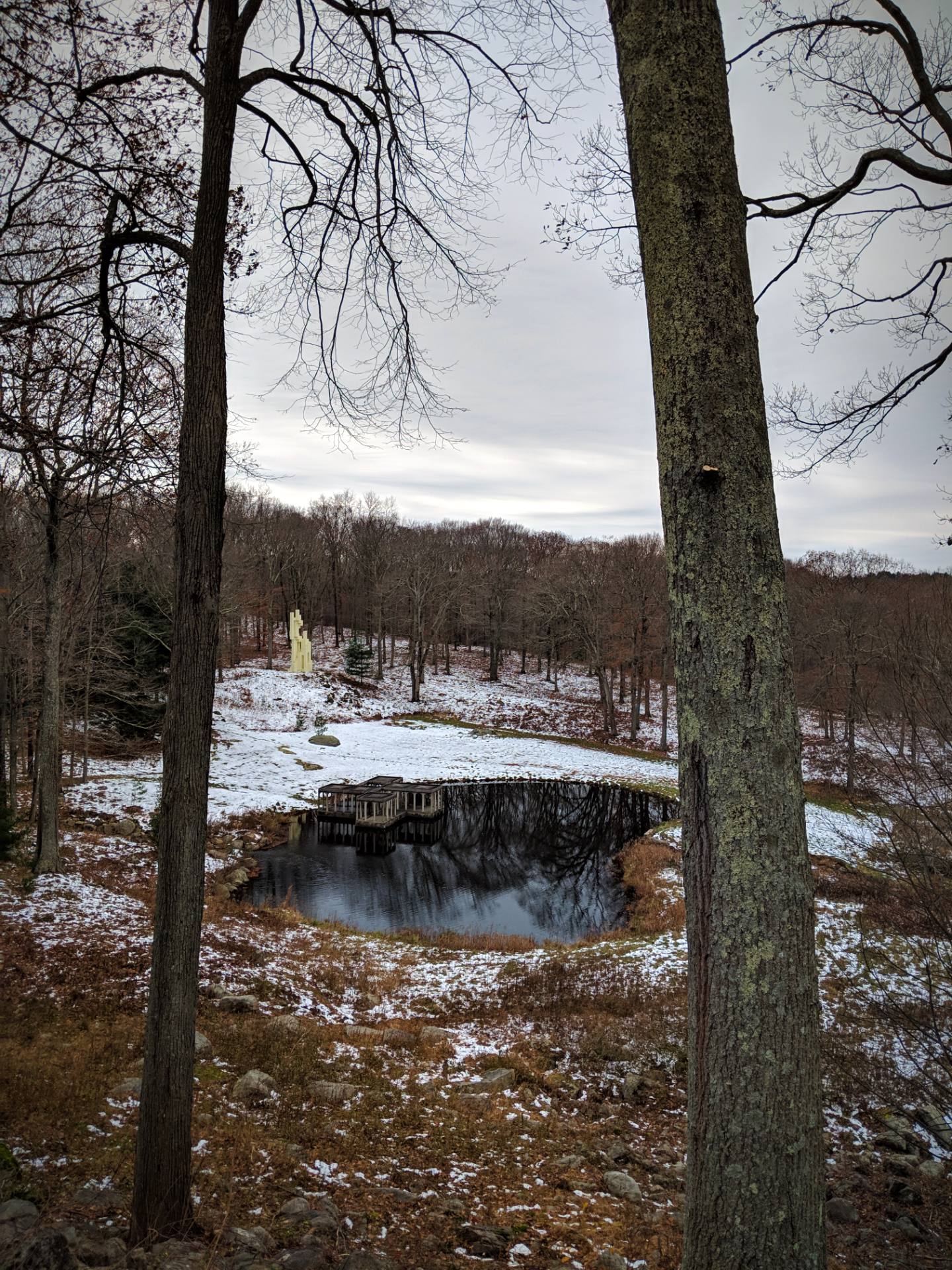

The Grounds
Artwork by Donald Judd, Untitled (1971).
Concrete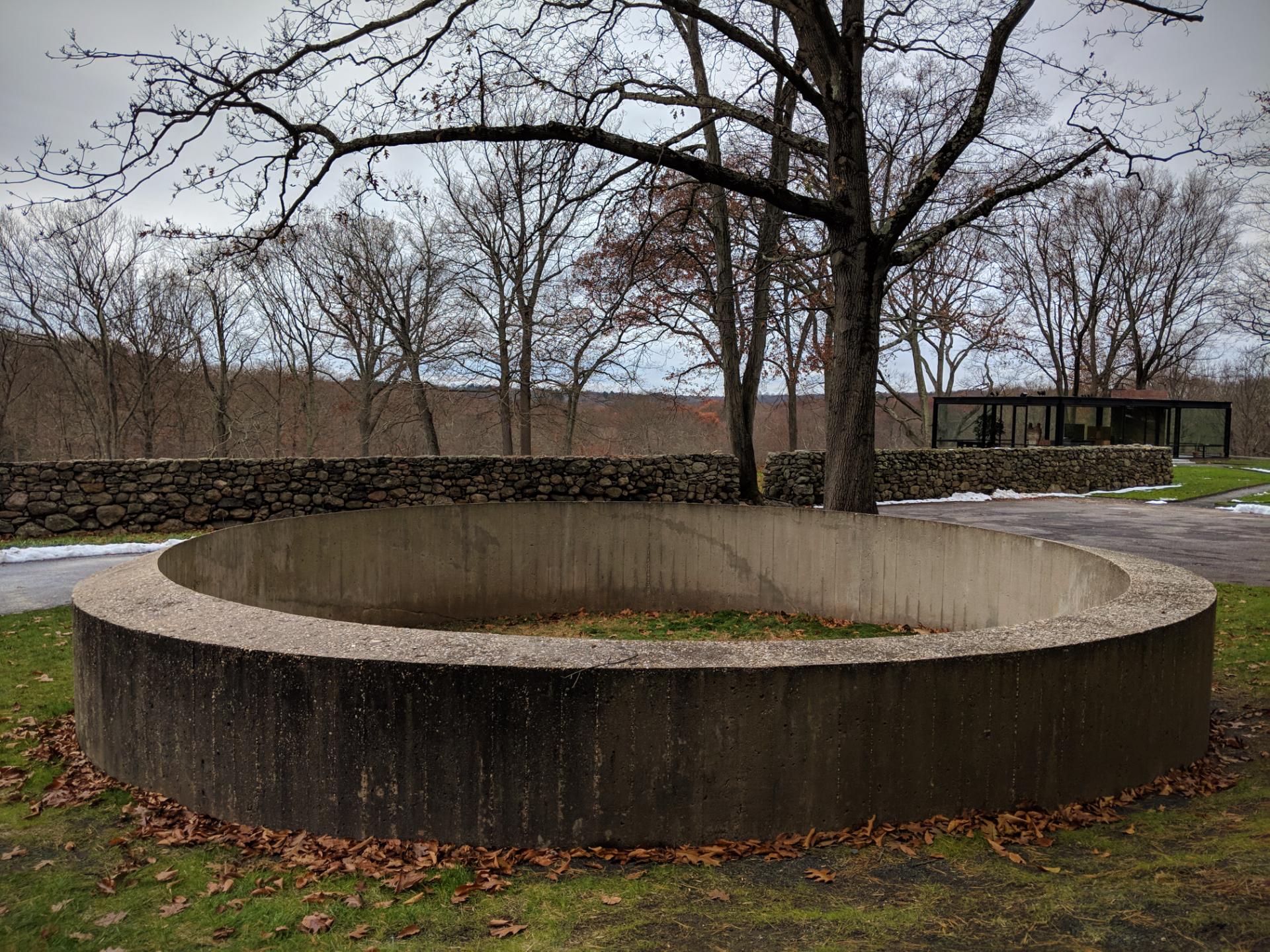
Rear view of the Brick House and its round windows.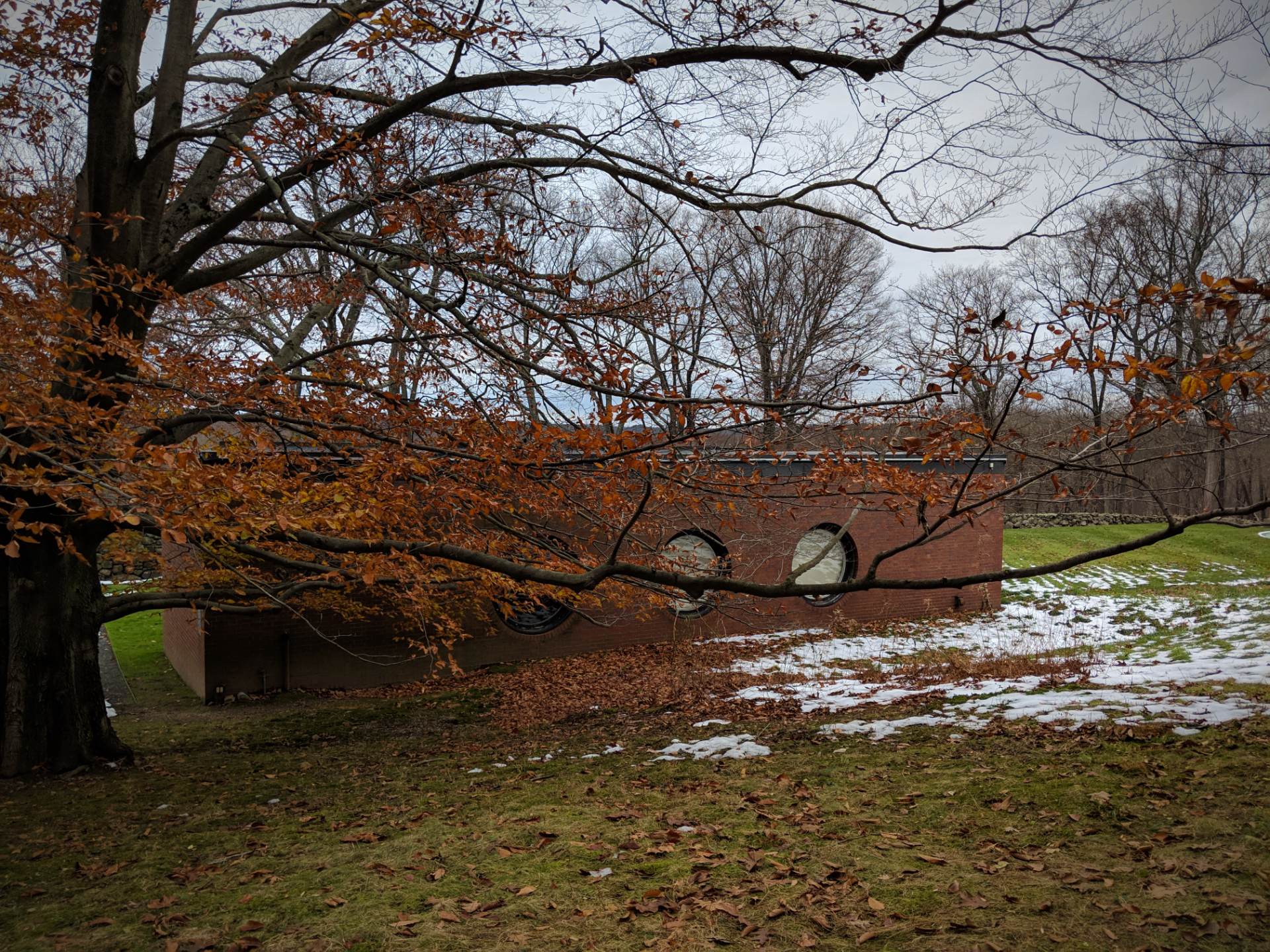
Let’s take a breath here because, next, we’ll take a look at the art.
New Canaan, CT
November 18th, 2018
subjective worldview
Actor, writer, cook and author
Travel experiences & Strasbourg city guide
Writer
joy, happiness, travel, adventure, gratitude
"Rêve onirique & Bulle d'évasion"
makes pretty things on paper
This WordPress.com site is Pacific War era information
Welcome to my curious world of words....
Photographs, music and writing about daily life. Contact: elcheo@swcp.com
Free listening and free download (mp3) chill and down tempo music (album compilation ep single) for free (usually name your price). Full merged styles: trip-hop electro chill-hop instrumental hip-hop ambient lo-fi boombap beatmaking turntablism indie psy dub step d'n'b reggae wave sainte-pop rock alternative cinematic organic classical world jazz soul groove funk balkan .... Discover lots of underground and emerging artists from around the world.
A 365 analogue photography project
Barcelona's Multiverse | Art | Culture | Science
Een digitaal atelier aan de (zee)slag.
‘Doodling Ambiguity’s in Ink.’
Miscellaneous photography
Glimpses along the way on a journey of discovery into symmetry...

 The Humble Fabulist