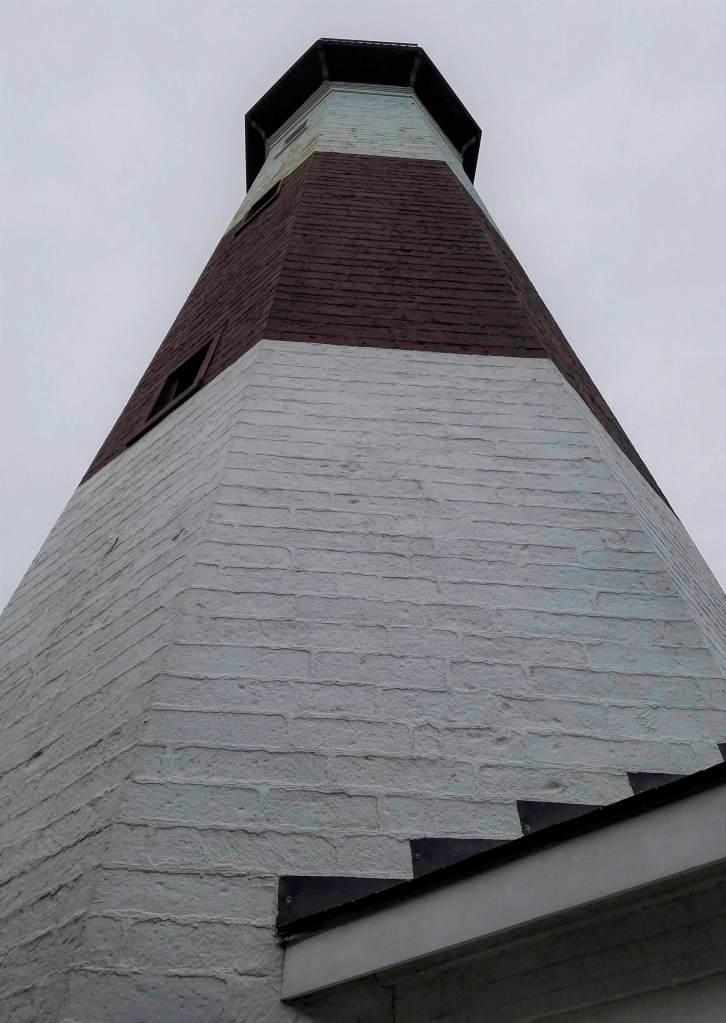
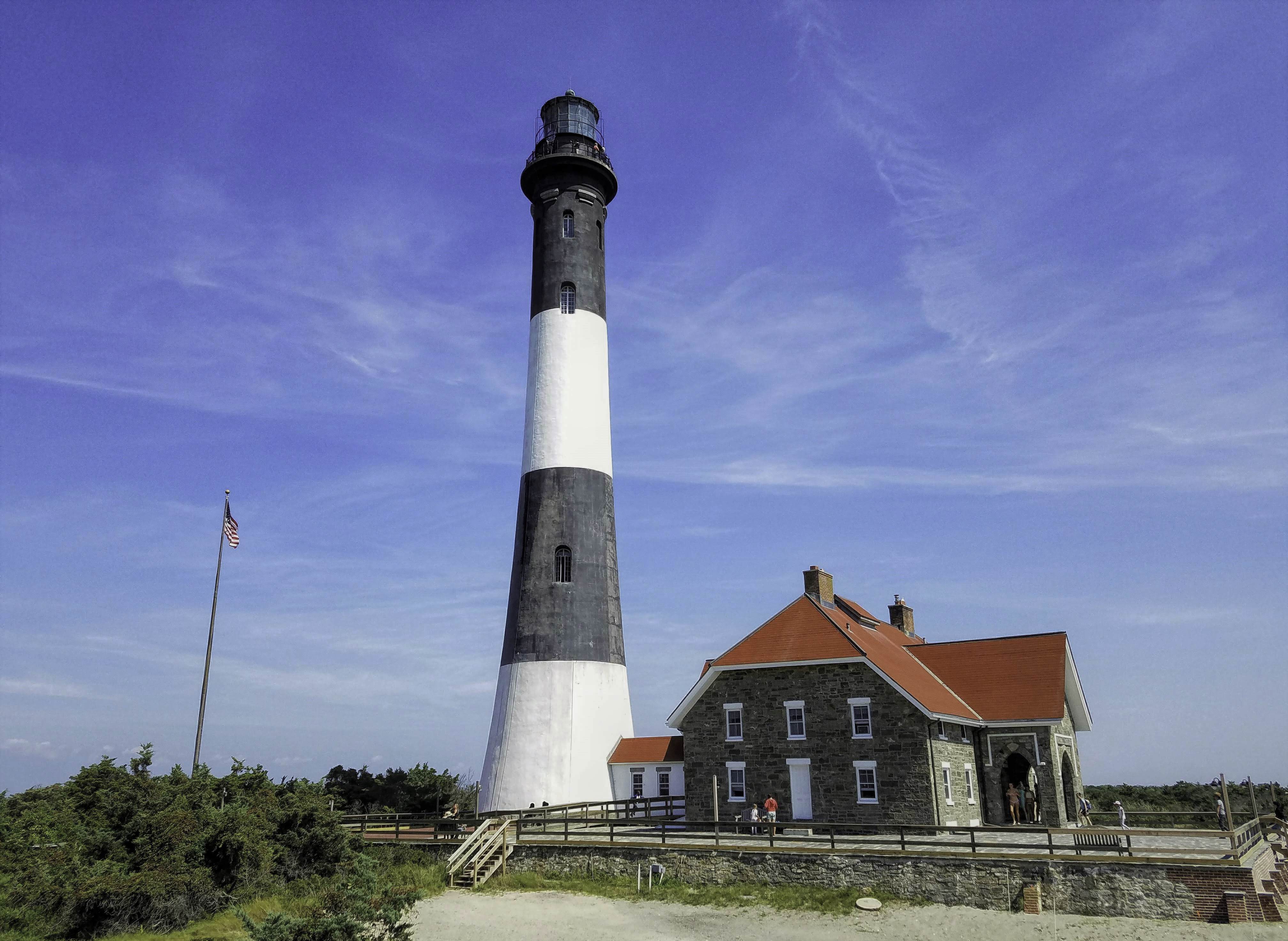
Fire Island Lighthouse

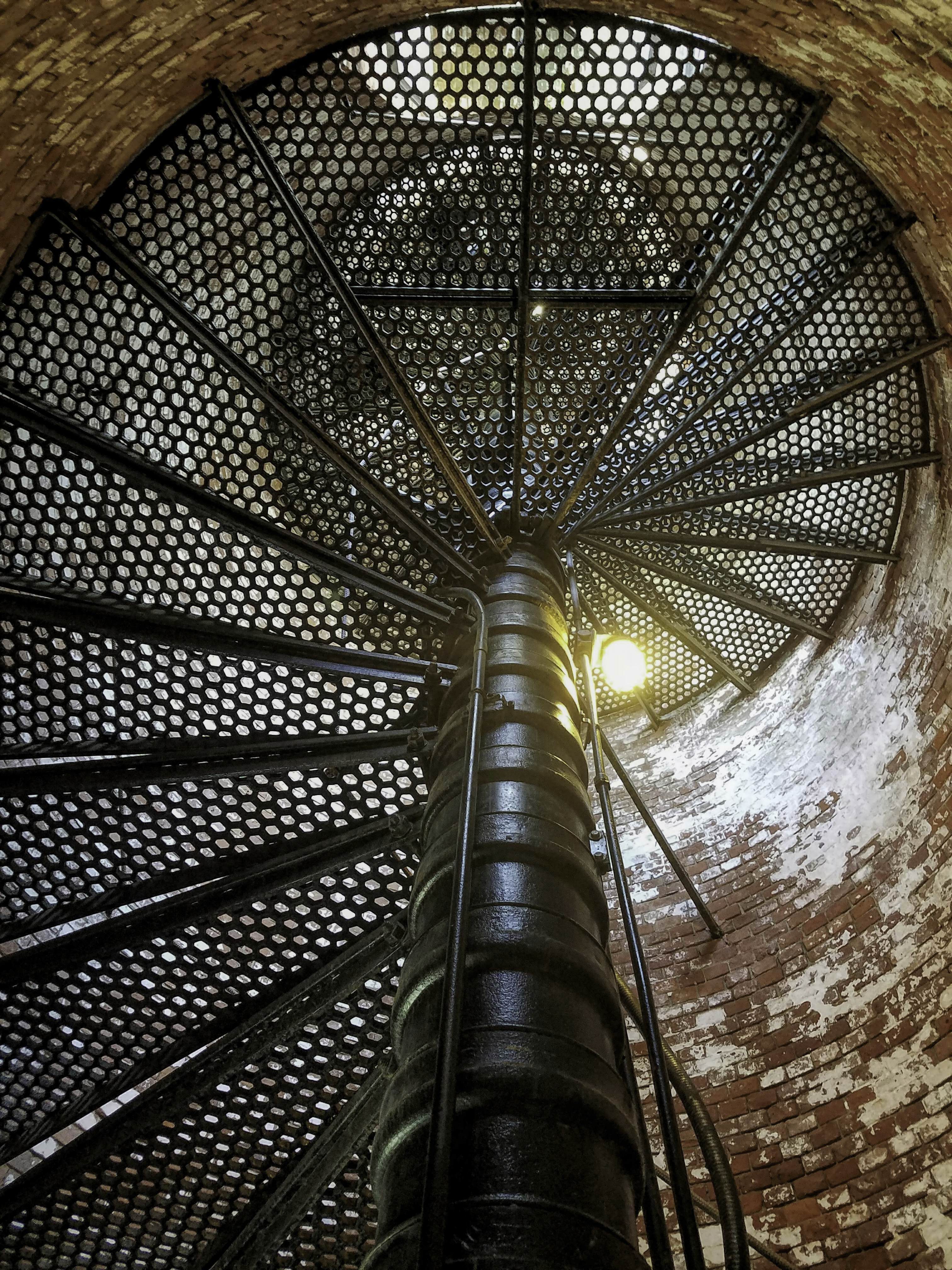
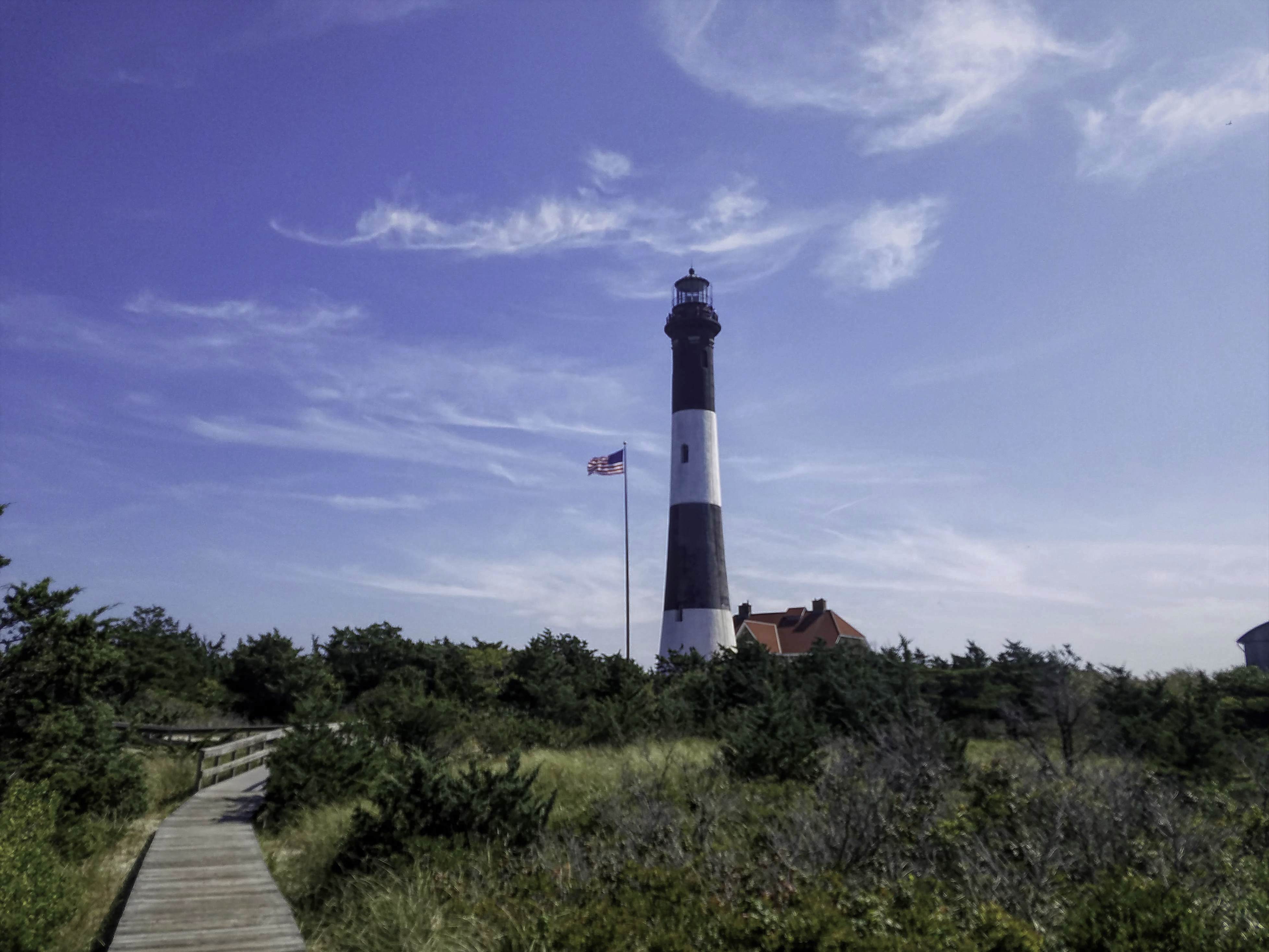
130 steps and a narrow staircase. Fortunately, there are several landings in-between, where we can pretend we stopped to check the view, catch our breaths and continue climbing. We can also learn some fun facts about the lighthouse.

Step 26, first window landing, all’s well.
We read: The lighthouse was constructed from the inside out. The stair treads and centre posts acted as internal scaffolding. As the walls rose in height, additional stair treads and centre posts were added. The construction rate was about 1 foot/day and was completed within one year. The total cost was $40,000 including the lens, about $1.14 million in today’s dollars.

Its iconic tapered shape is most likely based on John Smeaton’s stone lighthouse of 1759 at Eddystone Rocks, just south of Plymouth, England. Smeaton was the first self-proclaimed “civil engineer” and also the first to consider the problem of constructing a lighthouse at sea. He decided to build it entirely in stone and took the shape of an oak tree as his inspiration ”a large heavy base rooted in the soil with a curved tapering pillar above, keeping the centre of gravity low”. The outer surface was to be as smooth as possible to deflect the waves.

Step: 52, second window landing, breathing a bit heavier.
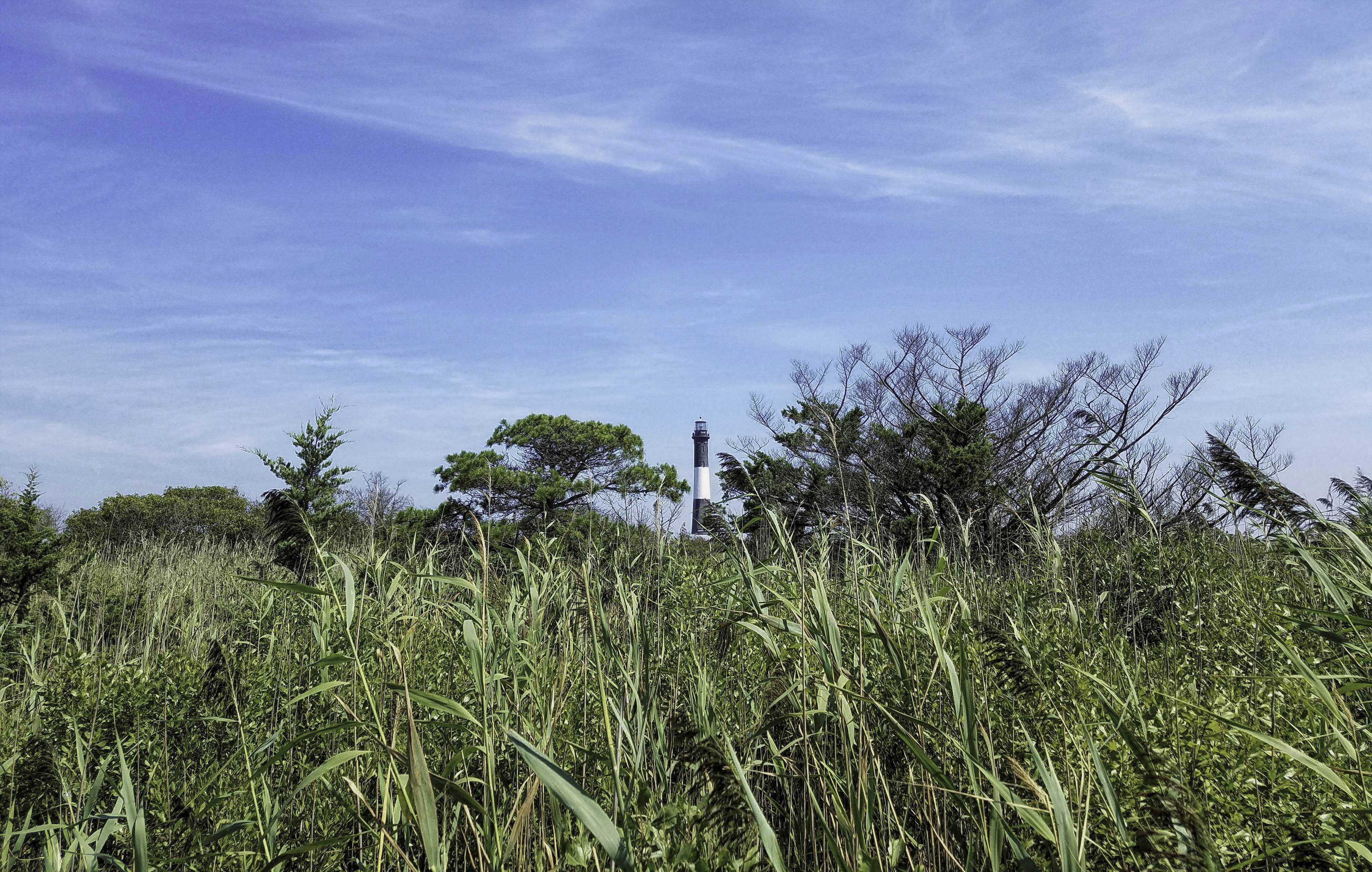
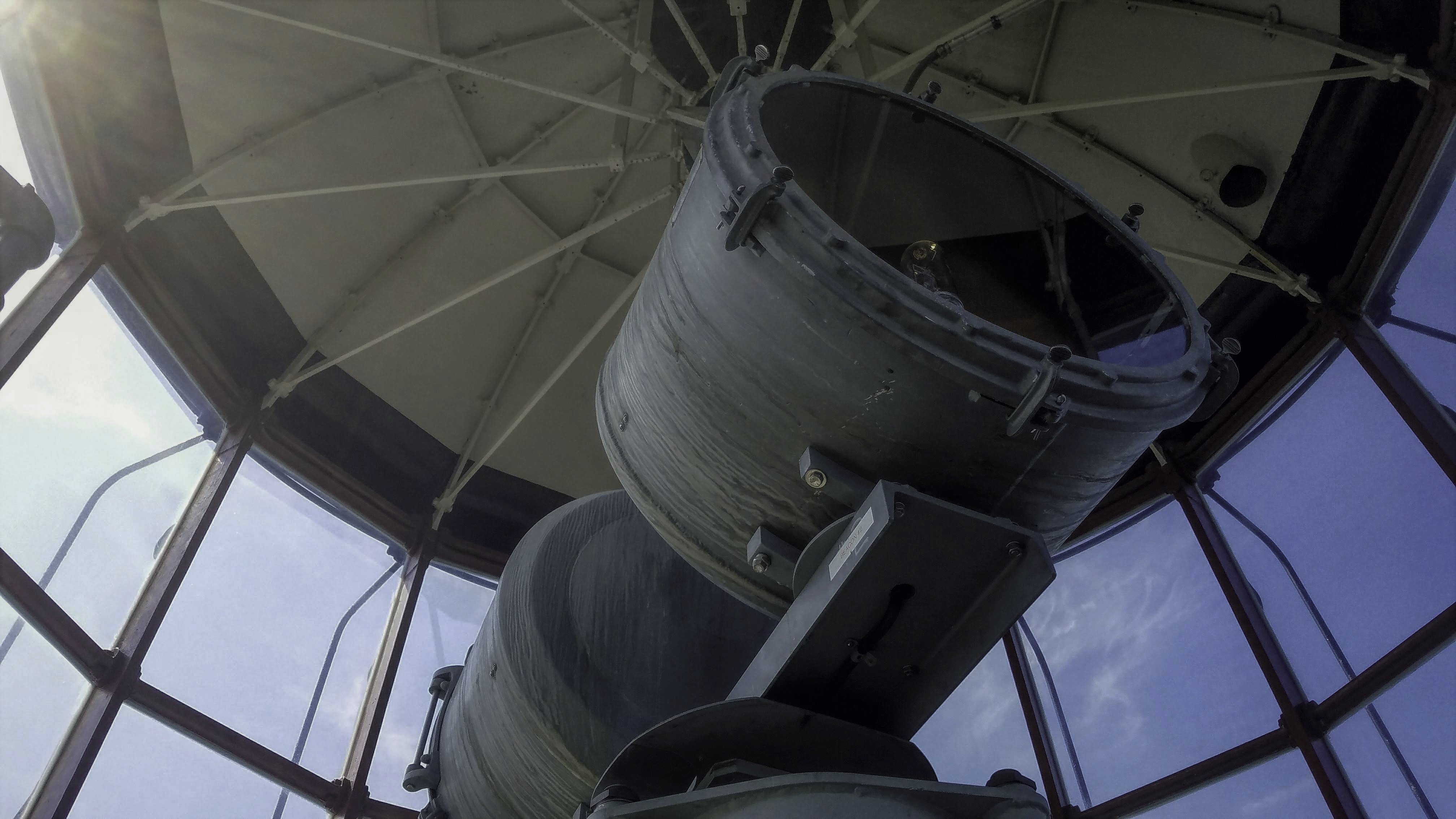
We read: Lighthouses have distinctive ”characteristics” that allow them to be recognized night or day. The lantern provides nighttime recognition and has unique flash ”characteristics”. This lantern flashes every 7.5 seconds. Day-marks allow daytime recognition: this lighthouse uses four alternating black and white bands.

Step: 78, third window landing, legs join lungs in need of a break.
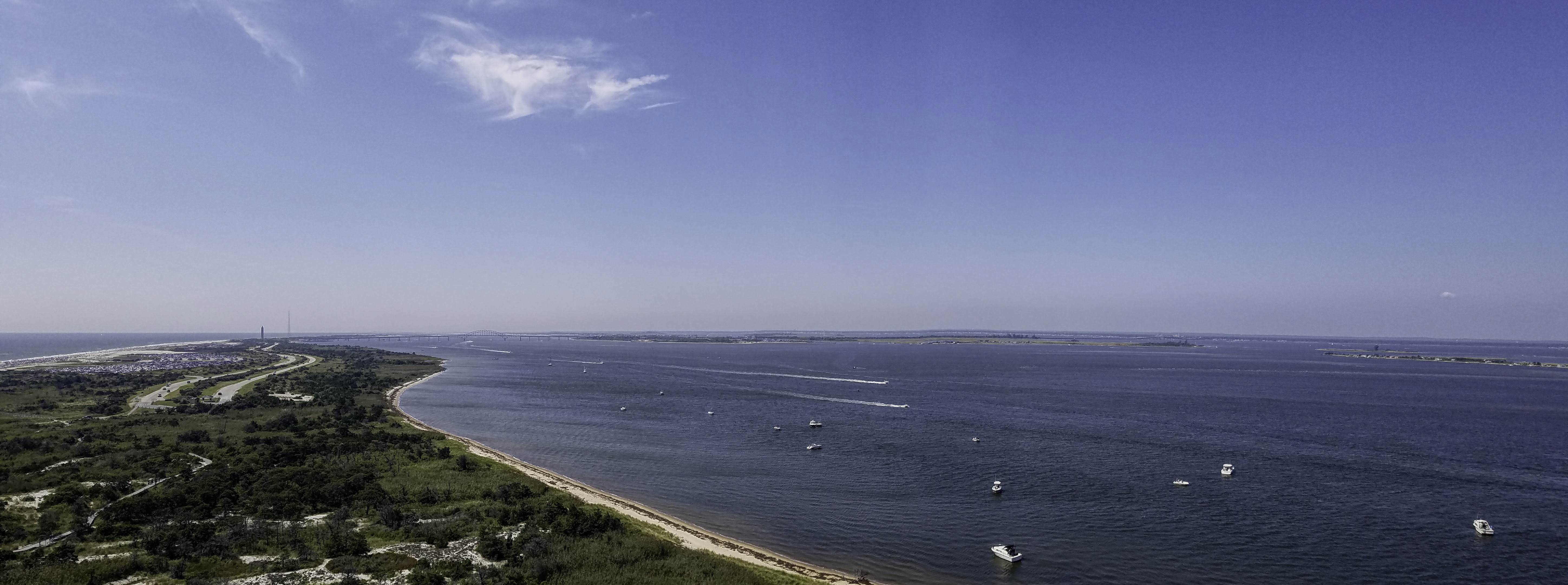
We read: Fire island is 32 miles long. It is comprised of multiple communities and beaches, interspersed with segments of the Fire Island National Seashore, established in 1964 to preserve the only developed barrier beach in the United States. The first community you see is Kismet. ”That’s where we’re heading for lunch later”, I thought.

Step: 104, fourth window landing, need. longer. break.
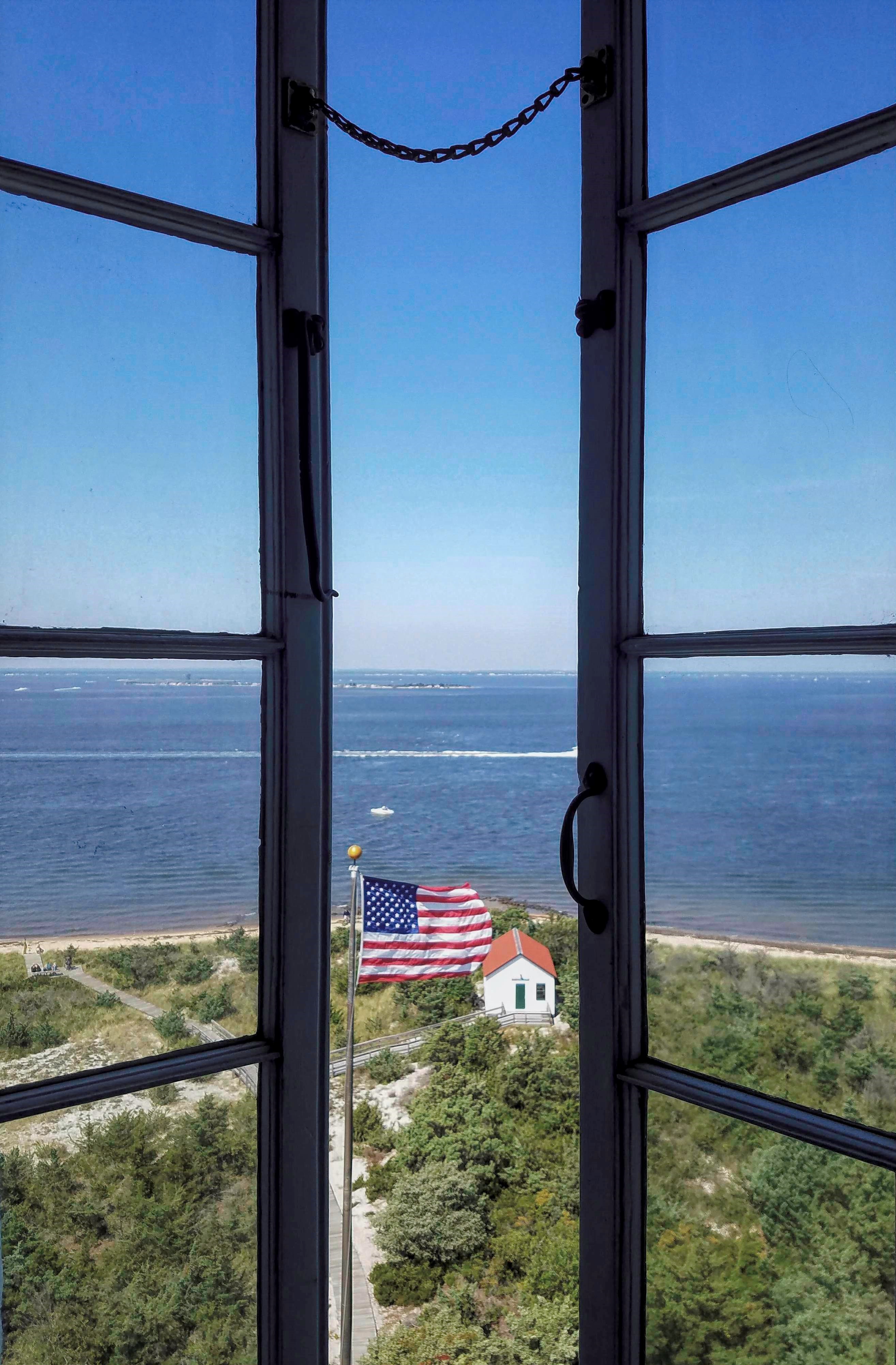
We read: The flagpole is the approximate height of the original lighthouse. At 90 feet, the first lighthouse at best projected its beam only 14 miles out to sea. Far short of the current tower’s 20 to 24 mile range.

In case you, like me, were wondering how did ”Fire Island” get its name: there are many popular theories for its origin. The first relates to Poison Ivy’s bright red fire like colouring in the fall. Poison Ivy grows in abundance here. The second is based on false fires land pirates were building to lure unsuspecting ships to the coast and loot them. The third derives from the English mistranslation of the word ”five” from an original Dutch map. The Dutch named the area around the light station ”Five Island” because of the four islands visible in the bay, plus the one we now call Fire Island.

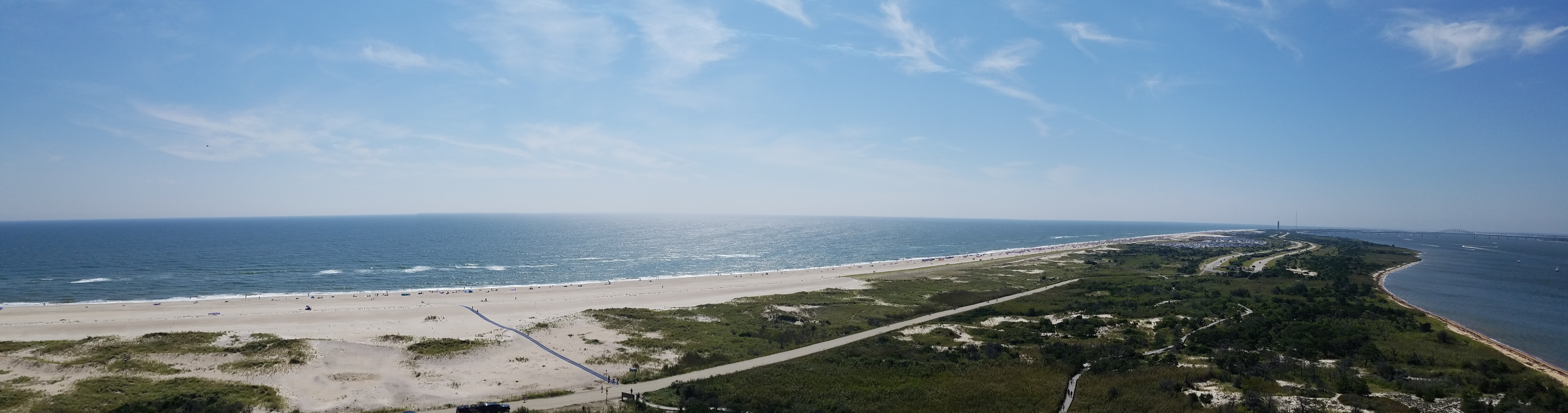
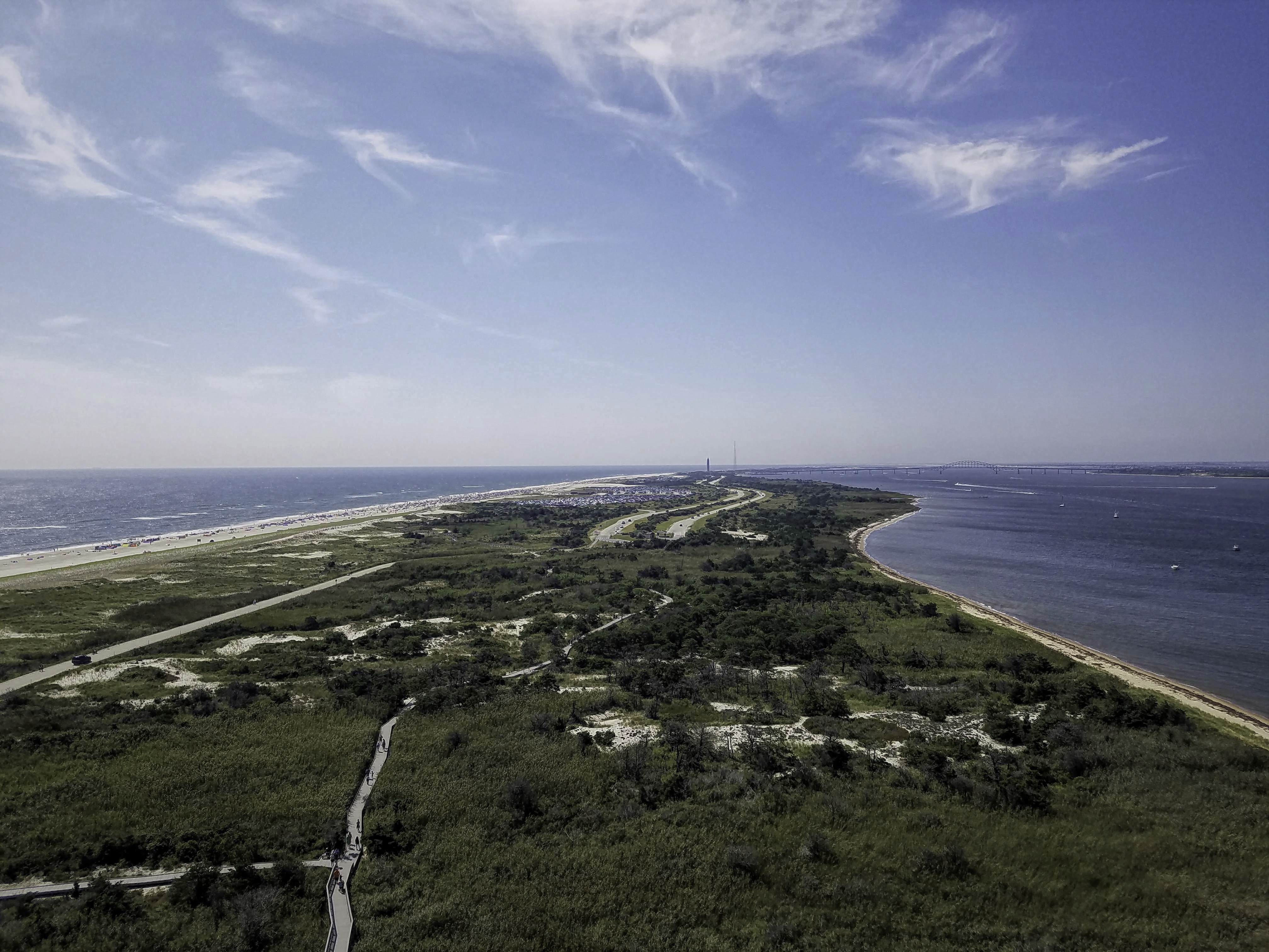
Step: 130, fifth window landing, that’s it don’t give up now, look outside… The view is breathtaking!
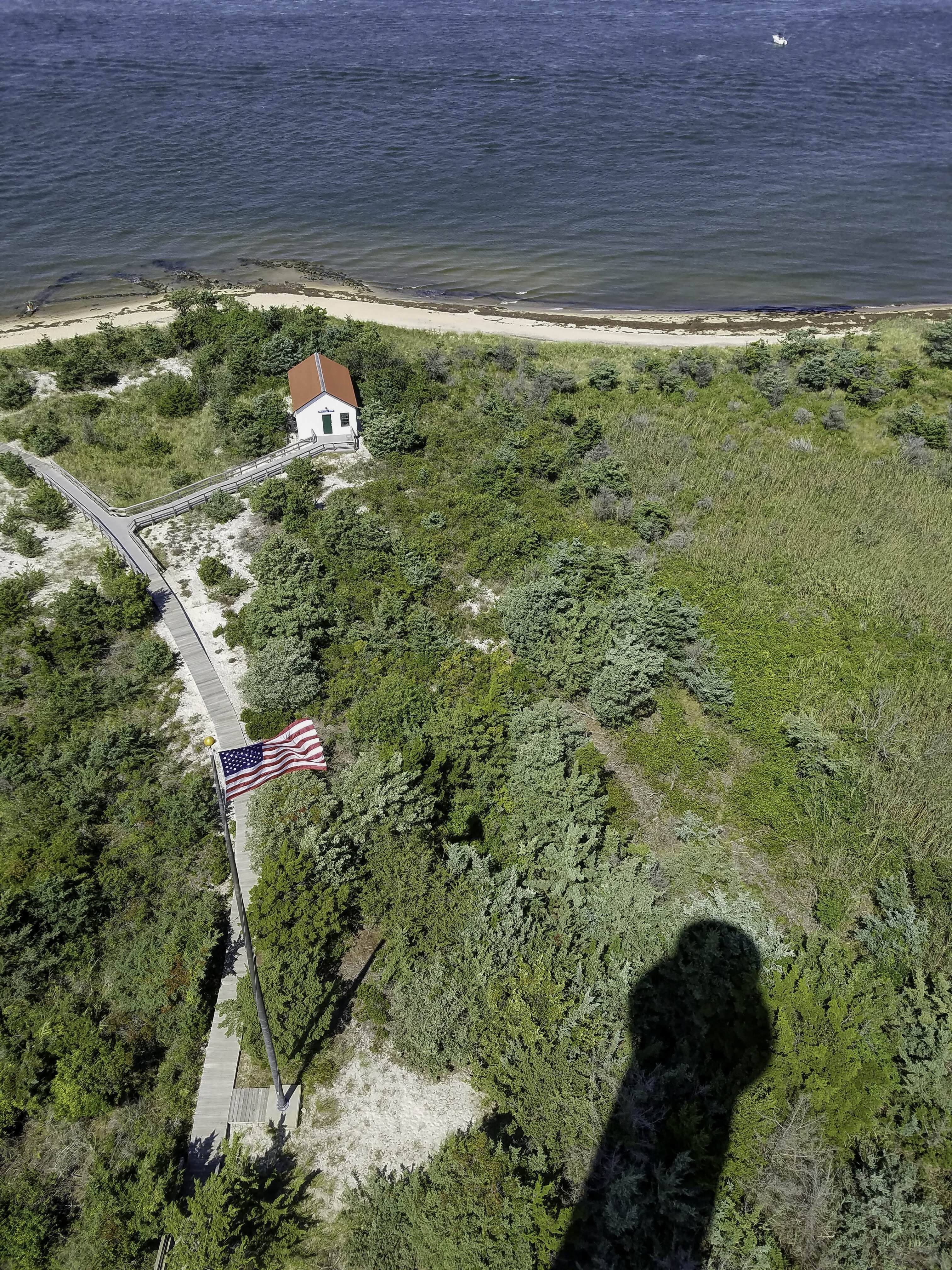
September 4th, 2017
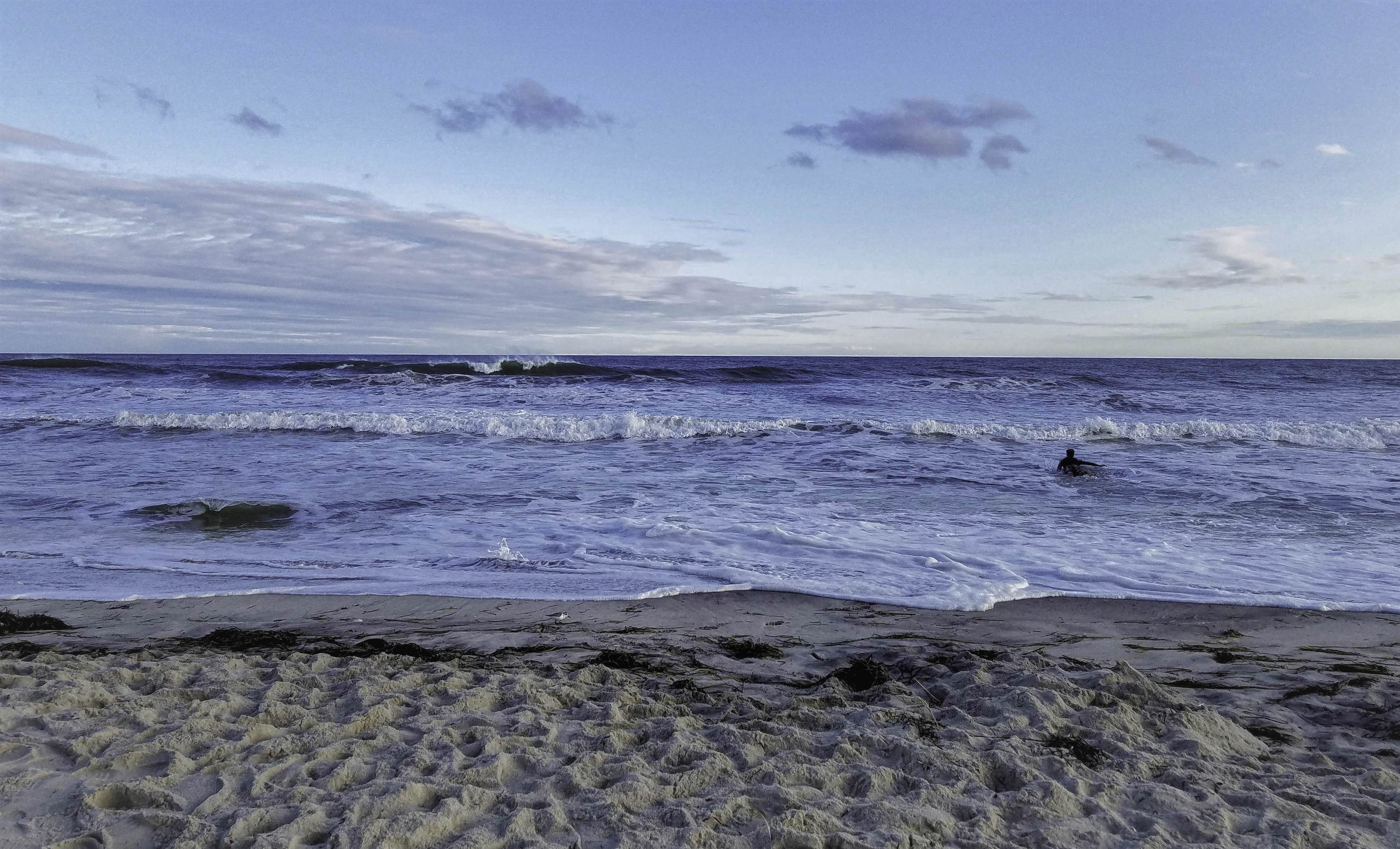
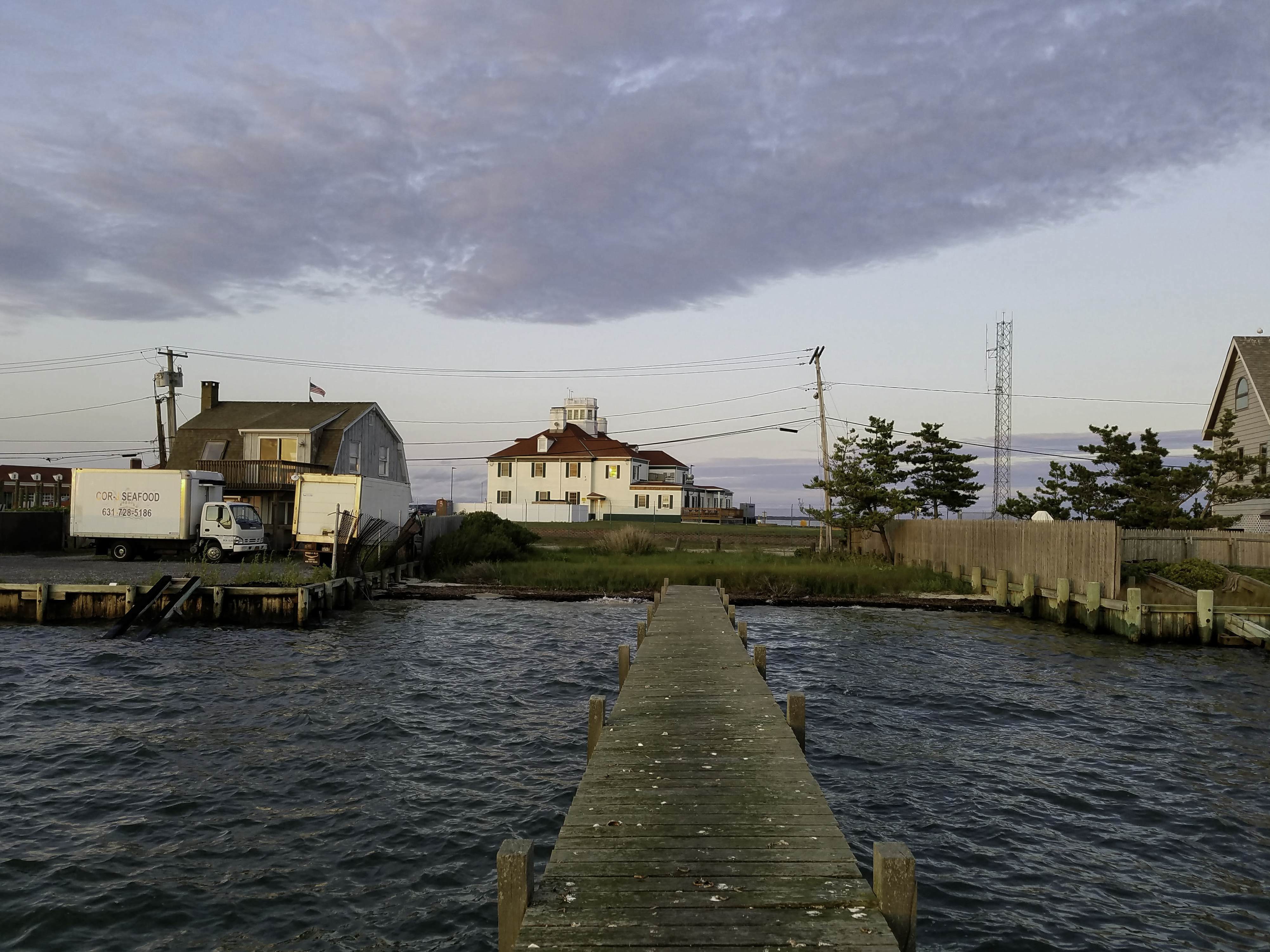
Ponquogue Beach

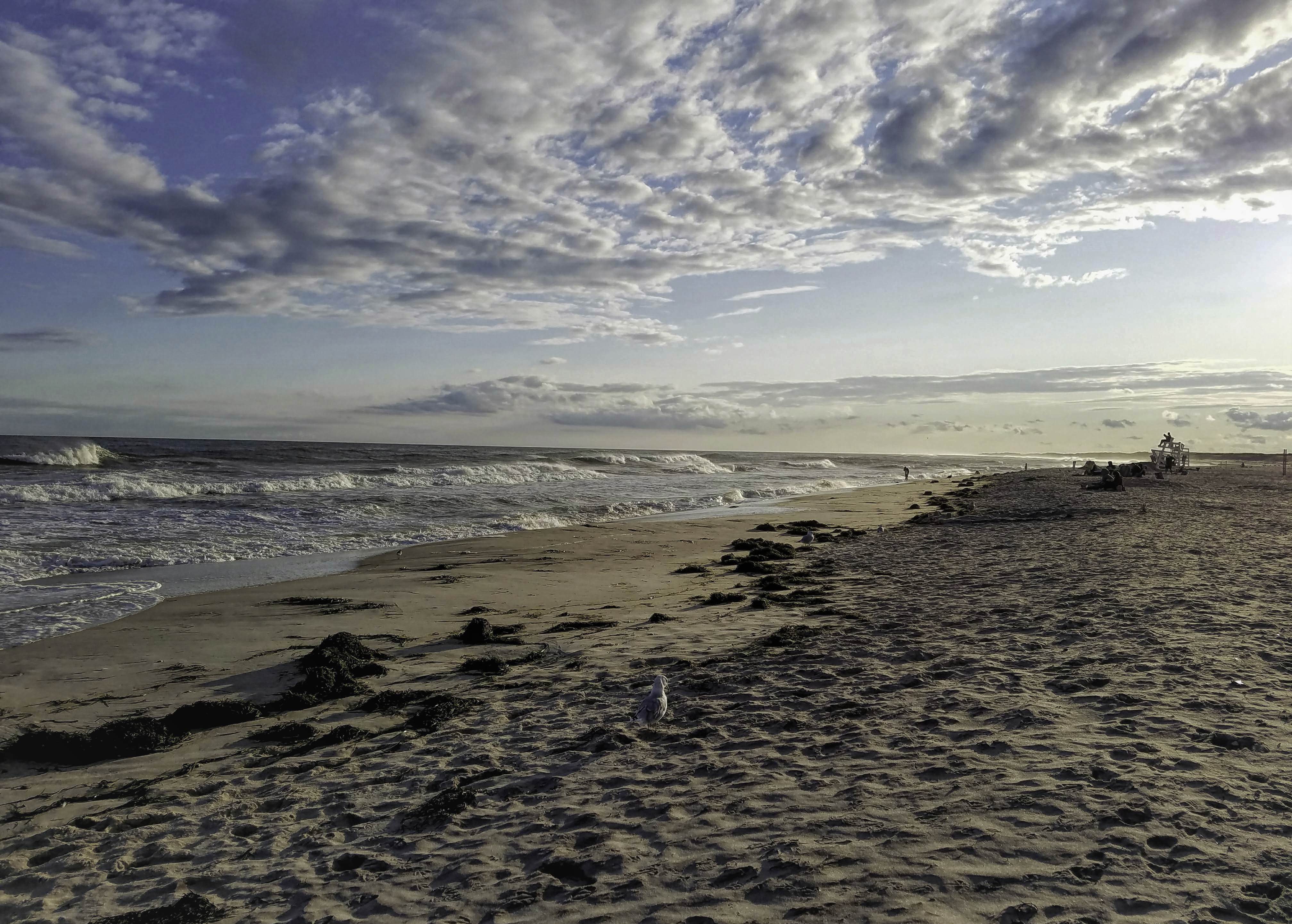
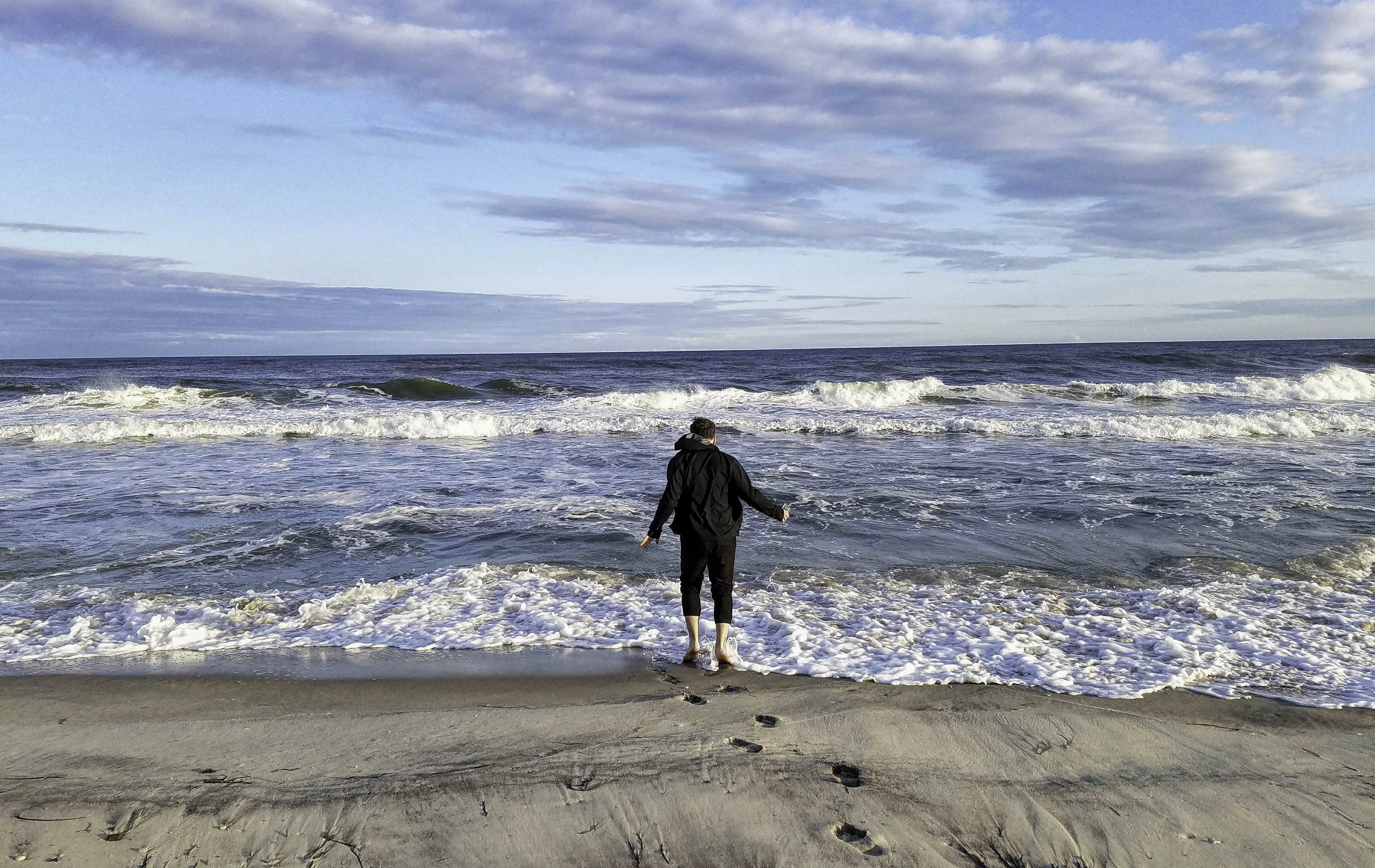
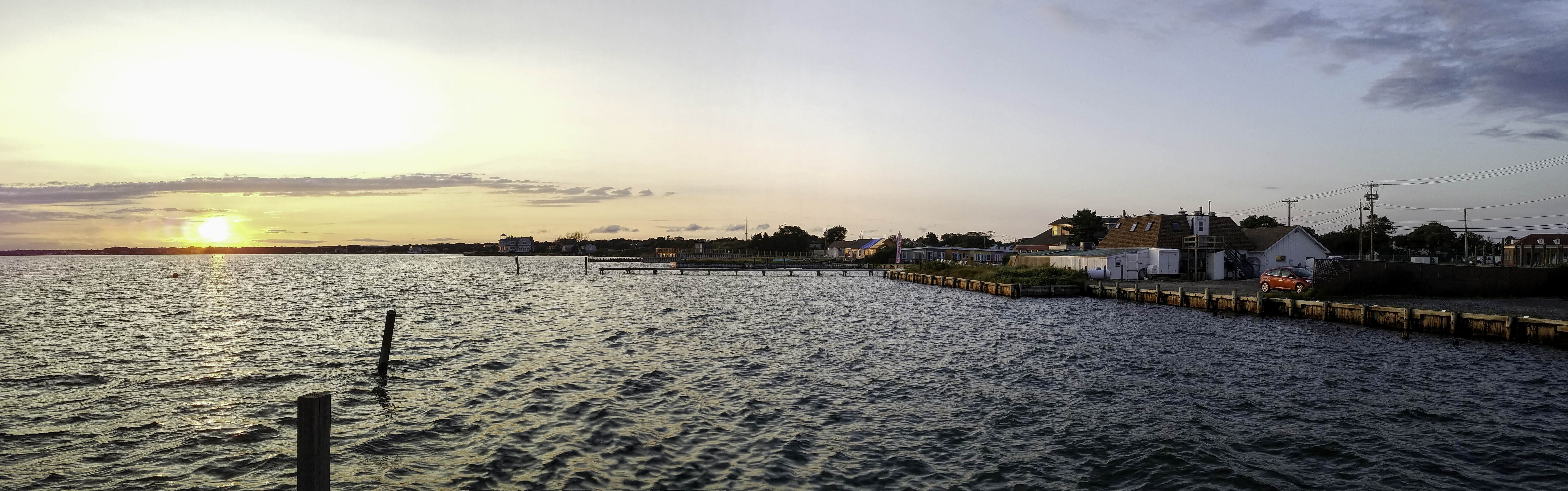
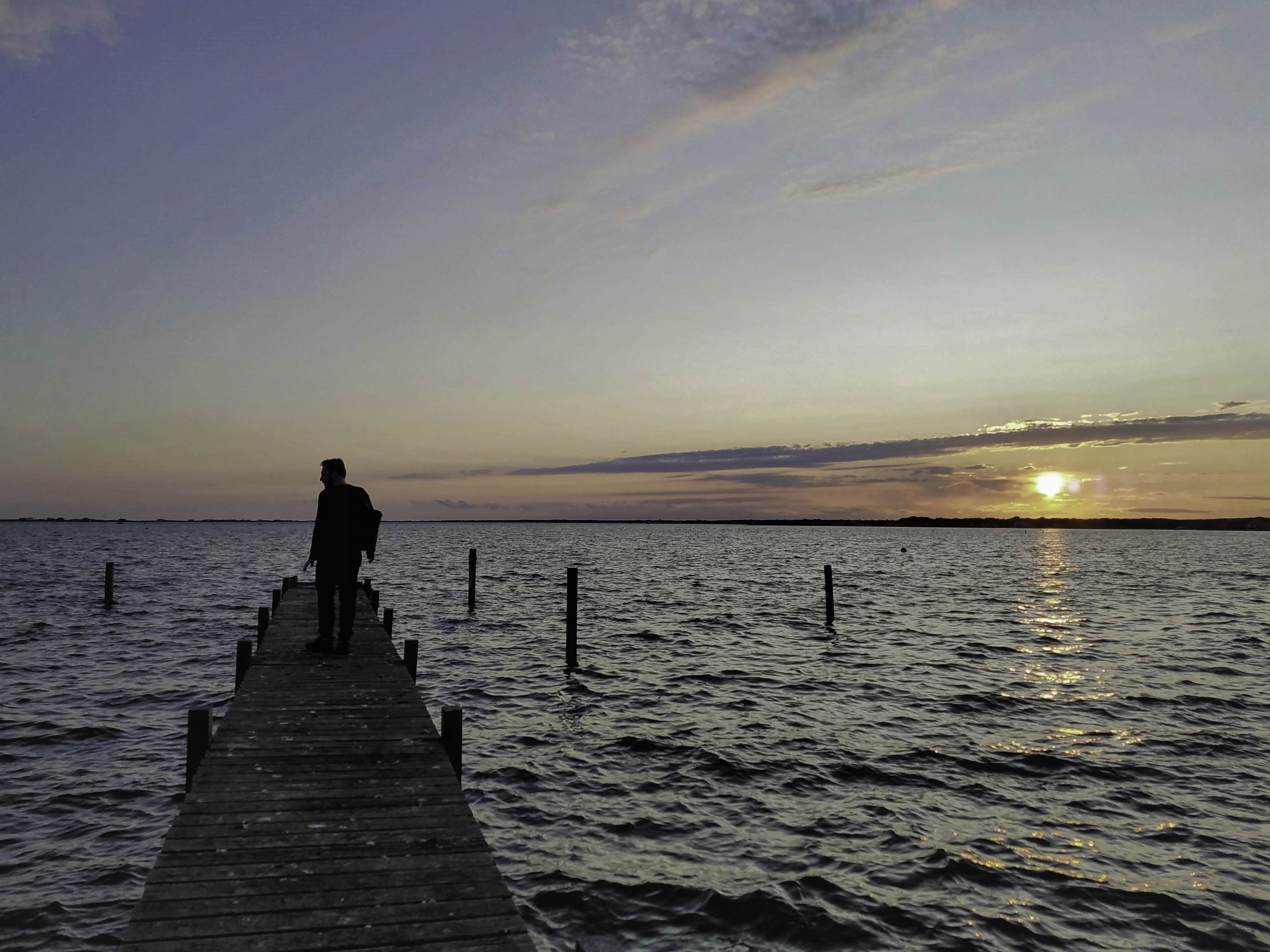
  • Late afternoon, that mellow hour when the light is golden before turning to blue. It was getting chilly.
  • A lone surfer paddling. Smooth, regular movements and his wetsuit would keep him warm, hopefully.
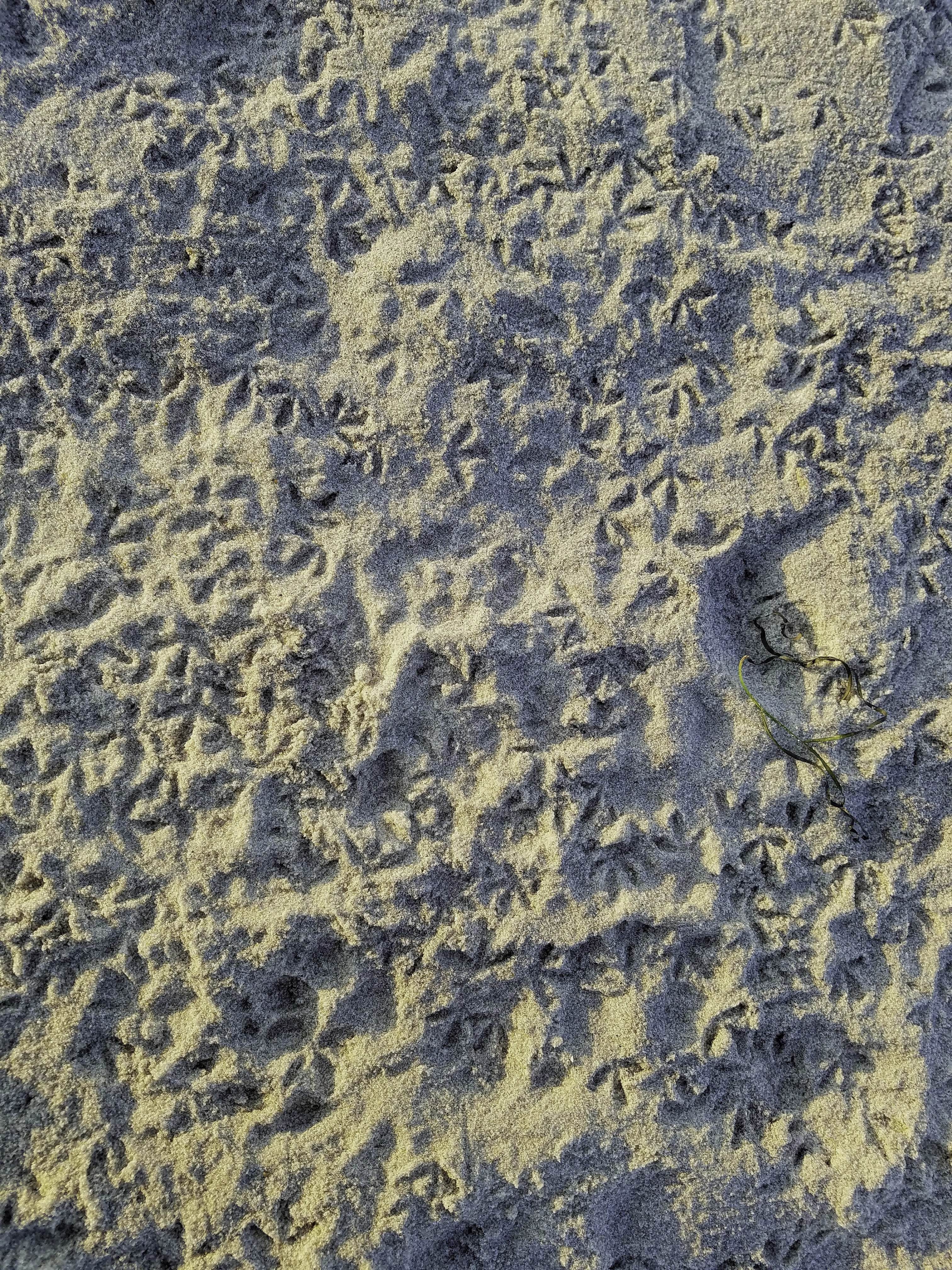
  • Thousands of tiny shorebirds on the beach. Western Sandpiper, I think they’re called. They refused to be photographed. These are their footprints – leaving their mark all over the place. 
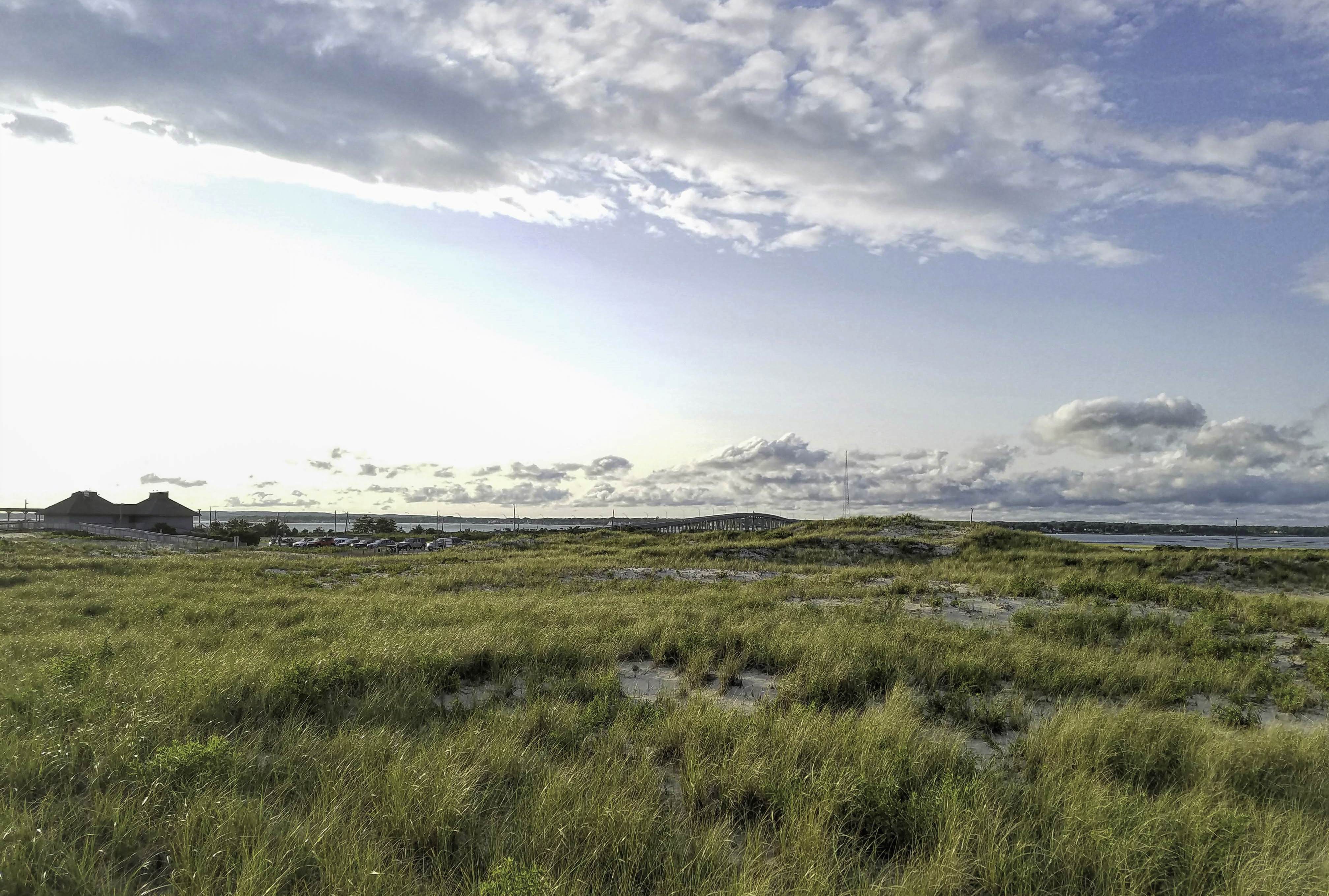
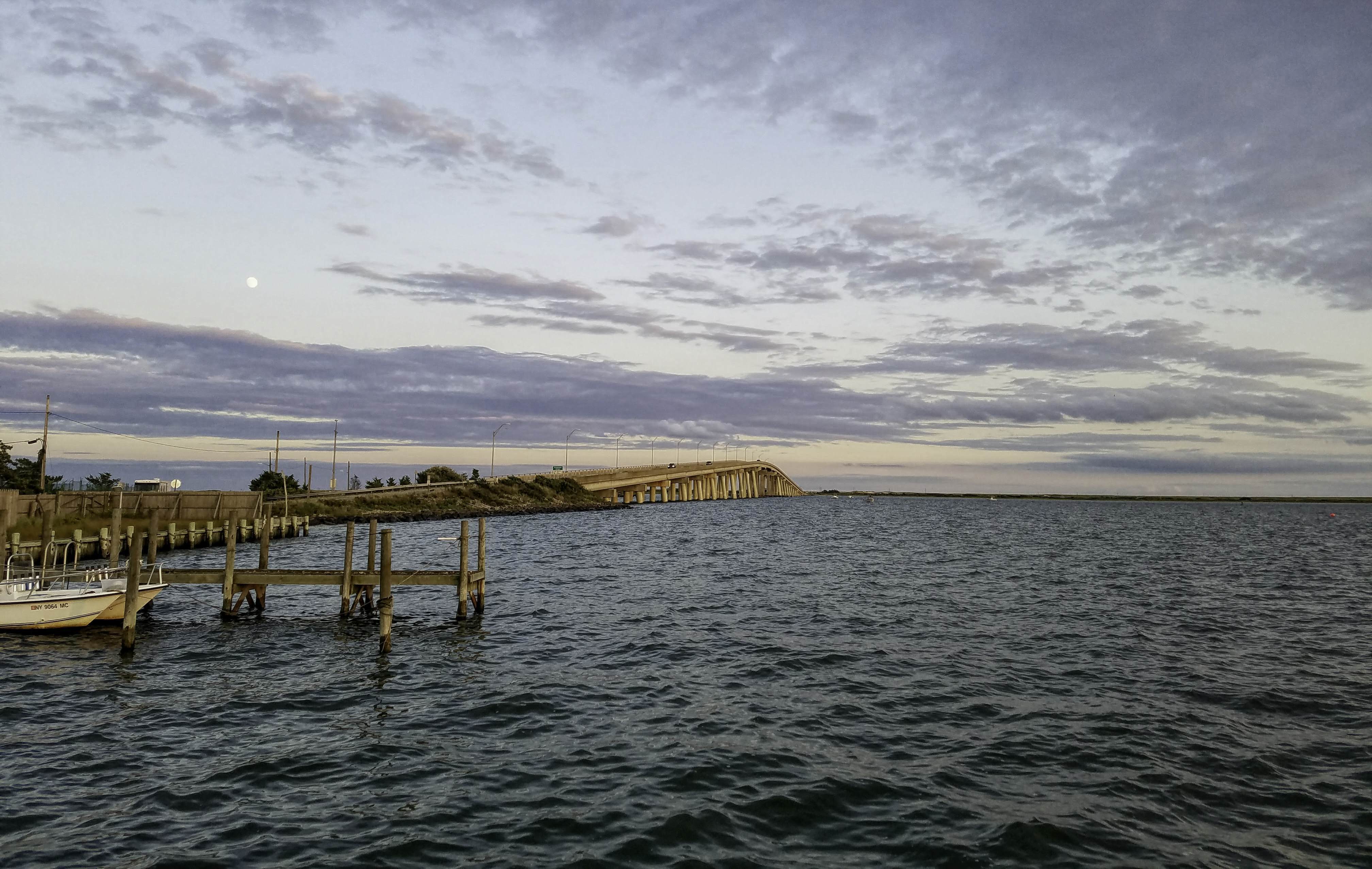
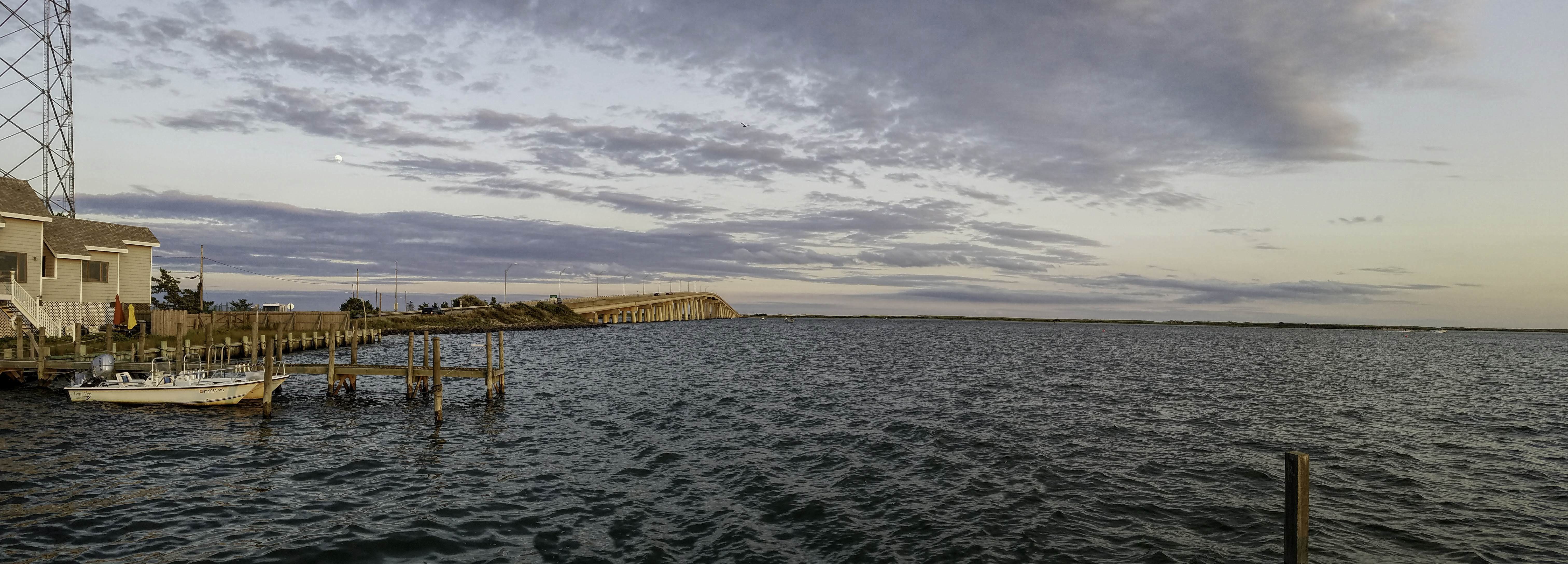
  • The Ponquogue Bridge, built by man to bring together that which the force of nature took apart.
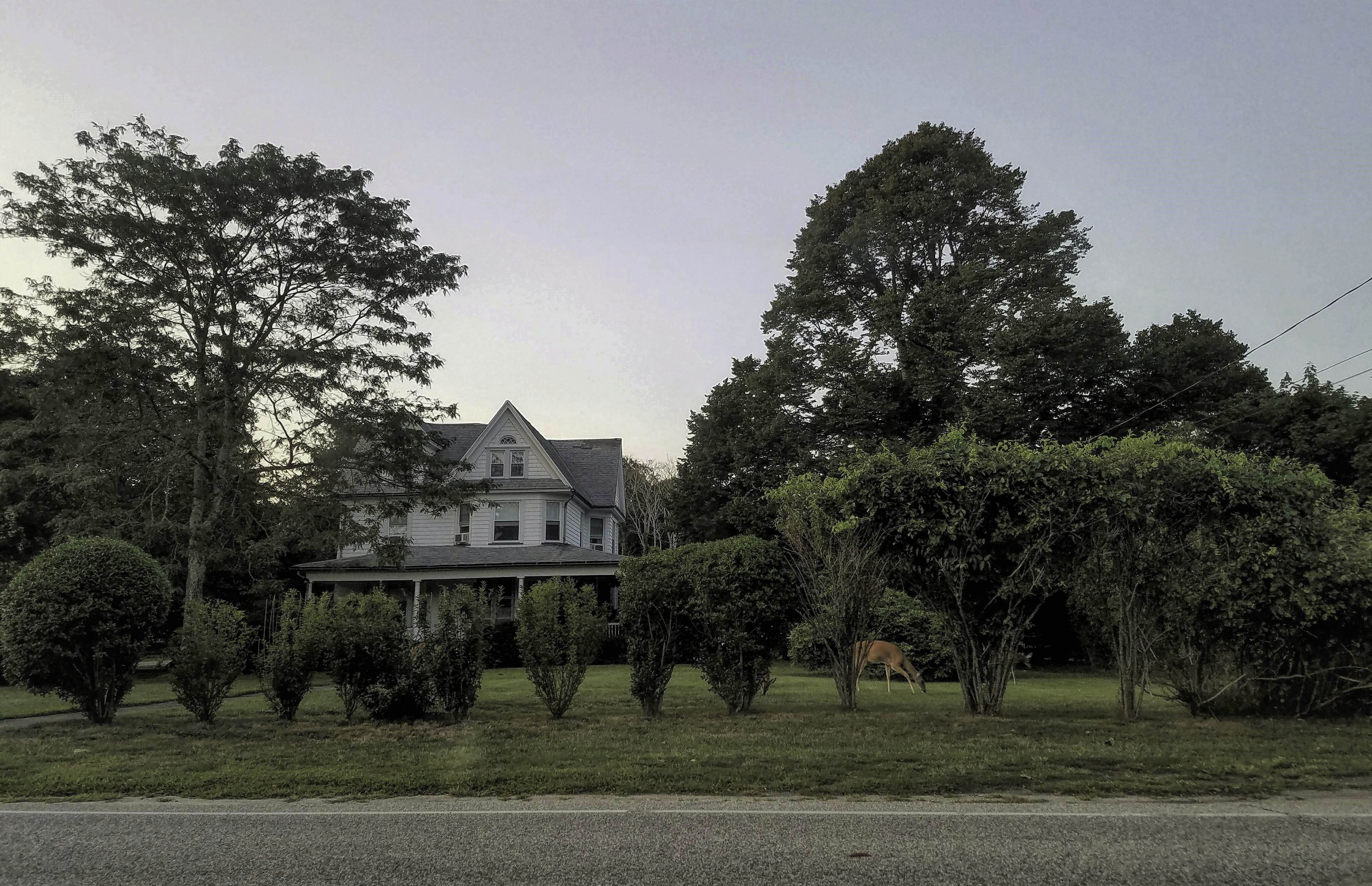
  • Creatures of a more benevolent nature. Deer feeding in the garden, next to the road, undisturbed and oblivious to traffic and humans with mobile cameras. Soon, it would be dark. I wondered, where do deer go to sleep in the Hamptons?

Ponquogue Beach, Shinnecock Bay
Hampton Bays

September 3rd, 2017
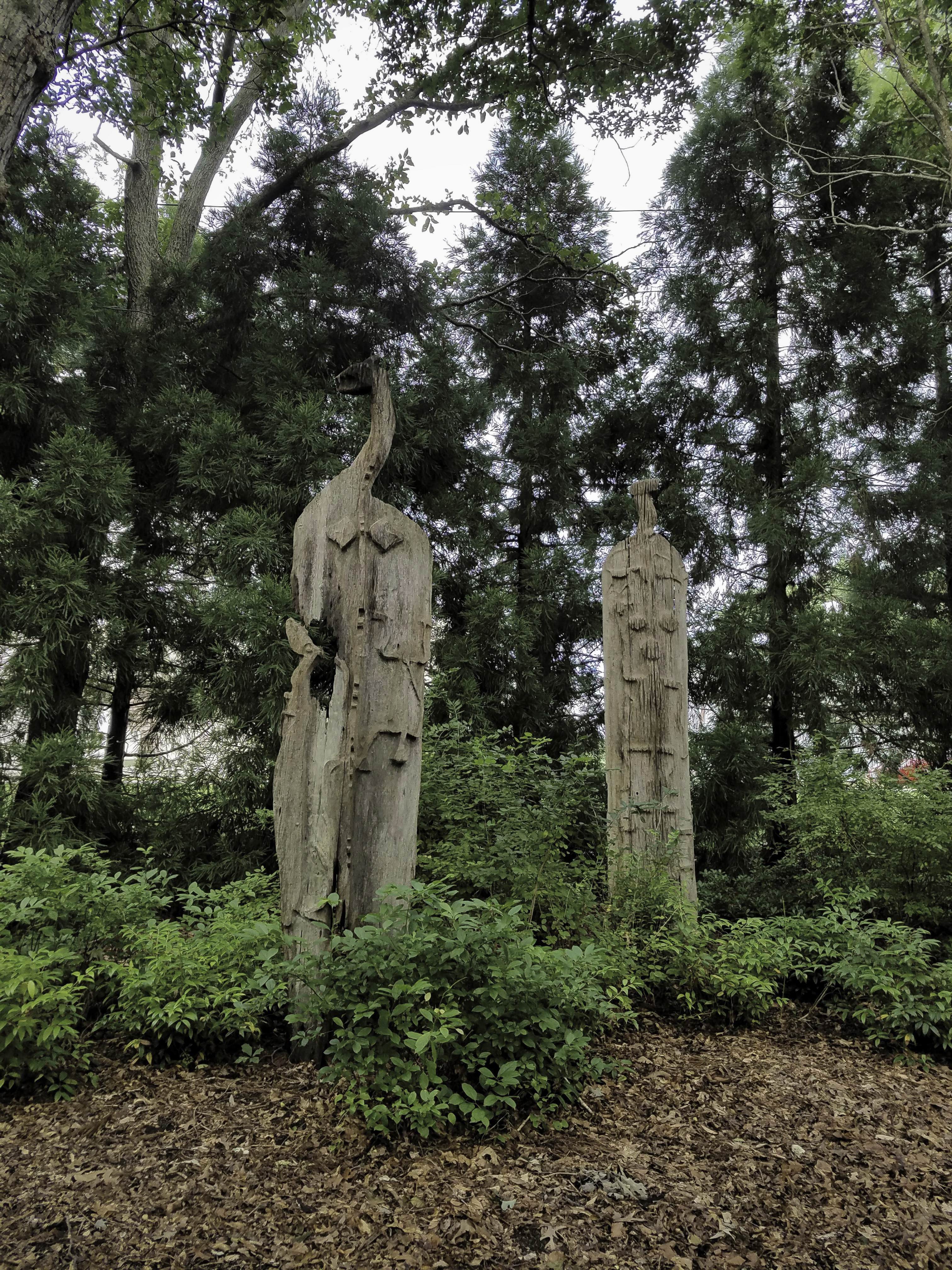
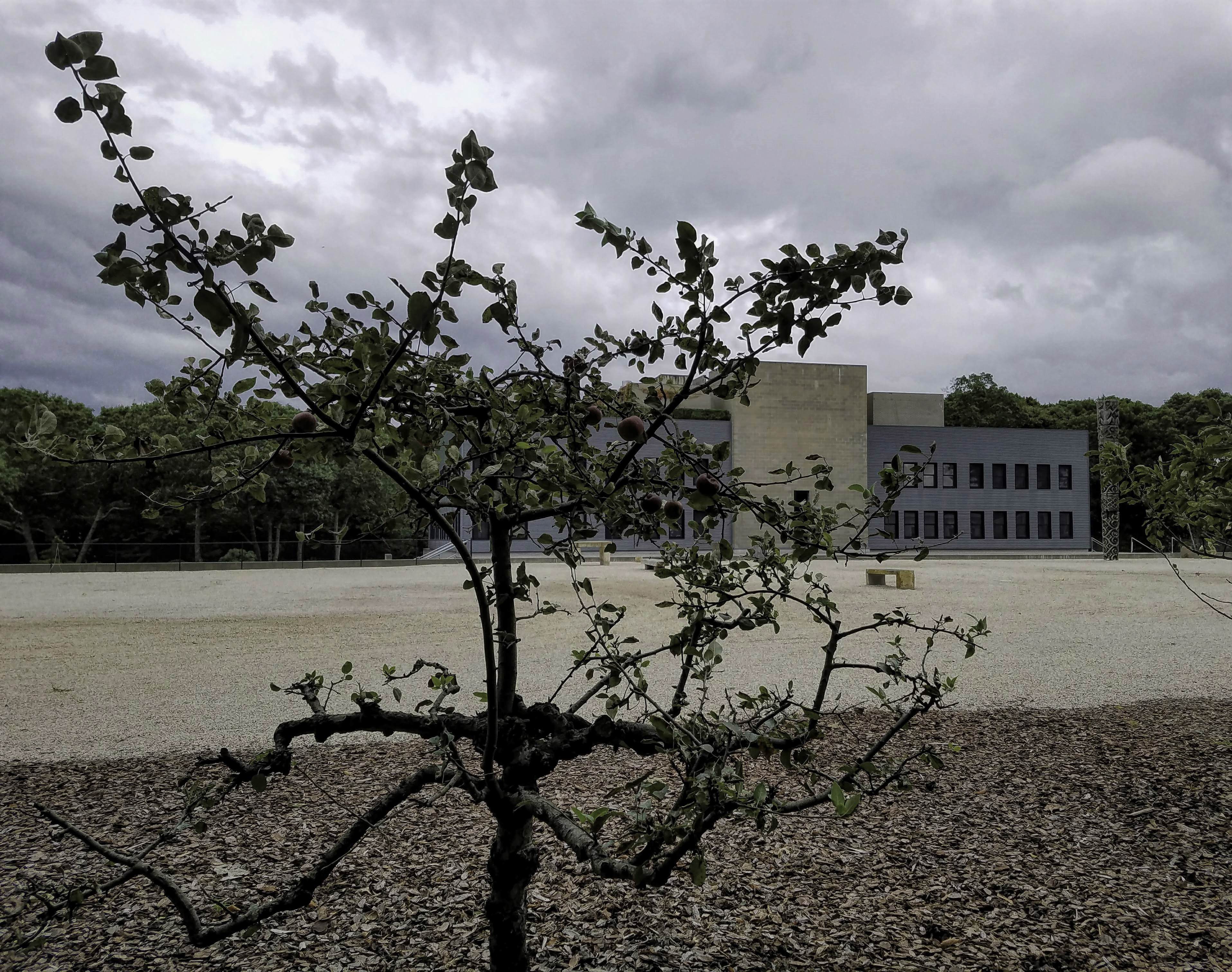
The Watermill Center

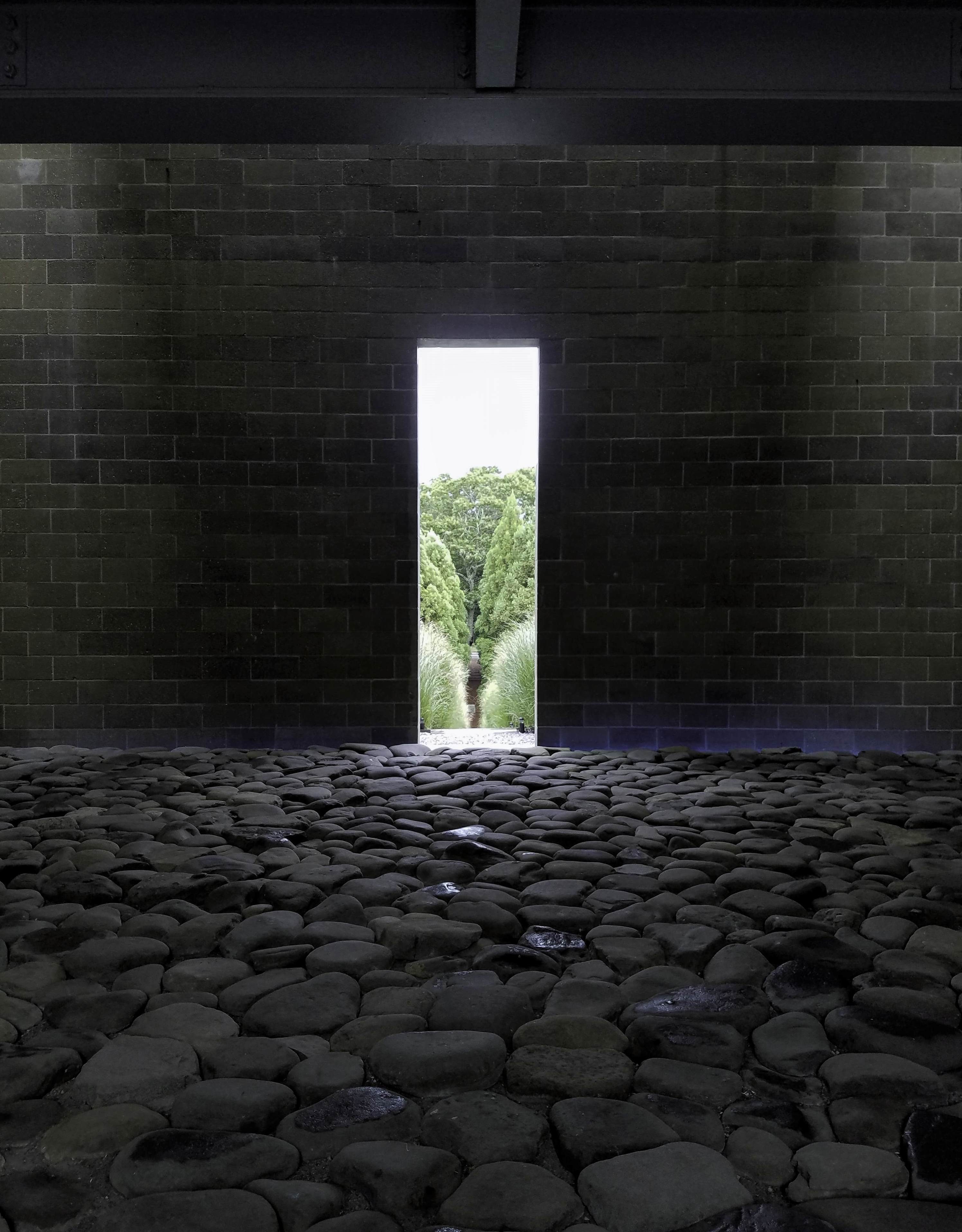
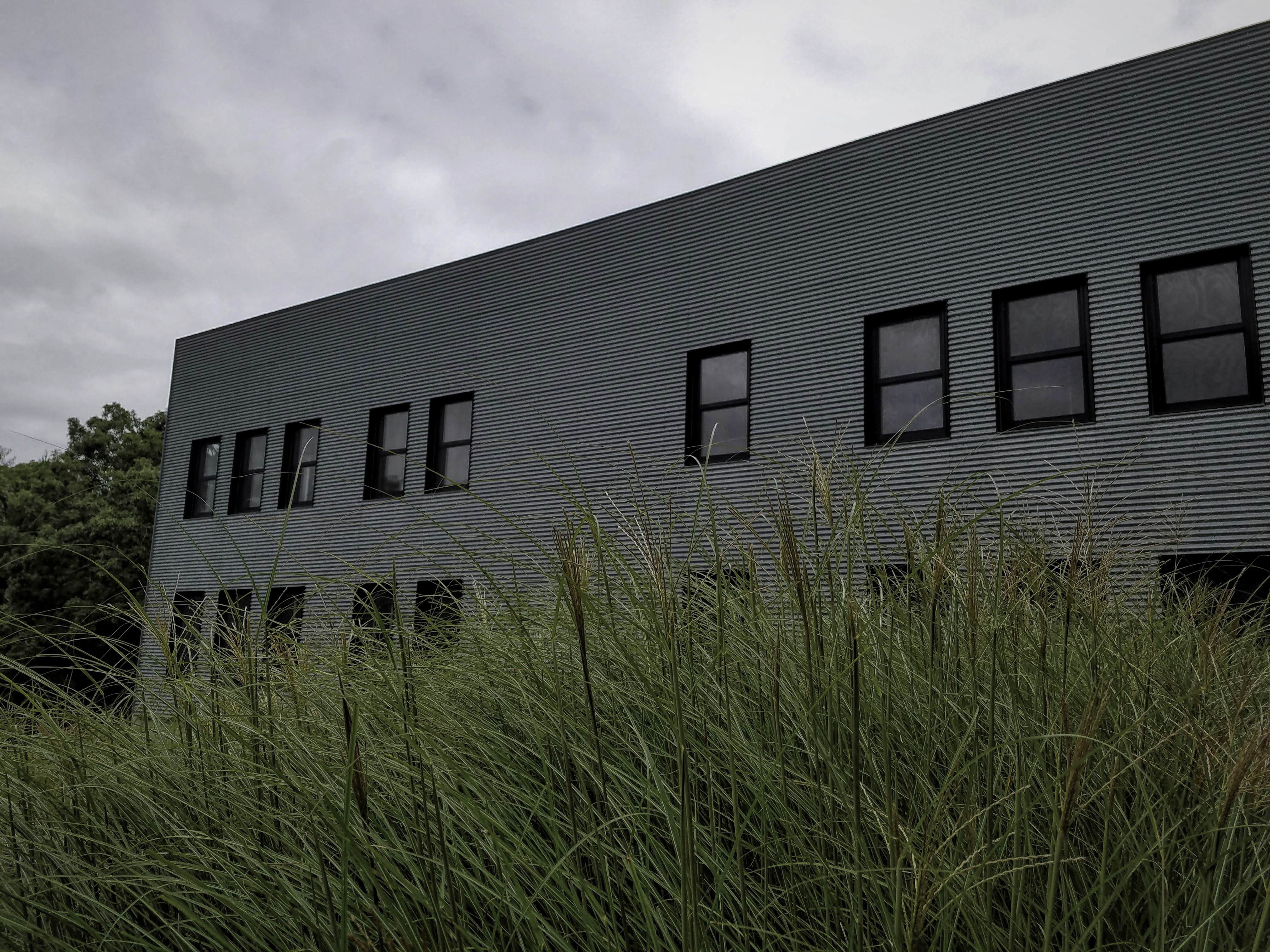
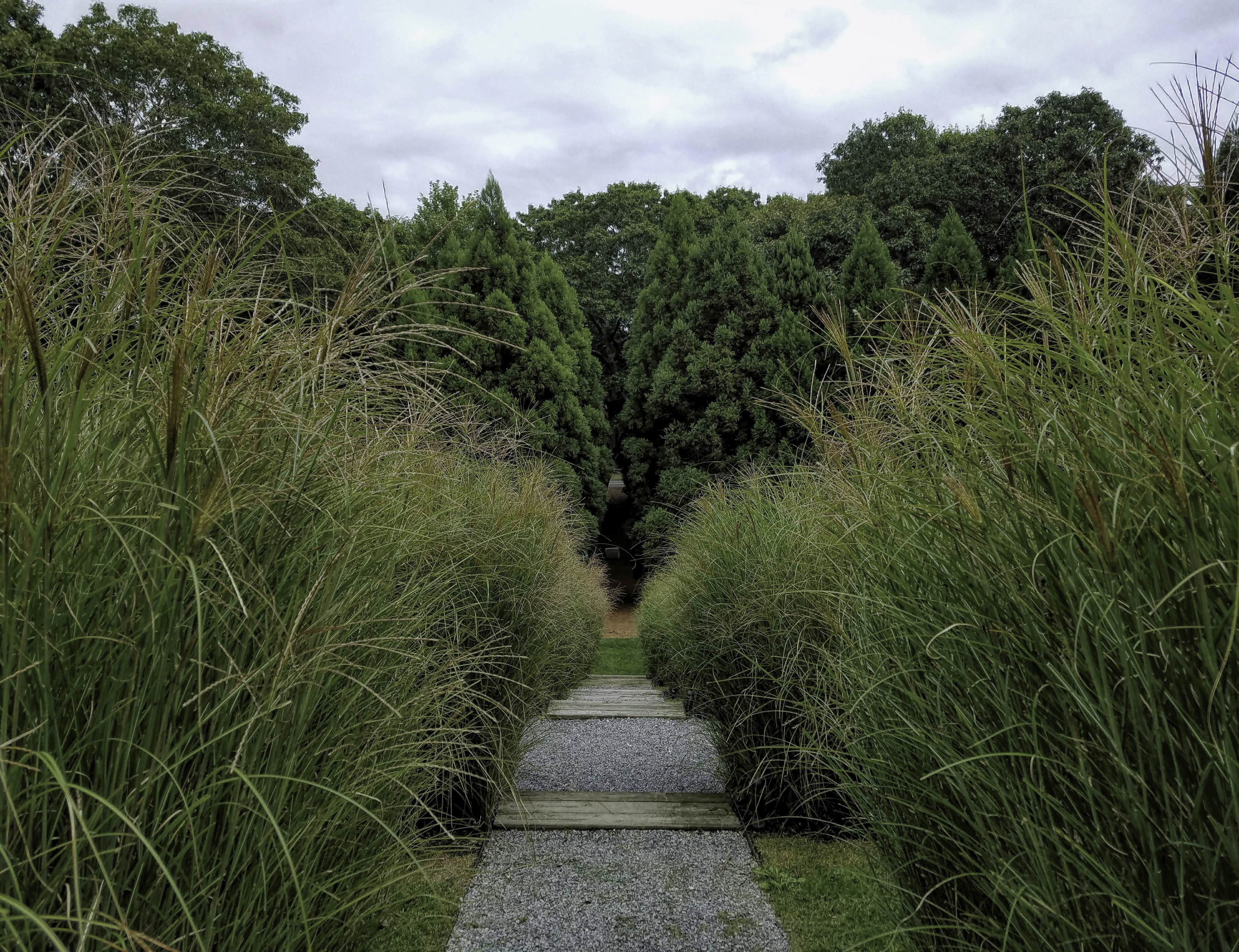
A laboratory for the arts and humanities, a unique space for artists to explore, create and present their work, the brainchild of visual artist Robert Wilson and, for the two of us, an uplifting, almost spiritual experience.

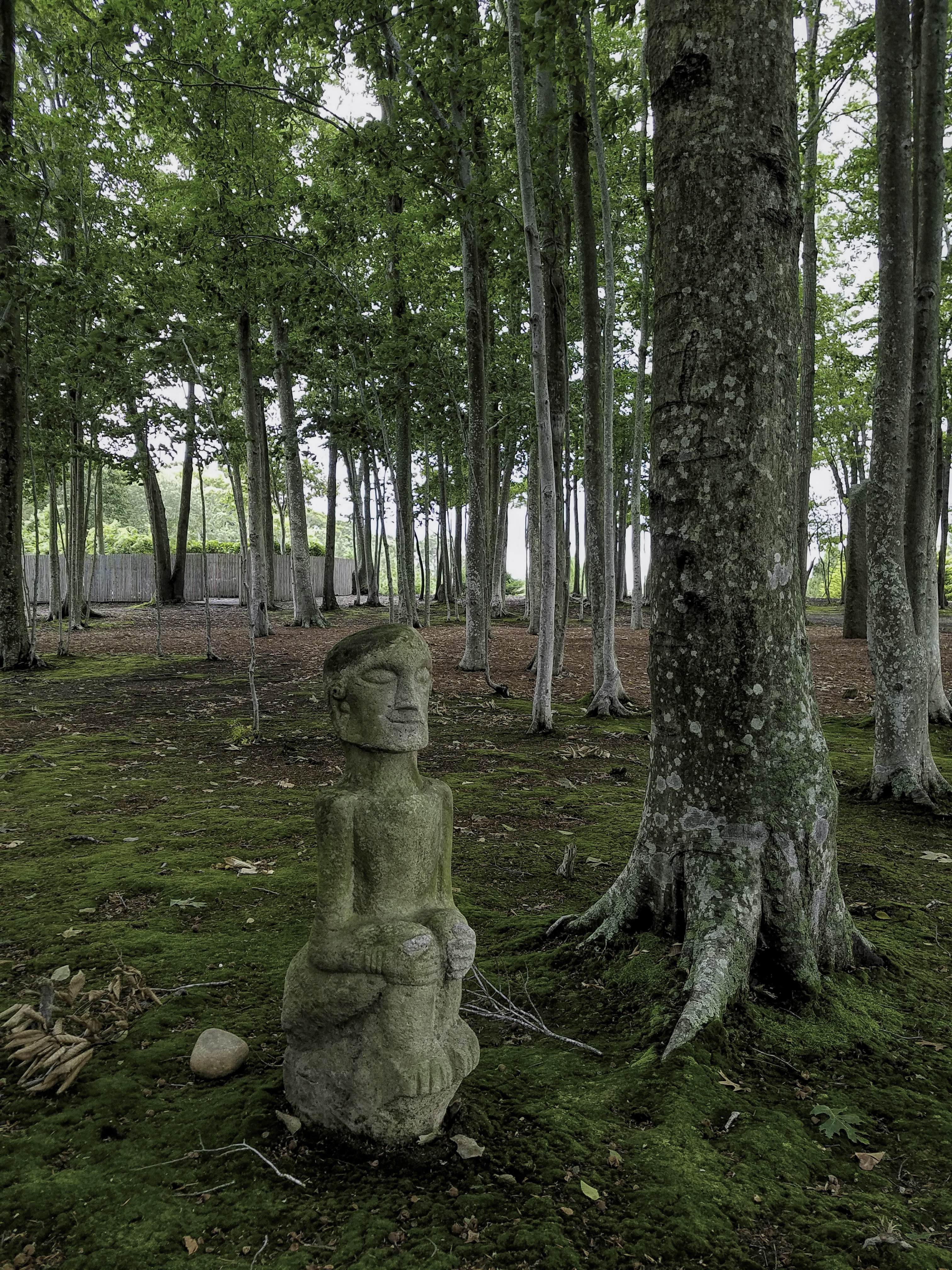
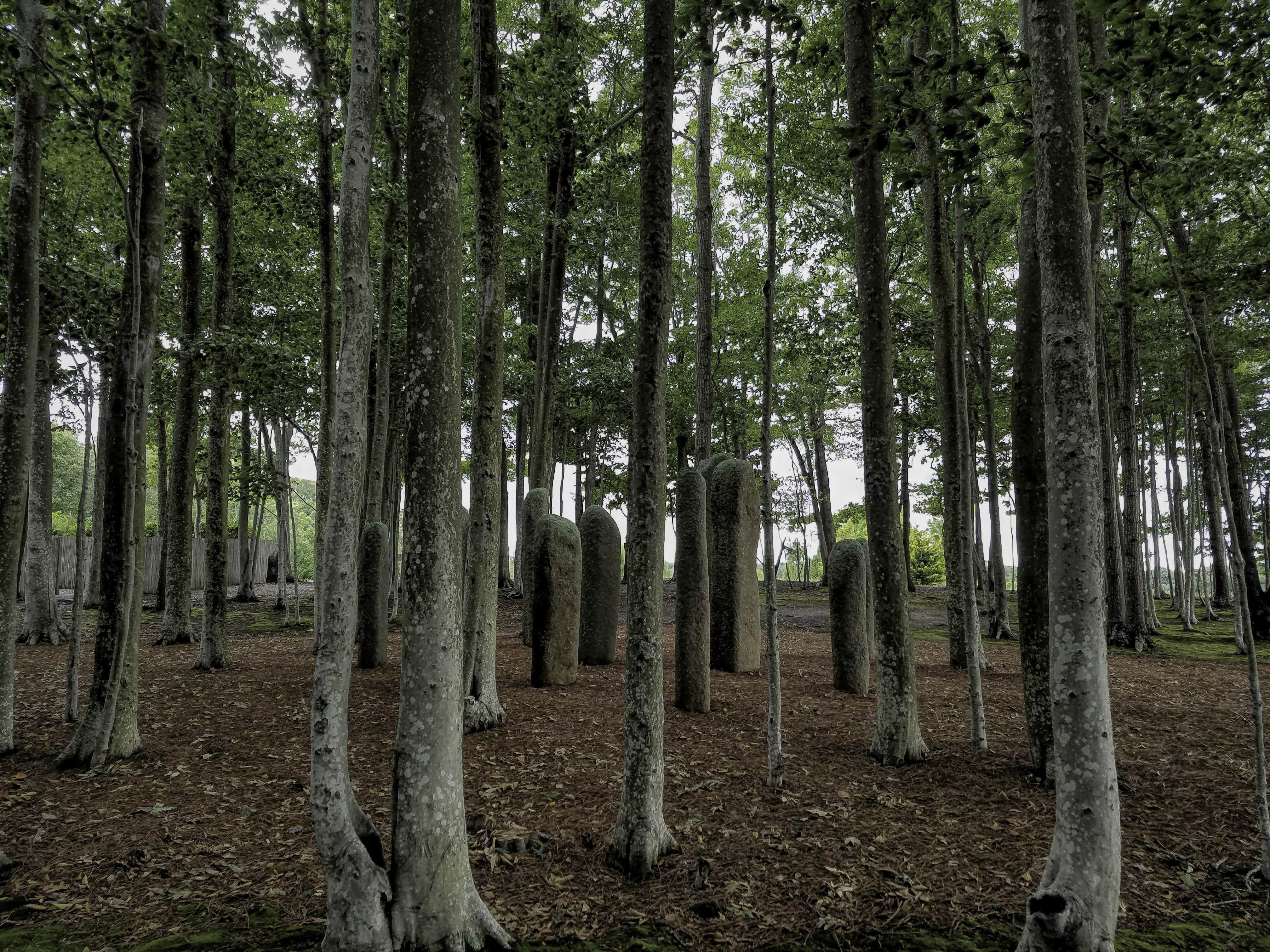
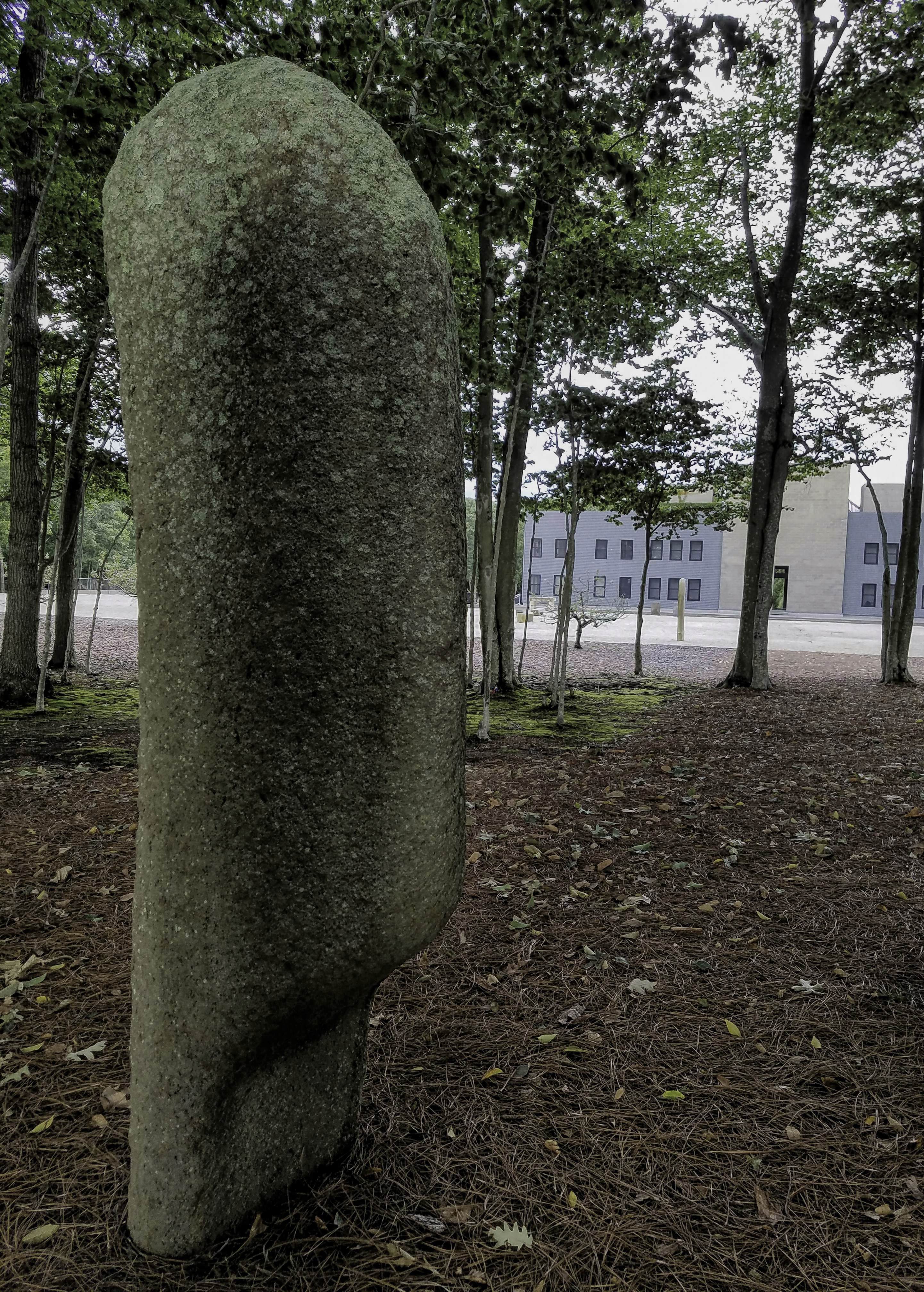
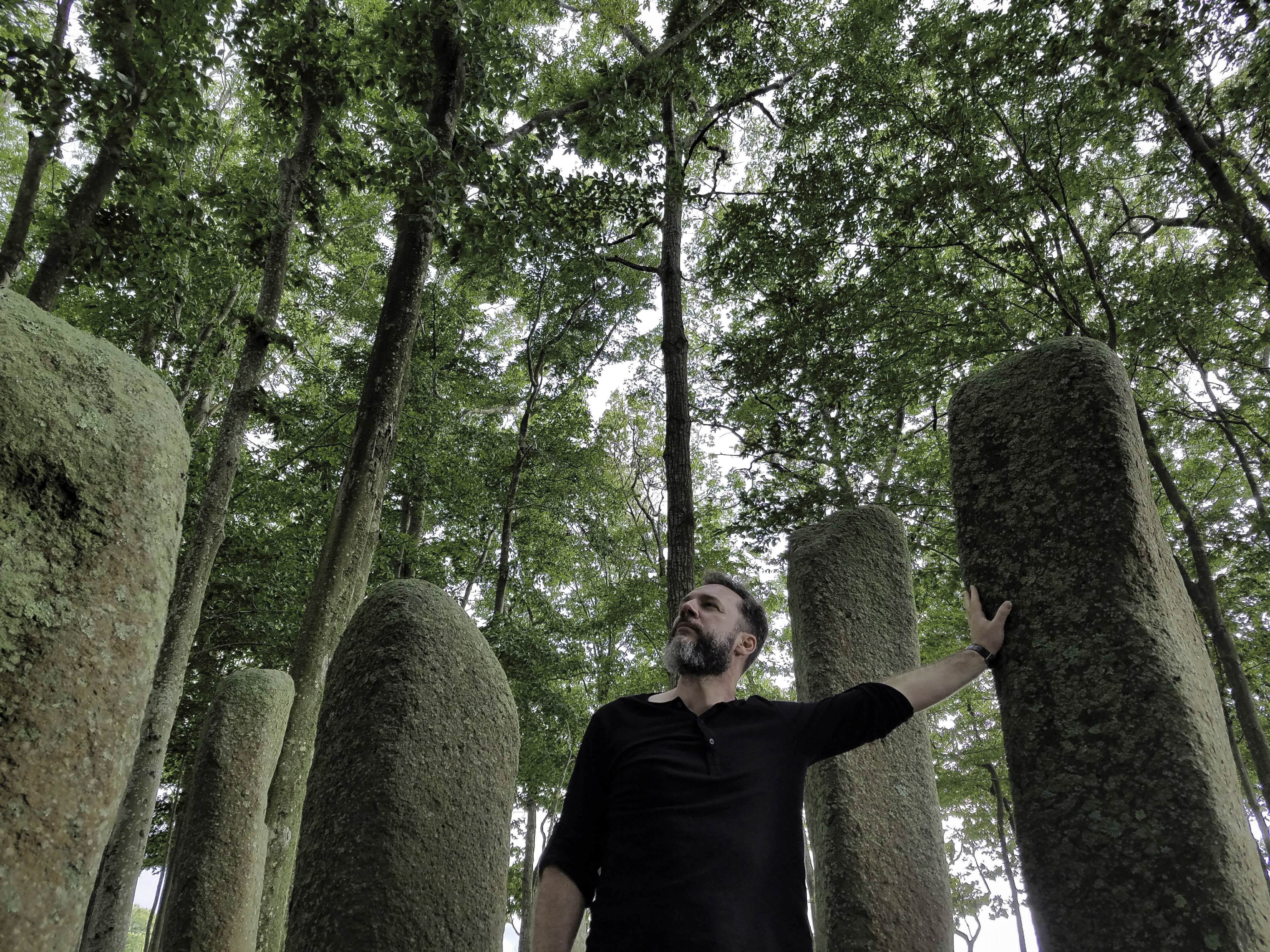
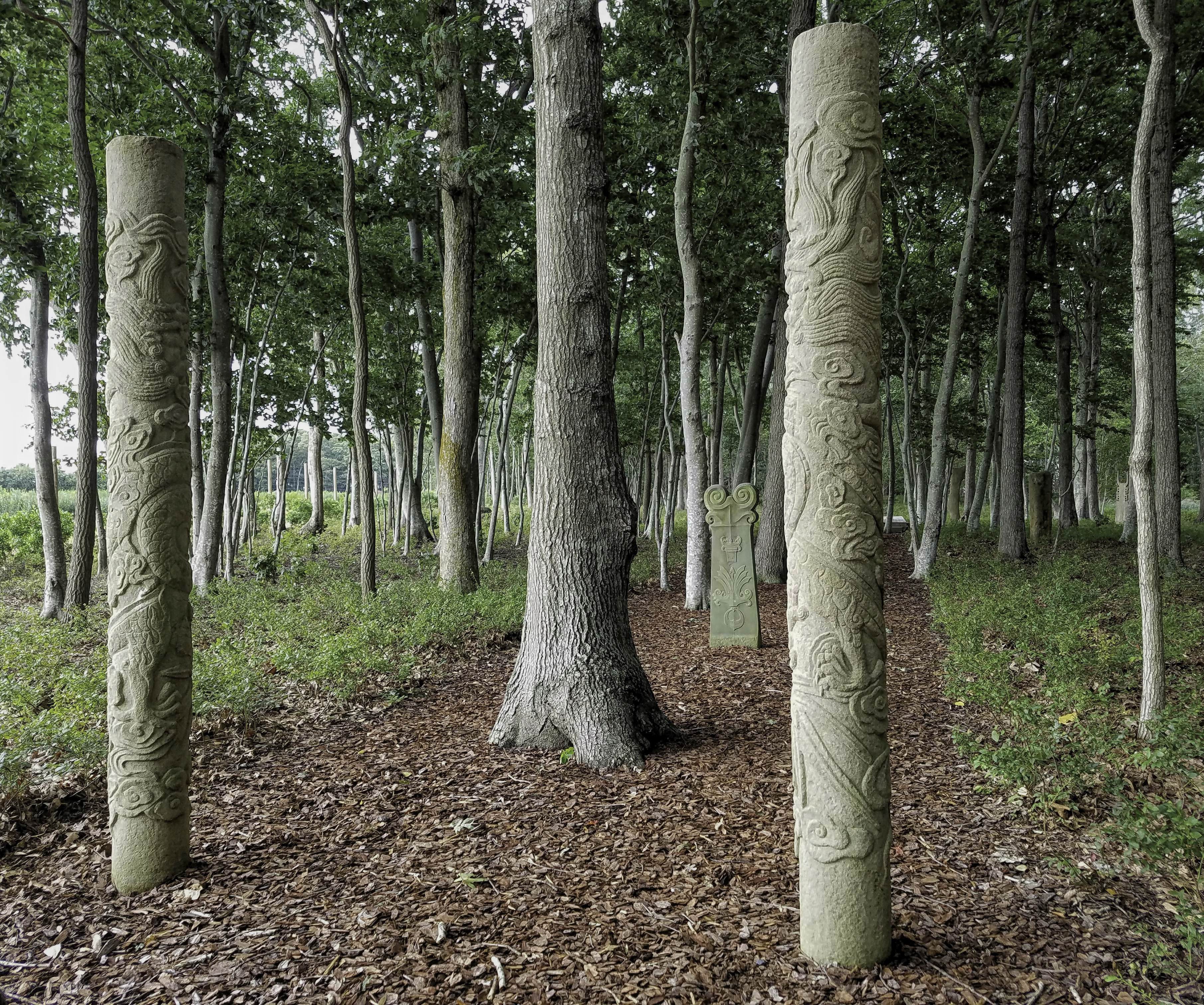
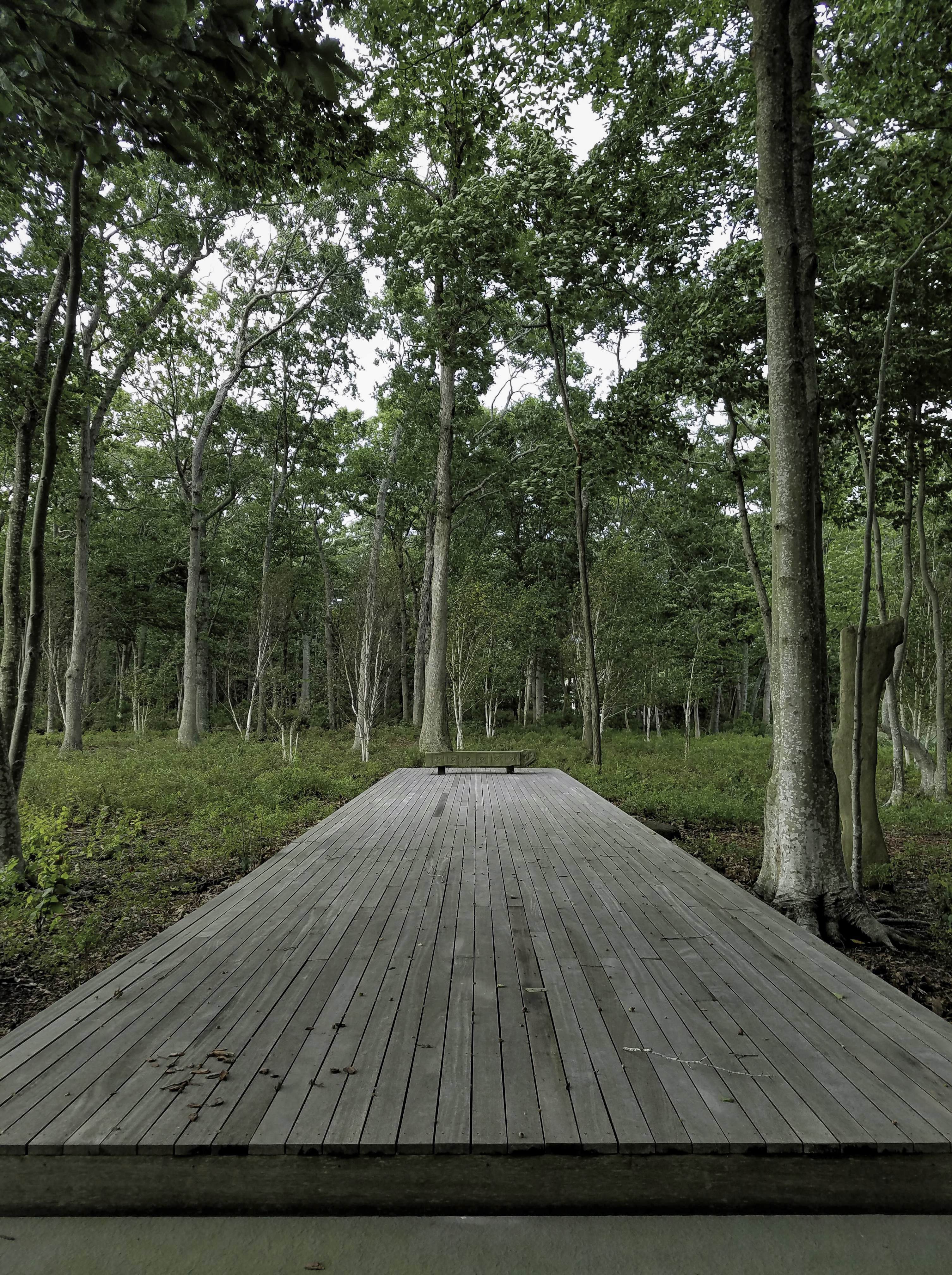
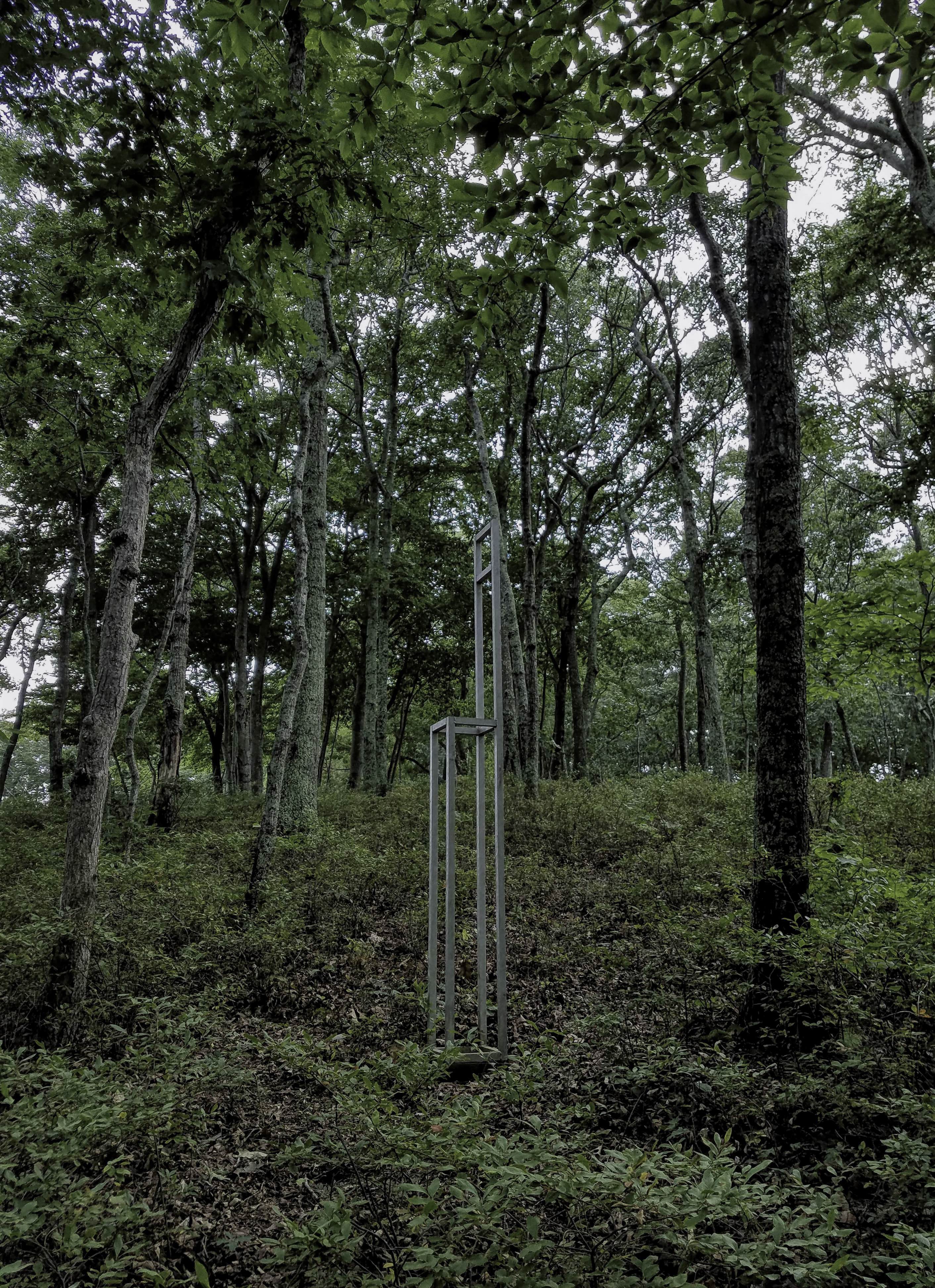
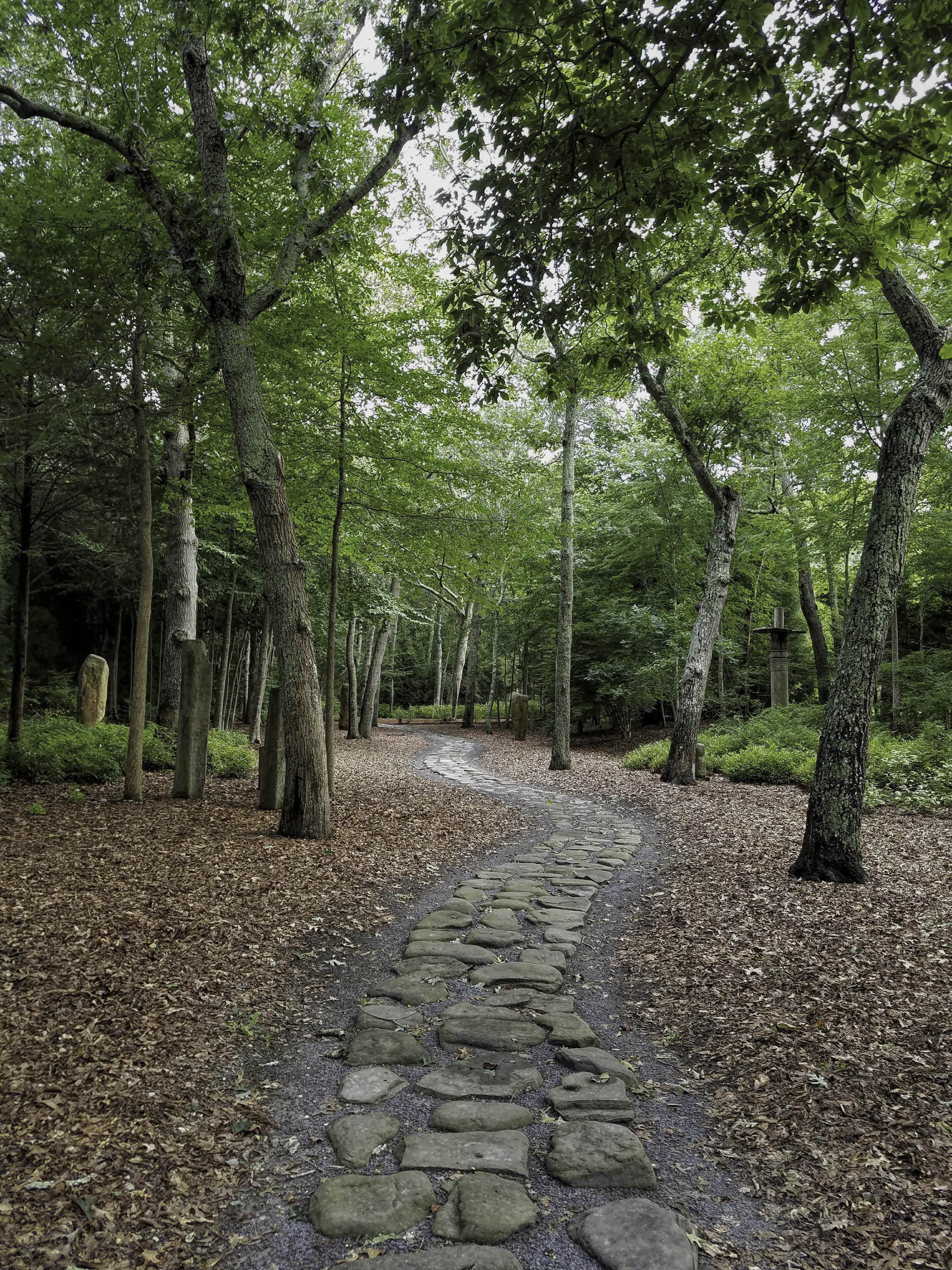
It was Sunday, beginning of September and the Watermill Center was resting after a summer of buzzing activity. No one else was around, the grounds were ours to explore. In a strange, calming way we did not feel lonely; for the artists may have been absent but their essence still lingered in the air. And in the many totems scattered in the woods.

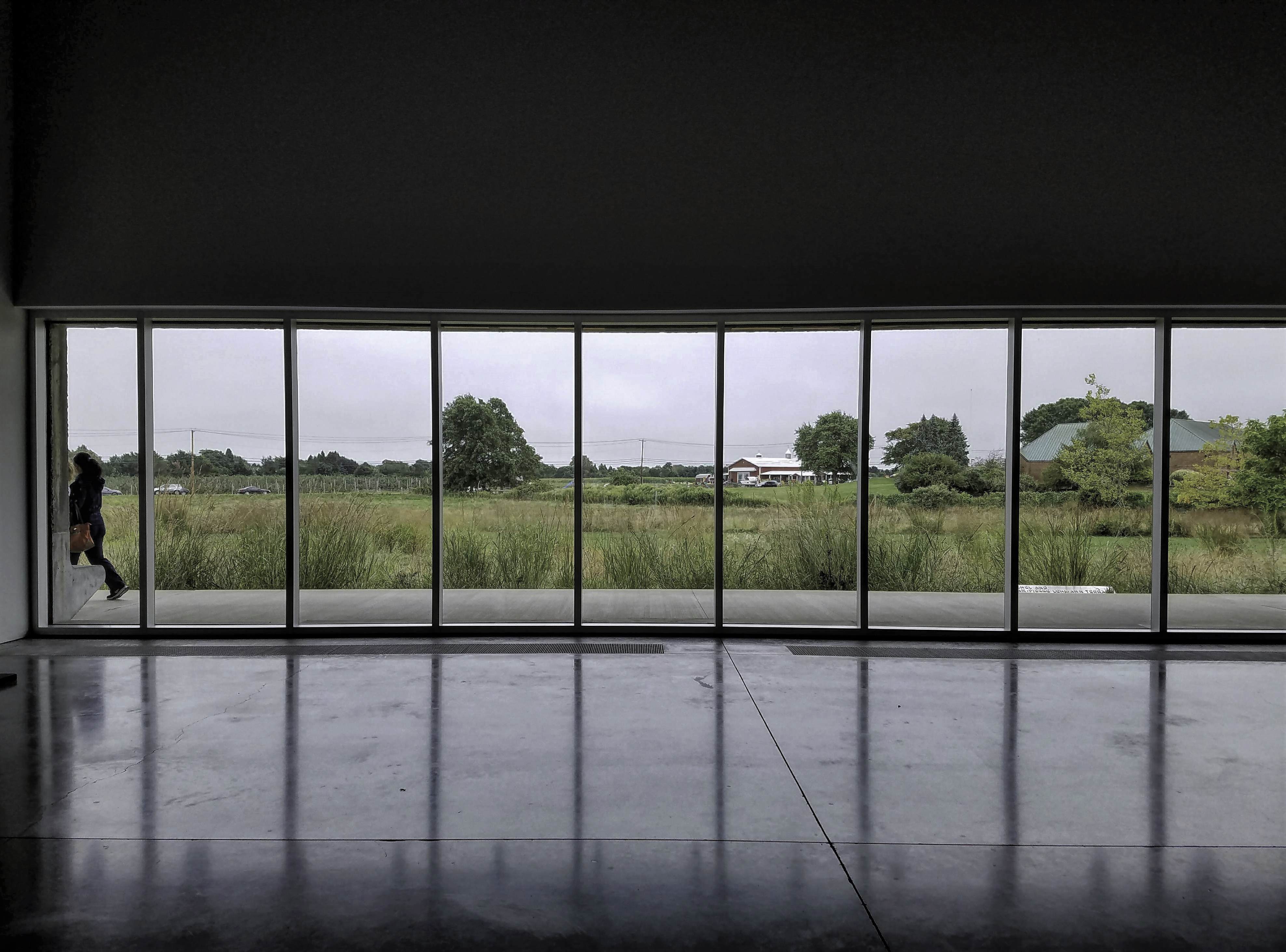
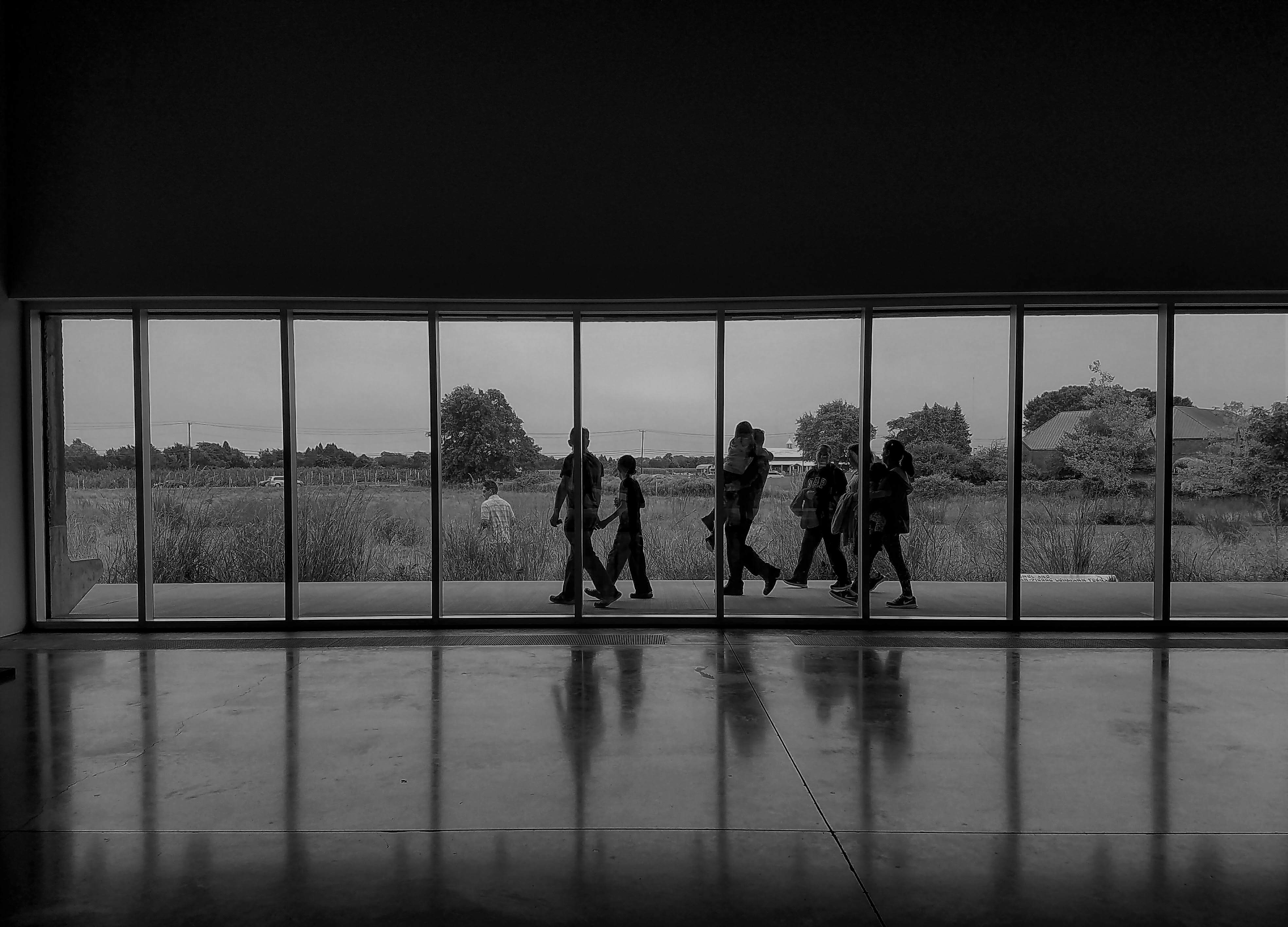
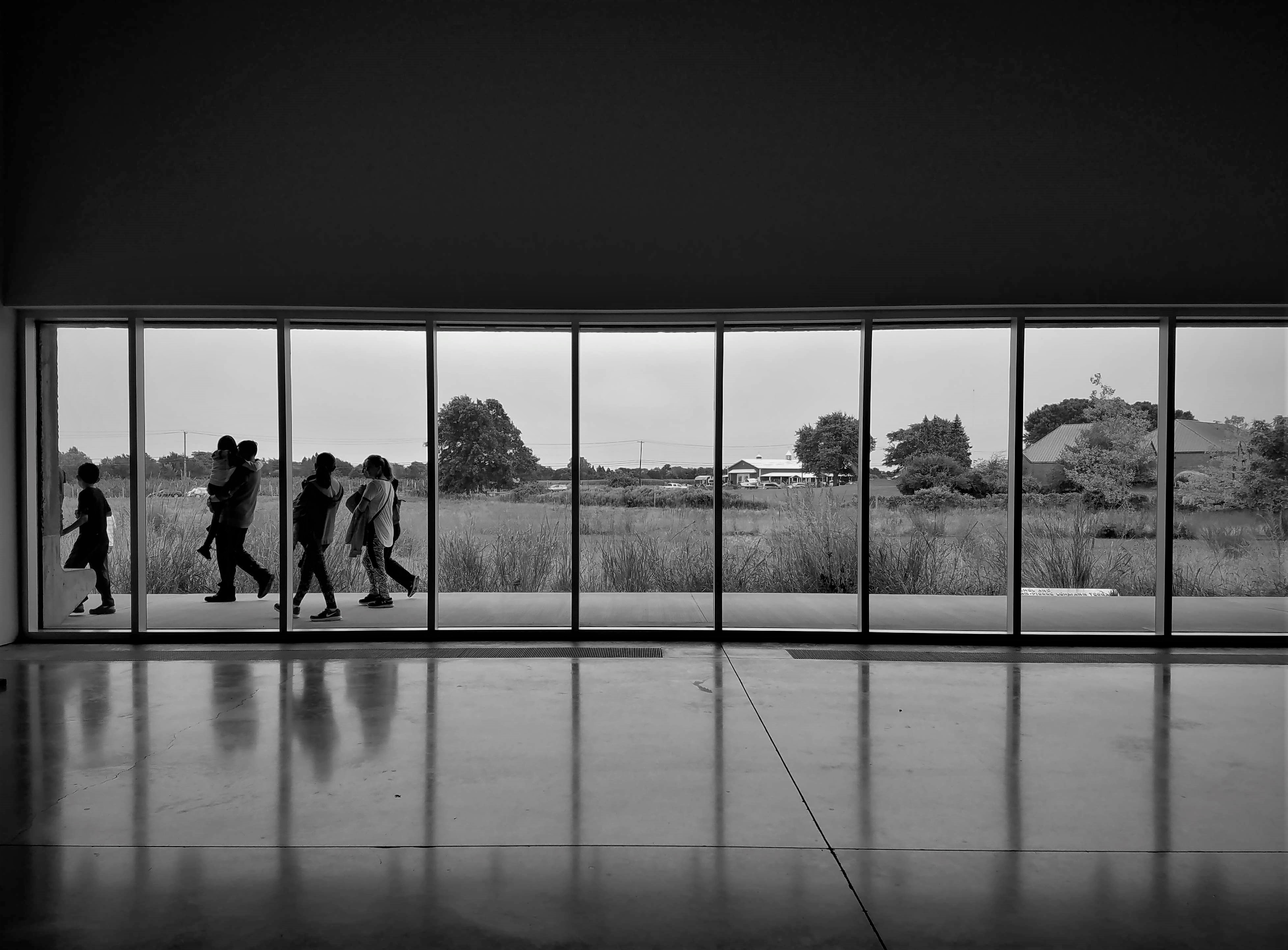
The Watermill Center, is a mere 5′ drive from the Parrish Art Museum and a 2-hour drive from Manhattan.

September 3rd, 2017
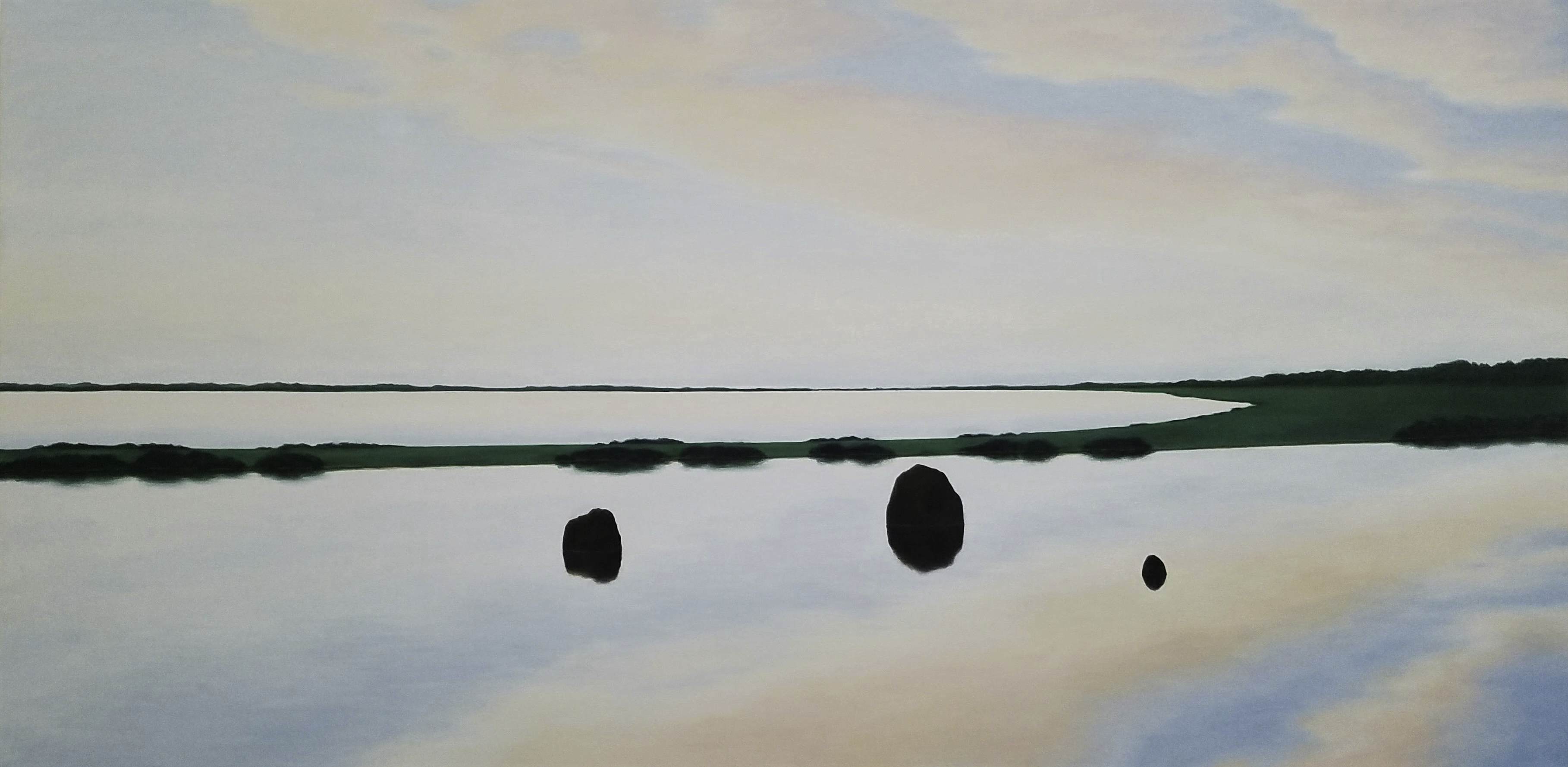
From Lens to Eye to Hand || Parrish Art Museum

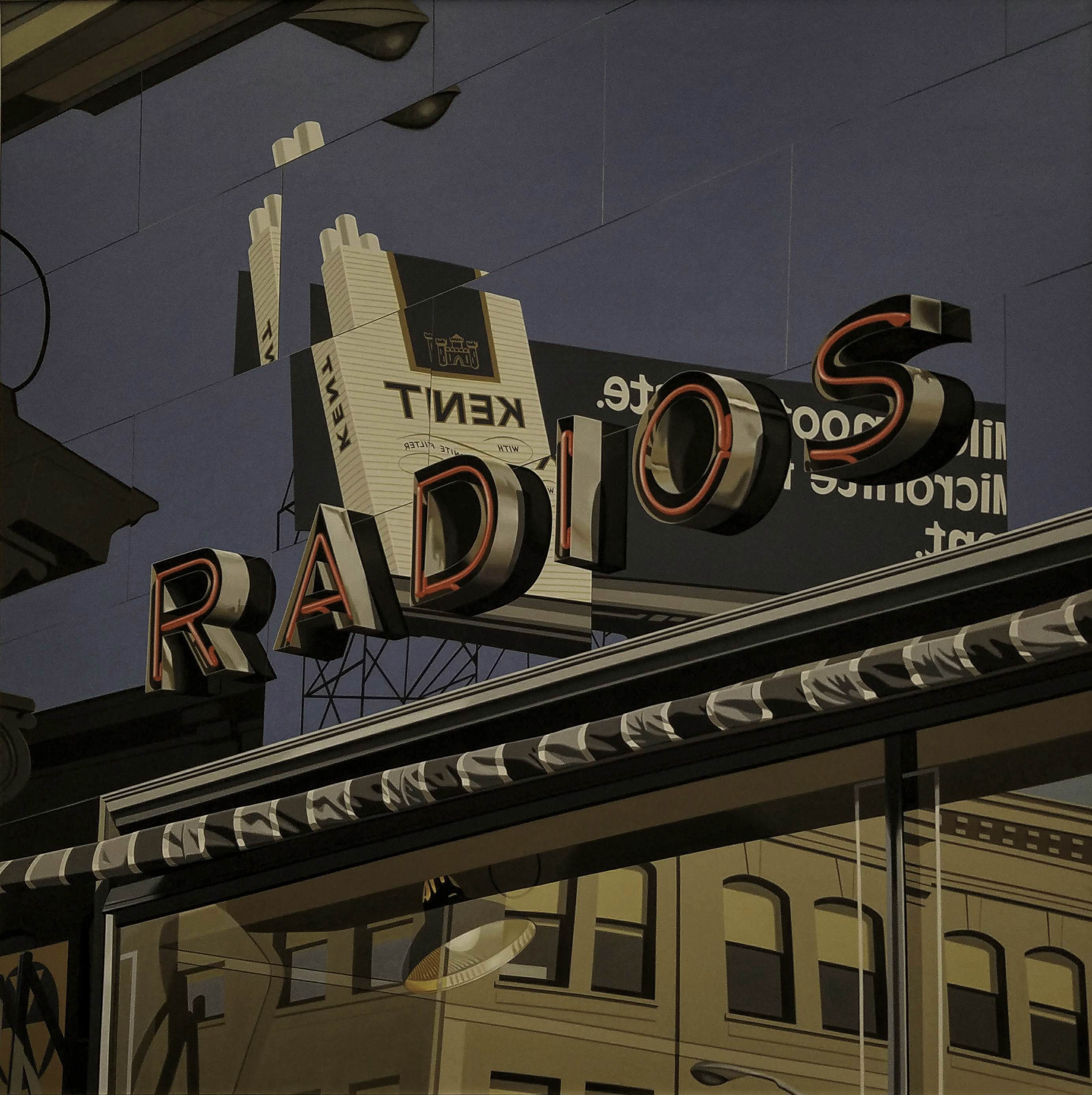
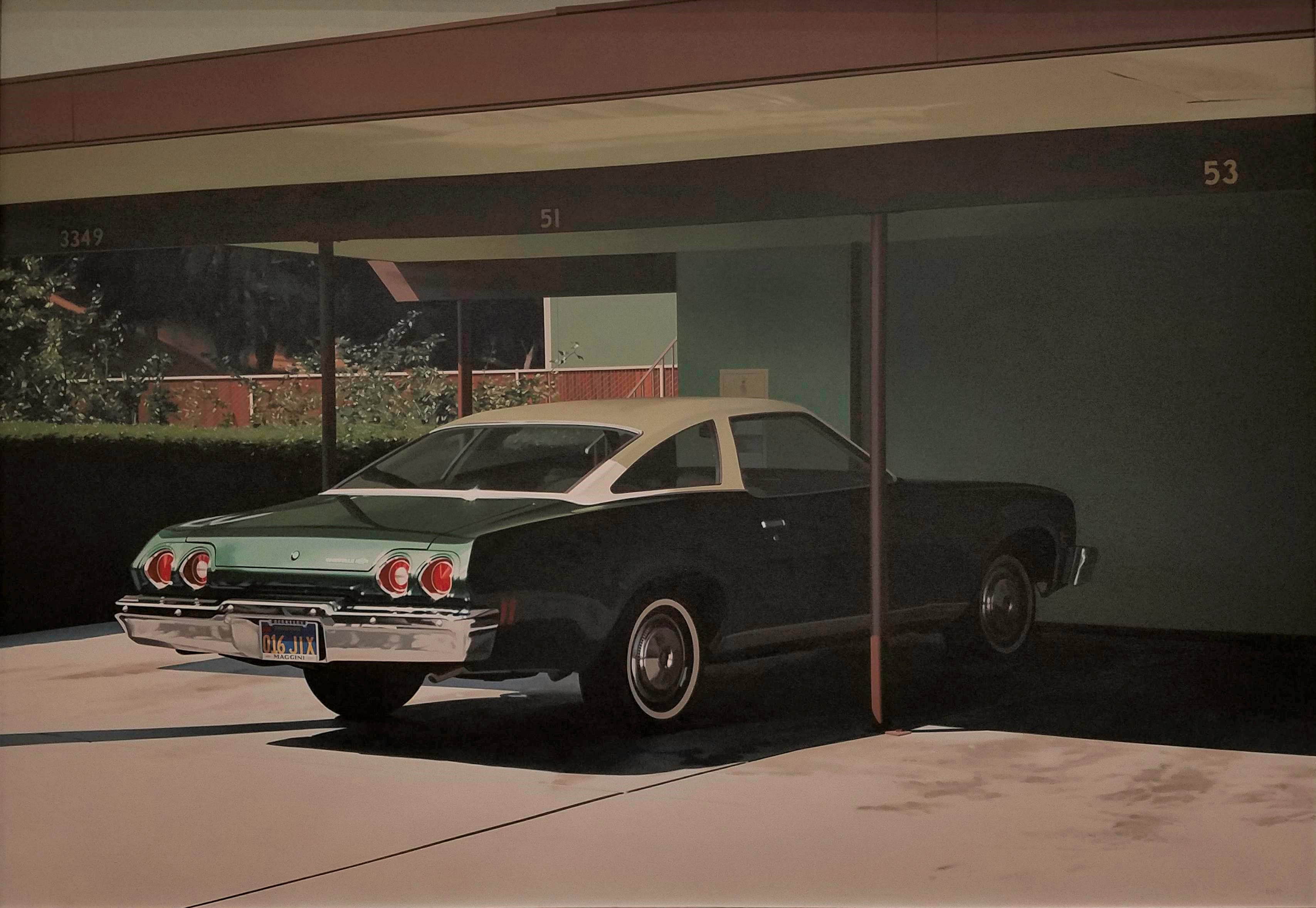
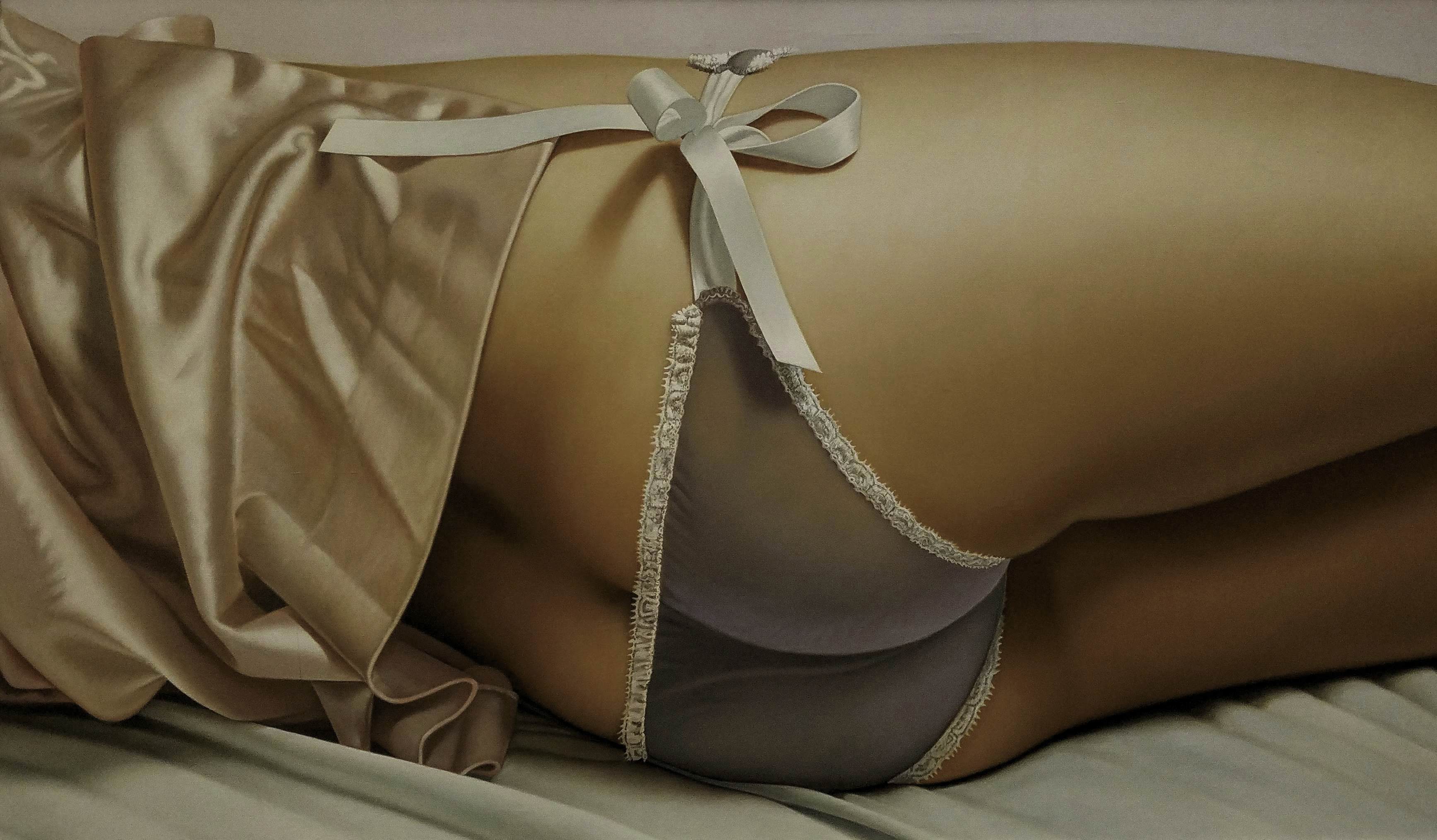
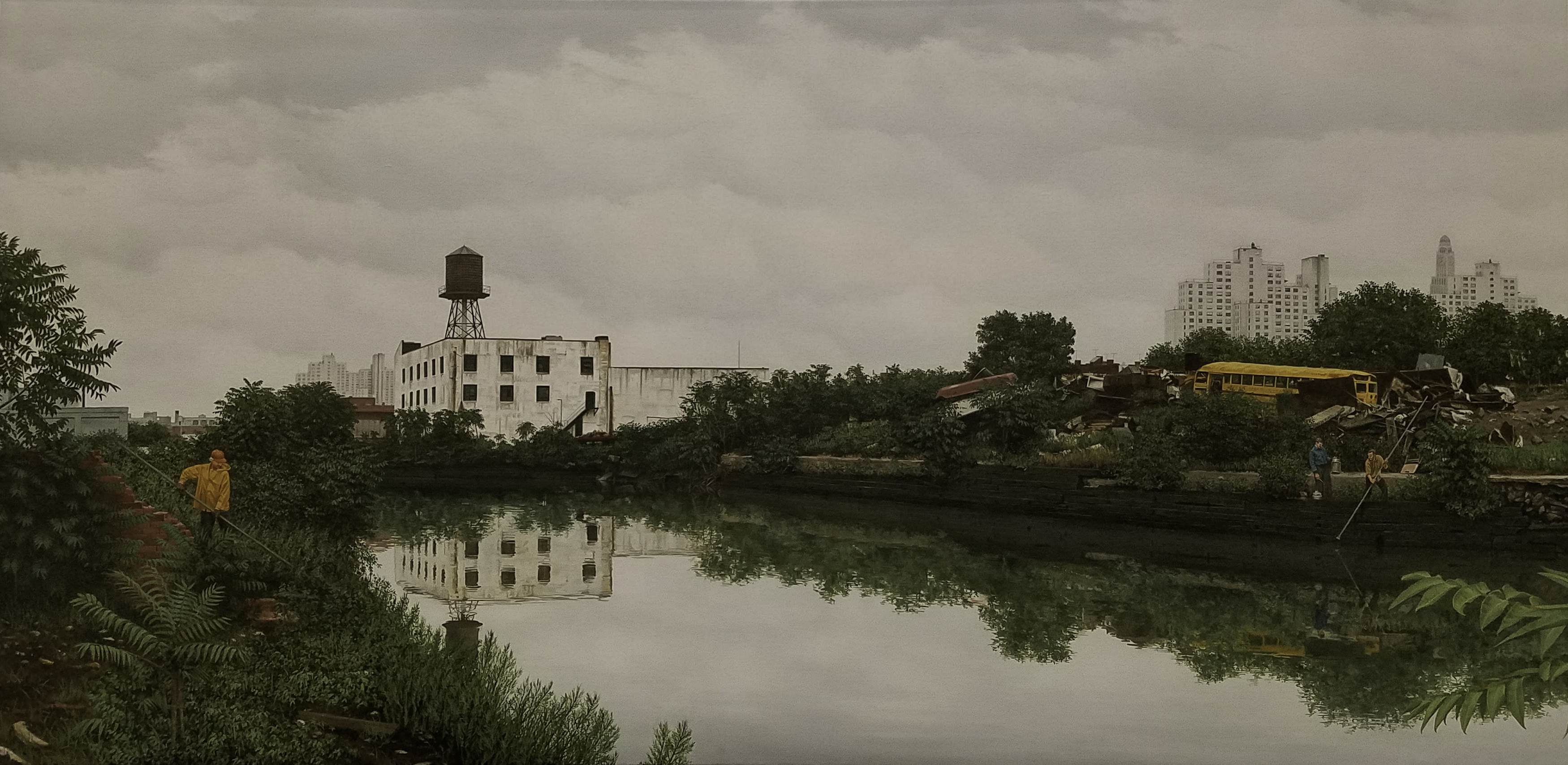
The closer you look, the harder it is to believe that these photos are actually paintings.Richard McLean (1934-2014)
Western Tableau with Rhodesian Ridgeback (Trails West), 1993
Oil on linen


Richard McLean (1934-2014)
(Detail) Western Tableau with Rhodesian Ridgeback (Trails West), 1993
Oil on linen


Charles Bell (1935-1995)
Troupe, 1983
Oil on canvas


Ralph Goings (1928-2016)
Miss Albany Diner, 1993
Oil on canvas


Robert Cottingham (b. 1935)
Radios, 1977
Oil on linen


Robert Bechtle (b. 1932)
’73 Malibu, 1974
Oil on canvas


John Kacere (1920-1999)
Untitled, 1974
Watercolour on paper


John Kacere (1920-1999)
Reina ’79, 1979
Oil on linen


Randy Dudley (b. 1950)
Gowanus Canal from 2nd Street, 1986
Oil on canvas


Davis Cone (b. 1950)
State-Autumn Evening, 2002
Acrylic on canvas


Don Jacot (b. 1949)
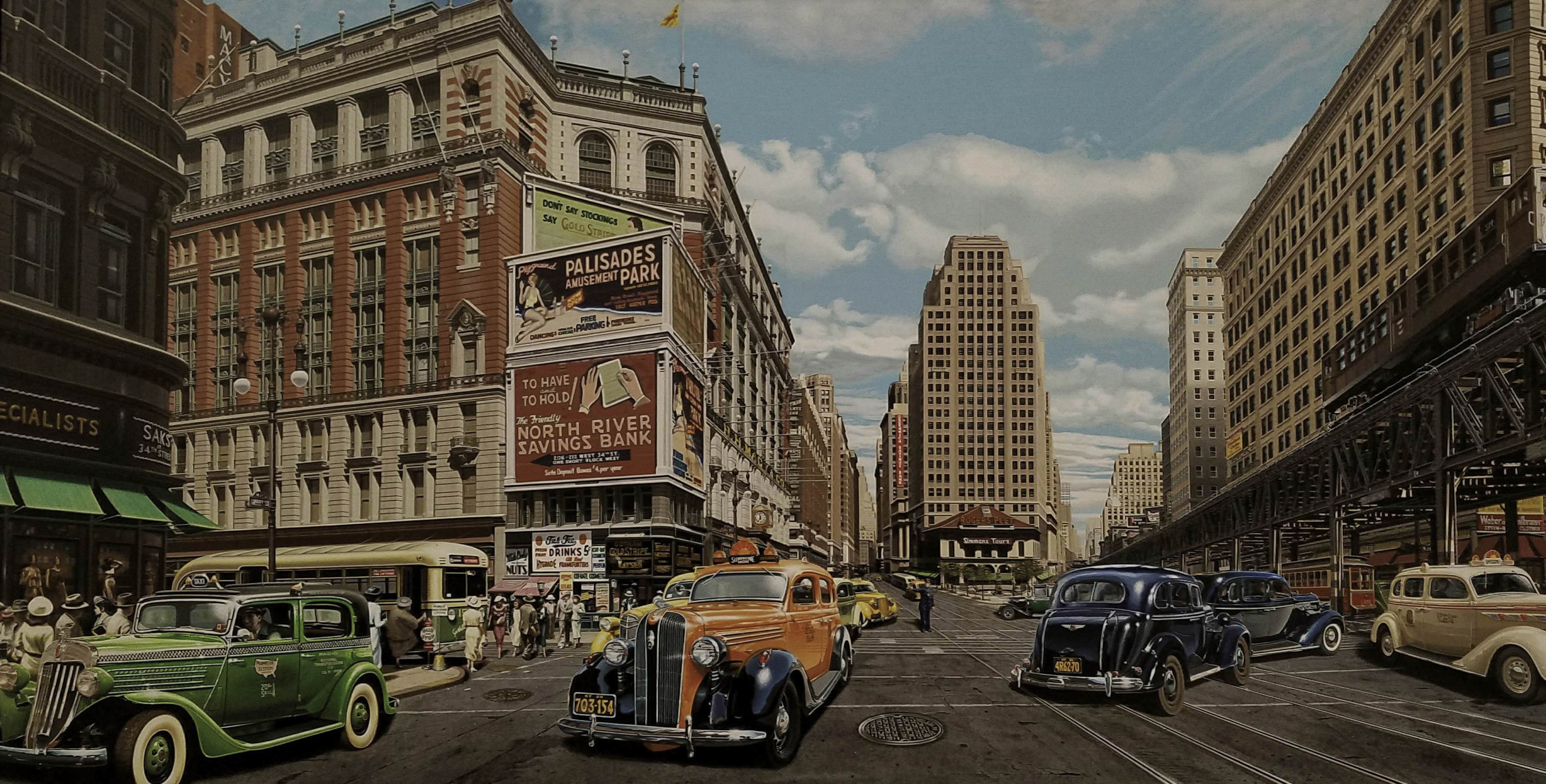
Herald Square, 1936 (After Berenice Abbott), 2013
Oil on linen


Don Jacot (b. 1949)
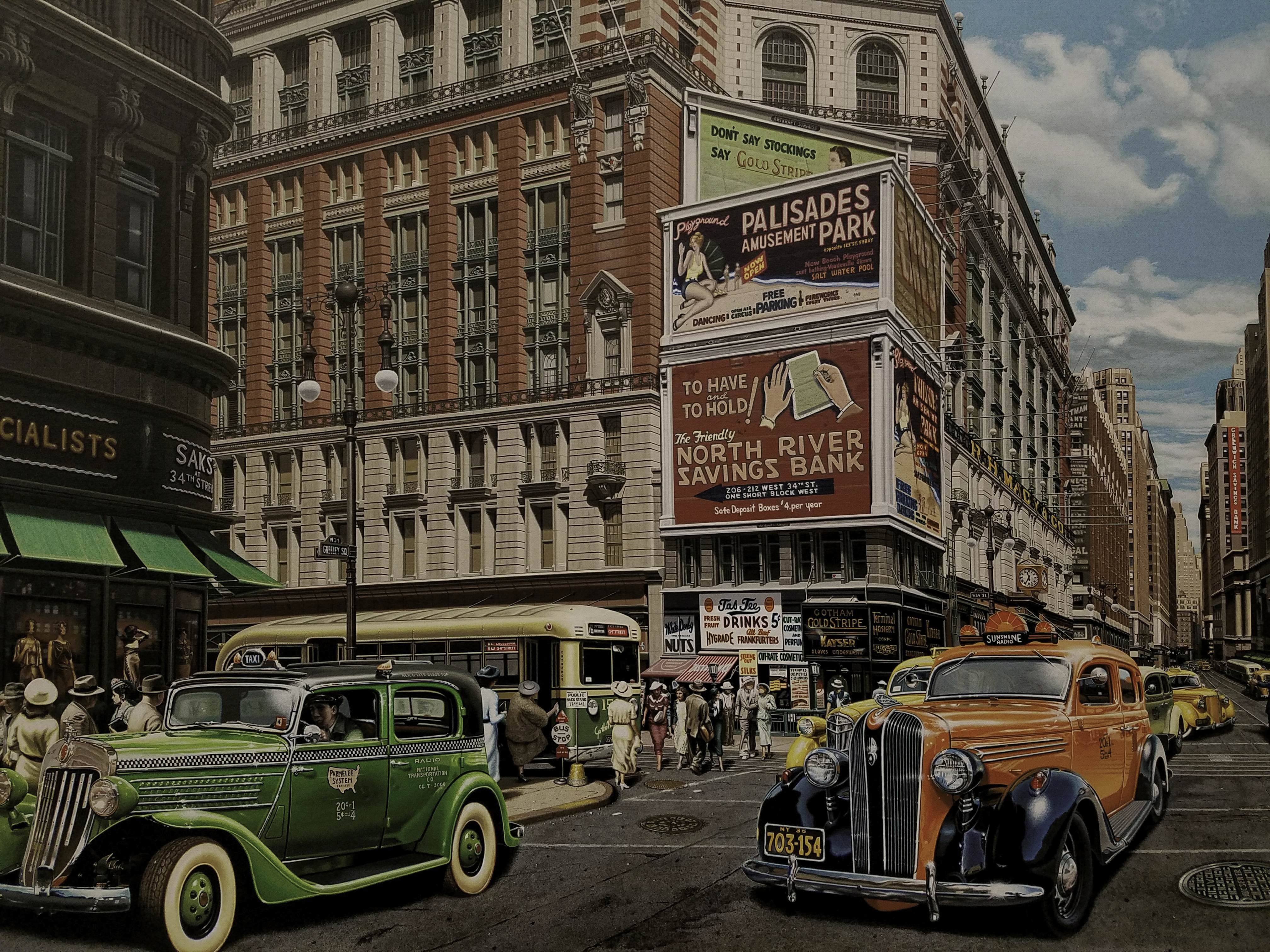
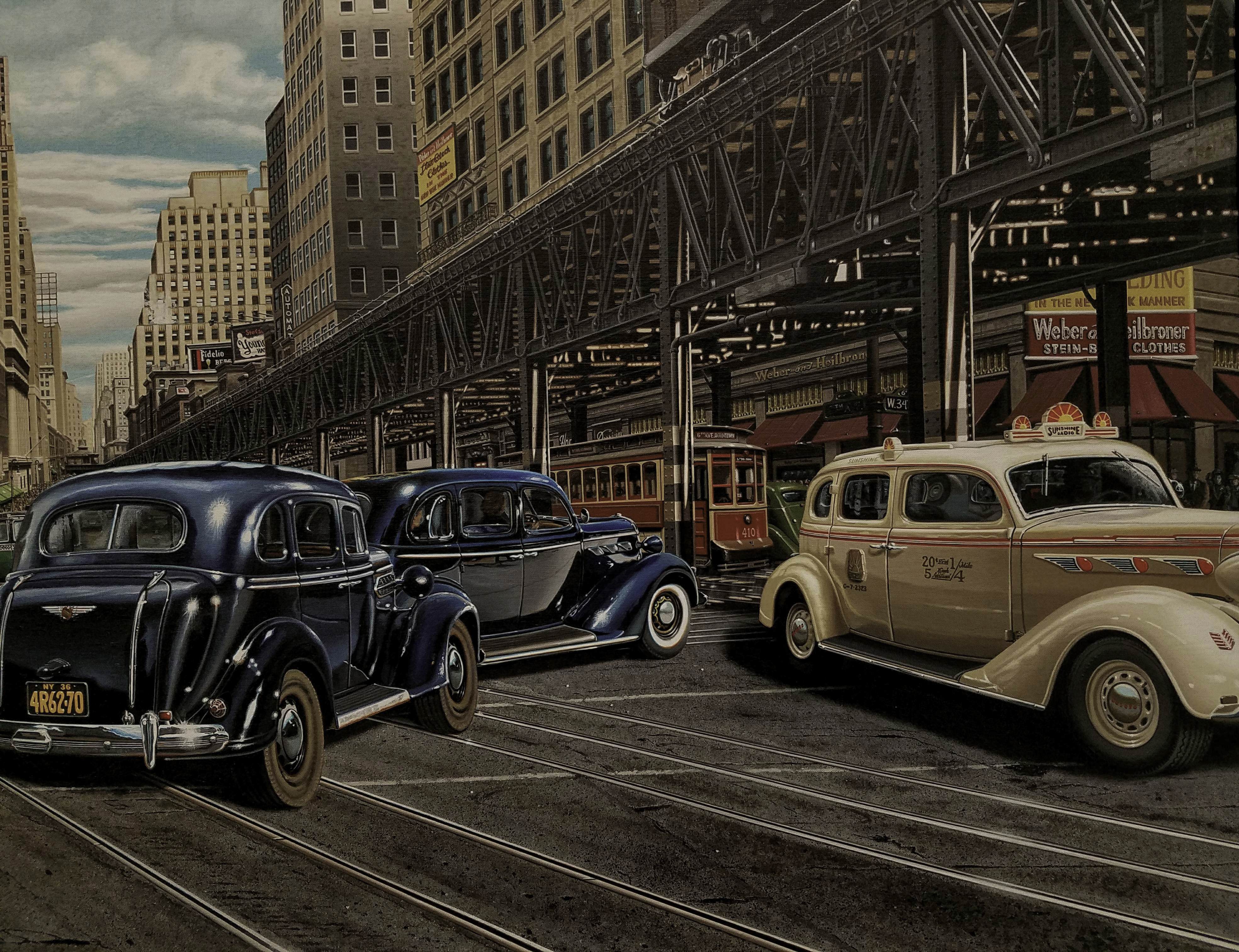
(Detail) Herald Square, 1936 (After Berenice Abbott), 2013
Oil on linen


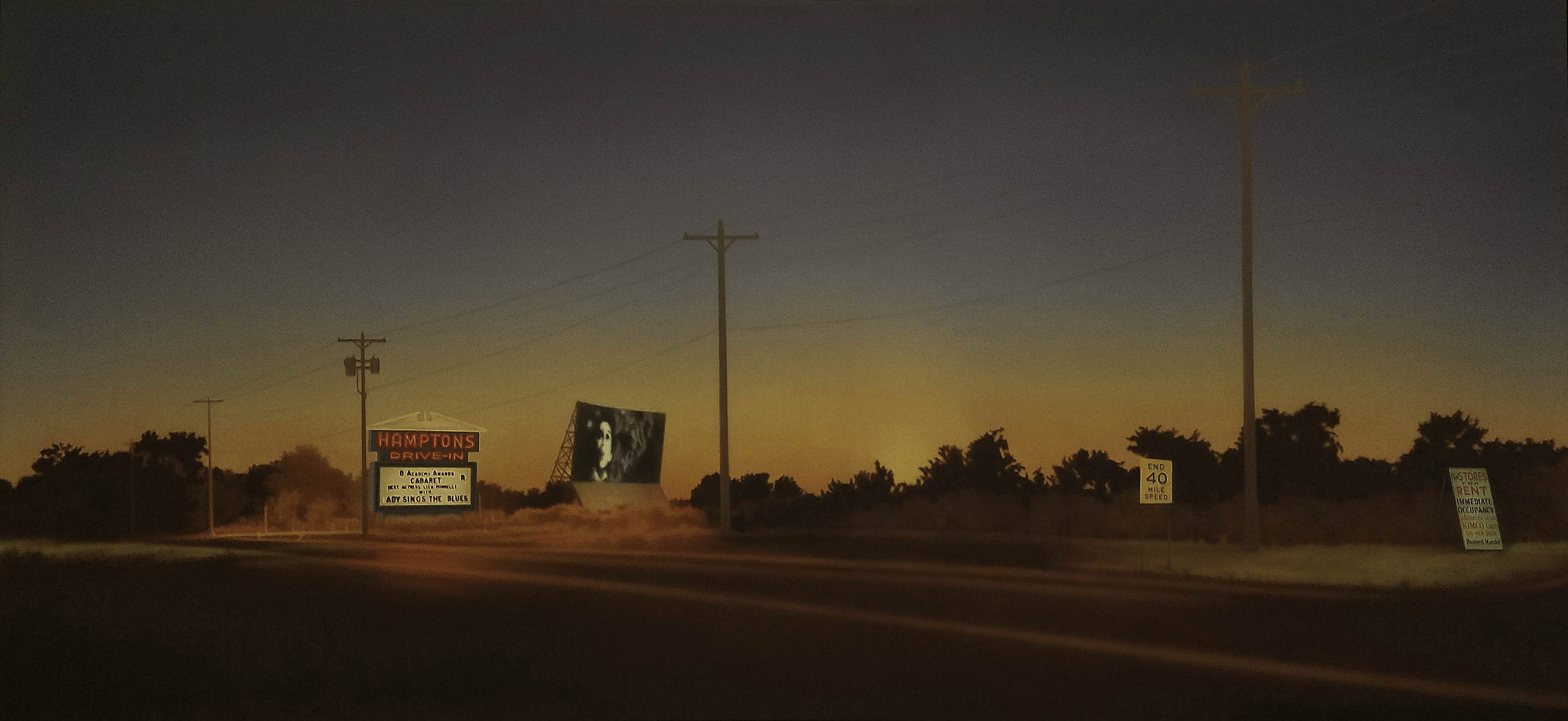
From Lens to Eye to Hand, Photorealism 1969 to Today, was an exhibition that took a fresh look at this contemporary art movement that found its roots in the mid-1960s in New York and California, evolving from the then dominant movements, Abstract Expressionism, Pop art and Minimalism. And, while Photorealism reached its height in the ’70s, there are some magnificent works proving that the movement continues today.

Parrish Art Museum
Water Mill, Long Island

September 3rd, 2017

Long Weekend || Long Island

On Labor Day weekend. No longer summer, not yet autumn, just perfect for a quick road trip to discover firsthand just how long Long Island really is.

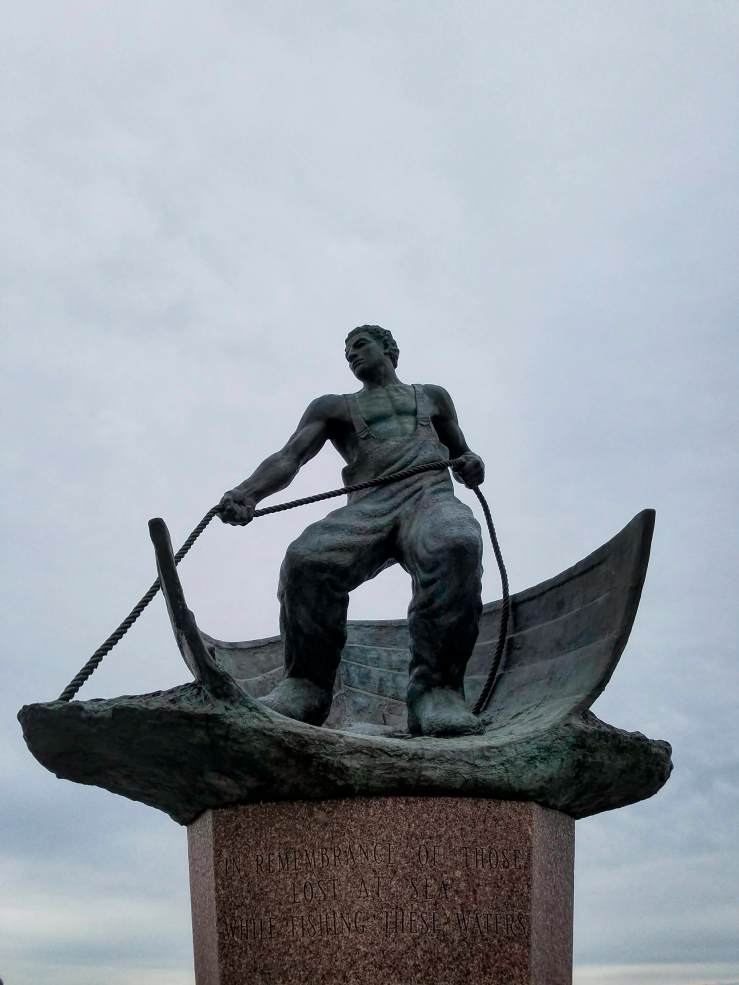
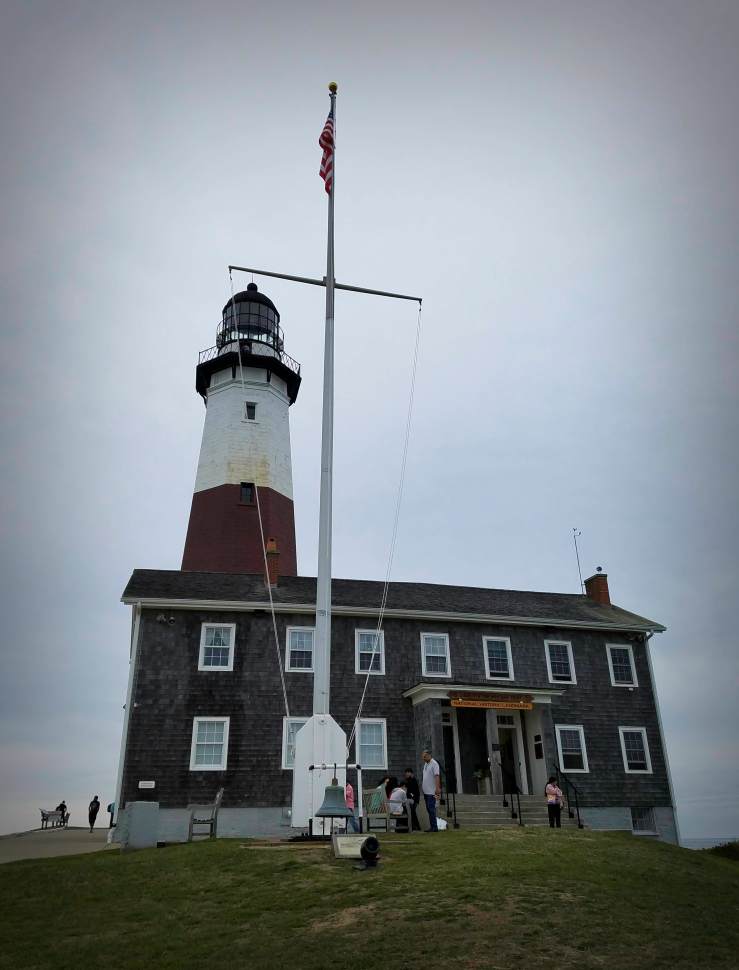
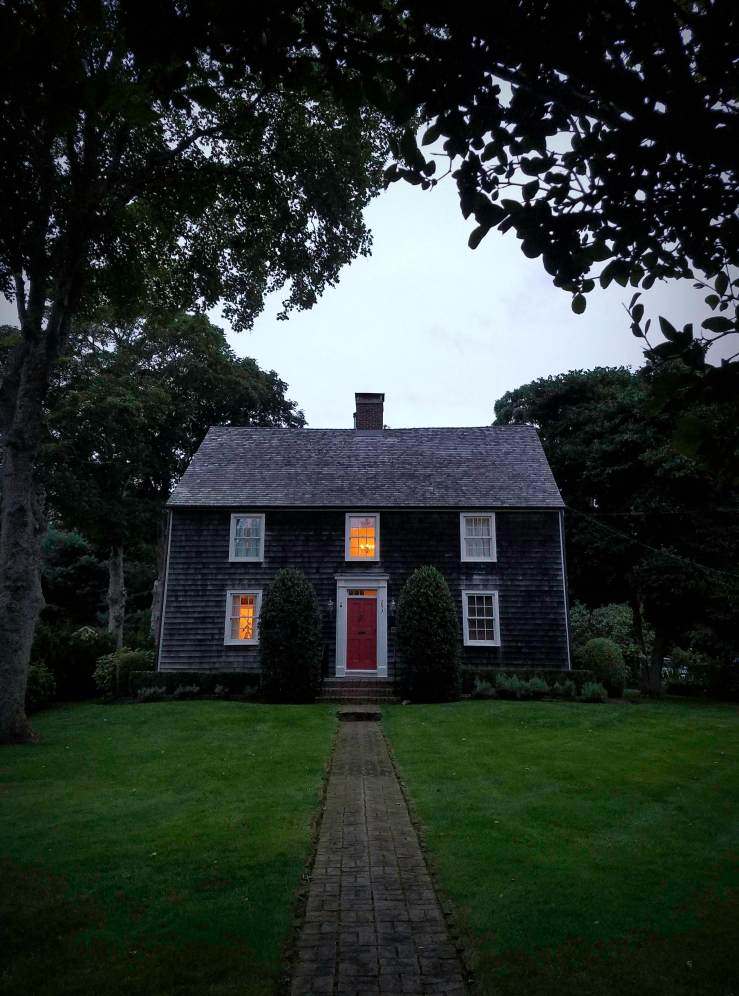
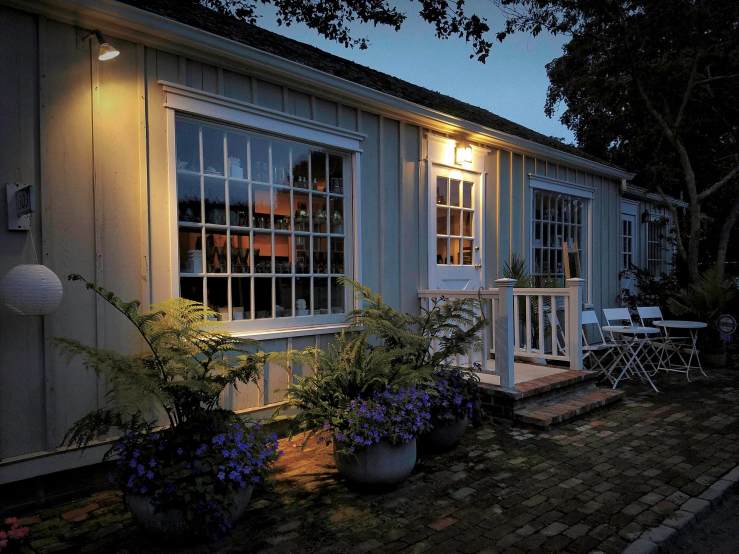
Starting with a good lunch in the most patriotic diner on the island: Oconee East in Islip. Which, obviously, has a Greek connection like so many diners around New York. With gigantic portions and over-the-top festive decoration, which is seasonal and changes to match the occasion, it was a great first stop. I wonder what they will do for St. Valentines’… Our sightseeing tour started at the easternmost tip on the island, the Lighthouse of Montauk. It was a  grey, chilly day which explains the absence of views from the top. Those at ground level, however, were just as interesting. In the Keepers’ house, now a neatly organised museum displaying historical documents, photographs and objects, we learned a lot about the history and preservation of the lighthouse, which is no mean feat considering its decades-long battle with erosion.  Dusk found us in Amagansett, a pretty smart resort in East Hampton. Evenings can be eerily quiet on the island, in September. 

Long Island, September 2nd, 2017
Art of War

There is a sad beauty in these artworks drawing the tragedy of war.

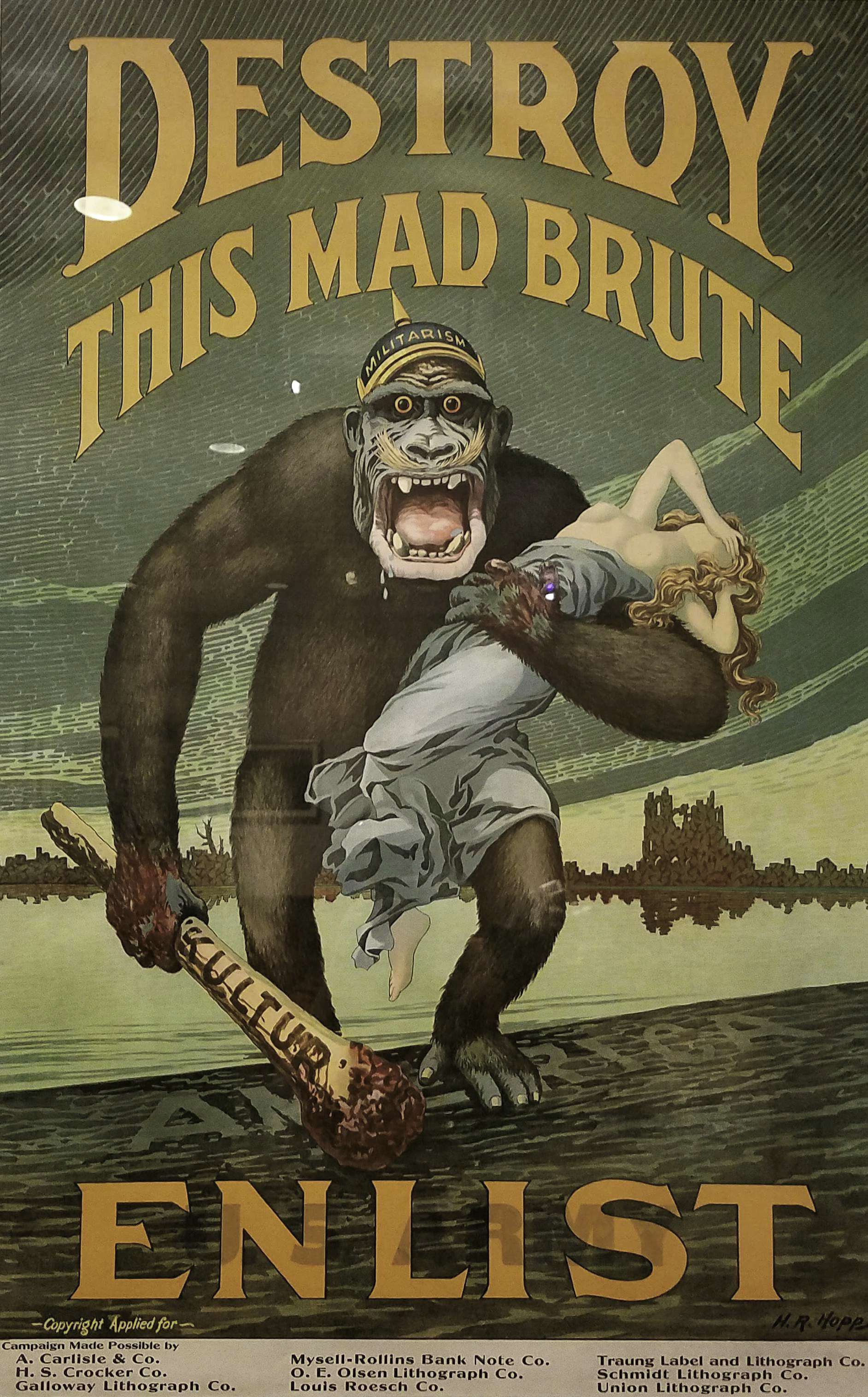
Harry R. Hopps (1869-1937)
Destroy This Mad Brute-Enlist, 1917
Colour lithograph


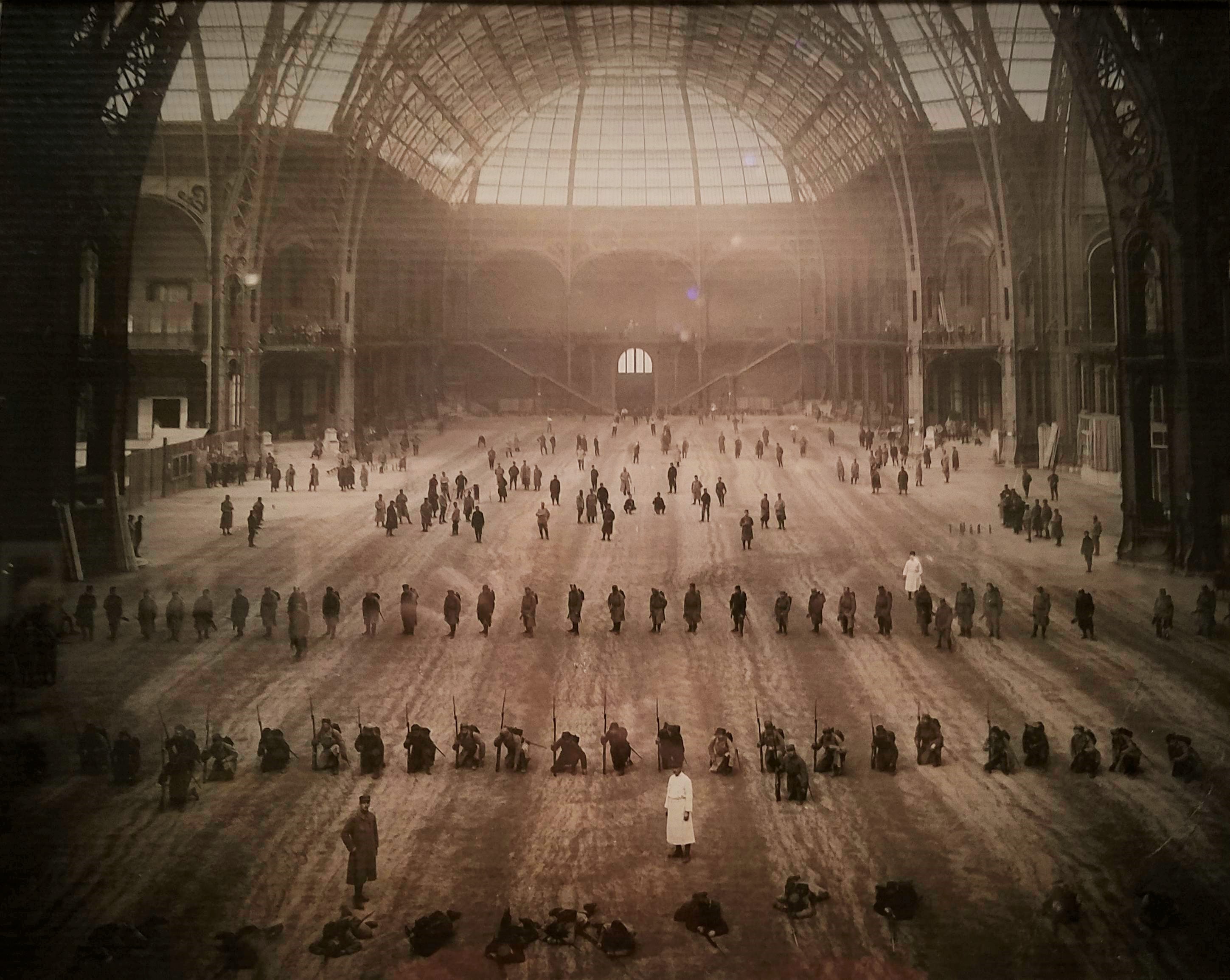
French, early 20th century
The Great Nave: Wounded Soldiers Performing Arms Drill at the End of Their Medical Treatment, 1916
Gelatin silver print

During WWI, Paris’ magnificent Grand Palais, a Beaux-Arts structure that opened in 1900 as an exhibition hall, was repurposed as a temporary military hospital that served injured French soldiers. It held one thousand beds and had two operating rooms, as well as an extensive physical rehabilitation centre where soldiers could recover from their injuries, exercise and practice military drills before returning to the front. 


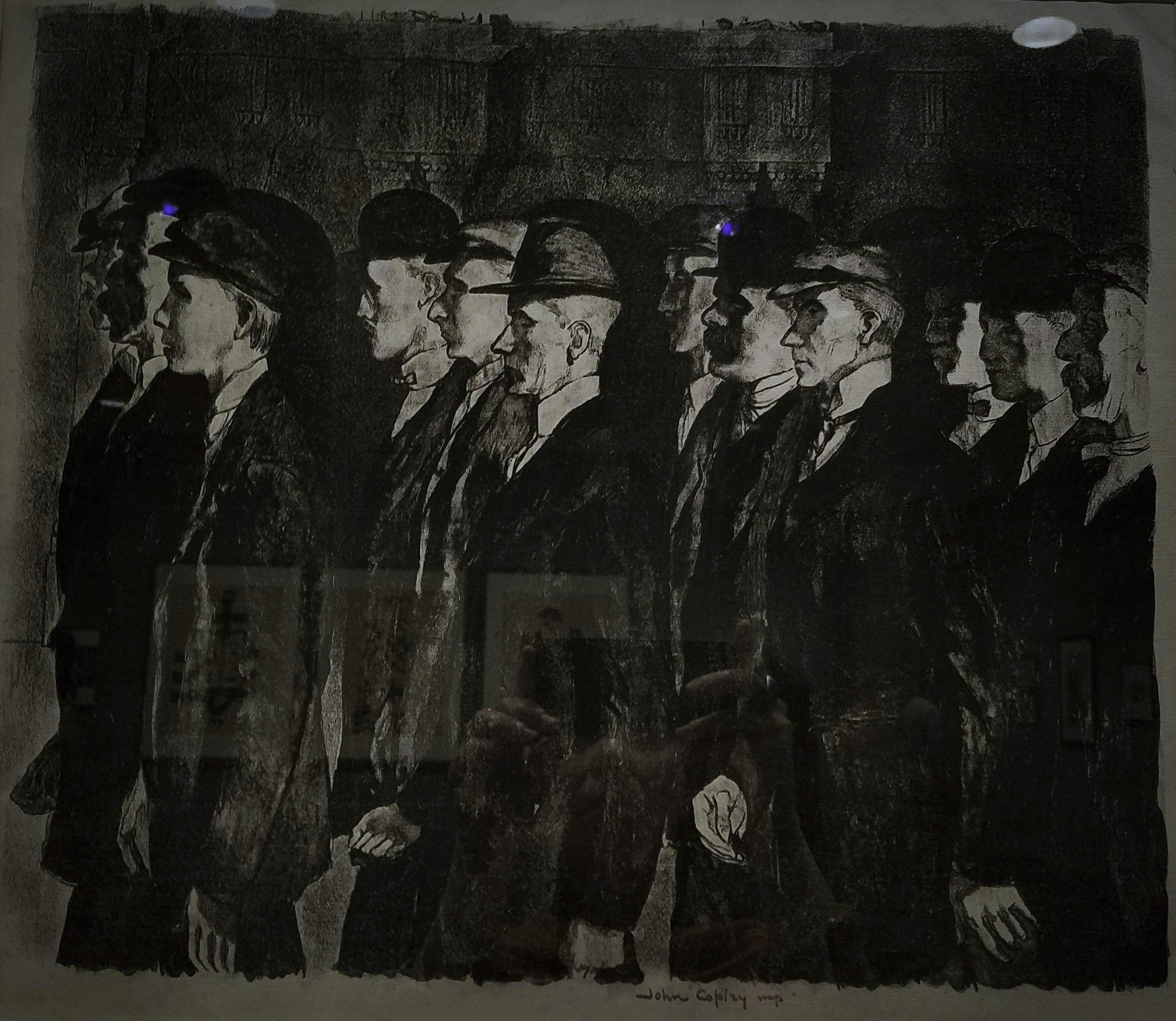
John Copley (1875-1950)
Recruits, 1915
Lithograph


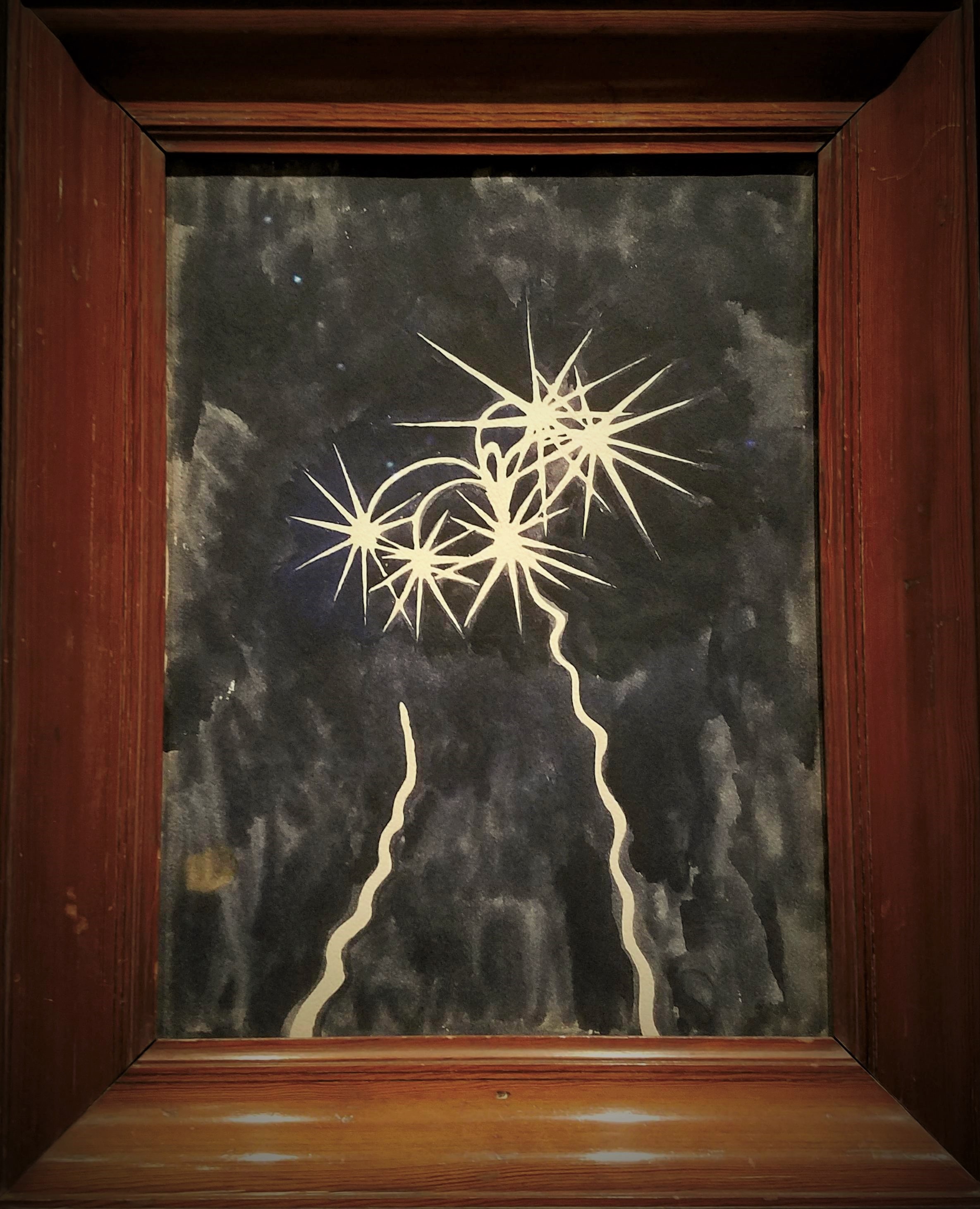
Léon Spilliaert (1881-1946)
Rockets, 1917
Watercolour, gouache, graphite

Spilliaert served briefly in the Belgian civil guard after the German invasion. A pacifist by nature, he was greatly affected by the violence of war. Here, he depicts a deep blue sky illuminated by the flare of rockets, an image witnessed by both soldiers and civilians in occupied territories. The artist concentrated not on the rockets’ violent potential but on the graceful forms they generate and their resemblance to stars and comets


French, 20th century
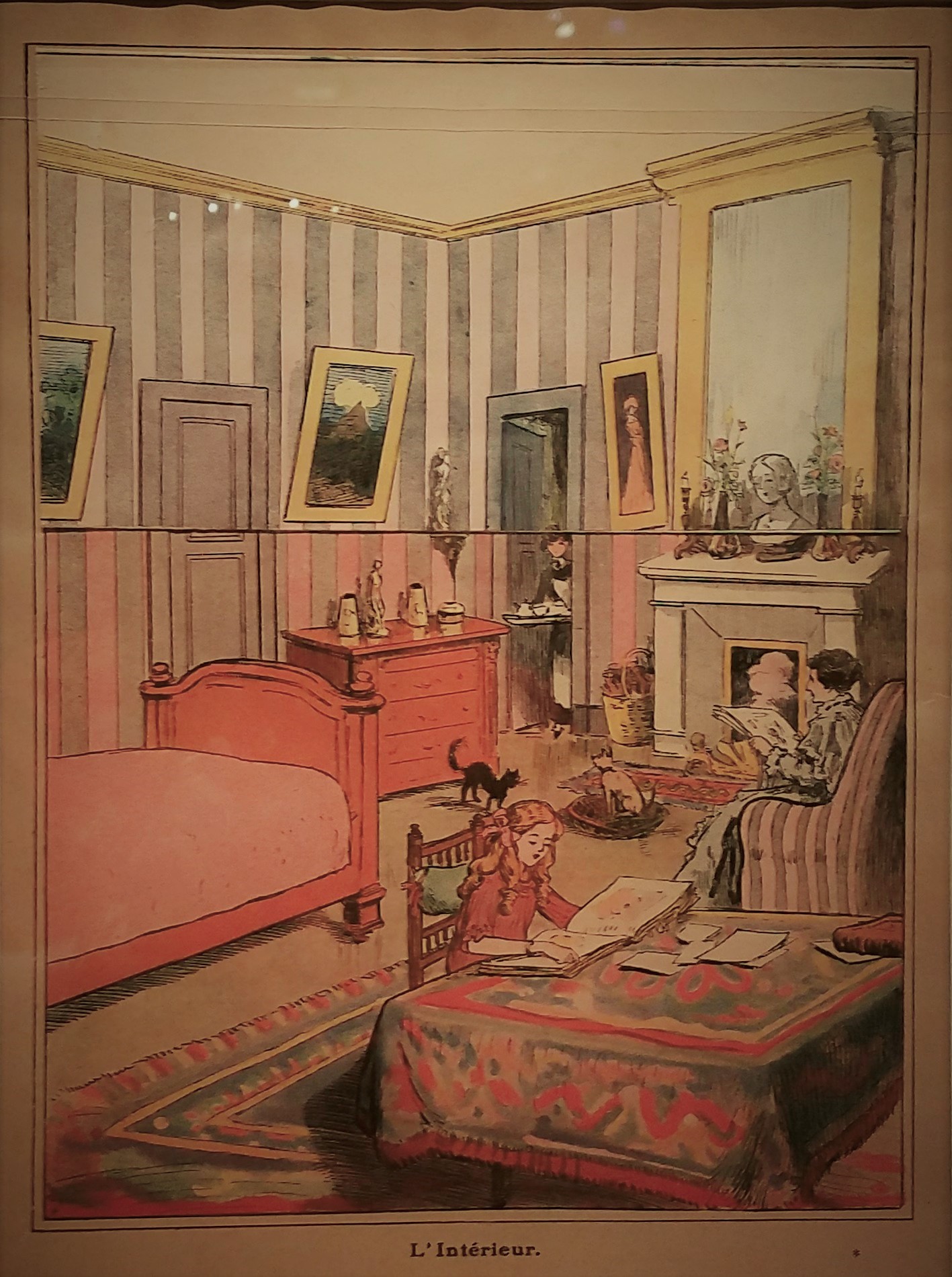
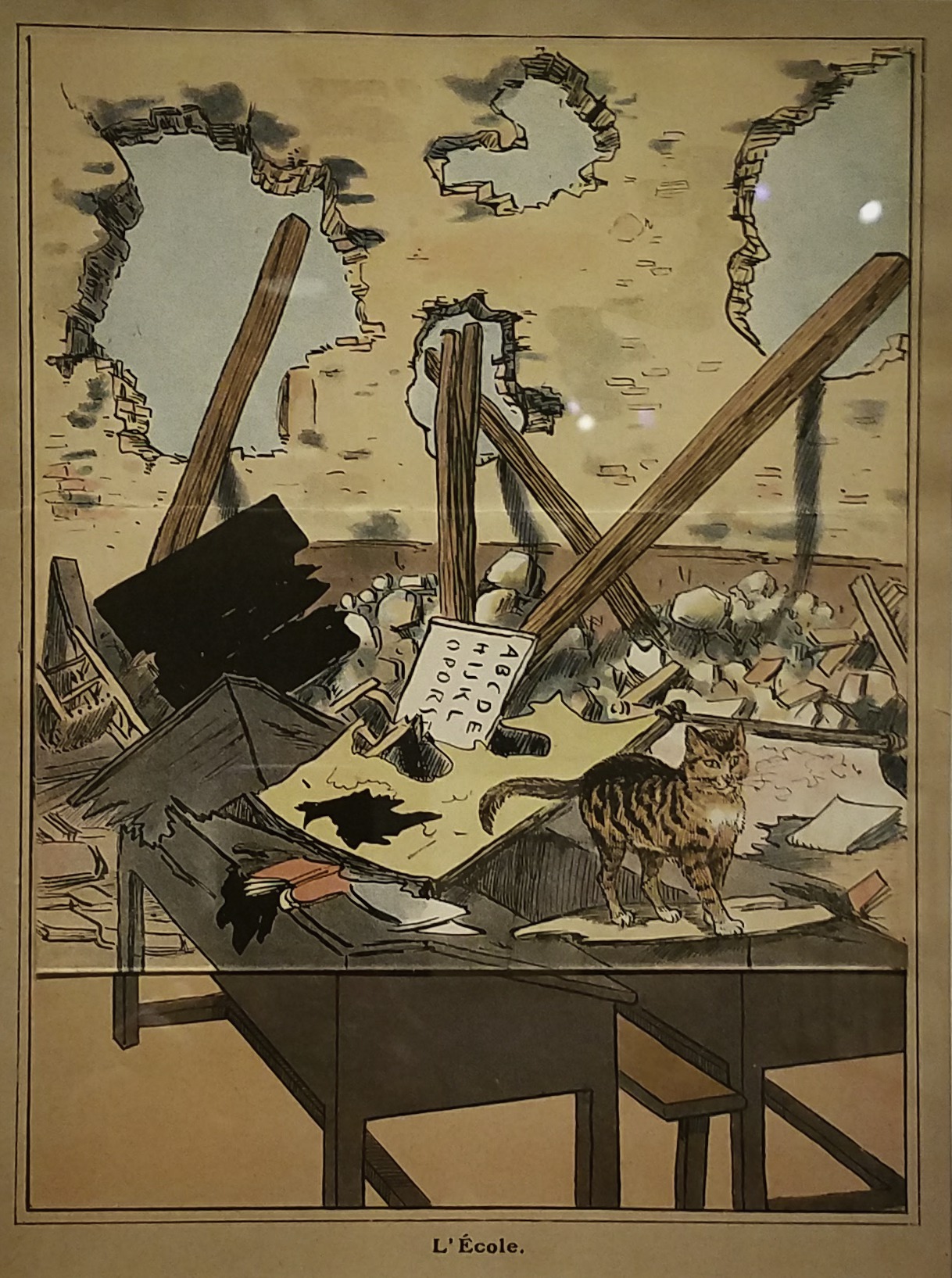
After the Victory (Au Lendemain de la Victoire), 1918
Printed by Imprimerie Kapp
Published by Librairie Hachette & Co.
Colour lithograph

Many children lost loved ones to the war and were traumatized by the sounds and sights of combat. Ostensibly, celebrating victory, this book, like much wartime propaganda for children, reflects these dark events. Its interior presents images of rebuilding: each page shows a scene of destruction, but when a flap is raised, it shows the same site restored. 


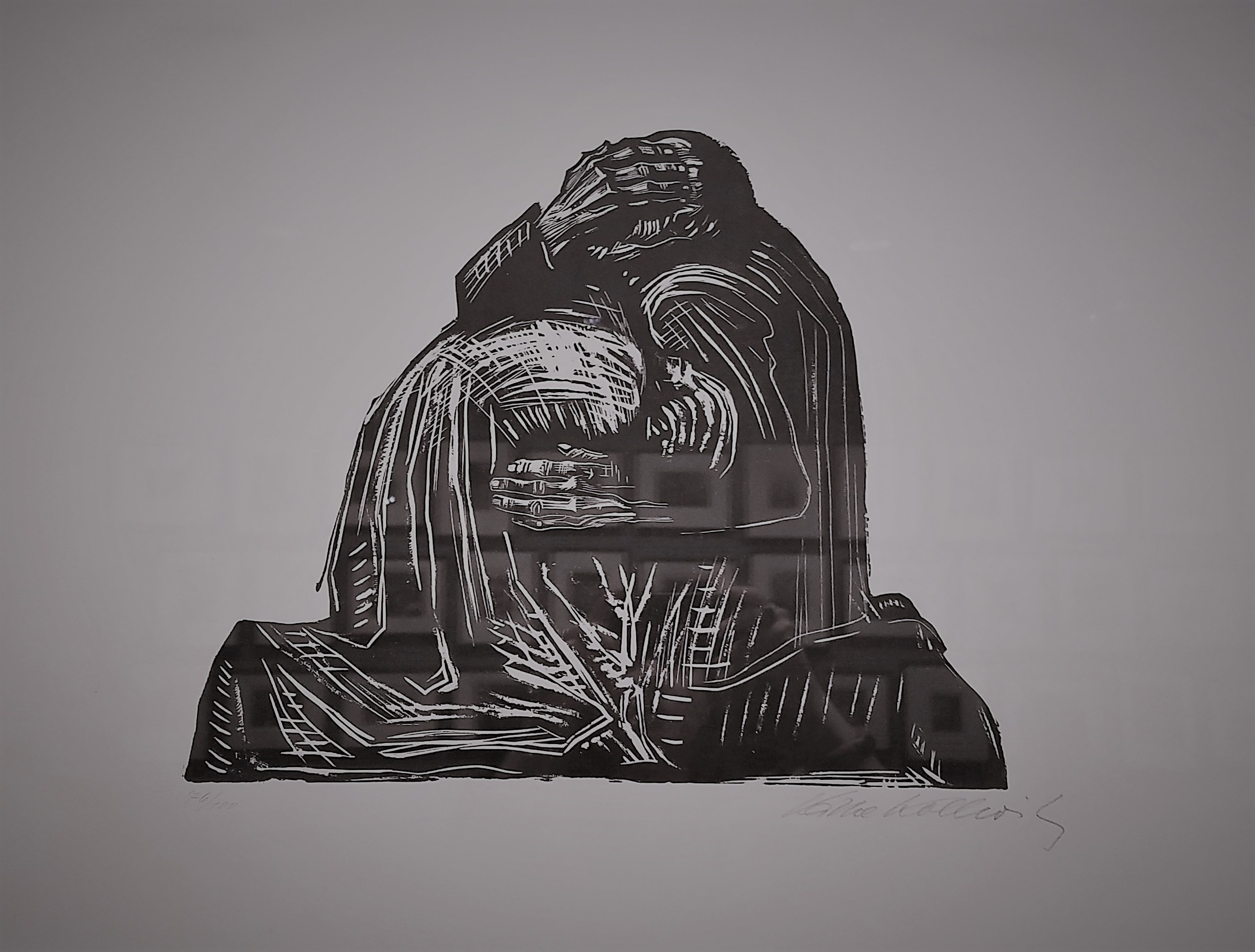
Käthe Kollwitz (1867-1945)
The Parents (Die Eltern), from War (Krieg), 1921-22
Printed by Fritz Voigt, Berlin
Woodcut

Pain,” Kollwitz noted, ”is totally dark.” This raw images portrays the profound grief of parents who, like the artist, lost a child to war. Kollwitz began working in this medium after seeing an exhibition of woodcuts by Ernst Barlach and being inspired by their graphic power; the War series is considered her most important in the technique. Kollwitz spent fifteen years working on a sculpture based on this print. The Grieving Parents, located in the cemetery for German soldiers in western Belgium where her son Peter is buried, is composed of two separate sculptures, showing the parents isolated in their despair.


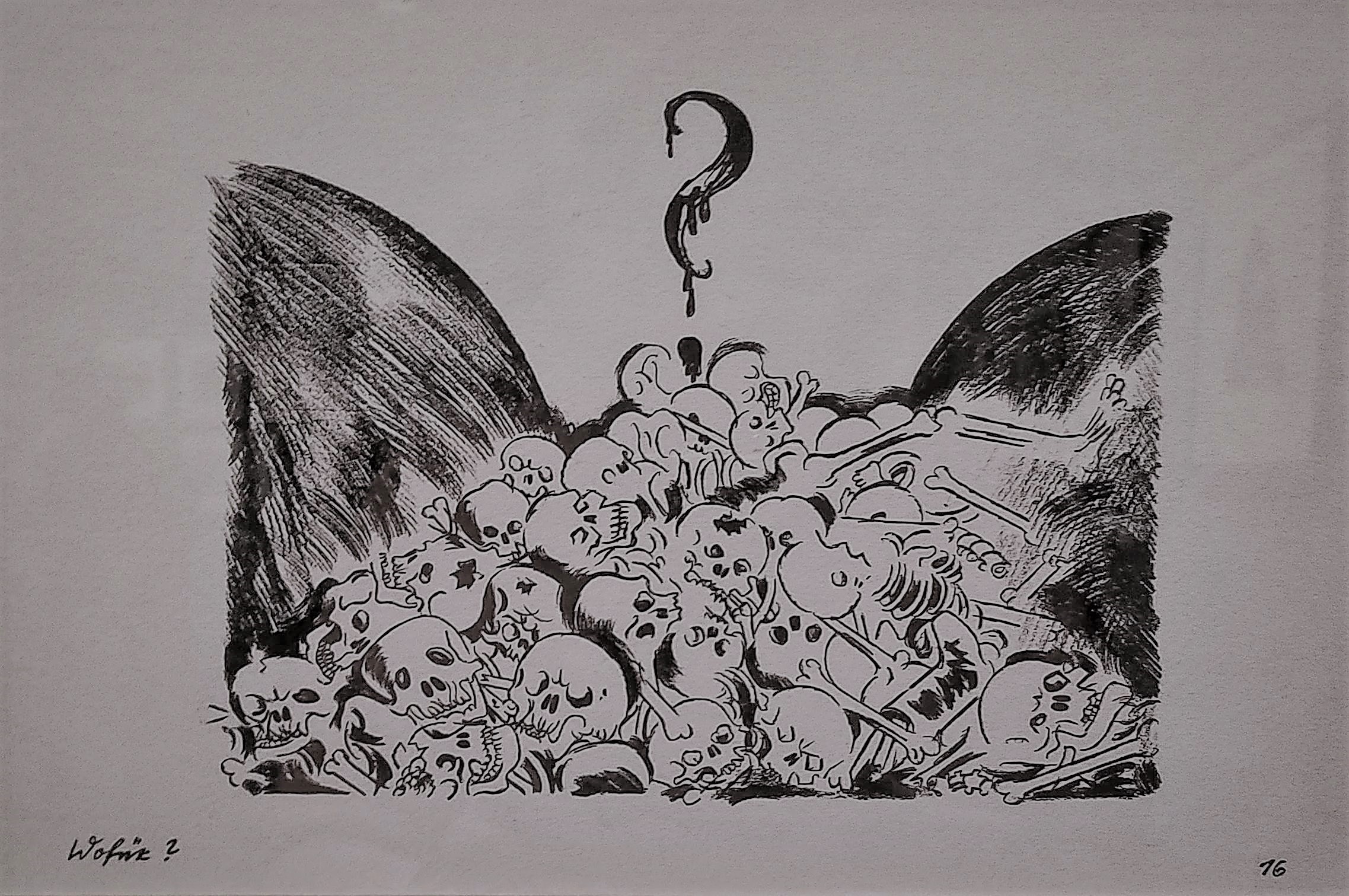
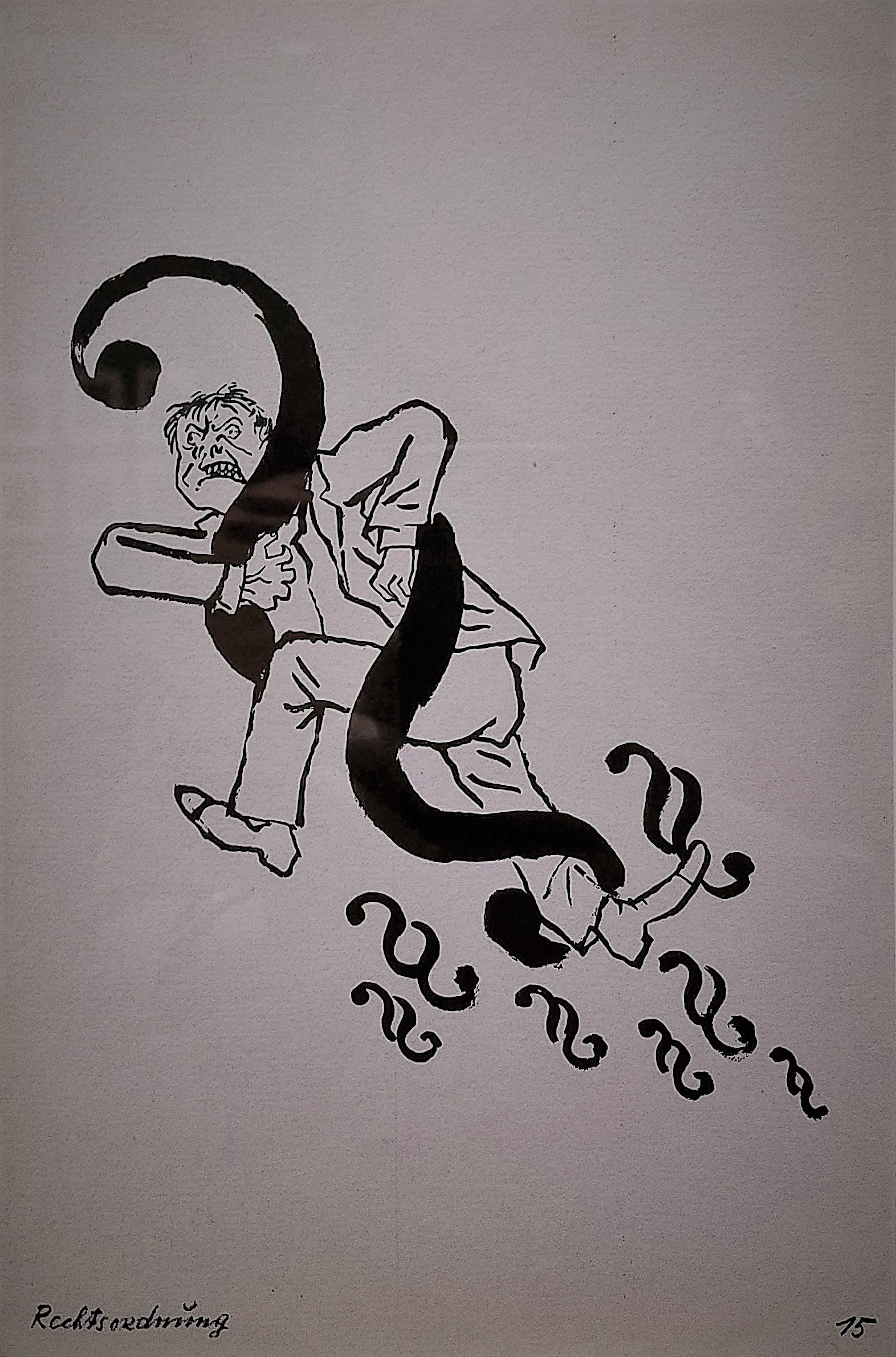
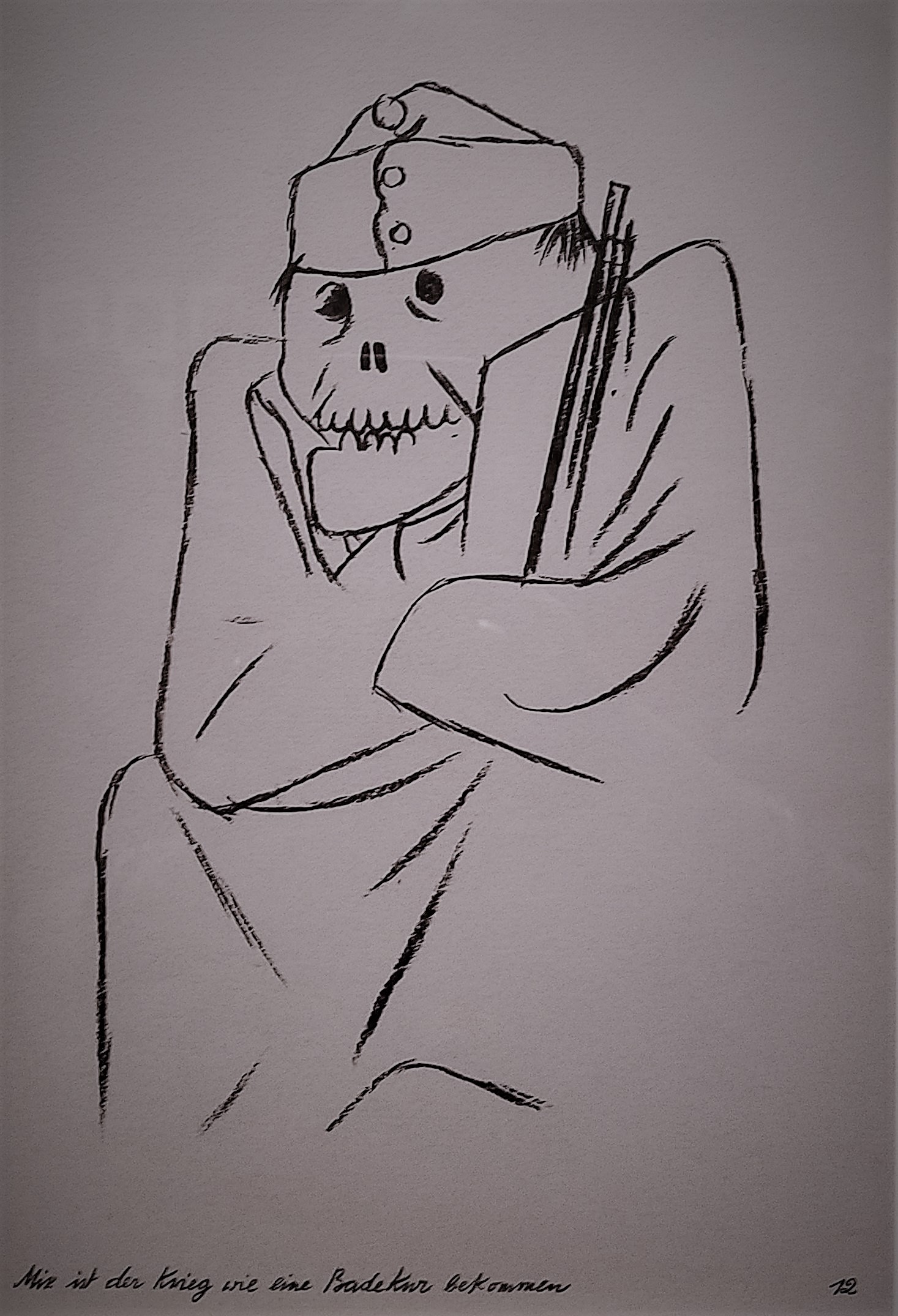
George Grosz (1893-1959)
Background (Hintergrund), 1928
3 out of 17 photolithographs with printed portfolio


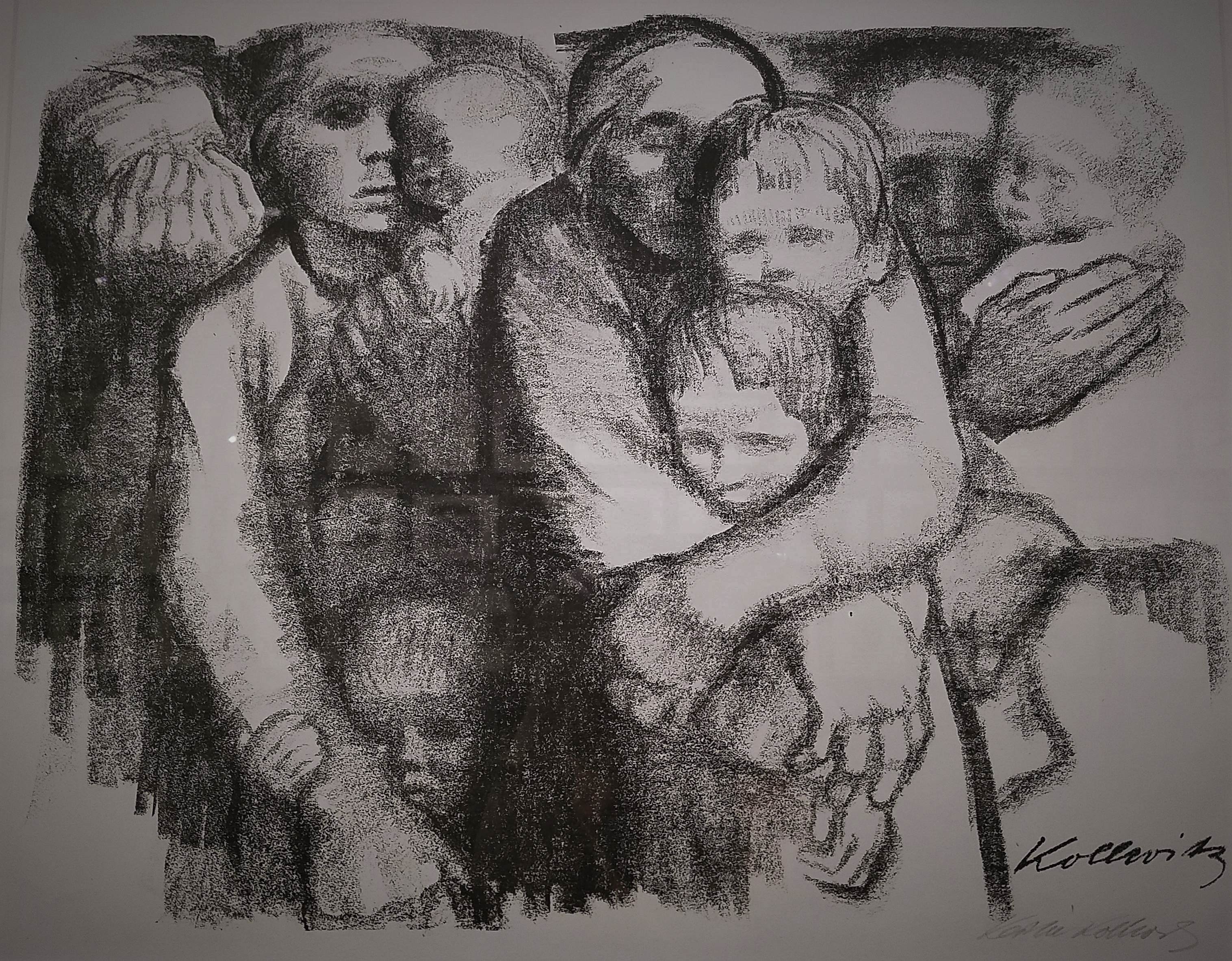
Käthe Kollwitz (1867-1945)
Mothers (Muetter), from War (Krieg), 1919
Lithograph

In Mothers, women and children huddle together, their linked bodies forming a solid structure that fills the composition. Kollwitz drew herself in the centre, eyes closed and arms wrapped protectively around her two sons: Hans, the elder, and Peter, who was killed in combat at eighteen.


Images from ”World War I and the Visual Arts”, an exhibition exploring ”the myriad and often contradictory ways in which artists responded to the first modern war”.

The Metropolitan Museum of Art

August 6th, 2017