Midsummer acts with a view to Winter Solstice
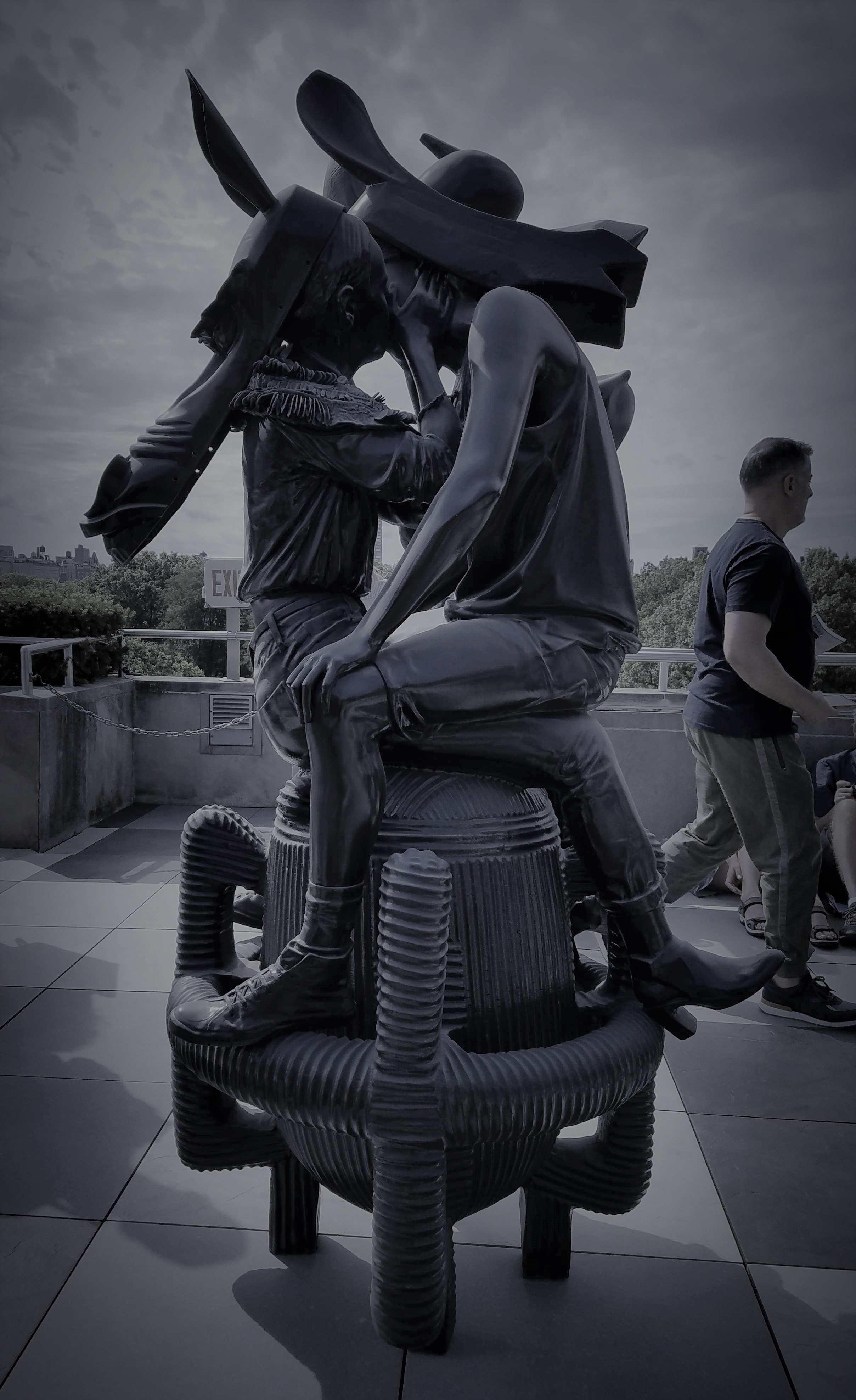
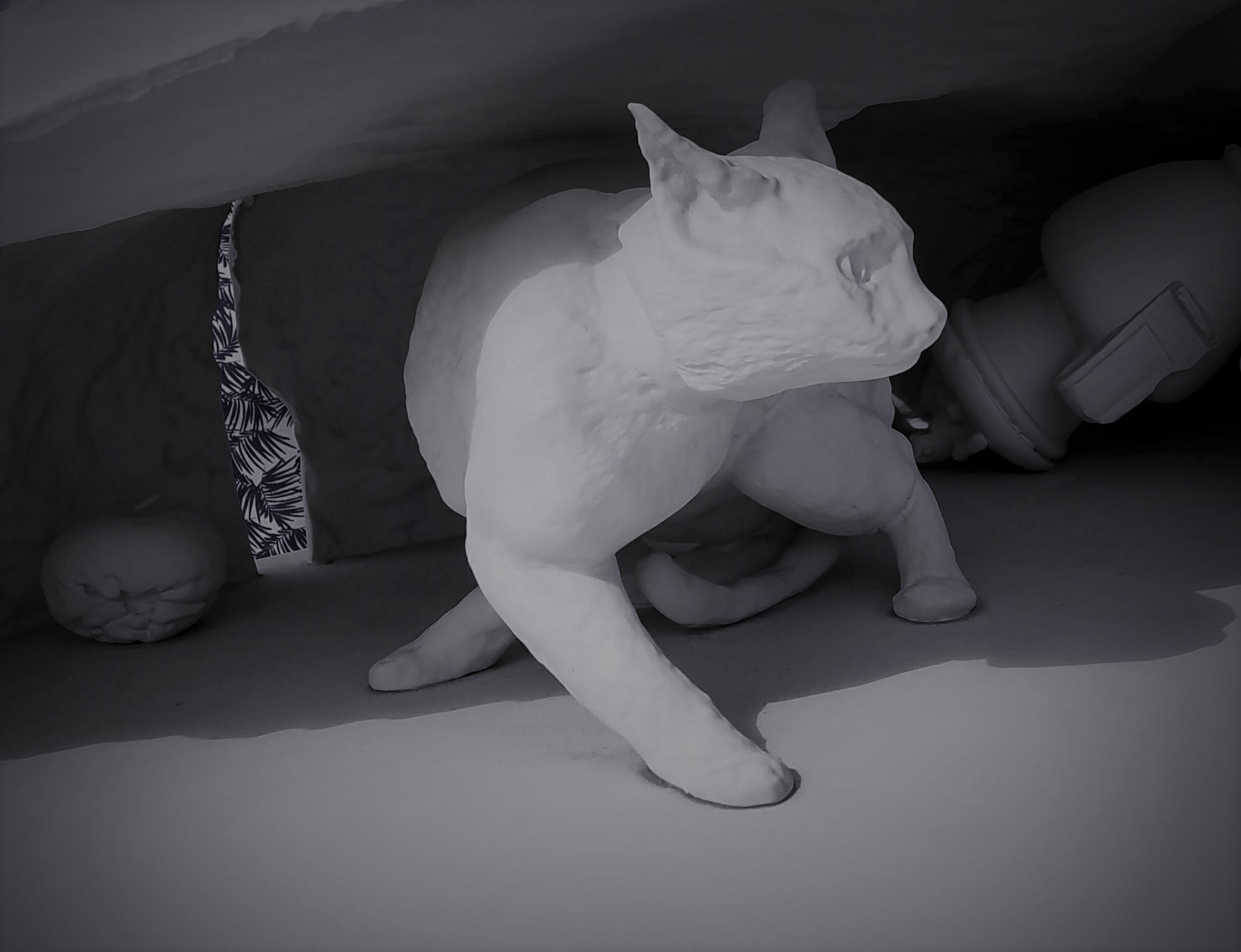
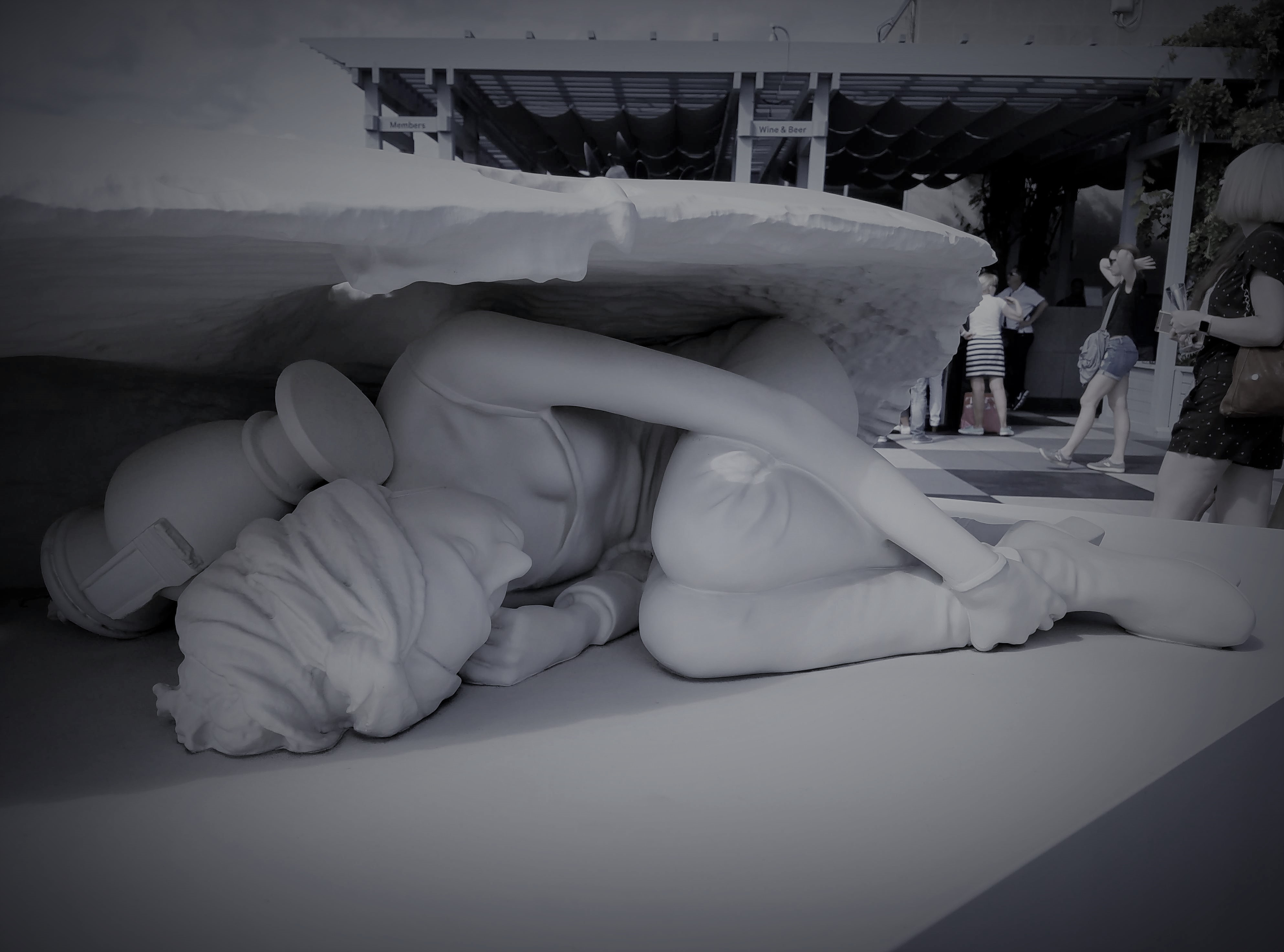
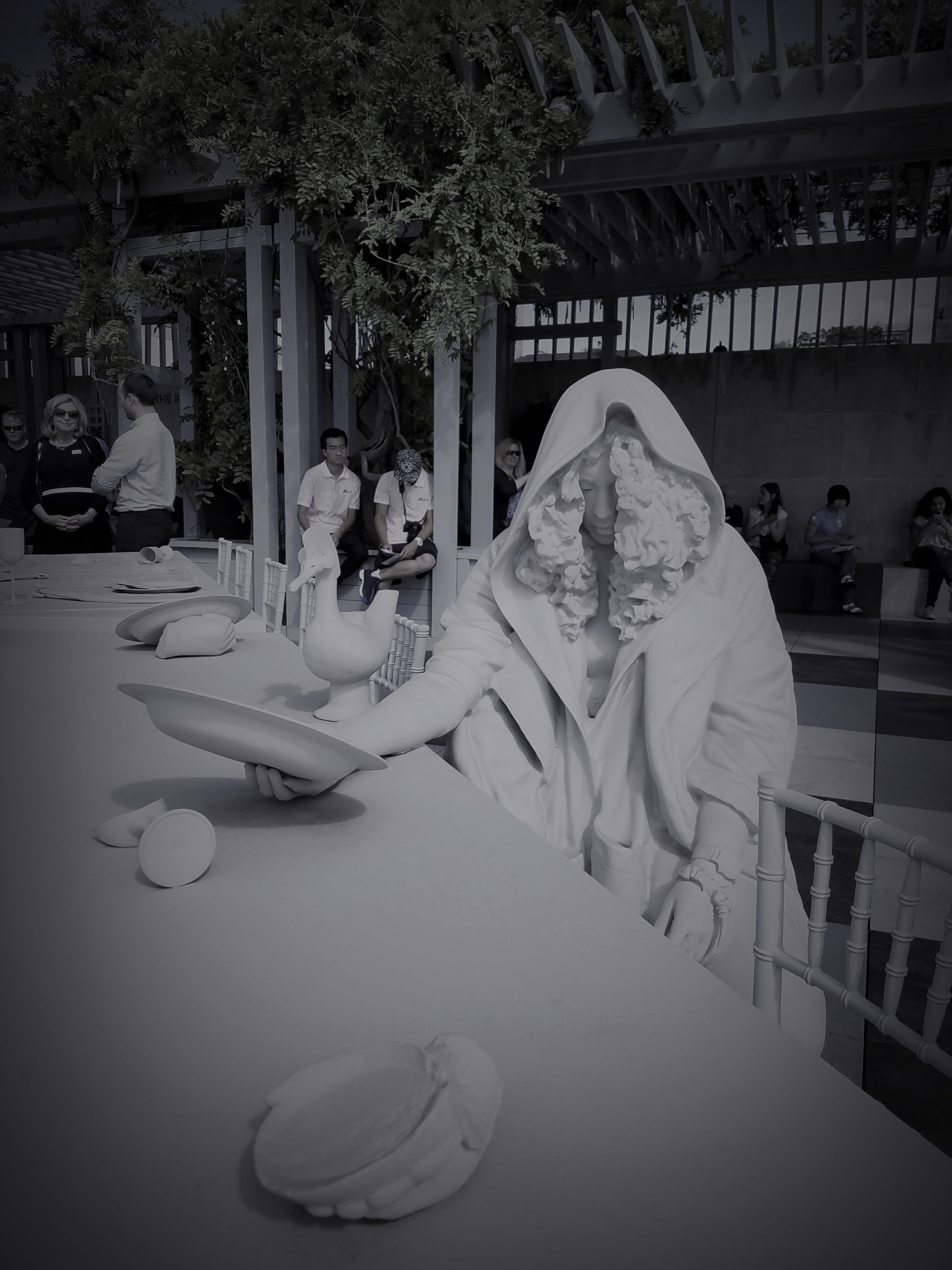
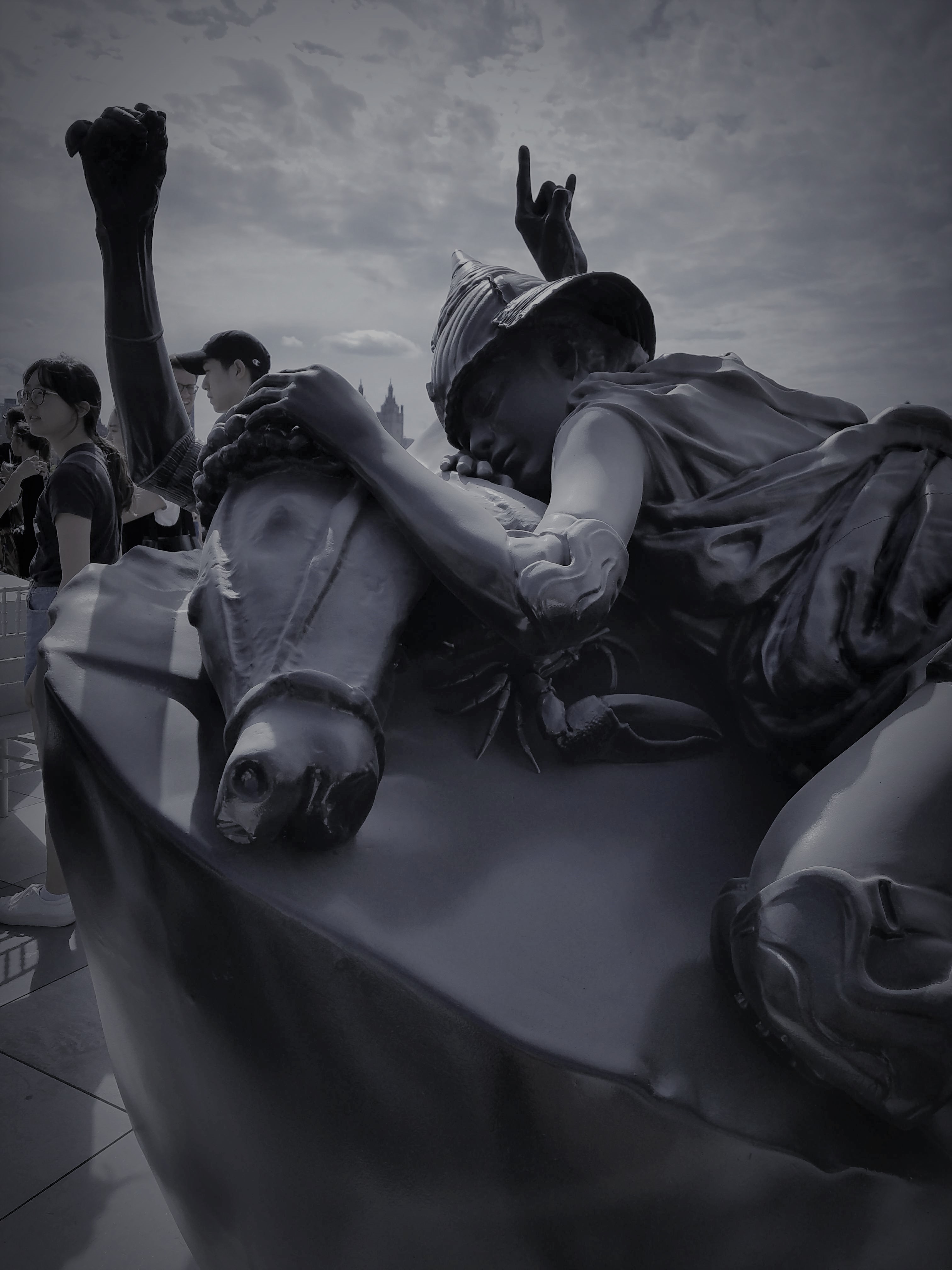
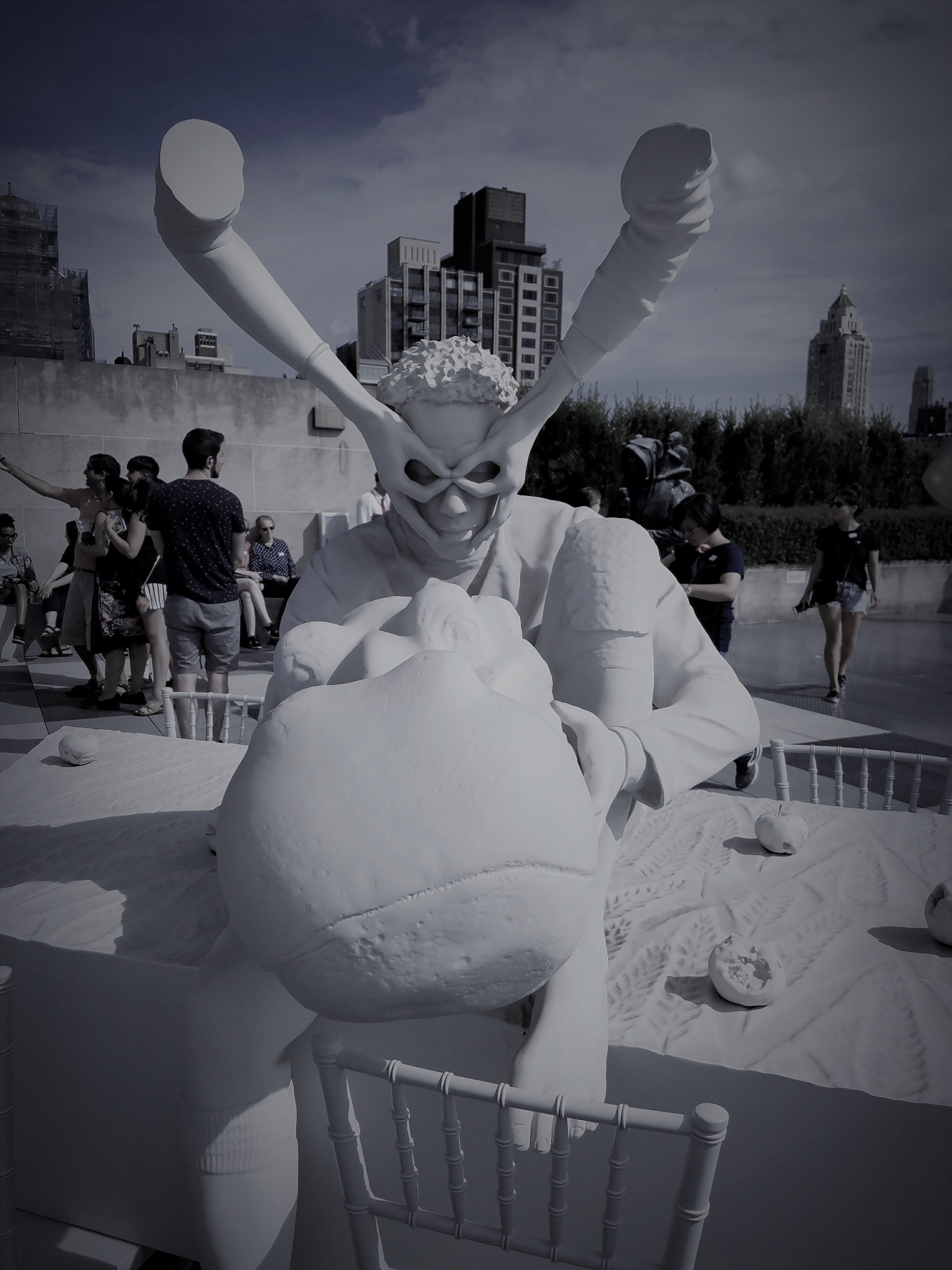
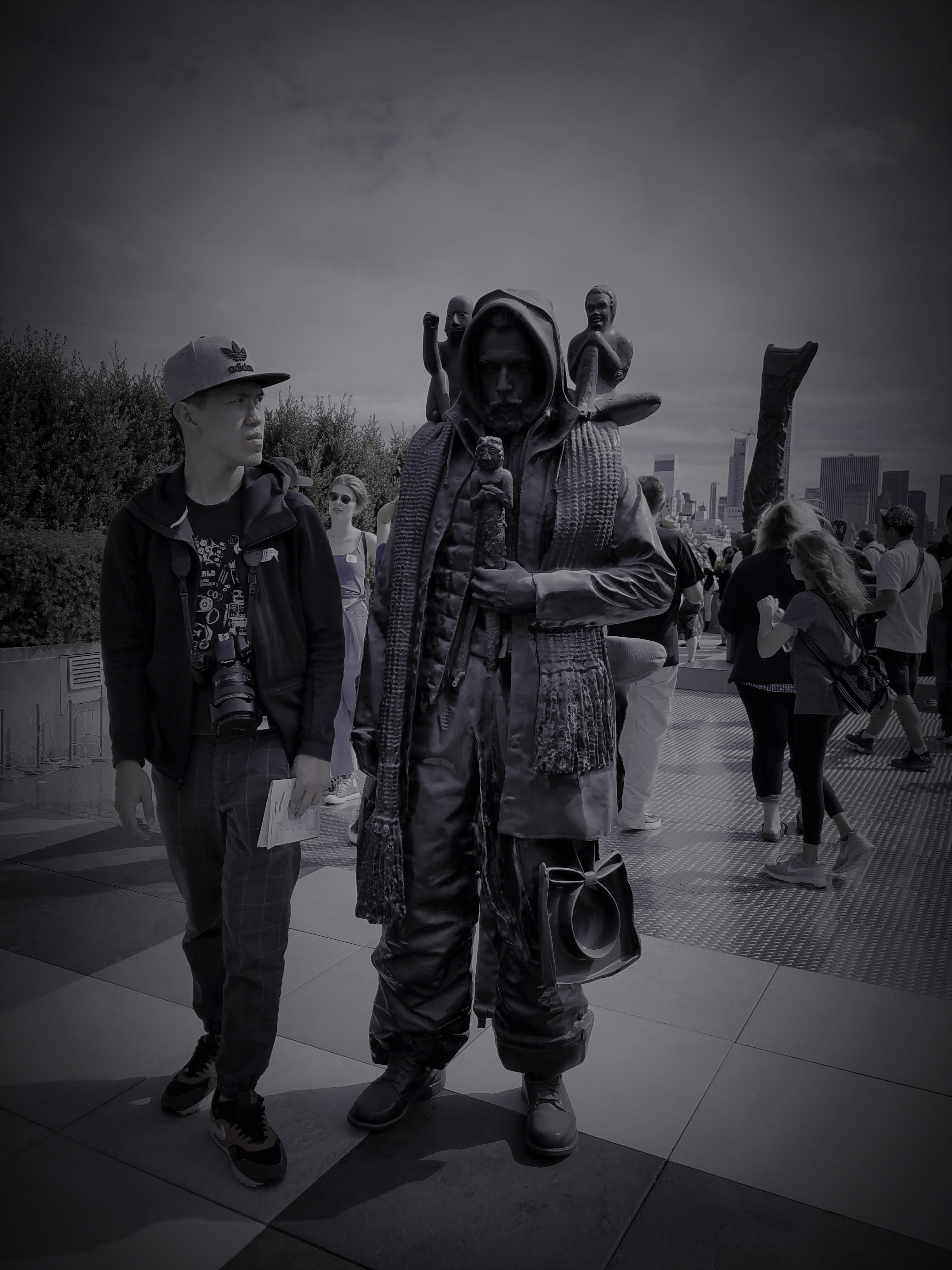
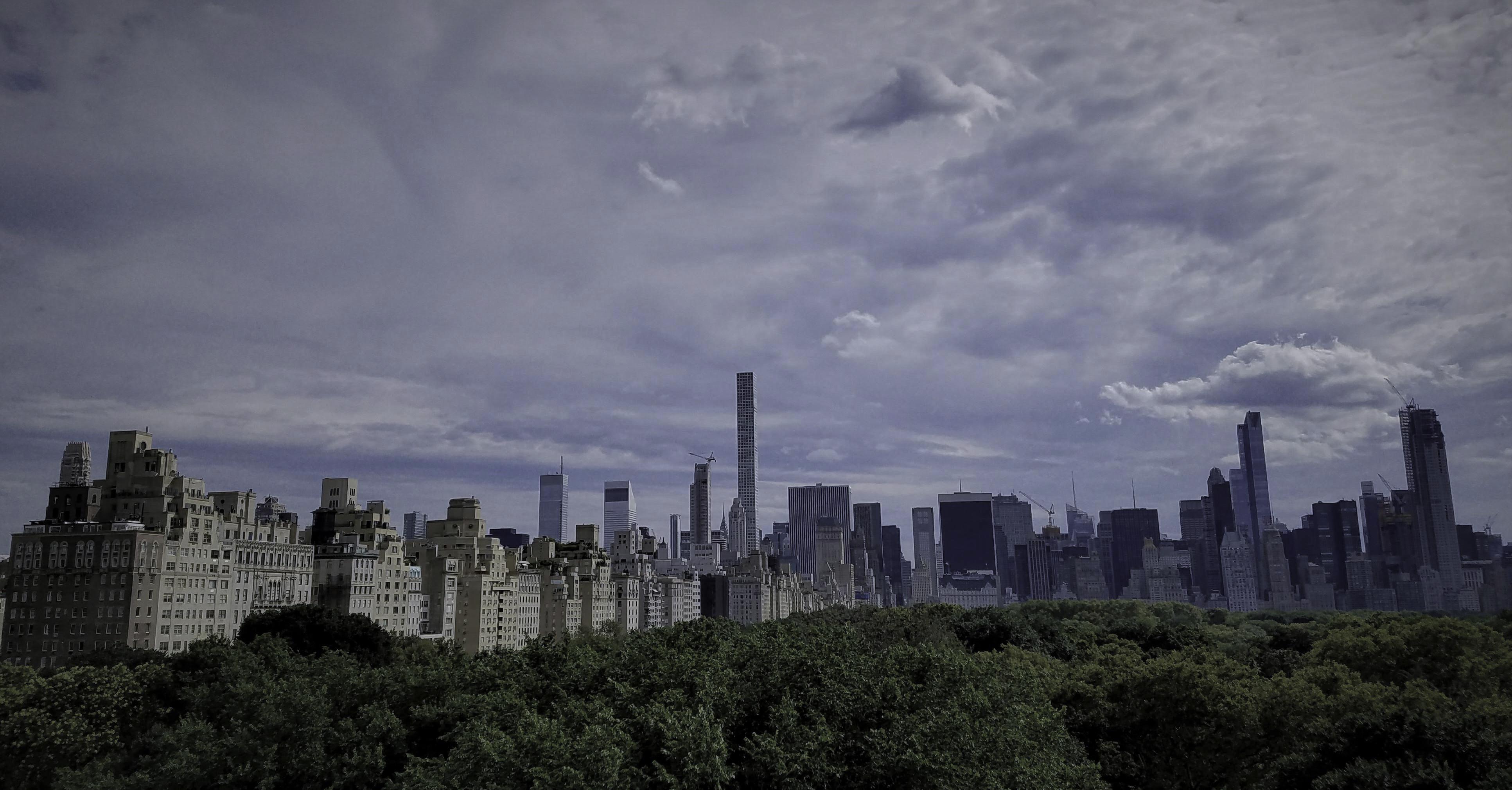
The Roof Garden Commission: Adrián Villar Rojas, The Theater of Disappearance
The Metropolitan Museum of Art
5th Avenue
August 6th, 2017
Midsummer acts with a view to Winter Solstice
The Roof Garden Commission: Adrián Villar Rojas, The Theater of Disappearance
The Metropolitan Museum of Art
5th Avenue
August 6th, 2017
One of my favourite paintings, is on view @The_Met. Both mythical and realistic, surreal yet, somehow, familiar. I feel like it would take me many moon phases – or may be forever – to complete a full circle around the lush wooded rim. I feel like I’ve been there many times before; I go there often – in my dreams. Almost always in twilight, instances before it turns completely dark.
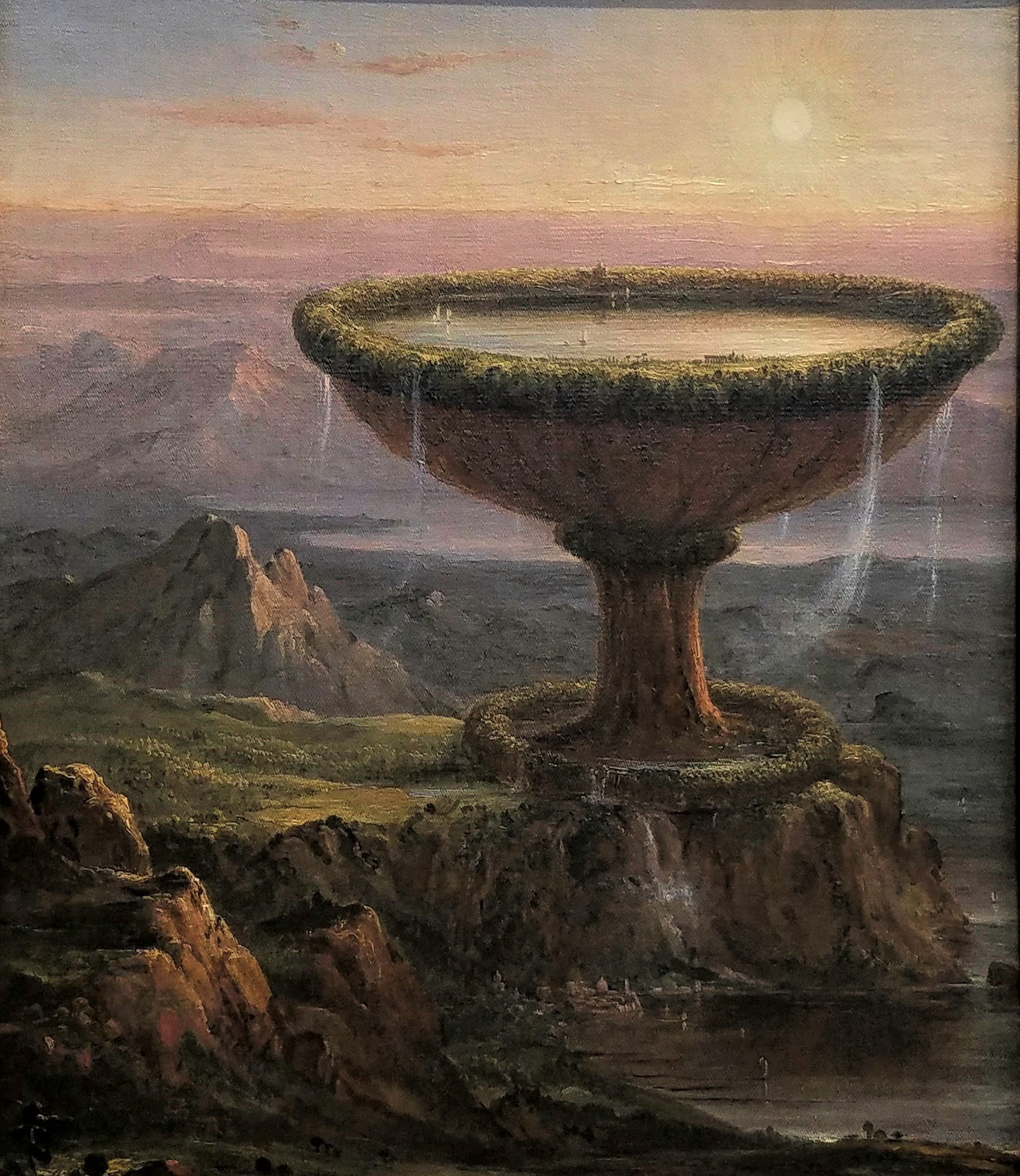 The Titan’s Goblet, 1833
Thomas Cole (1801–1848)
Oil on canvas
August 6th, 2017
Looking for Rei…
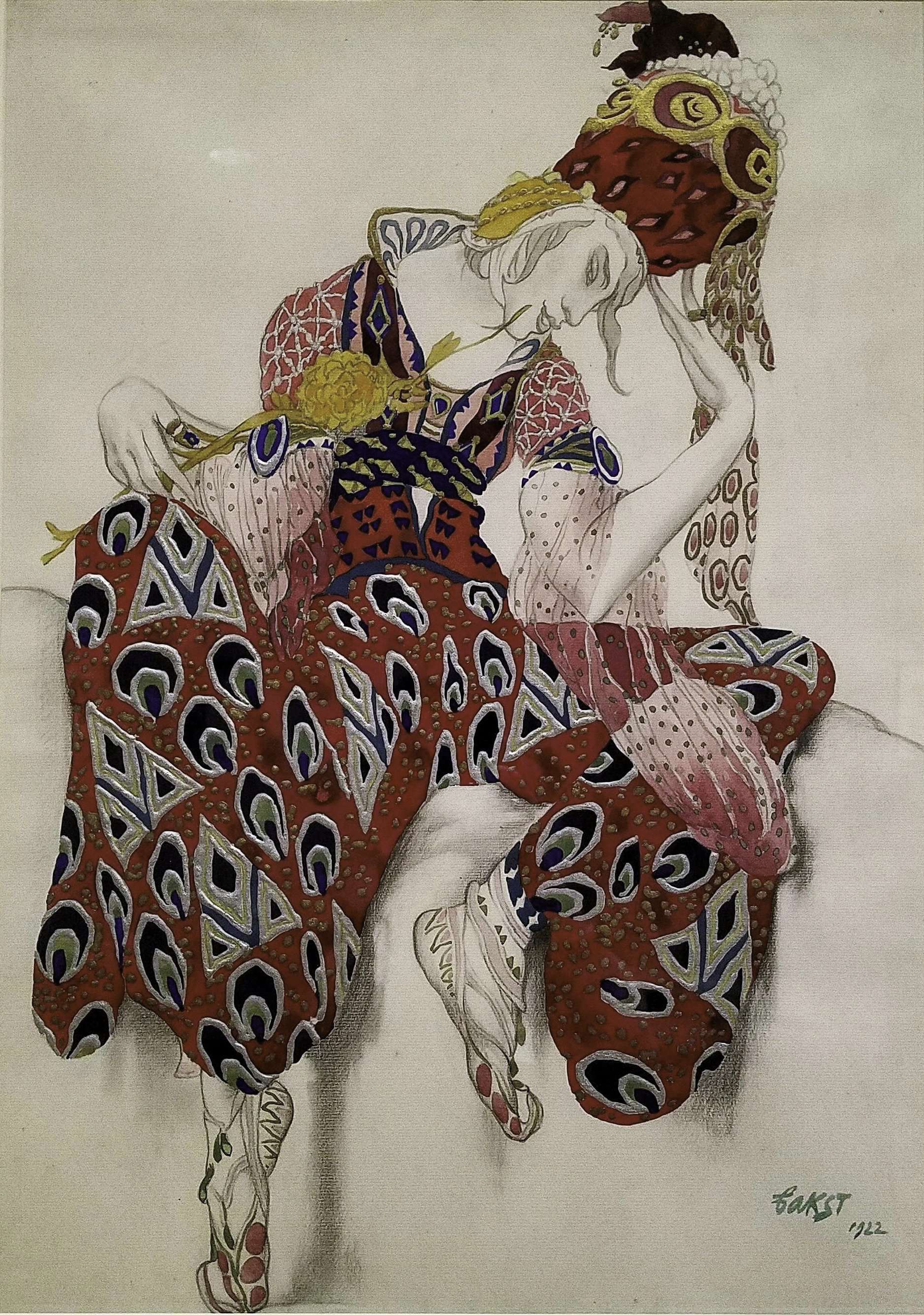
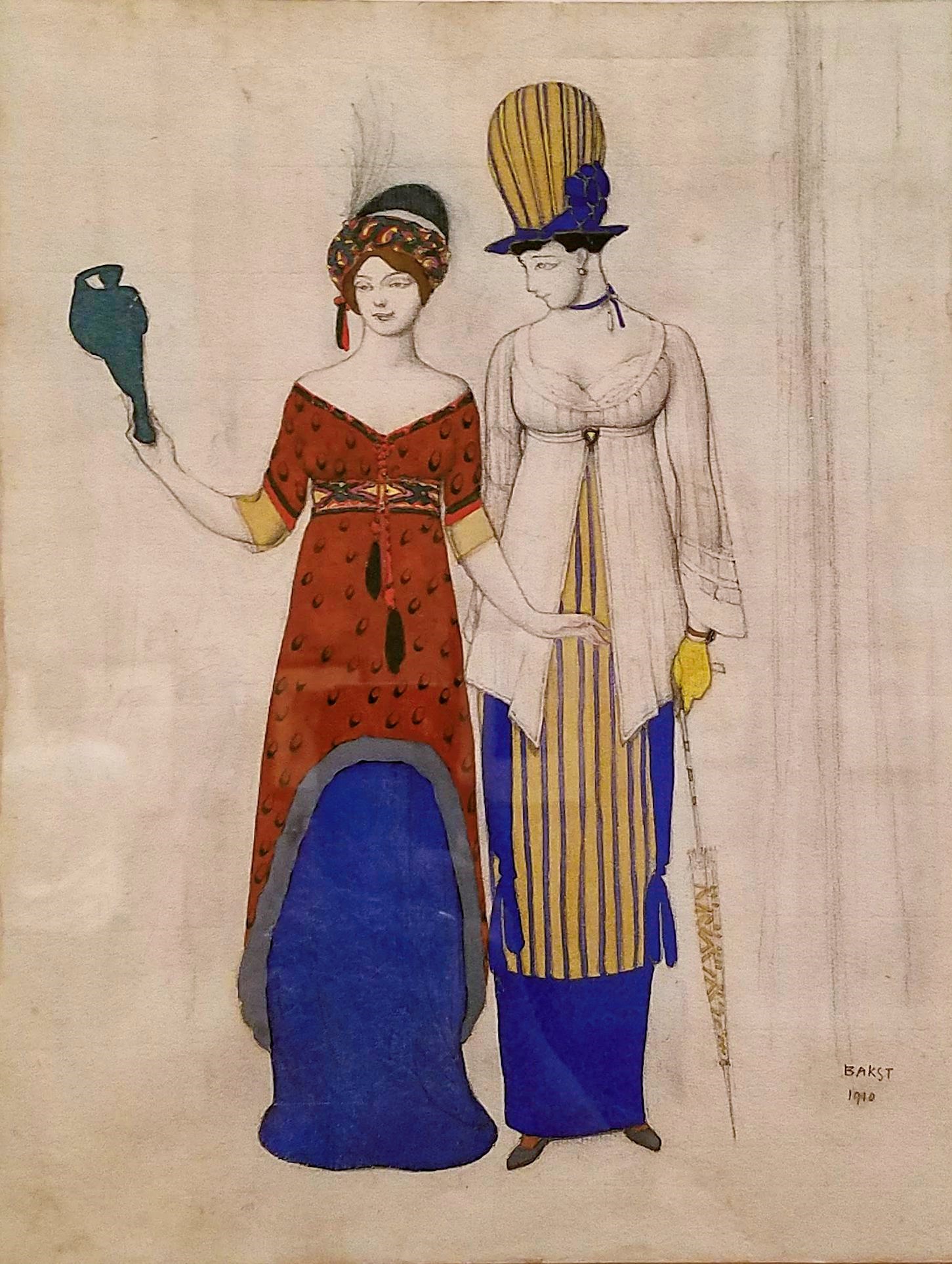
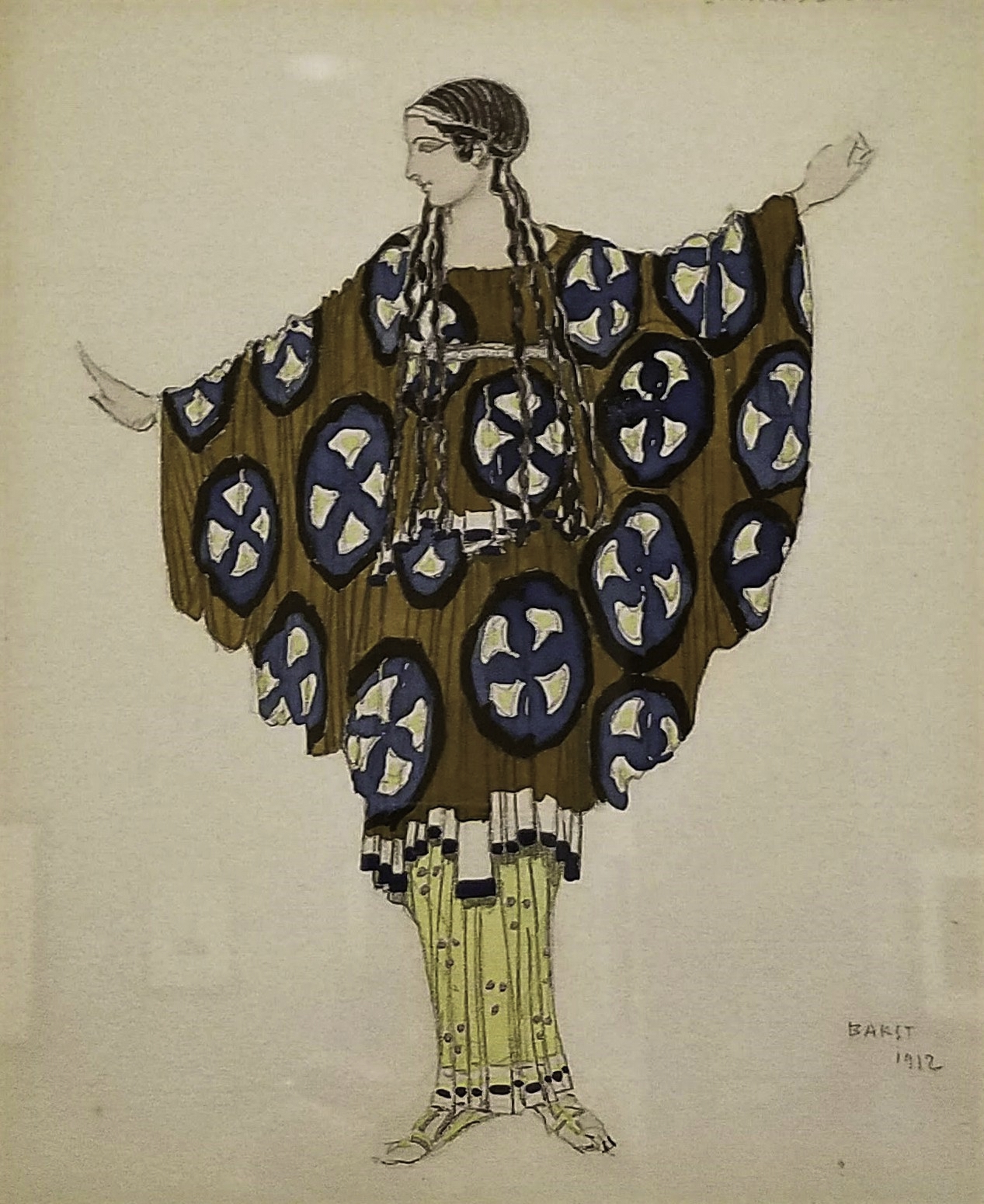

1/
Costume Design by Léon Bakst for Vaslav Nijinsky in the Role of Iksender in the Ballet “La Péri” (The Flower of Immortality), 1922 (first performed in Paris, 1912). Watercolour and gold and silver paints over graphite
With his distinct Eurasian features, Nijinski effortlessly portrayed protagonists of various ethnicities, such as Iksender in La Péri, set in Iran. However he never actually performed as Iksender, because Diaghilev cancelled the entire production when Nijinski’s female counterpart could not match his talent in dance.
2/
‘Fantaisie sur le costume moderne‘: Two female haute couture figures, 1910. Graphite, brush and watercolour and gouache
Although better known for his costume and stage designs for the Ballets Russes directed by Diaghilev and the performances of Ida Rubinstein, Bakst was also influential in fashion design during the early decades of the 20th century, and designed garments himself. The designs in this drawing show the bold, sensuous colour, characteristic of his style, with geometric patterns and rich textures.
3/
Costume Design for a Woman from the Village, for the Ballet ‘Daphnis and Chloé‘, performed at the Théâtre du Châtelet in Paris, 1912. Watercolour and graphite
This ballet by Fokine was first performed at the Théâtre du Châtelet in Paris in 1912, as part of the repertoire of the Ballets Russes for the season. The costume designs for the ballet were inspired by Ancient Greece, and Bakst drew inspiration from ancient vases, both for the costumes and the poses and movements of dancers
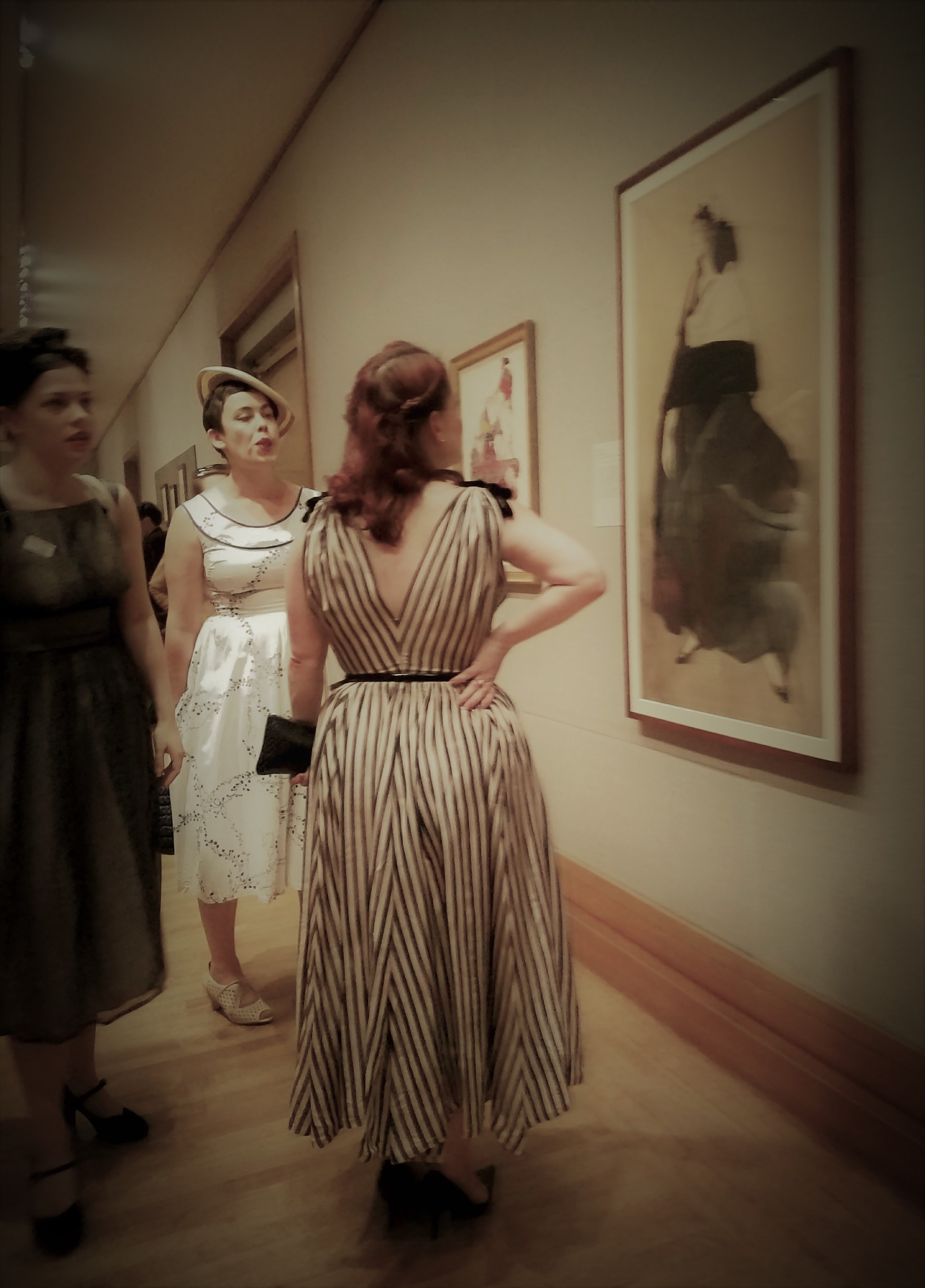
4/Ida’s stylish fans in mutual admiration.
5/
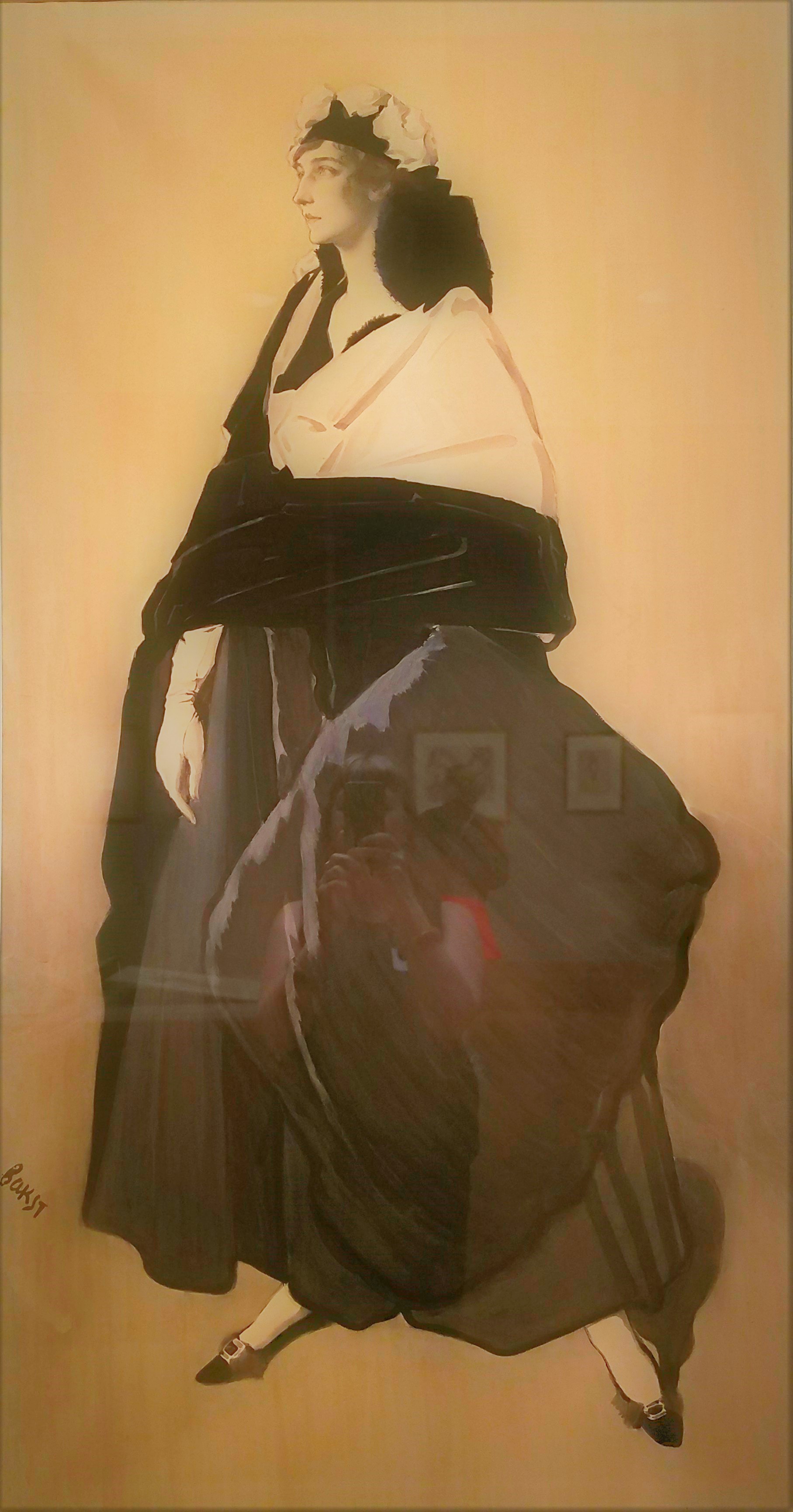
Mme Ida Rubinstein, 1917. Watercolour, gouache, and graphite on paper, mounted on canvas
Bakst was a gifted portrait artist and captured the likeness of many of his friends and colleagues. In this almost life-size watercolour, he depicts the Russian heiress Ida Rubinstein, who danced with the Ballets Russes for two seasons after an introduction by her teacher, the choreographer Mikhail Fokine.
6/
Design for the Set of the Ballet ‘Narcisse’, premiered at the Théâtre de Monte Carlo, 1911. Watercolour, gouache, and charcoal
Bakst designed this impressive decor for Narcisse, a one-act ballet about the Greek mythological figure Narcissus, who falls in love with his own reflection in a pool of water. The story is set at the shrine of Pomona, a mythological goddess associated with the abundance of nature. The rich green landscape Bakst created echoes the sensibilities of the Art Nouveau style.
***
Images from ”Performance as Escape: Léon Bakst and the Ballets Russes”, an exhibition featuring a small selection of costume and set designs by Léon Bakst for the Ballets Russes, we happened upon on our way to The Met’s 2017 blockbuster, Rei Kawakubo/Comme des Garçons: Art of the In-Between.
You can see photos from that show, in nine sections, by going to the Search button at the end of the page and simply typing ”Rei Kawakubo”.
August 6th, 2017
On a random day, walking home from work, a ballet class was performing – or maybe rehearsing, momentarily surprising passersby out of their fast-pace routine. One thing I learned by walking the streets of New York is to expect the unexpected.
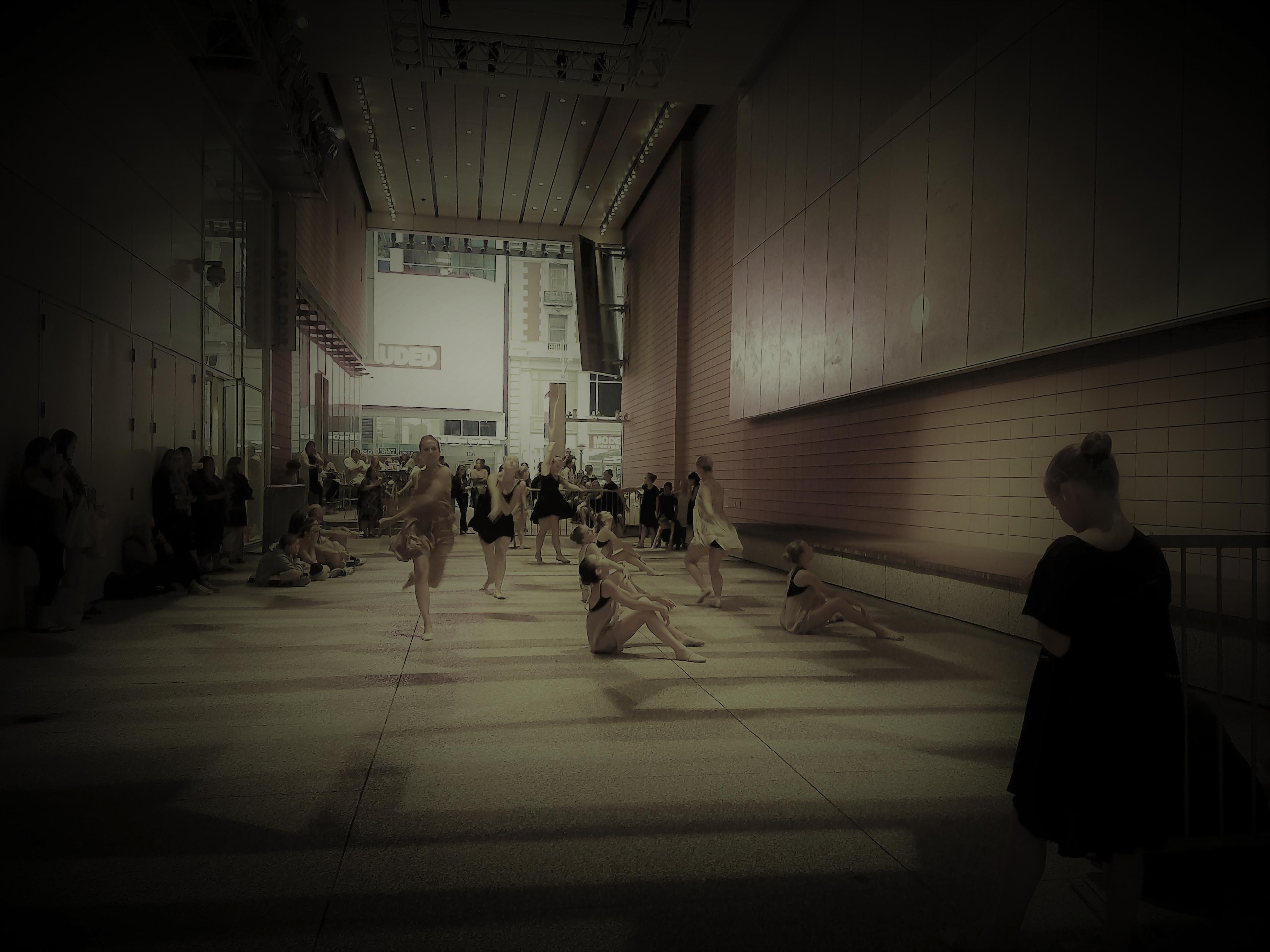
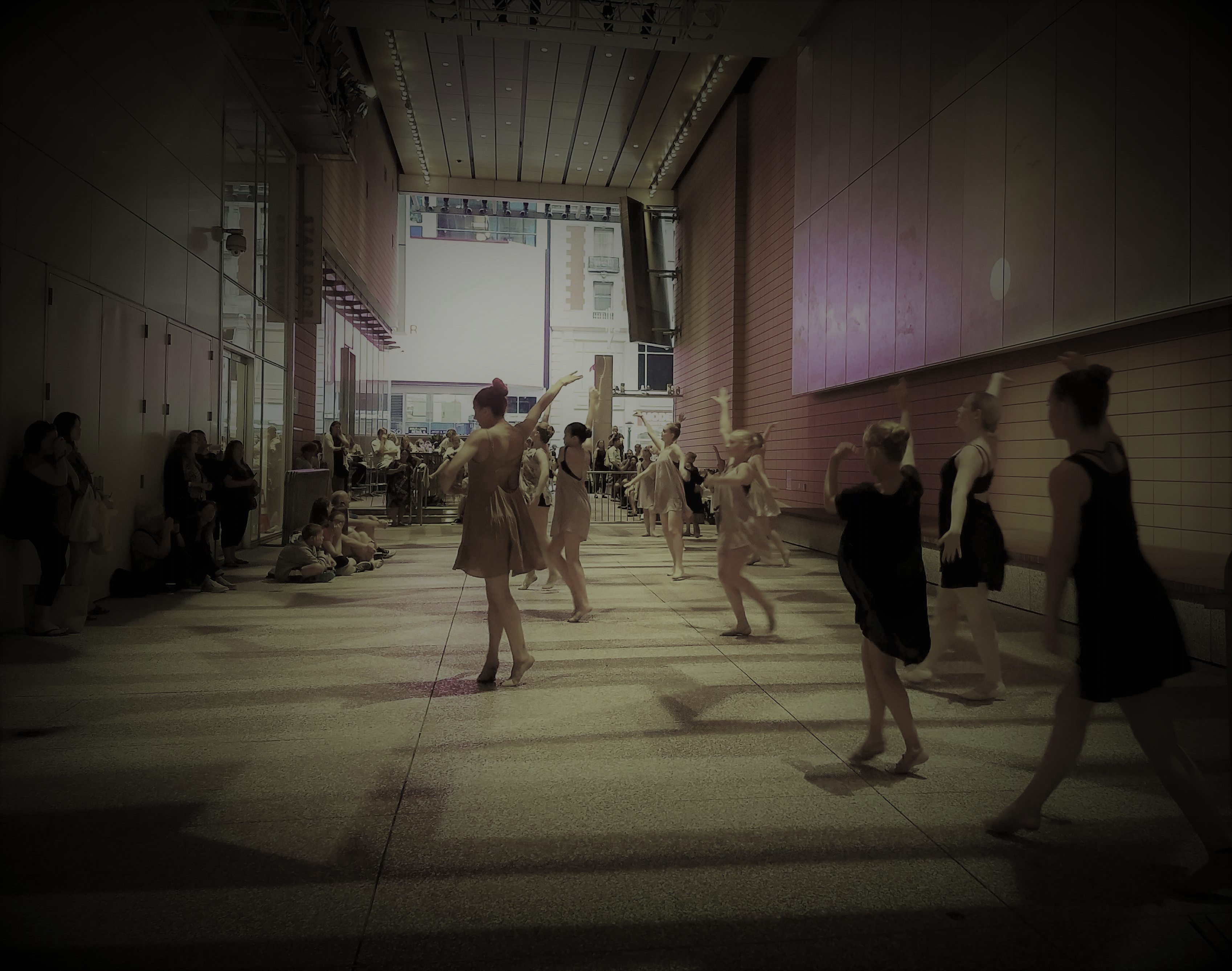
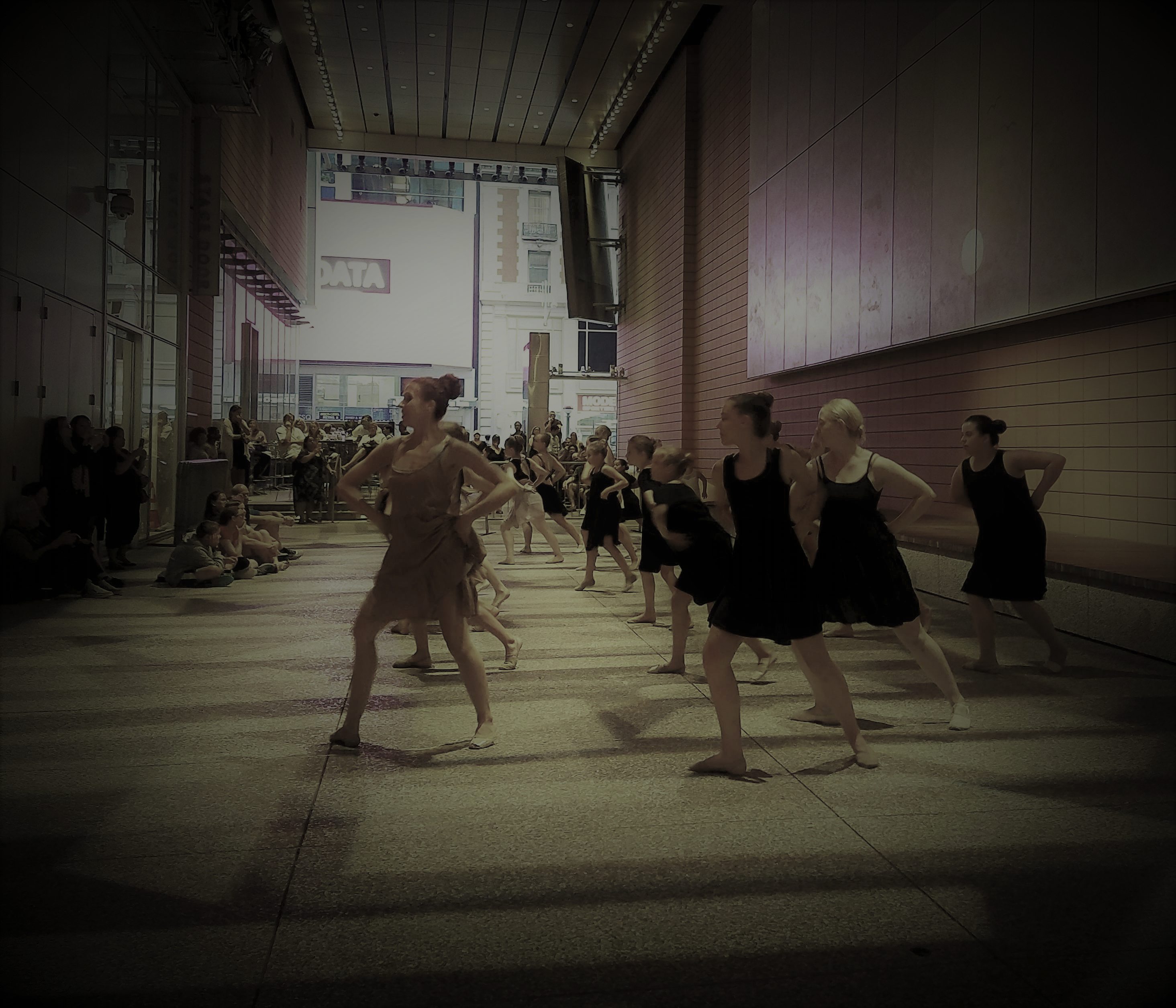
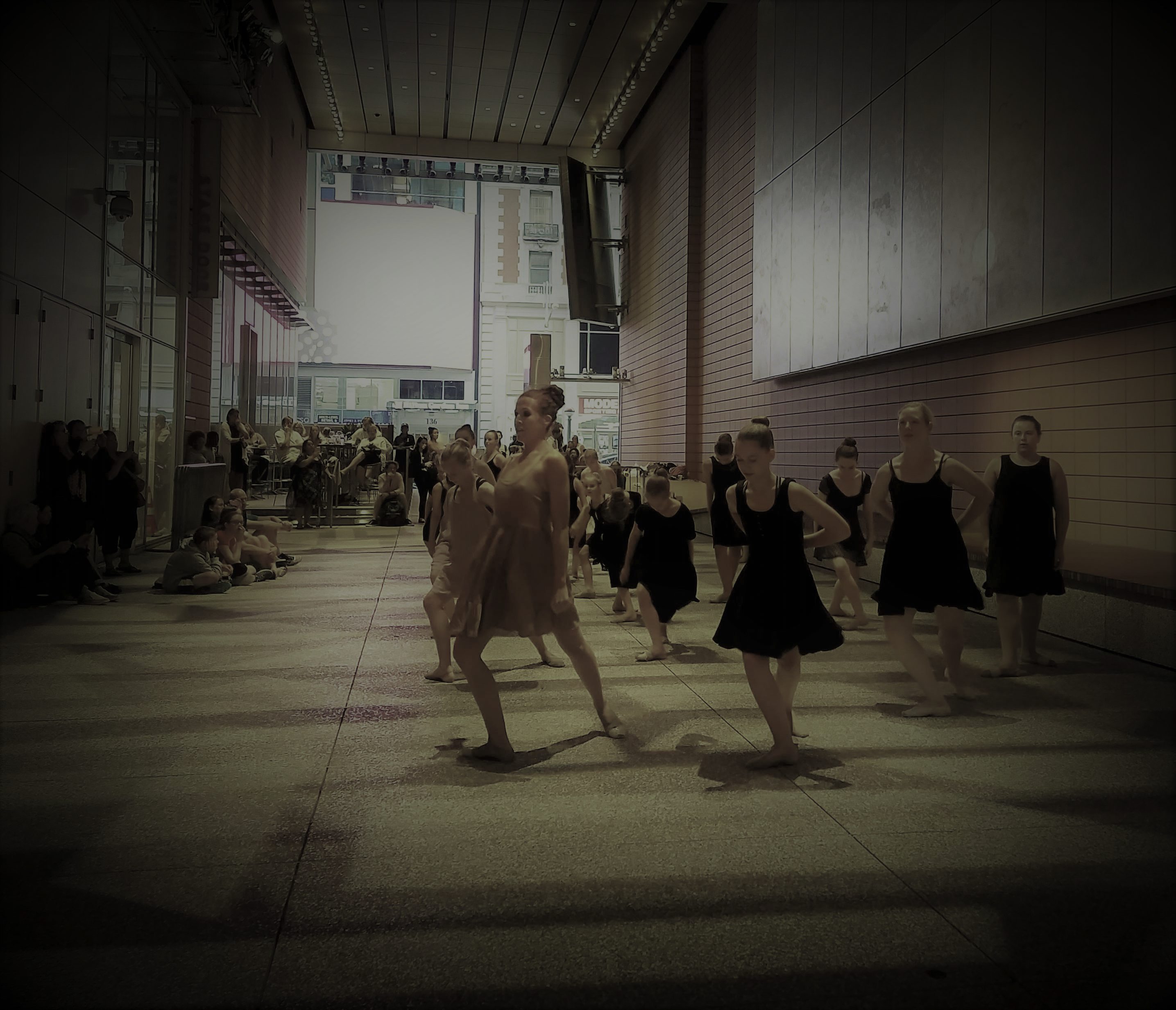
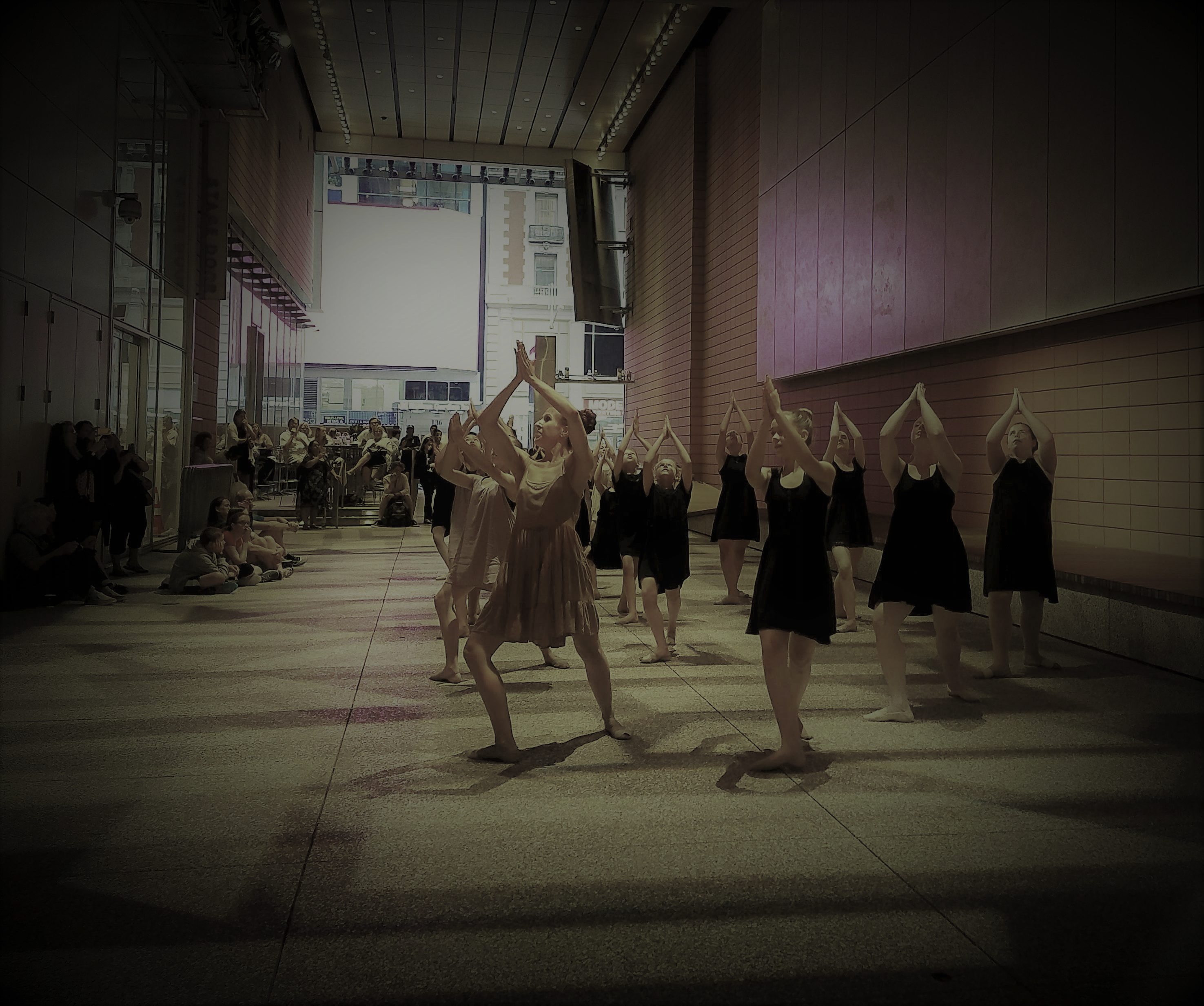 A passage connecting 42nd & 43rd Streets, near Times Square.
August 2nd, 2017
@Hudson_River_Greenway walk


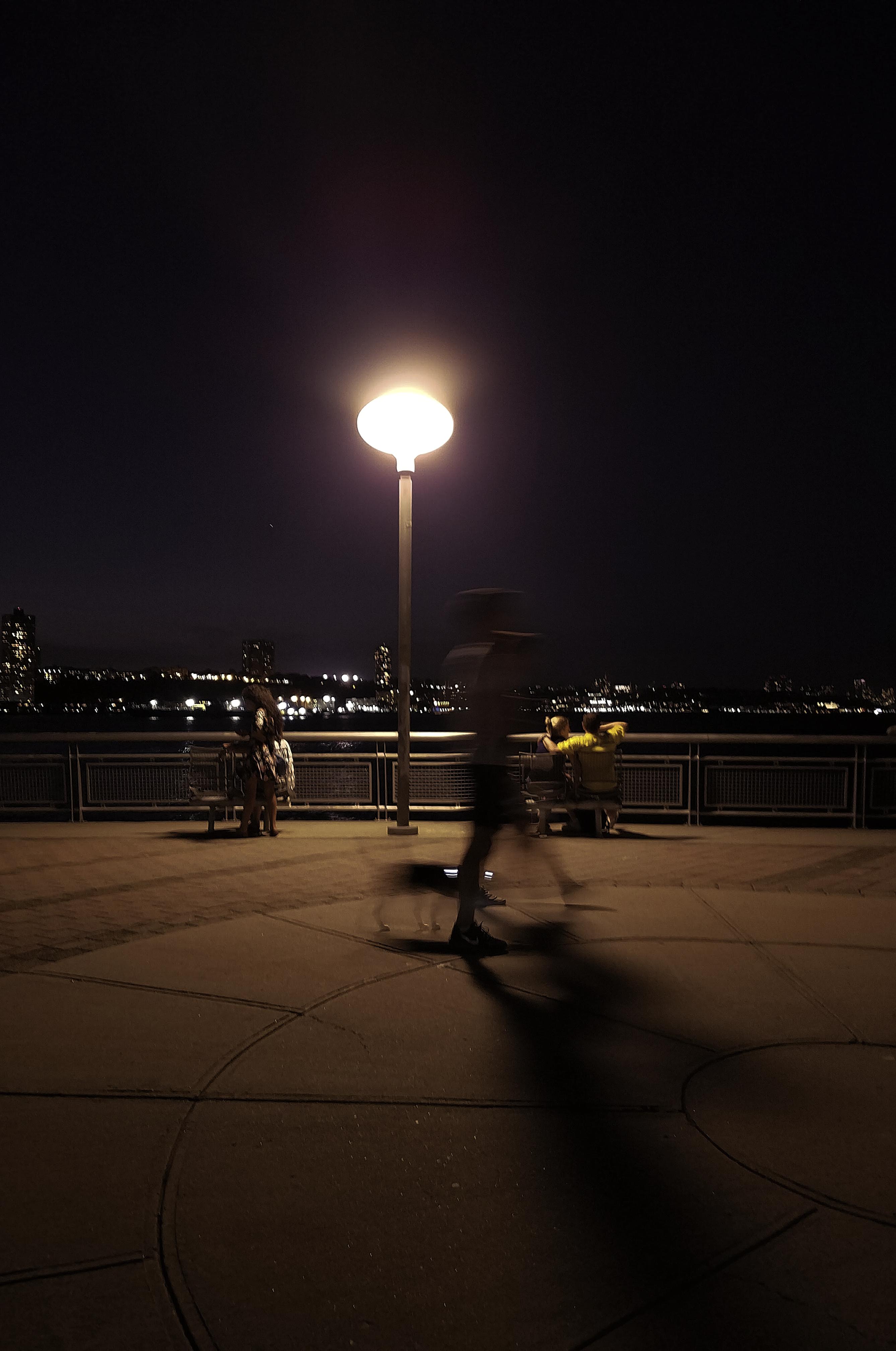
August 1st, 2017
Making new friends @Central_Park
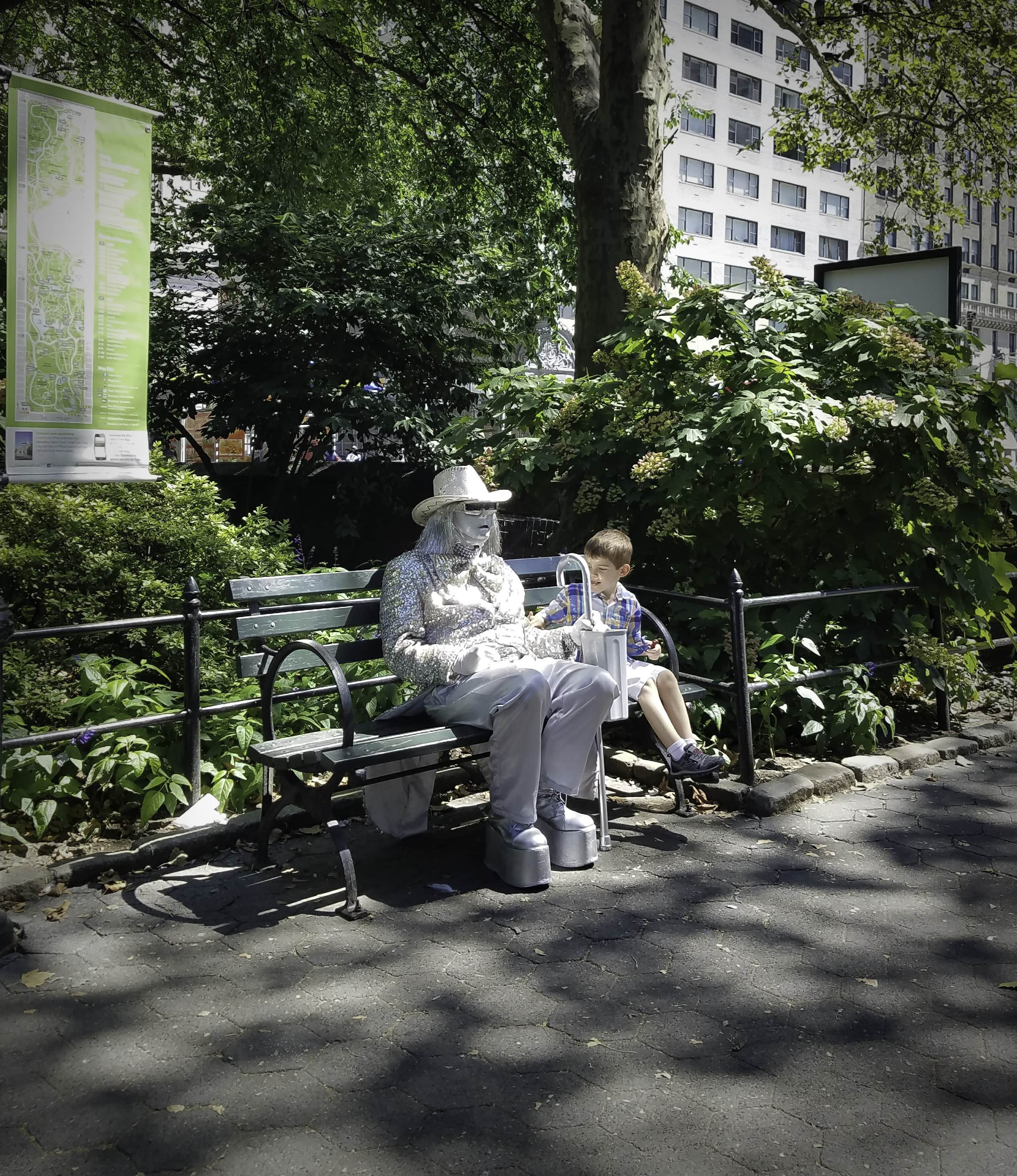
July 30th, 2017
So, if you are going to make an entrance, make it a grand one.
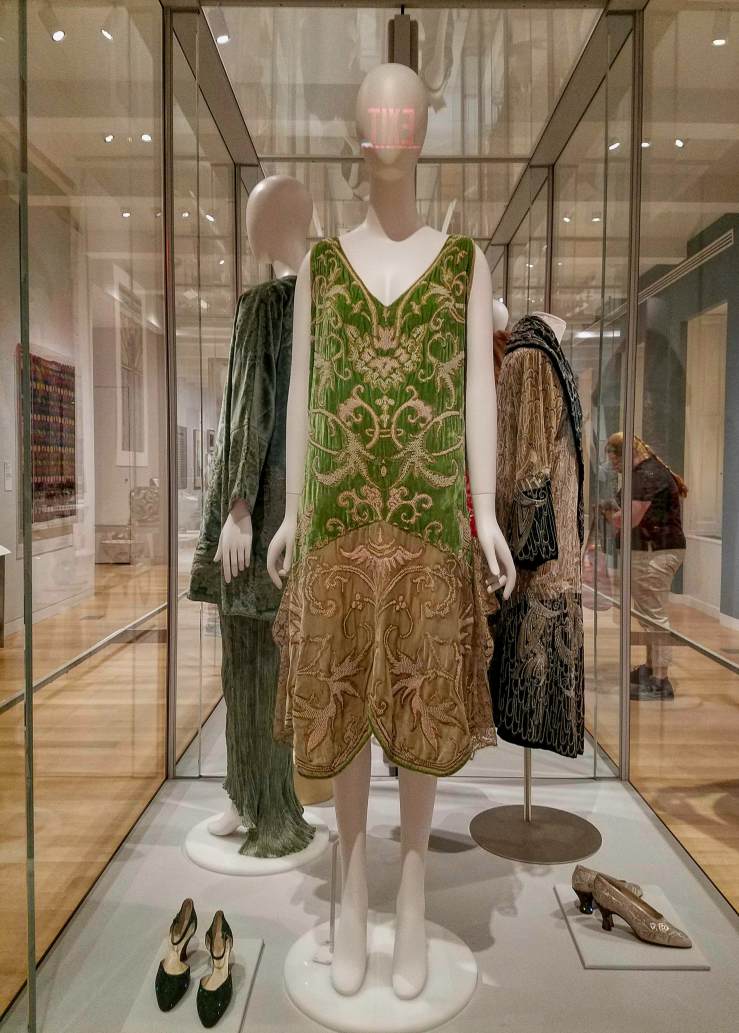
1/
Evening dress by Callot Soeurs of Paris, 1923-26. Perl, floss, metallic thread, silk, velvet
On loan from Museum of the City of New York for the Jazz Age exhibition
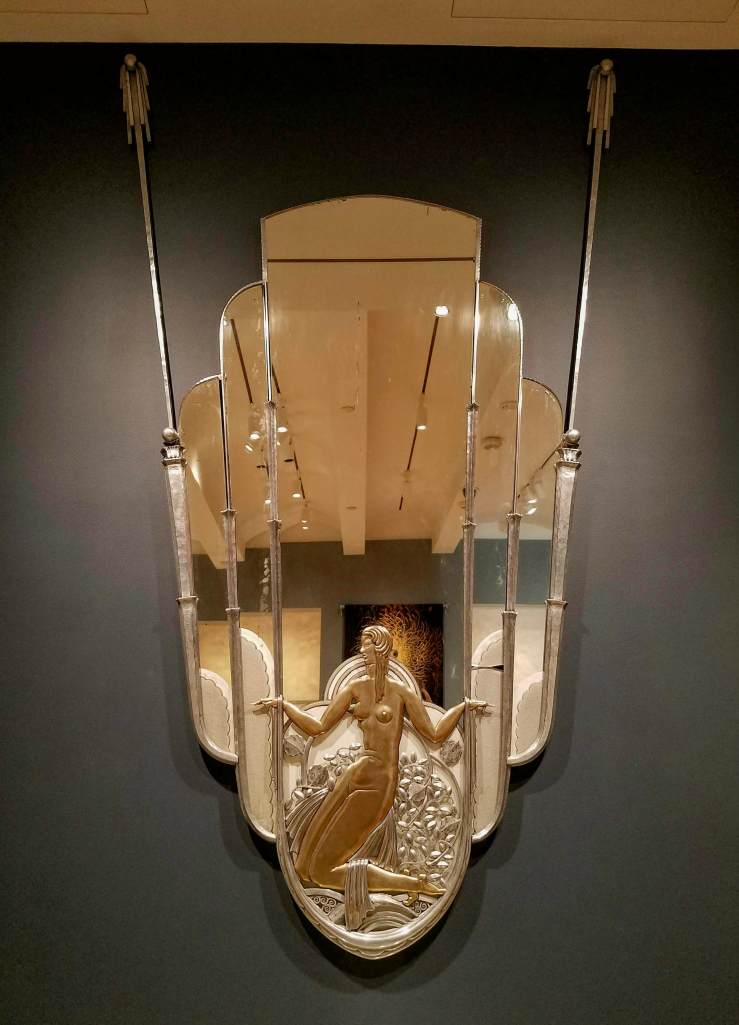
2/
Mirror, ca. 1930, designed by Paul Fehér. Wrought iron, brass, silver, gold plating, glass
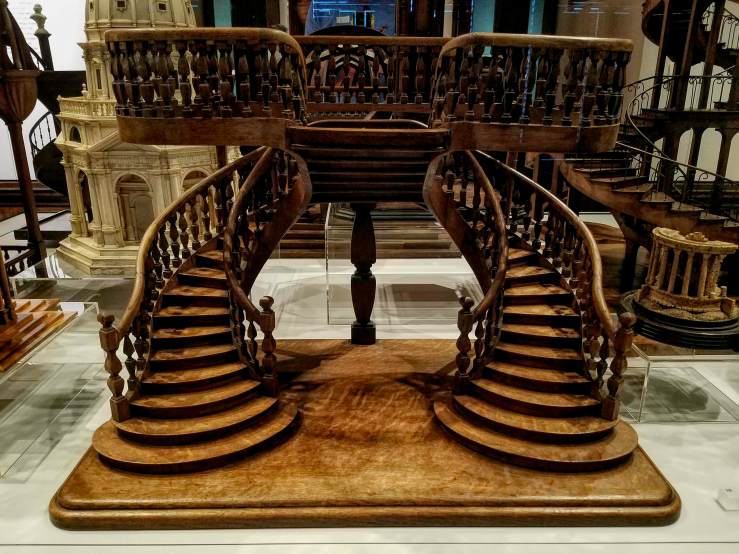
3/
Staircase model, France, mid-late 19th century
Carved, joined, turned, bent and planed oak
4/
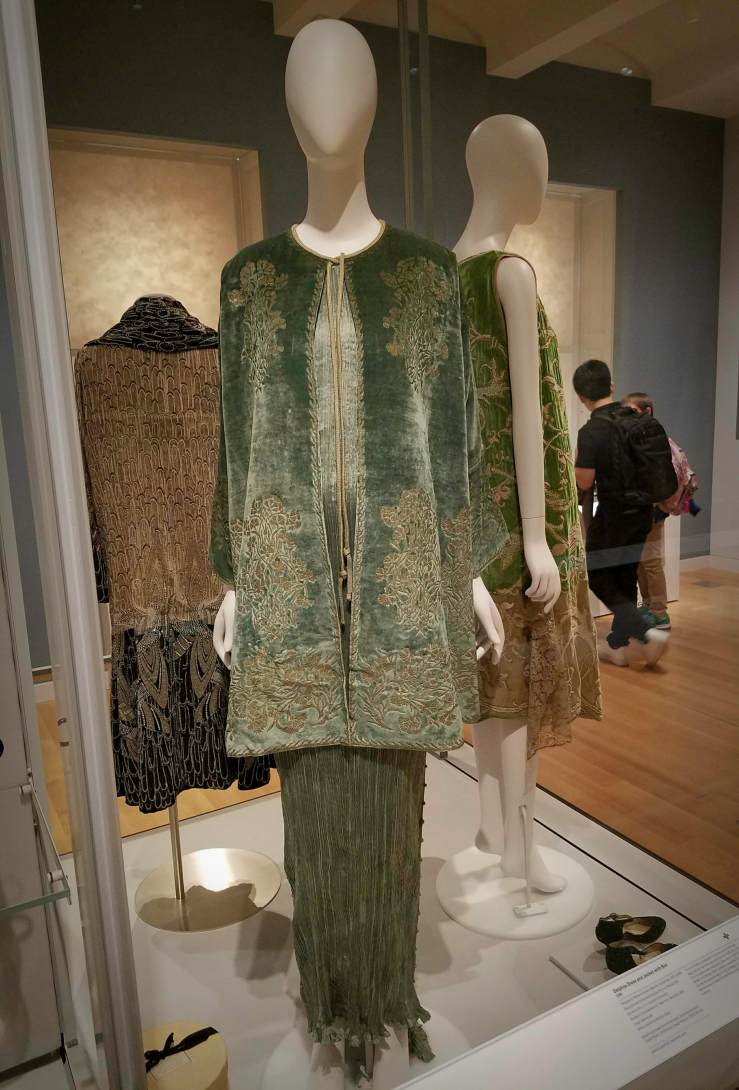
Dress and Jacket with box and lid, Delphos
Designed by Mariano Fortuny with his inimitable pleating technique and natural dyeing process, this particular example of the iconic Delphos dress is in its original box, which has both the name of the buyer, Mrs. J.H. Lorentzen of Pasadena California, and the seller, Elsie McNeil. This provides a key into the importance of the American market in Fortuny’s success. The first photograph of a Delphos dress is by Alfred Steiglitz—a portrait of his sister taken in 1907. By 1912, Fortuny’s gowns were being sold in New York. Because they hug the body and were designed to be worn without a corset, in Europe the Delphos was considered a tea gown—suitable only for at-home entertaining. But American actresses and dancers like Lillian Gish and Isadora Duncan wore them in public as evening gowns. In 1927 Elsie McNeil, an American interior designer, became so enamored of Fortuny’s fabrics that she went to Italy and persuaded him to give her the exclusive rights to sell his products in the US. She became his close friend, protégé, and guardian angel—she helped him through some very difficult financial times in the 1930s and after WWII, and purchased the company after his death.
5/
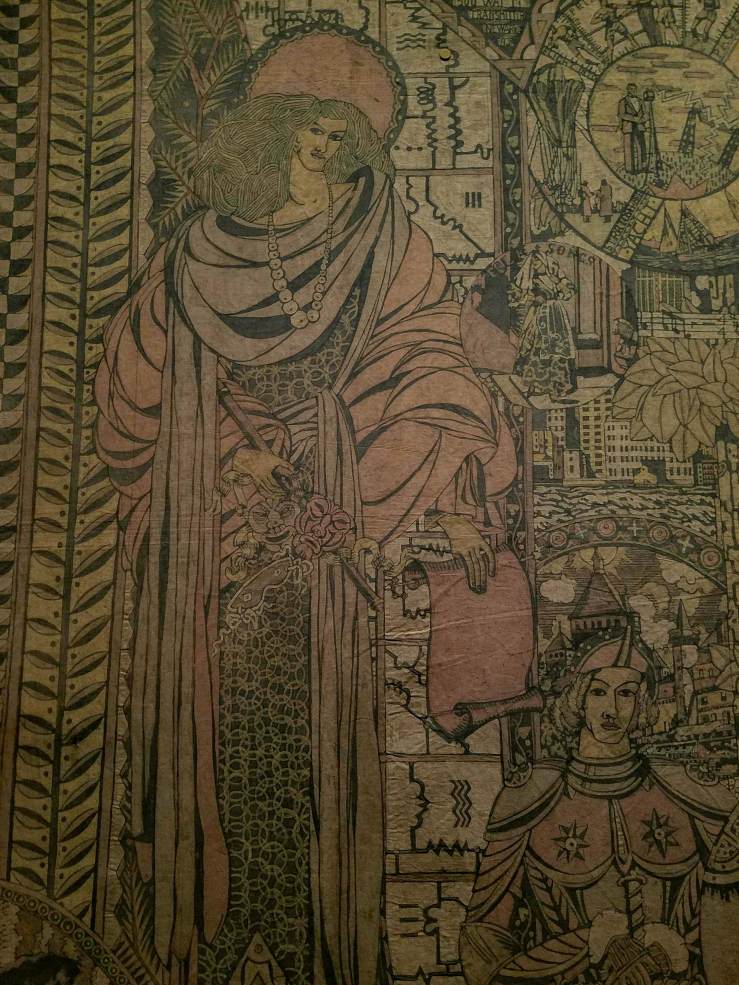
Mural (detail), The World of Radio, 1934
Designed by Arthur Gordon Smith, for Nadea Dragonette Loftus and Jessica Dragonette
Cotton batik
6/
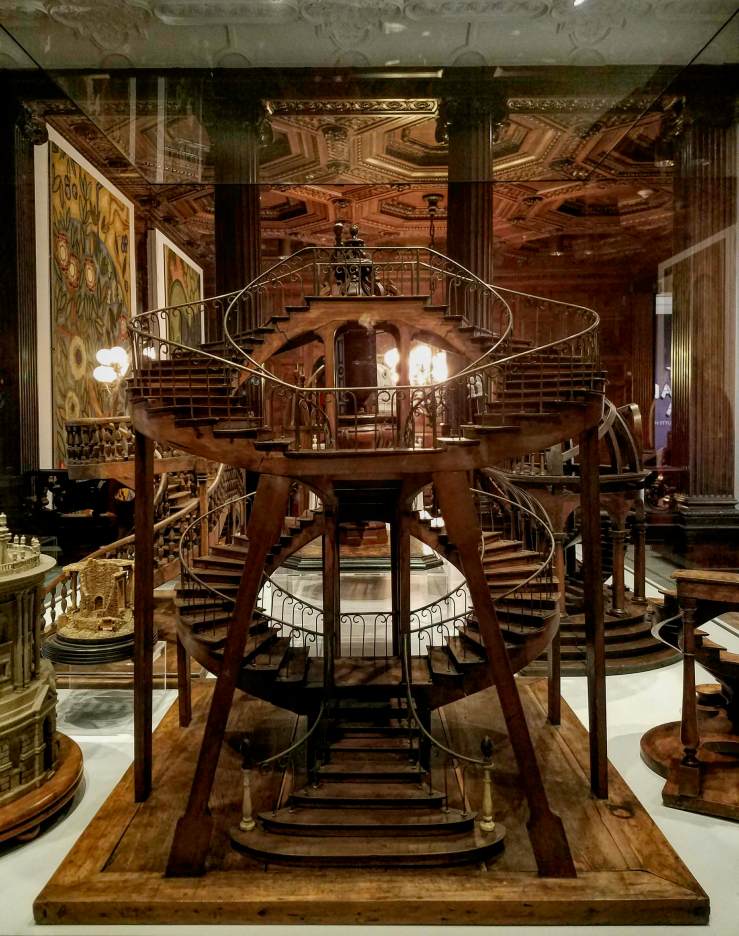
Staircase model, France, late 18th century
Carved, joined, bent, planed and carved pear, wrought brass wire, turned bone
This fine triple-height staircase model is similar to one designed by Robert Adam for 20 Portman Place in London.
7/
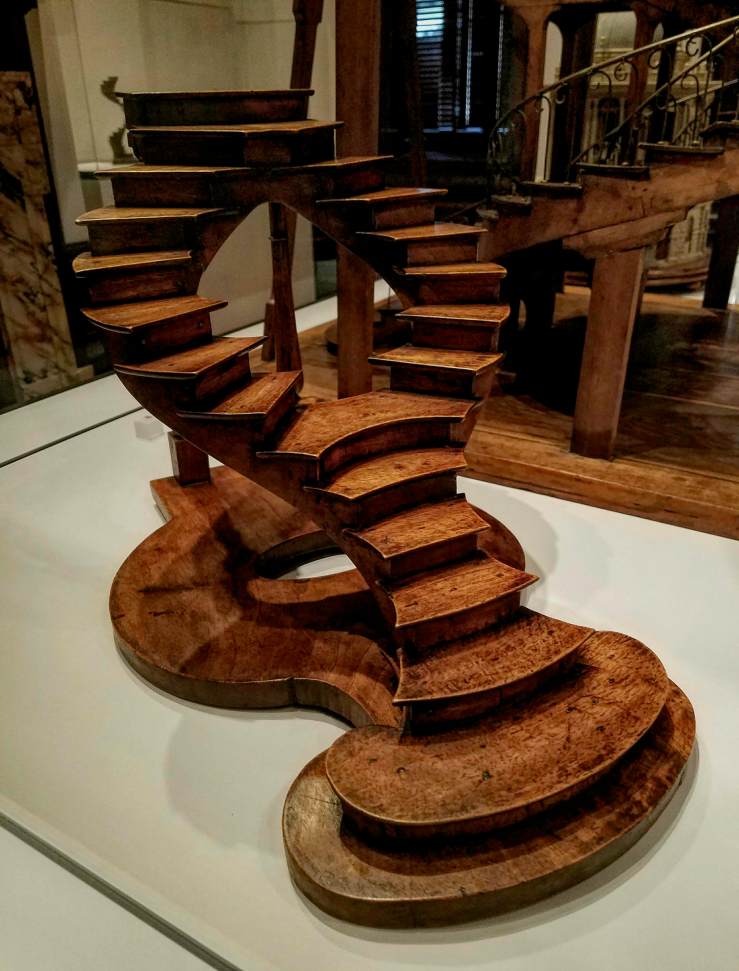
Curved staircase model in the French style, ca. 1850
Carved, planed, turned and veneered walnut
From The Jazz Age: American Style in the 1920s, an exhibition at the Cooper Hewitt, April through August 2017
July 30th, 2017
Delectable, capricious and very very Stylish. American taste with a strong European touch. Flapperdom reigning supreme.
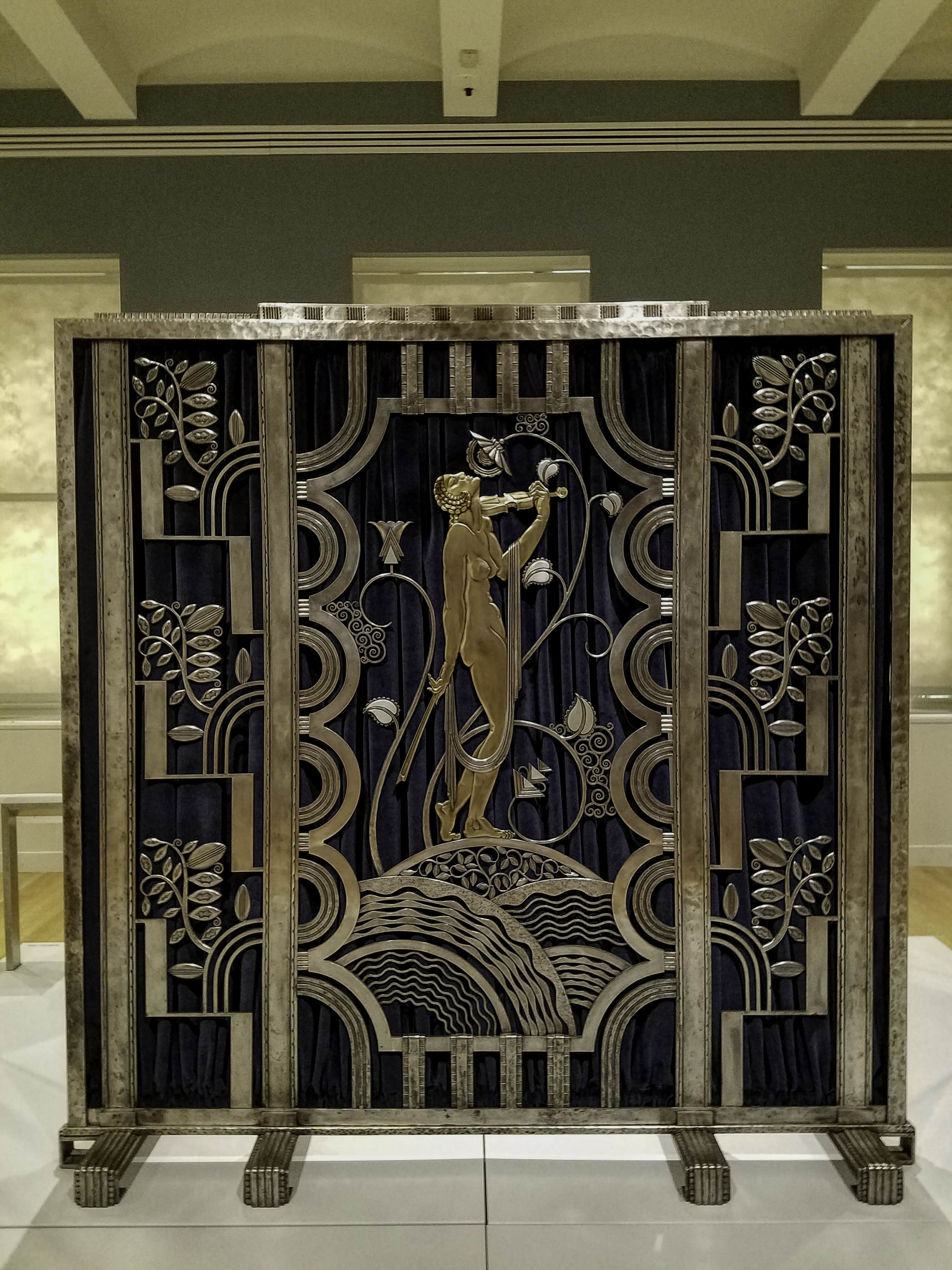

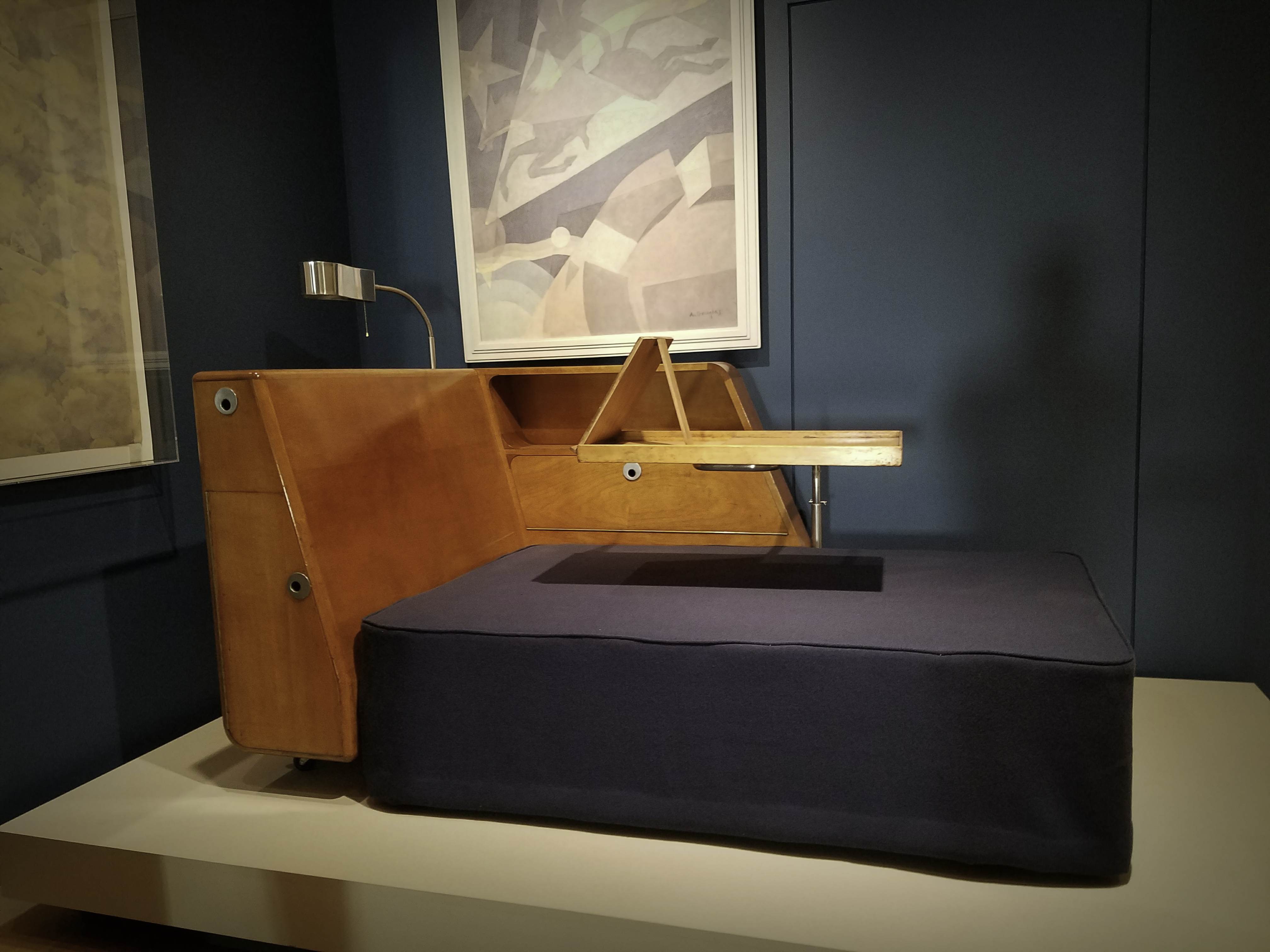
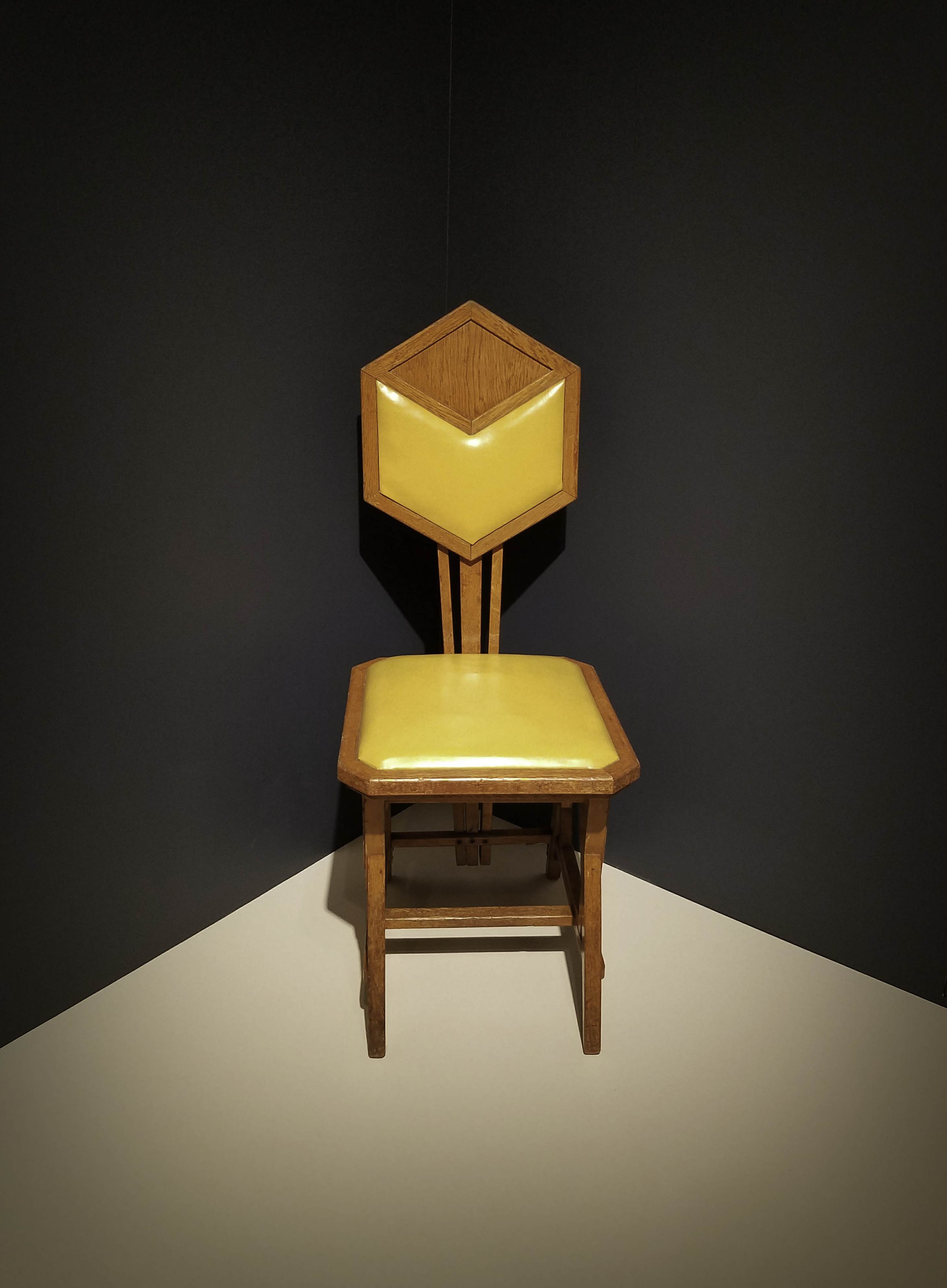
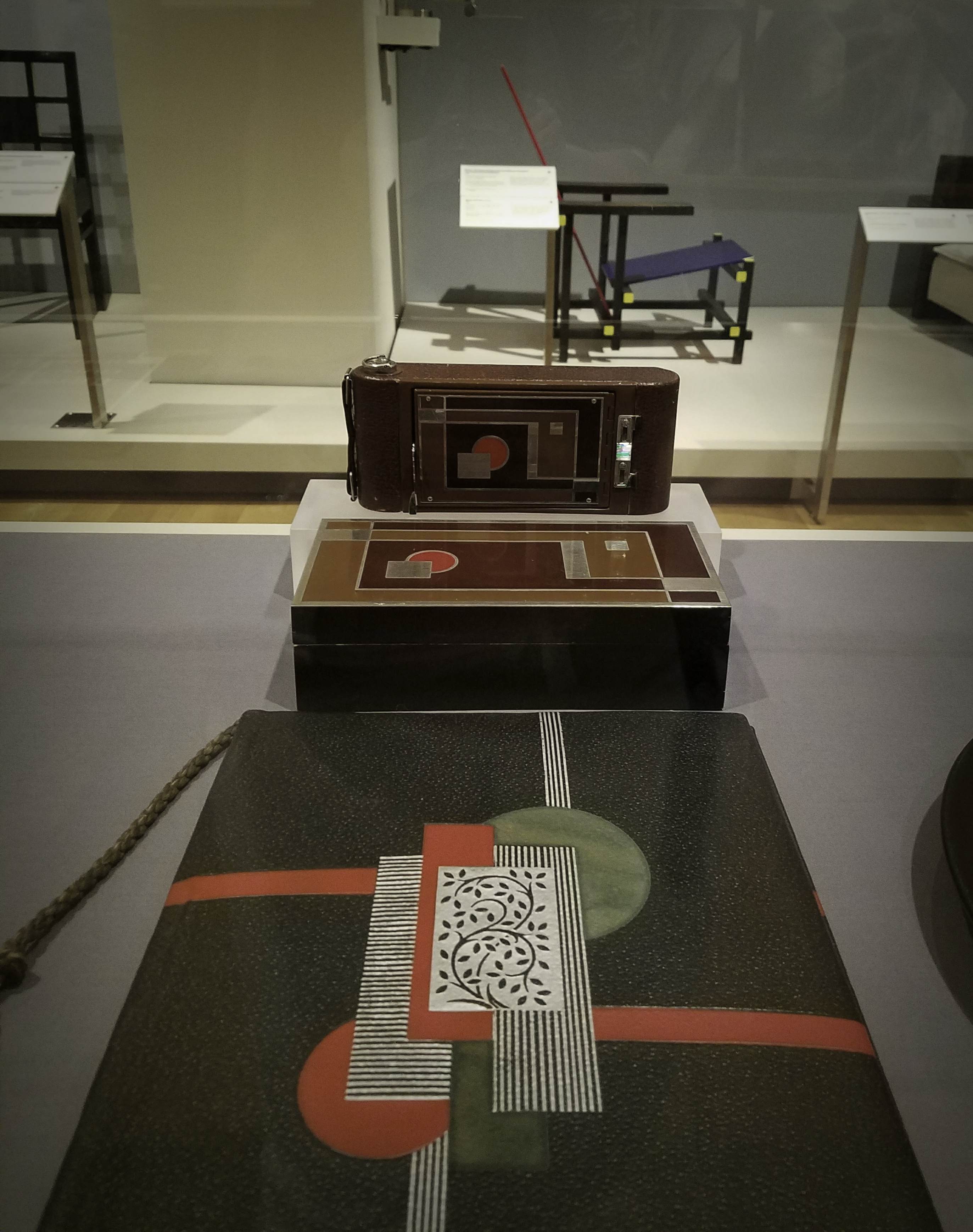
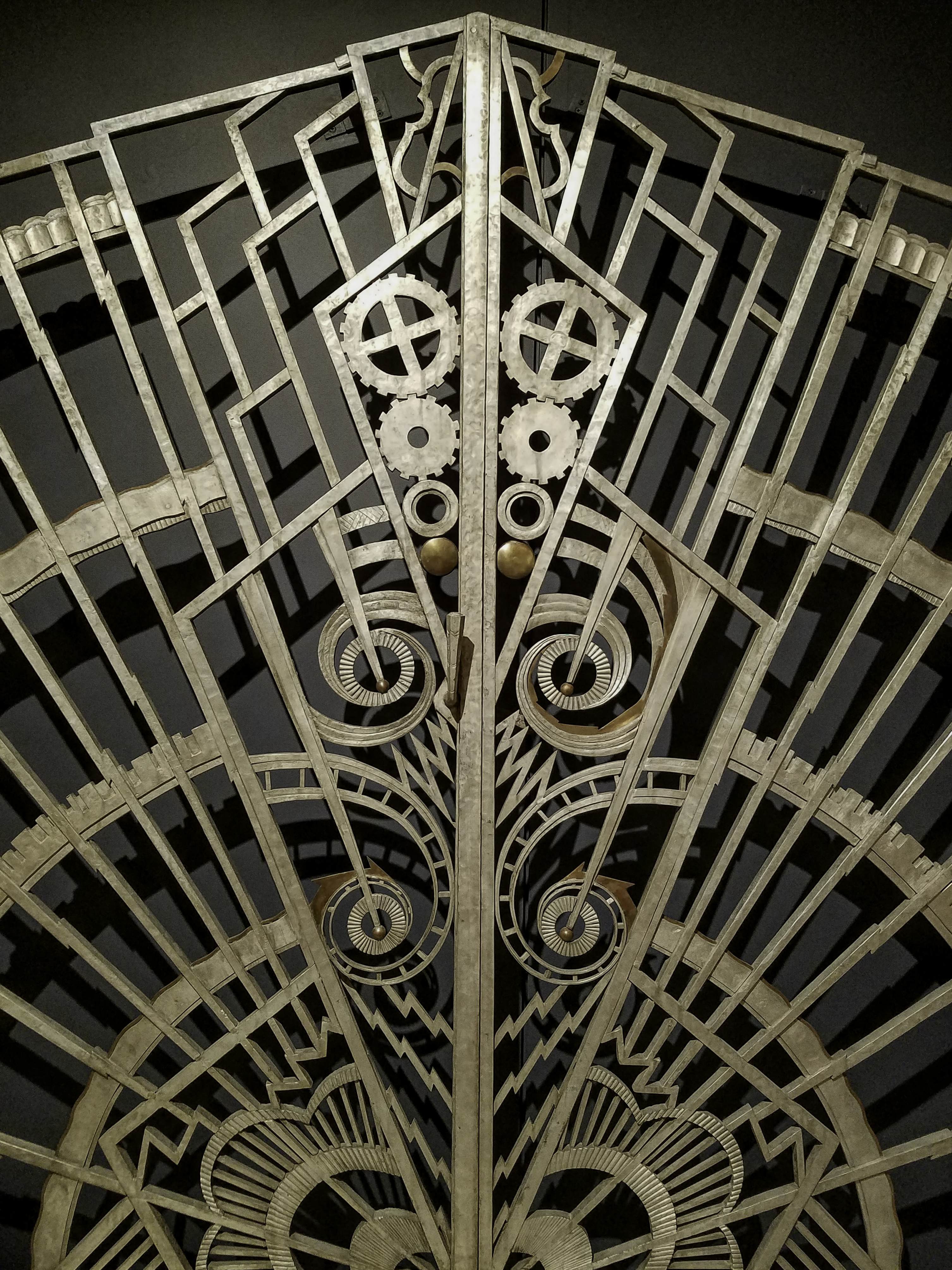
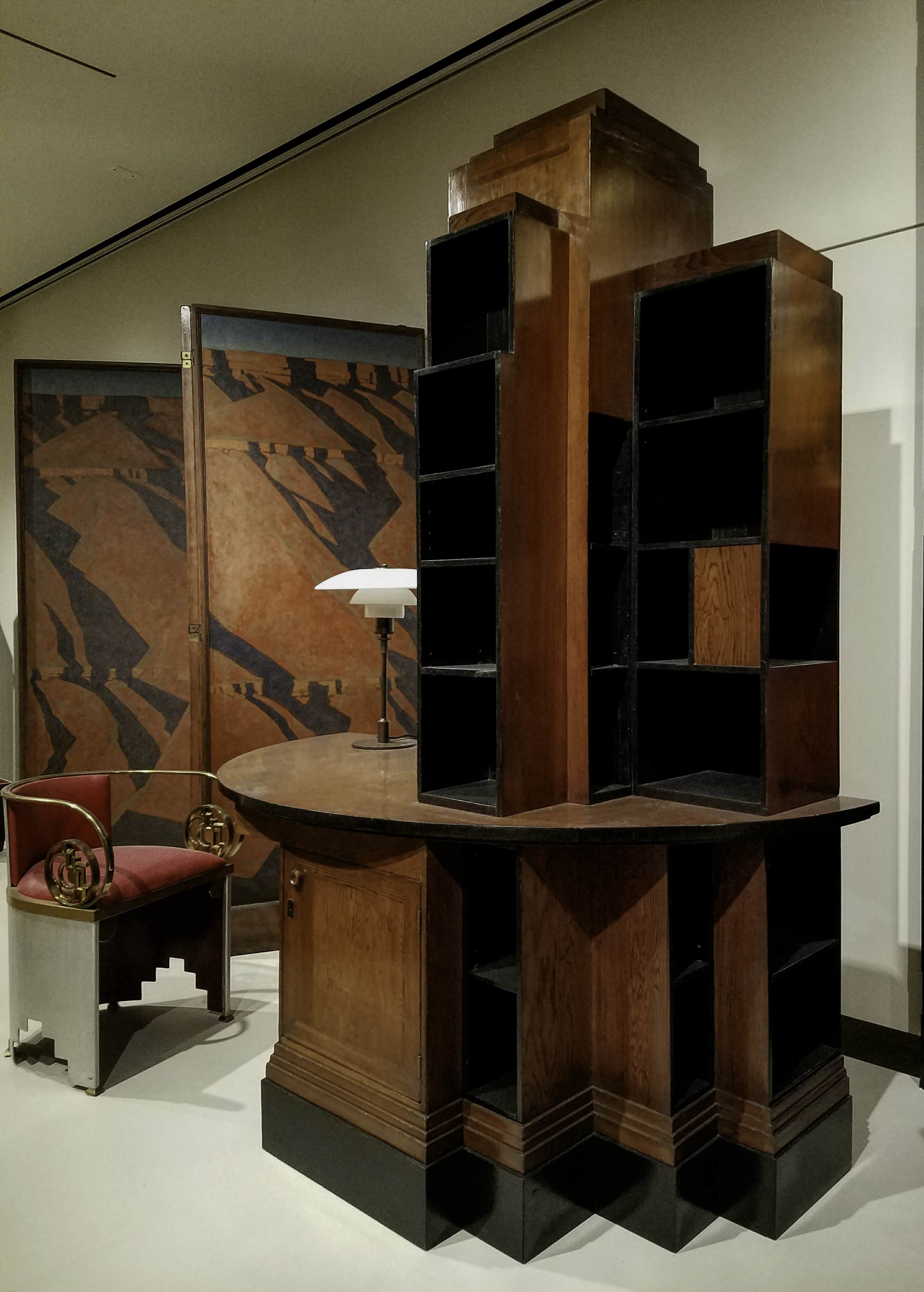
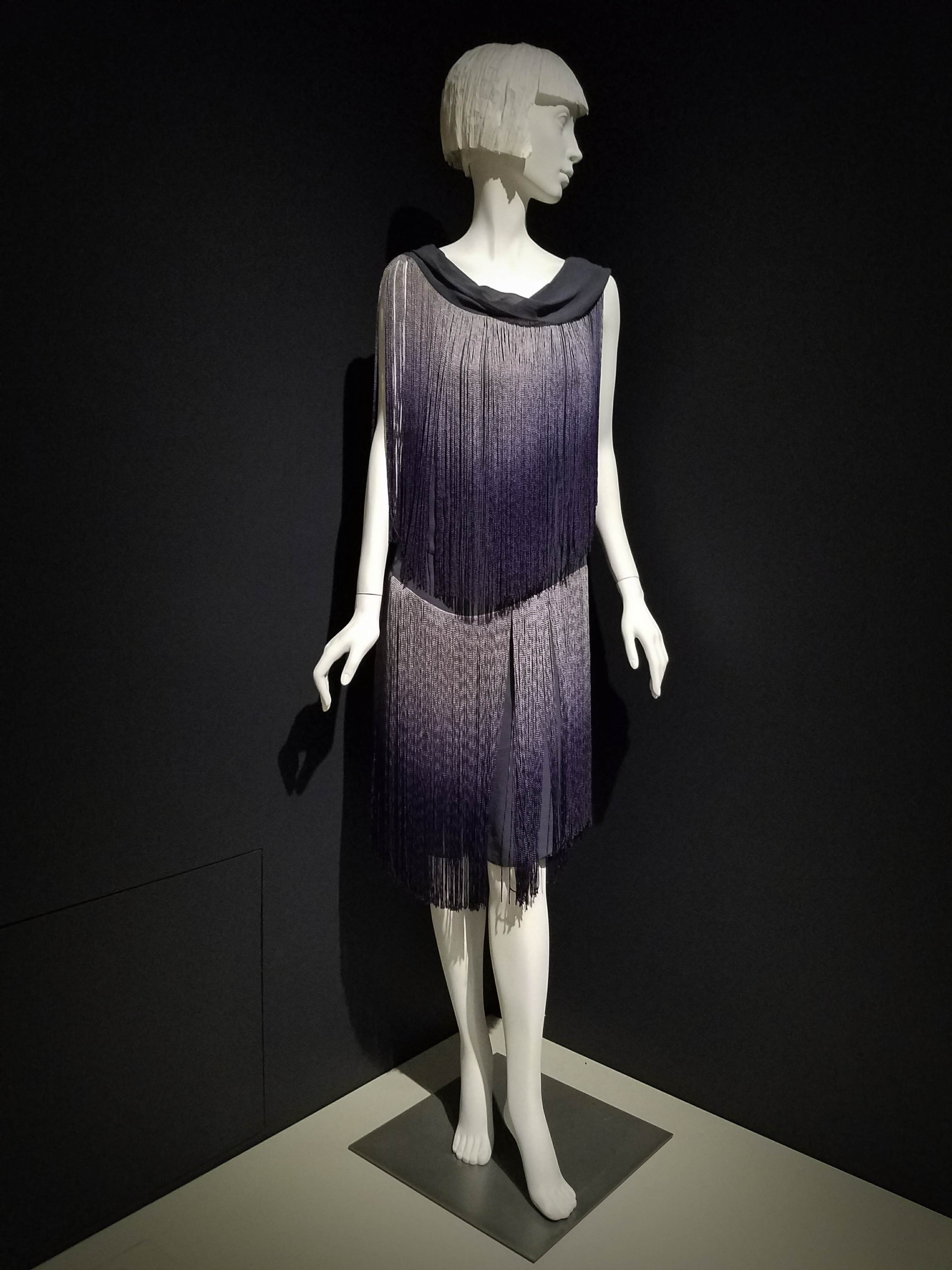
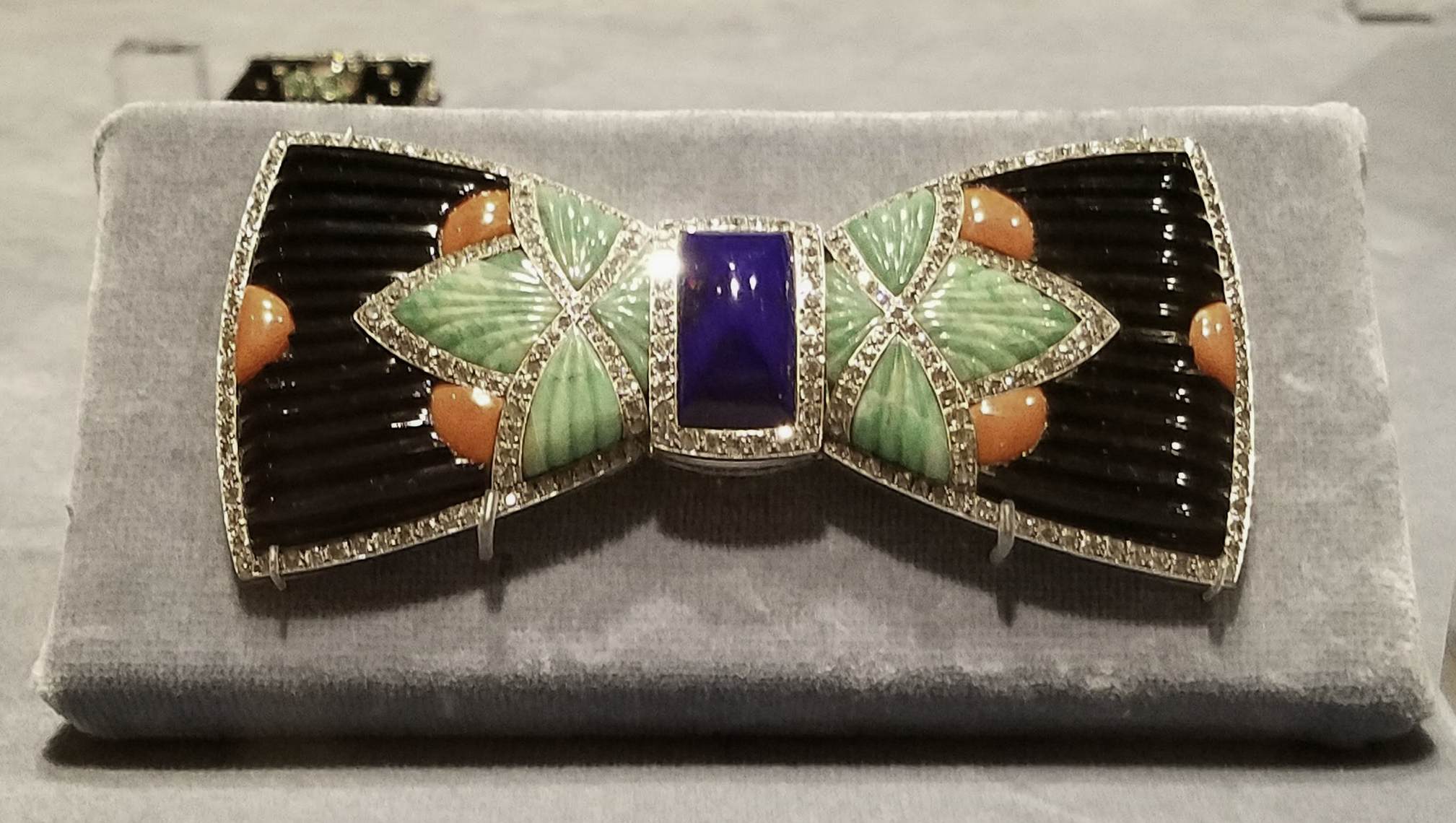
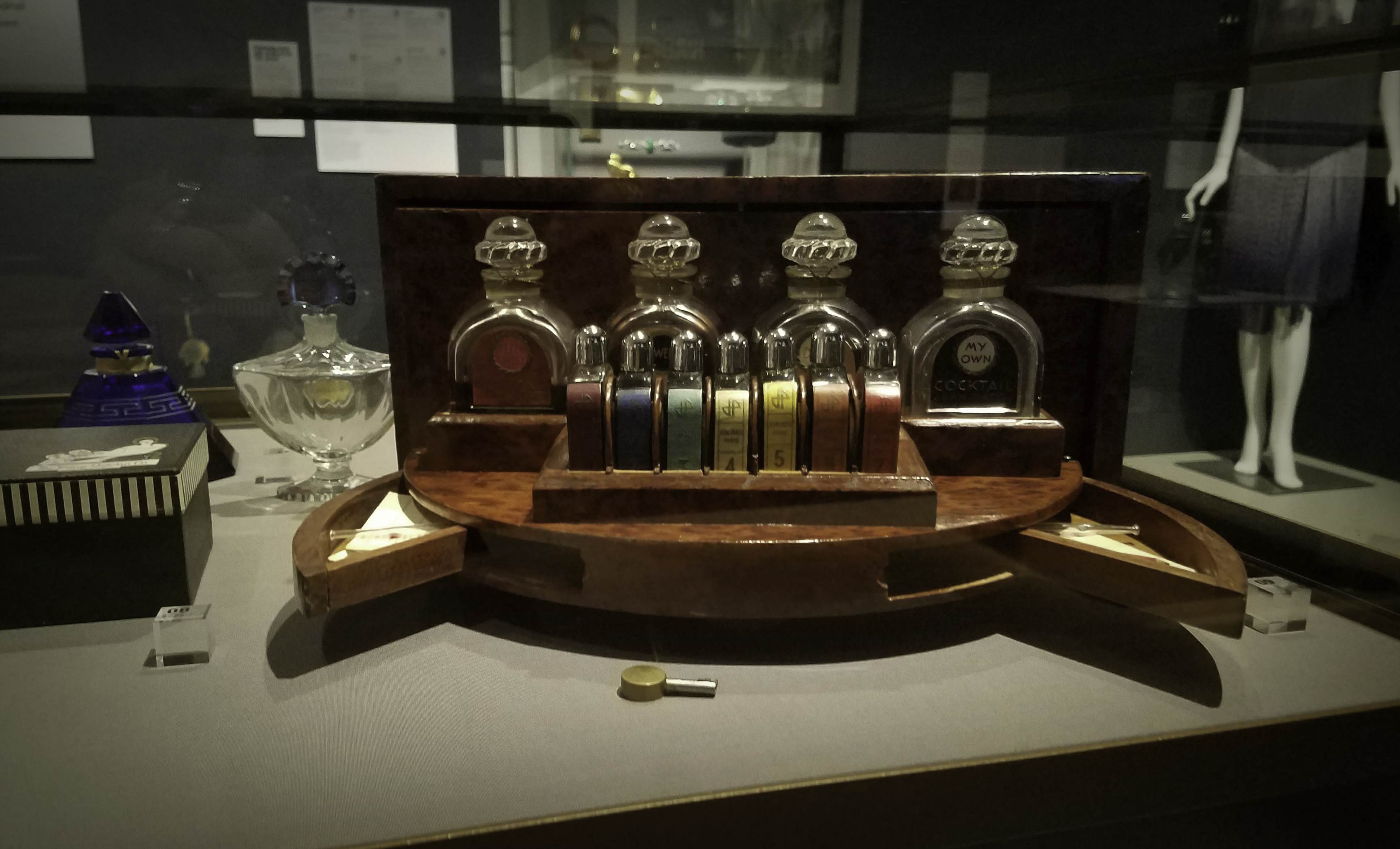
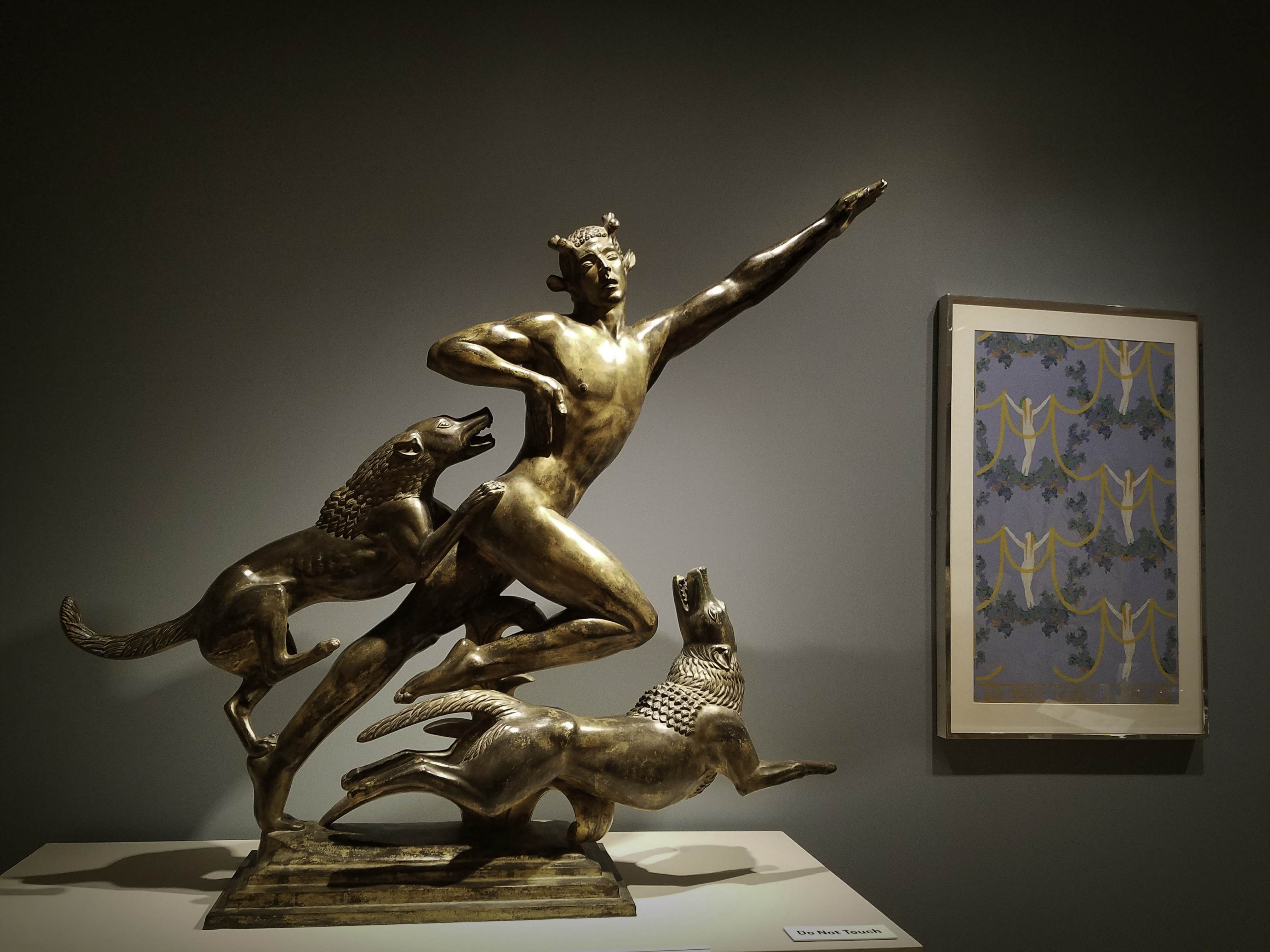
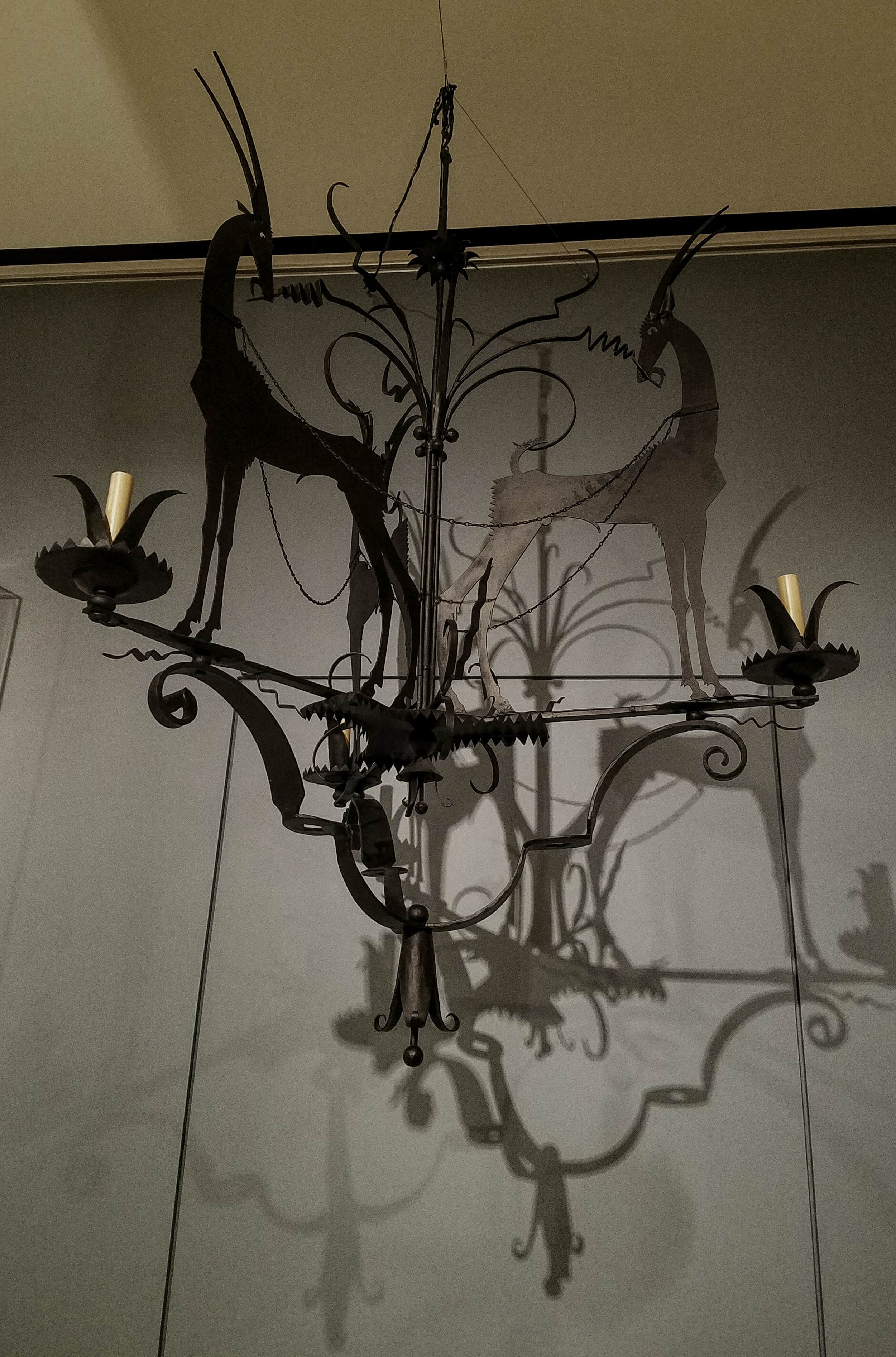
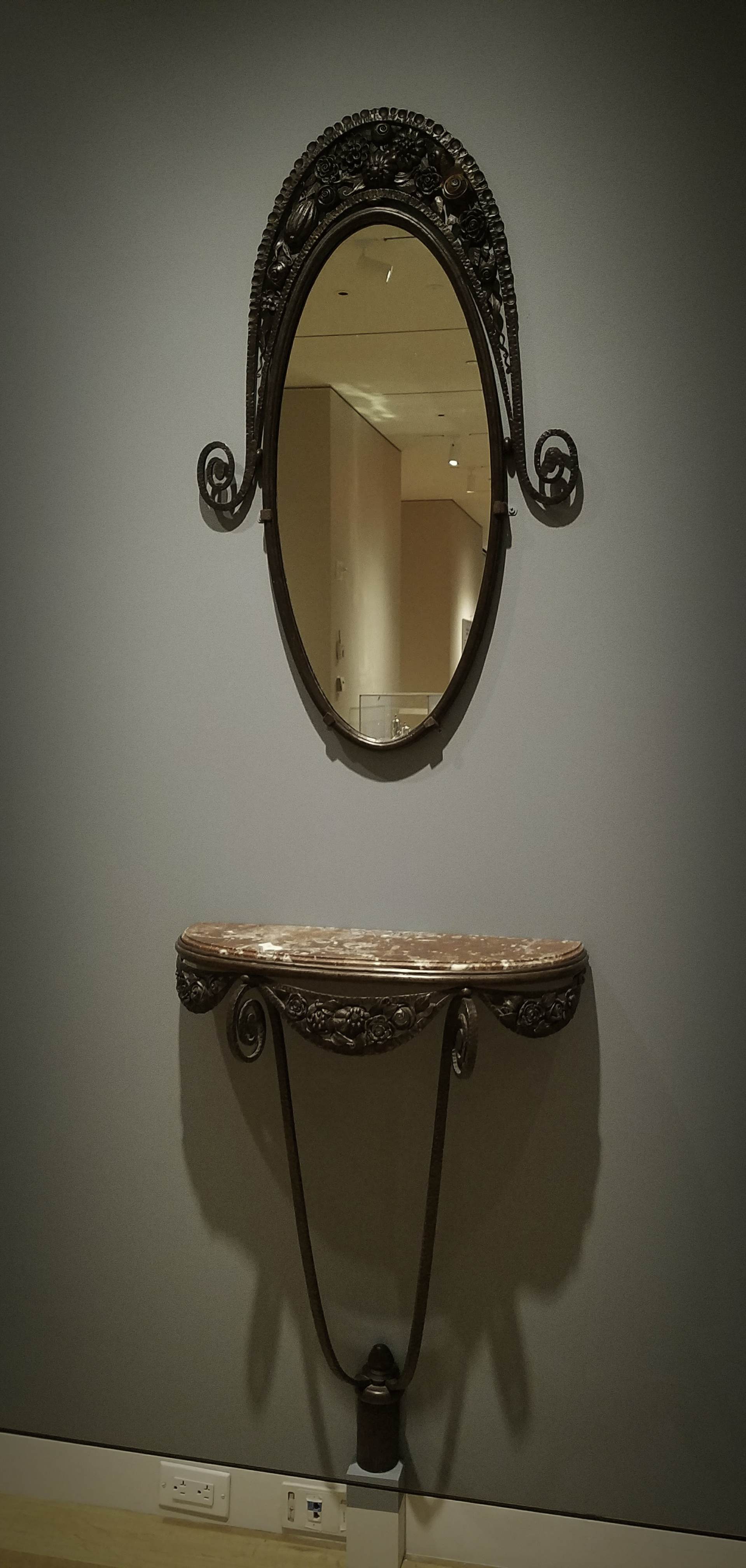
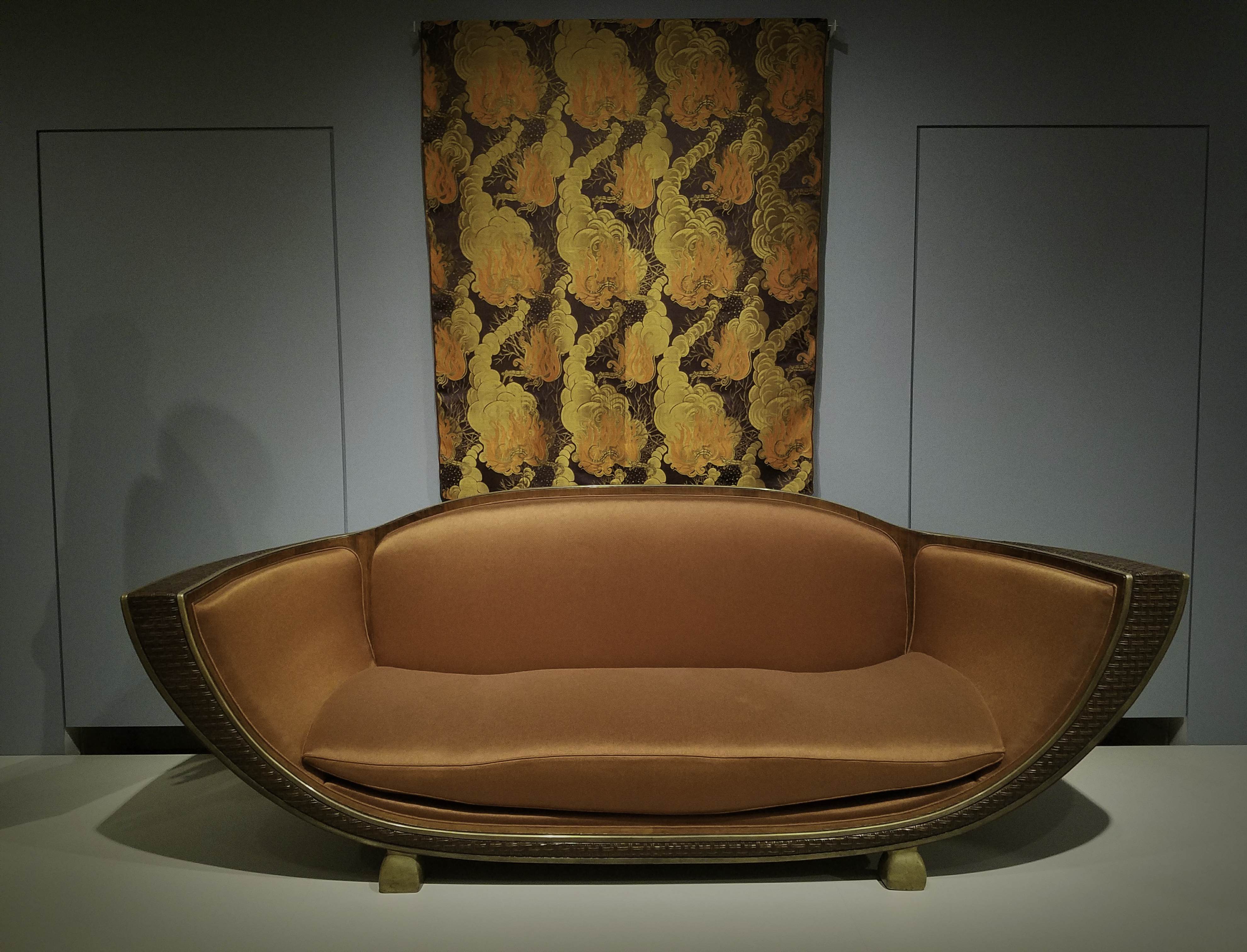
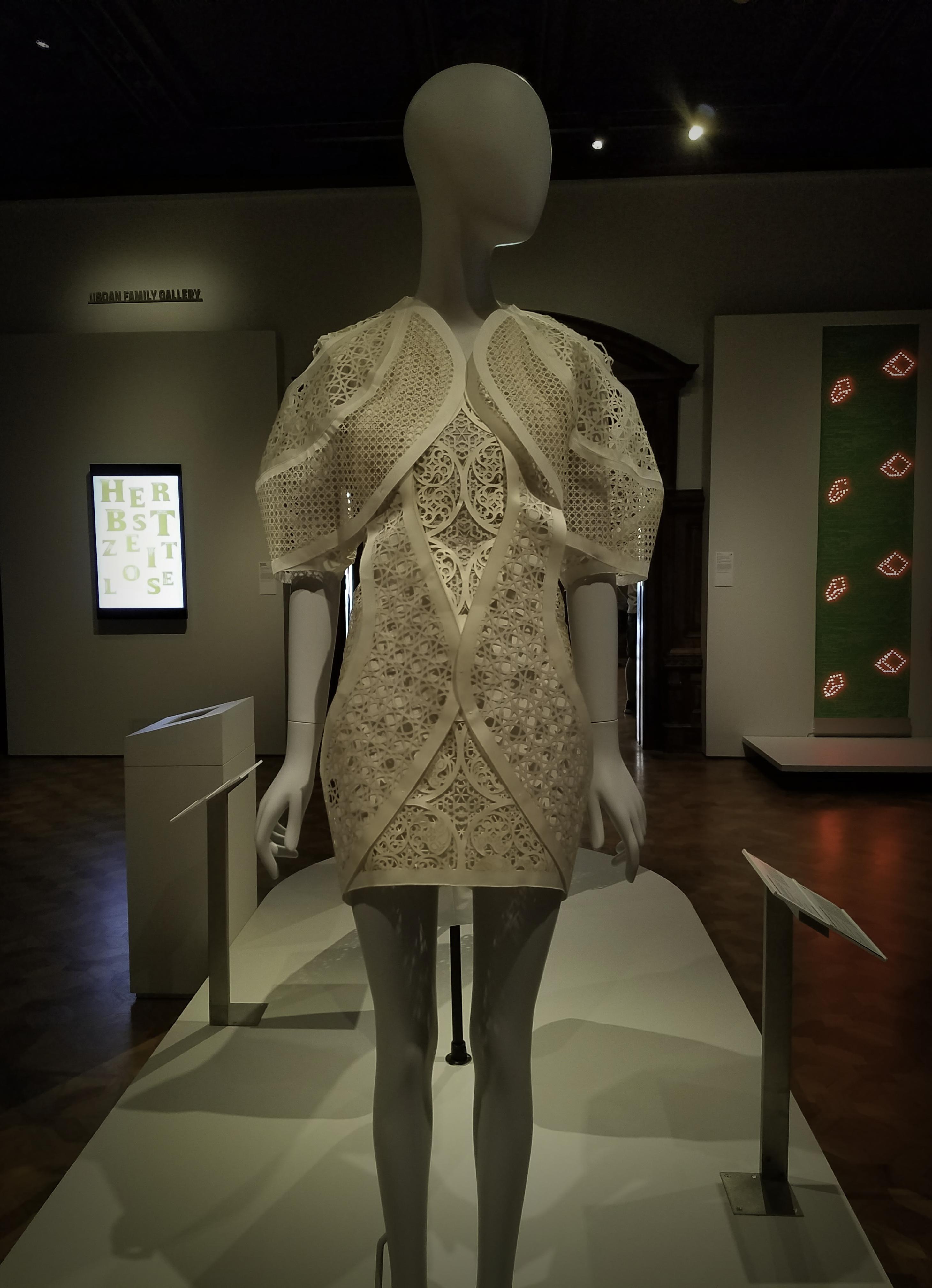
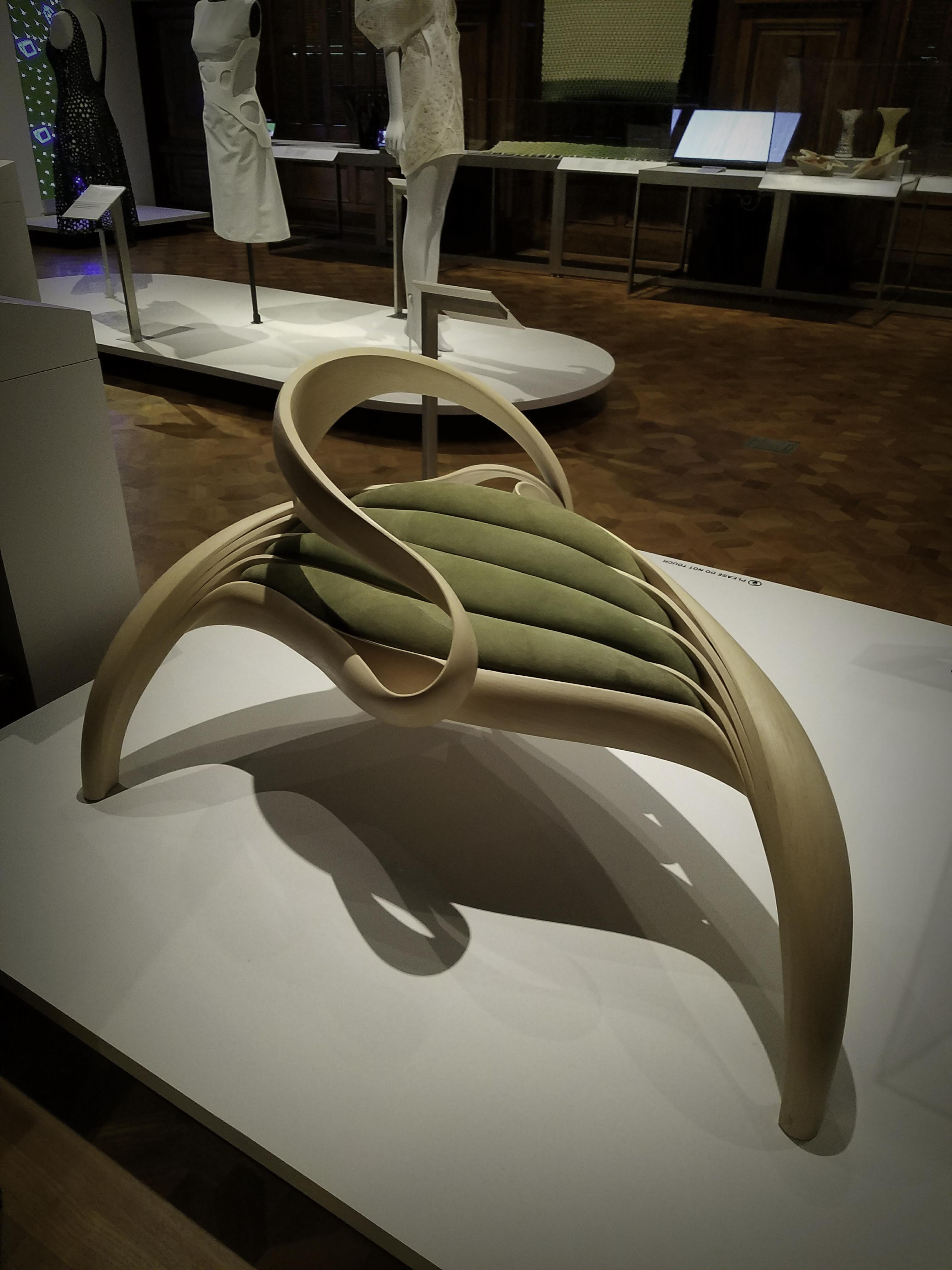
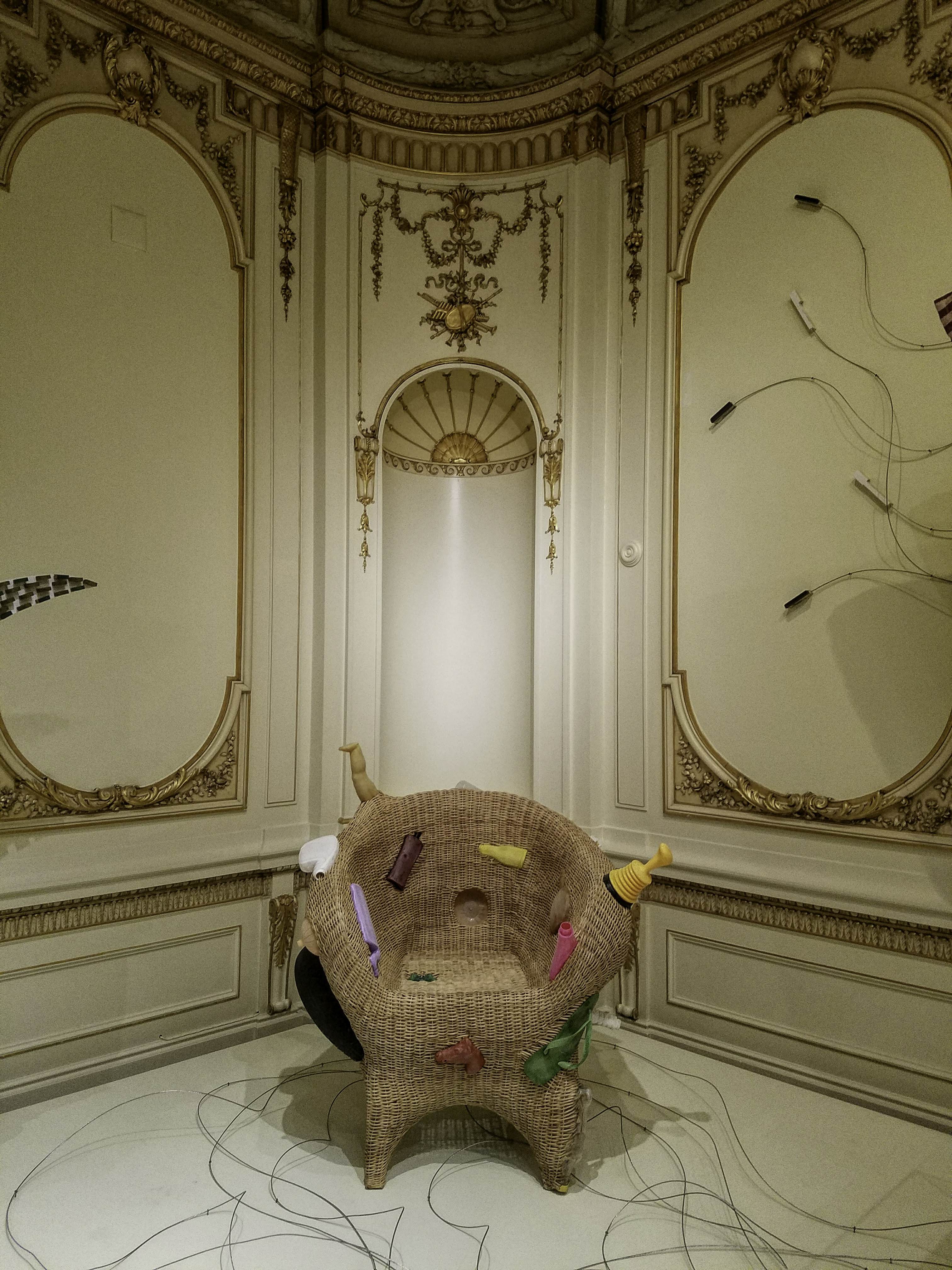
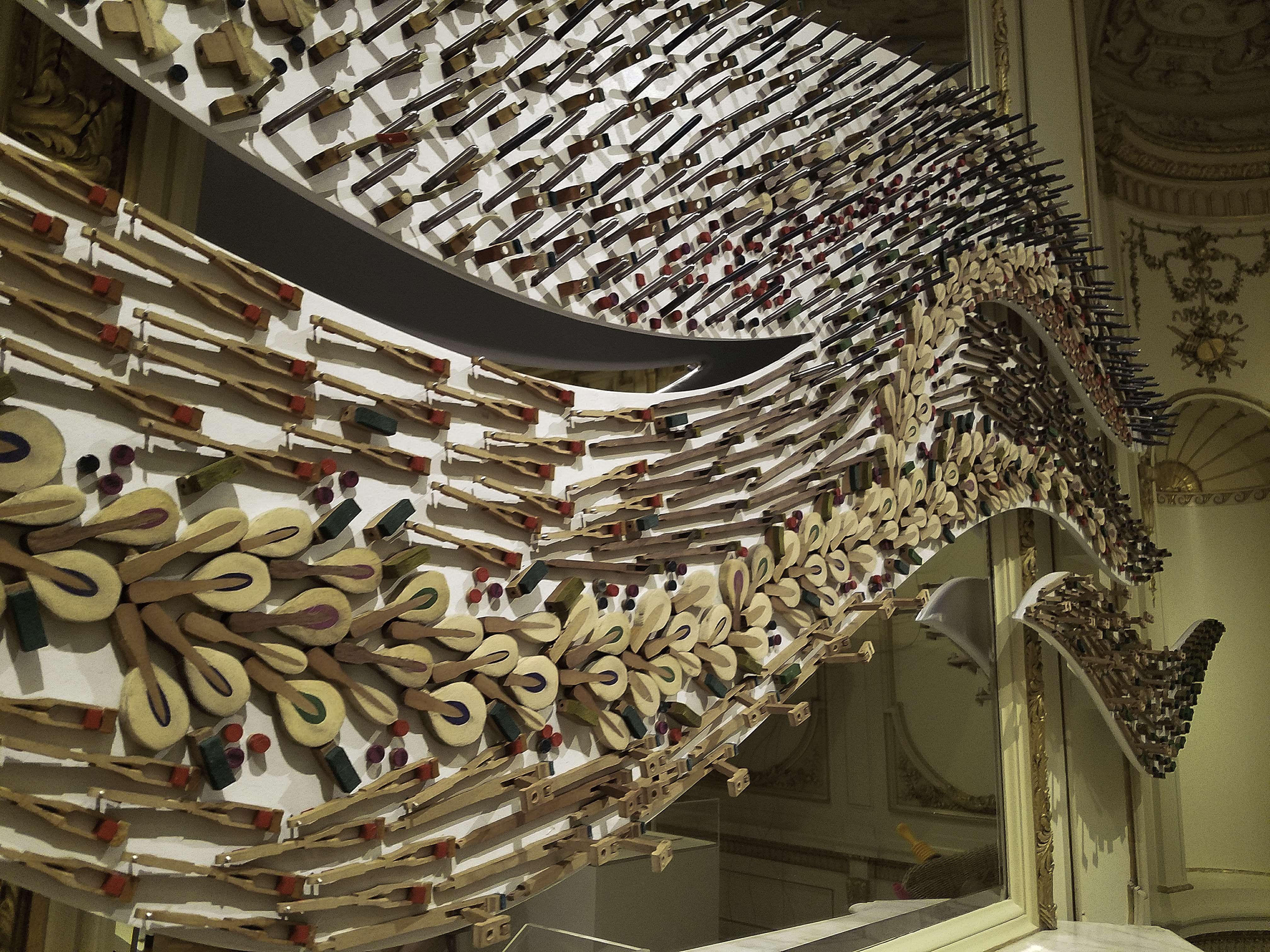
From The Jazz Age: American Style in the 1920s, an exhibition at the Cooper Hewitt, April through August 2017.
Paired with contemporary objects of laser-cut technology: modern, streamlined and still very stylish. I just wish we had a little bit more of that Jazz in our lives.
July 30th, 2017
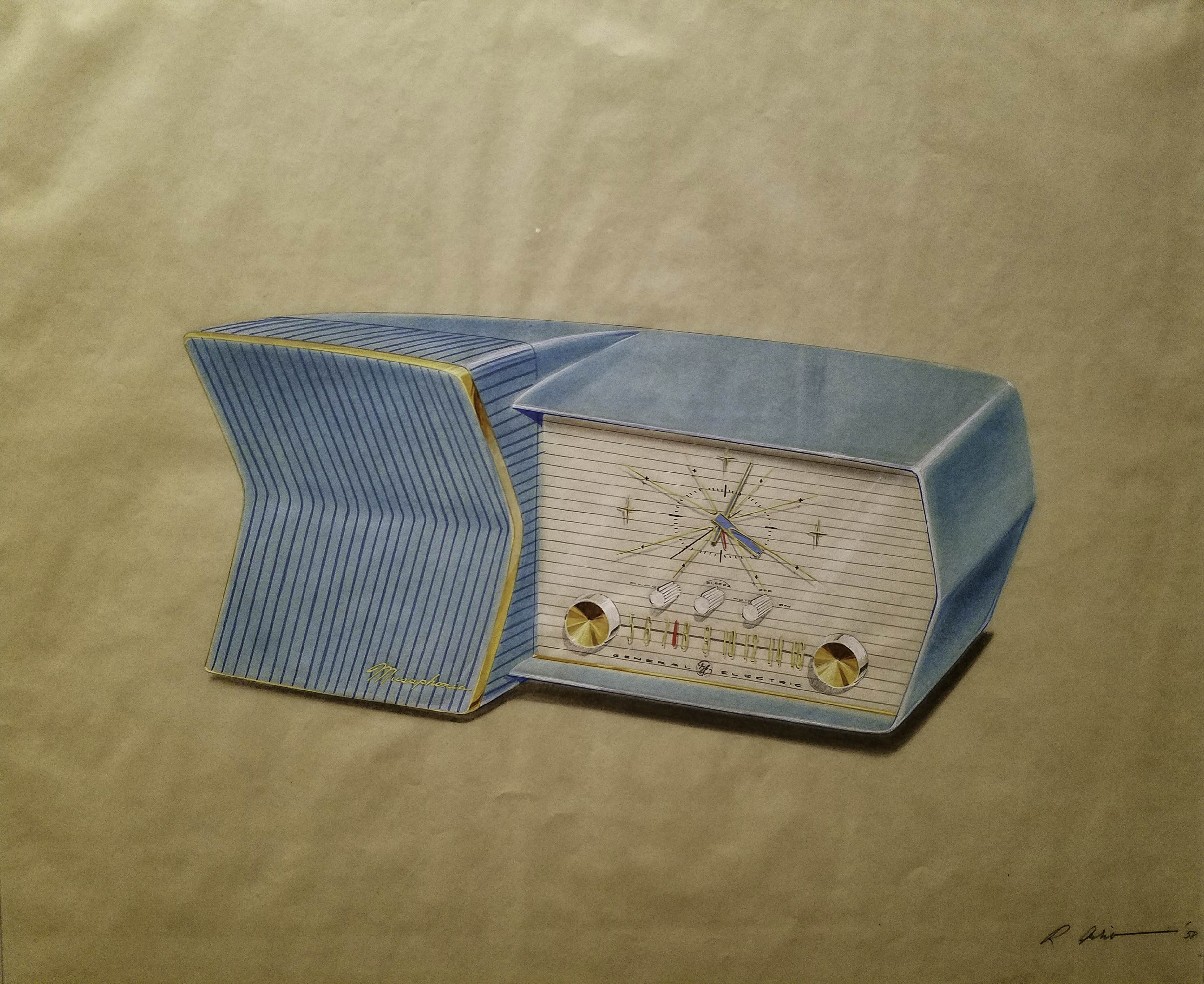
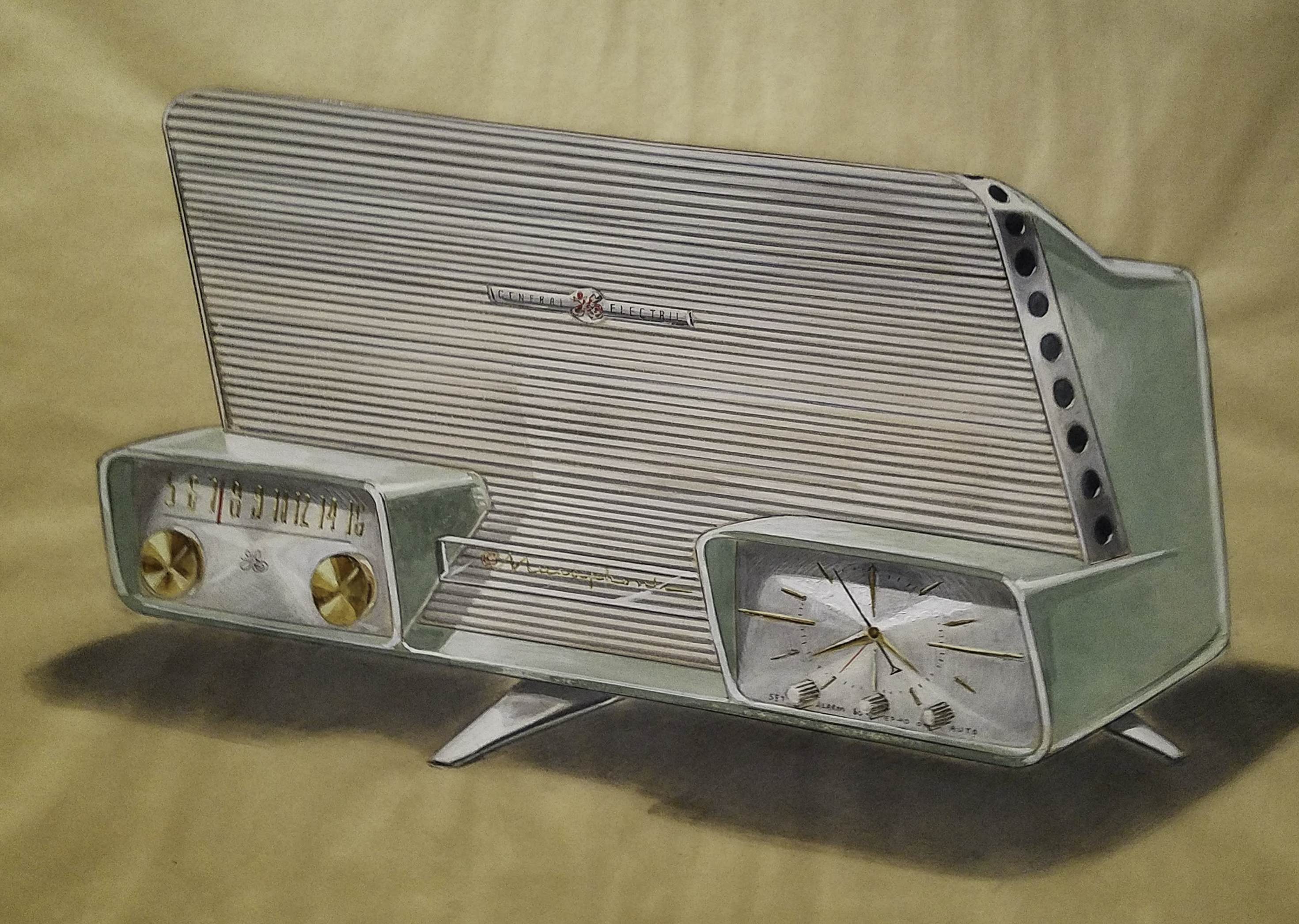
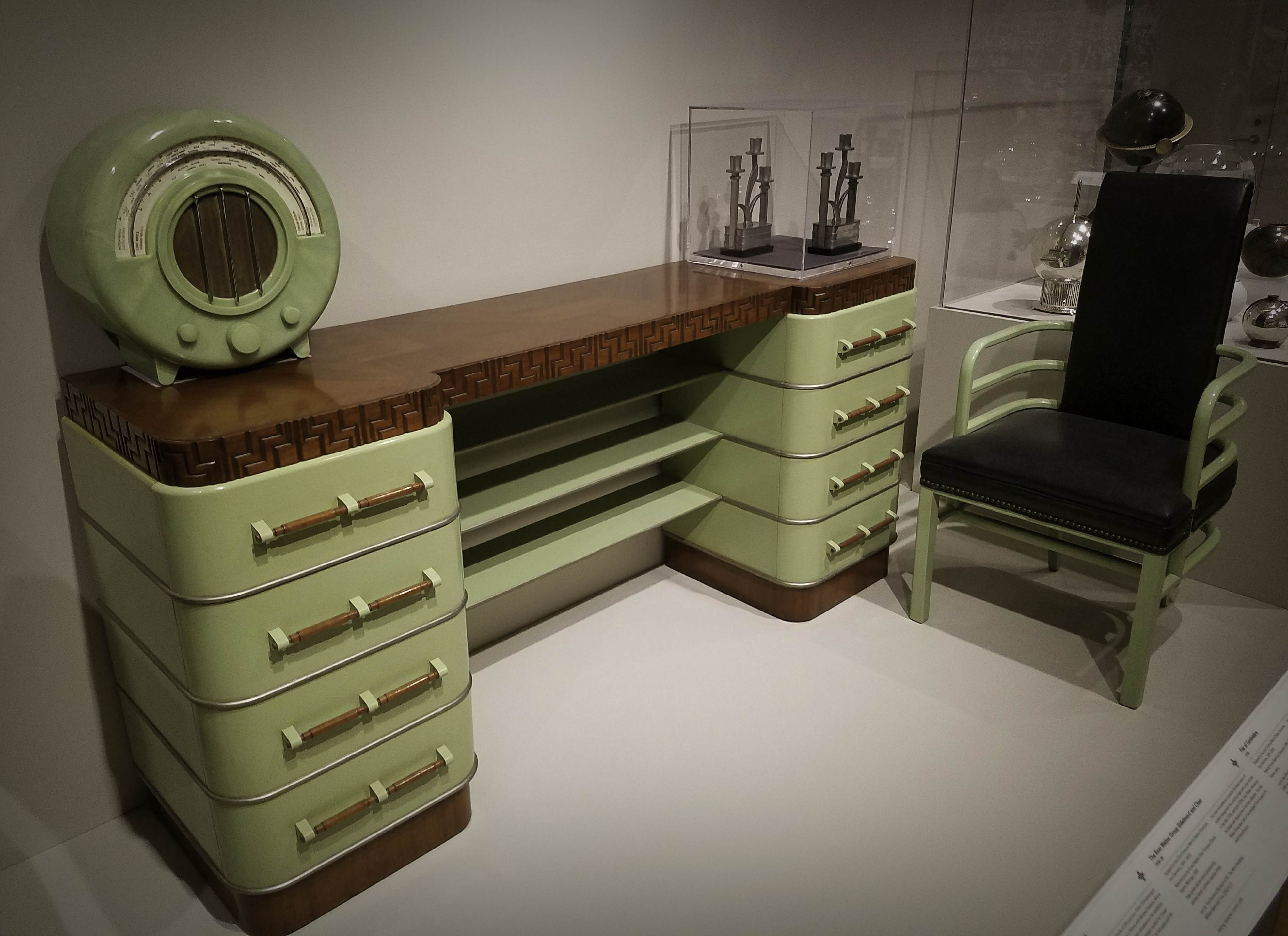
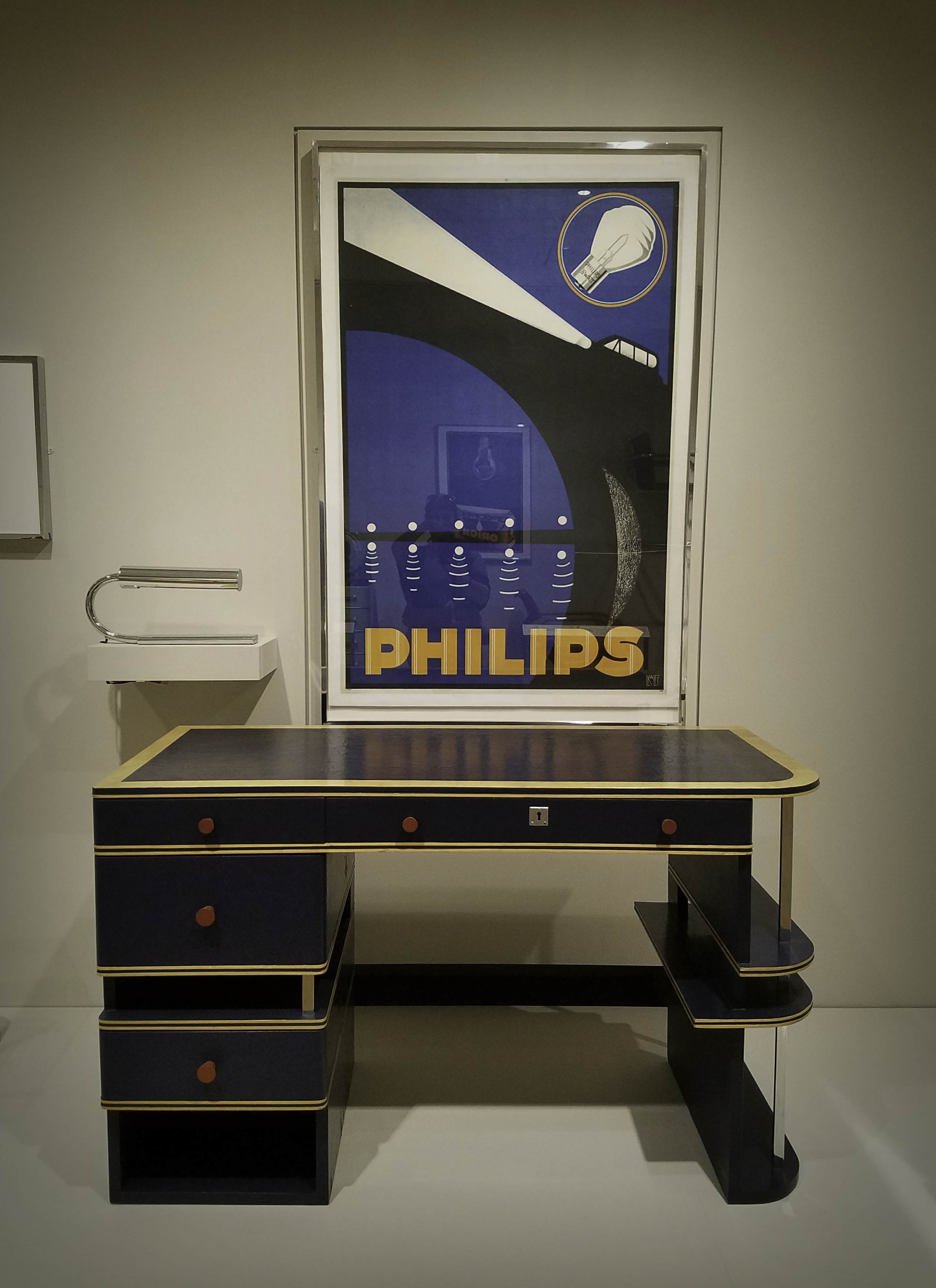
From The Jazz Age: American Style in the 1920s, an exhibition at the Cooper Hewitt, April through August 2017
July 30th, 2017
Actual Pace vs Real Feel
July 29th, 2017
subjective worldview
Actor, writer, cook and author
Travel experiences & Strasbourg city guide
Writer
joy, happiness, travel, adventure, gratitude
"Rêve onirique & Bulle d'évasion"
makes pretty things on paper
This WordPress.com site is Pacific War era information
Welcome to my curious world of words....
Photographs, music and writing about daily life. Contact: elcheo@swcp.com
Free listening and free download (mp3) chill and down tempo music (album compilation ep single) for free (usually name your price). Full merged styles: trip-hop electro chill-hop instrumental hip-hop ambient lo-fi boombap beatmaking turntablism indie psy dub step d'n'b reggae wave sainte-pop rock alternative cinematic organic classical world jazz soul groove funk balkan .... Discover lots of underground and emerging artists from around the world.
A 365 analogue photography project
Barcelona's Multiverse | Art | Culture | Science
Een digitaal atelier aan de (zee)slag.
‘Doodling Ambiguity’s in Ink.’
Miscellaneous photography
Glimpses along the way on a journey of discovery into symmetry...
 The Humble Fabulist