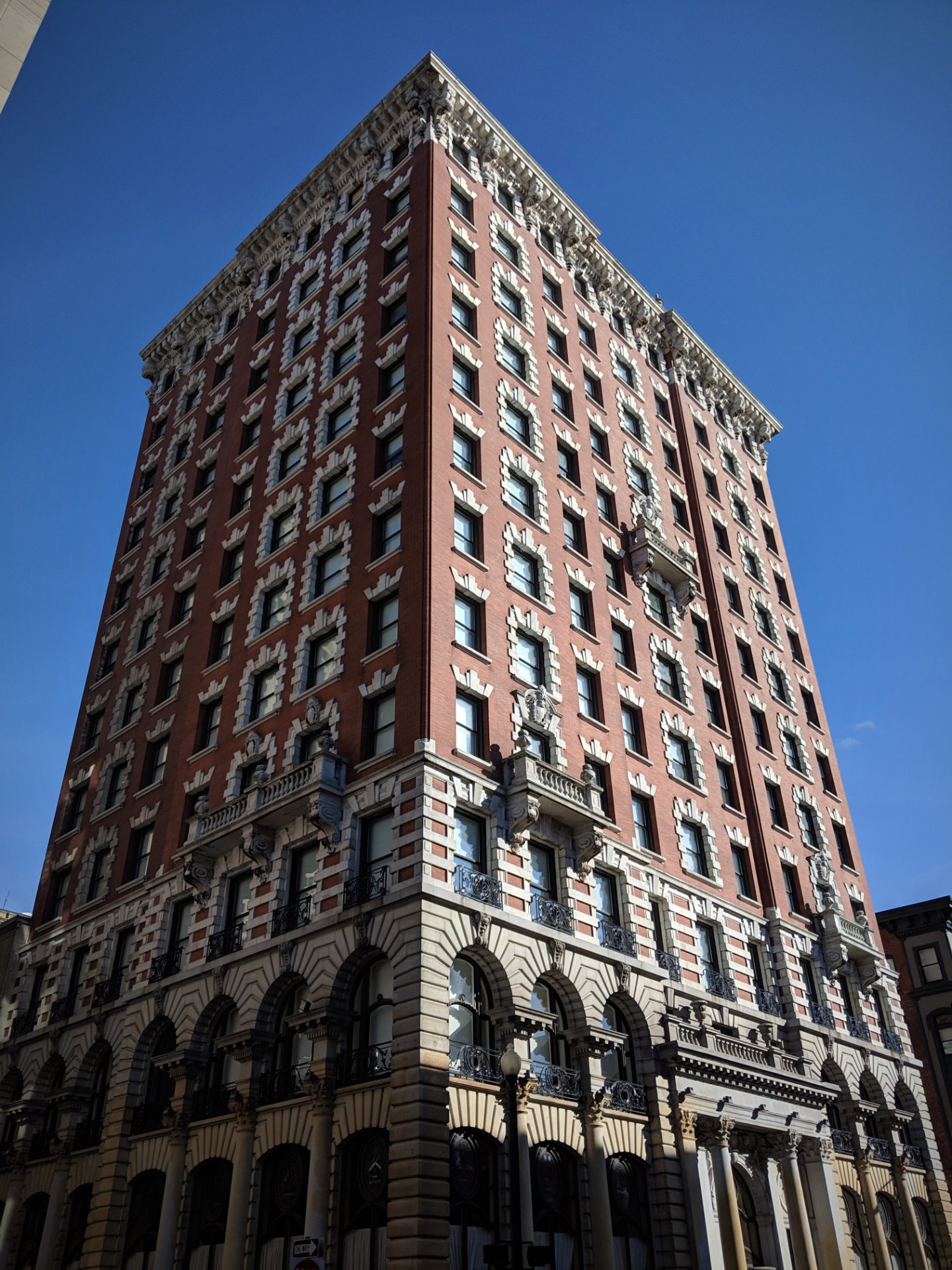
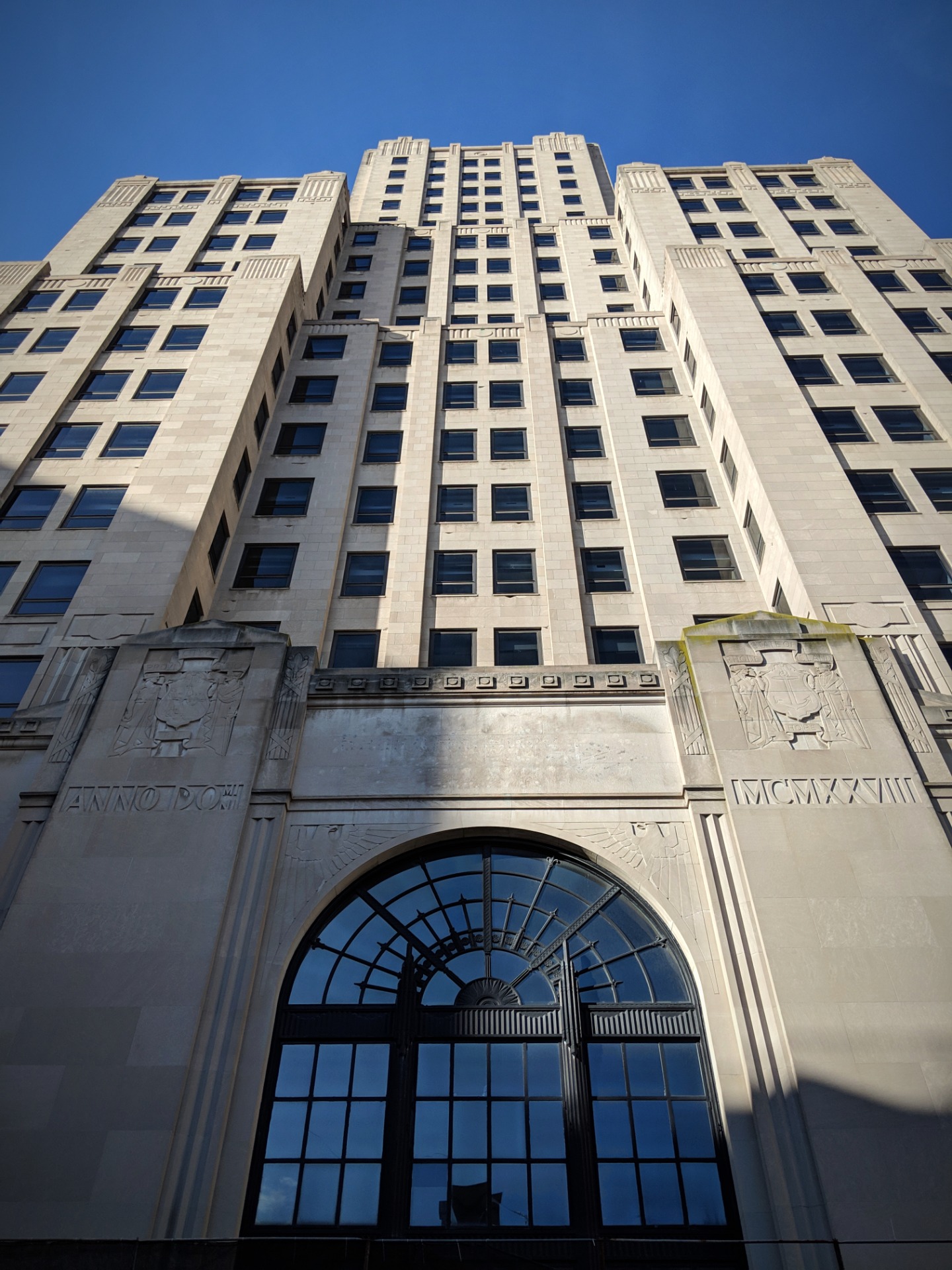
Following H.P. Lovecraft’s steps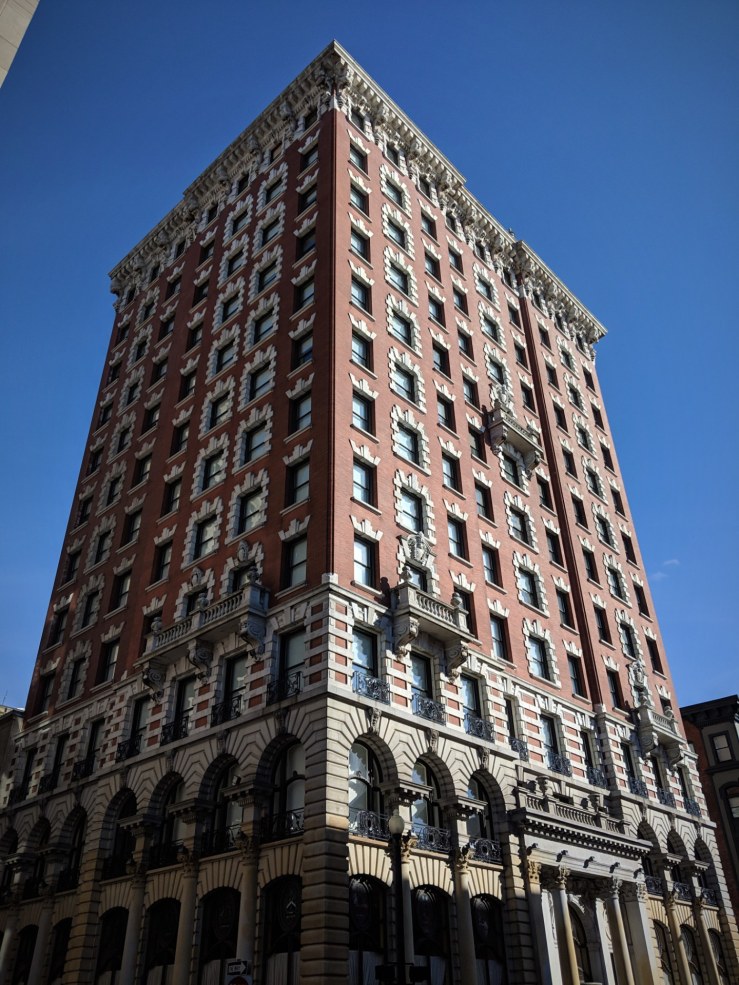 The majestic Union Trust Company Building, once home to the homonym Providence-based bank, now in the National Register of Historic Places, still a commercial building, but the upper floors have been converted to residences.
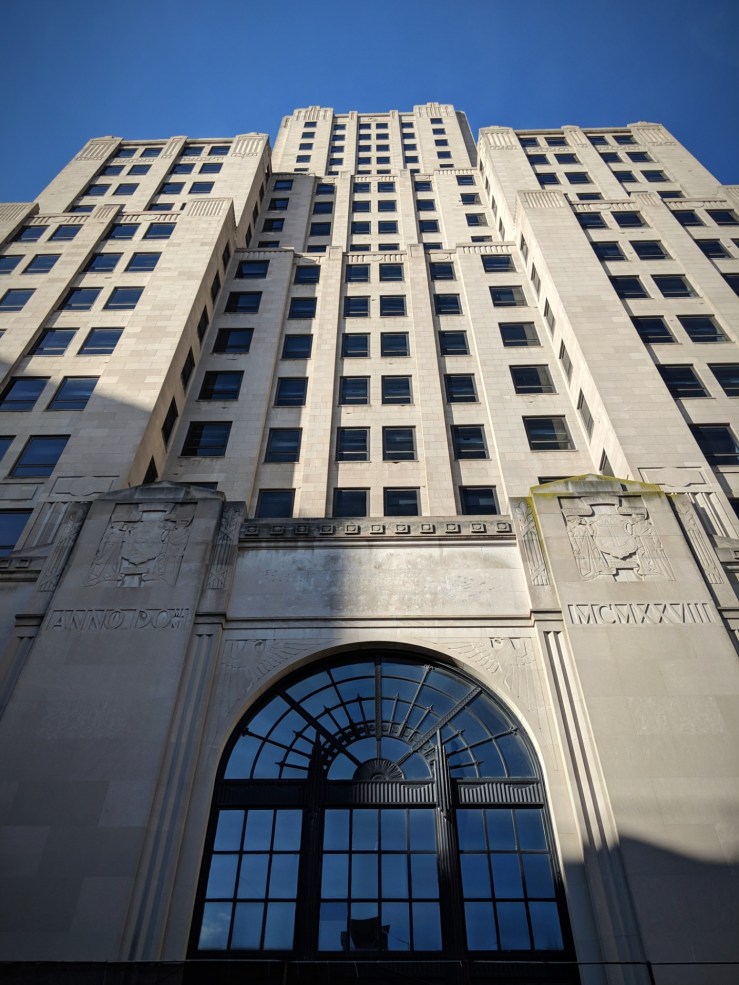 The massive Art Deco ”Superman” Building, aka Industrial National Bank Building standing empty since 2013!
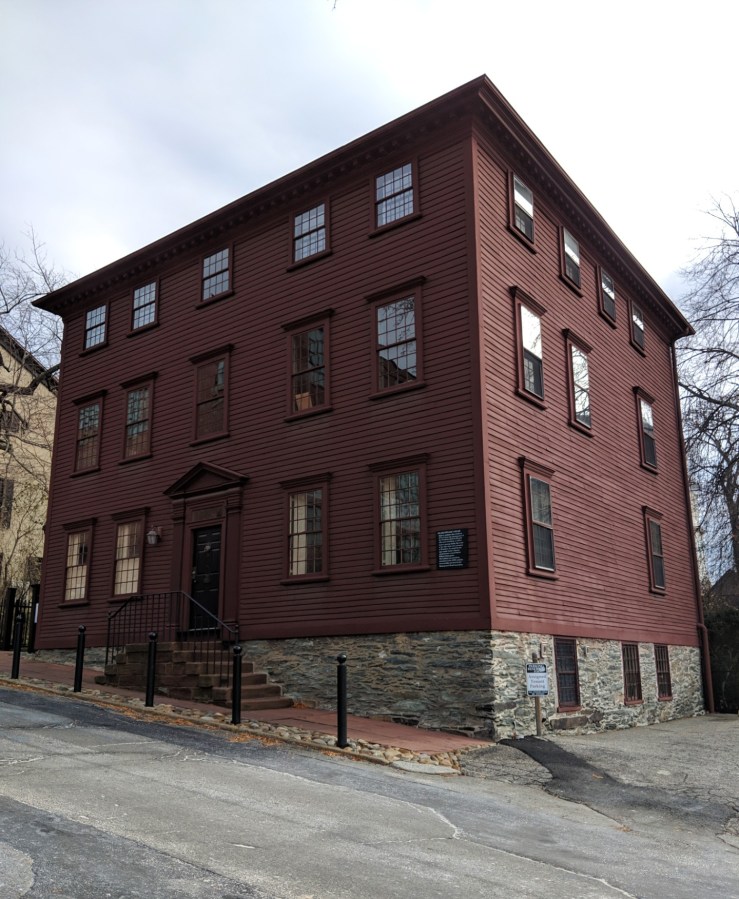
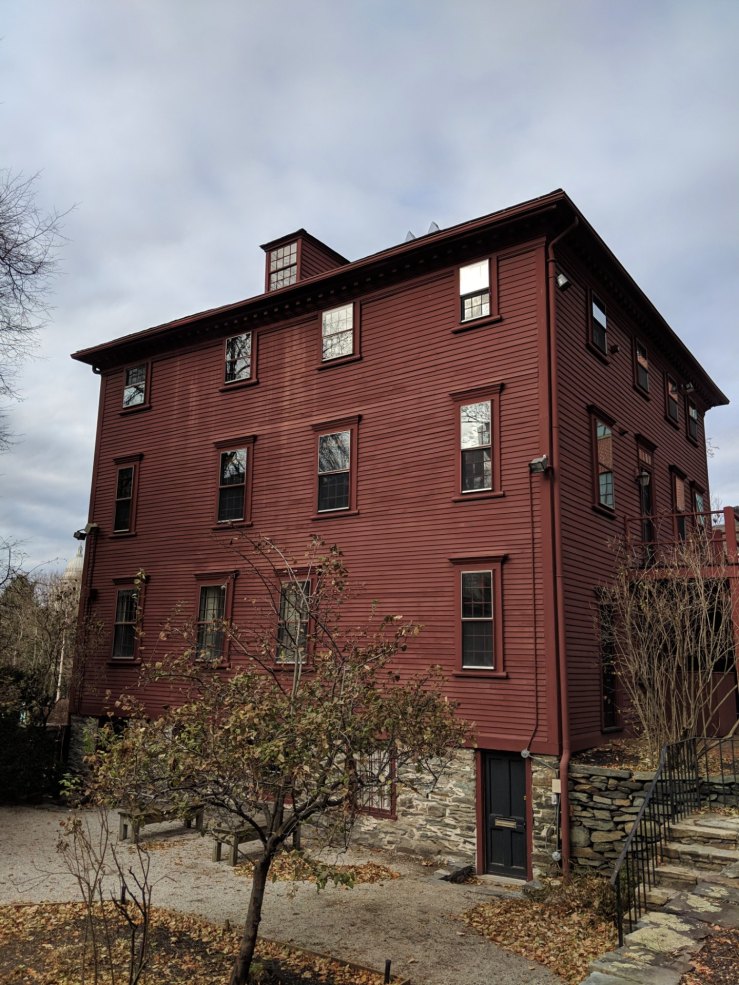
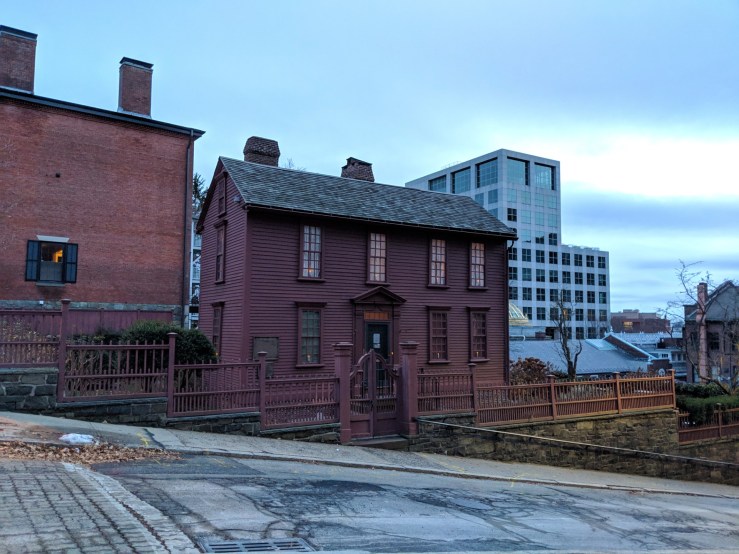
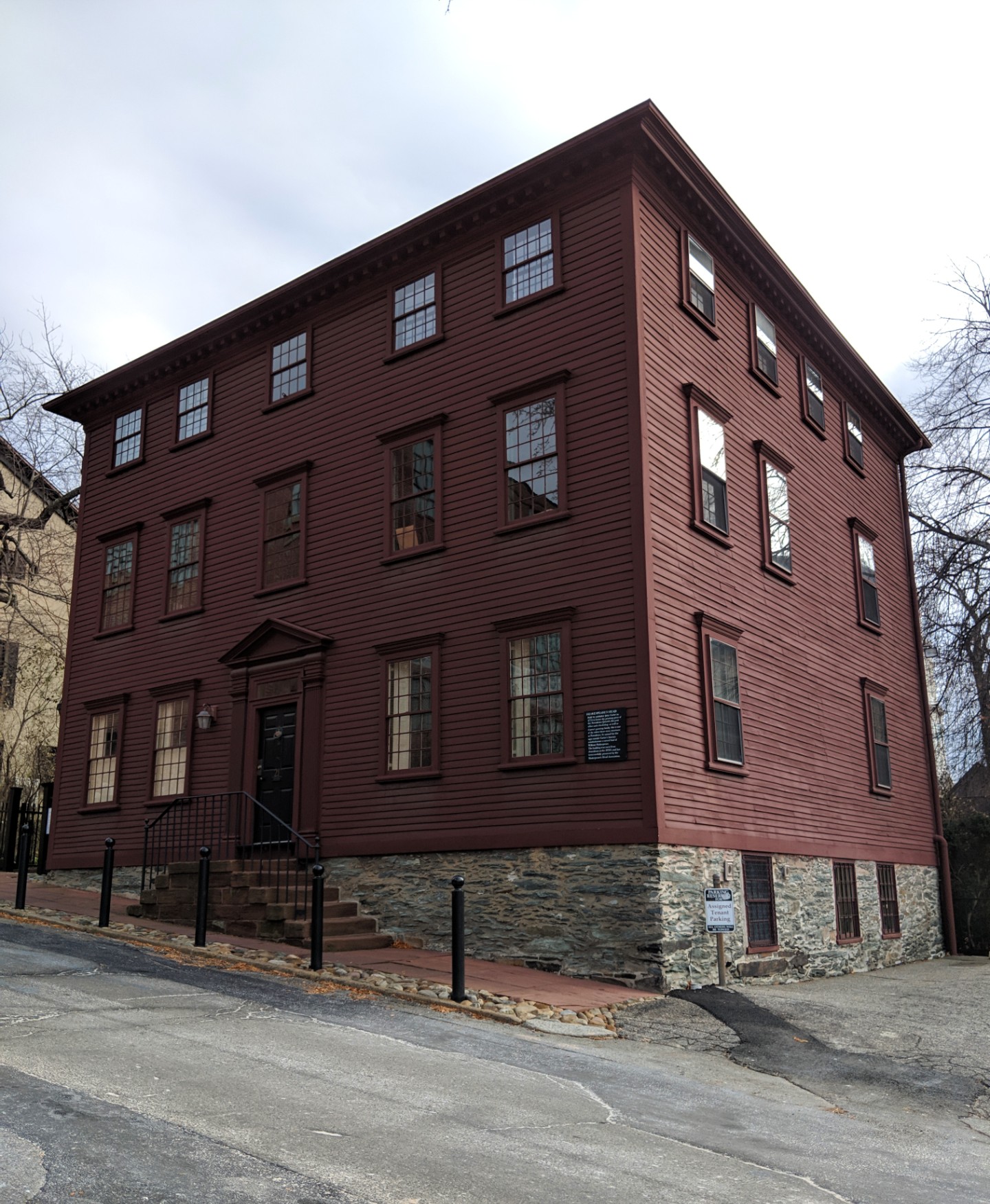
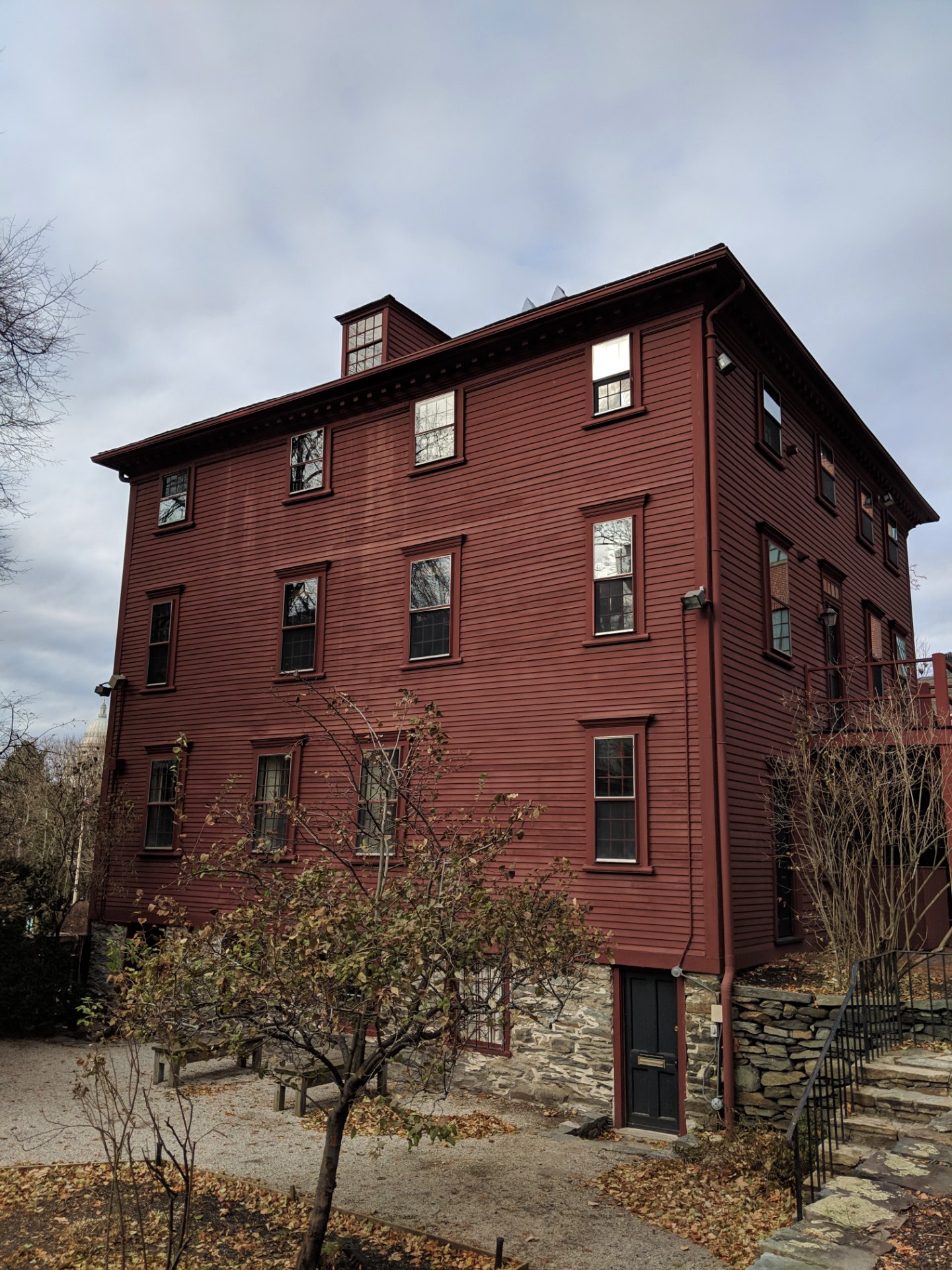
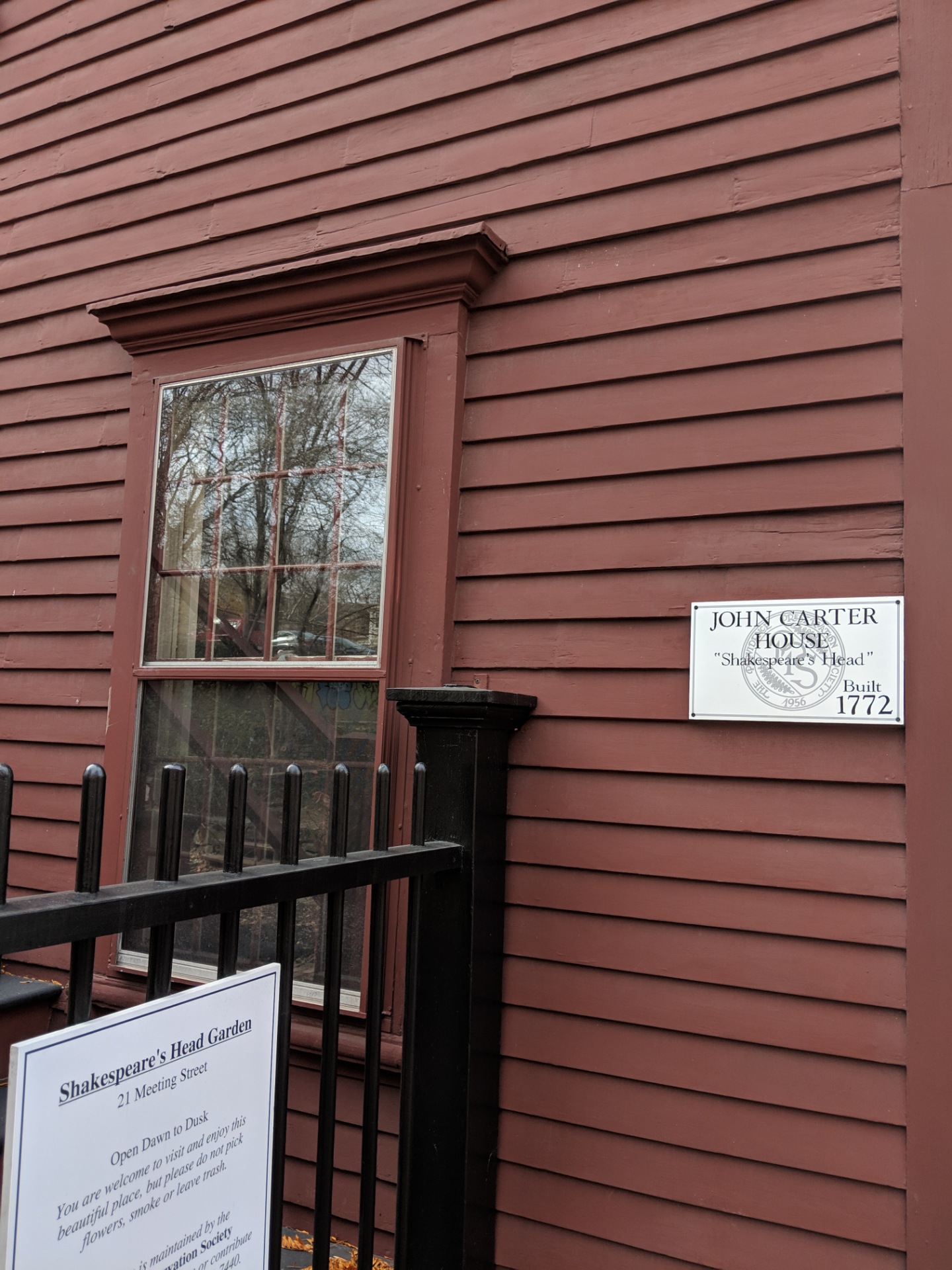
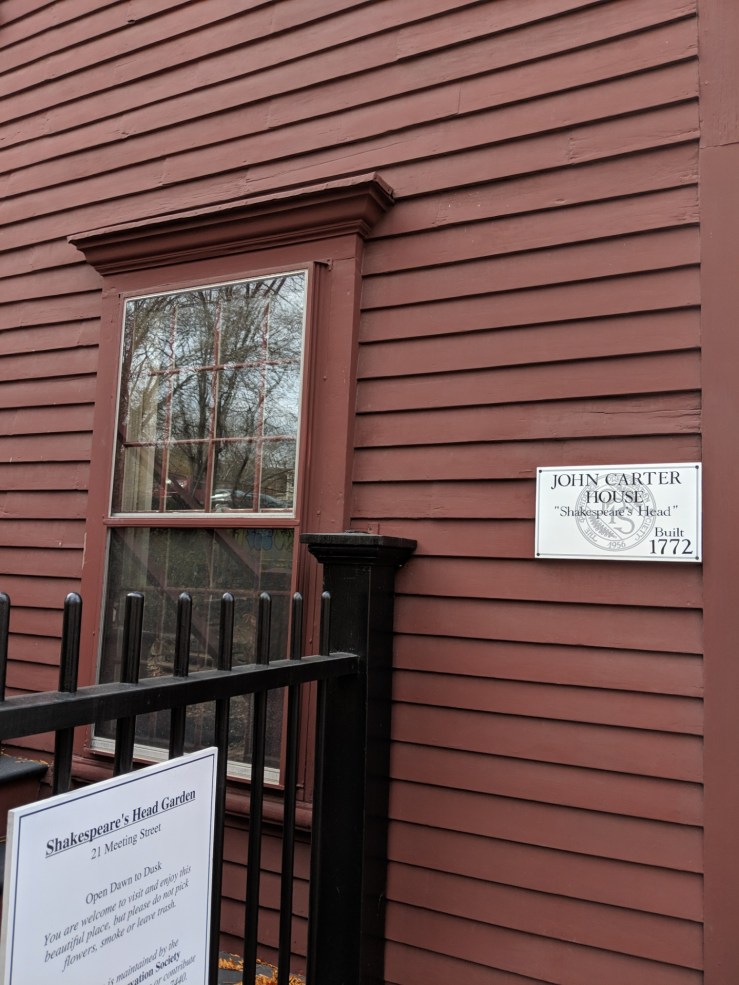 The ”John Carter House”, in 21 Meeting Street, aka ”Shakespeare’s Head” since colonial times when the building was used as a print shop and post office by John Carter, who had trained with Benjamin Franklin in Philadelphia. The enterprises were advertised by a sign featuring the head of Shakespeare on a pole outside the building. This is where the city’s first newspaper, The Providence Gazette, was printed until 1793.
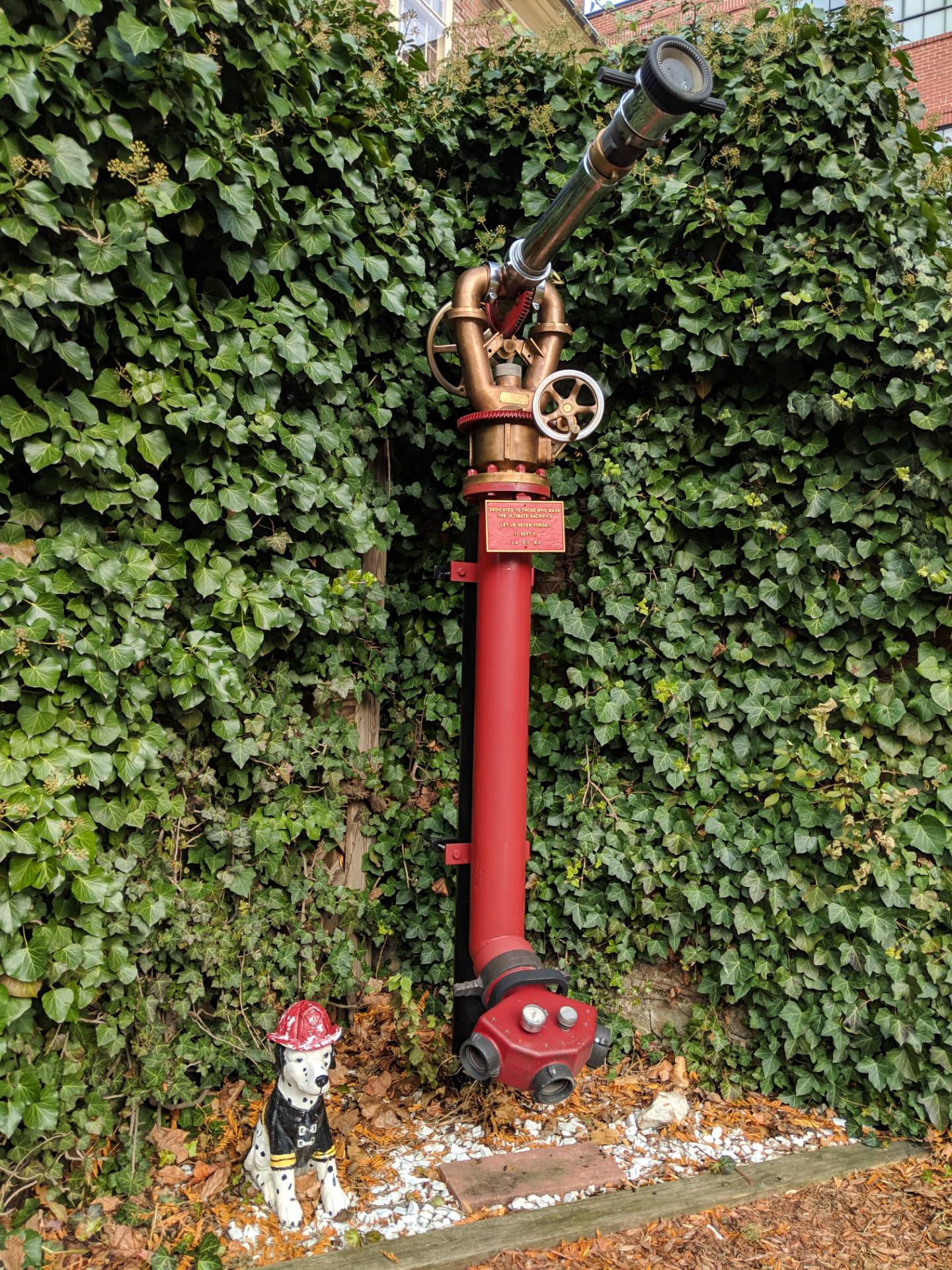
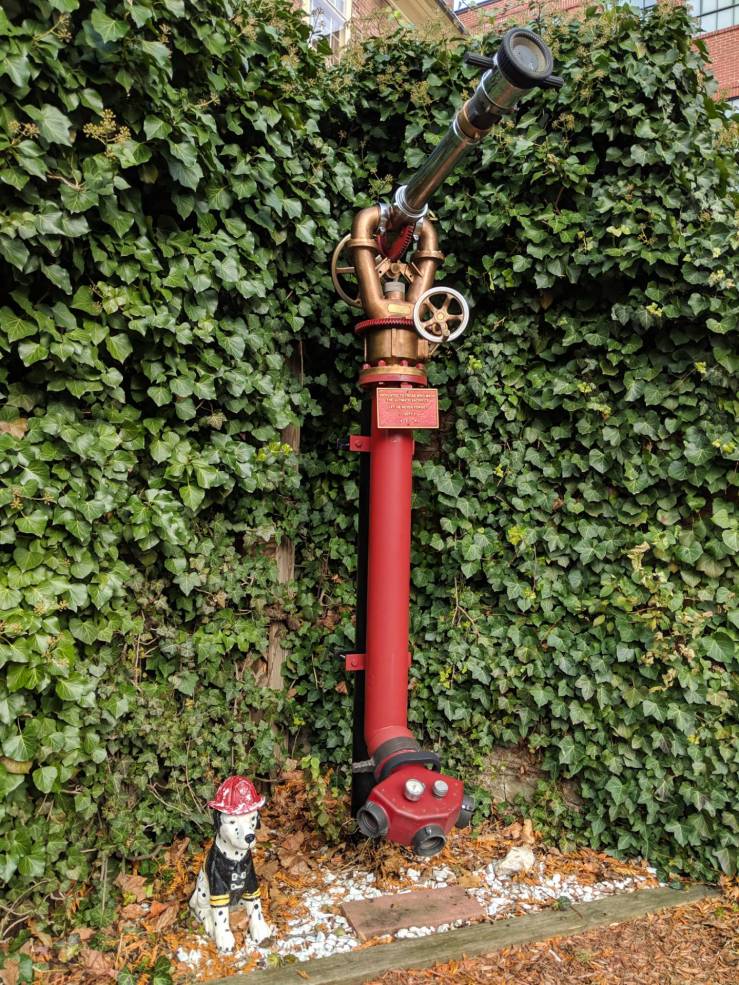 A lovely dedication to the firefighters who lost their lives on duty – 9/11/2001
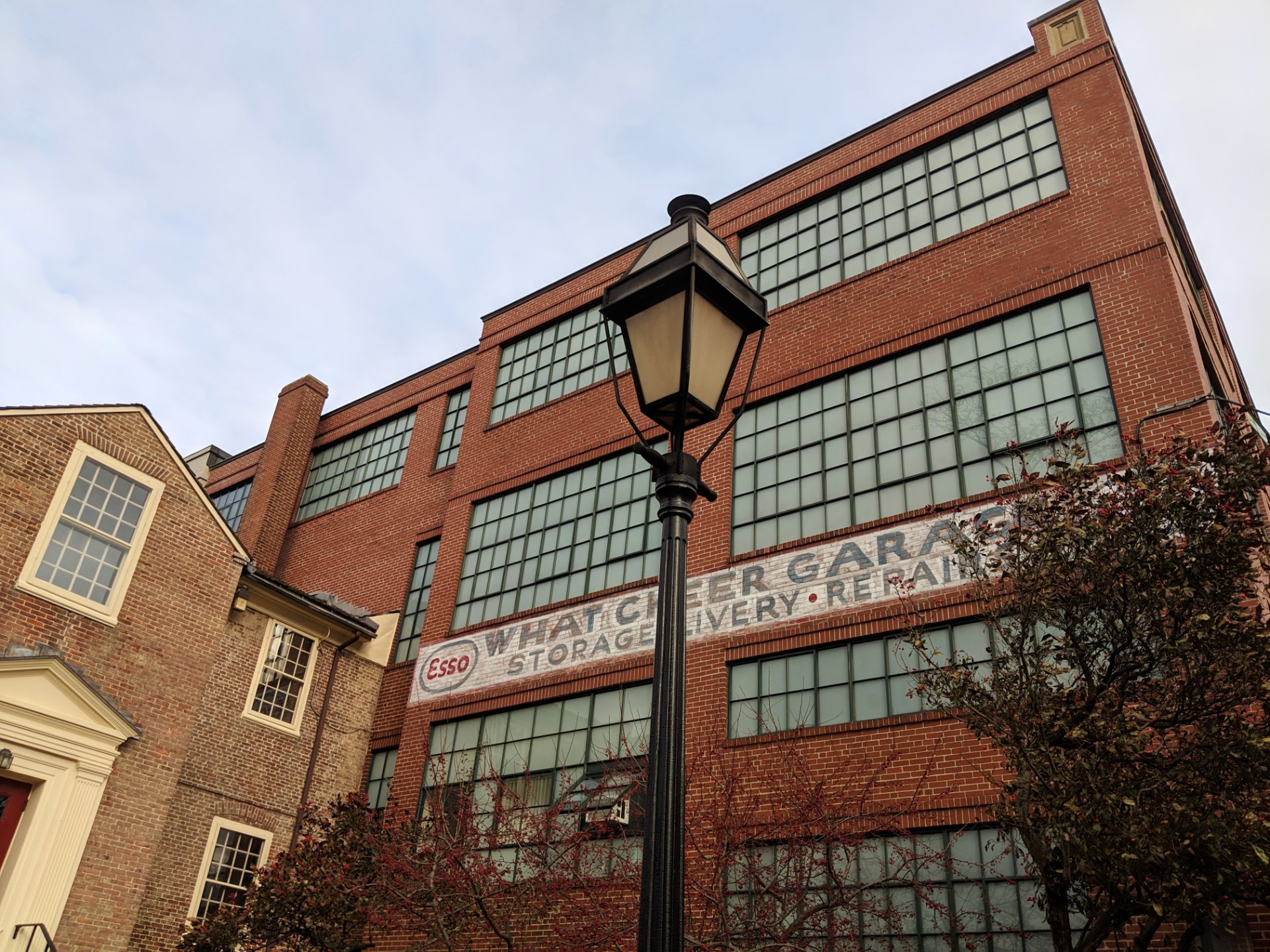
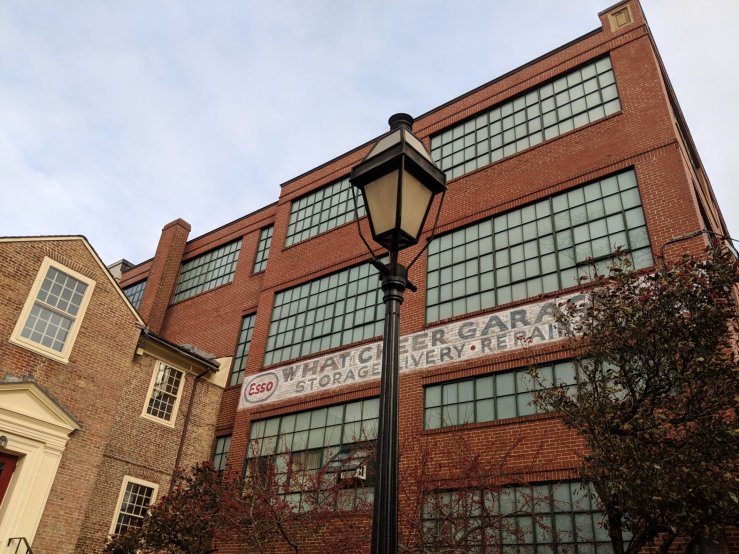 What Cheer Garage is now a studio for RISD. ”What Cheer” refers to the Narragansett Indians’ greeting to Roger Williams on his landing at Providence (a contraction of “What cheer with you?,” the seventeenth-century equivalent of “How are you?”). Many Rhode Island businesses perpetuate the historic greeting. [source]
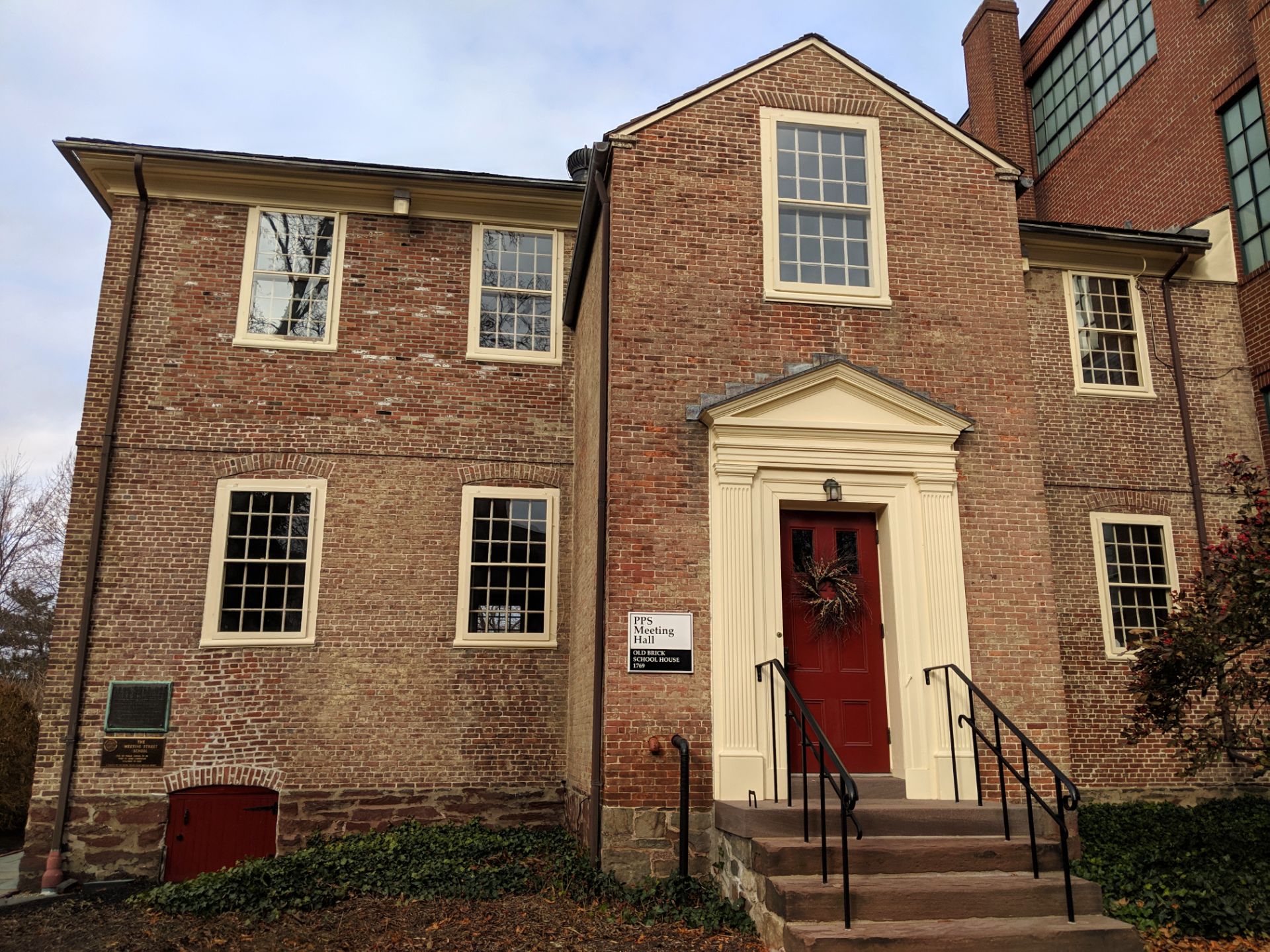
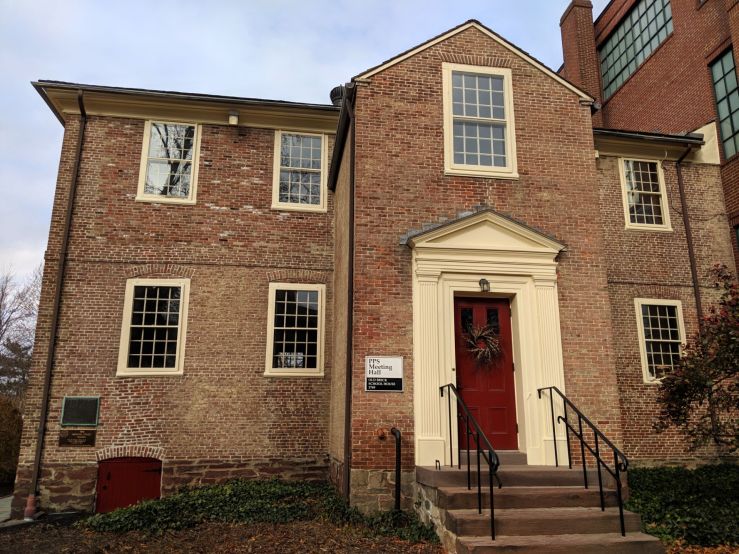 The Old Brick School House, 1769 (PPS Office & Meeting Hall)
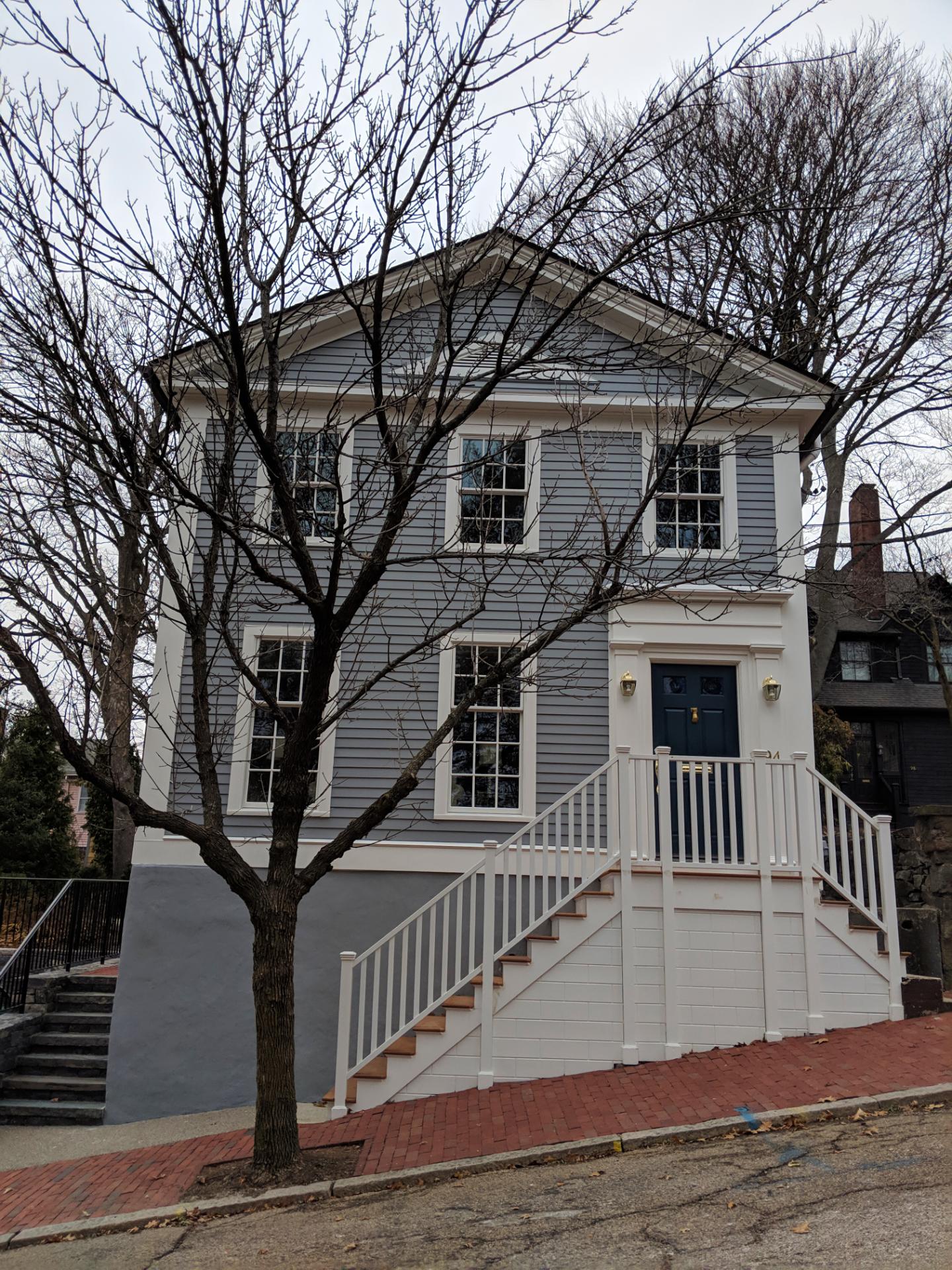
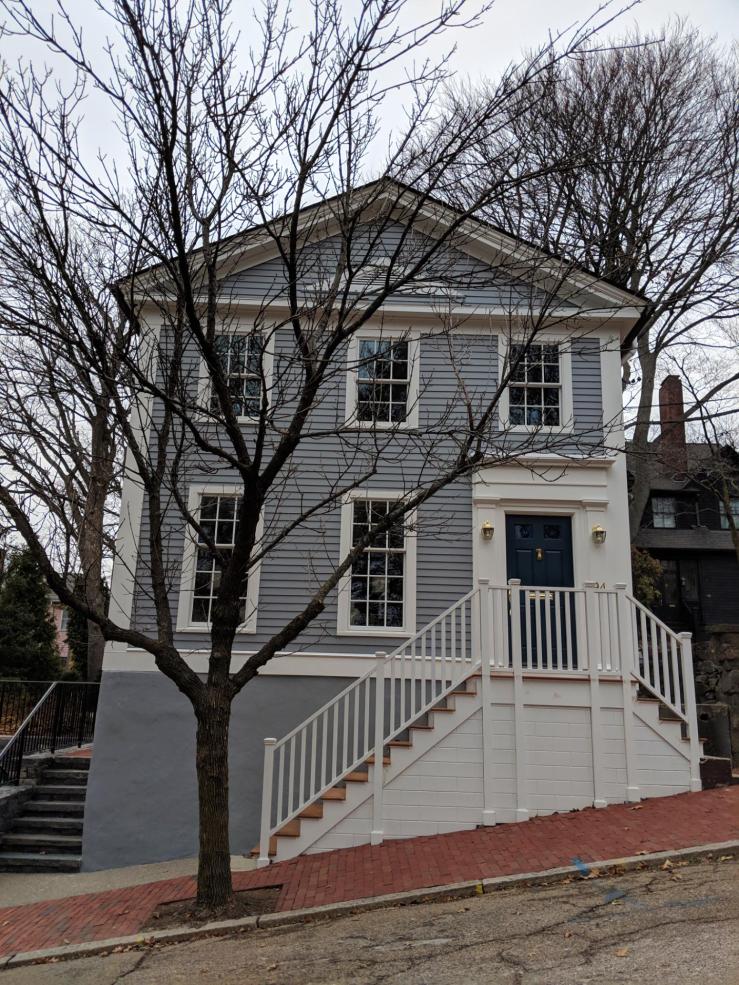 Climbing Meeting Street
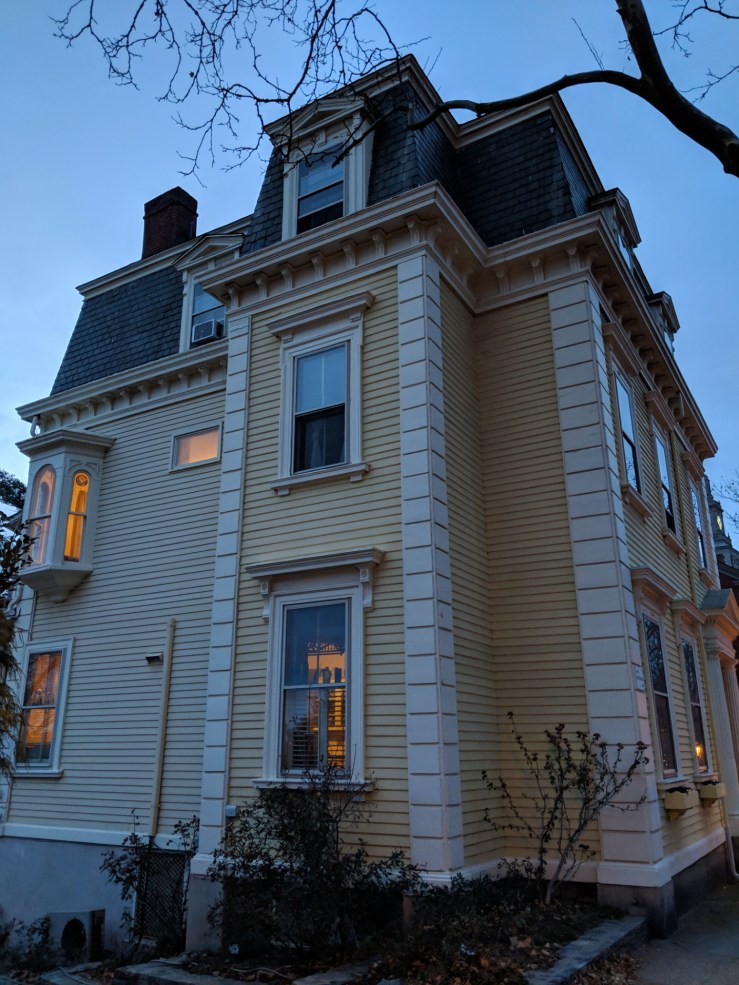
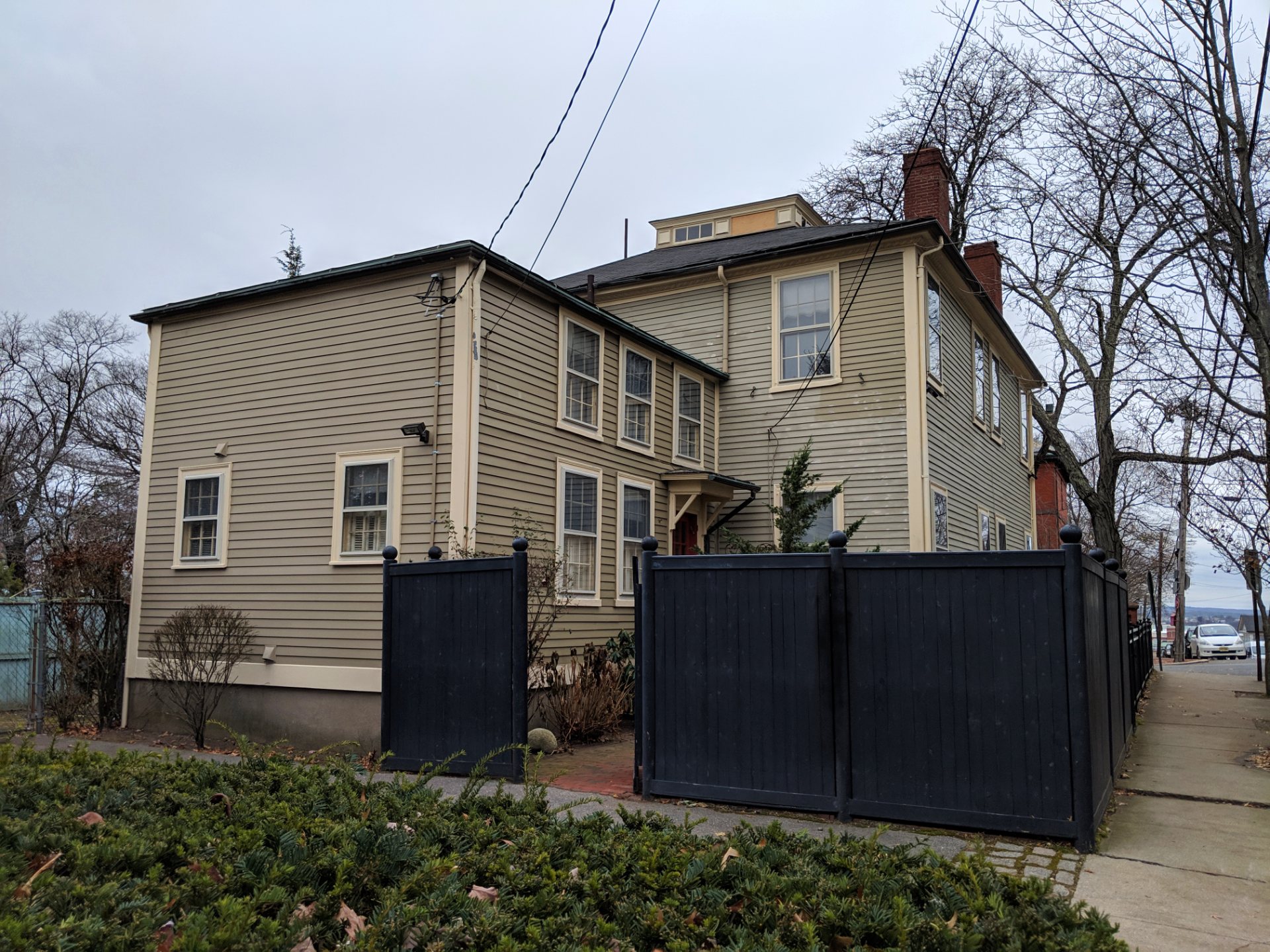
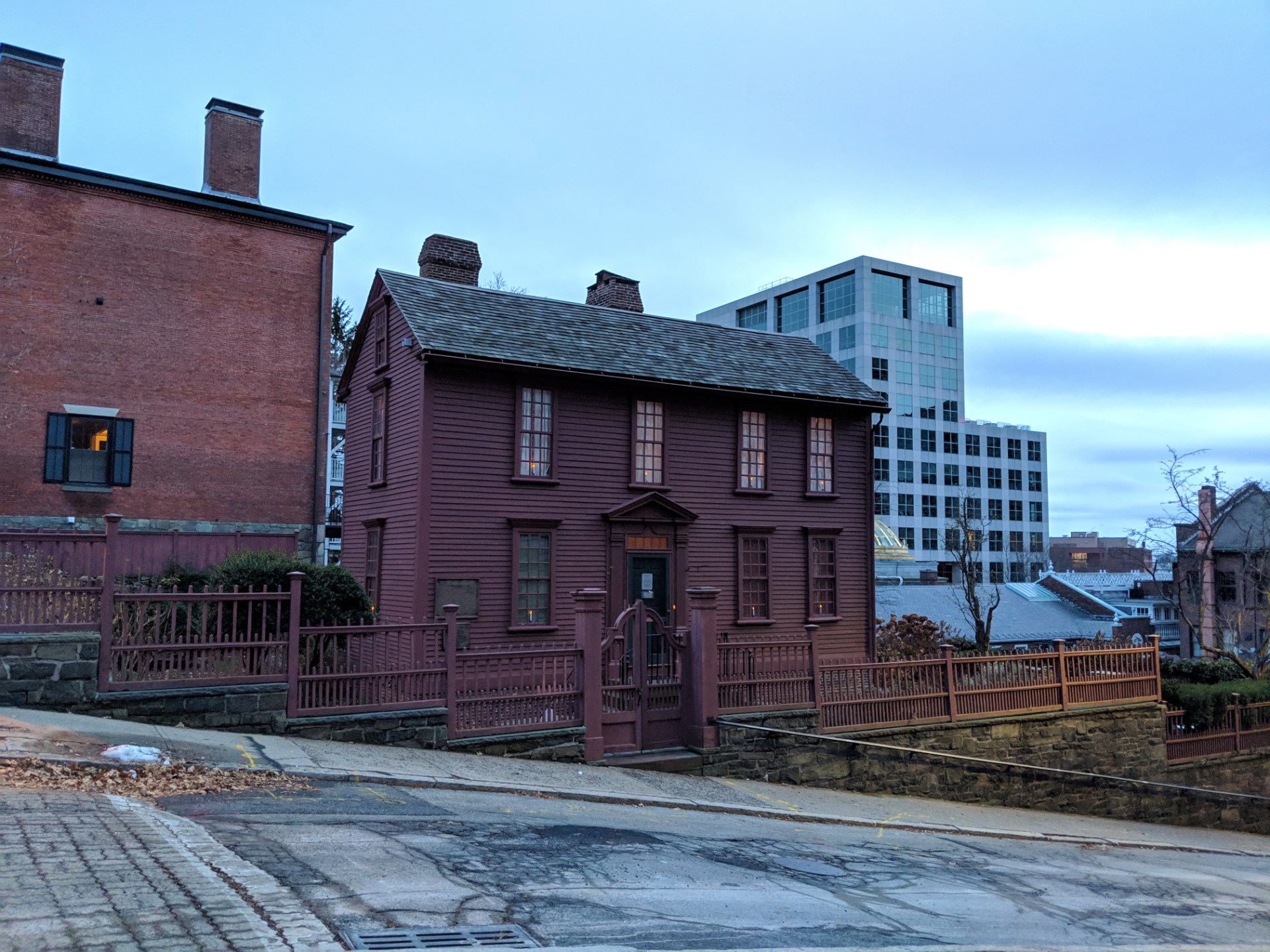
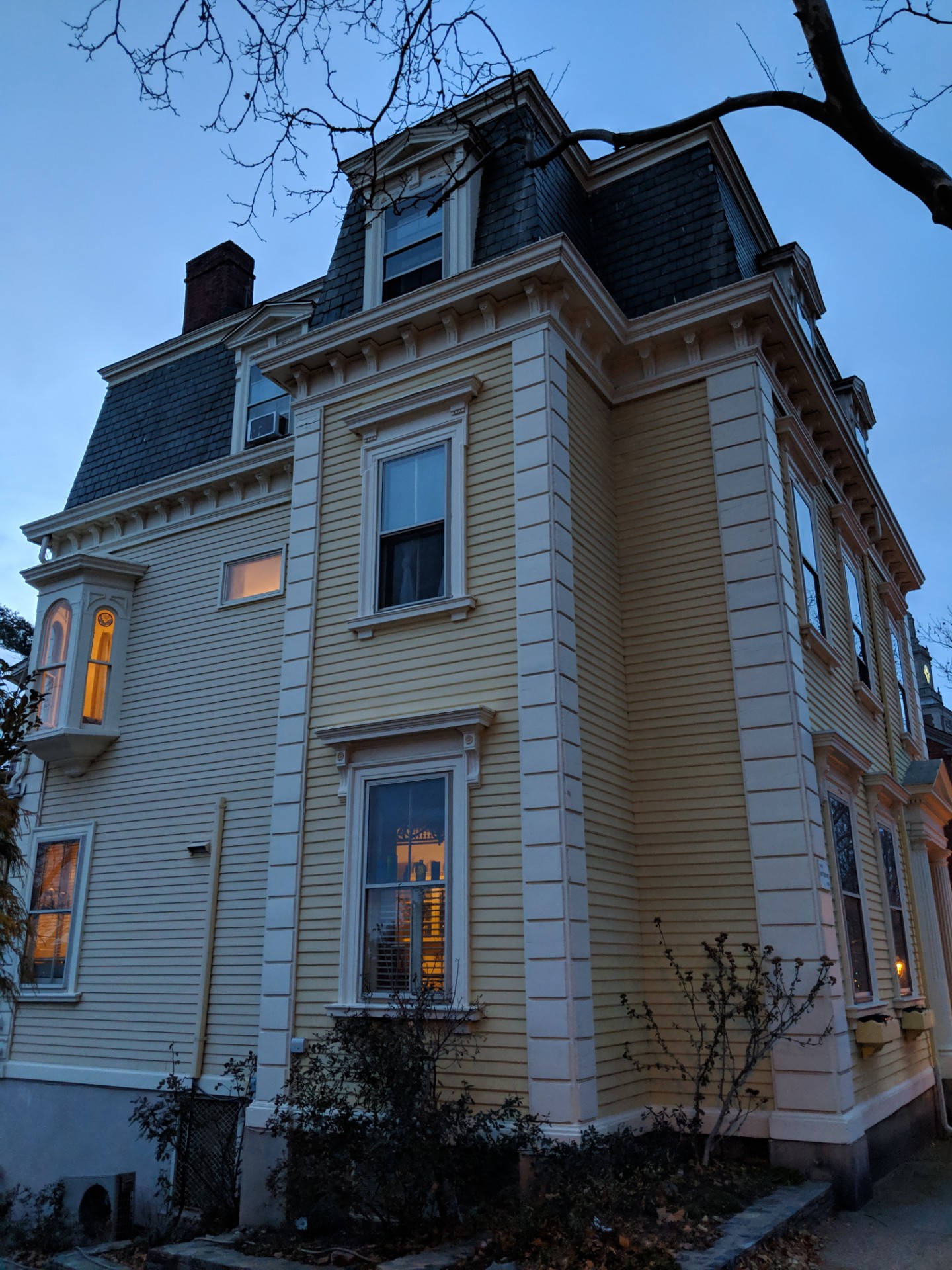
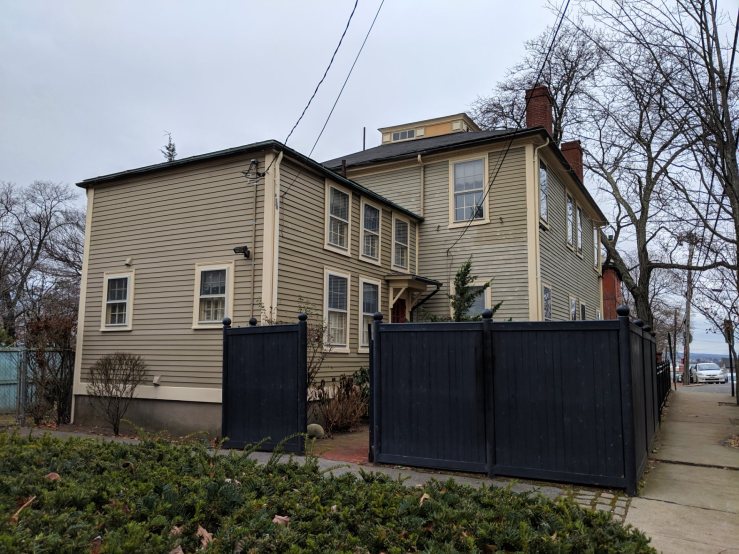 H.P. Lovecraft’s last home – still standing. Originally located at 66 College Street, it was moved to 65 Prospect Street to make space for an expansion of Brown University.
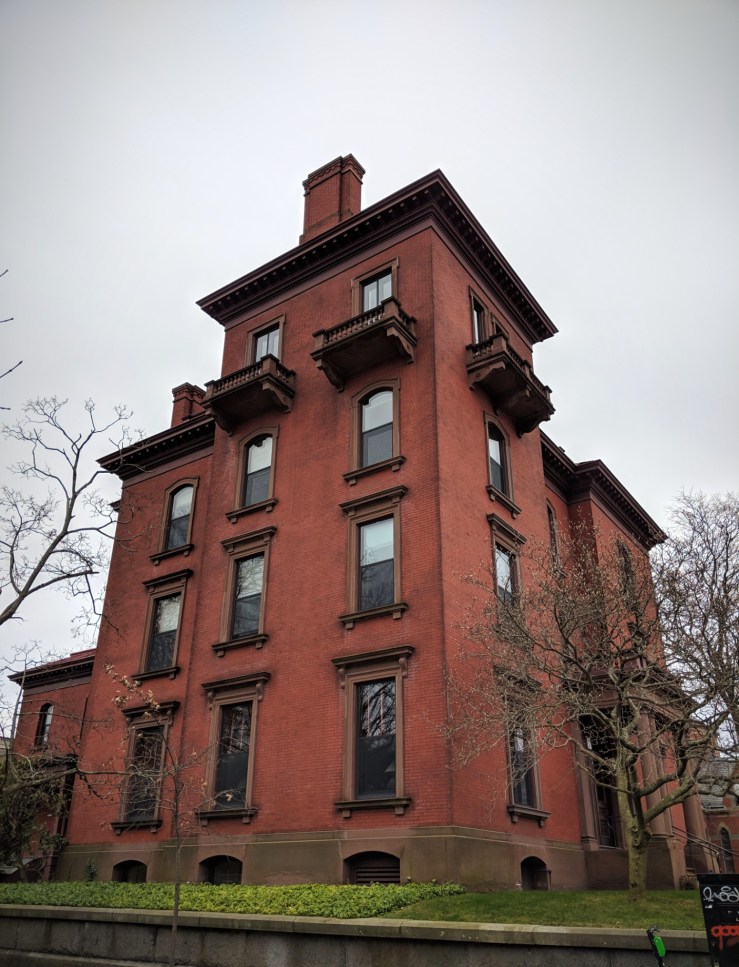
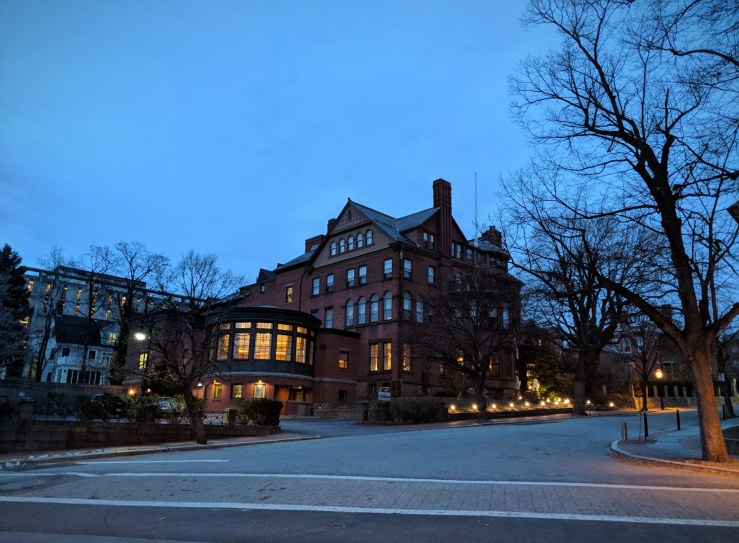
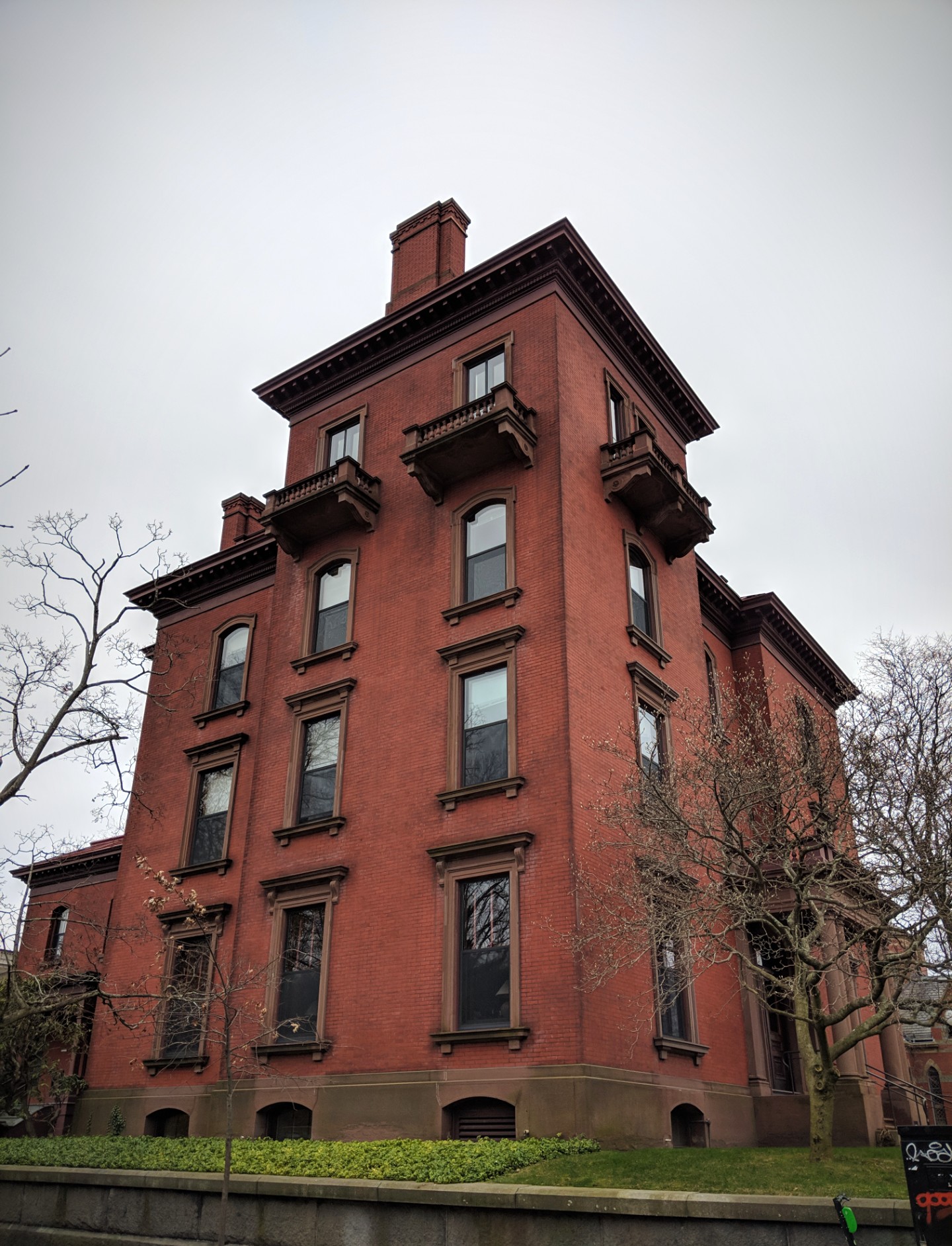
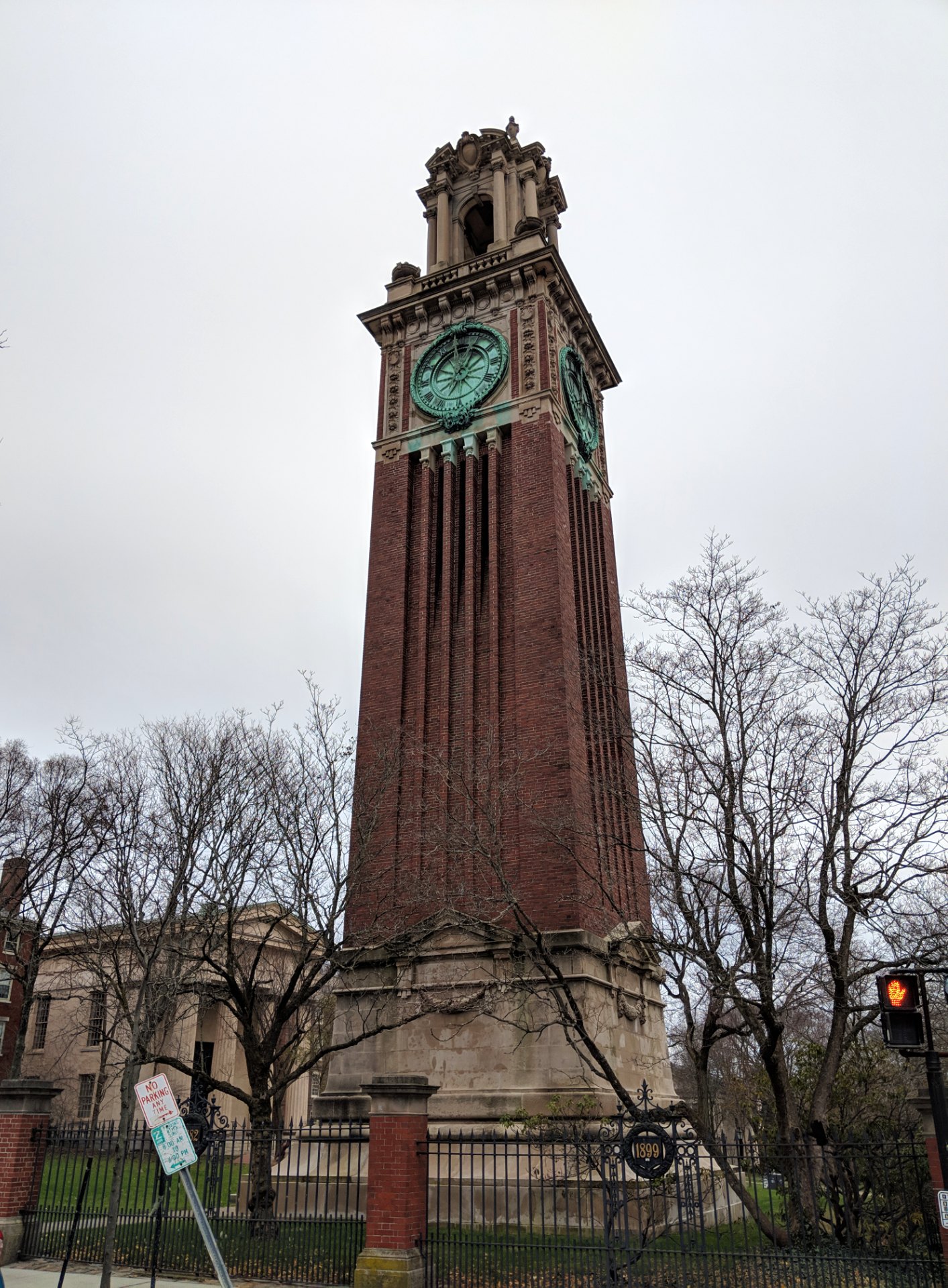
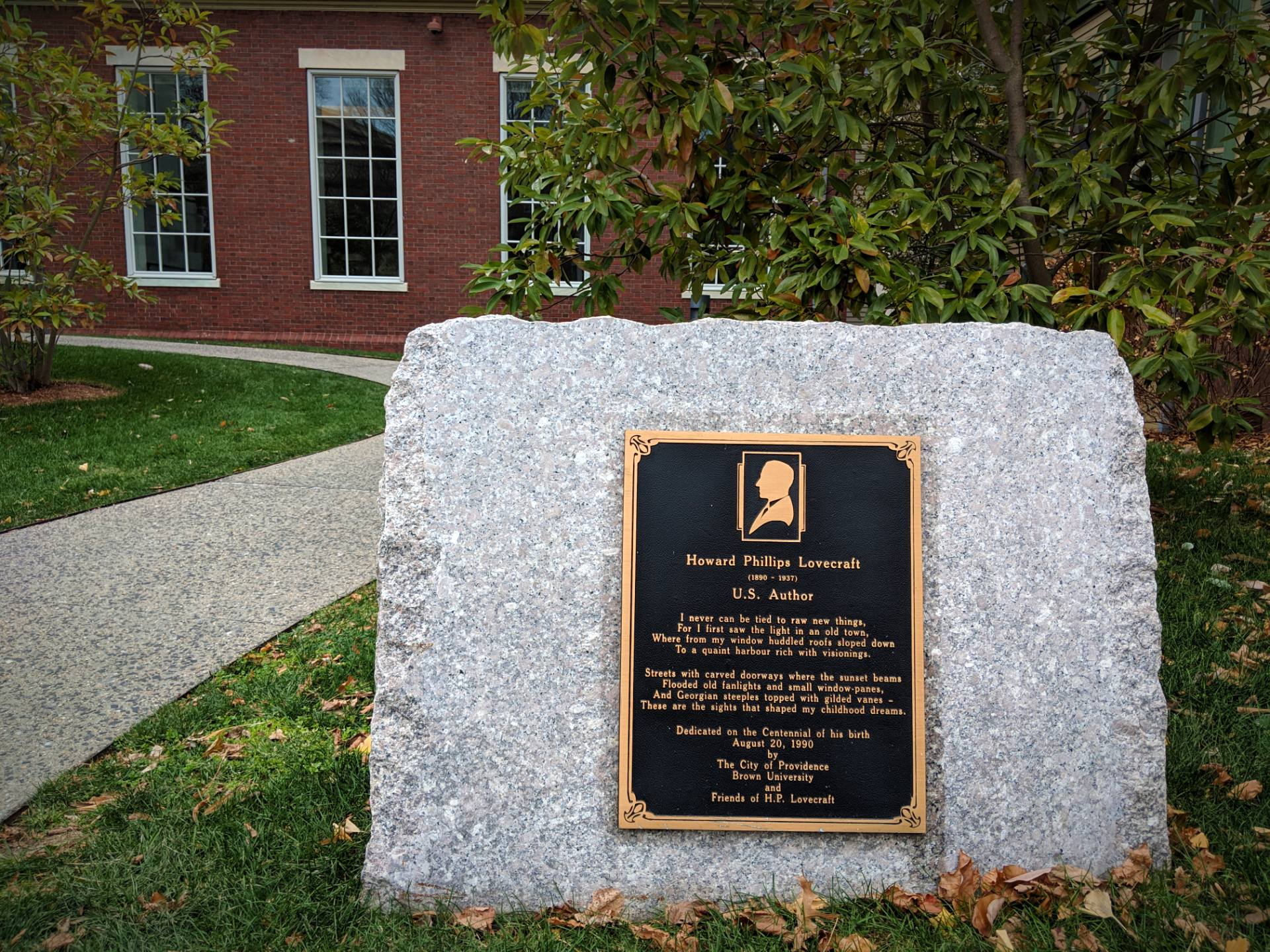
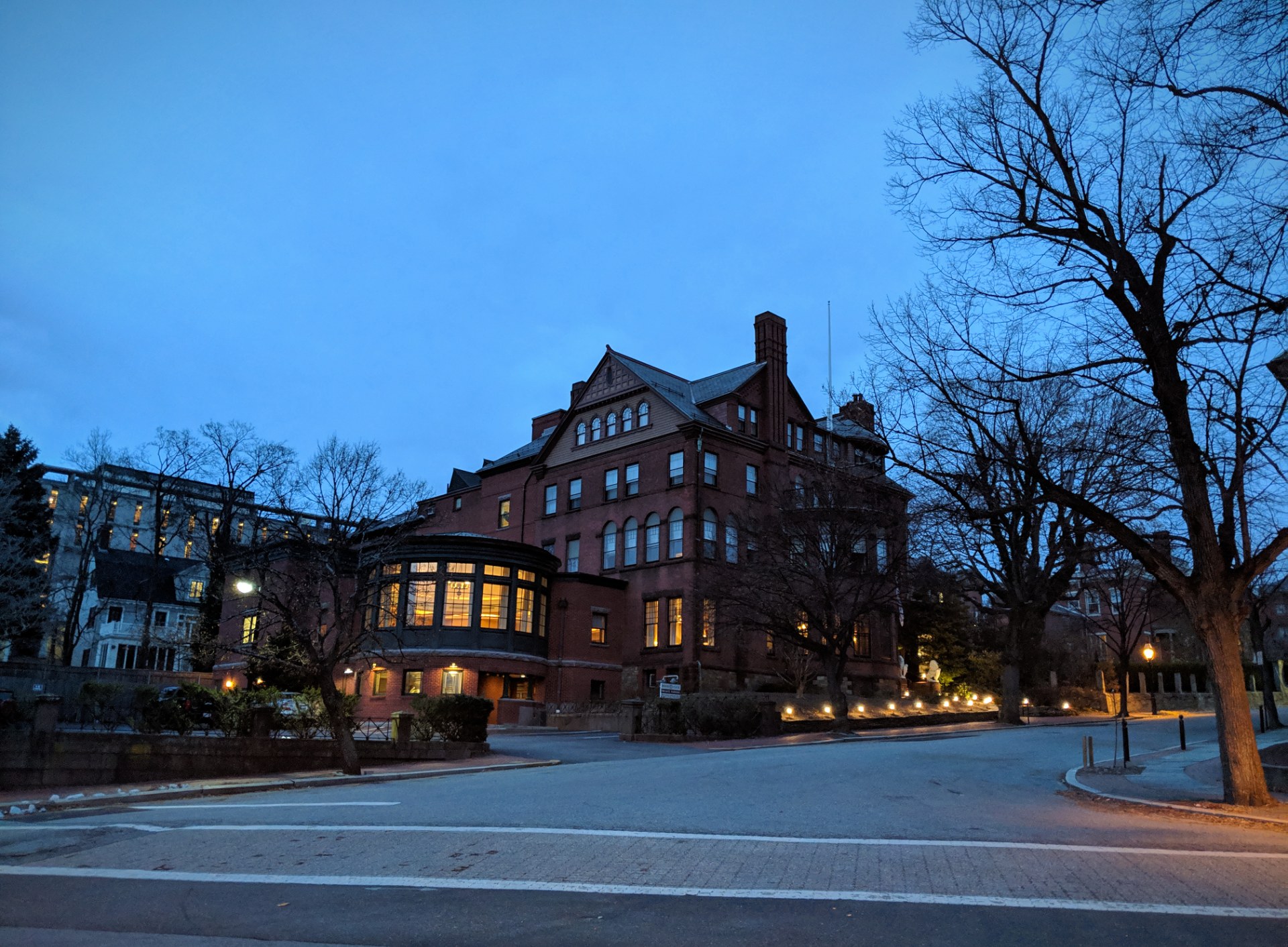
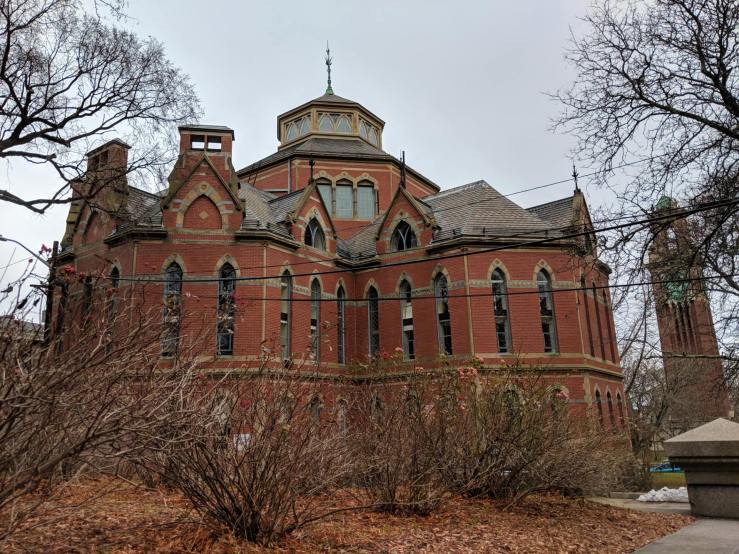 Brown University. Lovecraft walked among it’s buildings most of his life.
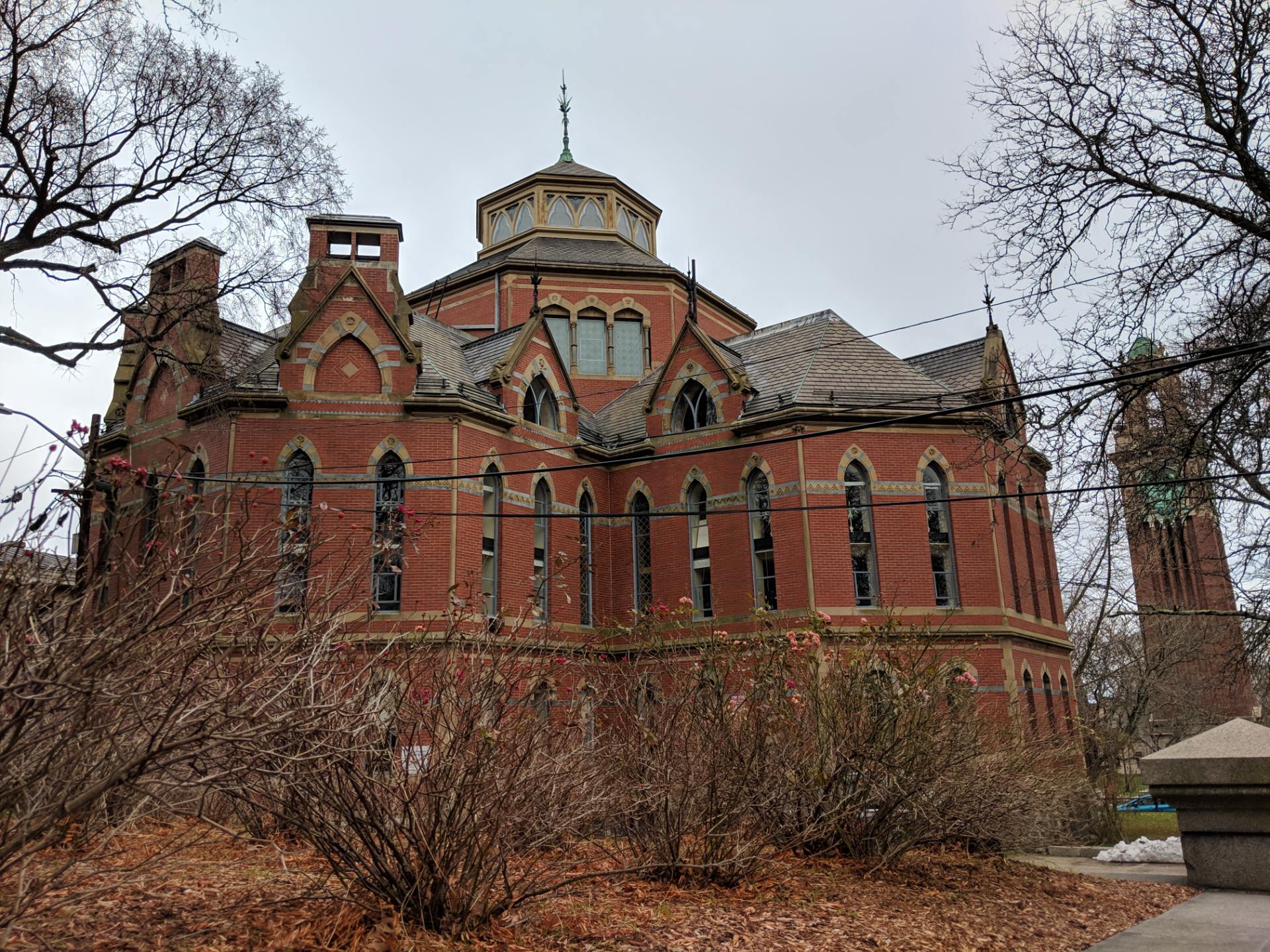
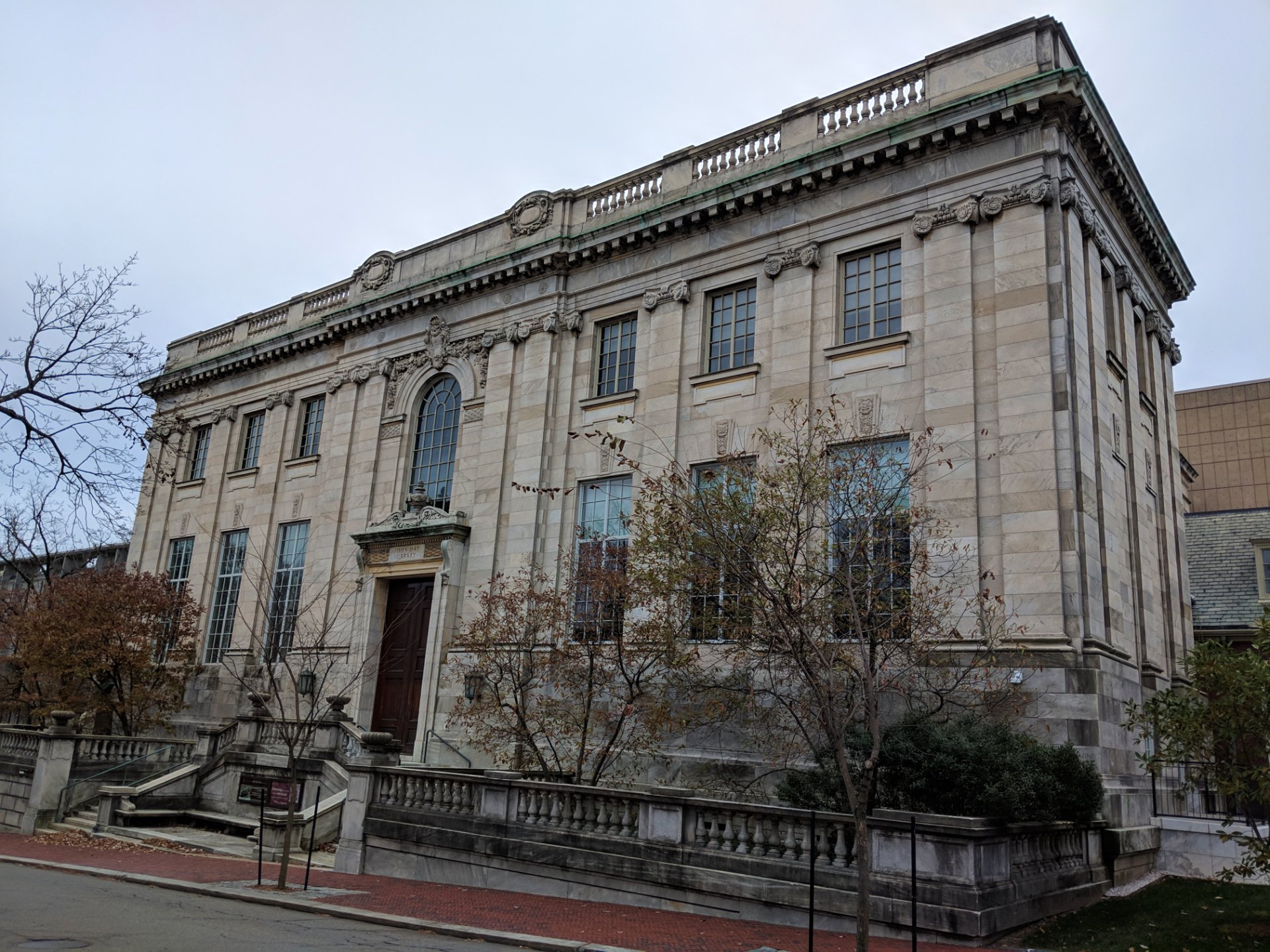
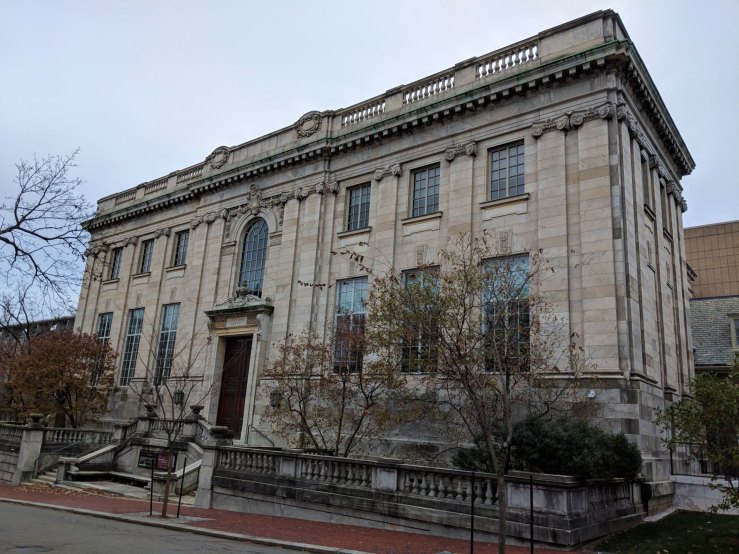 The John Hay Library at Brown University, home to the largest collection of H. P. Lovecraft materials in the world.
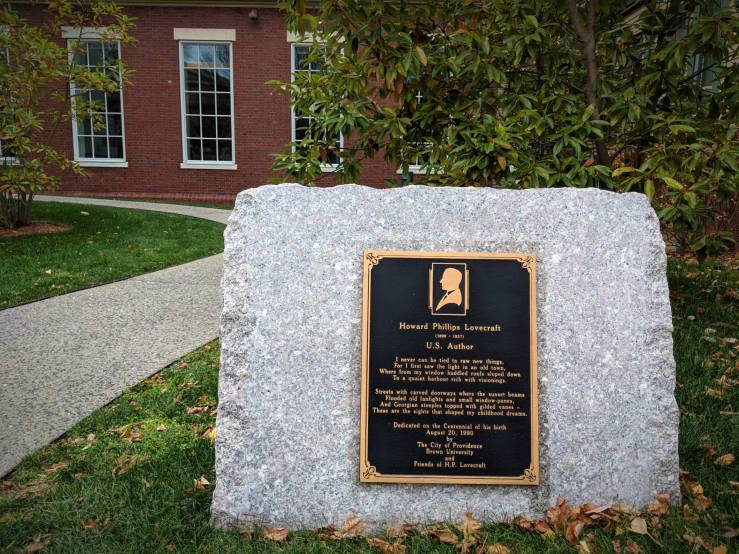
Providence, RI
November 24th, 2018












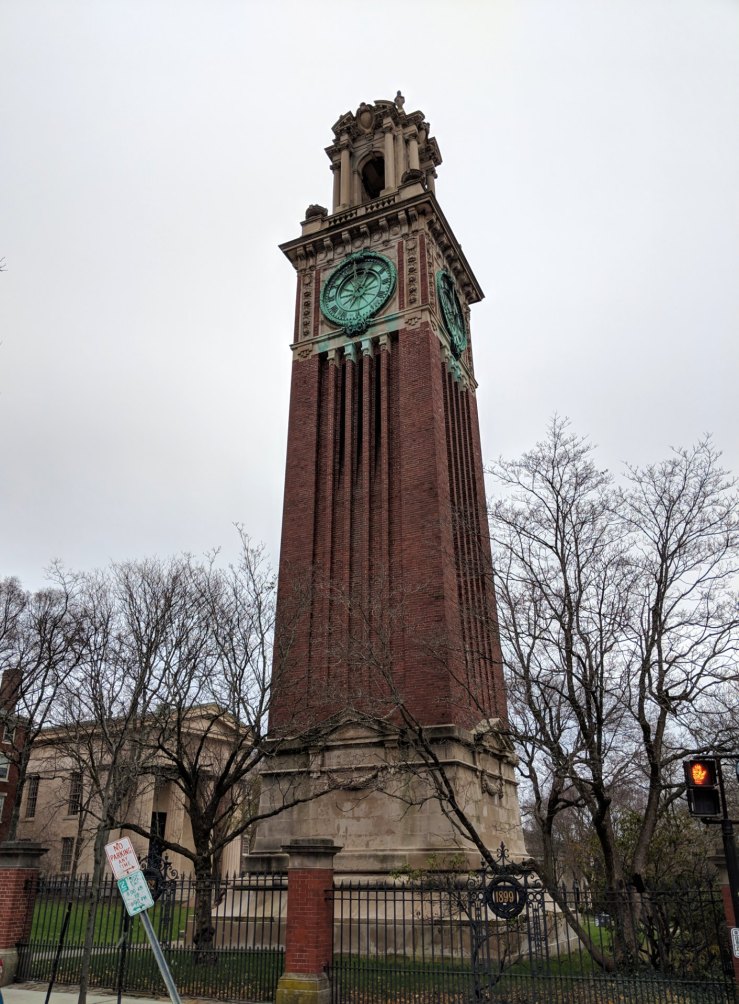
 A belfry looming tall,




 The Humble Fabulist