On October 1st, 2017, MoMA opened a new exhibition with the inquiring title ”Items: Is Fashion Modern?”, sparking waves of excitement across the worlds of fashion and design. Not so much because of the items themselves, which were mainly clothes and accessories we are all familiar with in our everyday lives, but mainly because ”Items” was the first fashion show that MoMA had organised in more than 70 years, the last time being in 1944 with a similarly inquiring exhibition, called ”Are Clothes Modern?”
The 2017 show consisted of 111 items of clothing and accessories that had had a strong impact on the world in the 20th and 21st centuries. It had also invited some designers, engineers, and manufacturers to reexamine these familiar items with the view of rendering them – or at least some versions of them – useful, updated and ”Modern” further into the future.

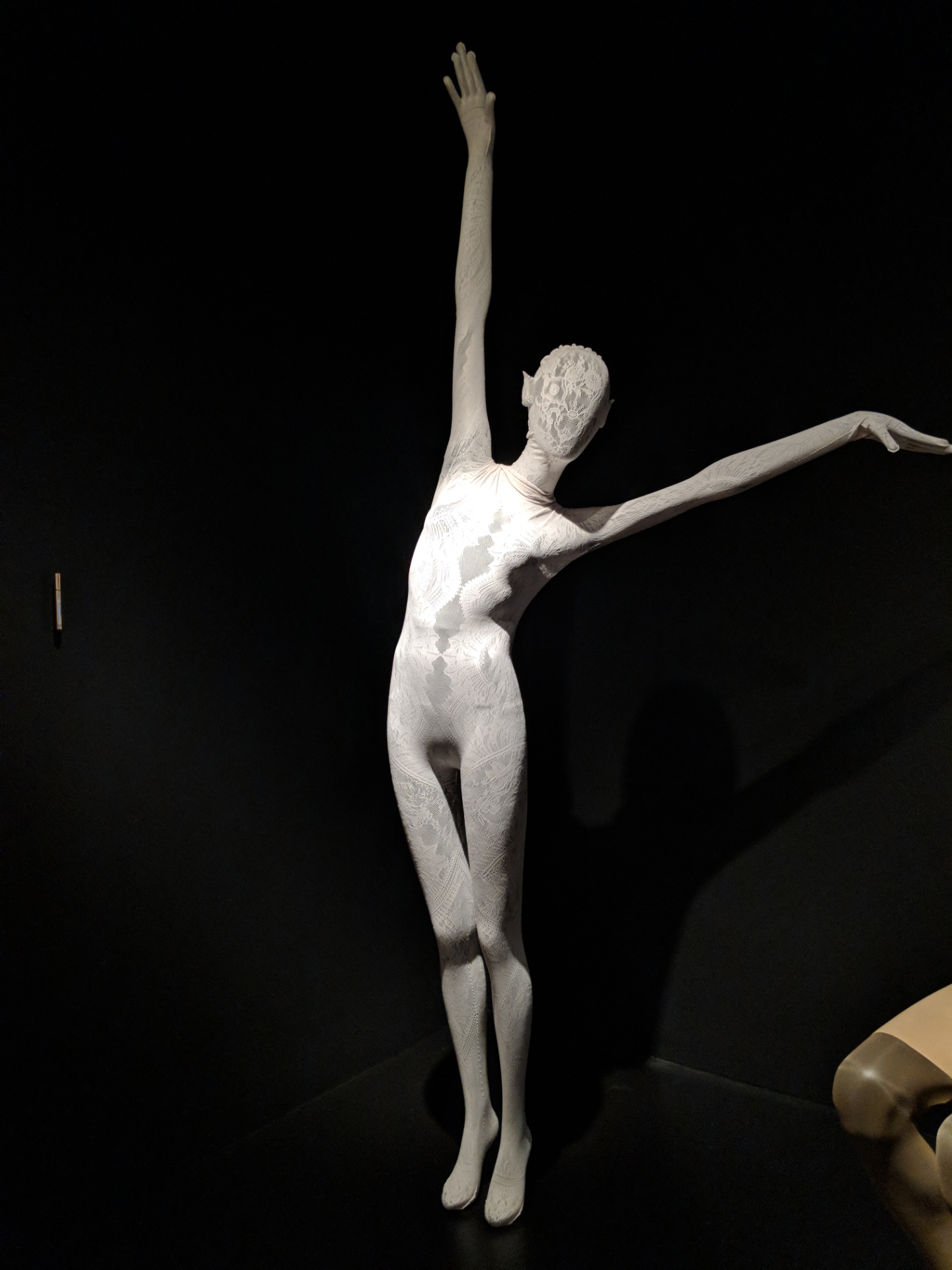 Robin From Skin Series, 2006
Tamae Hirokawa, Japanese, b. 1976 – Somarta, Japan, founded 2006
Tights
Somarta developed a computer-aided design and manufacturing process to produce seamless, three-dimensional knitted garments that are halfway between tattoos and tights
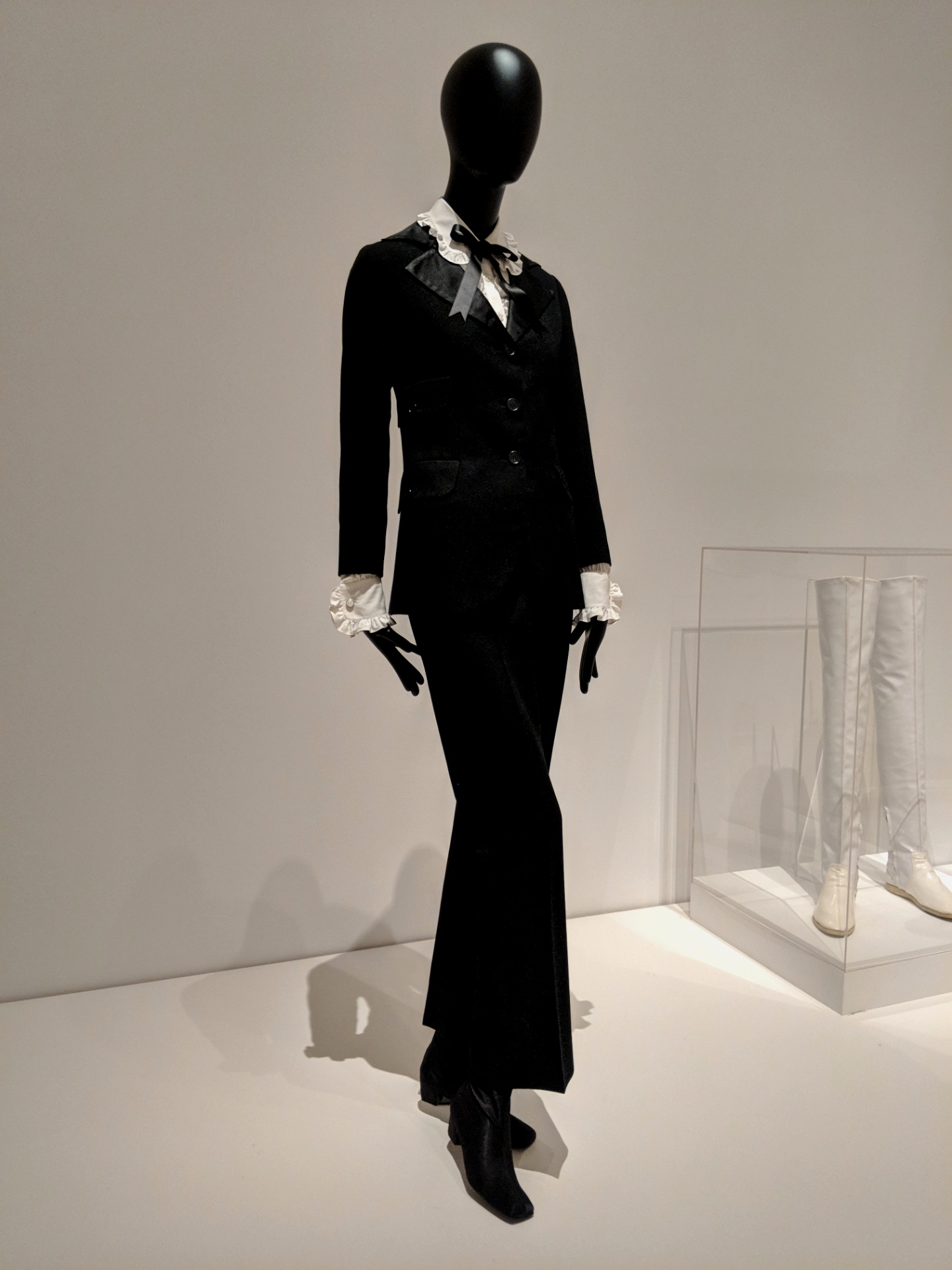 Le Smoking, 1967
Yves Saint Laurent Rive Gauche
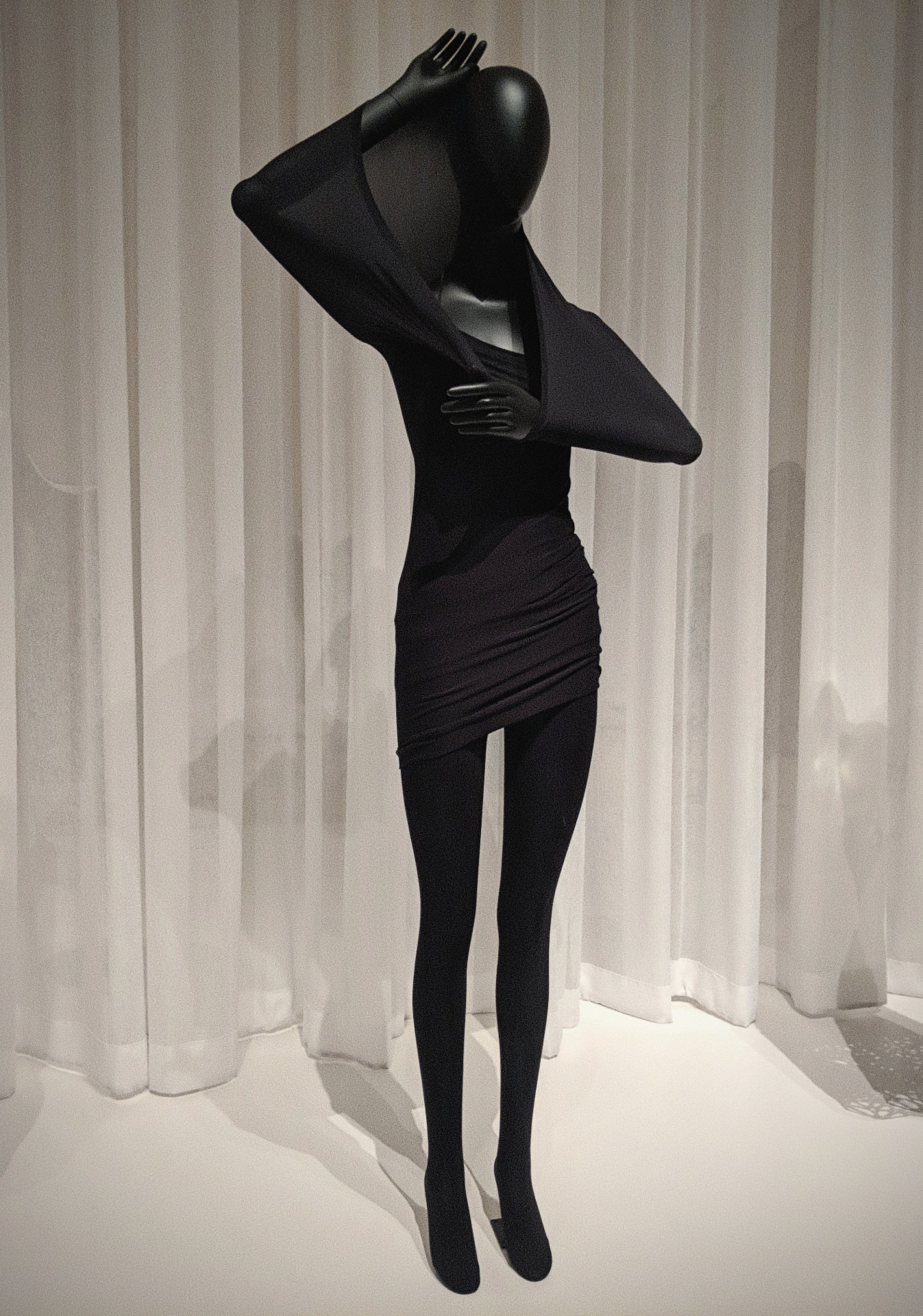 StarckNaked, 1997
Philippe Starck for Wolford
Little Black Dress
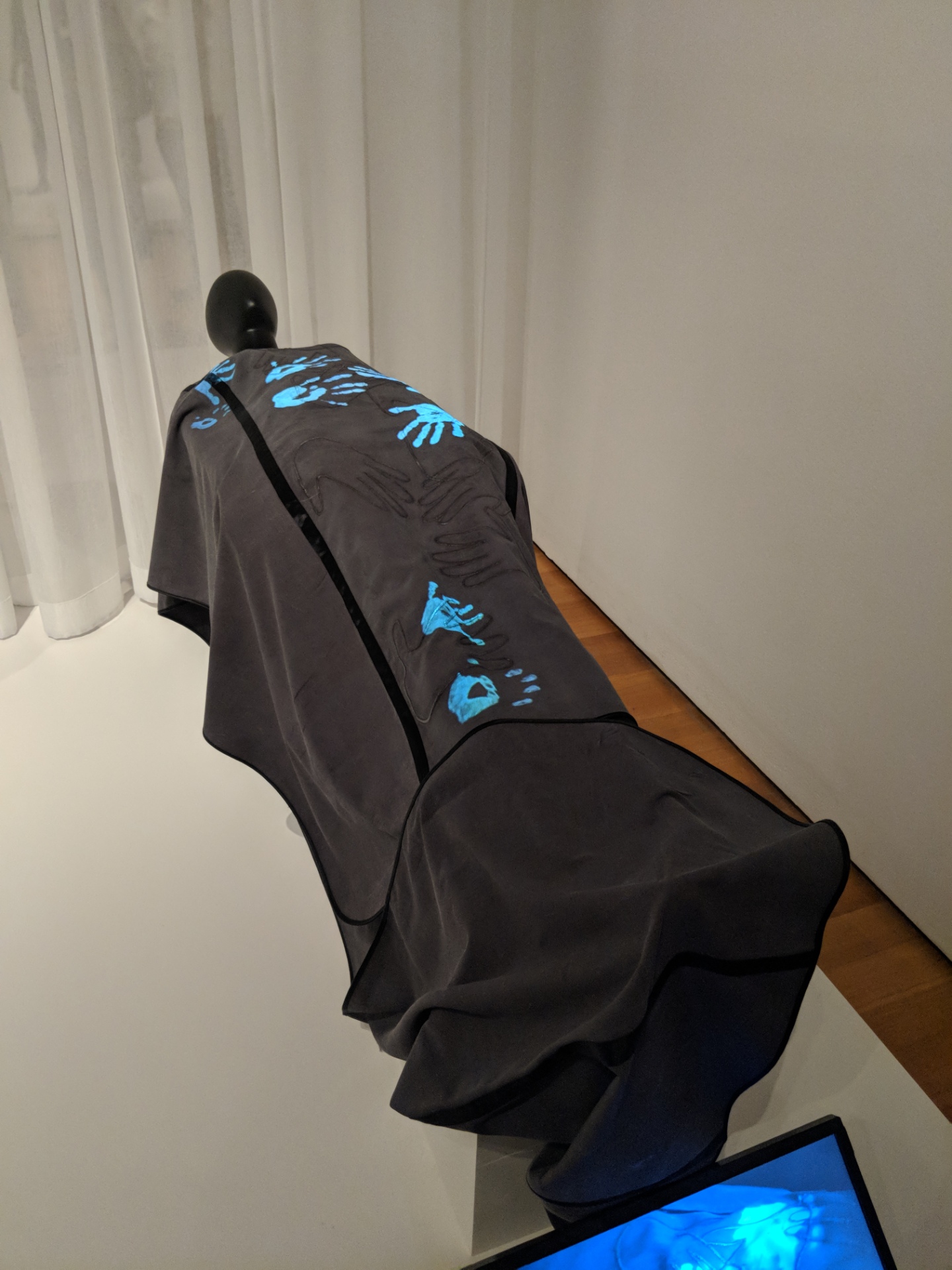 Pia Interlandi, Australian, b. 1985
Garments for the Grave, founded 2012
Little Black (Death) Dress, 2017
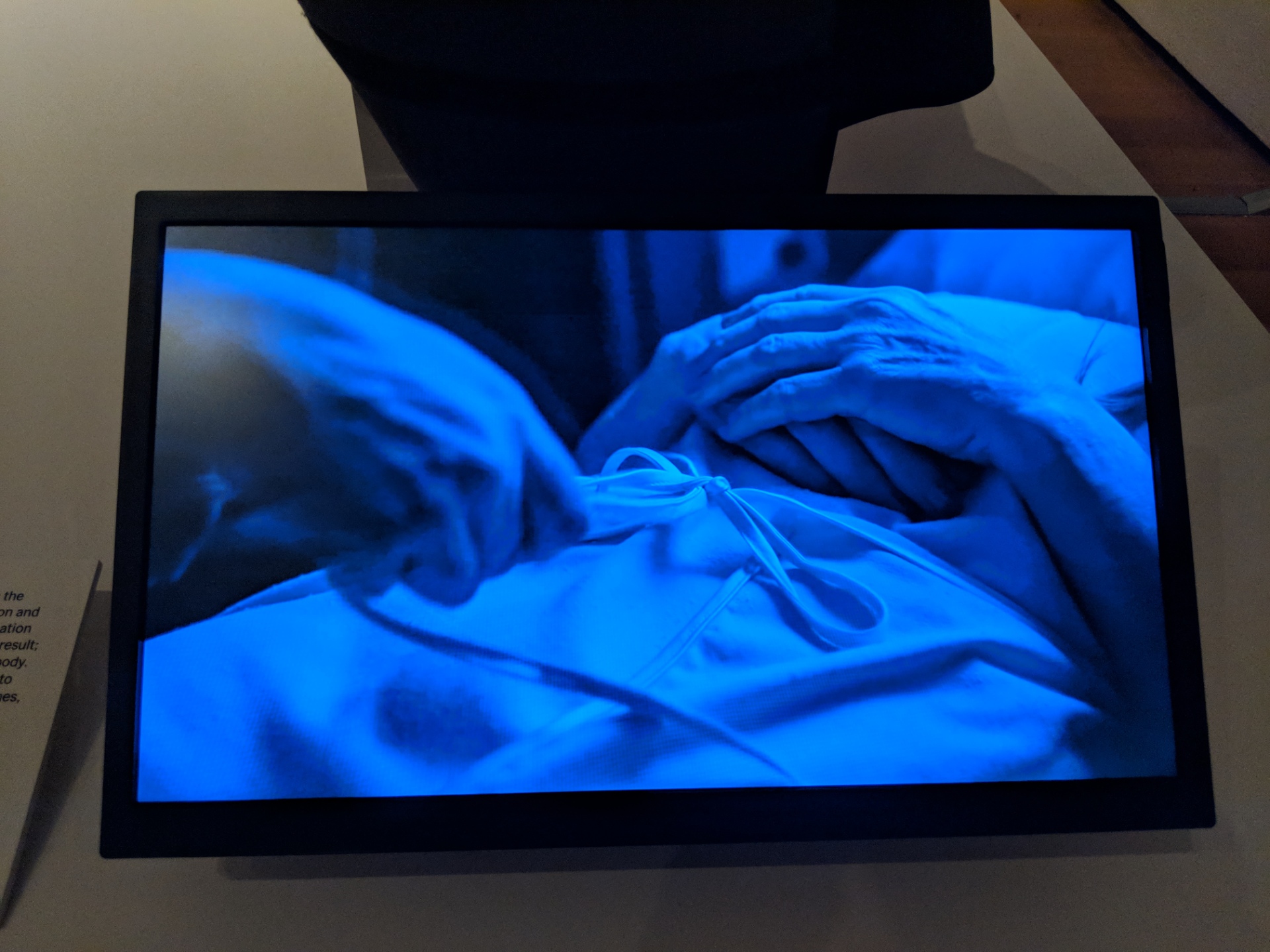
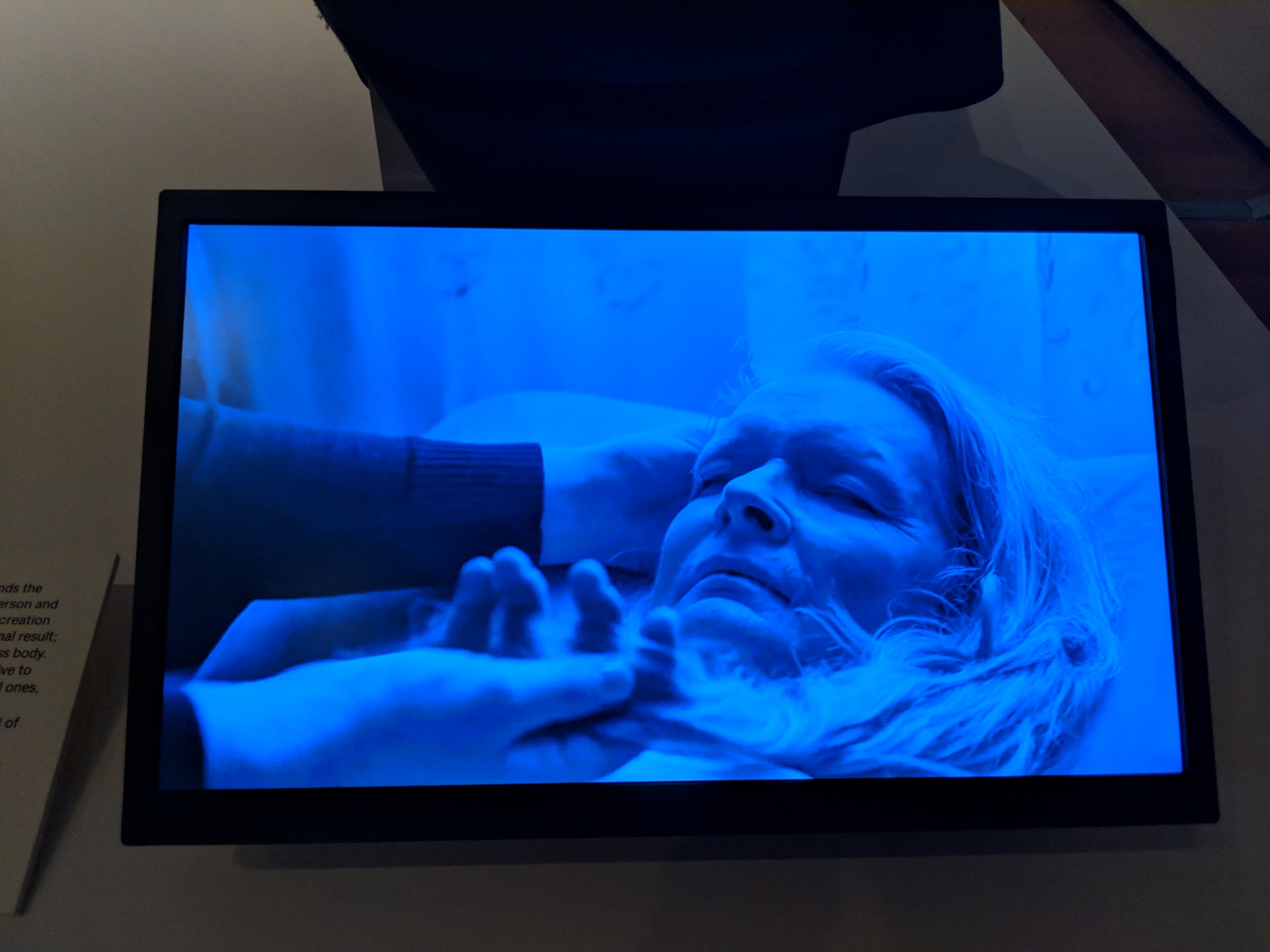
Pia Interlandi’s Little Black Dress incorporates all of the classic principles of the LBD – versatility, sophistication and understated glamour – to form, in the words of the designer, a garment ”to carry one from this world to the next, a garment literally created for the grave.” The ensemble upends the traditional relationship between person and dress: its wearer participates in its creation but never sees herself wearing the final result; its major function is to shroud a lifeless body. Interlandi uses a fabric that is responsive to the touch of the hands of grieving loved ones, turning from black to white through the transfer of body heat. The act is a symbol of the energy embodied in the process of decomposition and the cycles of mourning, from despair to acceptance.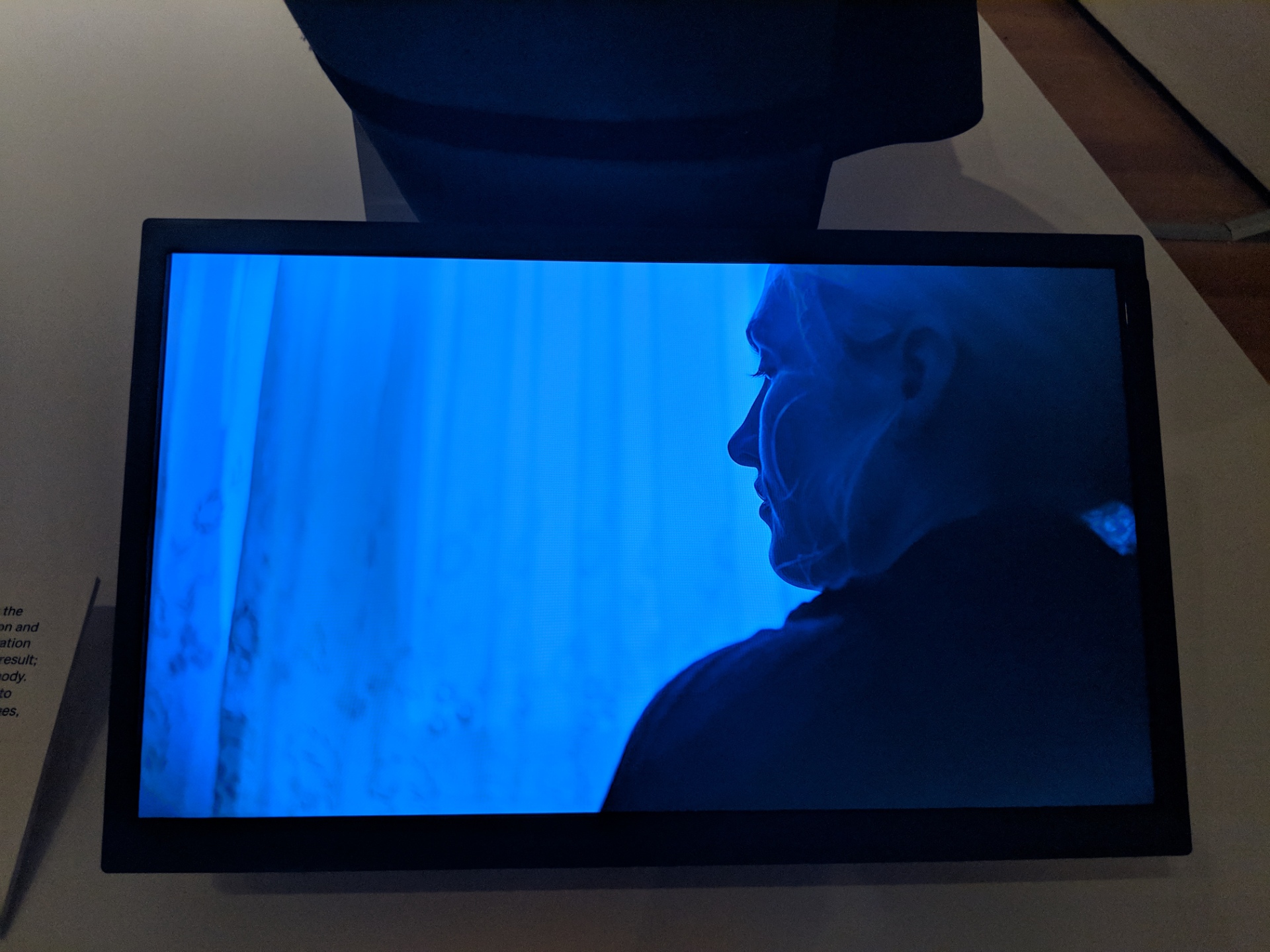
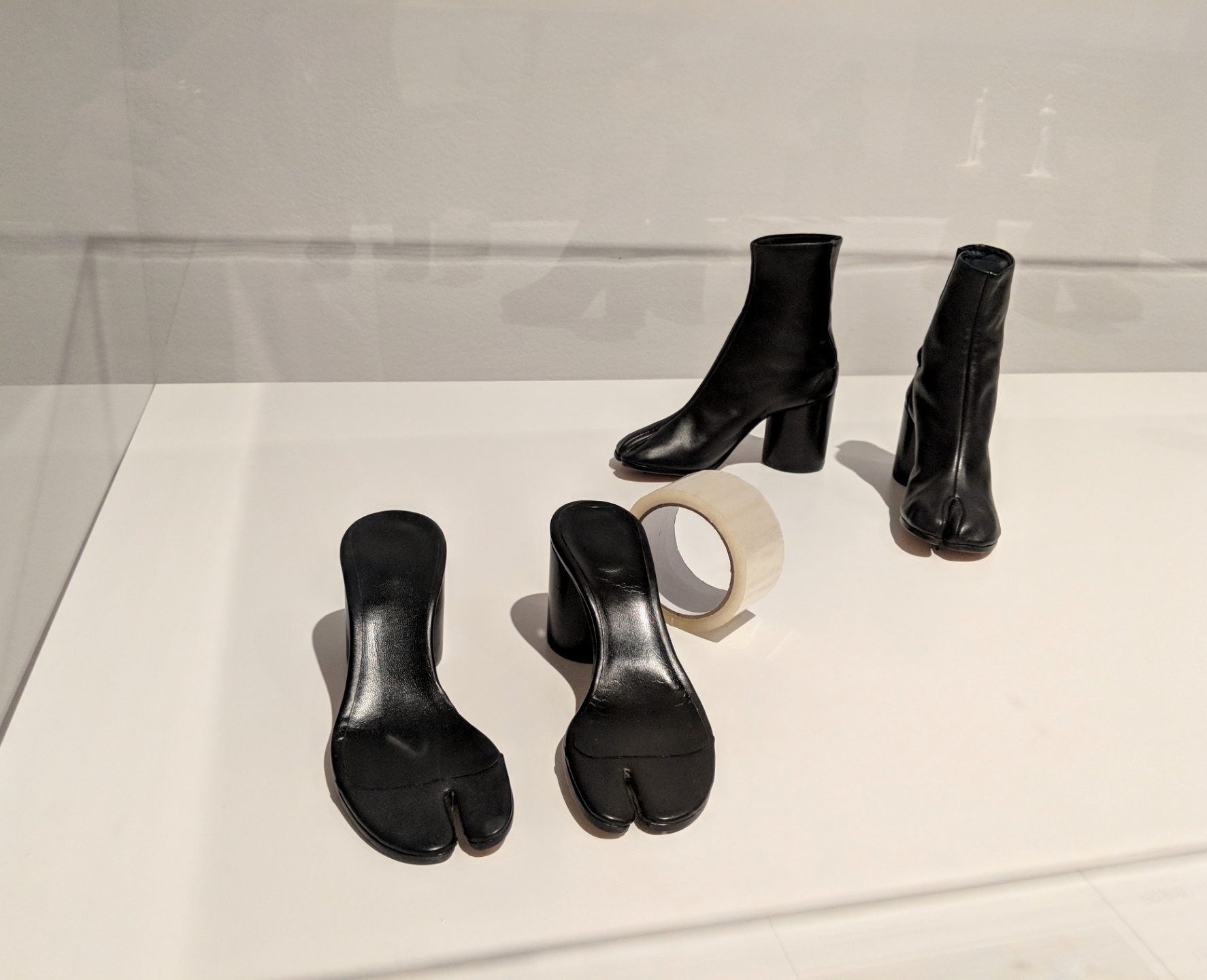 Sandals, S/S 1996
Martin Margiela
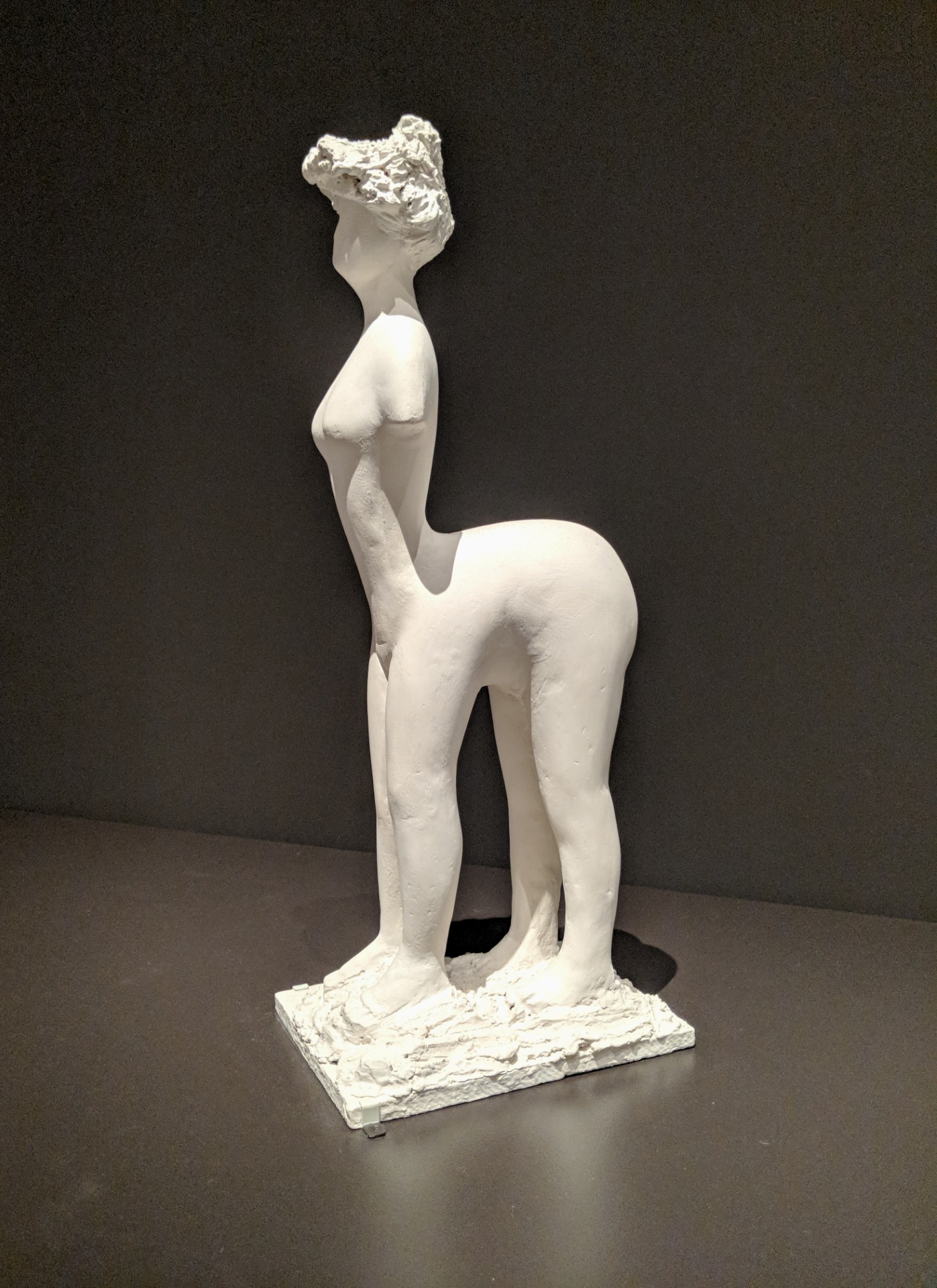 Bernard Rudofsky, architect and designer, American, born Austria, 1905-1988
One of the items presented in the 1944 exhibition ”Are Clothes Modern?”. A statue representing what a female body should have looked like to match the fashion of that particular time in history. This one, the bustle of 1875, transformed its wearer into a four-legged centaur.
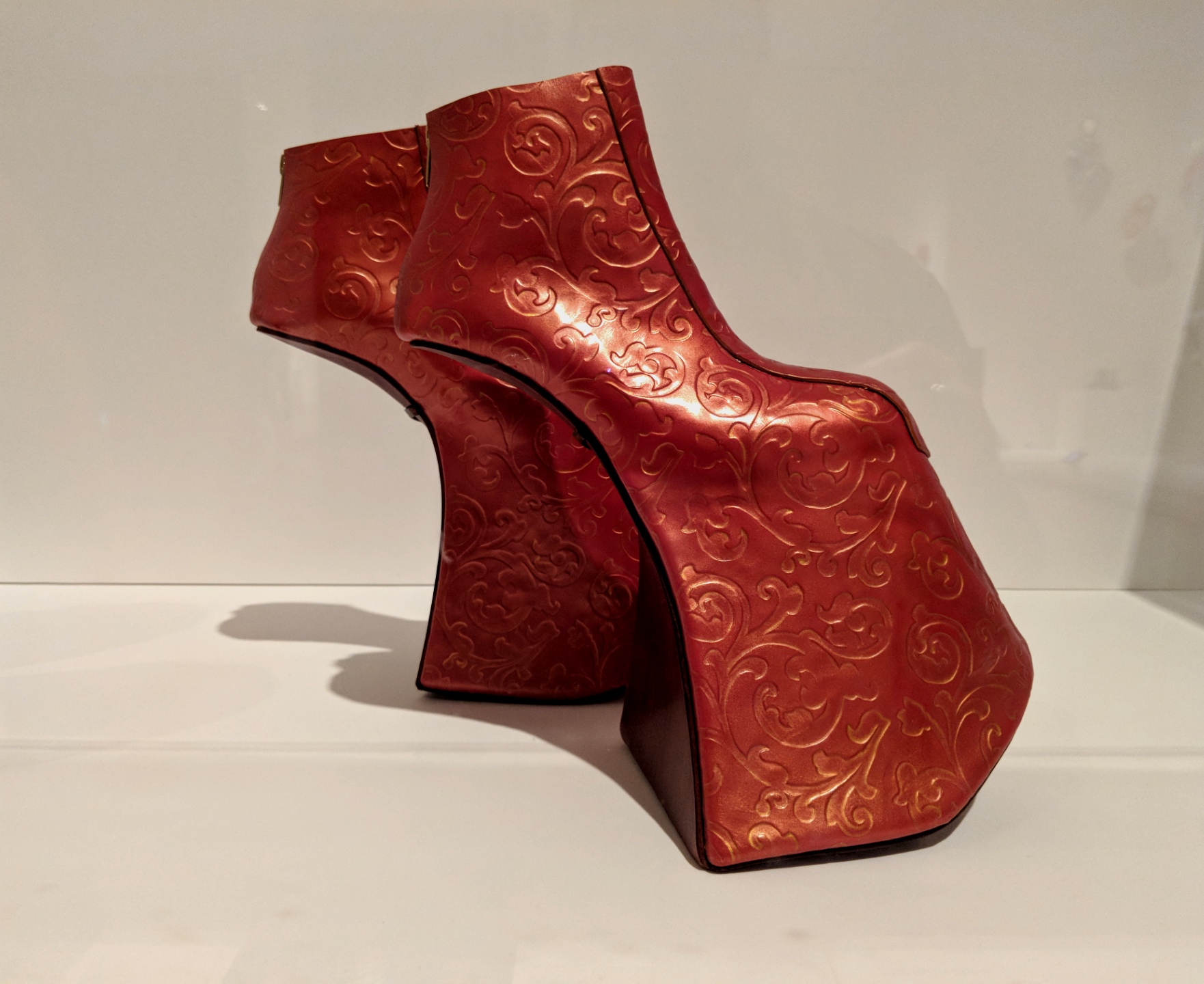 Boots, fall 2010
Noritaka Tatehana, Japanese, born 1985
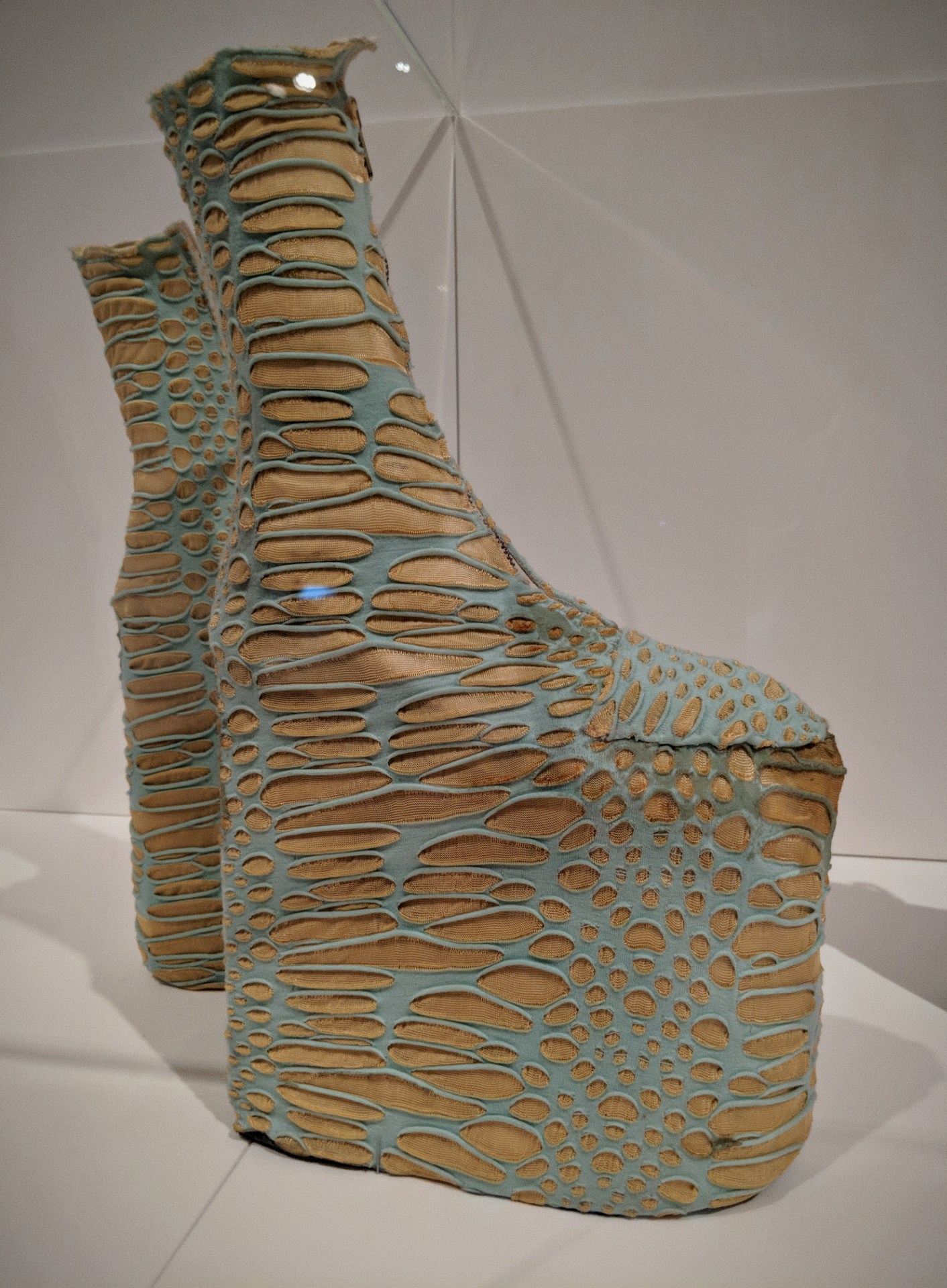 Shoes, 1993
Andrew Buckler and Johanne Price, British
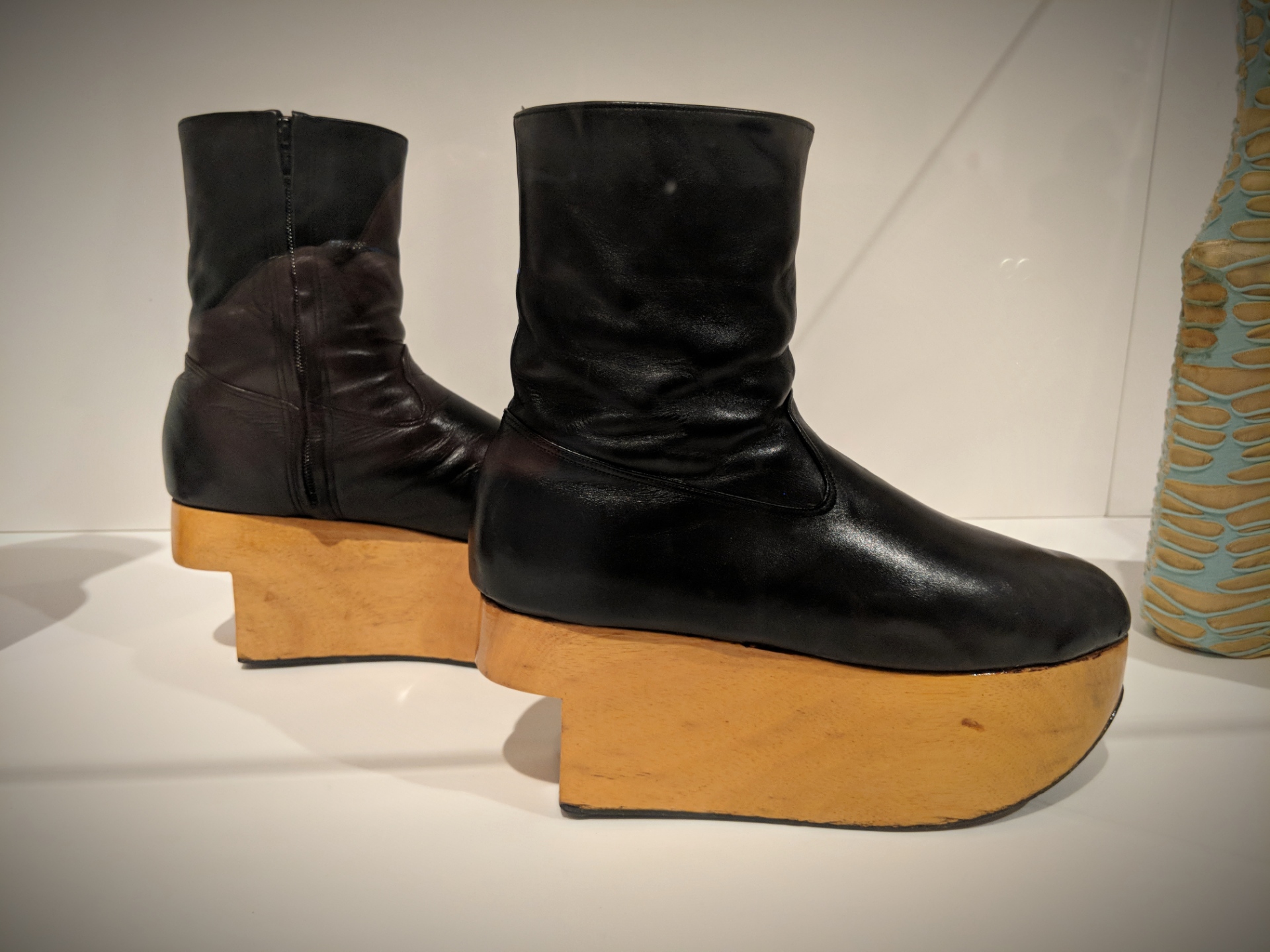 Boots, 1987
Vivienne Westwood
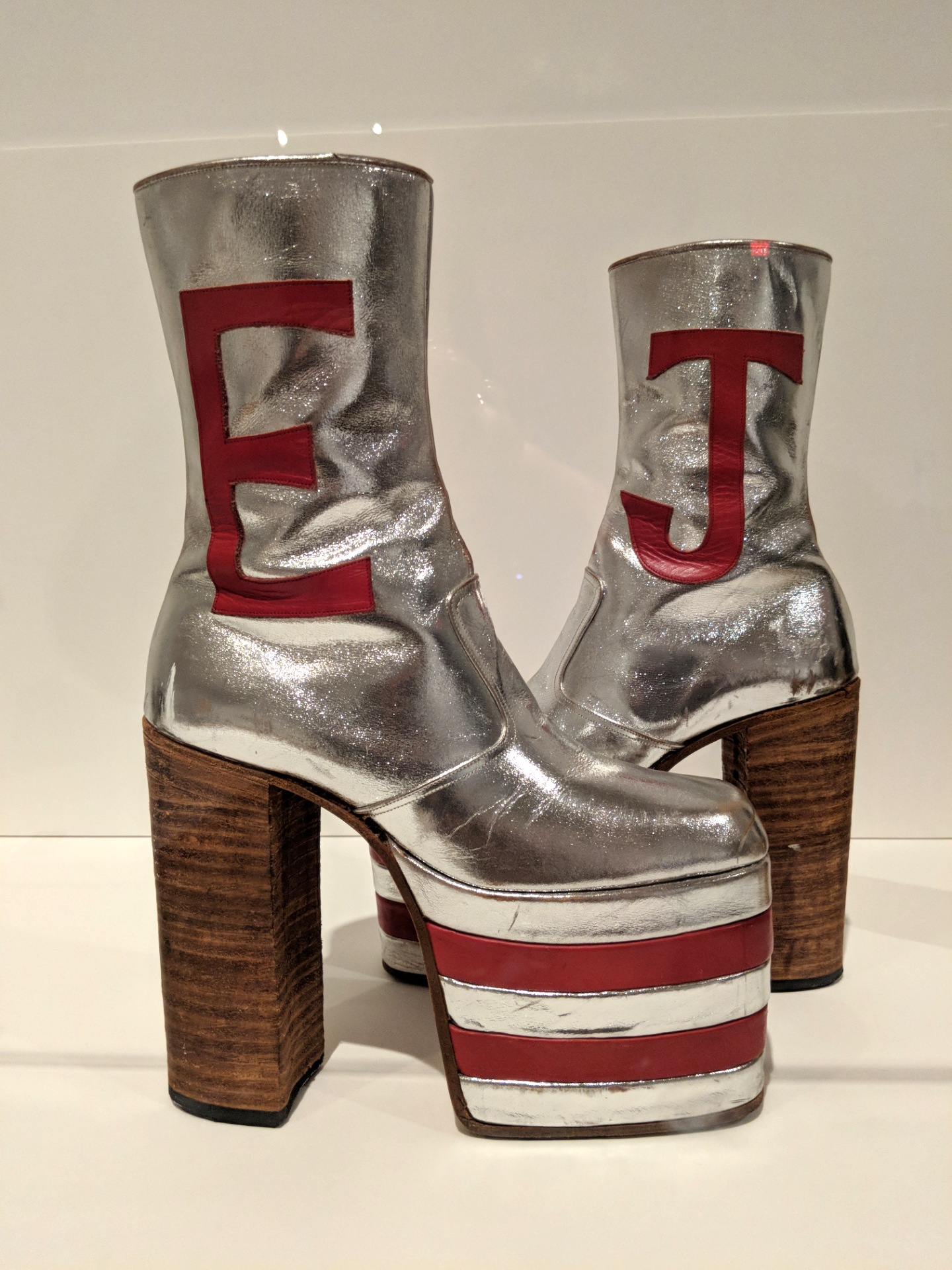 Boots made for Elton John, 1974
Unknown desinger
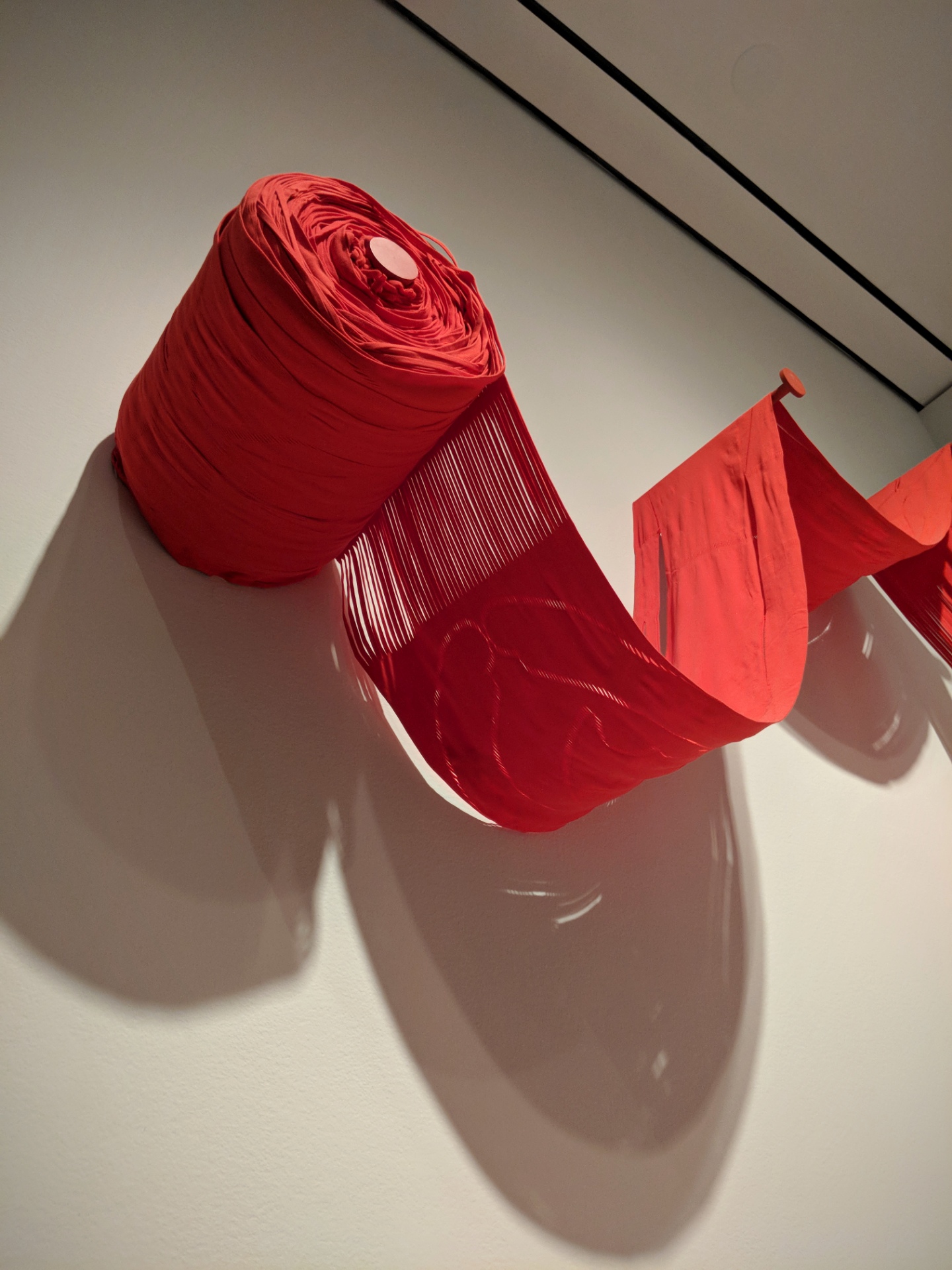
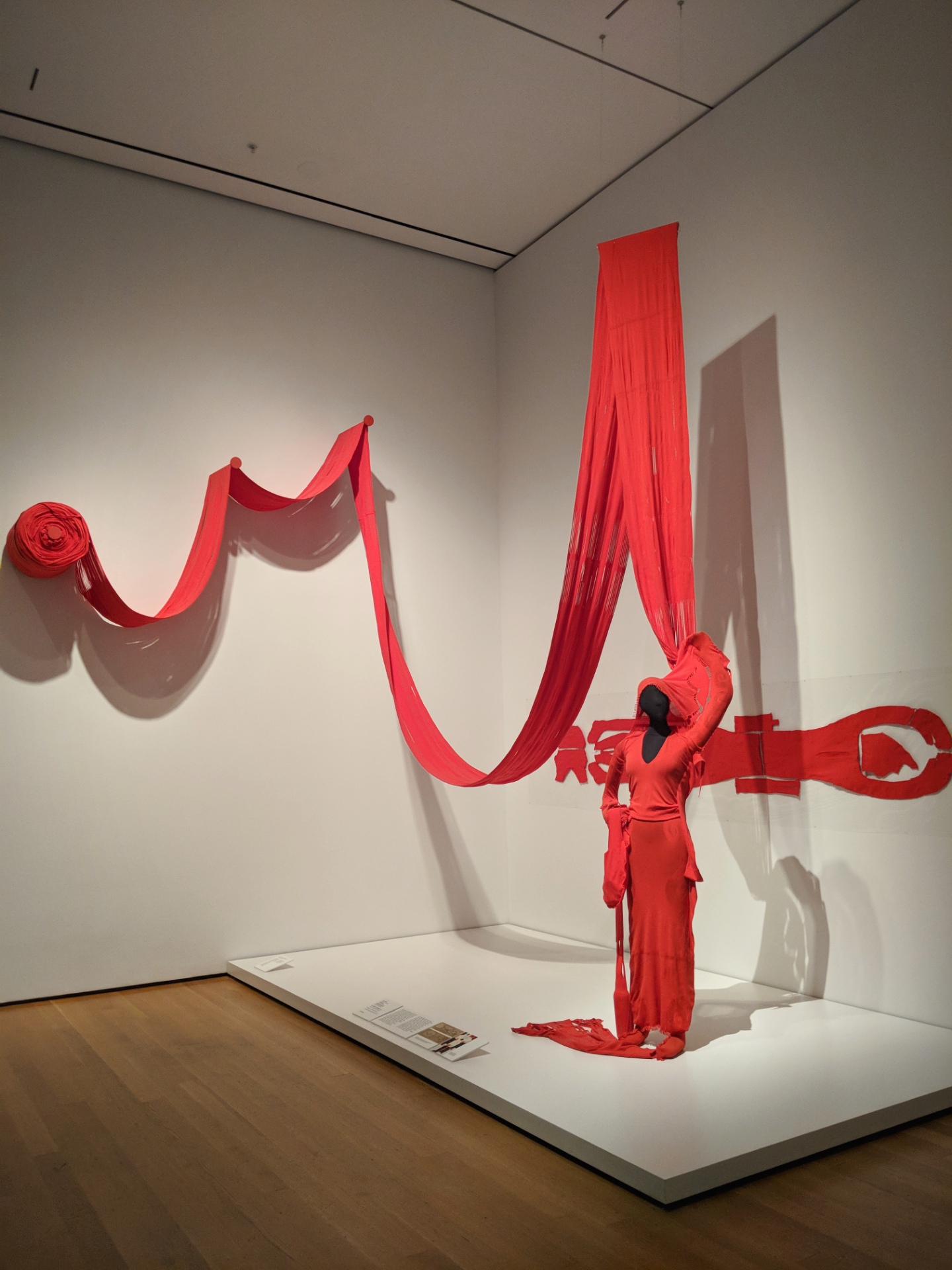 A-POC Queen, 1997
Issey Miyake & Dai Fujiwara
A-POC Queen is a textile generated from a single thread by a computer-programmed industrial knitting machine. The customer can cut along the seams without destroying the tubular structure of each individual item, and virtually no material is wasted in the process of creating – without needle or thread – a complete monochromatic outfit from this single swath of cloth. 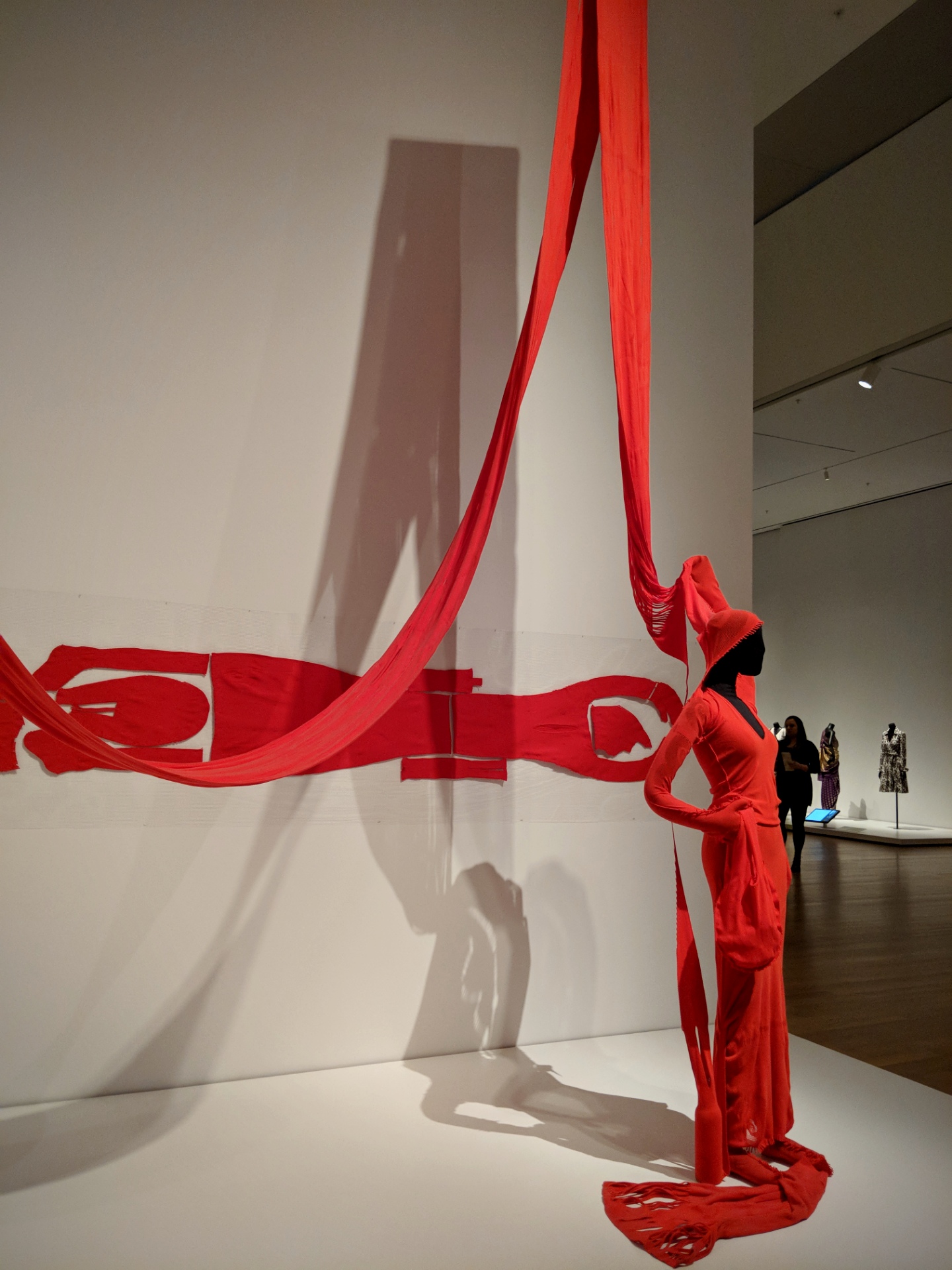
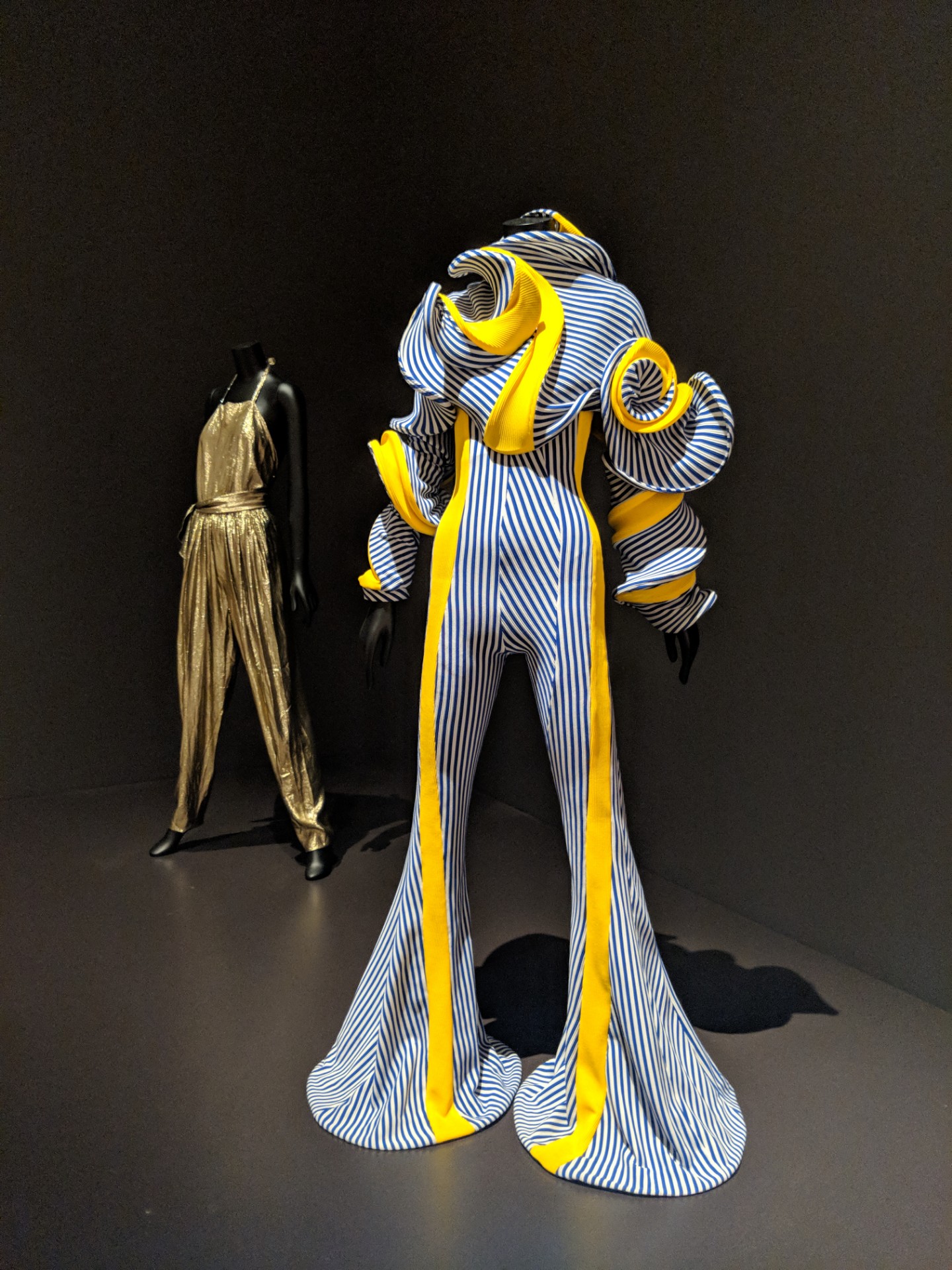 Jumpsuit Specimen, 2017
Richard Malone, Irish, born 1990
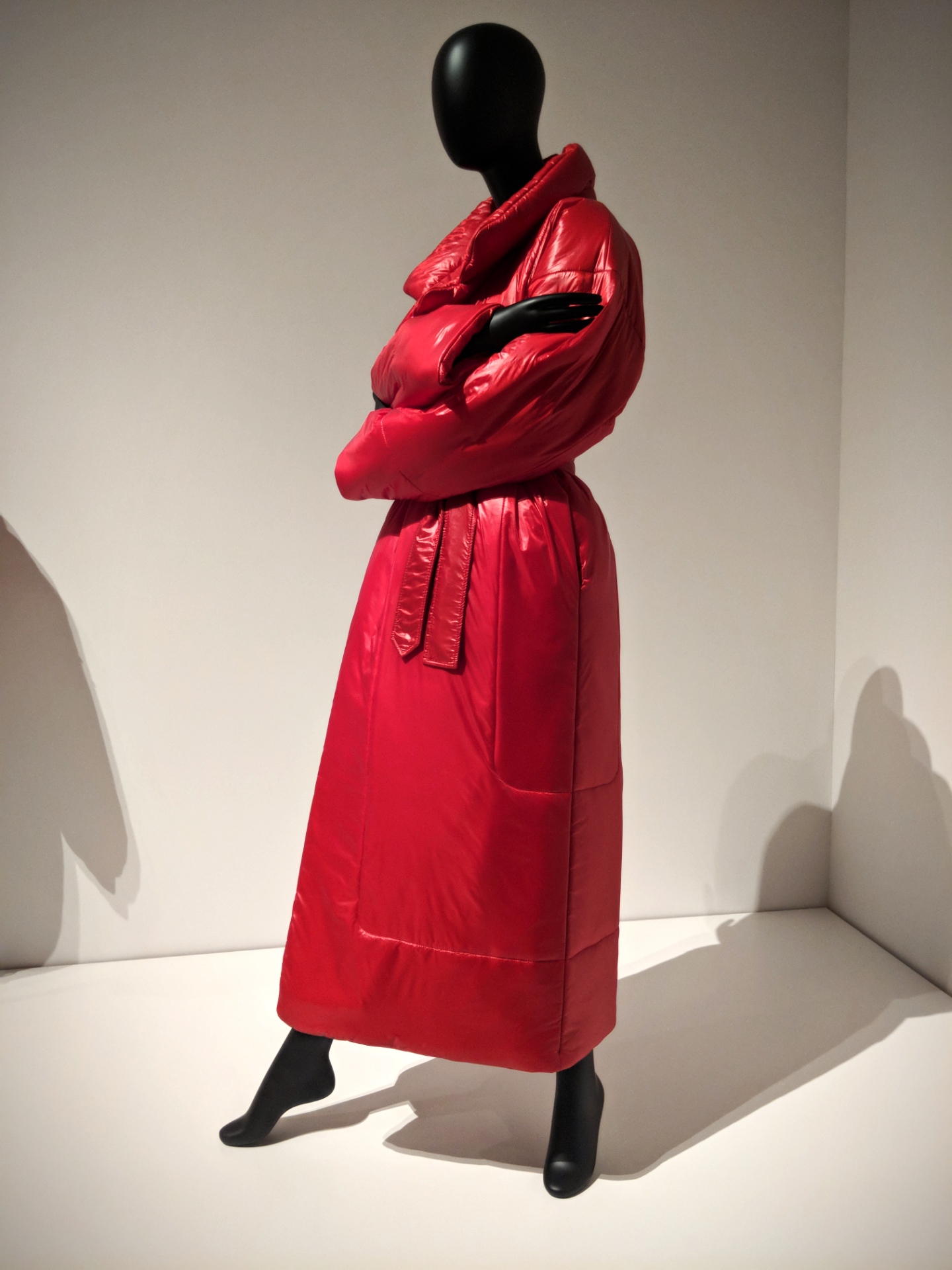 Sleeping Bag Coat, designed 1973, manufactured 2017
Norma Kamali
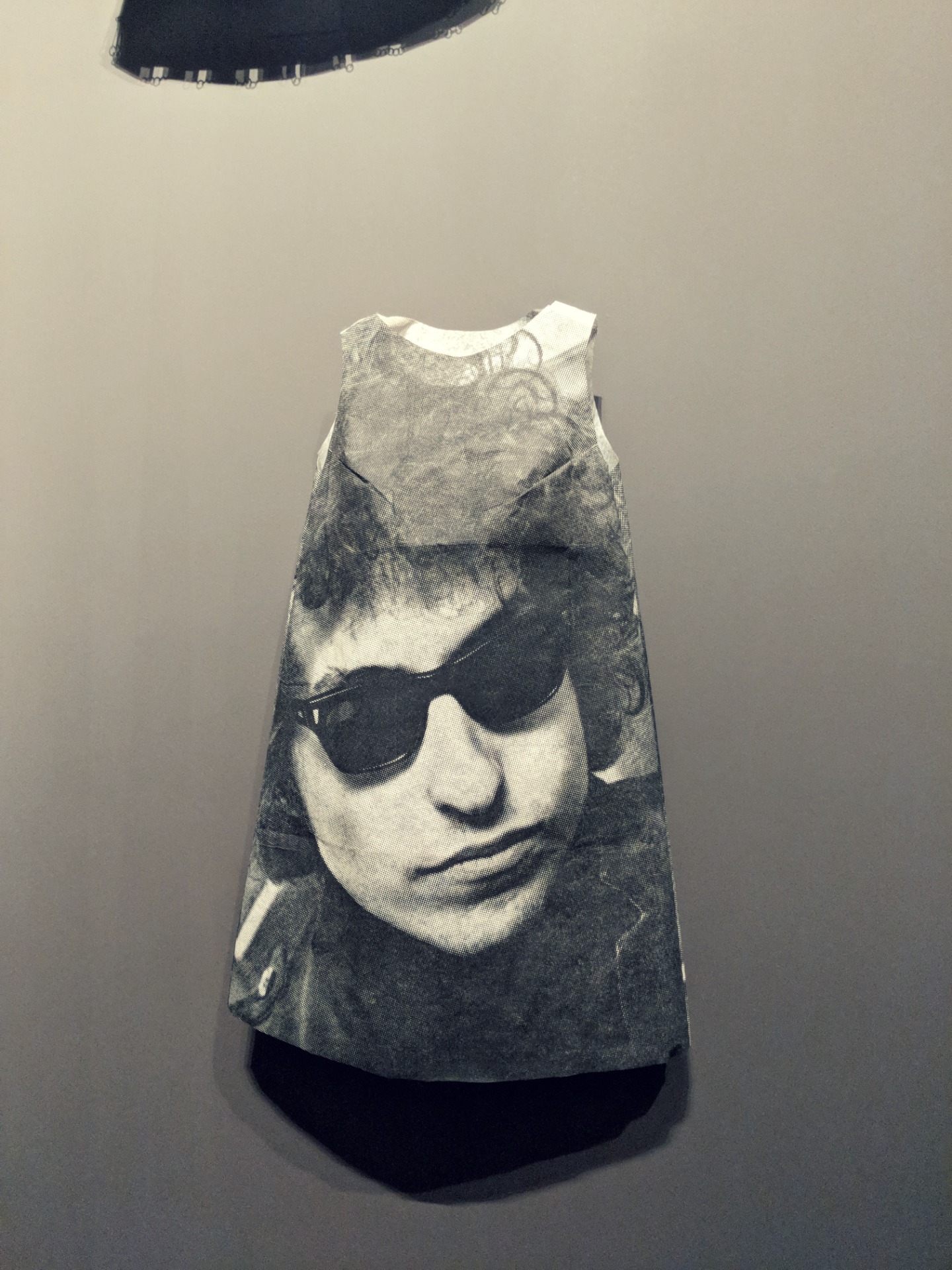 Poster Dress, 1967
Harry Gordon, American, 1930-2007
Disposable paper dresses became widely available by 1966, eschewing tailoring and washability in favour of affordable, faddish designs. Graphic designer Harry Gordon released a series of poster shift dresses inspired by pop culture and politics, including a 1967 version with an image of Bob Dylan; the packaging encouraged buyers to repurpose it as a poster or pillow covers.
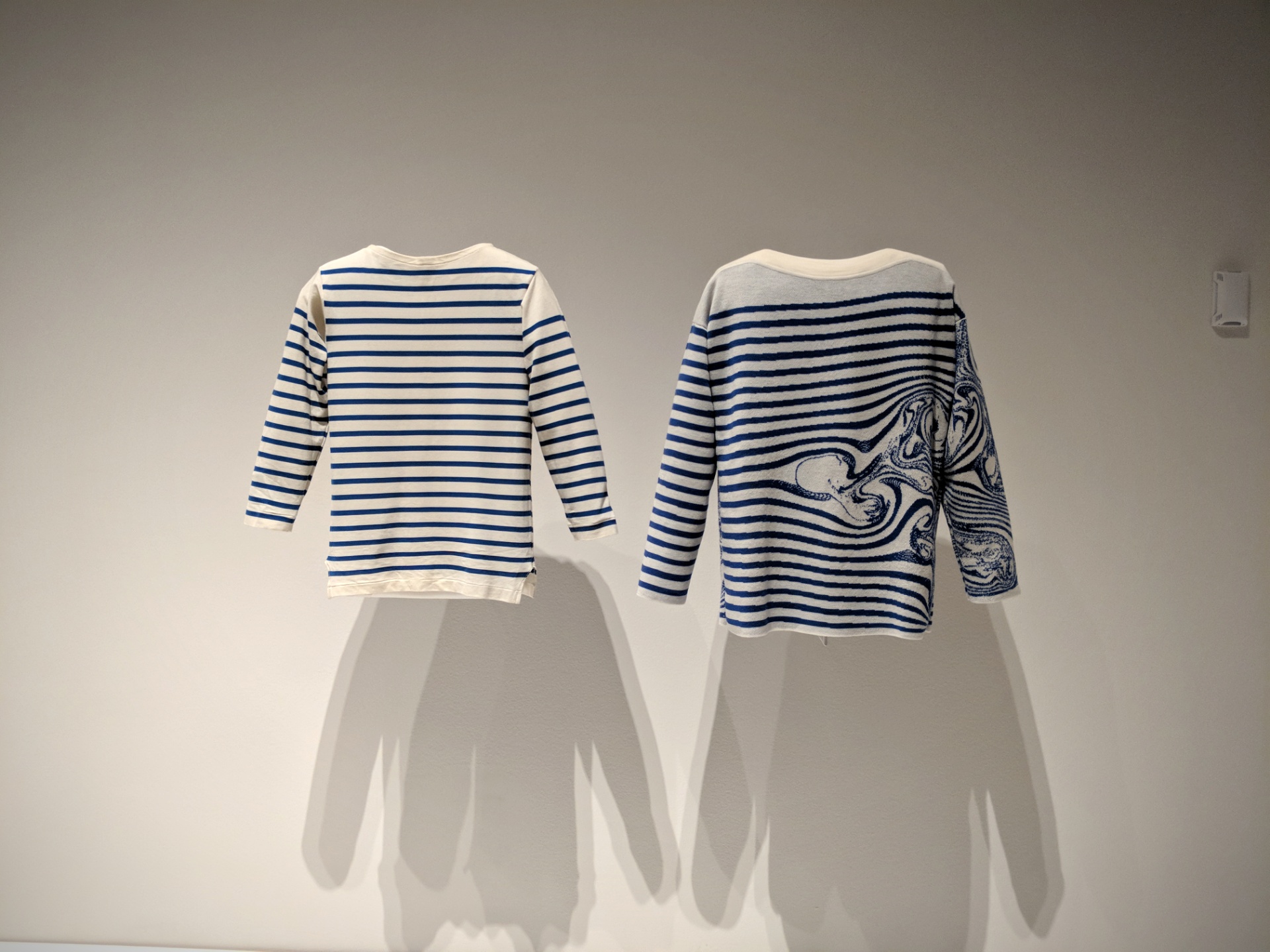 Bret.on 2017
Unmade, UK, founded 2014
Bret.on is a reinterpretation of the classic Breton shirt by the fashion technology company Unmade, which allows brands and individuals to create unique, customized knitted garments on an industrial scale.
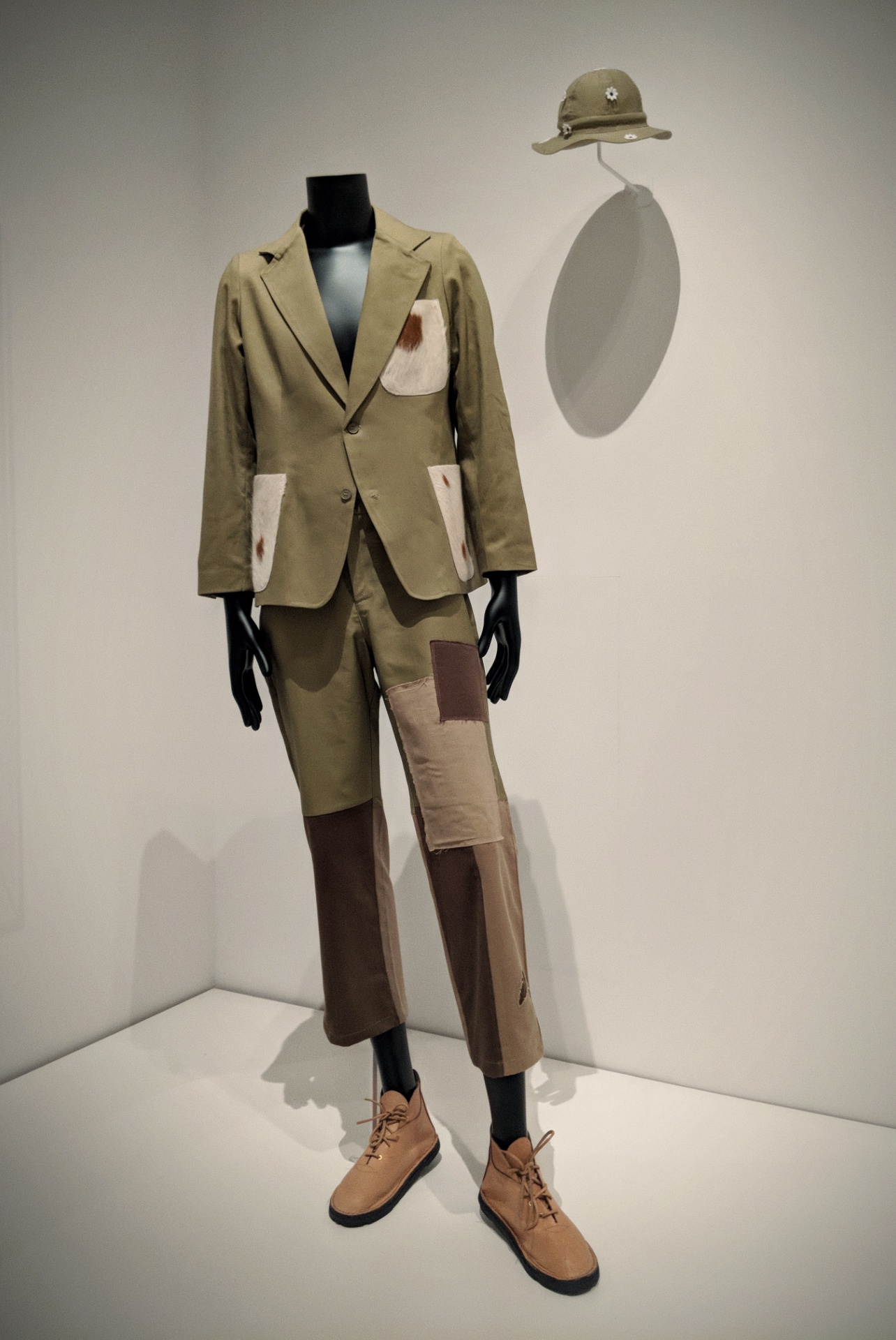 Chinos, 2017
The Sartists, South Africa, founded 2013
A collective of young designers based in Johannesburg and Cape Town, The Sartists combine collaborative design processes, found materials, astute brand awareness and reflections on their country’s political history, namely apartheid and colonialism.
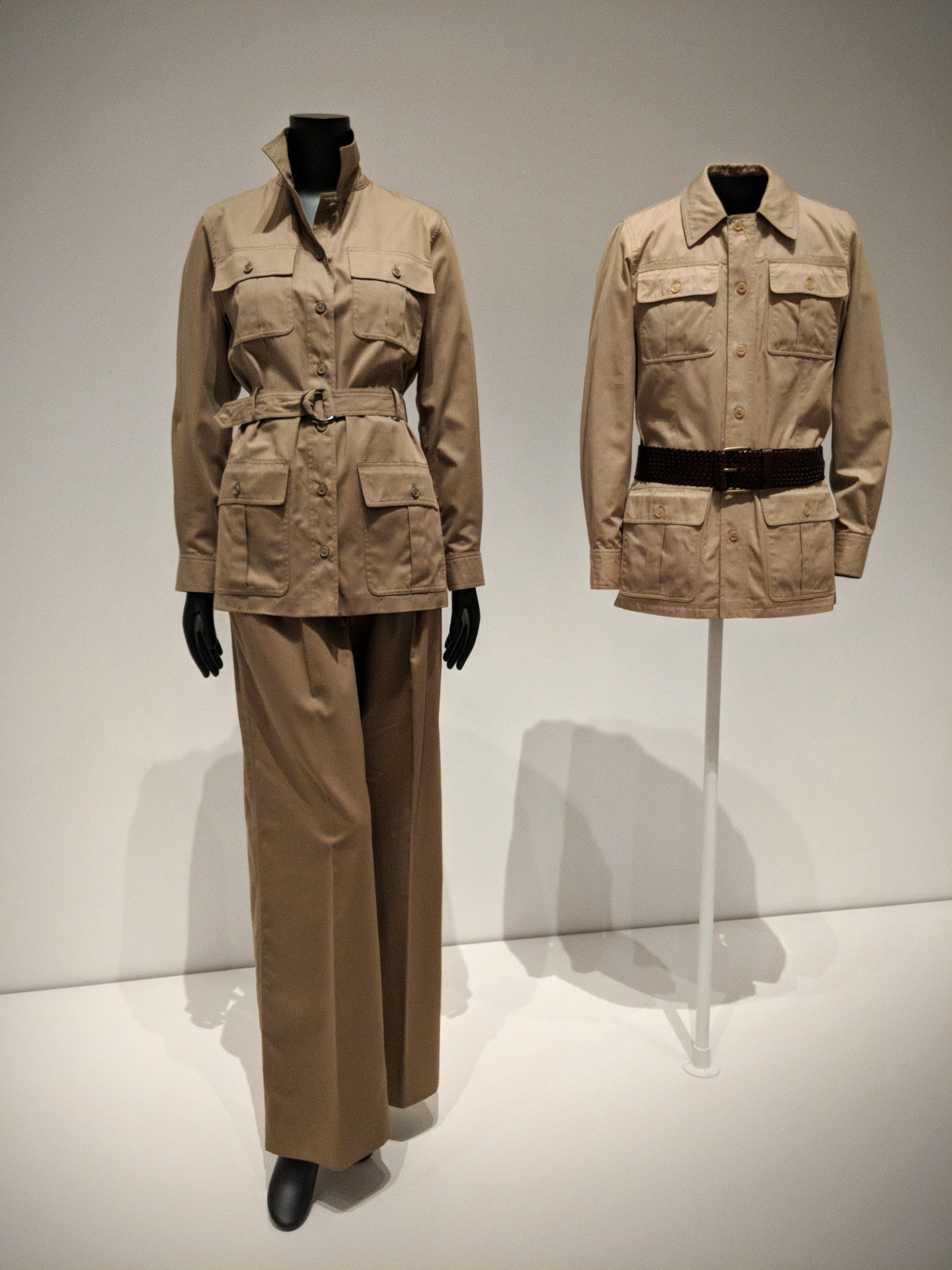 Safari jacket 1969-70 & Pantsuit S/S 1970
Yves Saint Laurent Rive Gauche
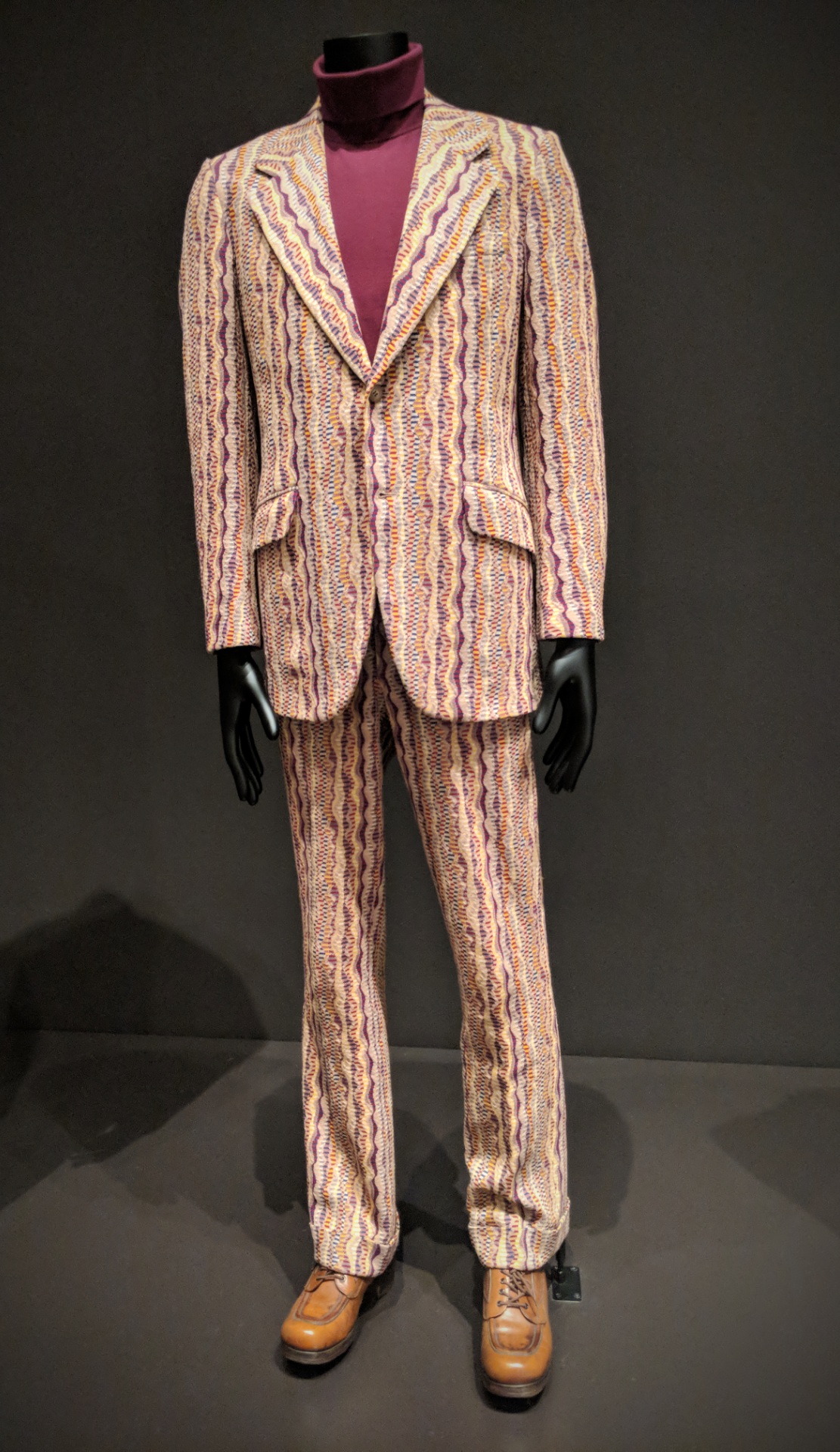 Suit, 1970
Bill Blass
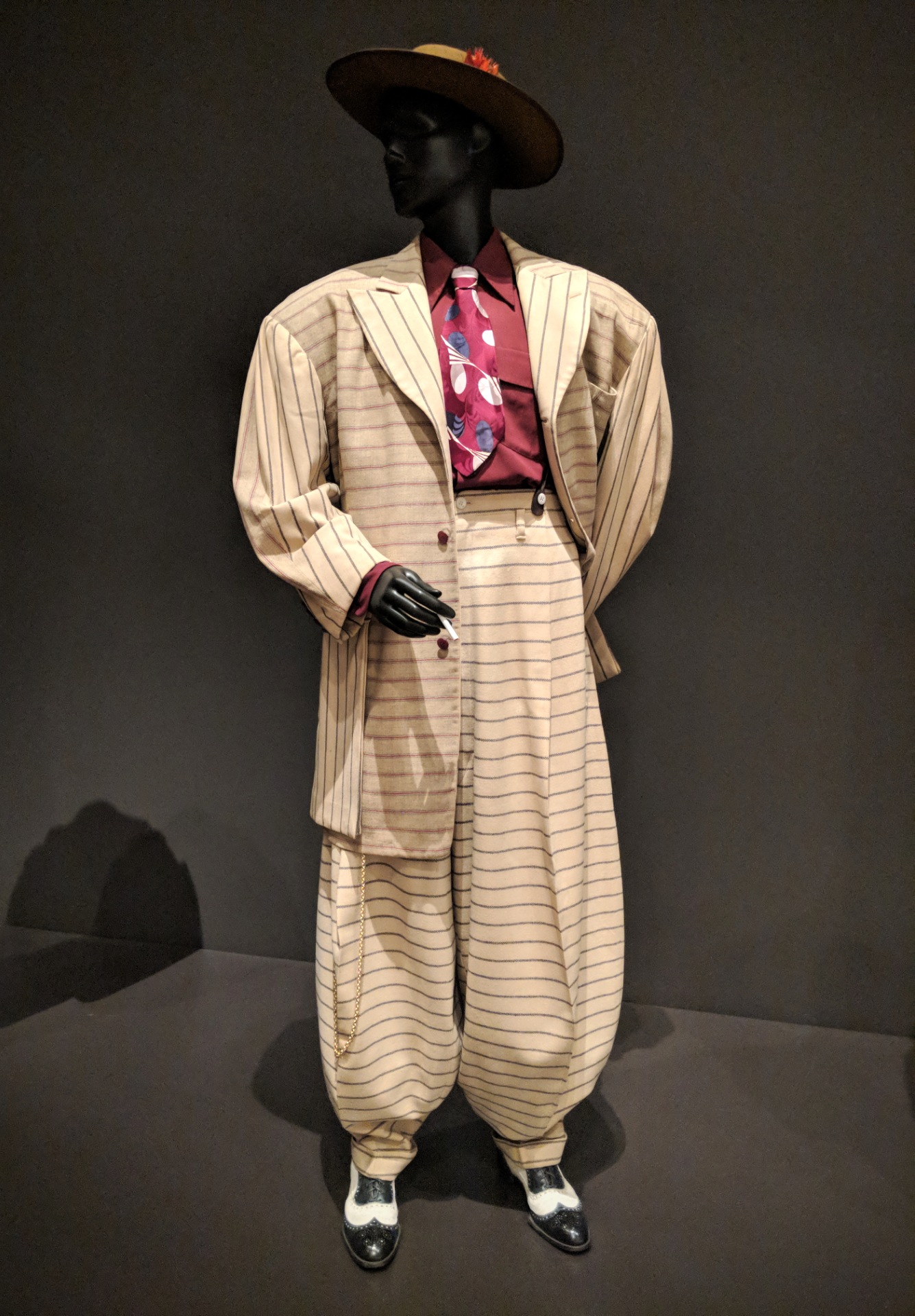 Zoot suit, 1940-42
Unknown designer, U.S.A.
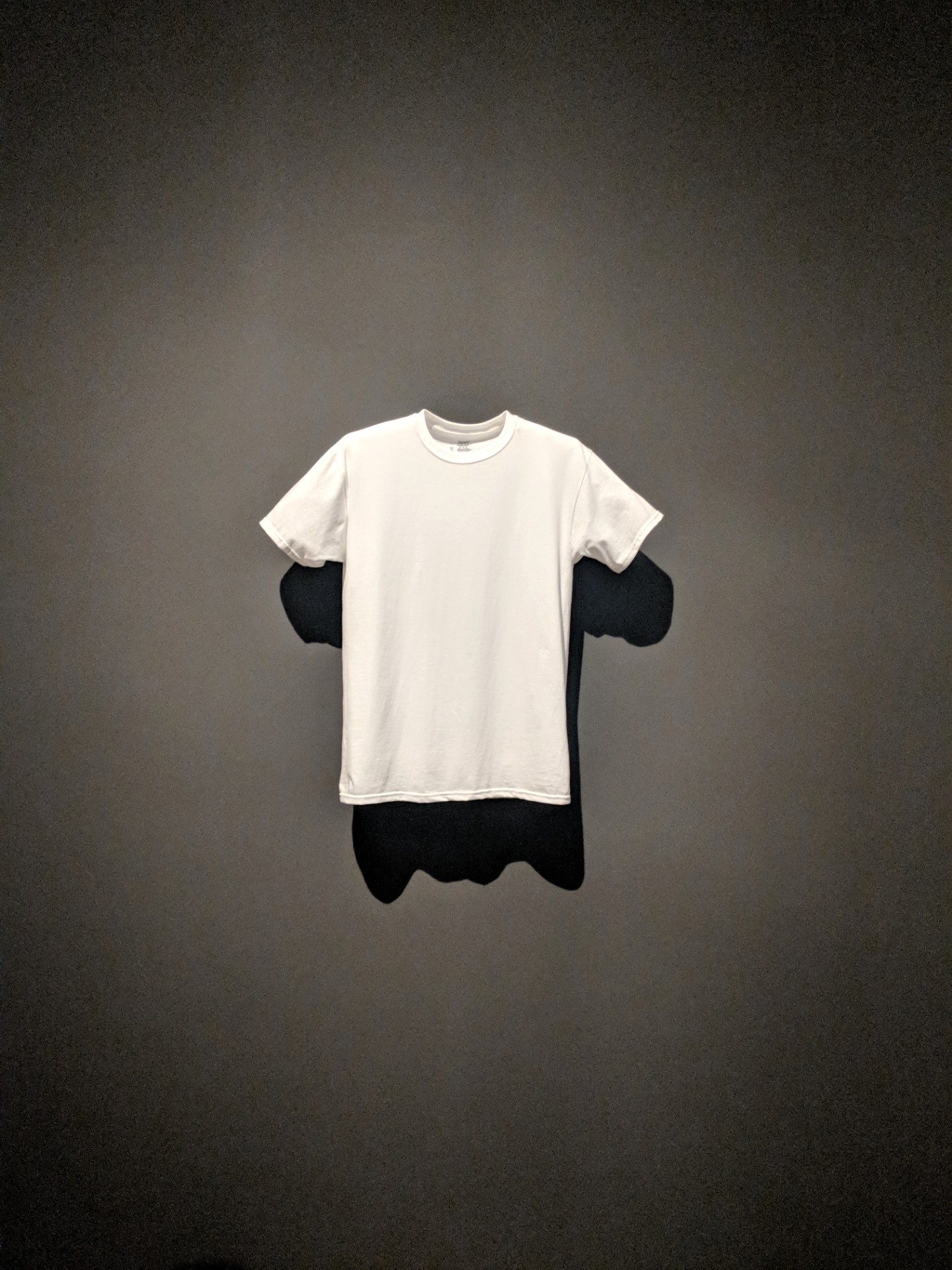 T-shirt 2017
Hanes
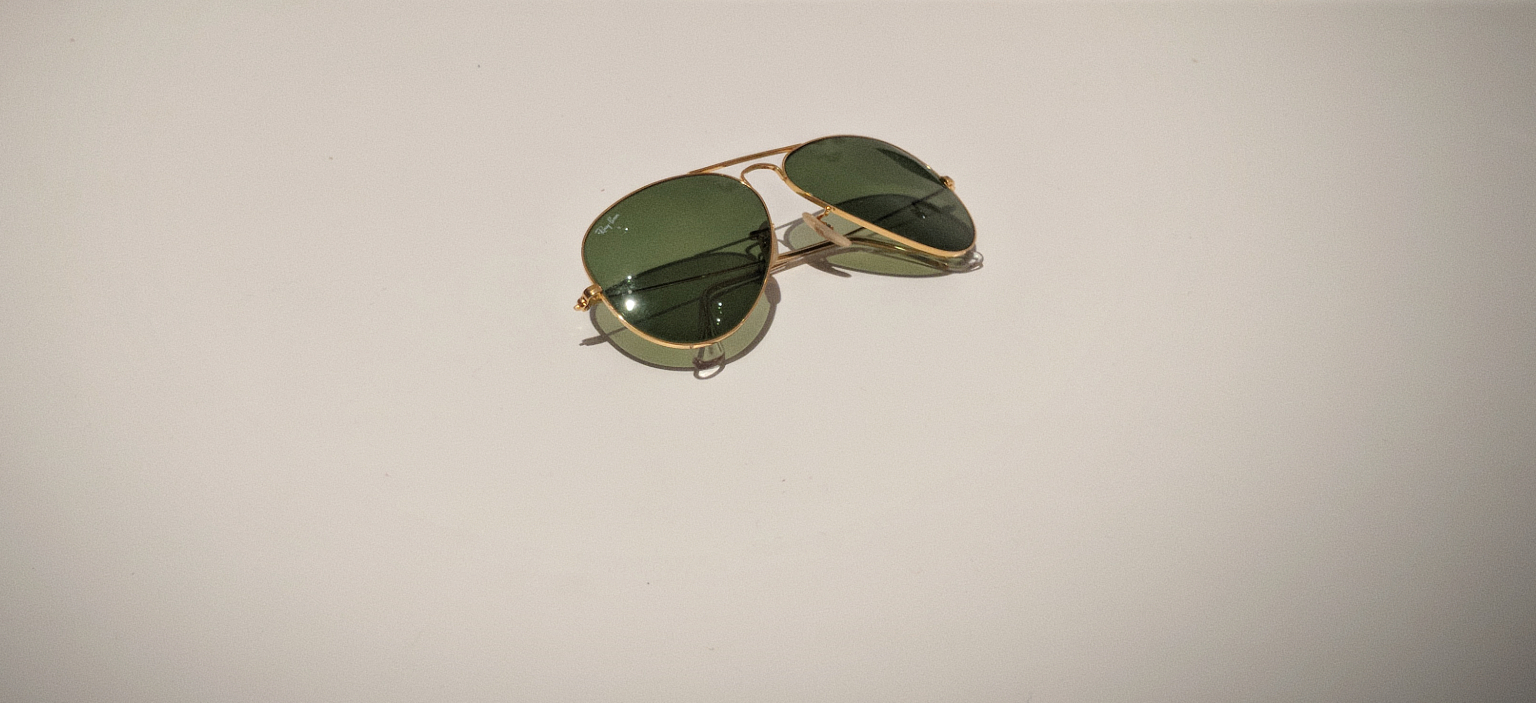
Ray-Ban Sunglasses, 1970s
When American test pilot Major Rudolph William ”Shorty” Schroeder injured his eye mid-flight in 1920, fellow pilot Lieutenant John Macready, alongside optical company Bausch & Lomb, designed googles to mitigate both frost formation and sunlight, aptly named Ray-Ban. These goggles in turn inspired the development of sunglasses branded the Ray-Ban Aviator in 1938.
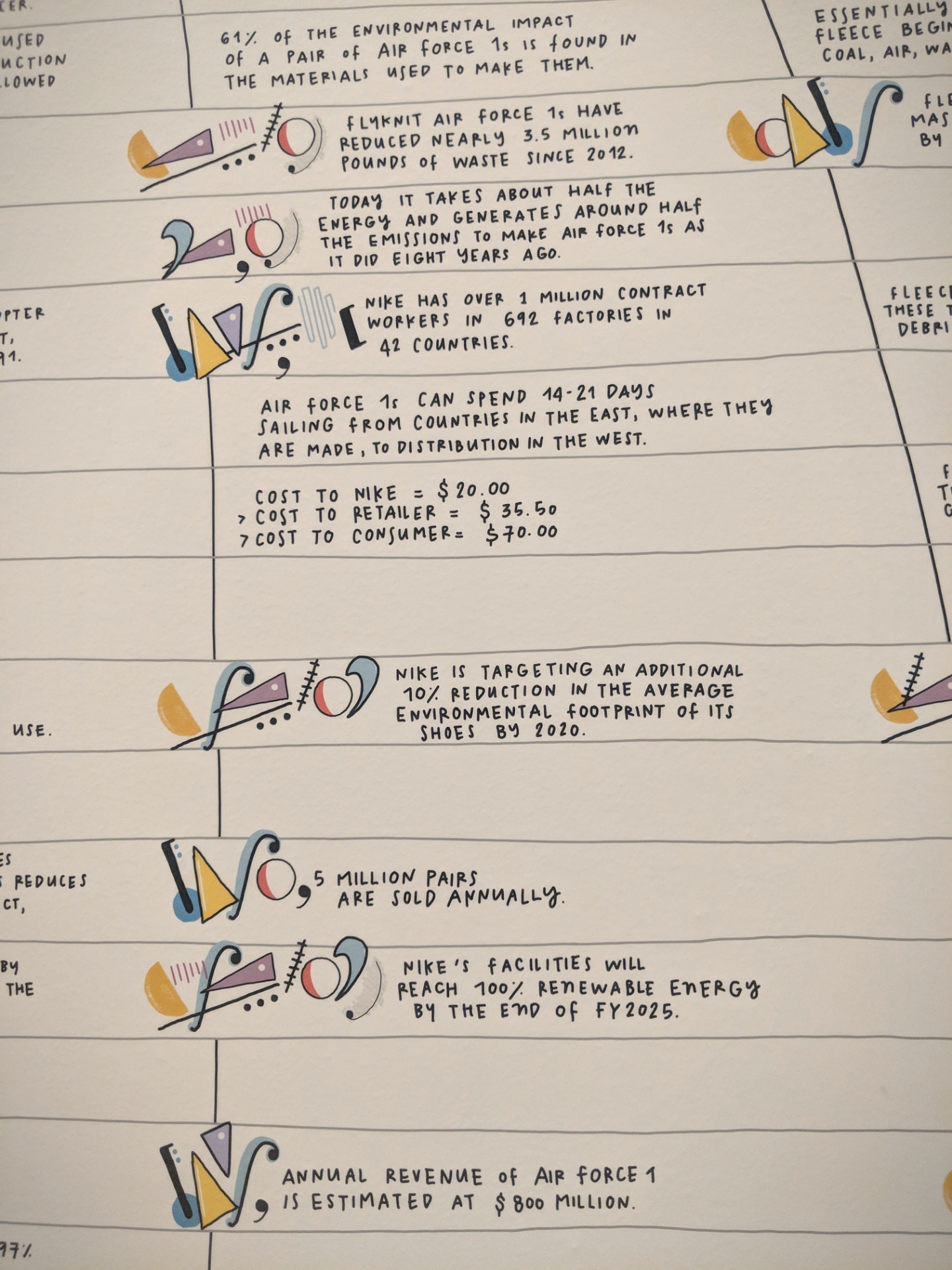
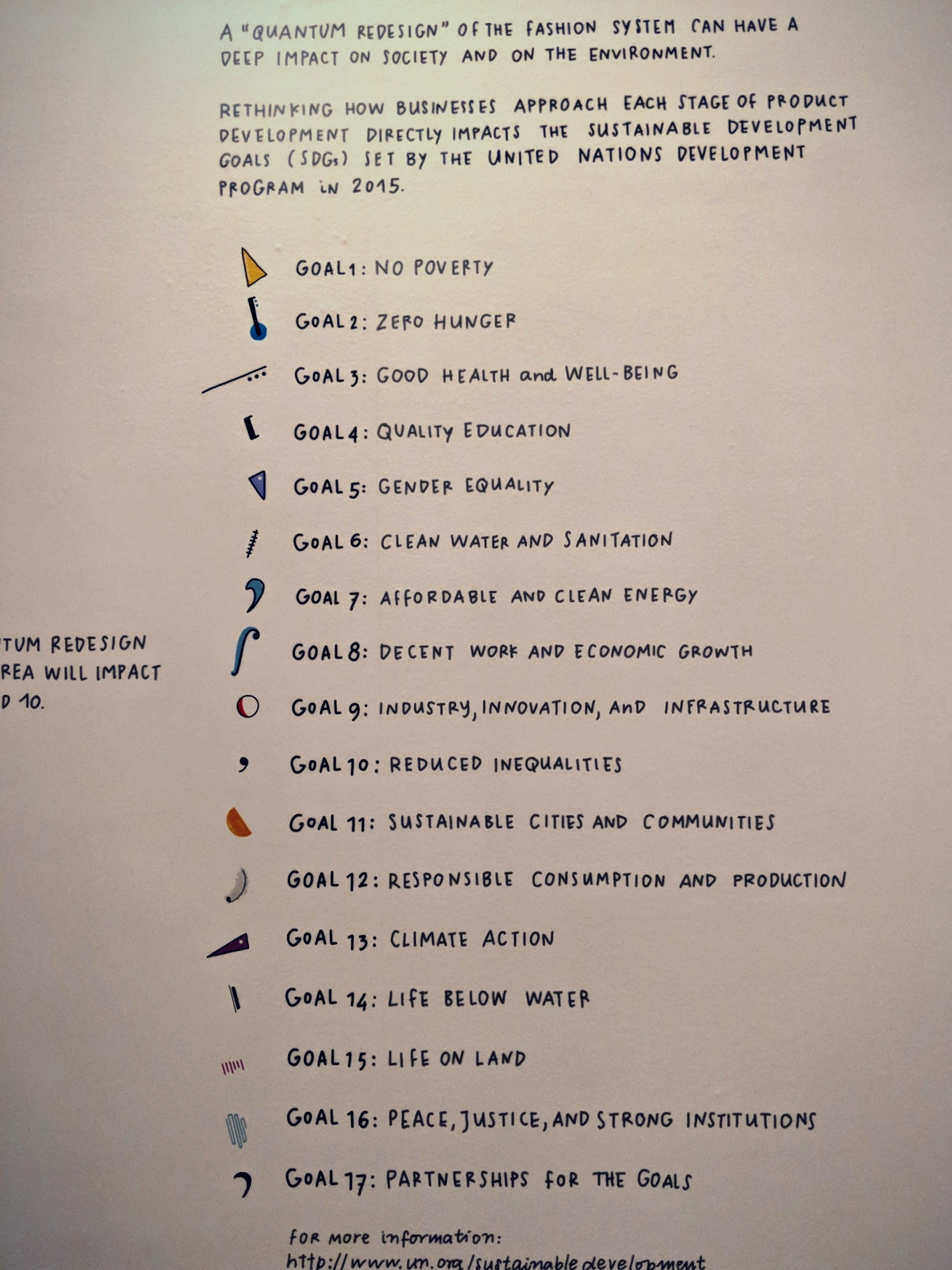
MoMA, December 3rd, 2017




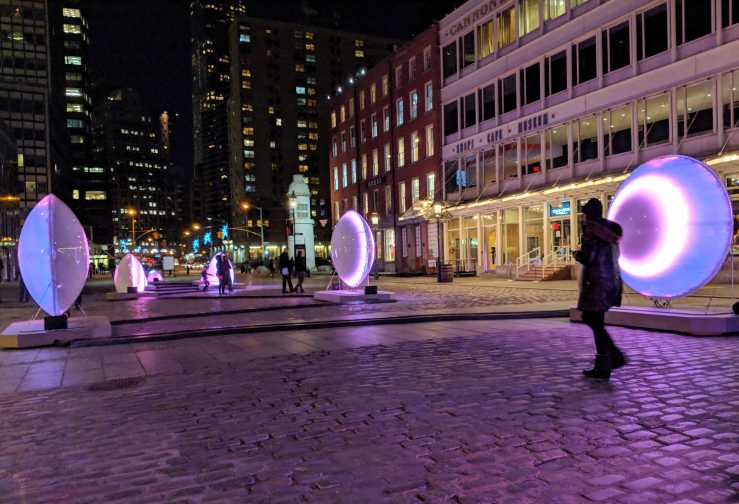
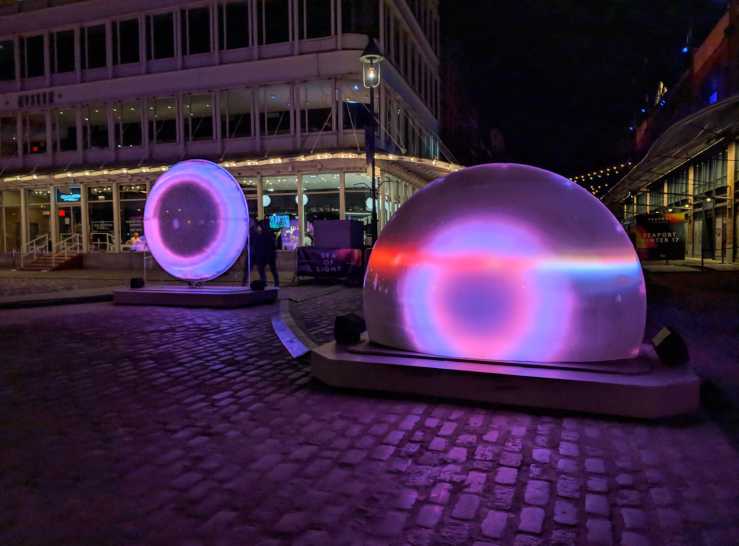
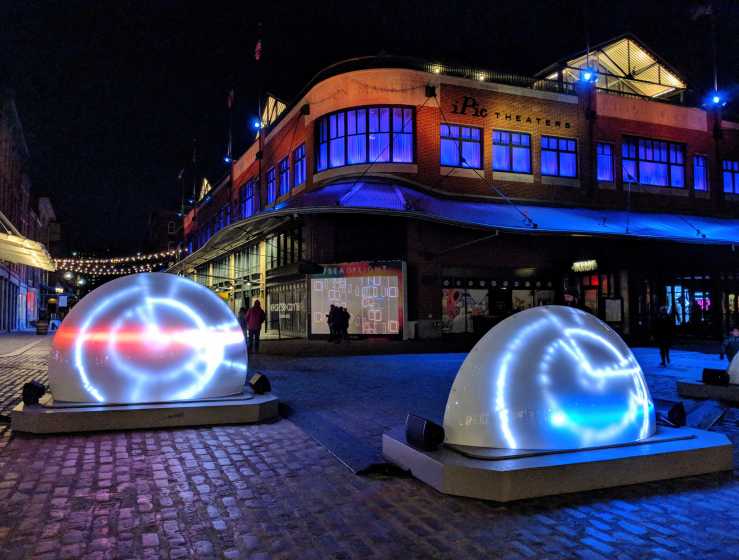
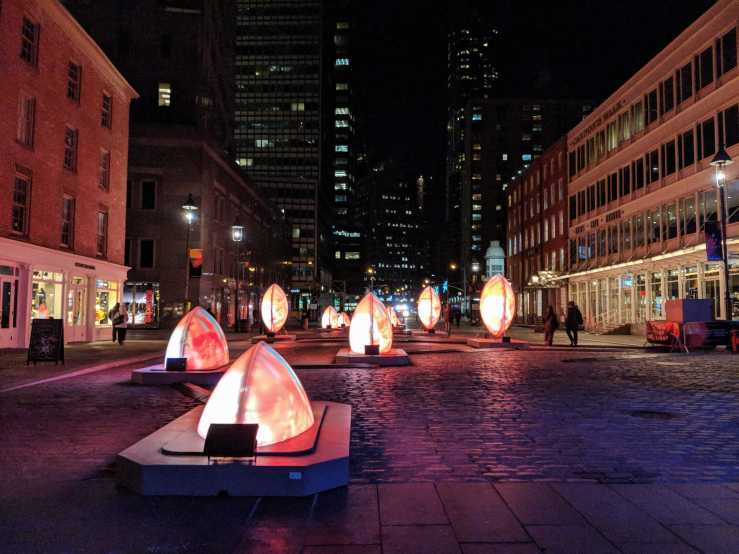
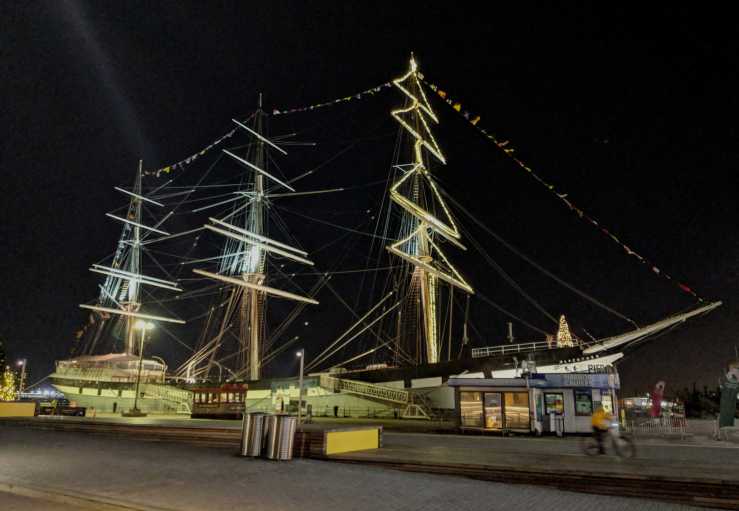

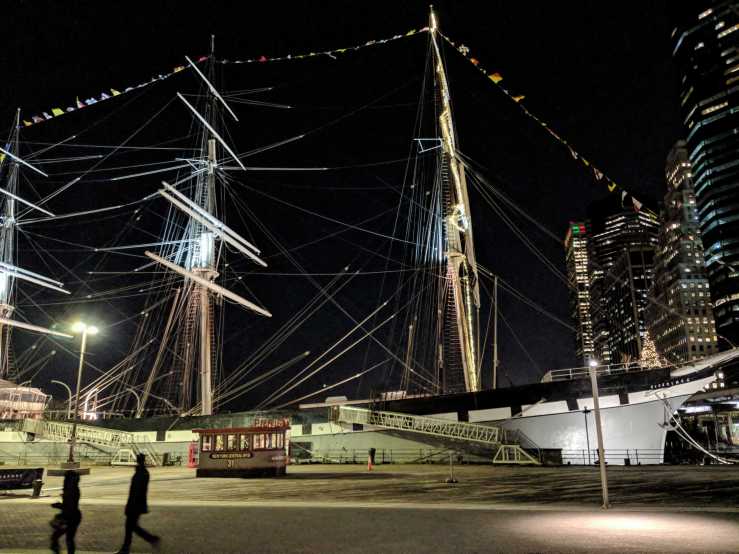
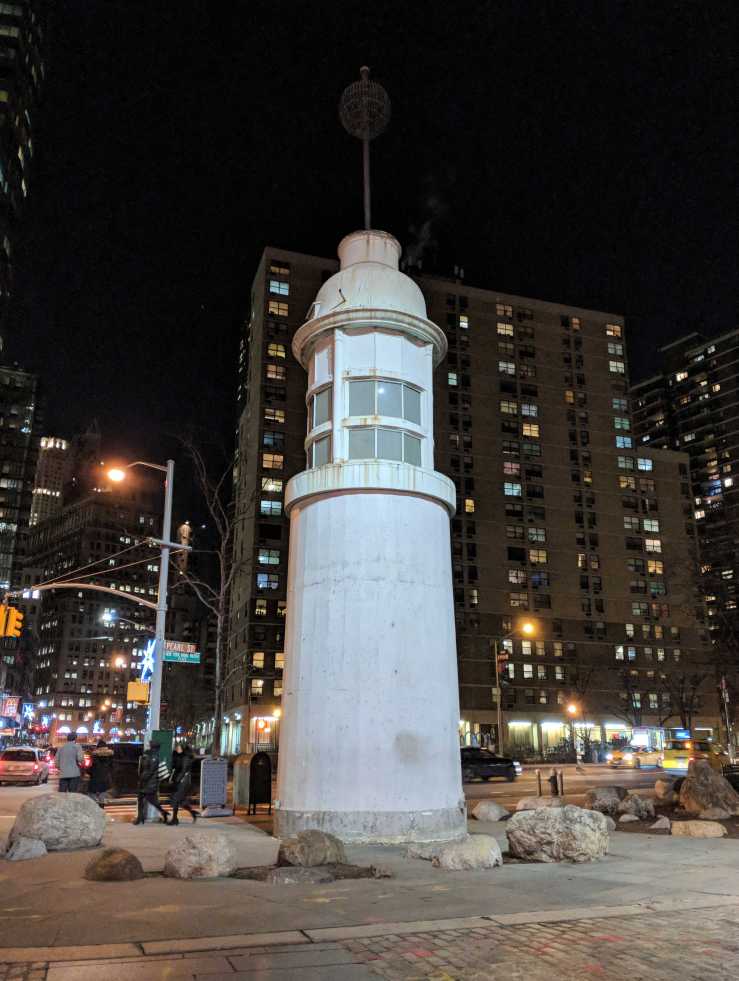
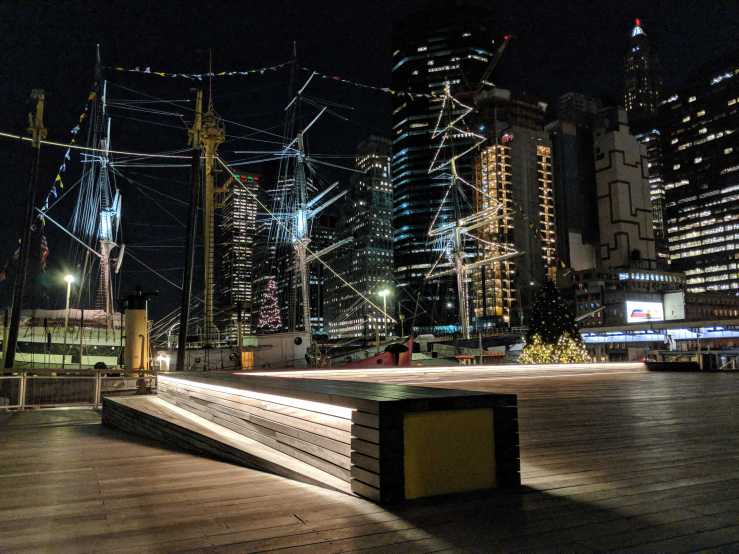 Tonight, even the New York Central No. 31 railroad barge pilothouse is bathed in light.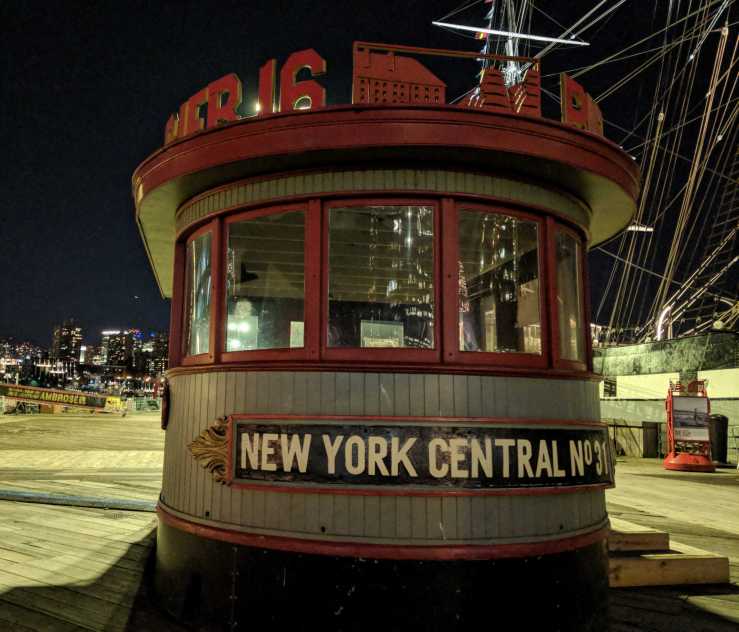








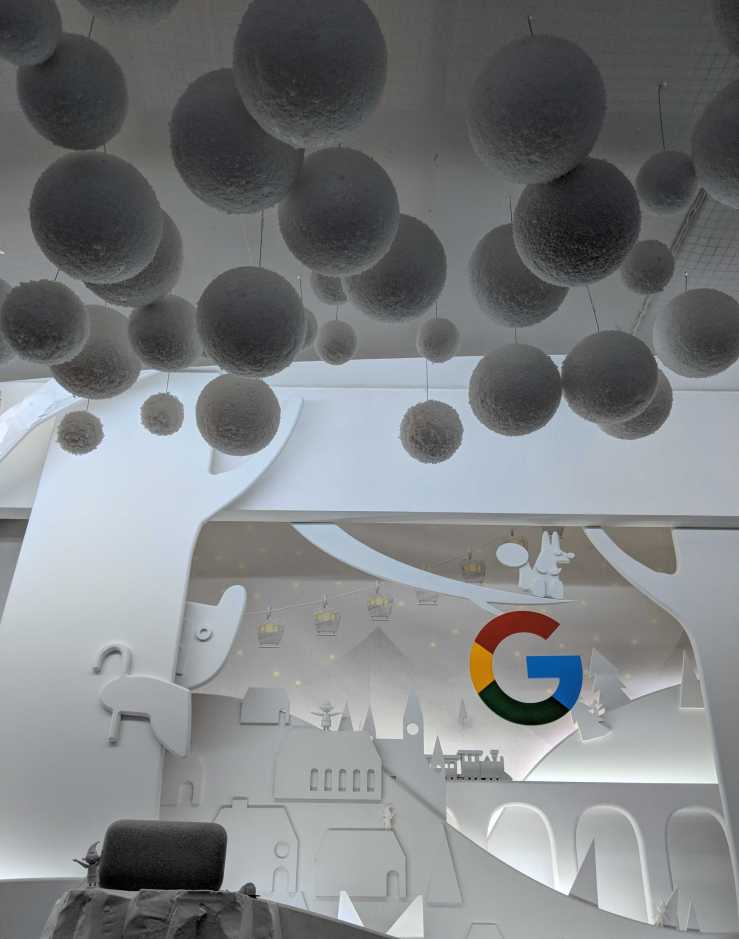 Because where else would I get to play Ophelia in the contemporary drama “Death by Selfie”?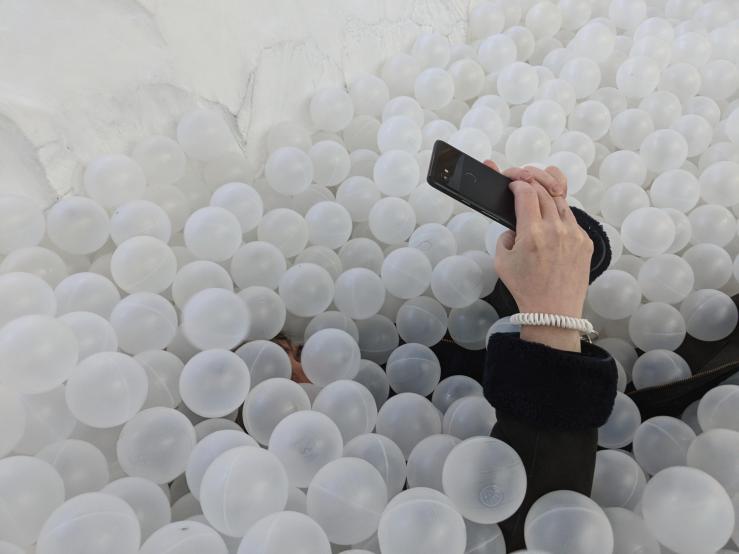






 The Humble Fabulist