A Blessed Ghost

Oh sleep! it is a gentle thing,
Beloved from pole to pole!
To Mary Queen the praise be given!
She sent the gentle sleep from Heaven,
That slid into my soul.

The silly buckets on the deck,
That had so long remained,
I dreamt that they were filled with dew;
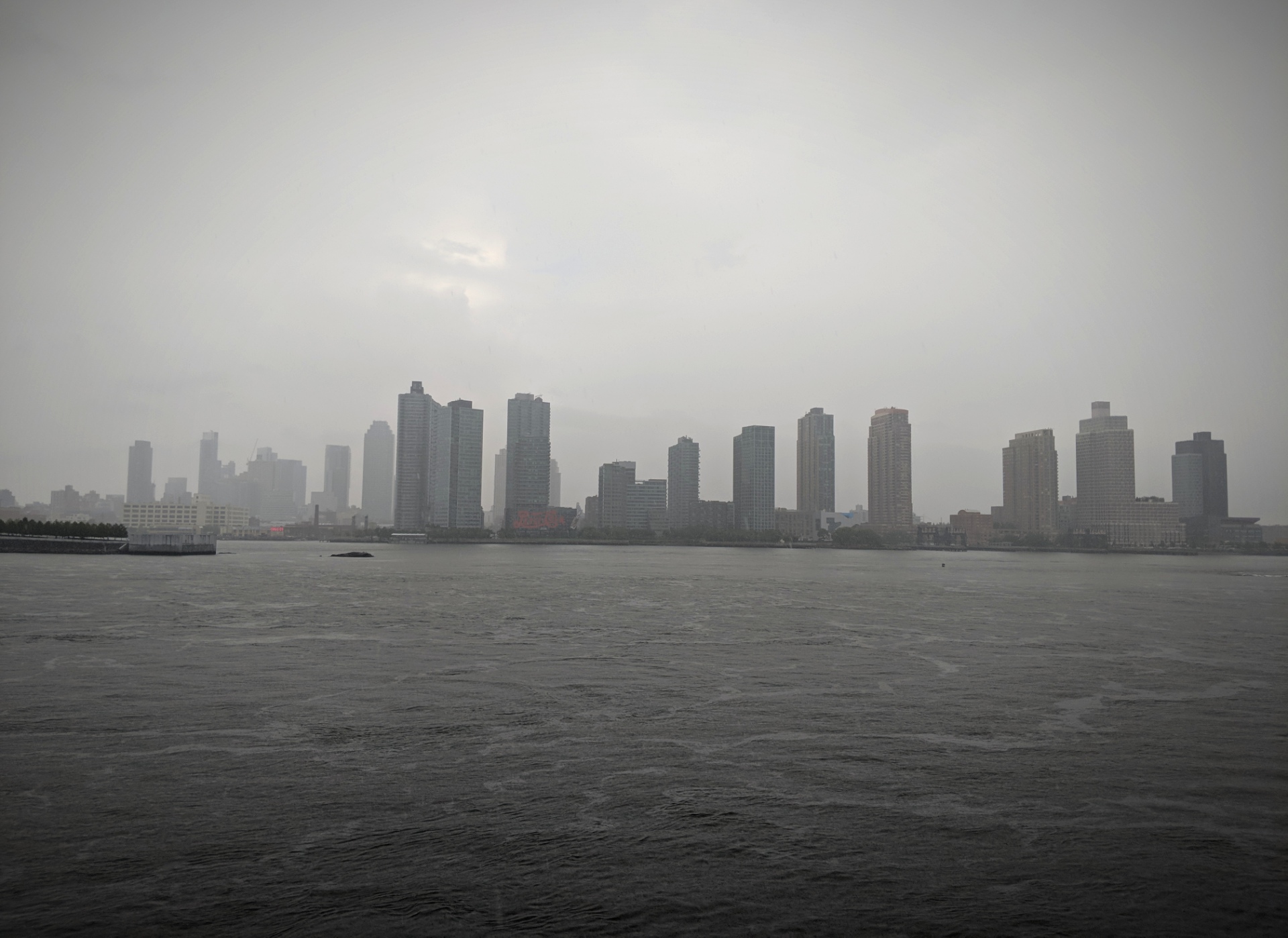
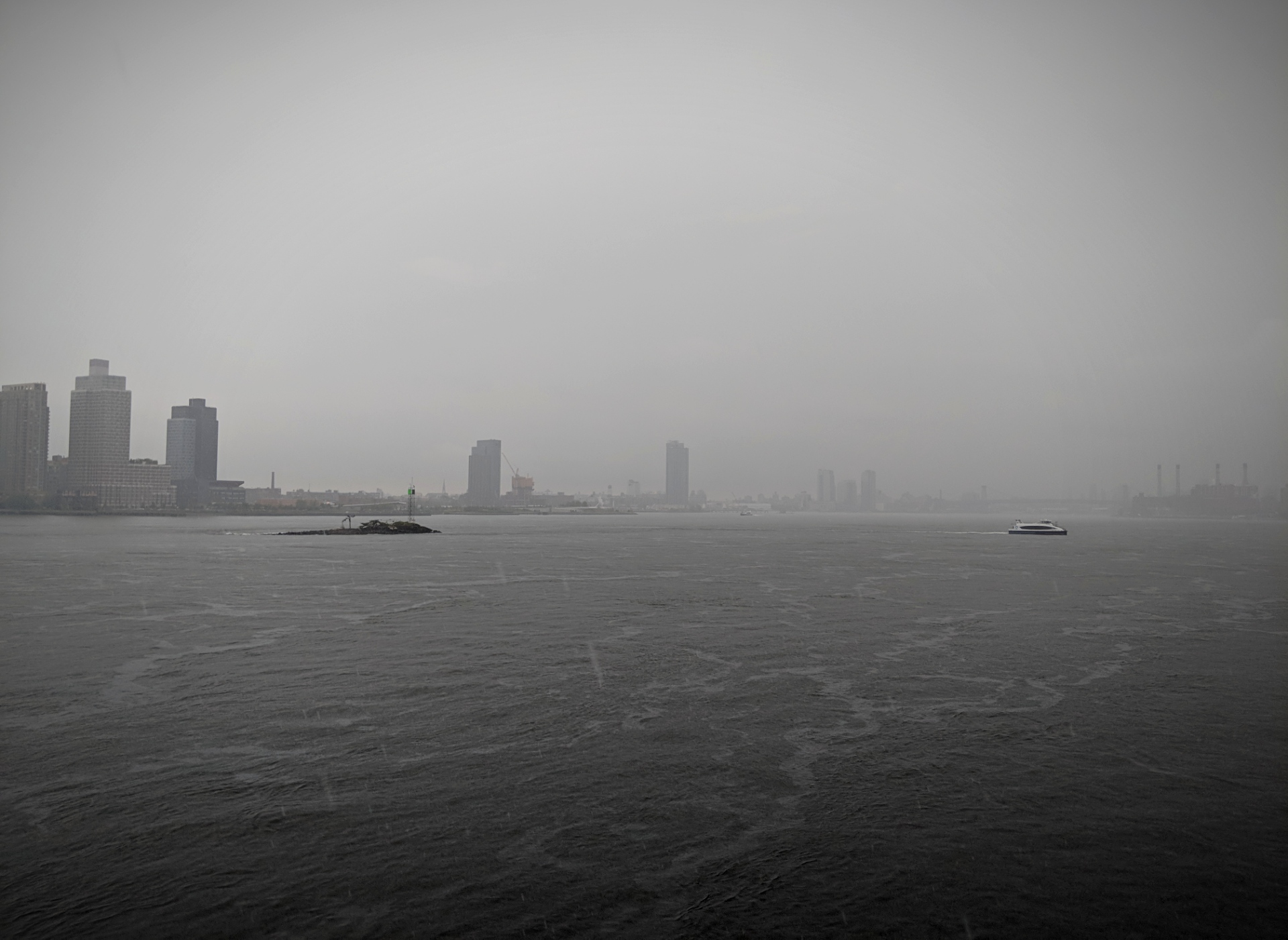
And when I awoke, it rained.

My lips were wet, my throat was cold,
My garments all were dank;
Sure I had drunken in my dreams,
And still my body drank.

I moved, and could not feel my limbs:
I was so light—almost
I thought that I had died in sleep,
And was a blessed ghost.

Excerpt from The Rime Of The Ancient Mariner,

a poem by Samuel Taylor Coleridge

Listen to the reading by Deborah Warner

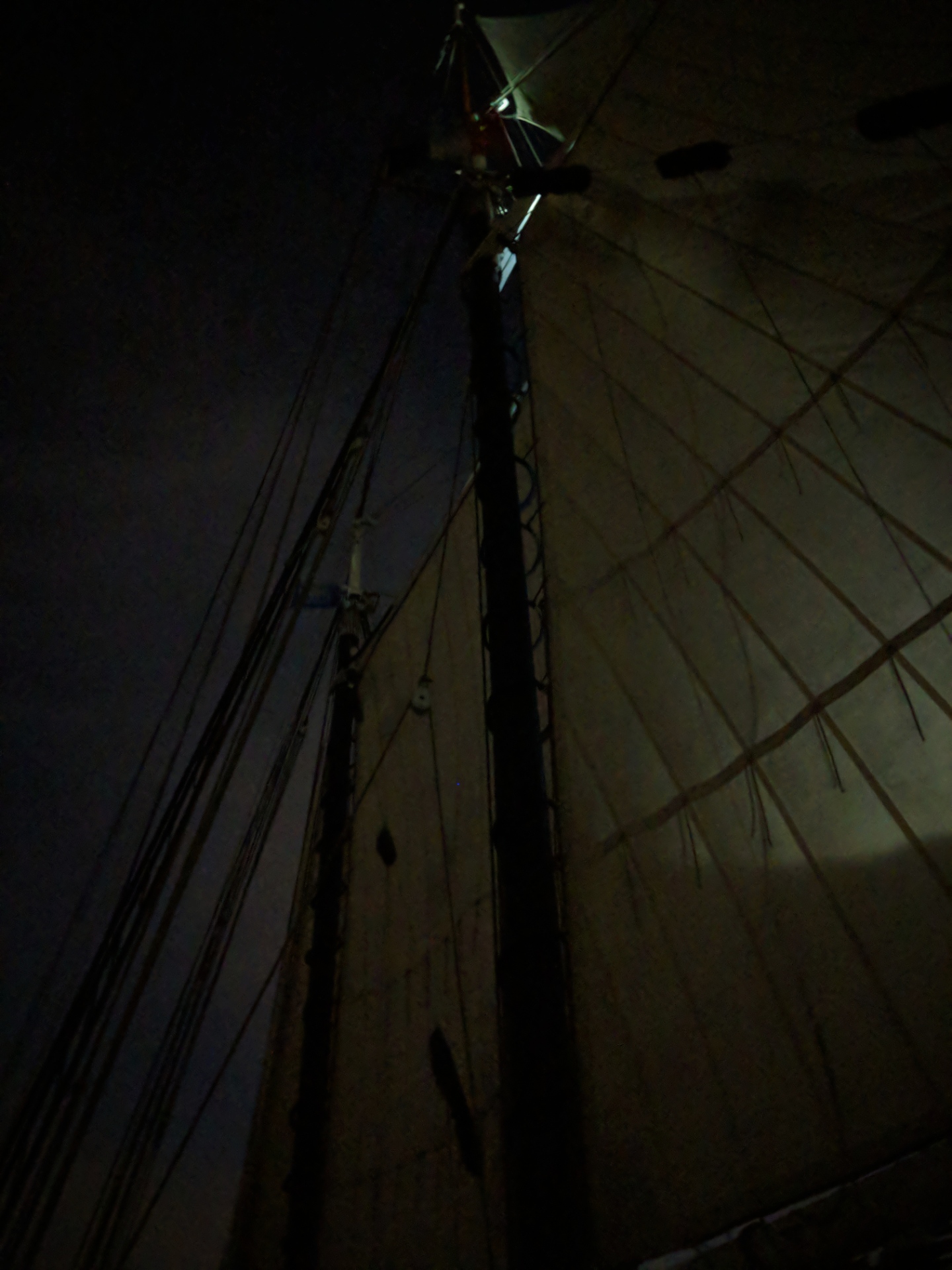
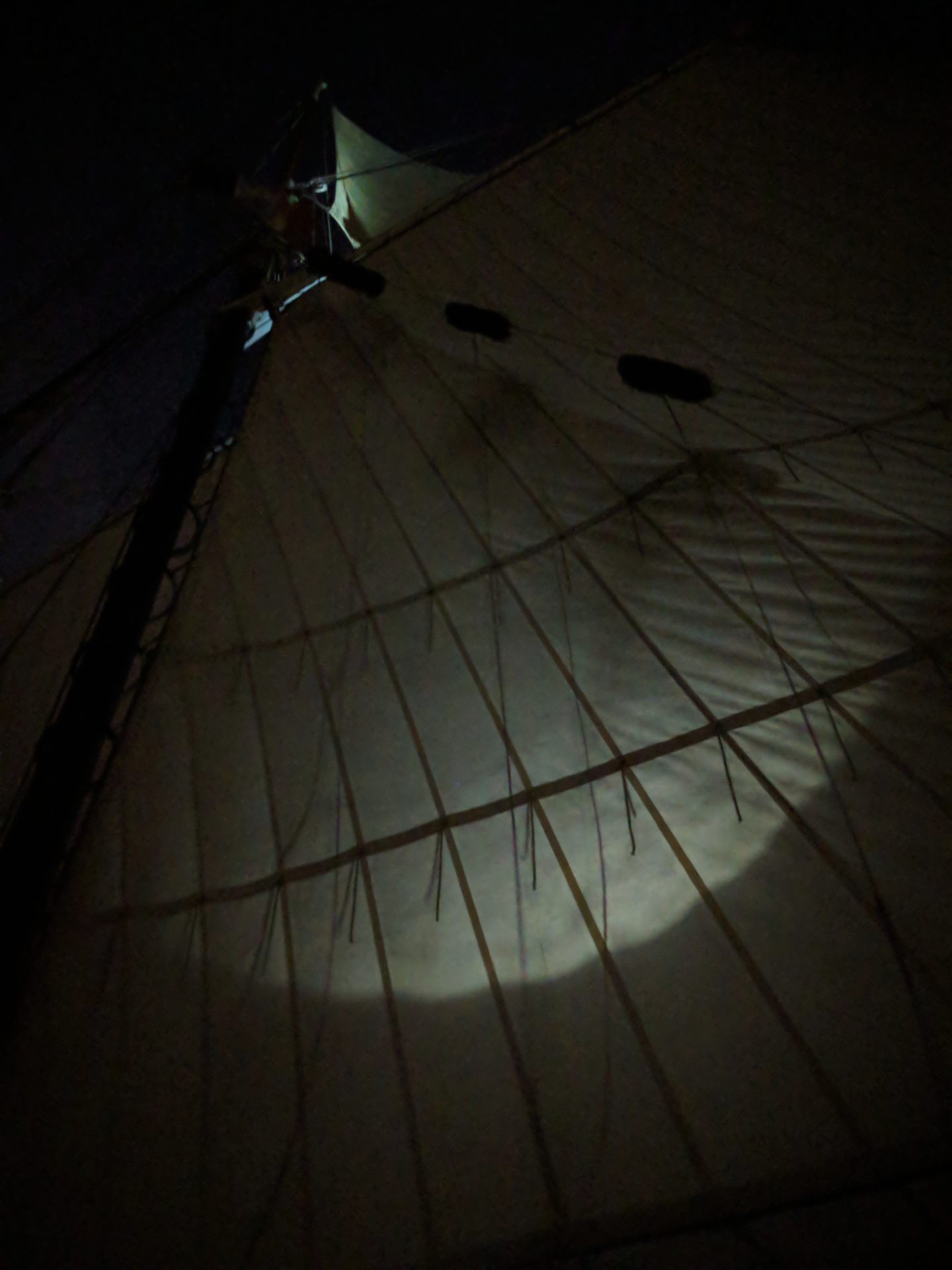
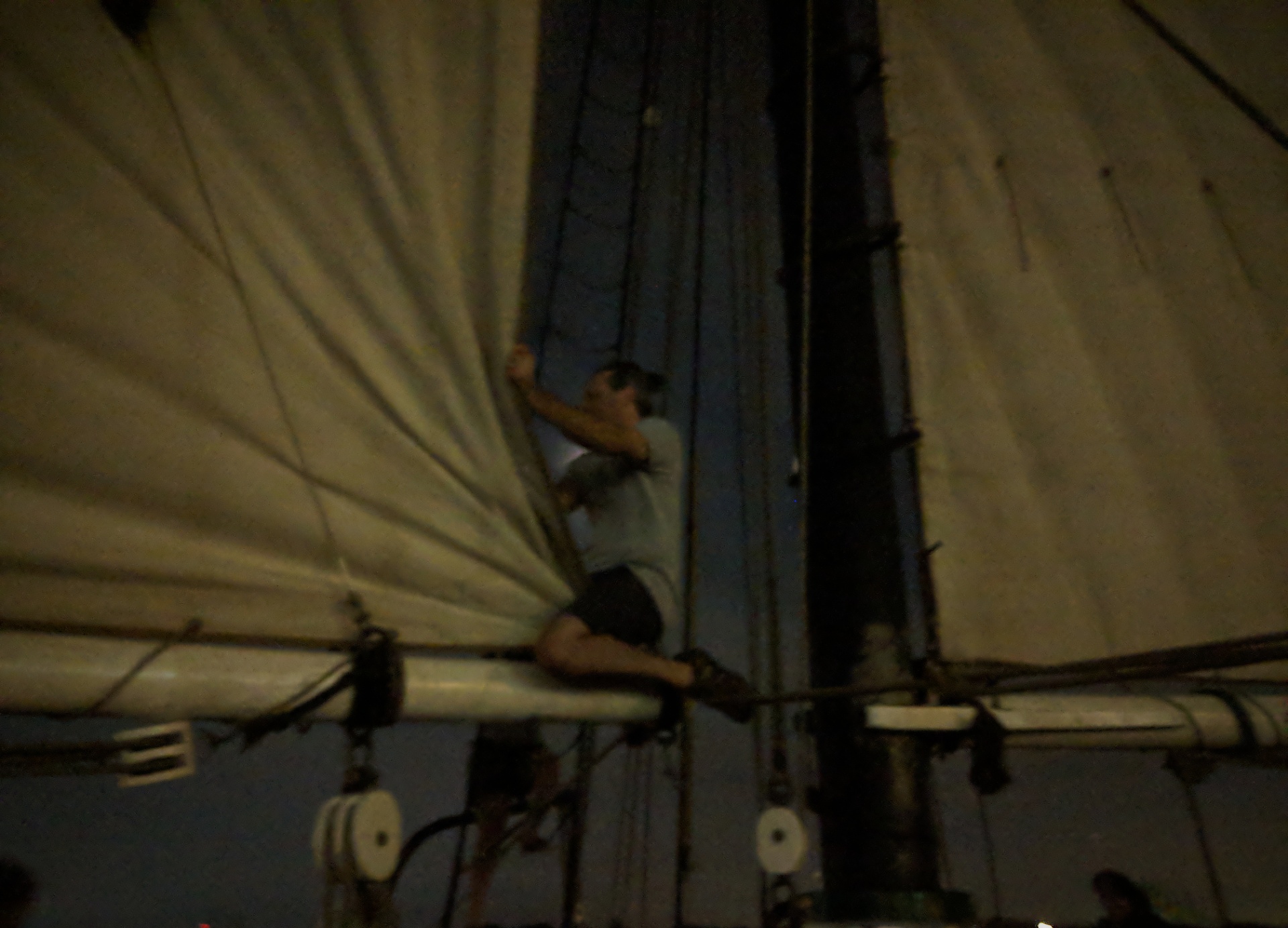
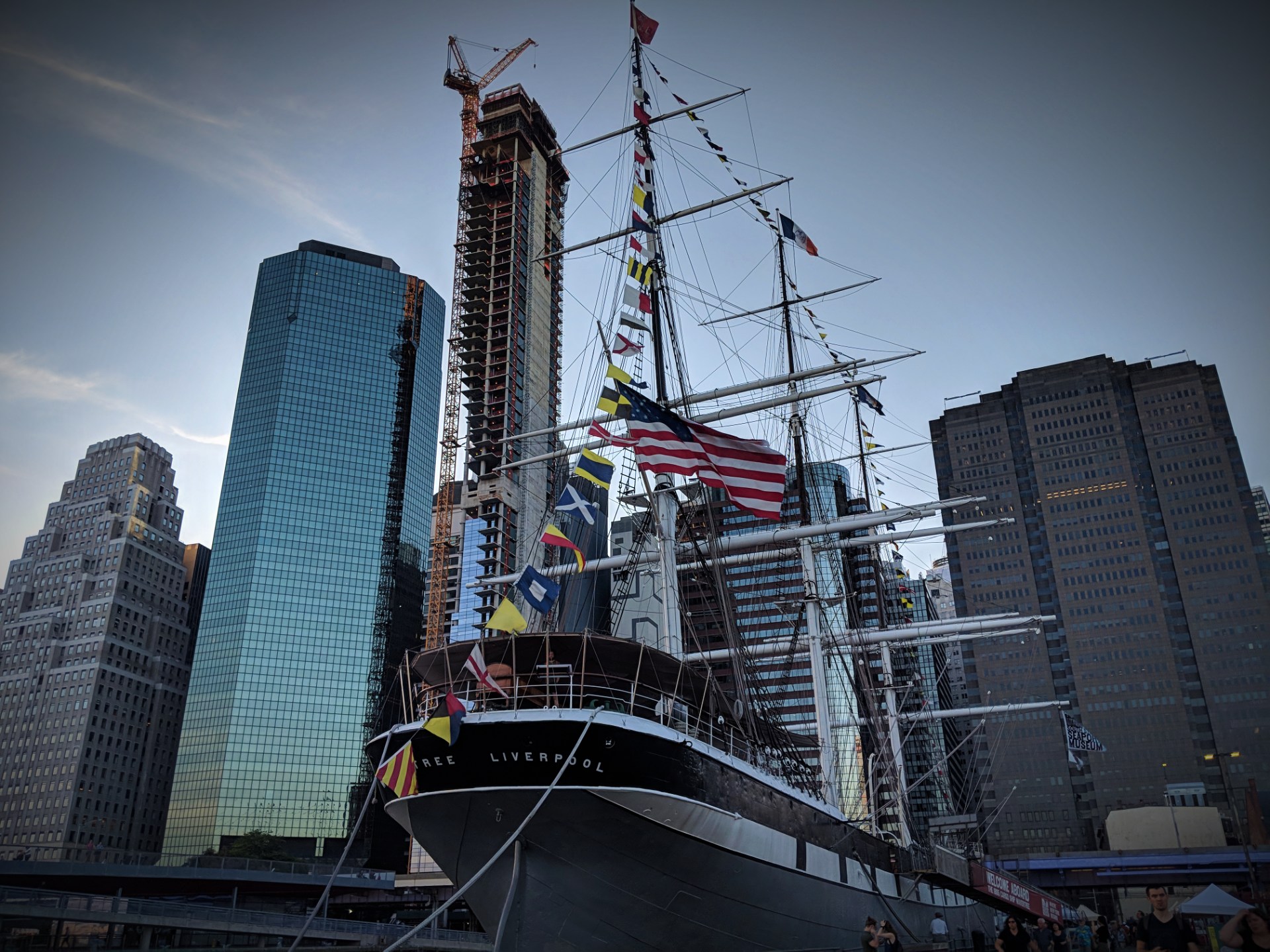
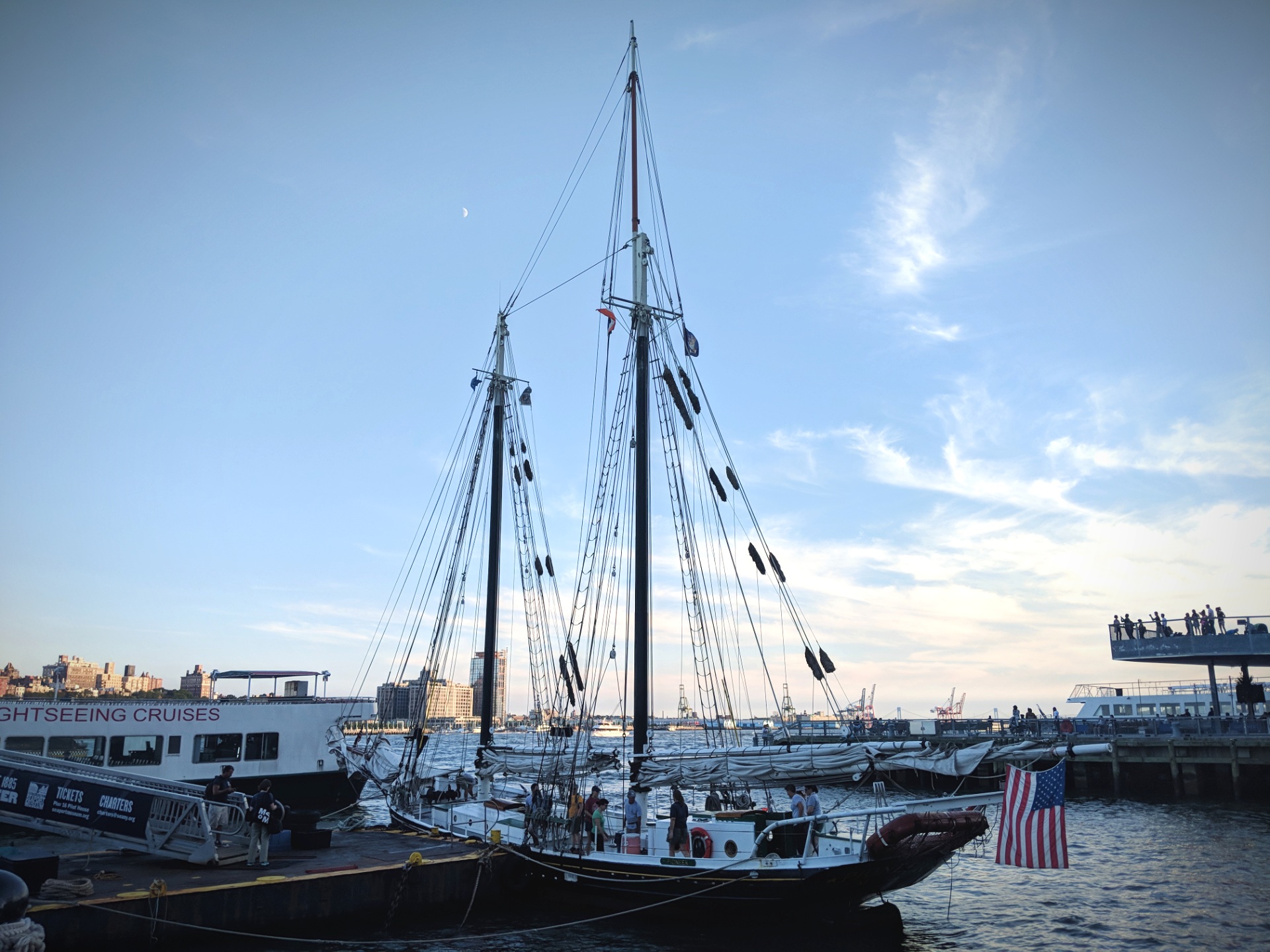
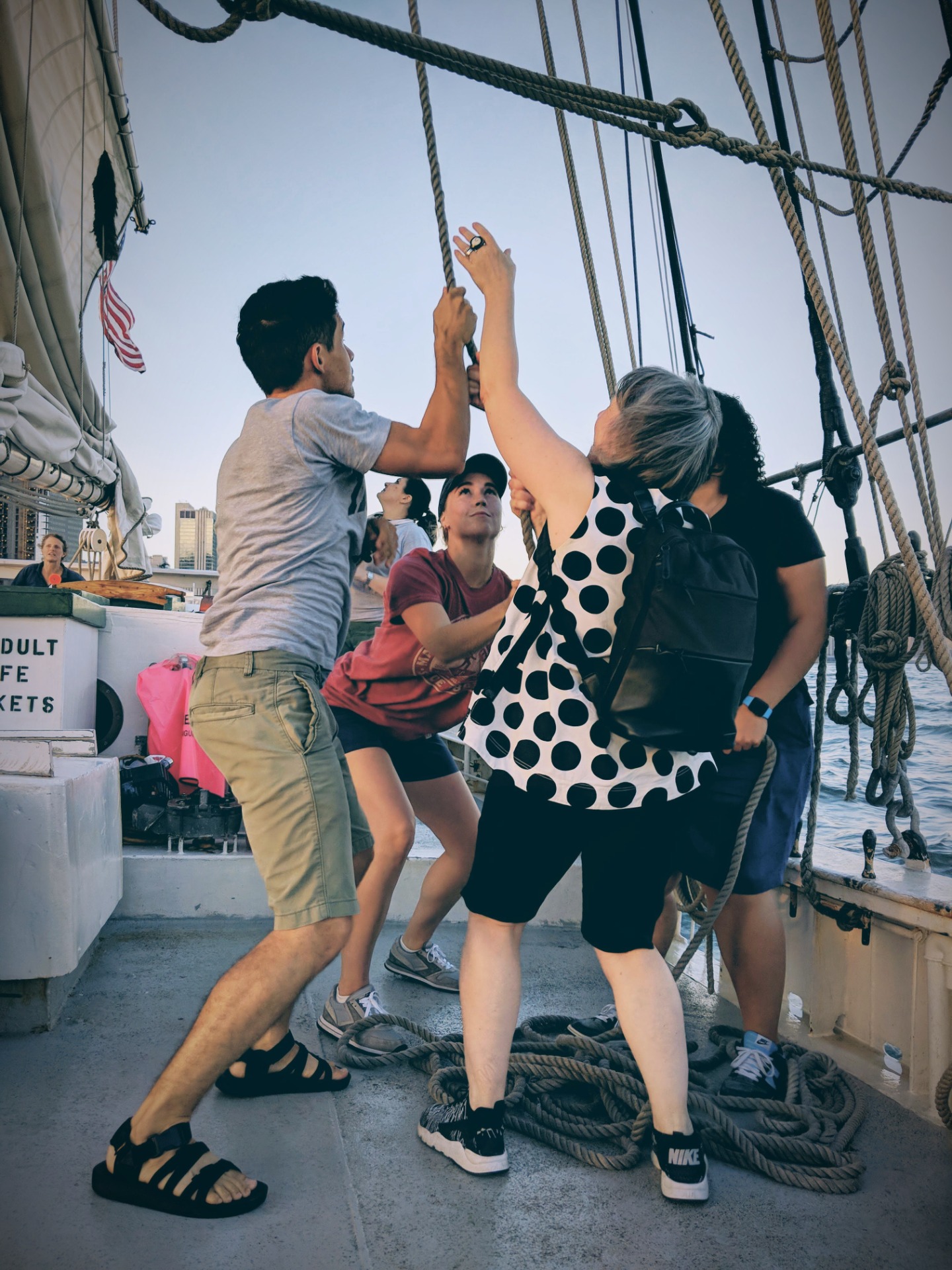
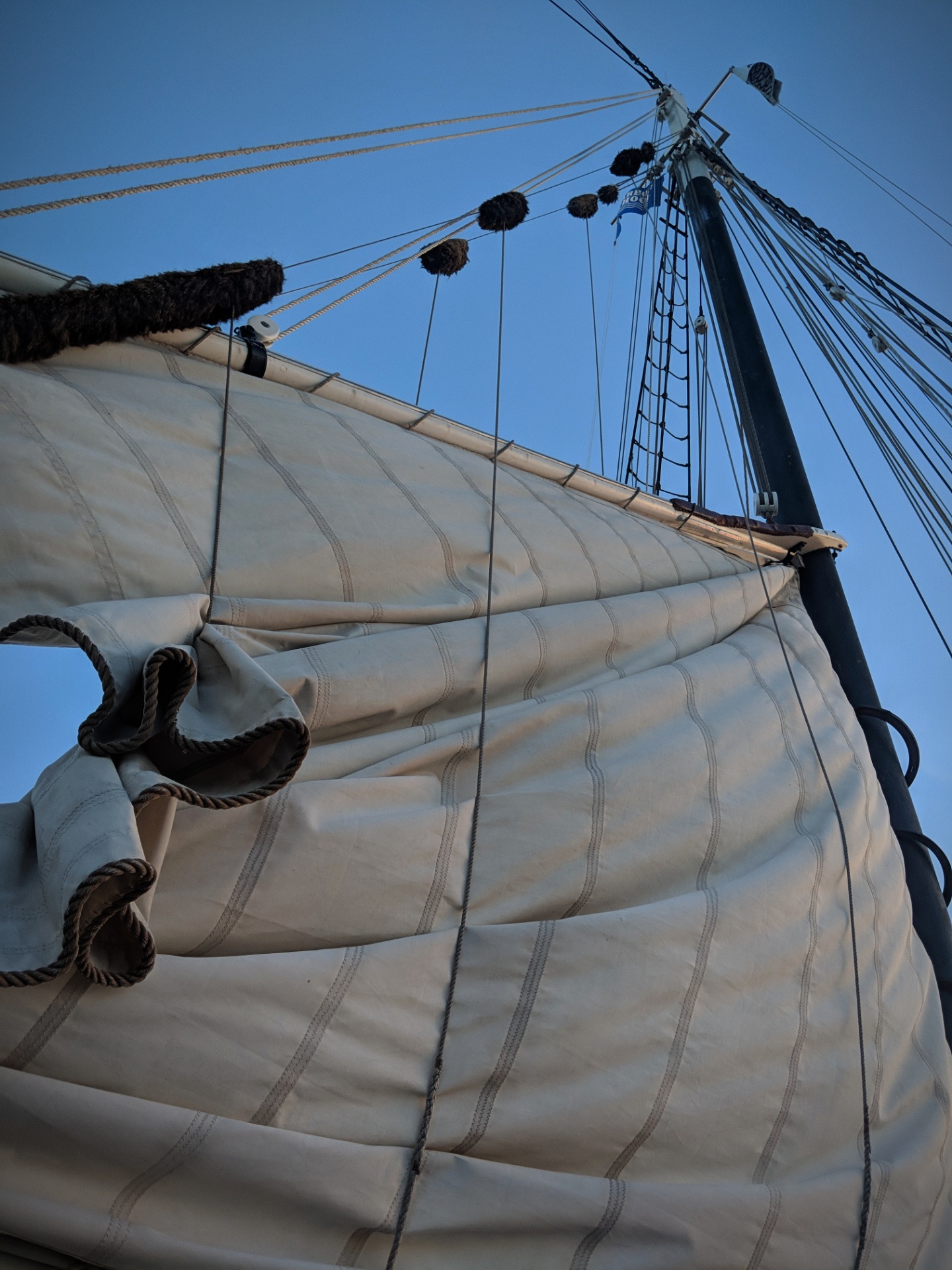
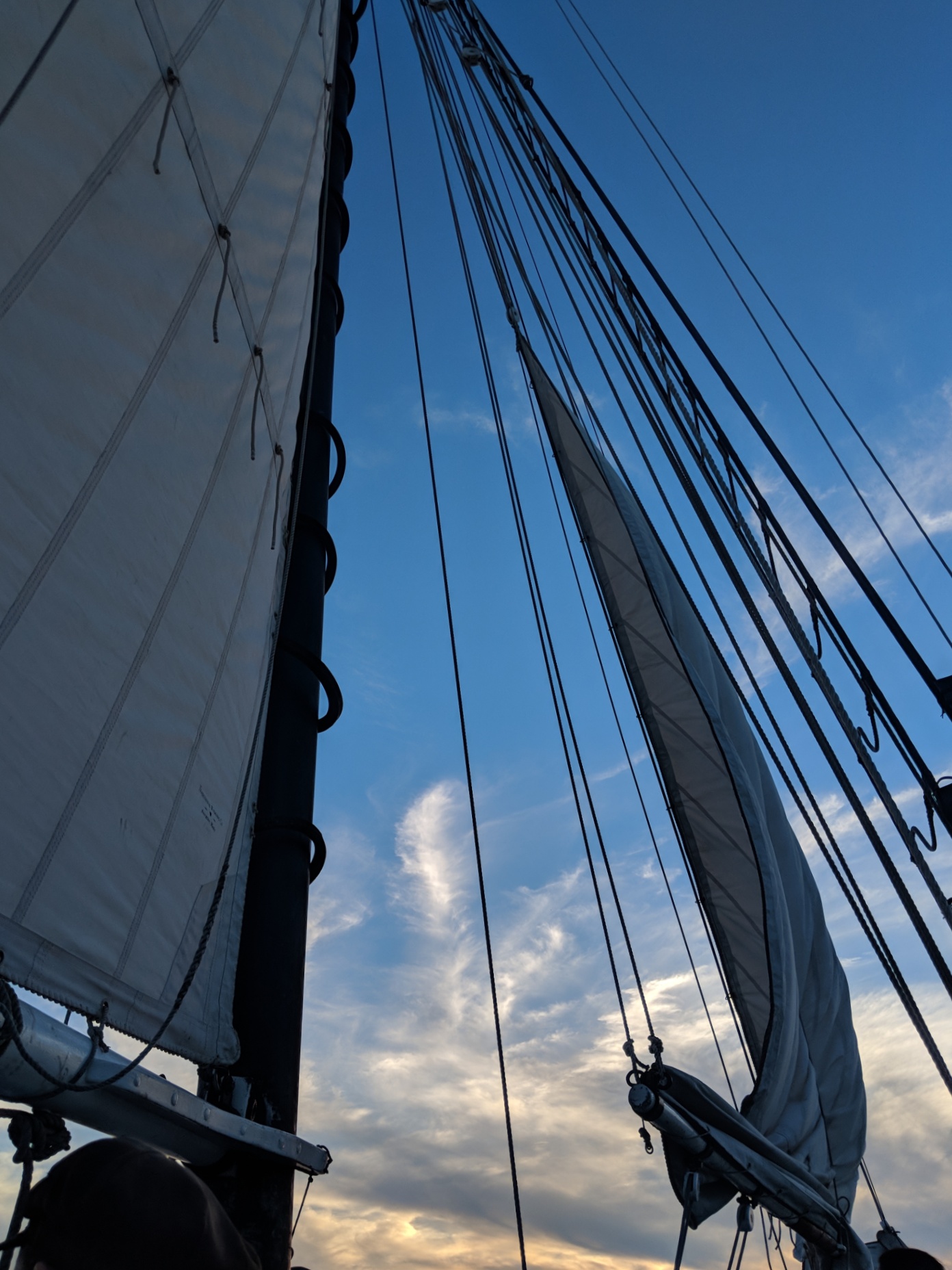
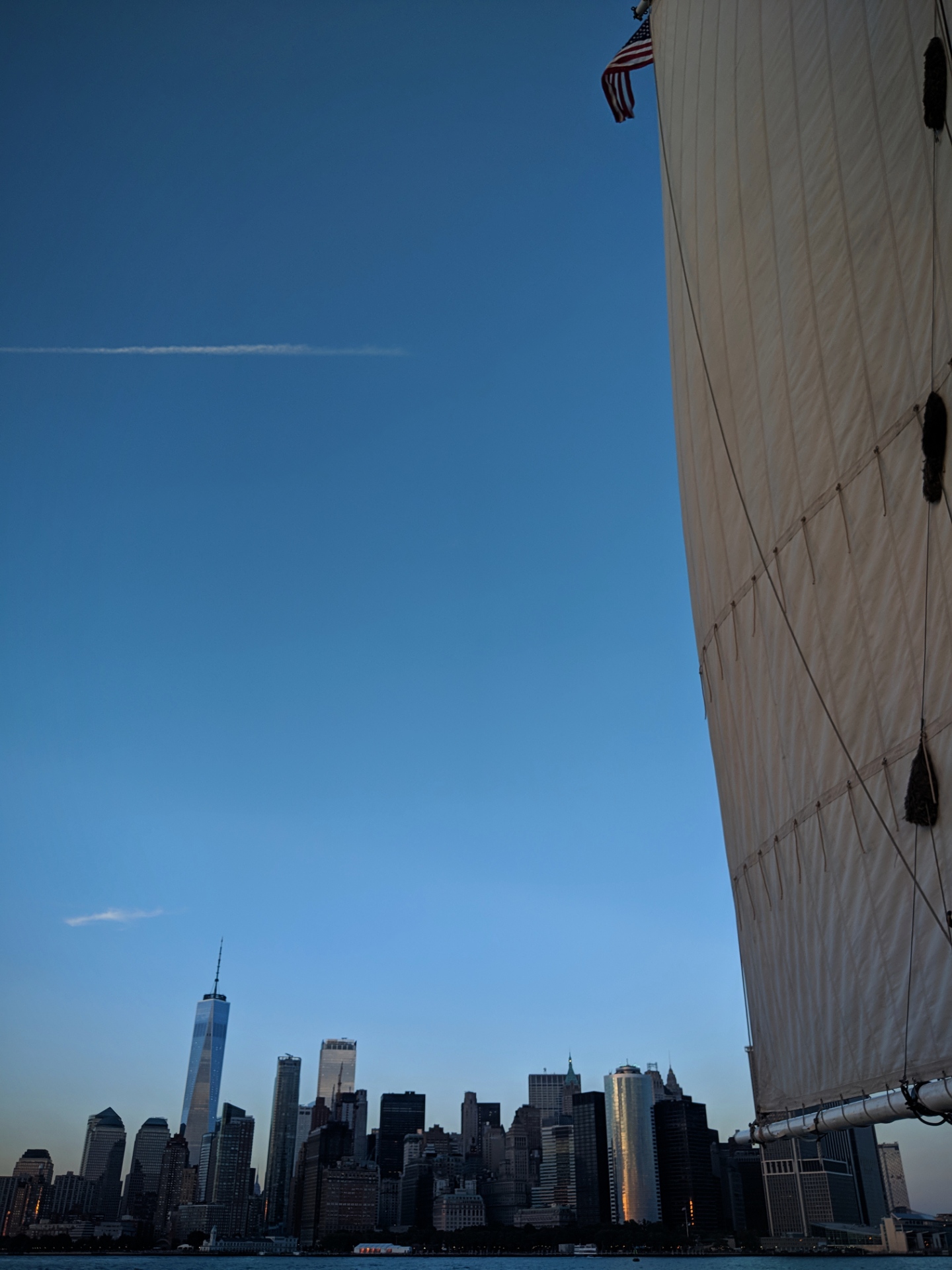
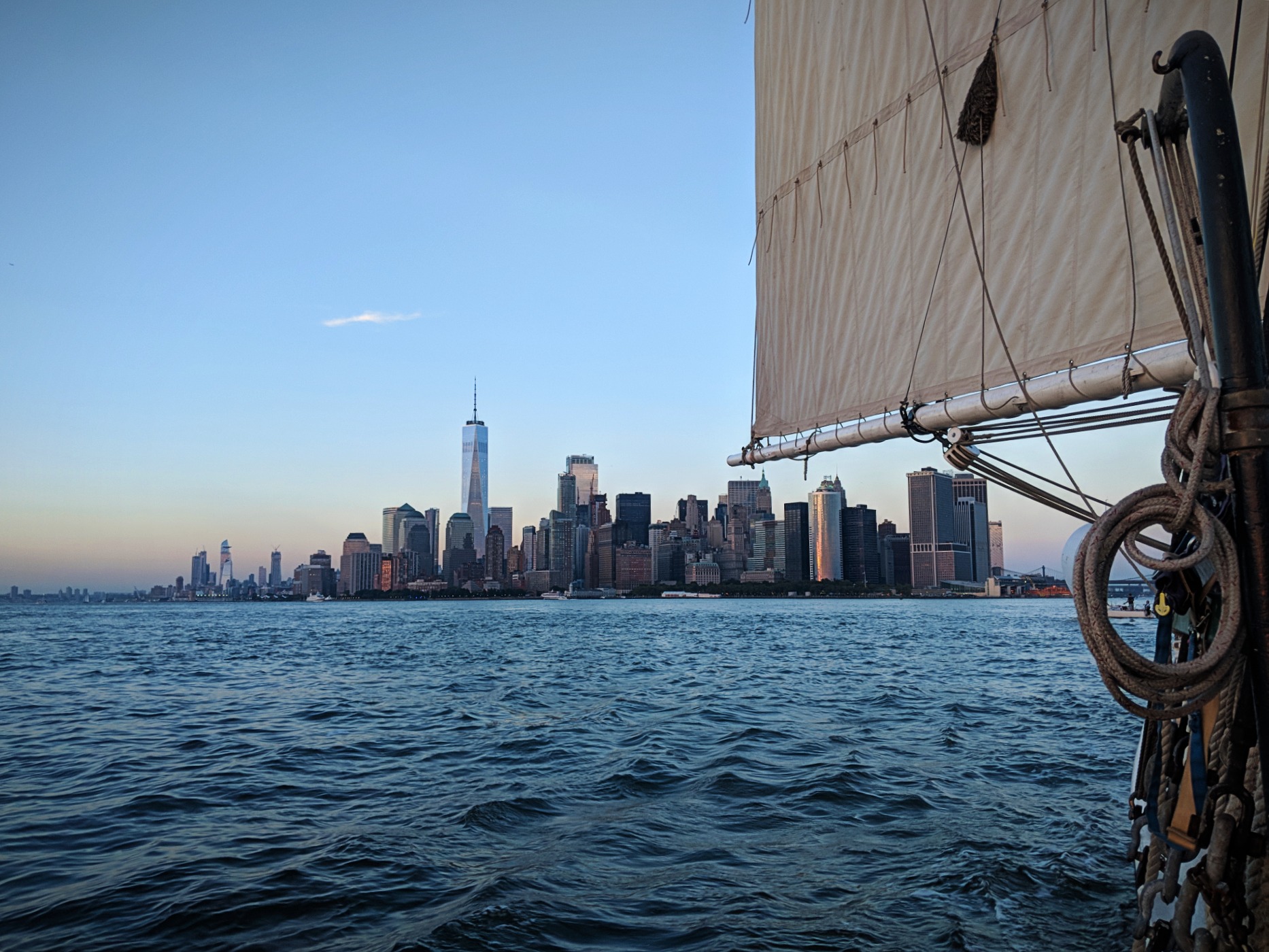
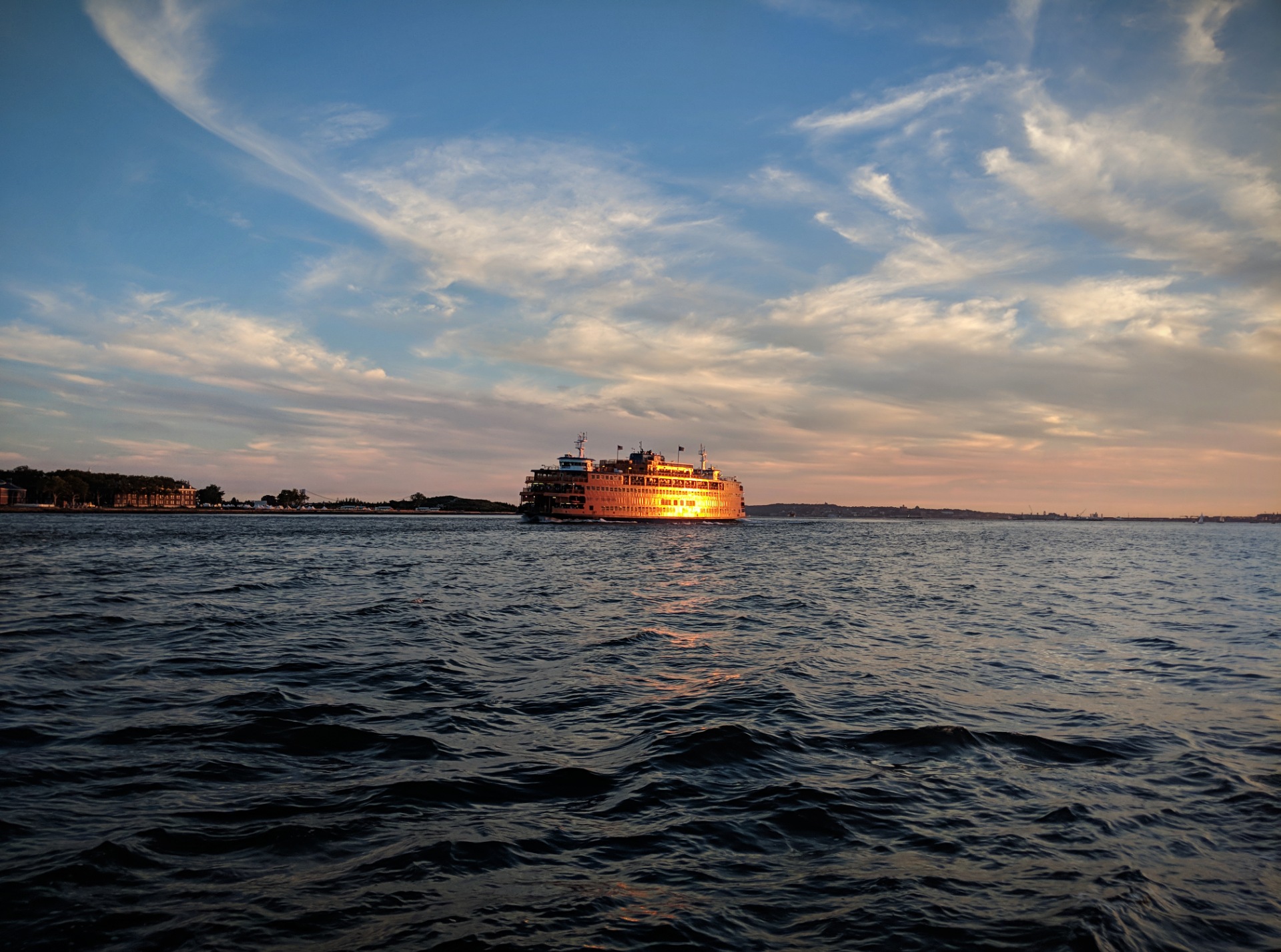
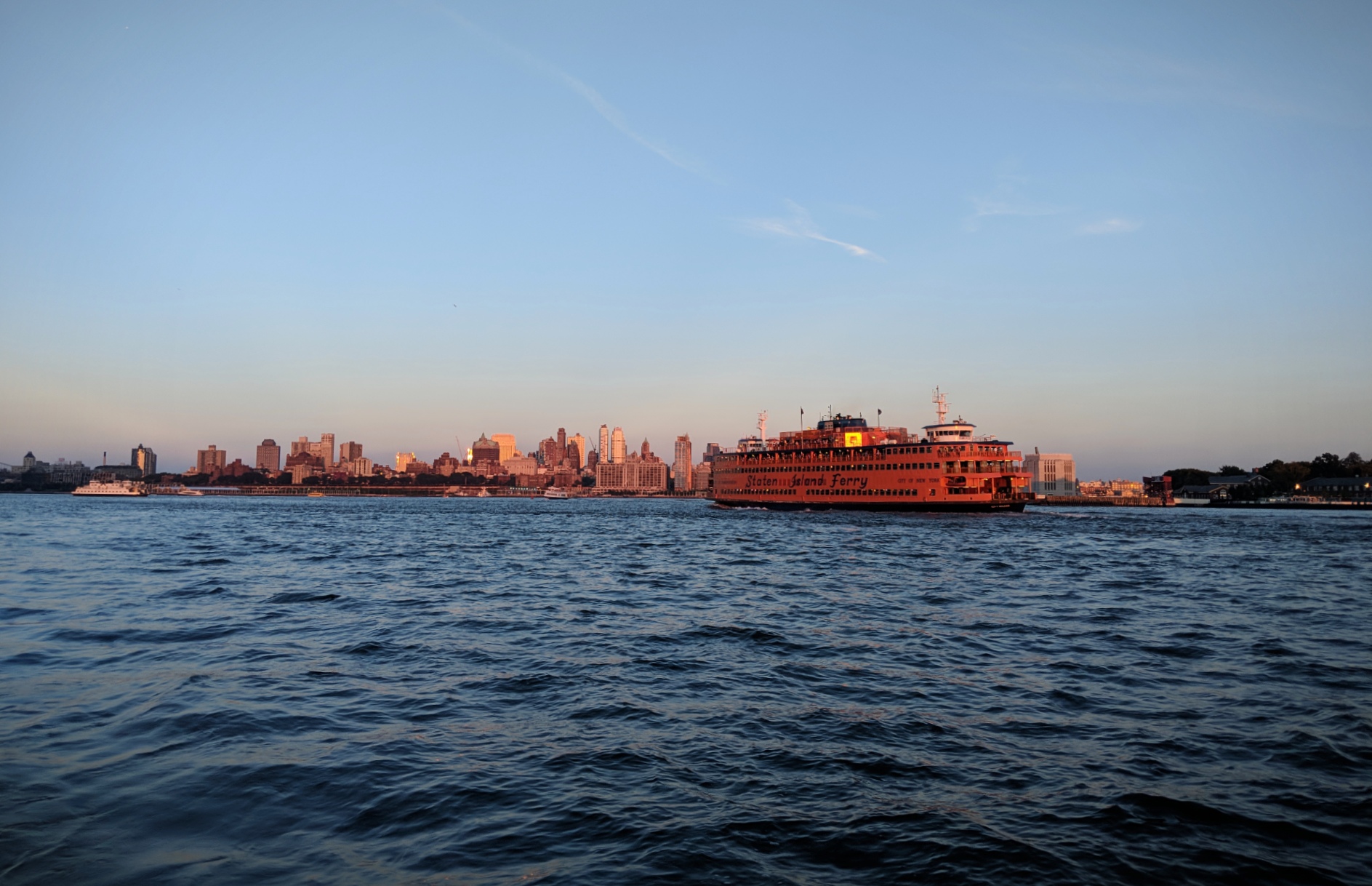
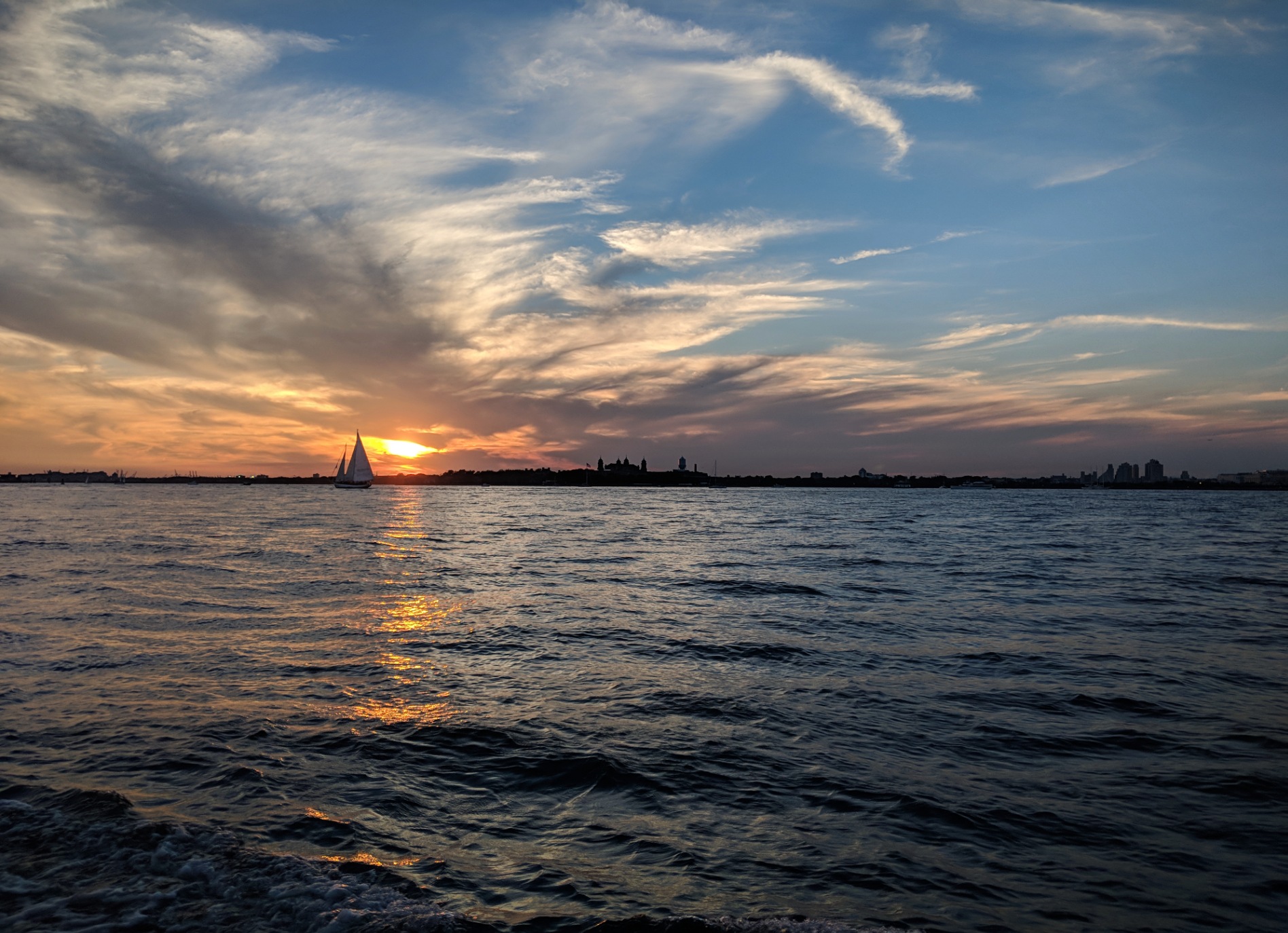
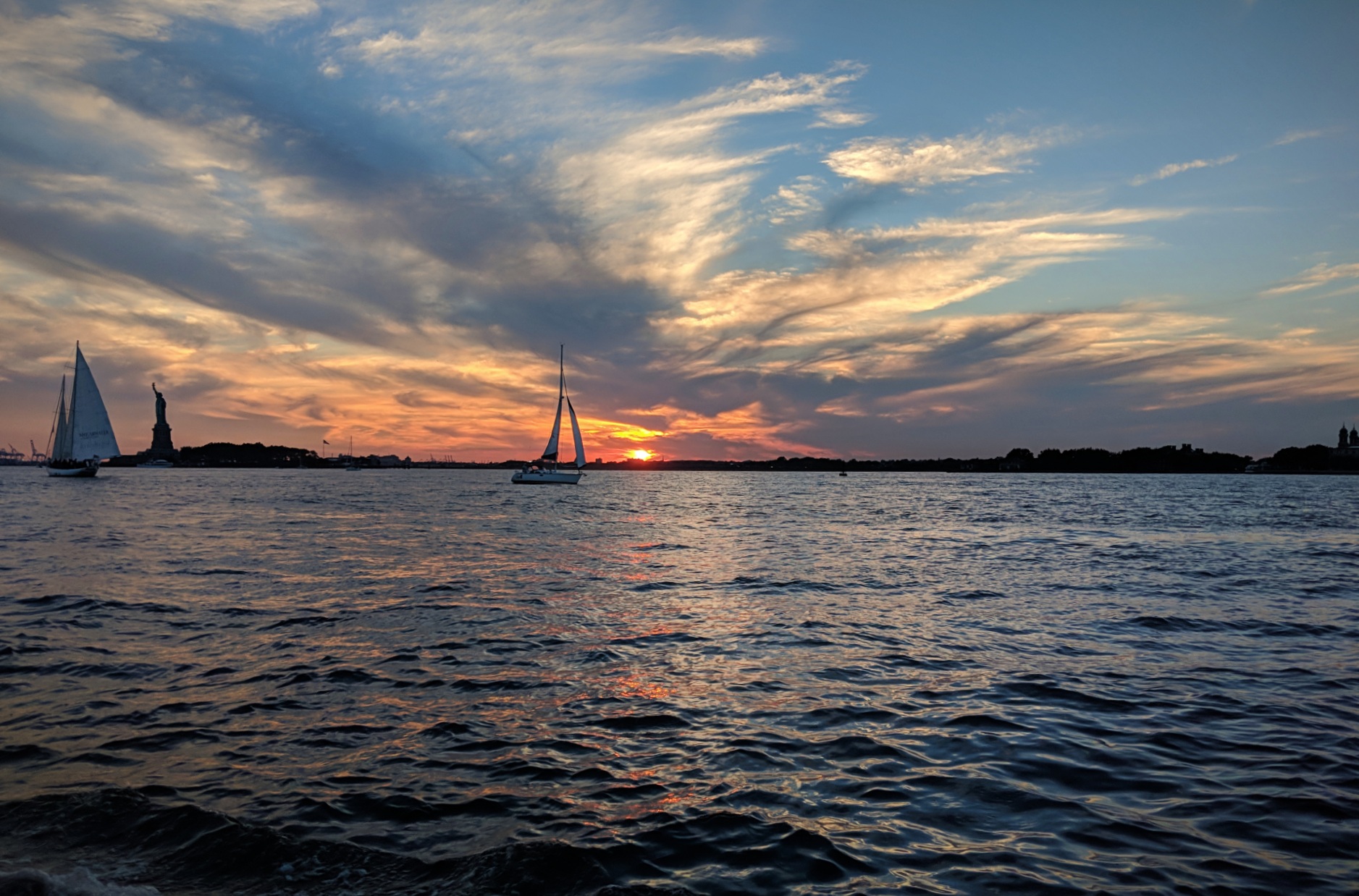
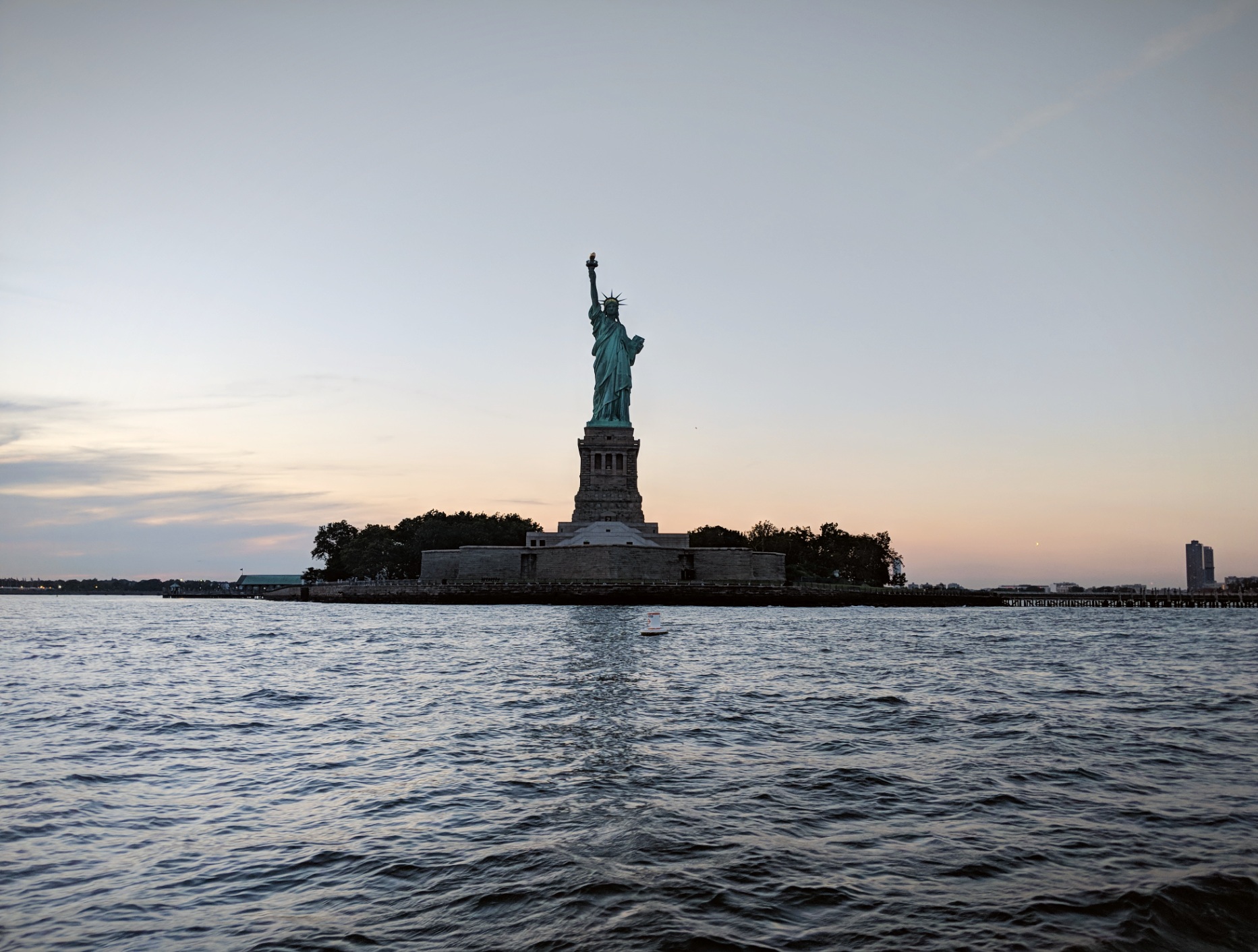
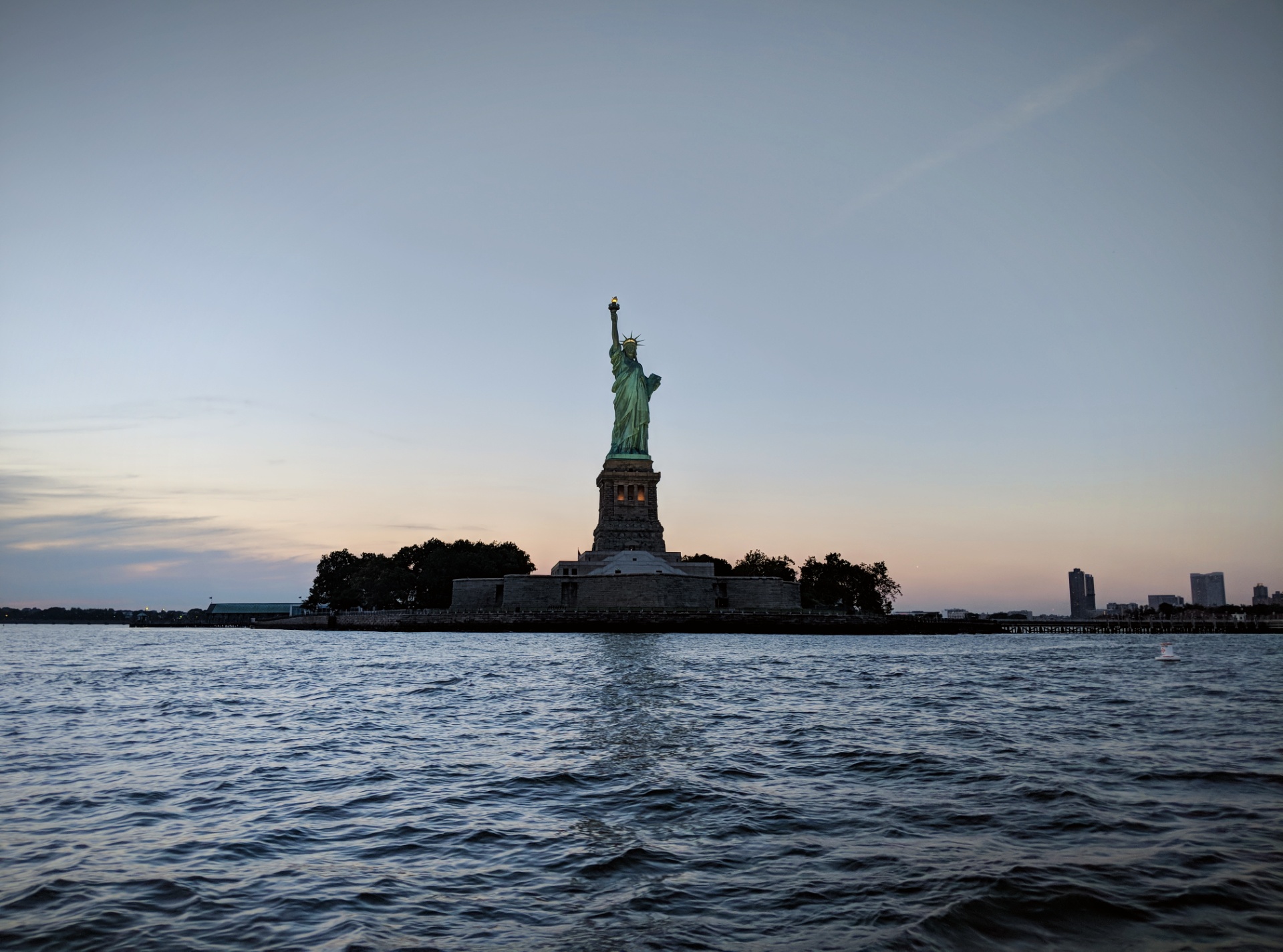
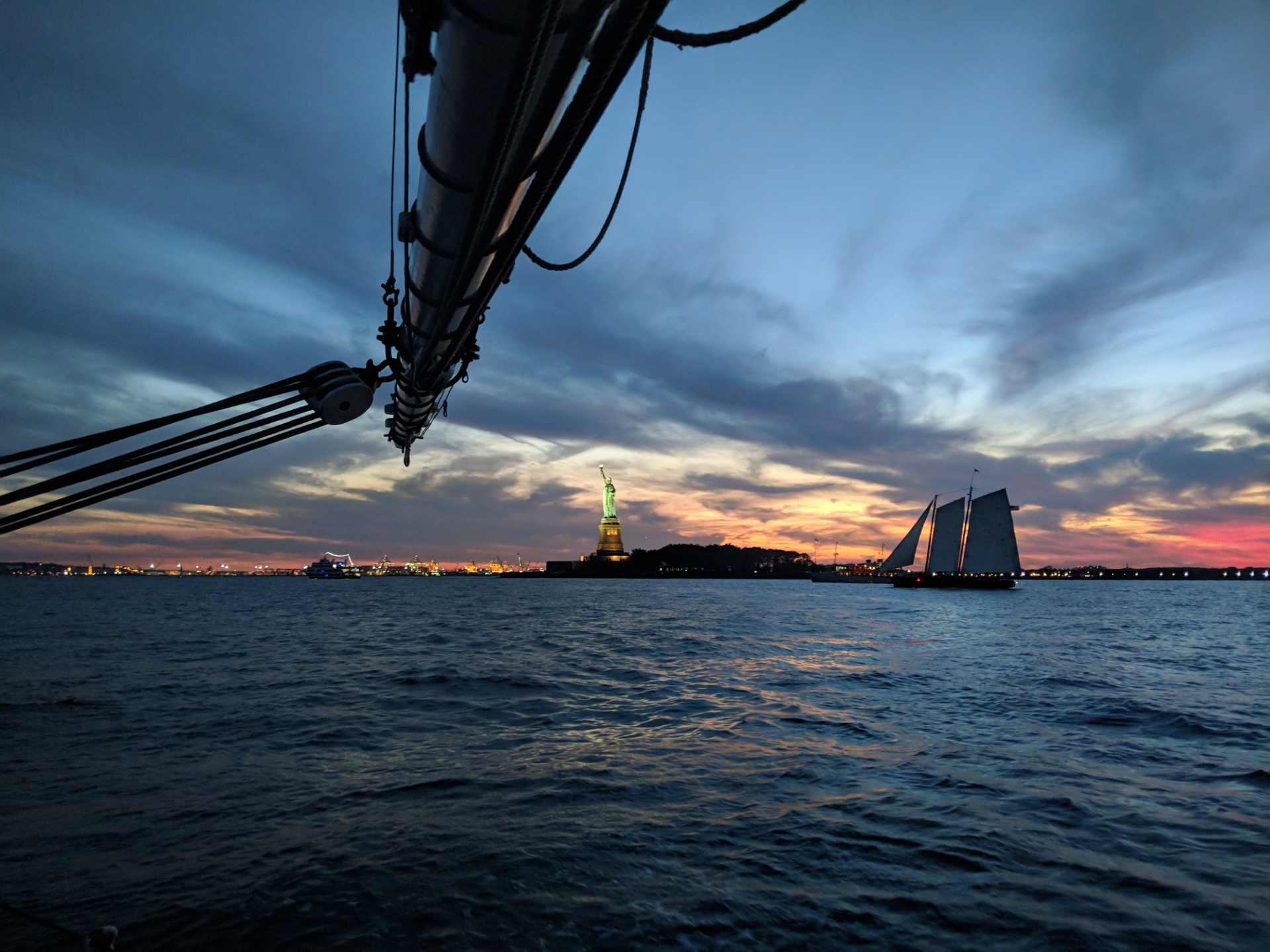
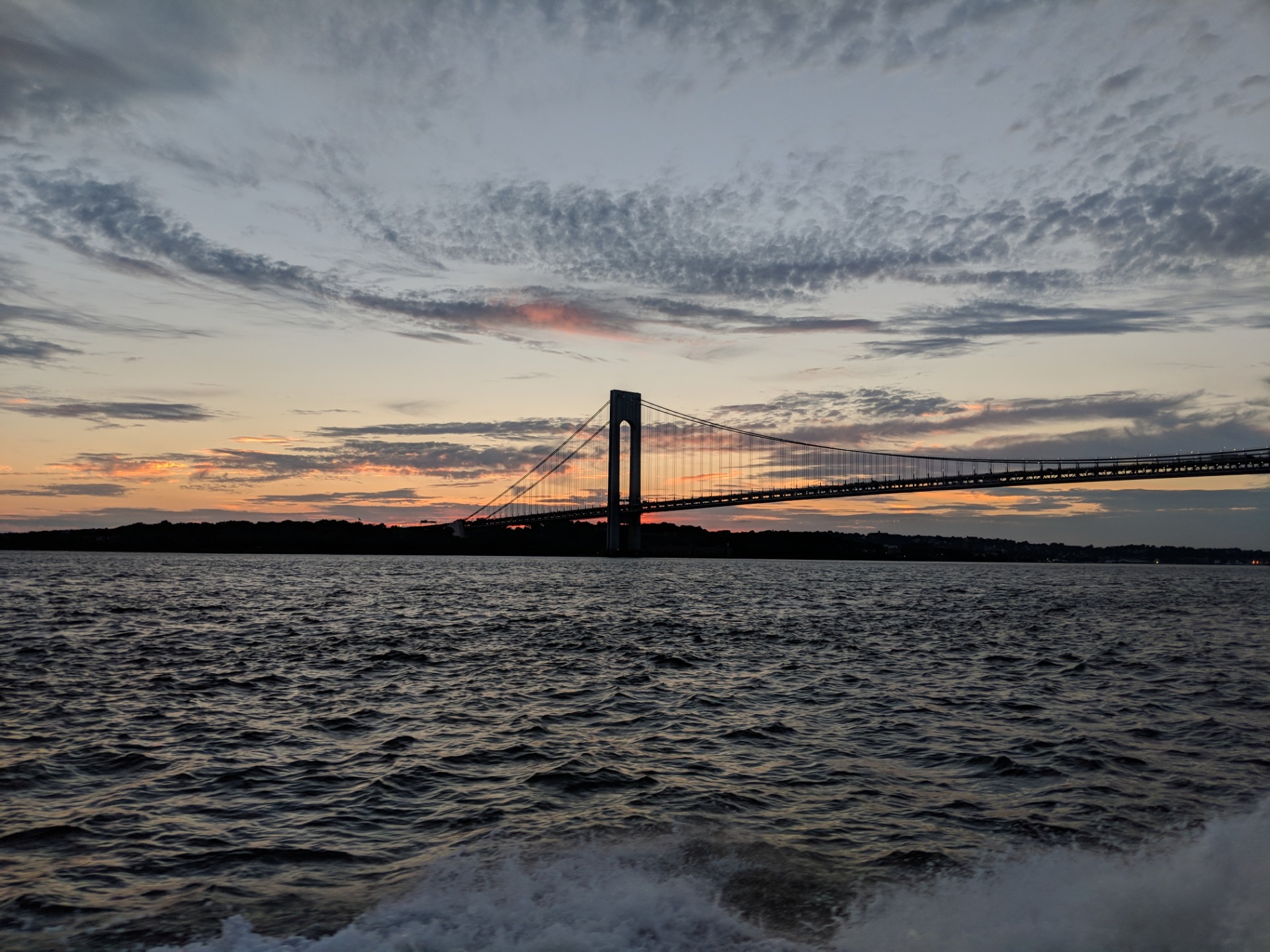
September 16th, 2018 – Aboard the Schooner Pioneer


Hoist your Sail when the Wind is Fair

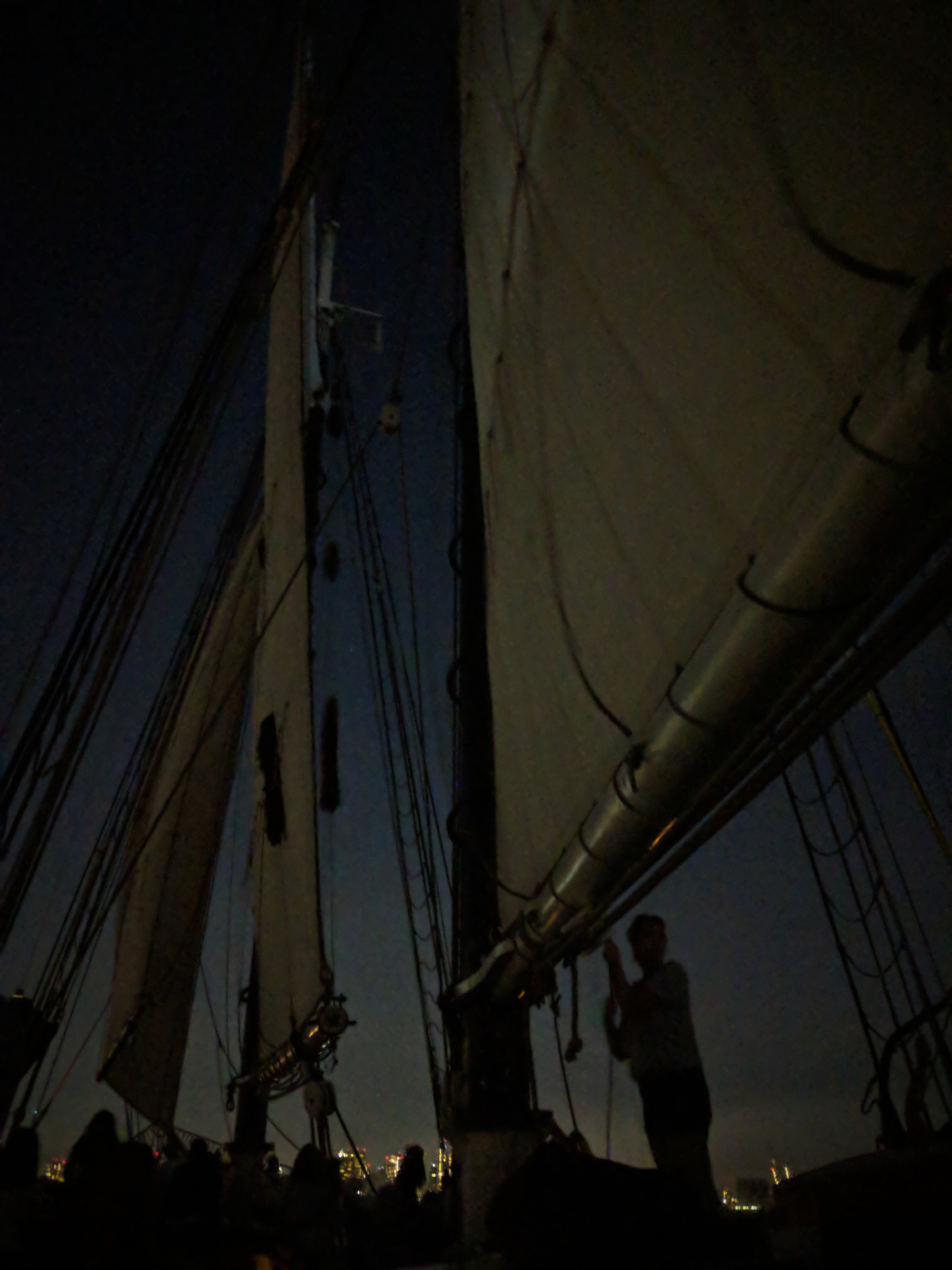
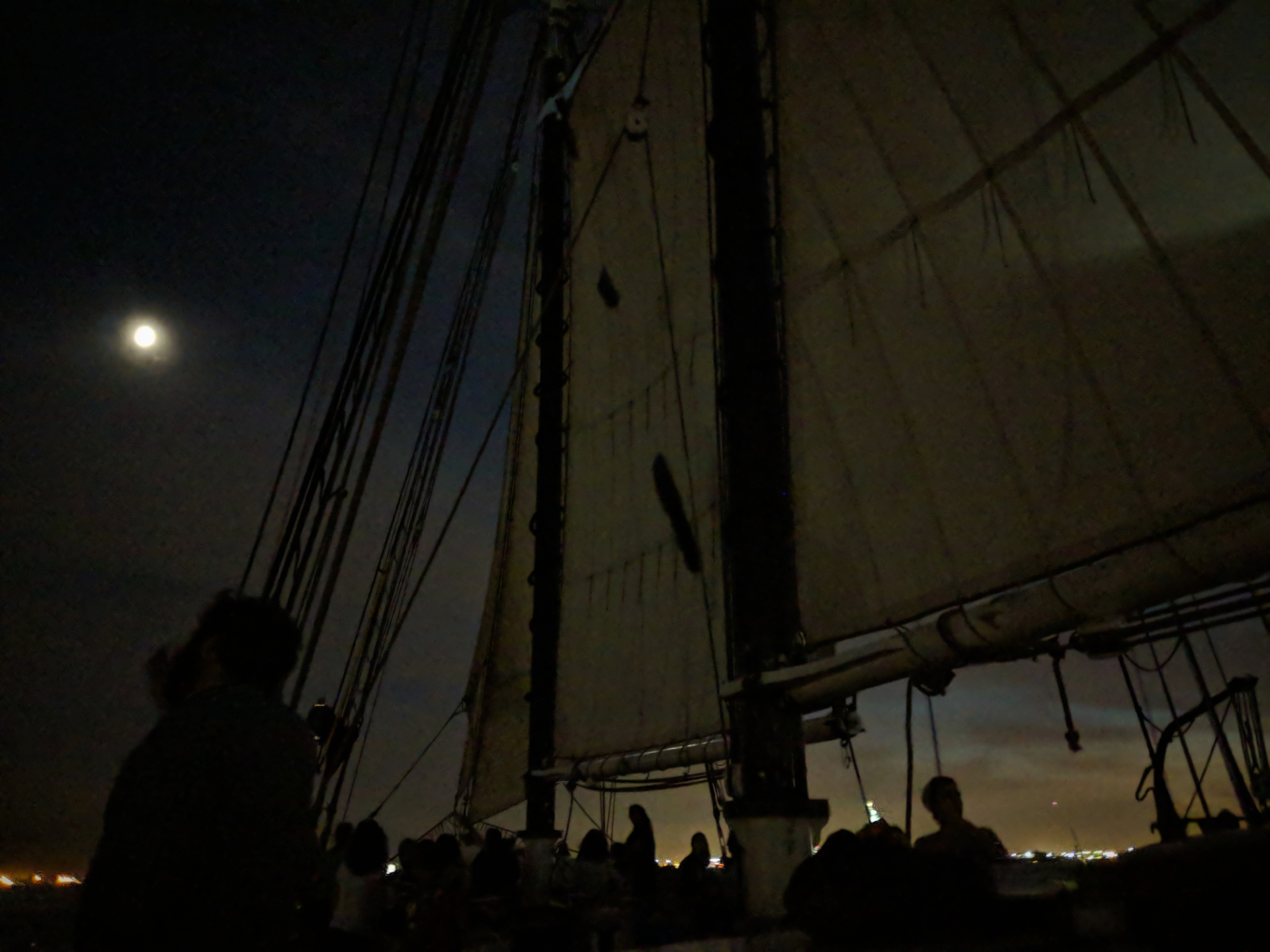
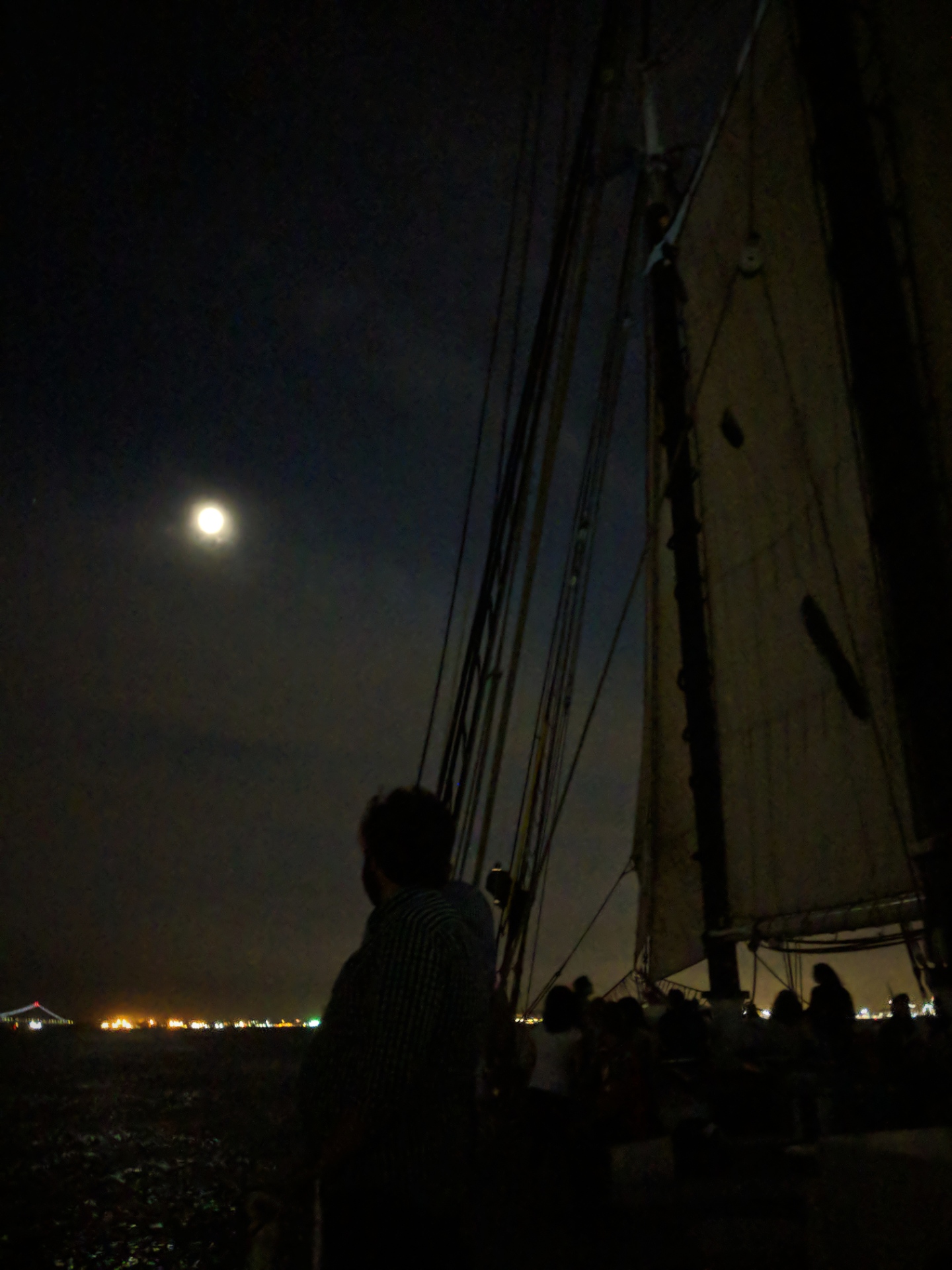
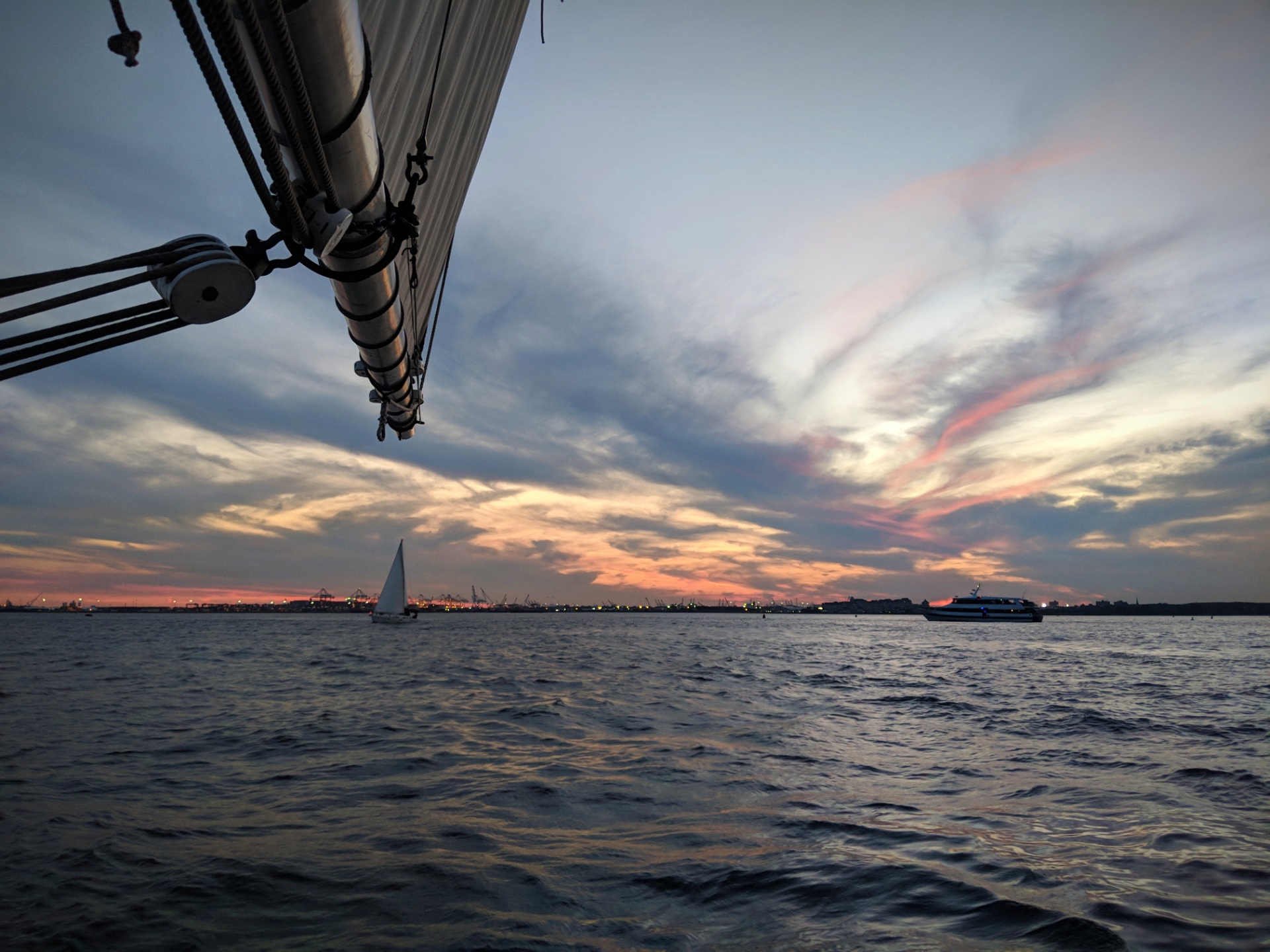
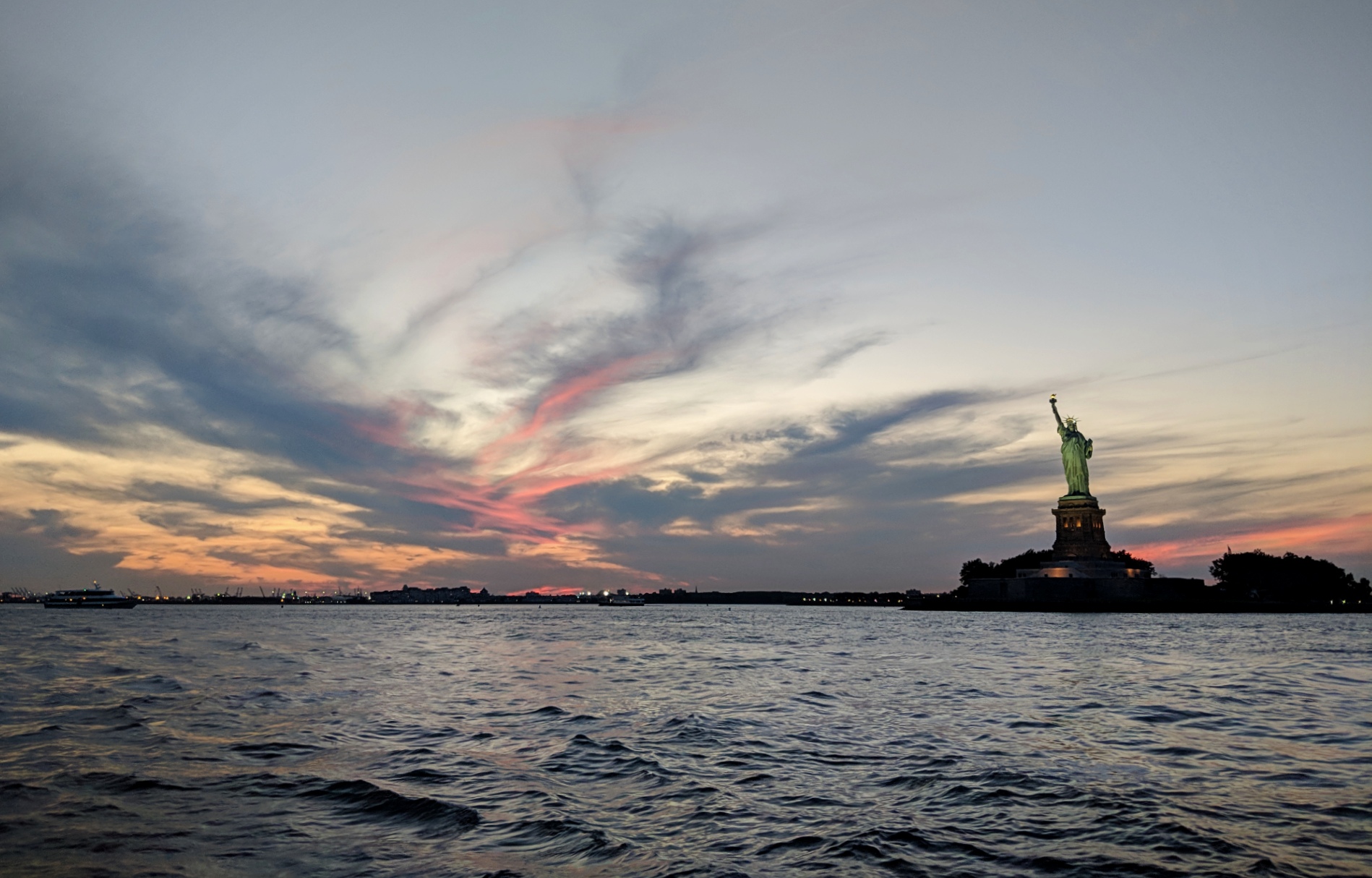
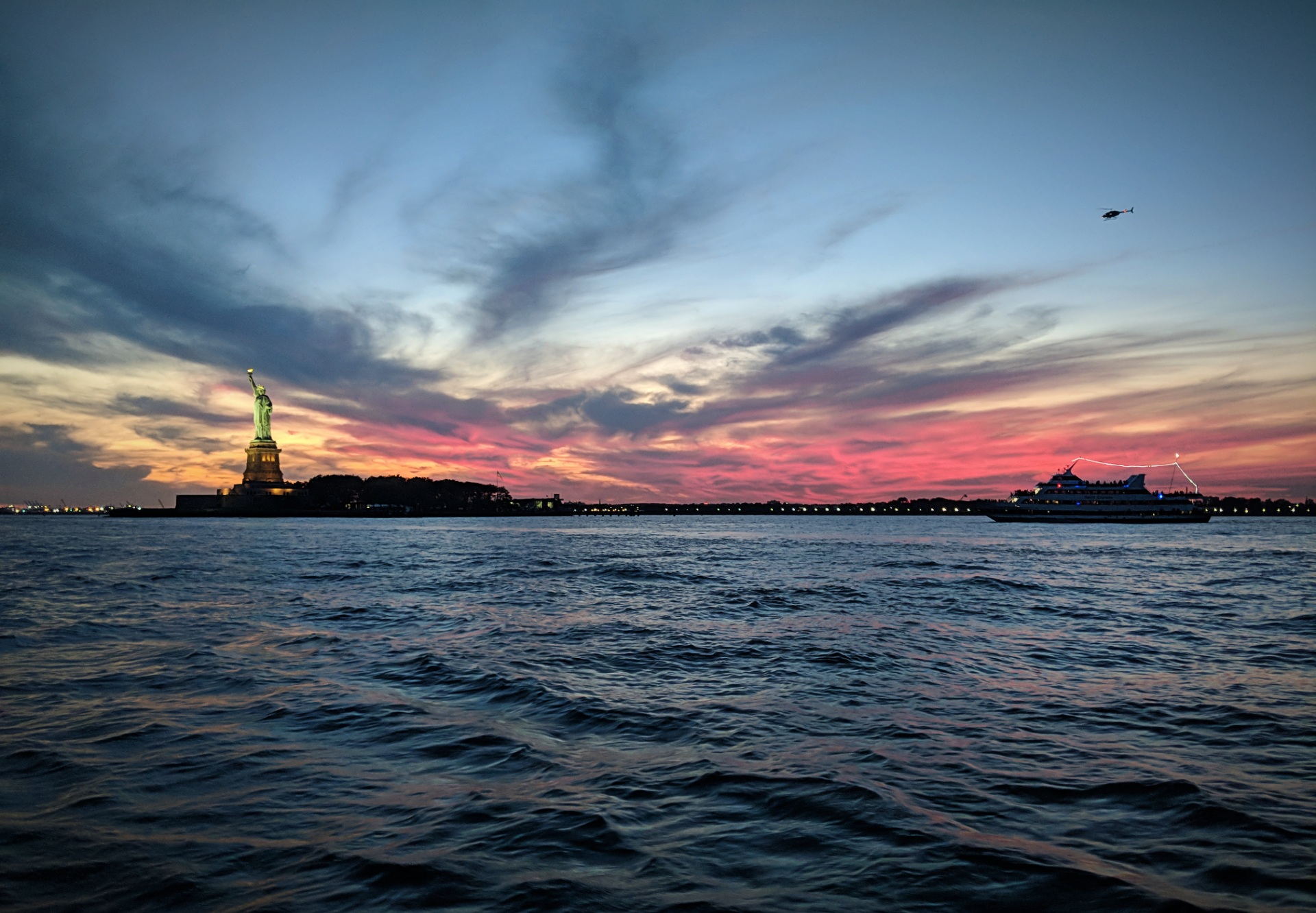
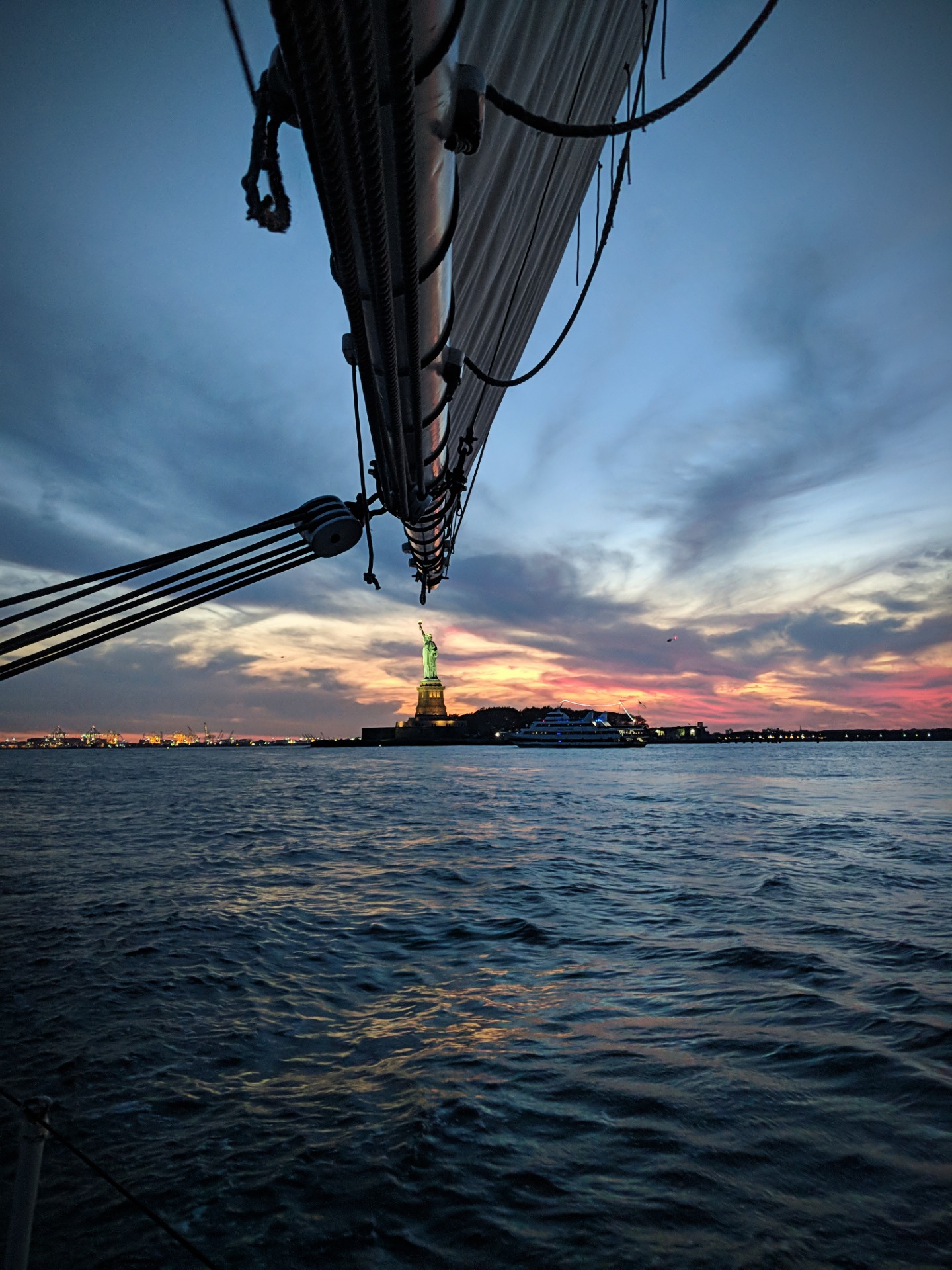
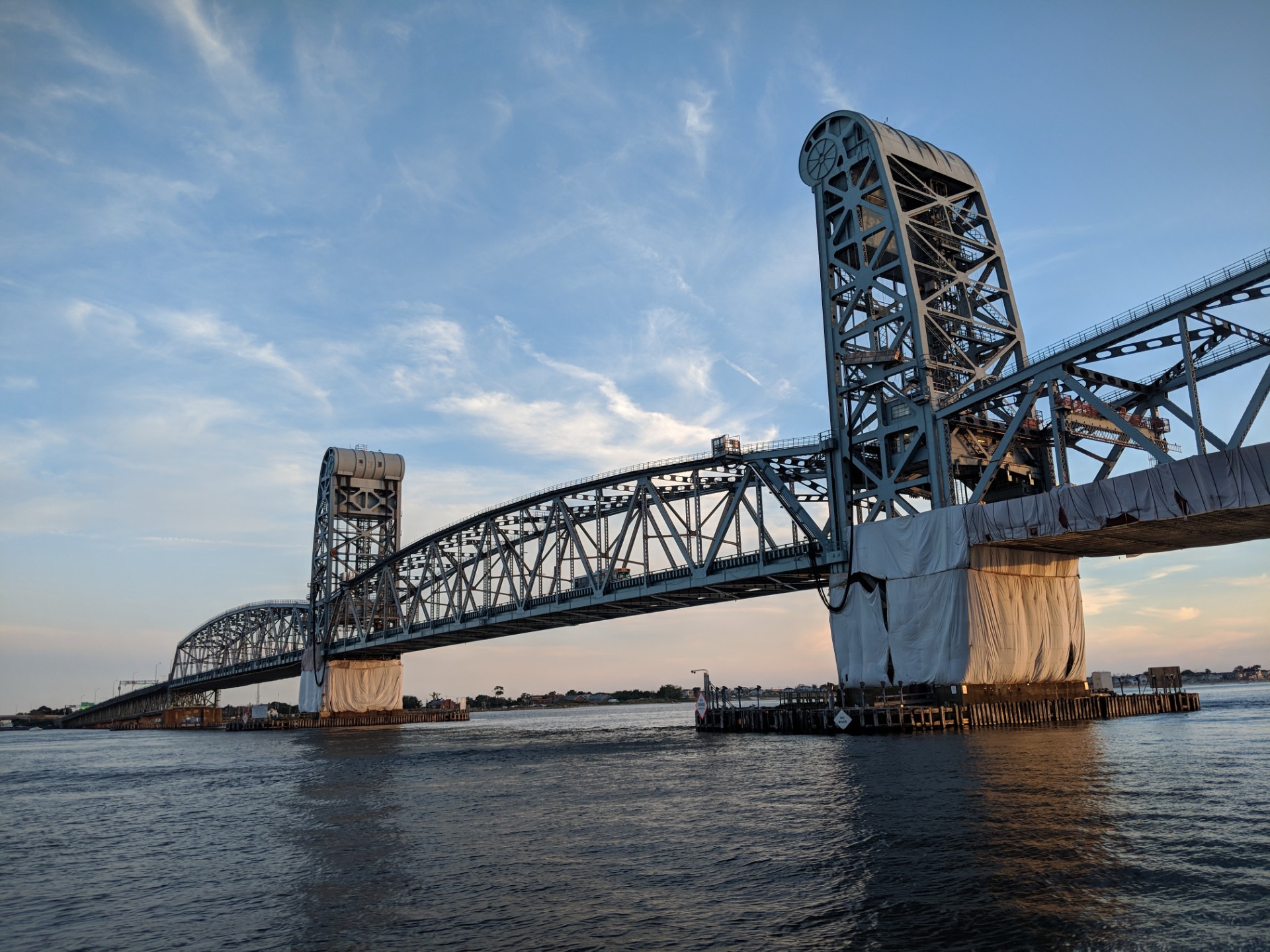
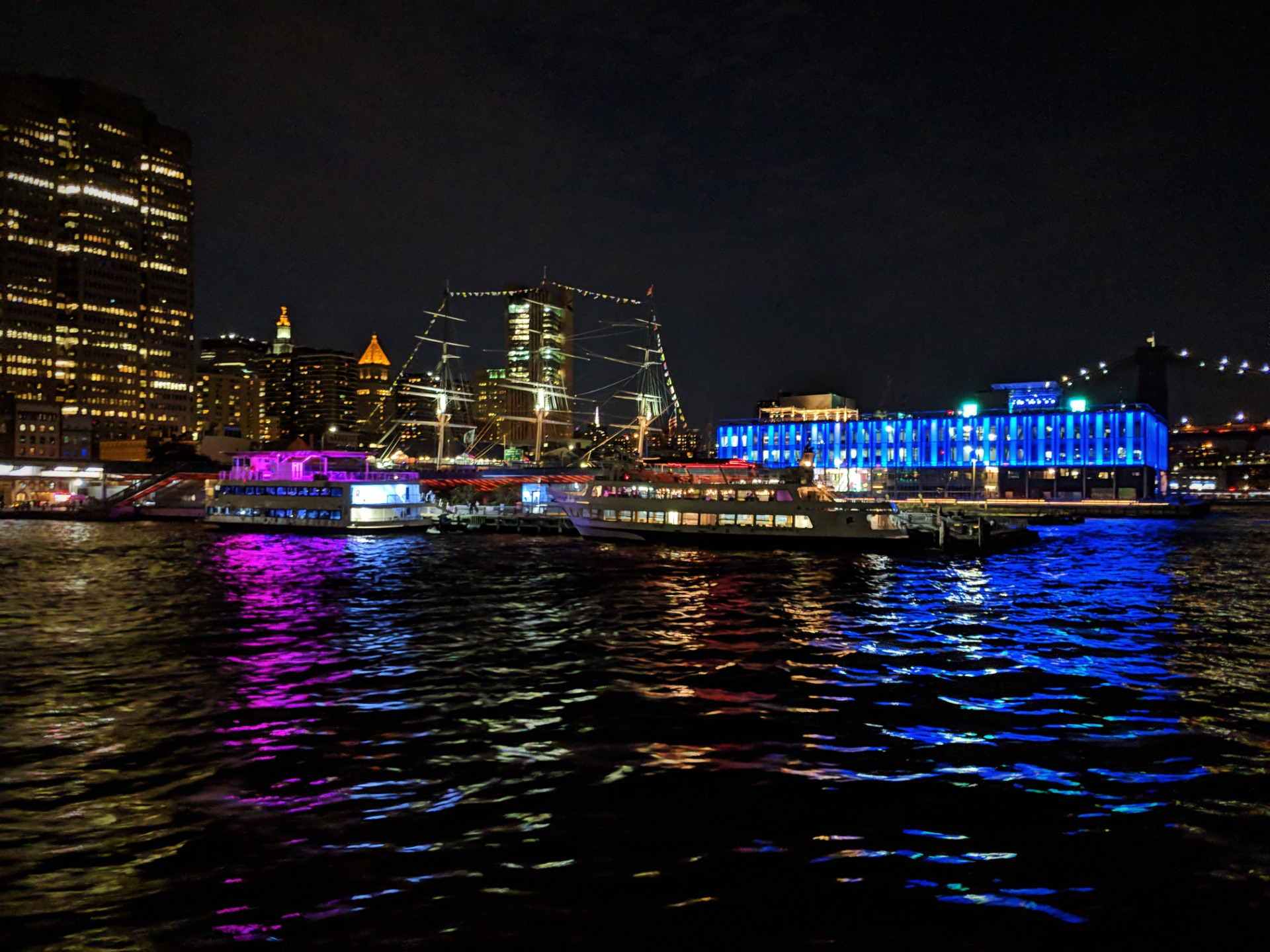
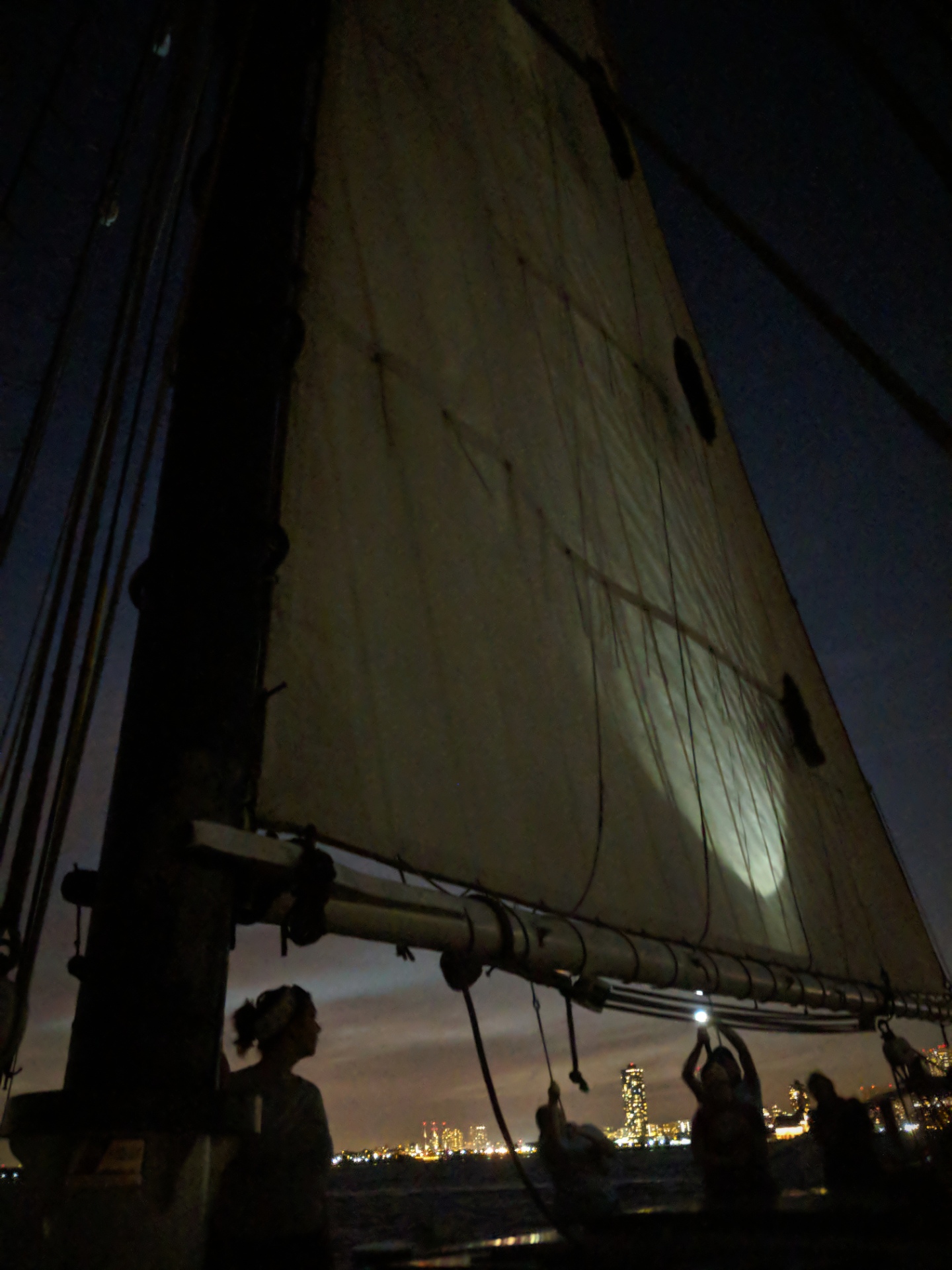
All aboard for a two-hour sunset sail on New York Harbor – on 1885 Schooner Pioneer!


About Schooner Pioneer

In the days before paved roads, small coastal schooners such as Pioneer were the delivery trucks of their era, carrying various cargoes between coastal communities: lumber and stone from the islands of Maine, brick on the Hudson River, and oyster shell on the Chesapeake Bay. Almost all American cargo sloops and schooners were wood, but because she was built in what was then this country’s center of iron shipbuilding, Pioneer had wrought-iron hull. She was the first of only two cargo sloops built of iron in this country, and is the only iron-hulled American merchant sailing vessel still in existence.

By 1930, when new owners moved her from the Delaware River to Massachusetts, she had been fitted with an engine, and was no longer using sails. In 1966 she was substantially rebuilt and turned into a sailing vessel once again. Today she plies the waters of NY Harbor carrying adults and children instead of cargo in her current role as a piece of “living history.”

Today Pioneer is an award winning sail training vessel teaching volunteers of all kinds, traditional maritime skills, and the art of tall ship sailing. [source: South Street Sea Seaport Museum]

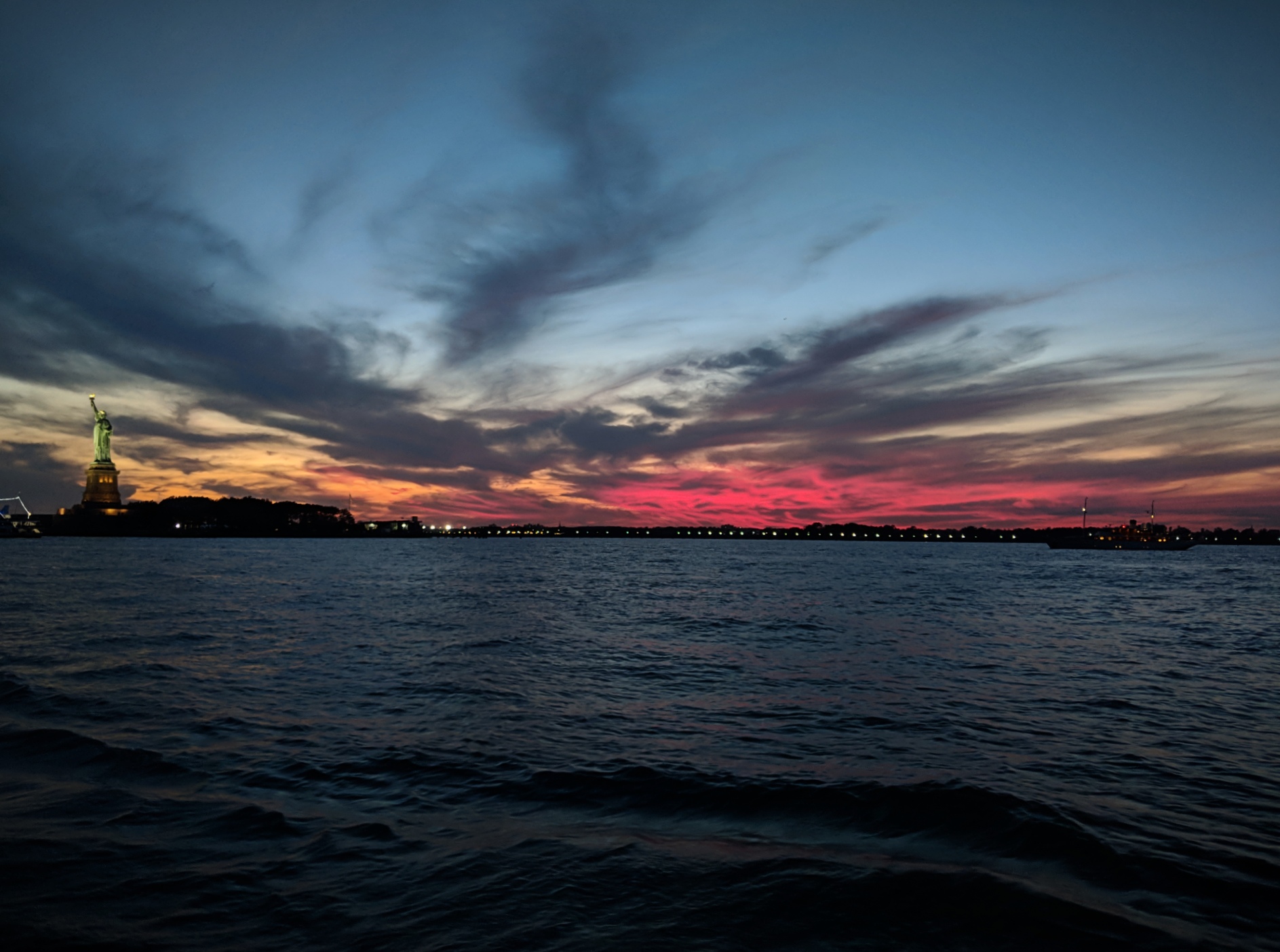
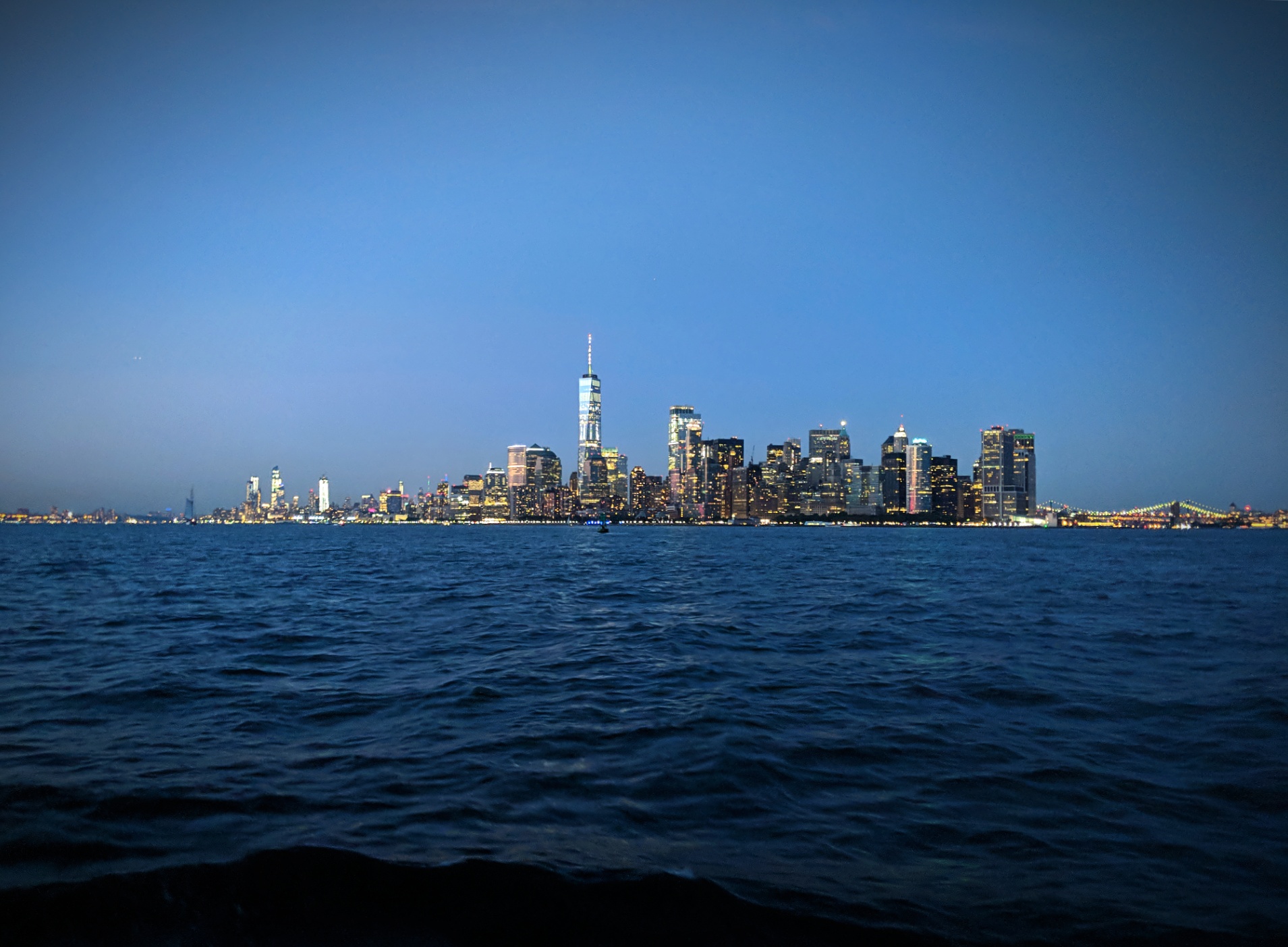
Watching Lady Liberty light up, the sky catching fire as the golden hour gave way to the blue and the blue turned to midnight; those two hours on the deck of an 1885 schooner were the most tranquil and peaceful we’d experienced in the City thus far.

New York City Harbor

September 16th, 2018

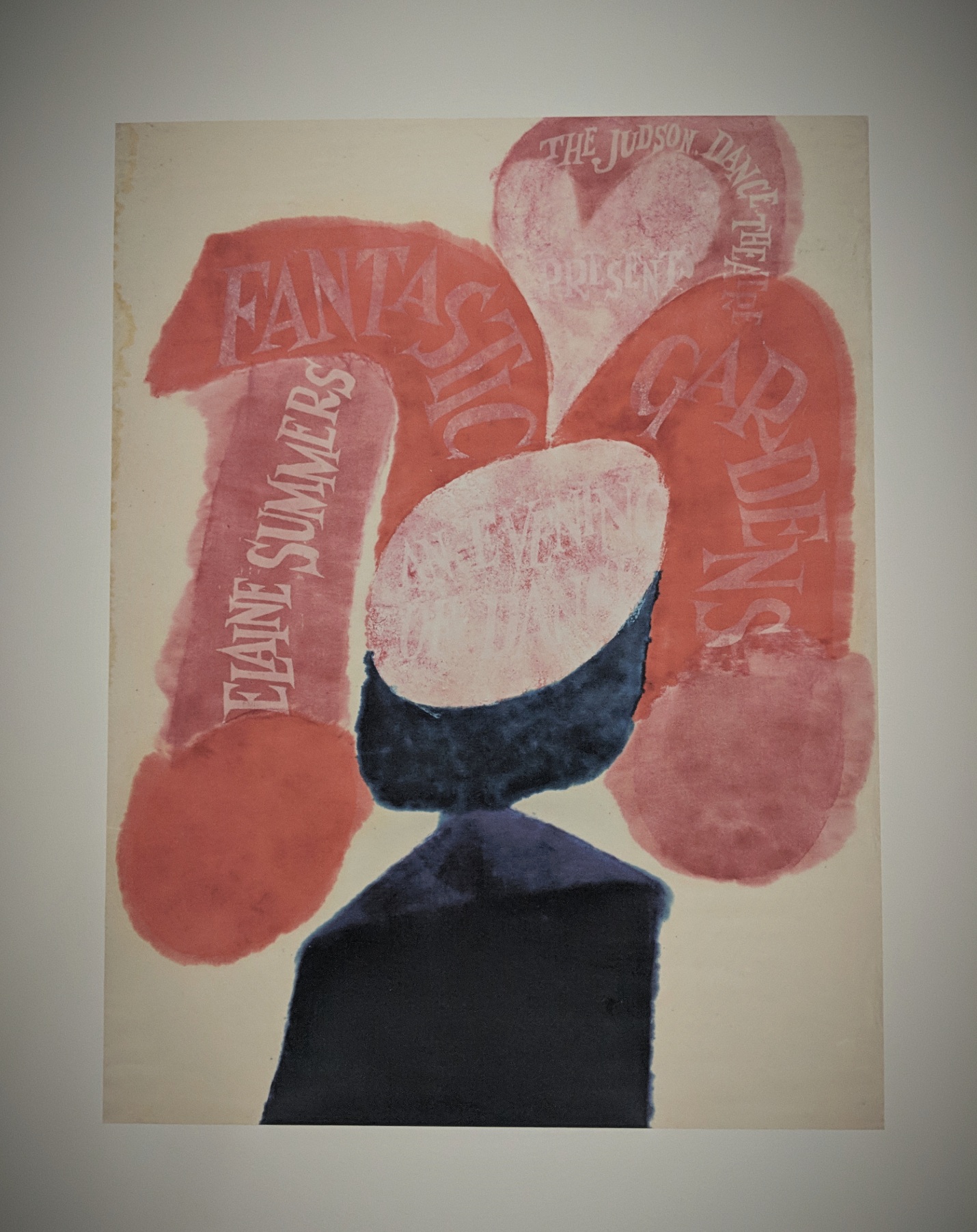
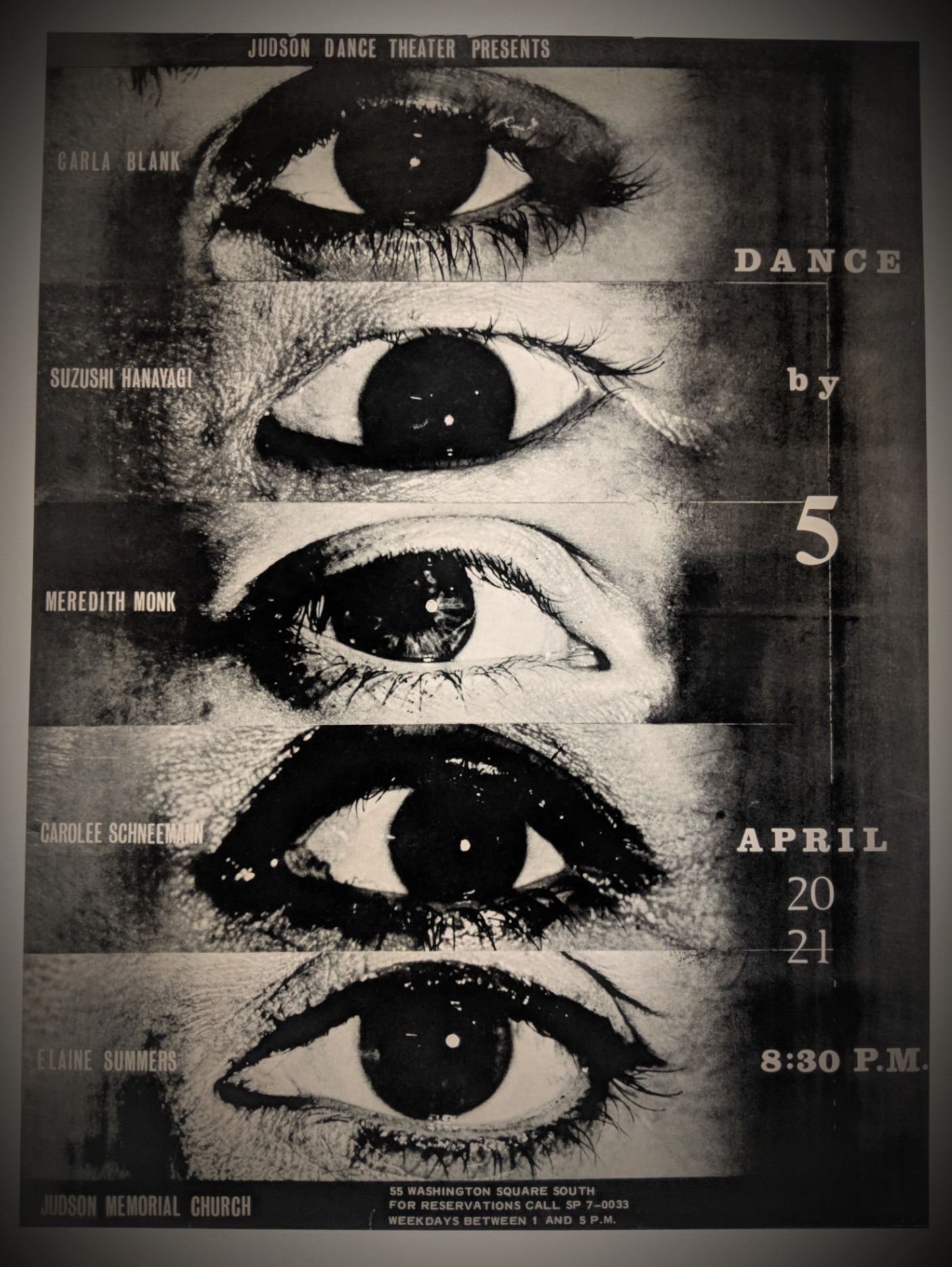
Judson Dance Theater: The Work Is Never Done [@MoMA]

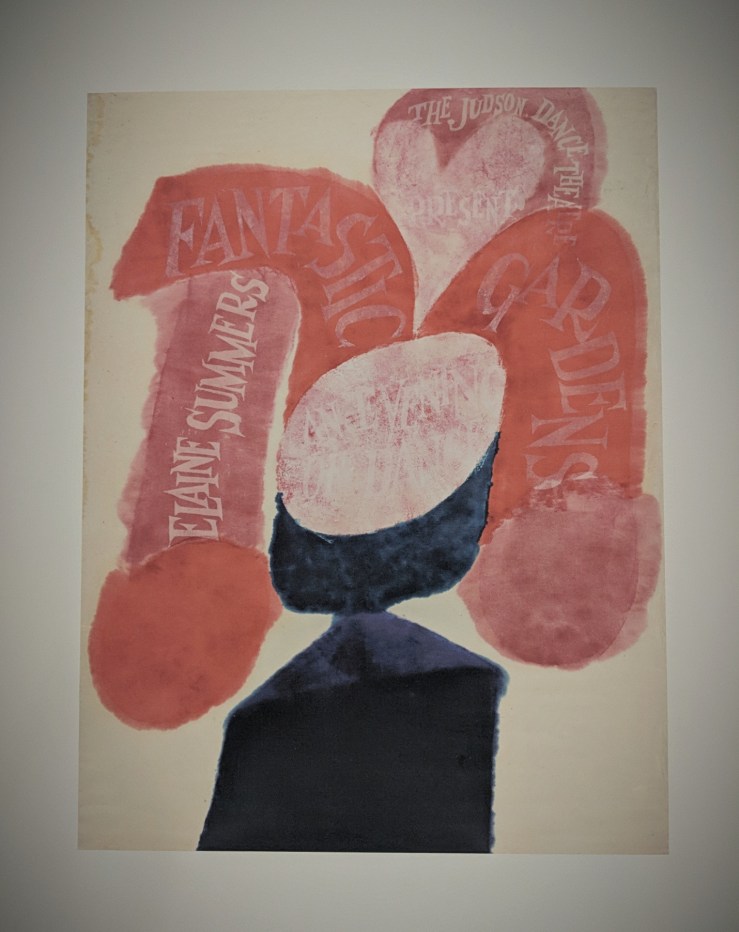
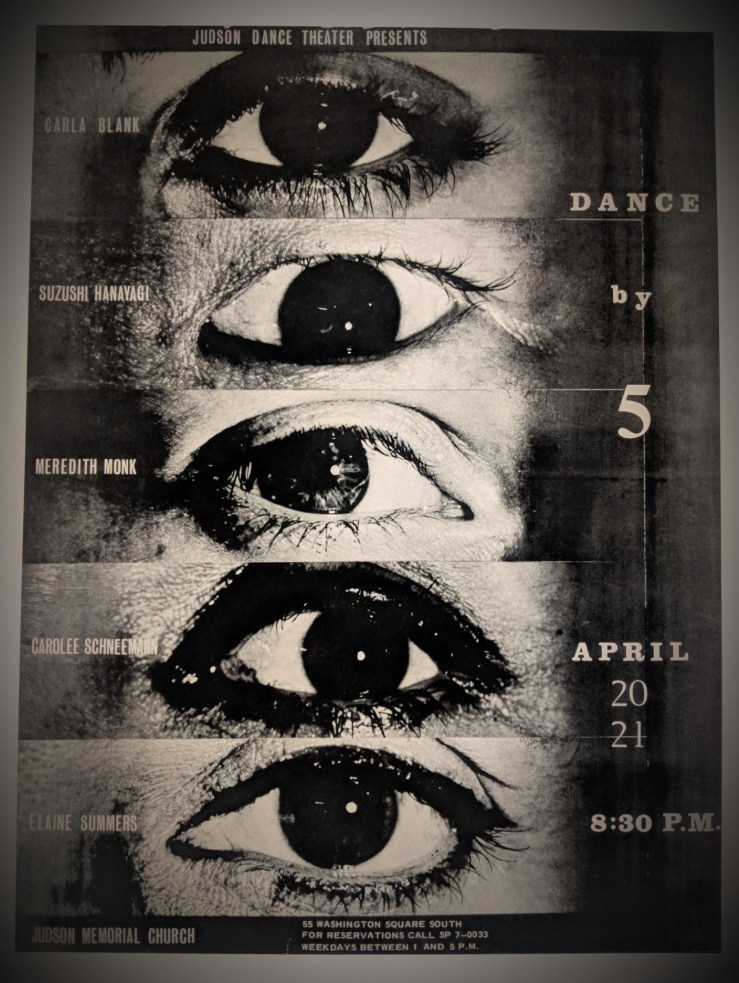
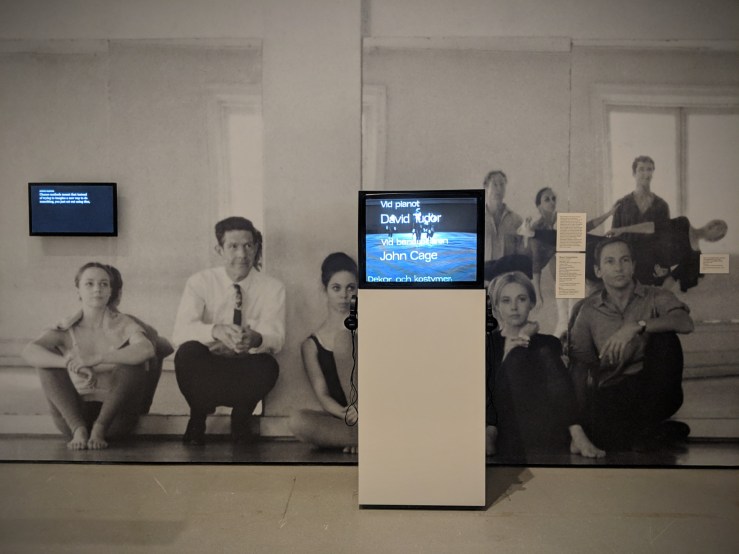
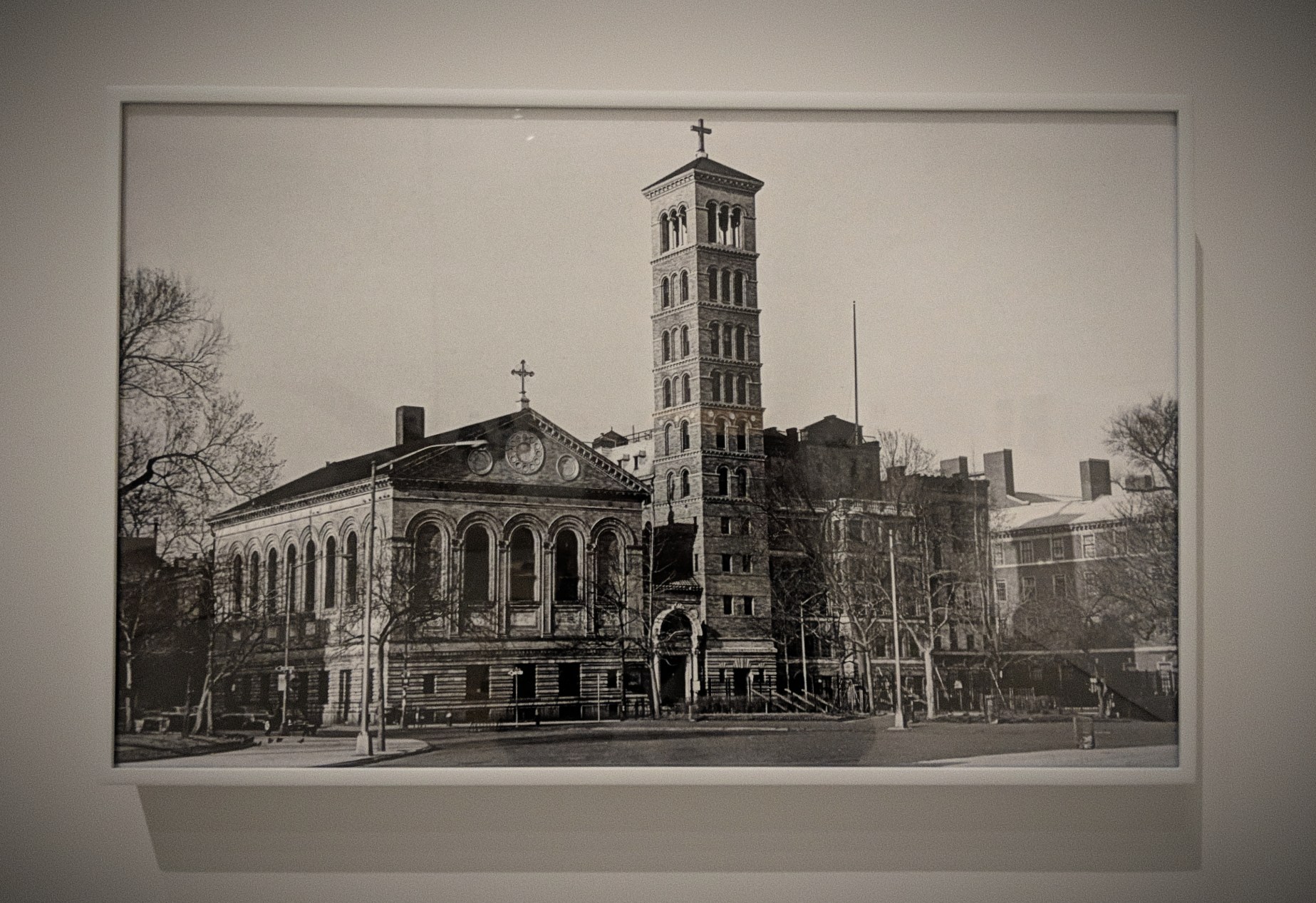
”For a brief period in the early 1960s, a group of choreographers, visual artists, composers, and filmmakers gathered in Judson Memorial Church, a socially engaged Protestant congregation in New York’s Greenwich Village, for a series of workshops that ultimately redefined what counted as dance. The performances that evolved from these workshops incorporated everyday movements—gestures drawn from the street or the home; their structures were based on games, simple tasks, and social dances. Spontaneity and unconventional methods of composition were emphasized. The Judson artists investigated the very fundamentals of choreography, stripping dance of its theatrical conventions, and the result, according to Village Voice critic Jill Johnston, was the most exciting new dance in a generation.” – [source: MoMA]

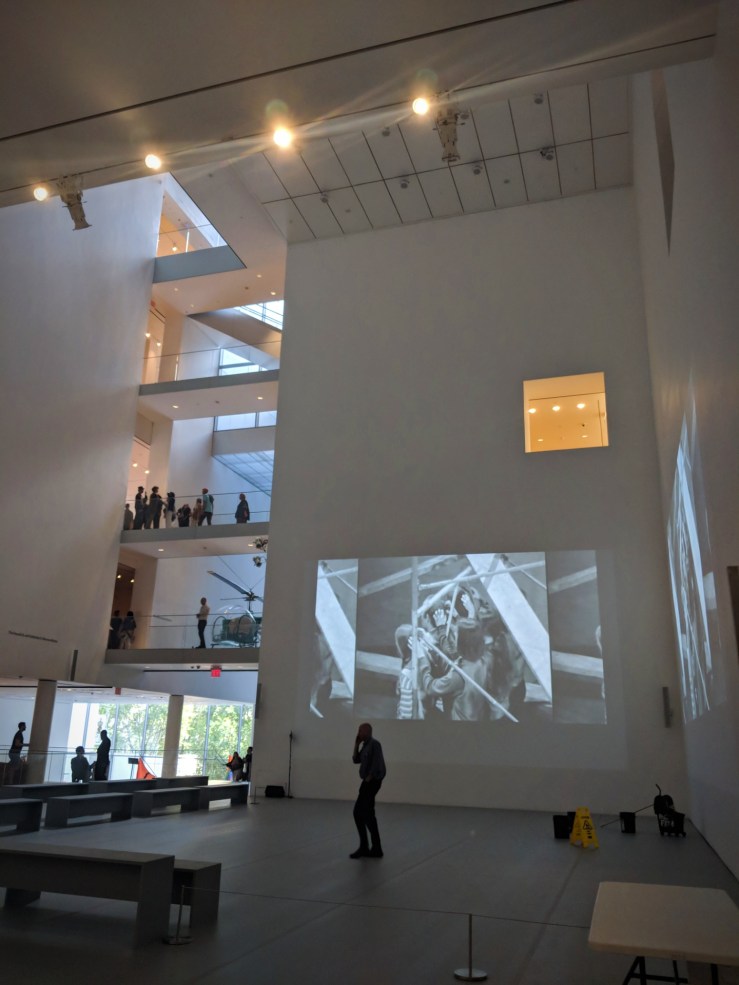
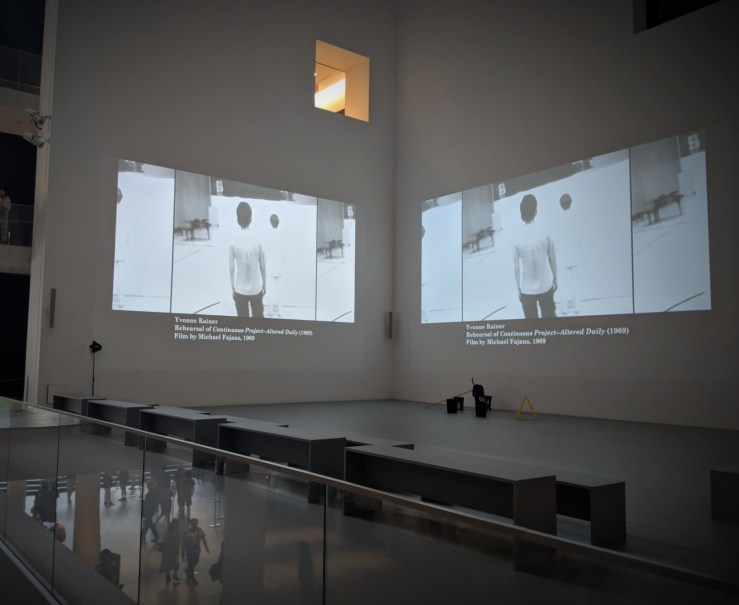
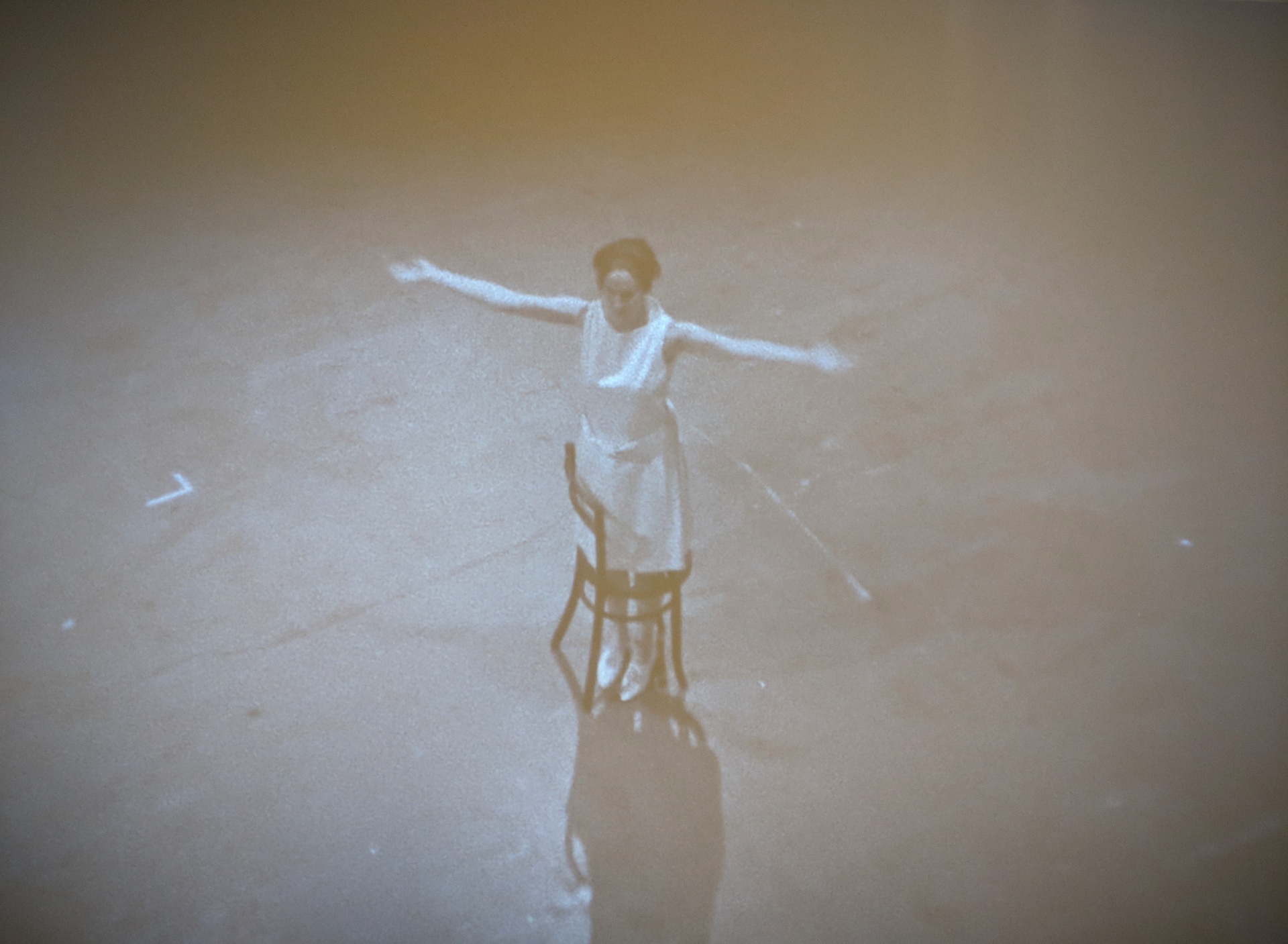
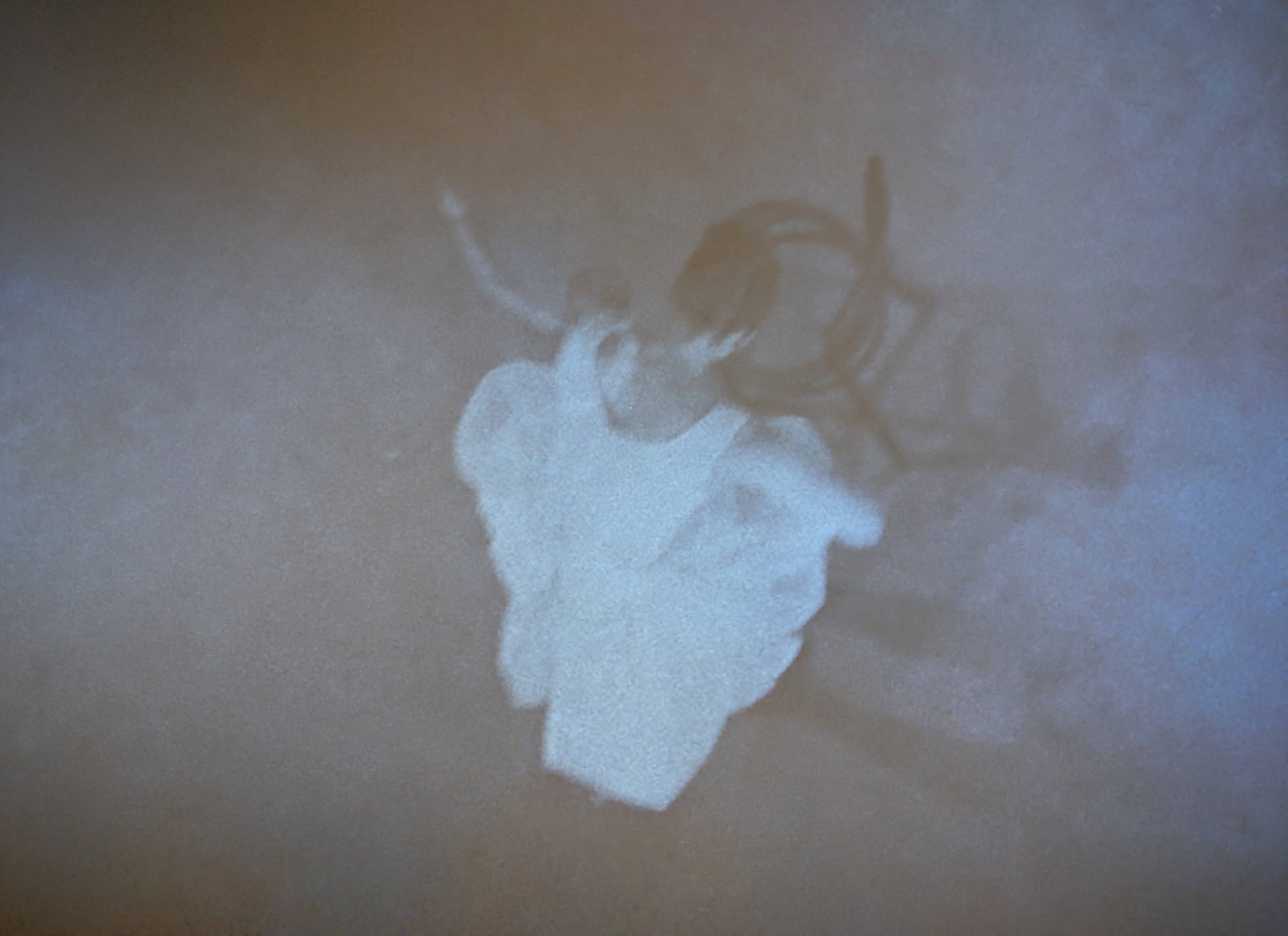
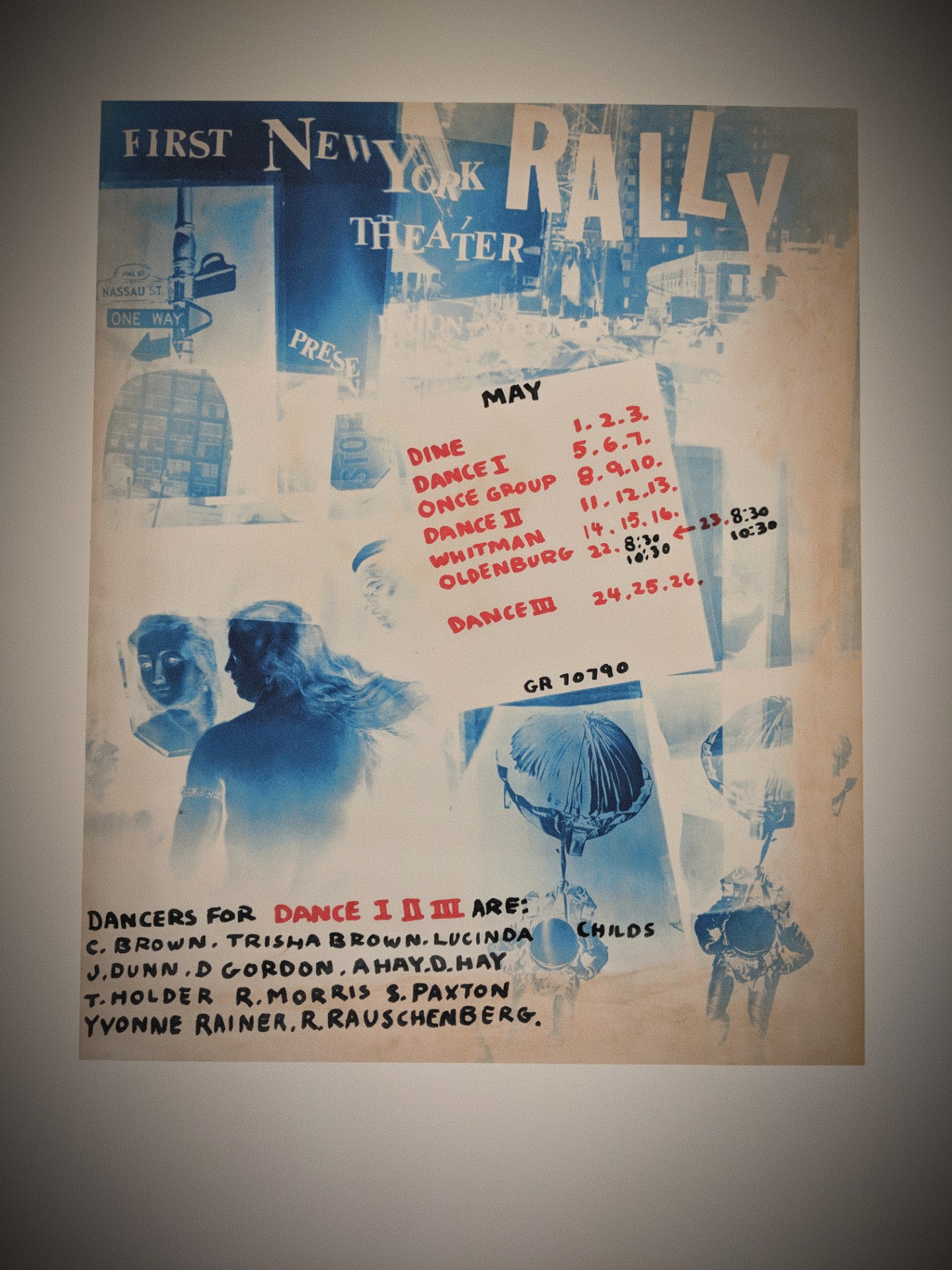
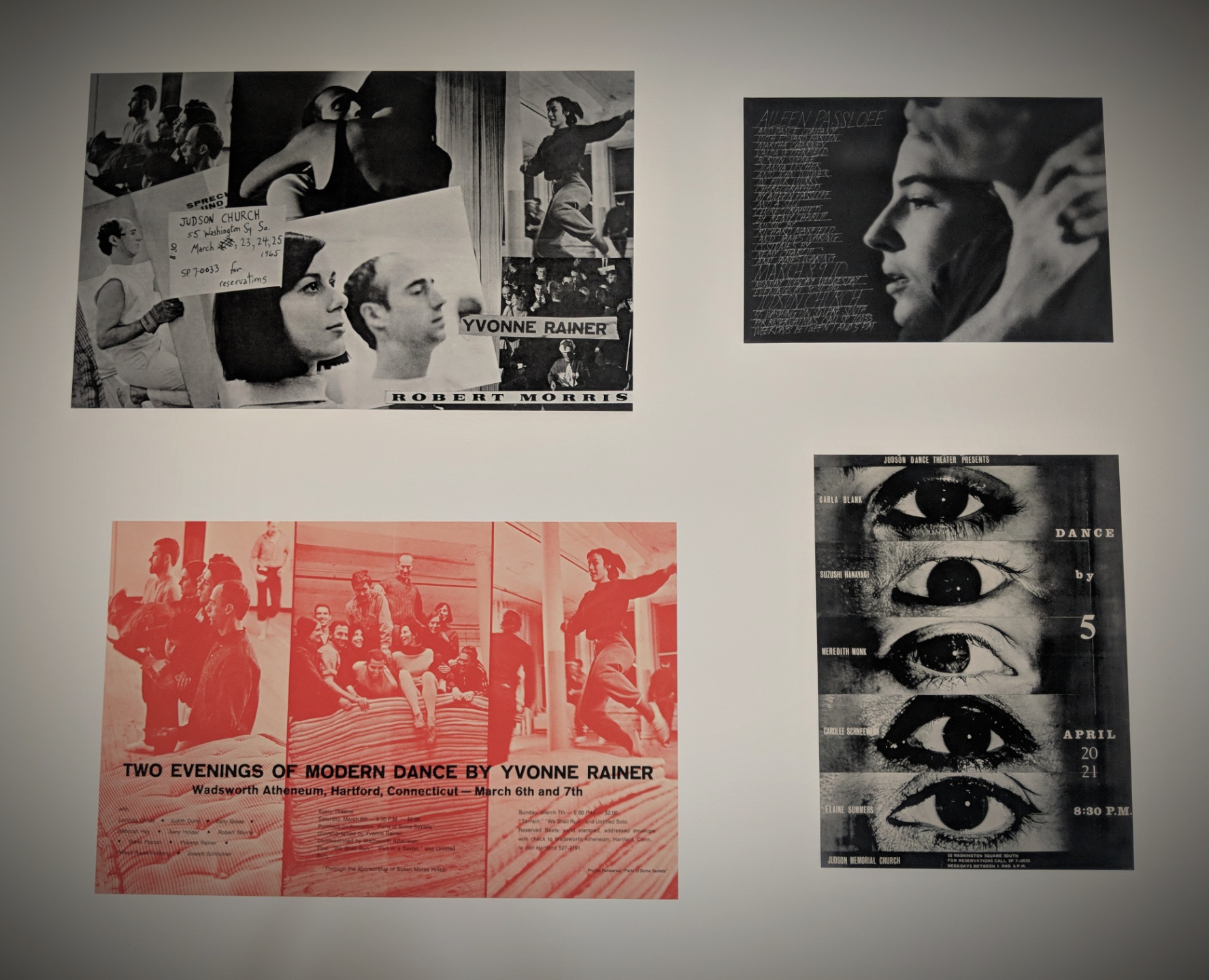
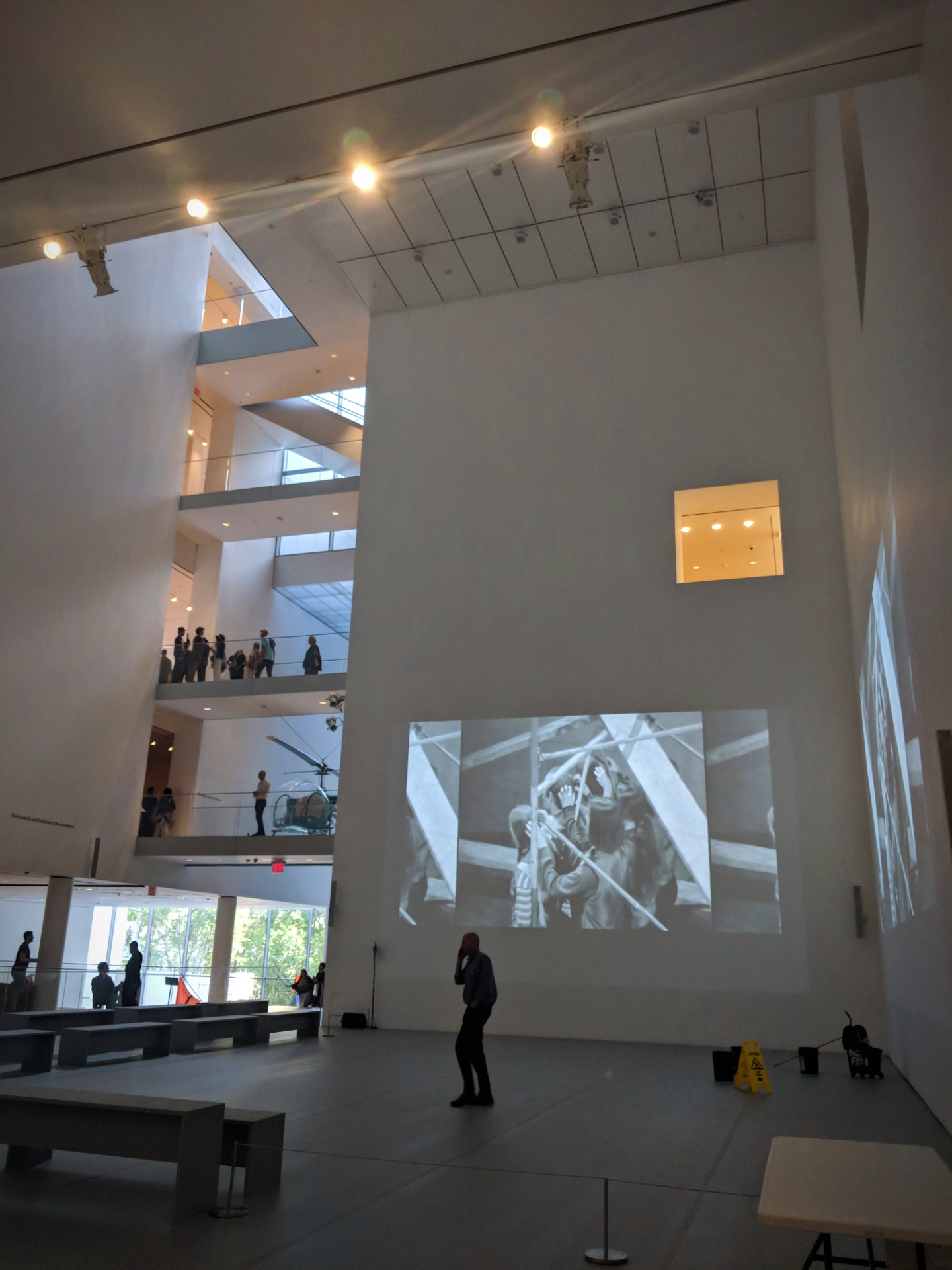
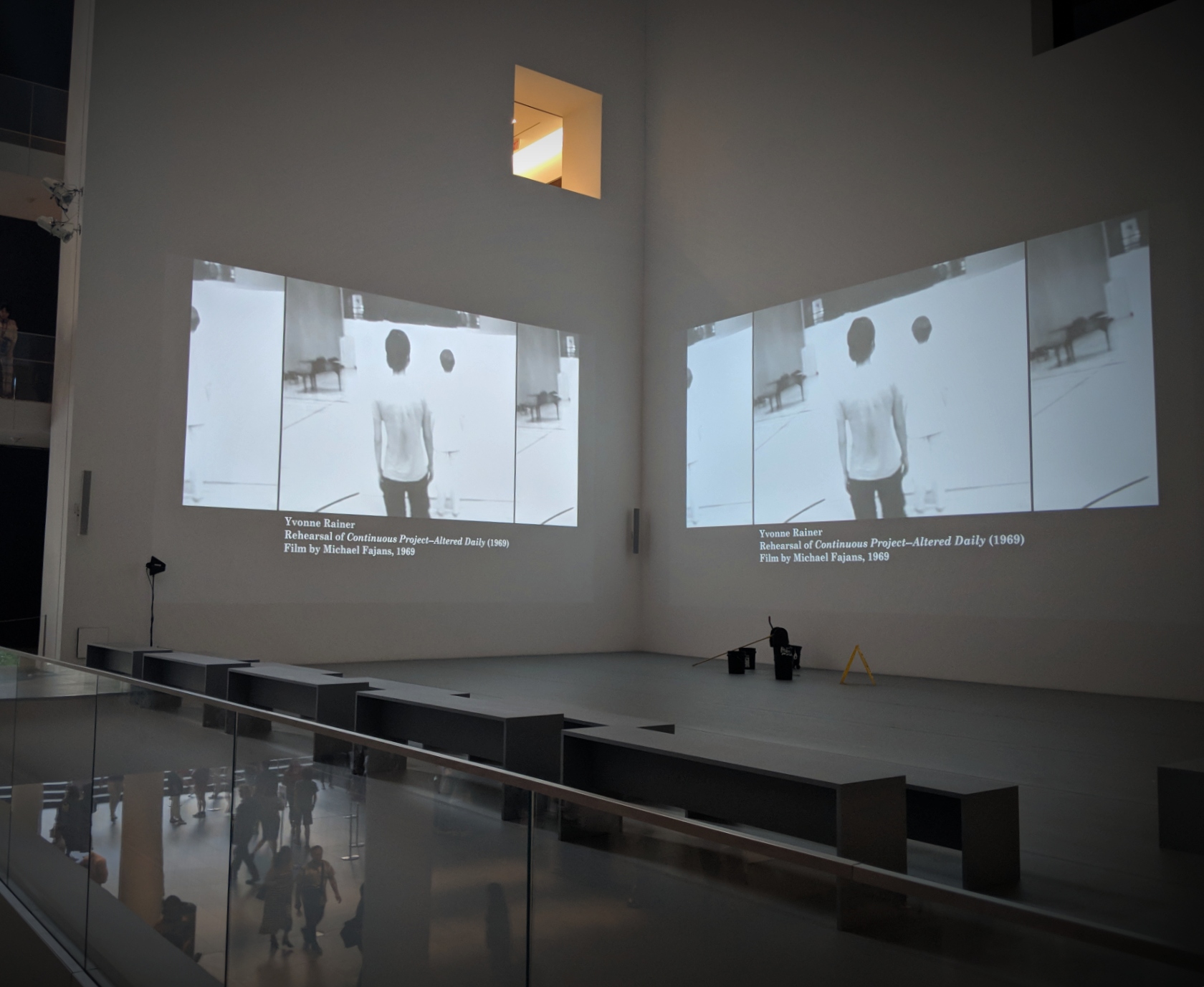
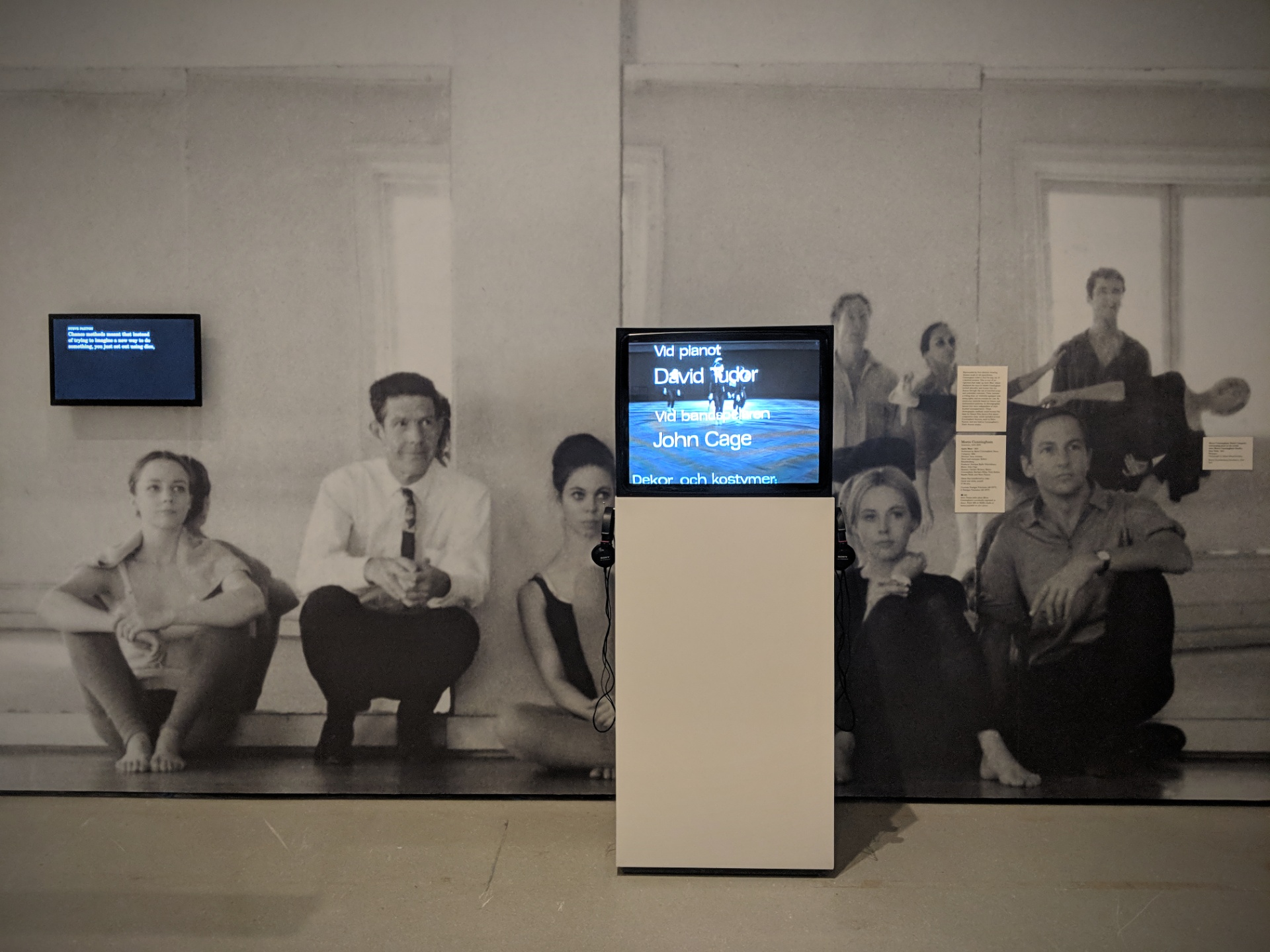
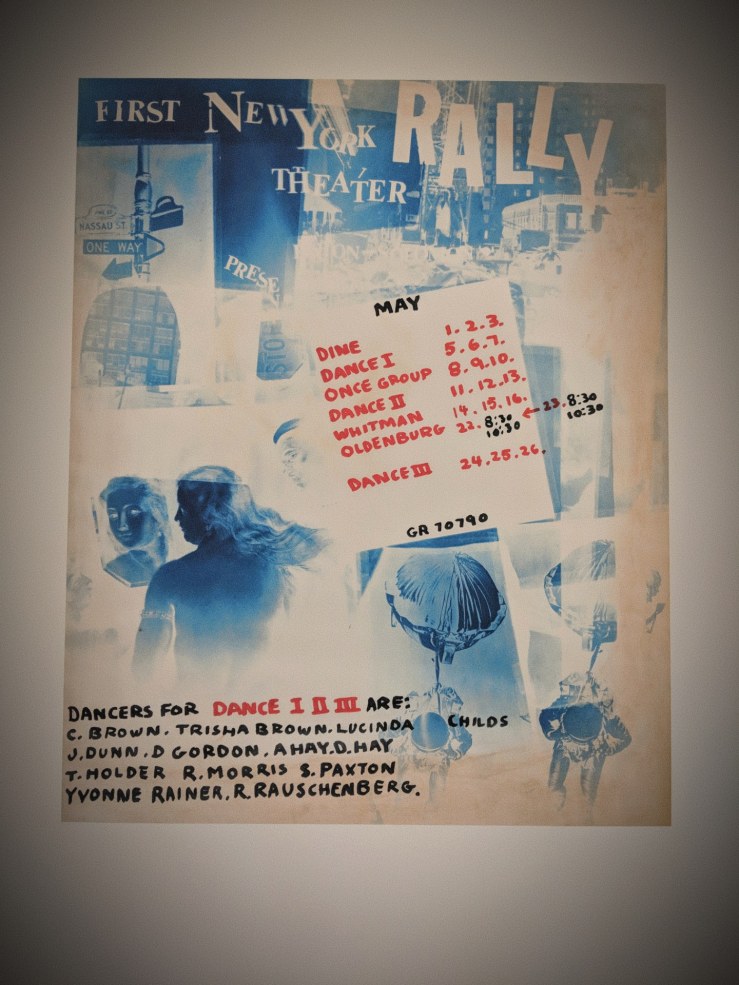
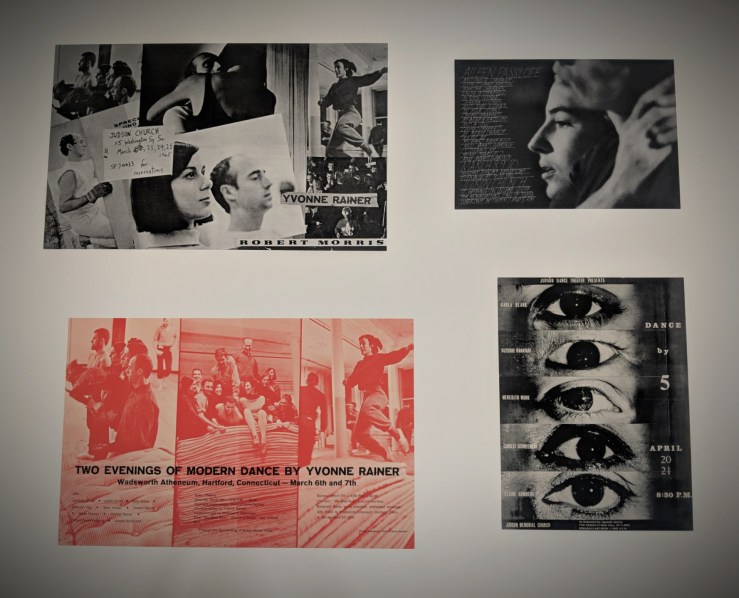
Judson Dance Theater: The Work Is Never Done was a walk through the history of Judson Dance Theater with performances, films, photographs, posters and other archival materials. It was also an introduction to the very beginnings of the life and work of artists I have been admiring for some time – and others that were completely new to me.
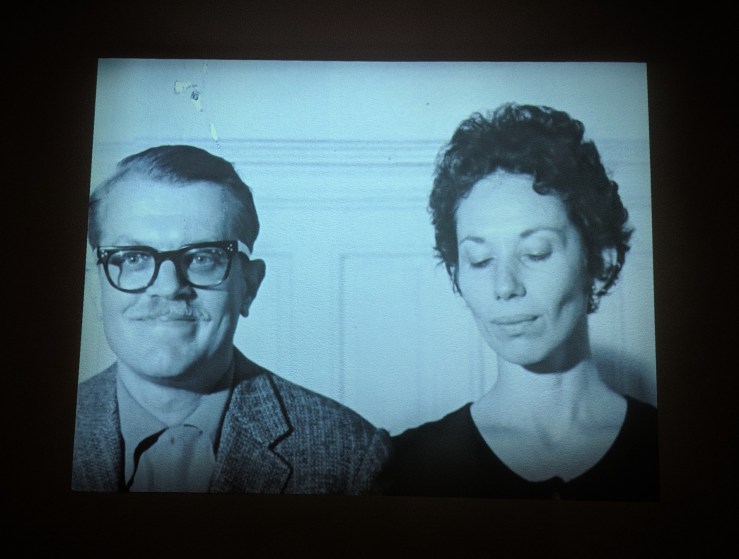
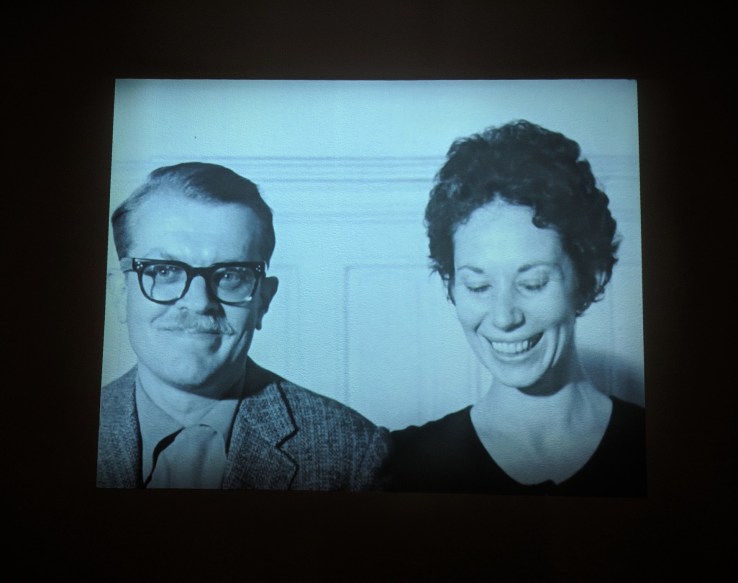
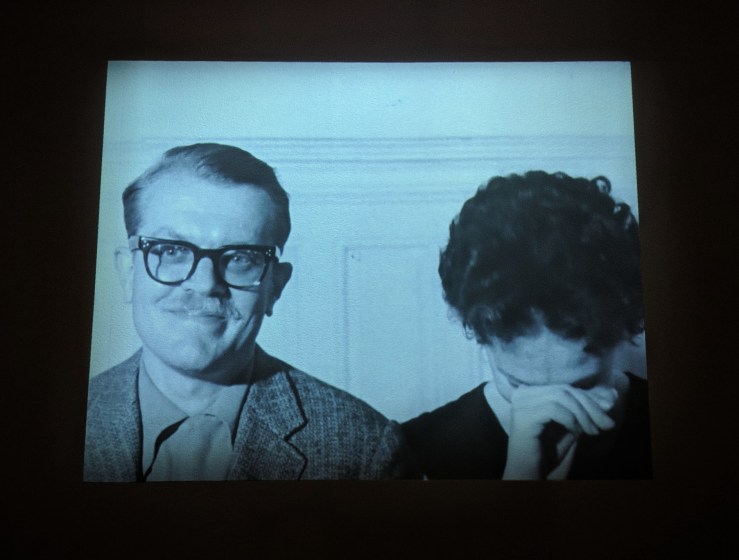
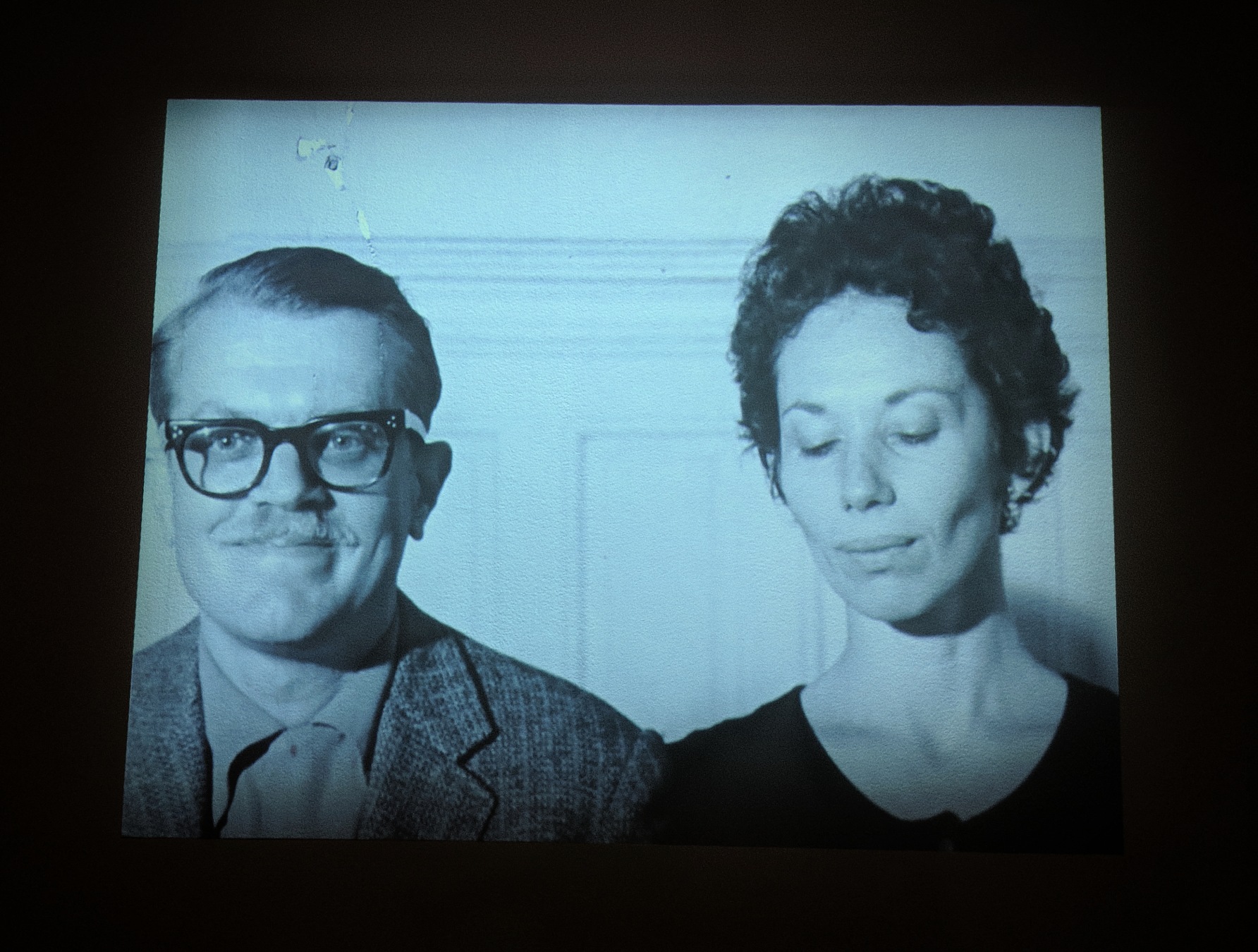
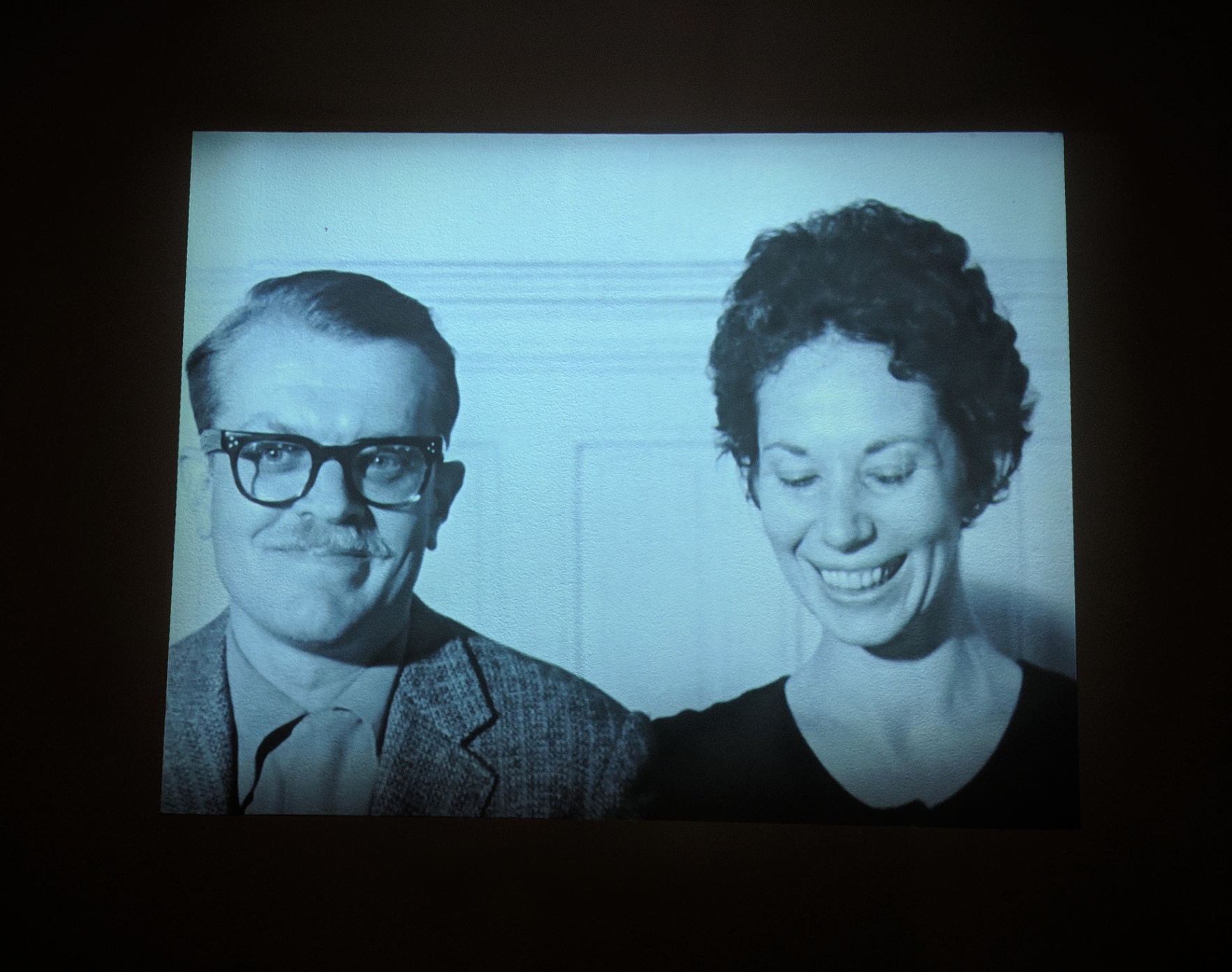
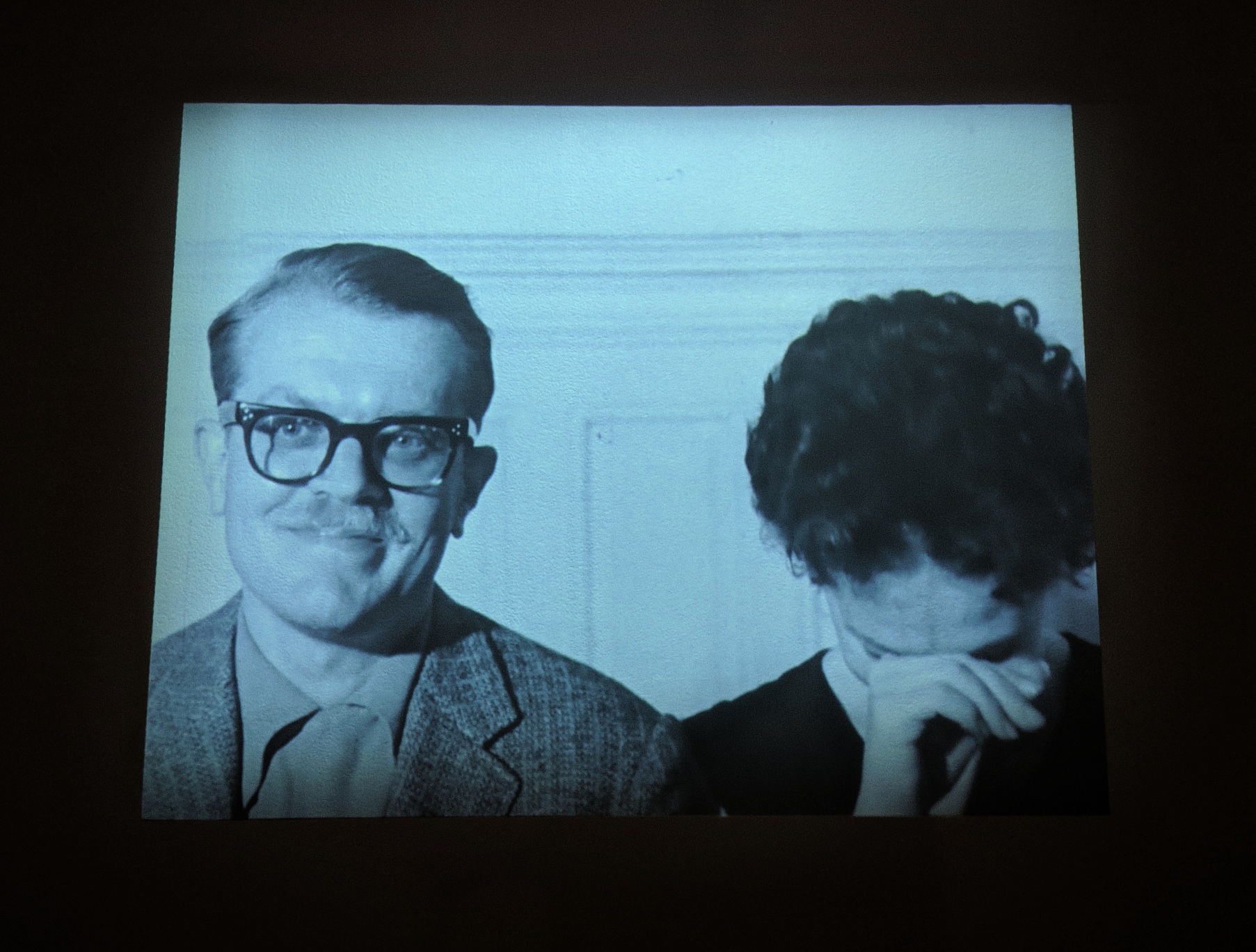
Instructed by the filmmaker Gene Friedman not to talk or hide their faces, Judith Dunn and Robert Ellis Dunn looked directly at the camera with deadpan expressions until they both broke into laughter. Judith Dunn was a choreographer and member of Merce Cunningham’s company, while Robert Dunn was a teacher and Cunningham’s accompanist.

Gene Friedman
Excerpt from Heads, 1965
16mm film transferred to video
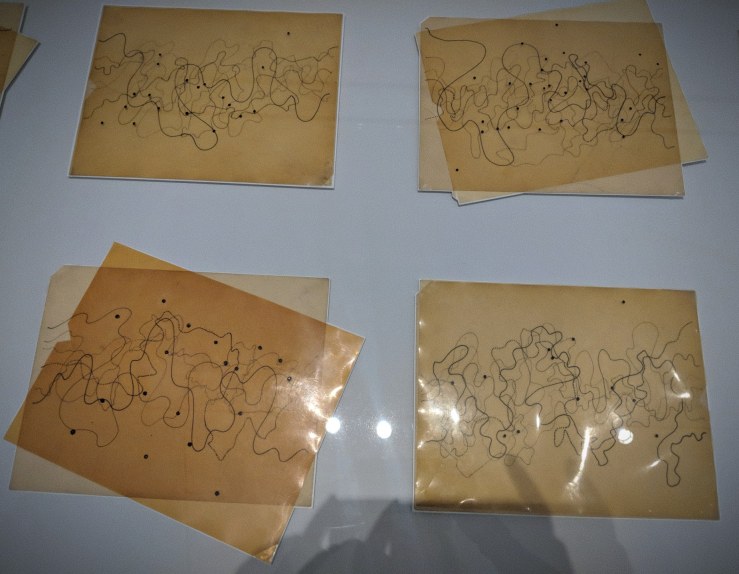

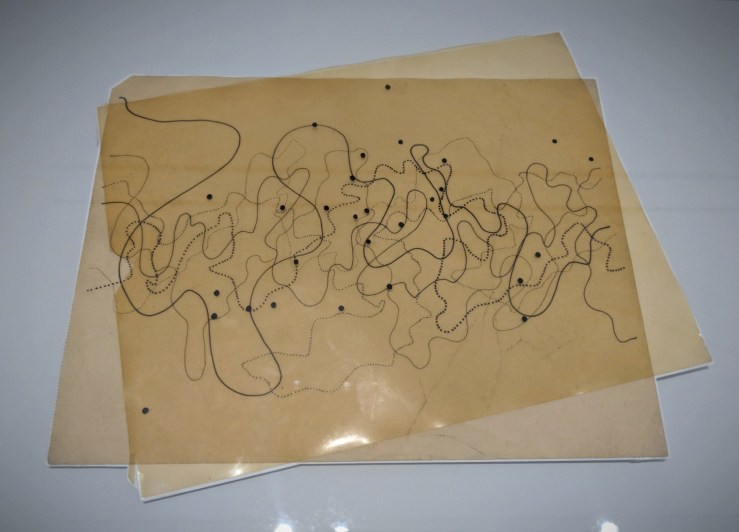
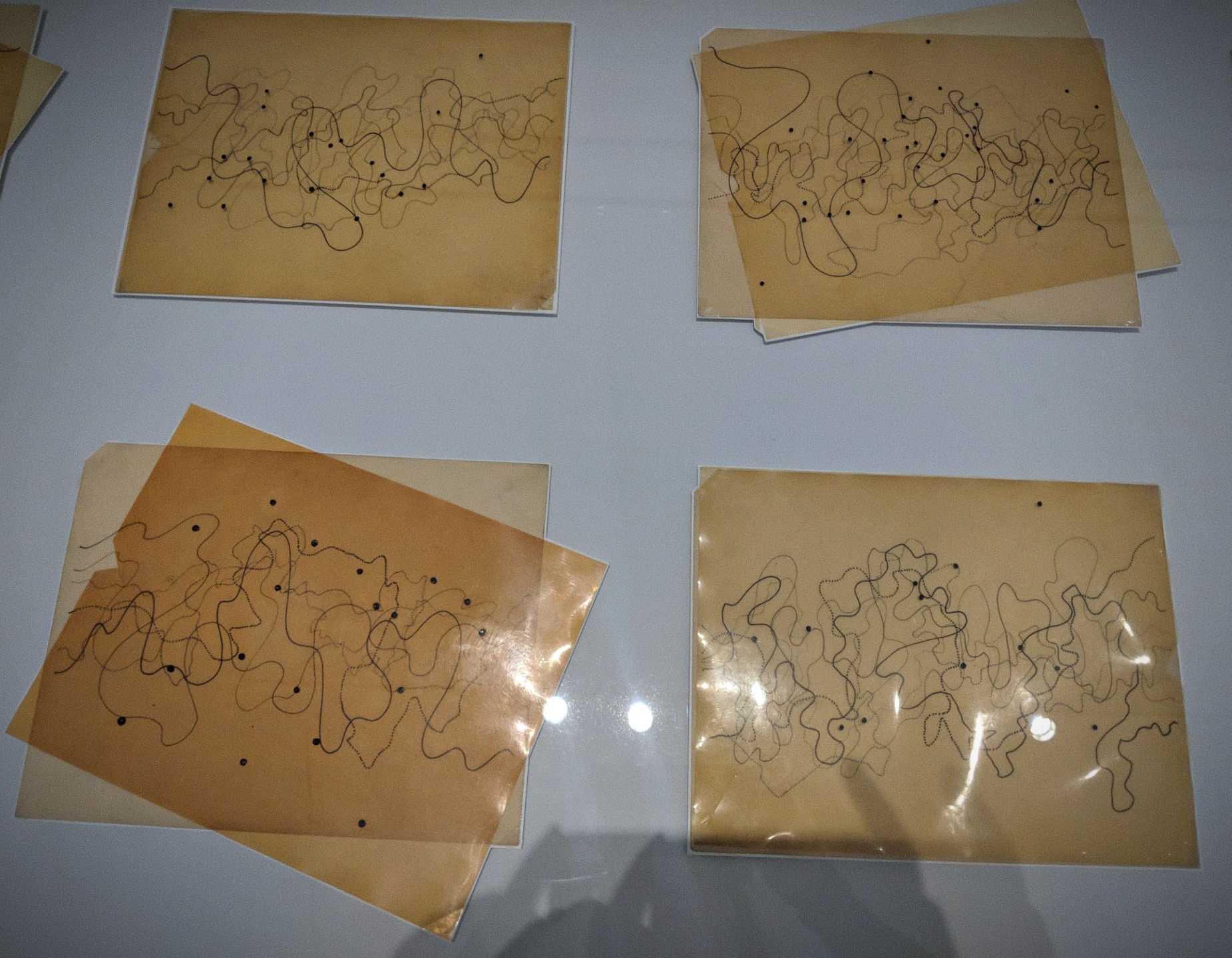
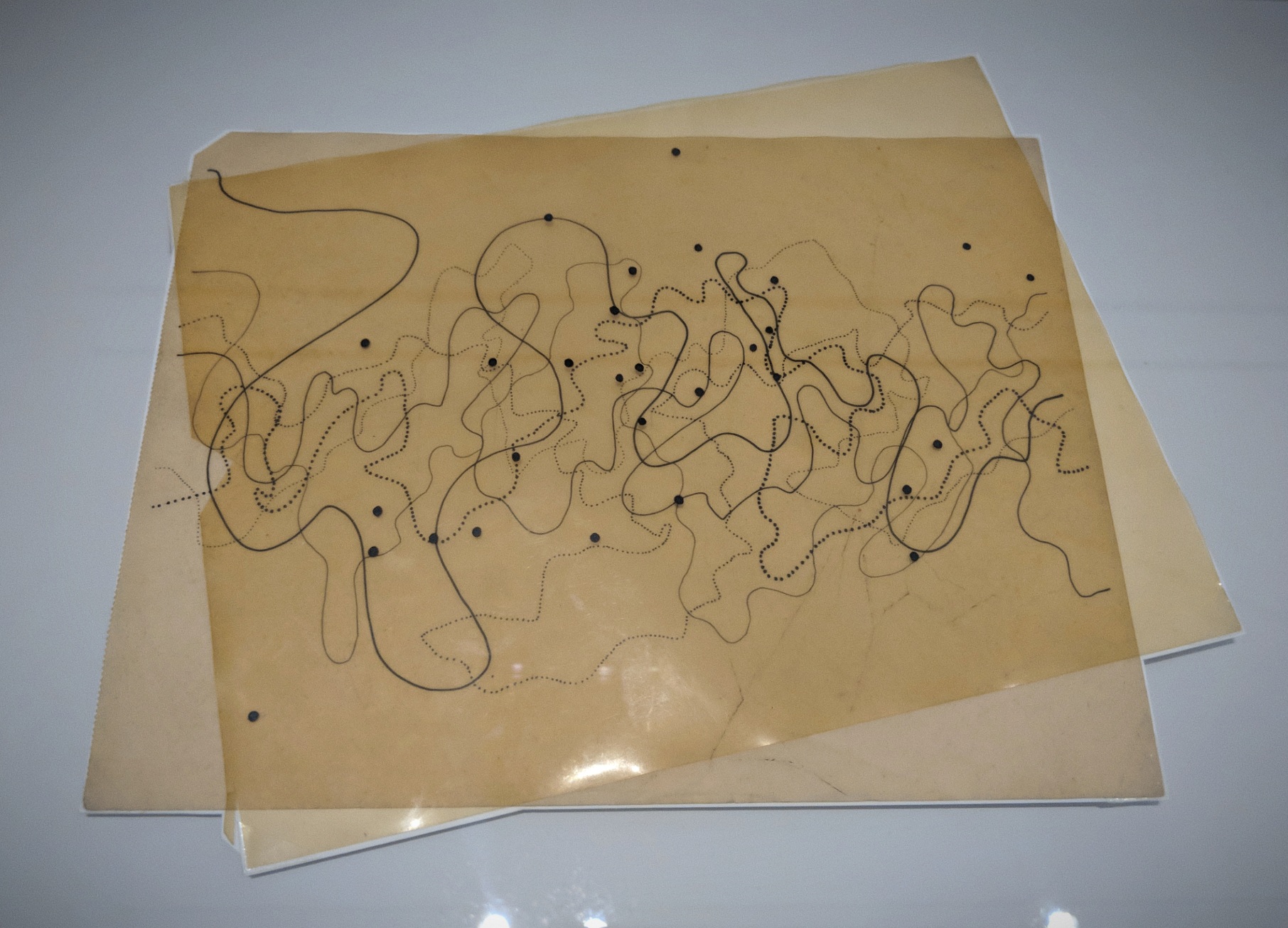
In his workshops, Robert Ellis Dunn presented his students with Cage’s score for ”Fontana Mix” and asked them to use it as inspiration for a performance. The score instructed performers to layer transparencies containing lines and dots over a grid to create a random visual arrangement, with they then interpreted using a variety of movements and actions. This exercise exposed the students to chance operations, a composition technique popularized by Cage that introduced randomness into the art-making process.

John Cage
Fontana Mix, 1958
Ink on paper and transparent sheets

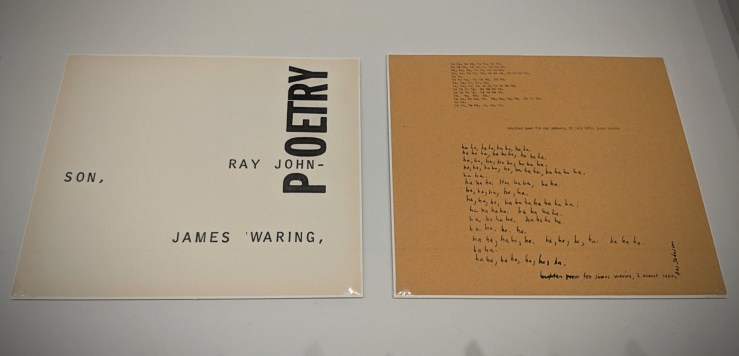
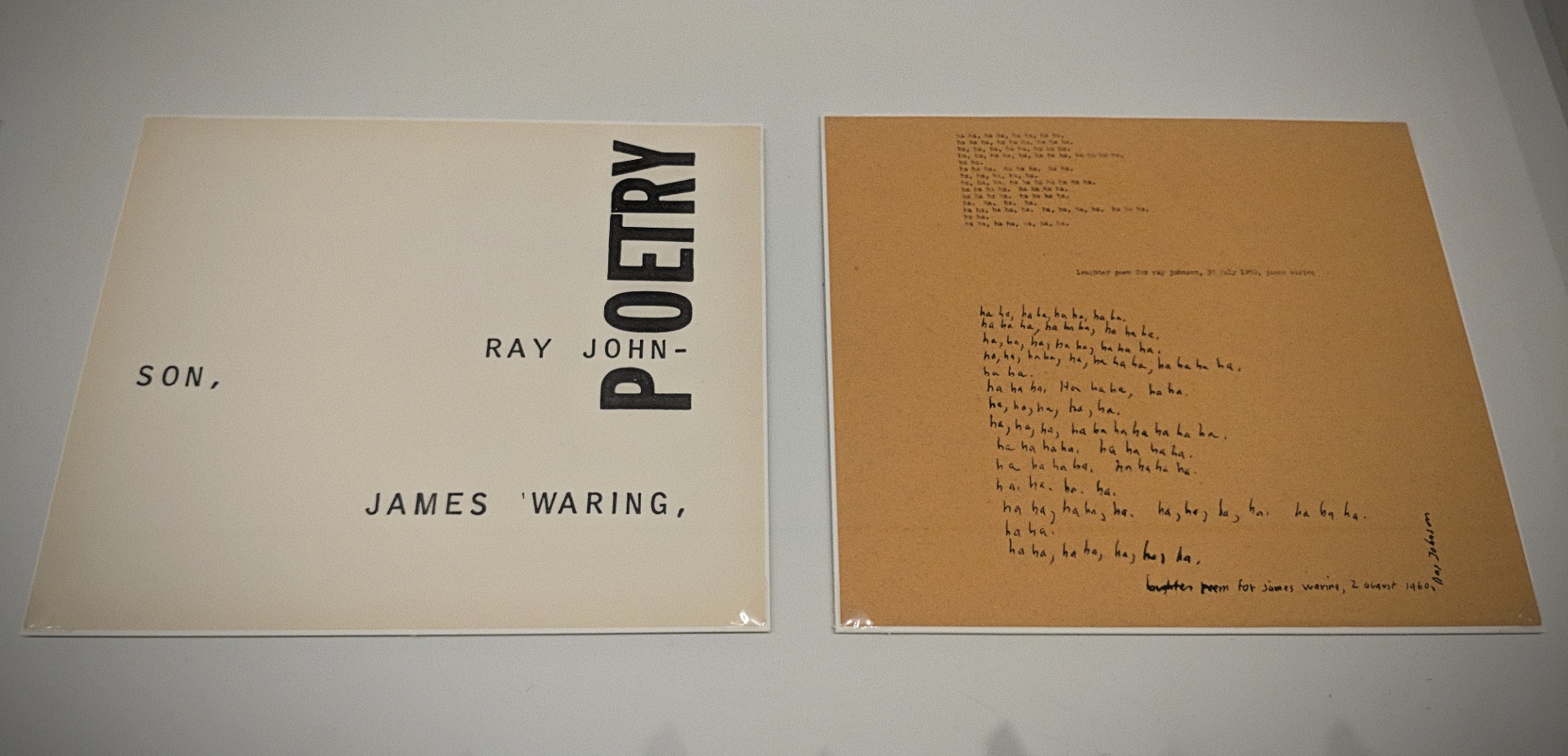
Laughter poem* for James Waring, 2 August 1960, by Ray Johnson


*If you are curious to know how a laughter poem sounds, please click on this page: Atlanta Poets Group to find out. You can also listen to the first one: Laughter poem for Ray Johnson, 30 July 1960, by James Waring
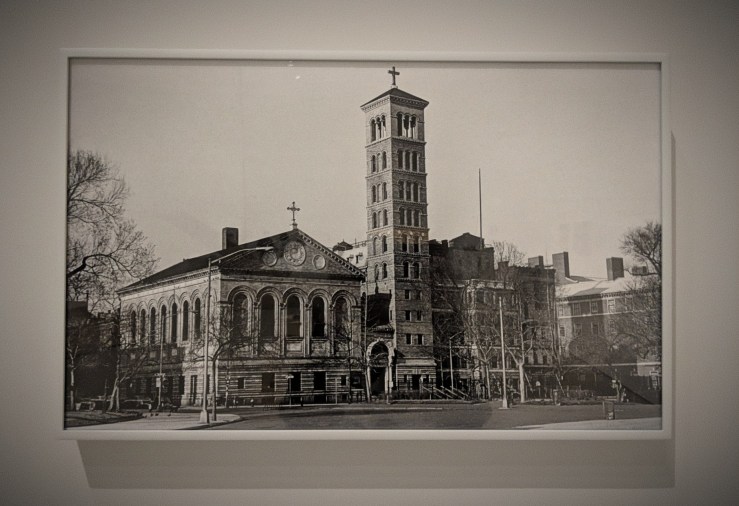
Judson Memorial Church, New York – March 16, 1966
Fred W. McDarrah

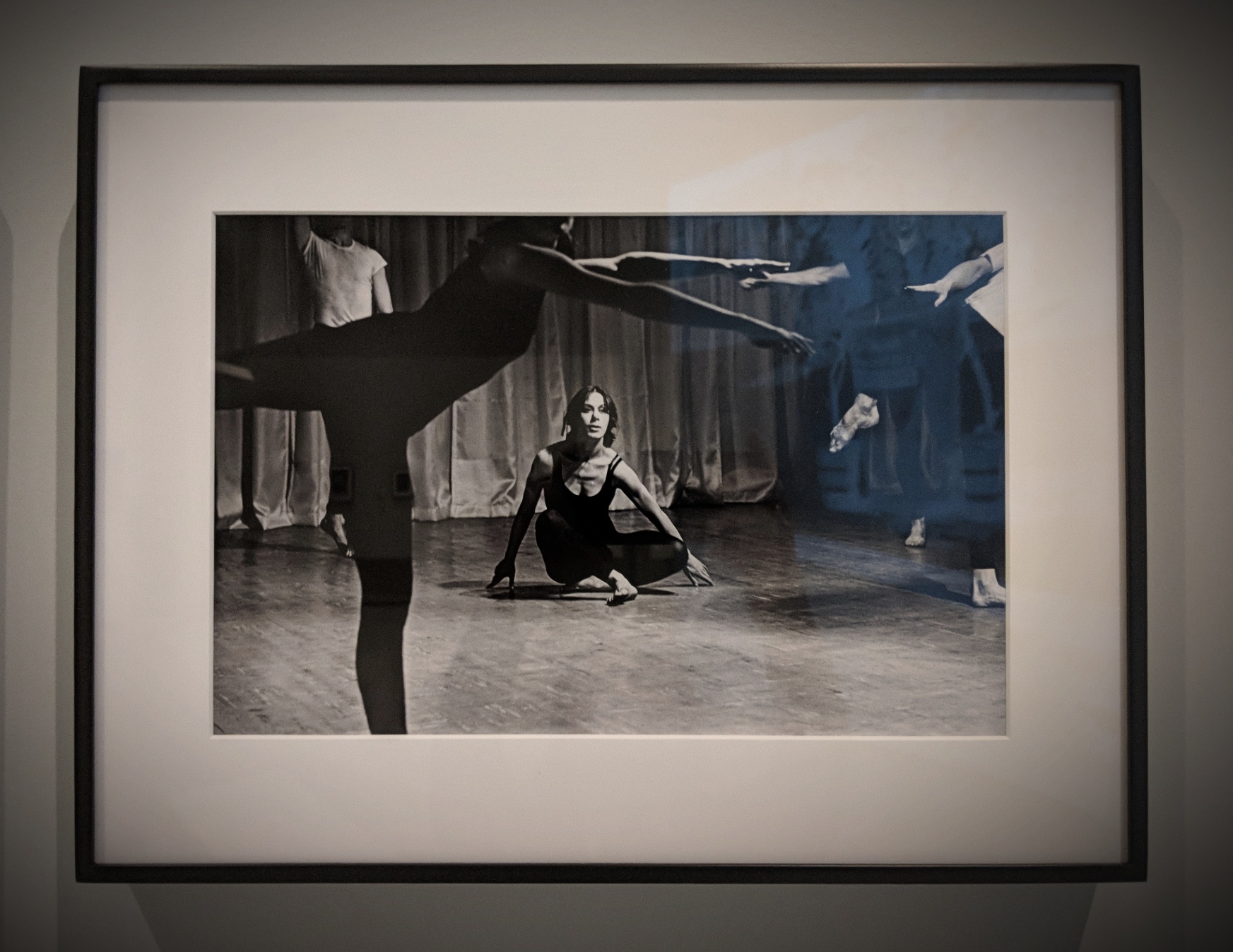
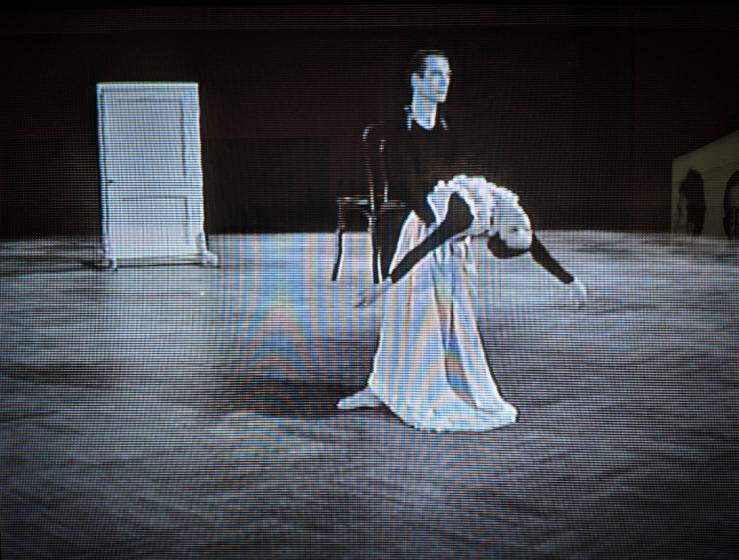
Yvone Rainer
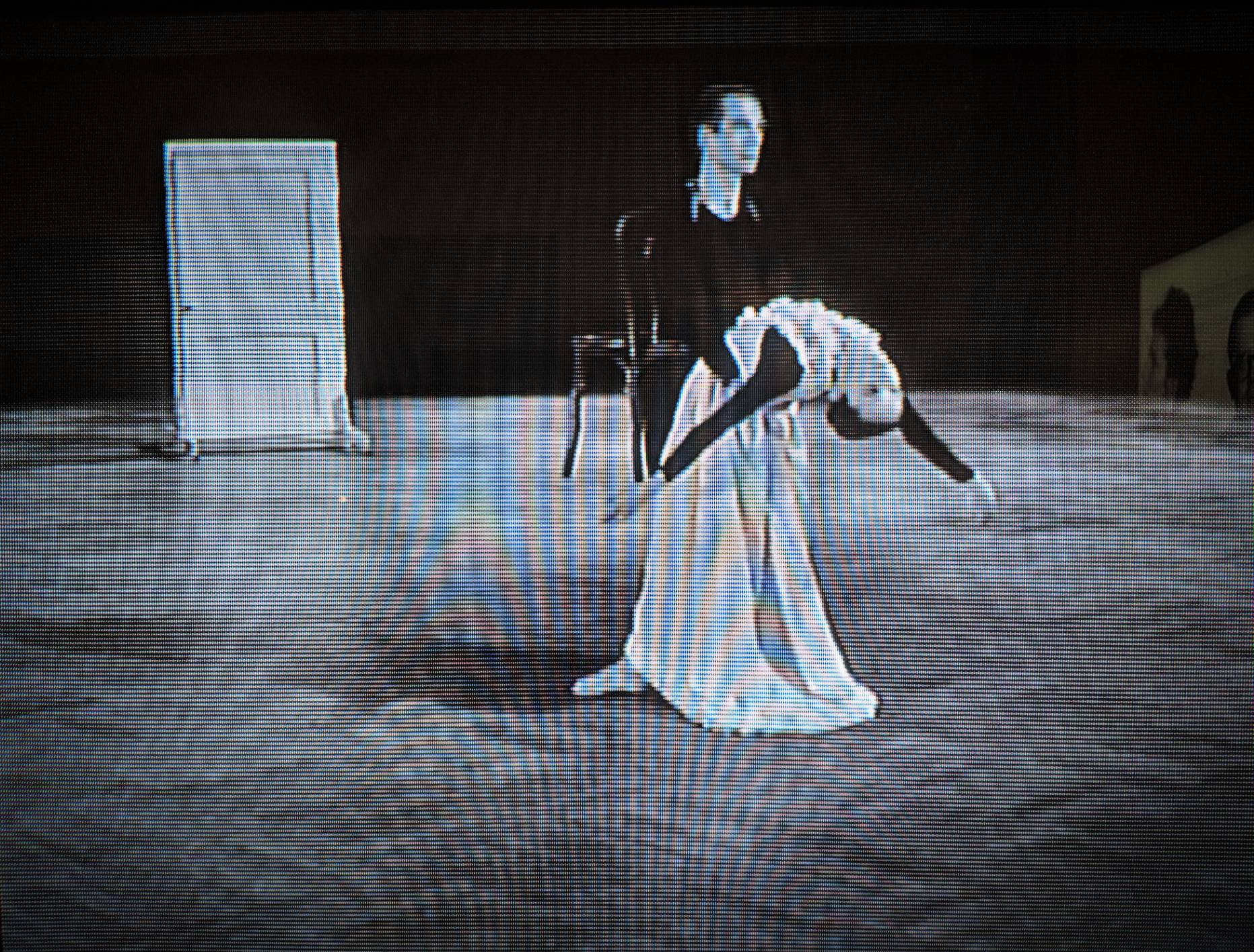
”Bach” From Terrain, 1963
Performed at Judson Memorial Church, April 28th, 1963
By Trisha Brown, William Davis, Judith Dunn, Steve Paxton, Yvonne Rainer and Albert Reid

Rainer’s first evening-length work Terrain, was a five-part dance for multiple performers. Some of the sections were choreographed, while others were structured like a game, with rules and strategies that defined each dancer’s behavior but still allowed for spontaneity and improvisation.

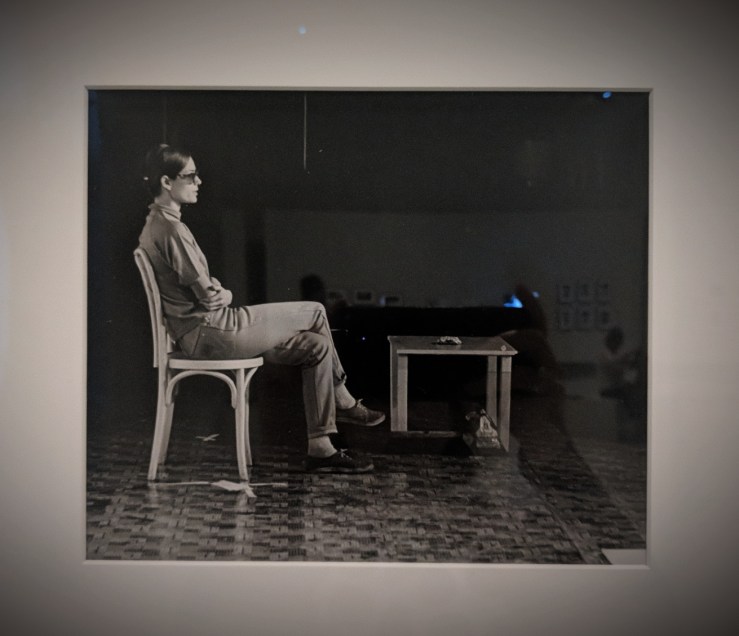
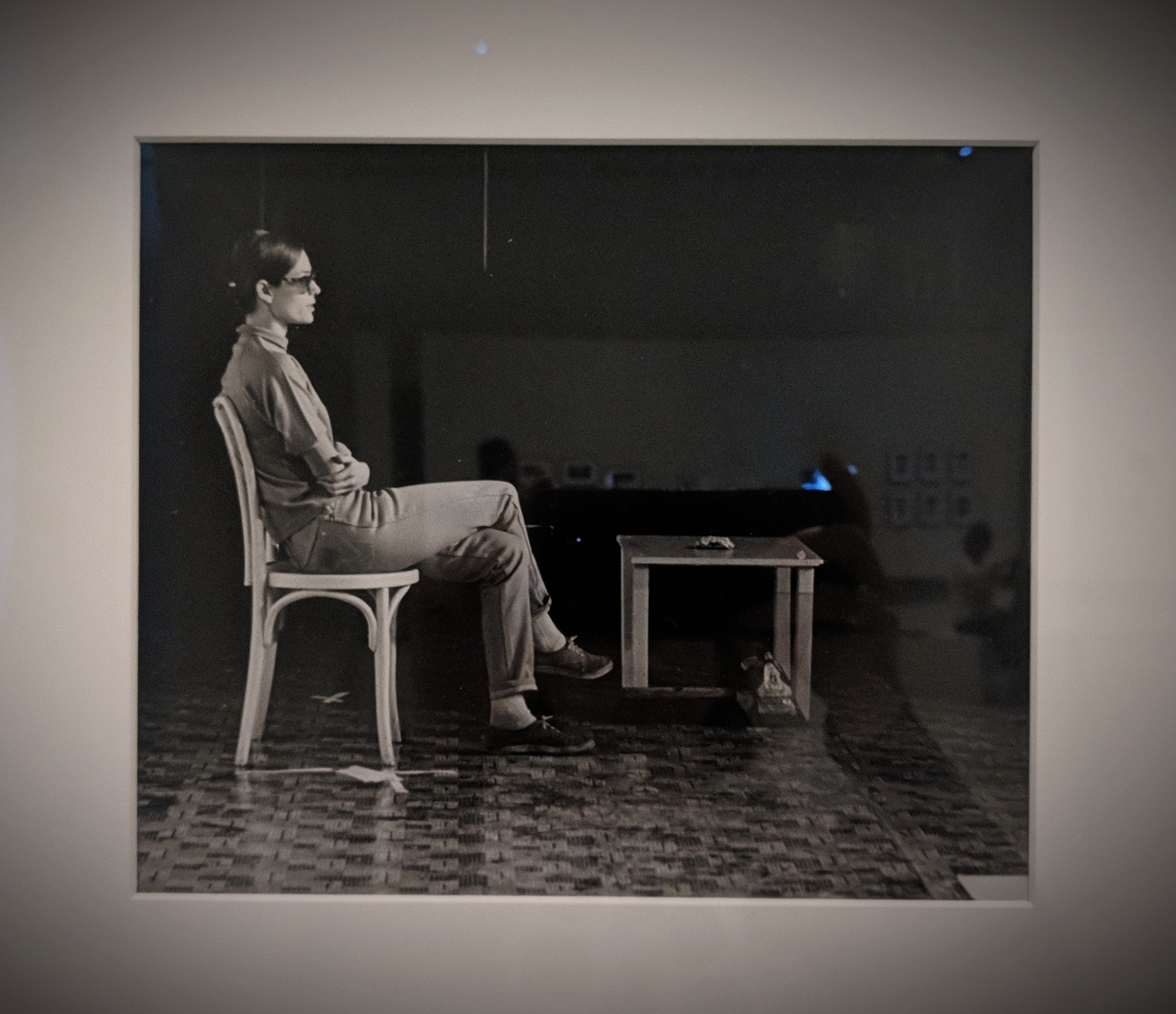
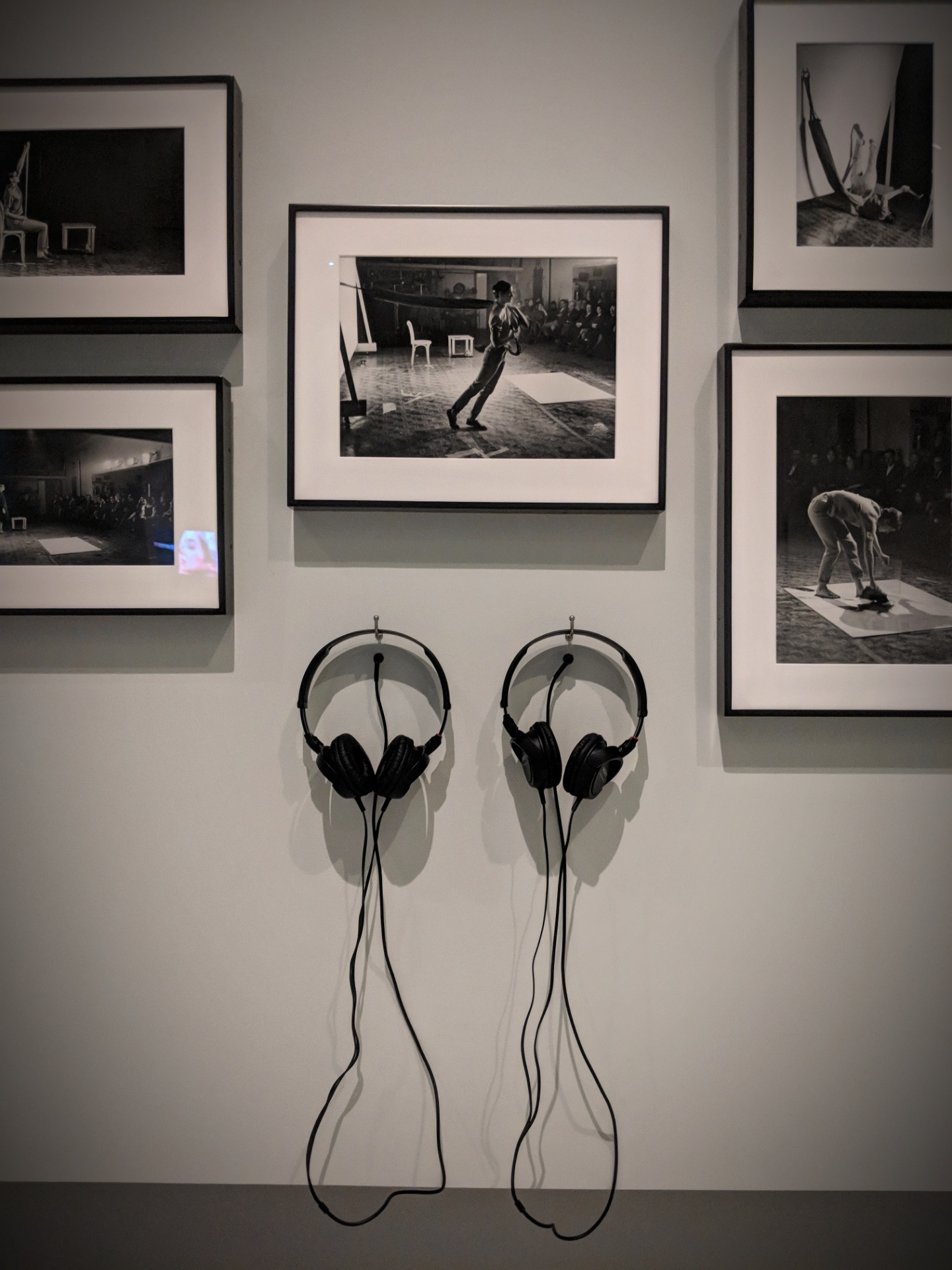
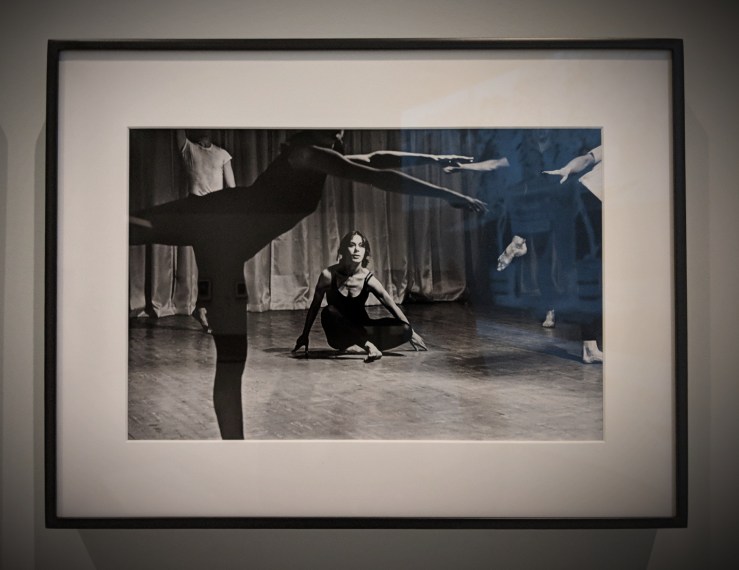
Lucinda Childs
Geranium, 1965. Performed at 940 Broadway, January 29th, 1965
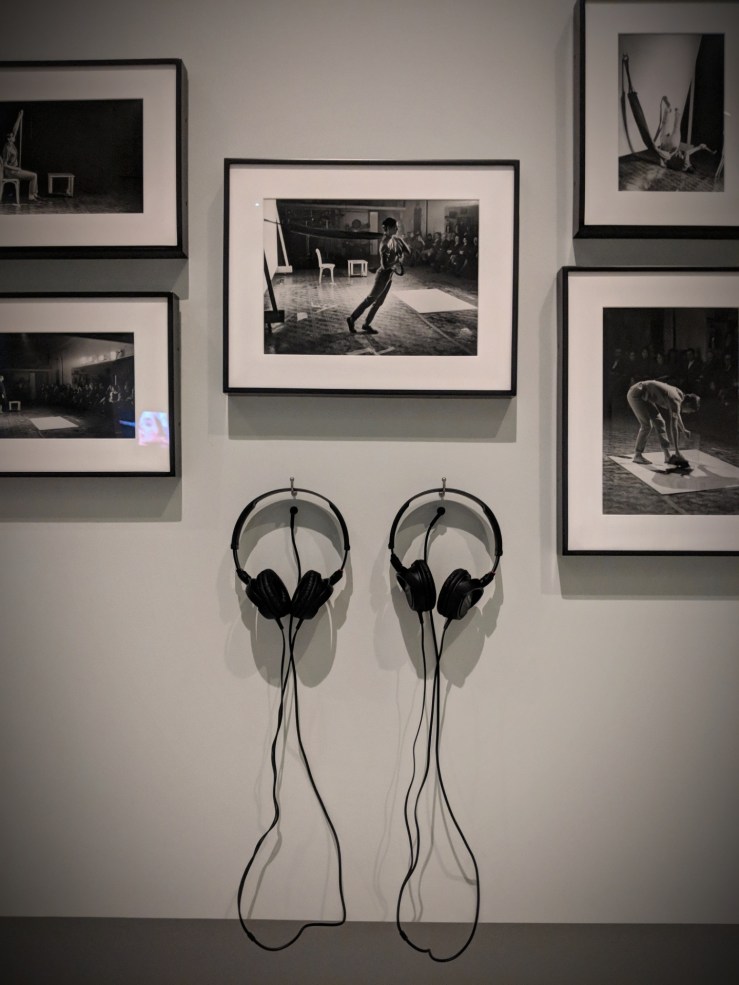
Geranium was set to the sounds of a championship football game, complete with sports commentators describing the action on the field, to which Childs added her imitation of sports broadcasting and intervals of music. Using the tape as a score and its sounds as cues, Childs interacted with objects including a wooden pole, a tinfoil scrap, a hammer and a pound of soil. She used a hammock to support her weight as she performed, in slow motion, the movement of a football player who – according to the broadcast – raced toward the ball, stumbled and fell.
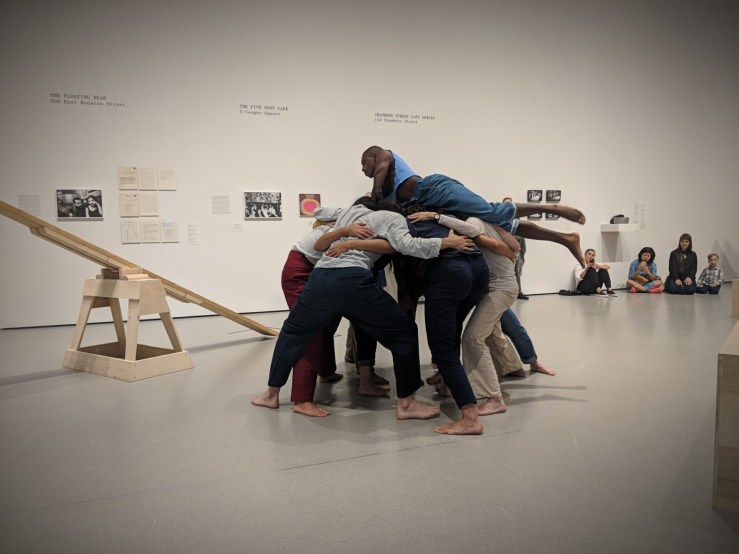
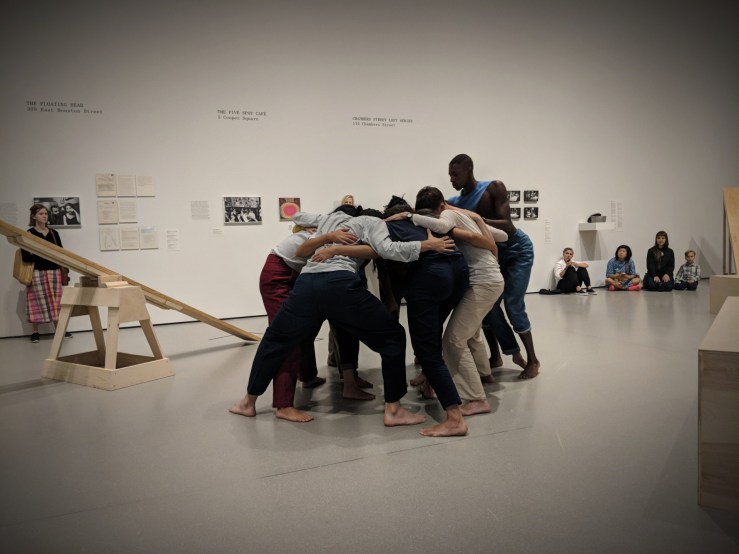
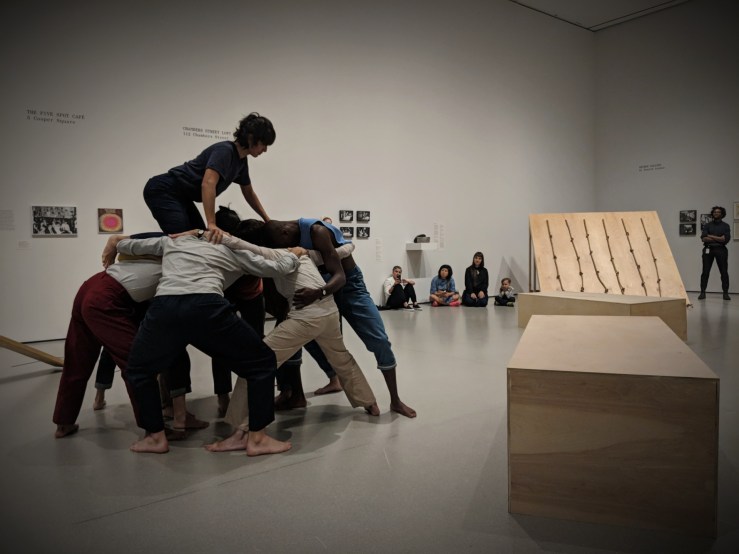
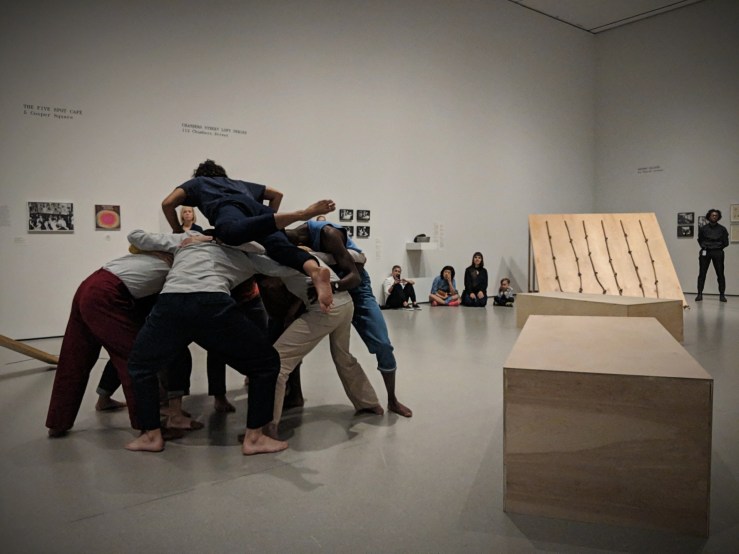
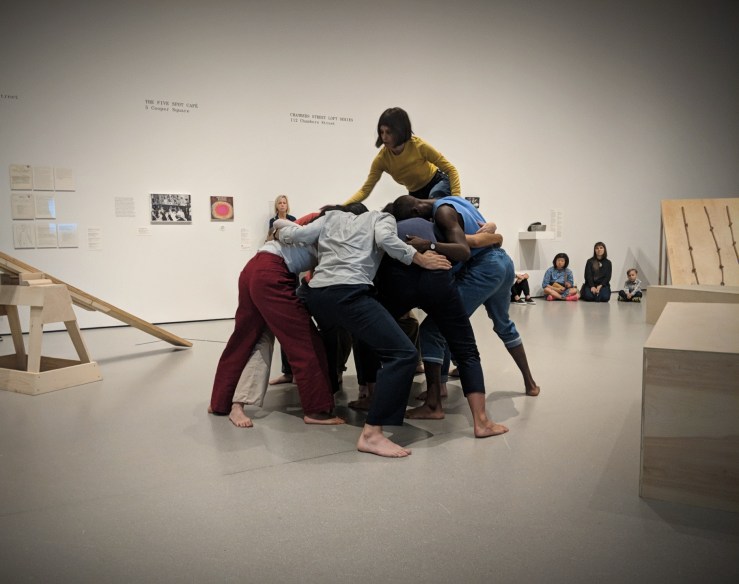
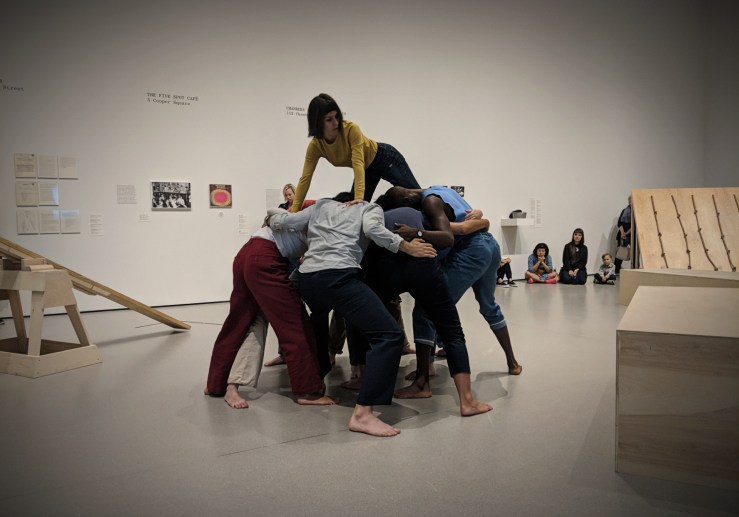
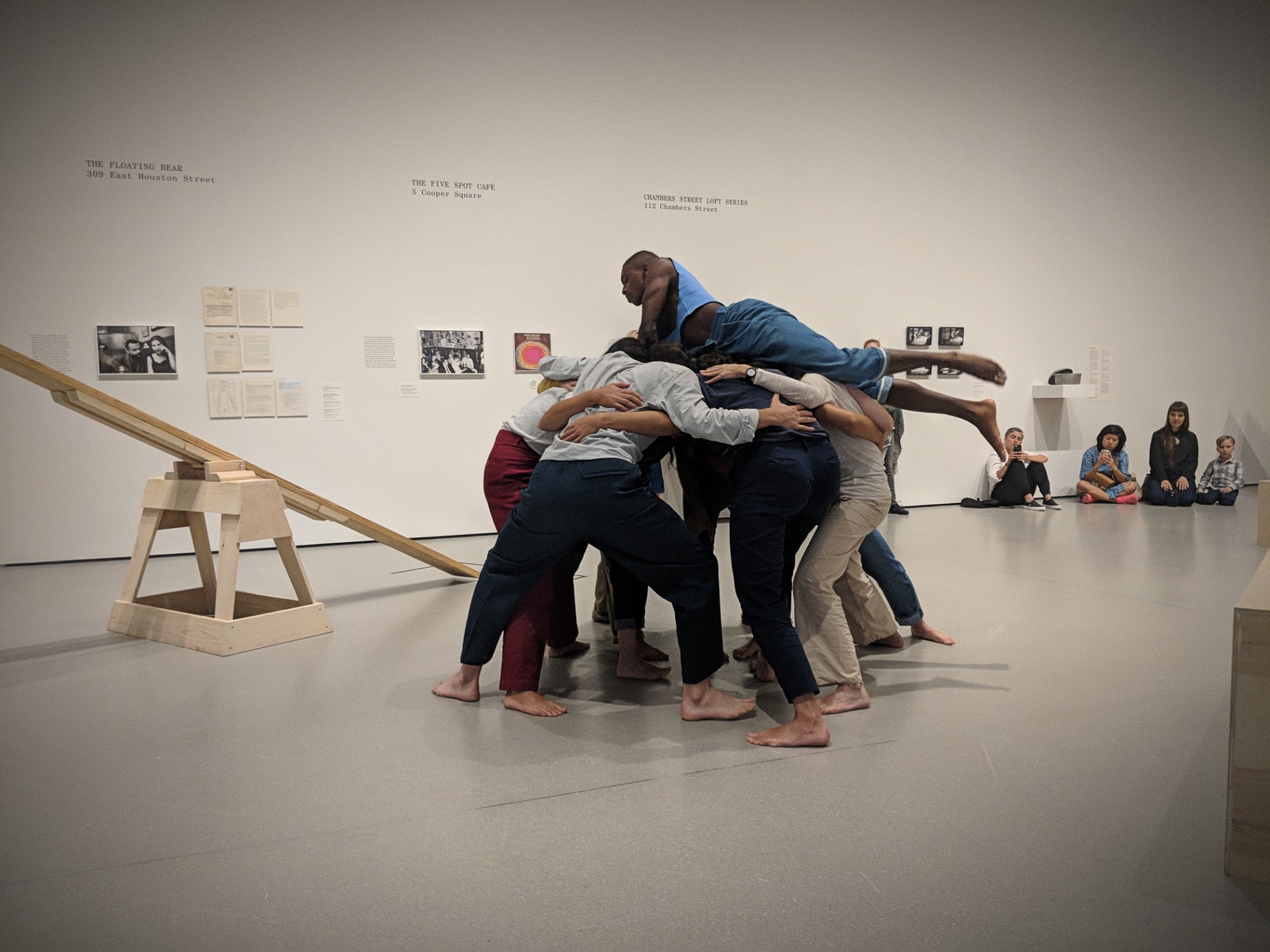
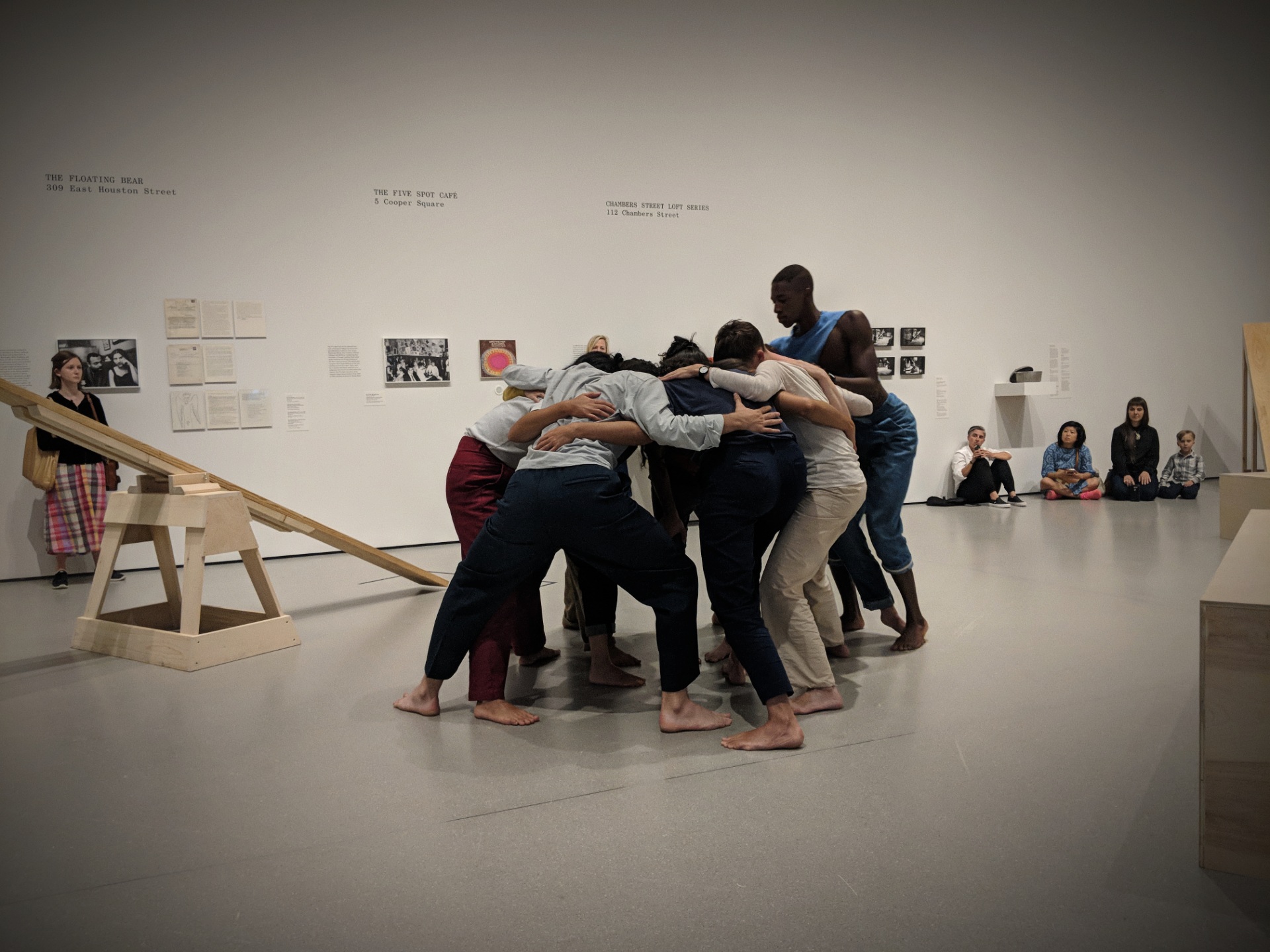
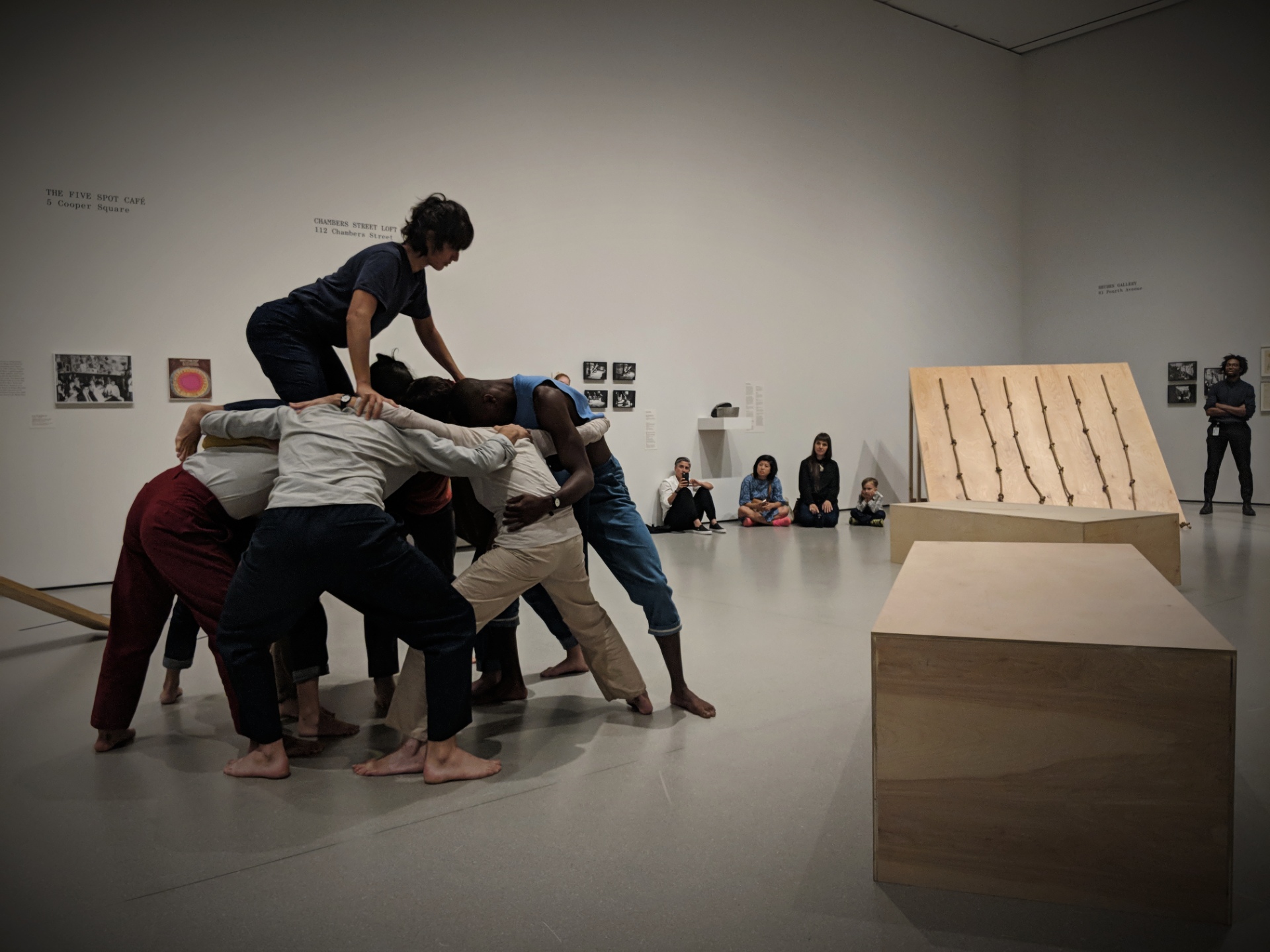
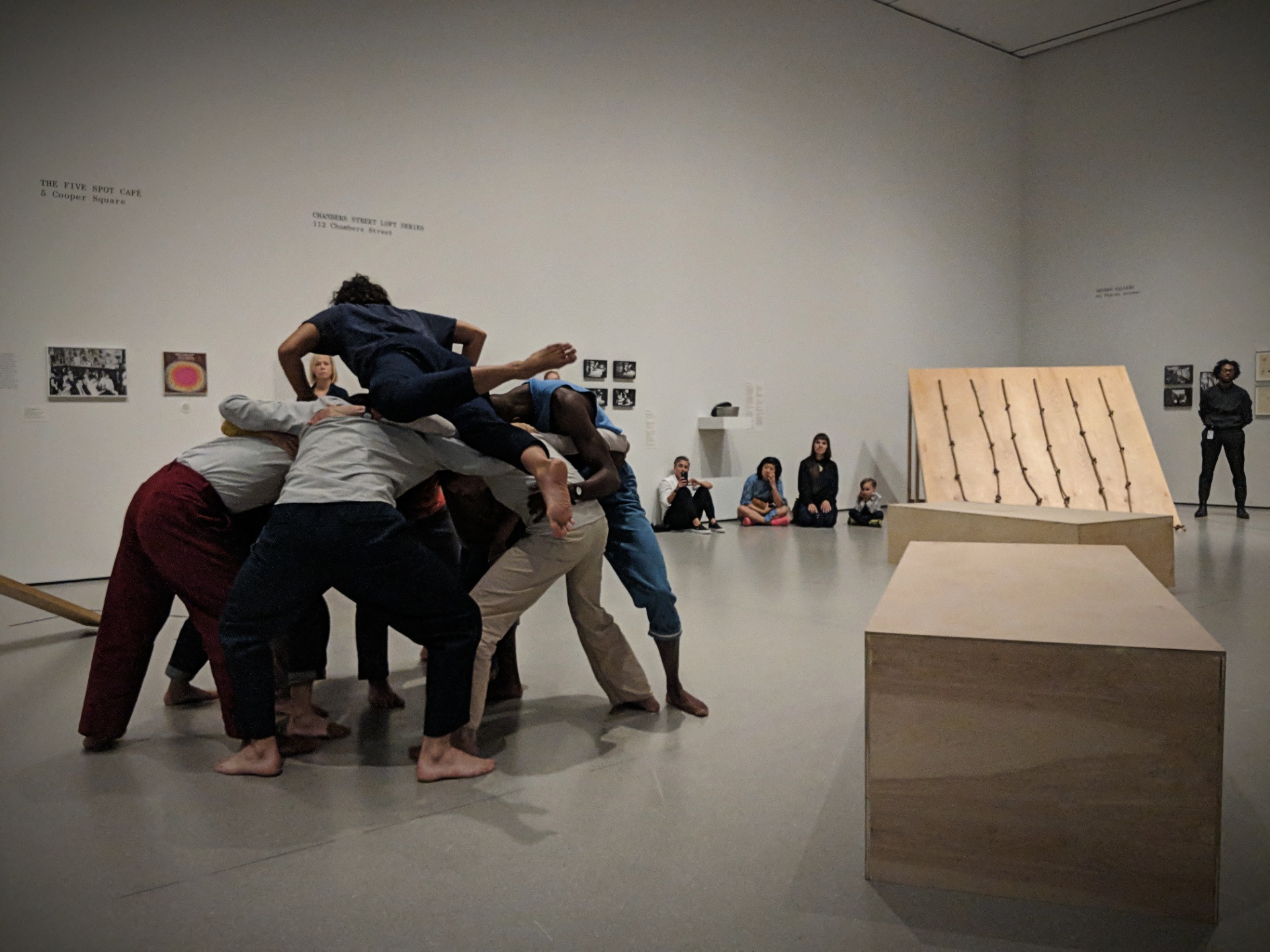
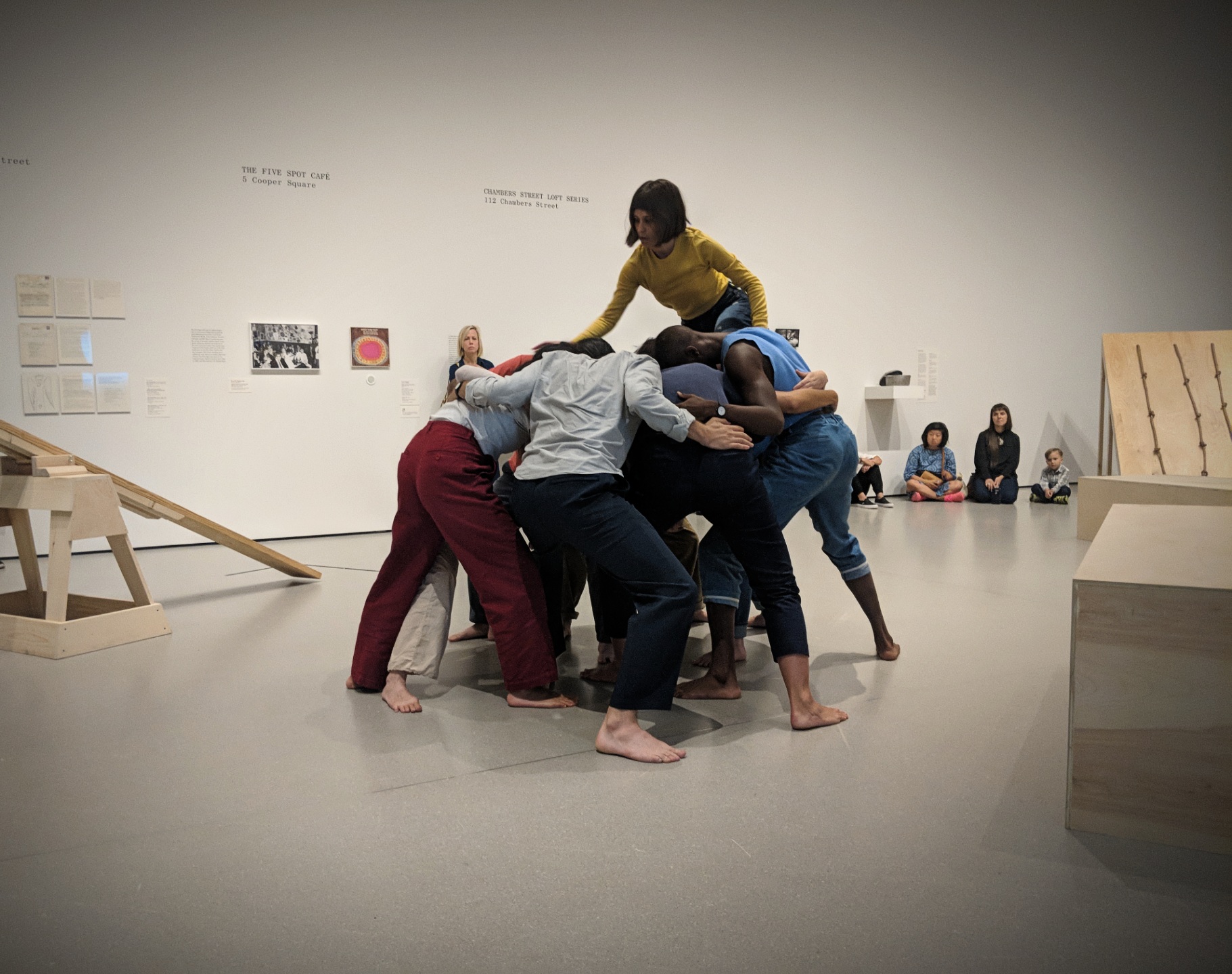
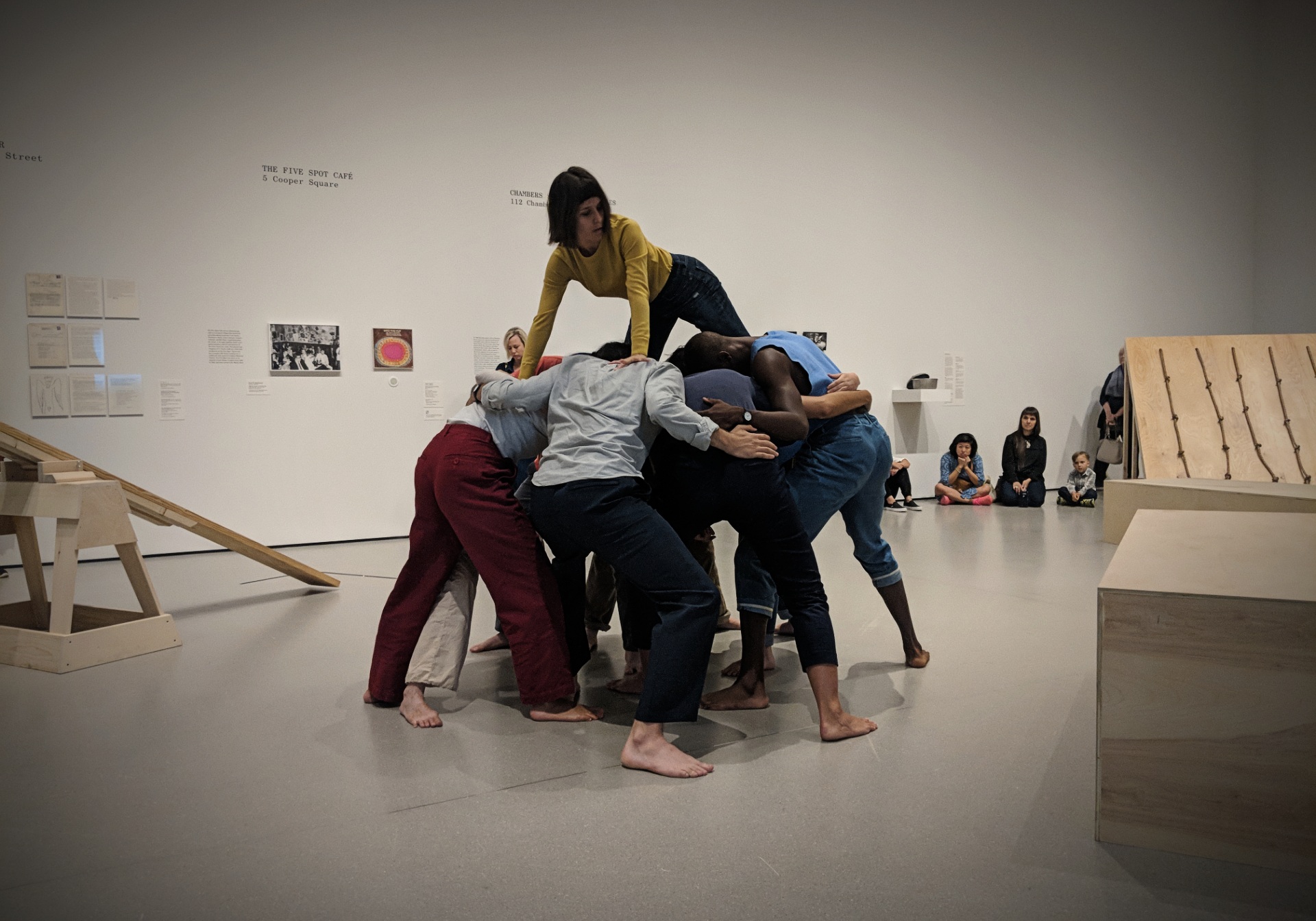
Huddle is part of Simone Forti’s Dance Constructions (1960-61), a continually shifting mass of bodies. Seven to nine performers create a solid base and take turns climbing over the group. In doing this, they create a sculptural form Forti has often described as a mountain.

Simone Forti’s Dance Constructions (1960–61) were key forerunners to Judson Dance Theater. Made from inexpensive materials, including plywood and rope, each “construction” prompts actions such as climbing, leaning, standing or whistling. Simultaneously sculptures and performances, the works were first presented at Reuben Gallery and the artist Yoko Ono’s loft, both in New York.

Huddle was performed live in intervals, throughout the exhibition.

September 15th, 2018
Little Nothings || Good Deeds

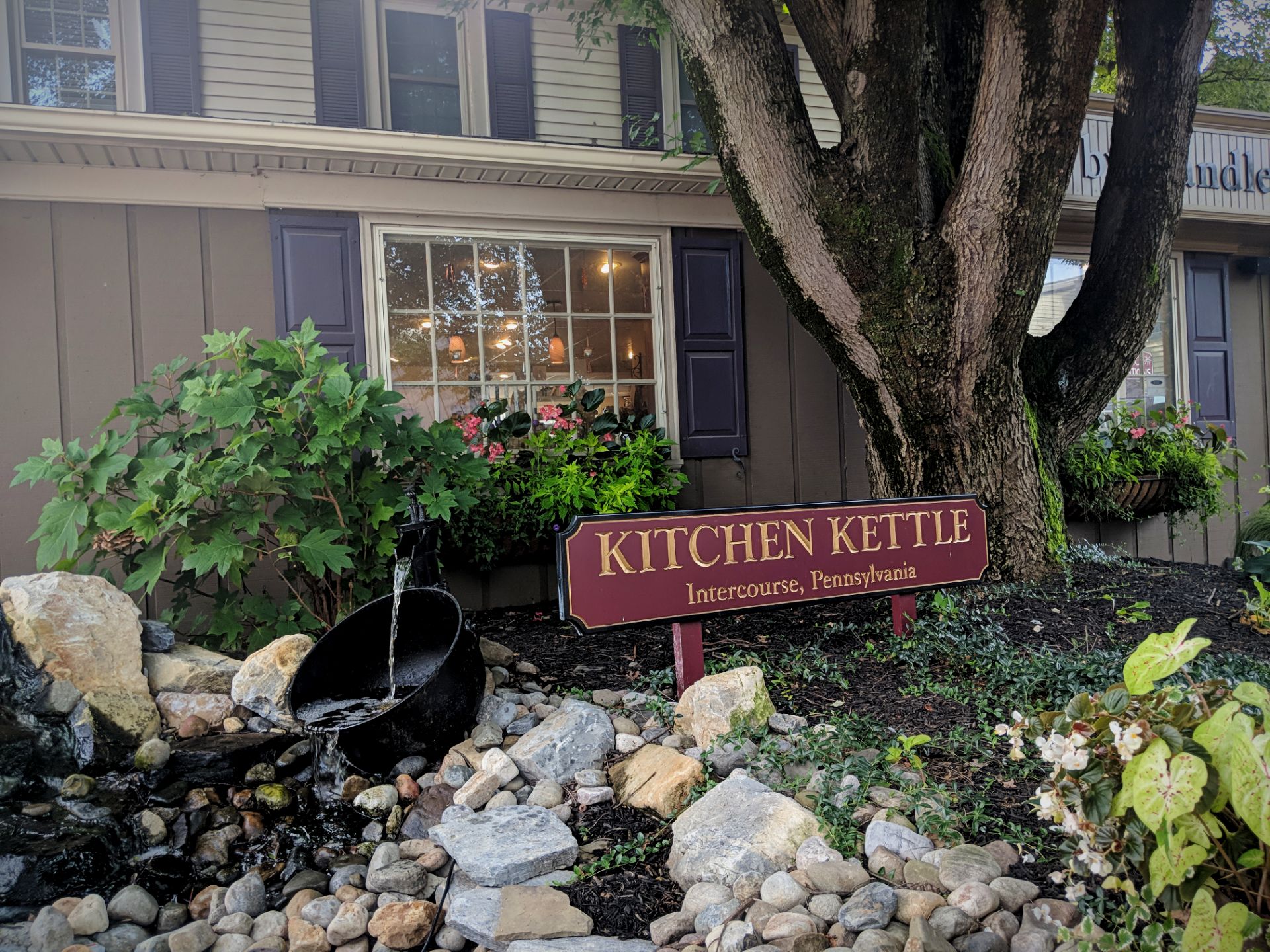
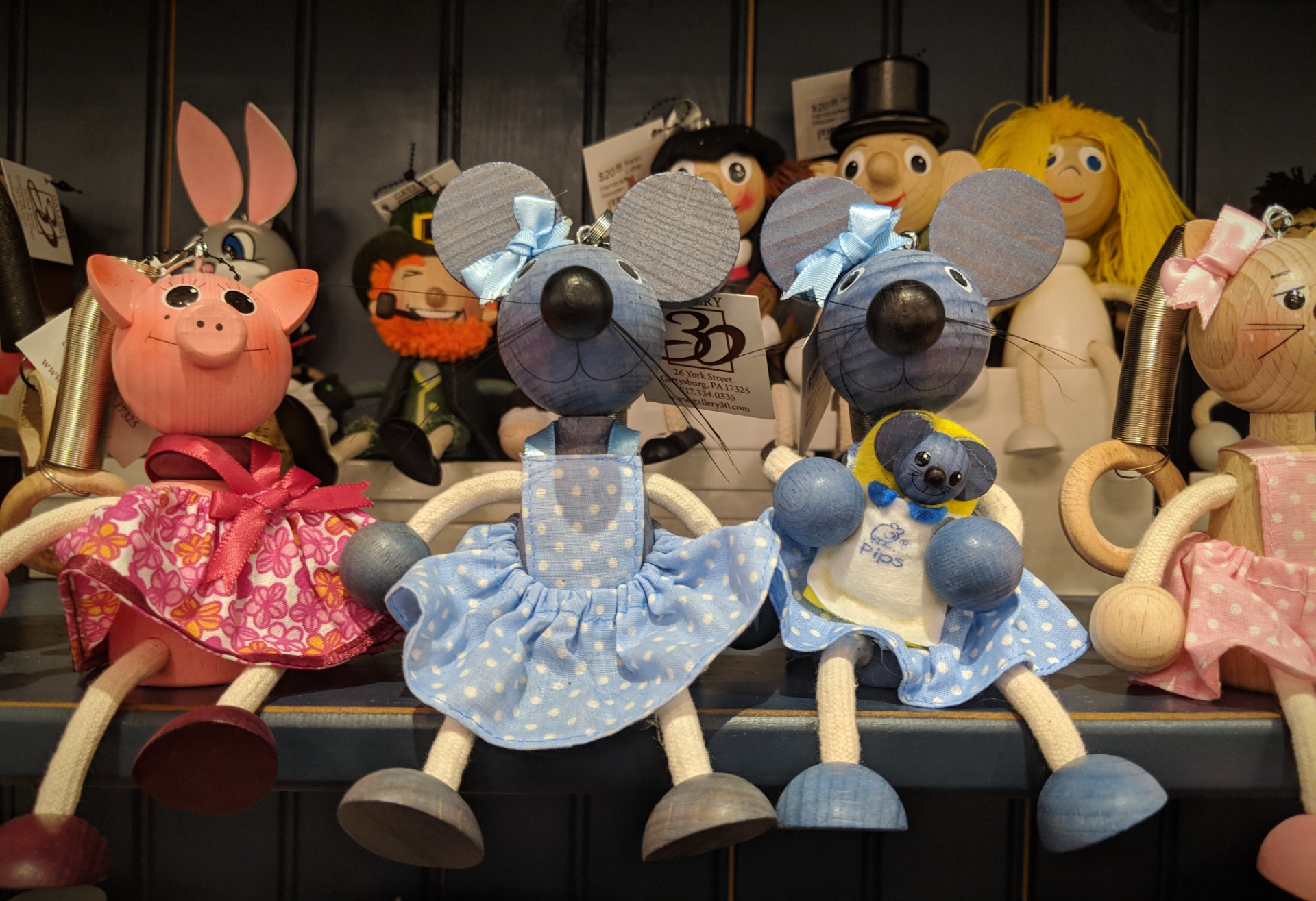
A trip to Pennsylvania. Two stops on the way to Farmington. First, Intercourse. I’m sure it was not done on purpose, but the name still makes me laugh. Kitchen Kettle is a a village of shops with locally-made goodies and eateries – touristy but great for lunch and snacks.

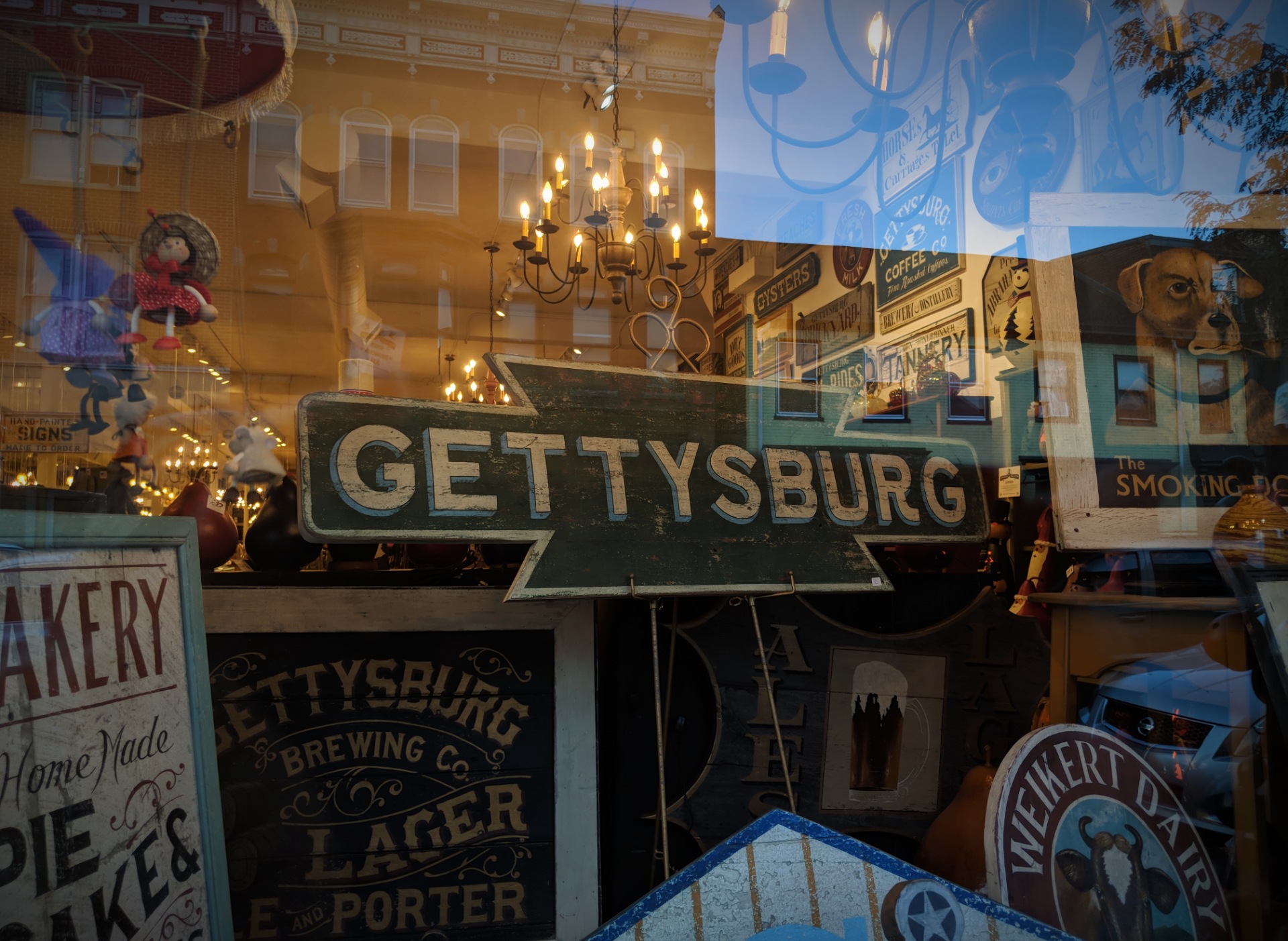
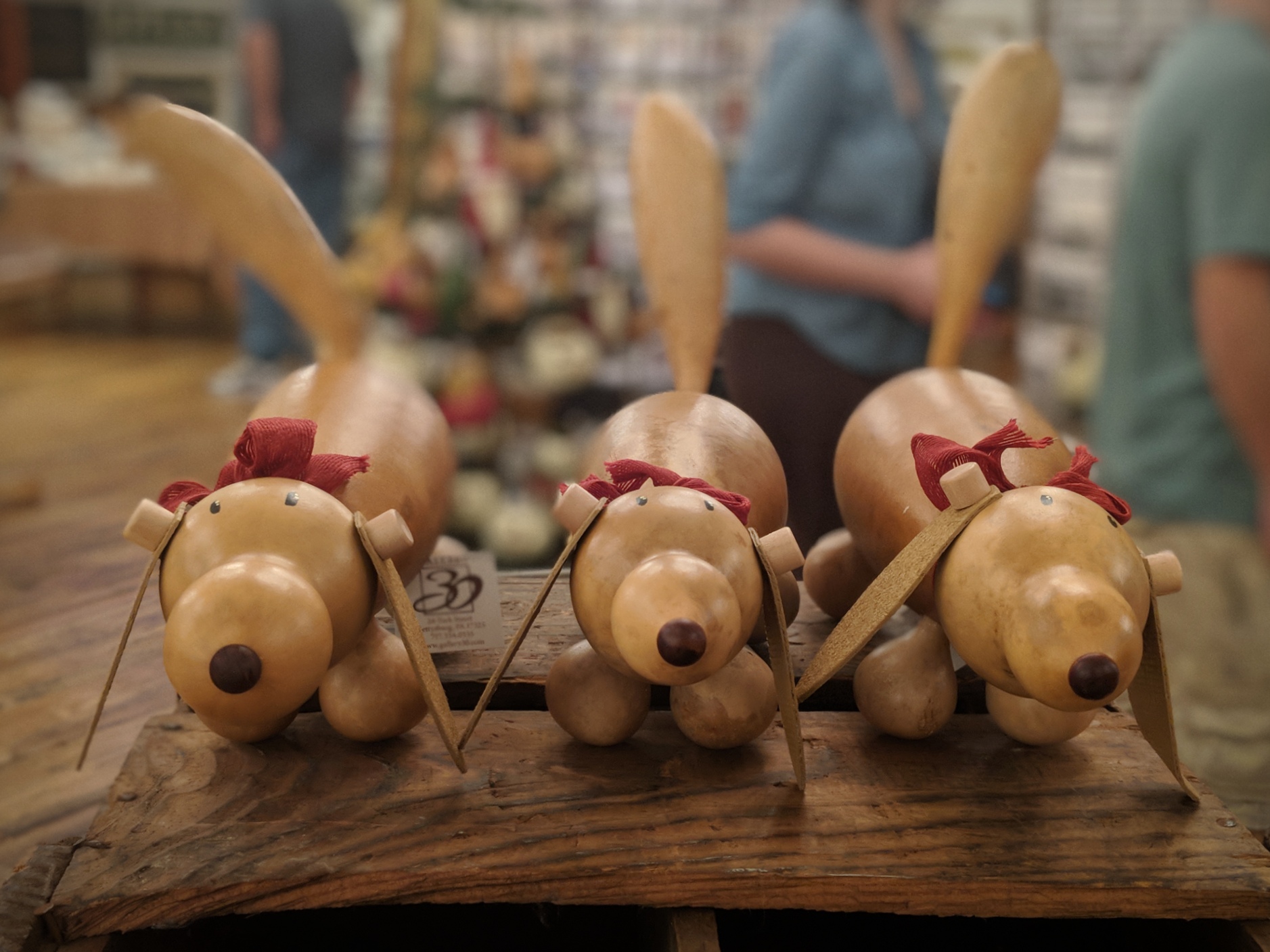
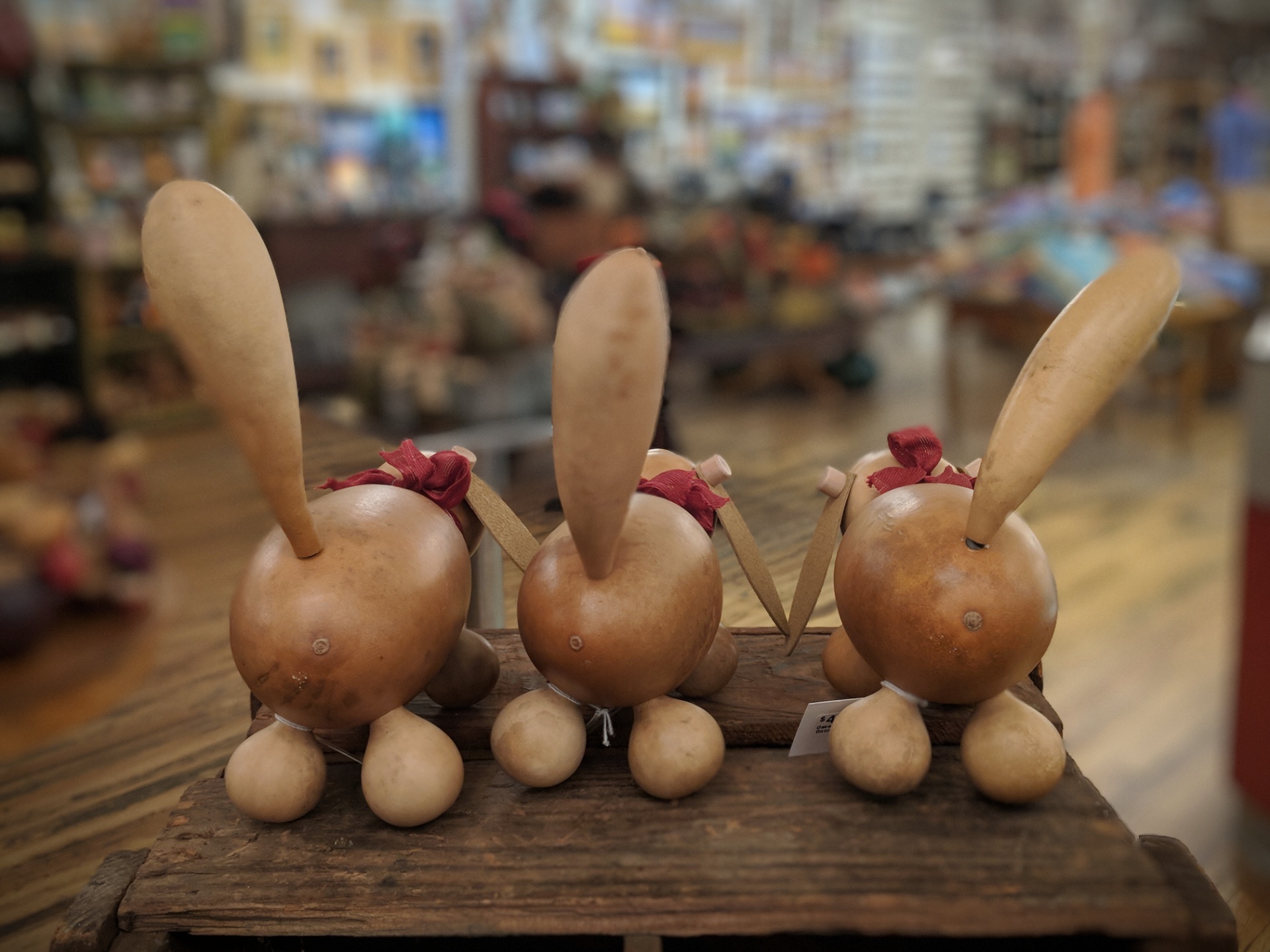
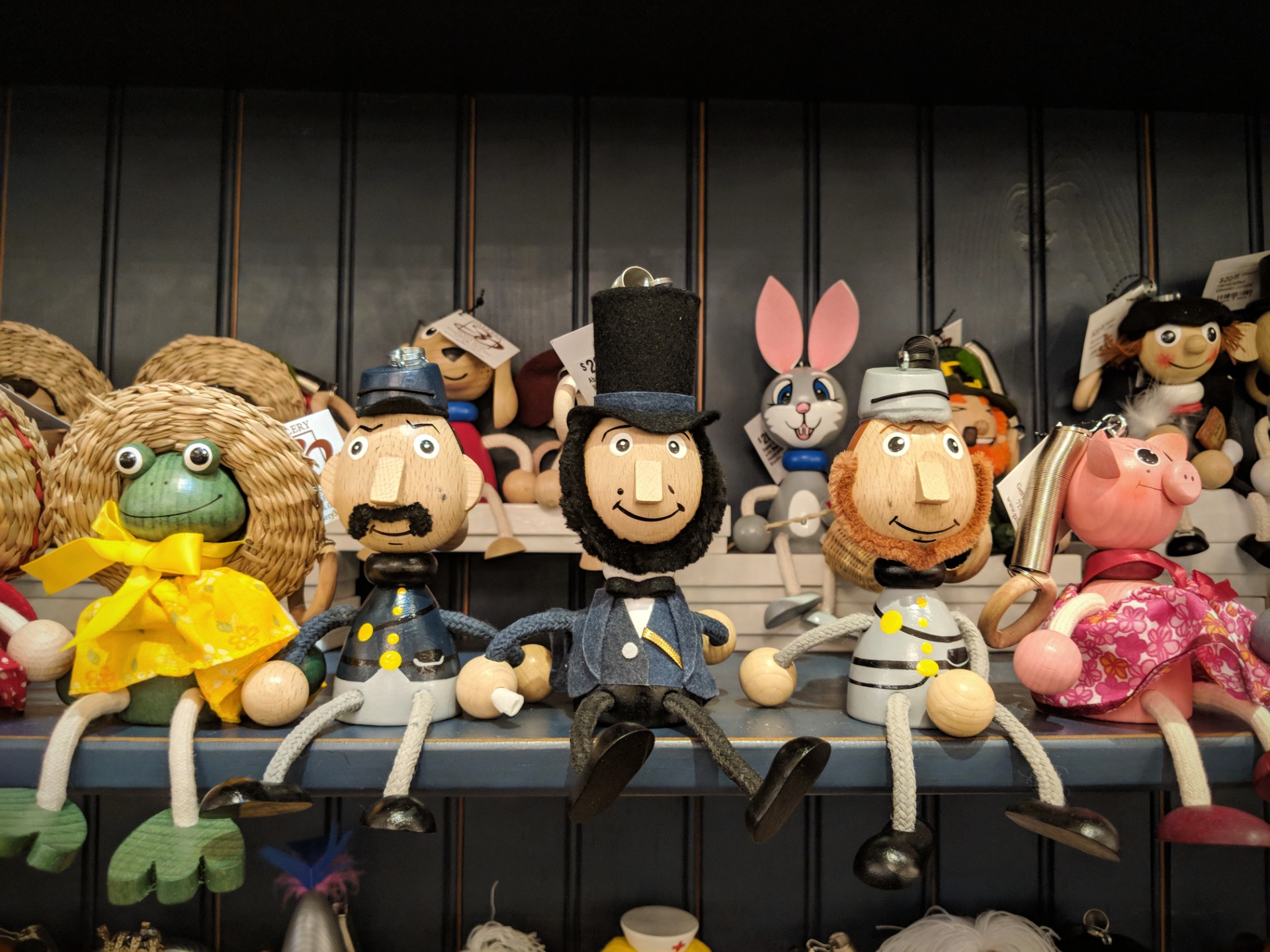
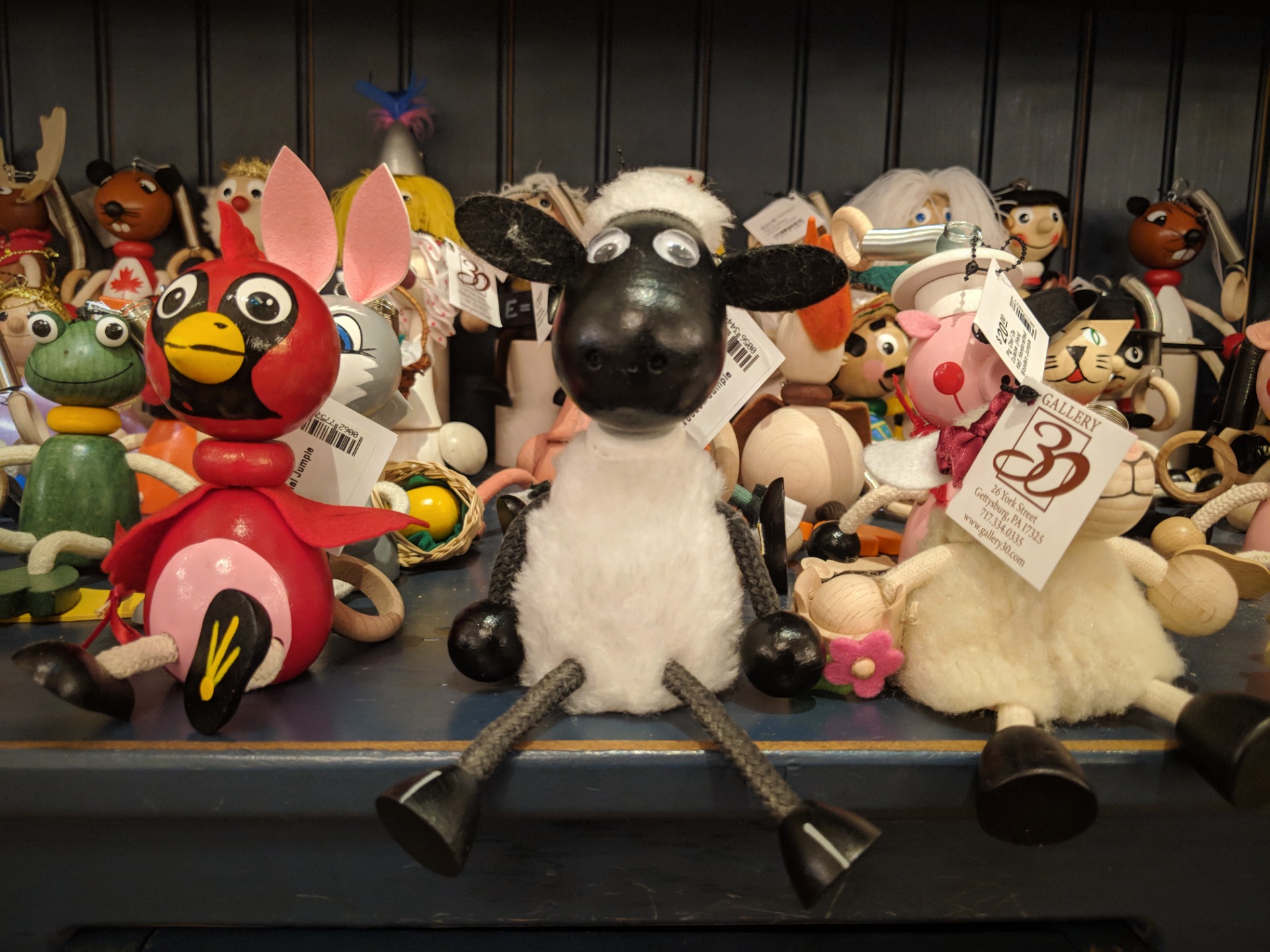
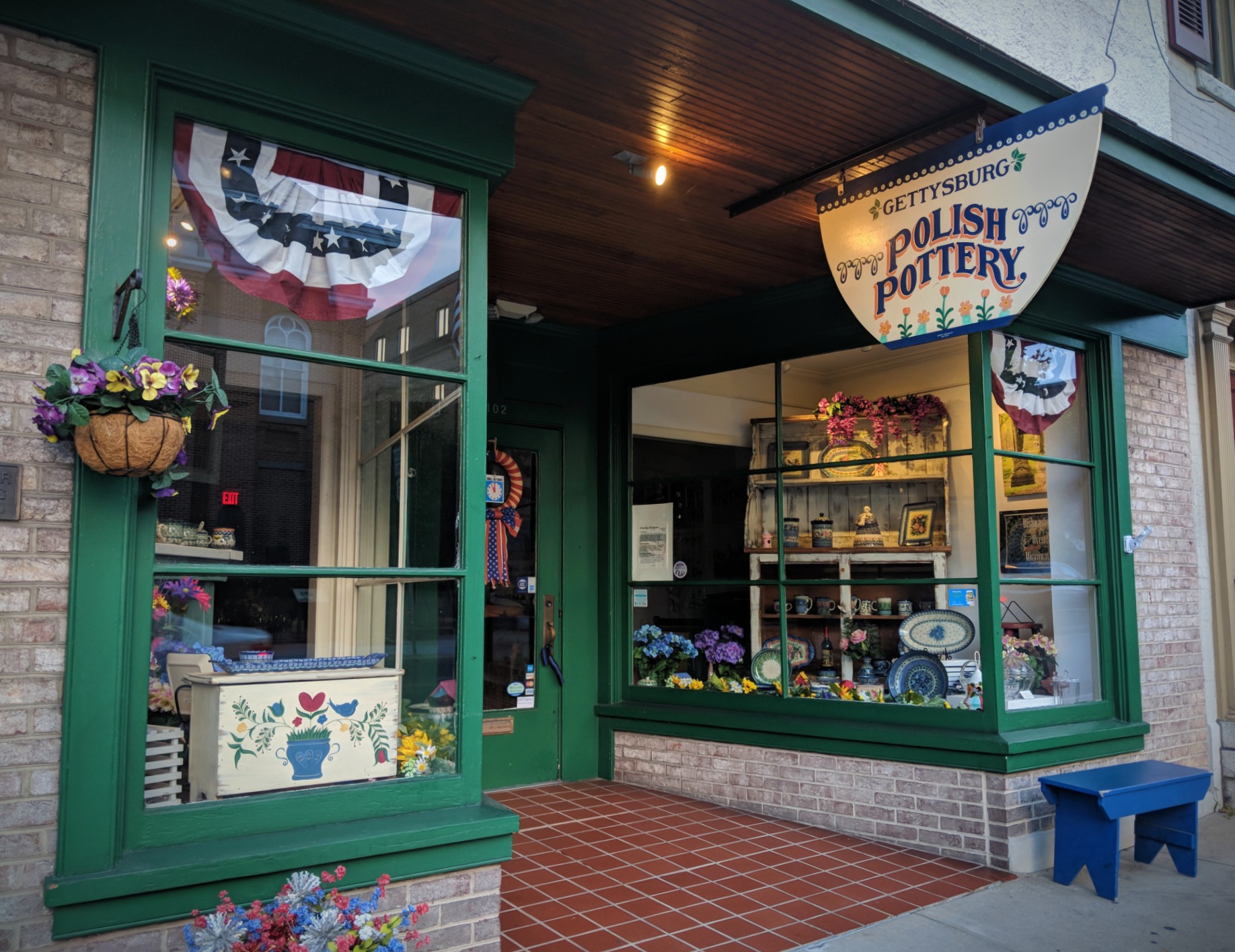
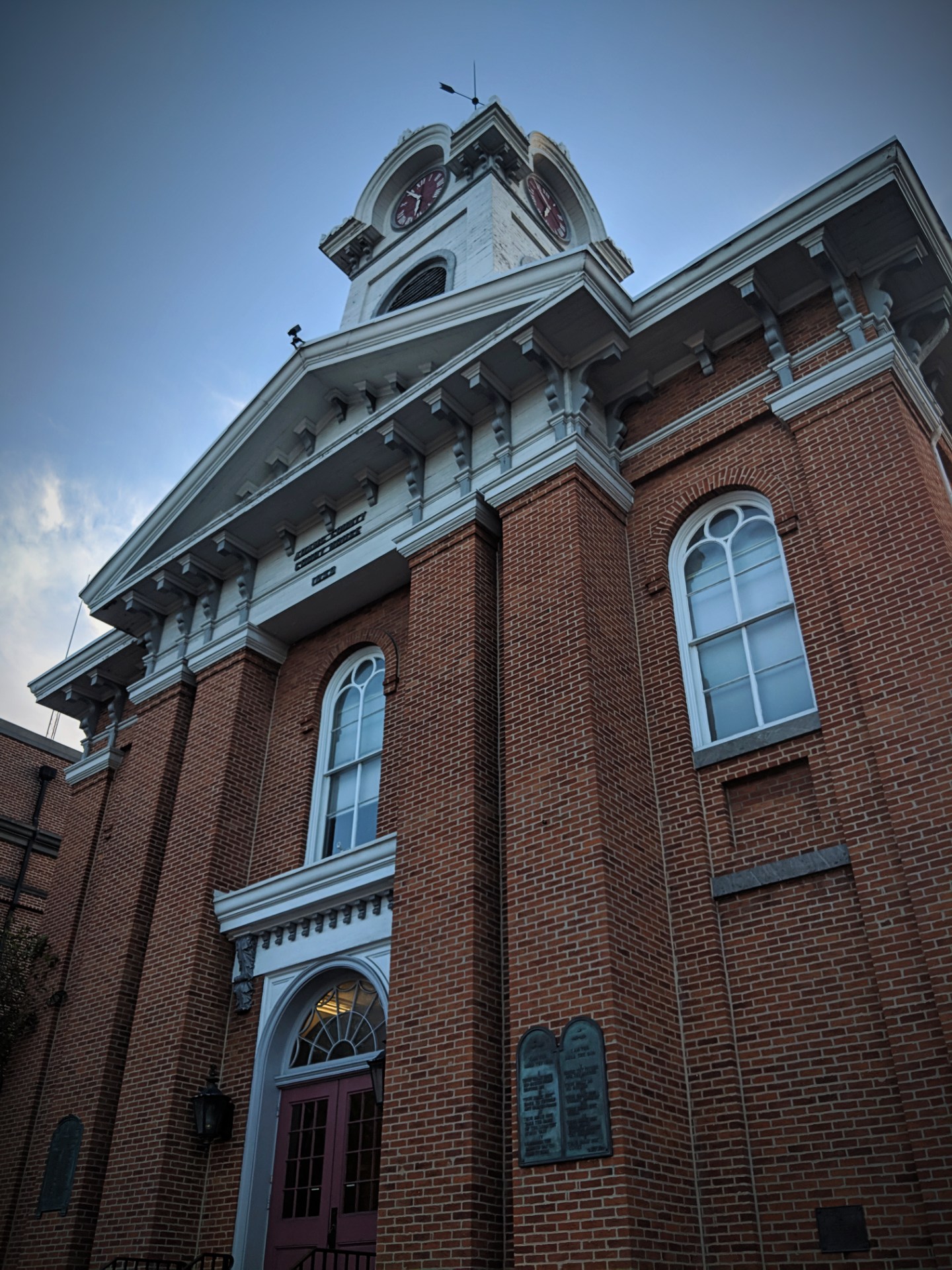
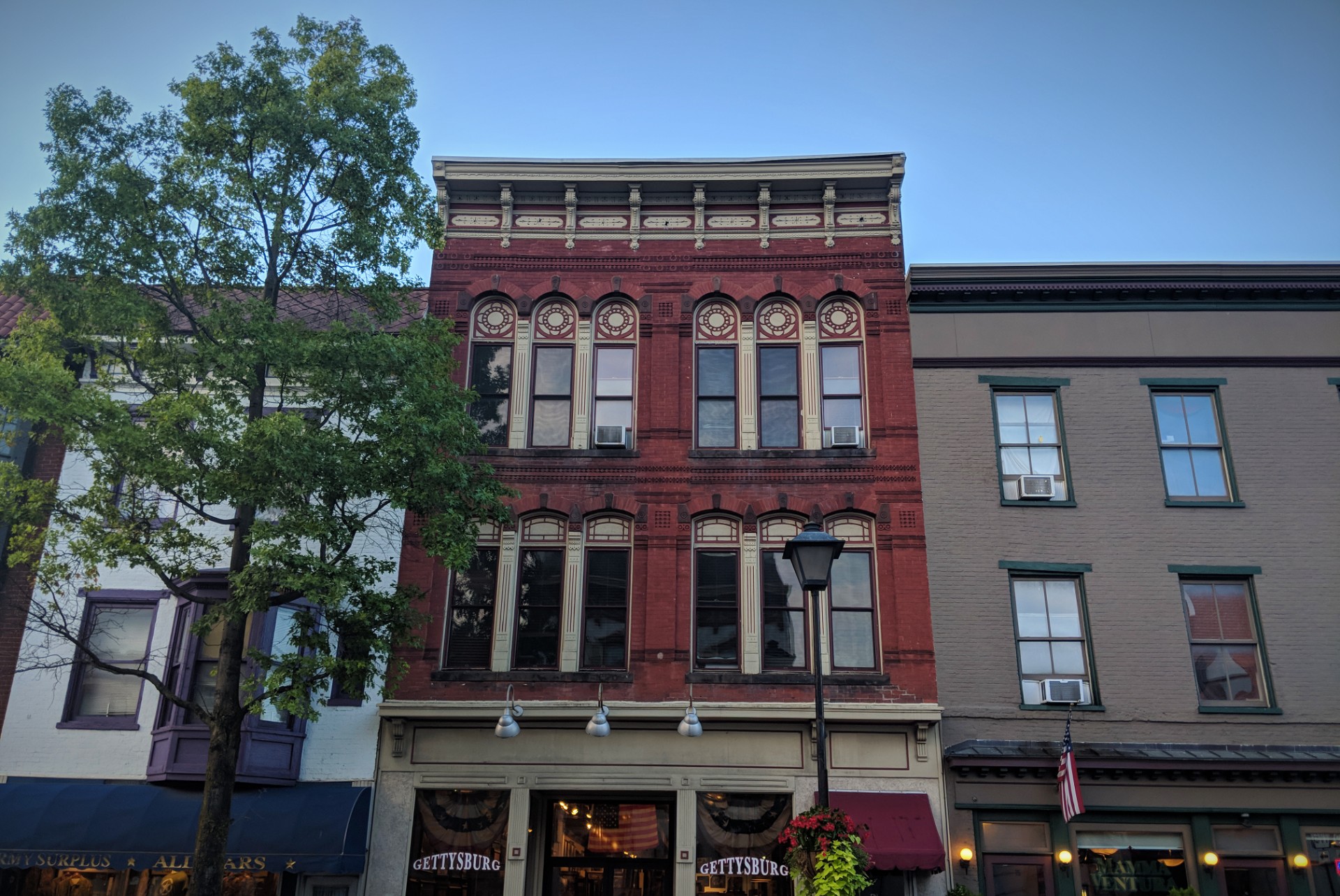
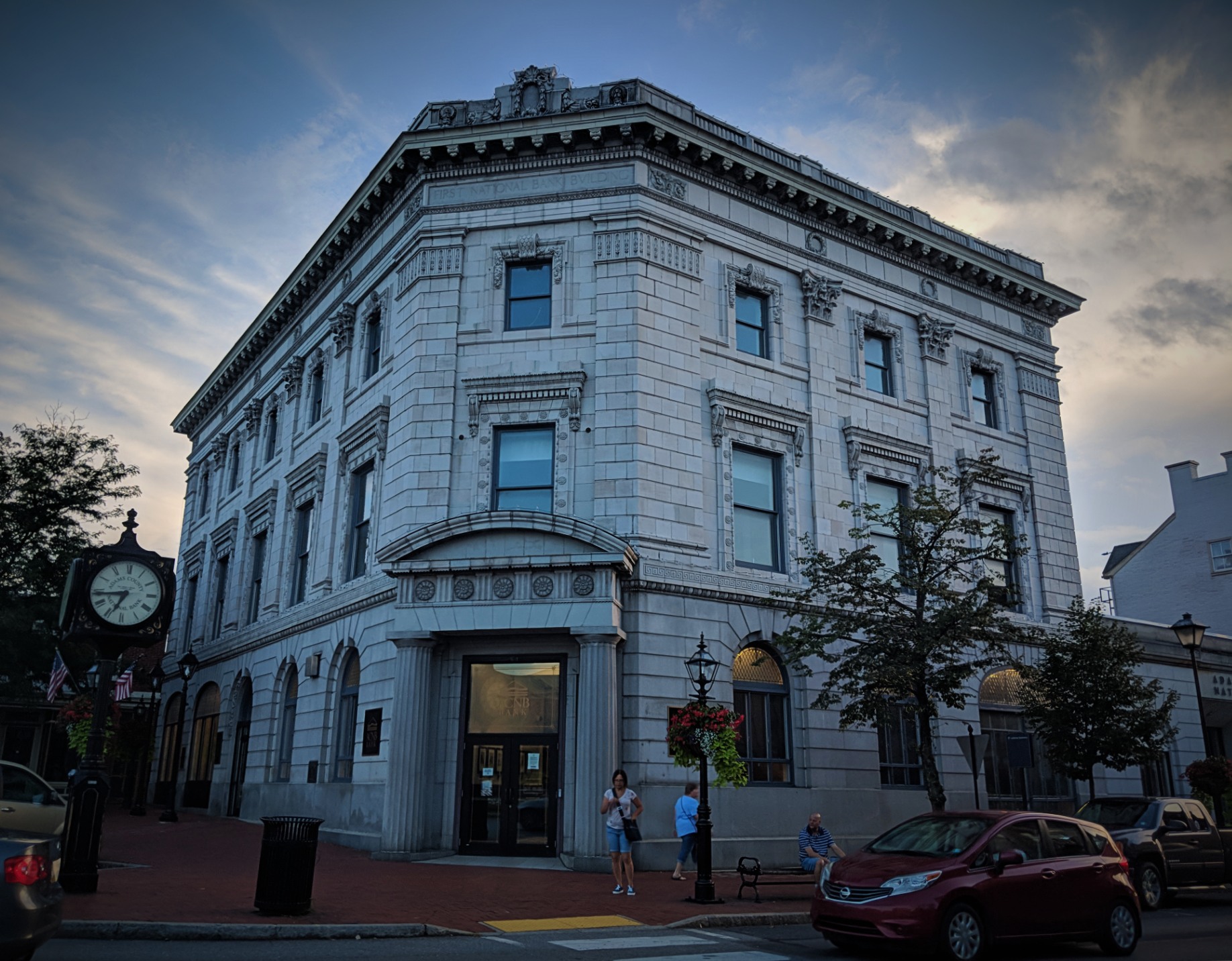
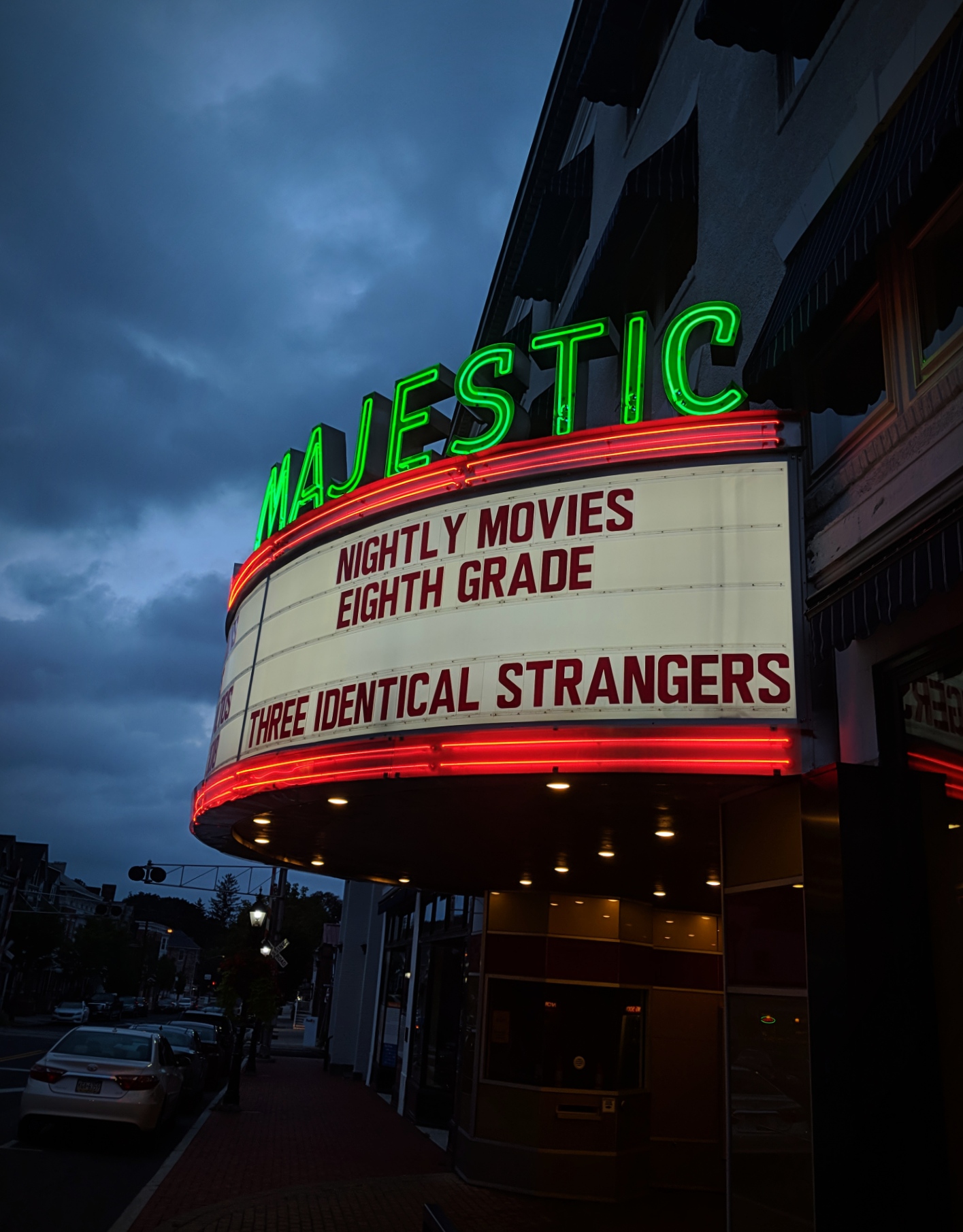
Early evening in Gettysburg. One could learn everything about the American Civil War by walking the streets of this lovely town. Or just take home a little nothing for fun. Until recently, I thought one could meet Greeks everywhere; now I realize that it is Poles who hold this record. No matter where we go, all kinds of Polish shops keep popping up.

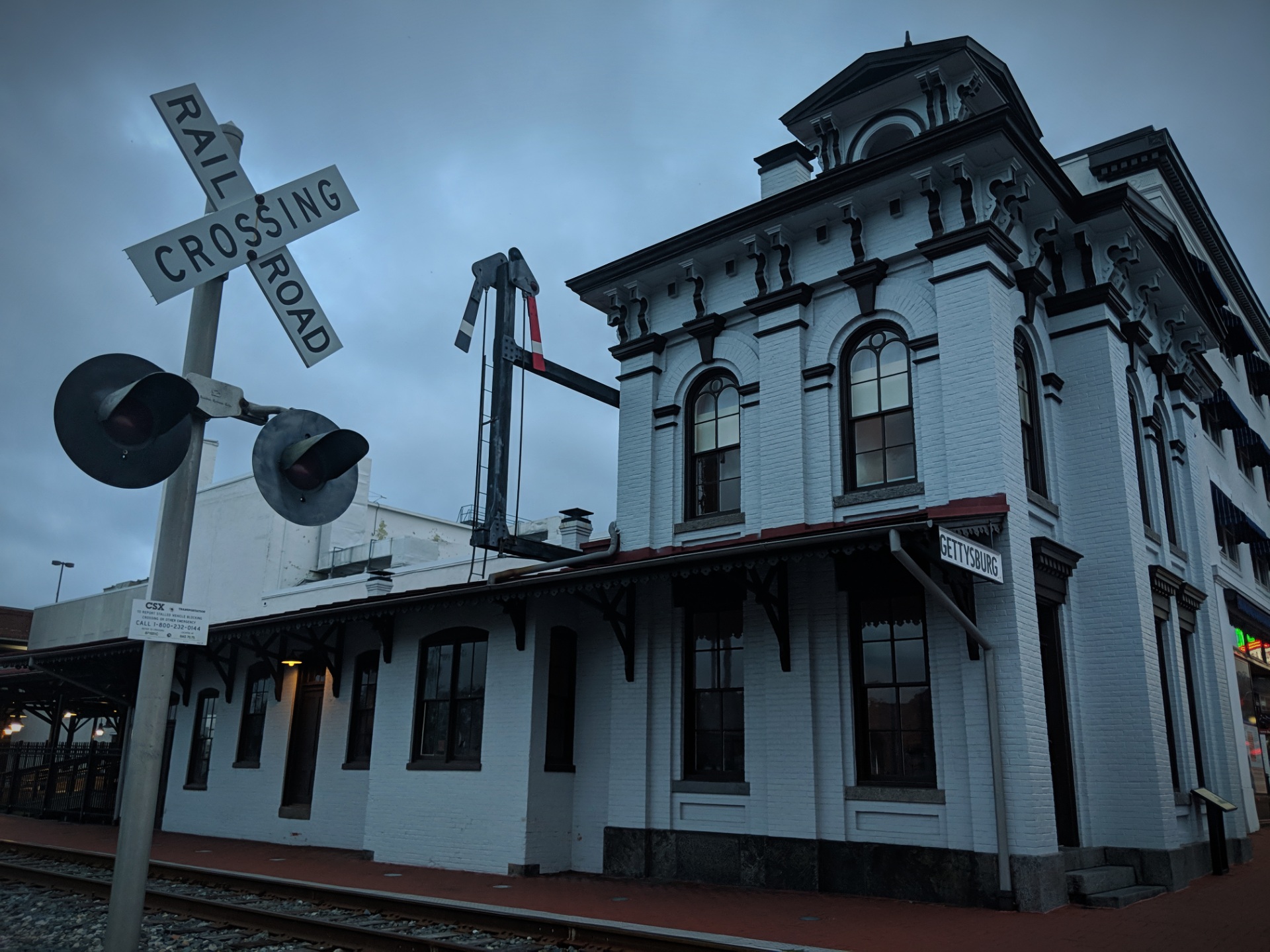
The building you see above, is the Gettysburg Lincoln Railroad Station where President Lincoln arrived the evening before he delivered the Gettysburg Address at the dedication of the Gettysburg Soldiers’ National Cemetery.

It was November 19, 1863, four and a half months after the Union armies defeated those of the Confederacy at the Battle of Gettysburg. It is one of the best-known speeches in American history.

Four score and seven years ago our fathers brought forth on this continent, a new nation, conceived in Liberty, and dedicated to the proposition that all men are created equal.Now we are engaged in a great civil war, testing whether that nation, or any nation so conceived and so dedicated, can long endure. We are met on a great battle-field of that war. We have come to dedicate a portion of that field, as a final resting place for those who here gave their lives that that nation might live. It is altogether fitting and proper that we should do this.

But, in a larger sense, we can not dedicate—we can not consecrate—we can not hallow—this ground. The brave men, living and dead, who struggled here, have consecrated it, far above our poor power to add or detract. The world will little note, nor long remember what we say here, but it can never forget what they did here. It is for us the living, rather, to be dedicated here to the unfinished work which they who fought here have thus far so nobly advanced. It is rather for us to be here dedicated to the great task remaining before us—that from these honored dead we take increased devotion to that cause for which they gave the last full measure of devotion—that we here highly resolve that these dead shall not have died in vain—that this nation, under God, shall have a new birth of freedom—and that government of the people, by the people, for the people, shall not perish from the earth.

Abraham Lincoln

September 1st, 2018


Rockaway! 2018 || Narcissus Garden by Yayoi Kusama

Fort Tilden

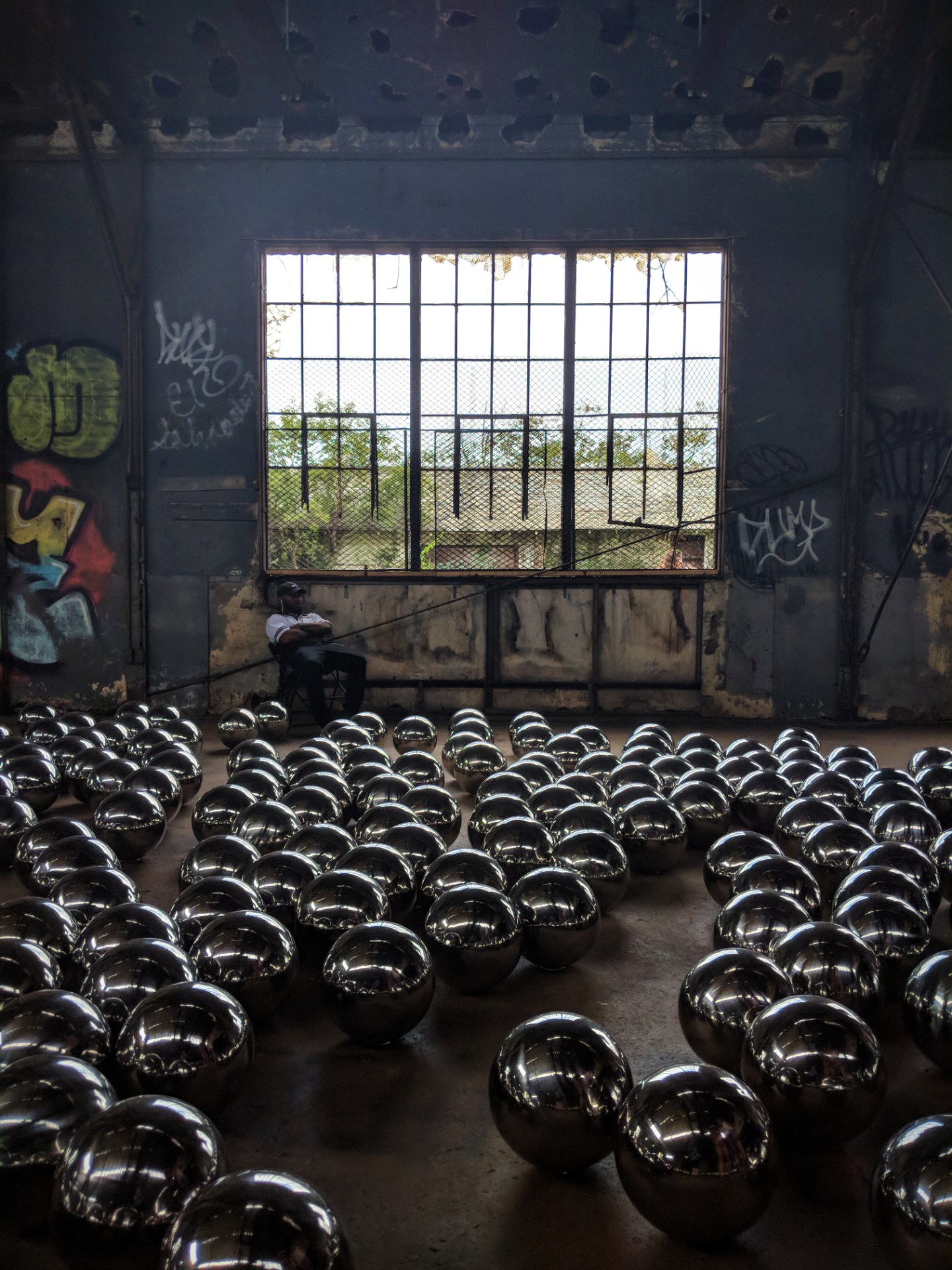
”Comprised of 1,500 mirrored stainless steel spheres, Narcissus Garden landed in a former train garage that dates to the time when Fort Tilden was an active US military base. The mirrored metal surfaces reflect the industrial surroundings of the now-abandoned building, drawing attention to Fort Tilden’s history as well as the devastating damage inflicted on many buildings in the area by Hurricane Sandy in 2012.

Narcissus Garden was first presented in 1966, when Kusama staged an unofficial installation and performance at the 33rd Venice Biennale. The silver spheres, originally made from plastic, were installed on the lawn in front of the Italian Pavilion, reflecting the landscape of the exhibition grounds. Kusama herself stood among them, barefoot and dressed in a gold kimono, alongside yard signs inscribed with the words “Narcissus Garden, Kusama” and “Your Narcissism for Sale.” Throughout the opening day of the exhibition, Kusama remained in the installation, tossing the spheres in the air and offering to sell them to visitors for 1,200 lire (approximately $2) each. The action, which was viewed both as self-promotion and a critique on the commercialization of contemporary art, would later be seen as a pivotal moment in Kusama’s career as she transitioned from installation toward the radical, politically charged public performances that would be the focus of her work in the late 1960s in New York City.”

The installation was presented by MoMA PS1, free to those whose way brought them over to the faraway Rockaway.

August 25th, 2018
City Views || Tudor City

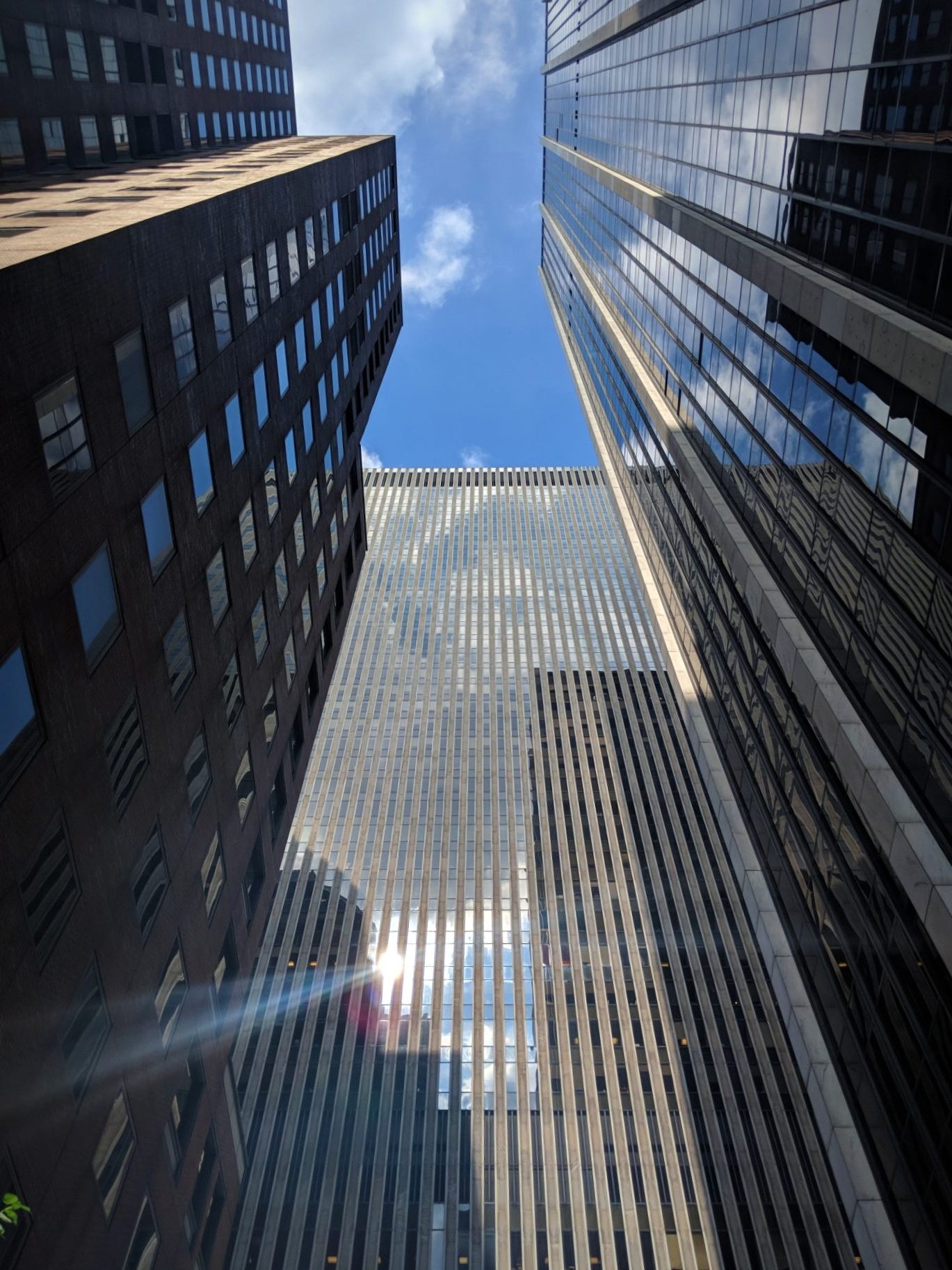
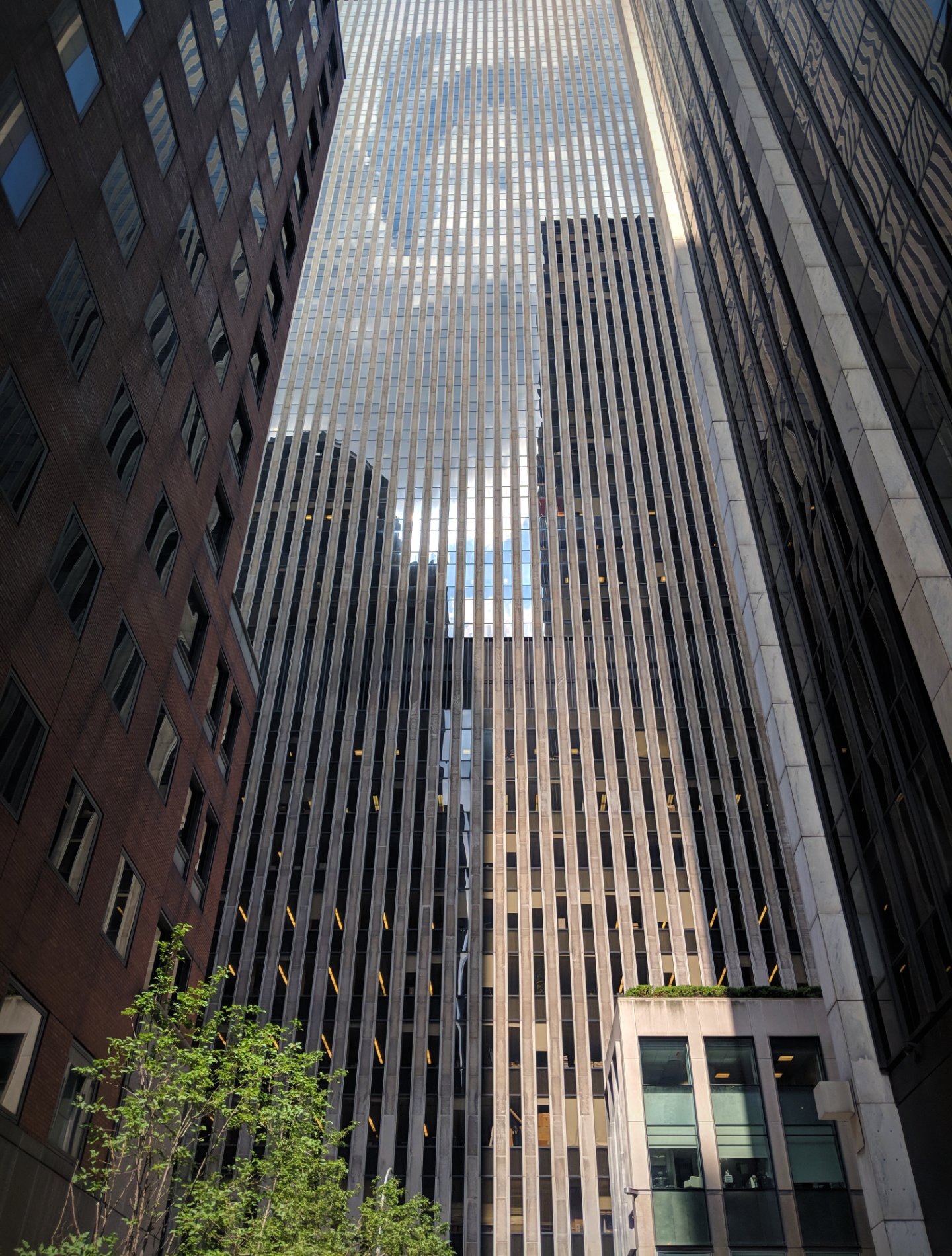
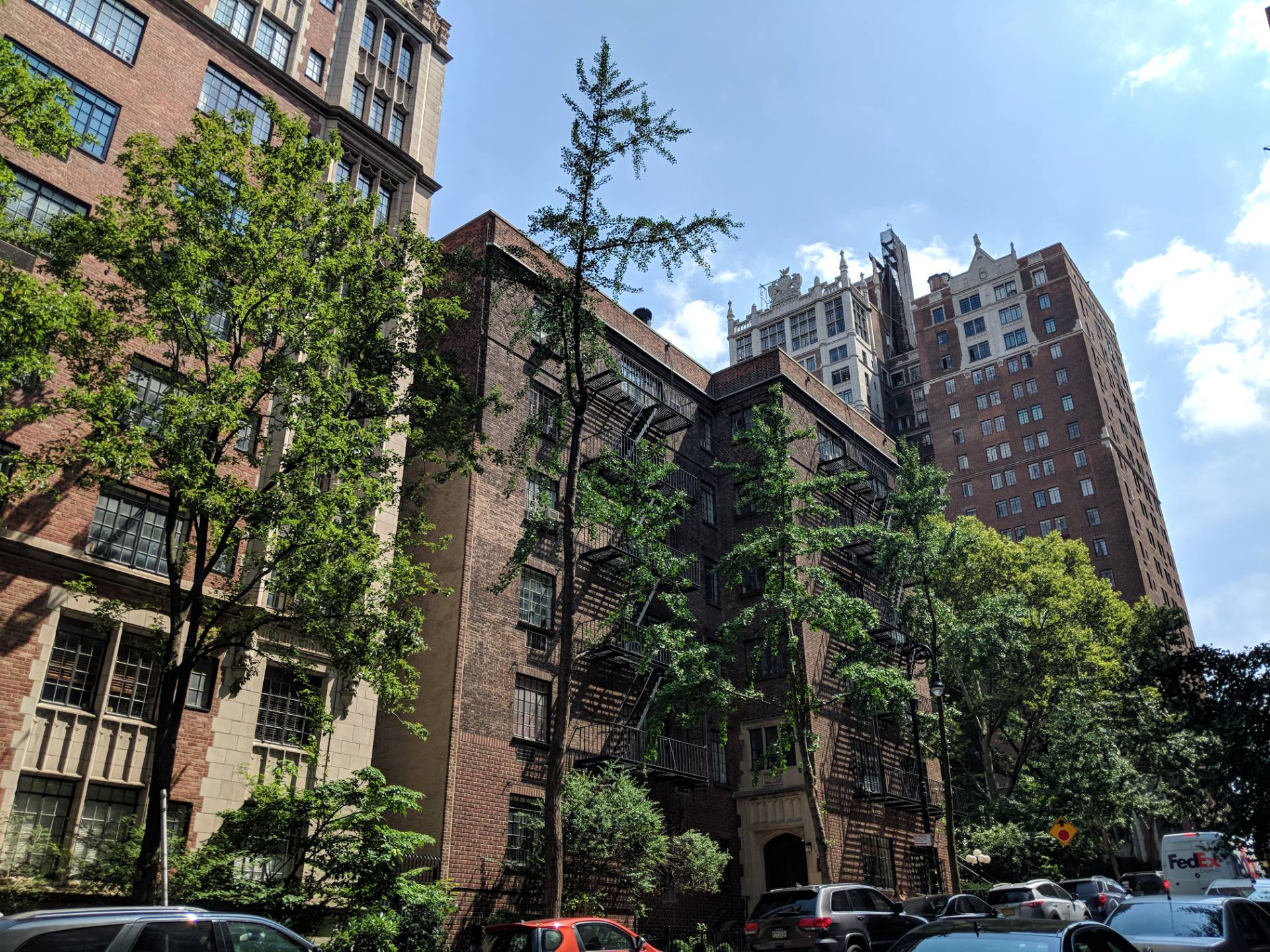
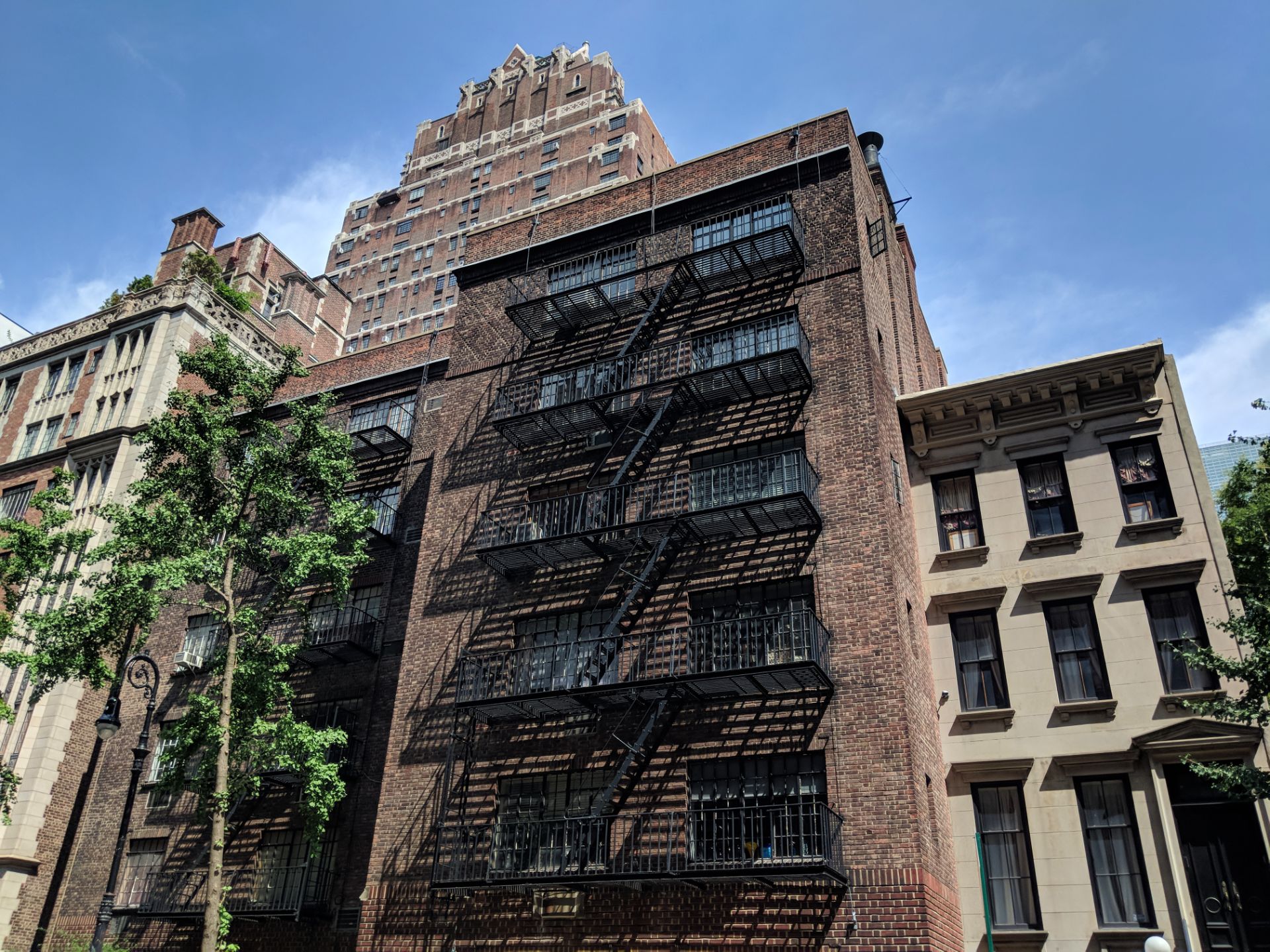
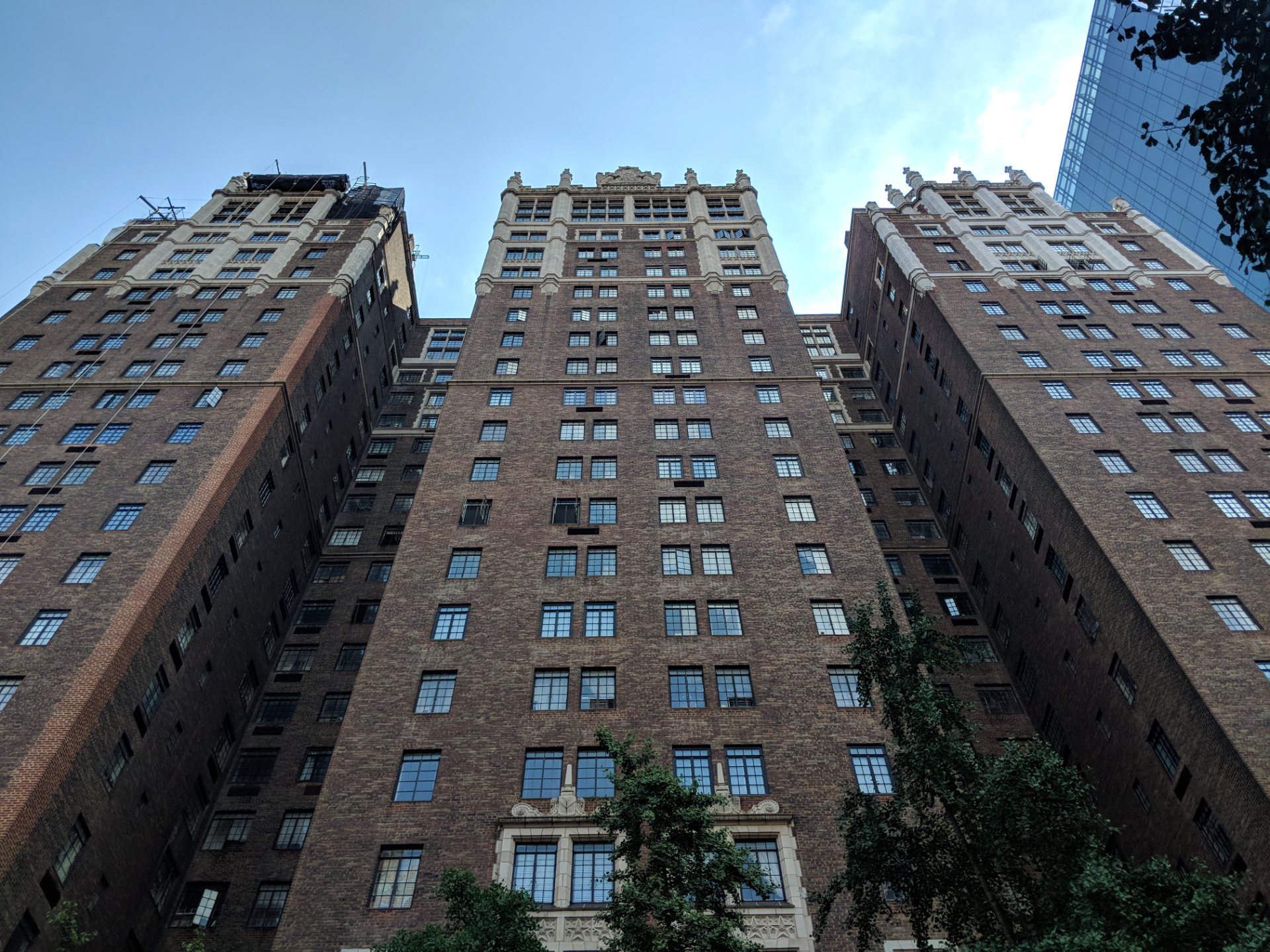
Sitting on a cliff between 40th and 43rd Streets, overlooking First Avenue and the United Nations Headquarters, Tudor City is a red brick apartment complex with wonderful stonework, that took its name from its architectural style: Tudor Revival. A massive – yet far from oppressive – enclave, a heaven of tranquility amidst one of noisiest, busiest parts of the City.

Midtown Manhattan East

August 25th, 2018