


January 11th, 2020
Category: New York
This unforgettable view
And the moon was the cherry on the cake
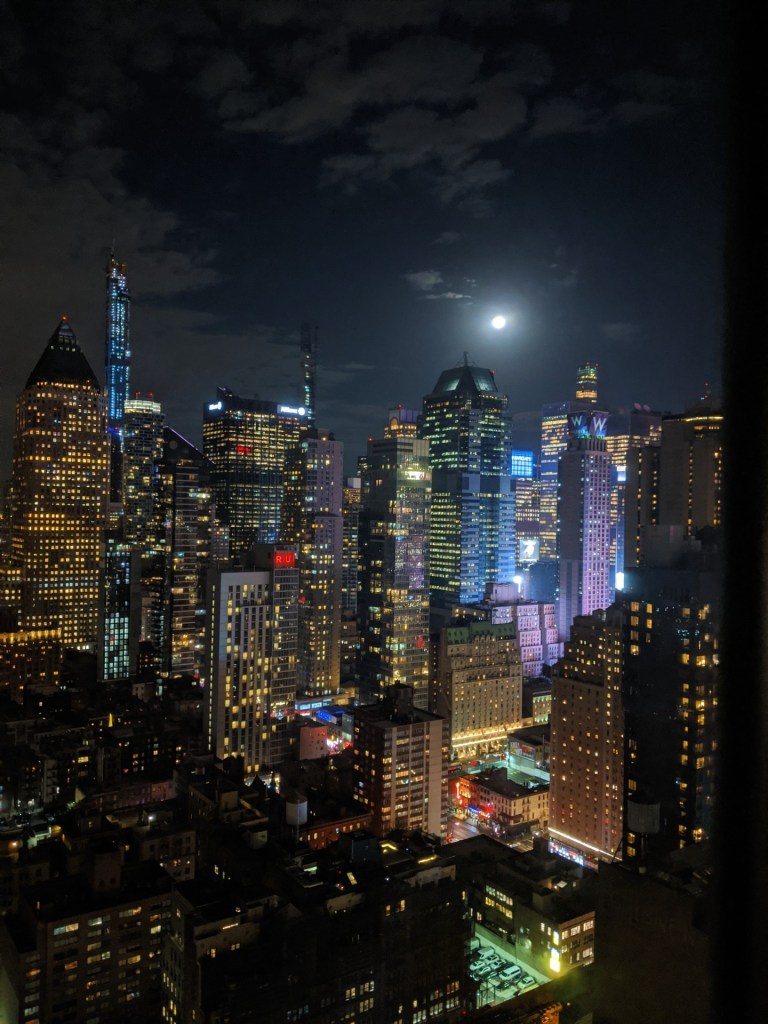
Manhattan Midtown West
January 10th, 2020
Hope
In Lower Manhattan
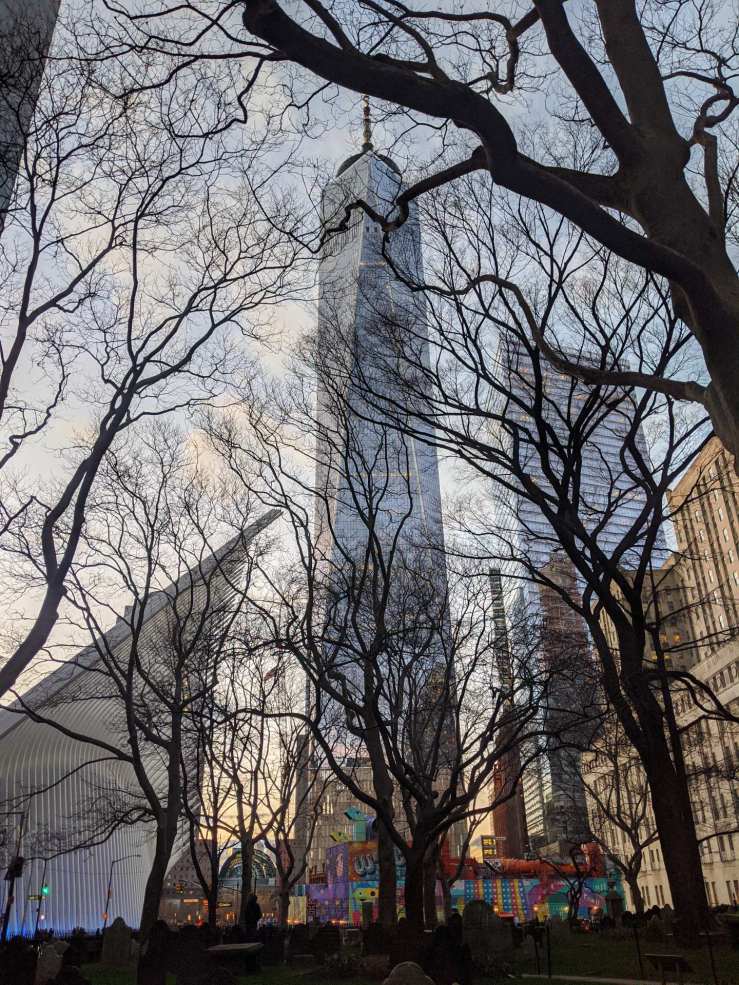
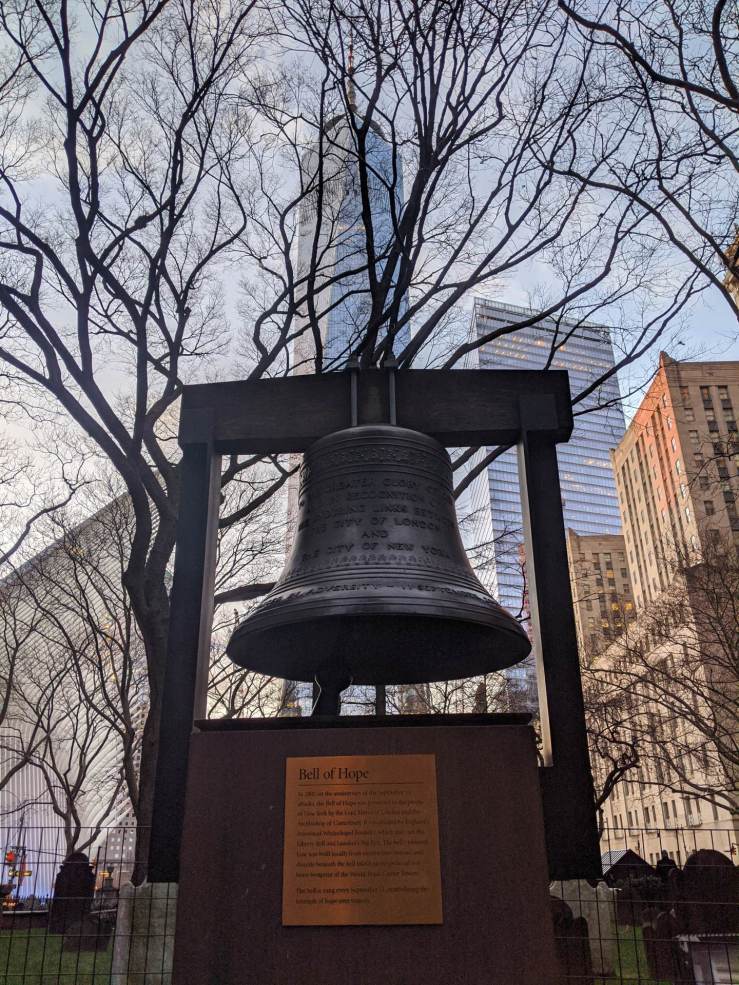
Every year, the Bell of Hope rings at 0846 local time to mark the moment when the first of two planes hit the World Trade Center on September 11, 2001 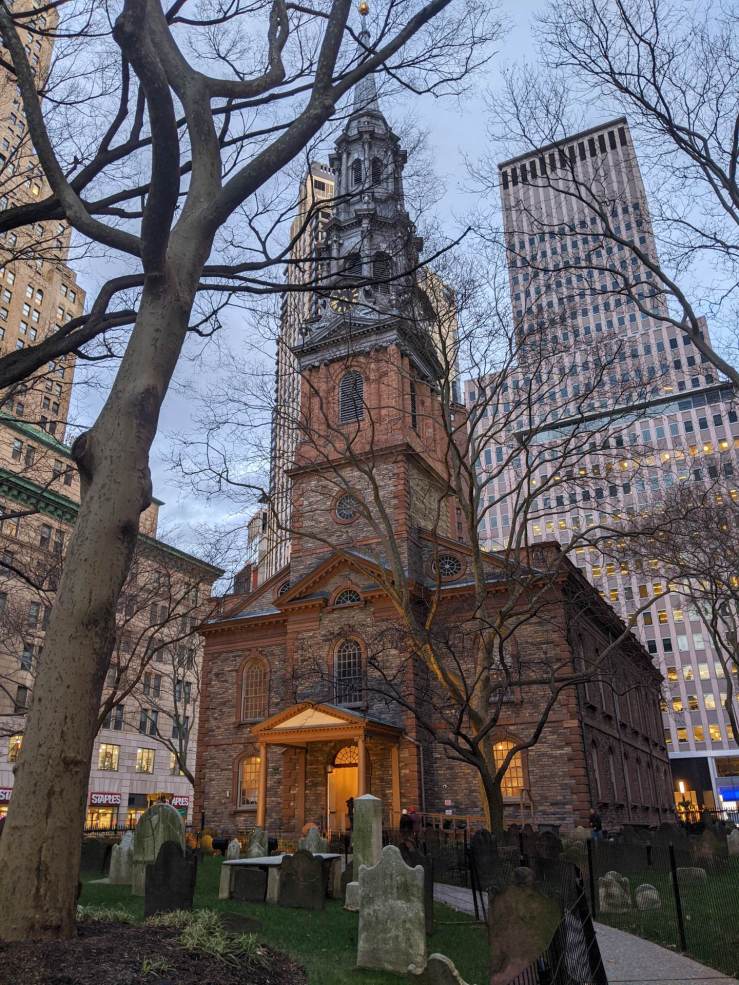
St. Paul’s Chapel. Built in 1766, it is the oldest surviving place of worship in New York City. Still standing even though the twin World Trade Center towers (and the world as we knew it) collapsed across from it in the 9/11 attacks, earning it the loving title ”the chapel that stood”. 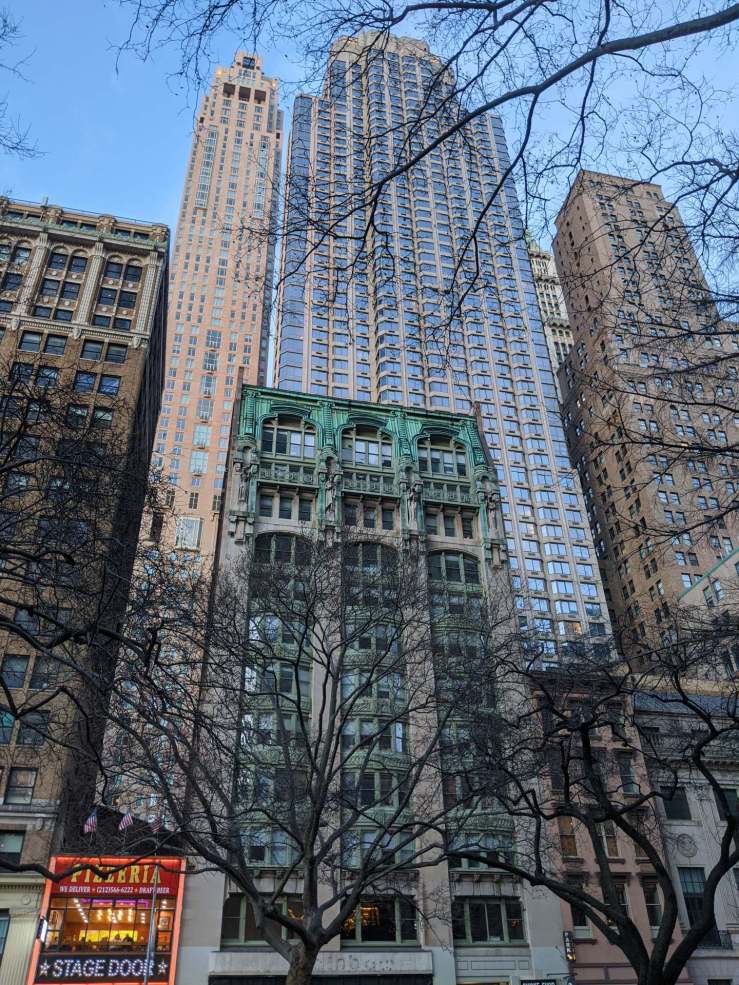
The New York Evening Post Building, an Art Nouveau gem, and a rarity in New York City
January 5th, 2020
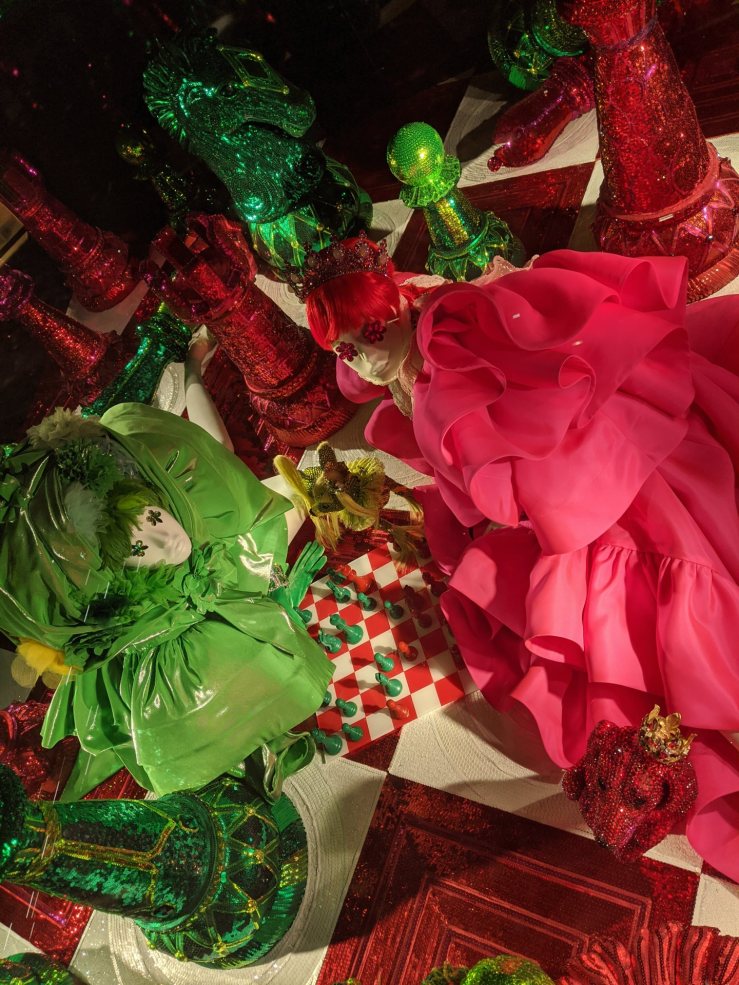
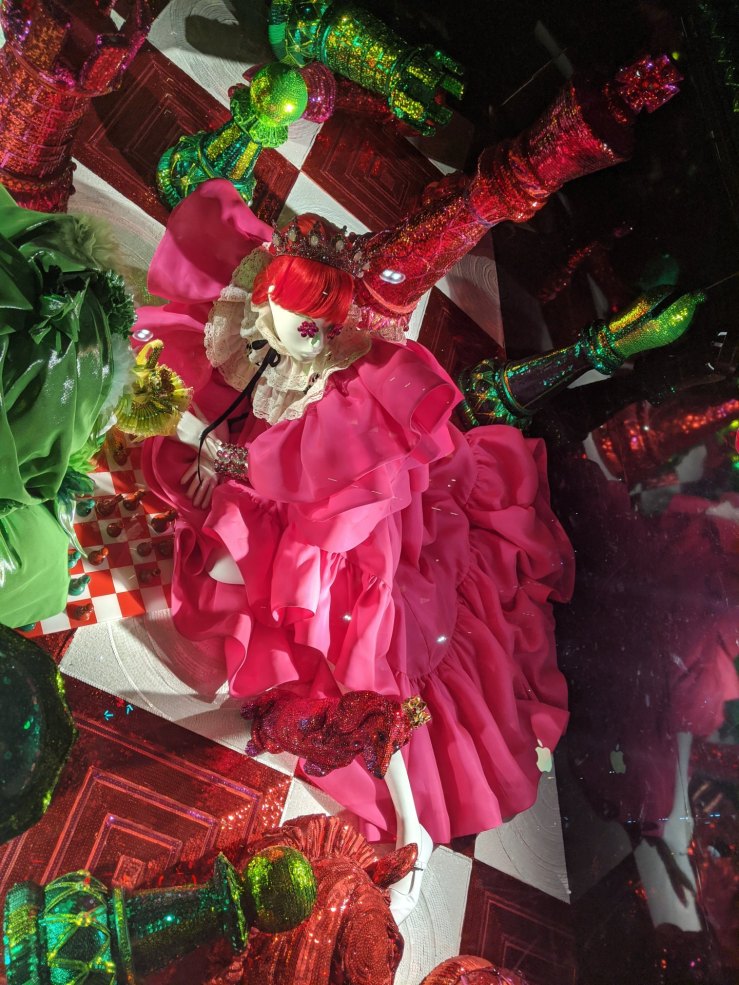
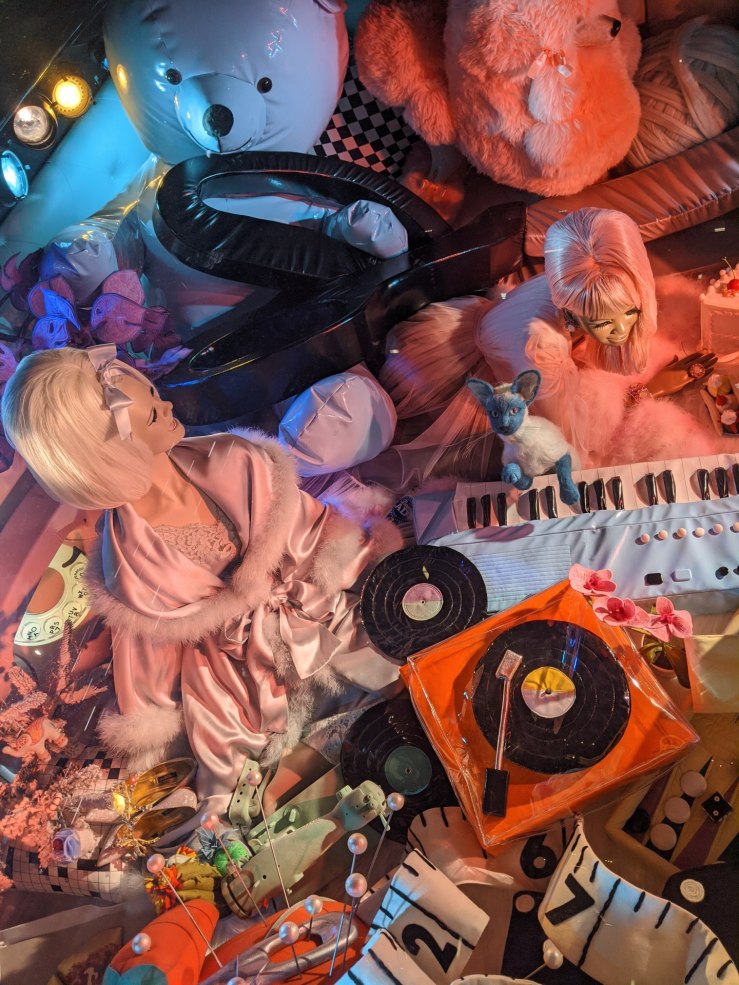
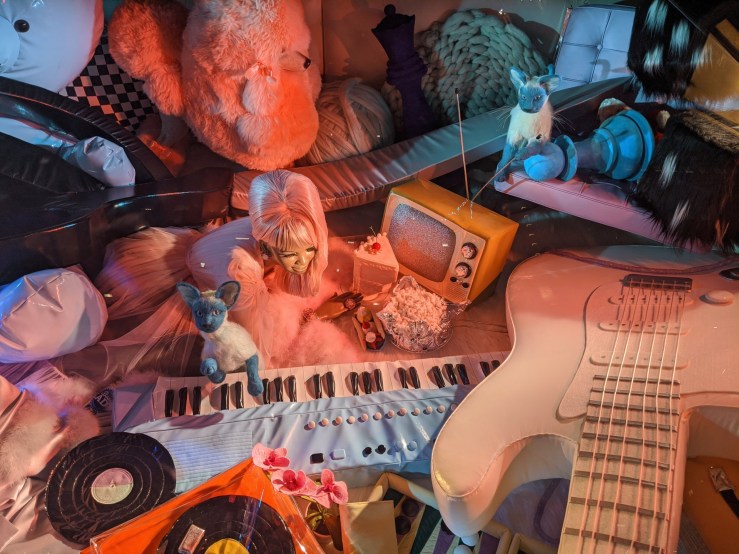
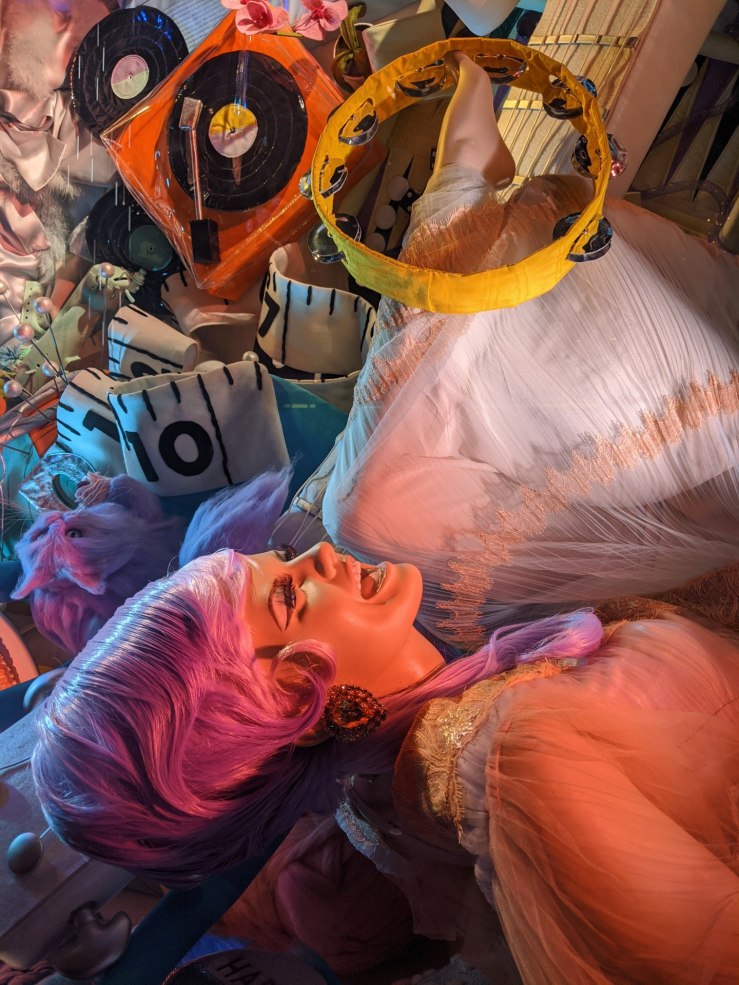
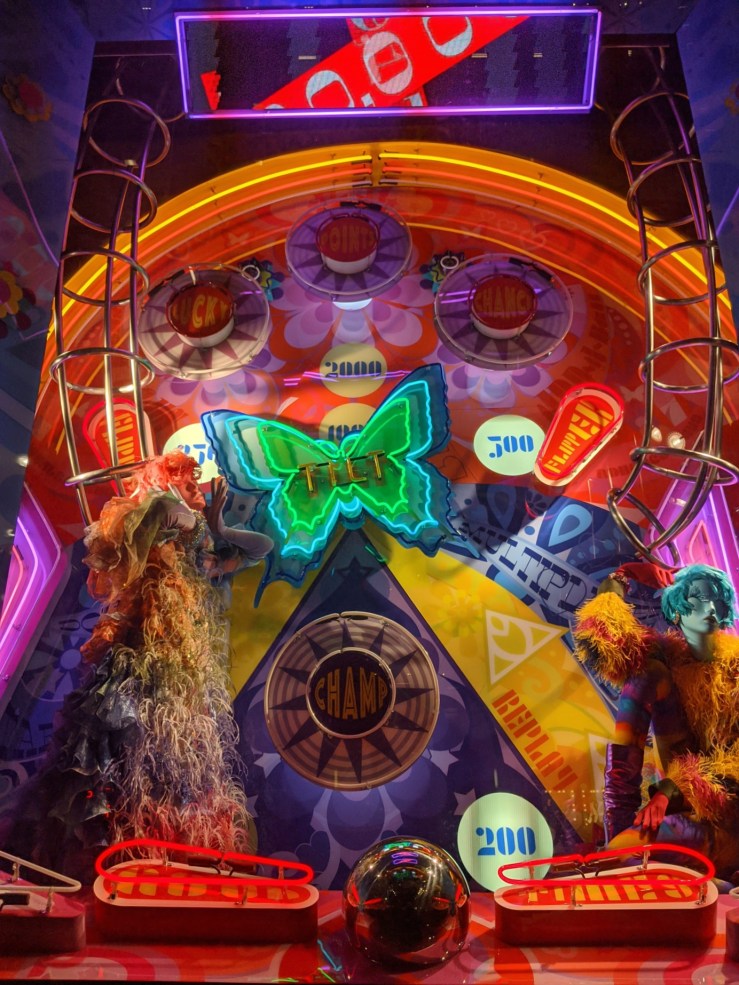
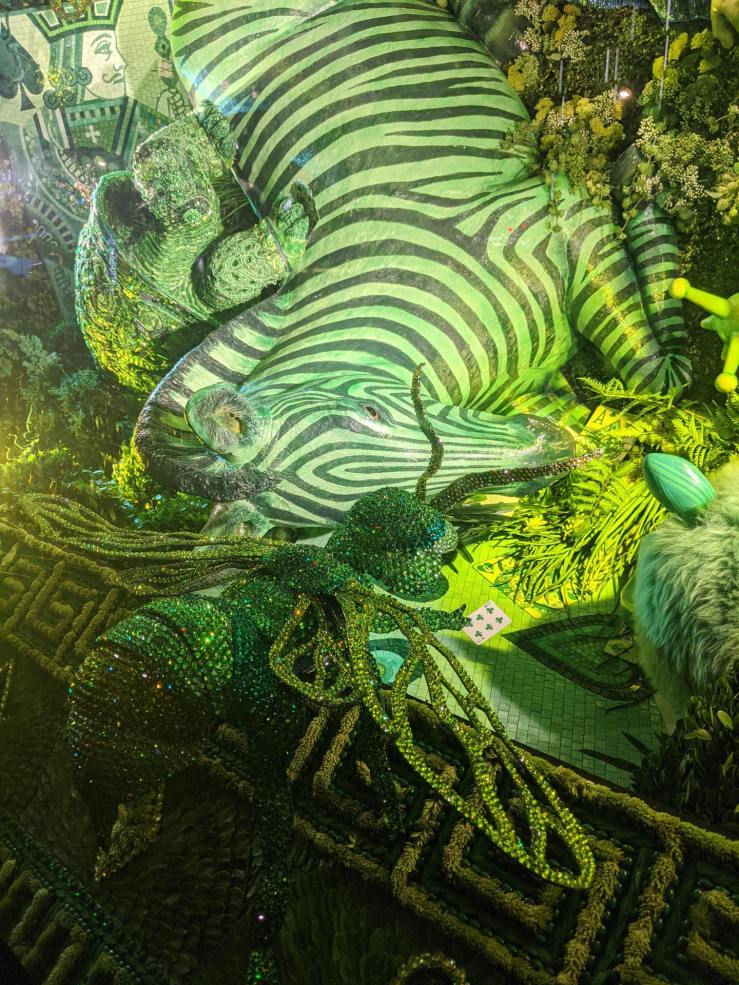
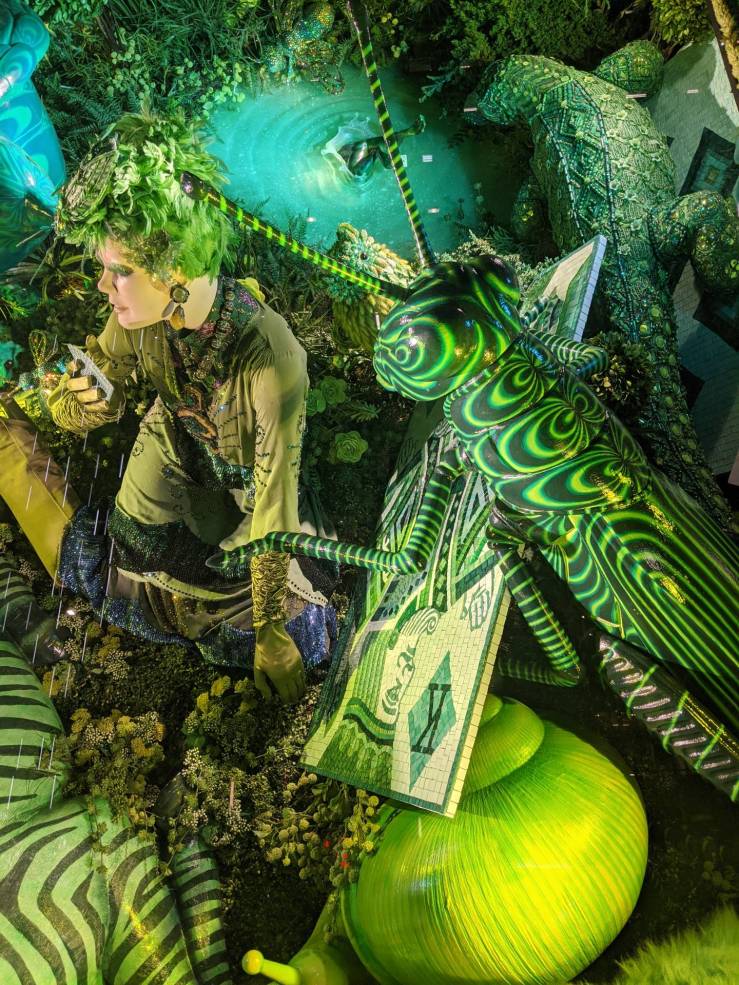
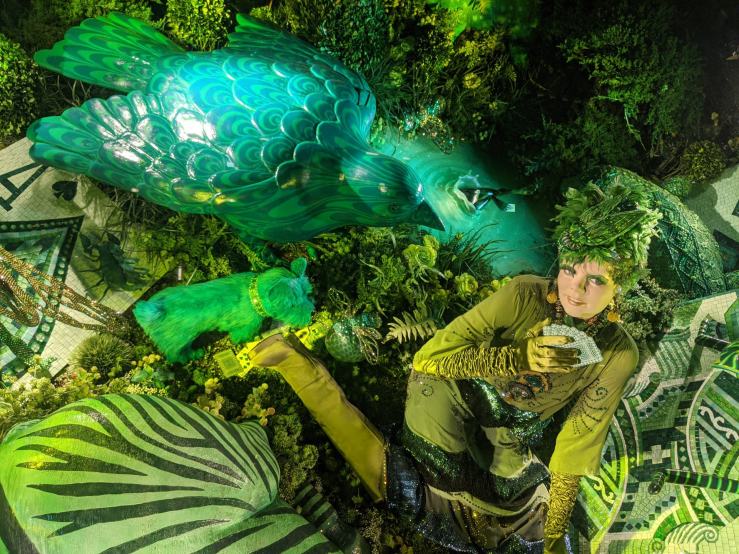
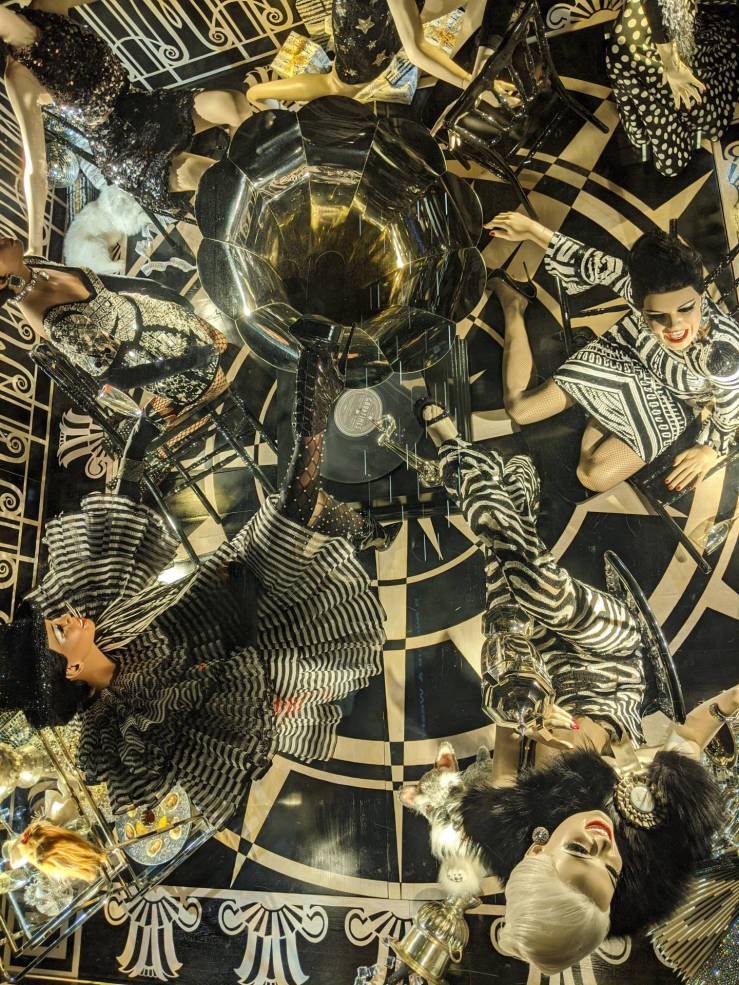
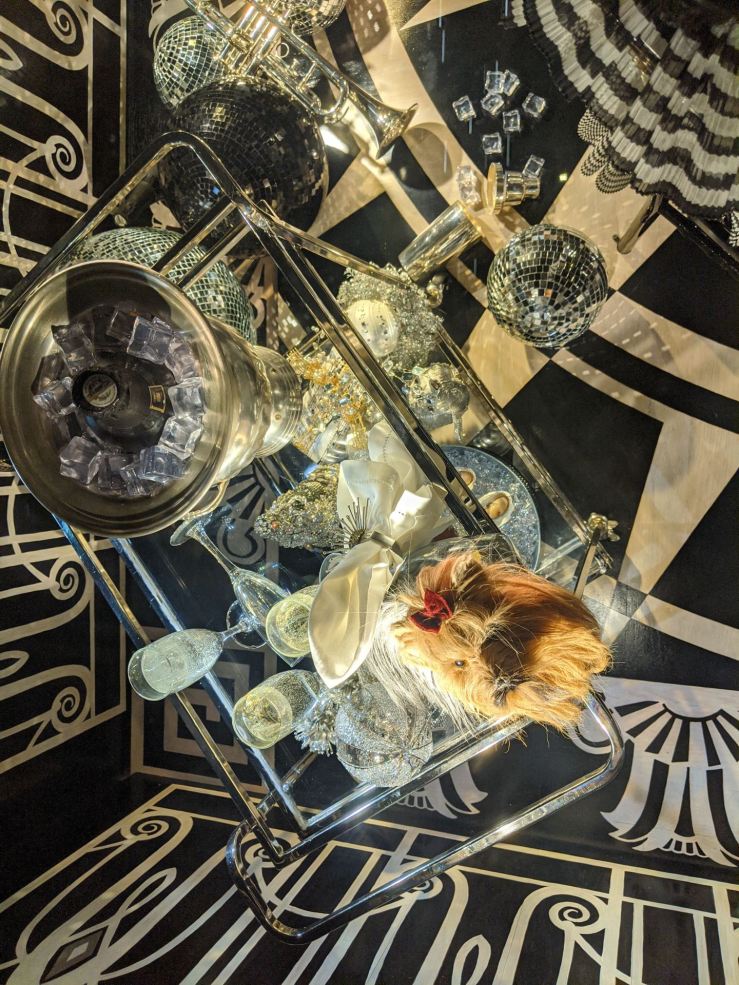
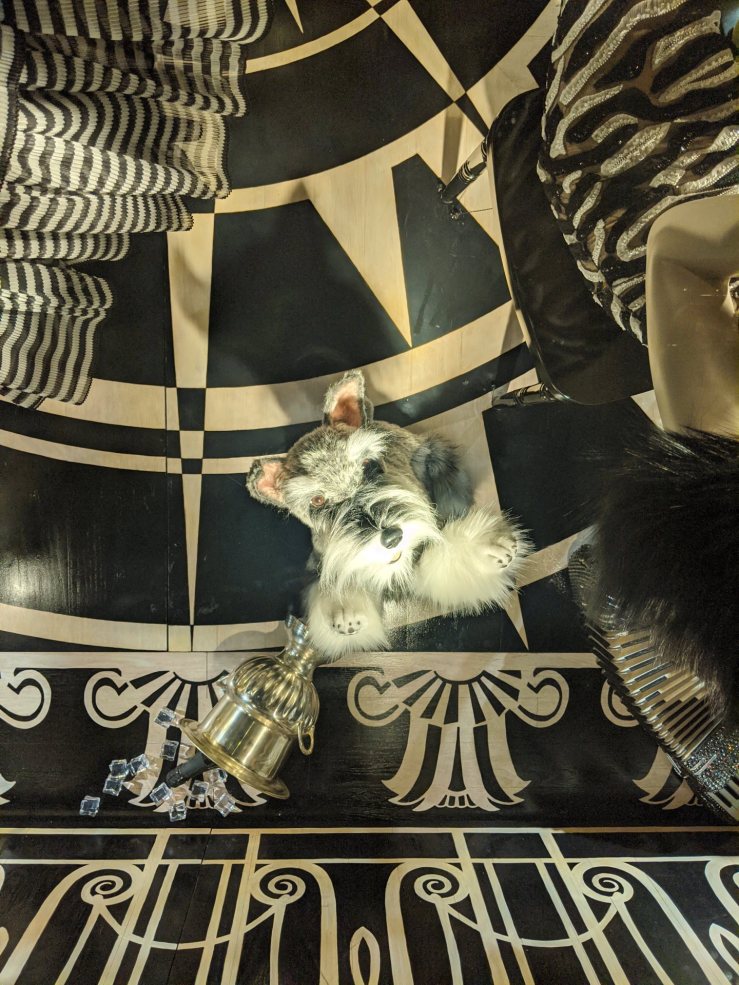
Glitter & Glam
As in, Bergdorf Goodman-going-overboard-with-their-holiday-windows. Their 2019/2020 dizzying display made it seem like you were looking down from up above, a feat of craftmanship in itself.
January 2nd, 2020
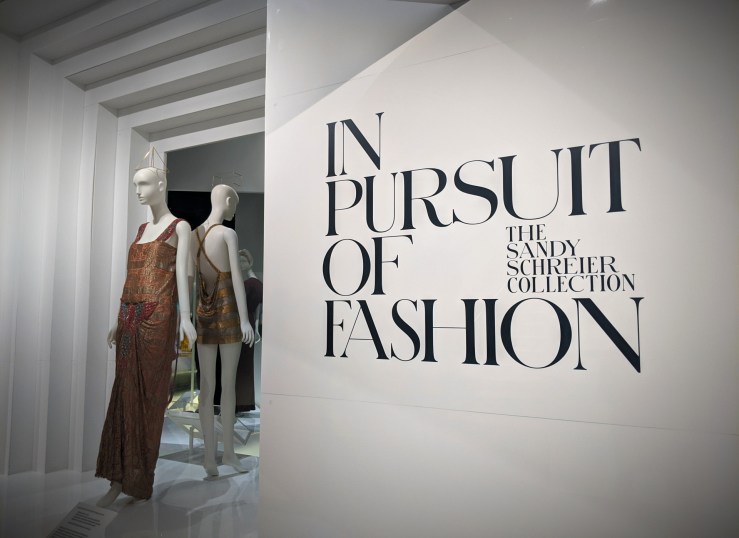
In Pursuit of Fashion: The Sandy Schreier Collection
”The Costume Institute’s fall 2019 exhibition featured promised gifts from Sandy Schreier, a pioneering collector, who over the course of more than half a century assembled one of the finest private fashion collections in the United States. The show explored how Schreier amassed a trove of twentieth-century French and American couture and ready-to-wear, not as a wardrobe, but in appreciation of this form of creative expression.” [source]
Sandy Schreier, a fashion historian and private collector from Detroit owns more than 15.000 couture items and accessories from France, American ready-to-wear, and early twentieth-century Italian designs. She also owns Hollywood costumes such as Rita Hayworth’s dress from ‘Gilda’, Zsa Zsa Gabor’s dress from ‘Moulin Rouge’, or the metal-mesh mini dress by Roberto Rojas that Twiggy wore in Richard Avedon’s photograph (second image, below). The Met exhibition featured just 80 of these collection items, and they took up the entire Costume Institute’s show space… makes you think of the size of storage room needed to house the entire collection, doesn’t it!
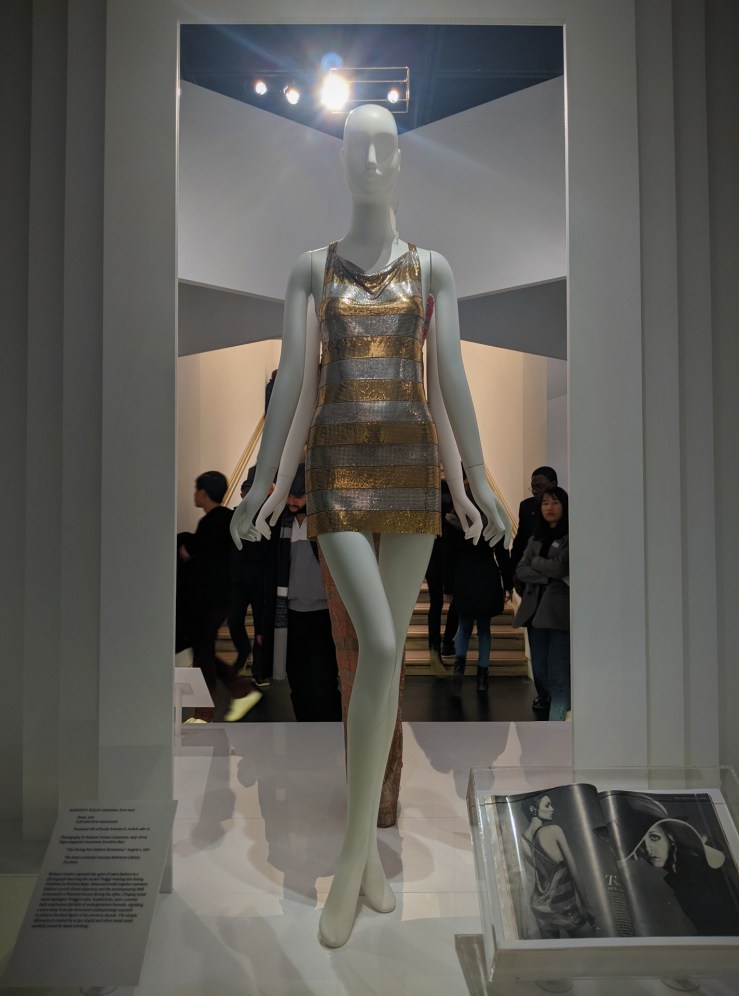
Roberto Rojas, dress, 1967 – Gold and silver metal mesh 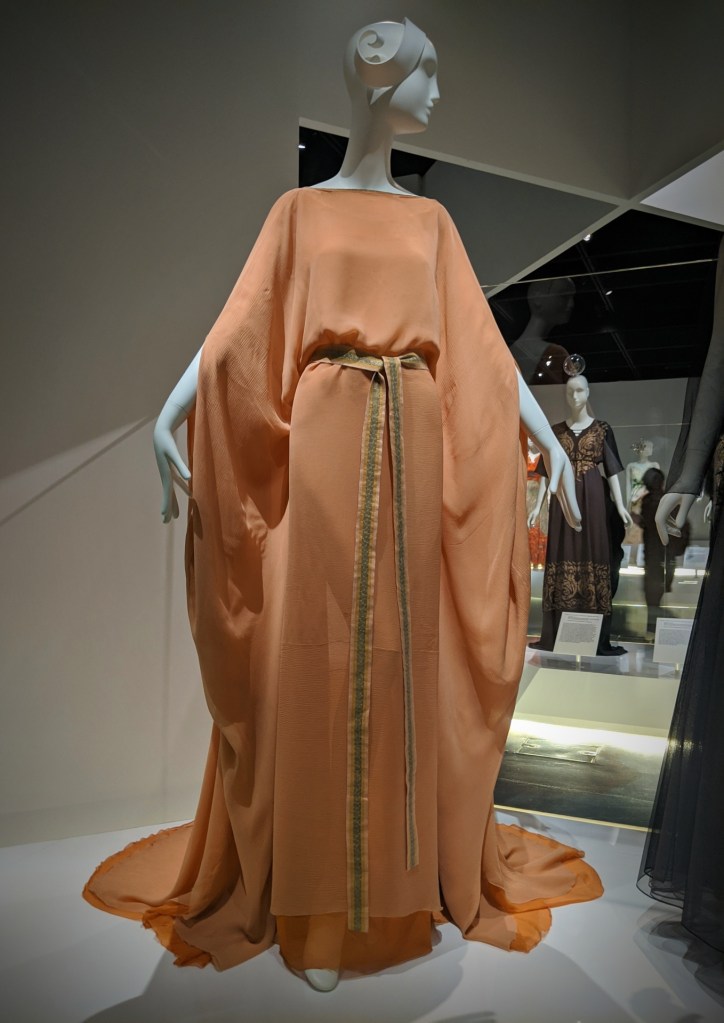
Jessie Franklin Turner, tea gown, 1939 – Gown of peach and apricot silk chiffon 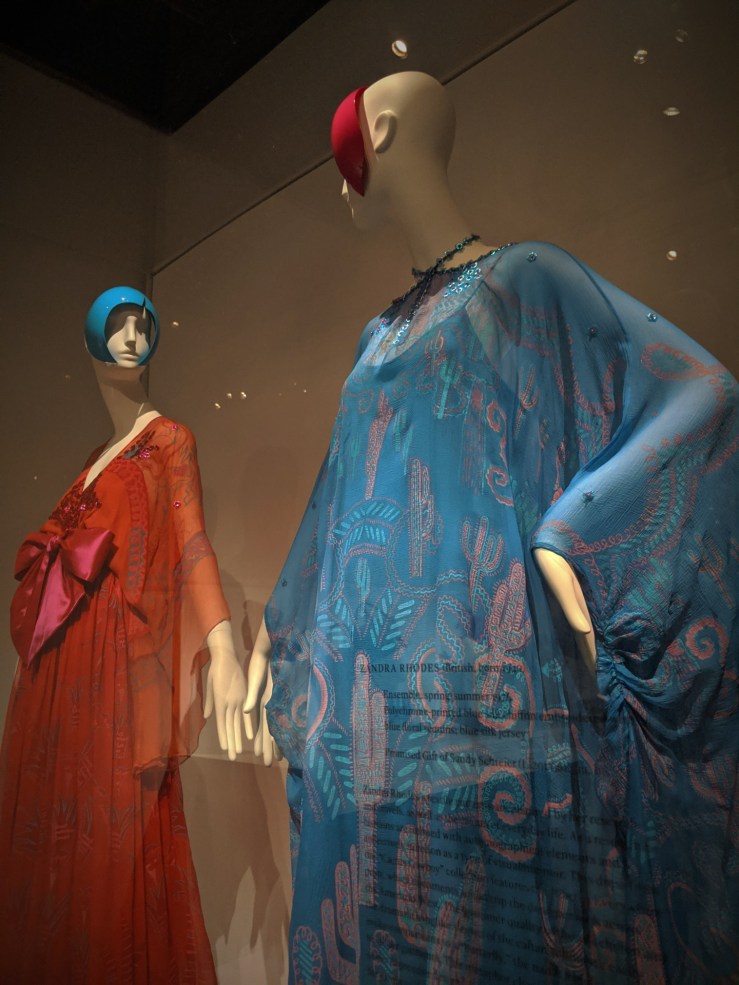
Zandra Rhodes, dress, A/W 1972-73 – Polychrome-printed silk chiffon embroidered with pink floral sequins
Ensemble, S/S 1976 – Polychrome-printed blue silk chiffon embroidered with blue floral sequins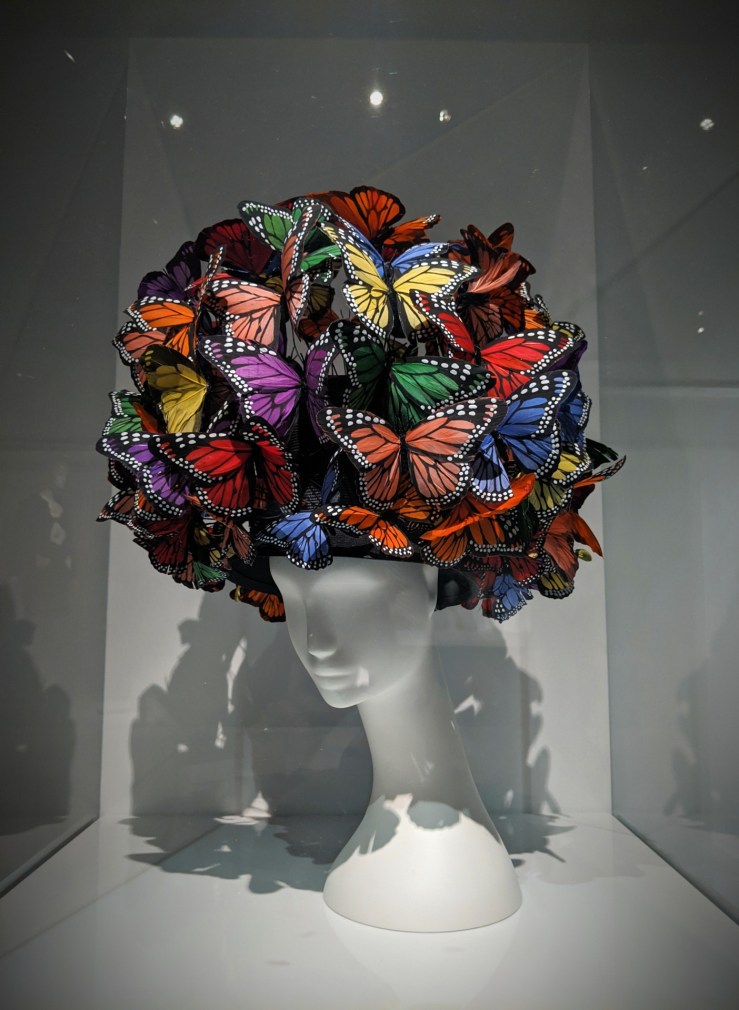
Philip Treacy, hat, Spring 2003 haute couture – Black braided straw with polychrome butterflies of painted turkey feathers 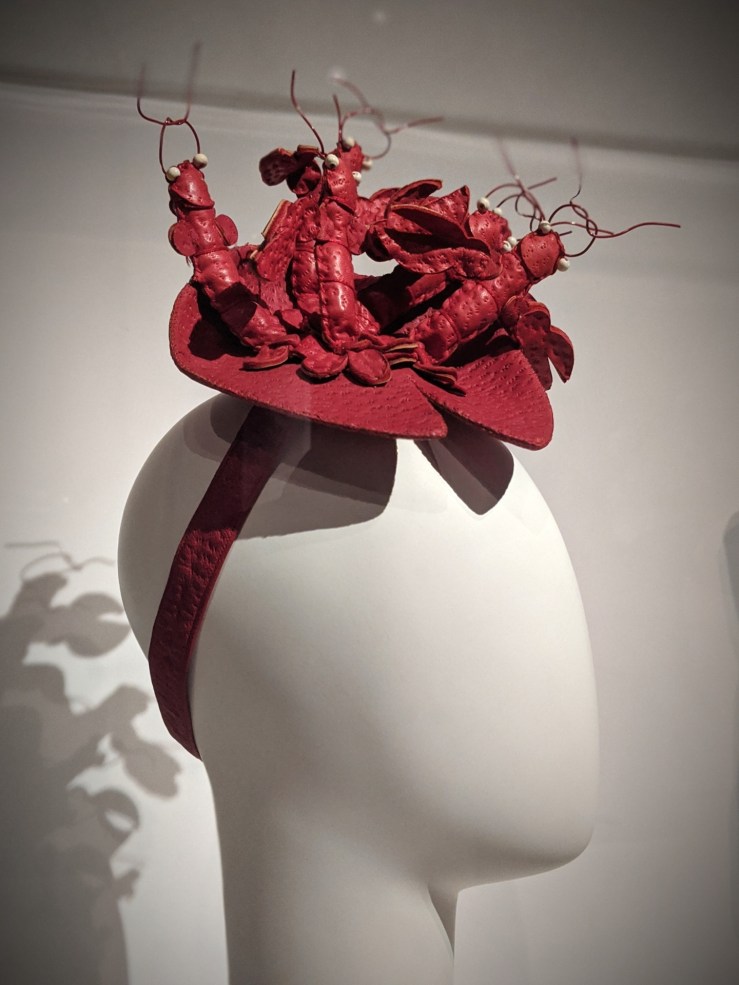
Bes-Ben, hat ca. 1946 – Red leather, red cotton thread, plastic-coated wire, and white beads 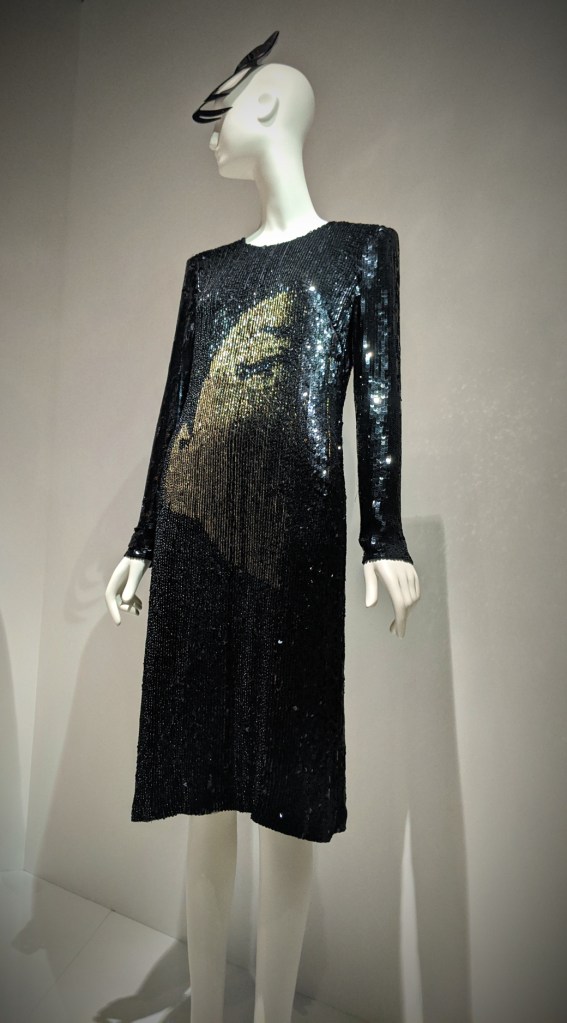
Alexander McQueen, dress S/S 2008 – Black silk twill embroidered with portrait of Isabella Blow in black and gold sequins and bugle beads 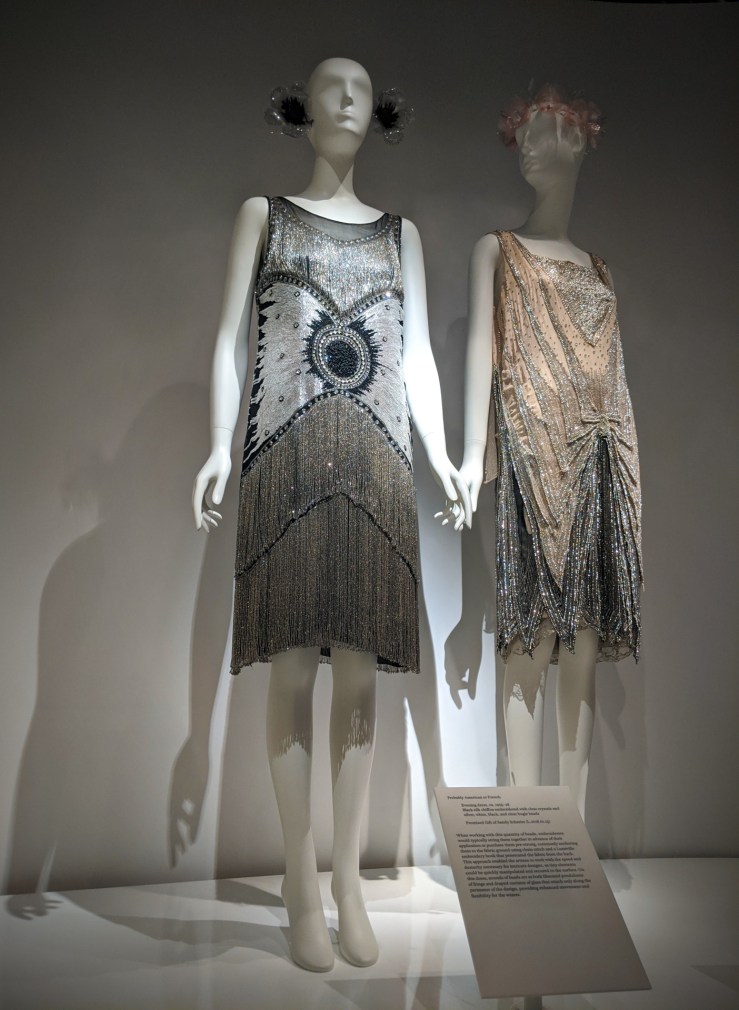
Probably French, evening dress, ca. 1925-28 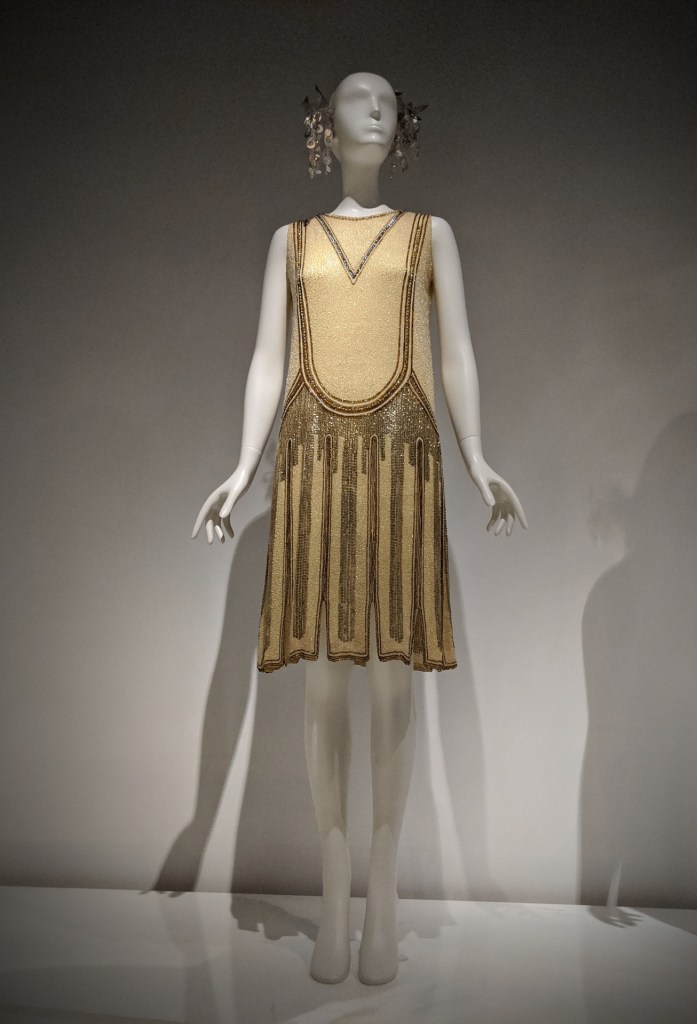
Probably American or French, evening dress, ca. 1925-28 – Yellow cotton plain weave embroidered with gold metal paillettes, gold glass bugle beads, clear glass beads, and seed beads; clear glass crystals 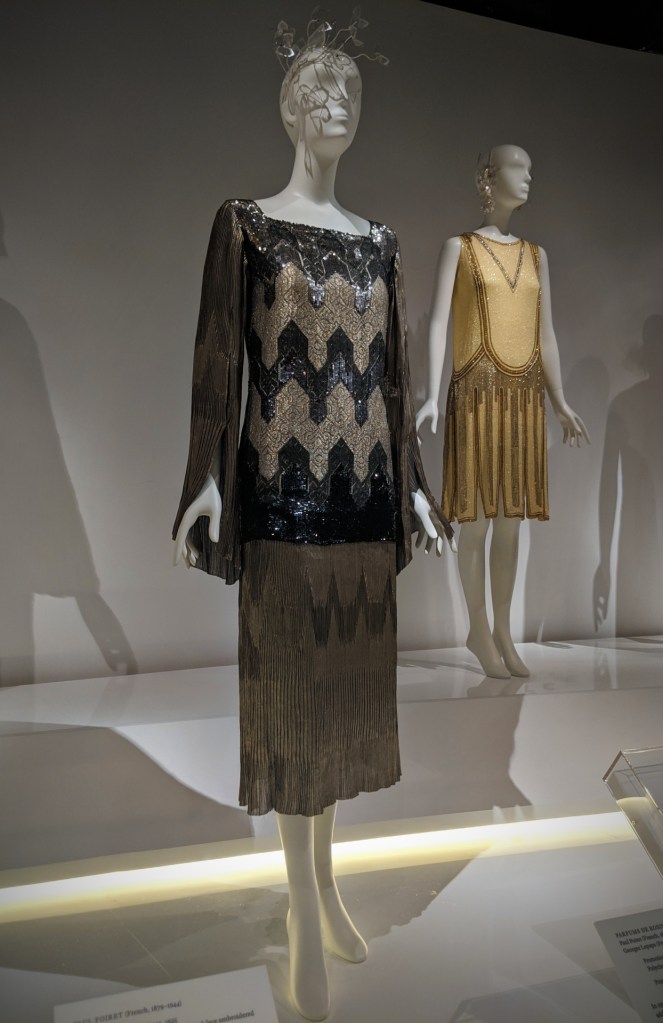
Paul Poiret, ”Bataille” evening dress, 1925 – Gold pleated lamé and gold and black lace embroidered with black and silver sequins 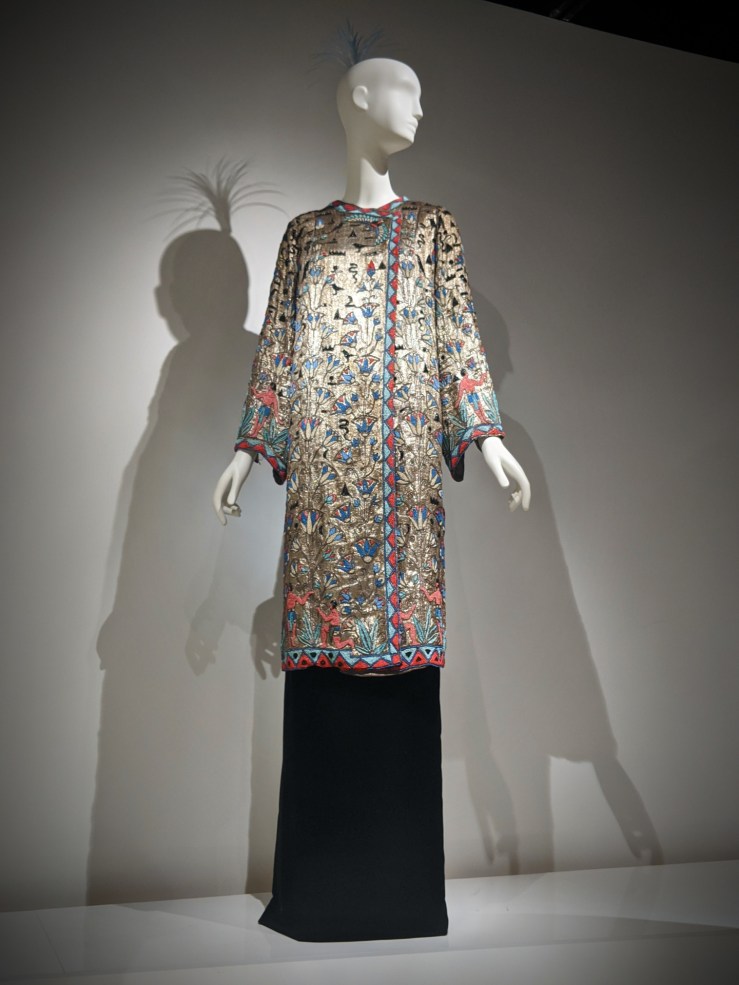
Probably French, evening coat, ca. 1923-28 – Silver lamé embroidered with polychrome seed beads and silver metal cord 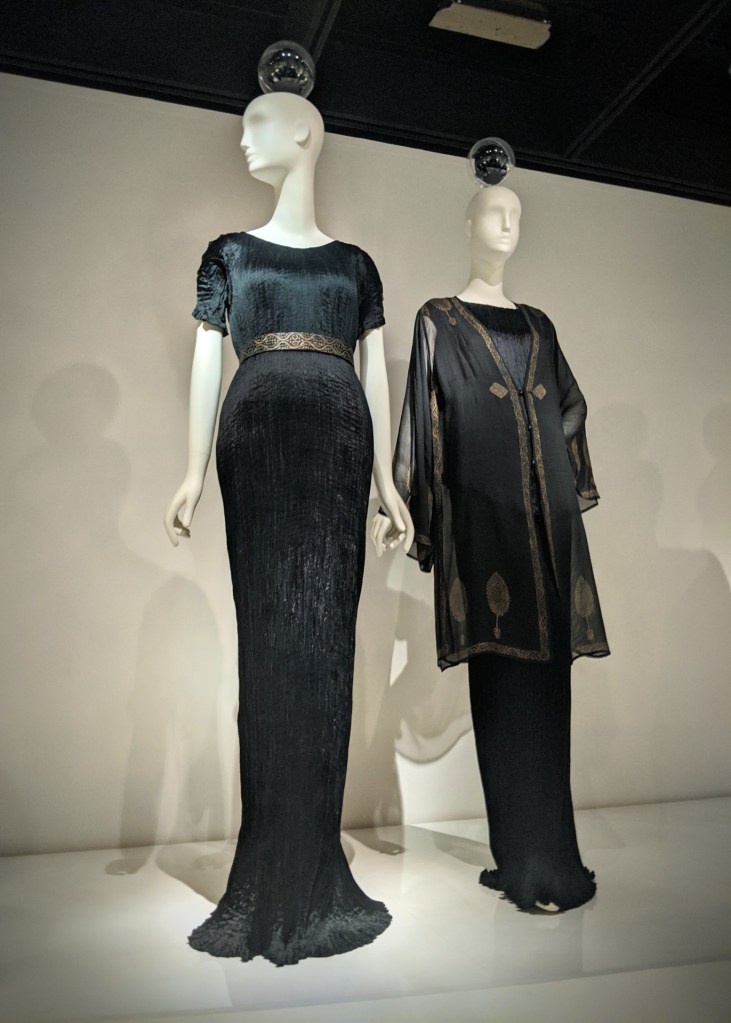
Mariano Fortuny y Madrazo, ”Delphos” dress, 1920s-30s – Pleated black silk charmeuse, black silk cord, and brown-and-white glass beads 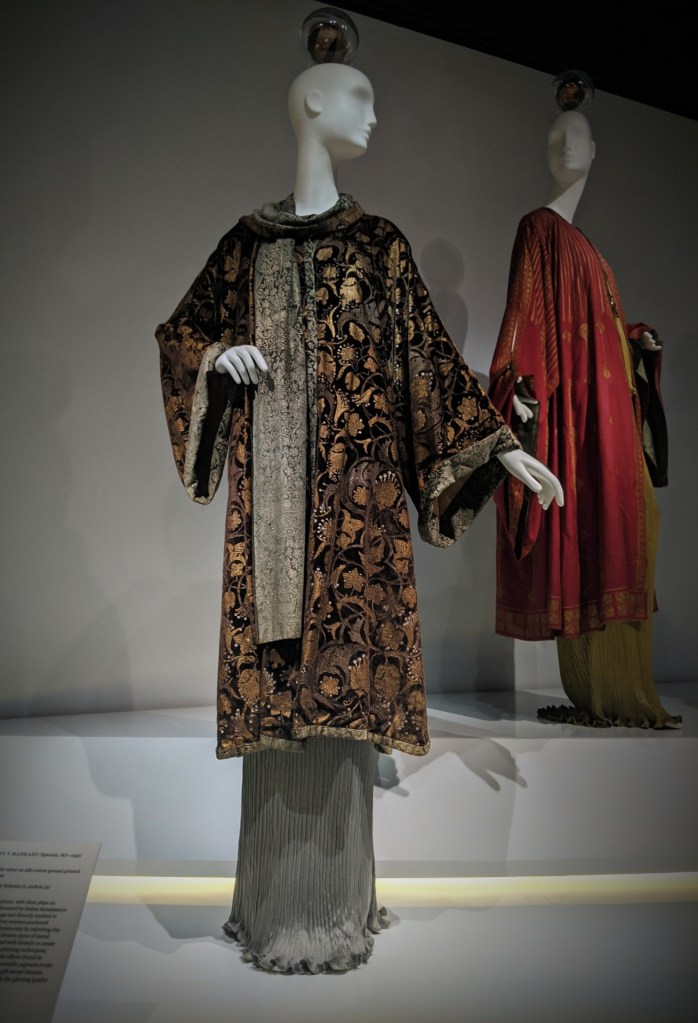
Mariano Fortuny y Madrazo, Coat 1920s-30s – Brown and green silk velvet on silk-cotton ground printed with metallic pigment 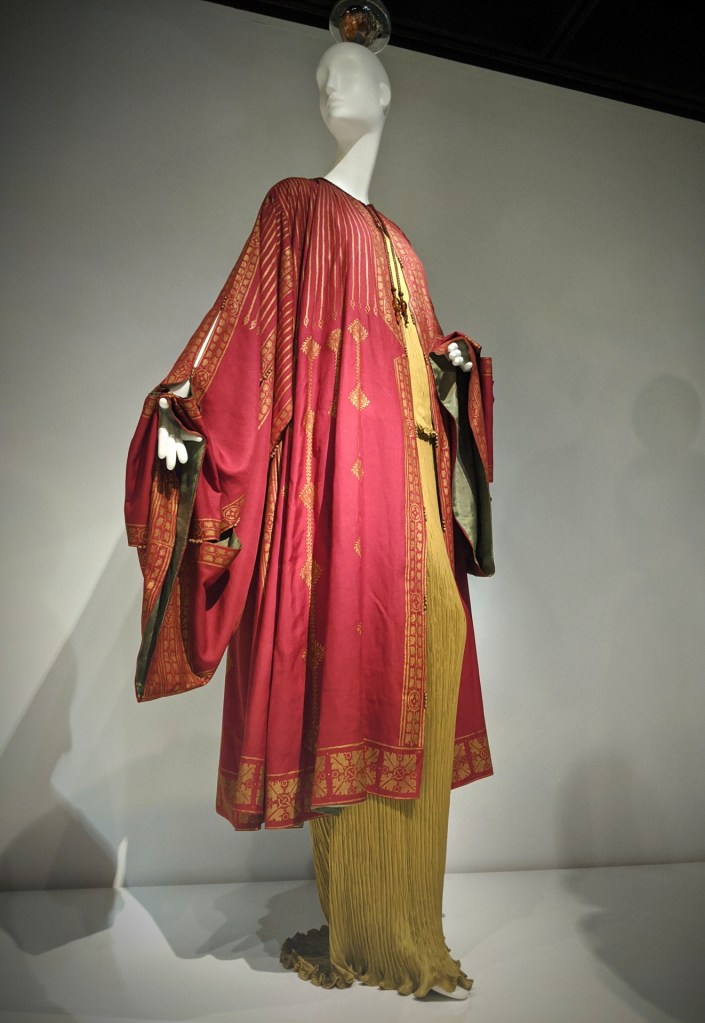
Mariano Fortuny y Madrazo, Coat 1920s-30s – Burgundy silk plain weave printed with metallic pigment, cord of burgundy silk and gold metal threads, cream-and-red and brown glass beads 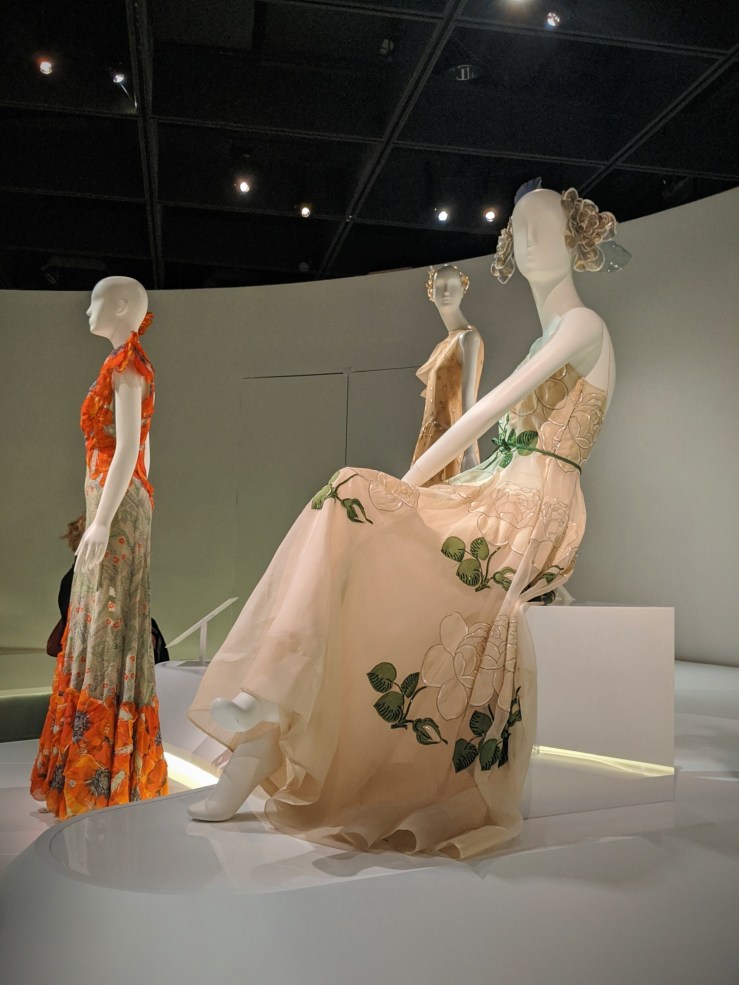
Lucien Lelong, evening dress, S/S 1938 – Ivory silk organza with floral appliqué of ivory and green silk mousseline embroidered with white and green bugle beads 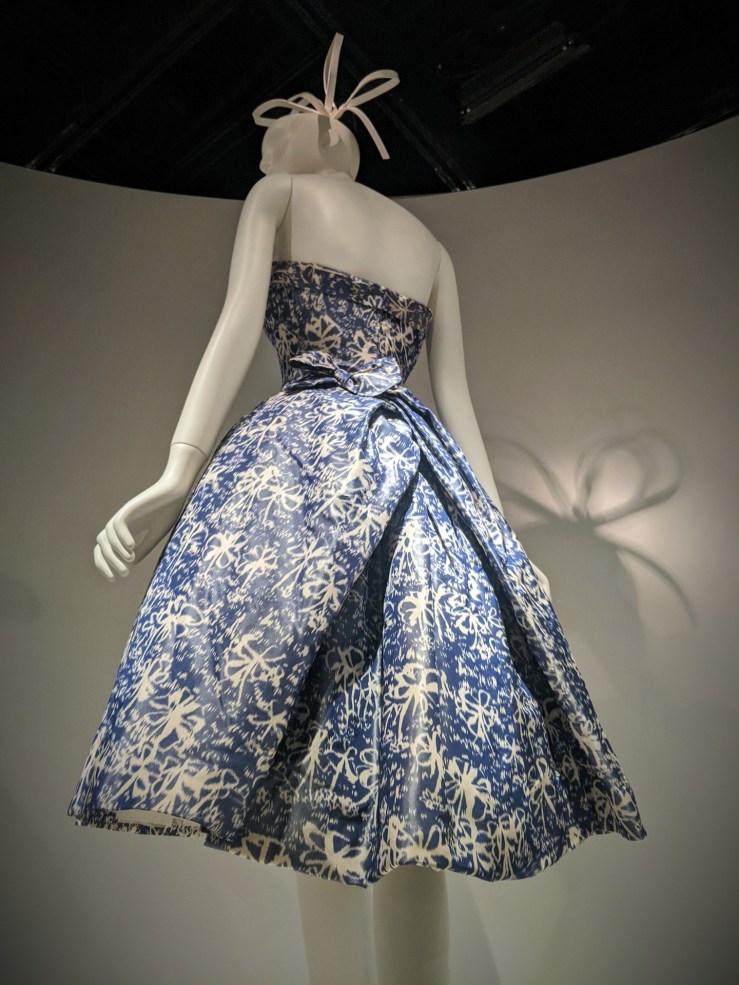
House of Dior, by Yves Saint Laurent – ”Aubade” evening ensemble, S/S 1958 – Dress and hat of blue-and-white warp-printed silk taffeta 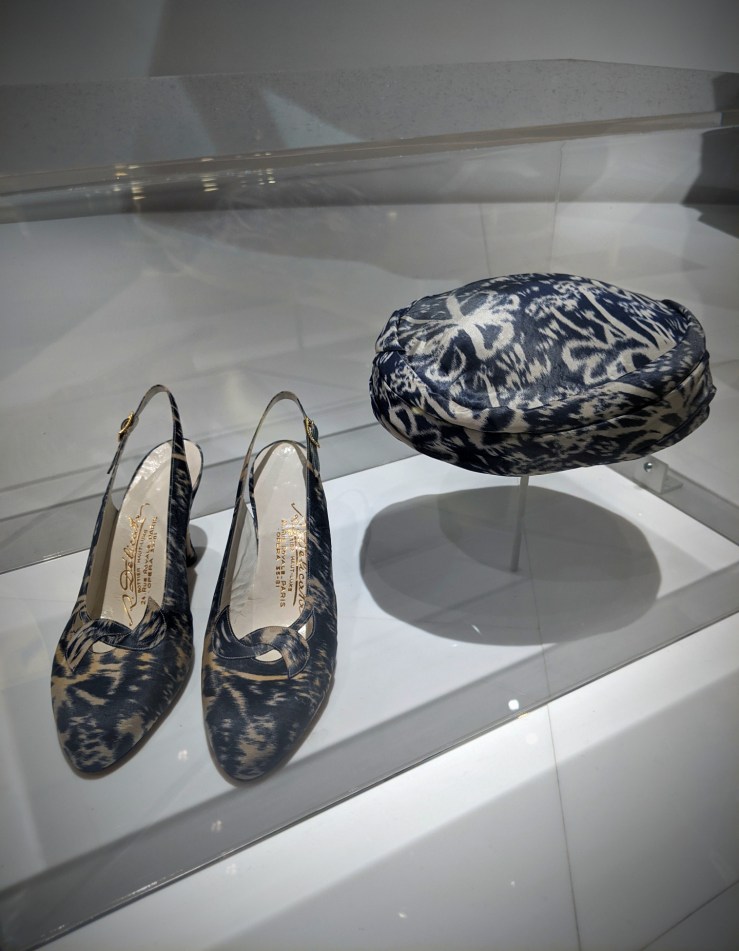
Delicata Shoes, 1958 – Blue-and-white warp-printed silk taffeta, white and tan leather 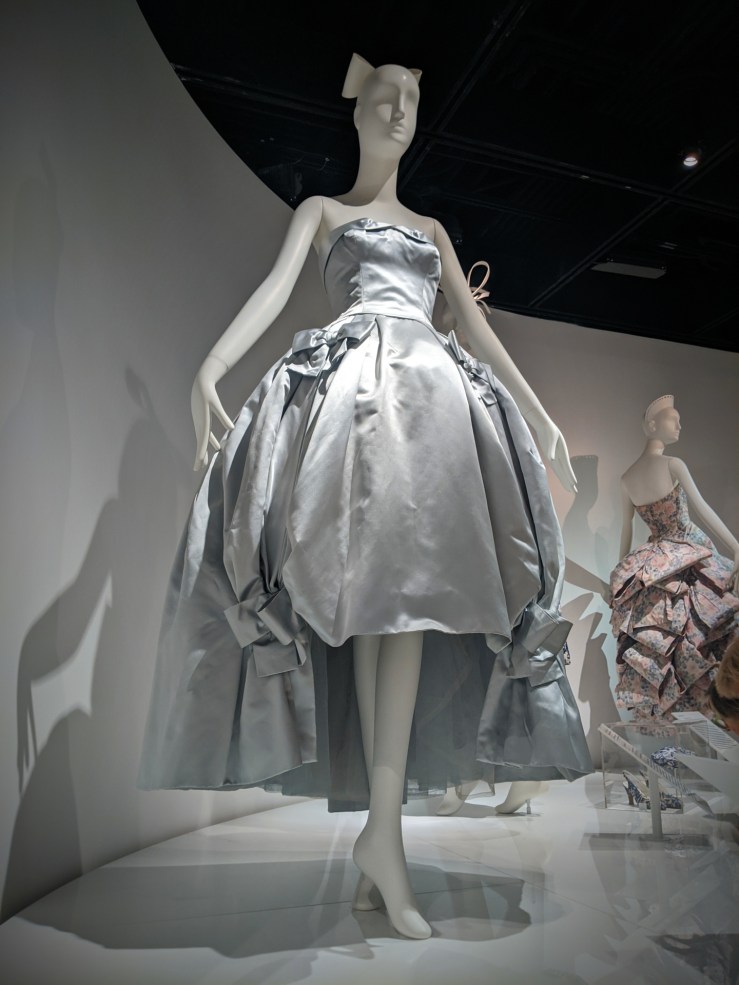
House of Dior, ”Du Barry” evening dress, A/W 1957-58 – Pale blue silk satin
The Metropolitan Museum of Art
January 2nd, 2020
Félix Vallotton: Painter of Disquiet
First steps into a new year – with Art
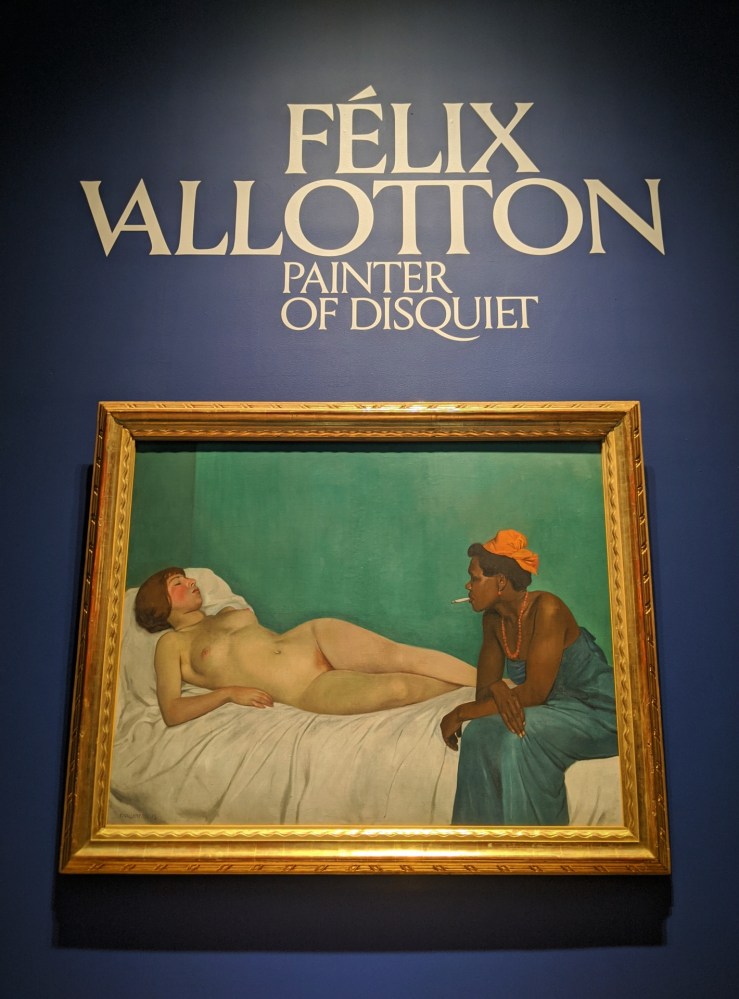
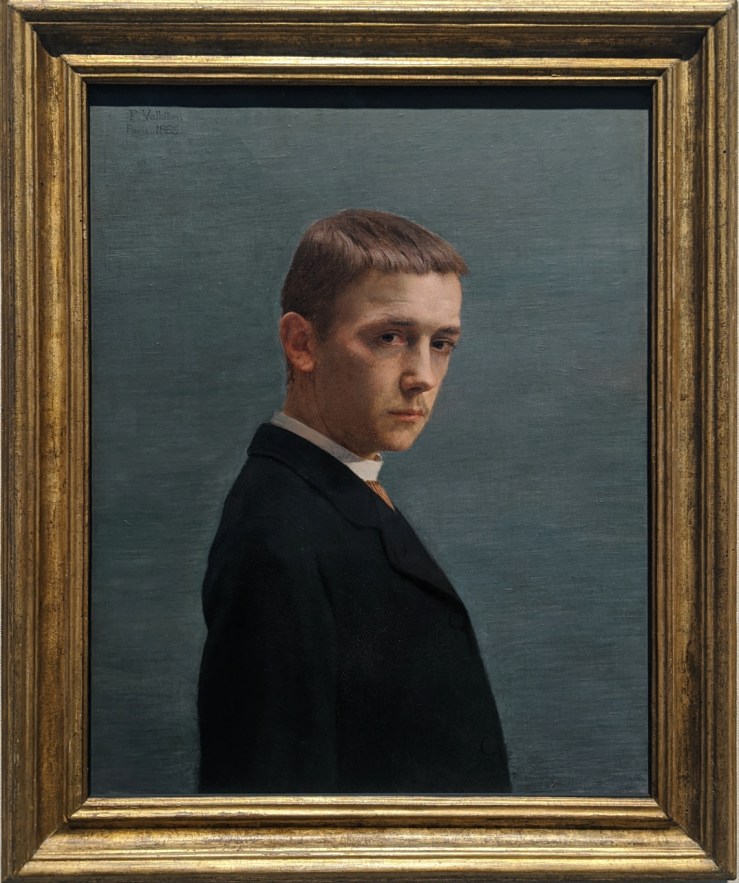
Self-Portrait at the Age of Twenty, 1885. Oil on canvas 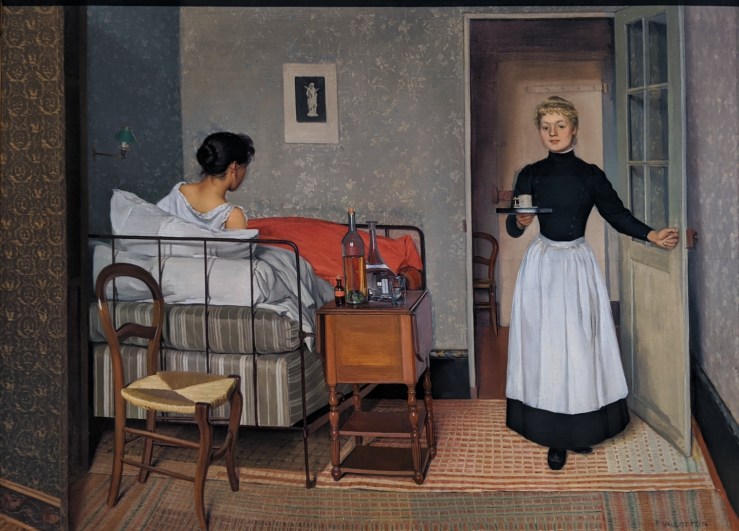
The Sick Girl, 1892. Oil on canvas 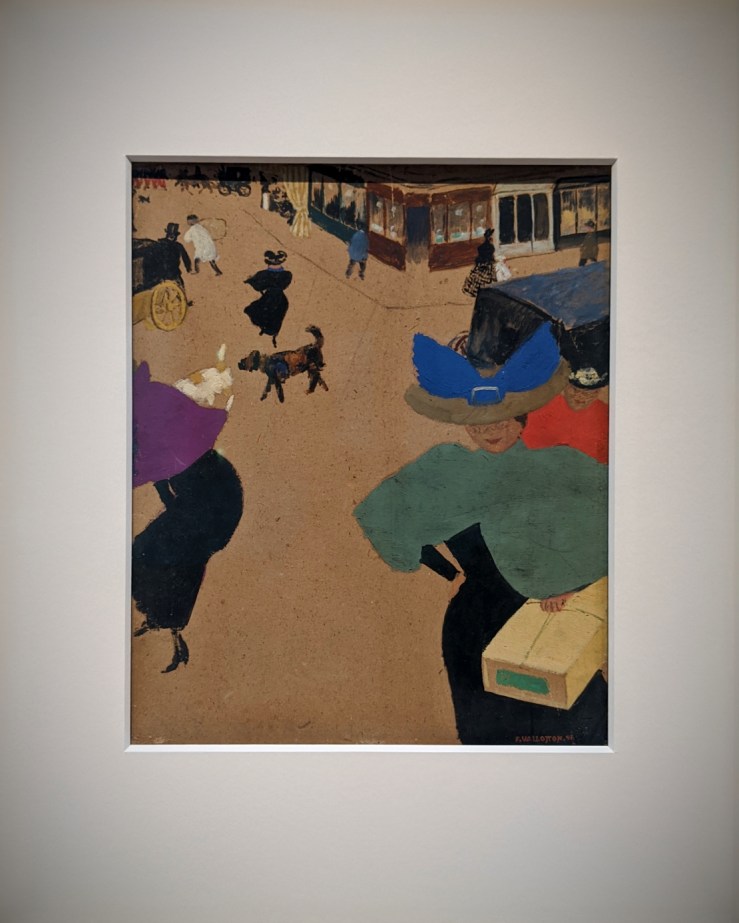
Street Scene in Paris, ca. 1897. Gouache and oil on cardboard 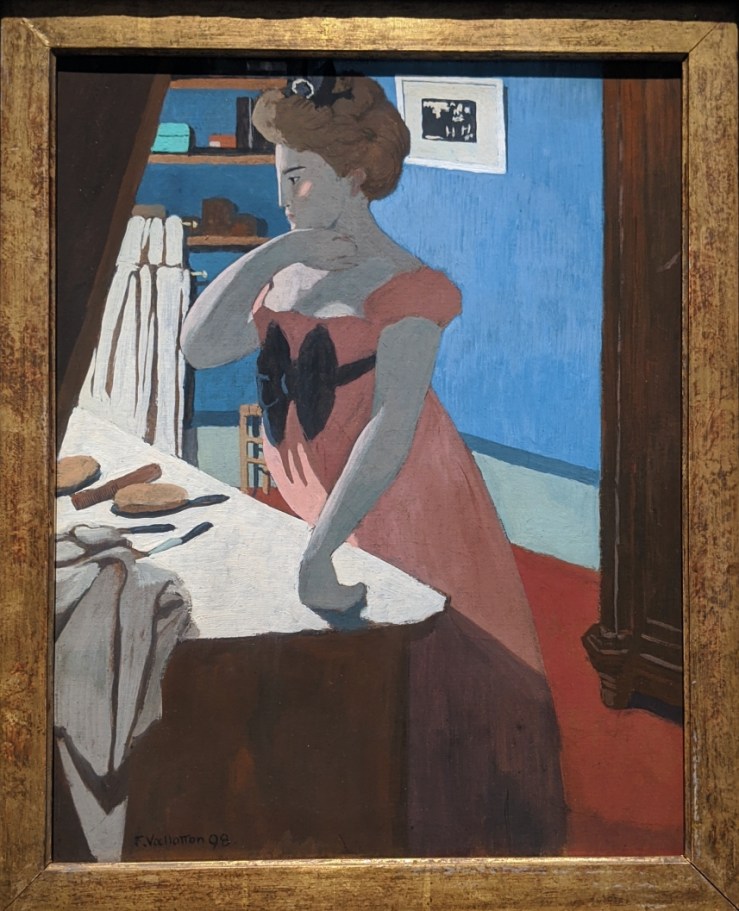
Misa at her Dressing Table, 1898. Distemper on cardboard 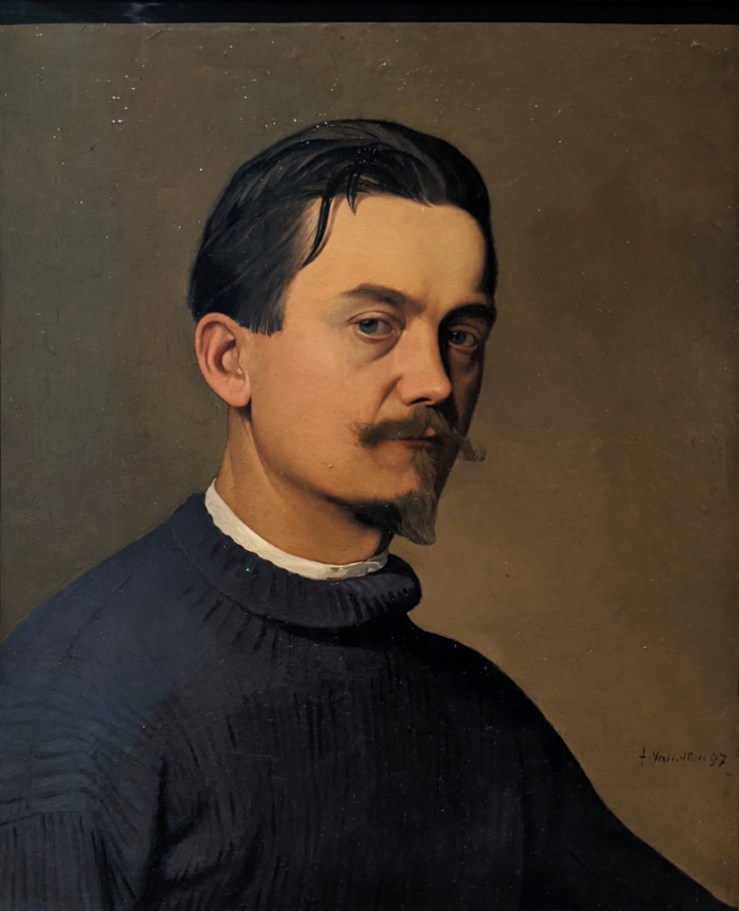
Self-Portrait, 1897. Oil on cardboard 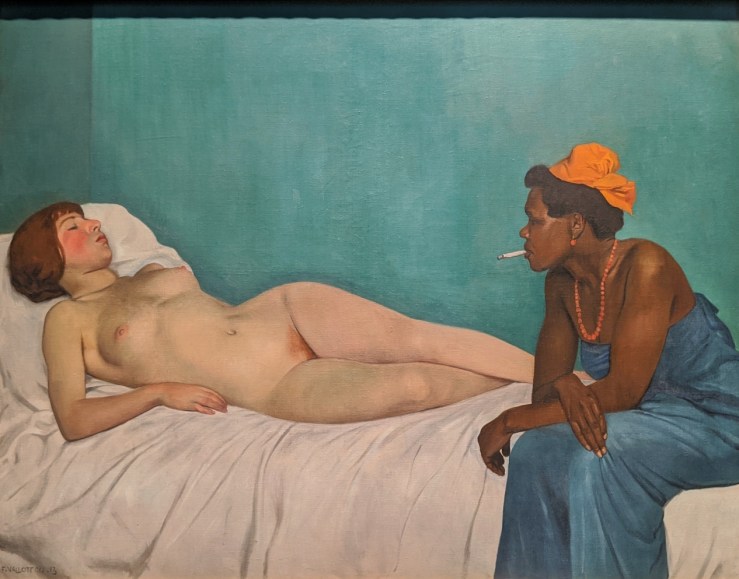
The White and the Black, 1913. Oil on canvas 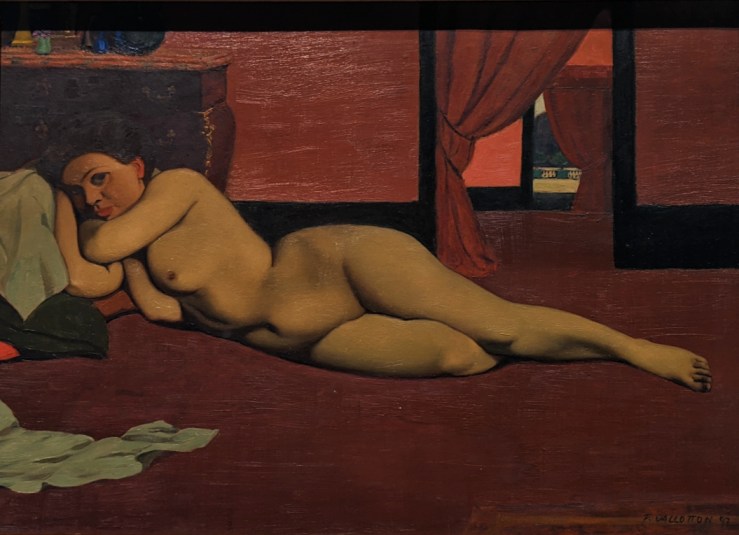
Nude in the Red Room, 1897. Oil on cardboard 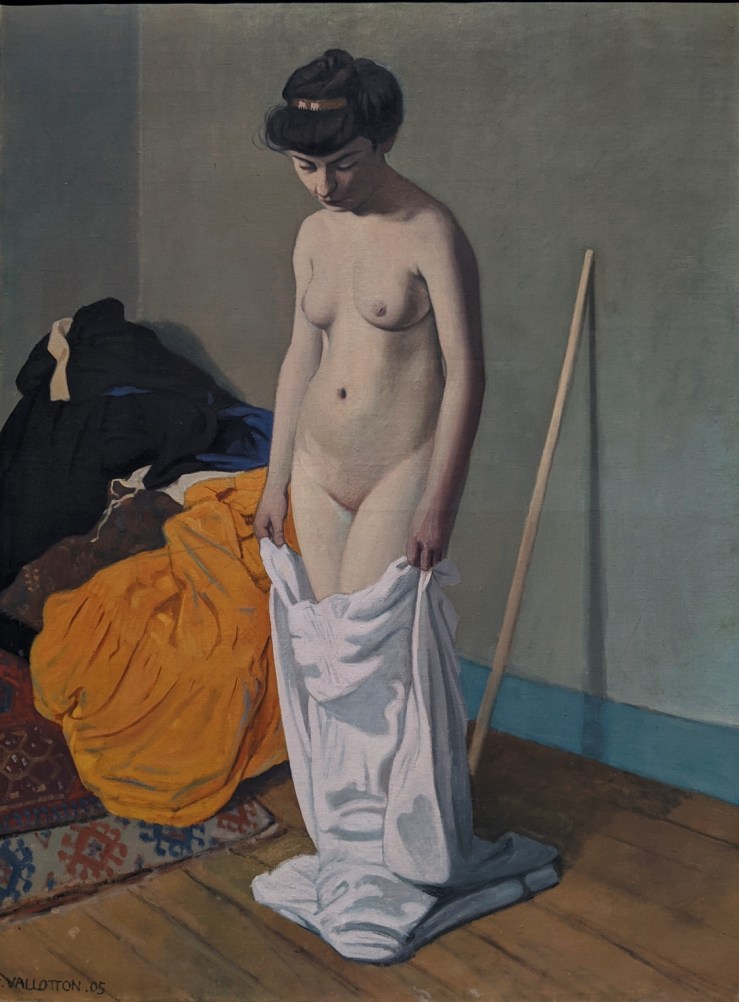
Nude Holding Her Gown, 1904. Oil on canvas 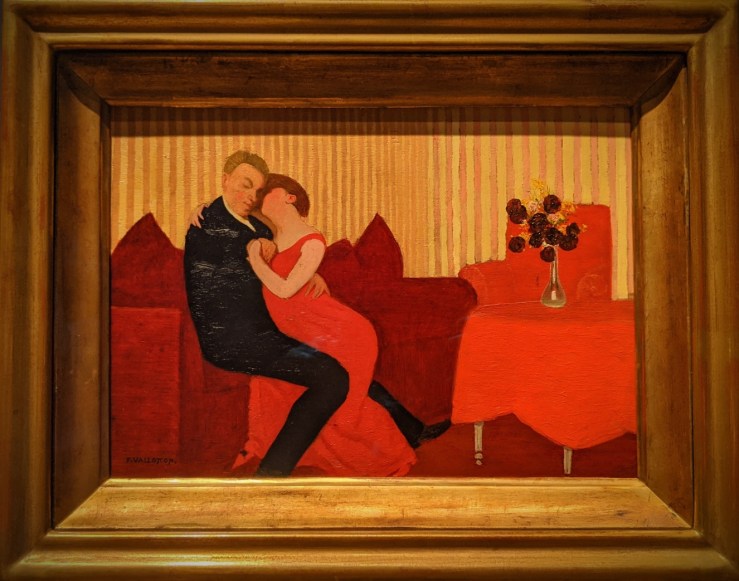
The Lie, 1898. Oil on canvas 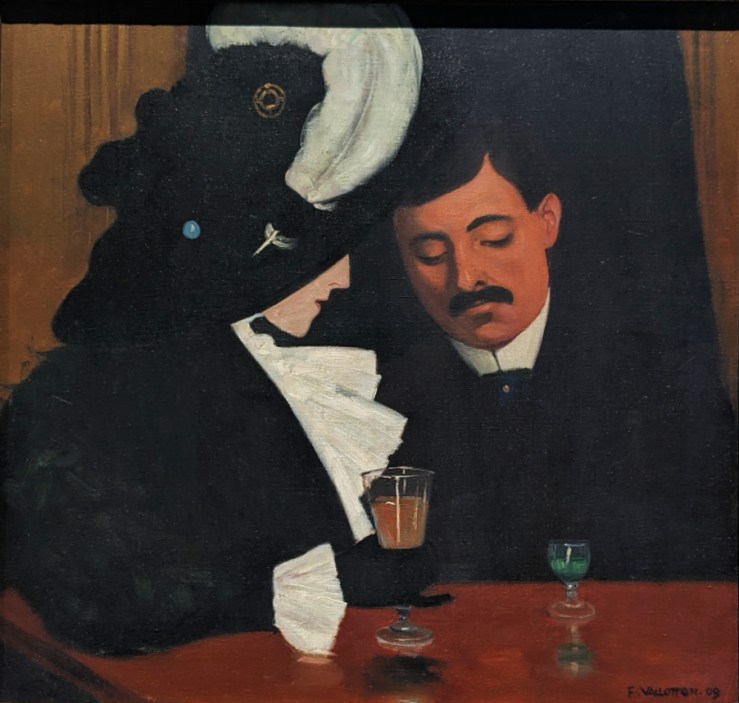
The Provincial, 1909. Oil on canvas 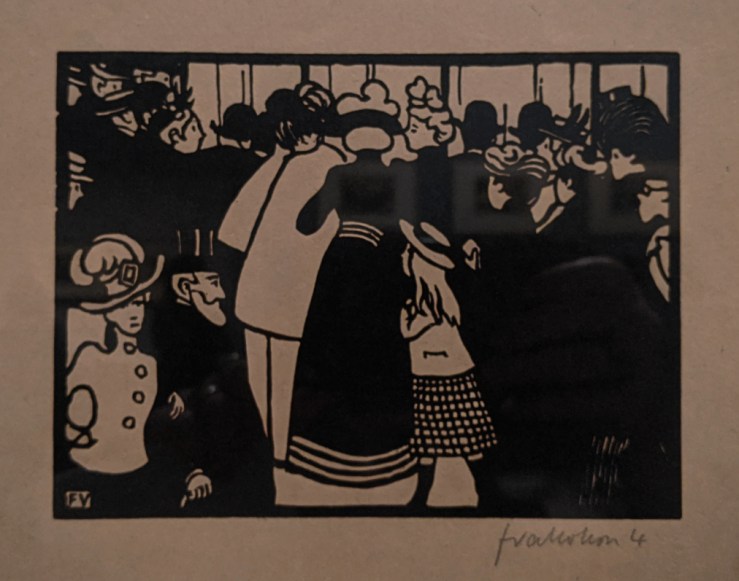
The World’s Fair: Looking at the Jewels, 1901. Woodcuts 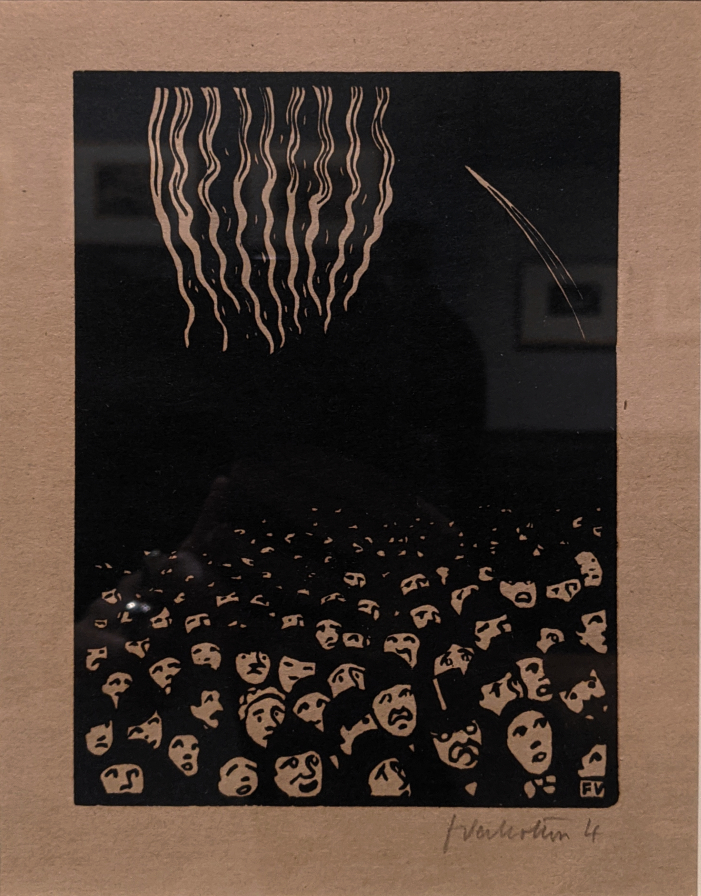
The World’s Fair: Fireworks, 1901. Woodcut 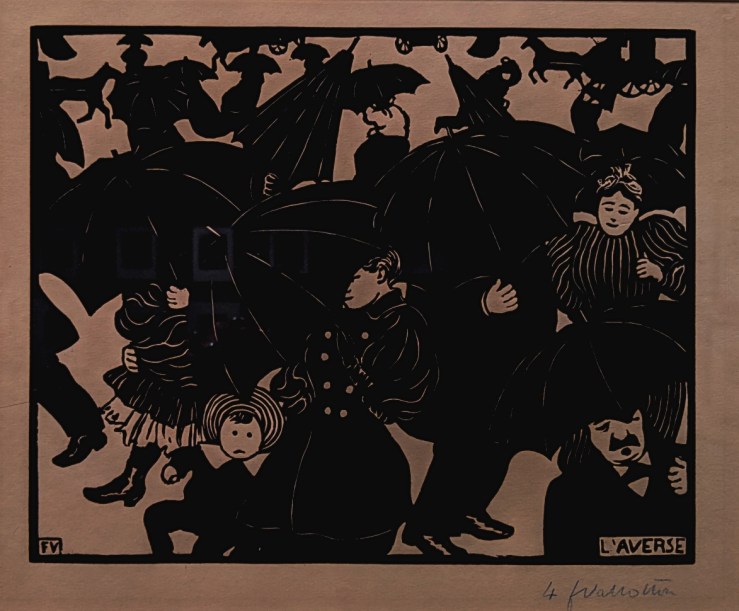
The World’s Fair: The Shower, 1901. Woodcut 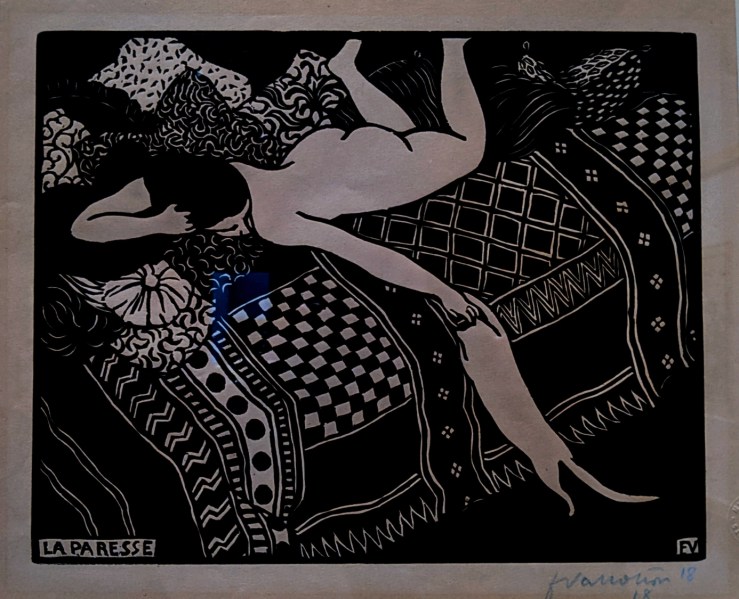
Laziness, 1986. Woodcutva
From an exhibition at The Metropolitan Museum of Art
January 2nd, 2020
Beautiful distortion
DownUp
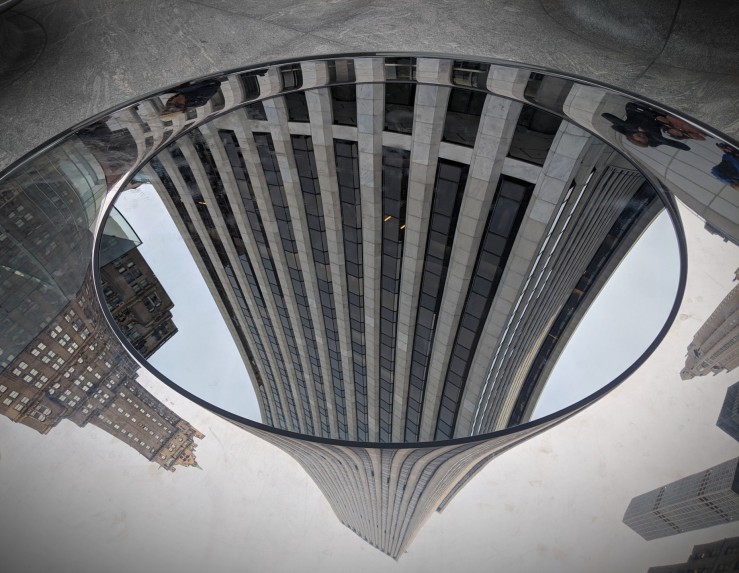

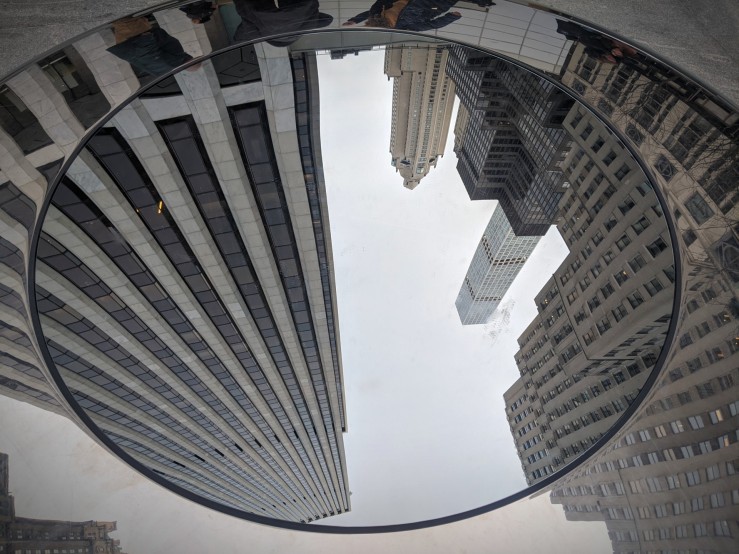

59th St. on 5th Avenue
January 2nd, 2020
January 1st, 2020
A golden sunset bringing the first day of the year to a quiet end. Little did we know then how much our lives were about to change in a couple of months…
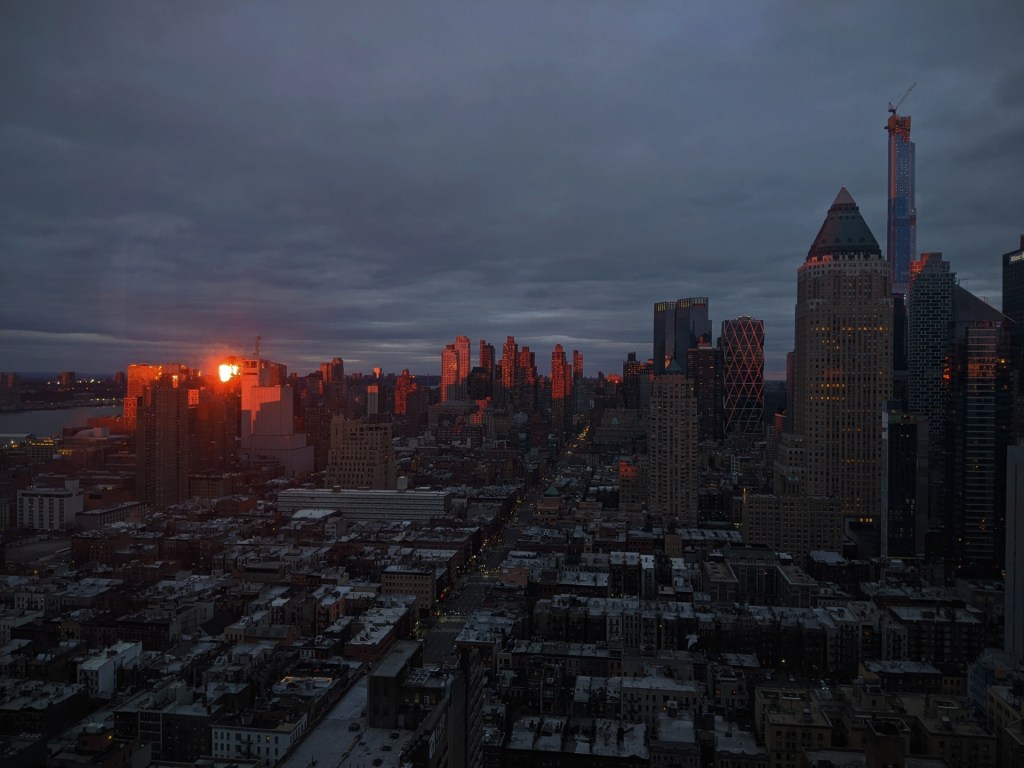
Hell’s Kitchen, NYC
January 1st, 2020
“Baptized by Beefcake: The Golden Age of Hand-Painted Movie Posters from Ghana”
Raw, imaginative, larger-than-life original art and an absolute treasure of a collection.

KING KONG LIVES
Leonardo (Edward Lamptey), 1992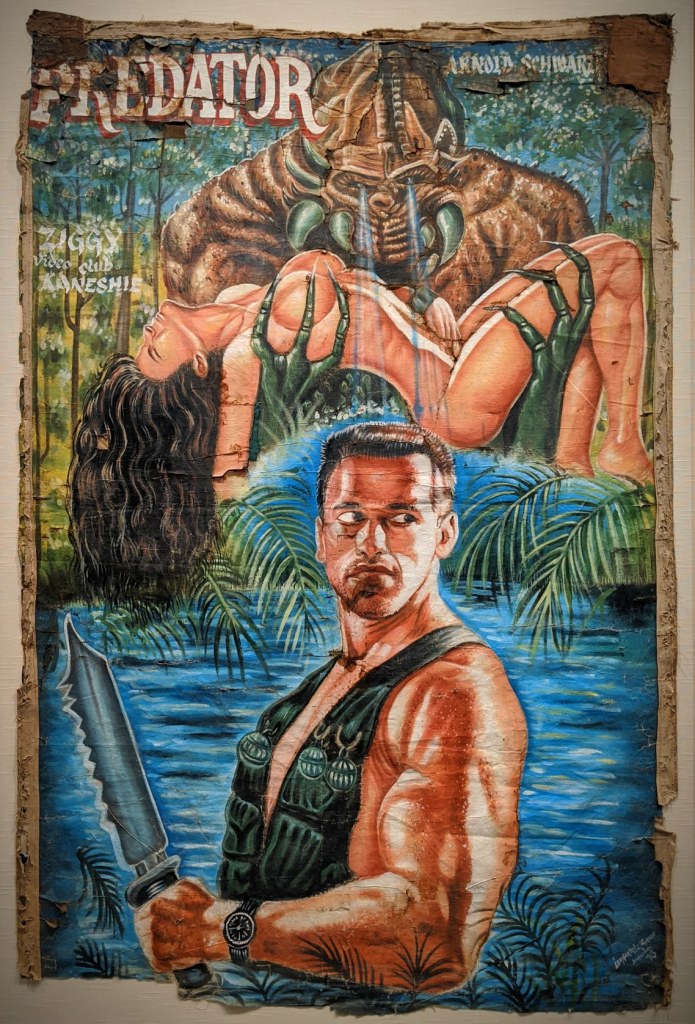
PREDATOR
Leonardo (Edward Lamptey), 1993
Leonardo removed Arnold’s T-shirt from the original film still, showing off more of his bare chest. He also replaced Arnold’s gun with a massive serrated knife. The biggest addition, however, is the presence of a bodacious female nude held by the monster – an entirely nonexistent part of the movie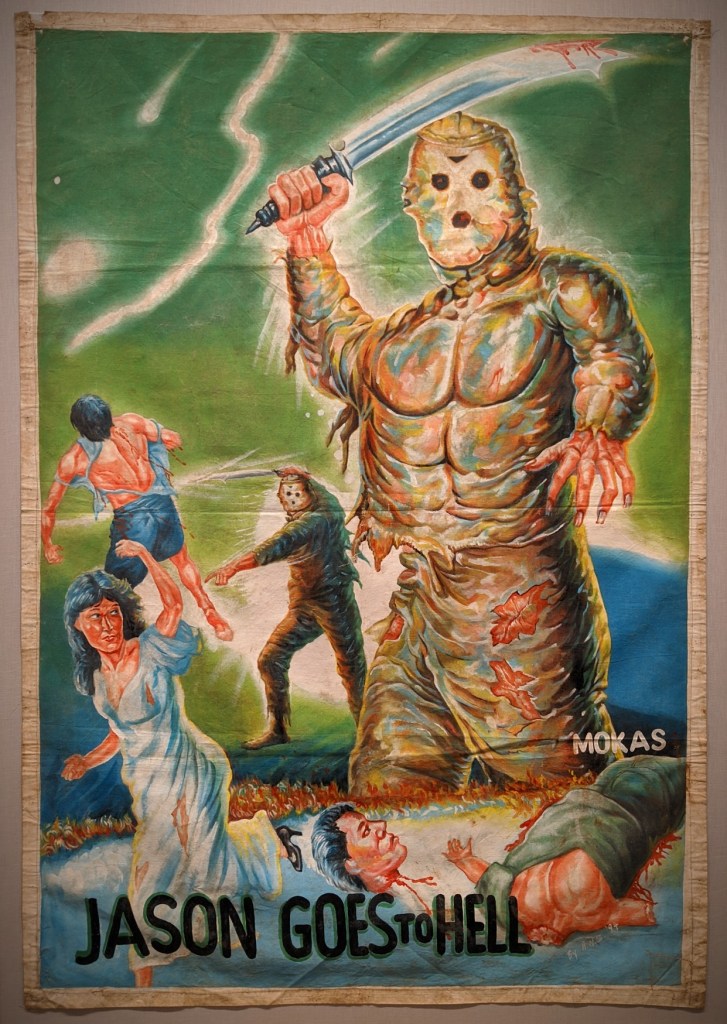
JASON GOES TO HELL
Alex Nkrumah-Boateng, 1994
Severed body parts were a frequent addition to Ghanaian movie posters. They reference the local superstition that modern-day businessmen only obtain their money and success through the purchase of body parts on the black market, which they would then have a witchdoctor perform rituals upon as part of the ”occult economy”. Wealth was seen as a potential sign of evil and corruption during Ghana’s economic freefall.
Few of the details of this poster correlate to anything which occurs in the film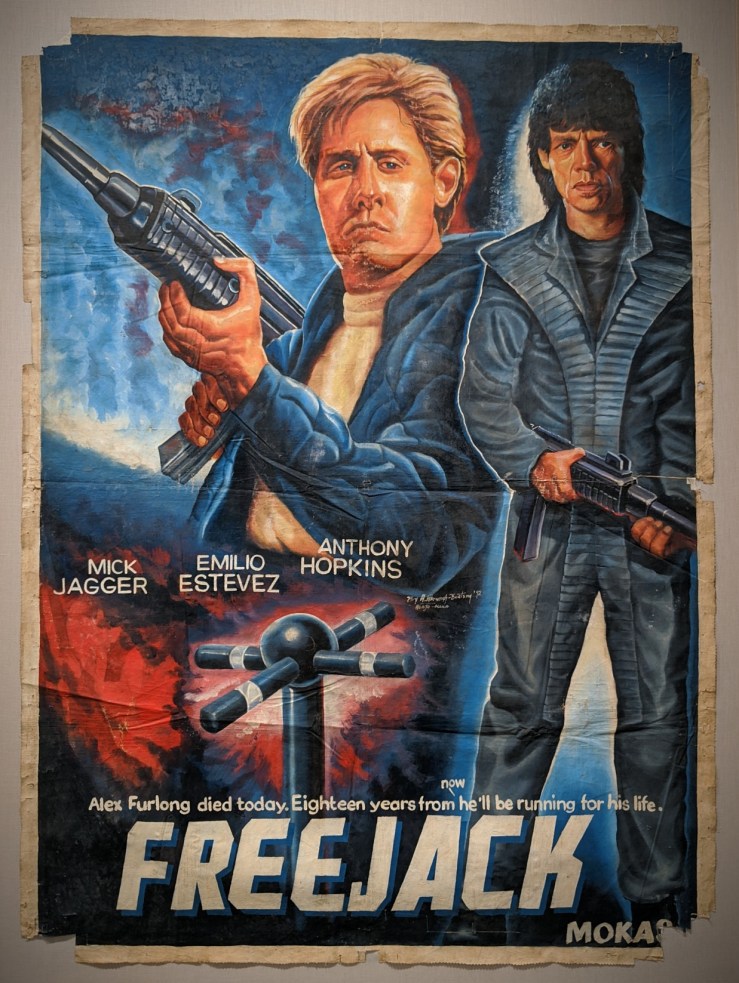
FREEJACK
Alex Nkrumah-Boateng, 1994
Boateng is famous for his extreme attention to detail, naturalistic expression, and three-dimensional perspective, as well as the zig-zag edges of his canvases created through the use of pinking shears to keep the poster’s edges from fraying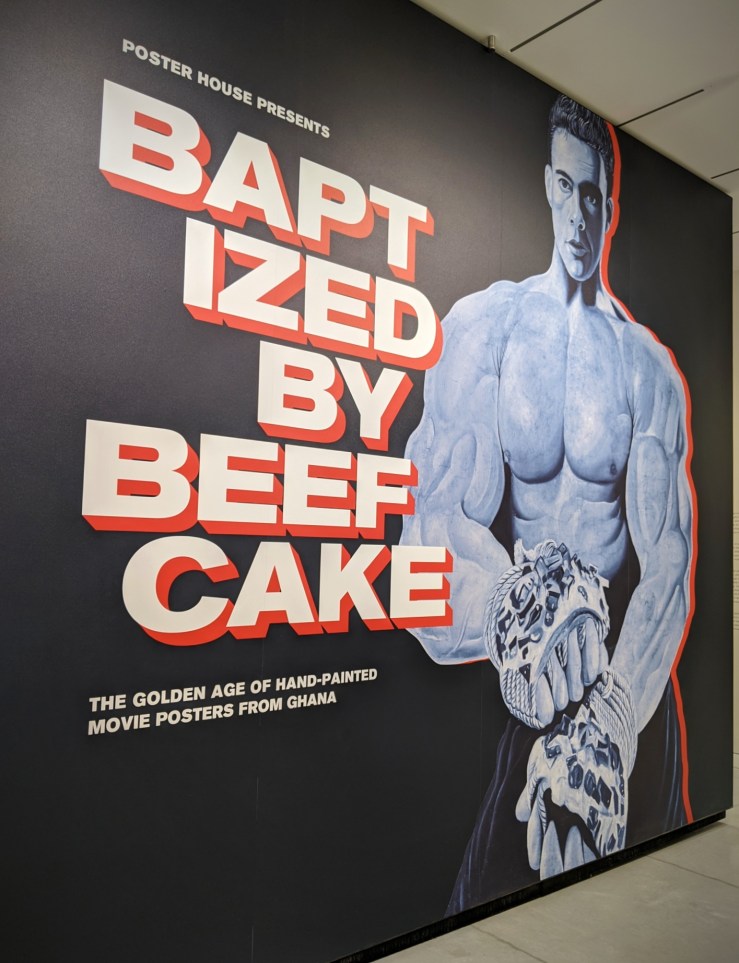
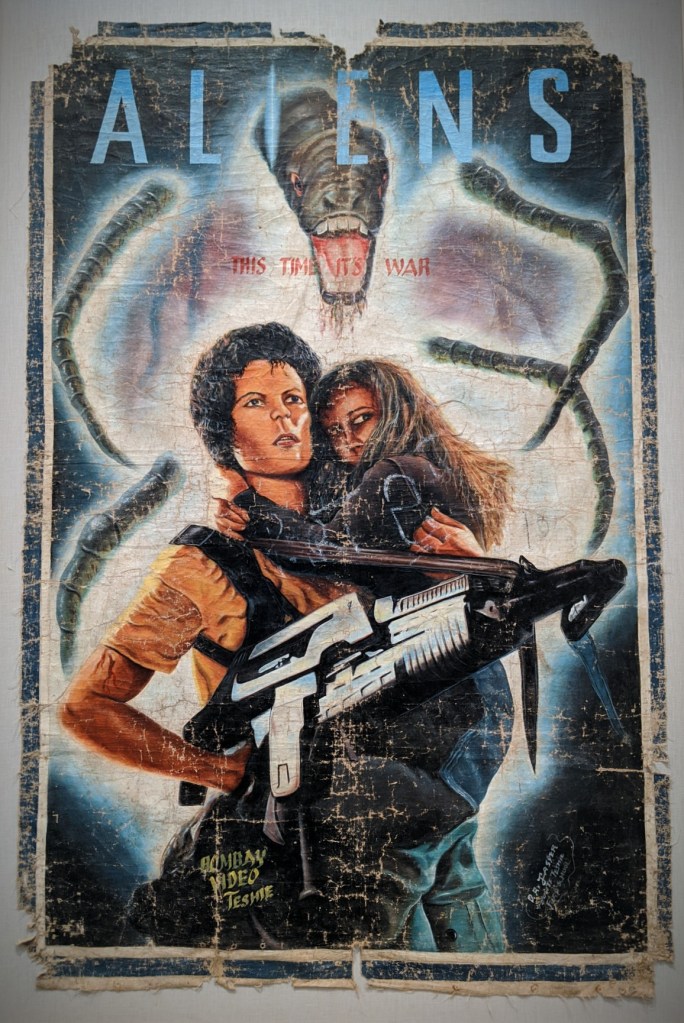
ALIENS
D.A. Jasper (Daniel Anum Jasper), ca. 1990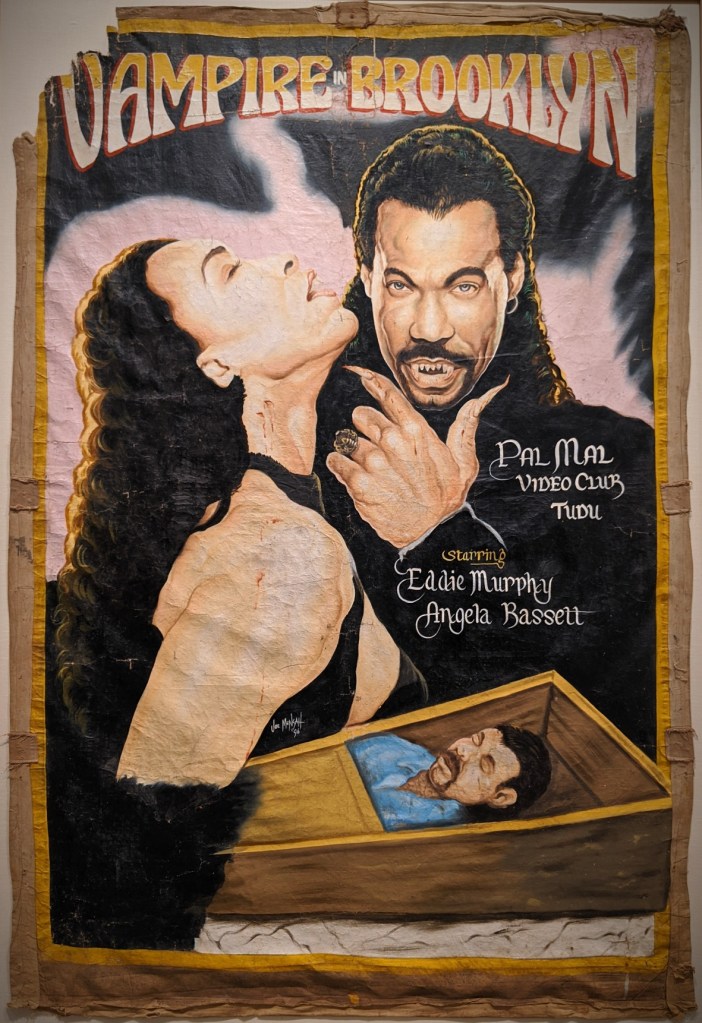
VAMPIRE IN BROOKLYN
Joe Mensah, 1996
More so than Mensah’s other posters, this design draws from the official PAL box cover; however, the has replaced the New York skyline in the lower register with an image of Eddie Murphy in a coffin – a scene that does not appear in the film but which would be attractive to Ghanaians who participate in elaborate, multi-day funerary practices.
The Asanbosam and Sasabonsam are vampire-like figures existing within Asante folklore in Ghana, which may explain the popularity of vampire films in the region
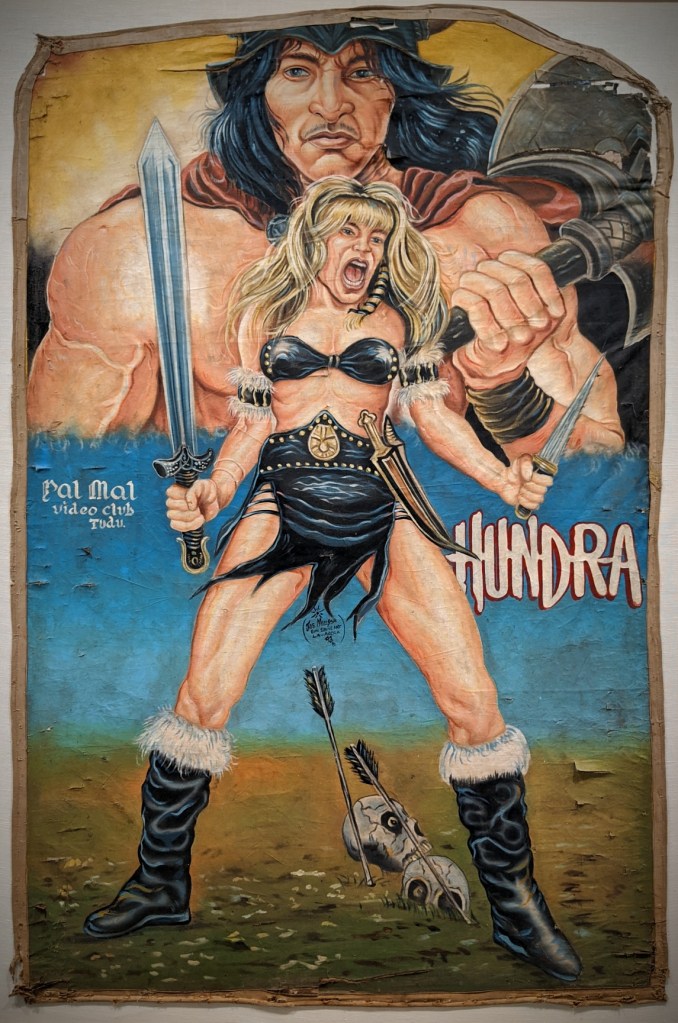
HUNDRA
Joe Mensah, 1993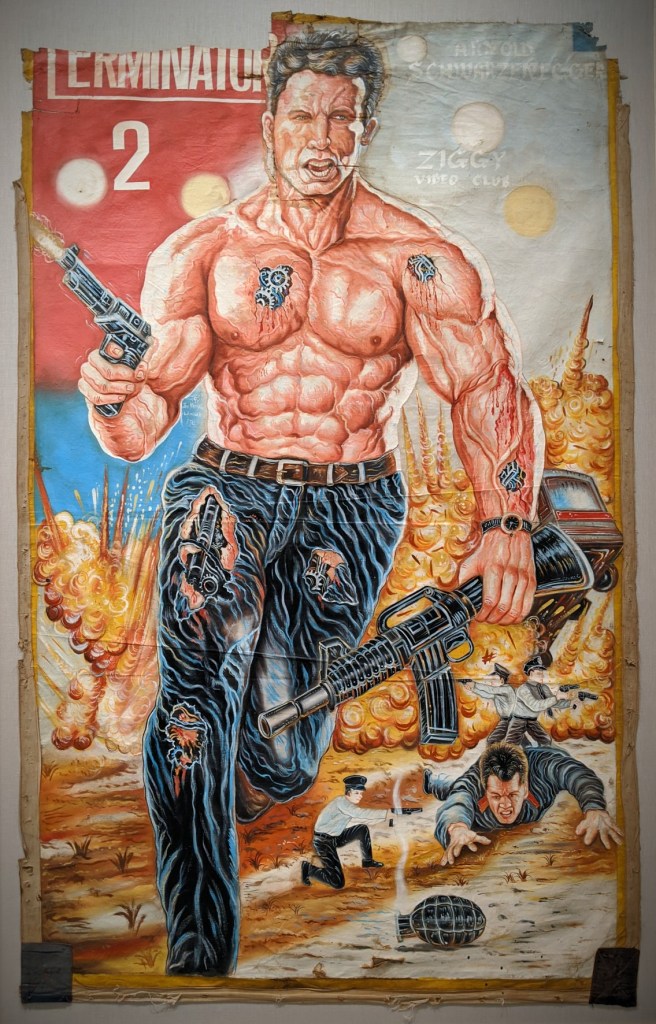
TERMINATOR 2
Joe Mensah, 1994
Mensah is best known for a vibrant colour palette, lavish detailing, and heavy, voluminous figures. He also is credited with inventing dozens of imaginary firearms to bring excitement to his posters
The ability to recognize a billed star was of little importance in most Ghanaian movie posters – if not for his name in the upper right, Arnold Schwarzenegger could be any action hero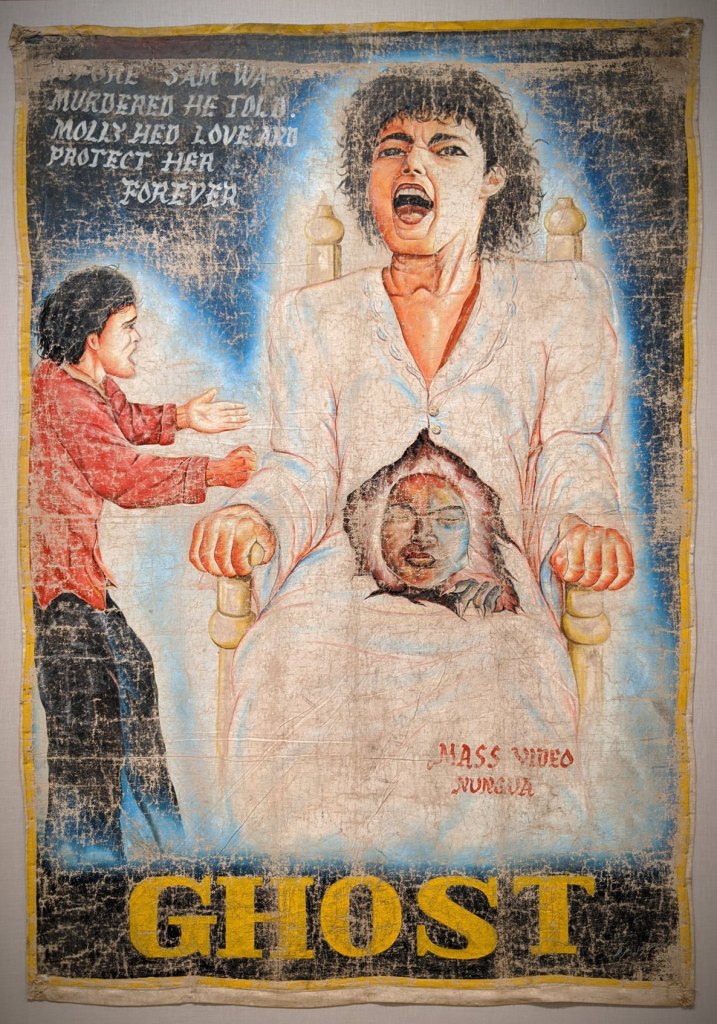
GHOST
D.A. Jasper (Daniel Anum Jasper), ca. 1990
In Ghana, the concept of ghosts coming back for revenge is a powerfully-held belief. Dozens of locally-made films have been made promoting this idea since the mid-1990s. This is one of the rare posters by Jasper which does not replicate a scene from the actual movie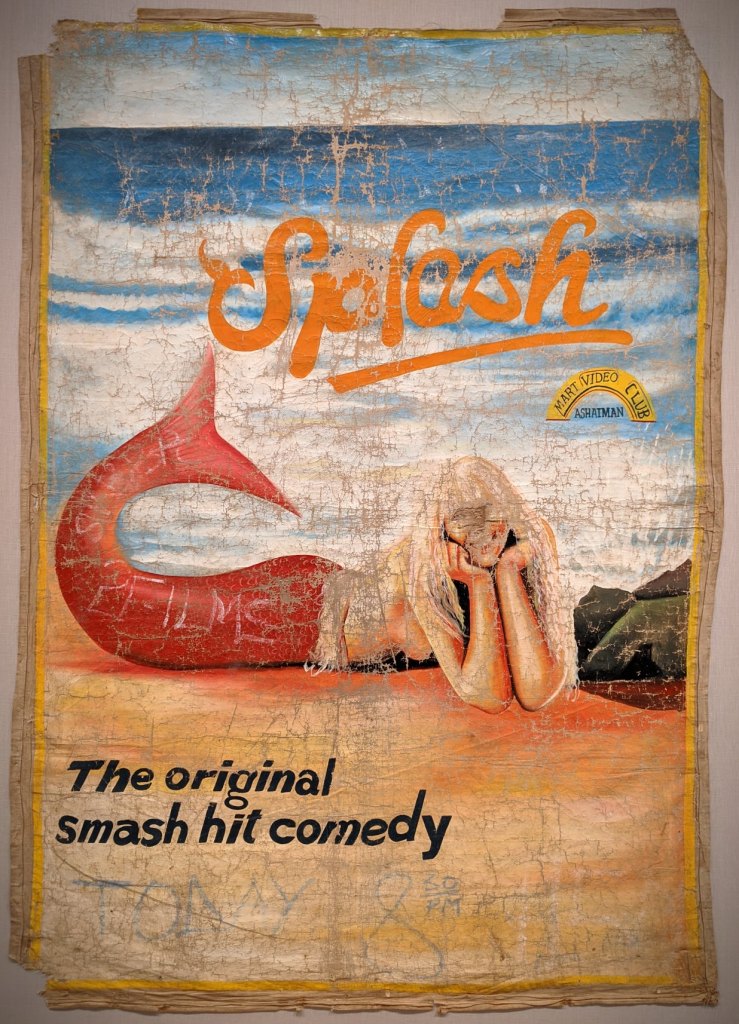
SPLASH
Designer Unknown, ca. 1990
Splash is one of the few American comedies that found success in Ghana. This is primarily because the lead character closely resembles the deity Mami Wata (Mammy Water)
While worshipped throughout Africa, Mami Wata in Ghana is typically depicted as a woman with a fish tail. She is thought to control a paradise under the sea, filled with exotic treasures that she can bestow upon her followers
Her face has been almost entirely worn away because passersby have touched it in veneration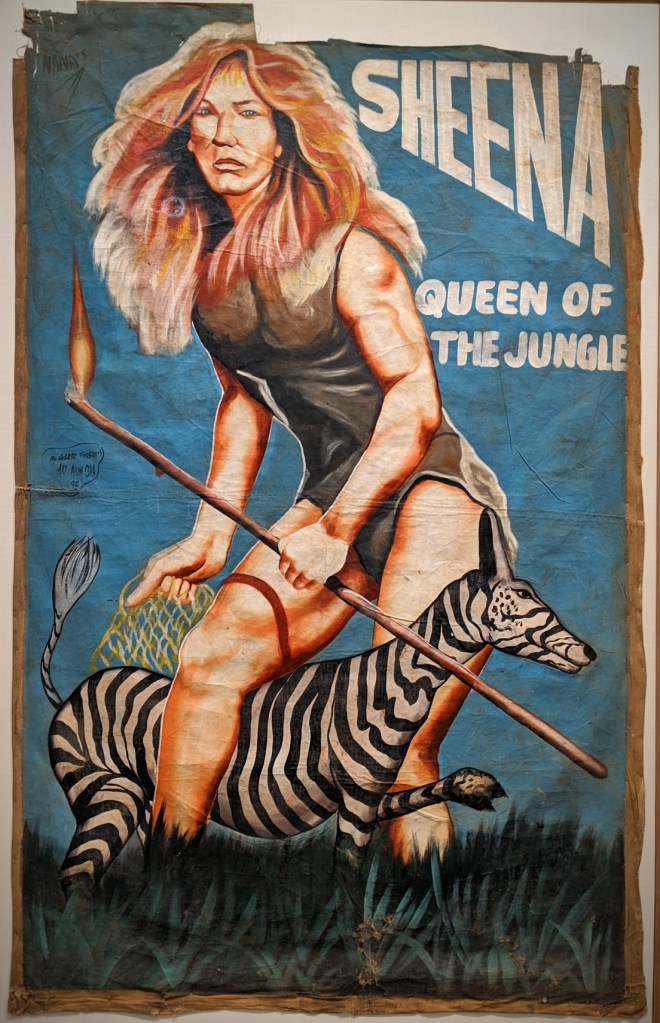
SHEENA
Gilbert Forson, 1995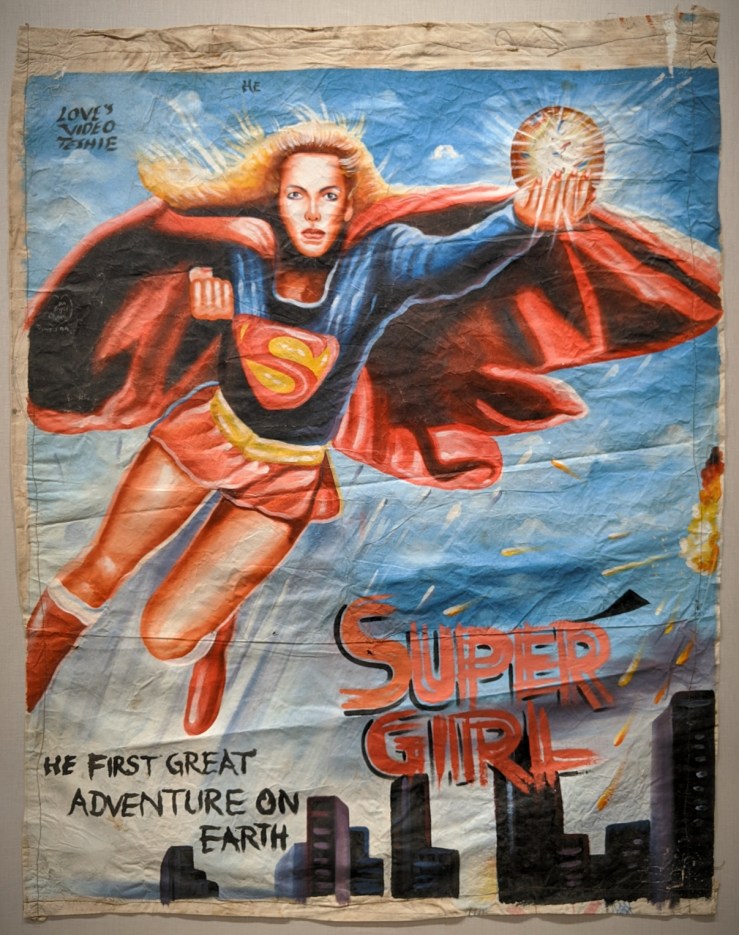
SUPER GIRL
Bright Obeng (D.A. Obeng), 1999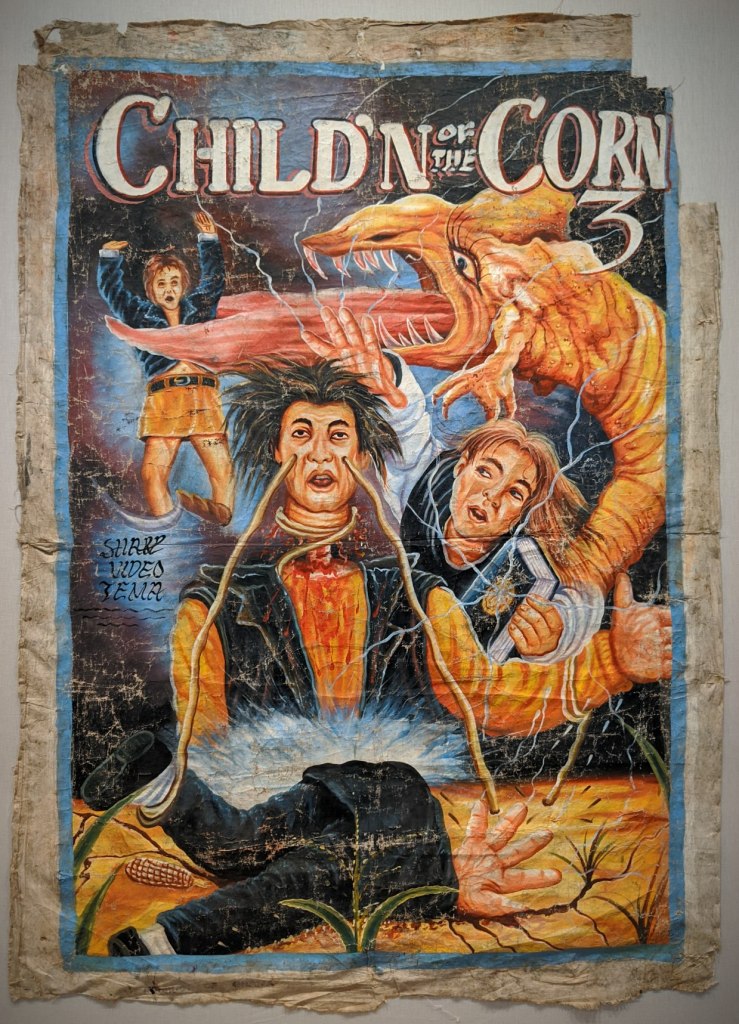
CHILD’N OF THE CORN 3
Bright Obeng (D.A. Obeng), ca. 1993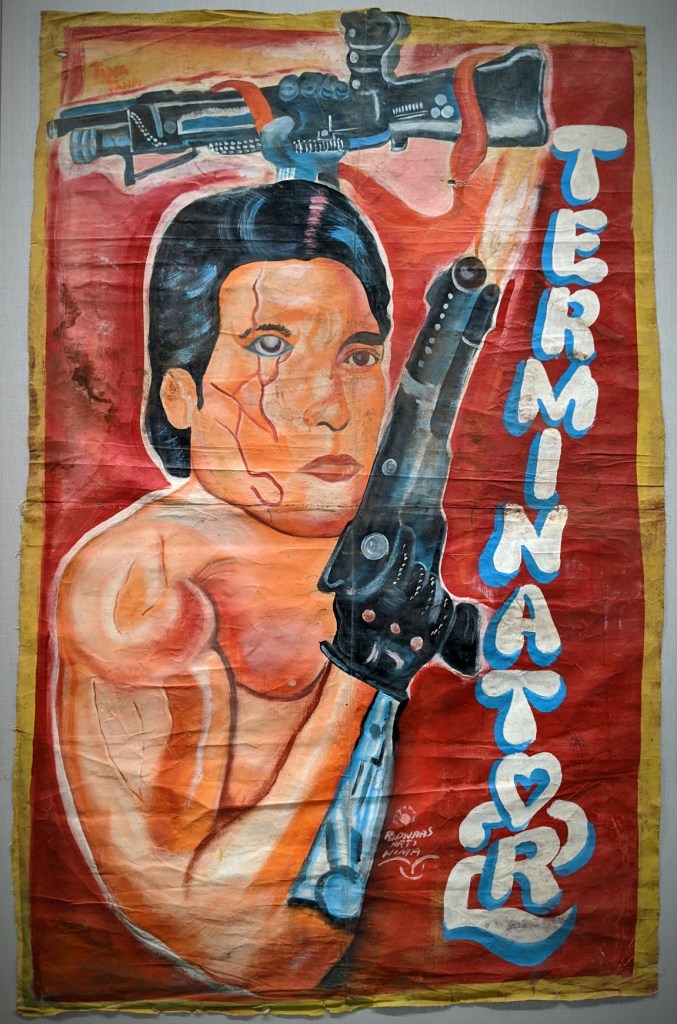
TERMINATOR 2
Ridwaas Arts, ca. 1992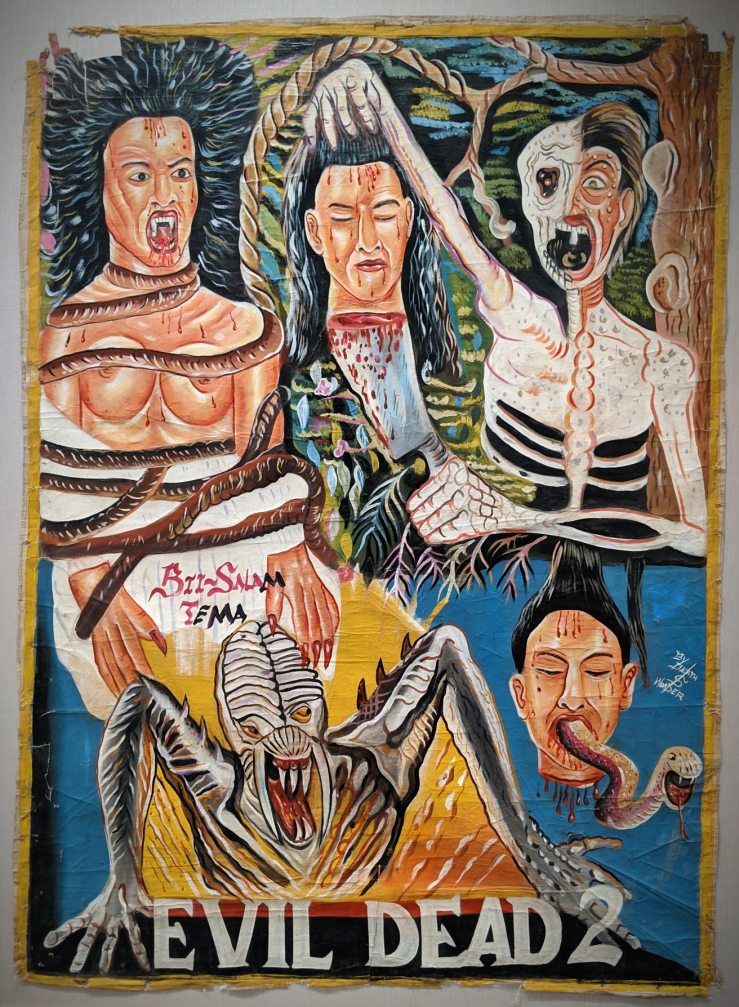
EVIL DEAD 2
Death is Wonder (Kofi Kuwornu), ca. 1990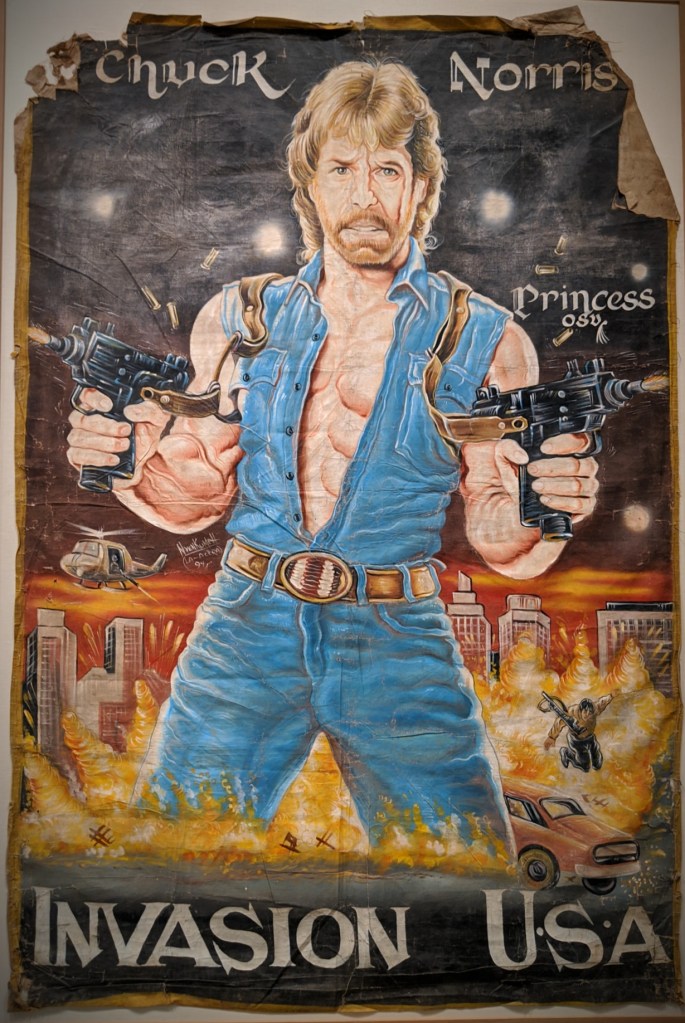
INVASION USA
Dan Nyenkumah, 1994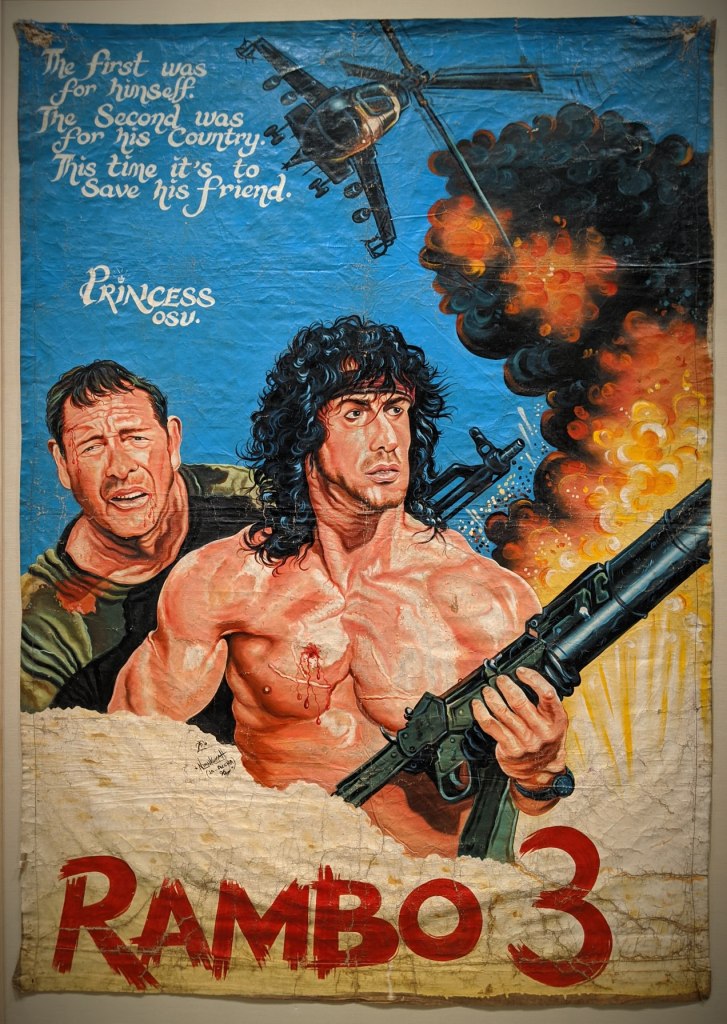
RAMBO 3
Dan Nyenkumah, 1996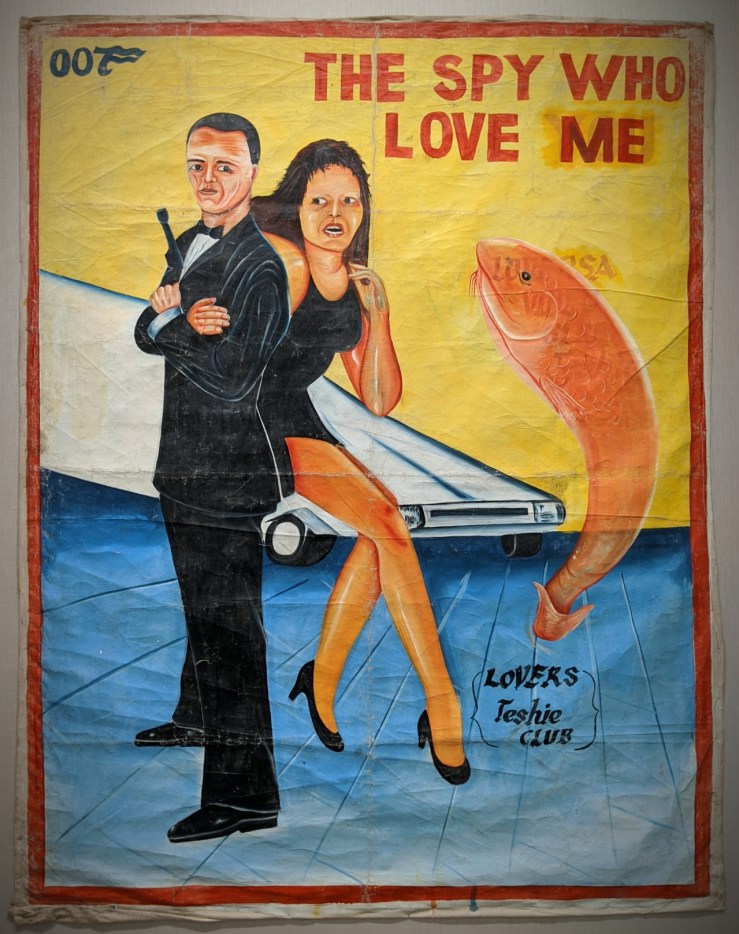
THE SPY WHO LOVE ME
Designer Unknown, ca. 1990
While the artist behind this poster is unknown, the presence of the video club’s name indicates that it originated in Teshie, a coastal town just outside of Accra
It is interesting to note that several mistakes have been painted over, including the word ”you” in the title and the original placement of the video club’s name, now covered by the head of a giant fish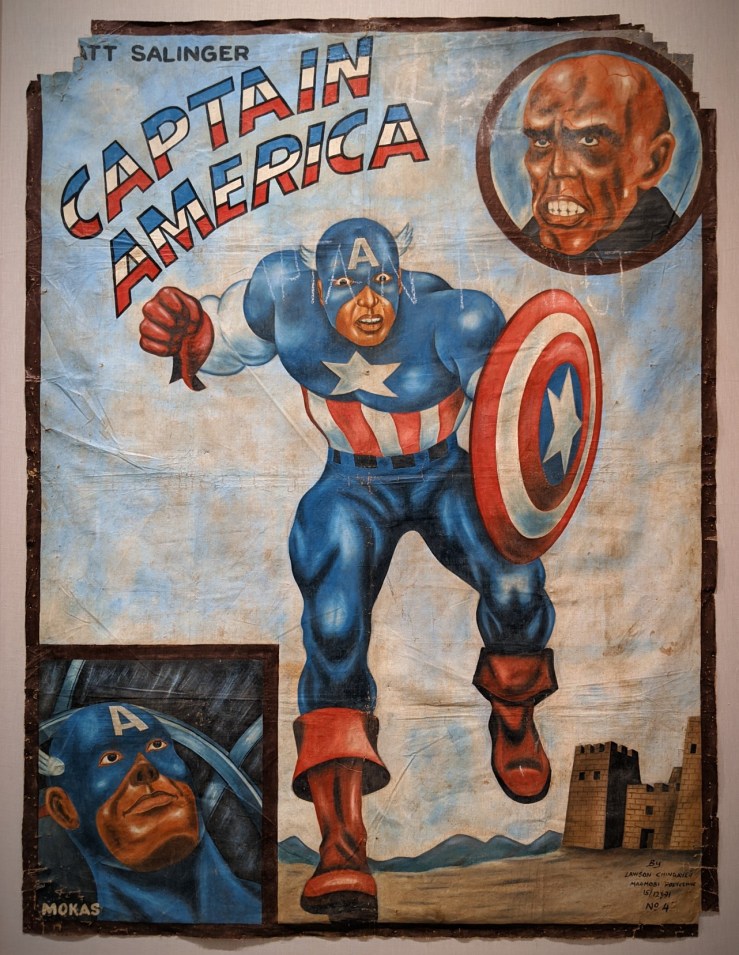
CAPTAIN AMERICA
Lawson Chindayen, 1991
Interestingly, the artist chose to make both Captain America and the villain, Red Skull, black, when they are both white in the film
The building in the lower right more closely resembles many of the Ghanaian Slave Castles – buildings along Ghana’s coast where slaves were imprisoned before being shipped abroad – rather than Red Skull’s Italian villa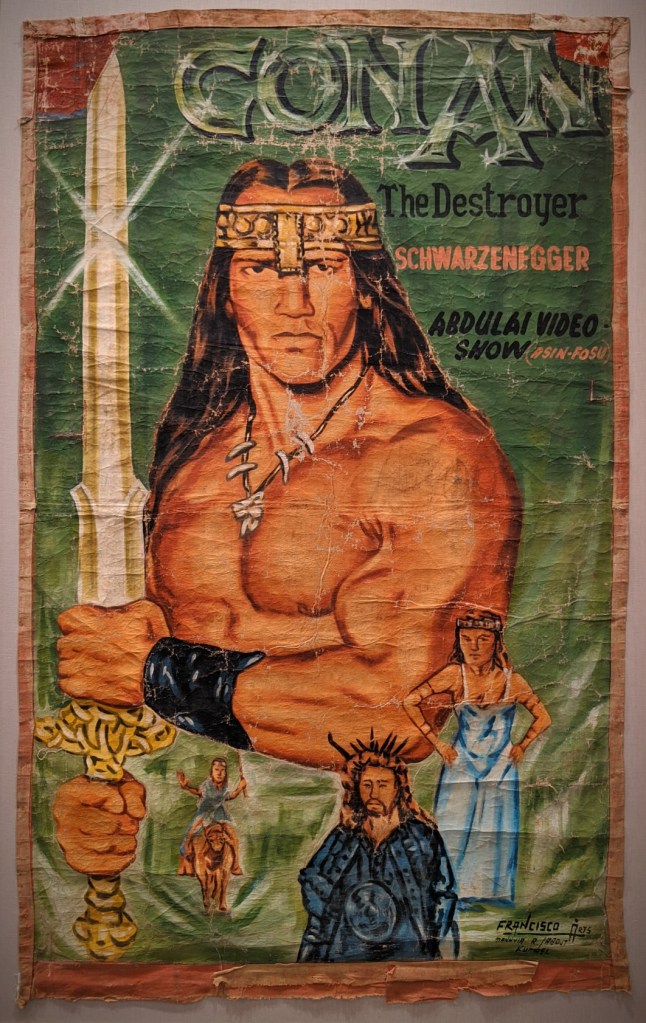
CONAN
Francisco (Samuel Mensah), ca. 1990
The tableau of figures emulates a version of the tape box cover; however, the artist has curiously removed Grace Jones, the one black actor from the scene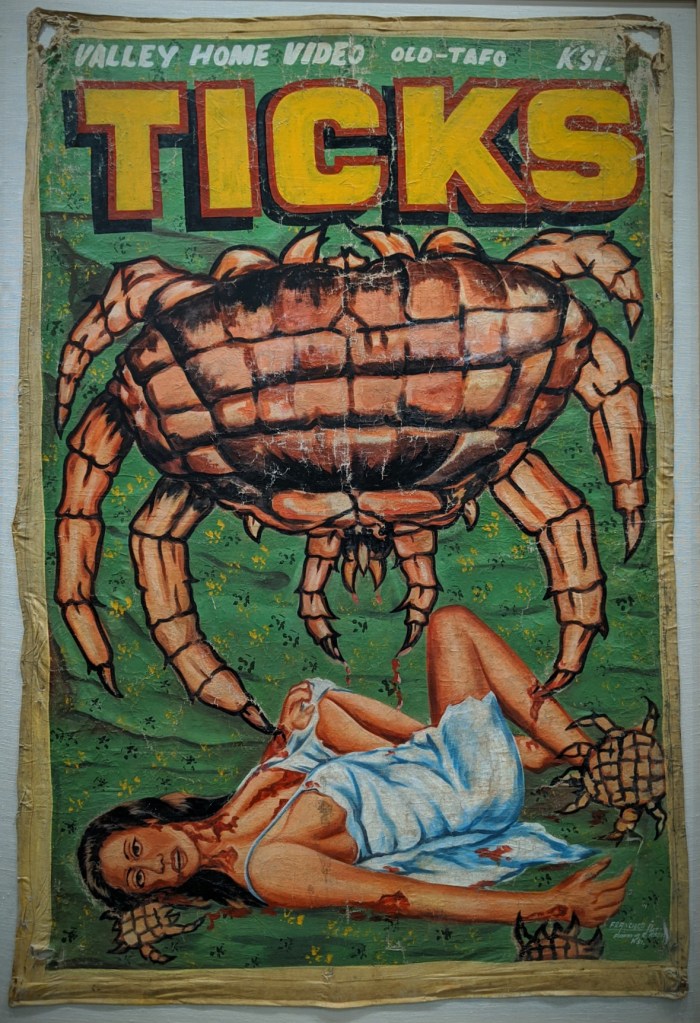
TICKS
Francisco (Samuel Mensah), 1993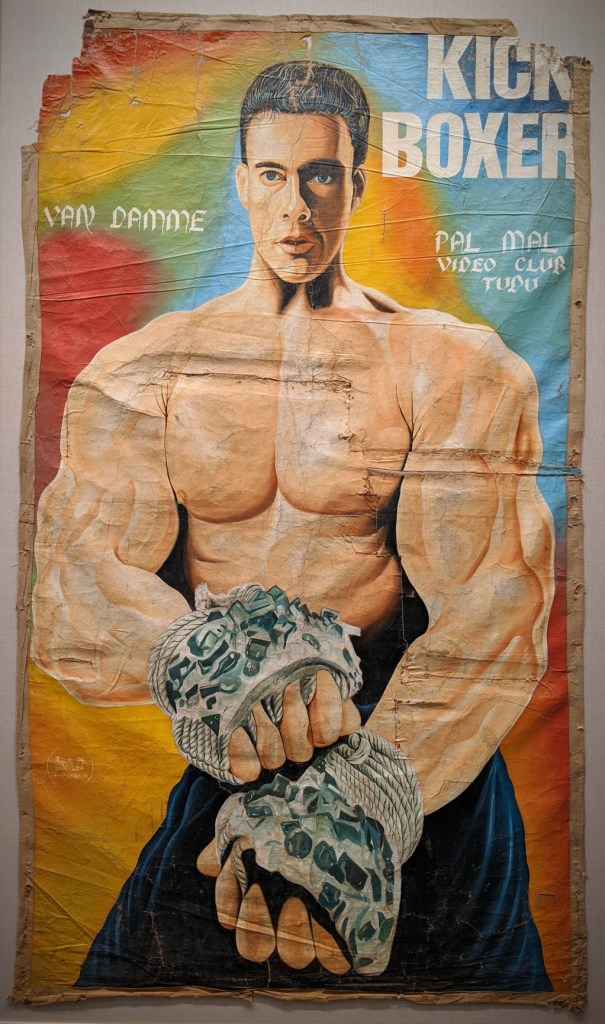
KICK BOXER
Muslim (Muslim Mohammed), 1994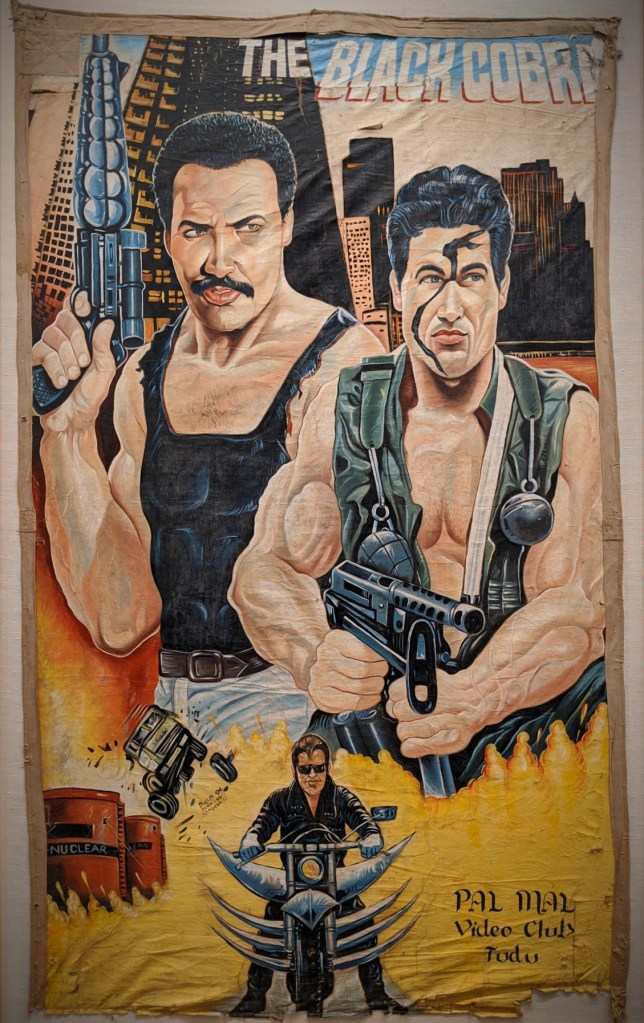
THE BLACK COBRA
Muslim (Muslim Mohammed), 1994
‘‘In 1957, Ghana became the first country in sub-Saharan Africa to gain independence from its colonial power, the United Kingdom. As the world’s leading exporter of cocoa and provider of one-tenth of the world’s gold, its economy was one of the strongest on the continent; however, the complex and unstable political climate that came after independence threw Ghana into decades of economic collapse. Government corruption and financial mismanagement caused established agricultural businesses to fail, and the currency was continuously devalued. Ghanaians needed new, creative ways to make money.
One surprising industry that emerged to meet this need during the 1980s and 1990s was an independent, unregulated network of video distribution that presented pop-up movie screenings in ad hoc movie halls around the country. Many of these spaces had also been used as open-air places of worship for decades. To introduce an audience to this new form of entertainment, posters were hand-painted by local artists on cotton flour sacks and traveled with the films across the countryside.
Baptized by Beefcake presents the work of 22 artists whose posters tell the story of how Western movies not only became symbols of modernity, but also vehicles for religious experience. Each artist’s signature style reflects Ghana’s rich tradition of painting, as well as the influence of Western commercial graphics portrayed on VHS and PAL box covers. The eye-catching, sometimes shocking graphics reference a hybrid of indigenous and Pentecostal symbology, where Rambo and the Terminator become messengers of moral ideologies in a larger-than-life mashup of pop culture and religion” [source]
December 28th, 2019
Vera Paints a Scarf
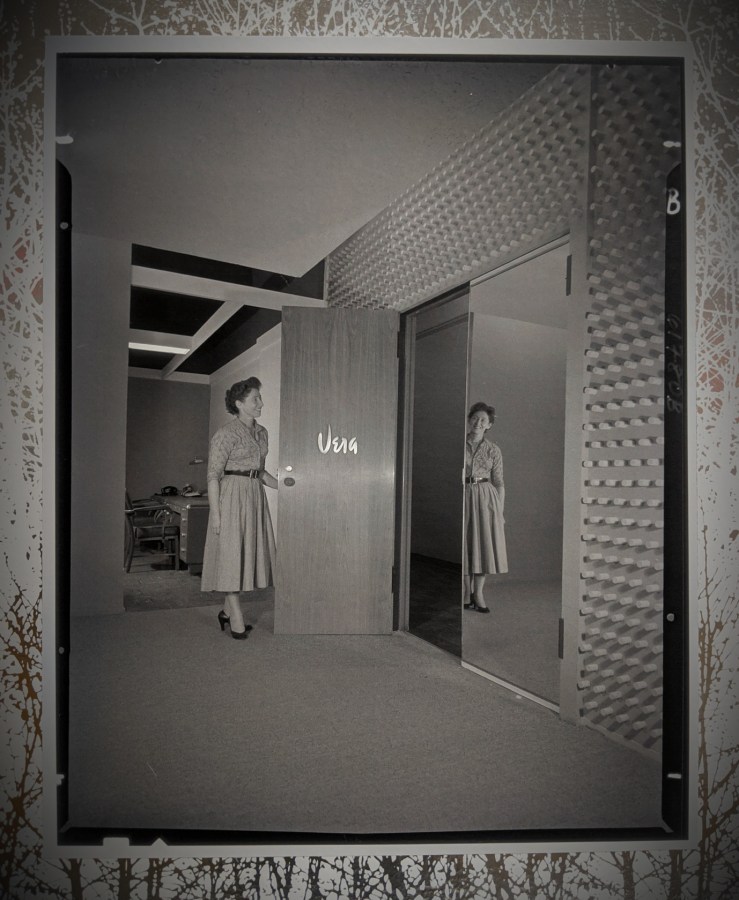
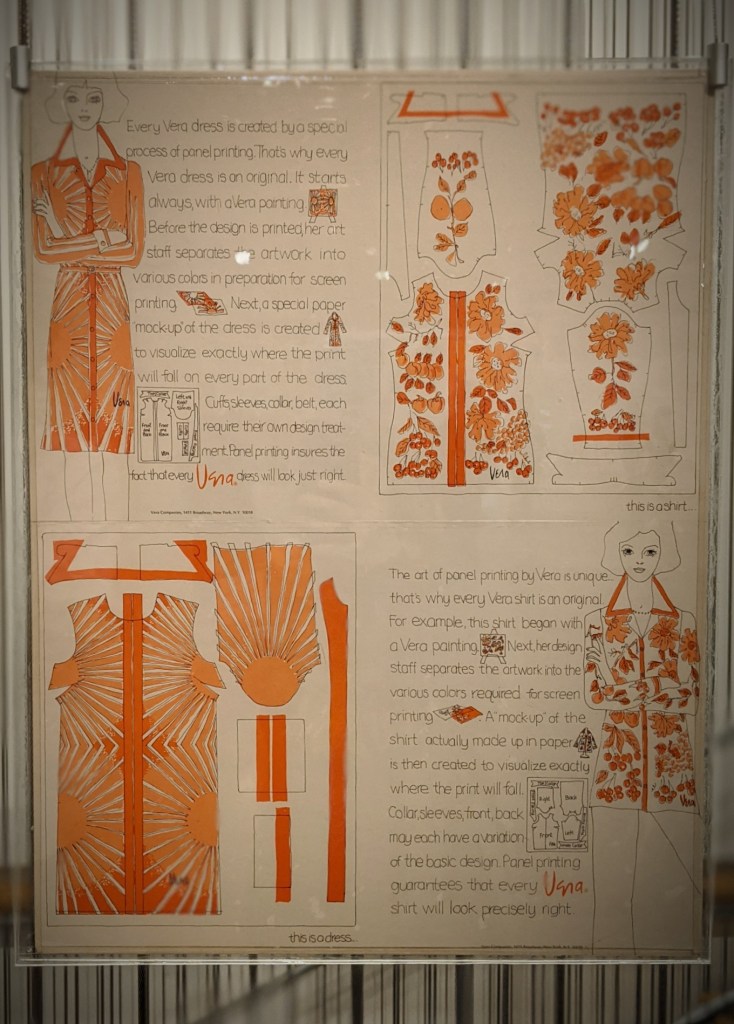
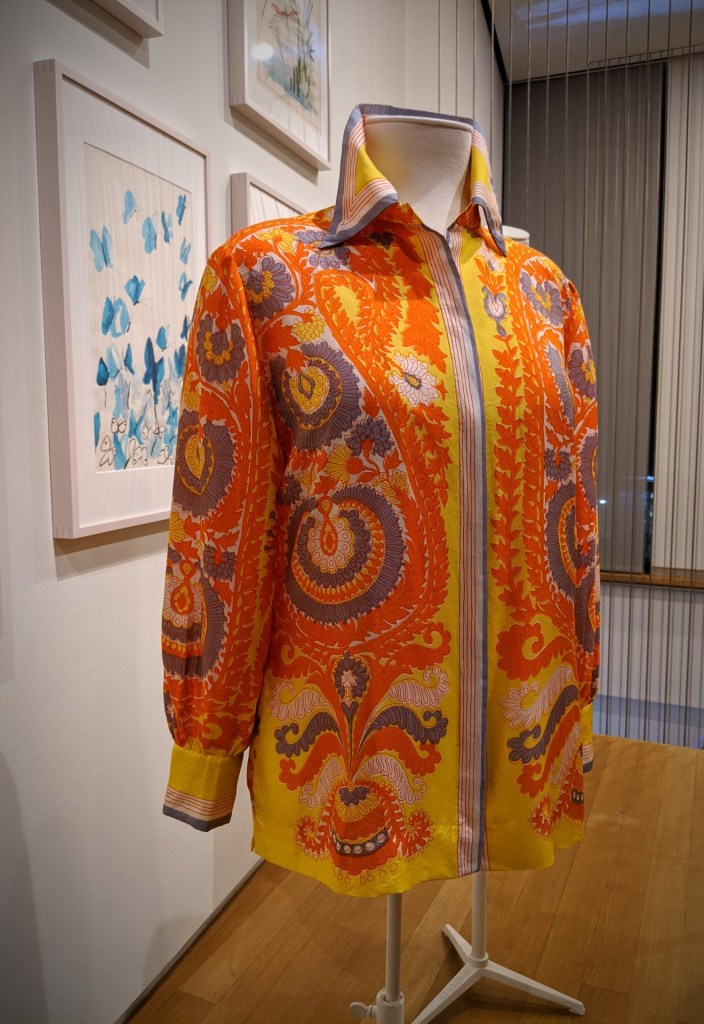
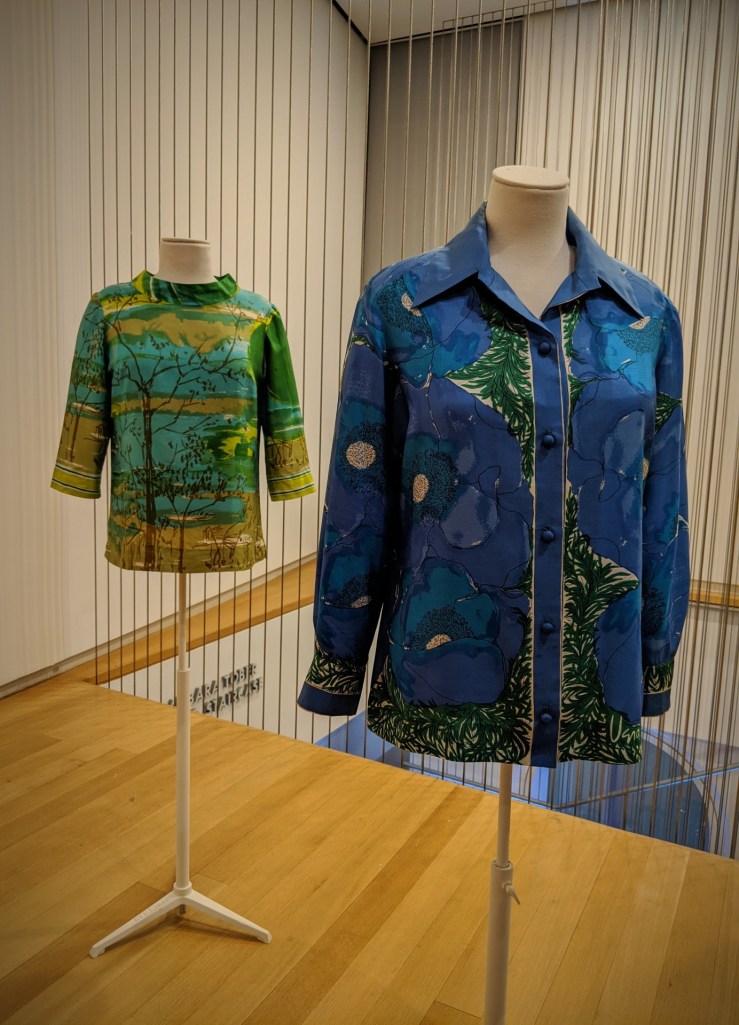
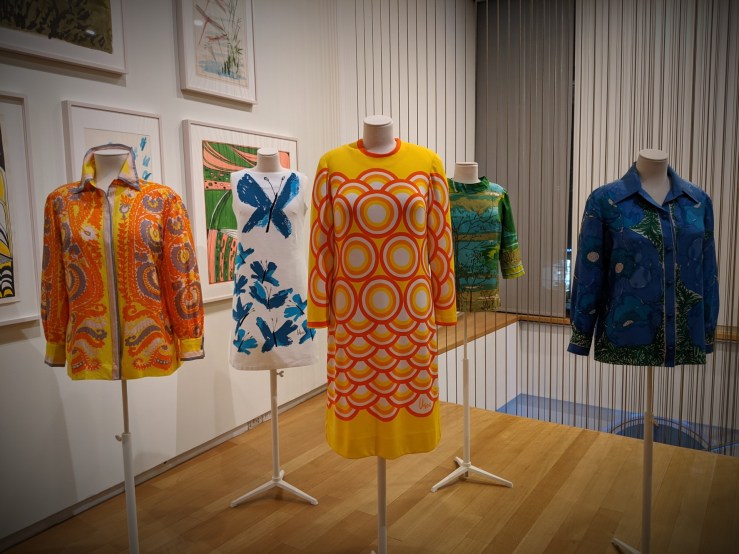
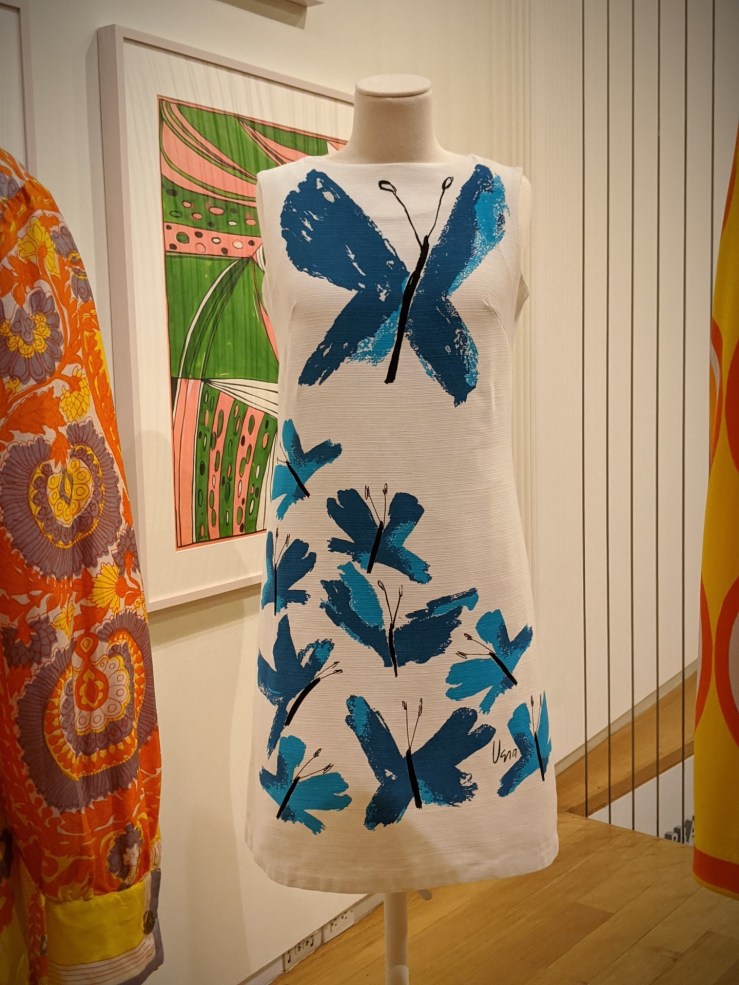
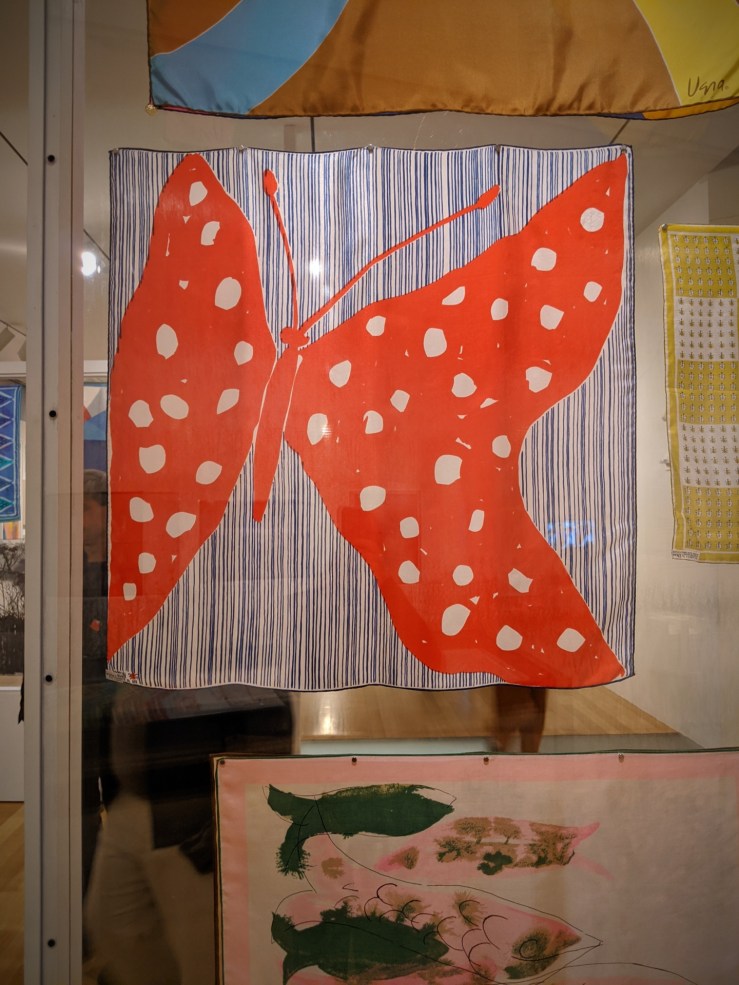
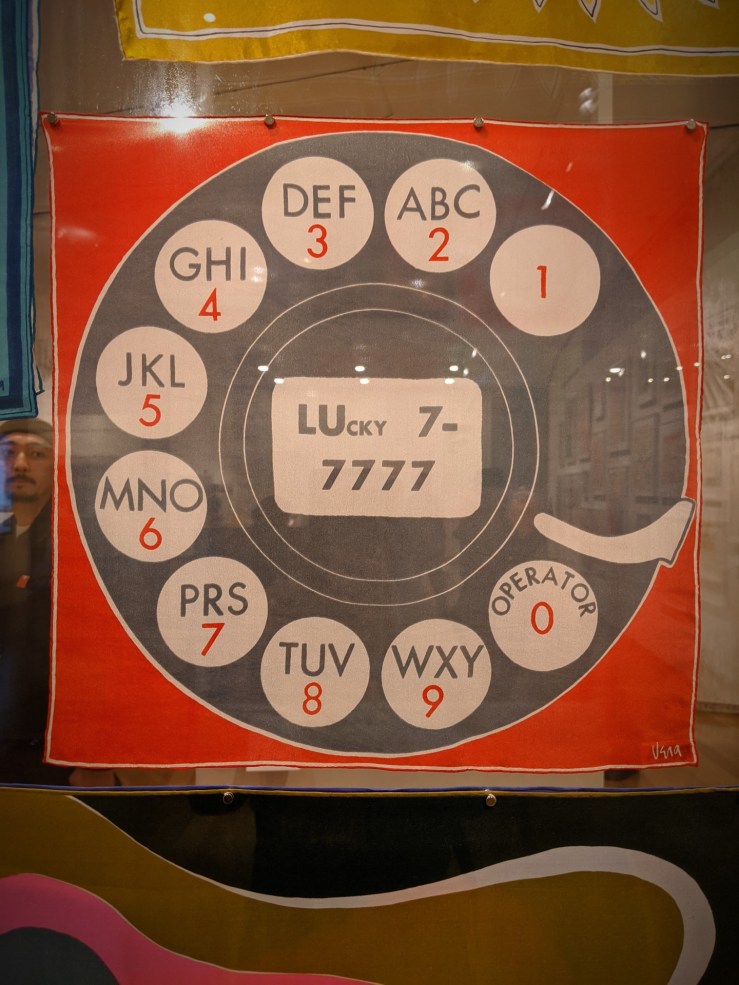
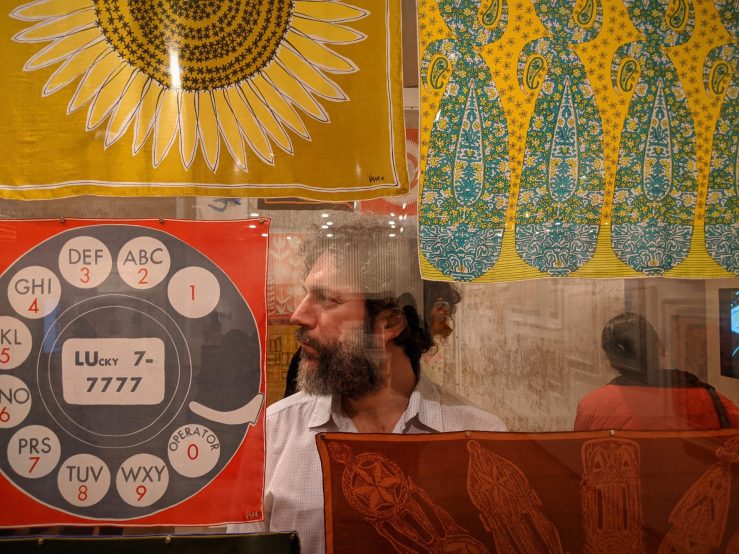
”Vera Paints a Scarf was a selection of the work of artist Vera Neumann (1907-1993) and her contributions to the field of American design. Neumann was among the most successful female design entrepreneurs of the 20th century, and an originator of the American lifestyle brand. Over the course of her career, which spanned from her label’s debut in 1942 to her death in 1993, Neumann produced an iconic line of women’s scarves all signed with a cursive “Vera” and stamped with a ladybug, as well as thousands of textile patterns based on her drawings, paintings, and collages. This exhibition was the first to comprehensively examine her career—and highlights the keys to her success: her joyful and inventive aesthetic, democratic design ethos, fusion of craft and mass production, and clever marketing.”

Museum of Arts and Design (MAD)
December 26th, 2019
 The Humble Fabulist