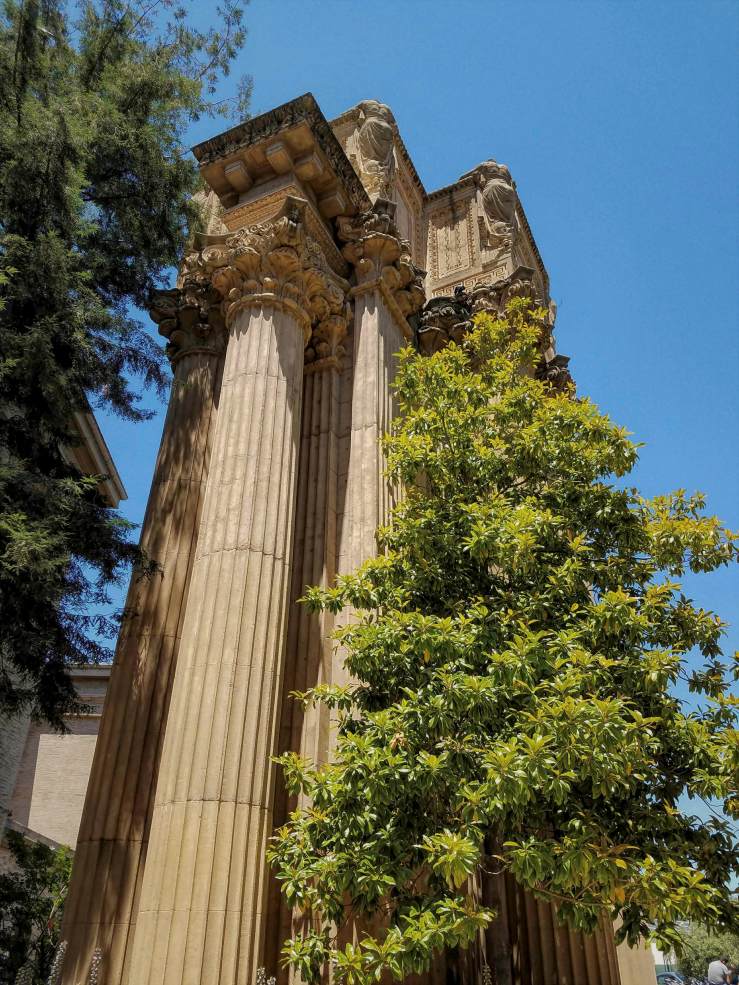
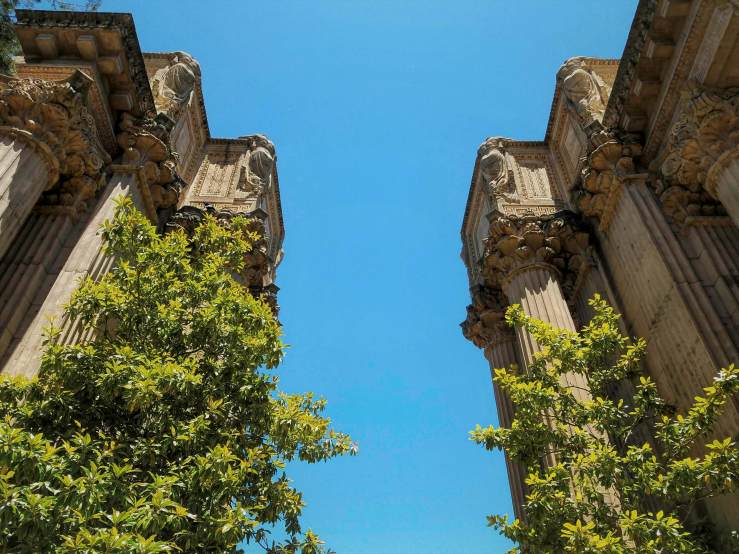
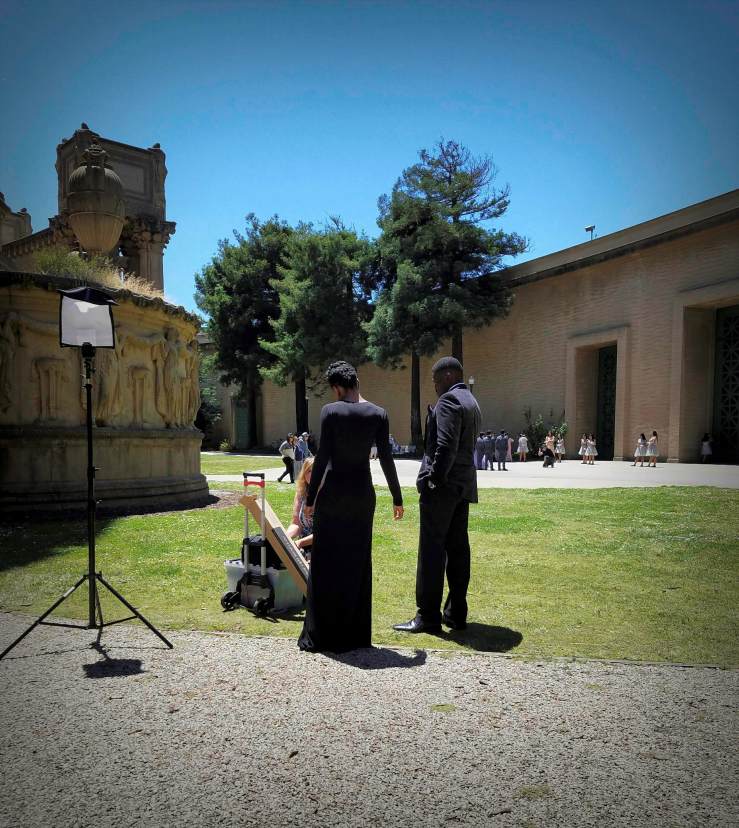
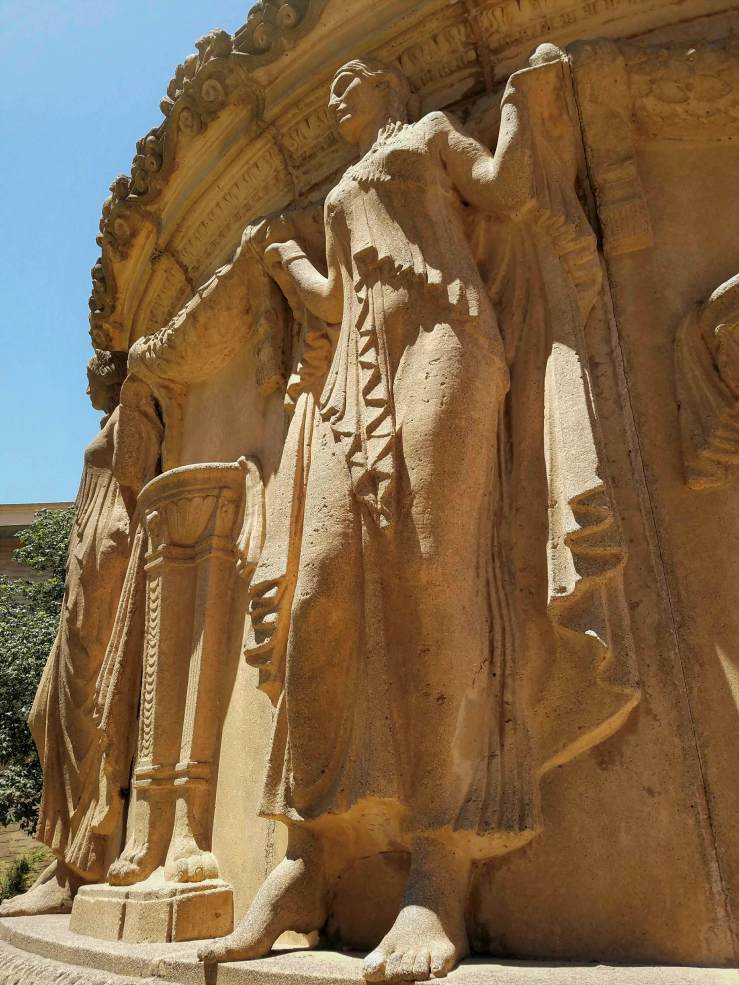
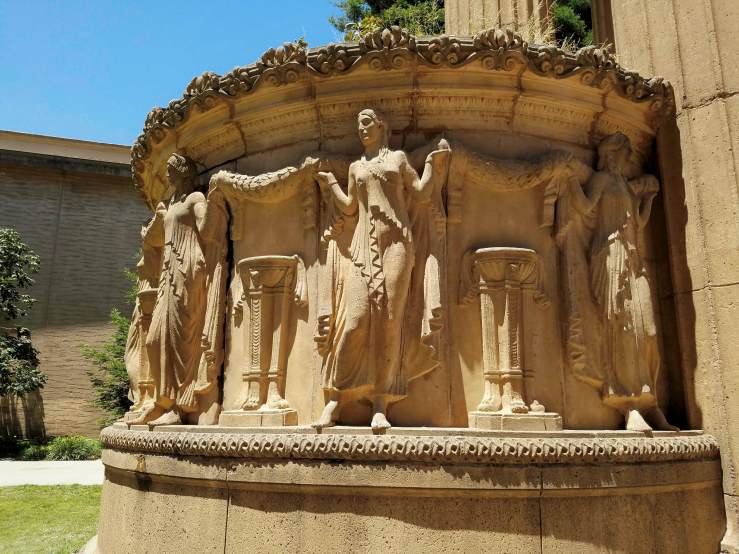
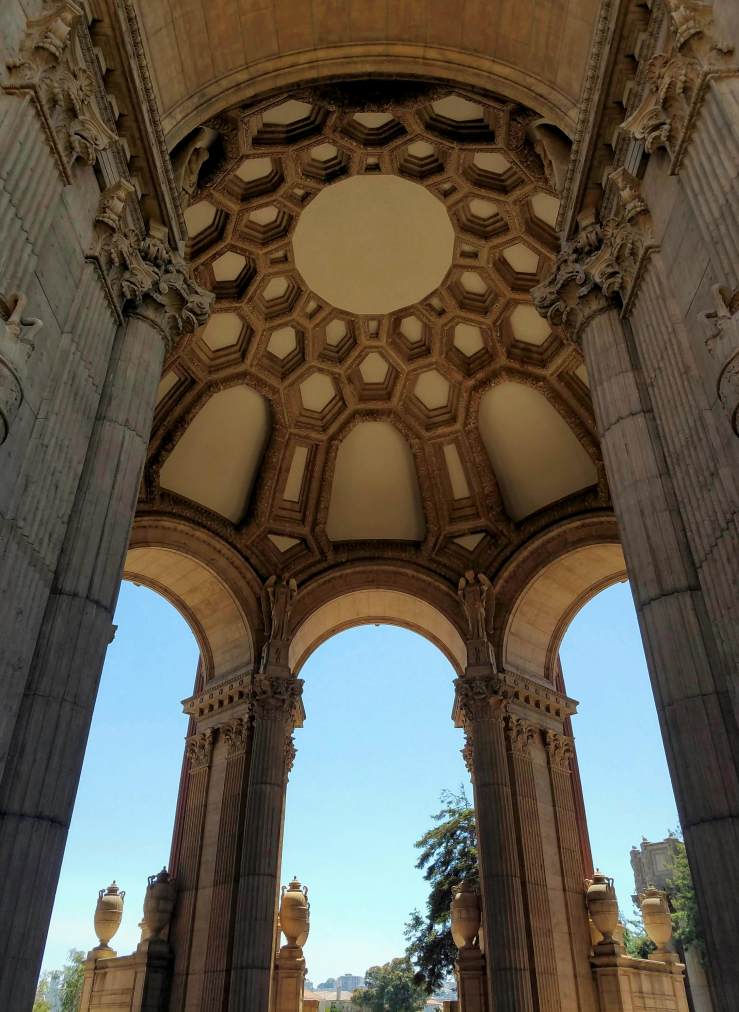
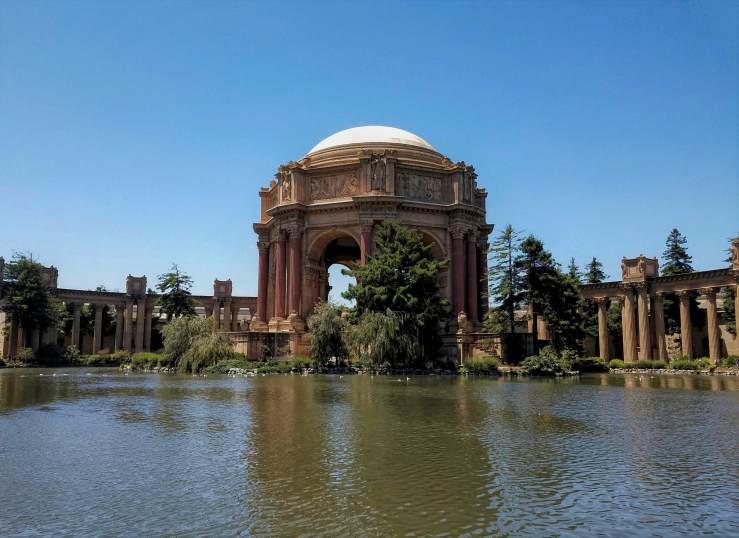
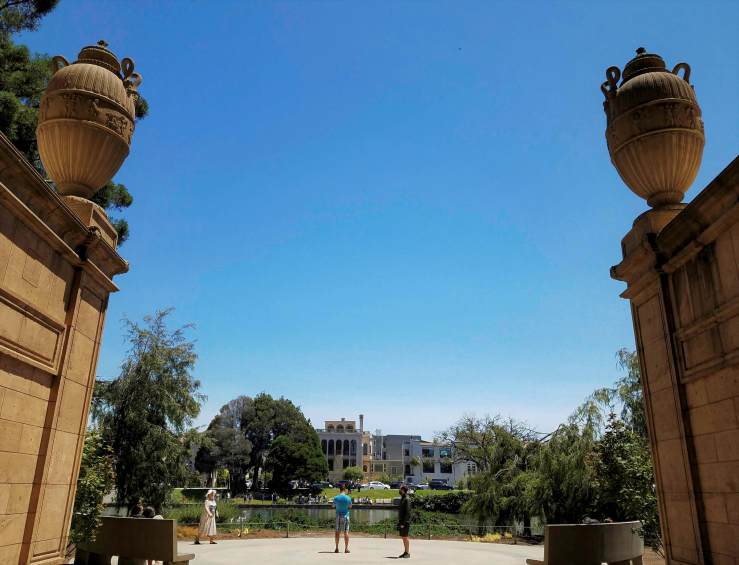
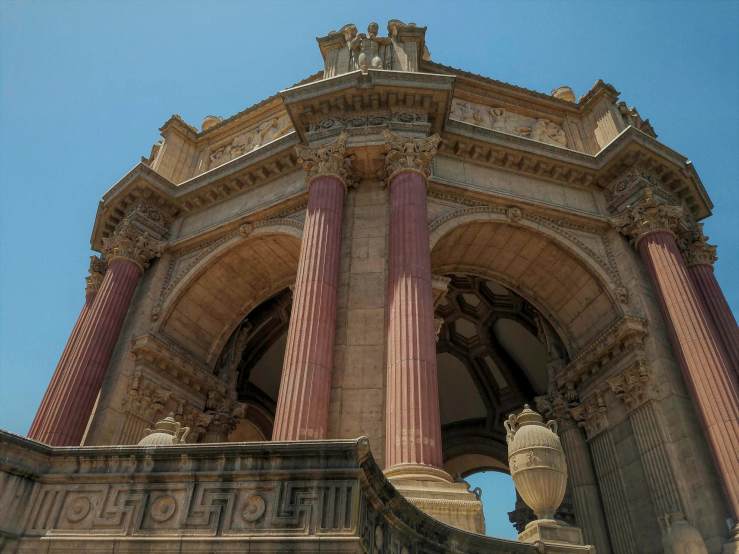
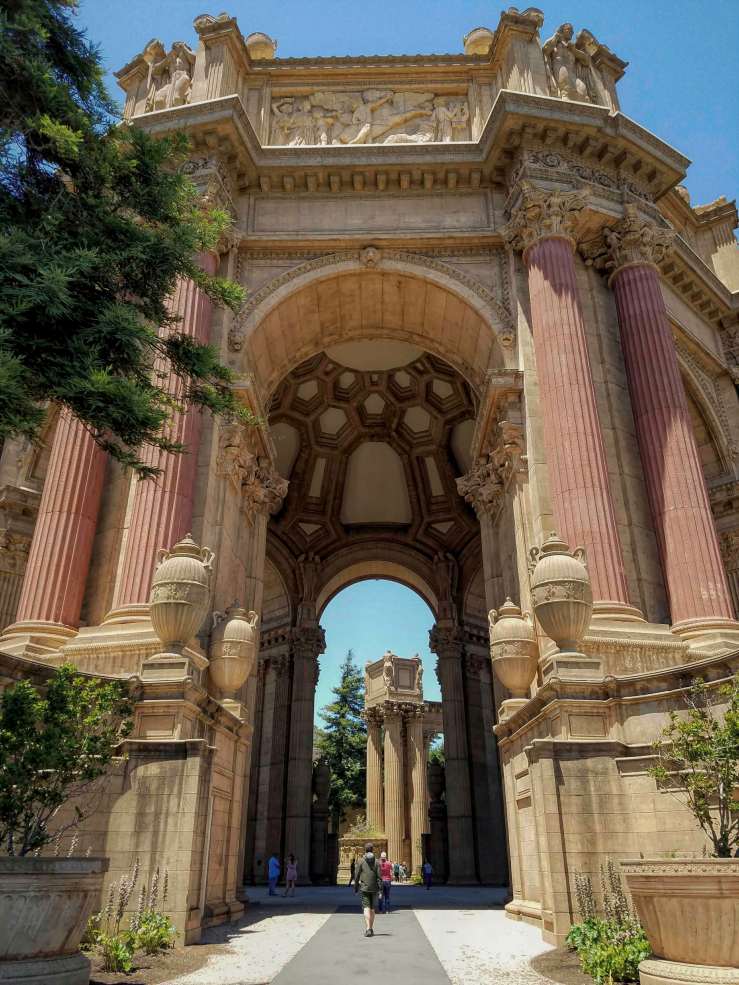
San Francisco is… an enchanted palace

Virtual_Reality ⇔ Real_Virtuality

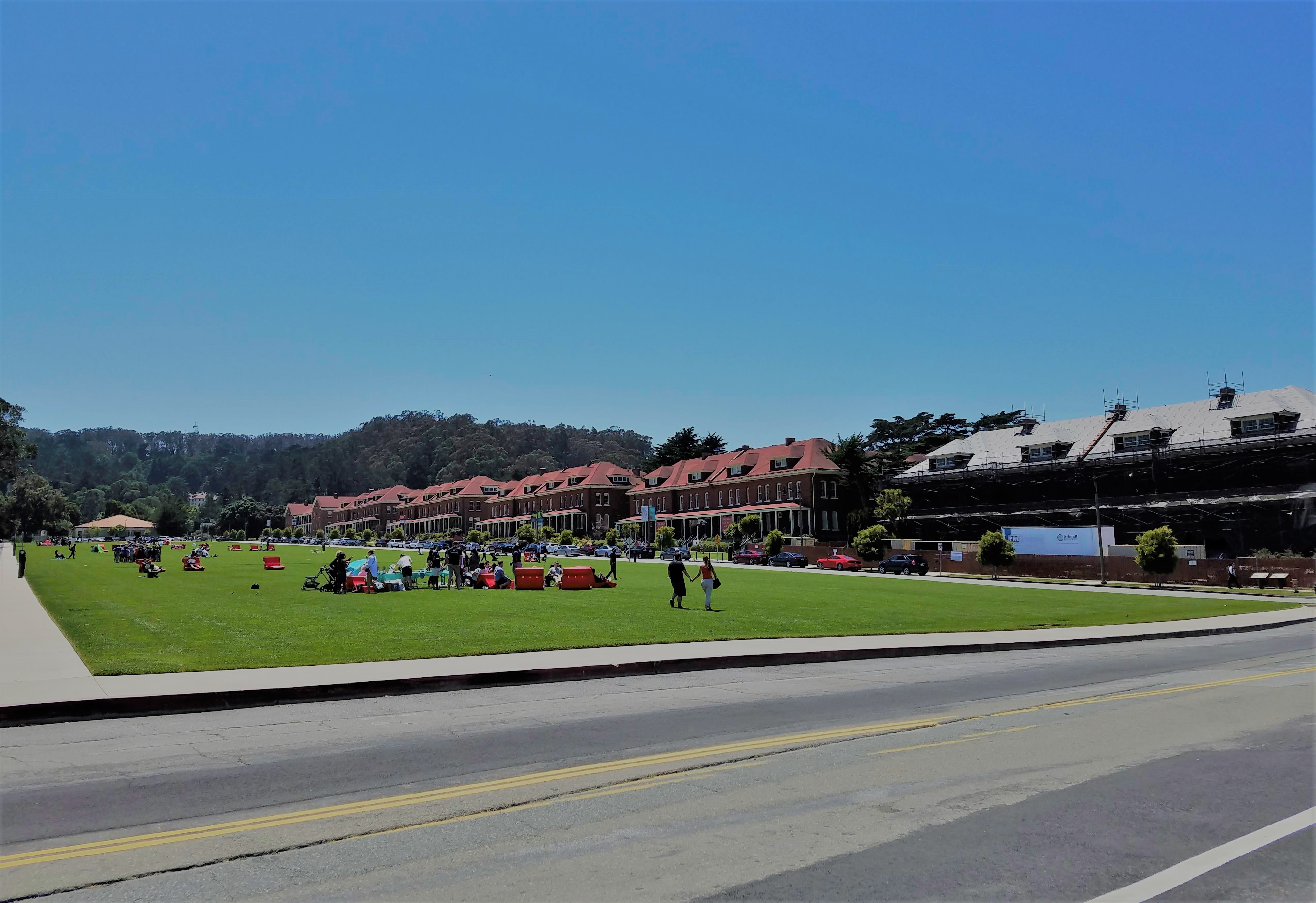
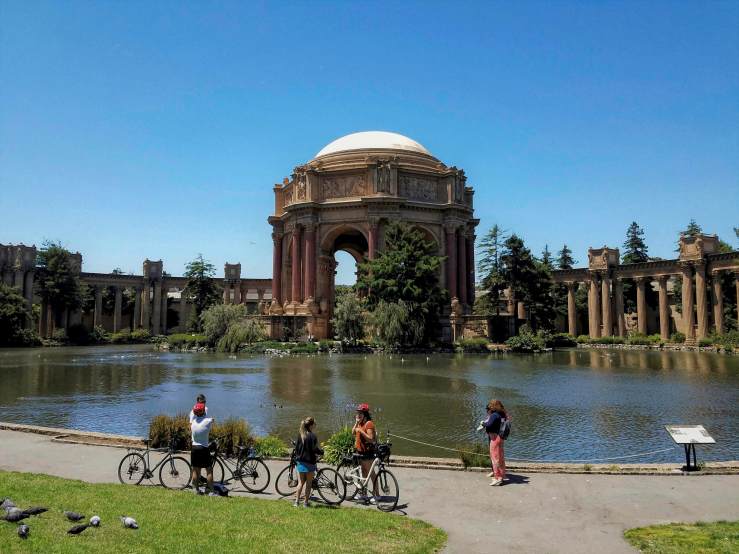
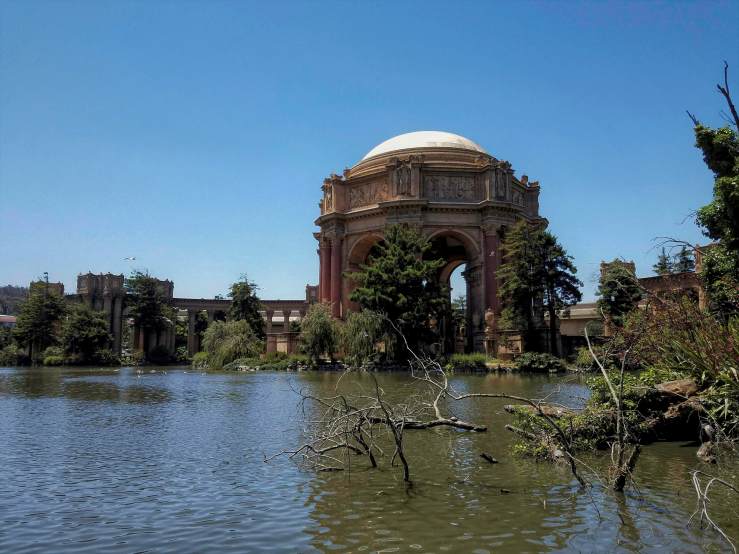
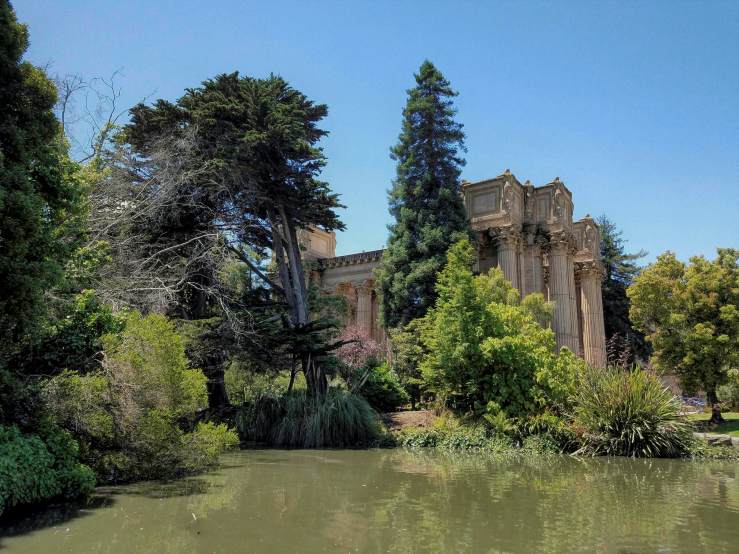
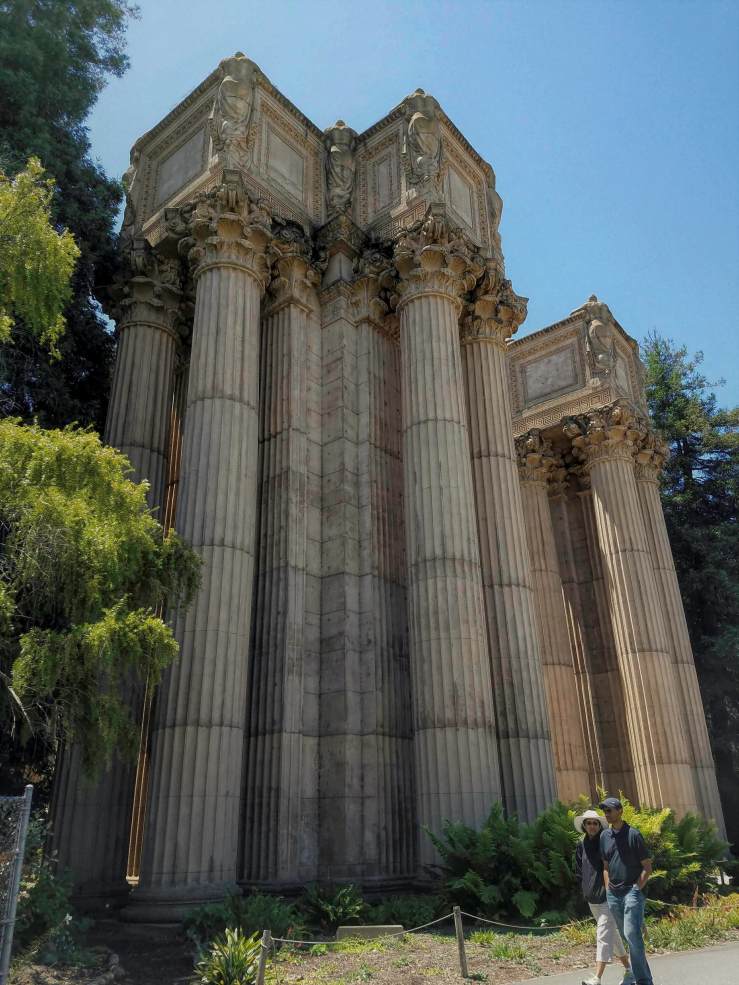
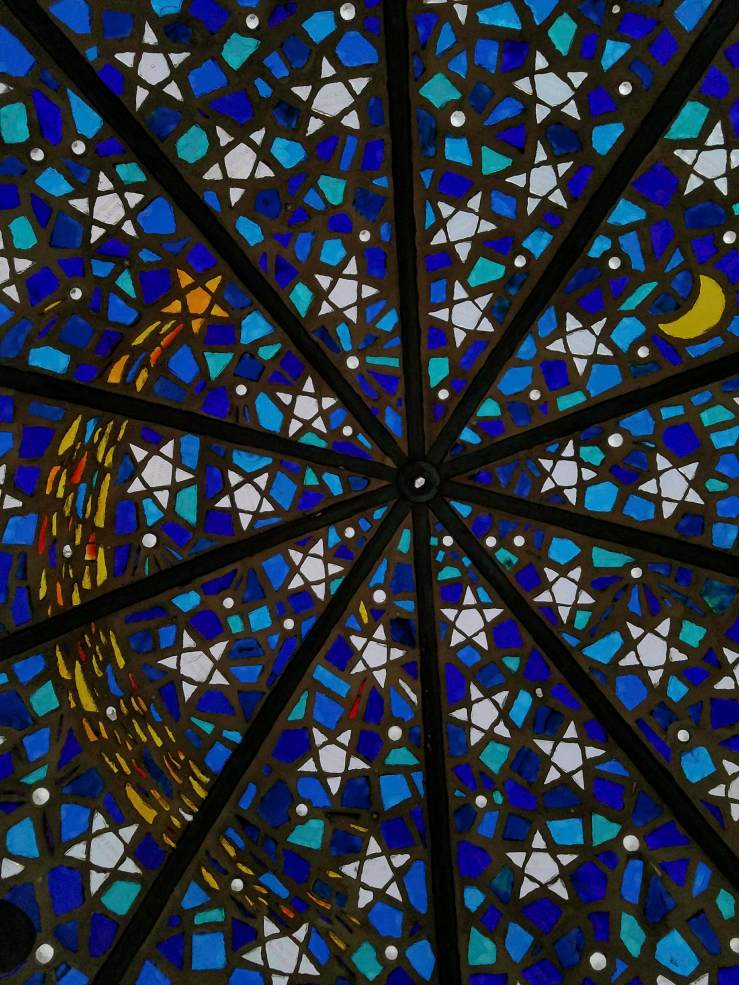
[The Palace of Fine Arts in the Marina District of San Francisco, California, is a monumental structure originally constructed for the 1915 Panama-Pacific Exposition in order to exhibit works of art presented there. One of only a few surviving structures from the Exposition, it is still situated on its original site.] (source)

July 8th, 2017

Haruko

Sometimes, in my dreams I am.
Chiura Obata (1885-1975)
Mother Earth, 1912 (reworked 1922, 1928)
Ink and colours on silk


Chiura Obata commenced this painting in 1912 as a portrait of his wife, Haruko, who had announced that she was pregnant with their first child. Obata reworked the painting in 1922, changing the title to Dusk in the High Sierra, and again in 1928, when he chose the final title, Mother Earth. The evolution of the title reveals Obata’s intention to endow his subject with greater resonance. The solitary female figure now serves as a universal personification of nature, fertility and maternity. The contrast between the giant, centuries-old redwood trees and the small seasonal flowers serves as a reminder of the cycles of nature – and of life itself.

Although Obata’s female model is Japanese, his universal title reflects his global perspective regarding nature and nationality: ”Above the border line of nationality everybody must feel a deep appreciation toward Mother Earth”. Obata’s timeless vision reaffirmed viewers’ perennial ties to nature in an increasingly technological age.

Treasures of the de Young

July 7th, 2017

Ode to beauty at the de Young

Timeless Beauty Beyond Gender.

John Koch (1909-1978)
The Bridge, ca. 1950
Oil on canvas


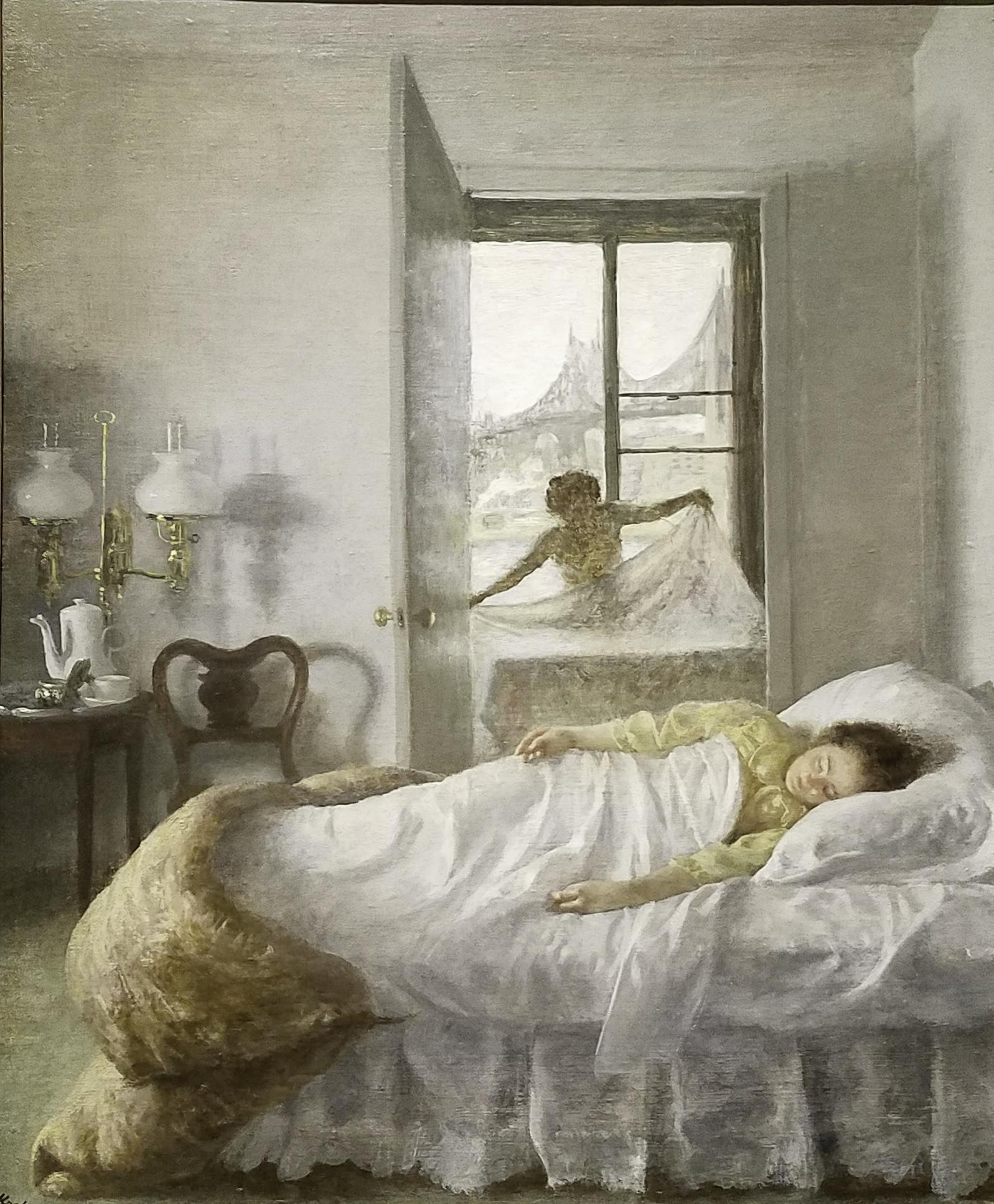
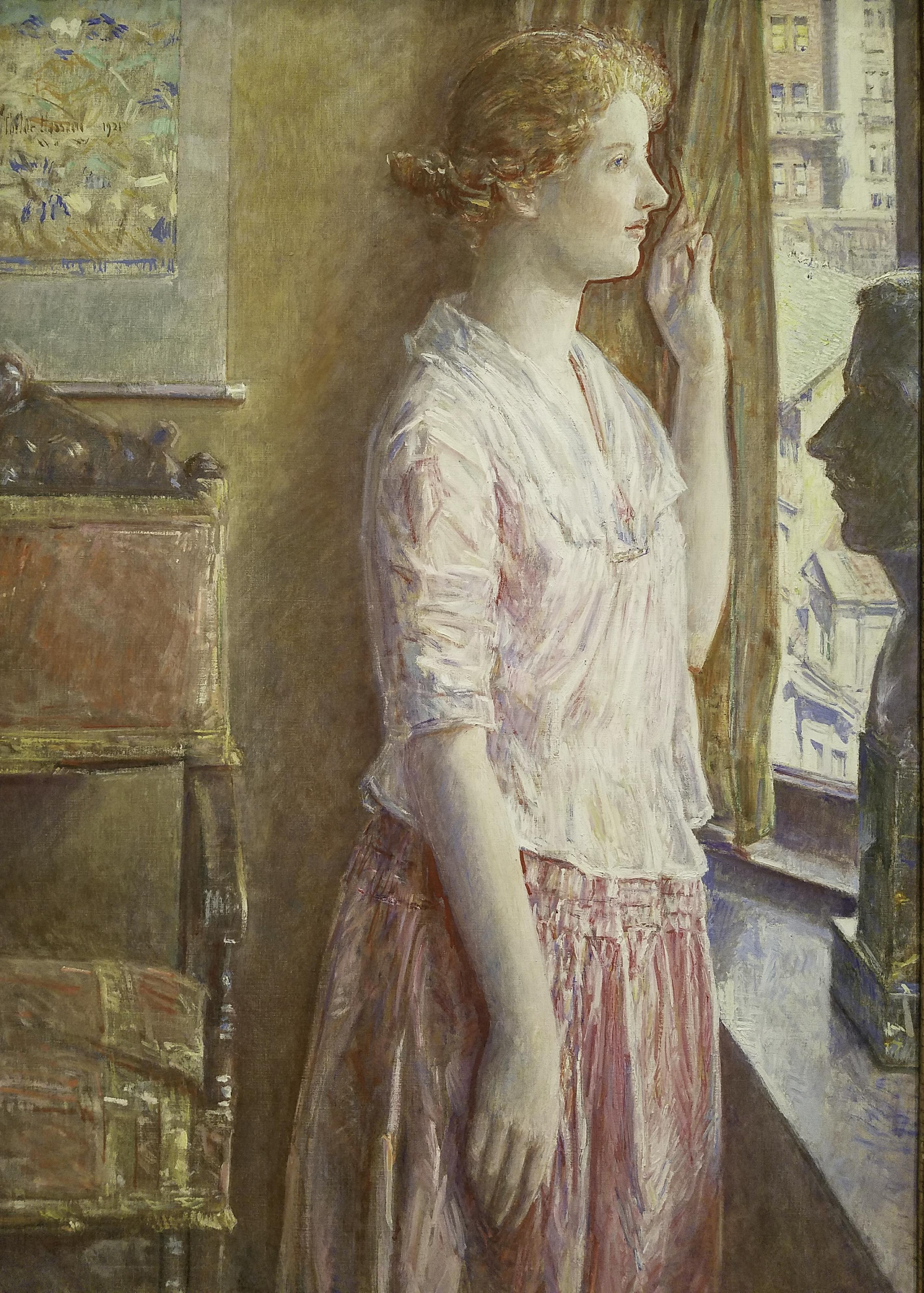
Frederick Childe Hassam (1859-1935)
Easter Morning (Portrait at a New York Window), 1921
Oil on canvas


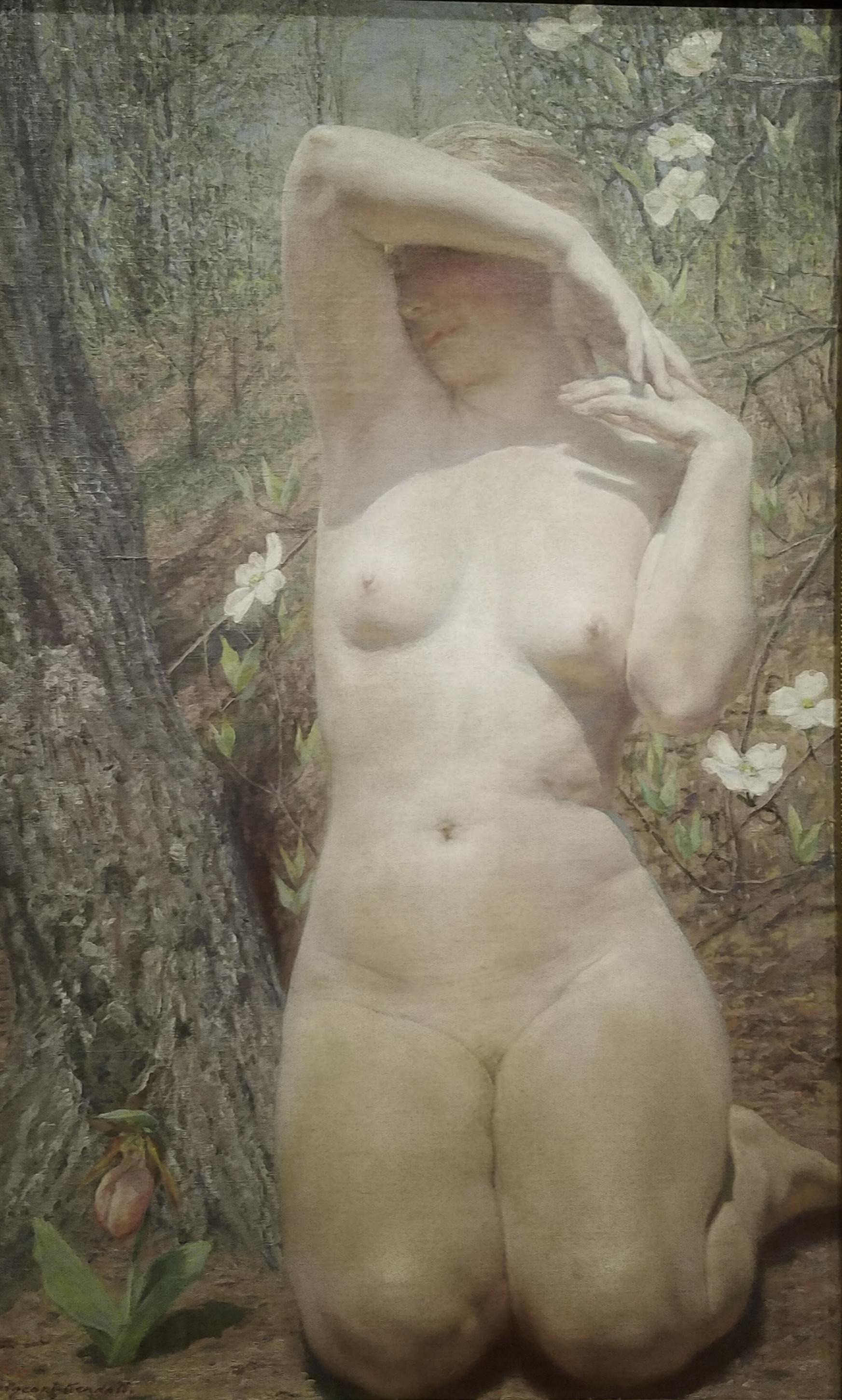
Sergeant Kendall (1869-1939)
Cypripedia, 1927
Oil on canvas


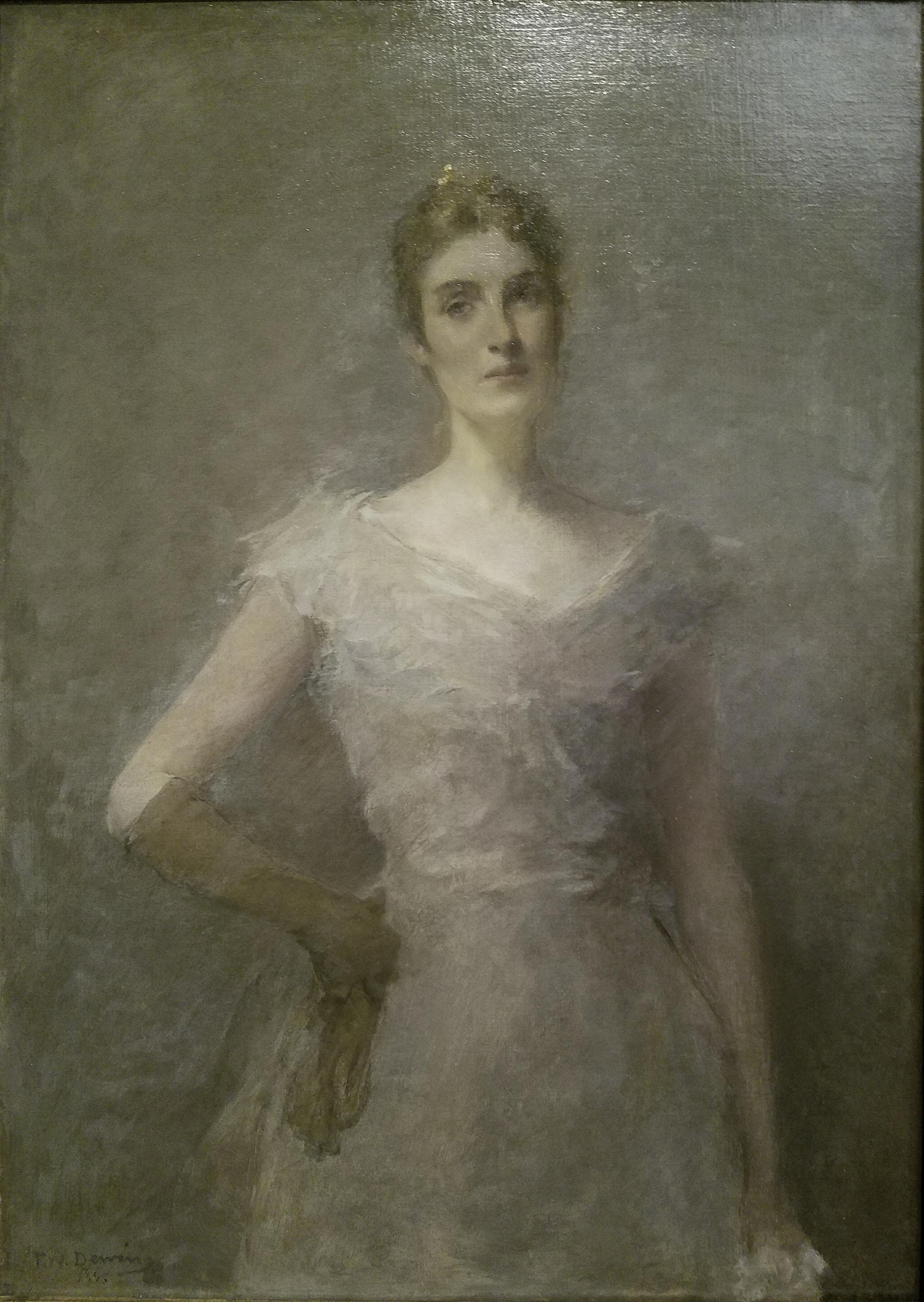
Thomas Wilmer Dewing (1851-1938)
Elizabeth Platt Jencks, 1895
Oil on canvas


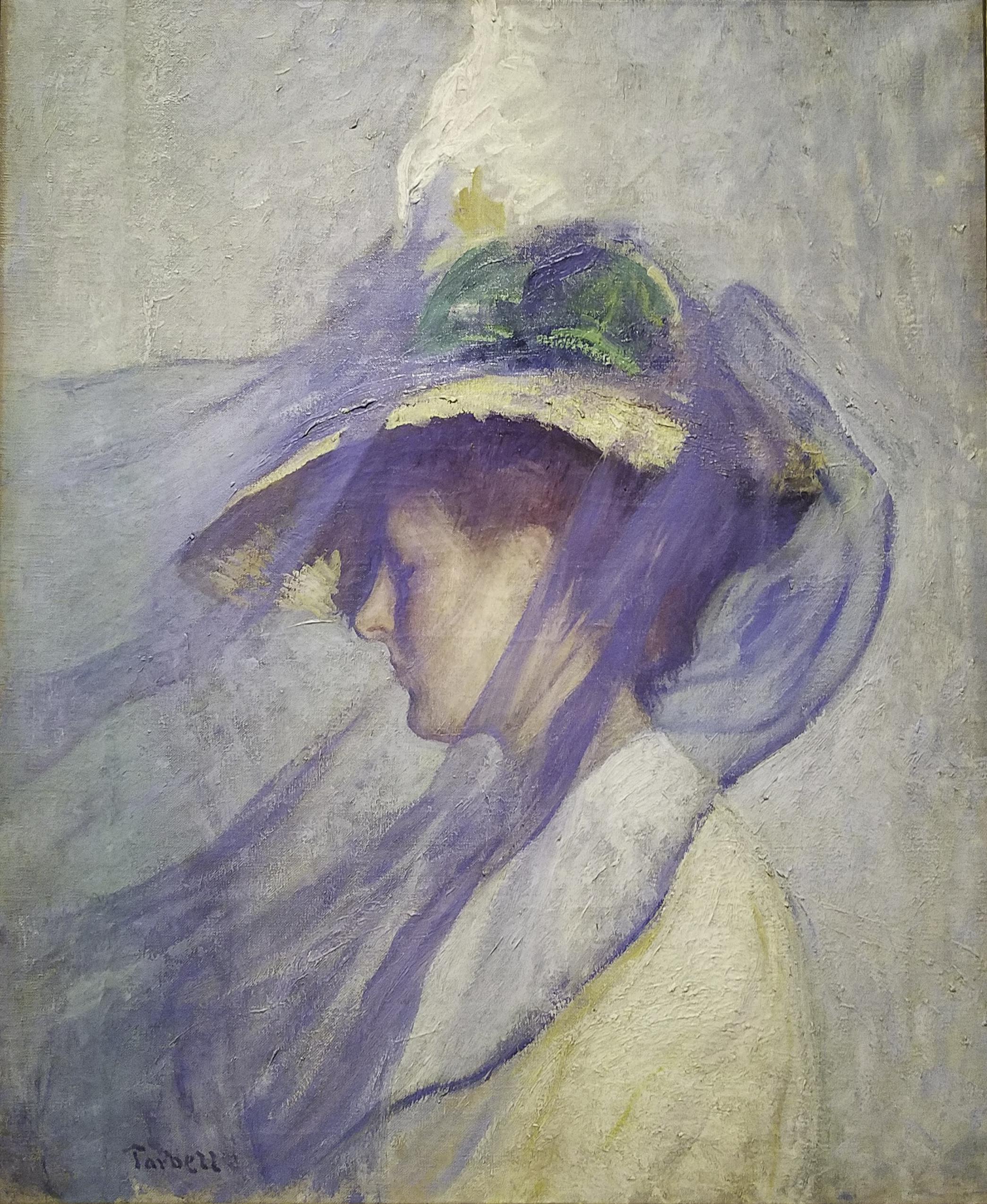
Edmund Charles Tarbell (1862-1938)
The Blue Veil, 1898
Oil on canvas


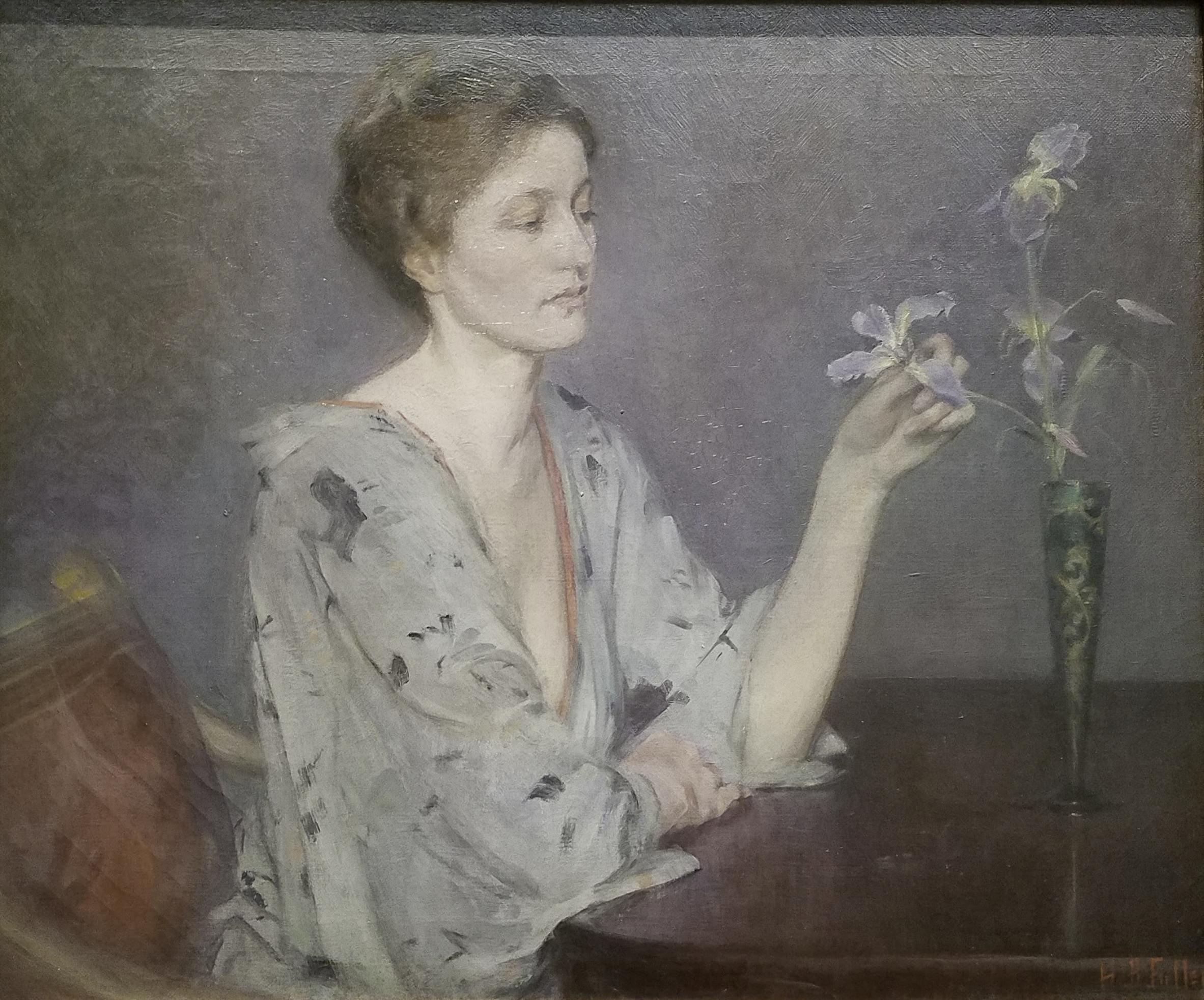
Henry Brown Fuller (1867-1934)
Ebba Bohm, ca. 1905
Oil on canvas


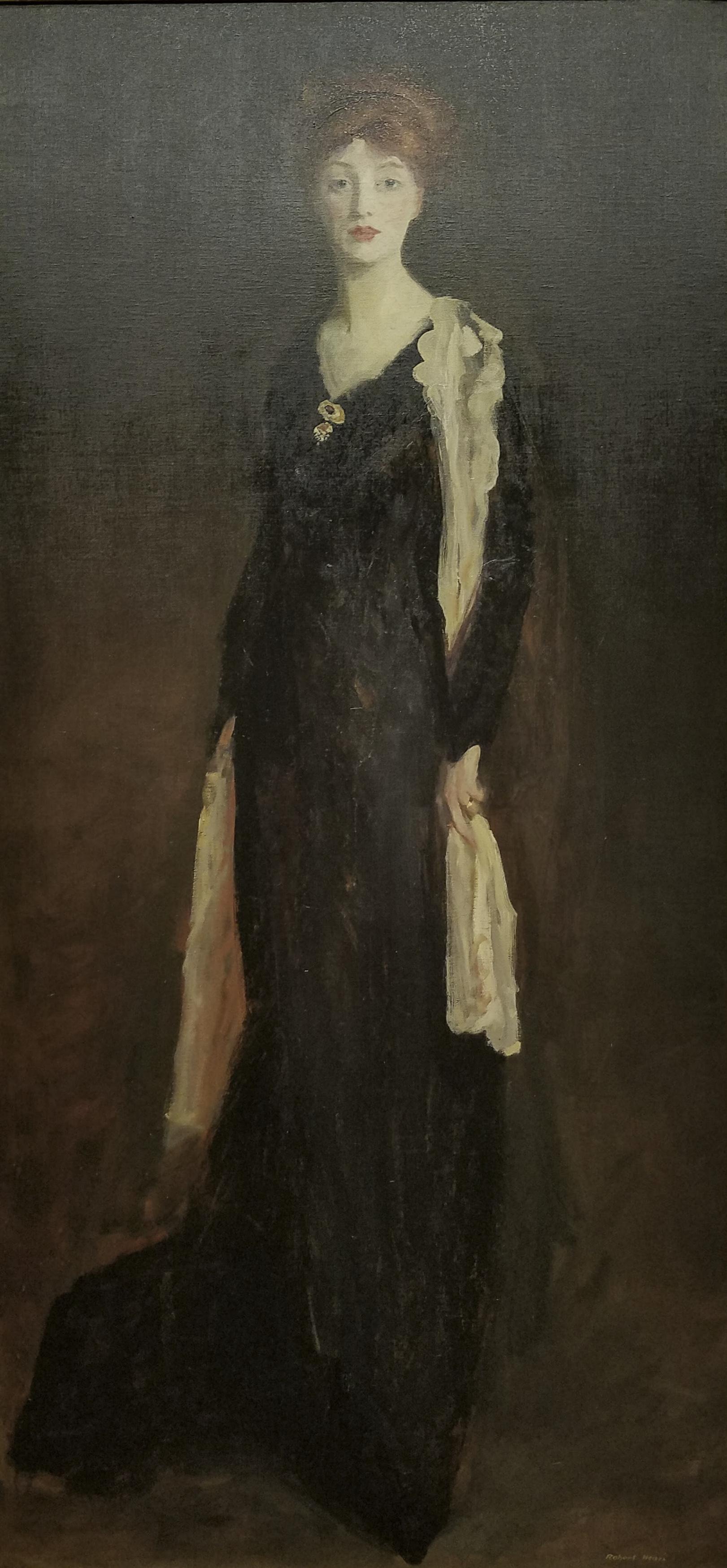
Robert Henri (1865-1929)
Lady in Black with Spanish Scarf (O in Black with a Scarf), 1910
Oil on canvas


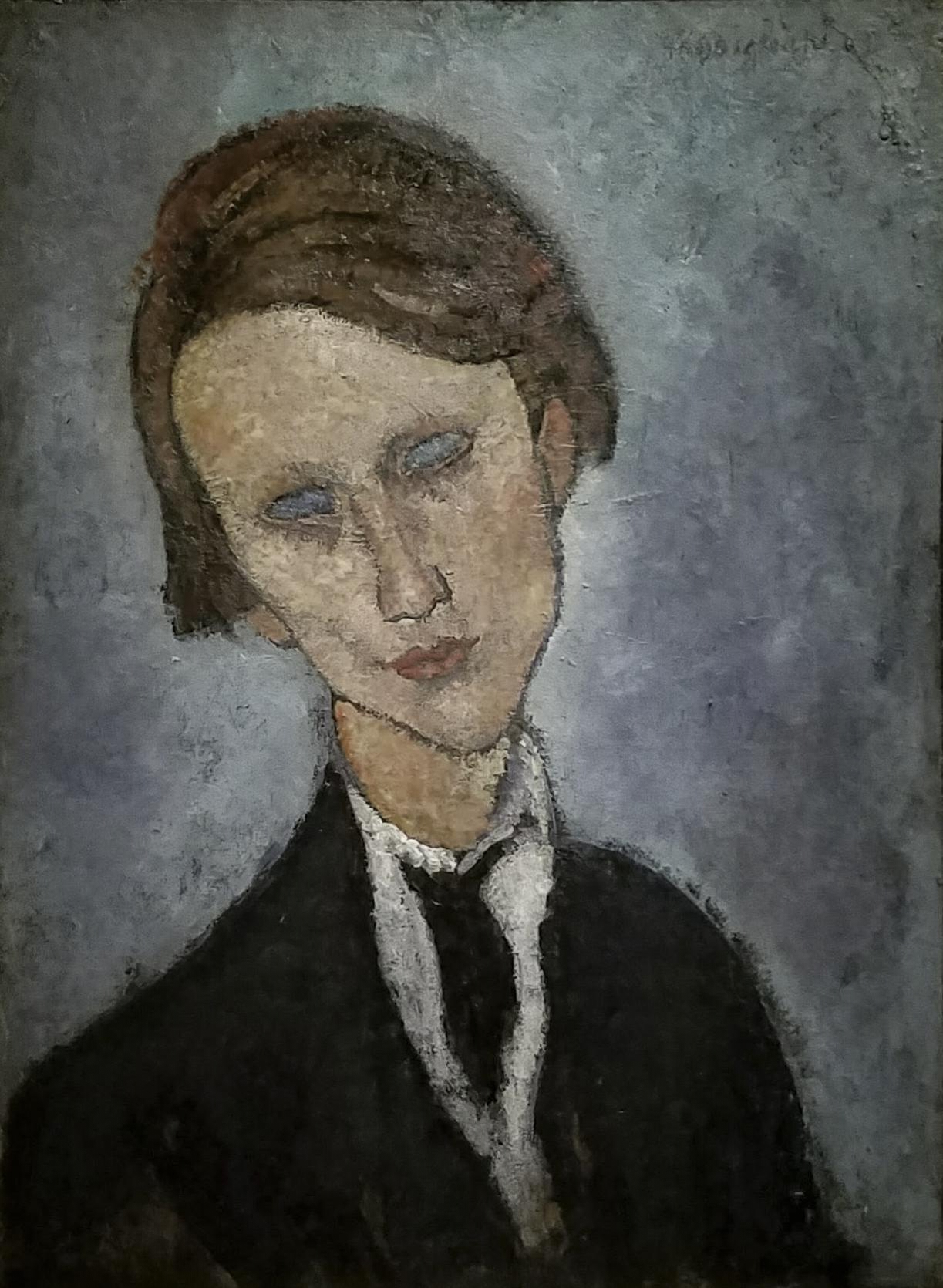
Would you have known this was a bloke, had there not been a title? Amedeo Modigliani (1884-1920)
Pierre-Edouard Baranowski, ca. 1918
Oil on board

A painting with an interesting background. Nothing to do with the gender-bending figure of Mr. Baranowski, it was its very origin and authenticity that were in doubt.


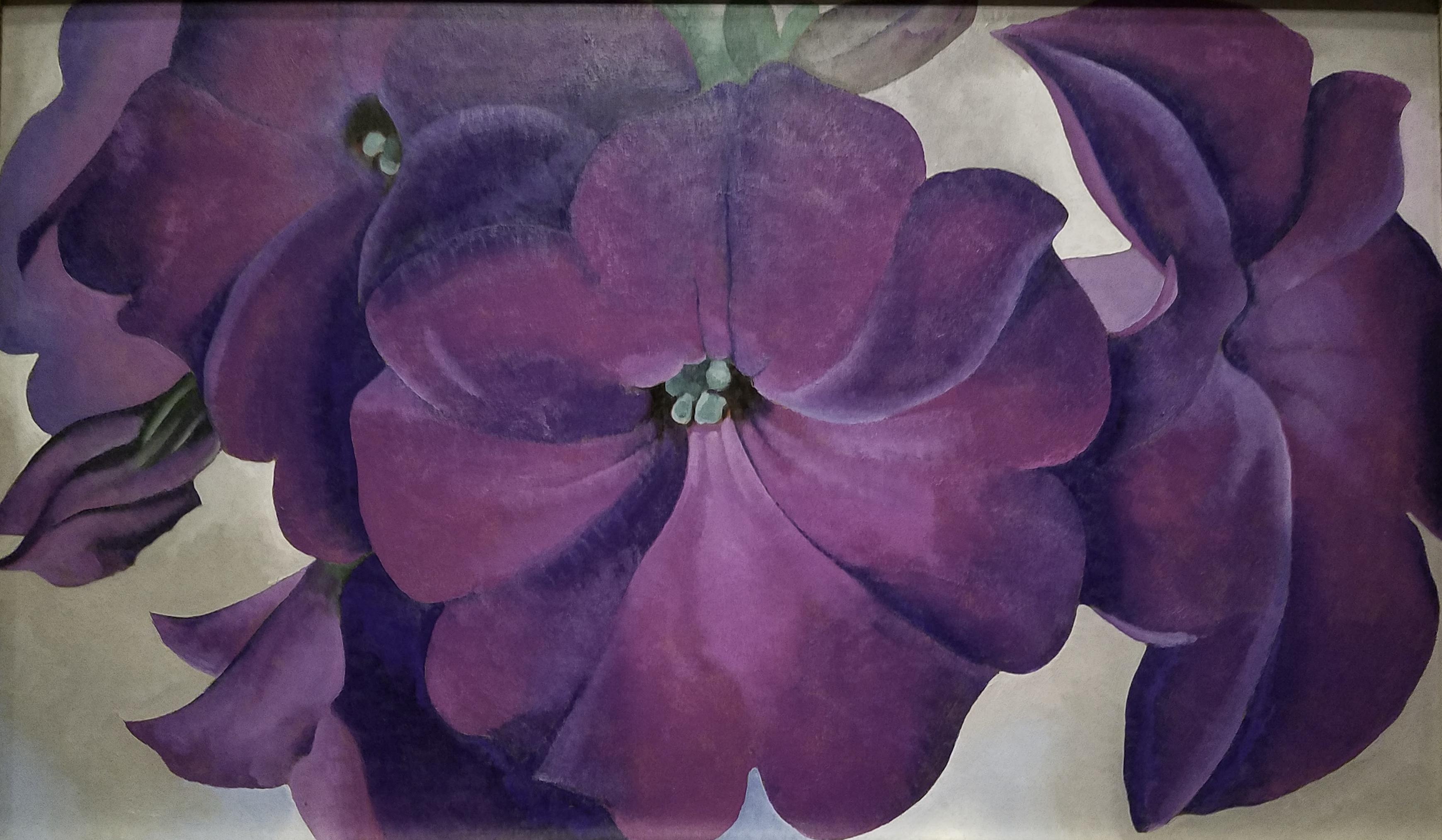
The artist is present in every stroke, her unique style instantly recognizable: Georgia O’Keeffe (1887-1986)
Petunias, 1925
Oil on hardboard panel


Treasures of the de Young

░Treasures░of░the░de░Young░

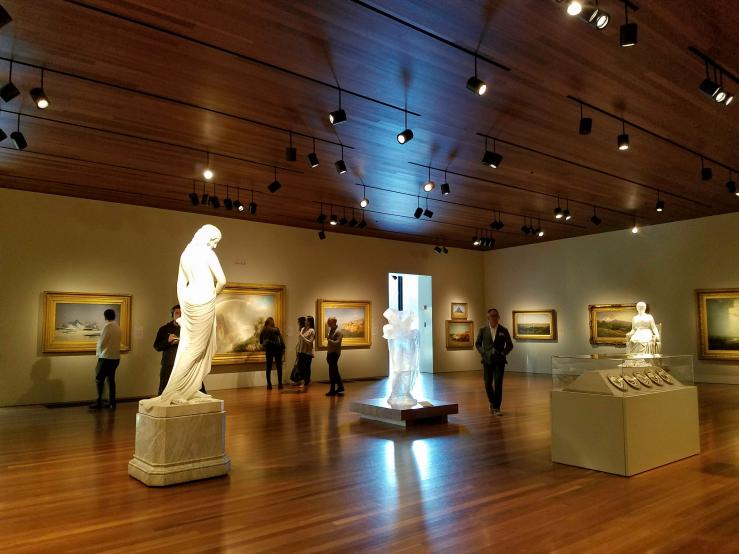
Skipping the colourful psychedelia of the Summer of Love Experience didn’t mean the time we spent at the de Young would be any less fun – quite the contrary, as the works you are about to see will demonstrate.

***

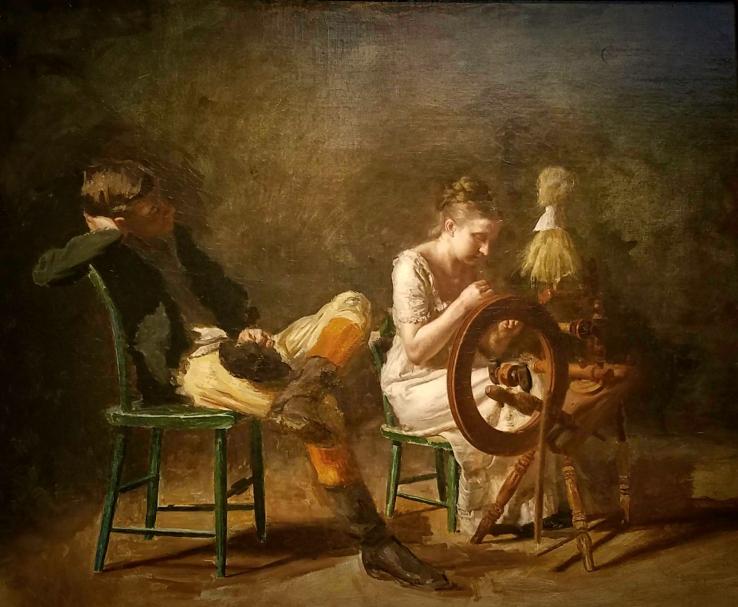
In contrast with the age of freedom and sexual liberation that was being celebrated next door, this is how courtship was done in Thomas Eakins’ time:  Thomas Eakins (1844-1916)
The Courtship, ca. 1878
Oil on canvas


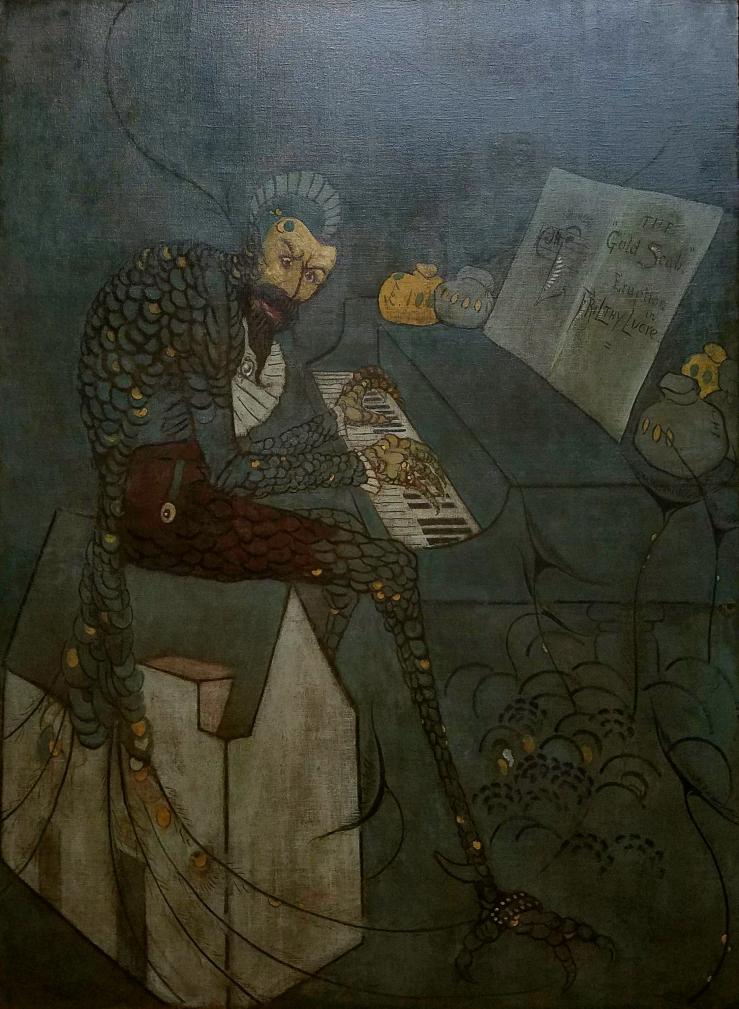
Whistler depicted his former patron Frederick R. Leyland as a hideous peacock, surrounded by money bags and sitting astride Whistler’s house, which had to be sold. You see, Leyland had commissioned Harmony in Blue and Gold: The Peacock Room (Freer Gallery of Art) for his London townhouse. All was going according to plan, until Whistler decided to make some unauthorized alterations. Leyland was less than pleased, they argued bitterly and their relationship reached an all-time low when Leyland sued Whistler for the Peacock Room’s over-expenditures. Whistler had to file for bankruptcy but, with this painting, he still had the last laugh:James McNeill Whistler (1834-1903)
The Gold Scab: Eruption in Frilthy Lucre (The Creditor), 1879
Oil on canvas


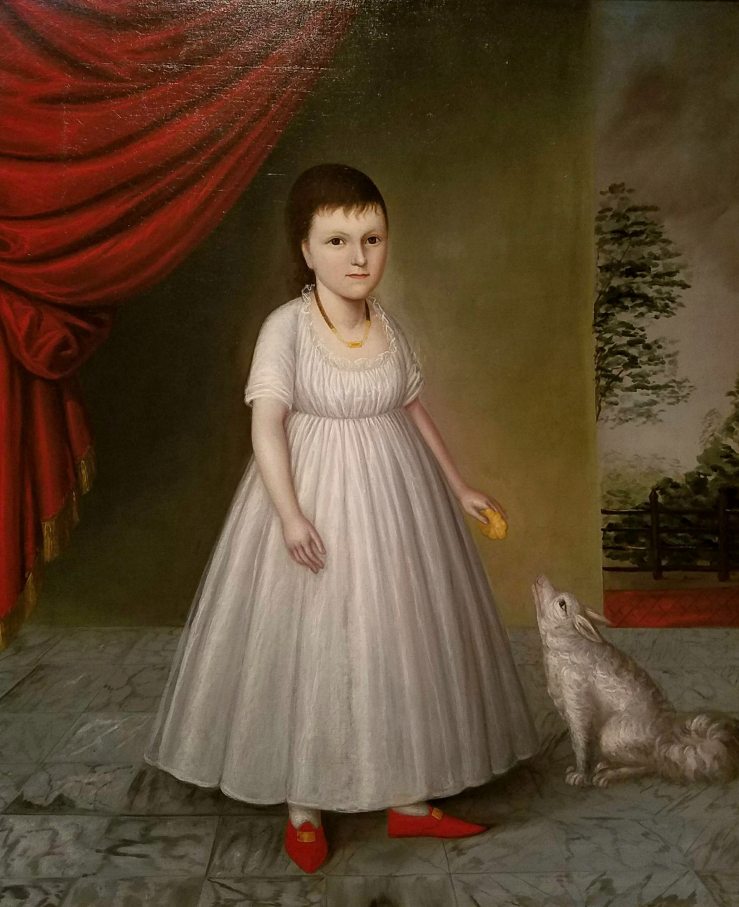
A work by the earliest-known African American artist. A freed slaved and self-taught painter working in Baltimore, Maryland, Joshua Johnson portrays the daughter of a wealthy Baltimore merchant. Her Empire gown, stylish Napoleonic bangs, and Turkish shoes (known as ”straights” because the could fit on either foot) reveal the influence of French fashion in America. I do love her ”straights” – I wish all shoes were so soft they could fit on either foot!  Joshua Johnson (ca. 1763-ca. 1824)
Letitia Grace McCurdy, ca. 1800-1802
Oil on canvas


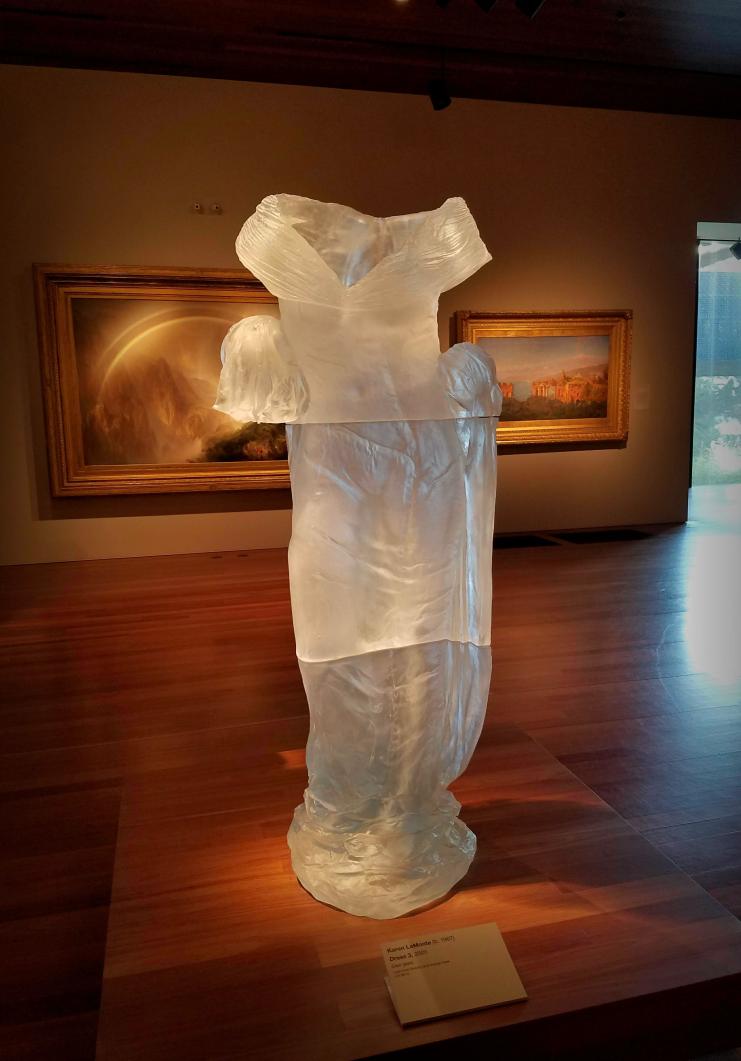
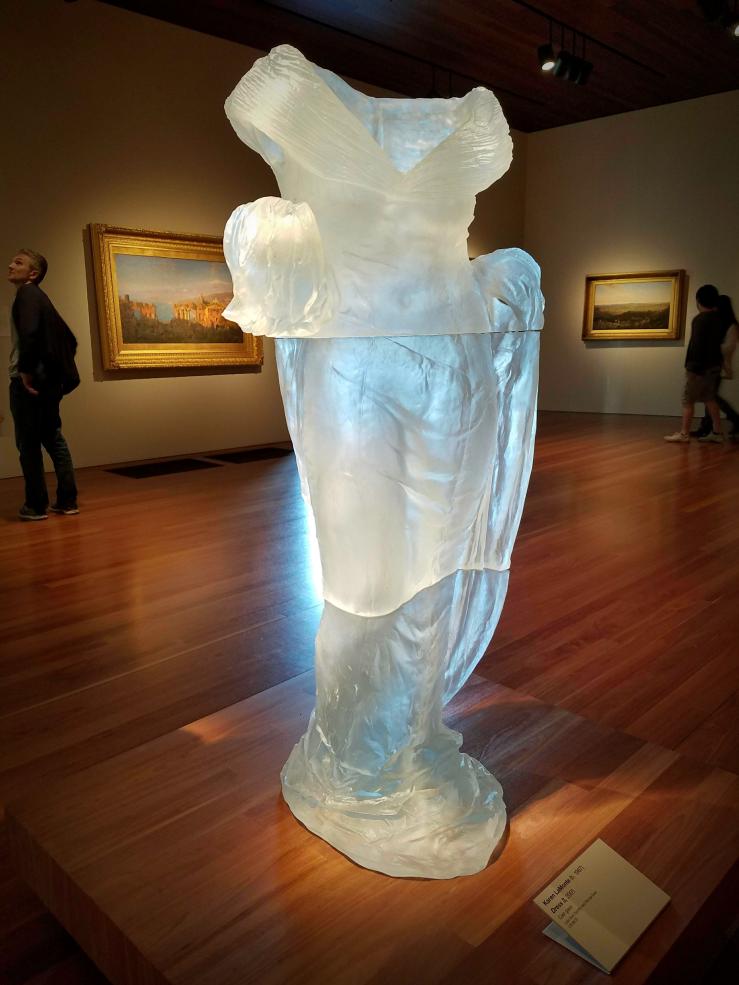
A dress made of glass for a head-to-toe modern Cinderella:Karen LaMonte (b. 1967)
Dress 3, 2001
Cast glass


This explosion of colour:
Richard Mayhew (b. 1924)
Rhapsody, 2002
Oil on canvas


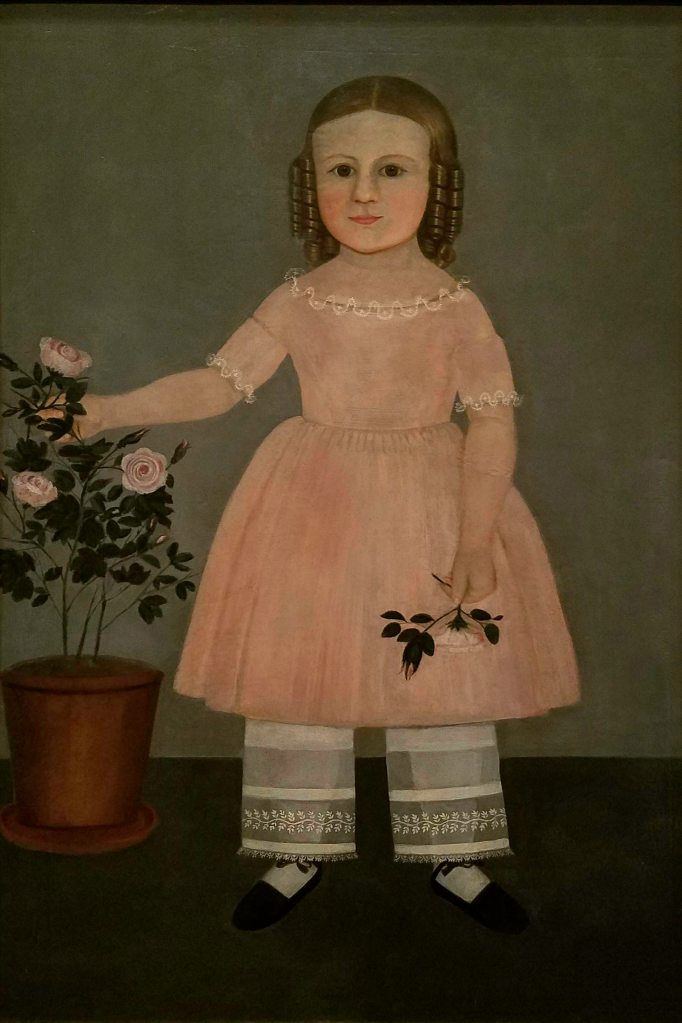
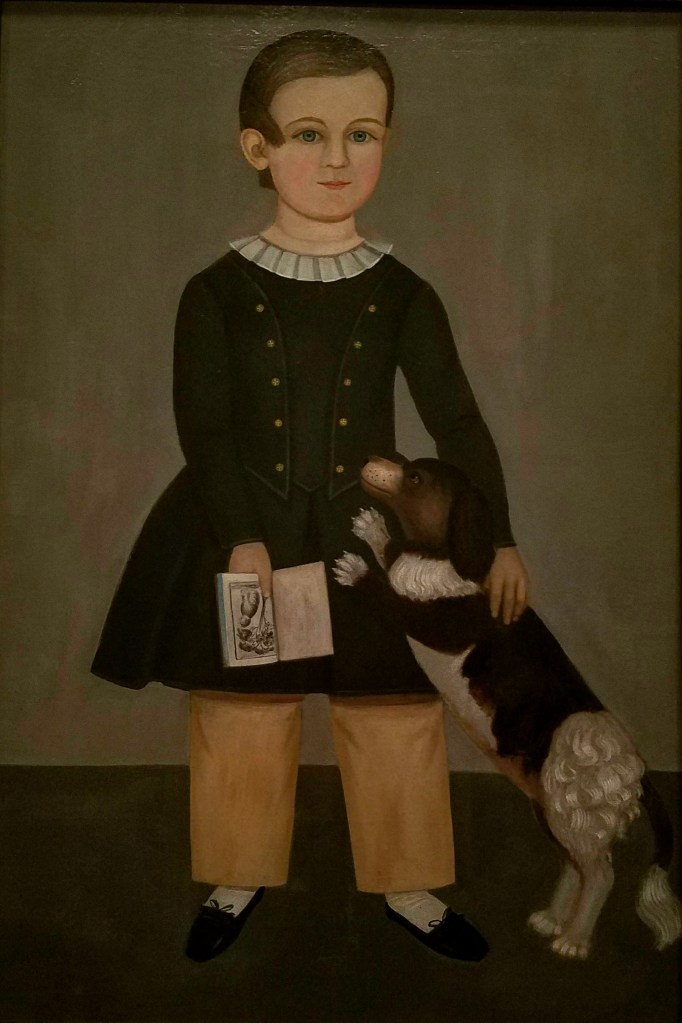
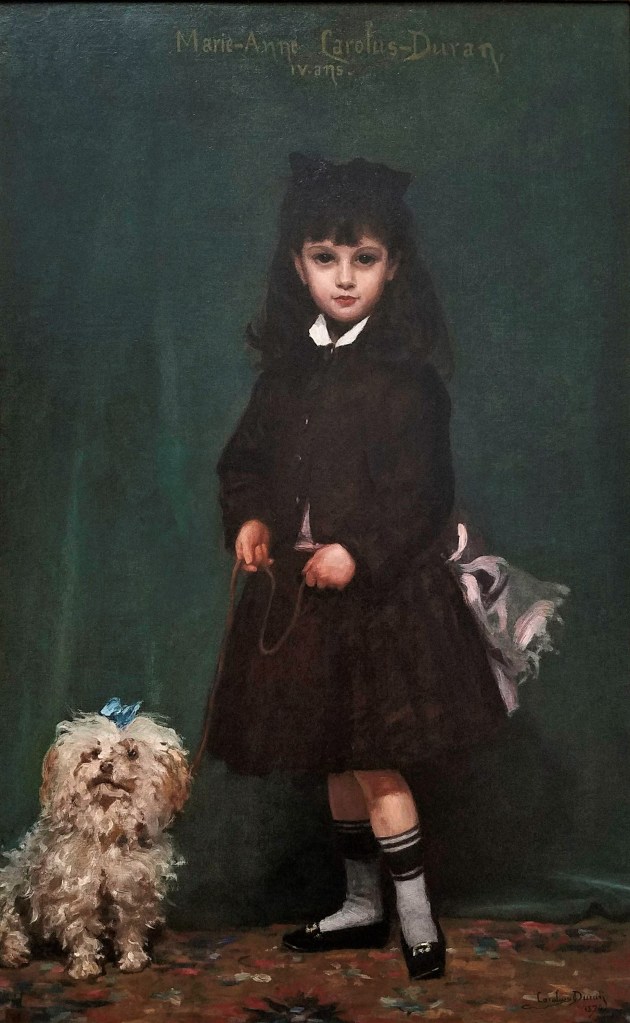
The cool flatness of Samuel Miller’s children: Samuel Miller (1807-1853)
Young Girl with Flowers, ca. 1850
Oil on canvas mounted on board


Samuel Miller (1807-1853)
Young Boy with a Dog, ca. 1850
Oil on canvas mounted on hardboard


Treasures of the de Young

July 7th, 2017


September 11, 2001

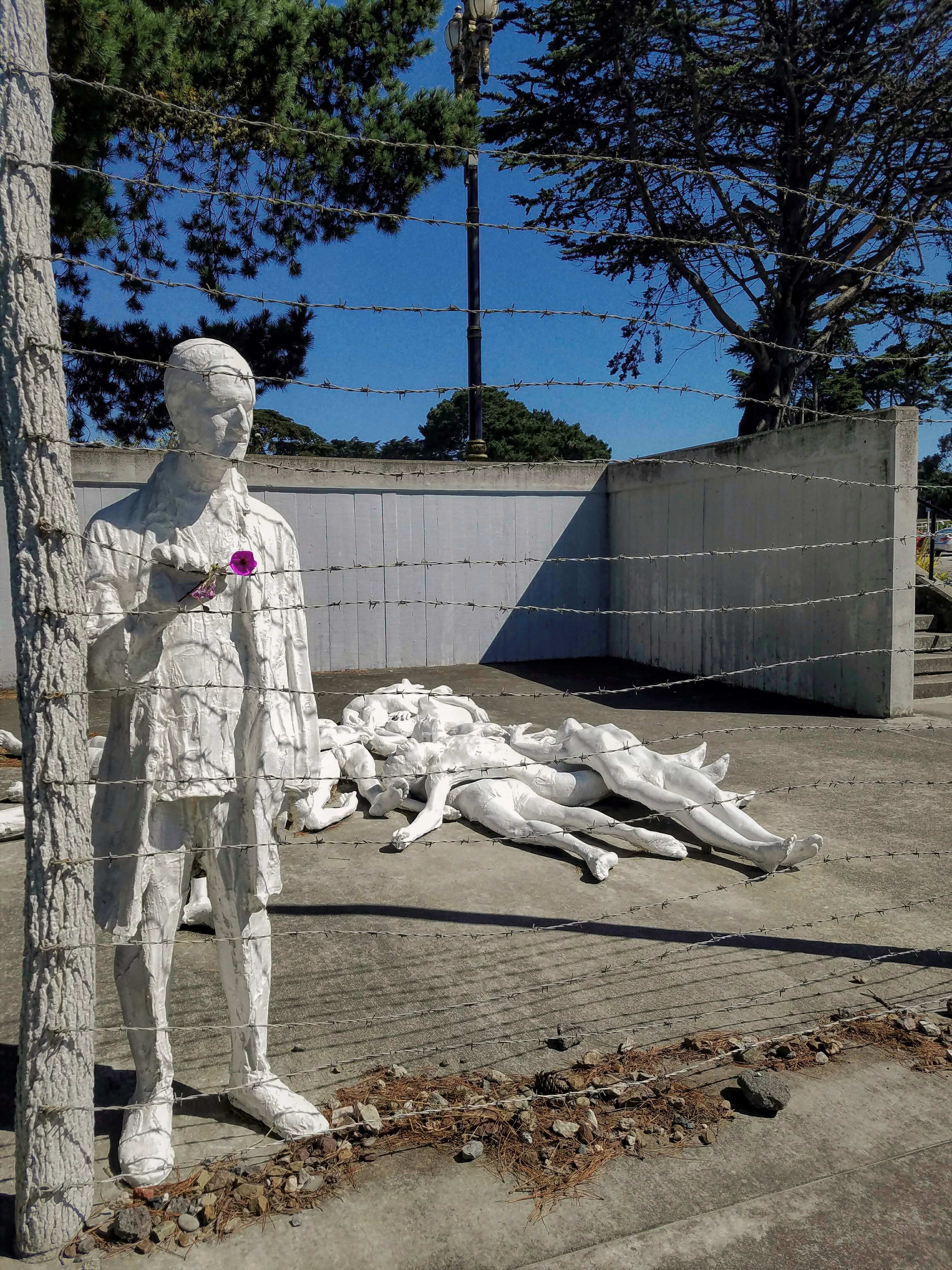
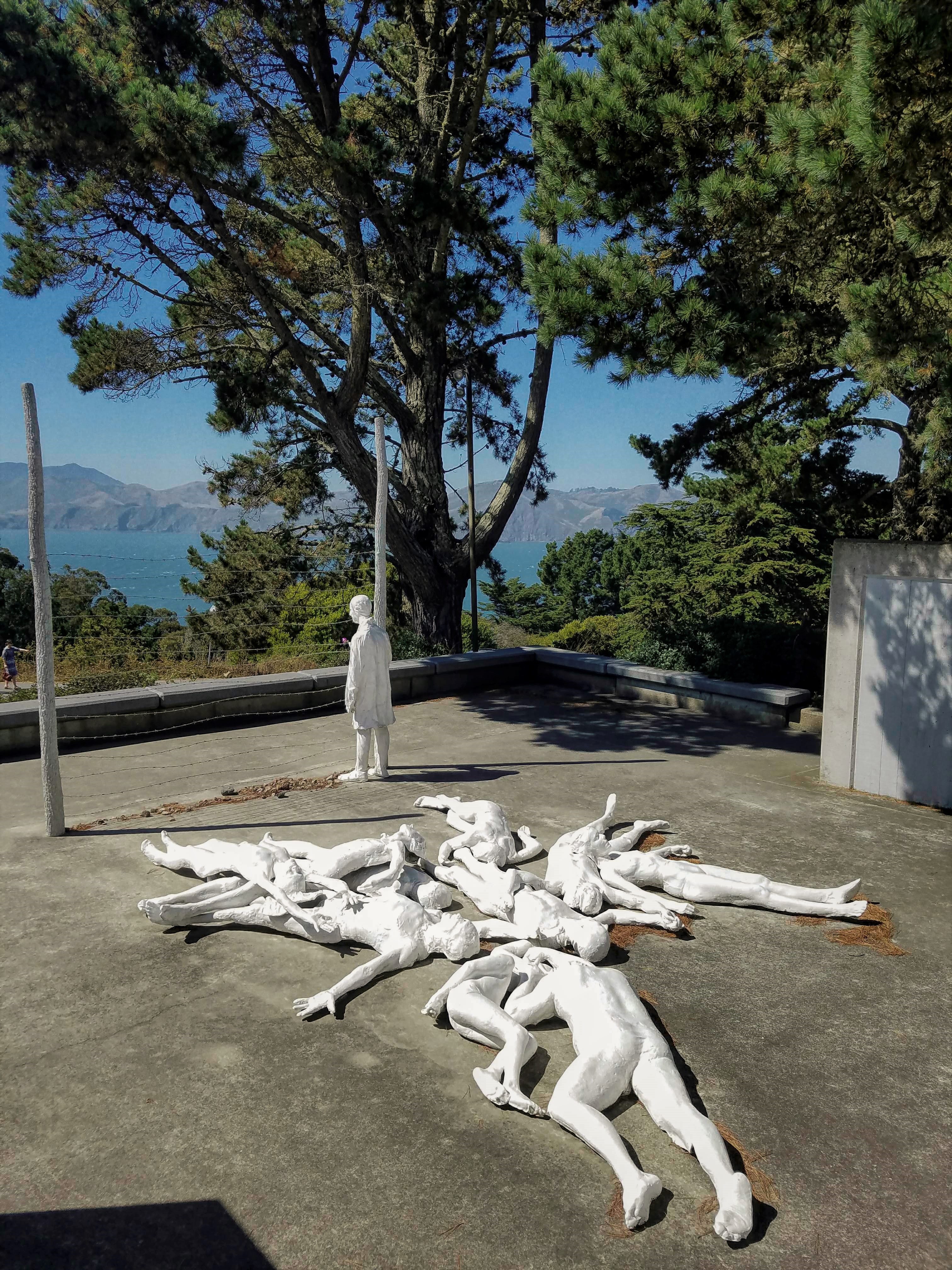
It was Tuesday then, too. This waterfront park in the Rockaways serves as a tribute to those in the neighborhood who died because of the attacks of September 11. The park is scenic and quiet, a lovely spot for visitors and community members to stop and reflect, and to find peace.

Tribute Park was an empty lot on September 11, 2001. The Twin Towers were visible from the spot, and hundreds of local residents stood here and watched the tragedy unfold. With help from the community, this serene park was built to commemorate the day. It includes a mosaic centerpiece, a cupola, and a granite rock engraved with the names of all 343 firefighters who died on September 11.

From a walk on June 11th, 2017

San Francisco is… (re-)living the Summer of Love

2017 marked the 50th anniversary of the legendary San Francisco Summer of 1967 and the city celebrated it with a number of events, among which The Summer of Love Experience: Art, Fashion, and Rock & Roll at the de Young Museum. We passed up the exhibition because it ran along the same lines as the Counter-Couture: Handmade Fashion in an American Countercultureon show at MAD in New York City, only a few months earlier.

But we could not, nor did we ever want to, let this slightly bonkers je ne sais quoi, San Francisco’s very own particular character formed throughout its fifty-year long trip from bohemia to hipsteria, from liberation to gentrification, go unnoticed. Love was (still) in the air this Summer of 2017 and we were ready to embrace it. Because, as another American legend rightly said:

Ultimately you can listen to only one thing, not your president, not your many misguided leaders, save a few… You must listen to your own heart and do what it dictates. Because your heart is the only thing which can tell you what is right and what is wrong.” – Joan Baez, 1965


July 7th, 2017

San Francisco is… the stunning views from Lands End

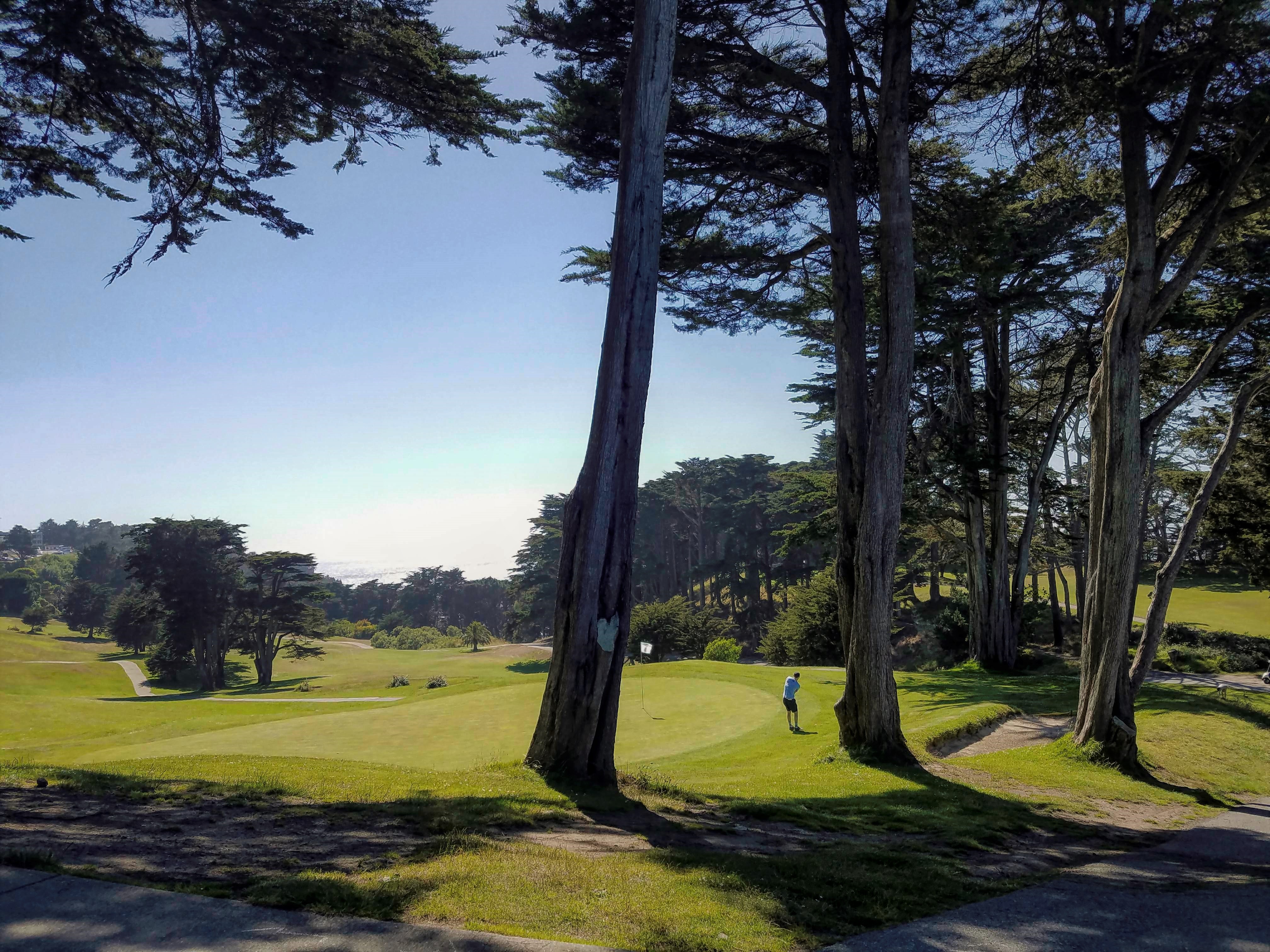
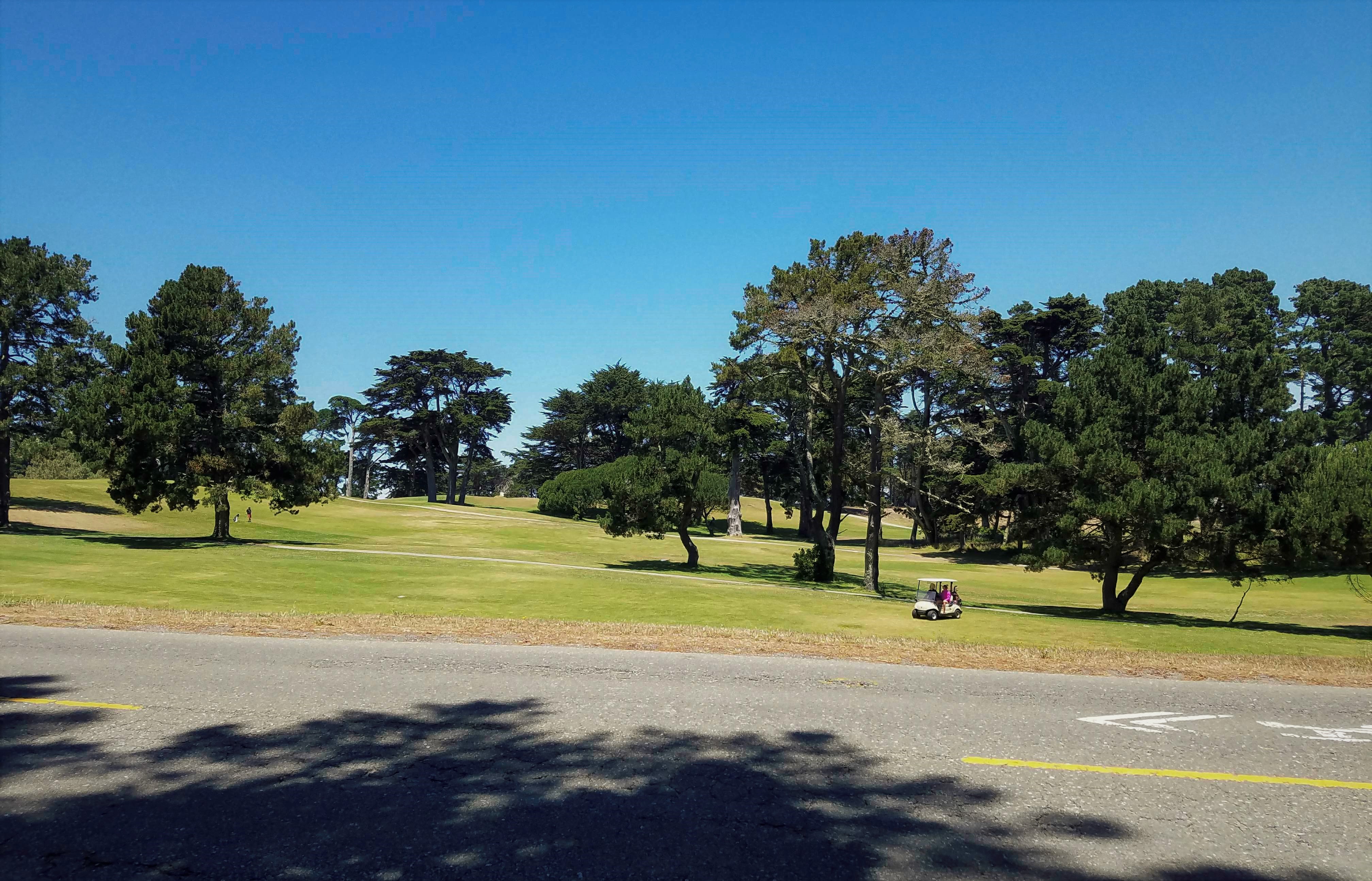
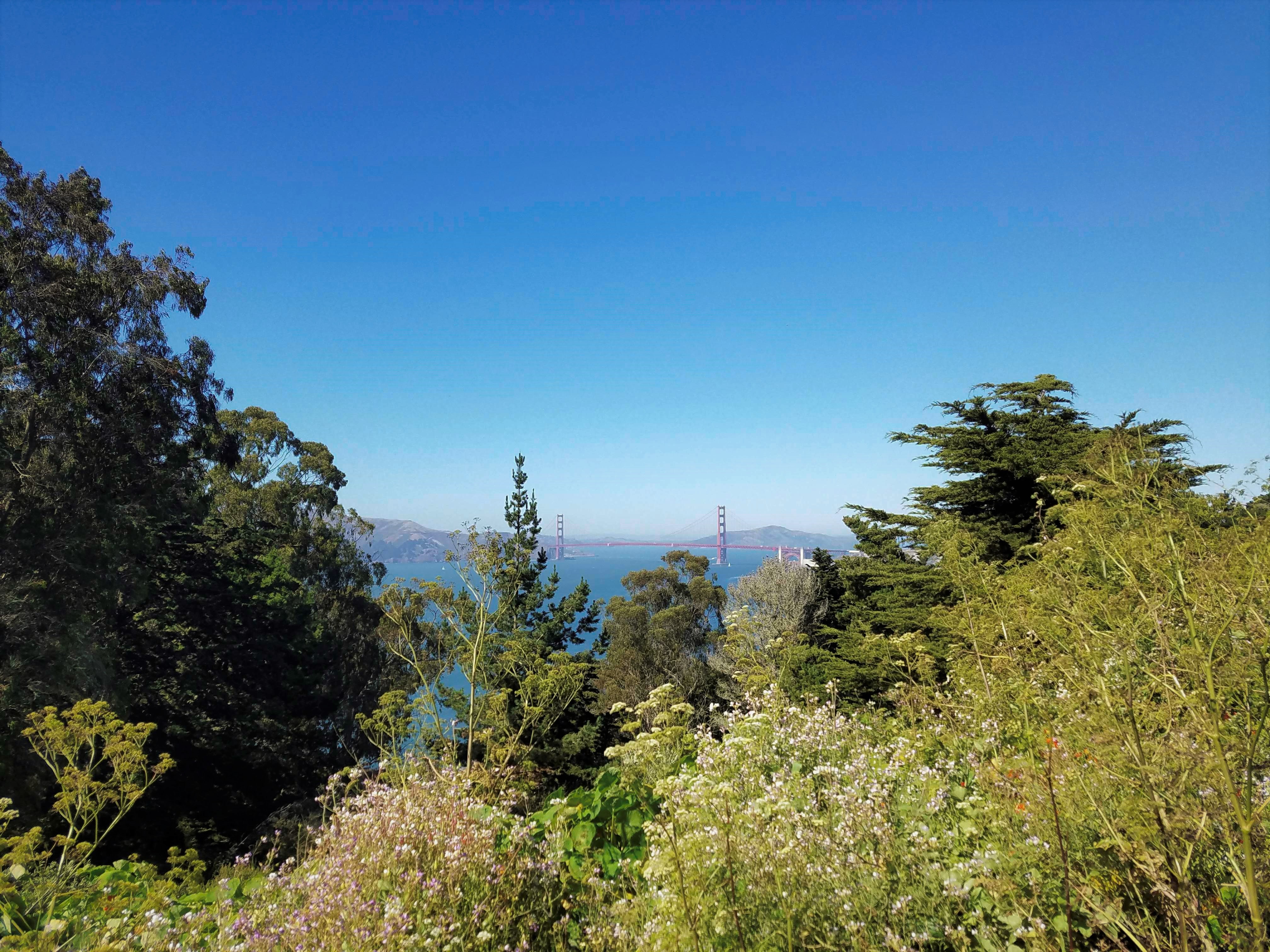
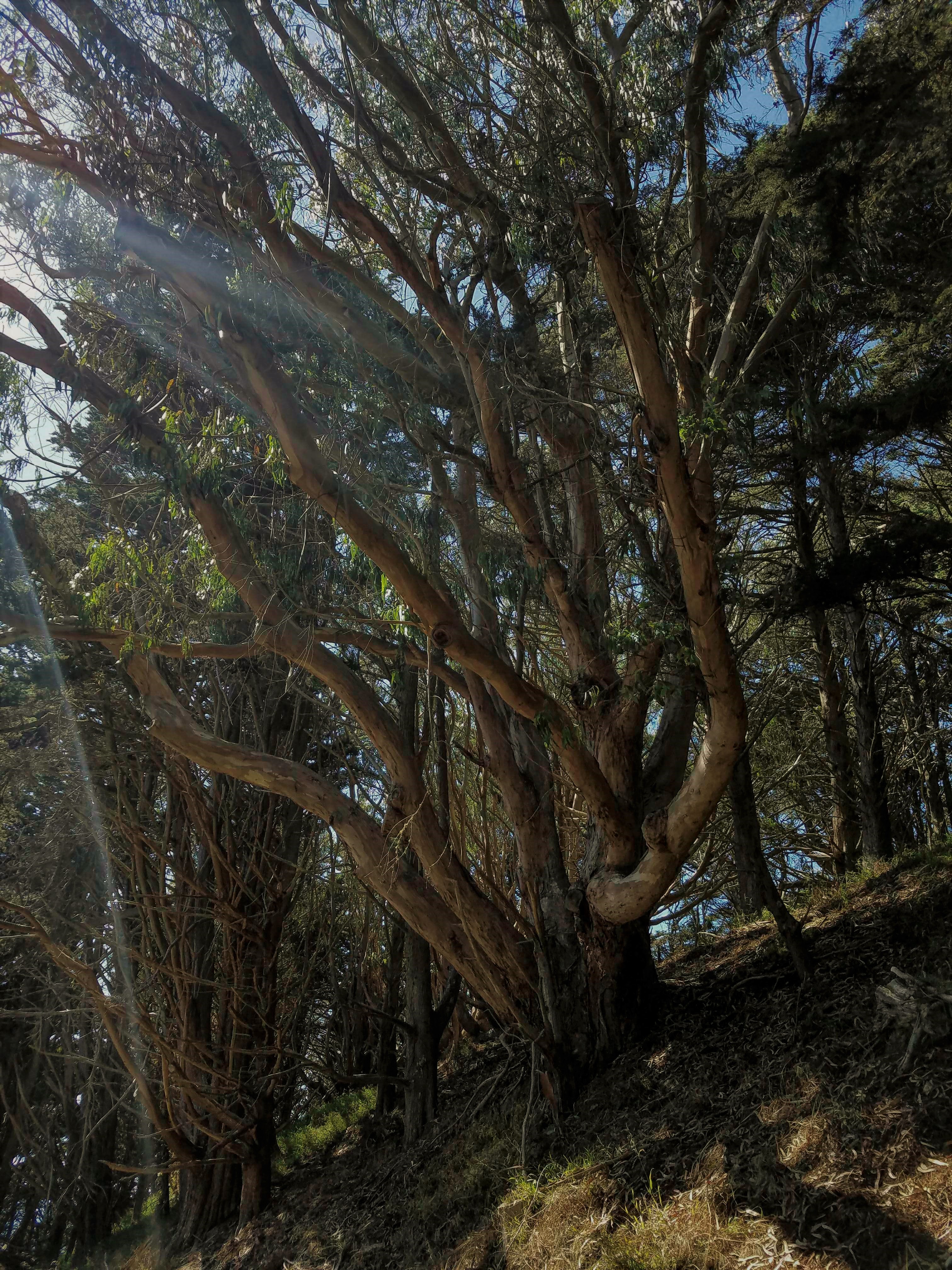
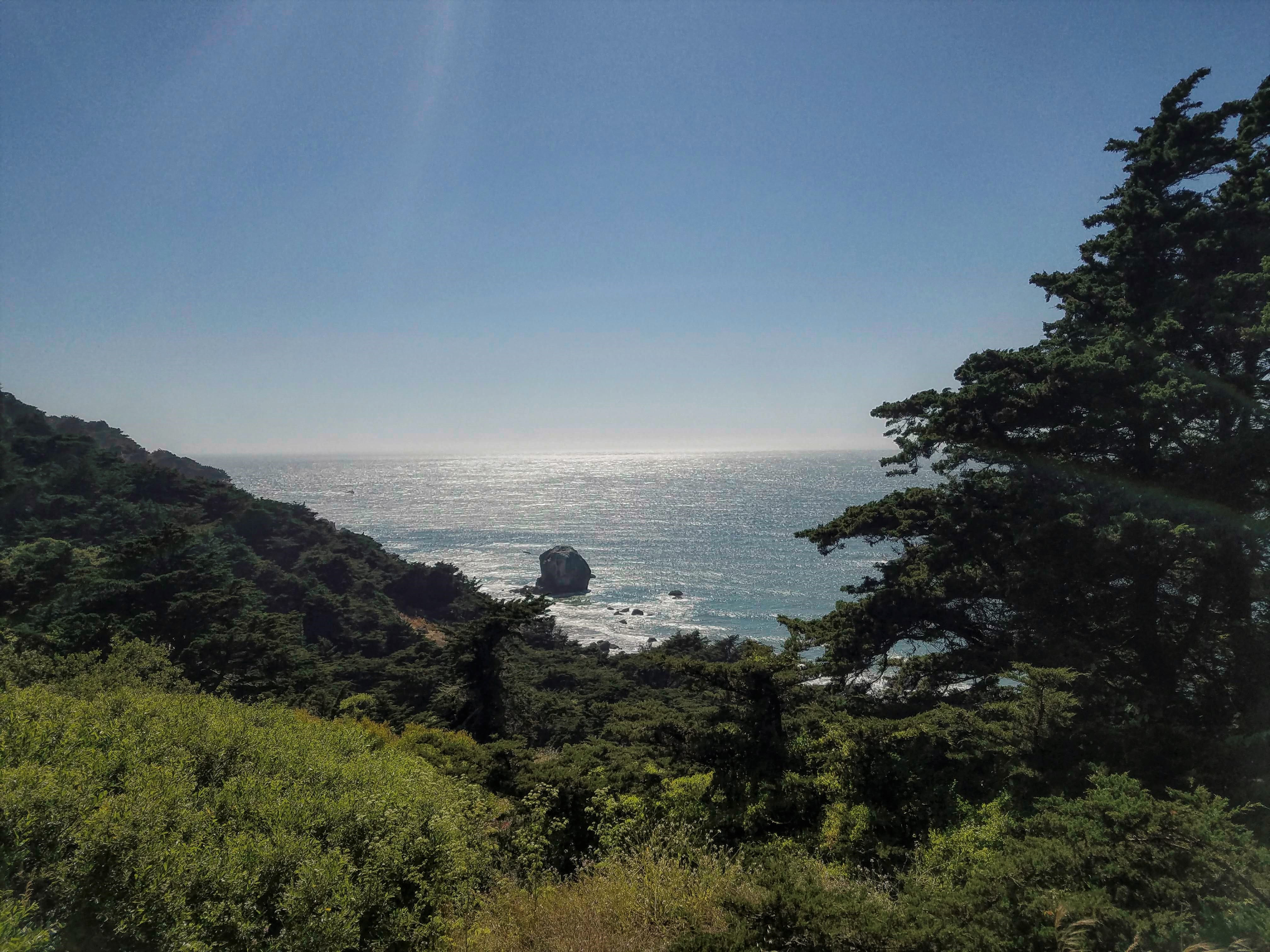
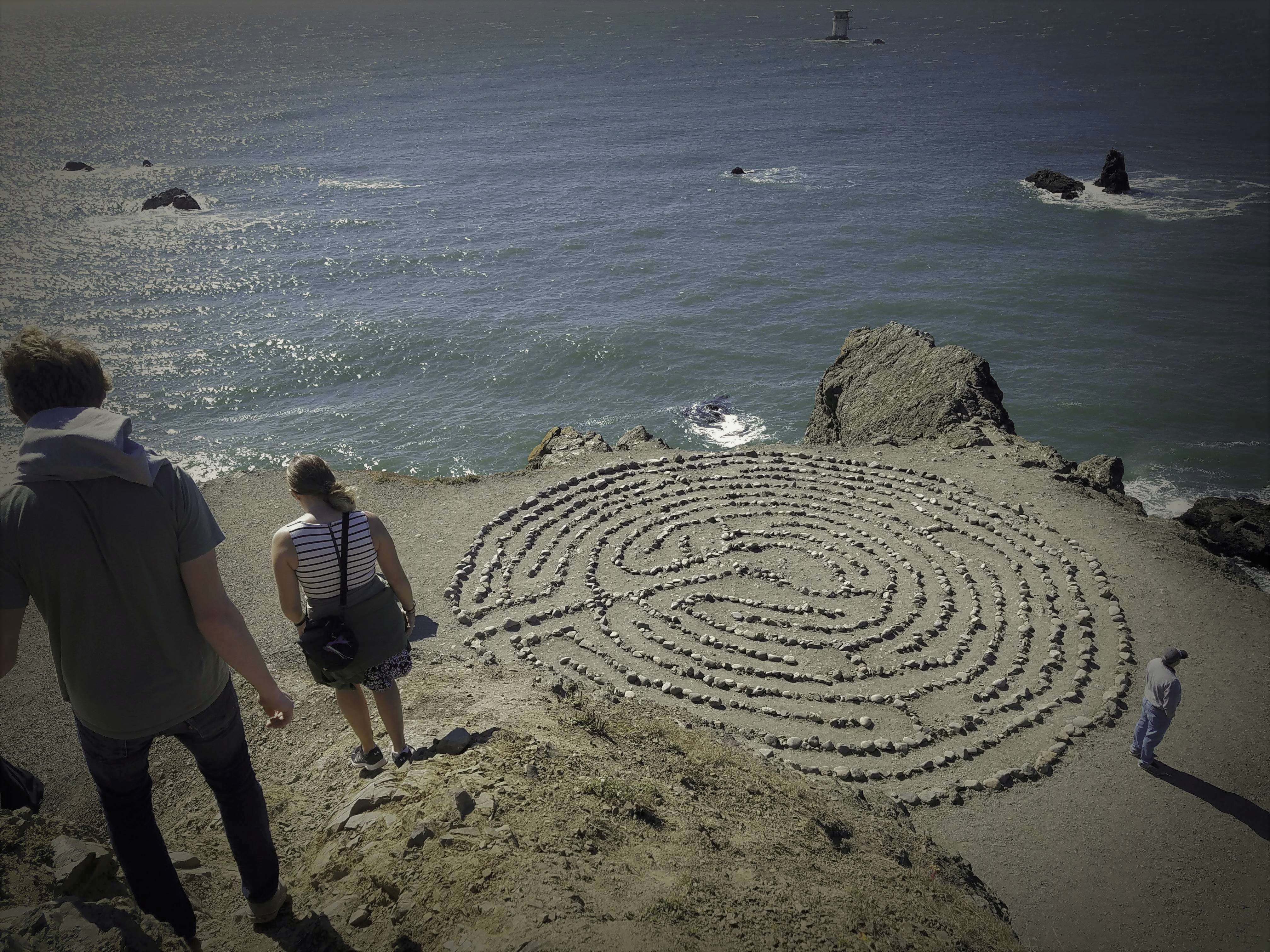
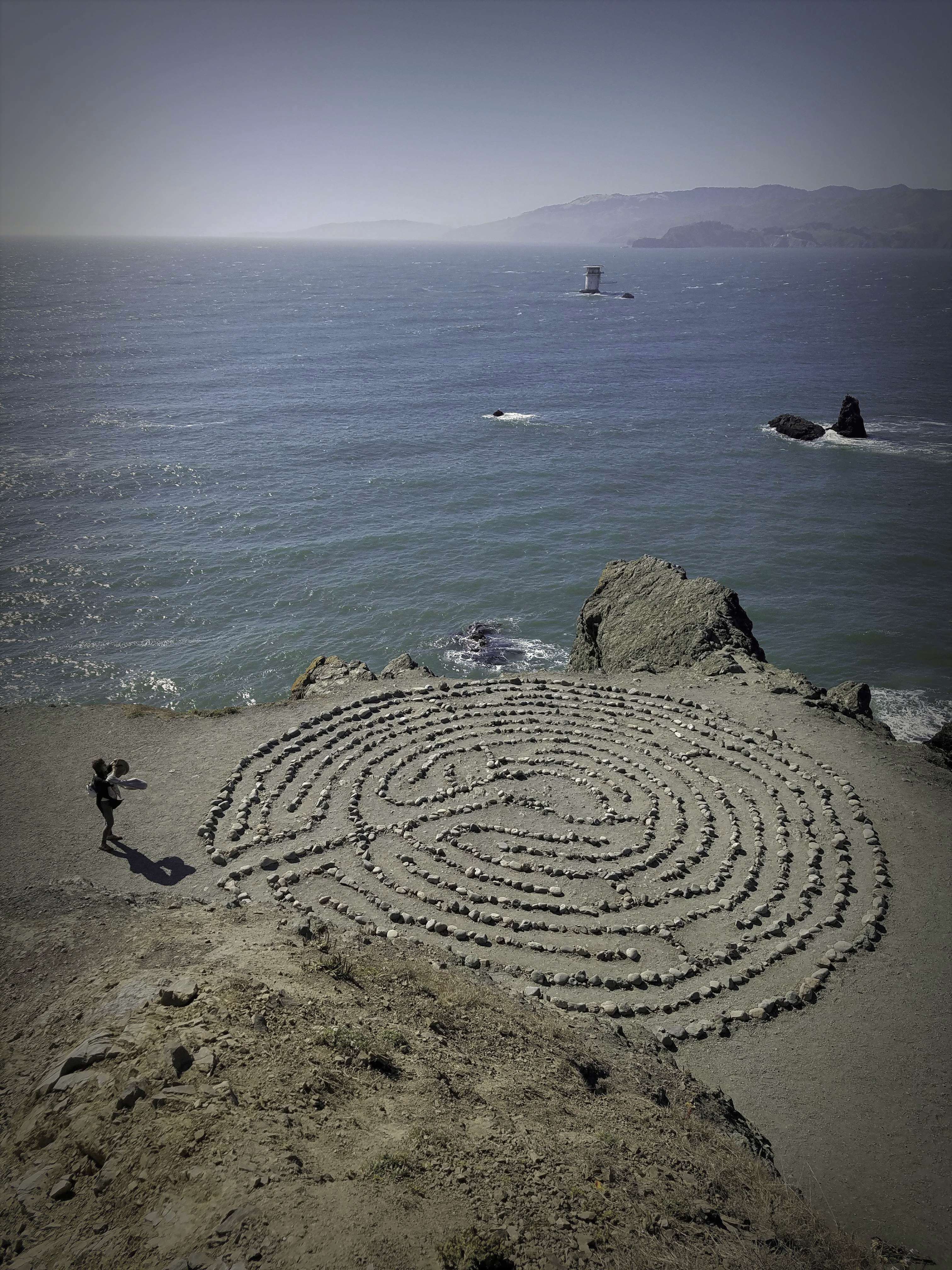
As if 4000 years worth of art, a spectacular French-inspired building that resembles the Parisian Palais de la Légion d’Honneur (here’s that ”European” feel again), and interesting exhibitions like the Degas and Paris Millinery Trade we’d just seen were not enough, Legion of Honor sits high on the grounds of Lincoln Park, in a unique setting. To reach it, you have to walk (or drive) through a glossy, perfectly manicured golf course. And on your return, you can – no, you must, take one of the Lands End trails, walk past rocky cliffs, shady cypress and eucalyptus trees, cross paths with local runners, find your way around a stone labyrinth, descent to Mile Rock Beach or just let your eyes rest on some of the most stunning views of the Golden Gate Bridge and the ocean you could have wished for.

Lands End

July 7th, 2017

Don’t try this at home

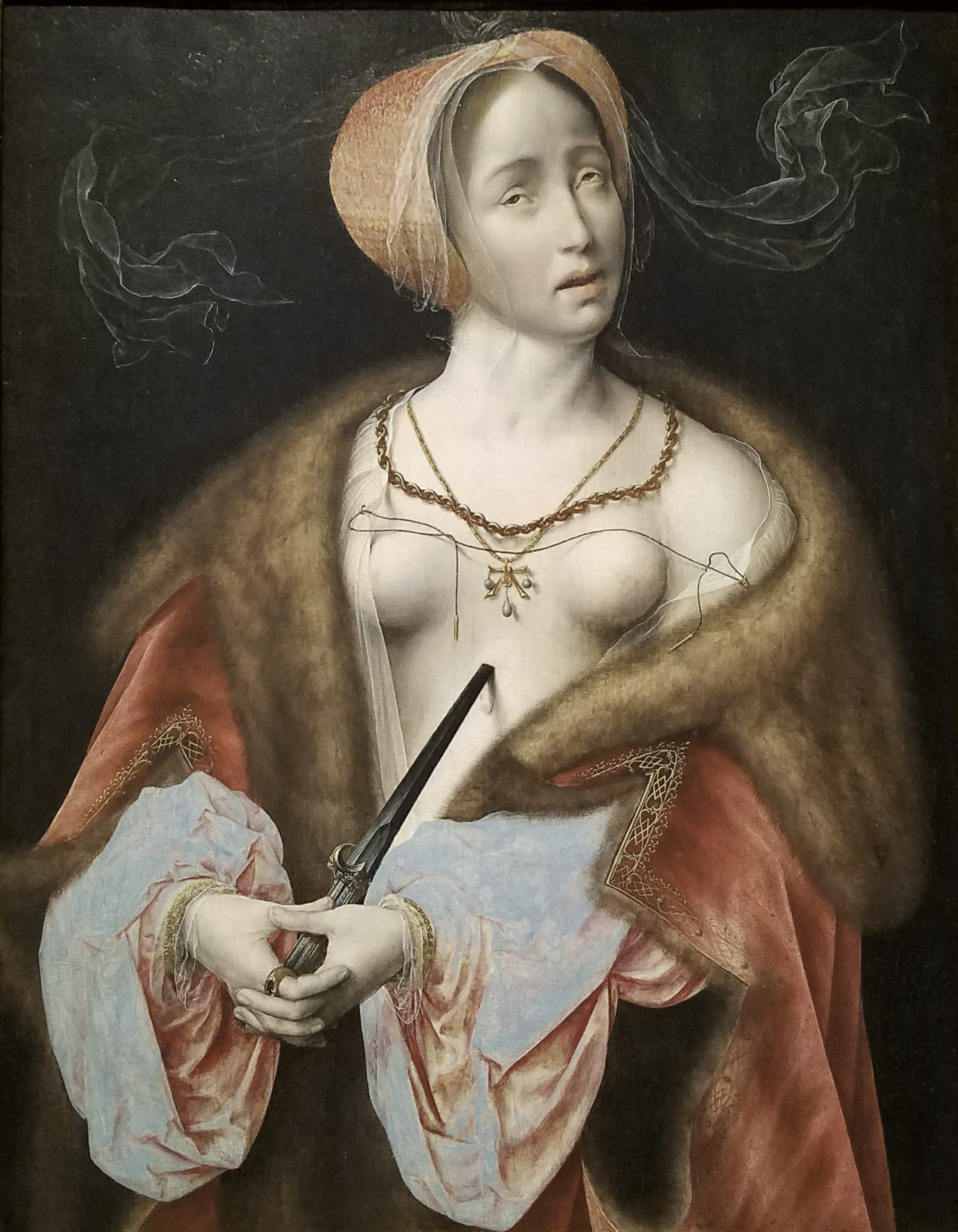
Under any circumstances. Lucretia, this is not your fault. Never ever.Joos van Cleve, Flemish, ca. 1485-1540
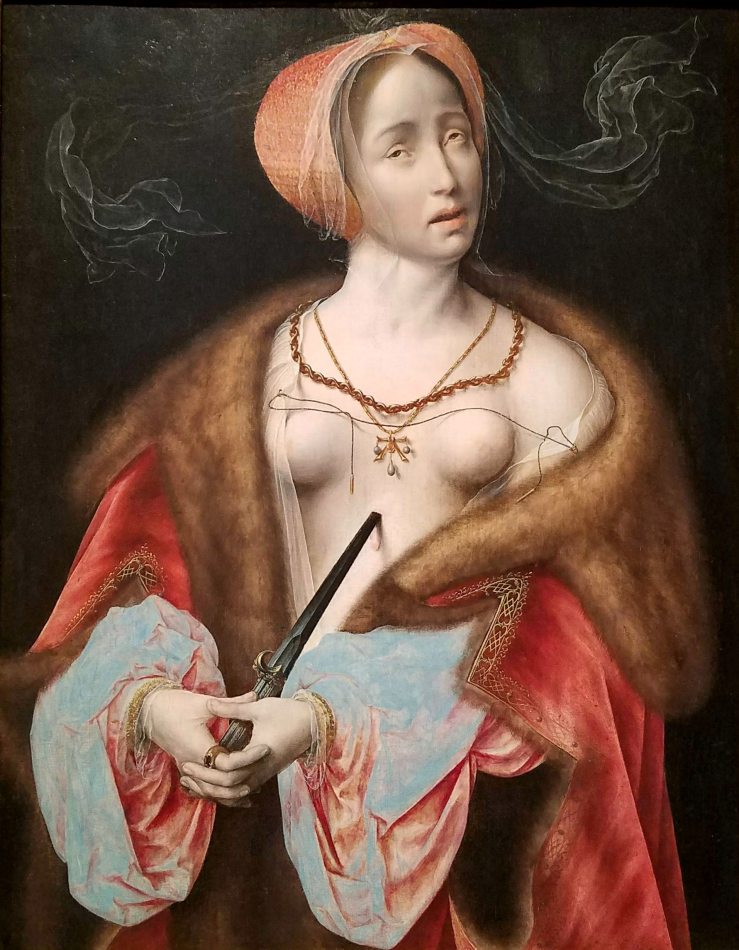
Lucretia, ca. 1525
Oil on panel


[…”Several days passed. Sextus Tarquinius returned to the house of Conlatinus, with one of his companions. He was well received and given the hospitality of the house, and maddened with love, he waited until he was sure everyone else was asleep. Then he took up his sword and went to Lucretia’s bedroom, and placing his sword against her left breast, he said, “Quiet, Lucretia; I am Sextus Tarquinius, and I have a sword in my hand. If you speak, you will die.” Awakening from sleep, the poor woman realized that she was without help and very close to death. Sextus Tarquinius declared his love for her, begging and threatening her alternately, and attacked her soul in every way. Finally, before her steadfastness, which was not affected by the fear of death even after his intimidation, he added another menace. “When I have killed you, I will put next to you the body of a nude servant, and everyone will say that you were killed during a dishonorable act of adultery.” With this menace, Sextus Tarquinius triumphed over her virtue, and when he had raped her he left, having taken away her honor.

Lucretia, overcome with sorrow and shame, sent messengers both to her husband at Ardea and her father at Rome, asking them each to come “at once, with a good friend, because a very terrible thing had happened.” Spurius Lucretius, her father, came with Publius Valerius, the son of Volesus, and Conlatinus came with Lucius Junius Brutus; they had just returned to Rome when they met Lucretia’s messenger. They found Lucretia in her chamber, overpowered by grief. When she saw them she began to cry. “How are you?” her husband asked. “Very bad,” she replied, “how can anothing go well for a woman who has lost her honor? There are the marks of another man in your bed, Conlatinus. My body is greatly soiled, though my heart is still pure, as my death will prove. But give me your right hand in faith that you will not allow the guilty to escape. It was Sextus Tarquinius who returned our hospitality with enmity last night. With his sword in his hand, he came to take his pleasure for my unhappiness, but it will also be his sorrow if you are real men.”

They promised her that they would pursue him, and they tried to appease her sorrow, saying that it was the soul that did wrong, and not the body, and because she had had no bad intention, she did no wrong. “It is your responsibility to see that he gets what he deserves,” she said, “I will absolve myself of blame, and I will not free myself from punishment. No woman shall use Lucretia as her example in dishonor.” Then she took up a knife which she had hidden beneath her robe, and plunged it into her heart, collapsing from her wound; she died there amid the cries of her husband and father…”] – source

Legion of Honor, San Francisco

July 7th, 2017