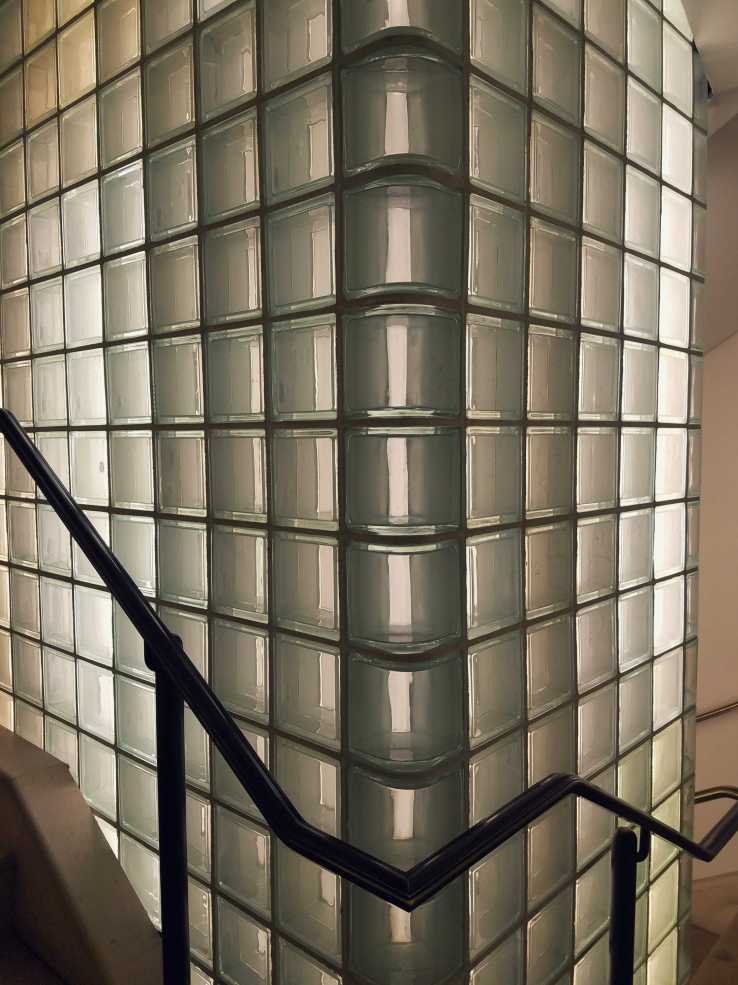
Sunday in the park with George

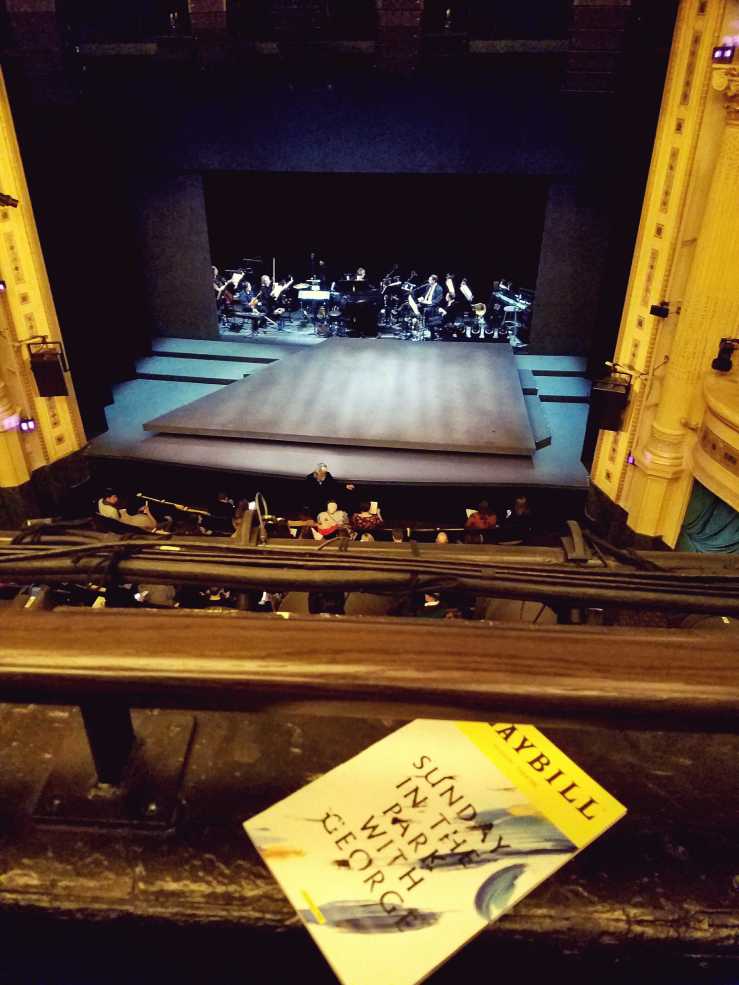
On a Saturday evening at the Hudson Theatre, exactly one month after its reopening on February 11th, 2017.

First opened in 1903 it served many a purpose: theatre, radio & television studio, club, porn cinema, events venue and, making a full round, a theatre again. And a Broadway one at that.

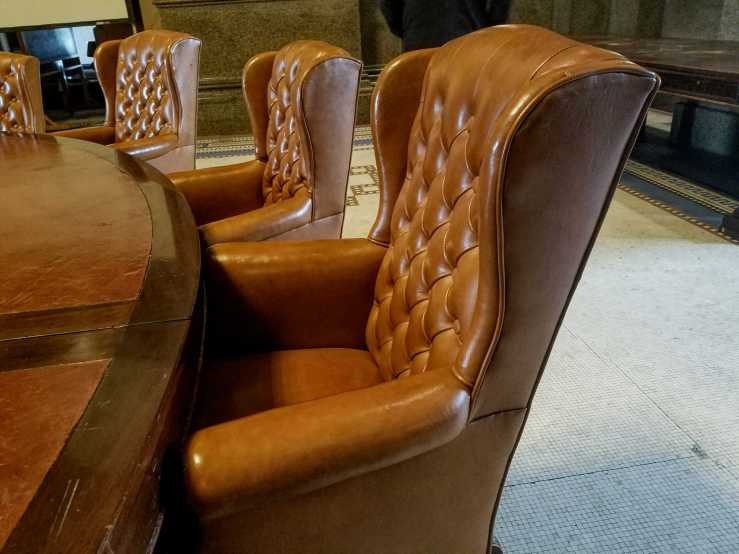
Many of its original features have been lovingly restored, like this magnificent Tiffany glass ceiling. But the seating has been completely redesigned with chairs adjusted to fit the average human measurements and not the other way round as in most (or all) other Broadway theatres.

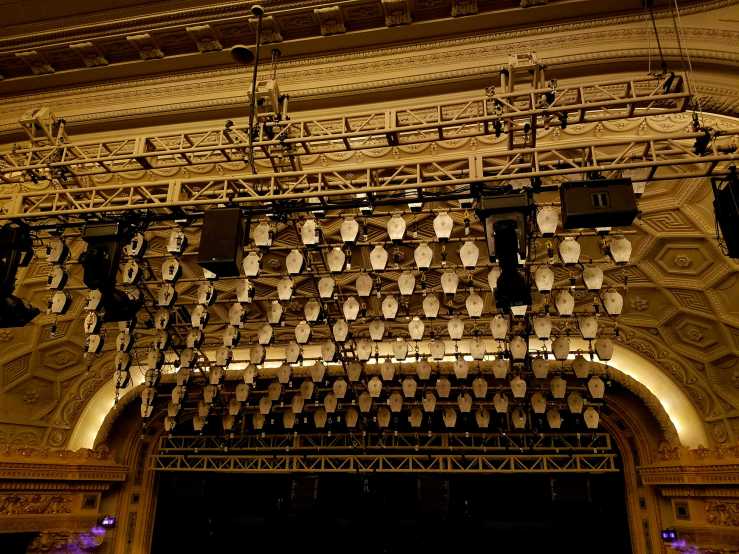
It opened with the revival of ”Sunday in the Park with George”, a play inspired by George Seurat’s masterpiece A Sunday Afternoon on the Island of La Grande Jatte.

Jake Gyllenhaal embodied the master of pointillism and, on his side, Annaleigh Ashford performed the role of his muse and lover, Dot. The story unfolds with the perfectionist master obsessing over his work to such an extend that he ends up alienating the bourgeoisie, his peers and even his lover. His relationship is damaged, his fellow artists have rejected him, and yet…

Nothing will stop him from his quest to ”finish the hat”.

The story kicks off like this:

ACT I
Time: 1884.
A white stage. George, an artist, is sketching.

GEORGE
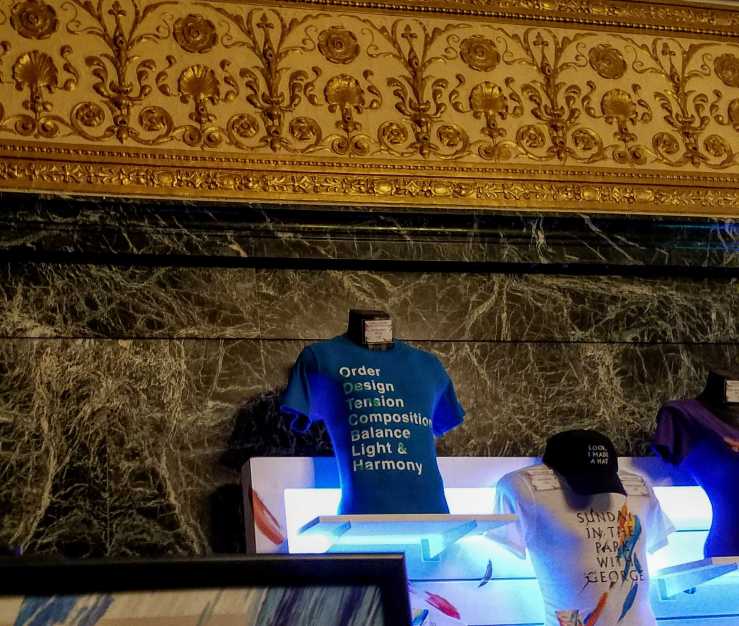
White. A blank page or canvas.
The challenge: bring order to the whole. (As he continues to speak, the white stage is transformed into a park on the island of La Grande Jatte. Trees descend onto the grass; a bottle glides into view; a cut out couple appear in the distance. The lighting gives the impression of early morning.)
Through design.
Composition.
Tension.
Balance.
Light.
And harmony.

1. SUNDAY IN THE PARK WITH GEORGE
George is sketching. Dot is posing.

DOT
George. (no response) Why is it you always get to sit in the shade while I have to stand in the sun? (still no response) Hello, George? There is someone in this dress! (twitches slightly, sighs, mutters to herself)
A trickle of sweat.
The back of the head.
He always does this.
(hisses)
[…]
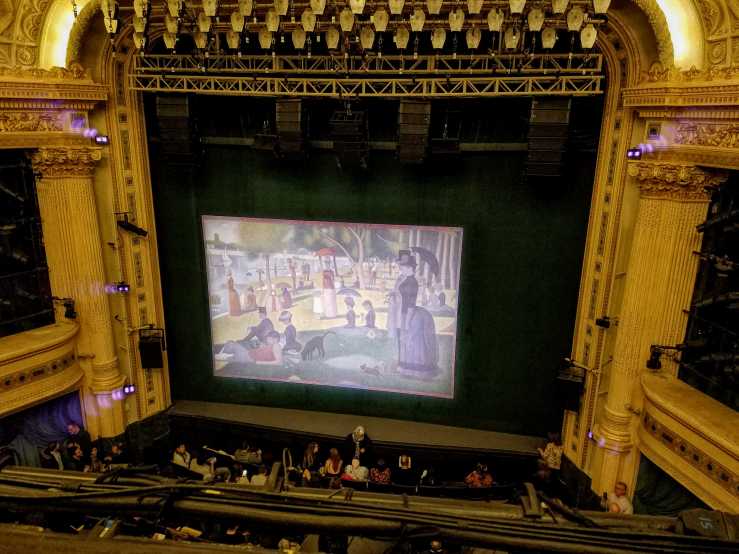
Until the painting was complete.

[…]
Forever
By the blue
Purple yellow
red water
On the green
Orange violet mass
Of the grass

DOT
In our perfect park

GEORGE
Made of flecks of light
And dark

ALL
(except George end Dot)
And Parasols…

People strolling through the trees
Of a small suburban park
On an island in the river
On an ordinary Sunday…
(All begin to leave very slowly, except Dot, who remains in the park, and George, who steps outside the park.)
Sunday… (A blank white canvas descends.)

GEORGE
(looking in the book again)
“White. A blank page of canvas. His favorite. So many possibilities…”
(He looks up and sees Dot disappearing behind the white canvas.)
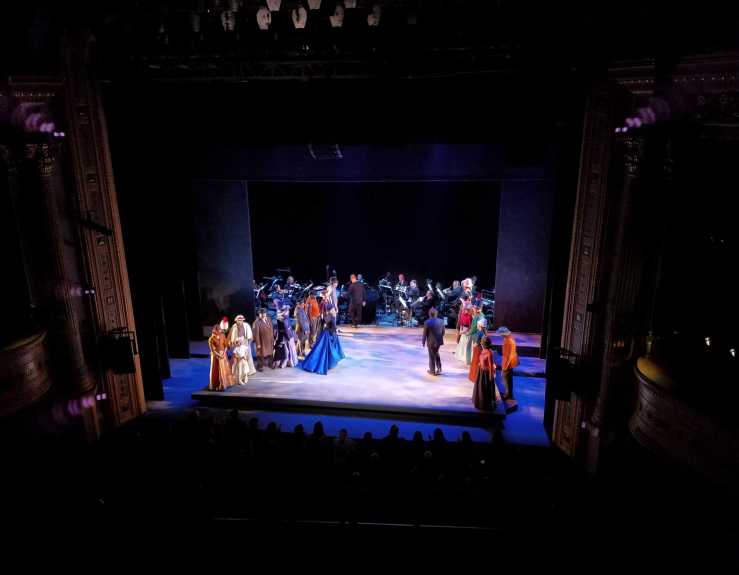
Sunday in the Park with George
Music: Stephen Sondheim
Lyrics: Stephen Sondheim
Book: James Lapine

The Hudson Theatre, Broadway
March 11th, 2017
Philadelphia – A City Street || An Institution

Albert Barnes taught people to look at works 
of art primarily in terms of their visual relationships.

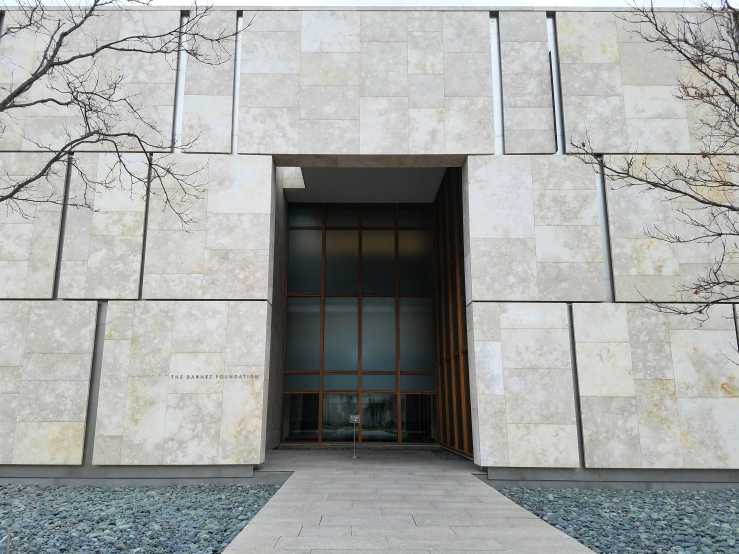
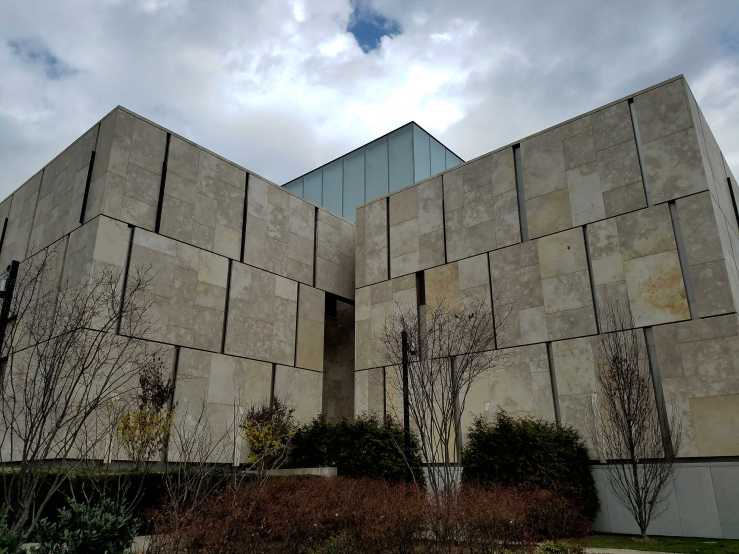
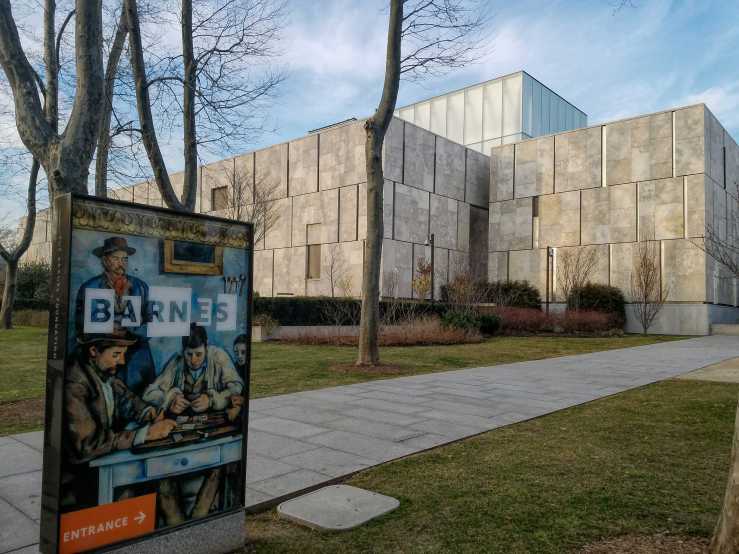
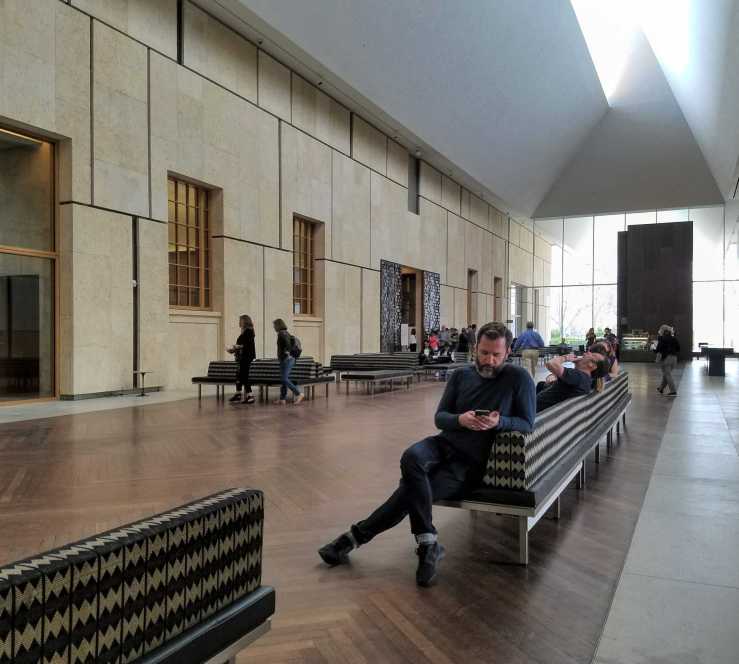
The Barnes is home to one of the world’s greatest collections of impressionist, post-impressionist, and modern European paintings, with especially deep holdings in Renoir, Cézanne, Matisse, and Picasso. Assembled by Dr. Albert C. Barnes between 1912 and 1951, the collection also includes important examples of African art, Native American pottery and jewelry, Pennsylvania German furniture, American avant-garde painting, and wrought-iron metalwork.

The minute you step into the galleries of the Barnes collection, you know you’re in for an experience like no other. Masterpieces by Vincent Van Gogh, Henri Matisse, and Pablo Picasso hang next to ordinary household objects—a door hinge, a spatula, a yarn spinner. On another wall, you might see a French medieval sculpture displayed with a Navajo textile. These dense groupings, in which objects from different cultures, time periods, and media are all mixed together, are what Dr. Barnes called his “ensembles.”

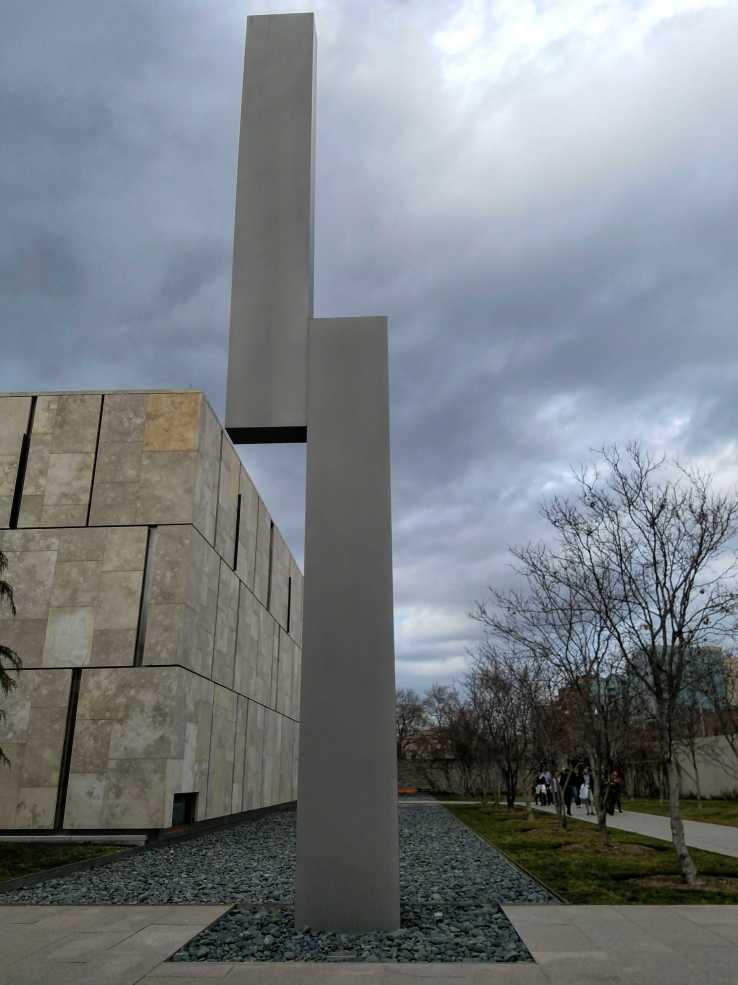
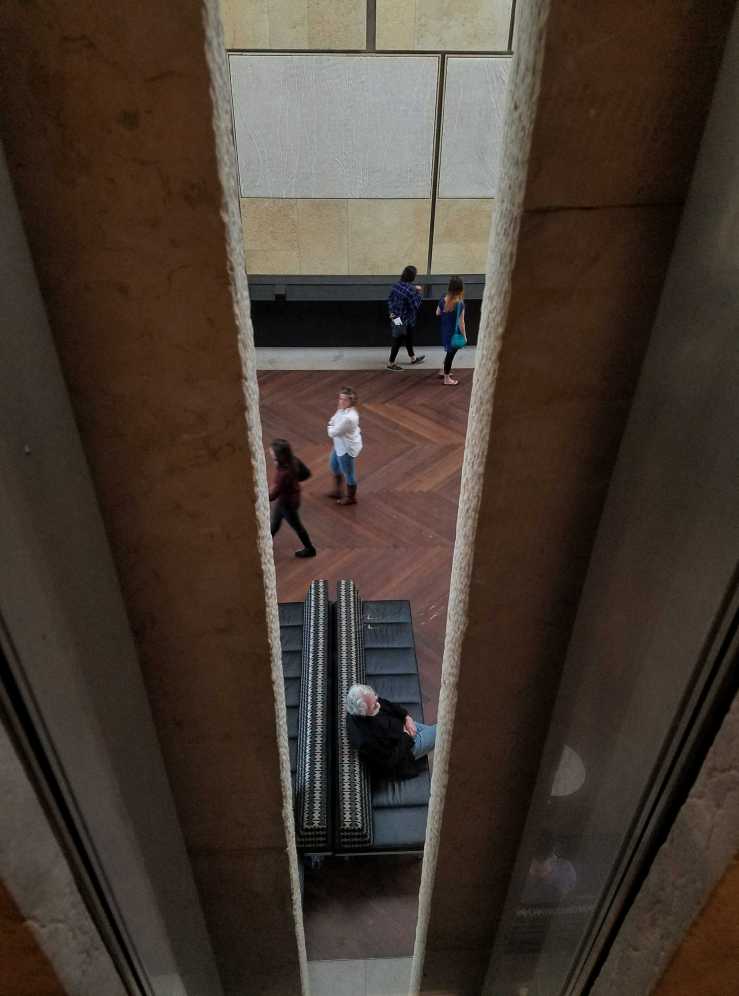
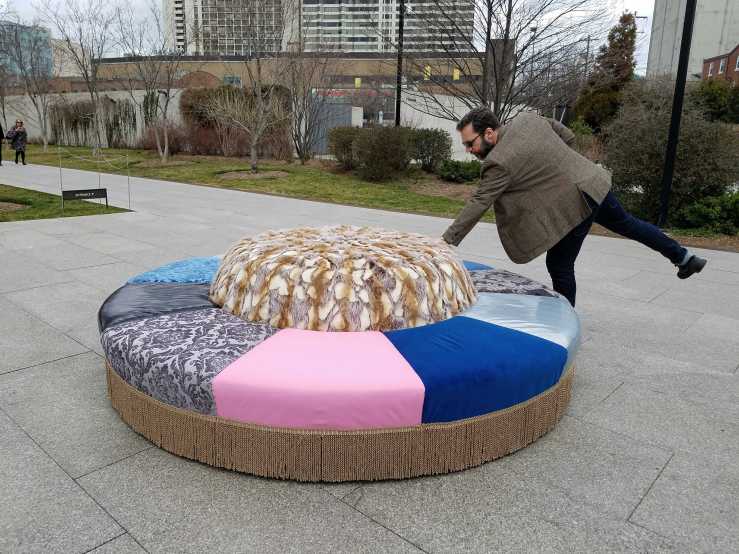
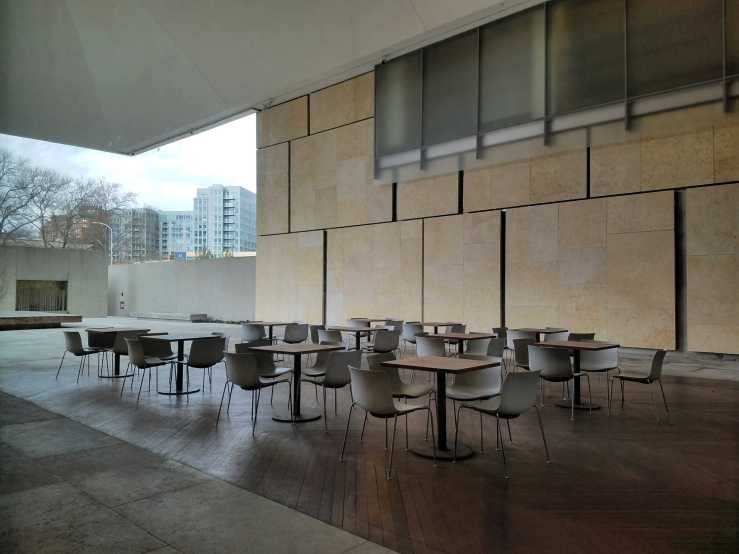
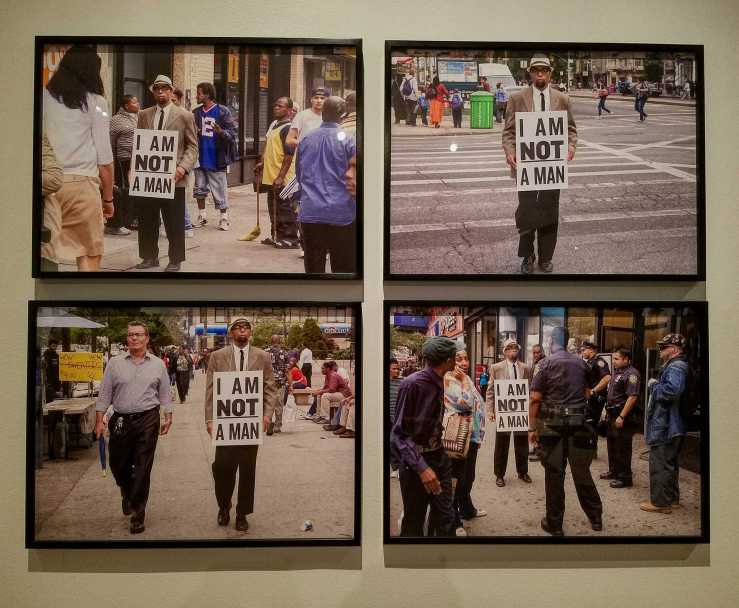
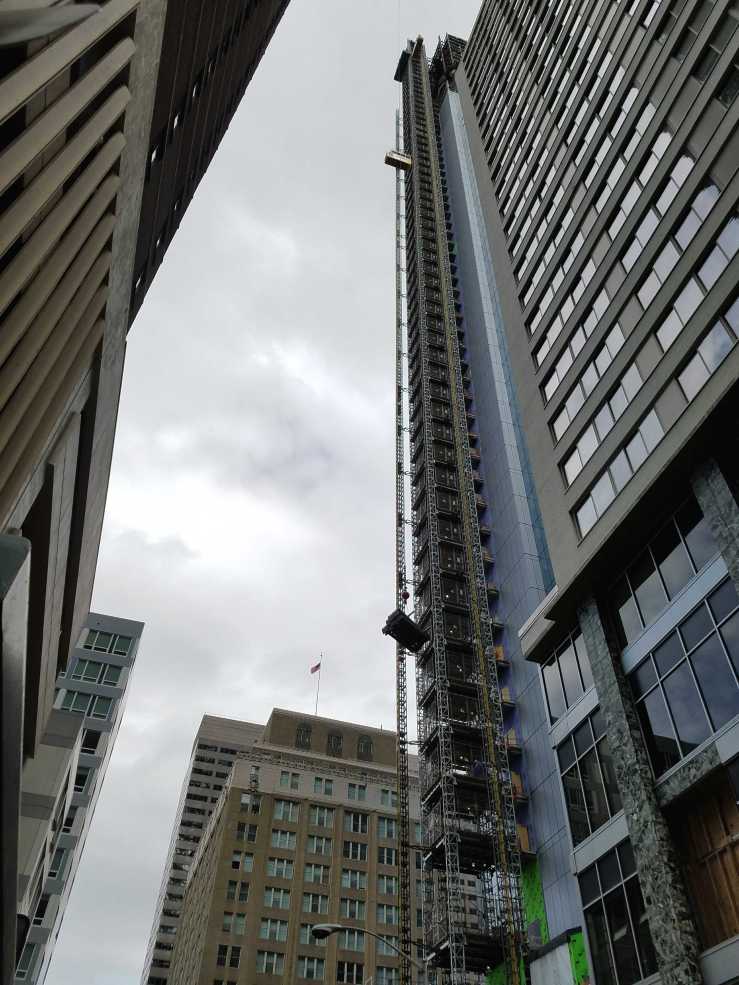
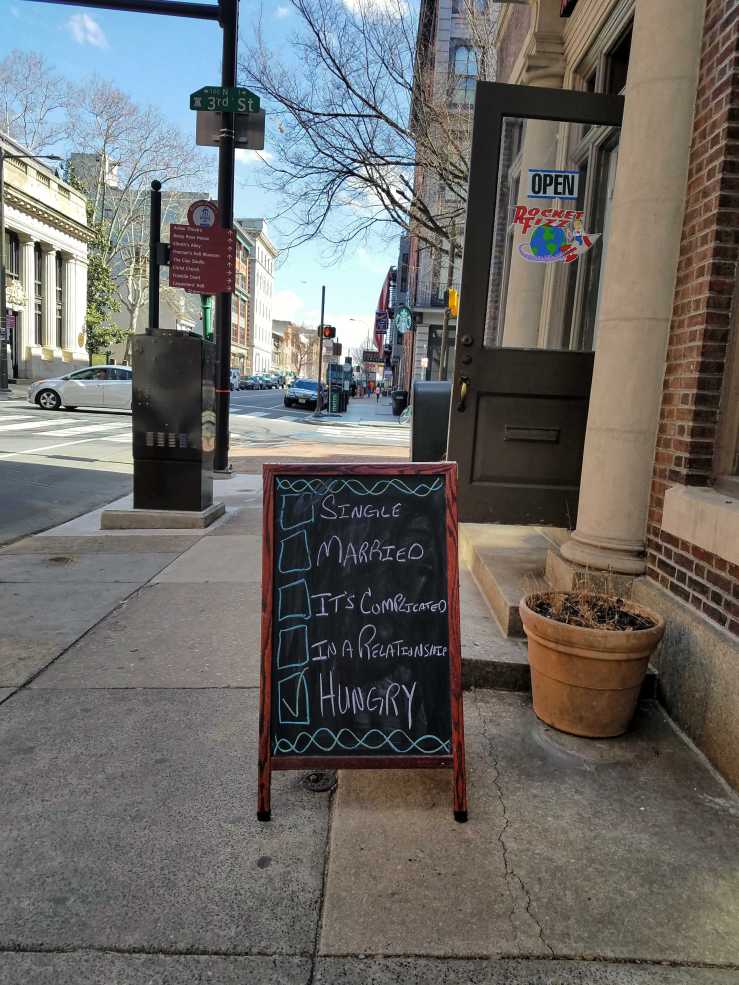
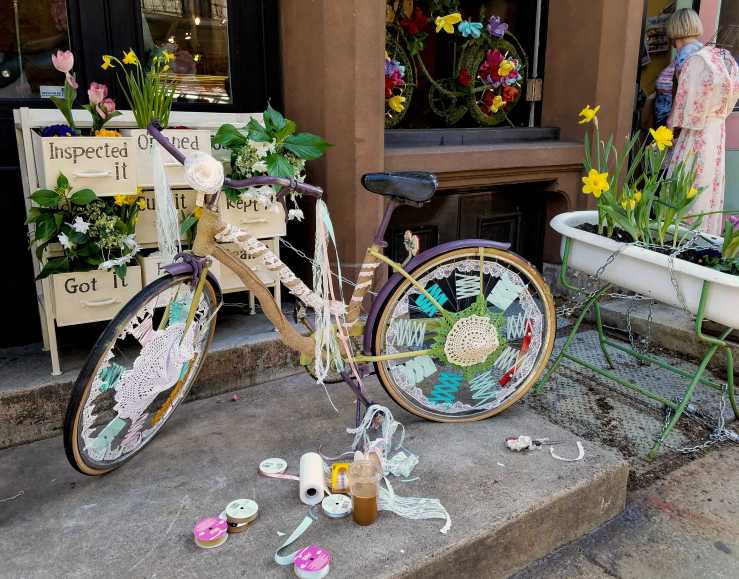
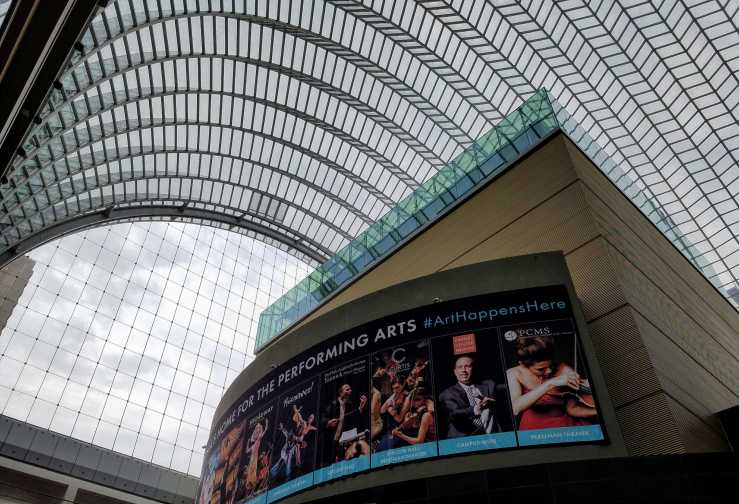
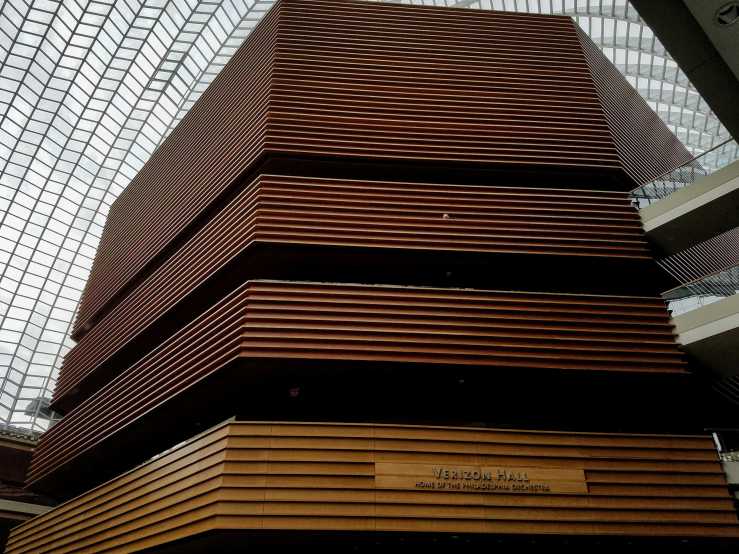
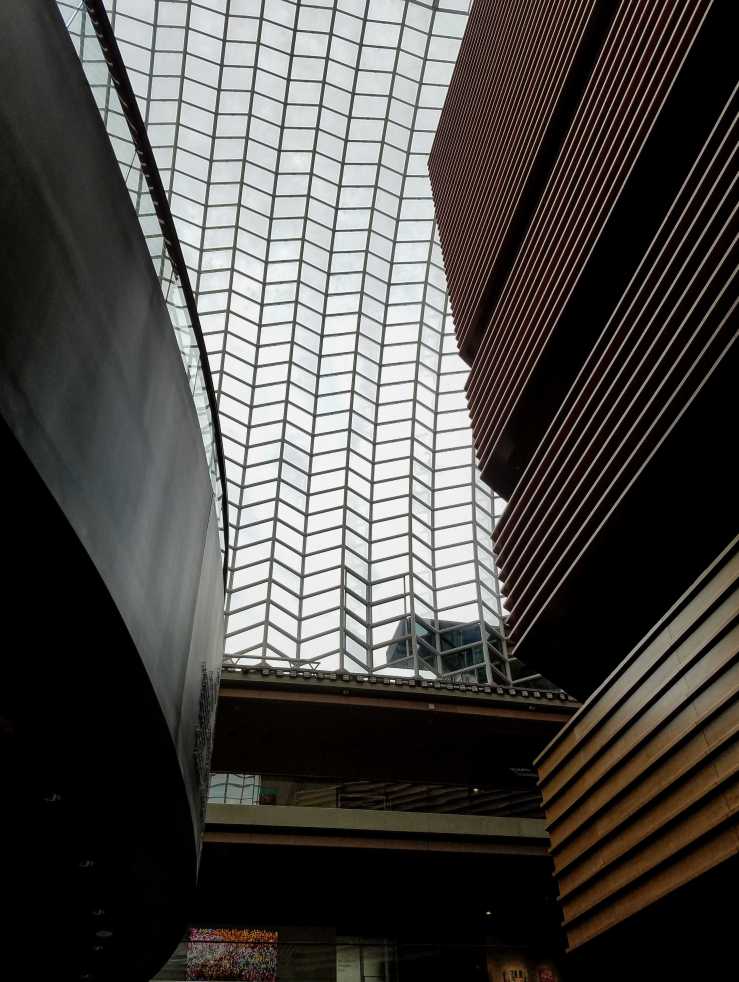
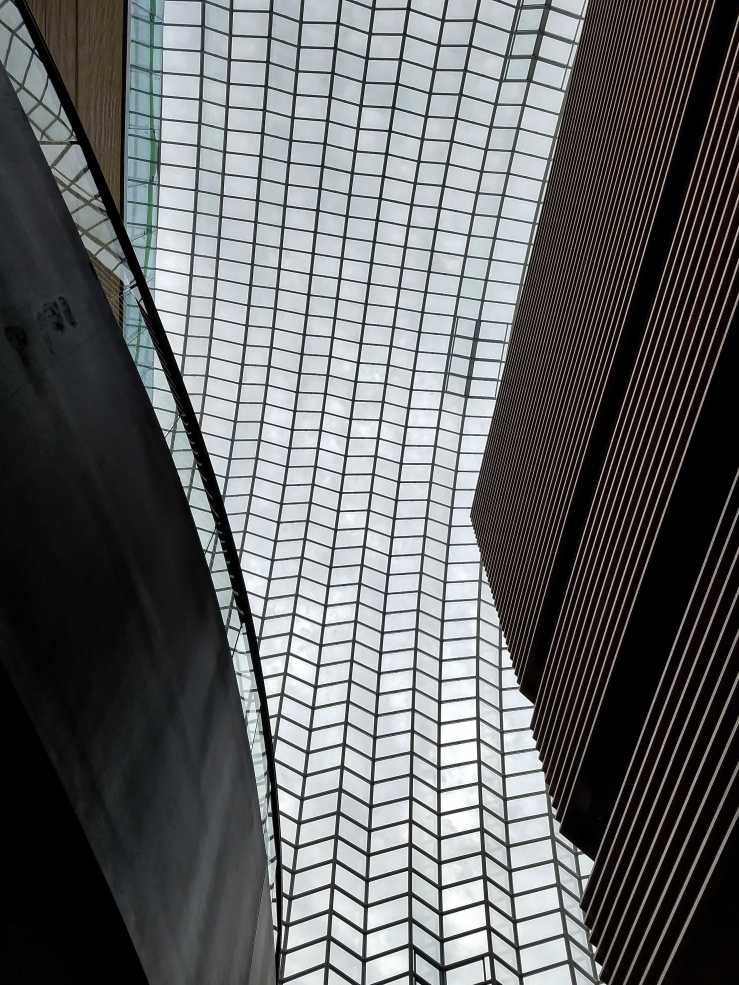
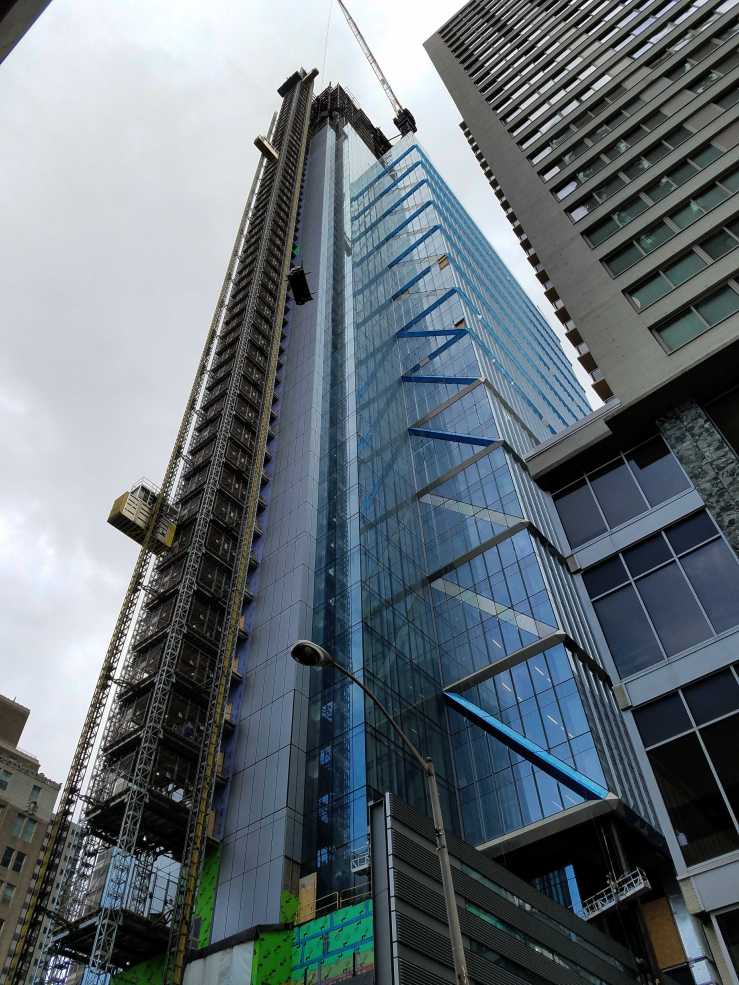
In this spirit, here is an ”ensemble” of my own, a compilation of images from the up and coming Comcast Technology Center – with its dangerous-looking platform lift – and the Barnes Foundation. Photography inside the galleries is not permitted and, for once, I understand. With its small rooms and artworks arranged over the entire length and width of the walls, the ”ensembles” are not easy to capture – at least not by the casual photographer.

The Barnes Foundation
Philadelphia

February 25th, 2017
Betsy Ross & Elfreth’s Alley

Leaving the ”Keys to Community” in the capable hands, or should I say bust, of Mr. Franklin we followed Arch Street towards 2nd Street, finding some quaint little shops along the way.

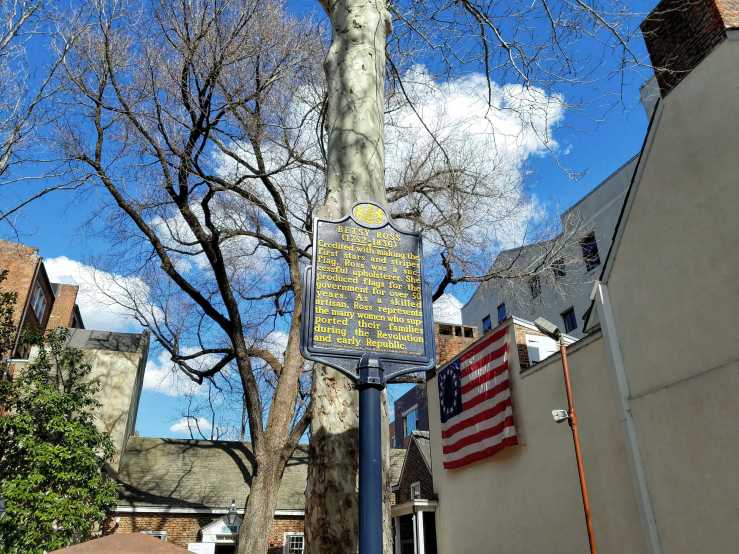
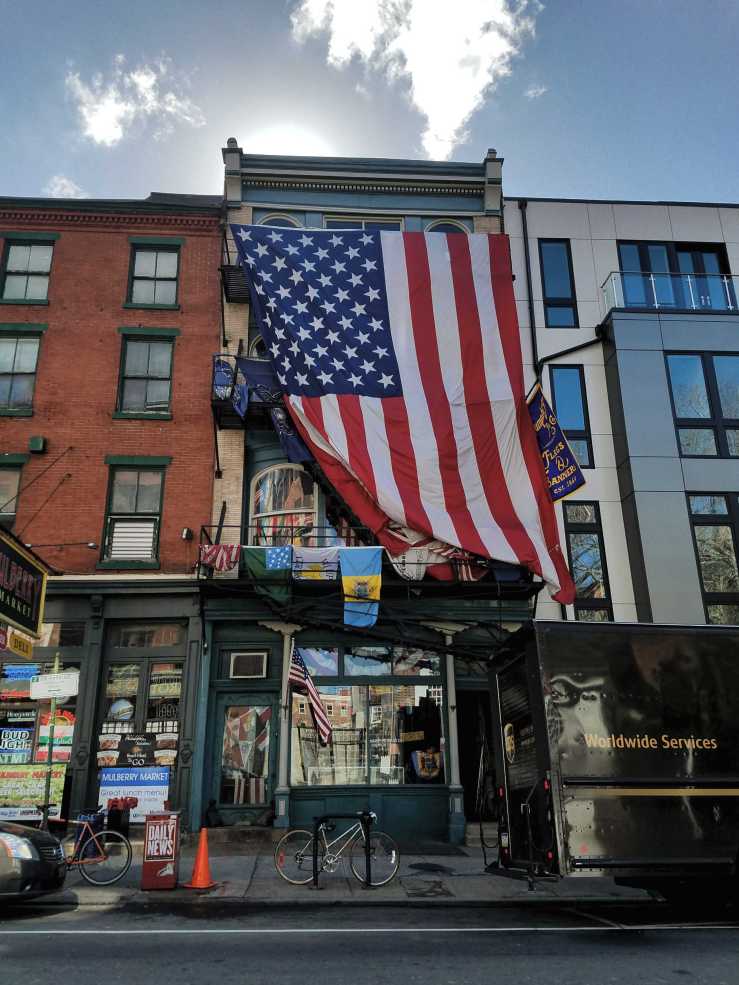
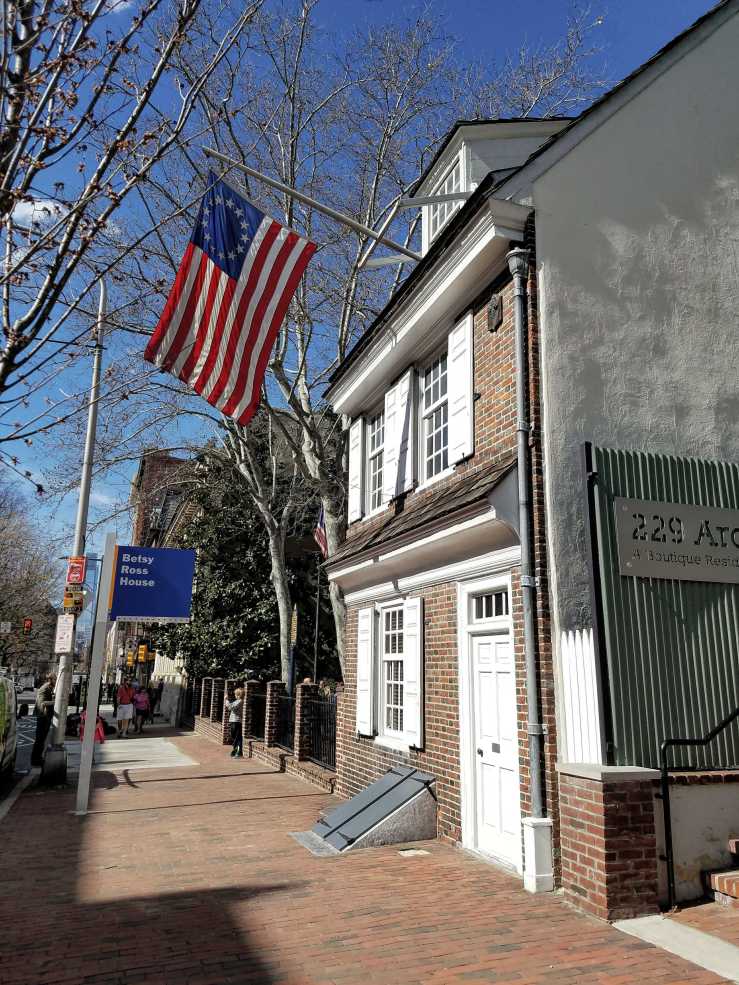
To Betsy Ross’ House. Ms Ross was a seamstress, credited with sewing the first American flag – to Mr. Francis Hopkinson’s design, as we learned from his epitaph earlier. While no proof exists of Ms. Ross’ accomplishment, the fact remains that she is a beloved figure and her legend lives strong. And, right across her house, a giant flag. Can you get more patriotic than that? 

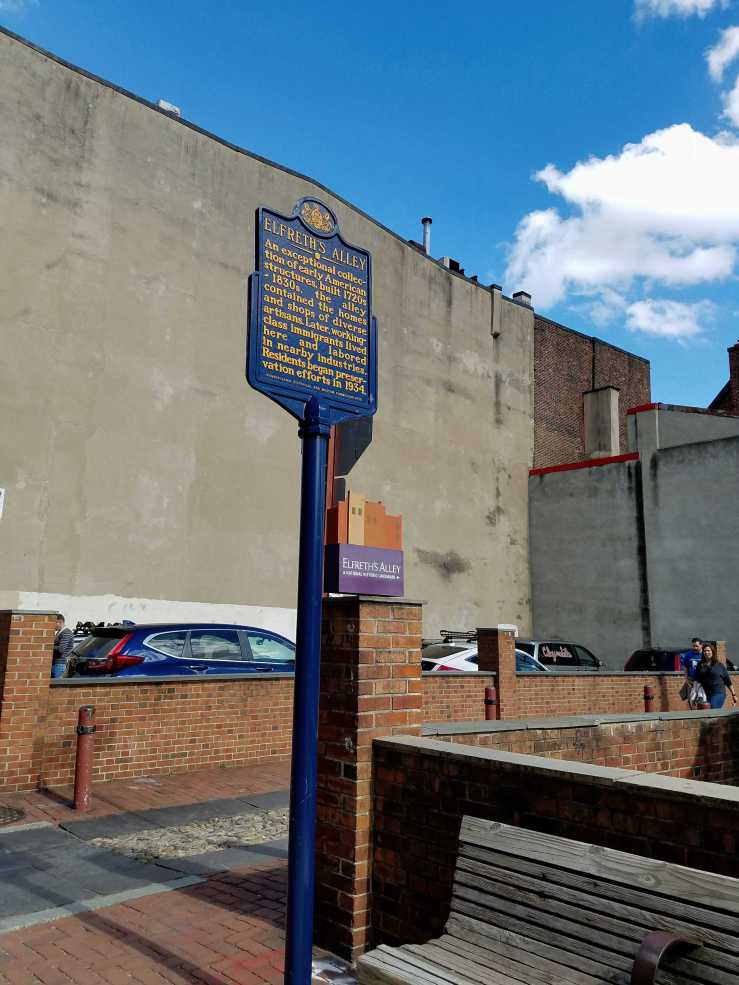
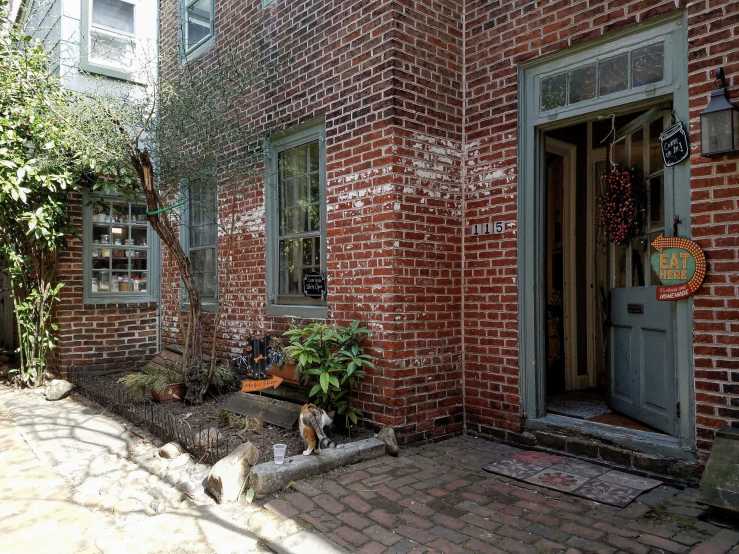
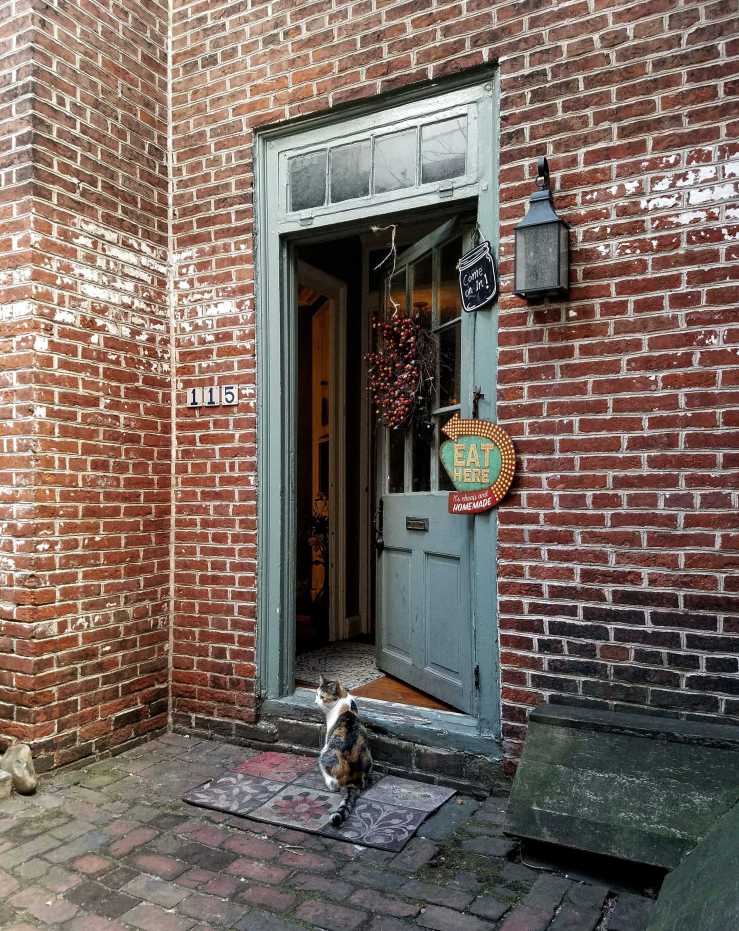
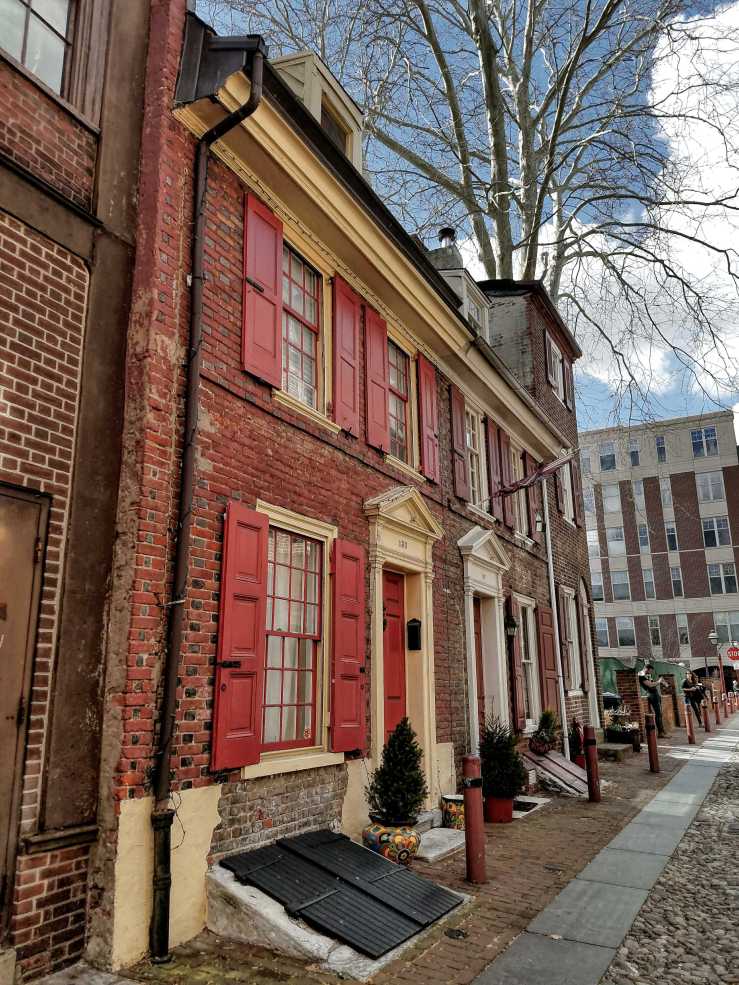
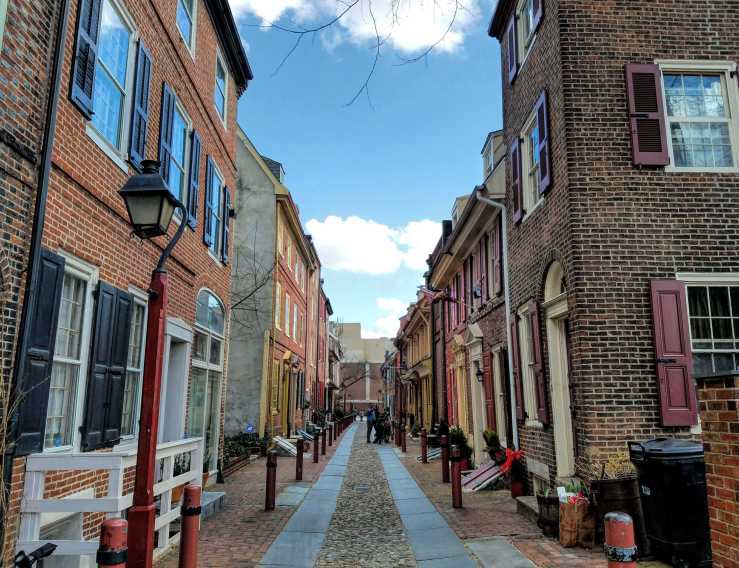
Yes, you can – by way of preserving your city’s history for generations to come. Like Elfreth’s Alley. Connecting N 2nd Street with N Front Street, it has been there since the 1700s – the oldest residential street in the United States, only because of the efforts of its very residents. Built by merchants and tradesmen to house their families, later welcoming working class immigrants, today impeccably preserved by its community of artists, artisans, educators and entrepreneurs. A street with its own history, its own architecture and website, a little world of its own.

With the most charming dwellers, indeed.

Philadelphia
February 24th, 2017
Atlantic city – Gloom.Revel.Ten

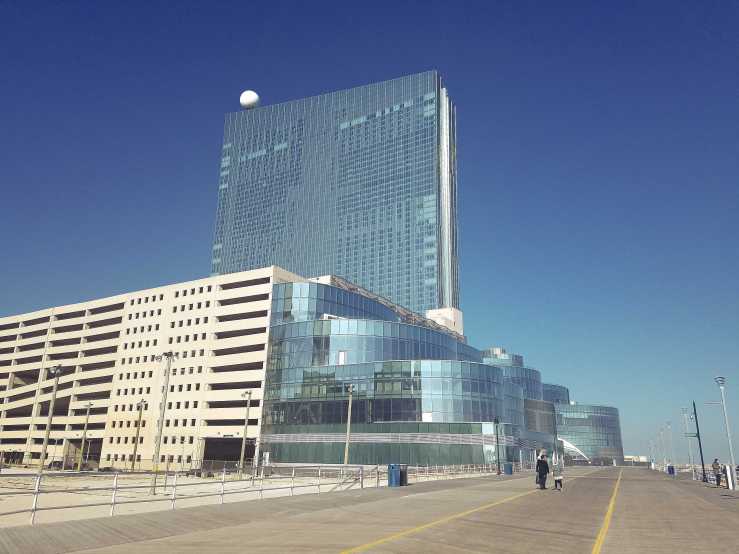
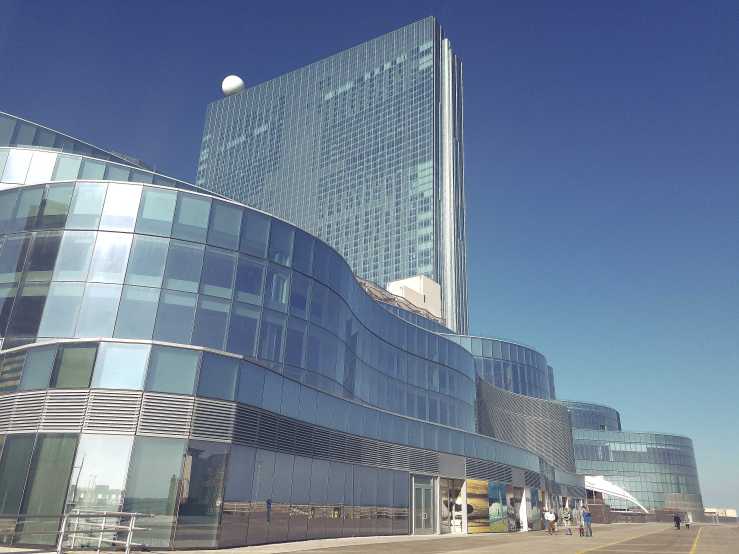
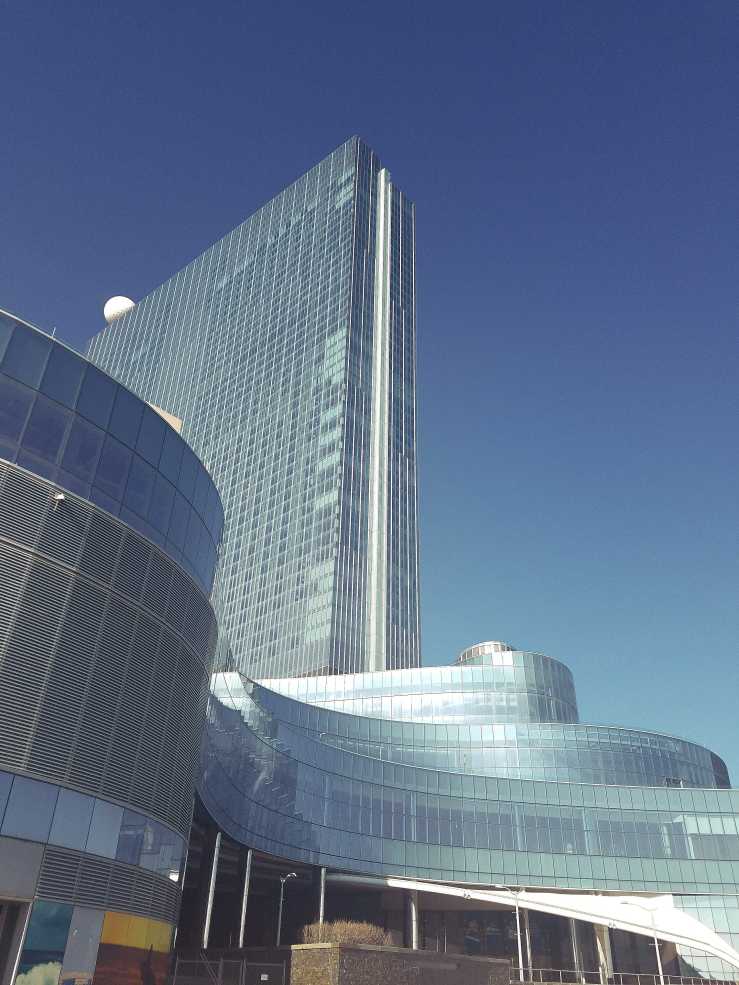
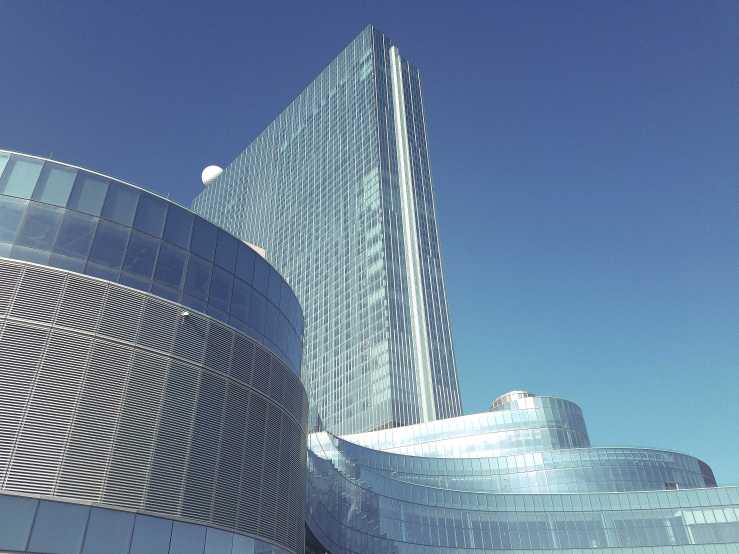
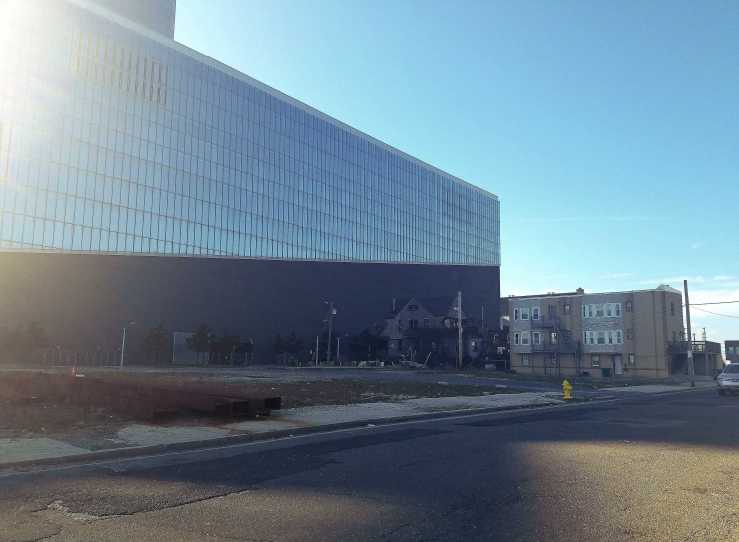
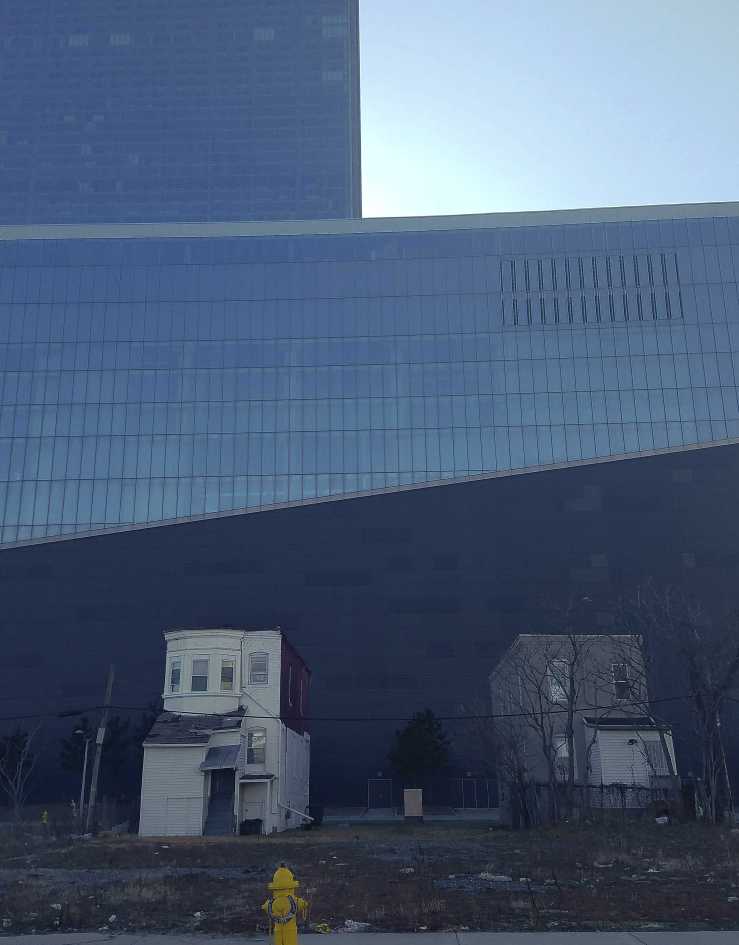
You wouldn’t know it the way its wavy shaped windows shine in the sun. Yet, this enormous structure, built on a once-residential area at a cost of billion, remains closed since September 2014. All the 6,8 million sq.ft., 1.898 hotel rooms, 14 restaurants, spa, concert venues, nightclubs, shops and 130.000 sq.ft. gambling space of it. 2,5 years of operation, then bankruptcy. Now a still, eerie emptiness. 

A lot has been said about what is, what could have been, what should be done. This city, once thriving on speculation, is now suffering from the effects of an overdose. 

A few houses left standing in the vicinity, two in the shadow of the sleeping giant. We have to move on. It may be the emptiness but this area feels unsafe.

Atlantic City
February 23rd, 2017
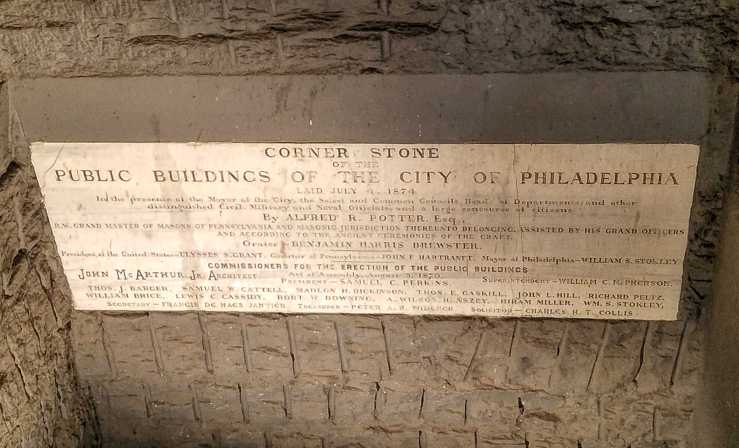
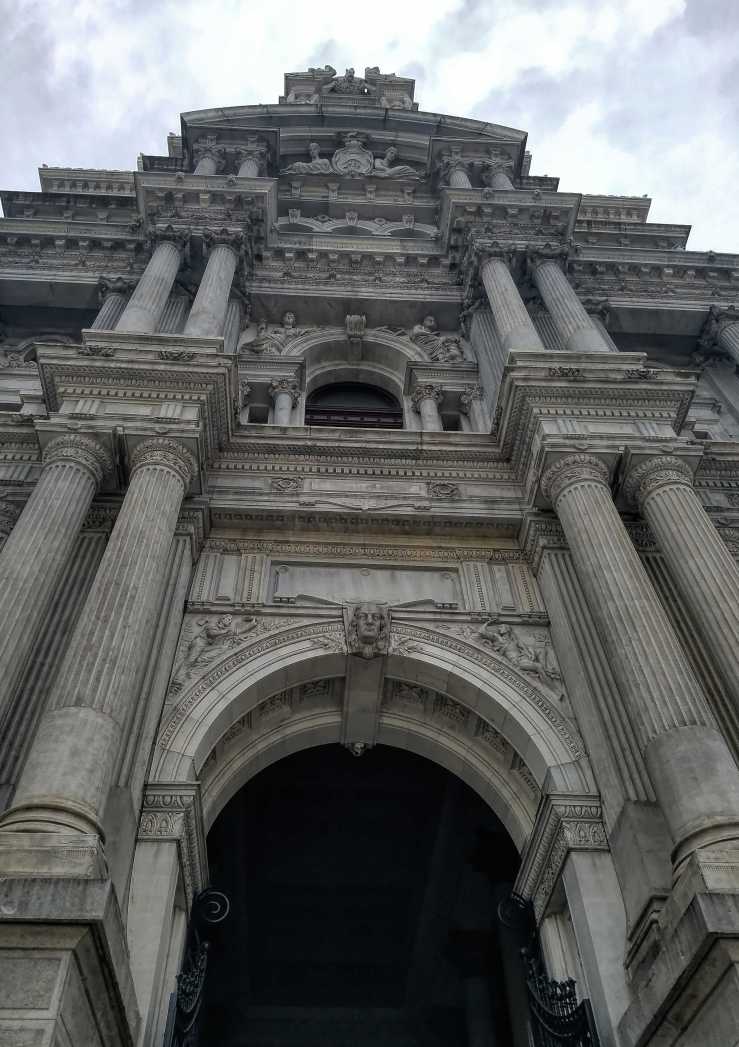
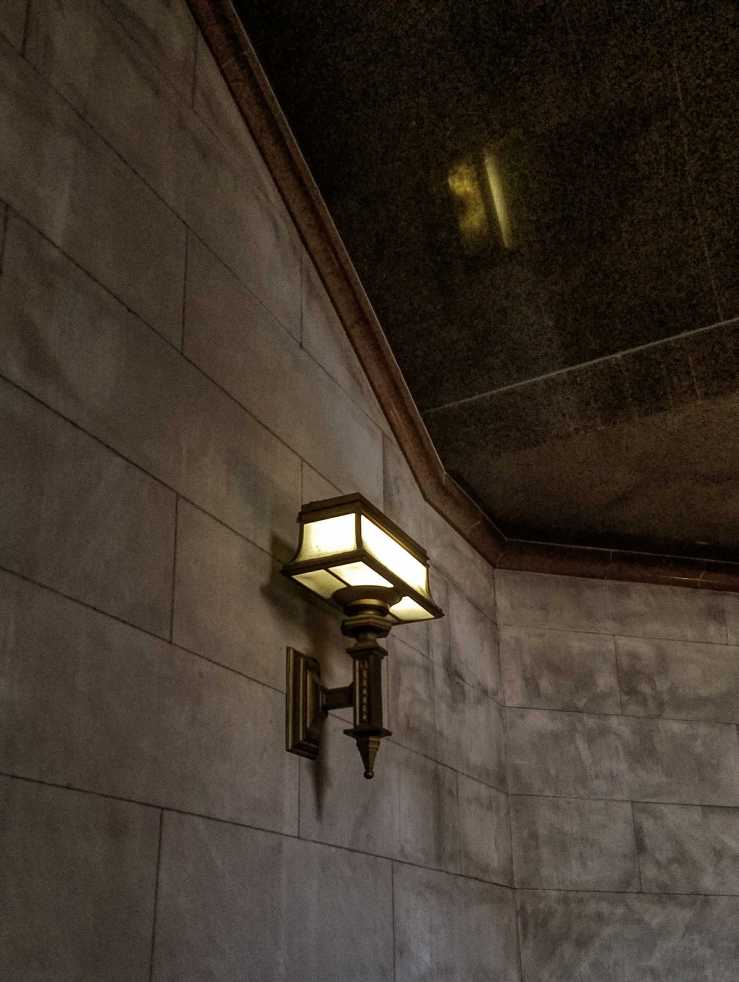
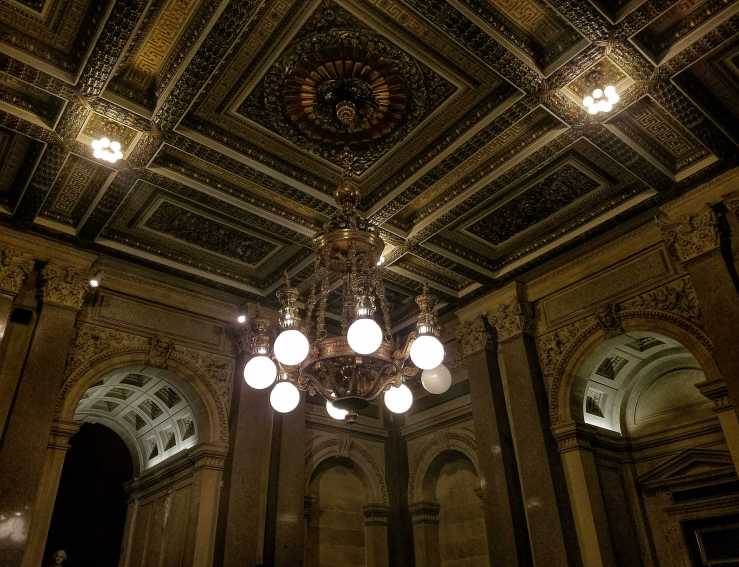
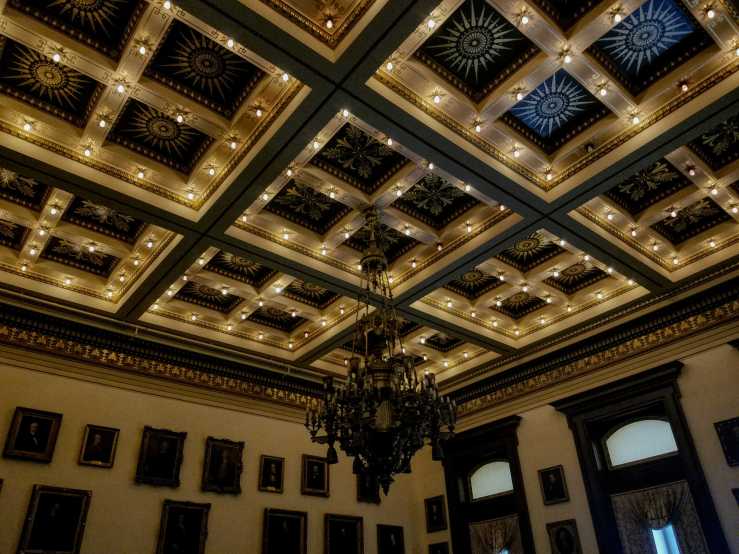
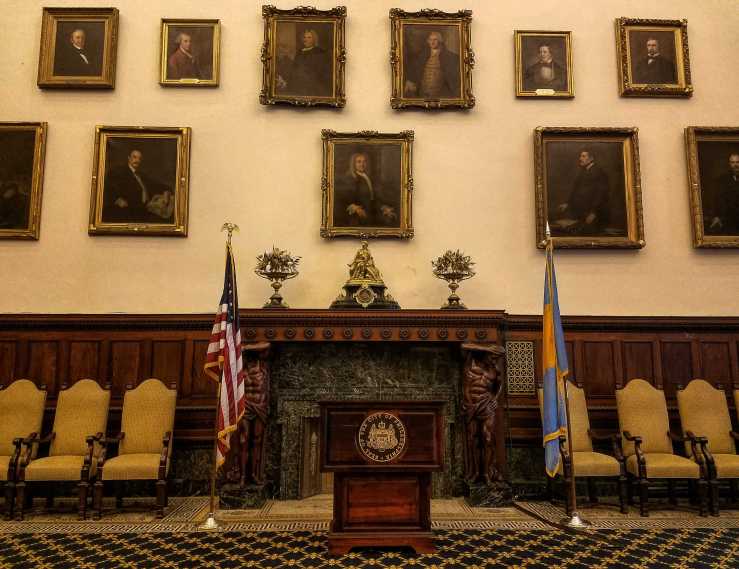
Philadelphia City Hall – The Building

Philadelphians are proud of their history and heritage, and one way to show it is by signing up as volunteer guides. Go to any site of historical or cultural interest and you can be sure to find a tour lead by a ranger or a knowledgeable docent.

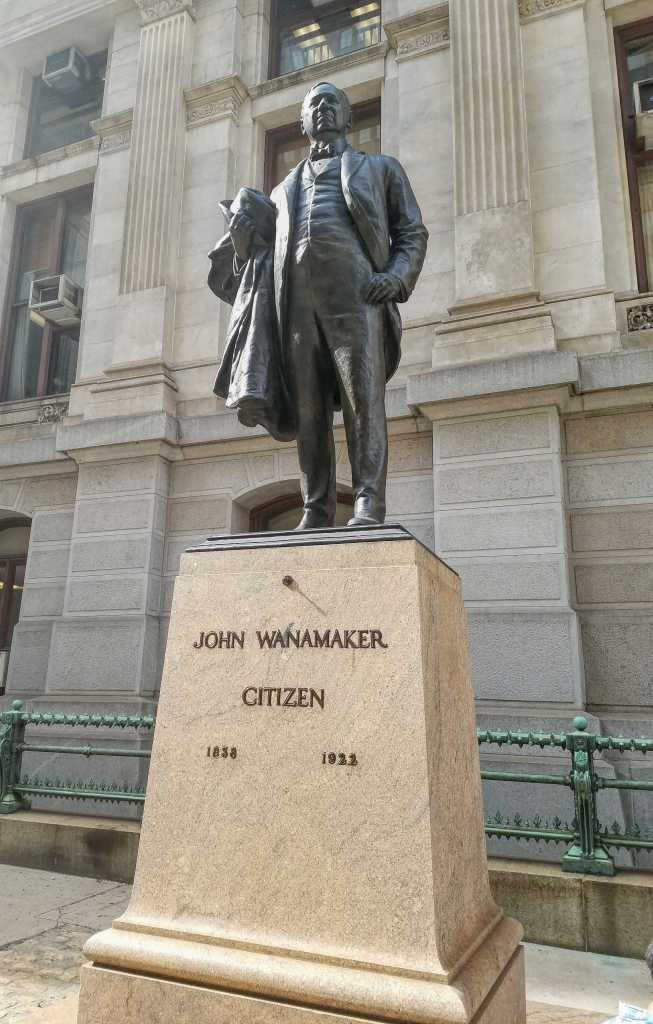
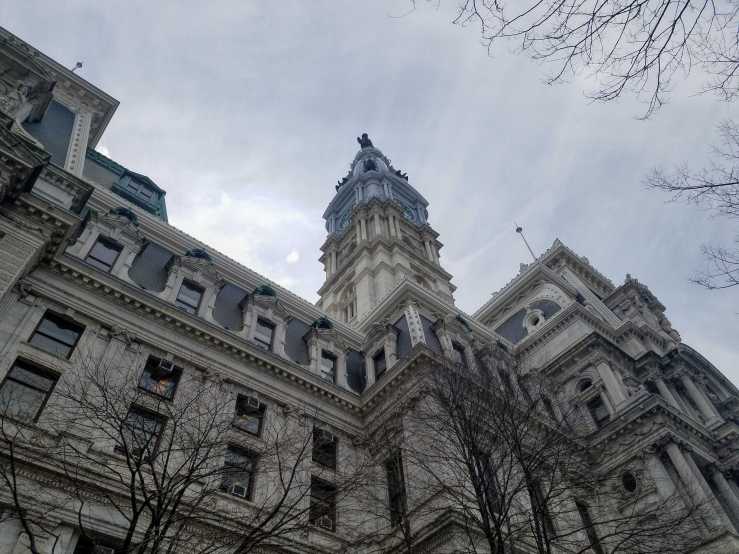
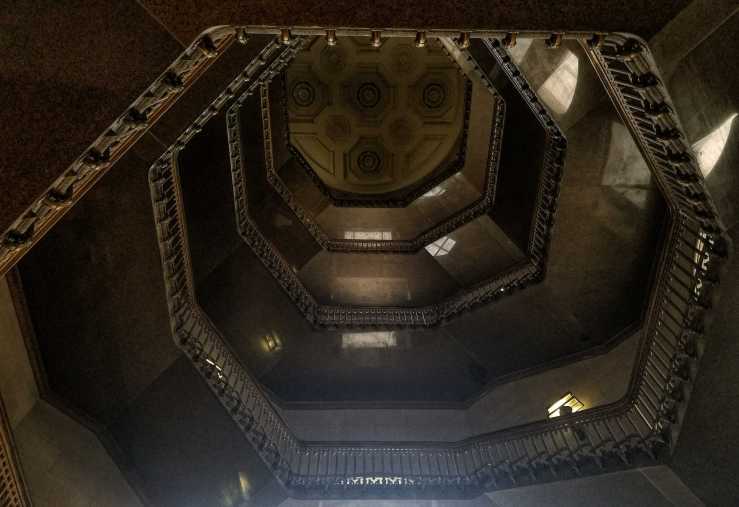
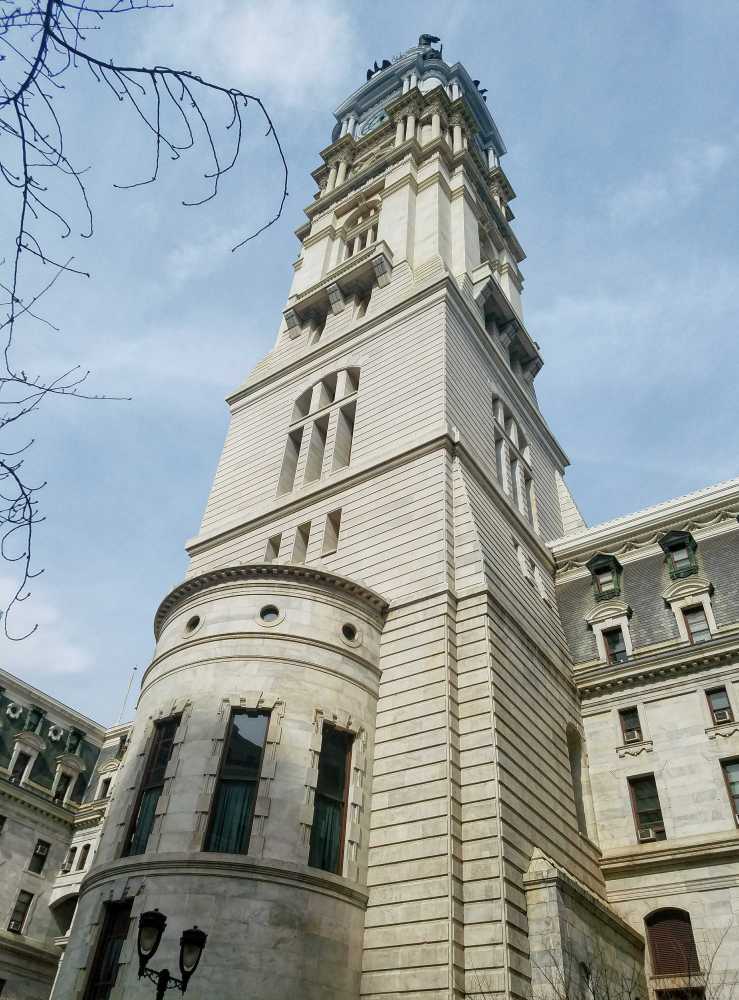
Like the City Hall Interior tour we took, which includes a visit to the Tower for a panoramic view of the city. Actually, the tour starts outside, across from the Wanamaker Building, where John Wanamaker’s bronze statue commemorates him simply as ”Citizen”; then on to the inner courtyard before entering the vast City Hall – the largest municipal building in the world – and its seemingly endless corridors and offices.

See that small feature on top of the tower? This is a 27-ton, 37ft bronze statue of the city’s founder, William Penn. Created by Alexander Milne Calder, it is the tallest statue atop any building in the world.

Biggest, oldest, tallest… superlatives seem to characterize Philadelphia – and very suitably so, I might add.

Philadelphia
February 22nd, 2017
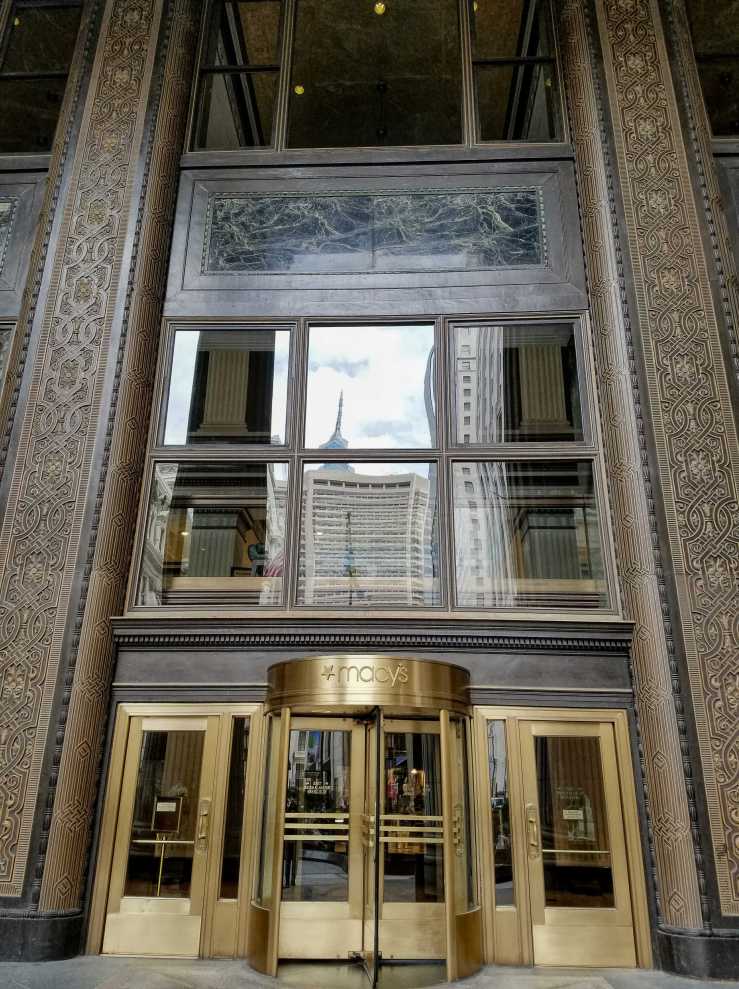
Macy’s Philadelphia – not just a department store

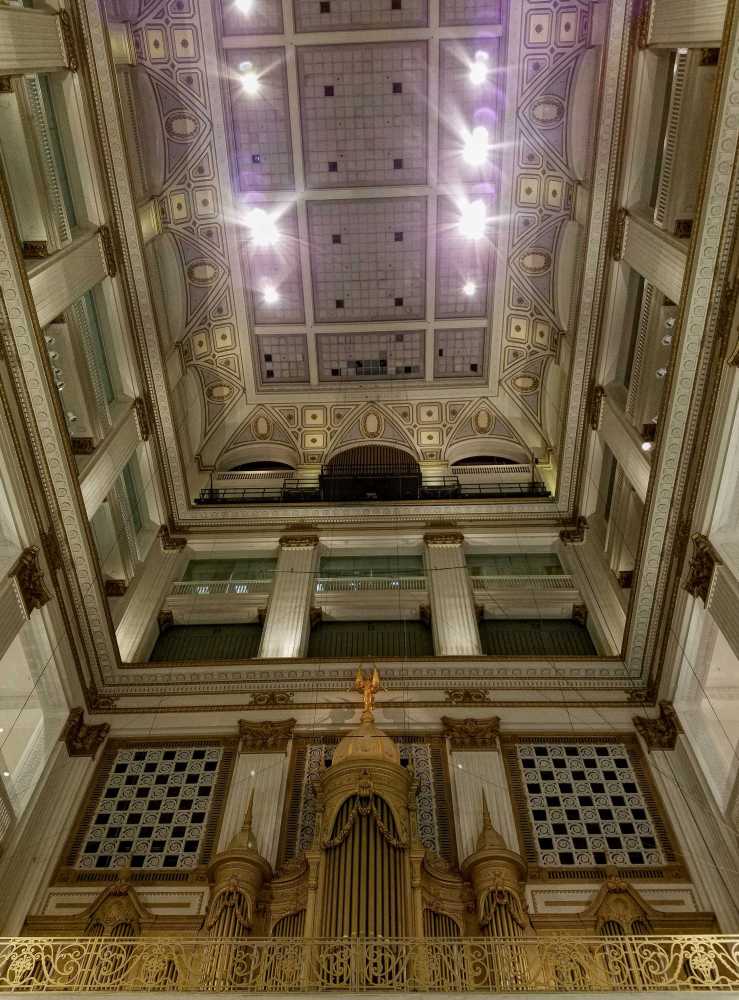
Even without a guided tour, Macy’s Philadelphia is a wonderful mix of fashion, architecture and history. And pipe organ music.

Housed in John Wanamaker’s flagship store, the first of its kind in Philadelphia, a national historic landmark since 1978.

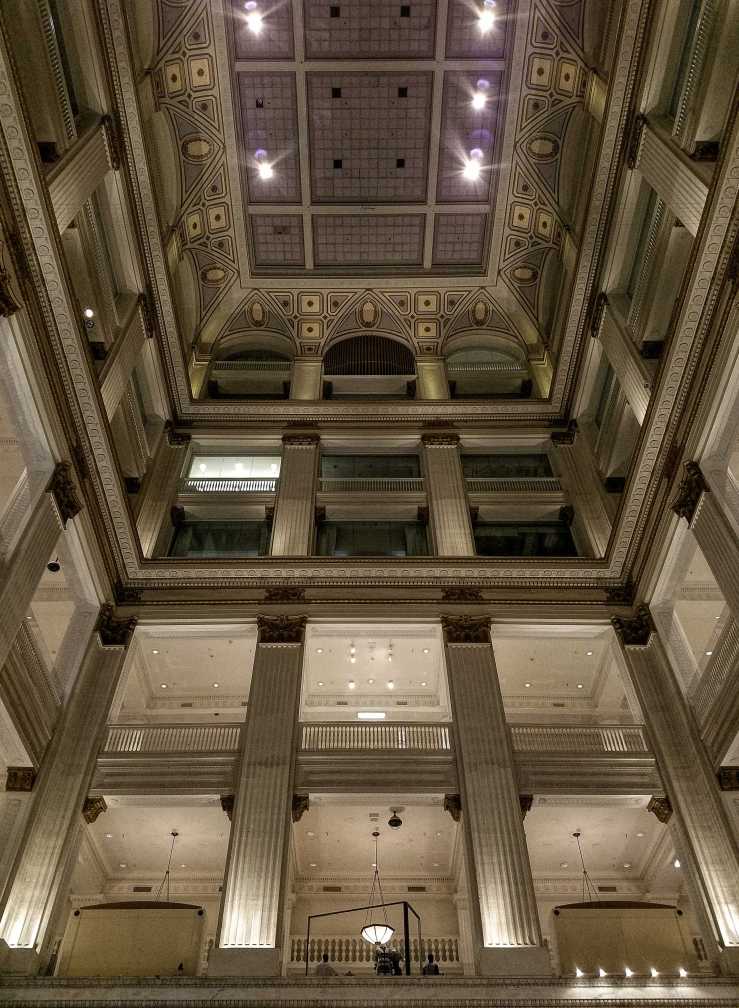
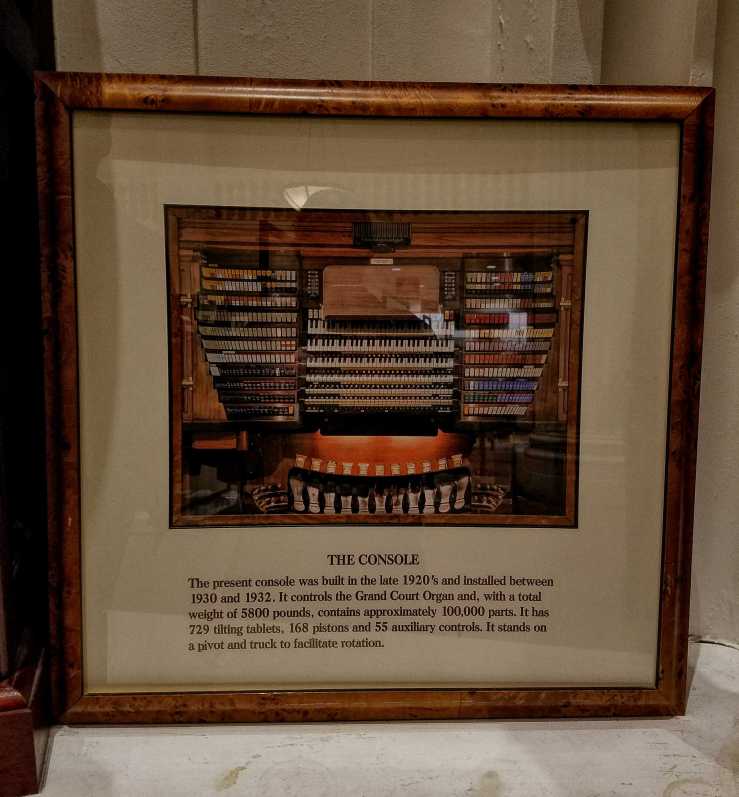
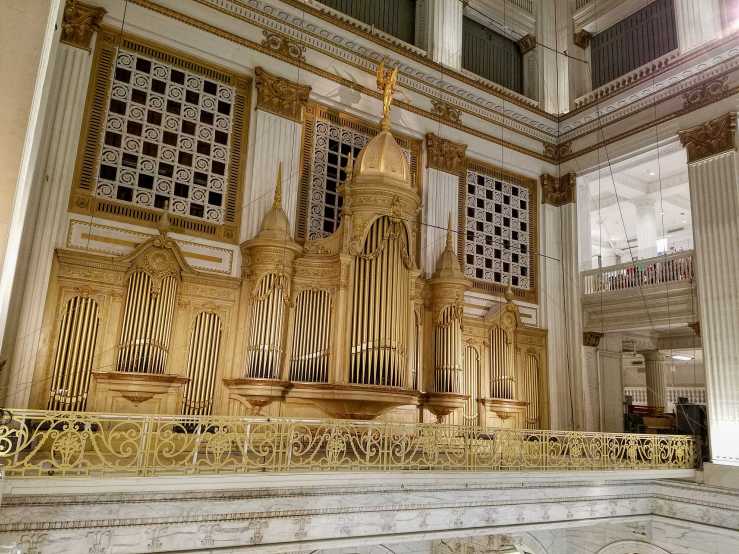
Wanamaker Building was completed in 1911 on the site of an abandoned railroad station. Built in the Florentine style with granite walls by Chicago architect Daniel H. Burnham, it had 12 floors, just enough to accommodate the pipe organ John Wanamaker bought from the St. Louis World’s Fair in 1909. With more than 10.000 pipes, the organ was so big, they needed 13 train cars to transport it and two years to install it.  

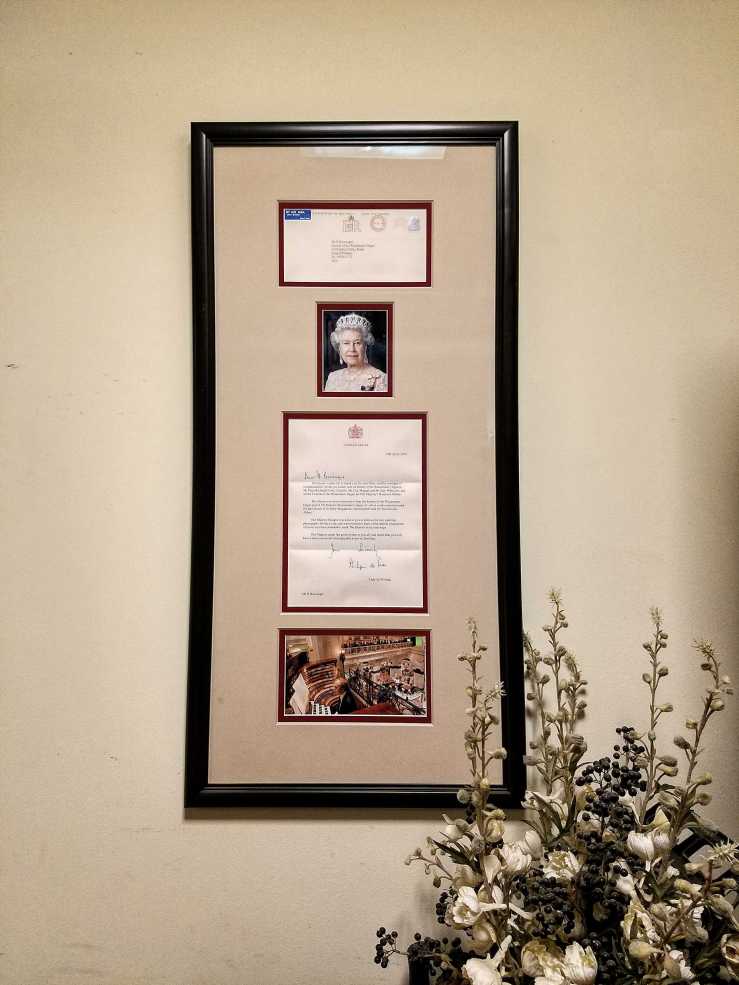
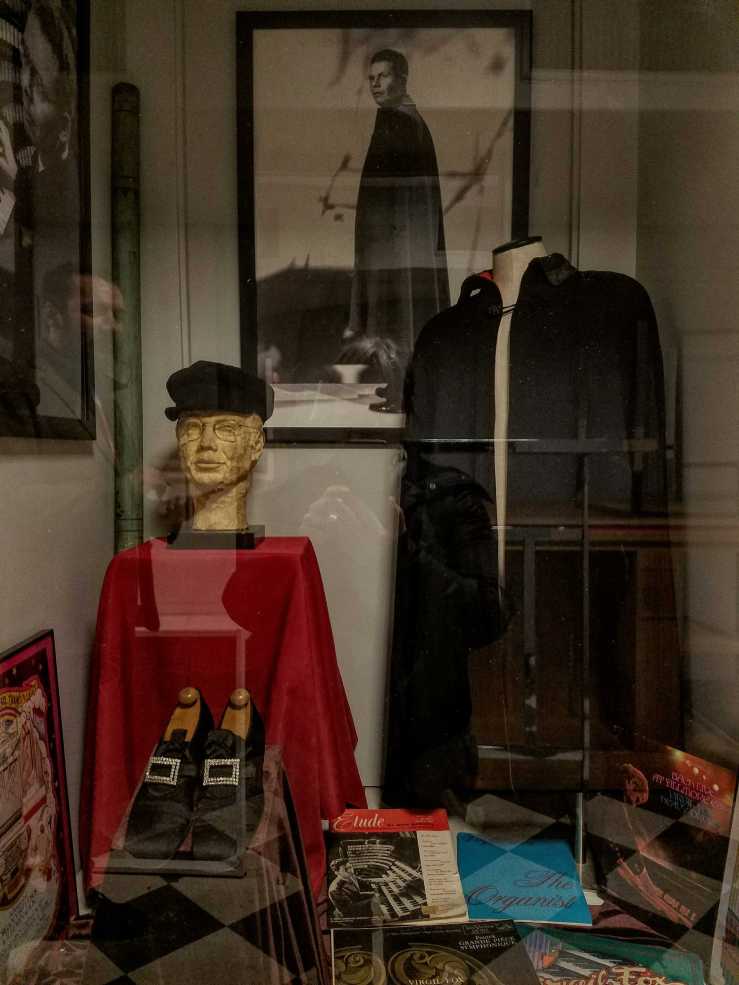
It is, by some accounts, the largest playable organ in the world and it is delighting visitors twice daily, at noon and in the afternoon Monday through Saturday. For schedule and other interesting historical and musical facts, please visit the website of The Friends of the Wanamaker Organ.

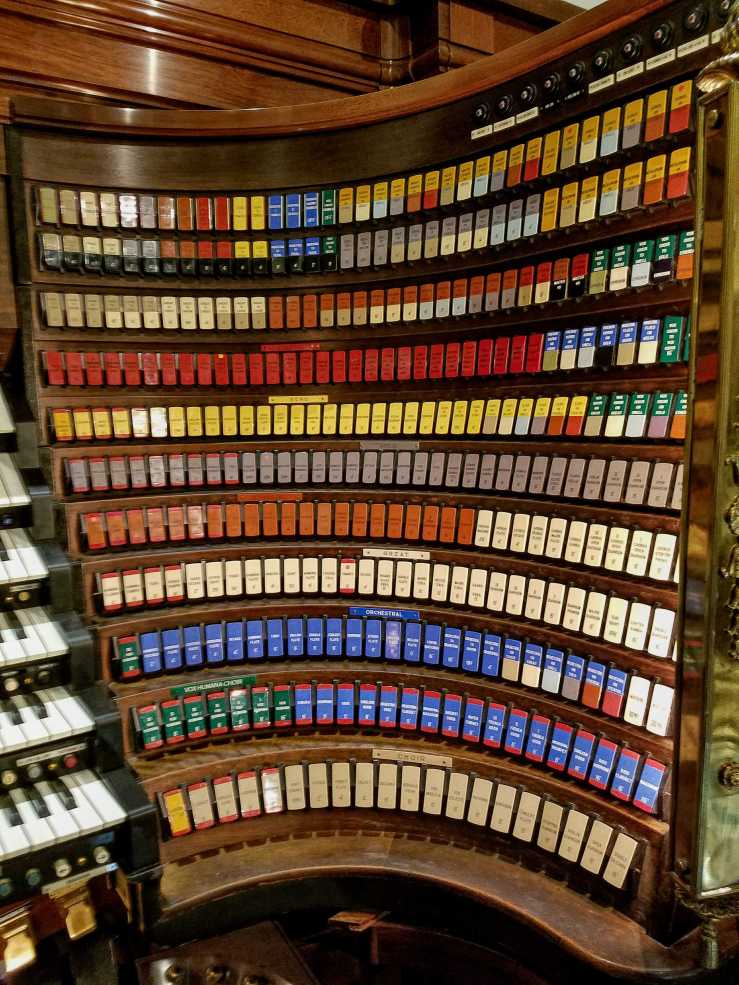
But meanwhile, enjoy a photographic behind-the-scenes historic tour of this magnificent building, which we joined by pure chance when a guide and his small group of two found us peering at the console and kindly invited us to follow them.

It was one of the highlights of our trip.

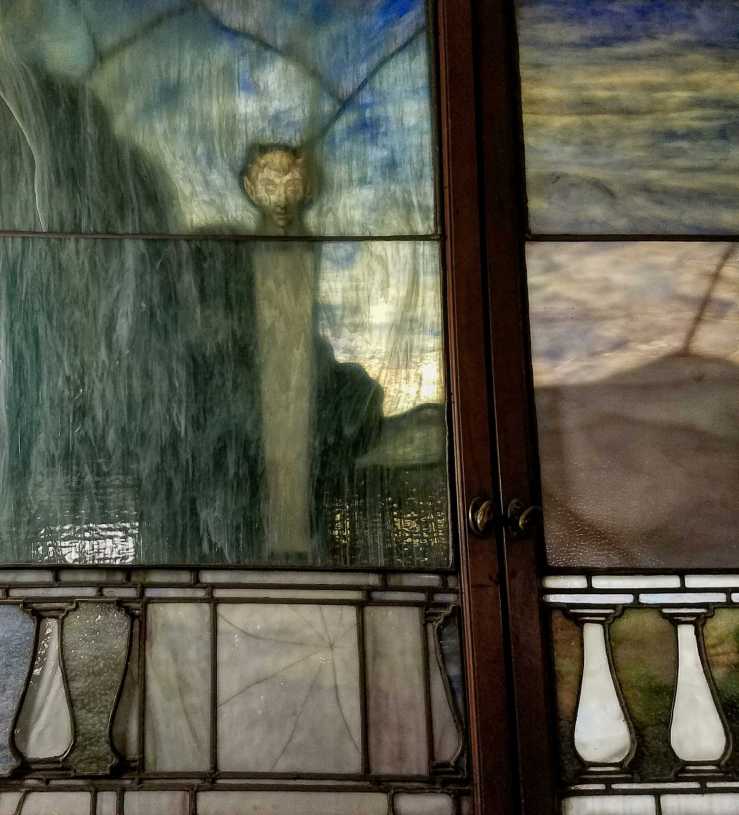
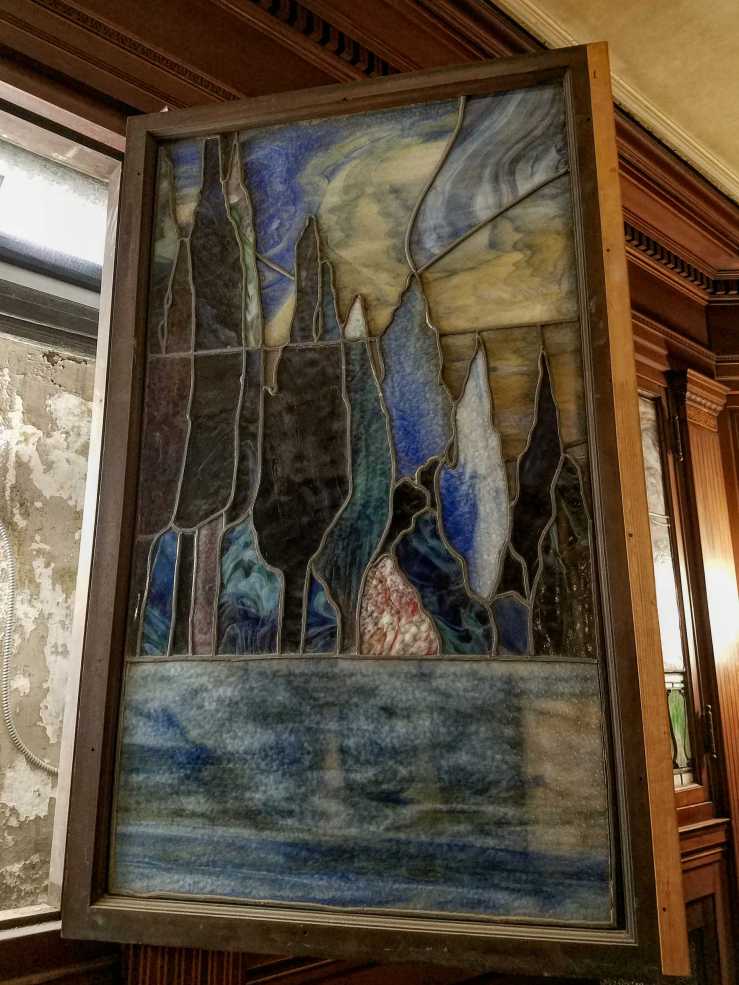
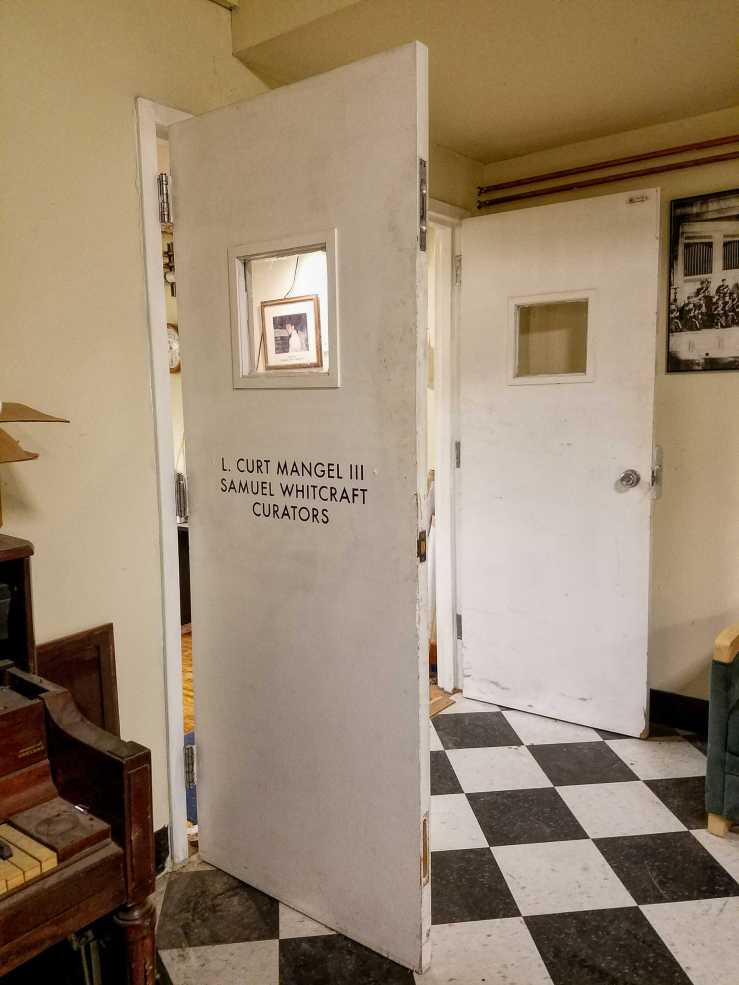
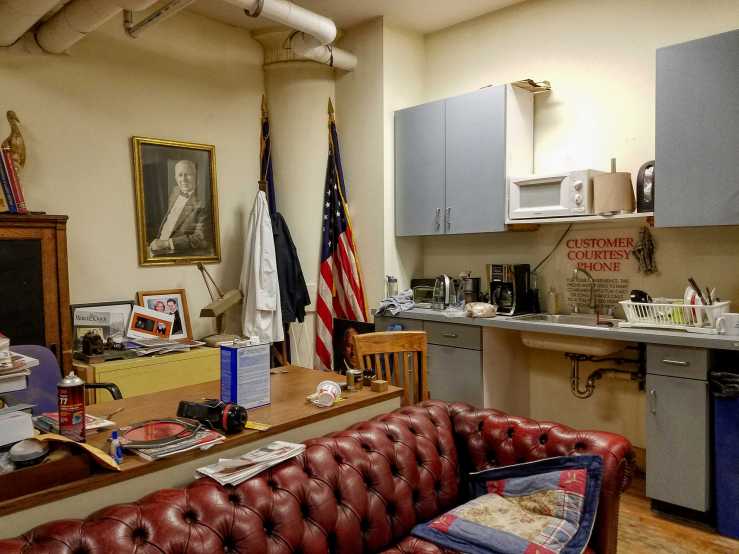
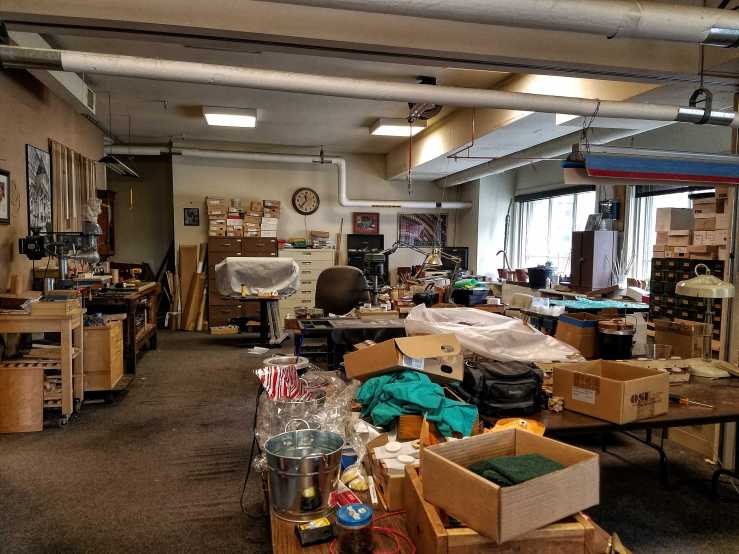
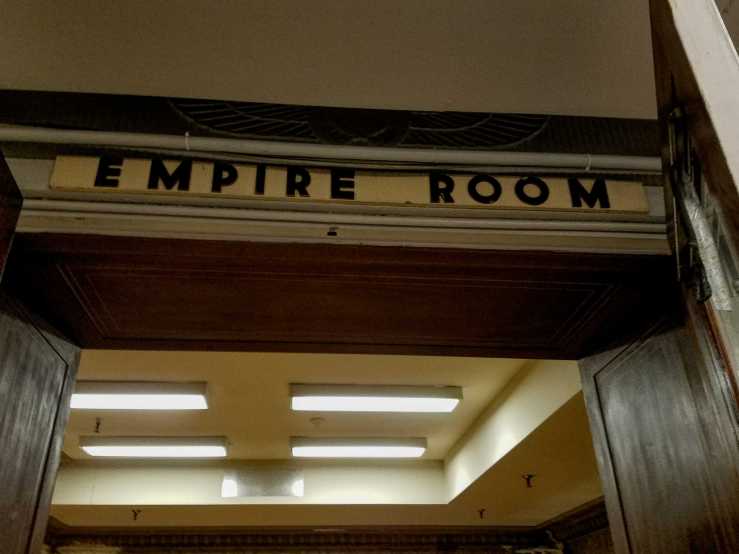
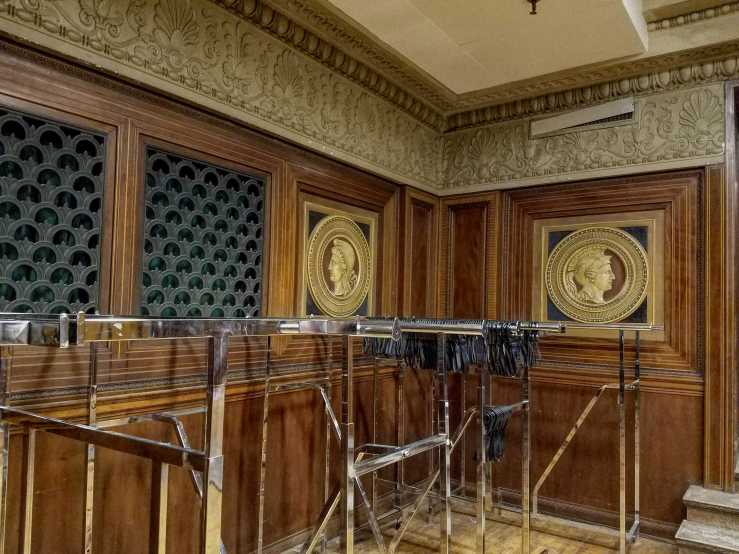
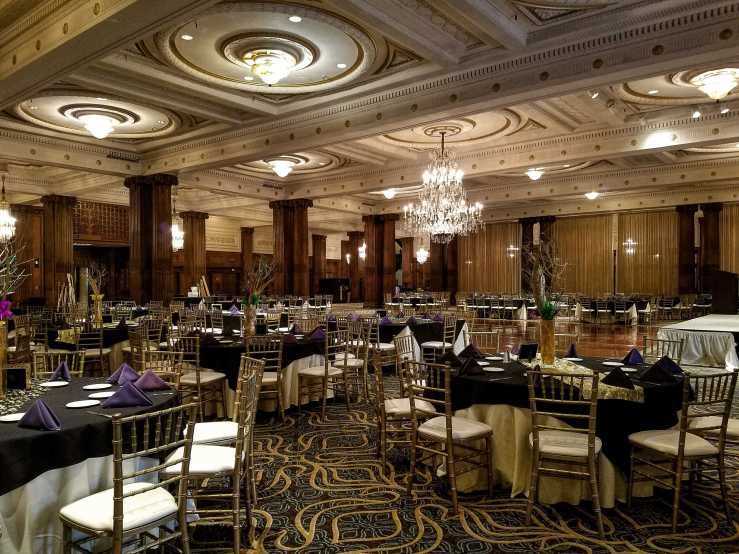
The tour includes unused spaces restricted from public view, such as this room adorned with wood and these magnificent Tiffany stained glass panels; it takes a look at the Egyptian Hall and Greek Hall auditoria, hidden behind the shop’s executive offices; walks through the organ workshop where repairs and restoration take place to this day; and, finally, to the grand Crystal Tea Room where – as expected – preparations for a wedding reception were underway.

Tours last approximately 45 minutes. For more info please check with the Visitor Center at Macy’s.

Philadelphia
February 22nd, 2017

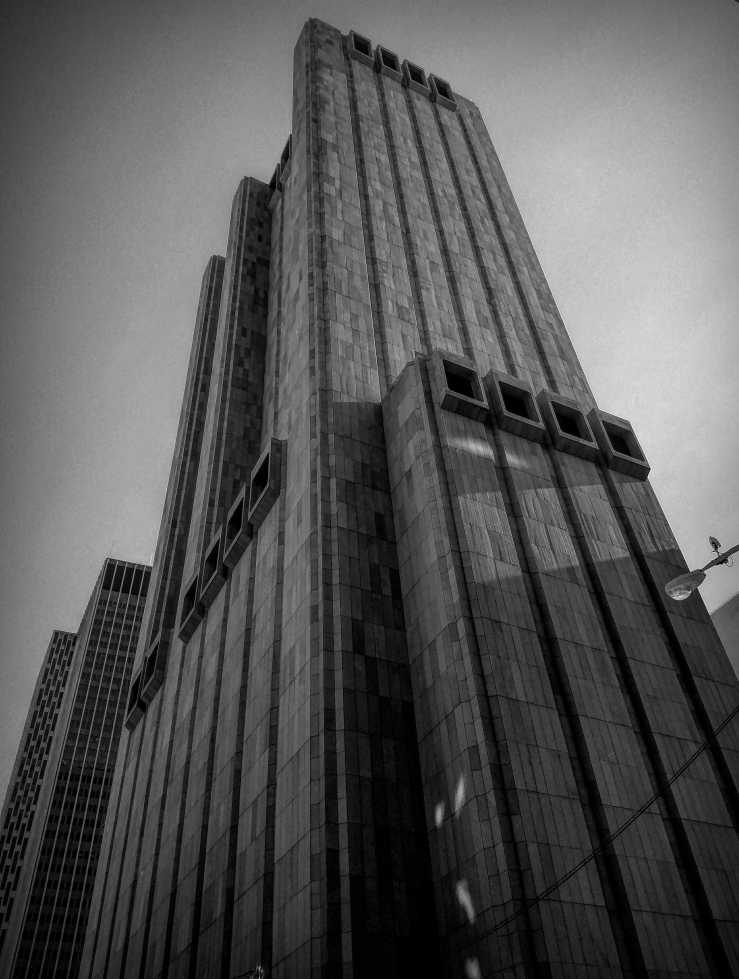
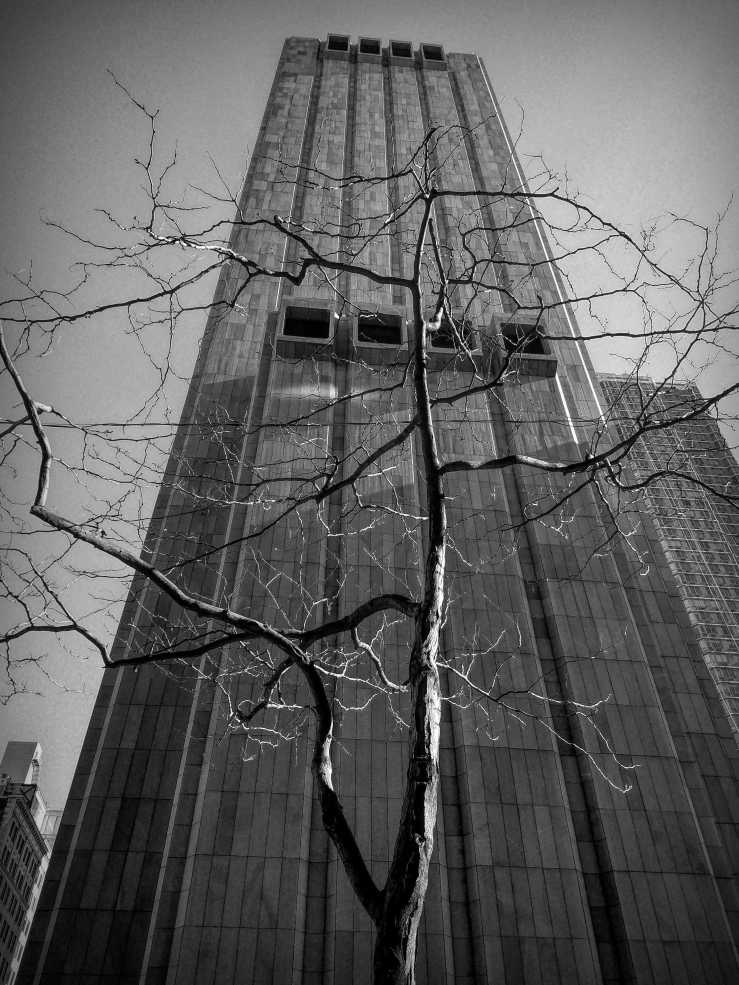
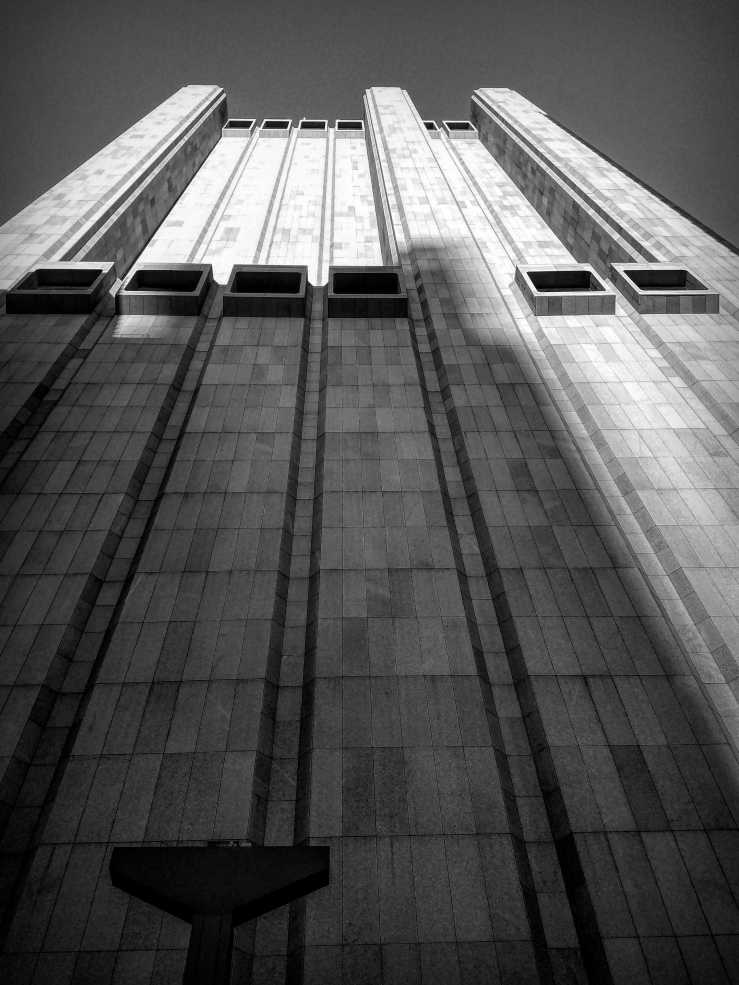
The creepiest, most mysterious building in the City is a concrete monolith

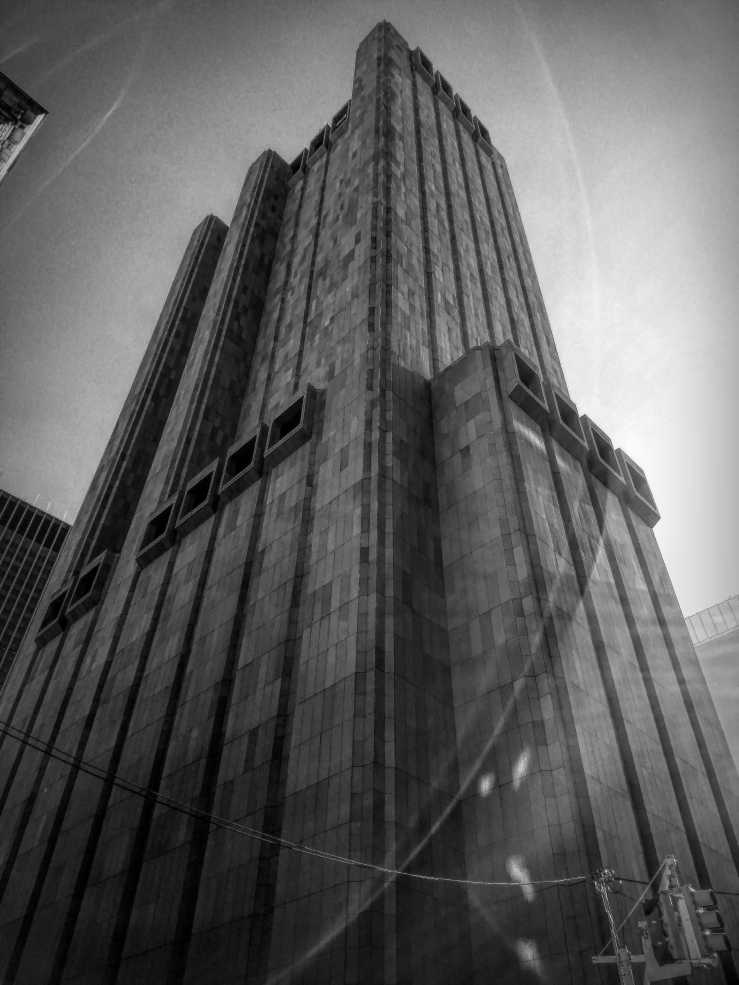
A marvel of Brutalism by some, a monstrosity by others. An awesome building, in a brutal sort of way, by me. Vertical. Massive. Minimal. Windowless. It looks the same from every angle. It looks like a CGI fortress.

Not surprisingly, it was featured in Mr. Robot Season 2 plot. Even less surprisingly, it became the subject of an investigation by The Intercept, where the idea that parts of the building may used as an NSA surveillance hub was explored. Sounds plausible but we will probably never know for sure. 

What we do know is that it was built for the AT&T Long Lines to house switching equipment. Although AT&T has now moved some of it to another building nearby, the monolith is still in use for telephone switching, but also as a highly secured data centre facility.

What I would like to know, is how does it feel to spend one’s working days in a windowless, fortified environment among cables and servers, with zero access to natural light? It takes a certain type of person, doesn’t it?

Adding to the layers of mystery, the AT&T building has also been the subject of a short film by Field of Vision, “Project X“. Interestingly, it was narrated by Rami Malek (of Mr. Robot) and Michelle Williams.

January 29th, 2017
The largest cathedral in the world is, of course, in New York. And it’s still growing

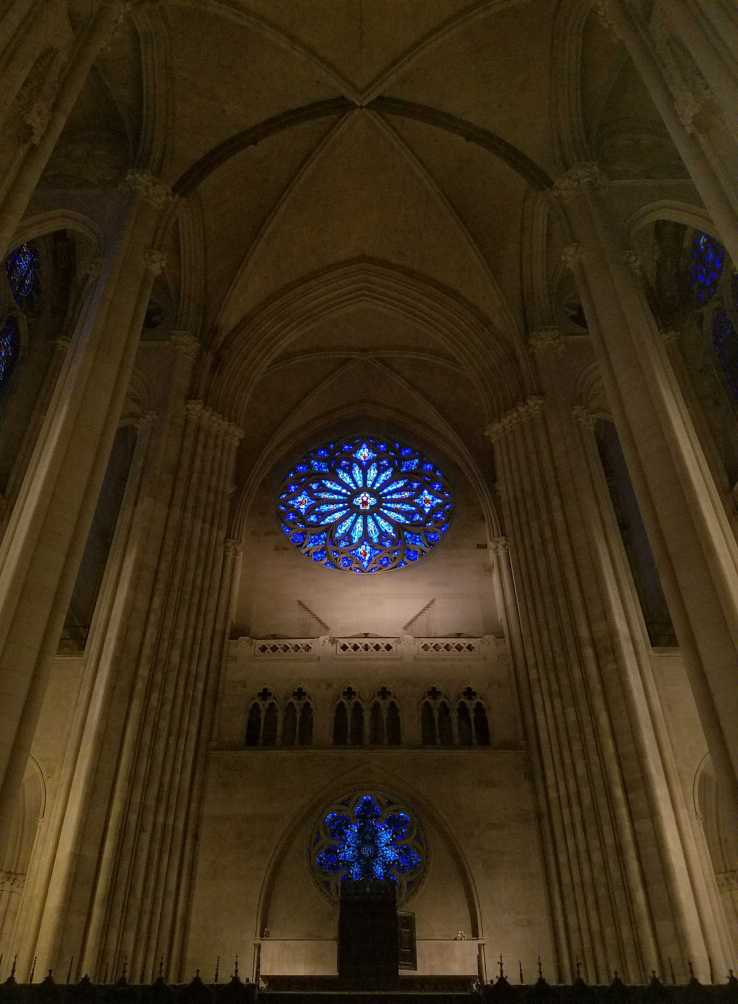
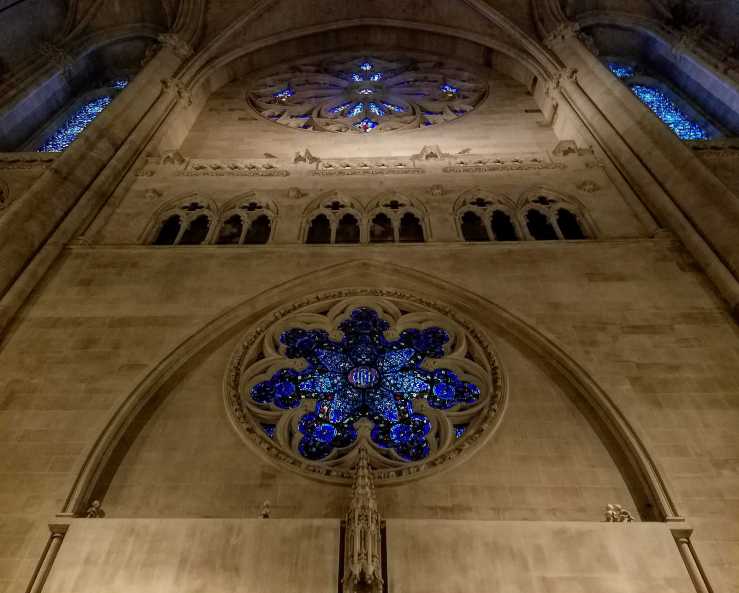
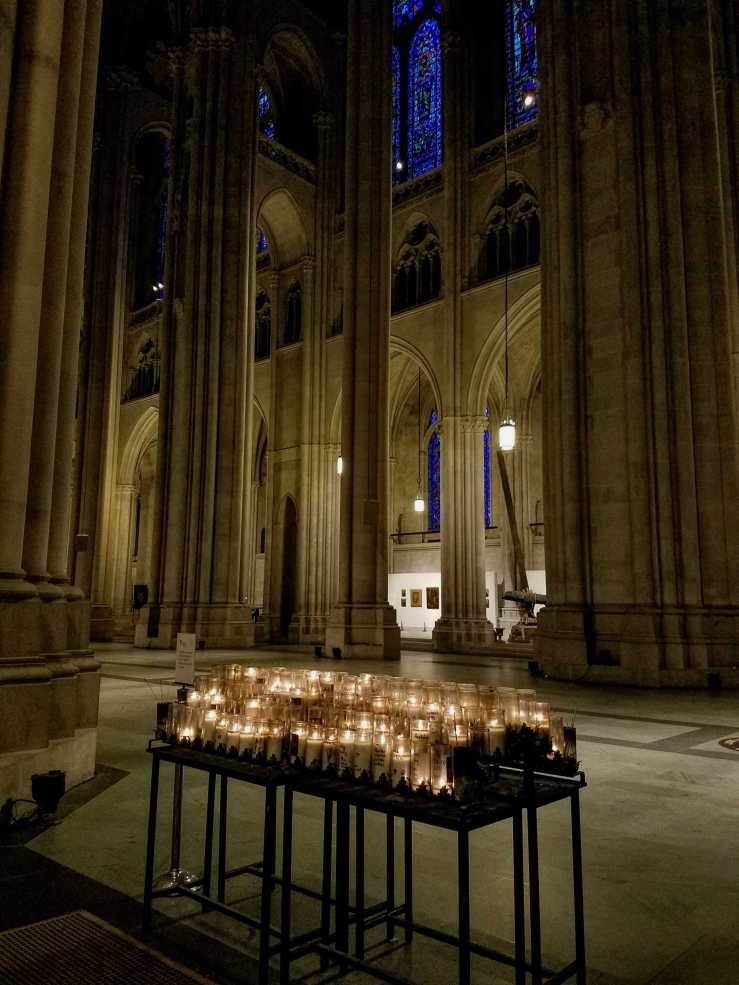
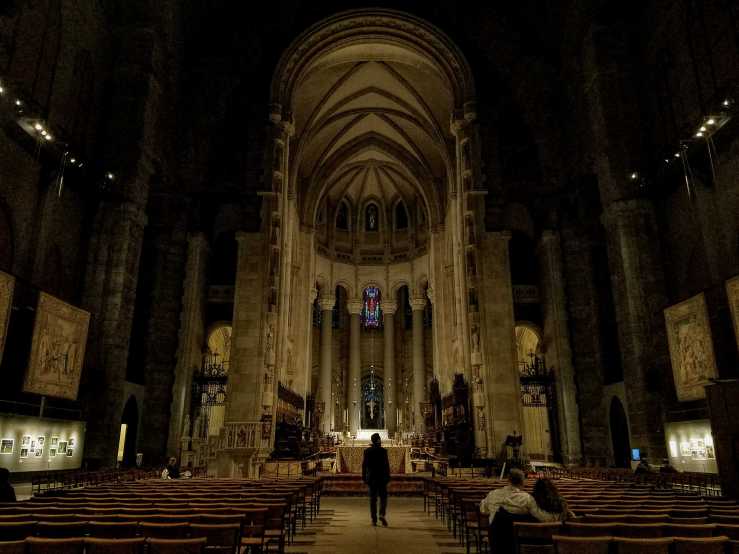
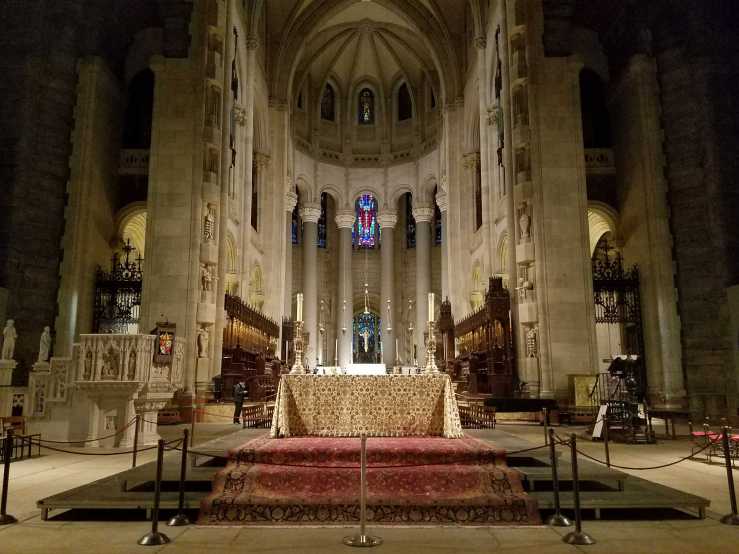
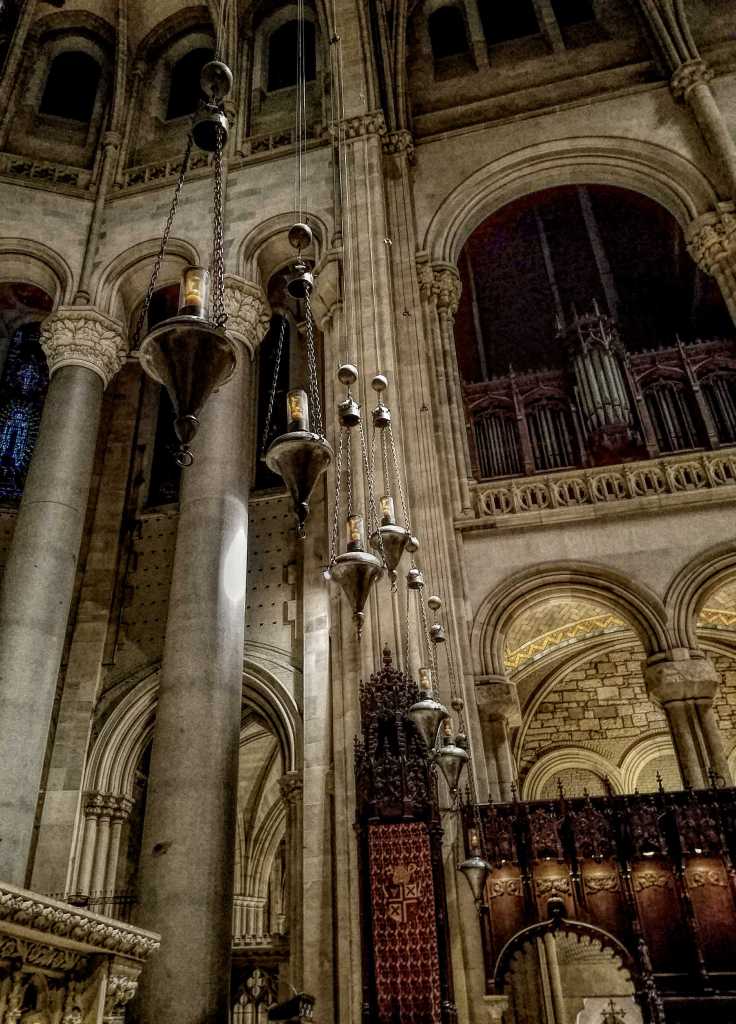
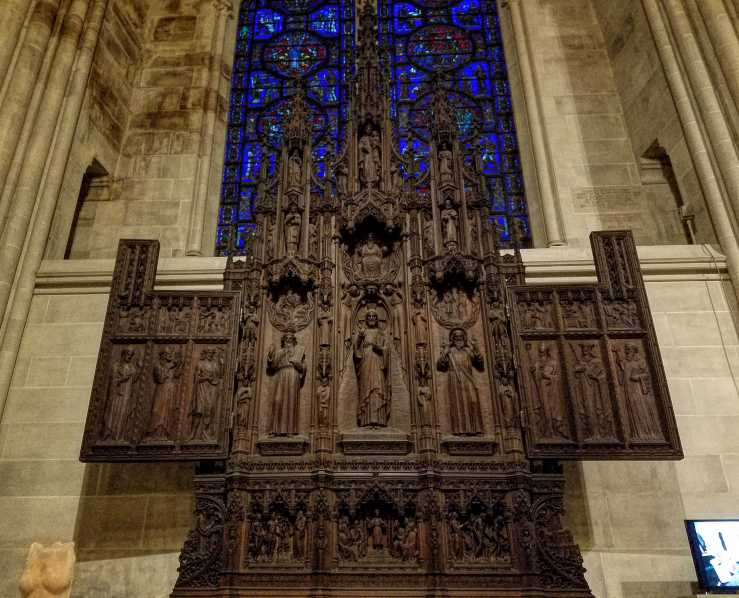
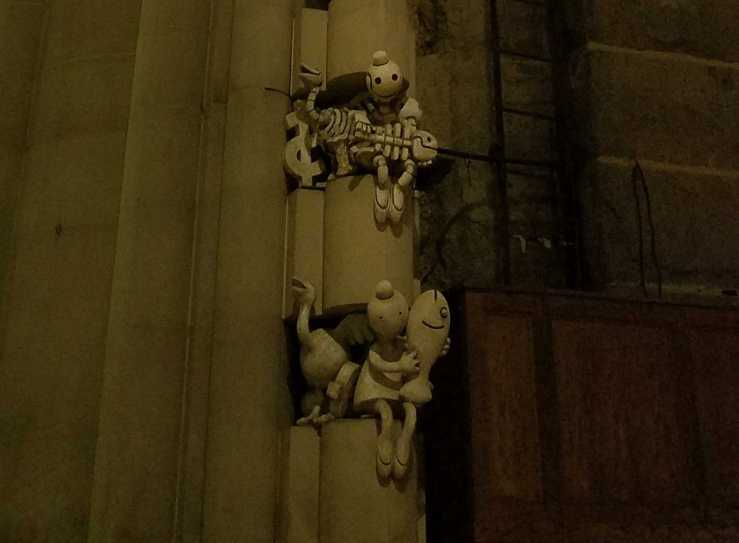
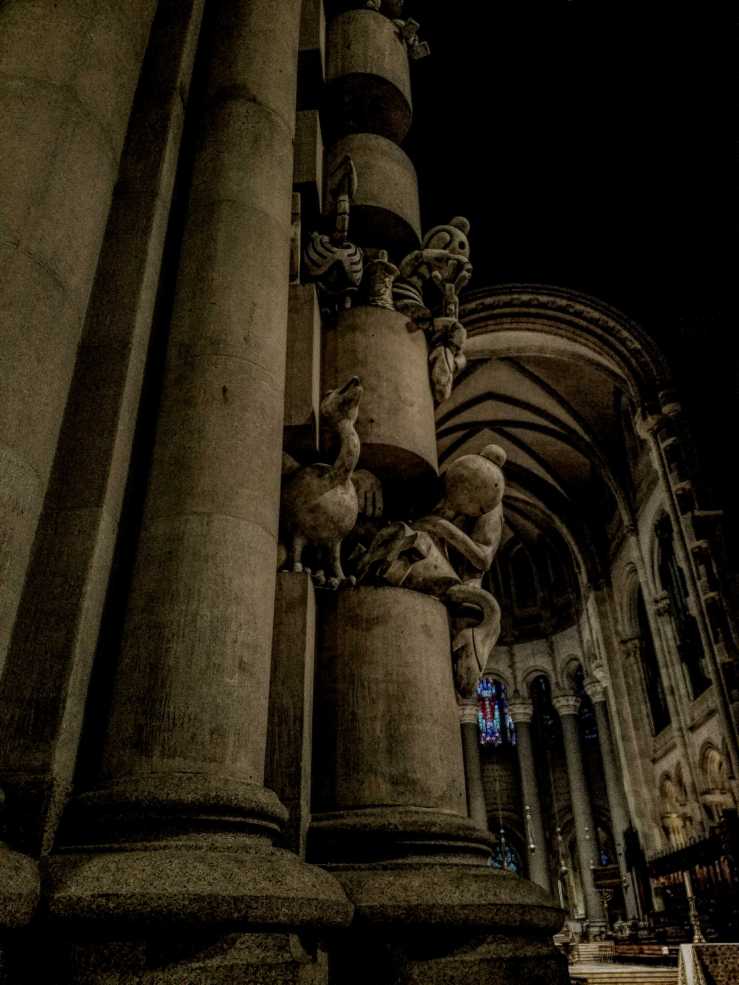
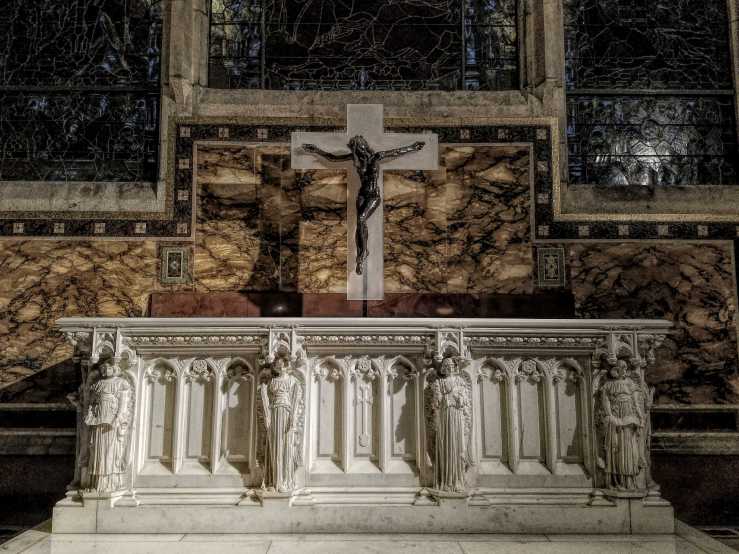
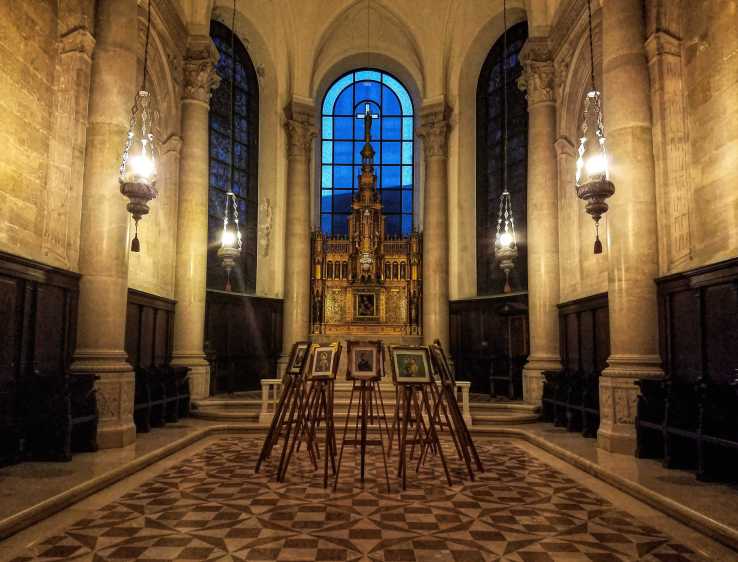
Adjacent to the creepiest, most unsettling children’s sculpture garden in the city sits the Cathedral of St. John the Divine; the whole 121.000 sq ft (11.240+ sq m) of it.

Originally envisioned in a Romanesque-Byzantine style it was later changed to a Gothic Revival design with massive granite arches that support the building – which has no steel or iron skeleton – and a dome so high it could fit the Statue of Liberty underneath, made of Guastavino tile and intended as a temporary covering. The dome was supposed to be removed when the transepts were built, but so far only half of the north transept is constructed. For this 120-year-old gigantic church is, as yet, unfinished. 

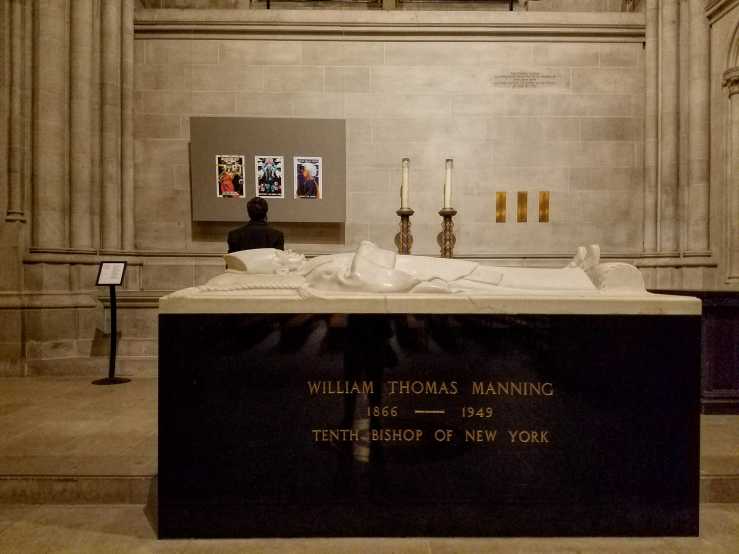
St. John the Divine is the cathedral church of the Episcopal Diocese of New York and, as such, the largest cathedral in the world. By some accounts, it is also the world’s third largest church – or is it the fifth?

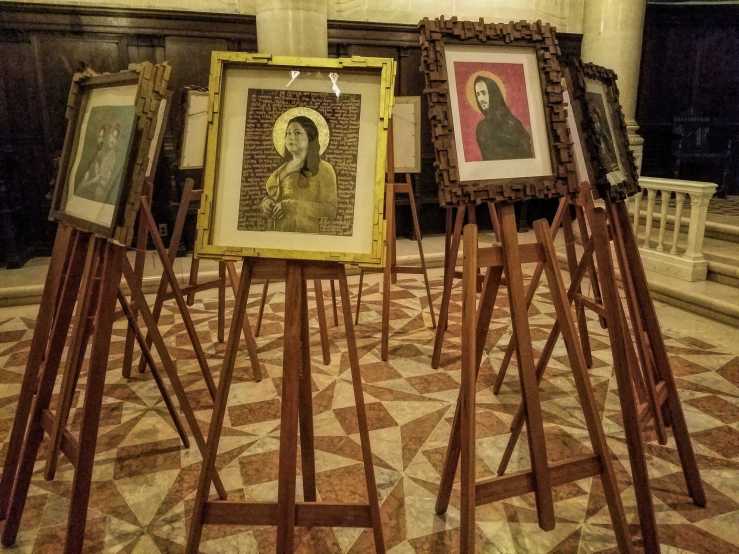
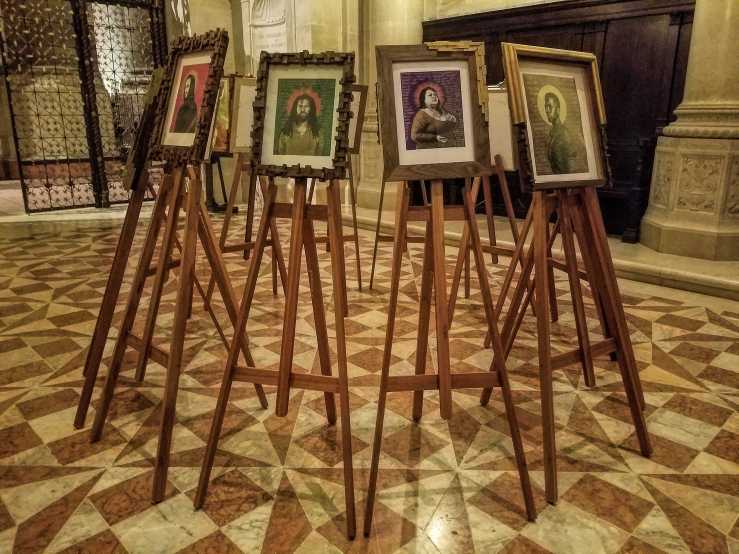
But, size and grandeur aside, the cathedral is an active house of worship, a concert hall with excellent acoustics and an exhibition space, year-round.

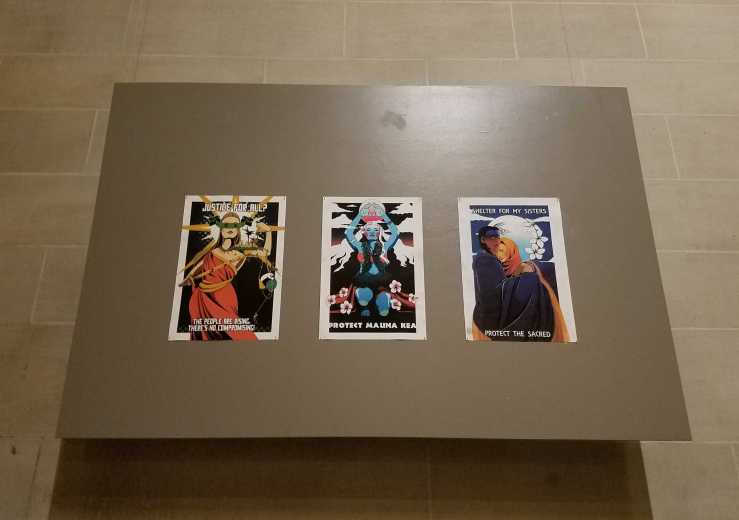
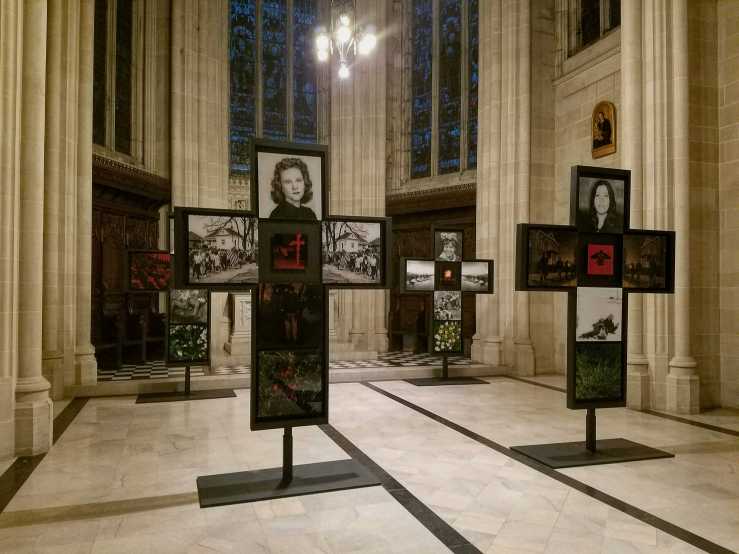
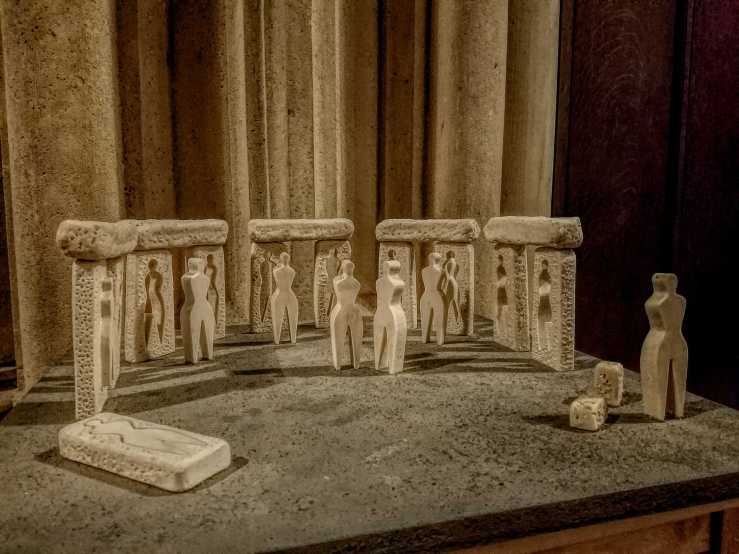
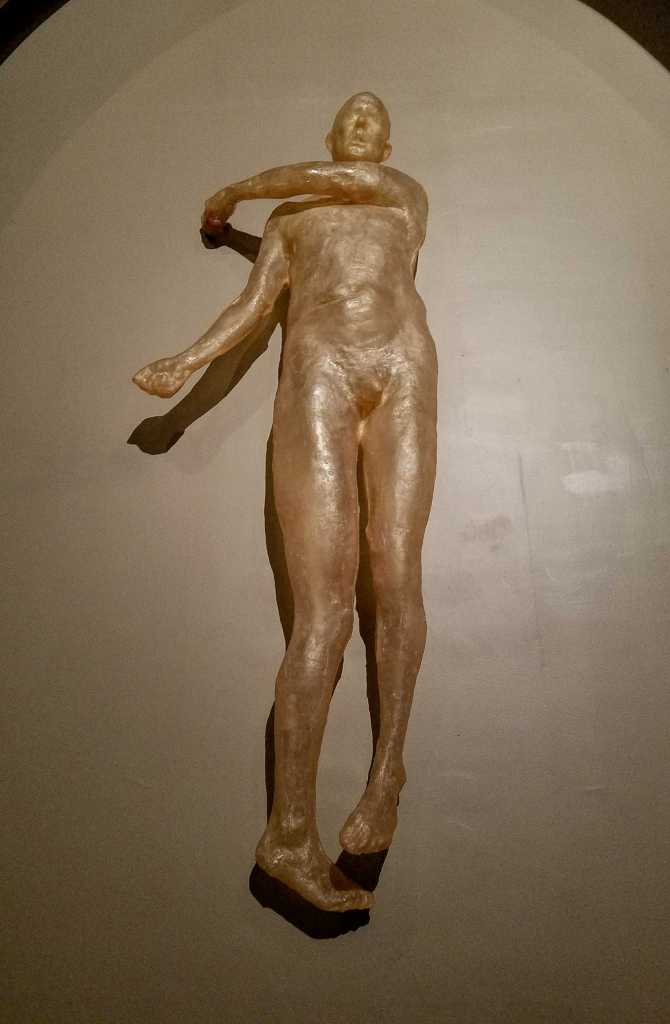
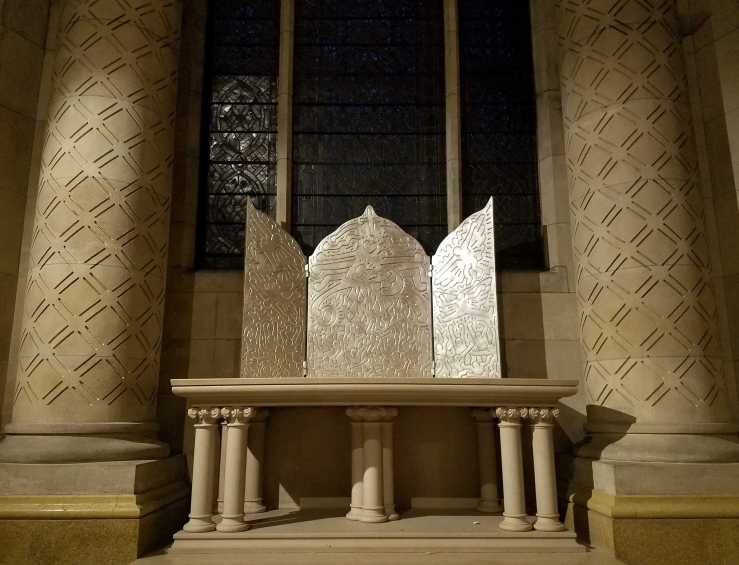
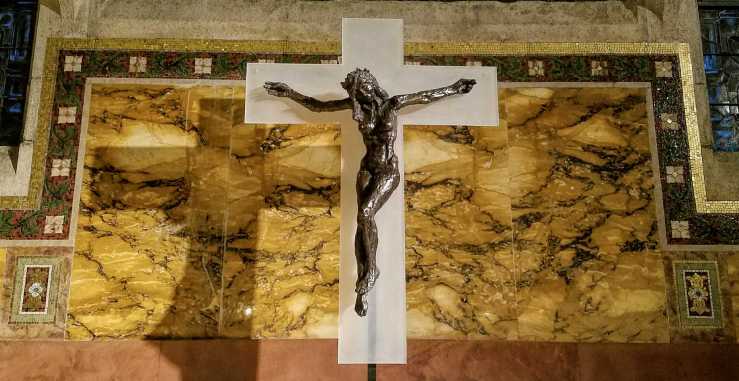
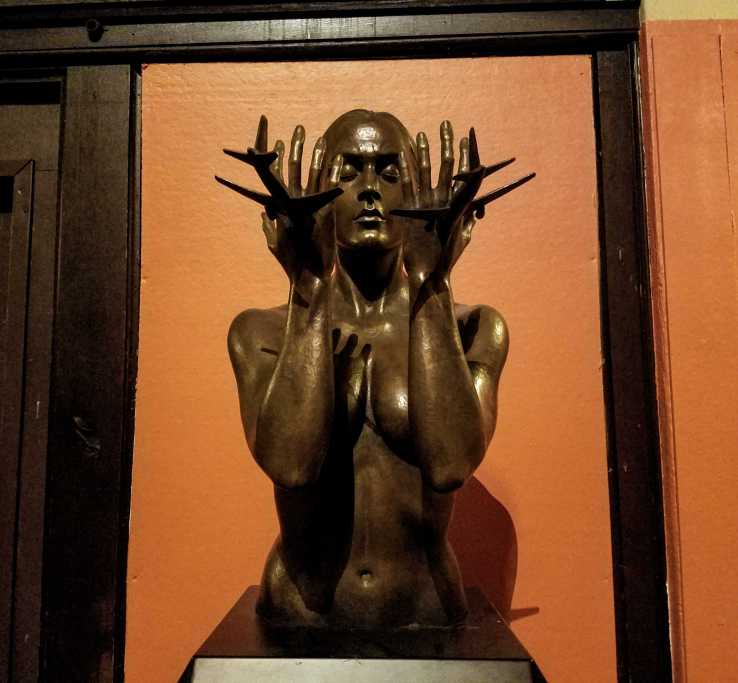
On the day we visited, it was hosting ”The Christa Project: Manifesting Divine Bodies” with works by contemporary artists ”exploring the language, symbolism, art, and ritual associated with the historic concept of the Christ image and the divine as manifested in every person—across all genders, races, ethnicities, sexual orientations, and abilities.

Edwina Sandys’ ”Christa”, the project’s centerpiece, was first displayed during the Holy Week of 1984, inevitably attracting mixed reactions: positive in general, there were also those who condemned it as a ‘blasphemy” for changing the symbol of Christ and ”sexualizing” it (by depicting it as a female figure). It seems this time the statue was welcomed unanimously, since it remained on display for several months.

Seeing Christa displayed prominently in this glorious setting it occurred to me that, had this been in an Orthodox church – let alone a cathedral – in my home country (Greece), there would have been riots, threats of excommunication – the full stereotypical drama!

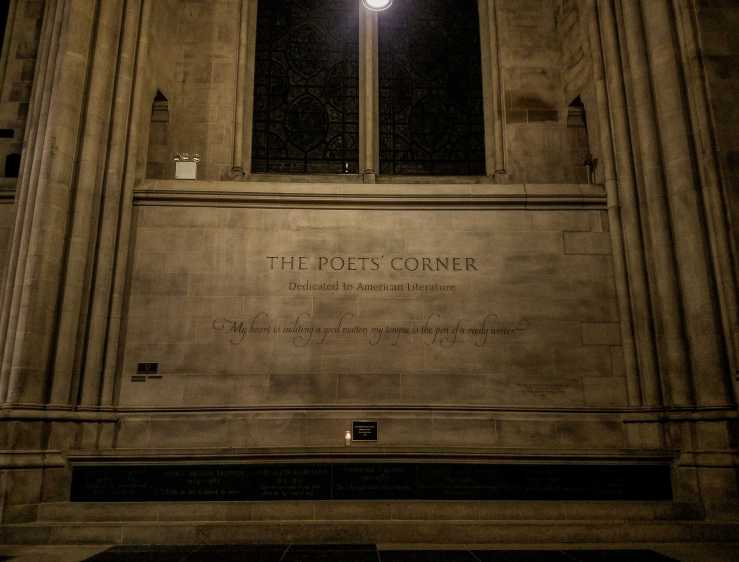
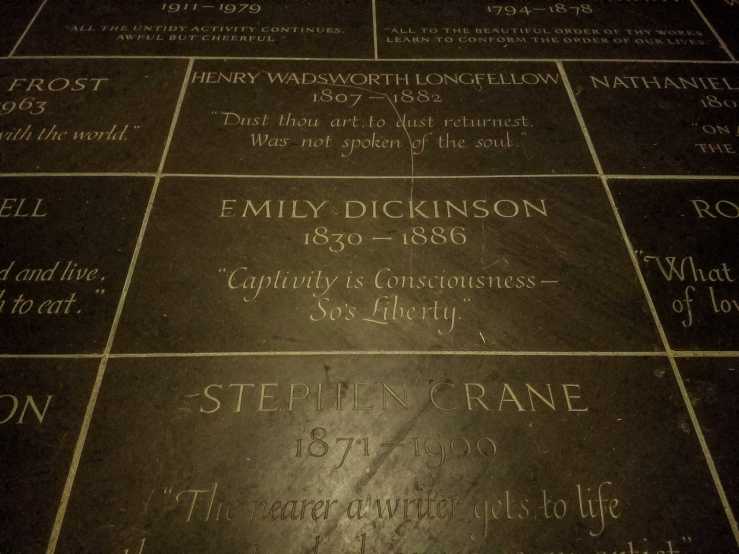
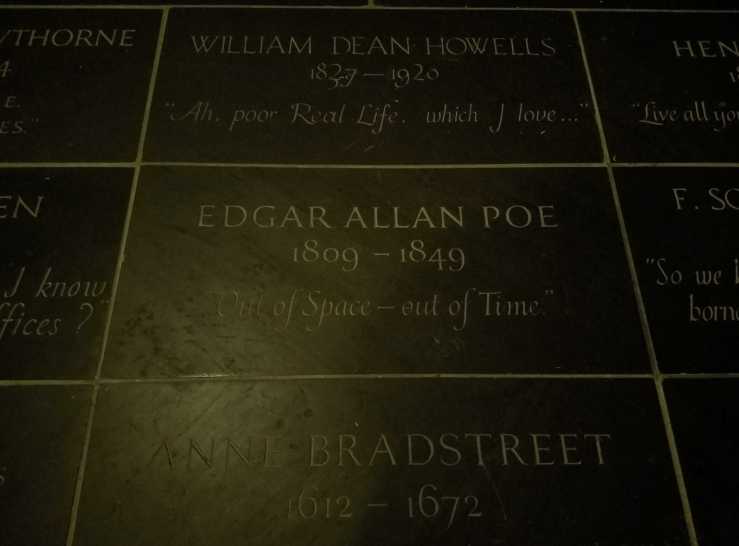
The Poets’ Corner was created in 1984 in honour of American writers and literature. Located in the cathedral’s Arts Bay, it is modeled after a similar alcove for writers at Westminster Abbey in London.

Cathedral of St. John the Divine
1047 Amsterdam Avenue, 112th Street

January 21st, 2017


The French touch

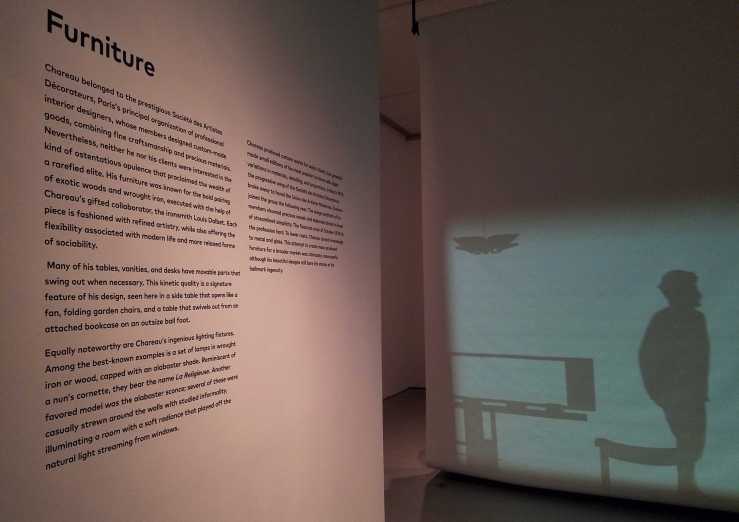
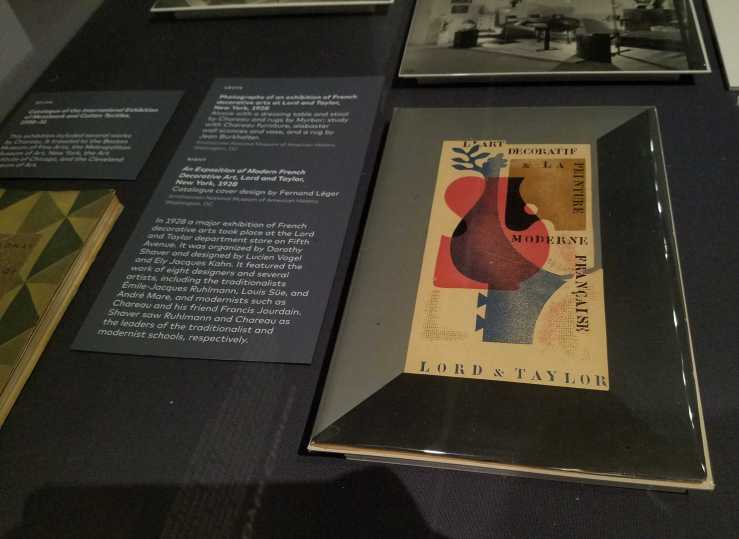
Recently, the Jewish Museum presented the first U.S. exhibition on the work of French designer and architect Pierre Chareau (1883–1950). On show were mainly furniture and lighting fixtures, as well as designs for Maison de Verre, the glass house completed in Paris in 1932, in collaboration with Dutch architect Bernard Bijvoet (1889-1979) and craftsman metalworker Louis Dalbet.

Chareau’s designs were complemented by pieces from his personal art collection, since both he and his wife Dollie were active collectors.

But I only had eyes for these sleek, stylish pieces of furniture and fixtures created in the 1920s, yet so modern they could have come right out of a Manhattan penthouse overlooking Central Park.
Take your pick:

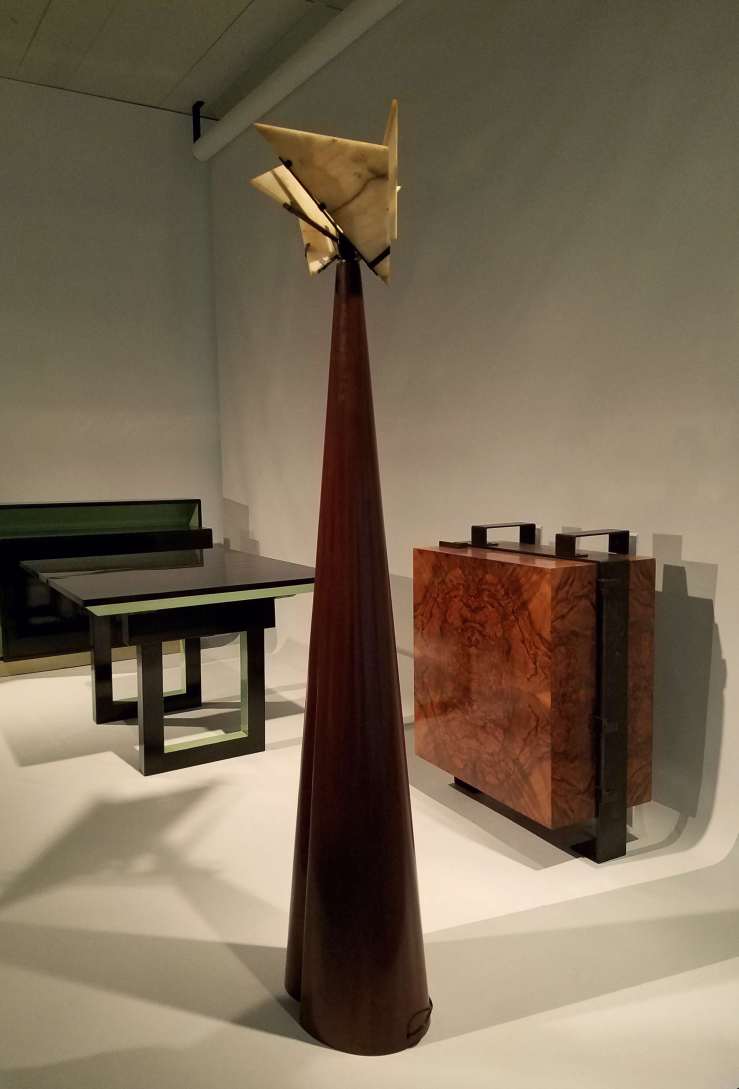
La Religieuse (the nun) floor lamp, ca. 1923. Mahogany and alabaster with metalwork by Louis Dalbet.
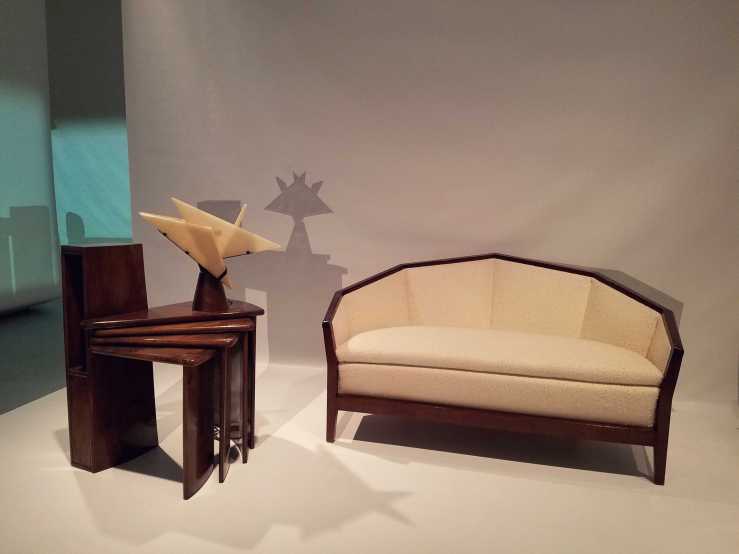
Sofa, 1923. Rosewood with fabric upholstery.
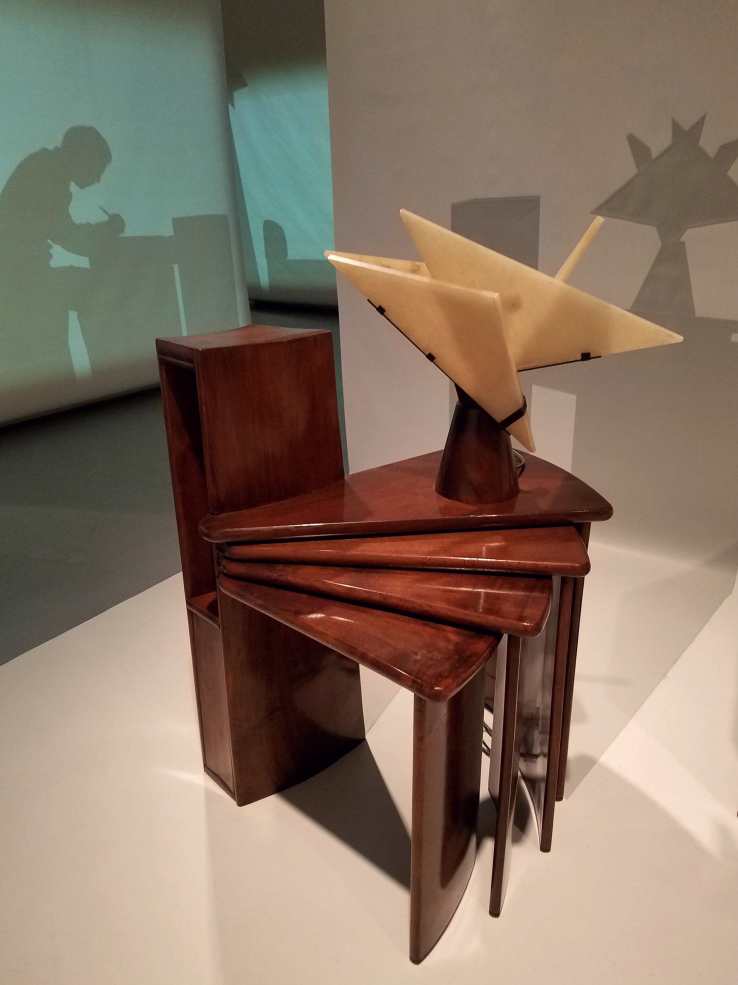
Telephone table, ca. 1924. Walnut and patinated iron. La Petite Religieuse (the little nun), table lamp ca. 1924. Walnut, alabaster and patinated iron, metalwork by Louis Dalbet.
La Religieuse (the nun) floor lamp, ca. 1923. Mahogany and alabaster with metalwork by Louis Dalbet.
Coat and hat rack designed for La Maison de Verre ca. 1931. – Metalwork by Louis Dalbet. Stool, ca. 1923. Mahogany and mahogany-veneered wood. – Bookcase with swivelling table, ca. 1930. Walnut and black patinated iron. – Ceiling lamp, ca. 1923. Patinated brass and alabaster.
From ”The grand salon de la Maison de Verre”. Corbeille (basket) sofa, 1923. Wood and velours, with tapestry upholstery by Jean Lurçat. – Telephone fan table, ca. 1924. Wood. – High backed chauffeuse (fireside armchair), ca. 1925.

Pierre Chareau: Modern Architecture and Design exhibition ran between November 2016 – March 2017. You can read and browse through more photos on The Jewish Museum website.

January 8th, 2017