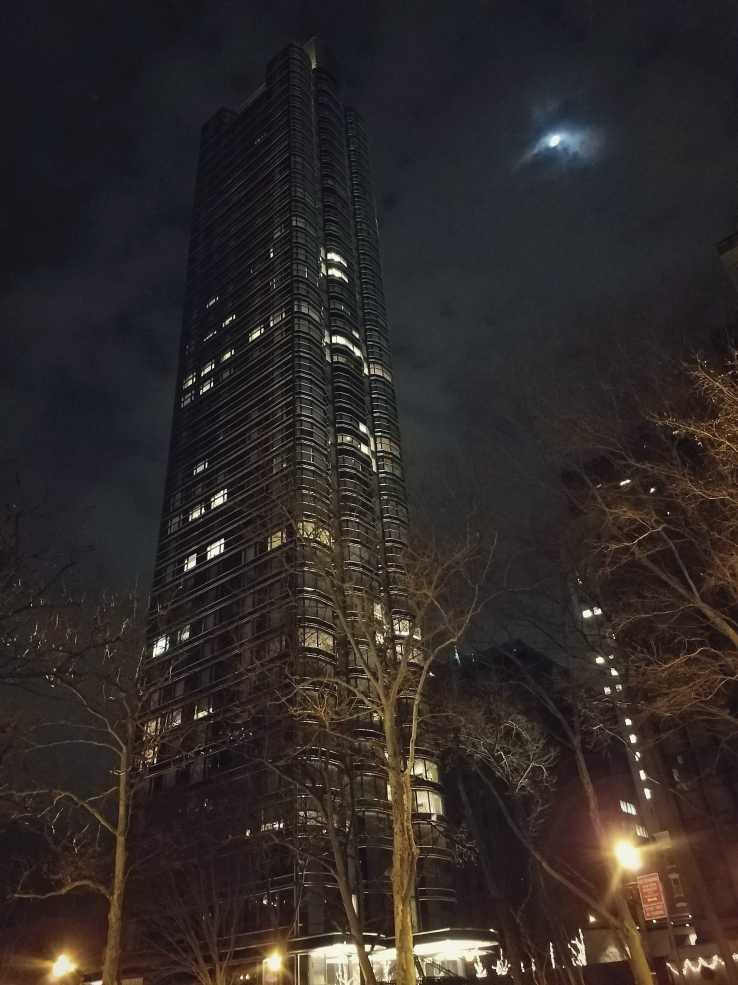
An elegant addition to the City’s skyline by Foster + Partners; an architecture and design practice responsible for a number of innovative and groundbreaking structures around the world, such as the Gherkin and the Millennium Bridge in London or the marvelous Reichstag Dome in Berlin – not to mention Spaceport America in New Mexico or the Lunar Habitation on The Moon (albeit in a 3D printed version only; for now)!
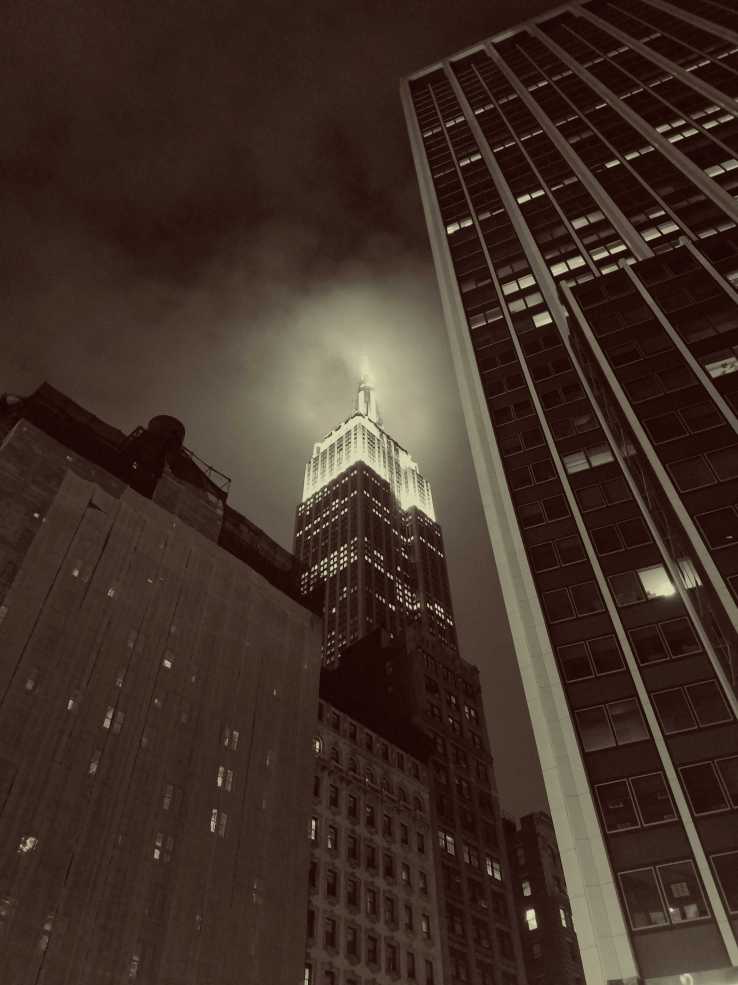
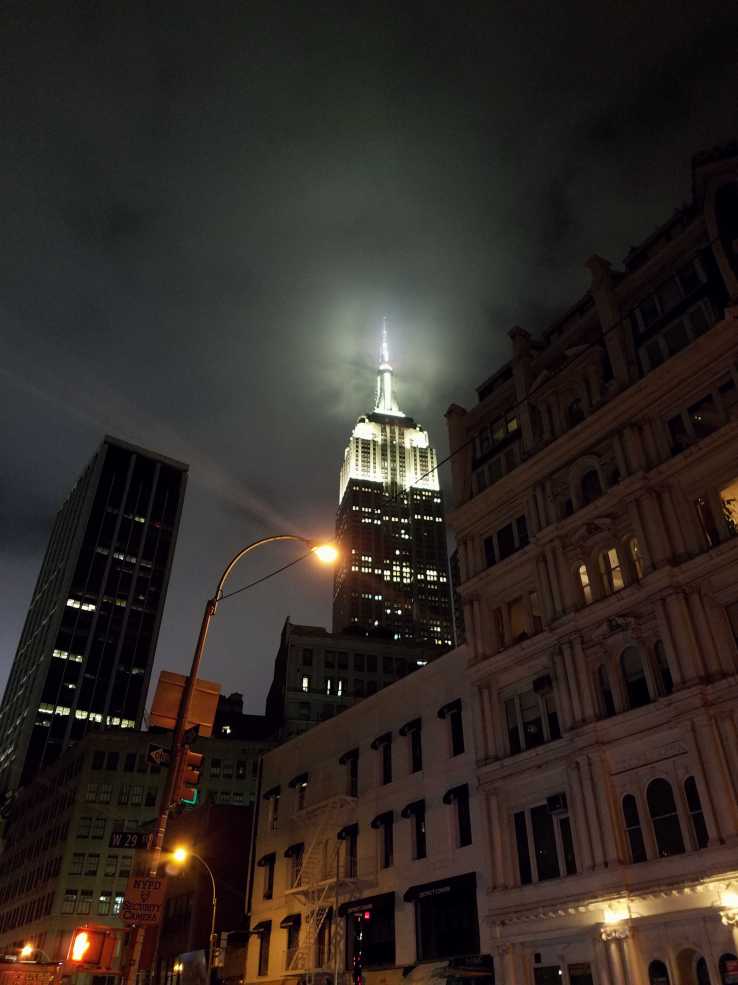
wiki: → ”On Saturday, July 28, 1945, William Franklin Smith, Jr., was piloting a B-25 Mitchell bomber on a routine personnel transport mission from Bedford Army Air Field to Newark Airport. Smith asked for clearance to land, but was advised of zero visibility. Proceeding anyway, he became disoriented by the fog, and started turning right instead of left after passing the Chrysler Building.
At 9:40 a.m., the aircraft crashed into the north side of the Empire State Building, between the 78th and 80th floors, carving an 18-by-20-foot (5.5 m × 6.1 m) hole in the building where the offices of the National Catholic Welfare Council were located. One engine shot through the South side opposite the impact and flew as far as the next block, dropping 900 feet (270 m) and landing on the roof of a nearby building and starting a fire that destroyed a penthouse art studio. The other engine and part of the landing gear plummeted down an elevator shaft. The resulting fire was extinguished in 40 minutes. It is still the only fire at such a height to be brought under control.
Fourteen people were killed: Smith, the two others aboard the bomber (Staff Sergeant Christopher Domitrovich and Albert Perna, a Navy aviation machinist’s friend hitching a ride), and eleven others in the building. Smith was not found until two days later, when search crews discovered that his body had gone through an elevator shaft and fallen to the bottom. Elevator operator Betty Lou Oliver was injured. Rescuers decided to transport her on an elevator that they did not know had weakened cables. The cables snapped and the elevator fell 75 stories, ending up in the basements. Oliver managed to survive the fall and rescuers later found her amongst the rubble. It still stands as the Guinness World Record for the longest survived elevator fall.”
I came upon this story only recently – incredible, don’t you think?
wiki: ”the building’s Art Deco spire was designed to be a mooring mast and depot for dirigibles. An elevator between the 86th and 102nd floors would carry passengers after they checked in on the 86th floor. The idea proved impractical and dangerous, due to the powerful updrafts caused by the building itself, as well as the lack of mooring lines tying the other end of the craft to the ground.”
Absolutely true and downright crazy, something right out of Les Cités obscures by François Schuiten. Imagine for a moment living in a universe where, instead of the subway, dirigibles were a regular means of public transport; and, instead of holes in the ground, masts of skyscrapers played the role of mooring stations 100 floors above ground. Going to work with the head in the clouds – how much more fun that would be!
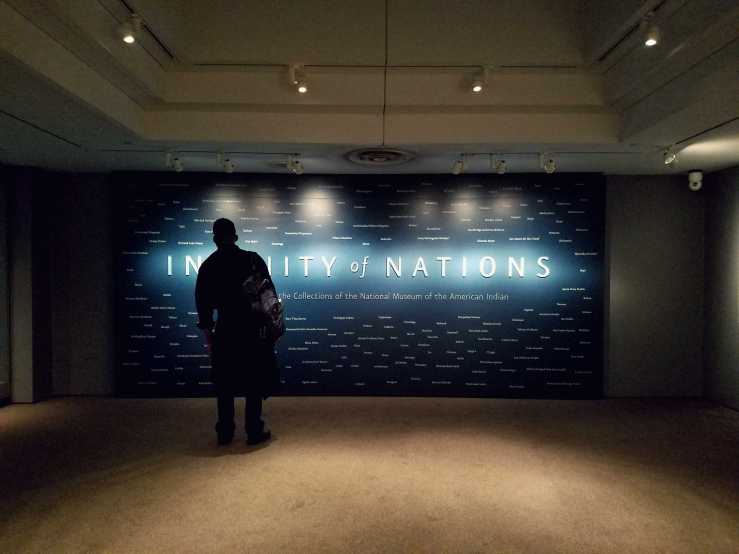
Going back to the roots and learning a bit more about Native Americans; peoples, traditions and art that were thriving here before America’s discovery by the Old World.
A sad necessity perhaps but such dedicated museums are the most effective means in rendering these cultures and their history more widely accessible to visitors.
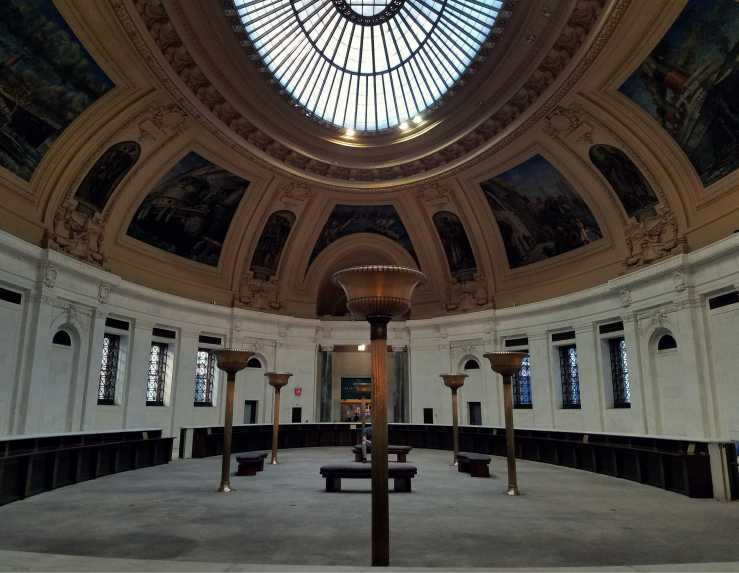
In New York, the museum is housed in the Alexander Hamilton U.S. Custom House, one of the most splendid Beaux Arts buildings in the City with a magnificent rotunda dome.
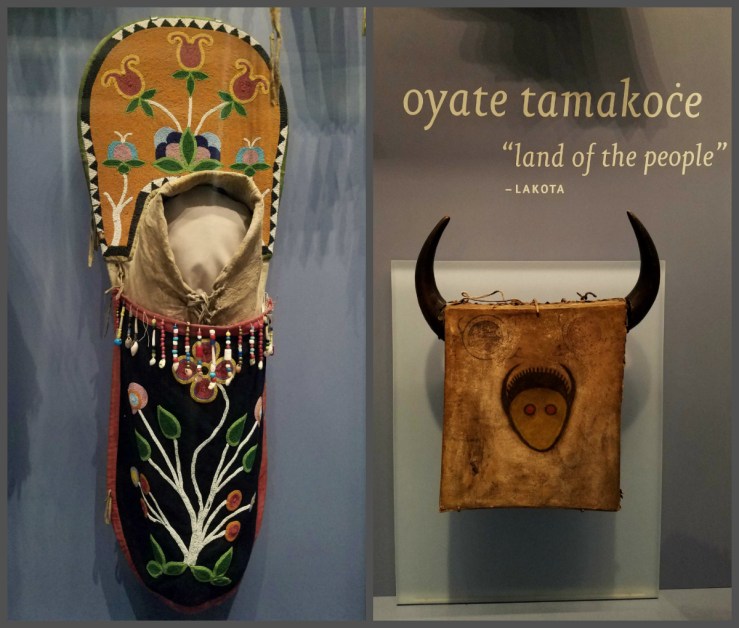
The rotunda skylightInuit Woman’s Inner Parka (amauti) also known as a tuilli. It was made from caribu skin for a mother to carry her infant. It incorporates almost 140.000 beads. It was made between 1890 and 1925 when whaling flourished on the west coast of Hudson Bay and the Inuit obtained glass beads from whalers through trade.
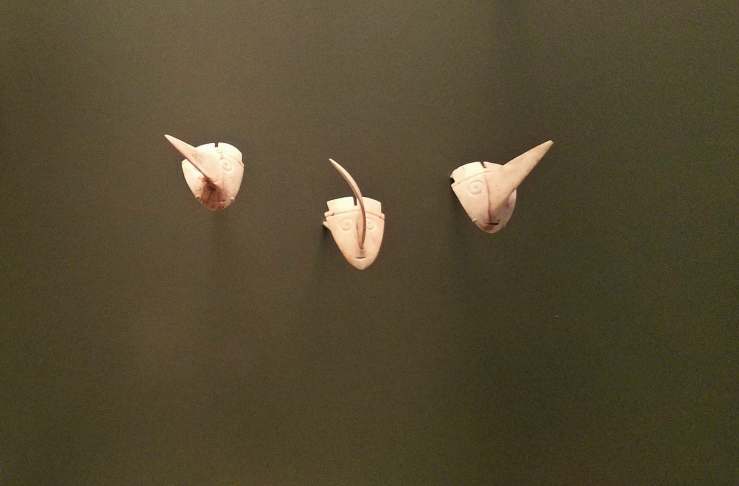
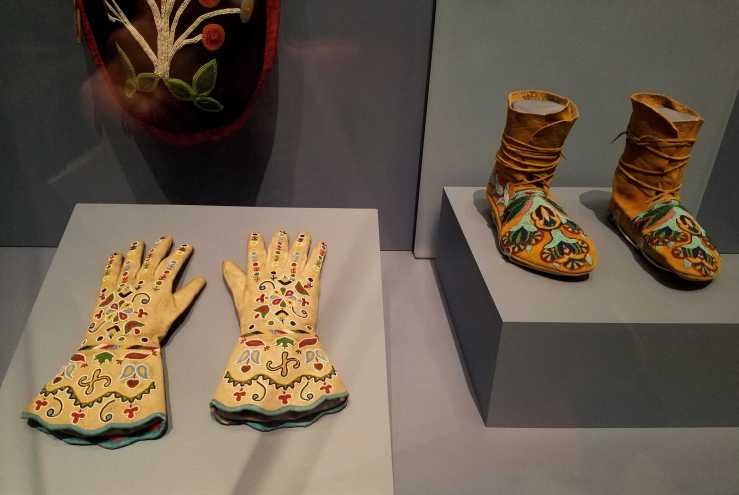
Mississippian effigy jar. 1350-1550 AD, ClayMississippian long-nosed god maskettes. 1100-1500 AD, marine shellSisitonwan Dakota (Sisseton Sioux) gauntlet gloves. South Dakota, ca. 1880. Deer hide, cotton cloth, glass beads, ribbon. Moccasins associated with Peo Peo T’olikt (Bird Alighting, Nimi’ipuu, 1857-1935). Idaho, ca. 1880. Deer hide, glass beads, cotton thread.
”Shortly after the outbreak of the 1877 war with the United States, Chief Looking Glass declared that he wanted peace and moved his camp to Clear Creek on the 1863 reservation. Peo Peo T’olikt, who was in his twenties, was instructed by the chief to parley with militiamen and soldiers who came to the camp on July 1. The Indian camp raised a white flag, but was attacked and destroyed.
Peo Peo T’olikt was wounded in the leg, but escaped and was involved in all the subsequent battles of 1877. He lost a wife and young son in the war, but his exploits were many. Capturing the cannon at Big Hole, stealing General Howard’s mules and horses at Camas Meadows, and protecting the camp at Bear Paw are just a few.”
Allen Pinkham, Sr. (Ni Mii Puu)
Tribal historian and former National Museum of the American Indian trustee
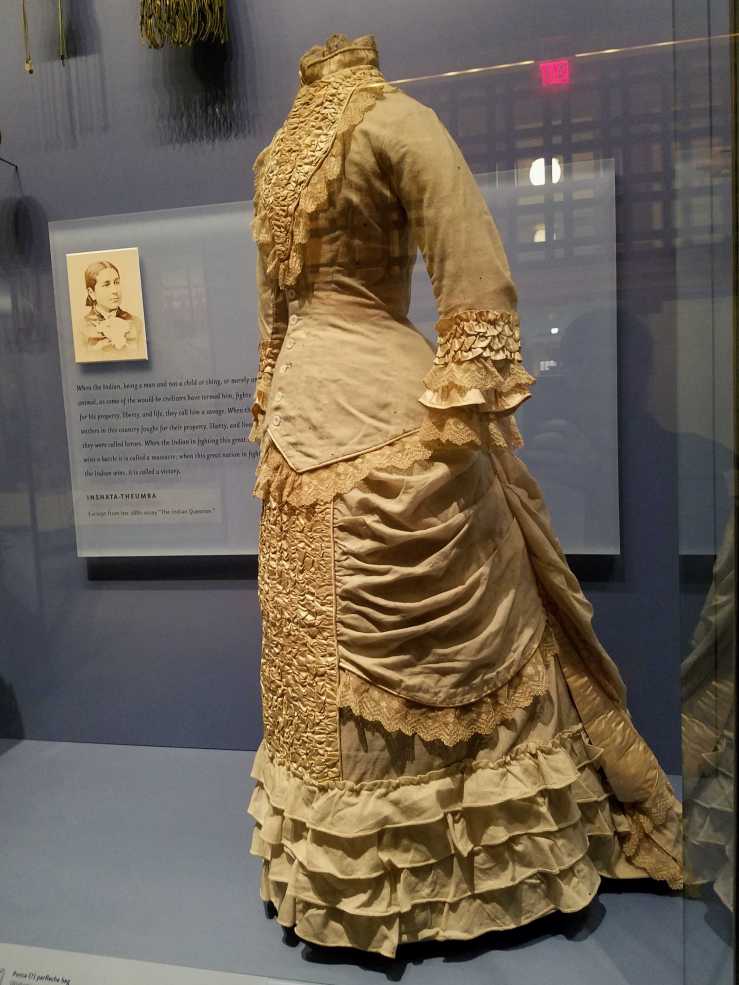
Chilkat Tlingit canoe prow effigy, Alaska ca. 1825-1875. Cedar wood, human hair, paint, abalone shell, opercula. The Haida decorated their boats with clan designs and insignia. A Tlingit might add a canoe prow figure carved in the form of a shaman who would guide the way and warn of the approach of enemies.Wedding dress worn by Inshata-Theumba (Susette La Flesche or Bright Eyes, Omaha, 1854-1903). Nebraska, ca. 1881. Wool
”Susette La Flesche descended from Omaha tribal leaders on both sides of her family. As a child she lived in an earth lodge, though she also attended a mission school. La Flesche witnessed the expulsion of the Ponca tribe from their homeland to Indian Territory in 1877, and the subsequent imprisonment of Standing Bear and other Poncas who had attempted to return to Nebraska. These events launched La Flesche’s career as a nationally known activist who argued against the involuntary removal of indigenous people from their homelands and for Indian citizenship rights.
La Flesche found a soulmate in Thomas Tibbles, a newspaper reporter for the Omaha Herald who followed the Ponca case. Schooled in Western and Omaha culture and bilingual, La Flesche chose an elegant cream-colored wool skirt and jacket when she married Tibbles in 1881.”
Brenda J. Child (Red Lake Ojibwe)
Historian, University of Minnesota
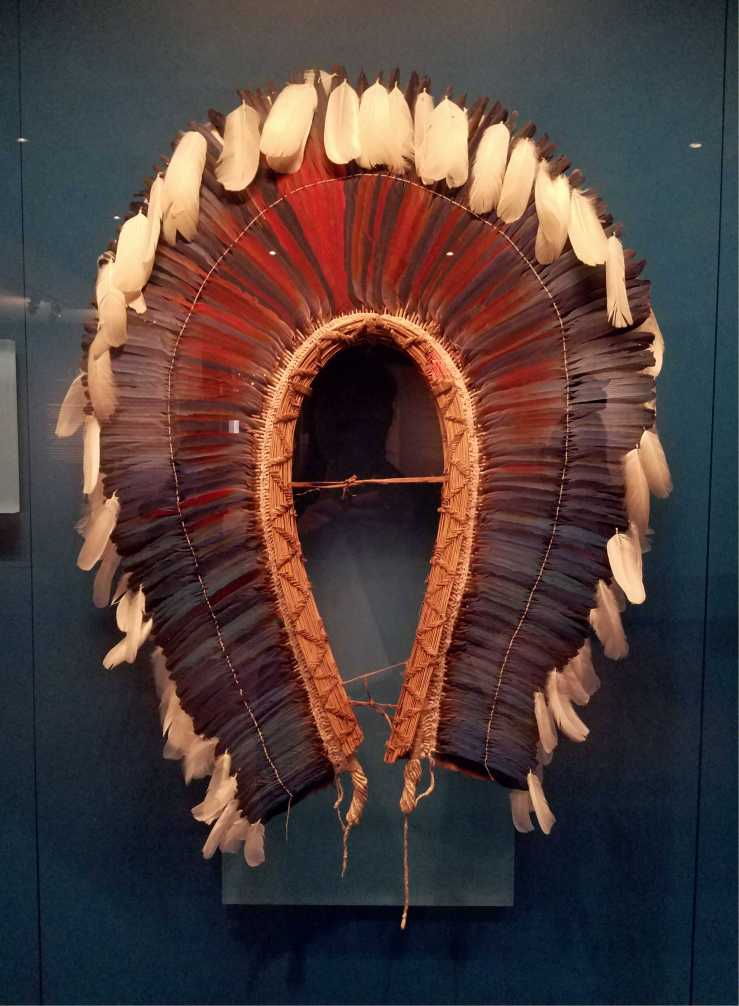
Mebêngôkre krokrokti (feather headdress or cape). Brazil, ca. 1990. Macaw feathers, heron feathers, cotton cordage.
Mebêngôkre men and women wear feather headdresses or capes during children’s naming ceremonies and boy’s initiation ceremonies.
Free listening and free download (mp3) chill and down tempo music (album compilation ep single) for free (usually name your price). Full merged styles: trip-hop electro chill-hop instrumental hip-hop ambient lo-fi boombap beatmaking turntablism indie psy dub step d'n'b reggae wave sainte-pop rock alternative cinematic organic classical world jazz soul groove funk balkan .... Discover lots of underground and emerging artists from around the world.












 The Humble Fabulist