One Church I Would Gladly Attend

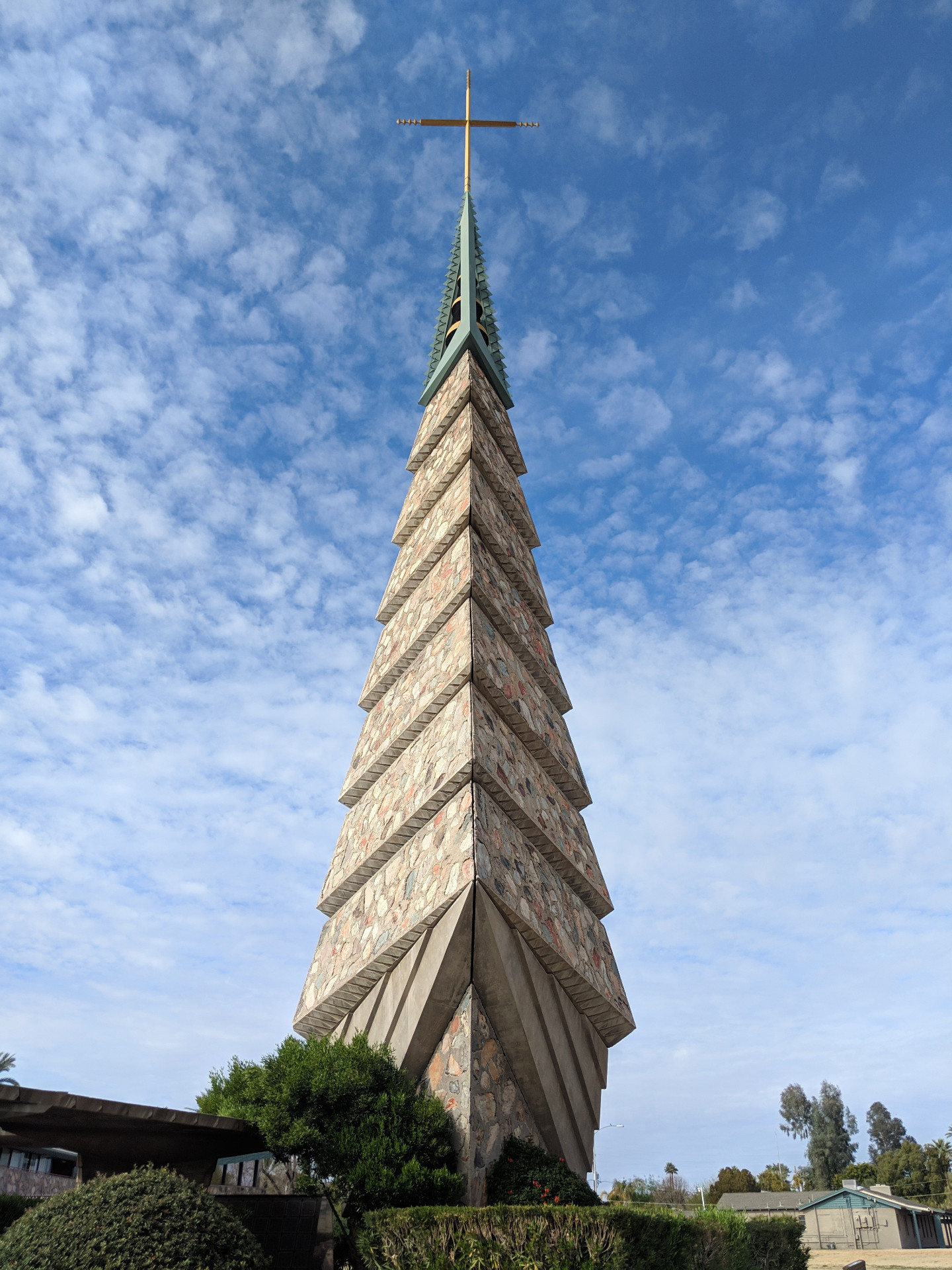
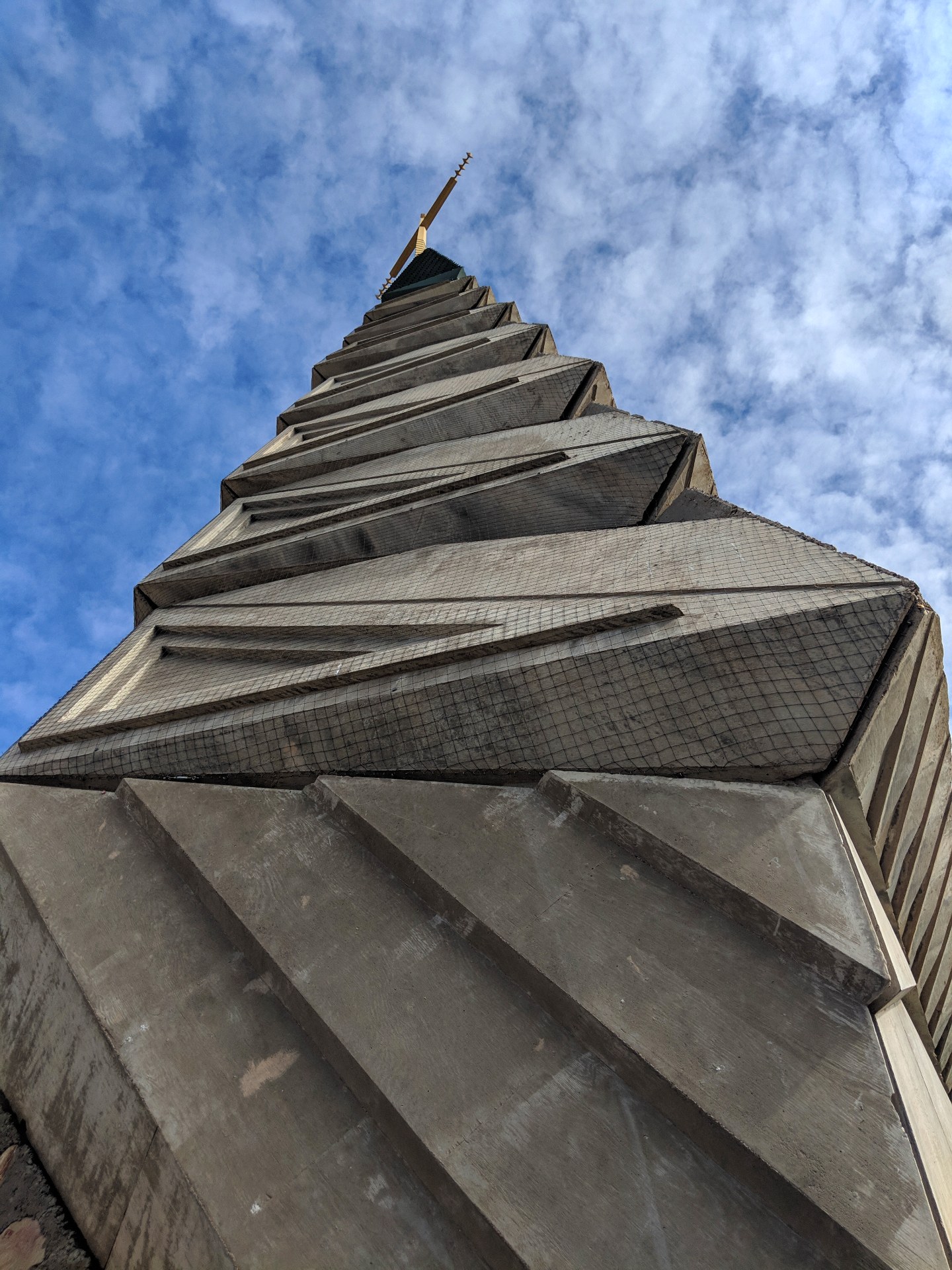
At least once, if only to see how the light filters through the spire’s stained glass onto the floor of the sanctuary.

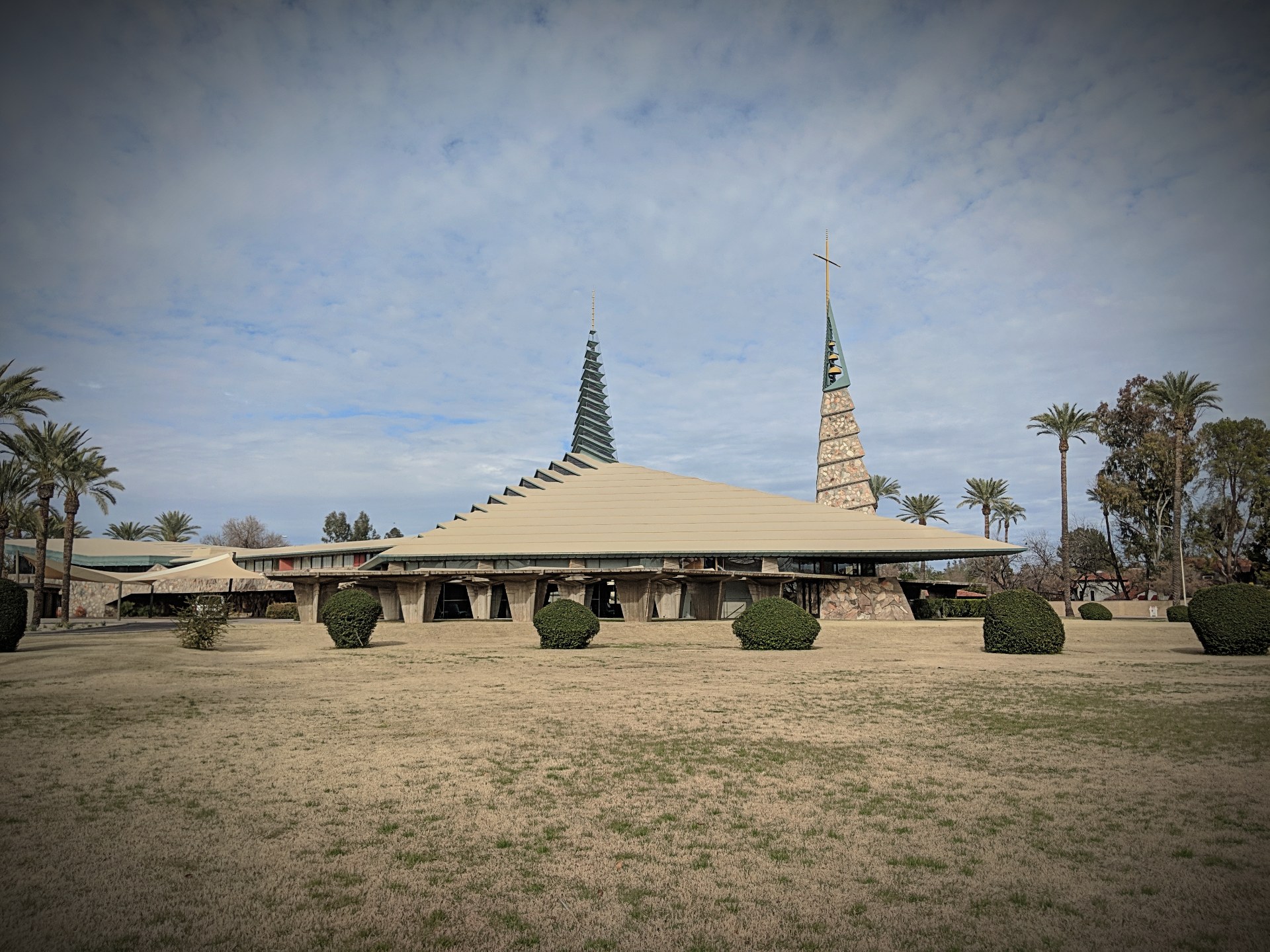
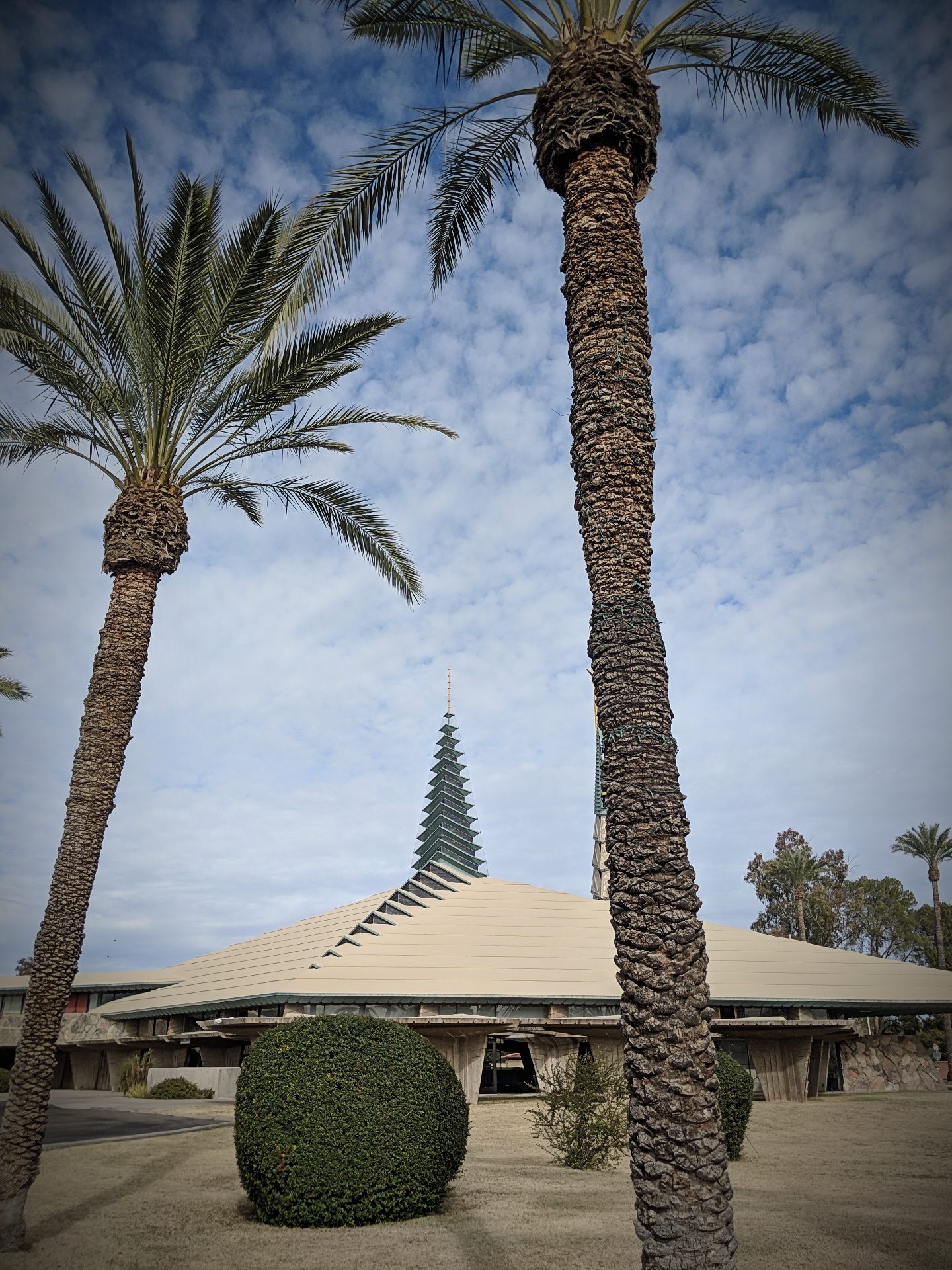
In 1949 the president of Phoenix’s Southwest Christian Seminary commissioned Frank Lloyd Wright to design a Classical University.

Wright’s drawings, completed in 1950, reveal his vision for an eighty-acre campus replete with a chapel, administrative buildings, seminar rooms, library, Greek theatre, and faculty homes. However, the seminary ceased operation before the campus could be built.

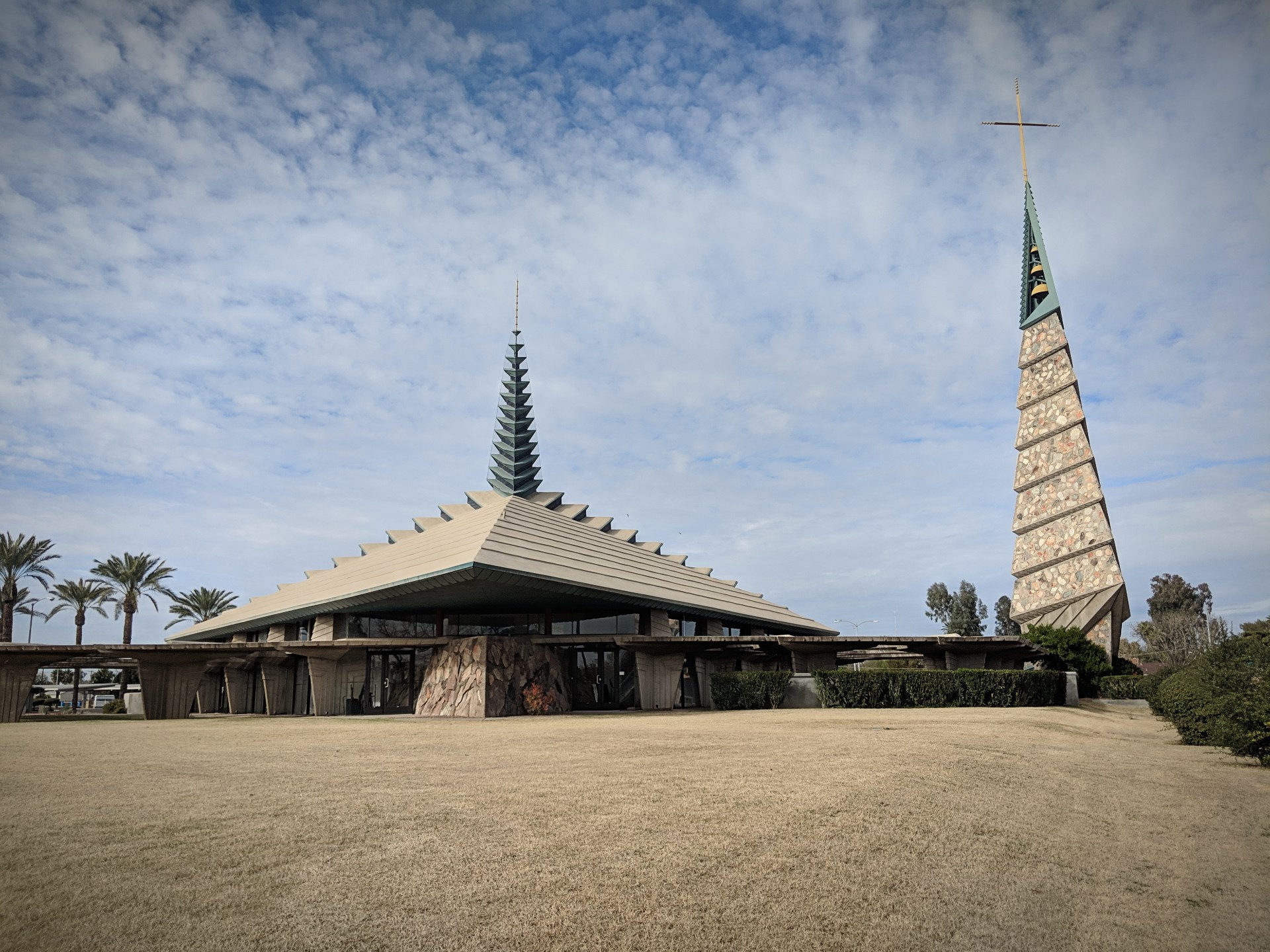
In the early 1970s, the First Christian Church approached Wright’s widow, Olgivanna, who granted them permission to use Wright’s triangular chapel design. Meant to evoke the Holy Trinity and reflect an attitude of prayer, the chapel’s roof and spire rise seventy-seven feet, supported by the 23 slender triangular pillars. Light filters through the spire’s stained glass insets onto the floor of the 1,000-seat diamond-shaped sanctuary.

The addition of the baptistery and choir loft, as well as the 1979 addition of an administrative wing, completed by Taliesin Architects, are the only modifications to the original design.
[source]

First Christian Church, Phoenix, AZ

January 30th, 2019

Concrete

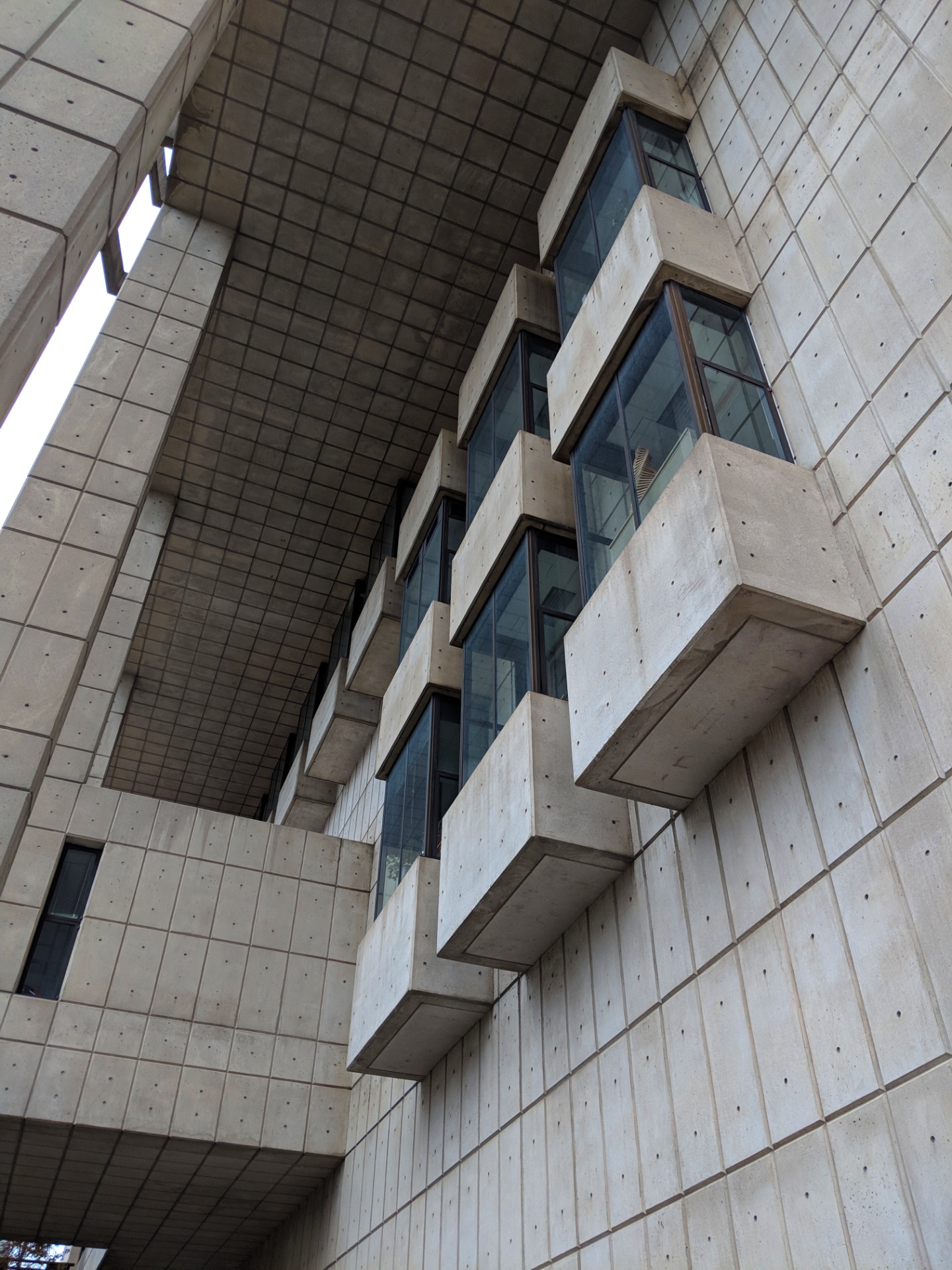
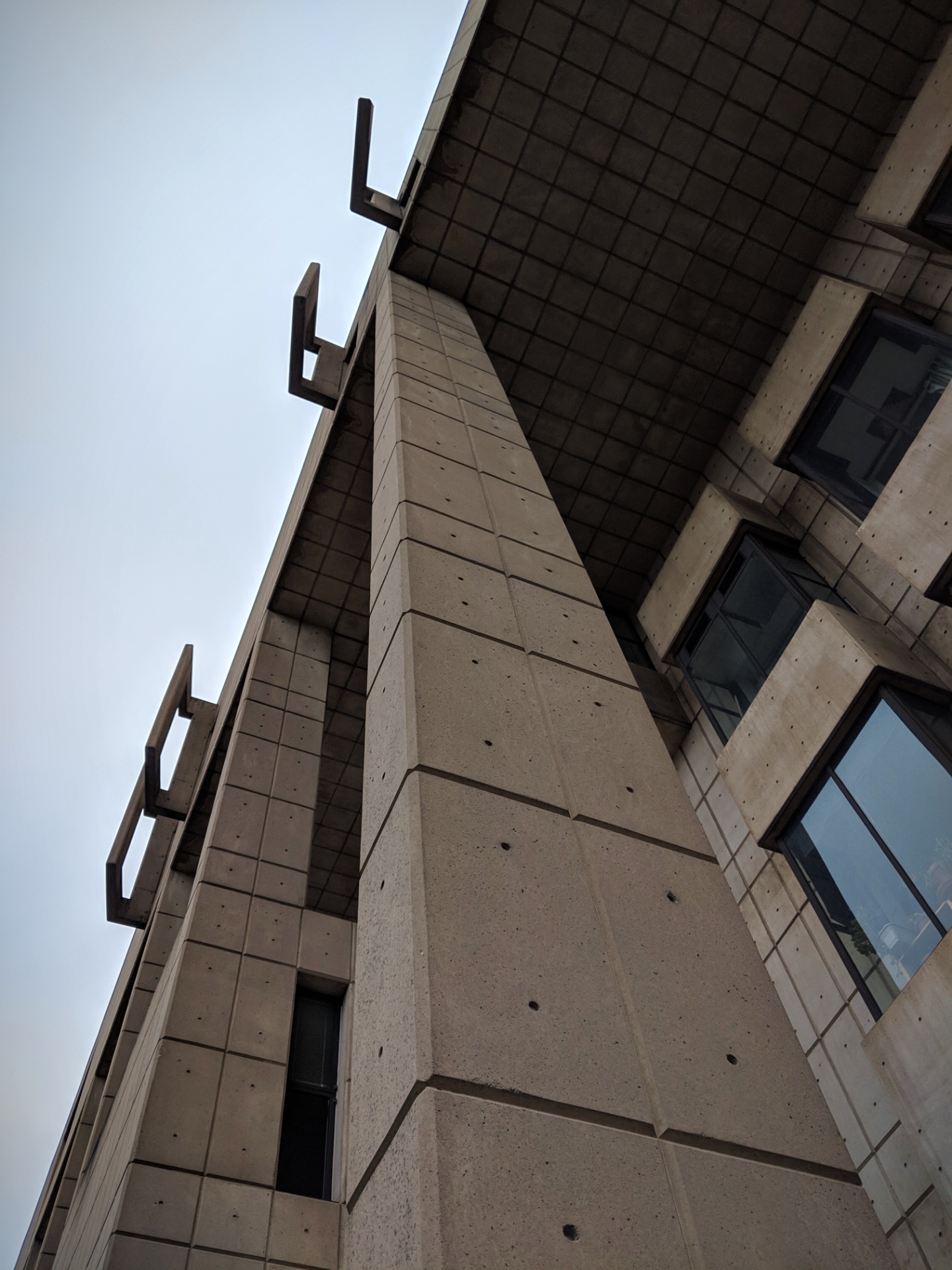
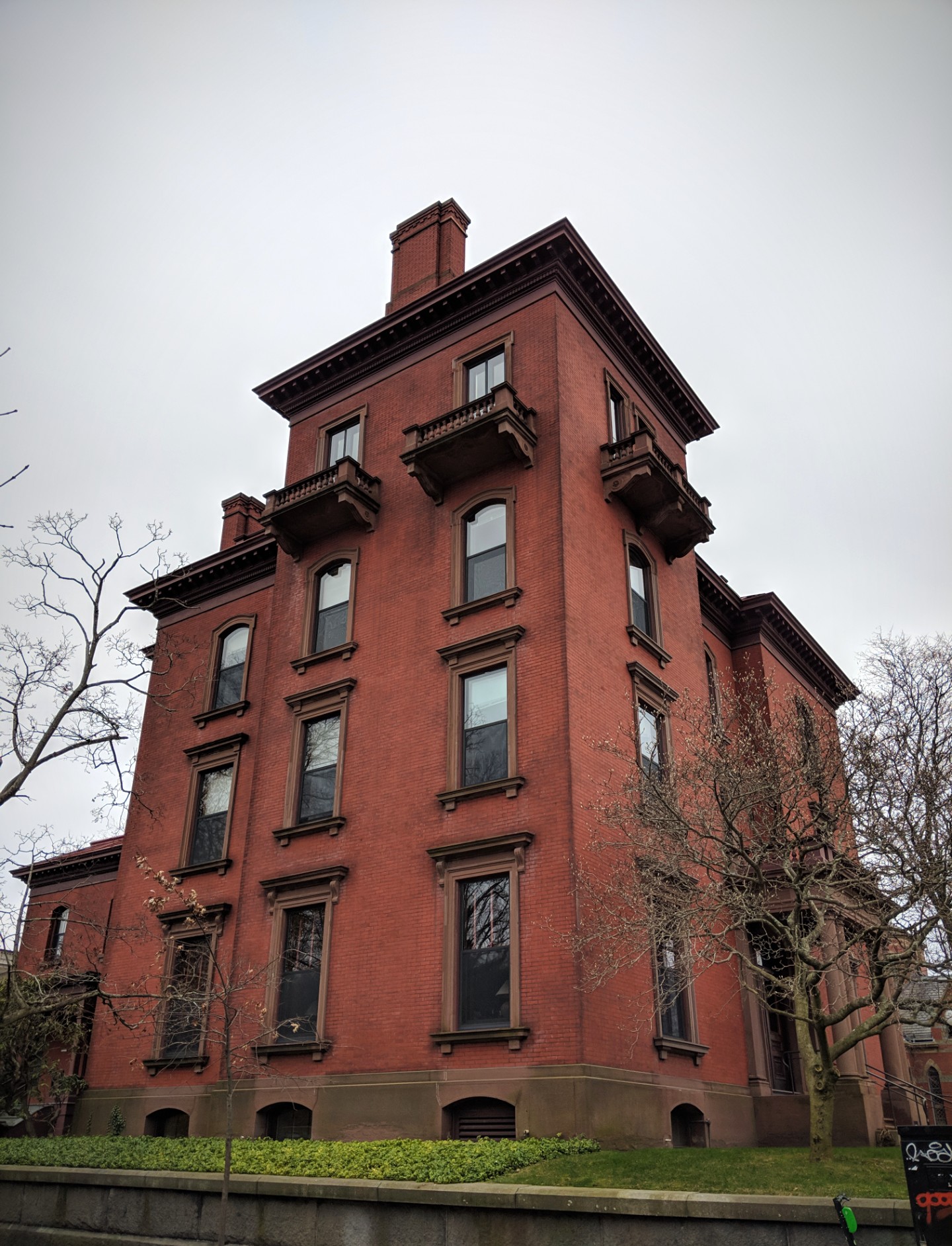
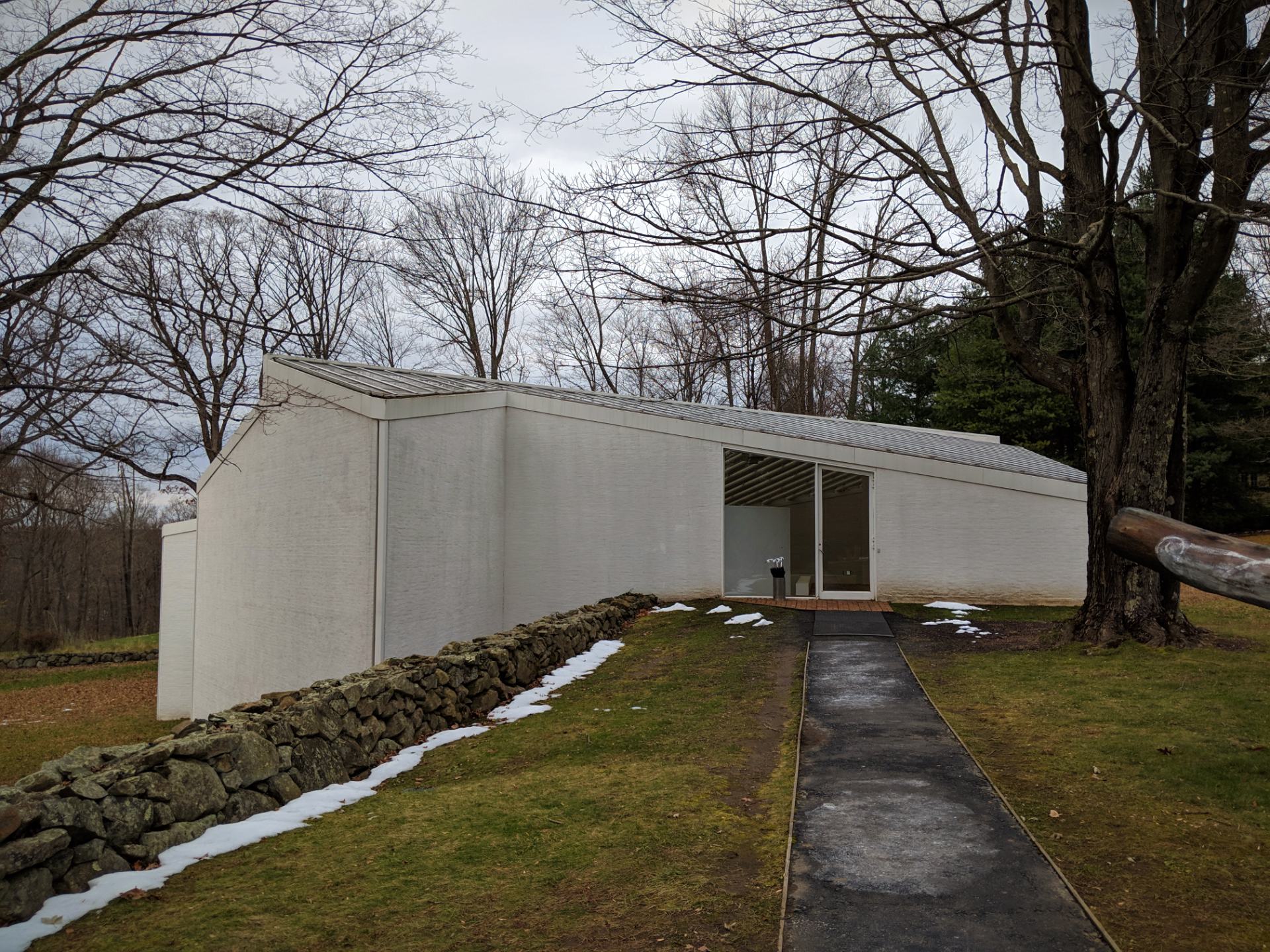
The List Art Building, home to Brown’s Visual Arts and Art History departments is a love-it-or-hate-it work of art in reinforced concrete designed by Philip Johnson, in sharp contrast to his glass structures.

Completed in 1971.

Brown University

Providence, RI

November 24th, 2018

Walking in Providence

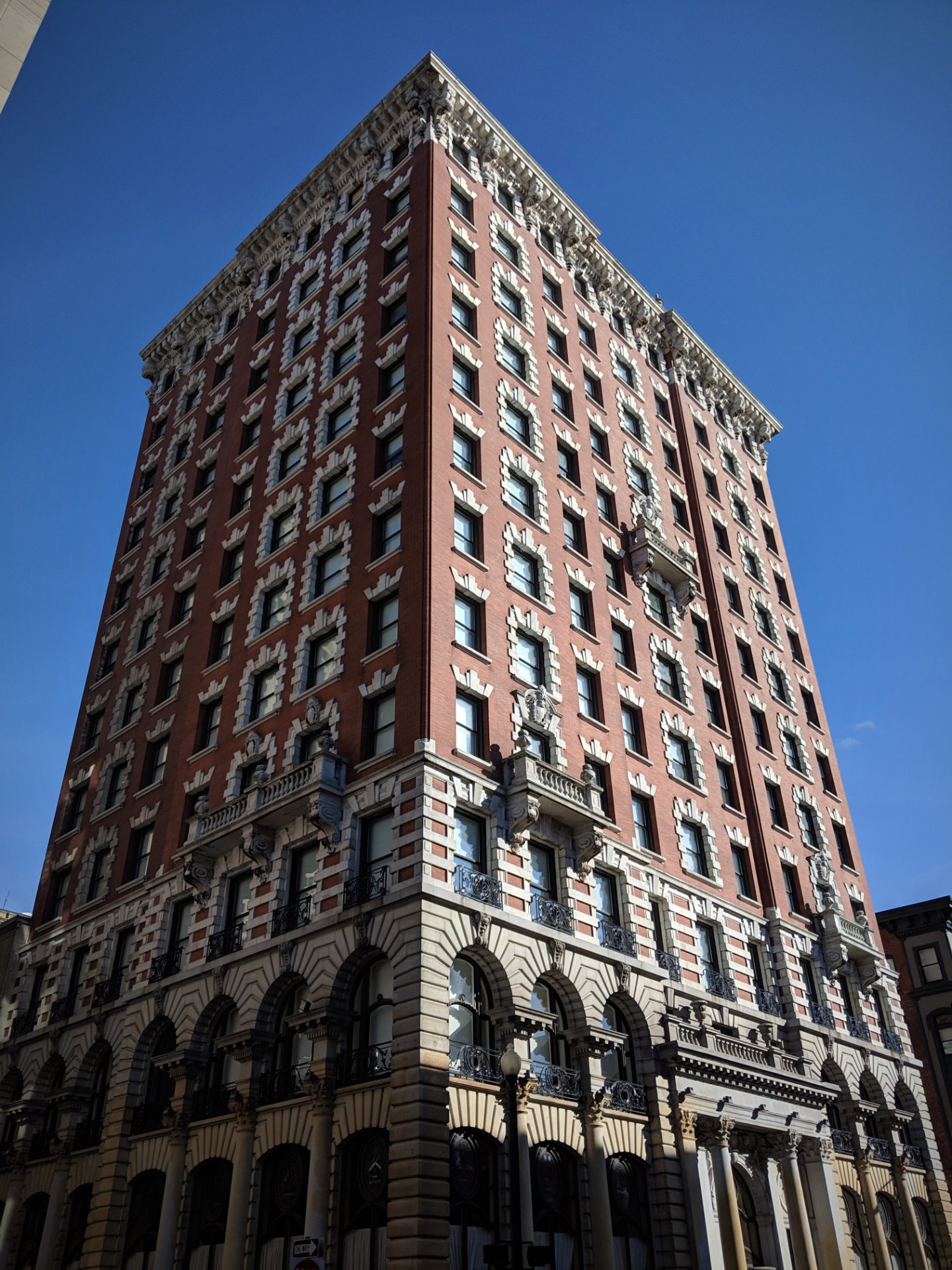
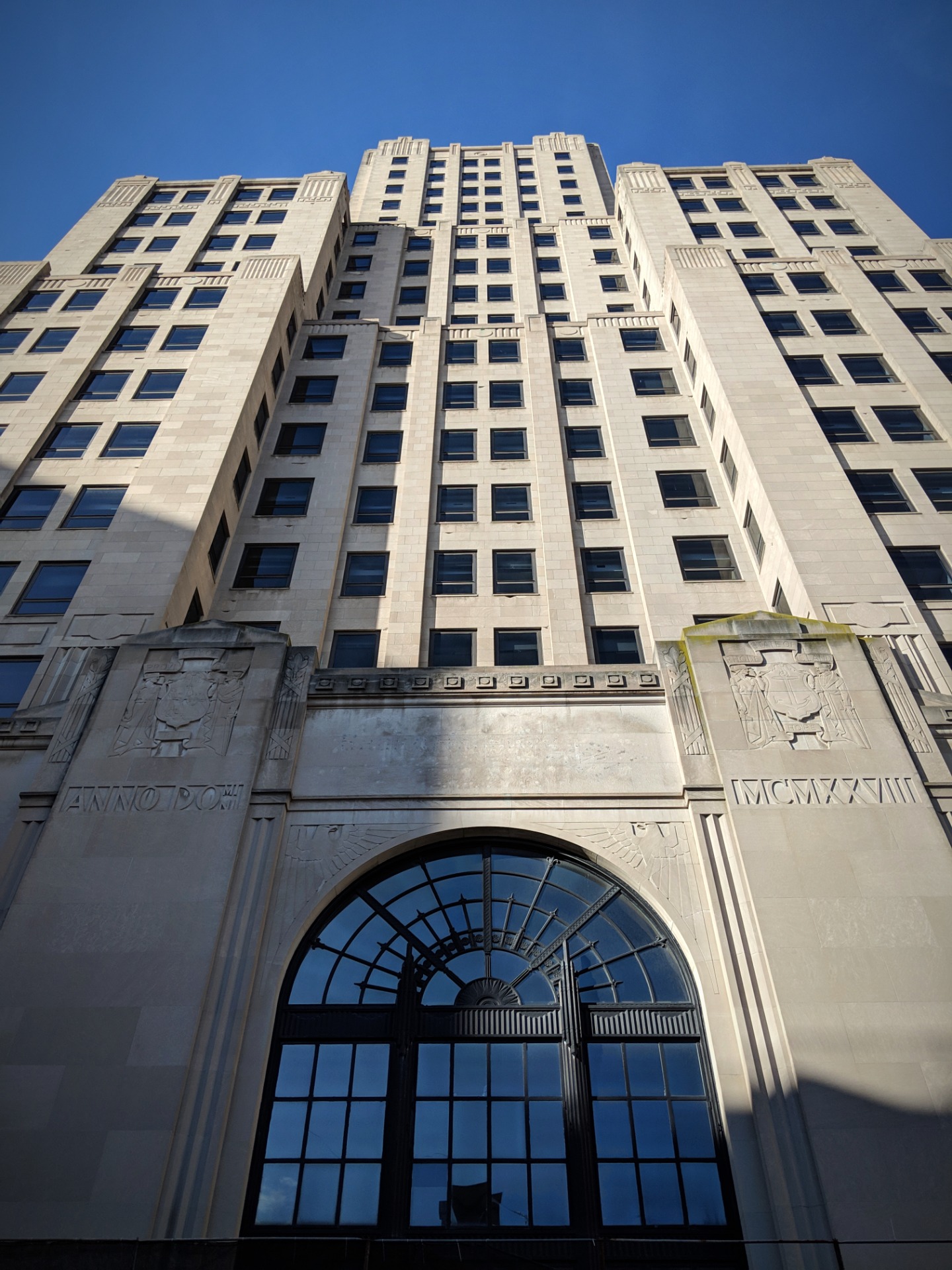
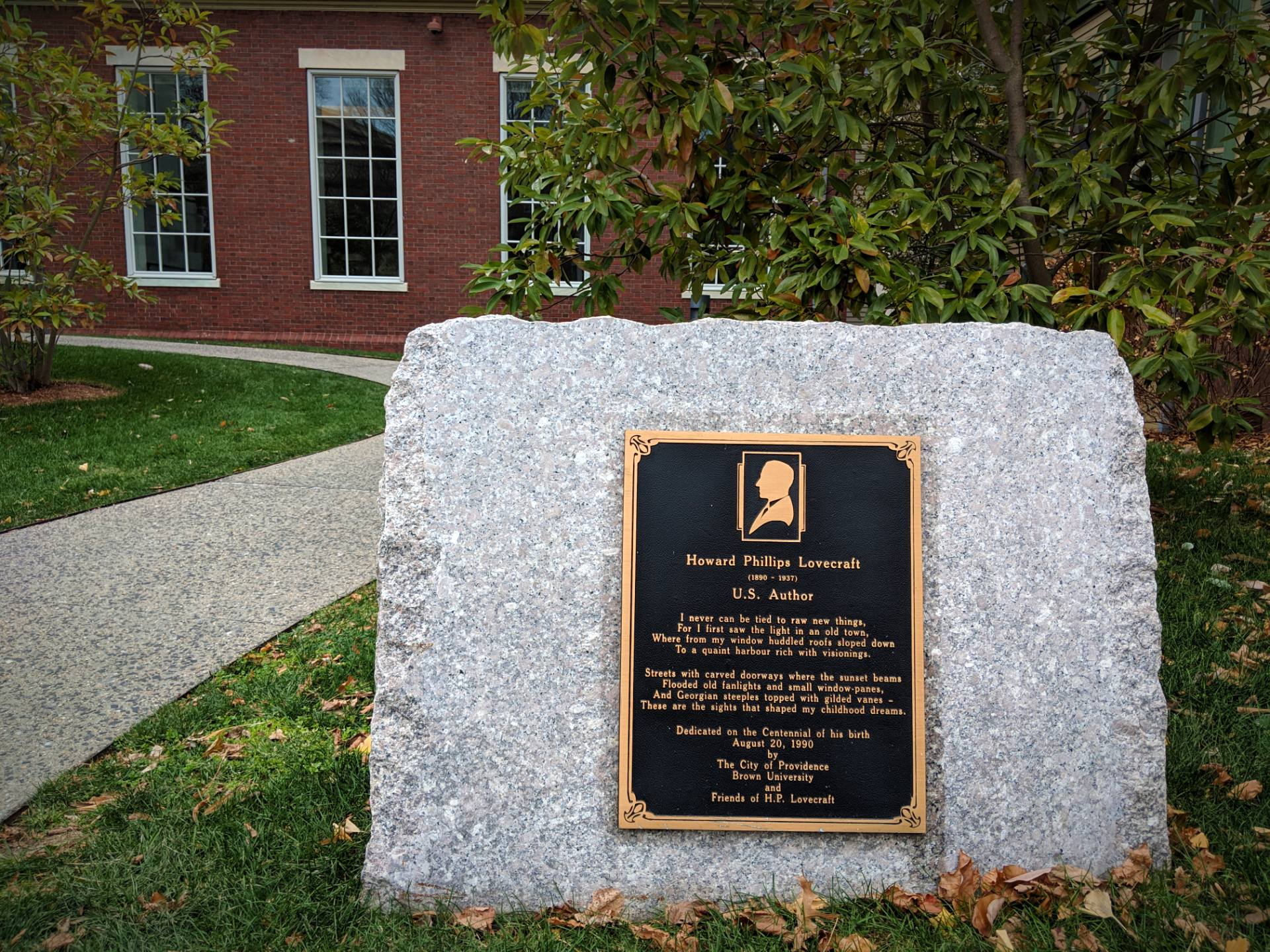
Following H.P. Lovecraft’s stepsThe majestic Union Trust Company Building, once home to the homonym Providence-based bank, now in the National Register of Historic Places, still a commercial building, but the upper floors have been converted to residences. 

The massive Art Deco ”Superman” Building, aka Industrial National Bank Building standing empty since 2013! 

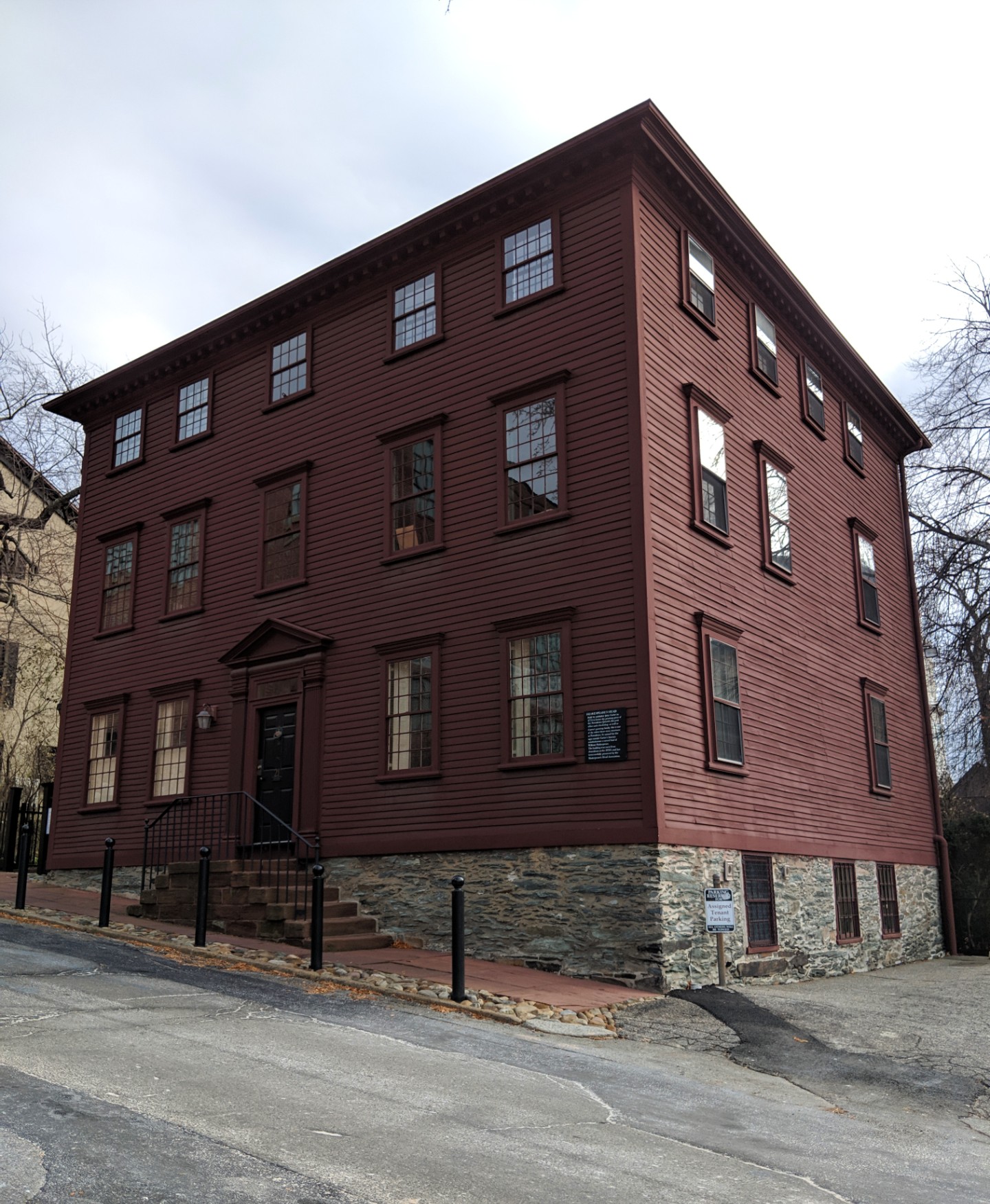
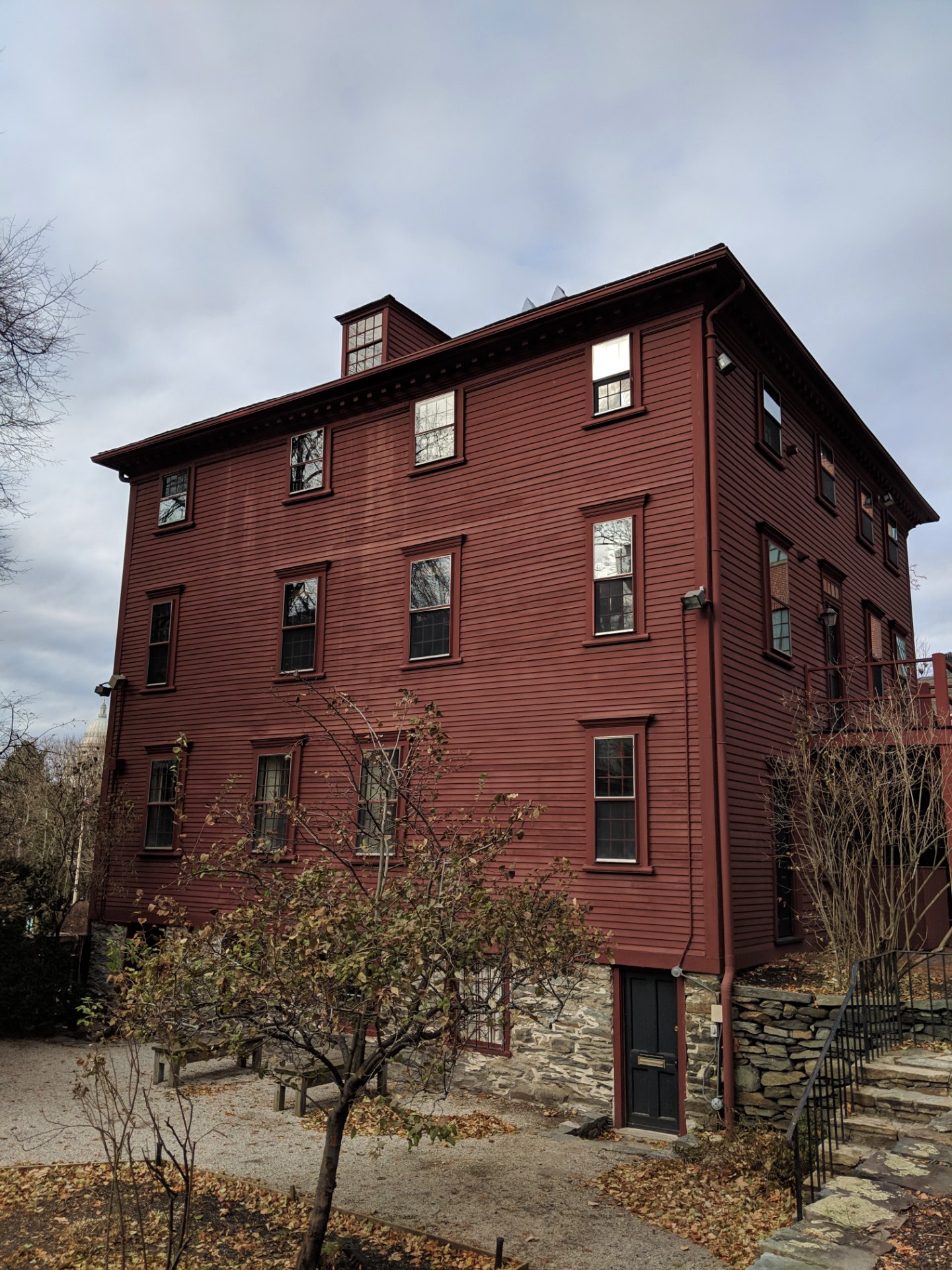
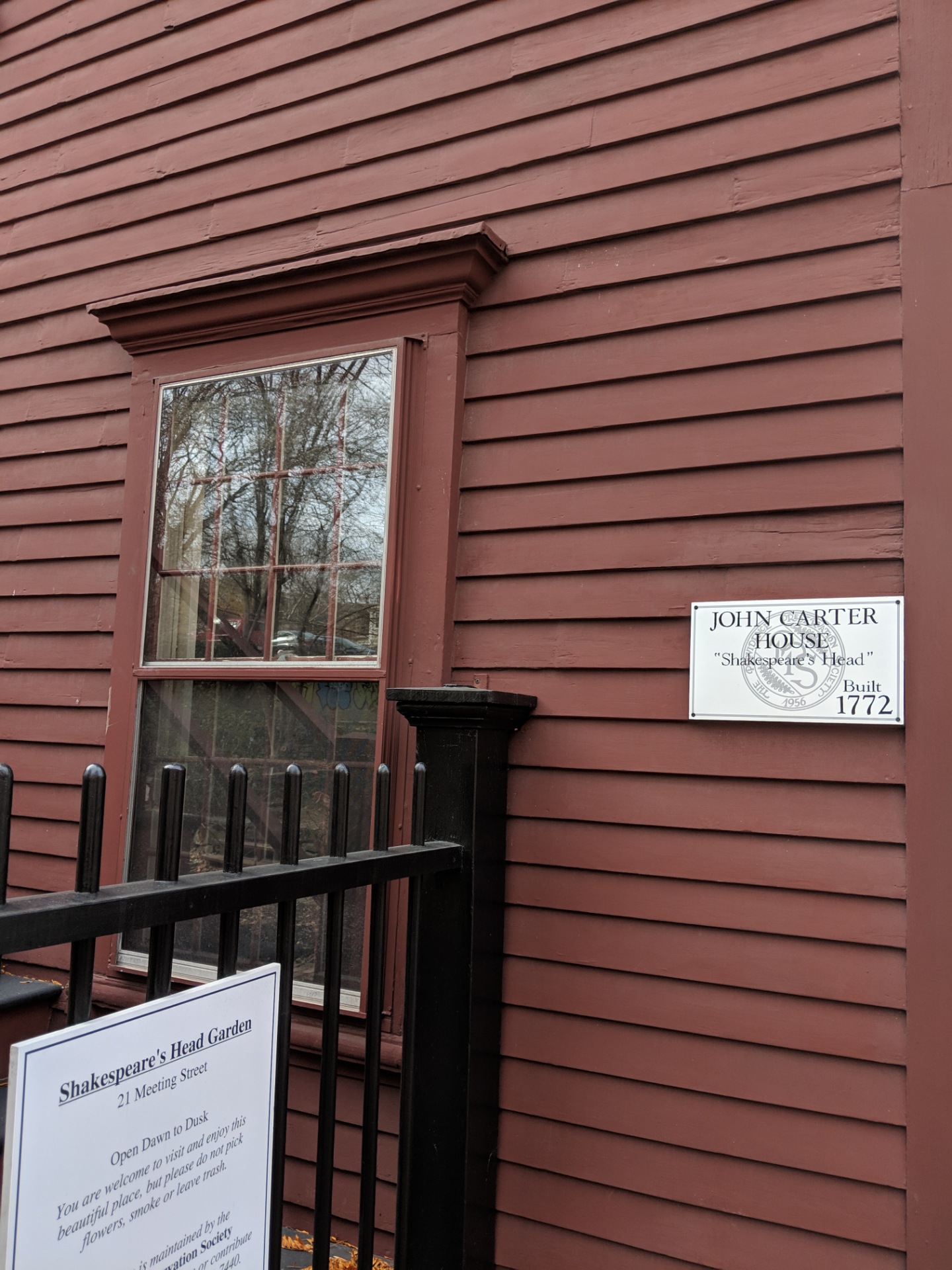
The ”John Carter House”, in 21 Meeting Street, aka ”Shakespeare’s Head” since colonial times when the building was used as a print shop and post office by John Carter, who had trained with Benjamin Franklin in Philadelphia. The enterprises were advertised by a sign featuring the head of Shakespeare on a pole outside the building. This is where the city’s first newspaper, The Providence Gazette, was printed until 1793.  

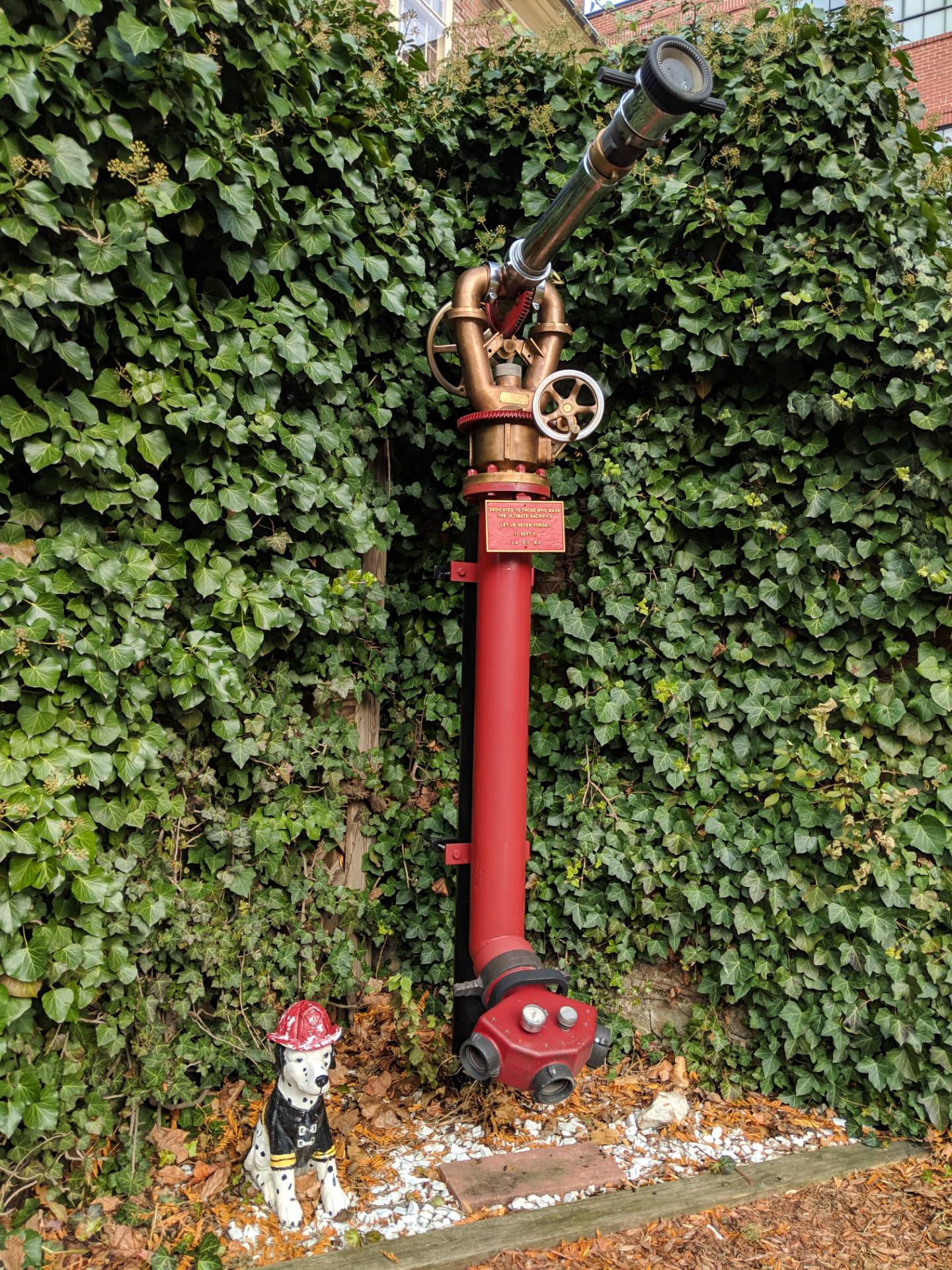
A lovely dedication to the firefighters who lost their lives on duty – 9/11/2001

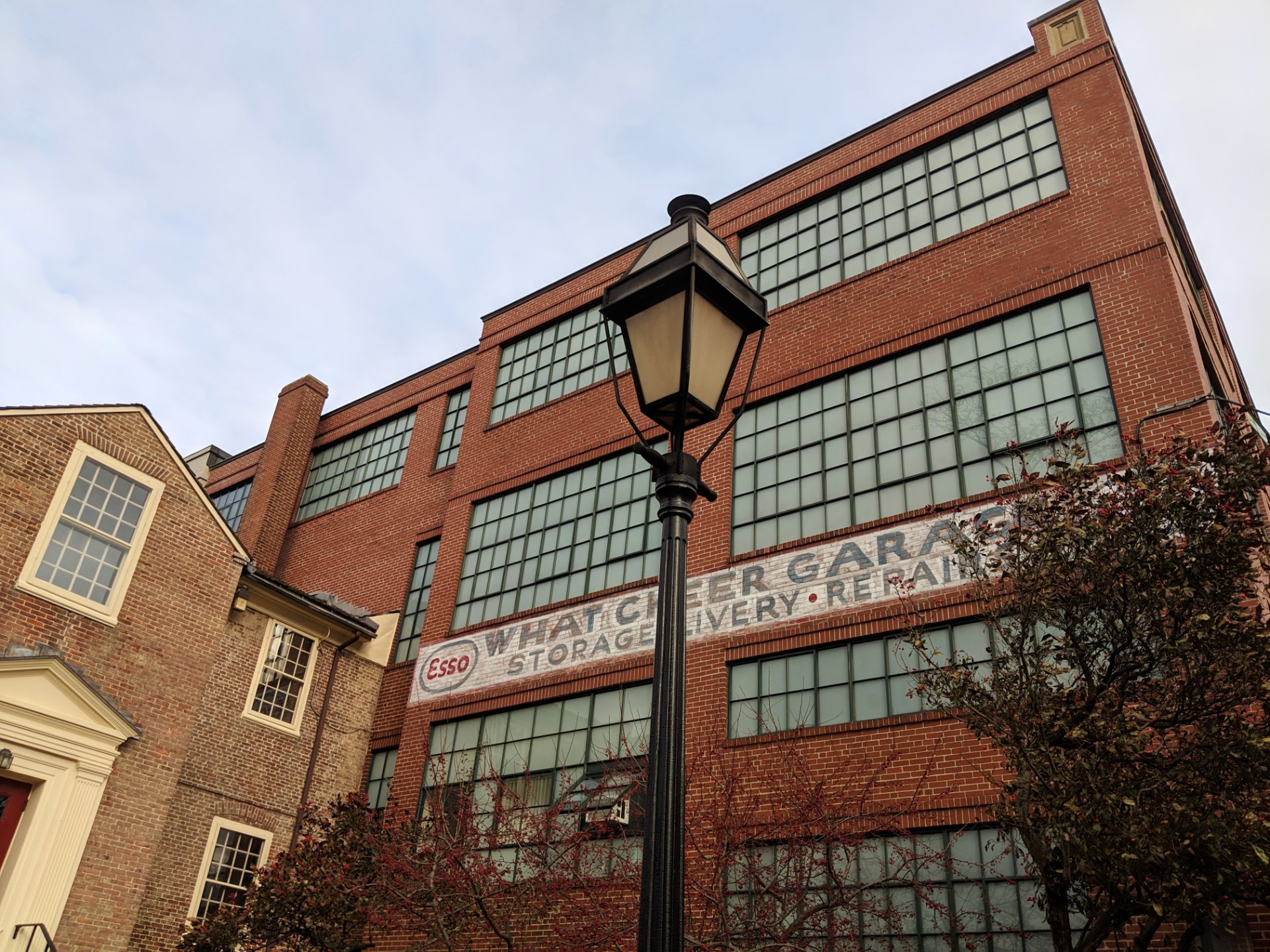
What Cheer Garage is now a studio for RISD. ”What Cheer” refers to the Narragansett Indians’ greeting to Roger Williams on his landing at Providence (a contraction of “What cheer with you?,” the seventeenth-century equivalent of “How are you?”). Many Rhode Island businesses perpetuate the historic greeting. [source]

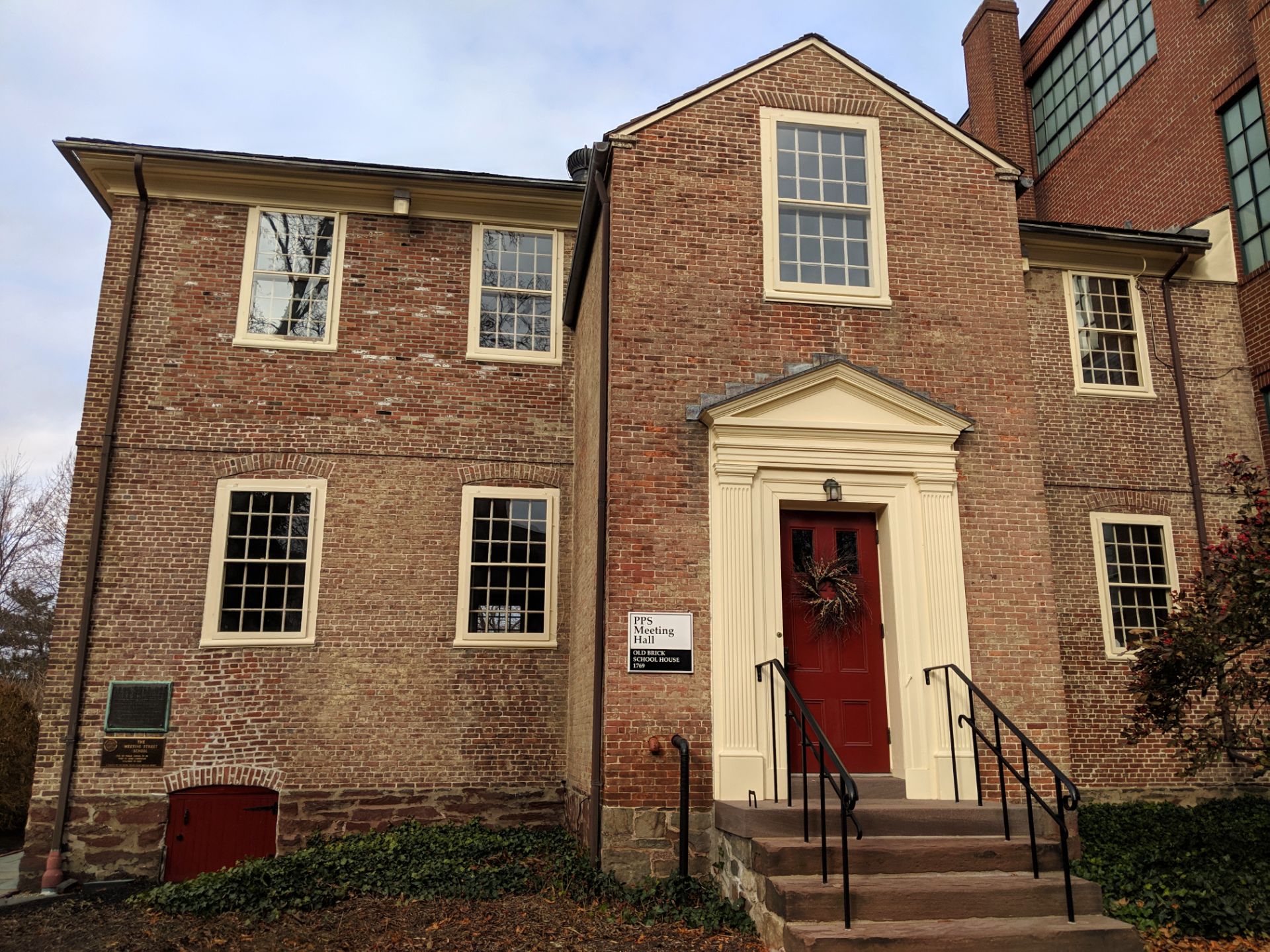
The Old Brick School House, 1769 (PPS Office & Meeting Hall)

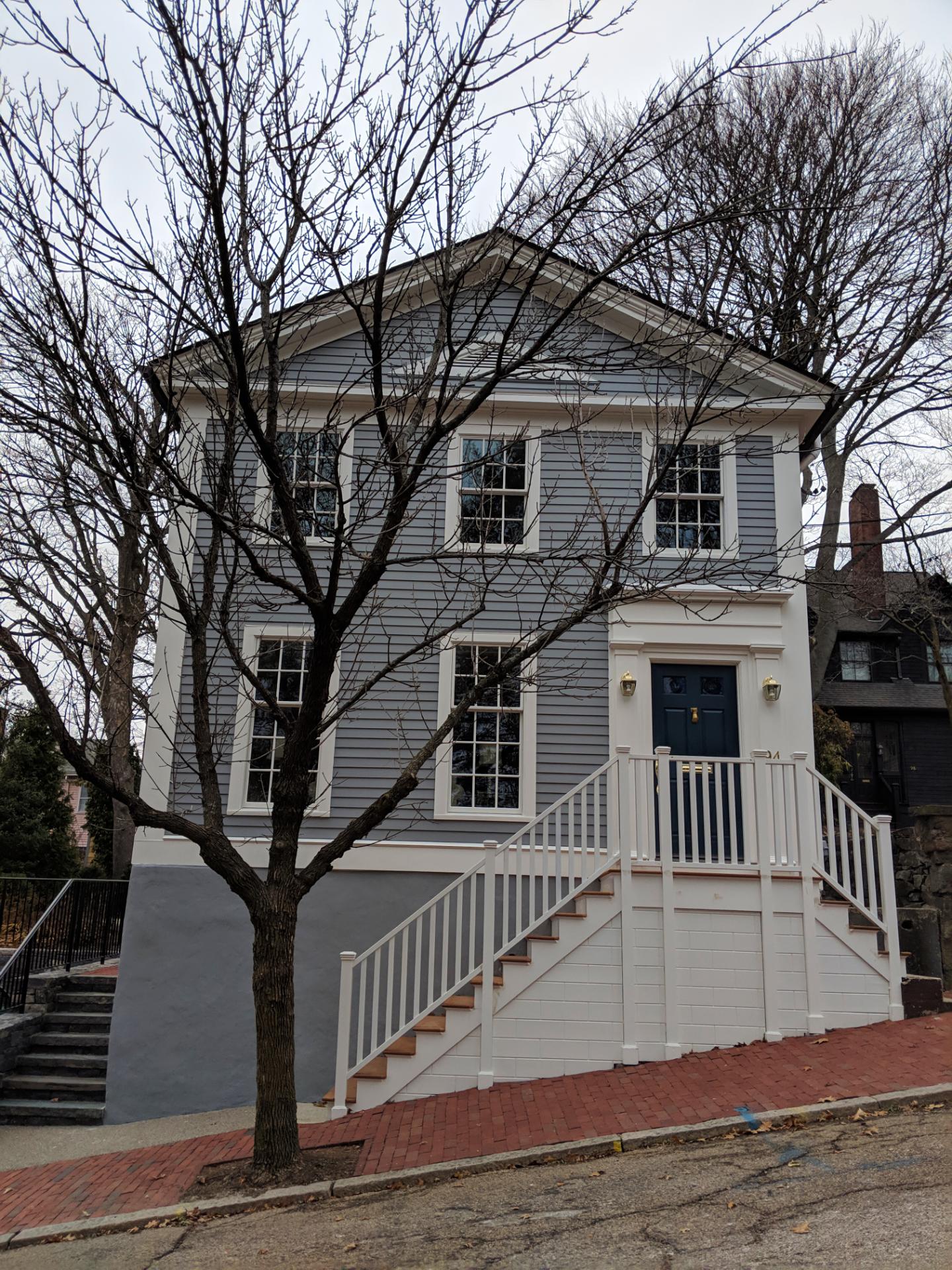
Climbing Meeting Street

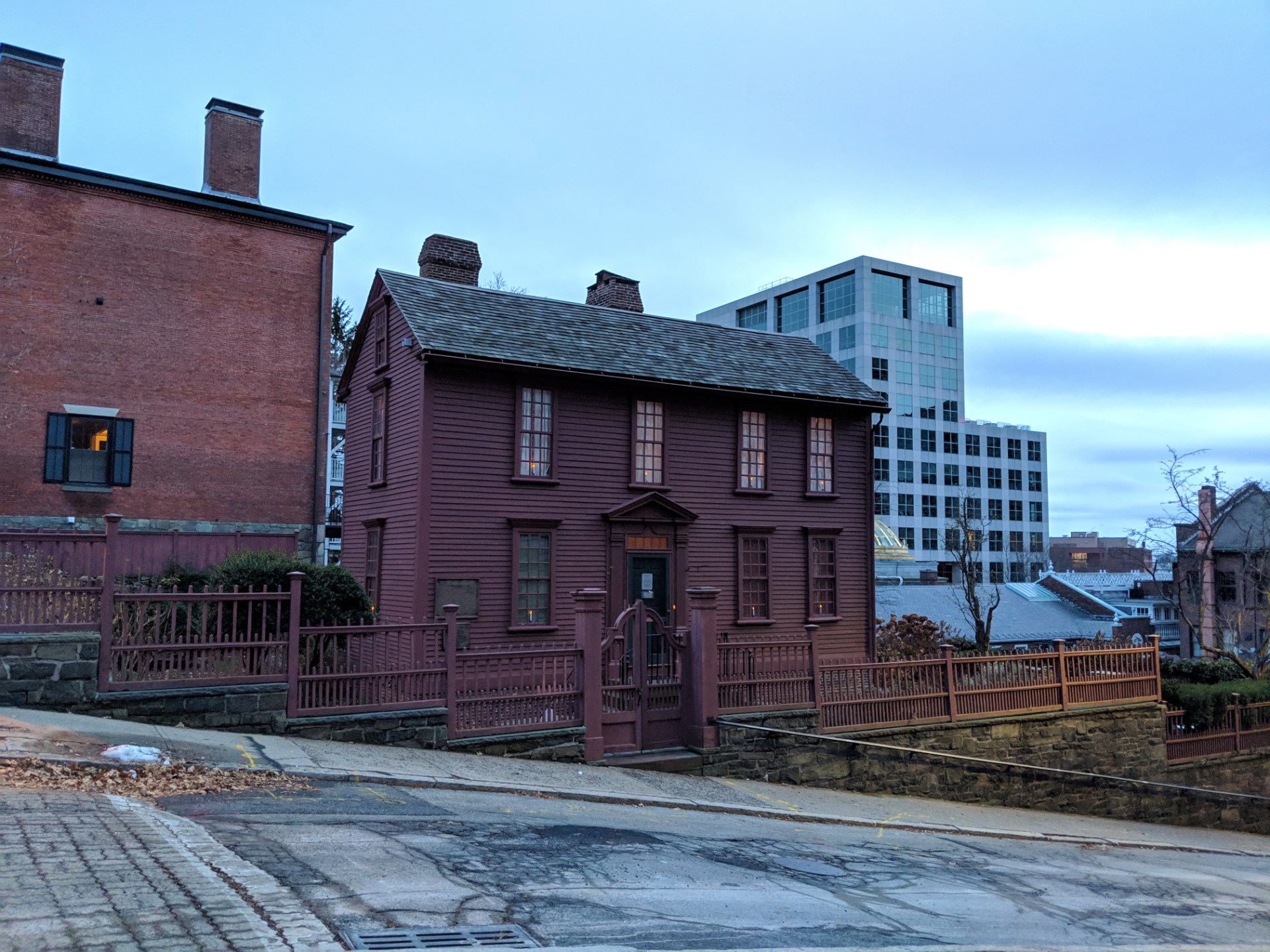
H.P. Lovecraft’s last home – still standing. Originally located at 66 College Street, it was moved to 65 Prospect Street to make space for an expansion of Brown University.

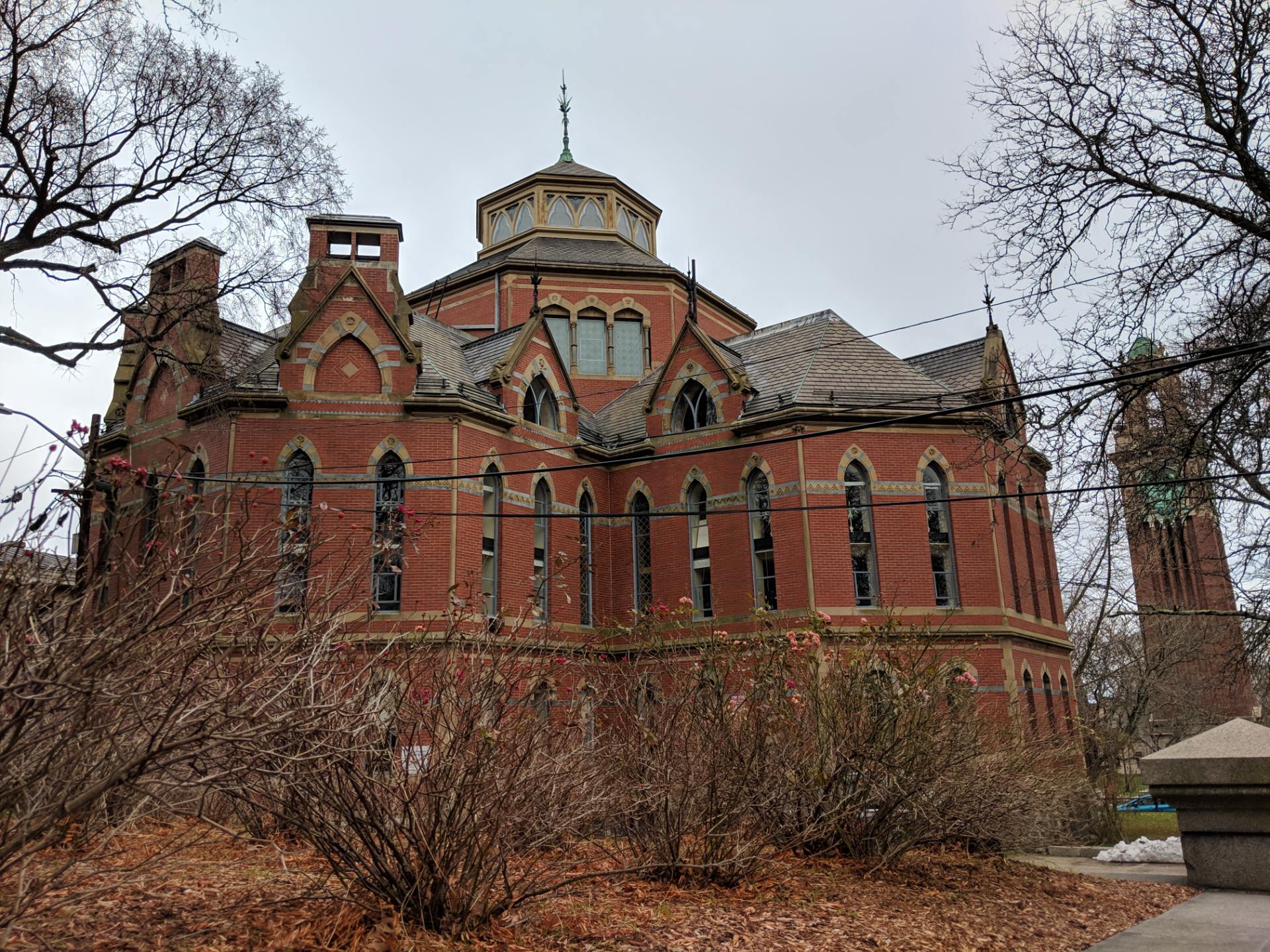
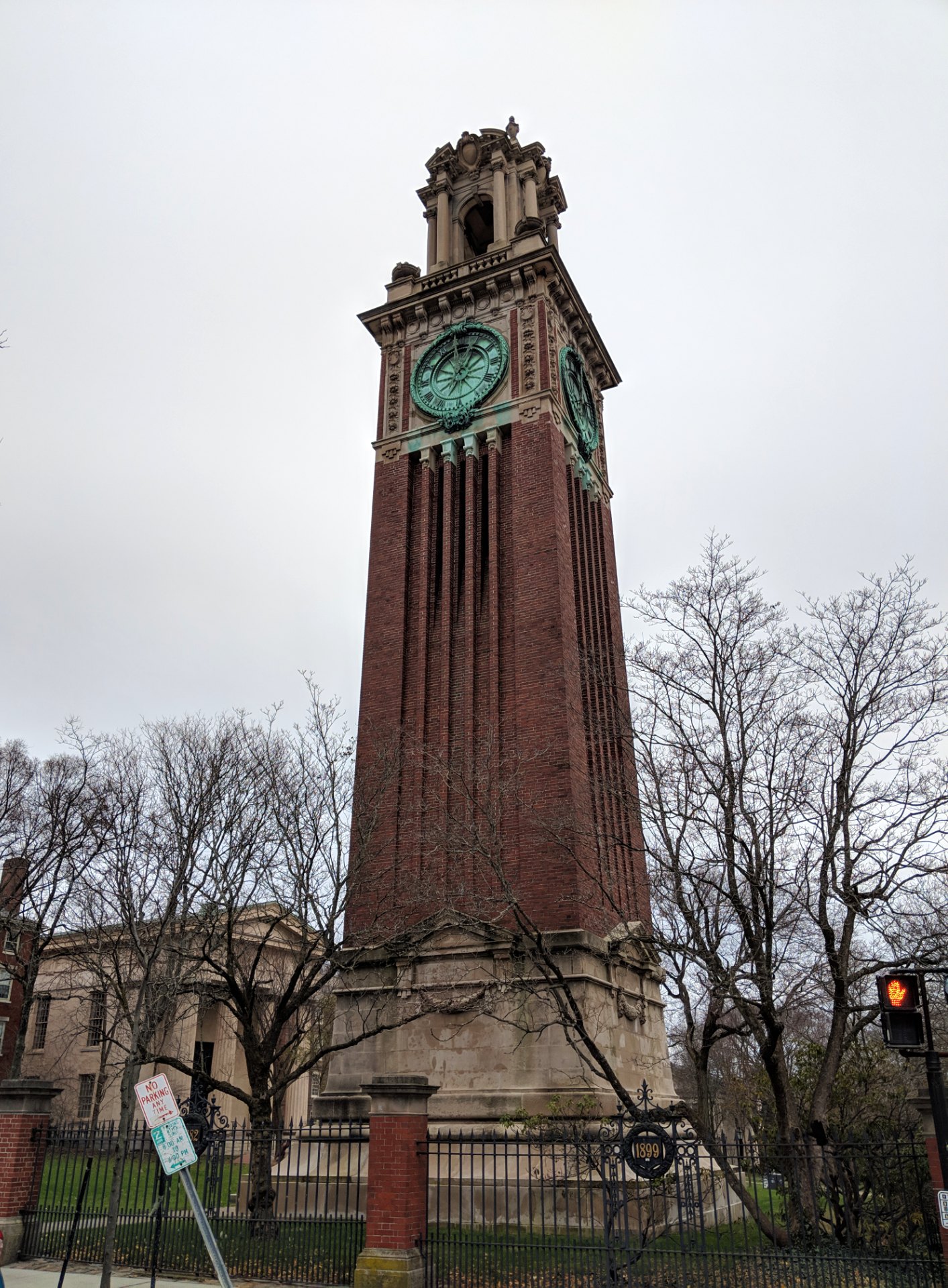
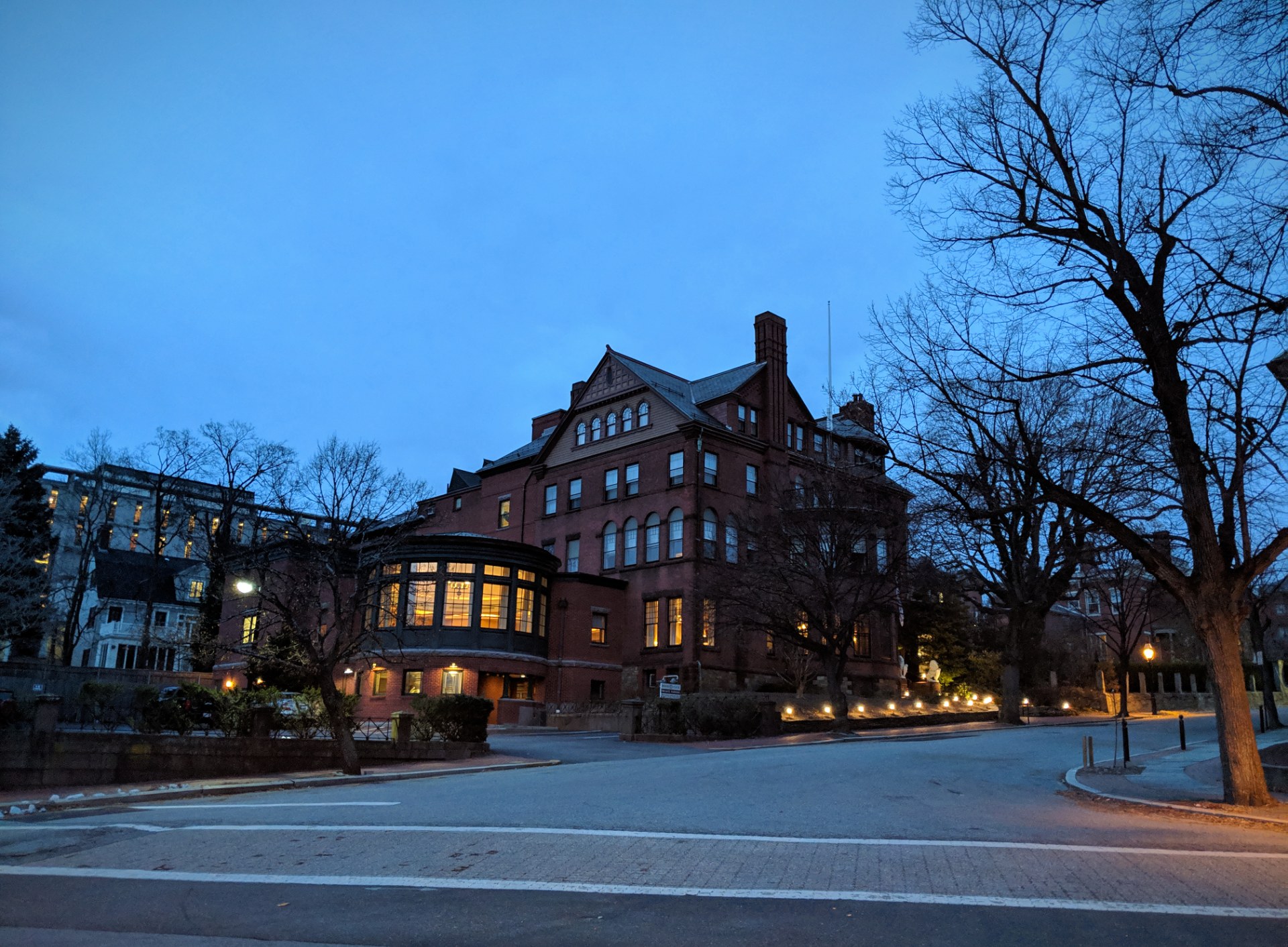
Brown University. Lovecraft walked among it’s buildings most of his life. 

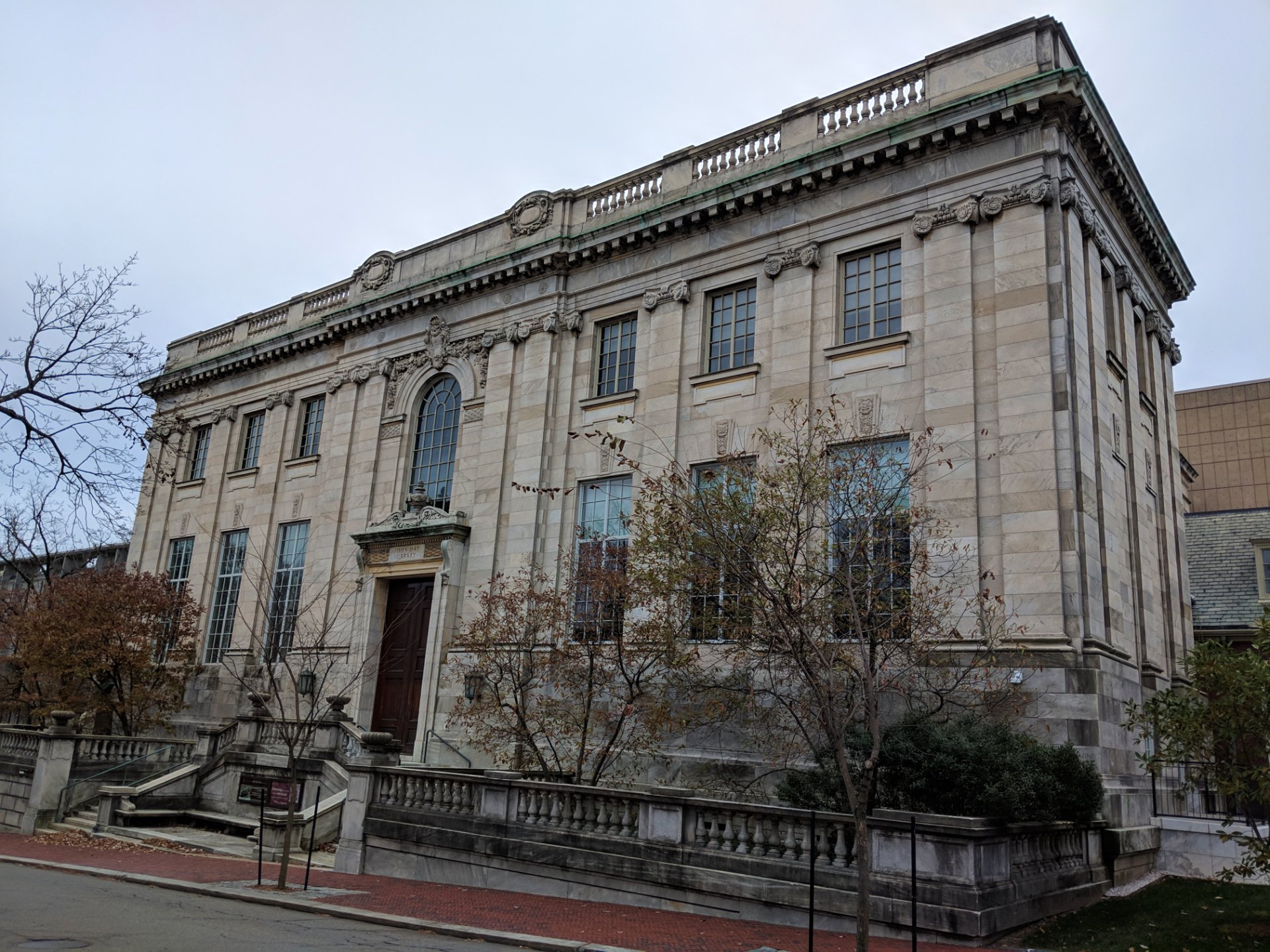
The John Hay Library at Brown University, home to the largest collection of H. P. Lovecraft materials in the world.

Providence, RI

November 24th, 2018

My Providence!

My Providence! What airy hosts
 Turn still thy gilded vanes;
What winds of elf that with grey ghosts
 People thine ancient lanes!

– from ”Providence”, a poem by H.P. Lovecraft

A fanlight’s gleam, a knocker’s blow,
     A glimpse of Georgian brick—
The sights and sounds of long ago
     Where fancies cluster thick.

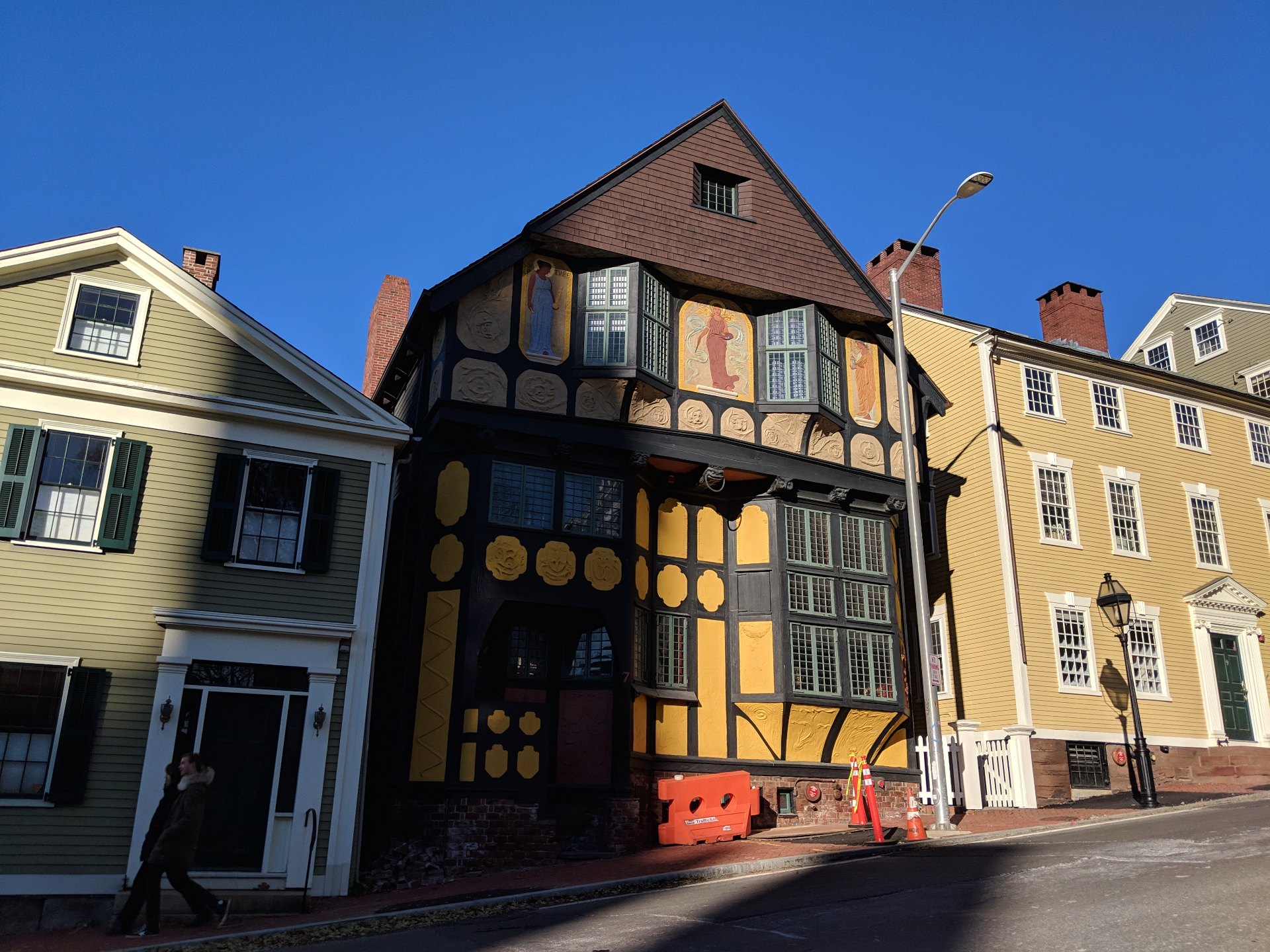
From the ”Superman” Building to the Fleur-de-Lys that Lovecraft despised – and made sure to tell the world, when he wrote in ”The Call of Cthulu:

”Wilcox still lived alone in the Fleur-de-Lys Building in Thomas Street, a hideous Victorian imitation of seventeenth century Breton Architecture which flaunts its stuccoed front amidst the lovely colonial houses on the ancient hill, and under the very shadow of the finest Georgian steeple in America, I found him at work in his rooms, and at once conceded from the specimens scattered about that his genius is indeed profound and authentic.”

The spirit of H.P. Lovecraft is alive, in Providence.

November 23rd, 2018

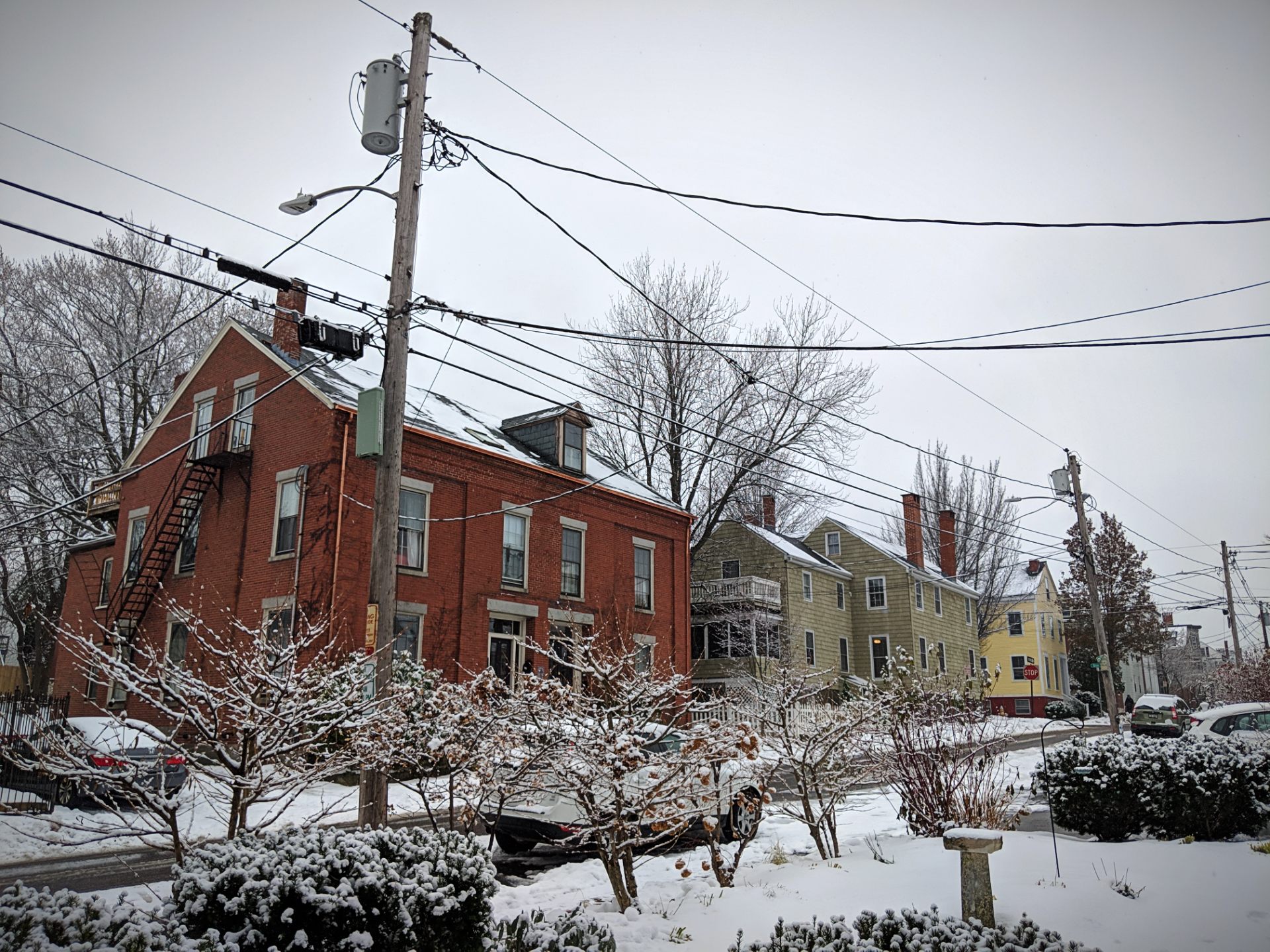
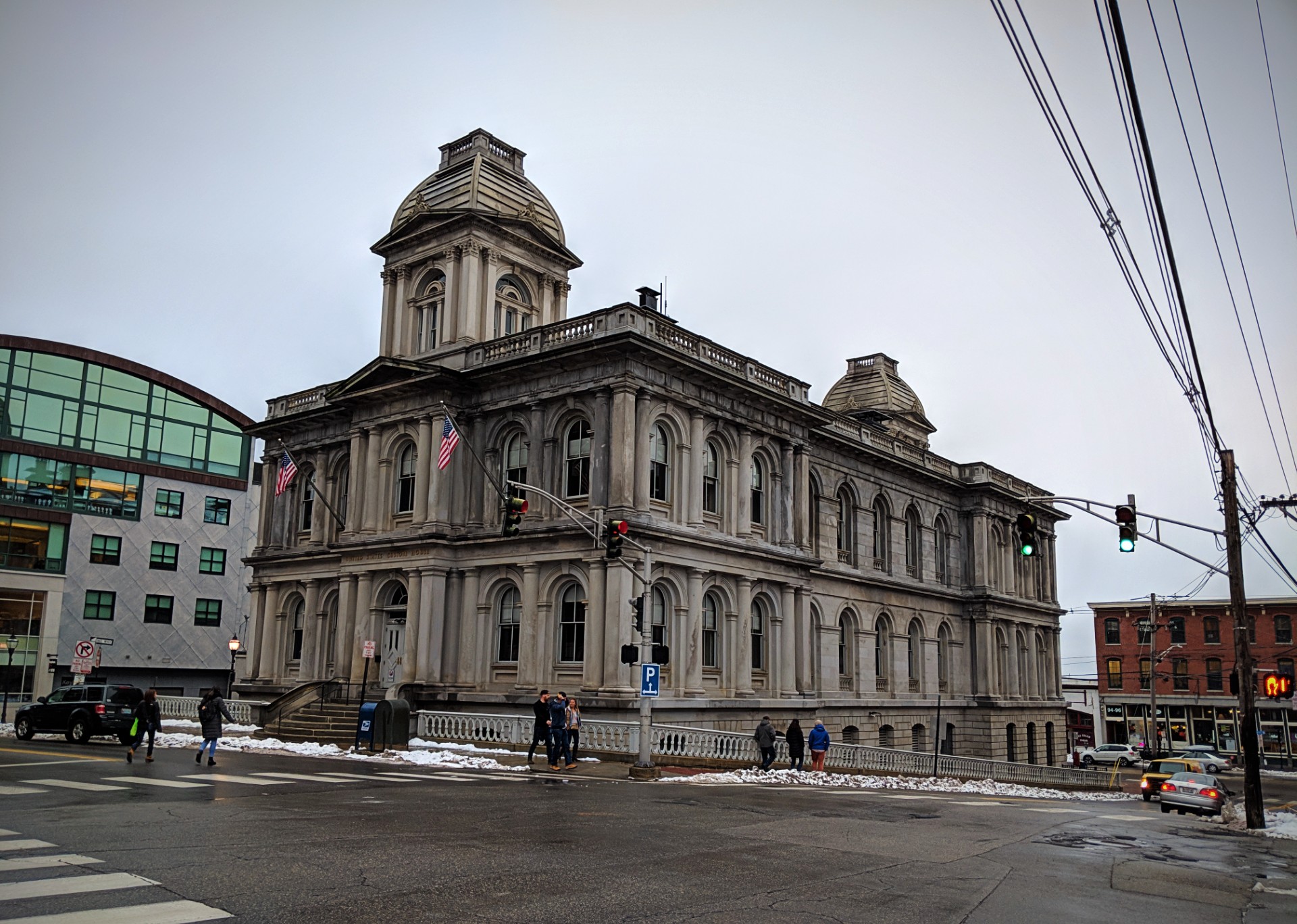
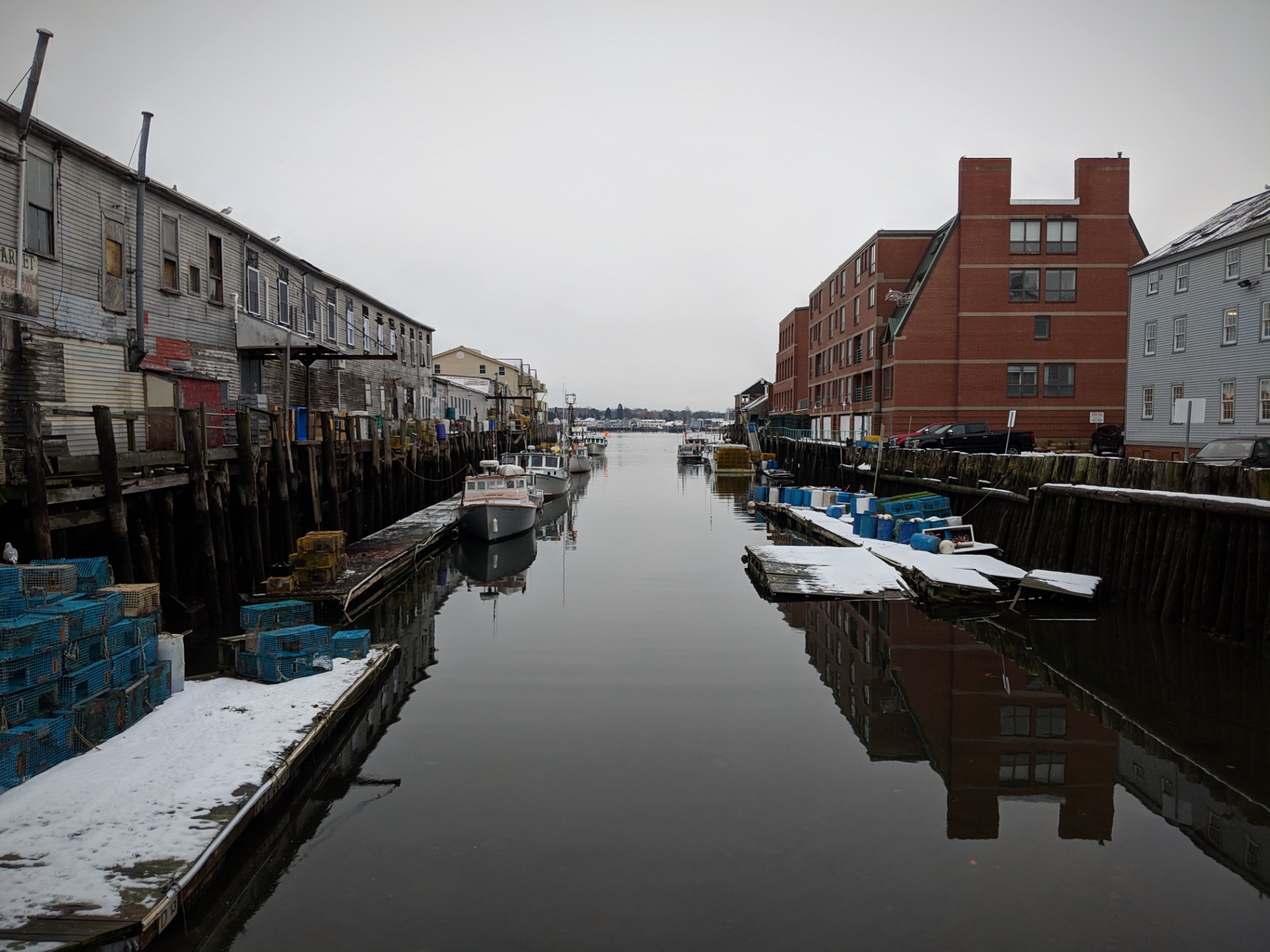
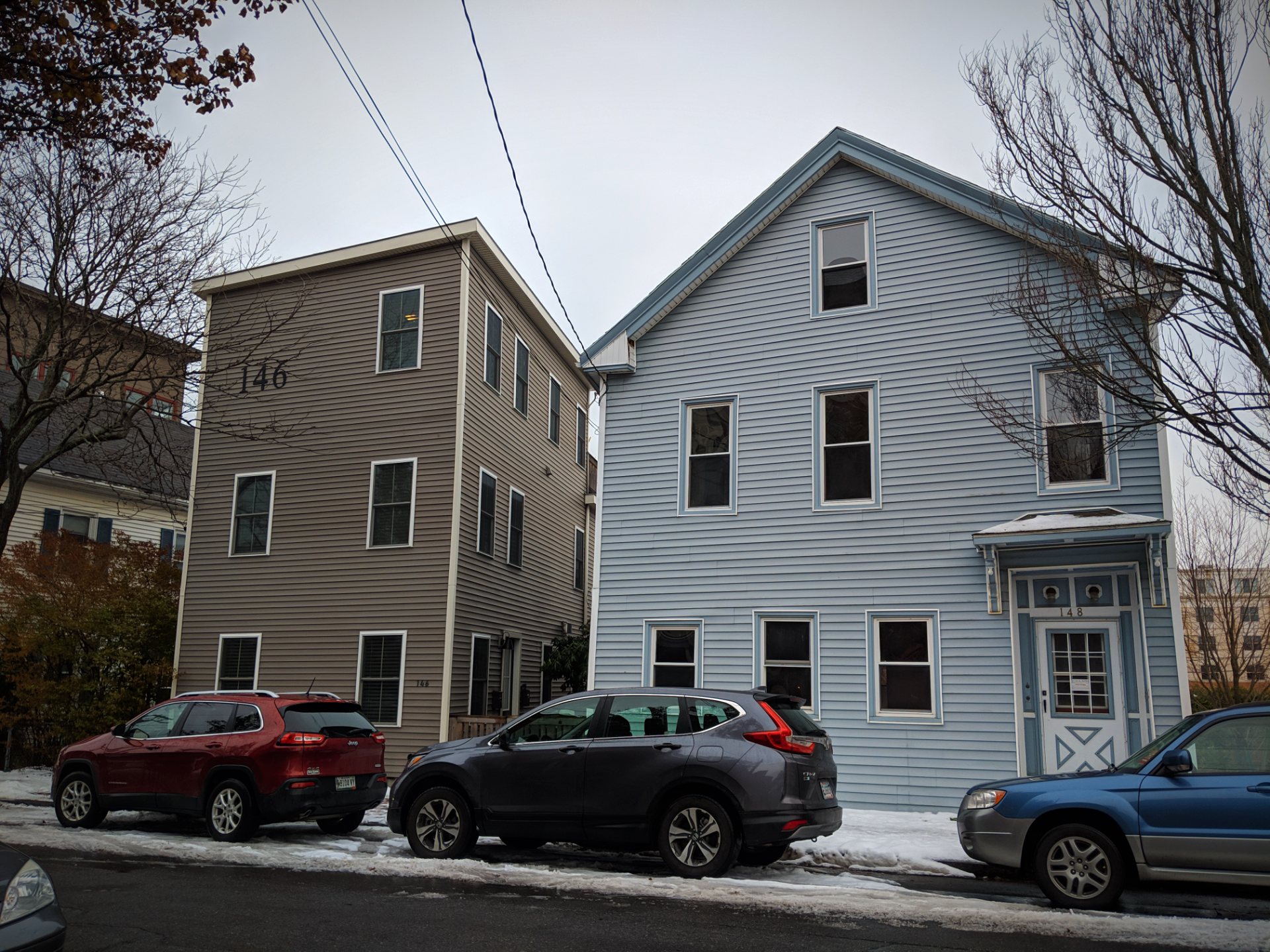
Portland, Maine || First impressions

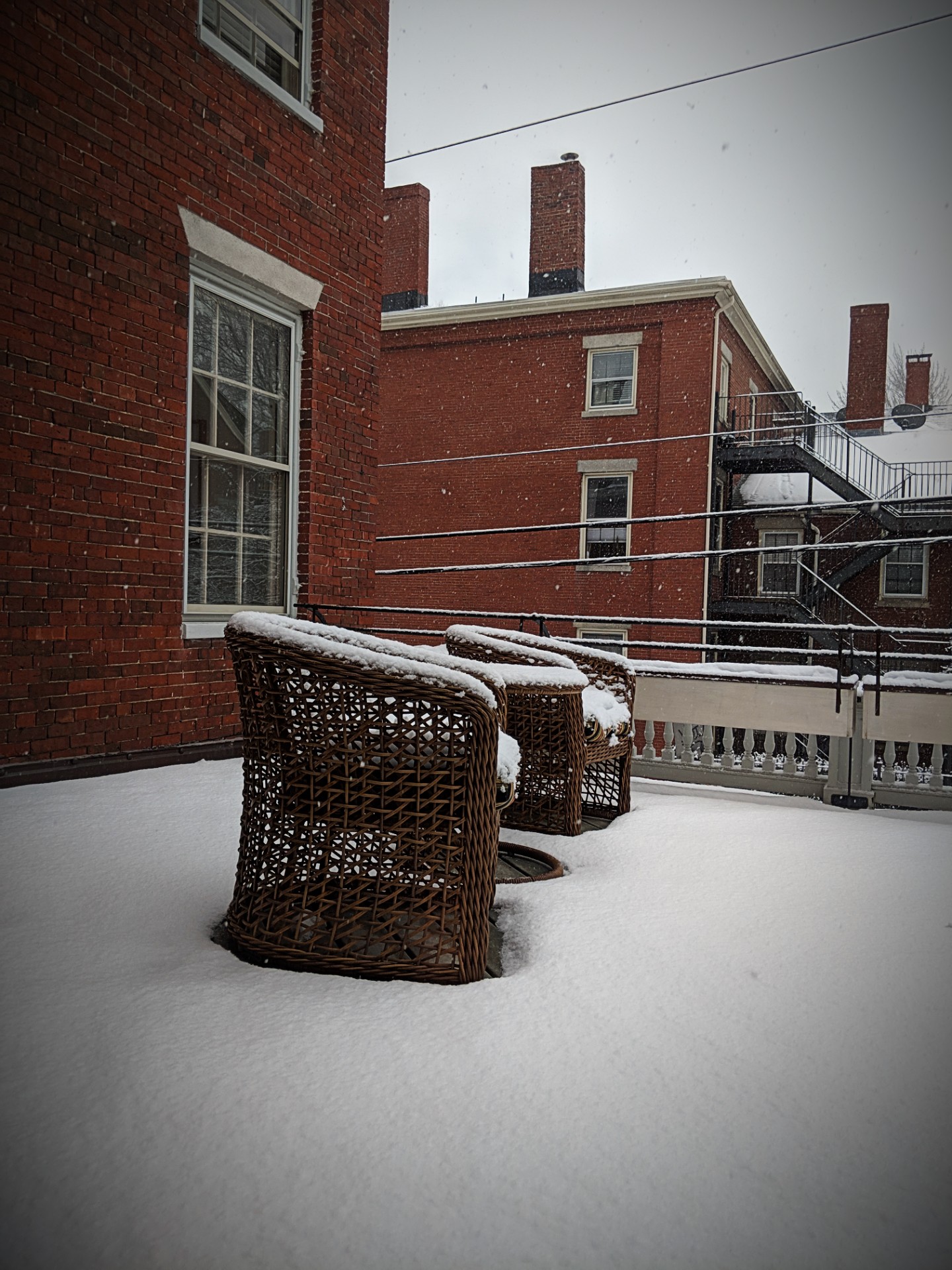
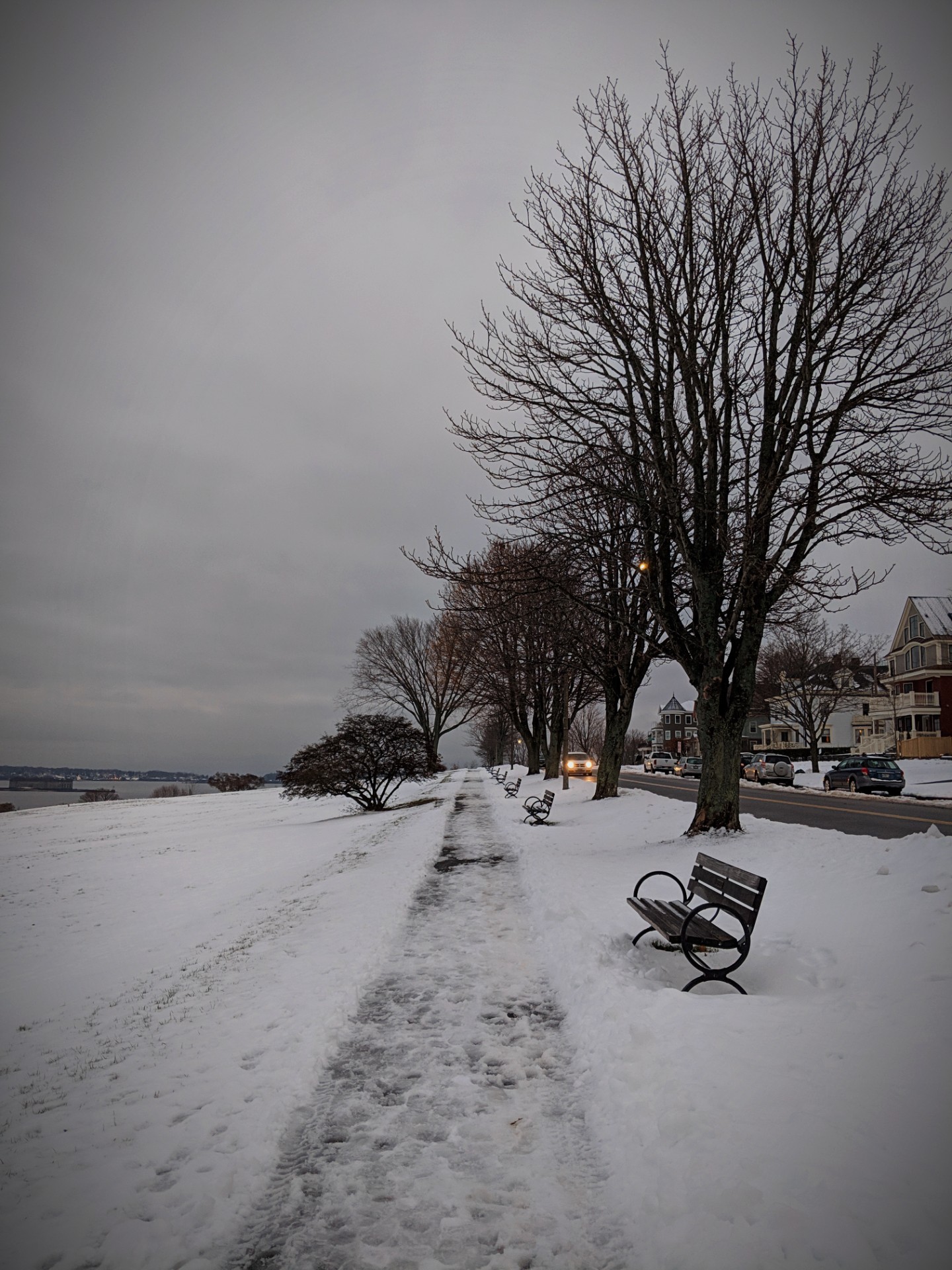
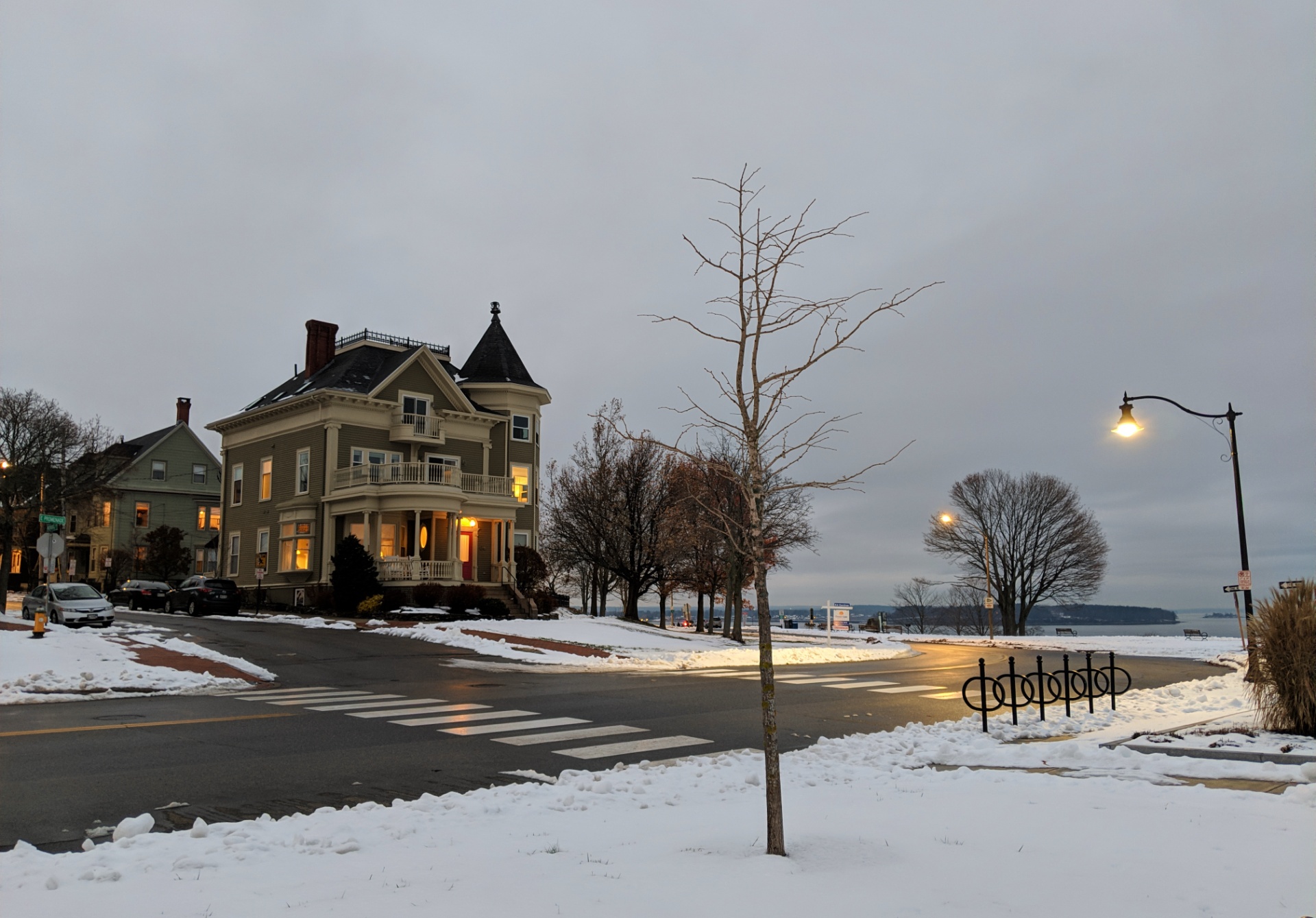
It snows a lot in Portland in November. Not like in New York, where the snow wilts and melts and is quickly turned into a grey mass of rock salt, sleazy mud and greasy dirt – no.

In Portland, the snow is fresh and white, crisp and crunchy under the feet. It calls for walks all day long, until it’s too dark and too cold to stay outside any longer.

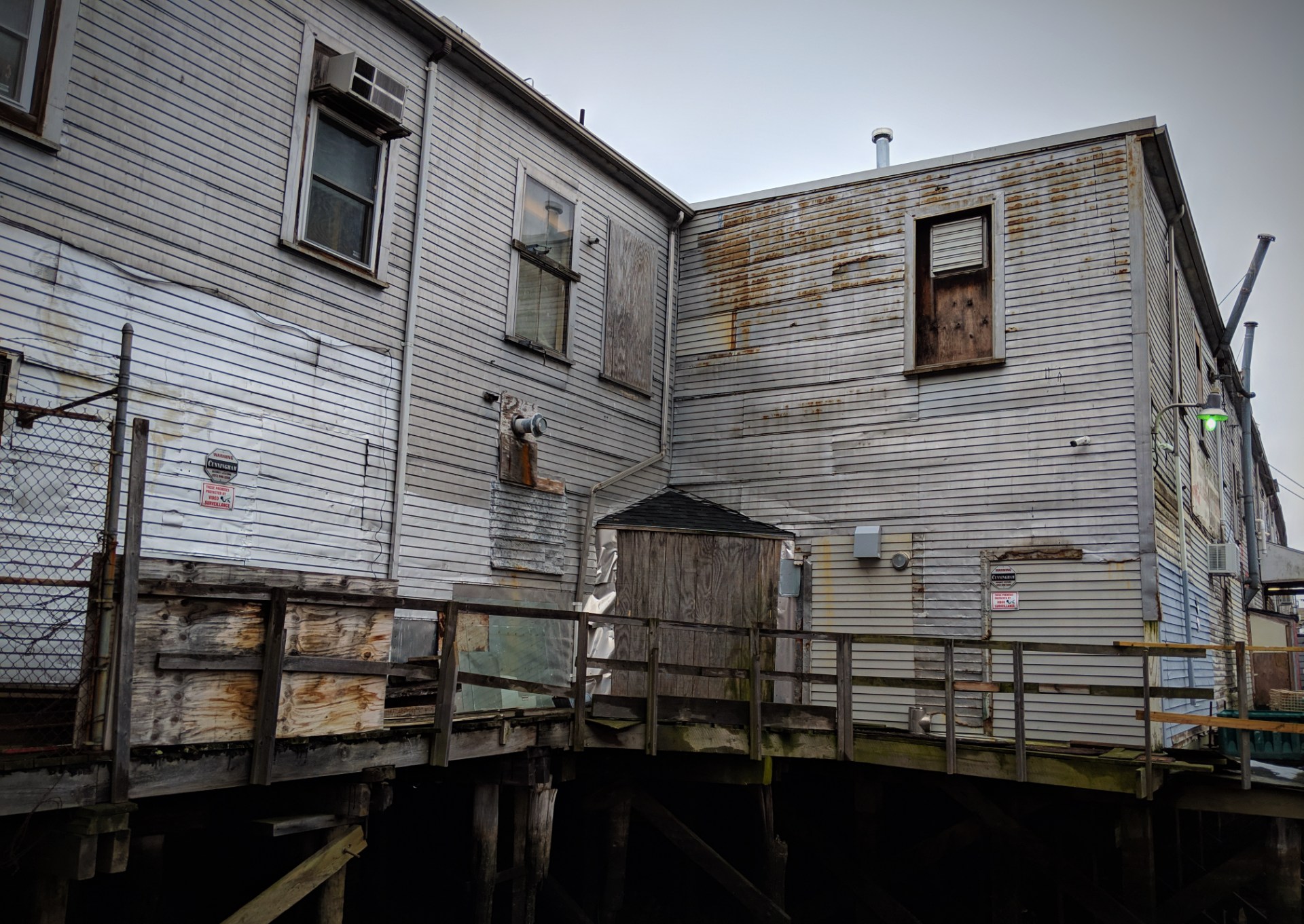
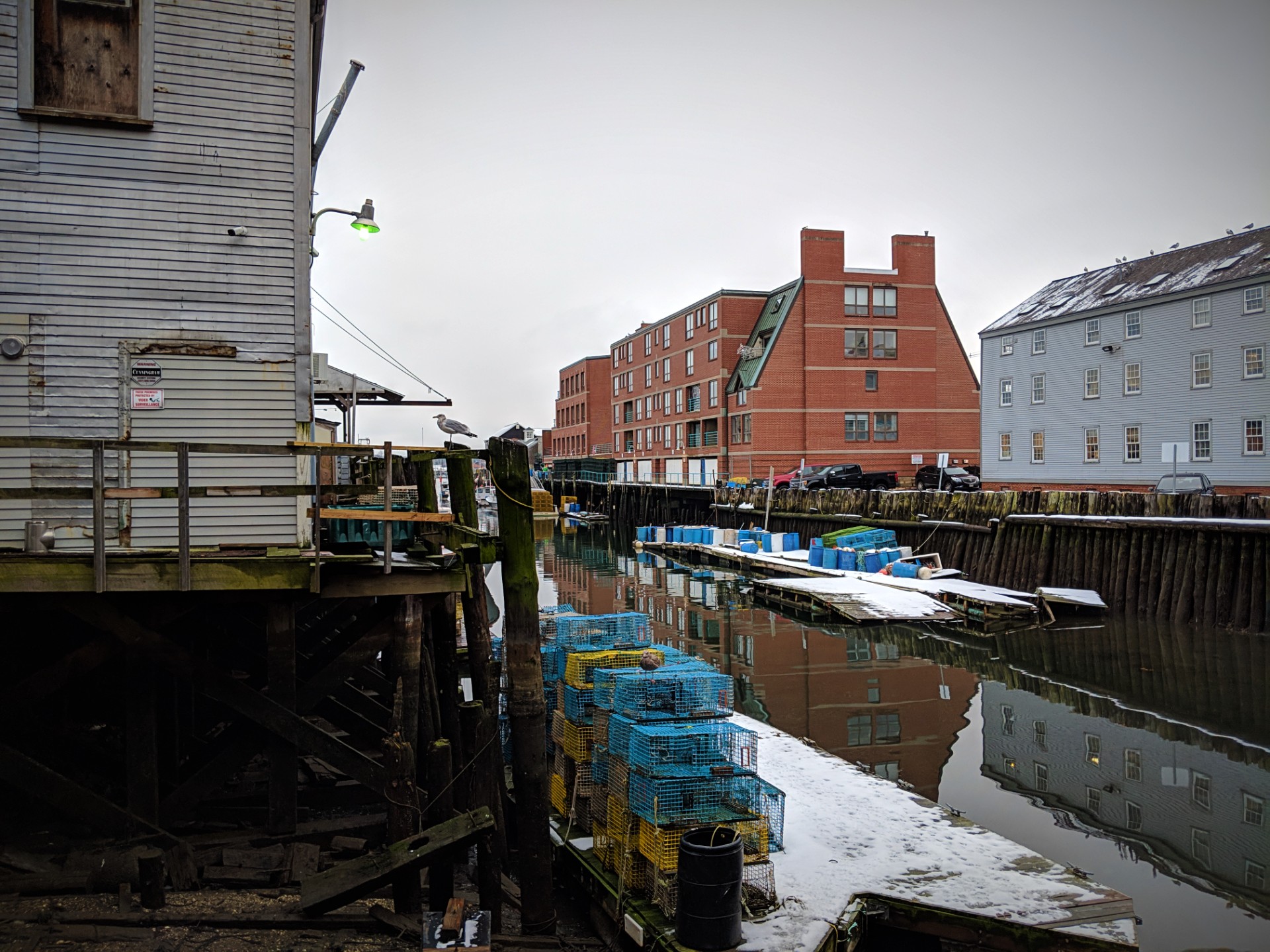
Walking in Portland: Victoria Mansion to City Hall, down to the Old Port and Harbor Fish Market where our juicy Maine Lobster comes from, passing by the city’s oldest historic site that is the Eastern Cemetery and outside Portland Observatory, the only remaining historic maritime signal station in the United States. Our walk ends at the Fort Allen Park catching the icy cold breeze from the harbour and glimpses of Fort Georges which is accessible only by boat.

Portland, ME

November 19th, 2018

The Glass House || The Art

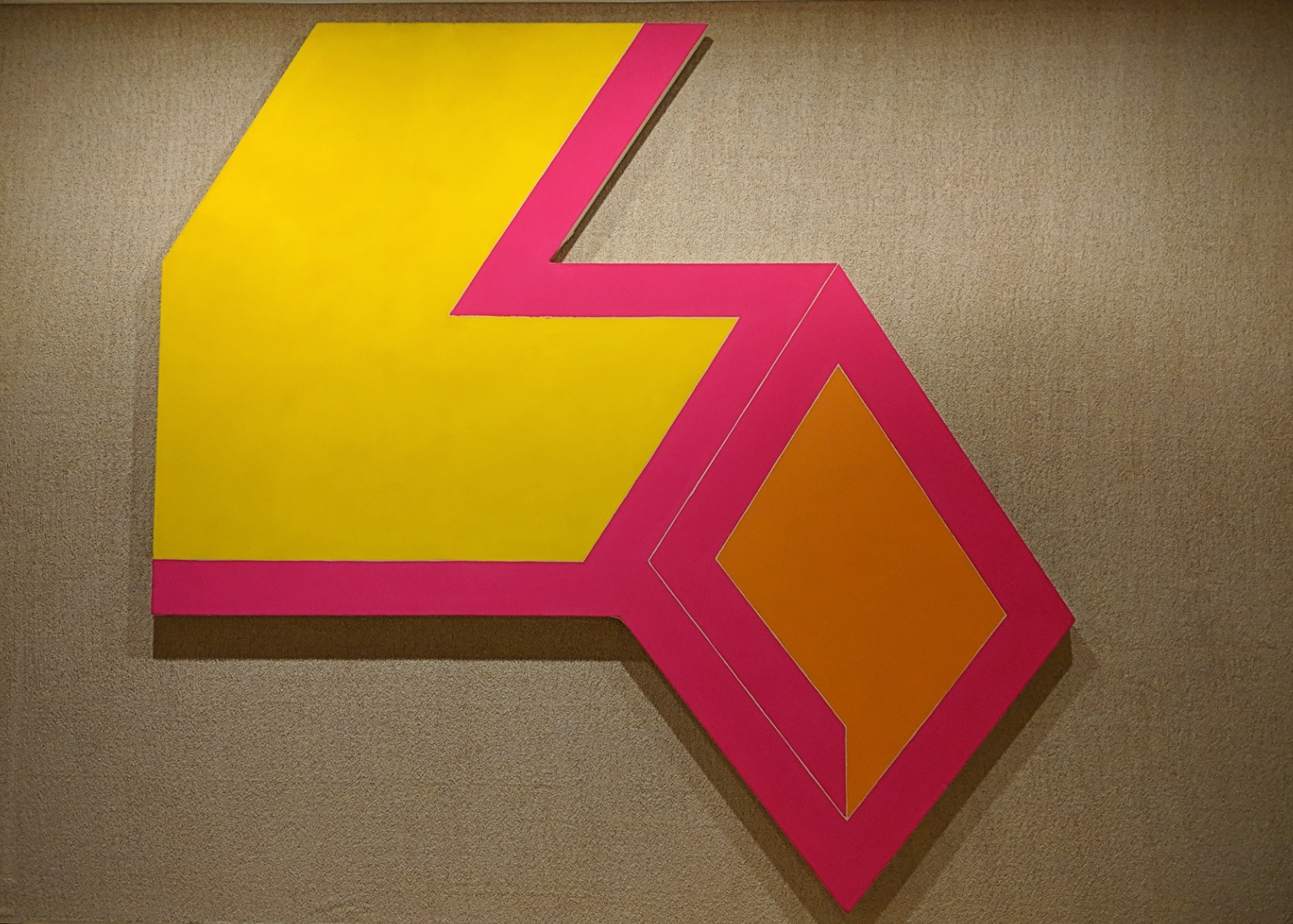
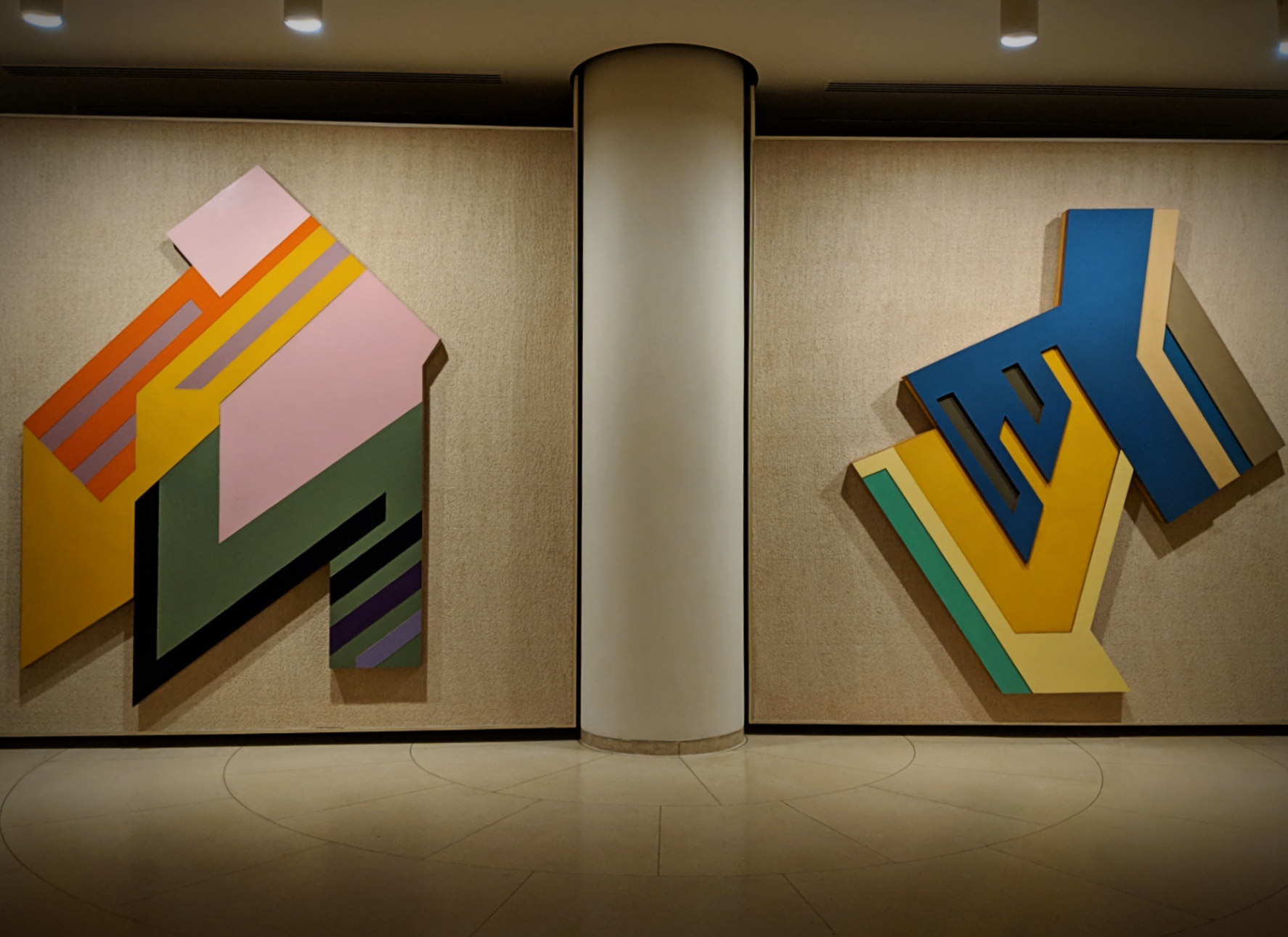
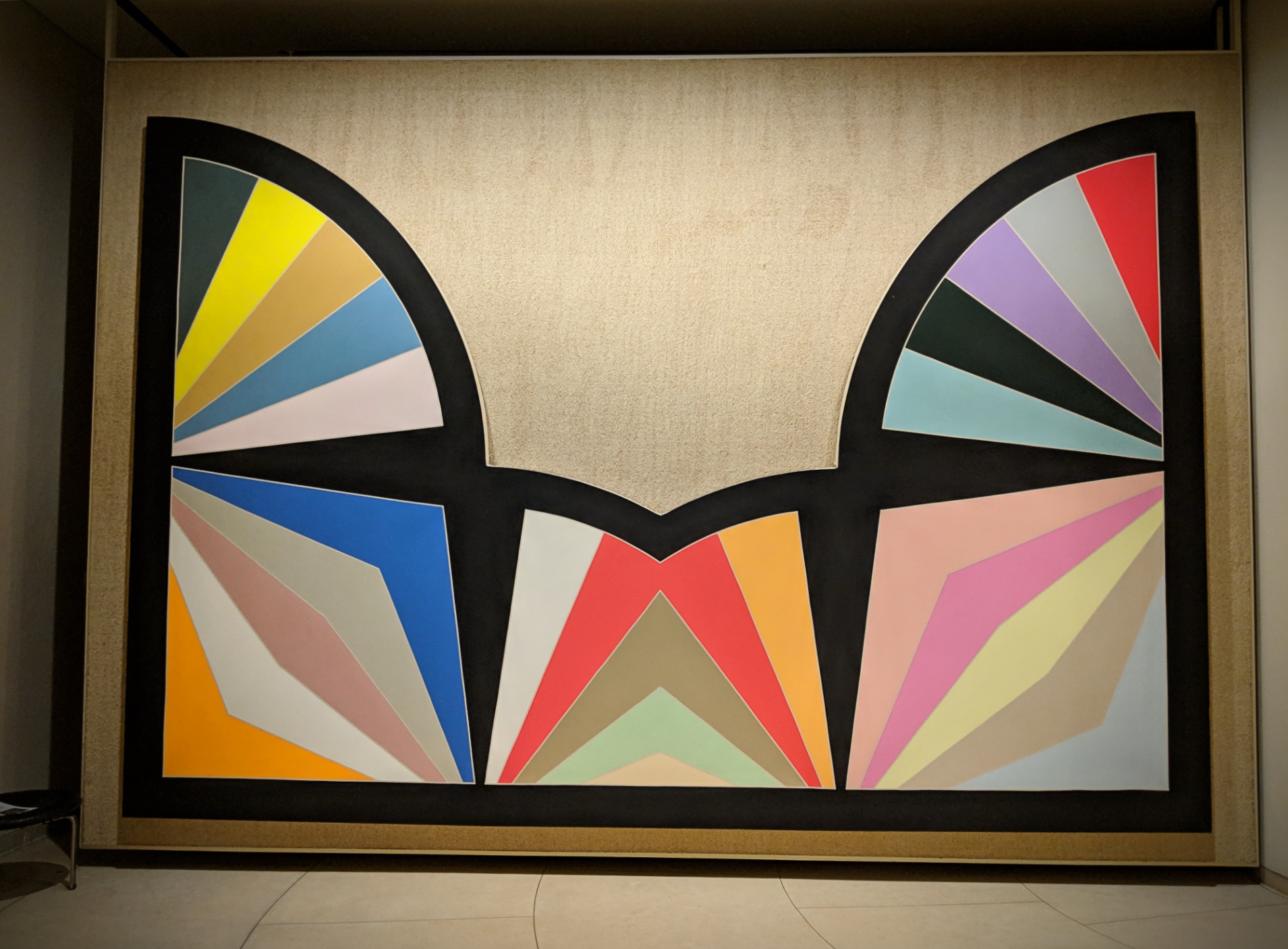
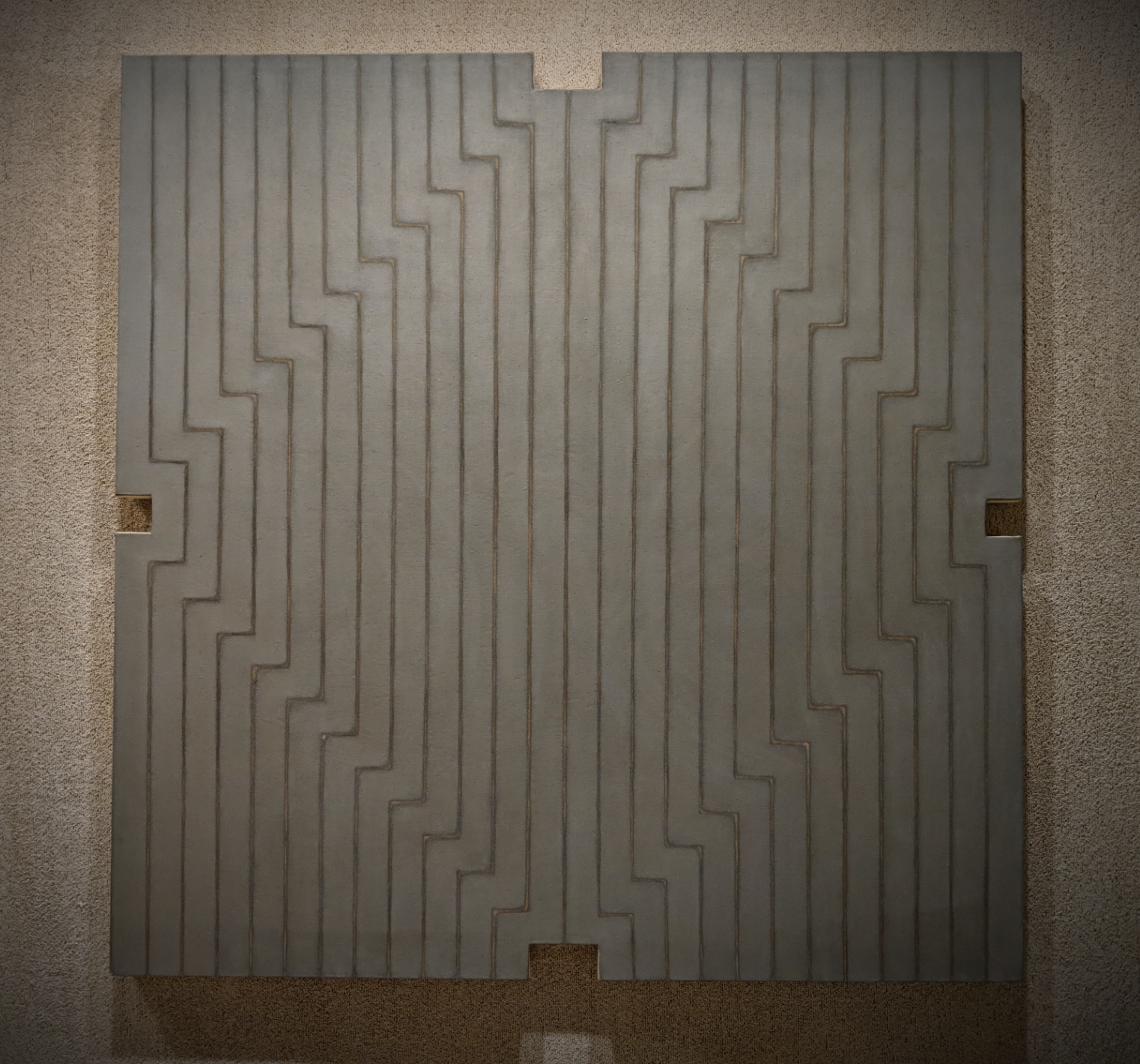
The Painting Gallery

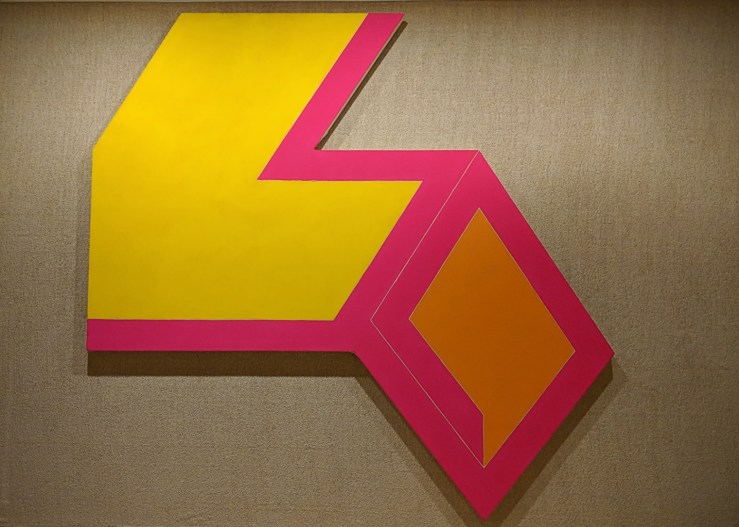
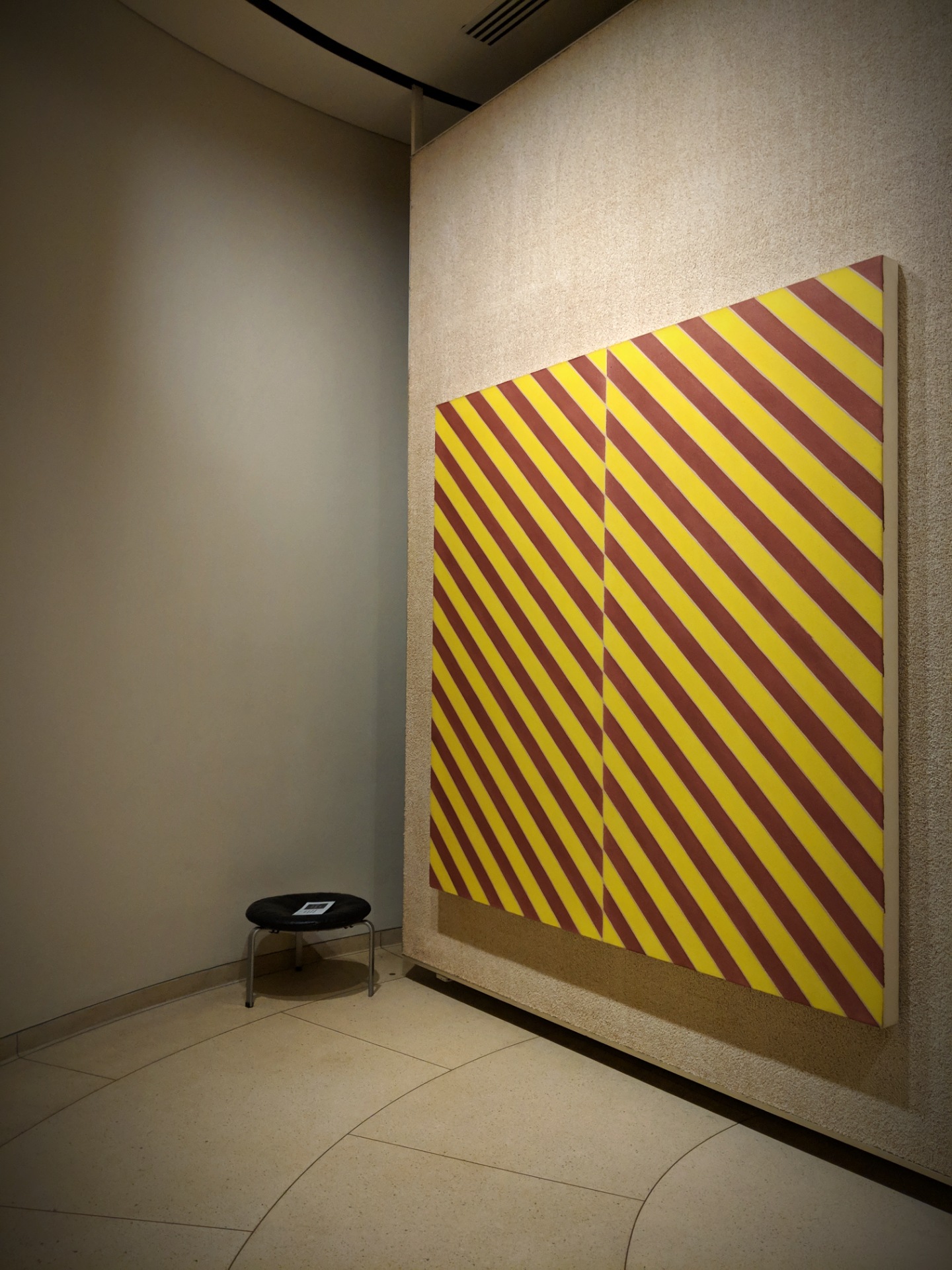
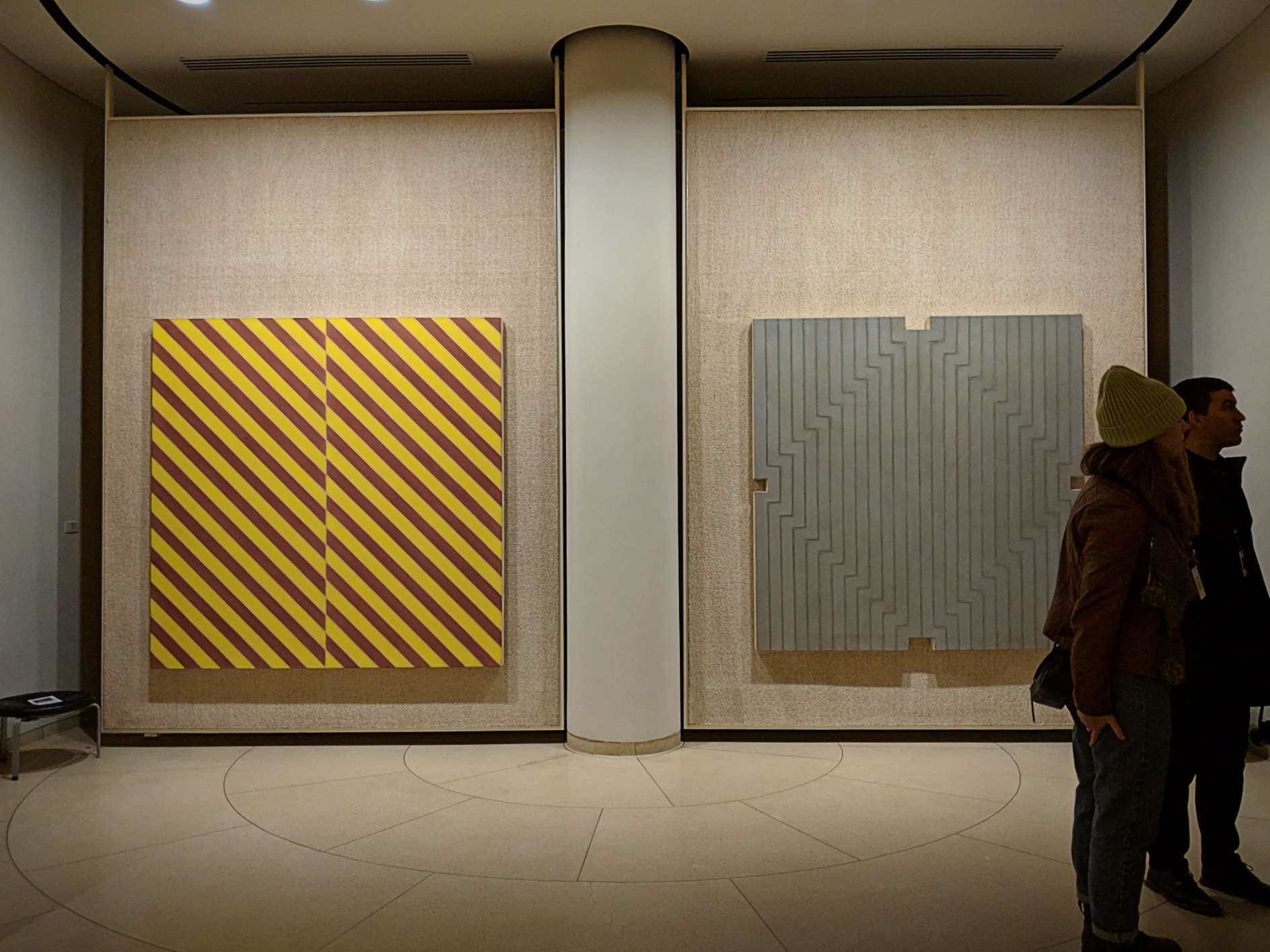
A Frank Stella dominion.
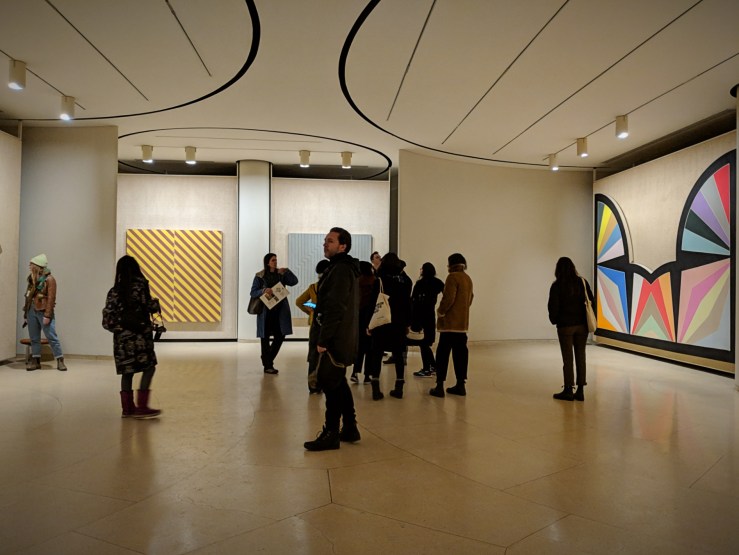
Frank Stella
Effingham II, 1966
Fluorescent alkyd and epoxy on canvas
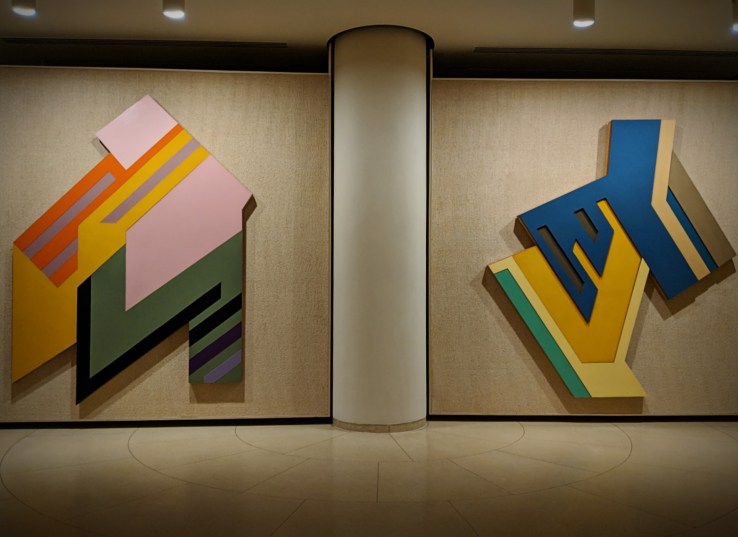

Frank Stella
Brzozdowce I, 1973
Mixed media: felt, fabric, and acrylic on panel and plywood
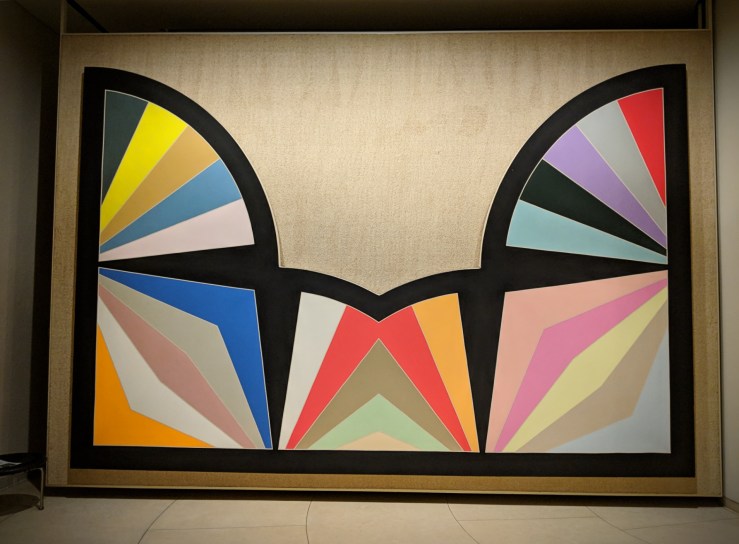
Frank Stella
Hagmatana III, 1967
Fluorescent acrylic on canvas
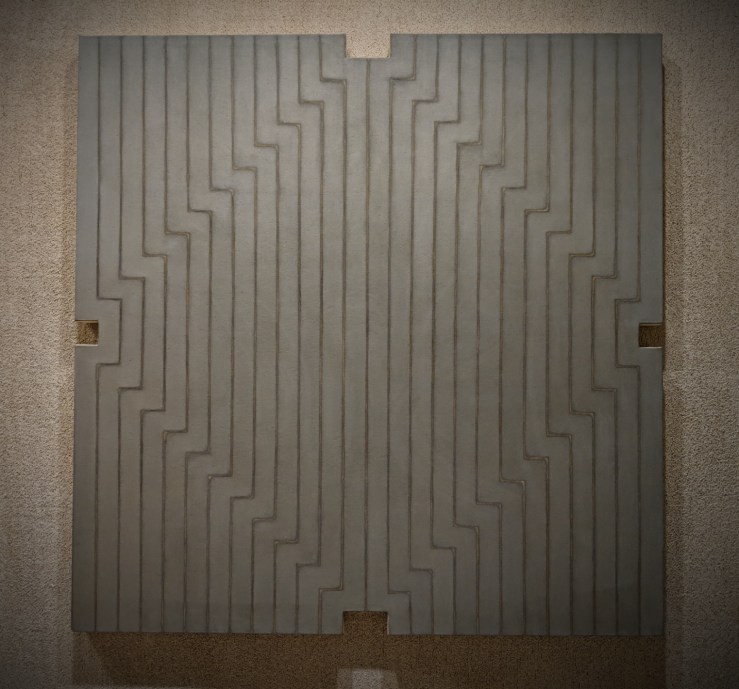

Frank Stella
Averroes, 1960
Aluminum paint on canvas
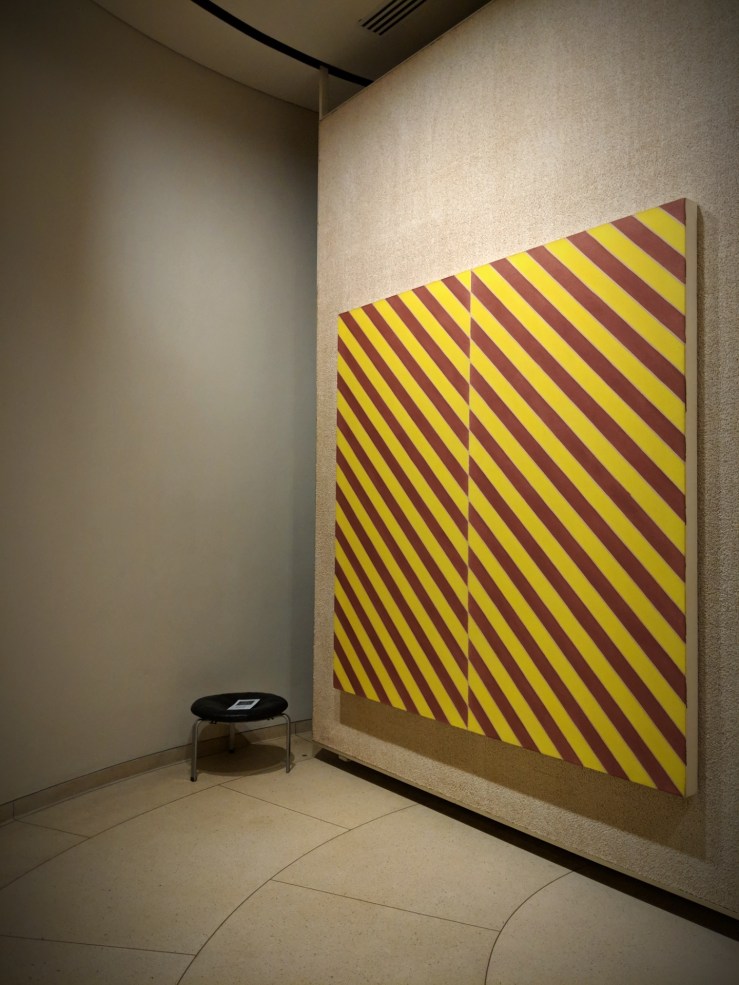

Frank Stella
Tetuan II, 1964
Fluorescent alkyd on canvas
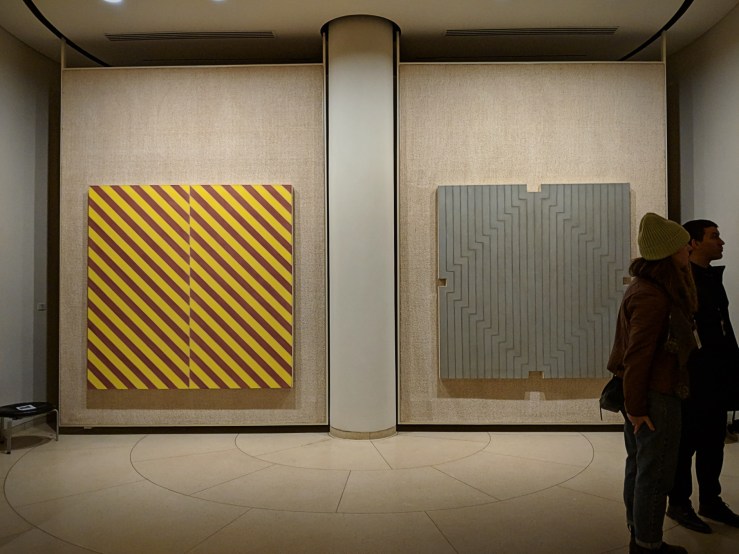

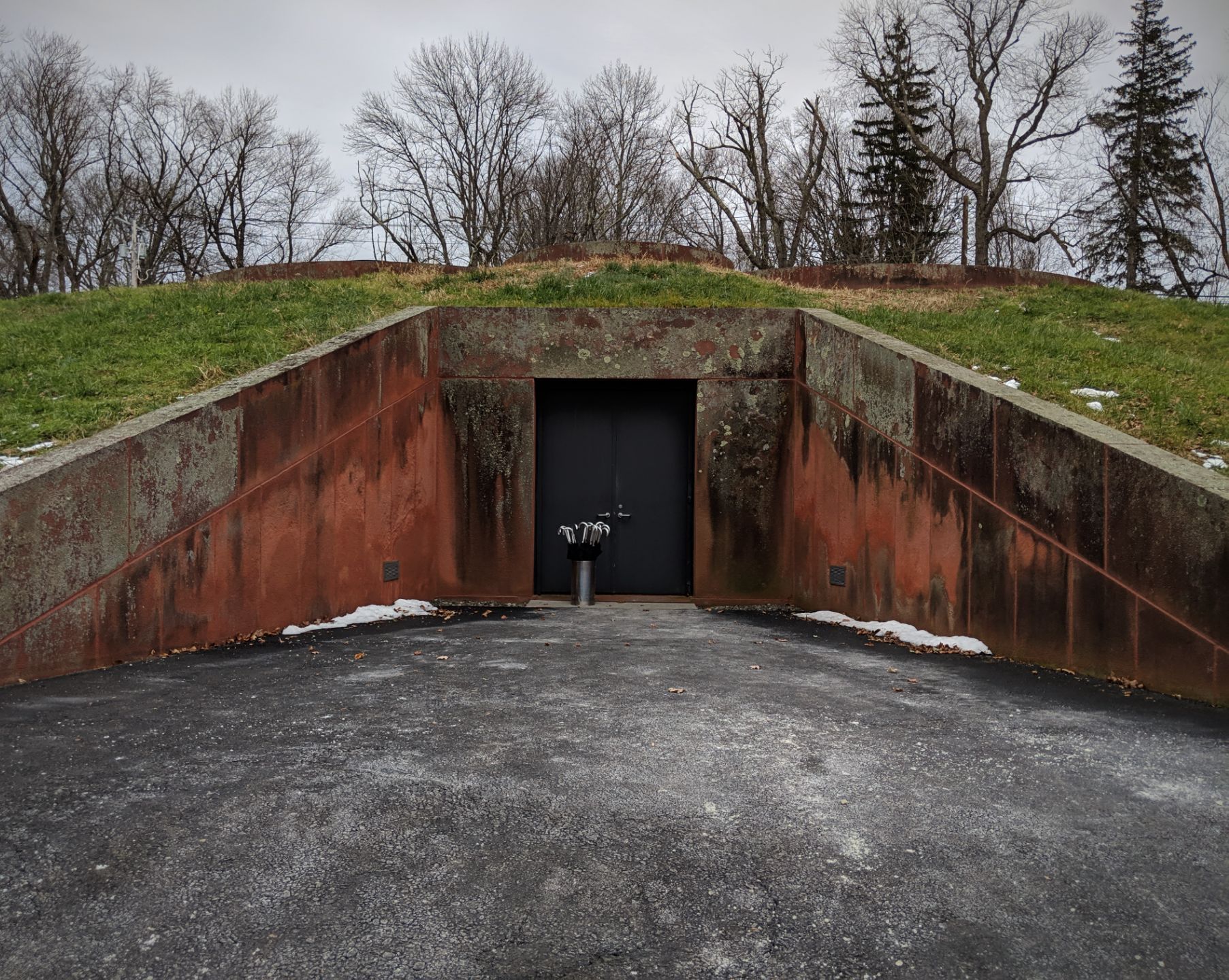
We were pleasantly surprised to discover that the Painting Gallery is built as a tomb, its exterior very much resembling that of the Royal Tomb of Philip II in Aigai, Greece. Philip II (382–336 BC) was the king of Macedonia from 359 BC until his assassination in 336 BC, and father of Alexander the Great. Our guide confirmed the design was, indeed, inspired by Kind Philip’s tomb.
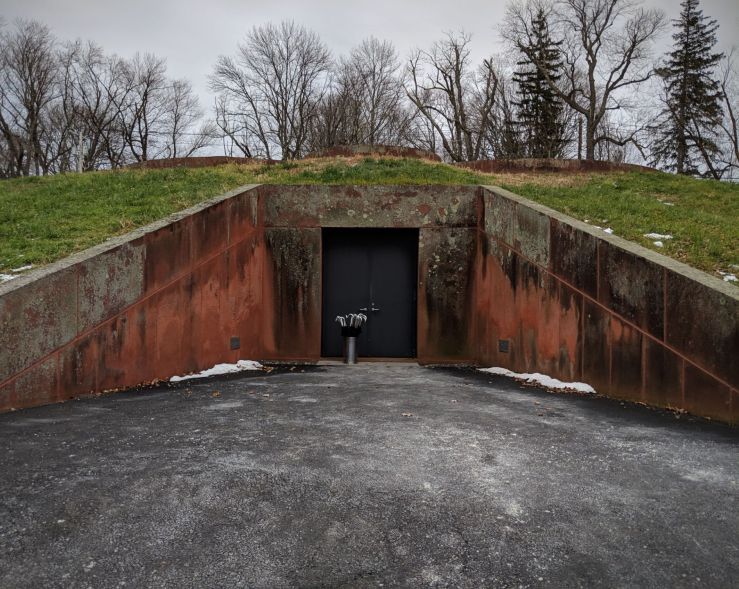
**

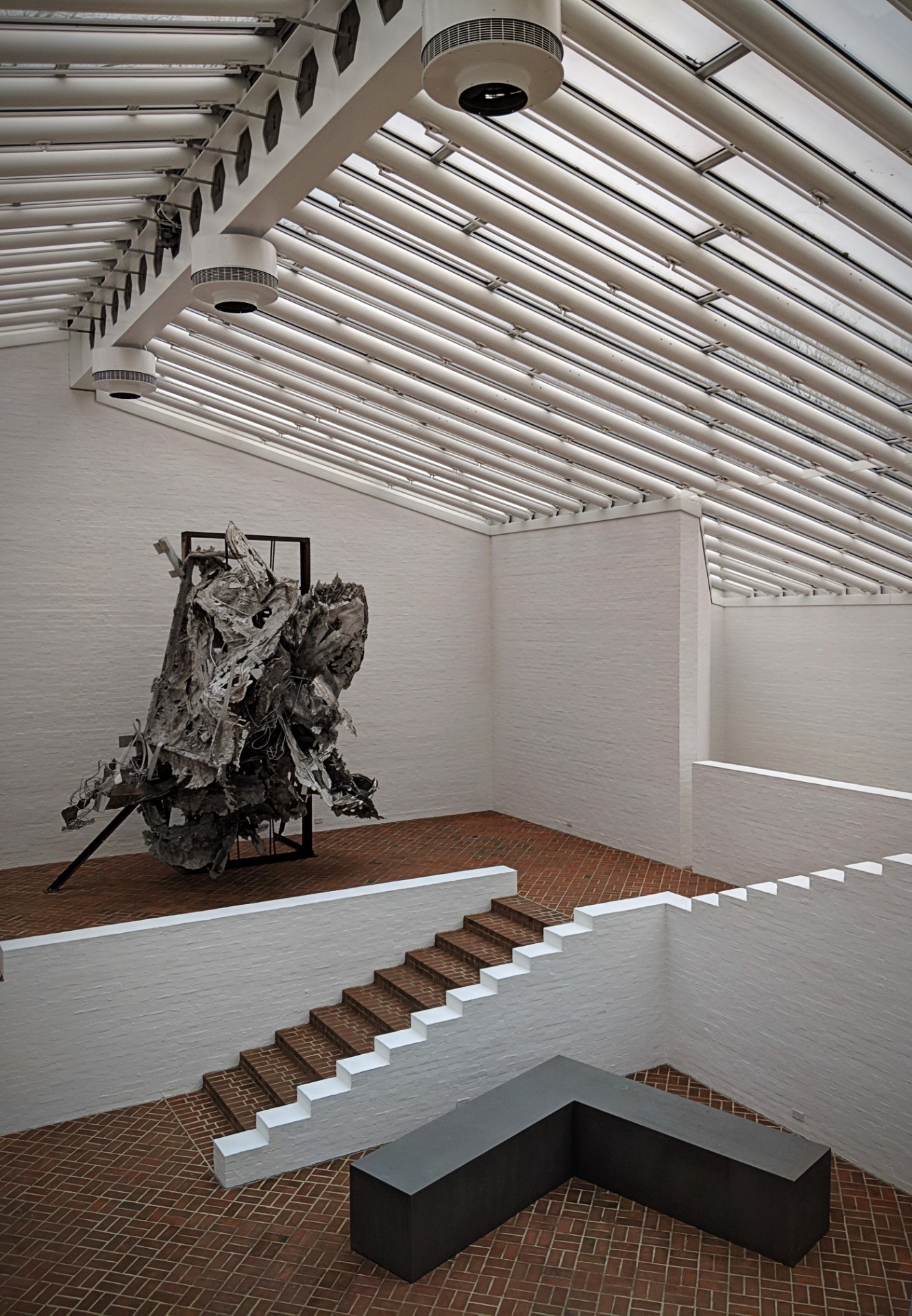
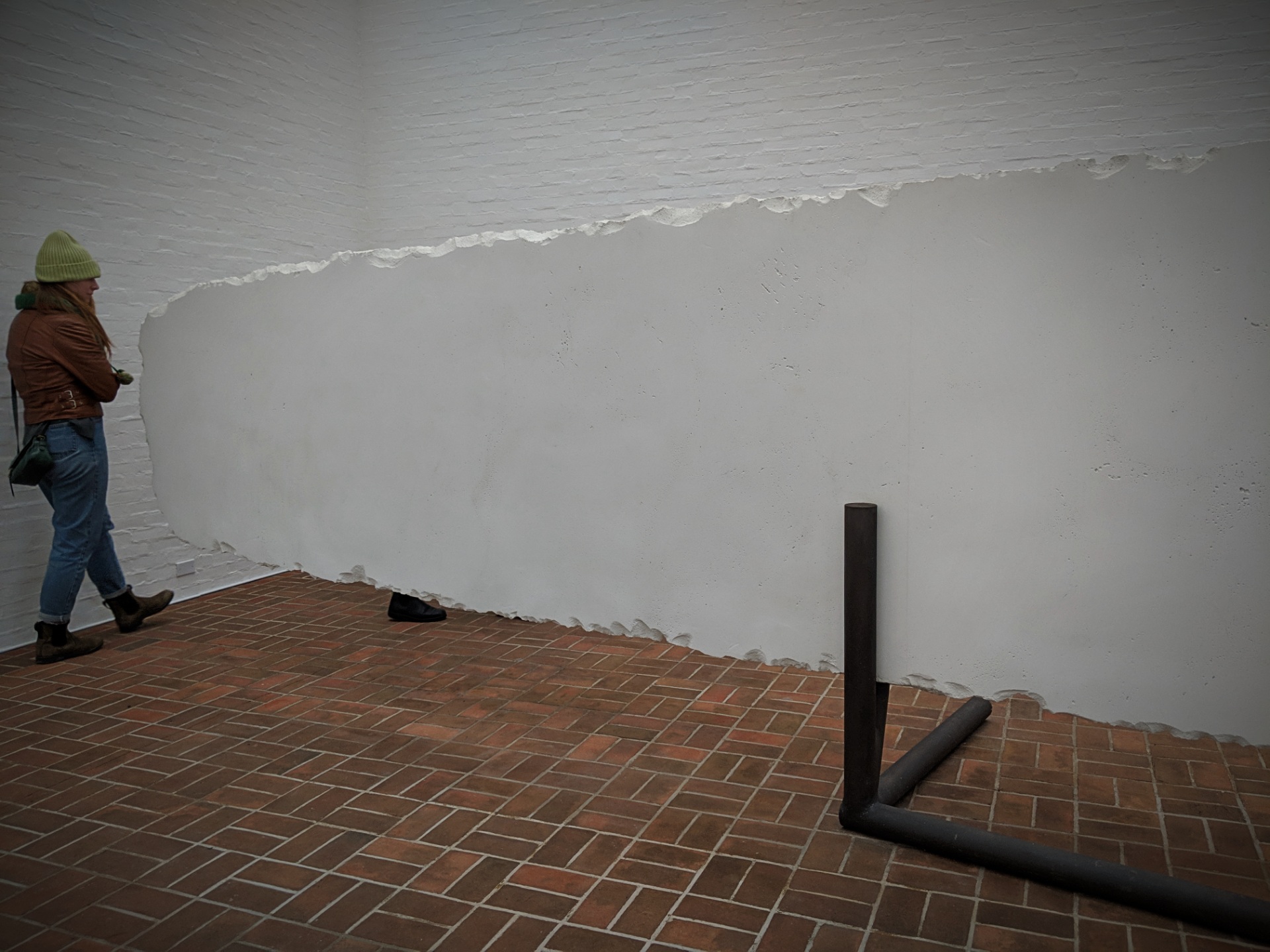
The Sculpture Gallery

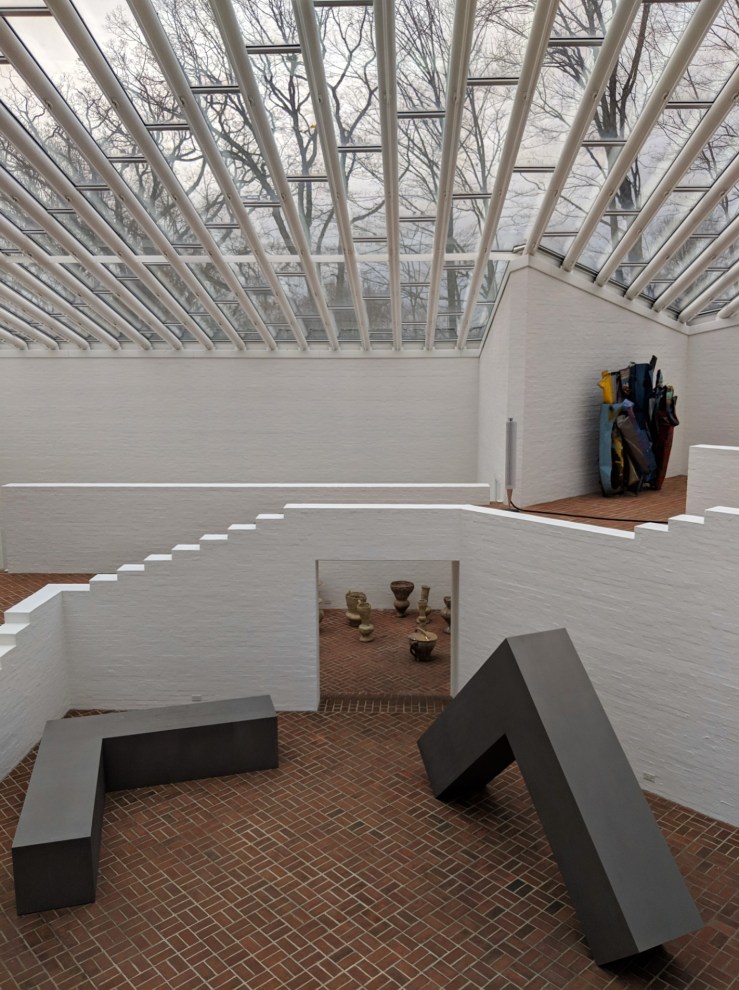
While the Painting Gallery was inspired by an ancient Greek Tomb, Johnson looked to modern Greece for the design of his Sculpture Gallery. His inspiration came partly from the Greek islands and their many villages marked by stairways. Johnson remarked that in these villages, “every street is a staircase to somewhere.” He liked it so much that he seriously considered moving his residence from the Glass House to the Sculpture Gallery. But then, he thought again: “Where would I have put the sculpture?

Robert Morris
Untitled, 1965-70
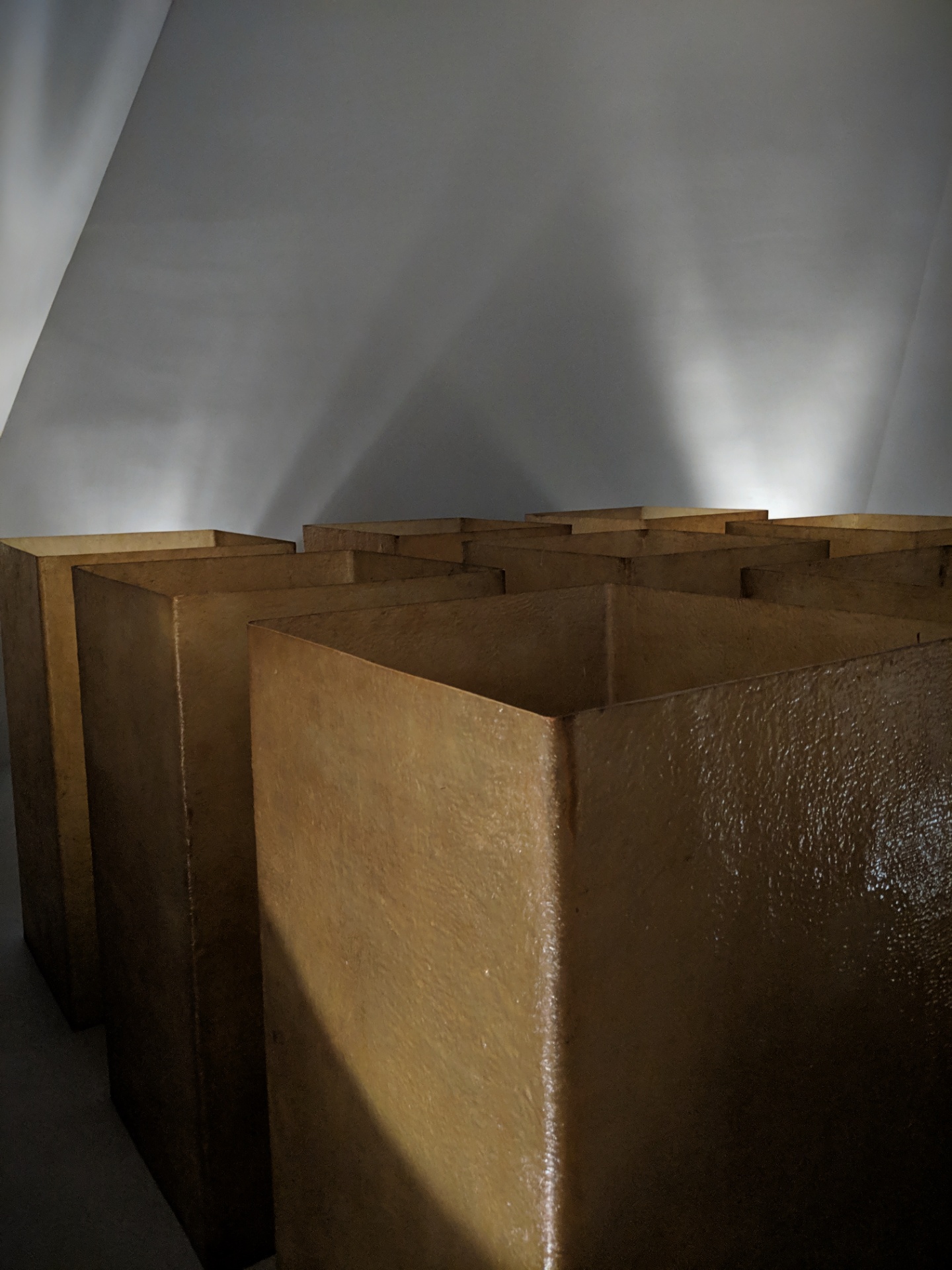
Three L-shaped units of stainless steel
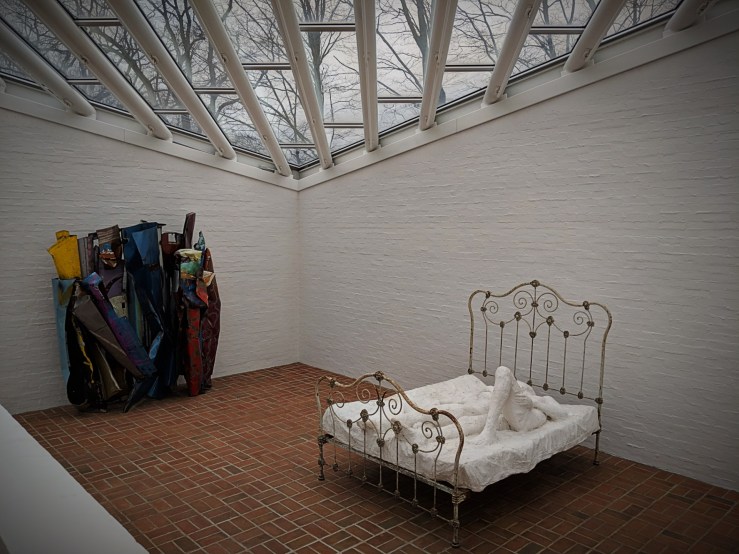

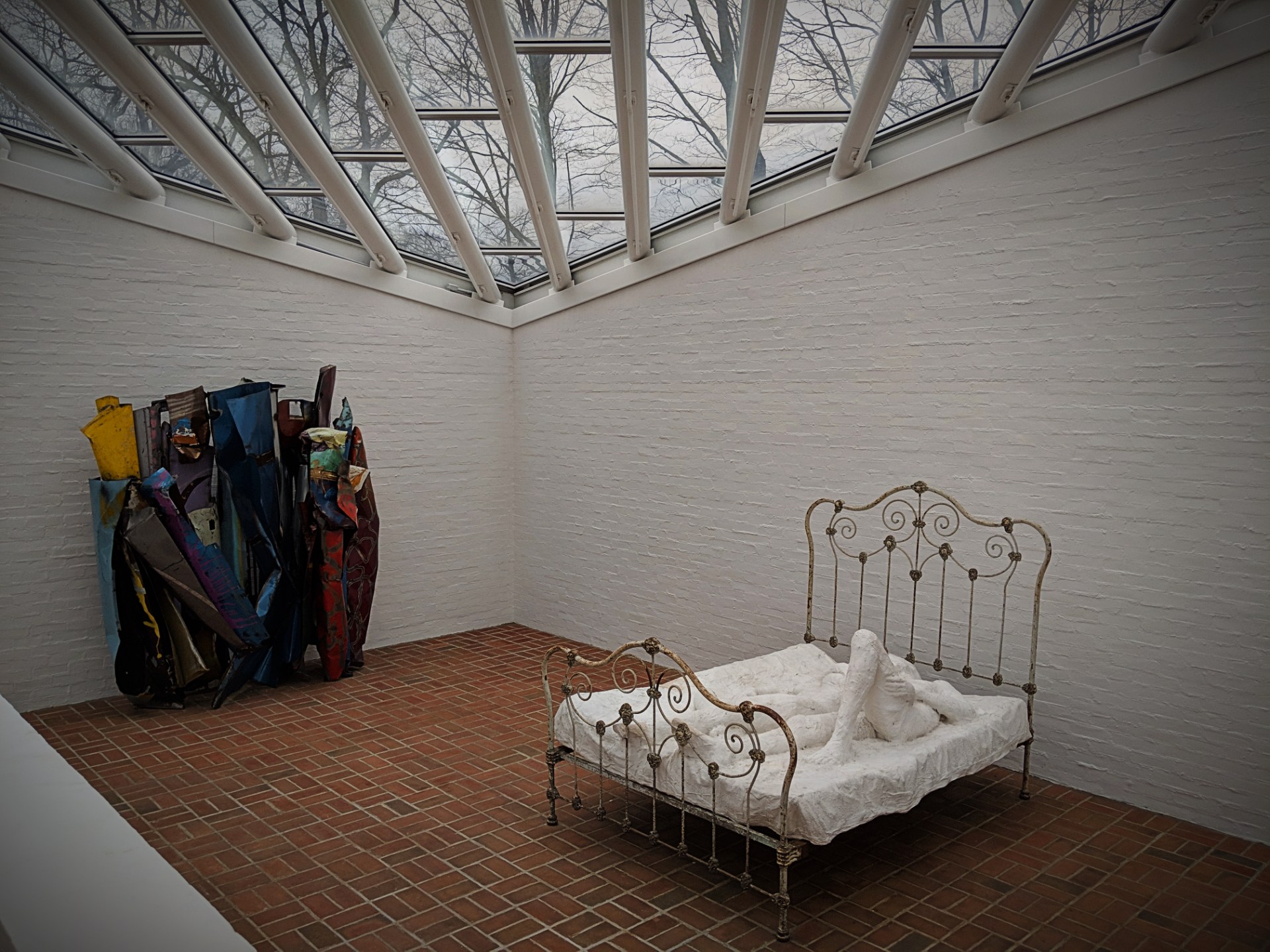
John Chamberlain
The Archbishop, The Golfer, and Ralph, 1982-83
Painted and chromium plated steel

George Segal
Lovers on a Bed II, 1970
Plaster, iron bed frame, paint
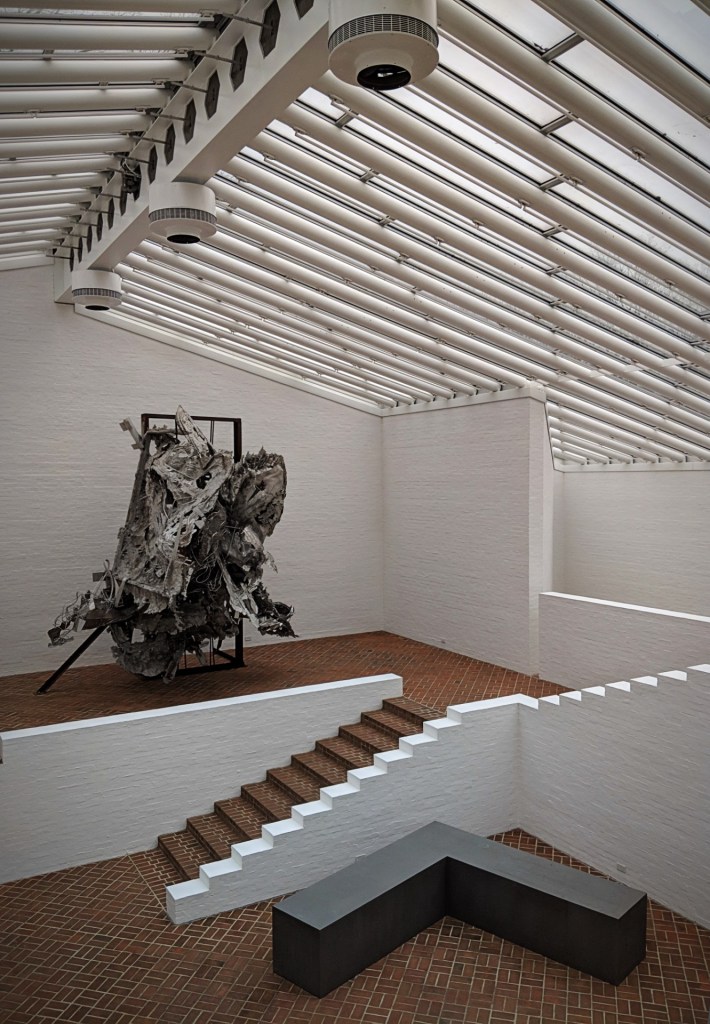

Frank Stella
Raft of Medusa, Part I, 1990
Oil and enamel on etched honeycomb aluminum with steel pipes, beams, and other metal elements
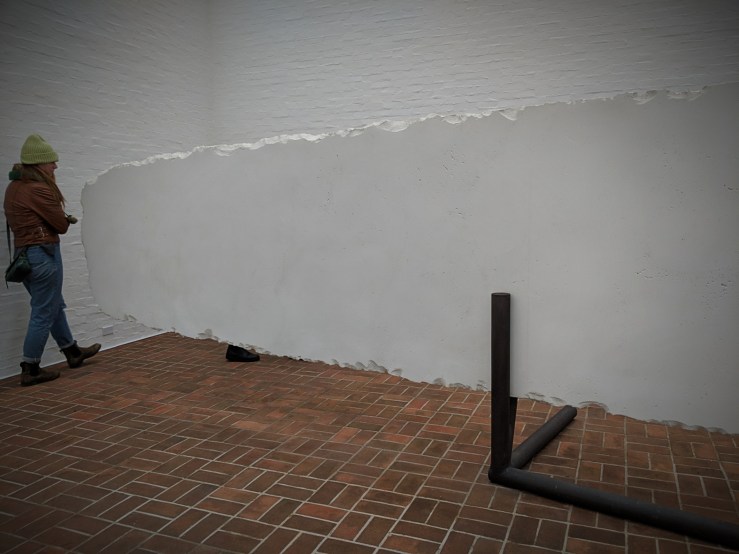

Michael Heizer
Prismatic Flake #4, 1990
Modified concrete, steel base
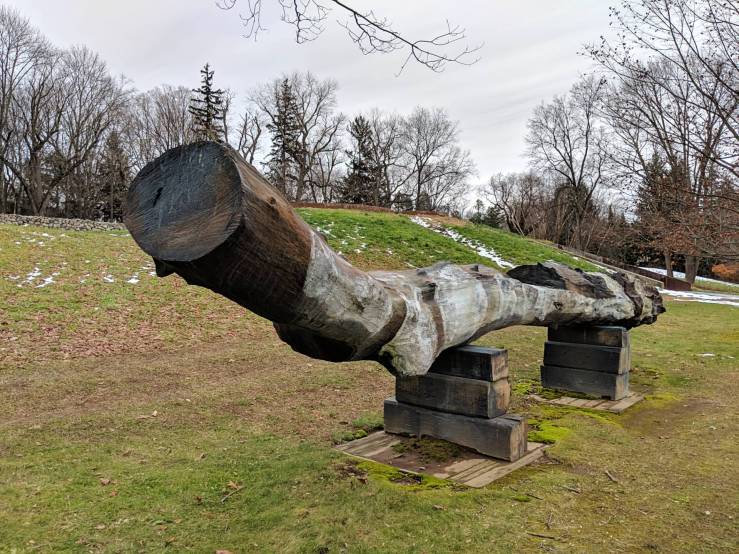

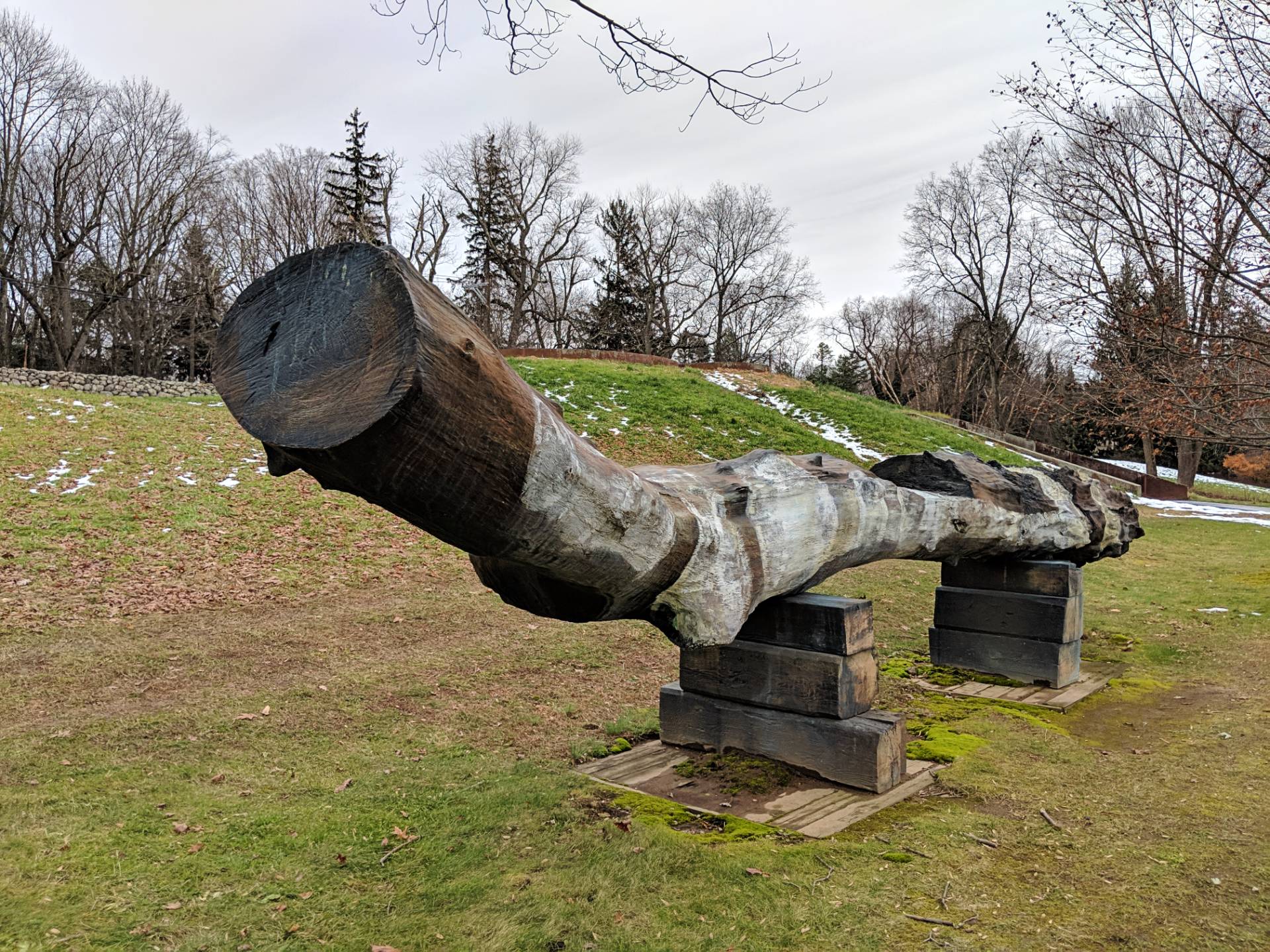
Julian Schnabel
Ozymandias, 1986-90
It looks so much like wood that it was hard to believe it is made of cast bronze, patina and paint
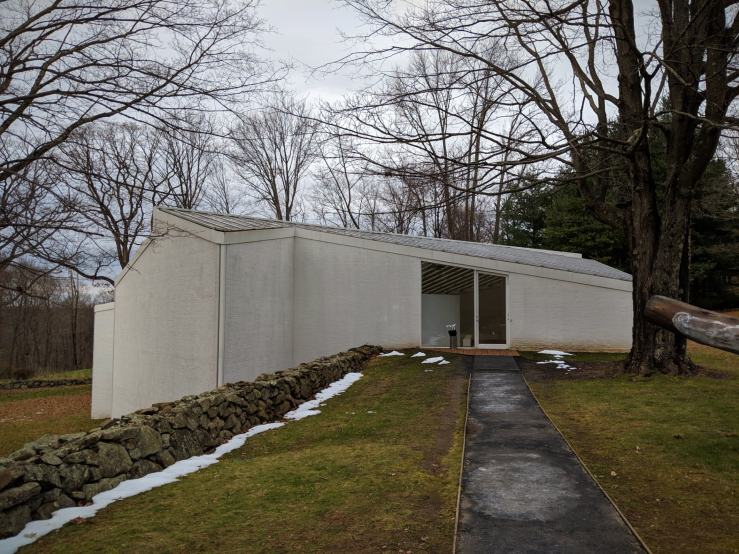

An exterior view of the Sculpture Gallery

**

The Studio

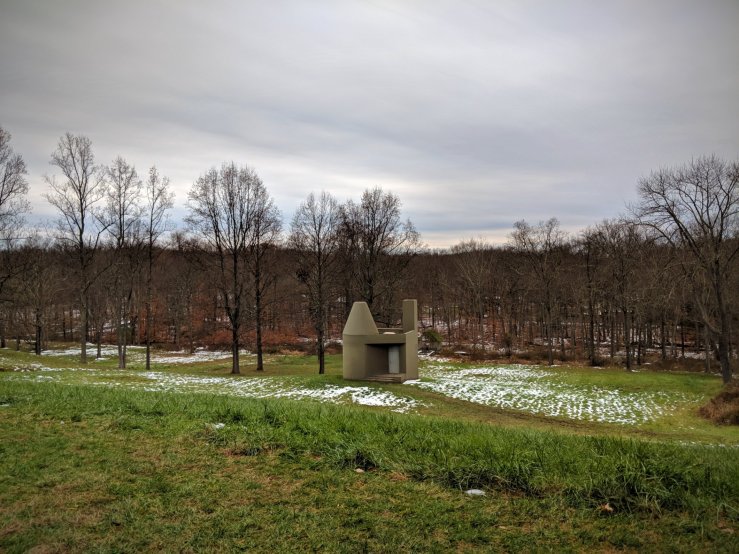
The Studio, a one-room workspace and library, was referred to by Johnson as an ”event on the landscape”. When first completed, the Studio’s stucco exterior was bright white, but later Johnson painted it a soft brown color, described by colorist Donald Kaufman as ”stone greige.”
**

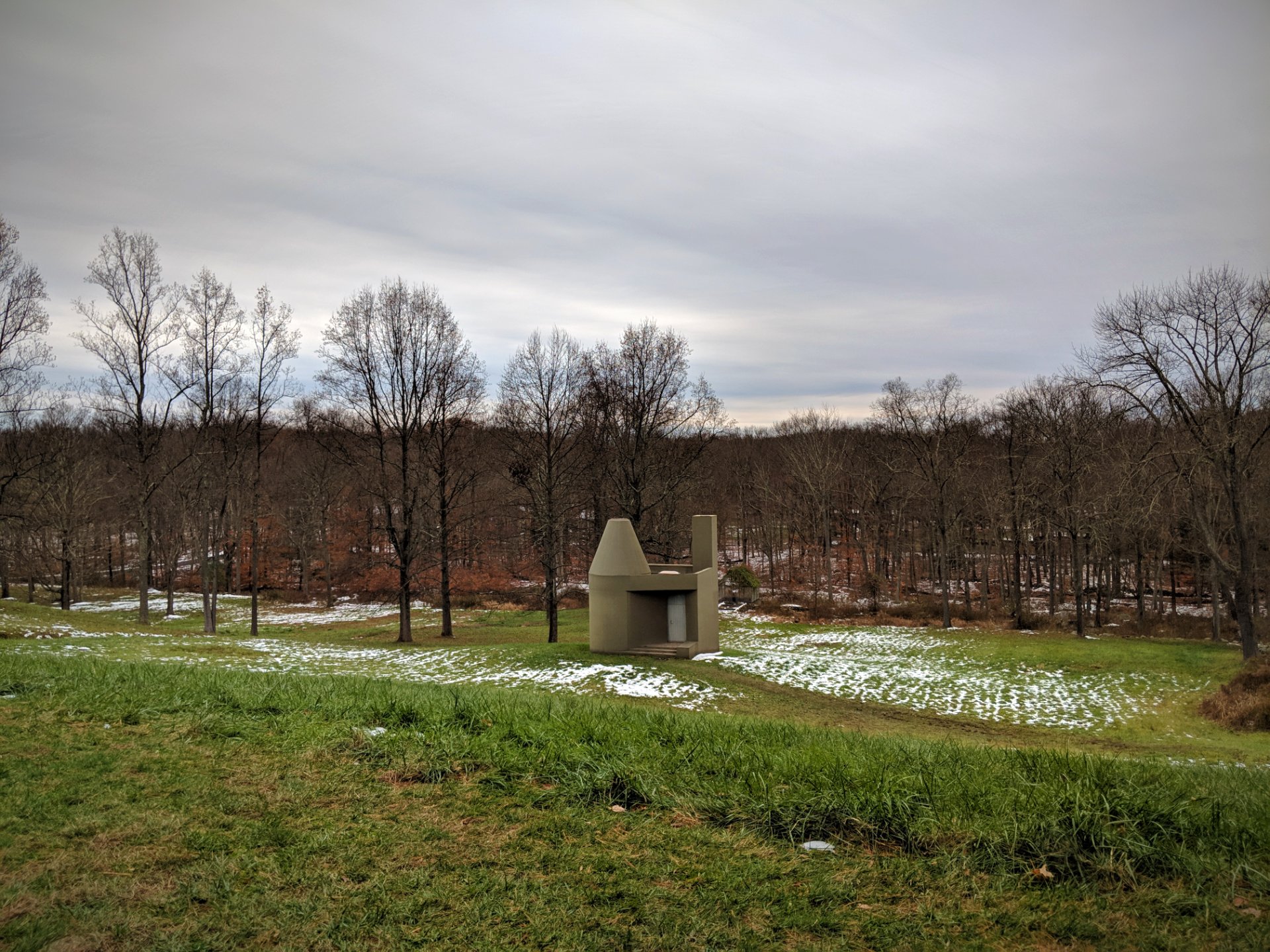
Da Monsta

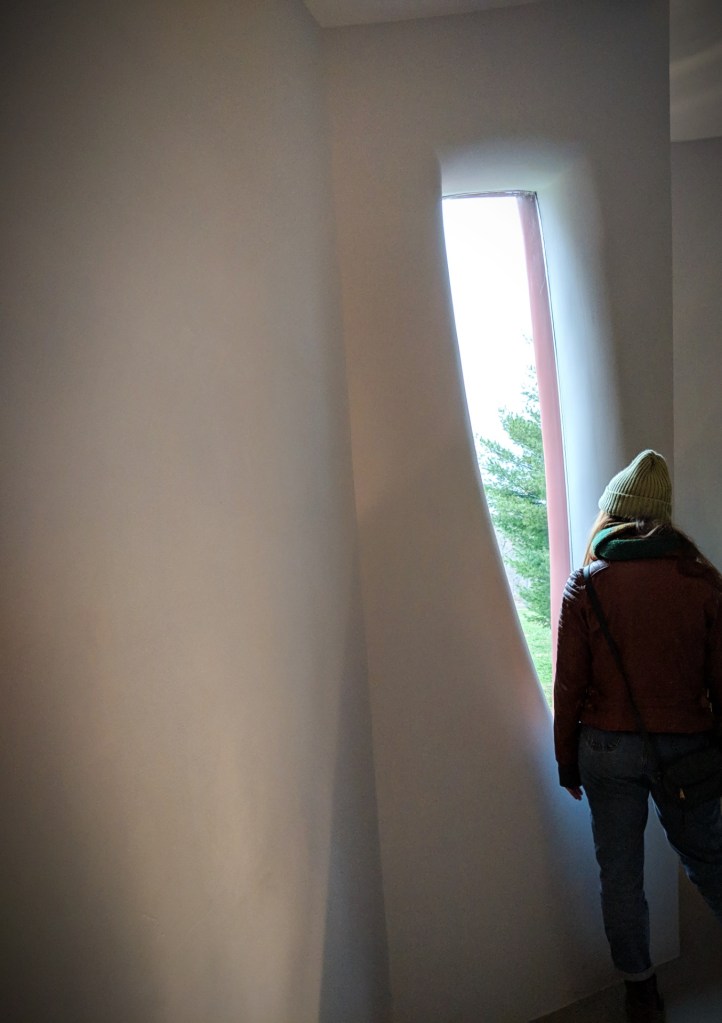
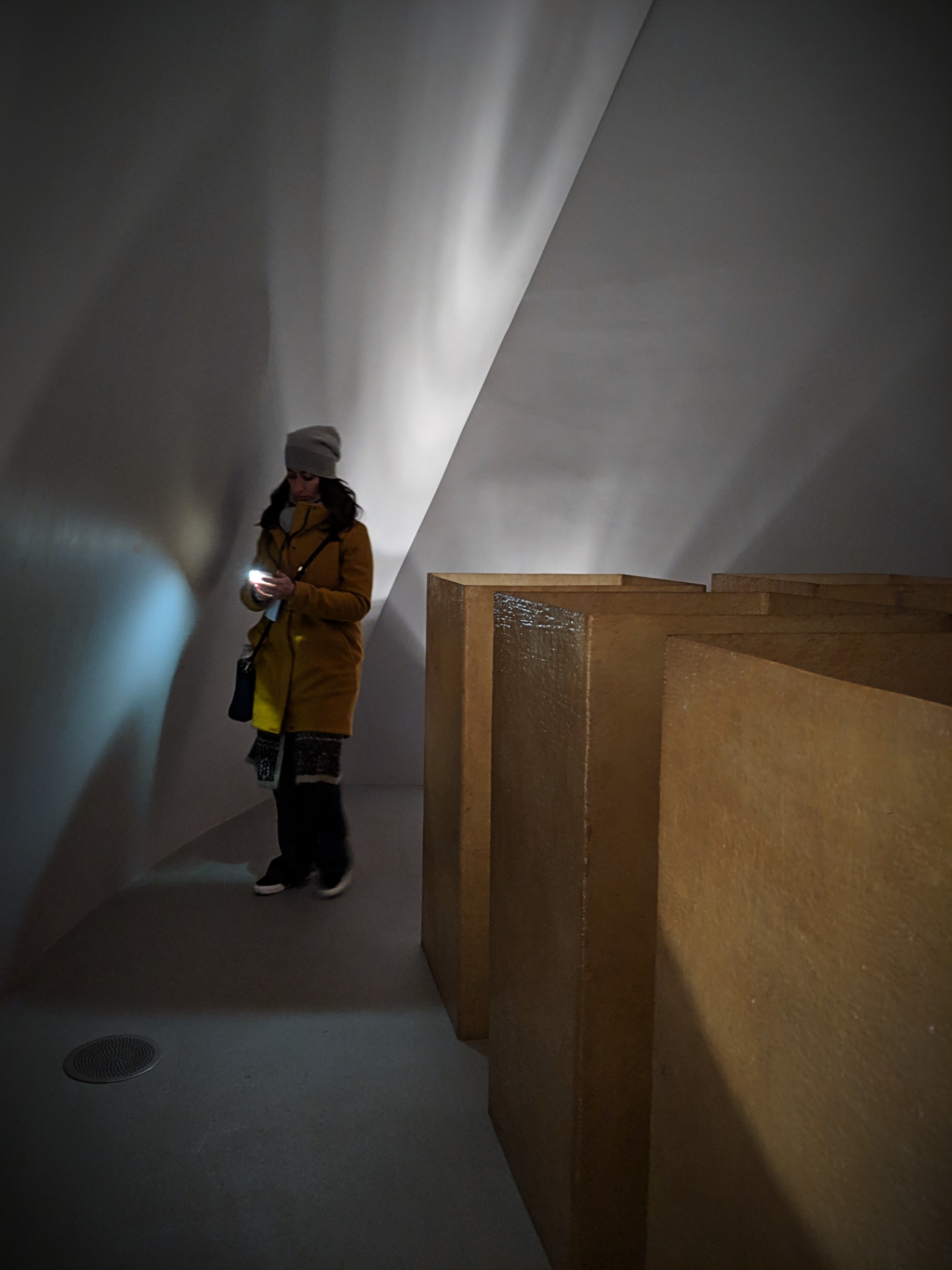
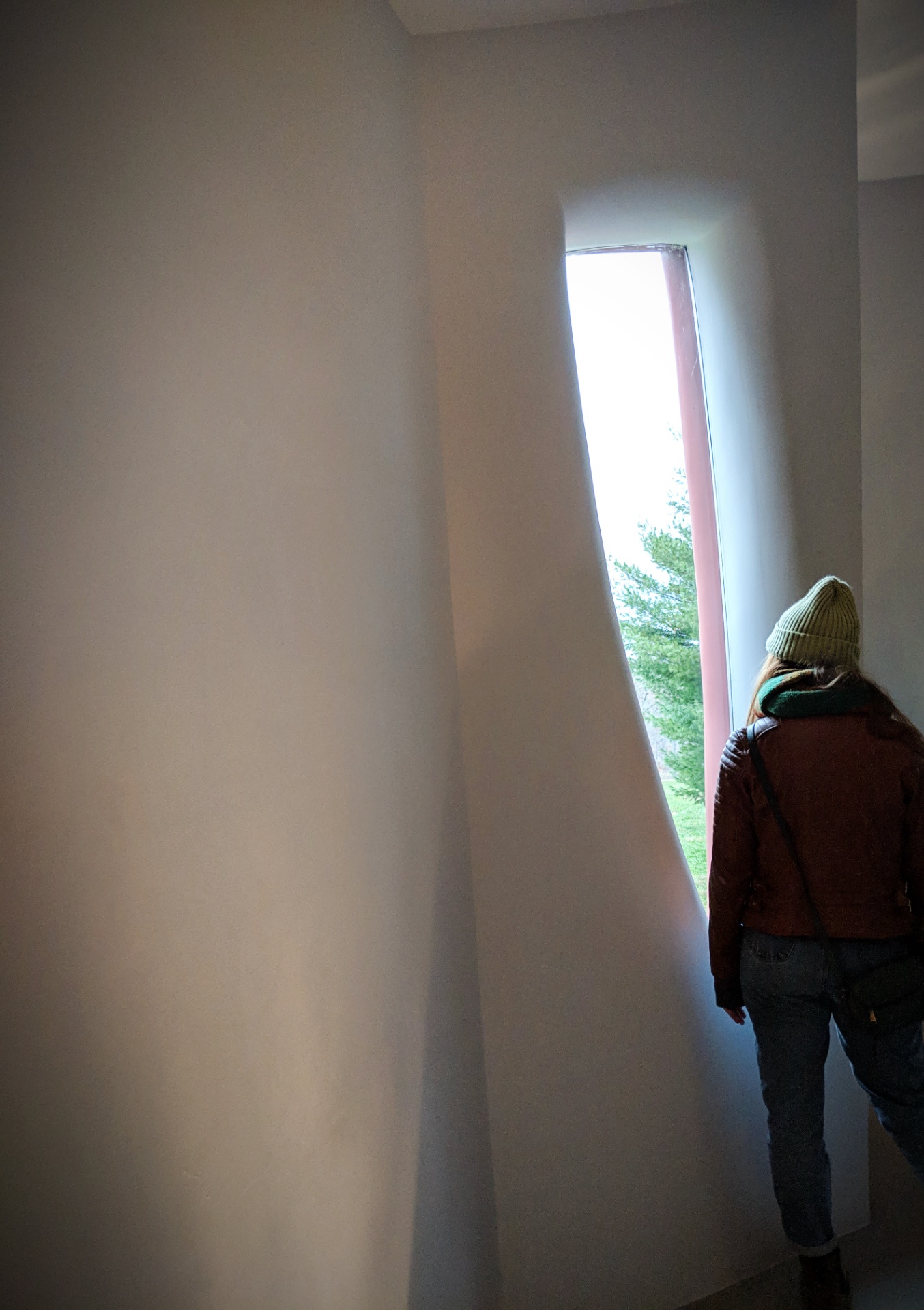
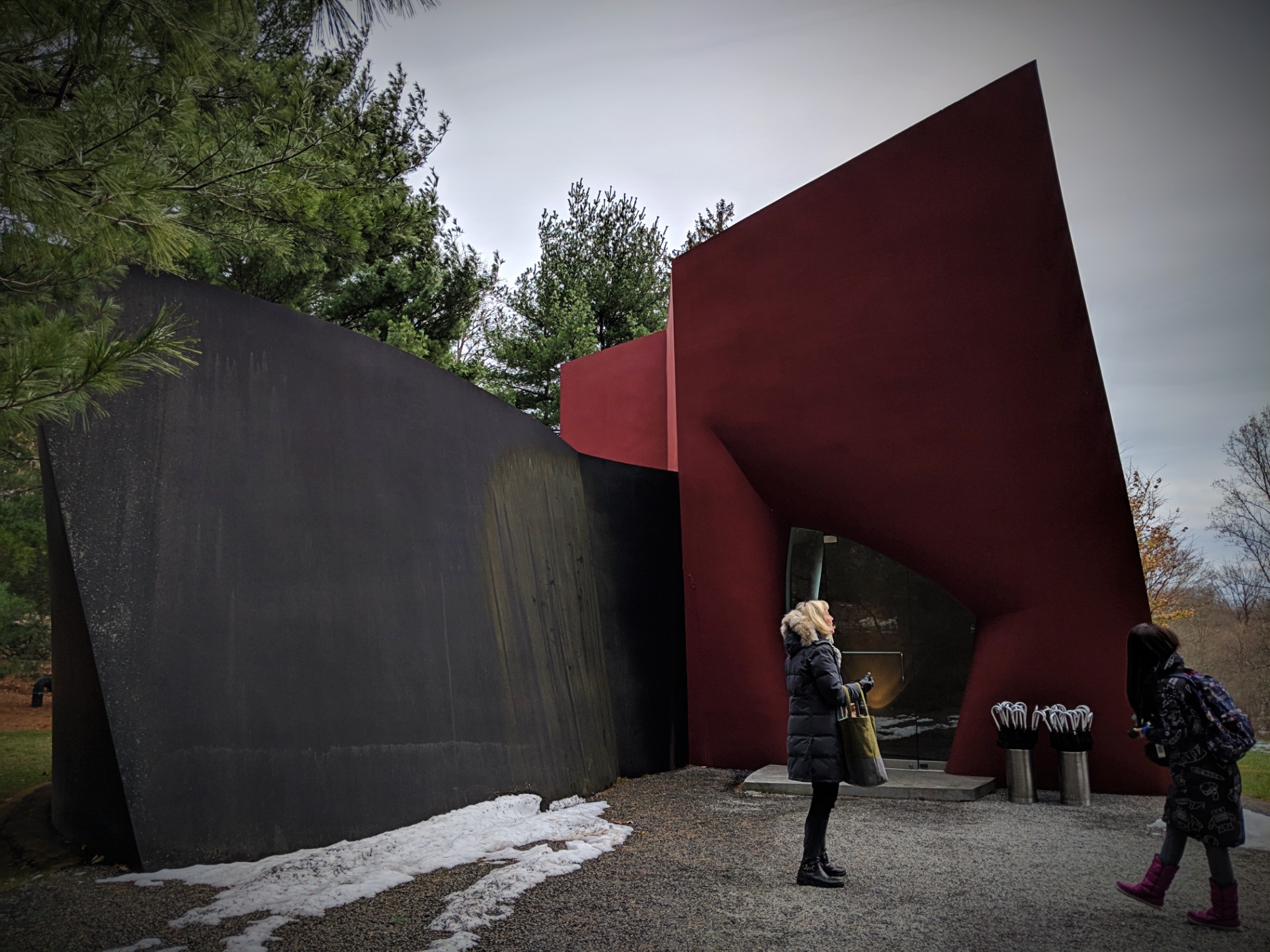
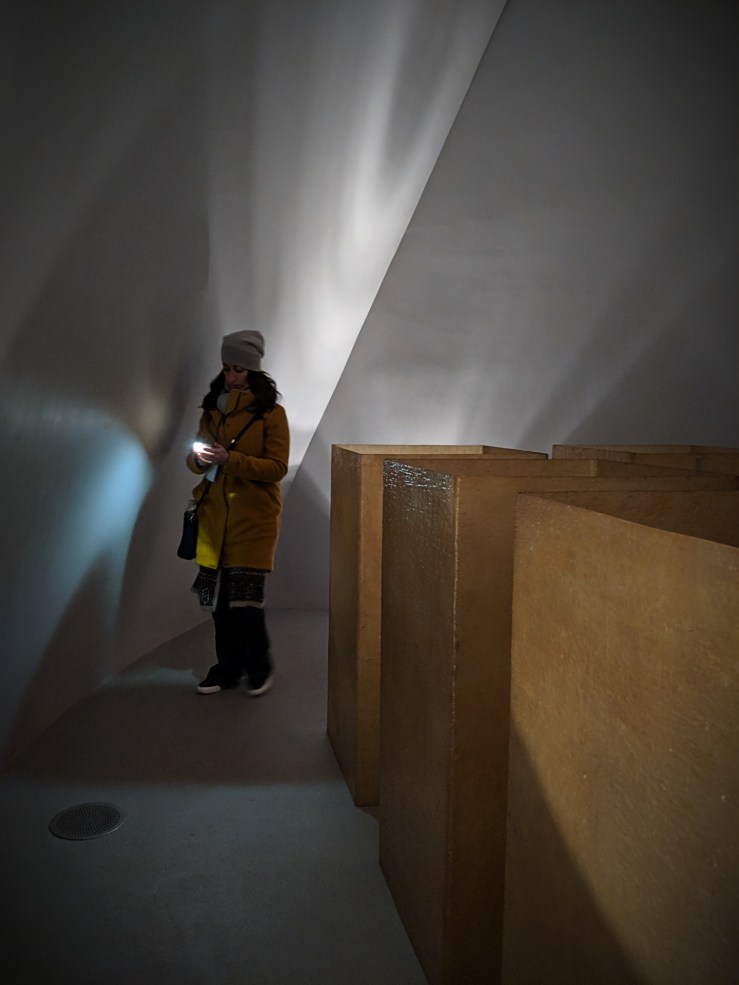
This building, constructed of modified gunnite, is the closest to Johnson’s thinking about sculpture and form at the end of his life – what he called the ”structured warp.”

The name of the building is an adaptation of the “monster”, a phrase for the building that resulted from a conversation with architecture critic Herbert Muschamp. Johnson felt the building had the quality of a living thing.

I thought Frank Gehry would have felt at home here.
The Glass House

New Canaan, CT

November 18th, 2018
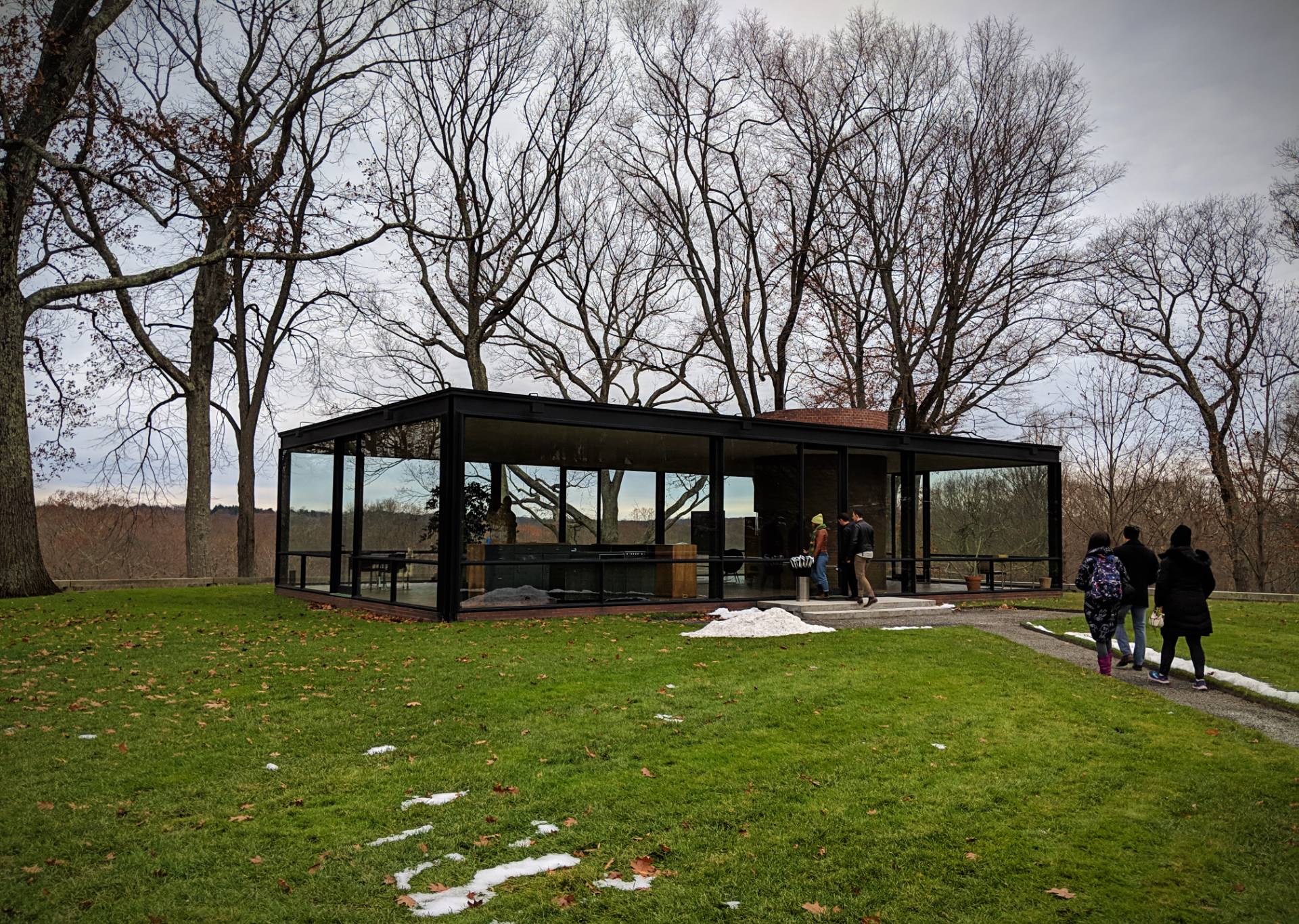
The Glass House

“In the case of the Glass House, the stylistic approach is perfectly clear. Mies van der Rohe and I had discussed how you could build a glass house and each of us built one. Mies’ was, of course, primary and mine was an adoption from the master, although it’s quite a different approach. In my case, there were a lot of historical influences at work. The Glass House stylistically is a mixture of Mies van der Rohe, Malevich, the Parthenon, the English garden, the whole Romantic Movement, the asymmetry of the 19th century. In other words, all these things are mixed up in it but basically it is the last of the modern, in the sense of the historic way we treat modern architecture today, the simple cube.” – Philip Johnson, 1991

And so it was that Johnson’s famed masterpiece came to be. But it’s not just the house: a Studio, a Painting Gallery, a Sculpture Gallery, Da Monsta, a Brick House and a Pavillion in the Pond complete the picture.

But first things first:

The Gate

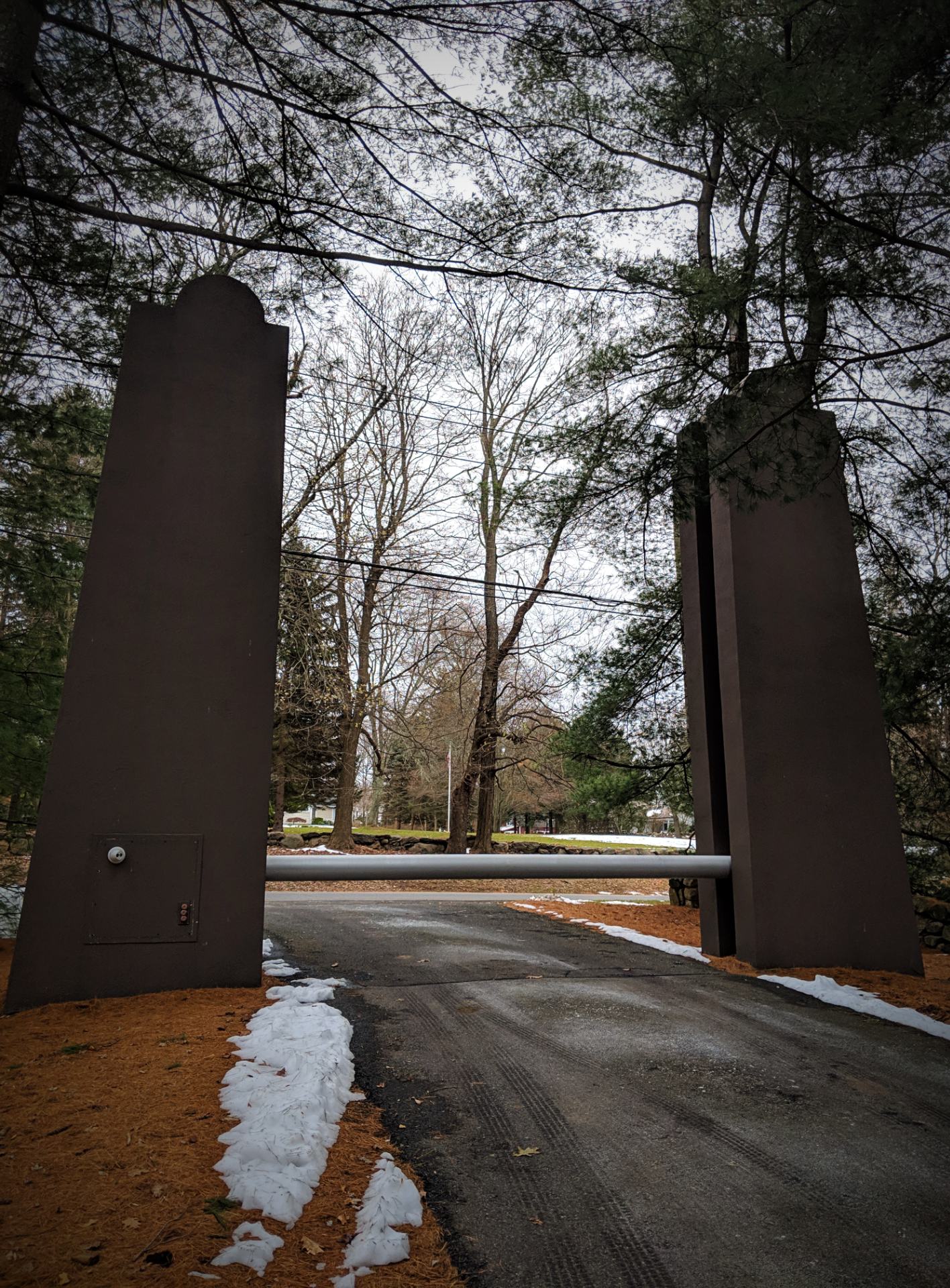
A standalone structure with no fence, so anyone can just walk by. Still, quite impressive in size and mechanics, with the bar sliding up to let our shuttle bus enter, and down again behind it. It was a sailboat boom in a previous life.

The Brick House

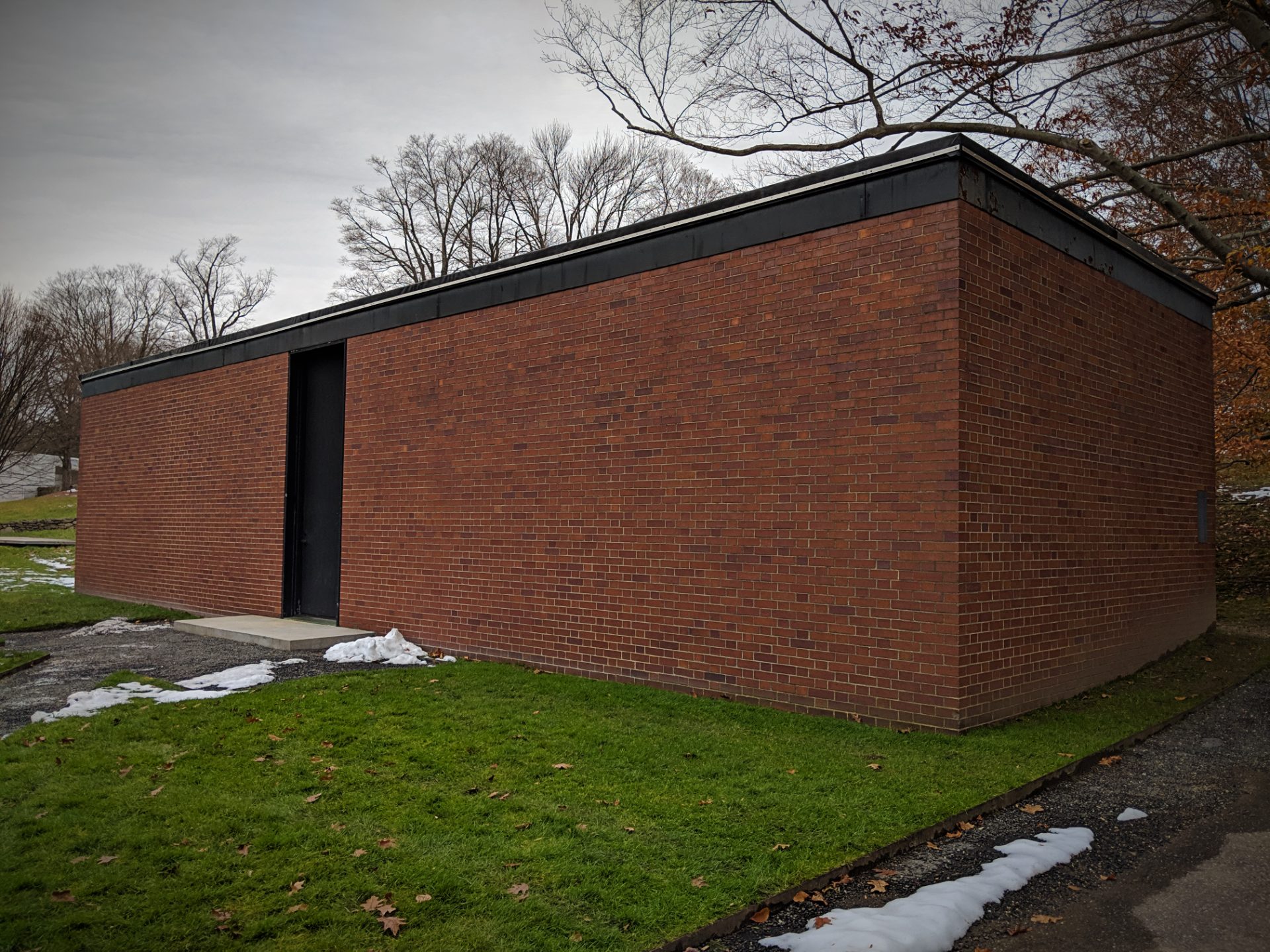
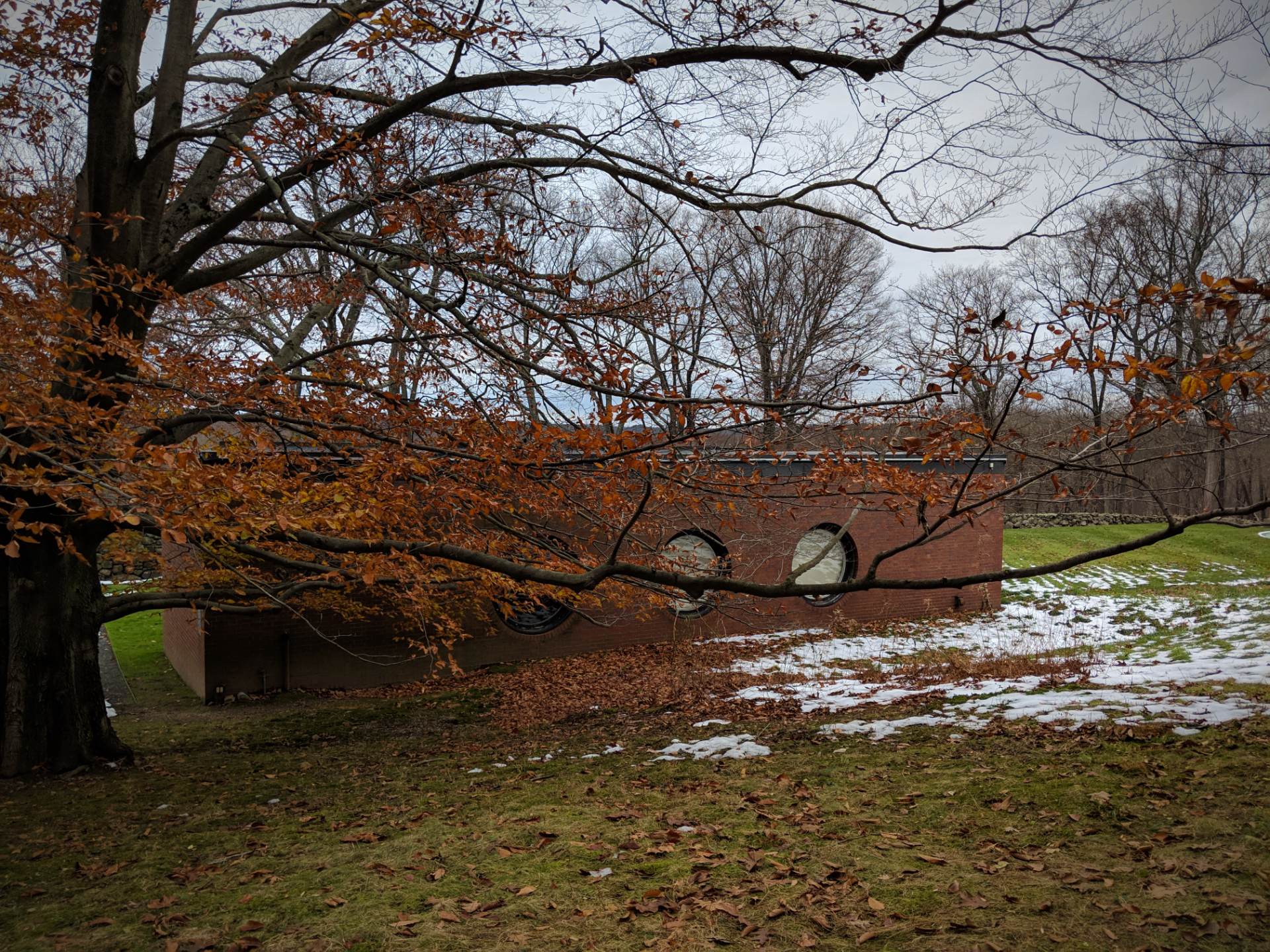
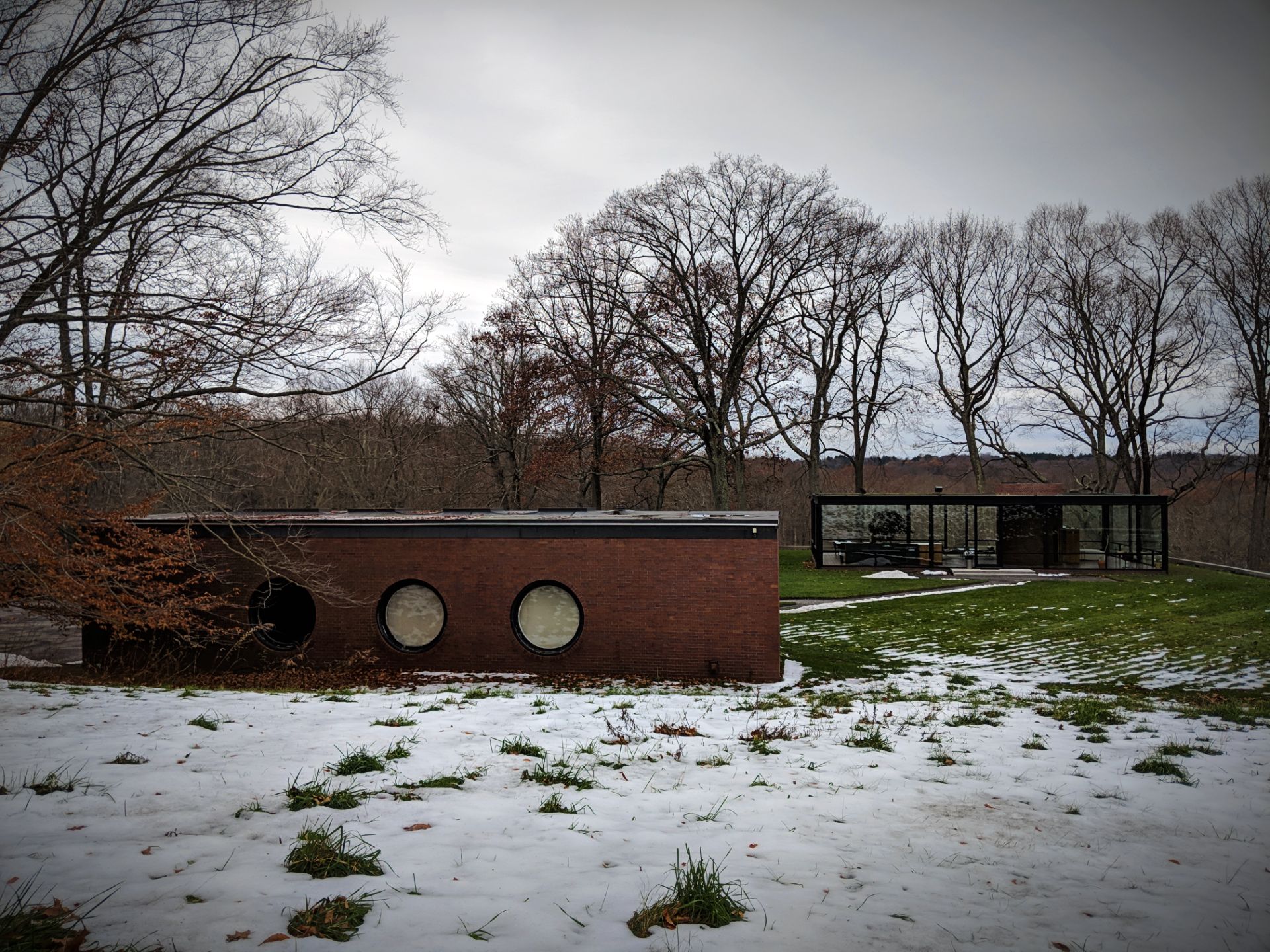
In contrast to the diaphanous Glass House, it was conceived as a guest house offering total privacy – light pours in from skylights and the only windows were placed at the rear.

The Glass House

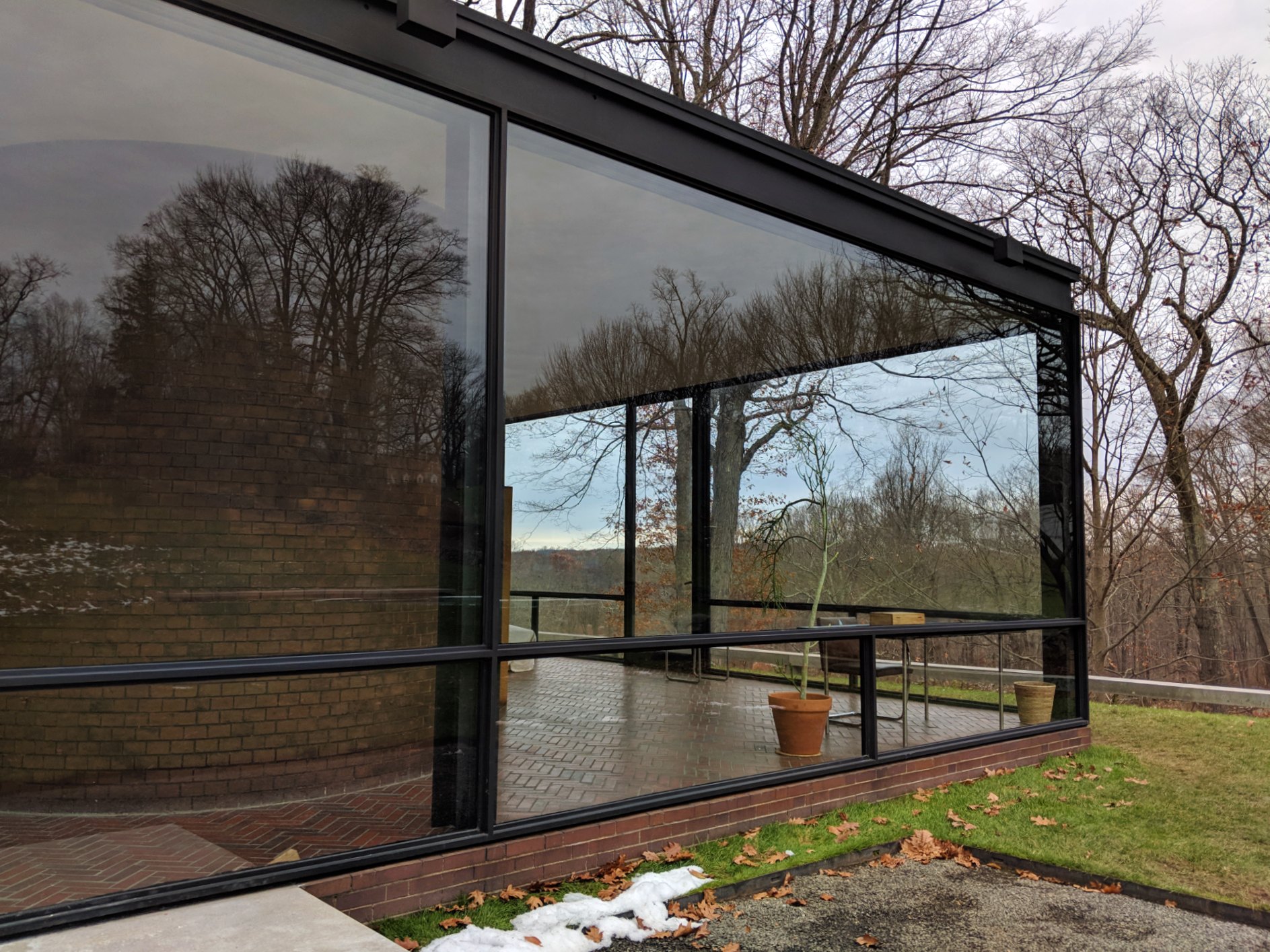
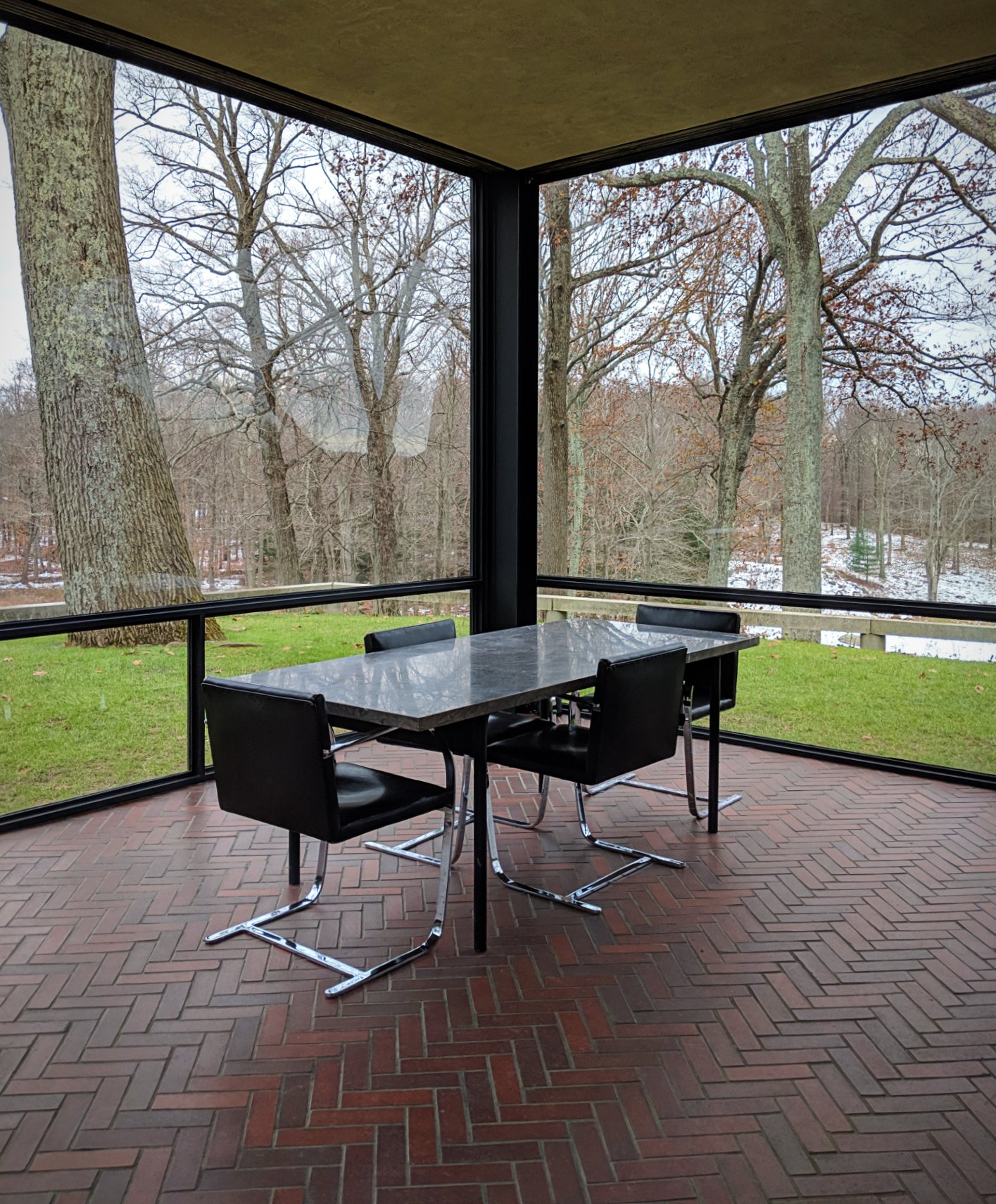
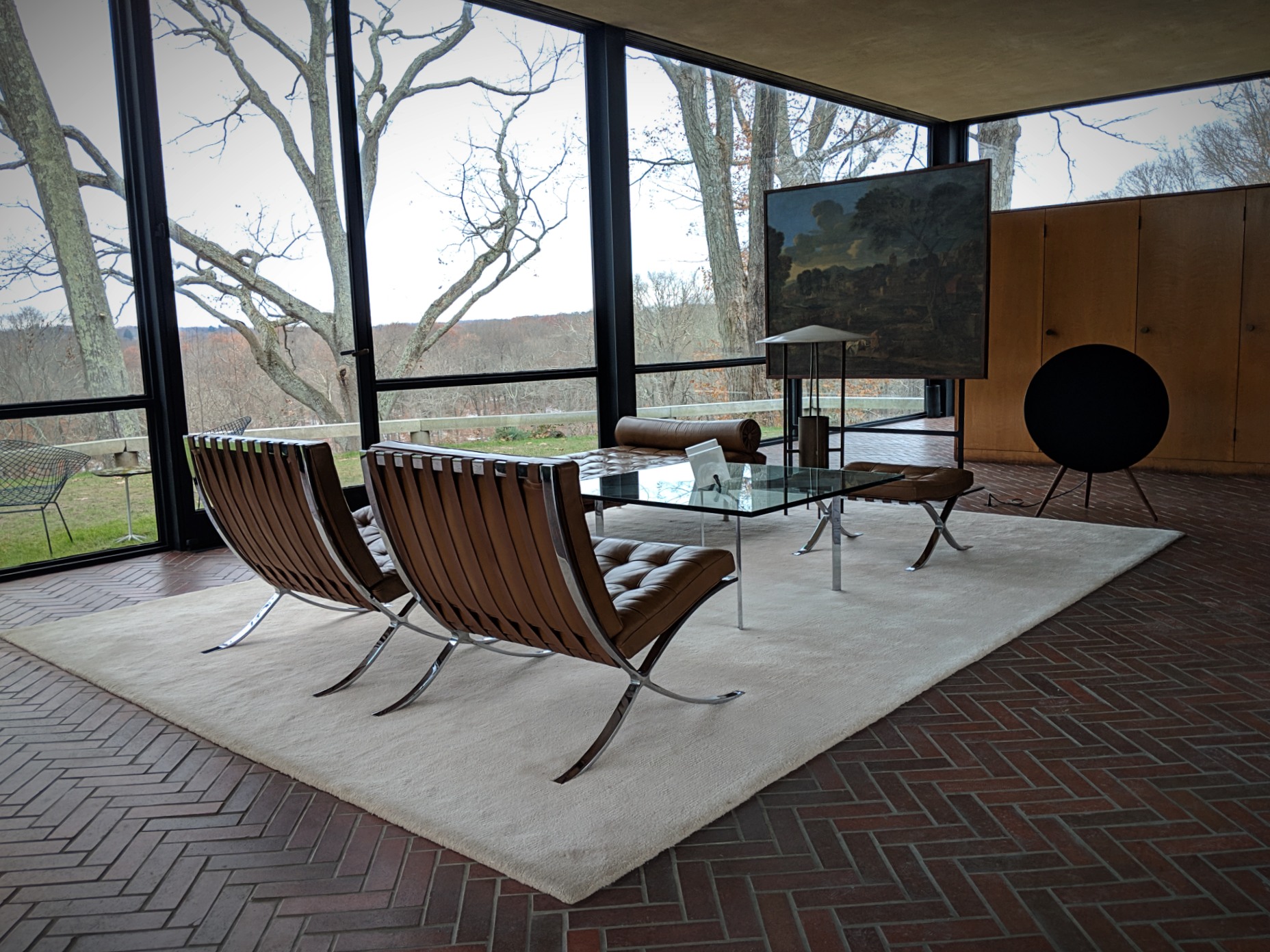
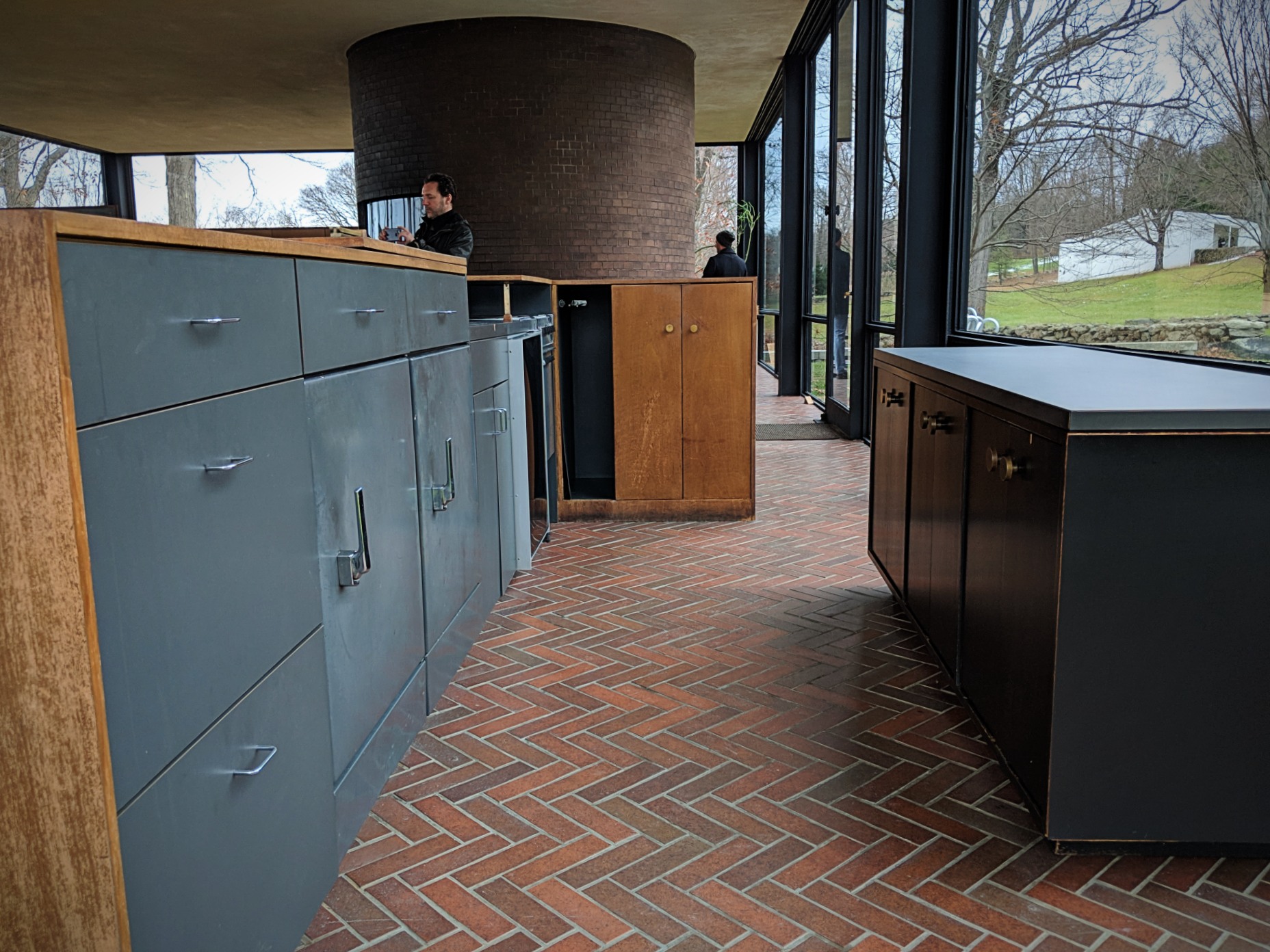
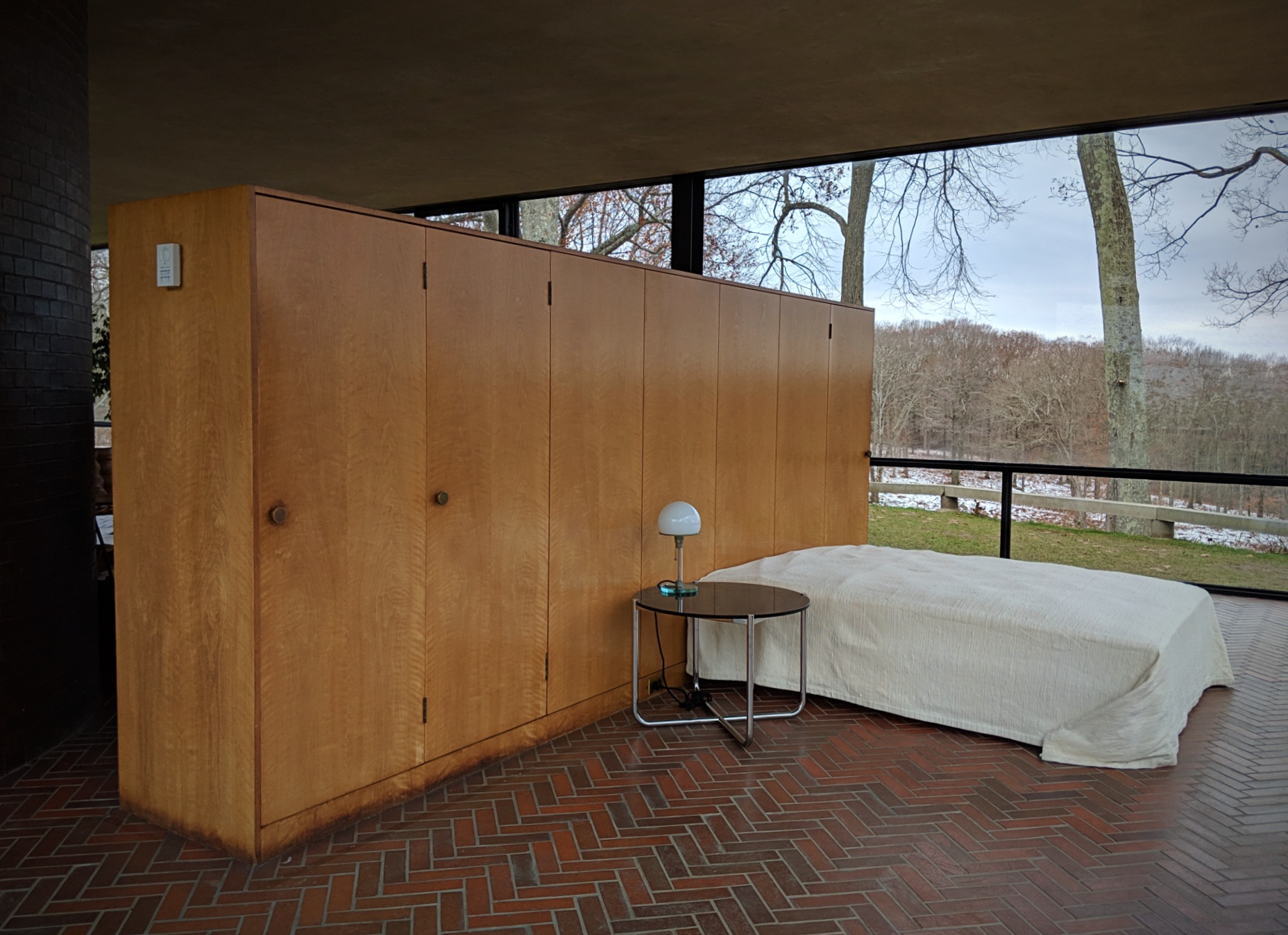
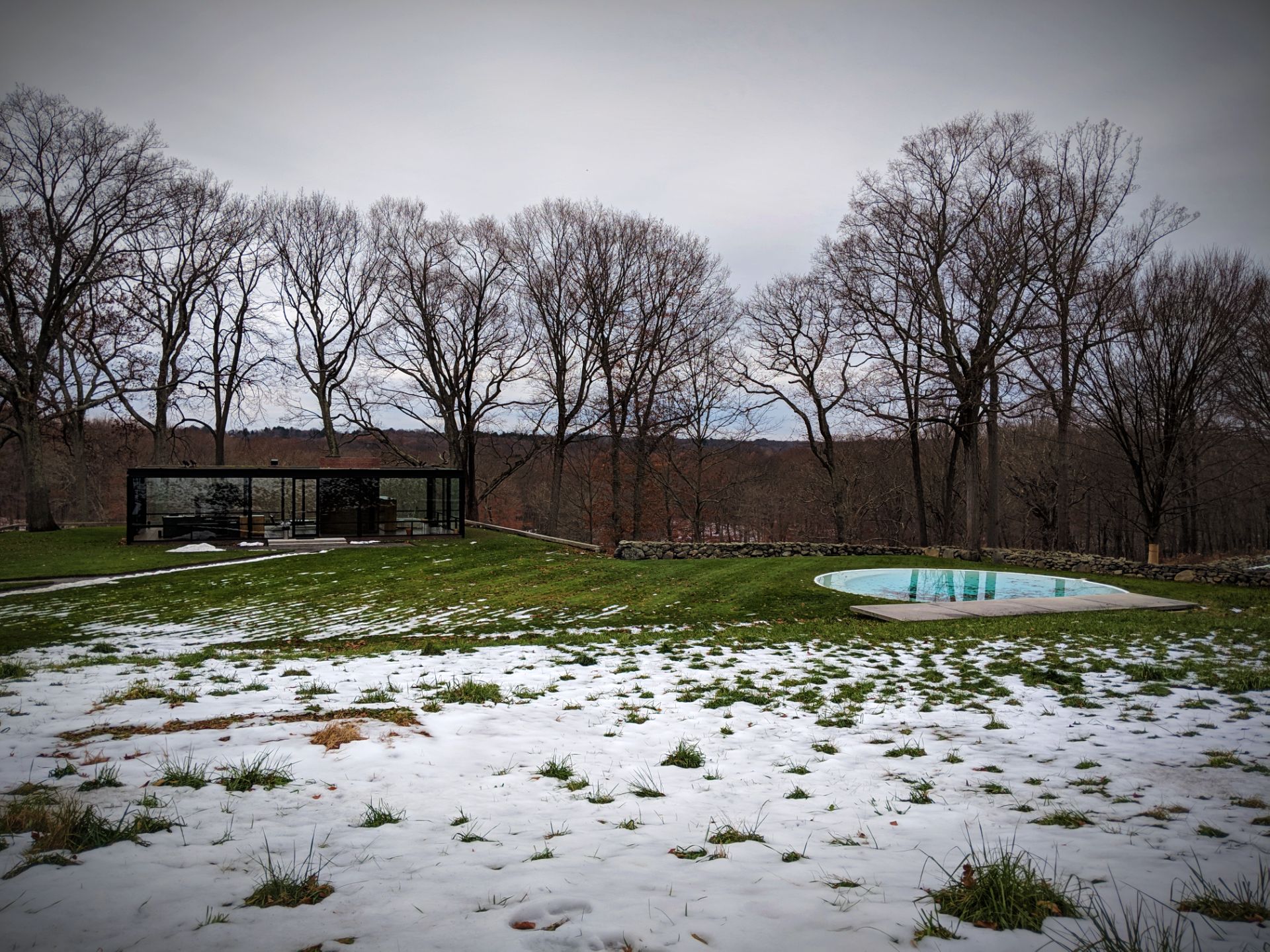
Although there are no walls separating them, Philip Johnson referred to areas within the space as “rooms.” So we have the living room, dining room, kitchen, bedroom and an entrance area – their limits defined by furniture or objects.

And, yes, it gets really hot when the sun shines. In order to avoid suffocation from the greenhouse effect, Johnson had special modular wooden panels placed on the glass ones for shade; they would be moved according to the hour of day or season.

The painting in the ”living room” is ”Burial of Phocion” ca. 1648-49, by Nicolas Poussin. It was selected specifically for the house by Alfred H. Barr, Jr., the first director of the Museum of Modern Art.

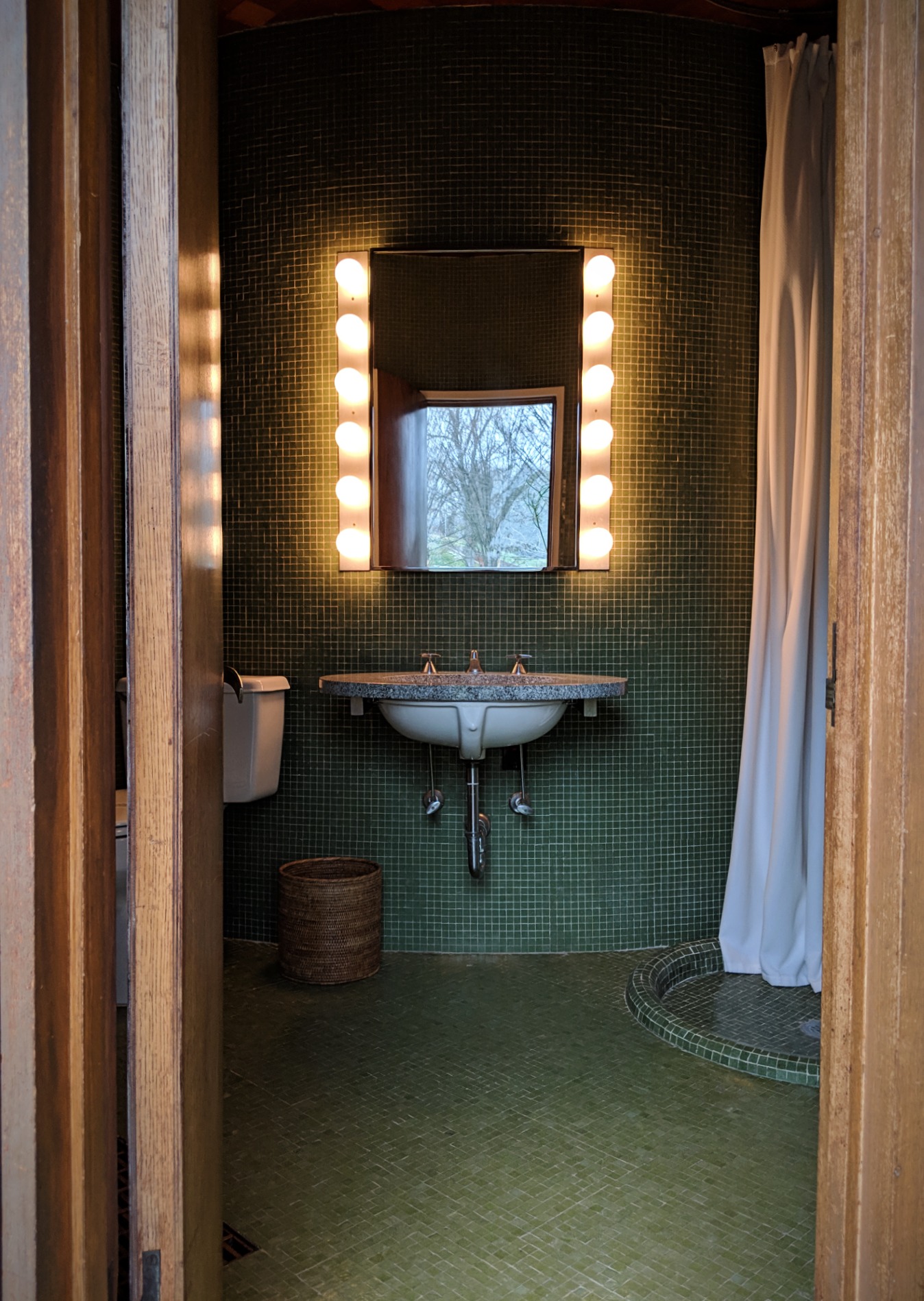
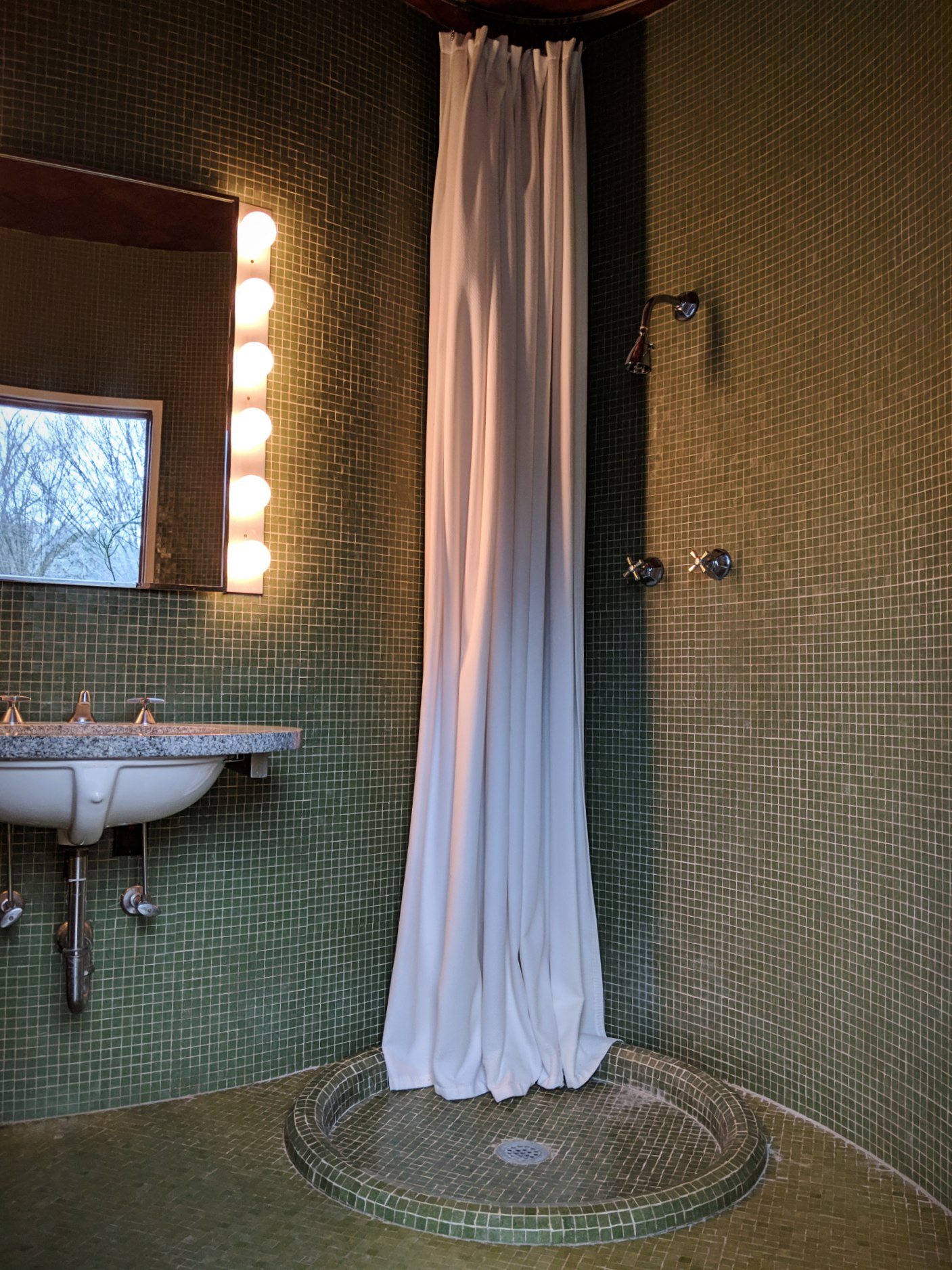
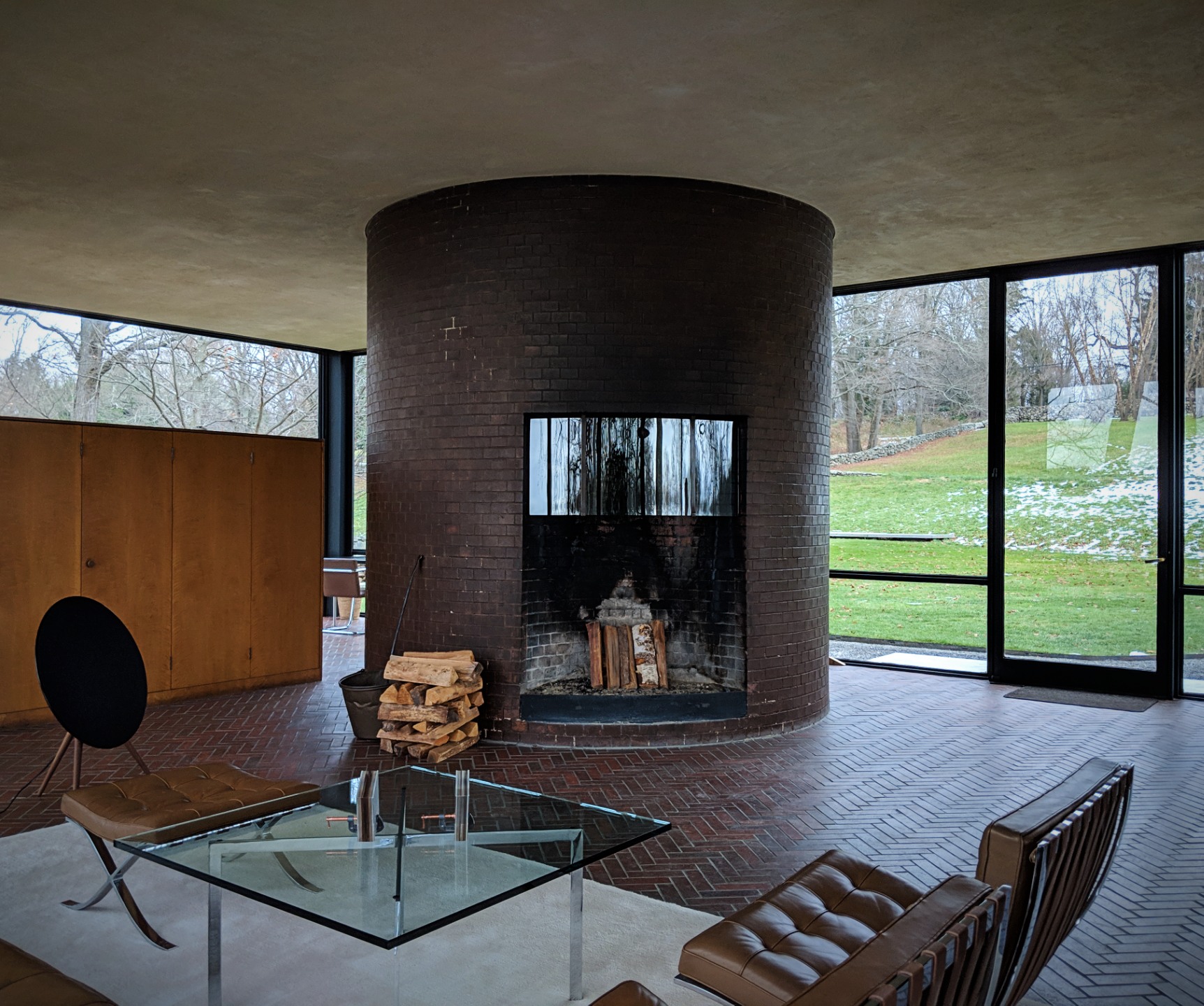
The only really private room is the bathroom enclosed in a rounded brick structure that holds the fireplace on the other side.

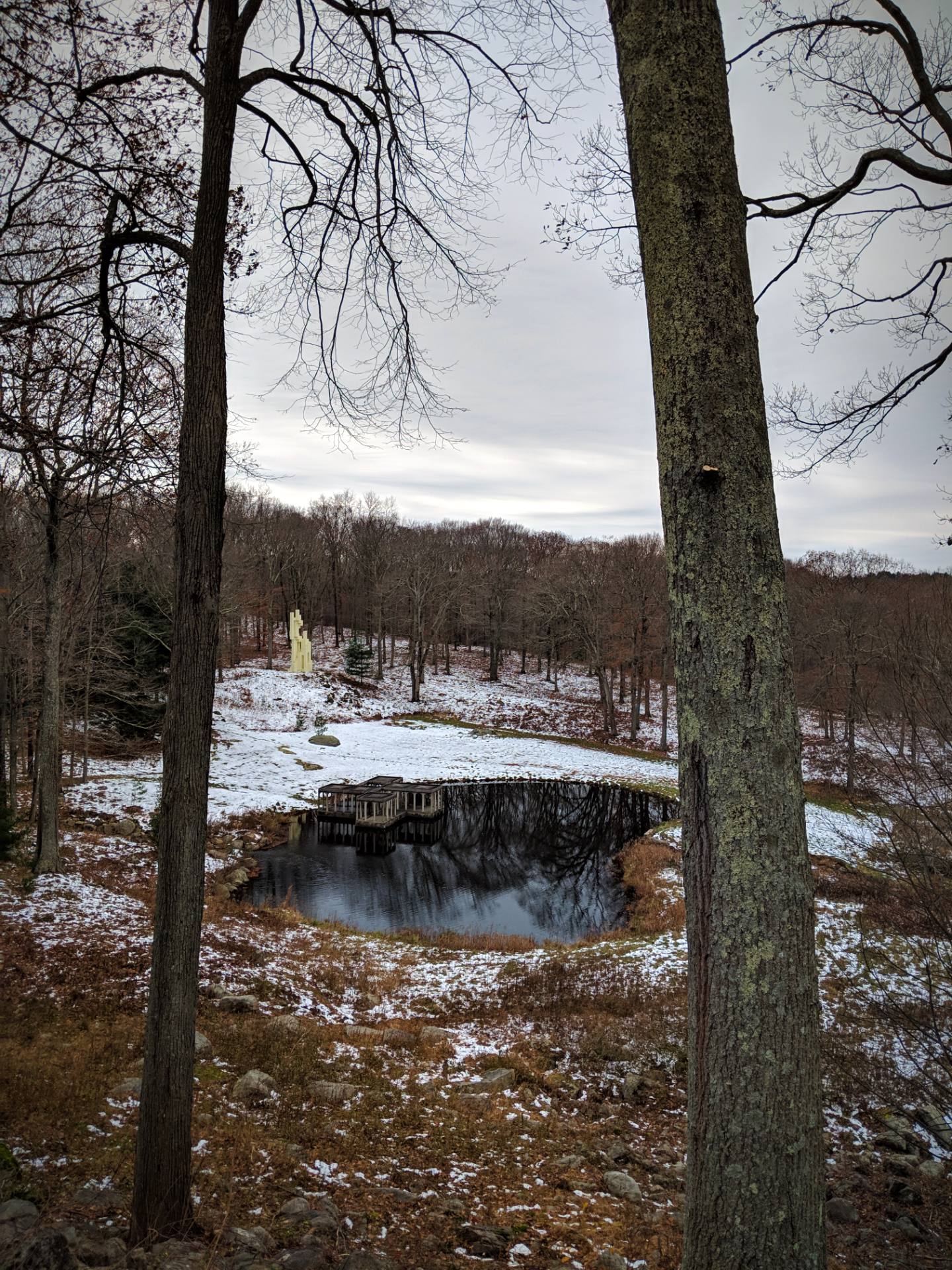
View to the Pavillion in the Pond and the Monument to Lincoln Kirstein, 1985 – a 30 feet high tower, which Johnson frequently climbed, describing it “a staircase to nowhere.”

The Grounds

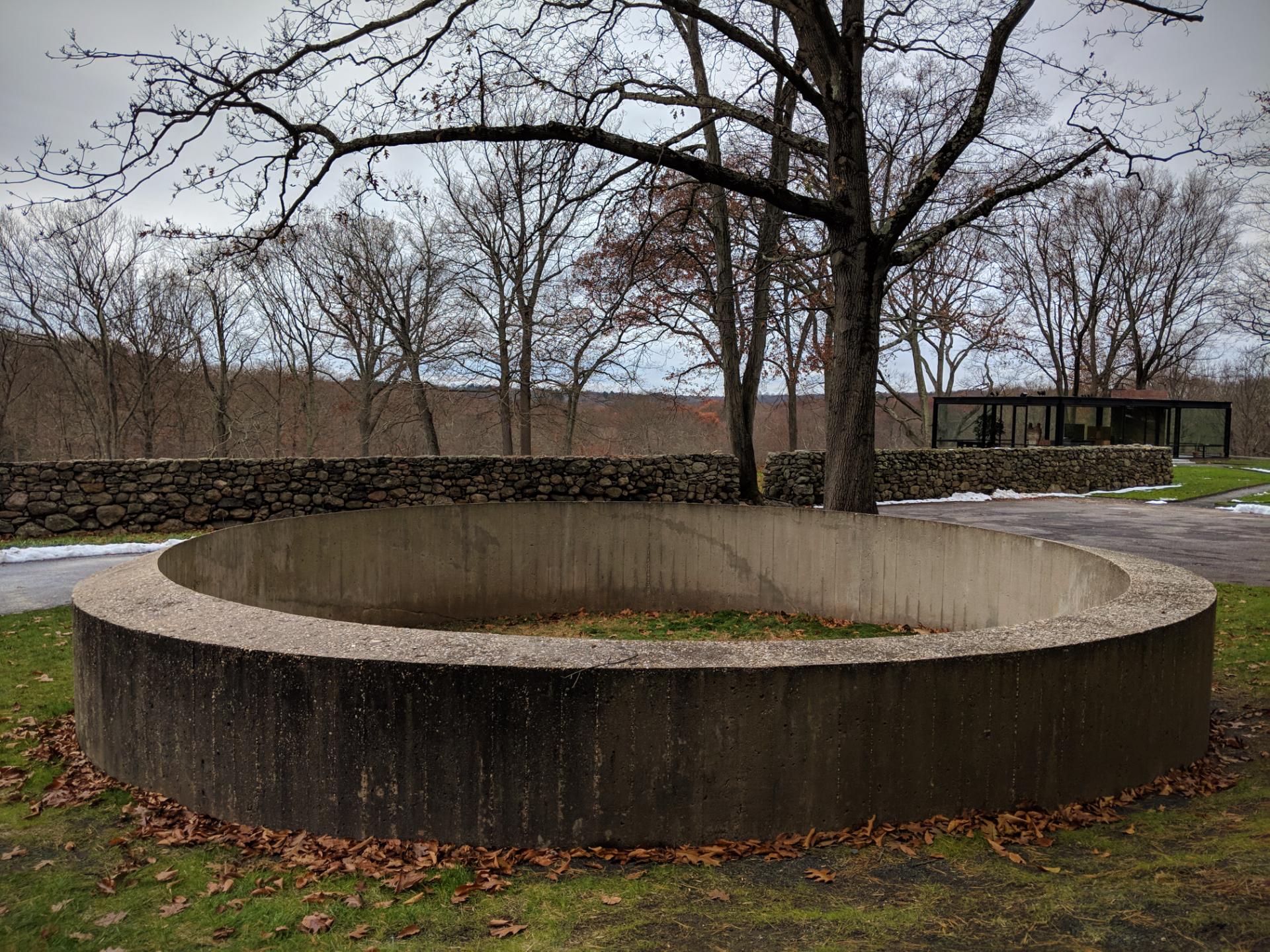
Artwork by Donald Judd, Untitled (1971).
Concrete
Rear view of the Brick House and its round windows.

Let’s take a breath here because, next, we’ll take a look at the art.

The Glass House

New Canaan, CT

November 18th, 2018
The House of Jazz

“We’re right out here with the rest of the colored folk and the Puerto Ricans and Italians and the Hebrew cats. We don’t need to move out in the suburbs to some big mansion with lots of servants and yardmen and things.”

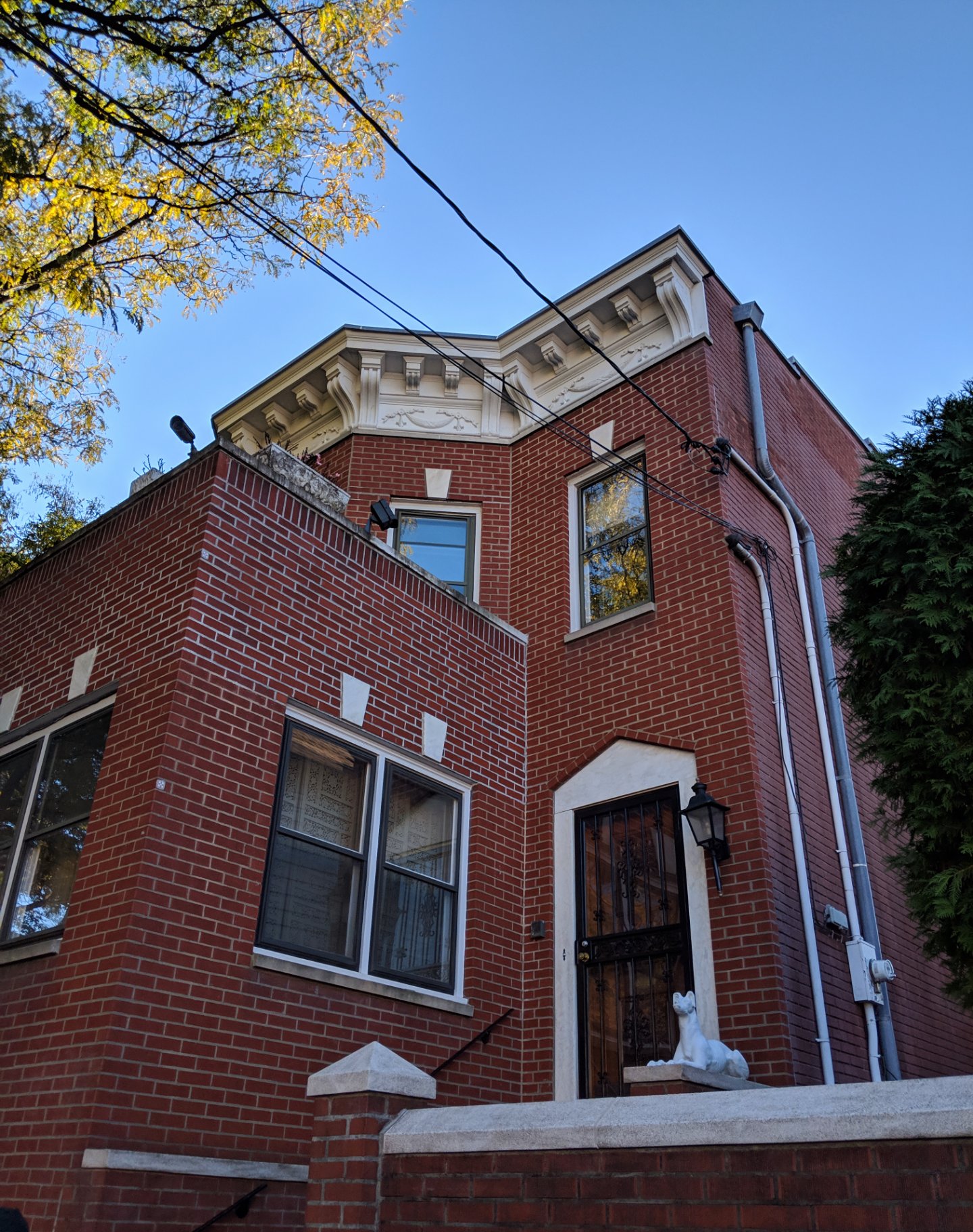
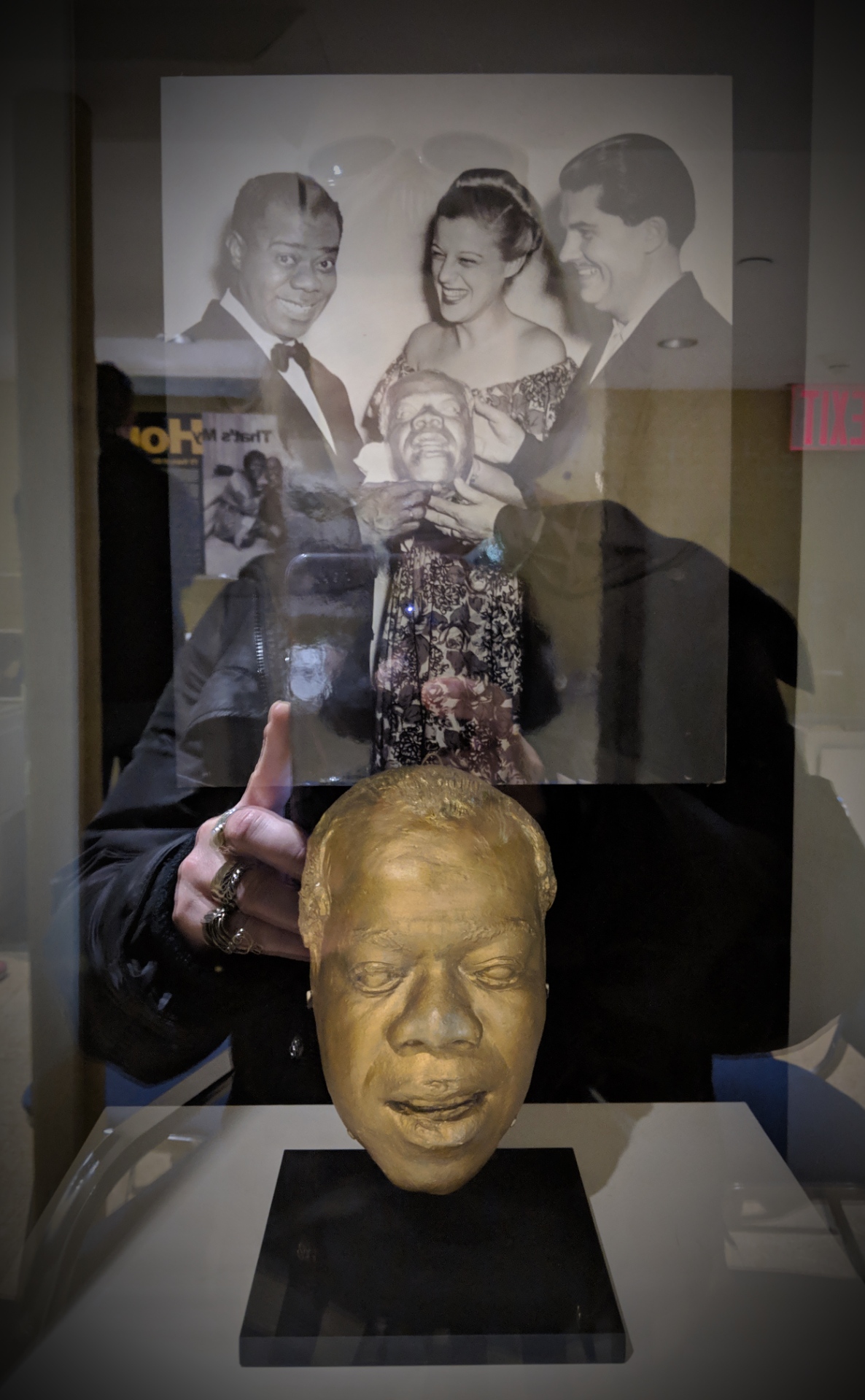
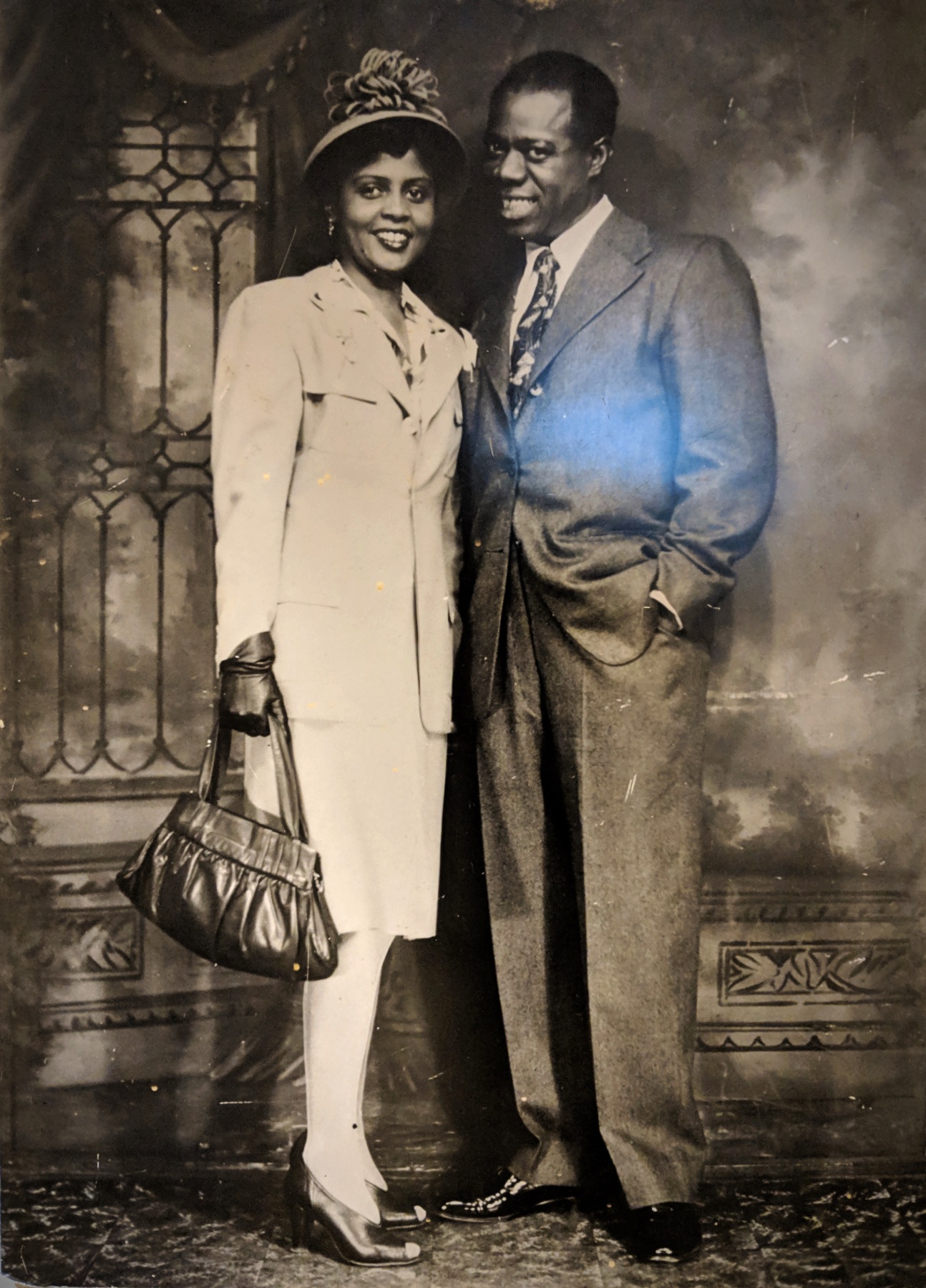
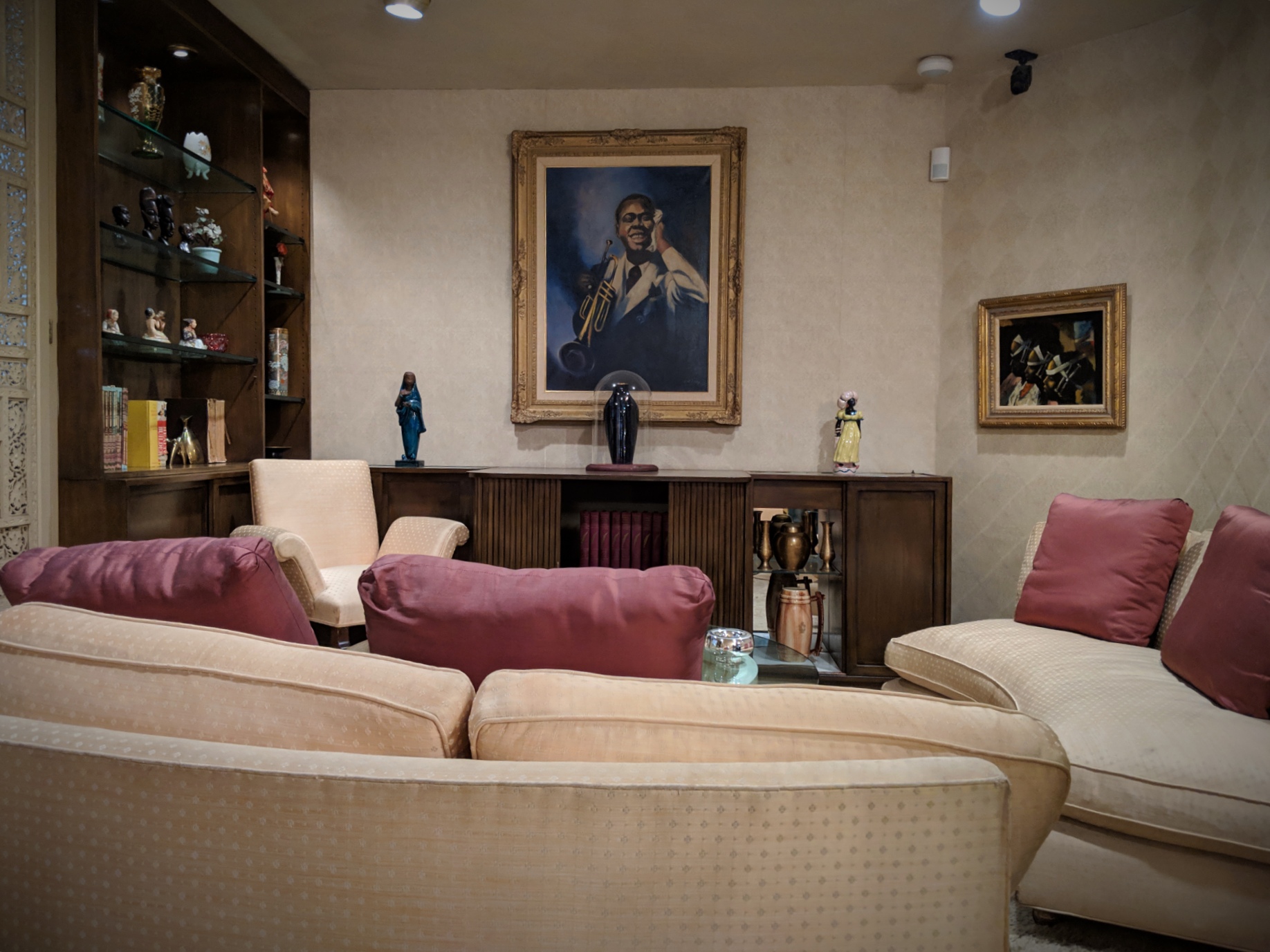
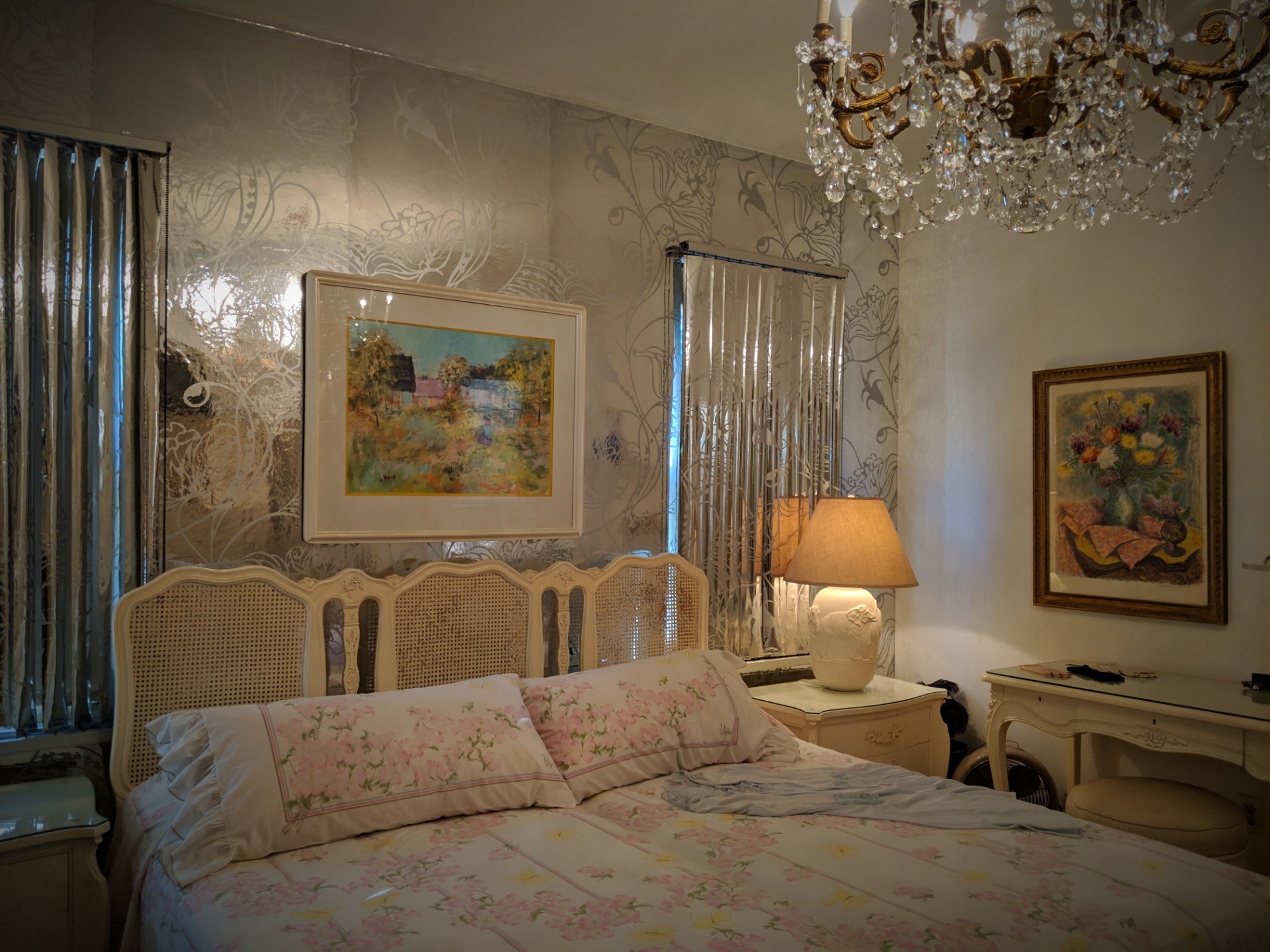
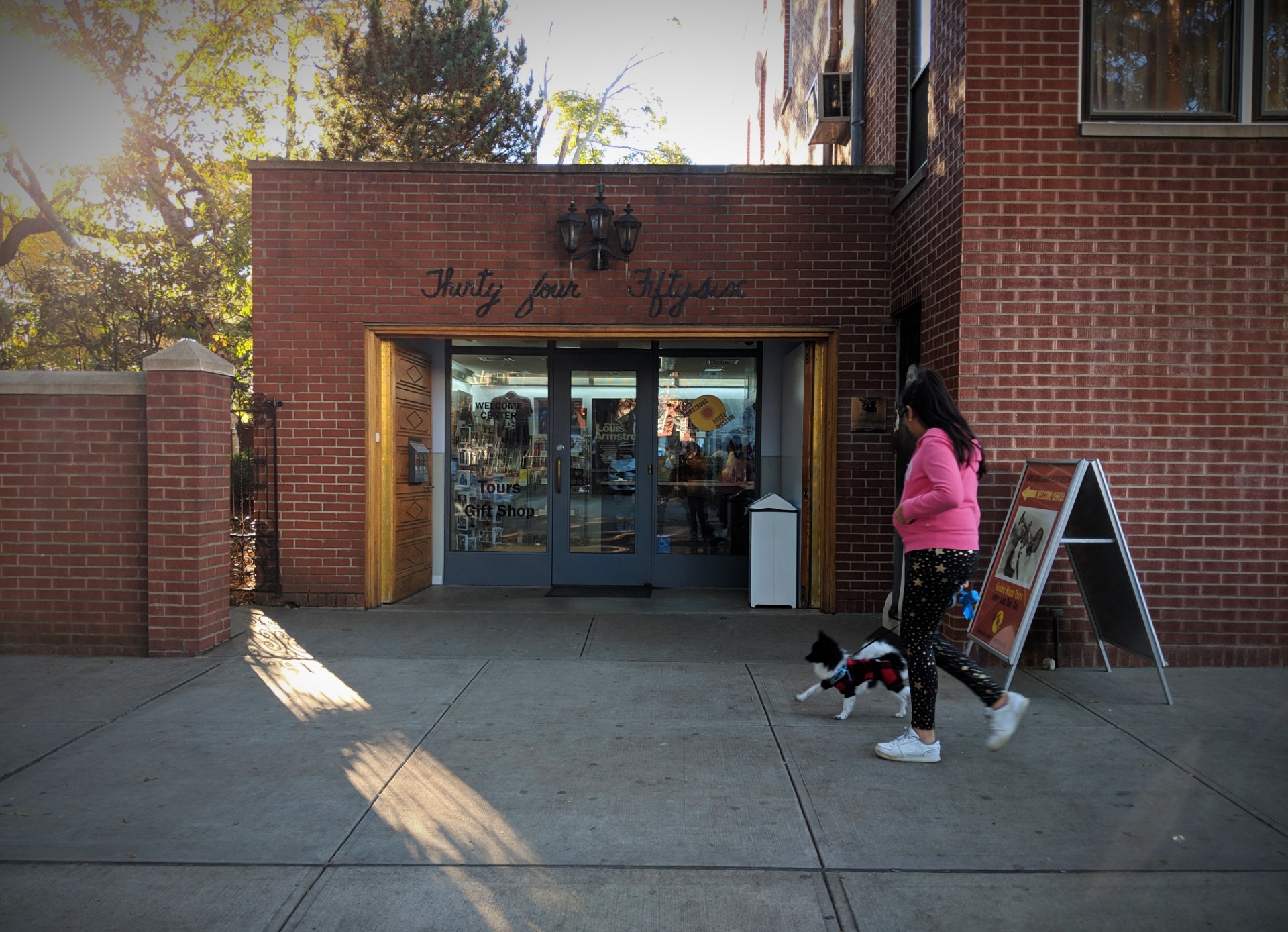
And so it was in 1943 that Louis Armstrong and his wife Lucille came to live in this modest house in the working-class neighbourhood of Corona, Queens. They lived here for the remainder of their lives.

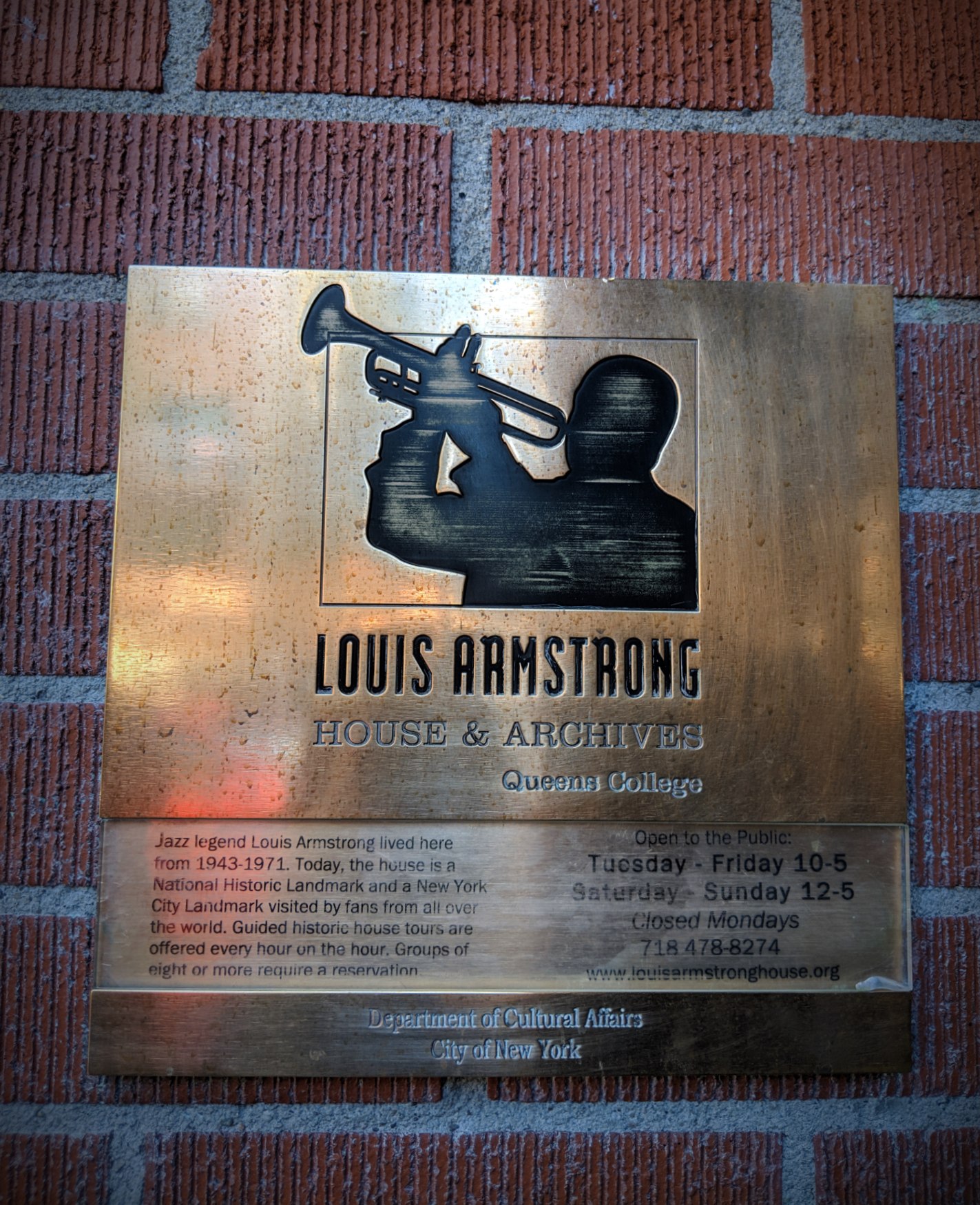
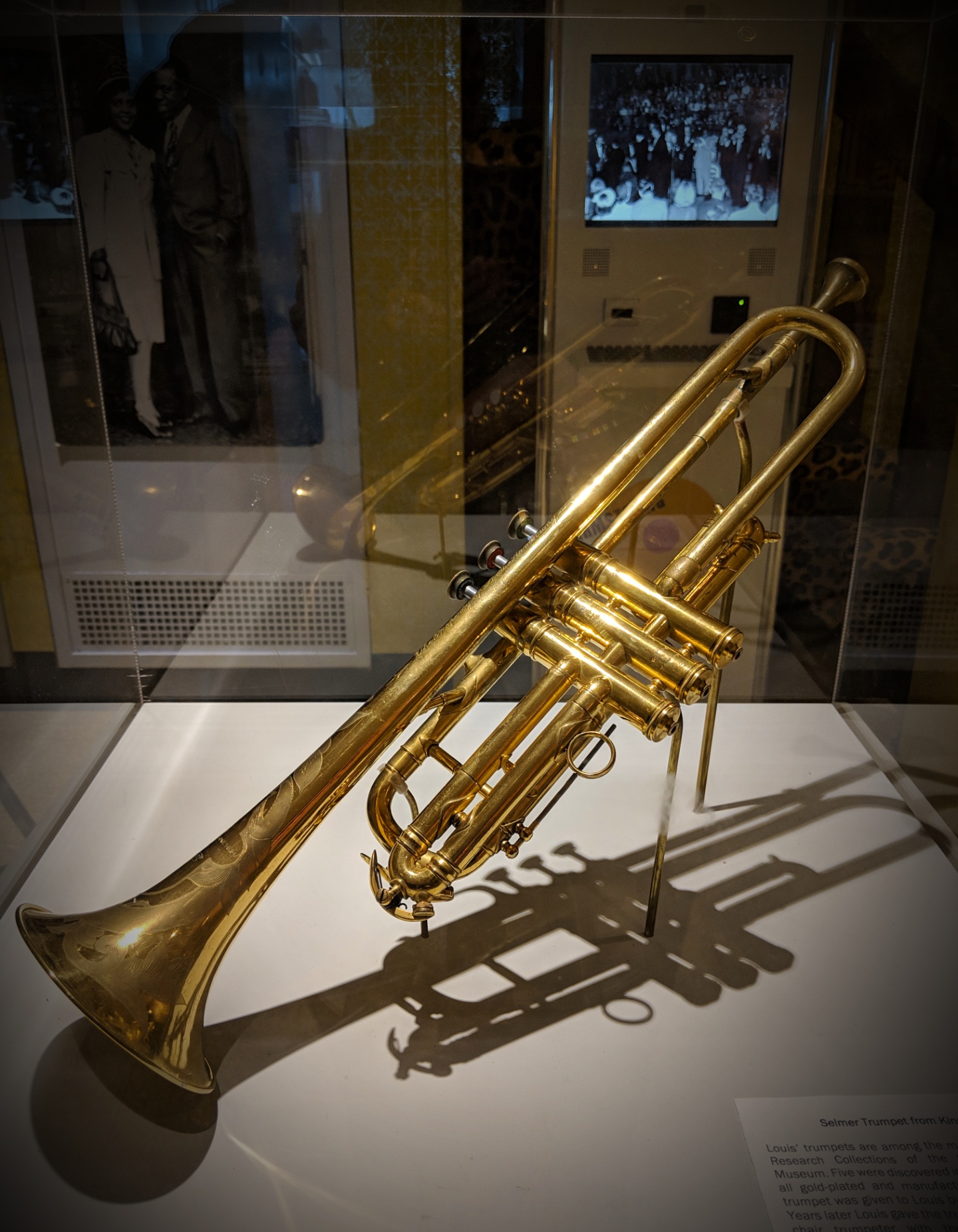
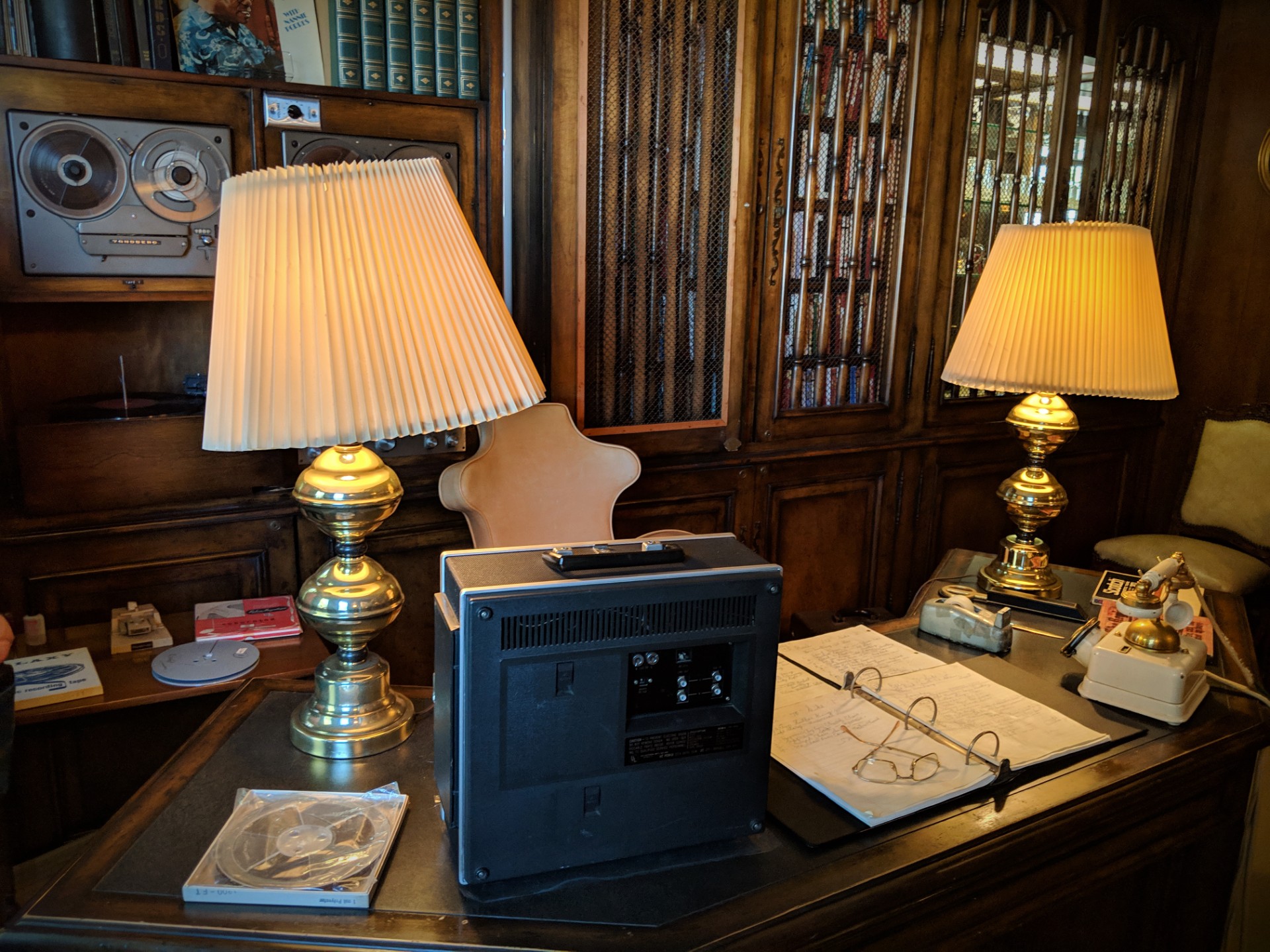
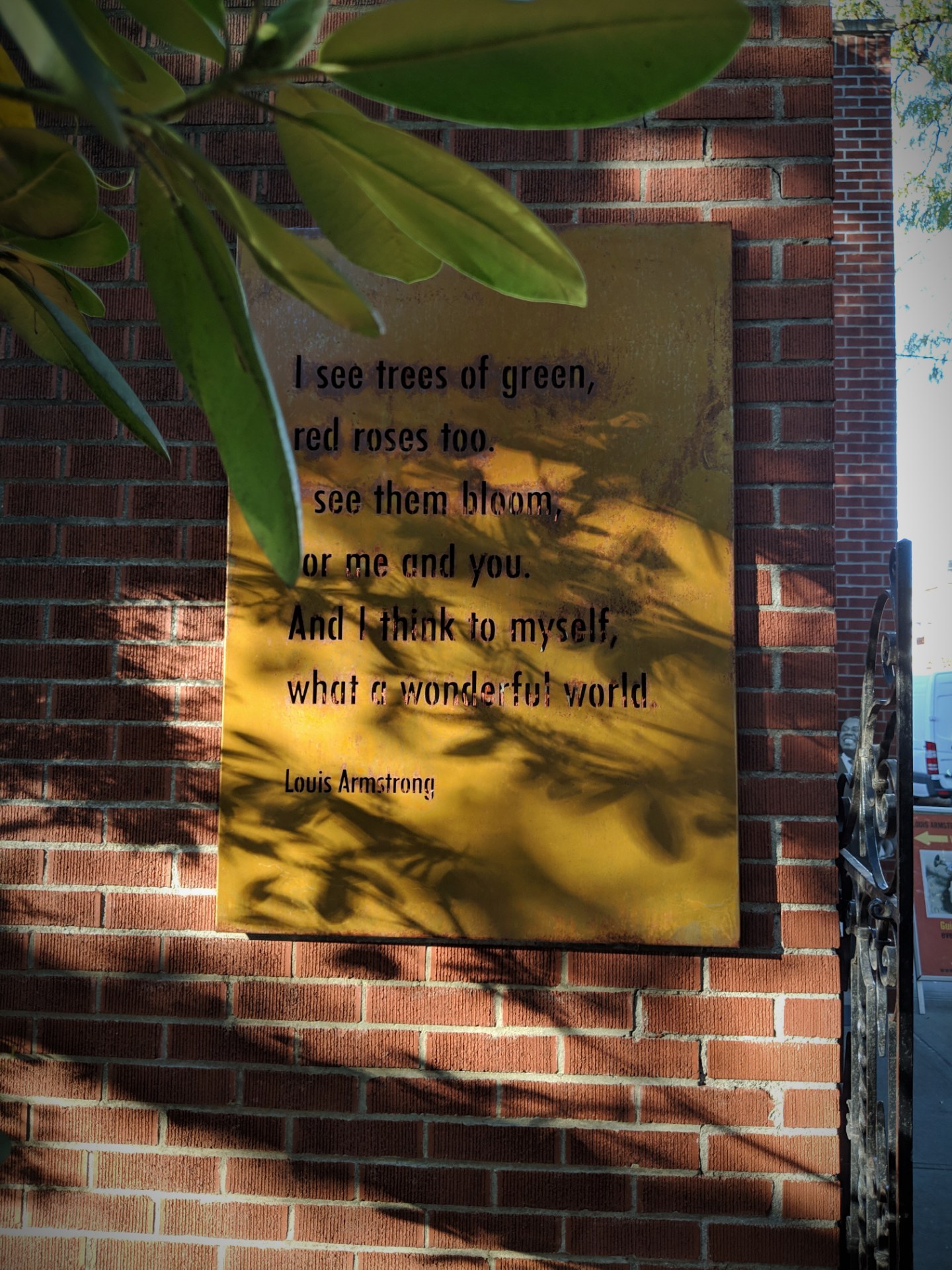
Today, the Louis Armstrong House Museum & Archives is open to the public, offering guided tours while audio clips from Louis’s homemade recordings are played, and visitors hear Louis practicing his trumpet, enjoying a meal, or talking with his friends.

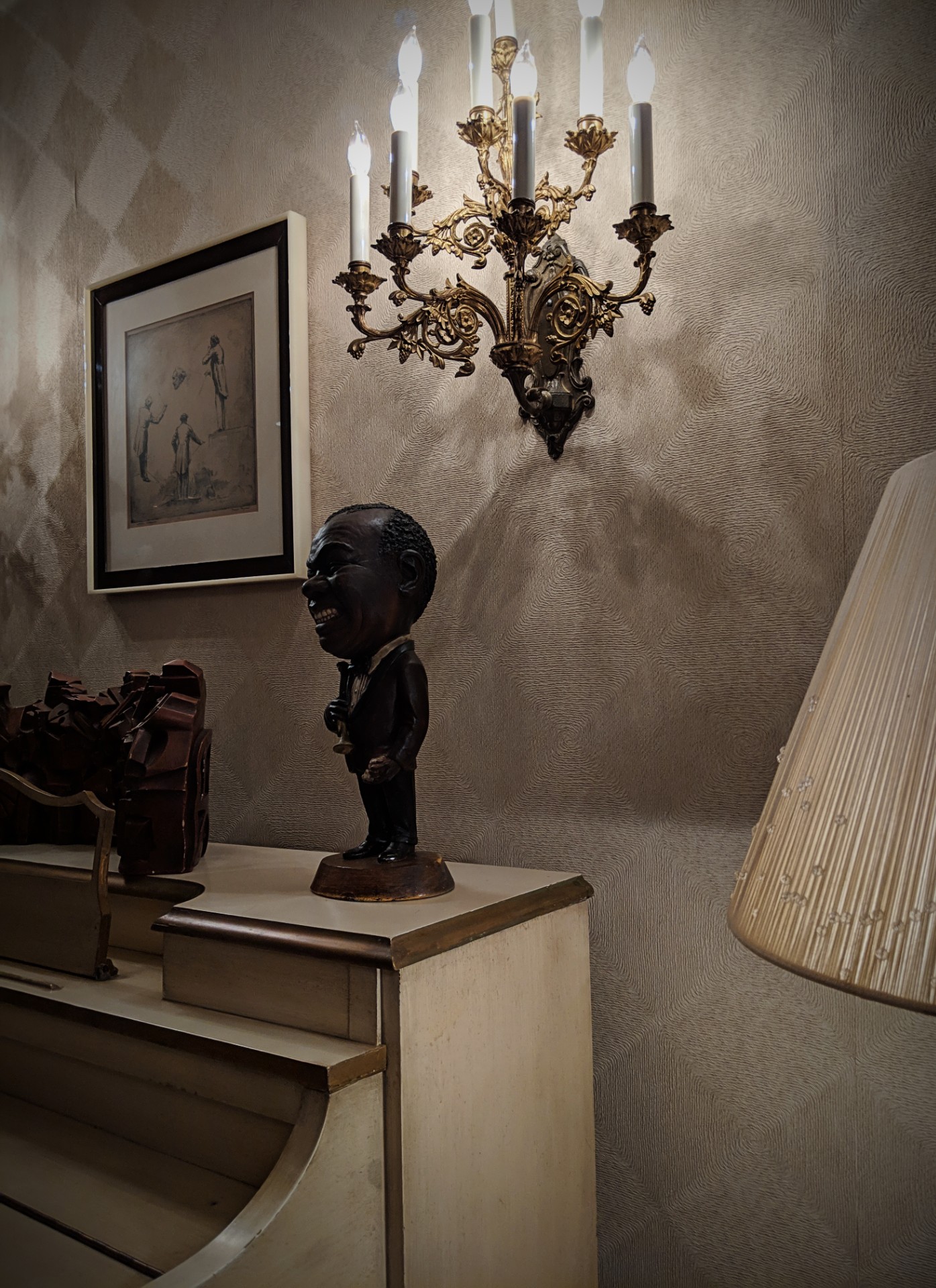
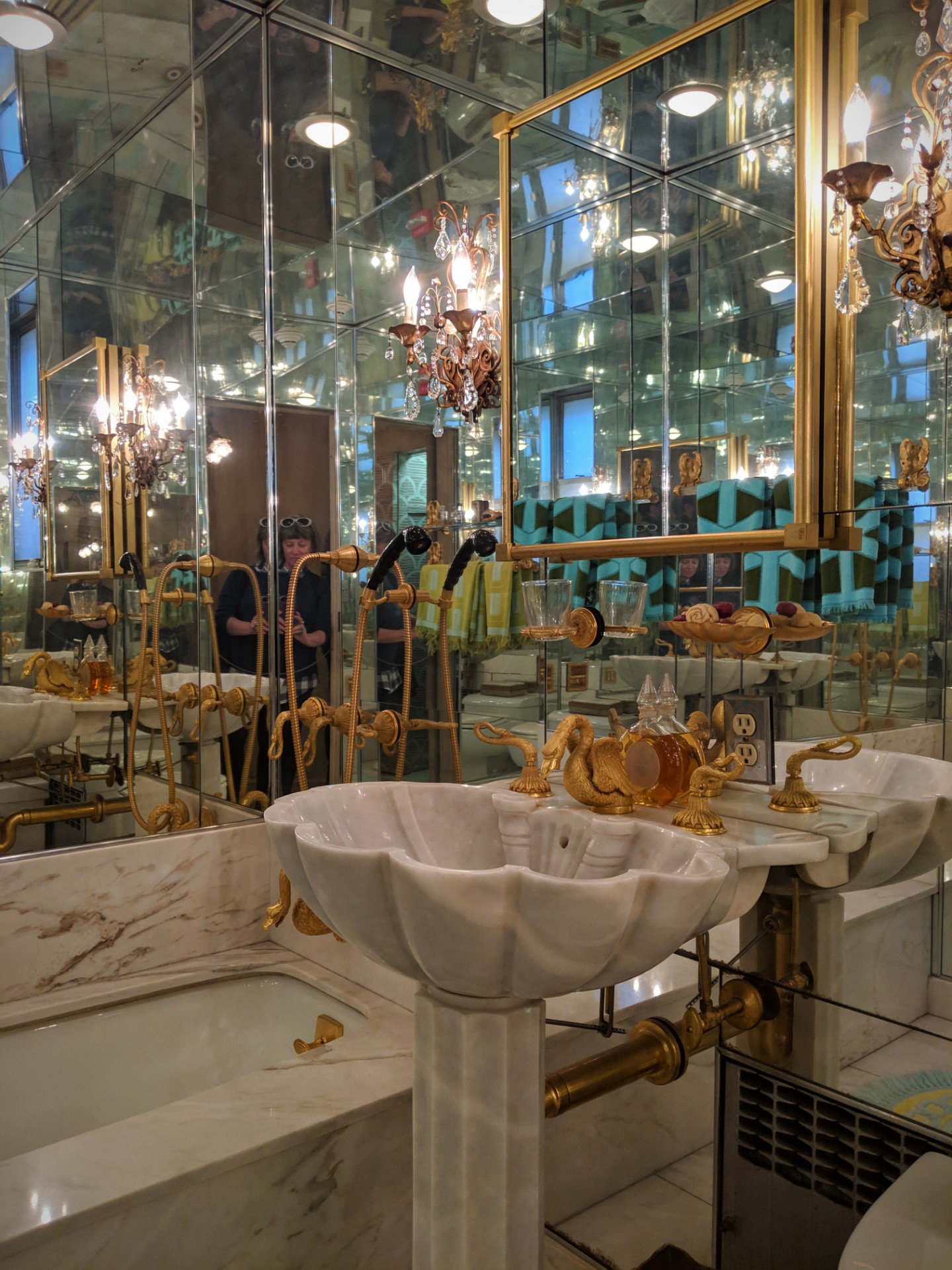
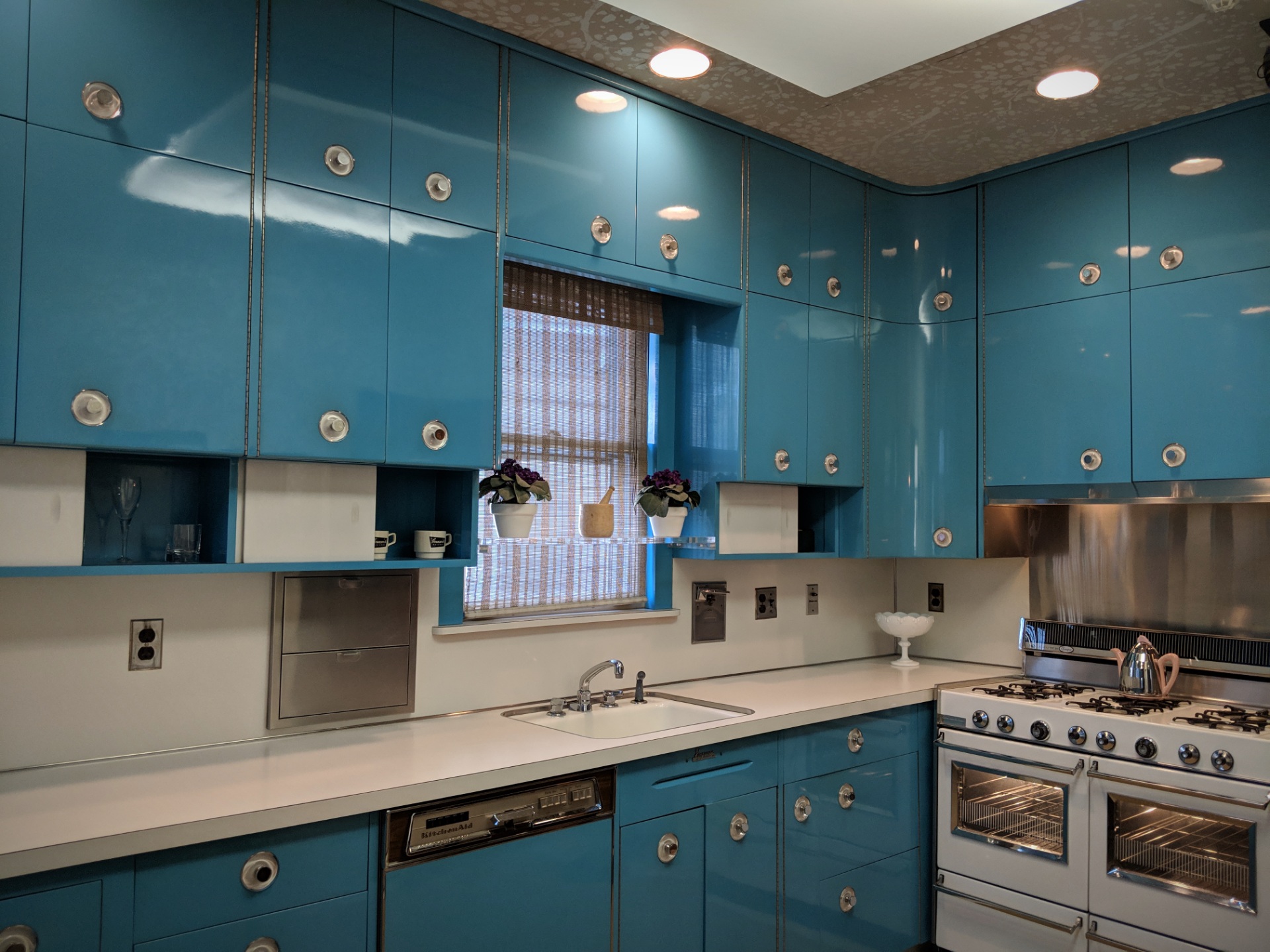
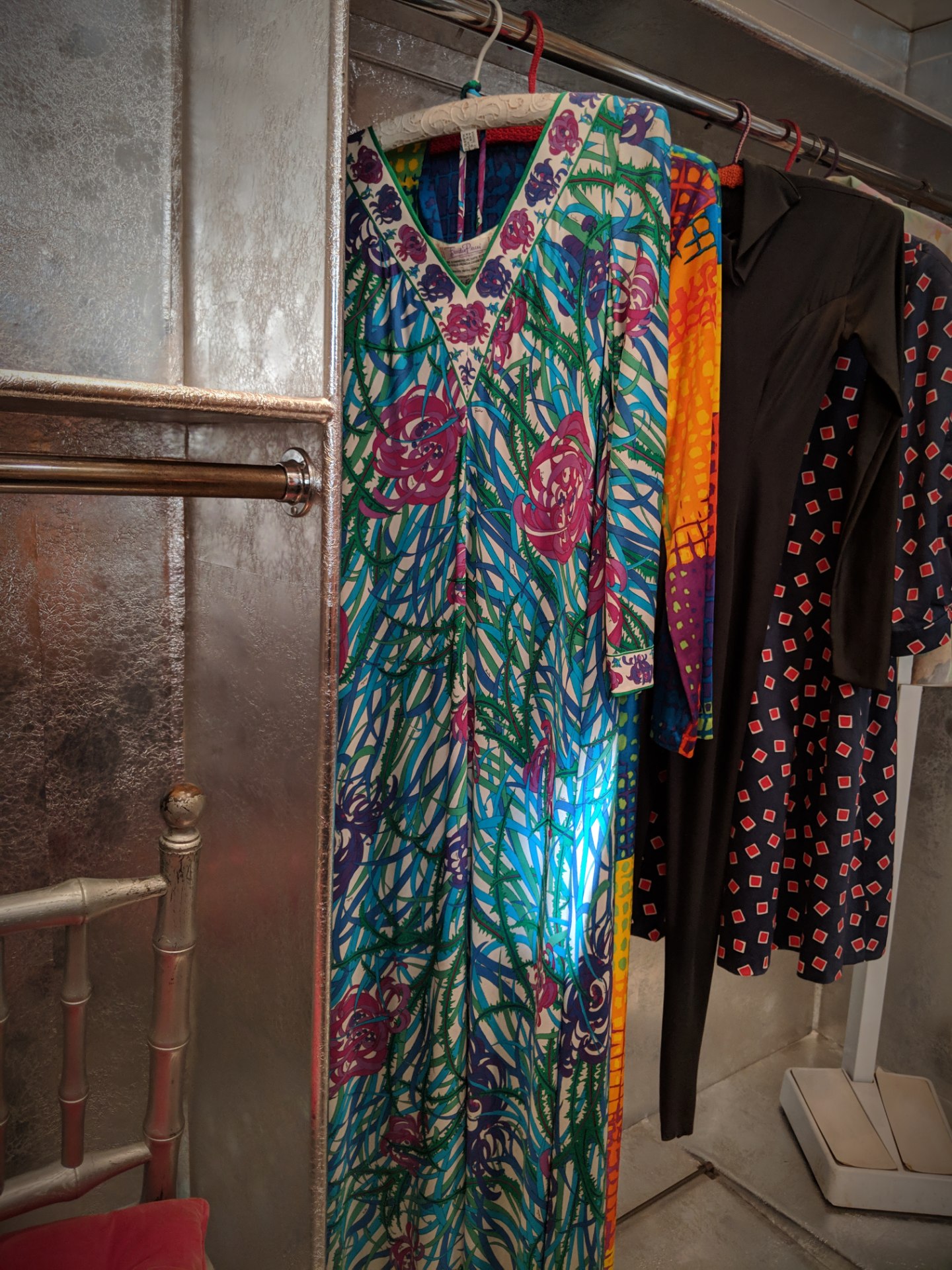
No one else has lived in the house since the Armstrongs passed away; the rooms, furnishings, ornaments, the all-mirrored bathroom and that lovely show-stealing turquoise kitchen reflect their personalities, taste and times they lived in. I tried to stay behind every time our guide moved on, to take a better look at each room. I was sure that if I touched the walls I would hear the echo of Louis’ trumpet playing – and not from the audio clip.
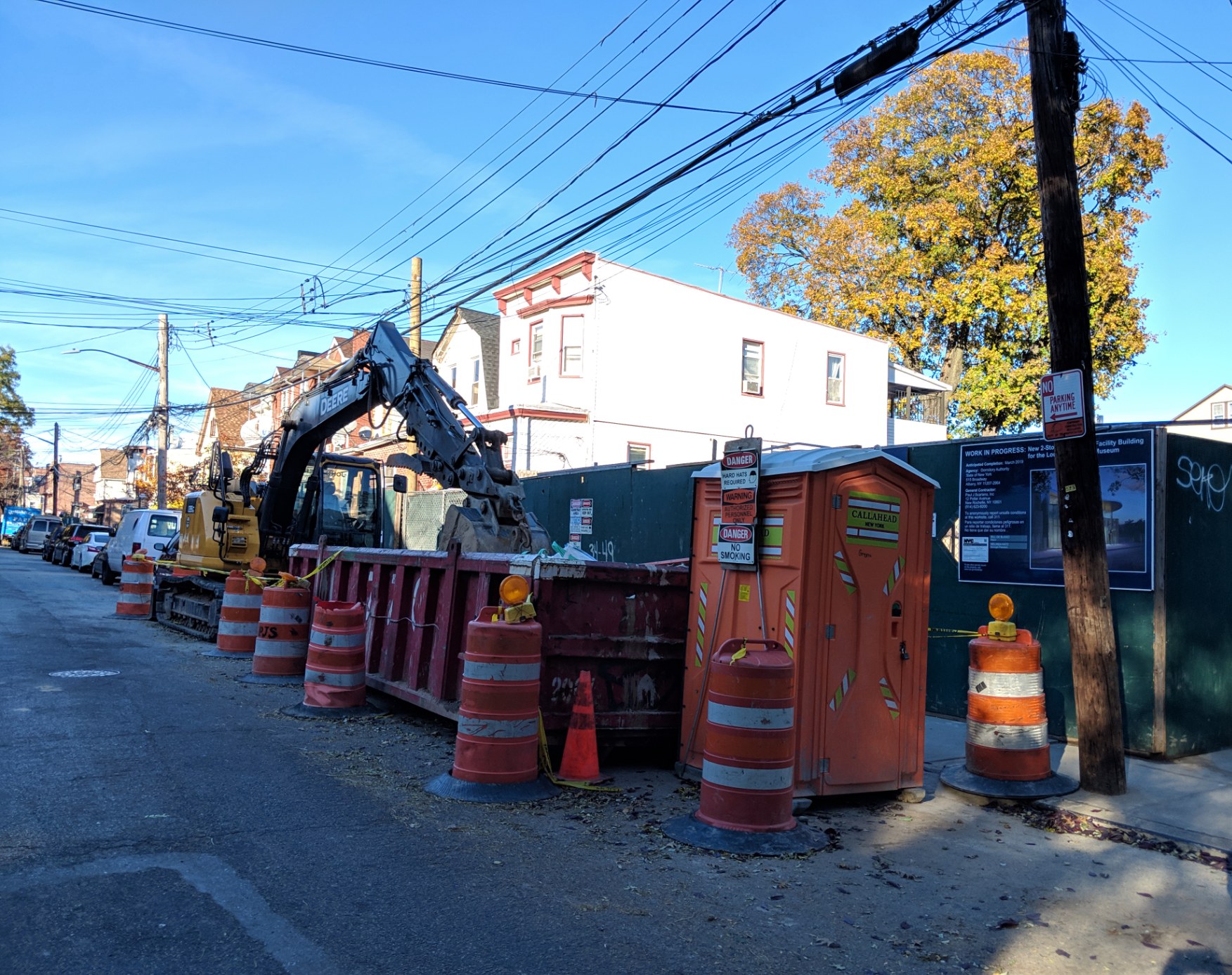
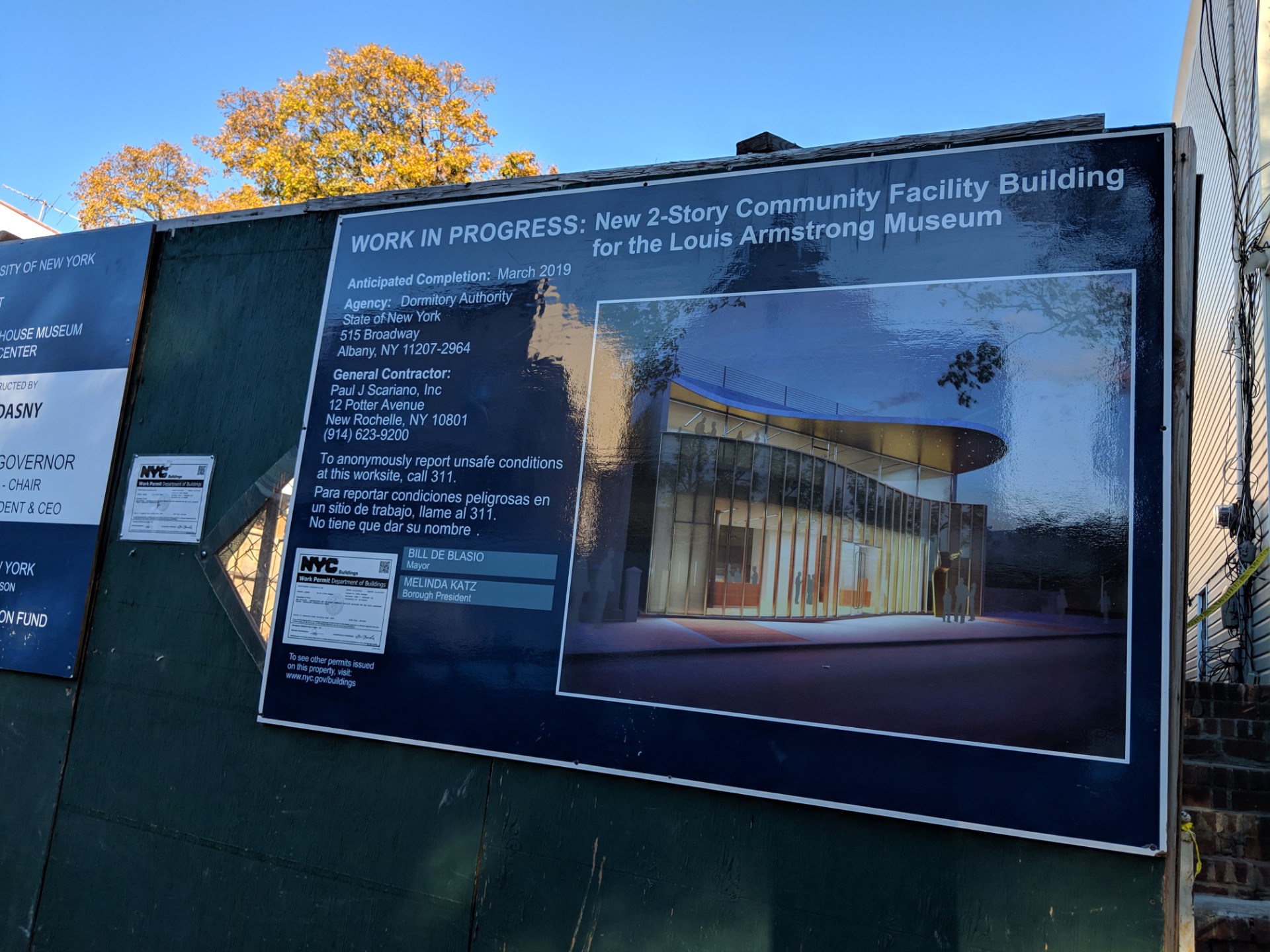
The Museum is expanding across the street from the House. The new Education Center will complement the existing experience with an exhibition gallery, a jazz club where musicians will rehearse and perform their music, and a store. The museum’s research collections, currently housed at Queens College’s library, will move into an Archival Center on the second floor.

The anticipated completion was pushed back to 2021 (pre-Covid-19).

With the Louis Armstrong House Museum and Archives currently closed because of Covid-19, the Museum has launched “That’s My Home,” their first online exhibition – absolutely worth a visit.

November 4th, 2018