Contemporary Among Classics

Classic art was also contemporary once.

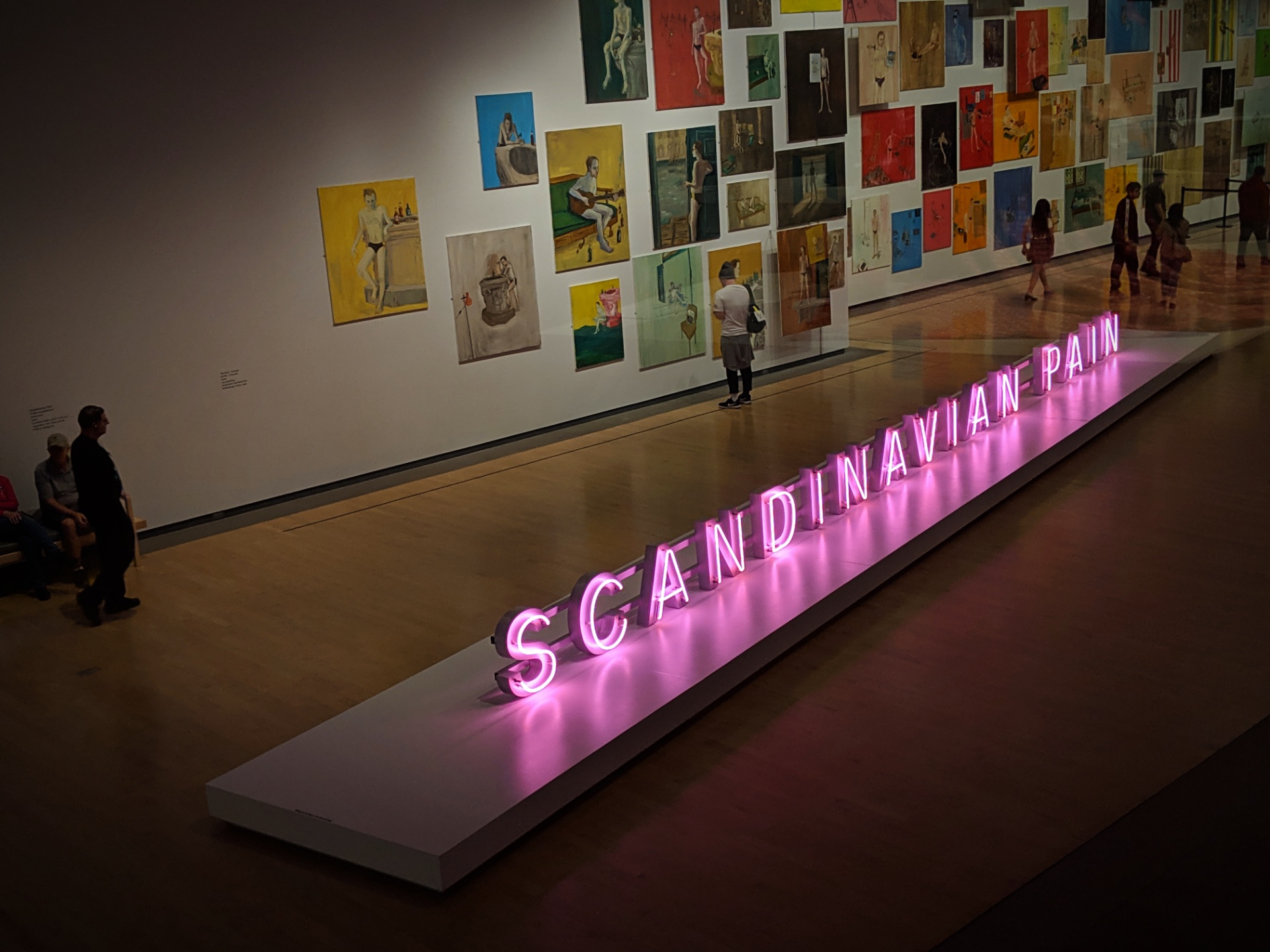
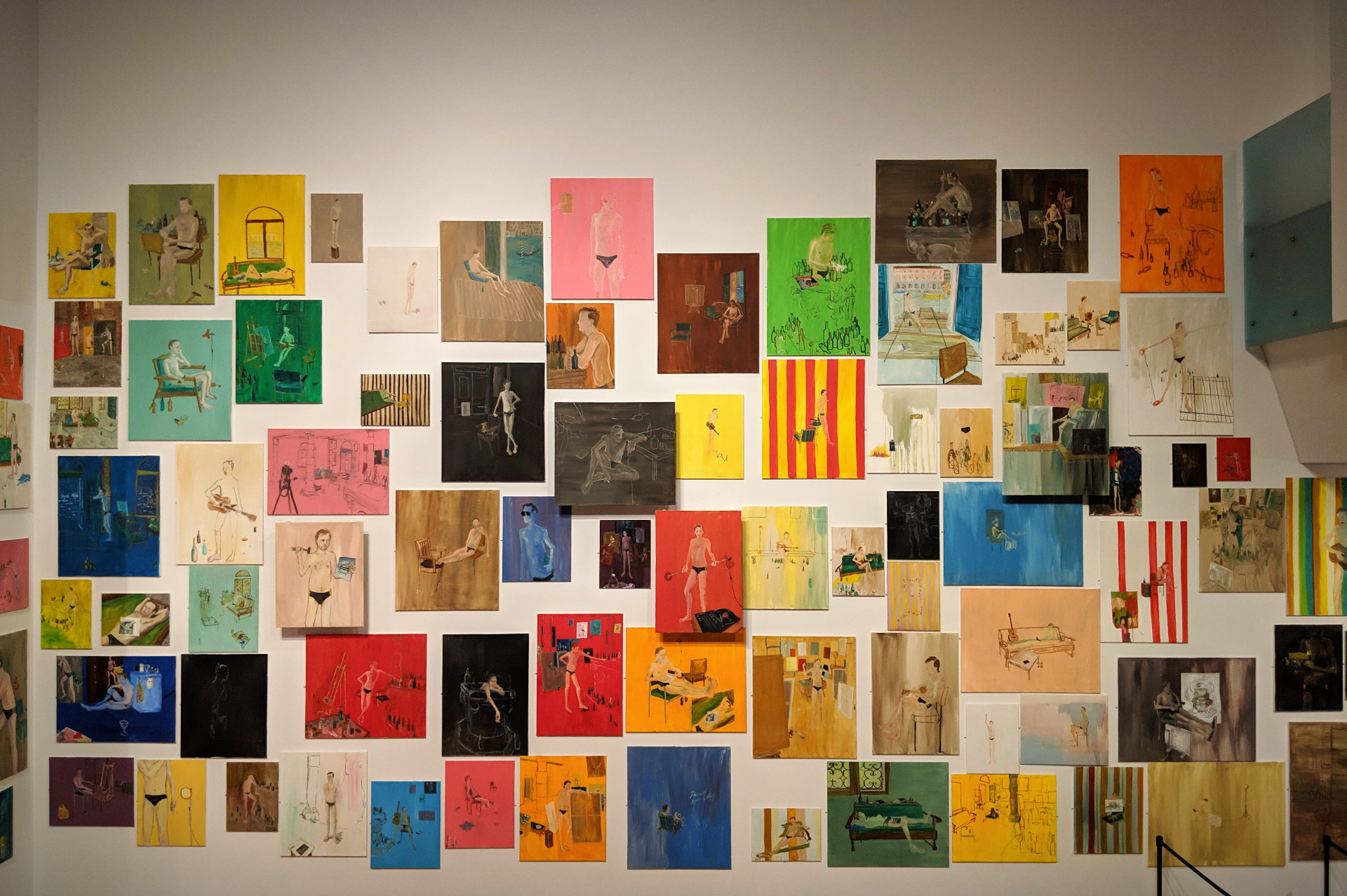
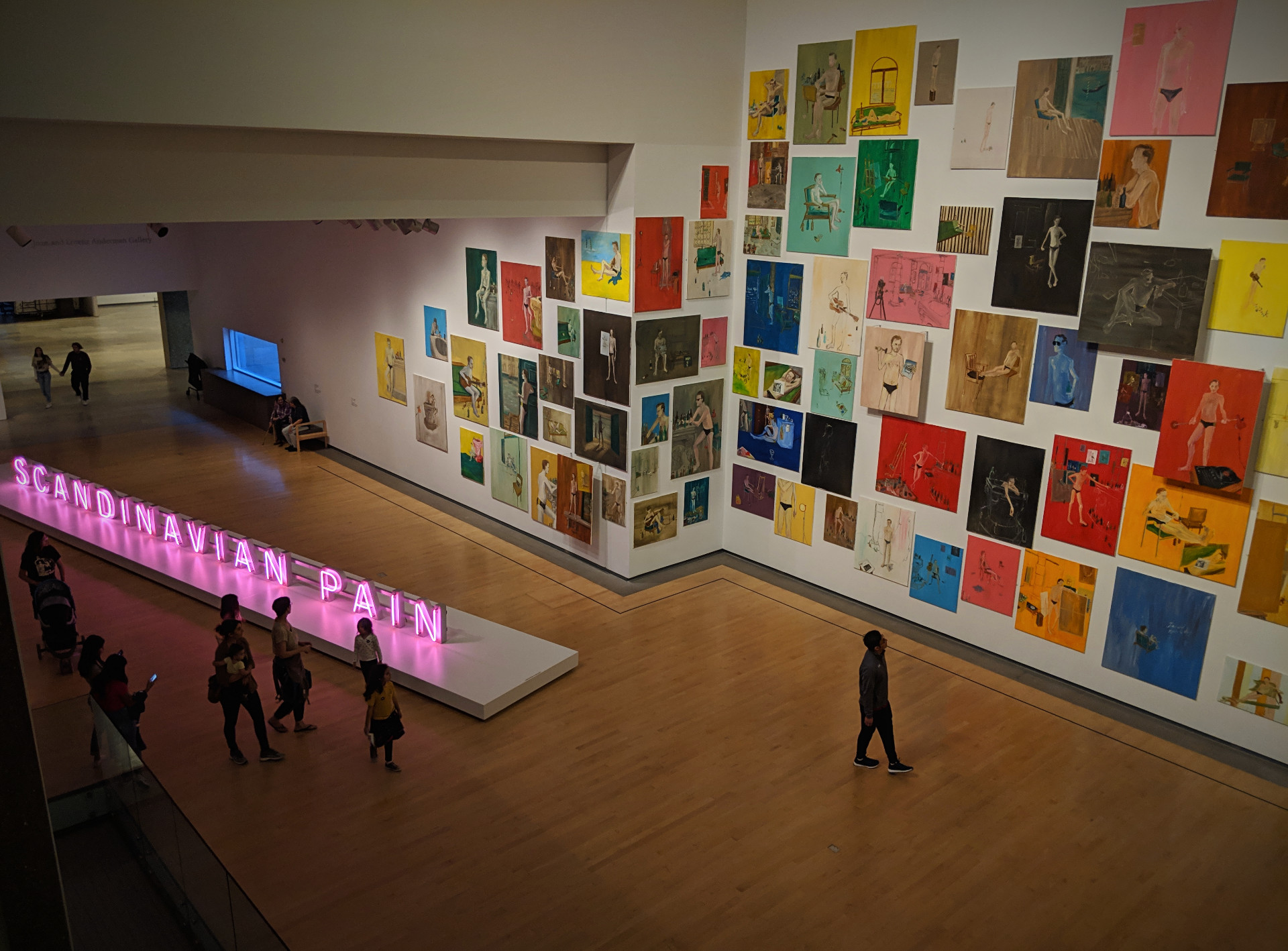
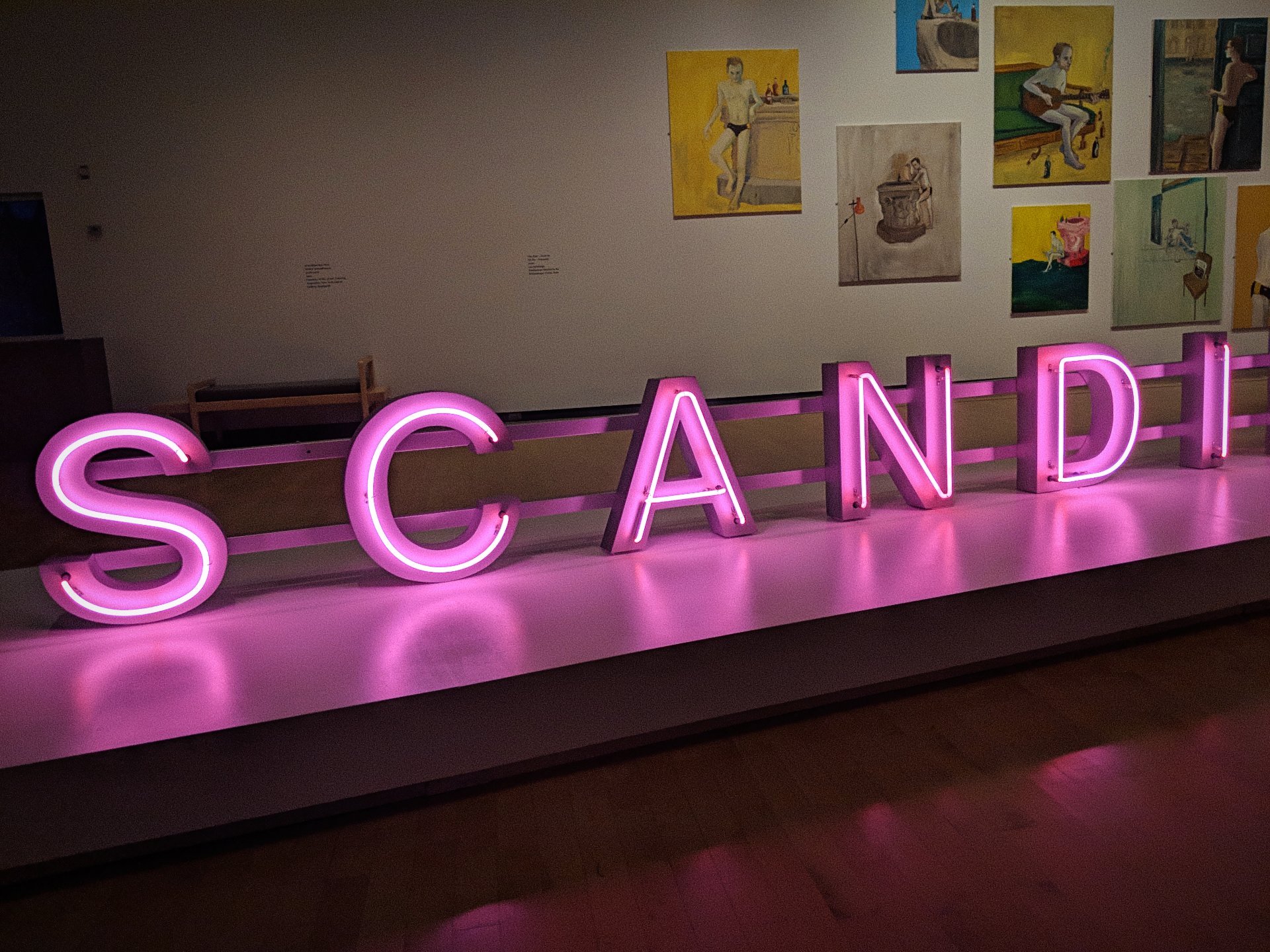
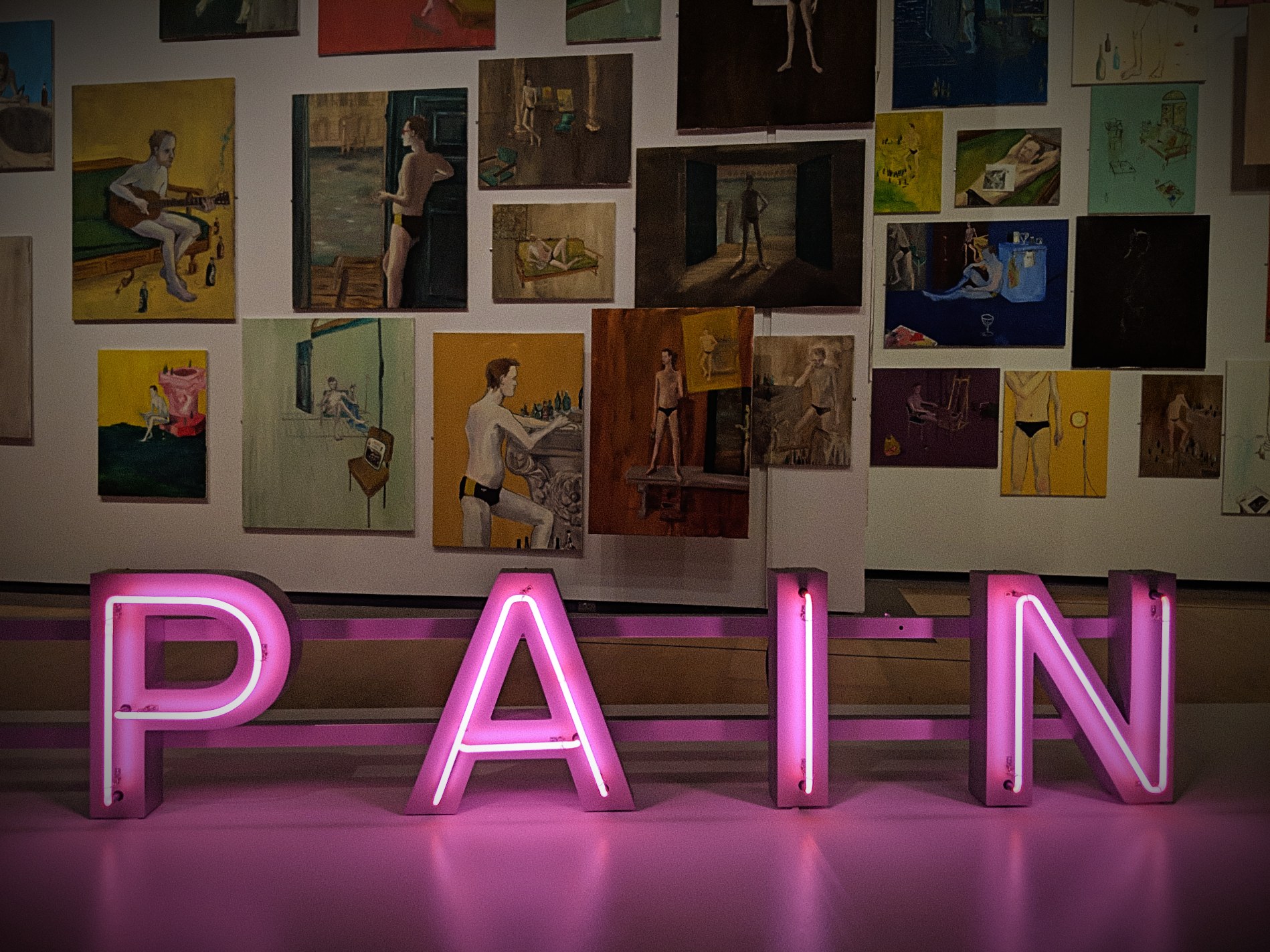
Ragnar Kjartansson: Scandinavian Pain & Other Myths was the Southwestern US premiere of work by Icelandic artist Ragnar Kjartansson (b. 1976), presented by the Phoenix Art Museum.

It consisted of three major works: the 40-foot long neon installation Scandinavian Pain, along with The End-Venice, Kjartansson’s contribution to the 2009 Venice Biennale during which he secluded himself in a fourteenth-century palazzo and produced one painting per day for six months (the entire duration of Venice Biennale). Each painting depicts his friend and fellow artist Páll Haukur Björnsson, in a Speedo.


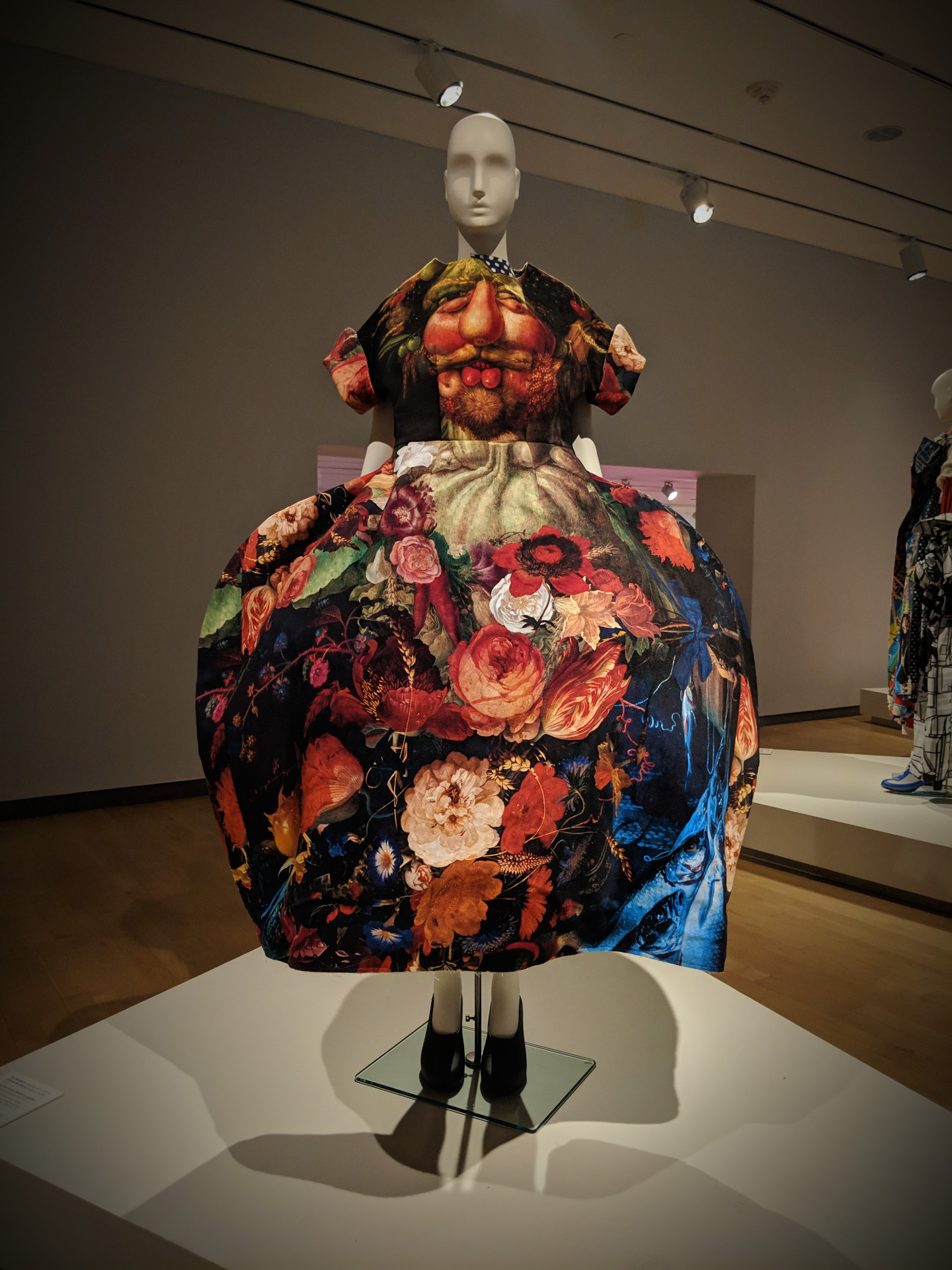
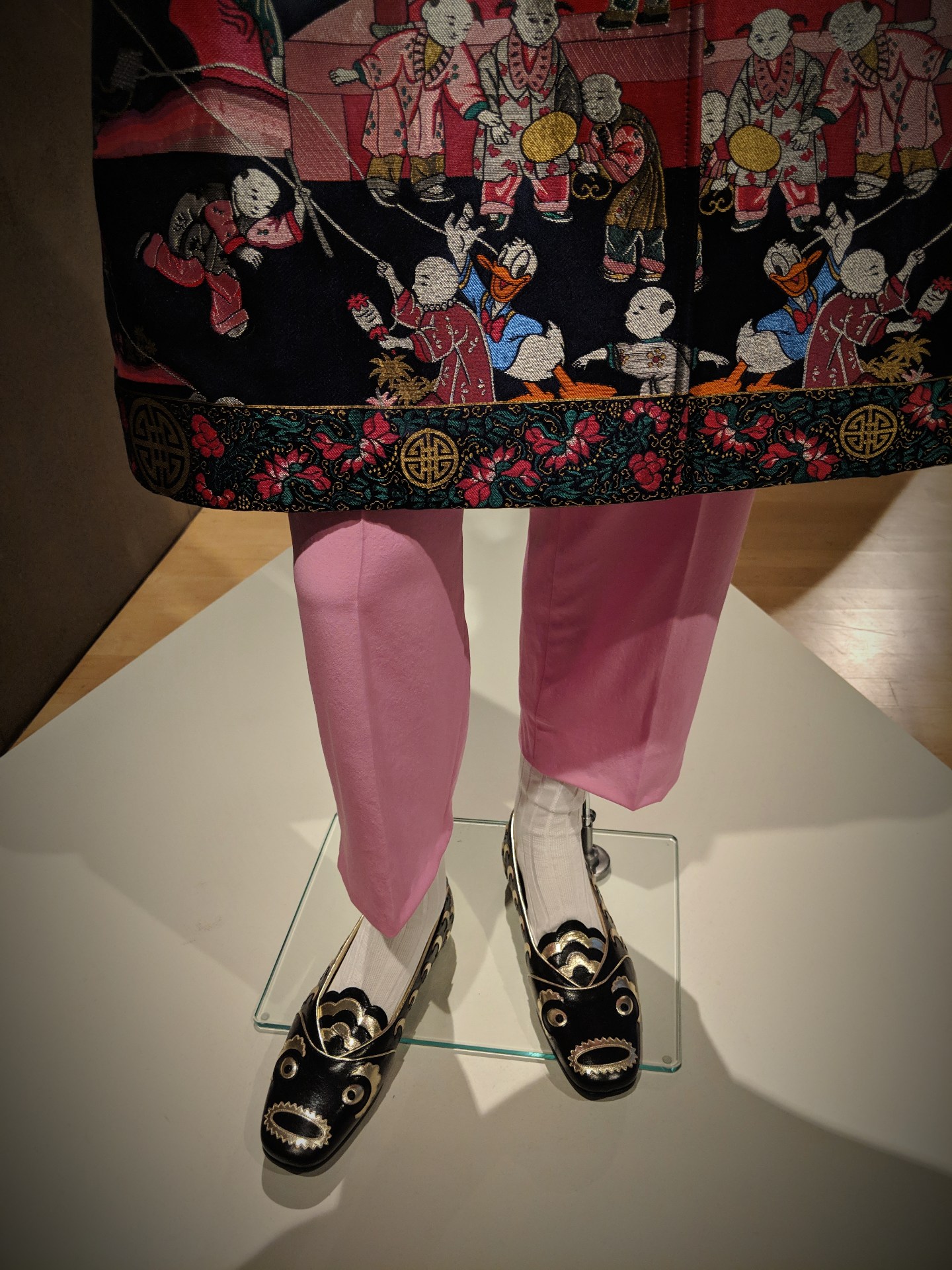
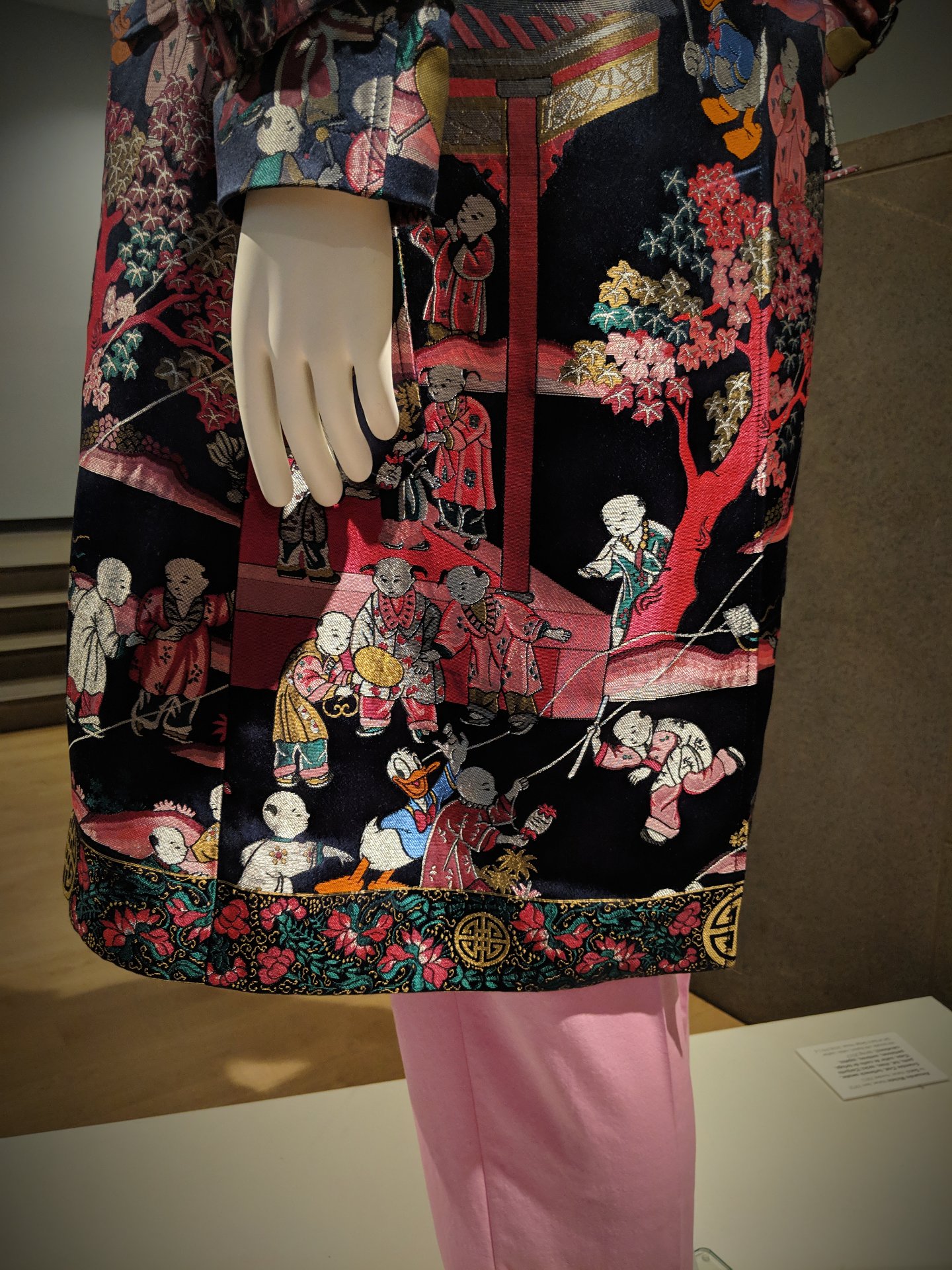
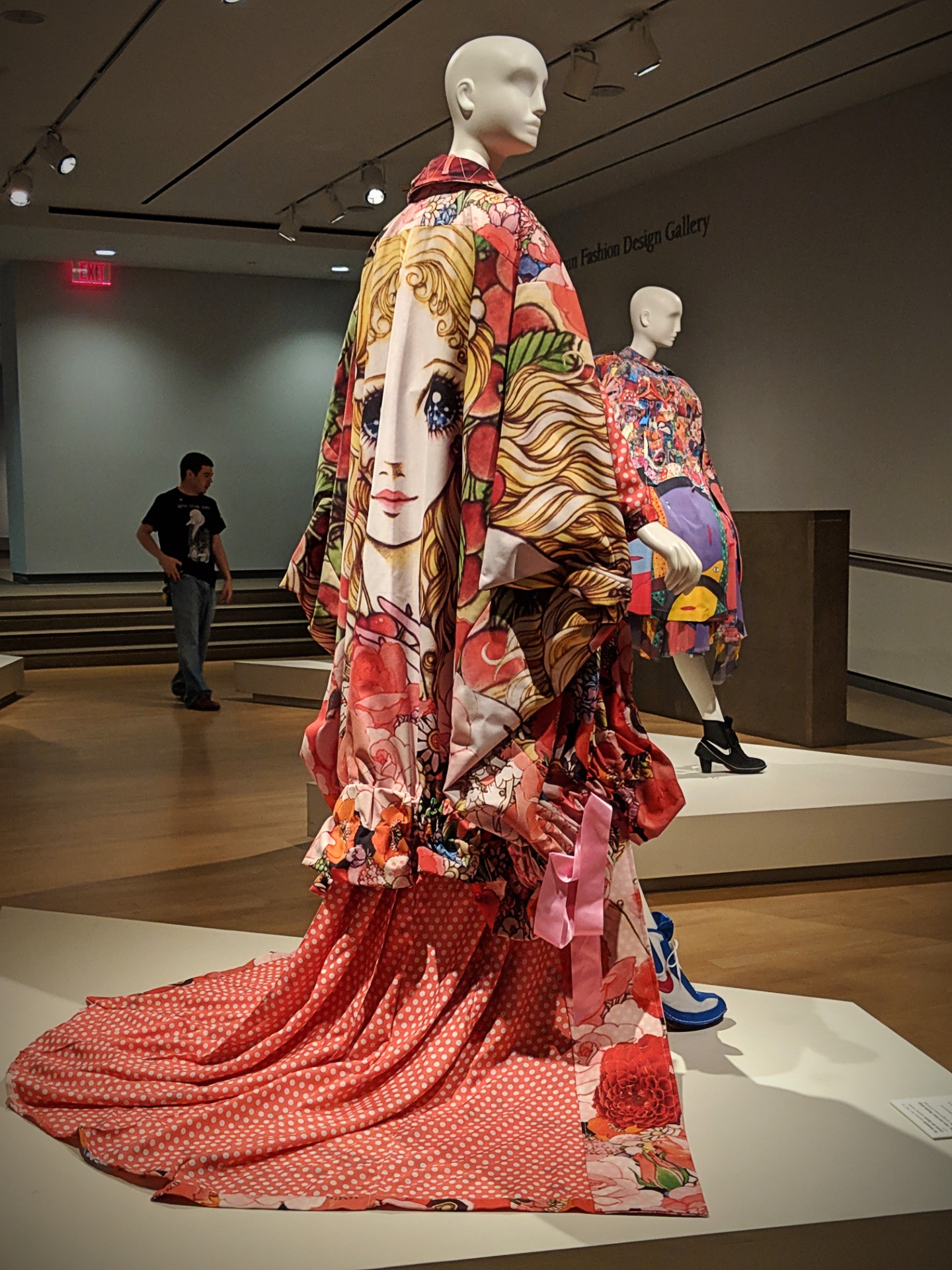
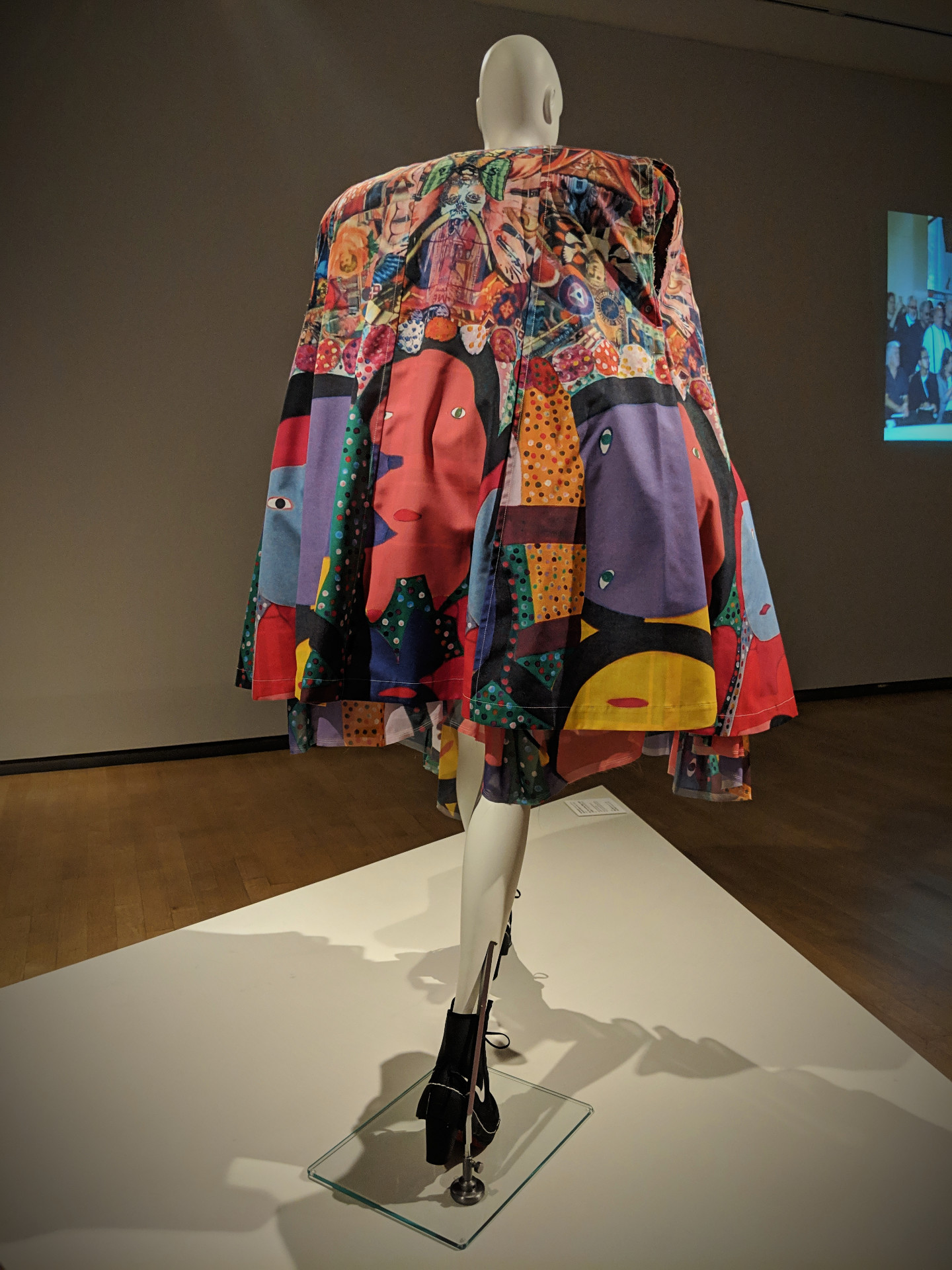
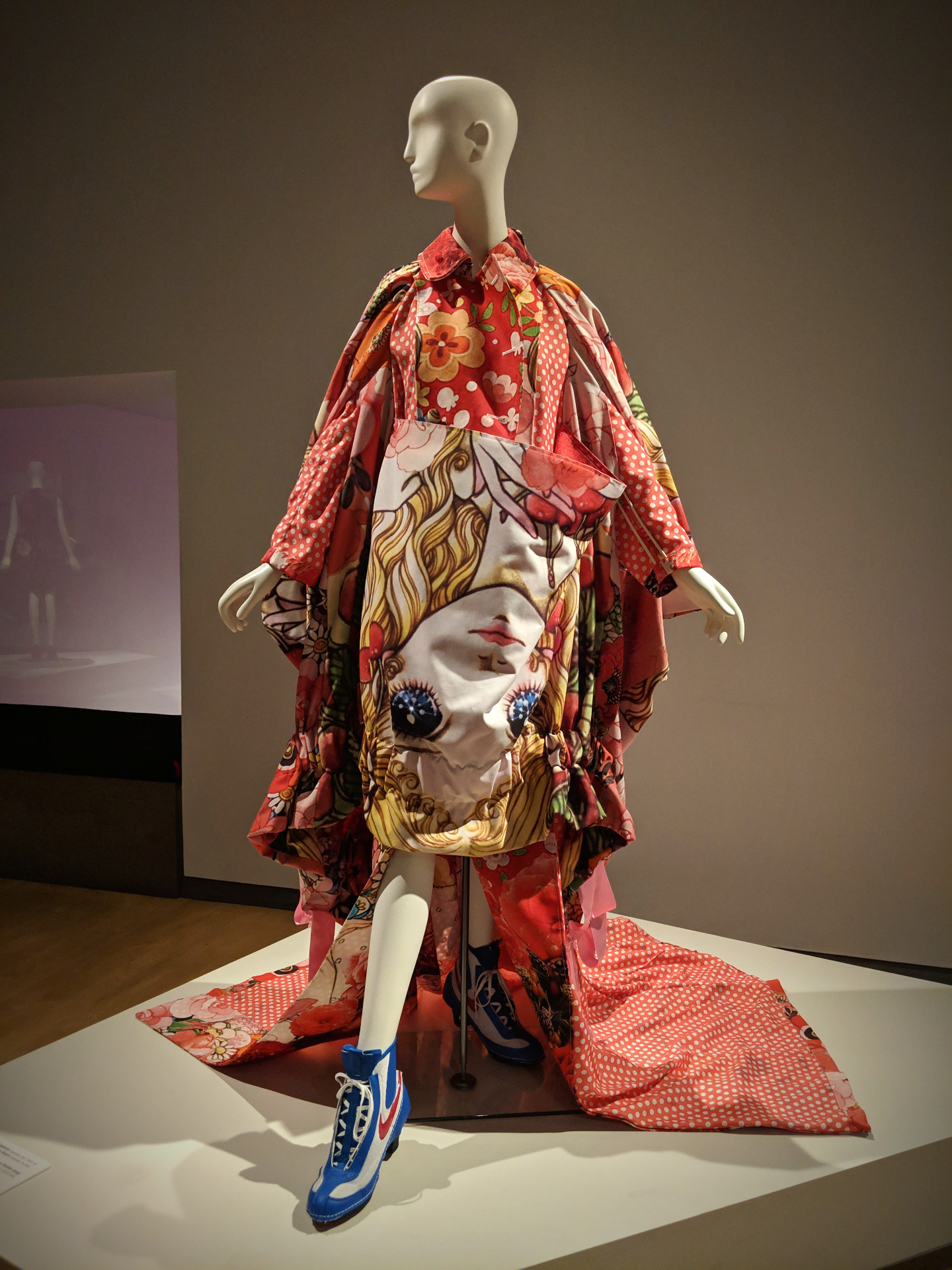
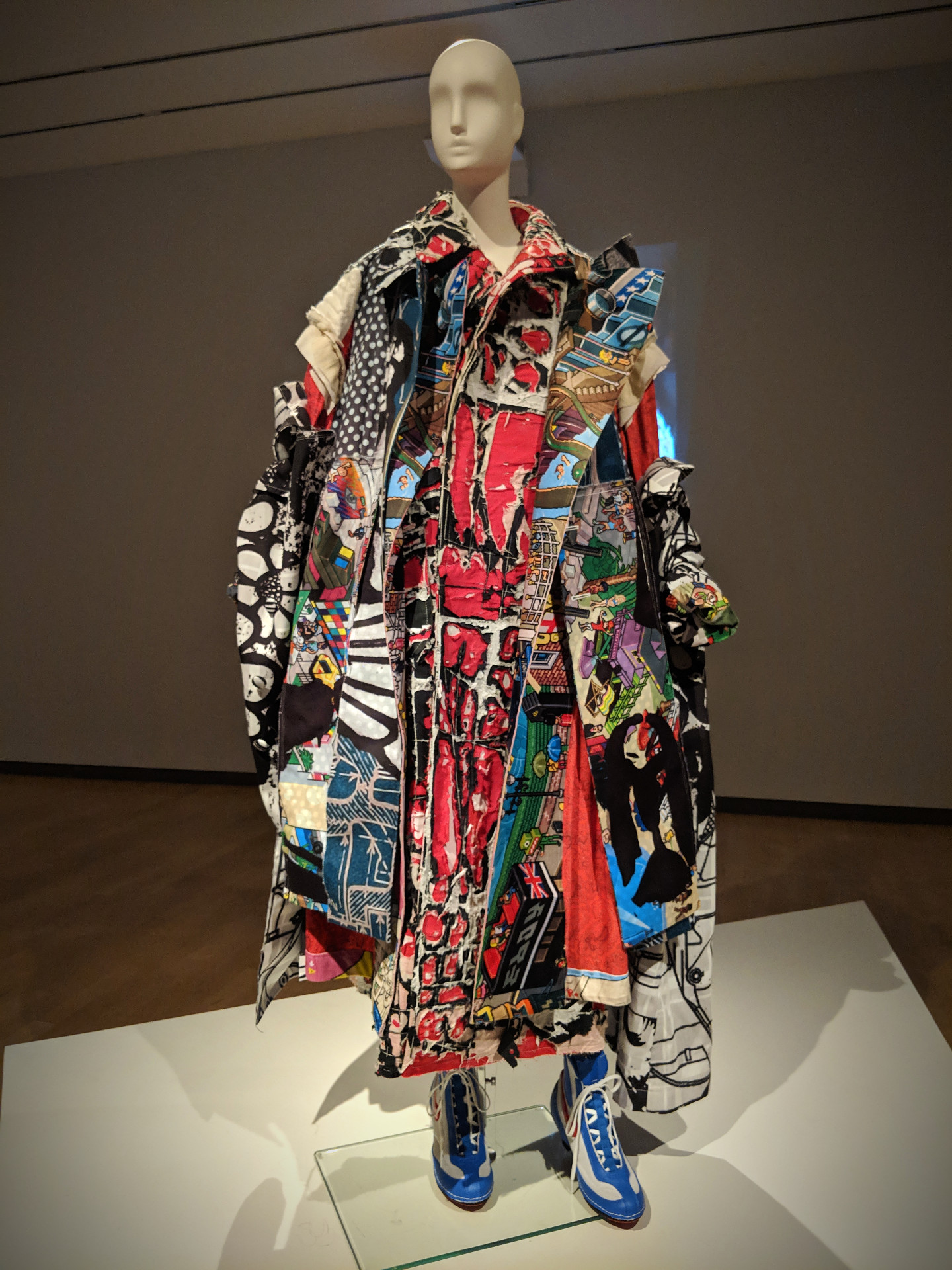
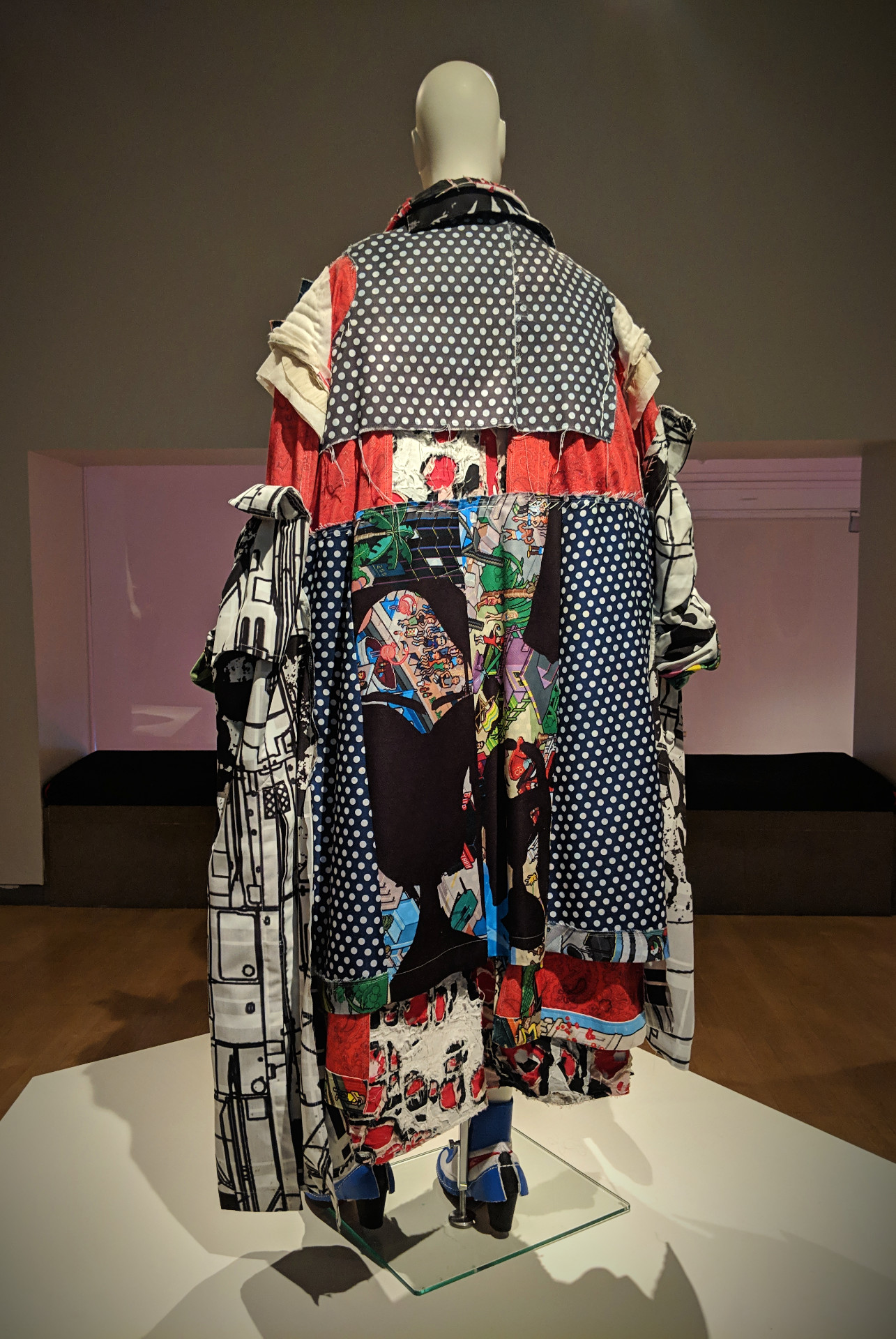
Rei Kawakubo for Comme des Garçons
Dress and shoes from the S/S 2018 collection

Art on Dress: Giuseppe Archimboldo


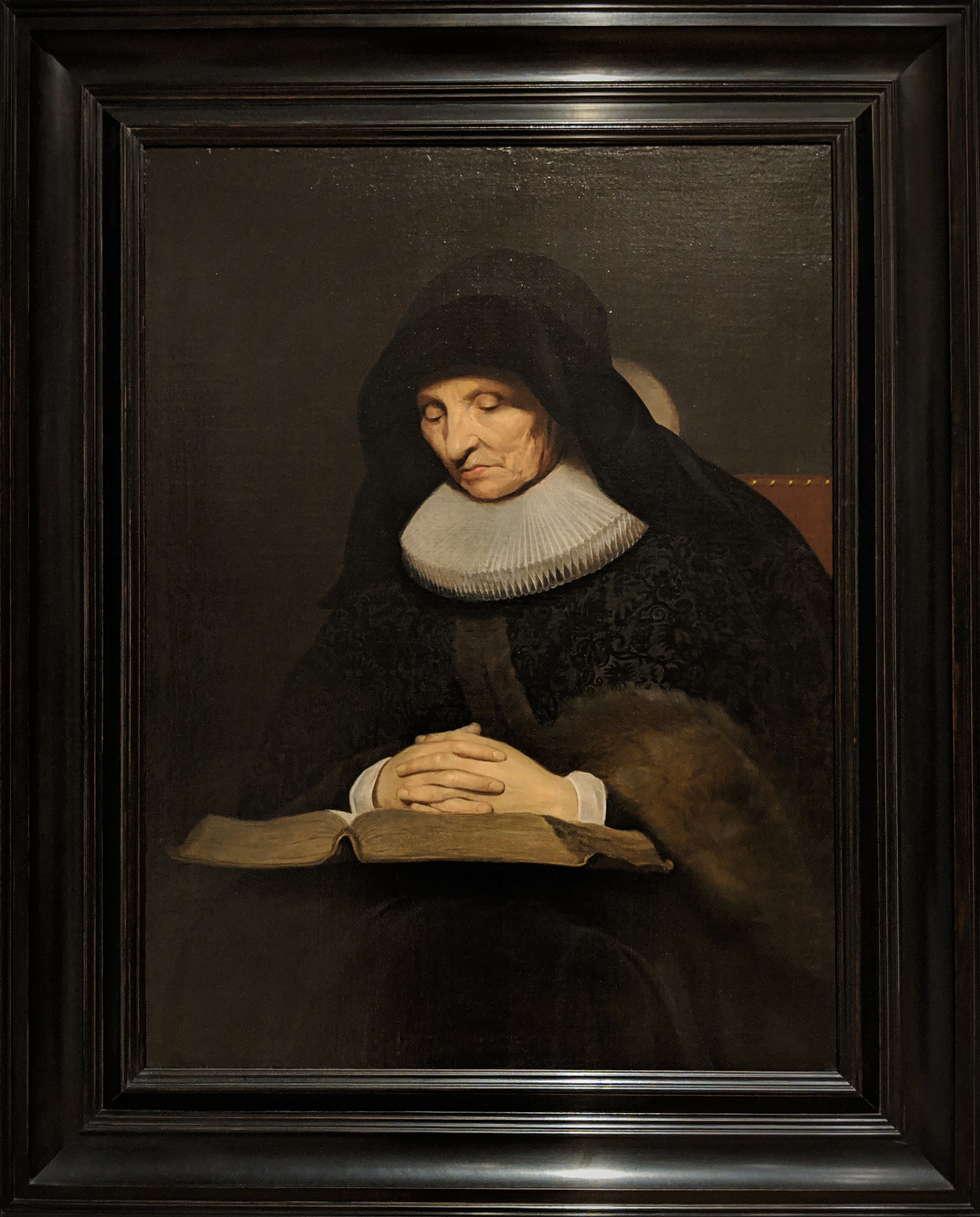
Jan Anthonisz van Ravesteyn (Dutch, c. 1570-1657)
Portrait of an Old Woman, late  16th-mid 17th century
Oil on canvas


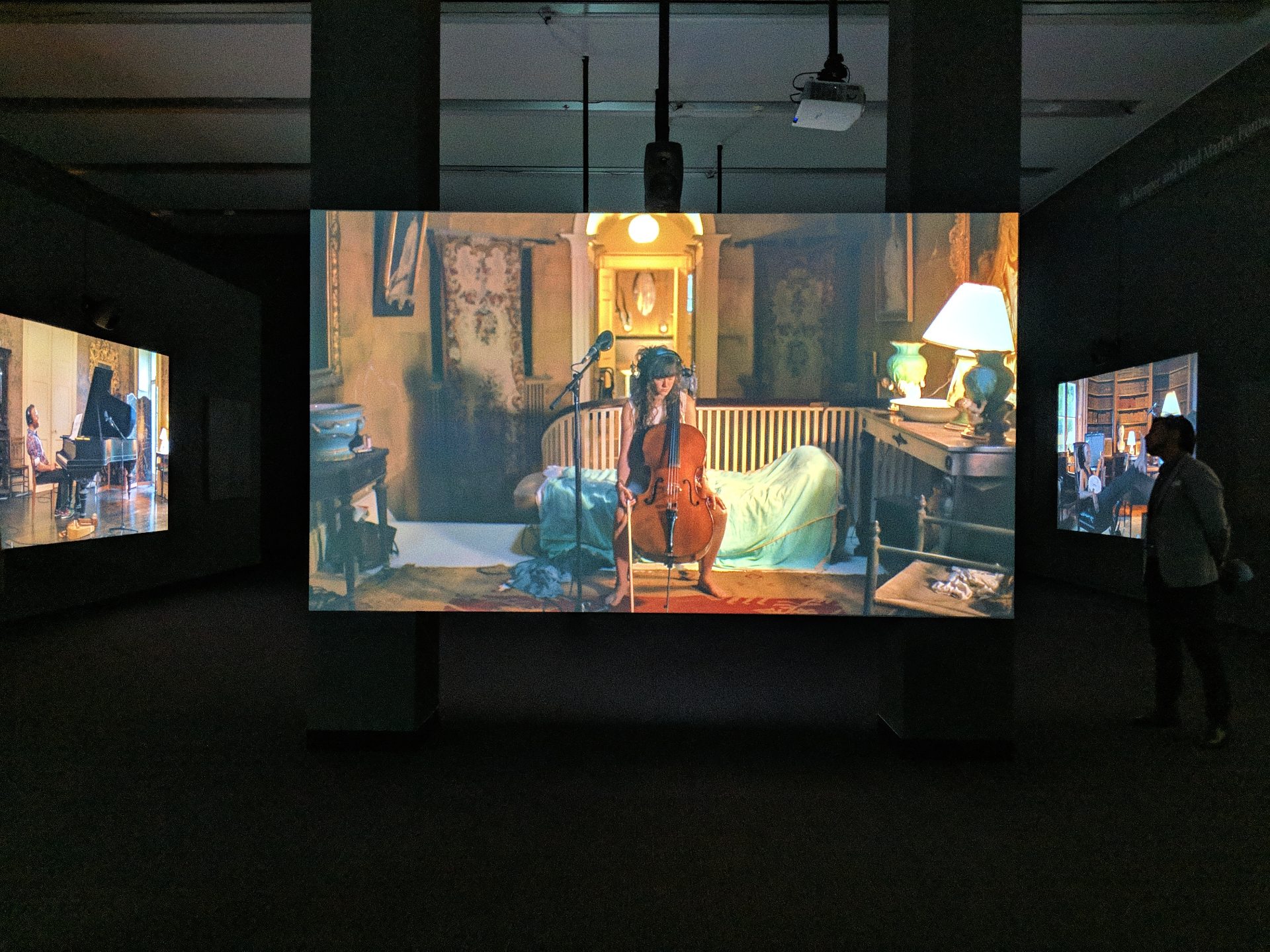
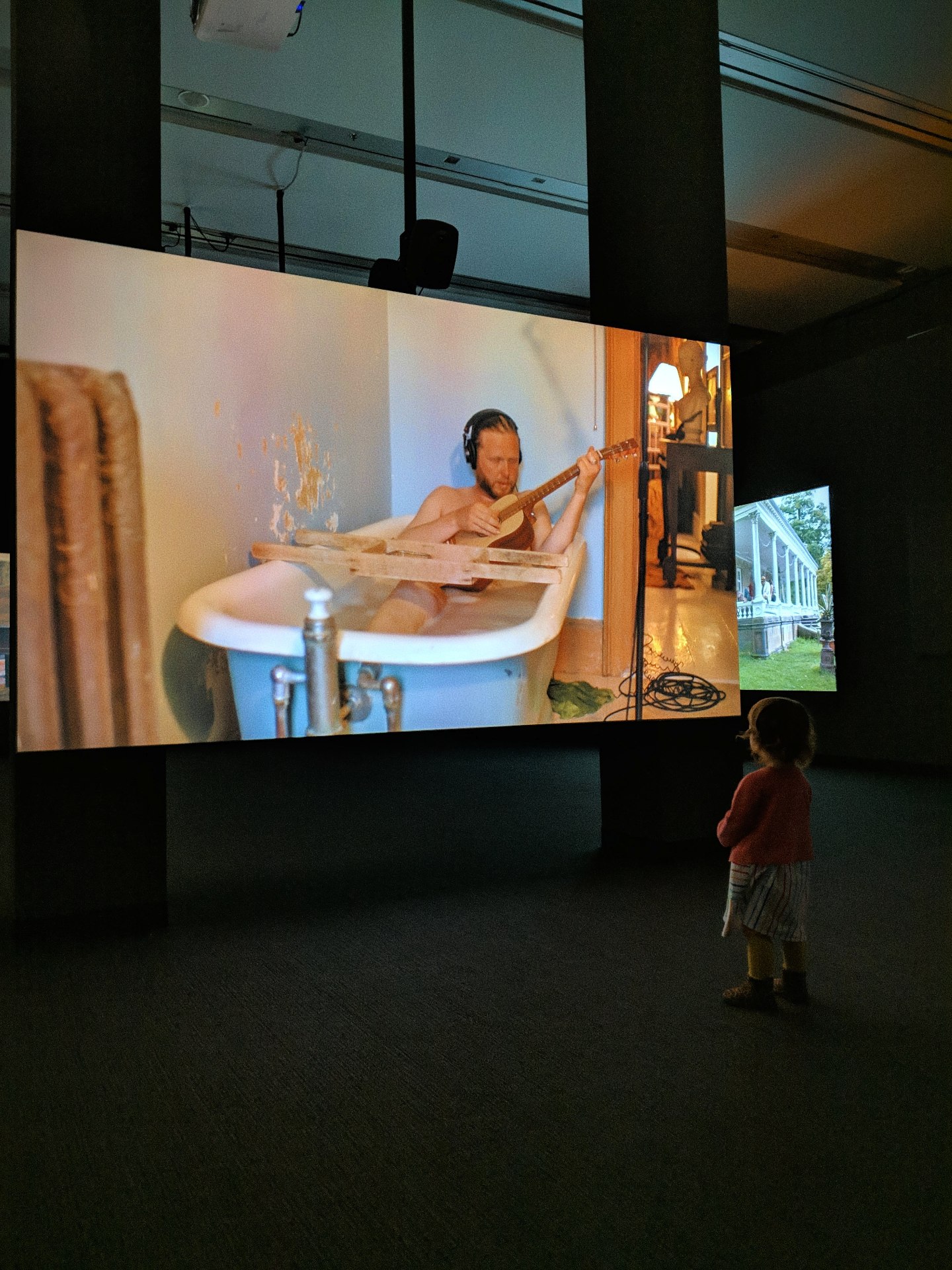
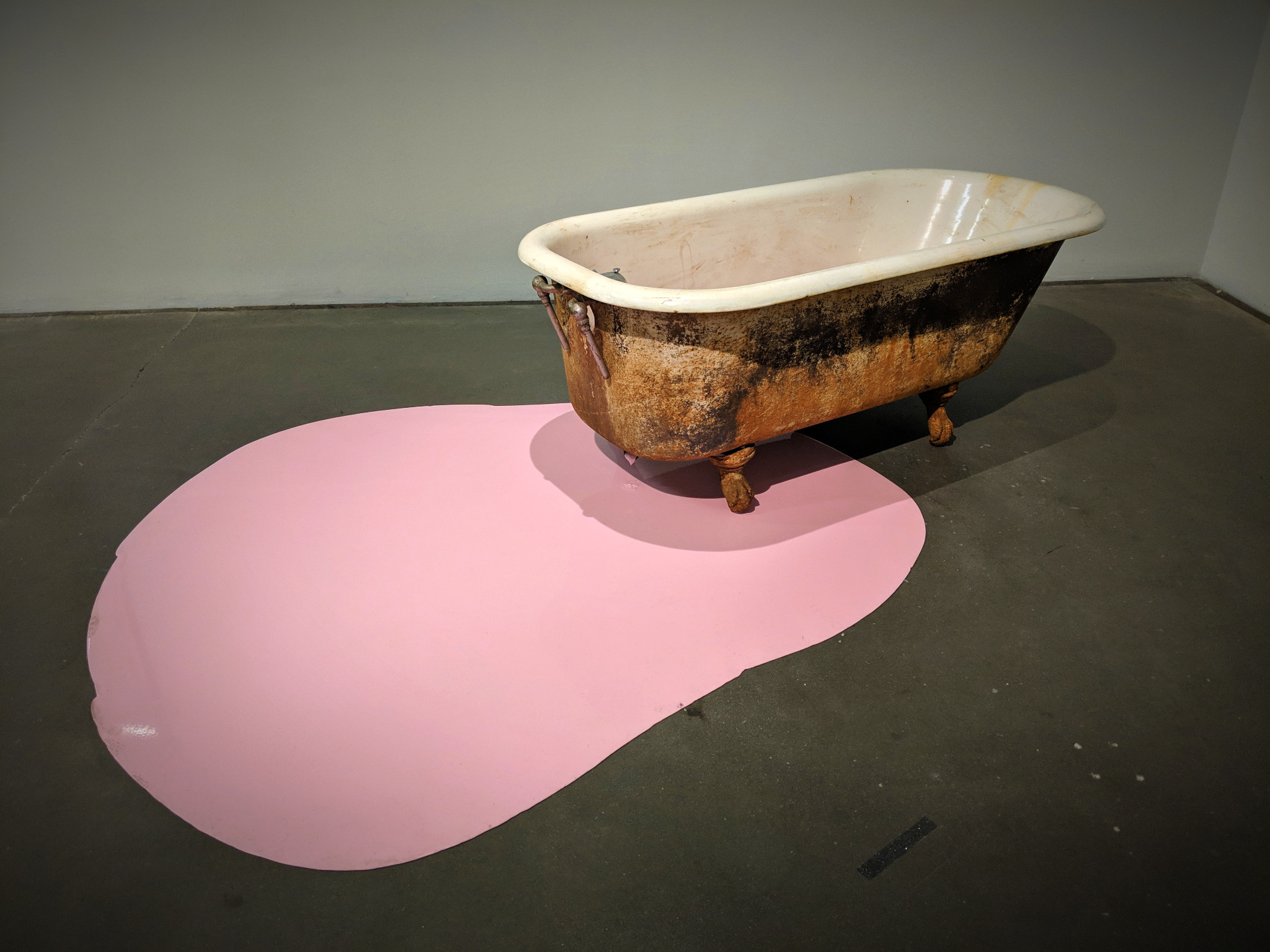
The third work by Ragnar Kjartansson was his superb nine-screen installation that was filmed in one take at the historic Rokeby farm in upstate New York. Named after ABBA’S final album, The Visitors, it records the performances of a group of friends, musicians and artists, playing simultaneously but in different rooms of the mansion. They all play the same song each one enriching it with their own voice, instrument and presence. Kjartansson himself performs most of the time in a bathtub. The film mesmerizes and moves audiences of all ages wherever it is shown. You can watch a recording of the recording, uploaded on YouTube by one of its many admirers.

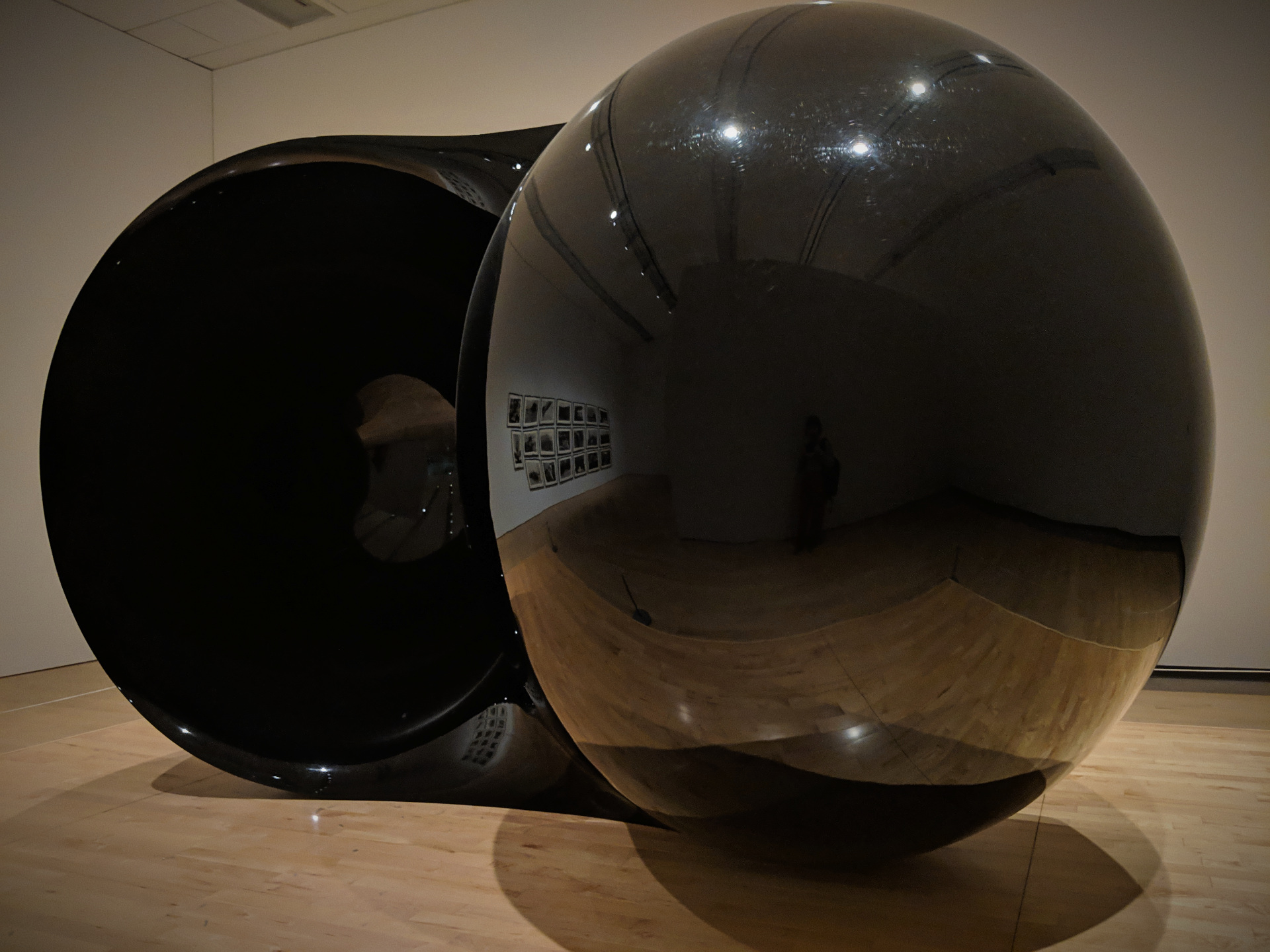
Anish Kapoor (British, b. 1954)
Upside Down, Inside Out, 2003
Resin and paint


Phoenix Art Museum

January 30th, 2019

Wearable Art

Taking its rightful place alongside more traditional forms of art.
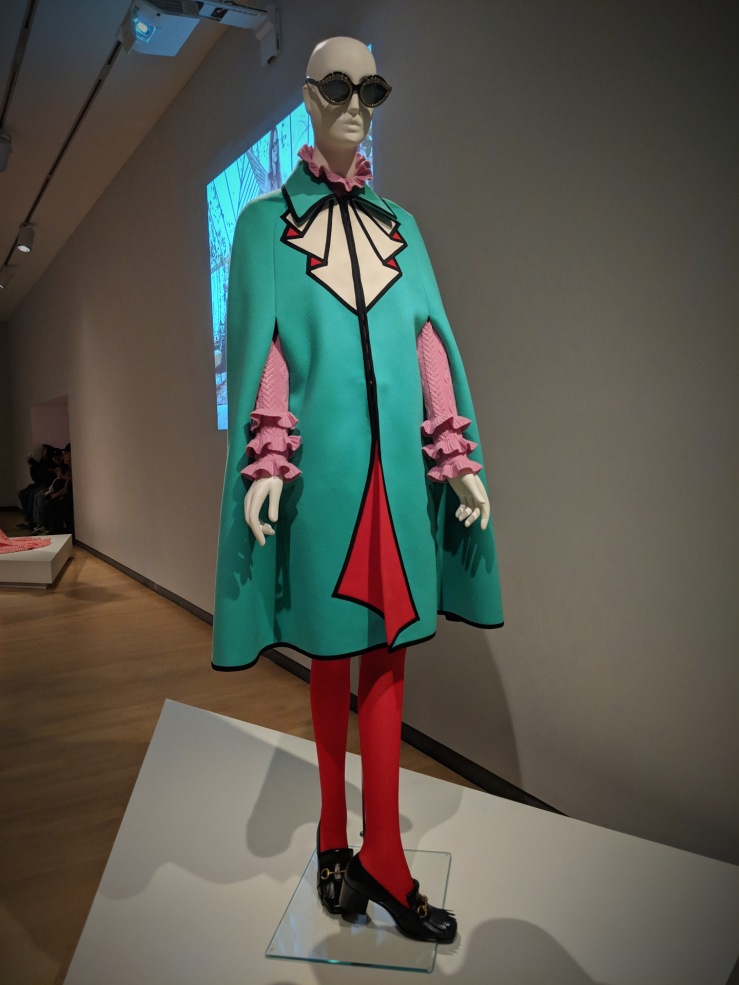
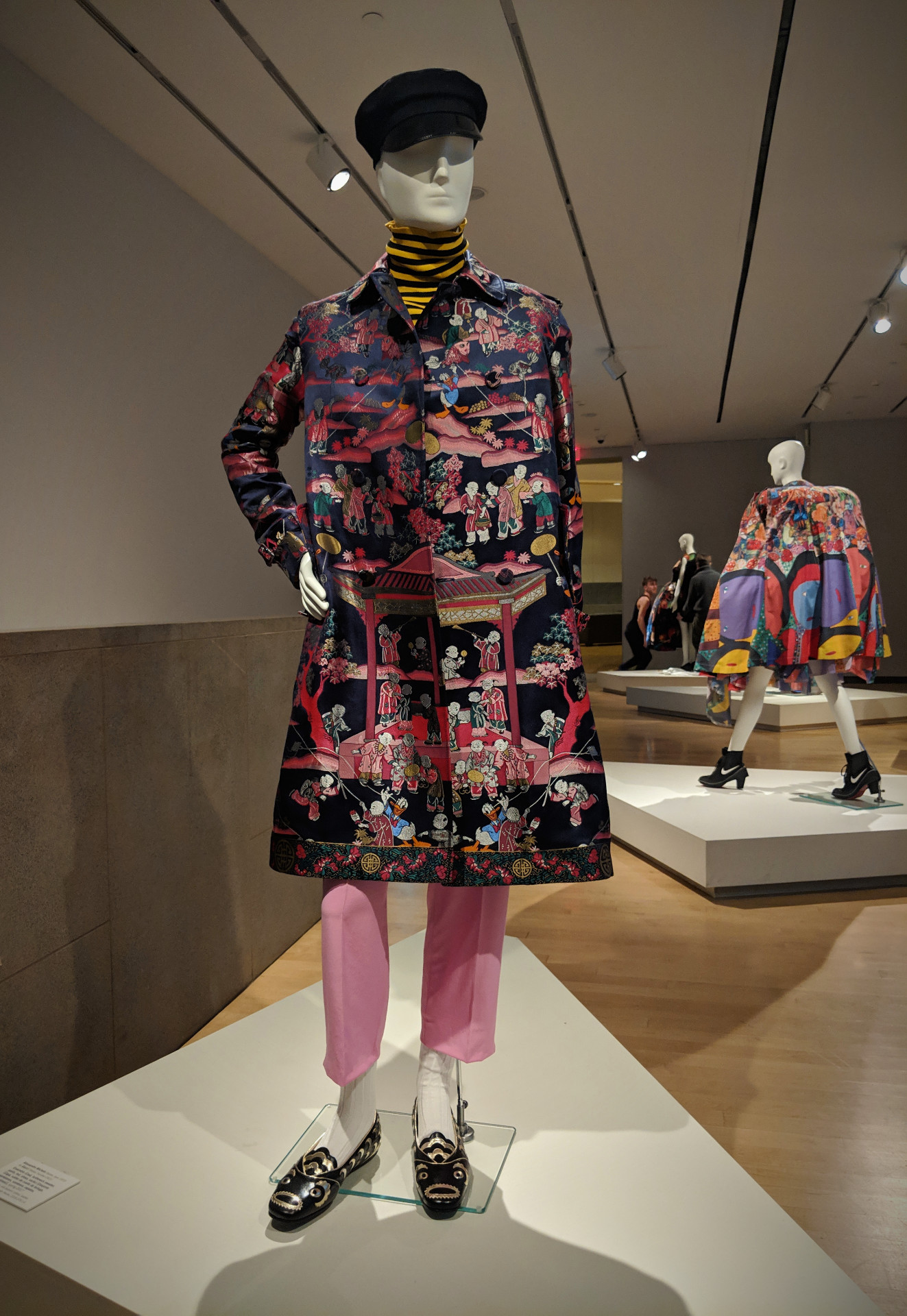
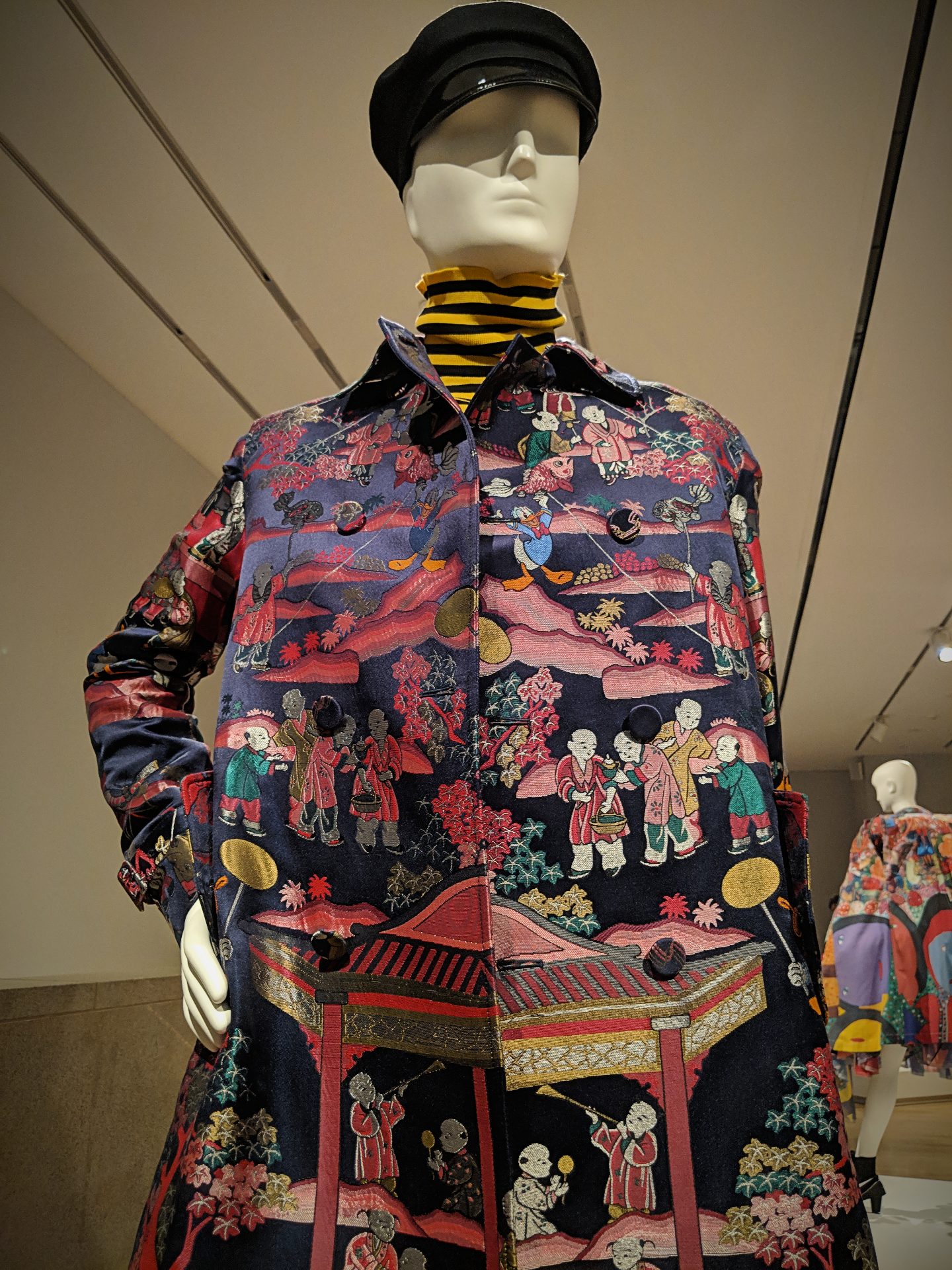
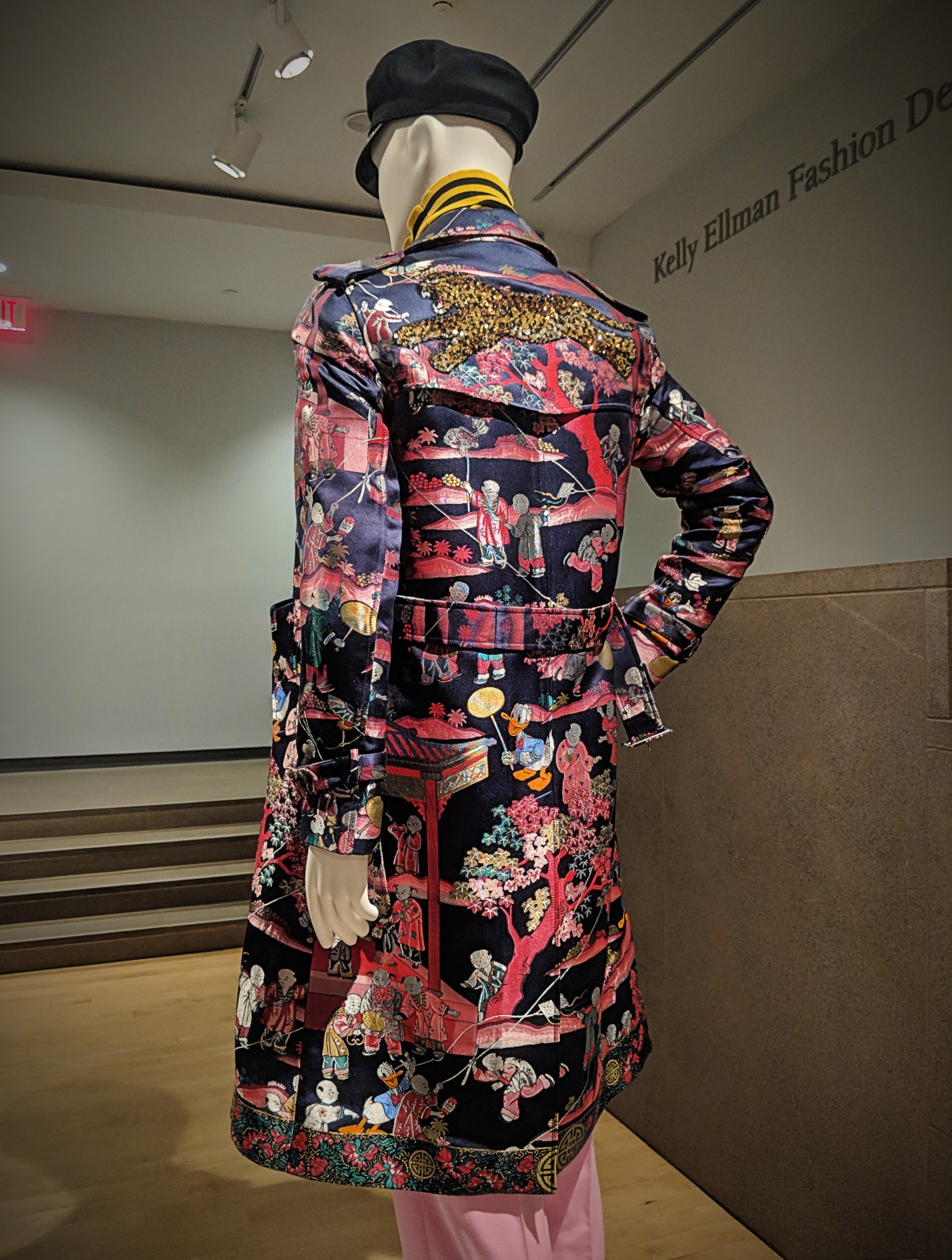
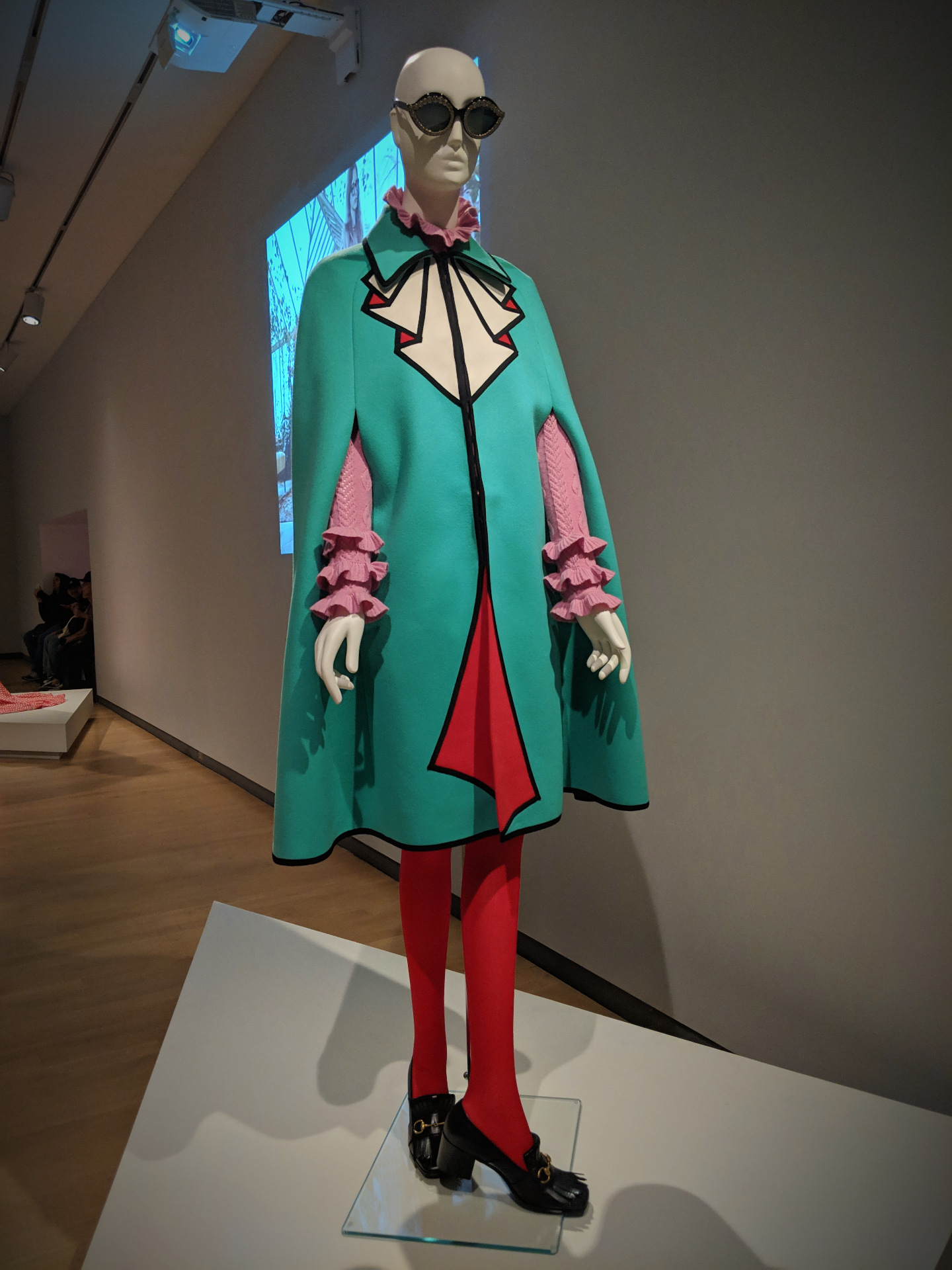
Alessandro Michele (Italian, b. 1972) for Gucci
Ensemble F/W 2016
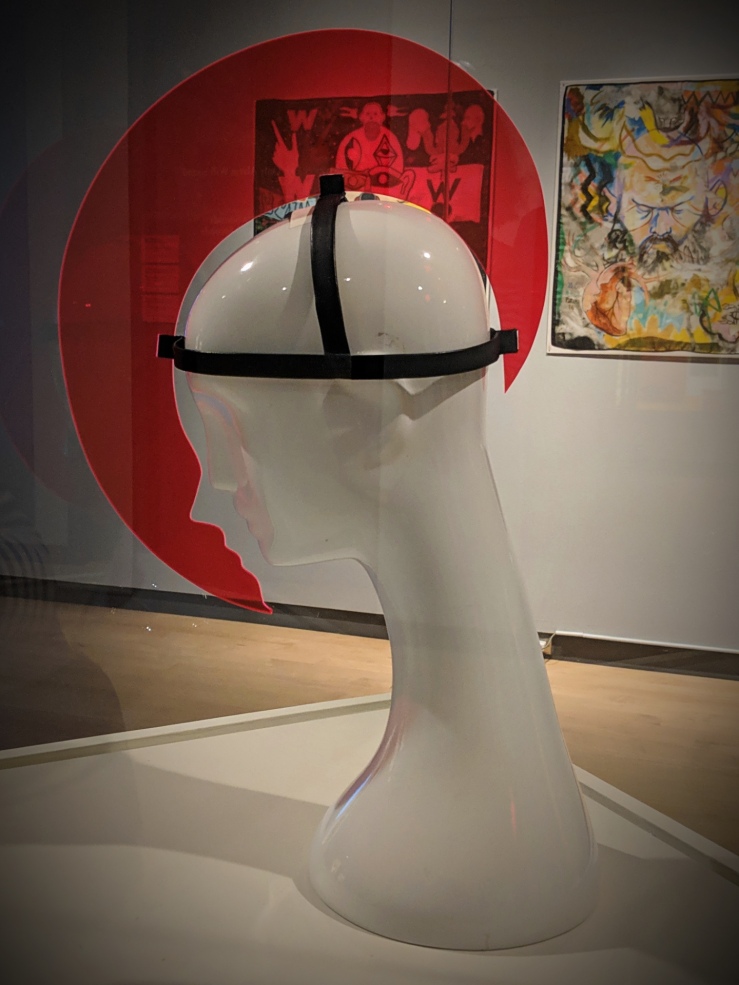

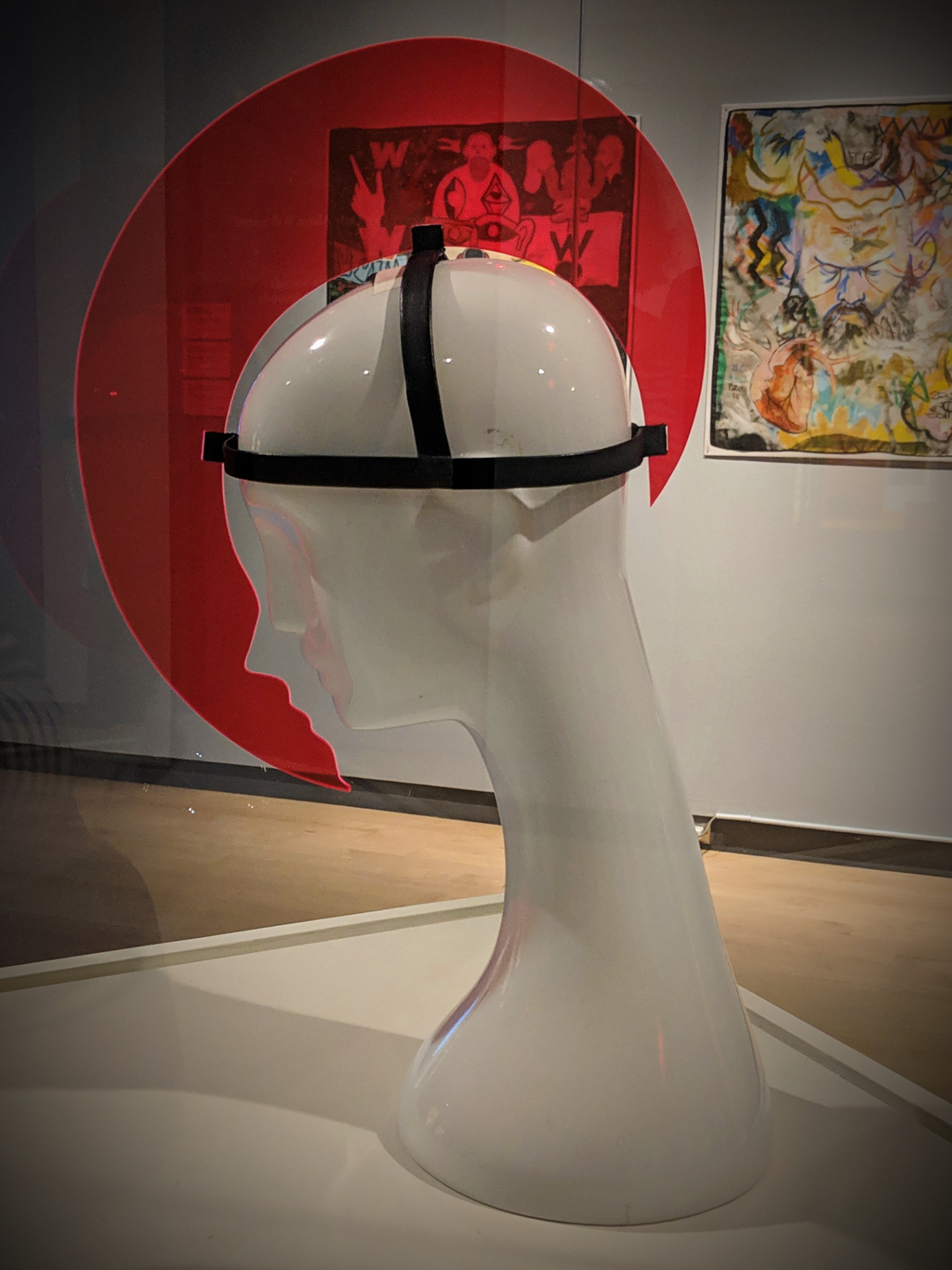
Stephen Jones (British, b. 1957)
”Show” Hat, F/W 2013 ”Art School”
Perspex Plexiglas
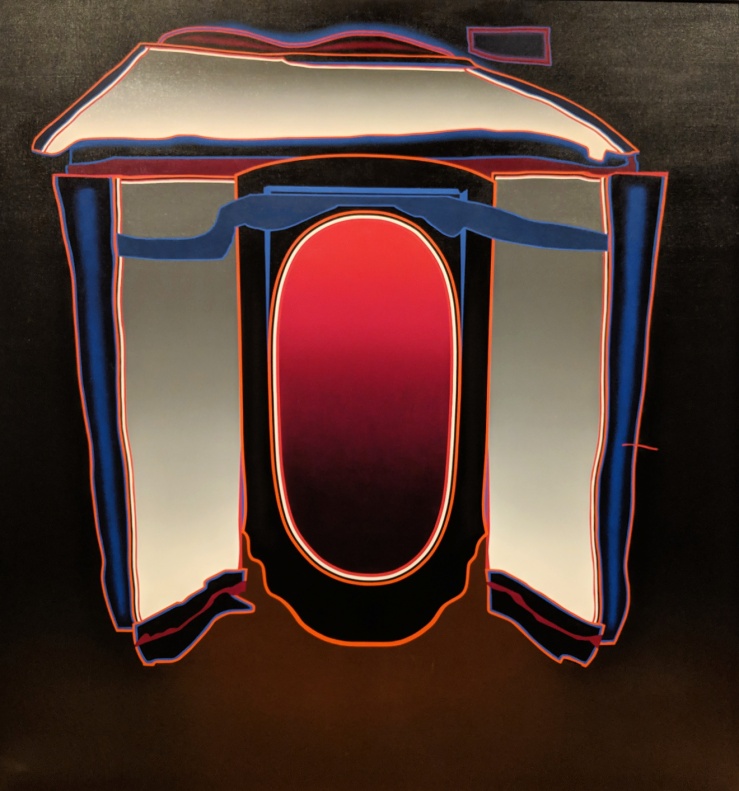

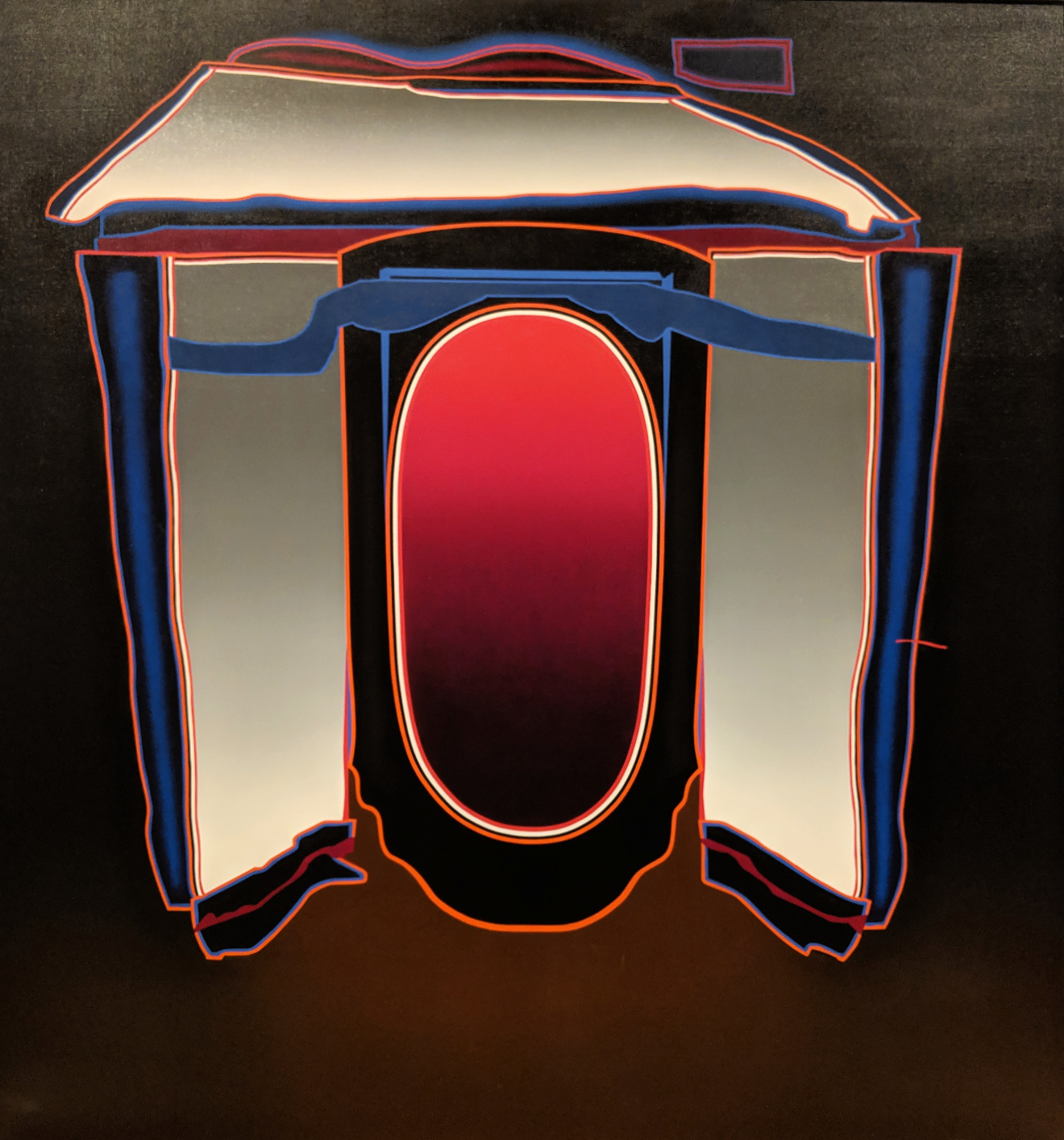
Deborah Williams Remington (American, 1930-2010)
Dover, 1975
Oil on canvas
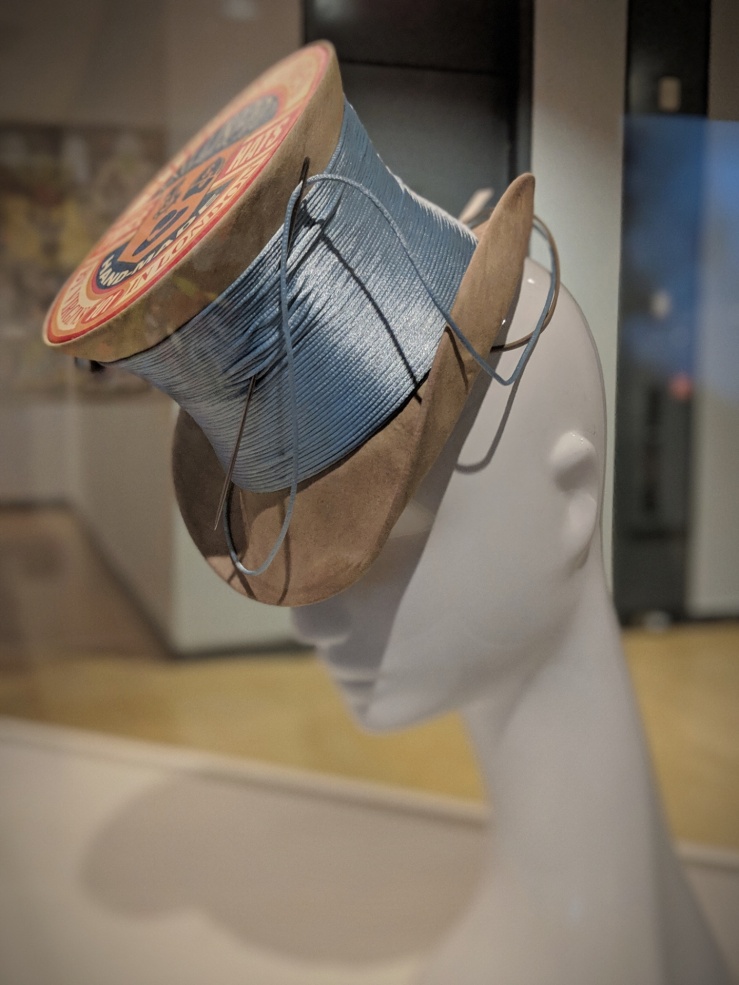

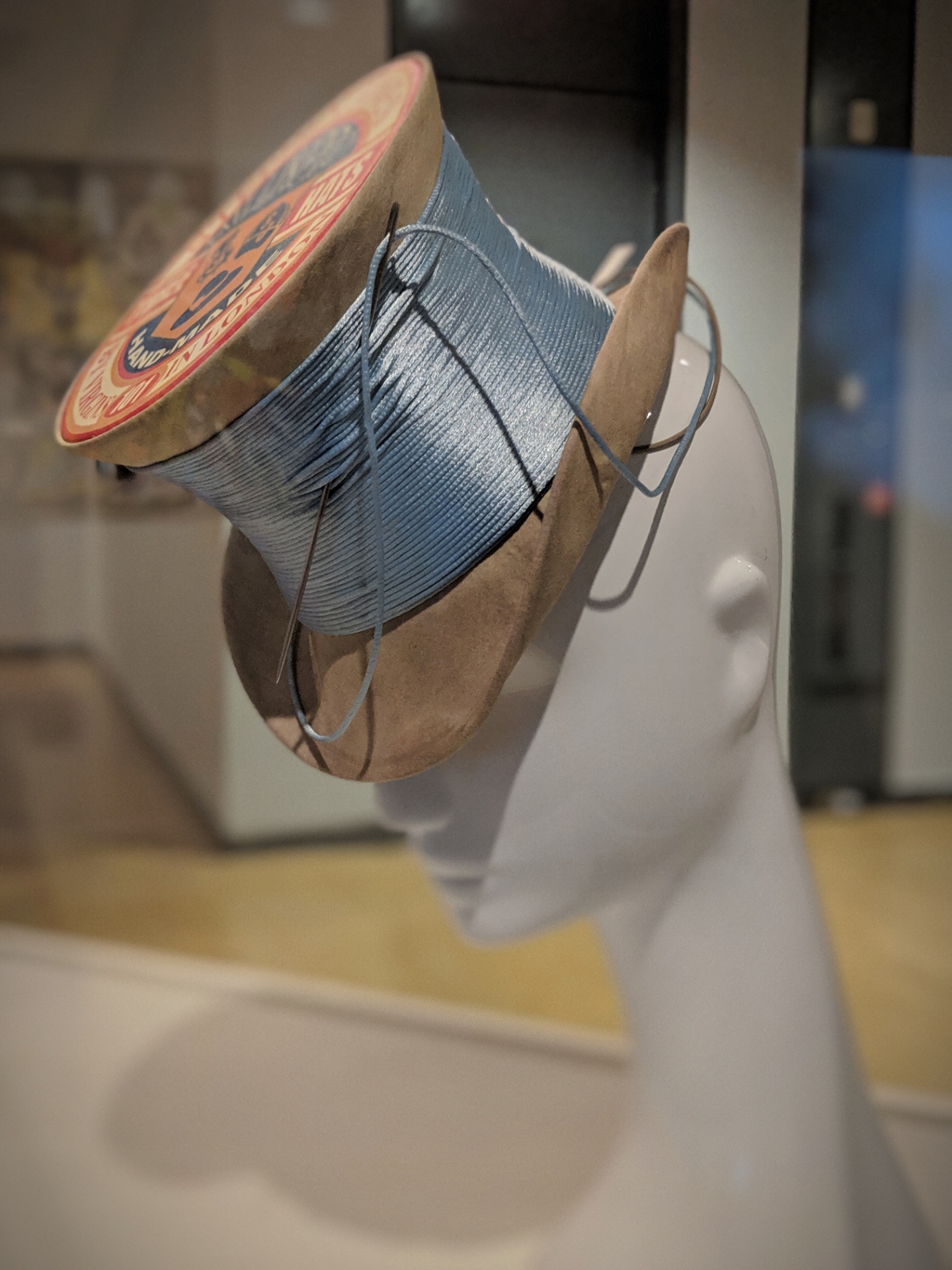
Stephen Jones (British, b. 1957)
”Sewing” Hat, S/S 2018
Printed cotton with satin cord and metal bodkin
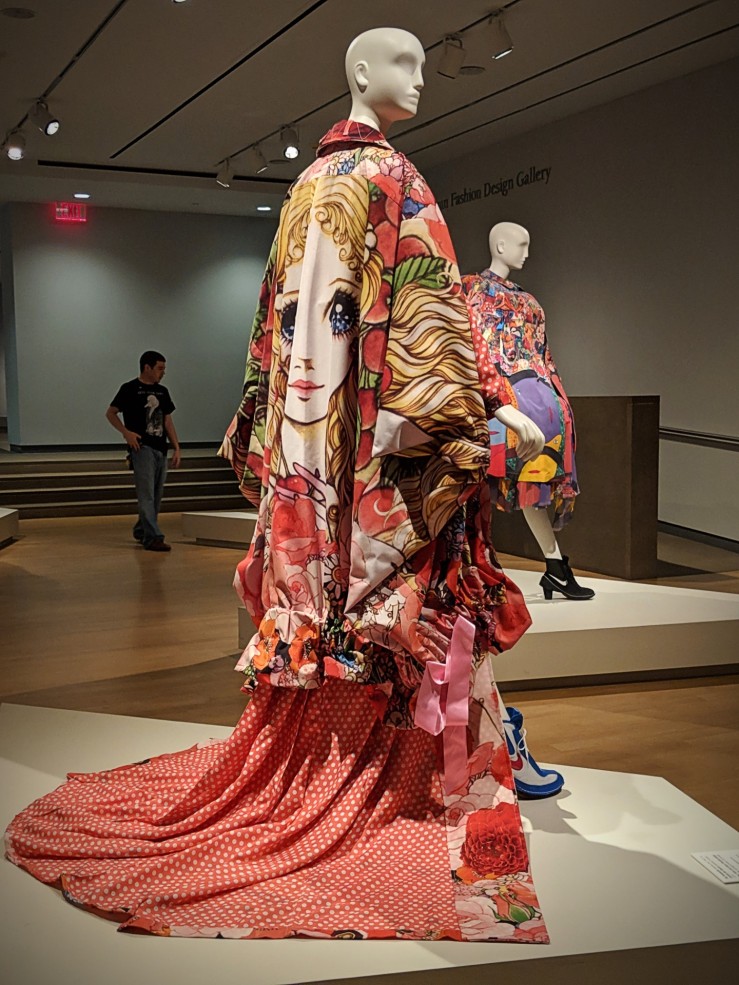

Rei  Kawakubo (Japanese, b. 1942)
Comme des Garçons, S/S 2018
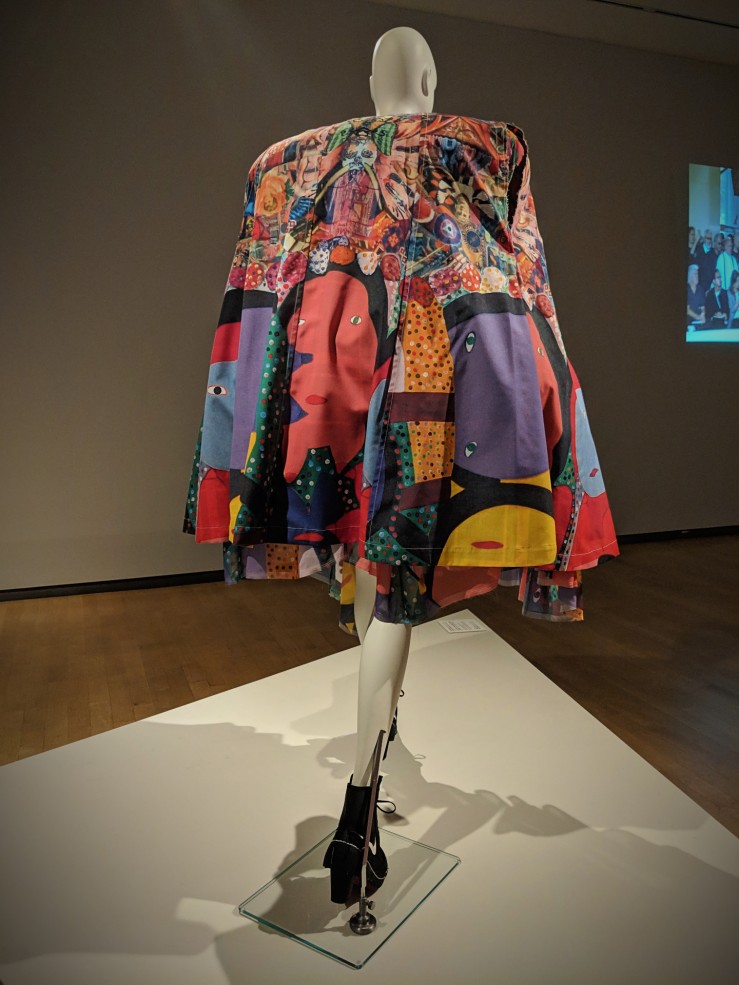

Rei  Kawakubo (Japanese, b. 1942)
Comme des Garçons, S/S 2018
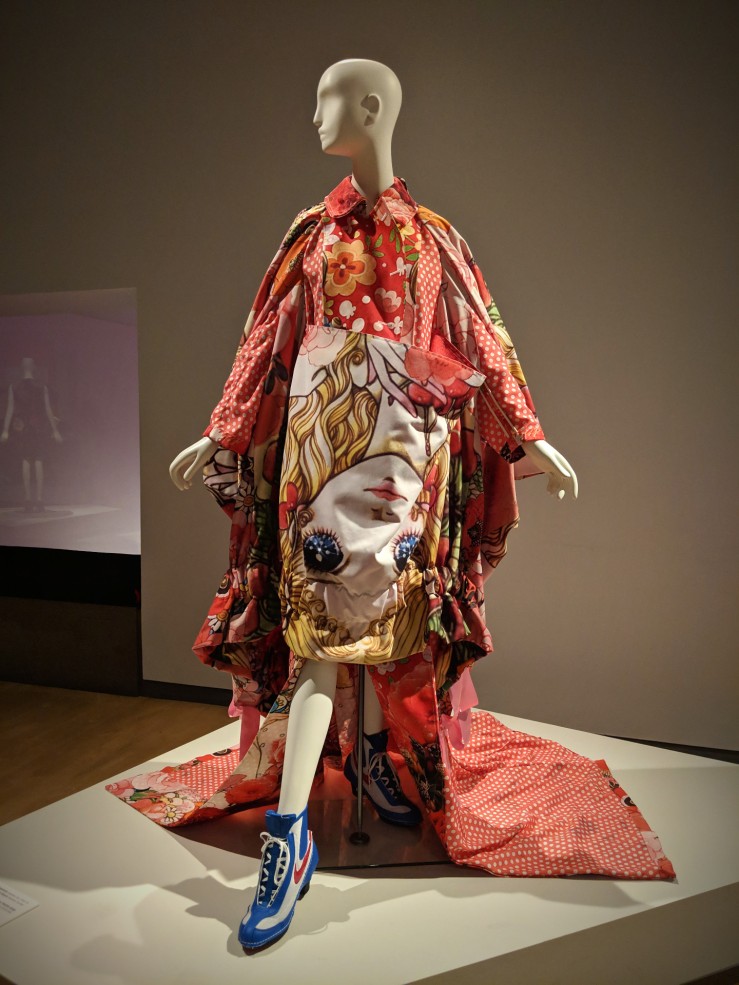

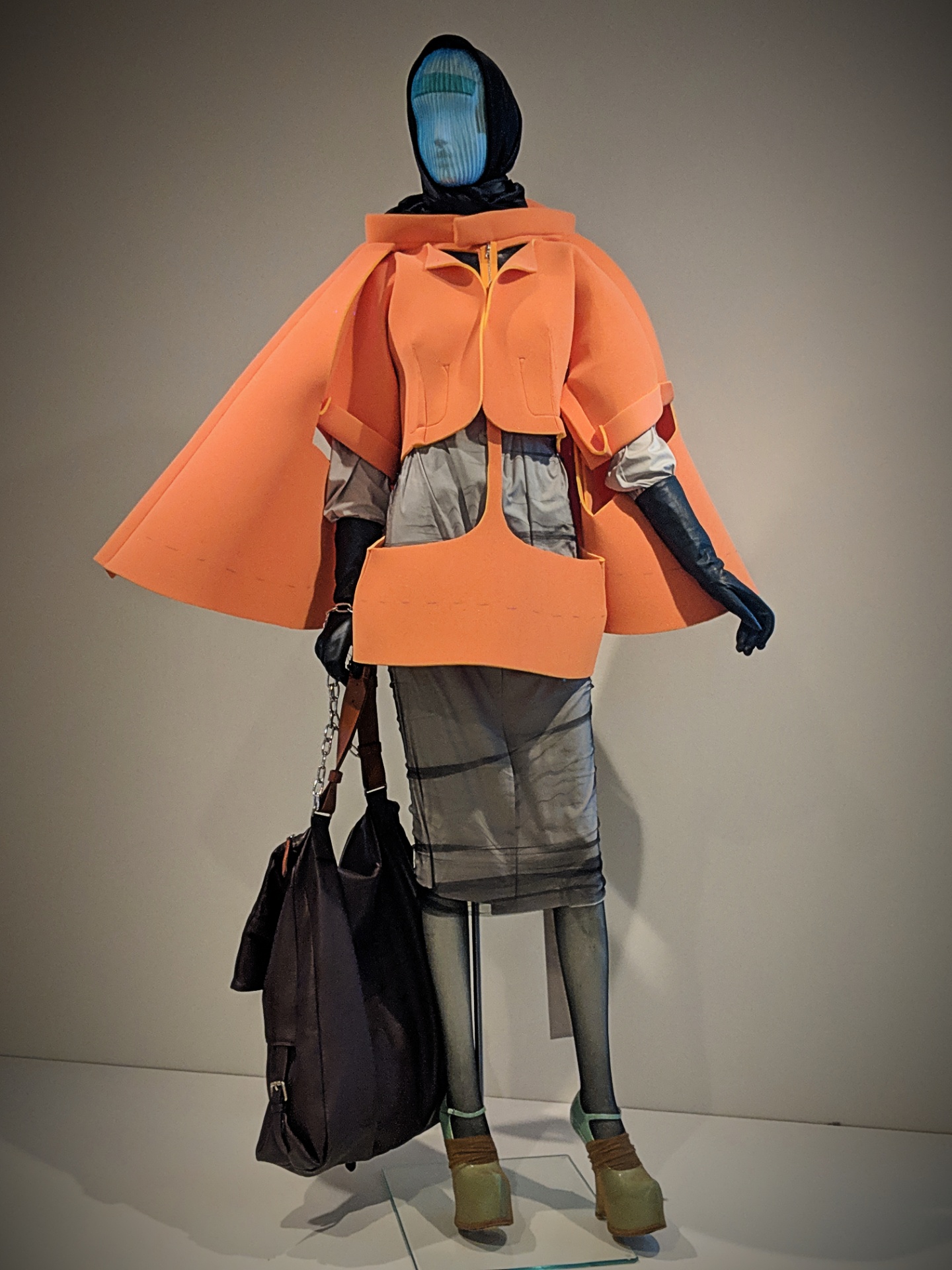
Rei  Kawakubo (Japanese, b. 1942)
Comme des Garçons, S/S 2018
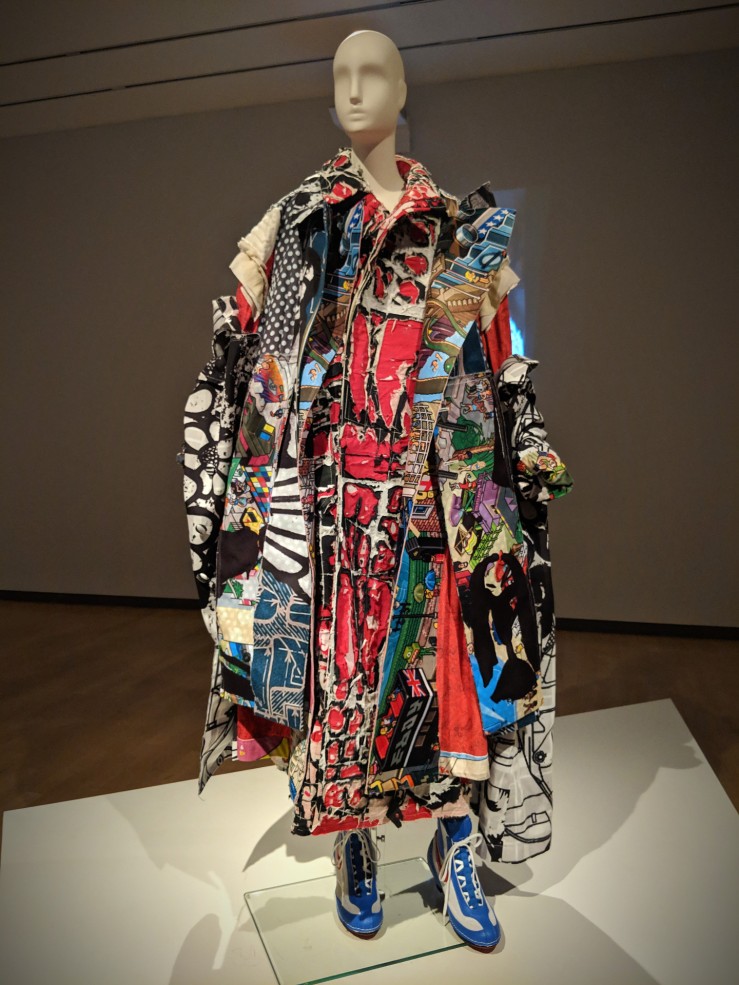

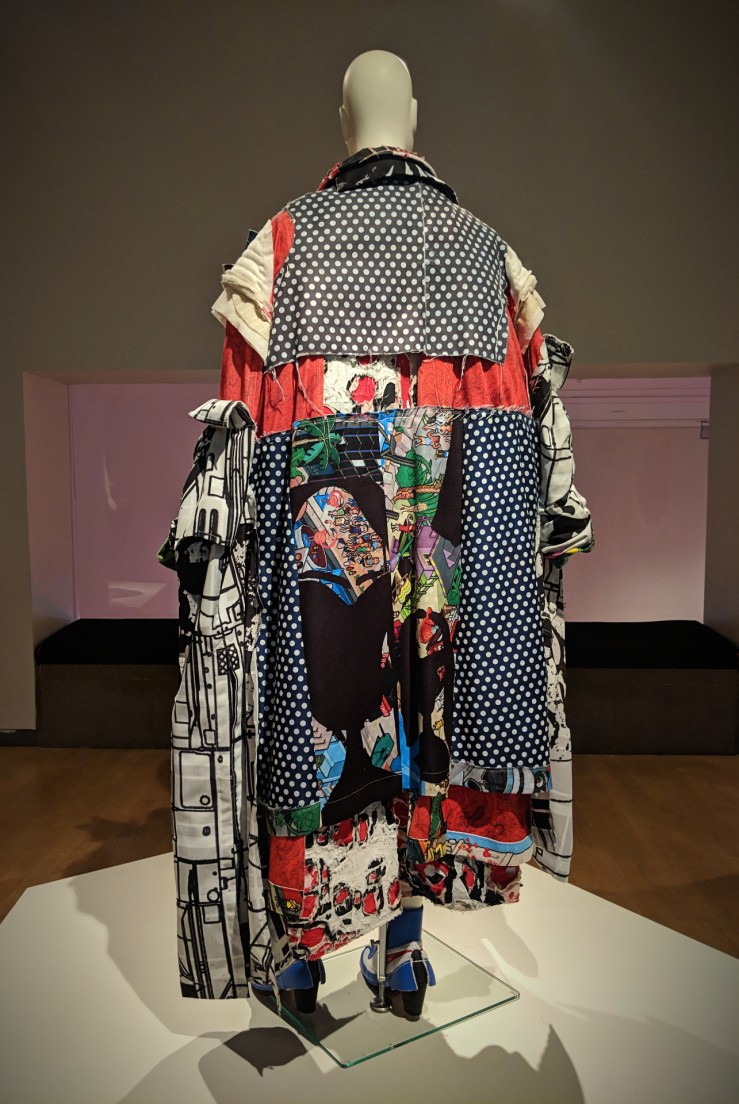
Rei  Kawakubo (Japanese, b. 1942)
Comme des Garçons, S/S 2018

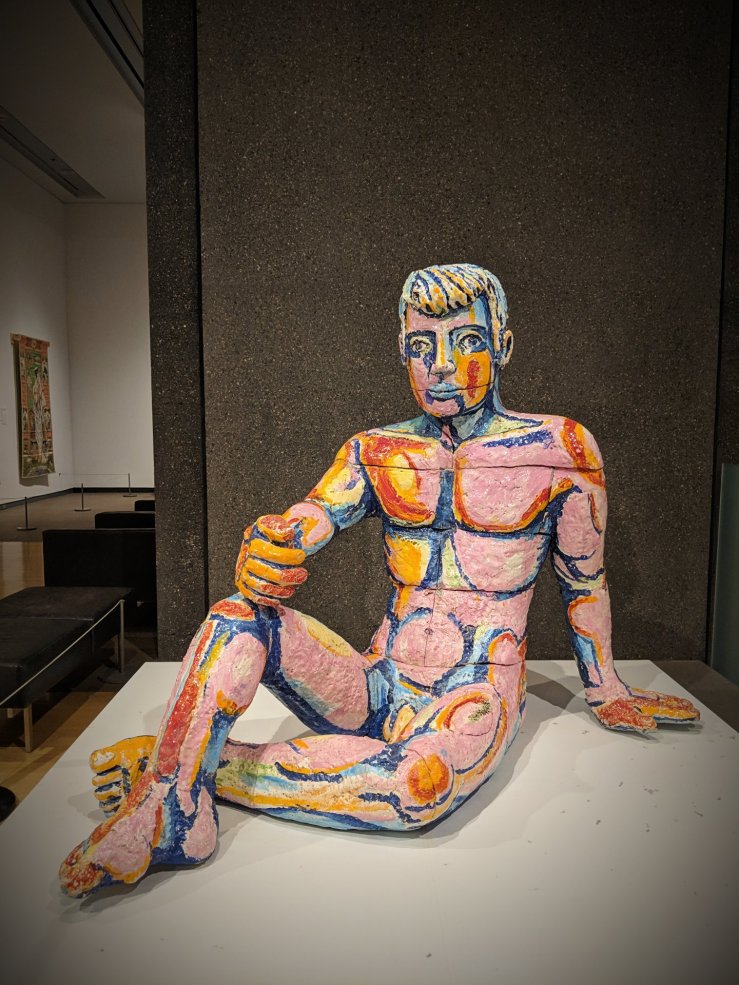
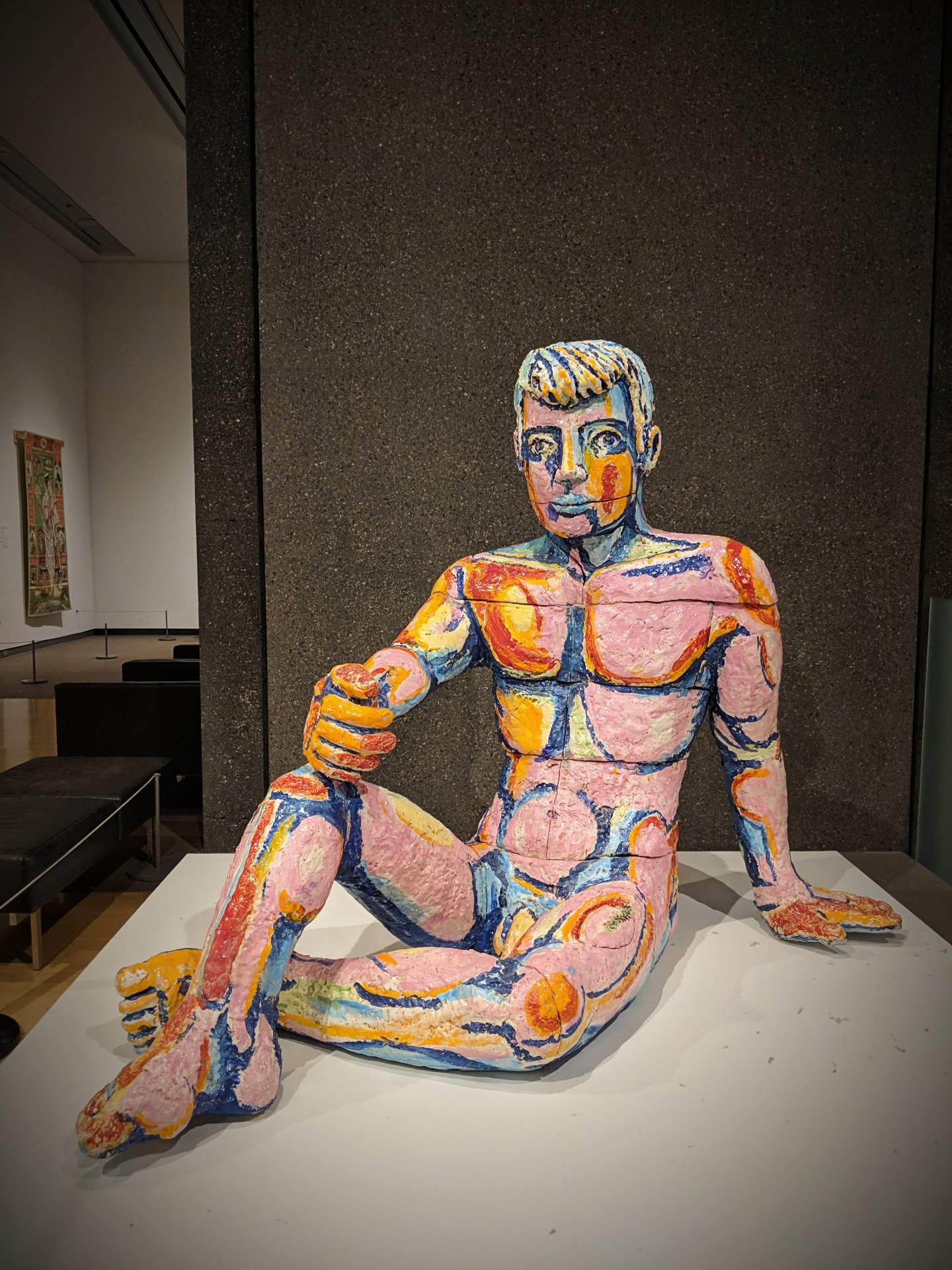
Viola Frey (American, 1933-2004)
Nude Man, 1989
Glazed ceramic
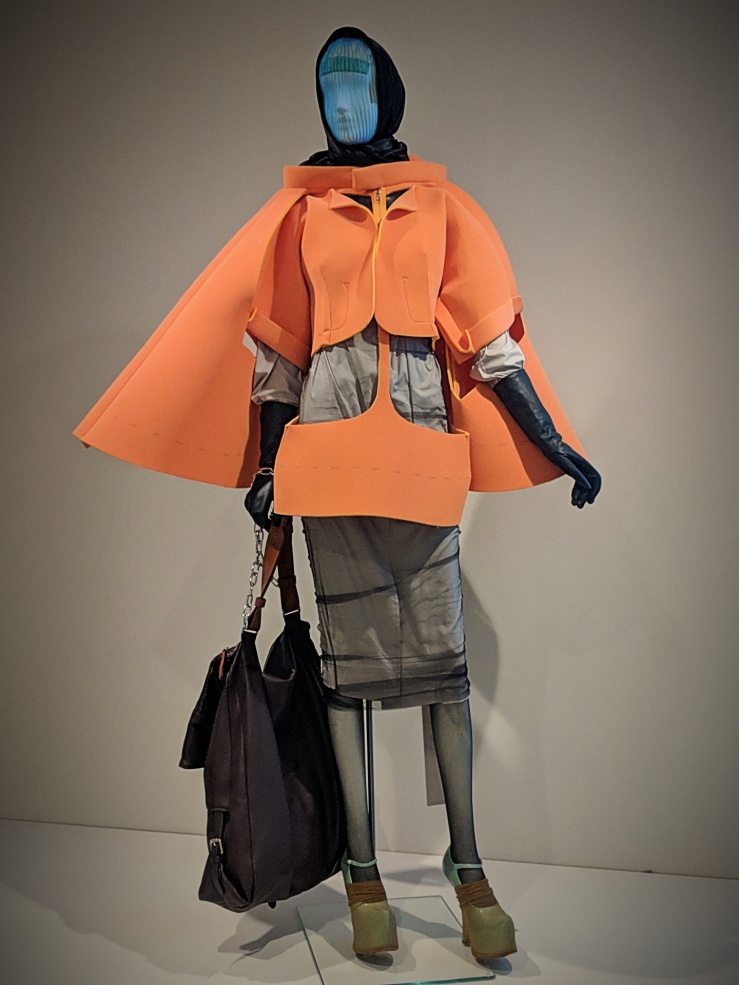

John Galliano (British, b. 1960) for Maison Margiela
Ensemble Fall 2018
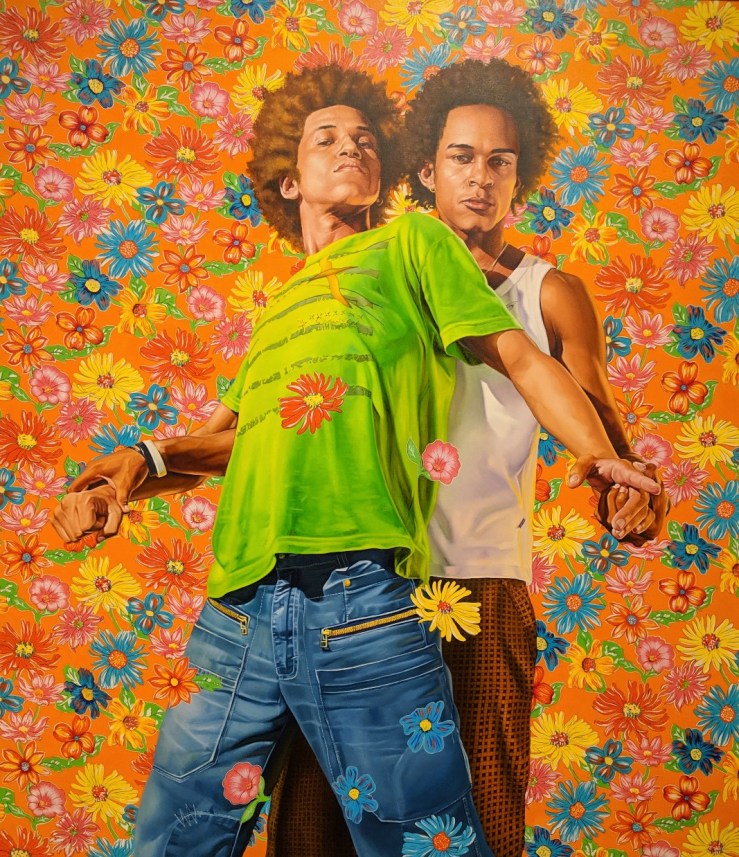

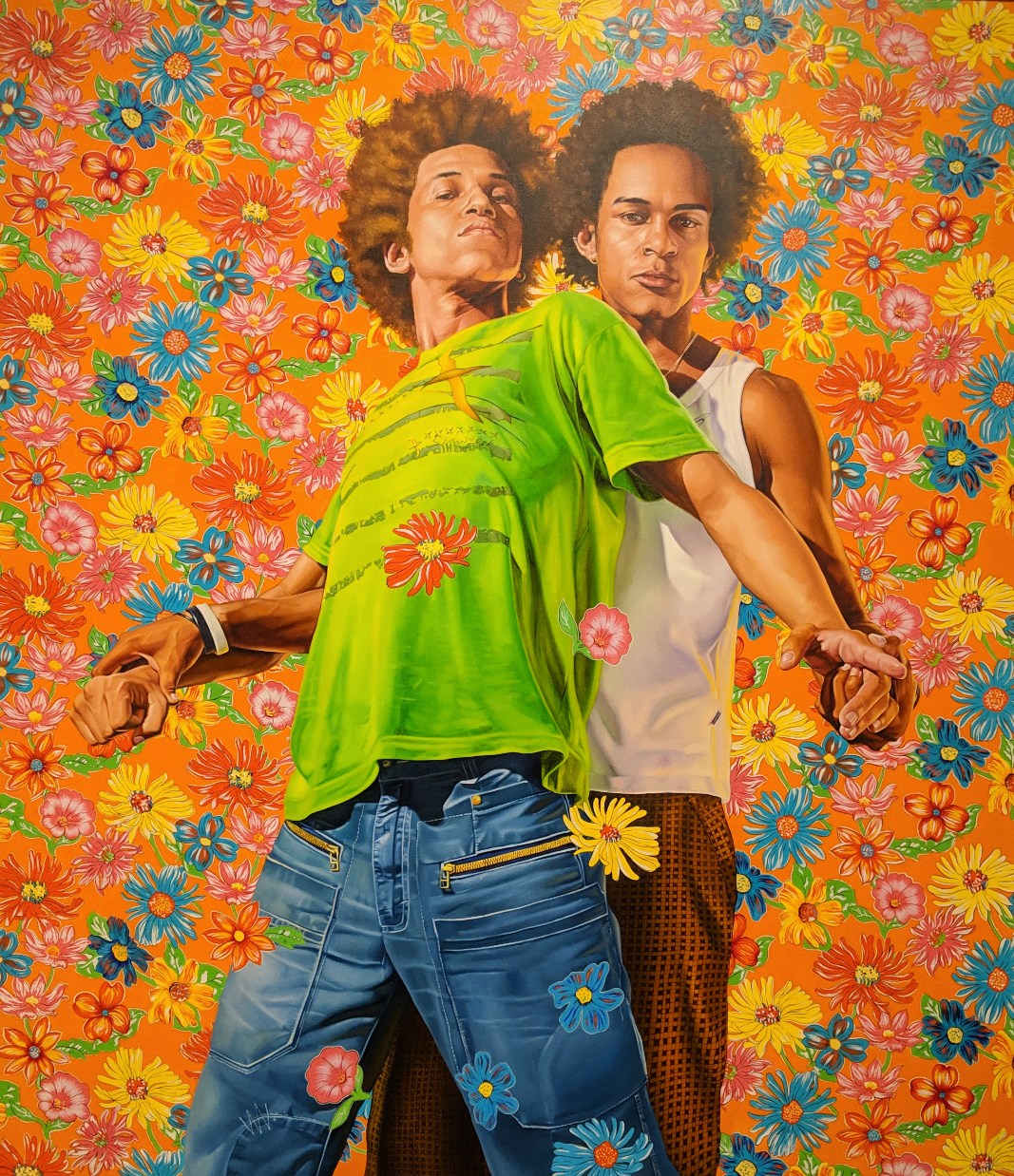
Kehinde Wiley (American, b. 1977)
Marechal Floriano  Peixoto (from The World Stage: Brazil Series), 2009
Oil on canvas


Phoenix Art Museum

January 30th, 2019
Food for thought (in quarantine)

Art:

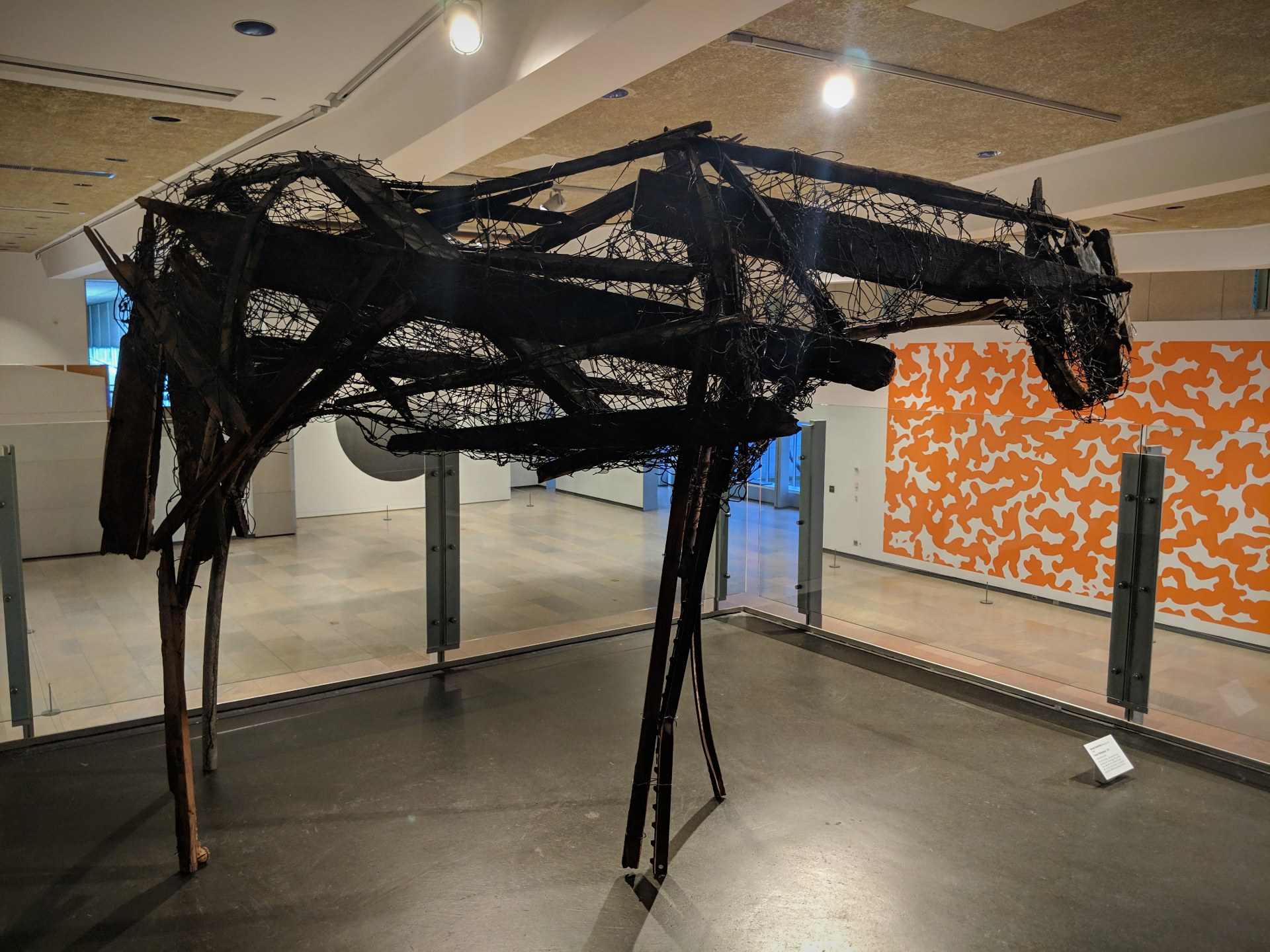
1/Cornelia Parker (British, b. 1956)
Mass (Colder Darker Matter), 1997
Burnt wood, wire and string

Proposing that matter is never destroyed but merely transformed, Cornelia Parker challenges the way we experience destruction. Mass (Colder Darker Matter) is made  from the charred remains of a Texas Baptist church that was struck by lightning.

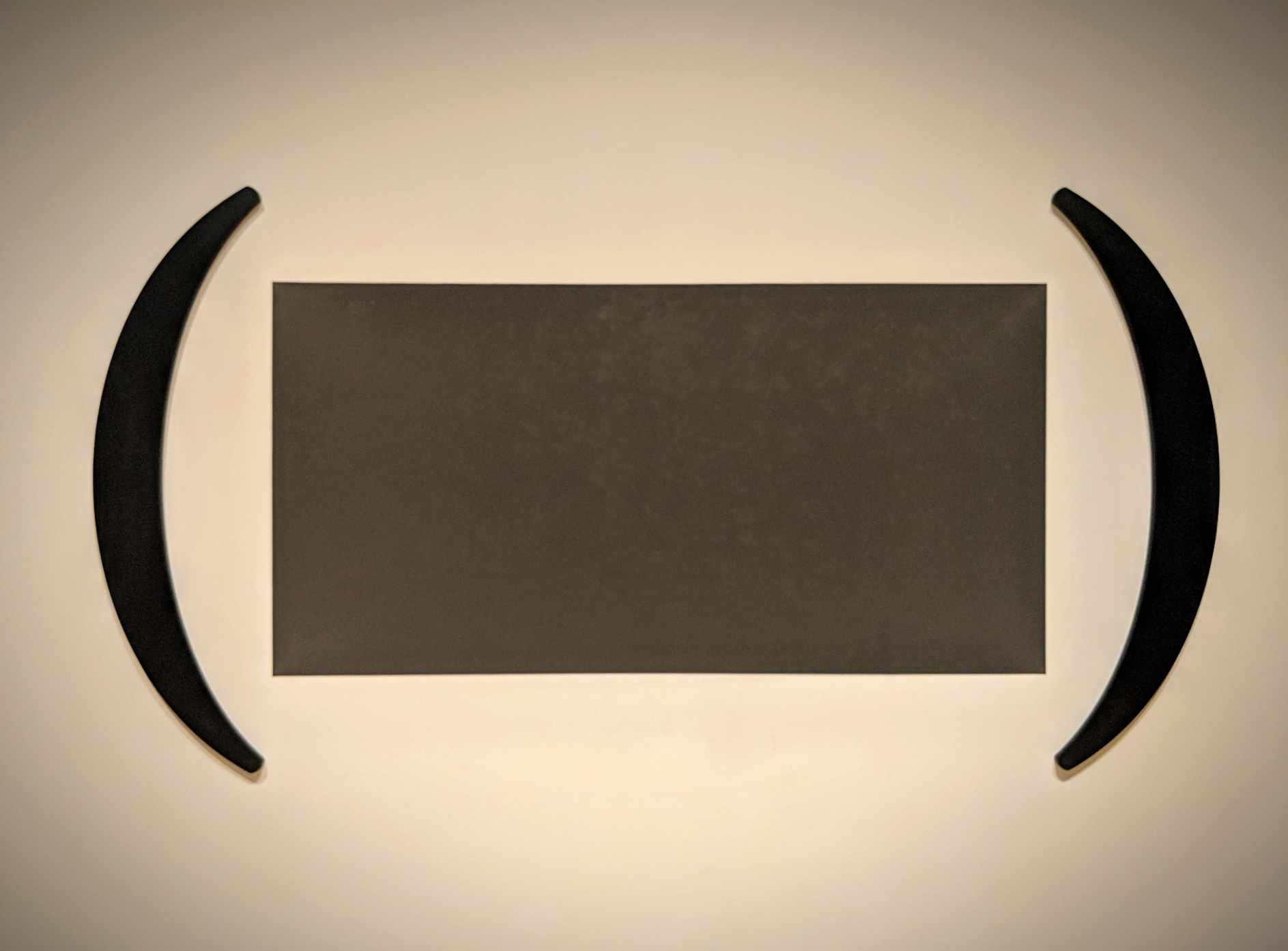
2/Horacio Zabala (Argentine, b. 1943)
Hipótesis para Phoenix (Hypothesis for Phoenix), 2016
Acrylic on wall, enamel paint on wood

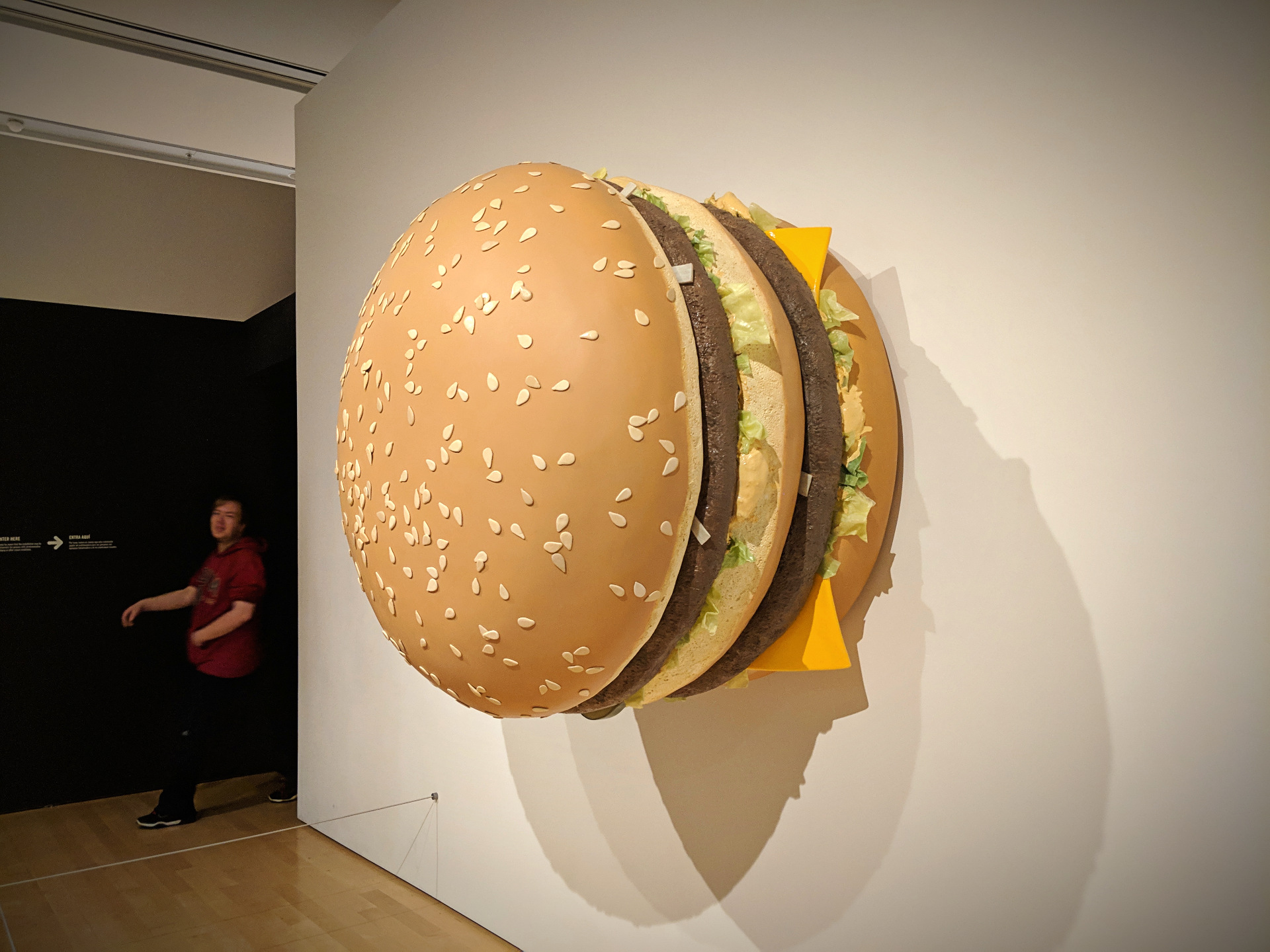
3/Tom Friedman (American, b. 1965)
Big Big Mac, 2013
Styrofoam and paint

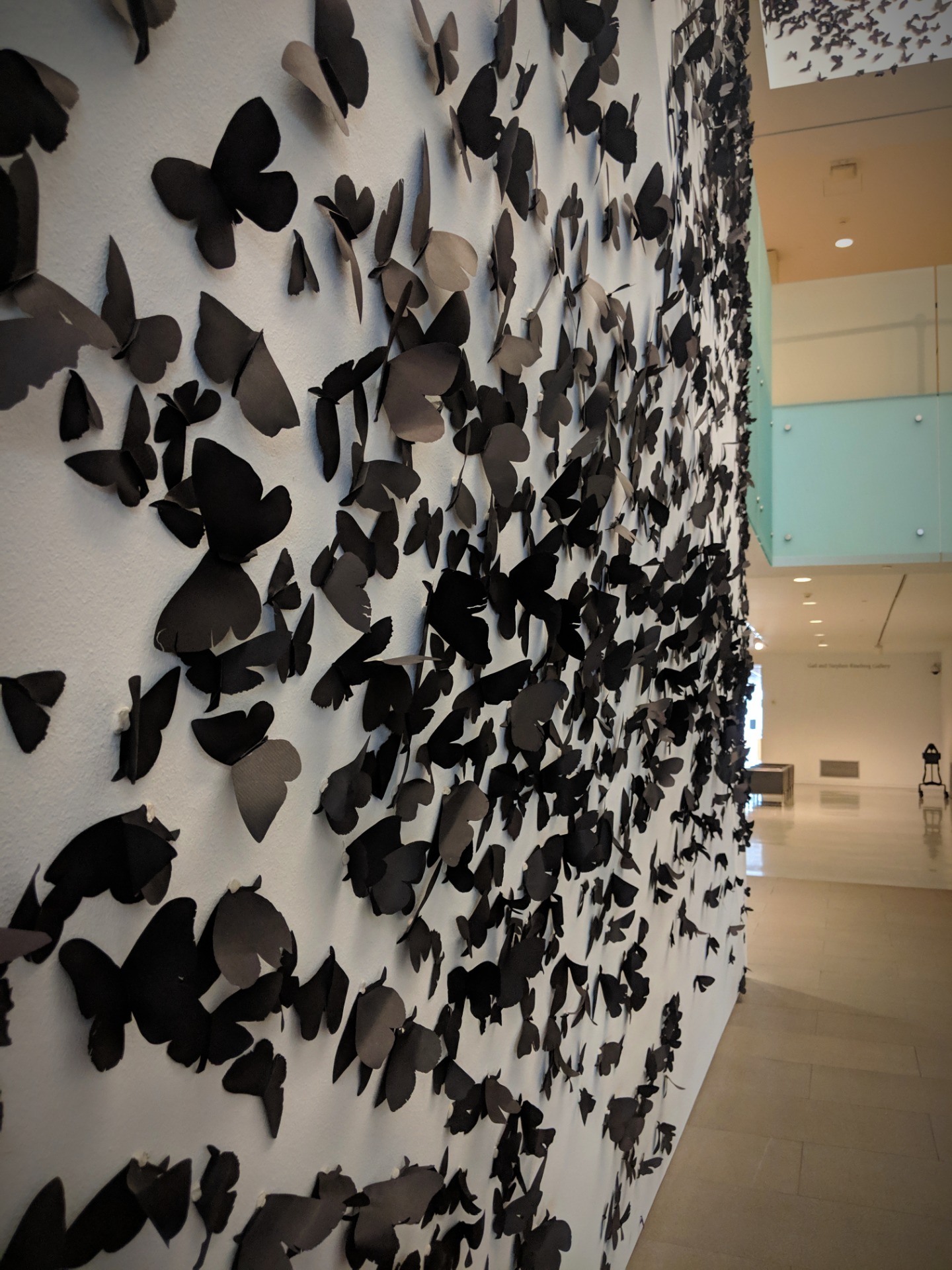
4/Black Cloud (Nube negra), 2007
Carlos Amorales (Mexican, b. 1970)
25.000 paper moths and butterflies

Inspired by the annual migration of monarch butterflies from Canada to Mexico, Carlos Amorales conceived Black Cloud as a ”plague” of moths that swarm through museum spaces.

Phoenix Art Museum

January 30th, 2019


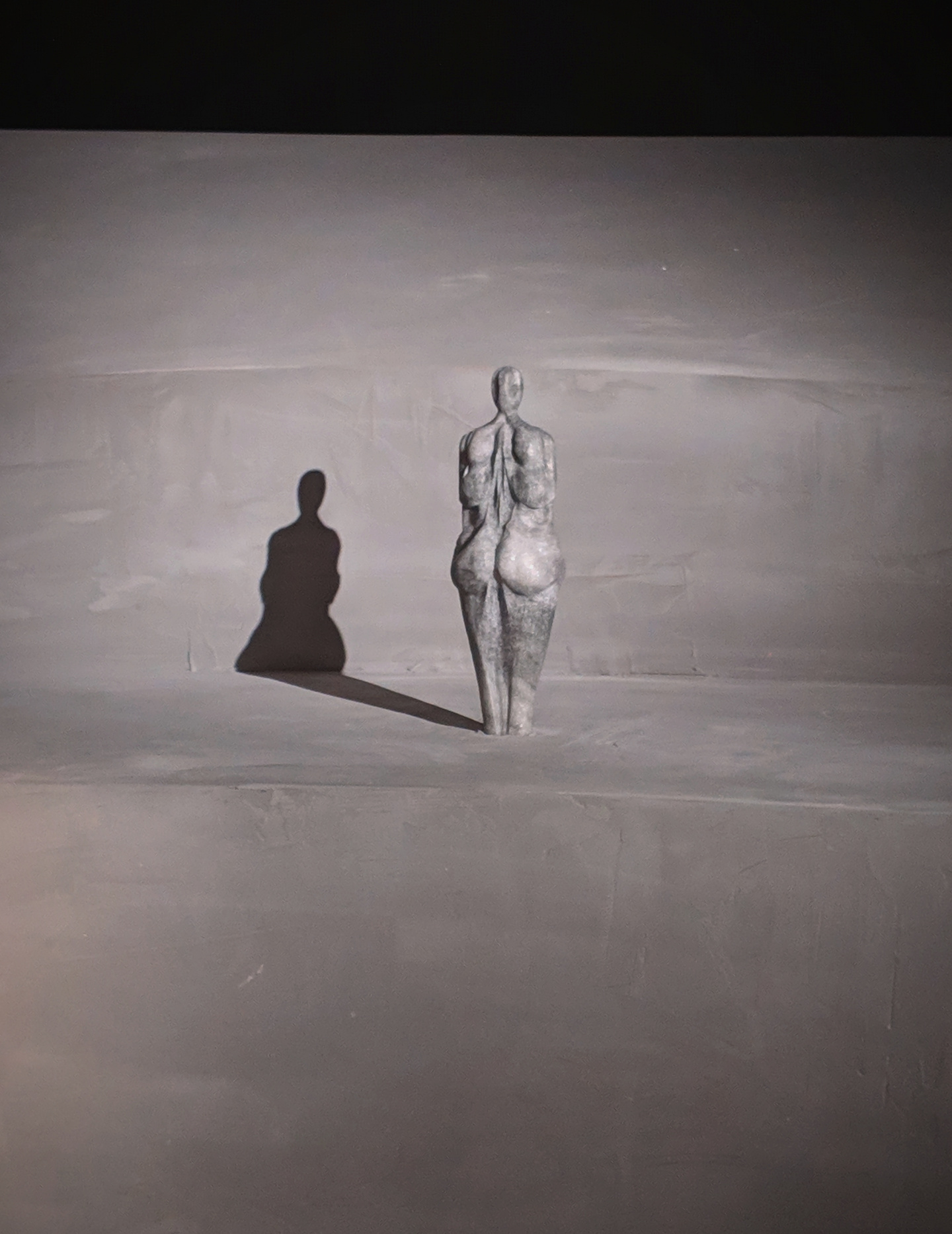
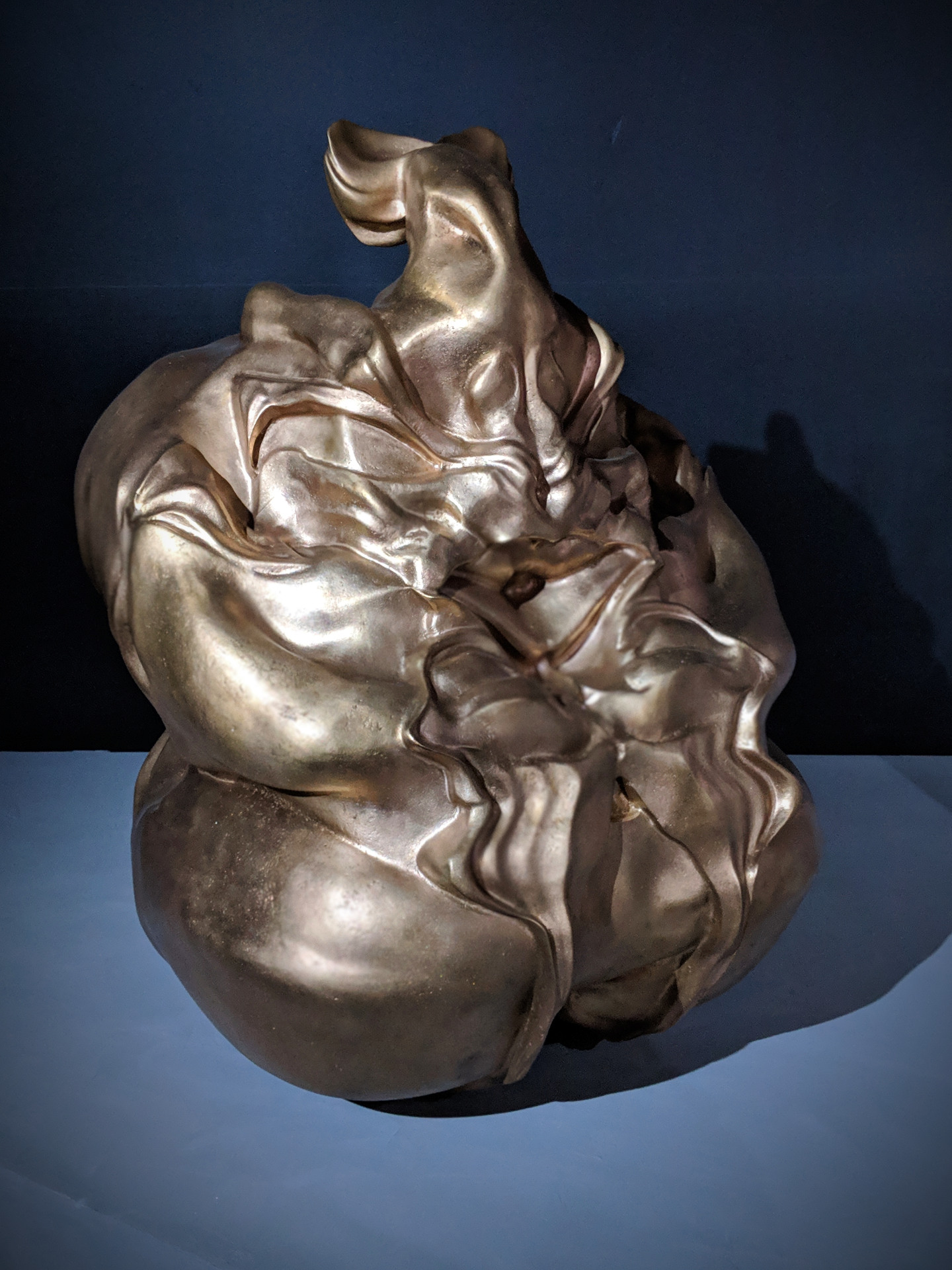
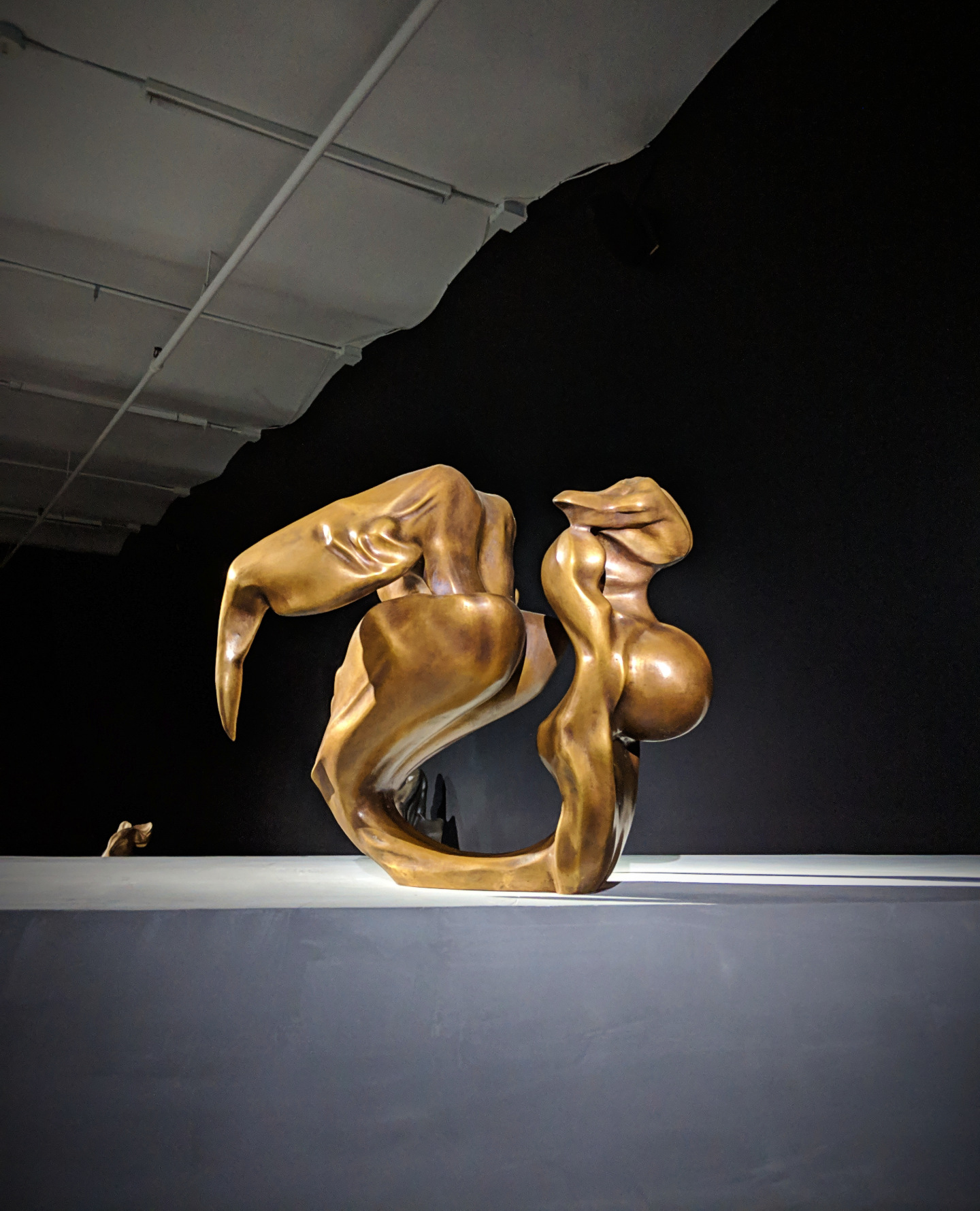
Marguerite Humeau: Birth Canal

“Birth Canal,” the first US solo museum exhibition by Marguerite Humeau (b. 1986, Cholet, France), debuts a new body of sculpture within an installation of light, sound, and scent. Humeau’s work centers on the origins of humankind and related histories of language, love, spirituality, and war. She prefaces each project with a period of intense investigation in which she engages diverse authorities on her chosen subject, including historians, anthropologists, paleontologists, zoologists, explorers, linguists, and engineers. Through her interdisciplinary, speculative inquiry, Humeau enriches her own thinking as an artist and researcher, and refashions historical quests in ways that reflect the technological age in which we live. – New Museum

New Museum, 235 Bowery, New York

January 6th, 2019
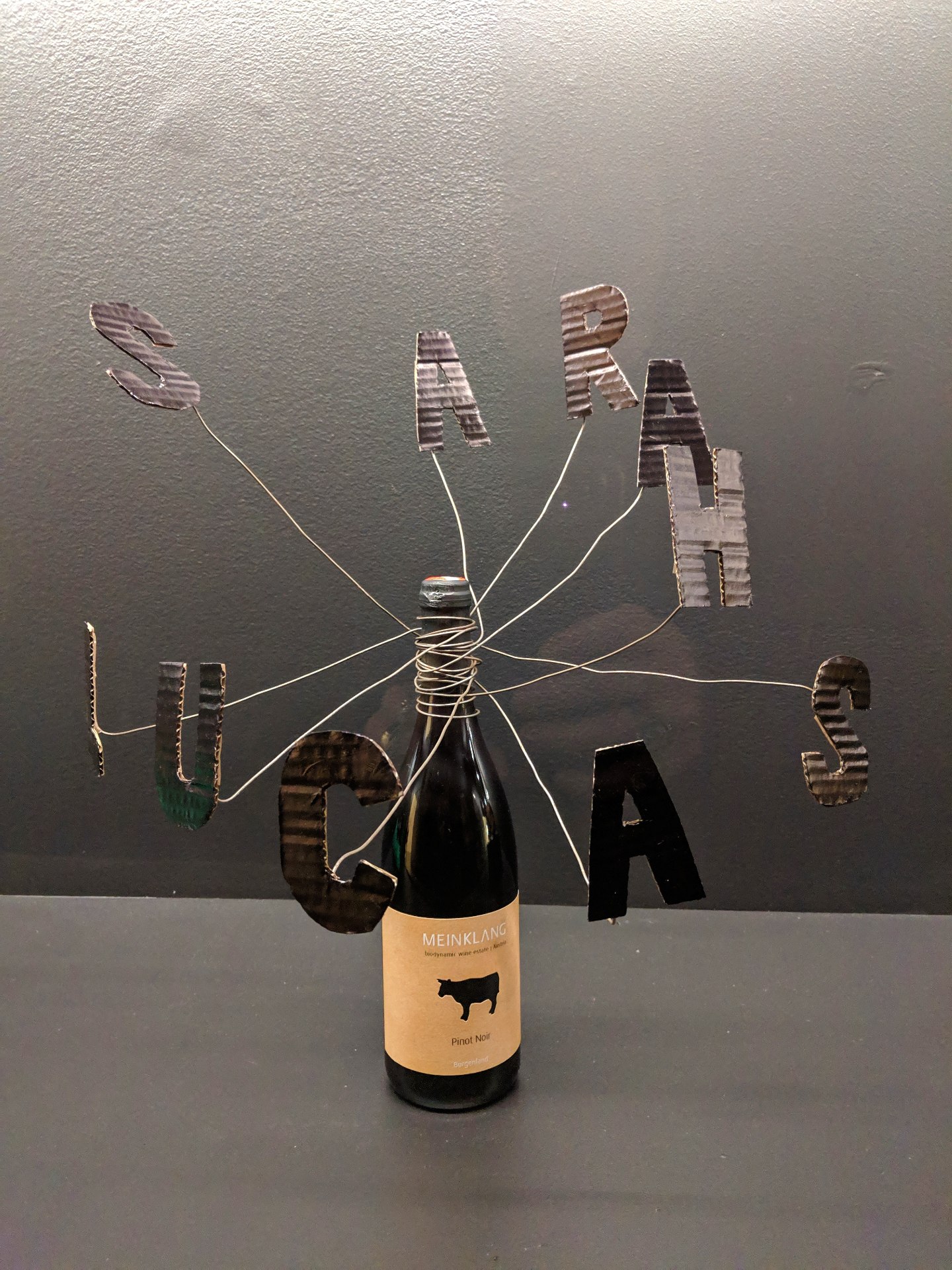
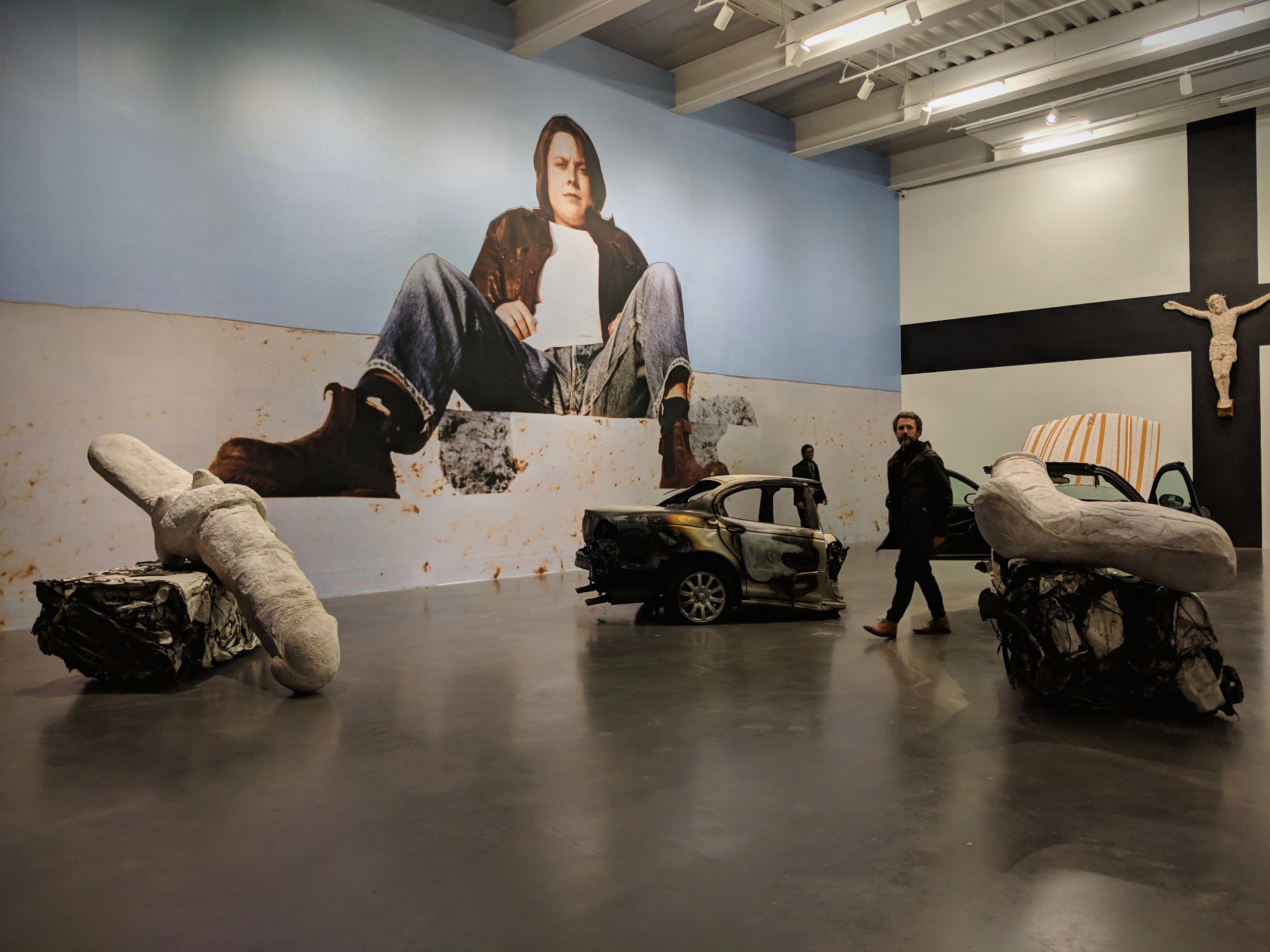
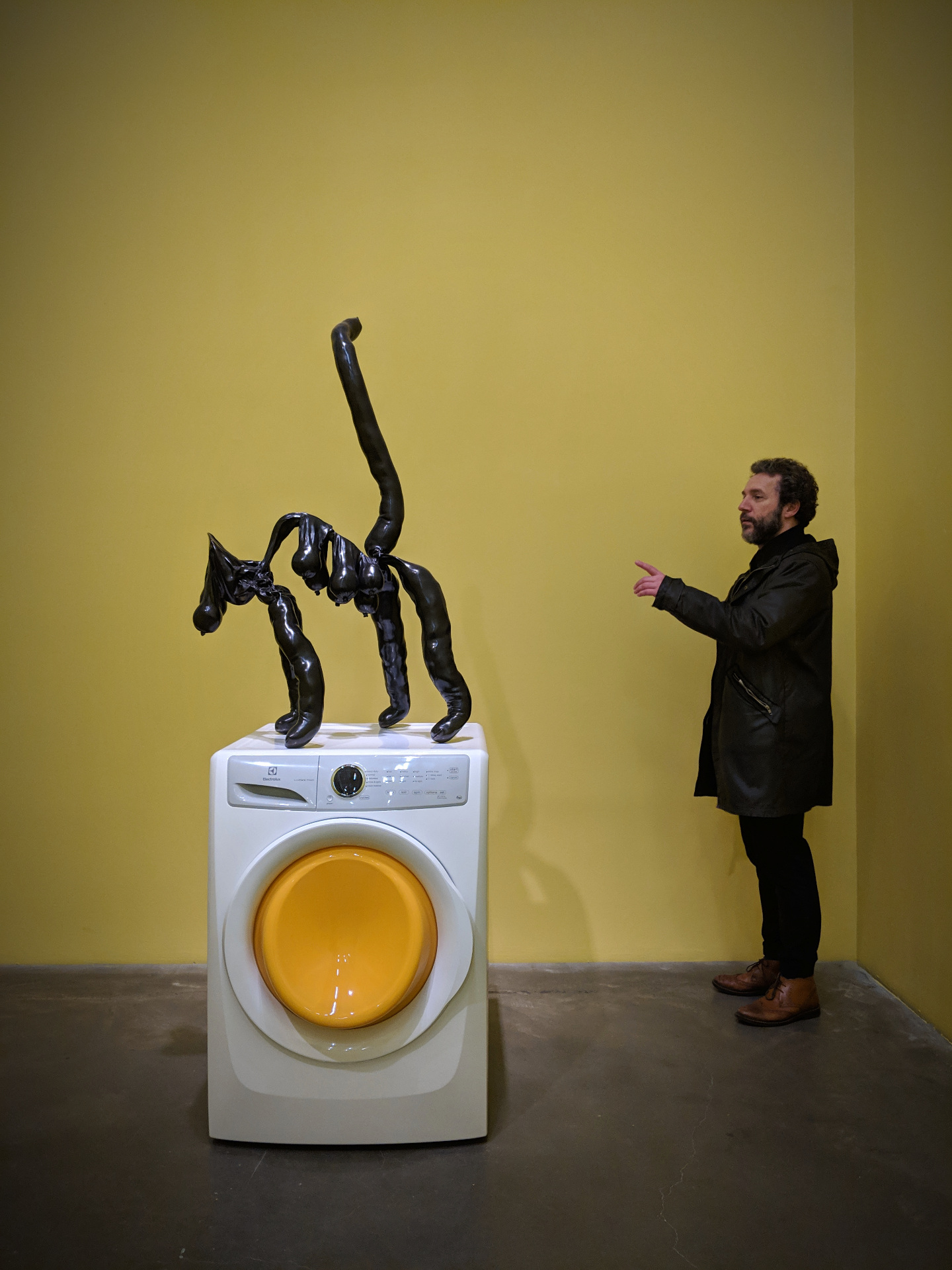
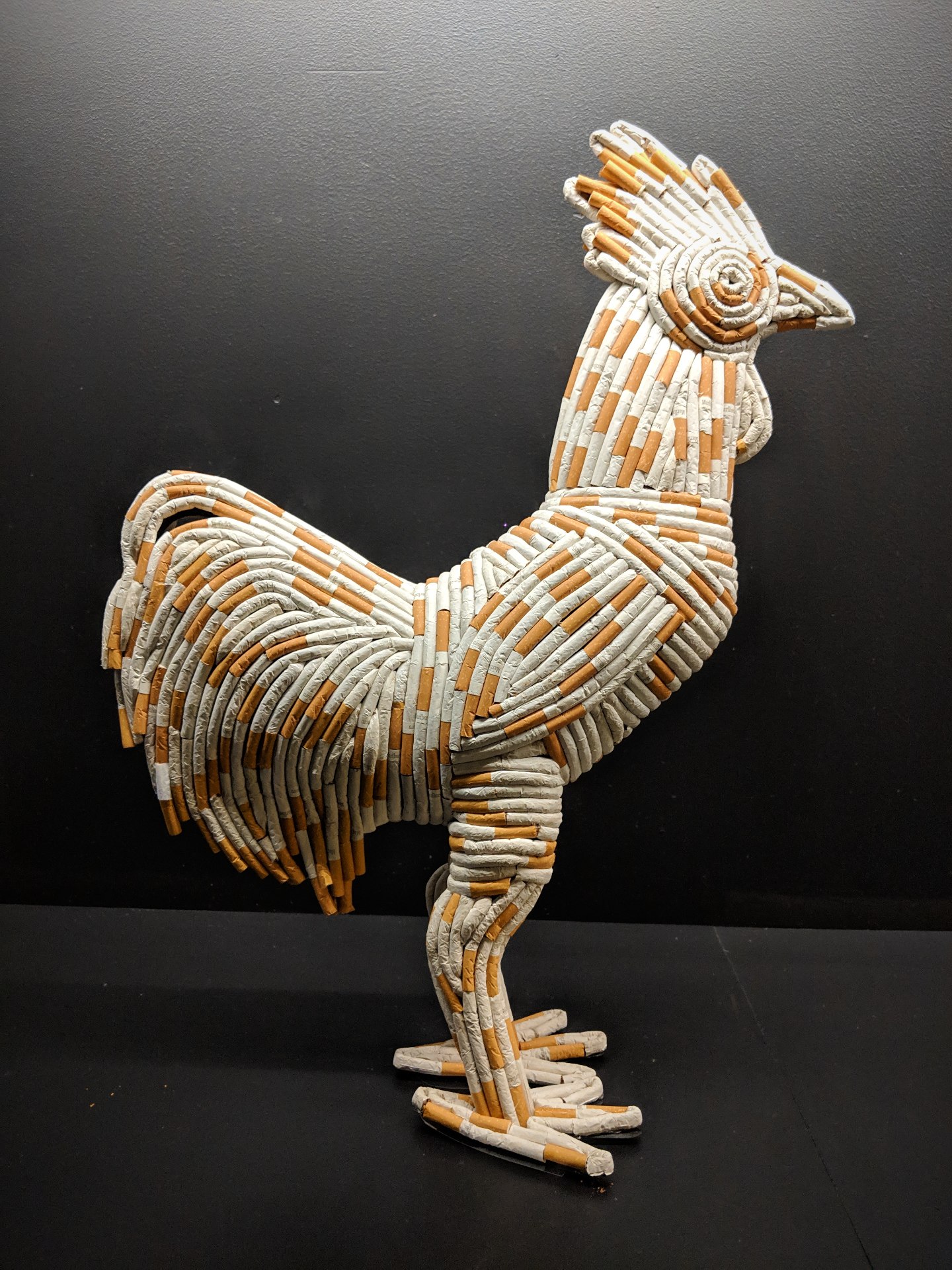
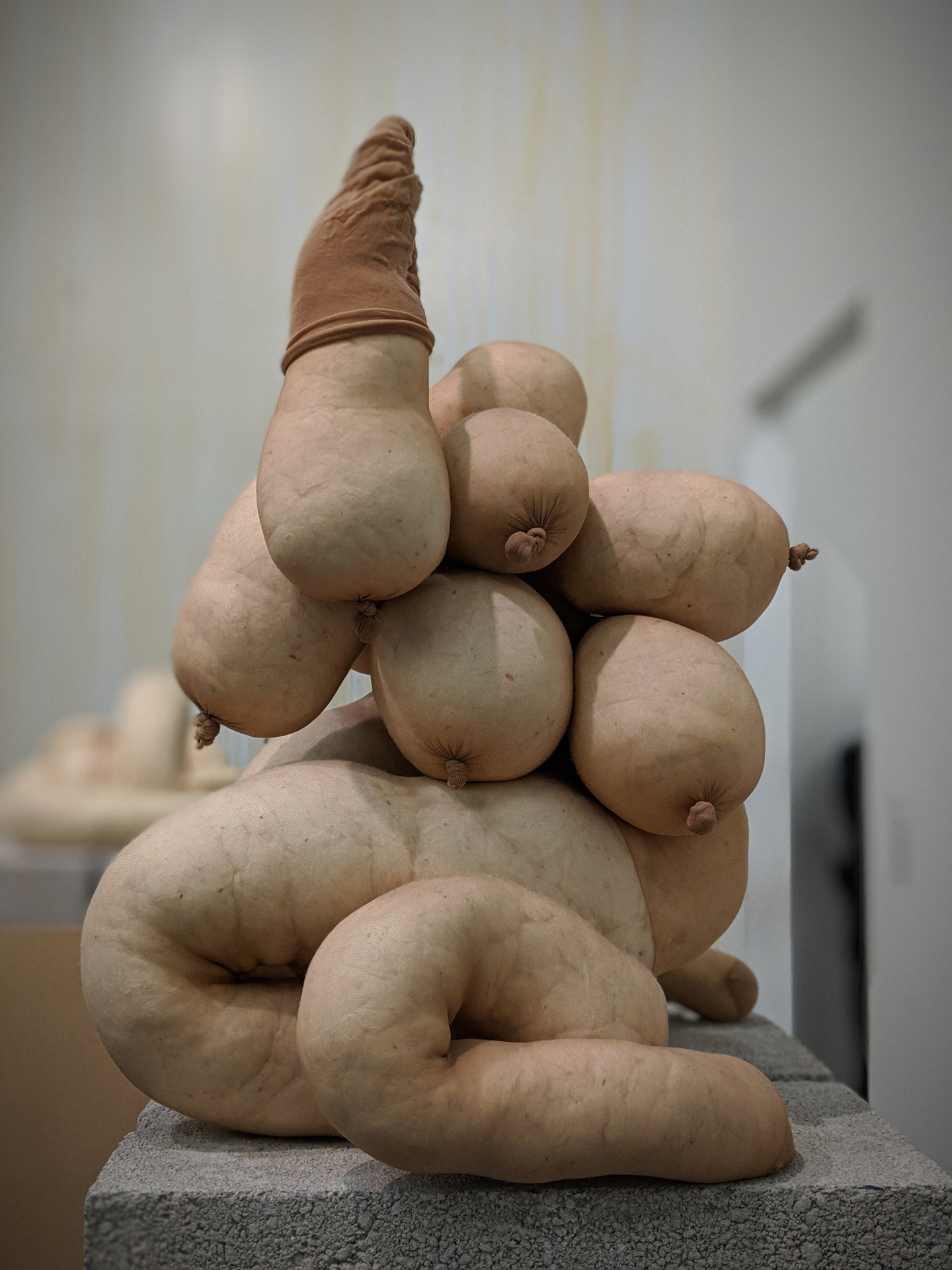
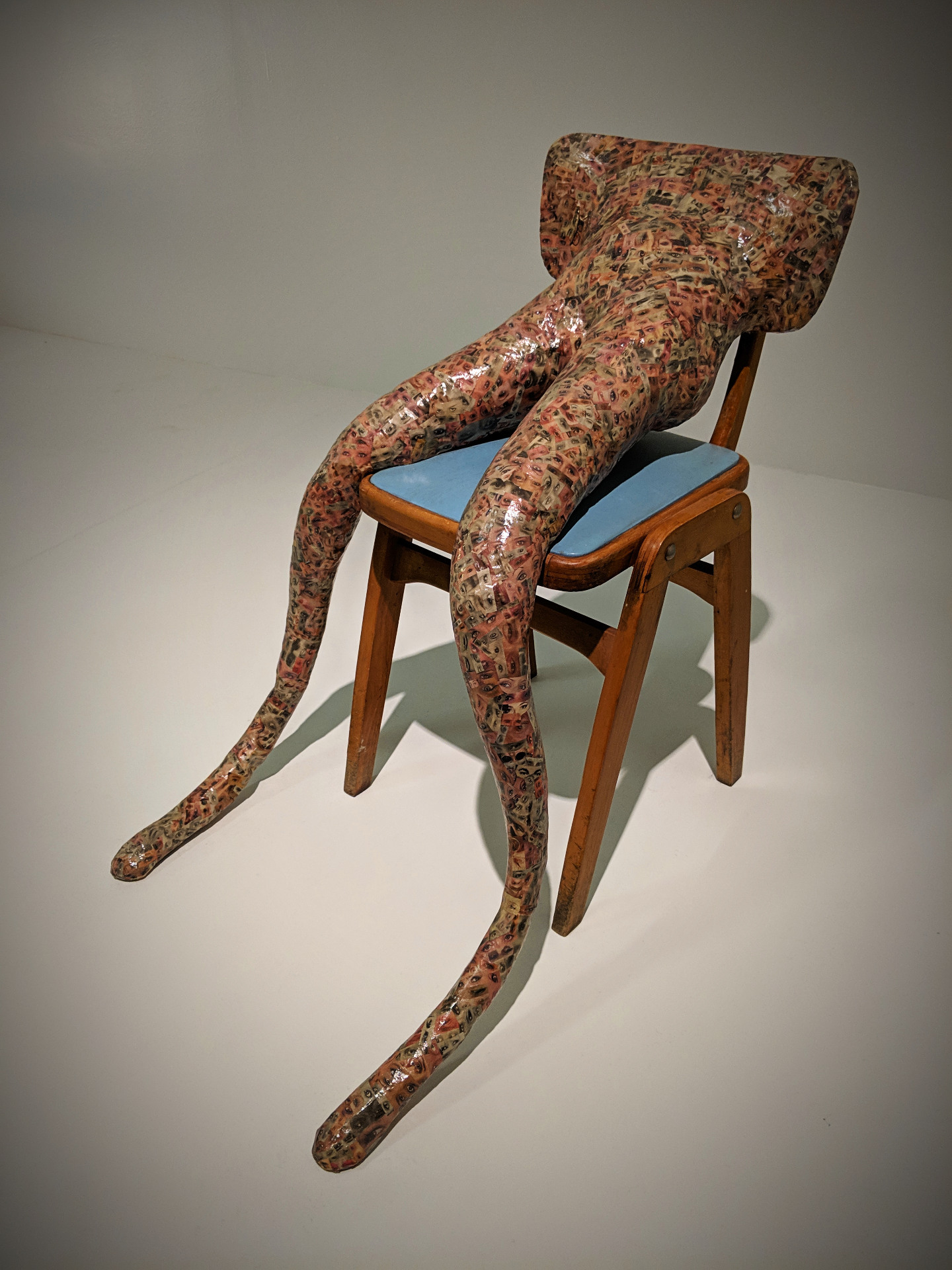
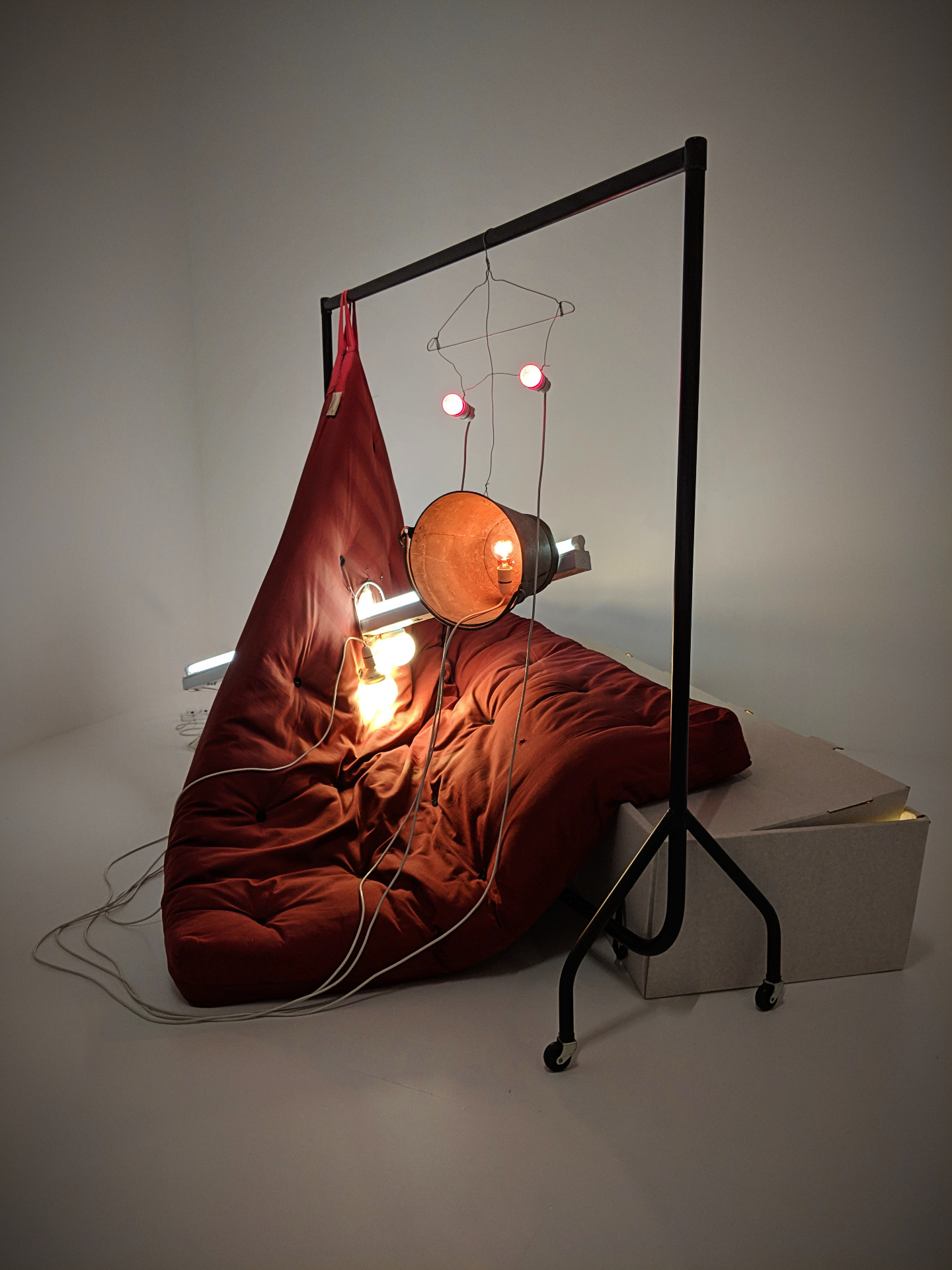
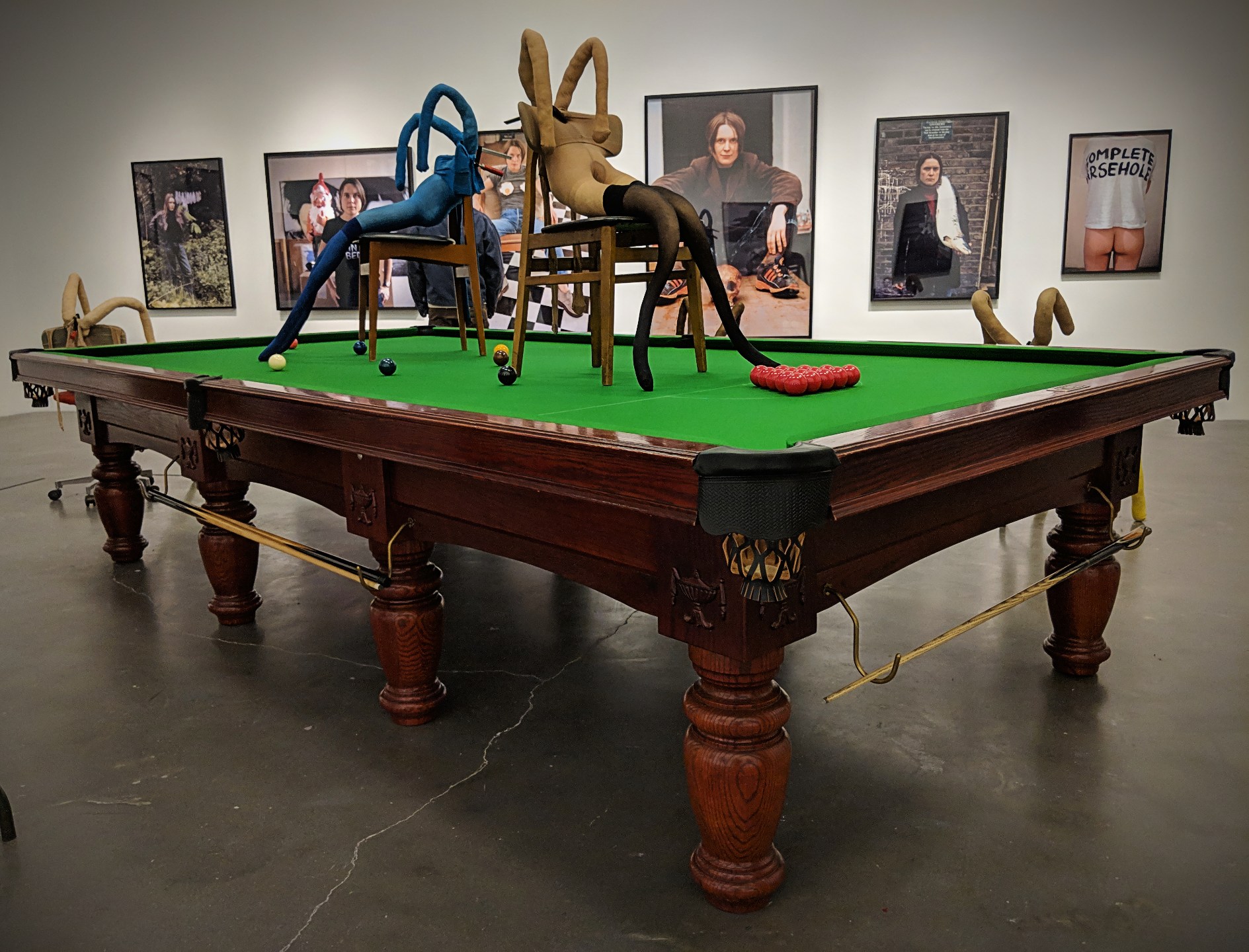
Sarah Lucas : Au Naturel

A love-it-or-hate-it situation

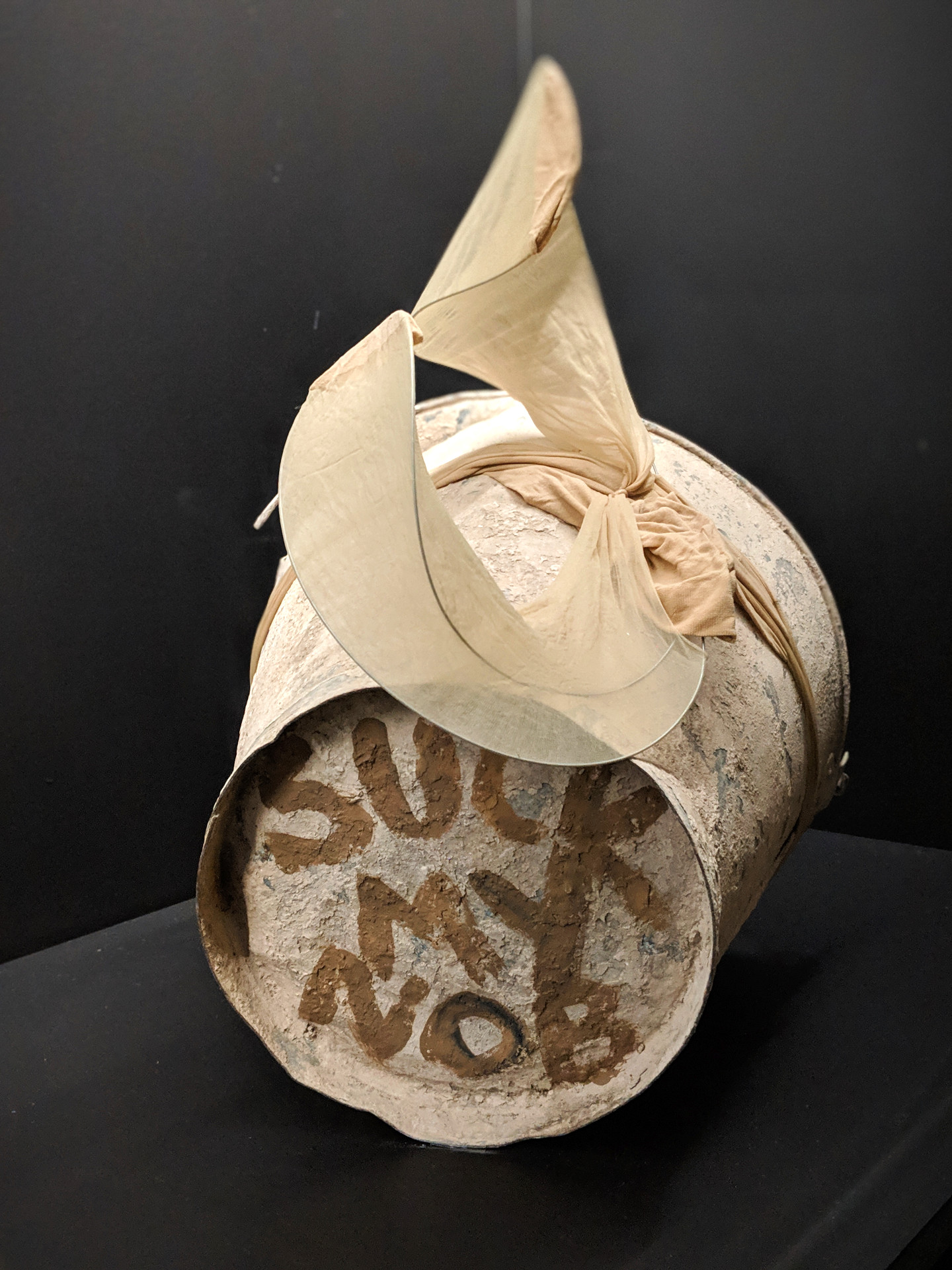
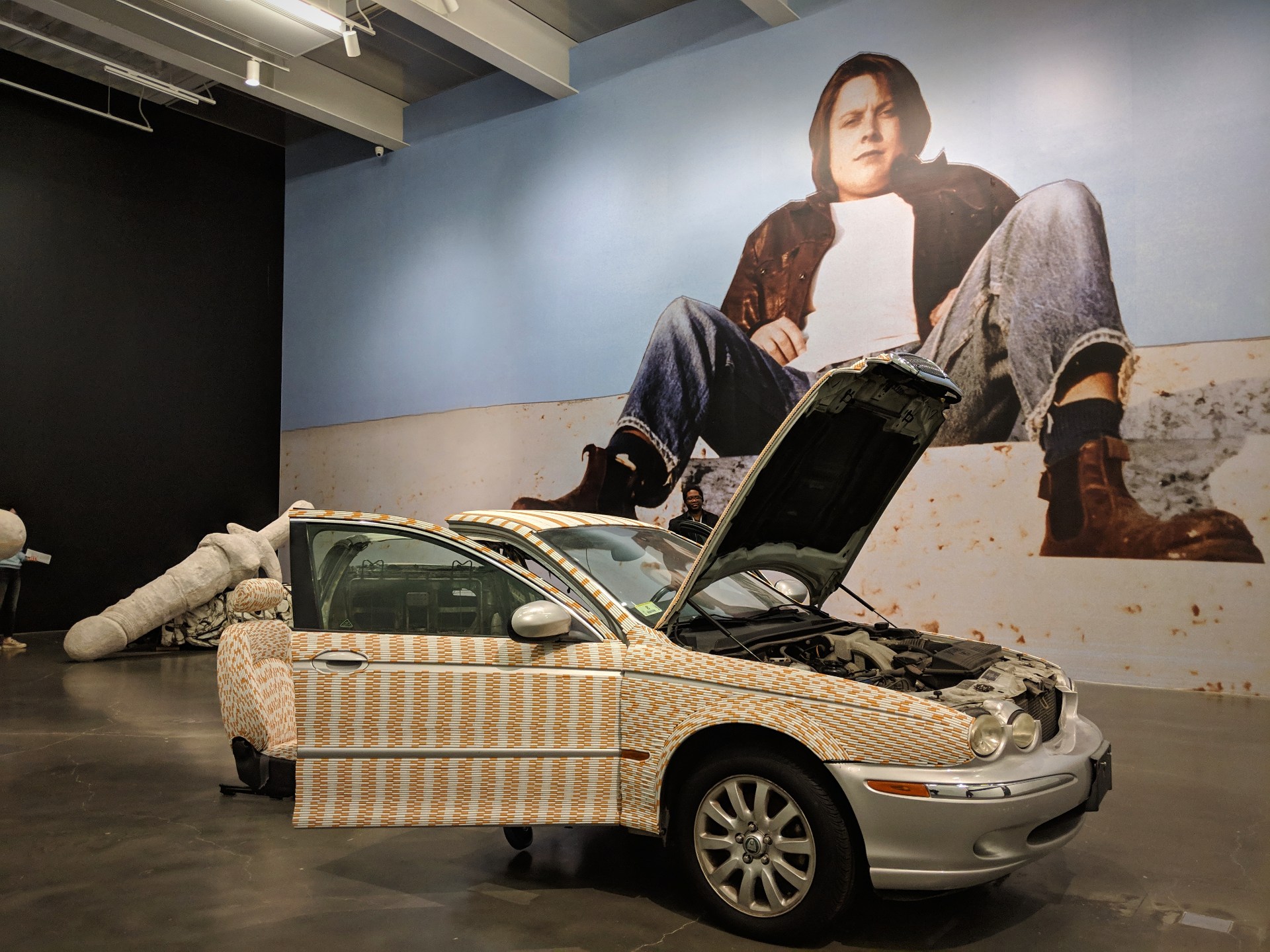
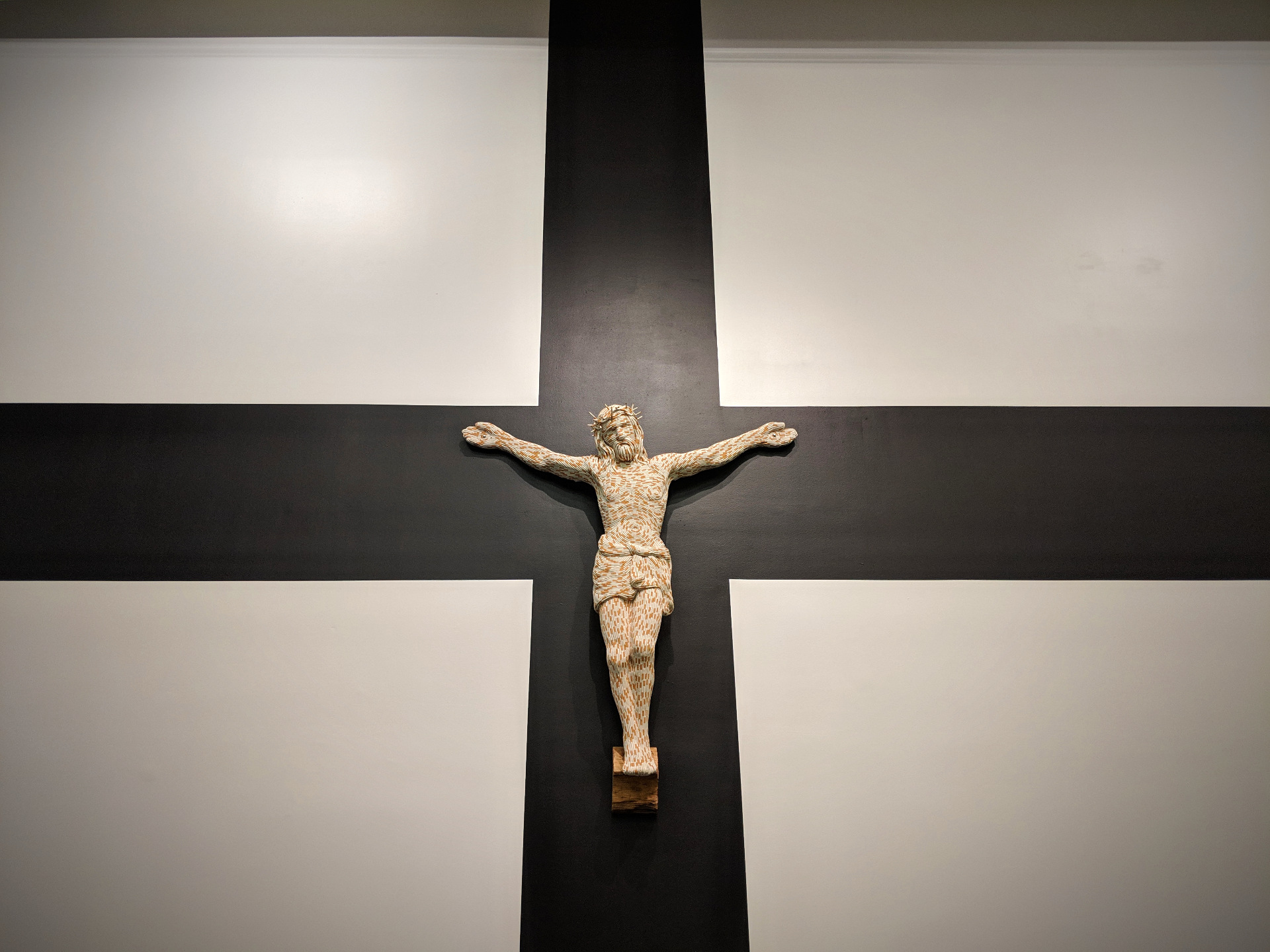
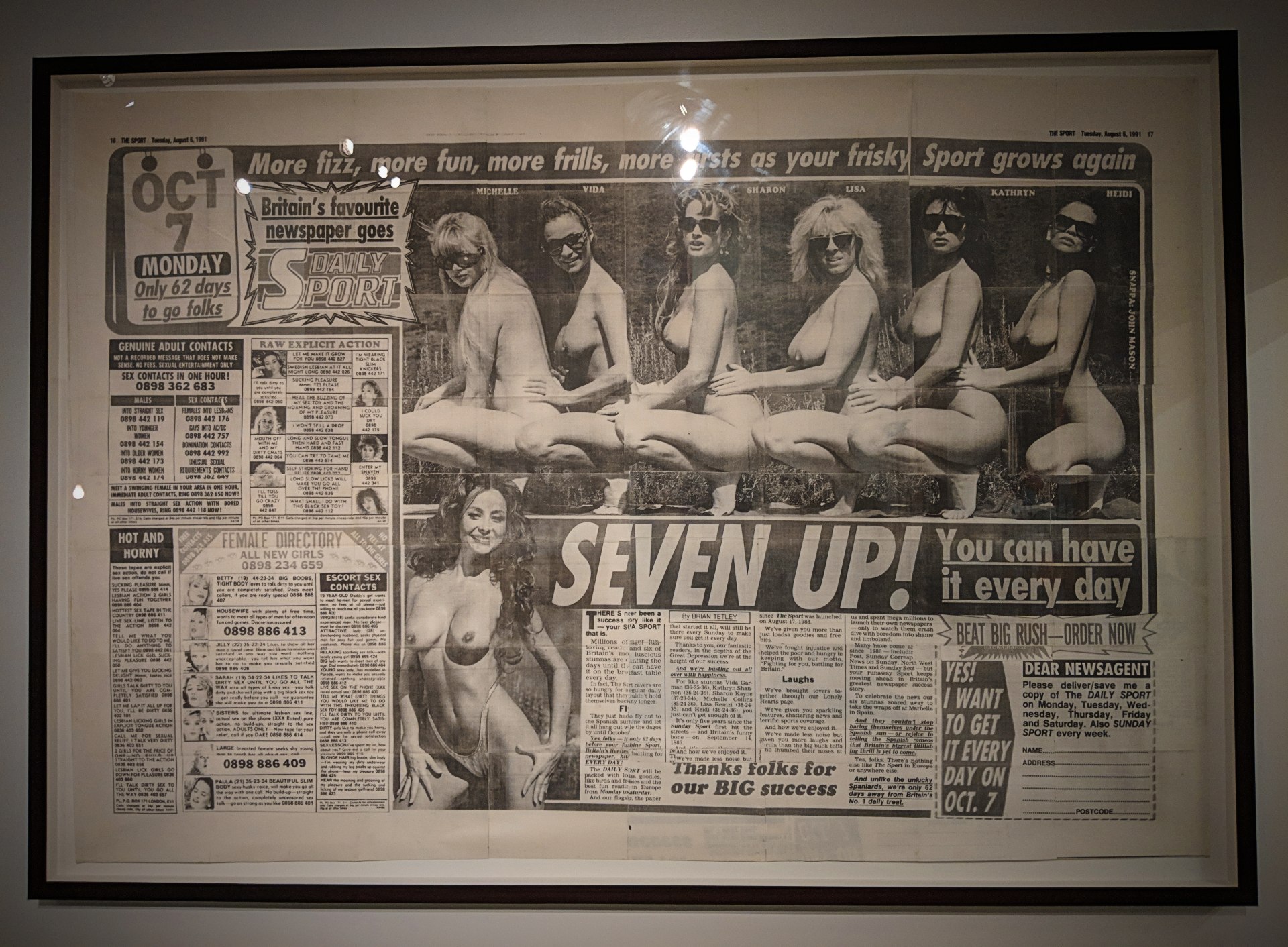
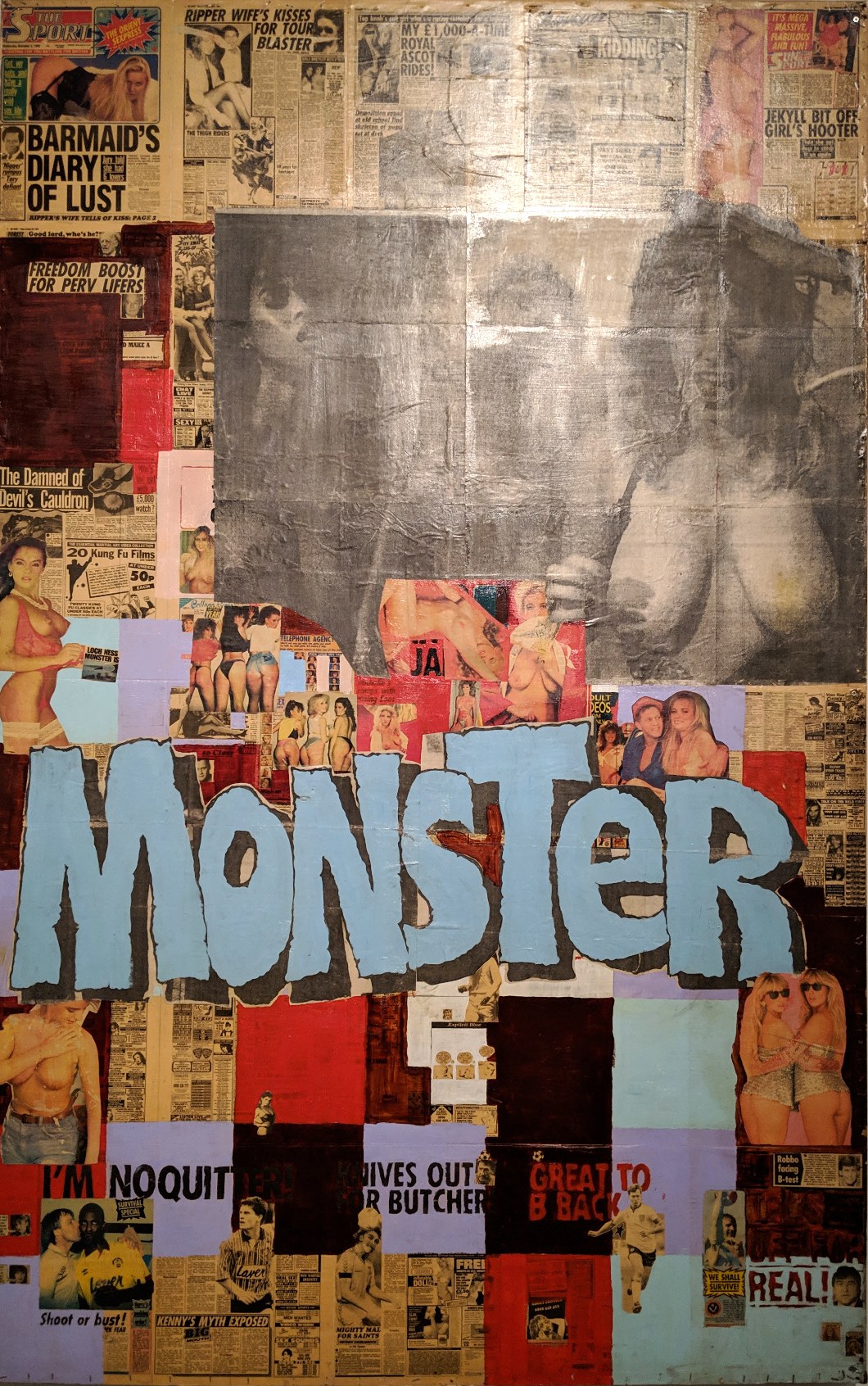
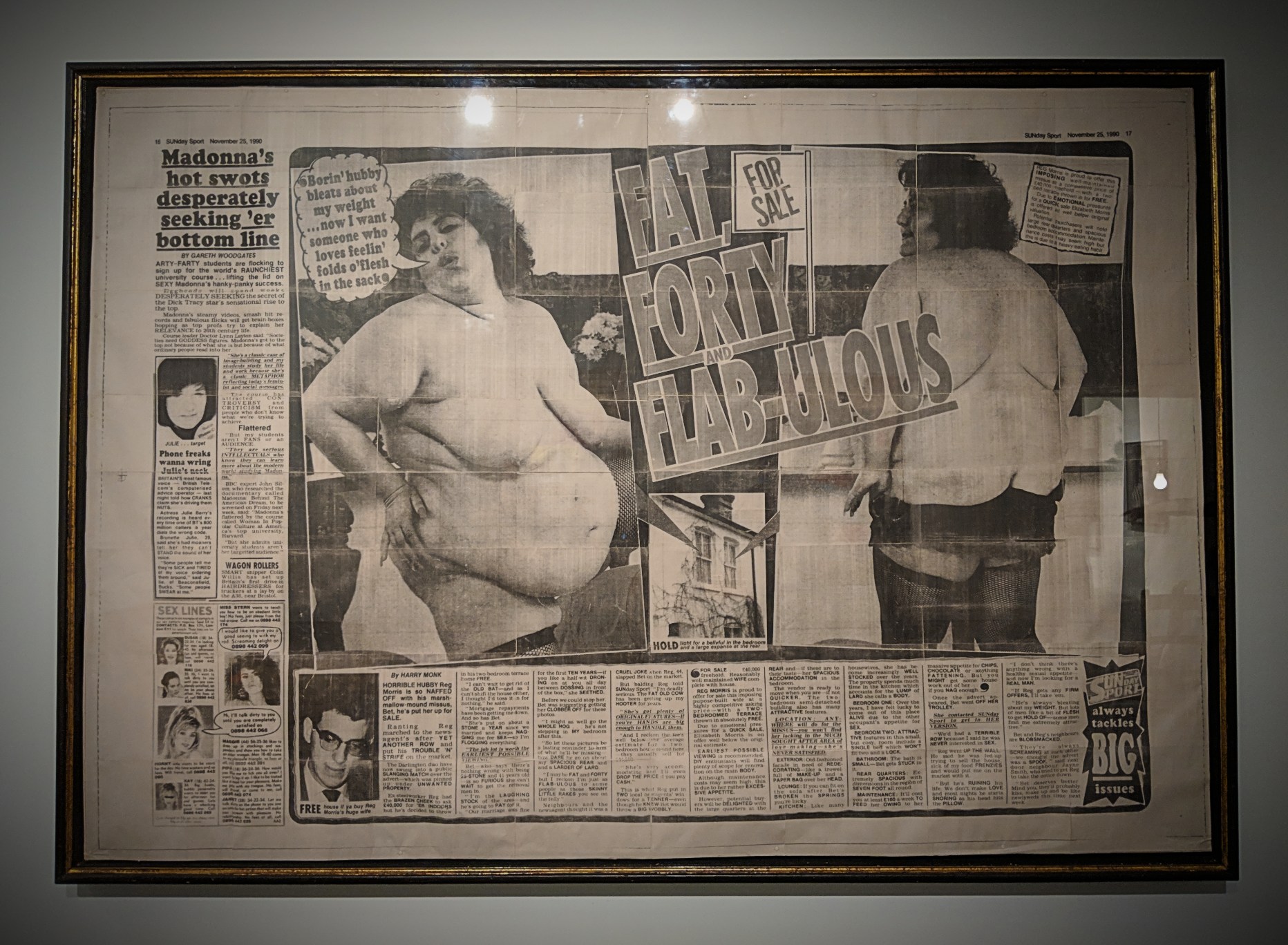
Over the past thirty years, Lucas has created a distinctive and provocative body of work that subverts traditional notions of gender, sexuality, and identity. Since the late 1980s, she has transformed found objects and everyday materials such as cigarettes, vegetables, and stockings into disorienting, confrontational tableaux that boldly challenge social norms. The human body and anthropomorphic forms recur throughout Lucas’s works, often appearing erotic, humorous, fragmented, or reconfigured into fantastical anatomies of desire. – New Museum

The exhibition was on view between September 2018 – January 2019.

New Museum, 235 Bowery, New York

January 6th, 2019
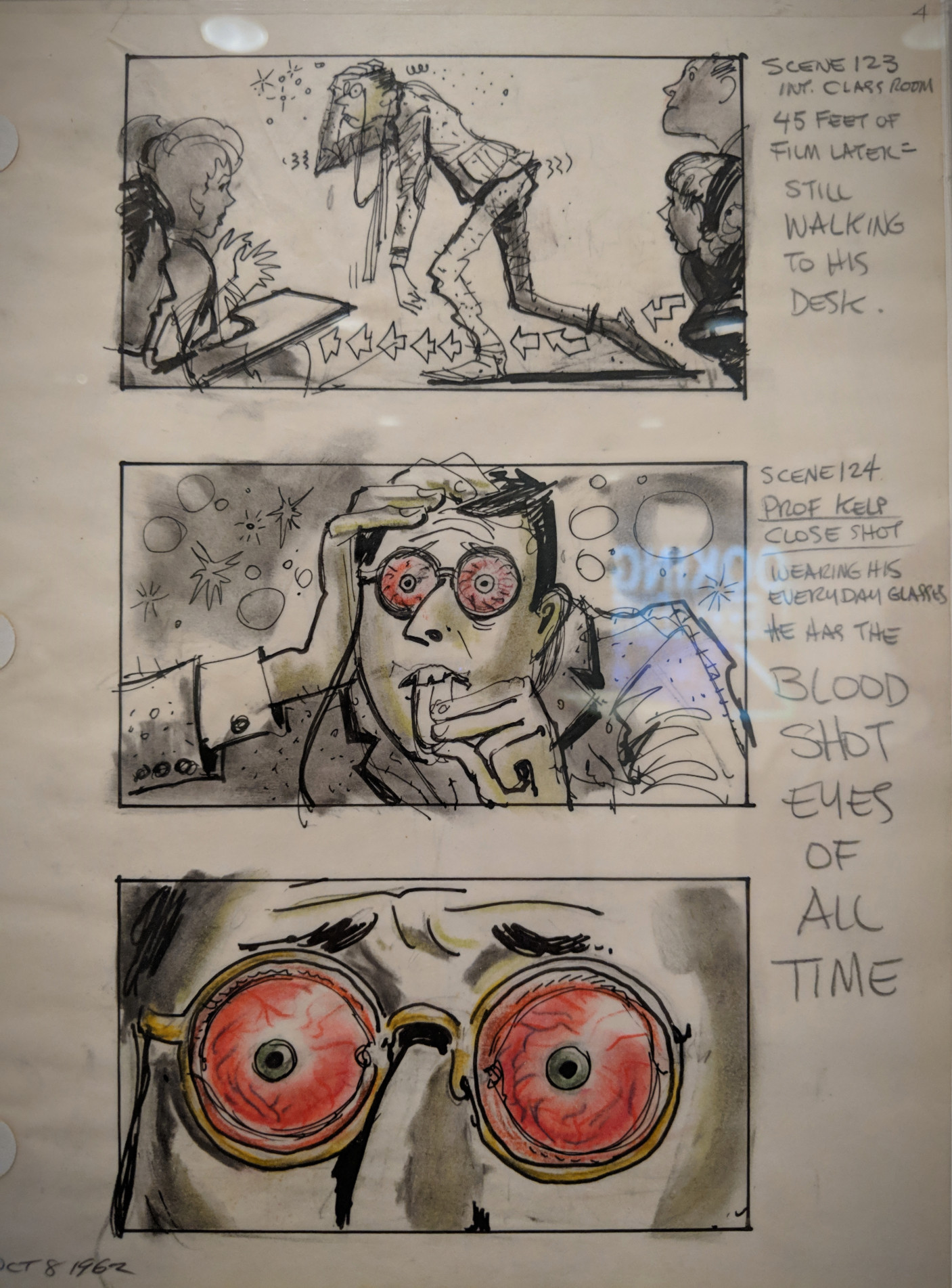
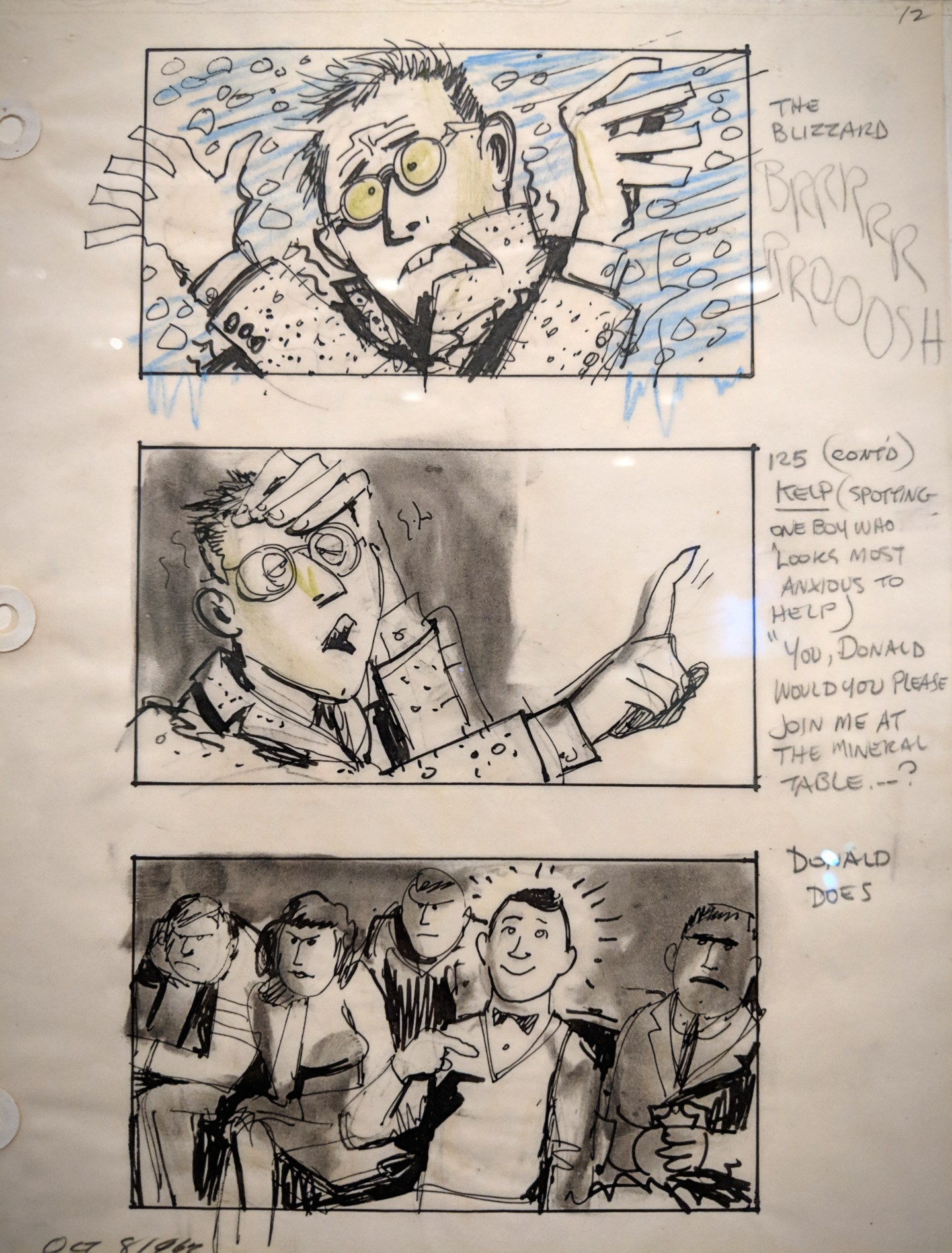
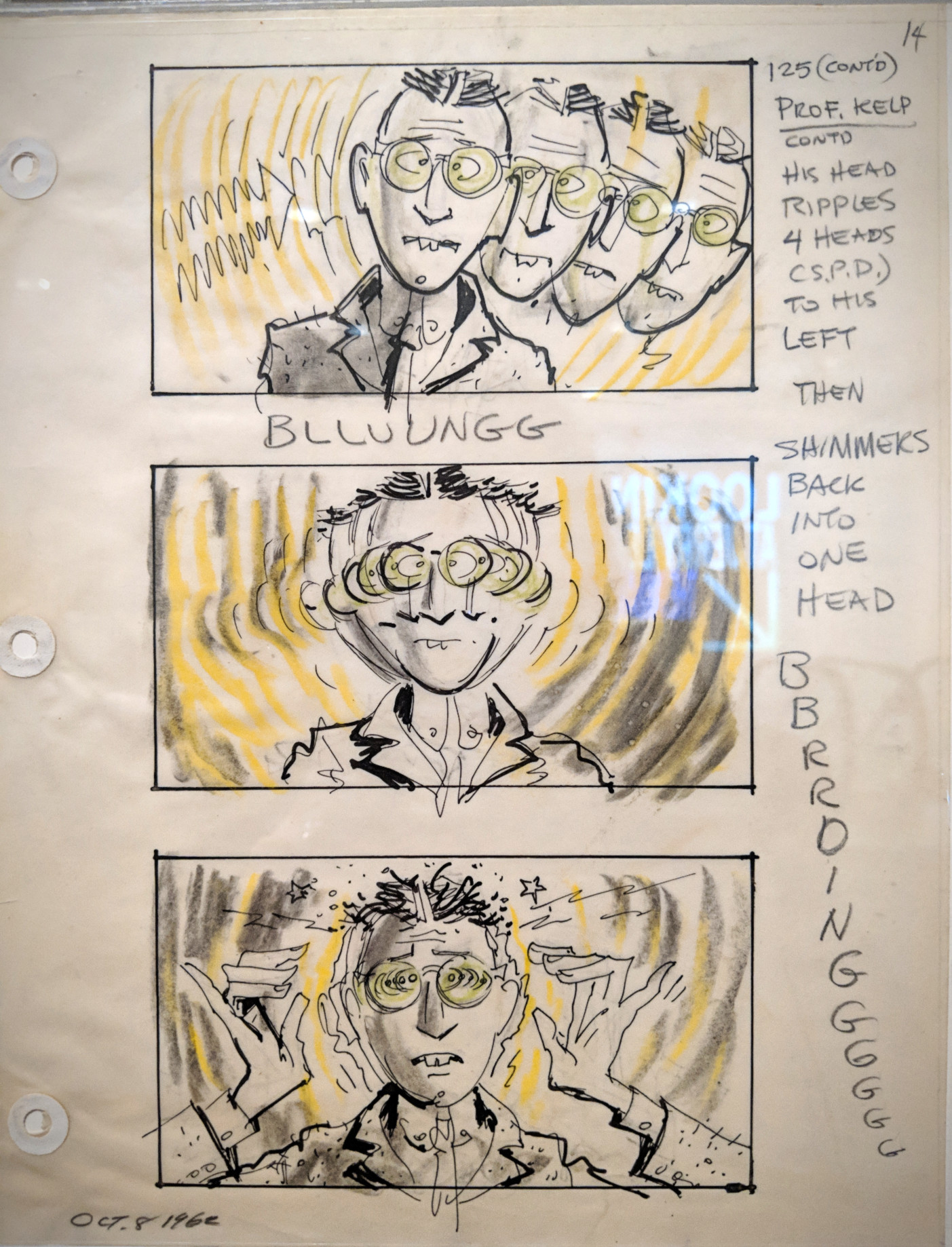
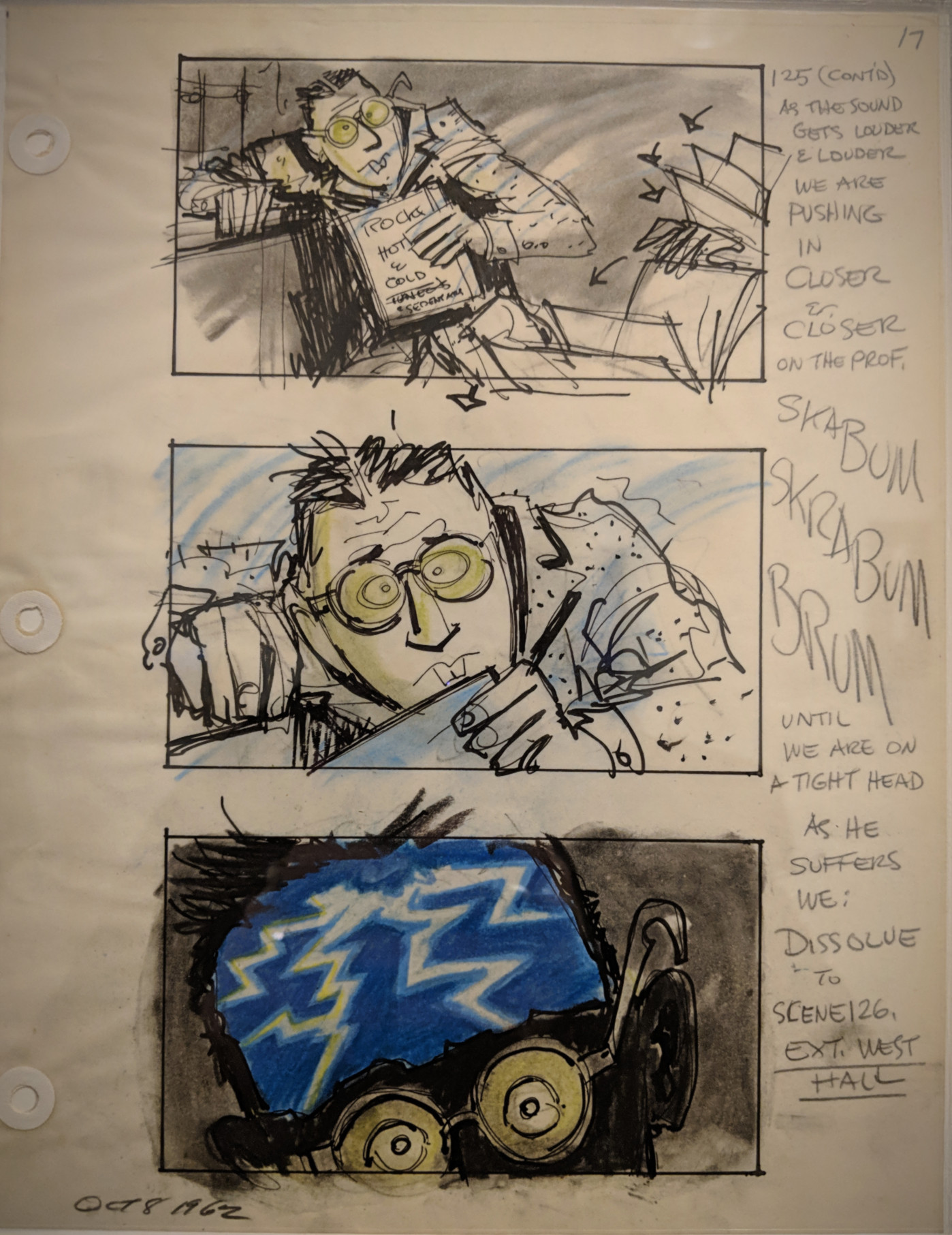
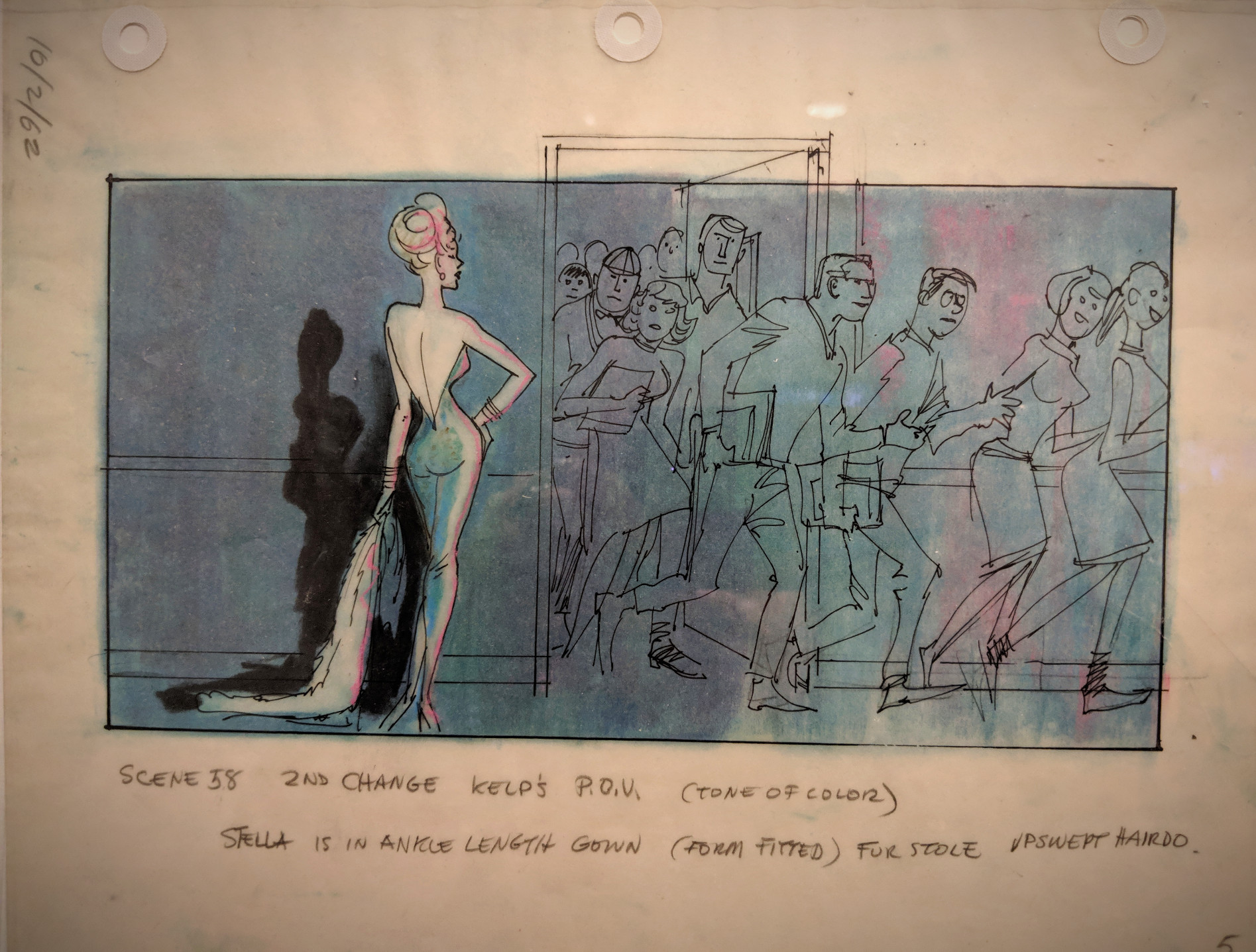
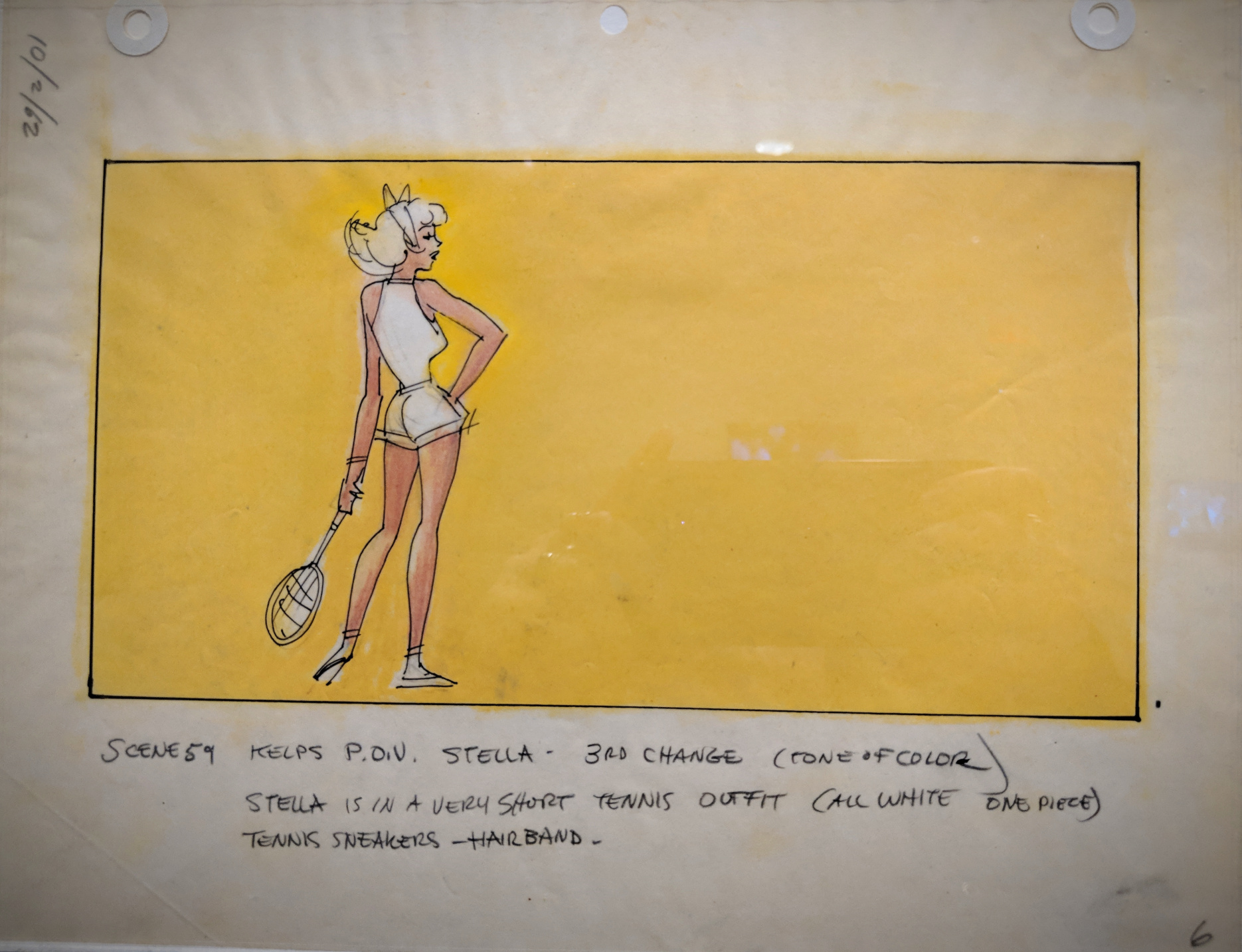
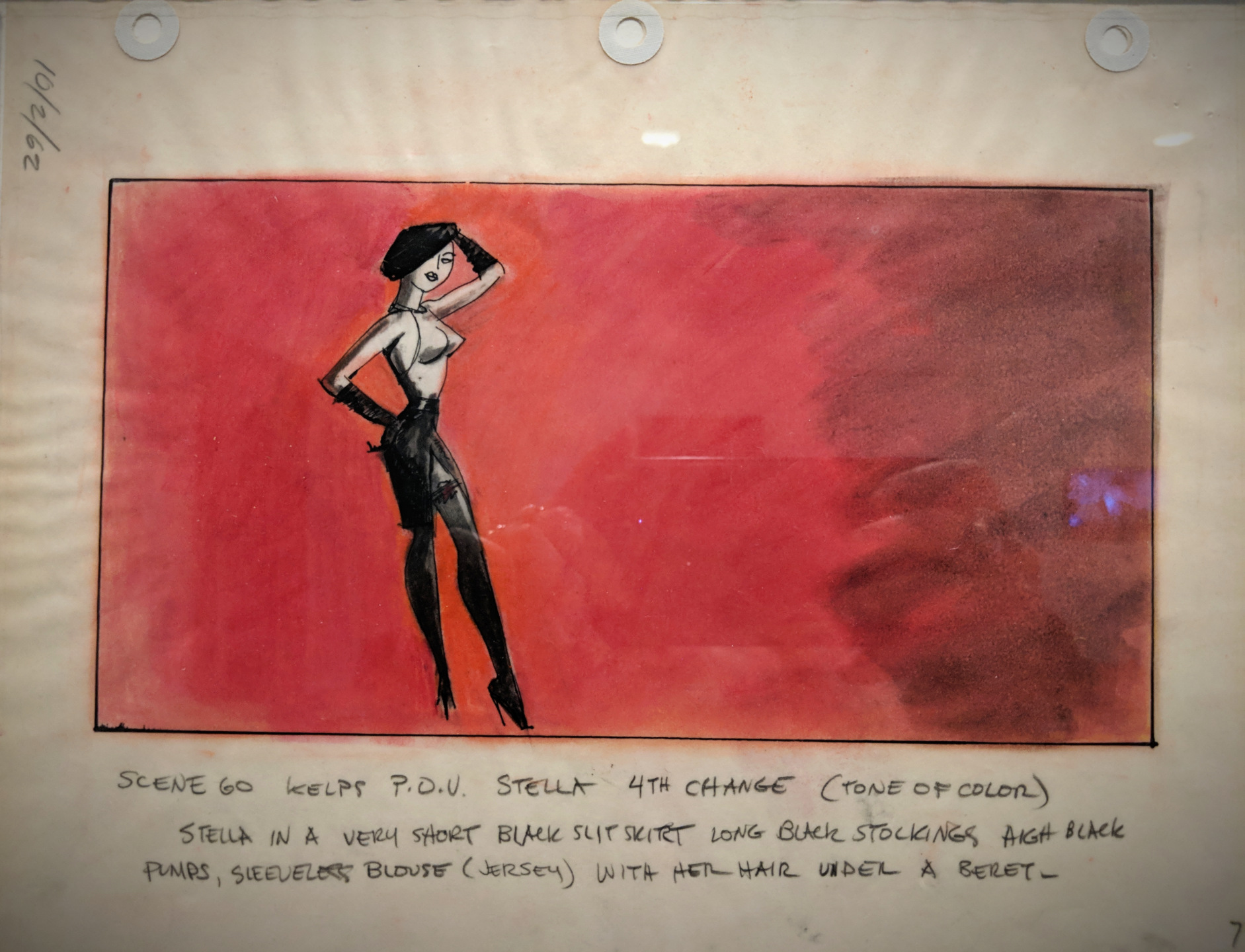
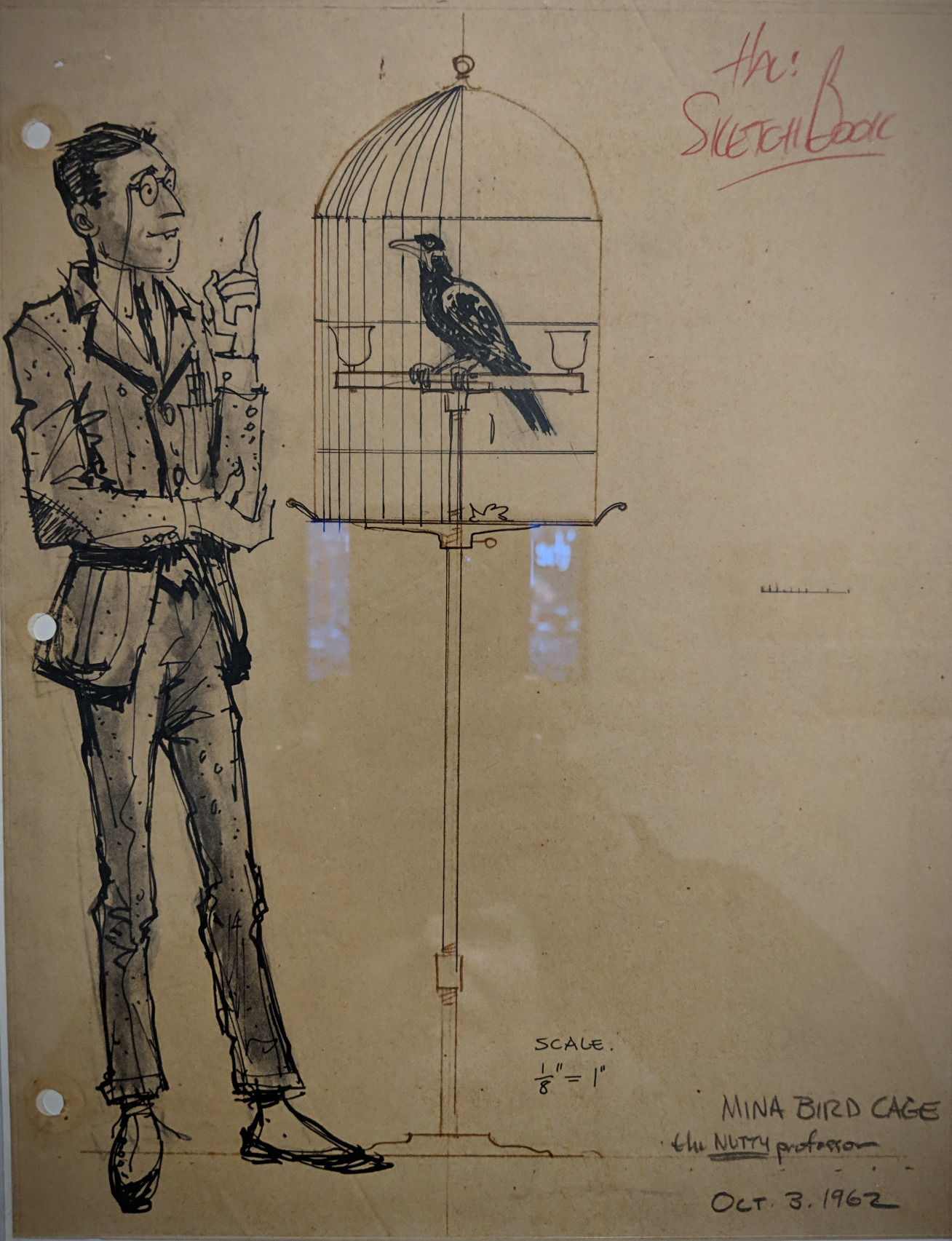
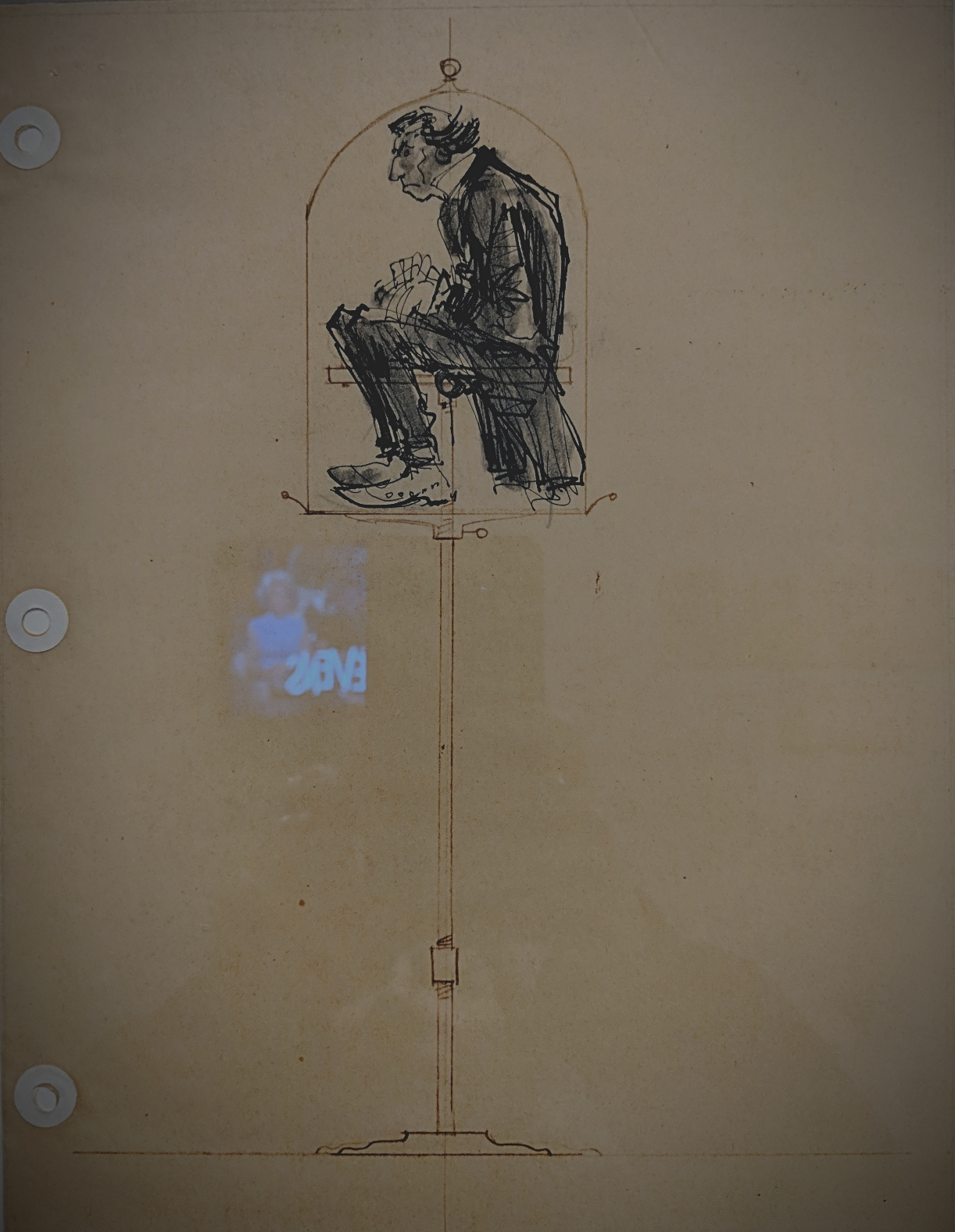
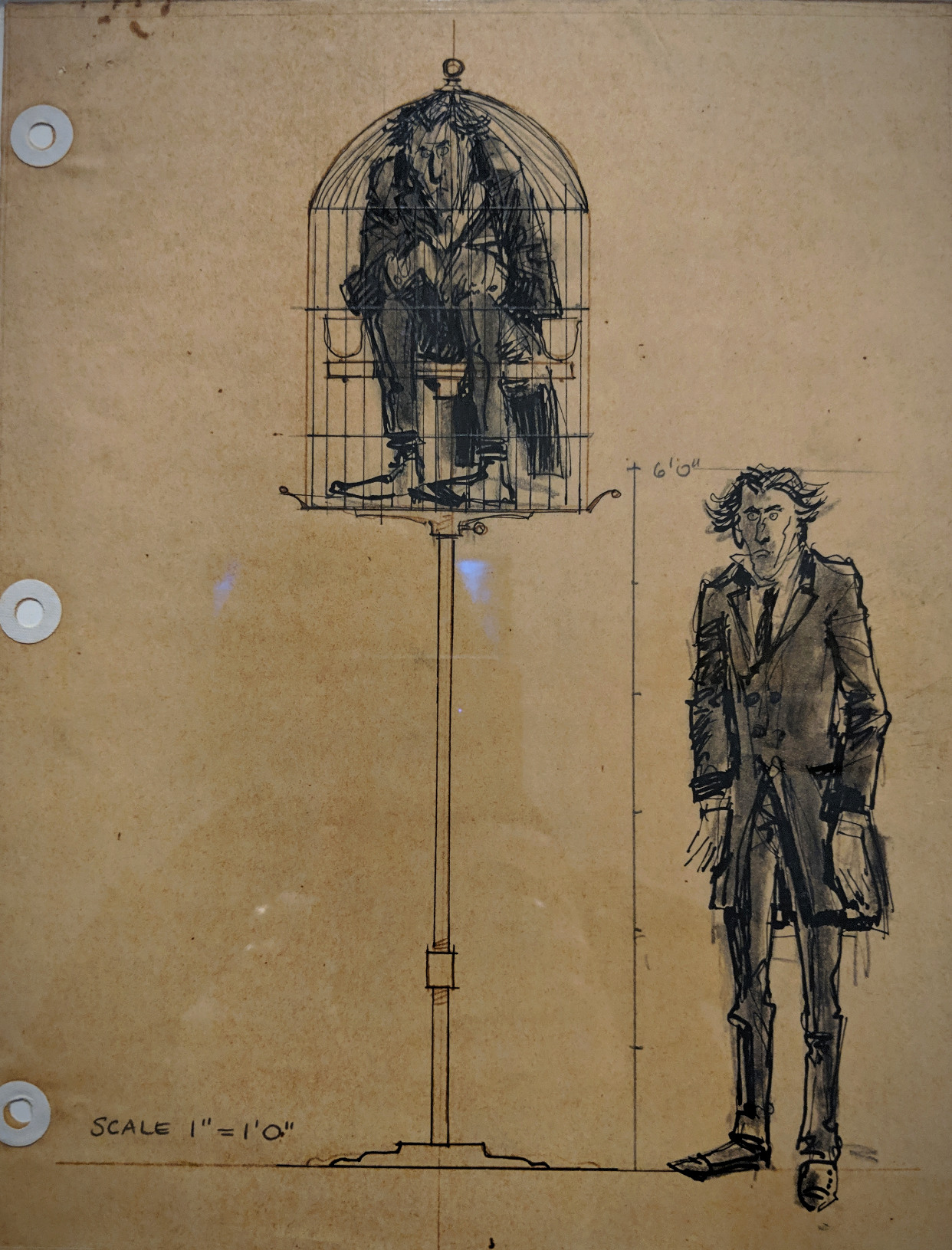
Looking at Jerry Lewis || The Nutty Professor Storyboards

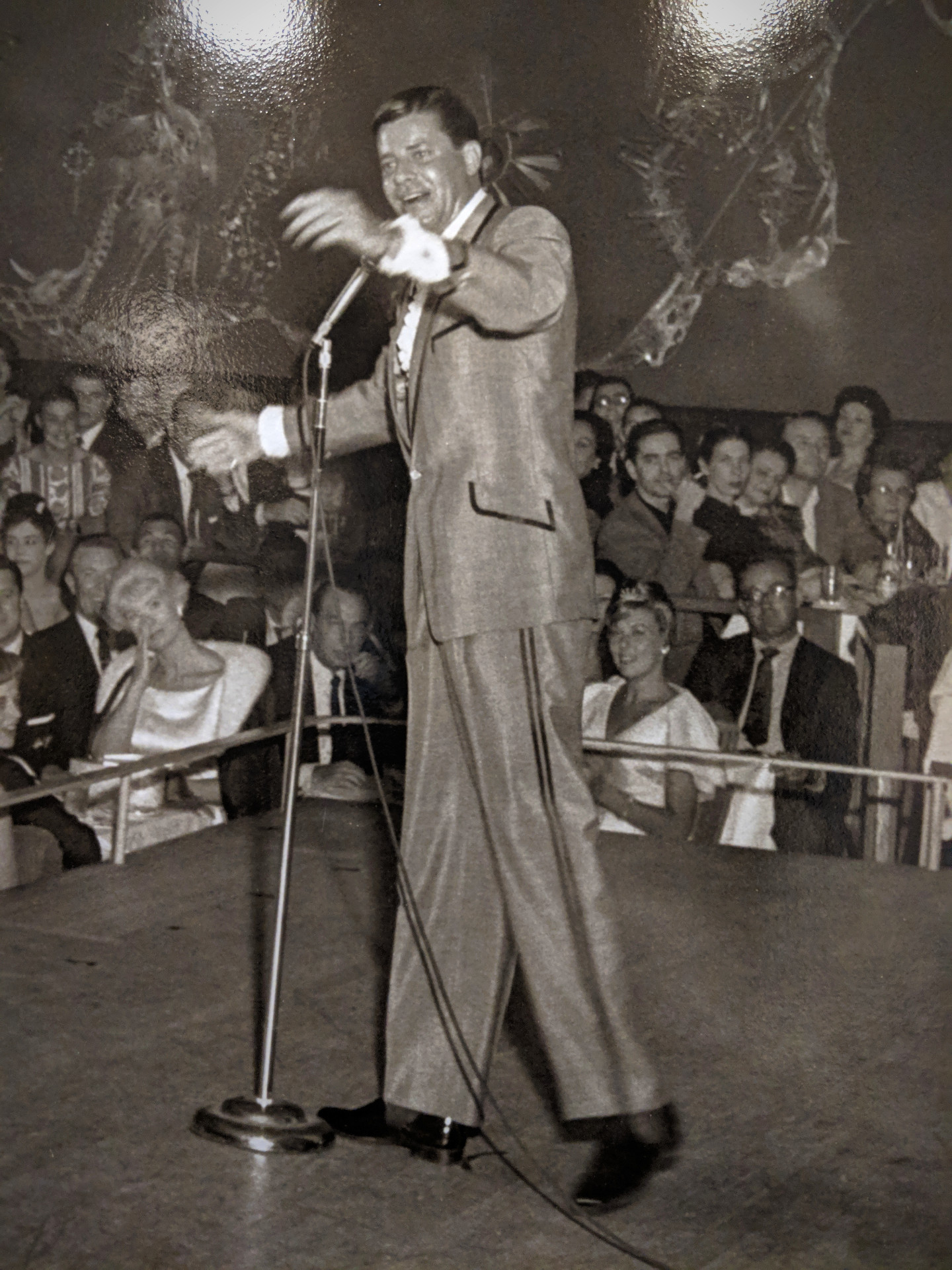
Of all the stars who worked in the golden age of the Hollywood studio system, few valued the acts of looking and being looked at more than Jerry Lewis. Lewis had years of stage experience behind him by the time he emerged as a major screen actor and director, and acknowledging the audience became an essential aspect of the ”comedy of looks” that characterized his work. In no other Lewis film is the experience of being seen so central a theme as it is in The Nutty Professor (1963), in which he treats his audience as a main character. In this adaptation of the Dr. Jekyll and Mr. Hyde story, his masterly dual performance as the self-effacing Professor Kelp and the narcissistic Buddy Love represents different sides of the Lewis persona, while on-screen students and night-club audiences who witness his character’s behaviour represent the critical gaze of the movie-going public.
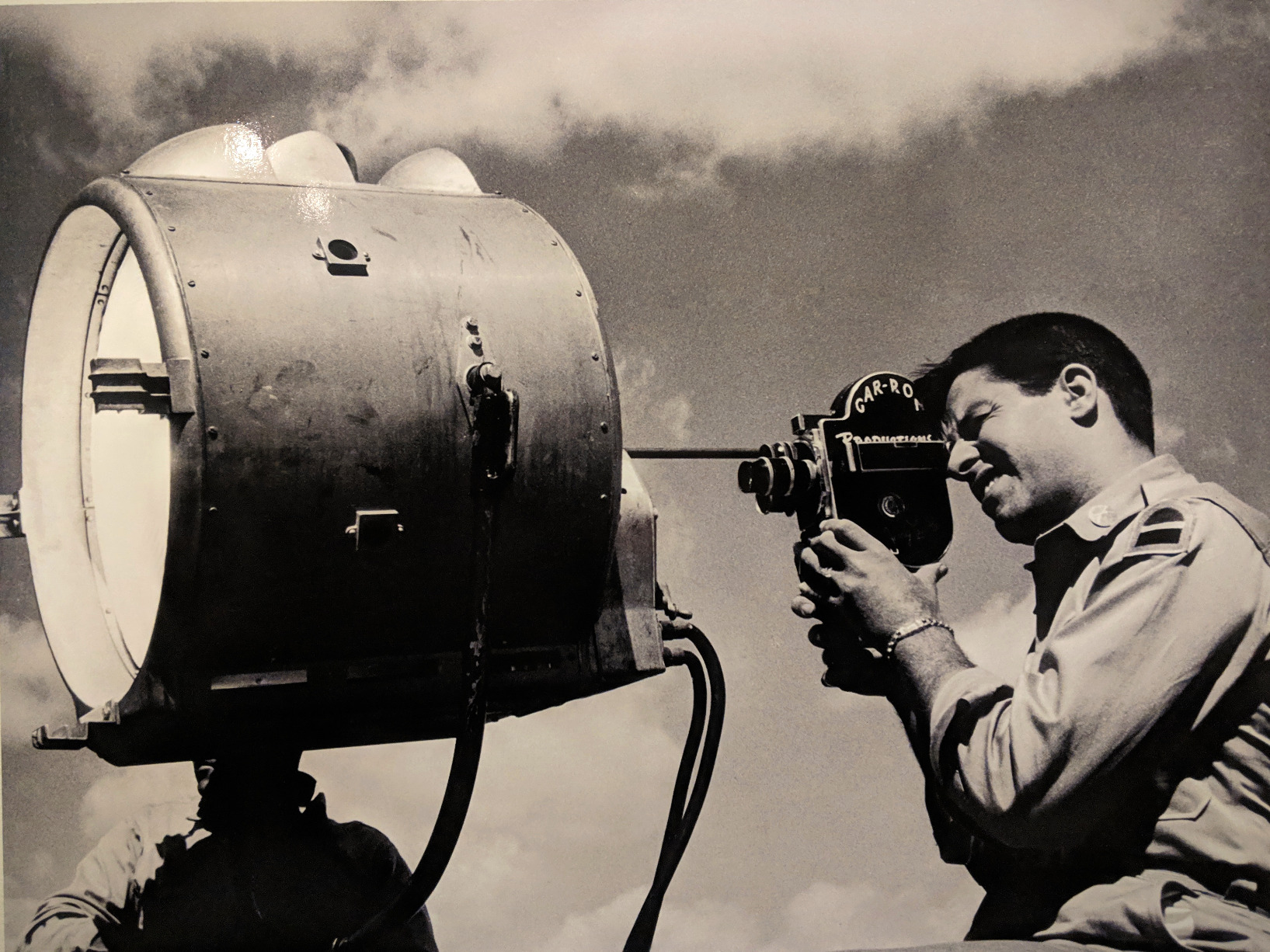
[source: MoMA] Bill Avery
Jerry Lewis shooting a home movie, 1953


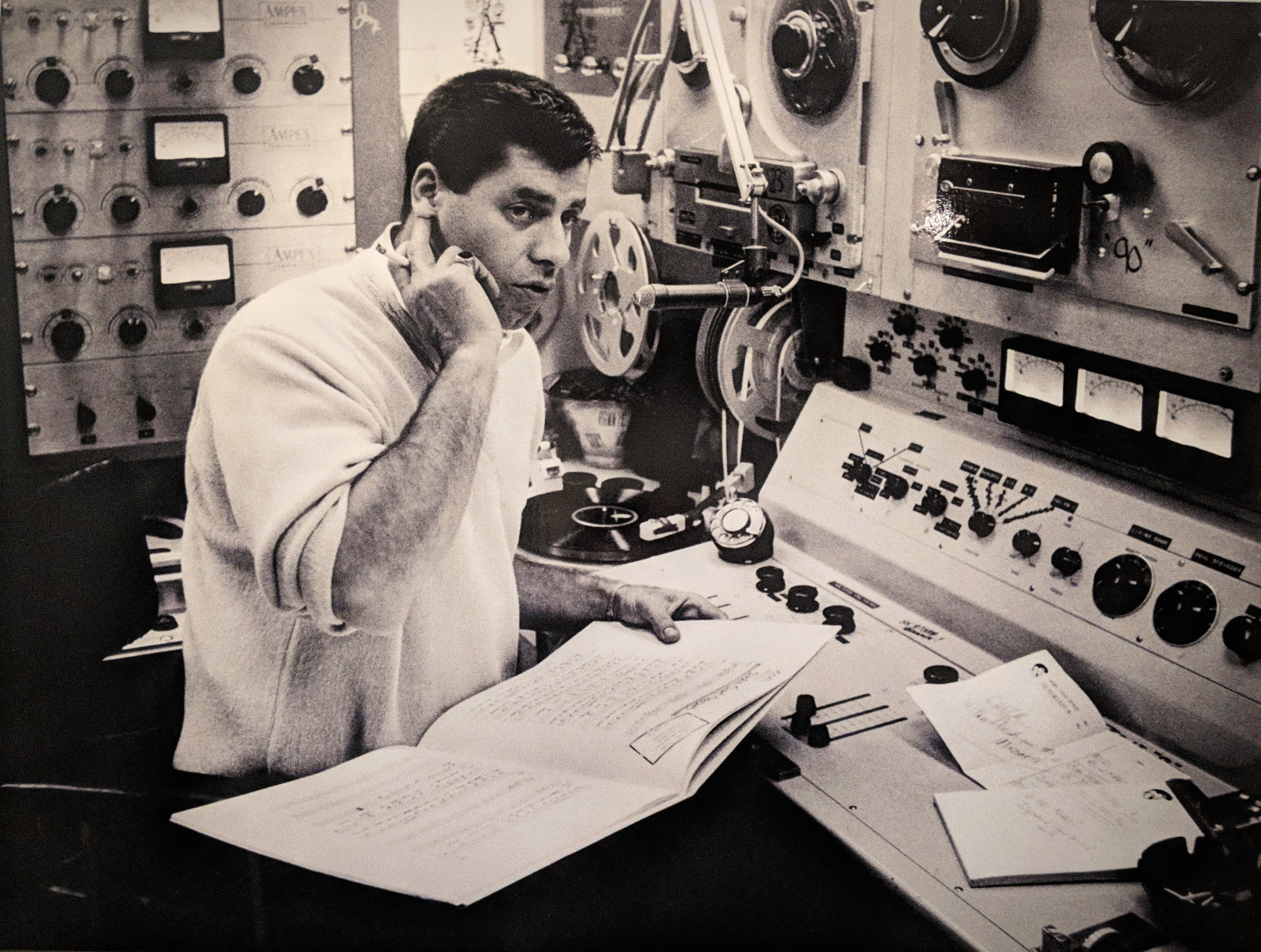
Bill Crespinel
Jerry Lewis mixing music at this home, 1961


John Jensen (American, 1924-2003)
Scenes from the Hangover sequence, 1962
Black and coloured pencil on vellum paper John Jensen (American, 1924-2003)
Scenes from the Stella fantasy sequence, 1962
Black and coloured pencil and pastel on vellum paper John Jensen (American, 1924-2003)
Mina bird cage sketches, 1962
Pencil on paper John Lauris Jensen’s storyboards for The Nutty Professor were on display between October 2018 – March 2019; they were a recent gift to the Museum of Modern Art.

January 5th, 2019