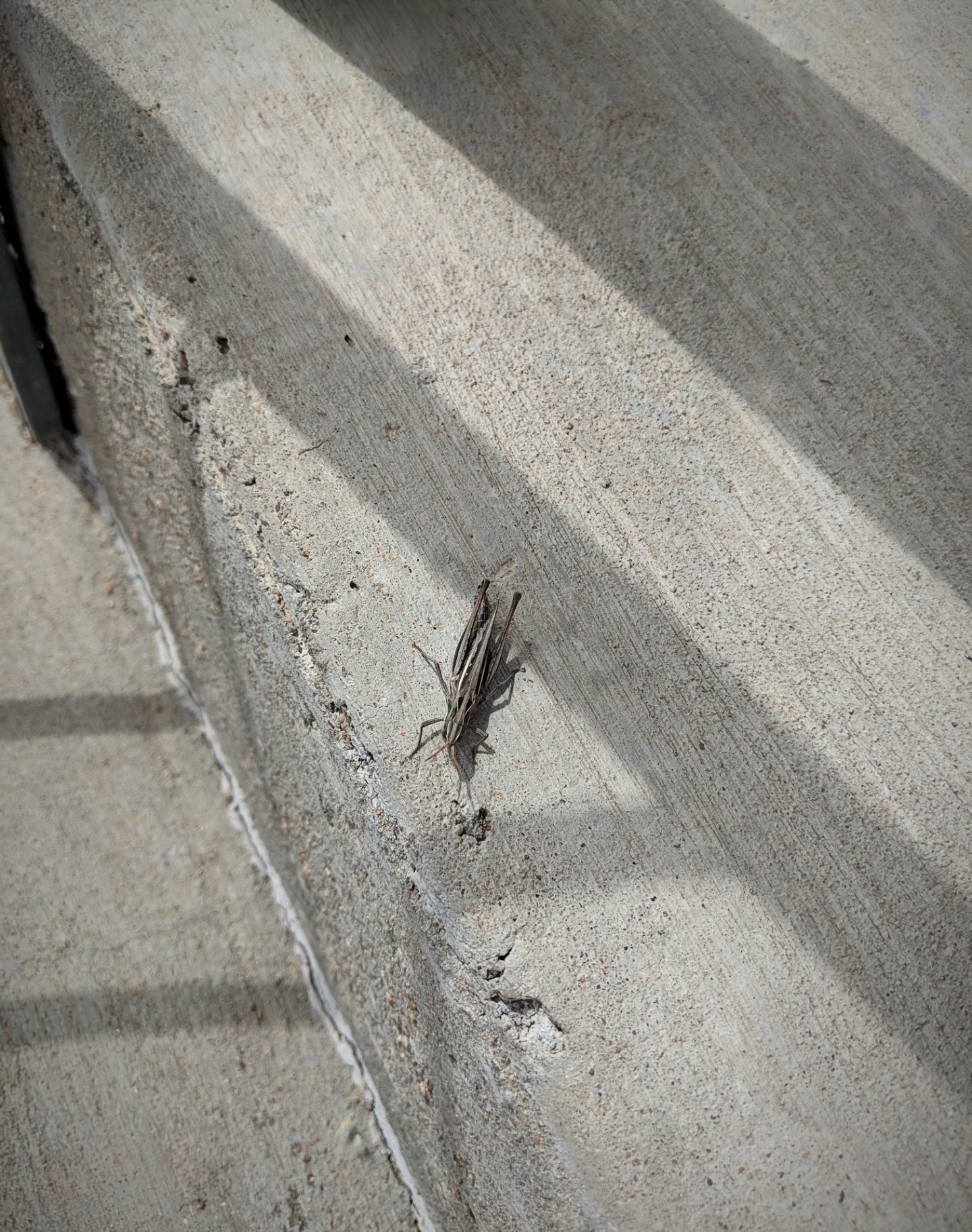
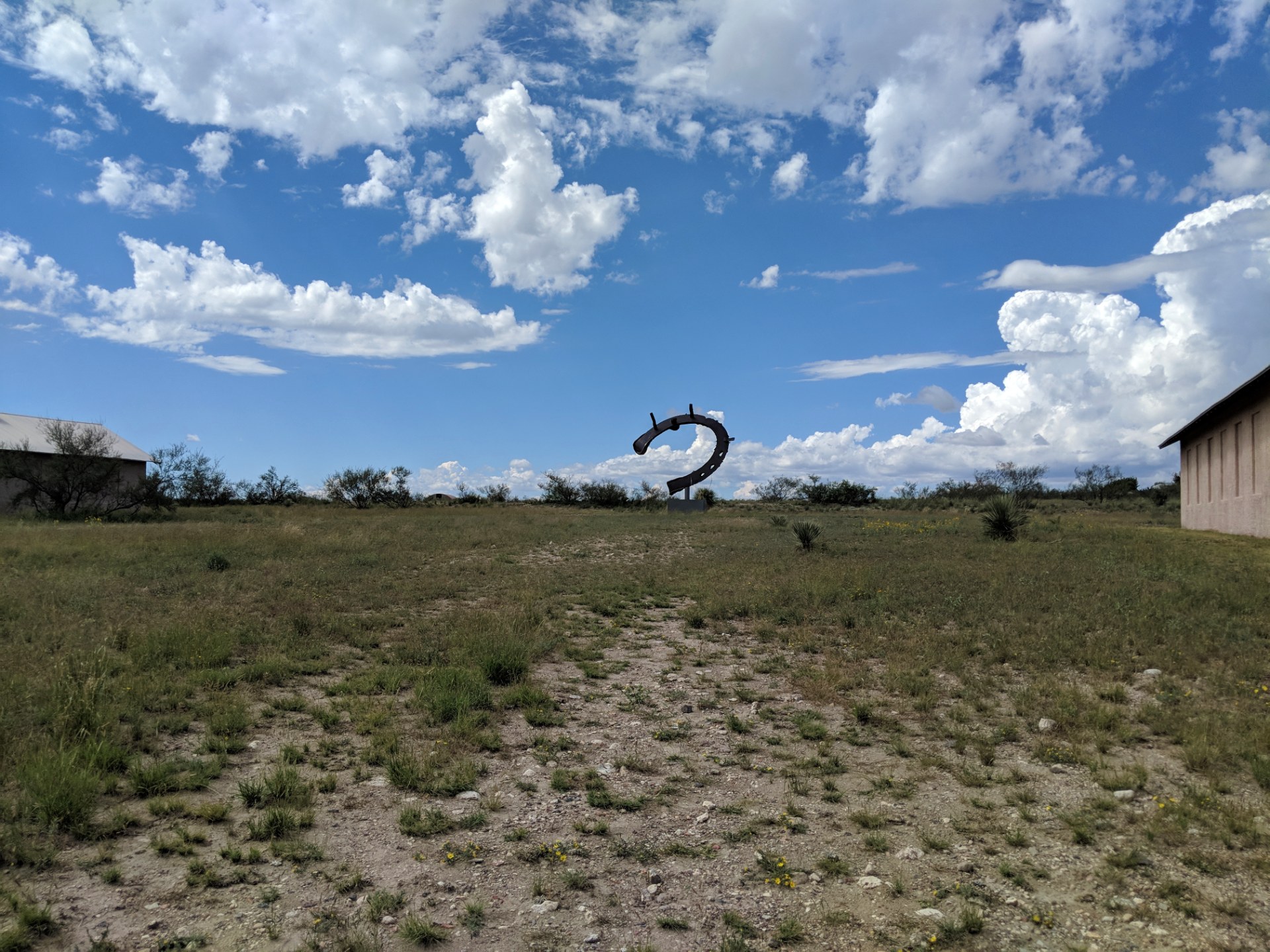
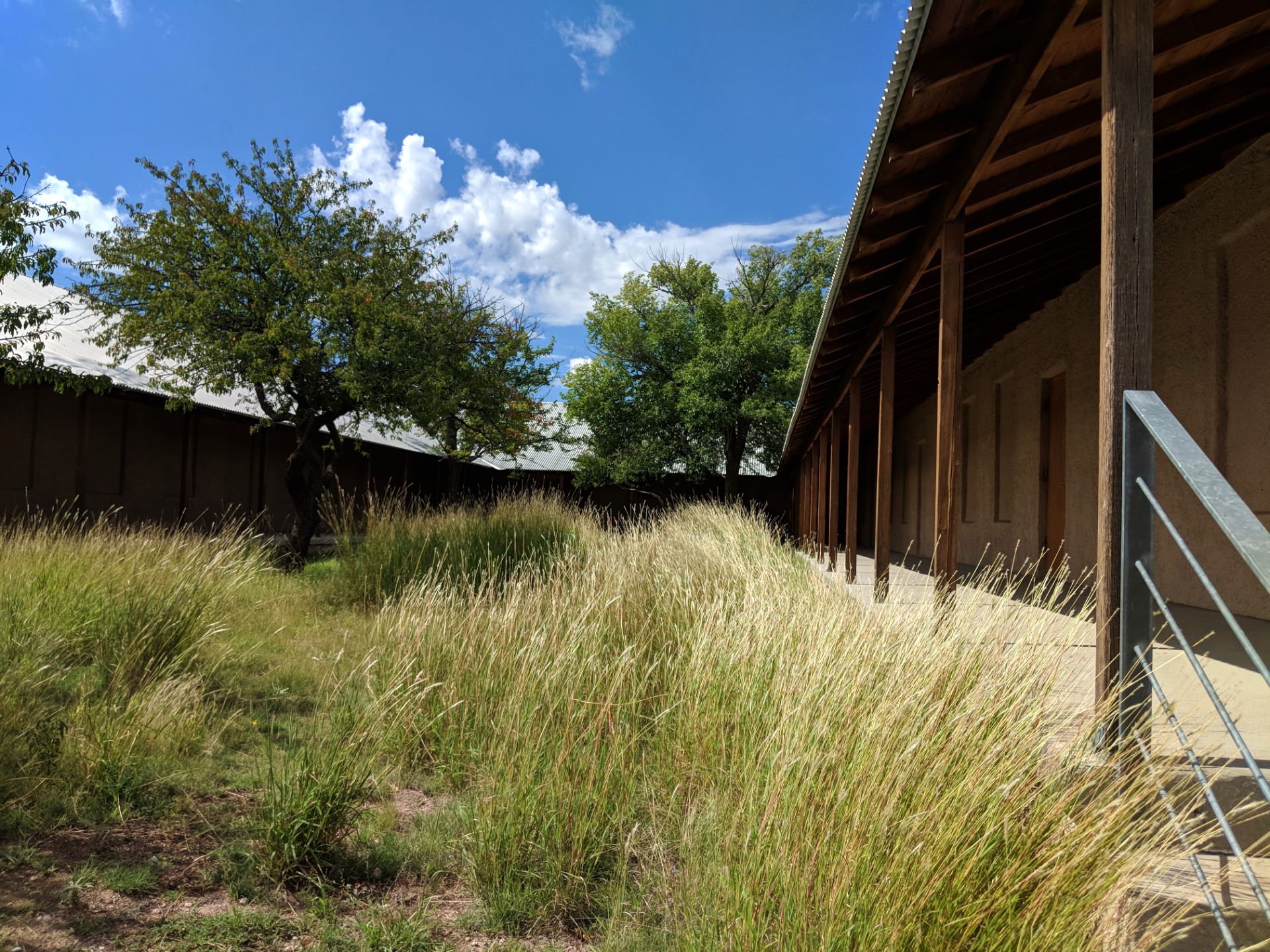
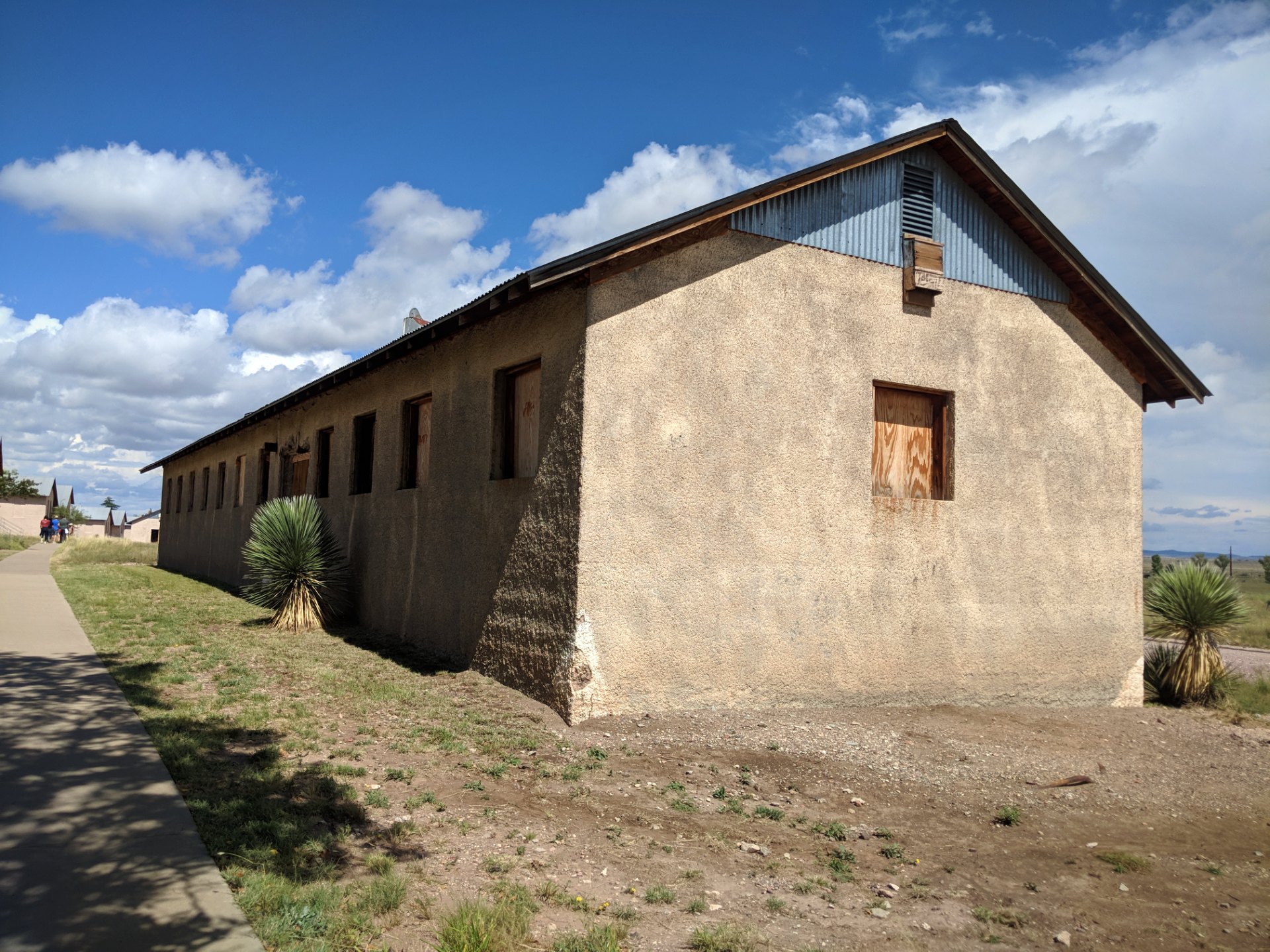
The Chinati Foundation || Marfa

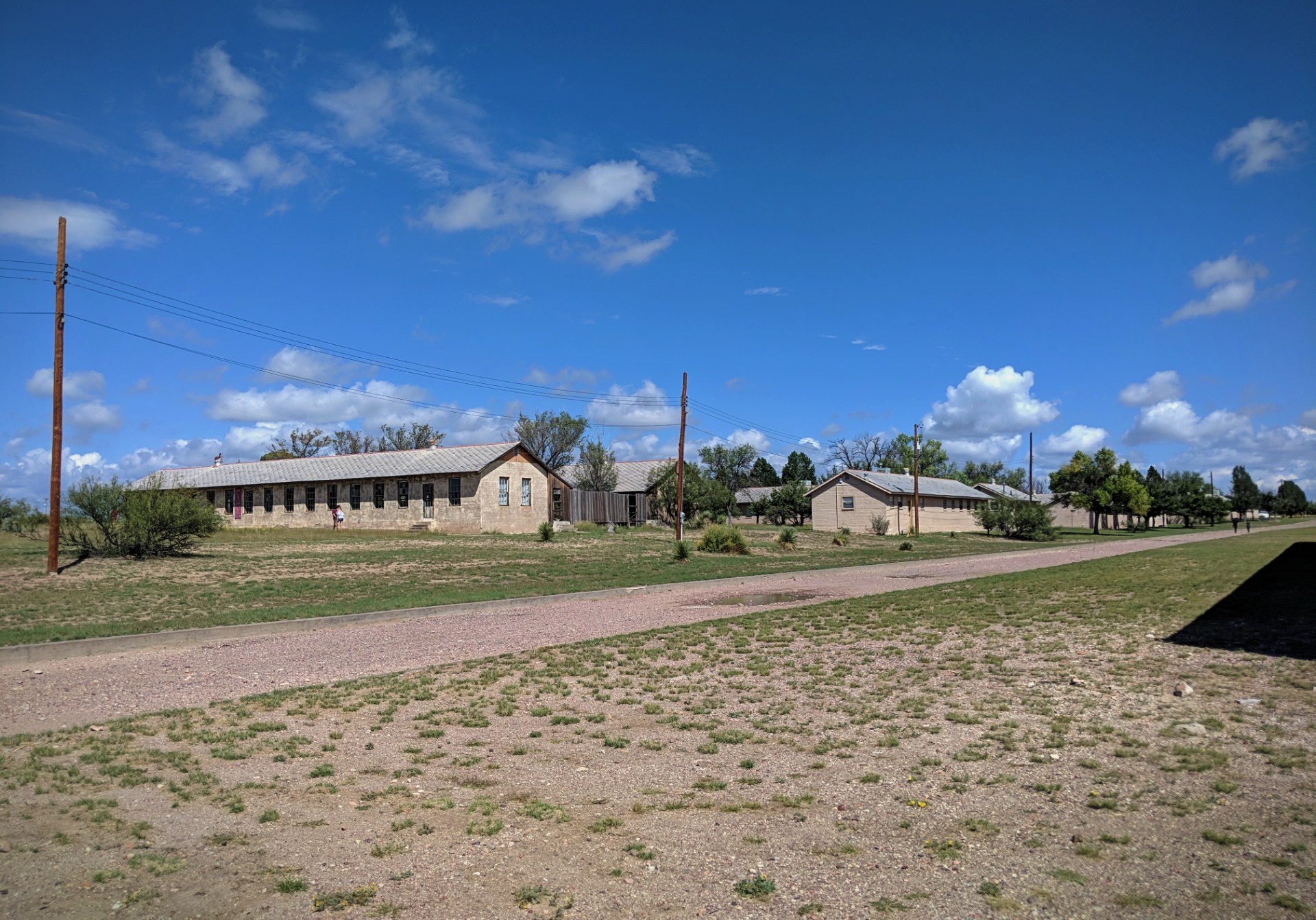
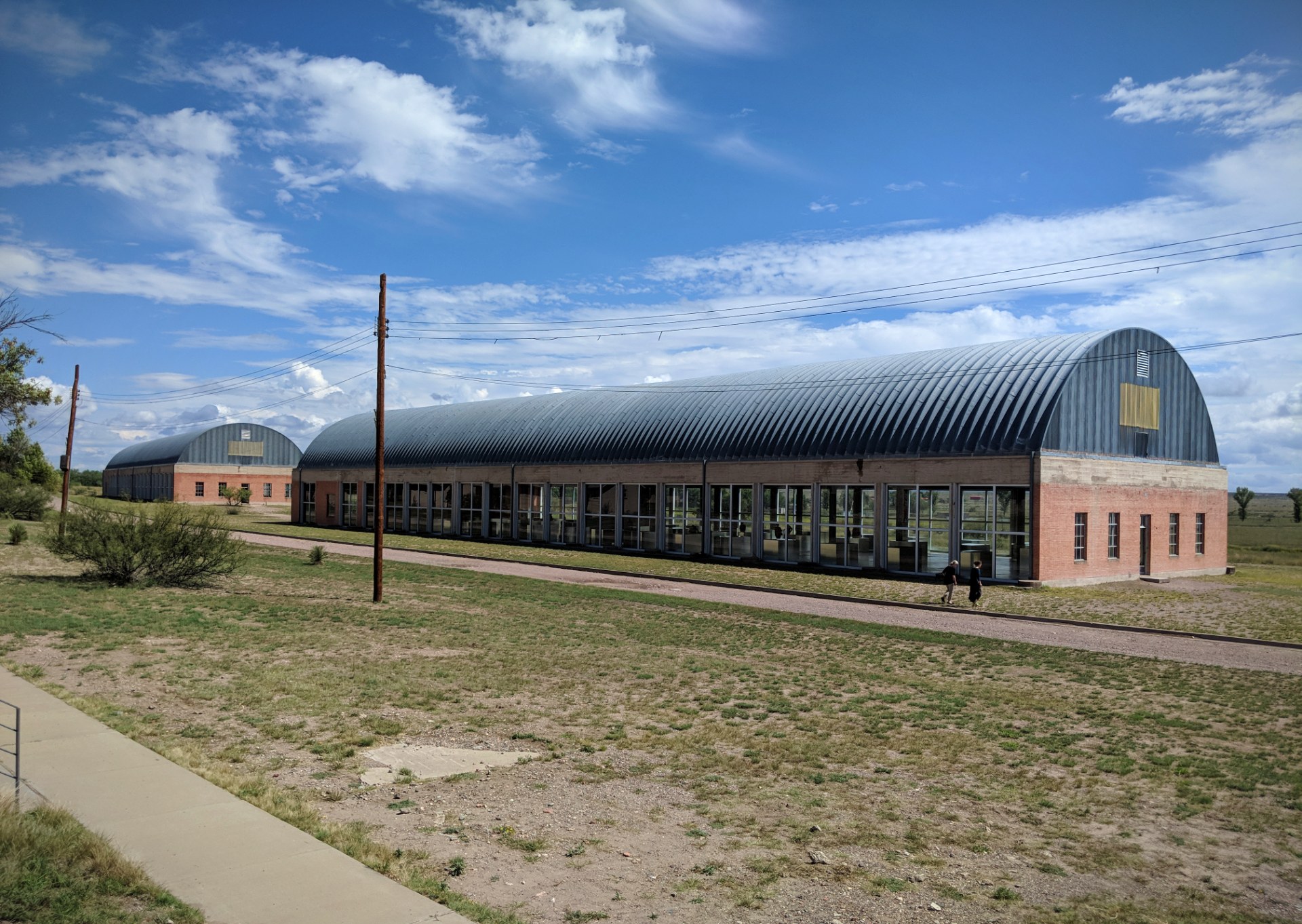
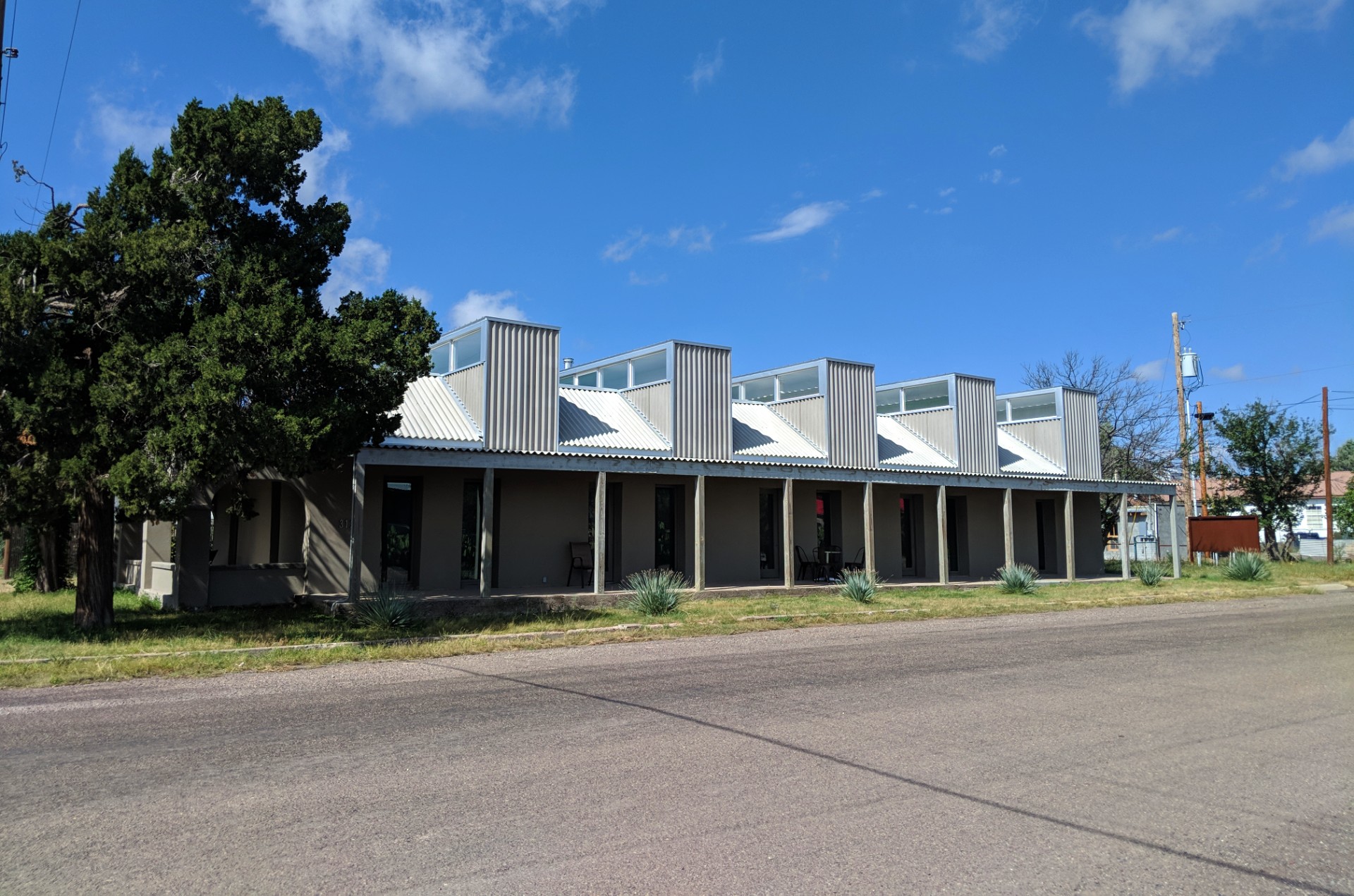
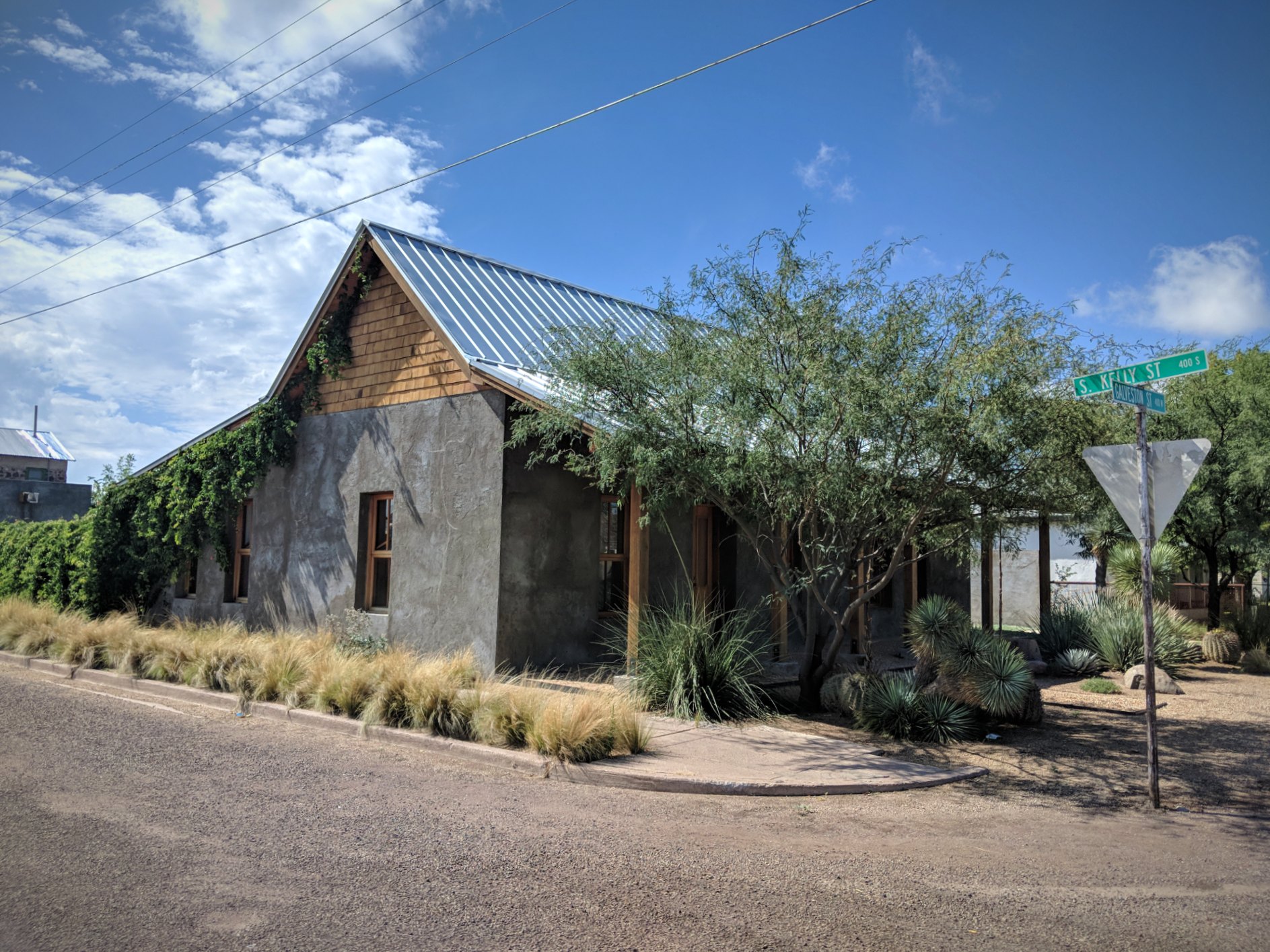
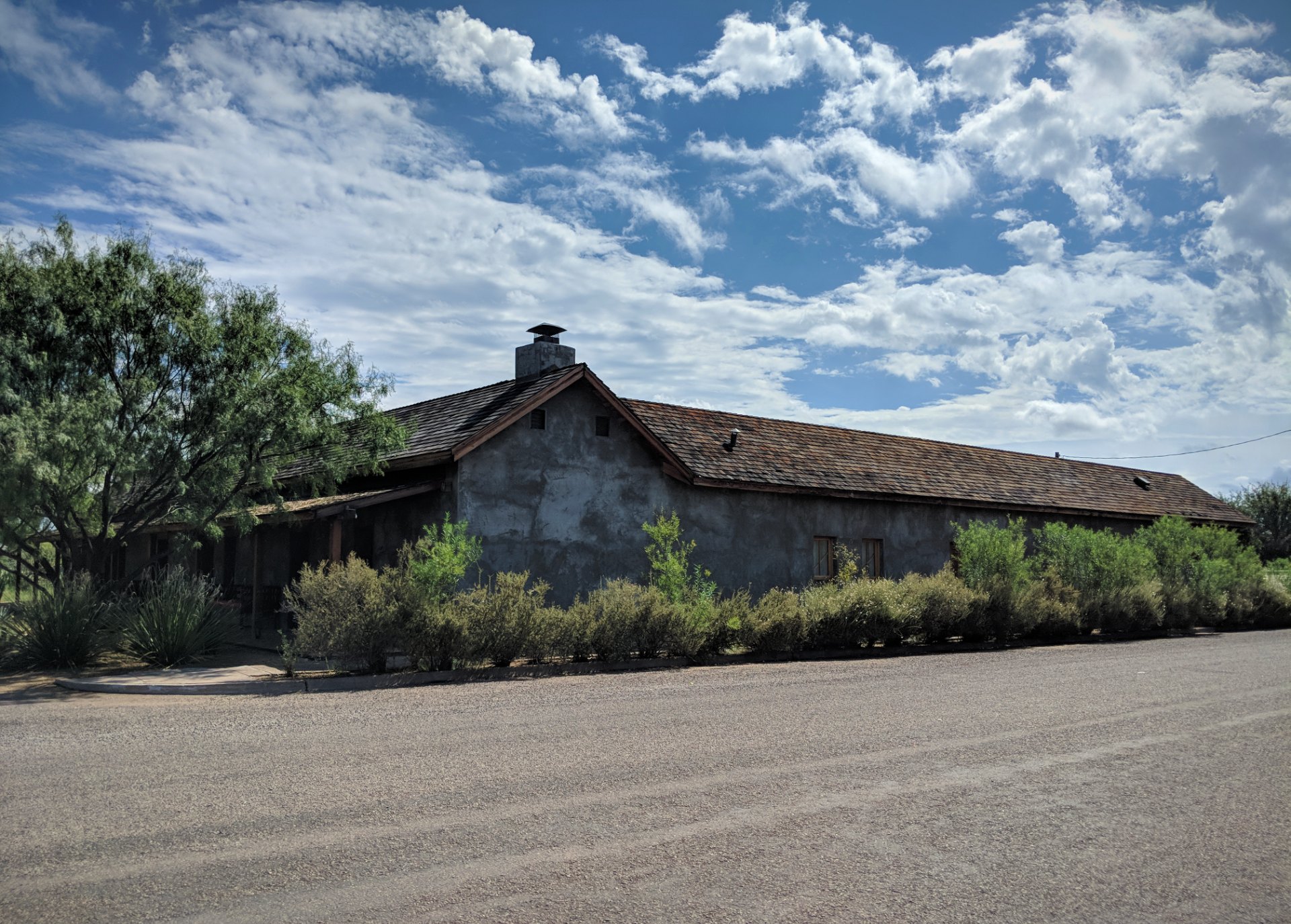
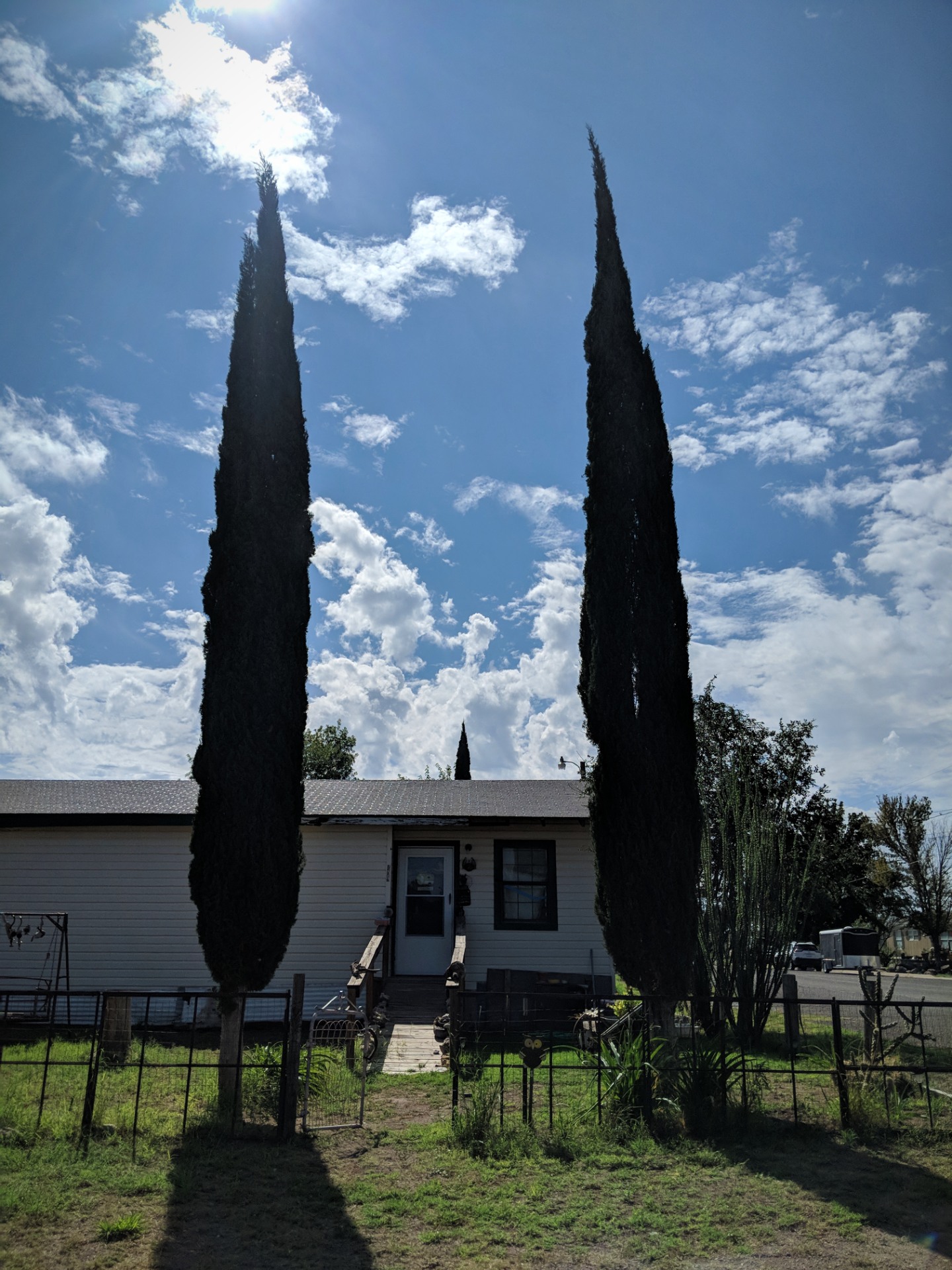
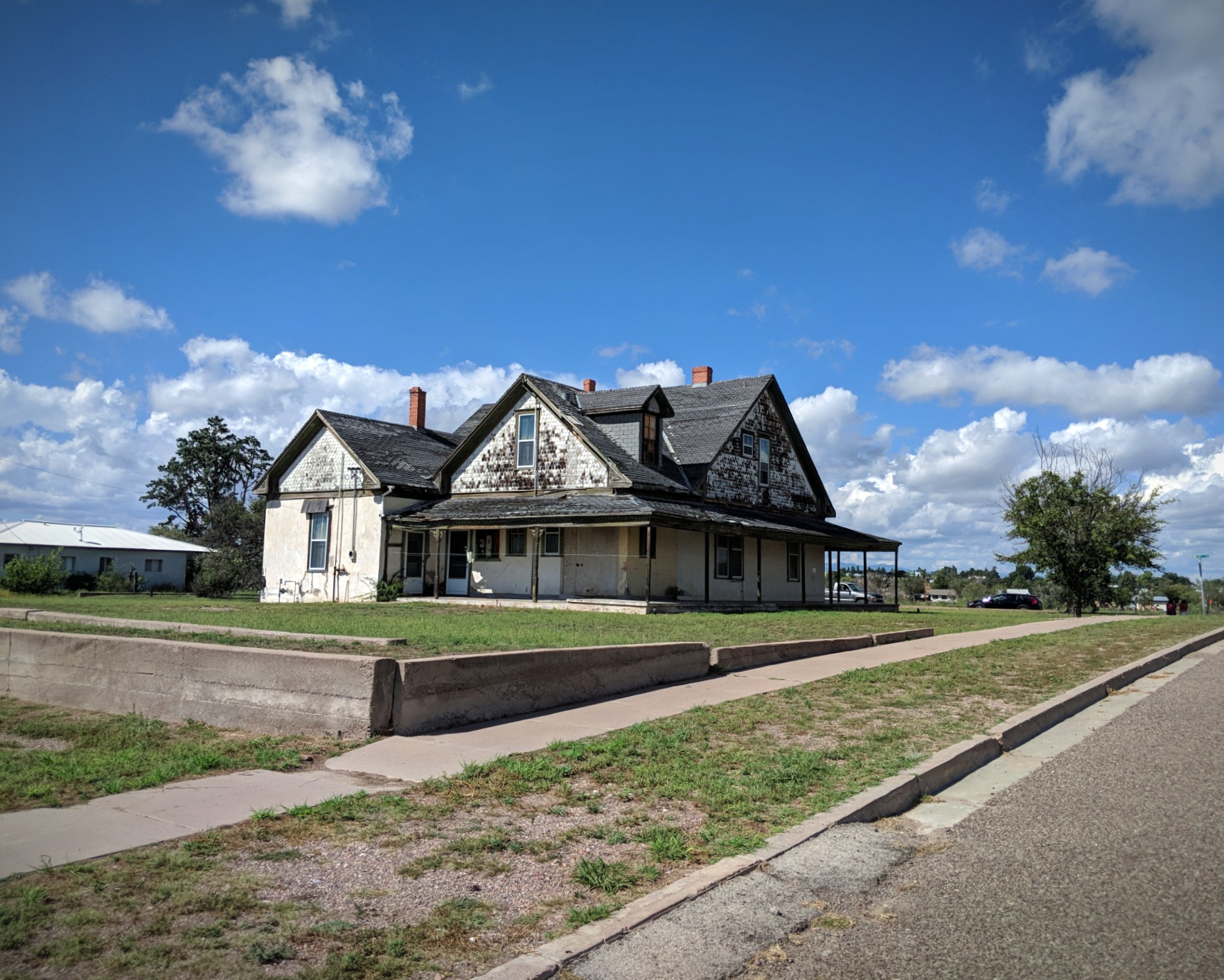
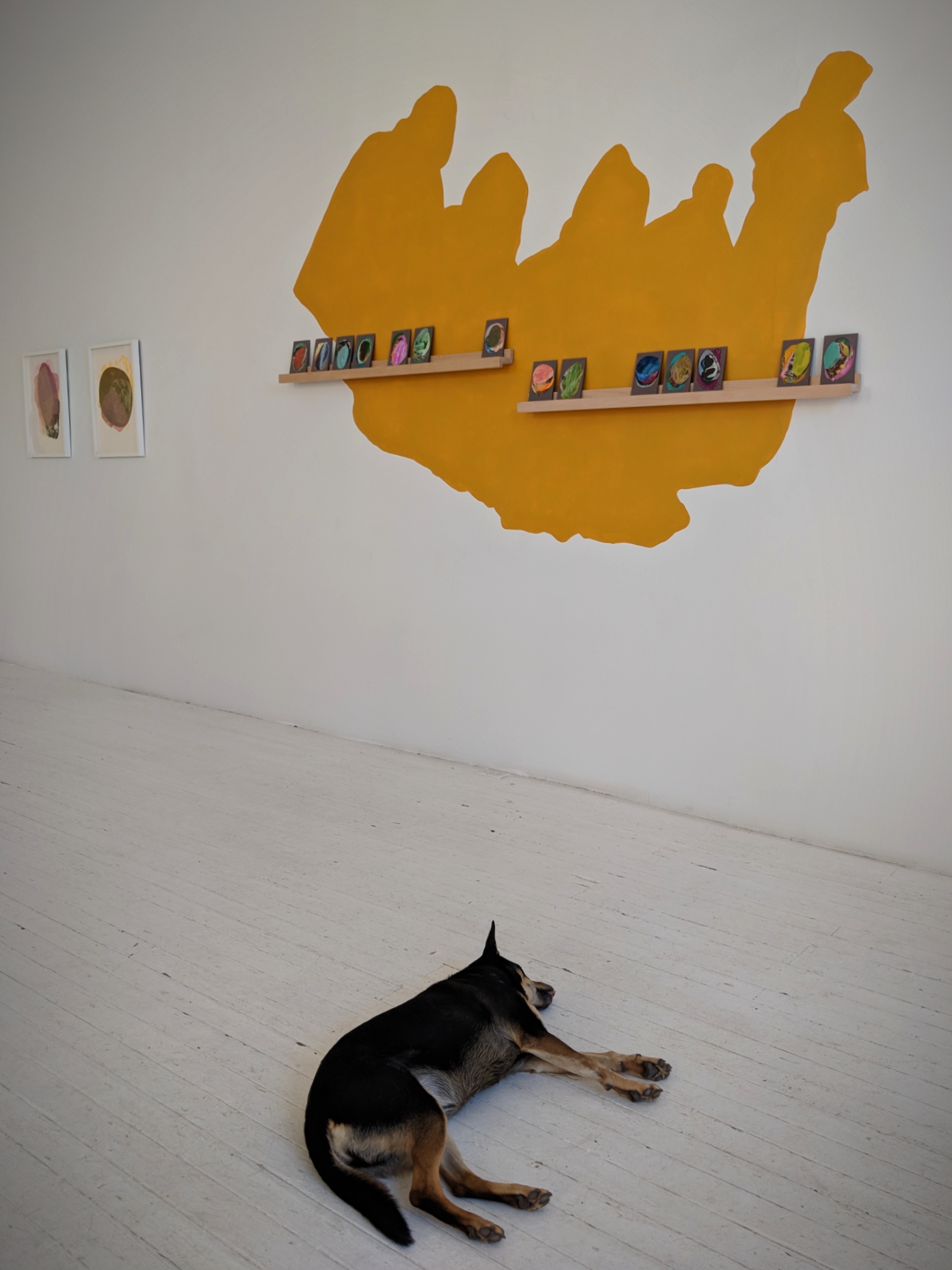
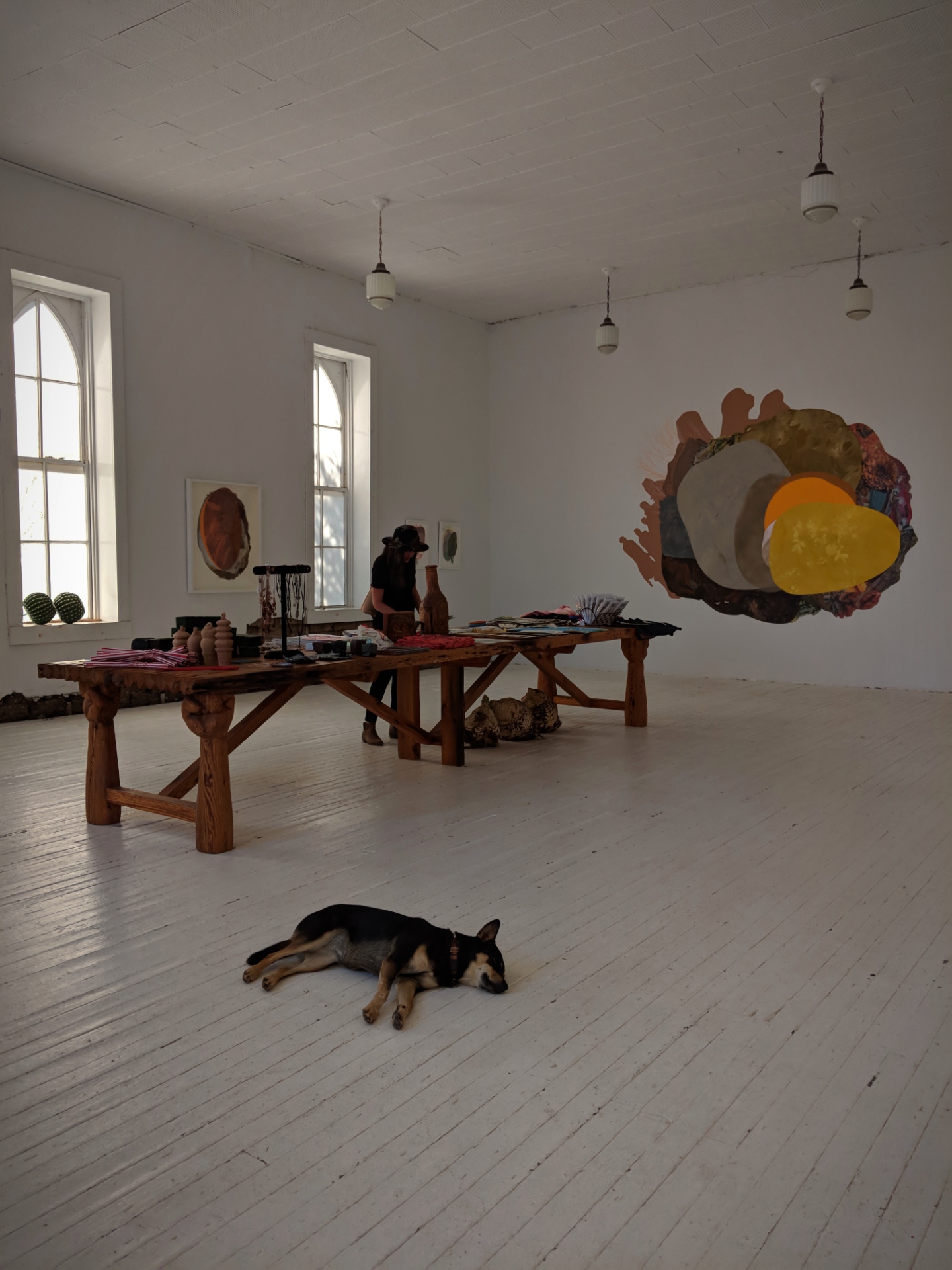
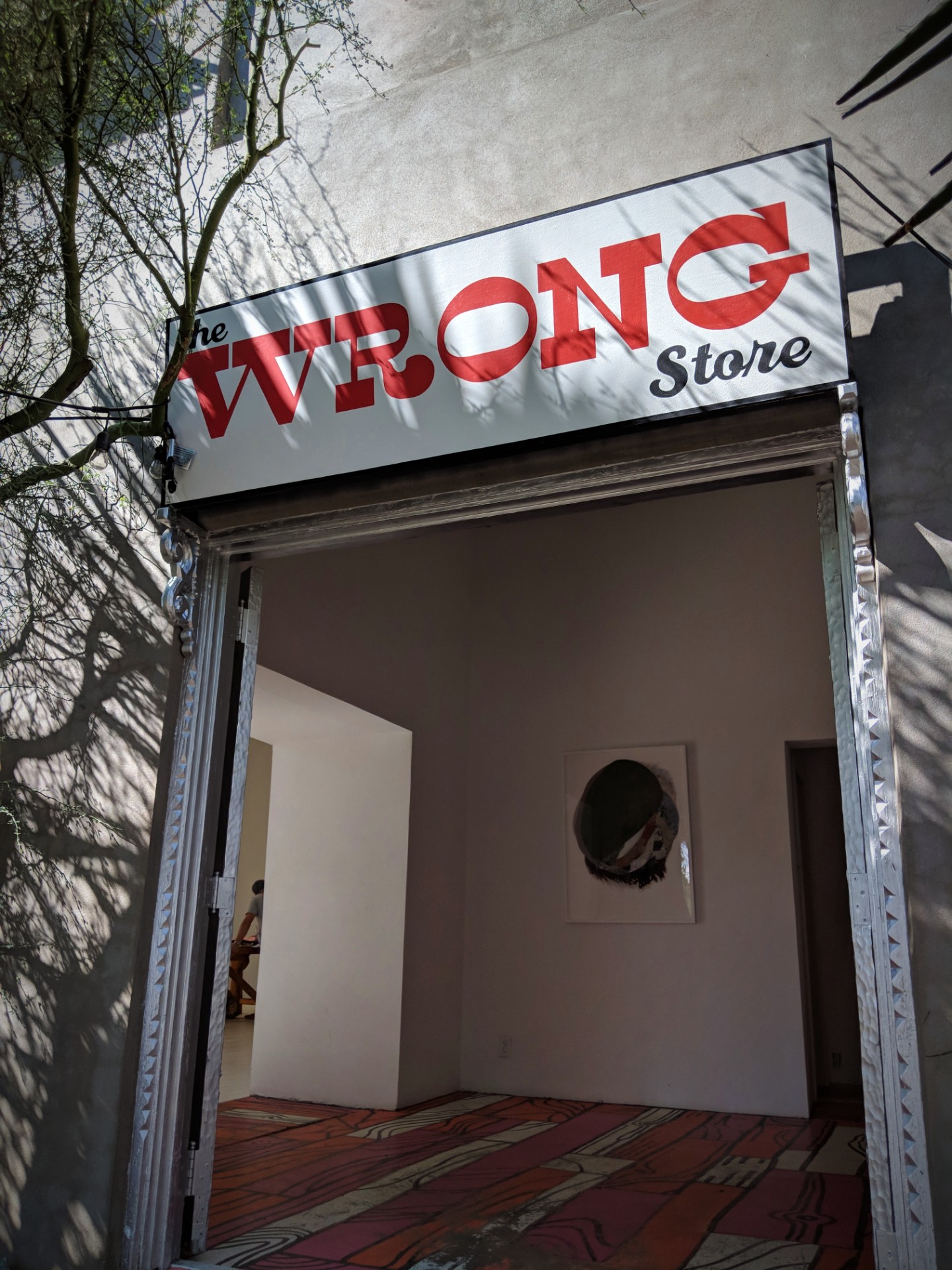
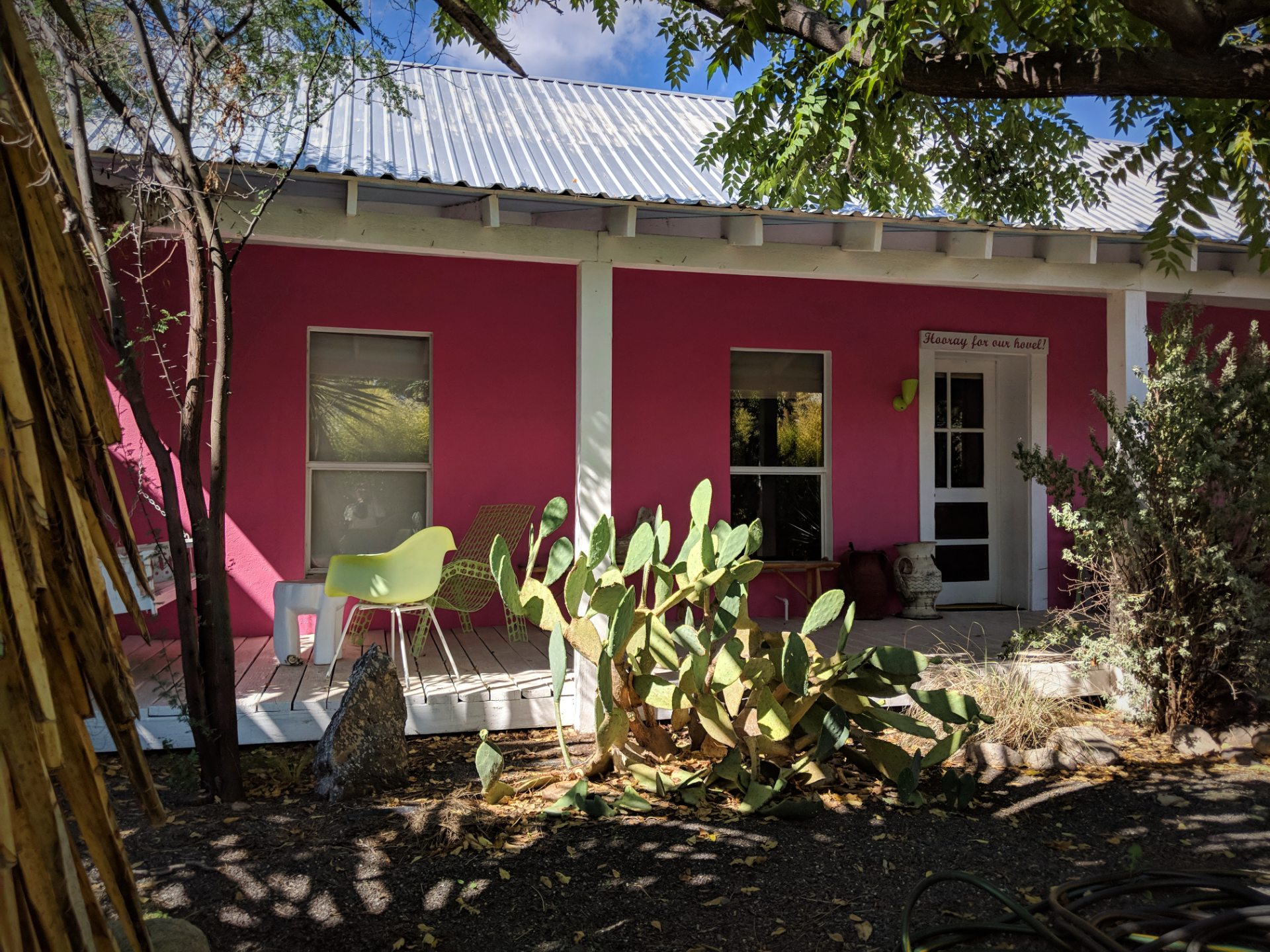
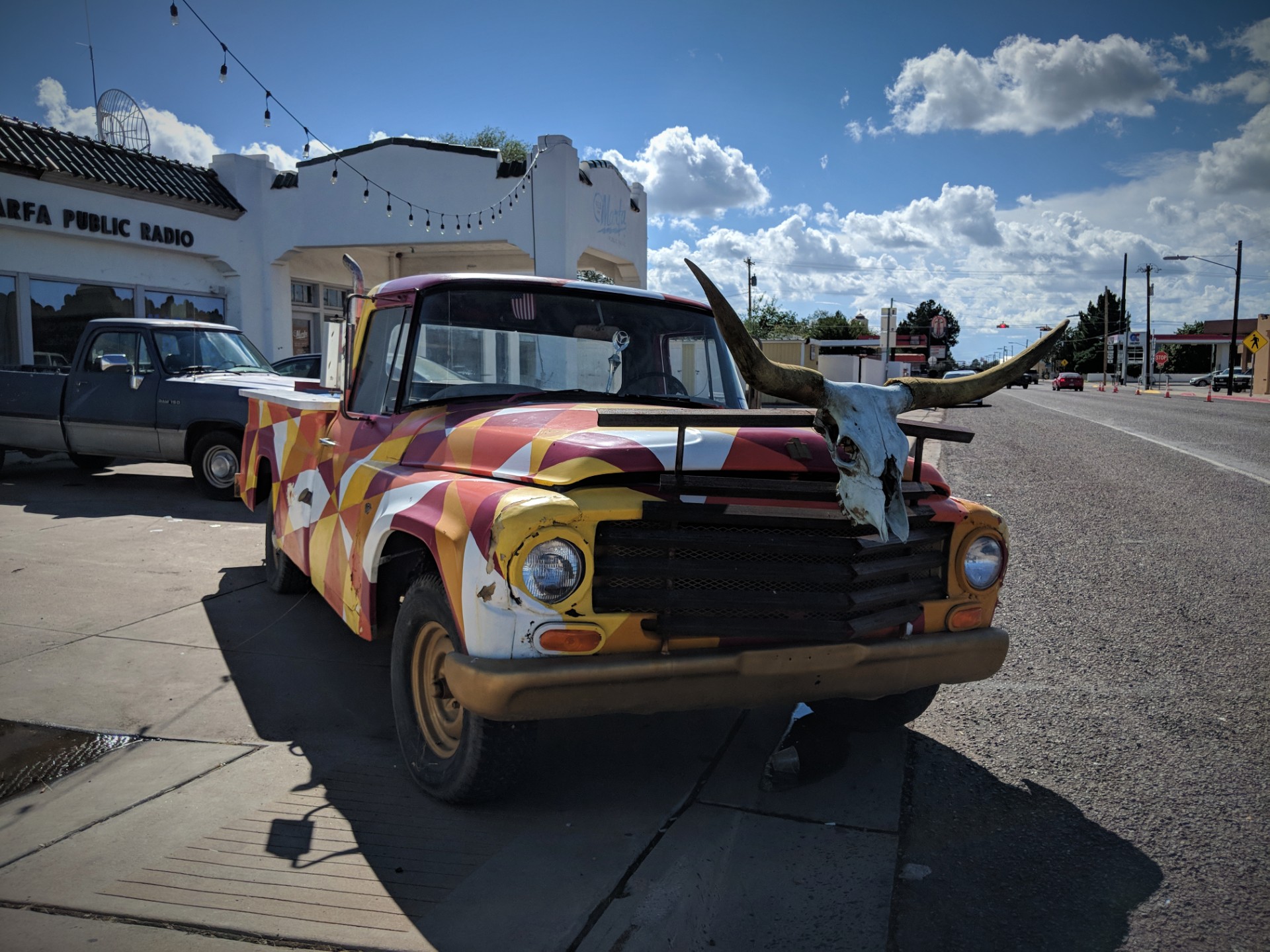
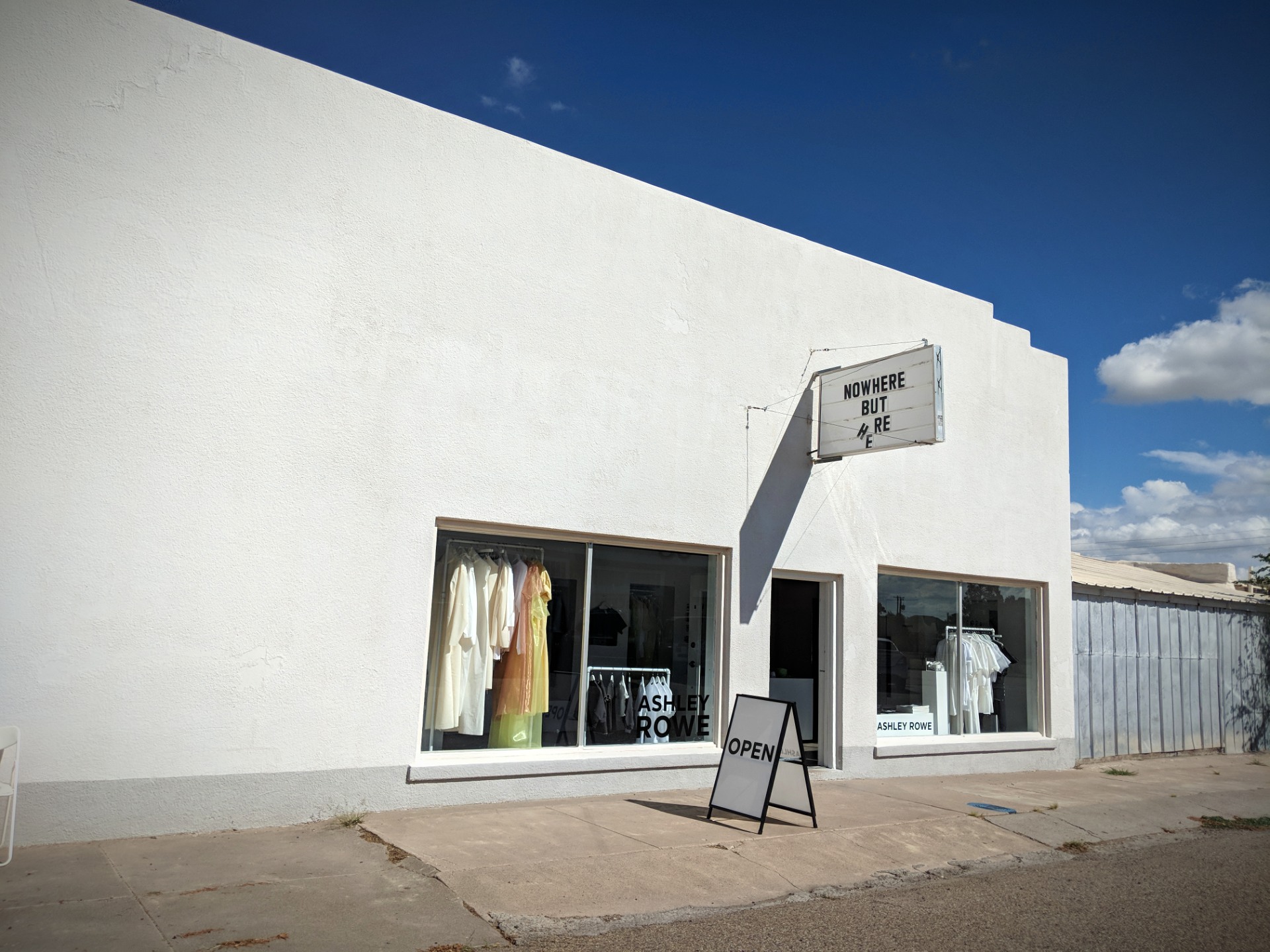
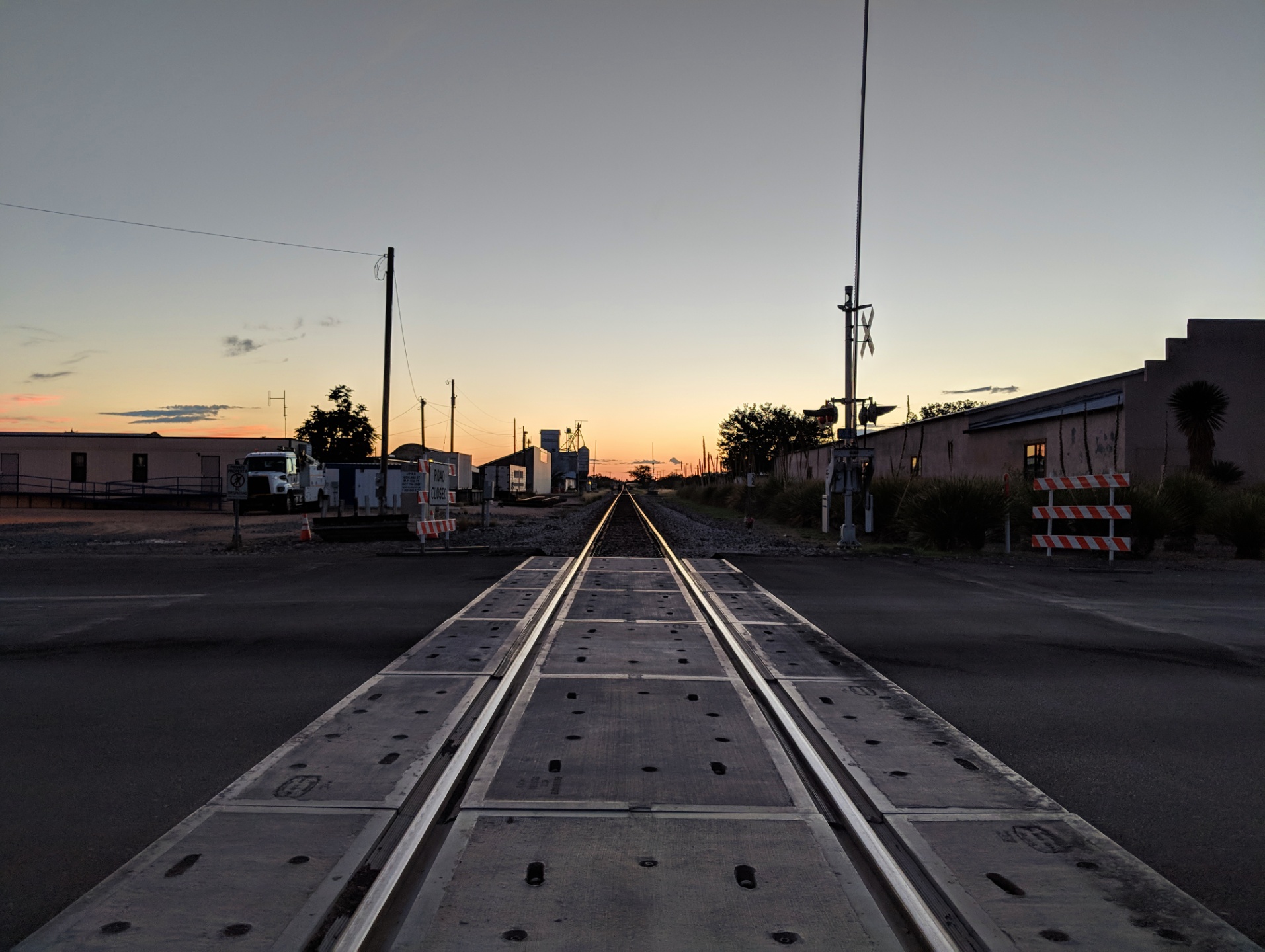
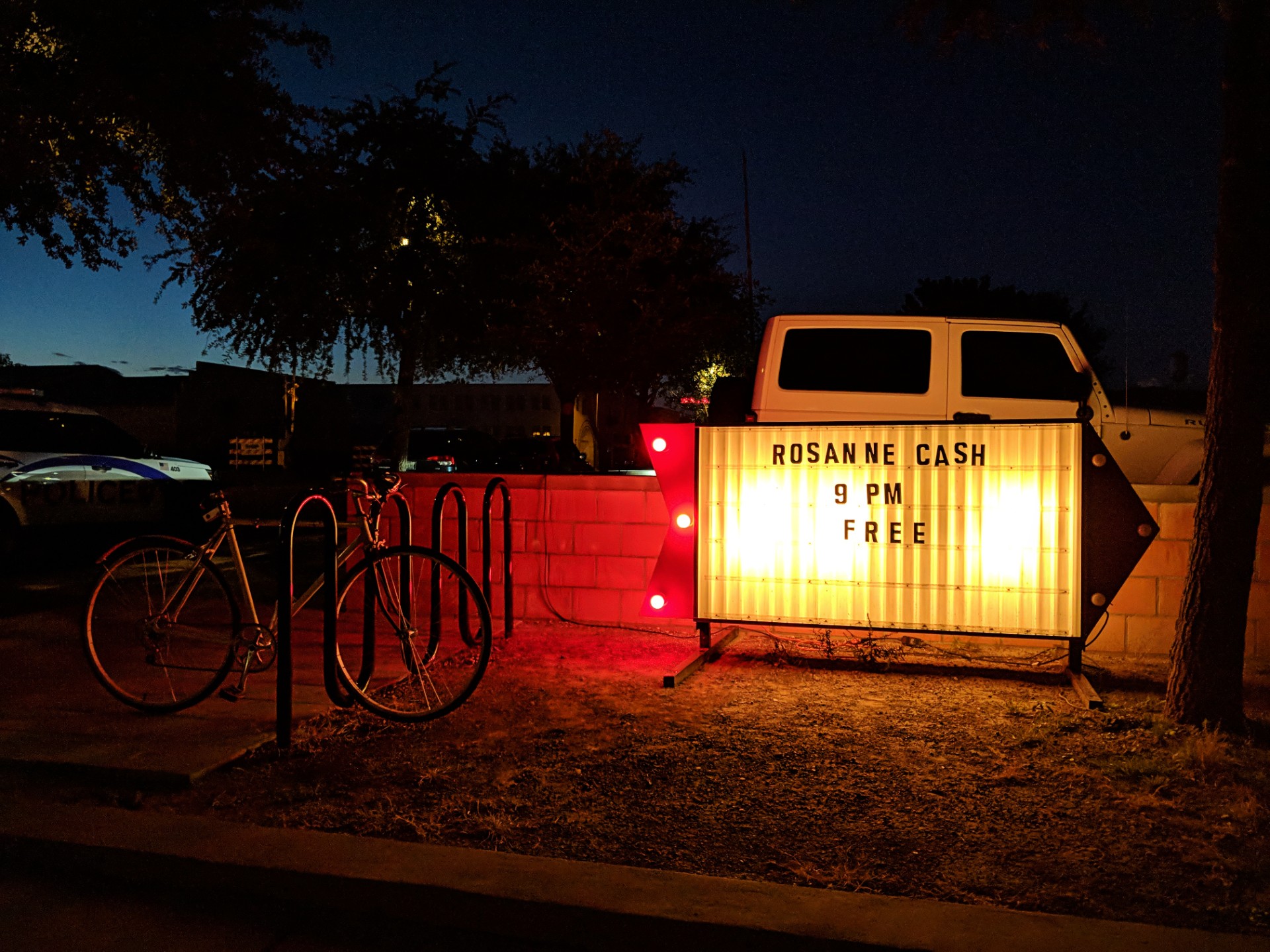
Marfa, a tiny and remote desert town of only about 2.000 people in West Texas, is the most unlikely  cultural centre for contemporary art I could think of. Yet, it is full of art galleries, cool shops that look like art galleries, cool artists that live and work in said art galleries, calling Marfa their home. And in the centre of it all is The Chinati Foundation/La Fundación Chinati, a contemporary art museum founded by Donald Judd.

It was in the early 1970s when Judd decided he wanted out of New York and its art scene, too constrictive for his projects, and look for a place where his work could be installed and never be moved again. In other words, he needed space.

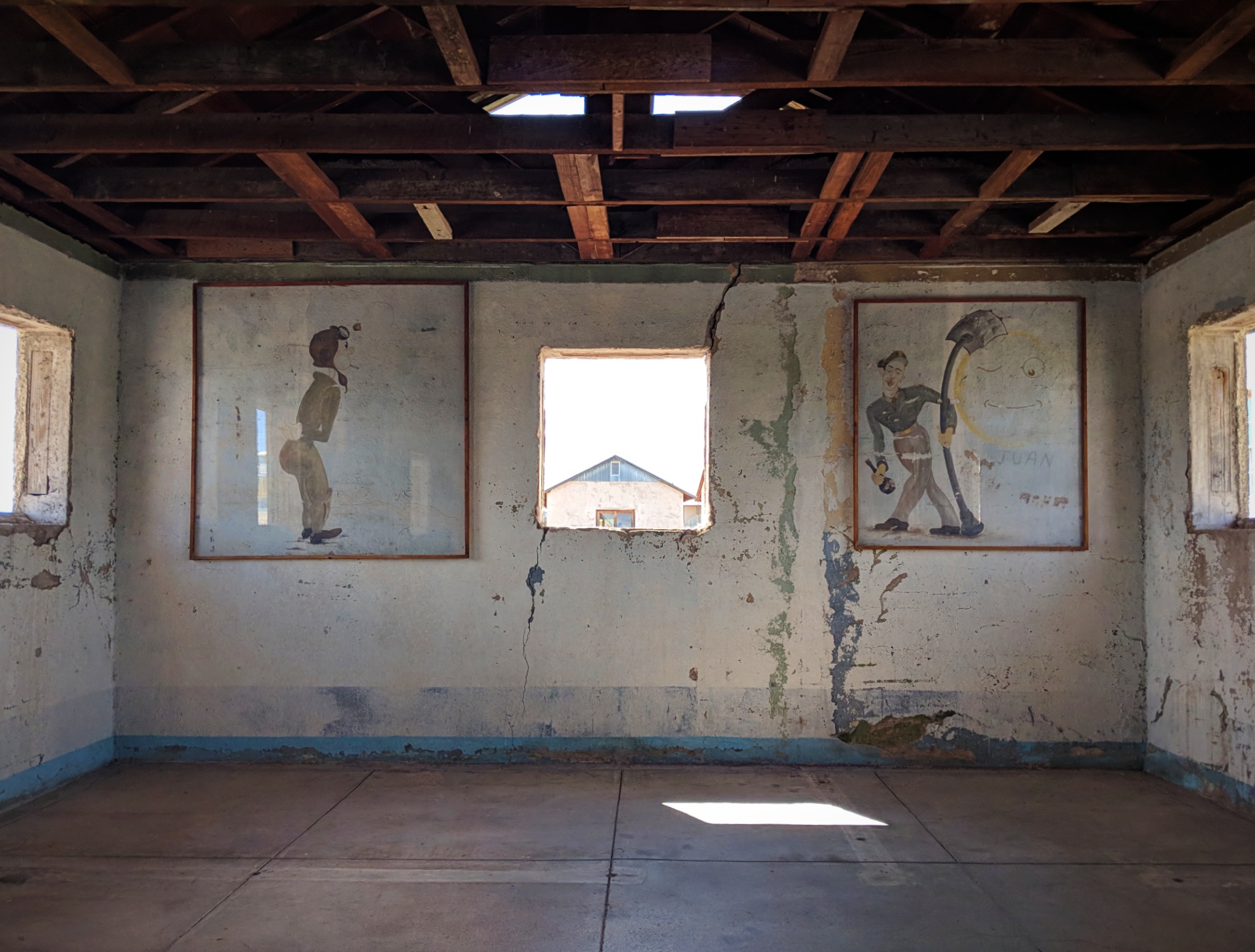
Judd rented a house in 1971 in Marfa, took one look around and bid farewell to New York forever. He began to purchase properties in 1973, which would include living quarters, studios and ranches where his work would be permanently installed, every move leading to the purchase of a 340 acres of land on the site of former Fort D.A. Russell, in 1978.

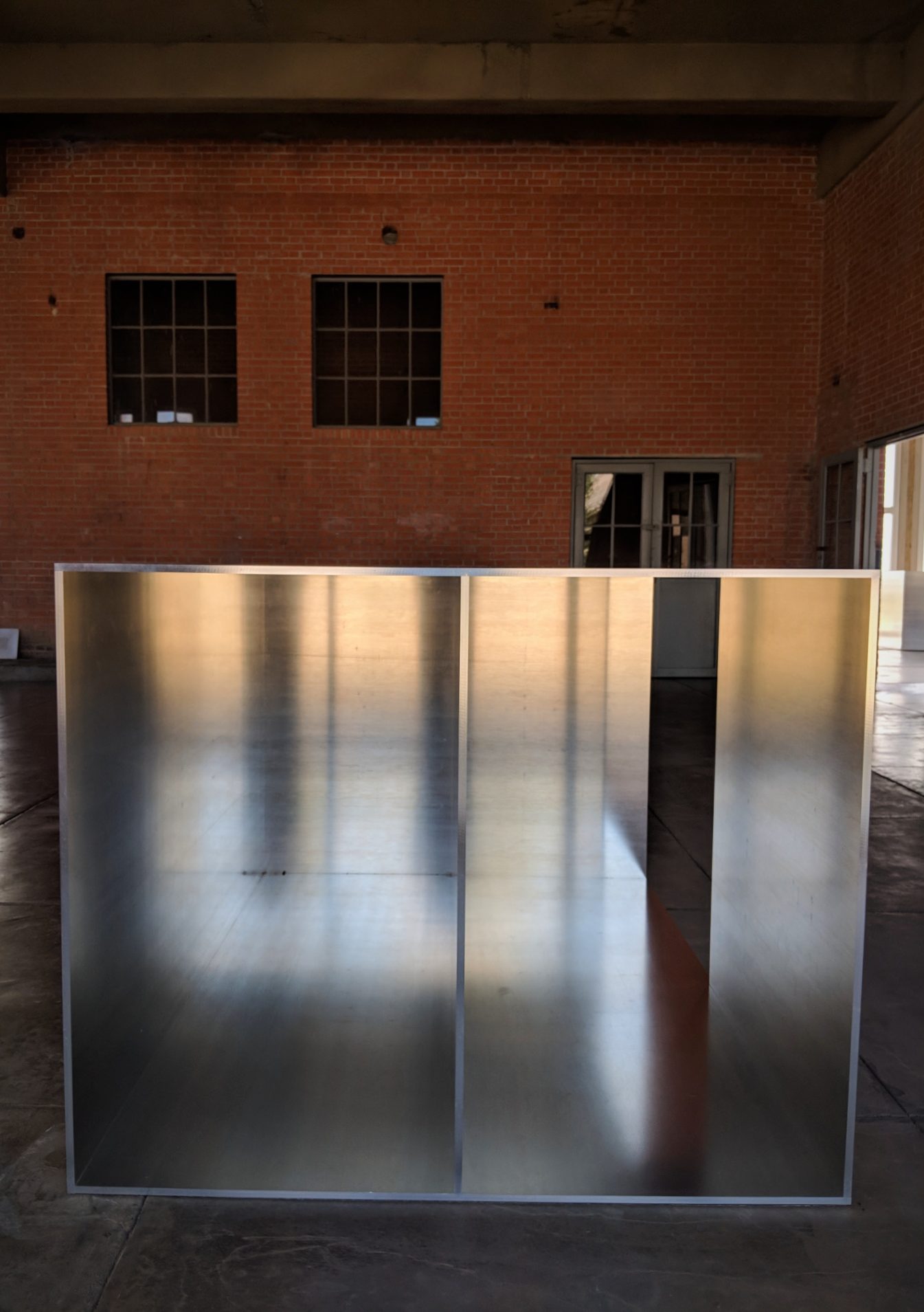
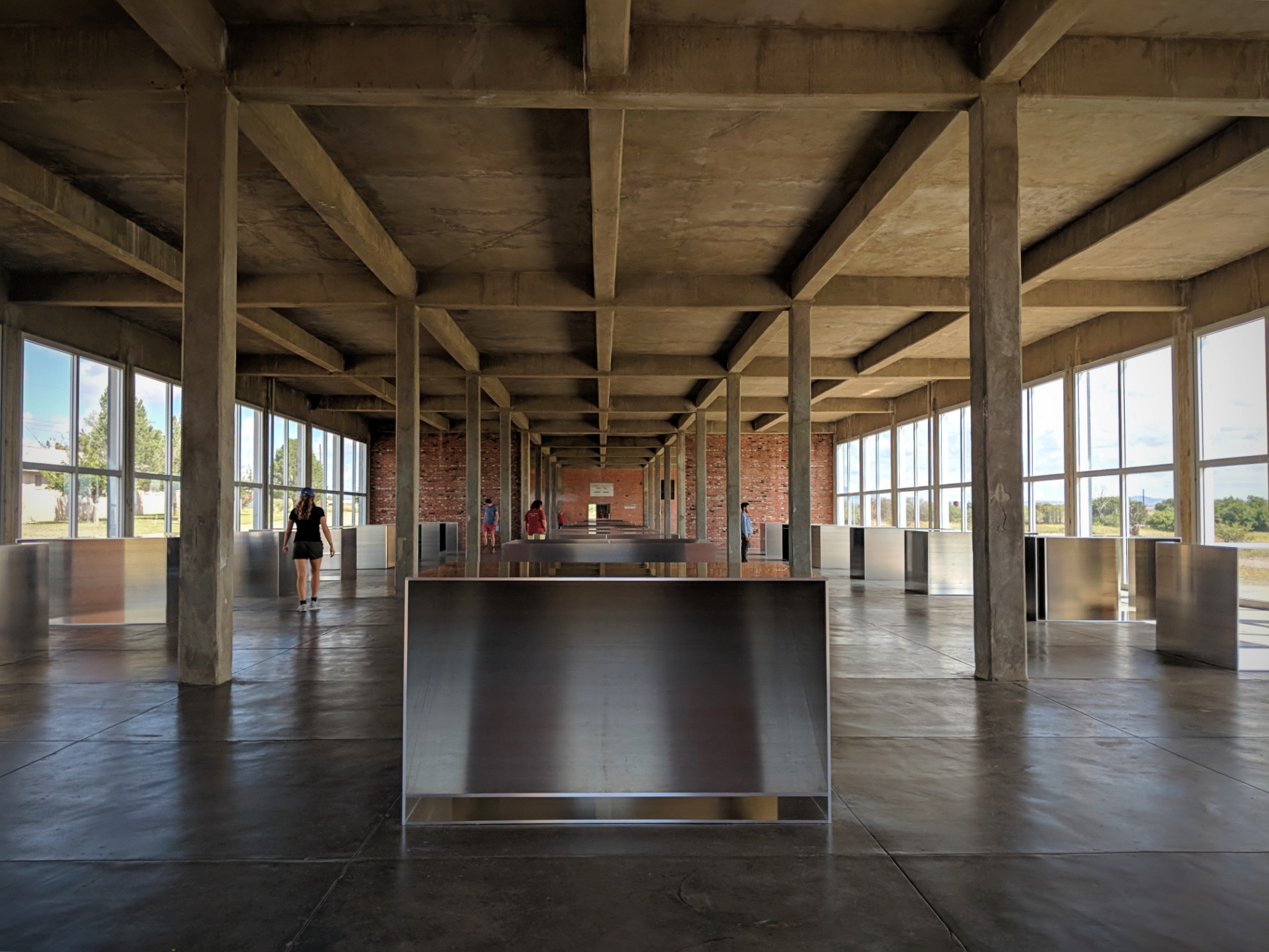
The Chinati Foundation opened to the public in 1987 as a museum hosting permanent collections of works by Donald Judd as well as by his friends, Dan Flavin and John Chamberlain (with 25 sculptures in a renovated wool warehouse in downtown Marfa). Judd later expanded the collection to include works by Claes Oldenburg and Coosje van Bruggen, Richard Long, Roni Horn, David Rabinowitch, Ilya Kabakov, and Ingólfur Arnarsson. Following Judd’s death in 1994, the museum completed additional projects: an installation of poems by Carl Andre (1995); a gallery of paintings by John Wesley (2004); and Robert Irwin’s untitled (dawn to dusk) (2016).

The Chinati Foundation is open year-round, but if you love mingling with the art crowd – or are fond of crowds in general – you may want to time your visit to coincide with the Chinati Weekend, an annual weekend-long event, the one time of year when all installations are open for self-guided viewing and the museum presents special exhibitions, talks, and performances, all free to the public.

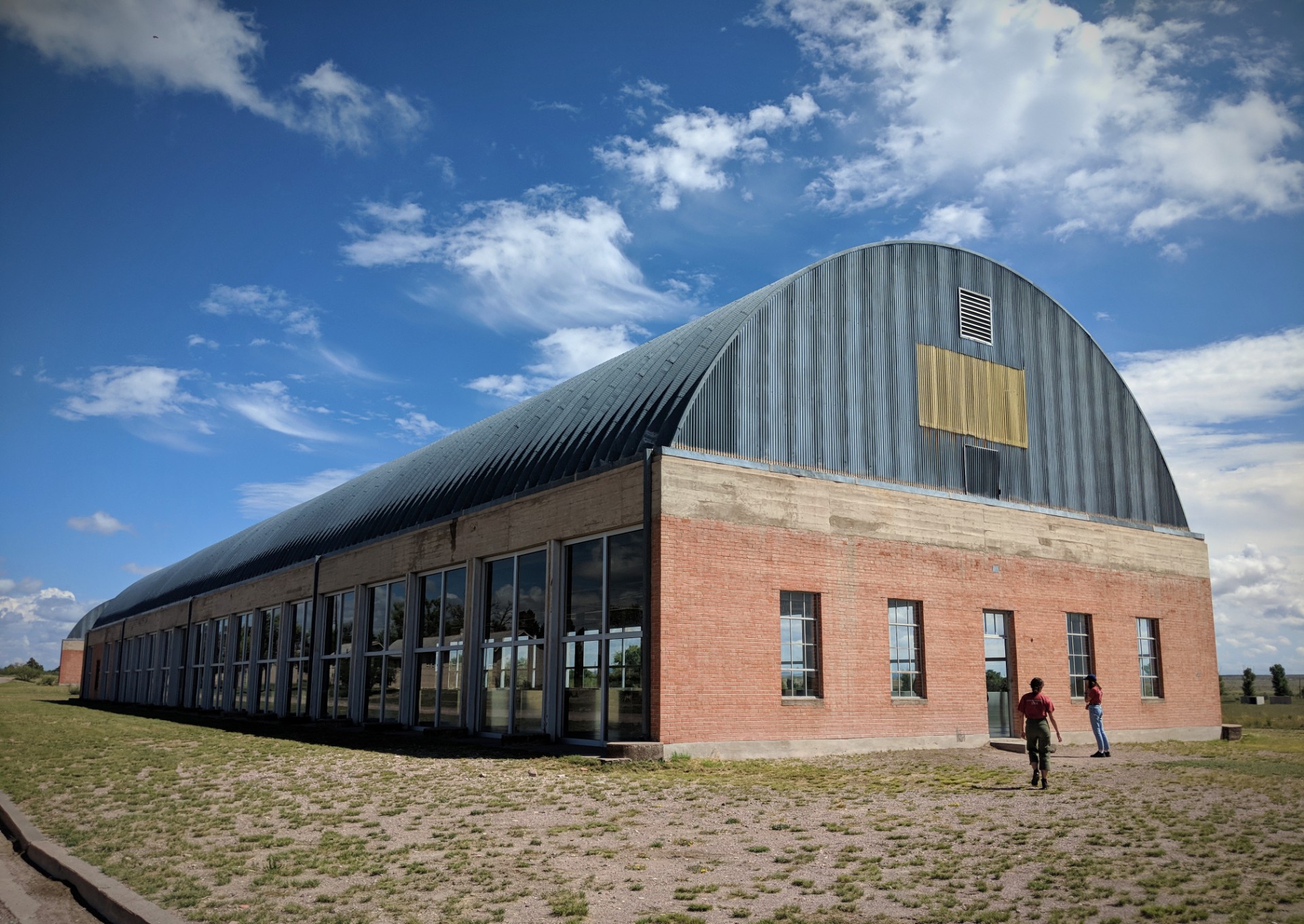
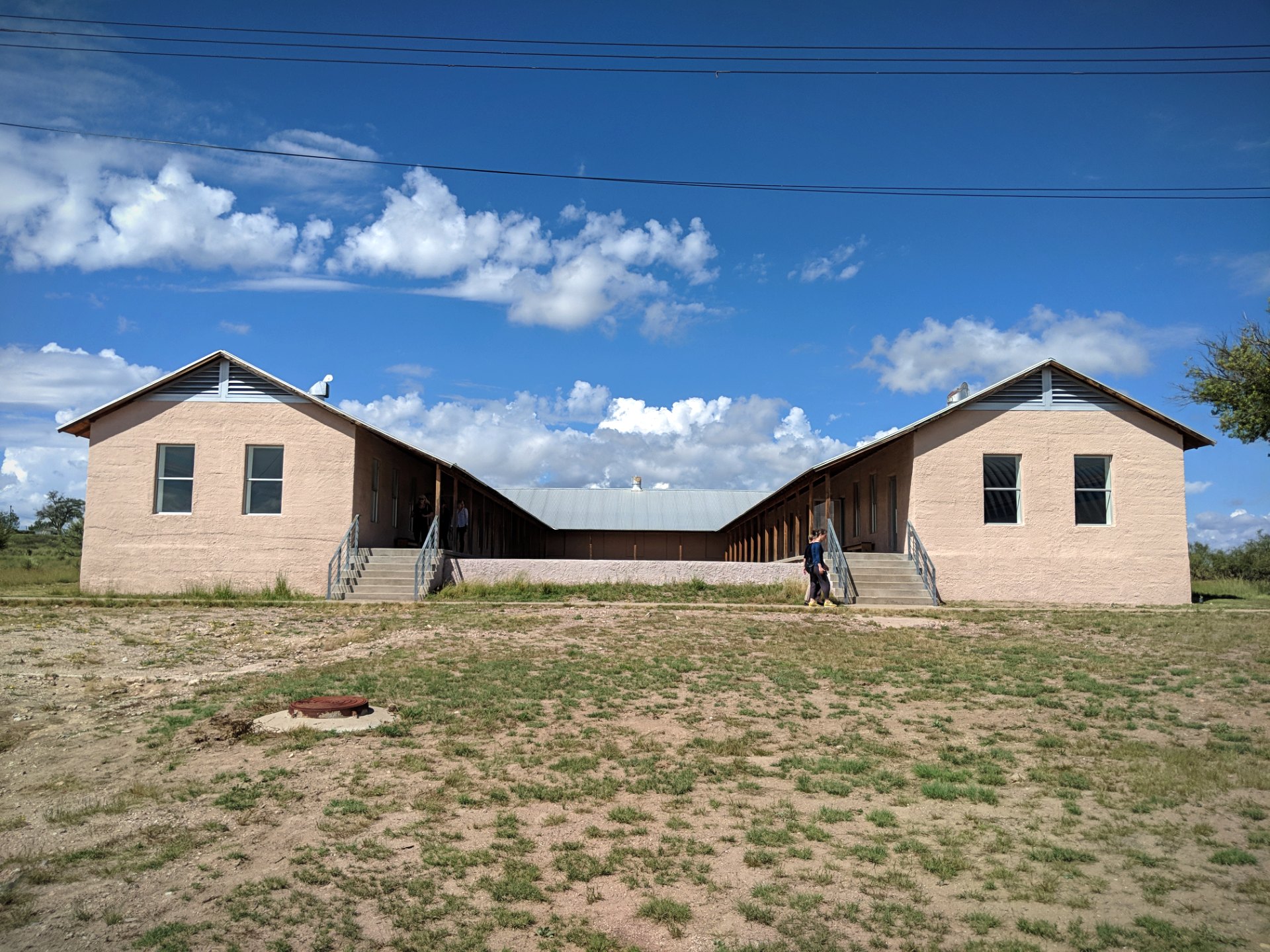
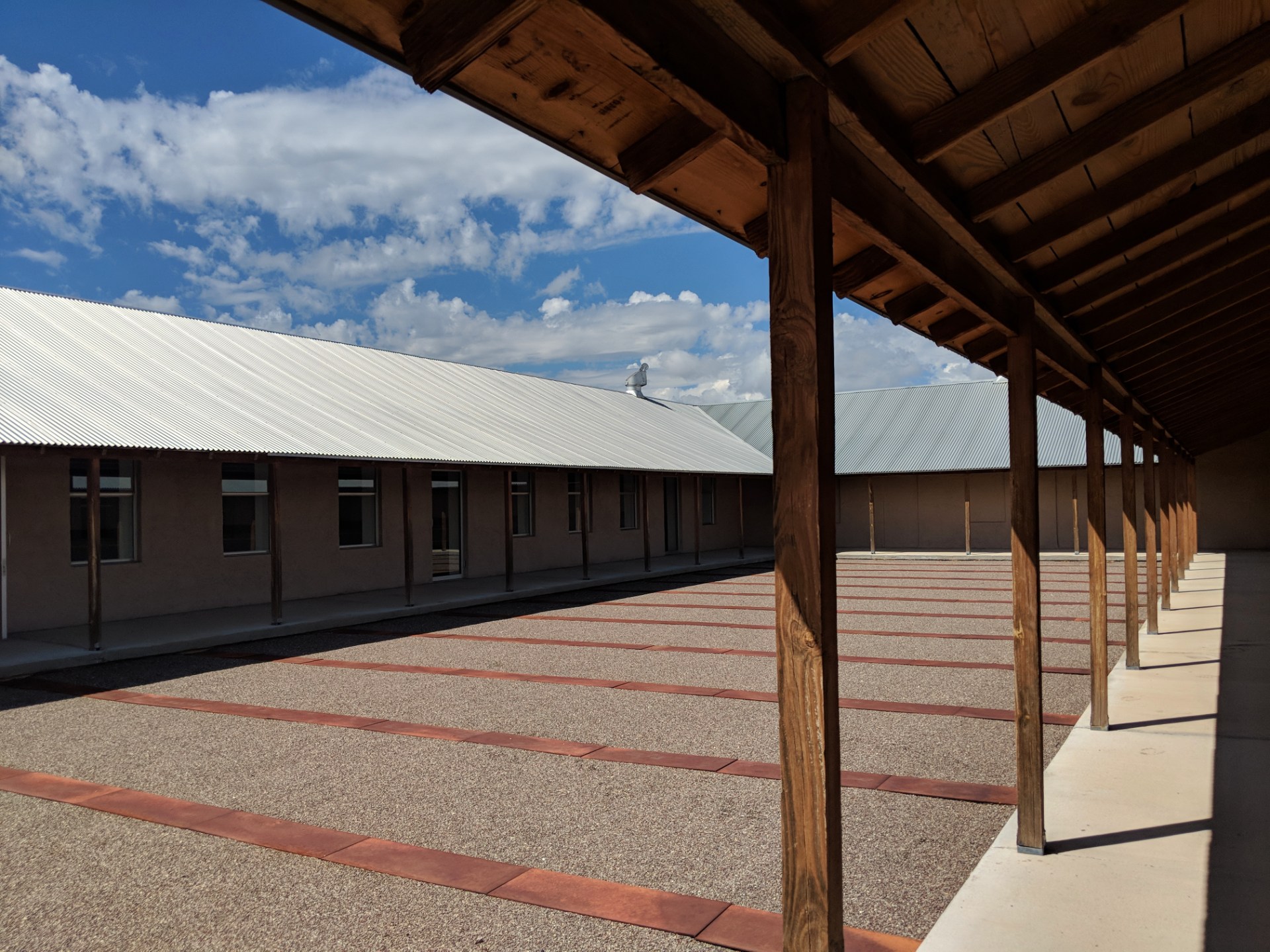
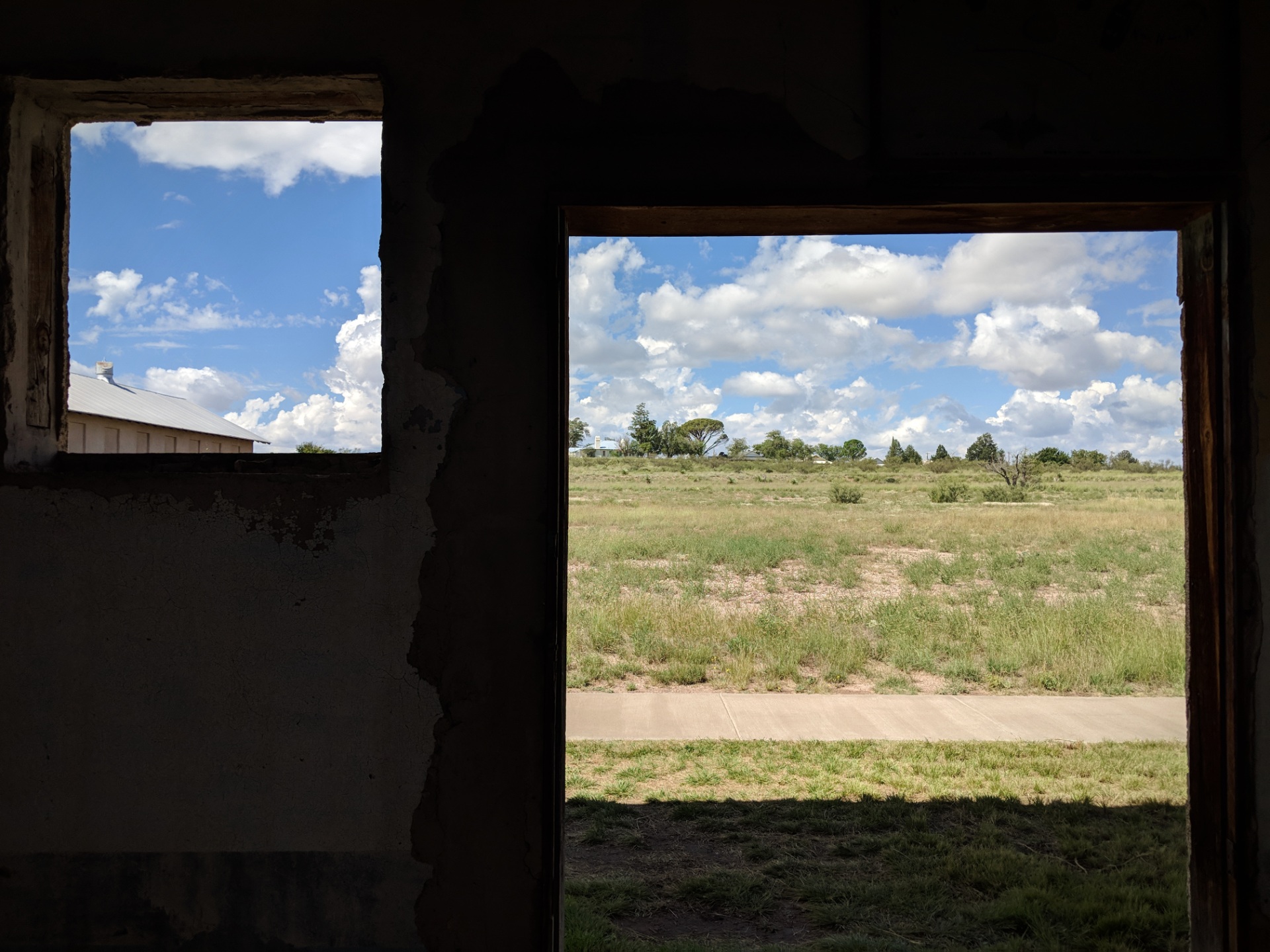
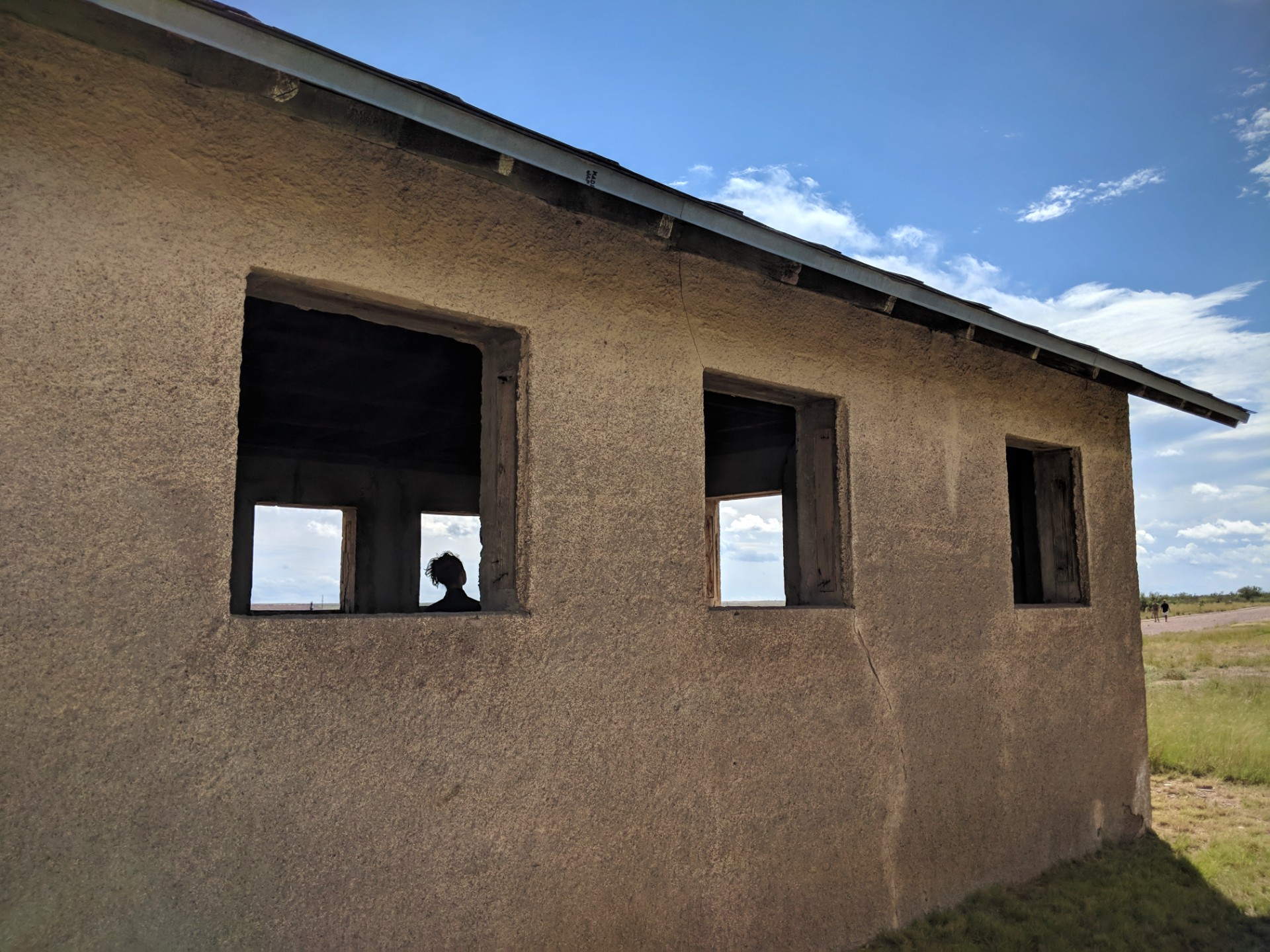
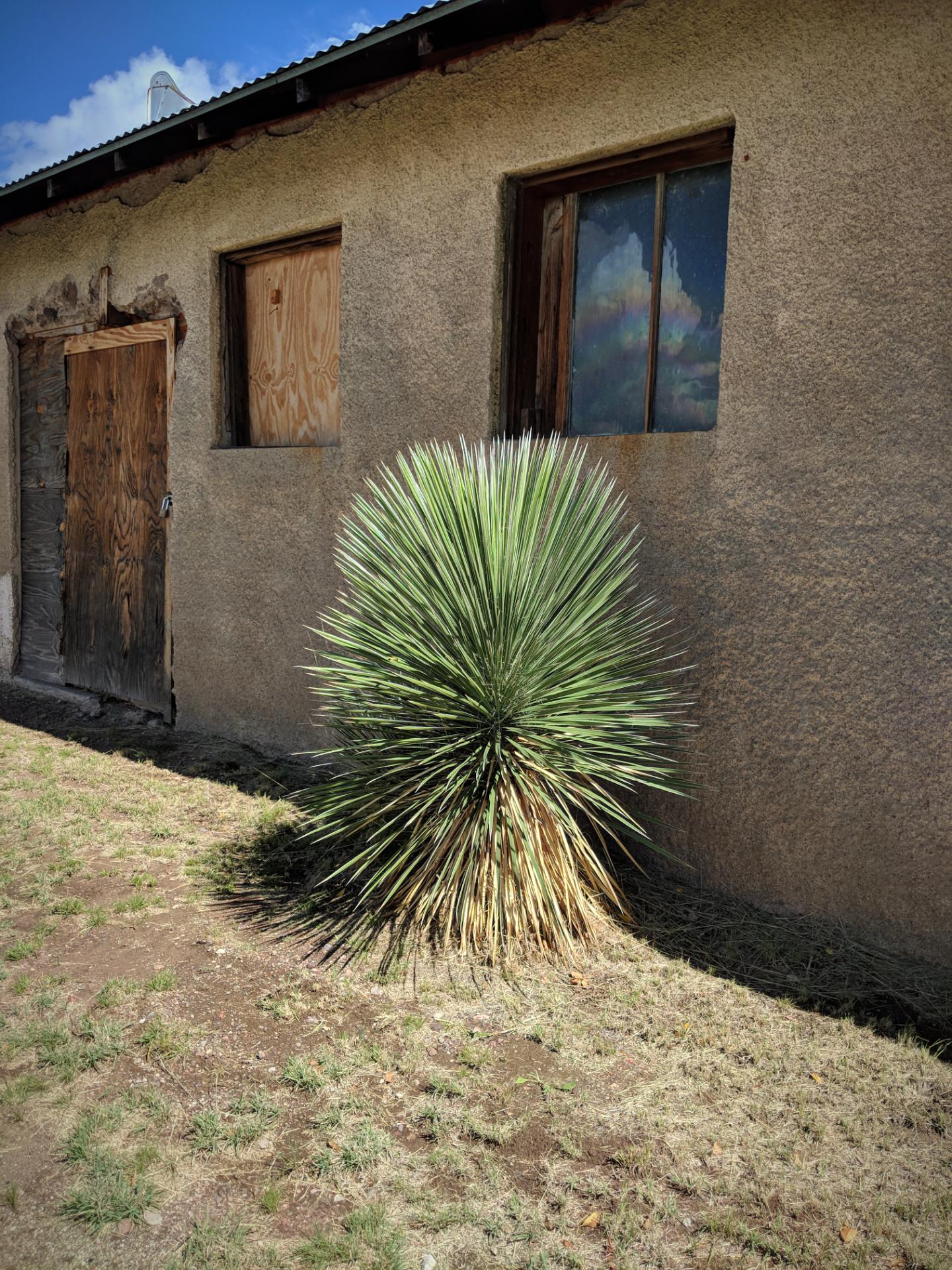
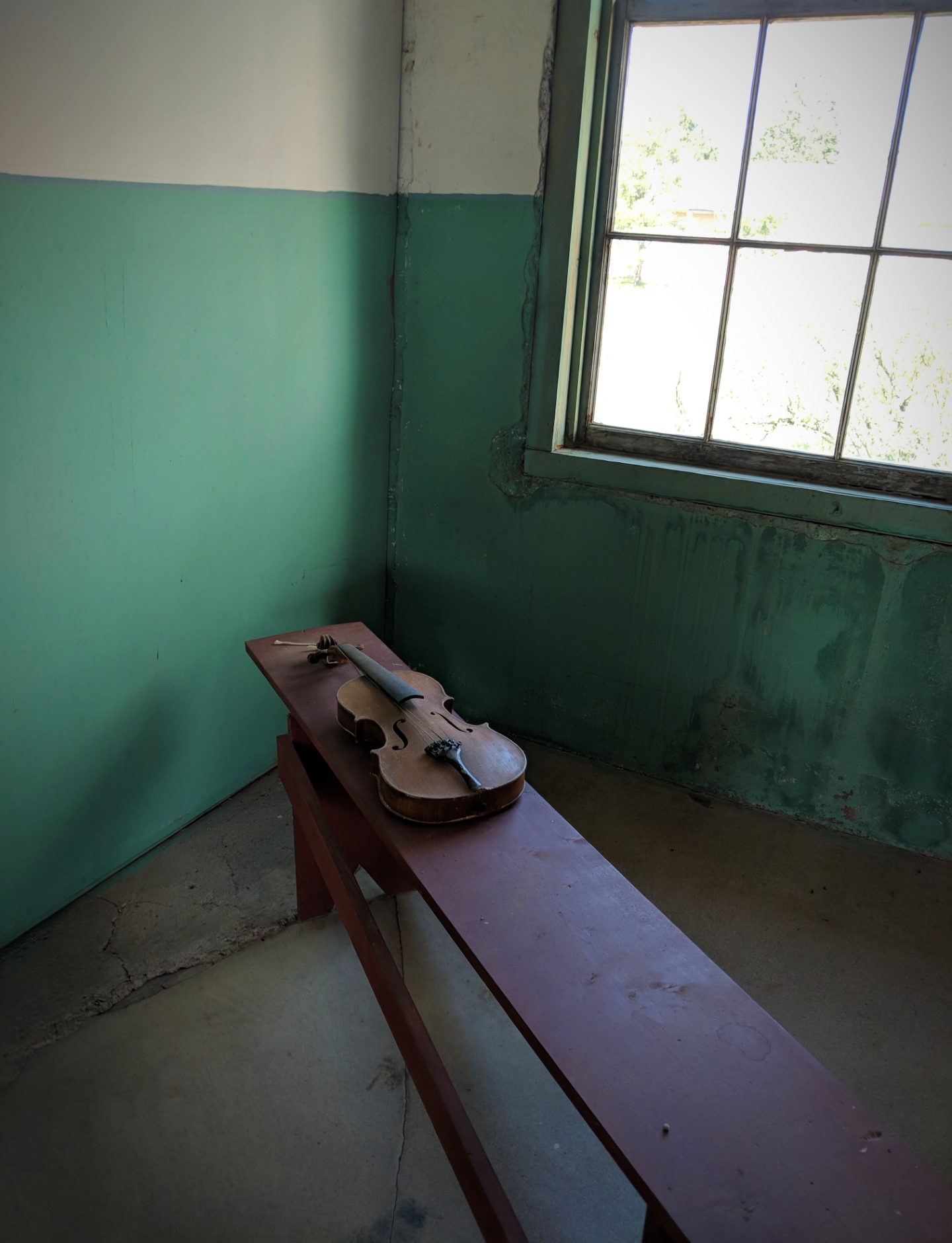
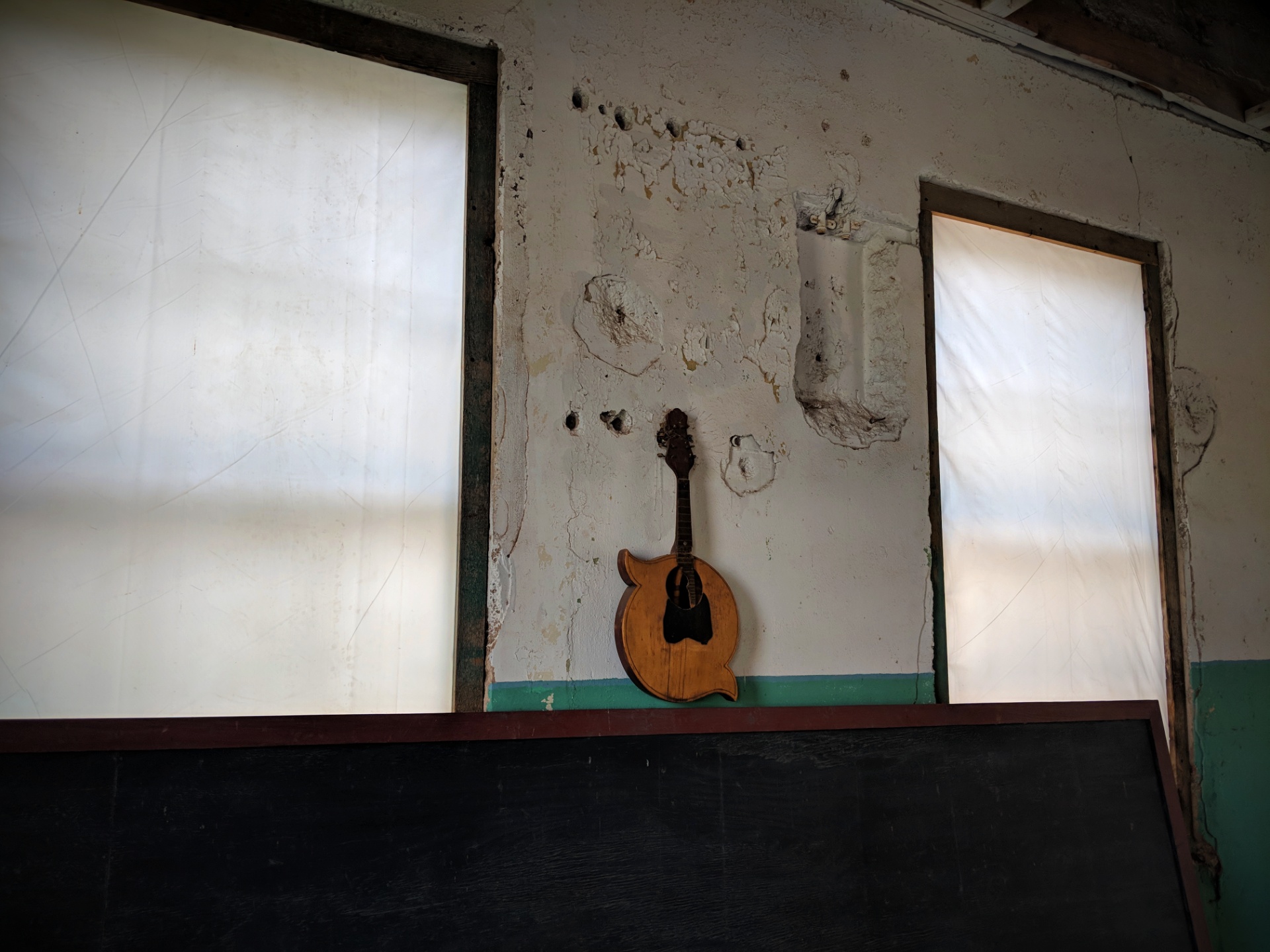
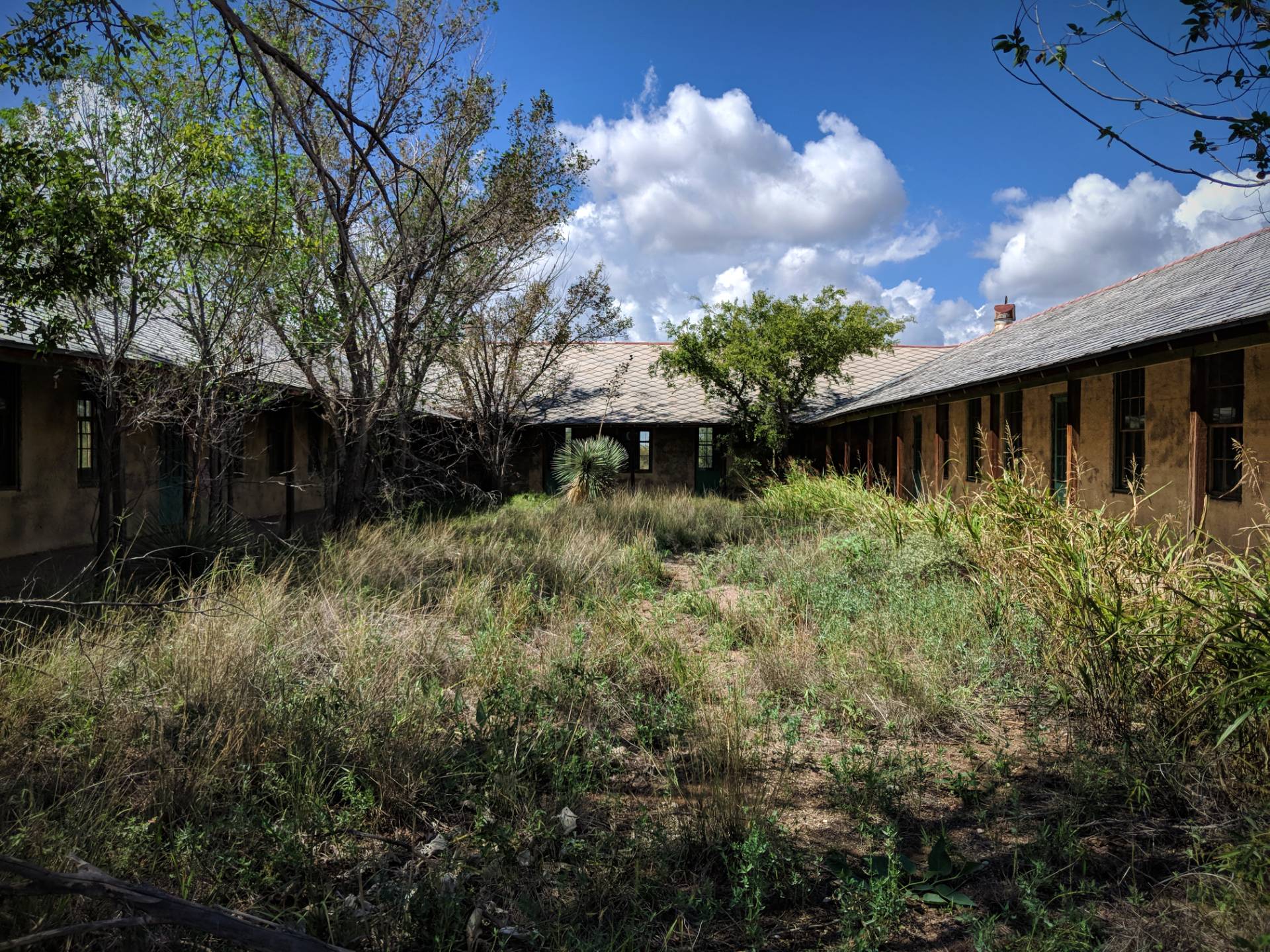
Photography in the galleries is not permitted ”to preserve the quality of experience for all visitors”, but there is always a way to sneak-a-pic, as a keepsake. I was also fascinated by the character and monumental size of the buildings themselves, all which house permanent art installations. Needless to mention, we needed two days to see everything.
Marfa, TX

October 6th, 2018
You can go to hell — I’m going to Marfa

With Davy Crockett’s more famous quote in our minds we hopped on a cab to La Guardia, then on a plane to Atlanta, followed by another plane to El Paso; two planes, one airport car rental and twelve-and-a-half hours later, we arrived in the middle of nowhere and into a Twilight Zone episode about a giant art gallery that had mysteriously appeared in the desert. Was this a dimension as vast as space and as timeless as infinity, or just another sleepy small time Texas town? The answer was left open to our imagination. We had three days to find out and not a moment to lose.

Episode 1 – Prada

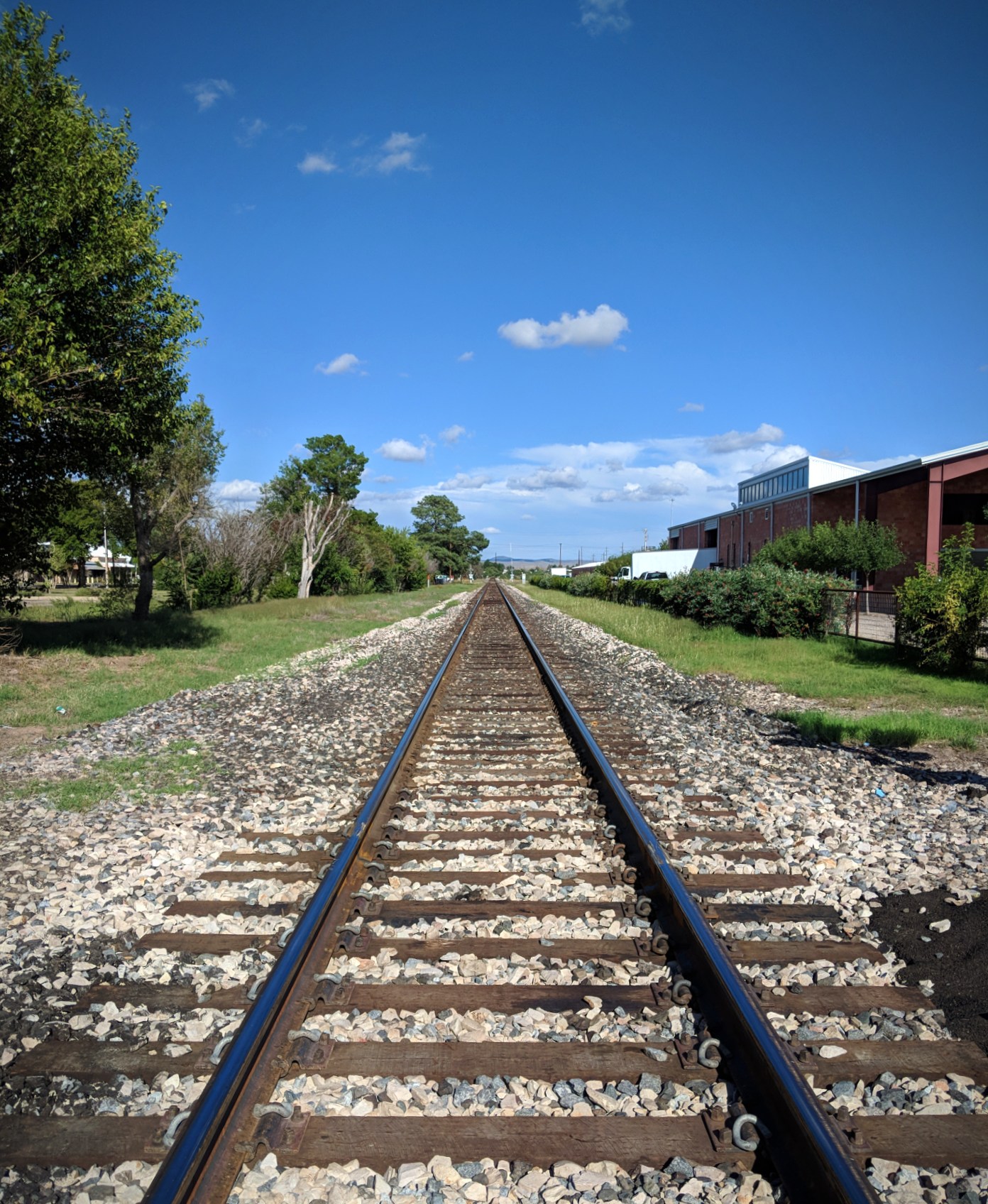
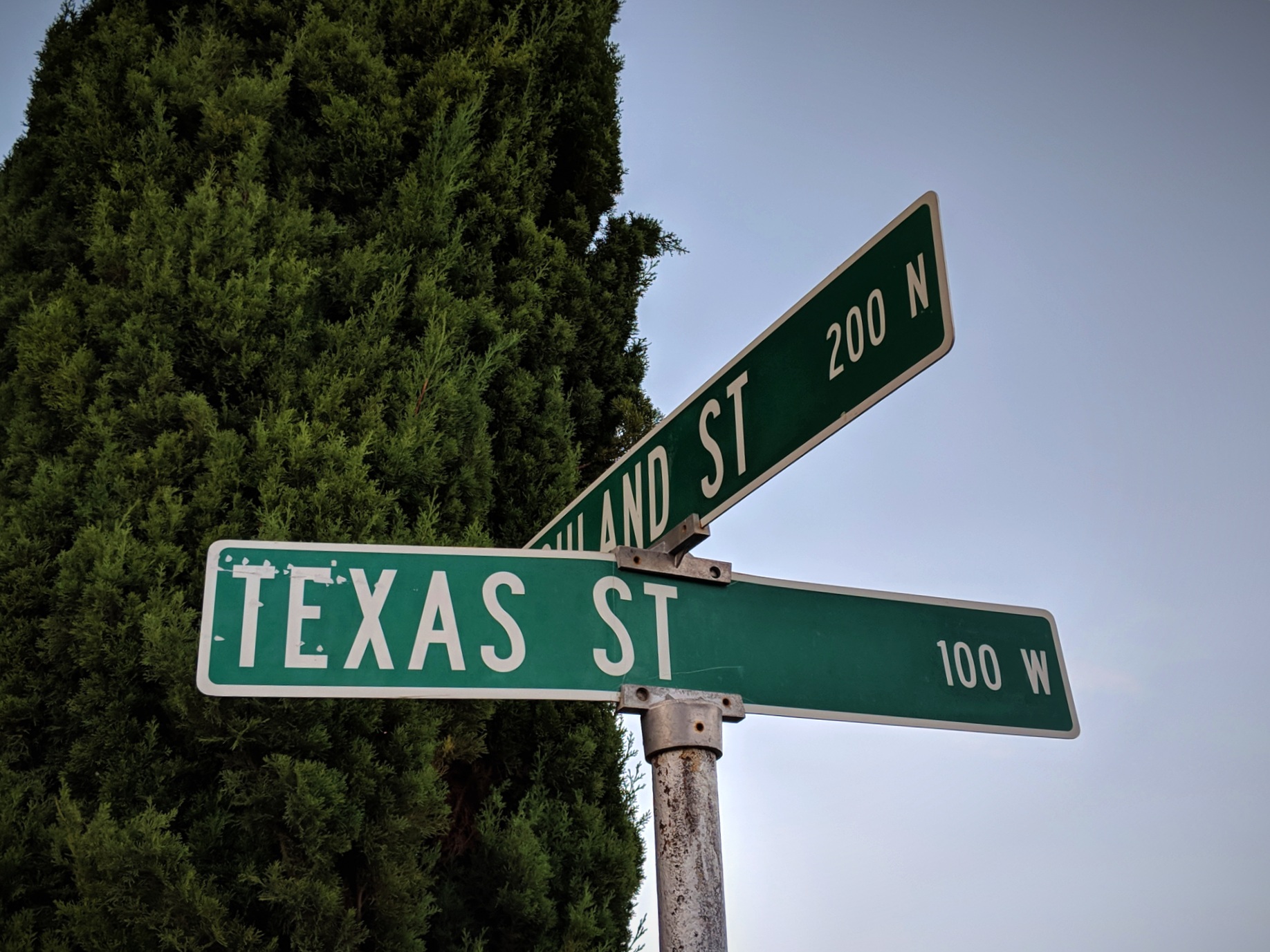
Marfa’s charming weirdness extends beyond it’s boundaries. Just off US 90, about 26 miles northwest of the town, expect the unexpected.

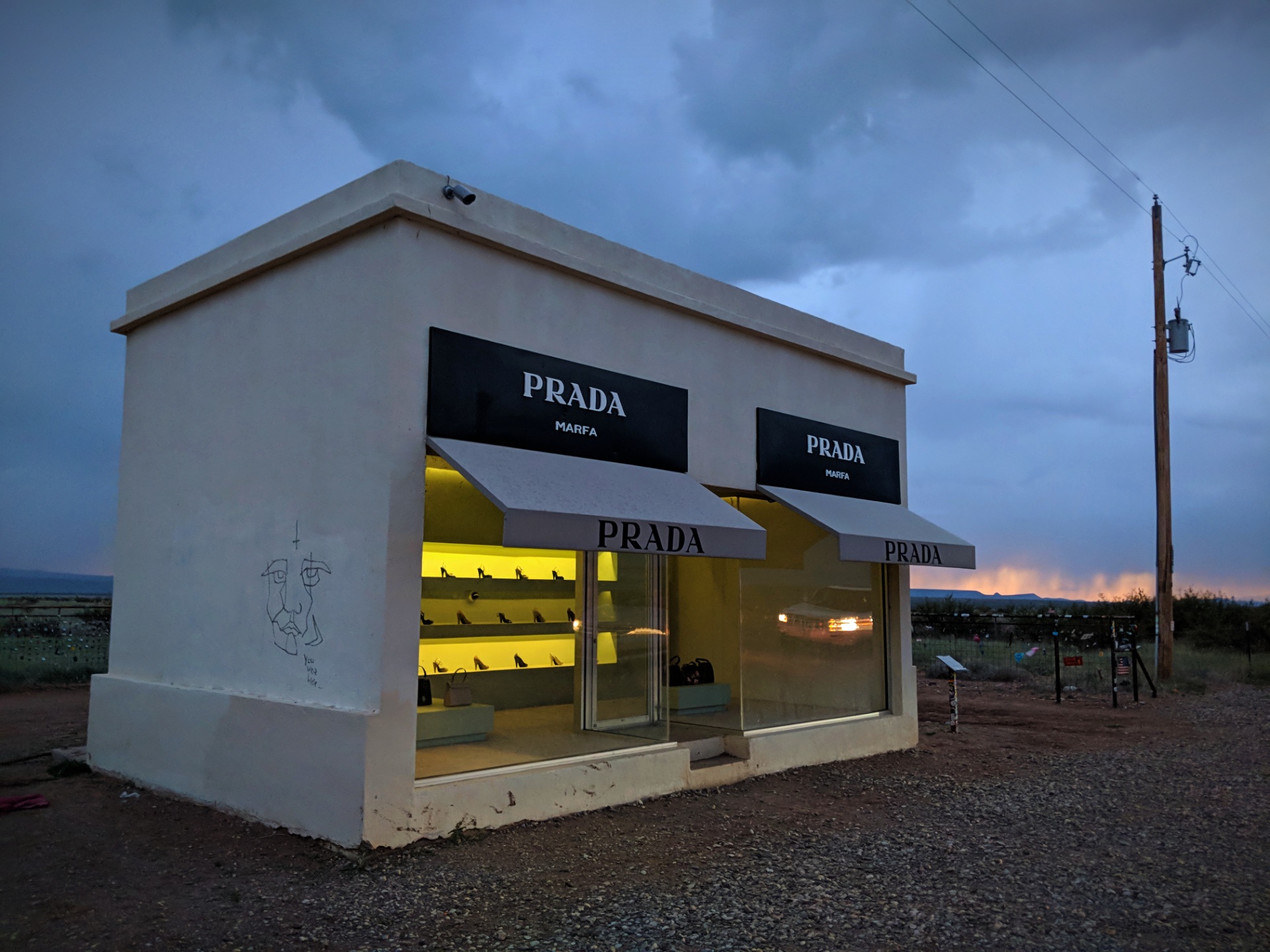
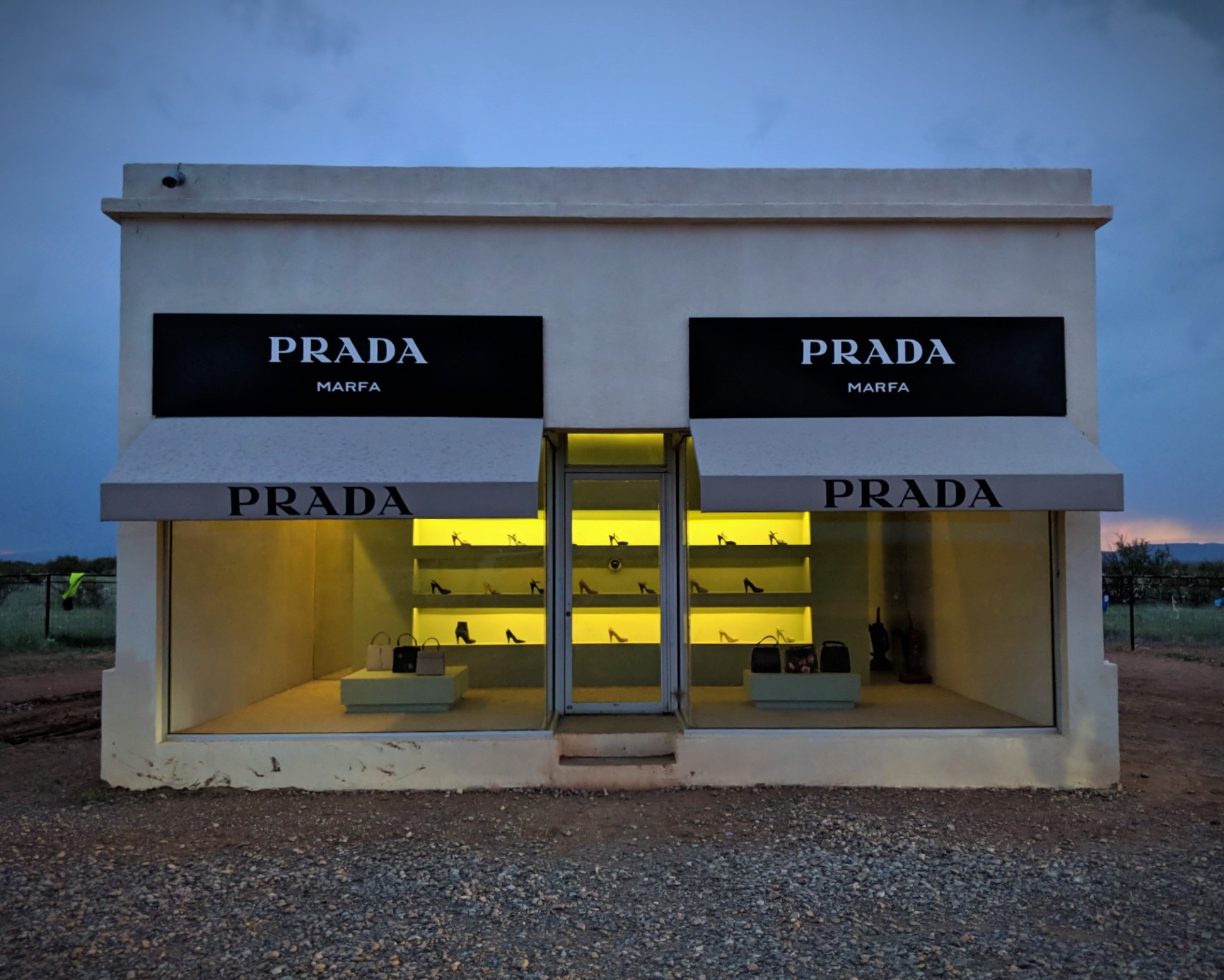
Prada Marfa is a permanent installation by artists Elmgreen and Dragset.

Built in 2005, with the intention to let it fall into decay, it has since been broken into, its contents stolen (the very night it was completed), vandalised, graffitied, created controversy when Playboy erected a 40-foot-tall neon bunny nearby, attracting the attention of the Texas Department of Transportation, became an Instagram sensation and reclassified as a museum, with the Prada Marfa as its only exhibit.

Both the bunny and Prada Marfa were considered illegal advertisements according to the 1965 Highway Beautification Act and the reclassification of the structure as Museum would exempt it from the signage rules. The bunny has since been removed.

Episode 2 – Marfa

Tough to Get Here. Tougher to Explain. But Once You Get Here, You Get It.

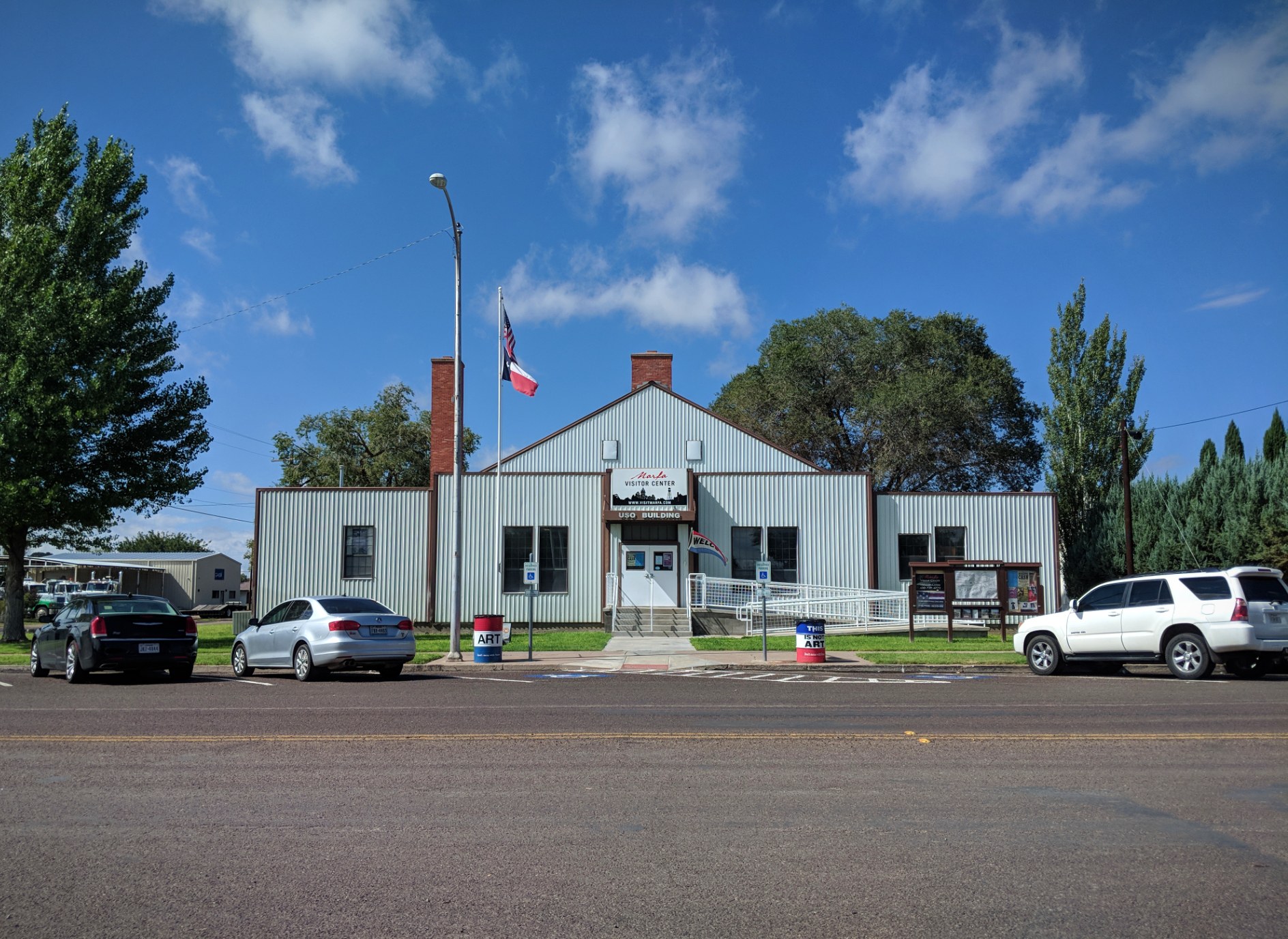
Marfa Visitor Center, inside the Historic USO Building.

Episode 3 – The Notable Features

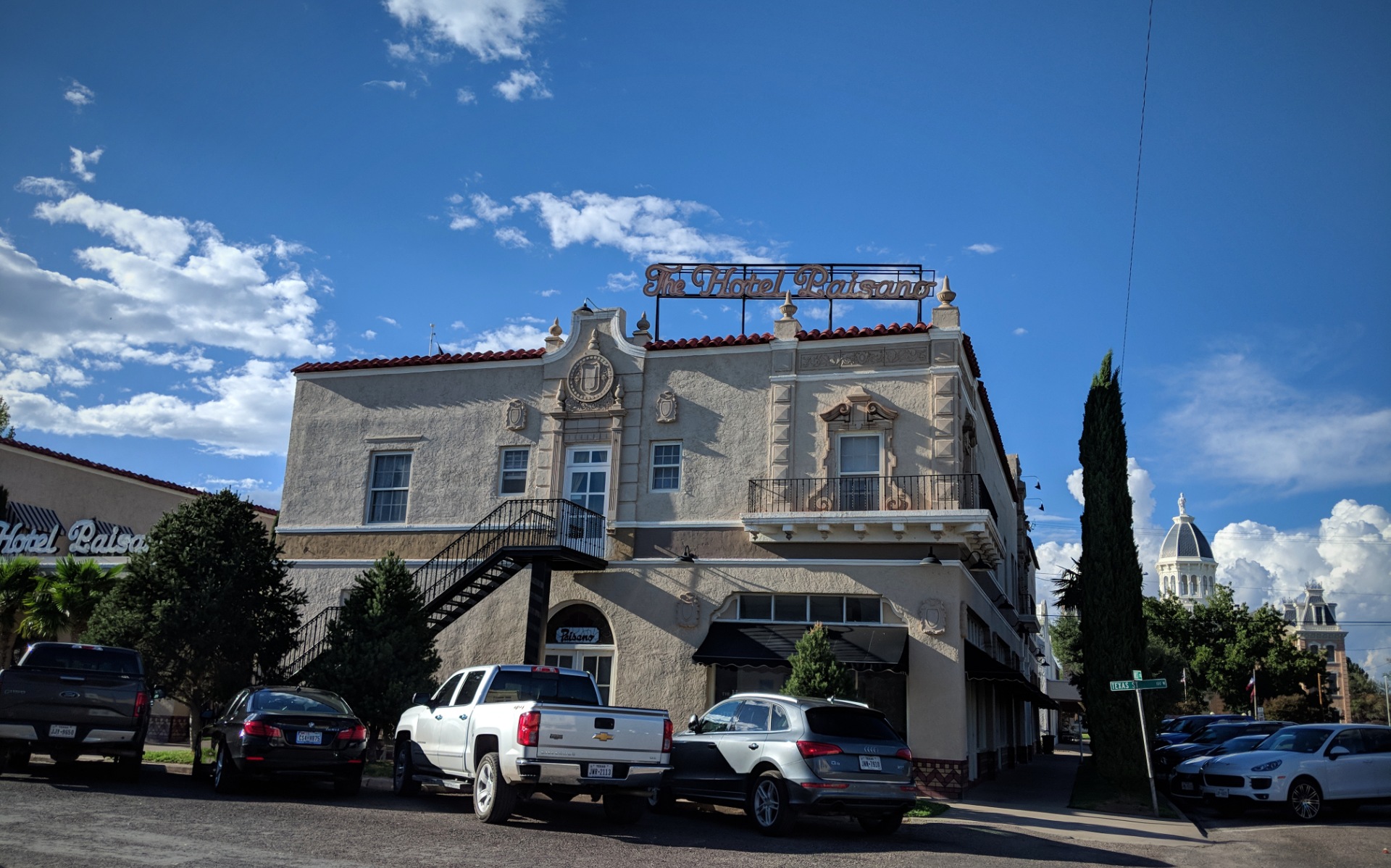
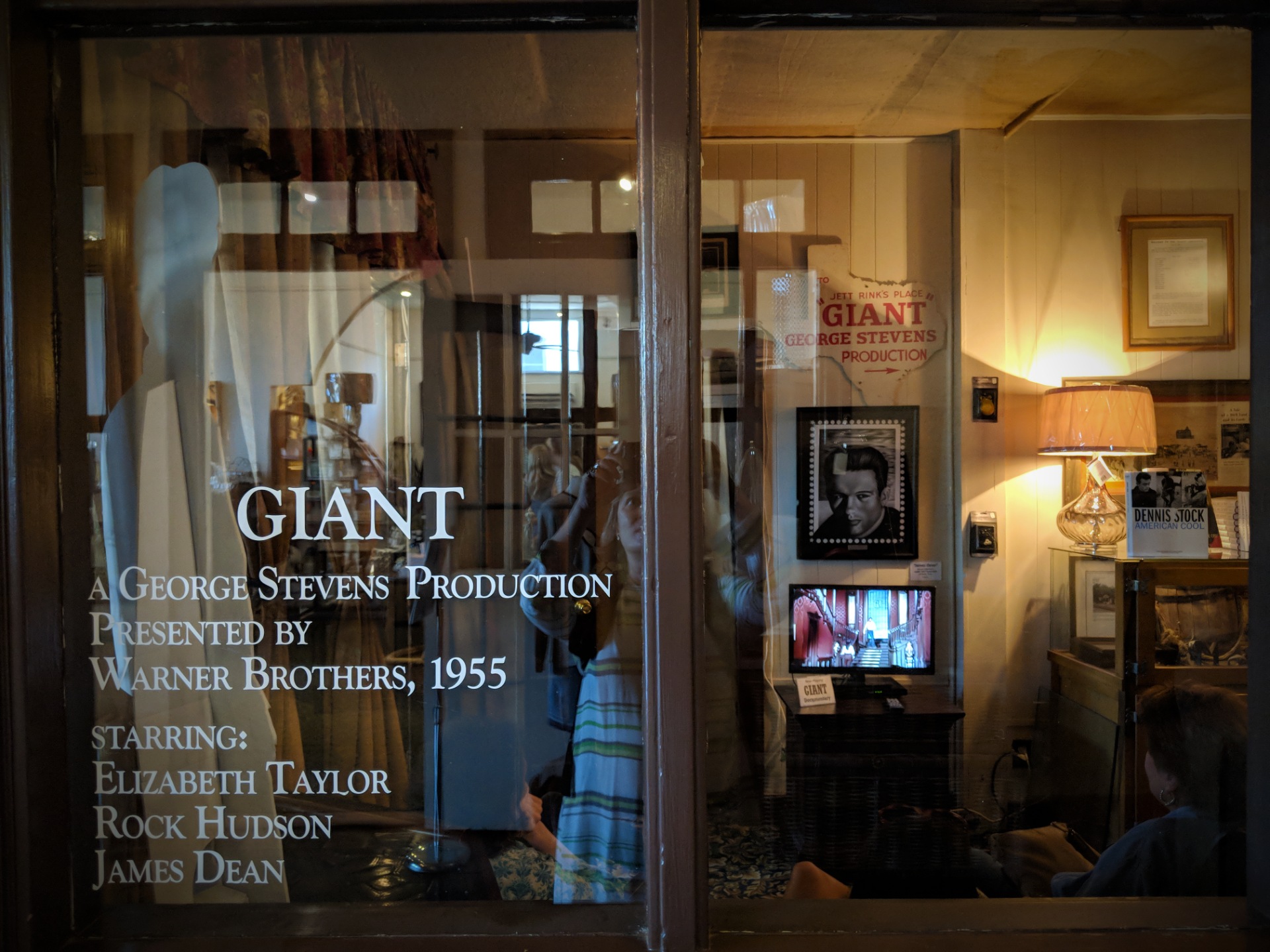
The Hotel Paisano, aka headquarters for the cast and crew filming Giant in the summer of 1955.

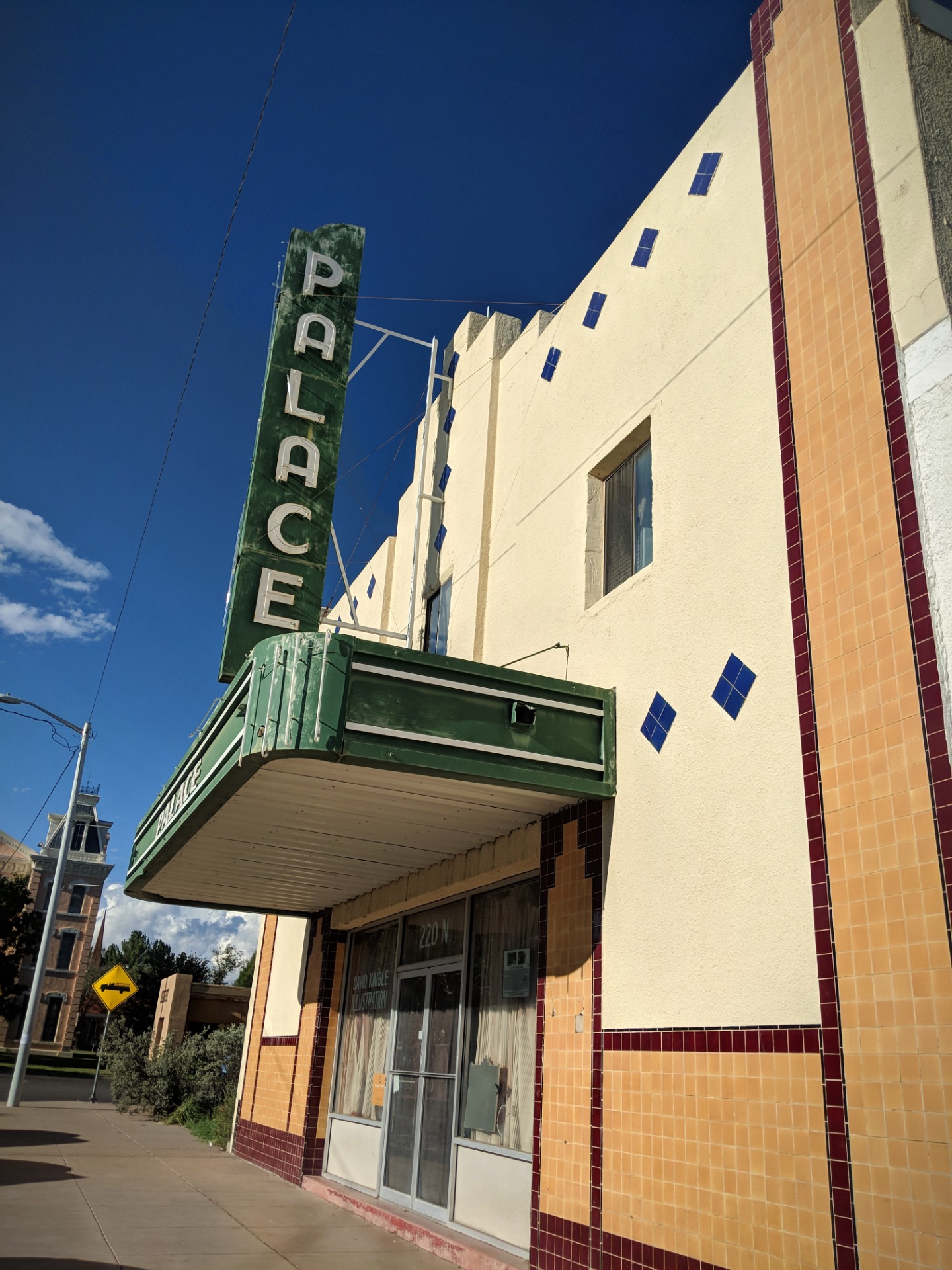
The Art Deco Palace Theater, aka Marfa Opera House. Later, it became a movie theatre but has been closed since the 1970s.

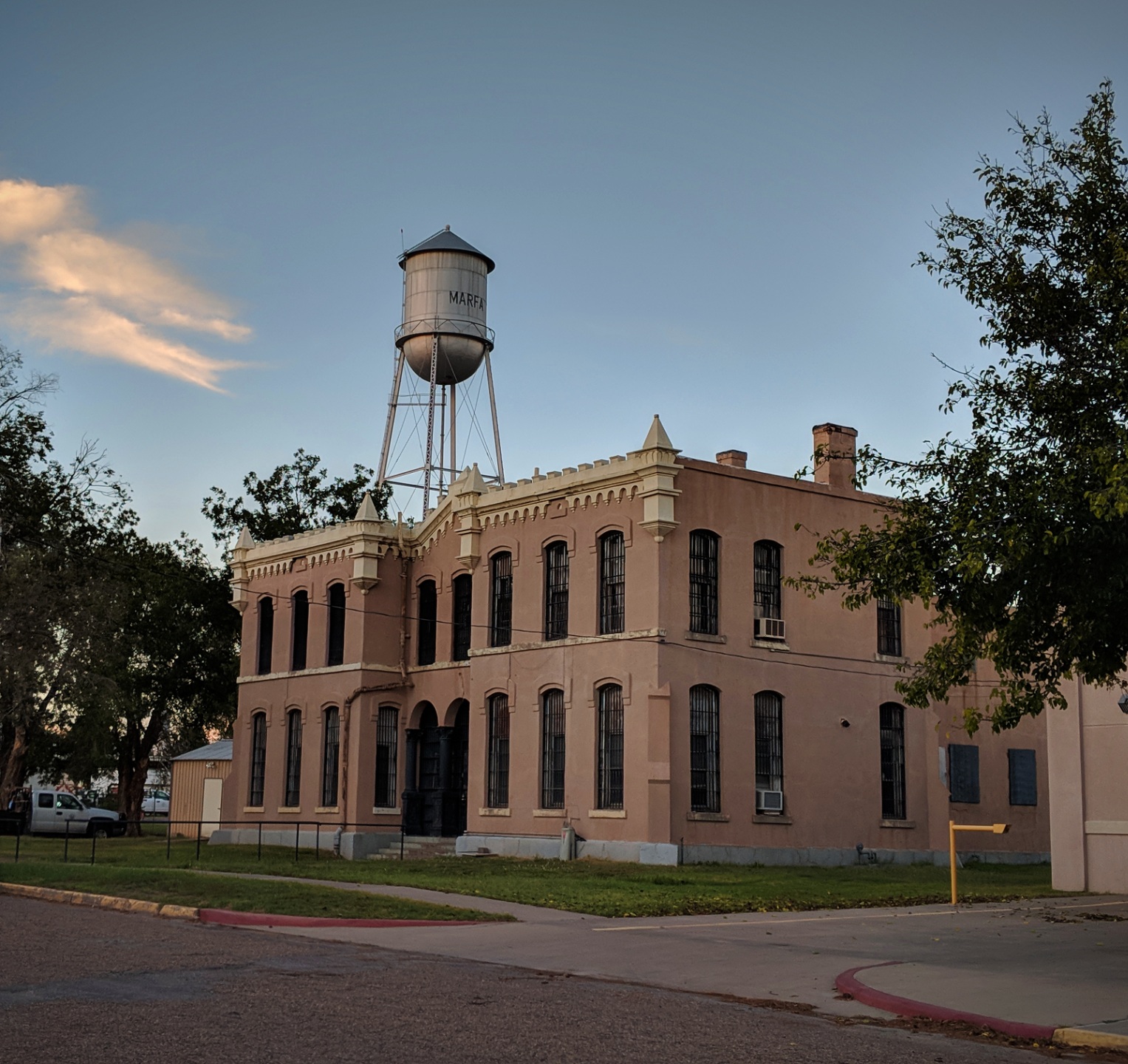
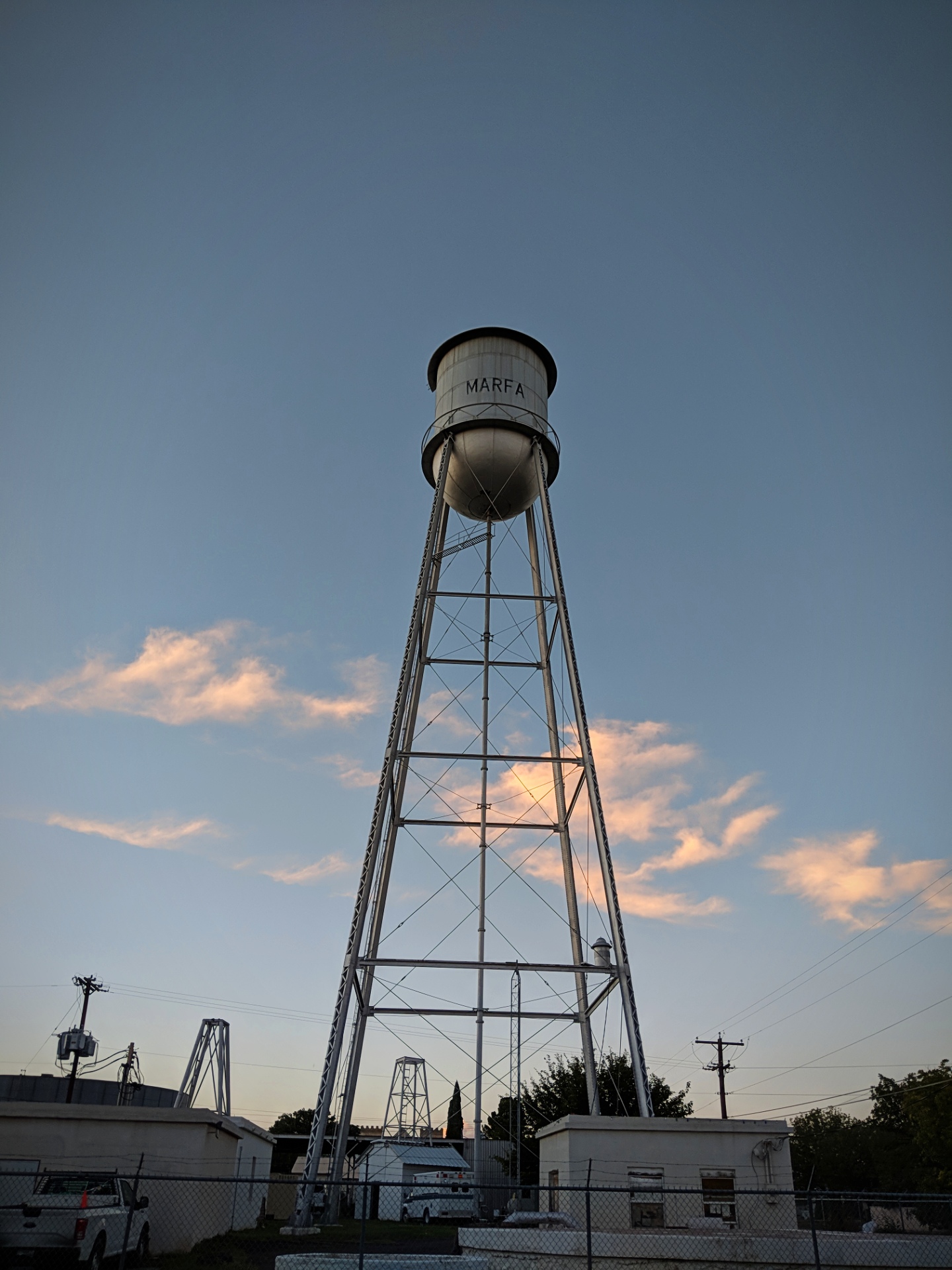
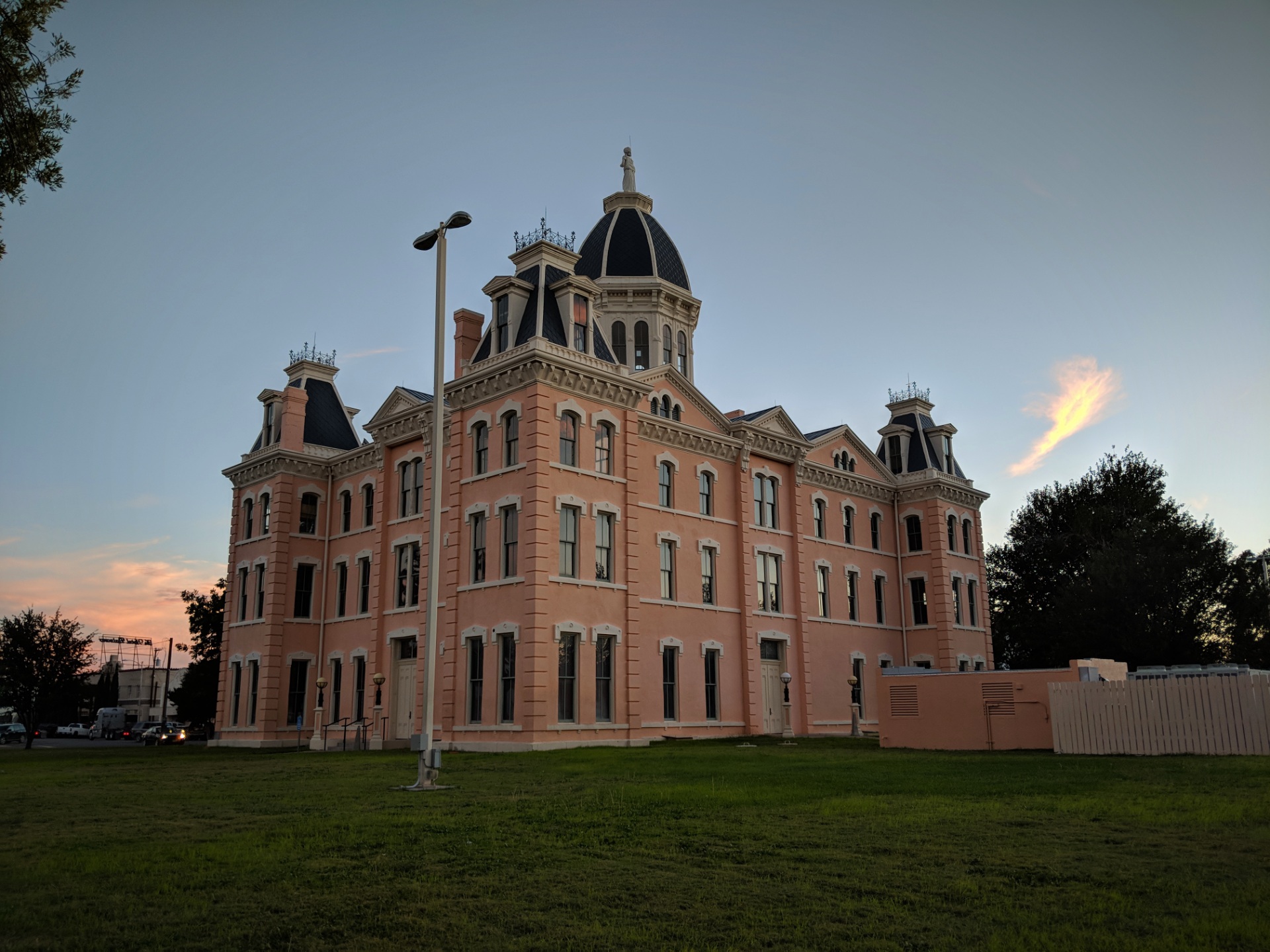
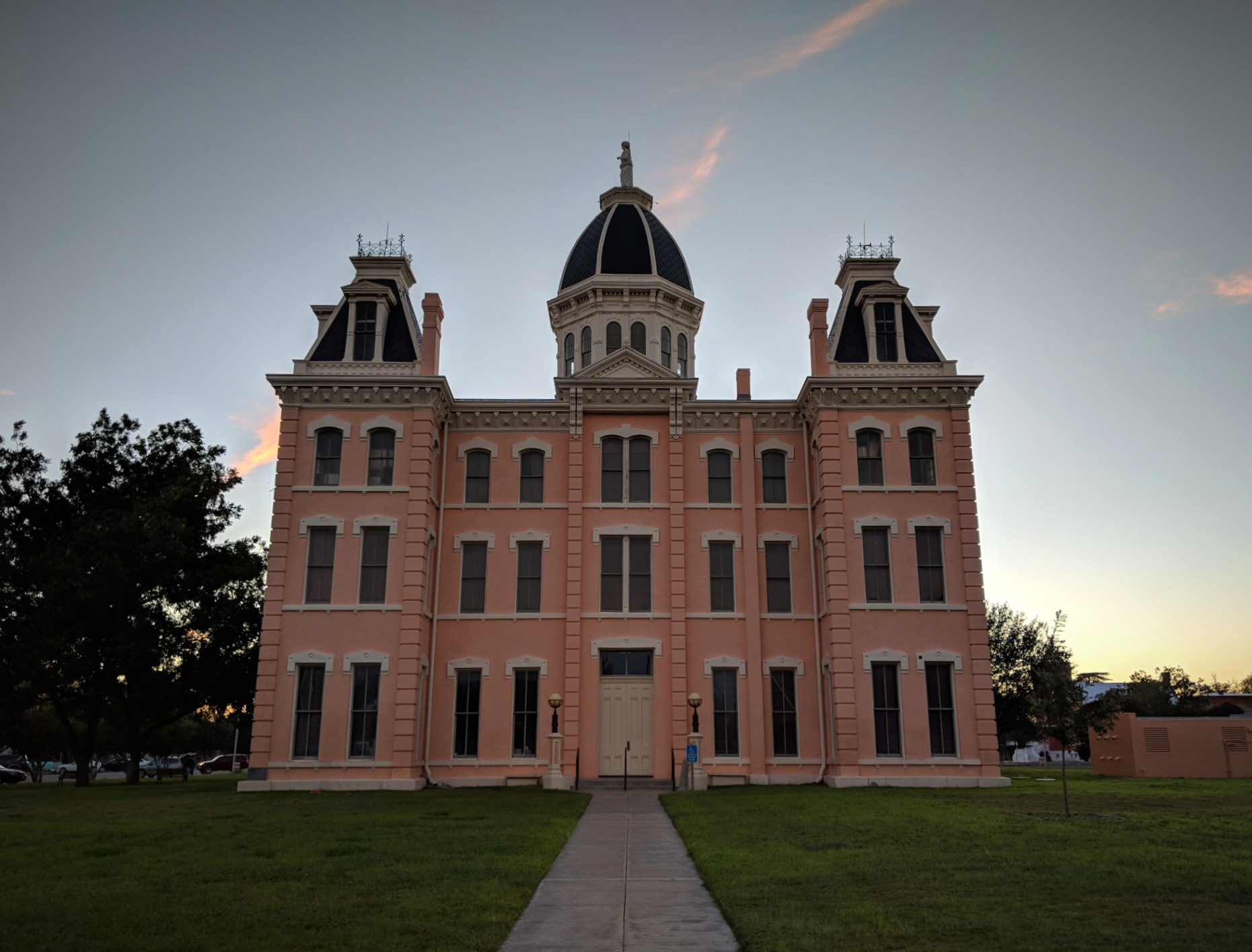
The Marfa Water Tower and the Presidio County Courthouse. Both can be seen from almost everywhere in Marfa, since they are the tallest structures in town.

Marfa, TX

October 6th, 2018
Kentuck Knob || The Grounds

No house should ever be on a hill or on anything. It should be of the hill. Belonging to it. Hill and house should live together each the happier for the other. – Frank Lloyd Wright

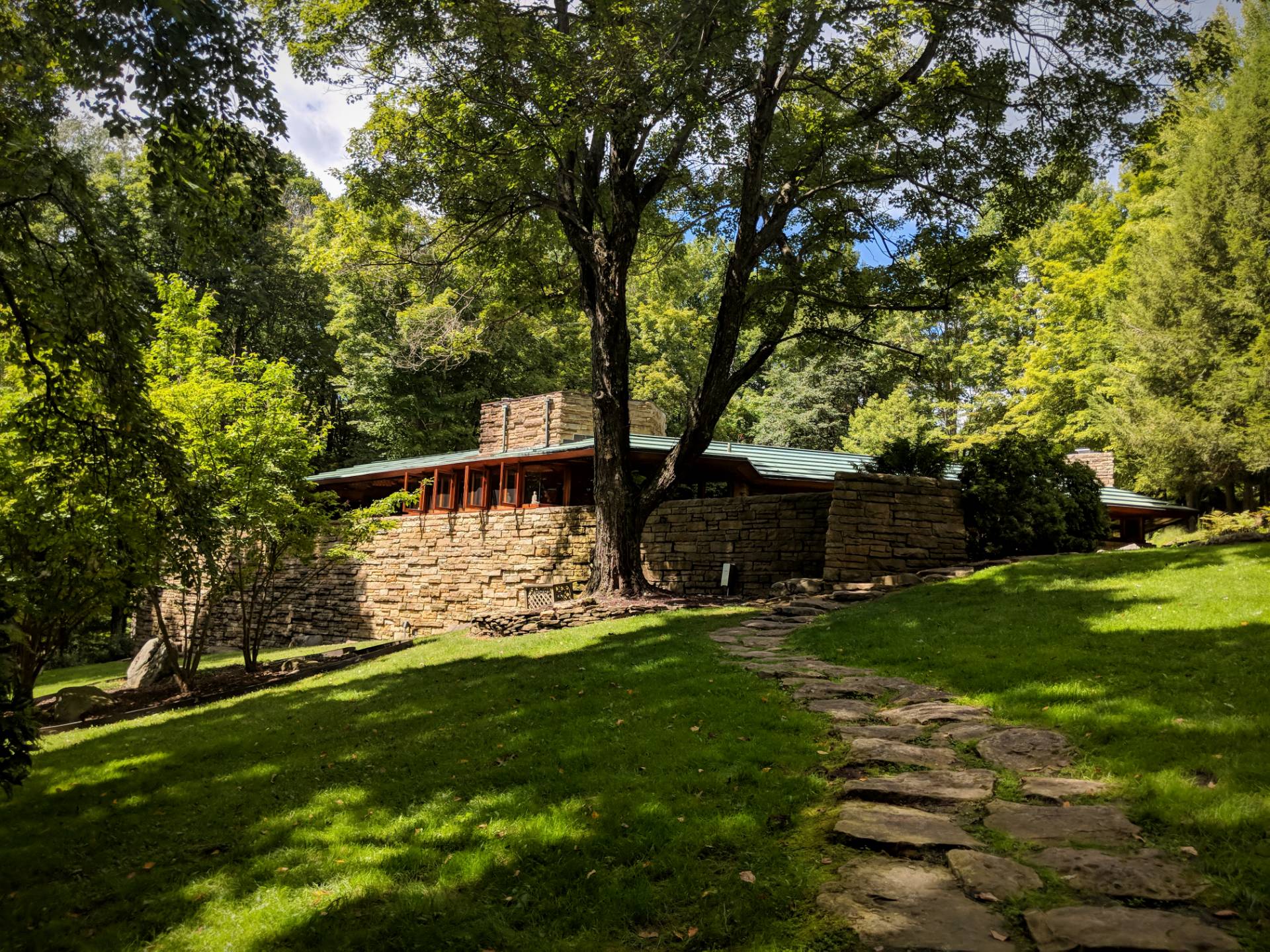
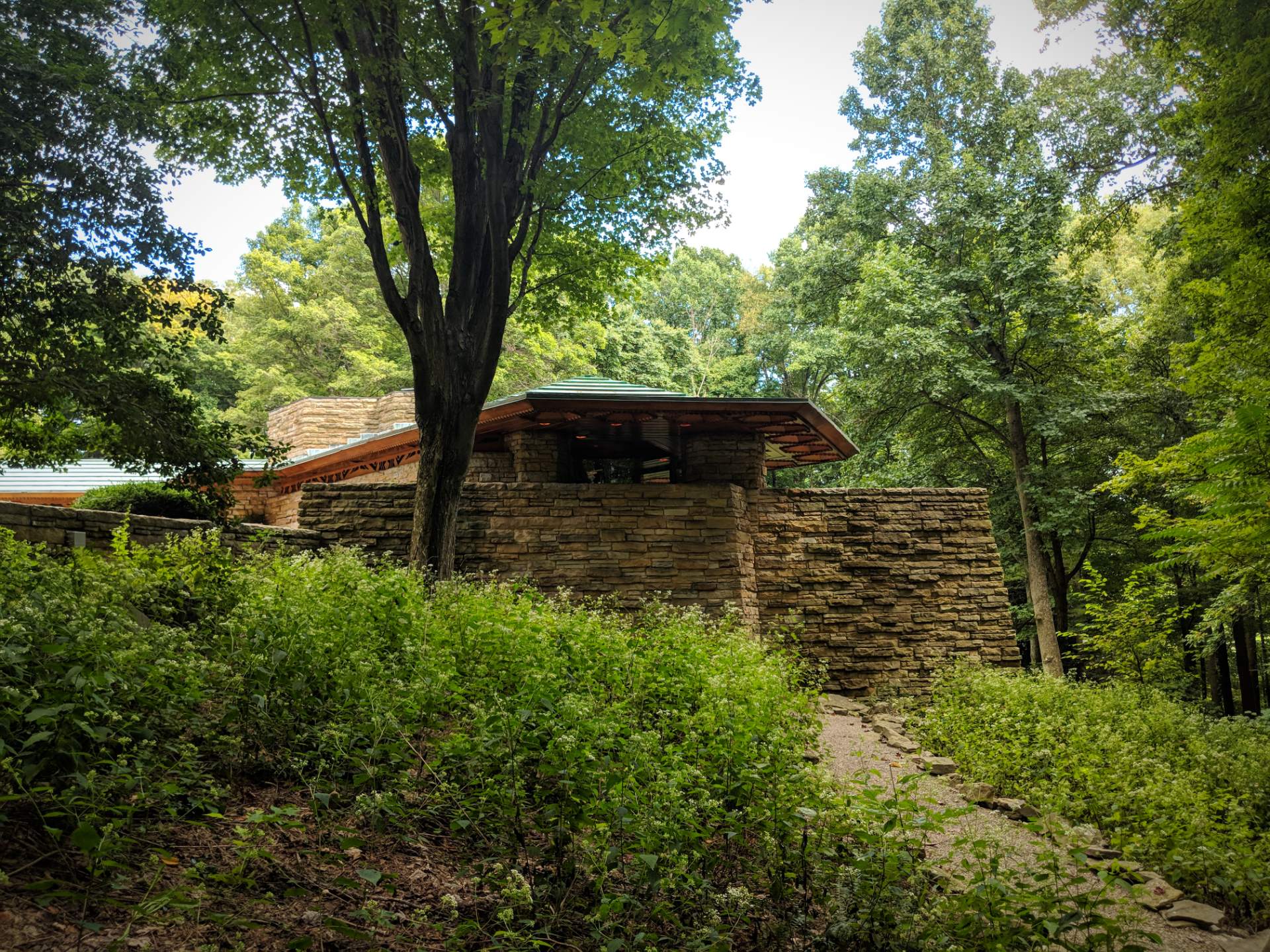
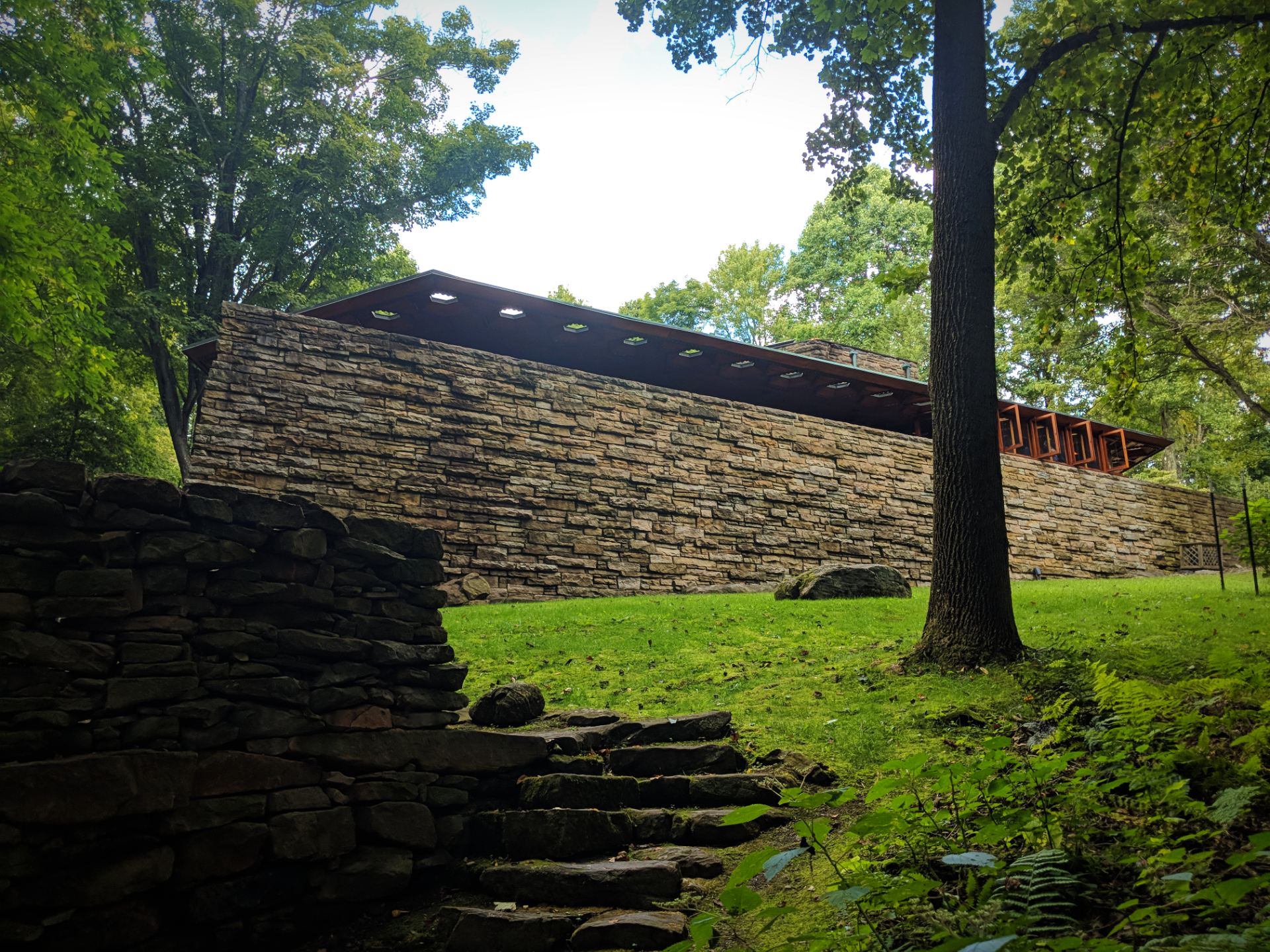
Thus Kentuck Knob was born of sandstone and tidewater red cypress, out of the side of the hill, being one with the hill, belonging to it.

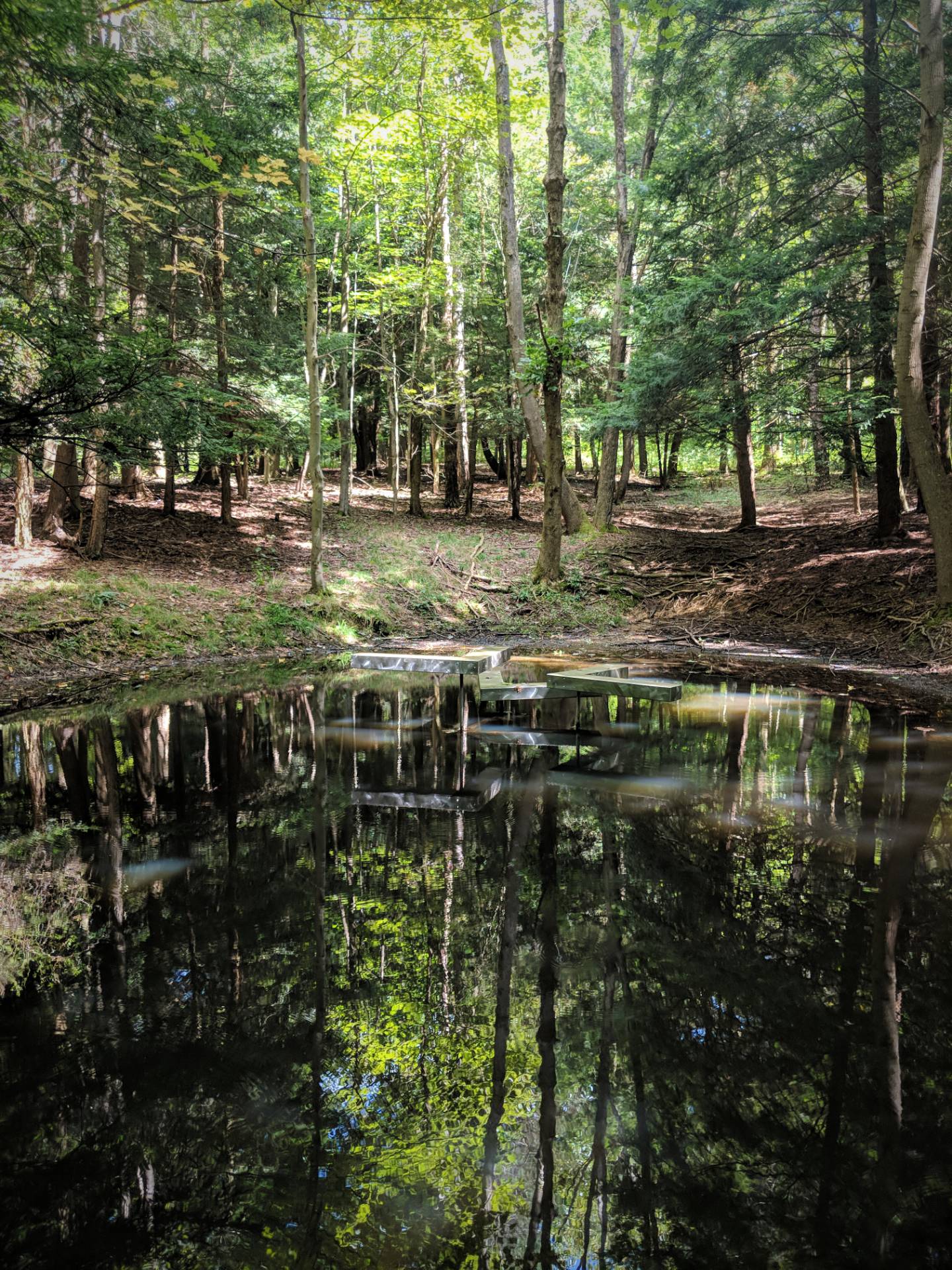
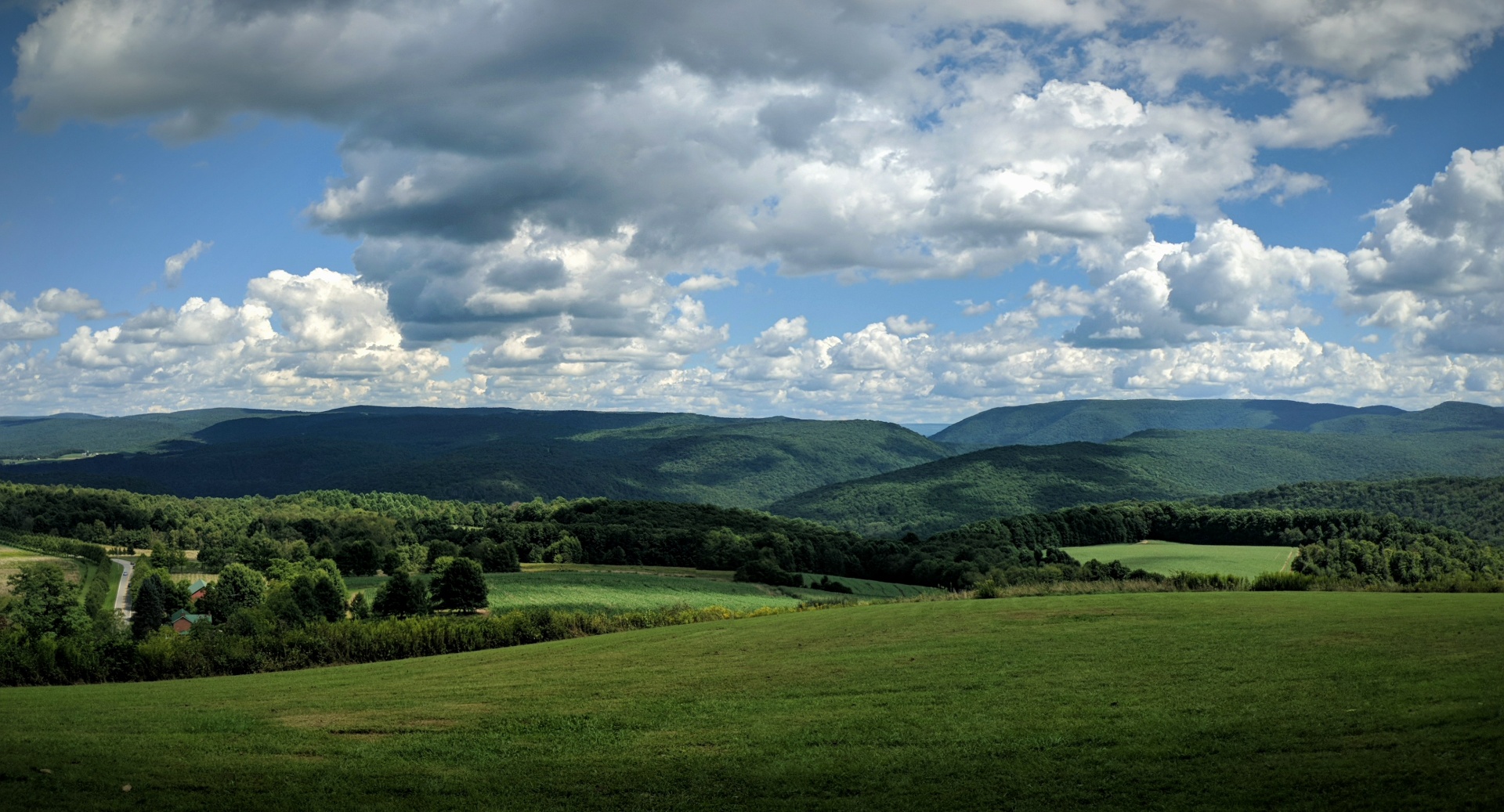
We did not see the interior, building our anticipation and excitement for our upcoming tour of Fallingwater. But the surrounding woodland can be visited at any time during opening hours, no booking slot required (a pass must be bought at the visitor’s centre). It offers a walking trail through a large collection of sculptures adorning the grounds.

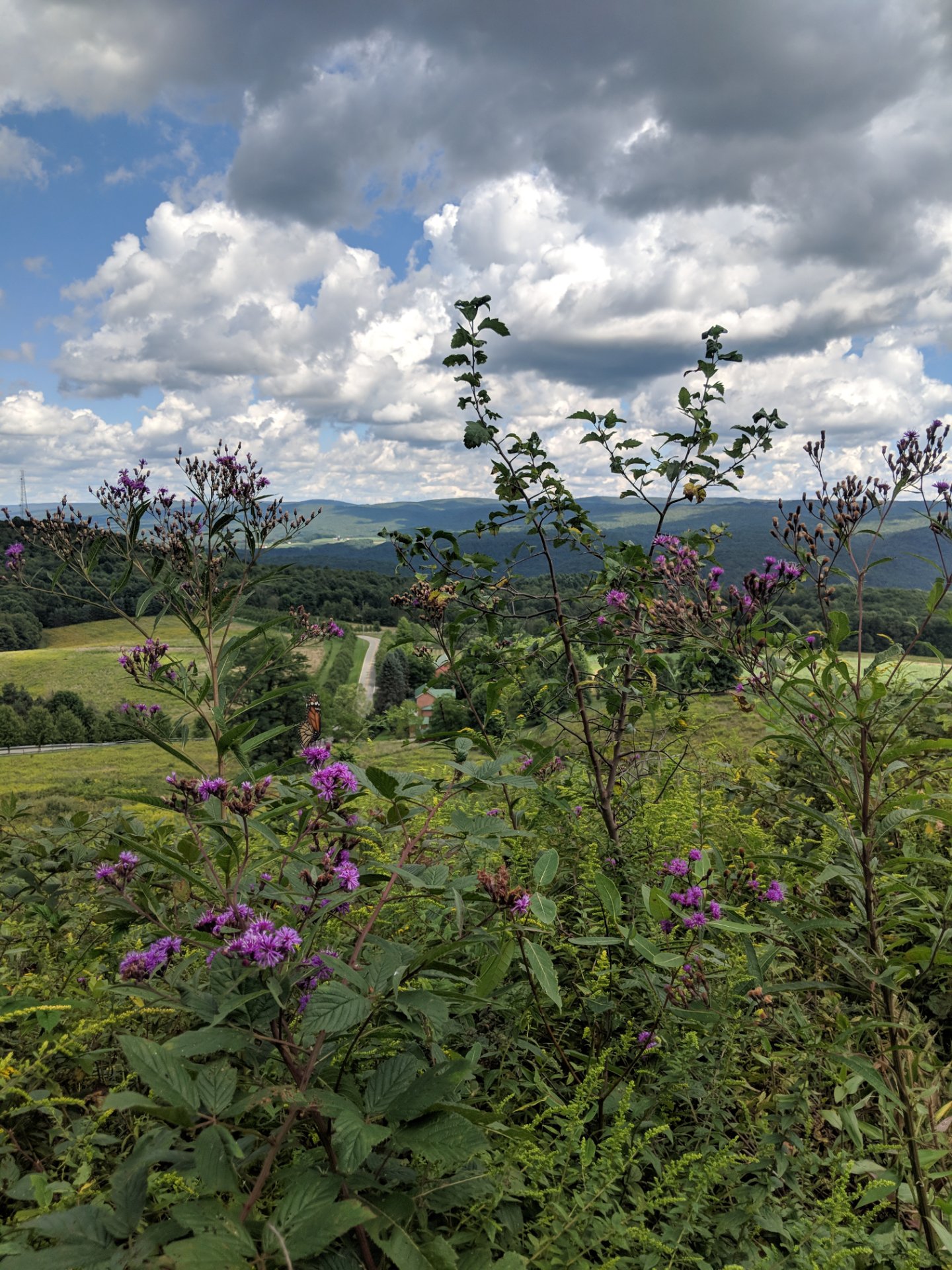
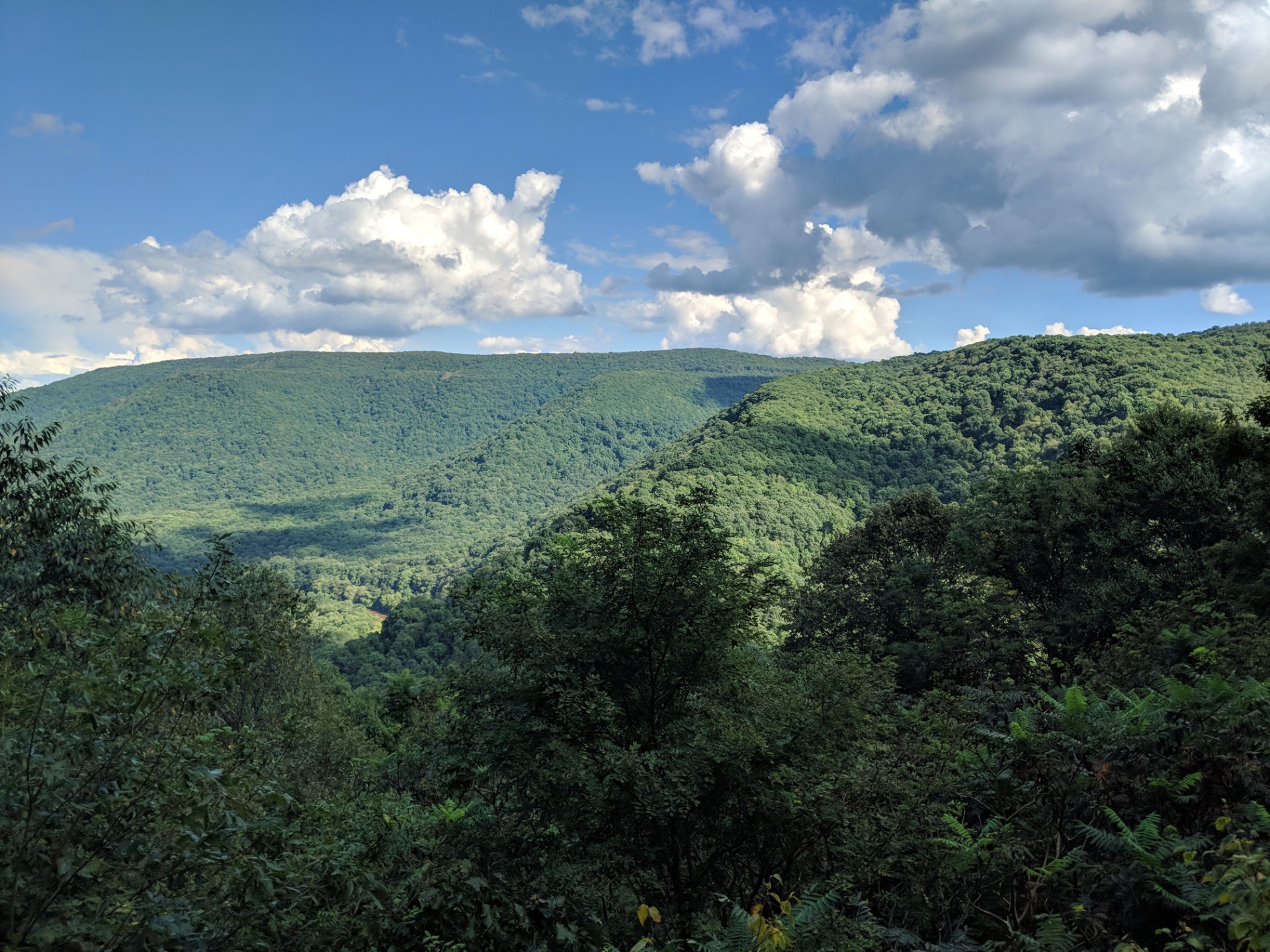
And the views over the surrounding hills are simply breathtaking. You can tell by my little ”Sound of Music” moment.

Troilus (1999) by Wendy Taylor – Bronze


Three Right Angles (1992) by George Rickey – Aluminium


Room (1992) by Andy Goldsworthy – Field Stone


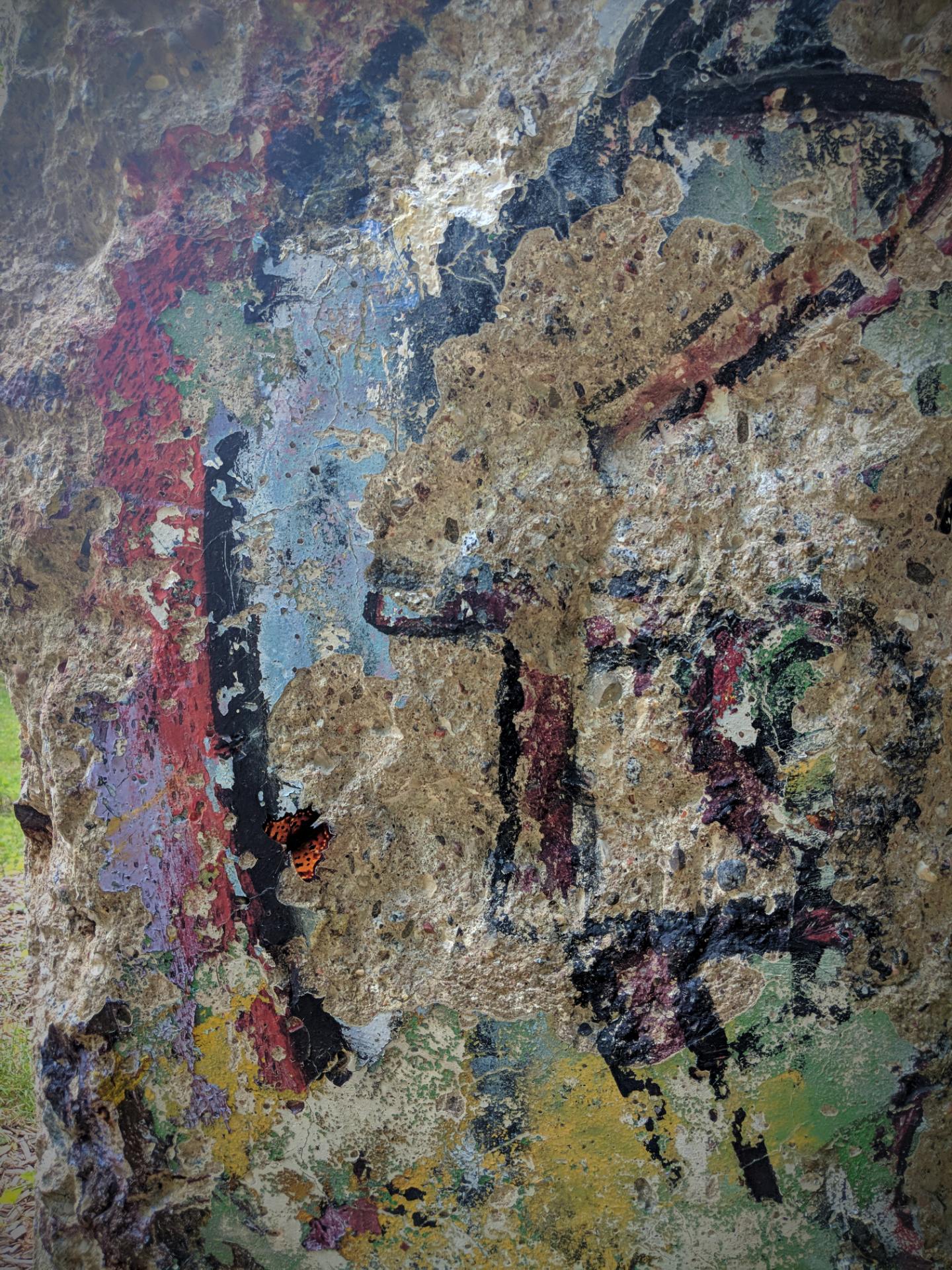
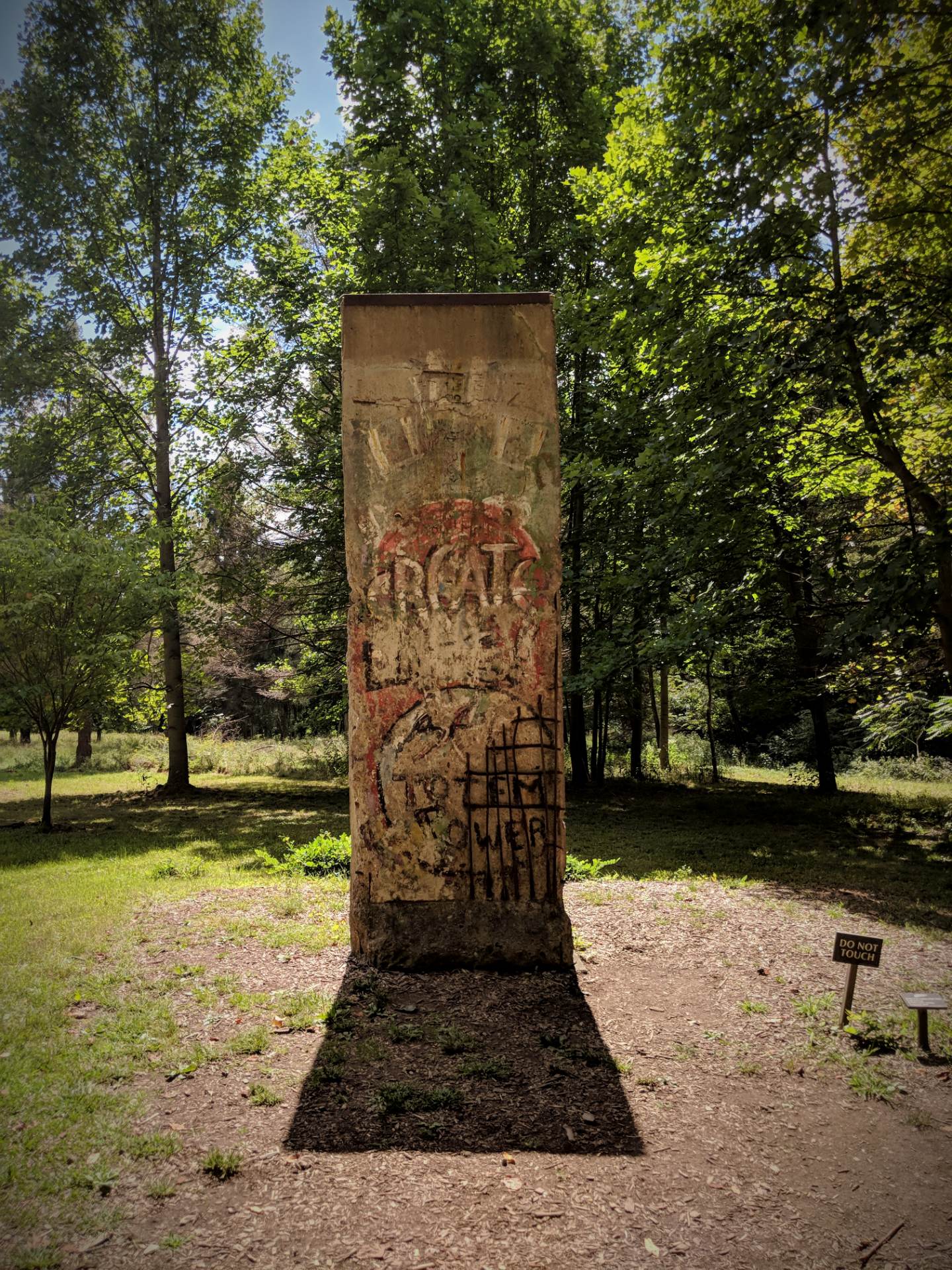
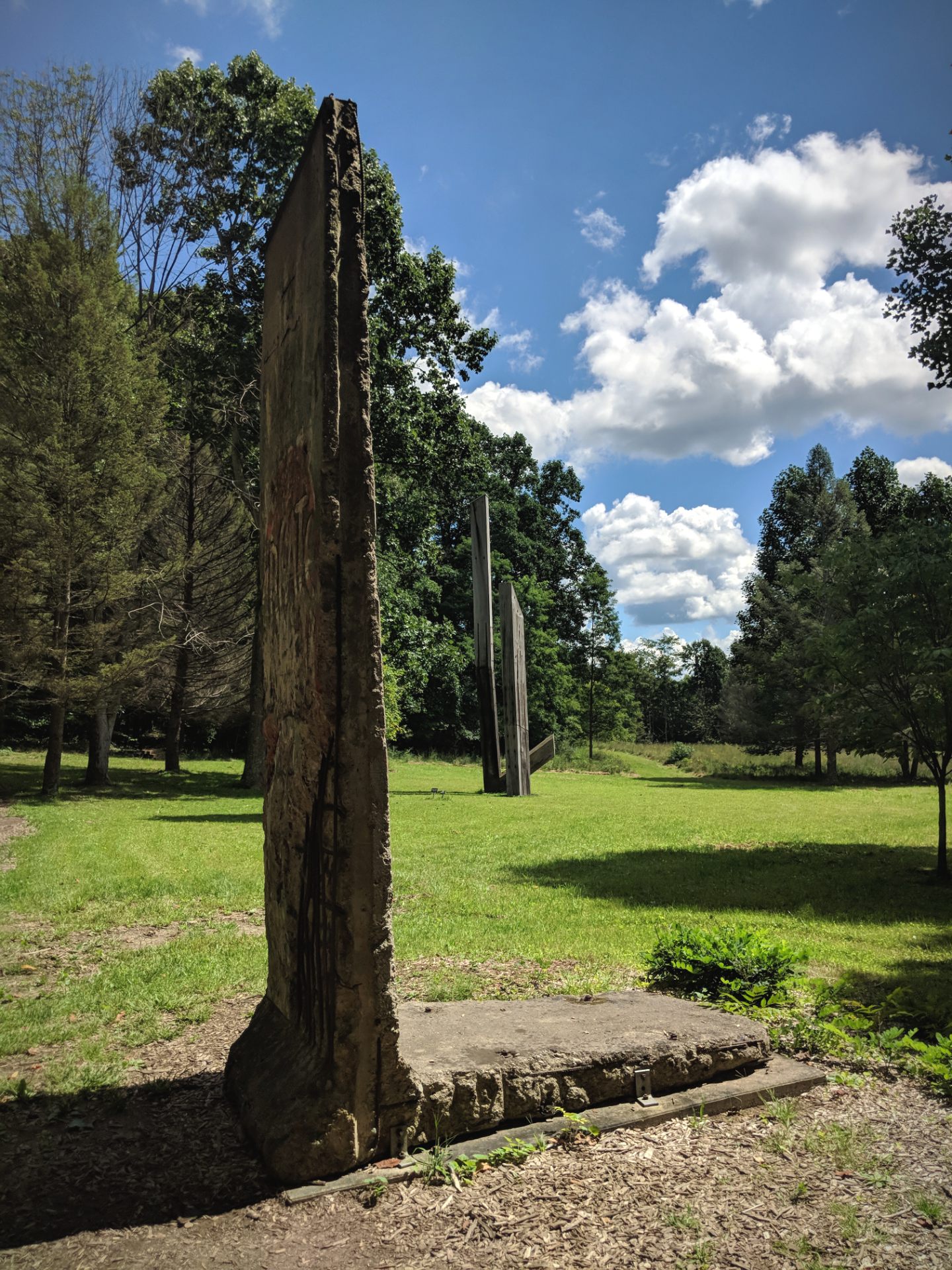
Berlin Wall Section & Butterfly


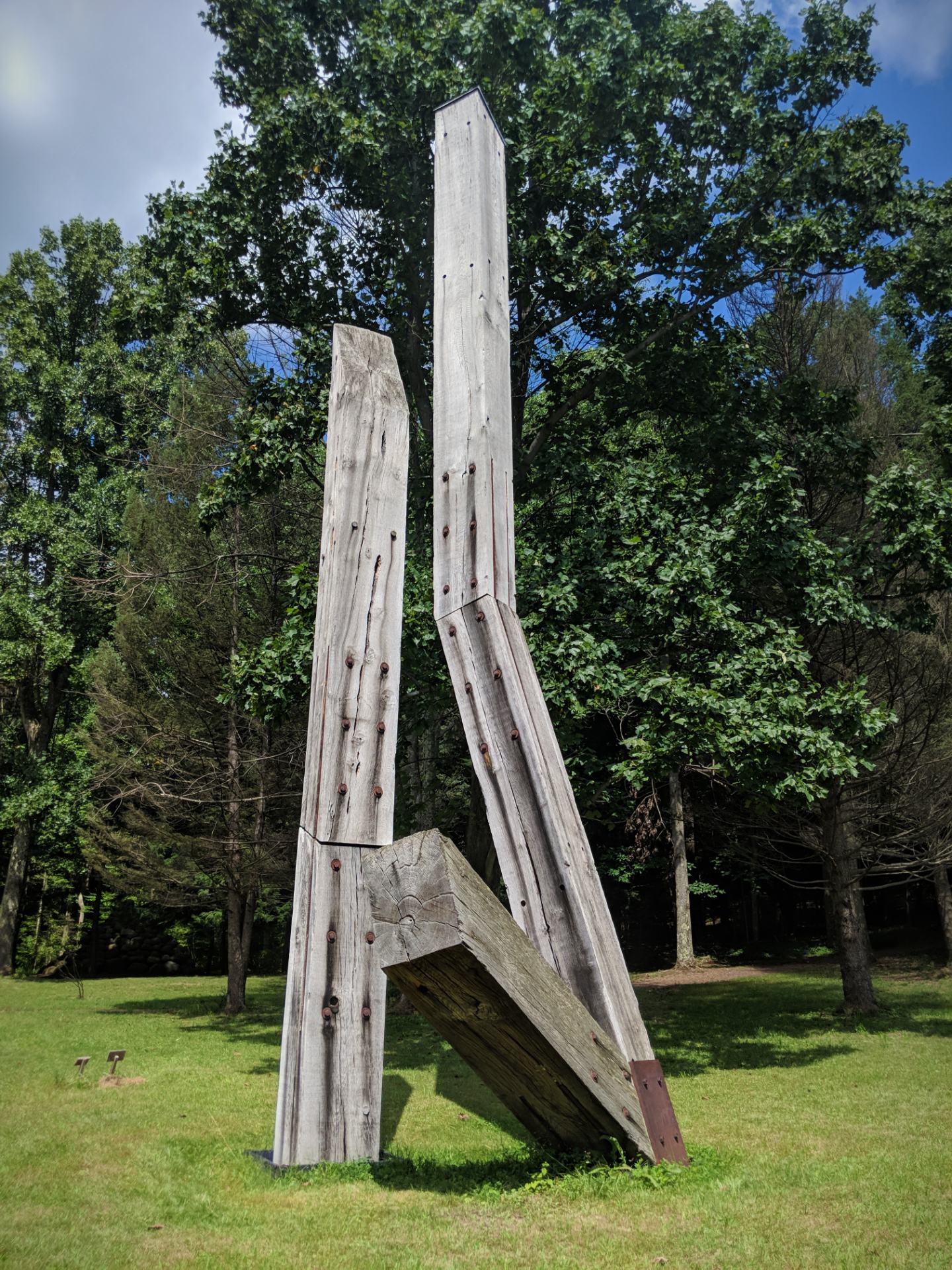
Untitled (1950-) by Michael Warren – Irish Oak and Welded Steel


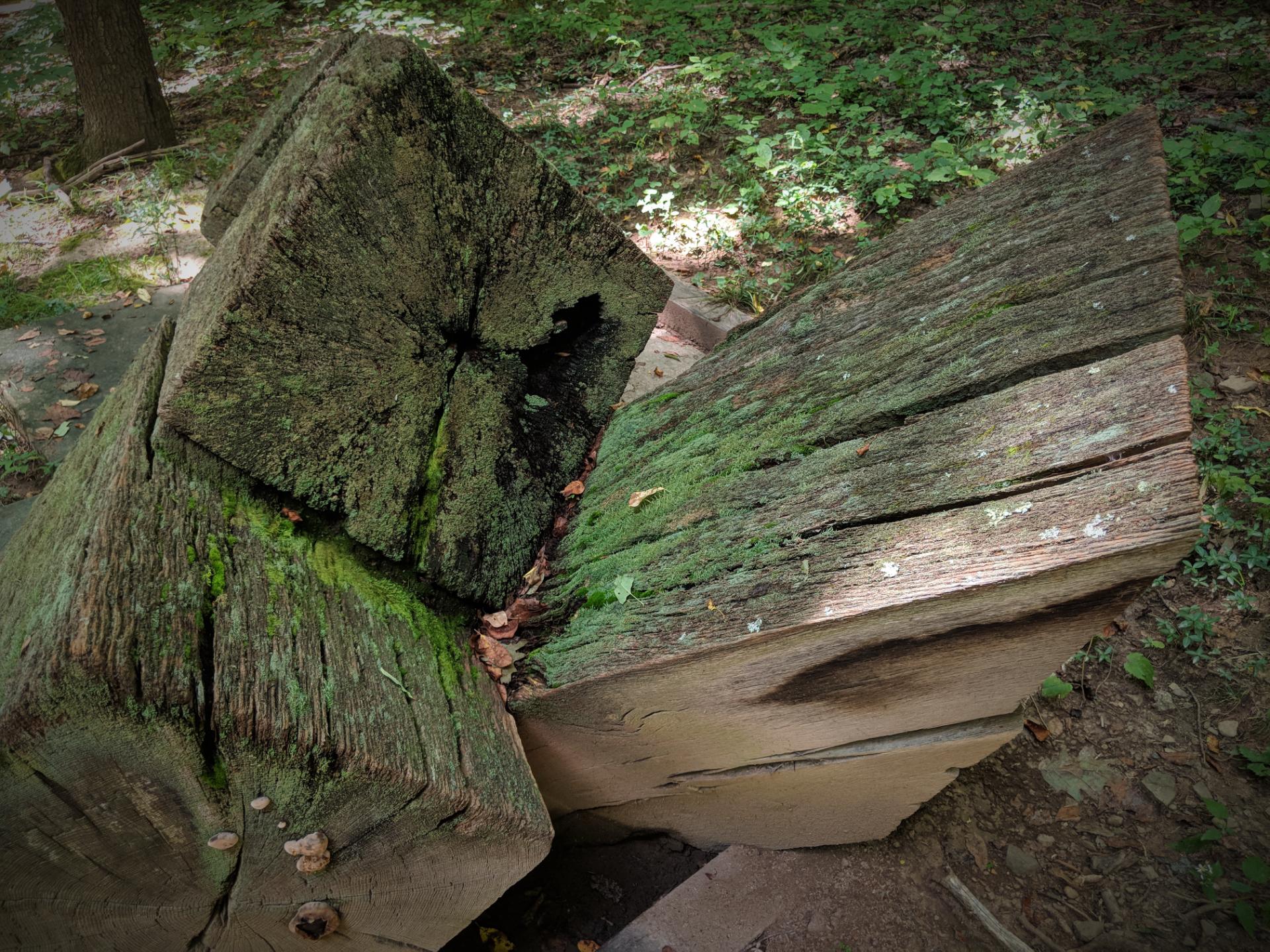
De-Creation (First Version) by Michael Warren – Irish Oak


Jute (1990) by Nicola Hicks – Bronze


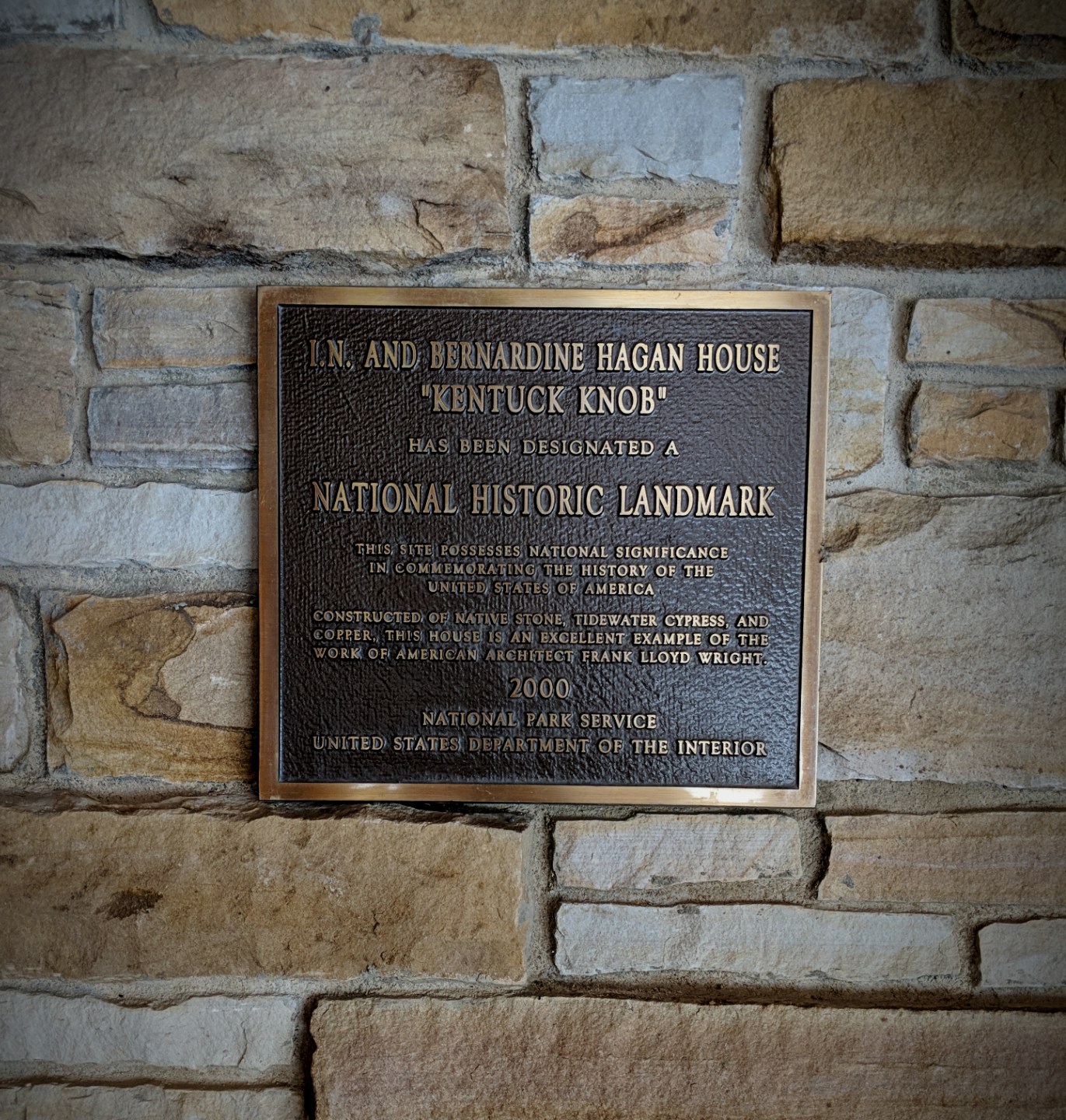
Kentuck Knob, by Frank Lloyd Wright

September 2nd, 2018

Rockaway! 2018 || Narcissus Garden by Yayoi Kusama

Fort Tilden

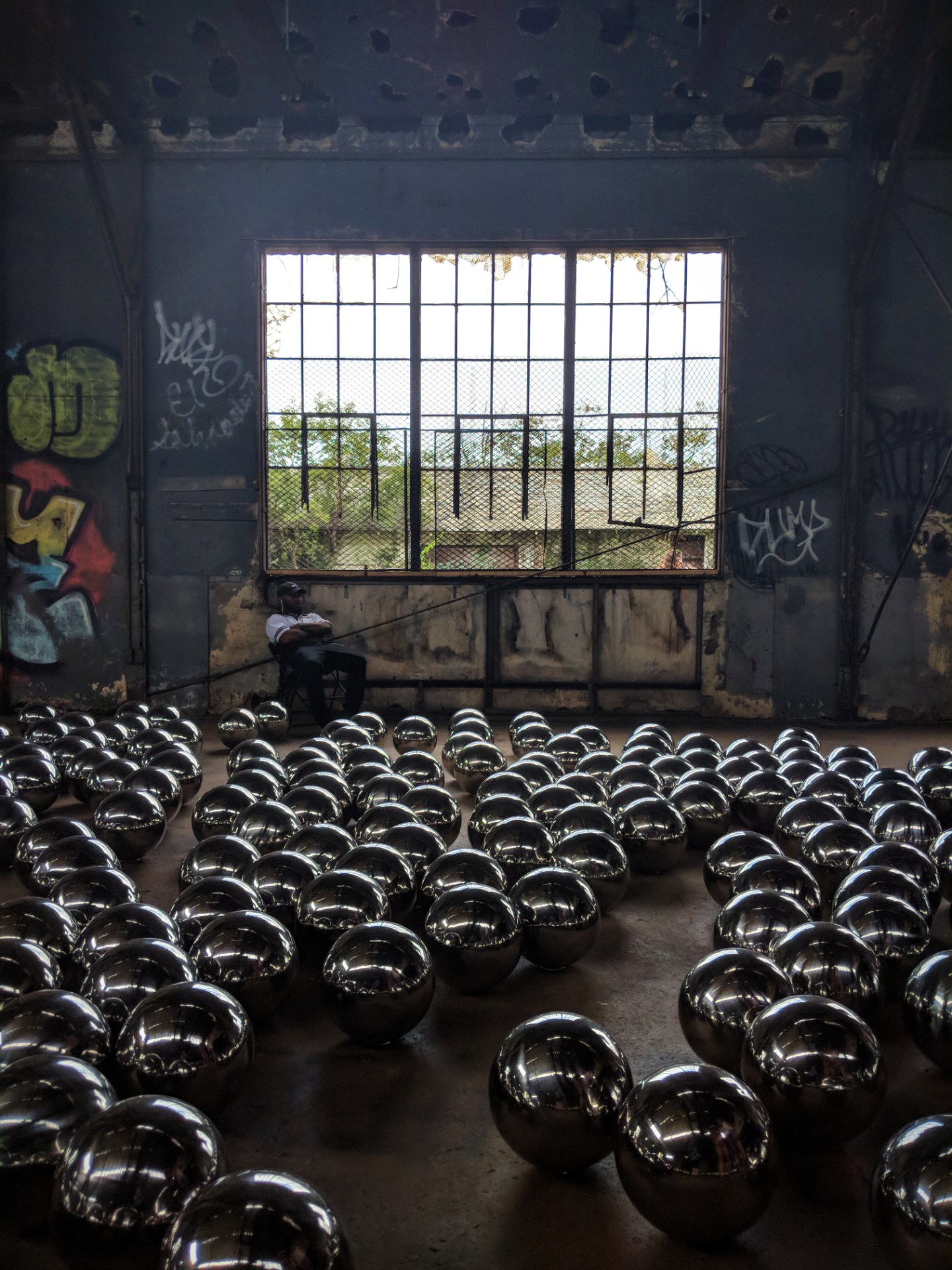
”Comprised of 1,500 mirrored stainless steel spheres, Narcissus Garden landed in a former train garage that dates to the time when Fort Tilden was an active US military base. The mirrored metal surfaces reflect the industrial surroundings of the now-abandoned building, drawing attention to Fort Tilden’s history as well as the devastating damage inflicted on many buildings in the area by Hurricane Sandy in 2012.

Narcissus Garden was first presented in 1966, when Kusama staged an unofficial installation and performance at the 33rd Venice Biennale. The silver spheres, originally made from plastic, were installed on the lawn in front of the Italian Pavilion, reflecting the landscape of the exhibition grounds. Kusama herself stood among them, barefoot and dressed in a gold kimono, alongside yard signs inscribed with the words “Narcissus Garden, Kusama” and “Your Narcissism for Sale.” Throughout the opening day of the exhibition, Kusama remained in the installation, tossing the spheres in the air and offering to sell them to visitors for 1,200 lire (approximately $2) each. The action, which was viewed both as self-promotion and a critique on the commercialization of contemporary art, would later be seen as a pivotal moment in Kusama’s career as she transitioned from installation toward the radical, politically charged public performances that would be the focus of her work in the late 1960s in New York City.”

The installation was presented by MoMA PS1, free to those whose way brought them over to the faraway Rockaway.

August 25th, 2018
A/D/O || ENVIRONS

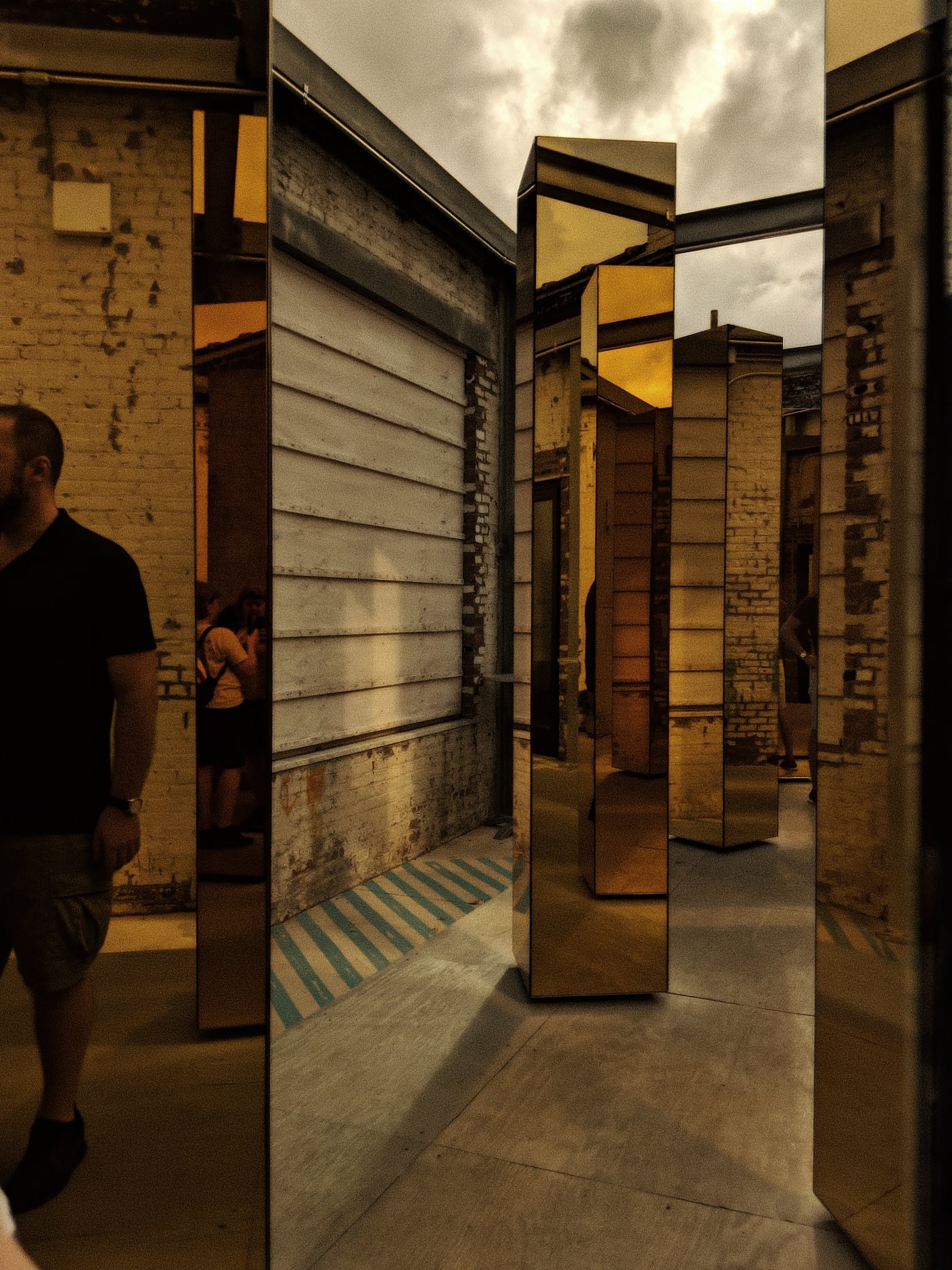
A/D/O is a space set up in Greenpoint, Brooklyn for the local creative community. It takes its name from the Amalgamated Drawing Office, a team led by Sir Alec Issigonis that built the very first MINI in 1959.

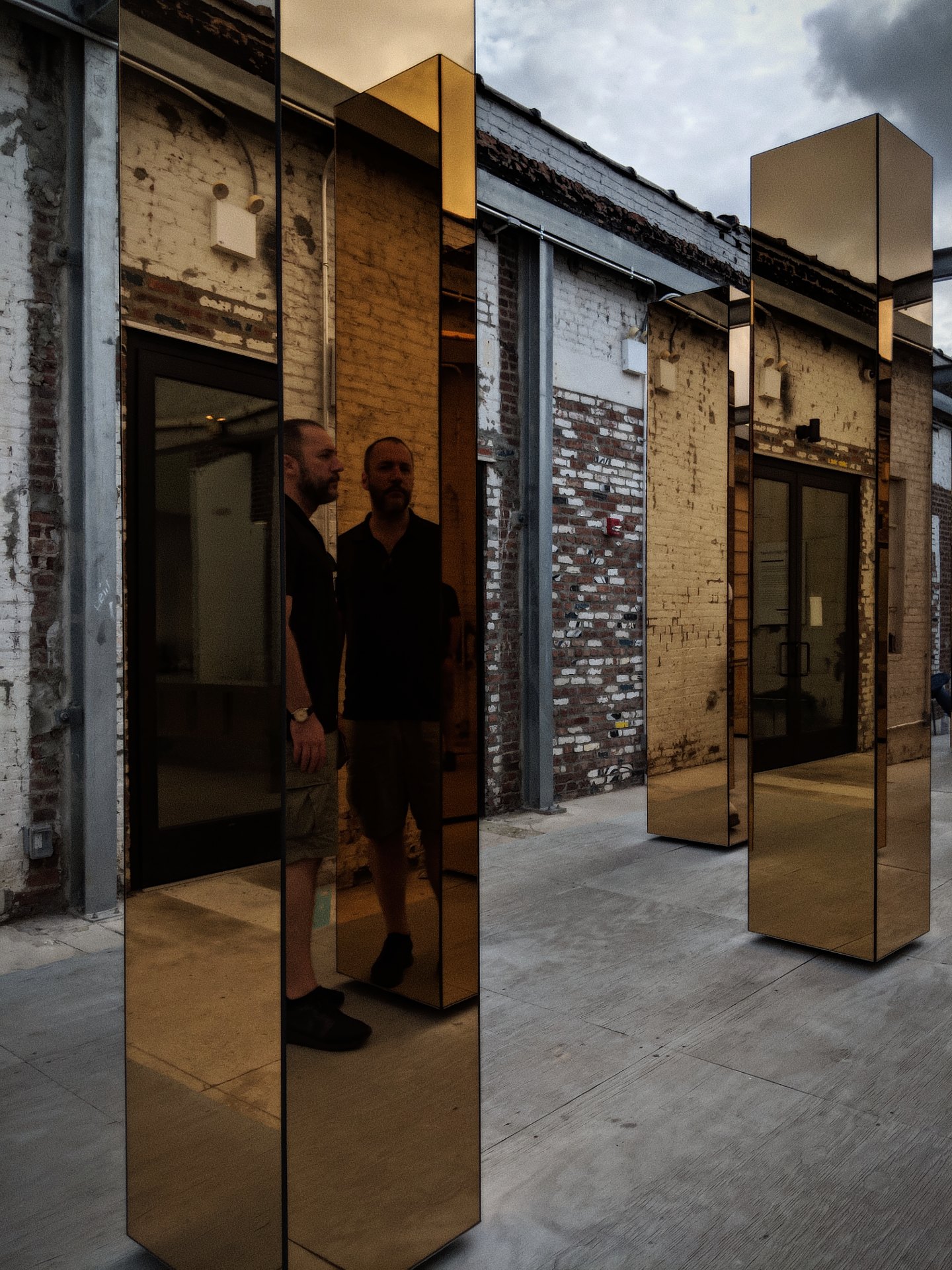
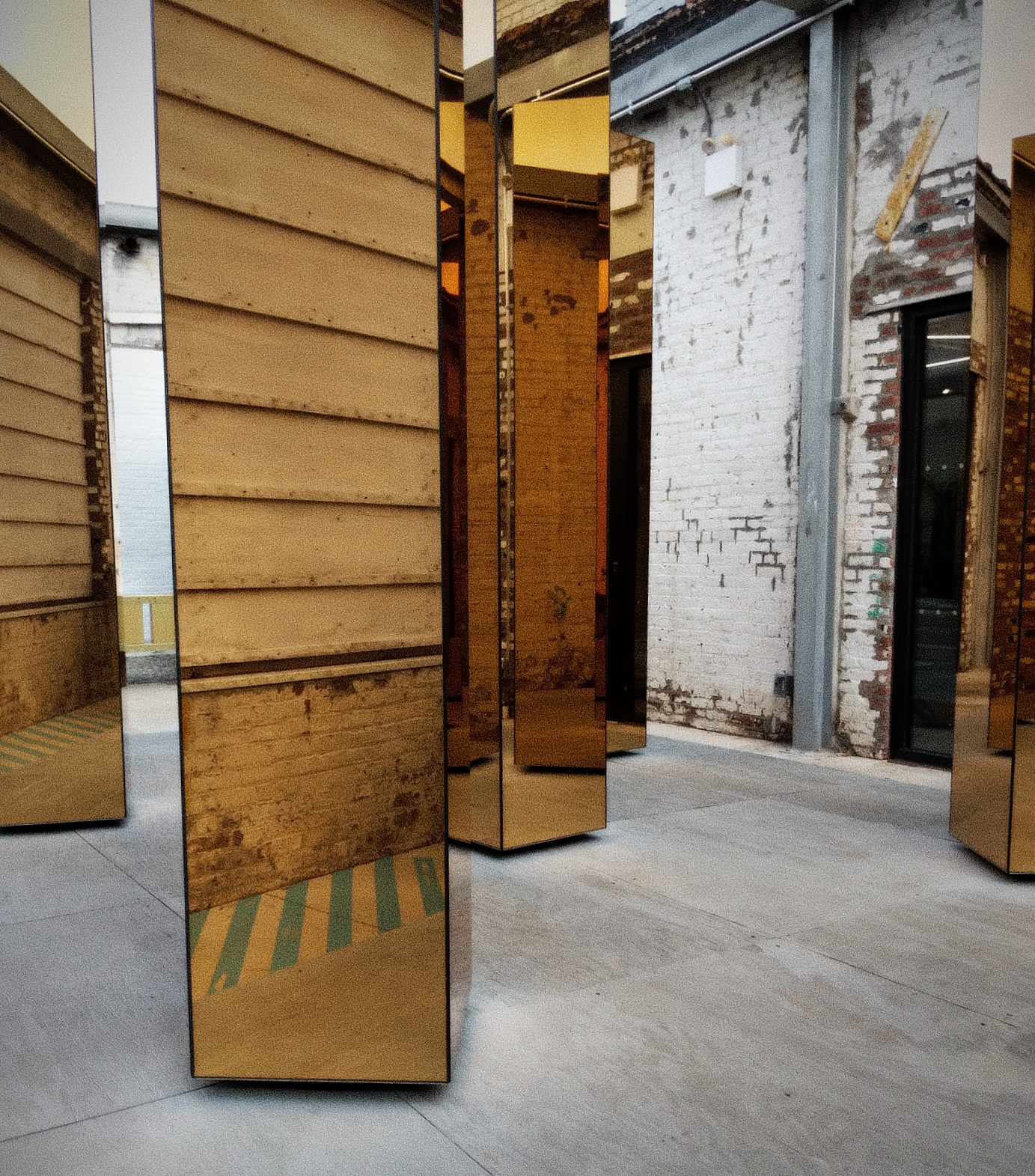
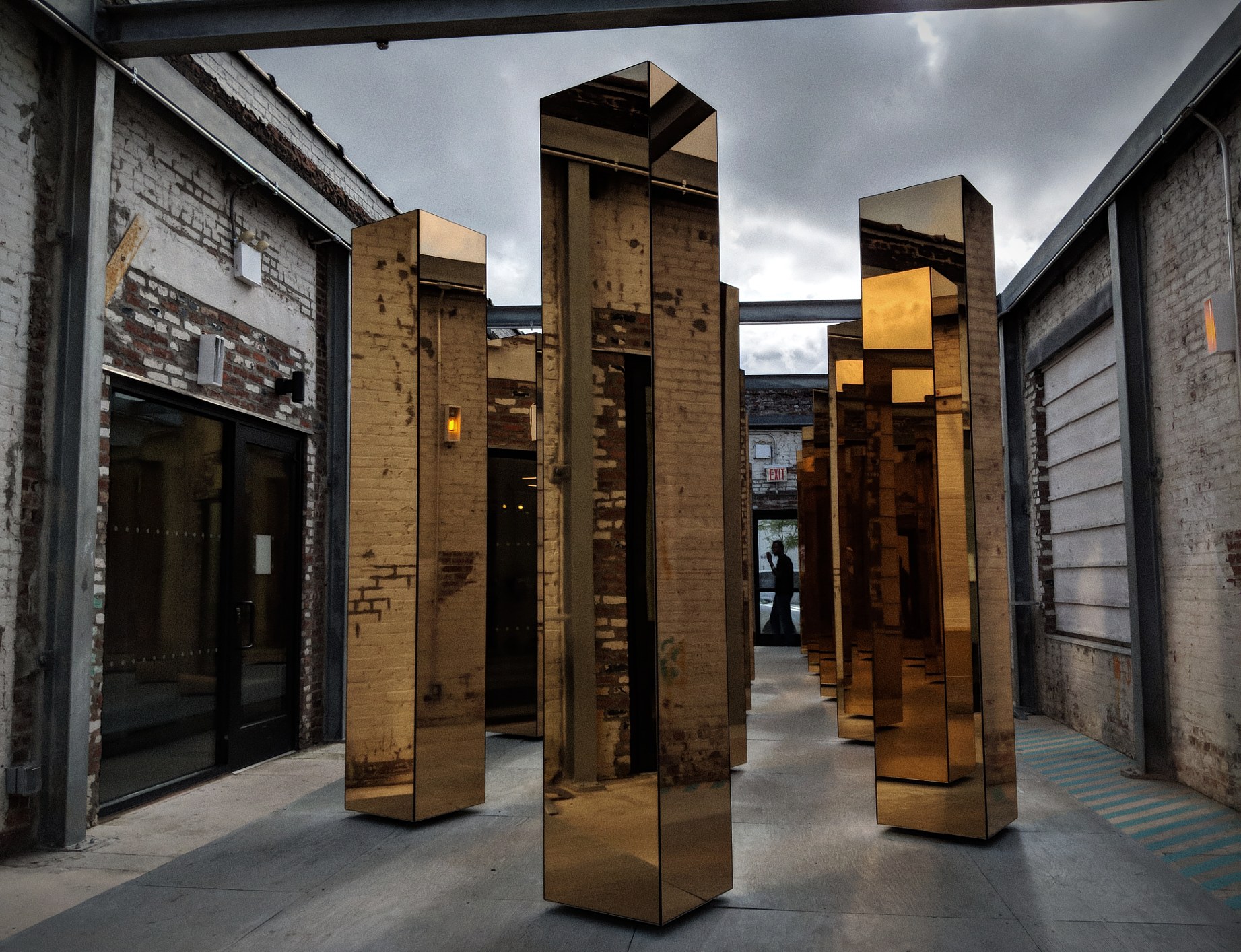
Spirit of the City was a modular system of revolving mirrored columns set on a grid configuration.

The installation ”explored the physical and emotional response that individuals experience when navigating urban environments” i.e. offered infinite instagrammable moments to a young hip crowd.

By United Visual Artists.

A/D/O and environs – a walk in Greenpoint, Brooklyn.

August 21st, 2018

Obsession || Nudes by Klimt, Schiele and Picasso *Safe For Telework*

From the Scofield Thayer Collection.

Scofield Thayer (1889-1982) was editor and co-owner of the Dial, a journal that published writing and art by the European and American avant-garde from 1919 to 1926. An aesthete, he was a brilliant abstract thinker and a complex, conflicted personality. In the early 1920s, Thayer underwent psychoanalysis with Sigmund Freud in Vienna. While in Europe, he assembled a large collection of some six hundred artworks – mostly works on paper – with staggering speed, acquiring them from artists and dealers in Vienna, London, Paris and Berlin.

While Pablo Picasso’s work had been shown in America, Gustav Klimt and Egon Schiele were unknown in this country at that time. Both artists were remarkable for their frank portrayals of female nudity and sexuality.

In 1924 a selection from Thayer’s collection was exhibited at a New York gallery and won acclaim, but it found little favour when shown in his native city of Worcester, Massachusetts. Offended by intolerant views toward provocative art, Thayer drew up his will in 1925, leaving his collection to The Met before retreating from public life until his death in 1982.

An exhibition of the bequest has been planned since its arrival at the Museum in 1984, but its diversity, unevenness and vast quantity proved a challenge. While a select group of paintings by artists of the School of Paris is always on view, the light-sensitive watercolours, drawings and prints have been rarely displayed. This exhibition, held on the centenary of the 1918 deaths of Klimt and Schiele, presented these erotic and evocative works together for the first time.

It ran from July through October 2018 at The Met Breuer.

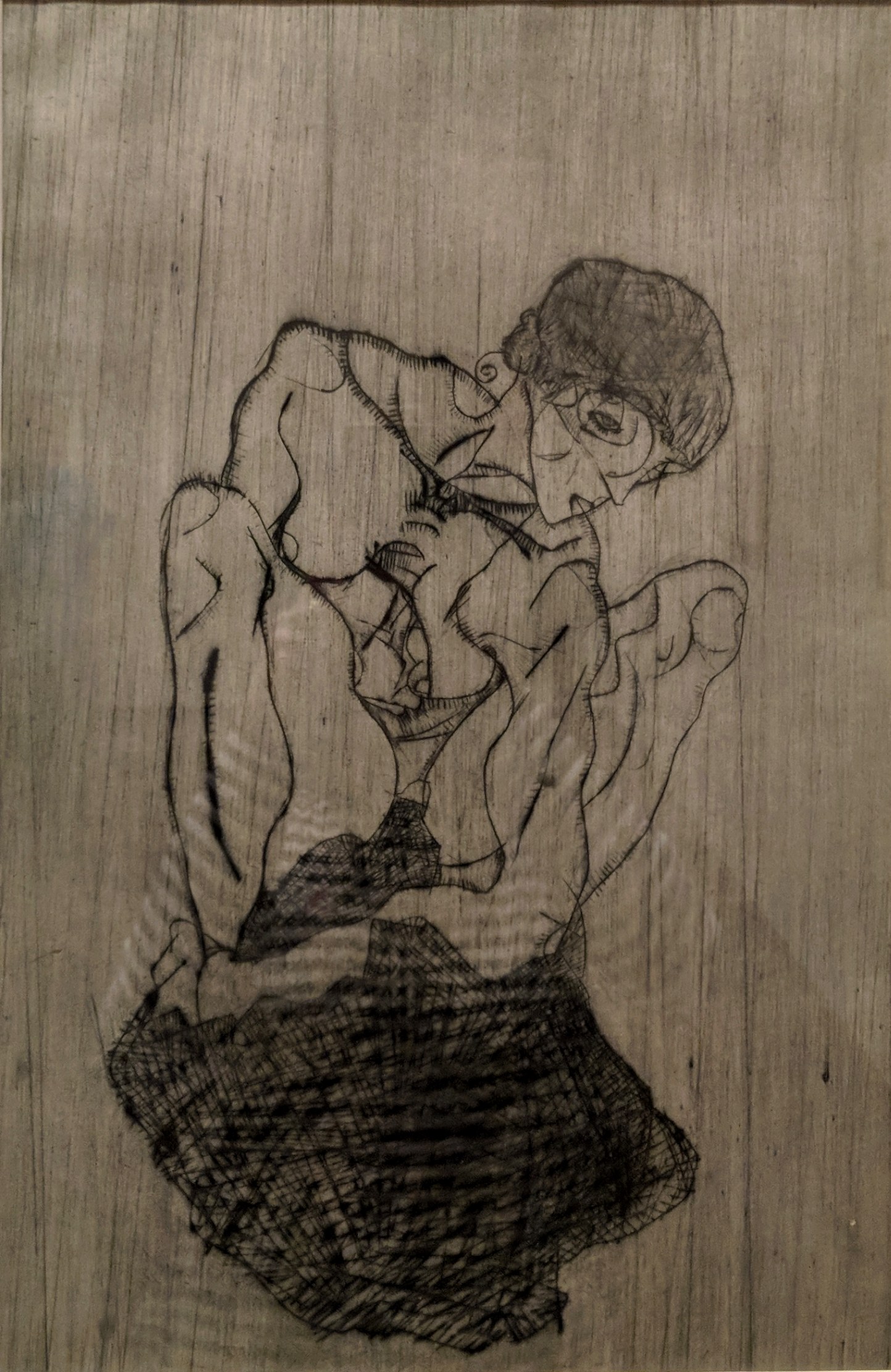
Egon Schiele || Sorrow, 1914 || Drypoint


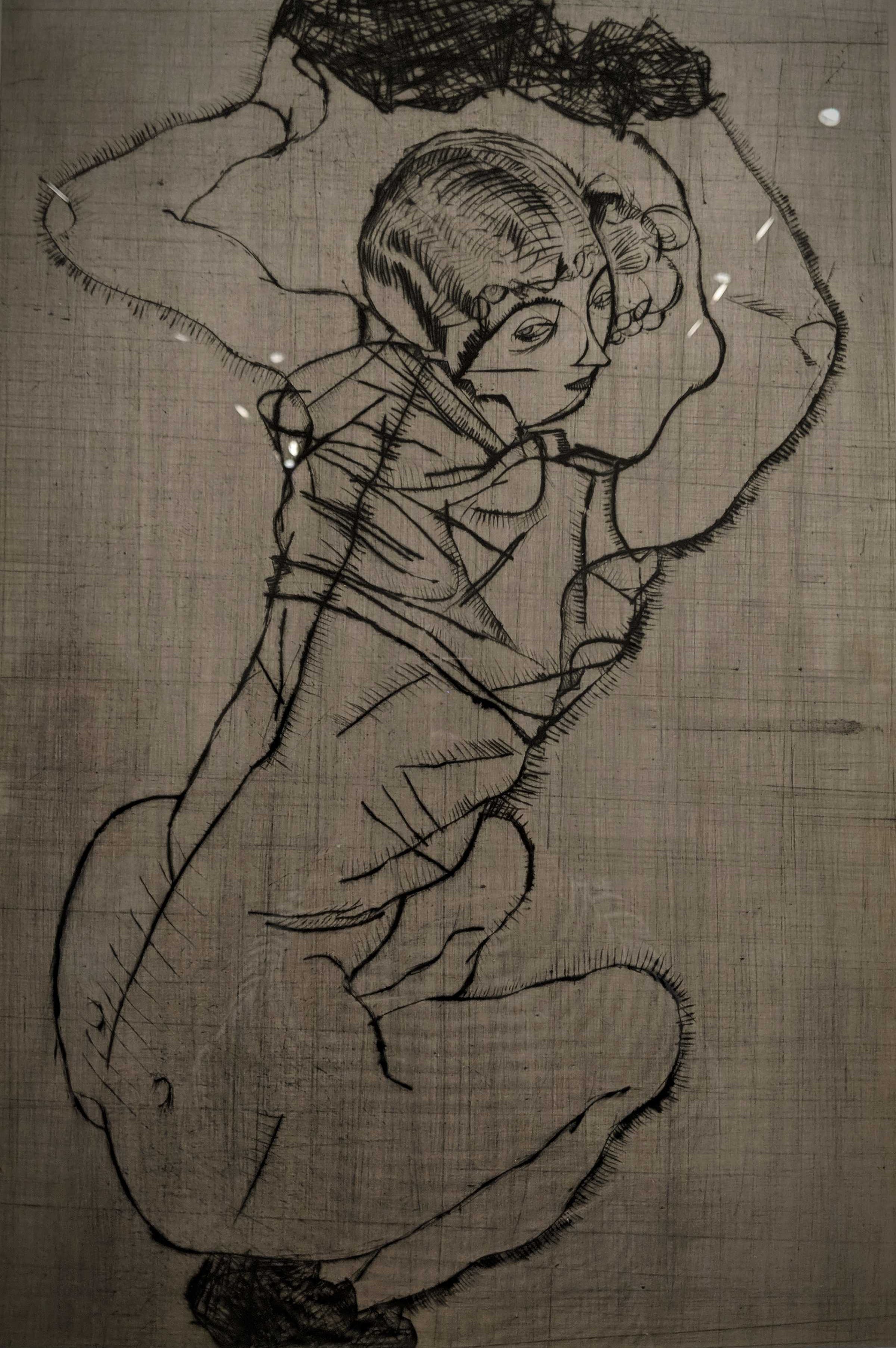
Egon Schiele || Squatting Woman, 1914 || Drypoint


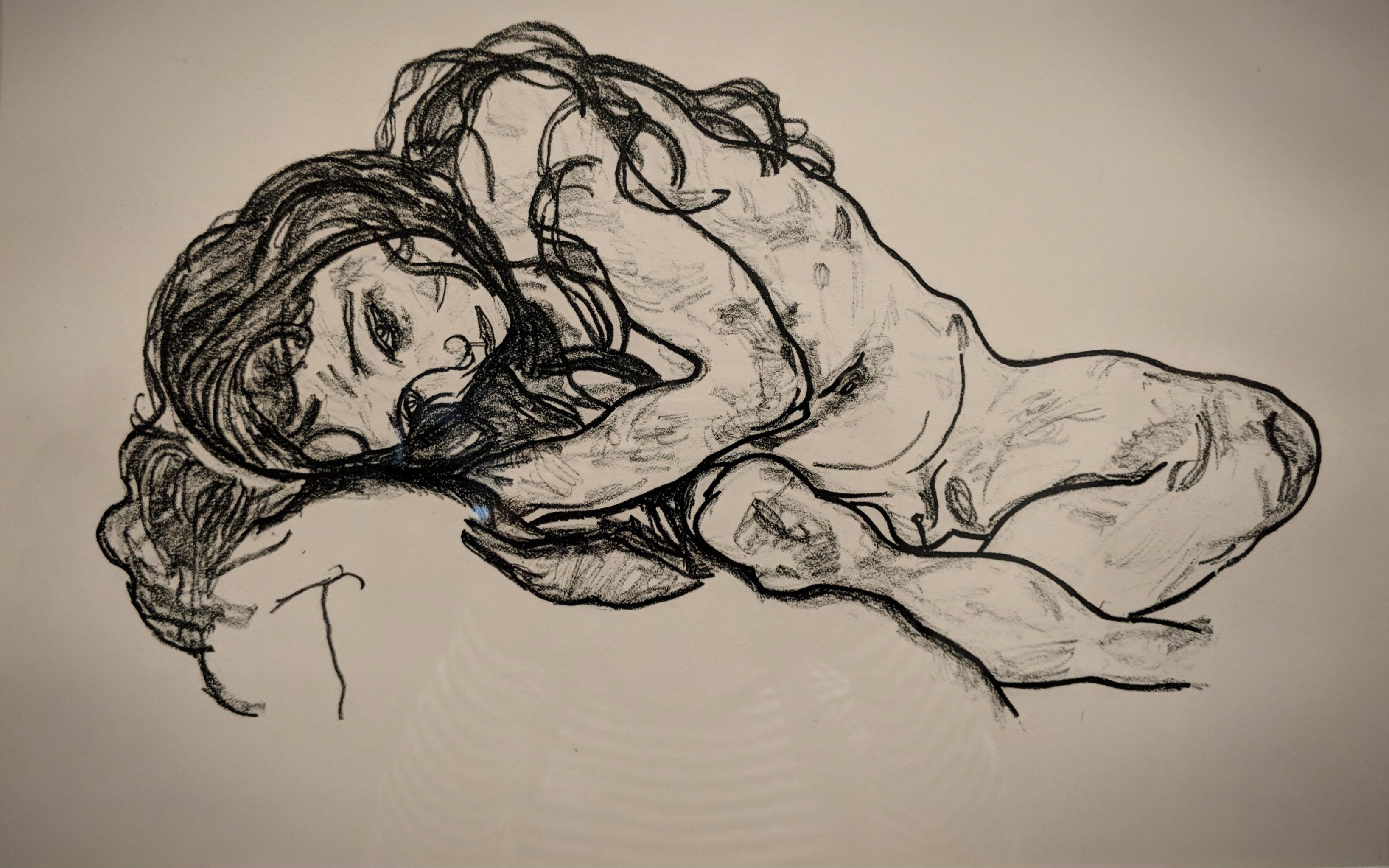
Egon Schiele || Girl, 1918 || Lithograph


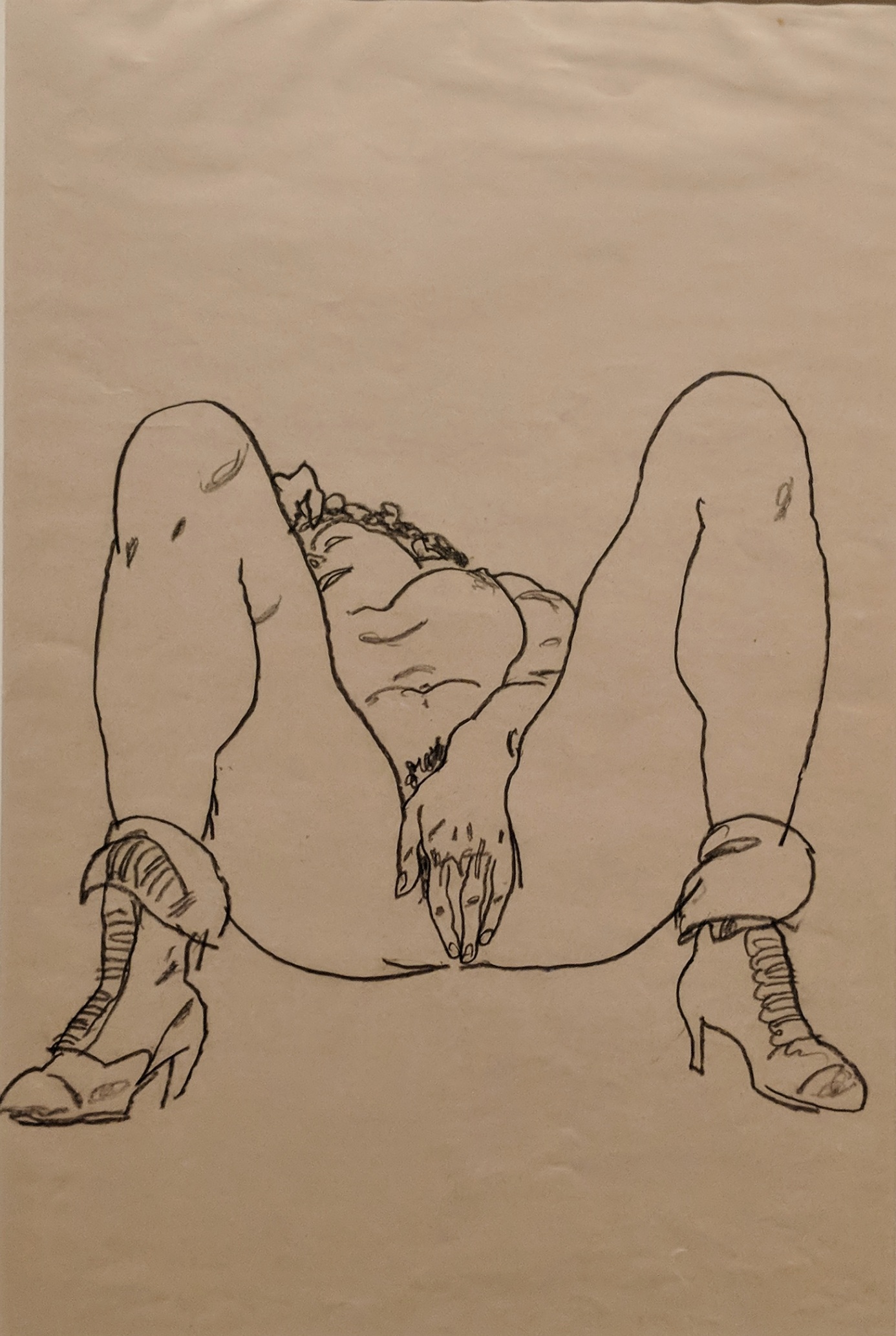
Egon Schiele || Reclining Nude with Boots, 1918 || Charcoal on paper


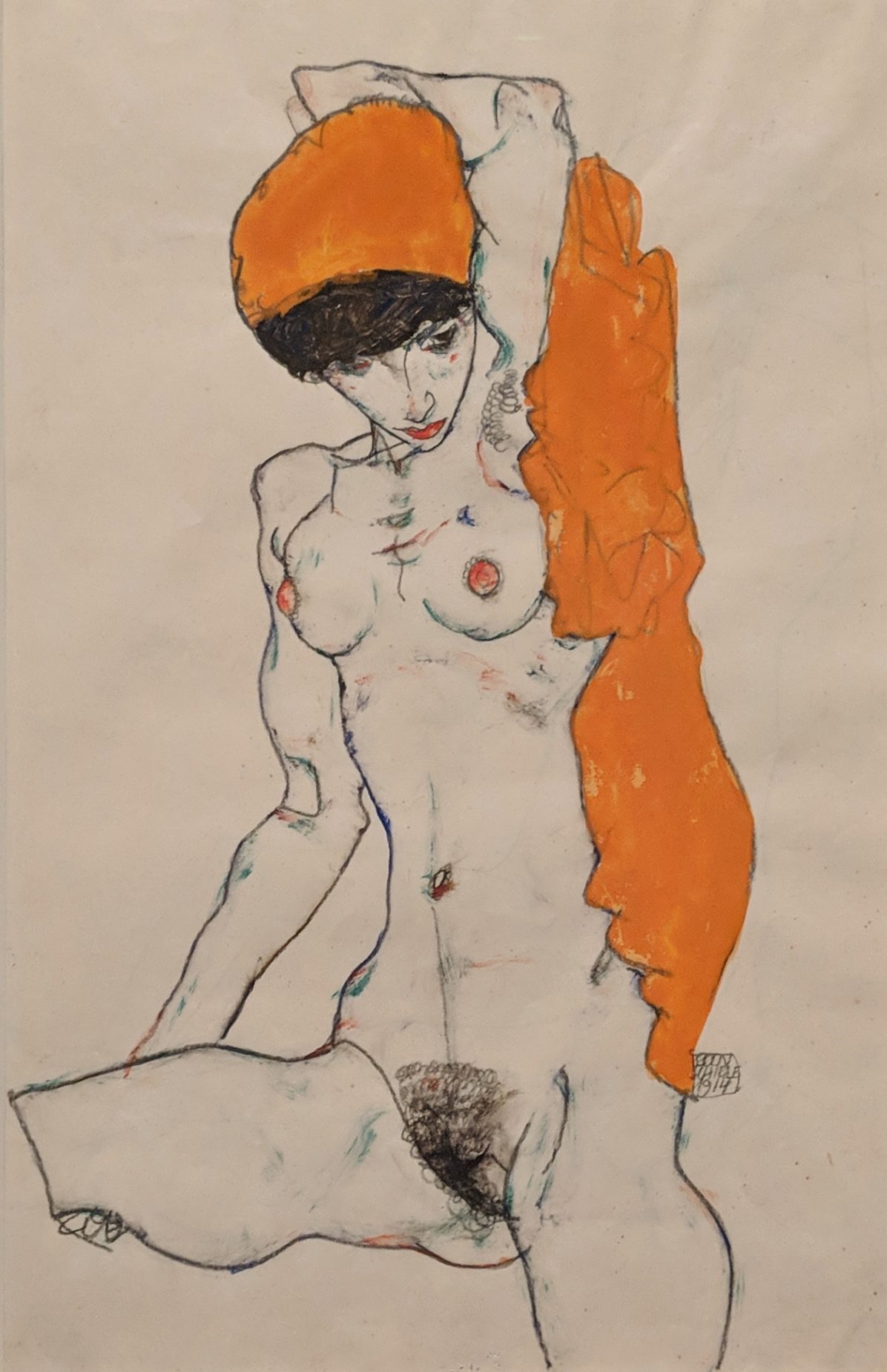
Egon Schiele || Standing Nude with Orange Drapery (recto): Study of Nude with Arms Raised (verso), 1914 || Watercolor, gouache and graphite on paper


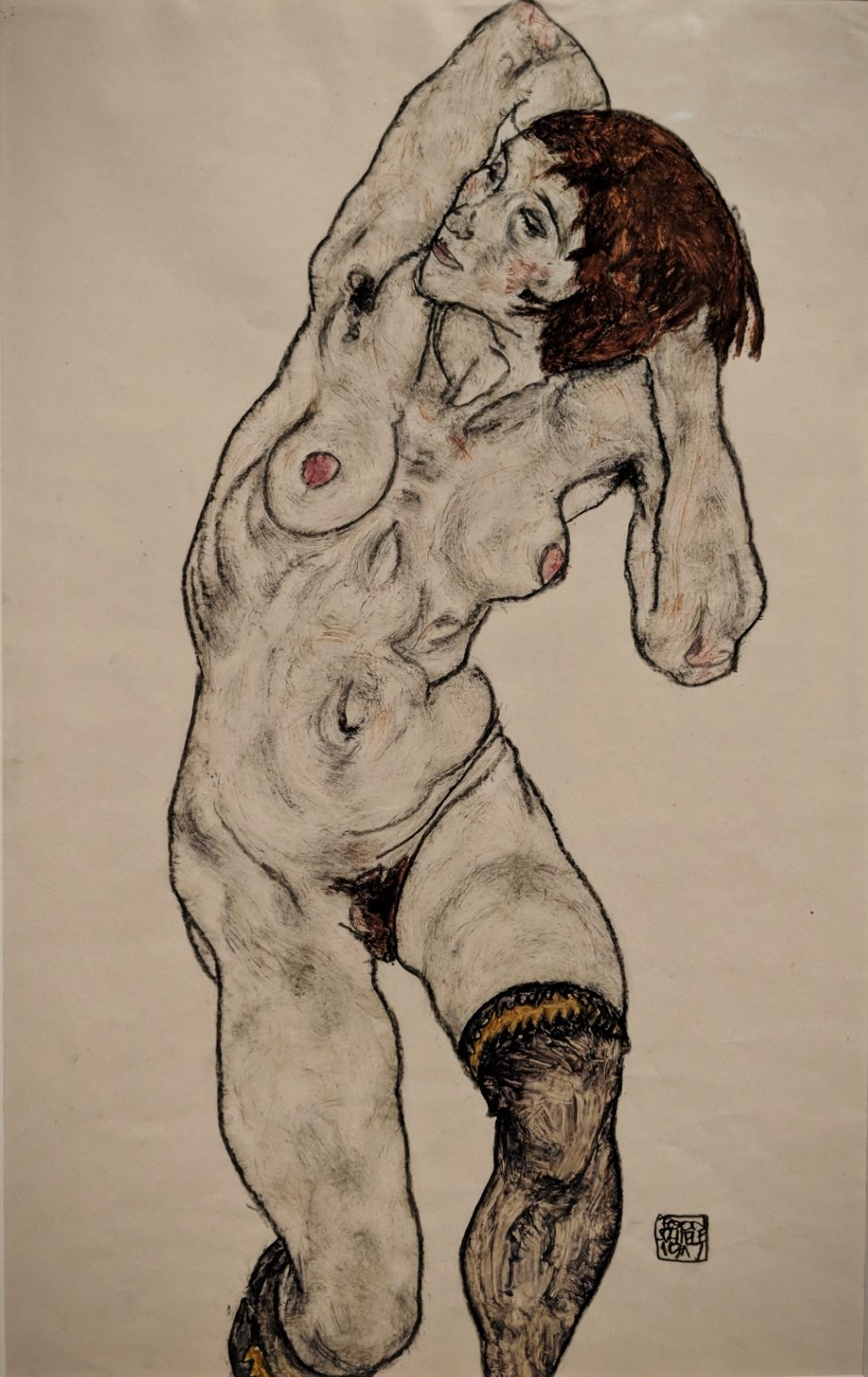
Egon Schiele || Nude in Black Stockings, 1917 || Watercolor and charcoal on paper


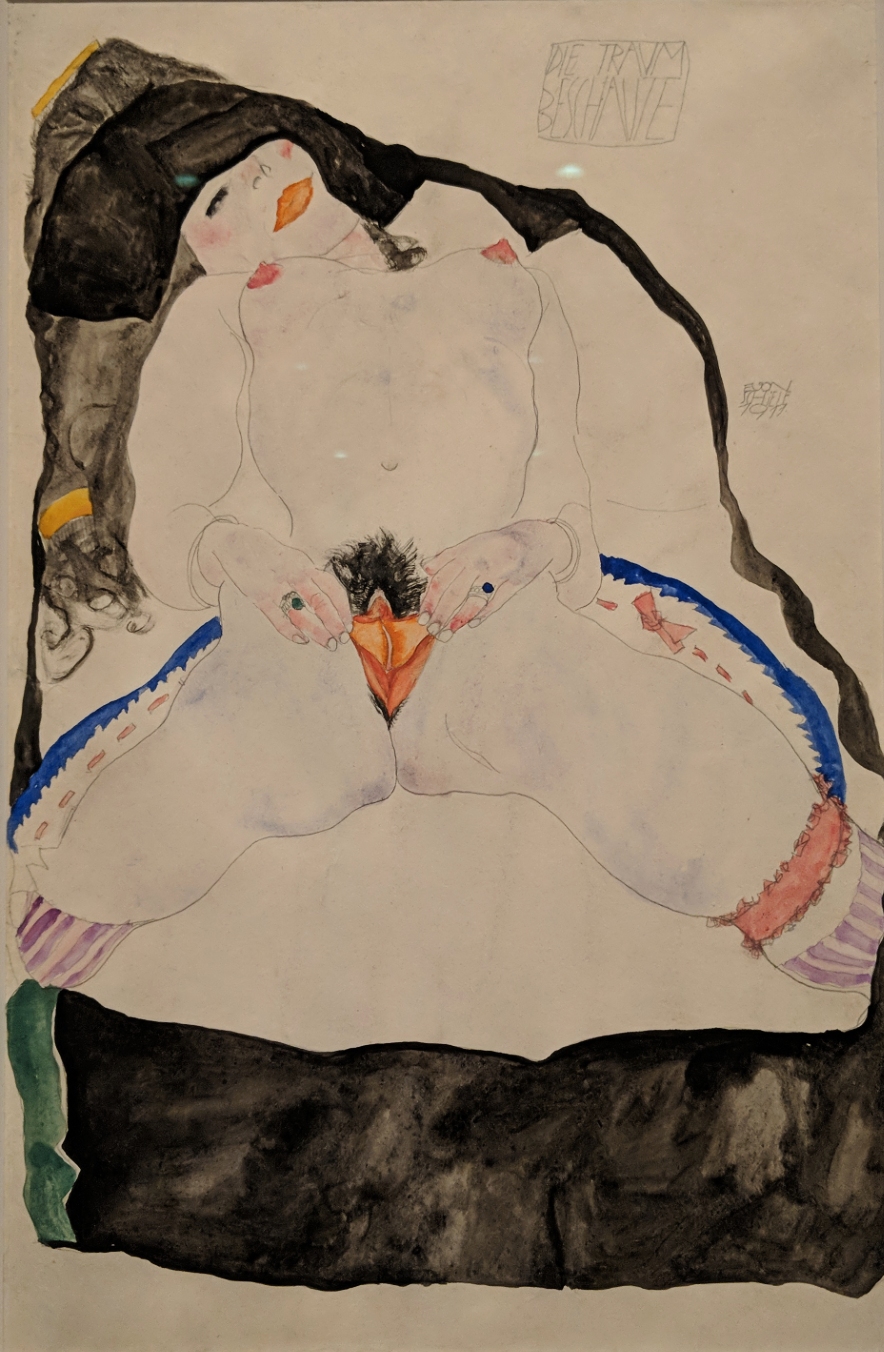
Egon Schiele || Observed in a Dream, 1911 || Watercolor and graphite on paper


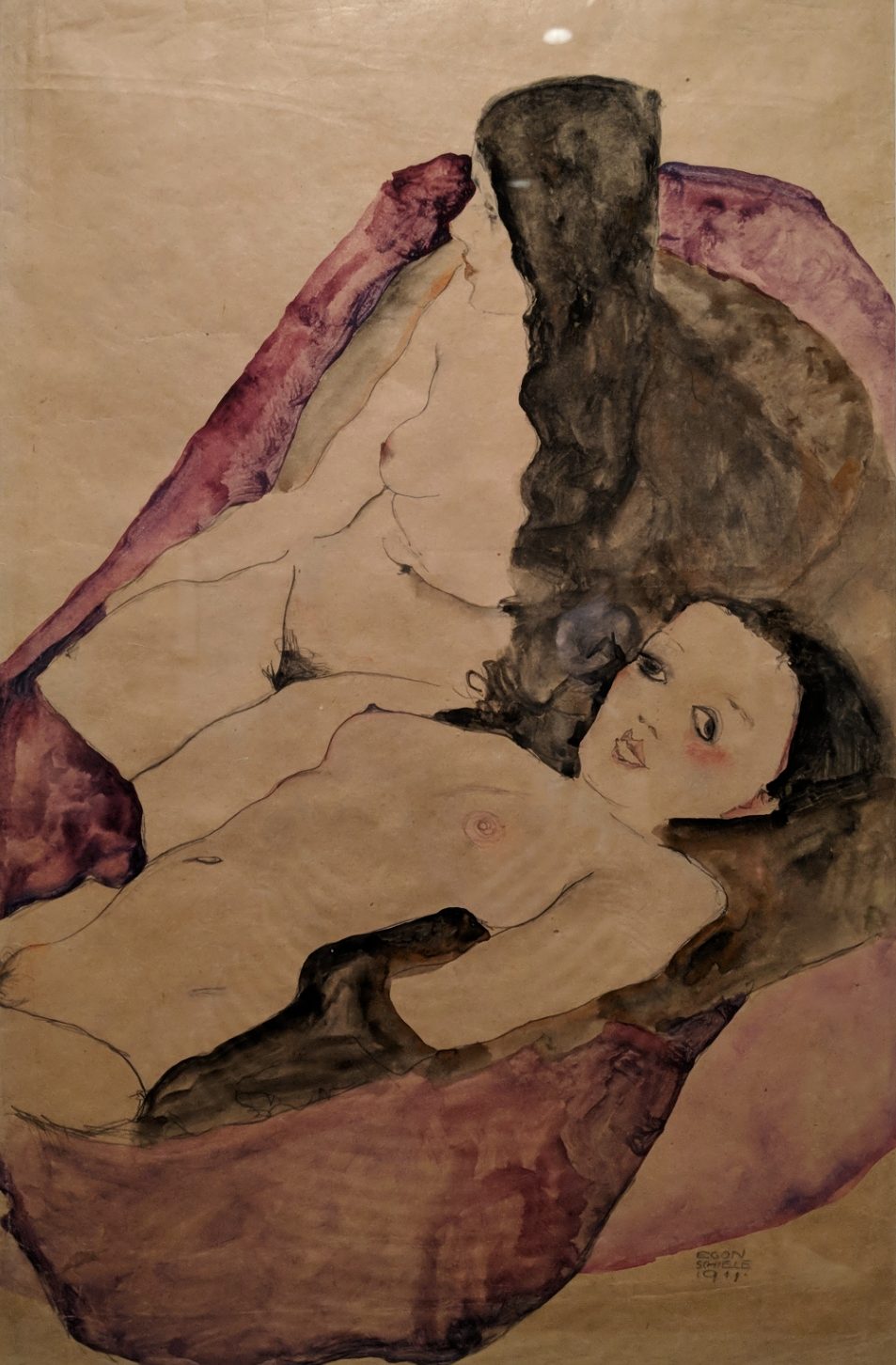
Egon Schiele || Two Reclining Nudes, 1911 || Watercolor and graphite on paper


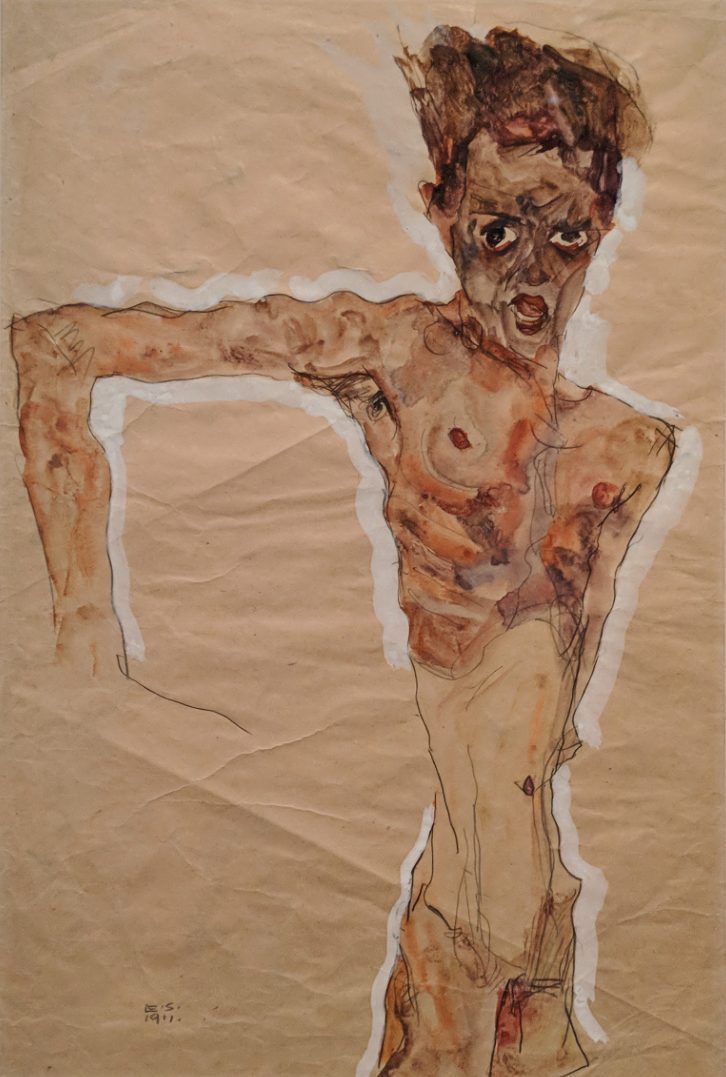
Egon Schiele || Self-Portrait, 1911 || Watercolor, gouache, and graphite on paper


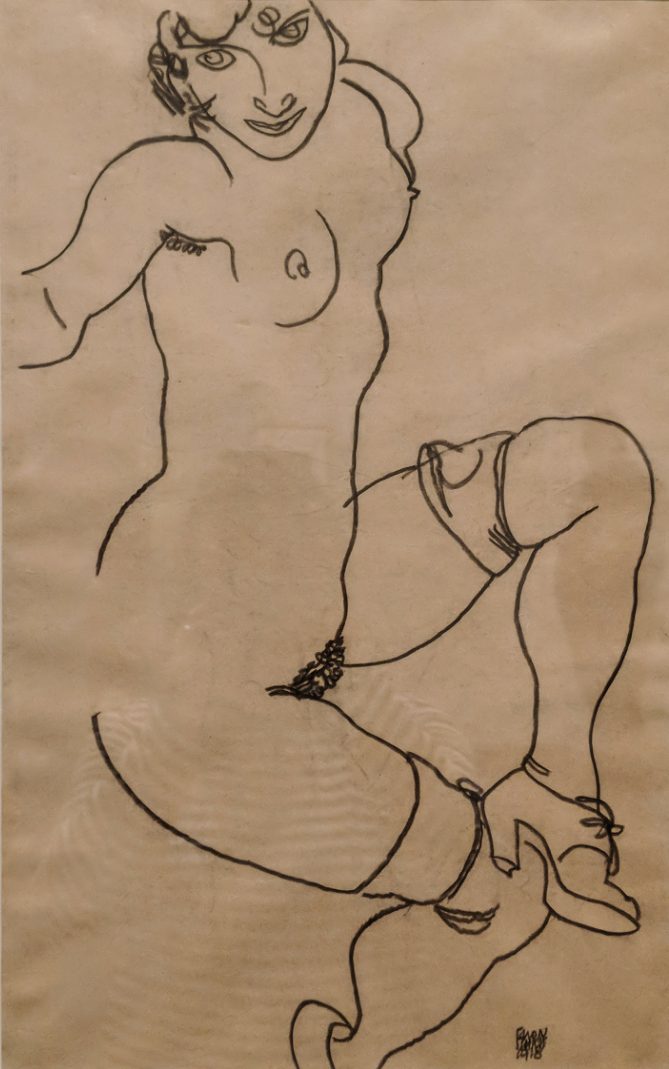
Egon Schiele || Seated Nude in Shoes and Stockings, 1918 || Charcoal on paper


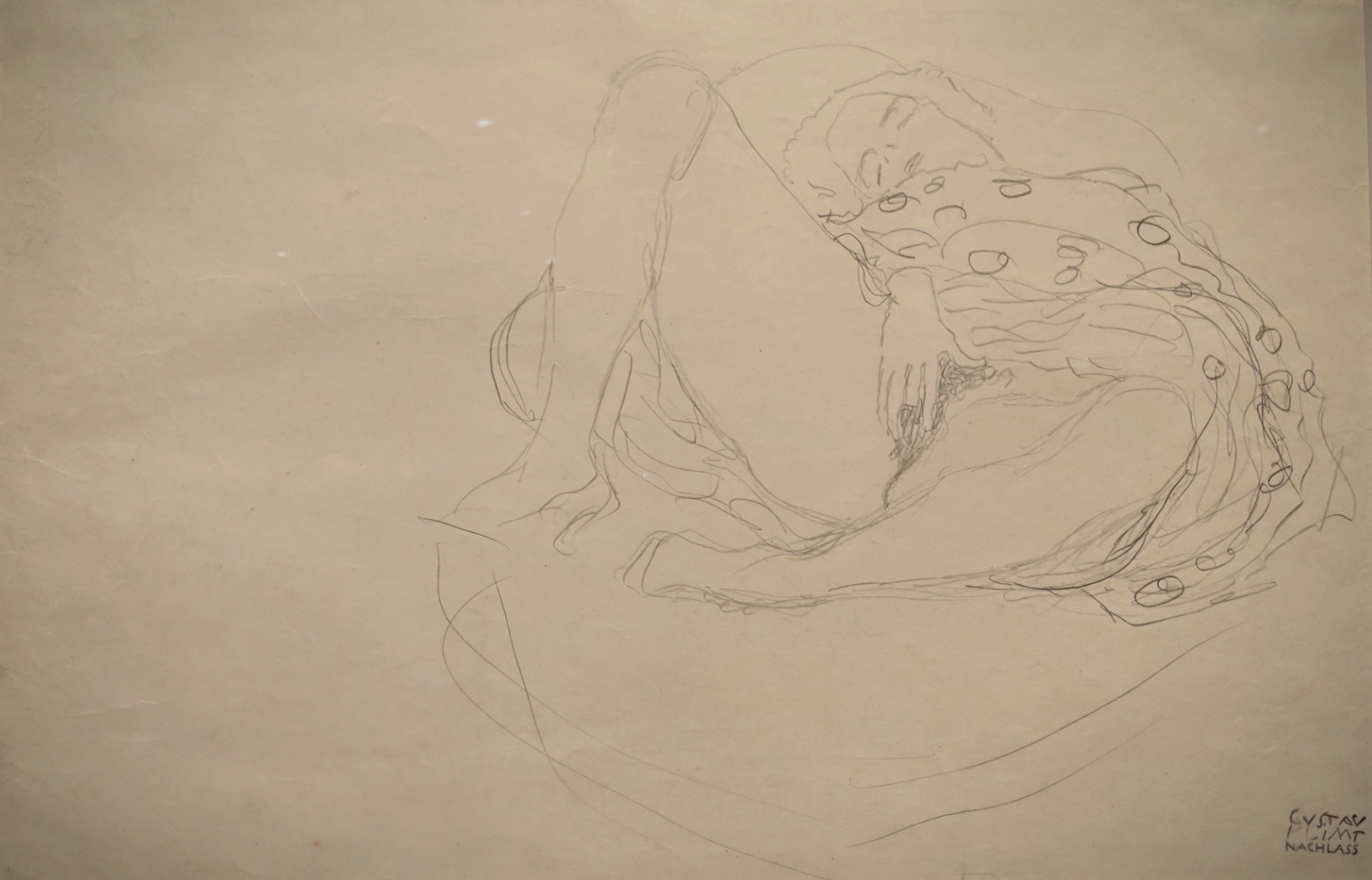
Gustav Klimt || Reclining Nude with Drapery, 1912-13 || Graphite


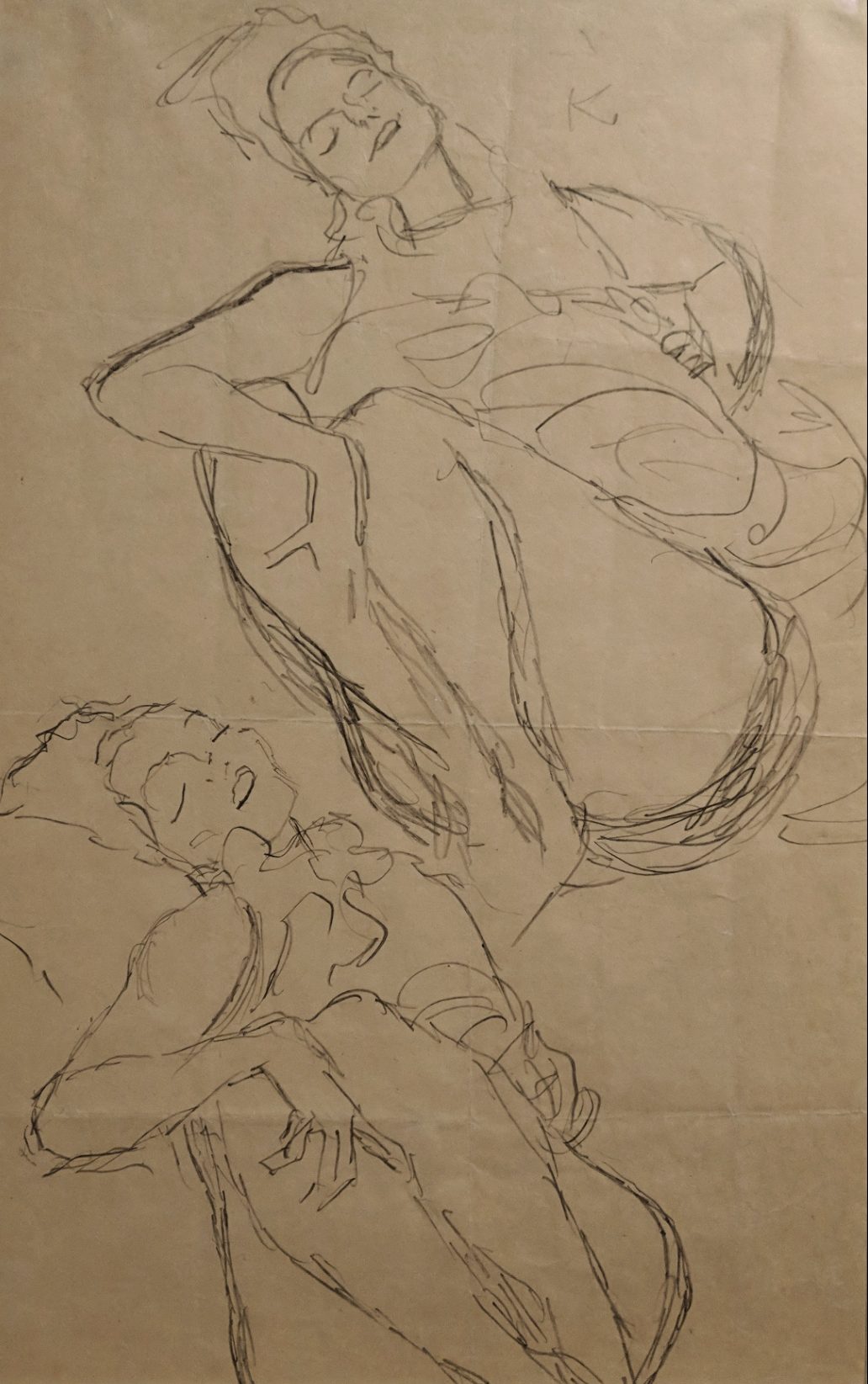
Gustav Klimt || Two Studies for a Crouching Woman, 1914–15 || Graphite


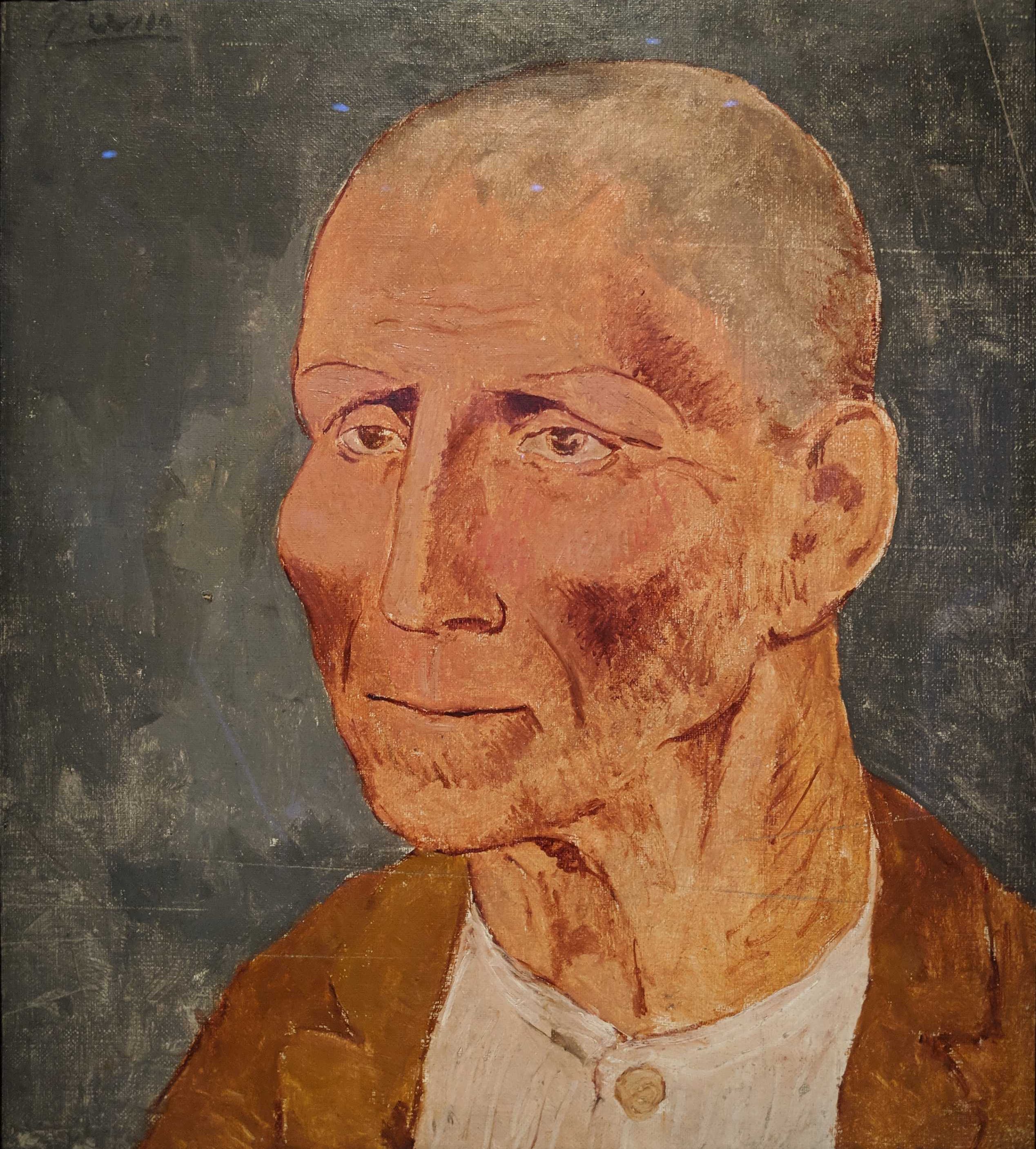
Pablo Picasso || Fondevila, 1906 || Oil on canvas


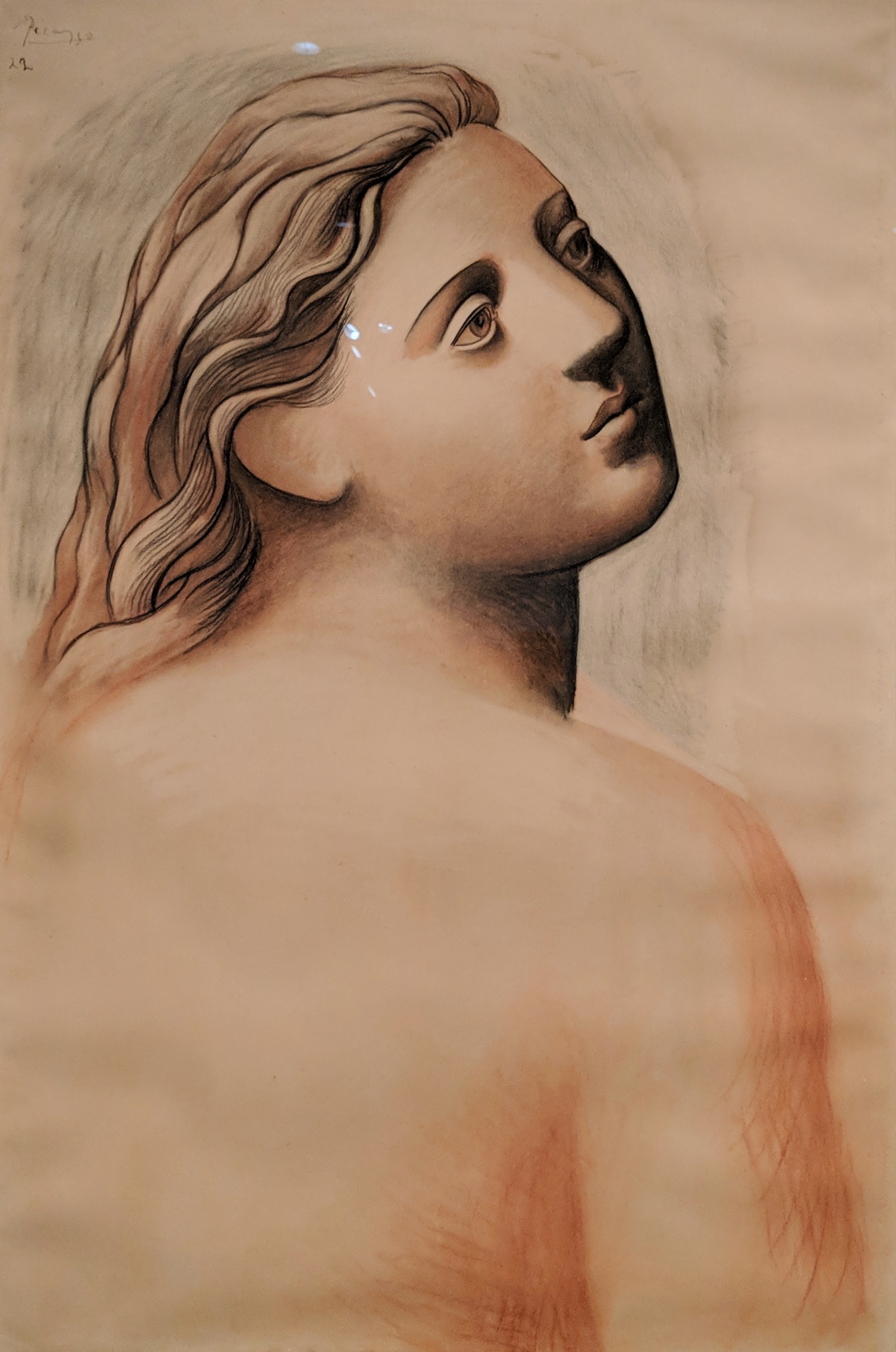
Pablo Picasso || Head of a Woman, 1922 || Chalk on paper


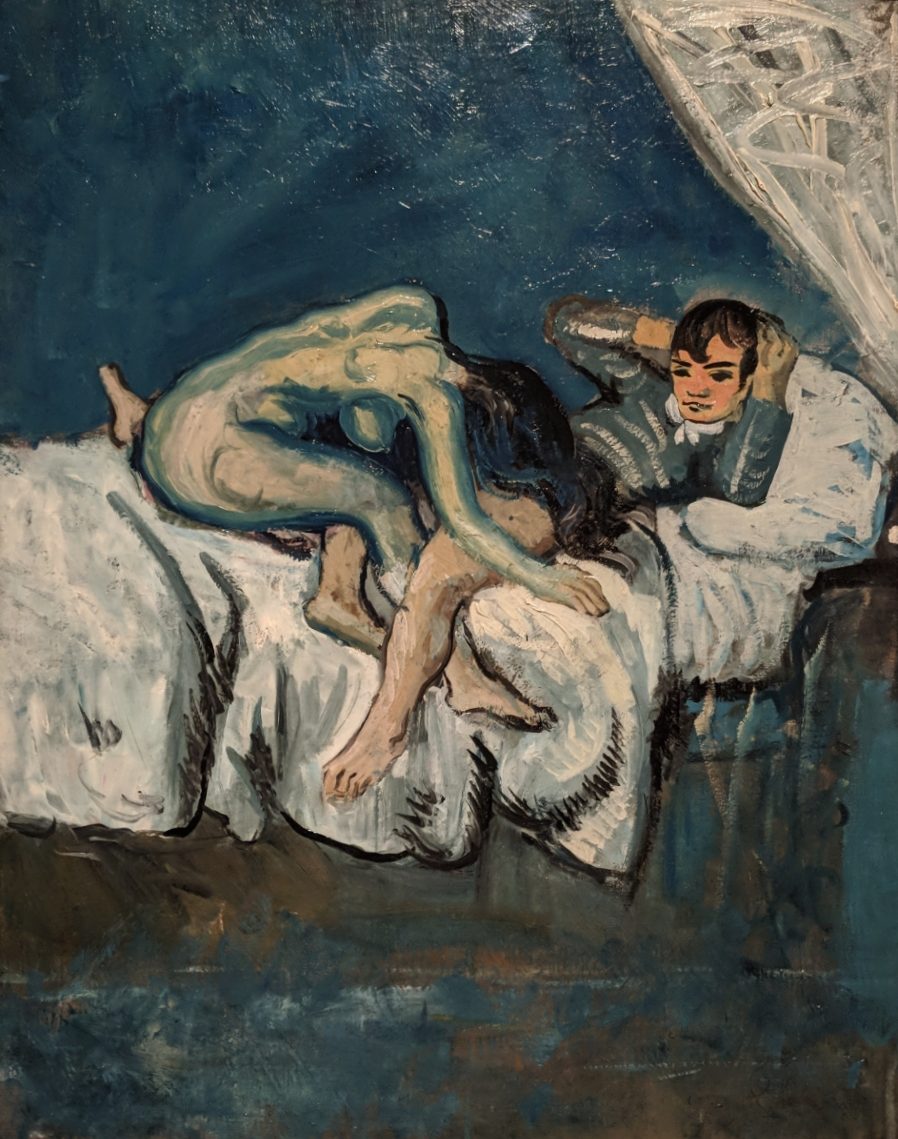
Pablo Picasso || Erotic Scene (La Douceur), 1903 || Oil on canvas


The Met Breuer

August 19th, 2018
Chasing Games

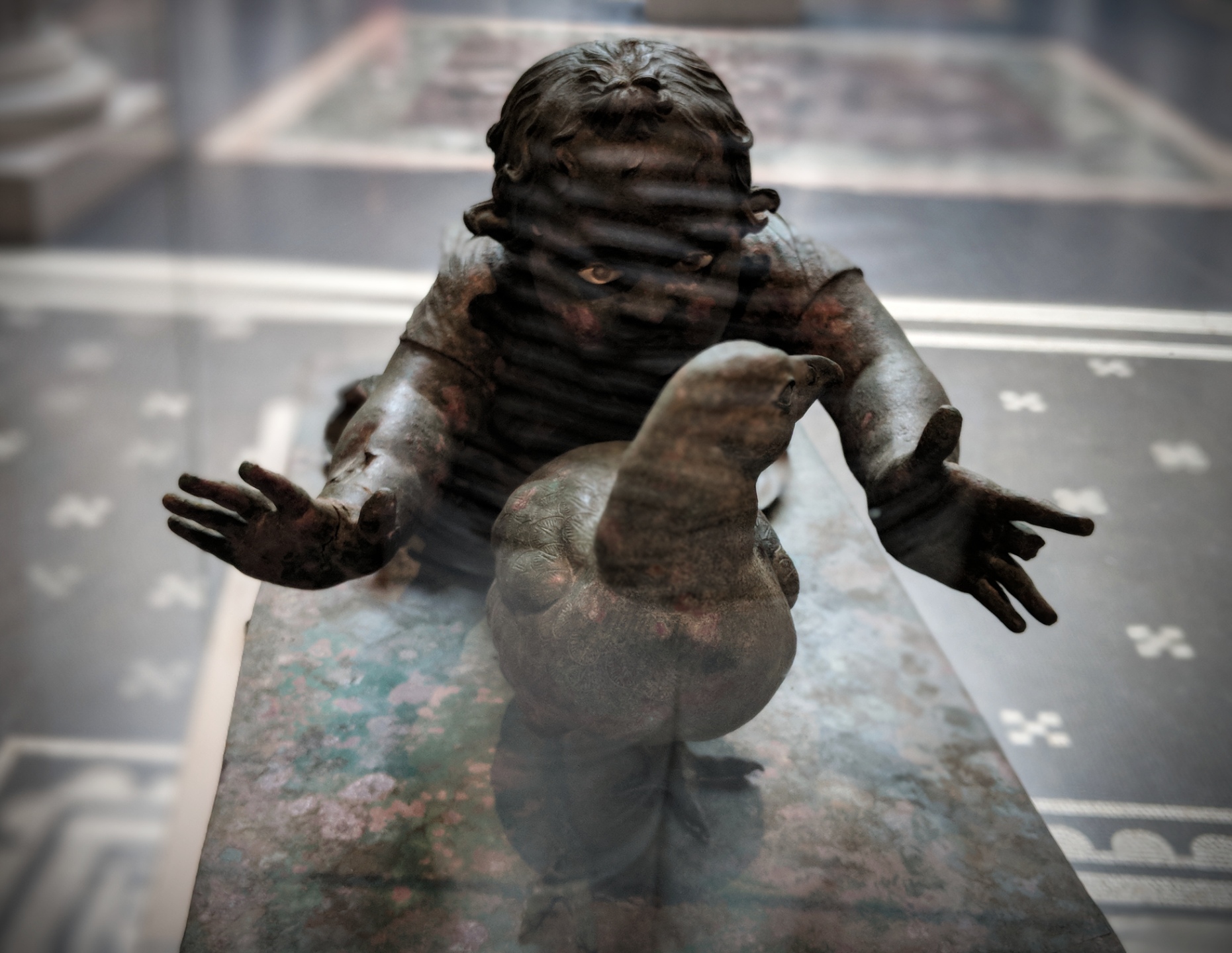
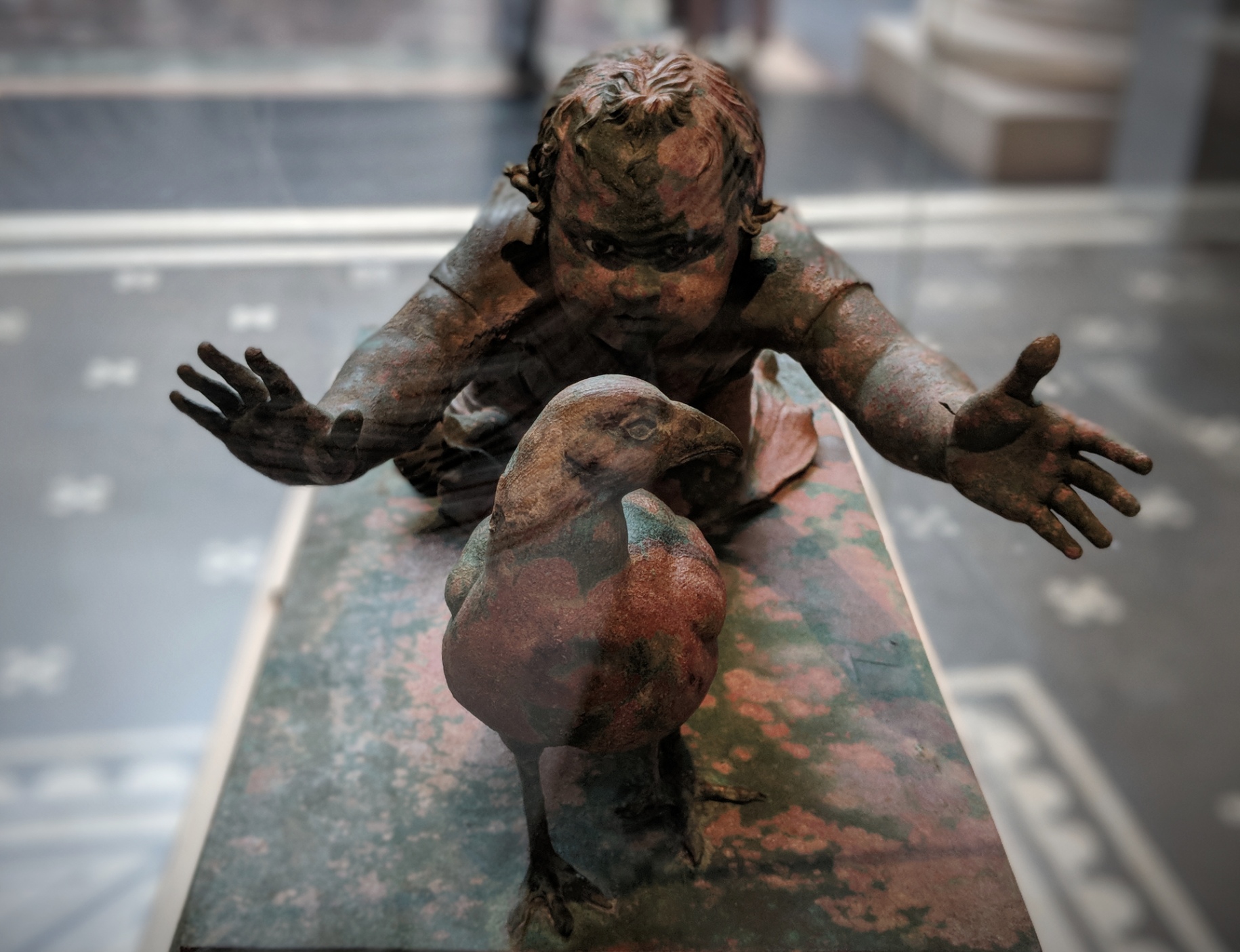
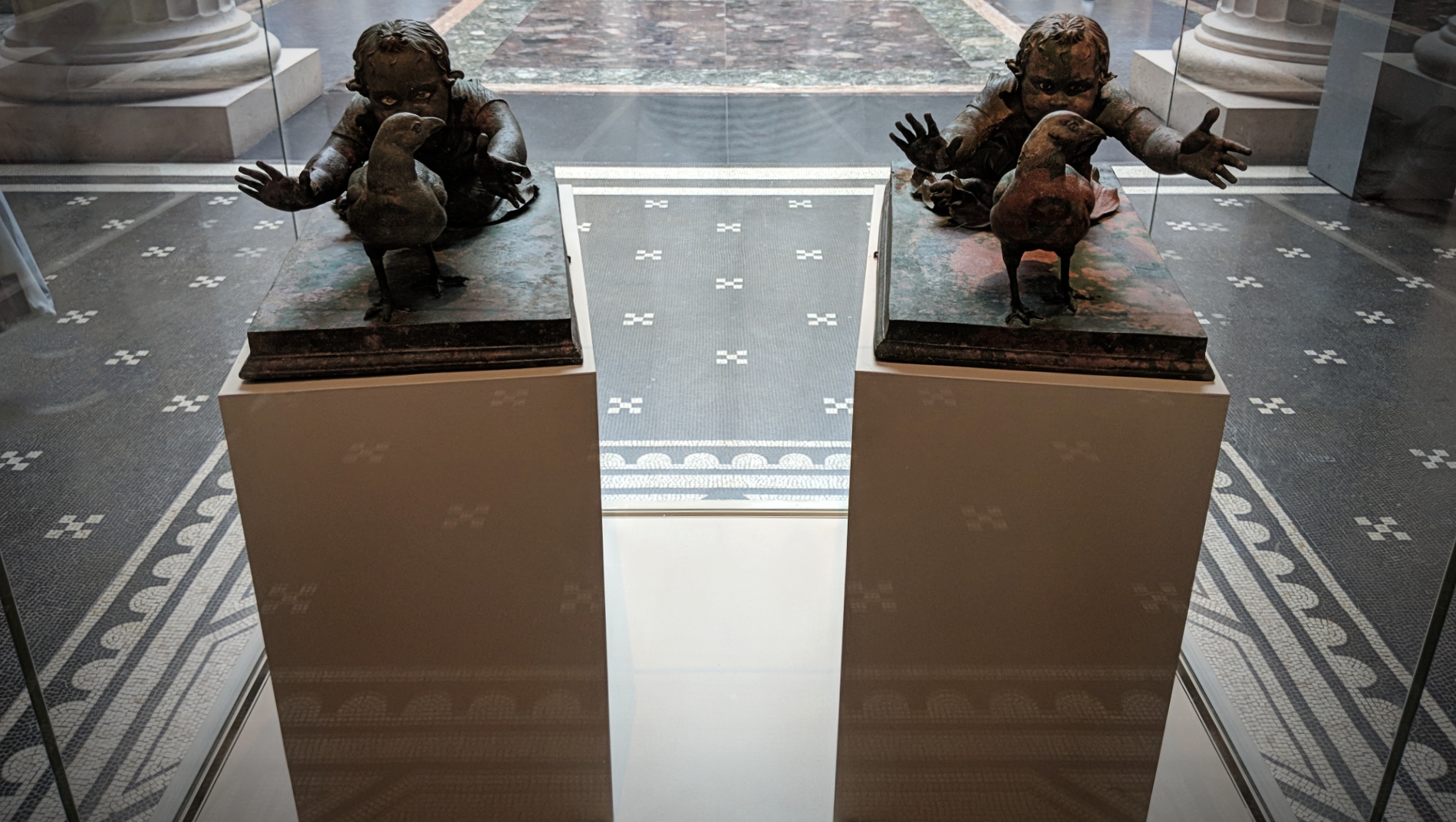
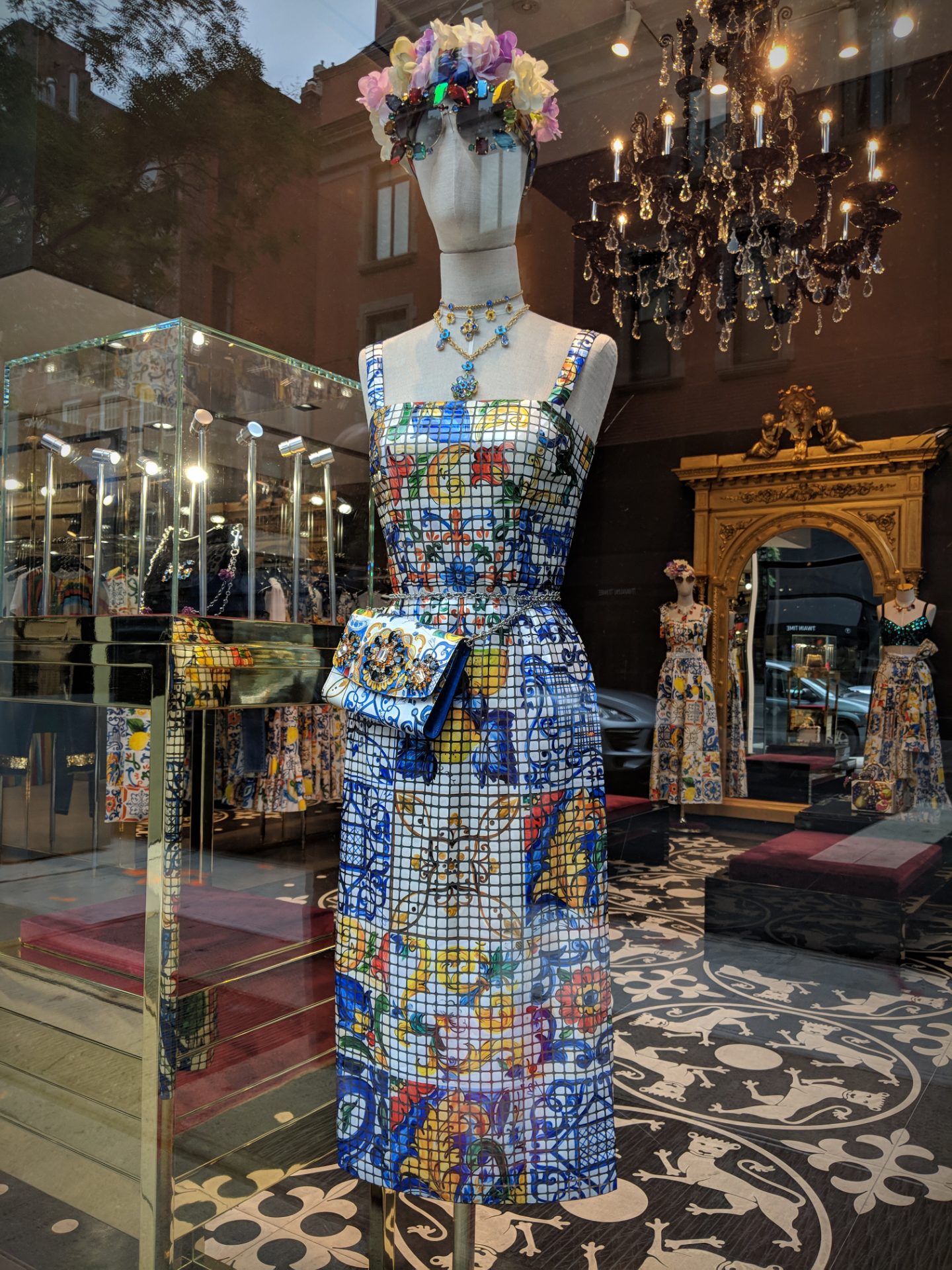
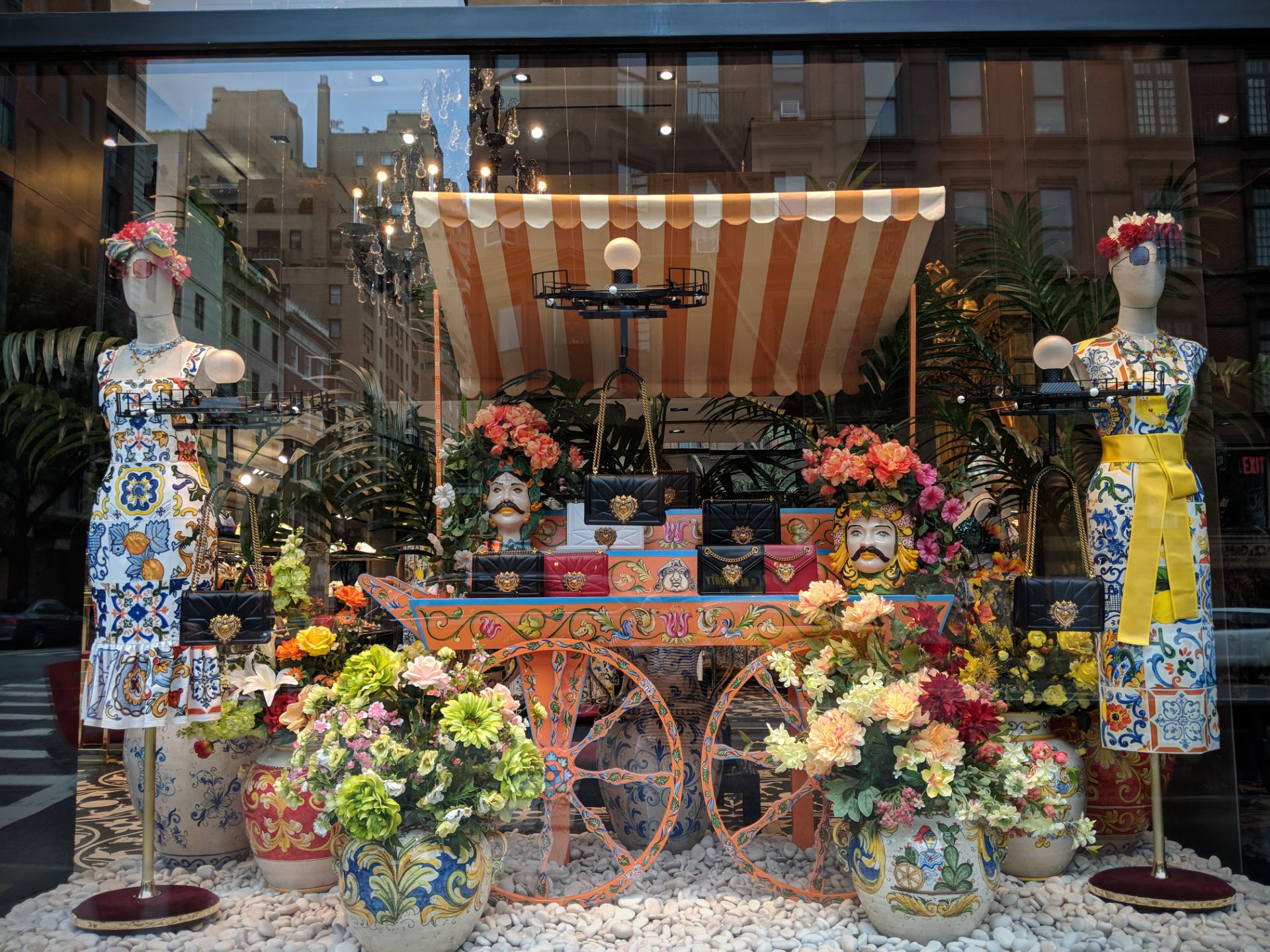
Let the kids go chasing partridges in the Met while grown ups enjoy a wild-goose chase in Mad Ave.

Two bronze statues of girls chasing partridges
Roman, Early Imperial, late 1st century b.c. or early 1st century a.d. 

Children playing with animals became a popular genre type in  Greek and Roman art. These sculptures are remarkable for their large size, excellent state of preservation and careful workmanship. This is the only known symmetrically pendant pair of bronze sculptures, perfectly preserved down to the plinth. 

The Metropolitan Museum of Art & window-shopping on Madison Avenue

August 19th, 2018 (with many thanks to M. – mvschulze, for spotting my unintentional time travel to 2028… wouldn’t that be fun though!)
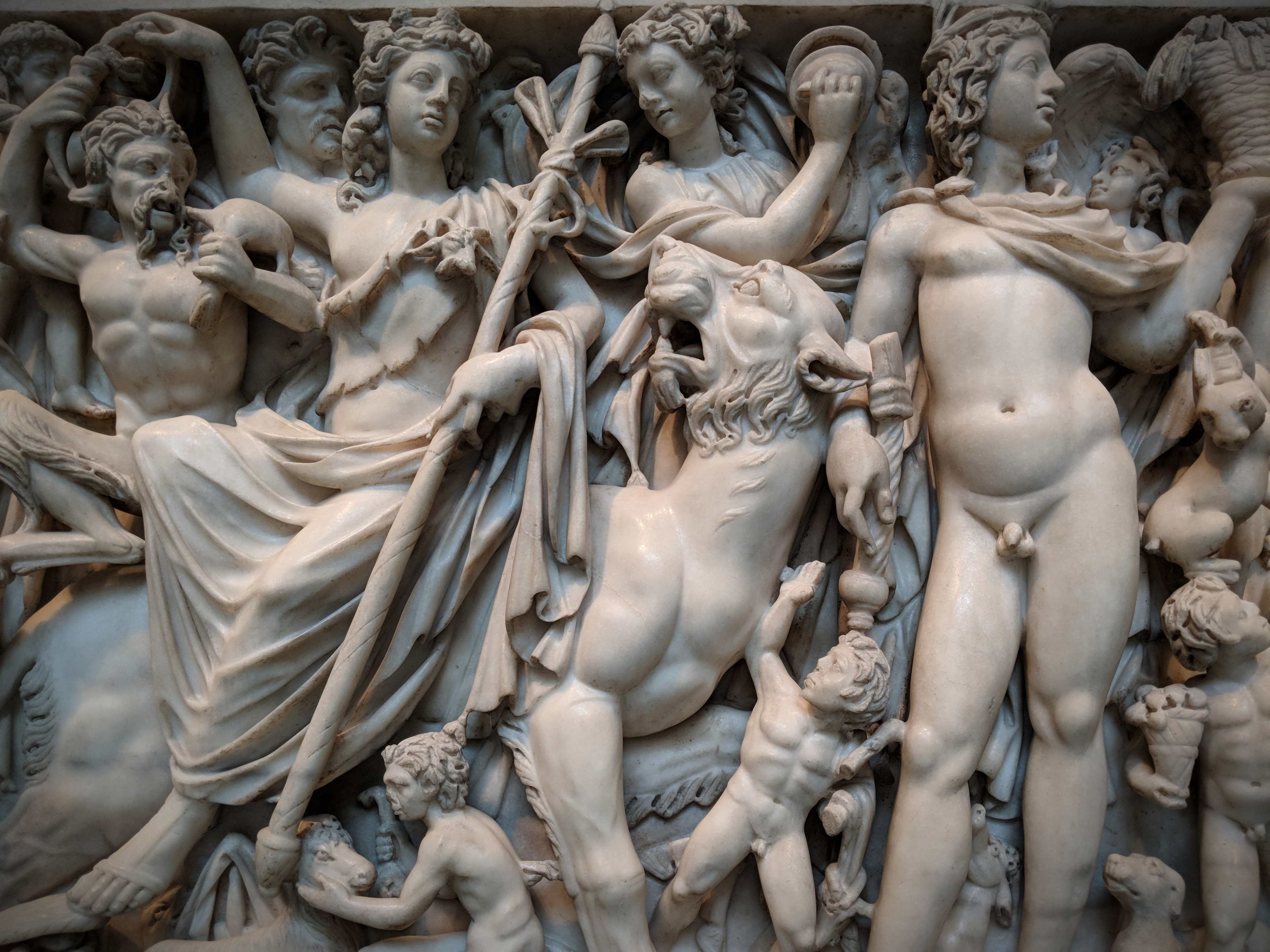
Carving Gods and Nobles

In noble materials
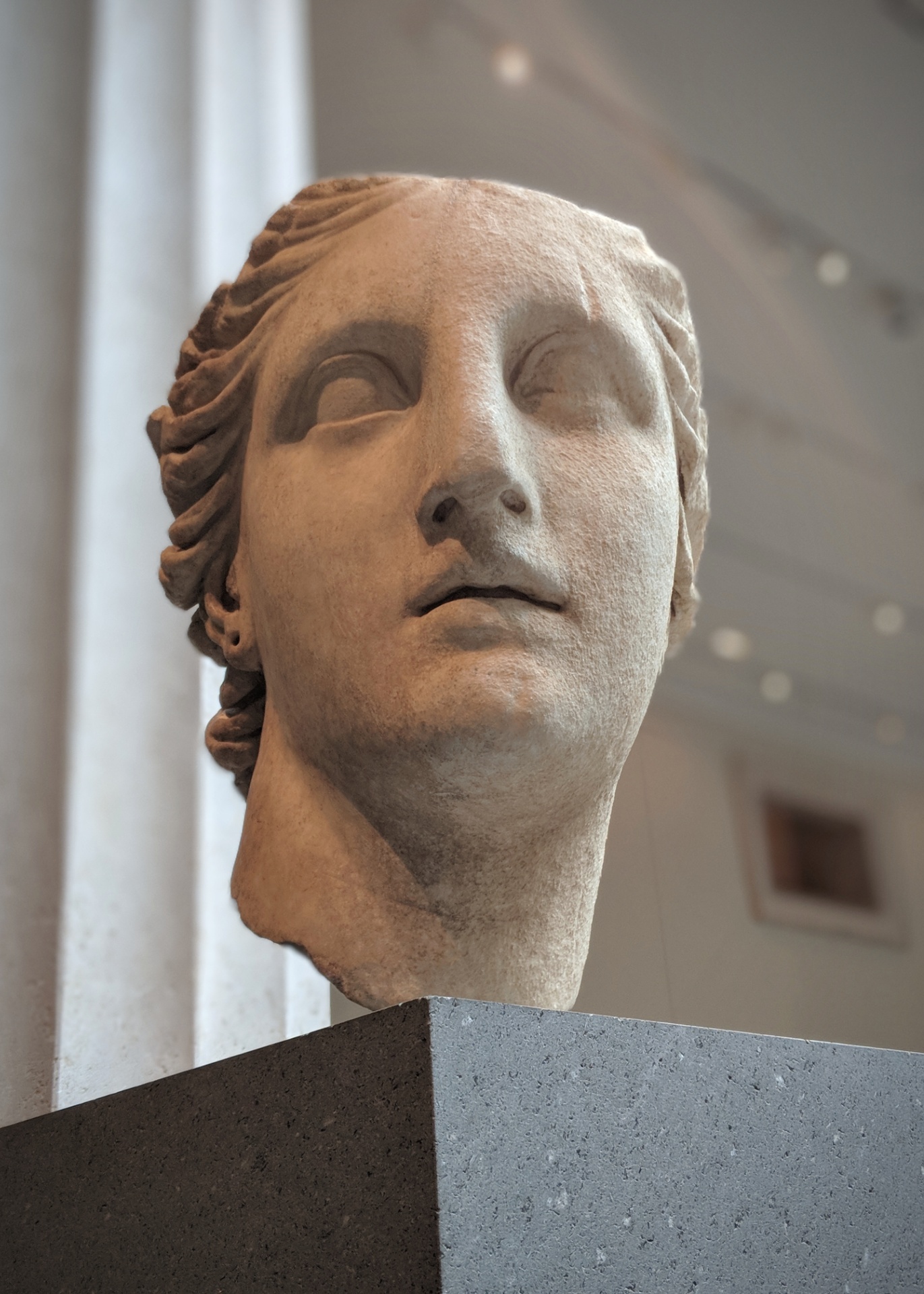
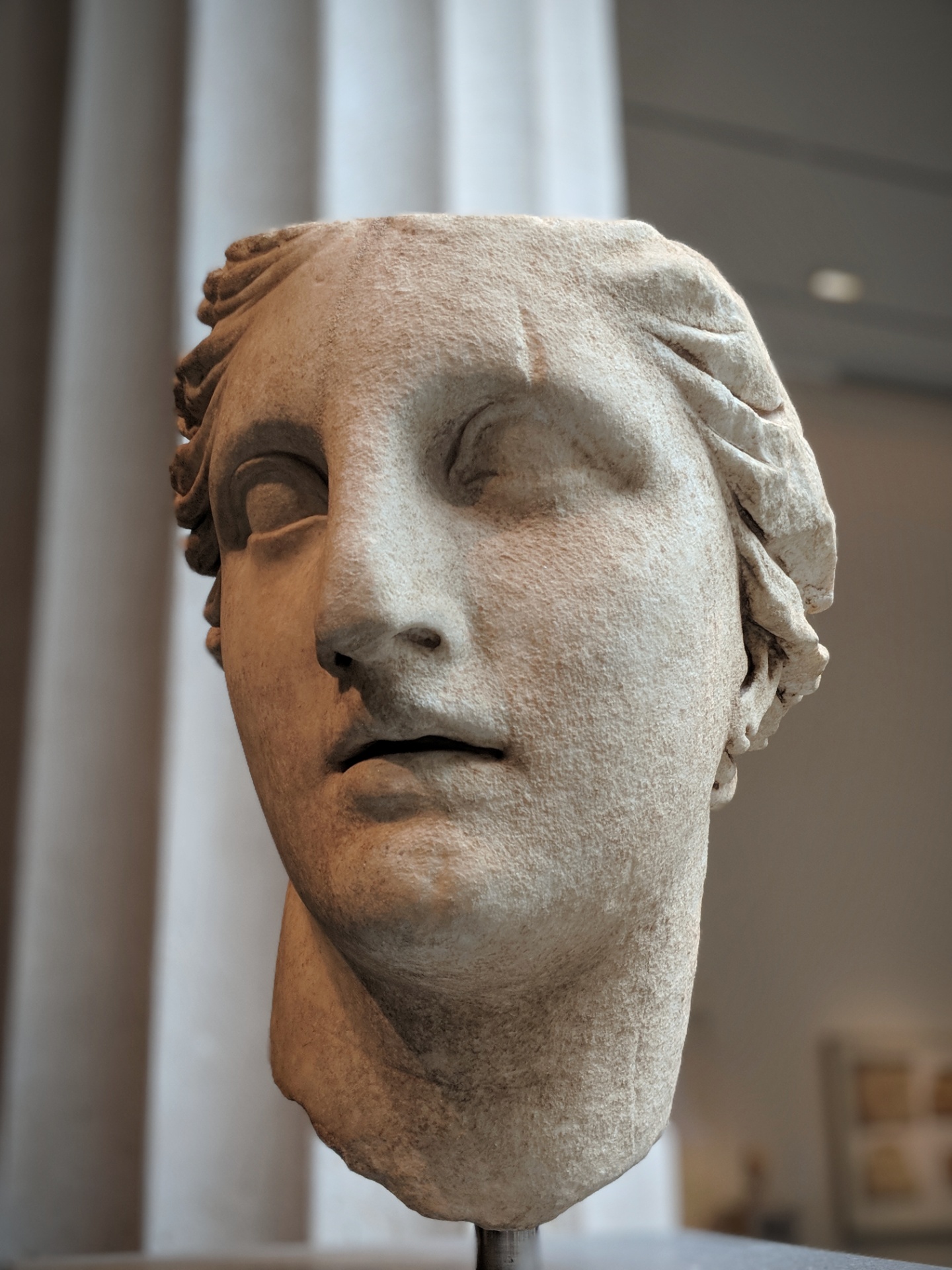
Marble head of Athena
Greek, Hellenistic, ca. 200 b.c. 

The goddess originally wore a helmet of marble or bronze, added separately. The ears are pierced for metal earrings. The head comes from an over-life-sized statue that possibly represented the goddess striding forward. The statue may have stood outdoors, as a monumental votive image of the warrior goddess in her role as protectress of a city rather than within a temple as a cult statue.

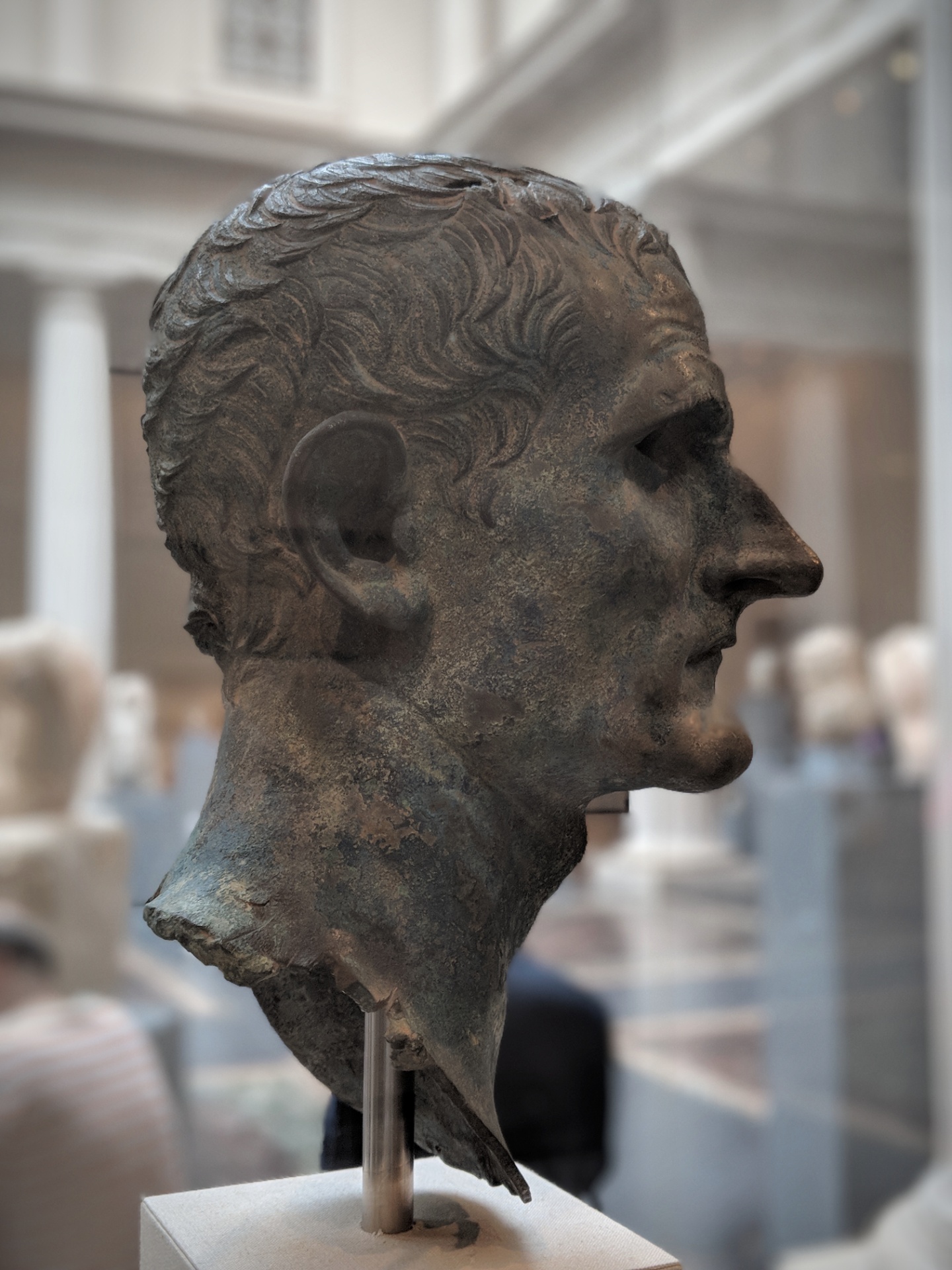
Bronze portrait of a man
Roman, Late Republican or Early Imperial, ca. 1st century b.c.

In the early first century b.c. Greek artists were fashioning portraits of Roman patrons that presented a straightforward image of their subjects in a veristic style. This phenomenon existed across the ever-expanding Roman world, but the finest and largest group of such portraits in marble survives on the Cycladic island of Delos, which was an important commercial centre in the Late Republican period and home to numerous Roman merchants. 

The portrait exhibited here is a good example of the veristic style, which appealed to Roman citizens who valued individuality. Bronze was the preferred medium for Roman honorific statues because of its ability to achieve the closest possible fidelity to nature. 

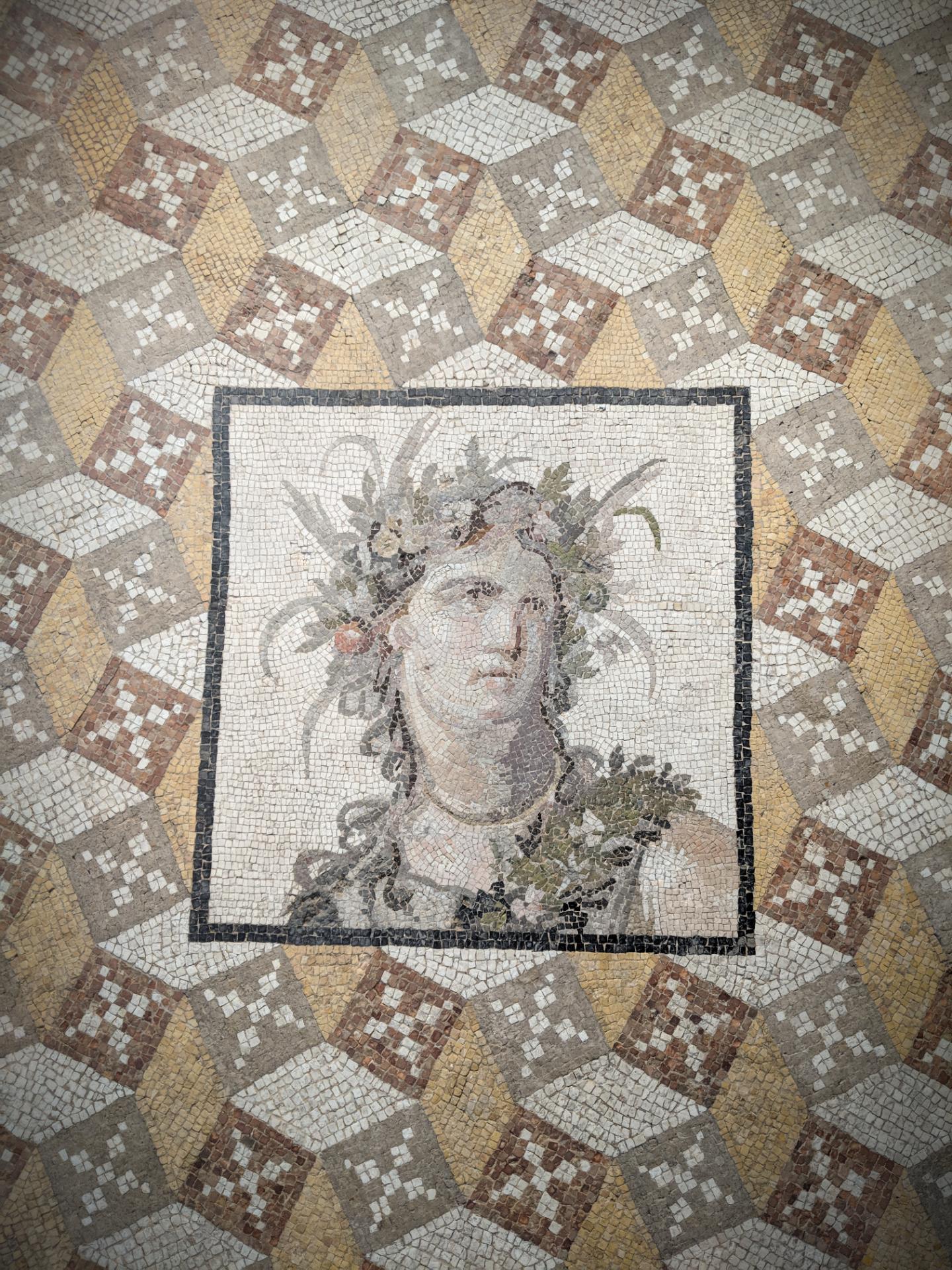
Mosaic floor panel
Roman, Imperial, 2nd century a.d.
Stone, tile and glass
Excavated from a villa at Daphne near Antioch (modern Antakya, Turkey), the metropolis of Roman Syria

The rectangular panel represents the entire decorated area of a floor and was found together with another mosaic (now in the Baltimore Museum of Art) in an olive grove at Daphne-Harbiye in 1937. In Roman times, Daphne was a popular holiday resort, used by the wealthy citizens and residents of Antioch as a place of rest and refuge from the heat and noise of the city. 

The Metropolitan Museum of Art

August 19th, 2018
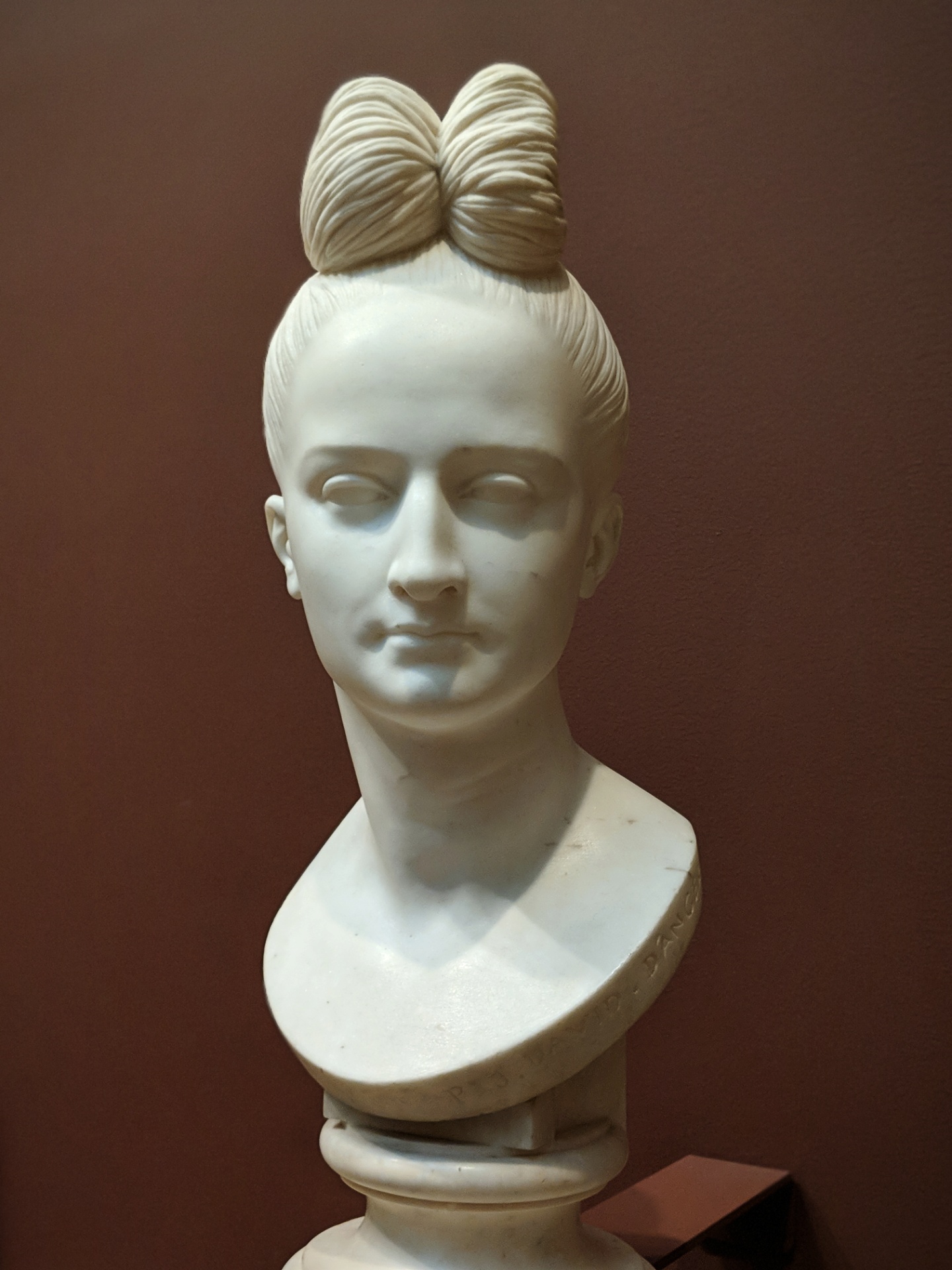
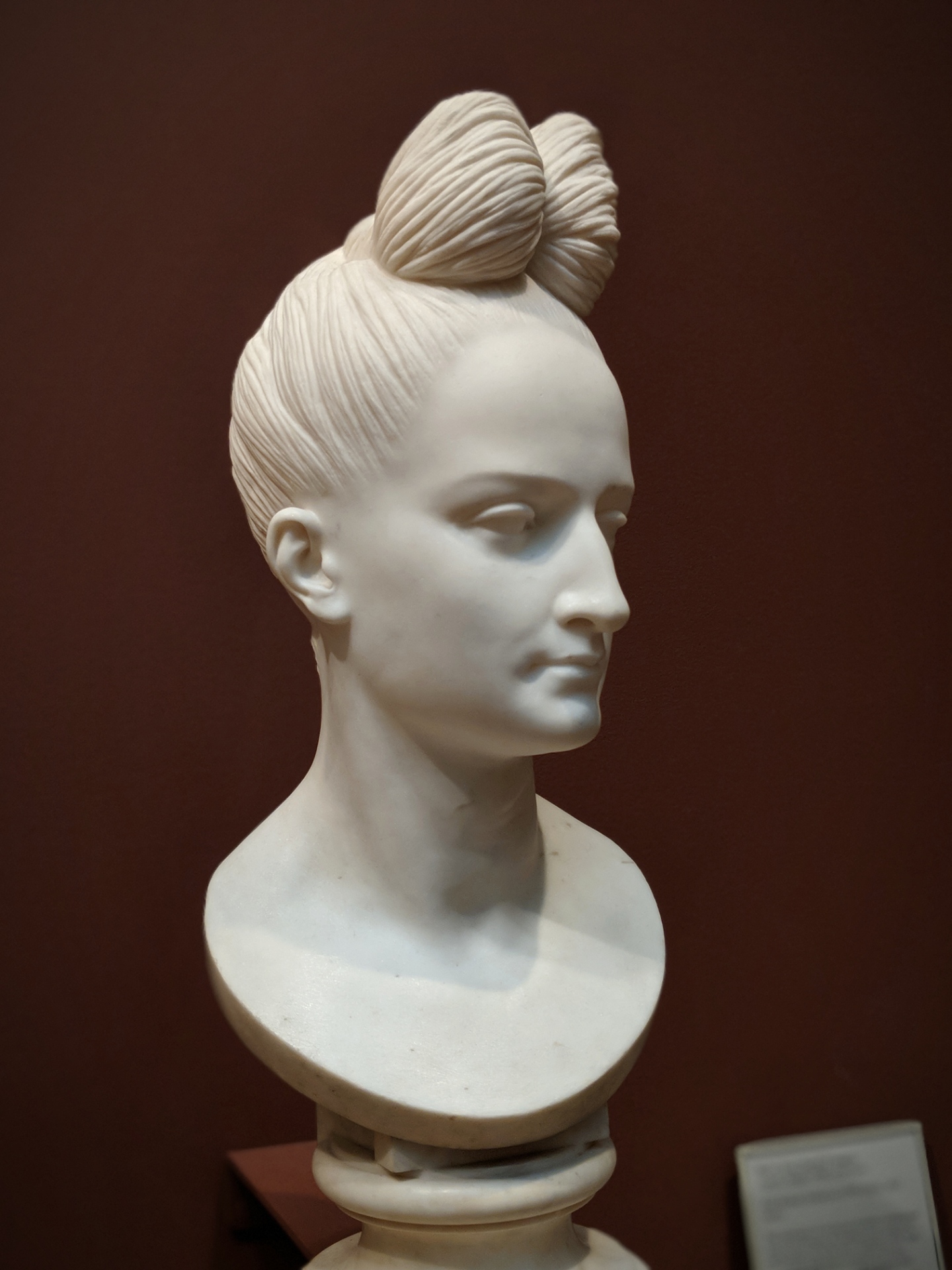
Hair Styles for the Zoom Era: Tie the Knot

No hair stylist? No problem!

Pierre Jean David d’Angers (1788-1856)
Ann Buchan Robinson, 1831
Marble

This masterpiece of carving was probably commissioned from David d’Angers, the leading portrait sculptor of the Romantic era, by the sitter’s husband, a New York entrepreneur with business connections in France. Formal purity is paramount: nothing distracts from the transition between smooth skin and the swept up coils of an extraordinary hairstyle that was the height of fashion about 1830. The tilt of the head and slightly pouted lips impart refined lifelikeness to the portrait. Robinson’s idealized serenity is typical of David d’Angers’s female portrait busts; those depicting men tend to reveal far more about the sitters’ inner personality. 

Lent to the Metropolitan Museum of Art by the Museum of the City of New York

August 19th, 2018