The Art Institute of Chicago

After two full days absorbing as much as possible of the city’s stunning art deco architecture, it was now high time for some art. Enter the Art Institute of Chicago, one of the largest museums in the United States, one that is home to some of my favourite paintings and the one museum you should never leave Chicago without visiting.

And once inside, the danger is, you will never want to leave.

Gustave Caillebotte (1848-1894)
Paris Street; Rainy Day, 1877, oil on canvas


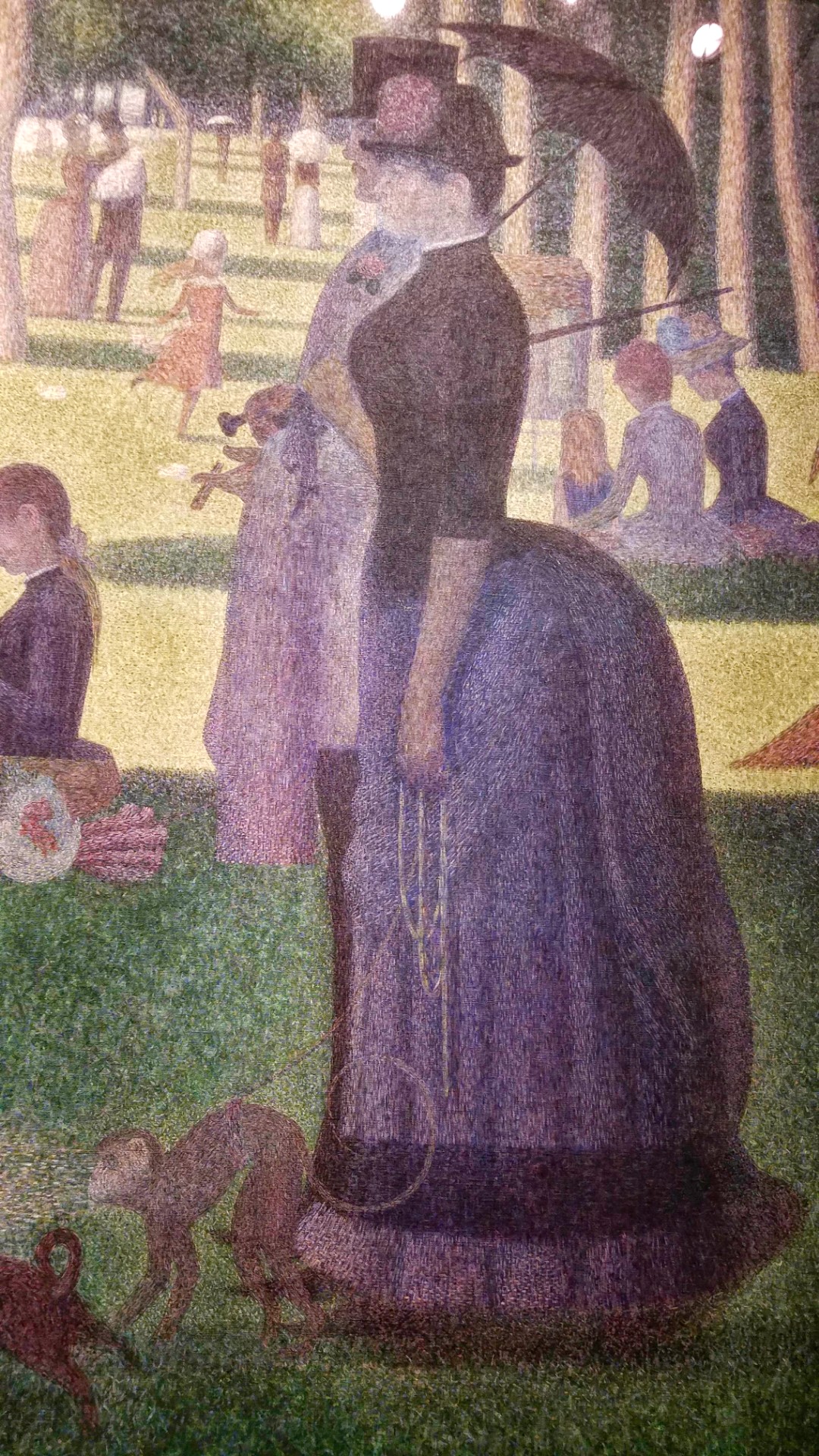
Georges Seurat (1859-1891)
A Sunday on La Grande Jatte – 1884 (1884-86), oil on canvas


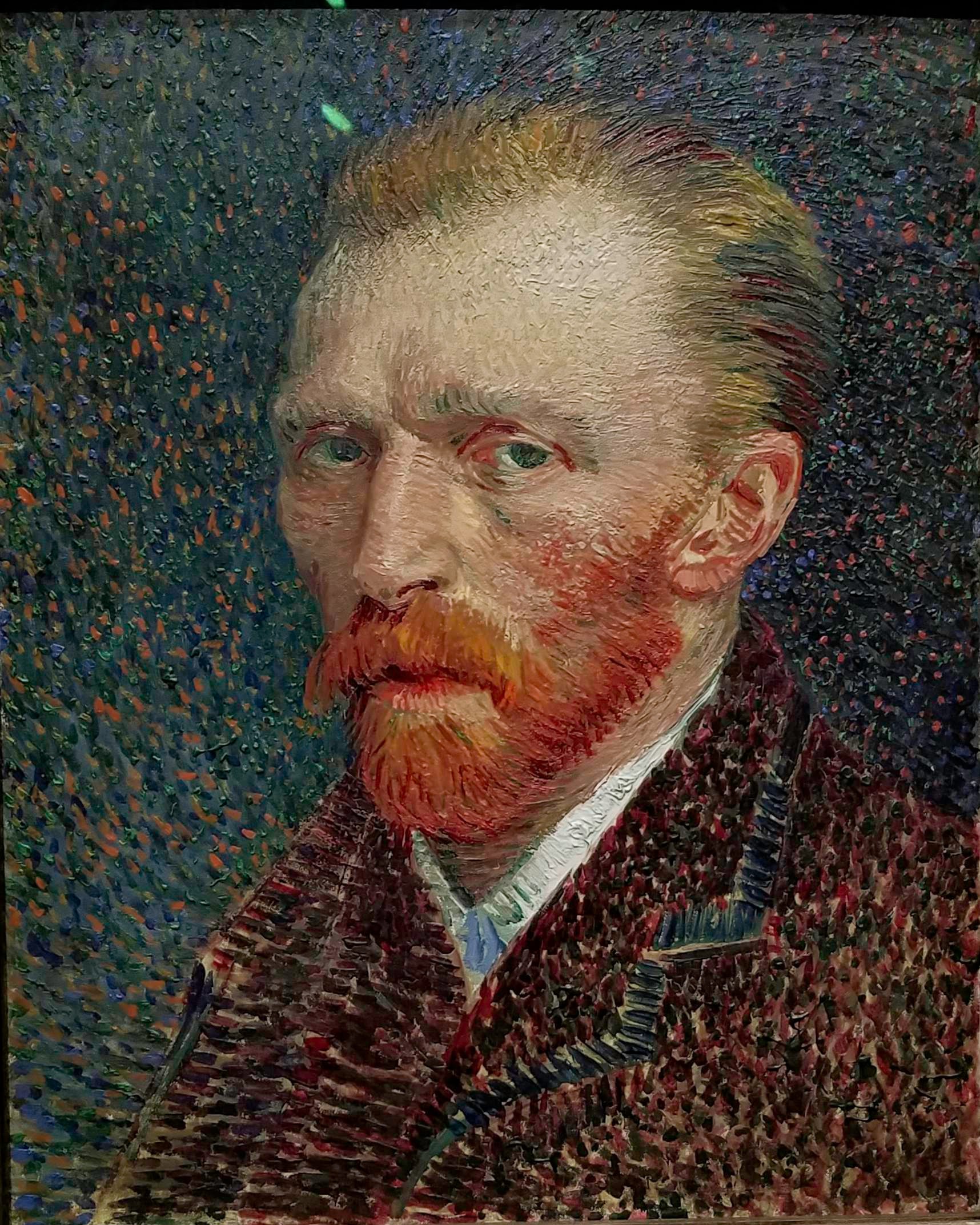
Vincent van Gogh (1853-1890)
Self-Portrait, 1887, oil on artist’s board, mounted on cradled panel


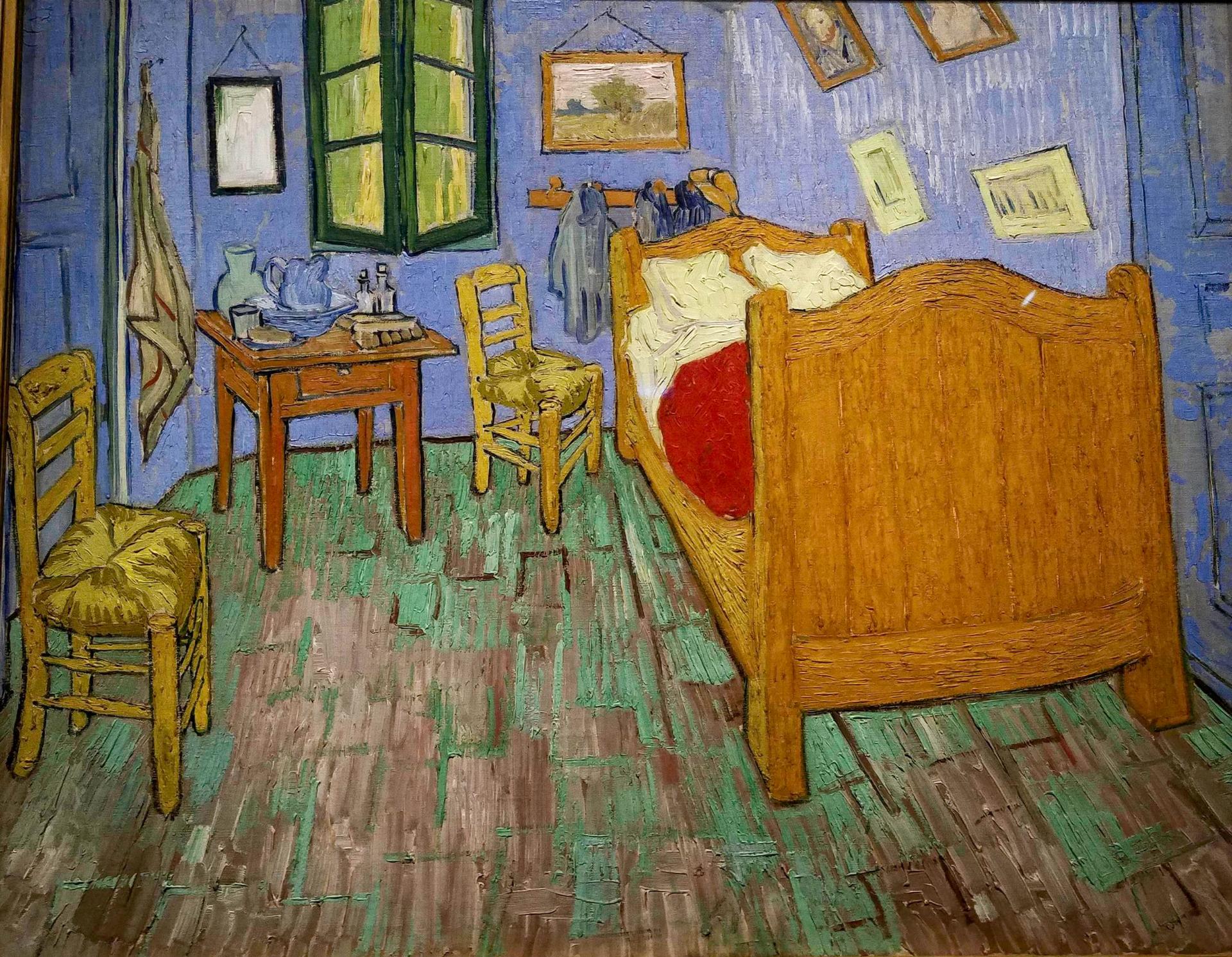
Vincent van Gogh (1853-1890)
The Bedroom, 1889, oil on canvas


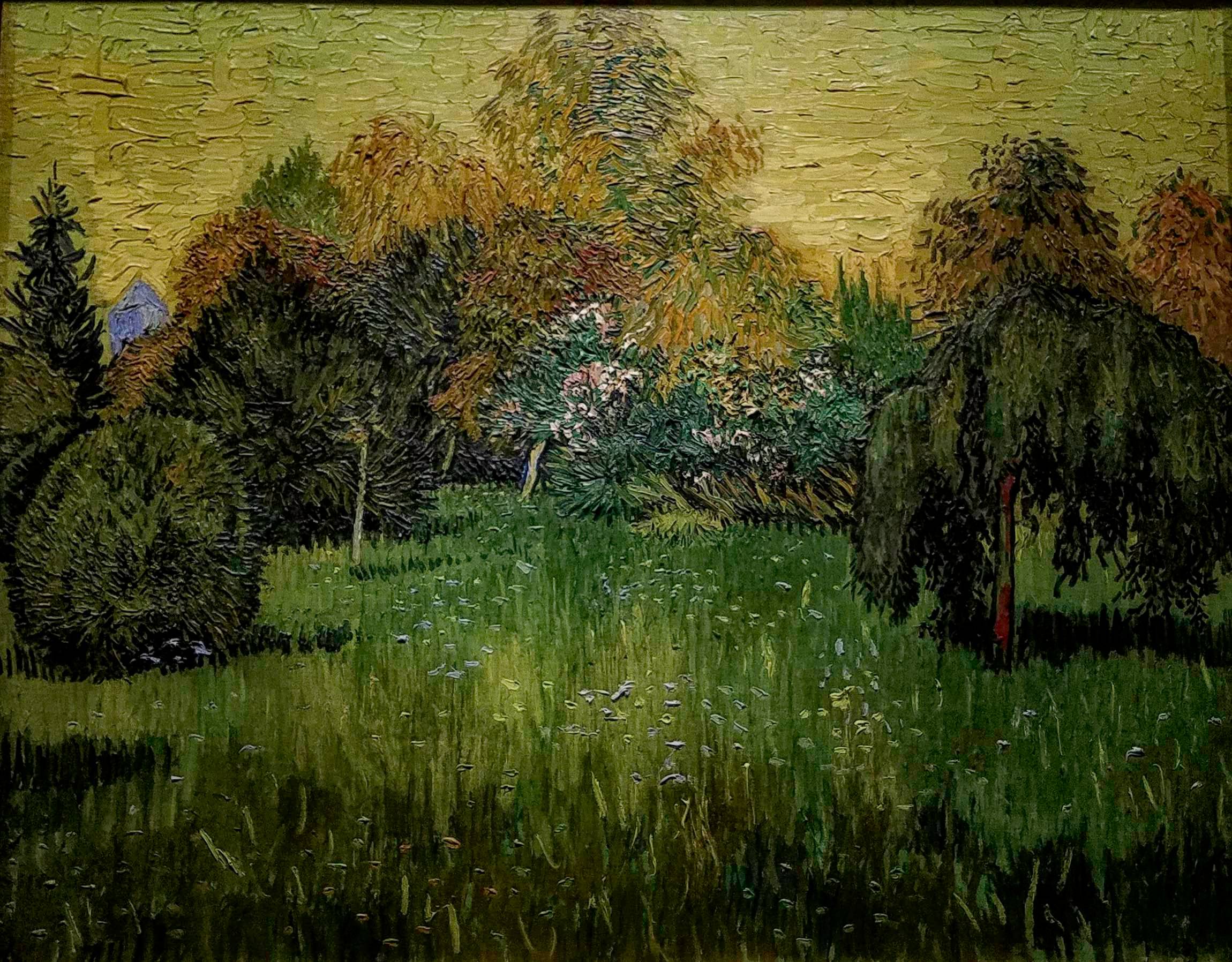
Vincent van Gogh (1853-1890)
The Poet’s Garden, 1888, oil on canvas


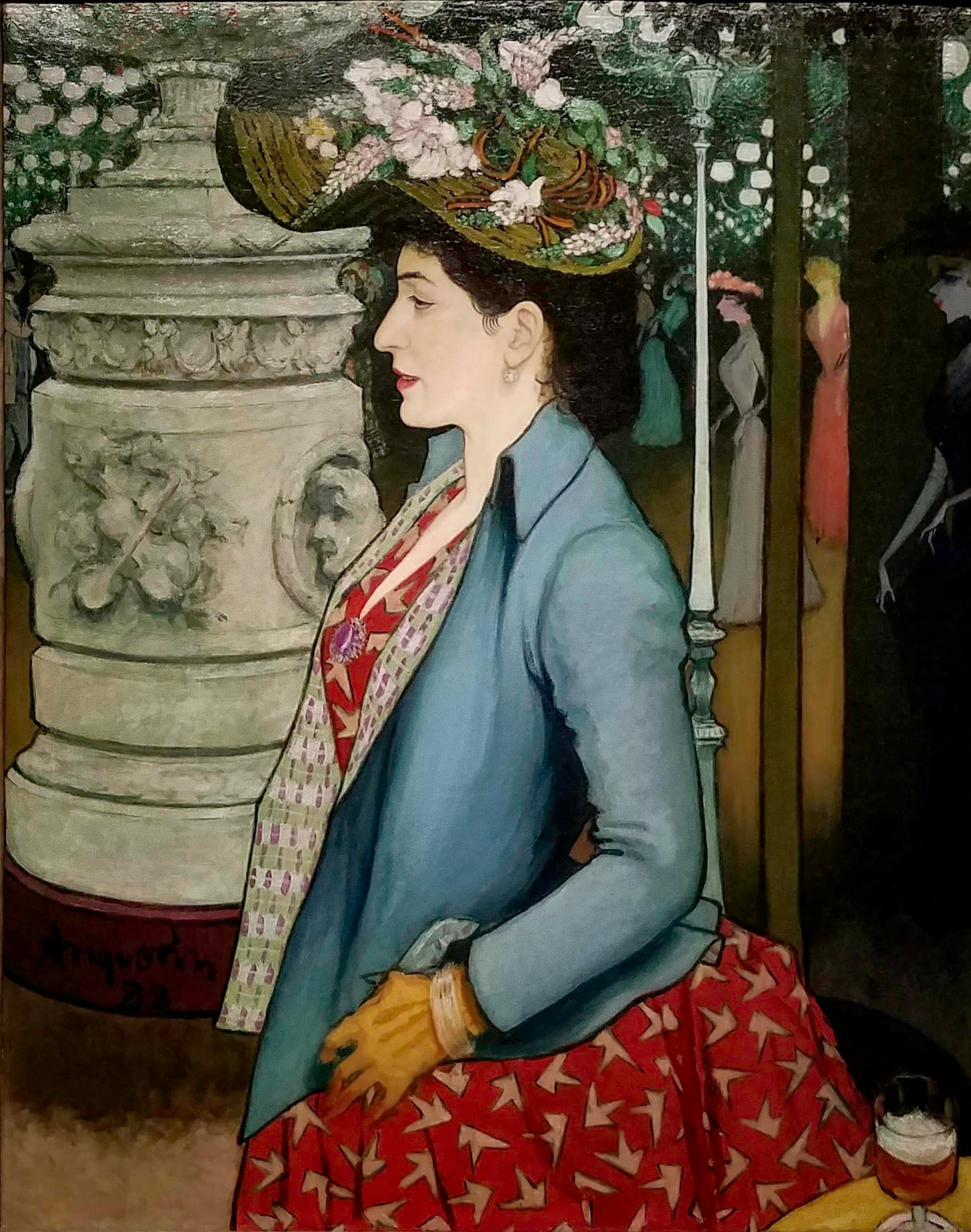
Louis Anquetin (1861-1932)
An Elegant Woman at the Élysée Montmartre, 1888, oil on canvas


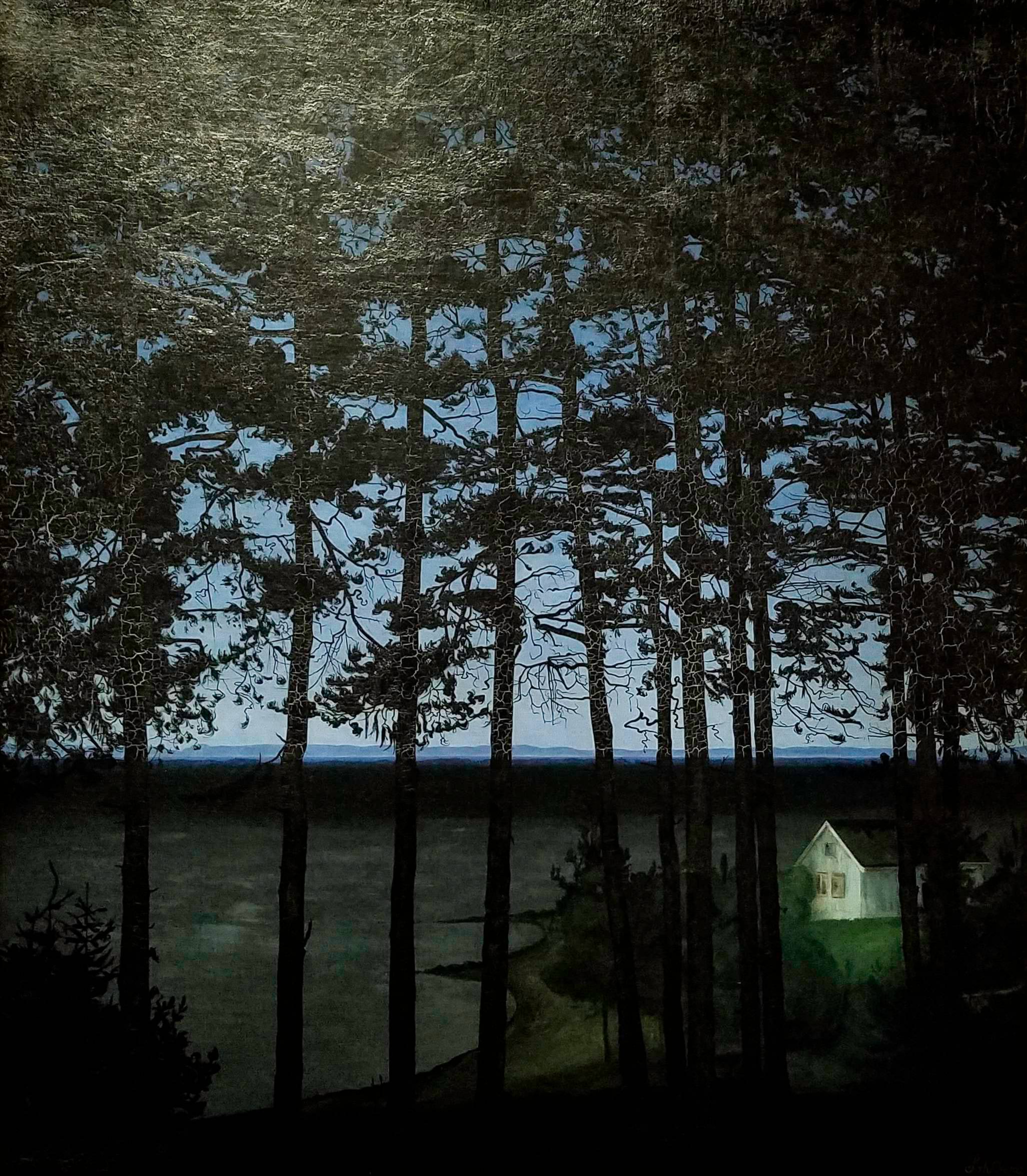
Harald Sohlberg (1869-1935)
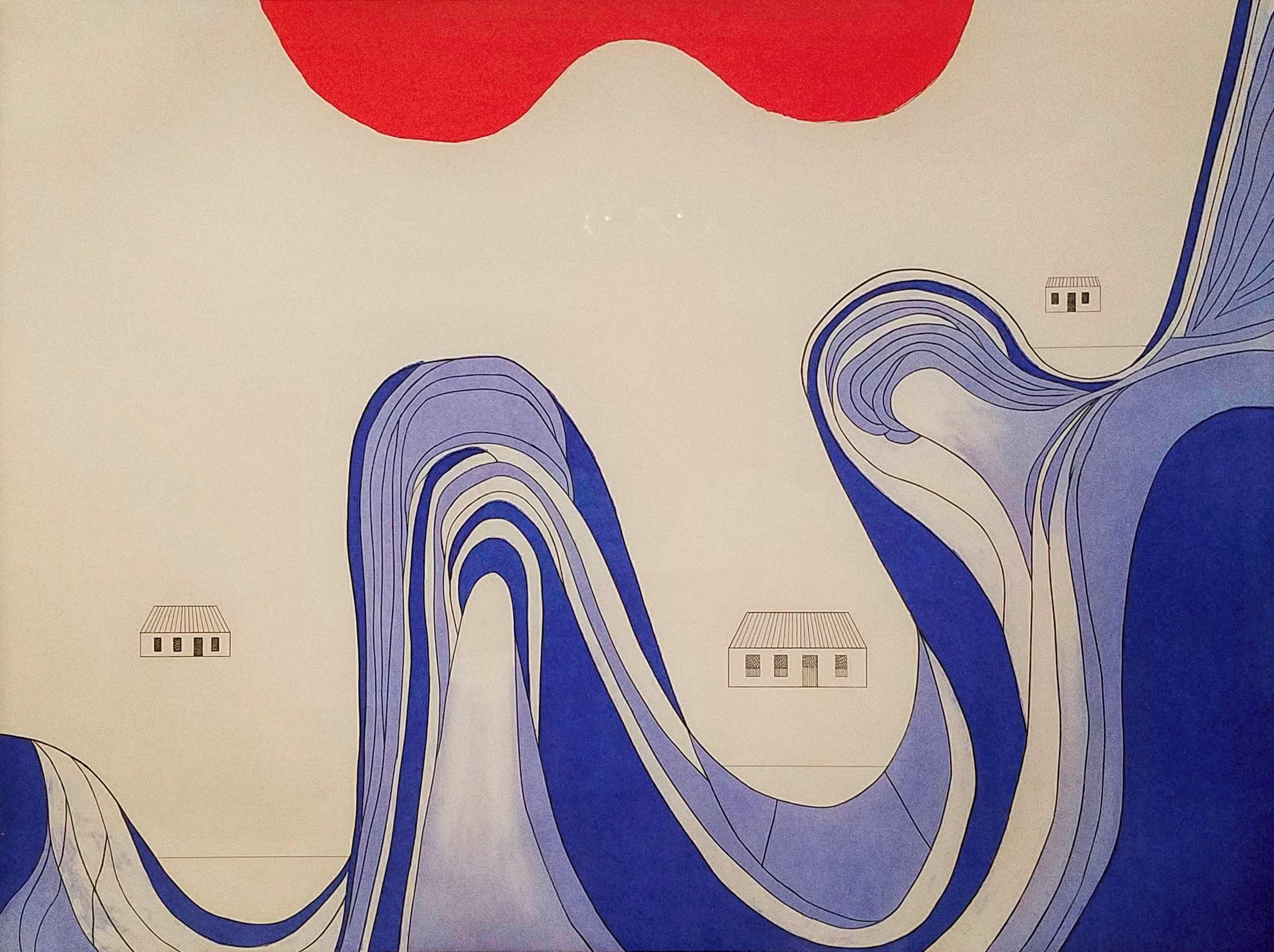
Fisherman’s Cottage, 1906, oil on canvas


Pierre-Auguste Renoir (1841-1919)
Lucie Berard (Child in White), 1883, oil on canvas


Emil Nolde (1867-1956)
Red-Haired Girl, 1919, oil on canvas


The Art Institute of Chicago

November 4th, 2017

Chicago || The Art Deco City

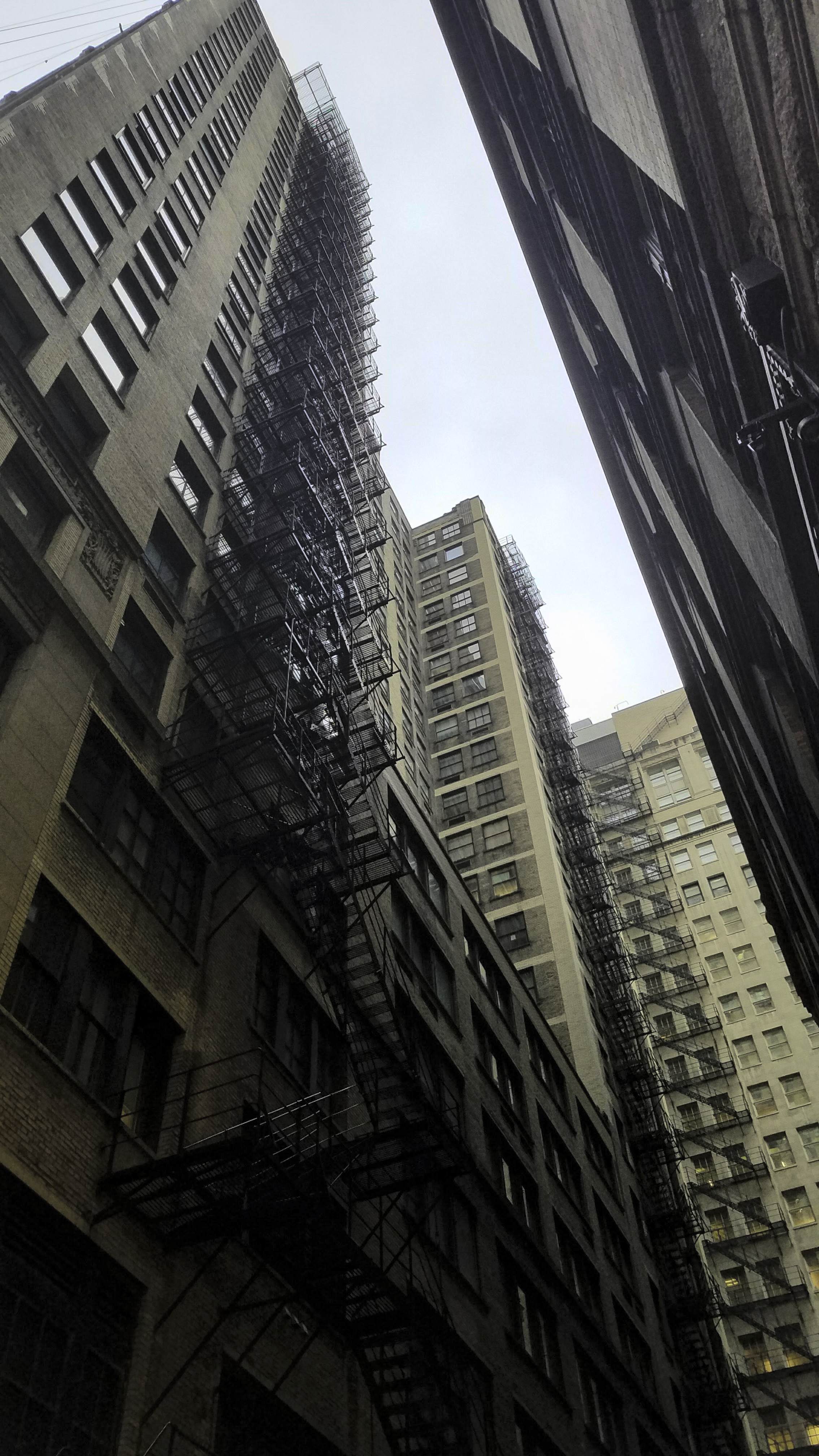
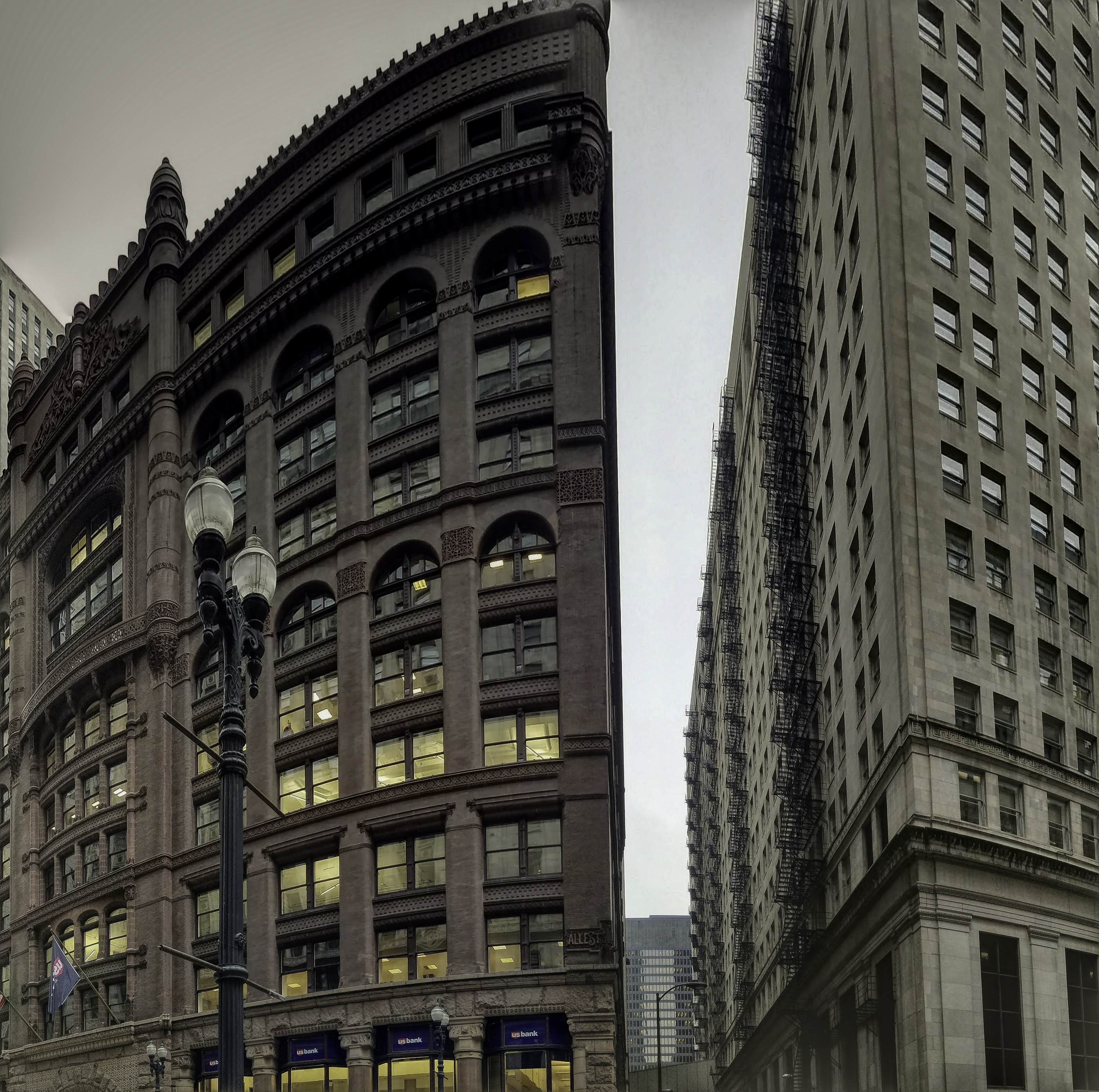
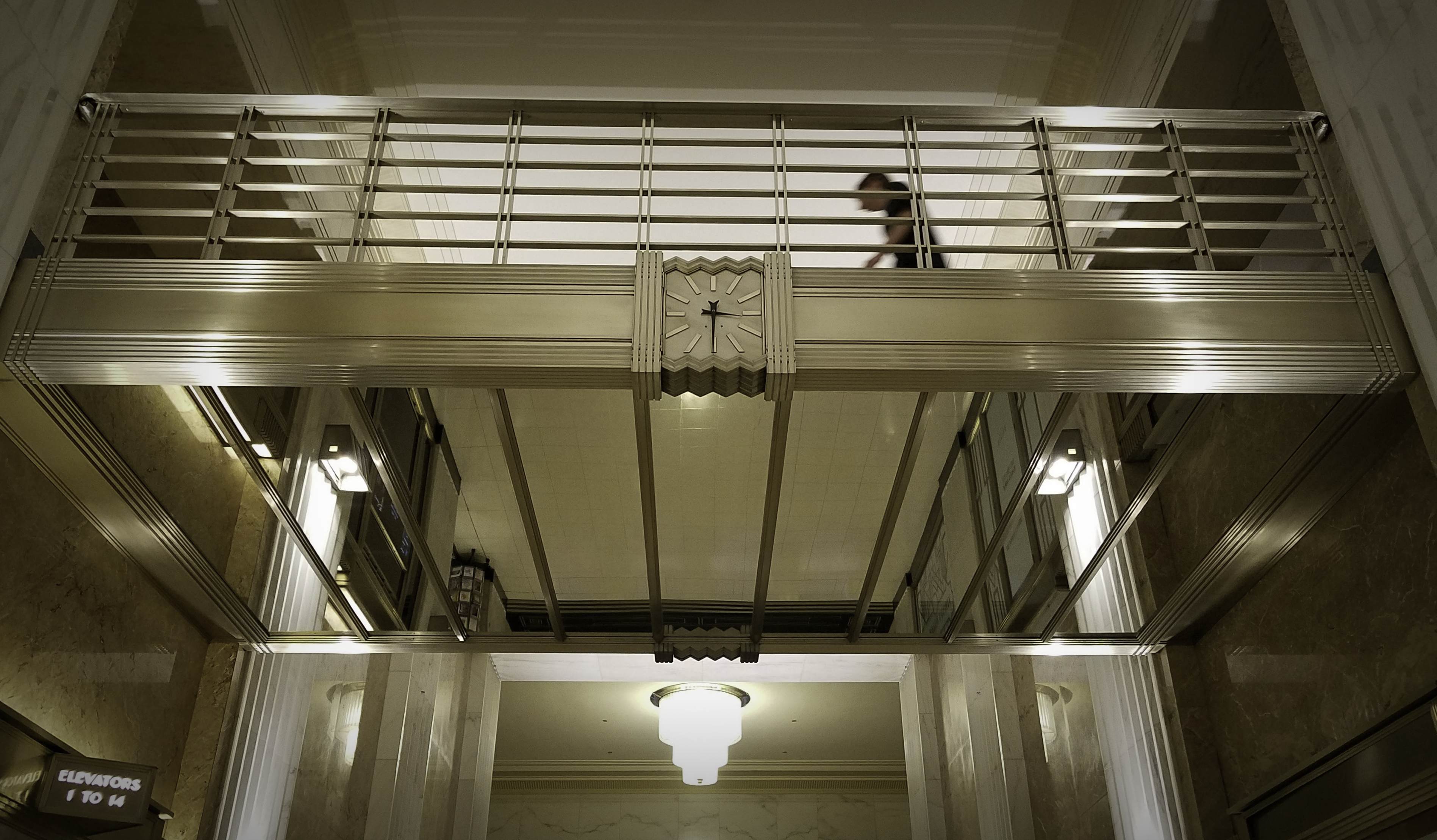
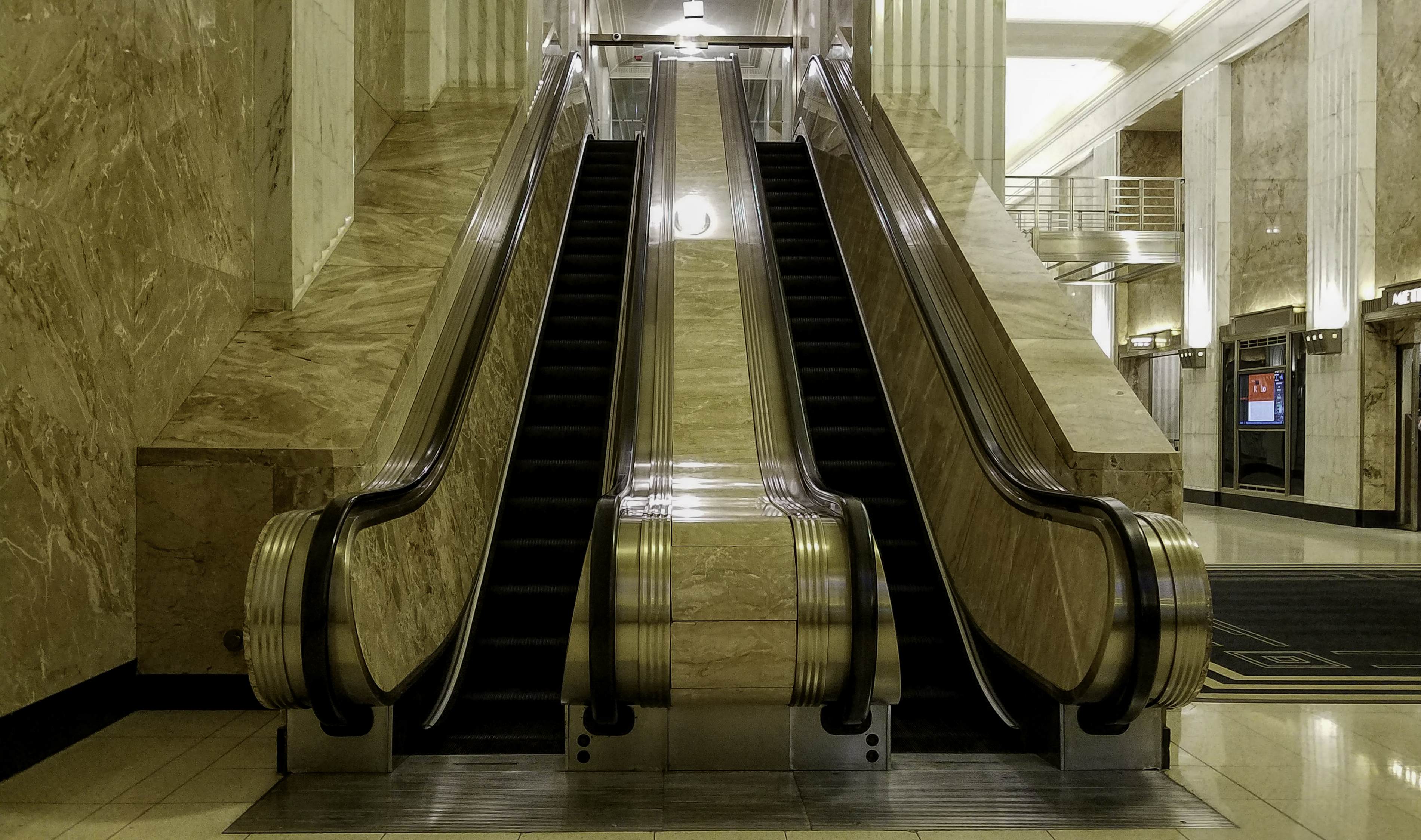
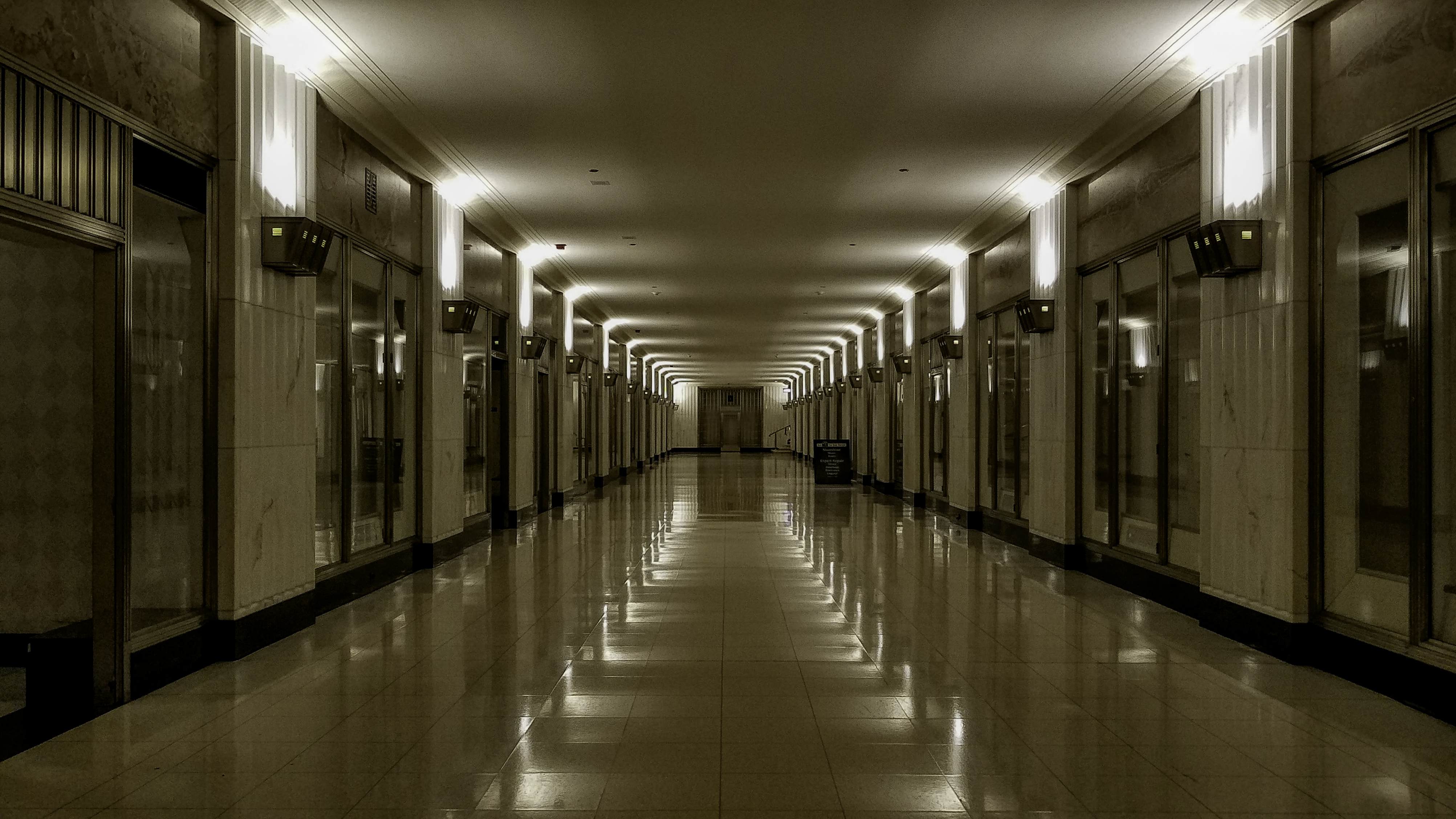
There are so many buildings of architectural interest in the Financial District of Chicago, you’d probably need to join a guided tour to visit them all and learn about their history. But if you are a casual visitor – and a first-time one at that, just walk around, spot an interesting-looking building and then step inside its lobby. You’ll soon find out that these lobbies are not simply entrances to commercial or office spaces; they are, in reality, stunningly beautiful Art Deco treasure troves; and they provide excellent shelter from the rain, too.

Walk, for instance, inside the Field Building, built in 1934 by Graham, Anderson, Probst & White; another wonderful example of the Art Deco style:

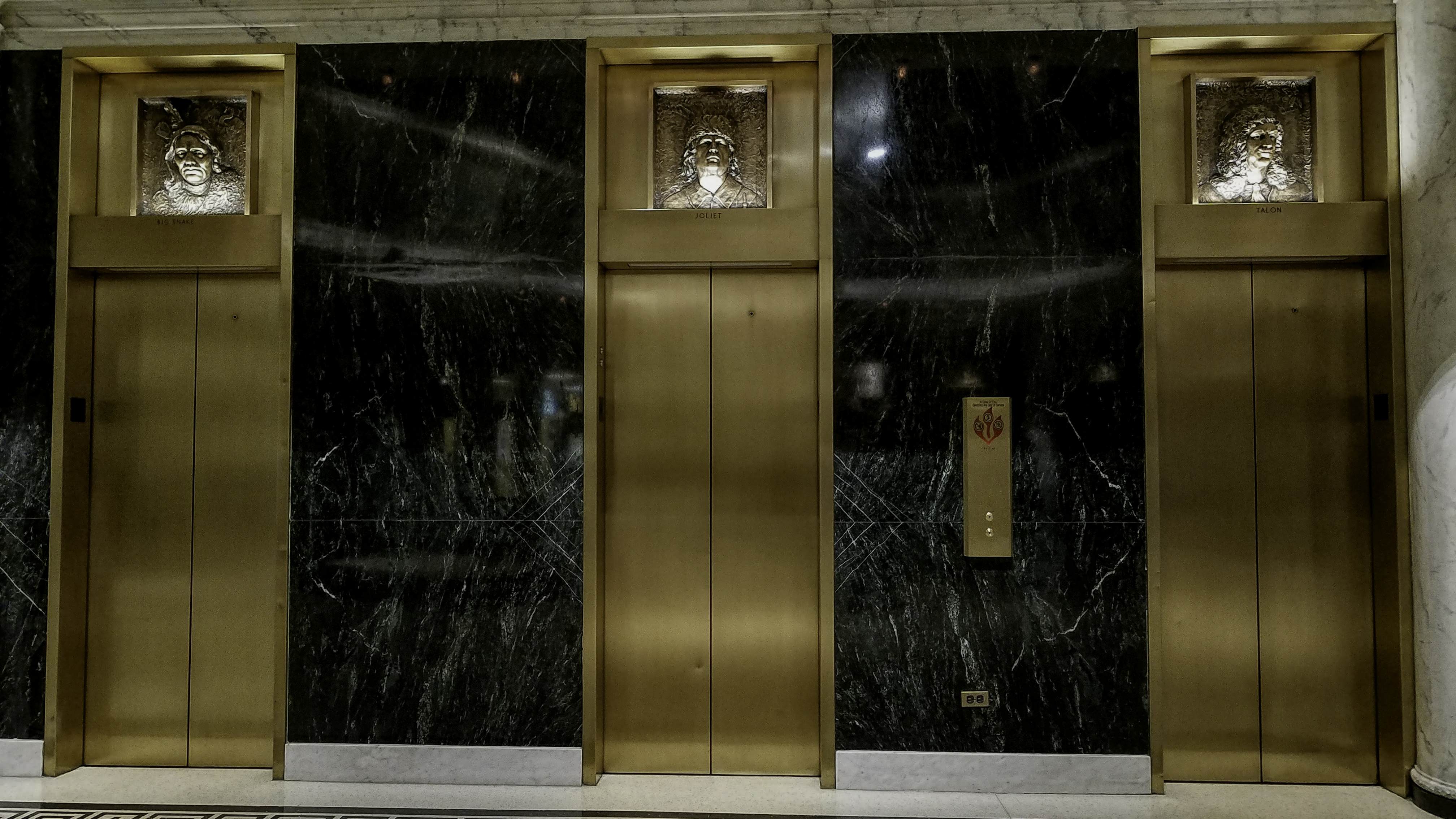
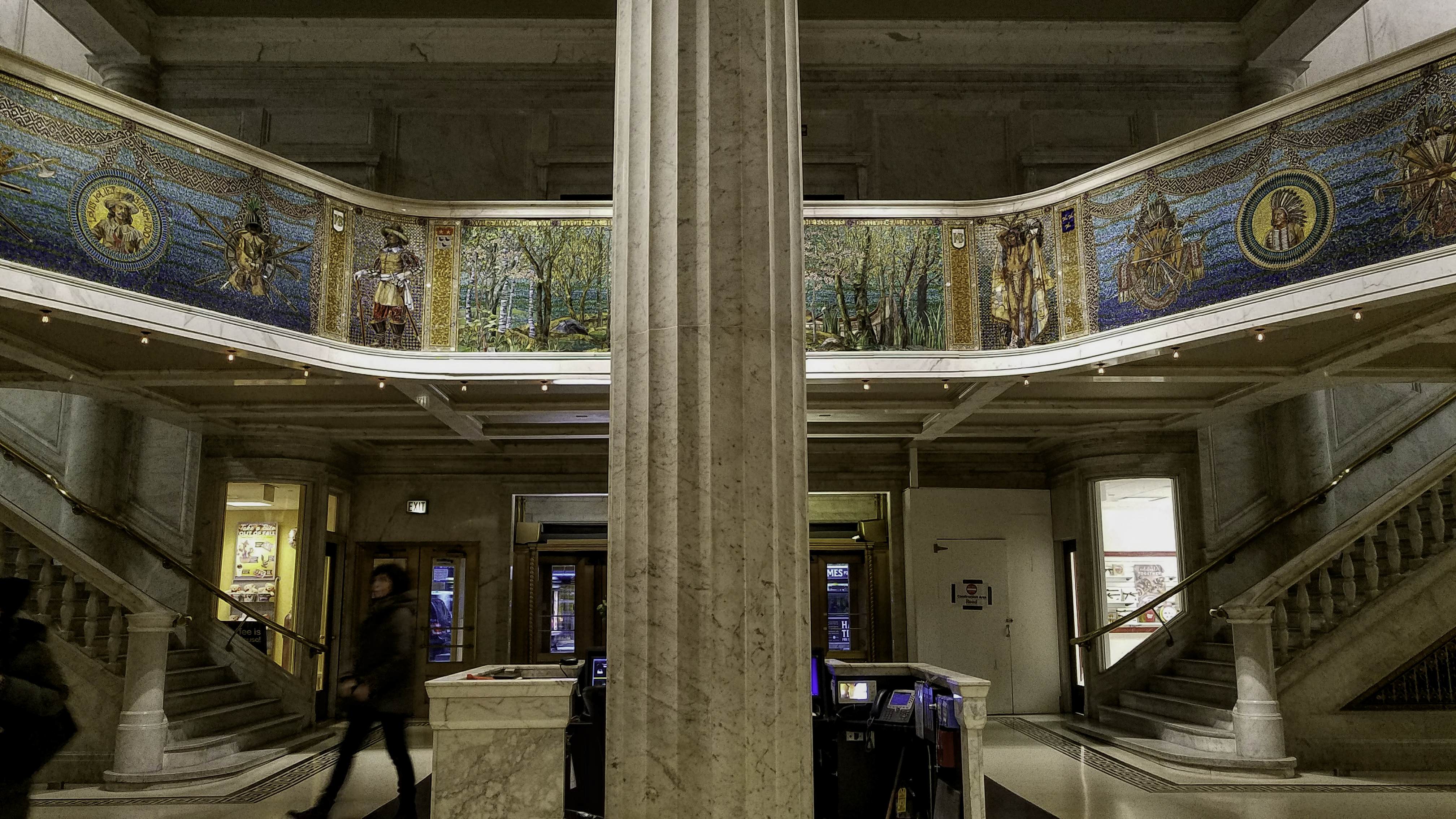
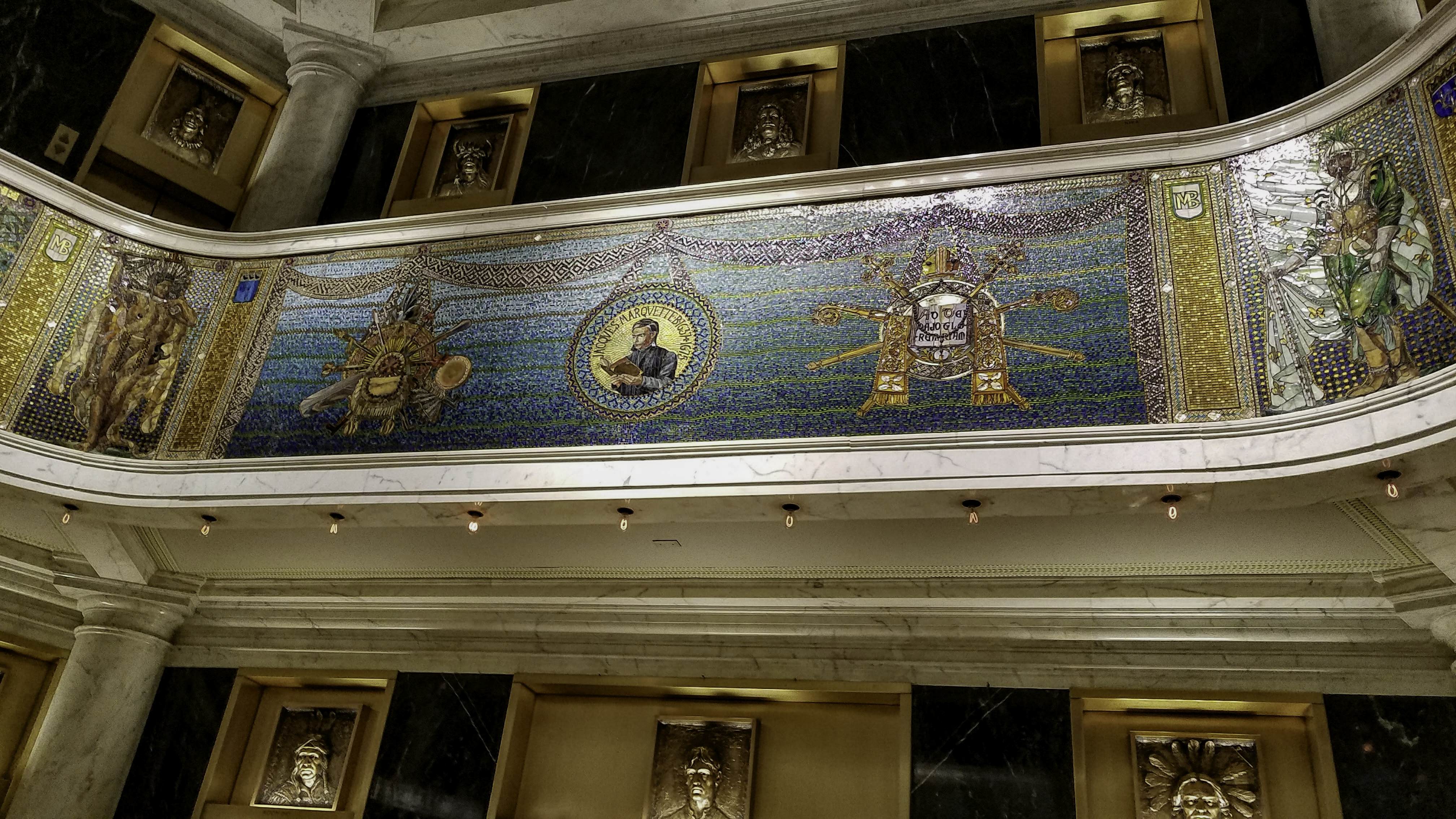
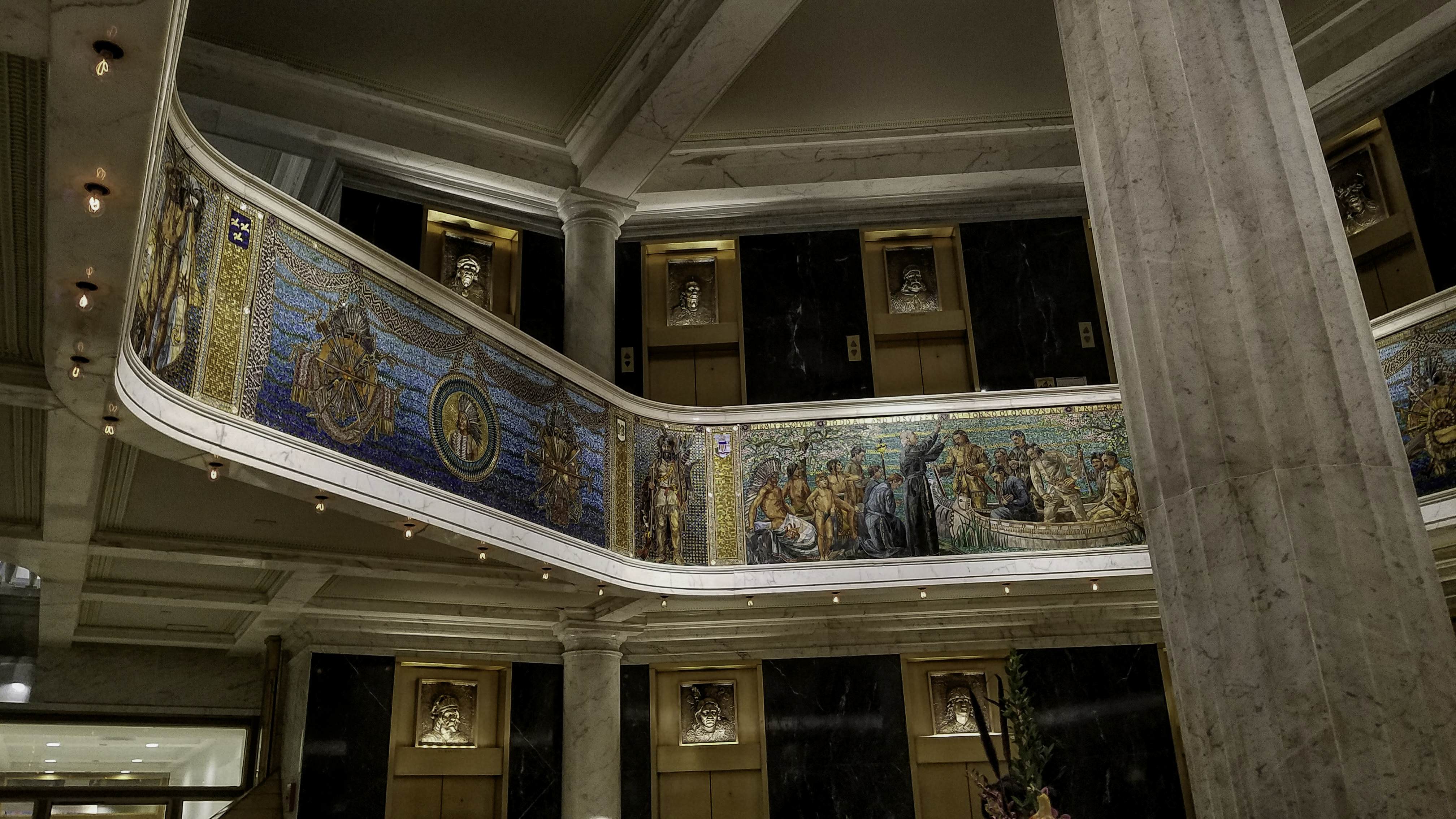
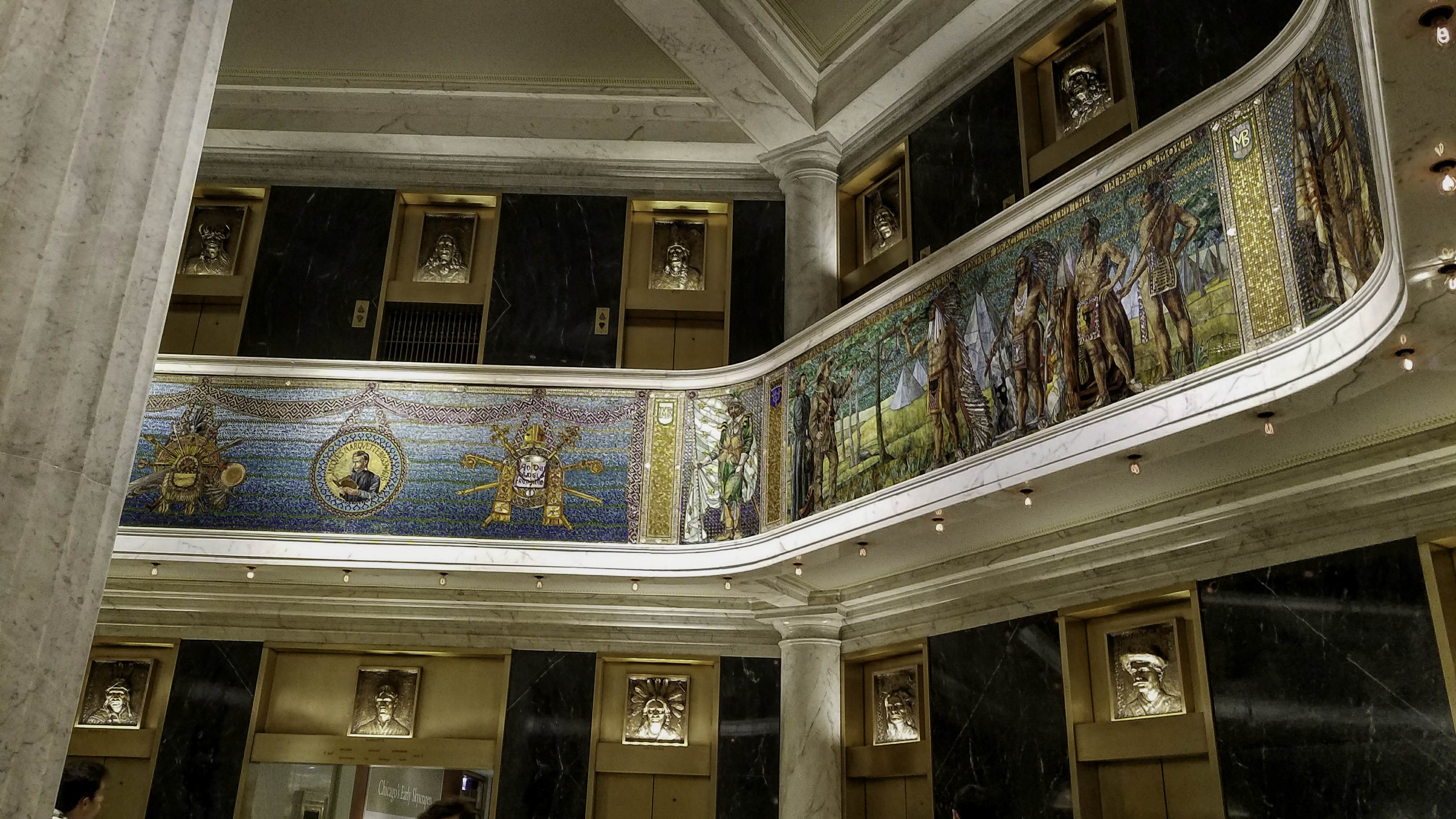
Or enter the Marquette Building’s hexagonal lobby and be captivated by the exquisite mosaic panels depicting the journey of Father Marquette, a French missionary and explorer, first settler in the area we know today as Chicago,  in whose honour the building has been named.

The mosaics are designed by Louis Tiffany, son of Charles Tiffany, the famous jeweler; and Jacob Adolph Holzer, a Swiss artist who worked for Tiffany as their chief designer and art director.

November 2nd, 2017

A good night’s sleep

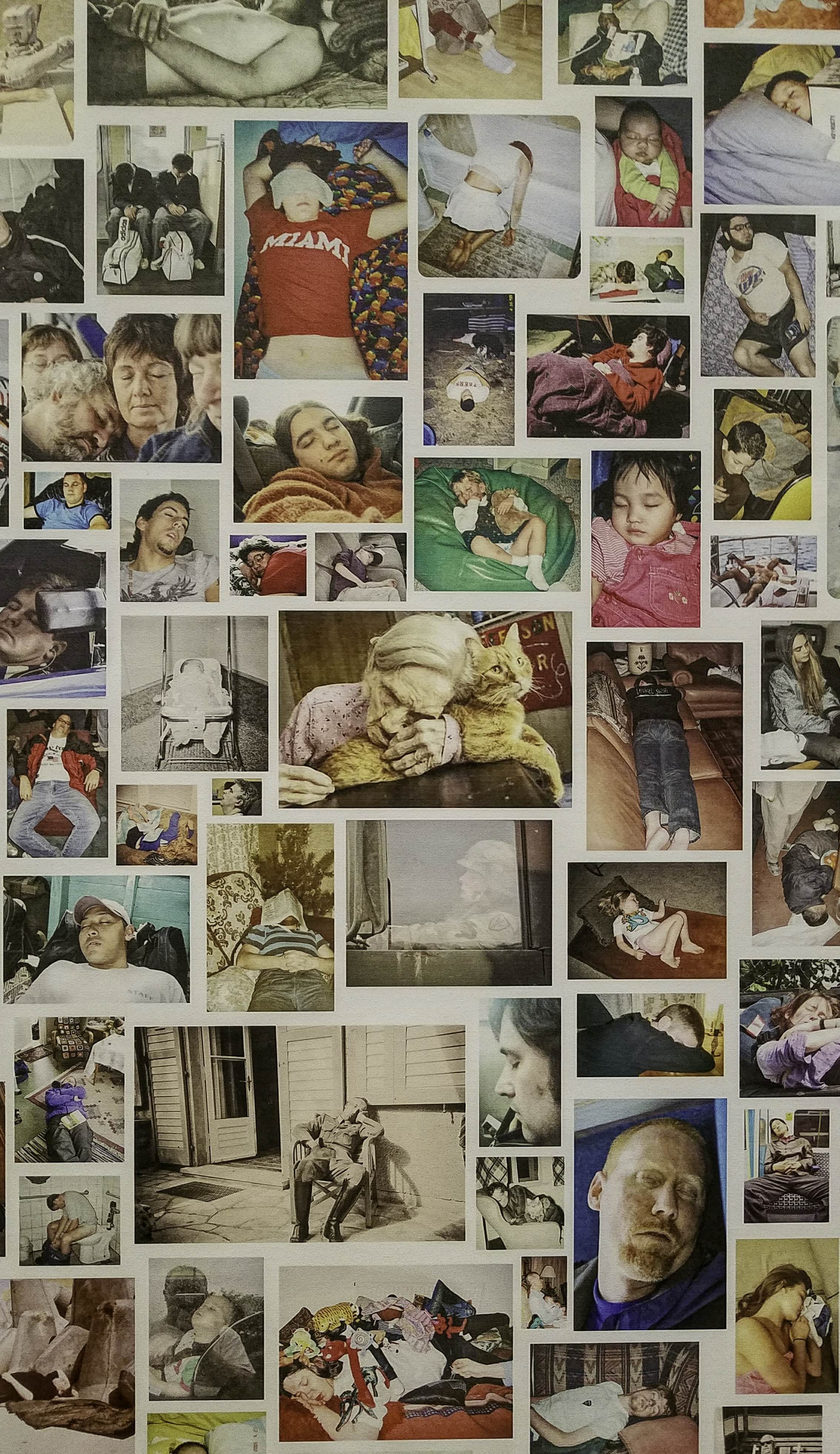
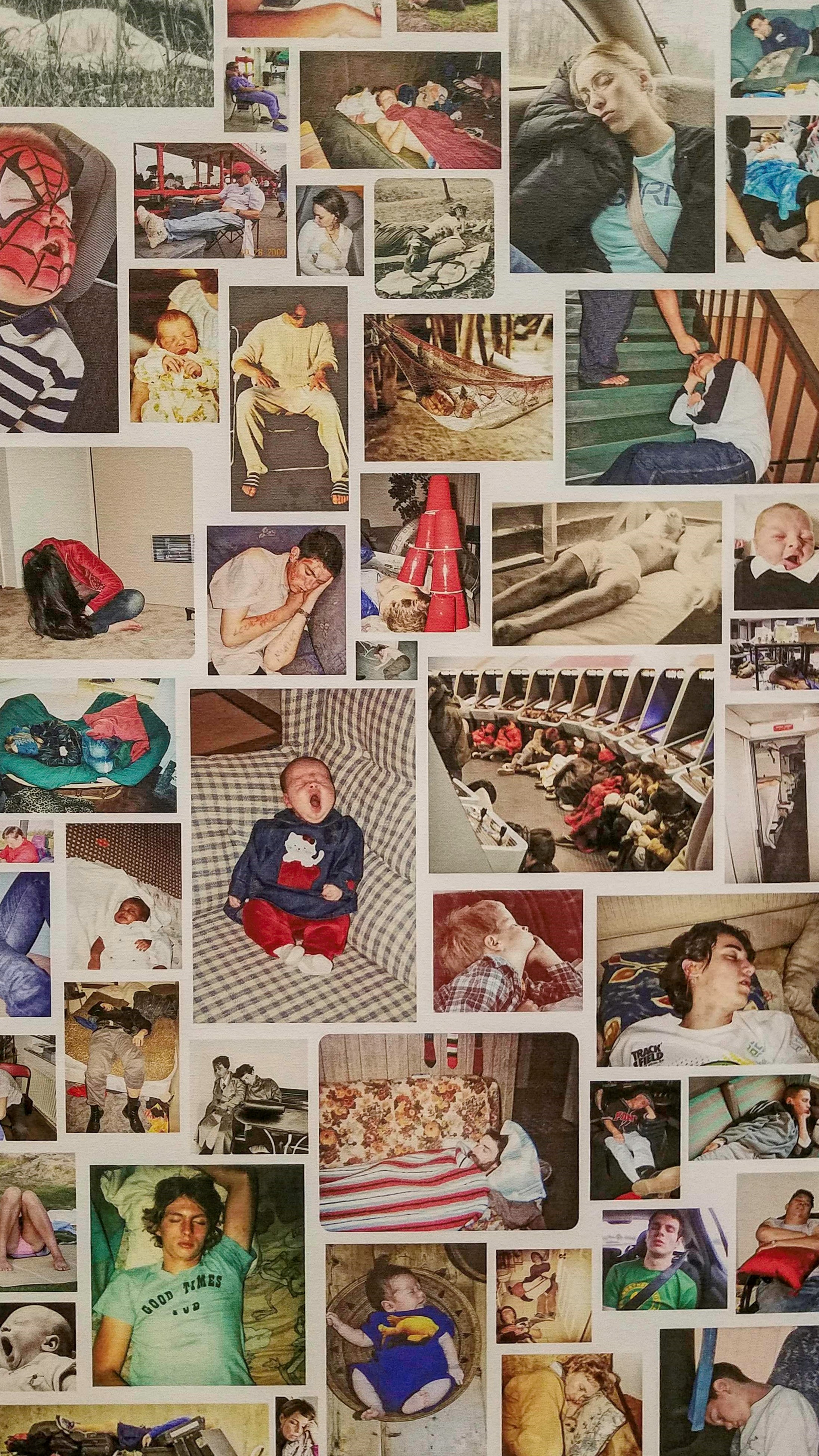
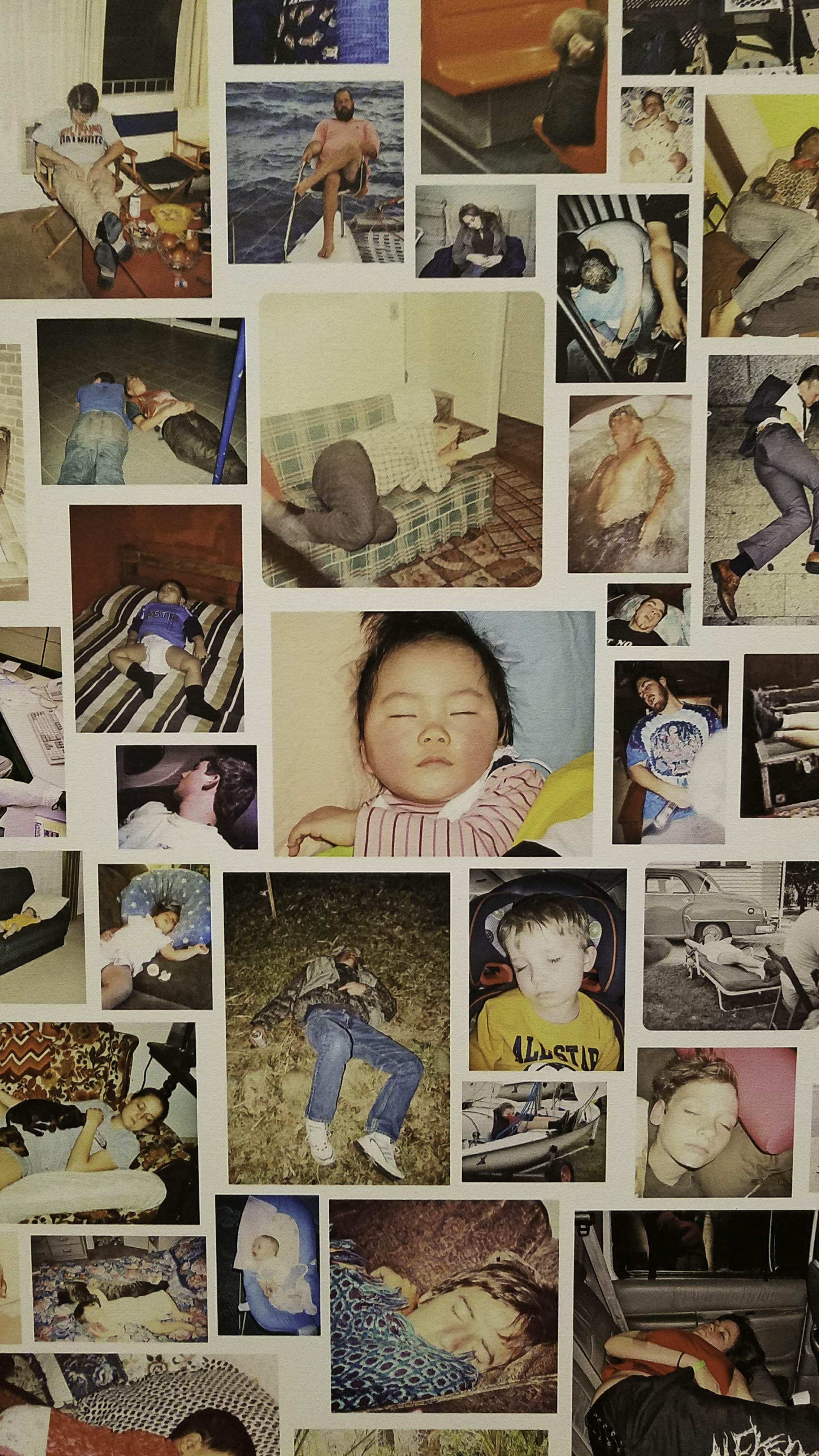
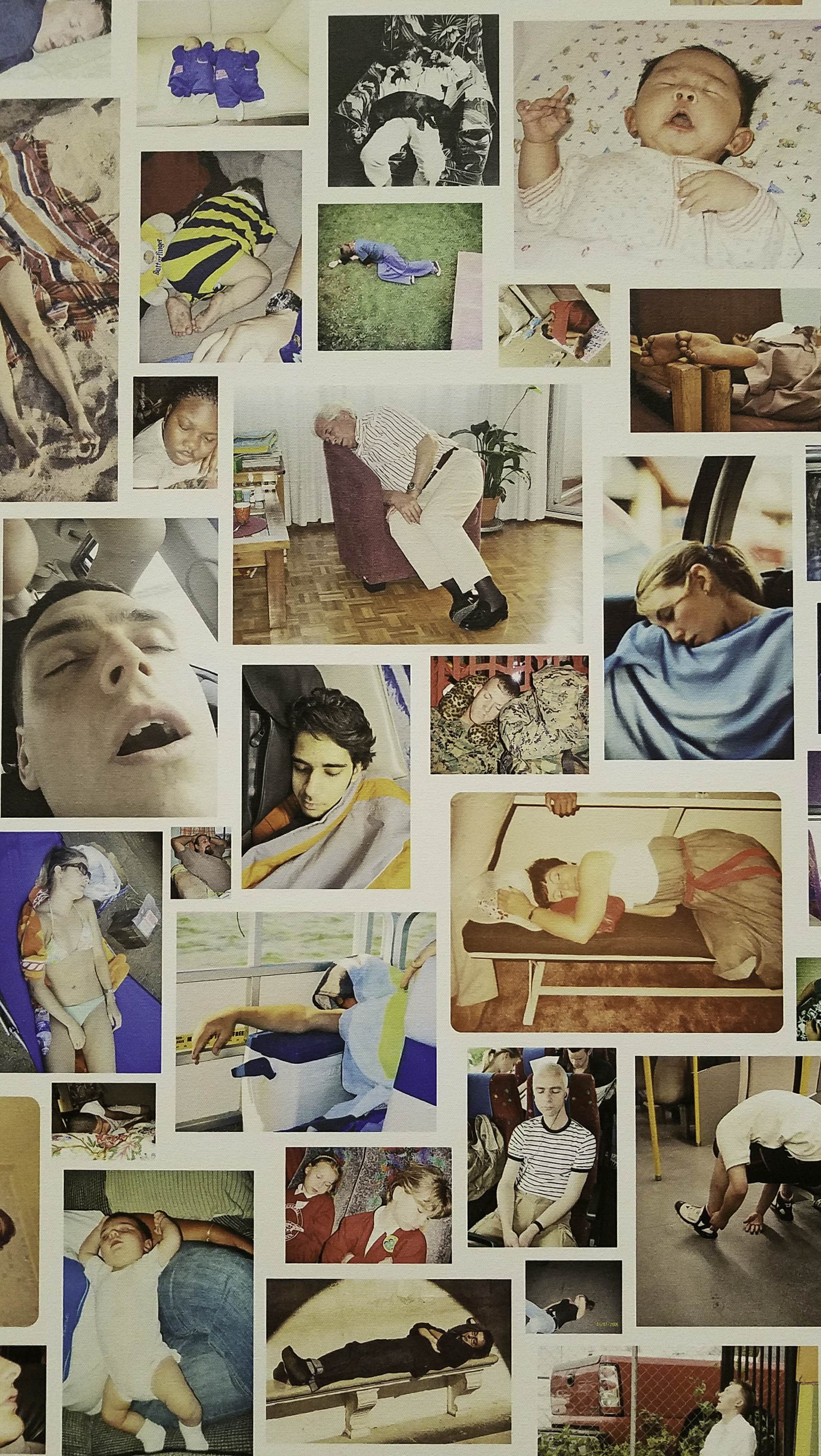
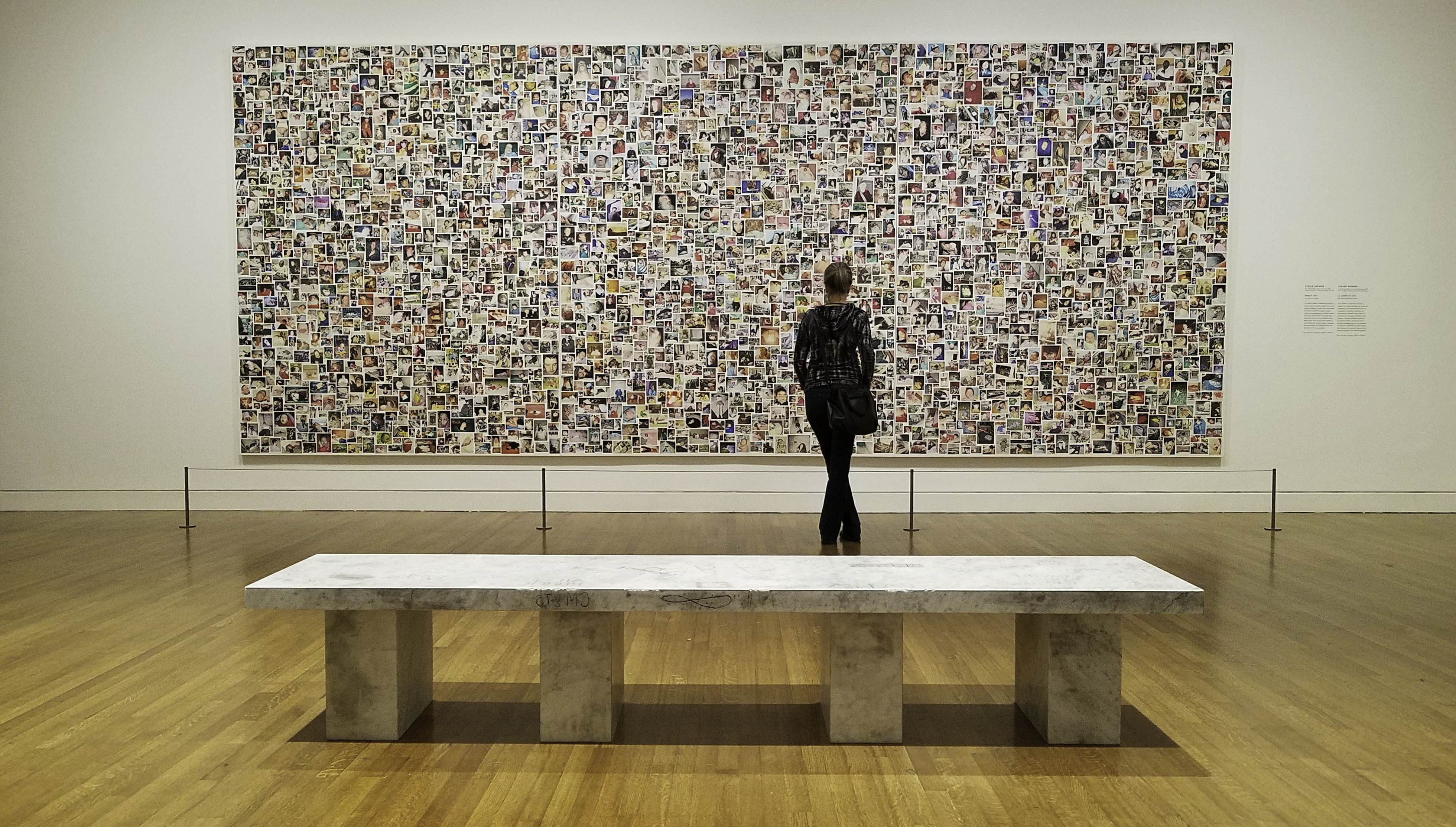
Would you be comfortable with being photographed while asleep? What if your photograph ended up, one among dozens, on a giant canvas on a wall of a major museum, scrutinised by thousands of visitors, be it art lovers, habitual museum-goers or the occasional curious?

Steven Shearer
Sleep II 2015
Ink jet print on canvas

For Sleep II Shearer amassed thousands of found images of people sleeping. He painstakingly crafted the work into a rhythmically balanced composition, paying special attention to combinations of subject matter, scale and colour. Some individuals sleep peacefully, some in a near ecstatic state, while others seem eerily close to death. In representing the universal state of sleeping, the artist invites us to witness a vast and intimate record of anonymity. 

National Gallery of Canada, Ottawa

October 29th, 2017

National Gallery of Canada || The Art

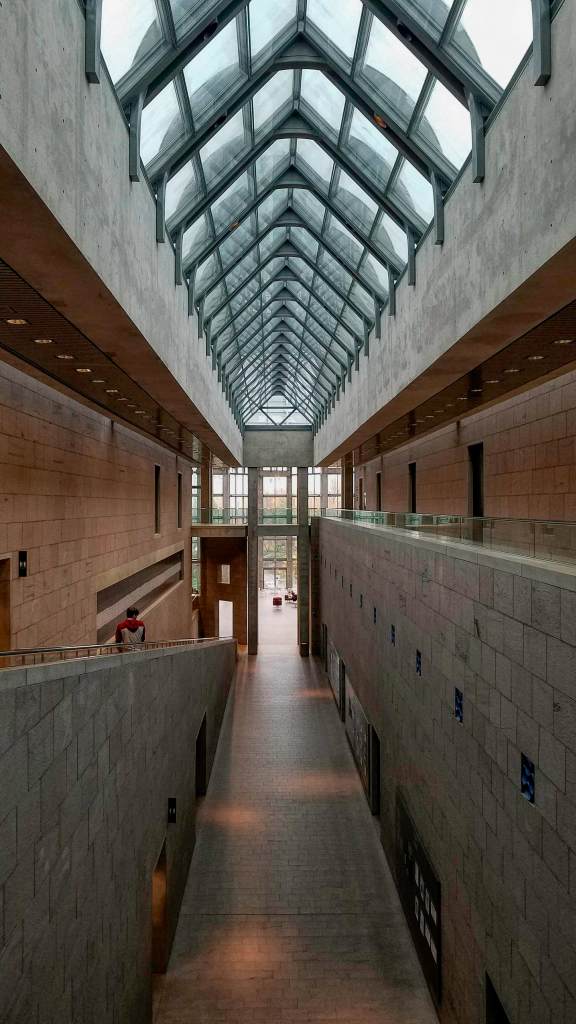
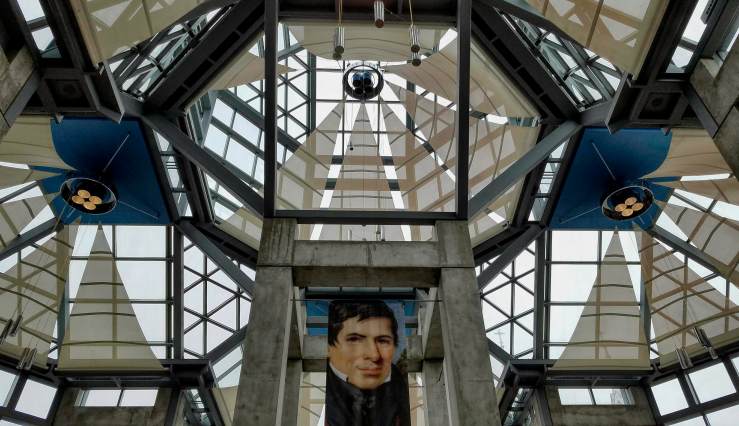
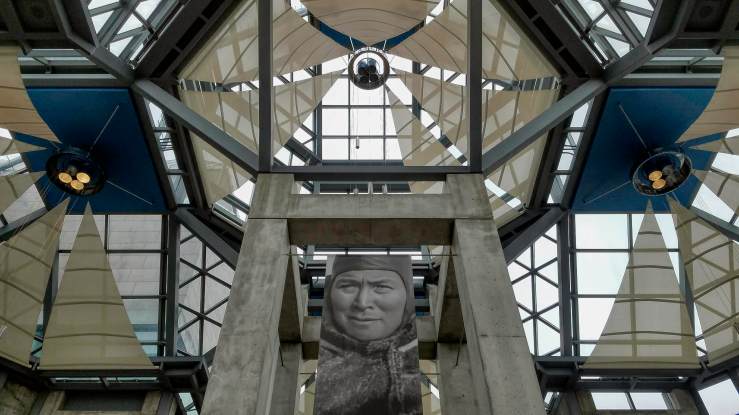
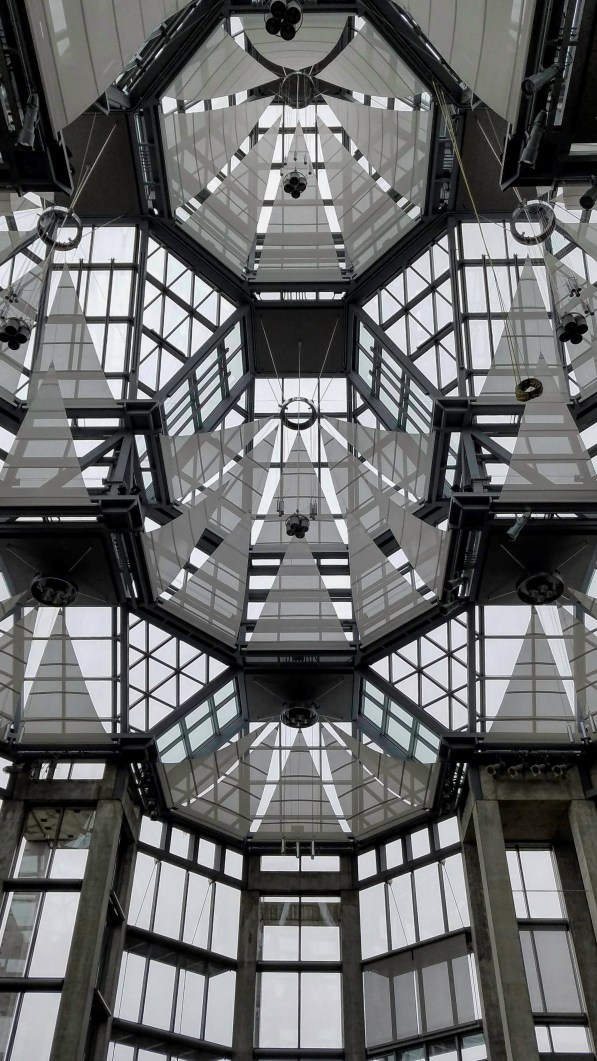
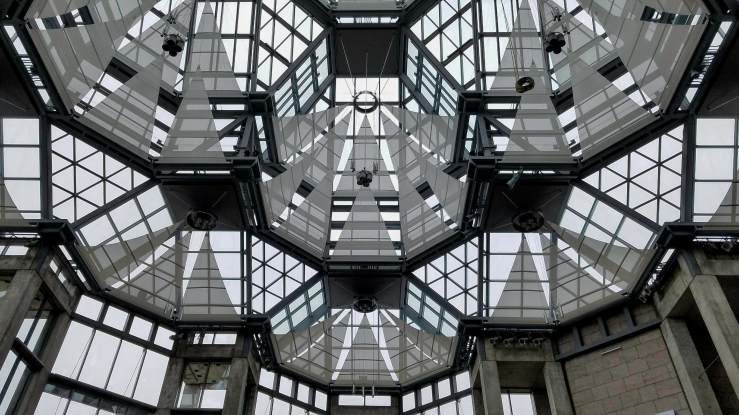
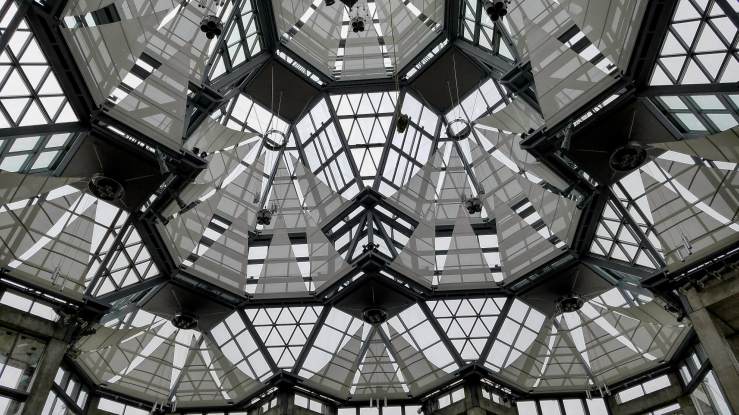
The building itself is so photogenic, one could spend hours trying to capture the gorgeous light-and-shadow play that goes on all day, thanks to its octagonal skylights. But that would only be half the fun; so today, let’s take it a step further and focus on the art.

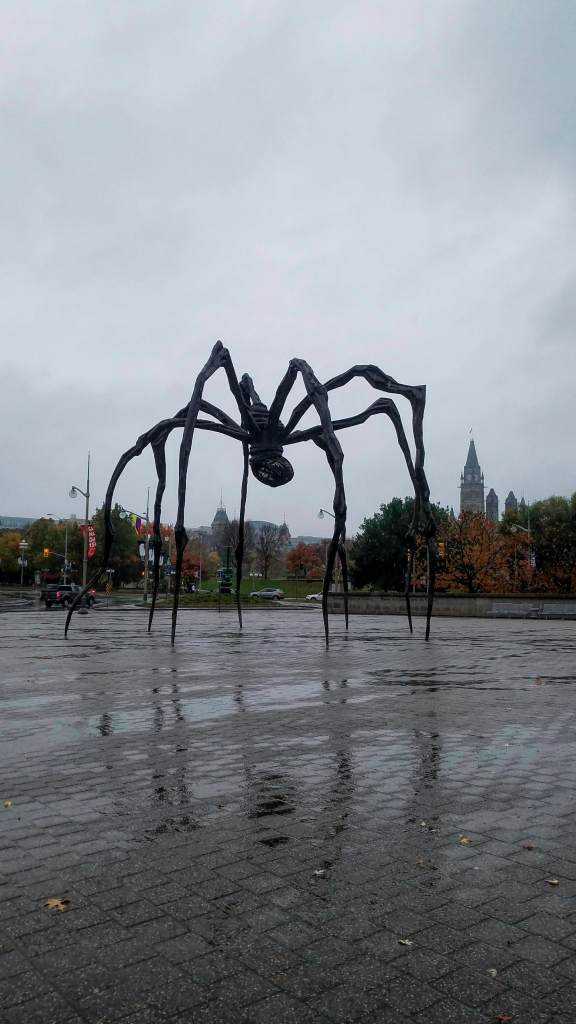
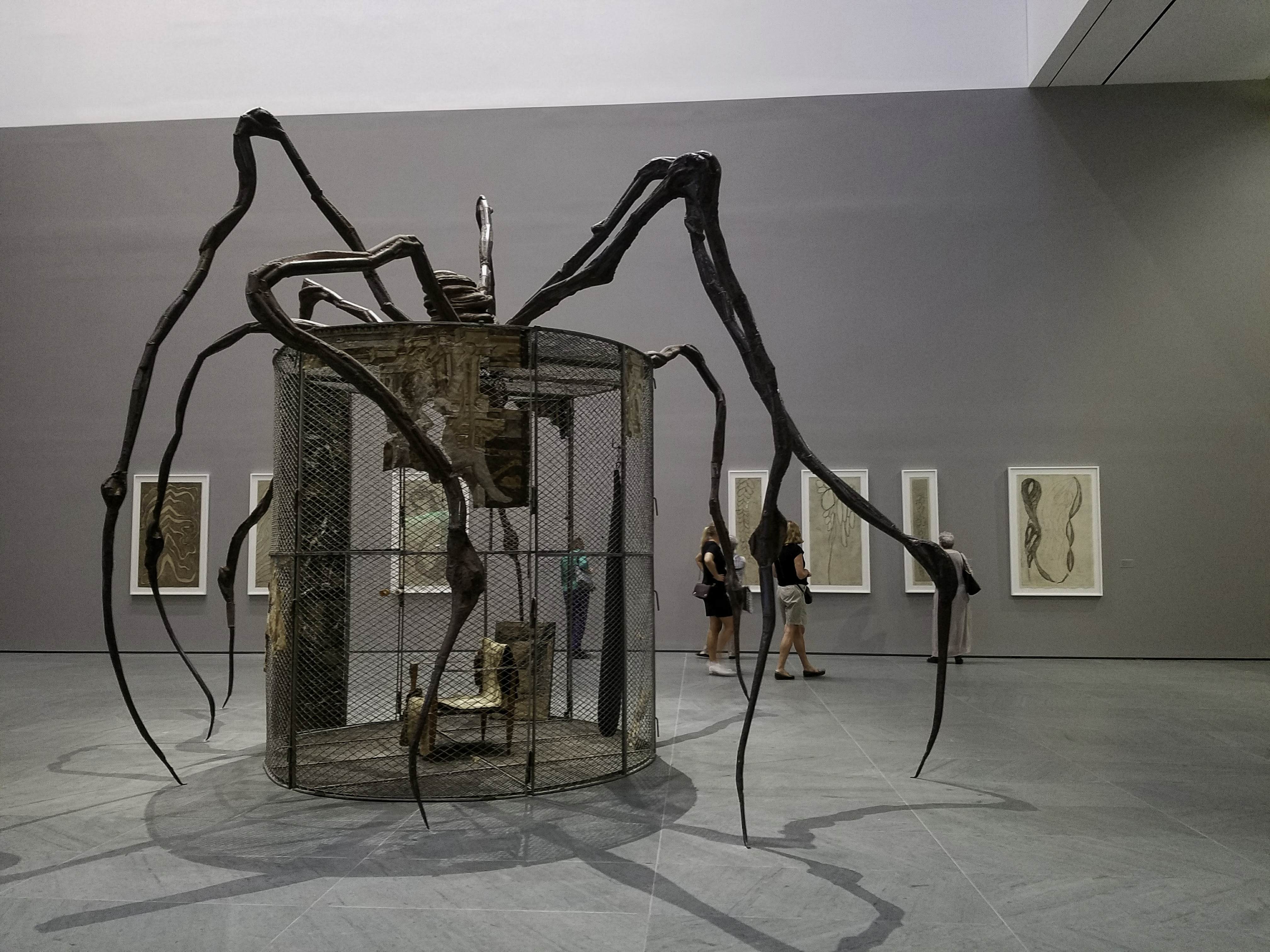
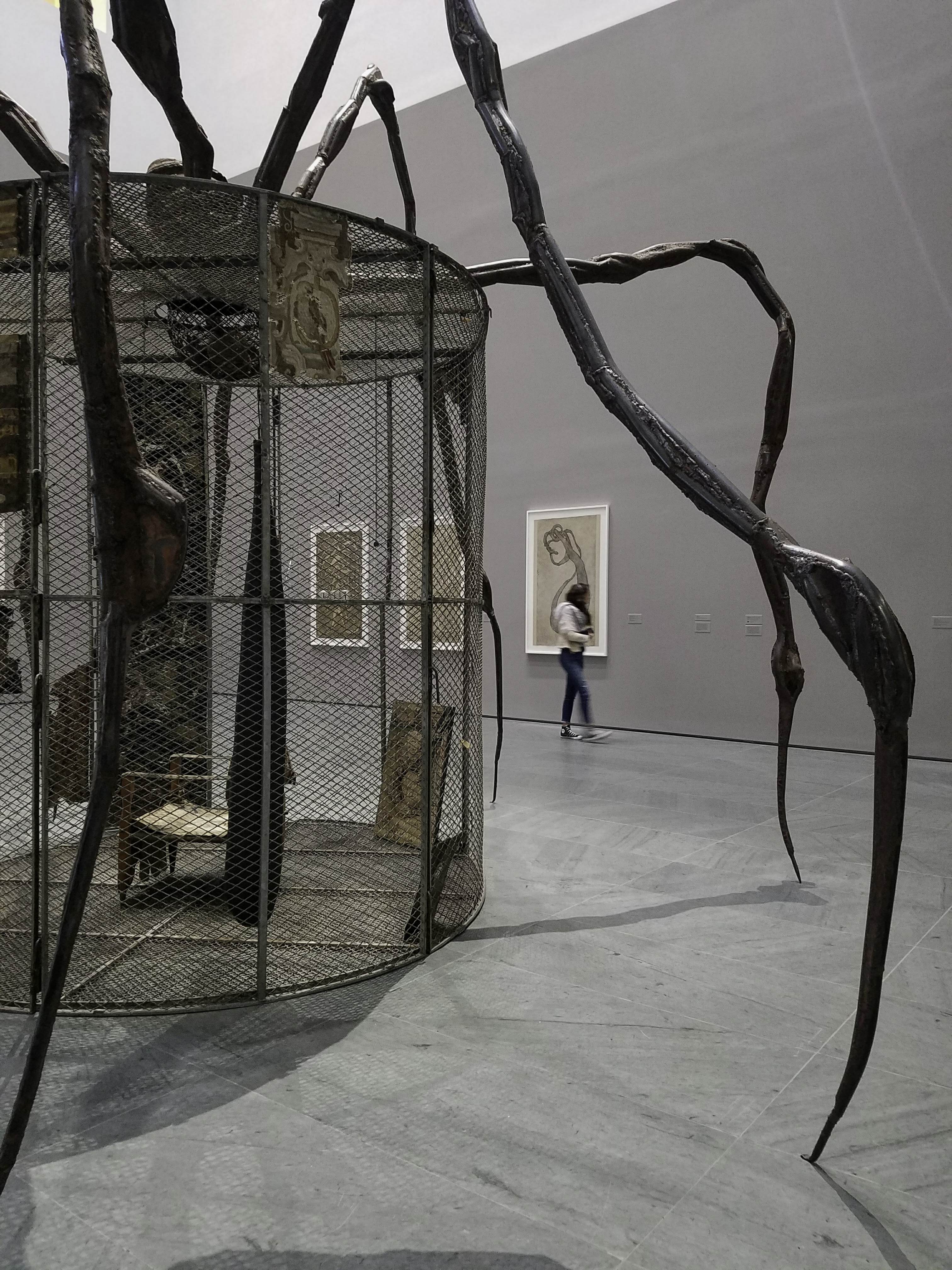
Today and tomorrow and tomorrow… “Maman” the giant egg-carrying spider; bronze, stainless steel and marble, 1999 (cast 2003) by Louise Bourgeois.


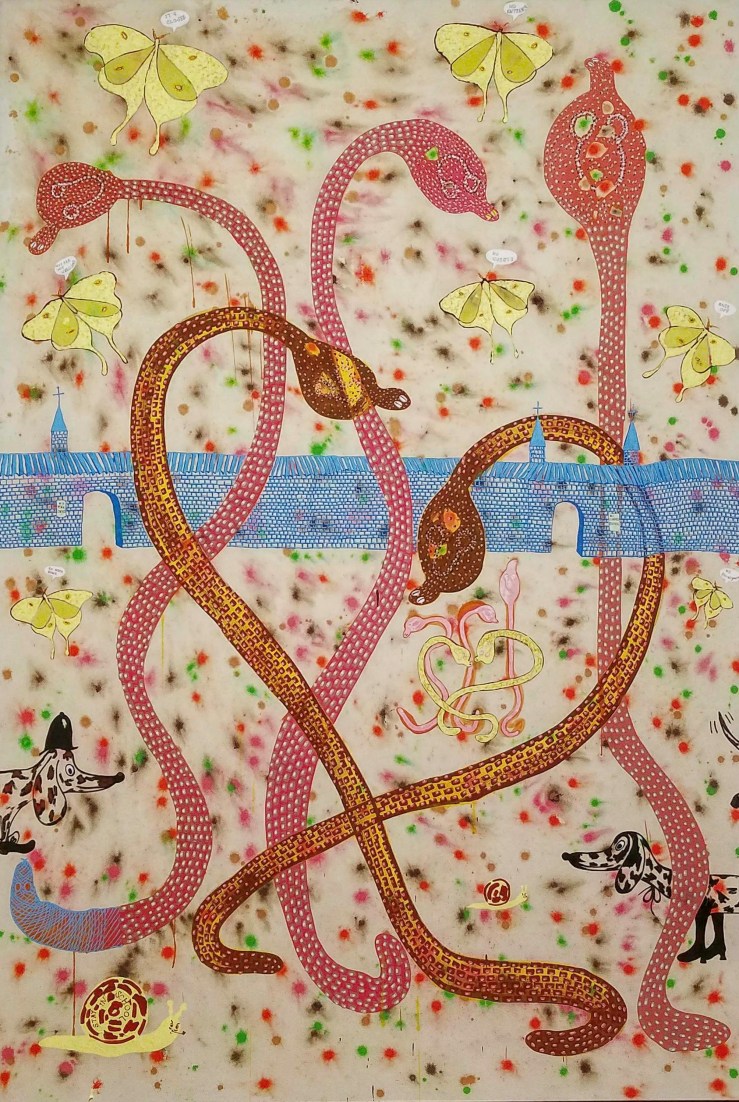
”No Foreigners” (série Nos maîtres les fous / Our Insane Masters), 2016, acrylic on canvas by Cynthia Girard-Renard


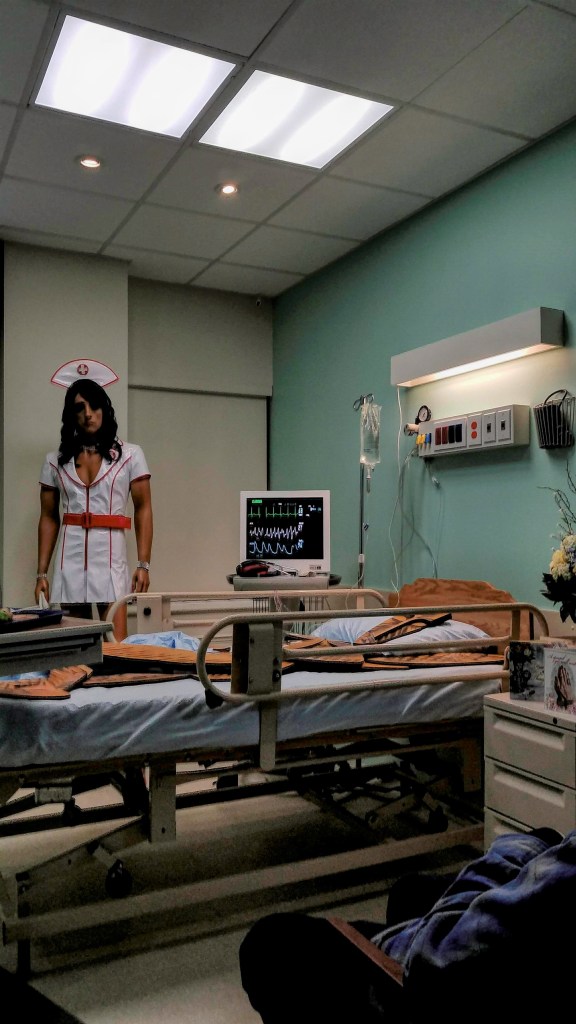
”Casualties of Modernity”, 2015, mixed-media installation with HD video, by Kent Monkman

In this installation, Monkman’s drag-queen alter-ego, Miss Chief Eagle Testickle, an agent provocateur and trickster, appears on screen and in mannequin form clad in a PVC nurse’s outfit, tending to her patient, the wheezing cubism. The work is a satirical look at art through Miss Chief’s eyes, foregrounding the artist’s critique of modern art through the downfall of romanticism, cubism and primitivism.


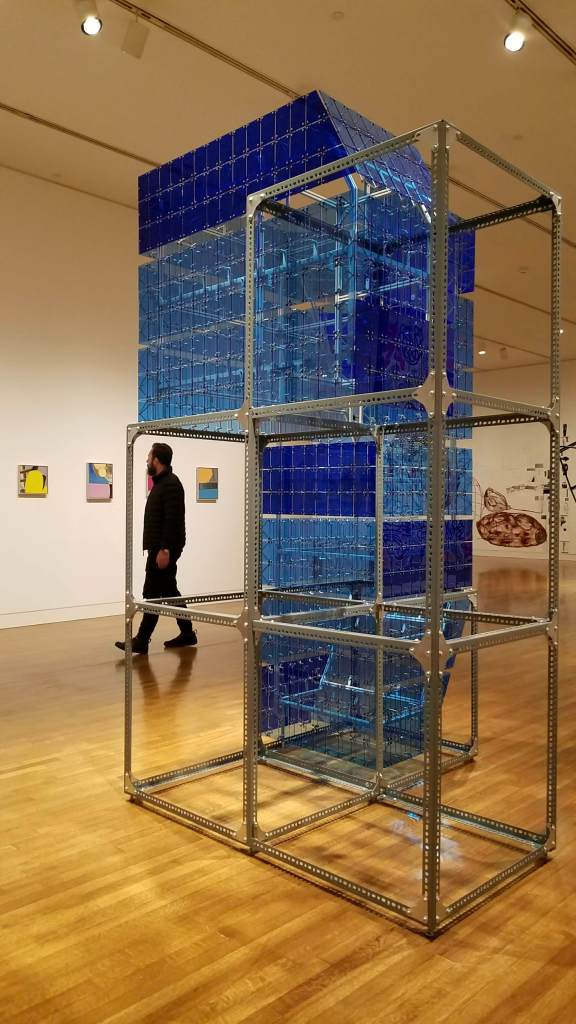
”Eunoia”, 2013, steel extruded aluminum, acrylic and components by Daniel Young & Christian Giroux


”Dérive 45 & 46”, 2015, acrylic on canvas
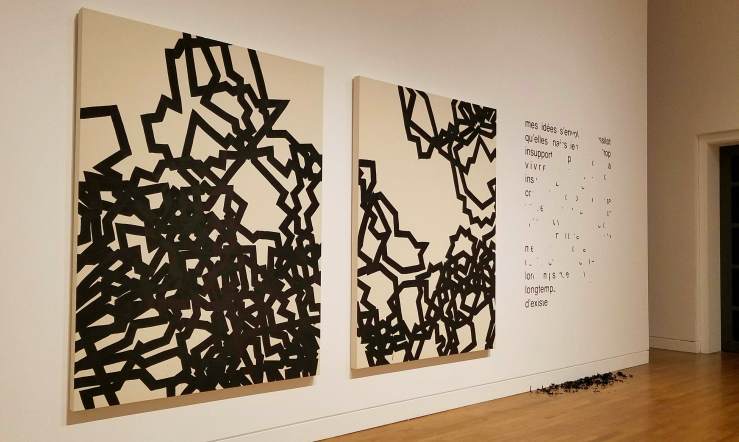
”Vendredi 11 août 1989 – Mes idées s’envolaient aussitôt” [Friday 11 August 1989 – My ideas took flight immediately], 2014, vinyl and digital print mural by Latifa Echakhch


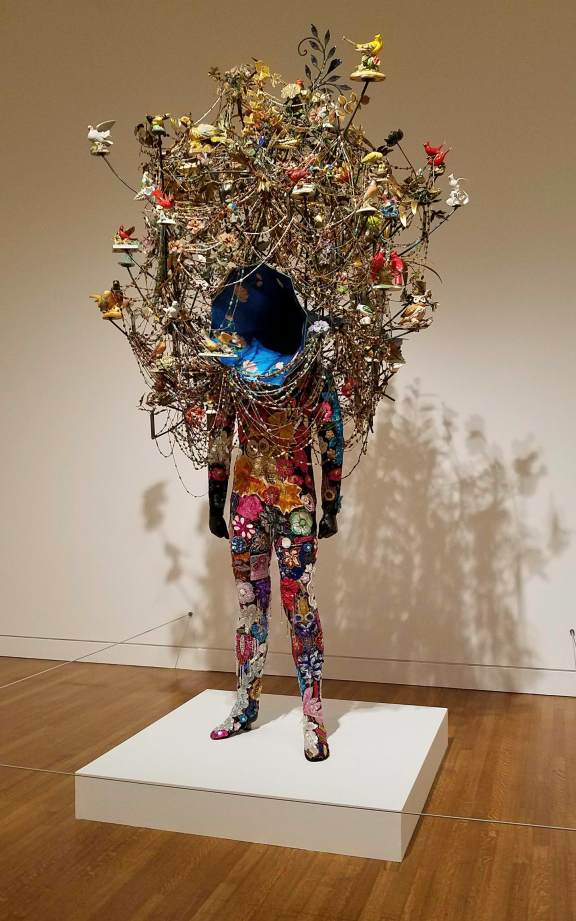
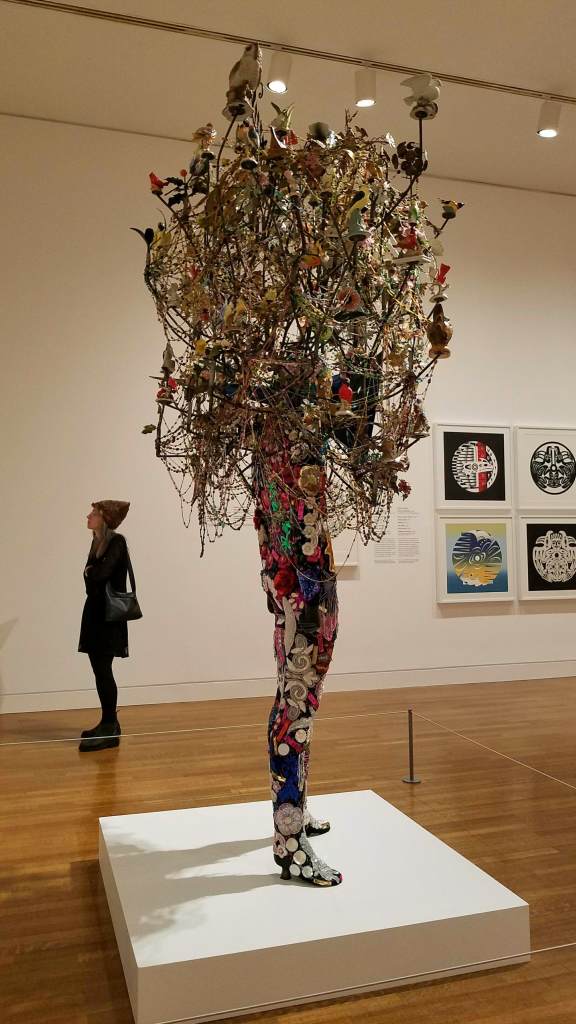
”Soundsuit”, 2015, mixed media including gramophone horn, ceramic birds, metal flowers, strung beads, fabric, metal and mannequin – by Nick Cave


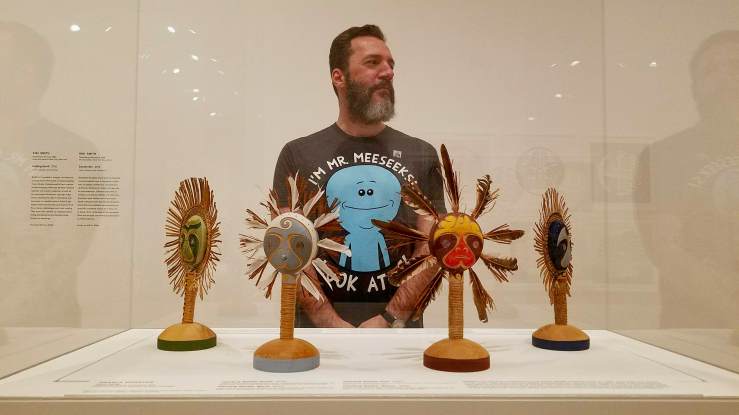
Healing Rattles: Earth, Wind, Fire, Water, 2010 by Angela Marston


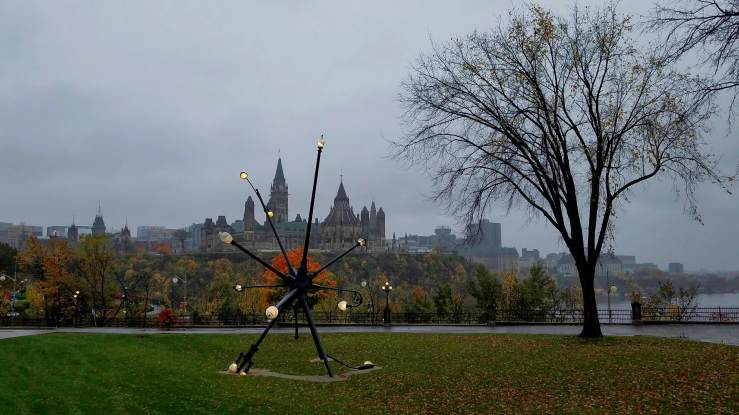
Majestic, 2011, lamp posts, steel, glass, electricity, by Michel de Broin

De Broin’s array of revitalized New Orleans streetlamps, uprooted by Hurricane Katrina in 2005, light up the area as night falls {source}


National Gallery of Canada, Ottawa

October 29th, 2017

National Gallery of Canada || Ottawa

What can a visitor do on a rainy October Sunday in Gananoque, apart from eat and sleep? Drive to Ottawa, of course. It’s only a two-hour drive, maybe less in good weather.

And what can a visitor do on a rainy October Sunday afternoon upon arrival in Ottawa with only a couple of hours to go before dark? Go straight to the National Gallery of Canada. Of course!

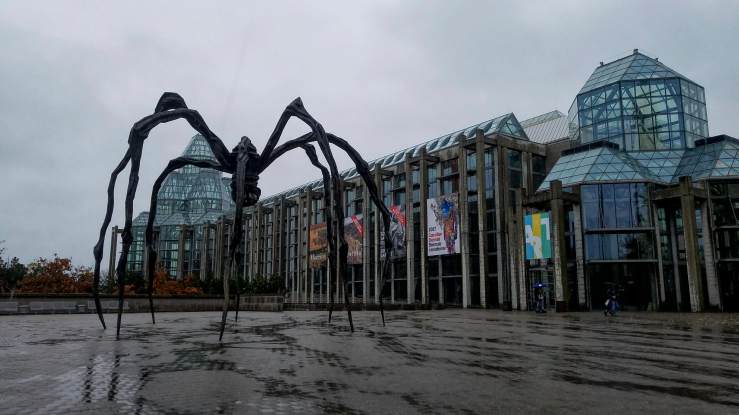
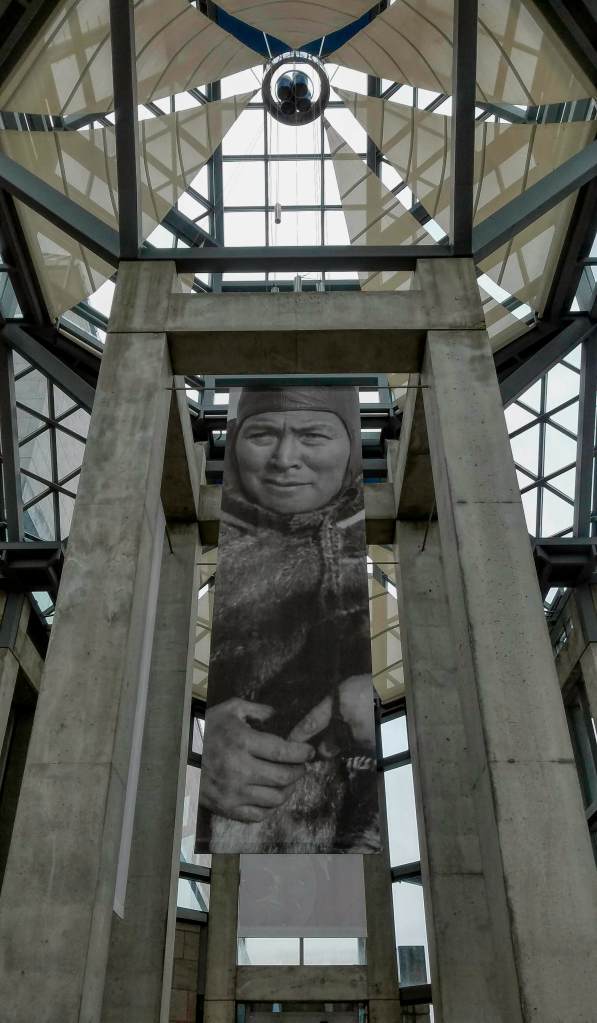
Housed in a stunning glass and granite building full of light that is carried from the skylights on the roof, the gallery is an excellent antidote to depressing weather. It was designed by Moshe Safdie, who is responsible for a number of iconic structures around the world, including, for example, the Marina Bay Sands complex in Singapore, the infinity pool of which tops both the building and my personal wish-list.

Back in Ottawa; see these glass octagonal features on the roof?  That’s how they look like on the inside, with the addition of white sails to diffuse the light.

“Maman” the giant egg-carrying spider outside the gallery, is a sculpture (1999, cast 2003) by Louise Bourgeois.

National Gallery of Canada, Ottawa

October 29th, 2017

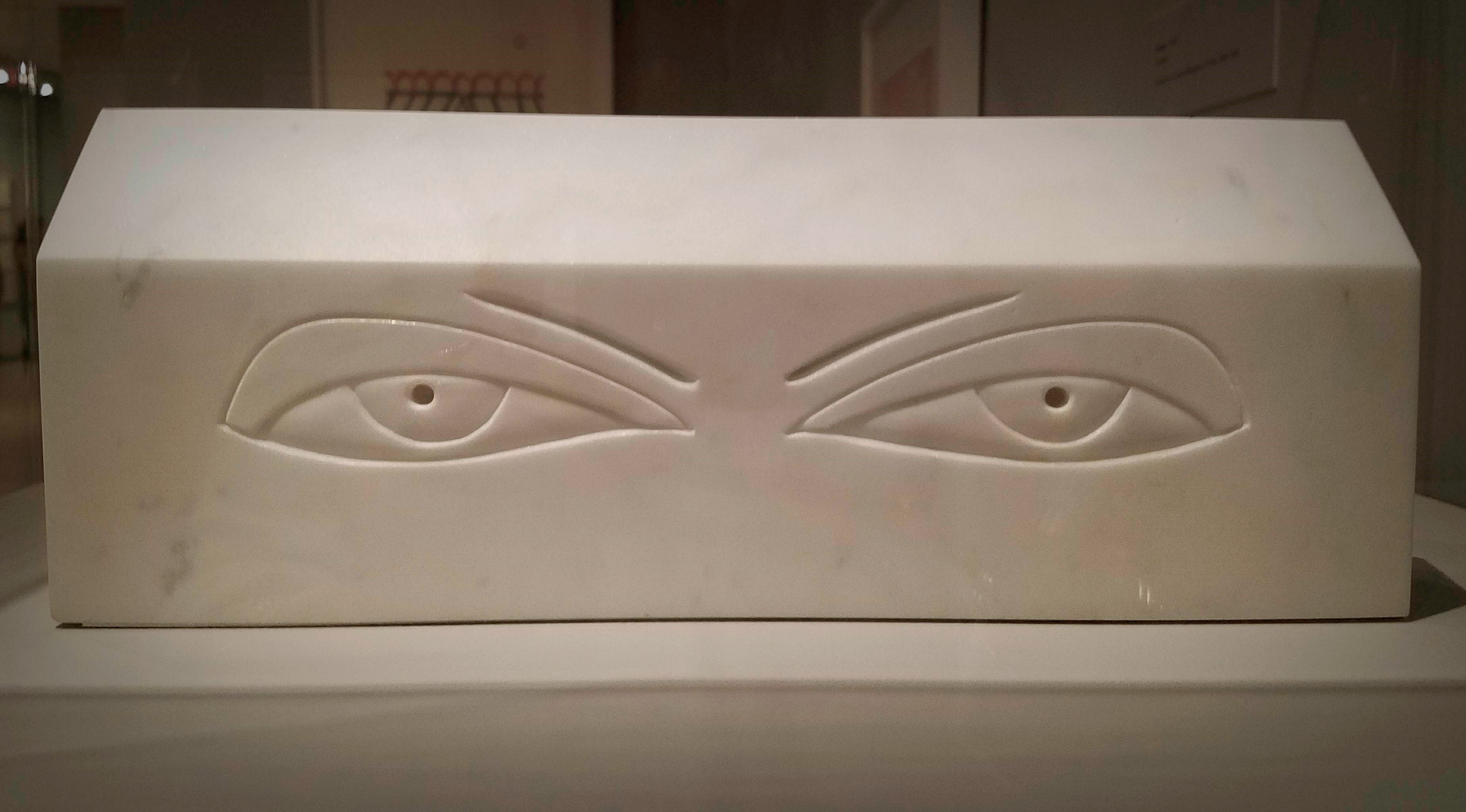
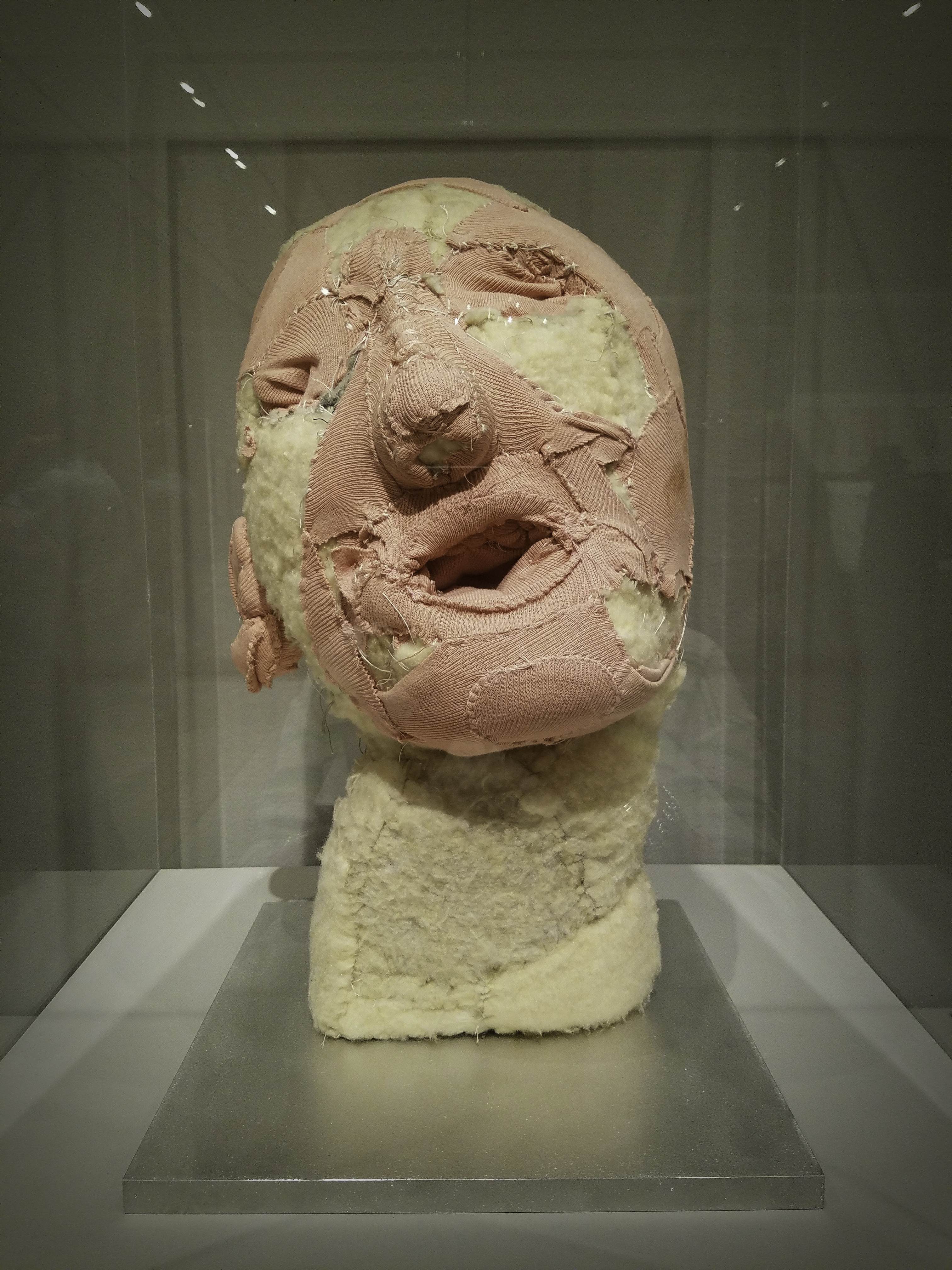
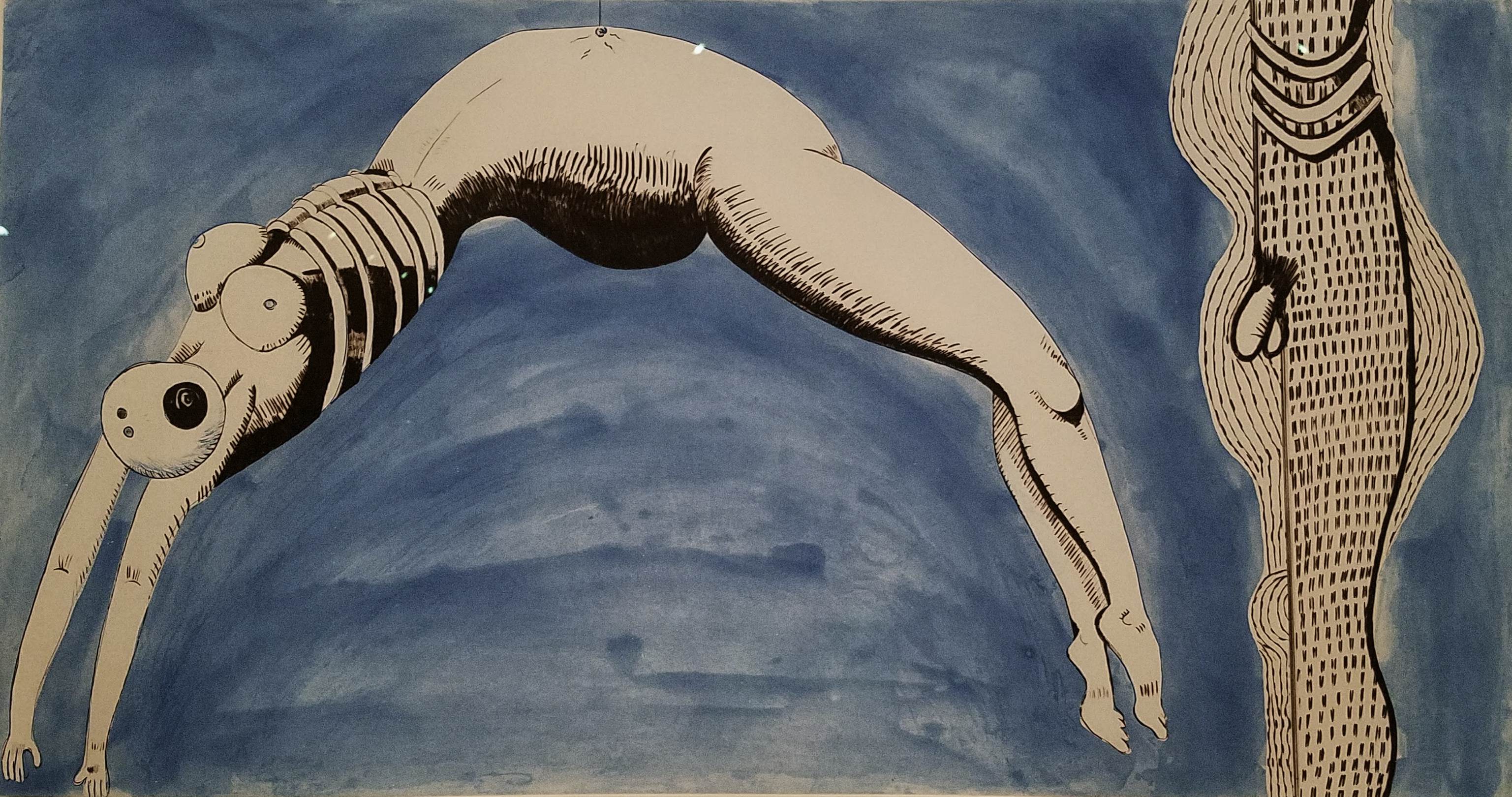
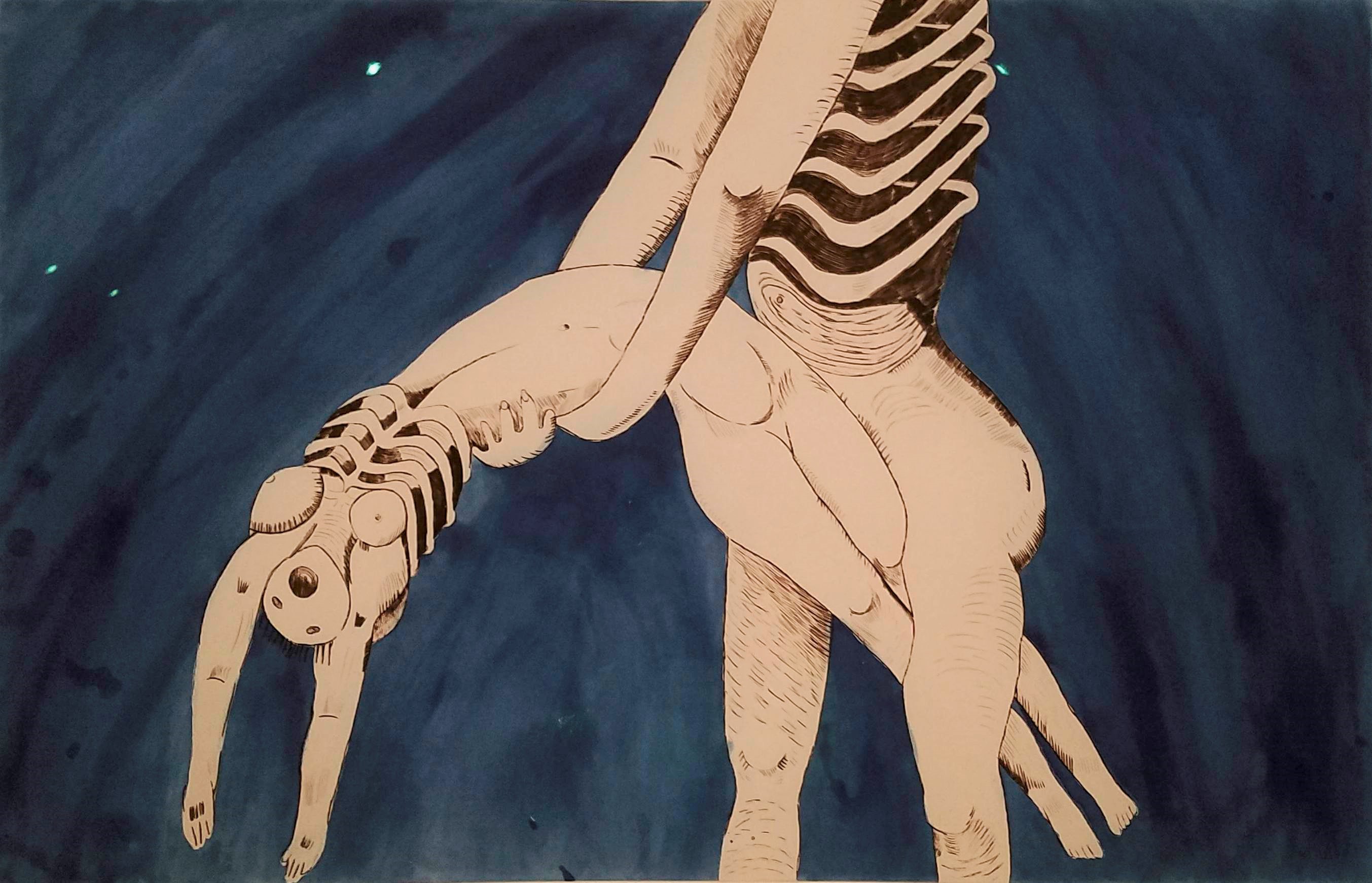
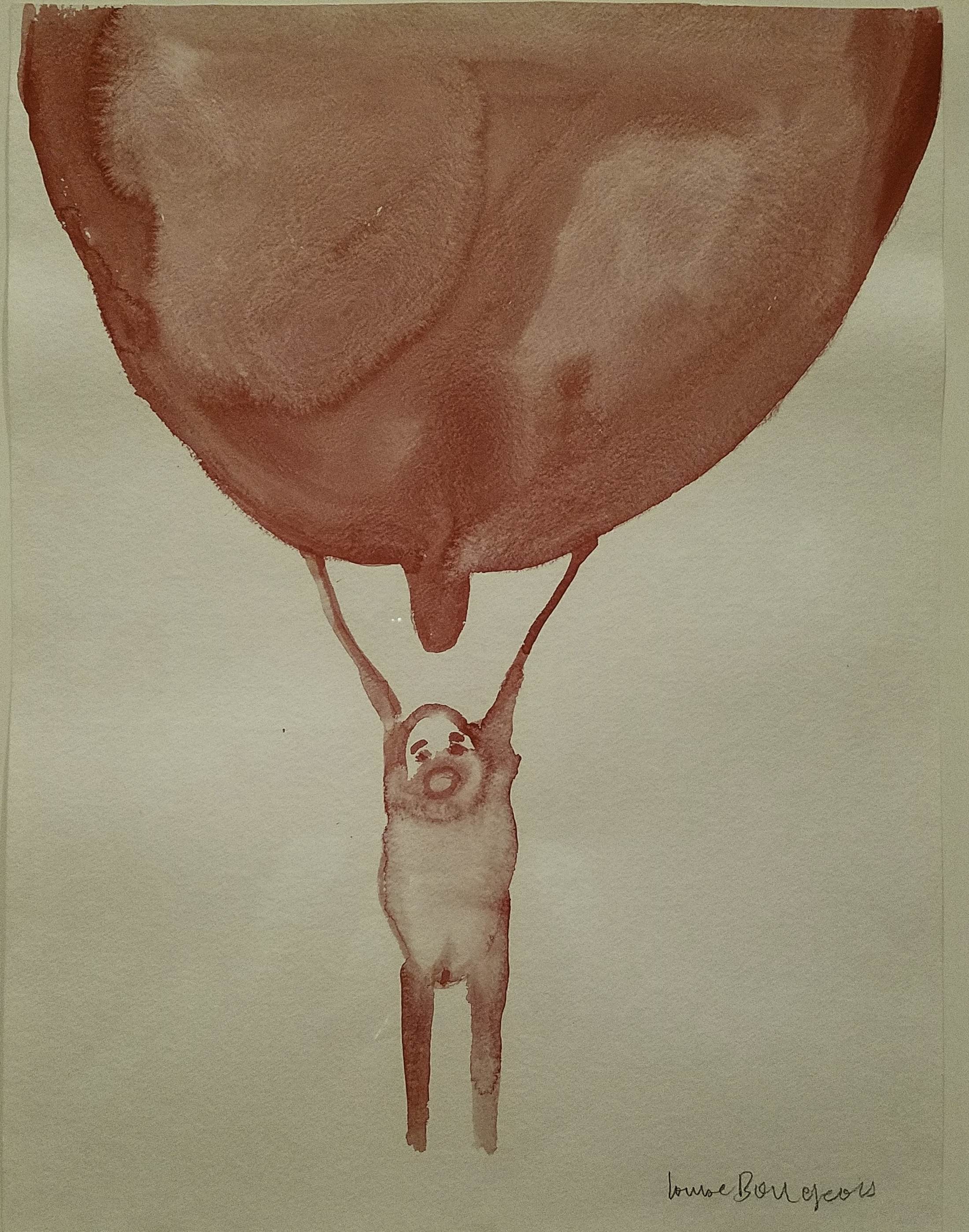
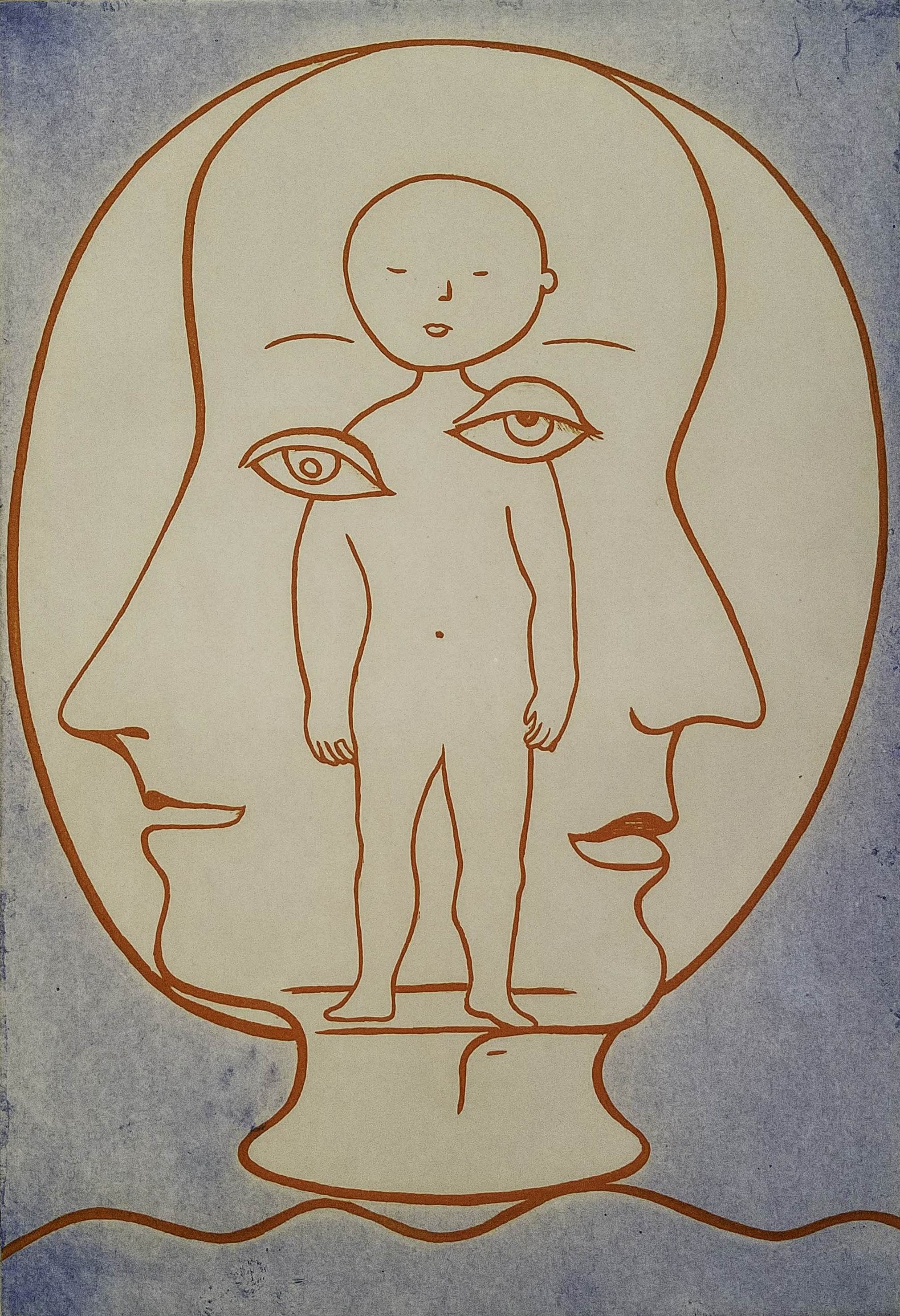
The Idiosyncratic Eyes of Mme Bourgeois

Staring into your soul.

House 1994
Marble


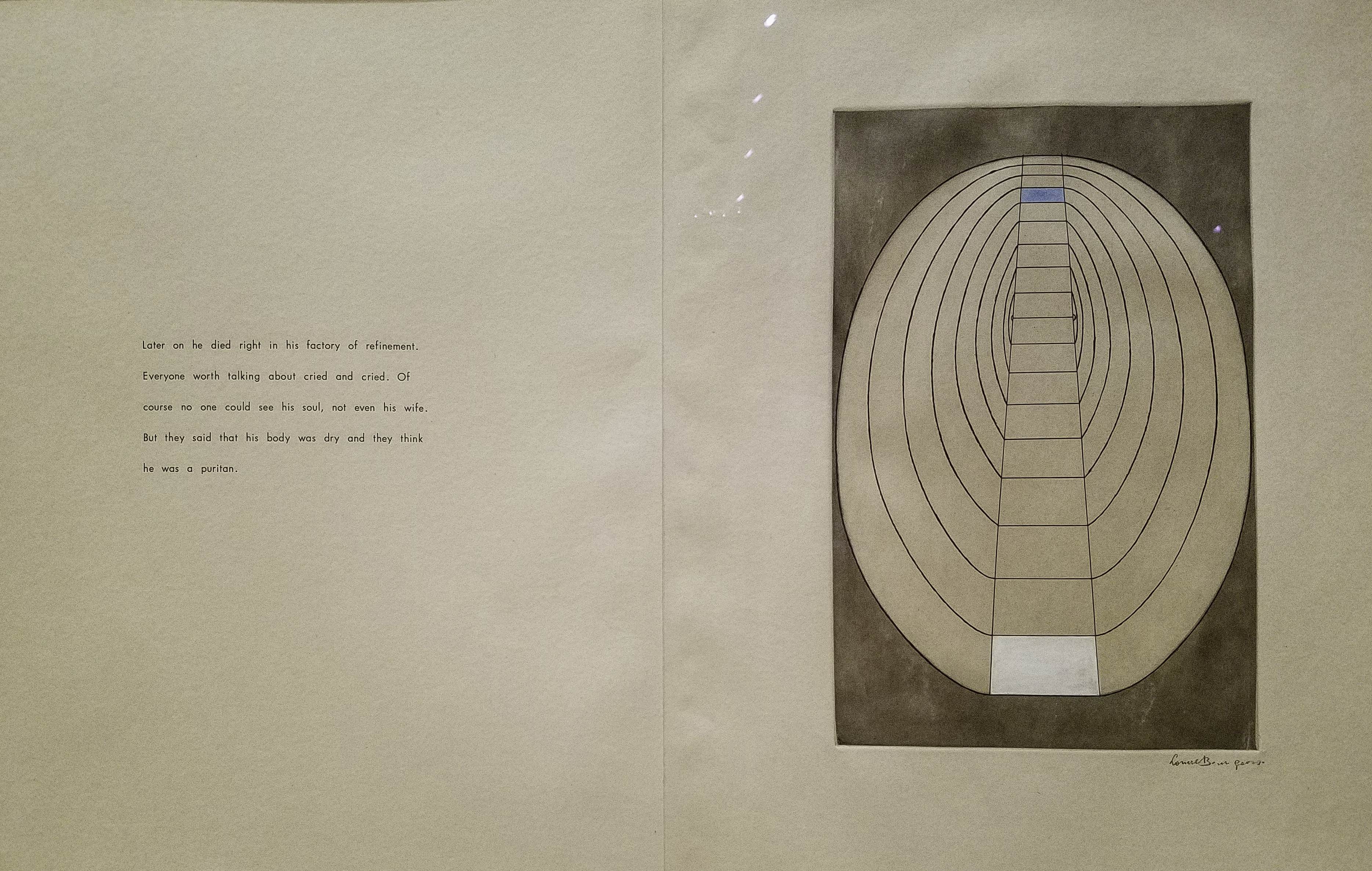
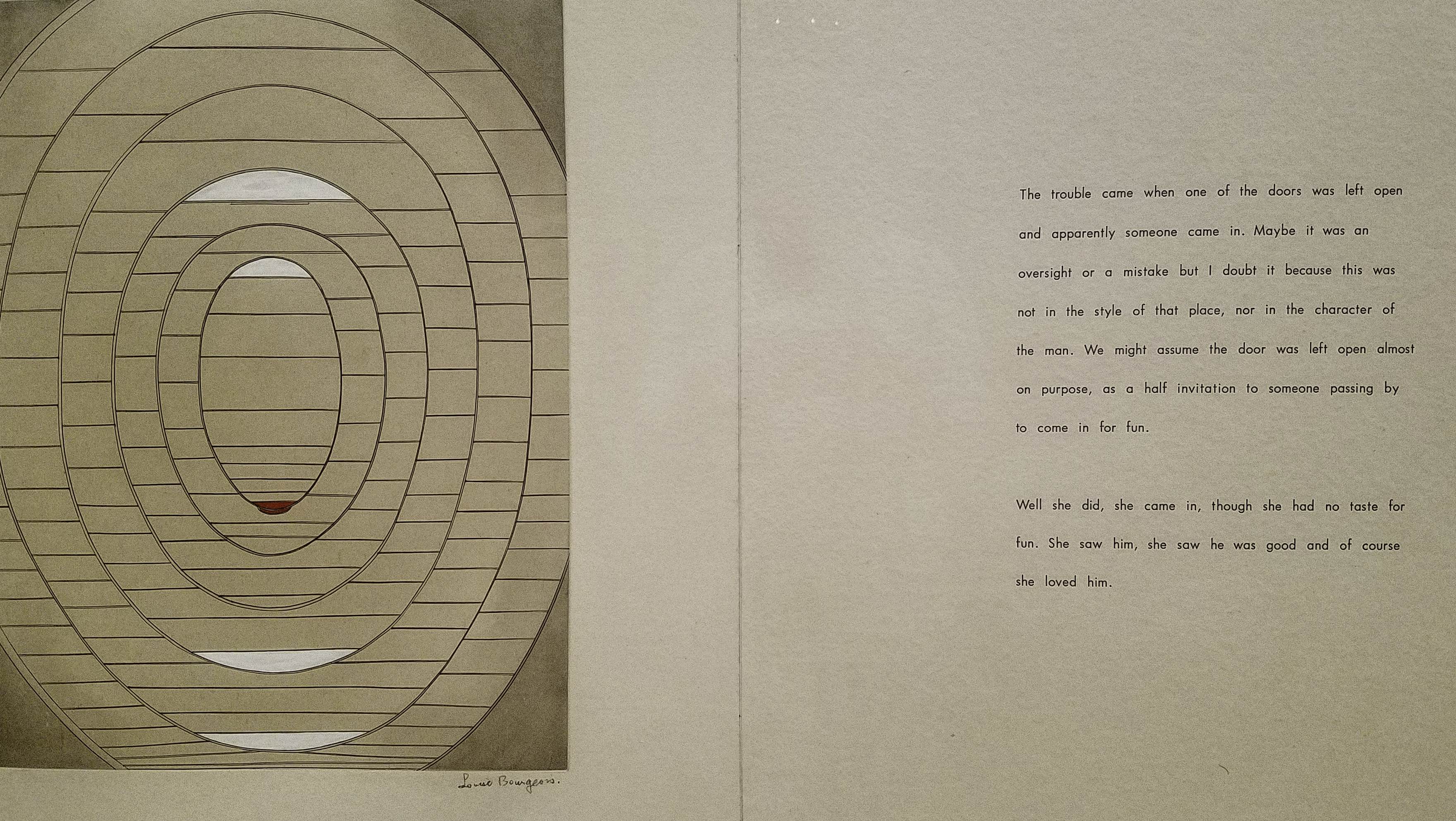
the puritan 1990-97 (text: 1947)
Folio set no. 3: engravings with selective wiping, gouache and watercolour additions


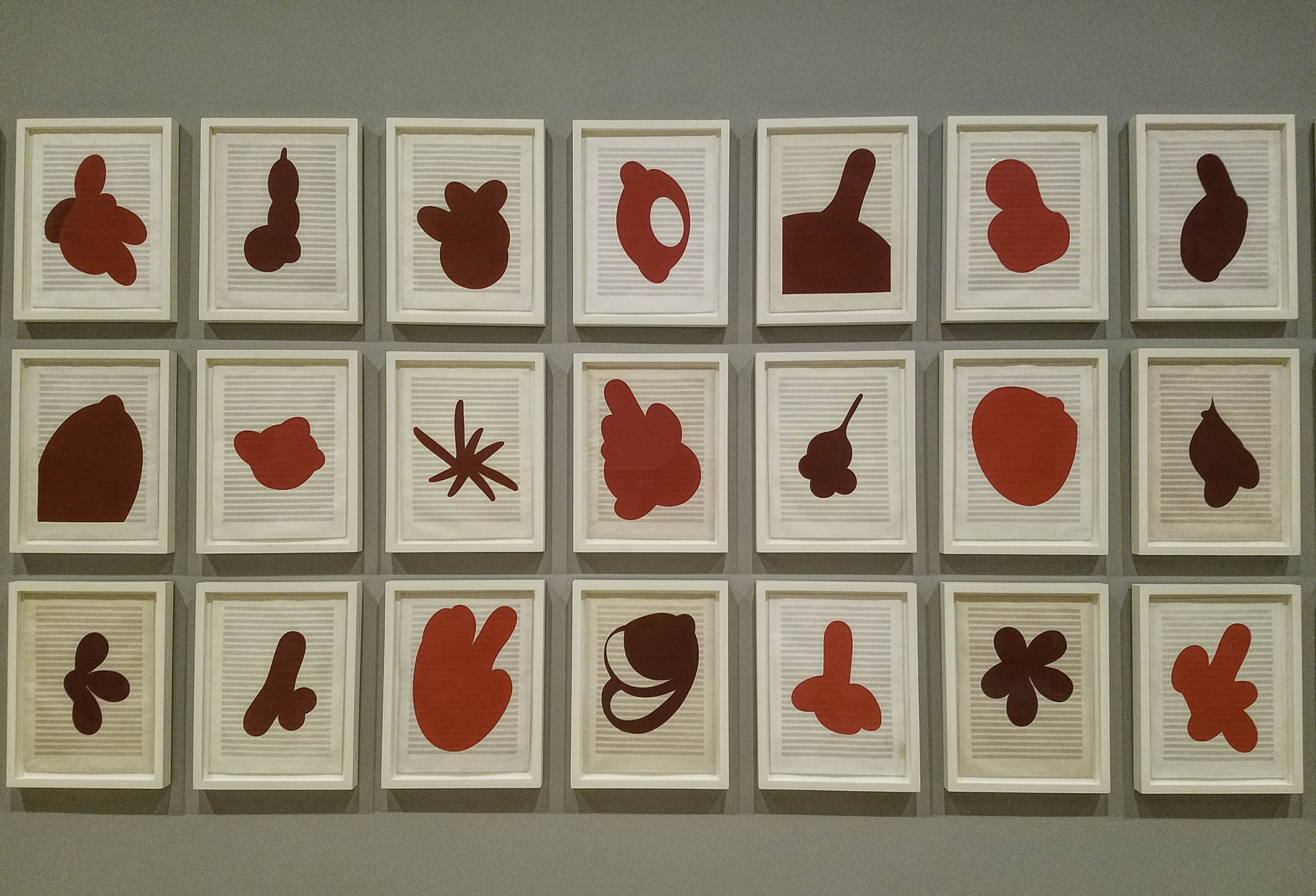
Lullaby 2006
Series of twenty-five screenprints on fabric: title sheet and twenty-four compositions

Bourgeois created shapes by turning and tracing common household objects – scissors, a knife and a candy dish, among them. She published this set herself, under the imprint Lison Editions. Lison, Lise, Lisette, Louison and Louisette were among her childhood nicknames.


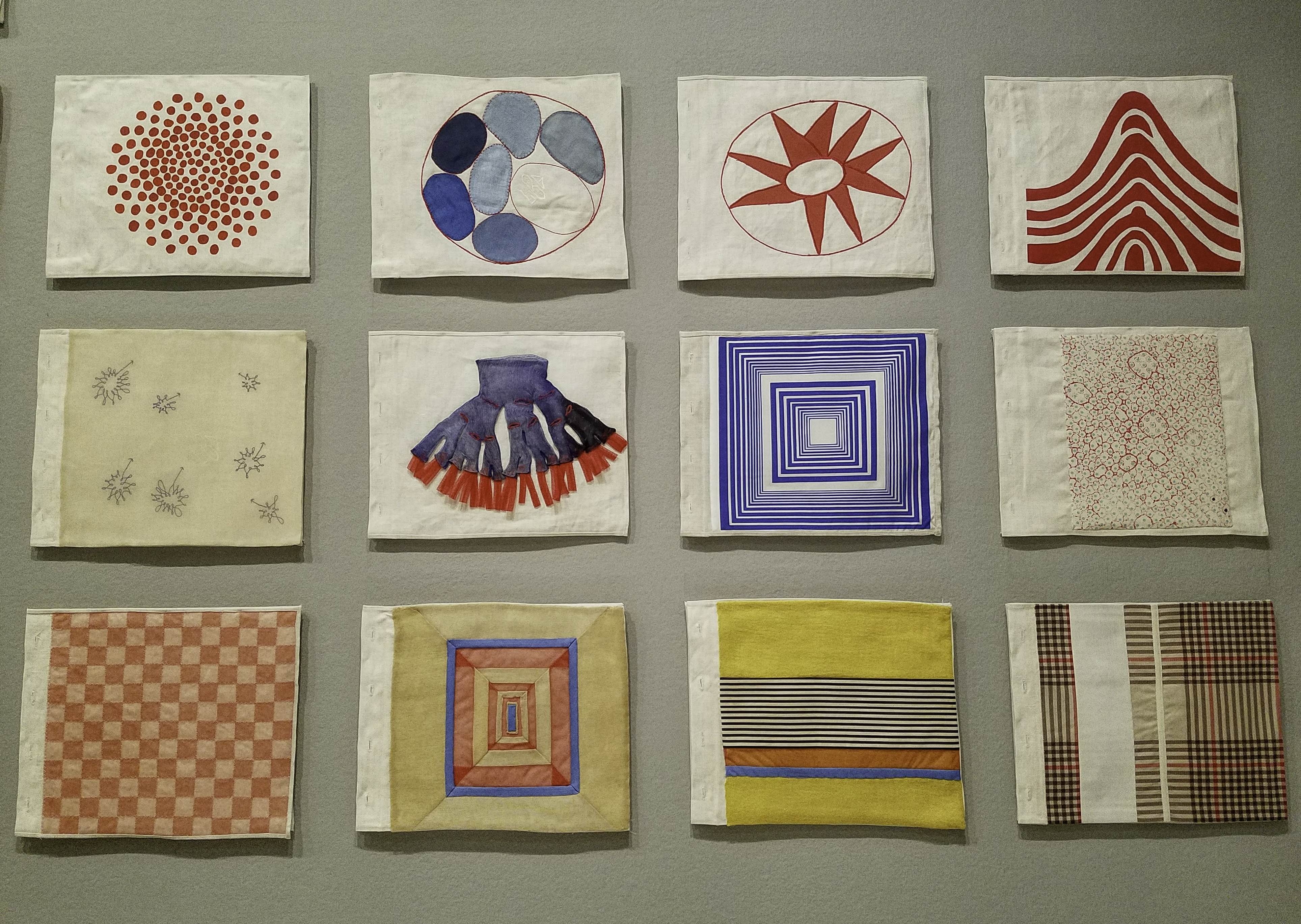
Ode à l’Oubli 2004
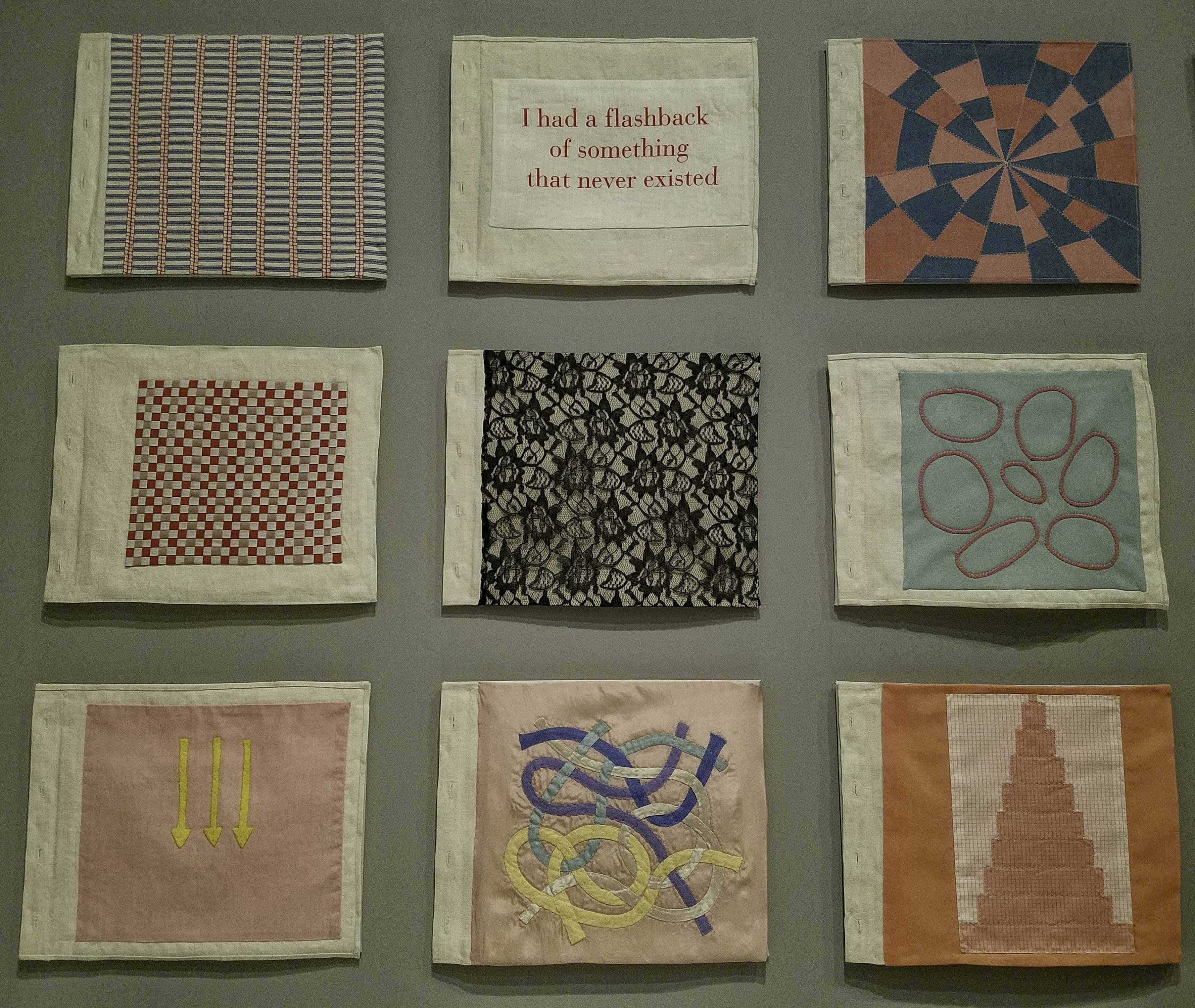
Fabric illustrated book with thirty fabric collages and four lithographs

The pages of this book are composed of linen hand towels saved from her trousseau. Many contain the embroidered monogram LBG (Louise Bourgeois Goldwater). Bourgeois later issued and editioned version of this book in twenty-five examples. In that version, the pages are tied together through buttonholes instead of bound so all of the pages can be displayed simultaneously, as seen on this wall.


Untitled 1998
Fabric and stainless steel


Stamp of Memories I 1993
Drypoint with metal stamp additions


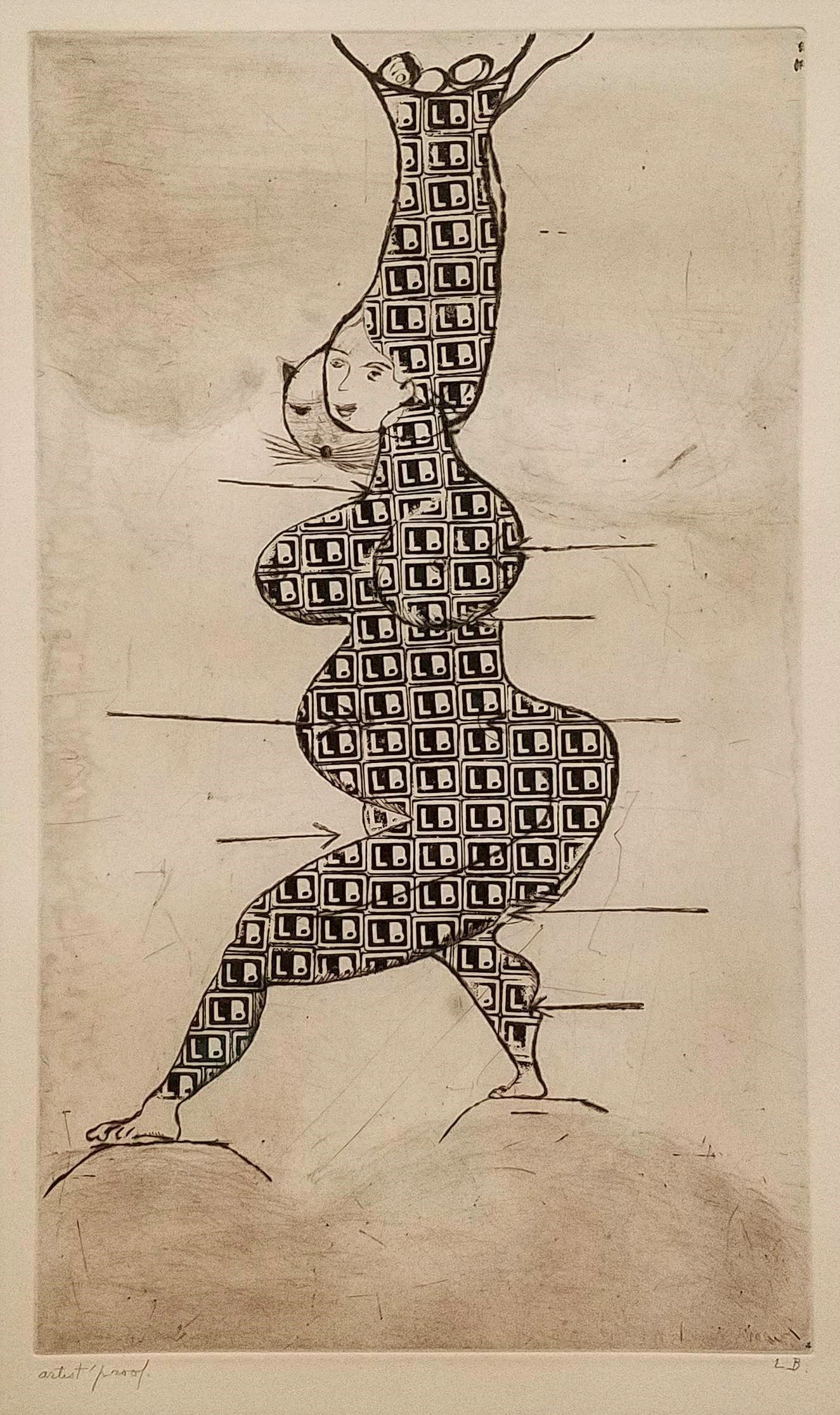
Sainte Sébastienne 1992
Drypoint


Triptych for the Red Room 1994
Aquatint, drypoint and engraving

The subject of pain is the business I am in.“ – LB


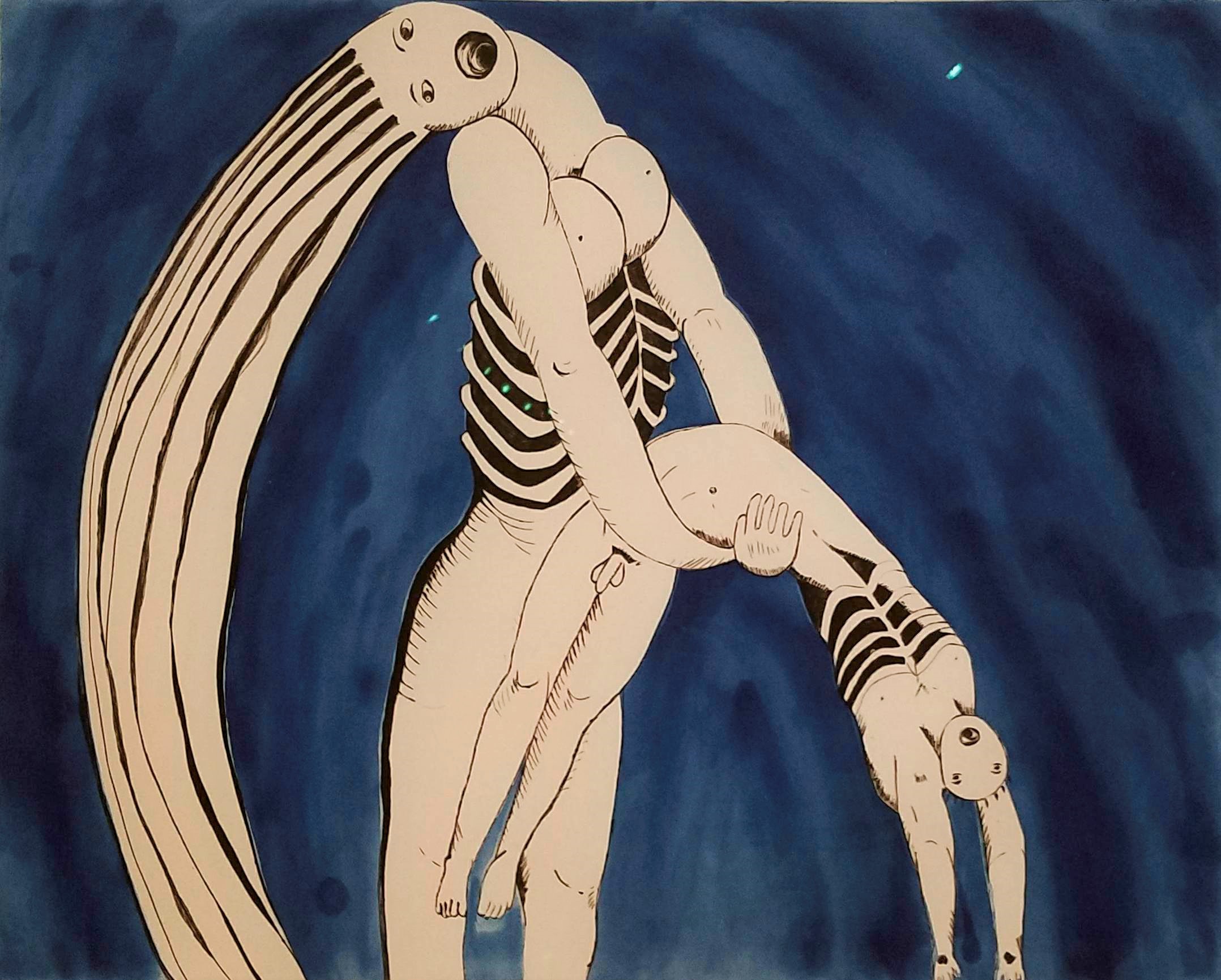
Self Portrait 2007
Gouache on paper


Self Portrait 1990
Drypoint, etching and aquatint


I Redo (interior element) from the installation
I Do, I Undo, I Redo 1999-2000
Steel, glass wood and tapestry


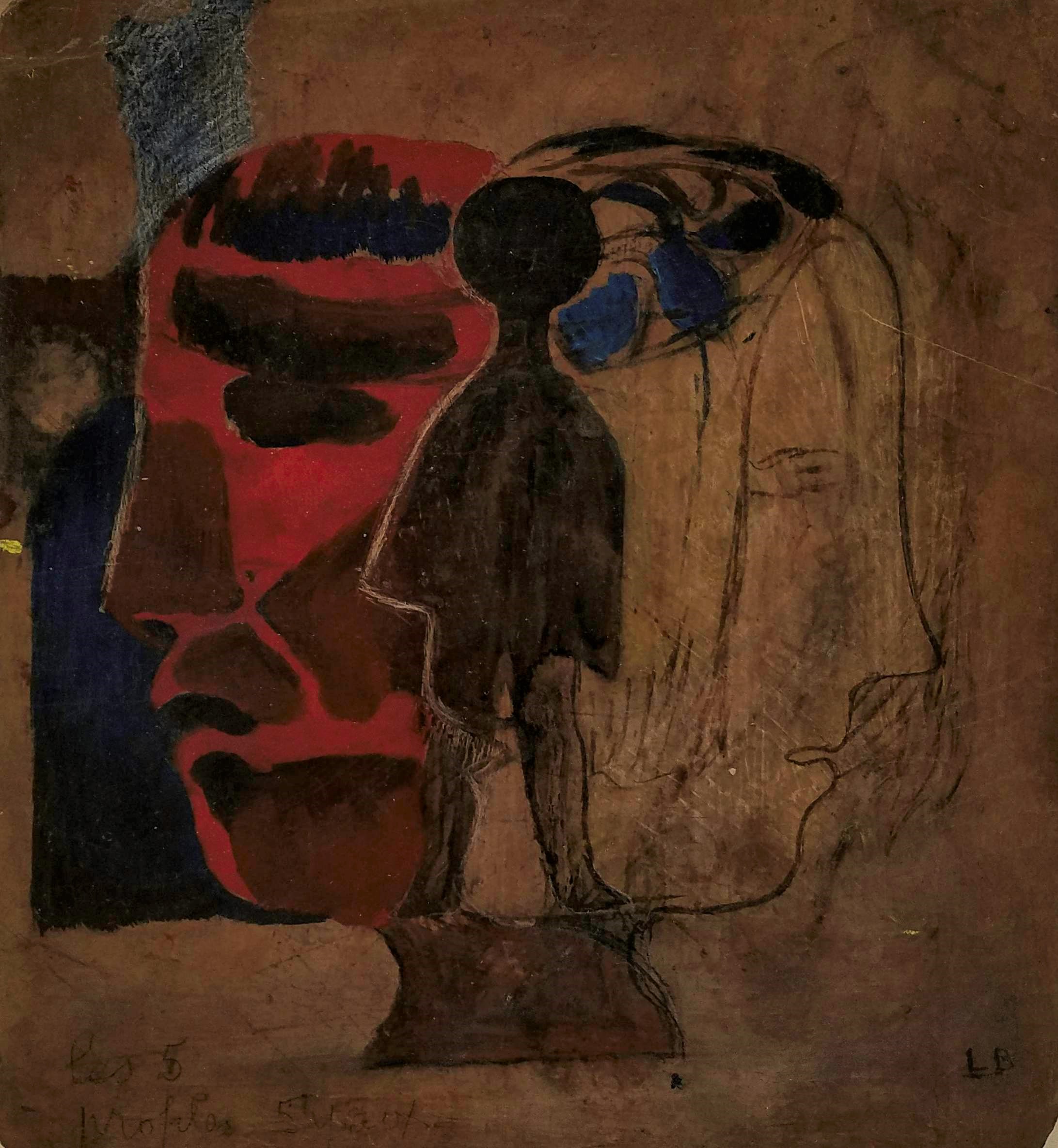
Untitled 1940
Oil and pencil on board


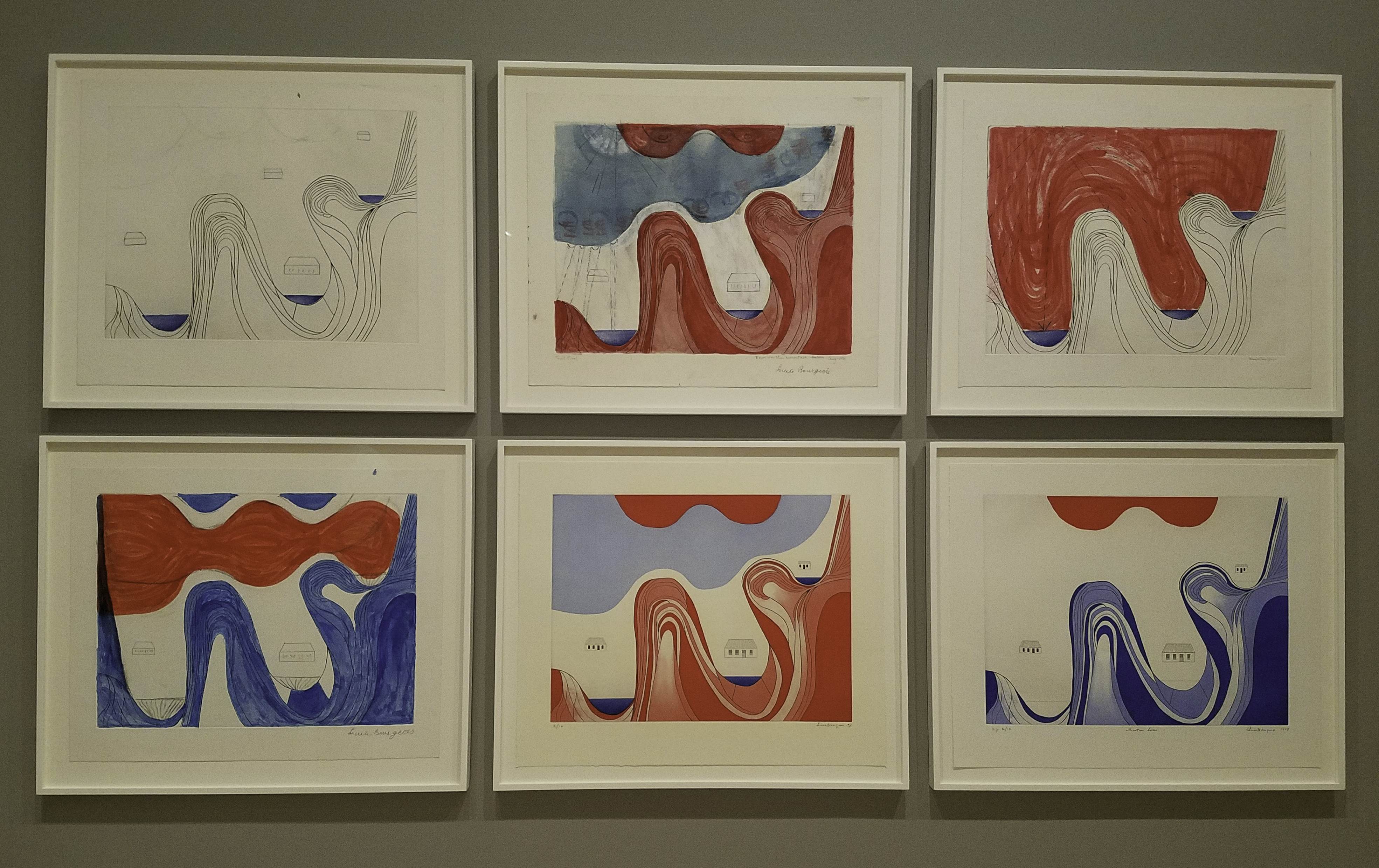
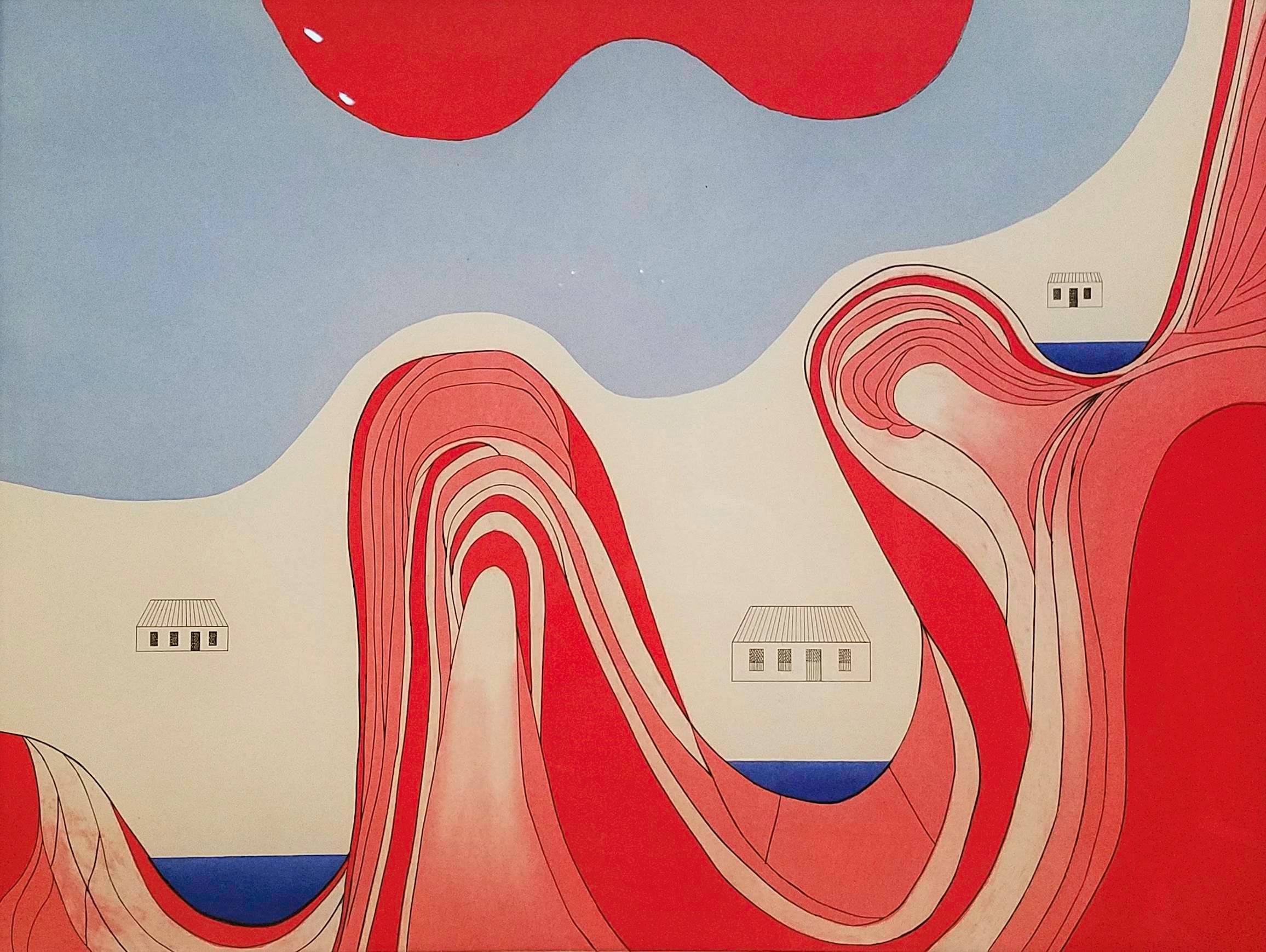
Lacs de Montagne (Mountain Lakes), 1996 & 1997
Engraving and aquatint with watercolour, gouache and ink additions


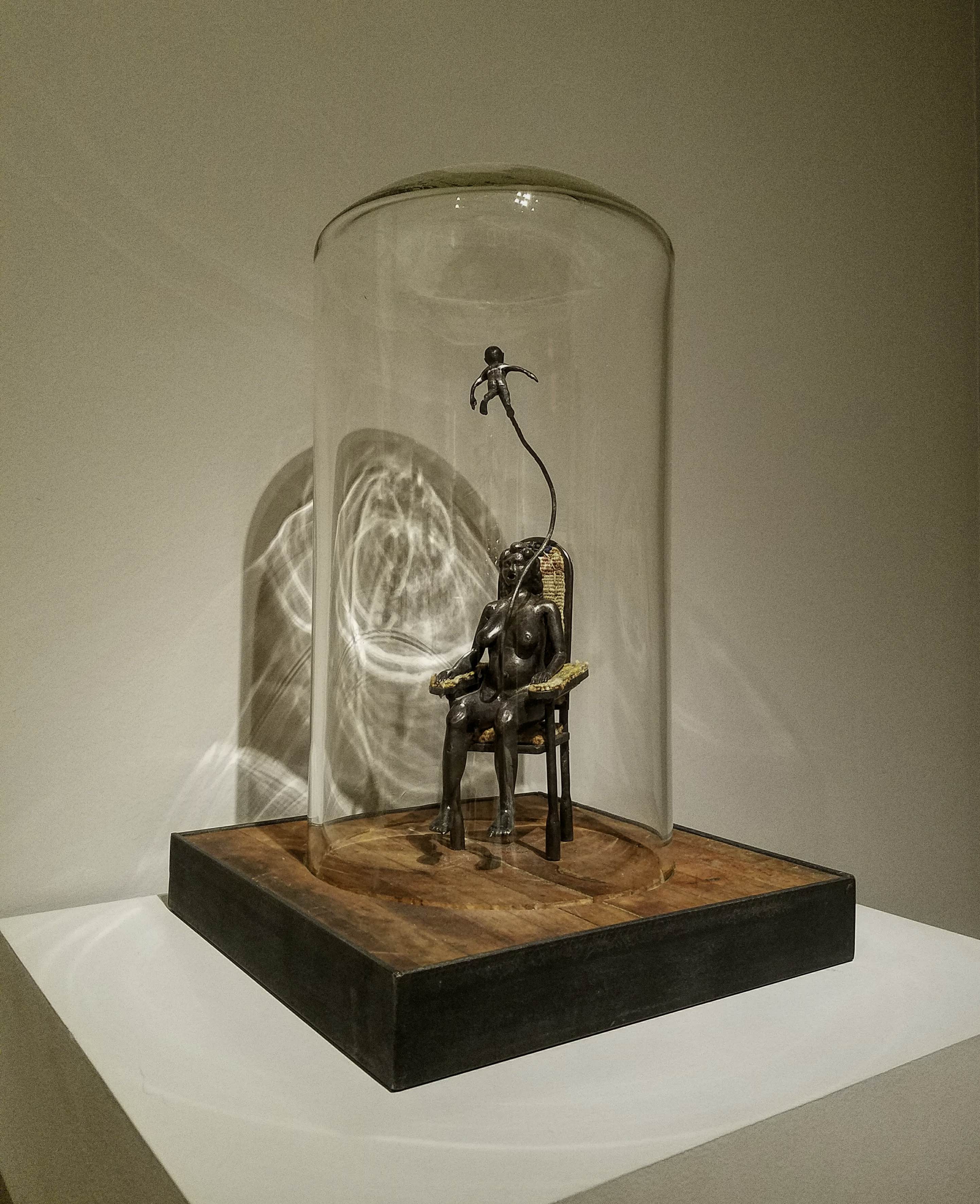
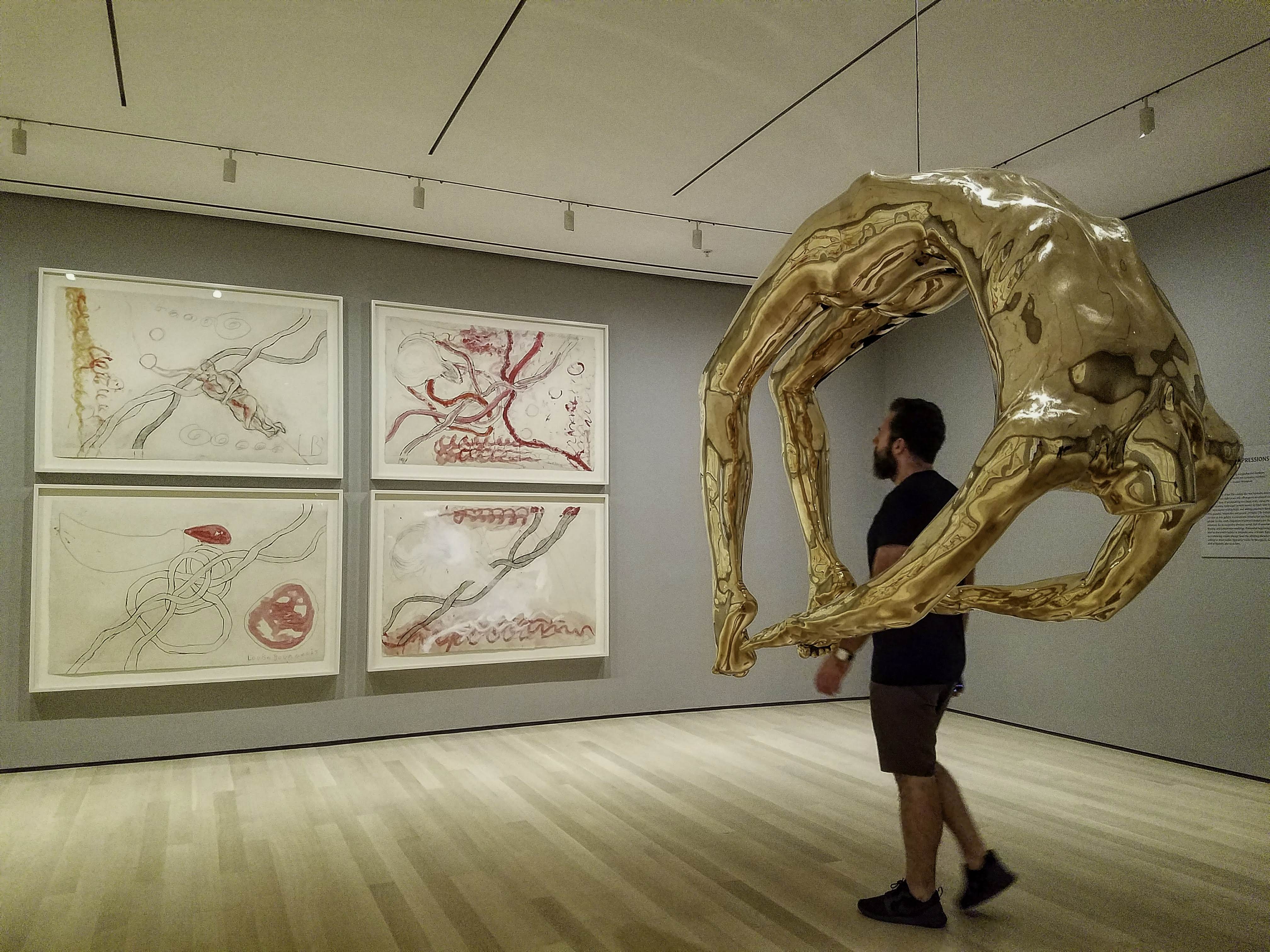
Arch of Hysteria 1993
Bronze, polished patina


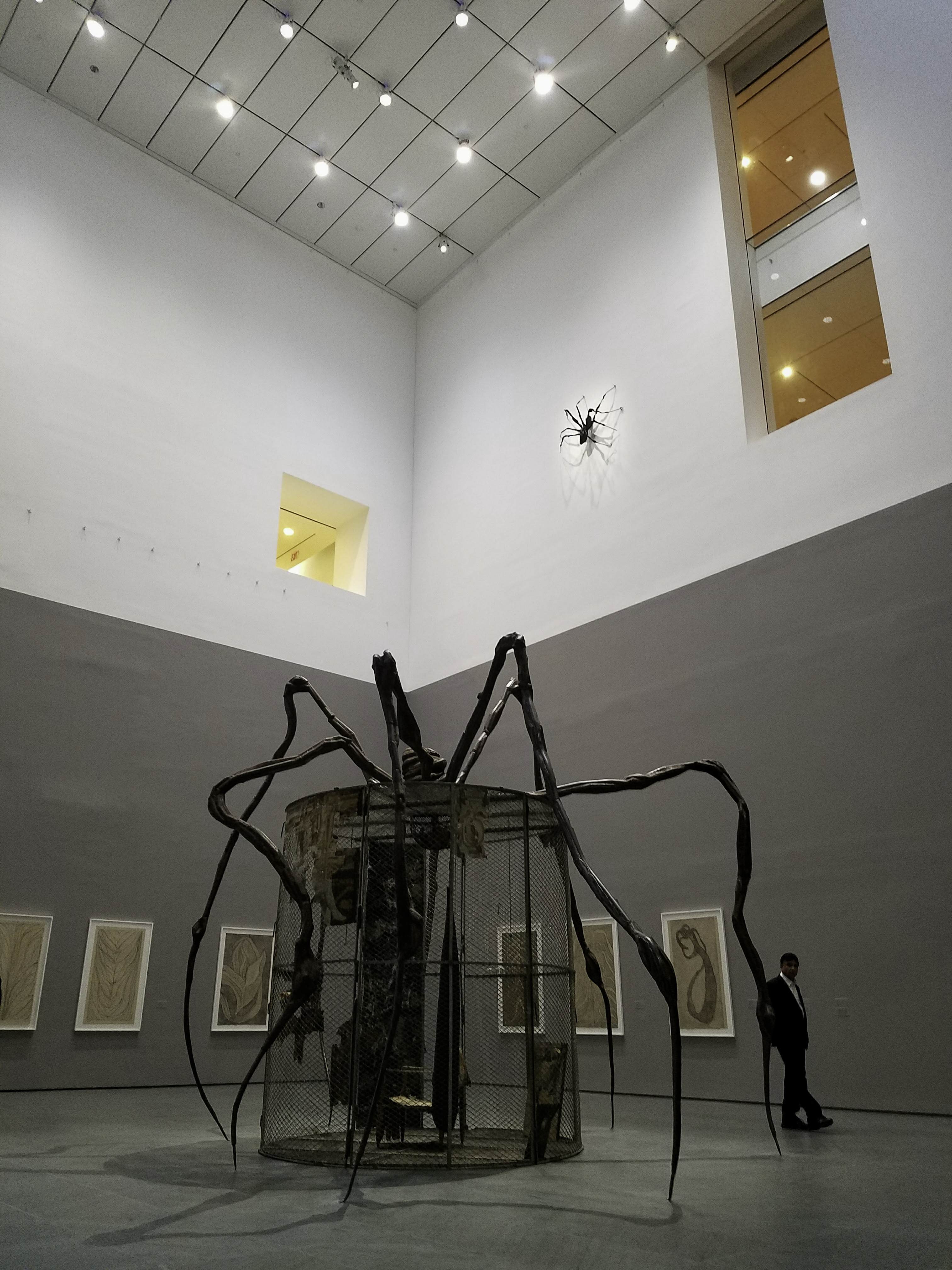
Spider 1997


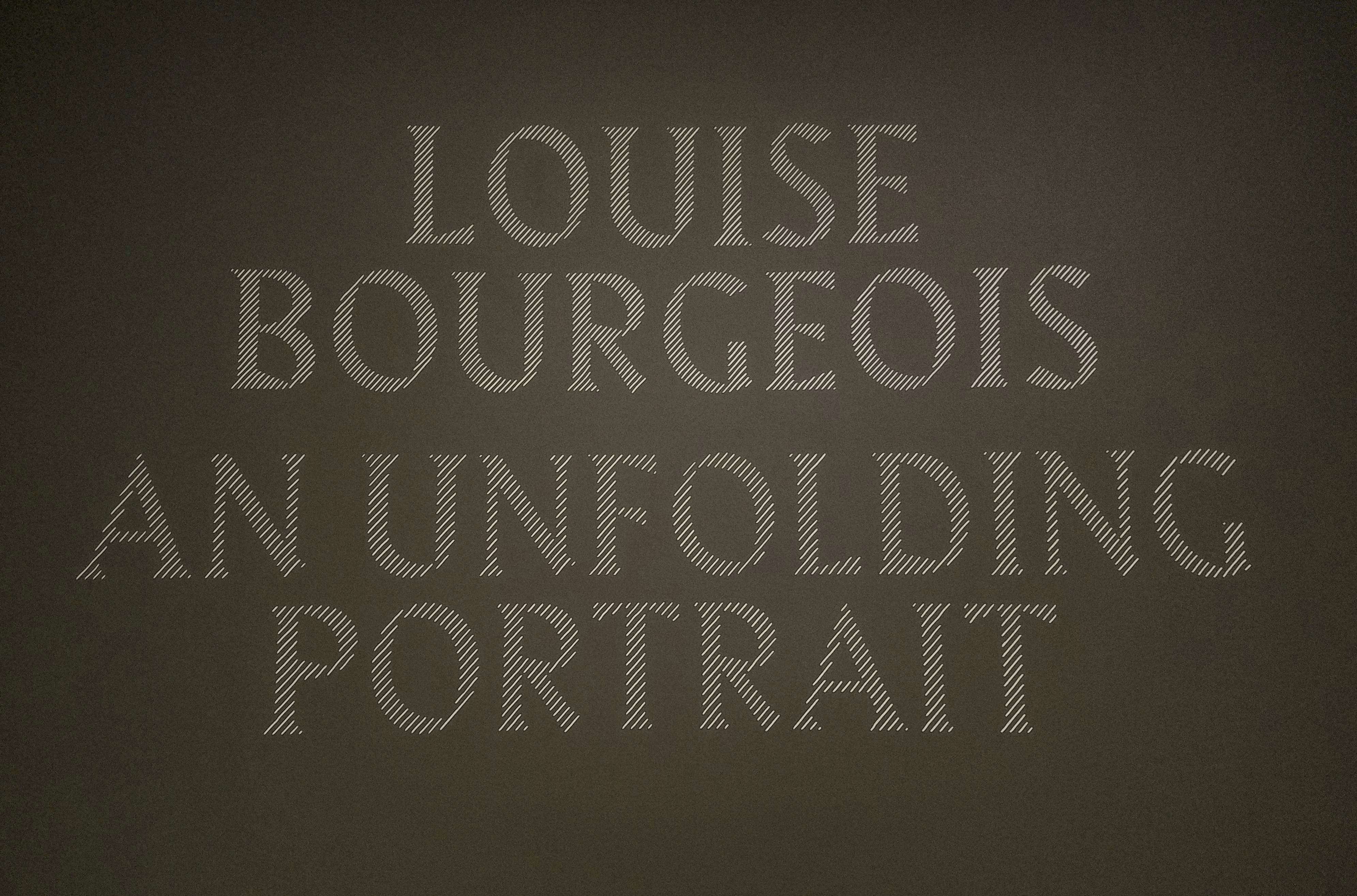
Note from Louise Bourgeois: An Unfolding Portrait, an exhibition that ran at the MoMA, until end January 2018: ”[…] explores the prints, books, and creative process of the celebrated sculptor Louise Bourgeois (1911–2010). Bourgeois’s printed oeuvre, a little-known aspect of her work, is vast in scope and comprises some 1,200 printed compositions, created primarily in the last two decades of her life but also at the beginning of her career, in the 1940s. The Museum of Modern Art has a prized archive of this material, and the exhibition will highlight works from the collection along with rarely seen loans […].”

September 25th, 2017

Fighting War with Art || Arthur Szyk: A Soldier in Art

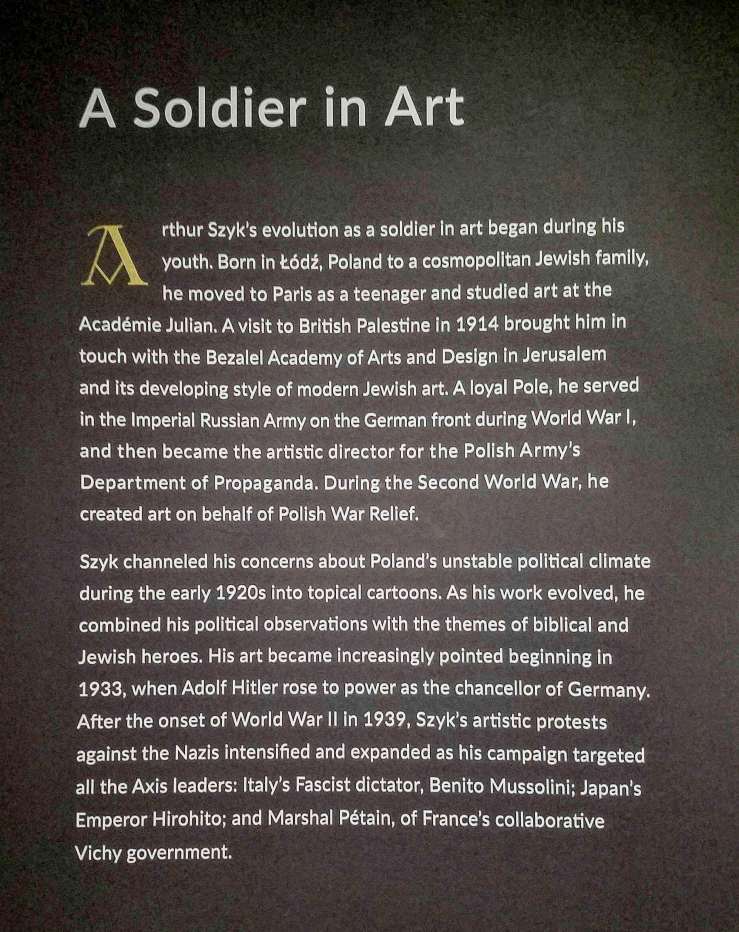
The work of a Polish artist on show at the New-York Historical Society?  That seemed strange at first, but a quick read of the introduction shed light on the artist’s relation with the United States and his deep admiration of, and dedication to American democratic values – those same values that are under thread today, shaking American society to its core.

Arthur Szyk fought the demons of WWII in his own creative way, by focusing on political cartooning and producing works that were published as magazine covers, reproduced as posters, and exhibited in art galleries. Among the many admirers of his work during this period was Eleanor Roosevelt, who wrote in her newspaper column My Day: “In its way [Szyk’s work] fights the war against Hitlerism as truly as any of us who cannot actually be on the fighting fronts today.” [source]

Arthur Szyk was so dedicated to American democratic values that he actually became an American citizen in 1948. These are some of the artworks he made during his years in New York City.  FDR’s Soldier in Art, 1944
Pencil, watercolour, pen and ink on paper

Szyk’s lively portrait of Franklin Delano Roosevelt (1882-1945) conveyed the artist’s reverence for the US and its principles of freedom and justice, and his belief that the president would lead the Allies – United States, Great Britain and Russia – in defeating the Axis powers. He dedicated the portrait to Eleanor Roosevelt in 1946 following the president’s death. Mrs. Roosevelt admired Szyk and mentioned his artistic crusade in her newspaper columns on several occasions.


We’re running short of Jews!…, 1943
Ink and graphite on paper

The drawing responded to an announcement made by the World Jewish Congress in November 1942 that confirmed the Nazis’ plan to annihilate Europe’s Jewish population. Szyk later dedicated the drawing to his mother, who died at the Chelmno extermination camp near the Łódź ghetto.
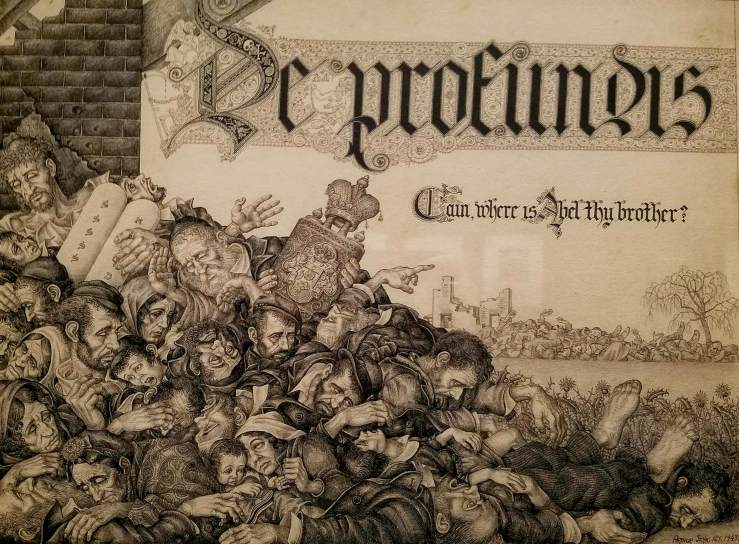

De Profundis. Cain, where is Abel thy Brother?, 1943
Ink and graphite on board
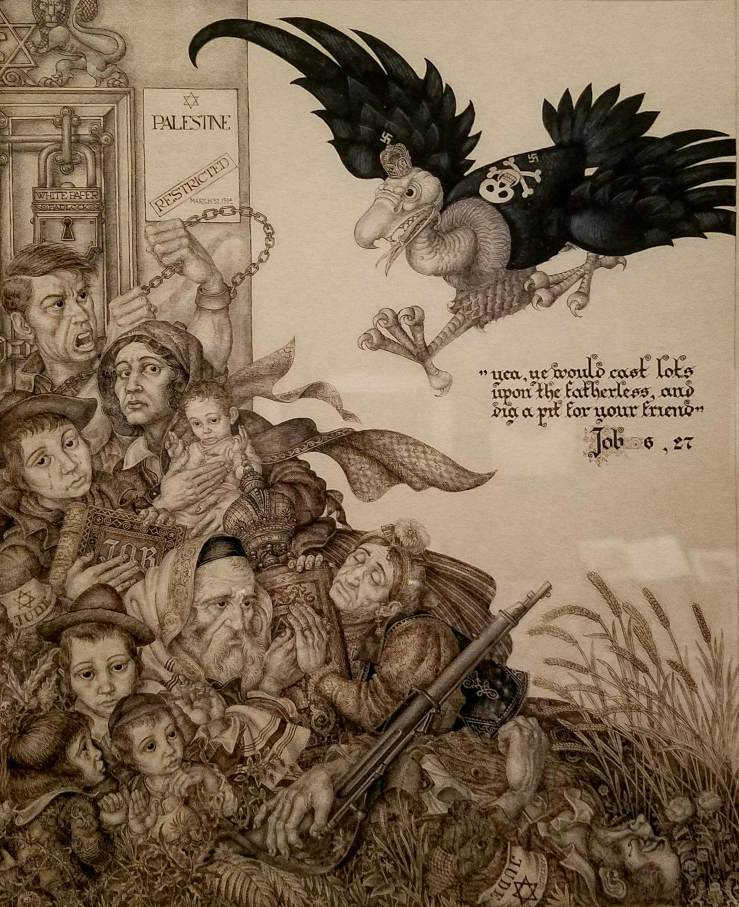

Palestine Restricted, 1944
Pen, ink and pencil on paper

Palestine Restricted furthered Szyk’s condemnation of the White Paper by likening it to a fierce vulture descending on masses of dead and dying men, women and children. The notation, March 31, 1944, marks the date when the British further tightened Jewish immigration, requiring the consent of Palestinian Arabs.
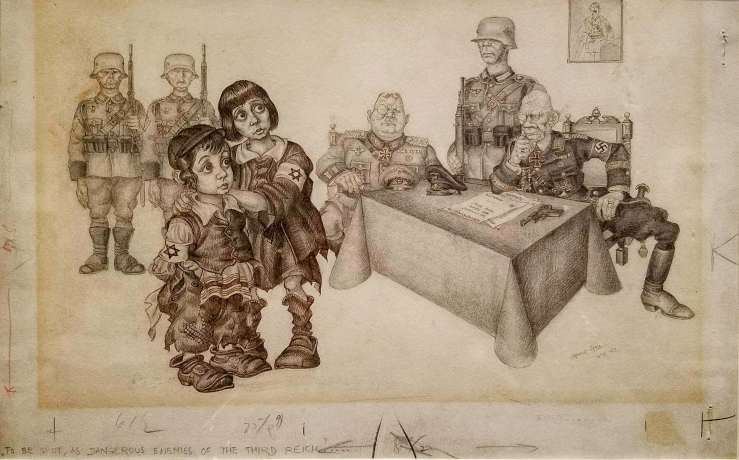

To be shot, as Dangerous Enemies of the Third Reich!, 1943
Ink and graphite on card

Szyk’s biting depiction of Heinrich Himmler declaring innocent Jewish children as enemies of the Third Reich emphasized the senselessness of Nazi anti-Semitism.
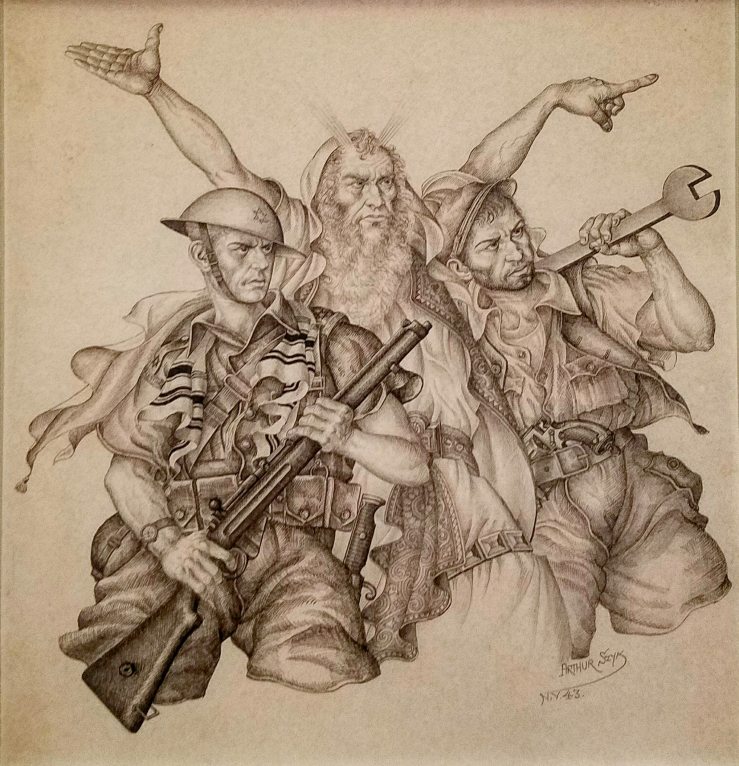

Modern Moses, 1944
Pen, ink and pencil on paper
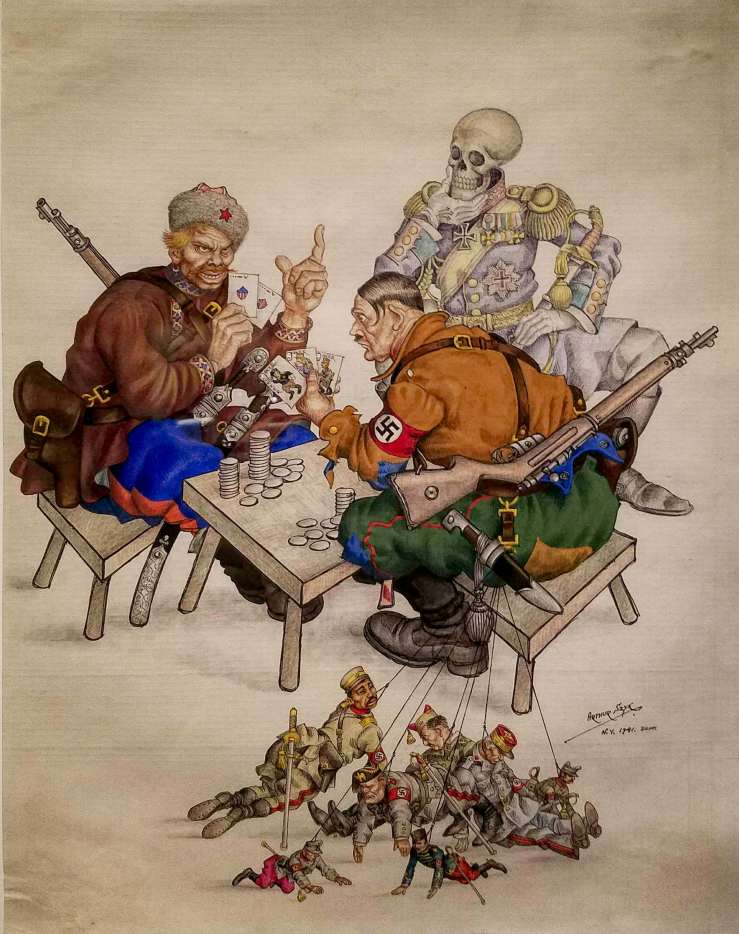

Untitled (The Silent Partner), September 1941
Watercolour, gouache, ink and graphite on paper

Szyk anticipated the US entry into WWII and Hitler’s eventual downfall in this depiction of a decorated figure of Death observing a dangerous poker game between Hitler and ”Ivan”, a pre-Soviet Union Russian leader. Gambling with the fate of the world, Hitler’s cards represent his alliance with Italy, Japan and Vichy France. Ivan’s hand includes the US and Great Britain. Seven puppets, the collaborating leaders of Hungary, Finland, Japan, Italy, Vichy France and Spain, hang from Hitler’s belt. The painting appeared on the cover of Collier’s on November 1, 1941, one month before the US entered the war.
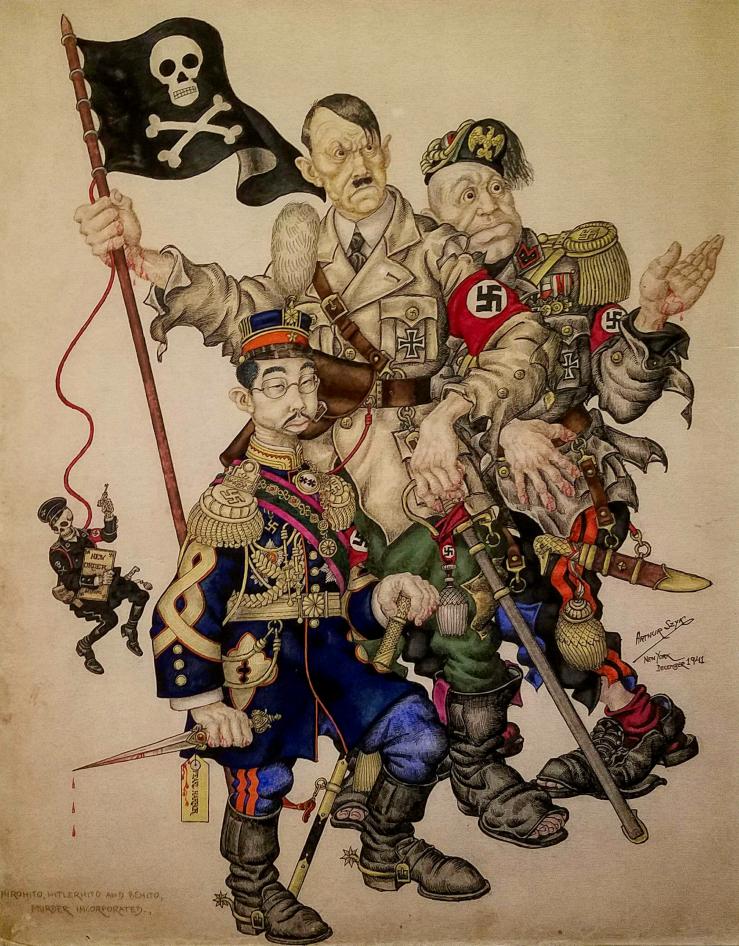

Murder Incorporated: Hirohito, Hitlerhito, Benito, December 1941
Watercolour and gouache on paper
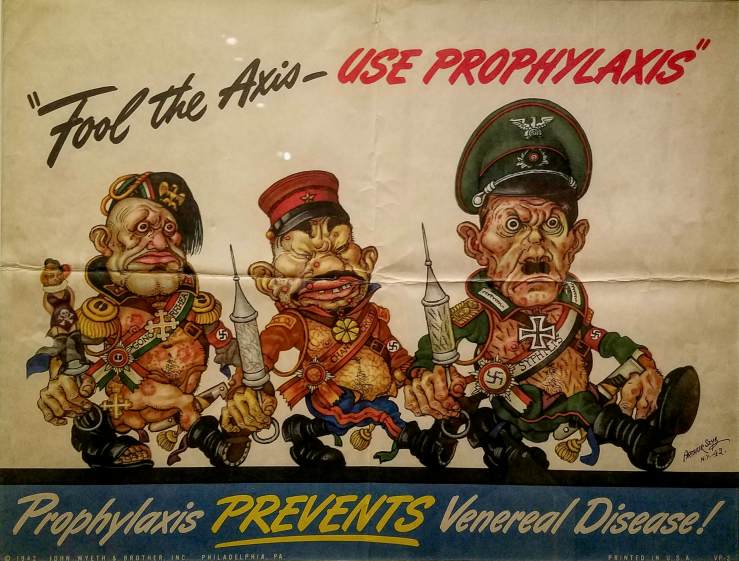

Offset lithograph. Here, Szyk characterizes Mussolini, Hirohito and Hitler as venereal diseases, offering perfect incentive to stay healthy and fight in the war effort.


More than 40 artworks by illustrator and miniaturist Arthur Szyk (1894–1951), were on view at the New-York Historical Society between September 2017 and January 2018.

New-York Historical Society

September 23rd, 2017
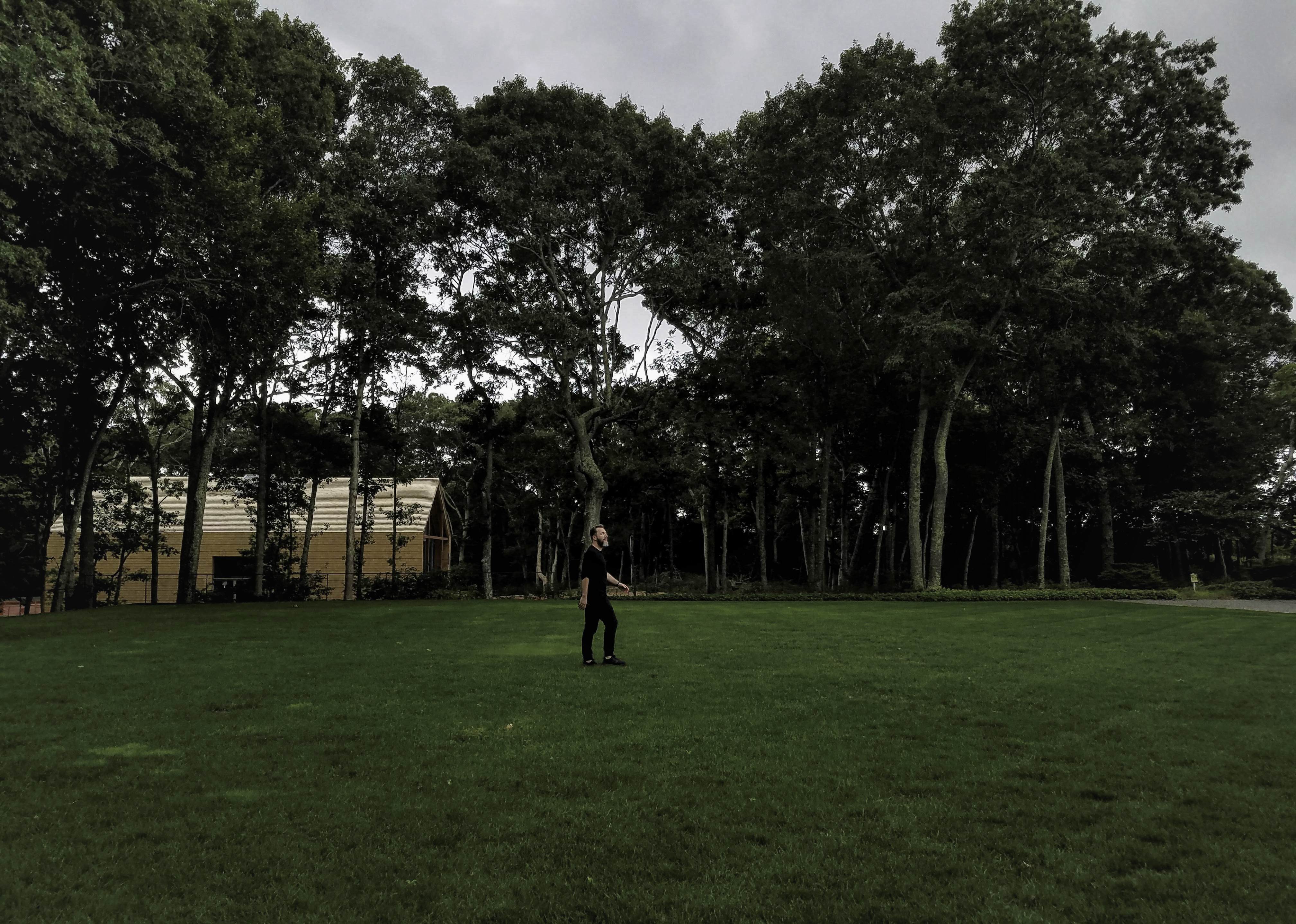
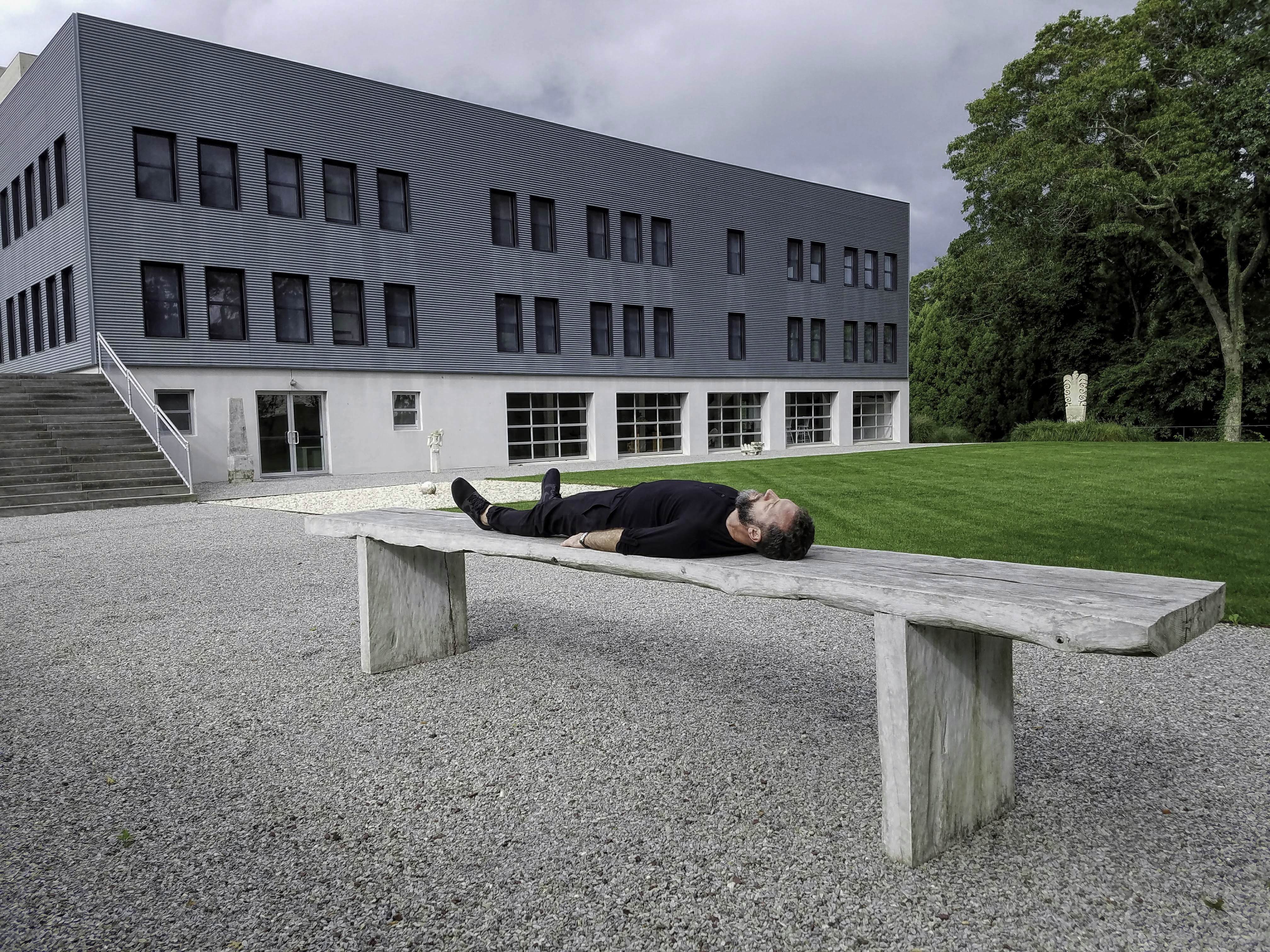
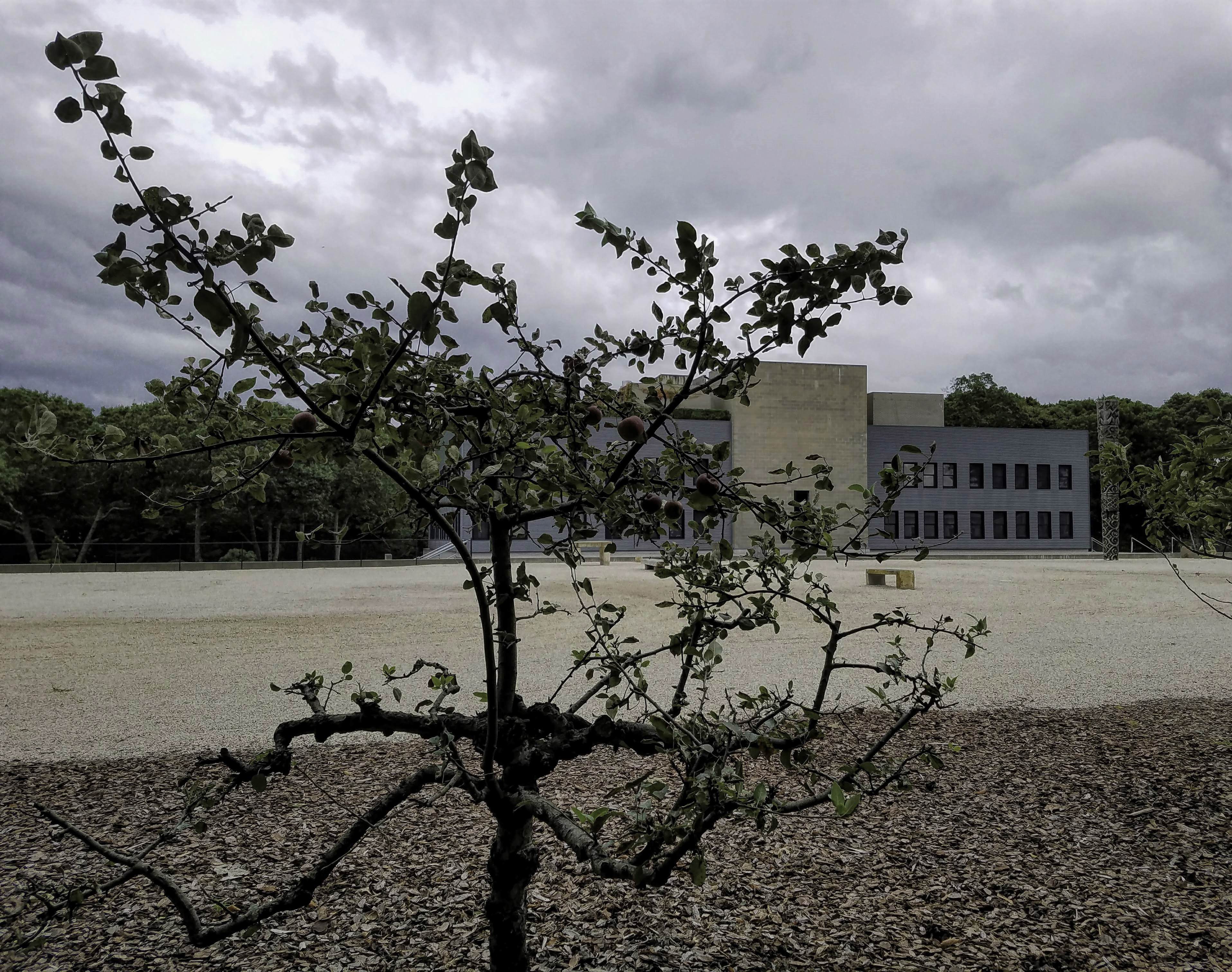
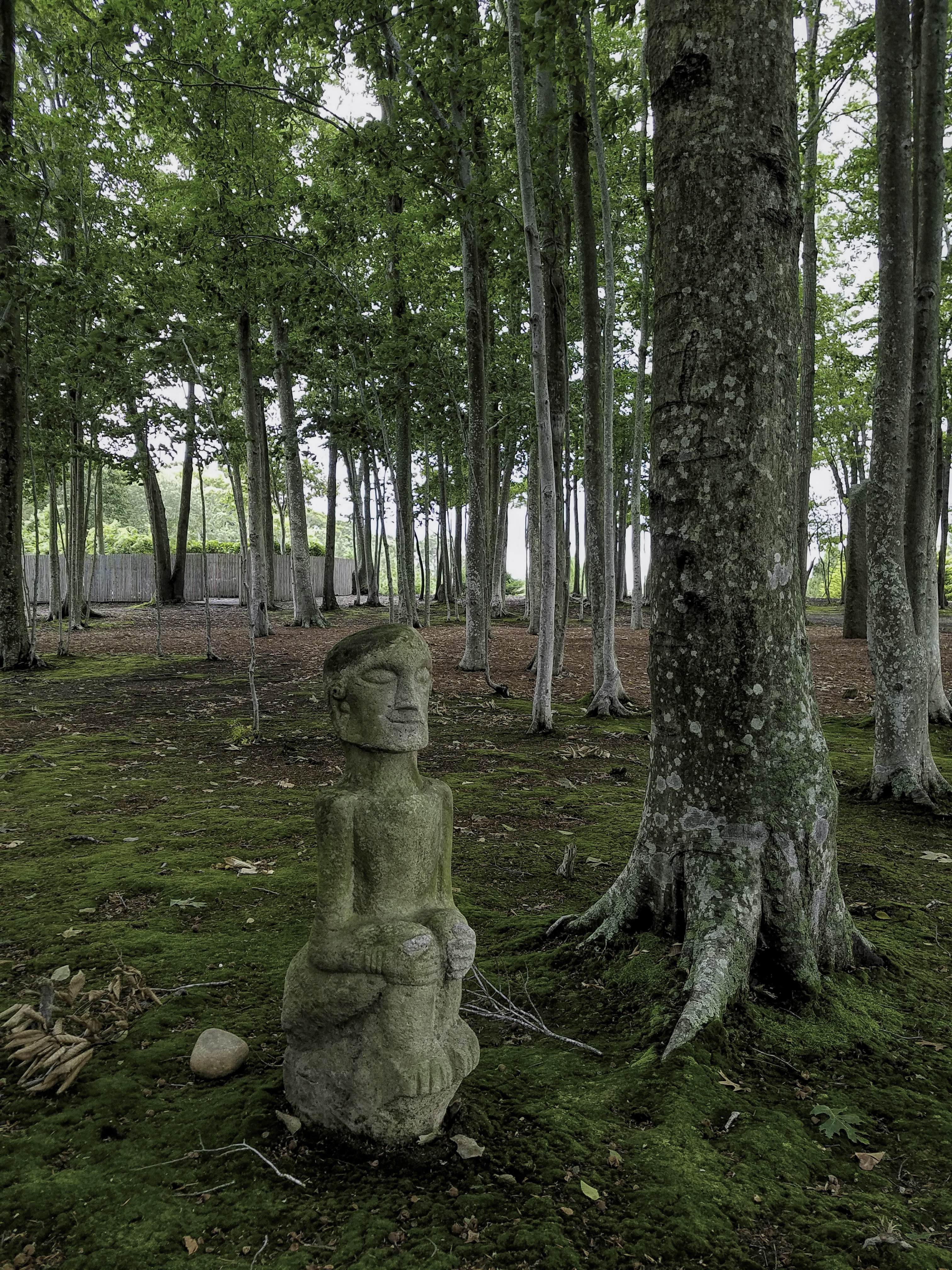
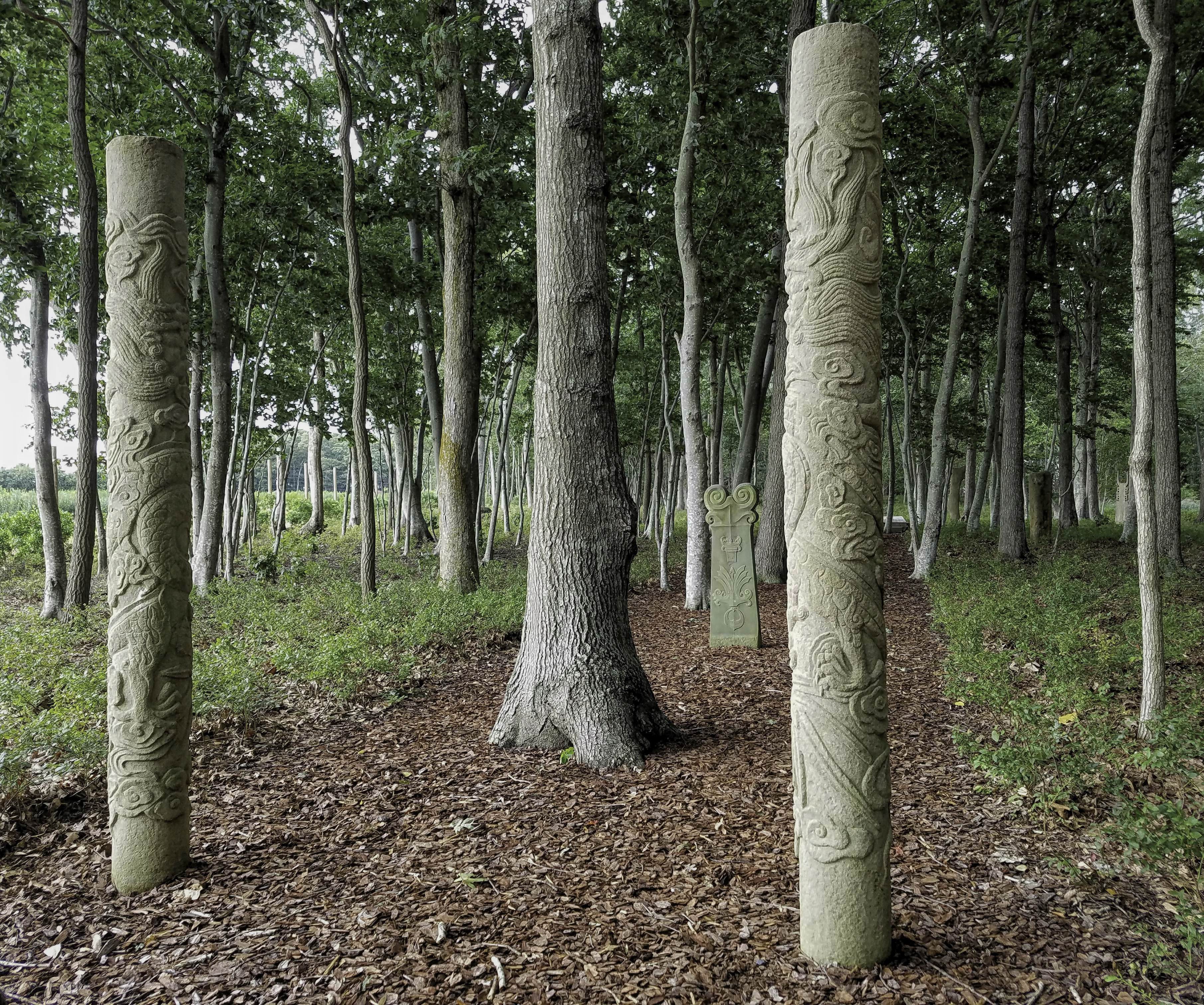
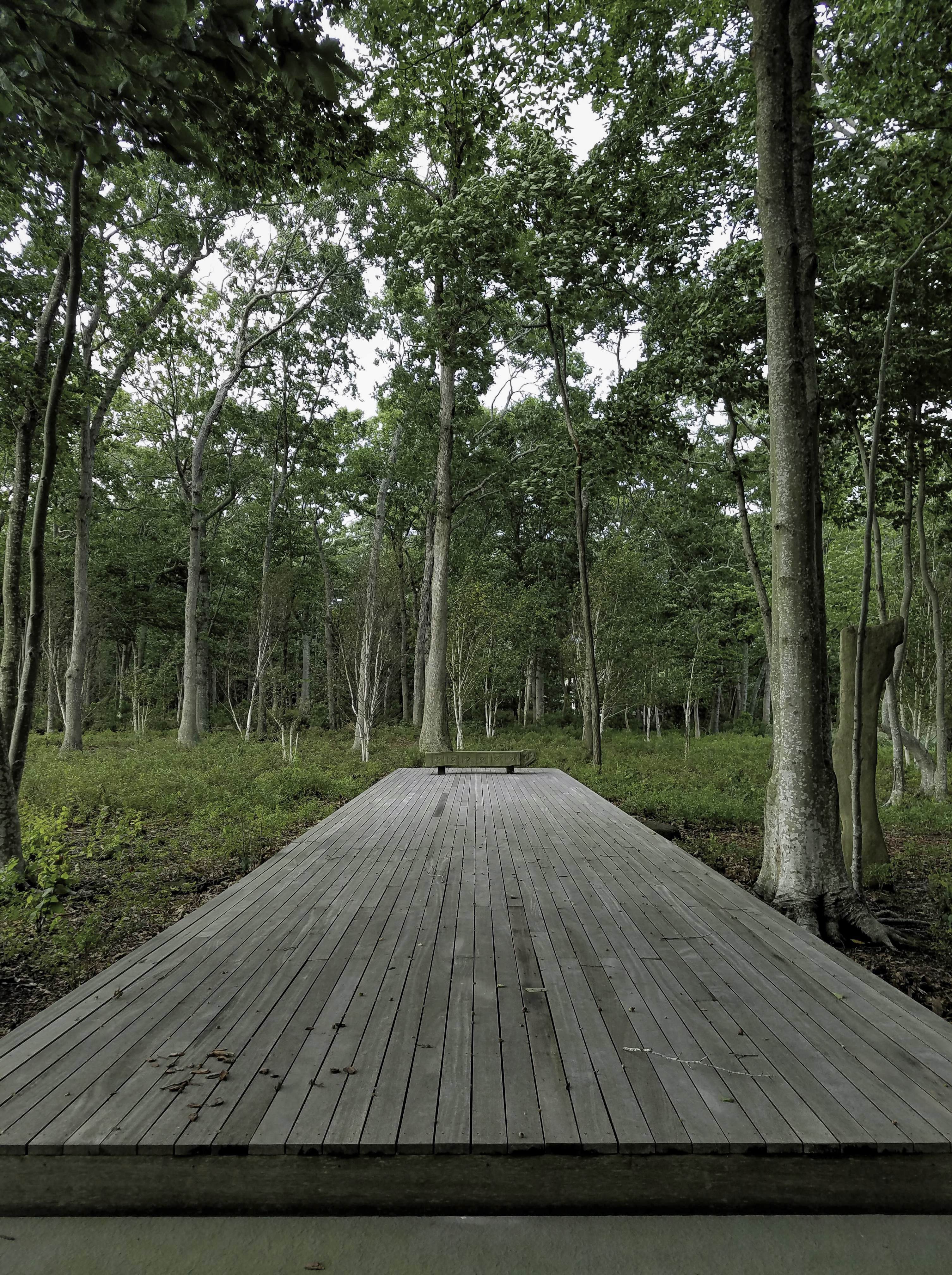
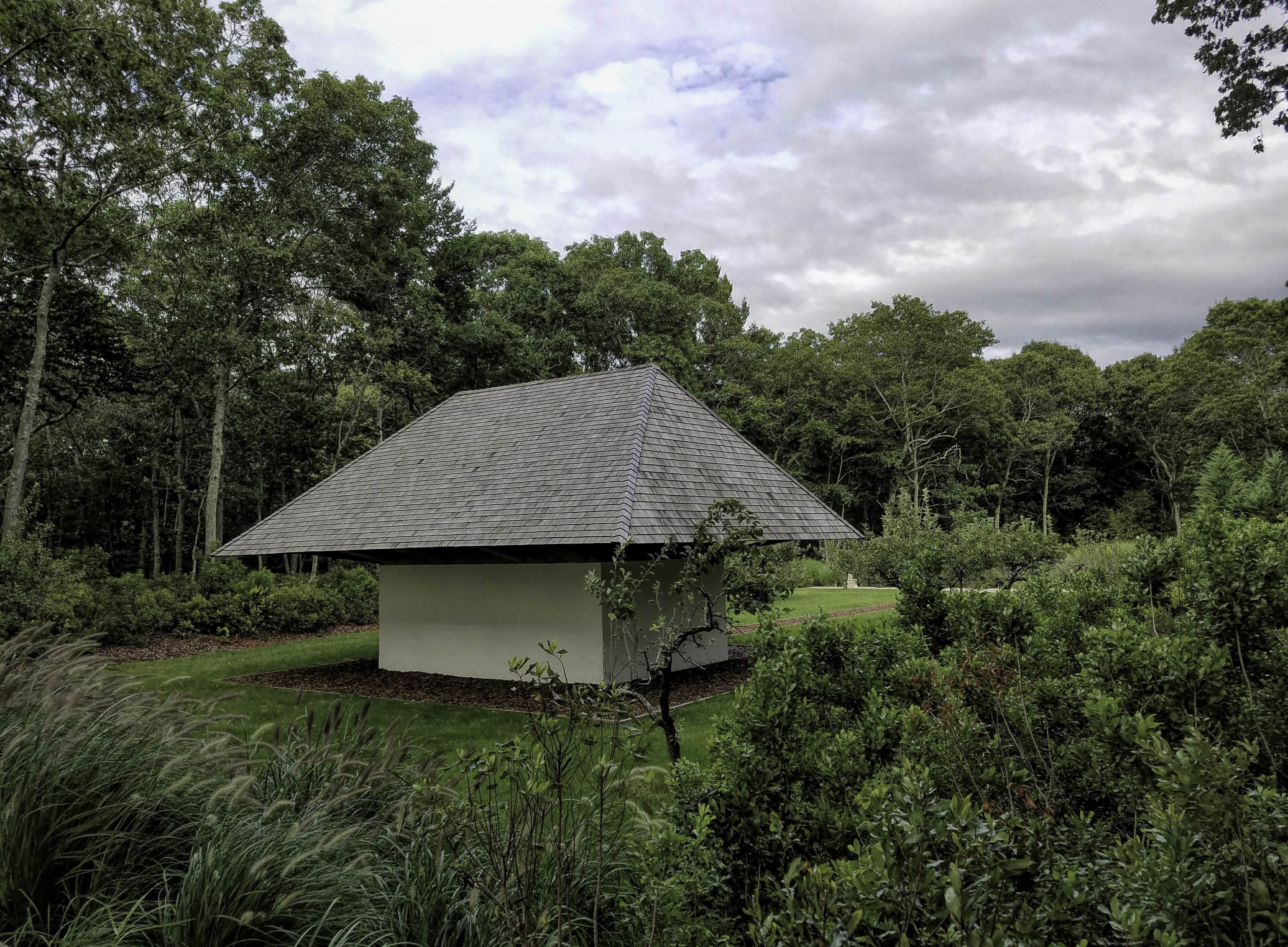
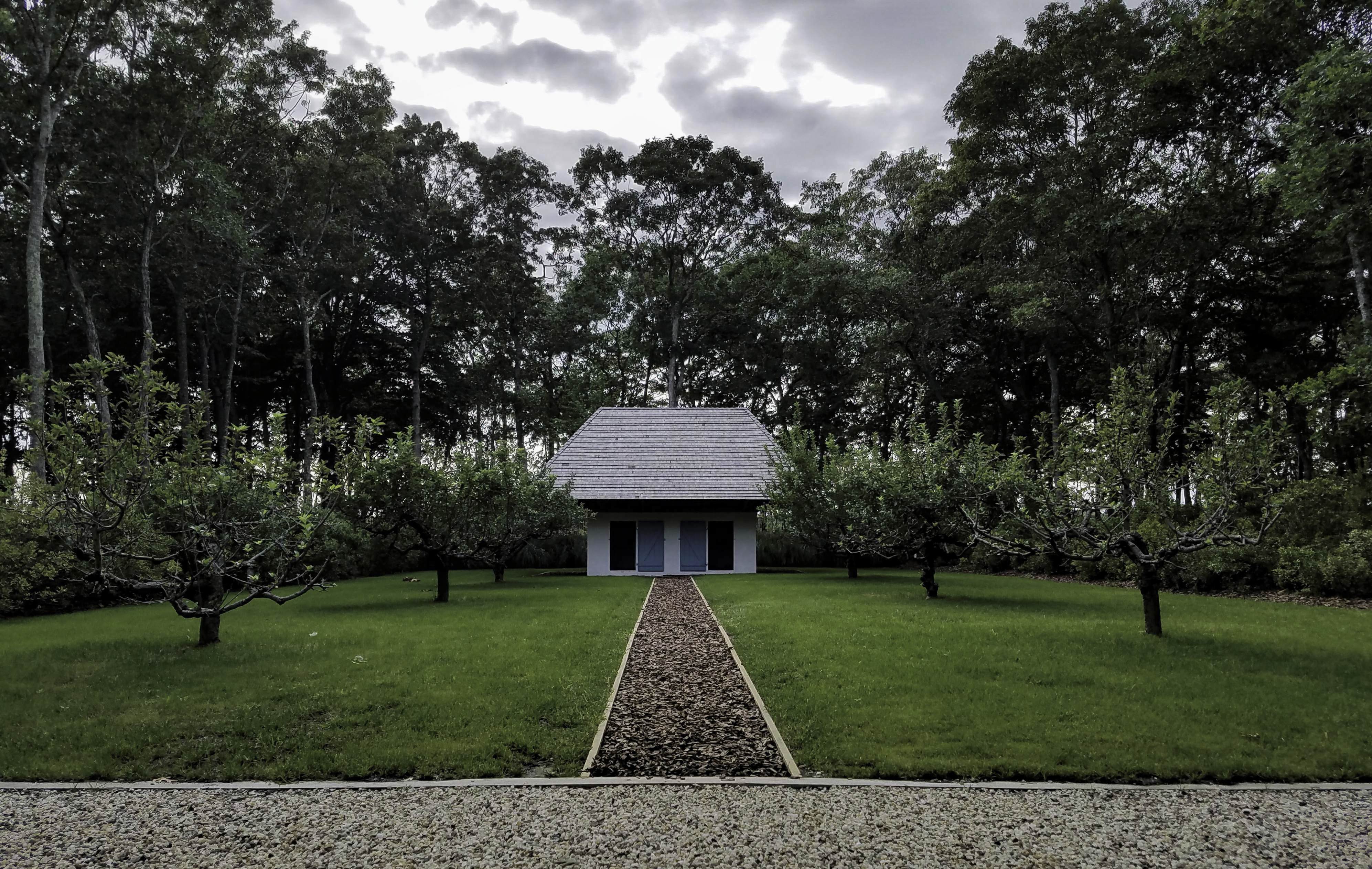
The Watermill Center

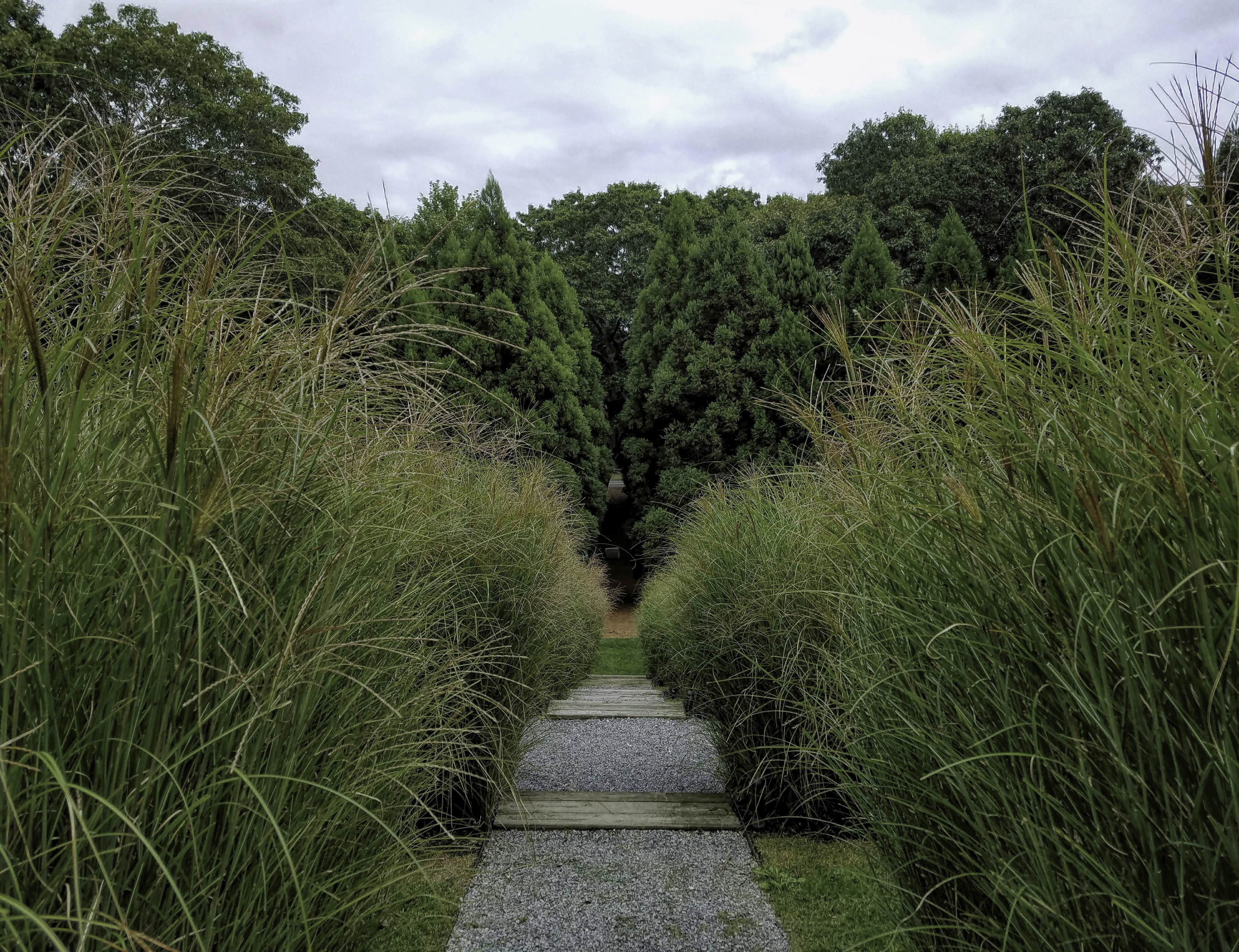
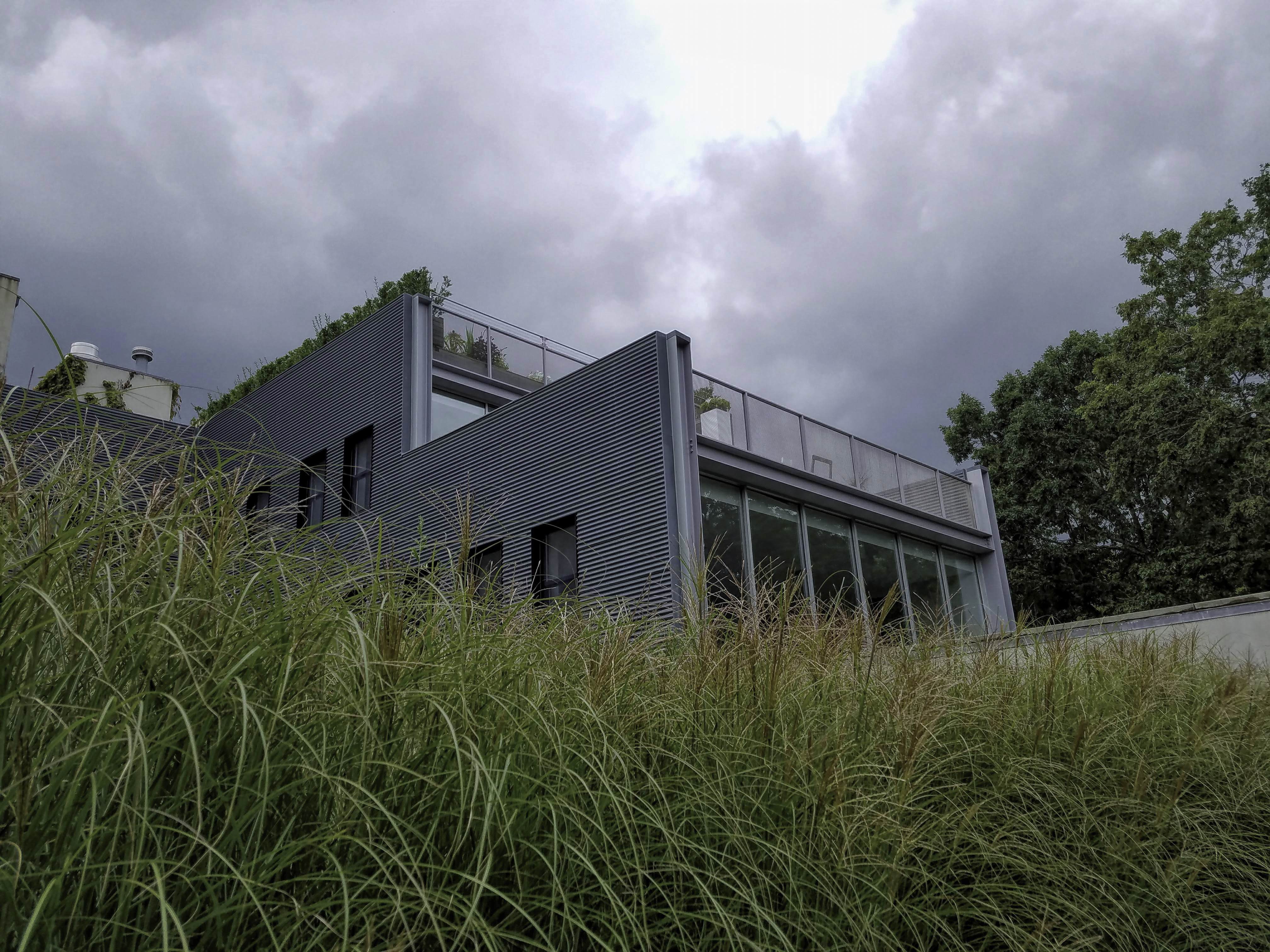
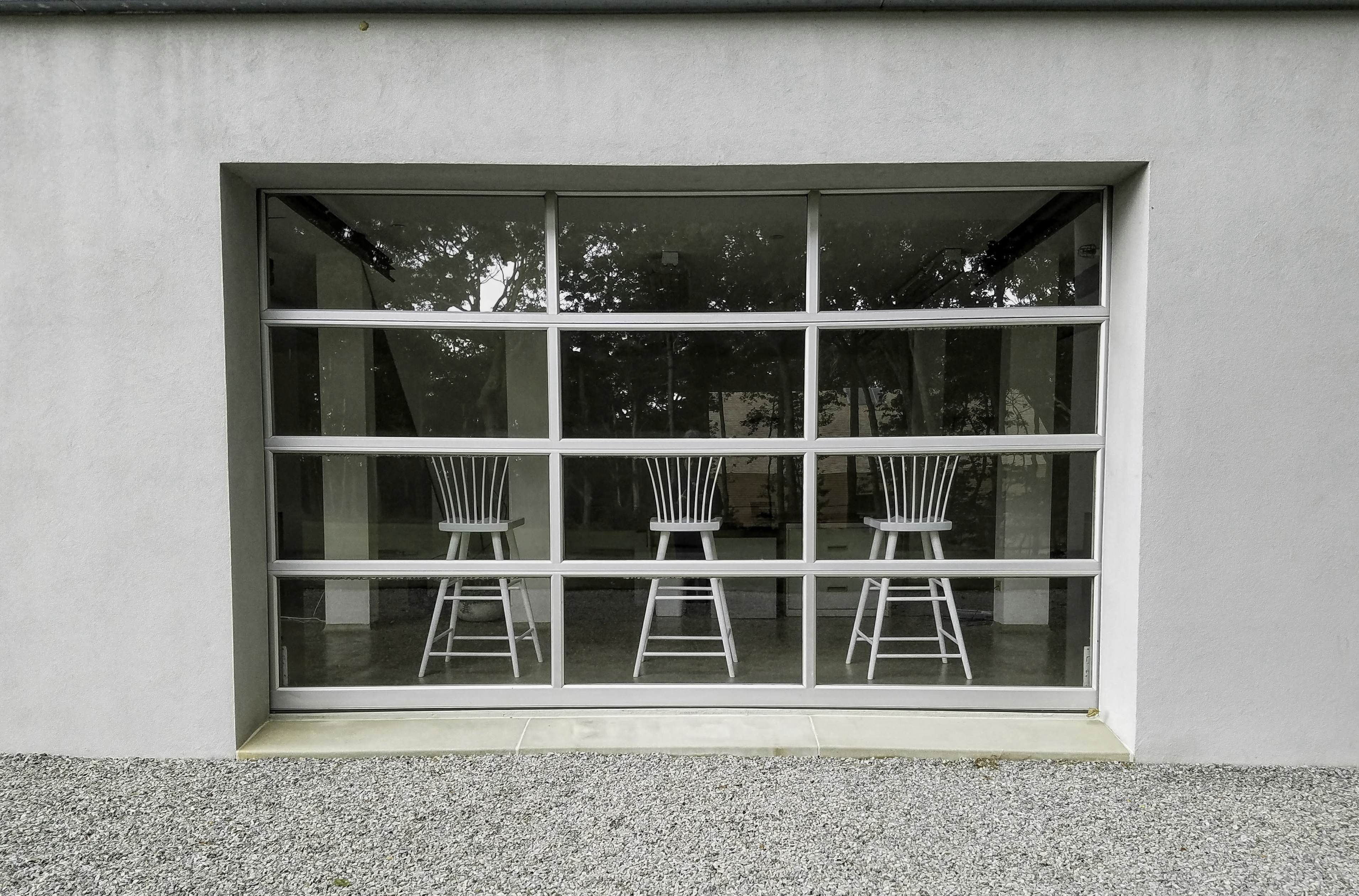
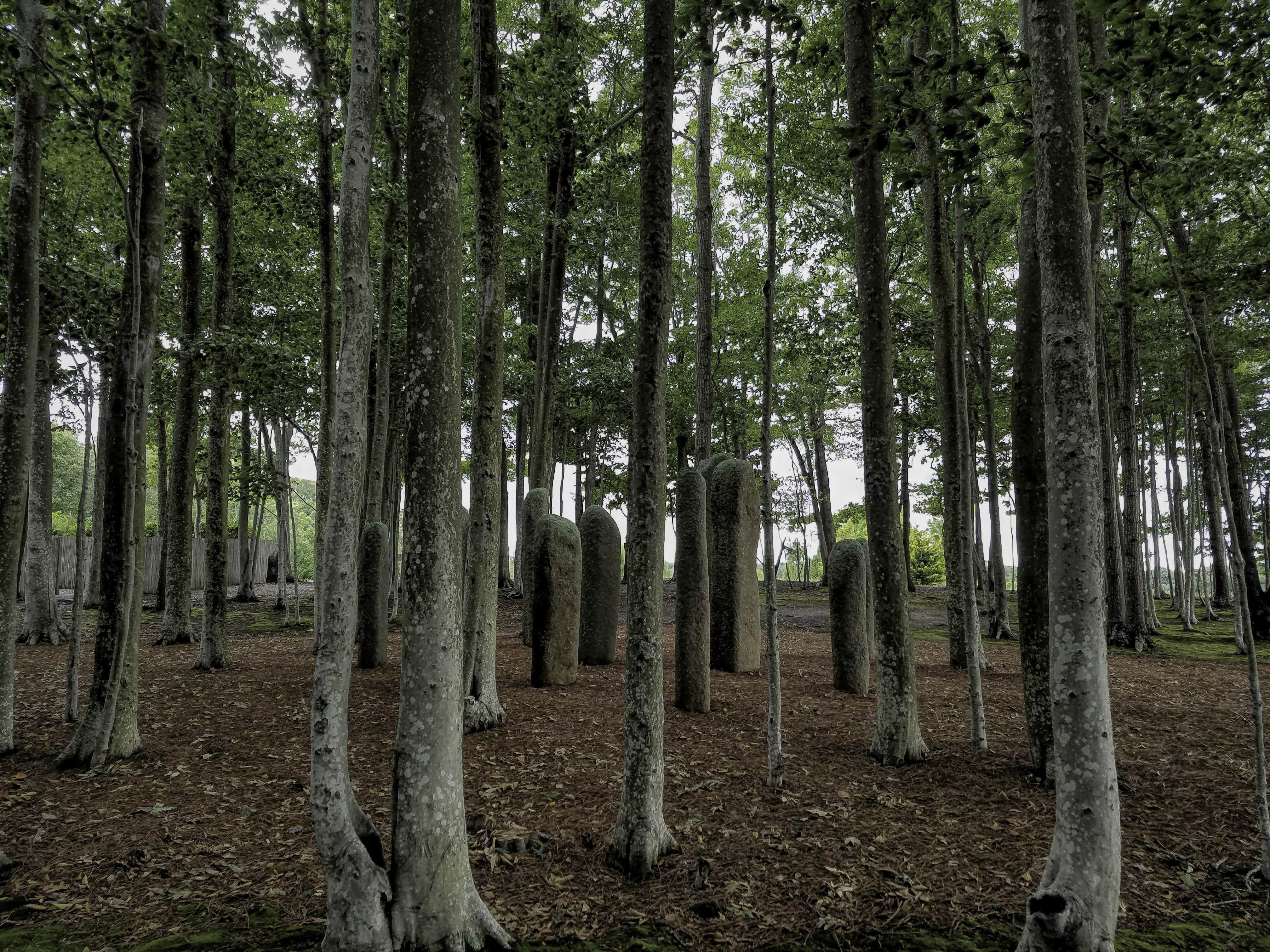
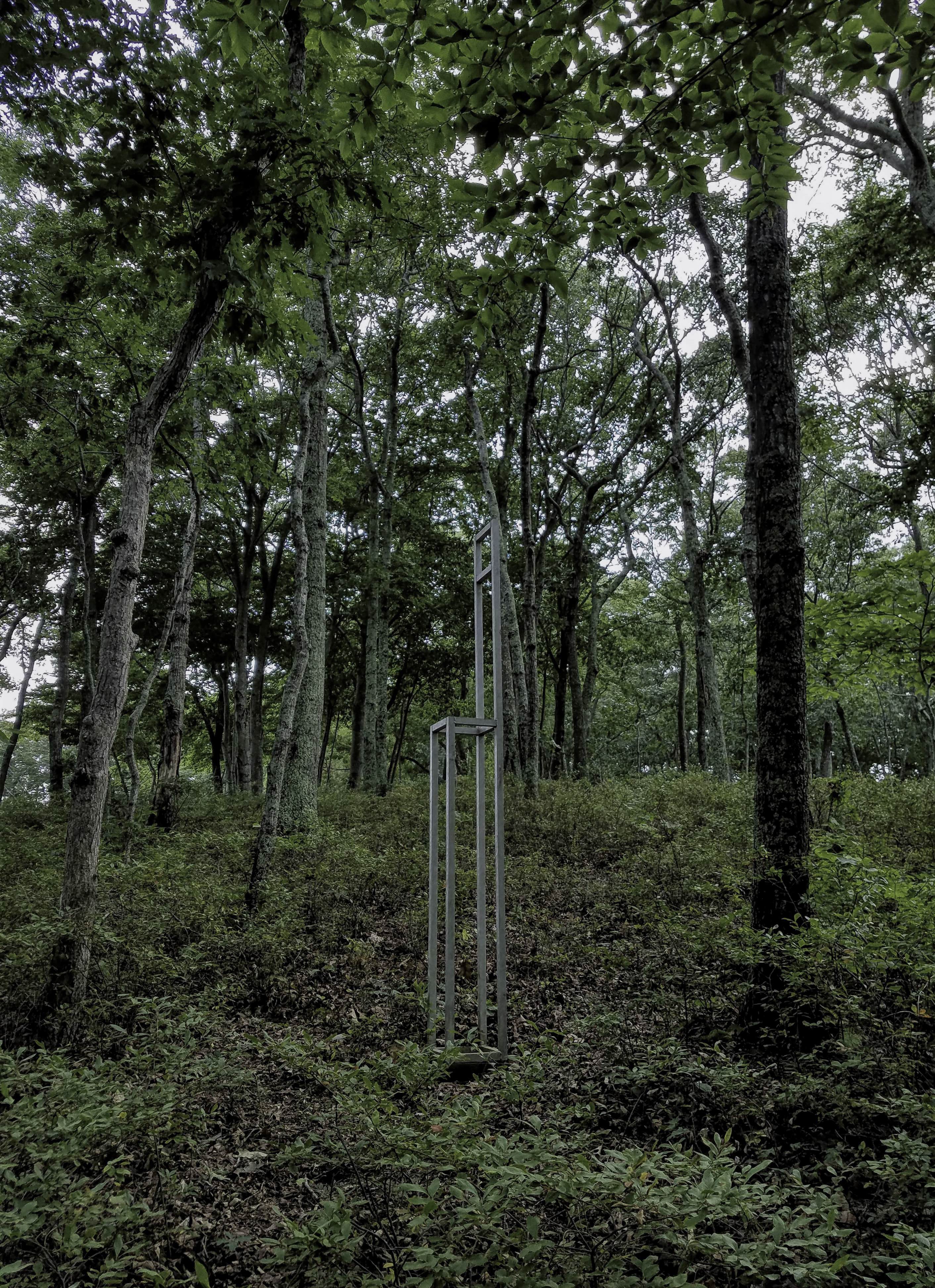
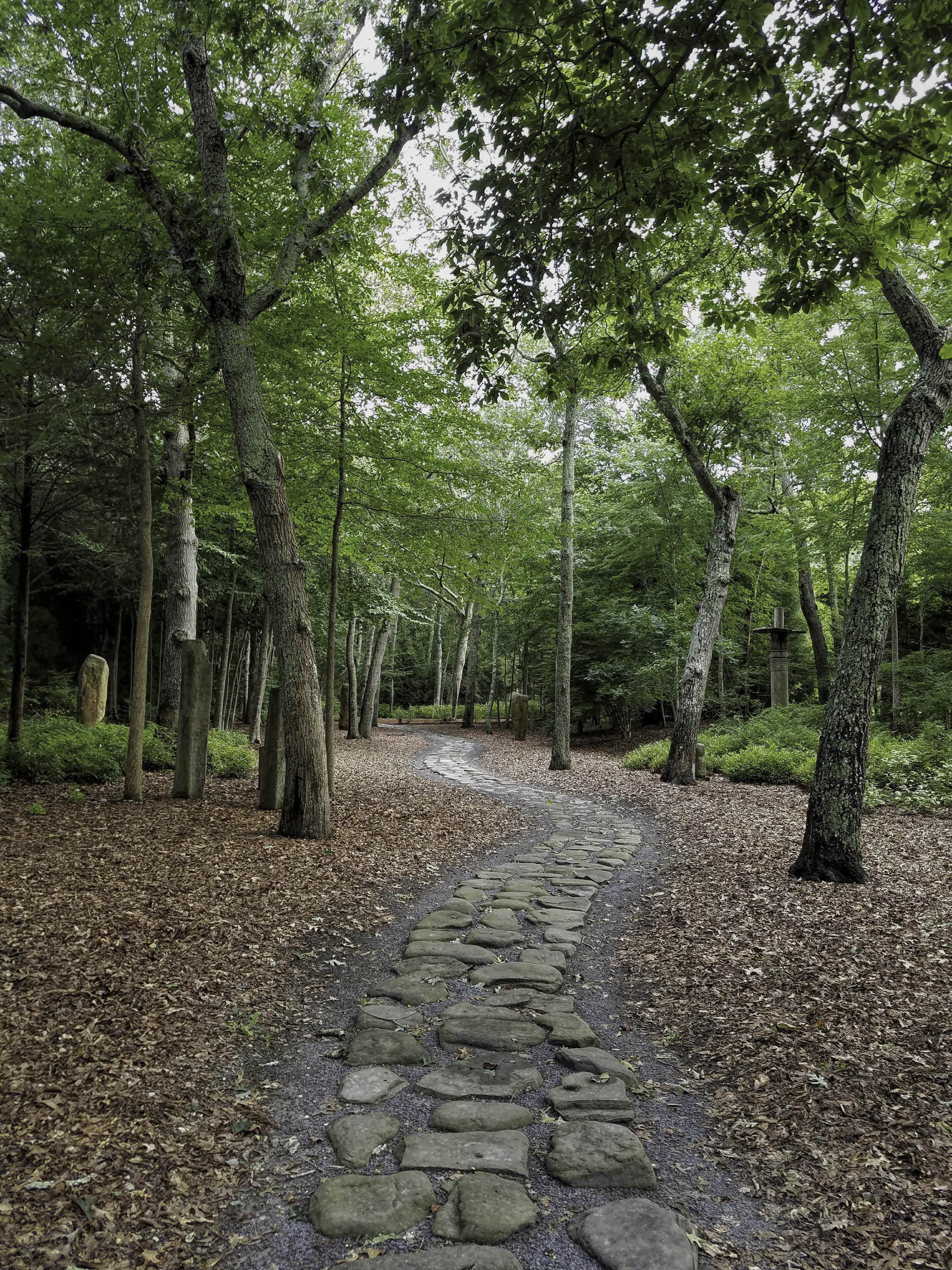
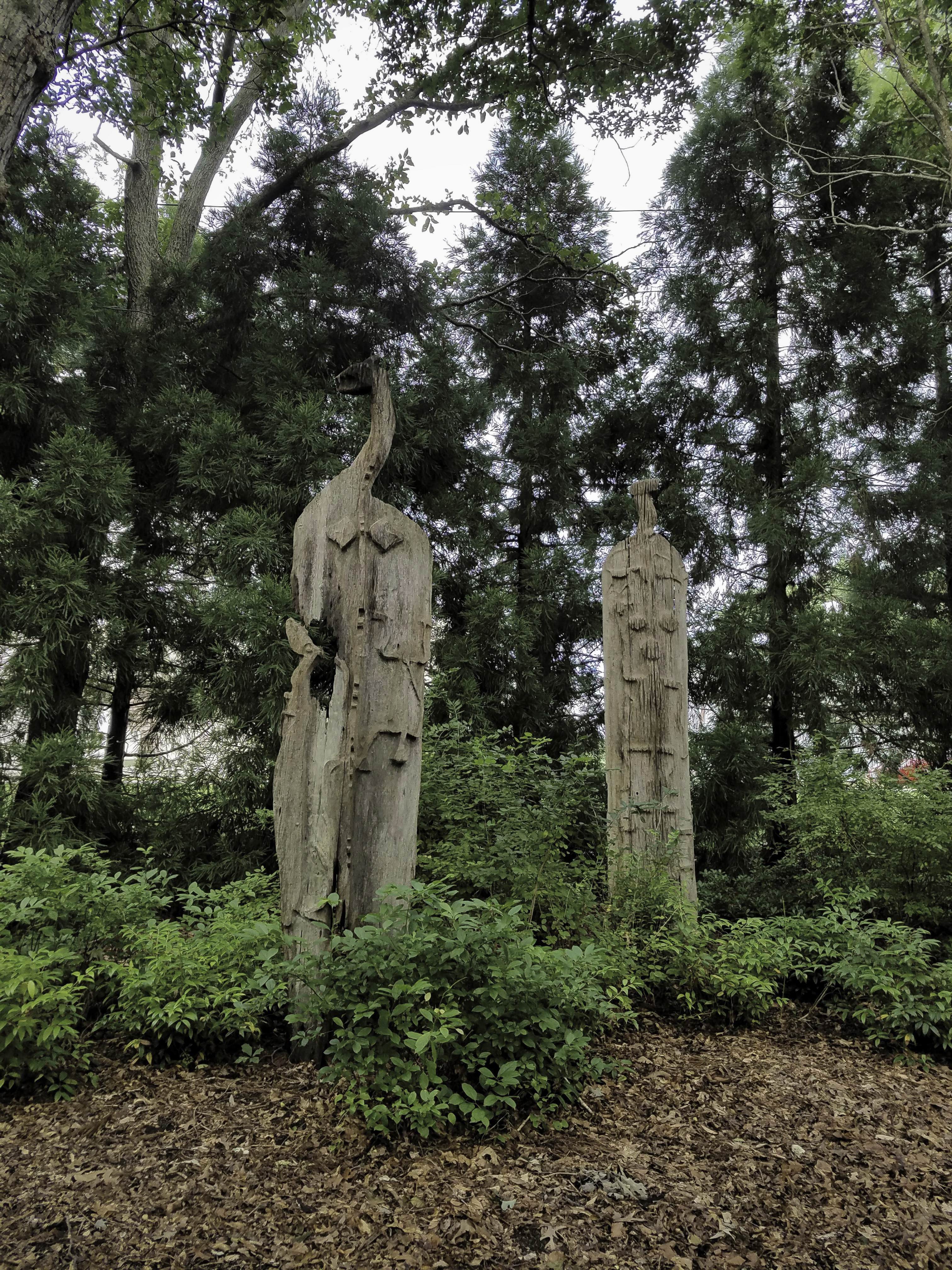
A laboratory for the arts and humanities, a unique space for artists to explore, create and present their work, the brainchild of visual artist Robert Wilson and, for the two of us, an uplifting, almost spiritual experience.

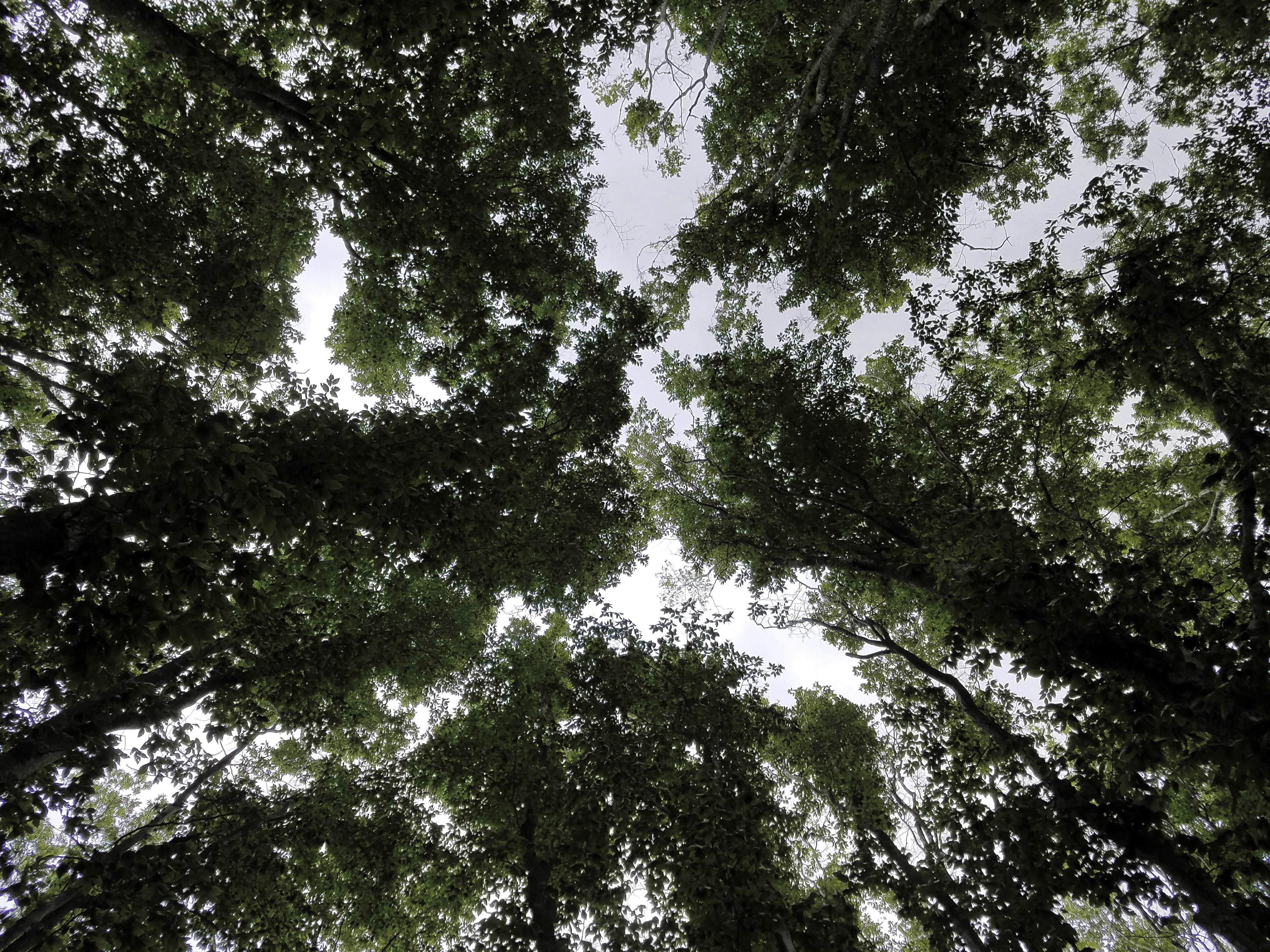
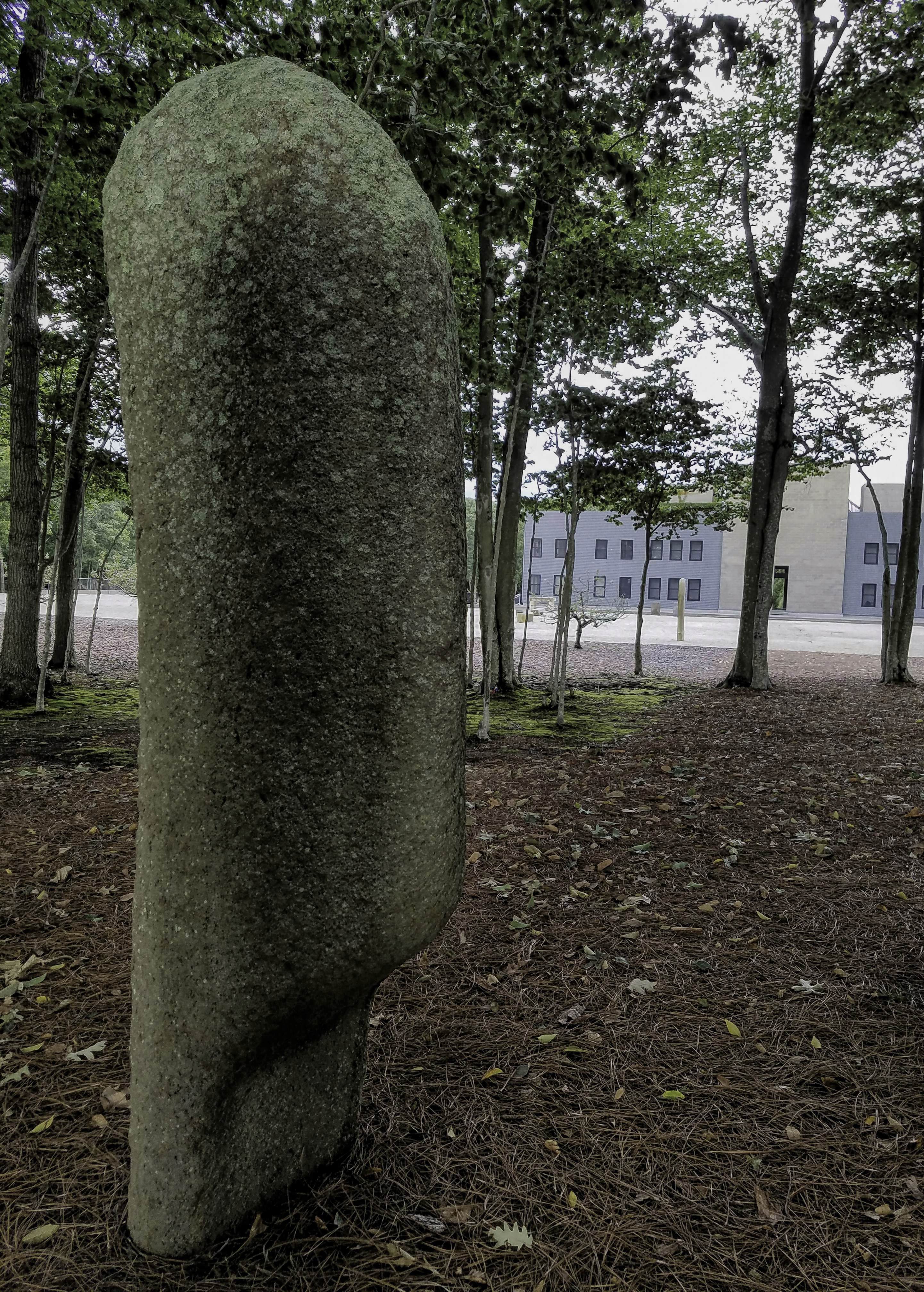
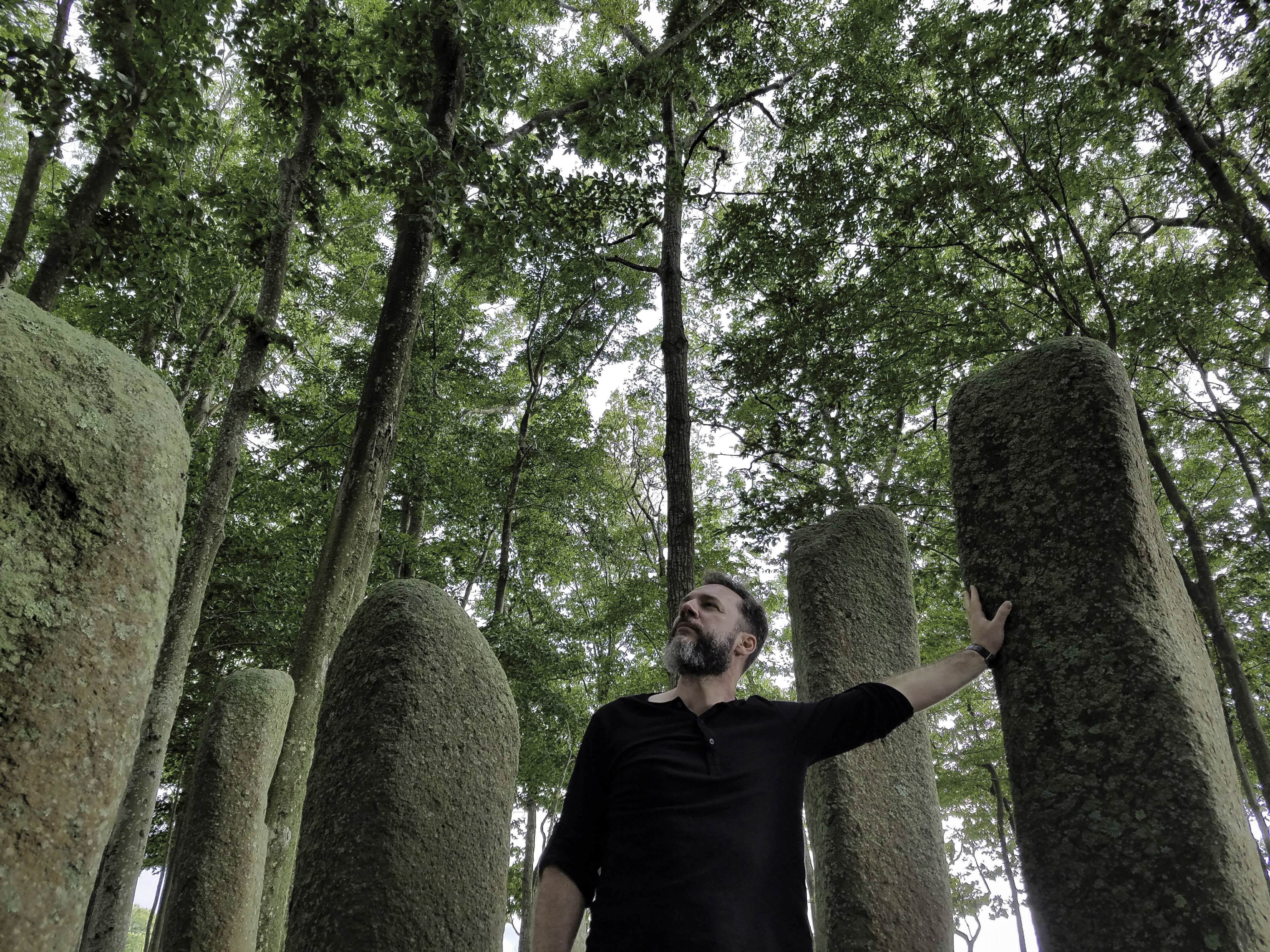
It was Sunday, beginning of September and the Watermill Center was resting after a summer of buzzing activity. No one else was around, the grounds were ours to explore. In a strange, calming way we did not feel lonely; for the artists may have been absent but their essence still lingered in the air. And in the many totems scattered in the woods.
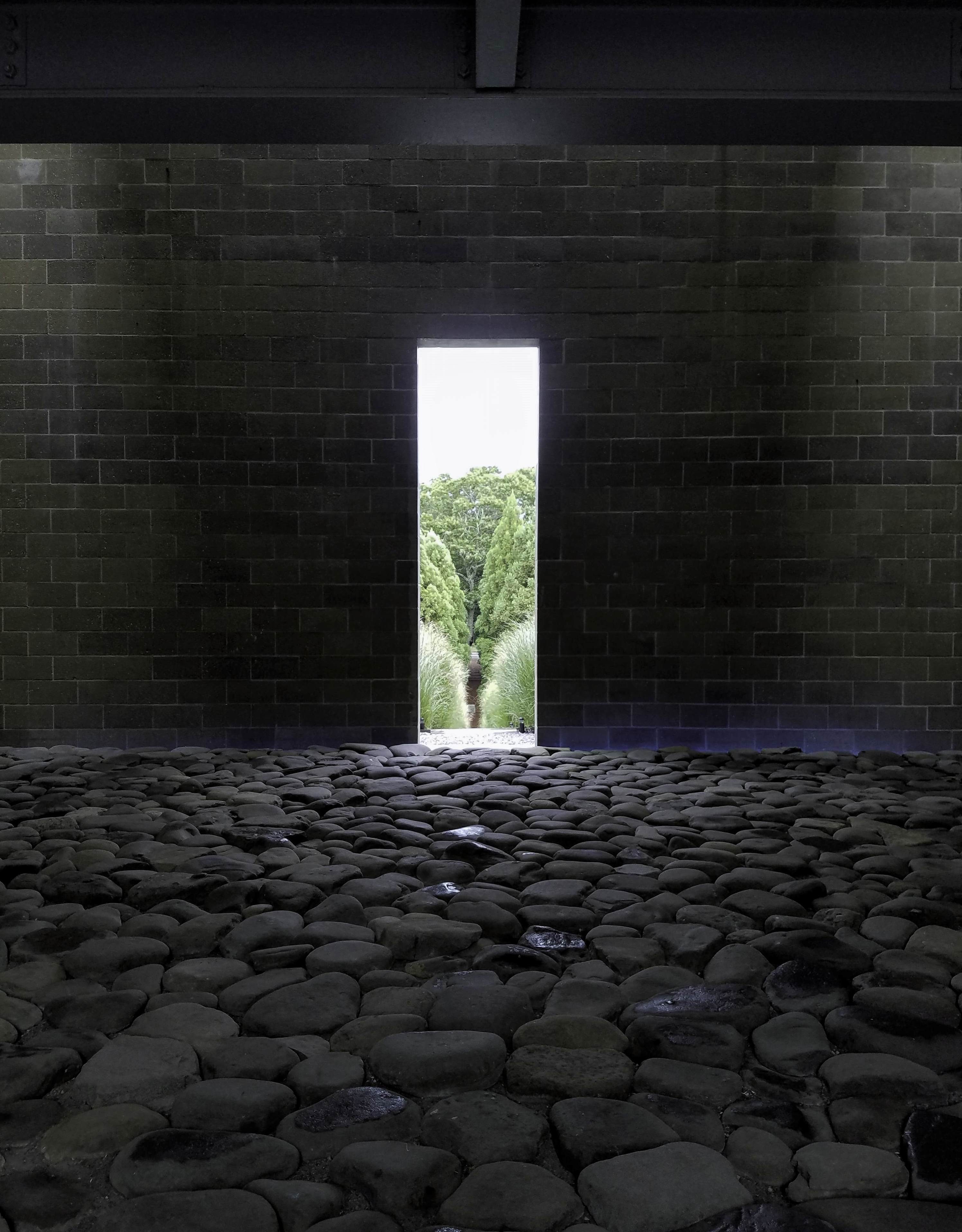
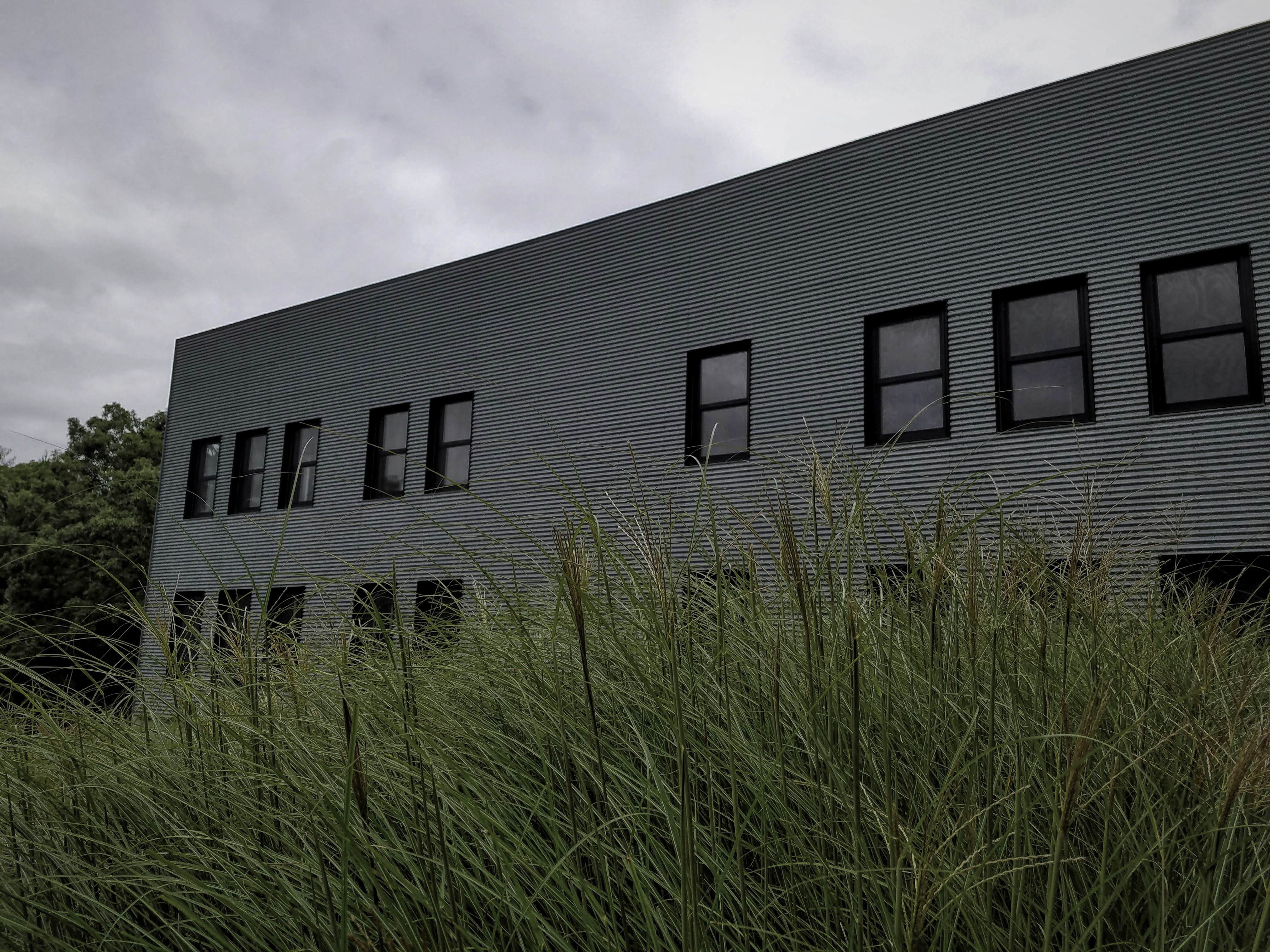
The Watermill Center, is a mere 5′ drive from the Parrish Art Museum and a 2-hour drive from Manhattan.

September 3rd, 2017