Hanging together, side-by-side, as if they were made for each other.
Perhaps they were.
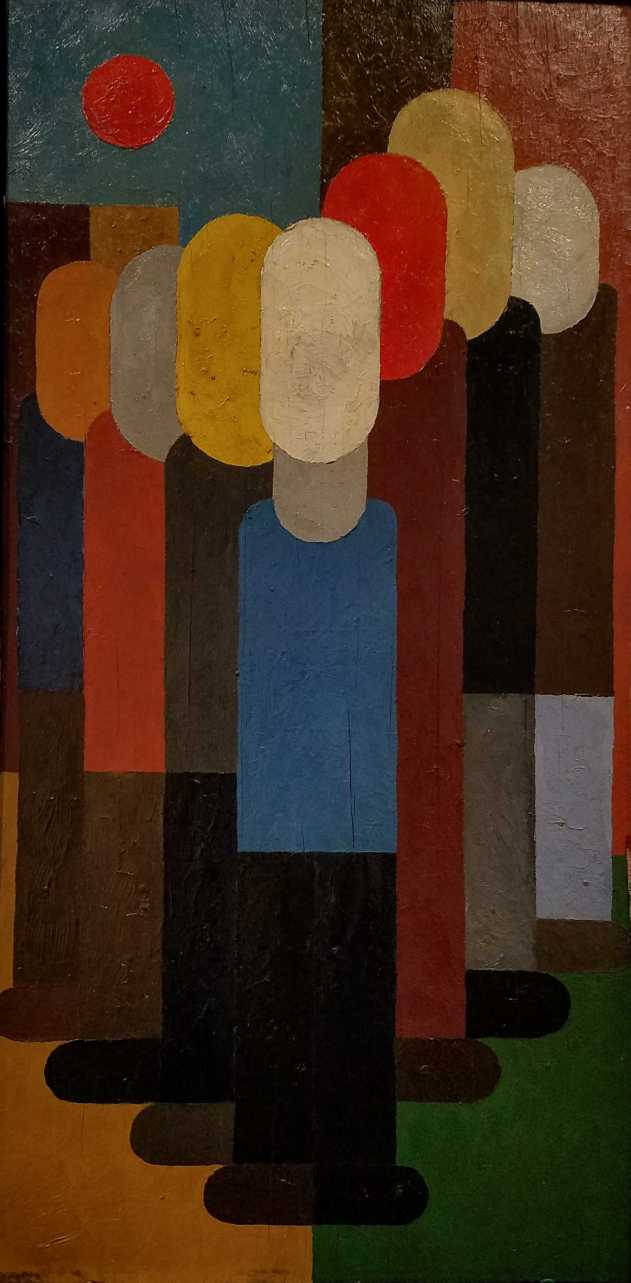
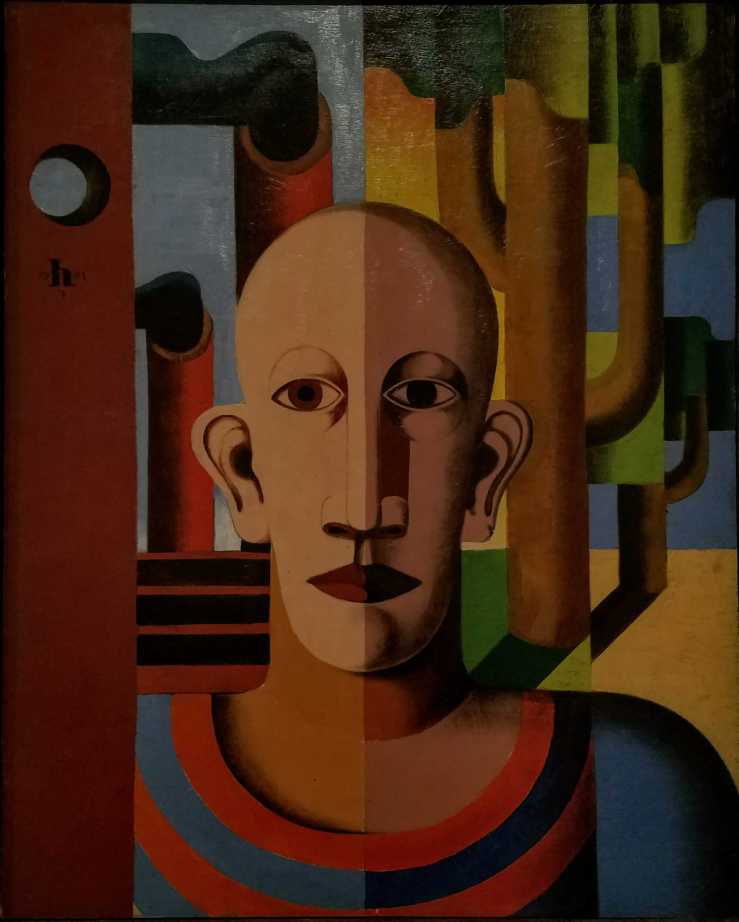
”In the 1920s and early 1930s, Seiwert and Heinrich Hoerle were a the core of the gruppe progressiver künstler (progressive artists’ group), more commonly known as the Cologne Progressives. Unlike exact contemporaries Willi Baumeister and the Bauhaus artists, the group believed in the unification of modern art and radical politics.
In Mass, Seiwert depicts seven figures in a wide range of paint colours applied in distinct planes with thick, visible brushstrokes. The purest white is reserved for the head of the centermost figure, creating a forward thrust to the group. Despite the absence of symbolically raised fists or, in fact, any arms at all, the figures are clearly joined in collective demonstration. The rectangular planes that flank the group may refer to farm fields and factory buildings. Seiwert hereby challenged the common embodiment of revolution in an idealized singular socialist ”hero”. As critic Enrst Kállai described it at the time, this ”patchwork” forms ”an undividable unity: all for one, one for all”.”
**
”In an age of new technologies such as film and photography, Hoerle and his close contemporaries, known as the Cologne Progressives, remained committed to the medium of painting as a means to unite artistic form with radical left-wing politics. Their work challenged the notion of the subjective, expressionist brushstroke by embedding it in a strict compositional structure. Hoerle meticulously painted Worker on a horizontal plane, laying the surface flat on a table. Questioning the privileged status of the individual artwork, he conceived the painting as part of a larger numbered series. His aim was to combine multiple painterly concepts into murals — larger, public formats he found more suitable for collective experience. Understanding the role of the artist as vital in the establishment of a new society, in this self-portrait he divides his surroundings and himself into two distinct realms: industry and agriculture. The artist, spanning both, embodies the utopian vision of a classless society, thought achievable only by the combined efforts of industrial workers and farmers.”
Lines @ Harvard Art Museums
May 3rd, 2017
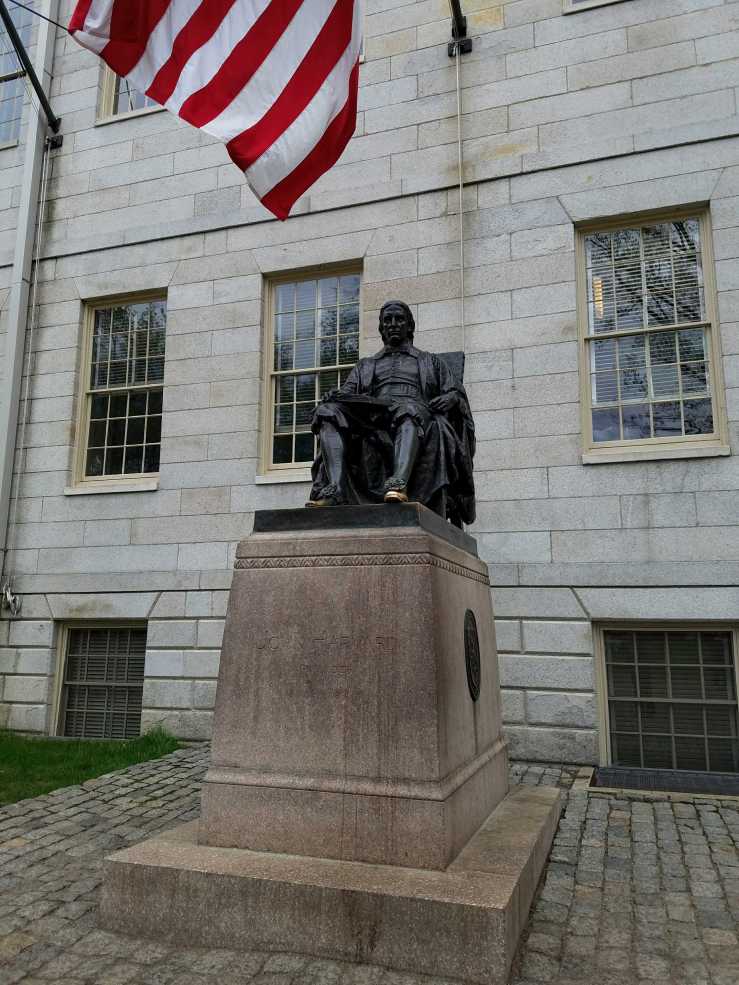 John Harvard (1607–1638)
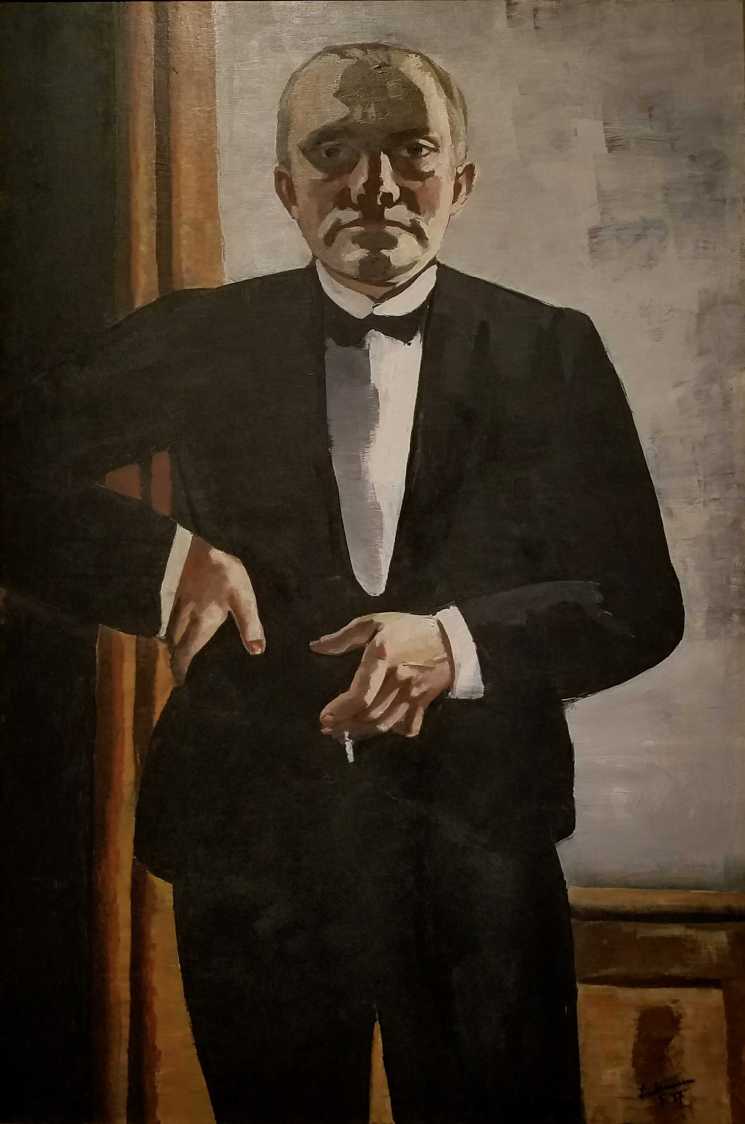 Max Beckmann (1884 – 1950)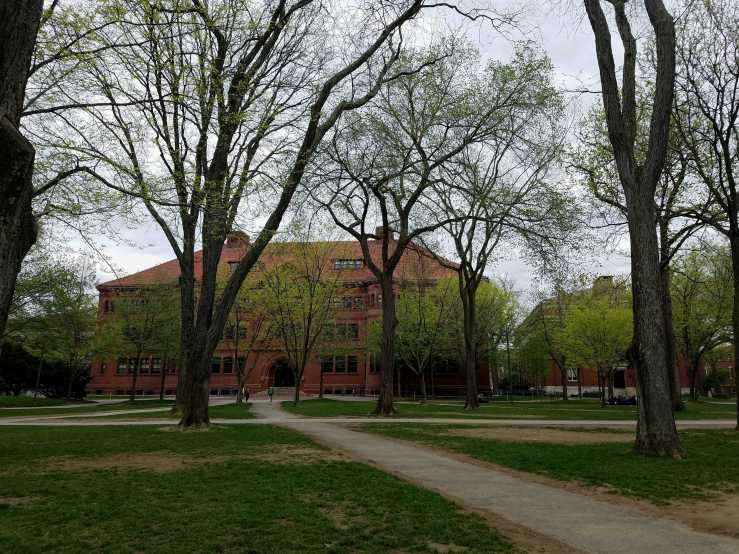
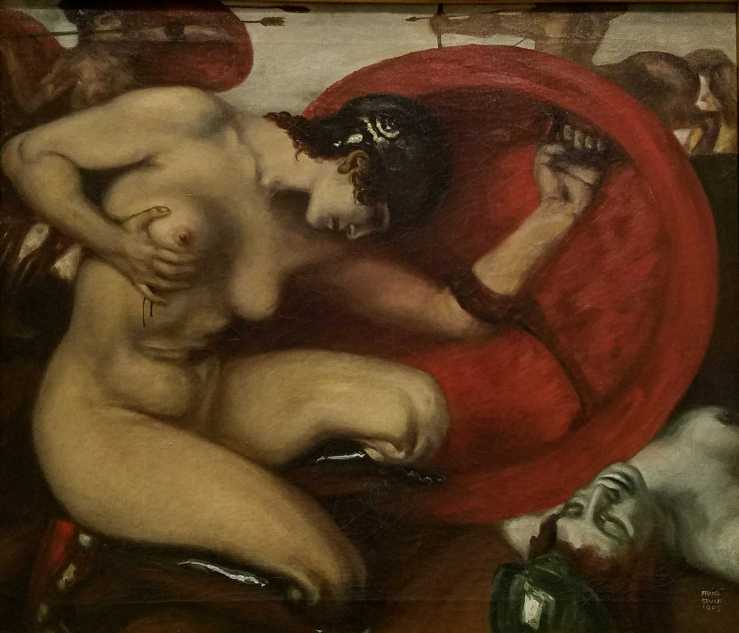 Franz von Stuck (1863-1928)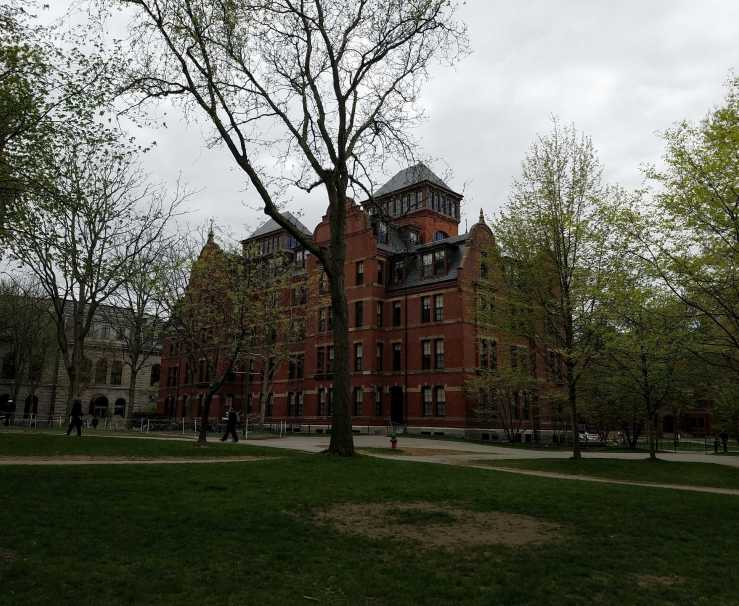
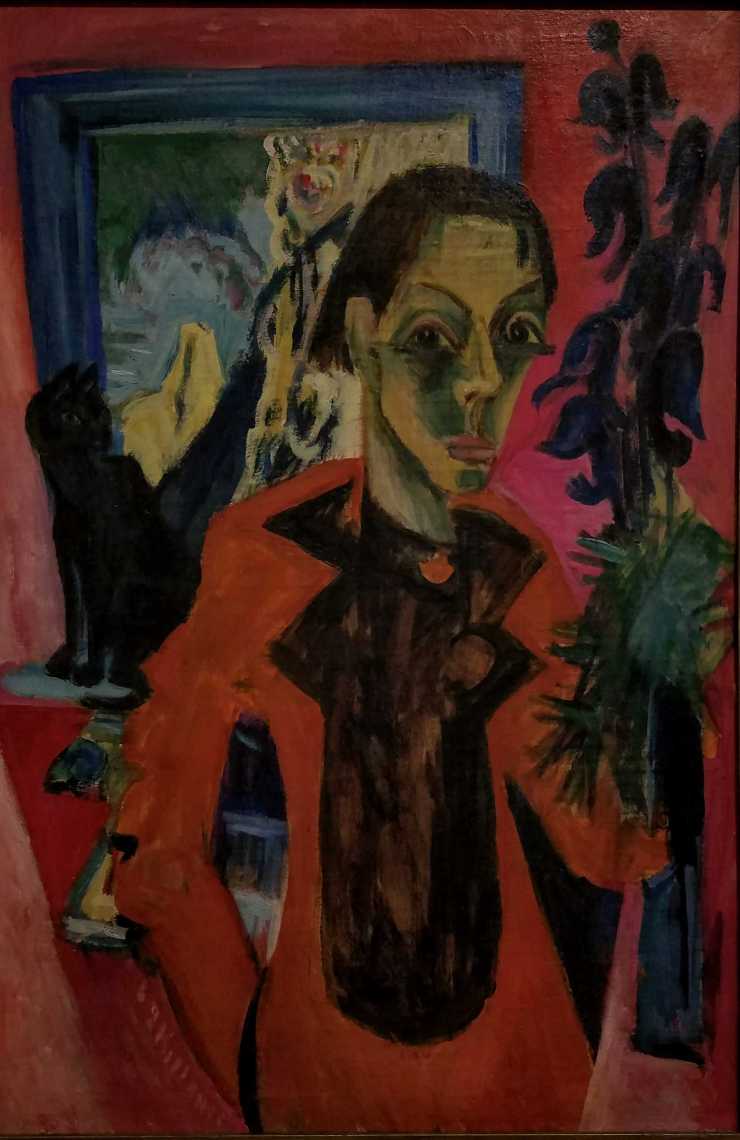 Ernst Ludwig Kirchner (1880-1938)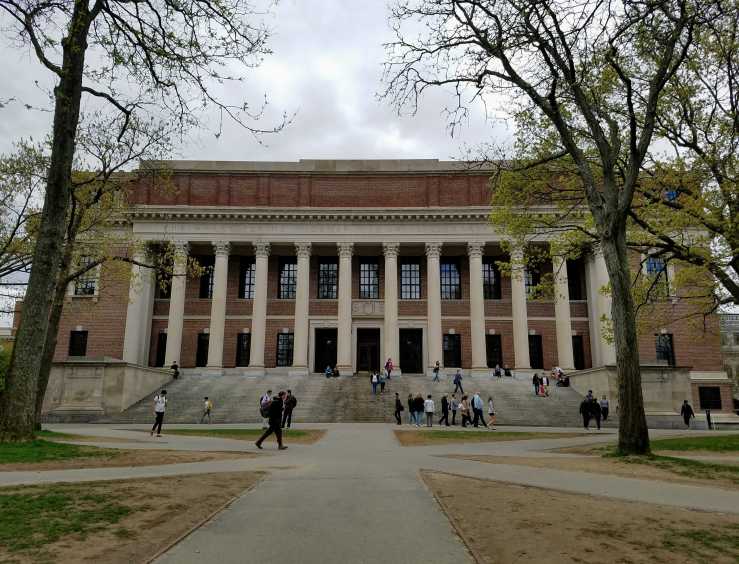
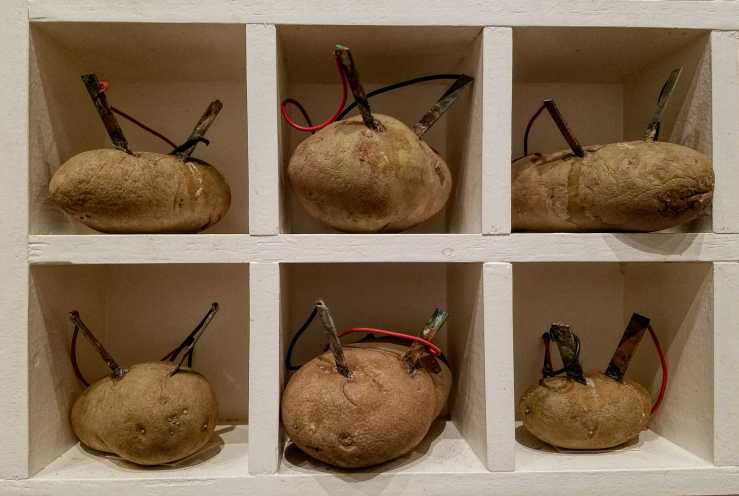
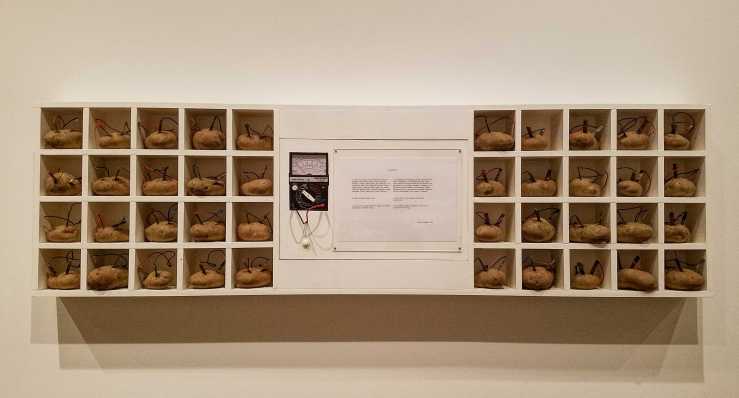 Victor Grippo (1936 – 2002)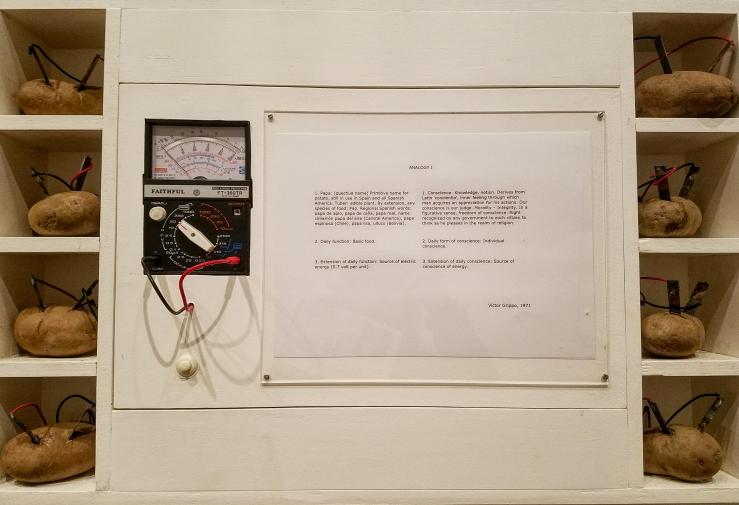

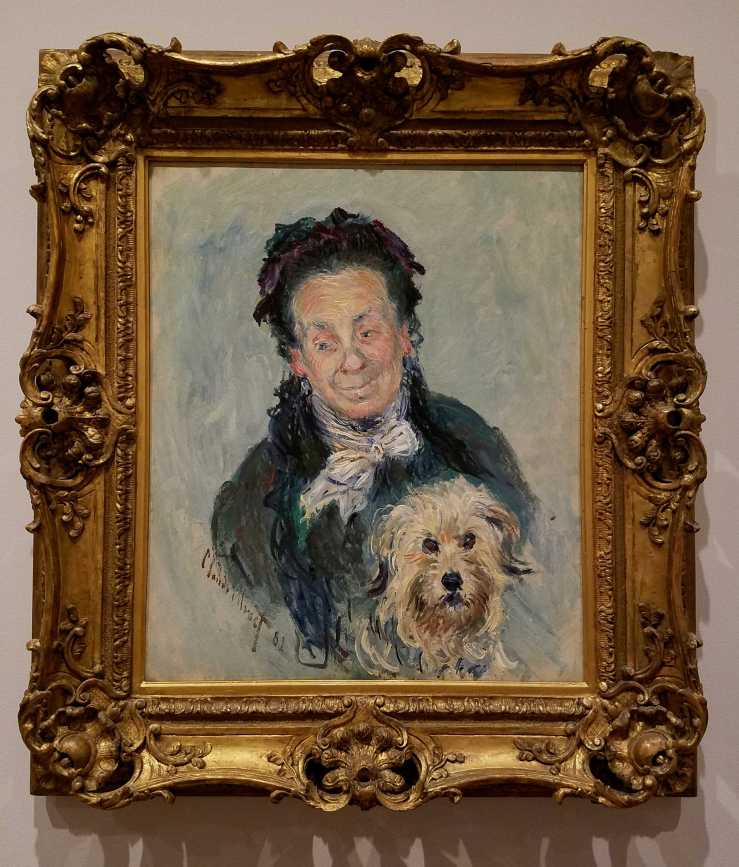 Claude Monet (1840-1926)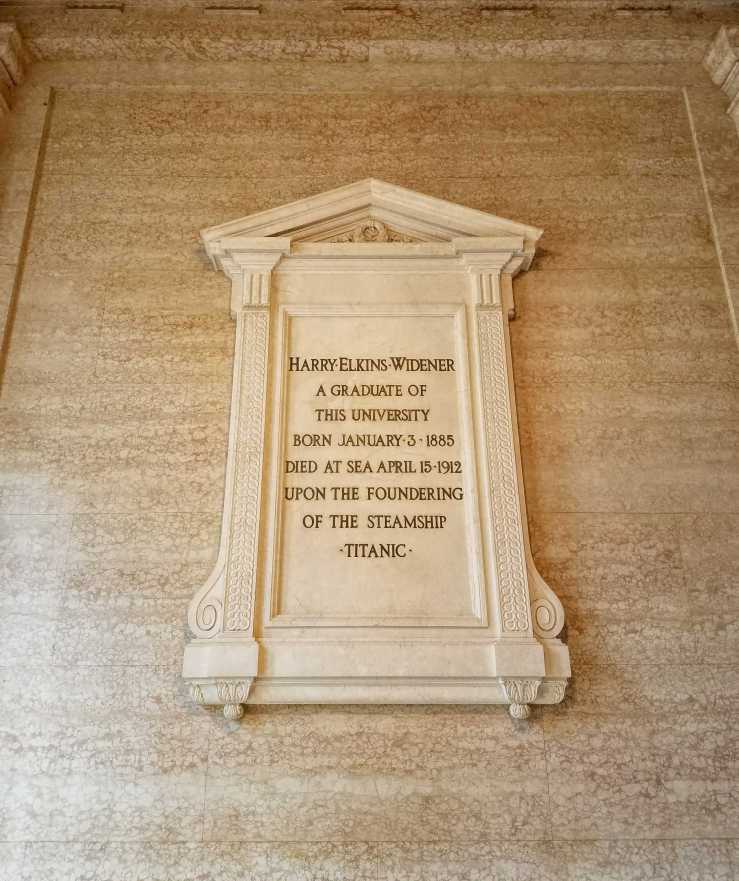
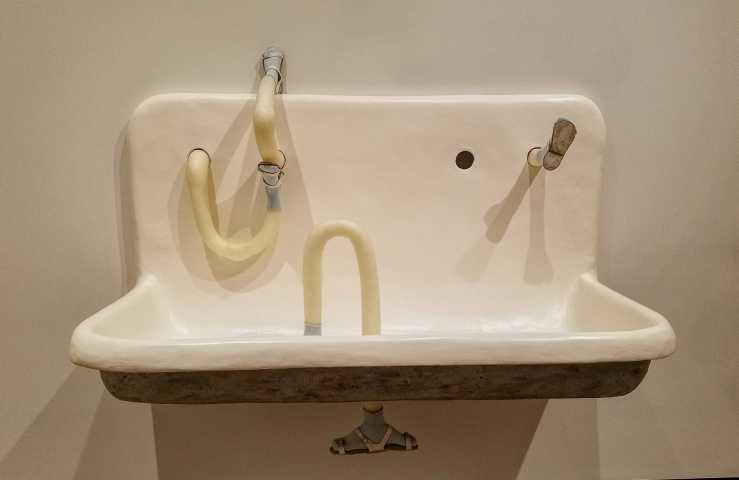 Robert Gober (b. 1954)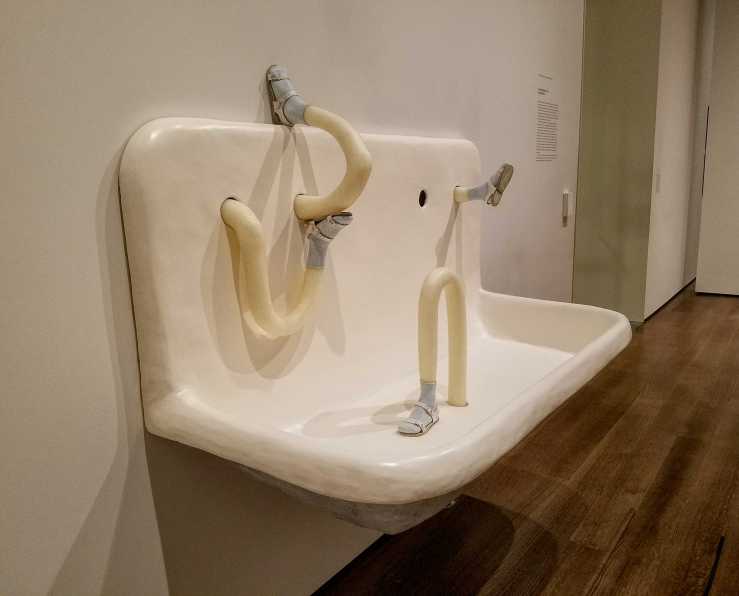
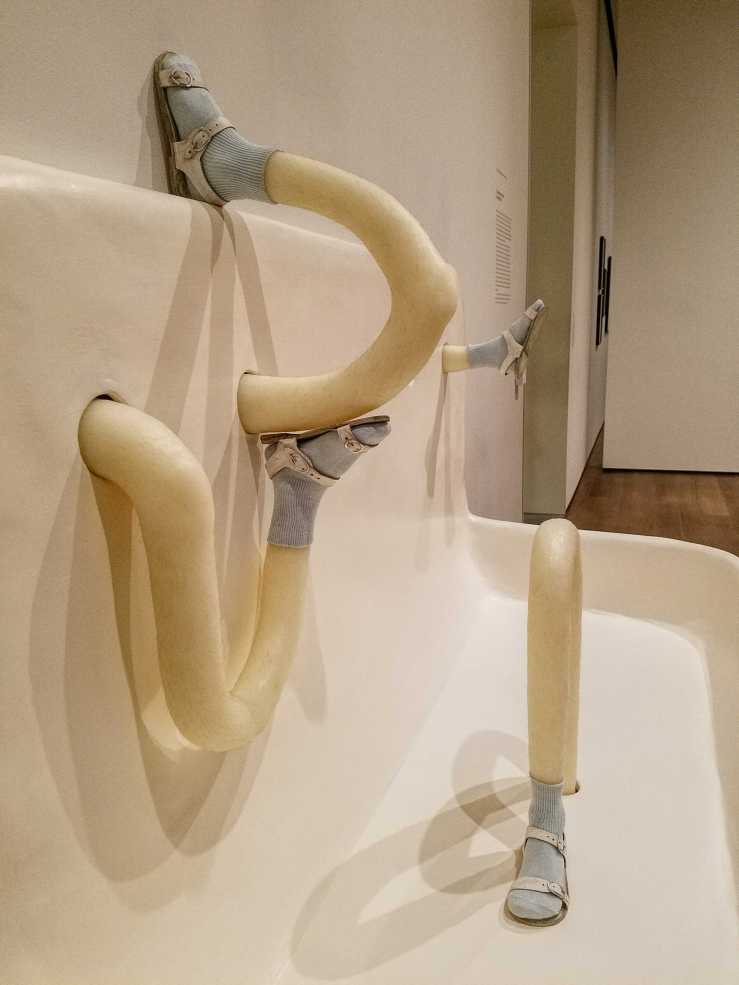
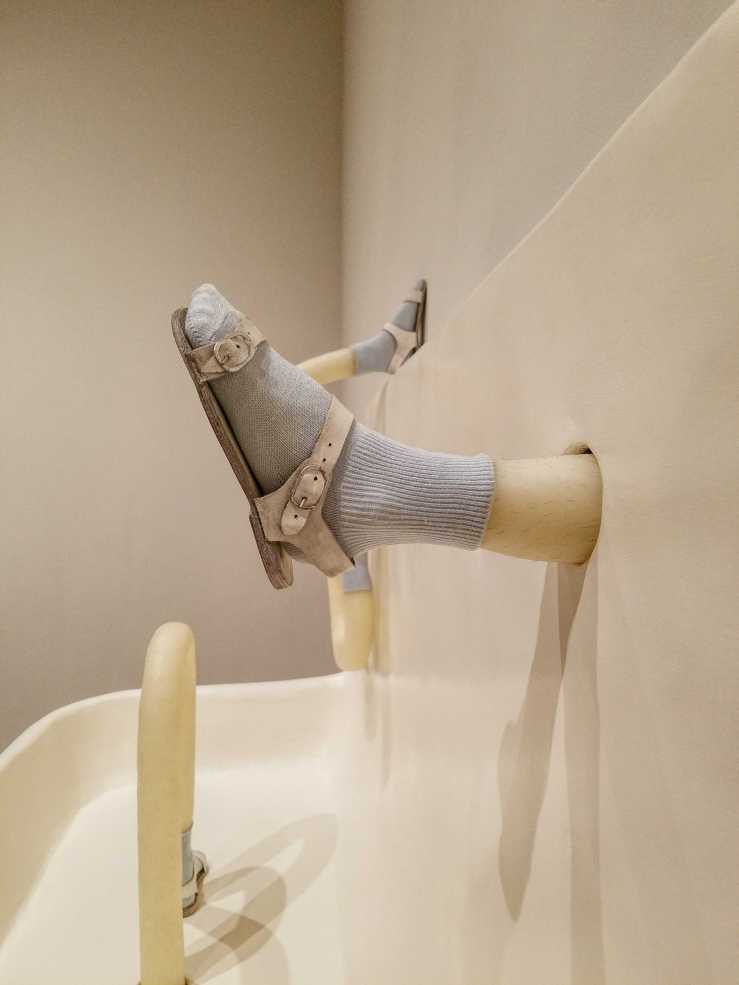

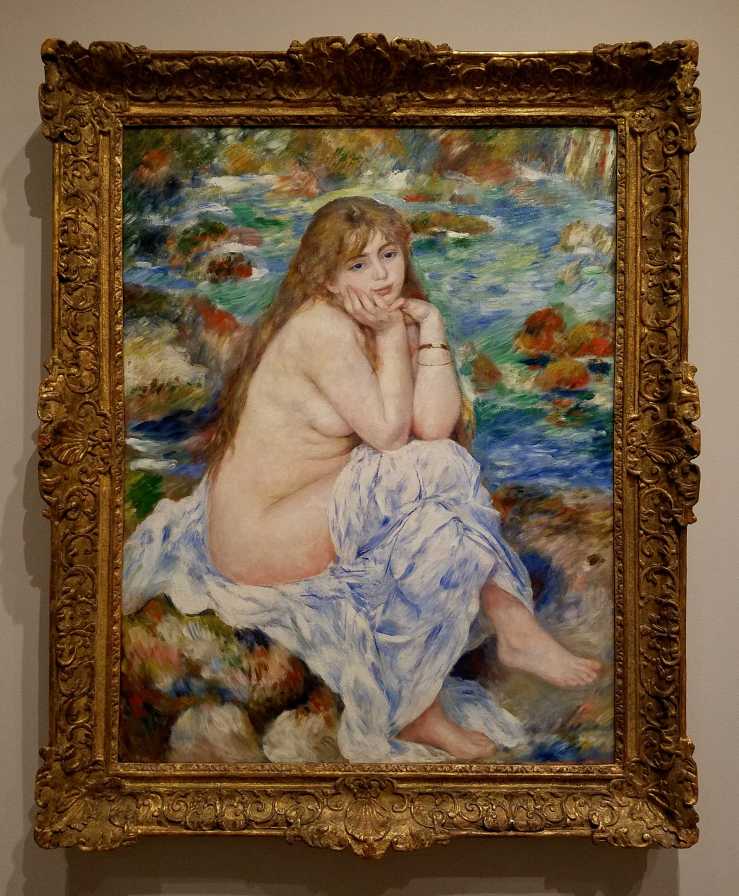 Pierre-Auguste Renoir (1841-1919)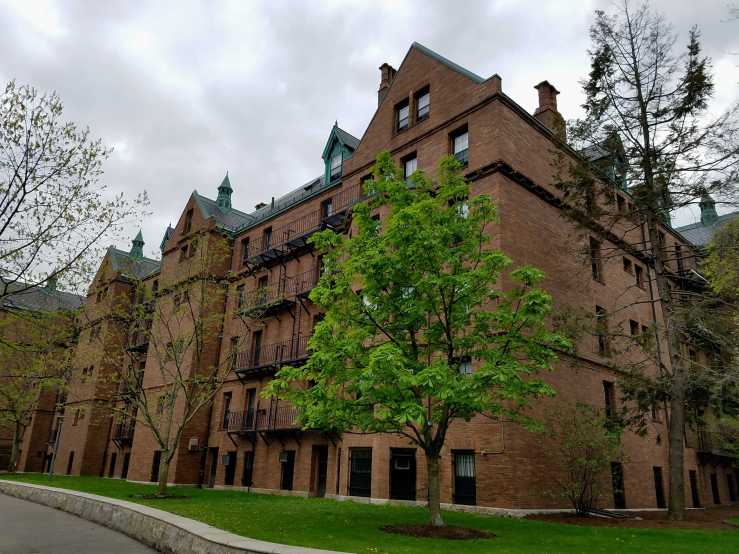
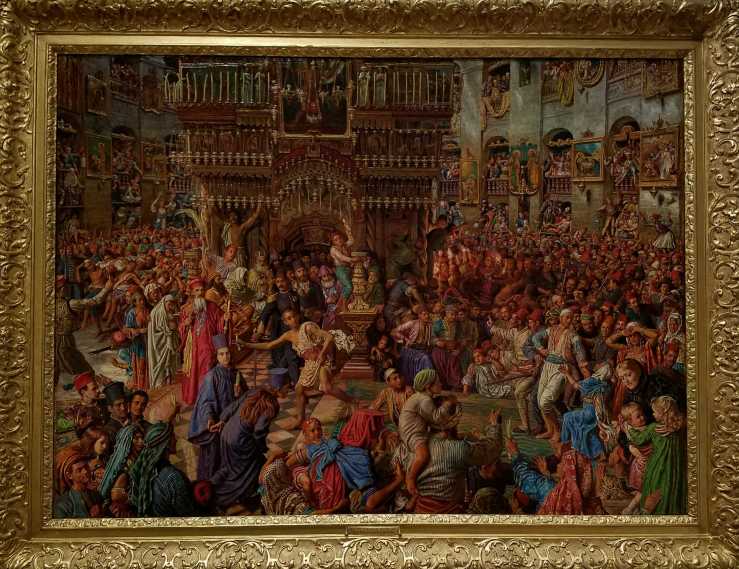 William Holman Hunt, (1827 – 1910)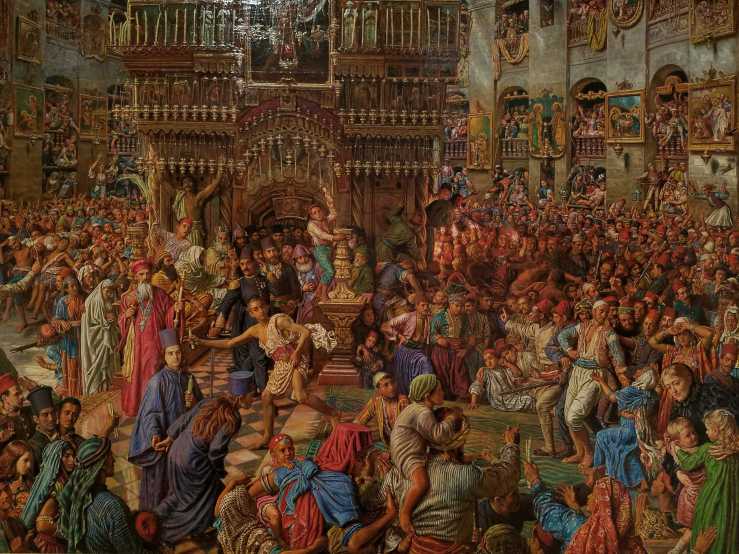
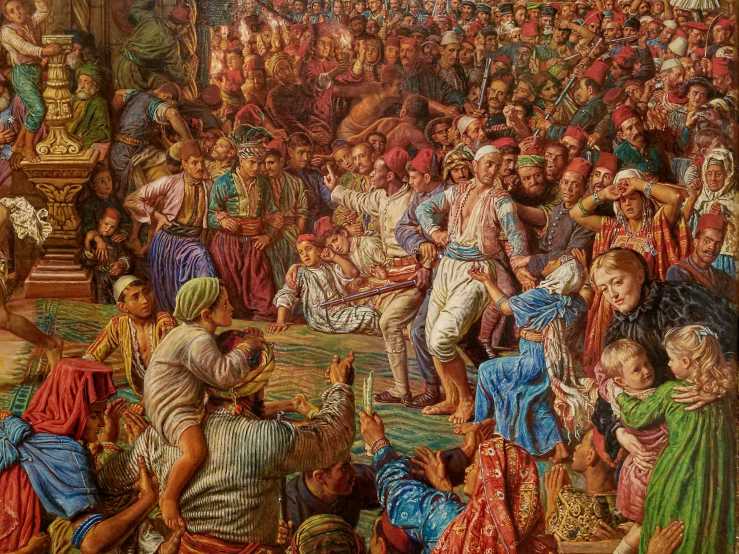
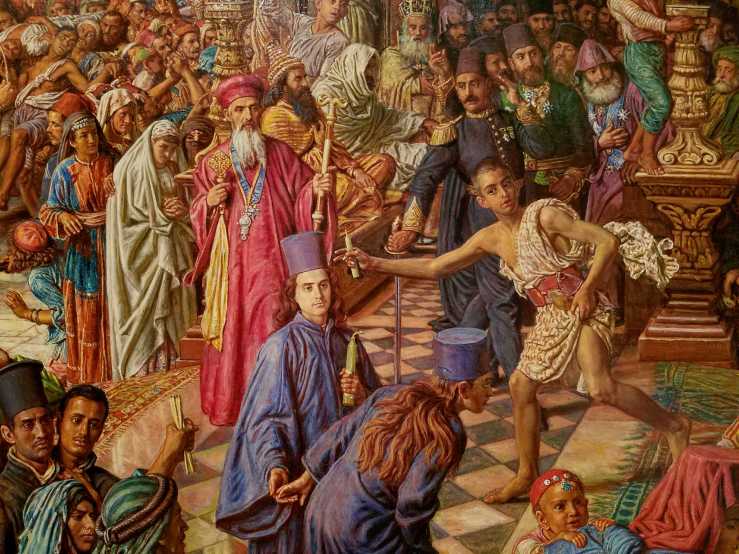
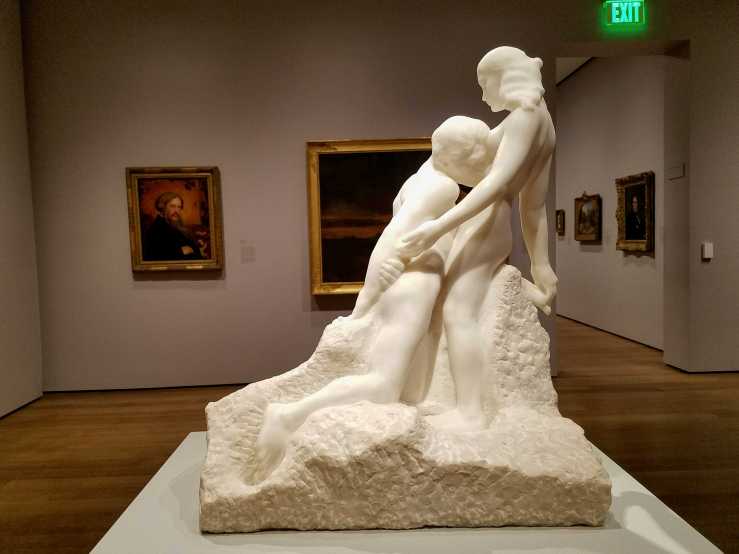 Auguste Rodin (1840-1917)
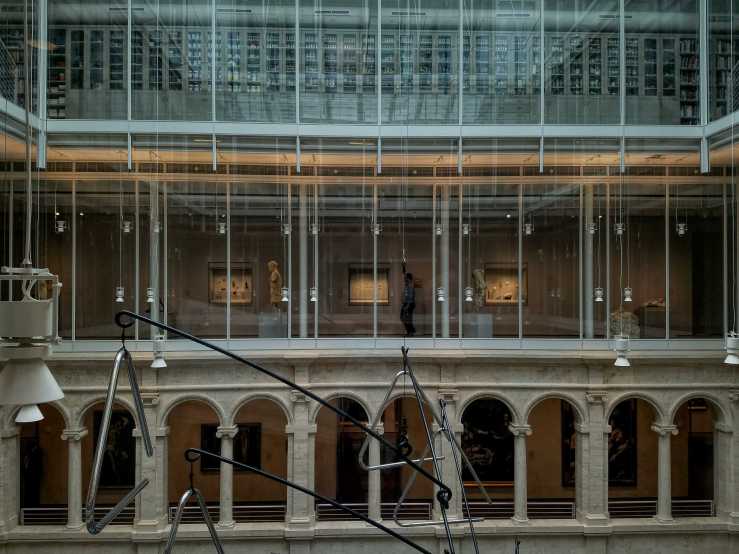 The Renzo Piano effect
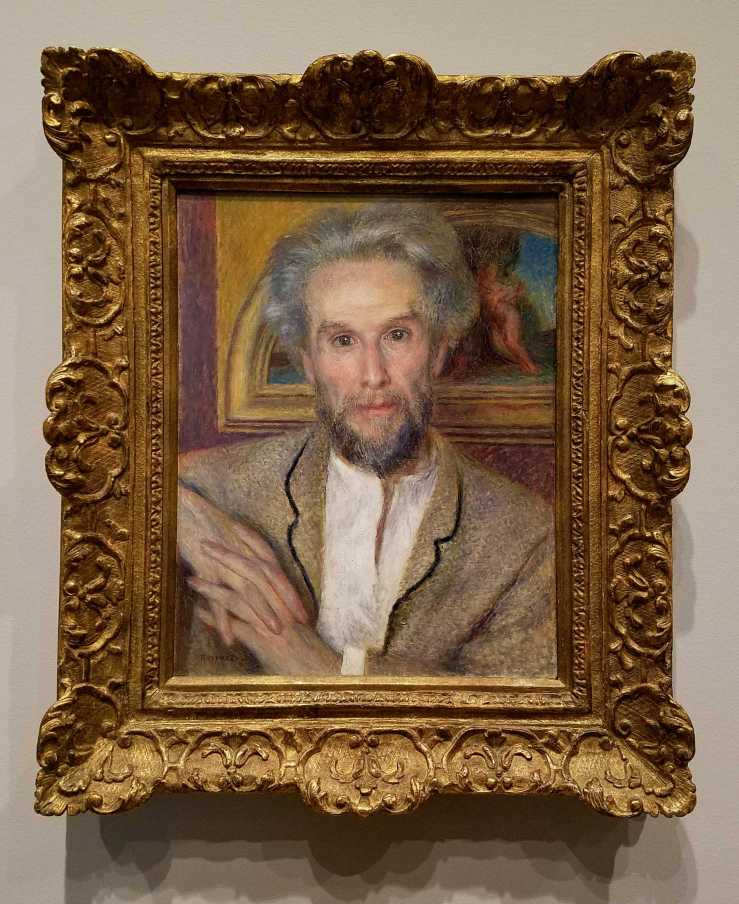 Pierre-Auguste Renoir (1841-1919)




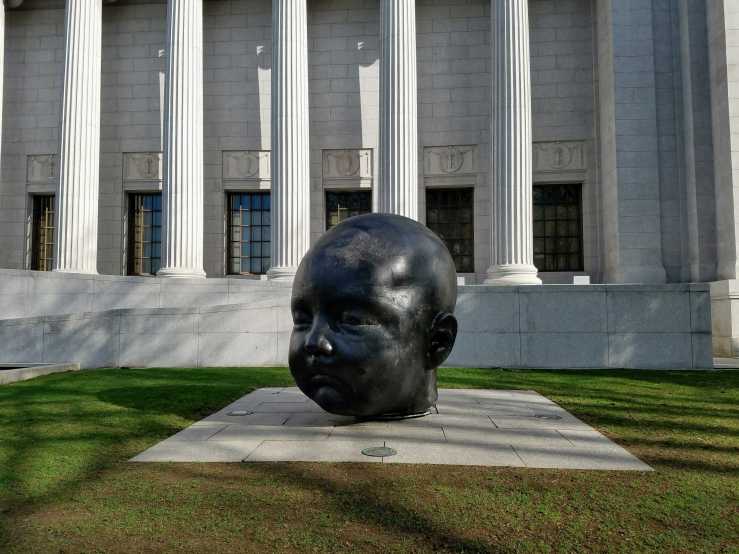


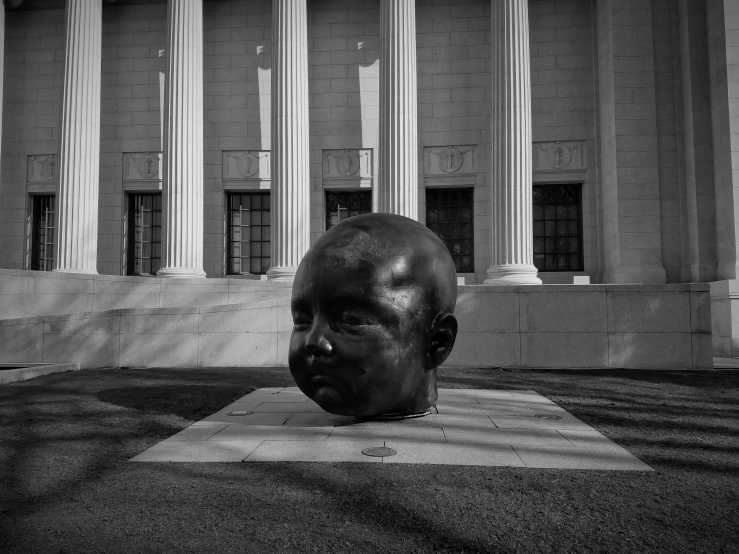


 There is a bunny hiding in this picture; an adorable little troublemaker, disrupting the peace.


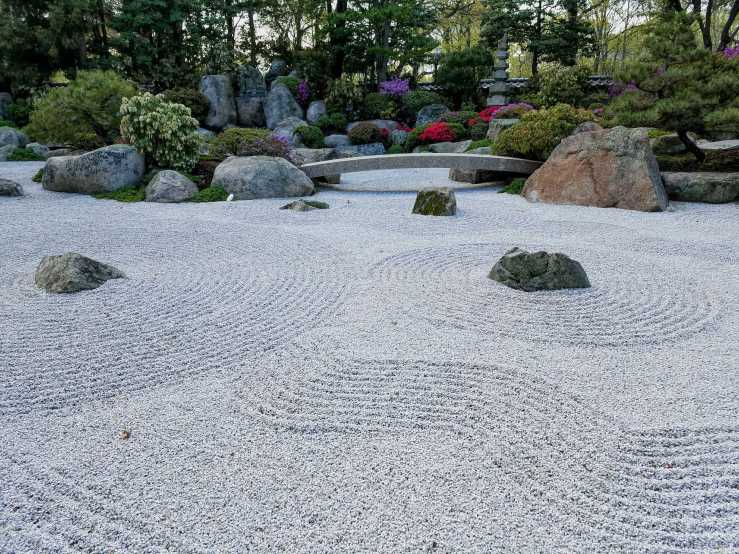

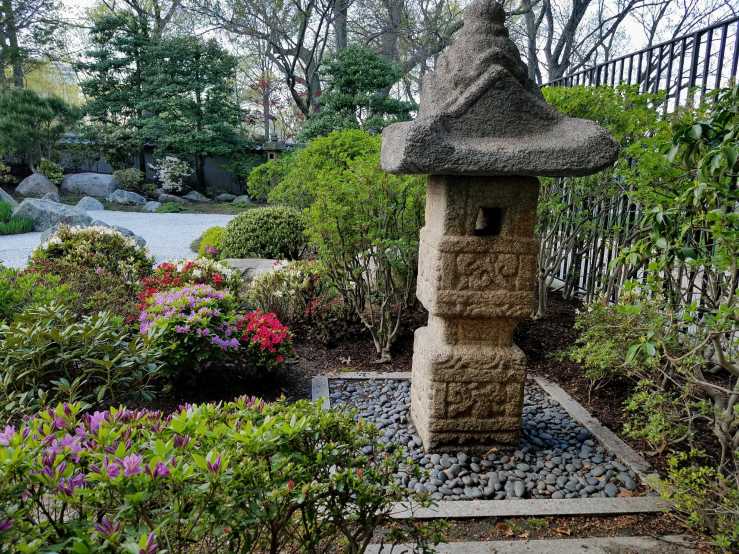


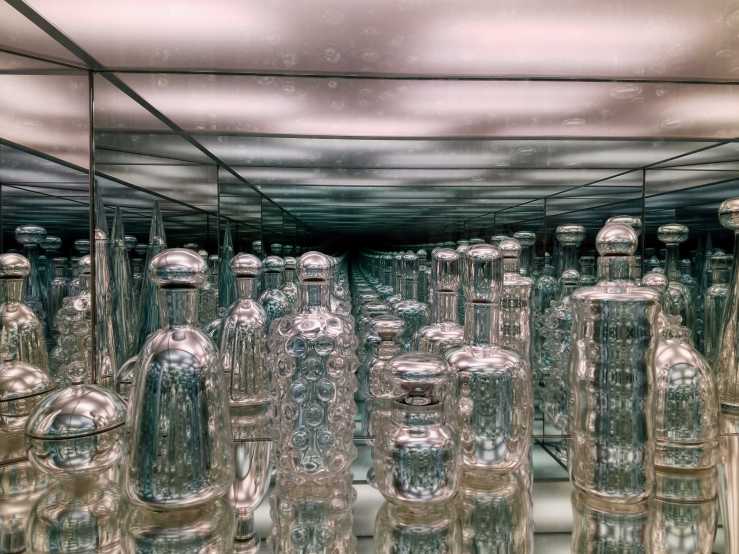
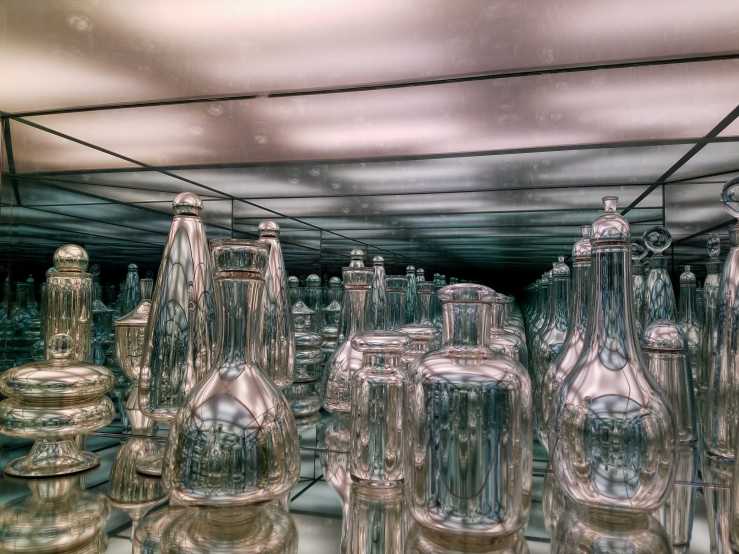
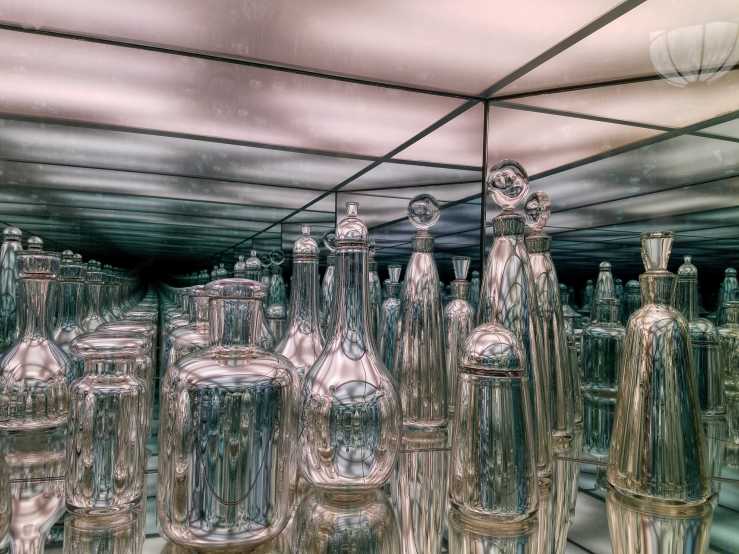

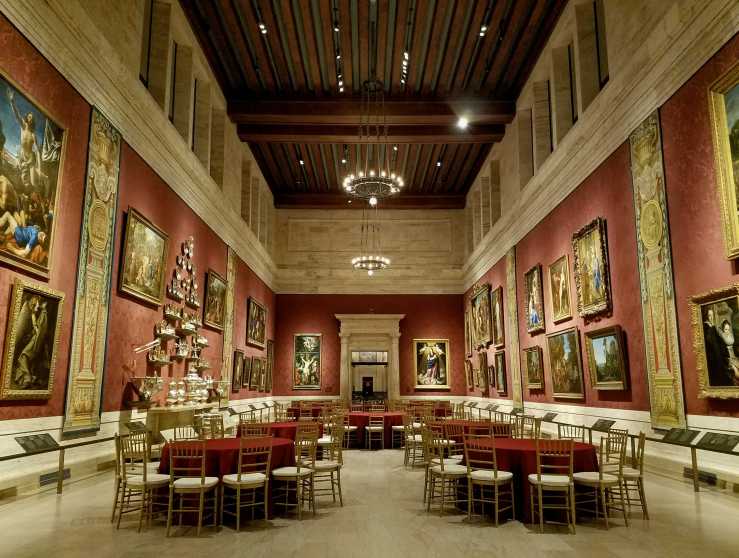 … it leads to the Monet gallery. The MFA boasts one of the largest collections of Claude Monet’s work outside France, with a whole gallery dedicated to the artist! Below, just two of the works I particularly enjoy – the first, for its virtuosity and splendid kimono and the second, for its hazy, dreamy mood:
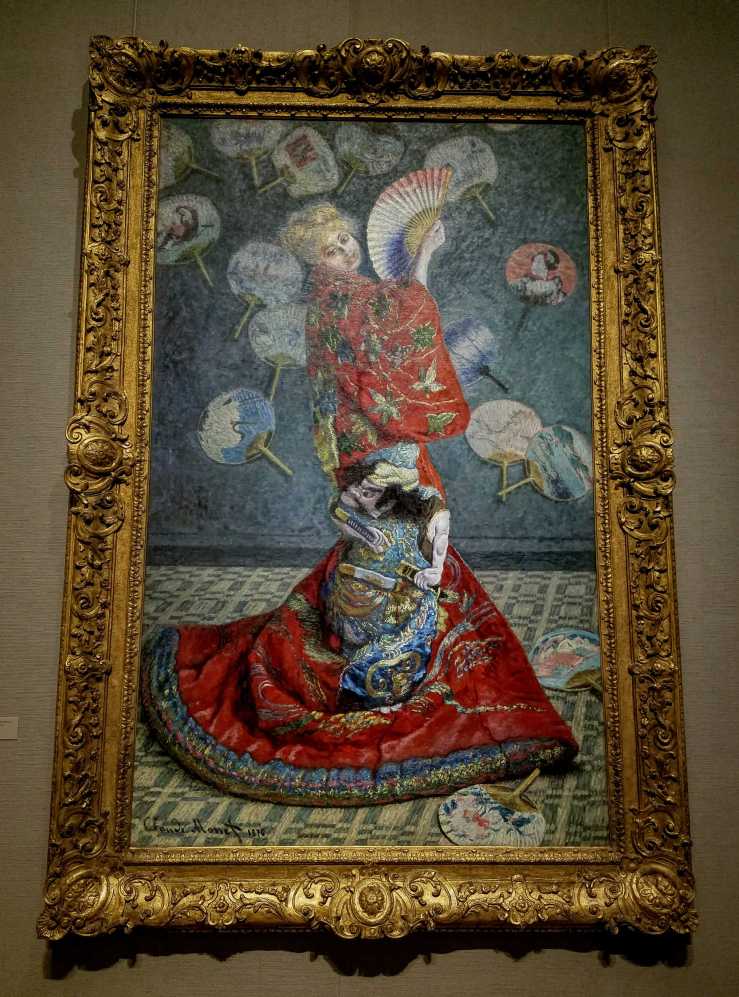 Claude Monet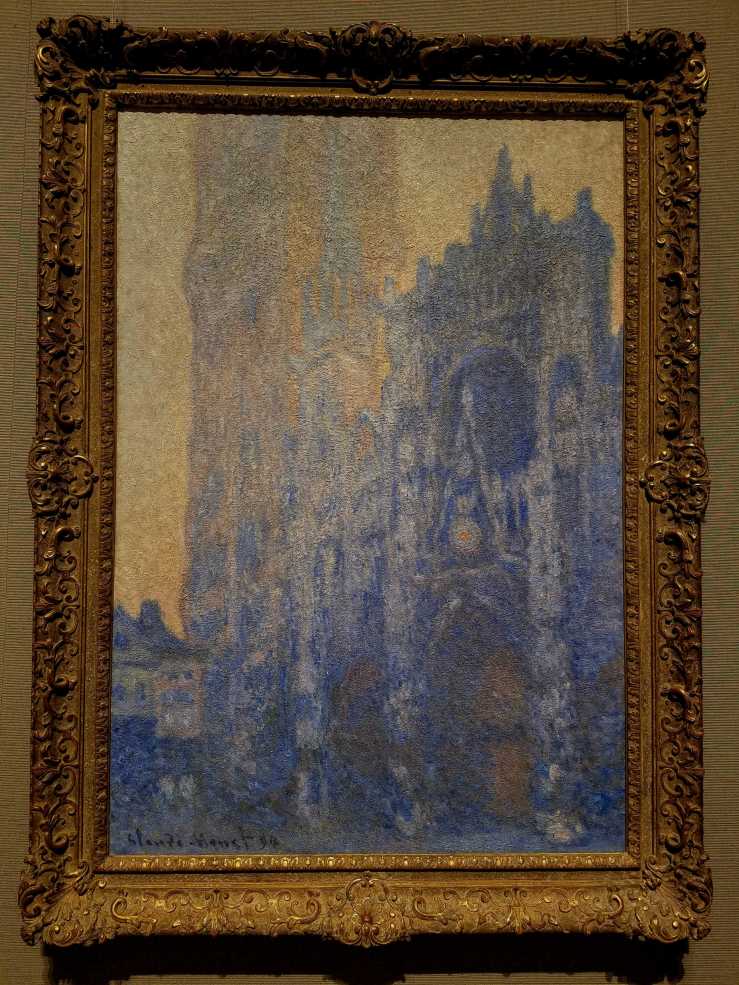




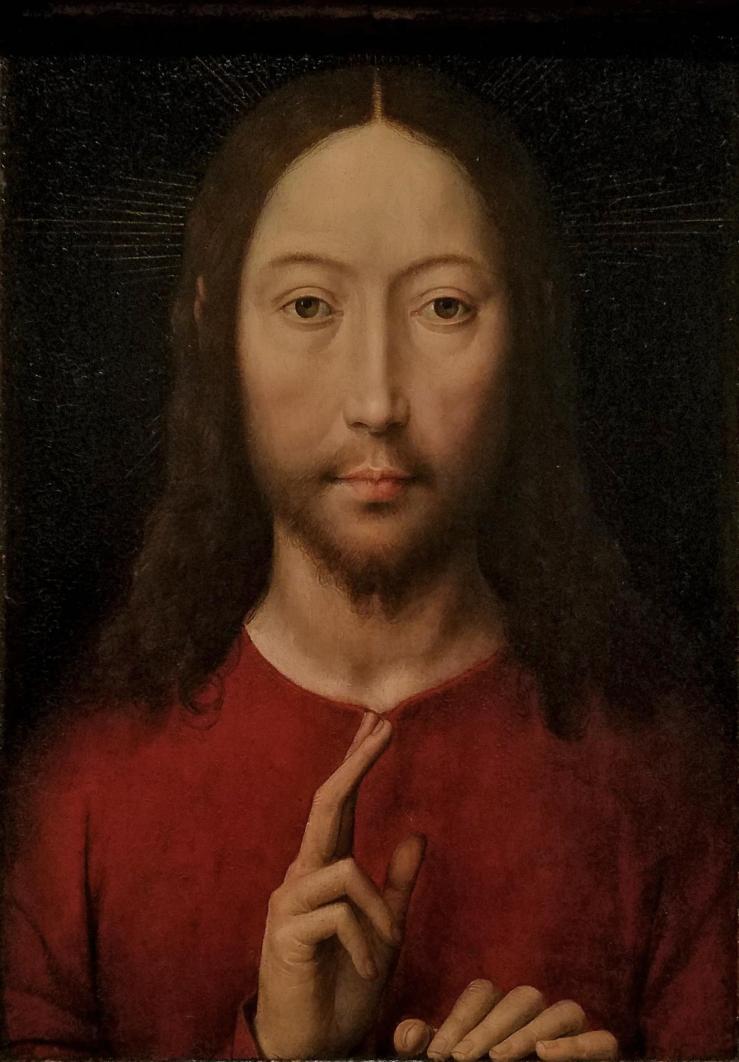 Hans Memling

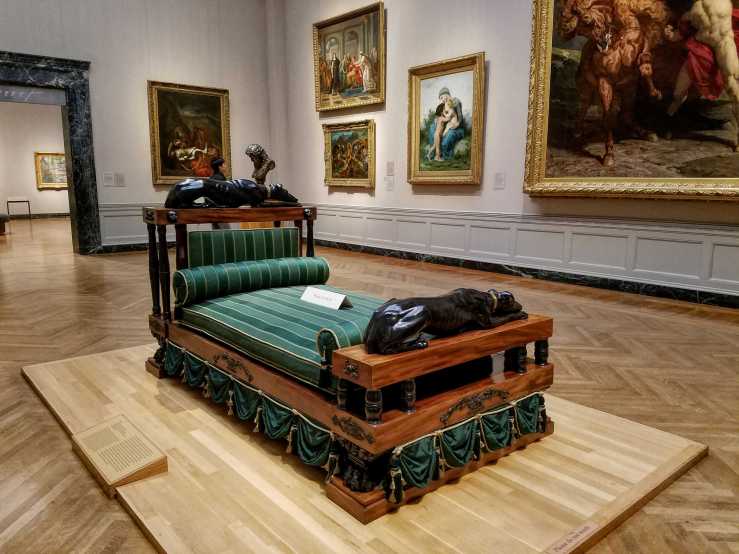 Bed
Bed  This bed is among the most original pieces of English Regency furniture. Dominant in English interiors from about 1800 to 1830, the Regency style perpetuated the classical taste of the late 18th century but was more academic and archaeologically correct. This bed closely resembles furnishings designed by Thomas Hope – collector, connoisseur and a pivotal figure in the classical revival of Regency England- for one of his residences. Its architectural form and bronze mounts derive from ancient and Renaissance models. The greyhounds, however, are inspired by medieval tomb sculpture and exemplify the more romantic interpretation of historical sources characteristic of Hope’s influential furniture designs. The bed may have been used for resting – a day bed – or for sleeping.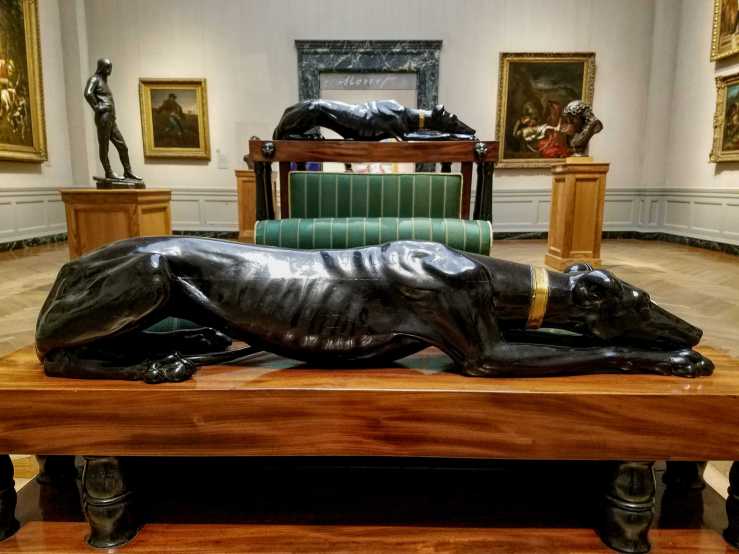

 The Humble Fabulist