Reflecting on art

Literally.

Light reflects on the glass adding – or hiding – details. I tried to filter them out somewhat and the result was this mellow, pastel effect. Still, rather pleasing.

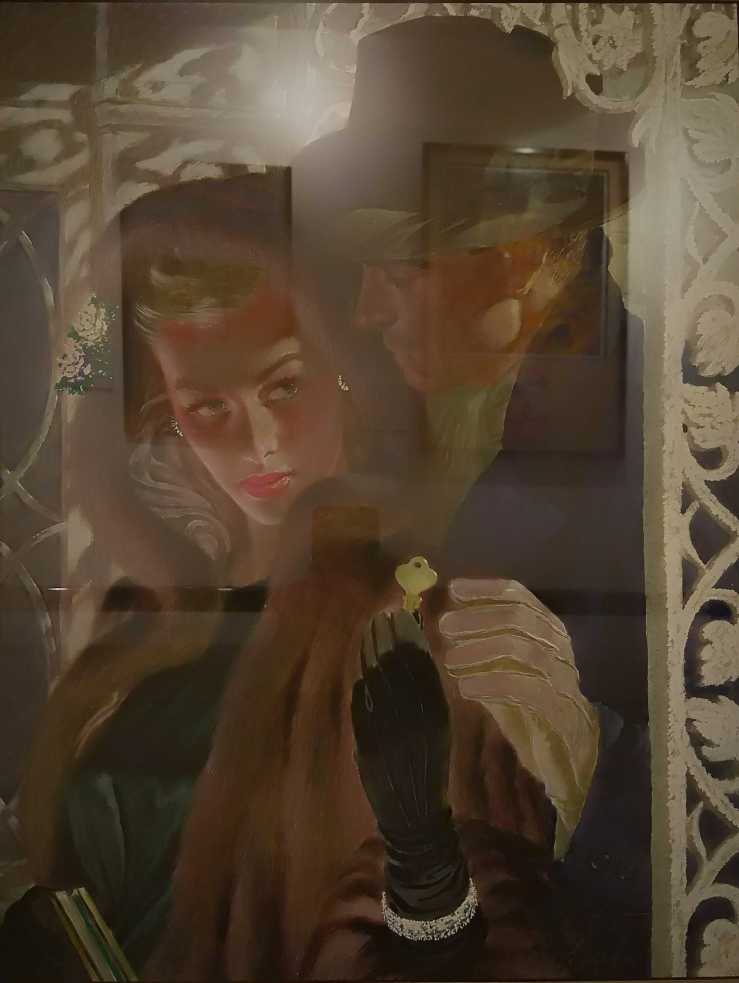
”Repent in Haste”, Gouache on board, by Harry Anderson (1906-1996)

Illustration for the story by Katherine Greer.
Caption: ”Here, in this very window, might be her ring!”
Redbook magazine, January 1950

Couple on balcony in formal evening dress. Pastel, guache and charcoal on board, by John La Gatta (1894-1977)

Caption: ”It was restful to be near Sara, thought Vilas. You didn’t have to explain things to her. She understood.”
Cosmopolitan magazine, 1949
The Clever Sister. Guache on bard, by Edwin Georgi (1896-1964)

Illustration from ”The Clever Sister” by Margaret Culkin Banning
Caption: ”Beneath the strangely different melodies of their lives ran hidden themes that others never heard; yet one refrain they had in common: ‘Whom does Barney love – my sister or me?”’
Woman’s Home Companion, January 1947

The Butterfly Man. Watercolour on paper, by Harrison Fisher (1875-1934)

Illustration for the book by George Barr McCutcheon
Caption: ”They, too, were seen together very often of late.”
This work also appeared in ”A Garden of Girls”, published by Dodd, Mead & Co., 1910
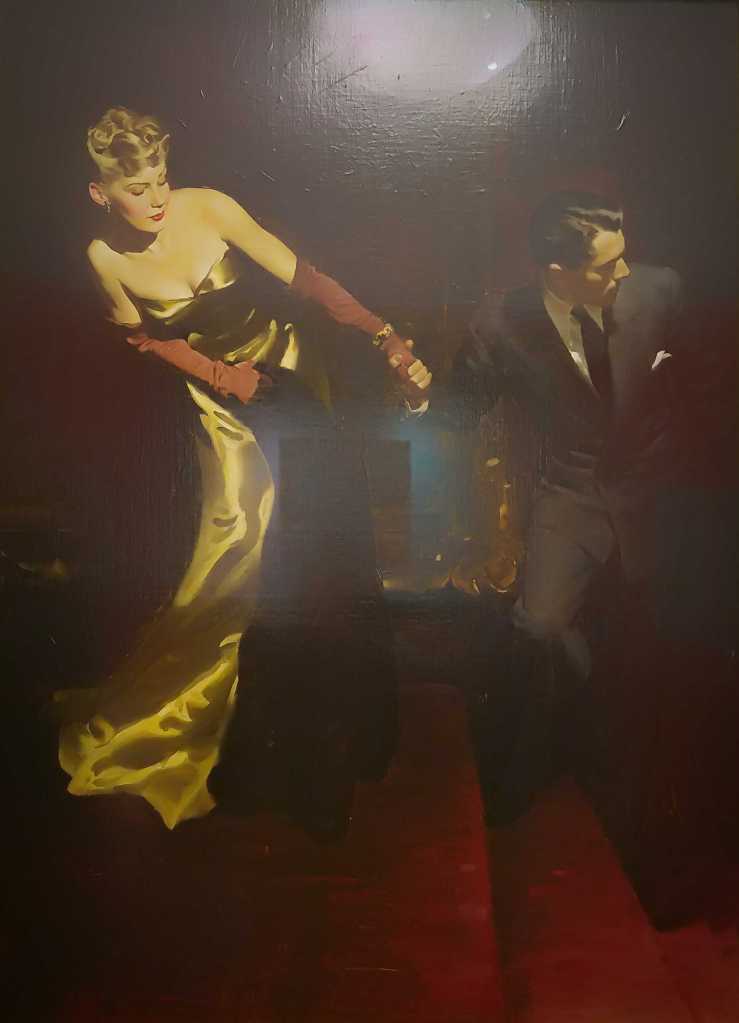
The Temptress. Oil paint on linen, by Mortimer Wilson, Jr. (1906-1996)

Title illustration for the story by Ann Pinchot
Caption: ”This way, darling” she said… He followed her, as he would follow her anywhere.
The American Magazine, ca. 1945
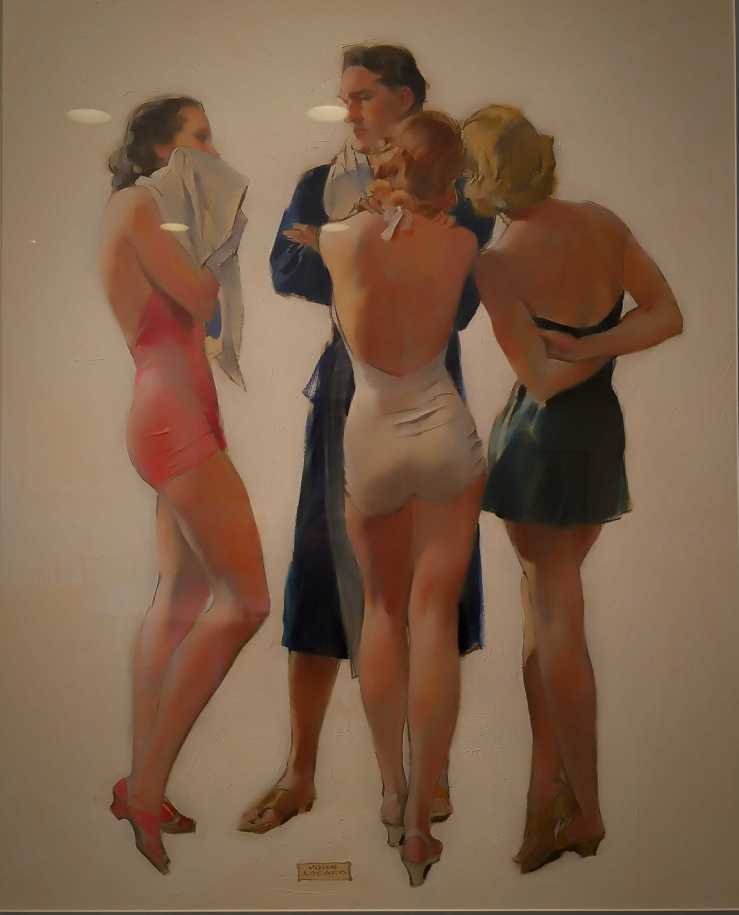
James McVane, M.D. Oil paint on board, by John La Gatta (1894-1977)

Illustration for a story by Philip Wylie
Caption: ”Every night I dream I’m being chased by a green locomotive. Does that mean  I should give up Creme de Menthe?”
Redbook magazine, April 1938


<<The Permanent Collection of the Museum of Illustration at the Society of Illustrators is one of the most comprehensive collections of this genre in the world. Comprised of over 3,000 works by many of the greatest names in illustration and comic and cartoon art, this celebrated collection is ever expanding thanks to purchase and donation from our membership, art patrons and estates. These works are fully catalogued with portions of the collection constantly on rotating display.>>

February 11th, 2017
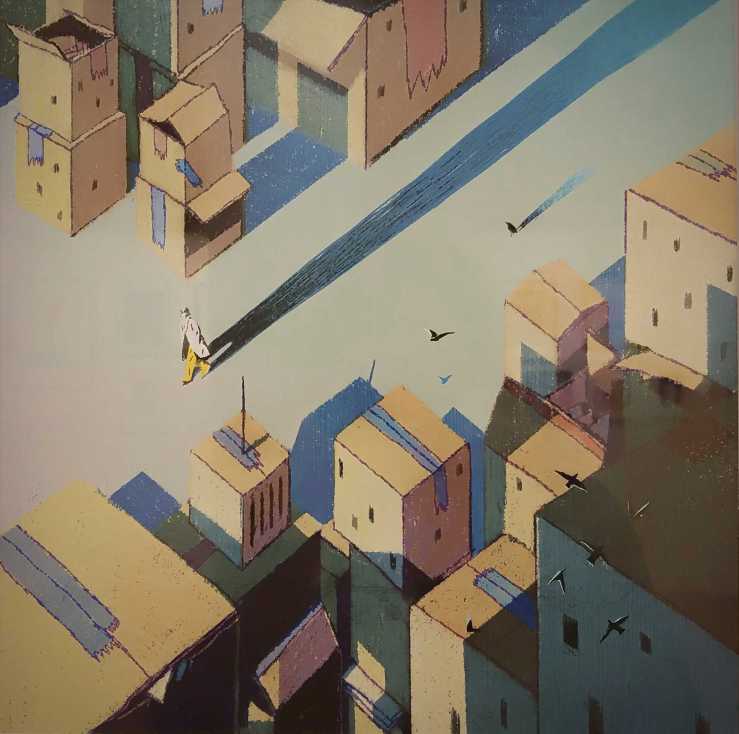
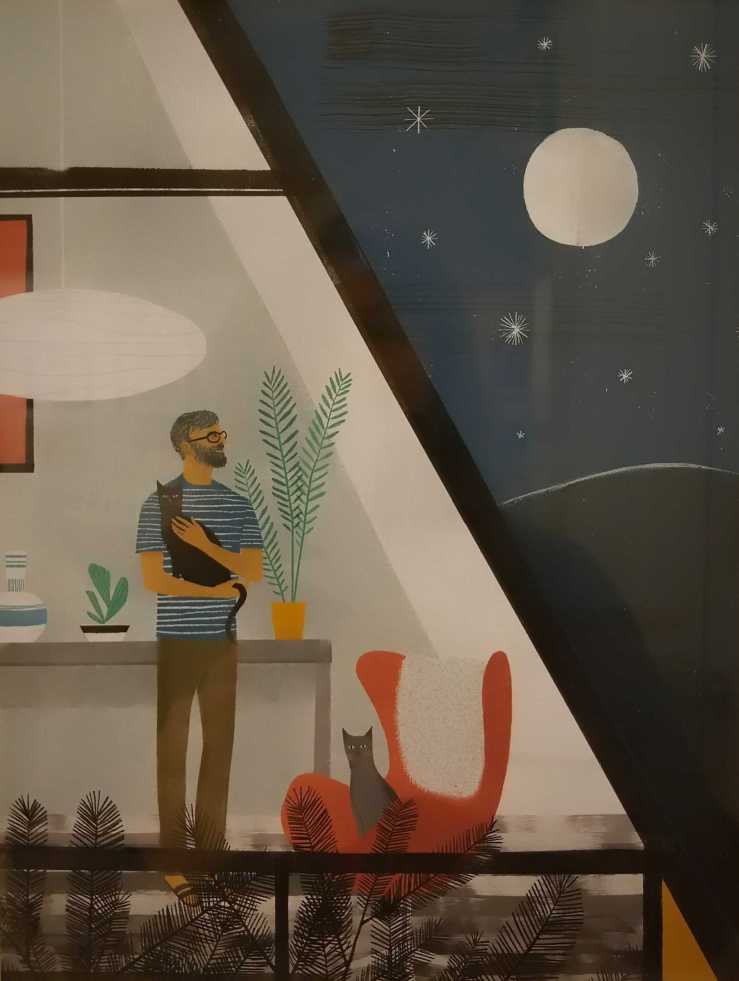
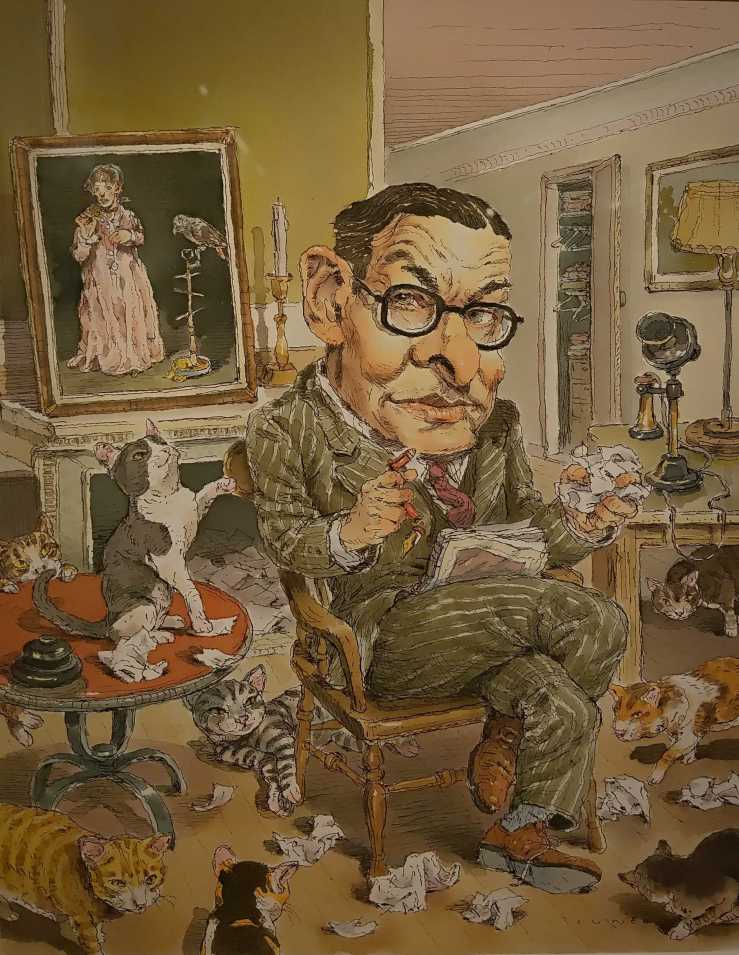
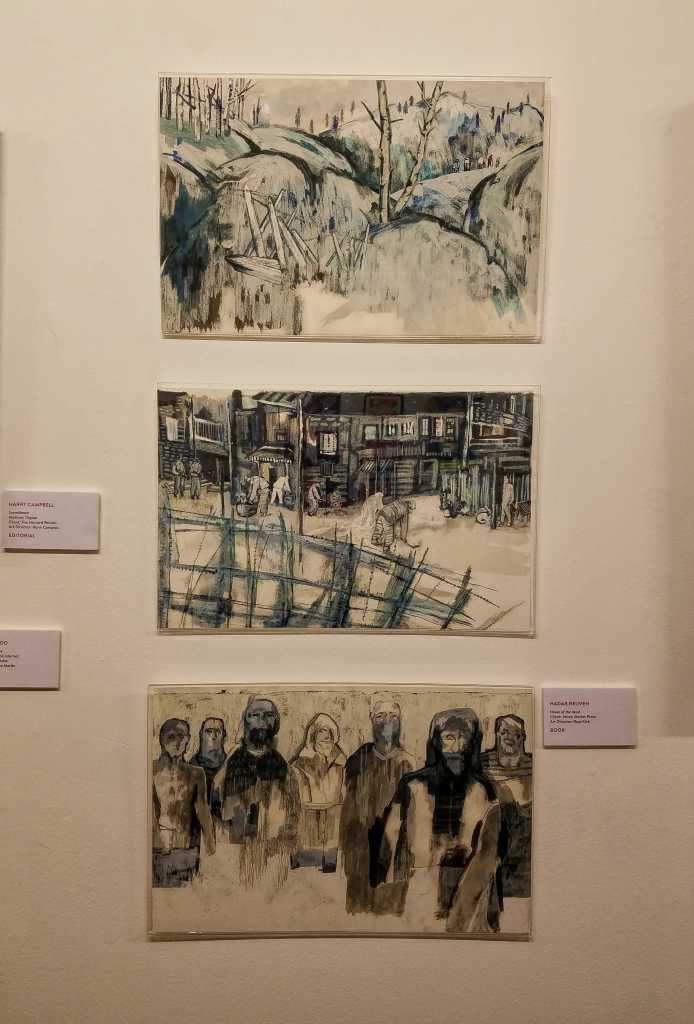
Illustrators 59: Book & Editorial

”The Society of Illustrators Annual Exhibition features over 400 pieces of the most outstanding works created throughout the year. Open to artists worldwide, thousands of entries are considered by a jury of professionals, which include renowned illustrators, art directors, and designers.

Gold and silver medals are presented to the illustrators and art directors whose works are judged the best in each category.”

Adulting || Digital || Emiliano Ponzi || Editorial
House of the dead || Hadar Reuven || Book
By the Pool || Digital || Jun Cen || Book
The Whale Who Lived on A Faraway Hill || Carbon Dust || David Ouimet || Book
Winter Girl || Pen, ink and watercolour on paper || John Cuneo || Editorial
Chinese Space Age || Ink and digital || Yuko Shimizu || Editorial


Society of Illustrators

February 11th, 2017
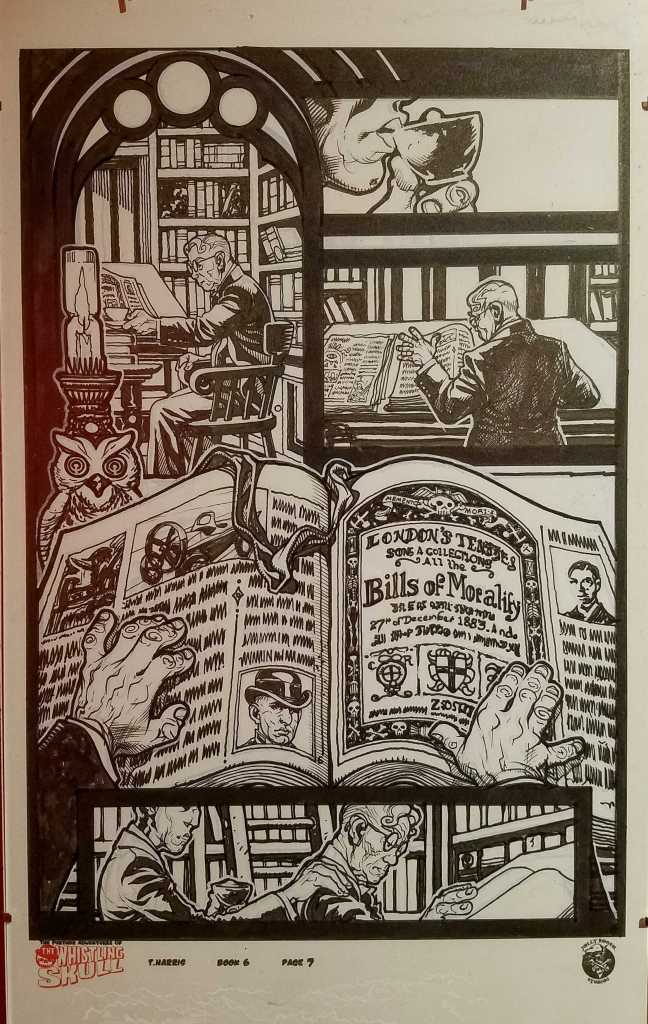
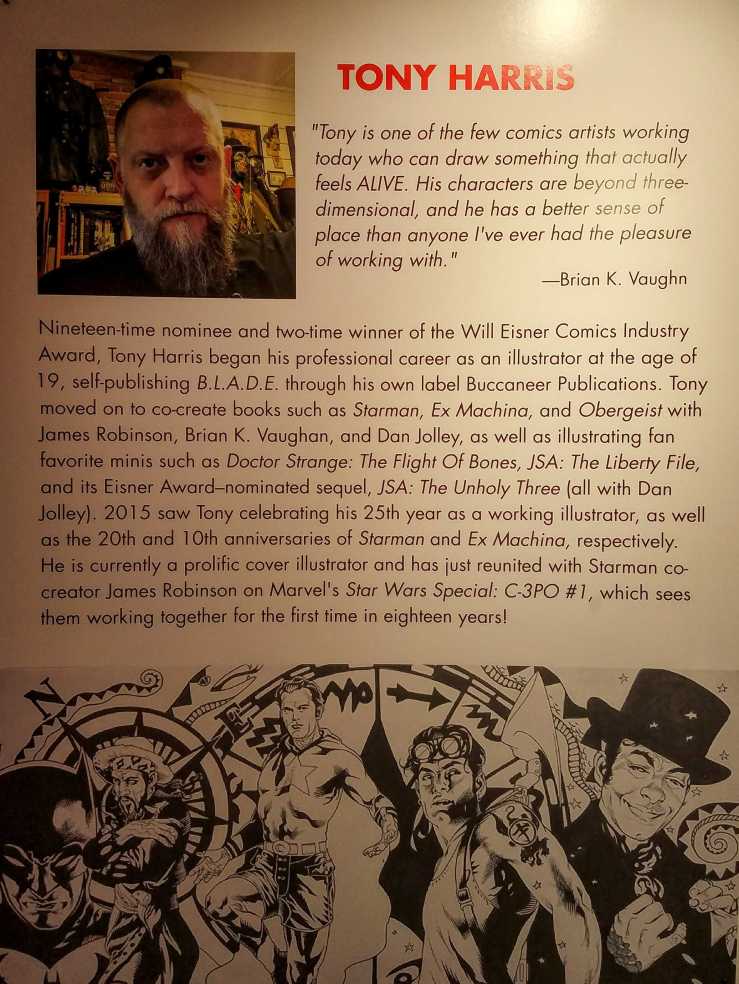
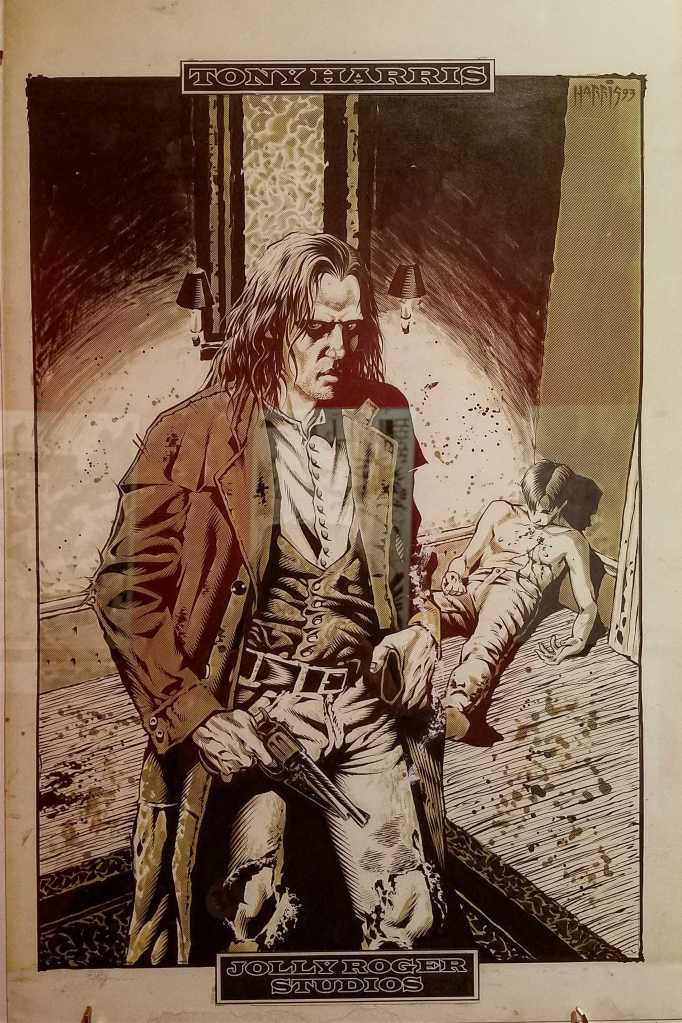
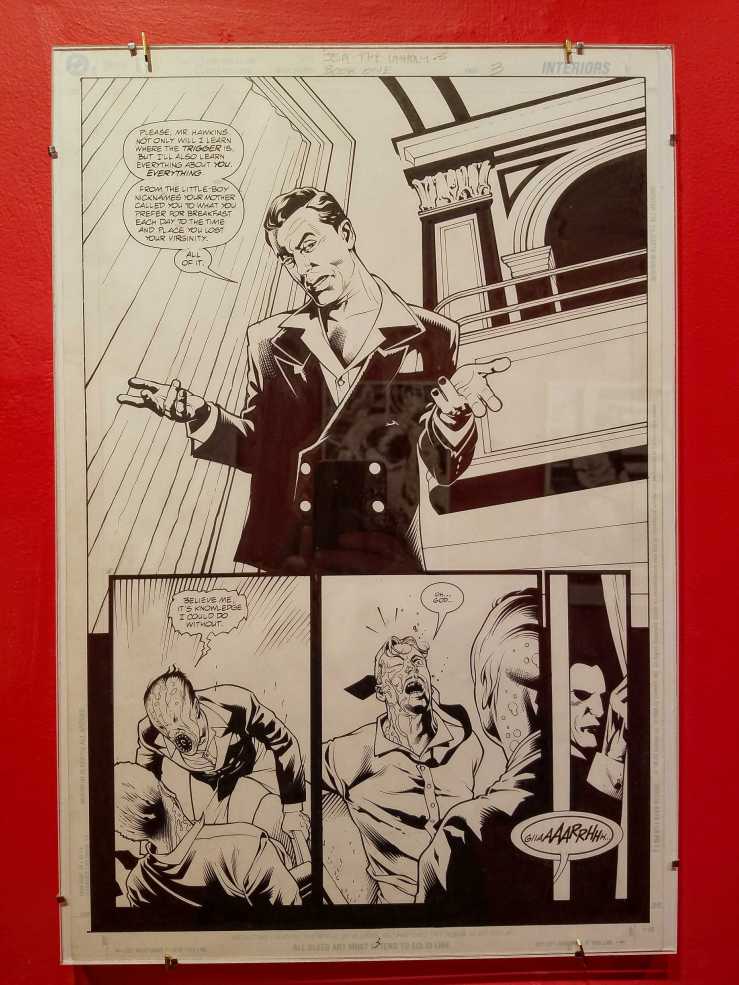
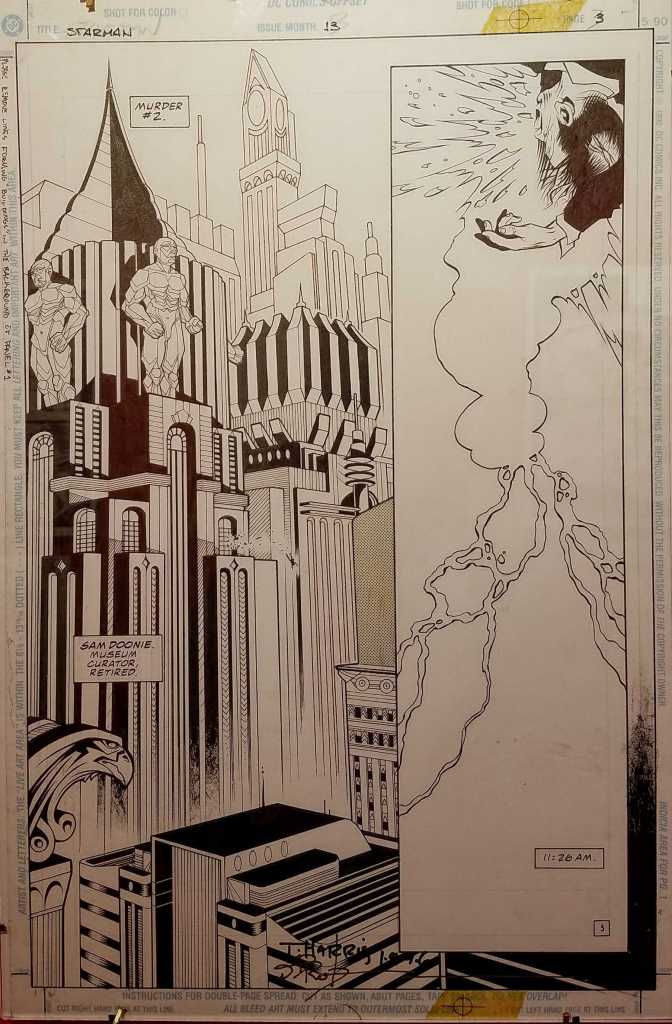
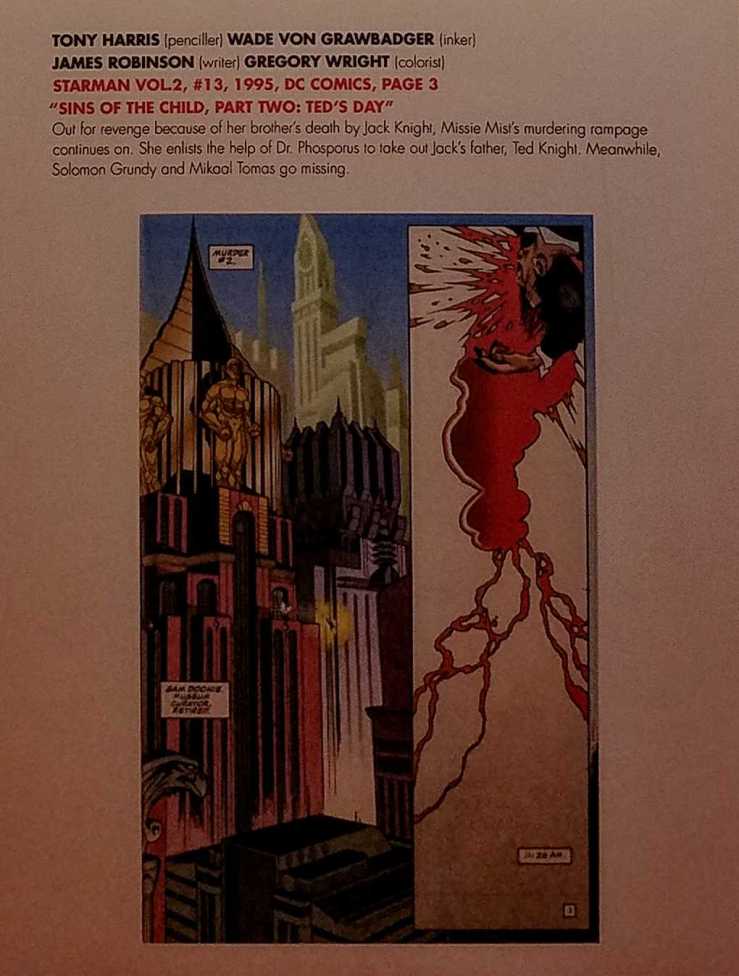
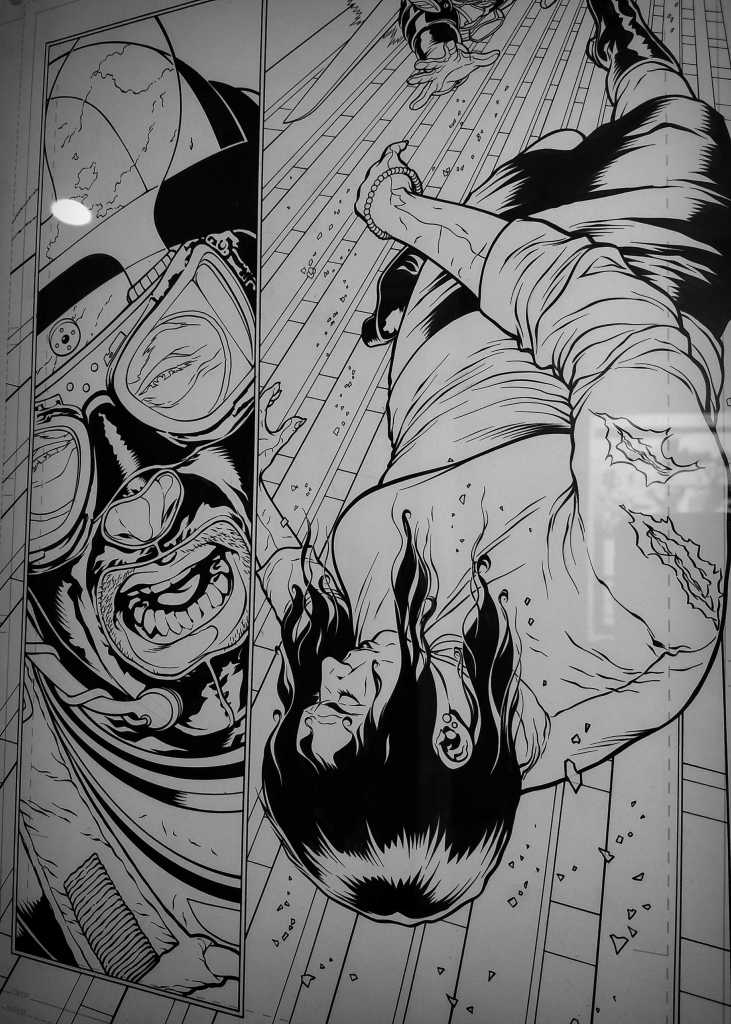
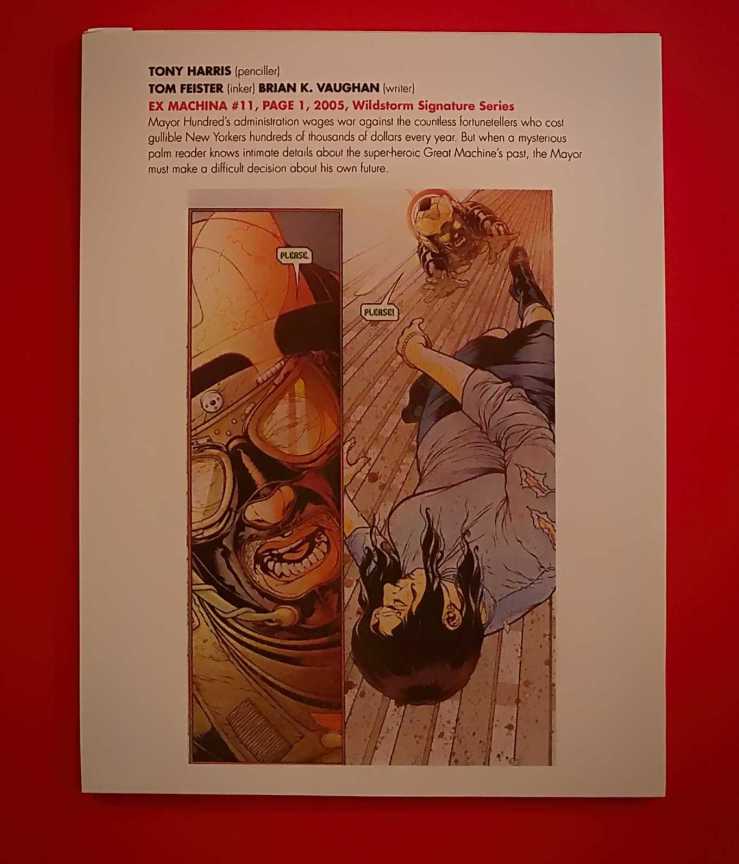
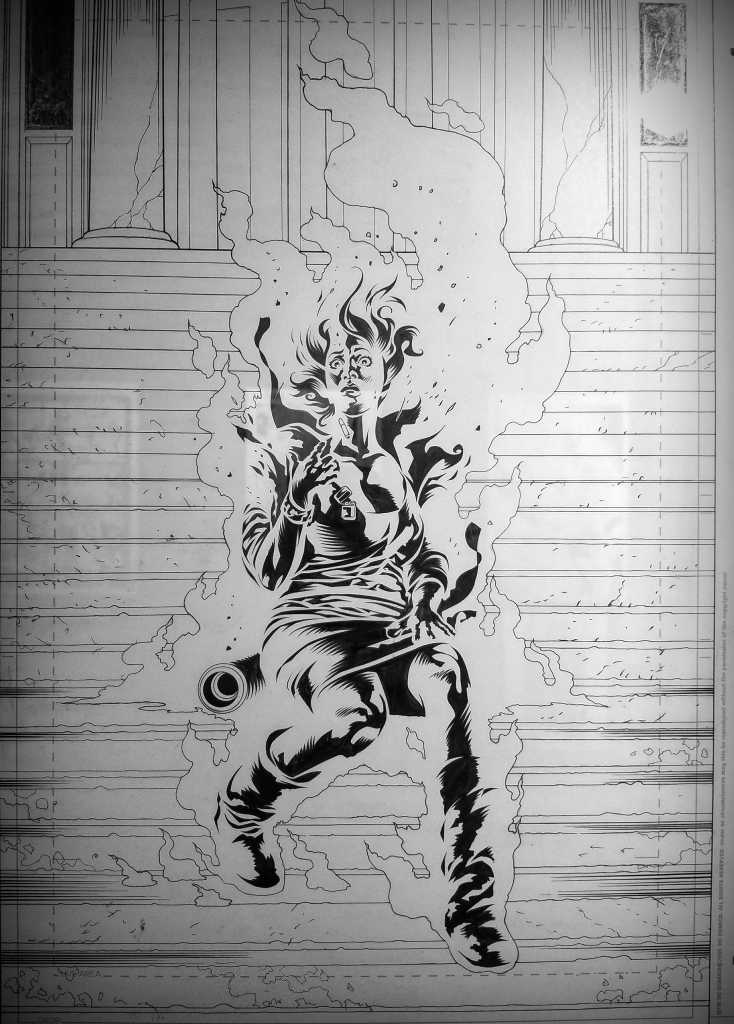
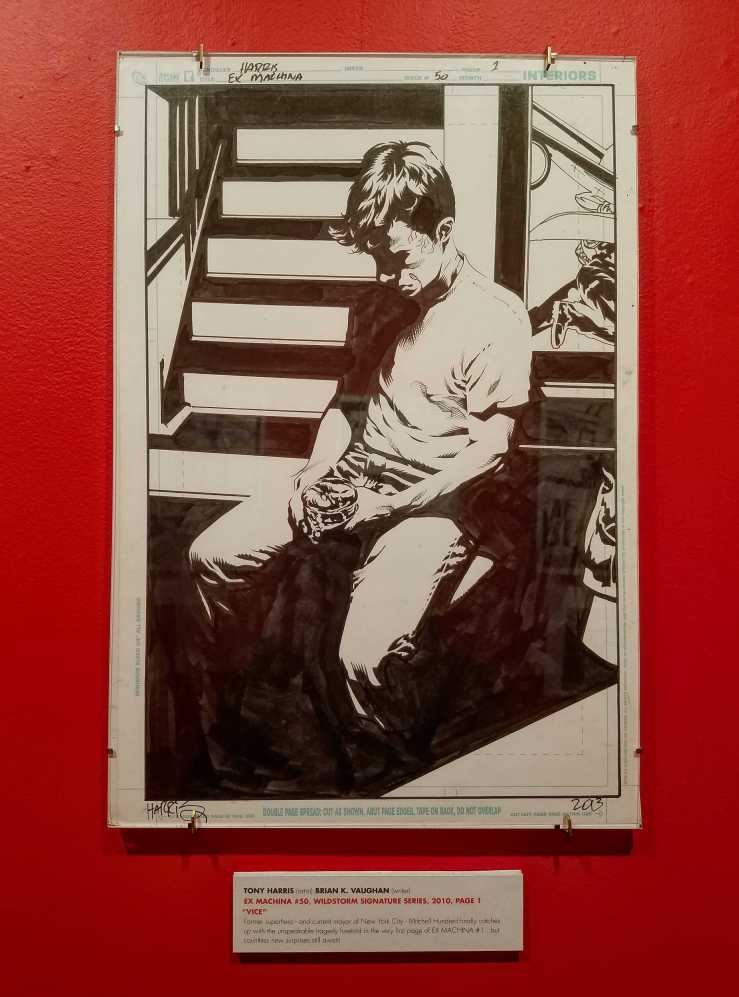
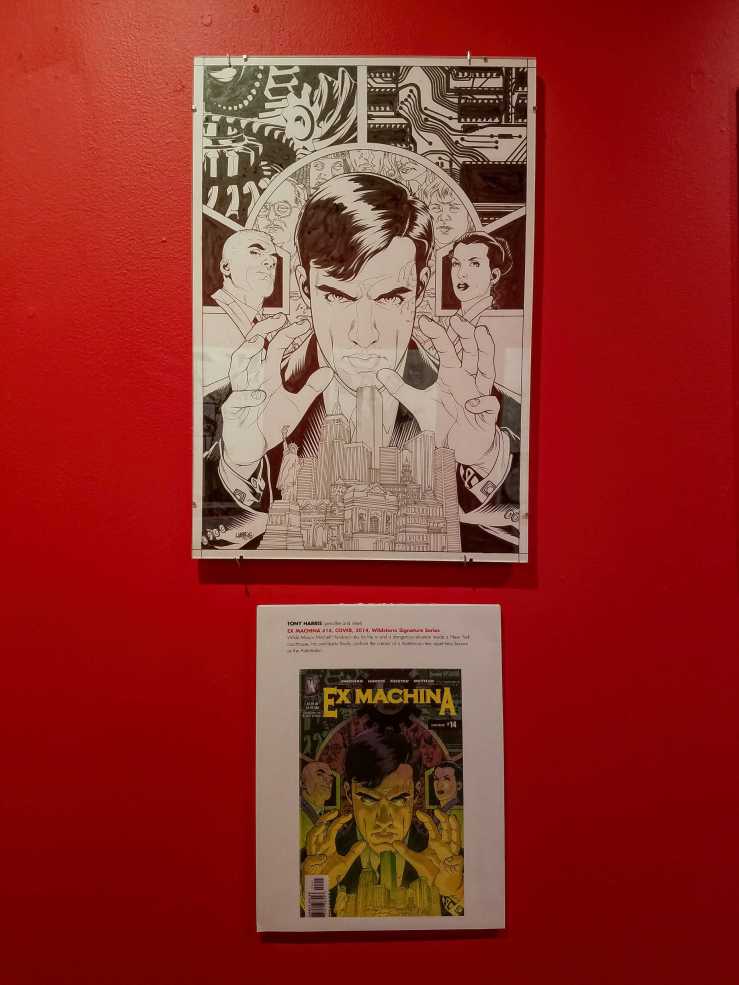
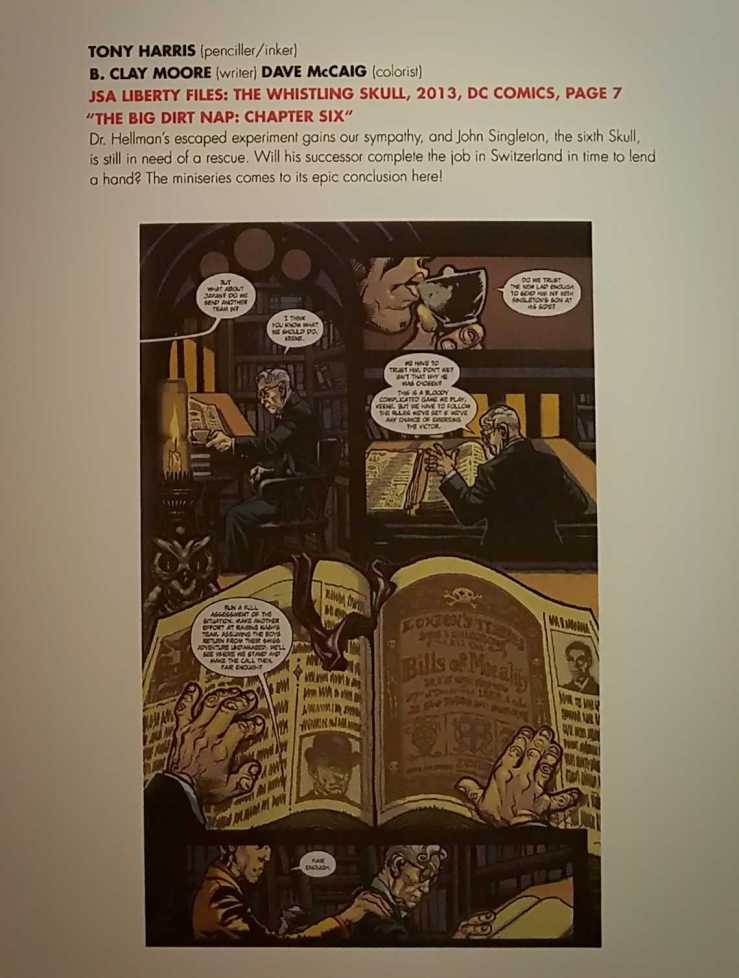
Penned by Tony Harris

If his mouth worked in the same way as his pen, Mr. Harris would undoubtedly be a helluva gifted artist with tons of devoted fans swearing by his brilliant drawings. As it is, he is a helluva gifted artist with an outspoken controversial character wreaking havoc among fans and embarrassing fellow artists; which is just as well because, yeah, devil is in the details. Today, let us focus on the pen which – as we know – is mightier than the sword. Here are some incredible examples of Mr. Harris’ original artwork that were on view at The Society of Illustrators through March 2017.

February 11th, 2017
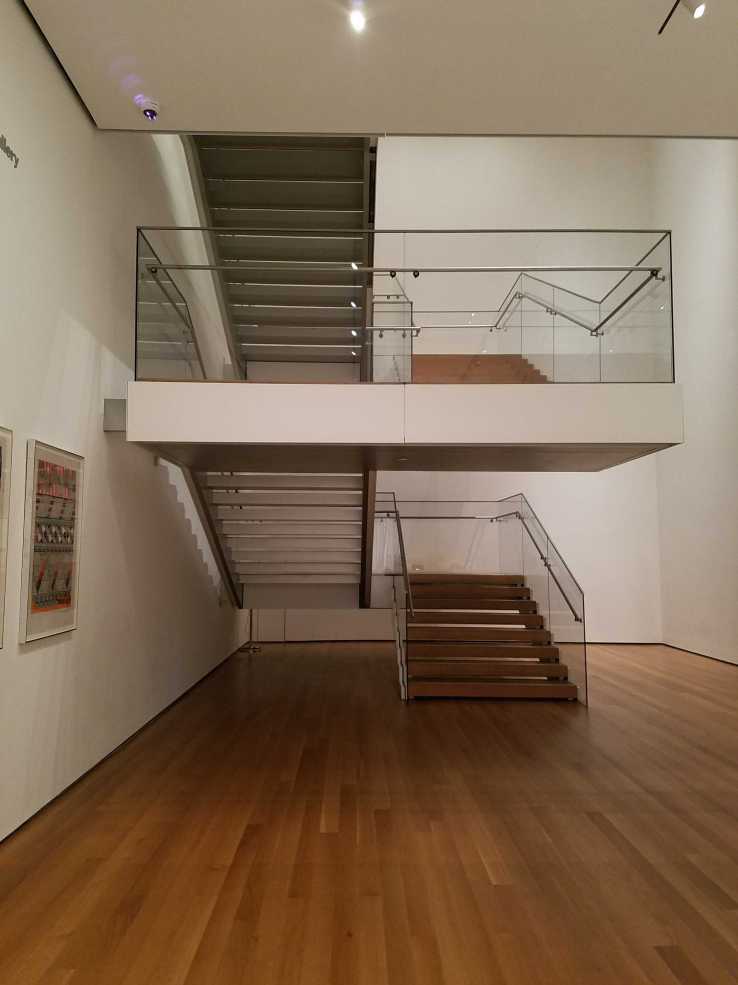
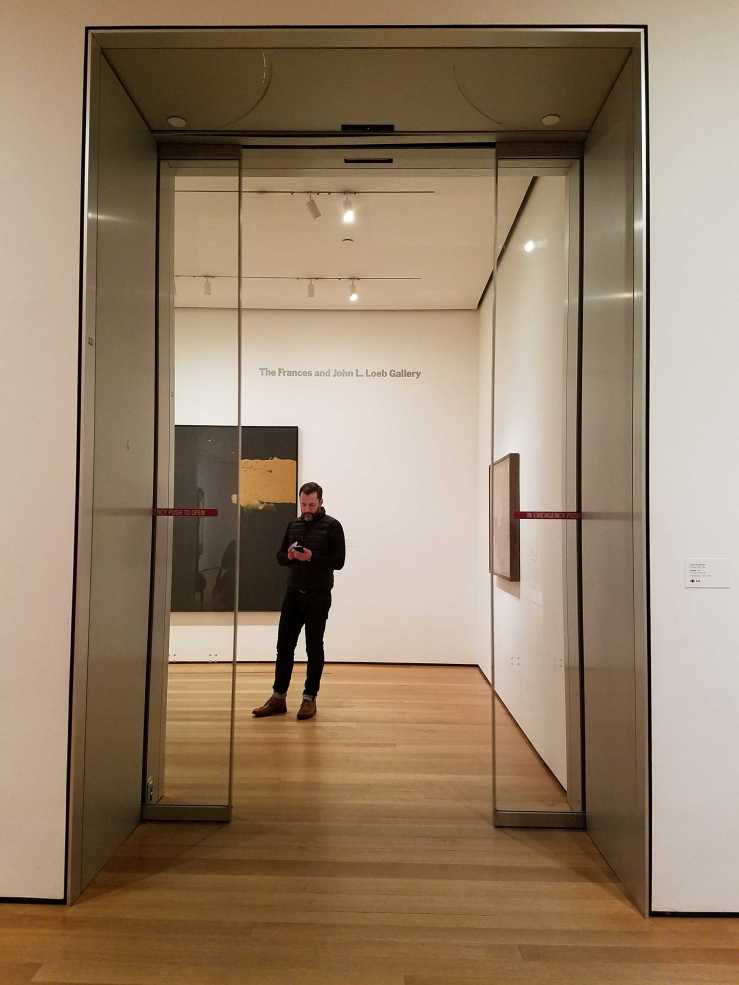
Less is More @ MoMA [permanent collection, part 12]

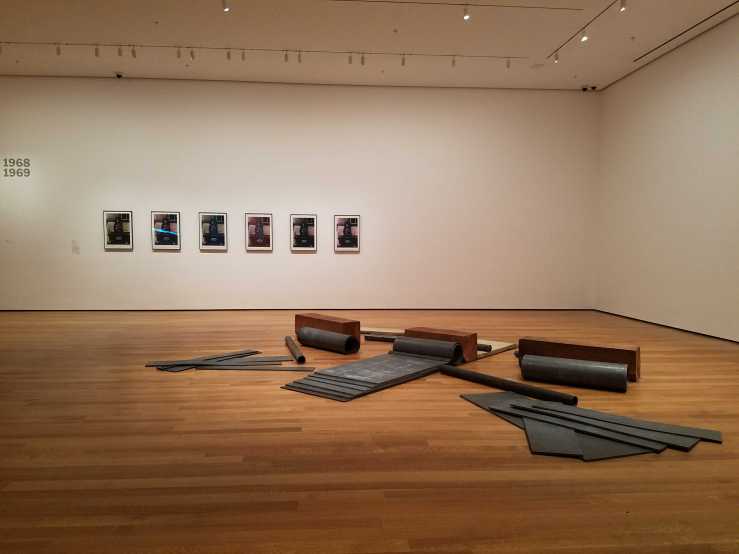
The arrangement of objects on the floor (second image) is a sculpture by Richard Serra: Cutting Device: Base Plate Measure, 1969.

The artist took rolled lead sheets, wood beams, marble slabs, and steel piping, and then used a saw to slice them through. The objects were then arranged on the floor as they appeared directly after having been cut.

{…}

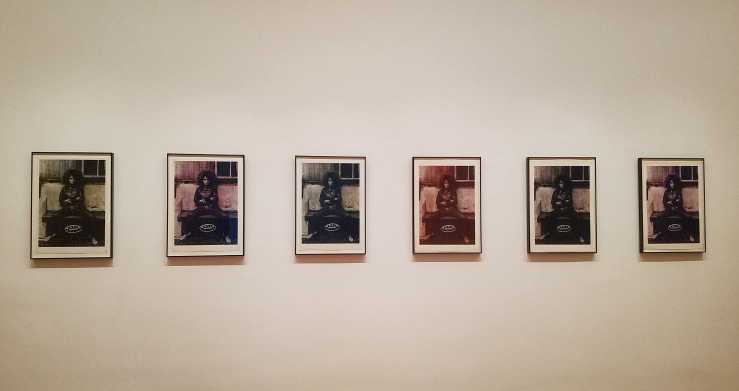
The row of framed prints on the wall show VALIE EXPORT, photographed by Peter Hassmann for her signature work Action Pants: Genital Panic, 1969.

<<This series of screenprints relates to a performance in which EXPORT reportedly walked into an experimental art-film house in Munich wearing crotchless trousers and a tight leather jacket, with her hair teased wildly, and roamed through the rows of seated spectators, her exposed genitalia level with their faces. Challenging the public to engage with a “real woman” instead of with images on a screen, she illustrated her notion of “expanded cinema,” in which the artist’s body activates the live context of watching. EXPORT’s defiant feminist action was memorialized in a picture taken the following year by the photographer Peter Hassmann in Vienna. EXPORT had the image, in which she holds a machine gun, screenprinted in a large edition and fly-posted it in public squares and on the street.>>

MoMA, From the Collection, 1960 – 1969.

January 30th, 2017
Alex Katz @ MoMA [permanent collection, part 11]

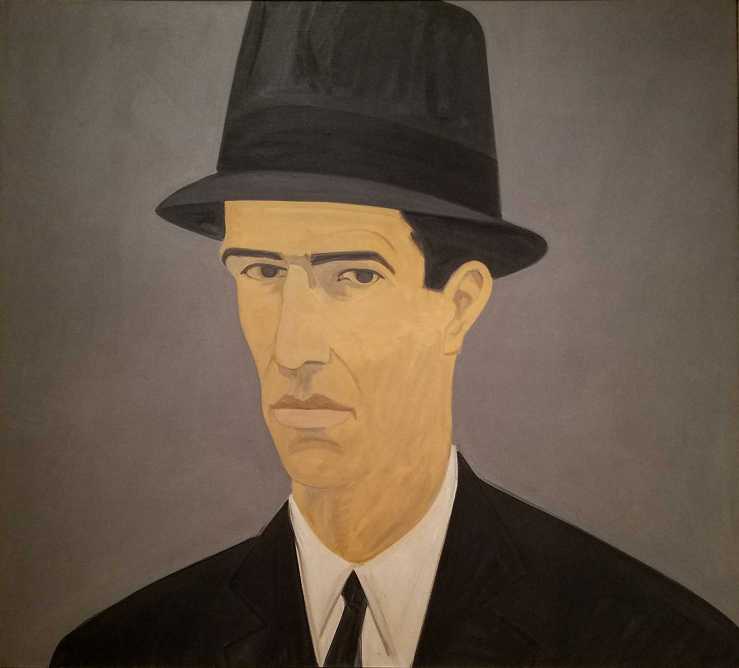
A stylish gentleman Mr. Katz is in his business suit and hat – the clean, sleek lines of his self-portrait devoid of all superfluous accentuating his steady, direct gaze.

Passing, 1962-63. Oil on canvas || Αlex Katz

<<Ambitious, elegant, impersonal, large in scale, and simultaneously timeless and reflective of its time—these, according to Katz, are the qualities of “high style” in painting, and they are also the qualities of many of his own works.>>

MoMA, views form the Permanent Collection

January 30th, 2017
So… is this art? @ MoMA [permanent collection, part 10]

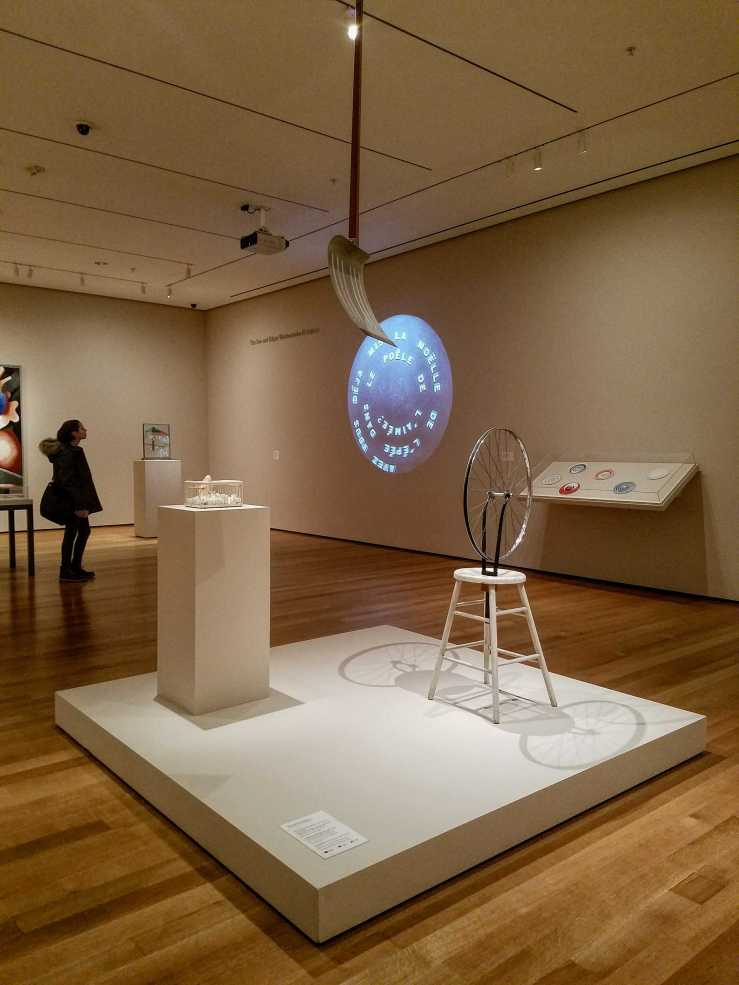
Today’s composition of choice comprises some well known buildings partly glowing in the afternoon sun, paired with some of Marcel Duchamp’s famous ”readymades”. With all due respect to his undeniable contribution to the world of art, if I sign my compositions and designate them as artworks does that make me an artist?

<<Beginning in 1913 Duchamp challenged accepted artistic standards by selecting mass-produced, functional objects from everyday life and designating them as works of art. These sculptures, which he called “readymades,” were aimed at subverting traditional notions of skill, uniqueness, and beauty, boldly declaring that an artist could create simply by making choices. >>

MoMA, From the Collection, 1960 – 1969.

January 30th, 2017
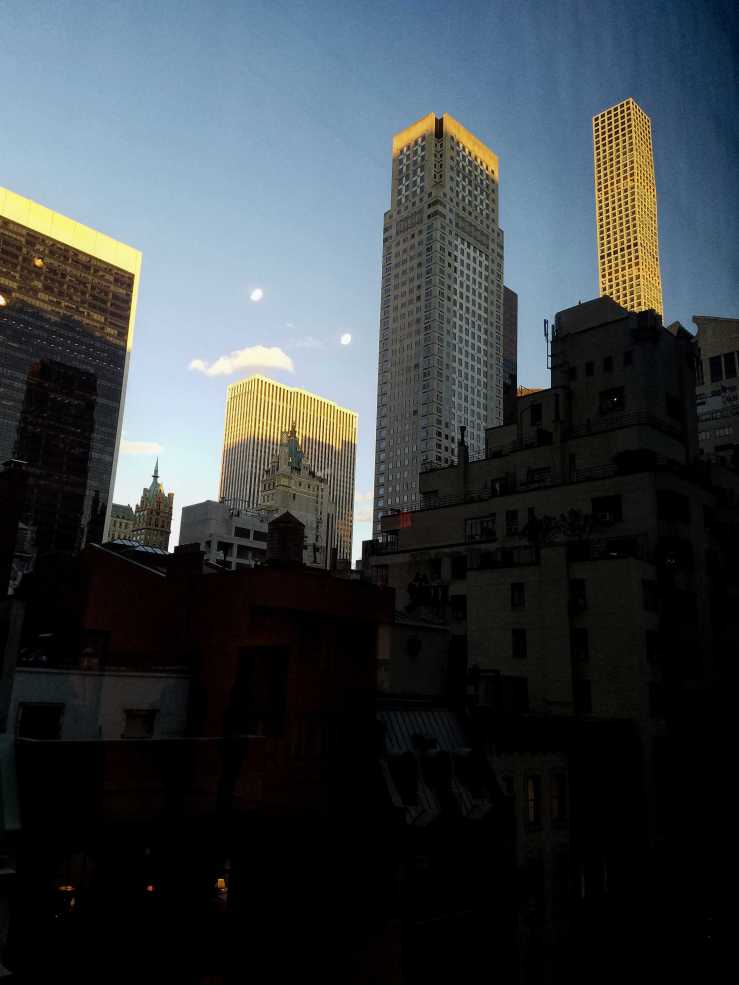
“There is no reason not to consider the world as one gigantic painting” @ MoMA [permanent collection, part 8]

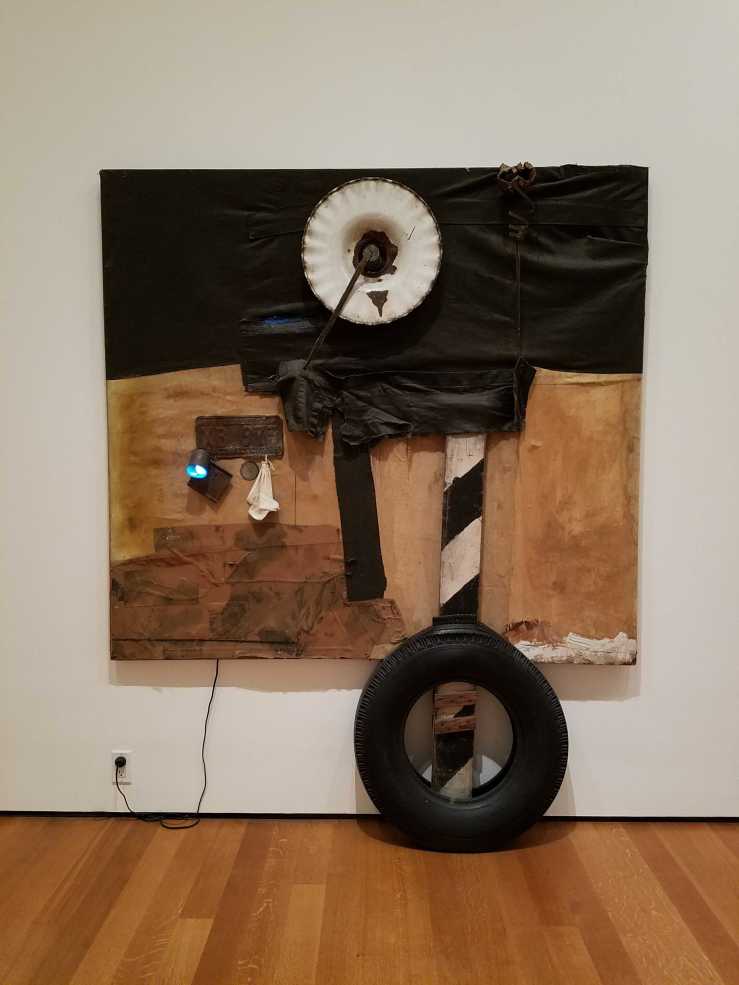
Thus said Robert Rauschenberg, and who I am to doubt him. I could even picture it in frames. One next to the other, frame after frame after frame; each one an individual story, collectively a narrative of the world.

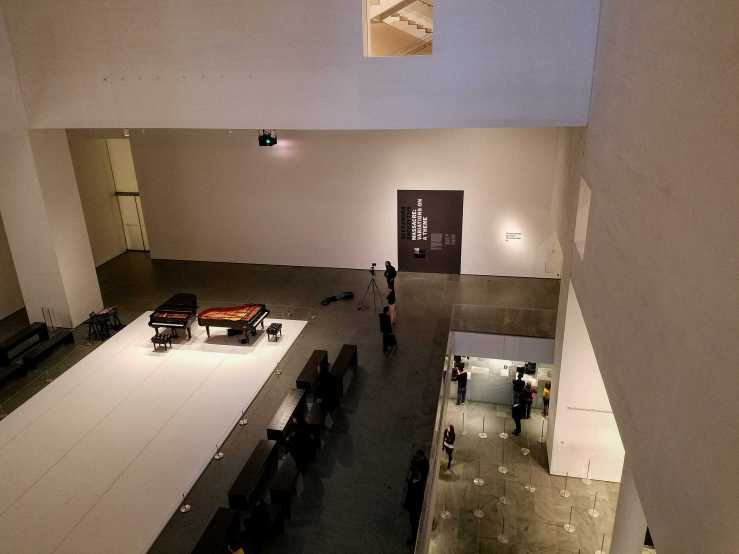
Performance space for ”Massacre: Variations on a Theme”, by Alexandra Bachzetsis. A choreography for three dancers and a musical composition for two pianos.
First Landing Jump, 1961. Cloth, metal, leather, electric fixture, cable, and oil paint on composition board, with automobile tire and wood plank || Robert Rauschenberg
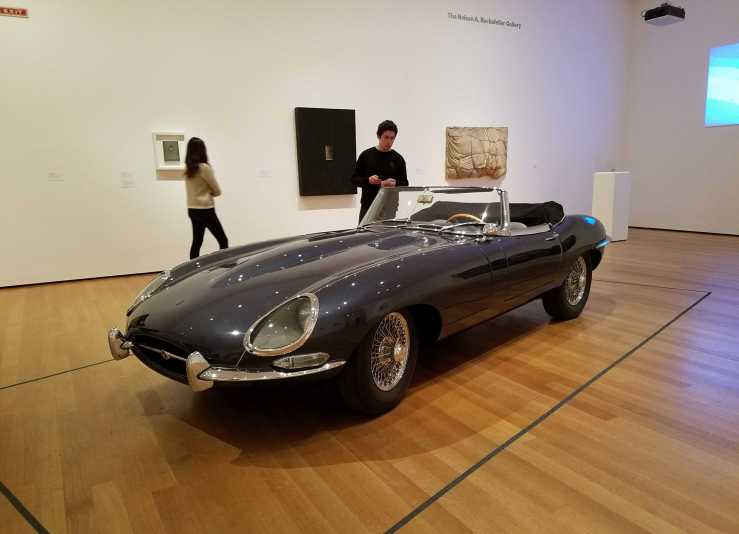
E-Type Roadster designed 1961 || Sir William Lyons, Malcolm Sayer, William M. Heynes
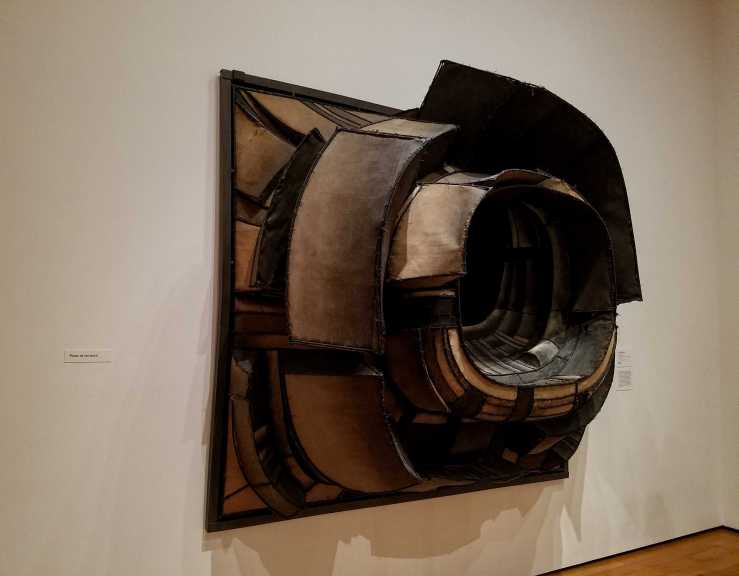
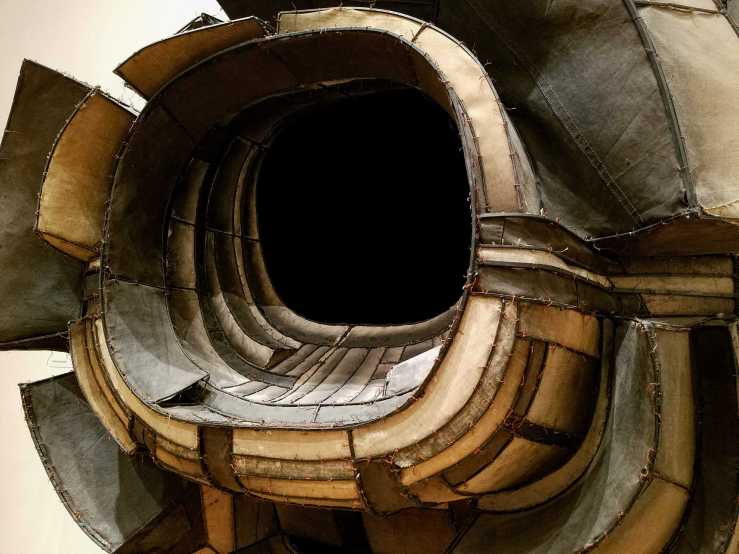
Untitled, 1961. Welded steel, canvas, black fabric, rawhide, copper wire, and soot || Lee Bontecou

<<When Bontecou first exhibited her steel-and-canvas sculptures, many praised their aggressive, ominous qualities. Fellow artist Joseph Cornell described their gaping black cavities as summoning “the terror of the yawning mouths of cannons, of violent craters, of windows opened to receive your flight without return, and the jaws of the great beasts.”>>

MoMA, From the Collection, 1960 – 1969.

January 30th, 2017