Taking a line for a walk @ The Art Institute of Chicago

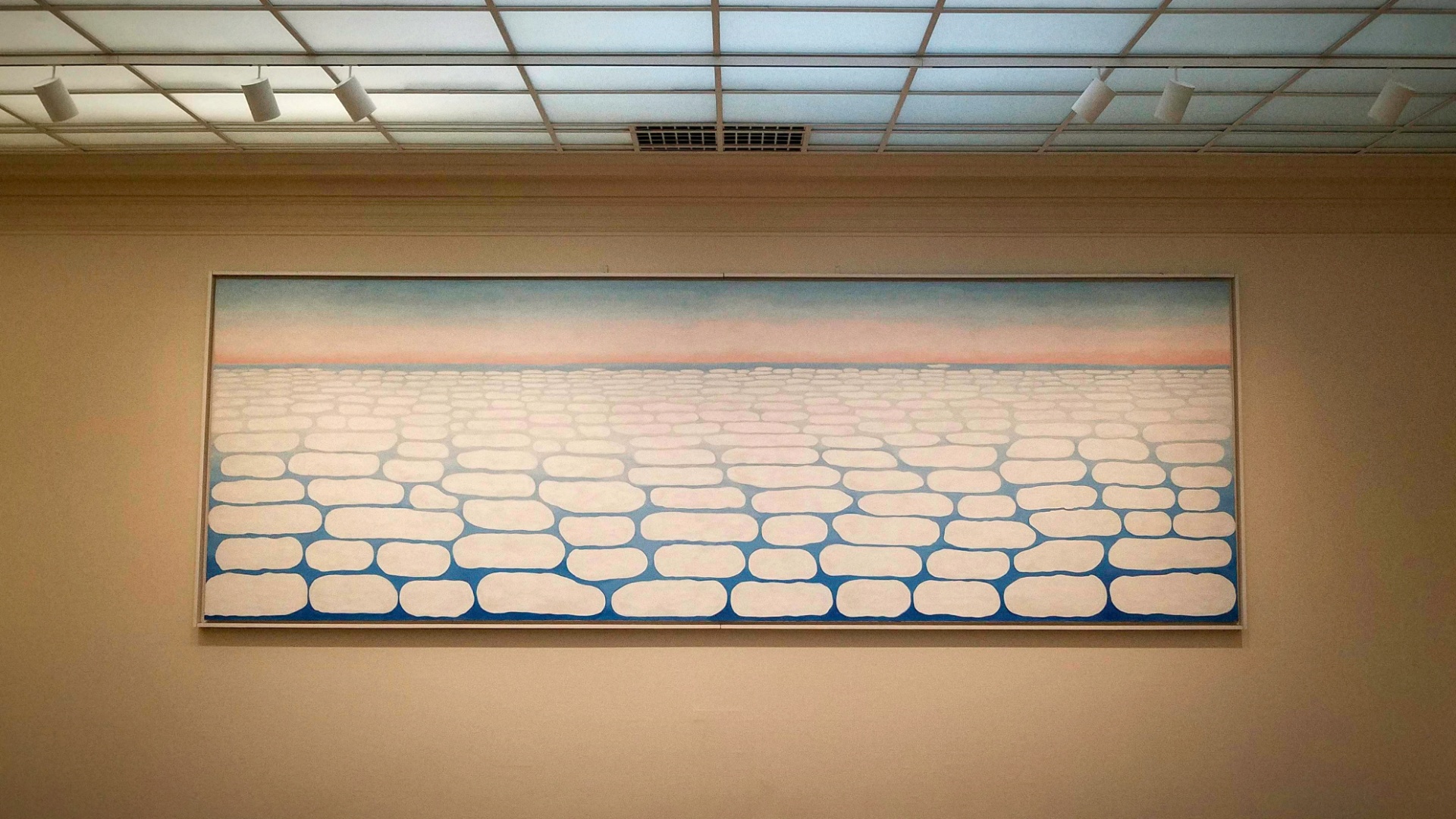
The monumental

1965, oil on canvas – by Georgia O’Keeffe (1887–1986)

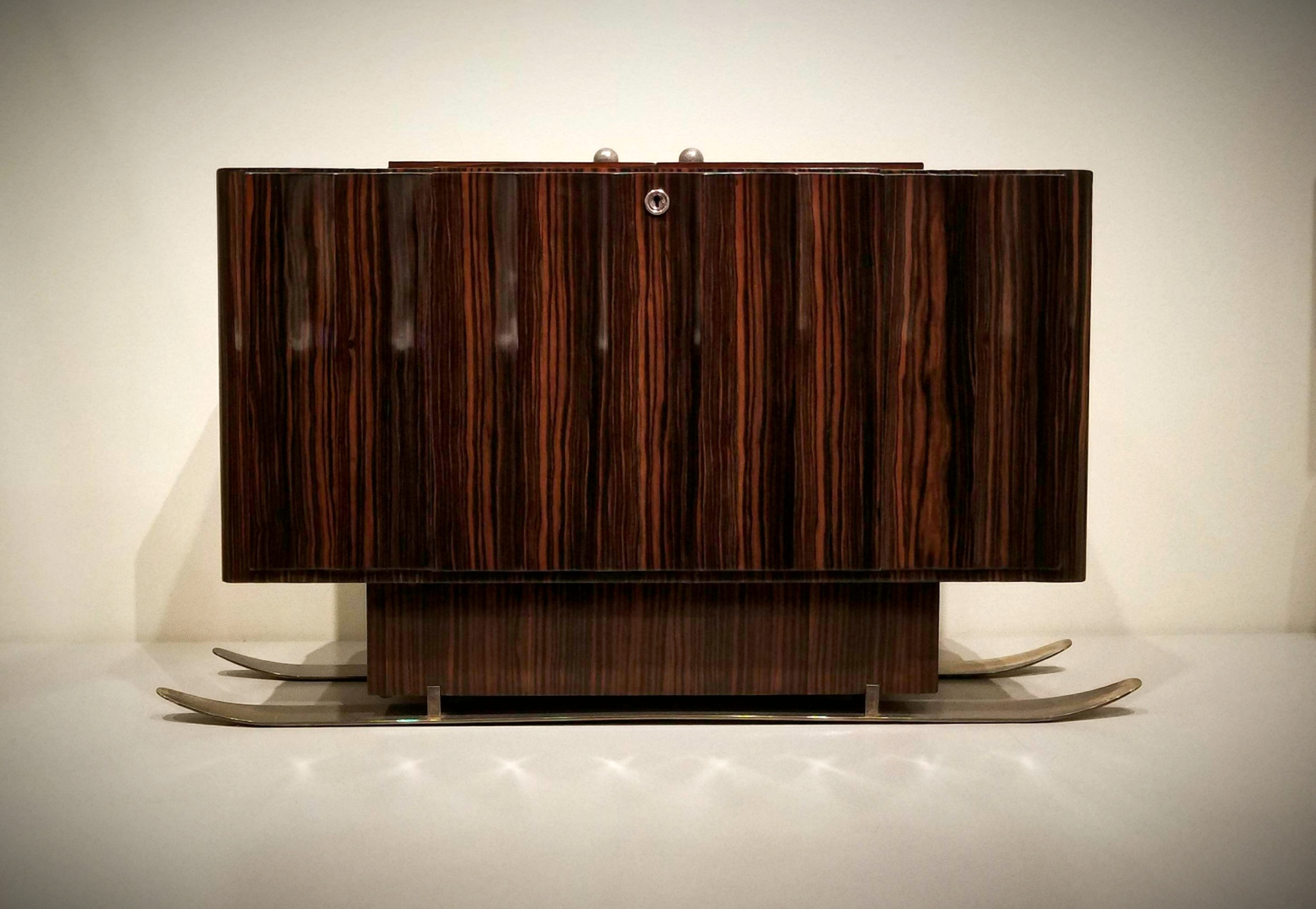
|2|- ”Bar on Skis” Liquor Cabinet, about 1930 – by Émile Jacques Ruhlmann

|3|- Painting of Madame X, 1927/30, oil on canvas – by Francis Picabia (1879-1953)

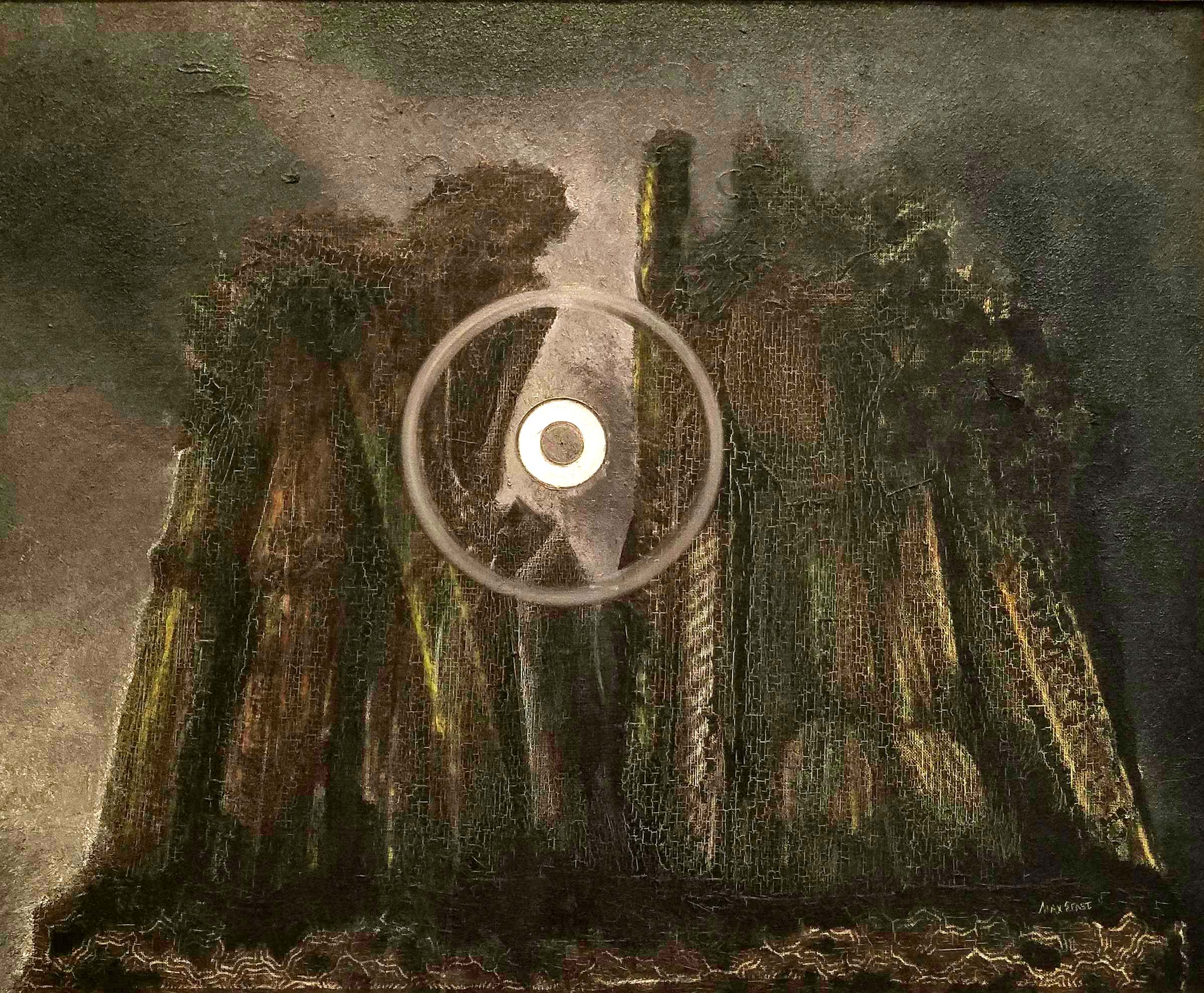
|4|- Forest and Sun, 1927, oil on canvas – by Max Ernst (1891-1976)

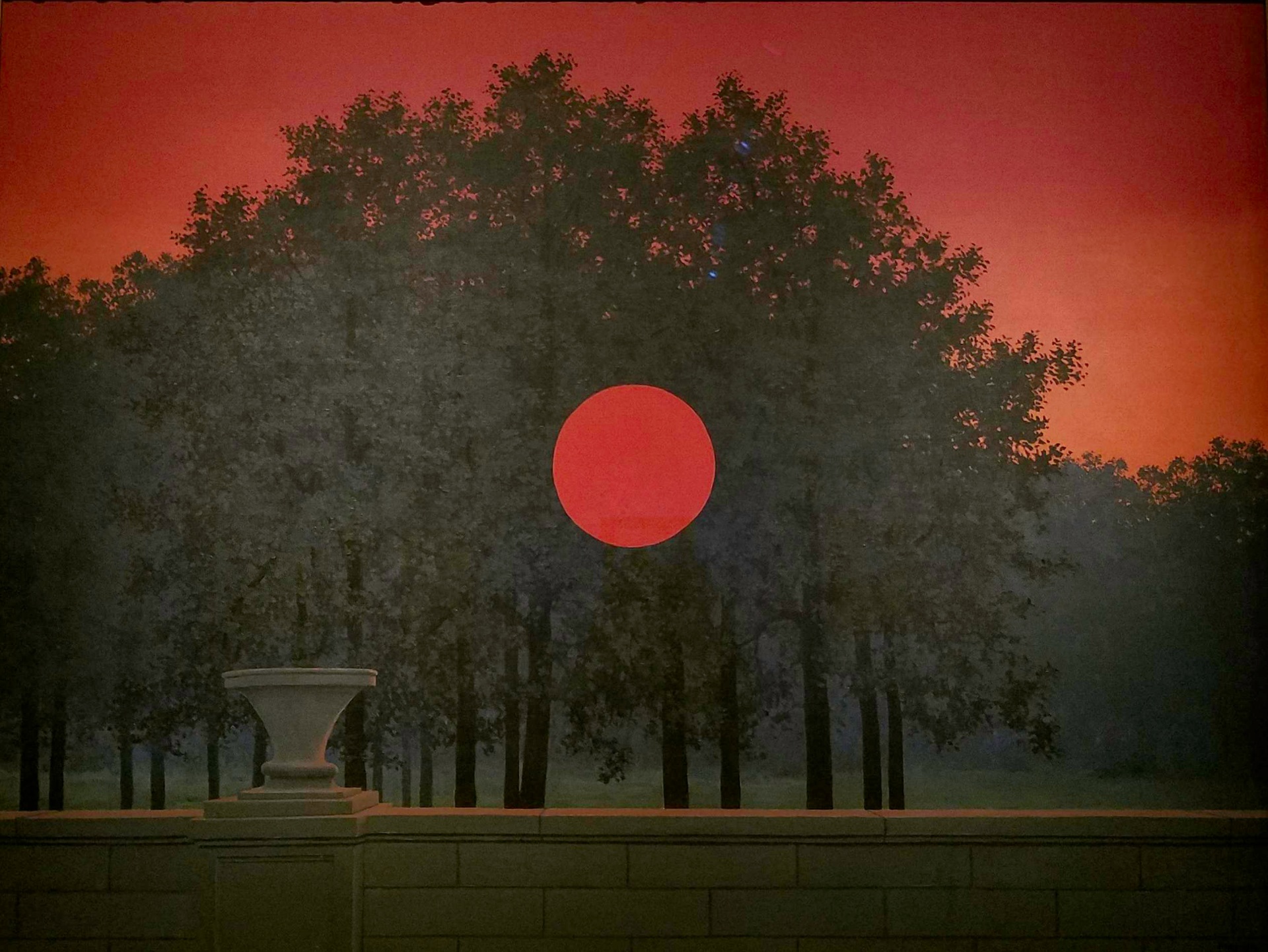
|5|- The Banquet, 1958, oil on canvas – by René Magritte (1898-1967)

|6|- In the Magic Mirror, 1934, oil on canvas, on board – by Paul Klee (1879-1940)

The Art Institute of Chicago

November 4th, 2017

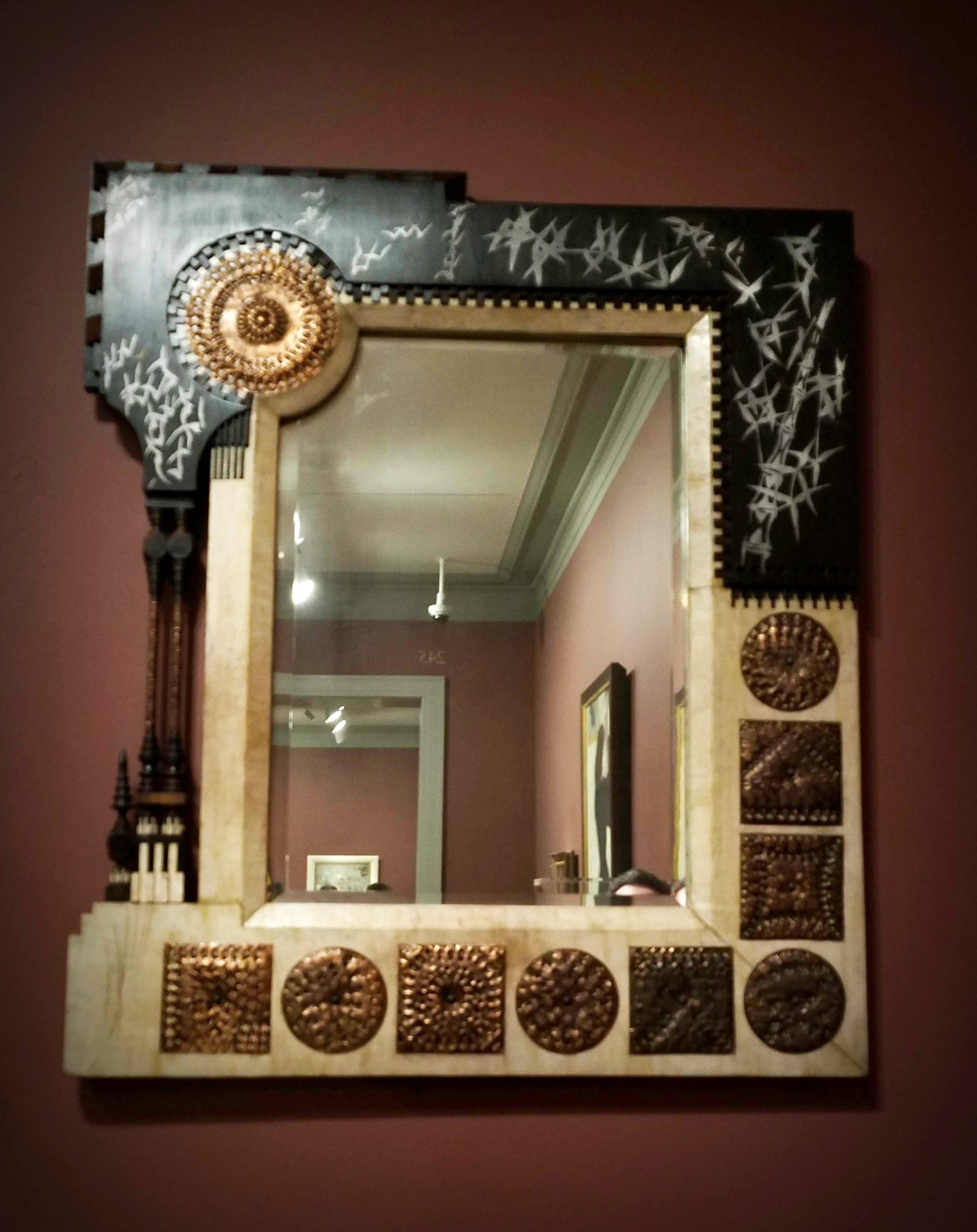
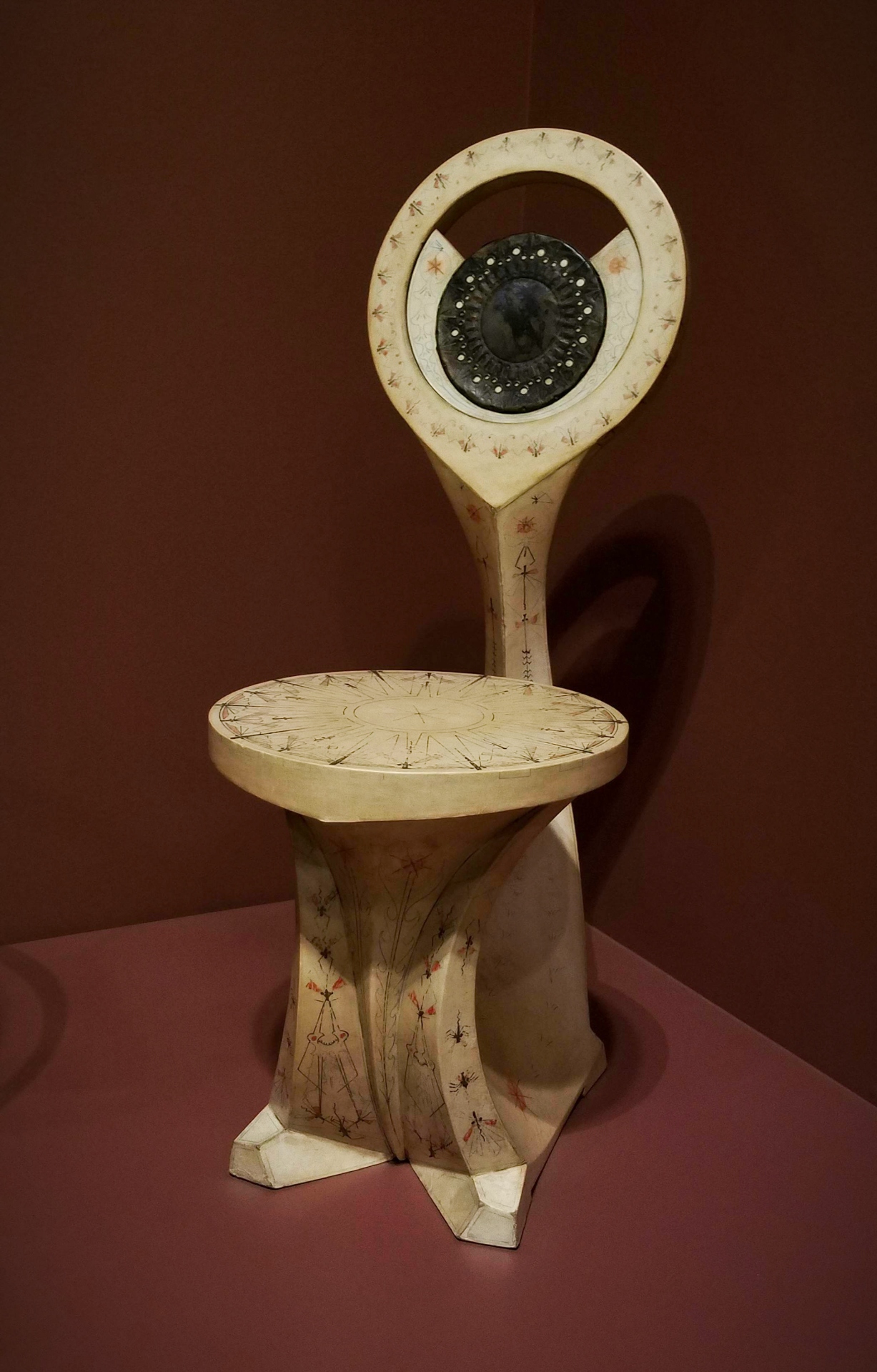
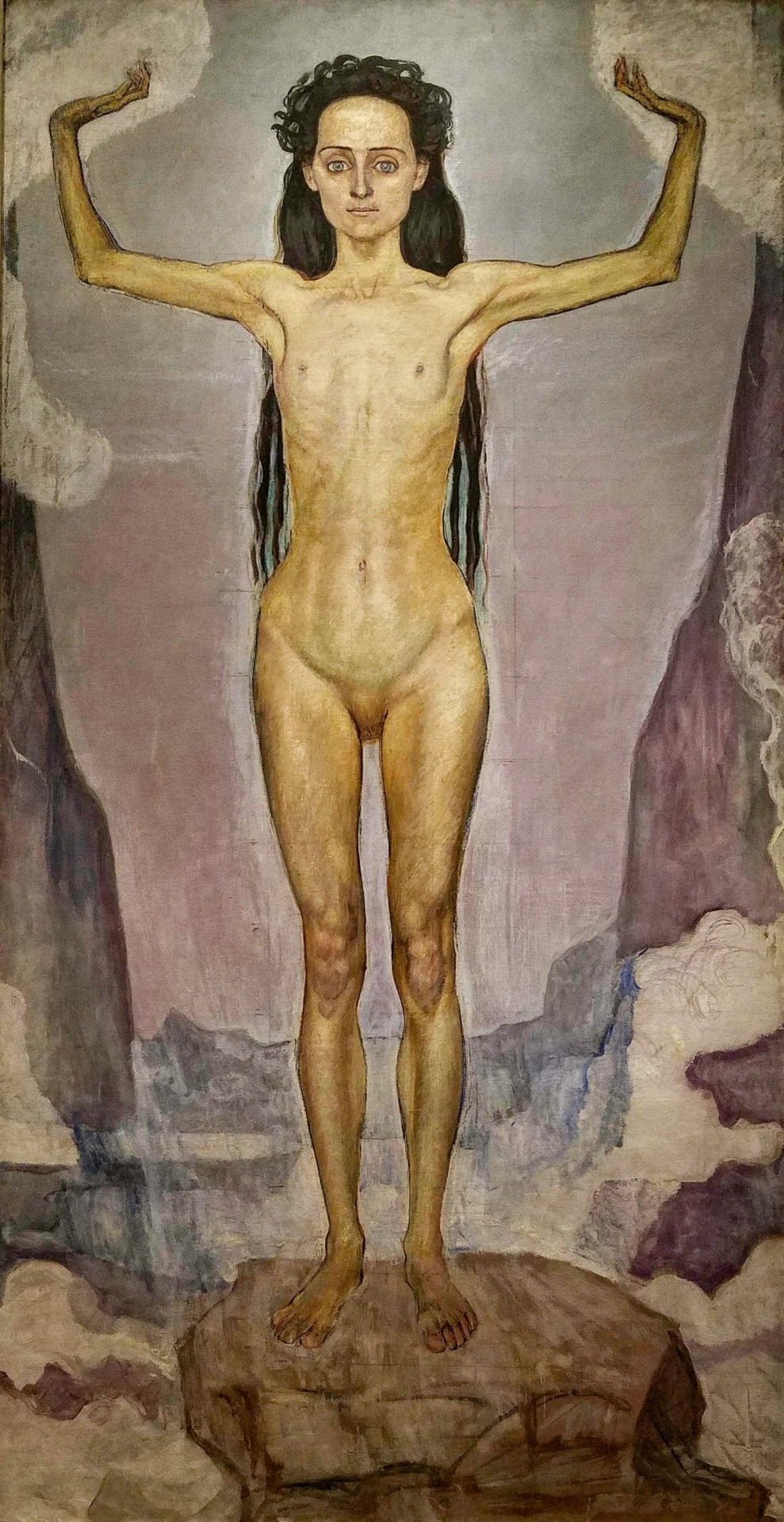
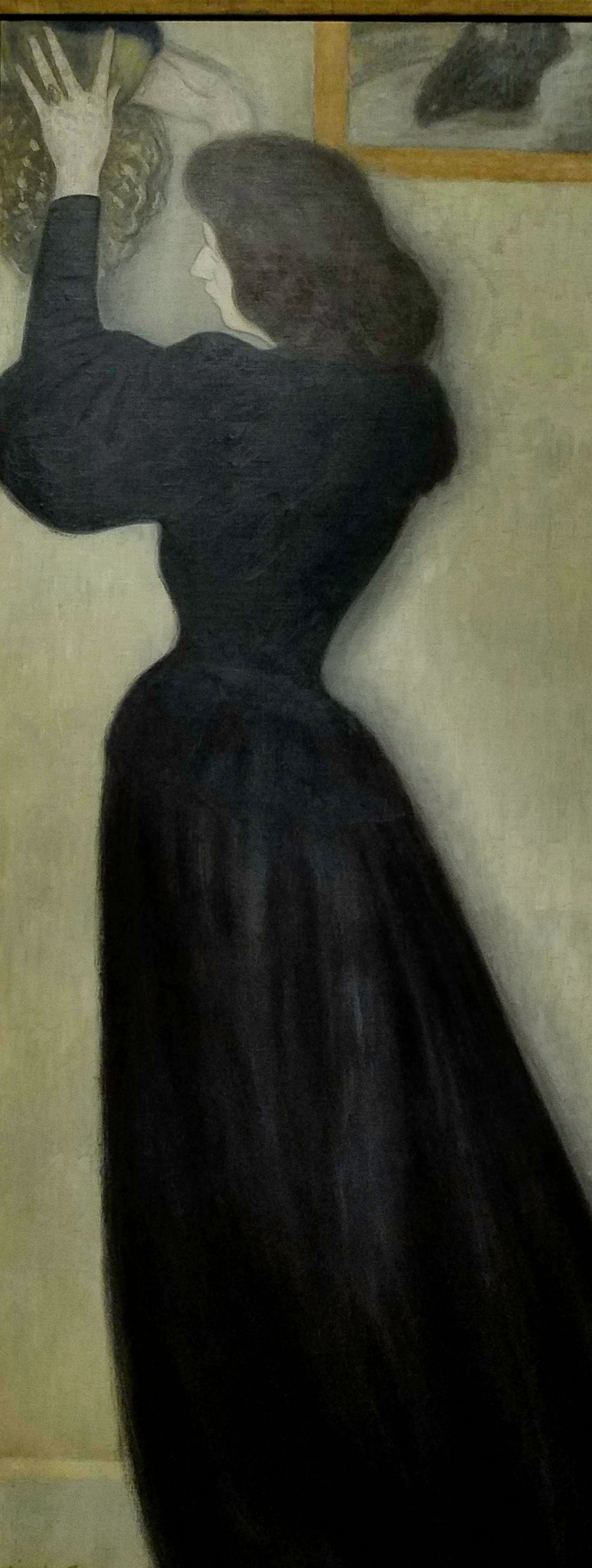
The Magnificent Seven @ The Art Institute of Chicago

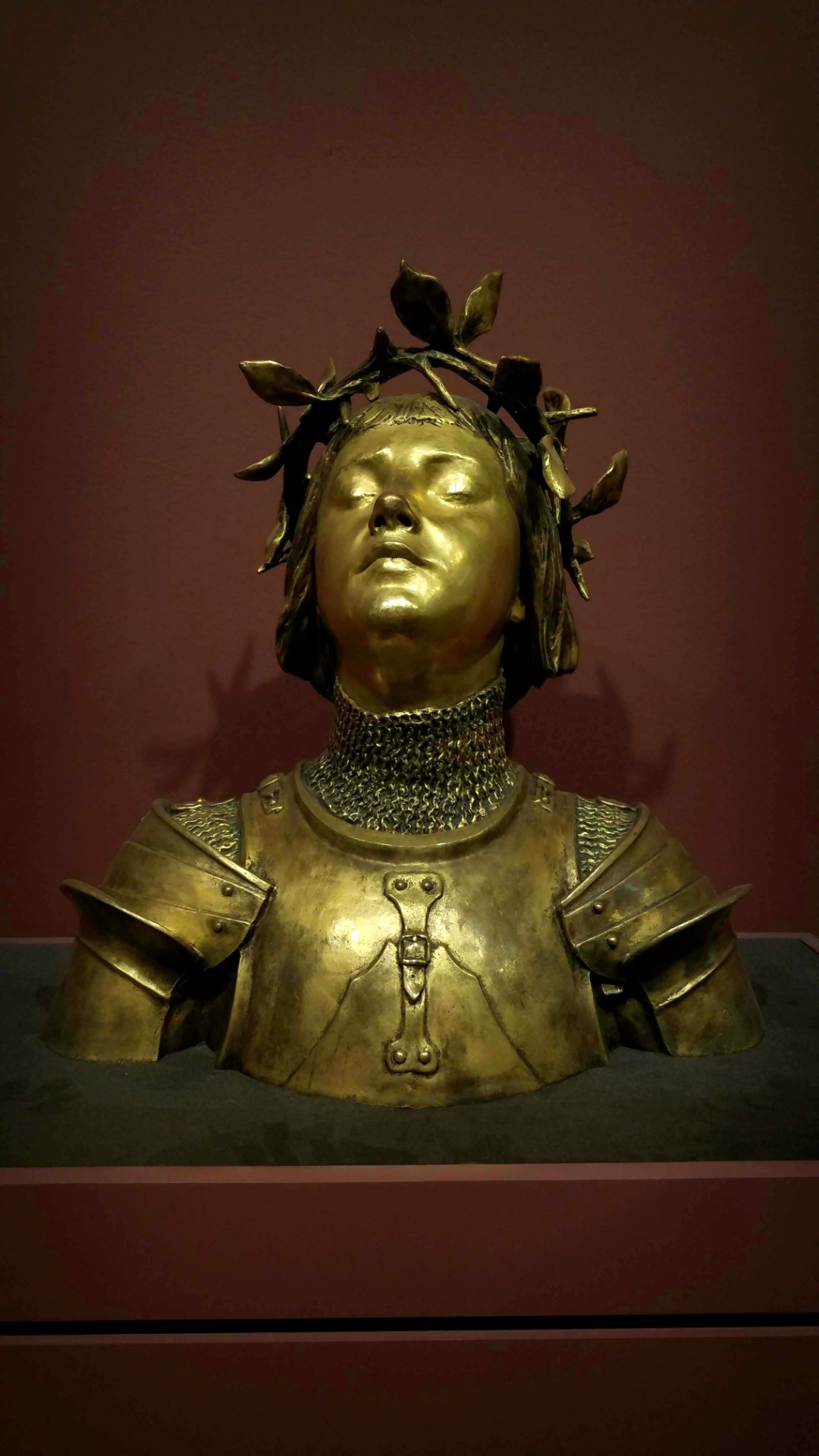
|1|- 1875/1900, gilt bronze – by Antonin Mercié (1845-1916)

|2|- 1895/1902 – designed by Carlo Bugatti (1856-1940)

|3|- 1902 – designed by Carlo Bugatti (1856-1940)

|4|- Day (Truth), 1896/98, oil on canvas – by Ferdinand Hodler (1853-1918)

|5|- 1894, oil on canvas – by József Rippl-Rónai (1861–1927)

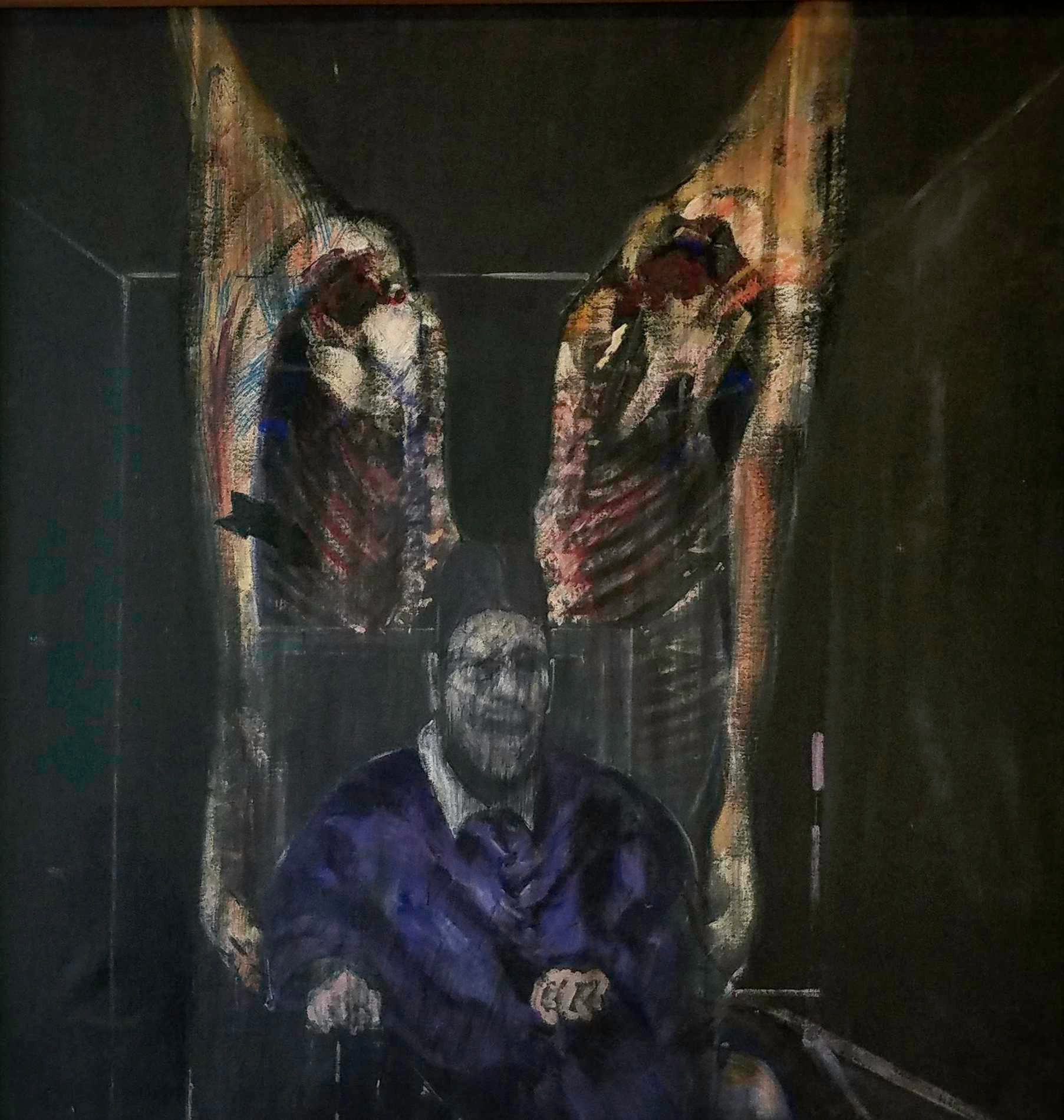
|6|- Figure with Meat, 1954, oil on canvas – by Francis Bacon (1909-1992)

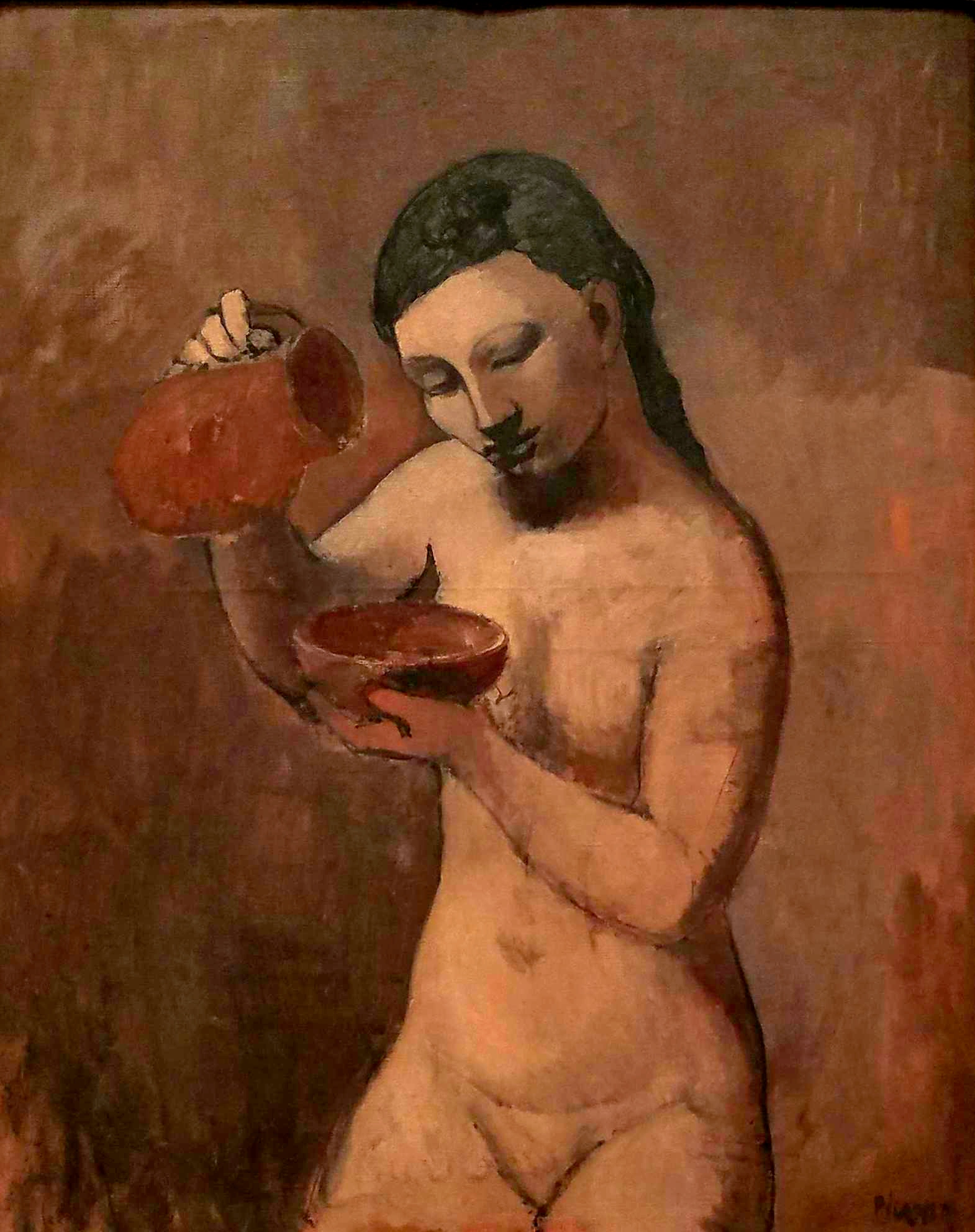
|7|- Nude with a Pitcher, 1906, oil on canvas – by Pablo Picasso (1881-1973)

Art and objects from the Art Institute of Chicago permanent collection.

November 4th, 2017

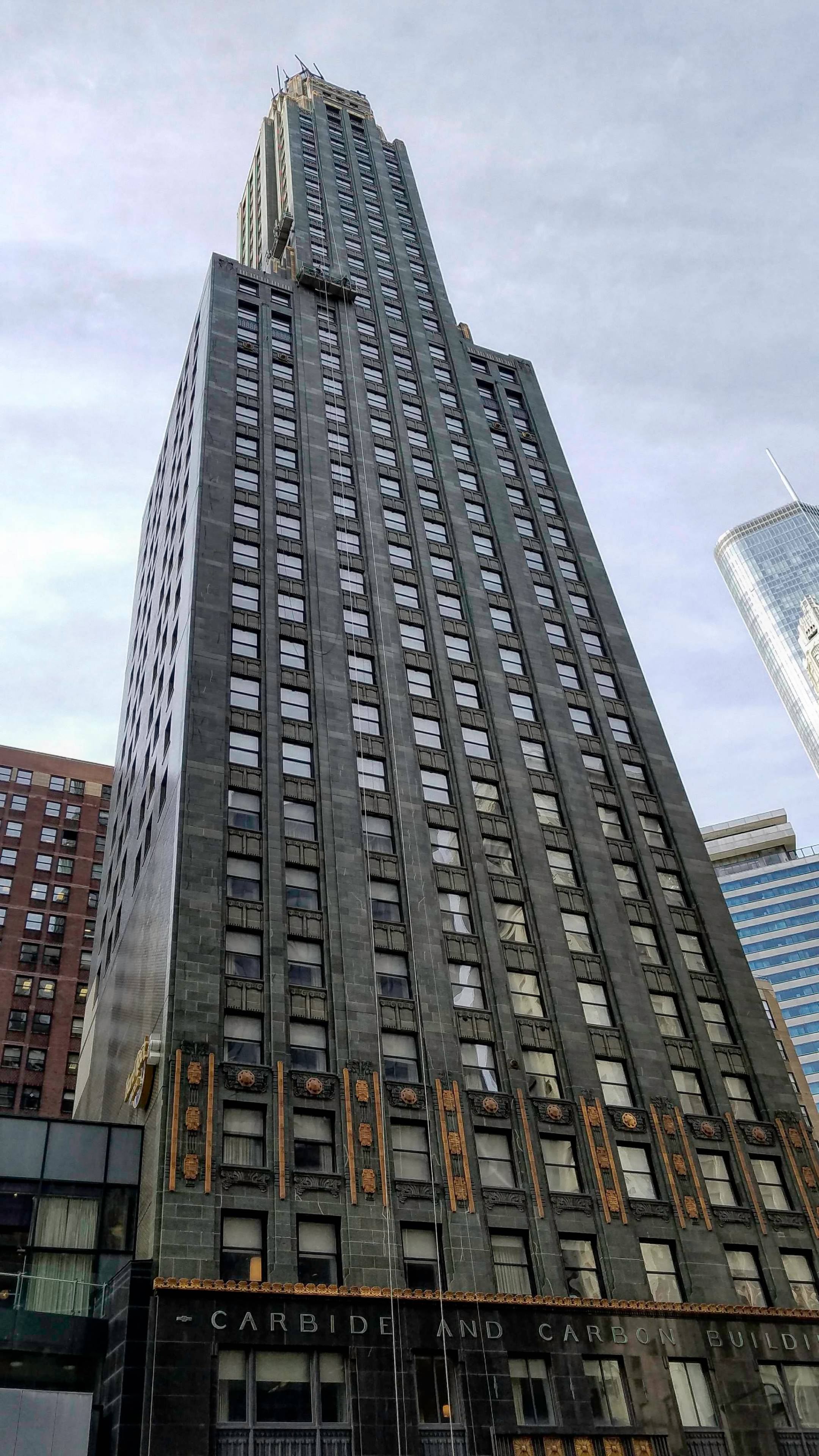
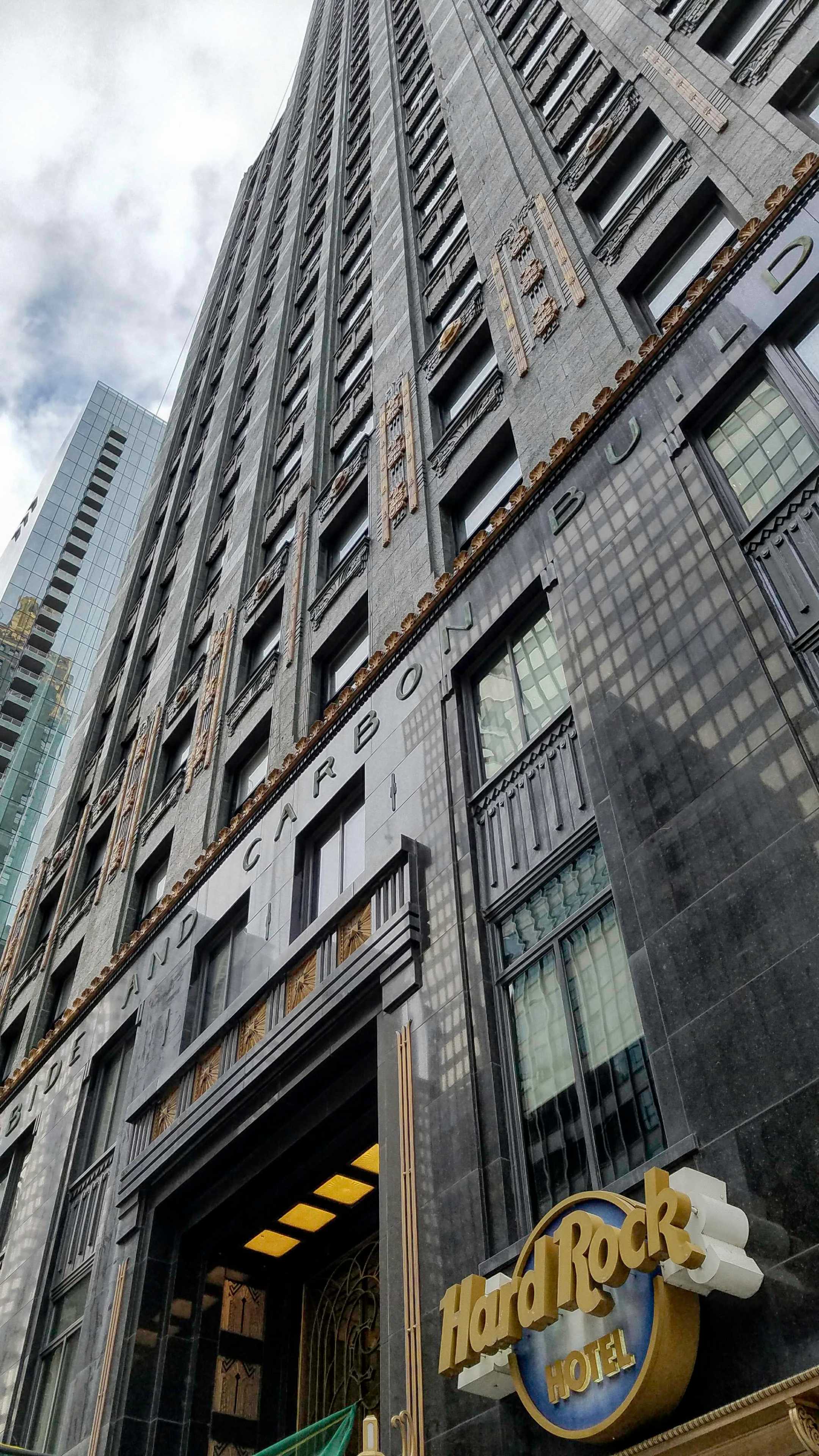
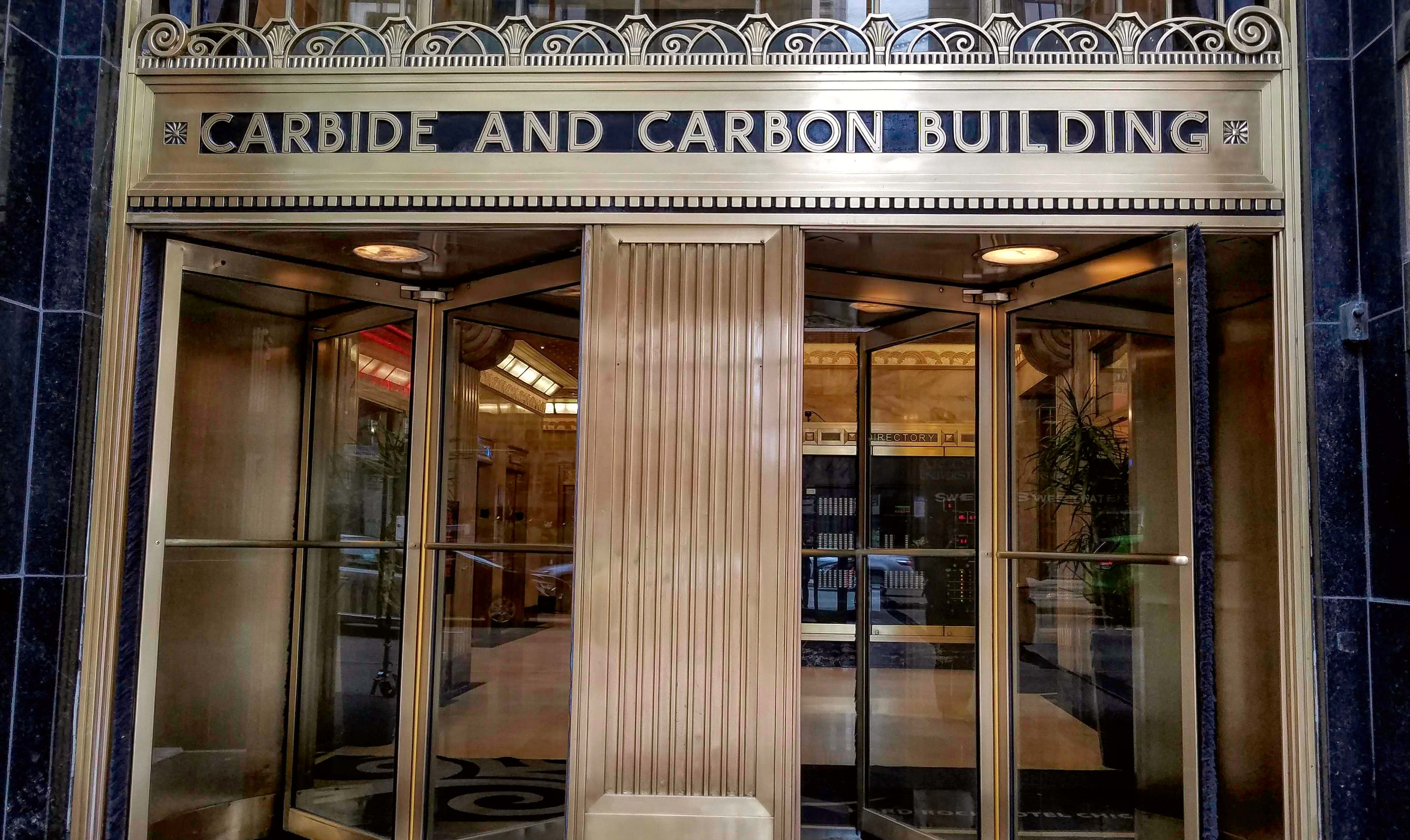
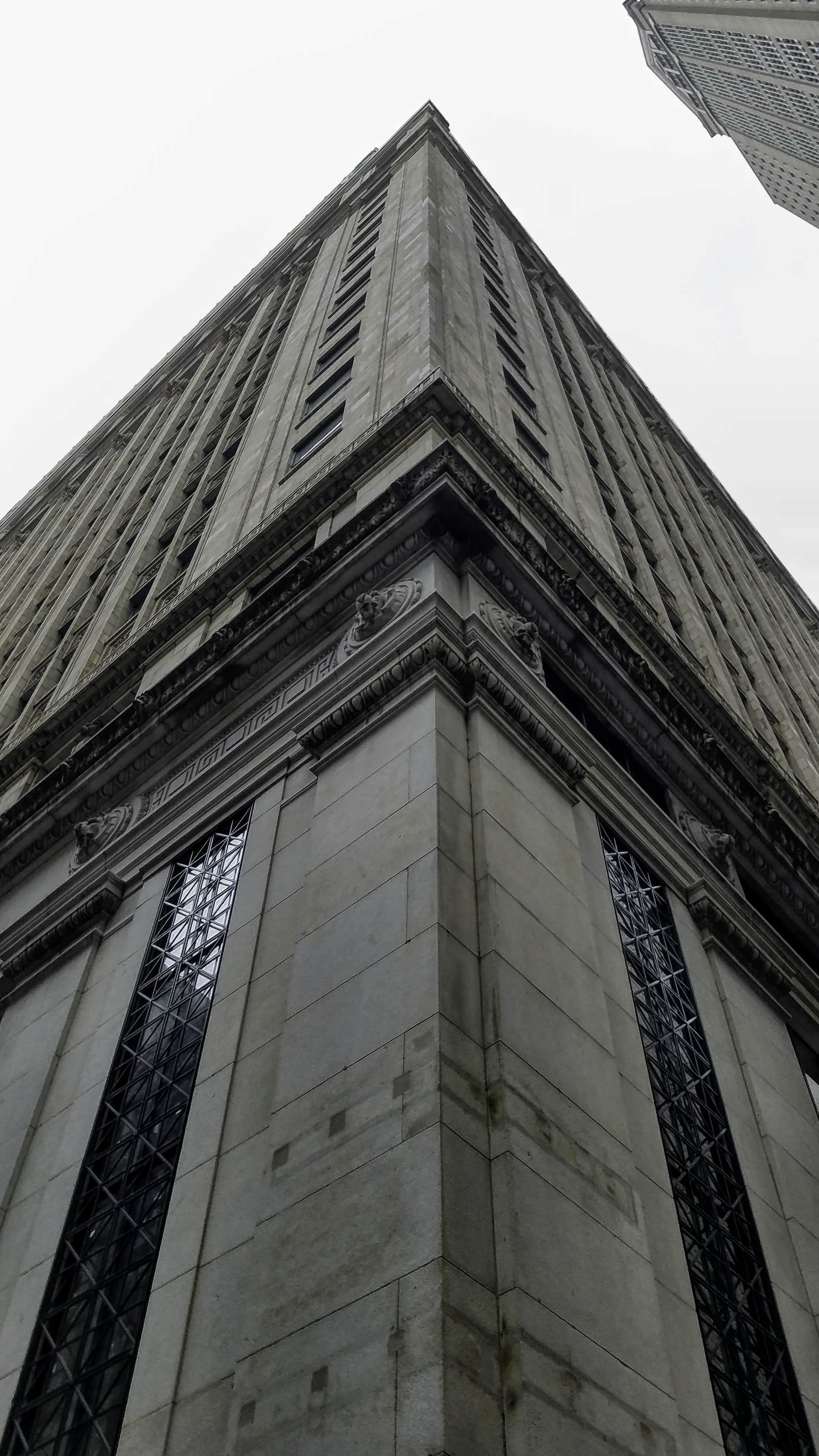
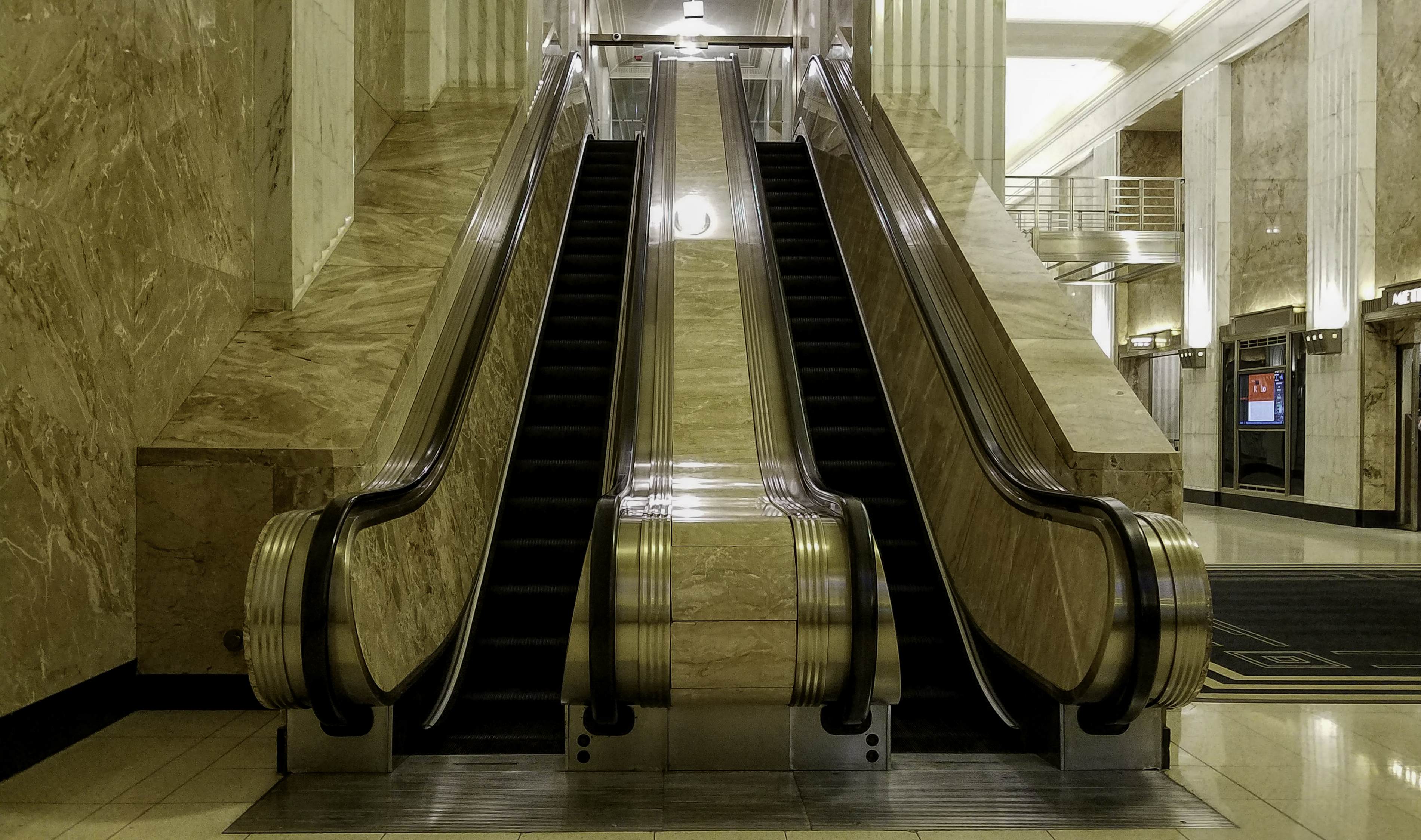
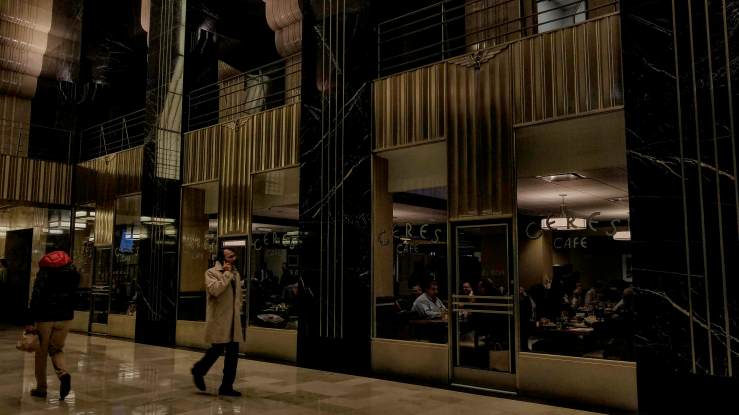
Chicago || The Carbide and Carbon Building

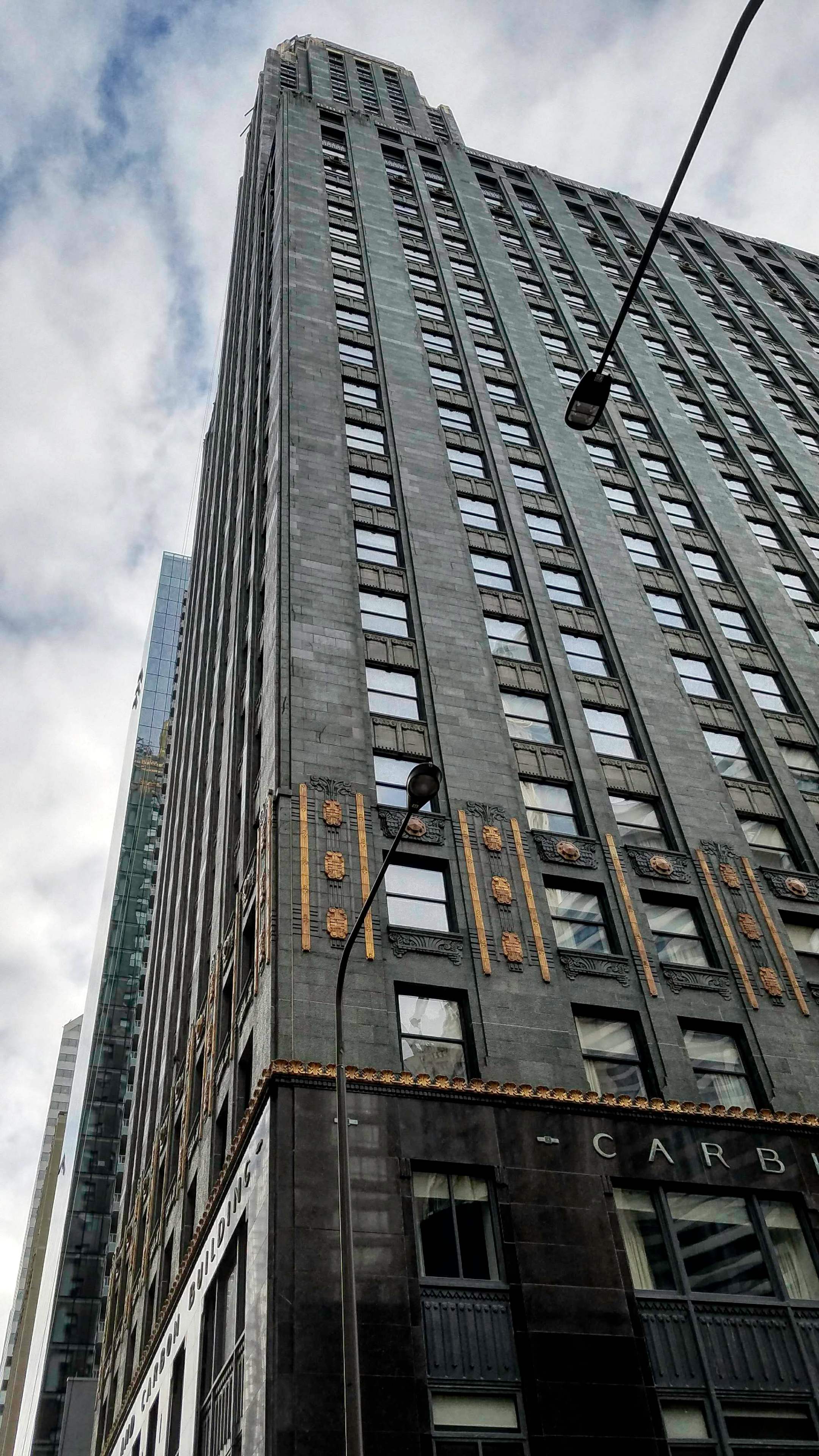
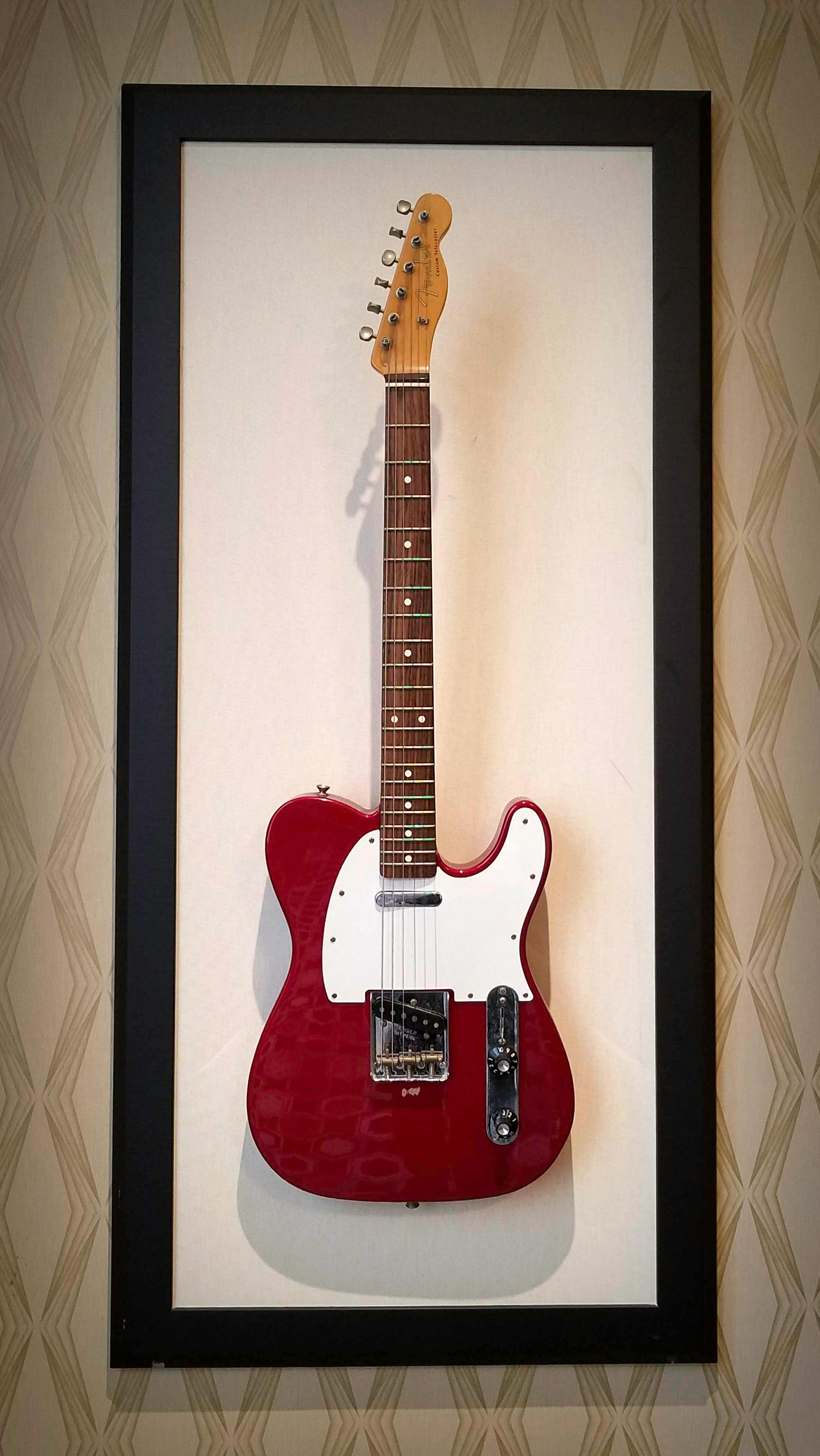
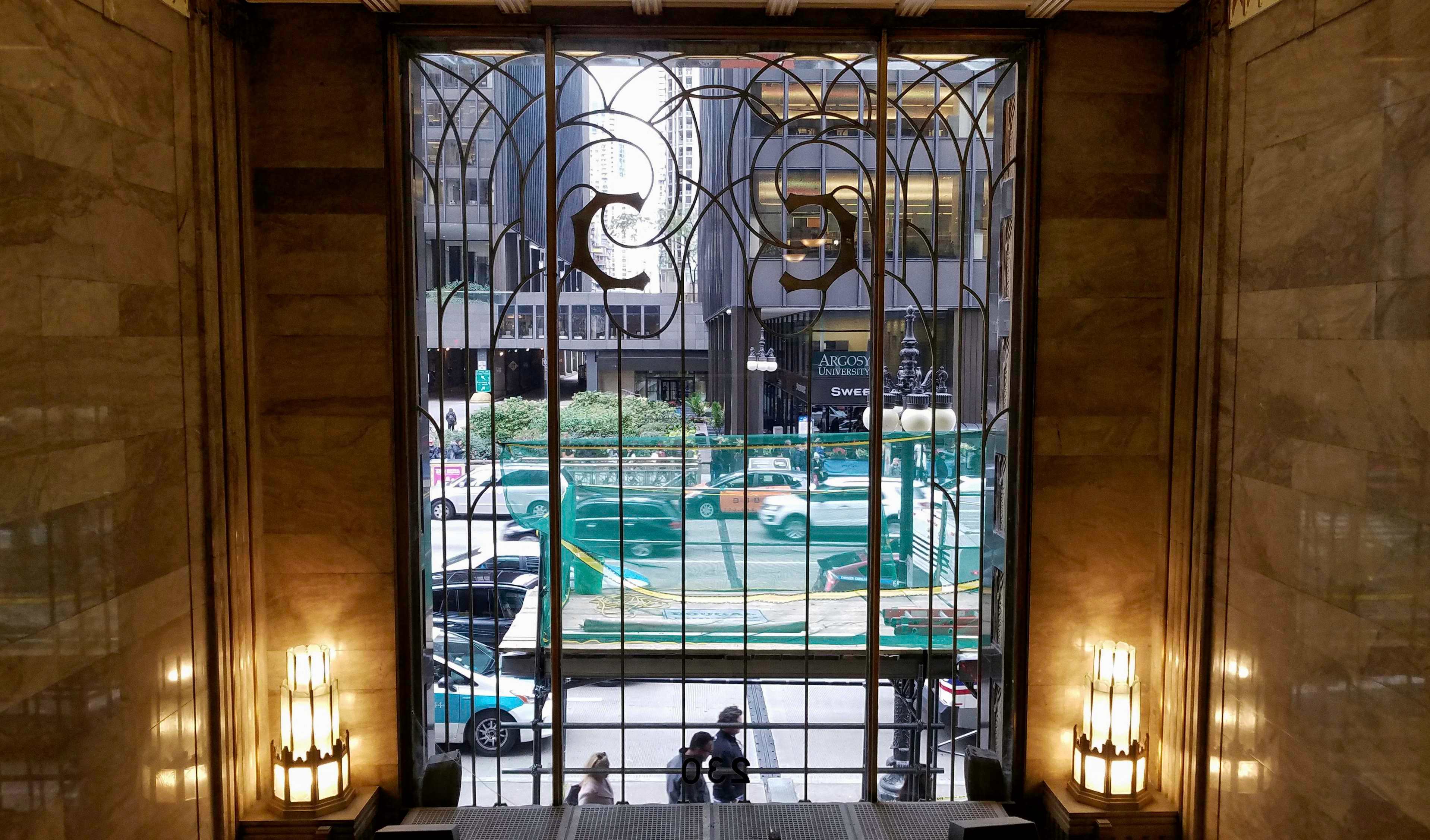
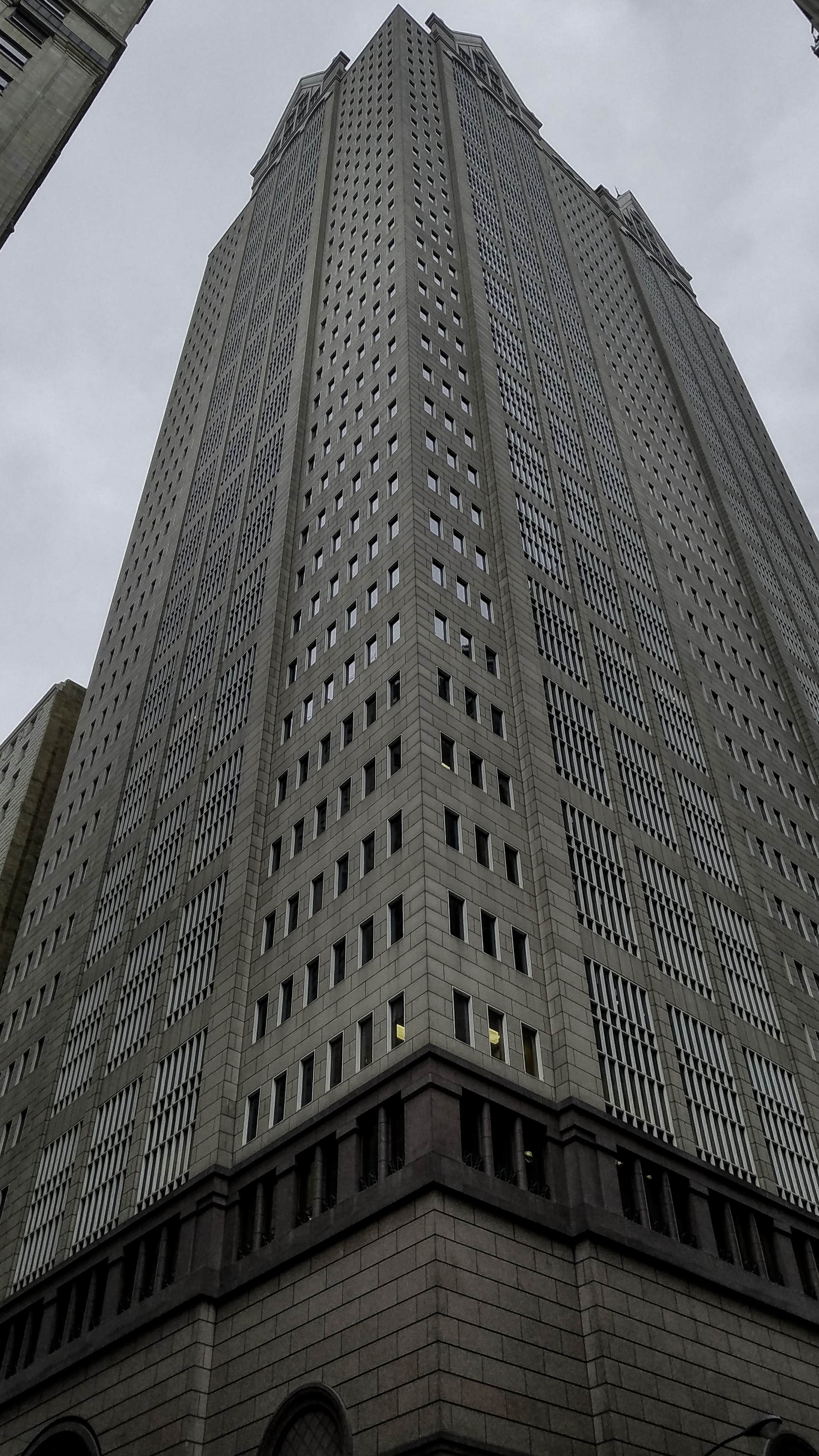
Aka The Hard Rock Hotel – although that was about to change. We didn’t know it at the time, but a month later, the hotel would close for renovation; it now operates under a new brand, as the St. Jane Chicago. But the exterior, covered in polished black granite, topped by a tower dressed in dark green terracotta with gold leaf ornaments, must surely remain as impressive as it has always been, since the day of its completion in 1929.

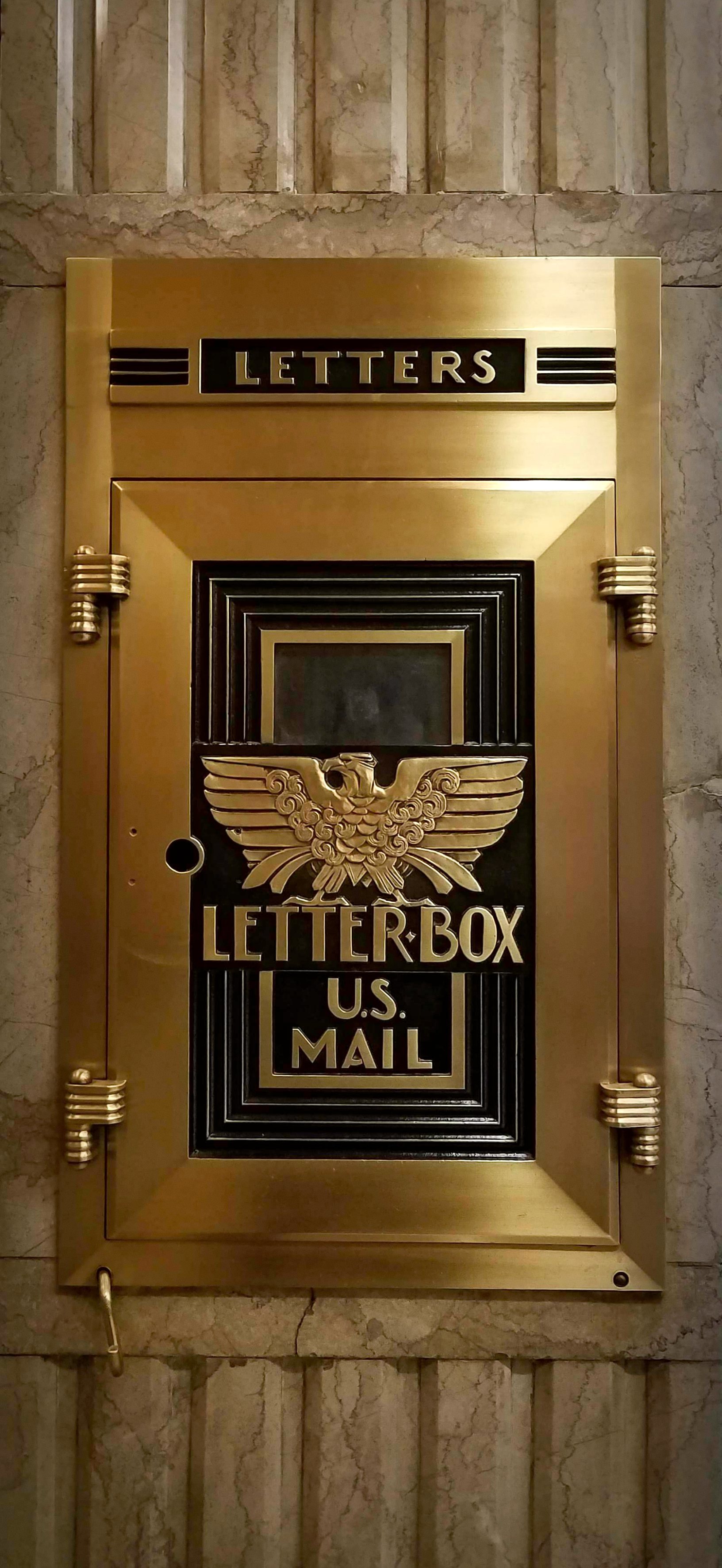
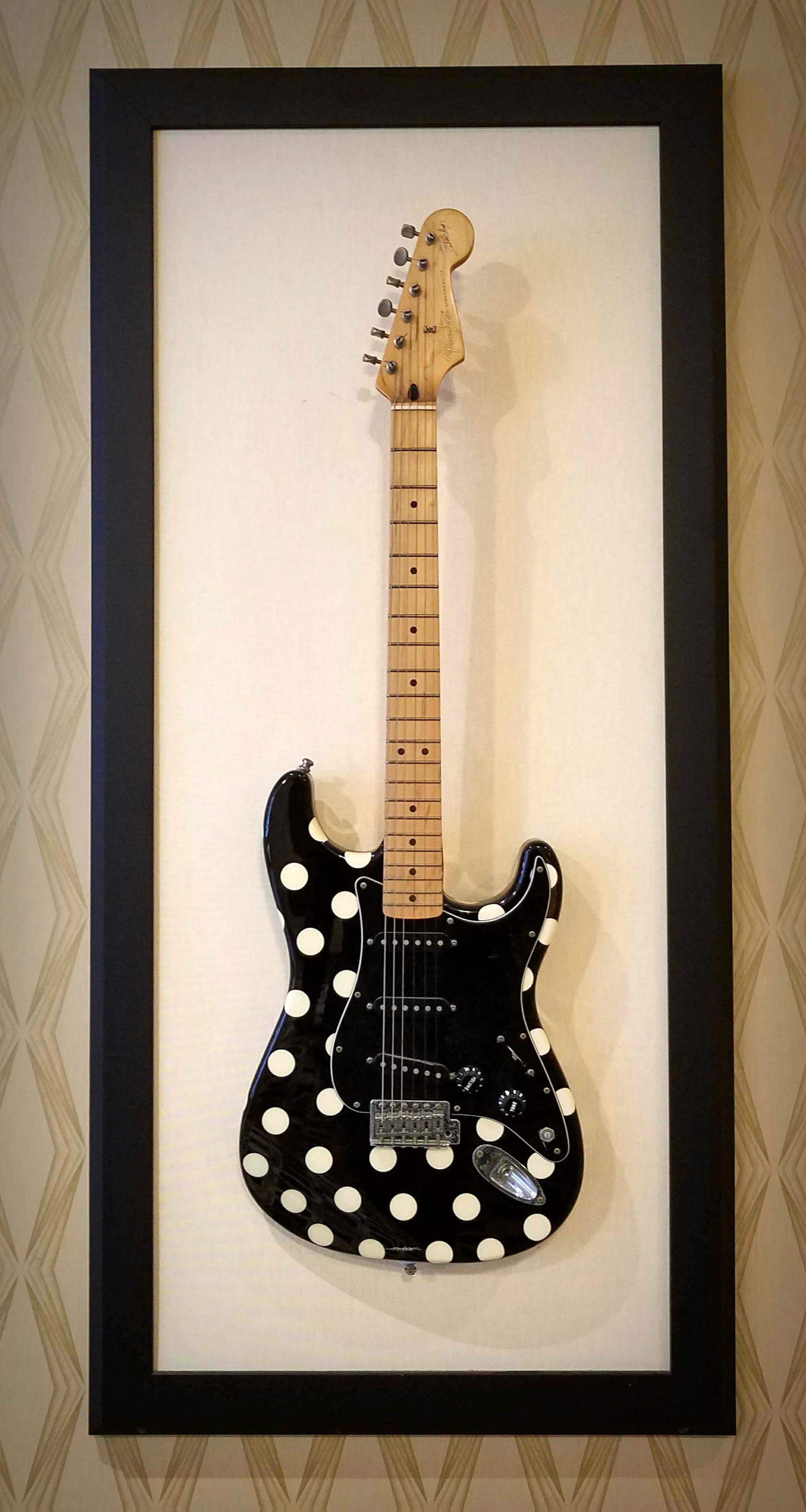
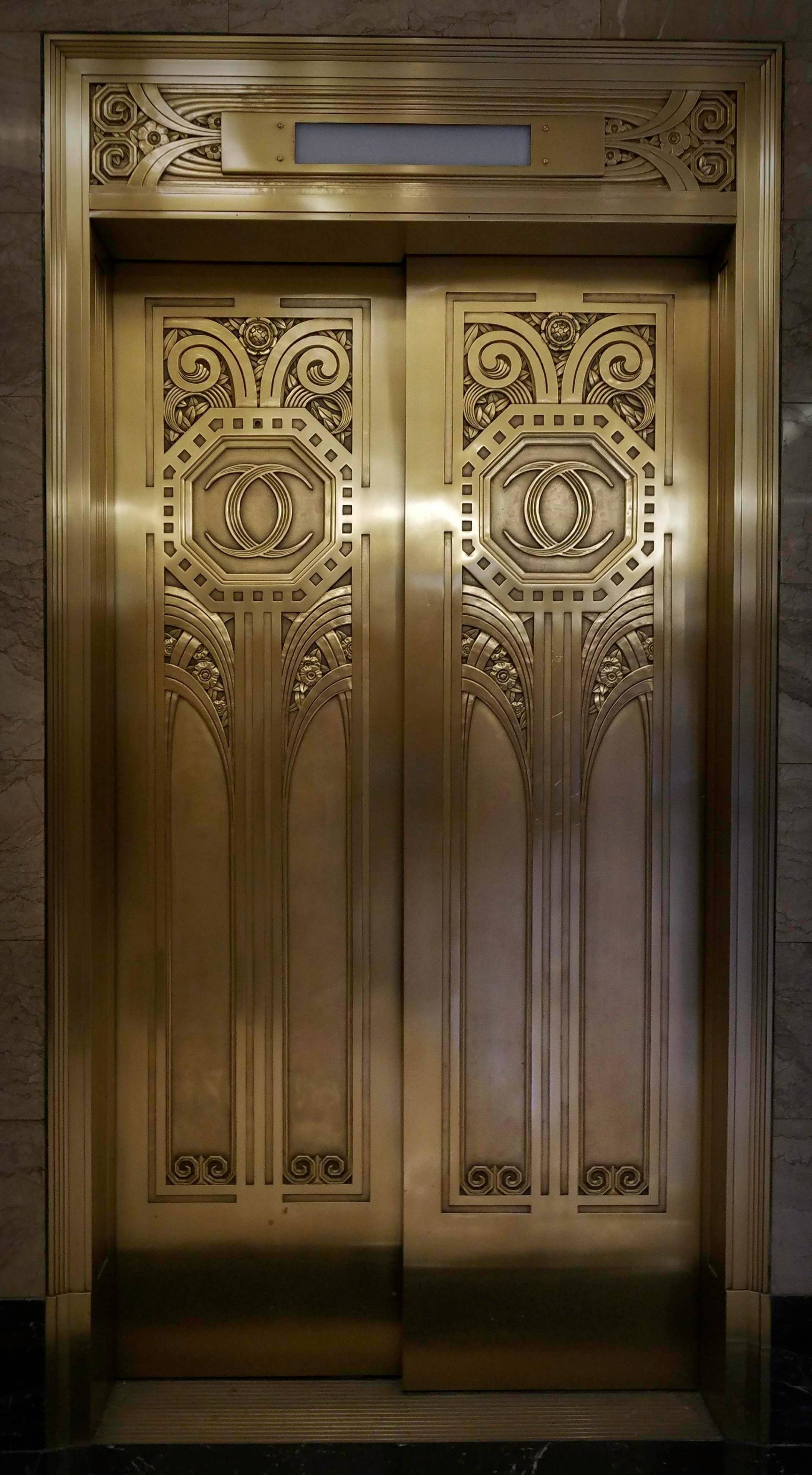
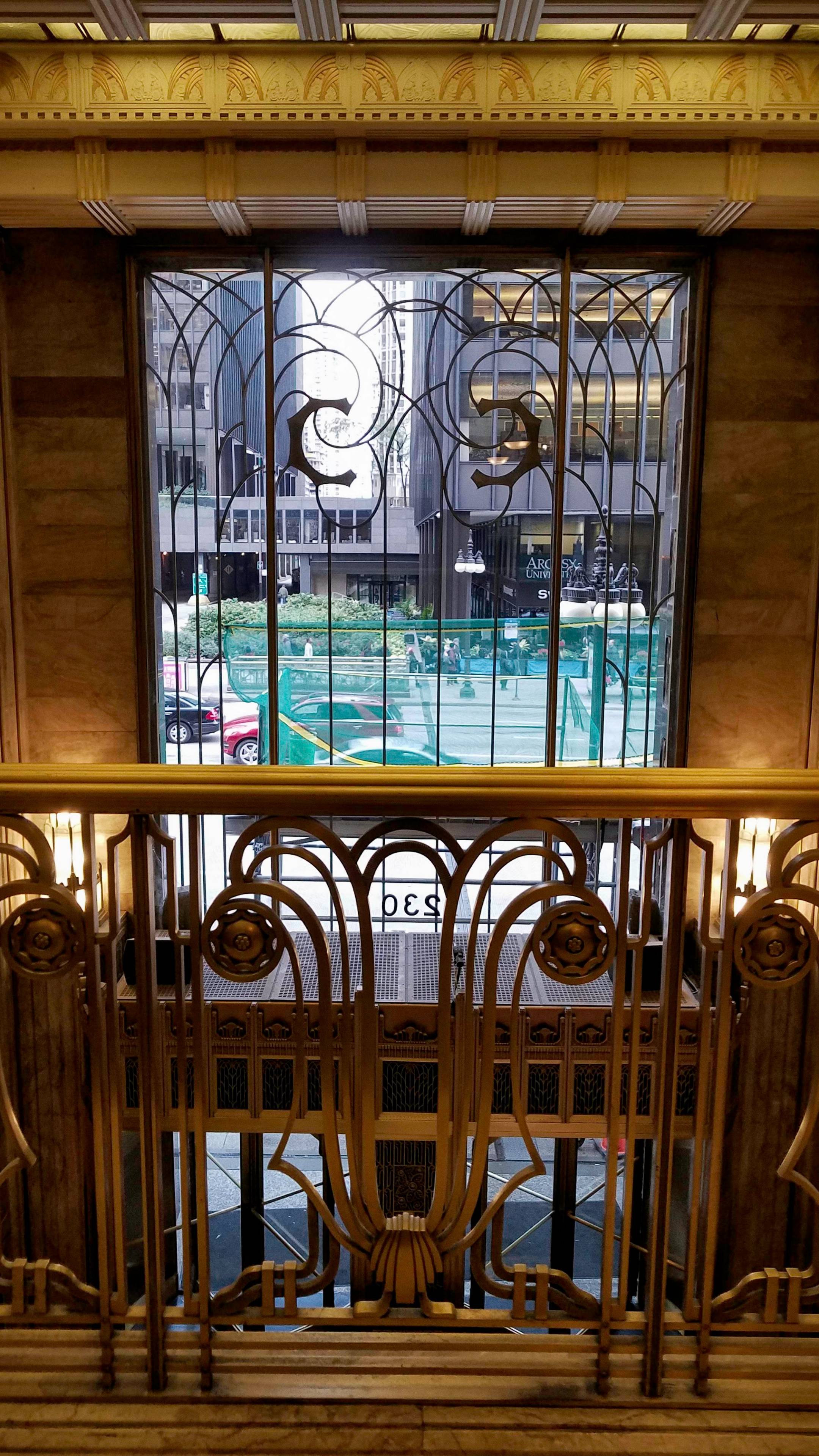
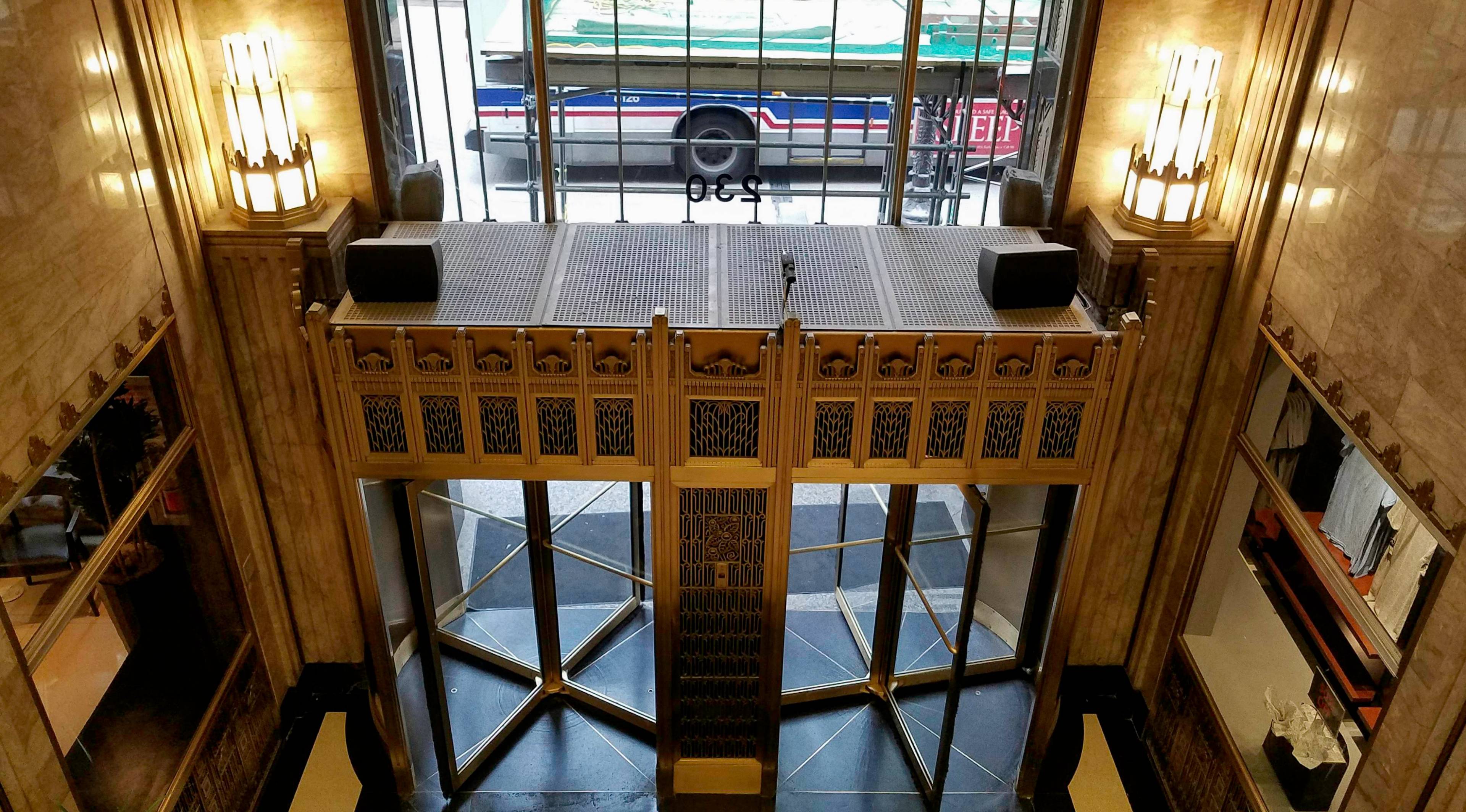
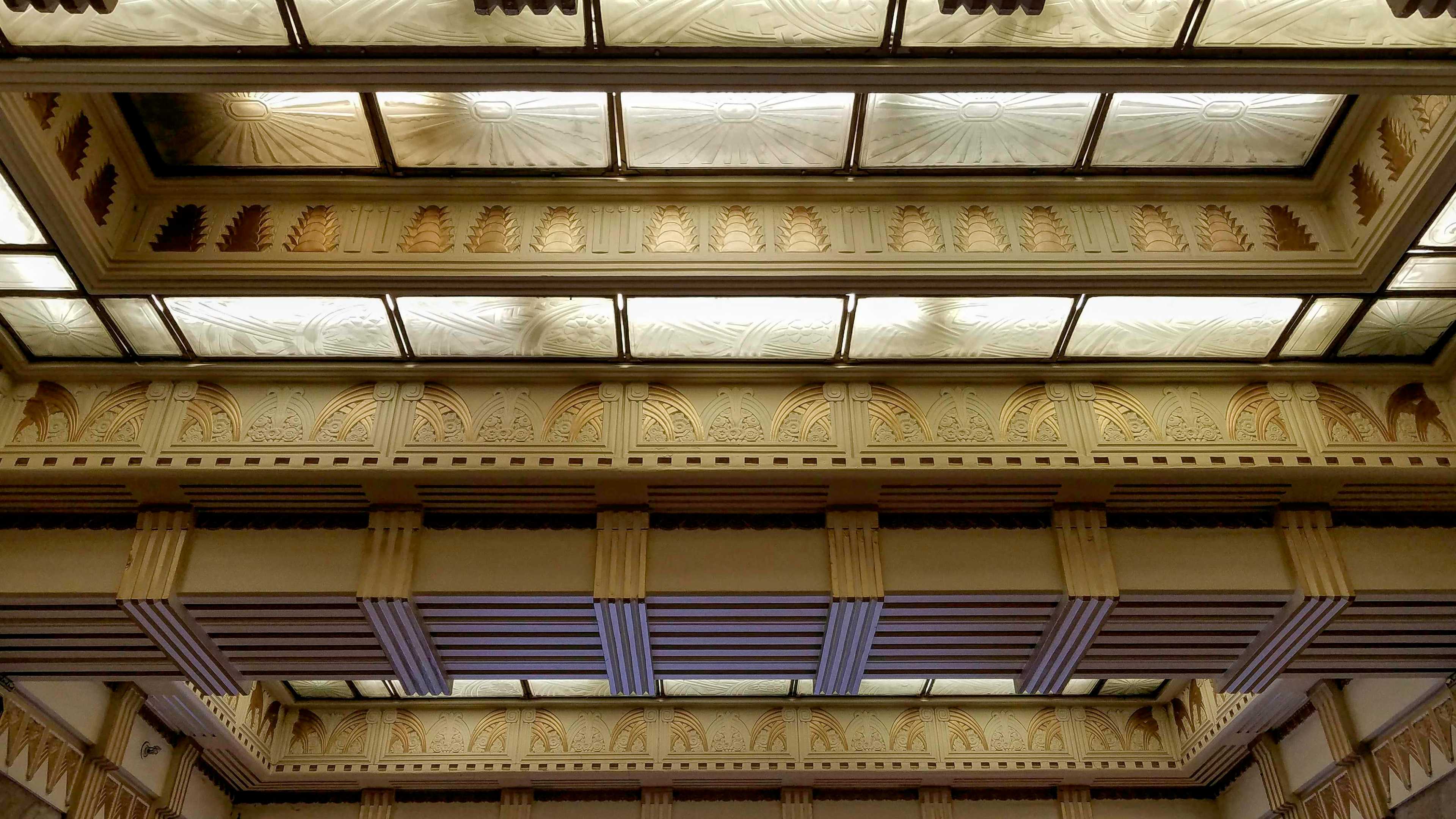
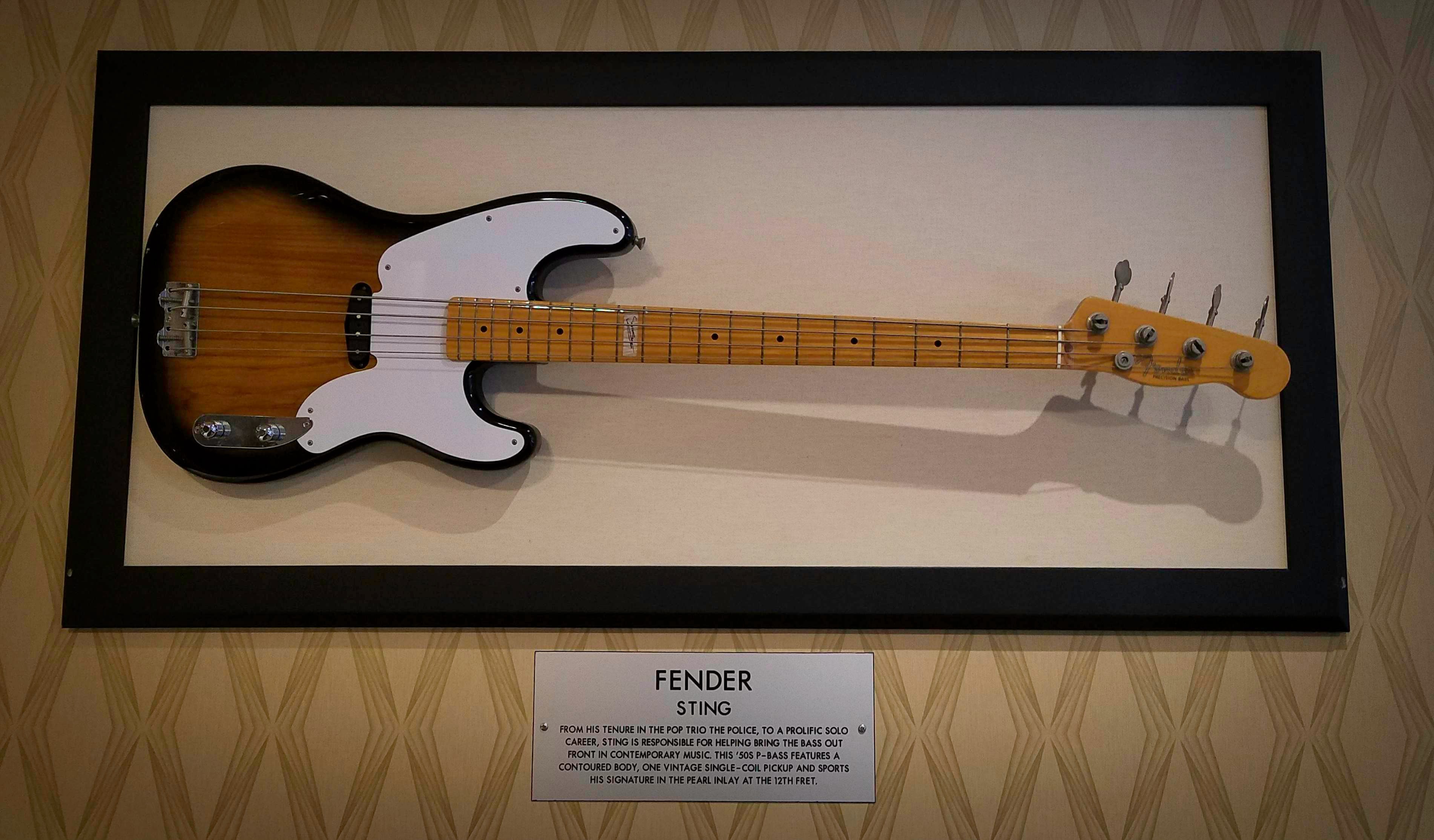
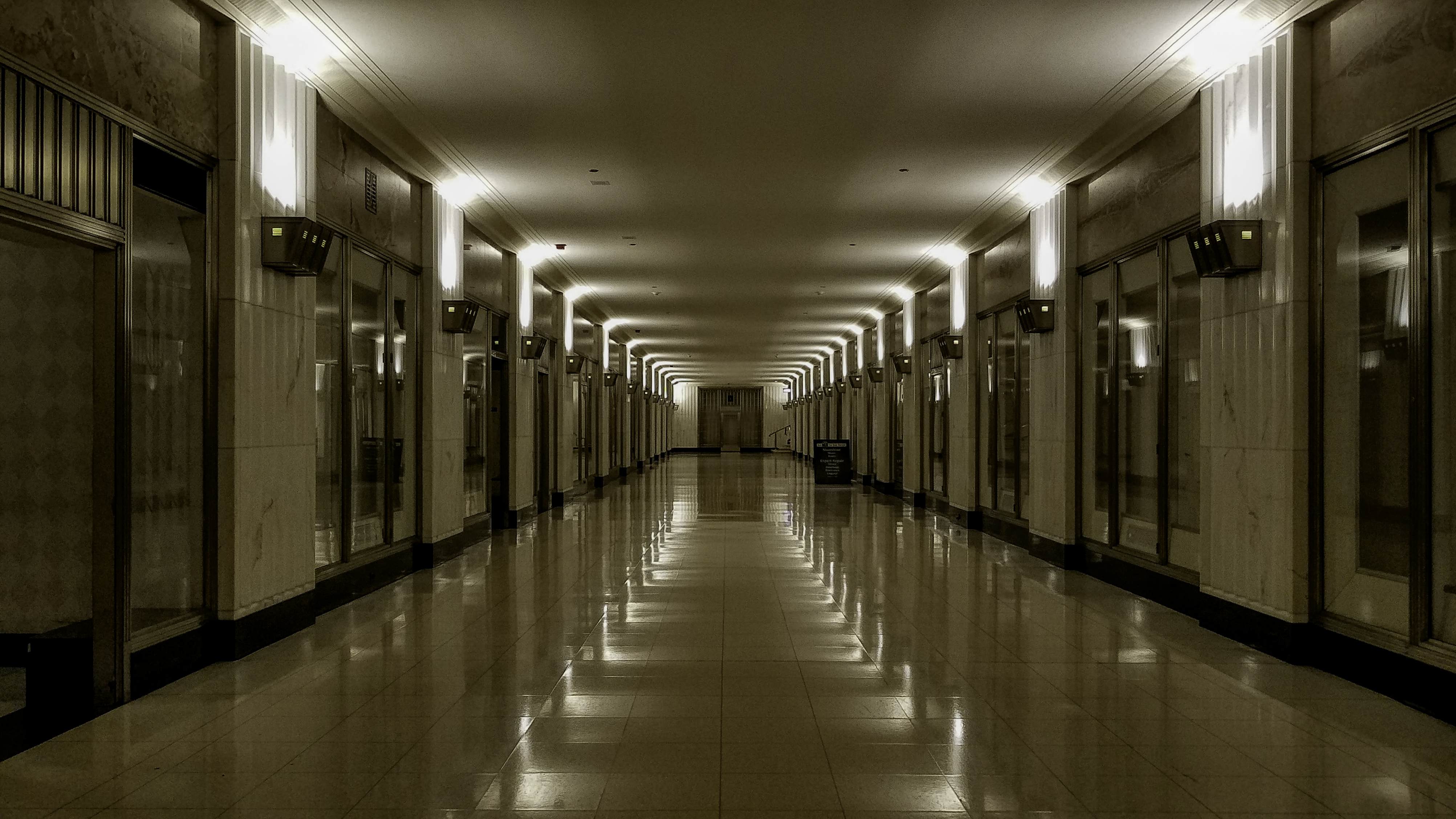
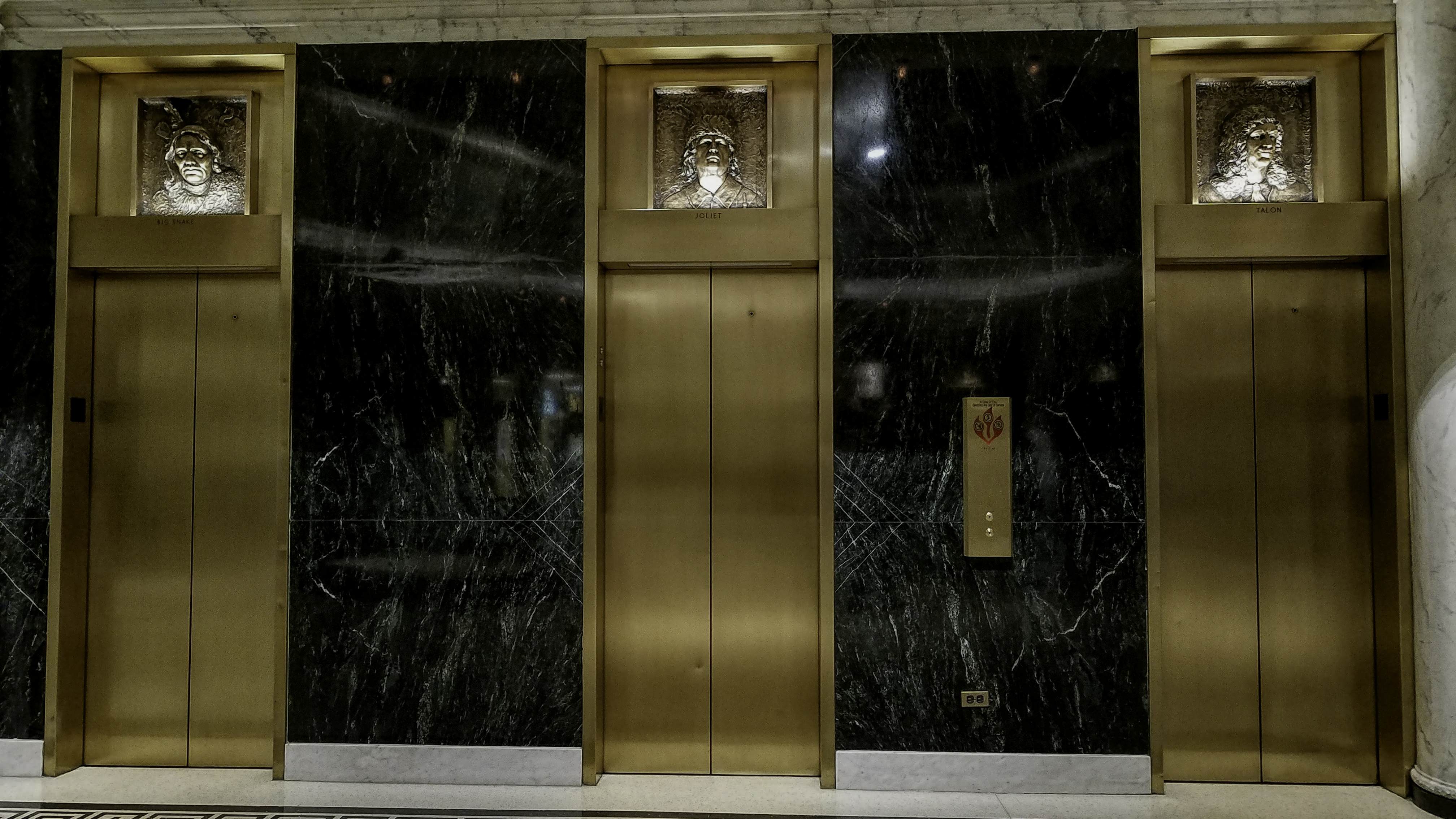
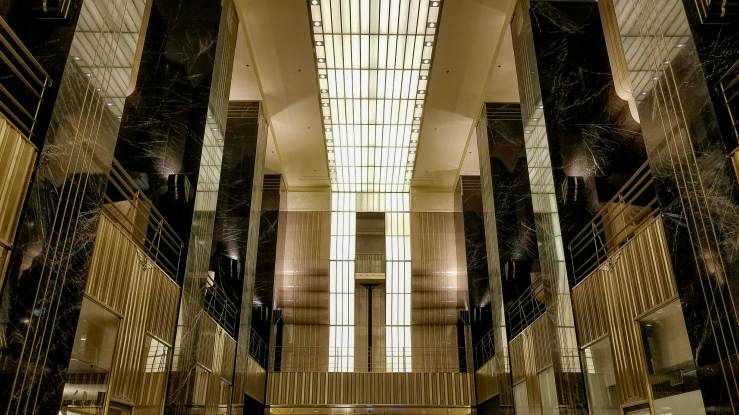
Then, there is the dazzling lobby, all bronze and dark Belgian marble and Art Deco features – minus, I guess, the guitars which will have probably found a new wall to grace.

The building was designed by the Burnham Brothers, a commission by the Carbide and Carbon Company to house their regional headquarters.

November 3rd, 2017

Chicago || The Art Deco City

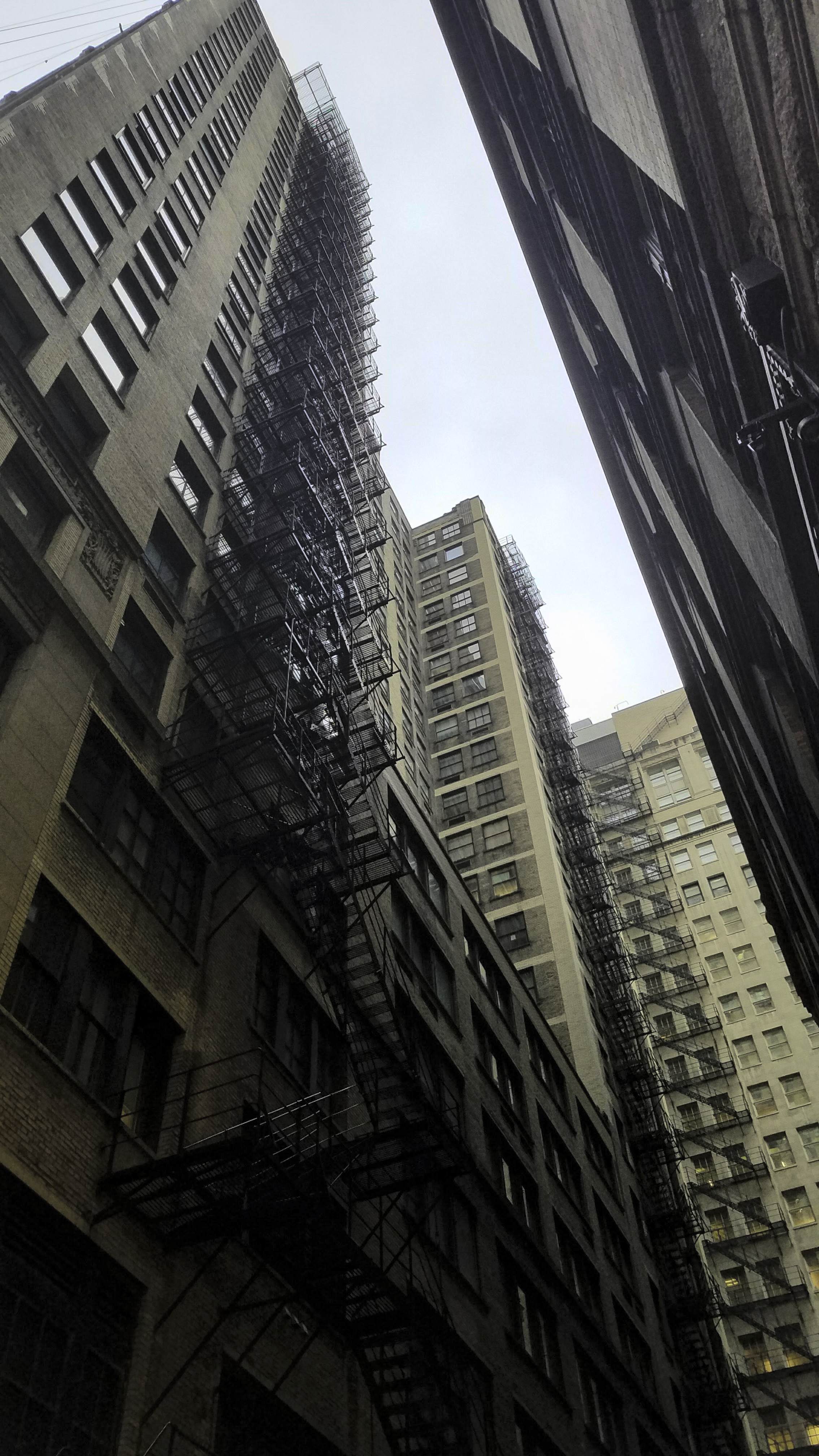
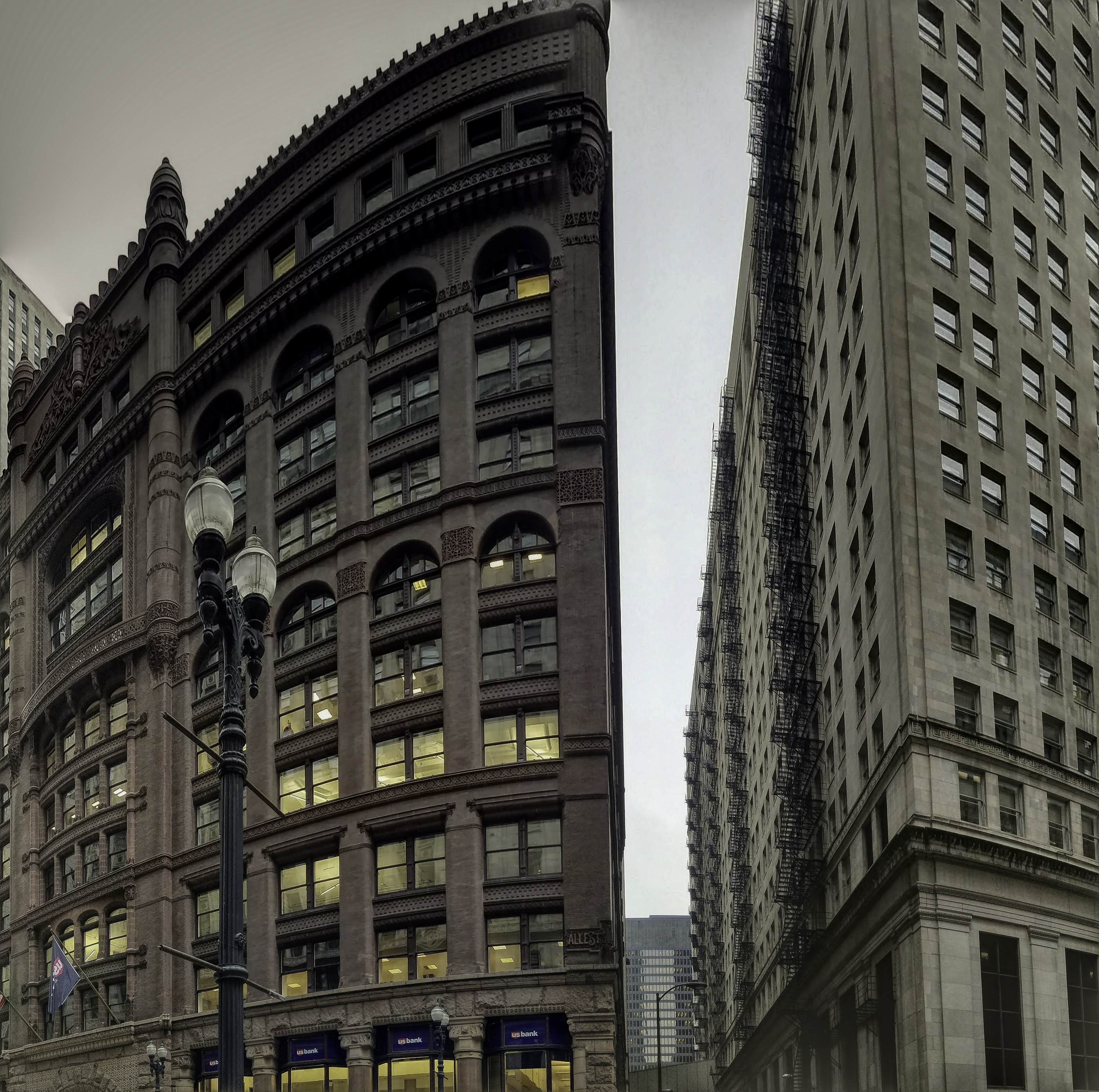
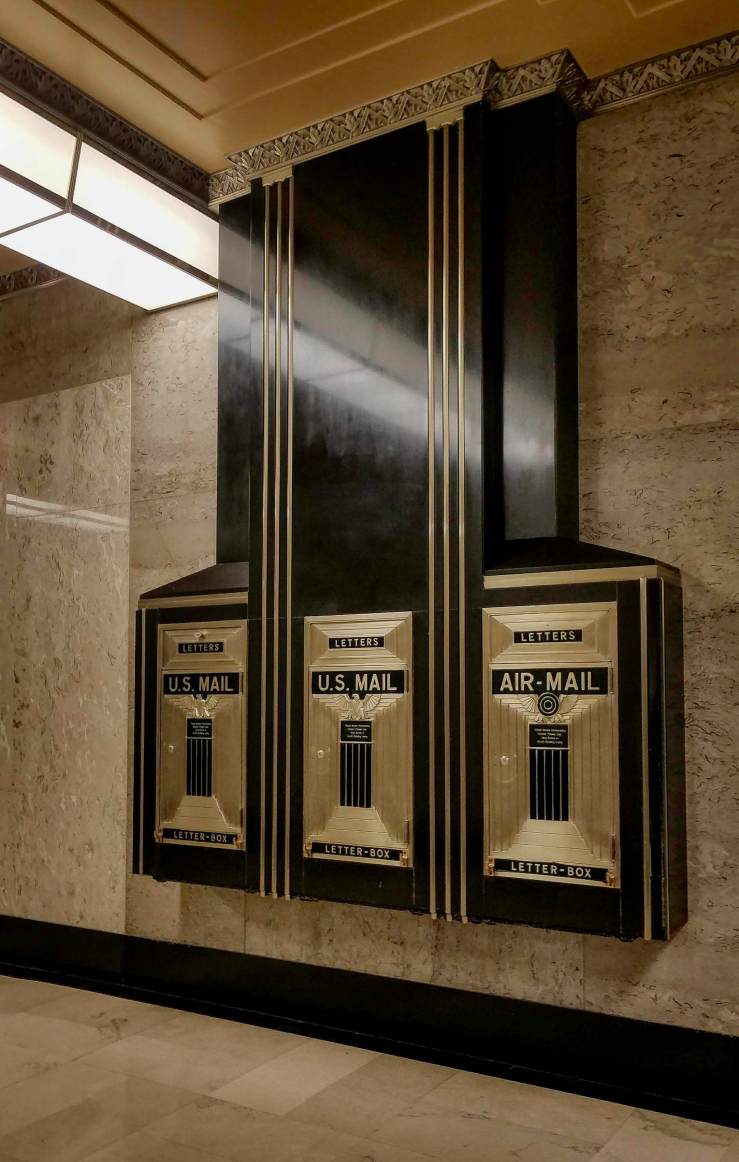
There are so many buildings of architectural interest in the Financial District of Chicago, you’d probably need to join a guided tour to visit them all and learn about their history. But if you are a casual visitor – and a first-time one at that, just walk around, spot an interesting-looking building and then step inside its lobby. You’ll soon find out that these lobbies are not simply entrances to commercial or office spaces; they are, in reality, stunningly beautiful Art Deco treasure troves; and they provide excellent shelter from the rain, too.

Walk, for instance, inside the Field Building, built in 1934 by Graham, Anderson, Probst & White; another wonderful example of the Art Deco style:

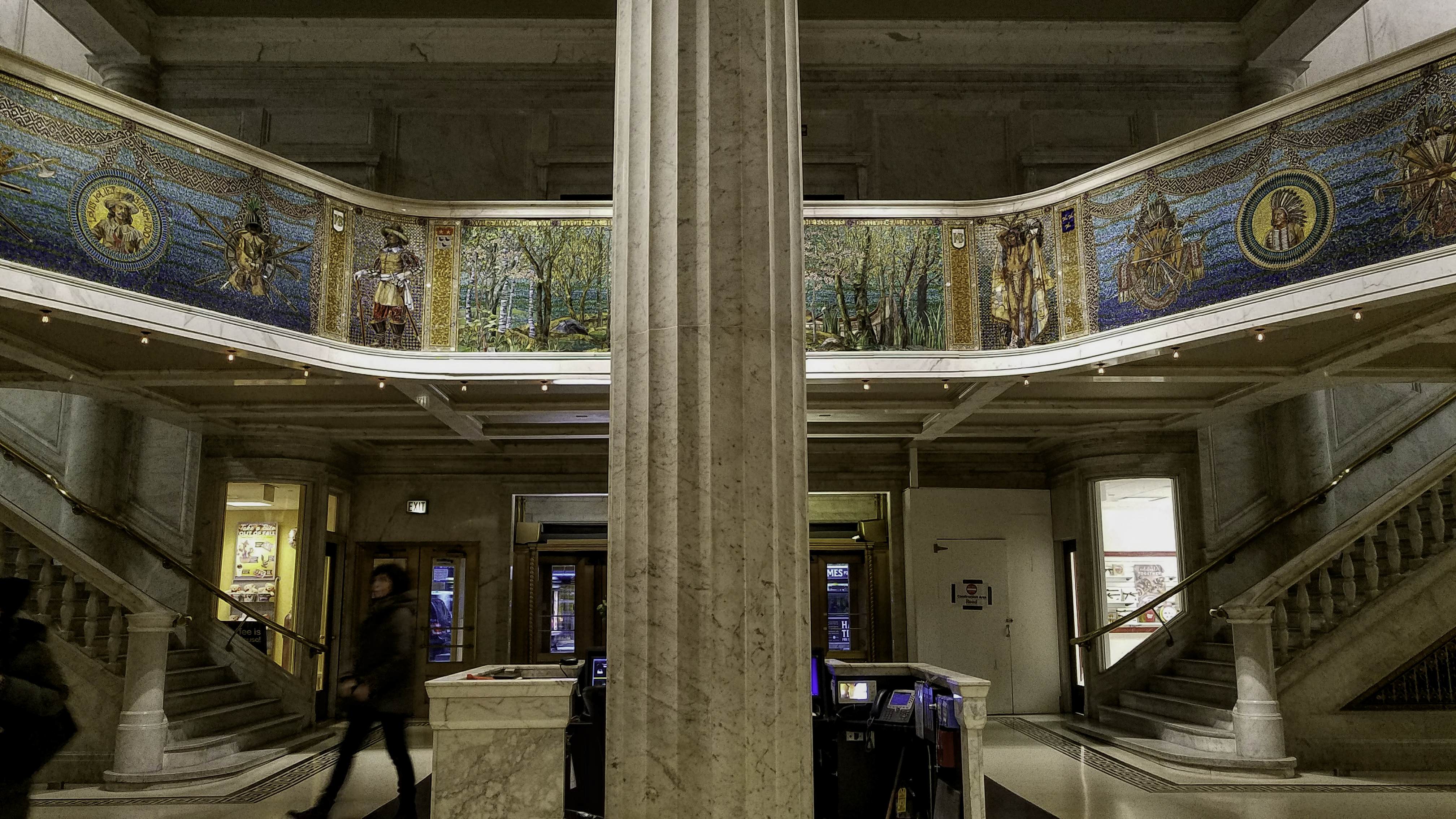
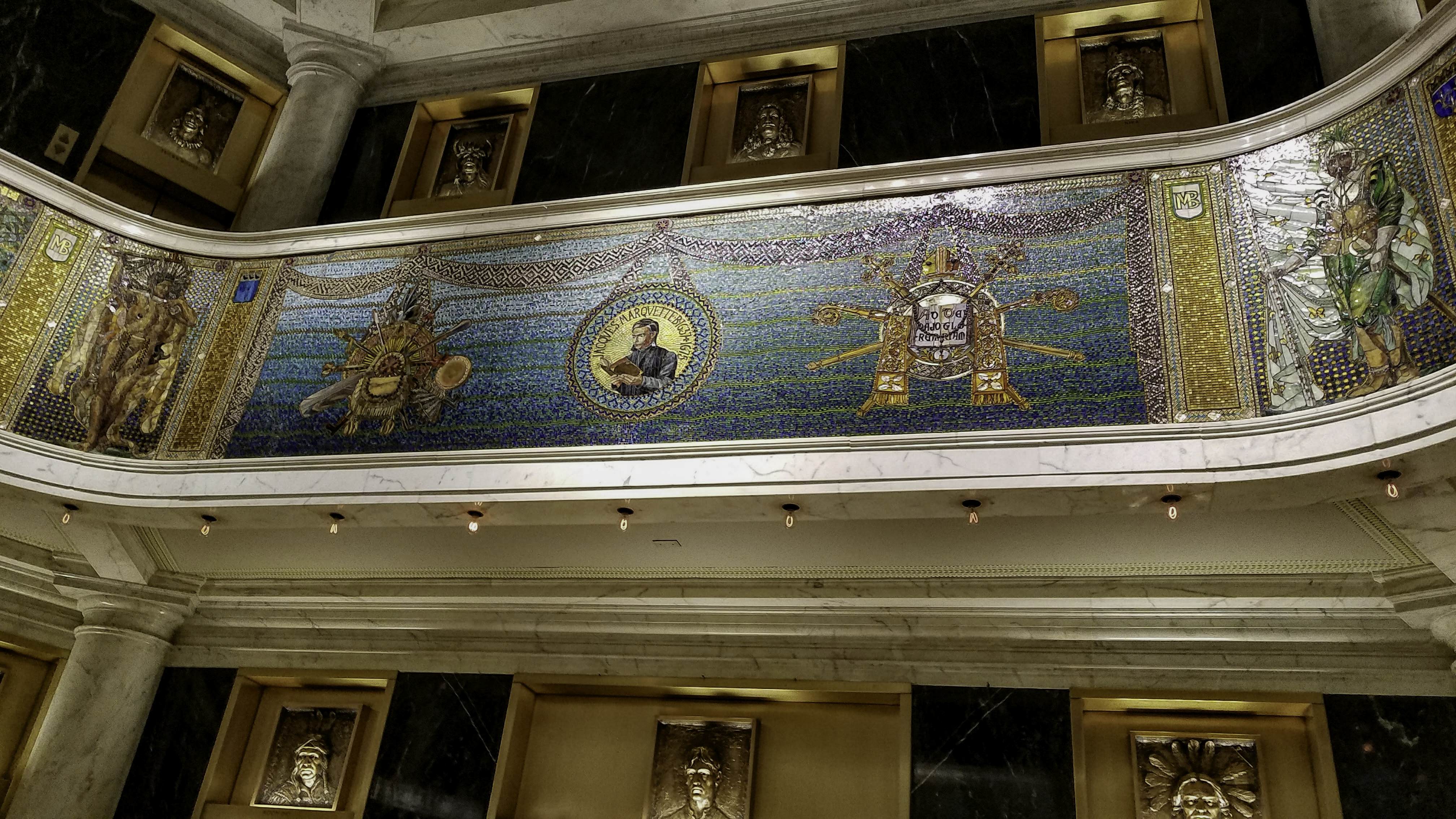
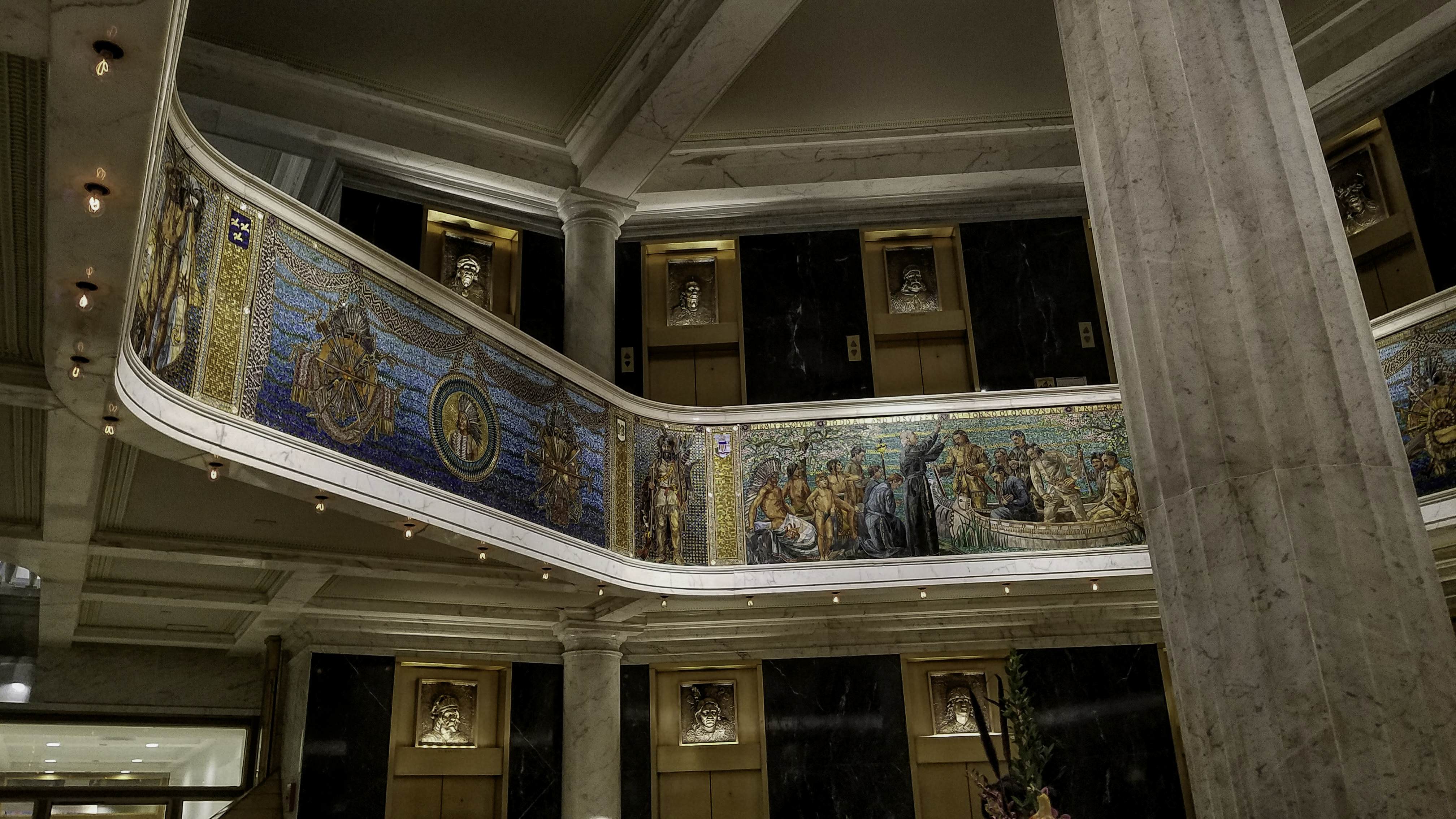
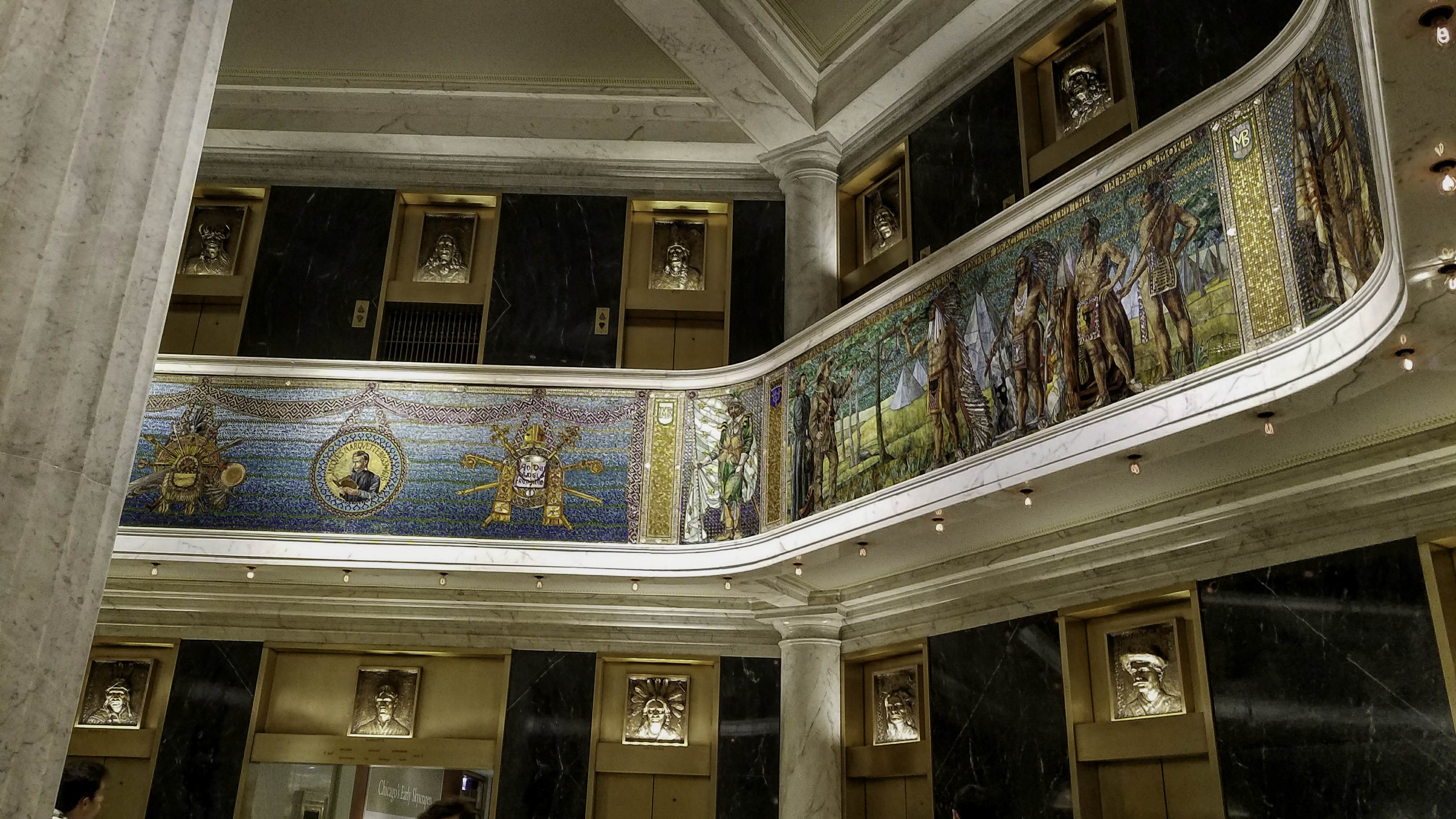
Or enter the Marquette Building’s hexagonal lobby and be captivated by the exquisite mosaic panels depicting the journey of Father Marquette, a French missionary and explorer, first settler in the area we know today as Chicago,  in whose honour the building has been named.

The mosaics are designed by Louis Tiffany, son of Charles Tiffany, the famous jeweler; and Jacob Adolph Holzer, a Swiss artist who worked for Tiffany as their chief designer and art director.

November 2nd, 2017

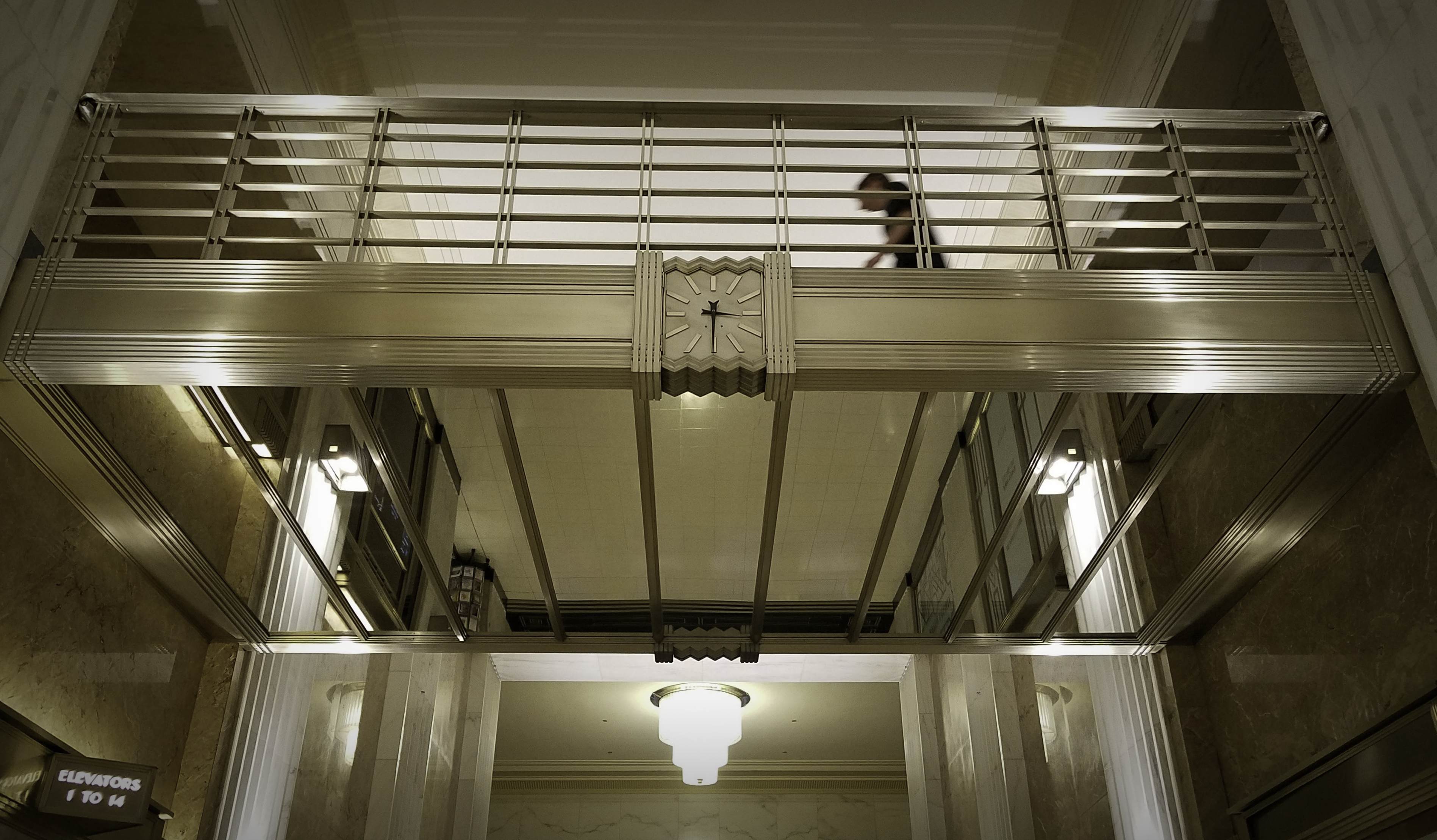
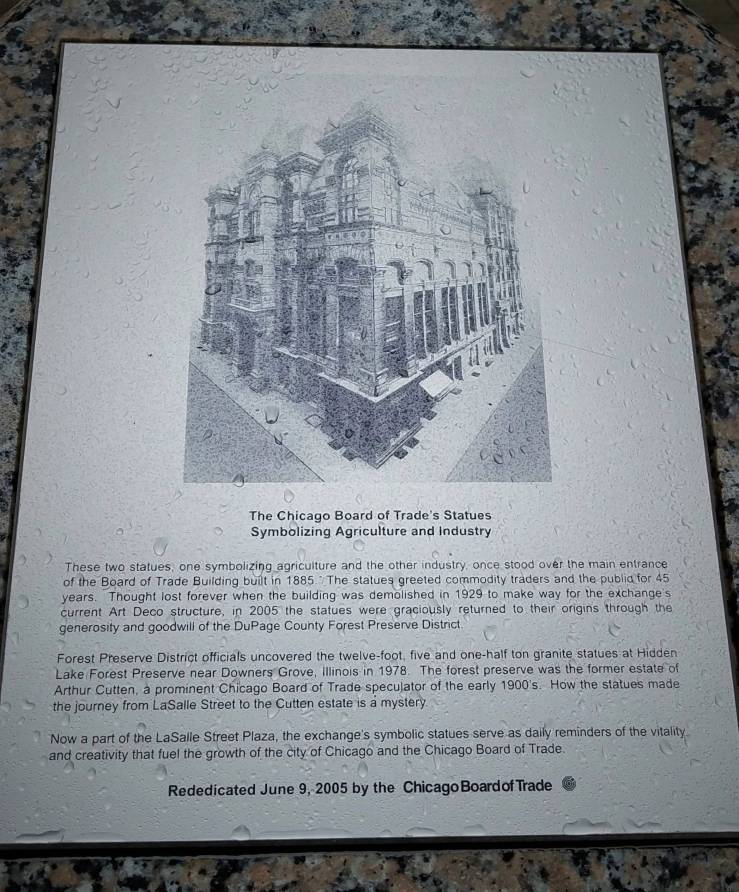
Chicago || Board of Trade Building

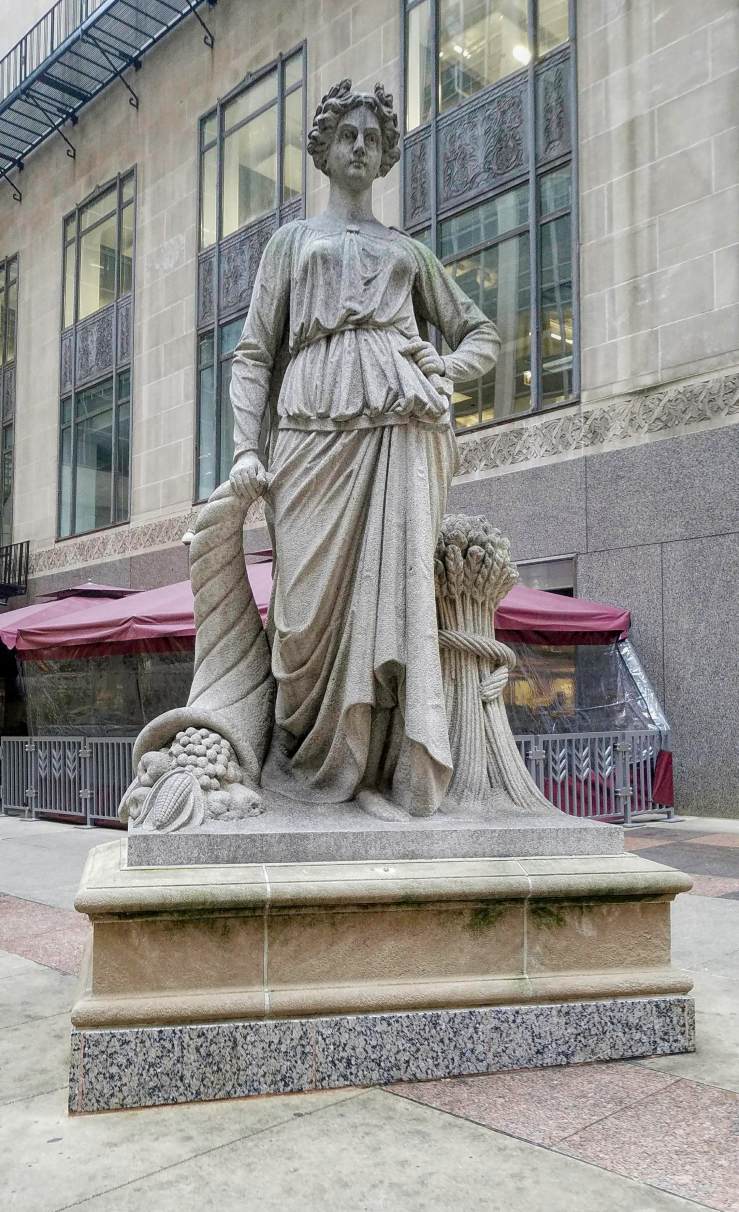
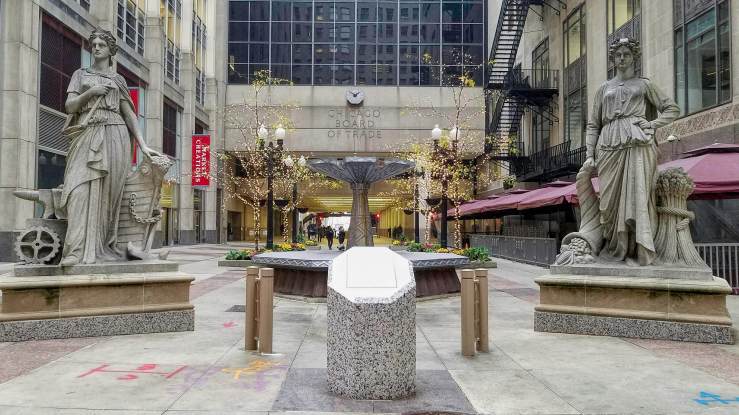
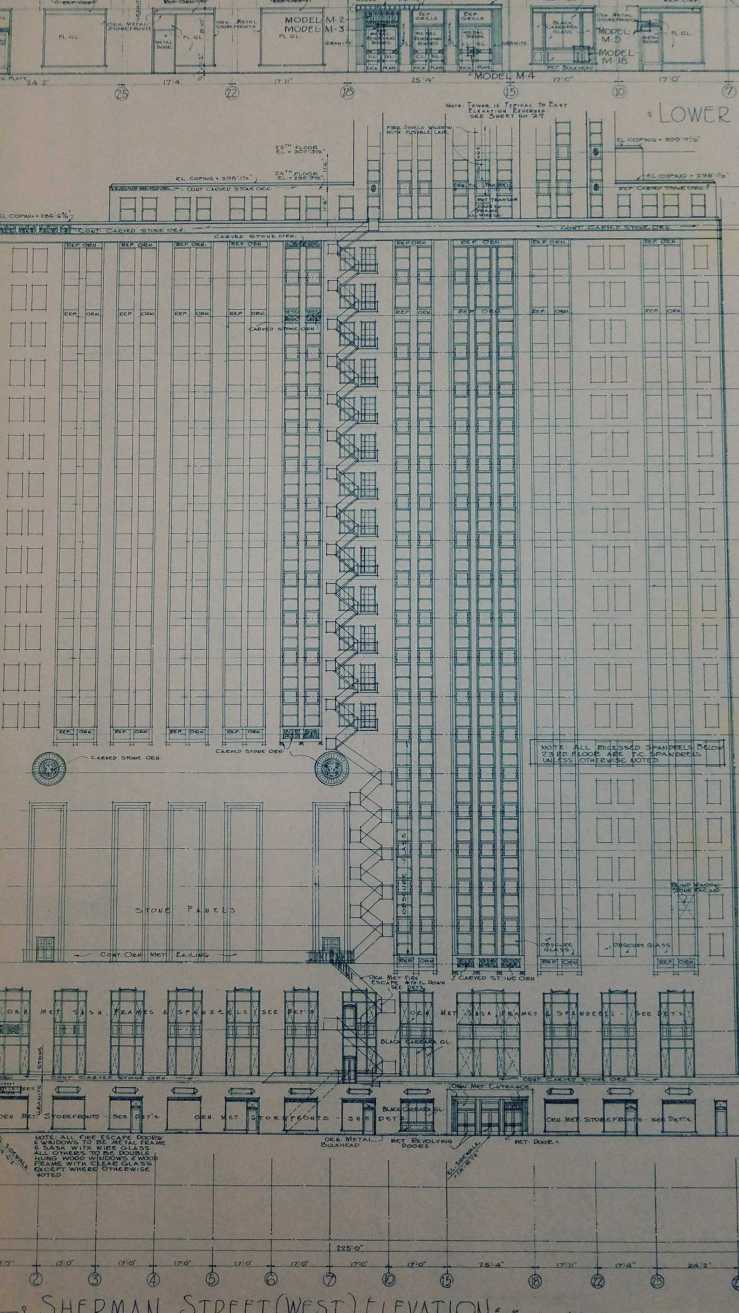
Built in 1930 by John A. Holabird and John Wellborn Root Jr. (son of John Root Sr., one of the architects of the Rookery), to become home to the world’s oldest futures and options exchange, the Chicago Board of Trade, which had already been established in 1848 – year that the first railroads arrived in Chicago.

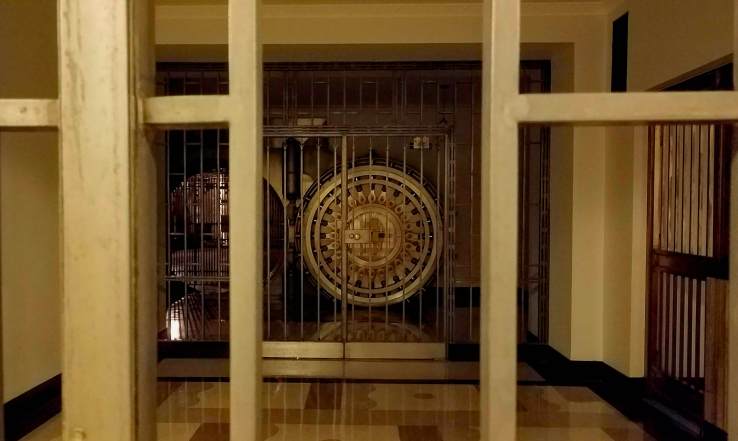
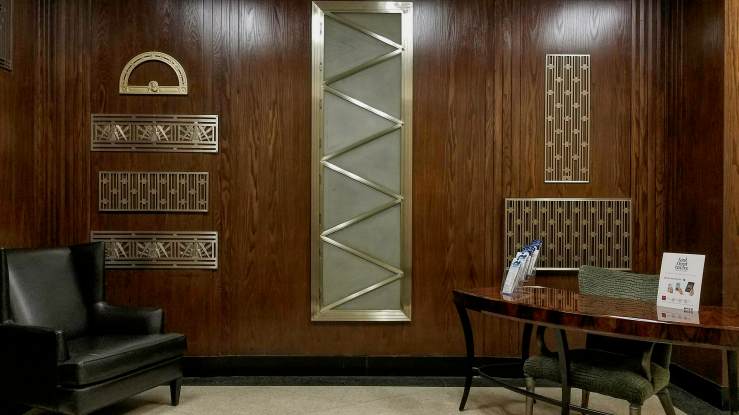
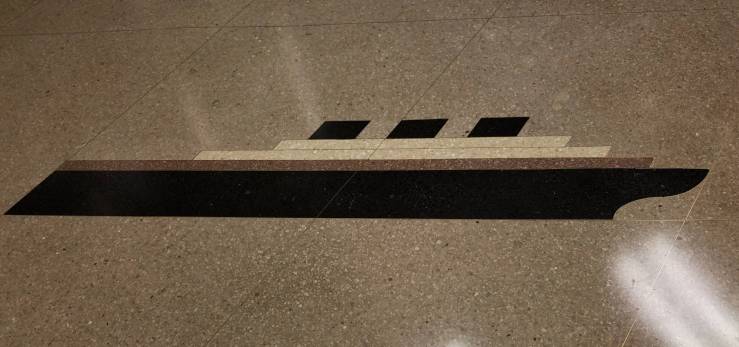
From John Storrs’ faceless statue of Ceres, Roman goddess of Agriculture, presiding over Chicago’s financial district from its prominent position at the rooftop, down to its lobby  with the sleek brass elements contrasting blindingly against the darker surfaces, and even further down to its subterranean vault, the Board of Trade Building is one of the finest – and best preserved – examples of the Art Deco style, popular in Chicago in the early 20th century.

November 2nd, 2017

The Museum at Eldridge Street

From the posh Fifth Avenue establishments overlooking Central Park on the Upper East Side, the third – and final – leg of our discovery OHNY weekend brought us south, to one of New York’s first neighbourhoods where millions of immigrants from all over the world came to settle and where, by 1900, more than 700 people per acre were living in an area lined with tenements and factories, according to the Library of Congress.

Between 1880 and 1924, 2,5 million mostly impoverished Ashkenazi Jews came to the U.S. and nearly 75 percent took up residence on the Lower East Side. (source)

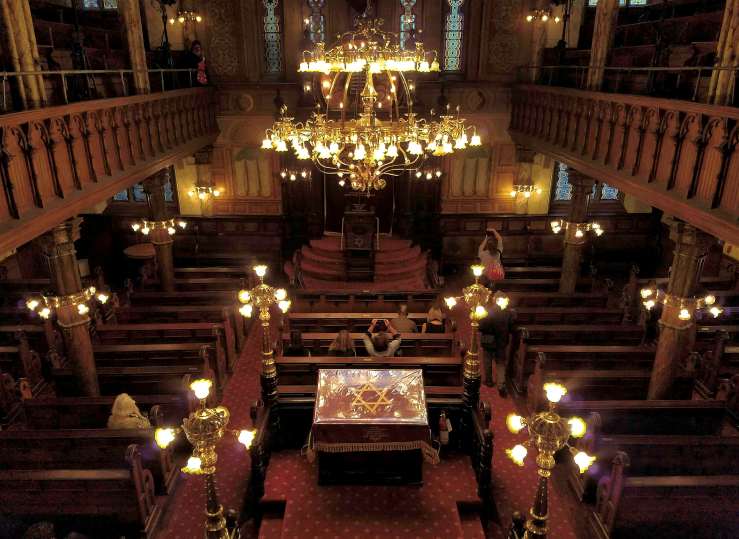
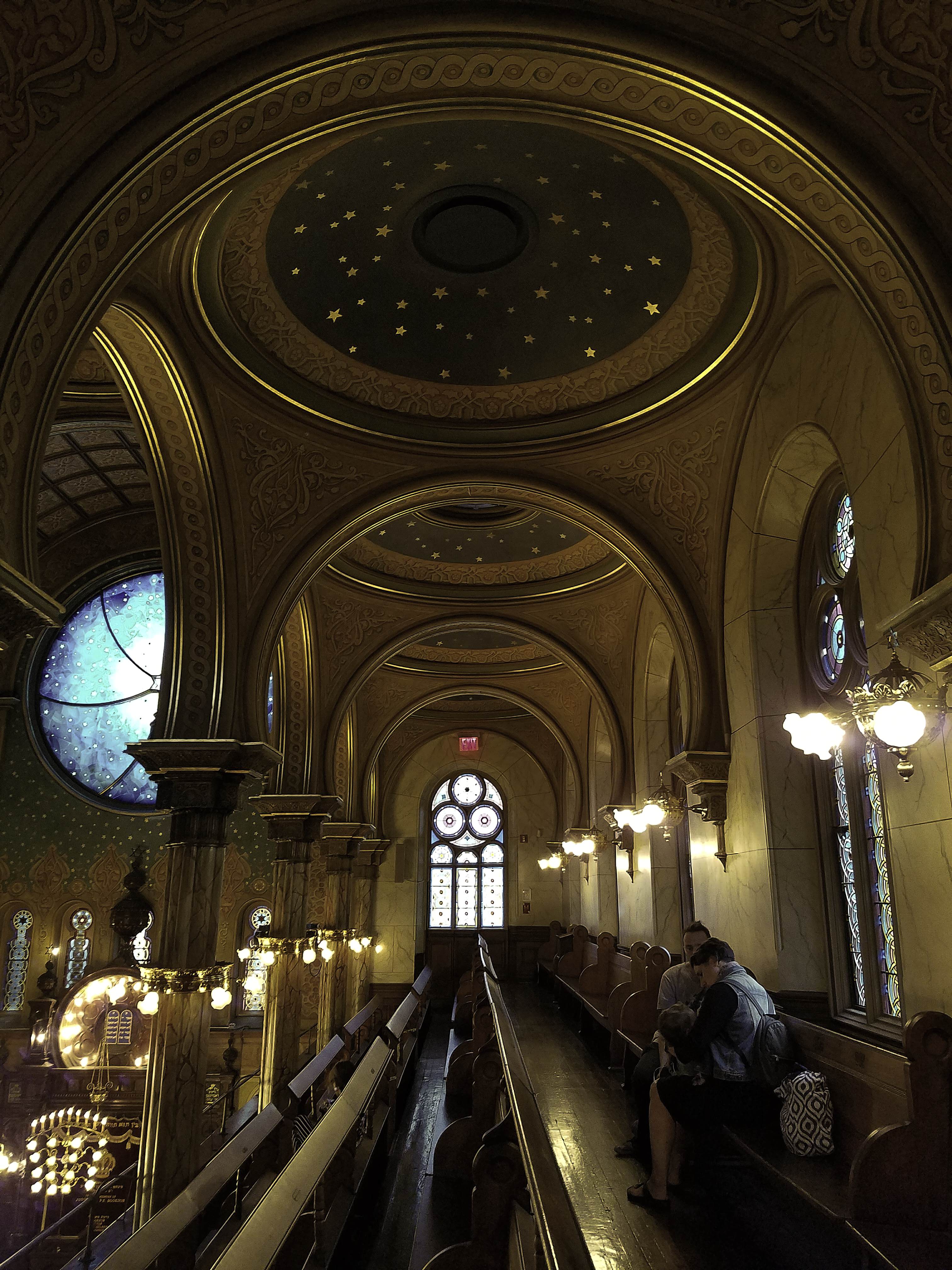
After years of makeshift gatherings in tenements, a dedicated place of worship had become a necessity. Thus the Eldridge Street Synagogue opened its doors in 1887 to New York City Jews from all walks of life. The crowds on holy days were so great that police on horseback had to impose crowd-control. But then came the 1920s with a series of laws to limit the flow of immigrants, the number of worshipers began to decline, many moved to the suburbs and so the Synagogue fell into disuse – and later in complete disrepair.

A sign inside the Museum reads:

‘On a narrow street in Chinatown, in a bustling and ever-changing neighbourhood, the Eldridge Street Synagogue stands – a vestige of another era. It is among the last remaining markers of a time when the Lower East Side was the largest Jewish community in the world. As the first grand synagogue built in America by immigrants from Eastern Europe, it is a repository of its founders’ pride, traditions and spirit. And it is a testament to the struggles of the generations that followed, as well as to the dedication of a new community that gathered to save and renew it.

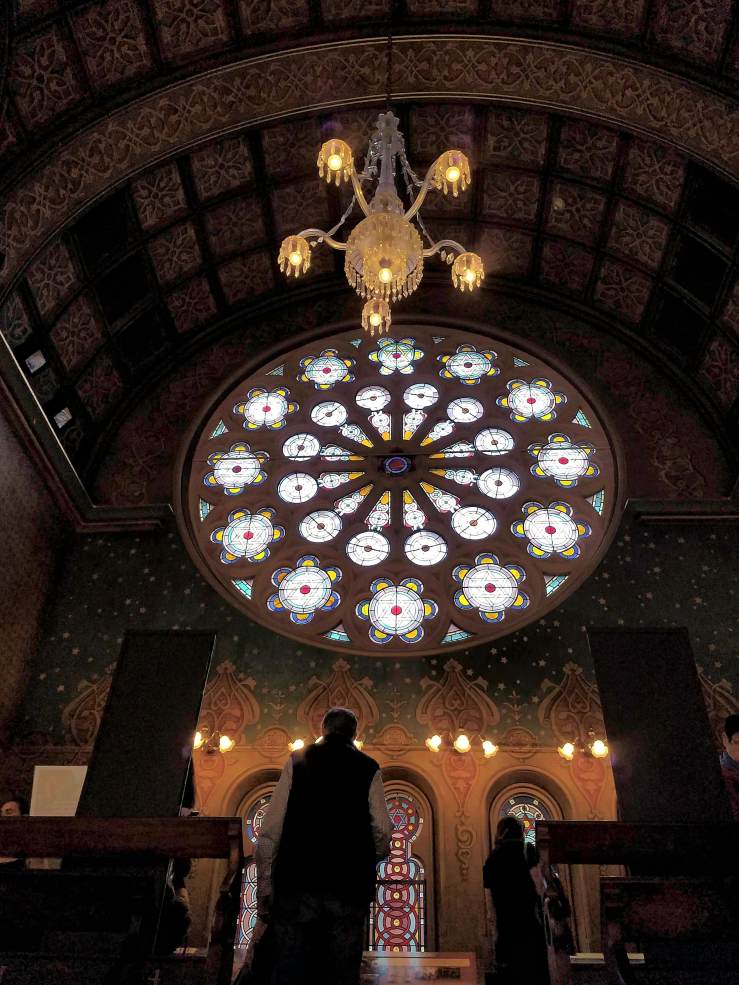
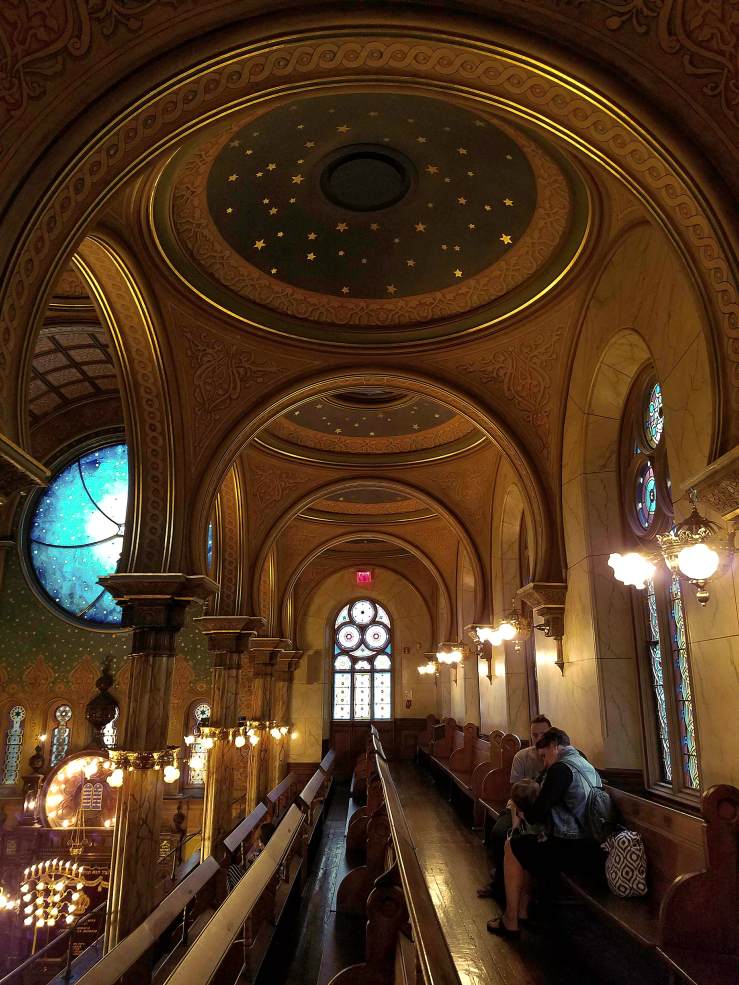
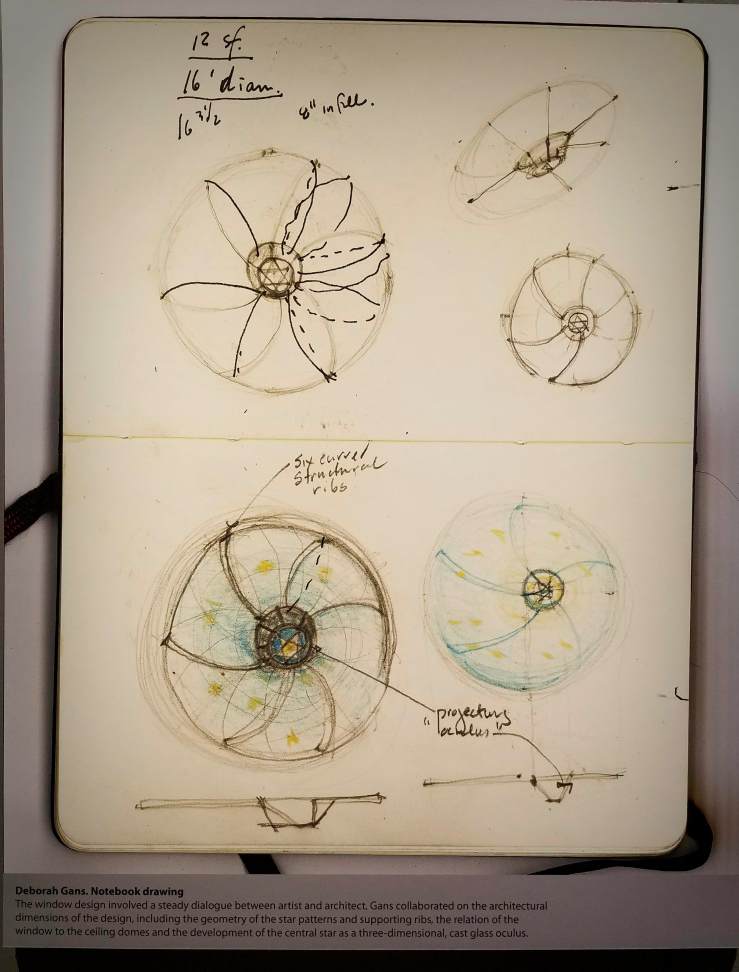
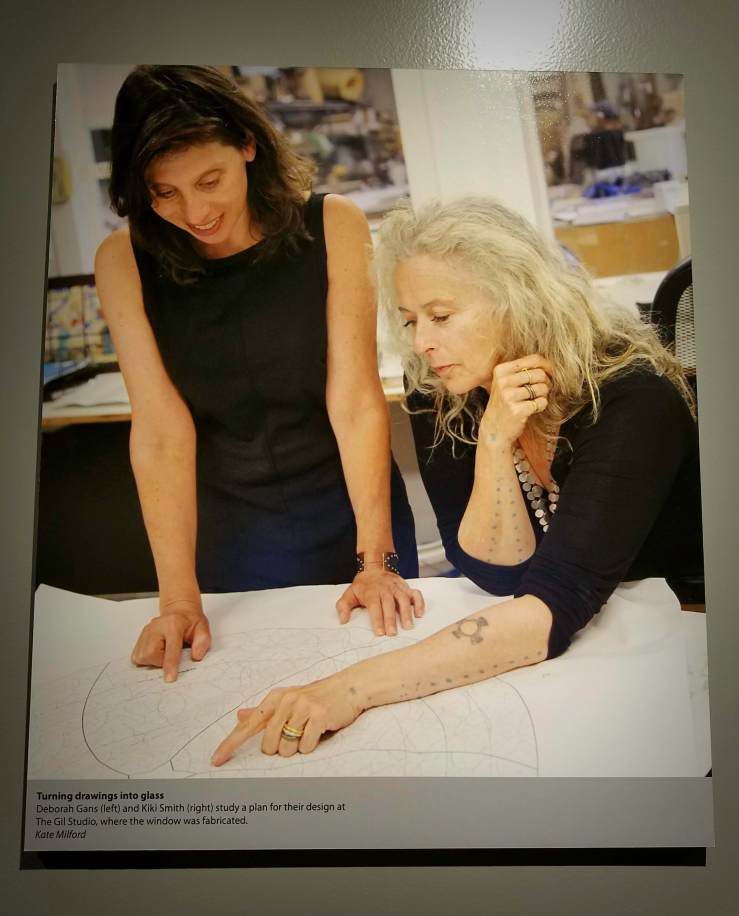
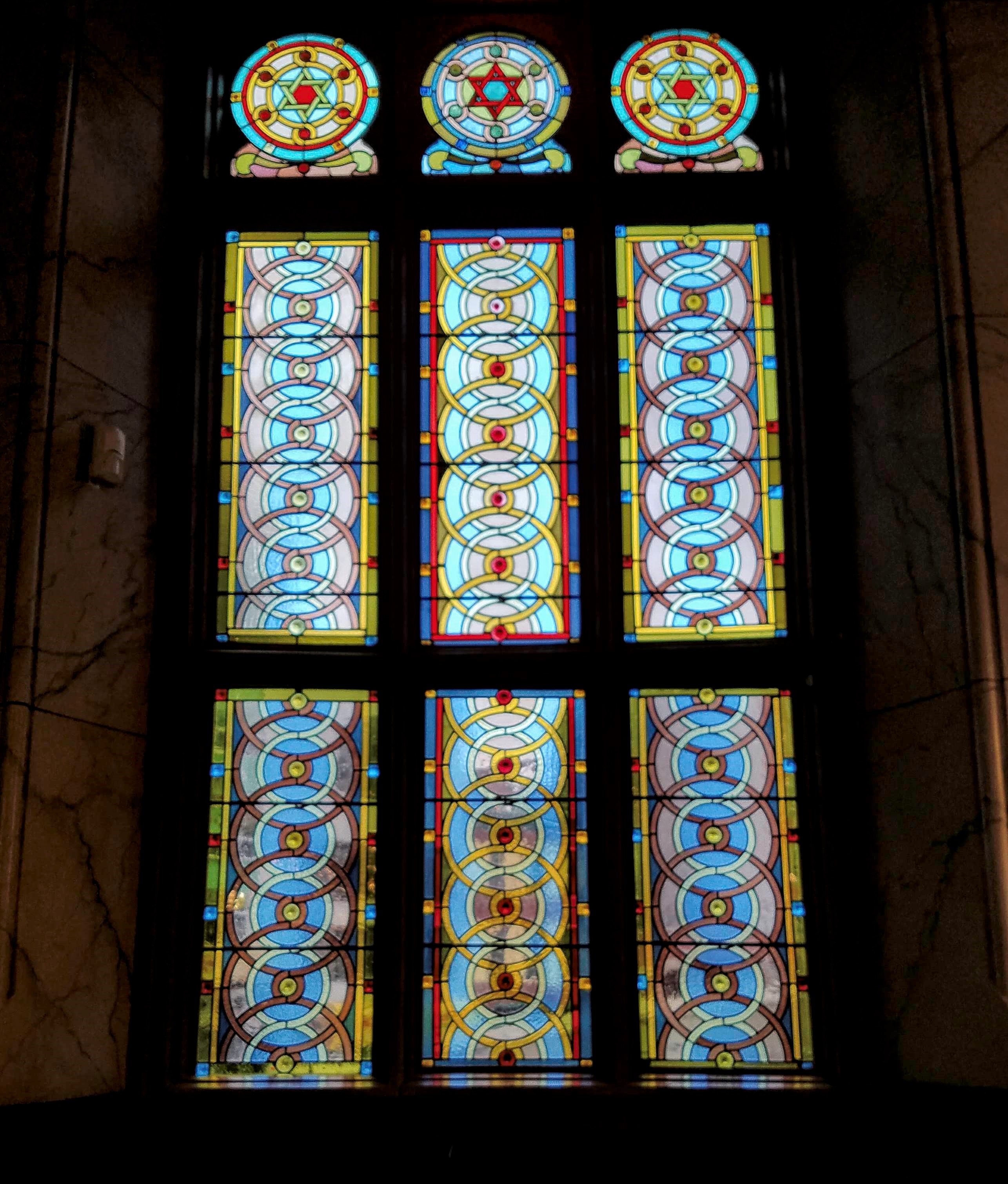
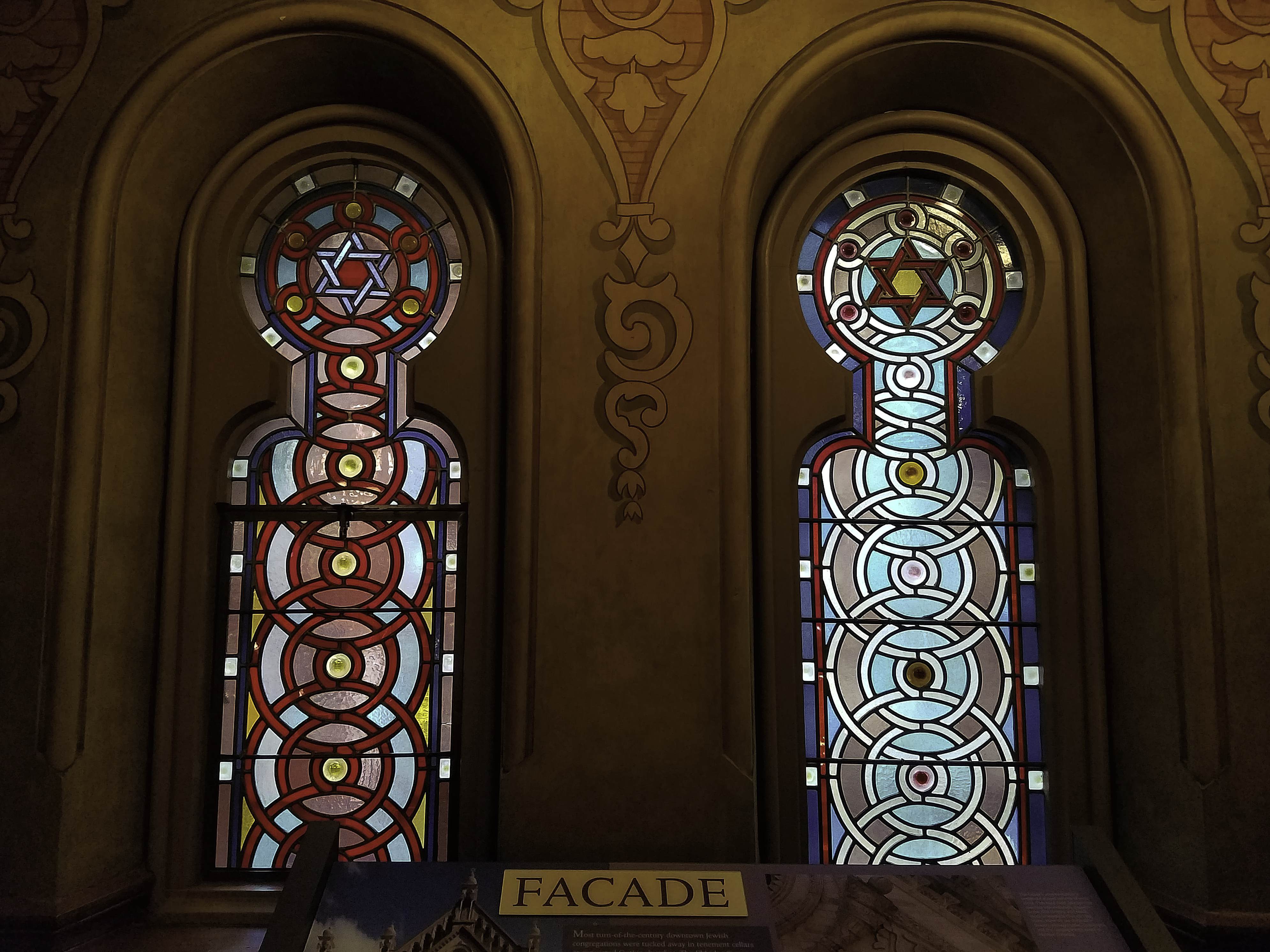
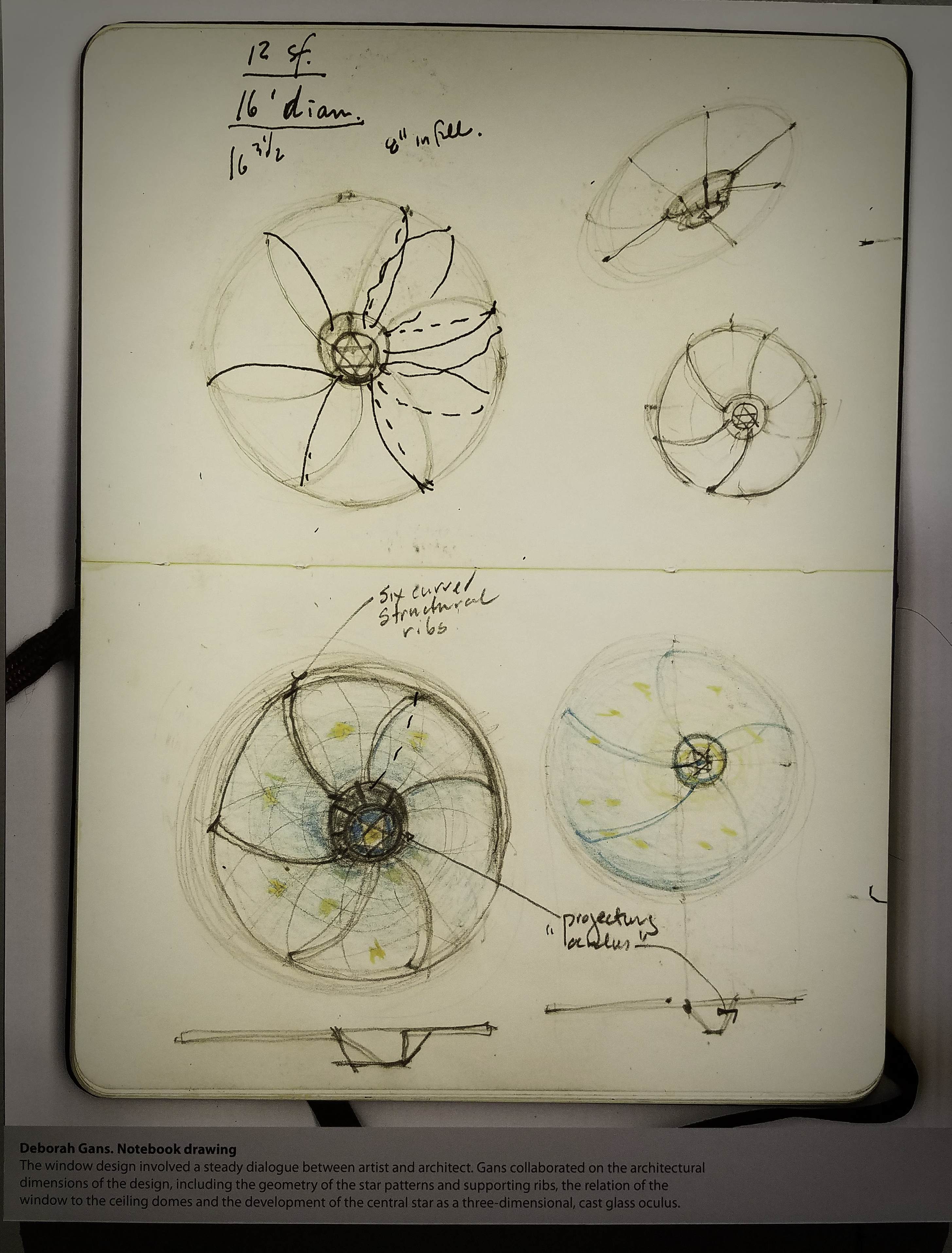
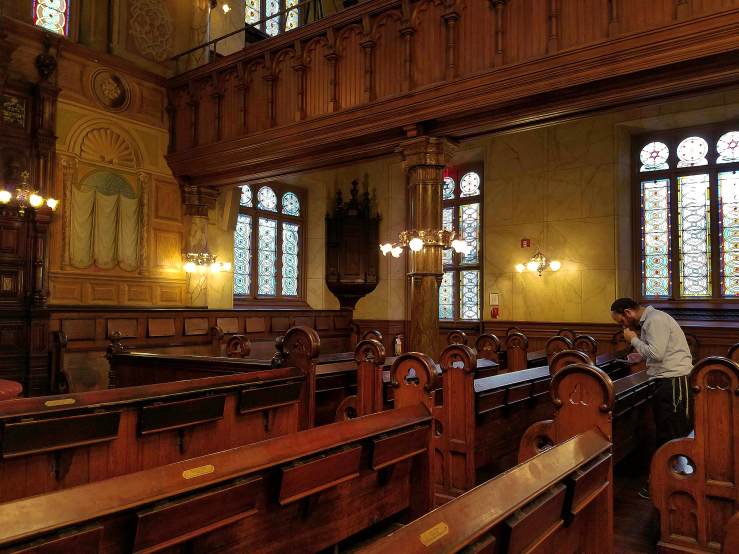
In December 2007, the restoration of the Synagogue was completed. It took twenty years to bring it back from the brink of ruin to the awe-inspiring landmark it is today, bathed in a soft light pouring from the rose glass window, on the one side, and Kiki Smith’s starry stained-glass, on the other.

For more about the Synagogue’s painstaking restoration please check the Museum’s webpage (before and after photos). The difference is simply astonishing.

Another sign inside the Museum reads:

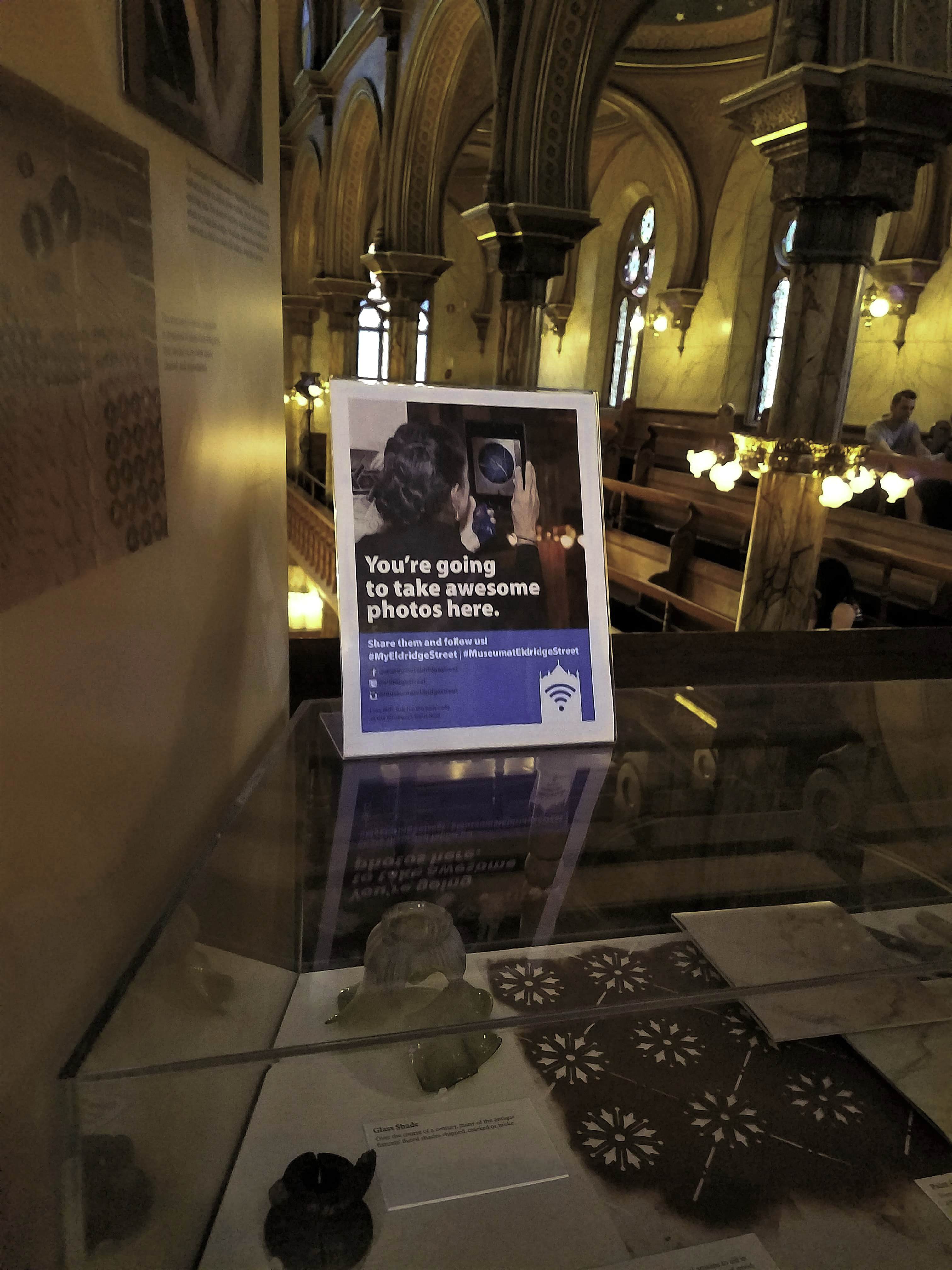
I don’t know about my photos but the place is wonderfully photogenic – that much is true:

In this series we revisited three – out of the dozens of – buildings and sites that opened their doors during OHNY weekend, on October 14 & 15th, 2017:

The General Society of Mechanics & Tradesmen of the City of New York
Cultural Services of the French Embassy & Albertine
The Eldridge Street Synagogue

***

Open House New York weekend takes place every year in October.
Next series coming up:  October 19-20, 2019.
The General Society of Mechanics & Tradesmen of the City of New York

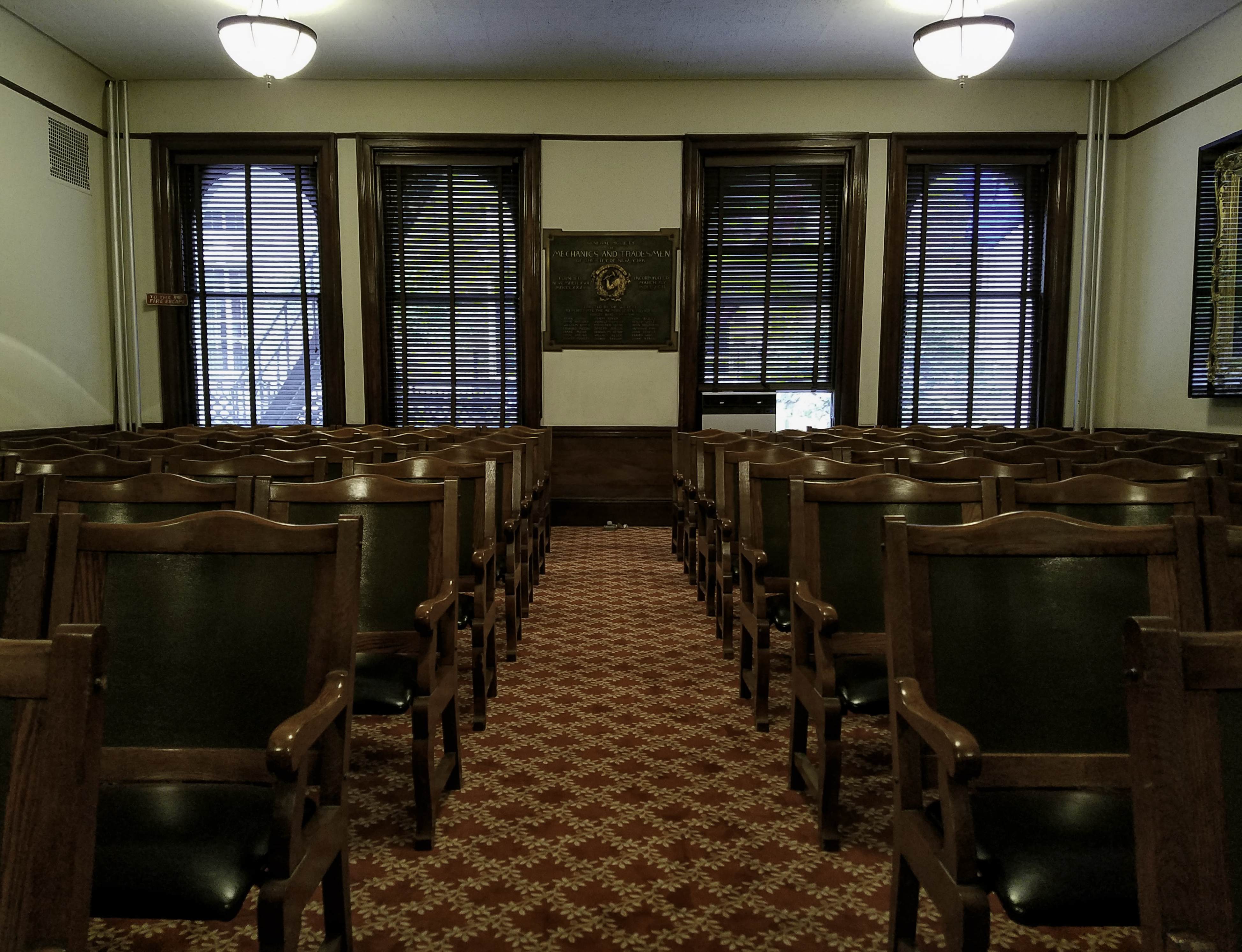
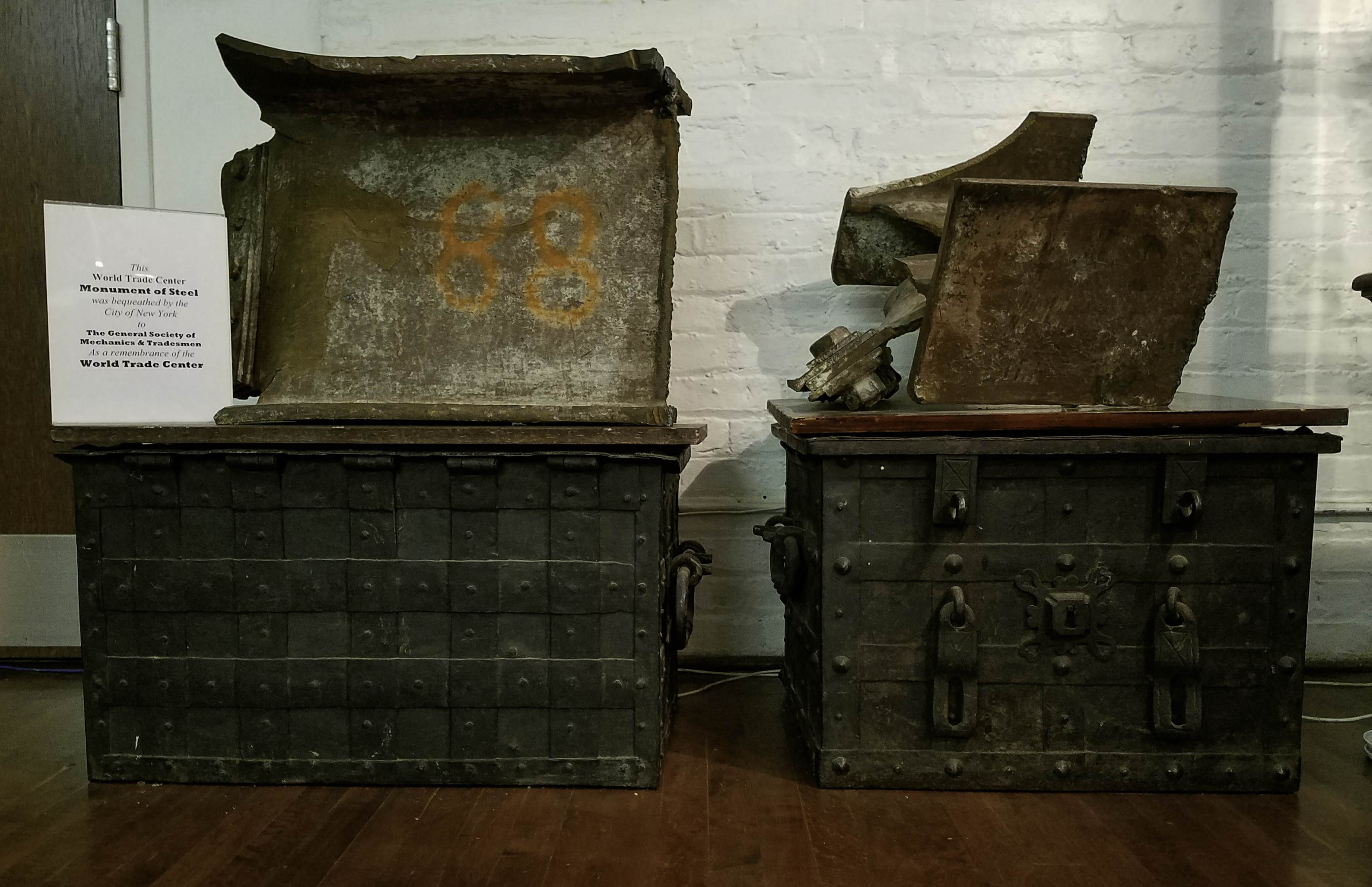
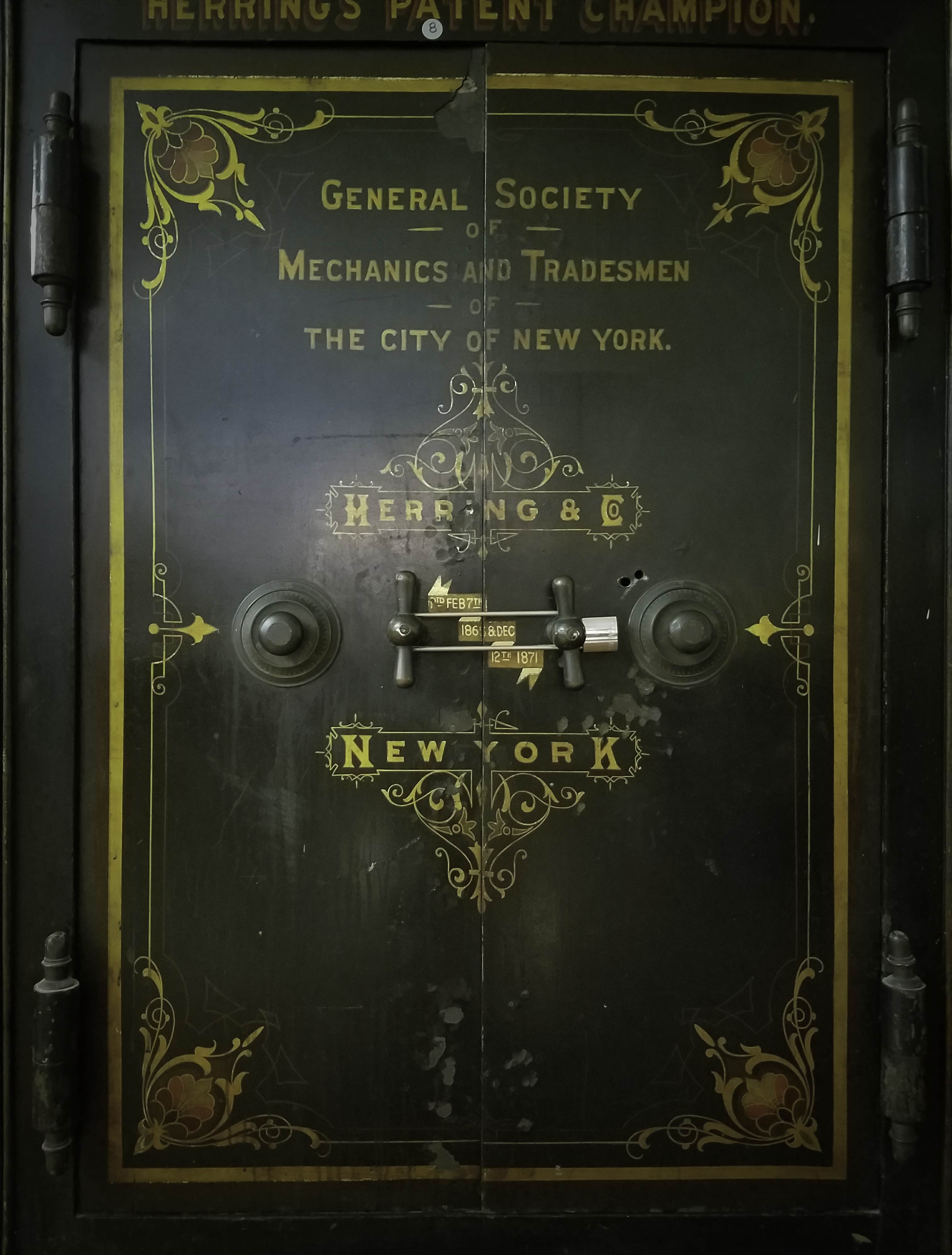
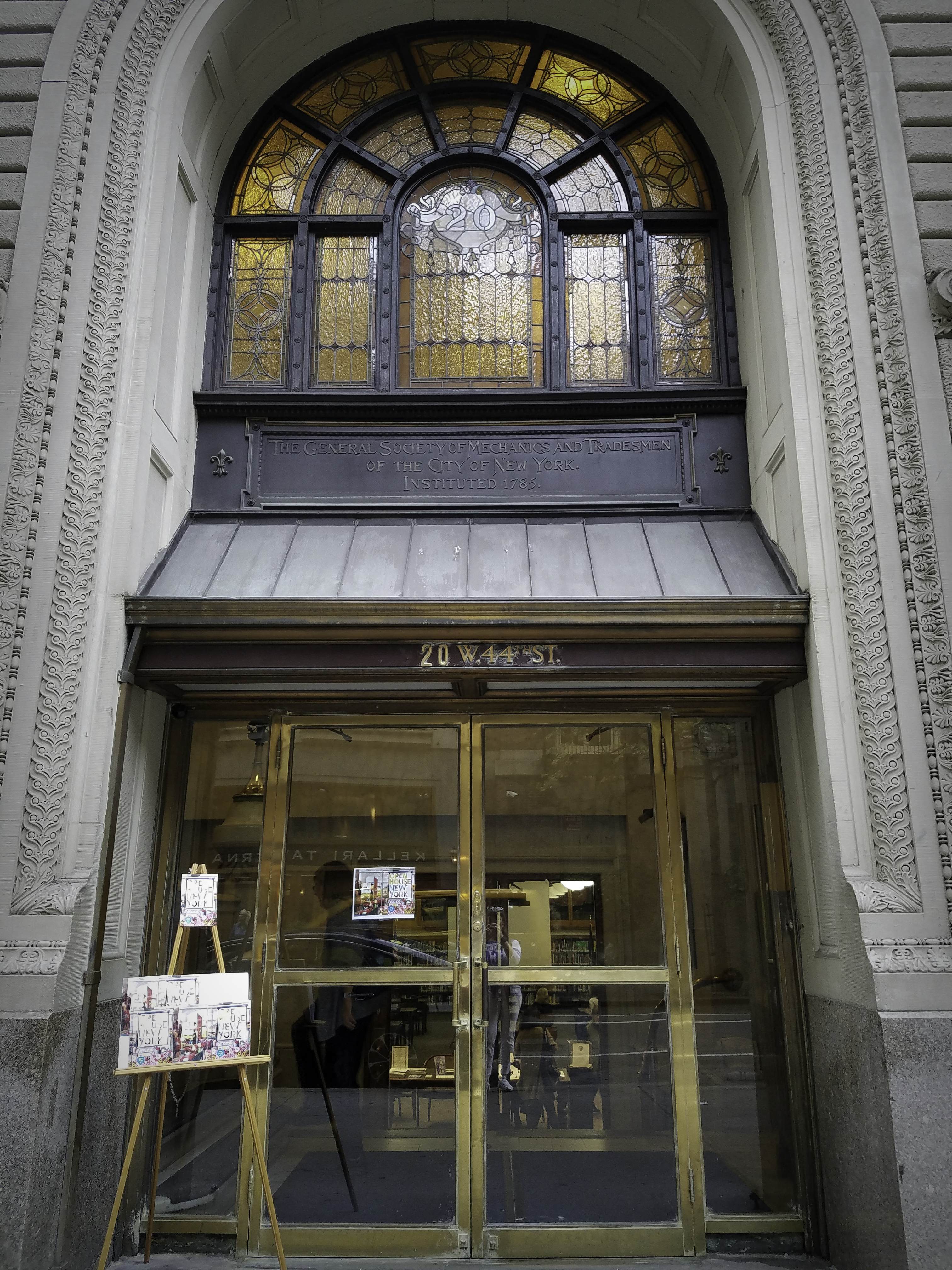
[The General Society of Mechanics & Tradesmen of the City of New York], as their website helpfully informs us, [was founded in 1785 by the skilled craftsmen of the City. Today, this 233-year old organization continues to serve and improve the quality of life of the people of the City of New York through its educational, philanthropic and cultural programs including its tuition-free Mechanics Institute, The General Society Library, and its nearly two-century-old Lecture Series]

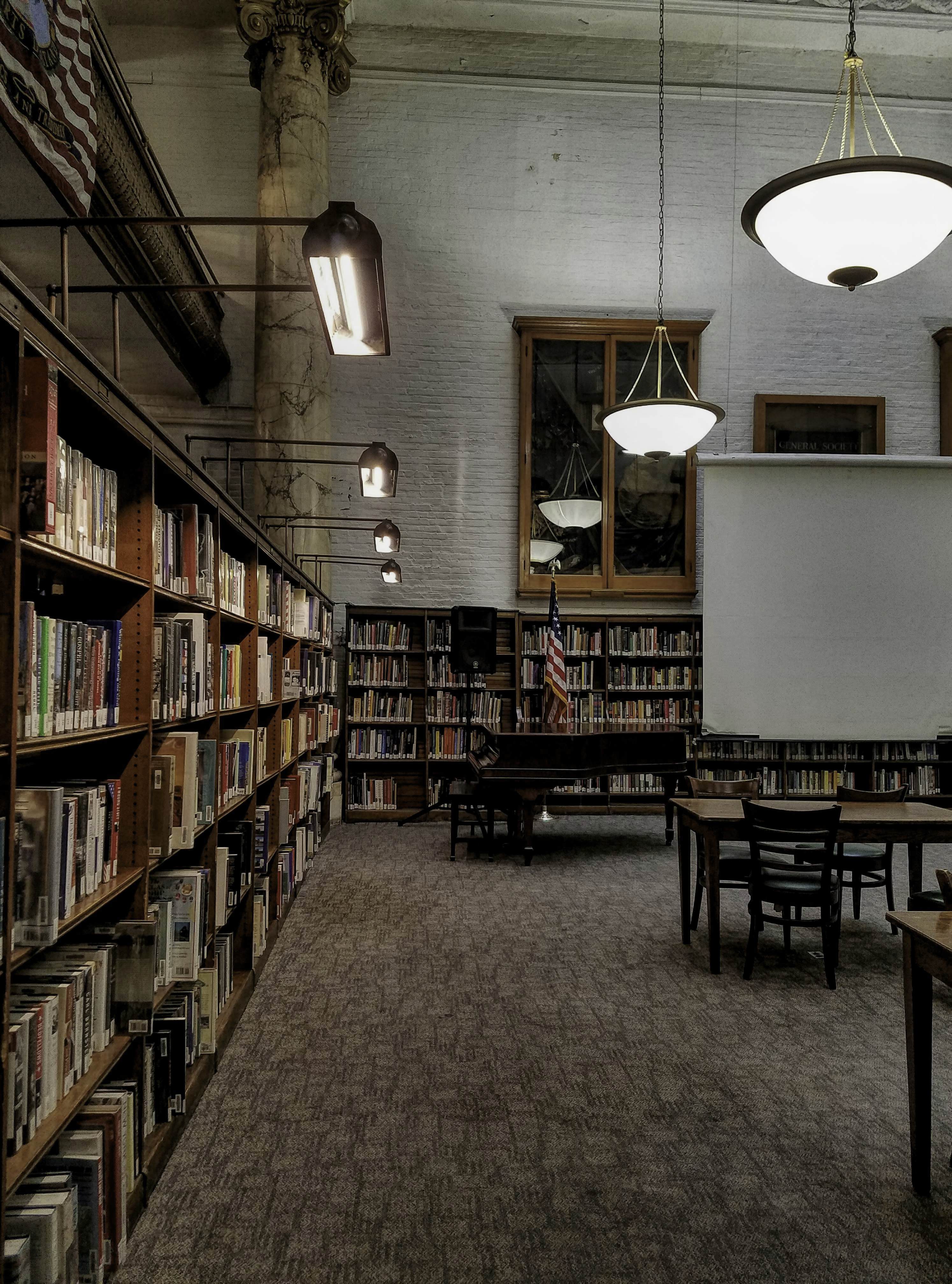
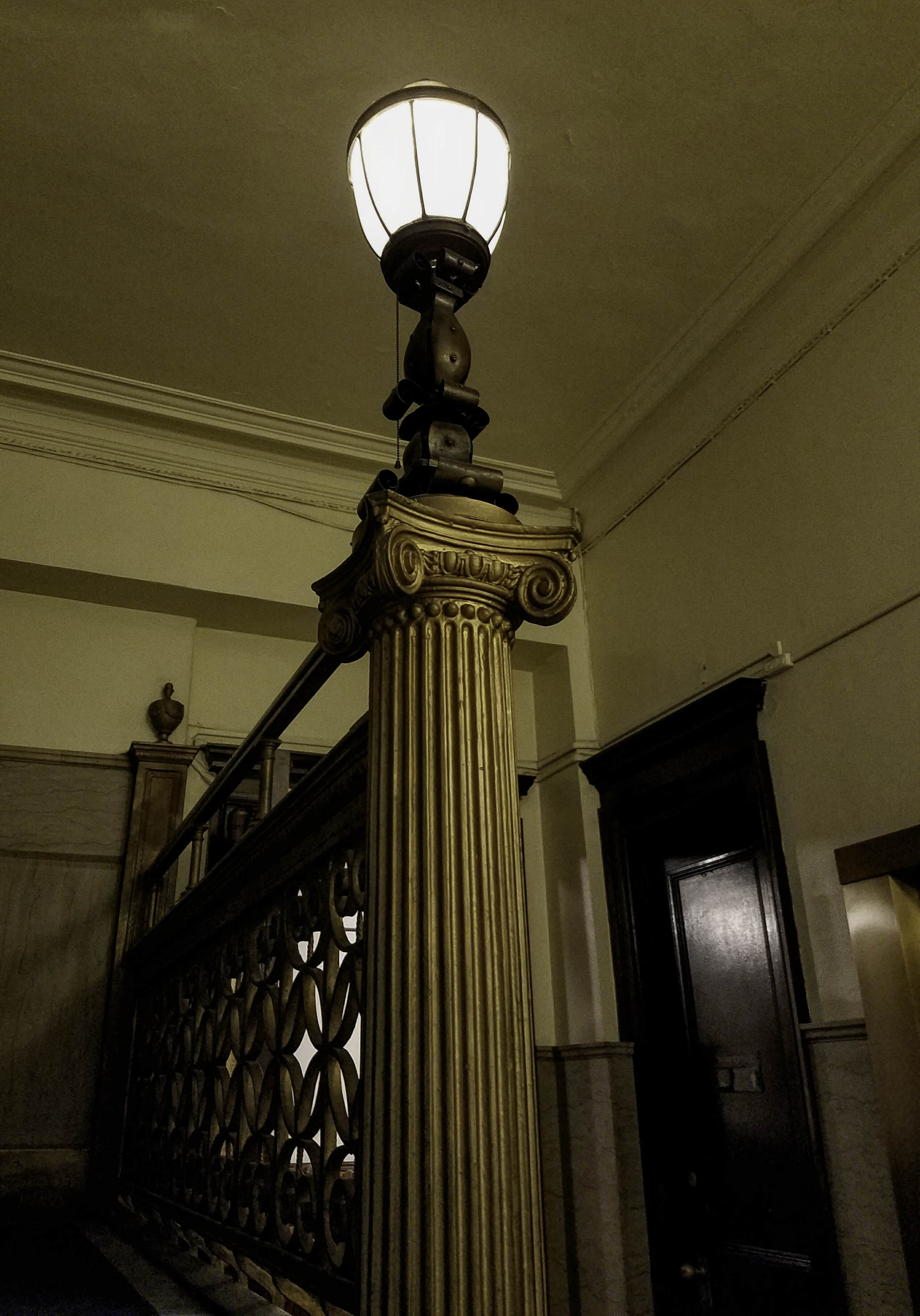
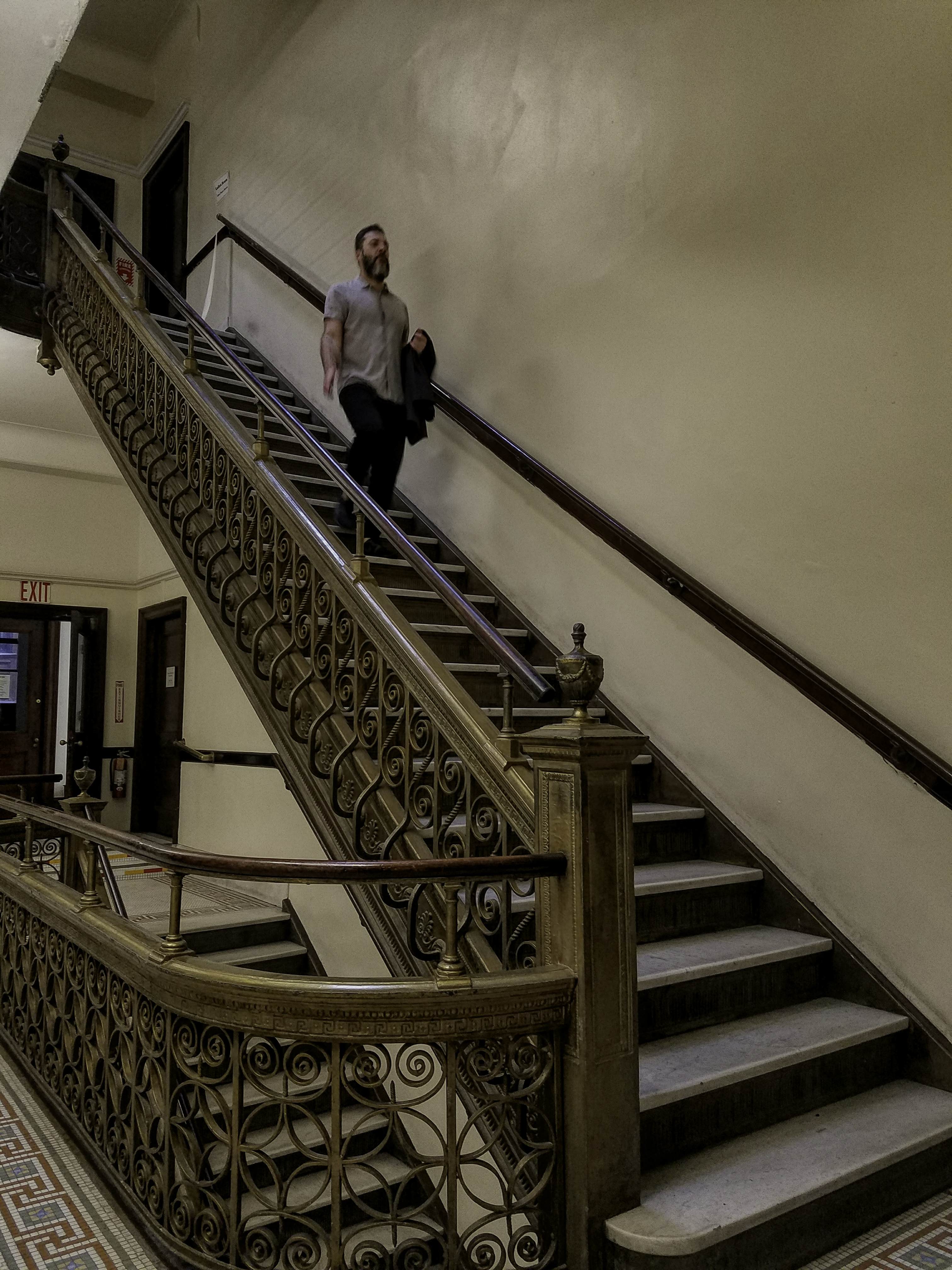
How many times have I walked past it, I can’t say for sure. What I do know for certain is, had it not been for the Open House New York Weekend (OHNY), I would still walk past it without ever suspecting the treasures that lay inside this Renaissance-style building, initially constructed in 1890 as a private school for boys.

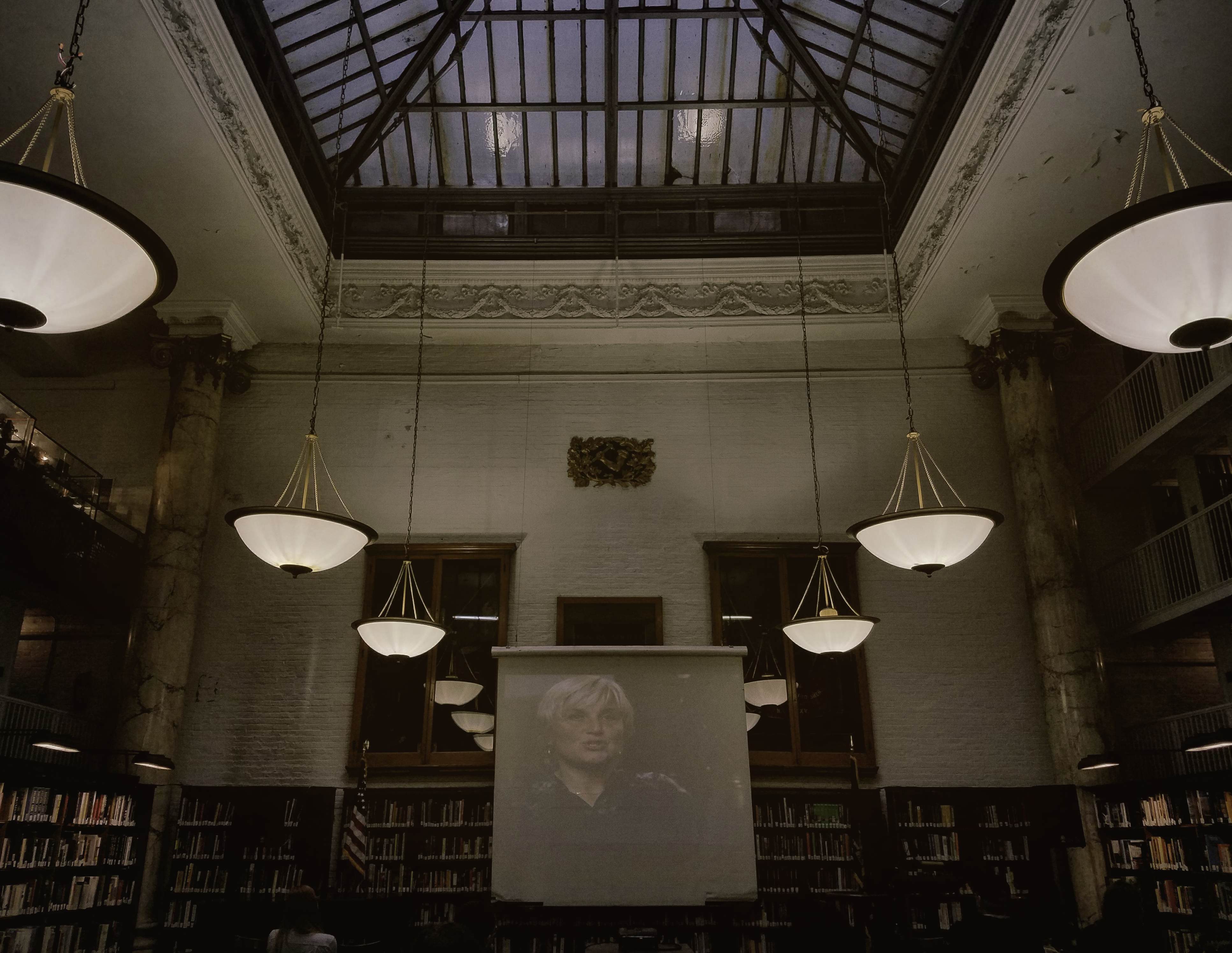
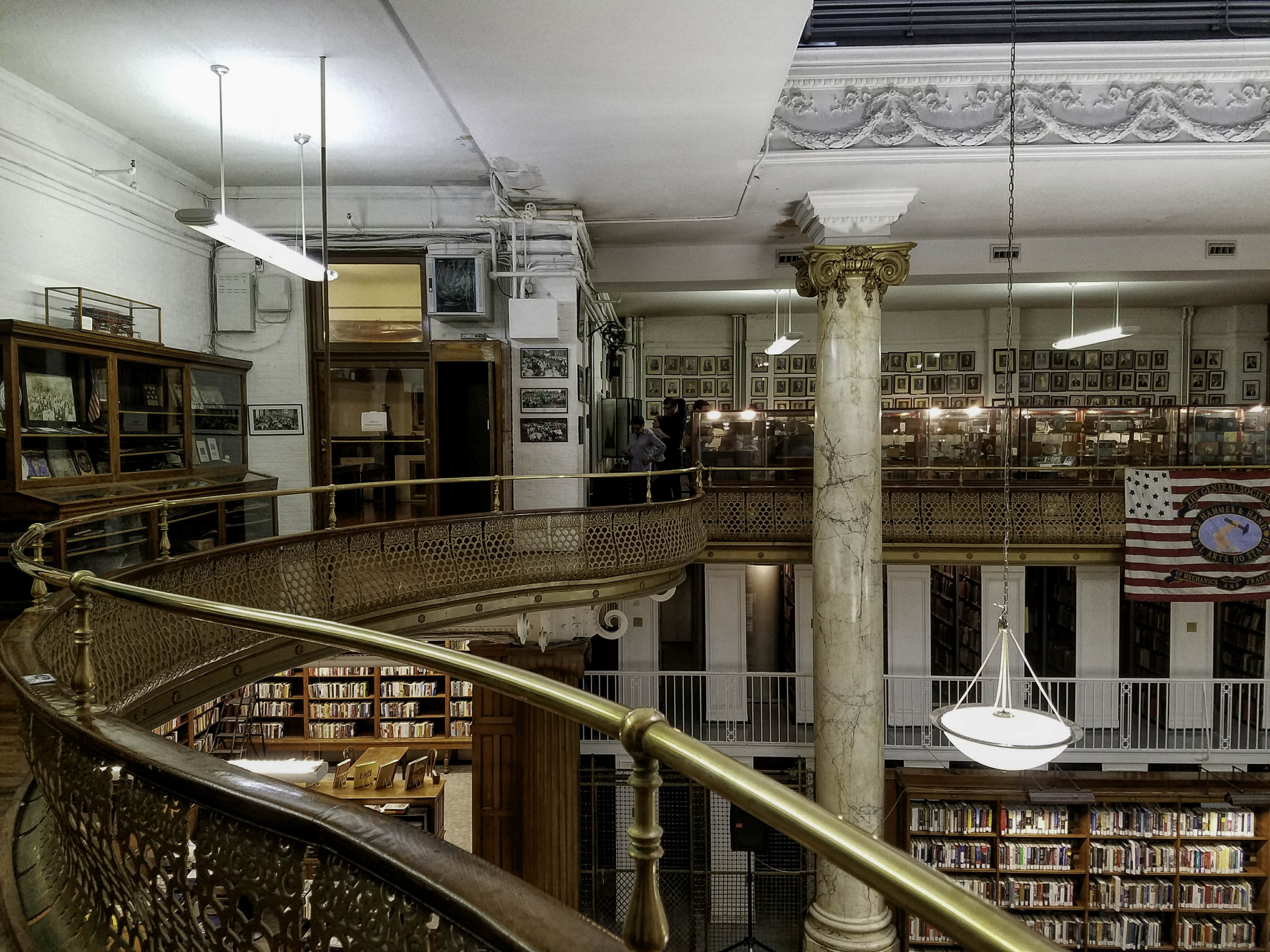
I would never have suspected that walking through its unassuming door I would enter into the second oldest library in the City (the oldest is the New York Society Library on the Upper East Side).

I would never have learned of the Society’s role in tuition-free education, with programmes that continue to this day.

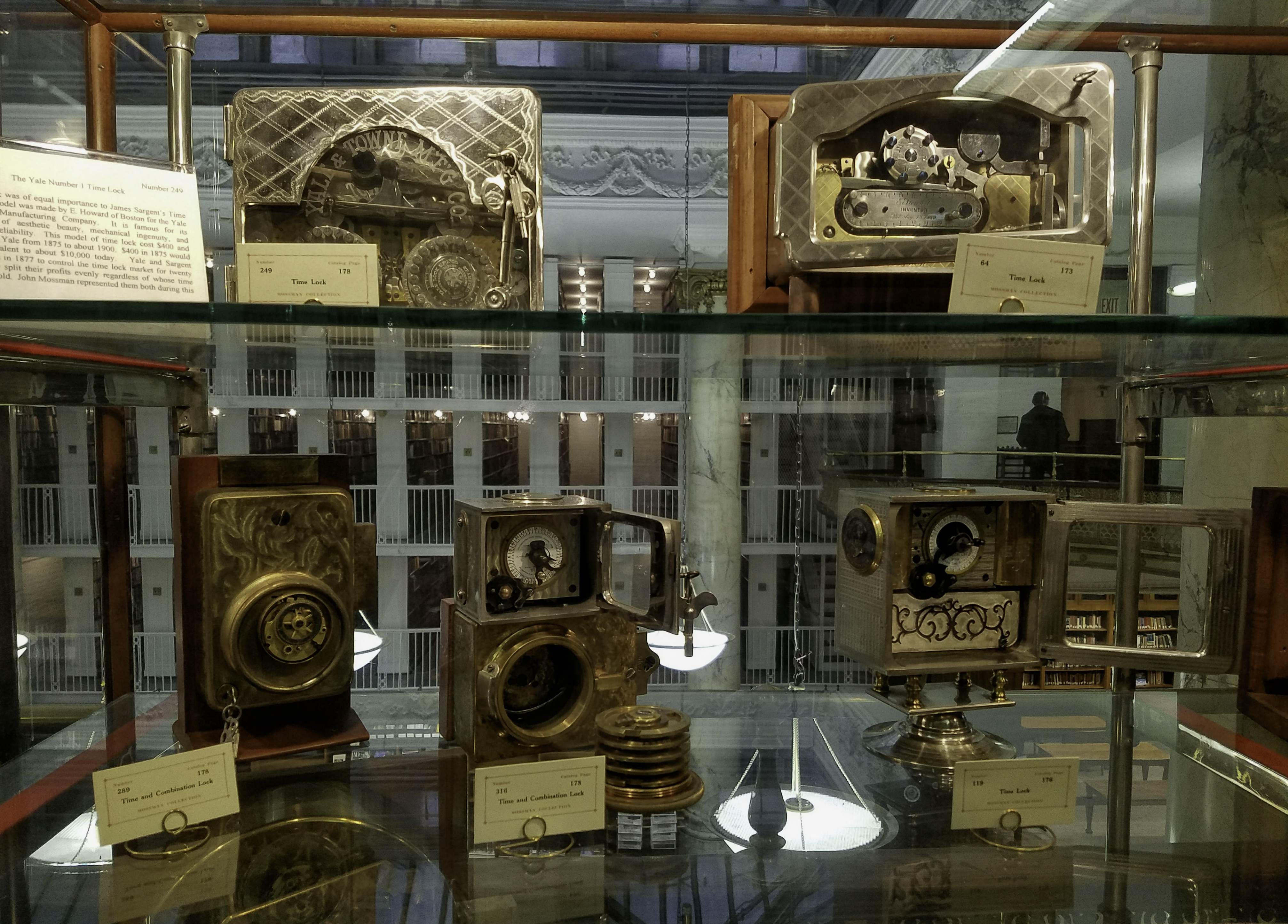
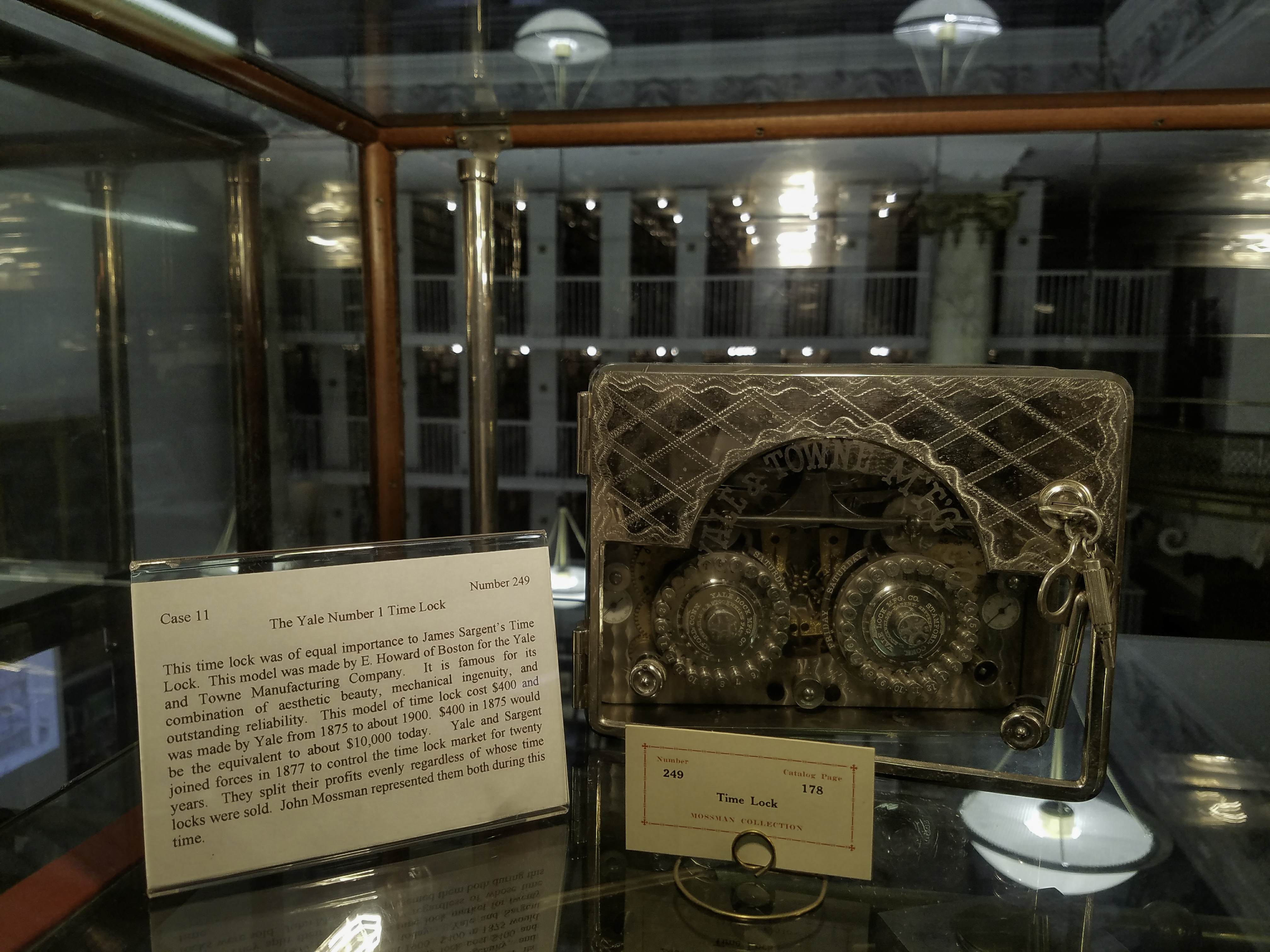
I would never have laid eyes on every steampunk lover’s dream, the John M. Mossman Lock Collection which consists of more than 370 locks, keys and tools, dating from 4000 B.C. to the early 20th-century.

I would never have walked up to the 6th floor where the Institute of Classical Architecture & Art (ICAA) was welcoming visitors to its Cast Hall which houses their collection of rare plaster casts, commissioned by the Metropolitan Museum of Art in the 1880’s-90’s.

But, thanks to OHNY, I am now privy to some of the City’s ”best kept secrets” – and only too happy to share them with you. Hope you enjoy this virtual discovery tour.

In this series we will revisit three – out of the dozens of – buildings and sites that opened their doors during OHNY weekend, on October 14 & 15th, 2017:

The General Society of Mechanics & Tradesmen of the City of New York
The Consulate General of France & Albertine
The Eldridge Street Synagogue

***

Open House New York weekend takes place every year in October.
Next series coming up:  October 19-20, 2019. 
Stop. Study Time!

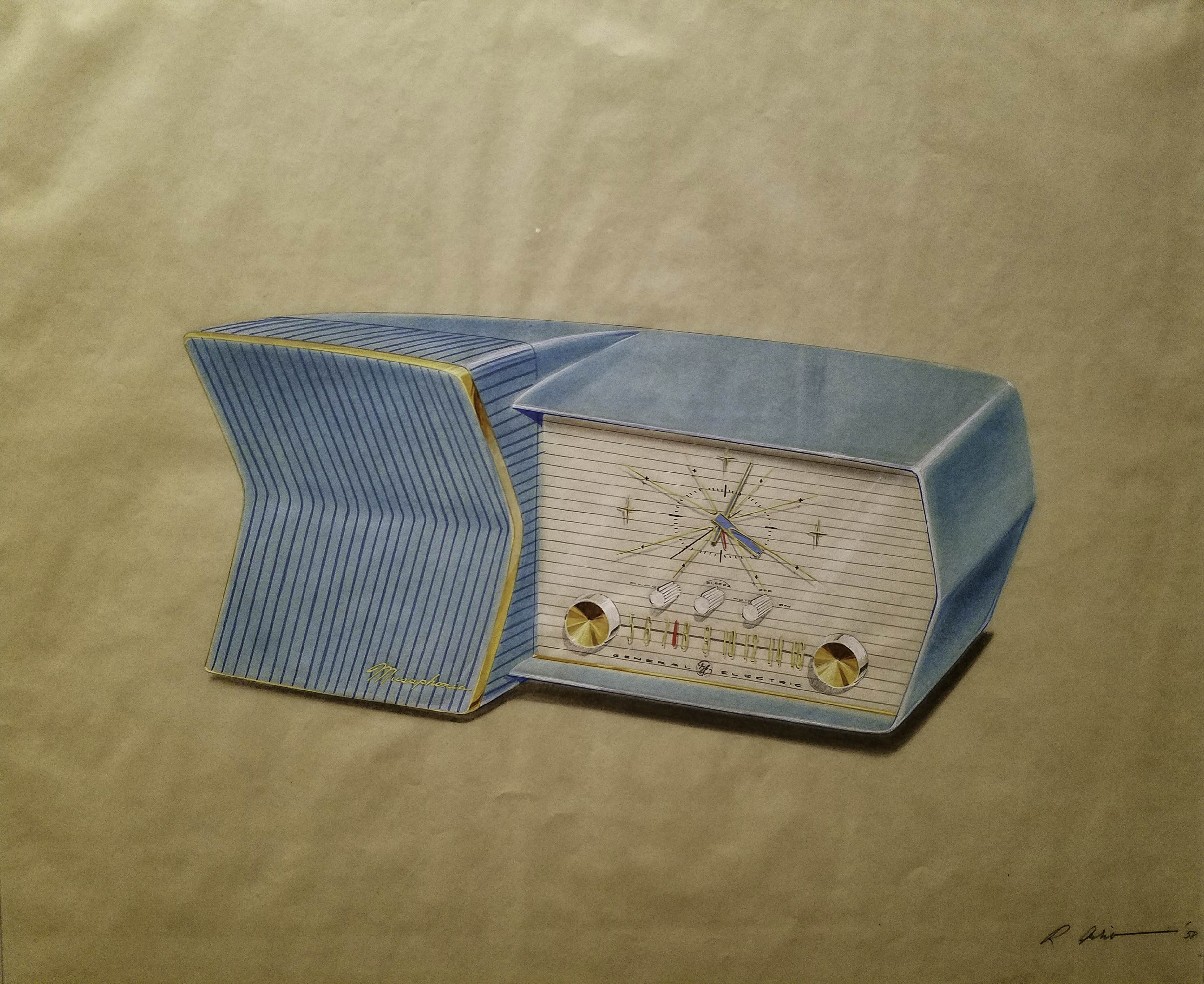
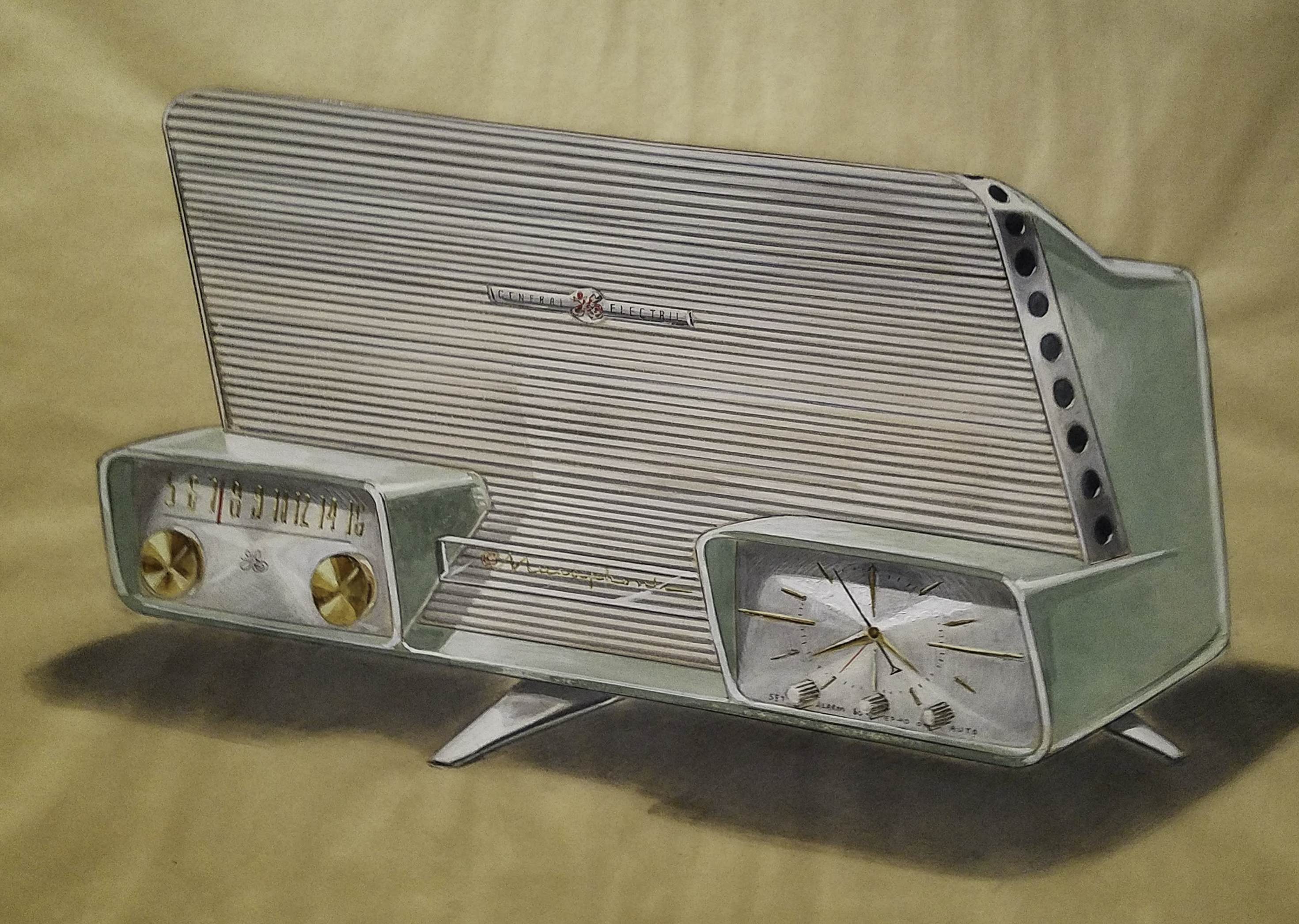
Drawing, Design for Musaphonic Clock Radio in Blue, 1958. Richard Arbib (1917-1995) for General Electric Company (Schenectady, New York)
Drawing, Design for Musaphonic Clock Radio on Legs in Green, 1958. Richard Arbib (1917-1995) for General Electric Company (Schenectady, New York)
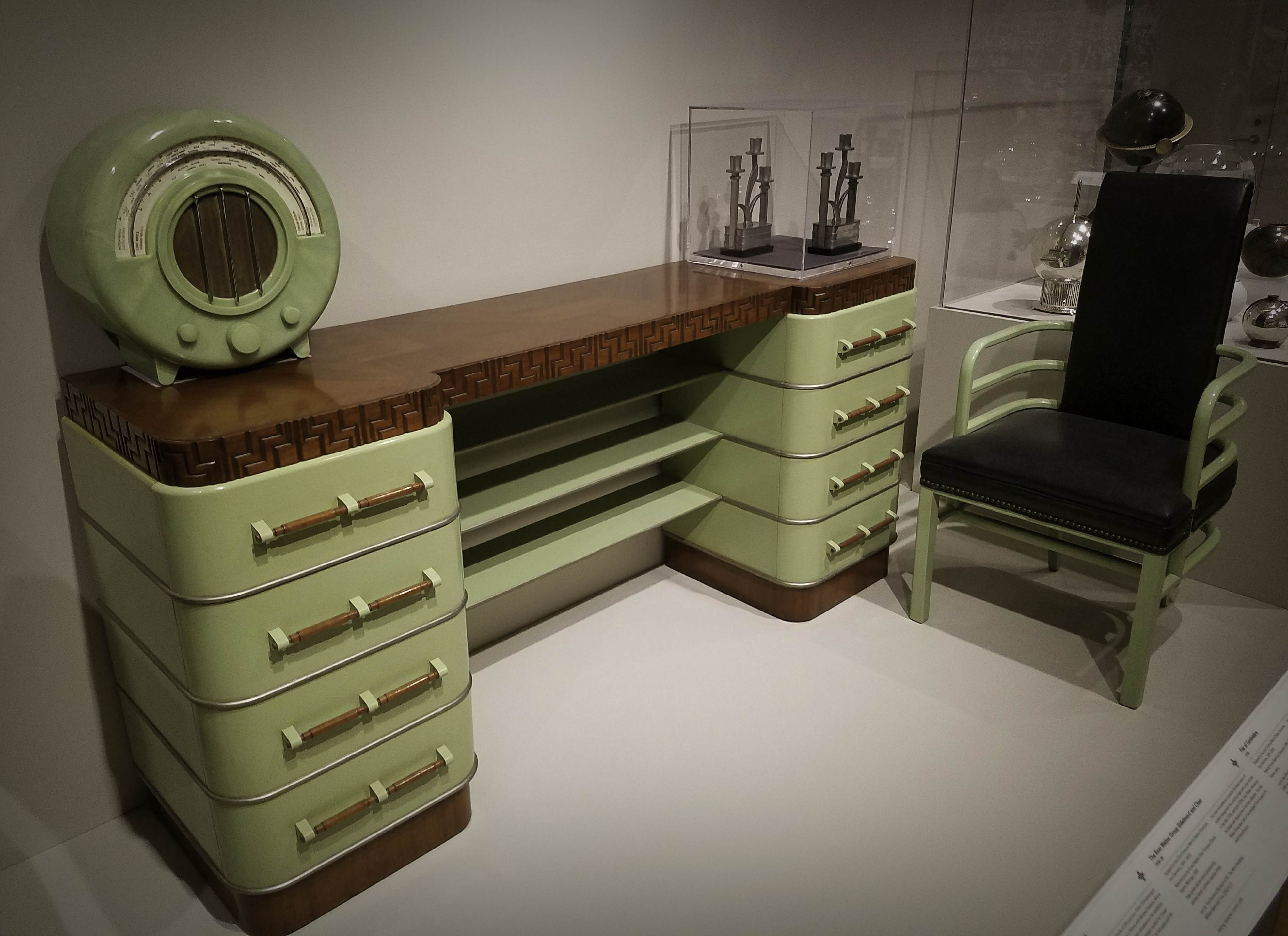
The Kem (Karl Emanuel Martin) Weber Group Sideboard and Chair, 1928-29. Sage green painted wood (sideboard); painted wood, synthetic leather (chair). AD-65 Radio designed 1932 by Wells Wintemute Coates , manufactured 1934 by E.K. Cole Ltd.
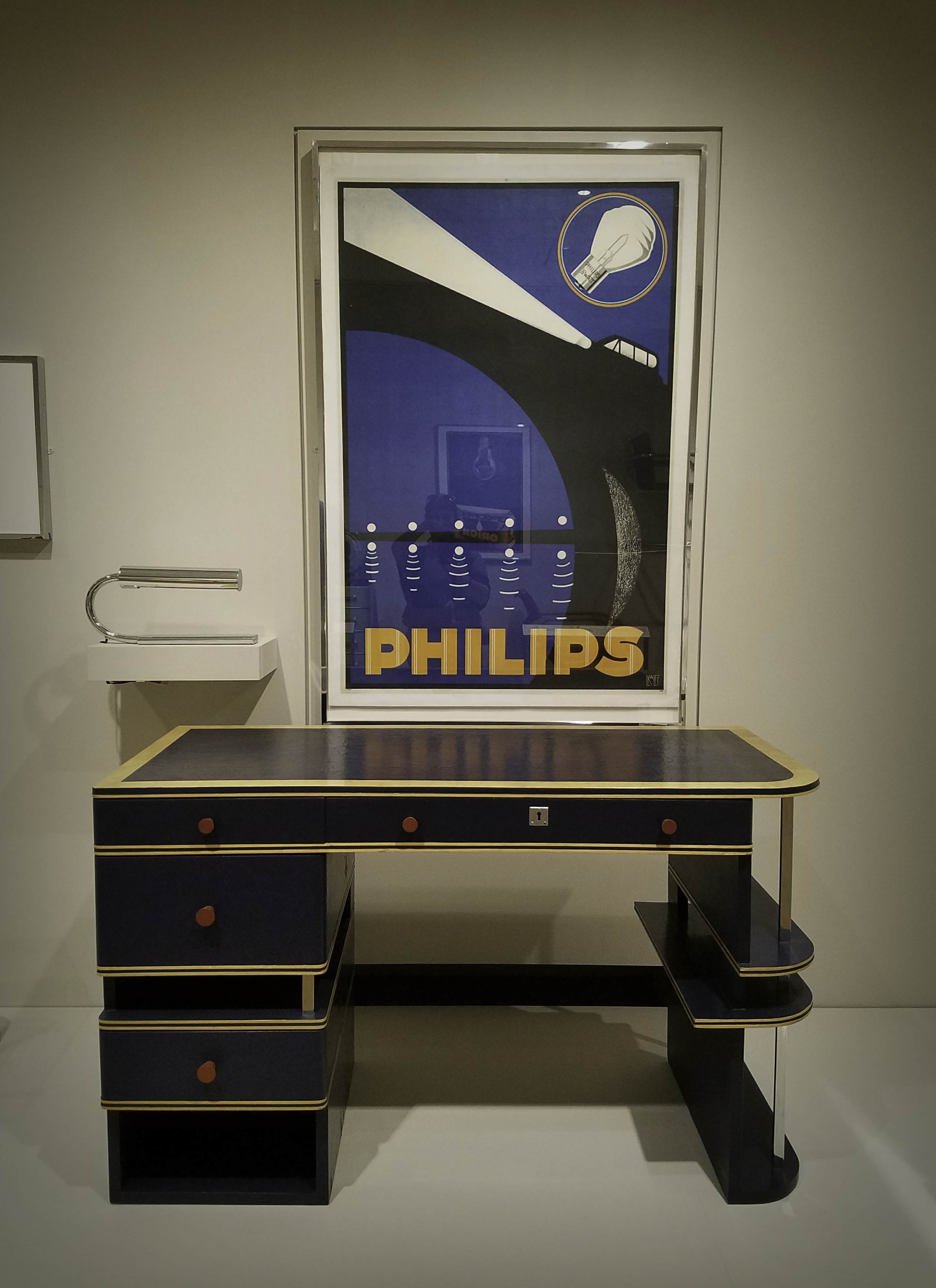
Desk, ca. 1933. Designed by Paul T. Frankl. Table Lamp, 1933. Designed by Gilbert Rohde. Poster, Philips, ca. 1928. Designed by Louis Christiaan Kalff for Philips


From  The Jazz Age: American Style in the 1920s, an exhibition at the Cooper Hewitt, April through August 2017

July 30th, 2017

Attaining Perfection

Imagine living in a world where these treasures were household items – not museum objects.

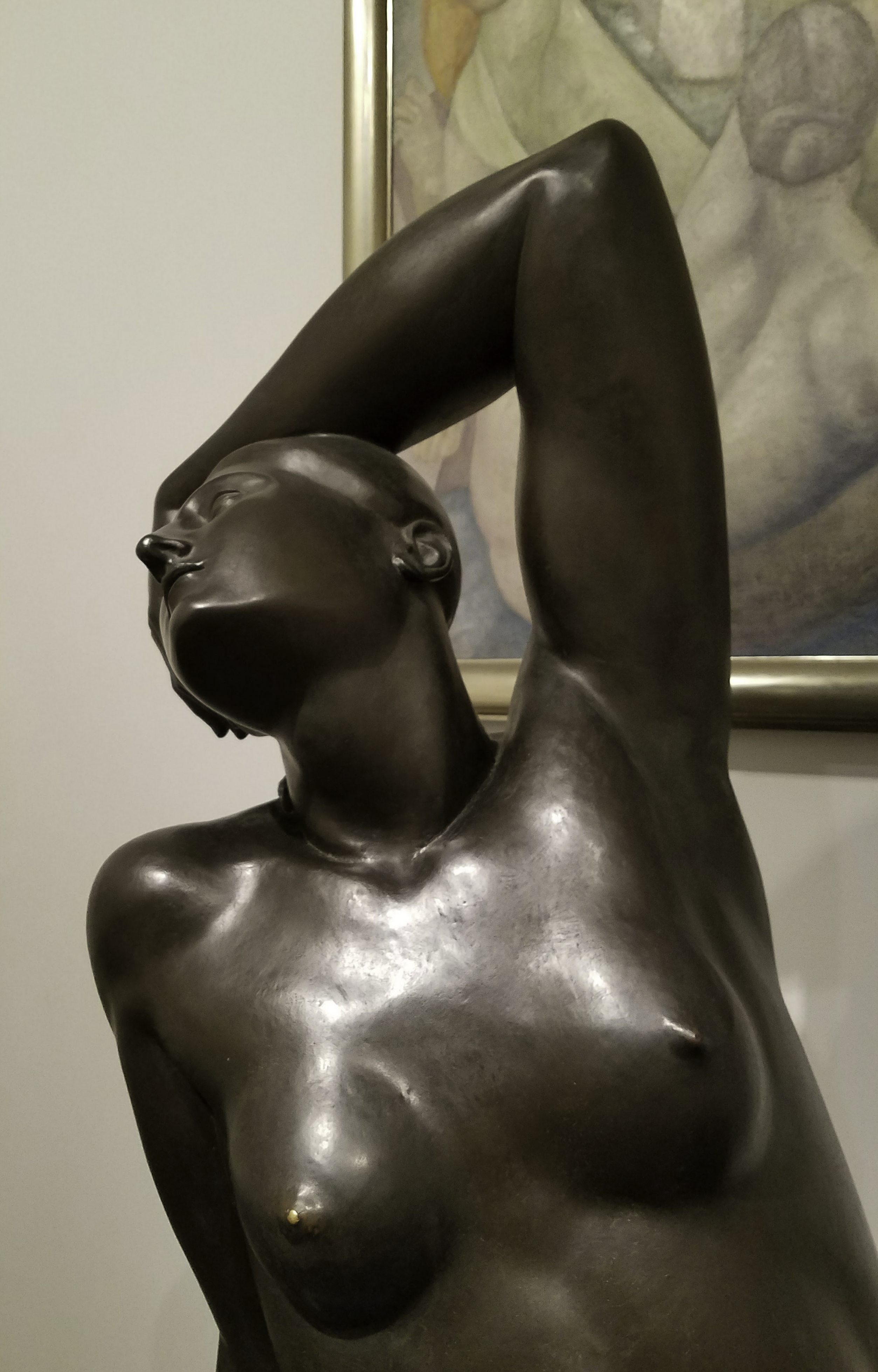
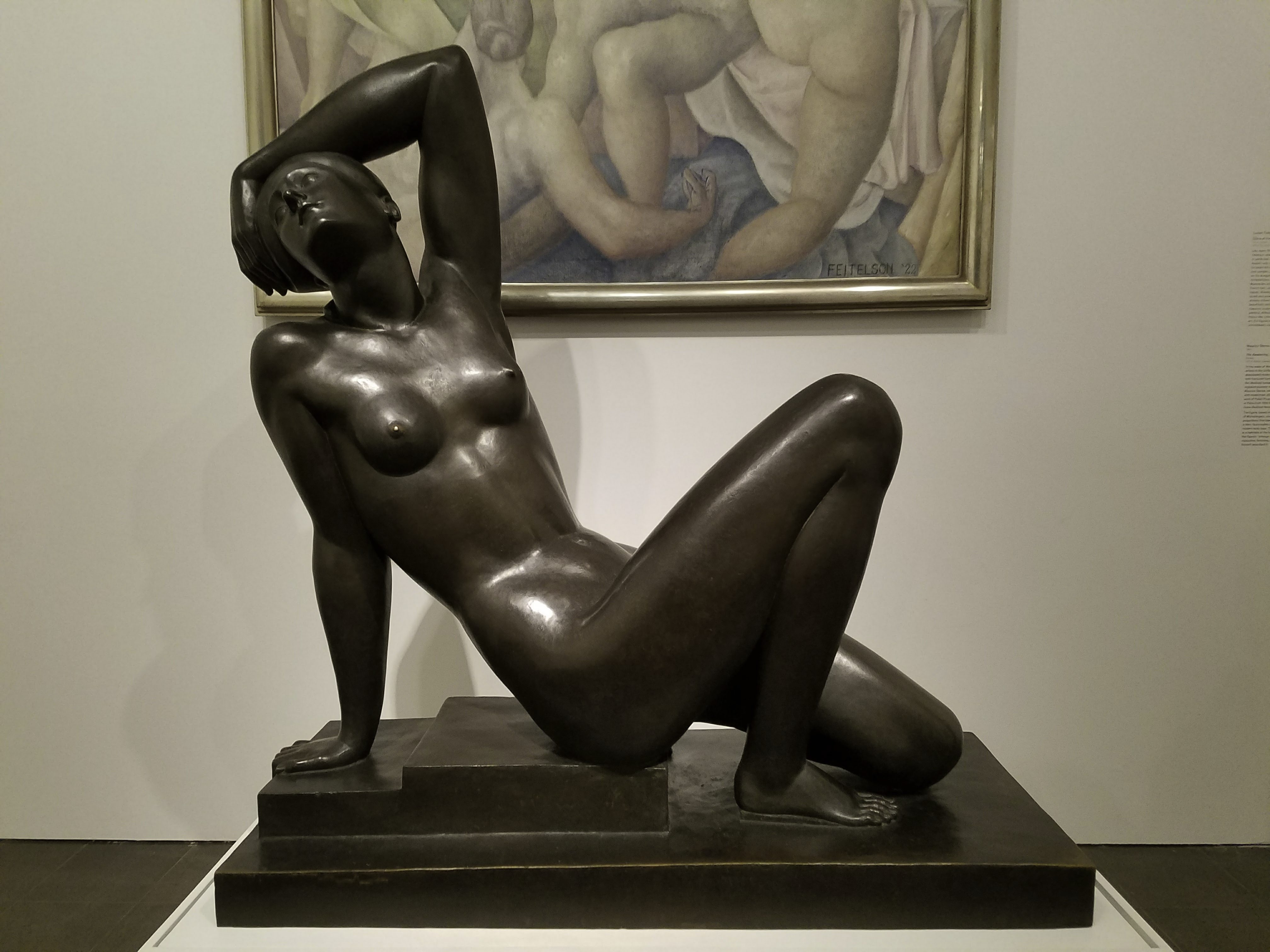
1/ Maurice Sterne
The Awakening, ca. 1926
Bronze

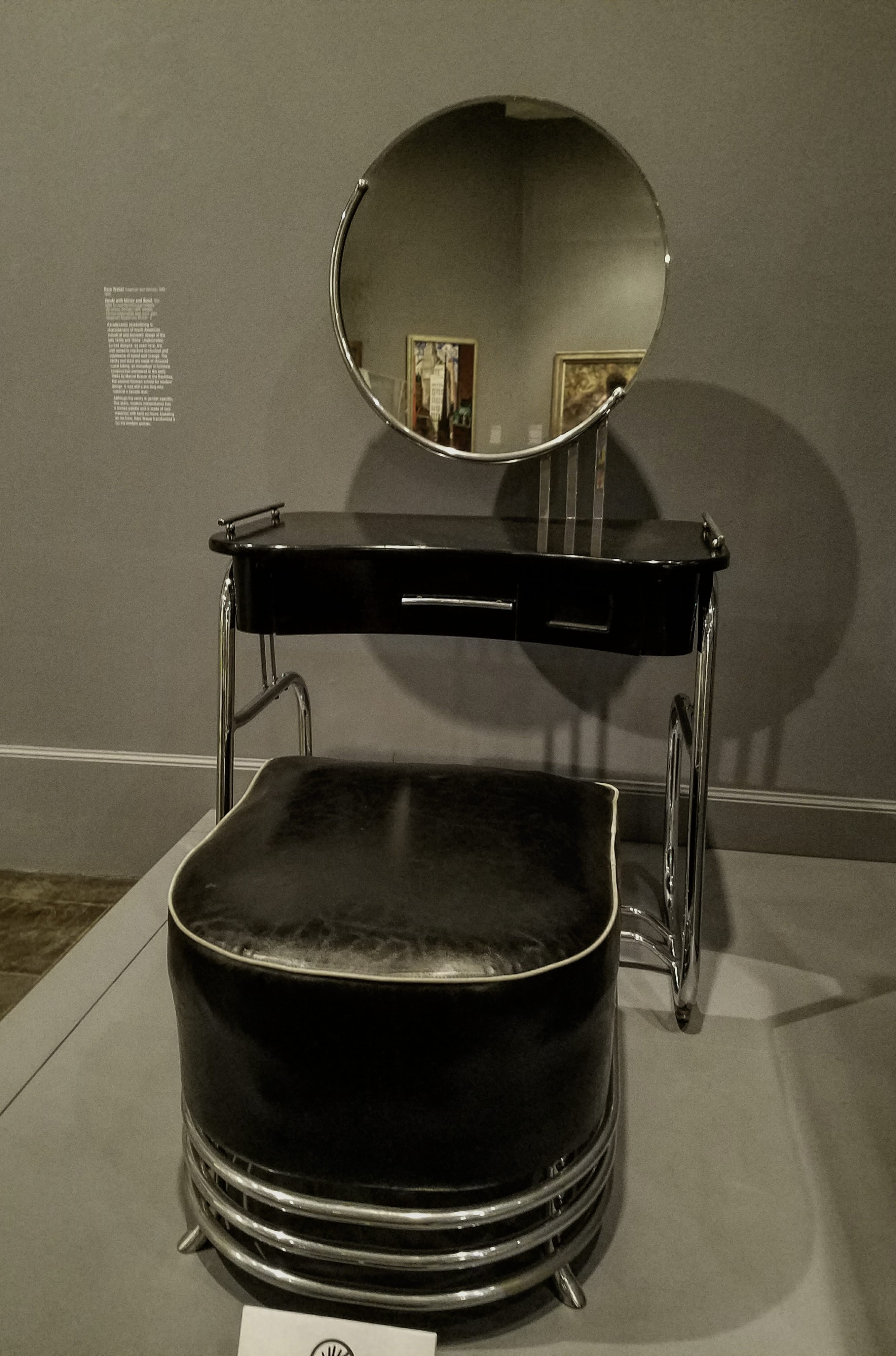
2/ Kem Weber
Vanity with Mirror and Stool, 1934

3/ John Vassos
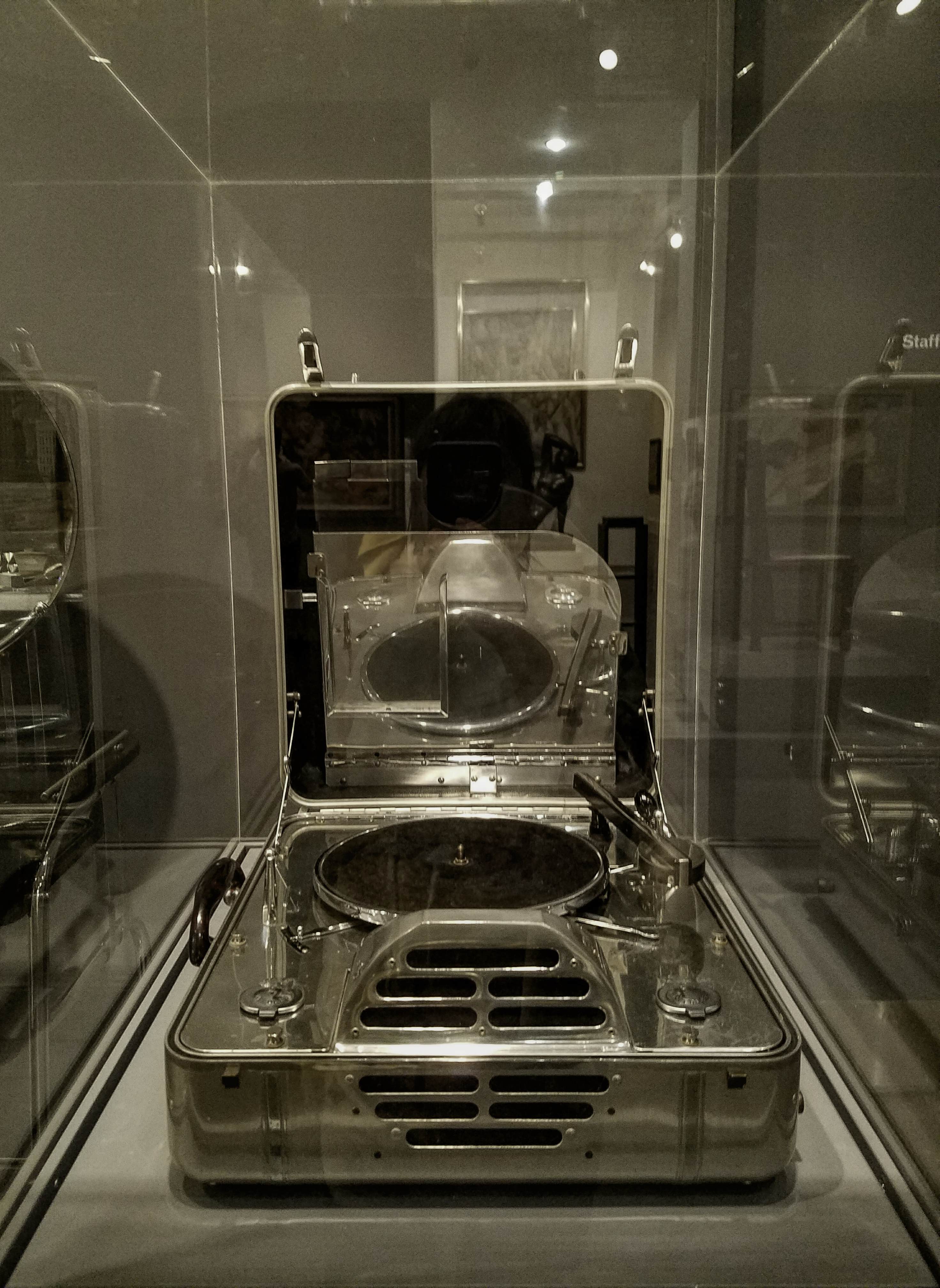
RCA Victor Special Model K Portable Electric Phonograph, c.a 1935

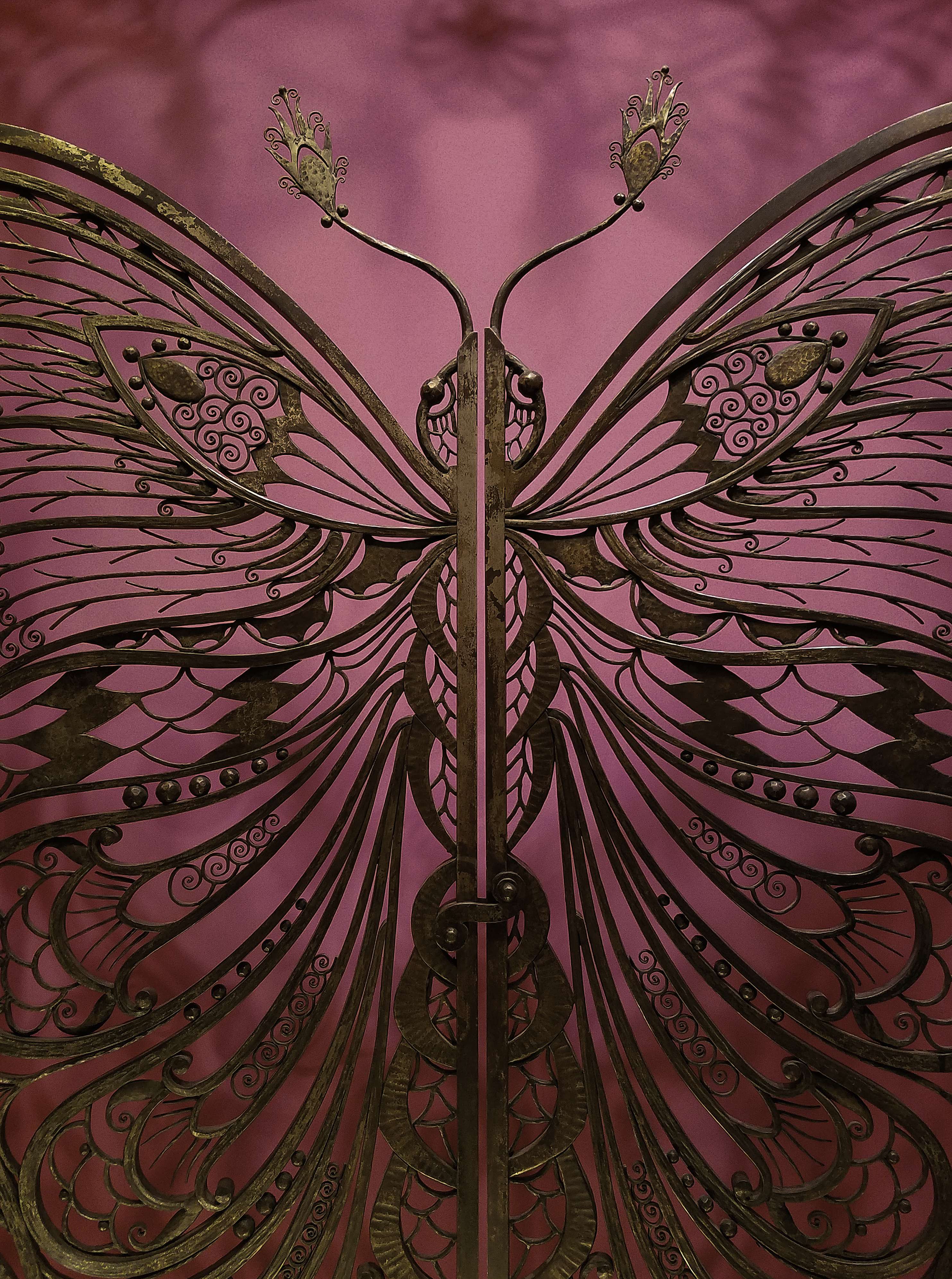
4/ Emilie Robert
Pair of Gates, ca. 1900 (detail), France
Iron

Brooklyn Museum

July 22nd, 2017