Bakst-[age] @The_Met

Looking for Rei…

1/
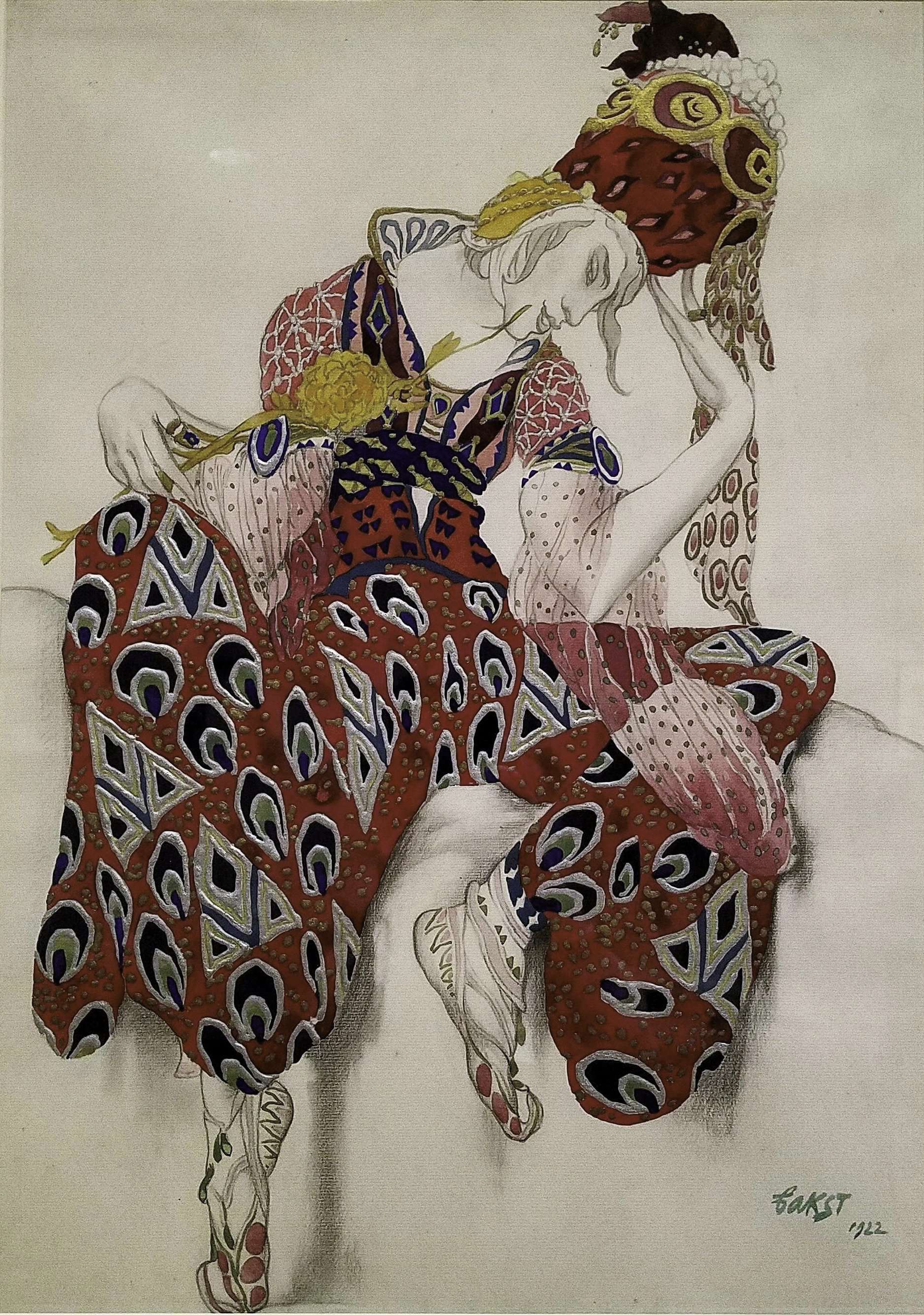
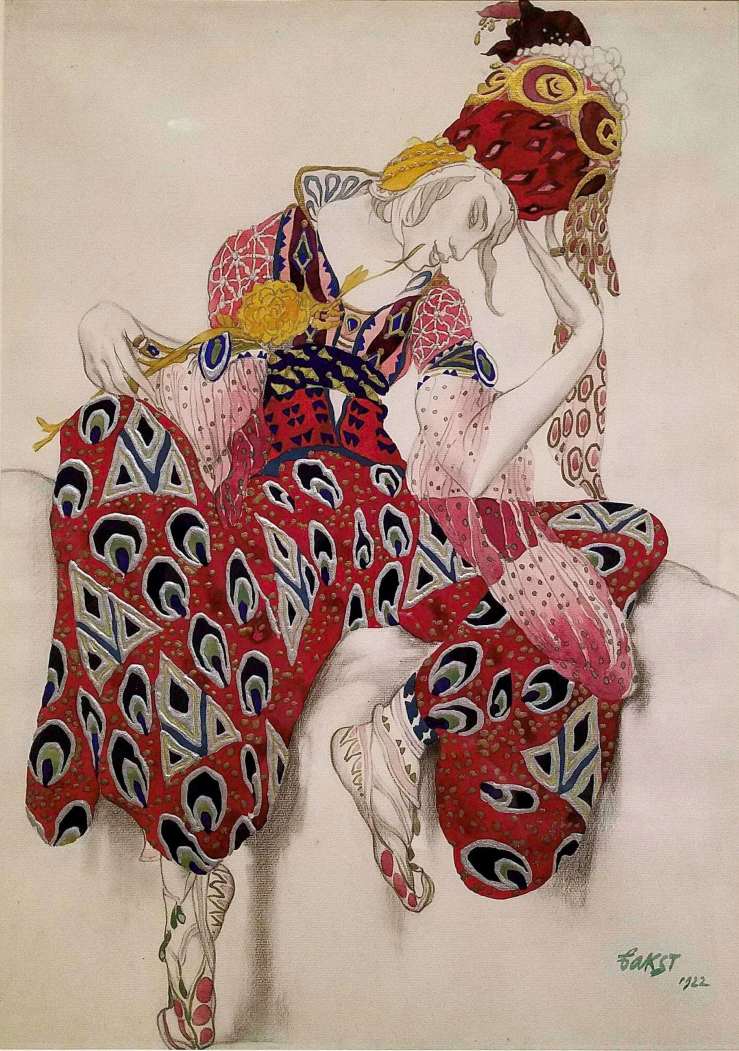
Costume Design by Léon Bakst for Vaslav Nijinsky in the Role of Iksender in the Ballet “La Péri” (The Flower of Immortality), 1922 (first performed in Paris, 1912). Watercolour and gold and silver paints over graphite

With his distinct Eurasian features, Nijinski effortlessly portrayed protagonists of various ethnicities, such as Iksender in La Péri, set in Iran. However he never actually performed as Iksender, because Diaghilev cancelled the entire production when Nijinski’s female counterpart could not match his talent in dance.

2/
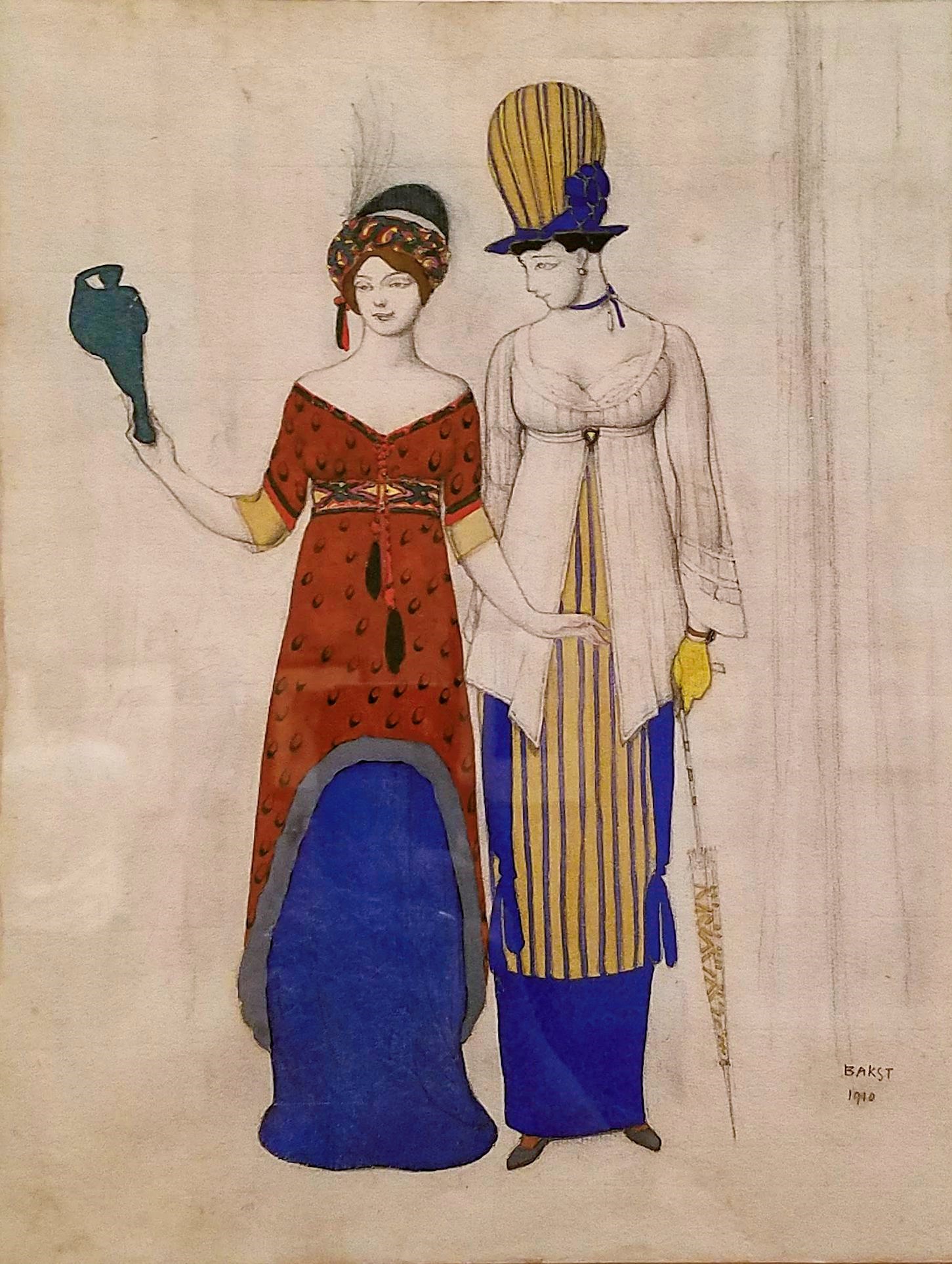
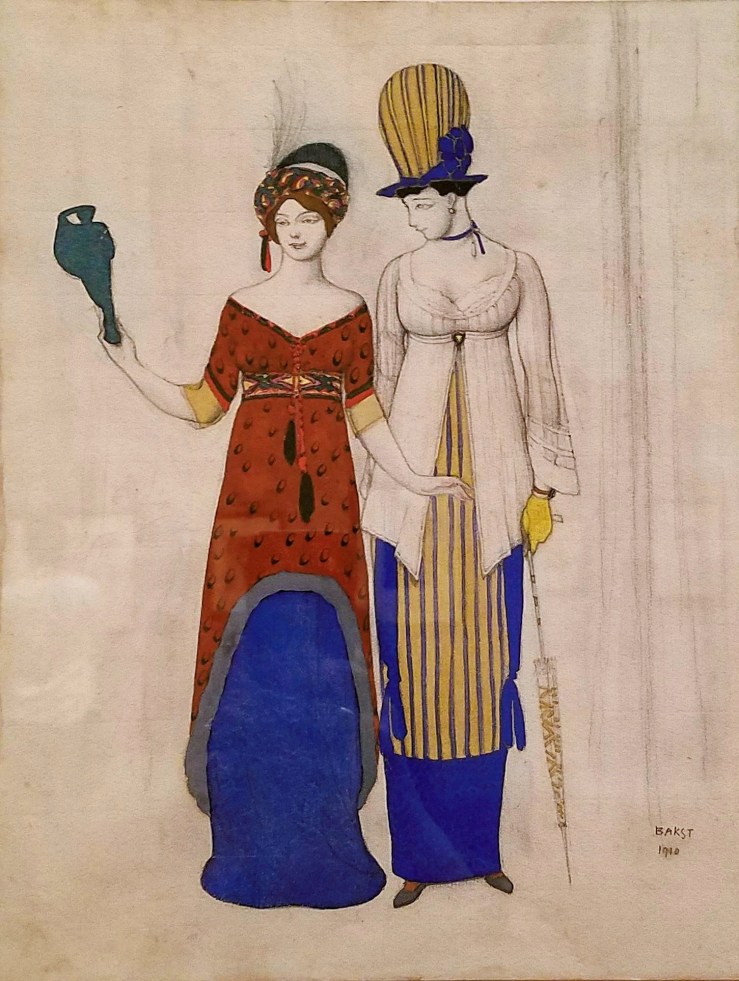
Fantaisie sur le costume moderne‘: Two female haute couture figures, 1910. Graphite, brush and watercolour and gouache 

Although better known for his costume and stage designs for the Ballets Russes directed by Diaghilev and the performances of Ida Rubinstein, Bakst was also influential in fashion design during the early decades of the 20th century, and designed garments himself. The designs in this drawing show the bold, sensuous colour, characteristic of his style, with geometric patterns and rich textures.

3/
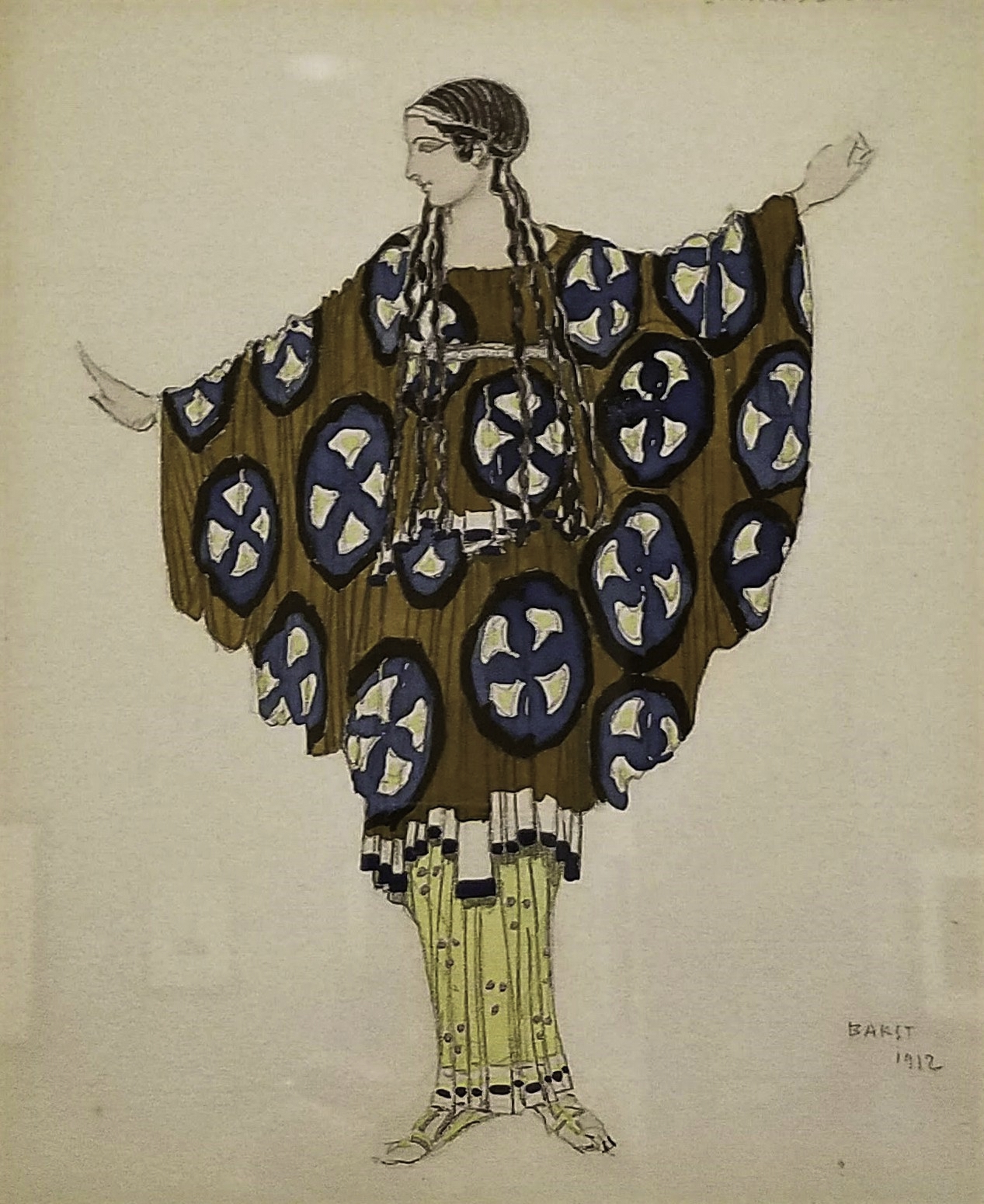
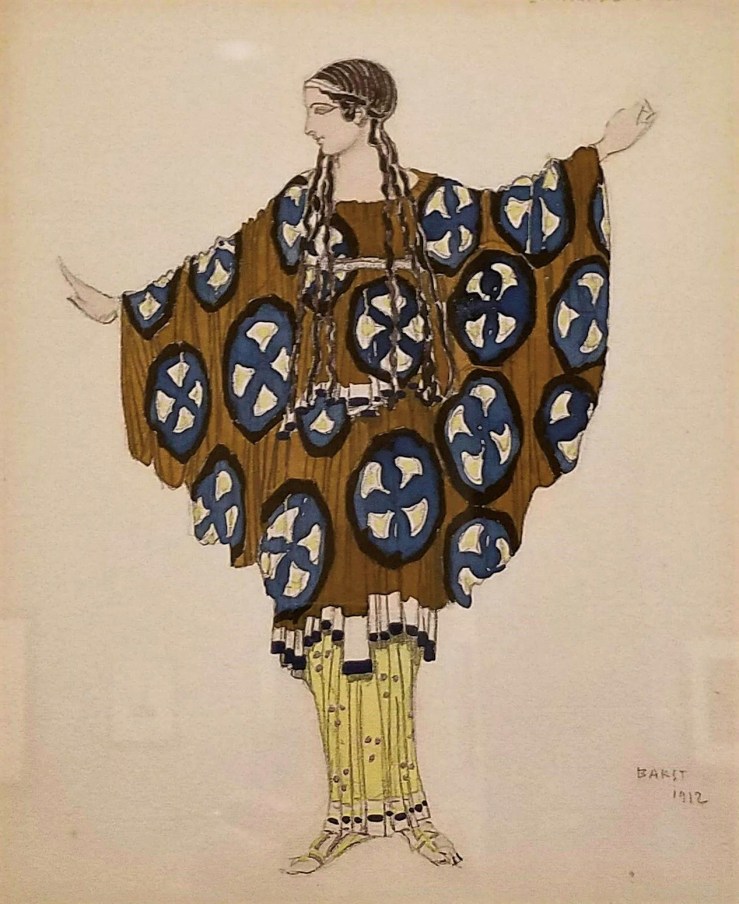
Costume Design for a Woman from the Village, for the Ballet ‘Daphnis and Chloé‘, performed at the Théâtre du Châtelet in Paris, 1912. Watercolour and graphite

This ballet by Fokine was first performed at the Théâtre du Châtelet in Paris in 1912, as part of the repertoire of the Ballets Russes for the season. The costume designs for the ballet were inspired by Ancient Greece, and Bakst drew inspiration from ancient vases, both for the costumes and the poses and movements of dancers

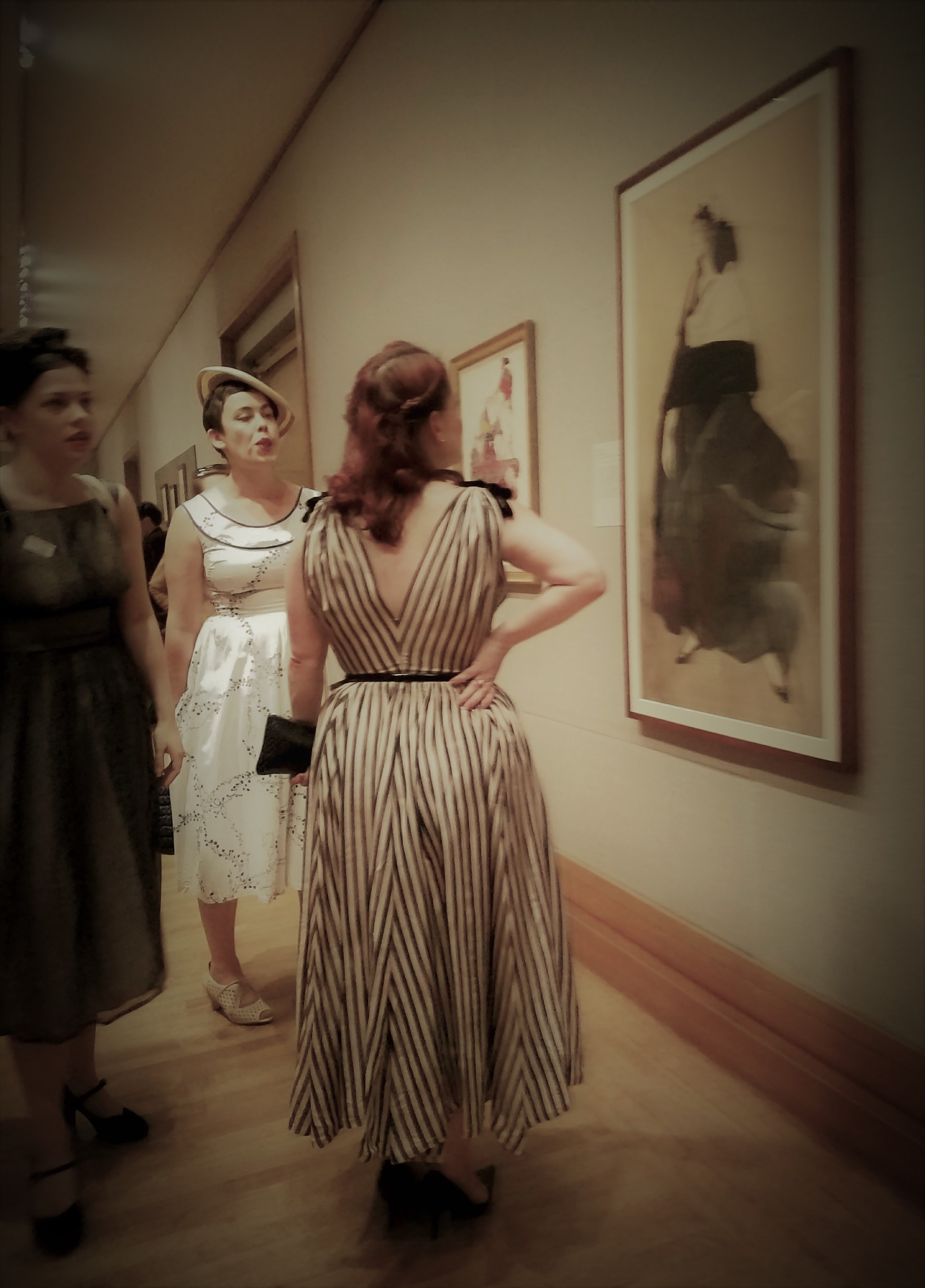
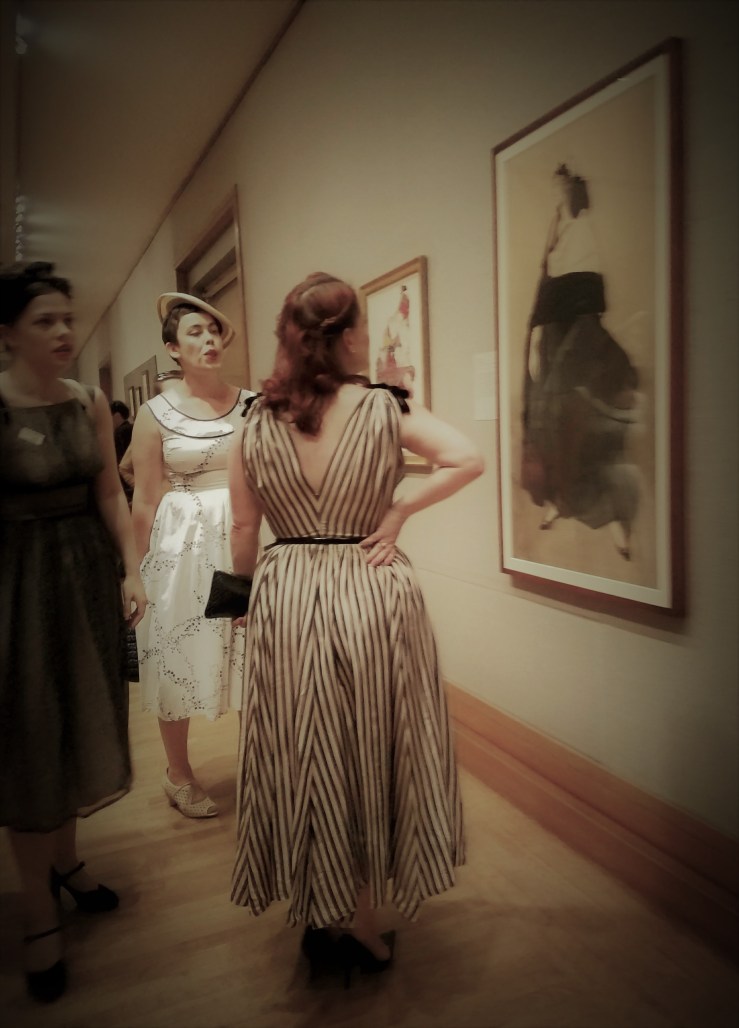
4/Ida’s stylish fans in mutual admiration.

5/
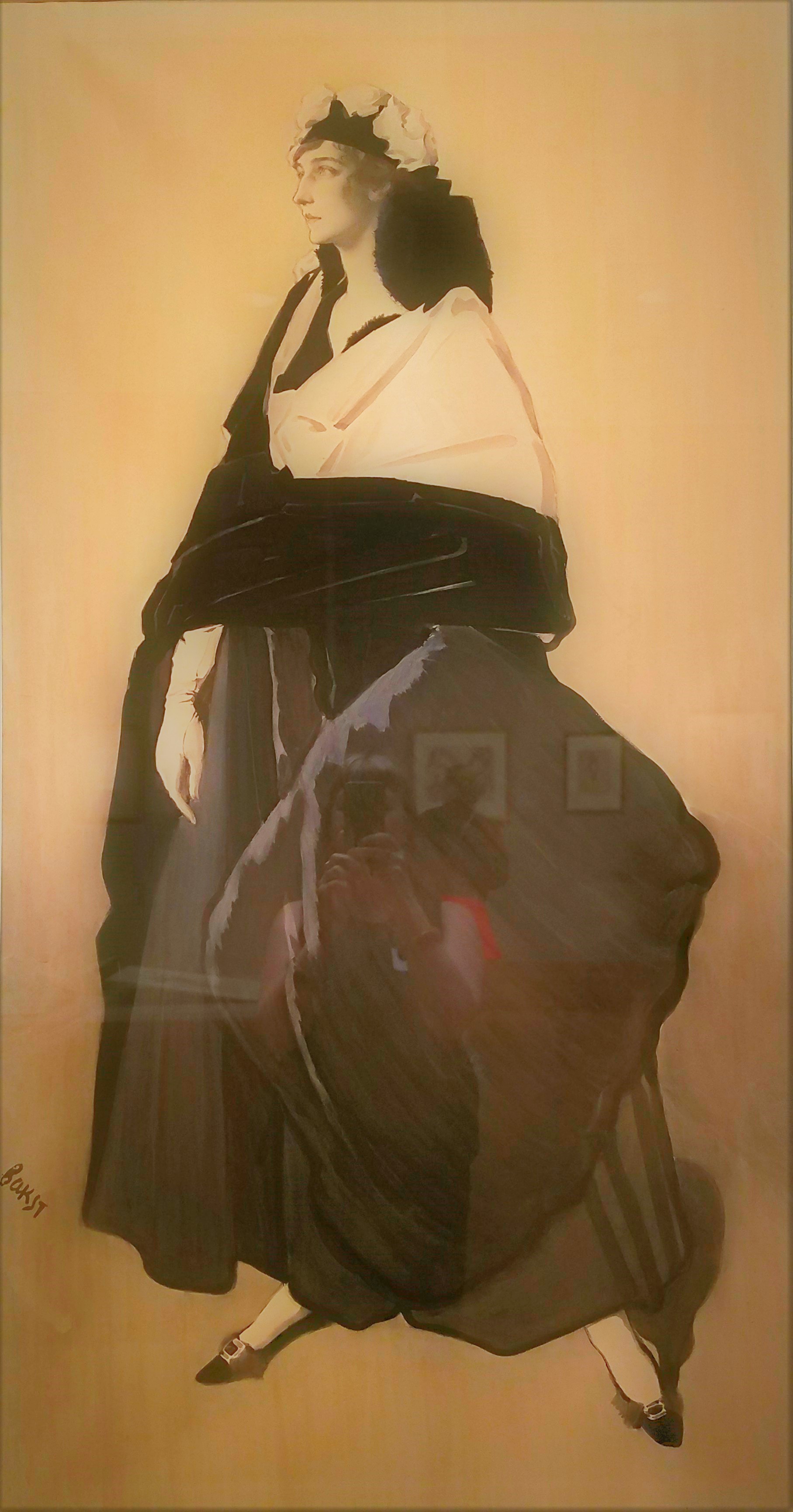
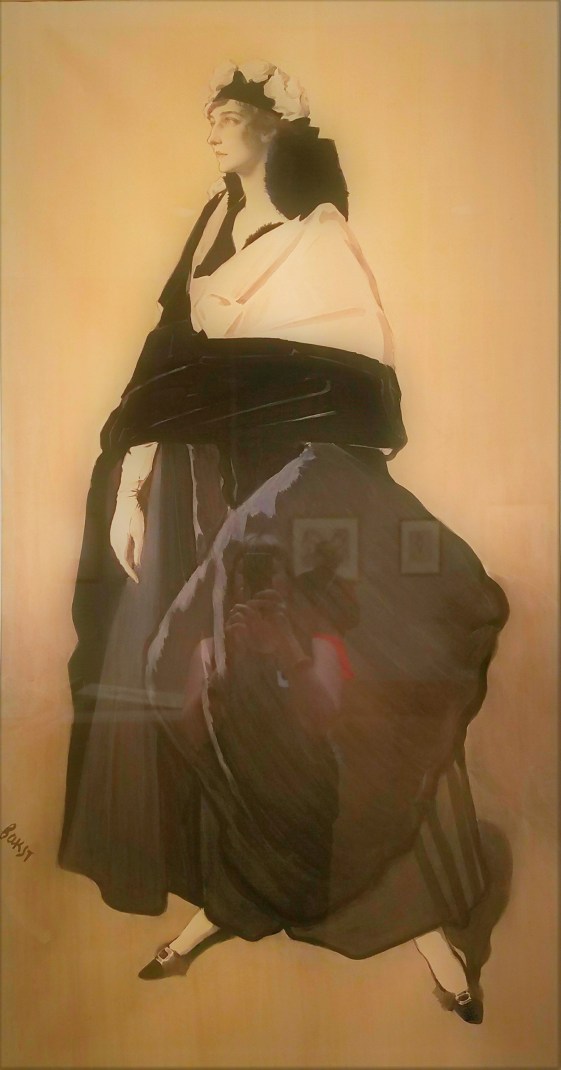
Mme Ida Rubinstein1917. Watercolour, gouache, and graphite on paper, mounted on canvas

Bakst was a gifted portrait artist and captured the likeness of many of his friends and colleagues. In this almost life-size watercolour, he depicts the Russian heiress Ida Rubinstein, who danced with the Ballets Russes for two seasons after an introduction by her teacher, the choreographer Mikhail Fokine.

6/
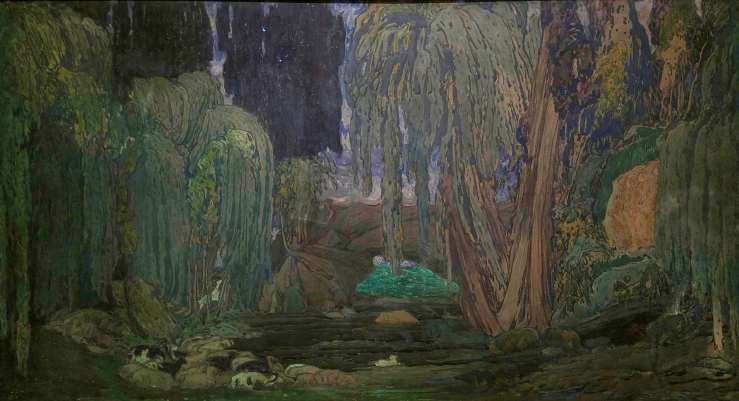
Design for the Set of the Ballet ‘Narcisse’, premiered at the Théâtre de Monte Carlo, 1911.  Watercolour, gouache, and charcoal

Bakst designed this impressive decor for Narcisse, a one-act ballet about the Greek mythological figure Narcissus, who falls in love with his own reflection in a pool of water. The story is set at the shrine of Pomona, a mythological goddess associated with the abundance of nature. The rich green landscape Bakst created echoes the sensibilities of the Art Nouveau style.

***

Images from ”Performance as Escape: Léon Bakst and the Ballets Russes”, an exhibition featuring a small selection of costume and set designs by Léon Bakst for the Ballets Russes, we happened upon on our way to The Met’s 2017 blockbuster, Rei Kawakubo/Comme des Garçons: Art of the In-Between.

You can see photos from that show, in nine sections, by going to the Search button at the end of the page and simply typing ”Rei Kawakubo”.

August 6th, 2017
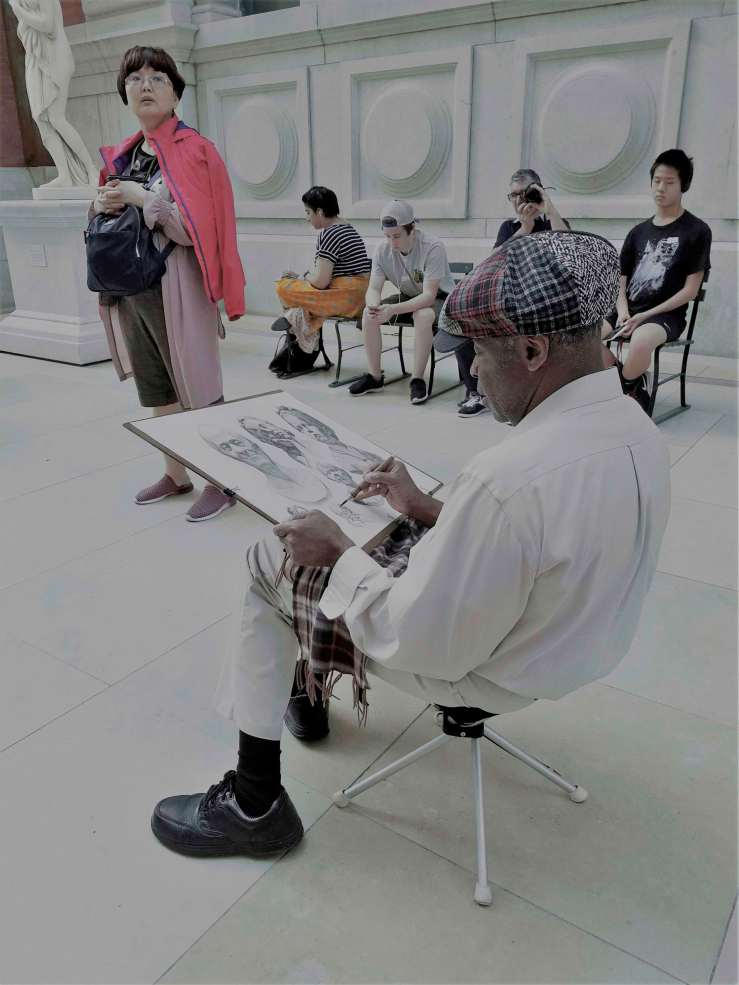
Stop. Study Time!

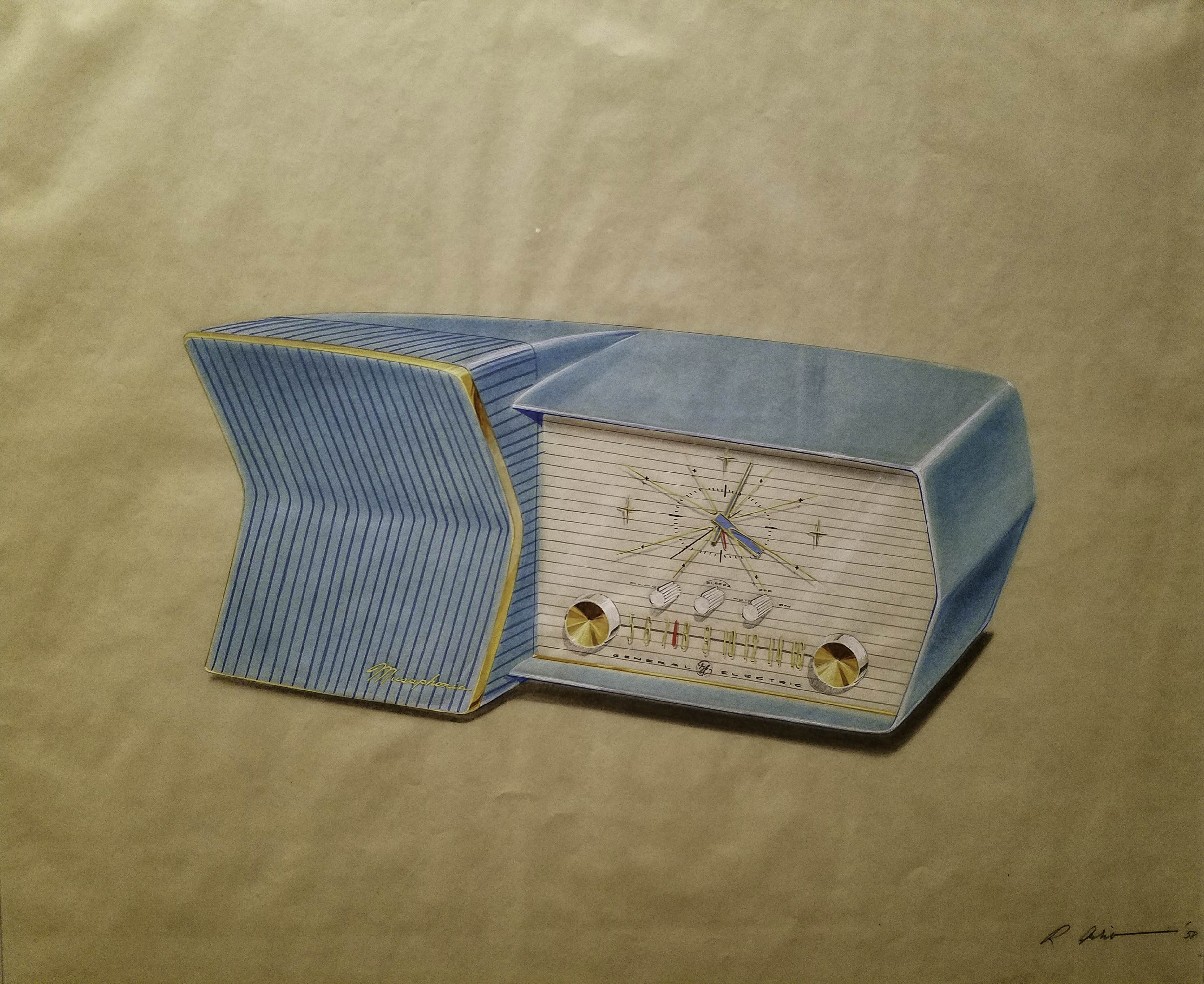
Drawing, Design for Musaphonic Clock Radio in Blue, 1958. Richard Arbib (1917-1995) for General Electric Company (Schenectady, New York)
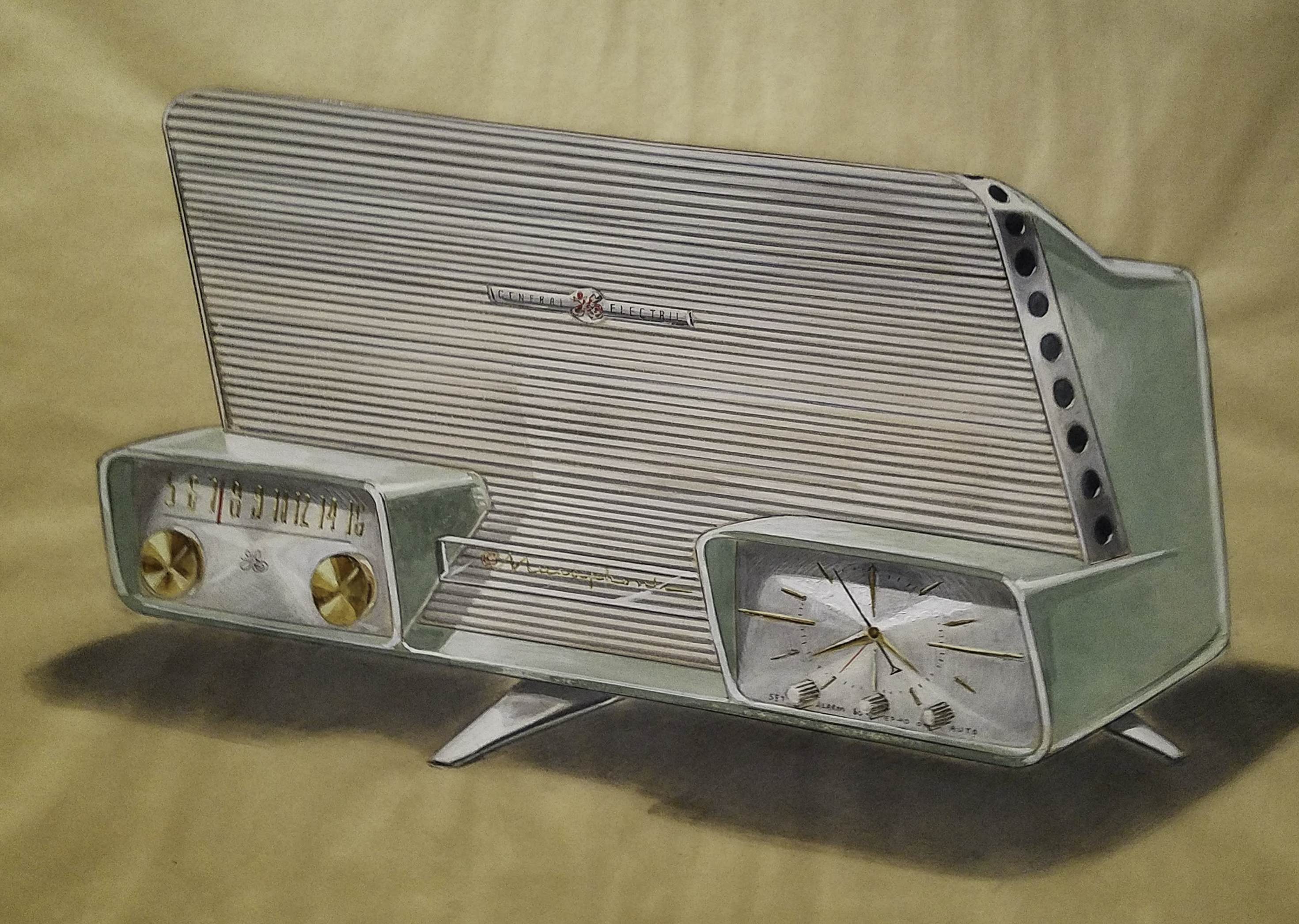
Drawing, Design for Musaphonic Clock Radio on Legs in Green, 1958. Richard Arbib (1917-1995) for General Electric Company (Schenectady, New York)
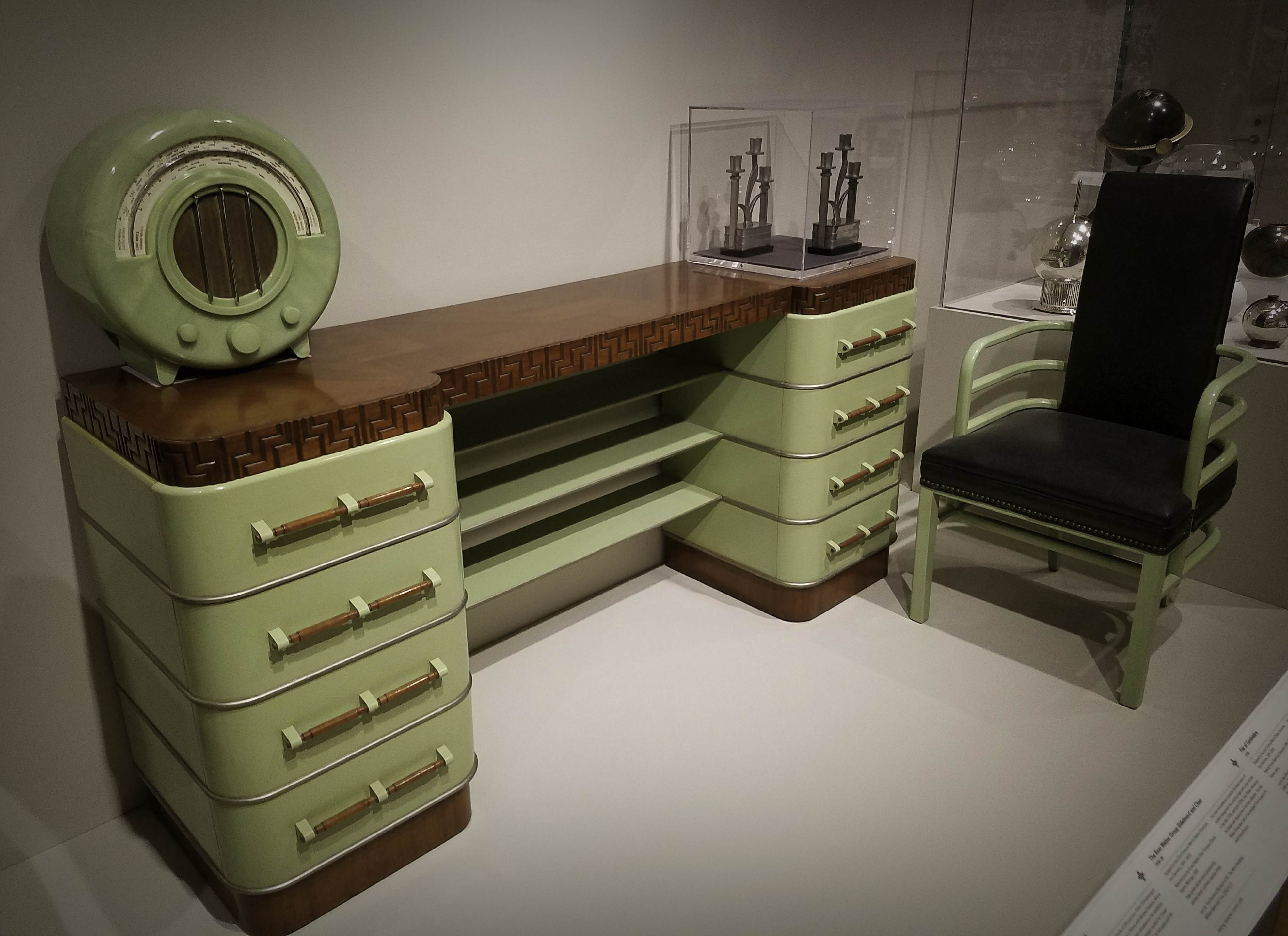
The Kem (Karl Emanuel Martin) Weber Group Sideboard and Chair, 1928-29. Sage green painted wood (sideboard); painted wood, synthetic leather (chair). AD-65 Radio designed 1932 by Wells Wintemute Coates , manufactured 1934 by E.K. Cole Ltd.
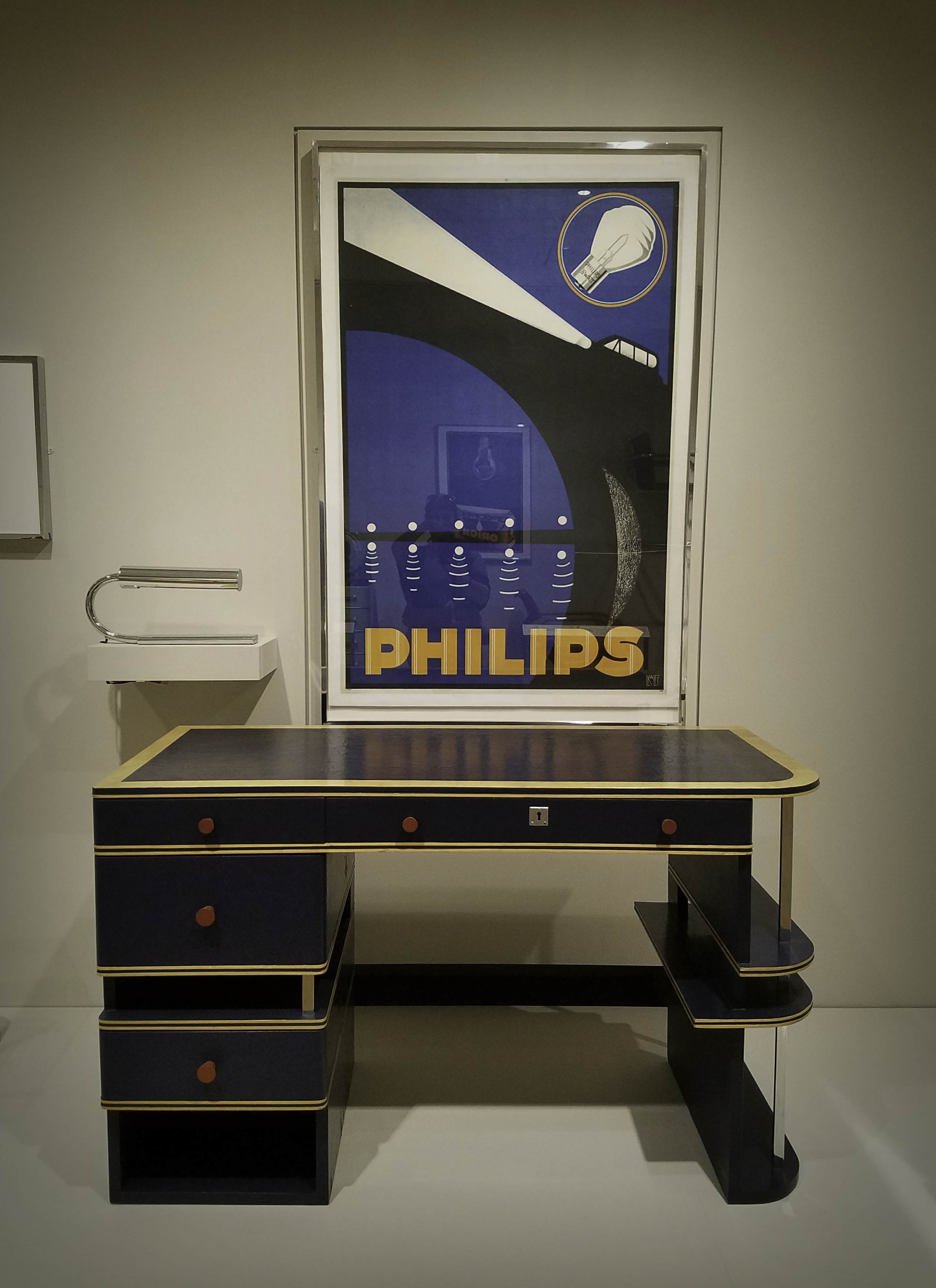
Desk, ca. 1933. Designed by Paul T. Frankl. Table Lamp, 1933. Designed by Gilbert Rohde. Poster, Philips, ca. 1928. Designed by Louis Christiaan Kalff for Philips


From  The Jazz Age: American Style in the 1920s, an exhibition at the Cooper Hewitt, April through August 2017

July 30th, 2017

Nude || Not || Naked

Celebrating the human body (but the artist’s daughters seem less than impressed).

1/
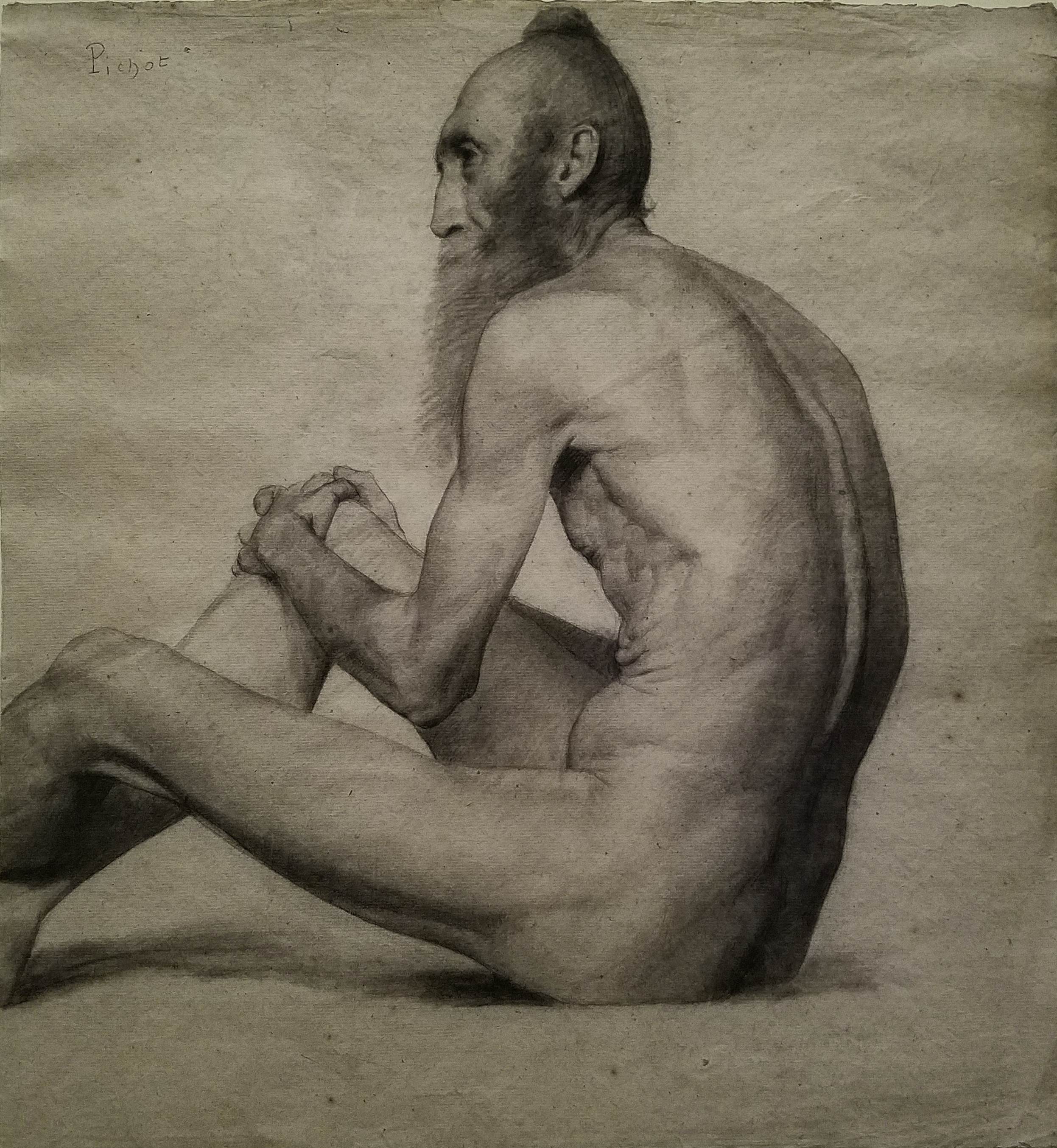
Nude Study of an Indian Man, about 1878-79
Émile-Jules Pichot (1857-1936)
Charcoal and powdered vine charcoal with stumping and lifting

Little is known of Pichot, to whose talents as a draftsman this sheet attests. The drawing’s date, however, can be determined with some precision, for the same gaunt, bearded model (possibly a Hindu ascetic or a Sikh) appears in a drawing by Georges Seurat, a contemporary of Pichot and destined for greatness.

2/
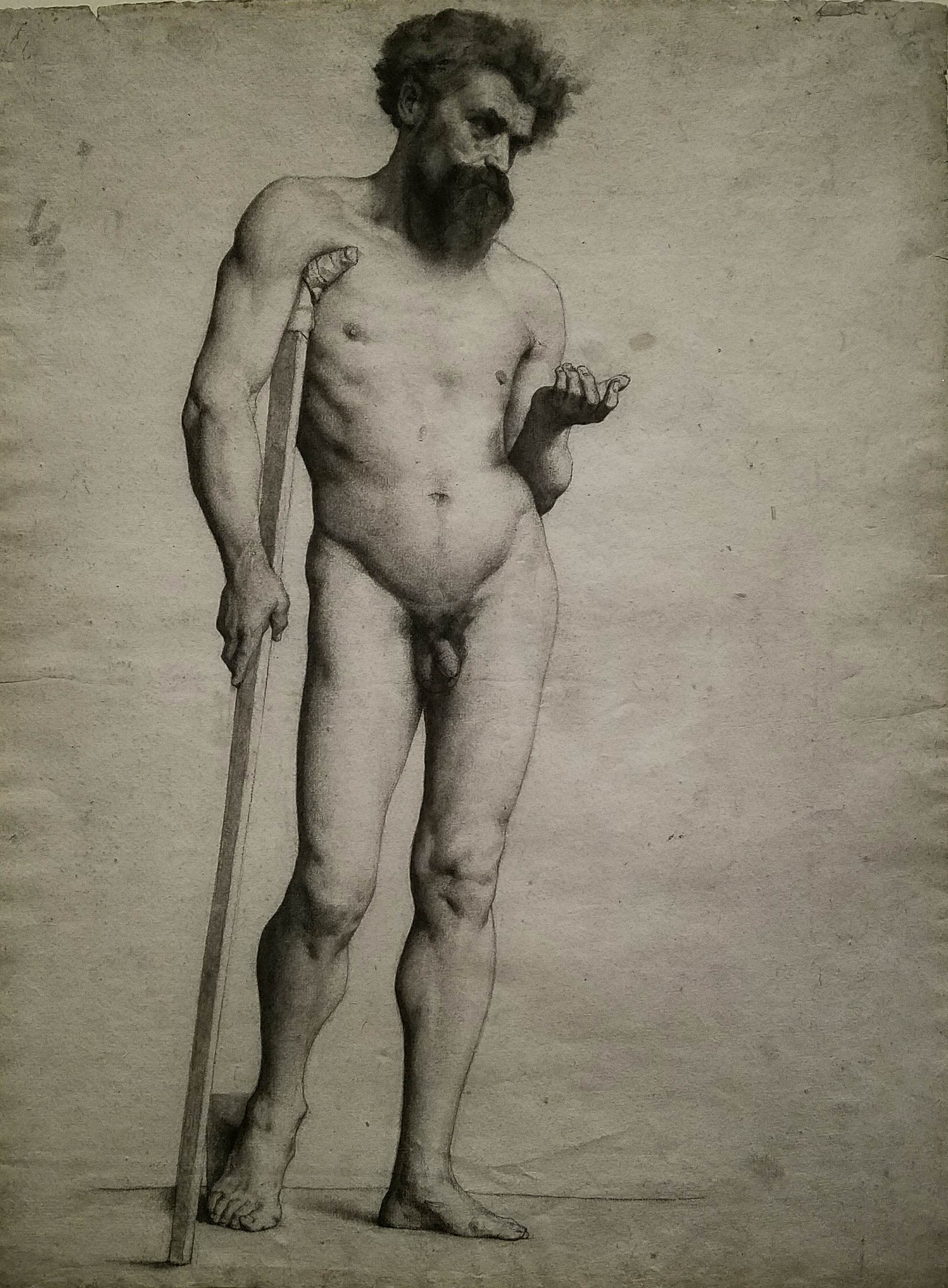
Standing Male Nude, 1866
Gabriel Ferrier (1847-1914)
Charcoal with black chalk

This accomplished nude study executed when the artist was nineteen years old, predicted a bright future for Ferrier in the official art world. Largely forgotten today, he won the French Academy’s prestigious Rome Prize in 1872 and later received prominent commissions, including decorations for the Gare d’Orsay train station (today the Musée d”Orsay).

3/
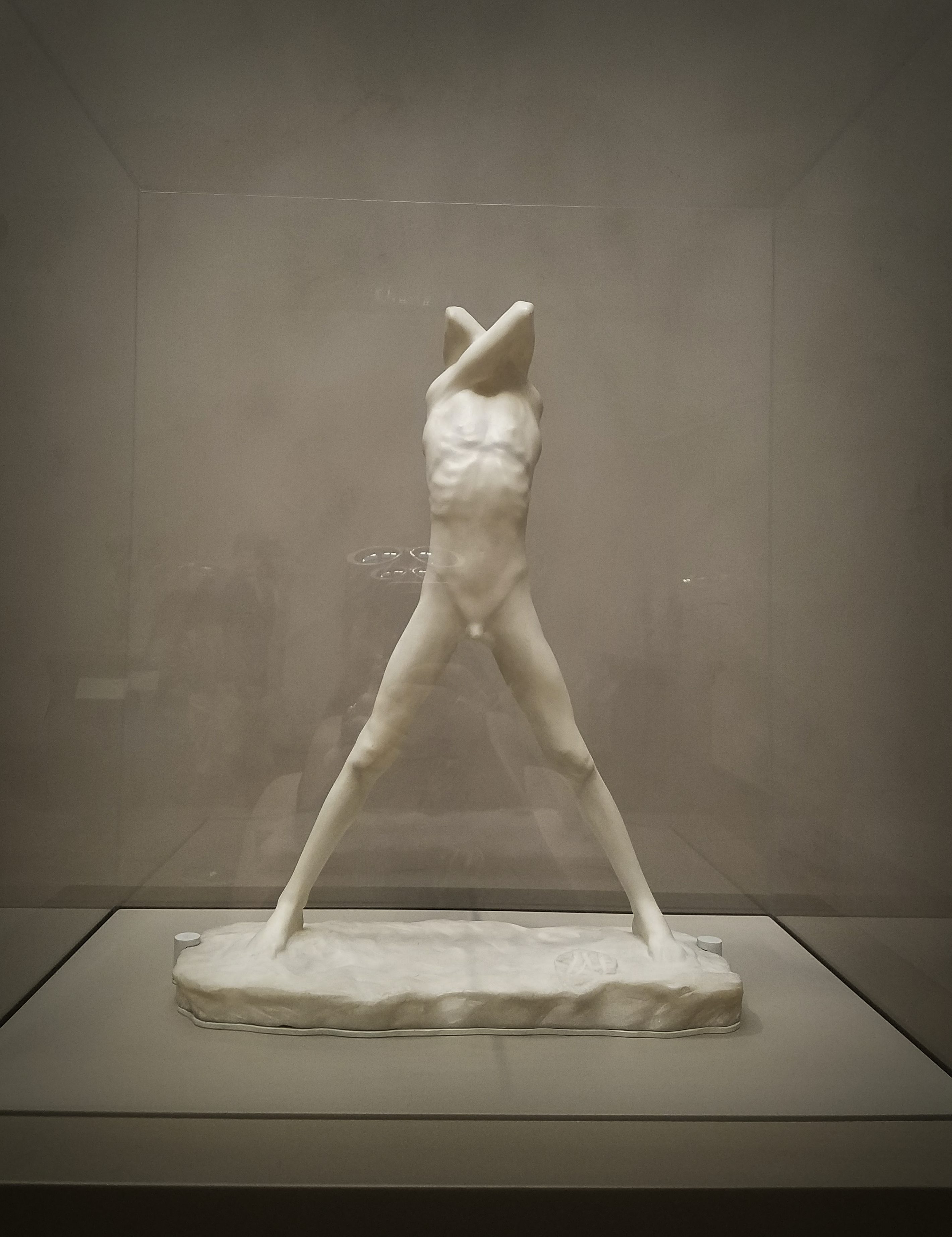
Adolescent I, about 1891
George Minne (1866-1941)
Marble

This nude, emaciated youth defiantly exposes his body while simultaneously crossing his arms in a protective embrace, indicating shame and anguish. Minne was one of the major representatives of a circle of Symbolist artists and writers based in Ghent, Belgium.

4/
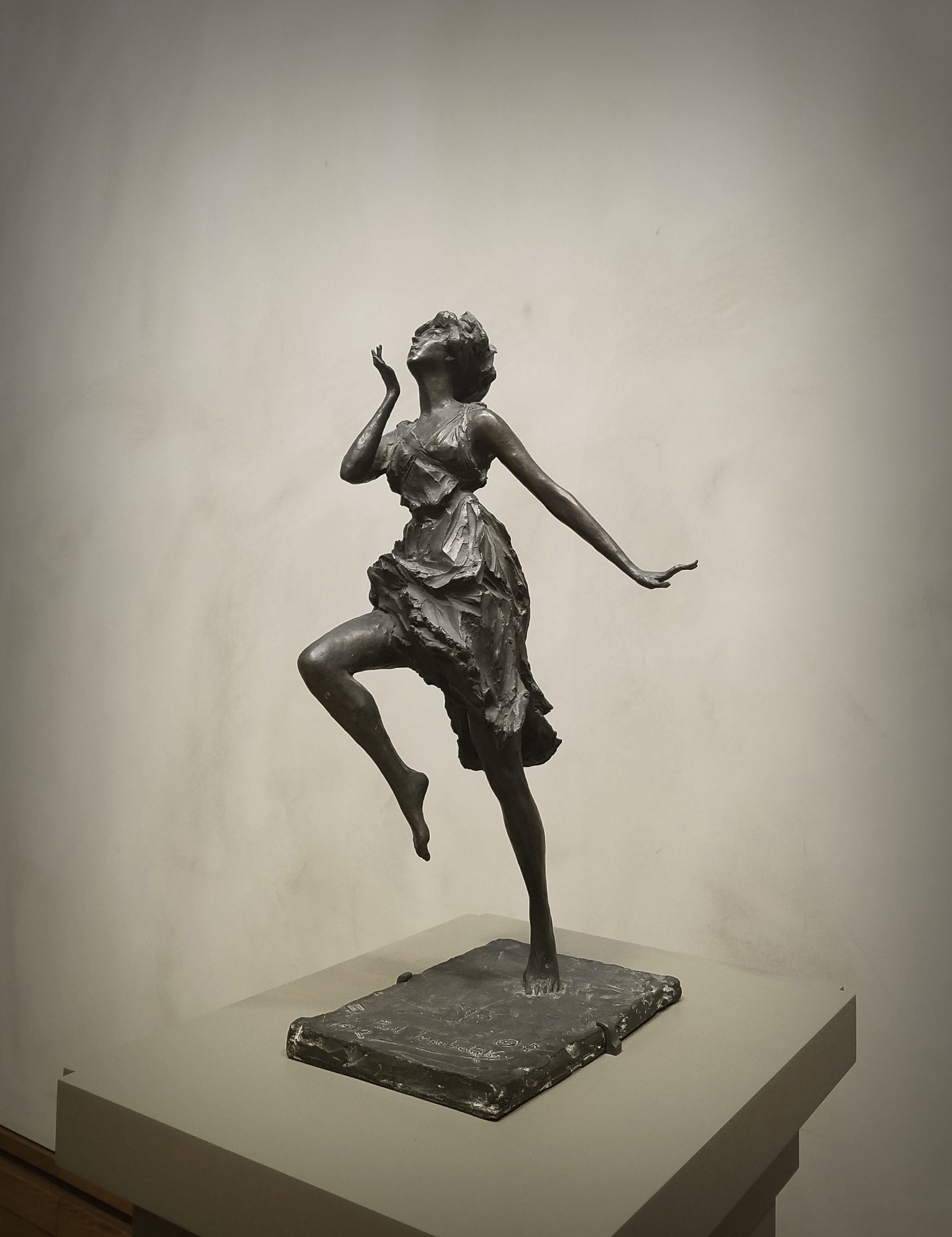
Dancer, 1912
Paolo Troubetzkoy (1866-1938)
Bronze

Countess Thamara Swirskaya (Saint Petersburg, 1890-Los Angeles, 1961), the famous Russian pianist and dancer depicted here, performed throughout Europe and the United States. J. Paul Getty, who purchased this piece in 1933, may have attended one of her shows in the U.S. She posed for this lively composition in 1909 in Paris, where Troubetzkoy, the son of a Russian prince and American mother, lived between 1905 and 1914.

5/
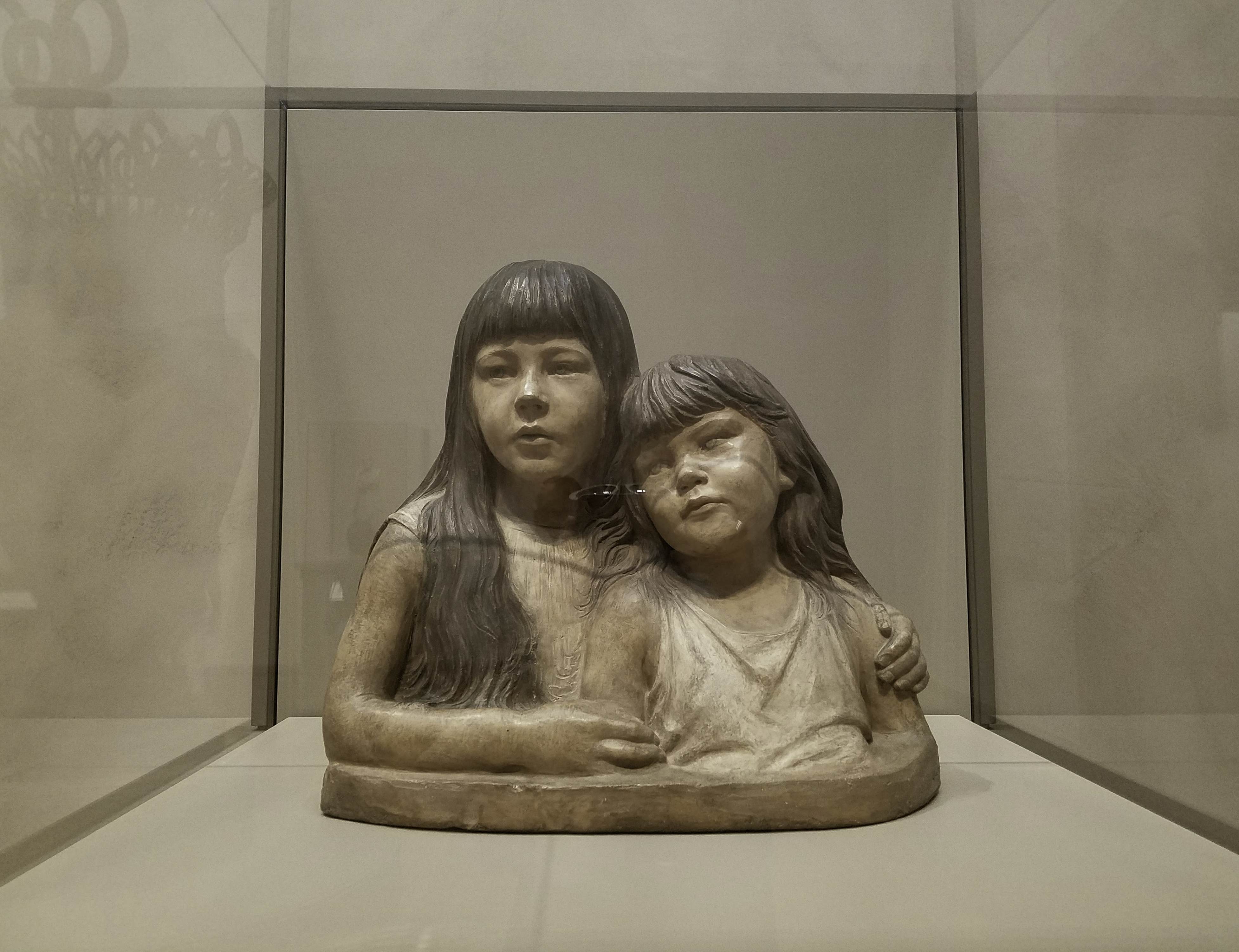
Double Portrait of the Artist’s Daughters, 1889
Adolf von Hildebrand (1847-1921)
Polychrome terracotta

Freestanding double-portrait busts are rare in European sculpture, and this is one of the few known examples. Hildebrand’s termination of the figures above the waist and his use of subtle colours are based on Italian Renaissance portraiture. This sensitive portrayal of the artist’s daughters, Silvia and Bertel, is remarkable among the sculptor’s normally restrained official portraits and monuments.

The Getty Center

July 18th, 2017

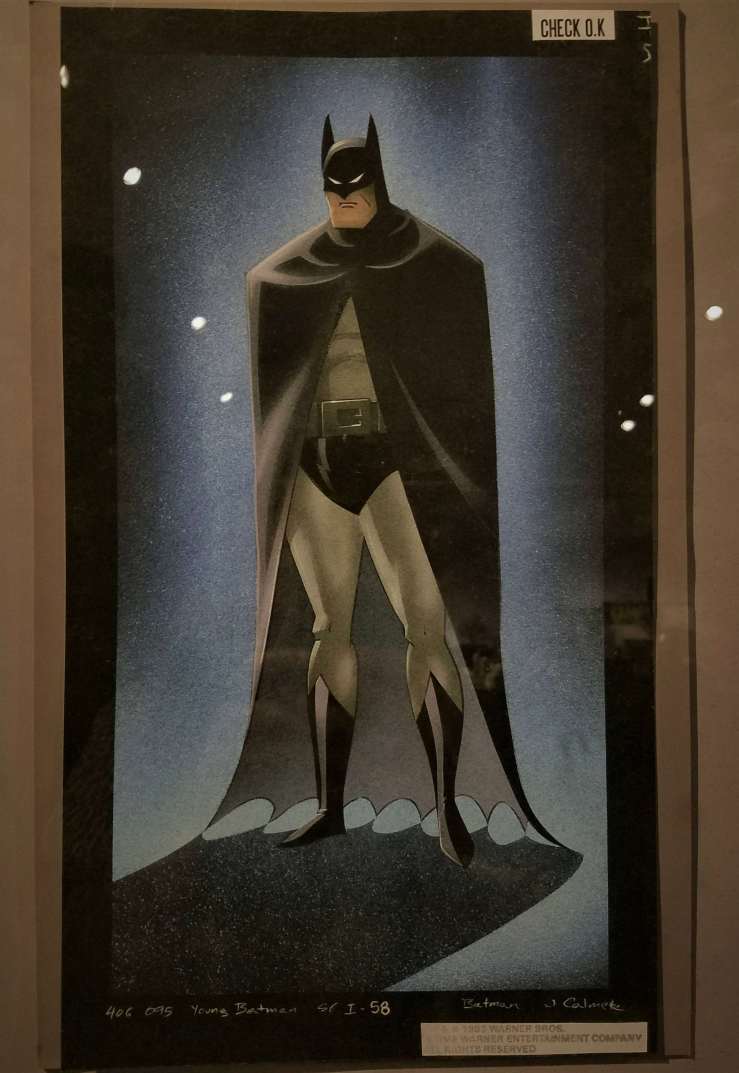
The [k]night is dark

The Animated Series (1992) opening storyboards, drawn by Bruce Timm and coloured by Eric Radomski.
For me, The Animated Series (1992-1995) is the definitive Batman. And the opening title sequence encapsulates the essence of Batman in way that has yet to be surpassed.

*Watch*

#current_mood
#two_days_to_Halloween
#my_batman
#it’s_my_birthday_and_I’ll_try_if_I_want_to

Warner Bros Studio Tour

July 14th, 2017

Paradise Lost | The Art of the Sublime

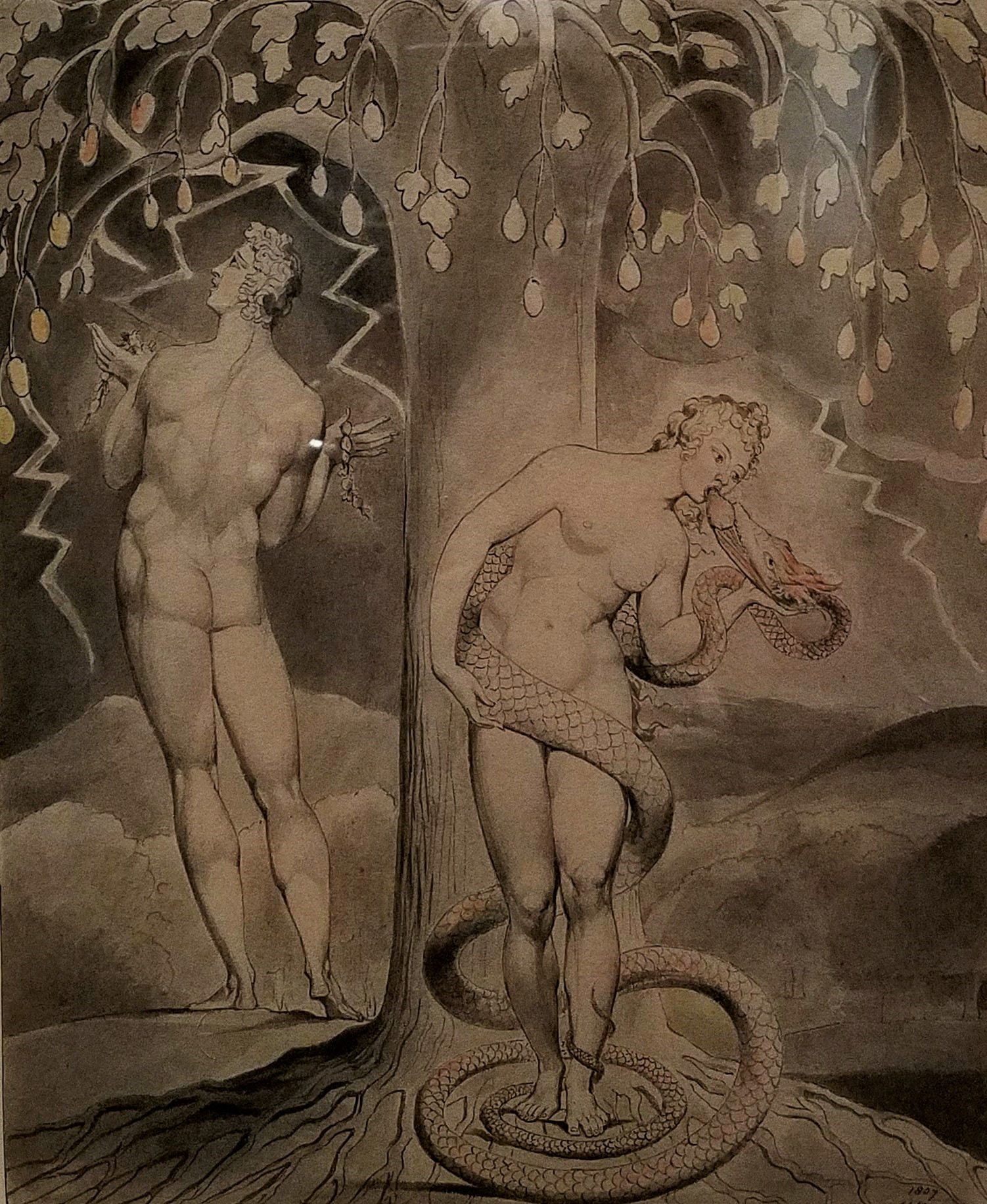
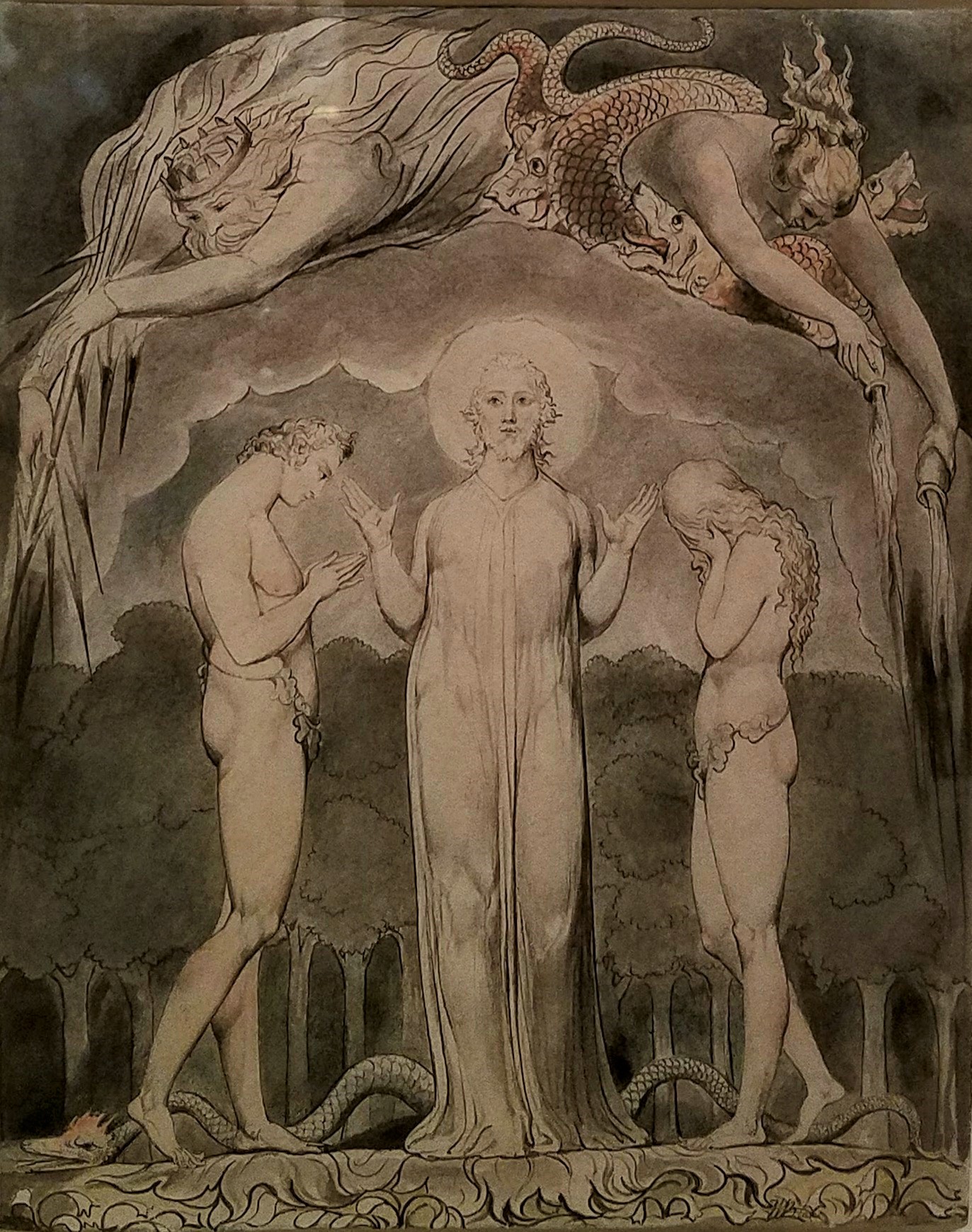
I was browsing through some gorgeous prints yesterday evening, courtesy of The New York Satellite Print Fair, where seventeen dealers present their fine prints and drawings during print week. From Old Masters to contemporary artists, there are some remarkable works of art to be found here and that’s only an annex to the main event – the Fine Art Print Fair – at the Javits Center in Manhattan West. Photography is completely out of place in this environment but the prints reminded me of these sublime works by William Blake, on view at the Huntington in Los Angeles.

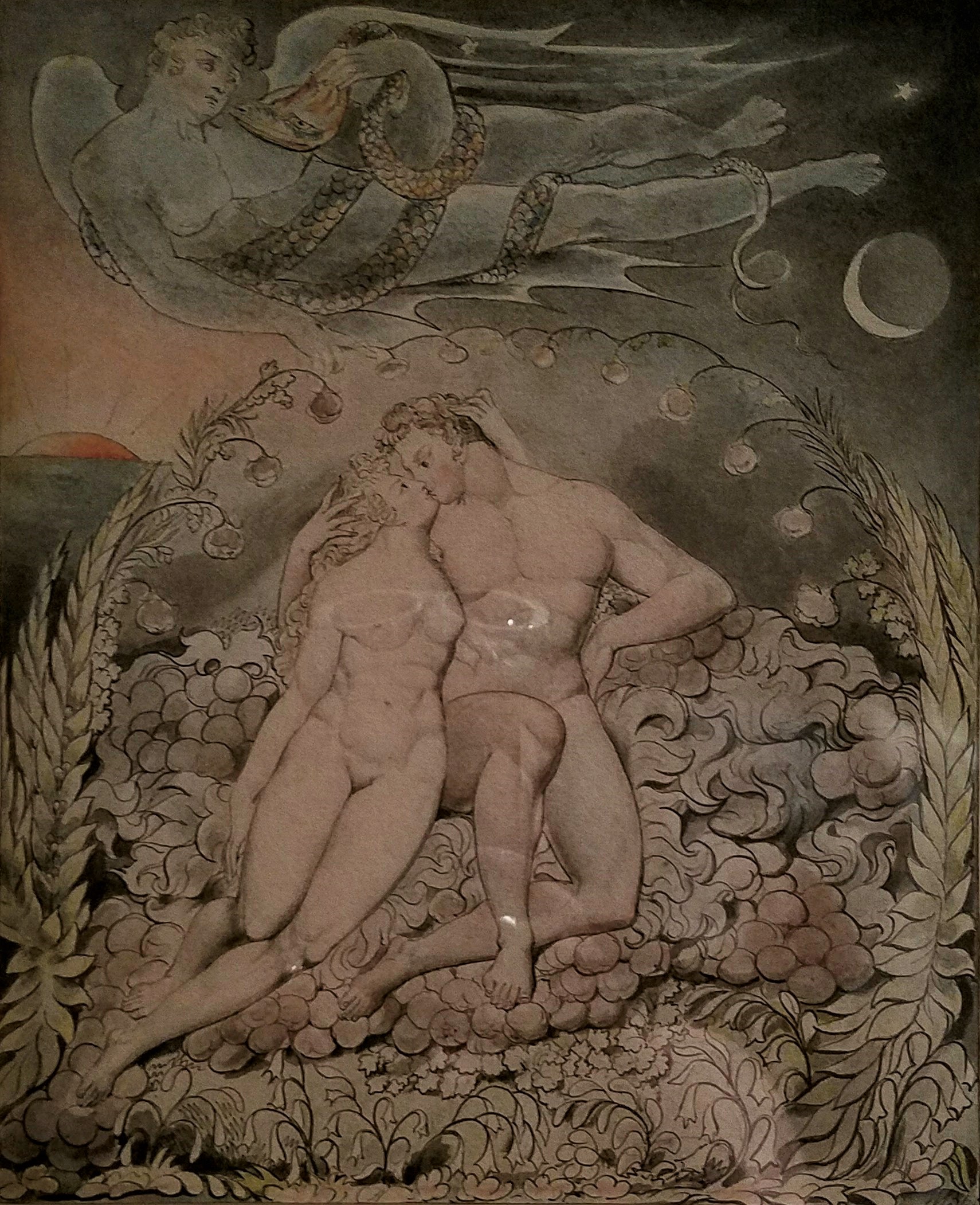
Satan watching the endearments of Adam and Eve, 1807
Pen and watercolour


Raphael Warns Adam and Eve, 1807
Pen and watercolour


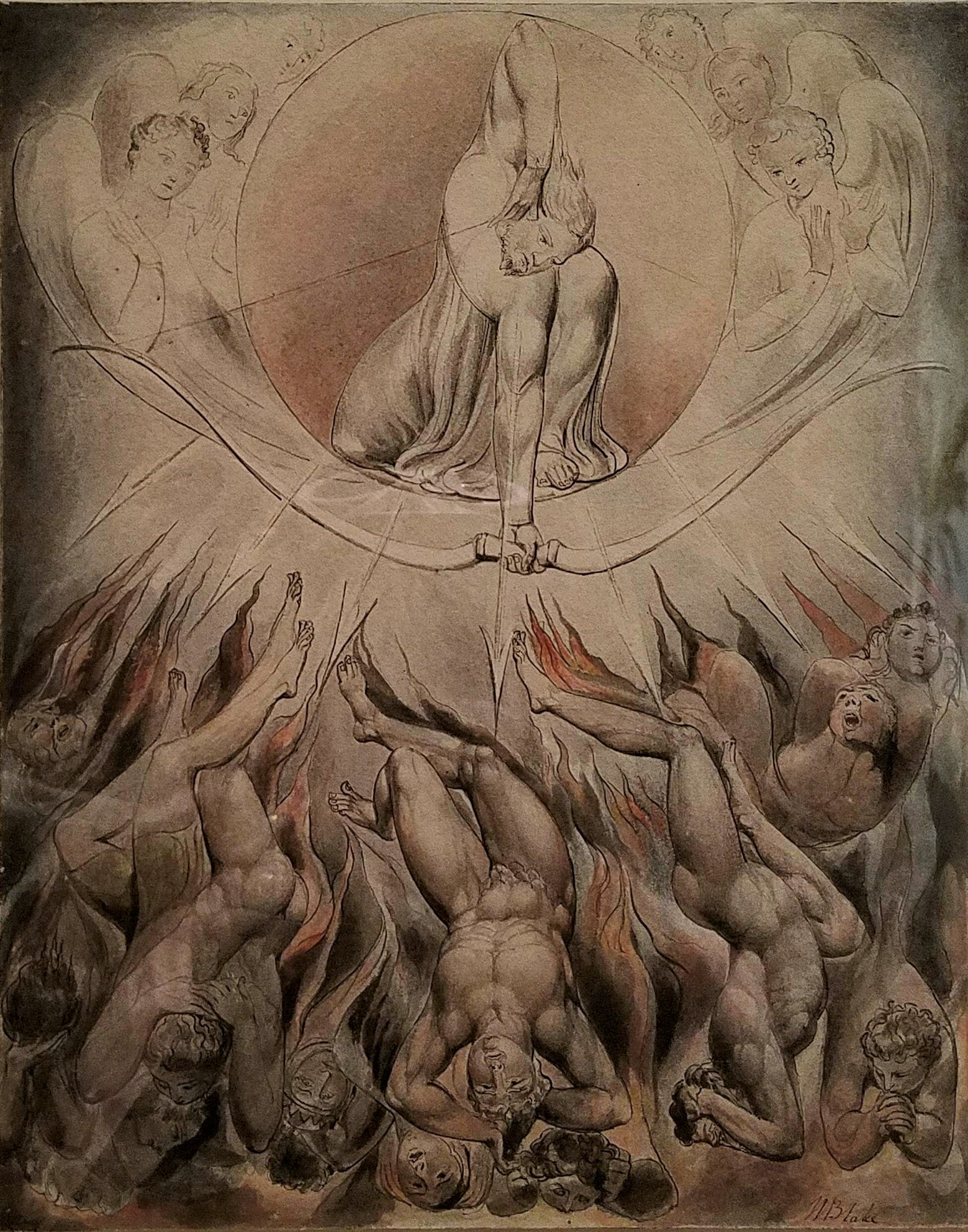
Rout of the Rebel Angels, 1807
Pen and watercolour


The Creation of Eve, 1807
Pen and watercolour


The Temptation and Fall of Eve, 1807
Pen and watercolour


The Judgement of Adam and Eve; So Judged He Man, 1807
Pen and watercolour


For William Blake, the Bible was the greatest work of poetry ever written. Only Milton’s 17th century epic poem, Paradise Lost, rivaled its importance to his art. Blake produced three separate sets of illustrations for Paradise Lost, the first a series of twelve drawings commissioned by Joseph Thomas in 1807. Henry E. Huntington purchased all of the watercolours in this original series between 1911 and 1914. 

#current_mood
#four_days_to_Halloween
#art_of_the_sublime

The Huntington

July 16th, 2017

Look || See || Feel

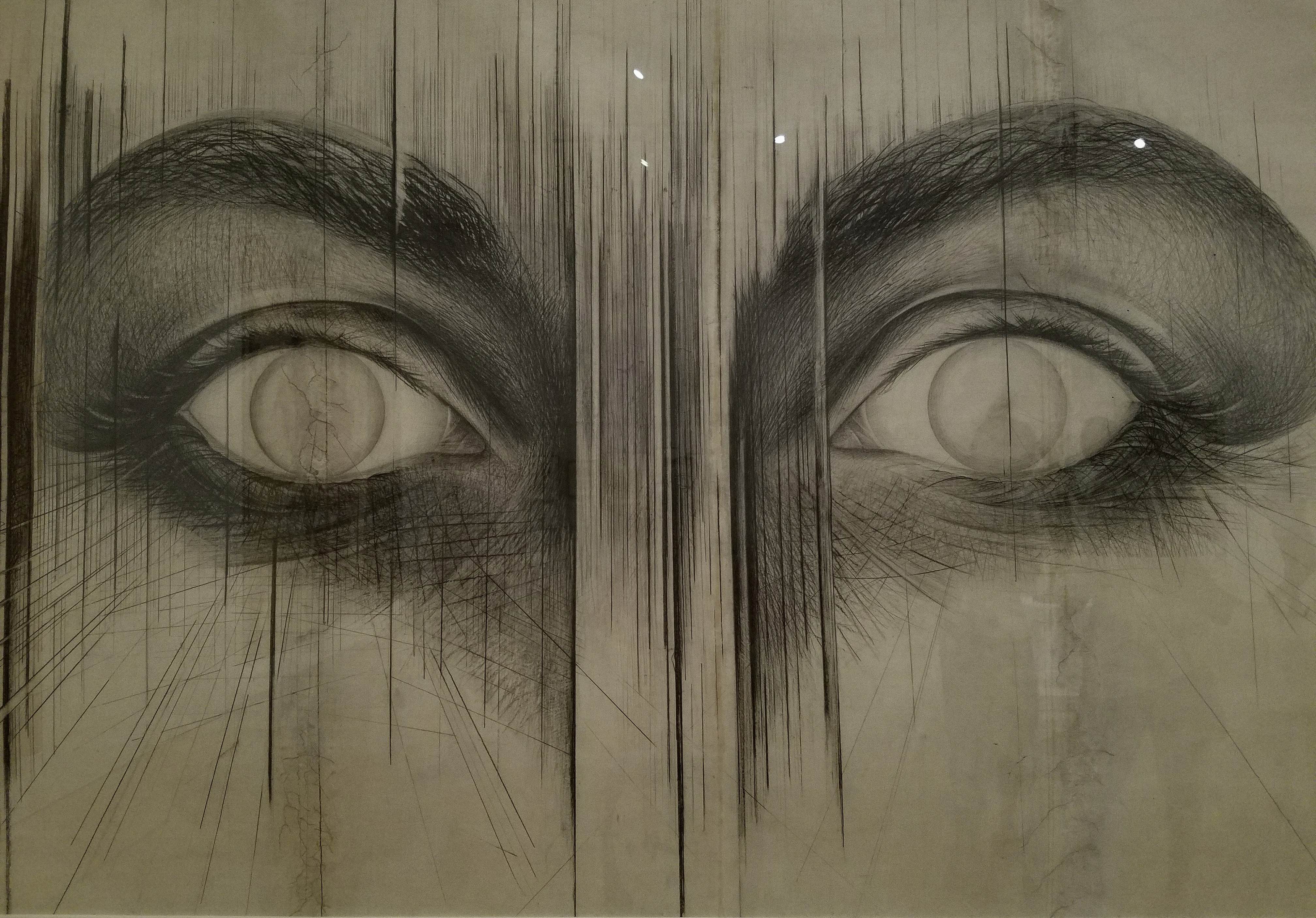
The Emptiness Within

Jay DeFeo
b. 1929 Hanover, NH
d. 1989 Oakland, CA

The Eyes, 1958, Graphite pencil on paper, 42 × 84 3/4 in. (106.7 × 215.3 cm).

The artist inscribed the back of this drawing with a stanza from a poem by Philip Lamantia, a fellow member of San Francisco’s Beat community: ”Tell him I have eyes only for Heaven as I look to you Queen Mirror of the Heavenly Court”.

The 2017 Whitney Biennial

June 10th, 2017

The Society of Illustrators Annual Student Competition 2017

A jury of professional peers including illustrators and art directors have chosen the most outstanding works created by college level illustration and animation students throughout the year. Pieces are accepted based on the quality of technique, concept and skill of medium used. After reviewing 8.082 submissions, only 220 were selected for this year’s exhibition and 25 have received financial awards.

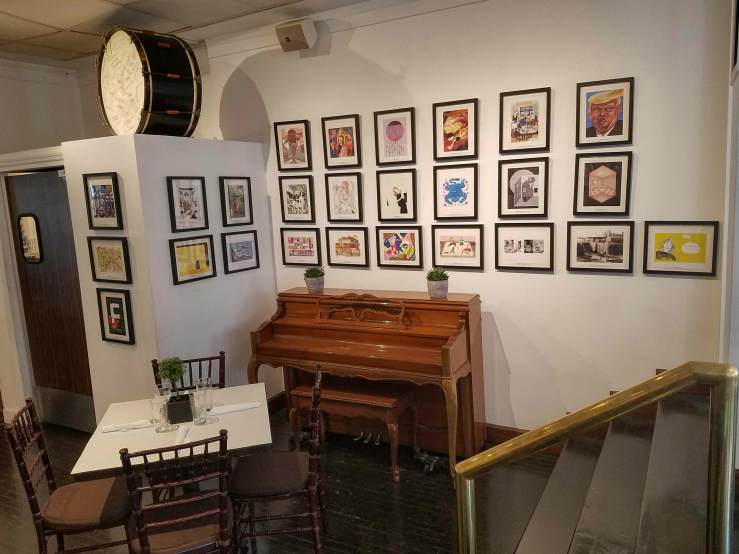
The works were on view between May & June 2017; these images are but a fraction, just enough to get an idea. Individual styles, different types of media, several Art Schools, all sharing a common quality: it was hard to believe these works were created by students, not professionals.

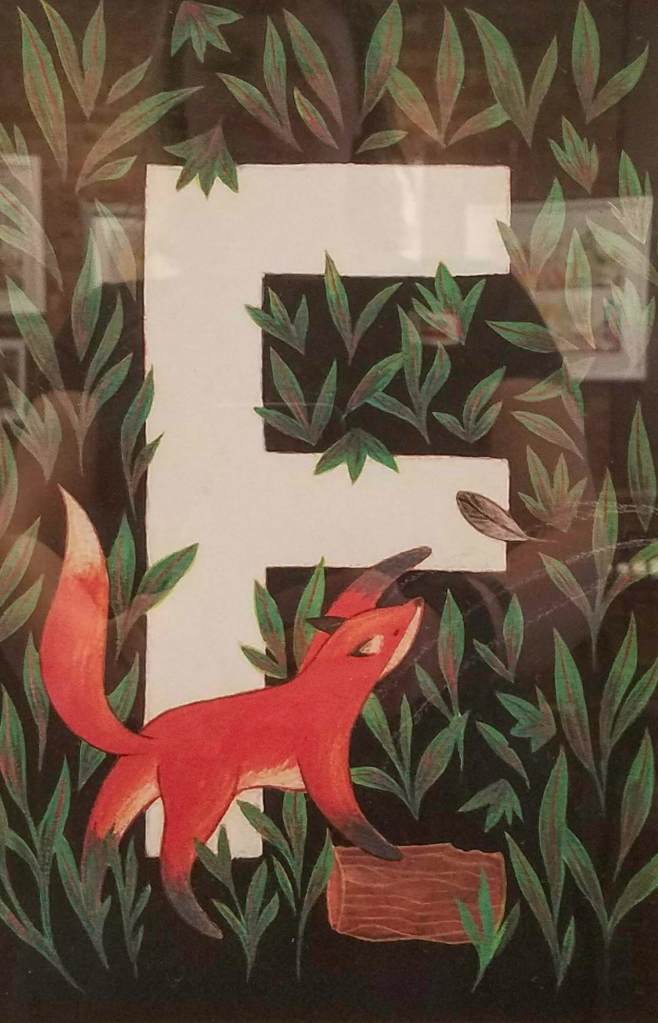
Carina Chong, F is for Fox
Gouache and pencil, Pratt Institute, Instructor: Pat Cummings


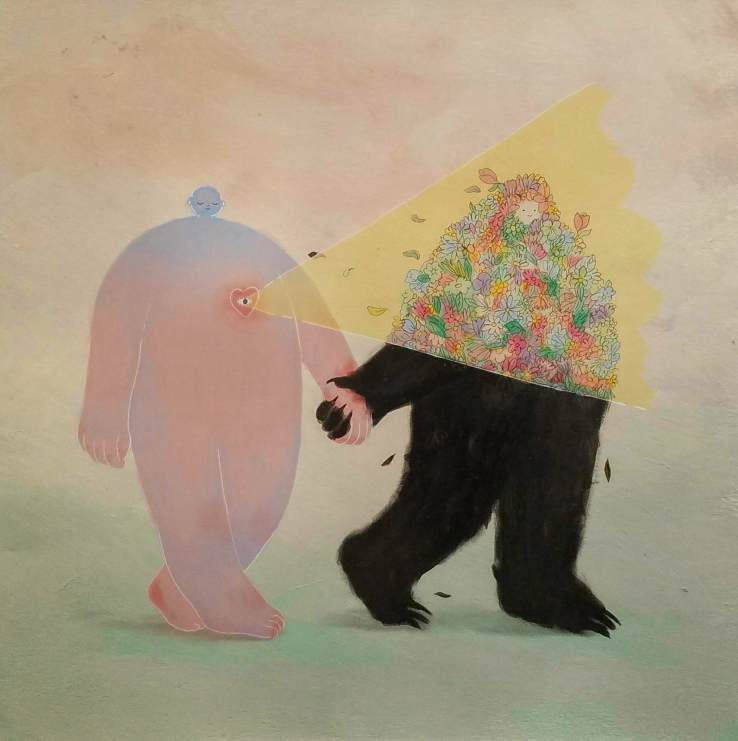
Mei Kanamoto, Insignificant Others
Silkscreen on paper, Parsons School of Design, Instructors: Jordin Isip and Steven Guarnaccia 


Amanda Chung, The Fool
Mixed media, Parsons School of Design, Instructors: Jordin Isip


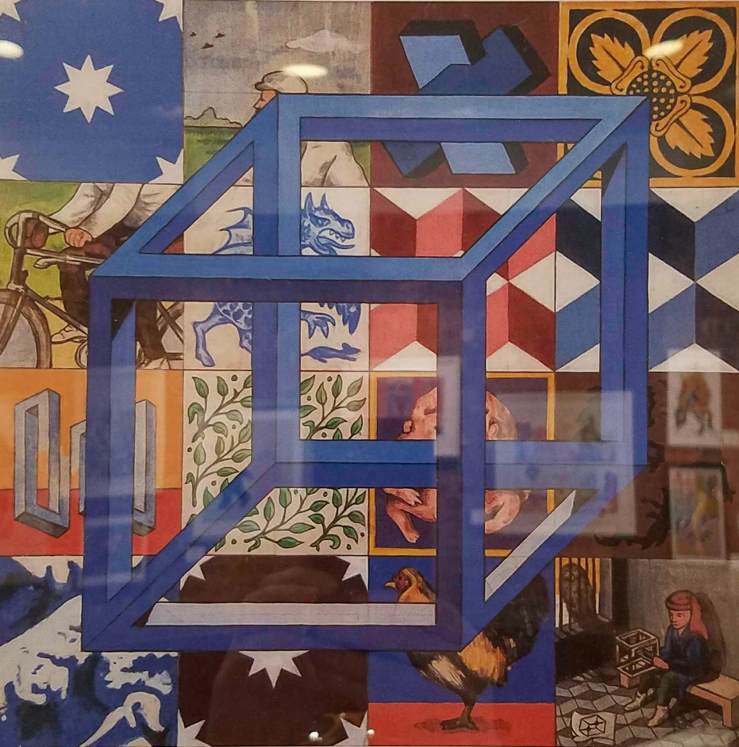
Kyoosang Choi, Illusion
Acrylic and oil on panel, School of Visual Arts, Instructors: Thomas Woodruff and TM Davy


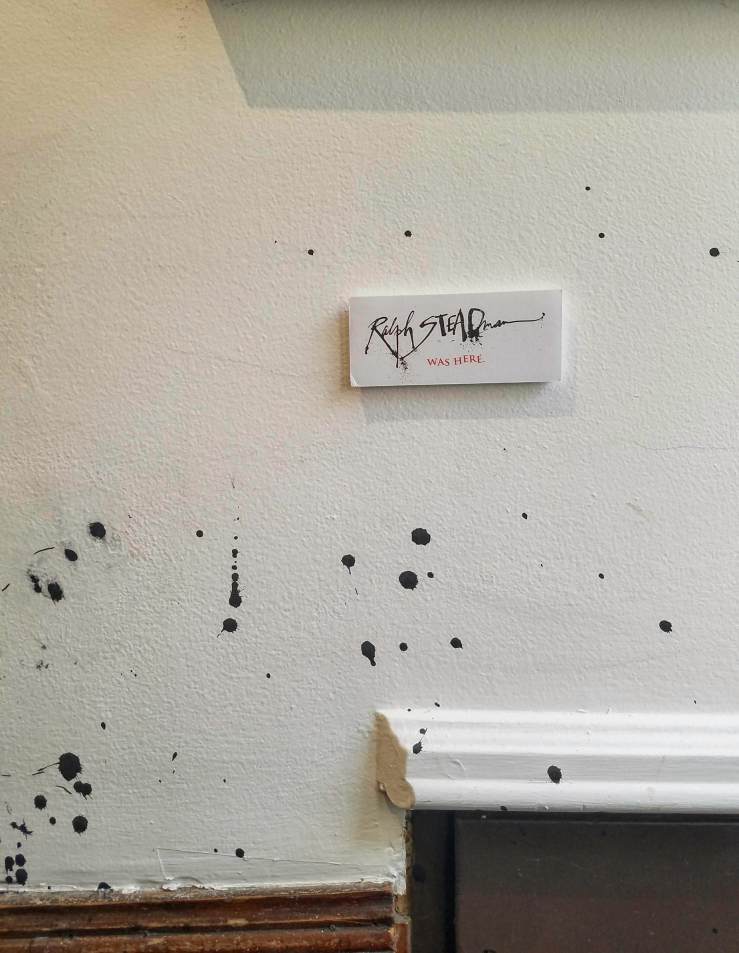
 Oh, look! Steadman was here Varvara Nedilska, The Collector
Watercolour and gouache, OCAD University, Instructor: Jon Todd


Clarissa Liu, Felt Tattoo
Felt, Rhode Island School of Design, Instructor: Melissa Ferreira

Nina Charuza, Train

Acrylic, California College of the Arts, Instructor: Bob Ciano


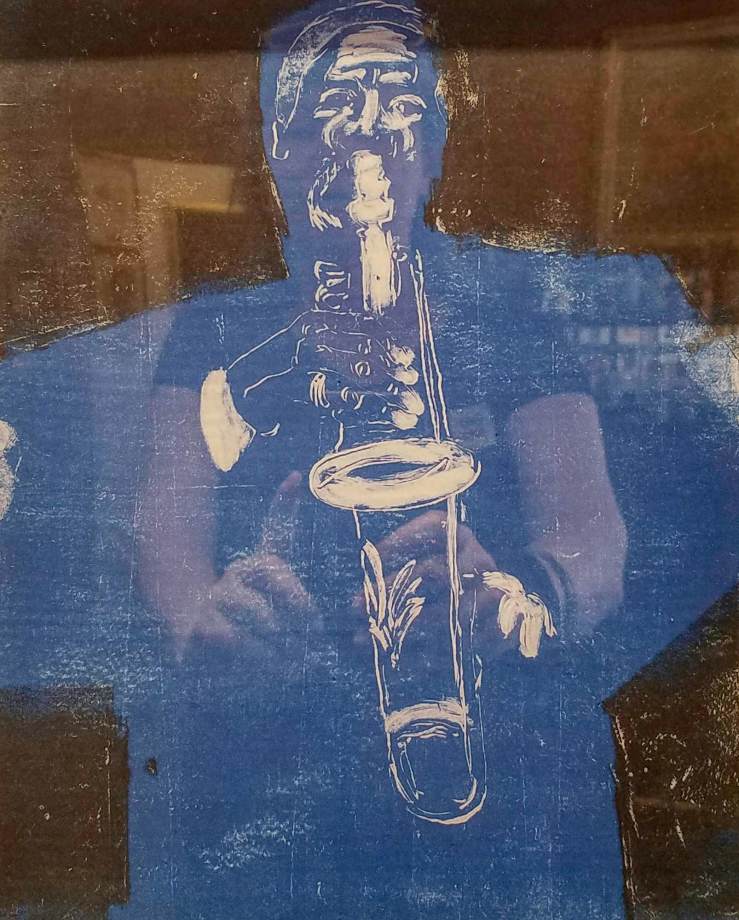
Mack Muller, Sax man
Monoprint, Syracuse University, Instructor: James Ransome


June 3rd, 2017