Name-calling

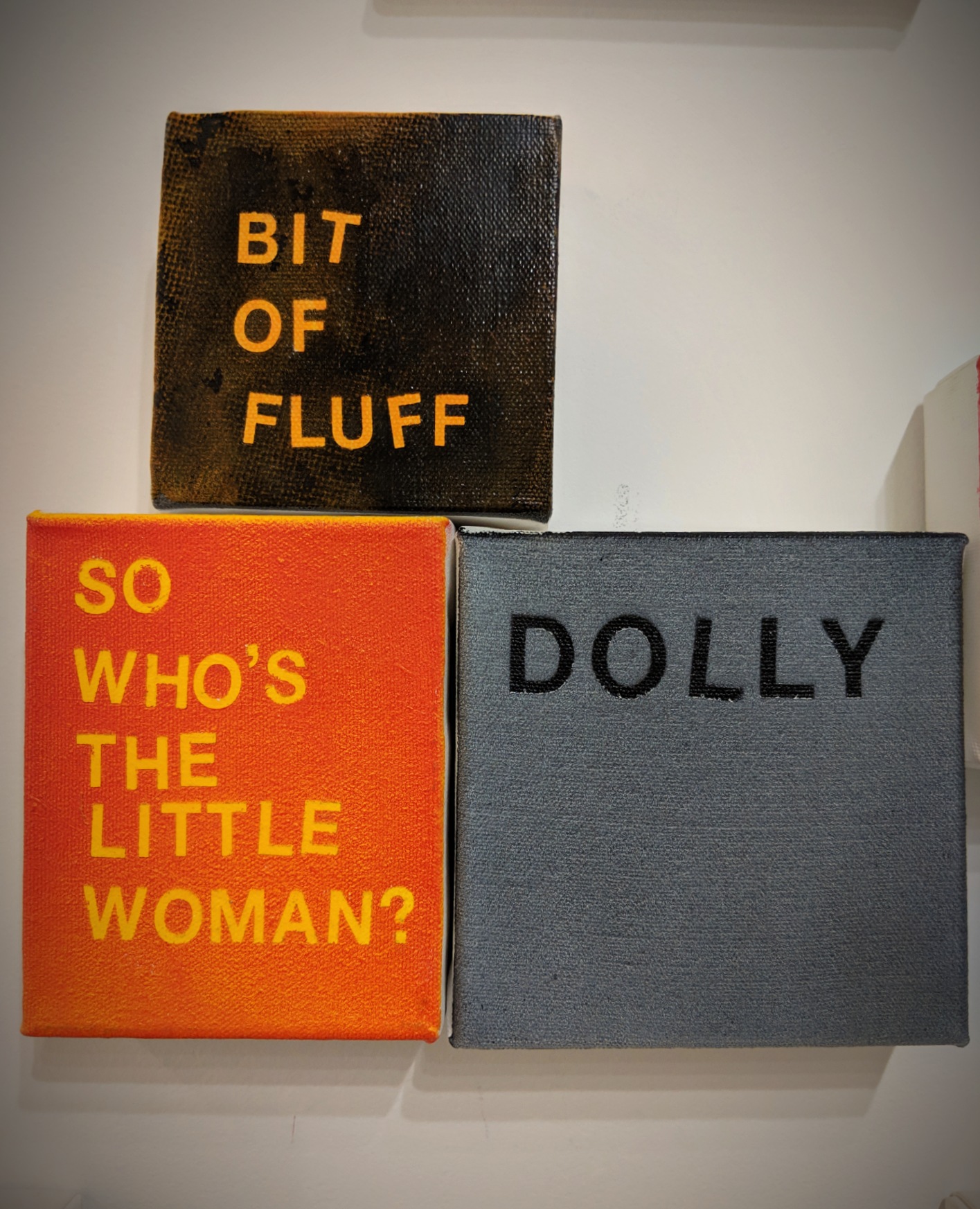
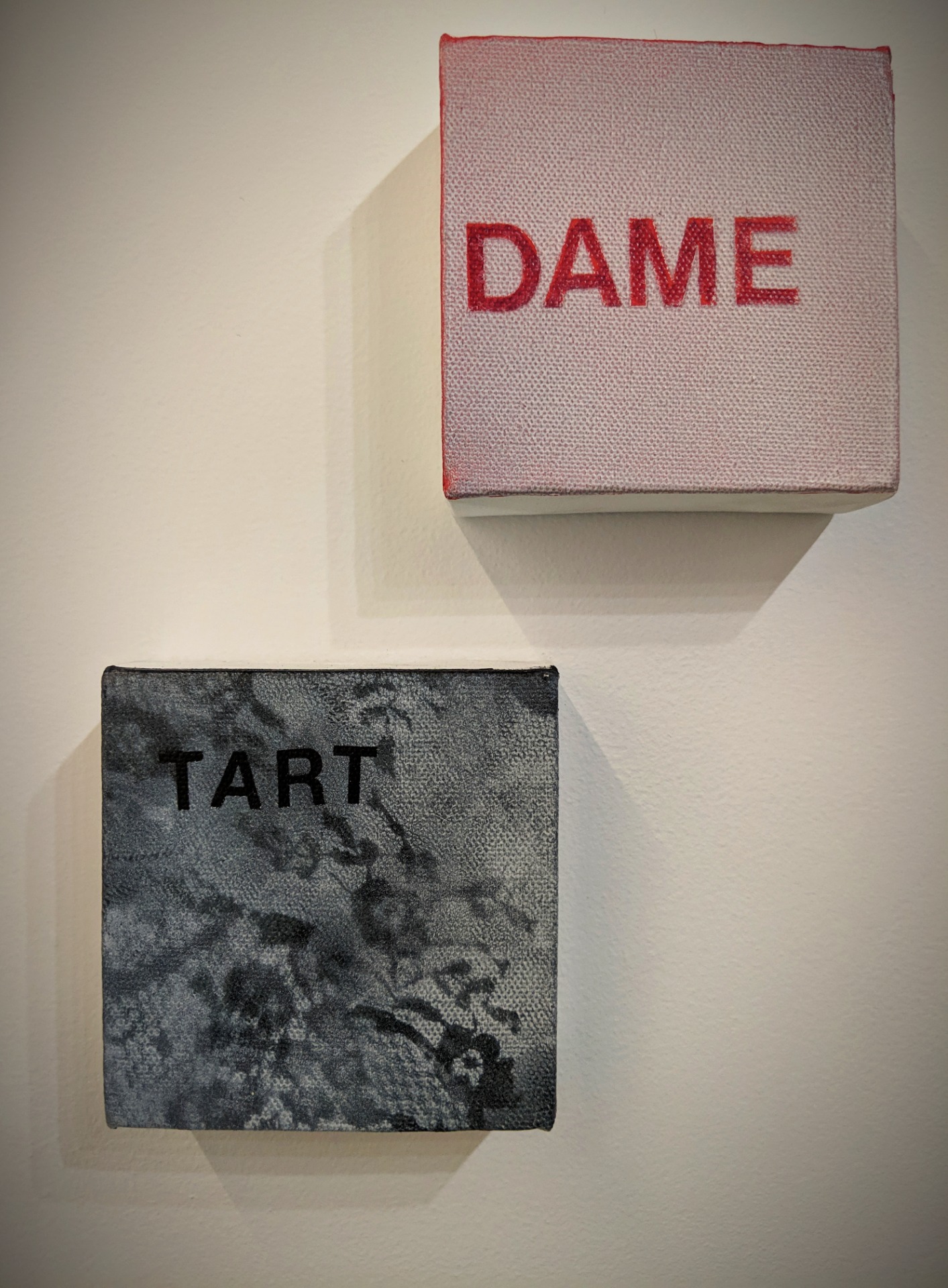
Women’s Words

Betty Tompkins’ Women’s Words, 2016. Installation, acryl on paper, acryl on canvas

∼paired with∼

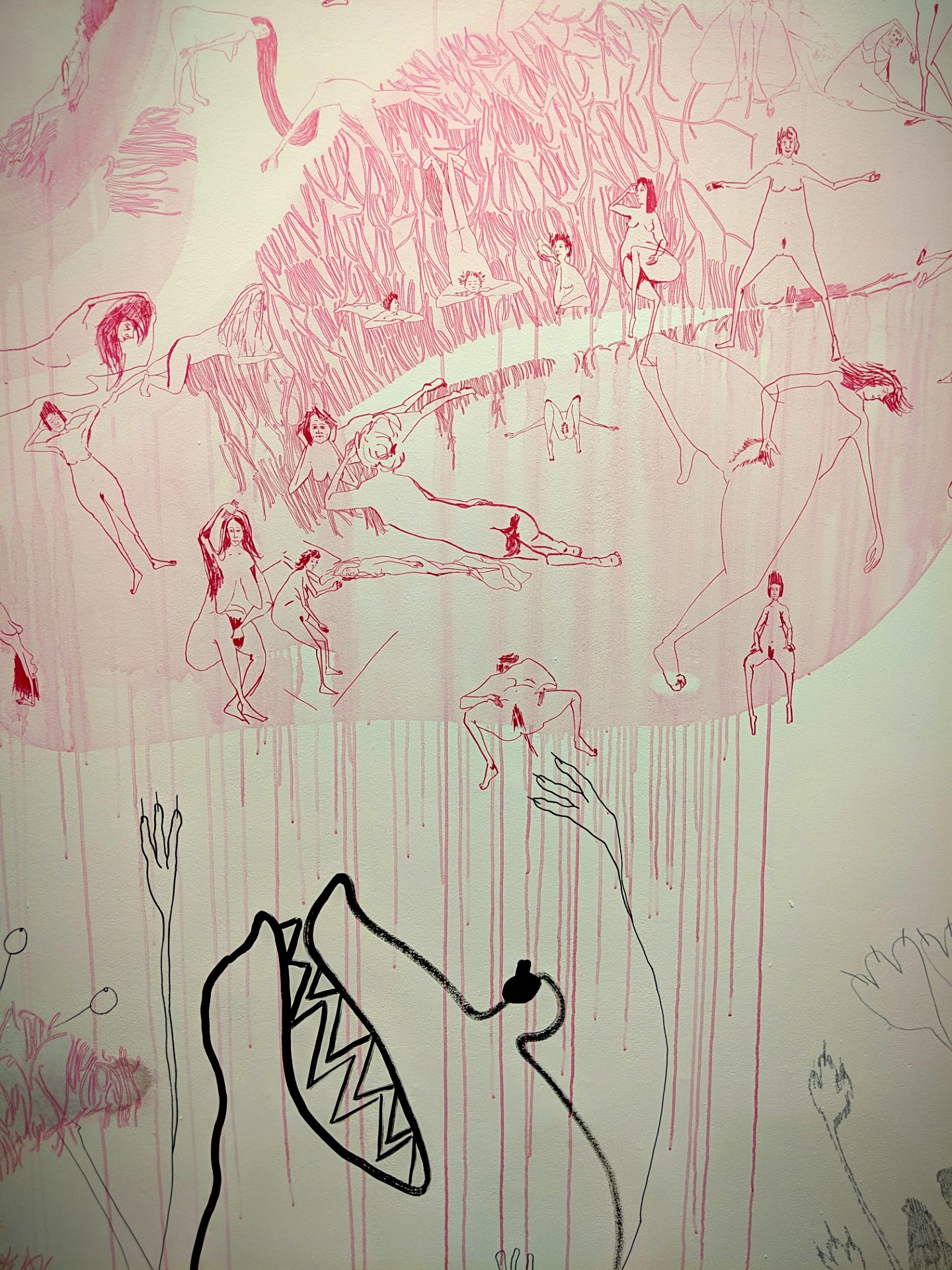
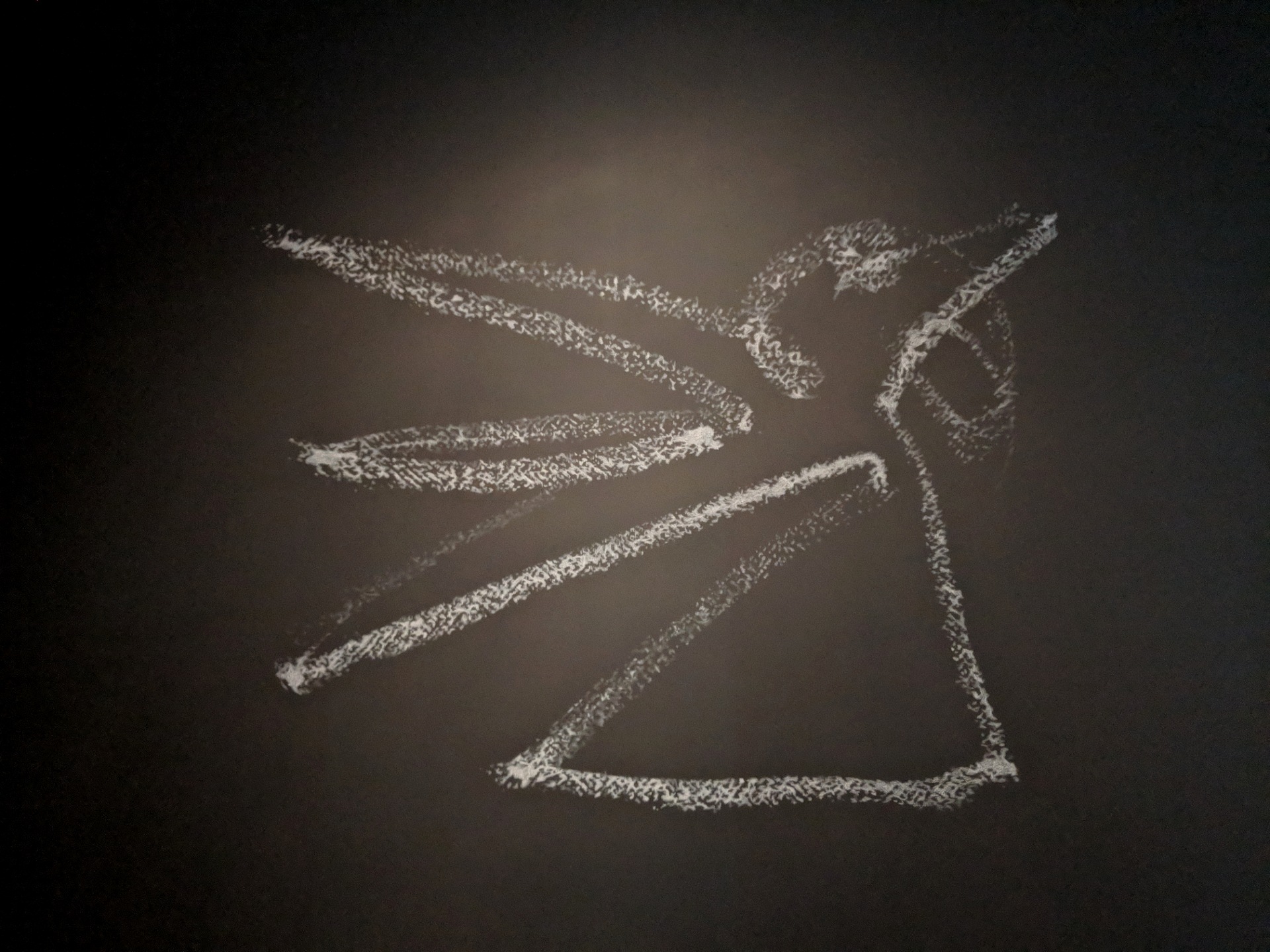
Sevda Chkoutova’s Untitled, 2018 (Detail). India ink, painted on wall over two floors

From WOMEN.NOW, a group exhibition showcasing contemporary female artists based in Austria and the United States. On view from September 2018 to February 2019, the show united artists from different generations, commenting on women’s role in society and the arts.

Austrian Cultural Forum

December 8th, 2018

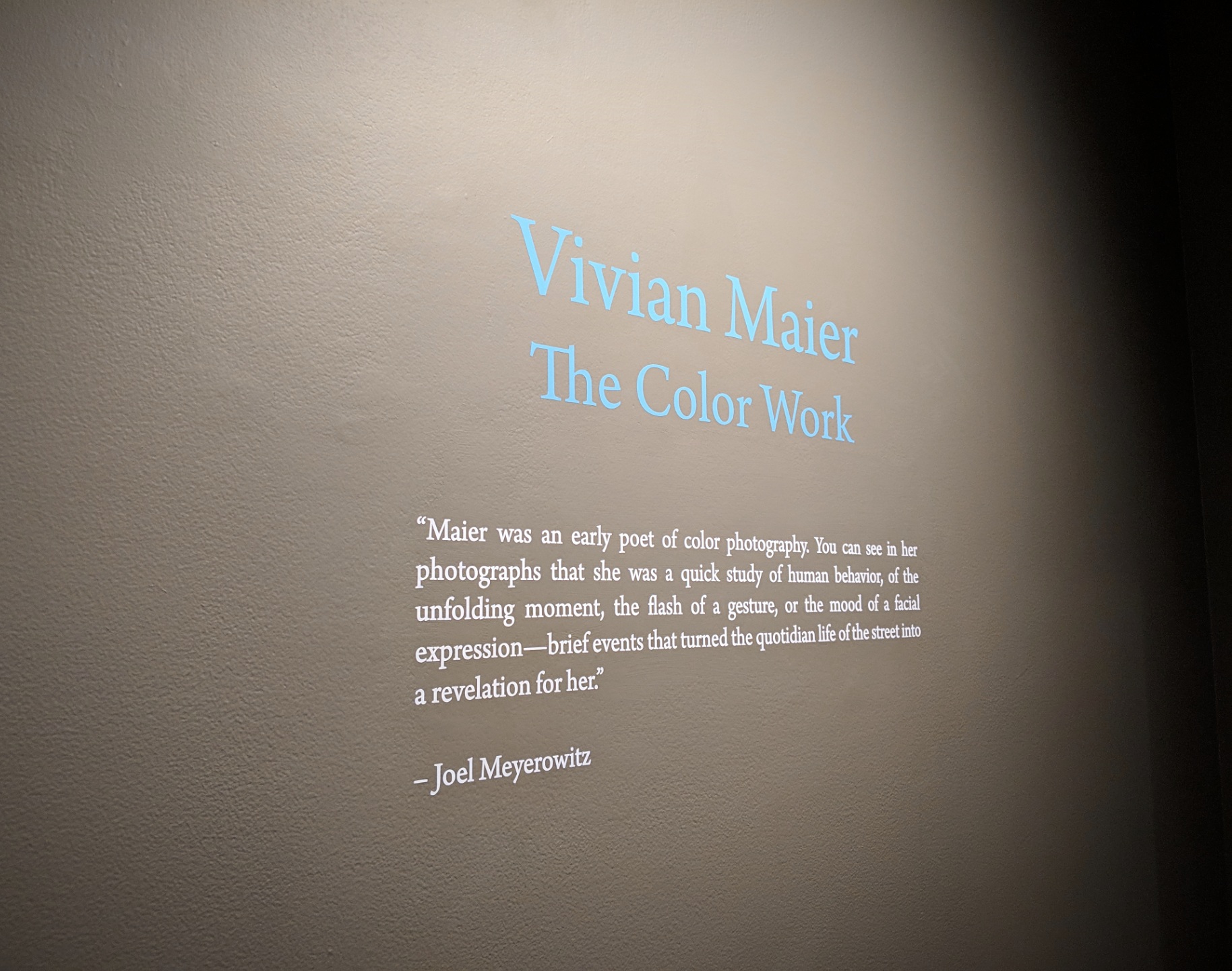
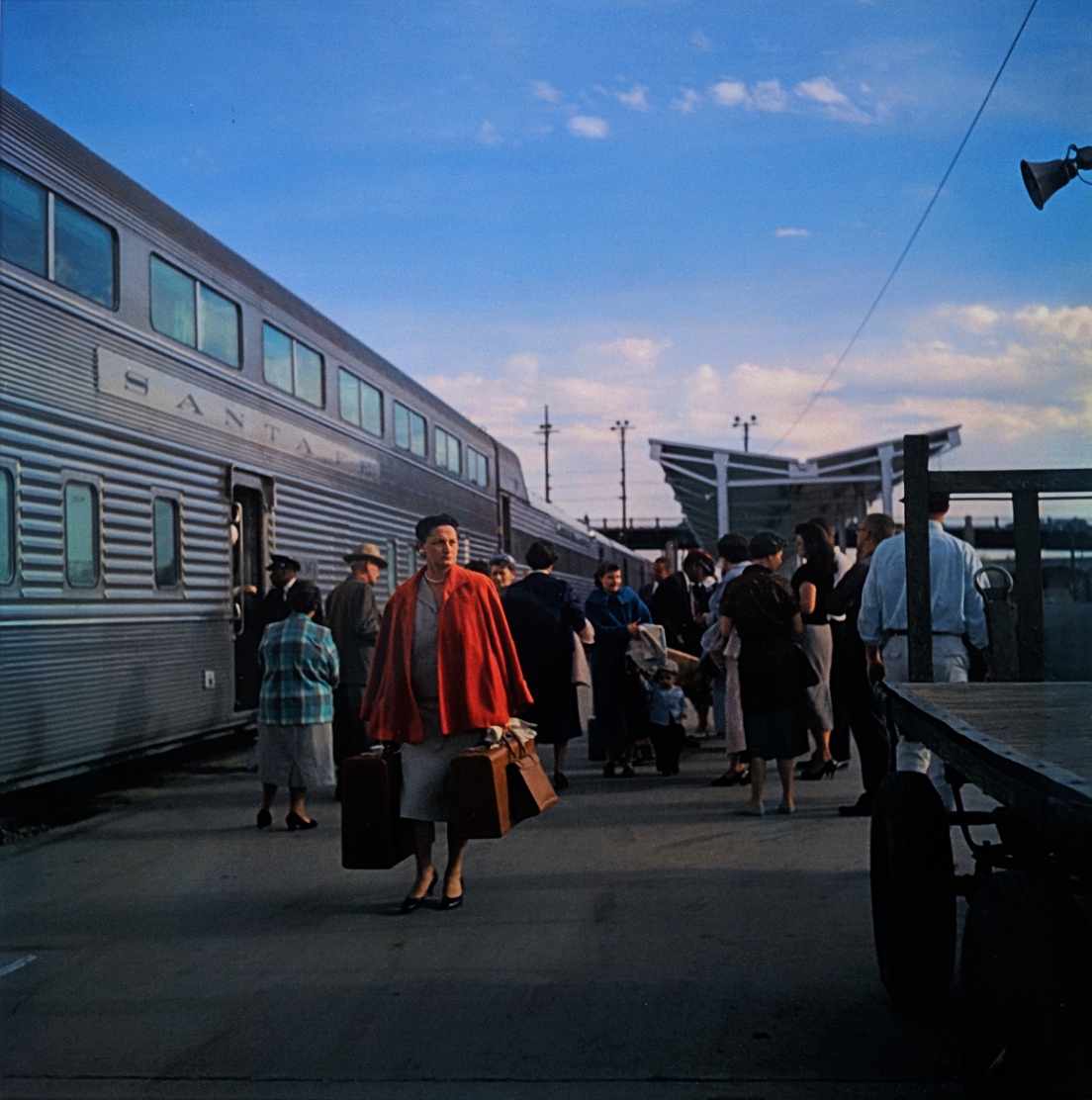
Vivian Maier || The Color Work

If I were a photographer, I’d wish my photos would look like these.

From an exhibition at Howard Greenberg Gallery (November 2018 – March 2019), which coincided with the publication of ”Vivian Maier: The Color Work”, the first book devoted to her colour images.

Vivian Maier (1926 – 2009)


RoundAbout

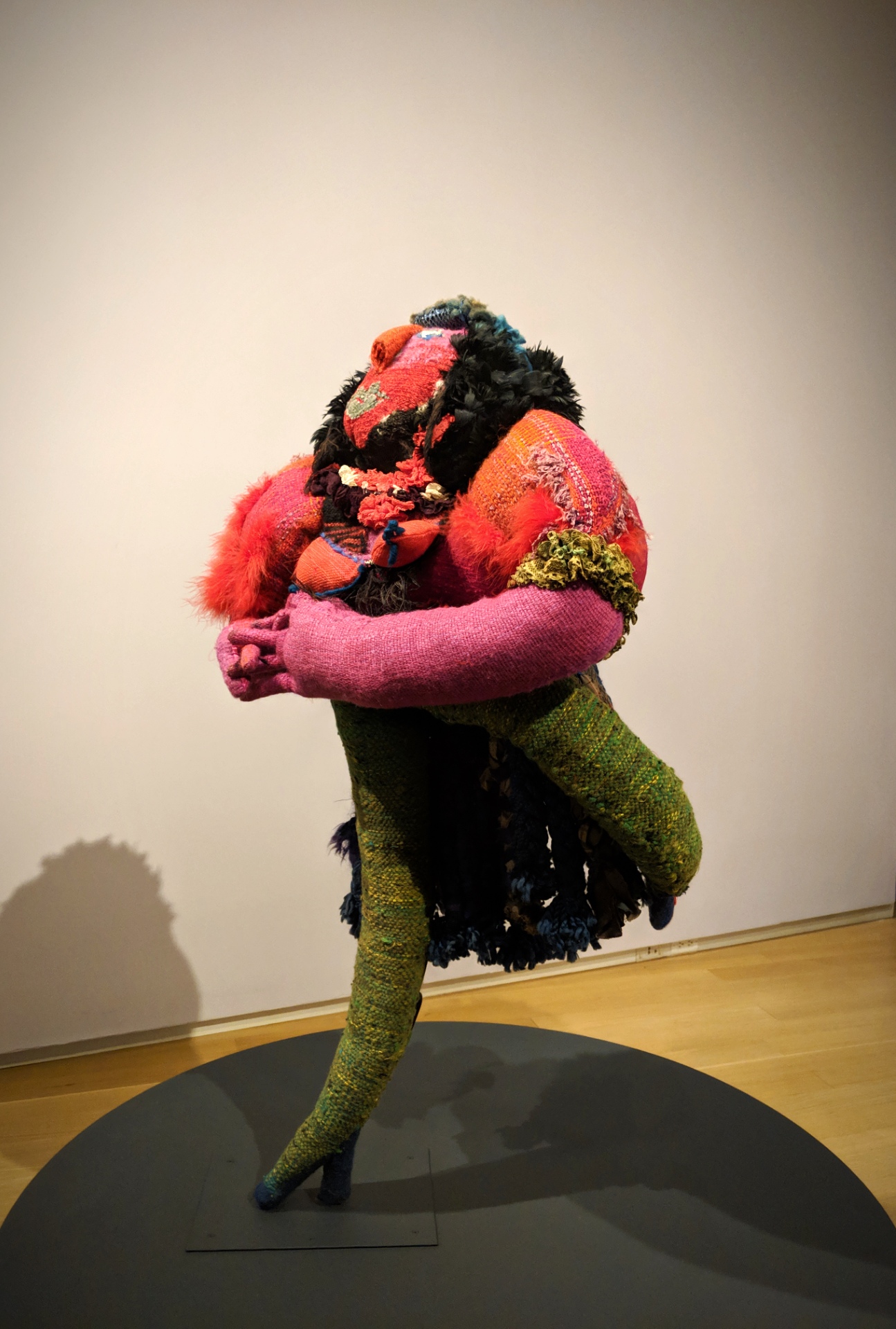
A cabinet of curiosities in a MAD gallery.Dorian Zachai (United States, 1932-2015)
Lady Performing, 1971
Wool, rayon, silk, metallic lace, Dacron stuffing, wire and feathers
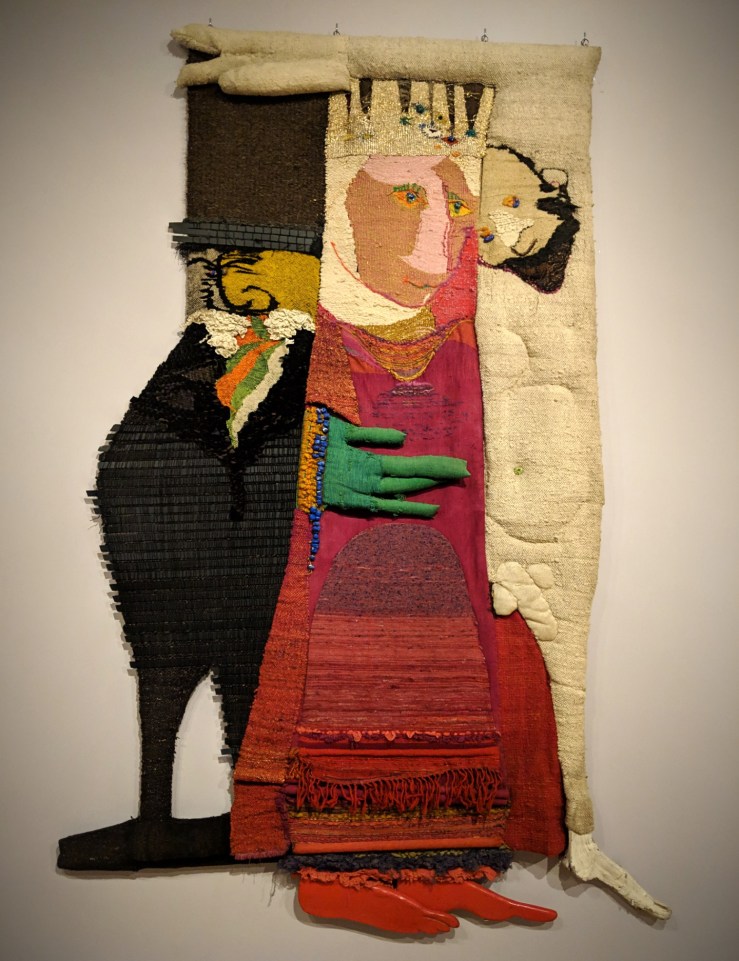

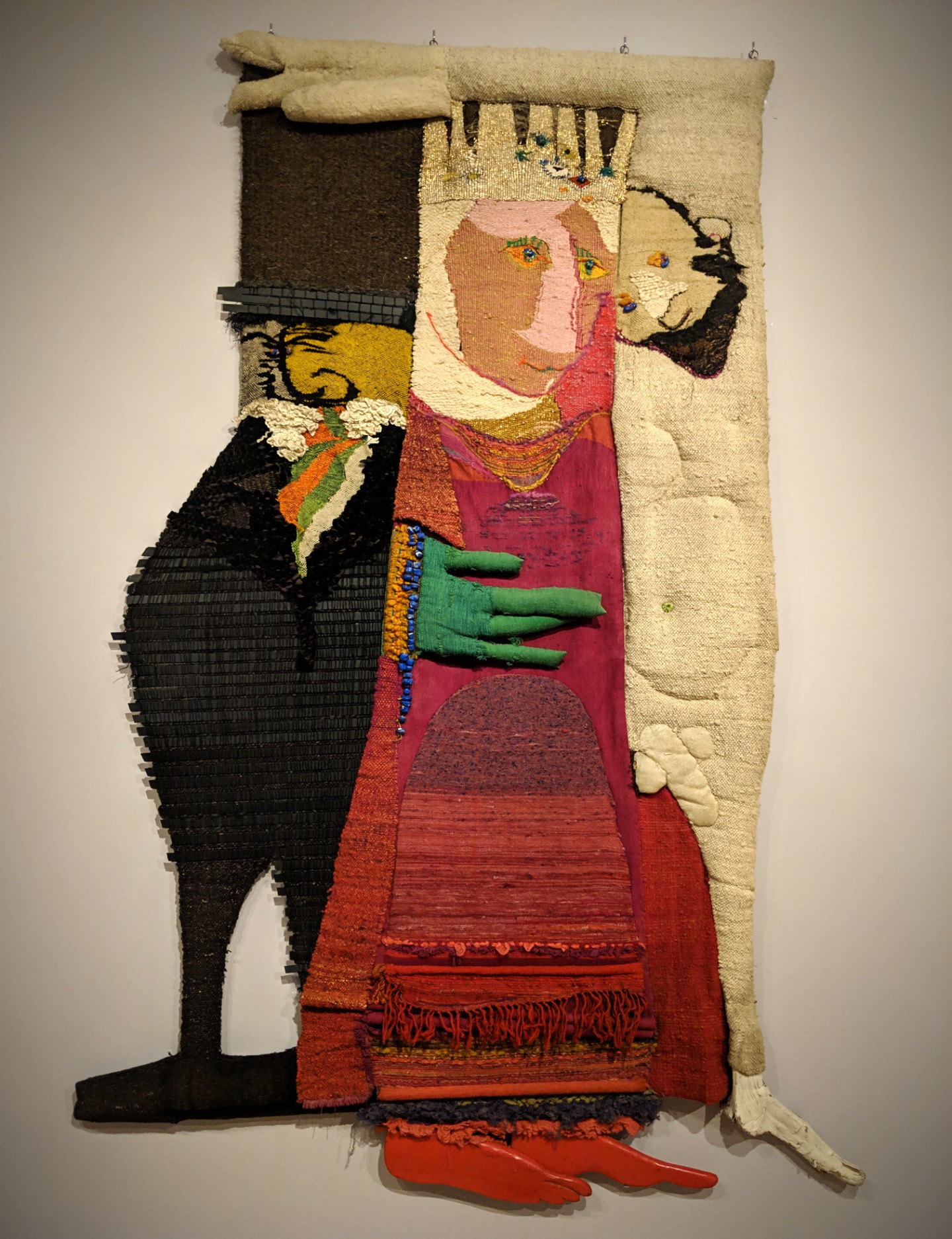
Dorian Zachai (United States, 1932-2015)
Allegory of Three Men, 1962-65
Wool, silk, rayon, wood, cotton, ceramic, metallic threads and Dacron stuffing


El Anatsui (Ghana, b. 1944)
Soleme, 2005
Aluminum liquor bottle caps and copper wire
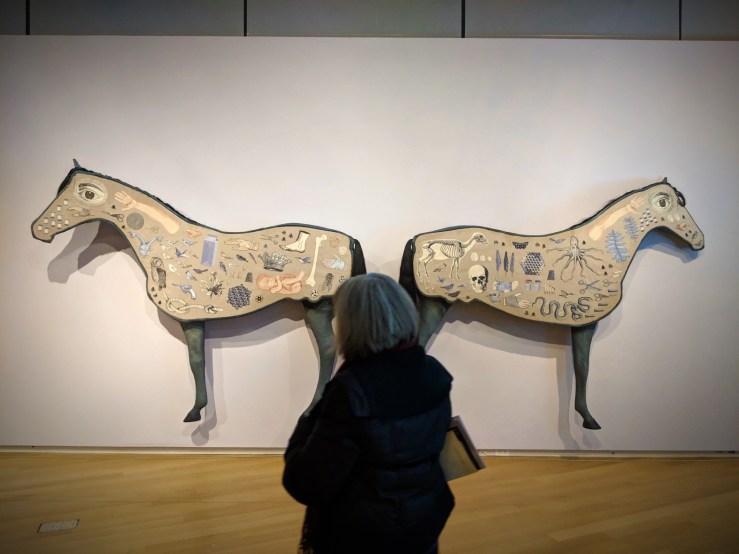

David R. Harper (Canada, b. 1984)
Encyclopedia of the Familiar, 2015
Polyurethane, cowhide, linen, cotton embroidery floss, steel, synthetic hair, horsehair, epoxy clay and enamel

Combining David R. Harper’s primary working methods of sculpture and embroidery, Encyclopedia of the Familiar is a large-scale sculpture of a cross-sectioned horse, populated with a graphic, ordered collage of embroidered images from or in reference to medical texts and mathematical treatises.
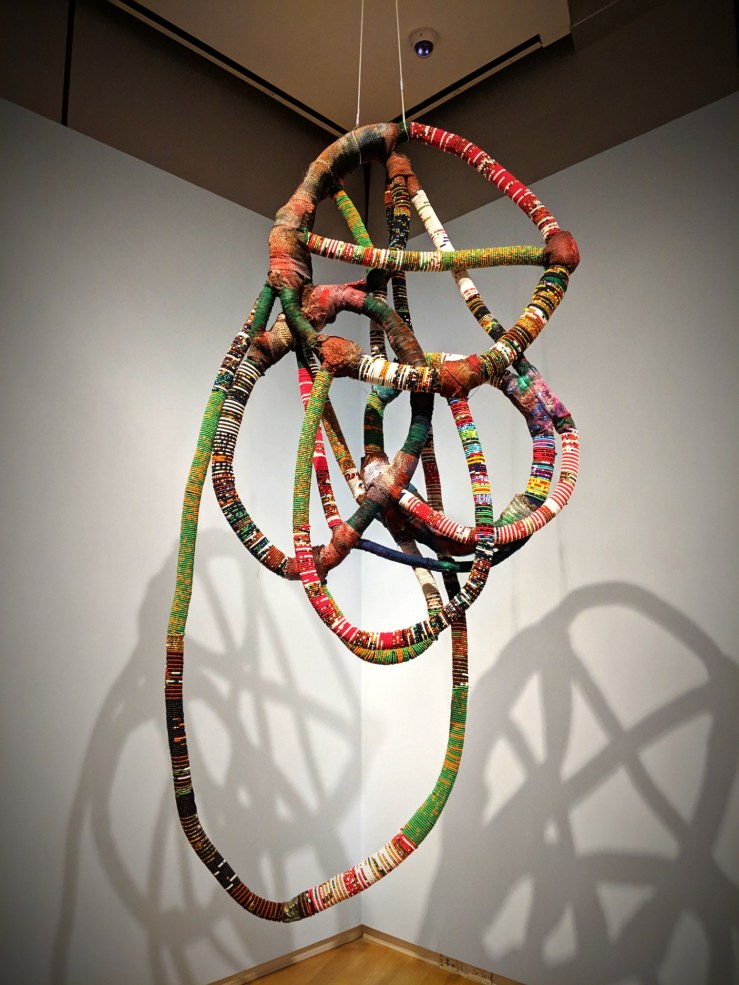

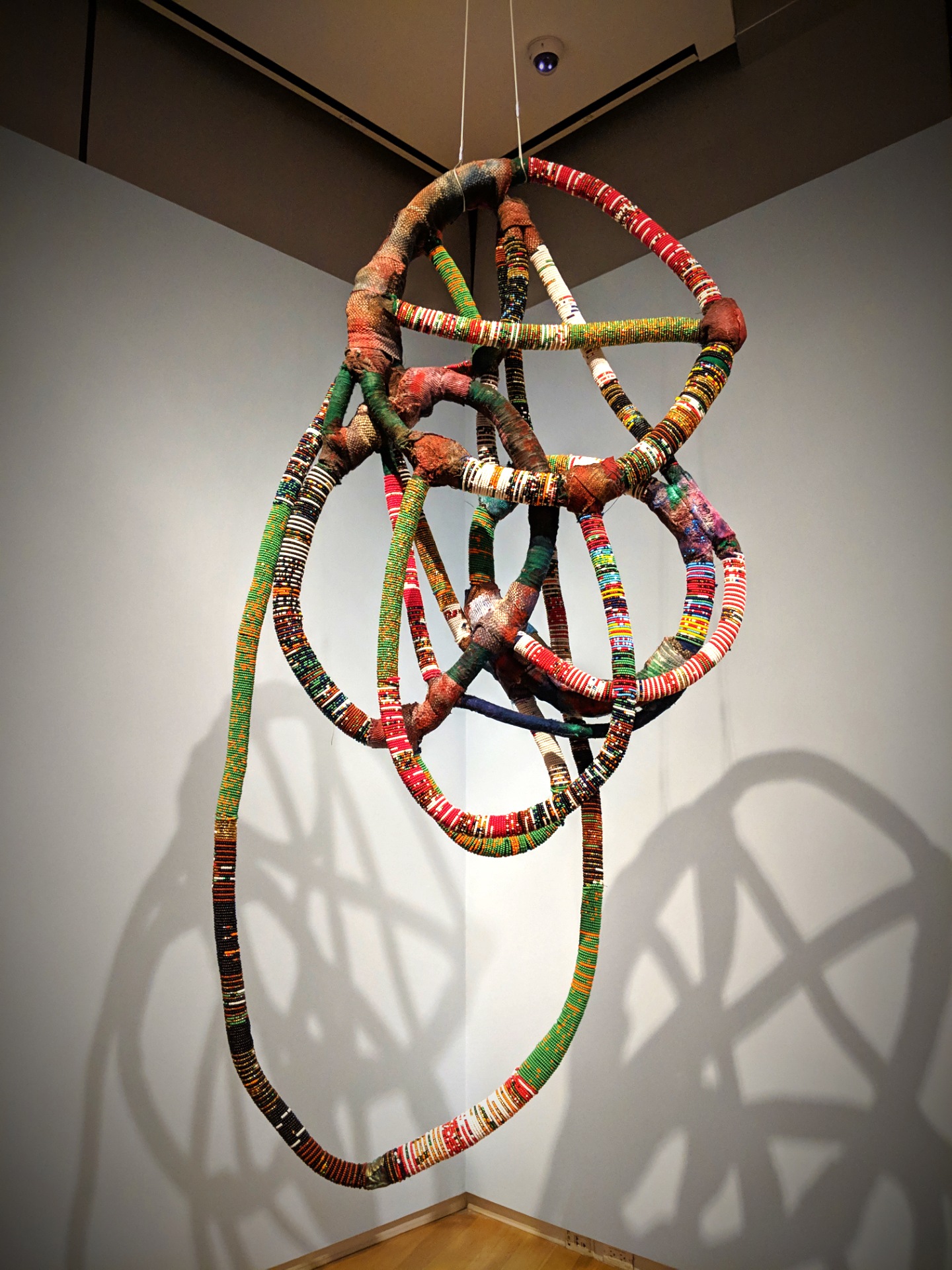
Leonardo Benzant (United States, b. 1972)
The Chameleon’s Journey: Galveston, 2017
Textiles, string, monofilament, leather, acrylic, gel medium, glass seed beads and miscellaneous

Benzant creates his sculptures through a slow and labour-intensive ritualistic process, rolling and sewing fabric into tubular forms, wrapping them with string and strands of glass beads, and adding paint, glitter and other elements or ornament to entwine history, memory and imagination. These signature forms, while abstract, resemble chromosomes and roots, visually conveying his ties to an ancestral lineage. As a practitioner of the Yoruba faith, Benzant uses glass beads based on the eleke necklaces worn by practitioners during ceremonies for their symbolic spiritual power.
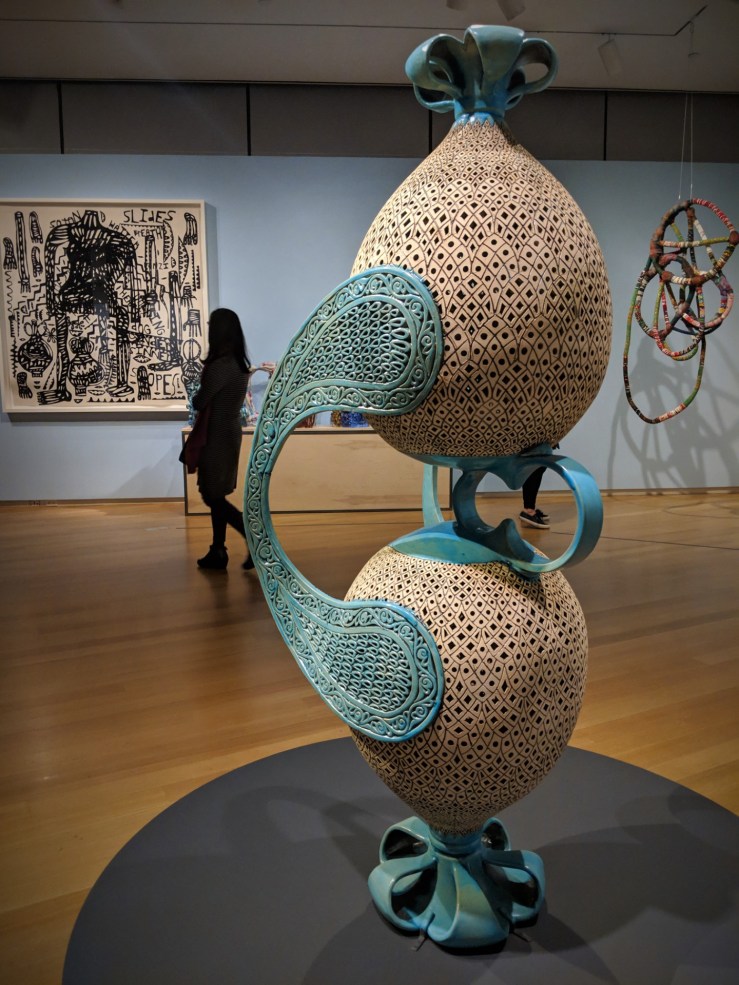

Ibrahim Said (Egypt, b. 1976)
Devotion, 2018
White earthenware and glaze

Said’s work represents a marriage between ancient and contemporary Egypt, where most of the population is Muslim. Devotion is an abstraction of two birds in flight, based on the ancient Egyptian deity Horus, traditionally depicted as a falcon.
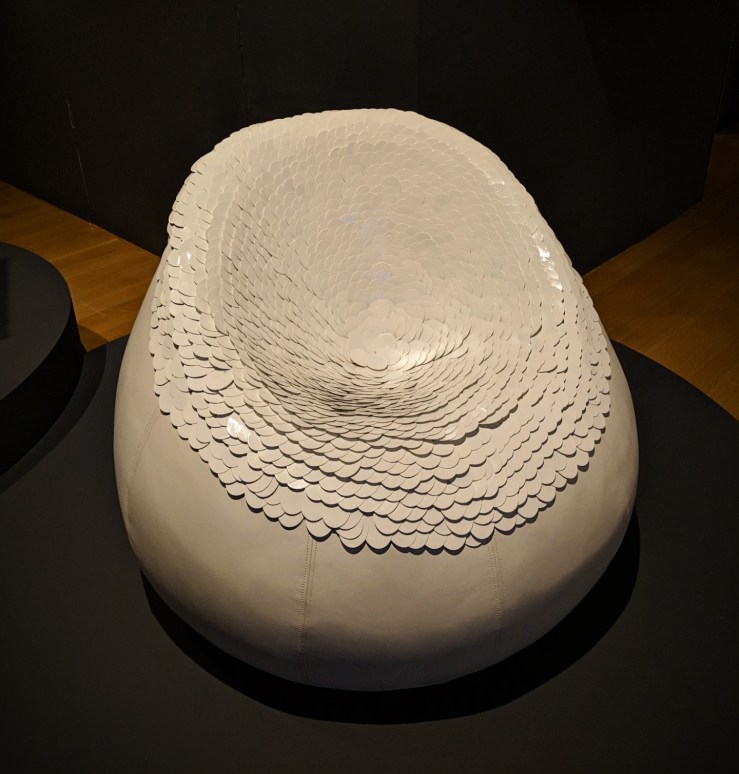

Annie Evelyn (United States, b. 1976)
Nest, 2017
Vintage jewelry findings, leather and foam
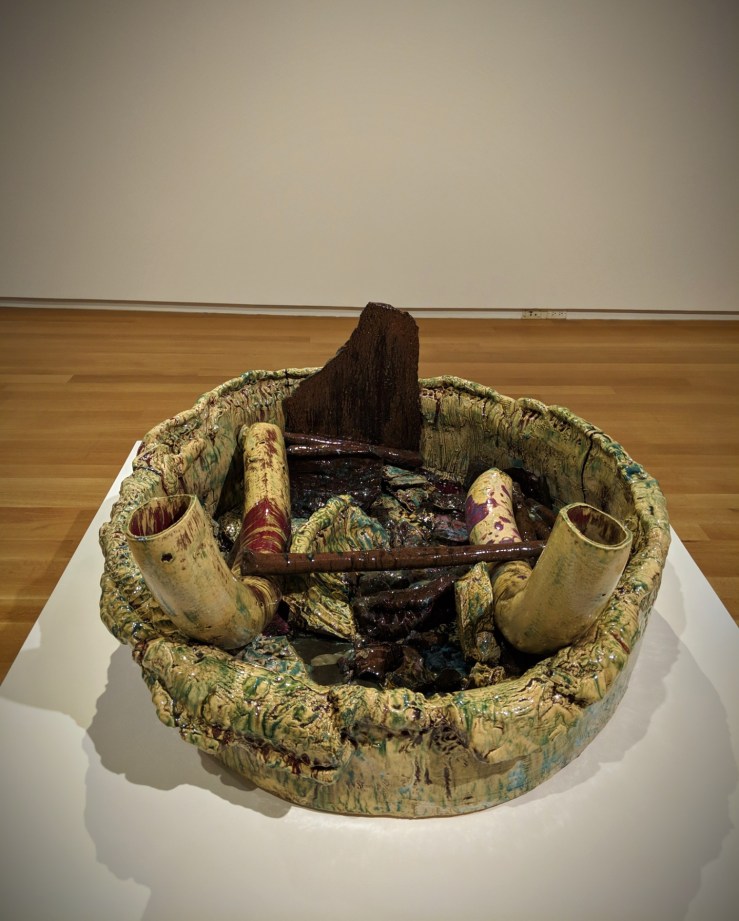

Sterling Ruby (Germany, b. 1972)
Basin Theolody/The Pipe, 2018 & Basin Theology/Pentedrone, 2014

Sterling Ruby: Ceramics, was the first museum exhibition to focus on the ceramic works of the Los Angeles-based artist.

Museum of Arts and Design

November 11th, 2018

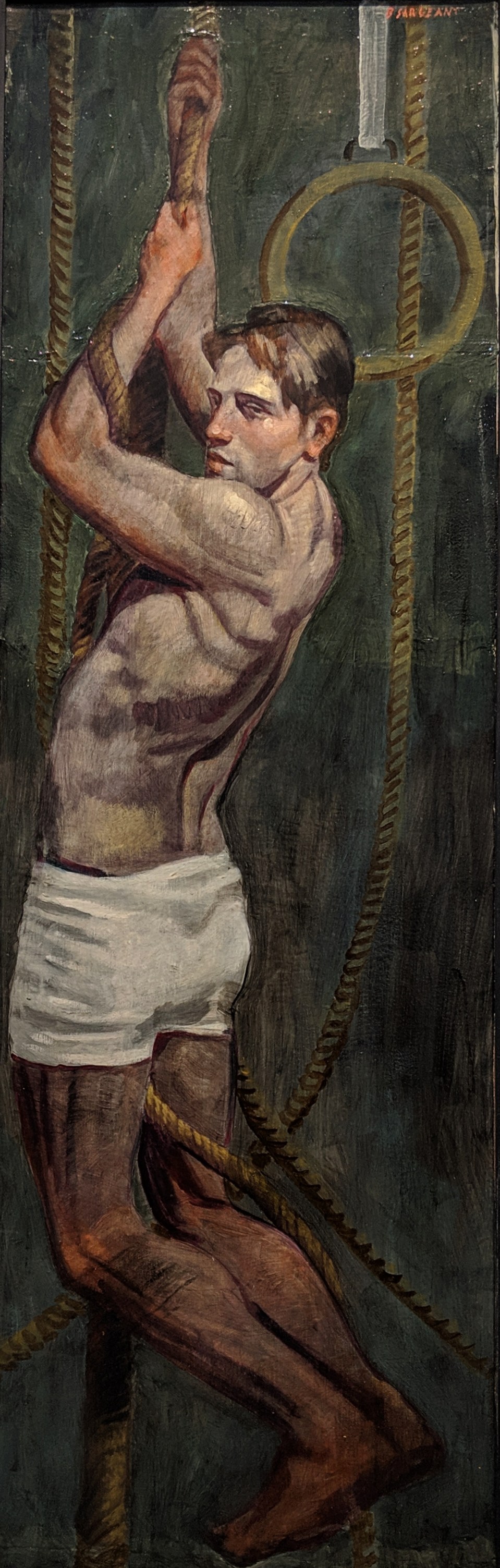
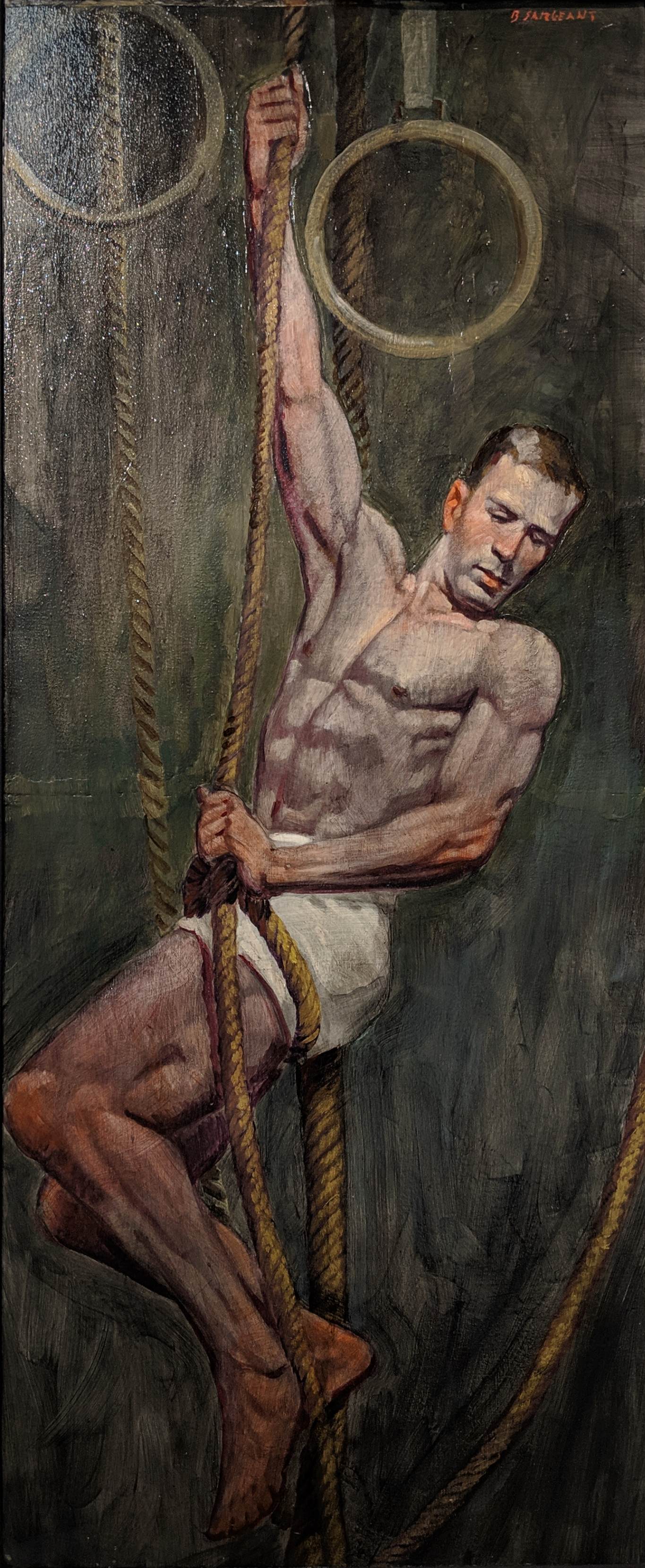
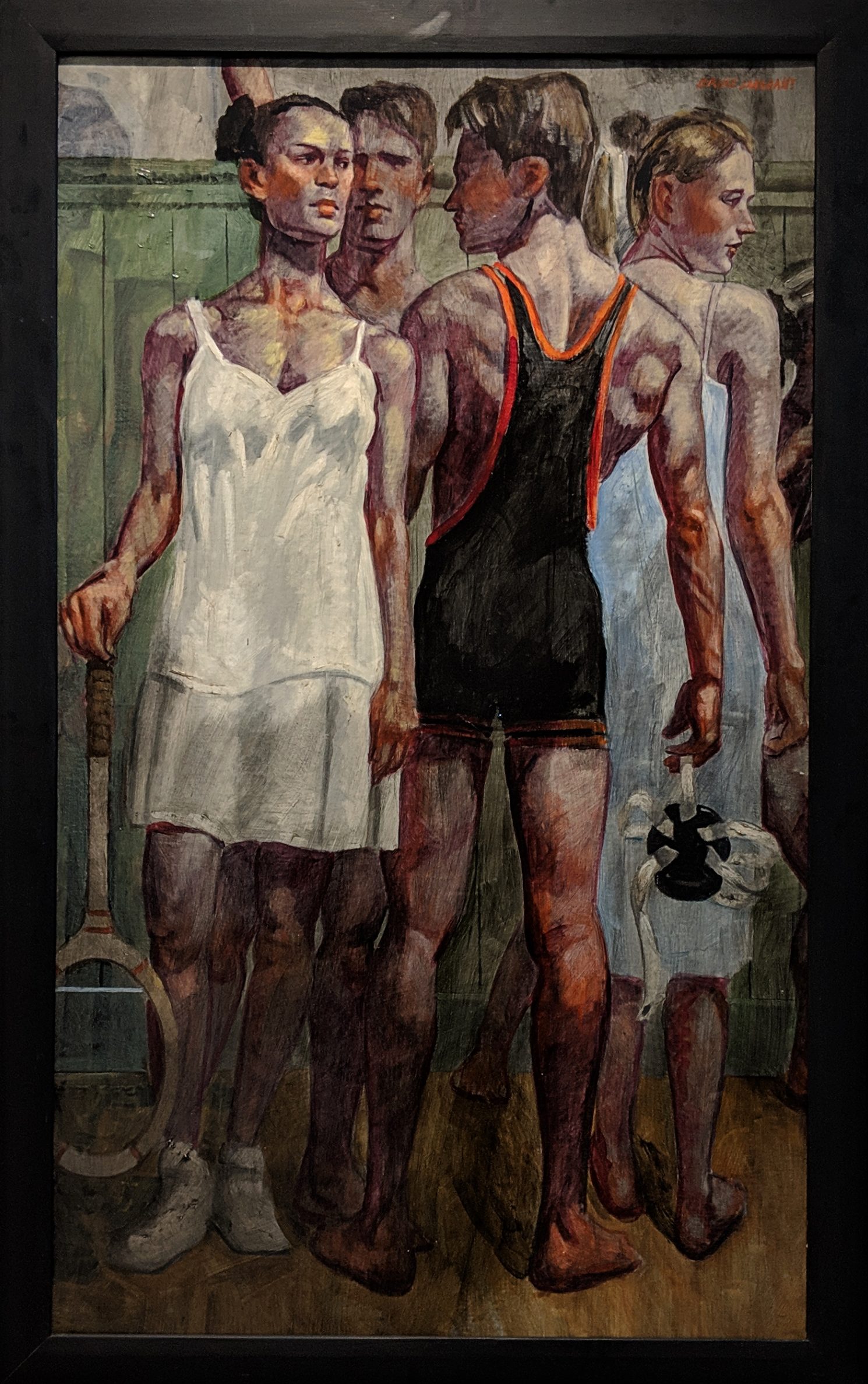
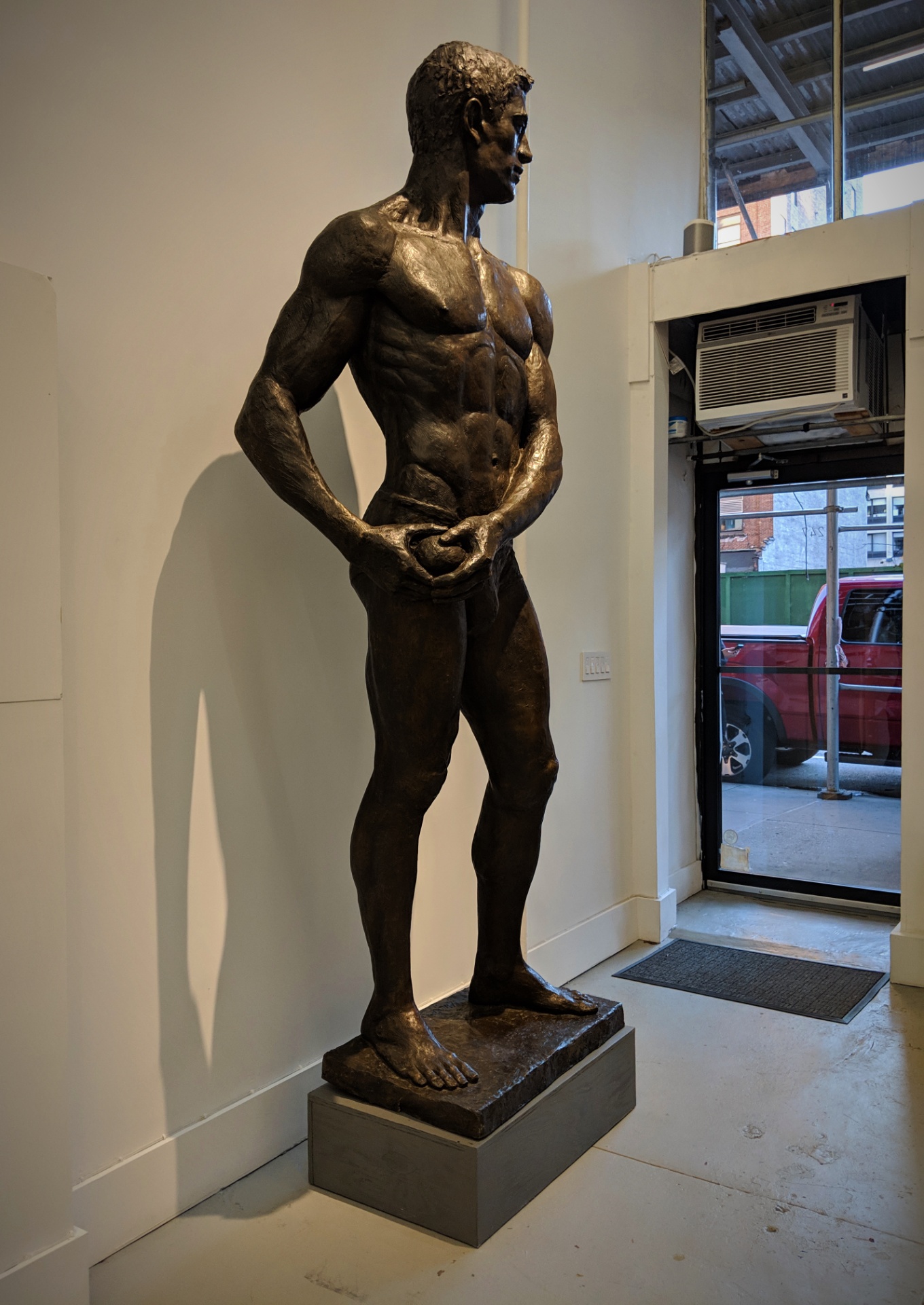
Bruce Sargeant (1898-1938): The Lost Murals

@ClampArt Gallery, curated by New York artist Mark Beard (Bruce Sargeant’s great nephew).

”Mark Beard has devoted more than two decades of his life to researching and collecting the work of Bruce Sargeant, a painter who largely concentrated on the idealization and celebration of the male form.” […]

”The Lost Murals brings together large-scale canvases that were known to exist but hidden from public view for over half a century. After years of meticulous research, Beard located the murals and painstakingly arranged for their return from a number of locations around the globe. In the murals, Beard’s great-uncle portrays his favorite subject: muscular young men at the peak of form and athletic prowess.” – Source & more: ClampArt

November 10th, 2018

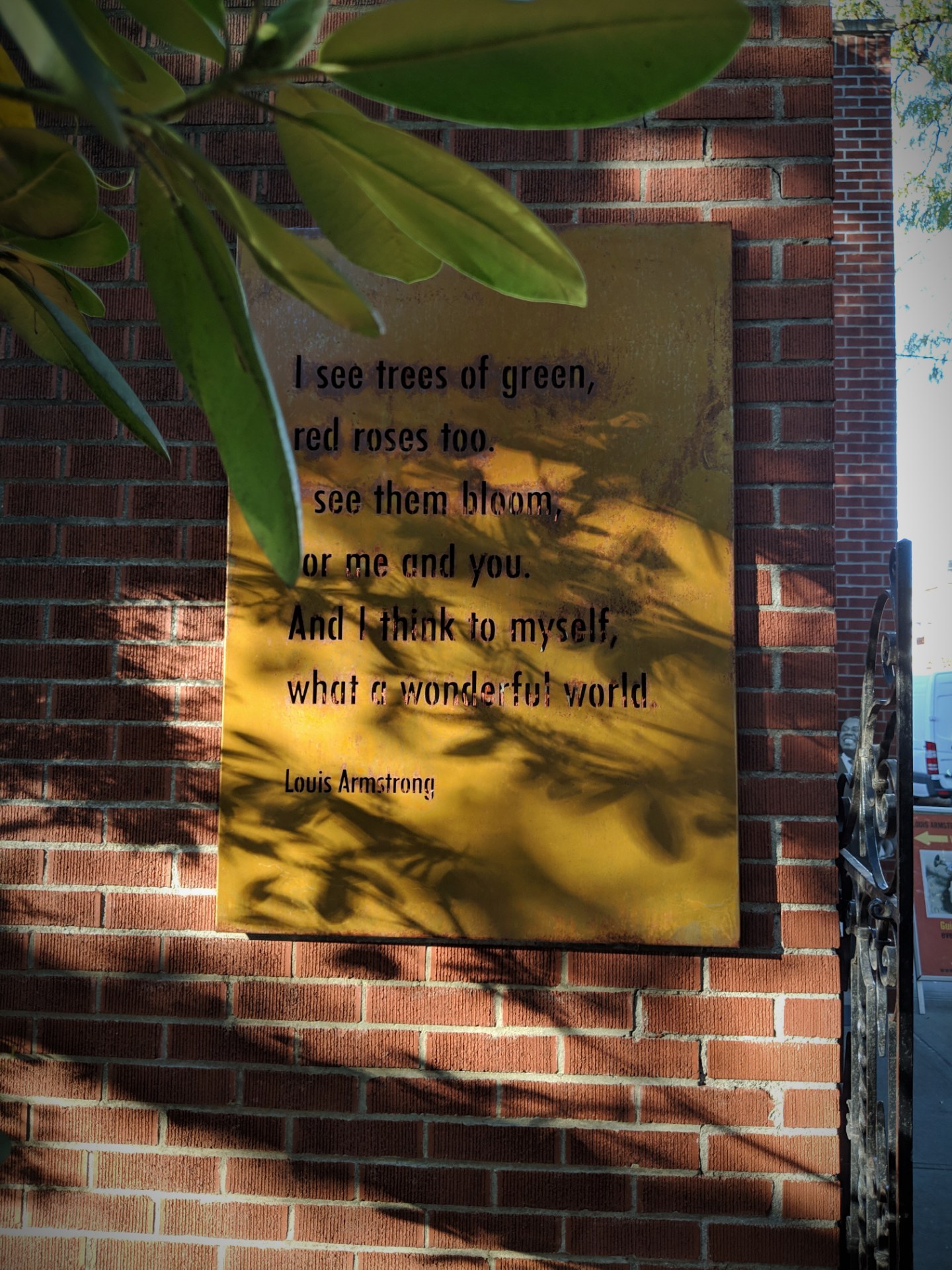
The House of Jazz

“We’re right out here with the rest of the colored folk and the Puerto Ricans and Italians and the Hebrew cats. We don’t need to move out in the suburbs to some big mansion with lots of servants and yardmen and things.”

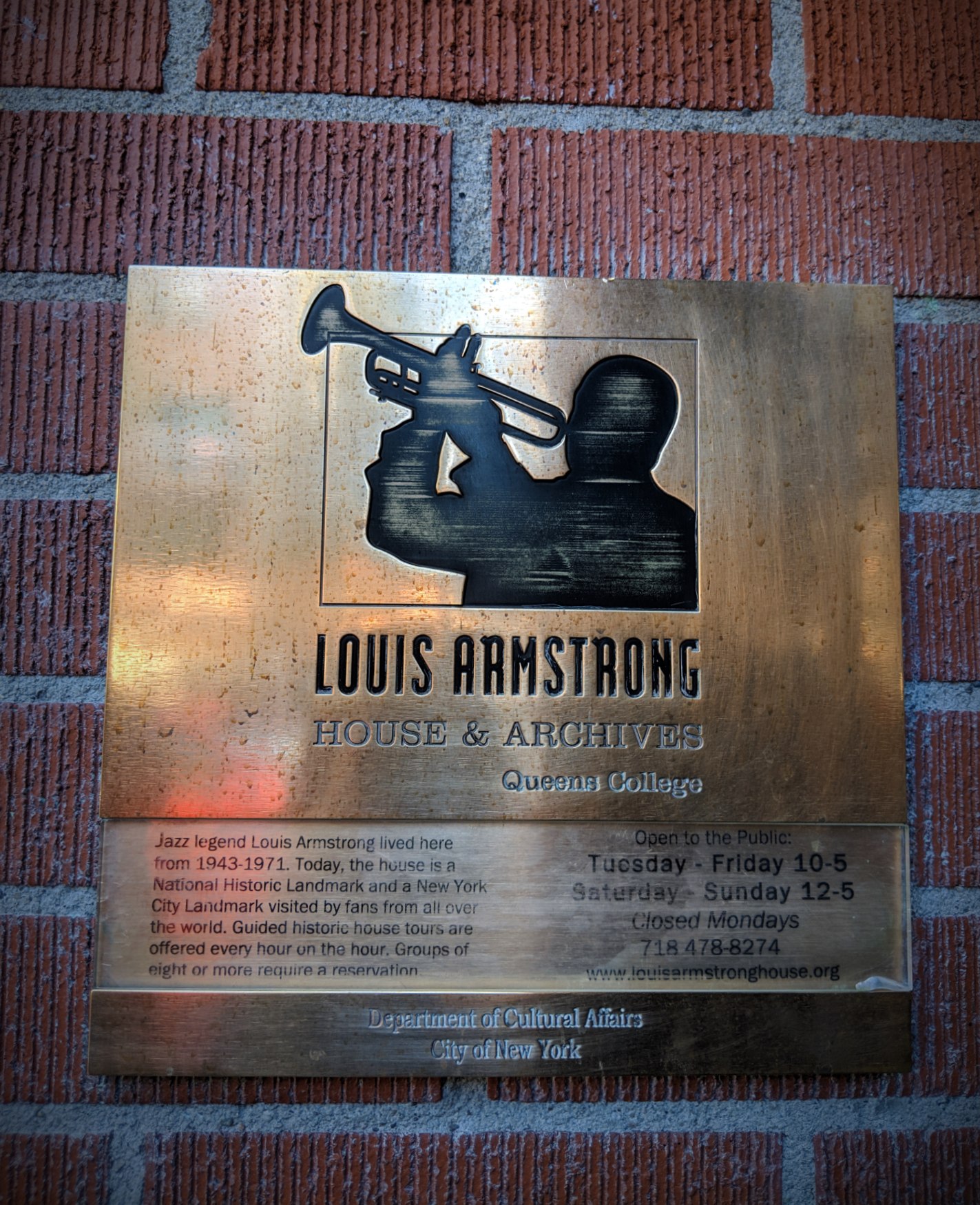
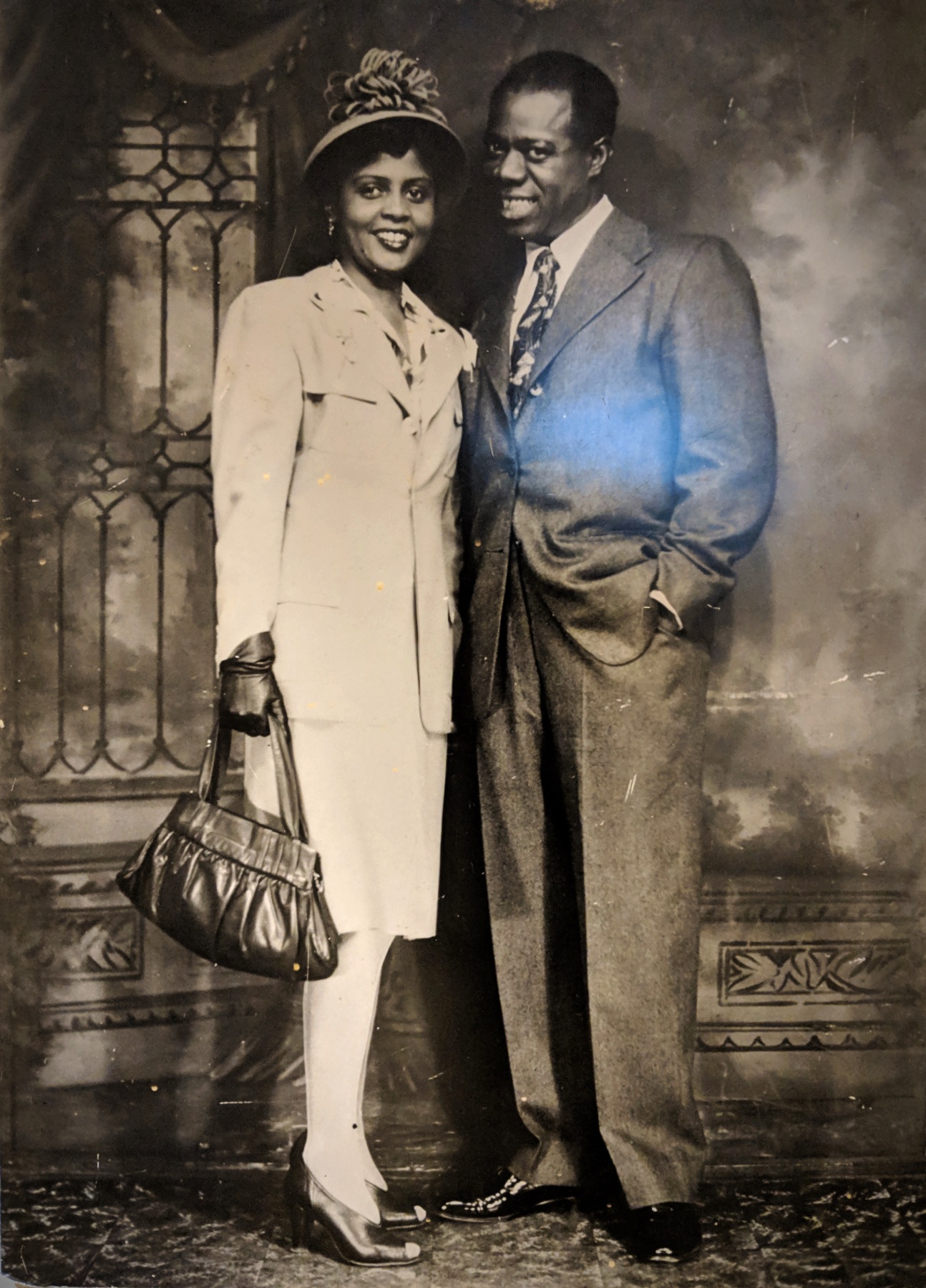
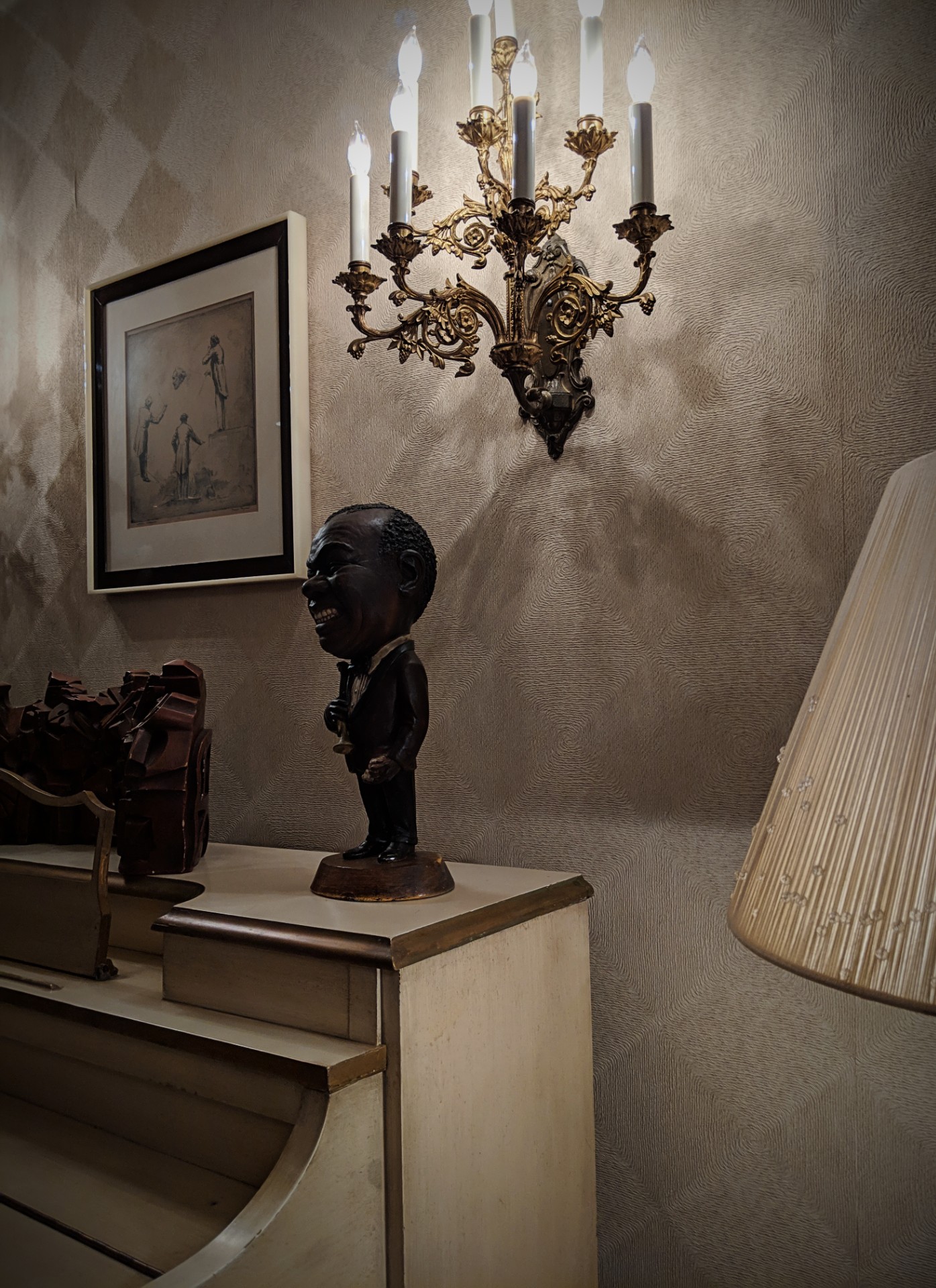
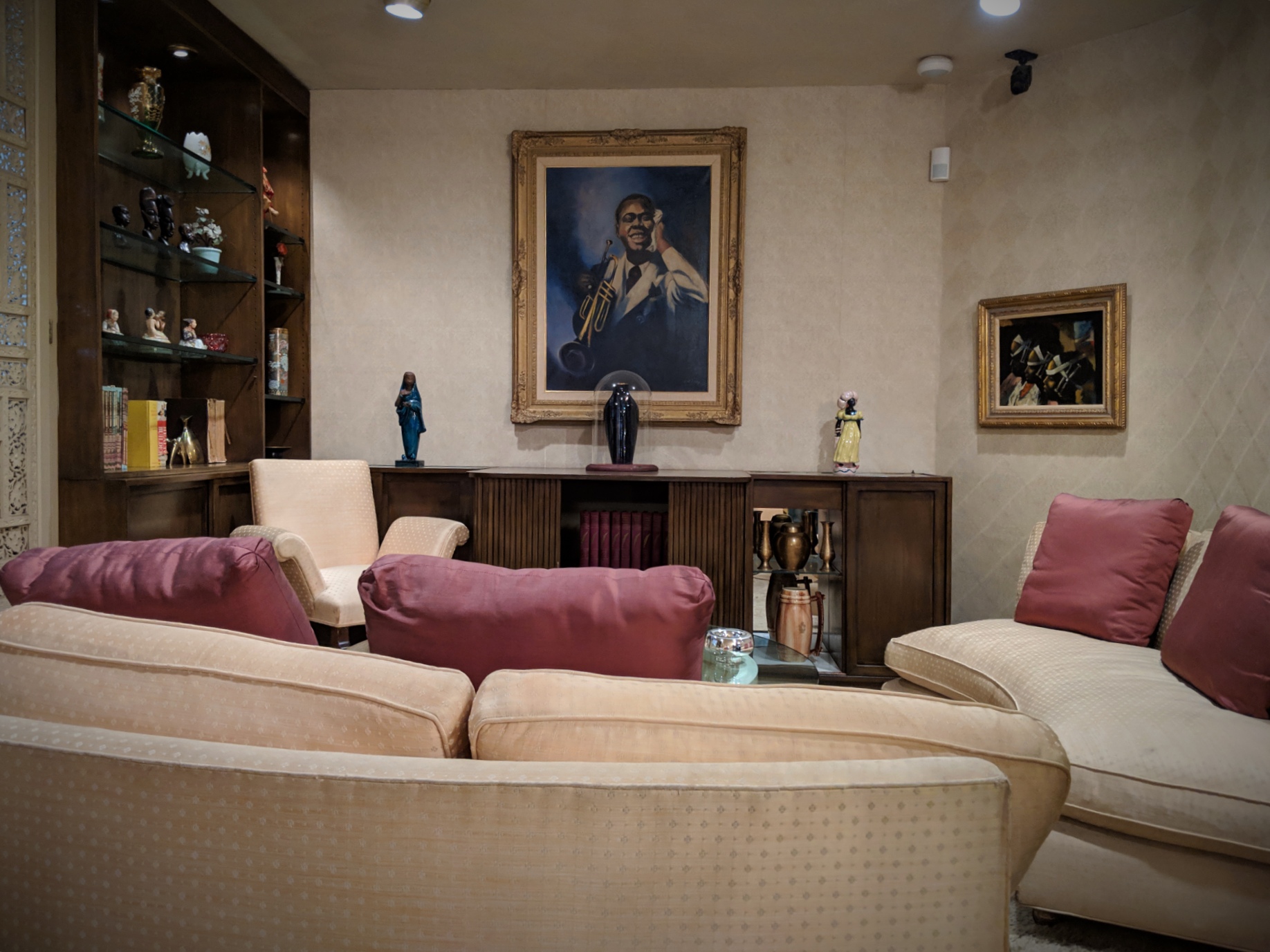
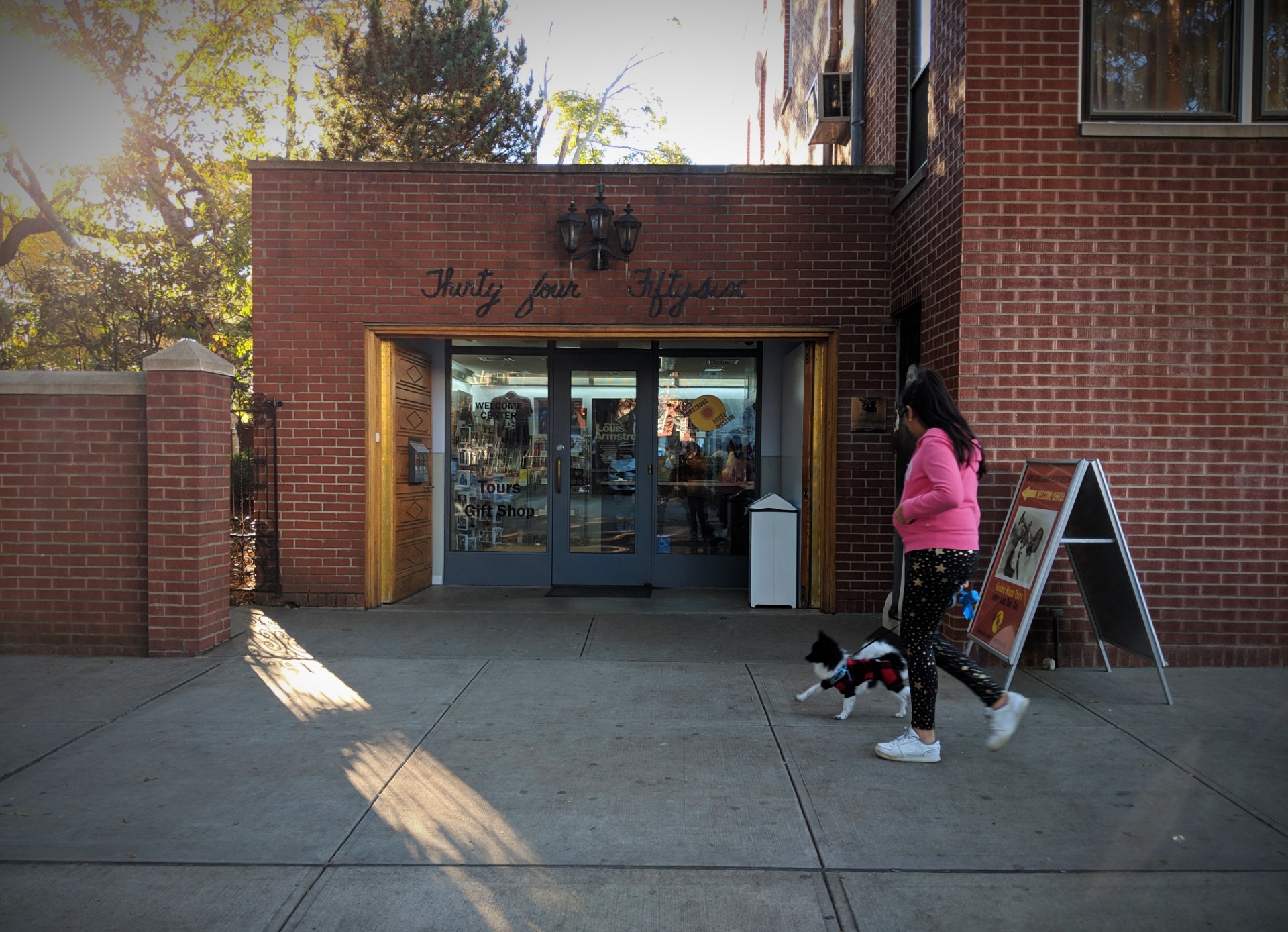
And so it was in 1943 that Louis Armstrong and his wife Lucille came to live in this modest house in the working-class neighbourhood of Corona, Queens. They lived here for the remainder of their lives.

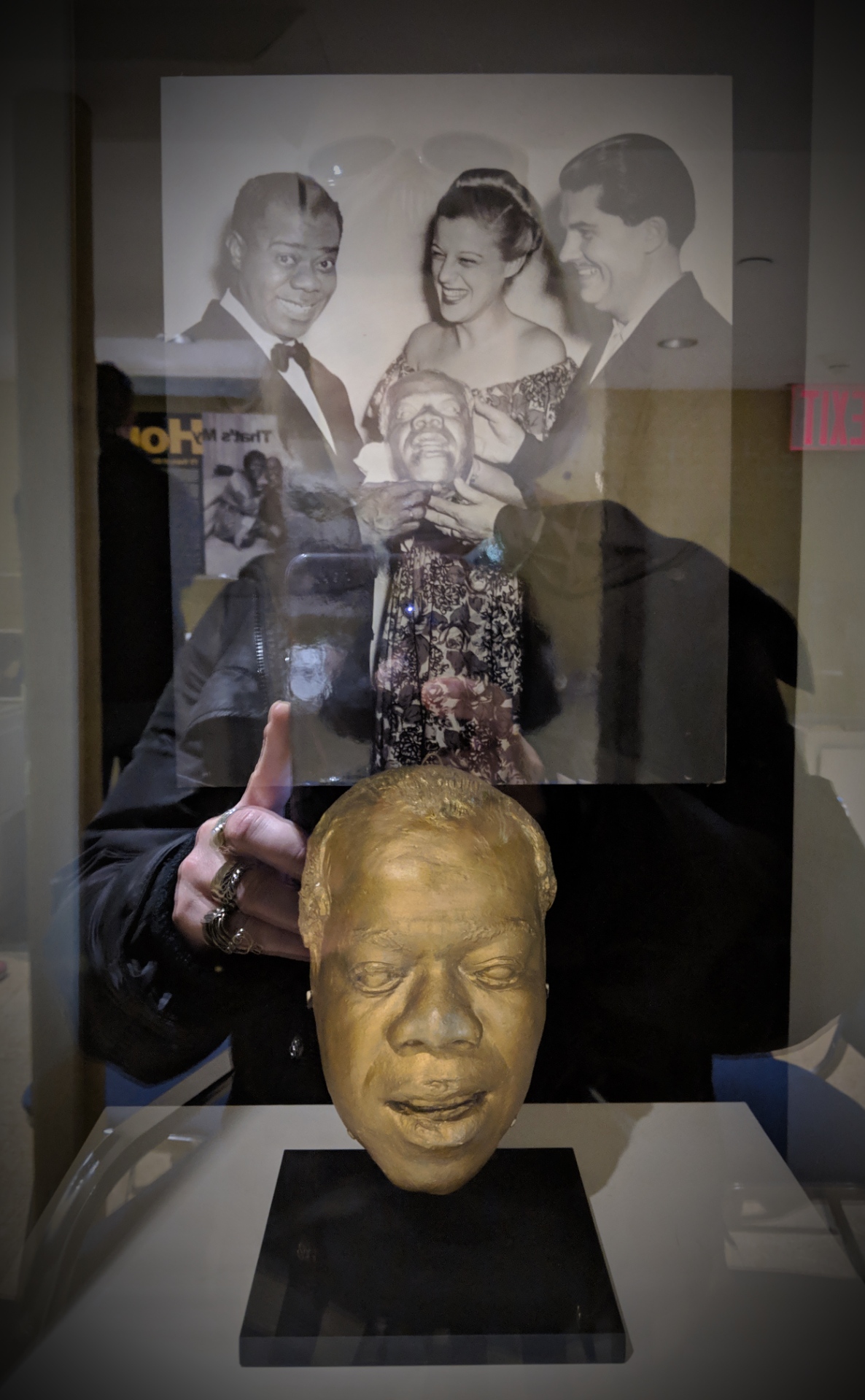
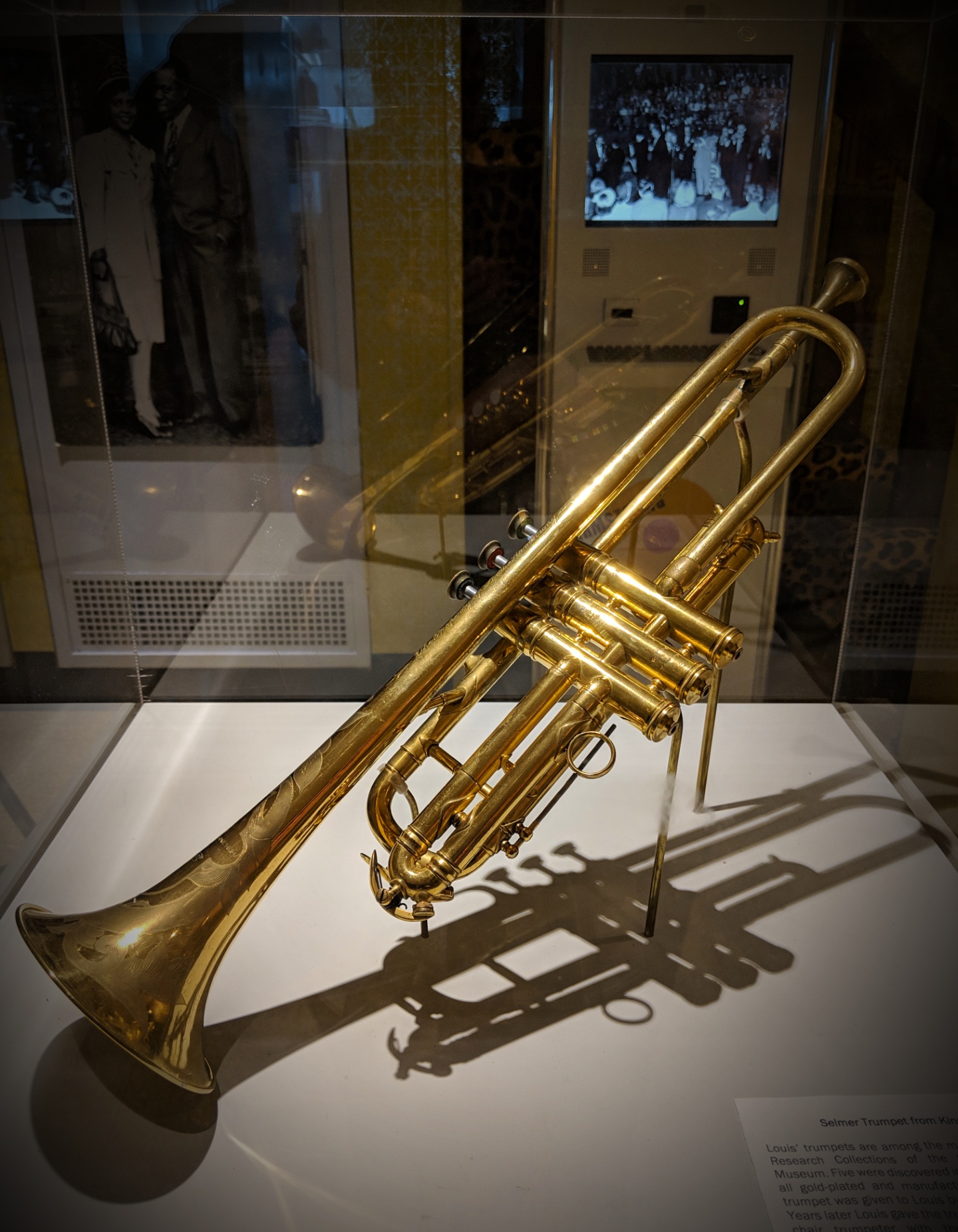
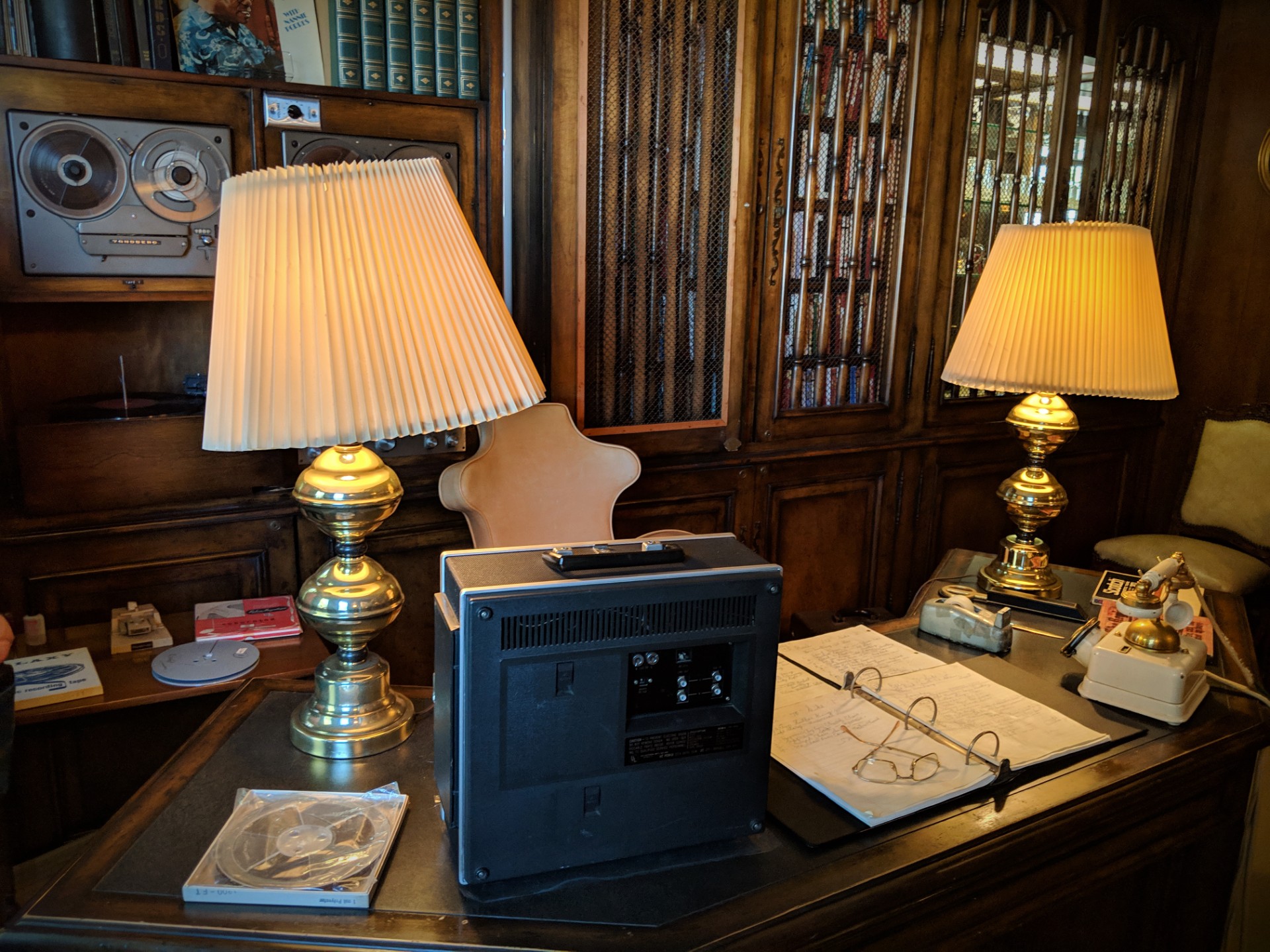
Today, the Louis Armstrong House Museum & Archives is open to the public, offering guided tours while audio clips from Louis’s homemade recordings are played, and visitors hear Louis practicing his trumpet, enjoying a meal, or talking with his friends.

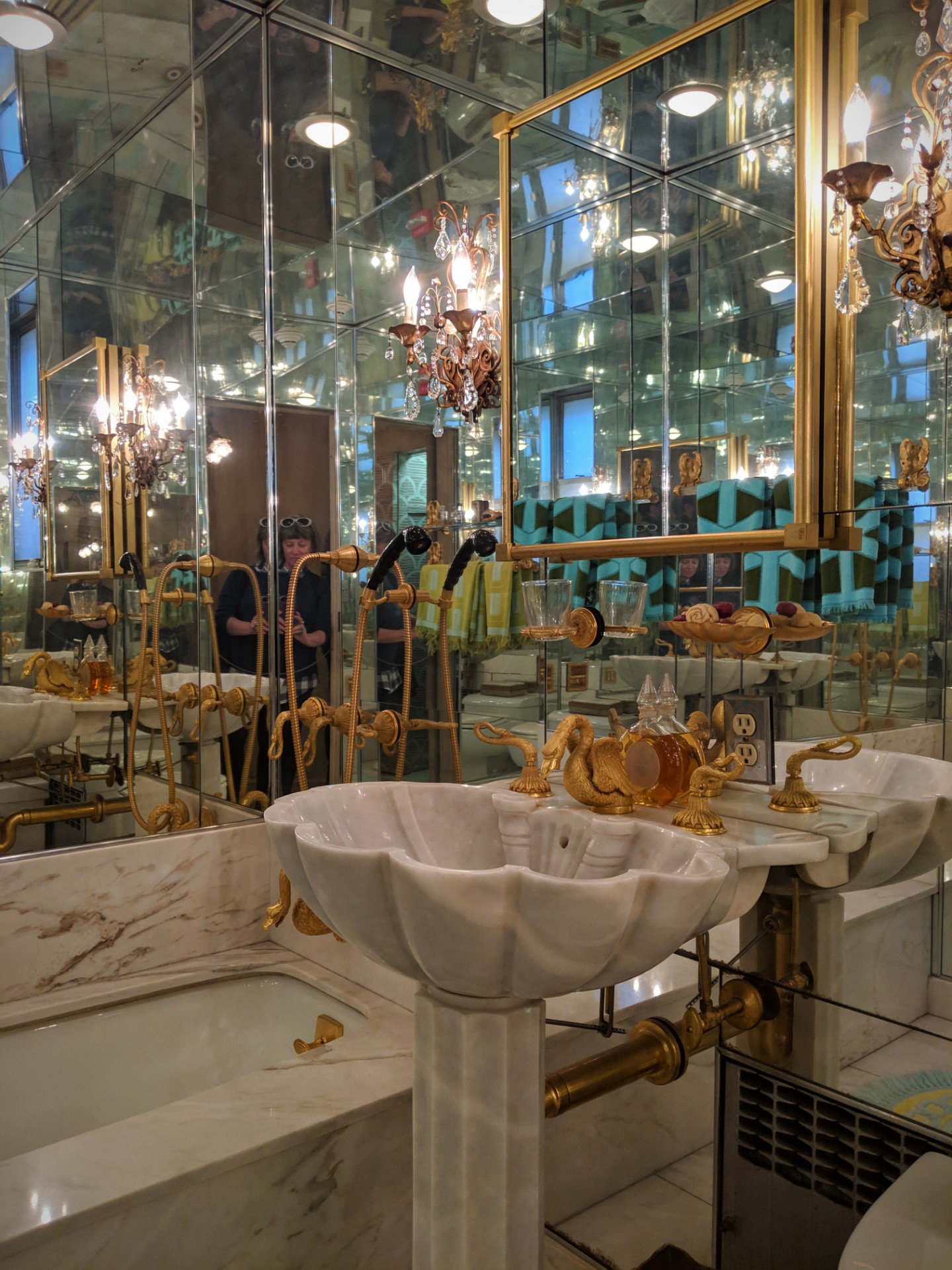
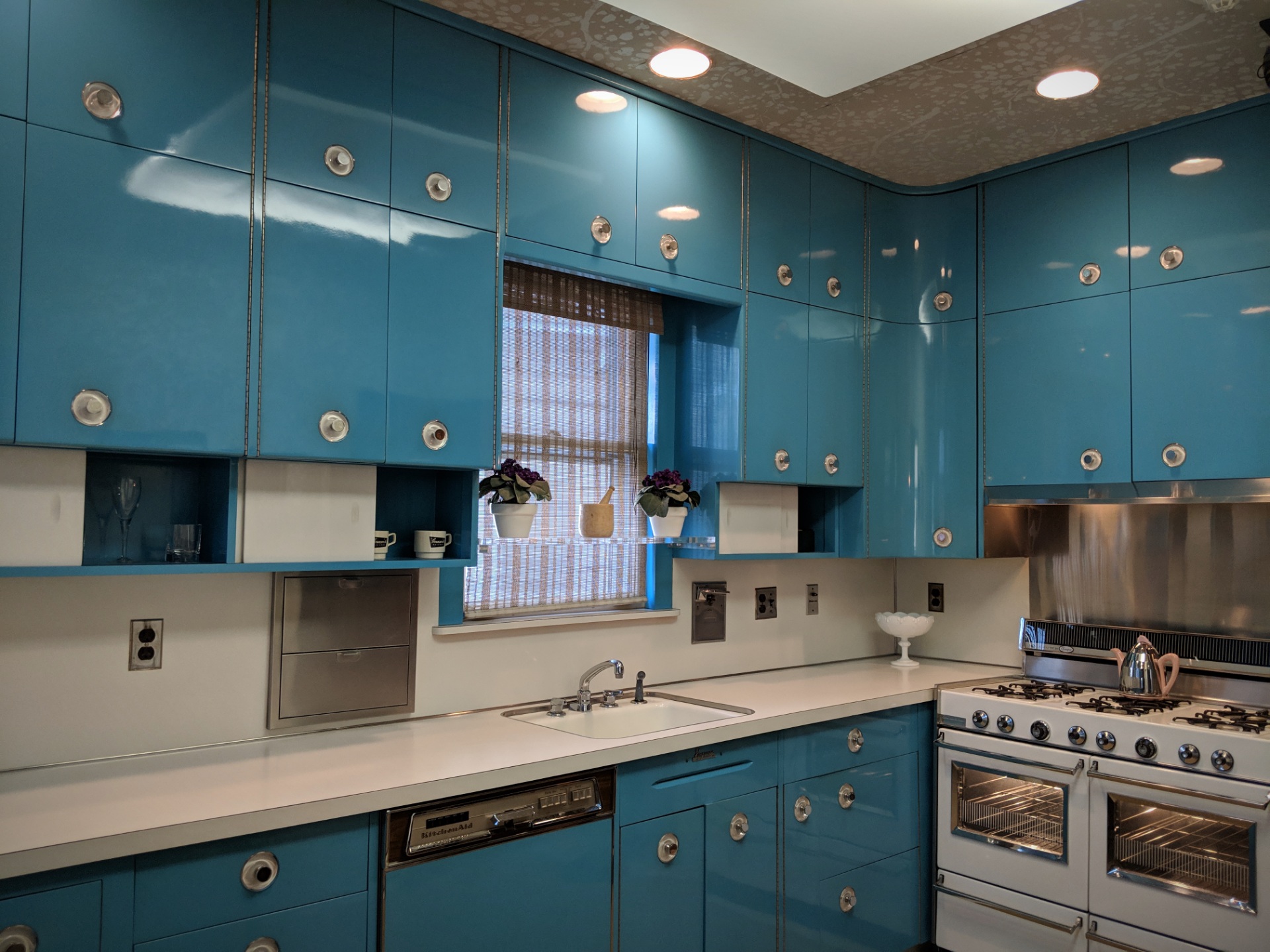
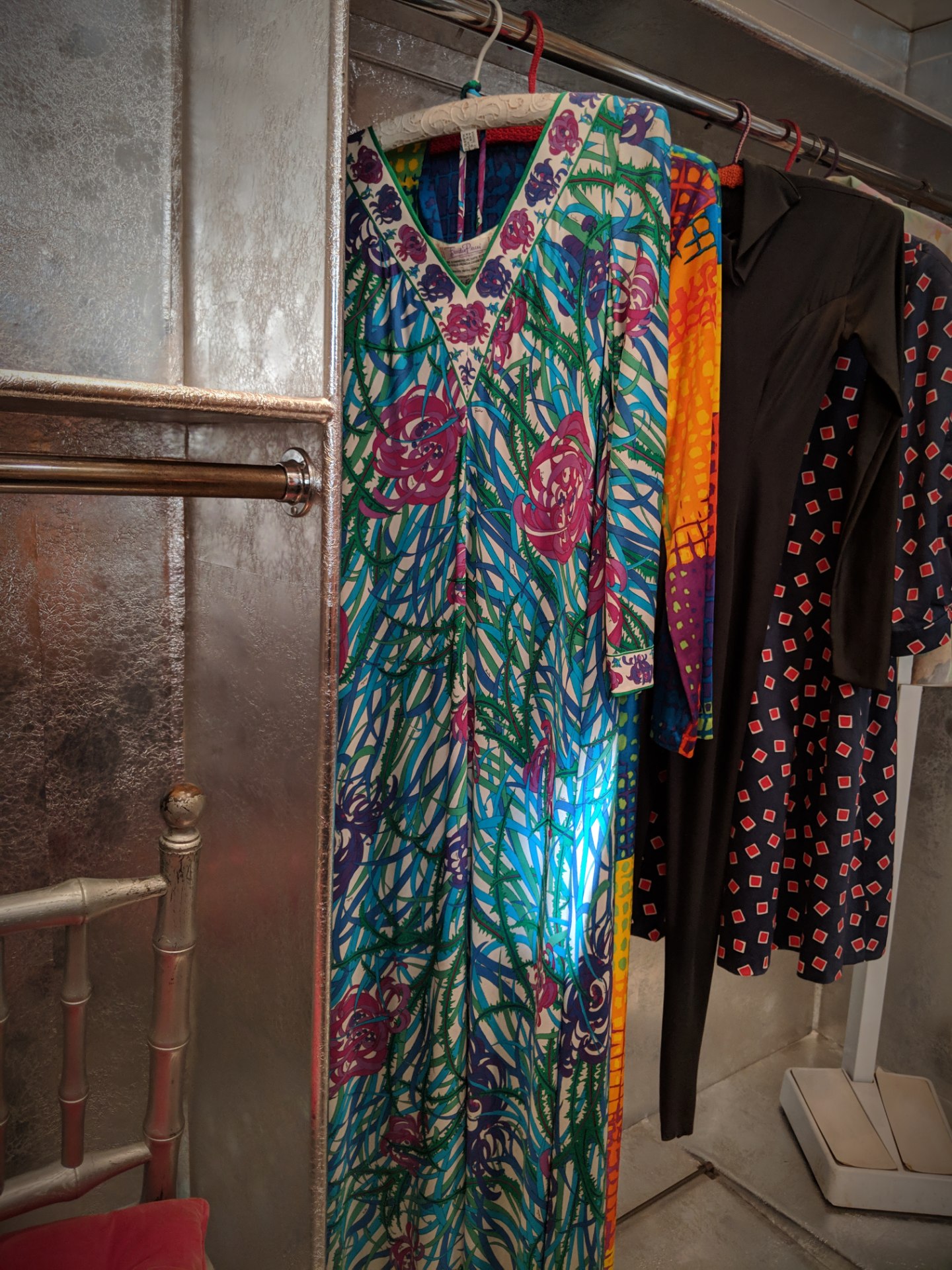
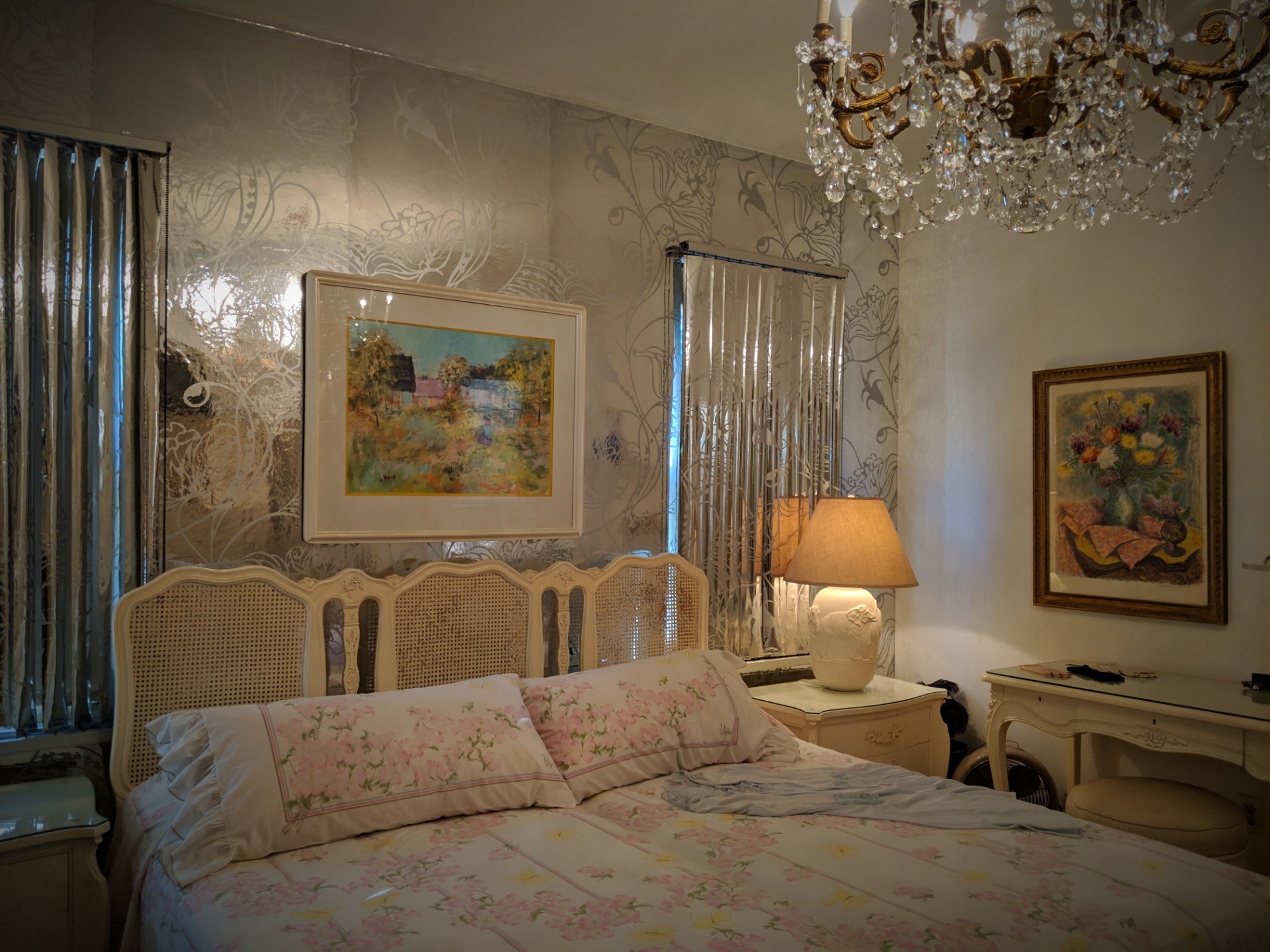
No one else has lived in the house since the Armstrongs passed away; the rooms, furnishings, ornaments, the all-mirrored bathroom and that lovely show-stealing turquoise kitchen reflect their personalities, taste and times they lived in. I tried to stay behind every time our guide moved on, to take a better look at each room. I was sure that if I touched the walls I would hear the echo of Louis’ trumpet playing – and not from the audio clip.

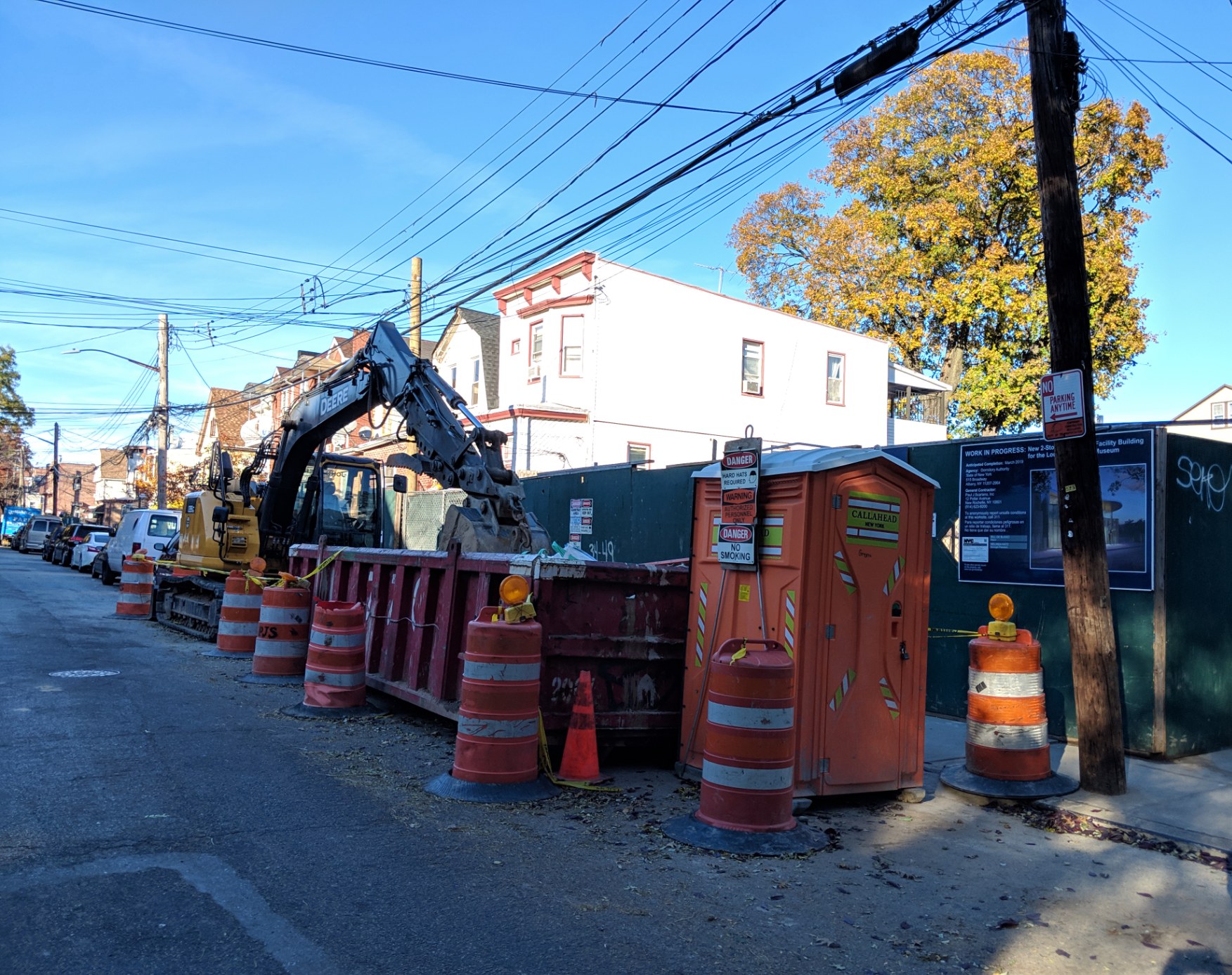
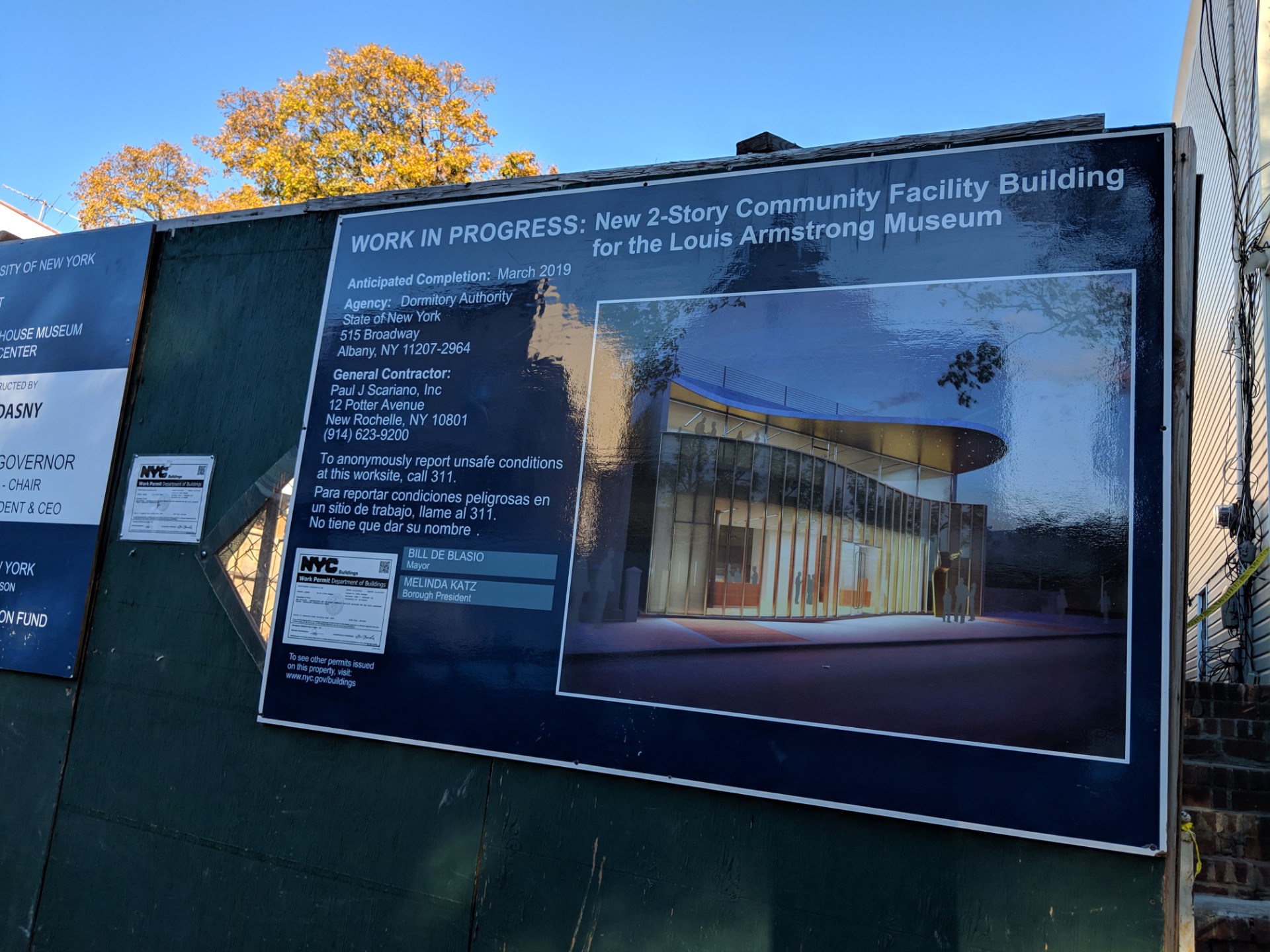
The Museum is expanding across the street from the House. The new Education Center will complement the existing experience with an exhibition gallery, a jazz club where musicians will rehearse and perform their music, and a store. The museum’s research collections, currently housed at Queens College’s library, will move into an Archival Center on the second floor.

The anticipated completion was pushed back to 2021 (pre-Covid-19).

With the Louis Armstrong House Museum and Archives currently closed because of Covid-19, the Museum has launched “That’s My Home,” their first online exhibition – absolutely worth a visit.

November 4th, 2018

El Paso Museum of Art

An Art Institution in a binational, bilingual city like El Paso could showcase nothing less than an eclectic collection, rich in history, diverse in technique, open-minded and thought provoking, drawing inspiration from both sides of the Americas.

EPMA is the only American Alliance of Museums-accredited art museum within a 200-mile radius, one of the only accredited museums in all of West Texas, and serves as a major cultural and educational resource for West Texas, New Mexico, and Northern Mexico with nearly 100,000 visitors each year. The demographic characteristics of this region are diverse and unique among large cities in the United States because of the nature of its fluid, binational population which sees inhabitants working, learning, and socializing across international and state borders on a daily basis. El Paso and its sister city Ciudad Juárez, Mexico share three international bridges that bring 75,000 people from Juárez to El Paso each day (Bureau of Transportation Statistics, 2016). According to Customs and Border Protection, 600 to 1,000 children legally cross the Paso del Norte bridge to go to school every day. Moreover, over 80% of residents identify as Mexican, Hispanic, or Mexican-American. [sourge: EPMA]

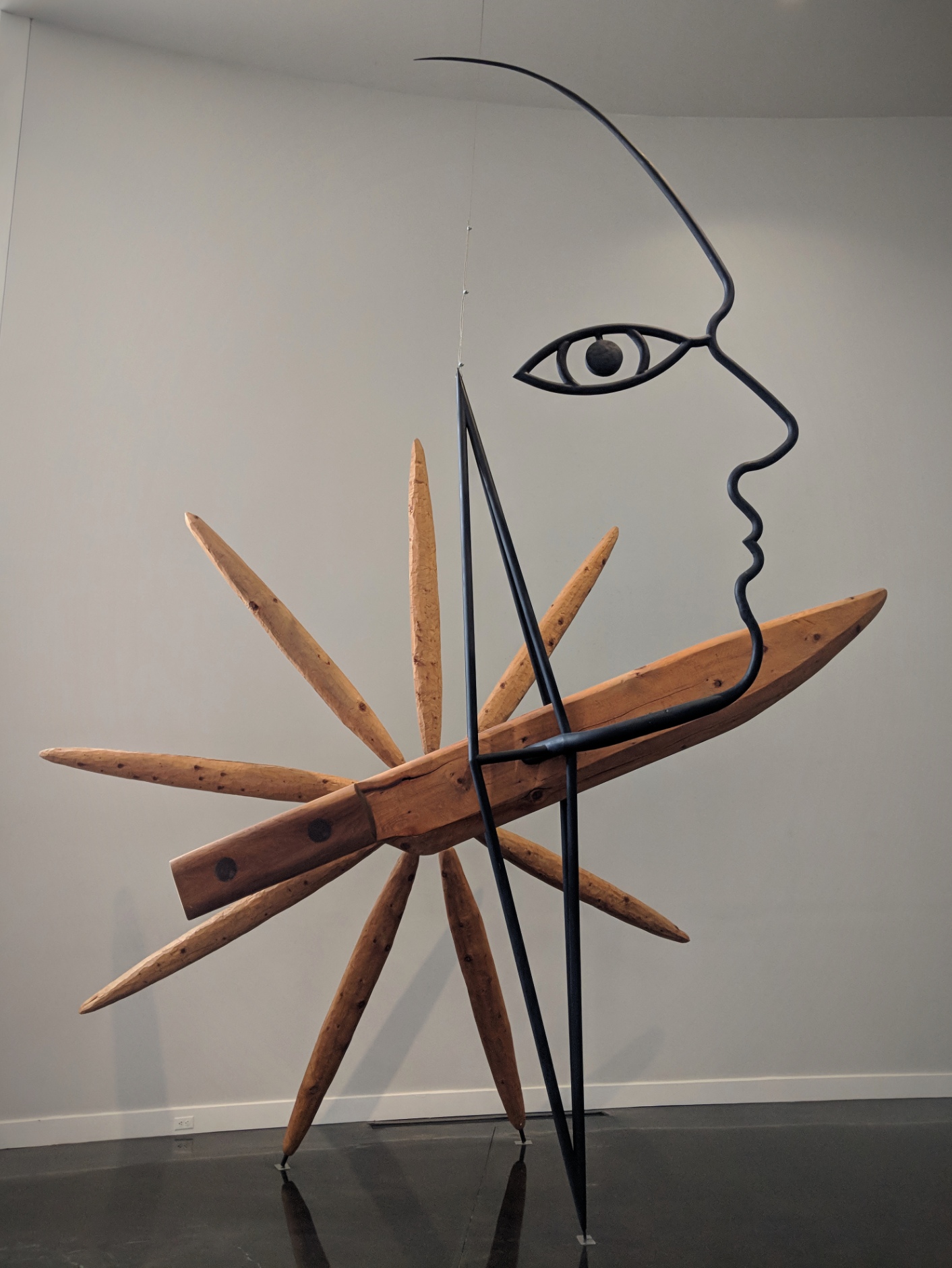
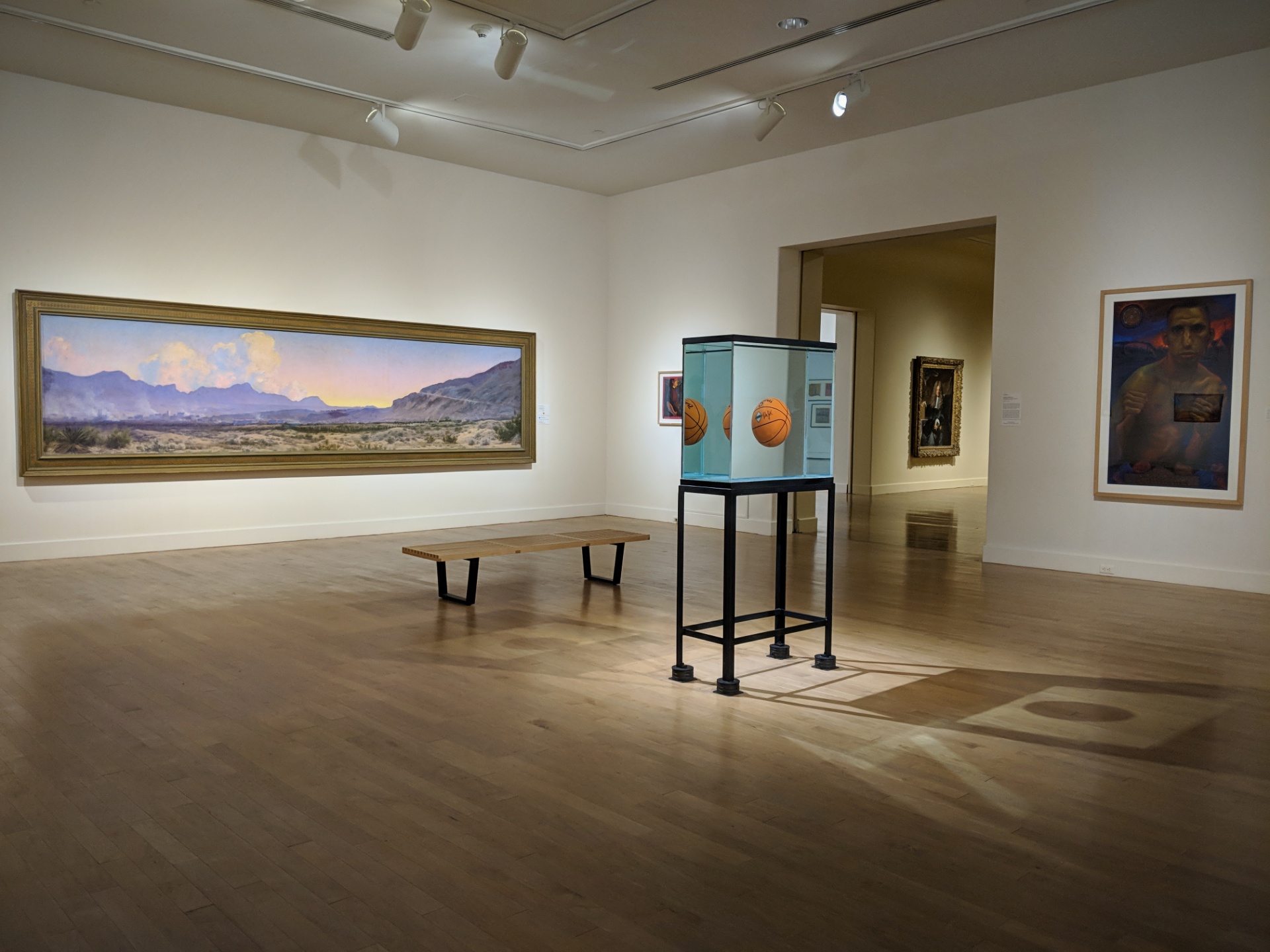
James Surls
Me, Knife, Diamond and Flower, 1999
Pine, poplar and steel


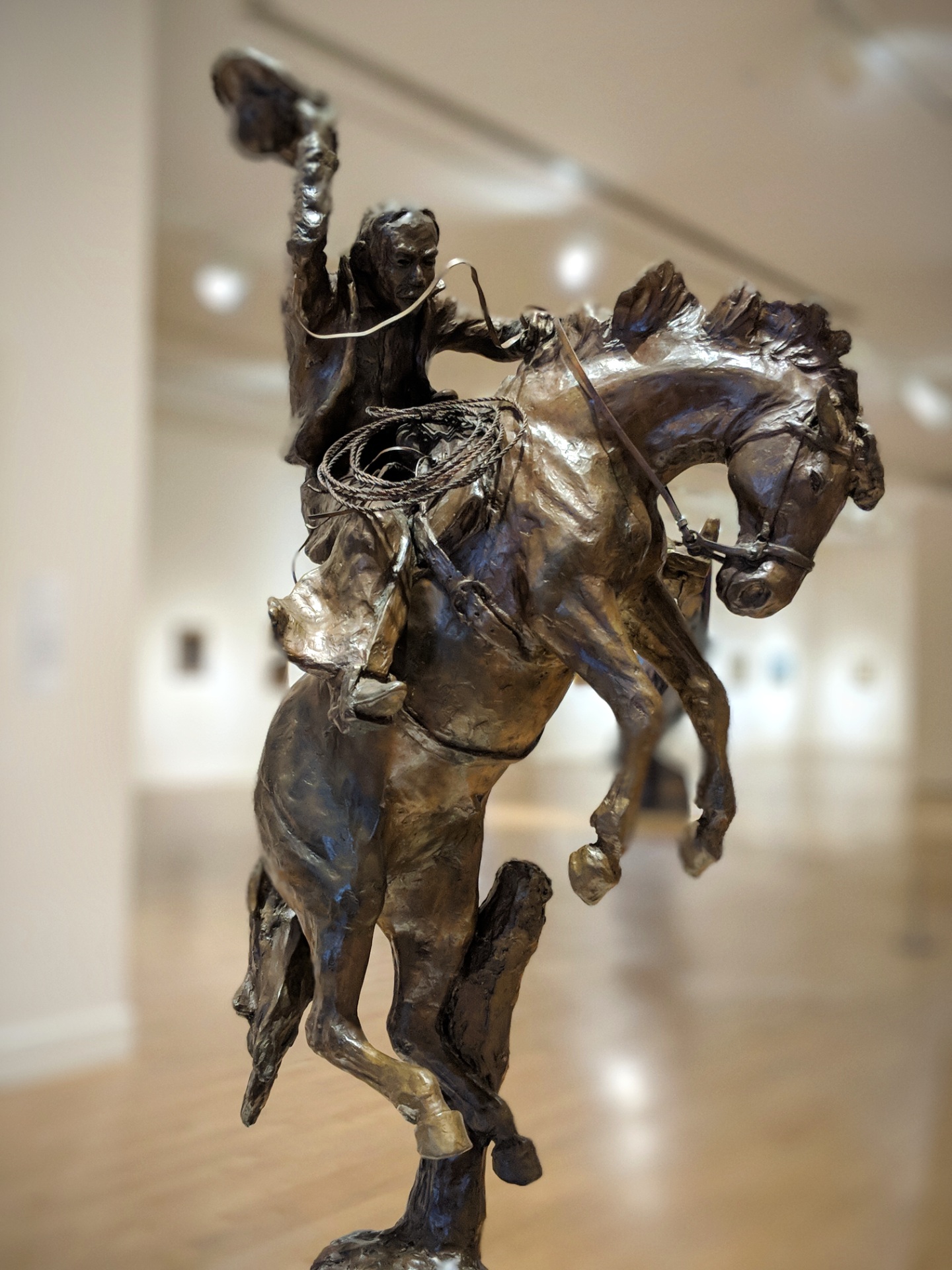
Tom Knapp
Springtime in the Rockies, 1978
Bronze


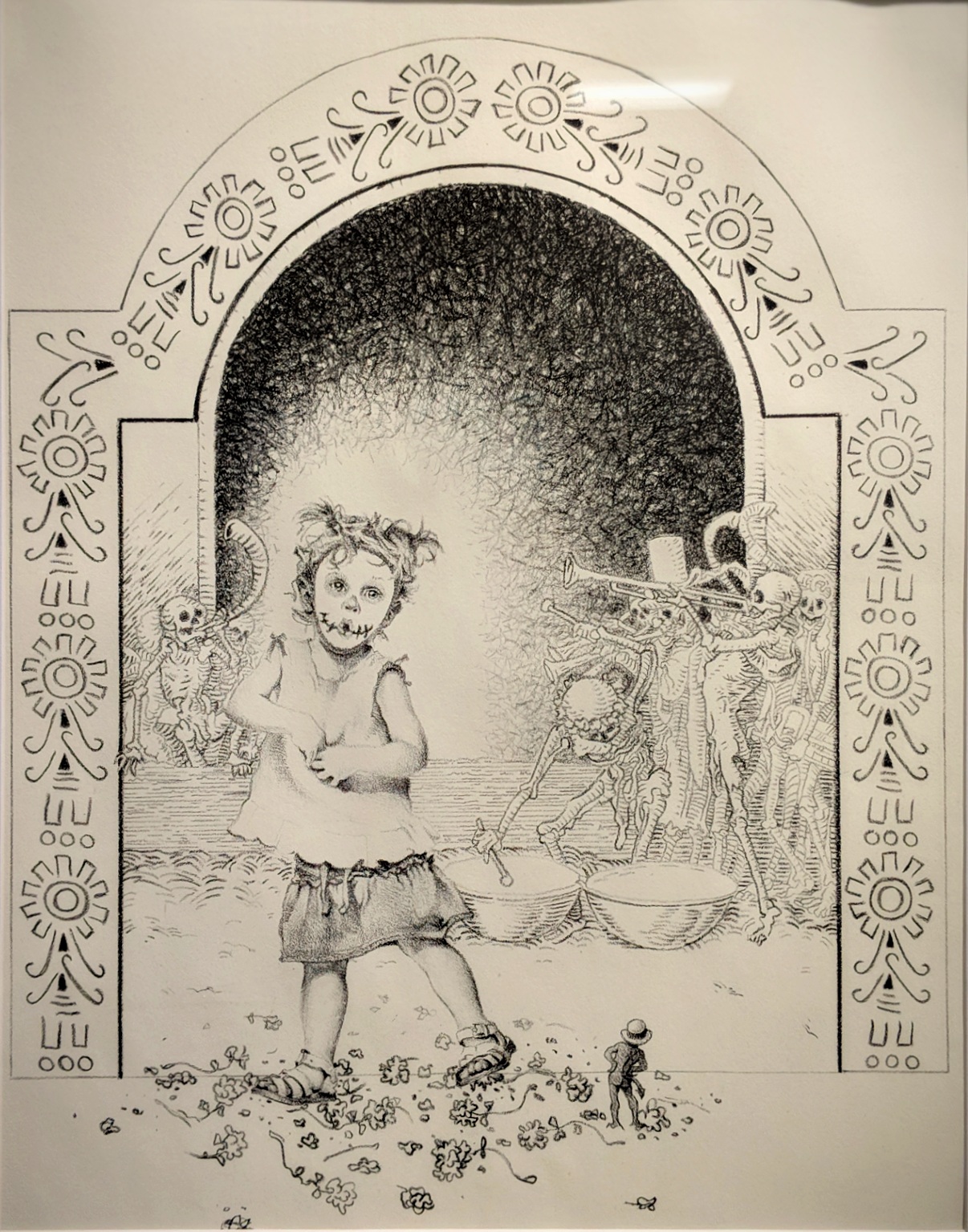
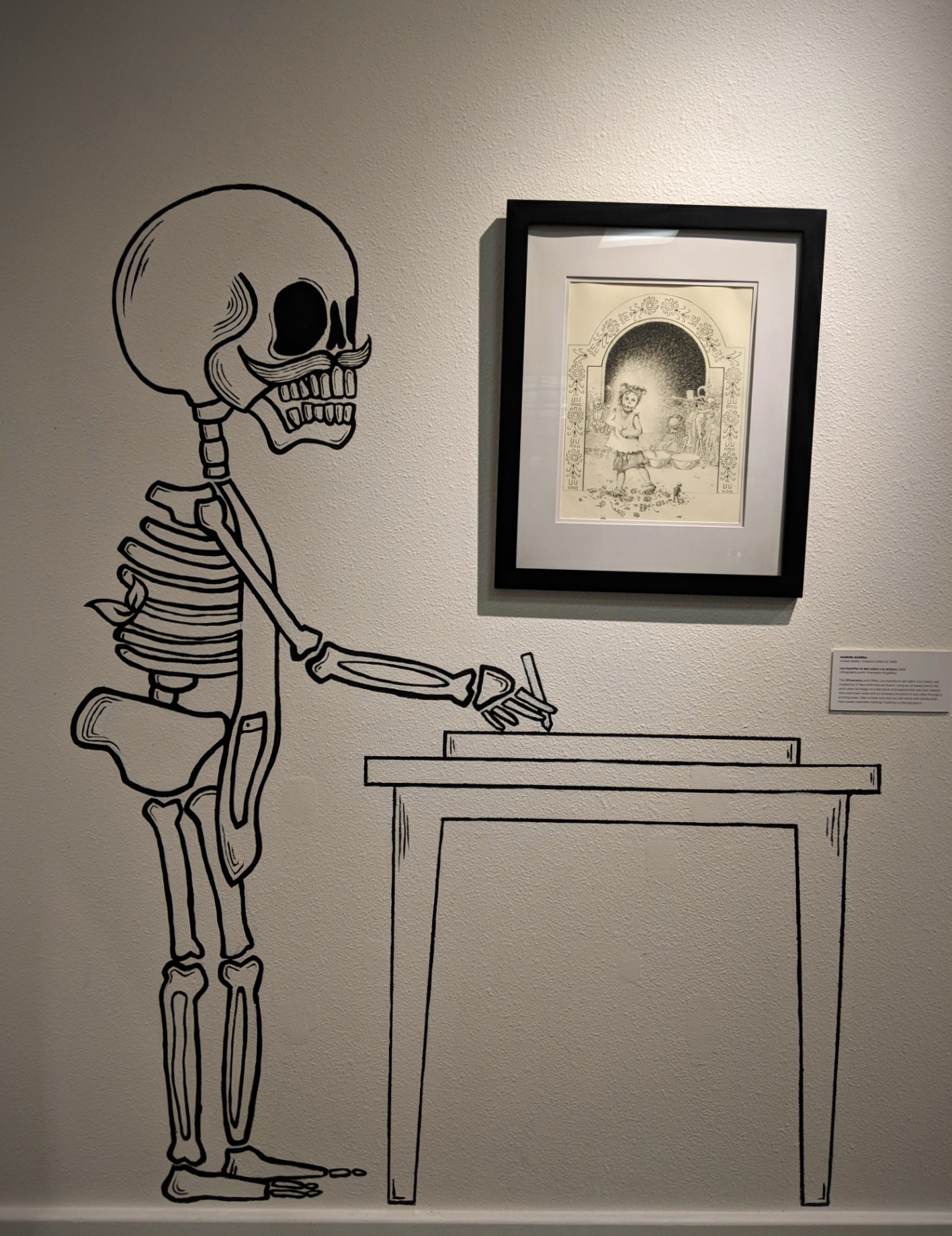
Manuel Guerra
Los huecitos le dan sabro a la música, 2008


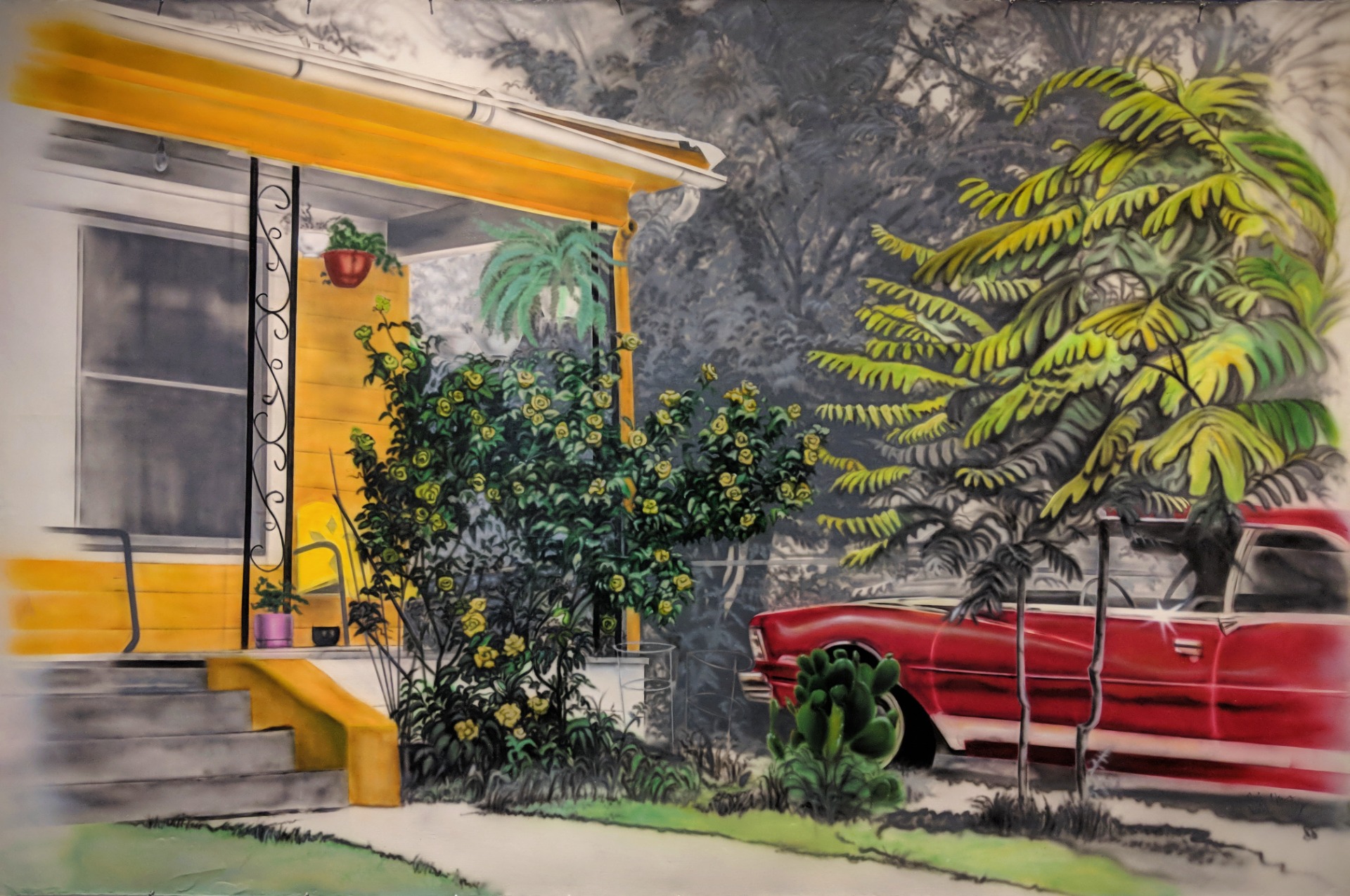
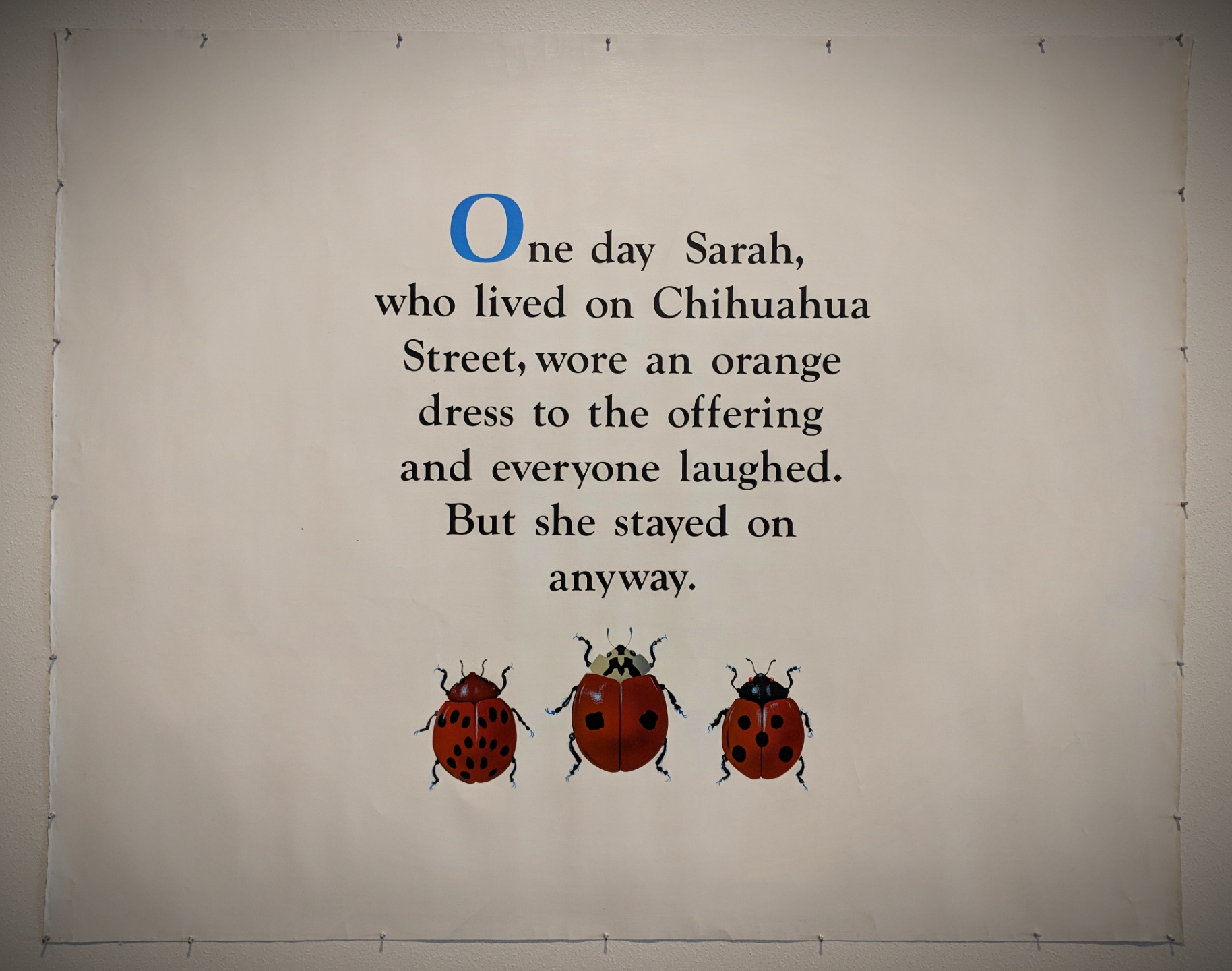
Celia Álvarez Muñoz
Postcards: Sweet Orange, Oh! Chihuahua and Street Signs
Acrylic on canvas and metal street signs


Jeff Koons is omnipresent in American museums – here is a view of his One Ball Total Equilibrium Tank


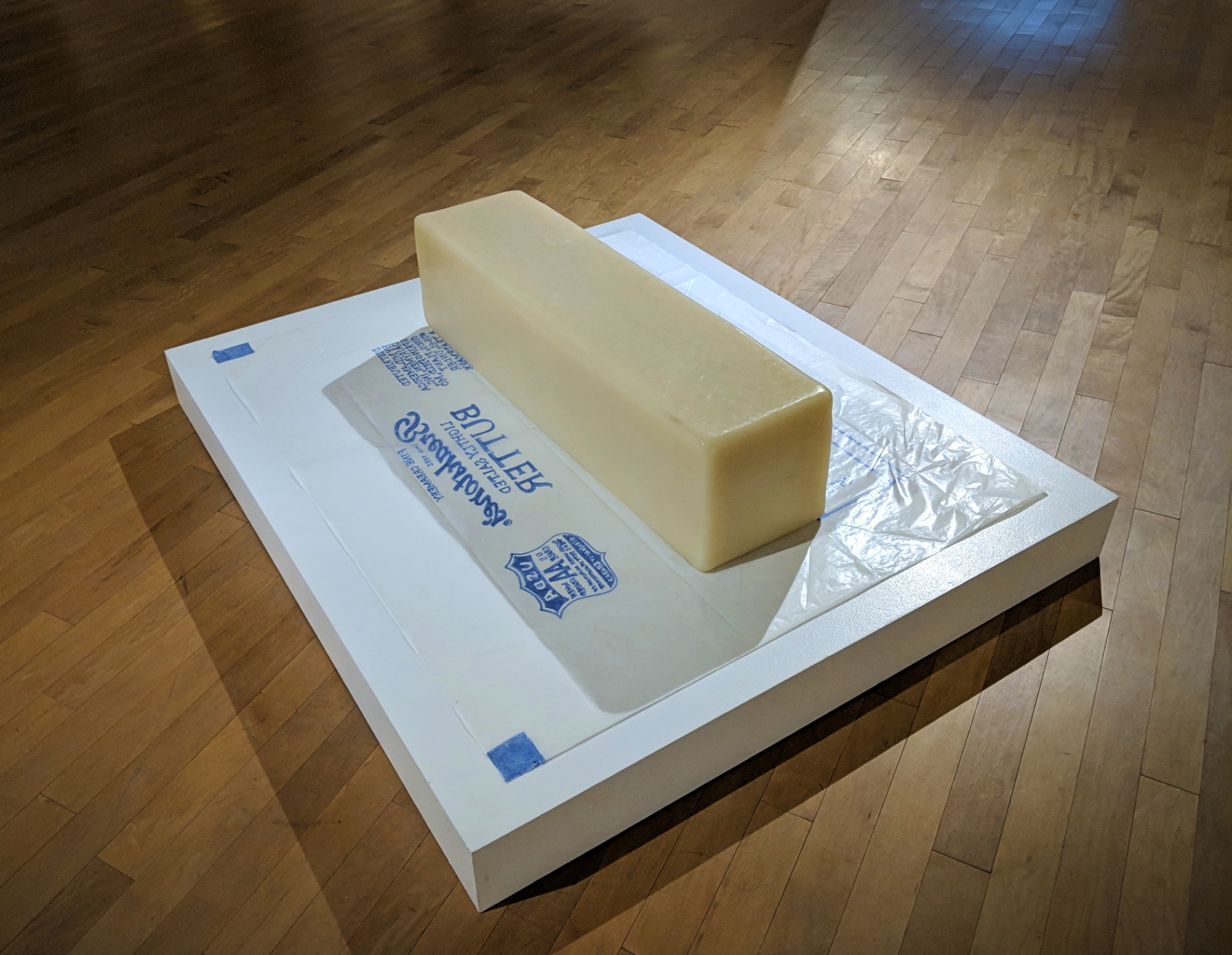
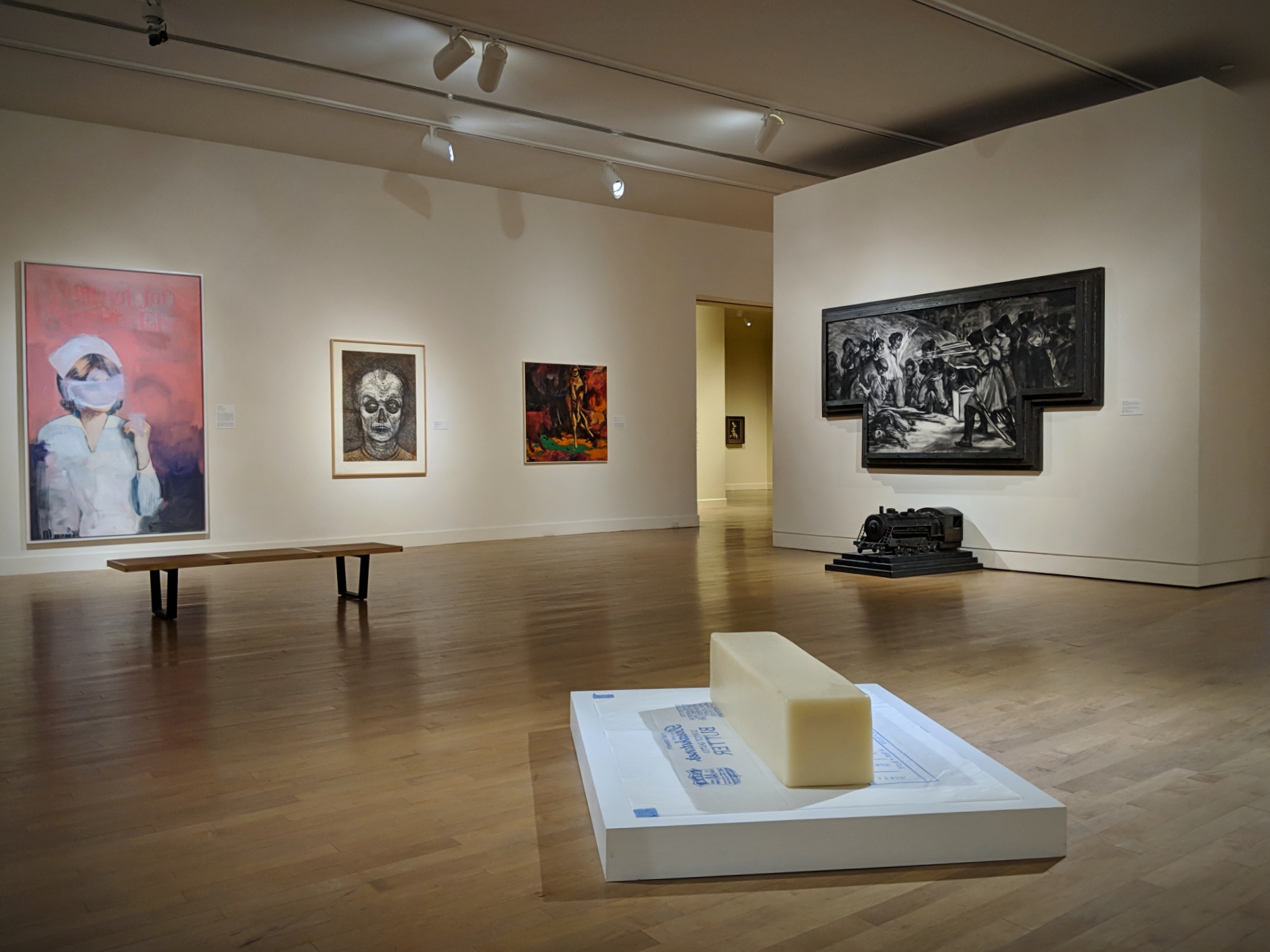
Robert Gober
Untitled, 1993-94
Beeswax, wood, glassine and felt-tip marker pen ink


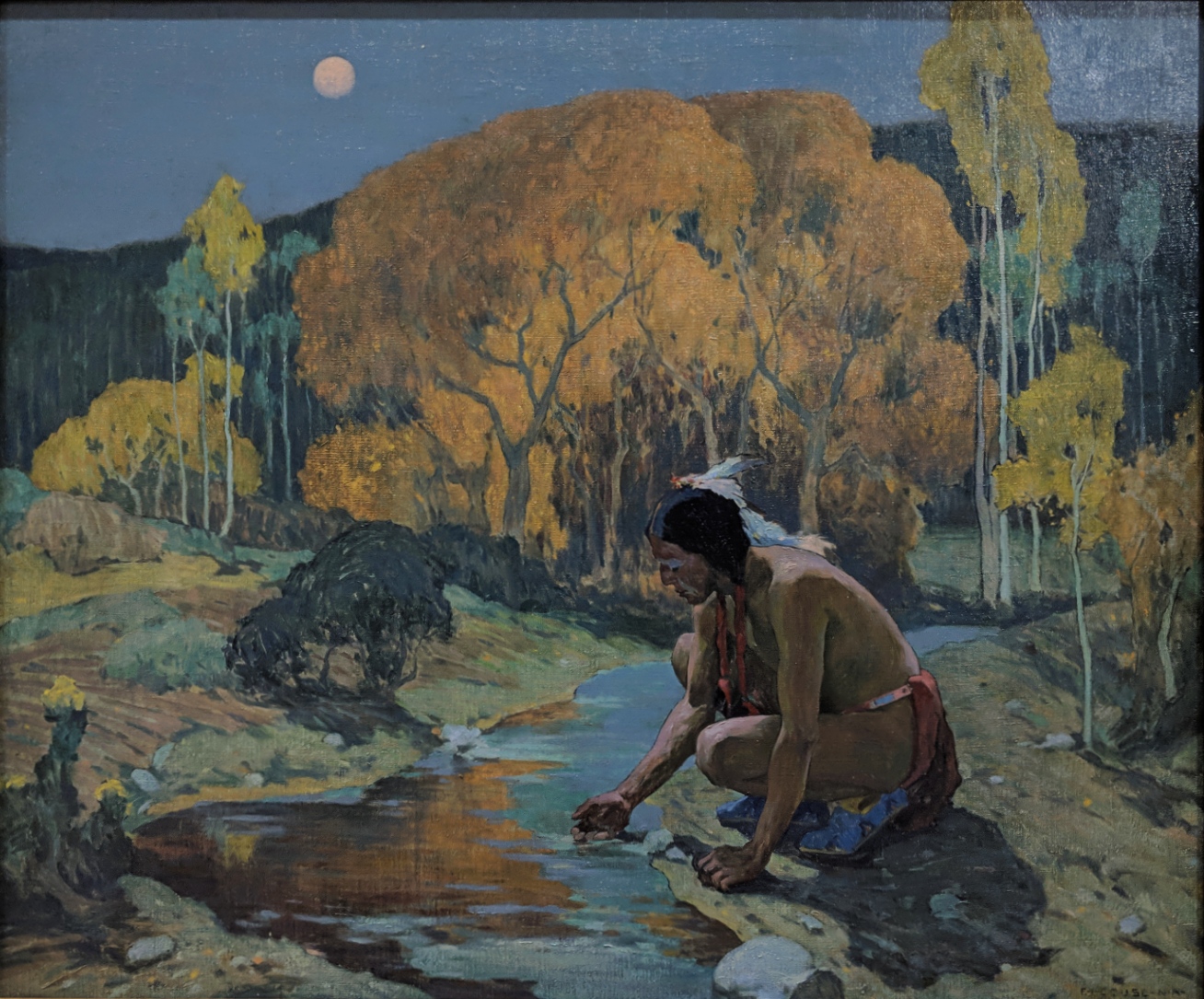
Eanger Irving Couse
Autumn Moon, 1927
Oil on canvas


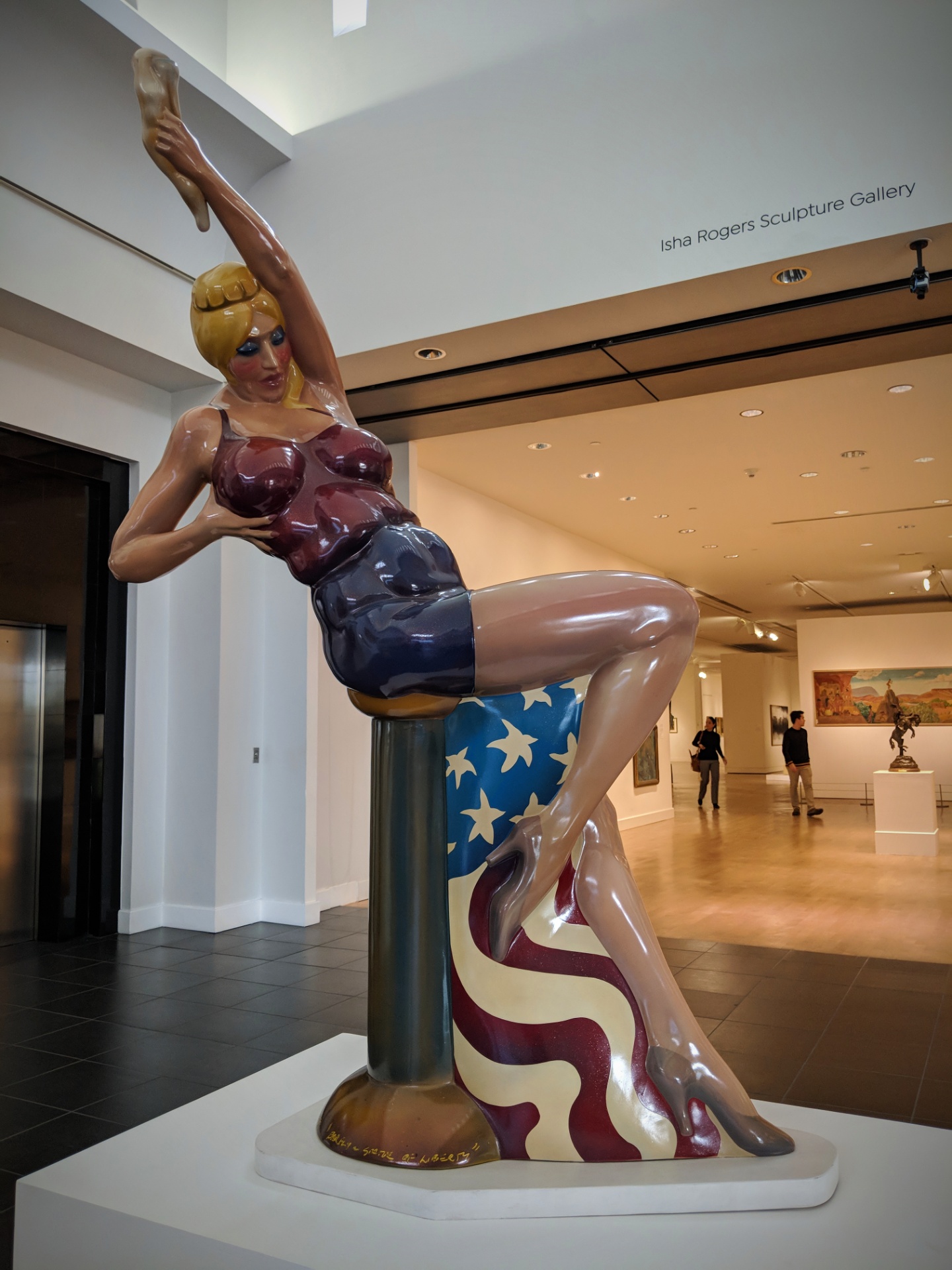
Luis Jiménez
Barfly – Statue of Liberty, 1969 – 1974
Acrylic on fiberglass


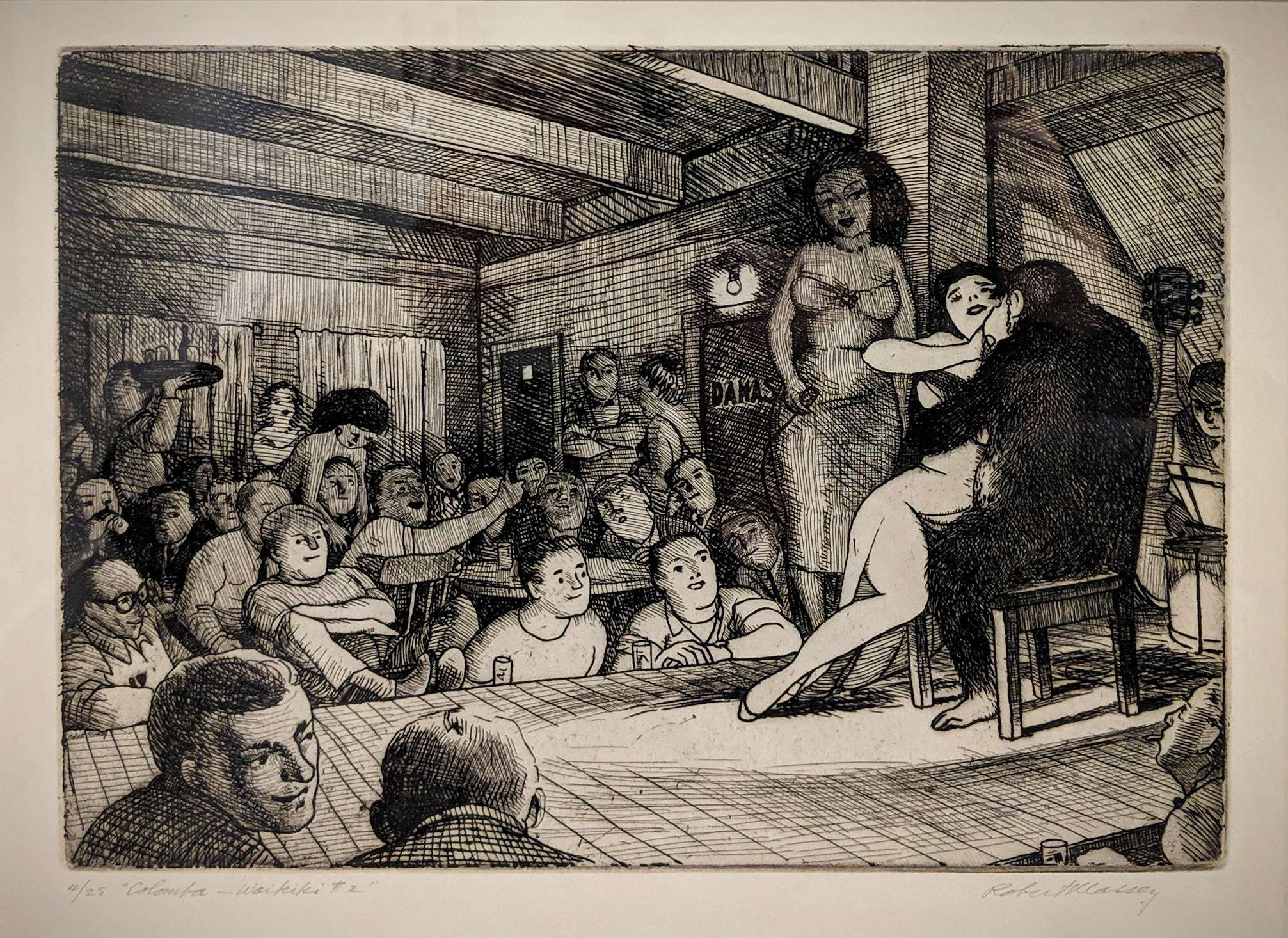
Robert Massey
Colomba – Waikiki #2, undated
Etching on paper


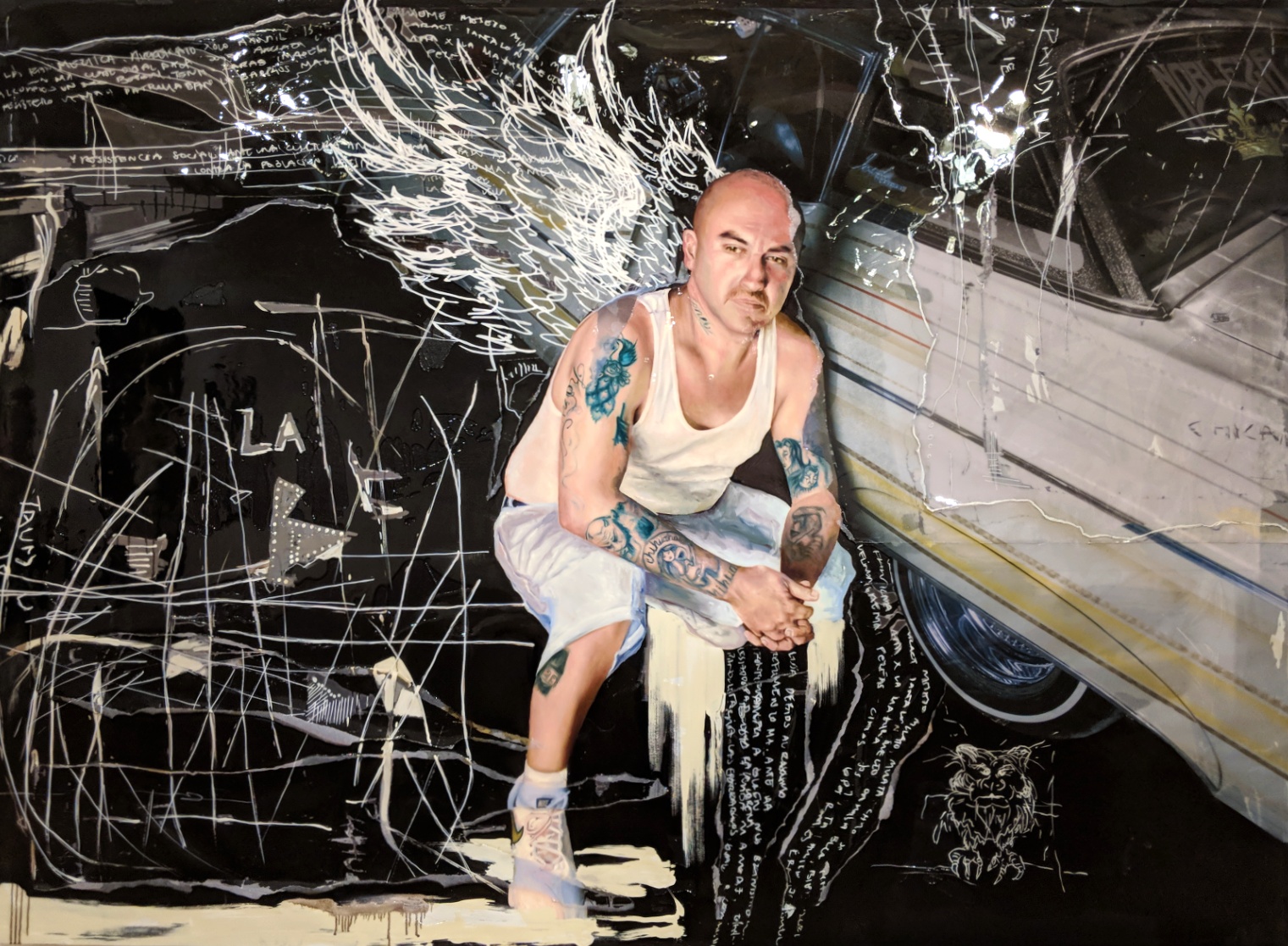
Paola Rascón
Jaciel, 2012
Oil and mixed media on canvas


Paola Rascón
USA, 2015
Oil and mixed media on canvas


Paola Rascón
Low Rider
Oil and mixed media on canvas


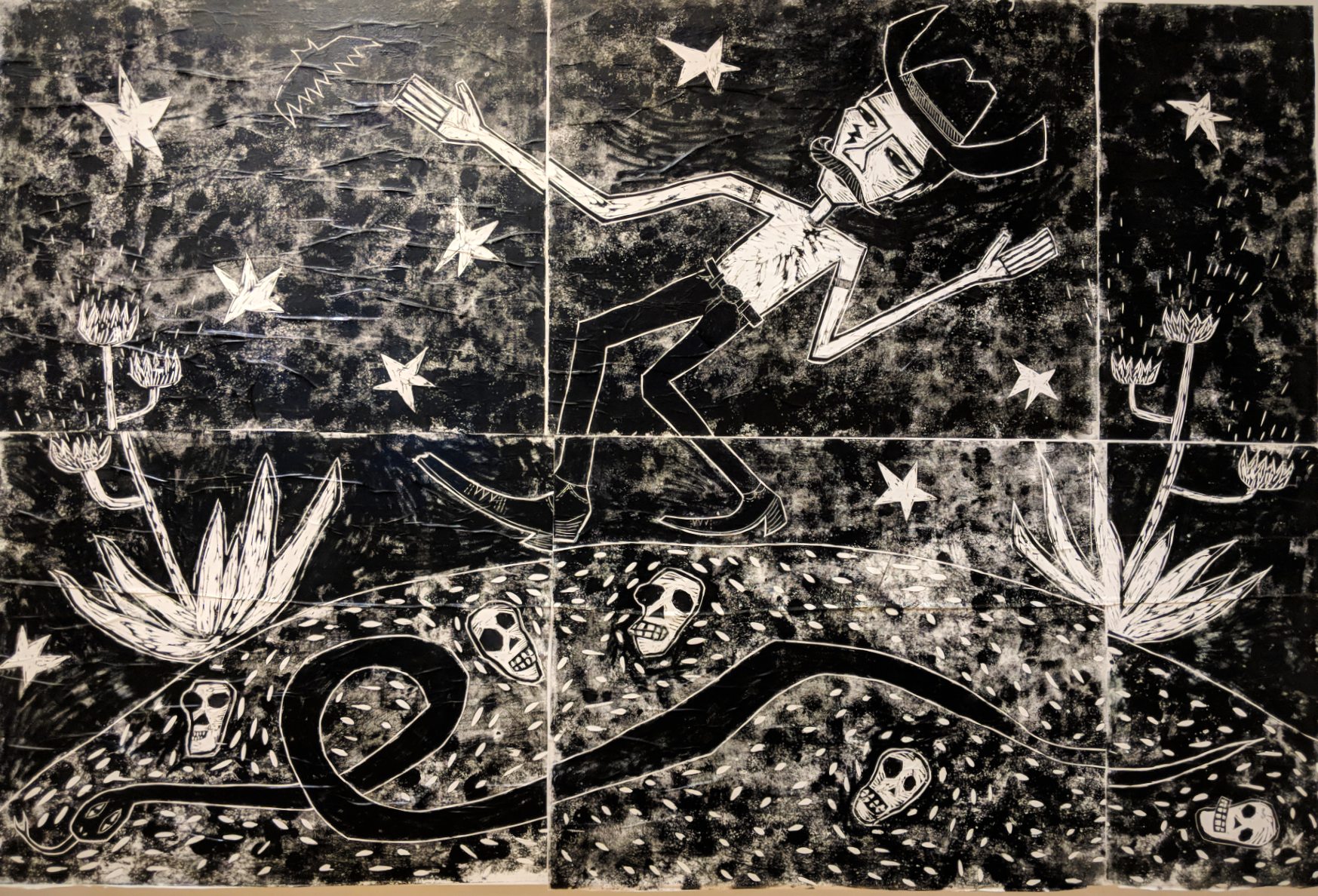
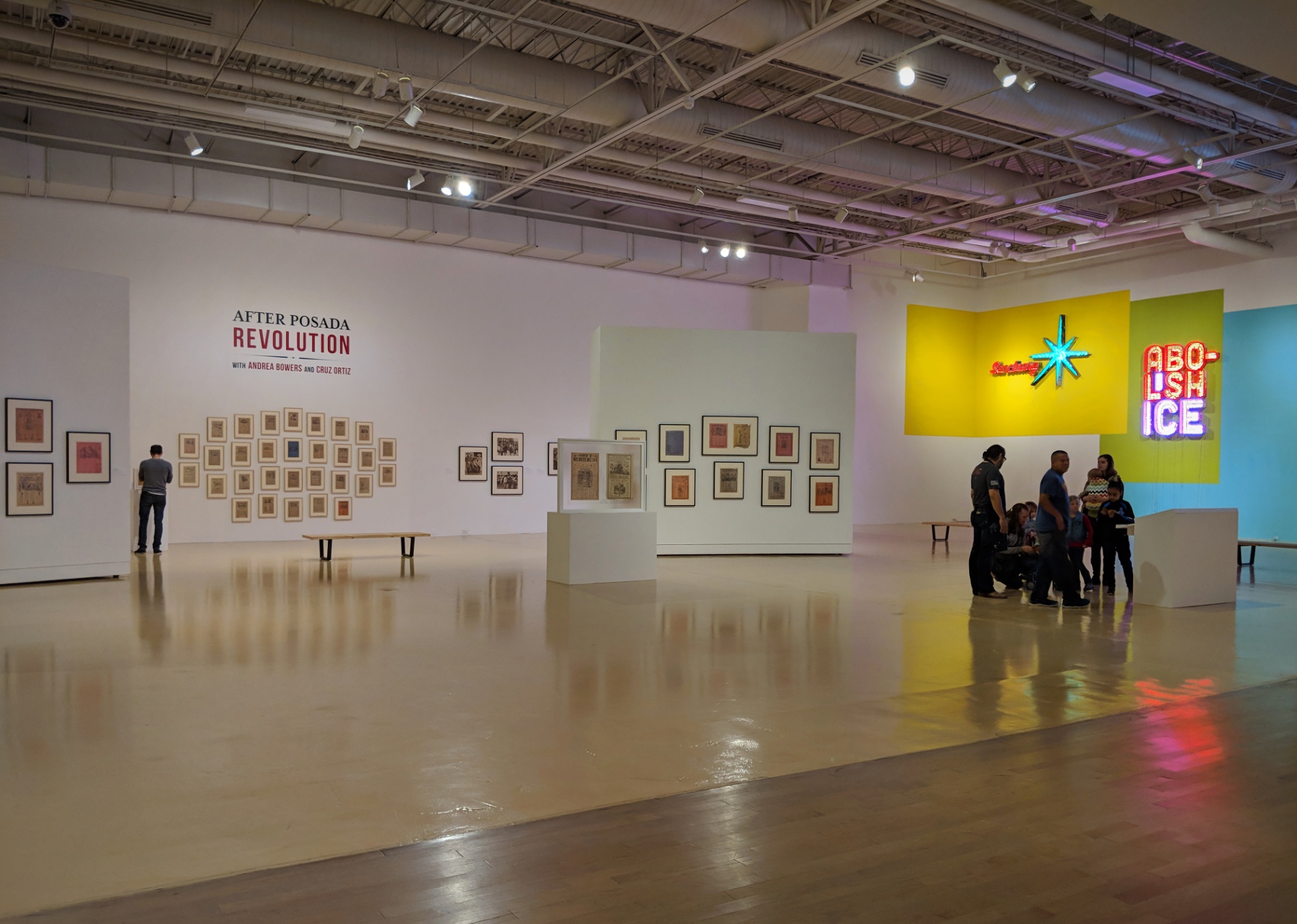
Cruz Ortiz
After Posada: Revolution


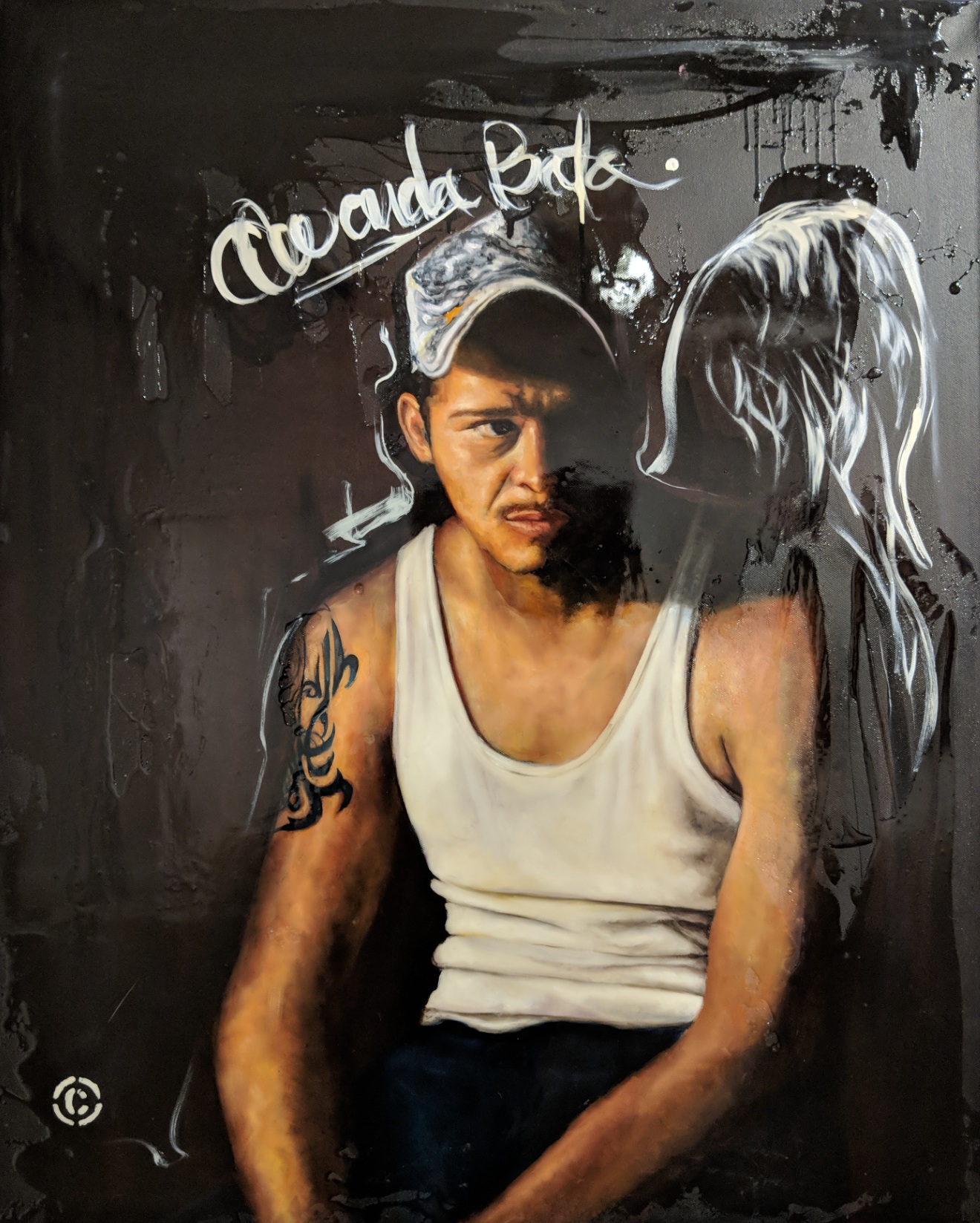
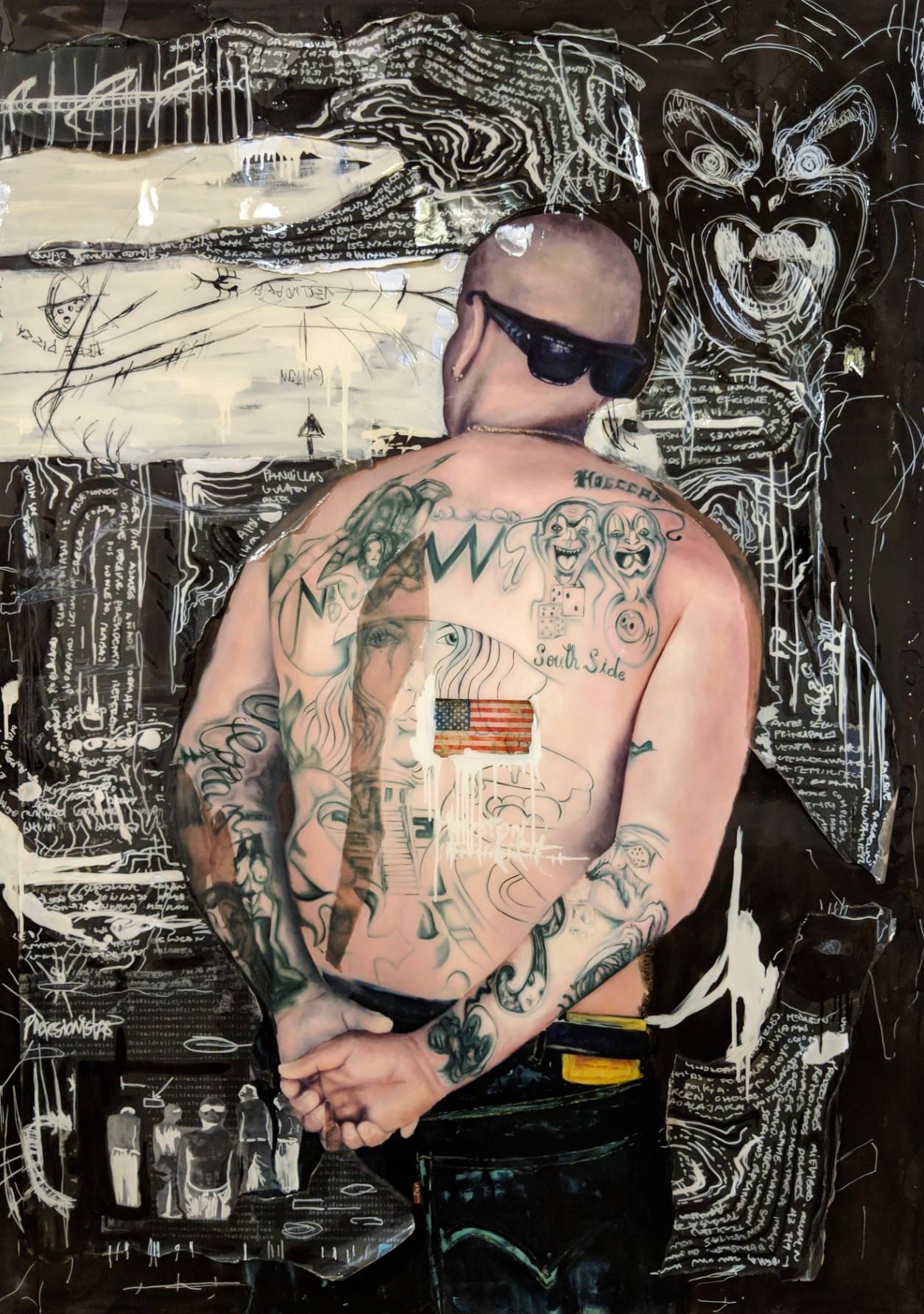
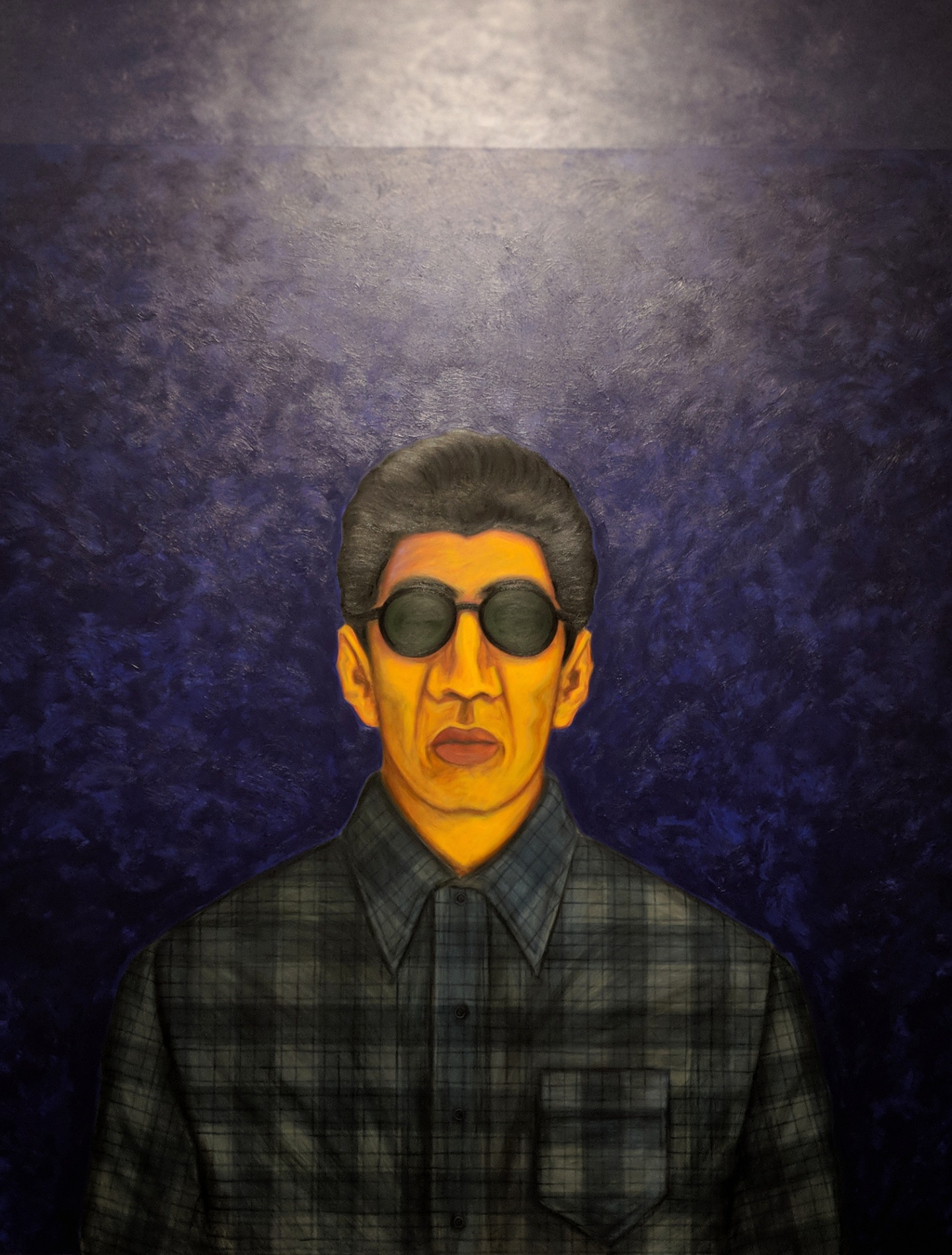
César A. Martínez
Bato con Sunglasses, 2011
Acrylic on muslin


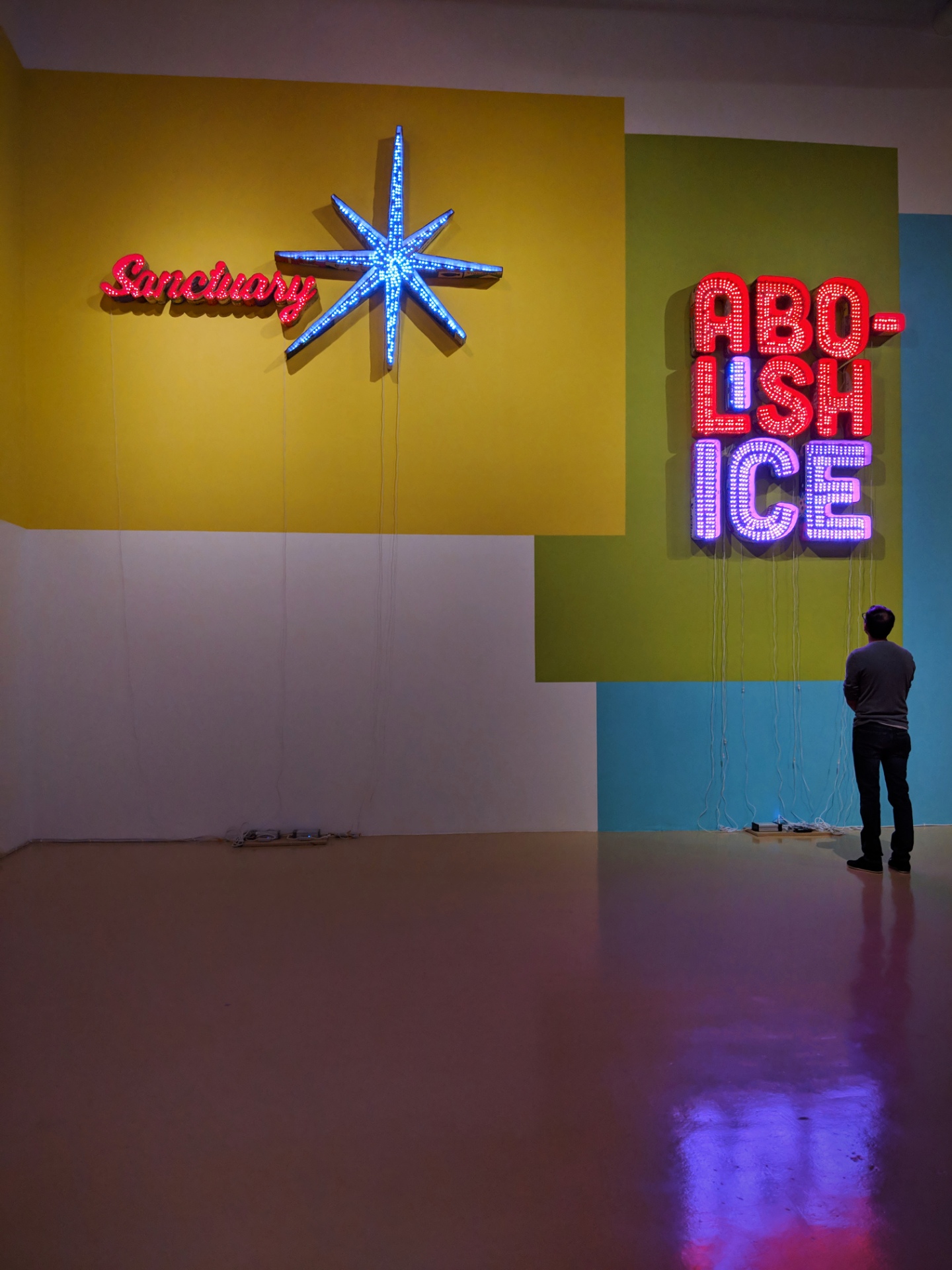
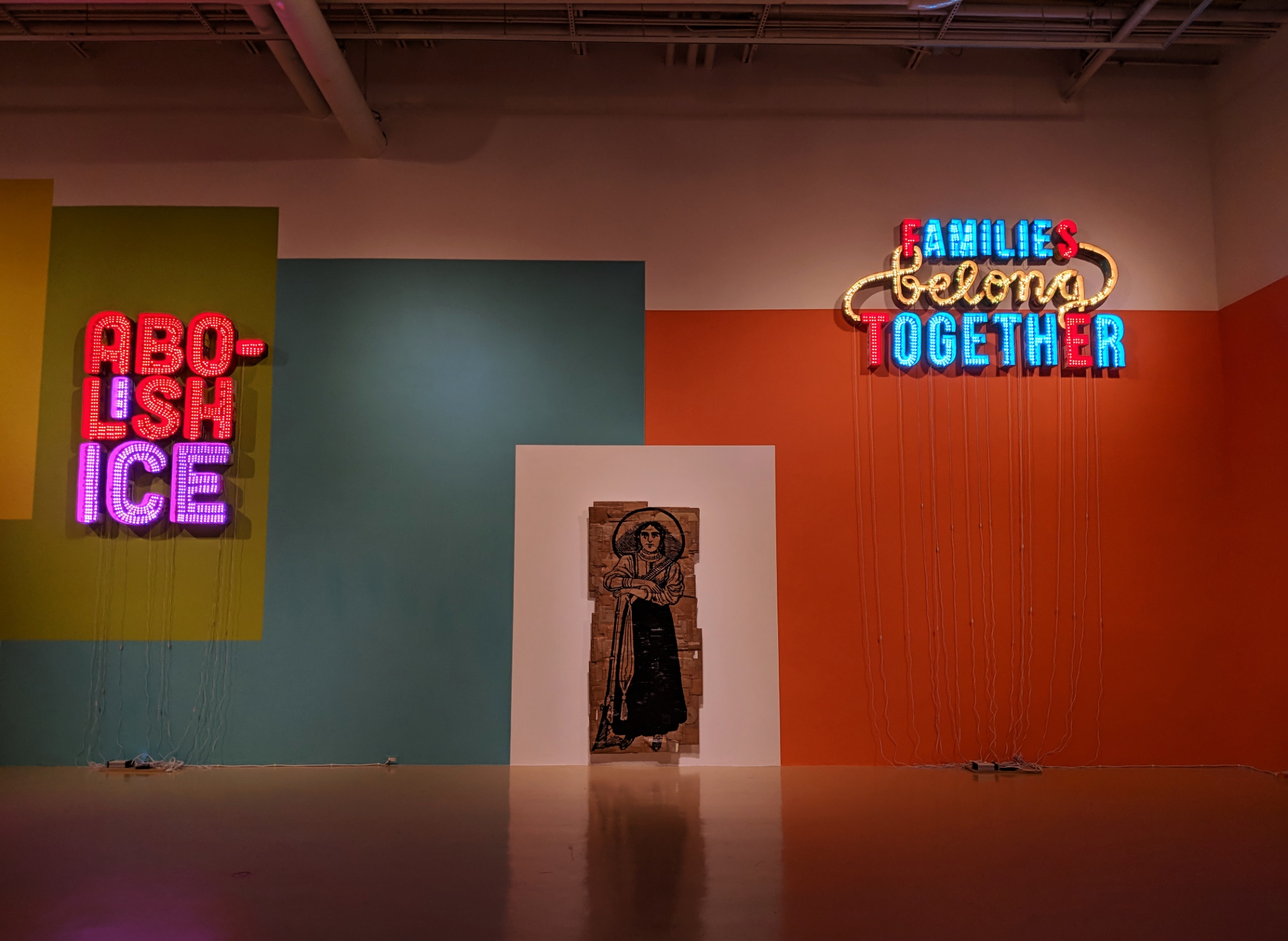
Andrea Bowers
Abolish Ice & Families Belong Together, 2018
Cardboard, LED lights
After Posada: Revolution

El Paso Museum of Art, TX

October 12th, 2018


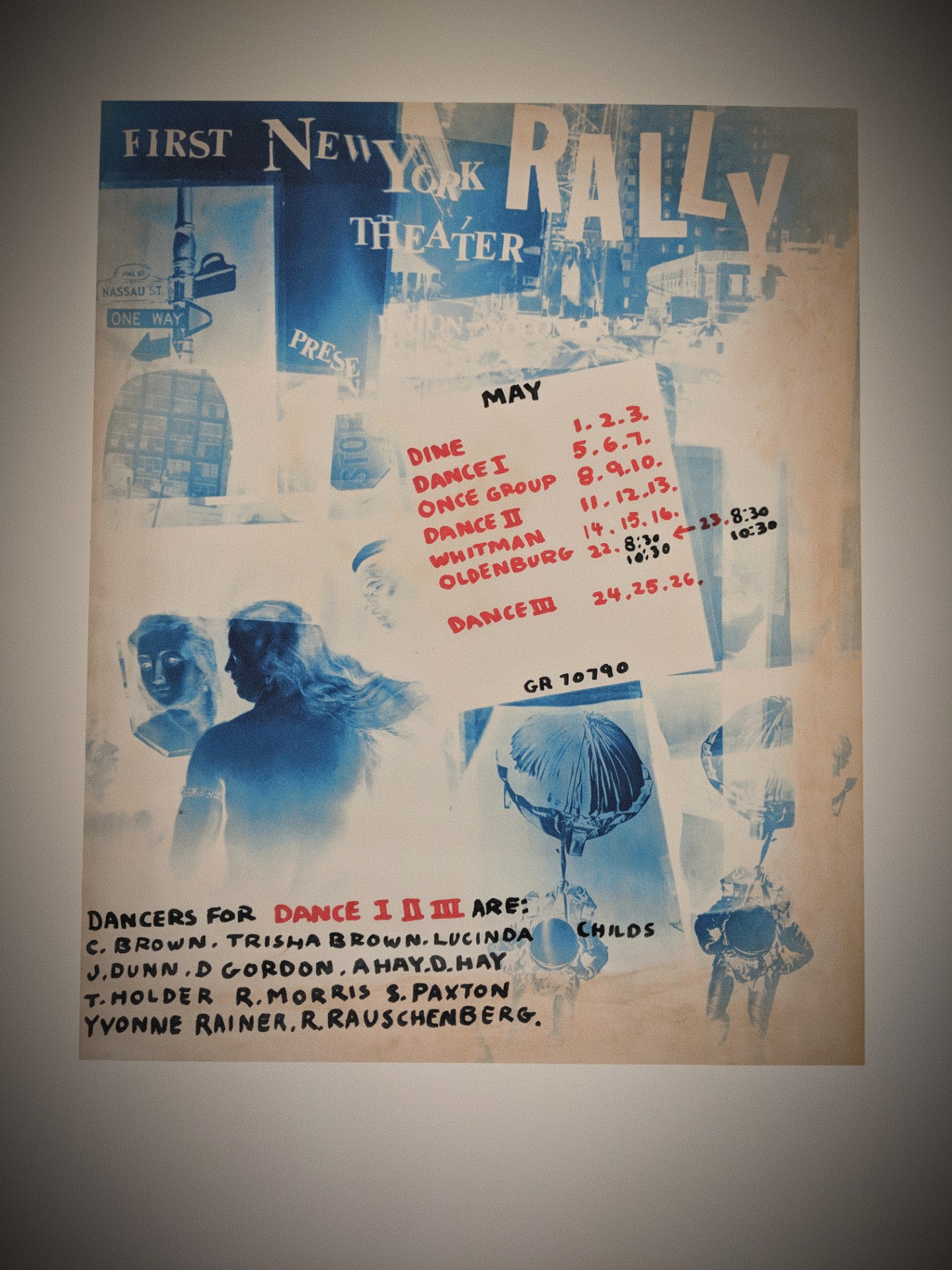
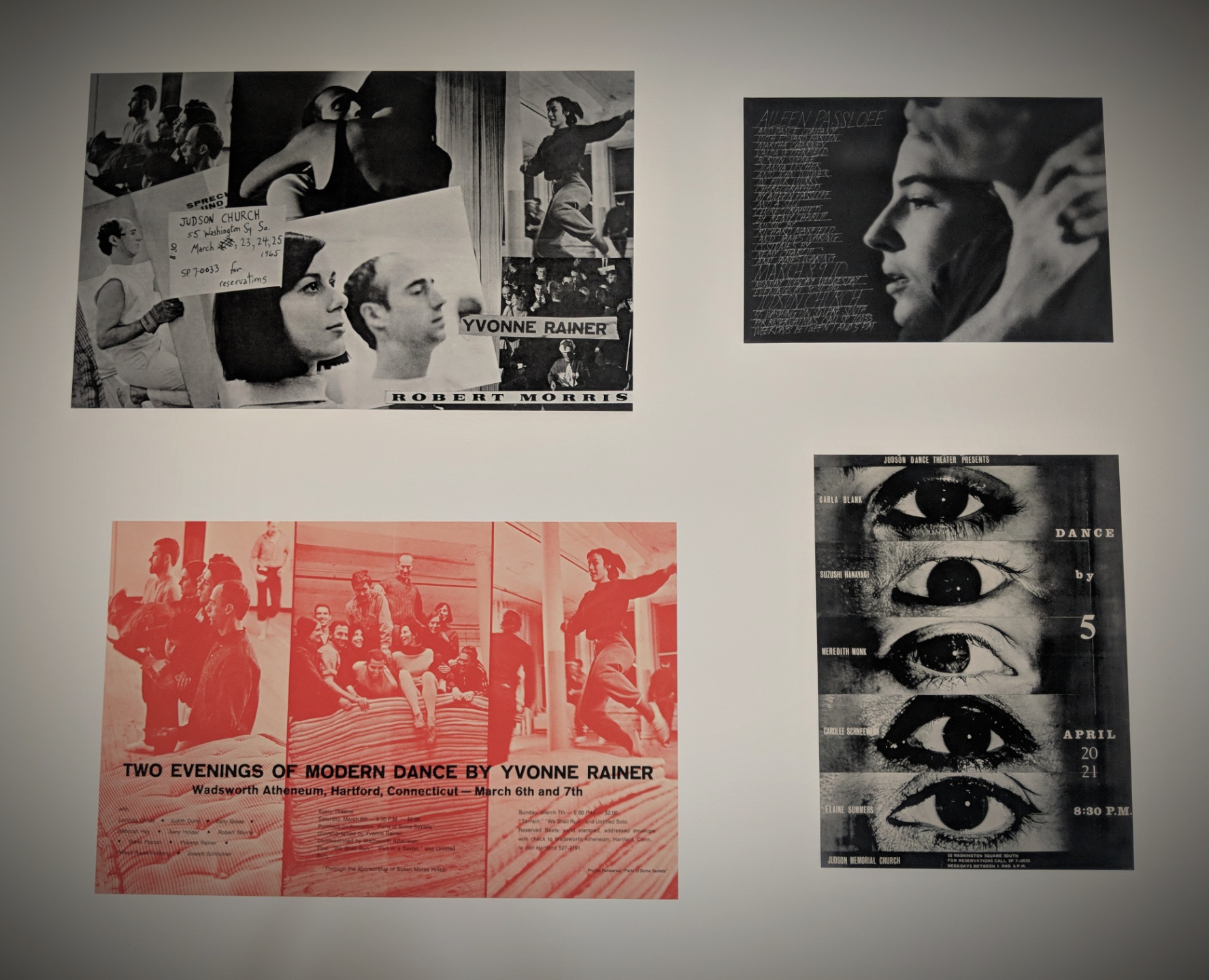
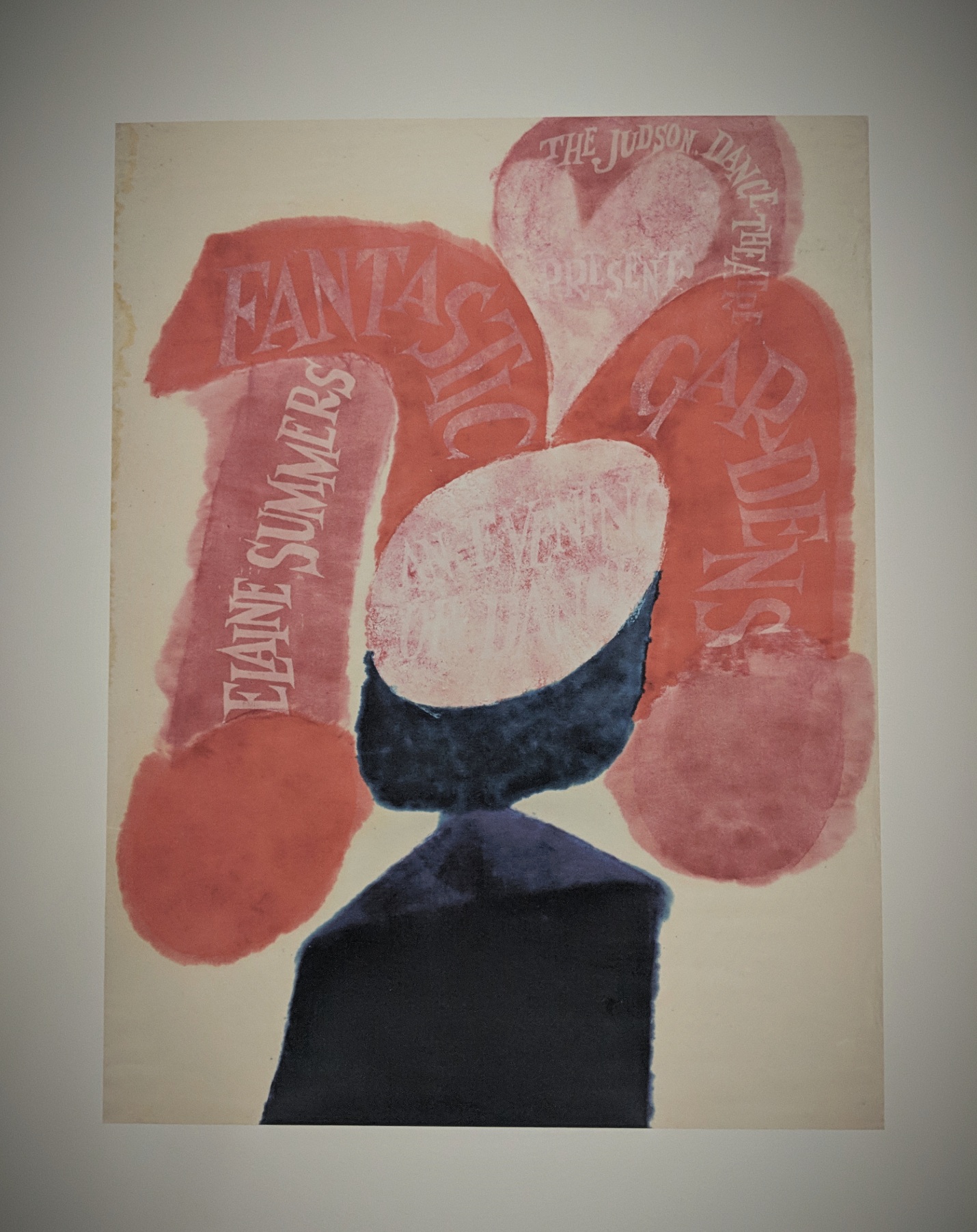
Judson Dance Theater: The Work Is Never Done [@MoMA]

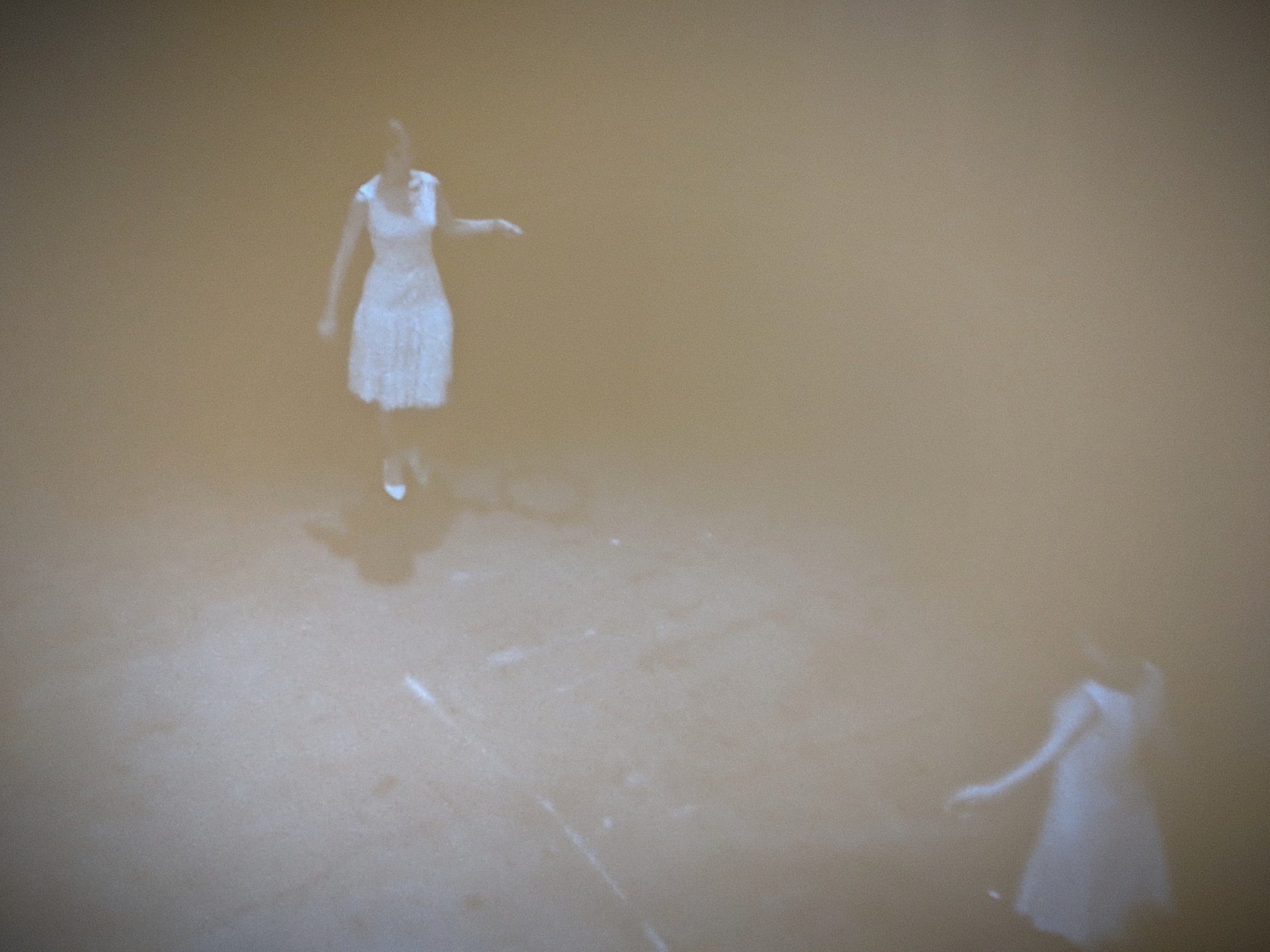
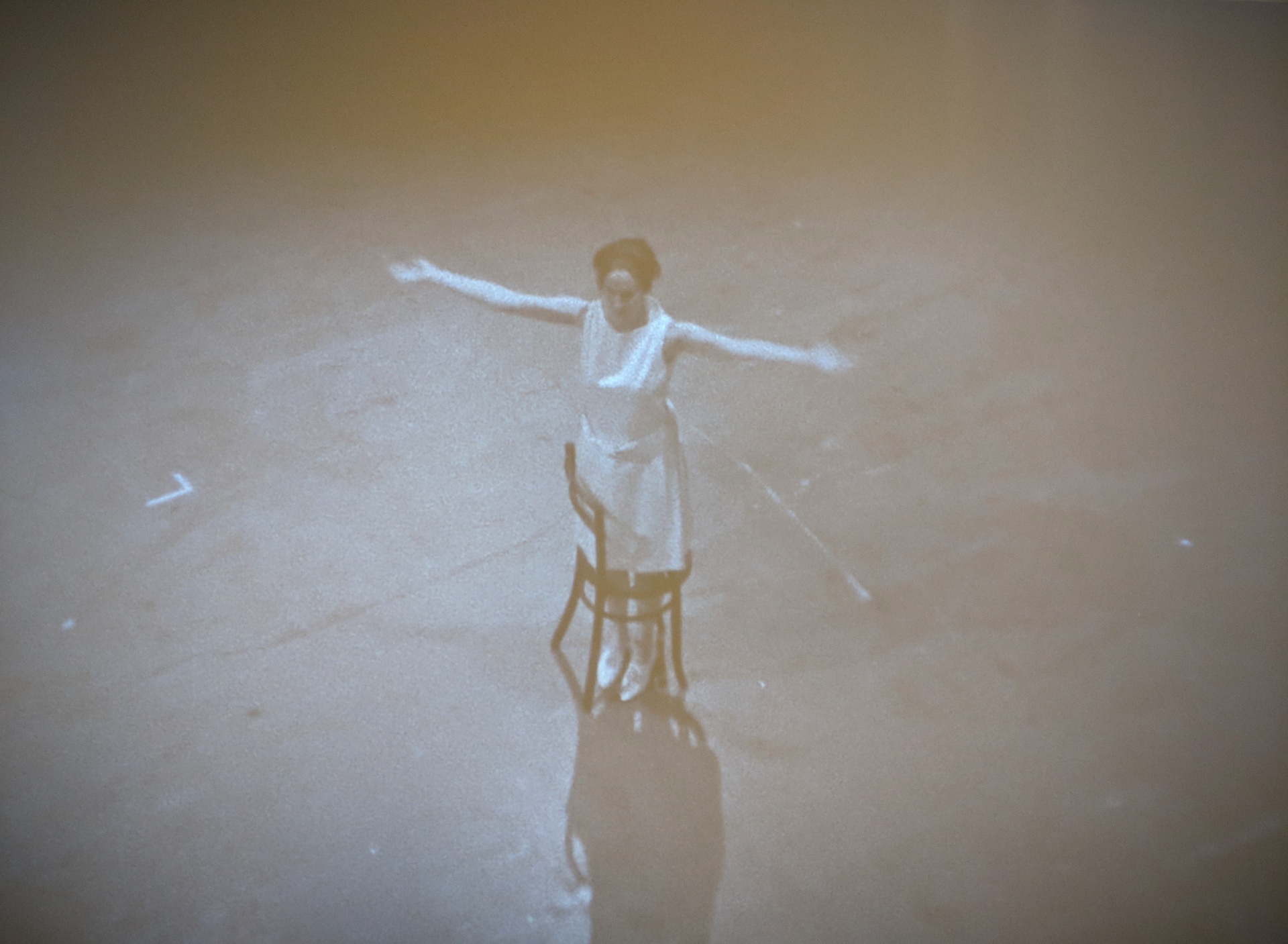
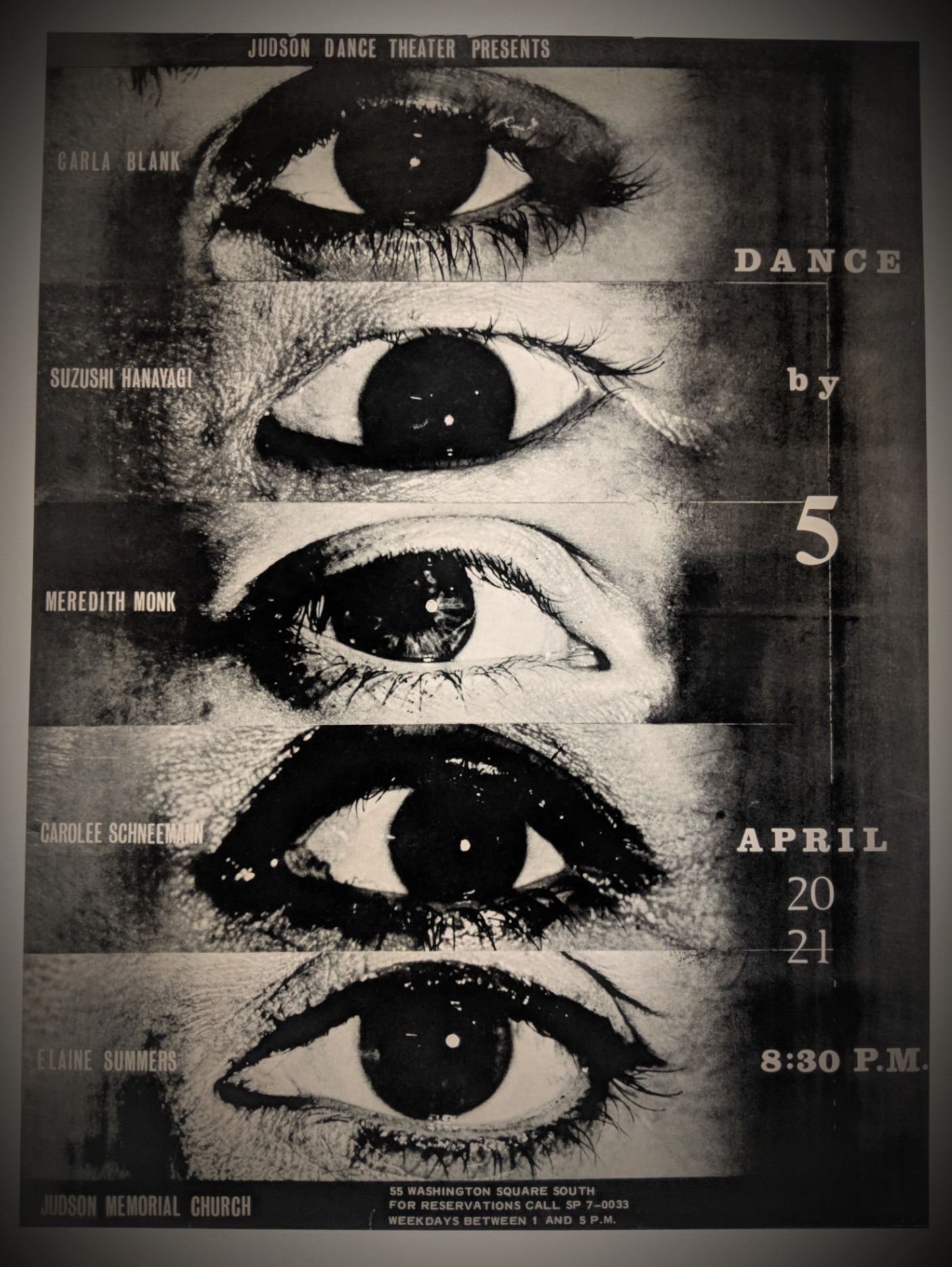
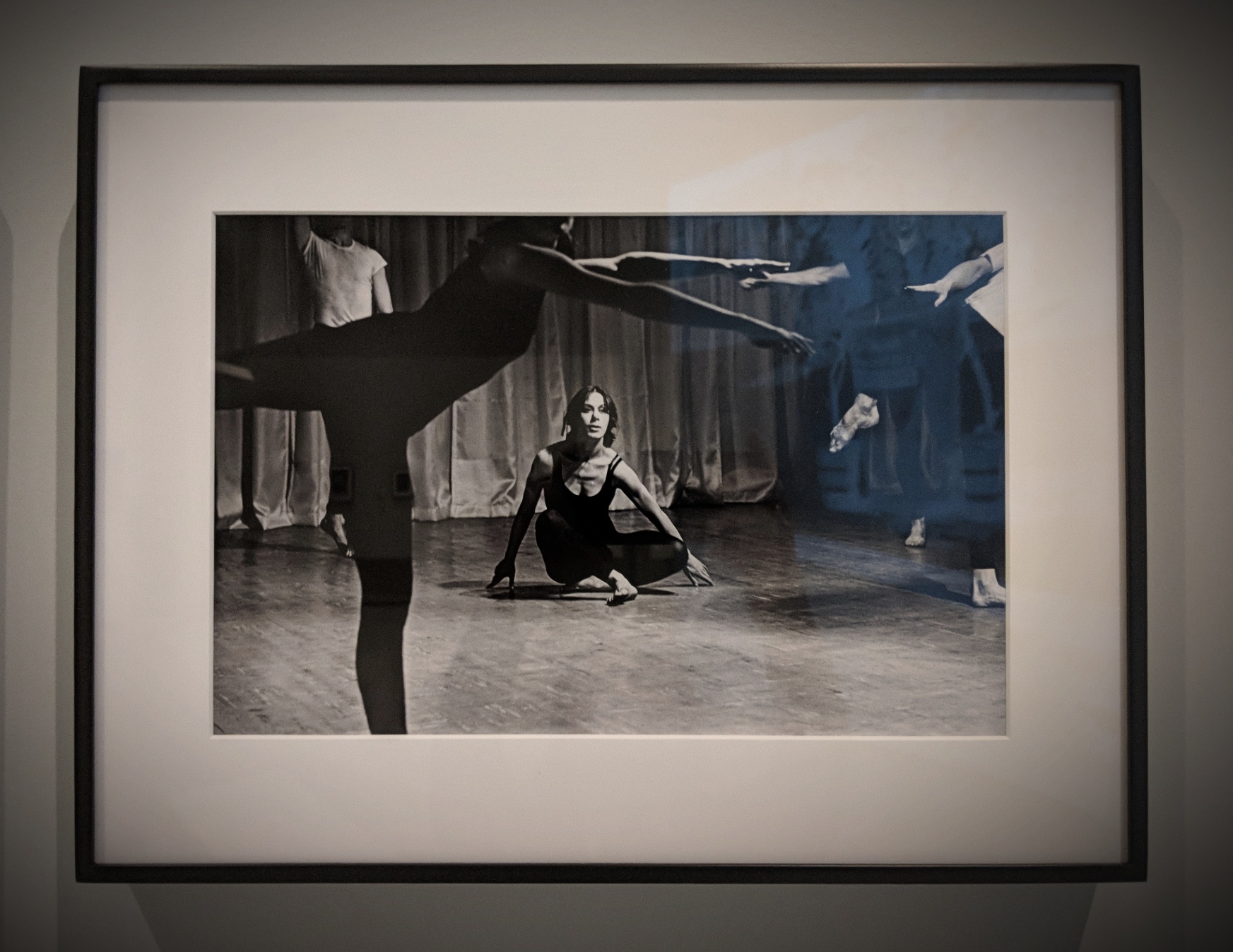
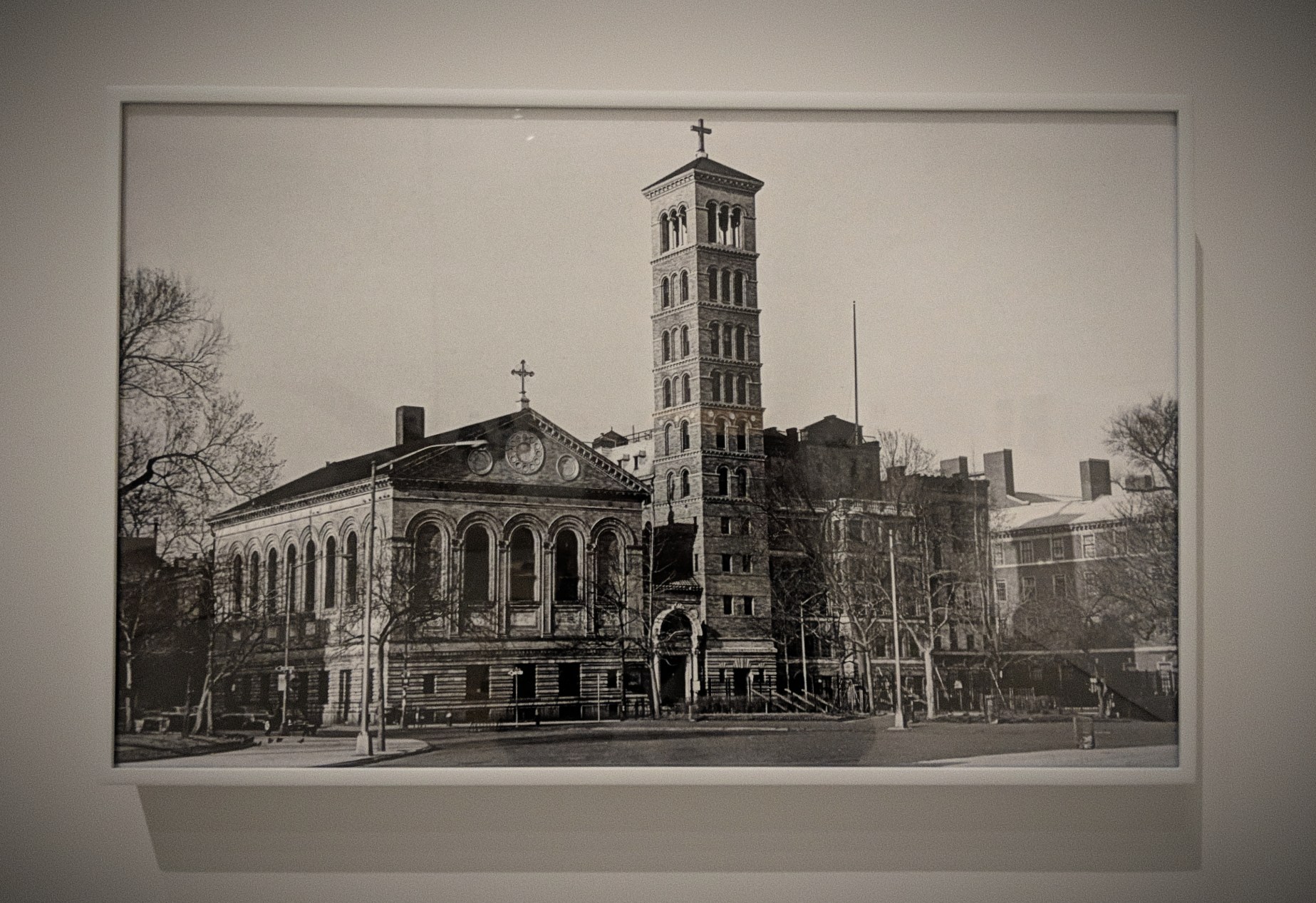
”For a brief period in the early 1960s, a group of choreographers, visual artists, composers, and filmmakers gathered in Judson Memorial Church, a socially engaged Protestant congregation in New York’s Greenwich Village, for a series of workshops that ultimately redefined what counted as dance. The performances that evolved from these workshops incorporated everyday movements—gestures drawn from the street or the home; their structures were based on games, simple tasks, and social dances. Spontaneity and unconventional methods of composition were emphasized. The Judson artists investigated the very fundamentals of choreography, stripping dance of its theatrical conventions, and the result, according to Village Voice critic Jill Johnston, was the most exciting new dance in a generation.” – [source: MoMA]

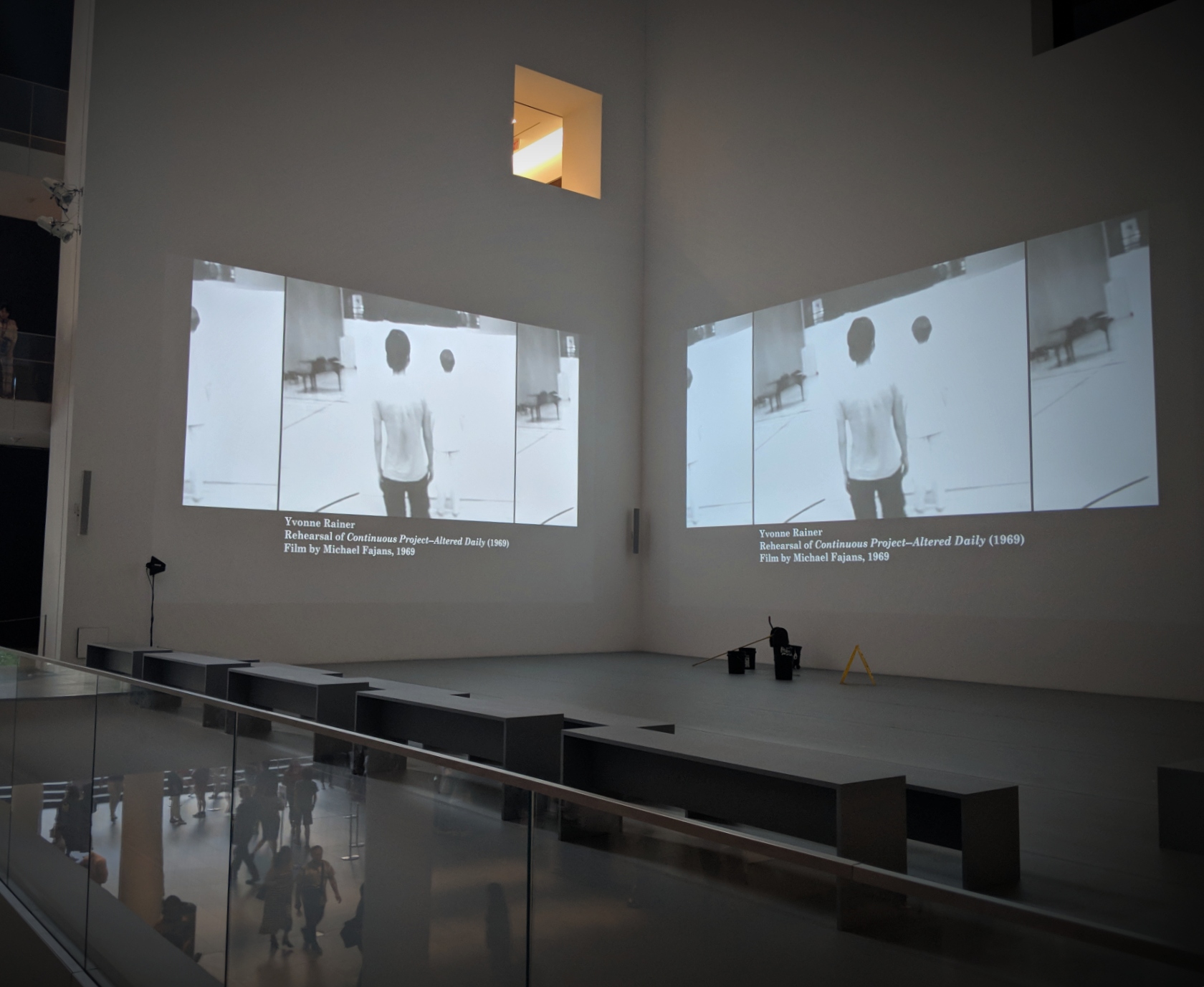
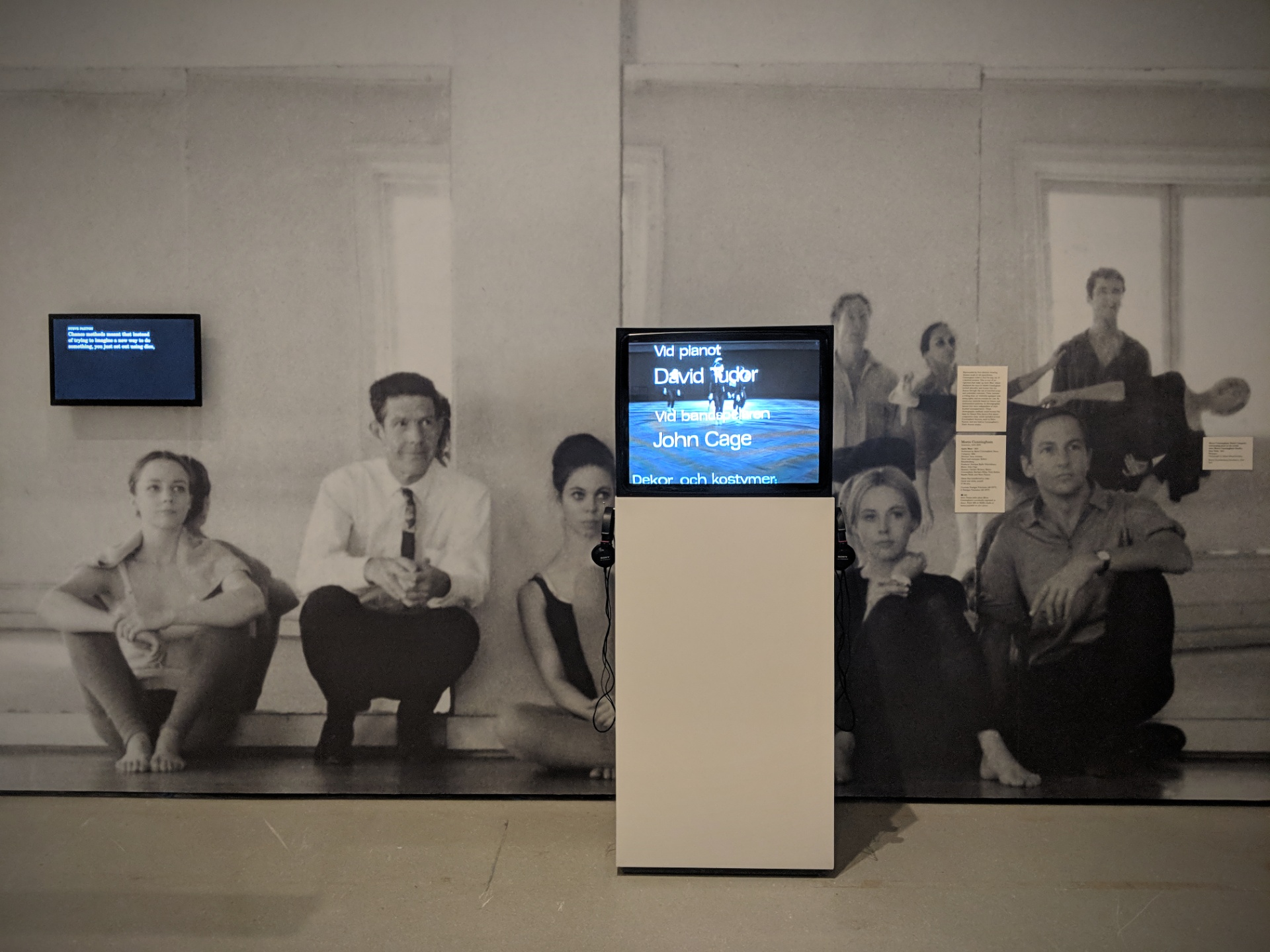
Judson Dance Theater: The Work Is Never Done was a walk through the history of Judson Dance Theater with performances, films, photographs, posters and other archival materials. It was also an introduction to the very beginnings of the life and work of artists I have been admiring for some time – and others that were completely new to me.

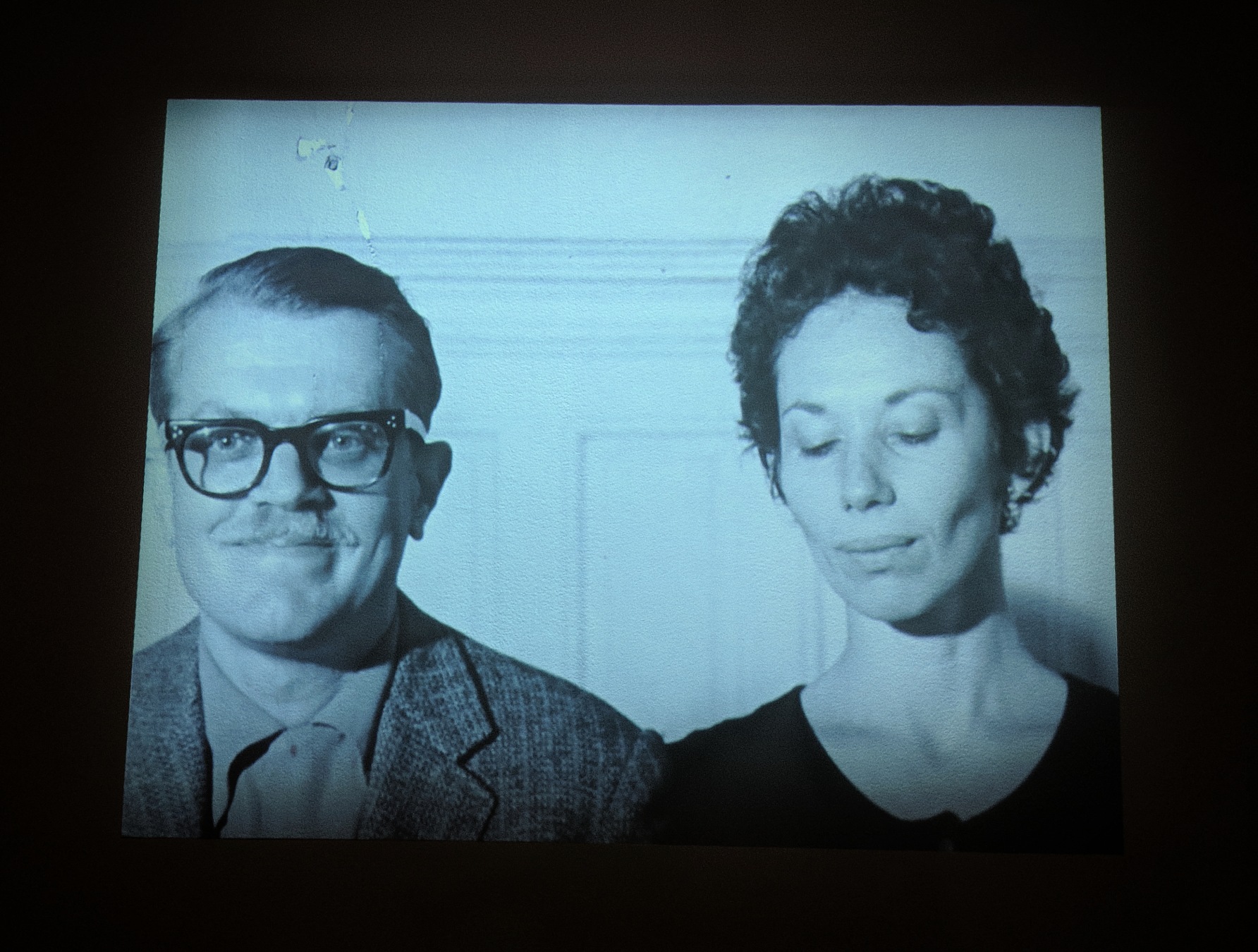
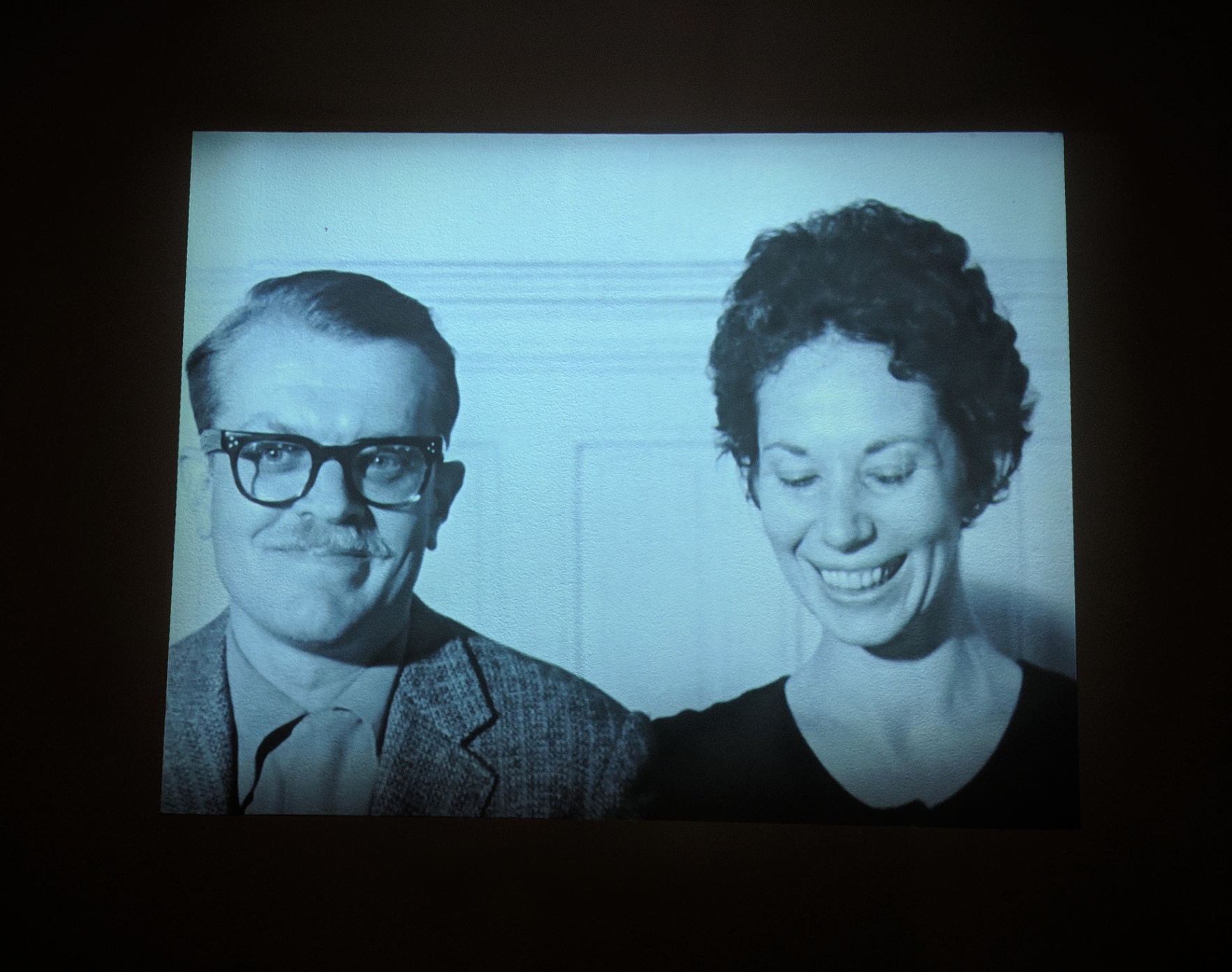
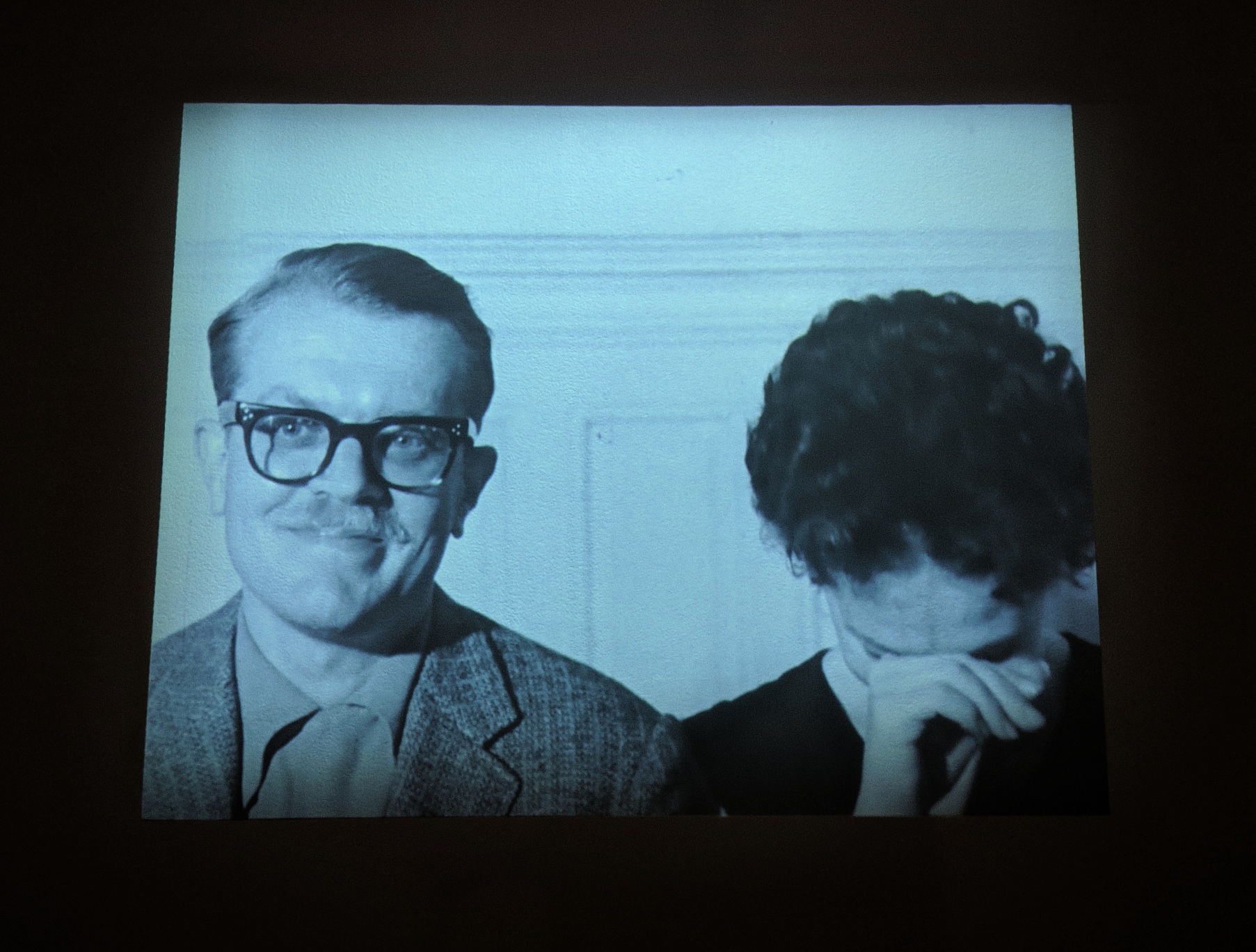
Instructed by the filmmaker Gene Friedman not to talk or hide their faces, Judith Dunn and Robert Ellis Dunn looked directly at the camera with deadpan expressions until they both broke into laughter. Judith Dunn was a choreographer and member of Merce Cunningham’s company, while Robert Dunn was a teacher and Cunningham’s accompanist.

Gene Friedman
Excerpt from Heads, 1965
16mm film transferred to video


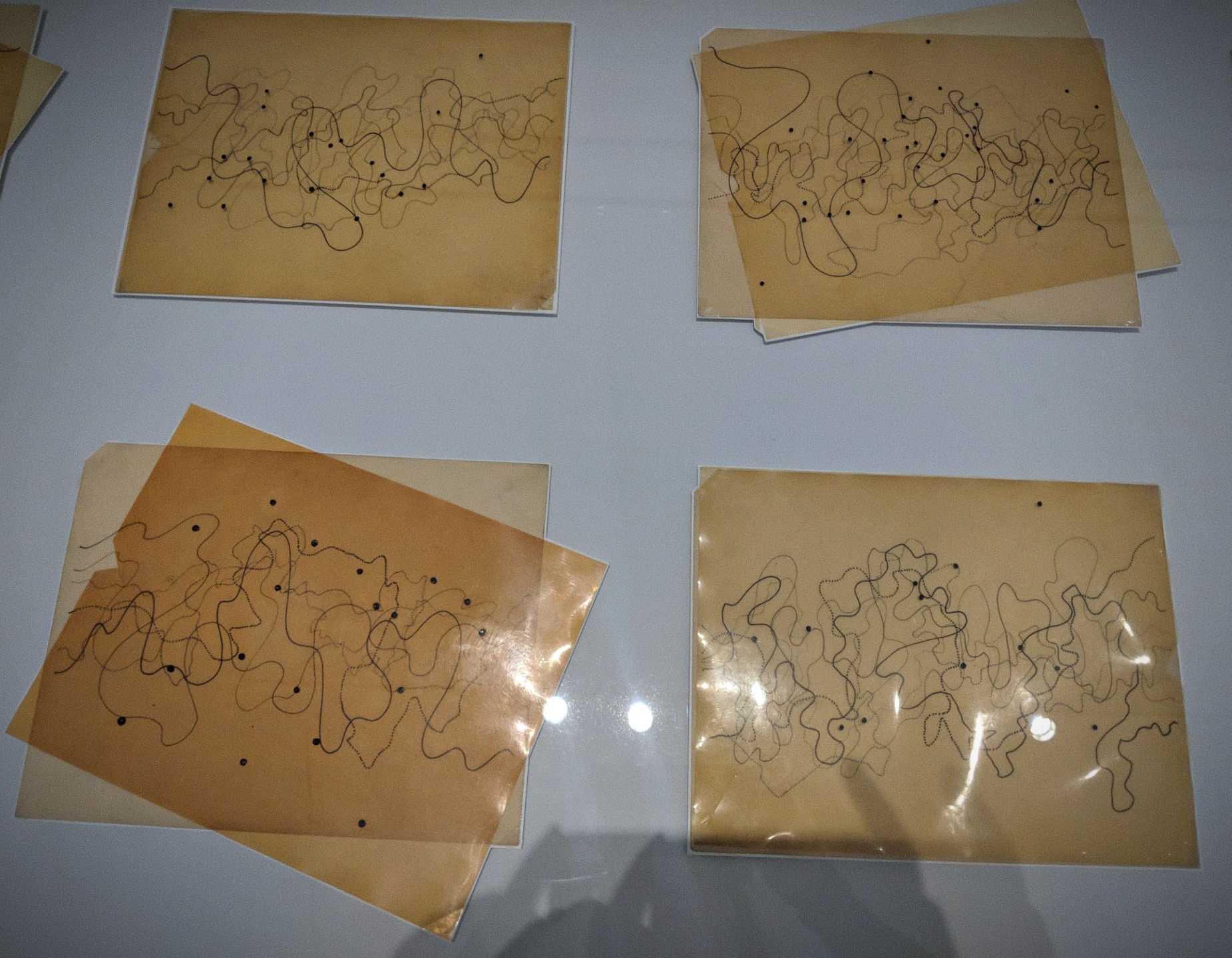
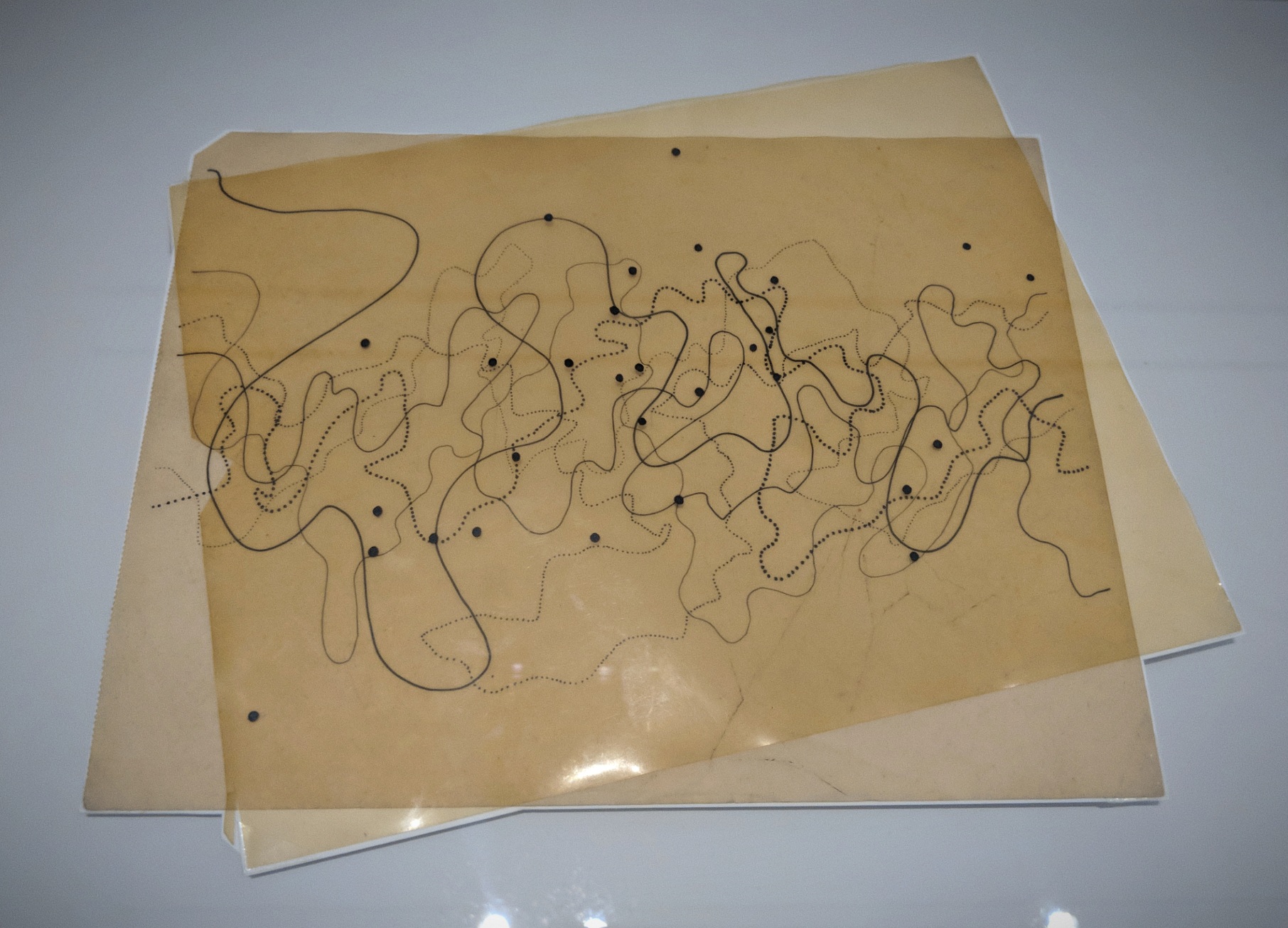
In his workshops, Robert Ellis Dunn presented his students with Cage’s score for ”Fontana Mix” and asked them to use it as inspiration for a performance. The score instructed performers to layer transparencies containing lines and dots over a grid to create a random visual arrangement, with they then interpreted using a variety of movements and actions. This exercise exposed the students to chance operations, a composition technique popularized by Cage that introduced randomness into the art-making process.

John Cage
Fontana Mix, 1958
Ink on paper and transparent sheets


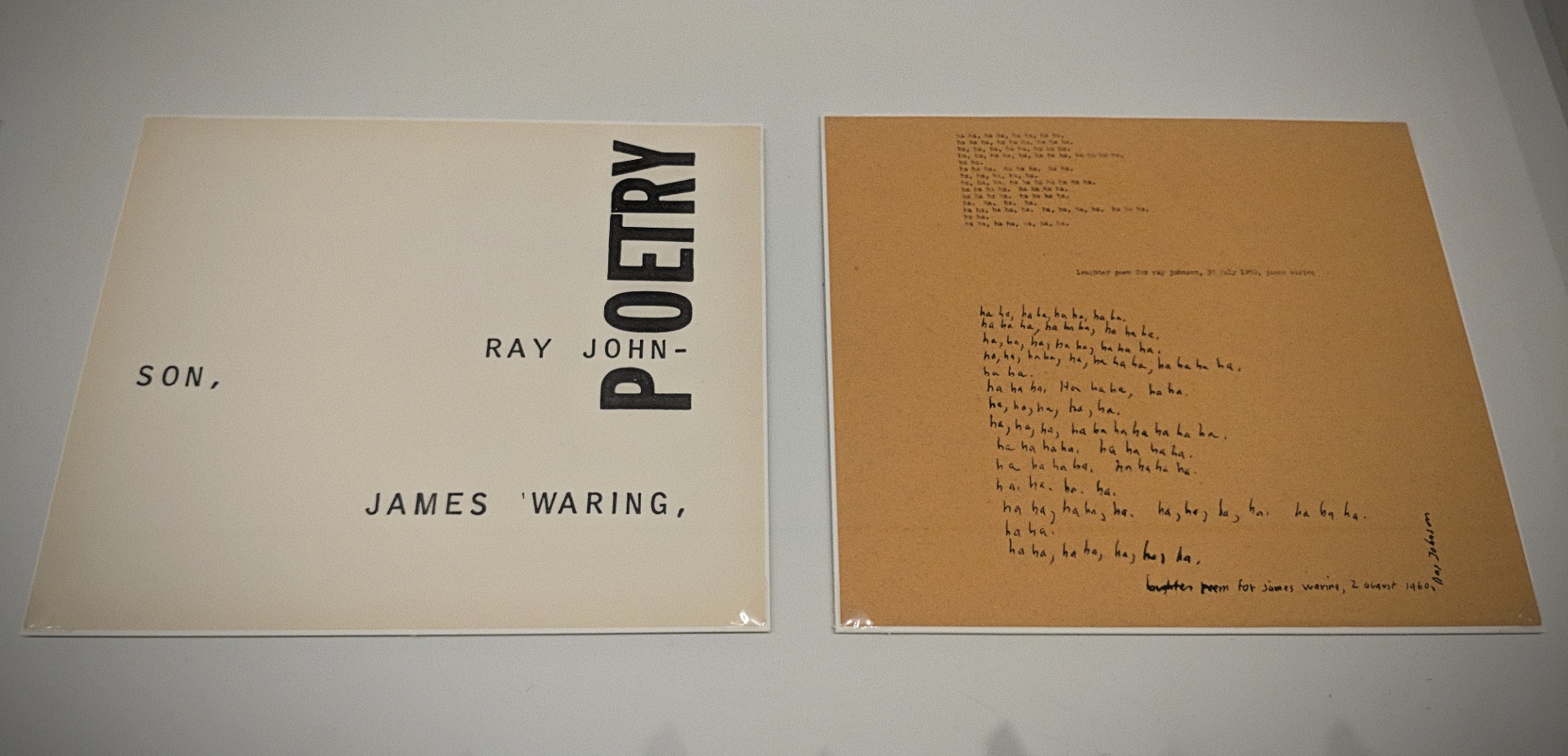
Laughter poem* for James Waring, 2 August 1960, by Ray Johnson


*If you are curious to know how a laughter poem sounds, please click on this page: Atlanta Poets Group to find out. You can also listen to the first one: Laughter poem for Ray Johnson, 30 July 1960, by James Waring
Judson Memorial Church, New York – March 16, 1966
Fred W. McDarrah


Yvone Rainer
”Bach” From Terrain, 1963
Performed at Judson Memorial Church, April 28th, 1963
By Trisha Brown, William Davis, Judith Dunn, Steve Paxton, Yvonne Rainer and Albert Reid

Rainer’s first evening-length work Terrain, was a five-part dance for multiple performers. Some of the sections were choreographed, while others were structured like a game, with rules and strategies that defined each dancer’s behavior but still allowed for spontaneity and improvisation.

Lucinda Childs
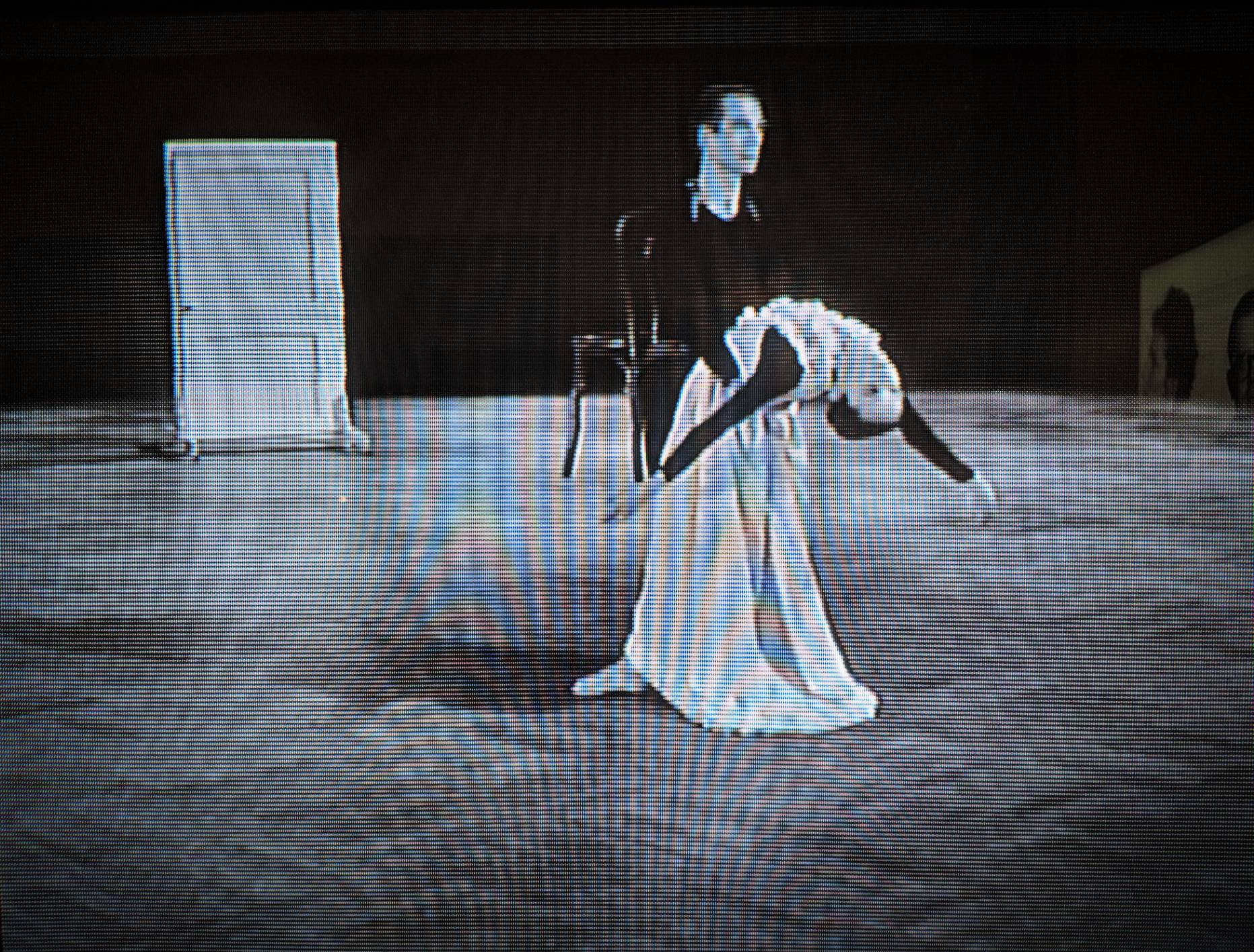
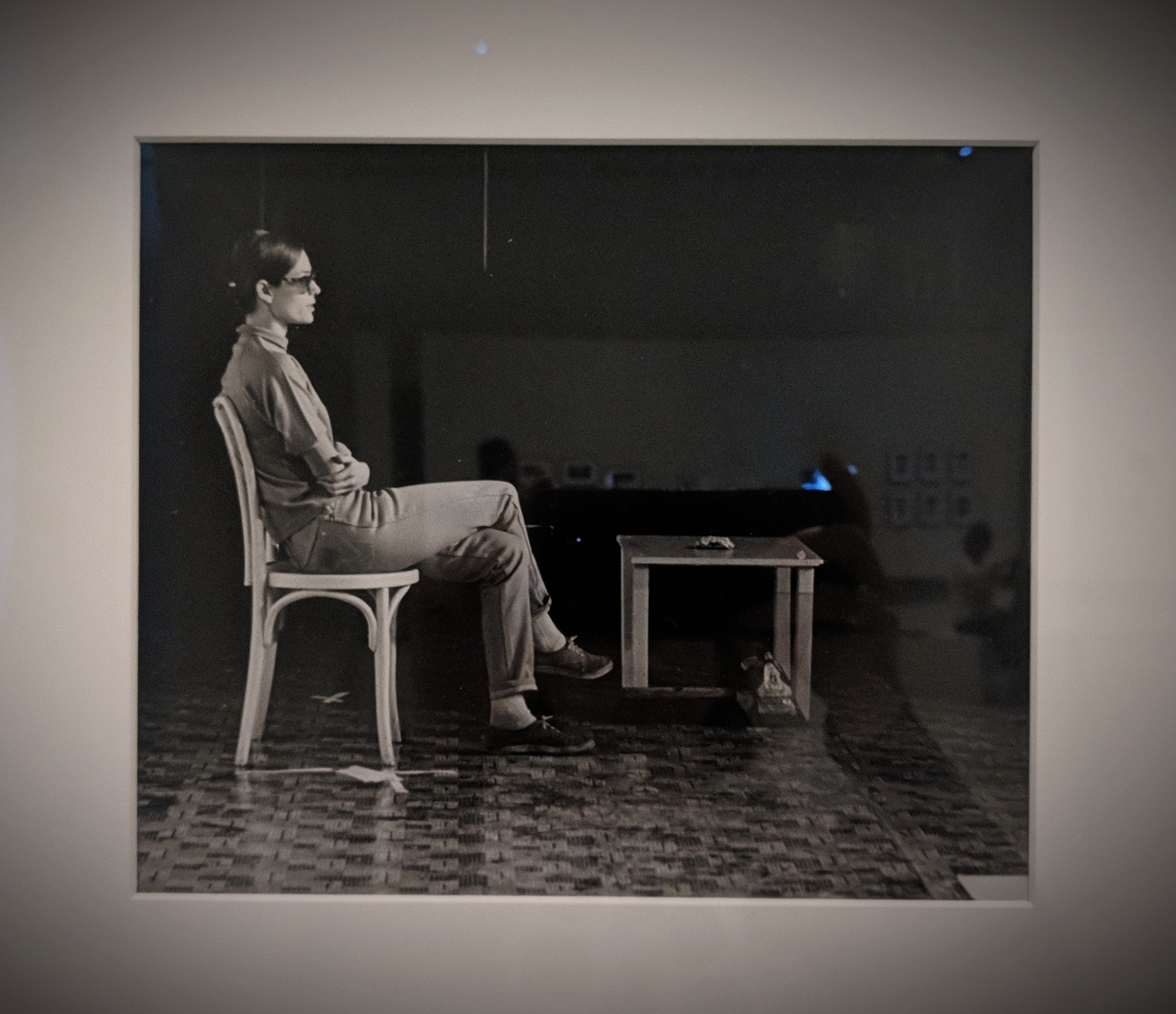
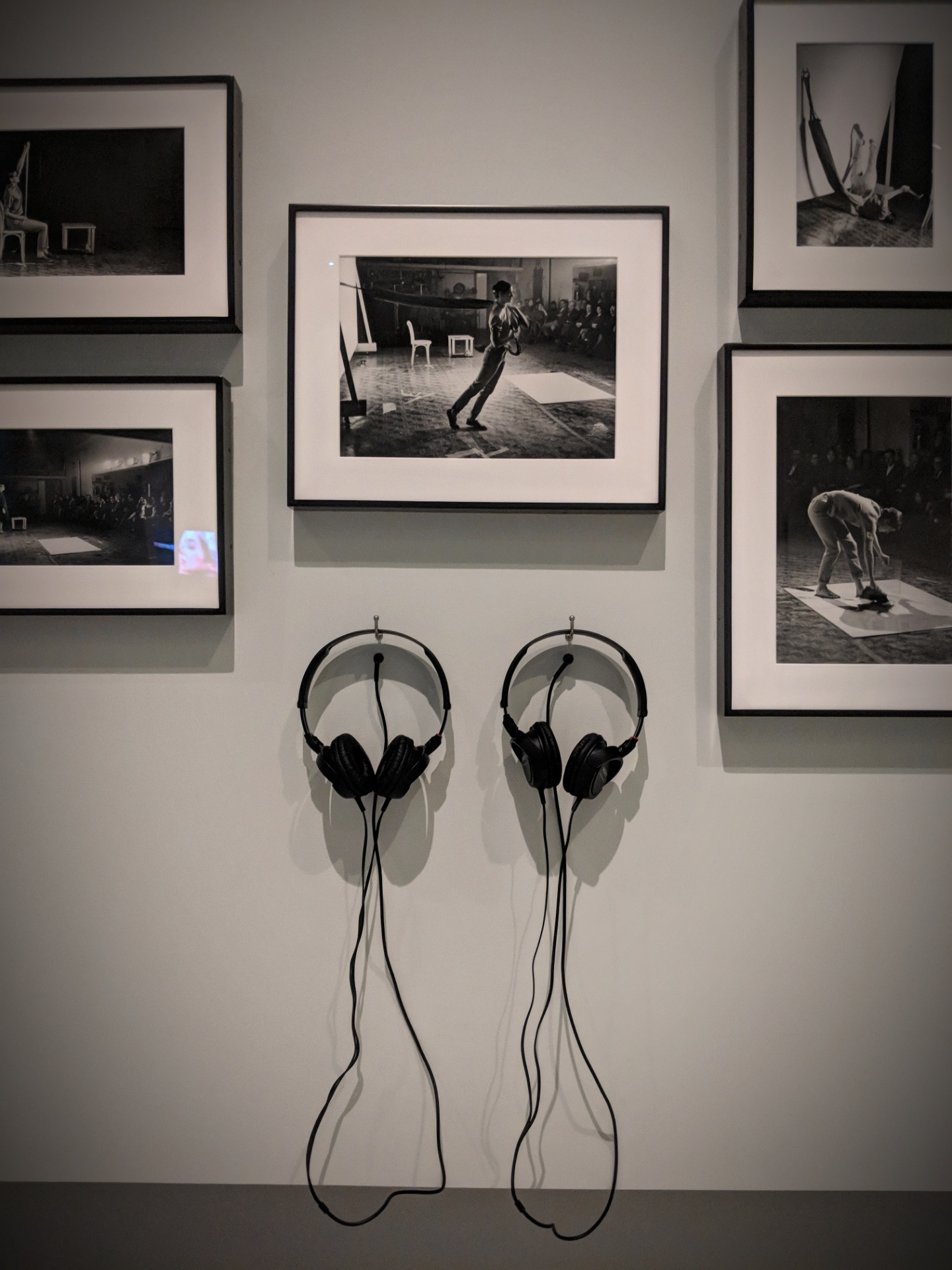
Geranium, 1965. Performed at 940 Broadway, January 29th, 1965
Geranium was set to the sounds of a championship football game, complete with sports commentators describing the action on the field, to which Childs added her imitation of sports broadcasting and intervals of music. Using the tape as a score and its sounds as cues, Childs interacted with objects including a wooden pole, a tinfoil scrap, a hammer and a pound of soil. She used a hammock to support her weight as she performed, in slow motion, the movement of a football player who – according to the broadcast – raced toward the ball, stumbled and fell.

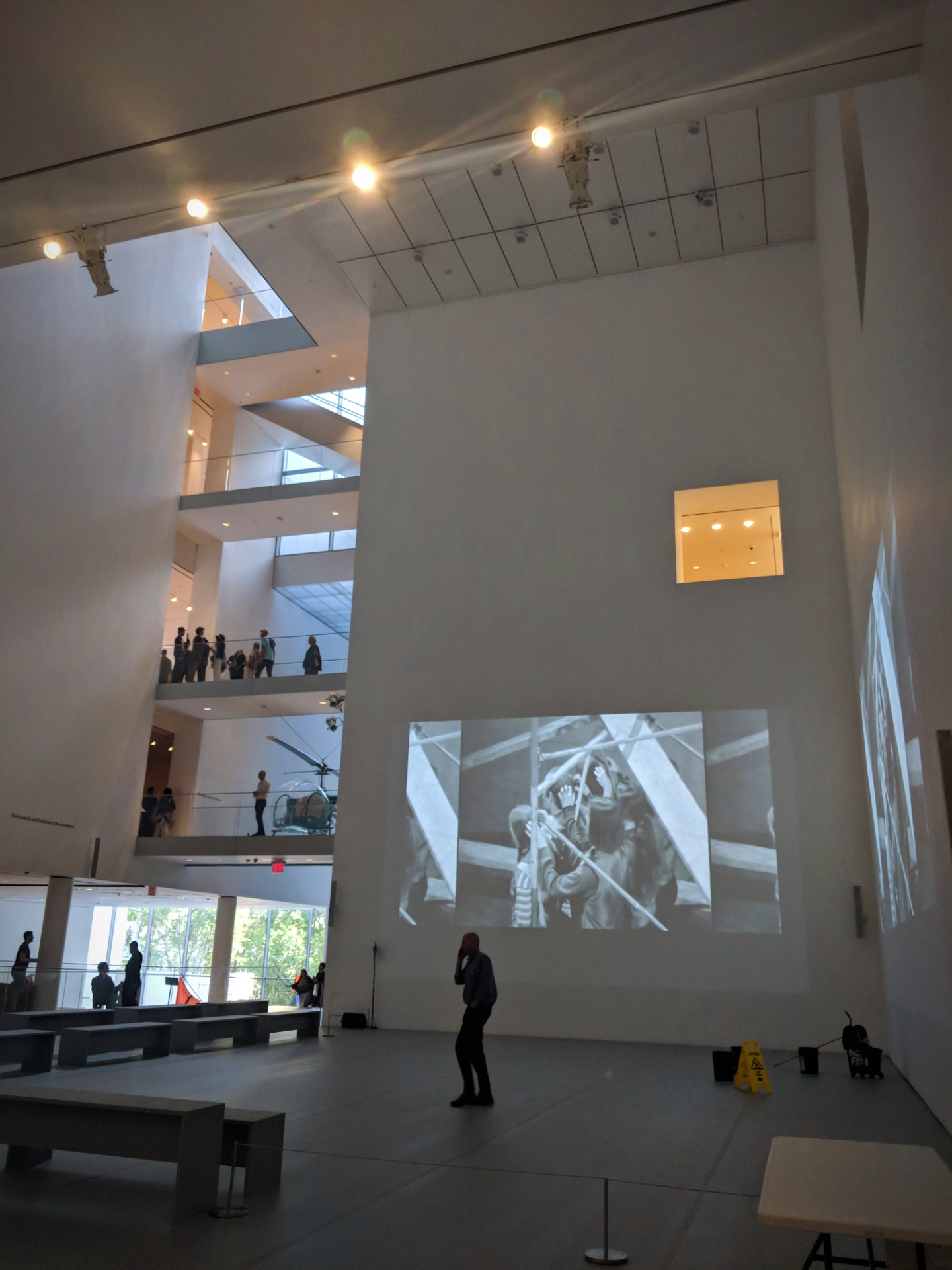
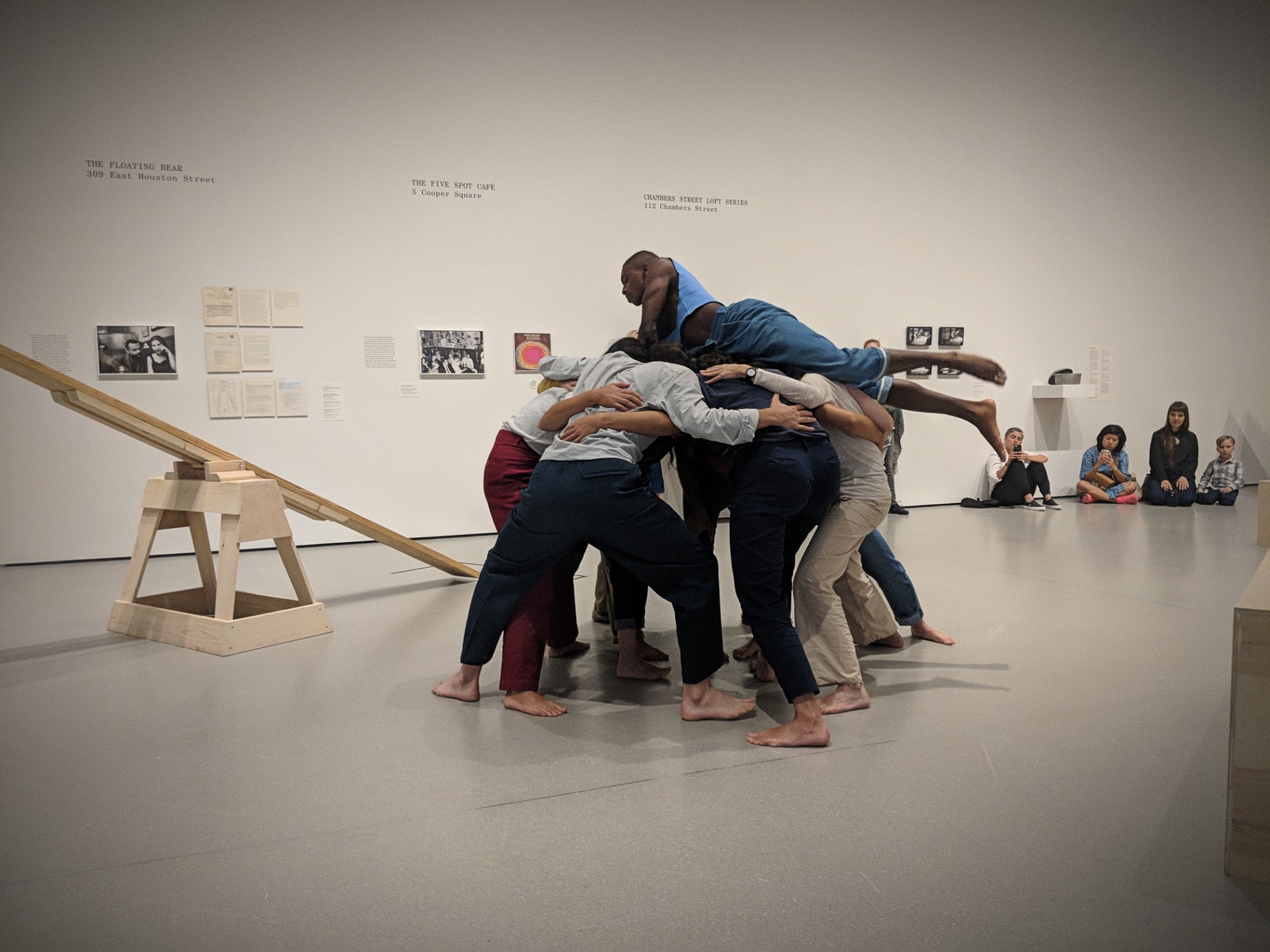
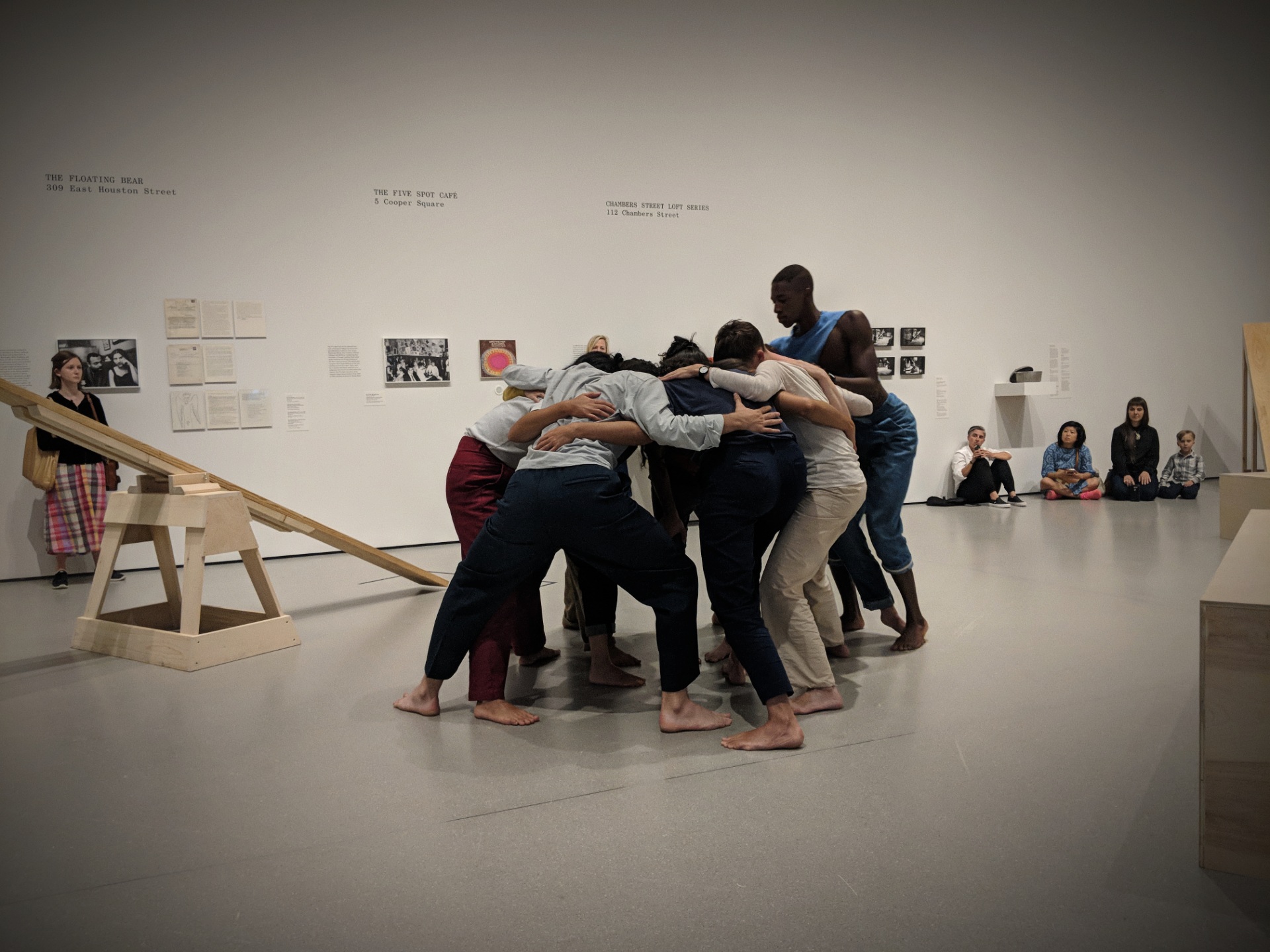
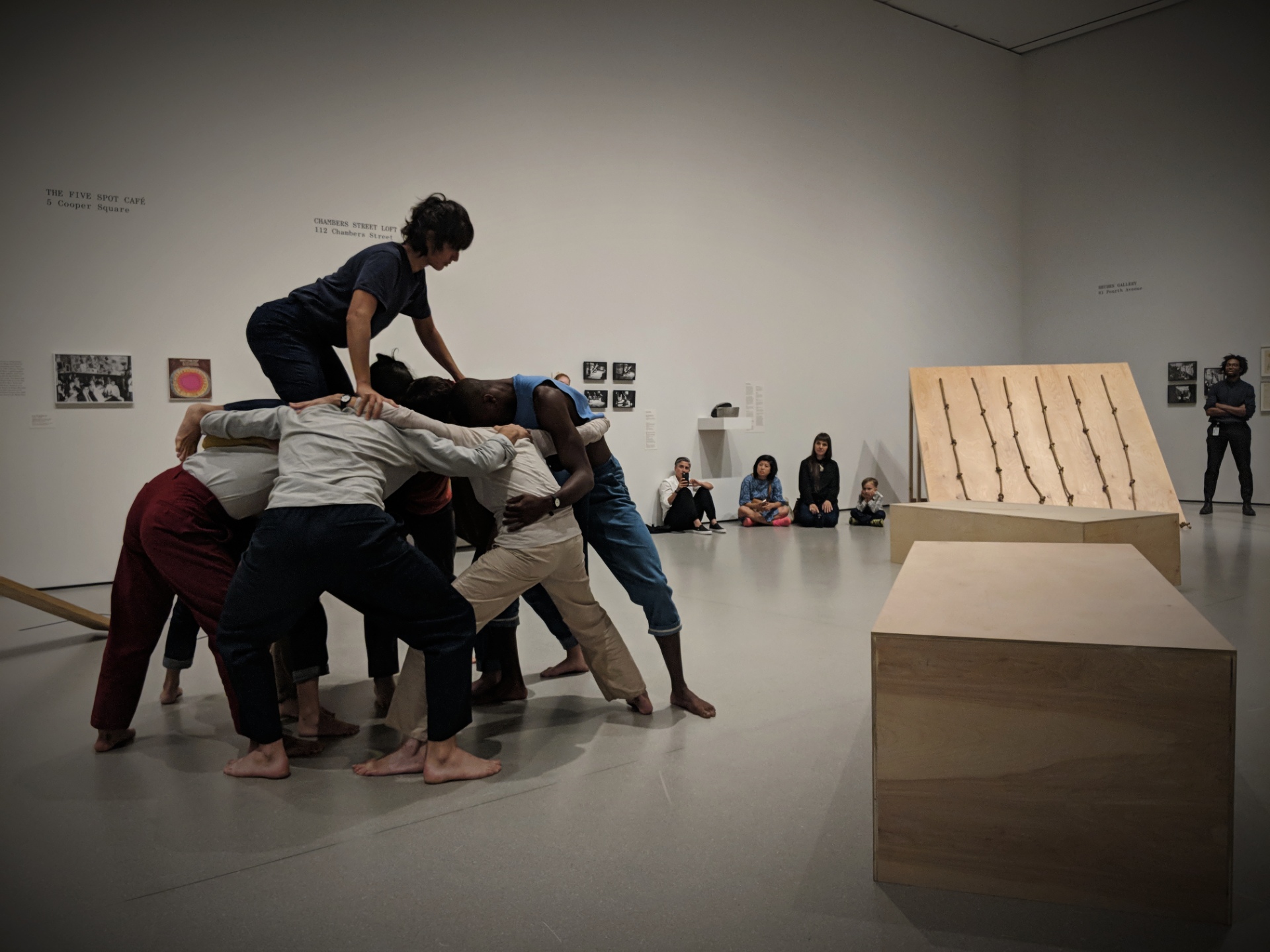
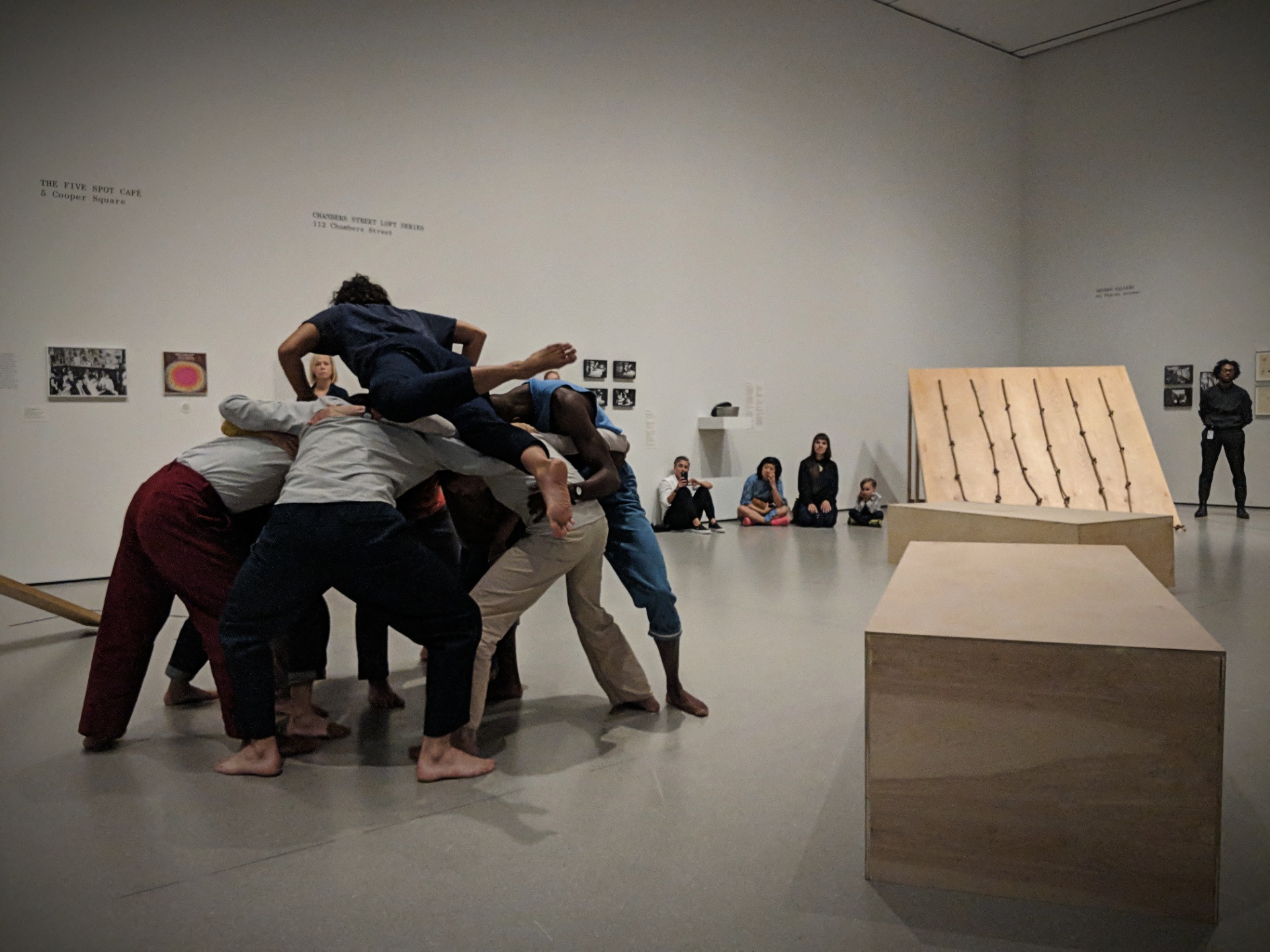
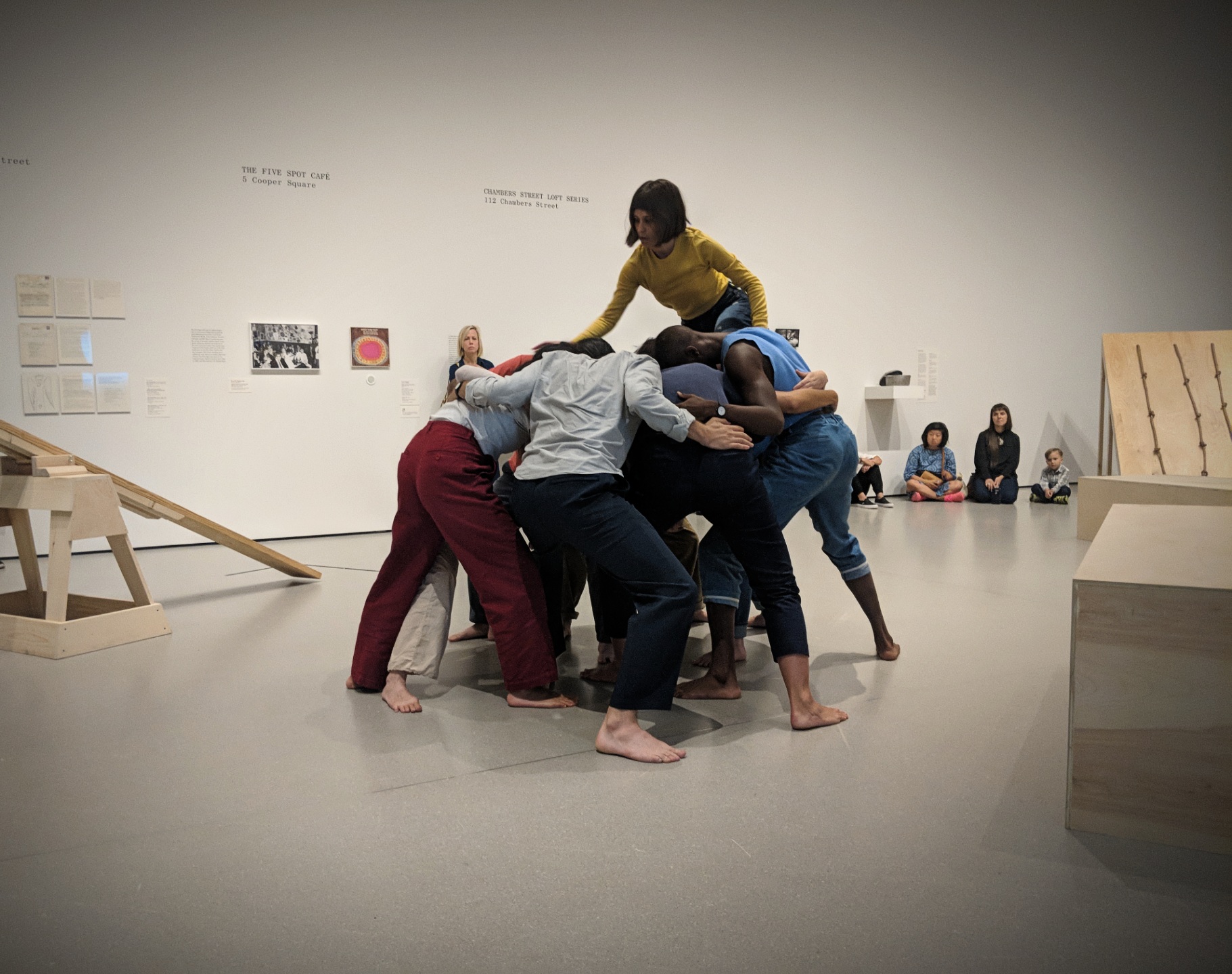
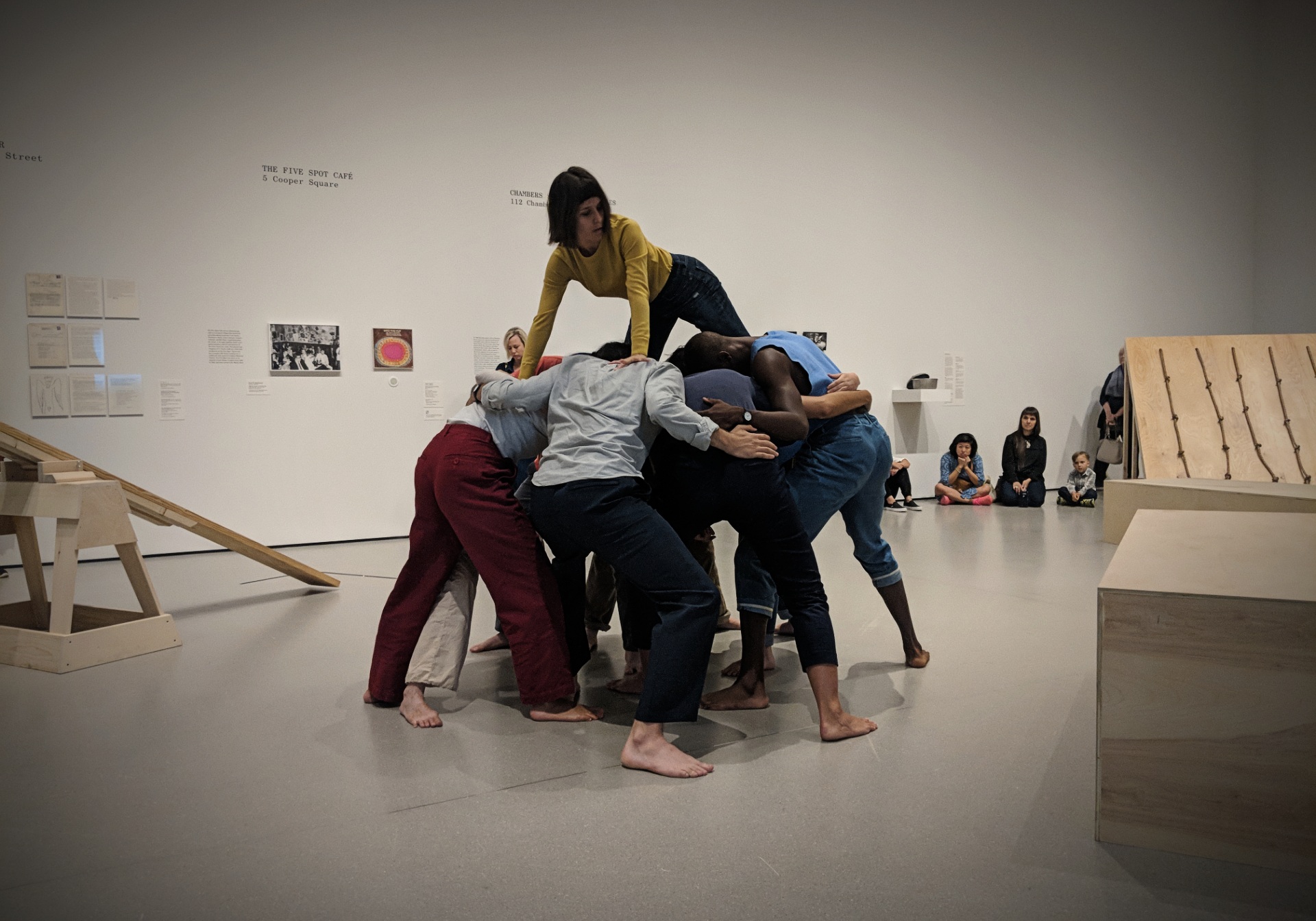
Huddle is part of Simone Forti’s Dance Constructions (1960-61), a continually shifting mass of bodies. Seven to nine performers create a solid base and take turns climbing over the group. In doing this, they create a sculptural form Forti has often described as a mountain.

Simone Forti’s Dance Constructions (1960–61) were key forerunners to Judson Dance Theater. Made from inexpensive materials, including plywood and rope, each “construction” prompts actions such as climbing, leaning, standing or whistling. Simultaneously sculptures and performances, the works were first presented at Reuben Gallery and the artist Yoko Ono’s loft, both in New York.

Huddle was performed live in intervals, throughout the exhibition.

September 15th, 2018

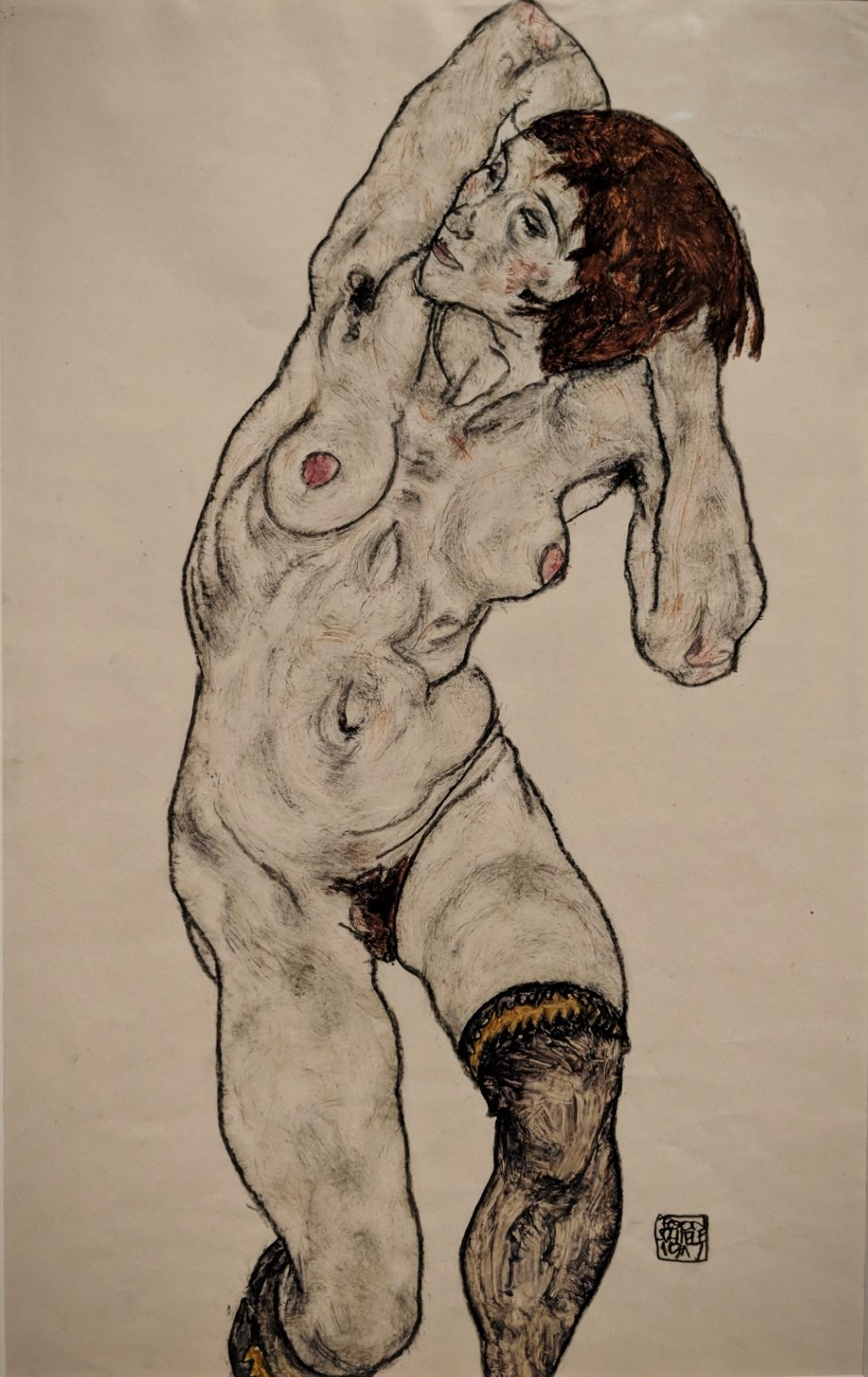
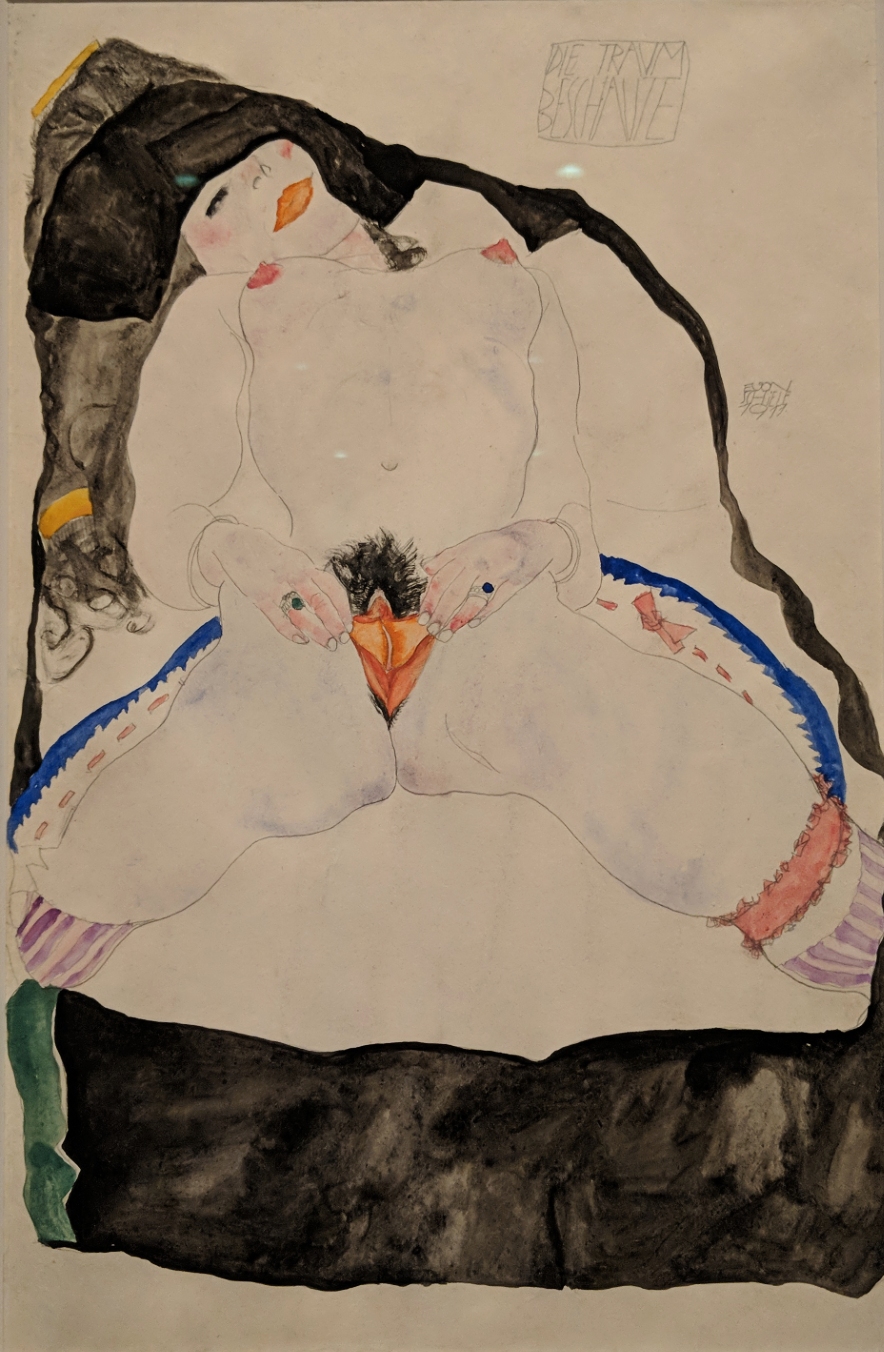
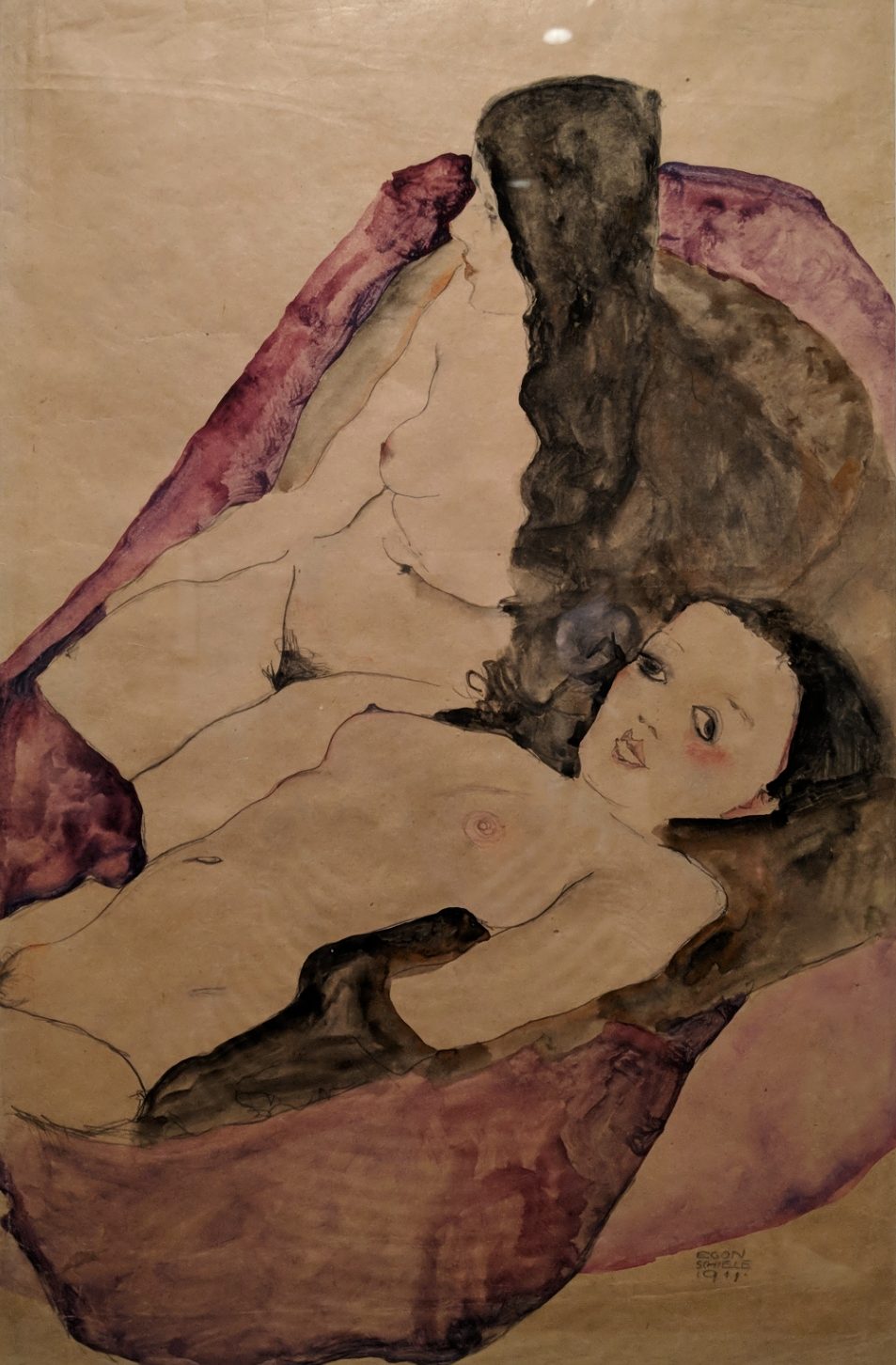
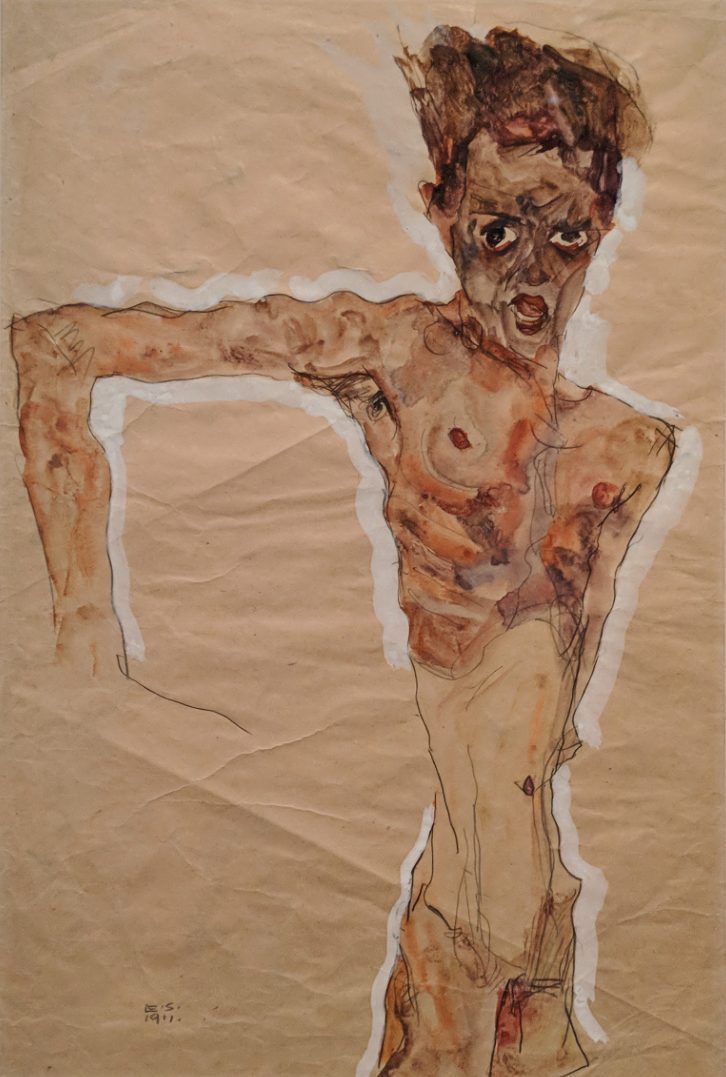
Obsession || Nudes by Klimt, Schiele and Picasso *Safe For Telework*

From the Scofield Thayer Collection.

Scofield Thayer (1889-1982) was editor and co-owner of the Dial, a journal that published writing and art by the European and American avant-garde from 1919 to 1926. An aesthete, he was a brilliant abstract thinker and a complex, conflicted personality. In the early 1920s, Thayer underwent psychoanalysis with Sigmund Freud in Vienna. While in Europe, he assembled a large collection of some six hundred artworks – mostly works on paper – with staggering speed, acquiring them from artists and dealers in Vienna, London, Paris and Berlin.

While Pablo Picasso’s work had been shown in America, Gustav Klimt and Egon Schiele were unknown in this country at that time. Both artists were remarkable for their frank portrayals of female nudity and sexuality.

In 1924 a selection from Thayer’s collection was exhibited at a New York gallery and won acclaim, but it found little favour when shown in his native city of Worcester, Massachusetts. Offended by intolerant views toward provocative art, Thayer drew up his will in 1925, leaving his collection to The Met before retreating from public life until his death in 1982.

An exhibition of the bequest has been planned since its arrival at the Museum in 1984, but its diversity, unevenness and vast quantity proved a challenge. While a select group of paintings by artists of the School of Paris is always on view, the light-sensitive watercolours, drawings and prints have been rarely displayed. This exhibition, held on the centenary of the 1918 deaths of Klimt and Schiele, presented these erotic and evocative works together for the first time.

It ran from July through October 2018 at The Met Breuer.

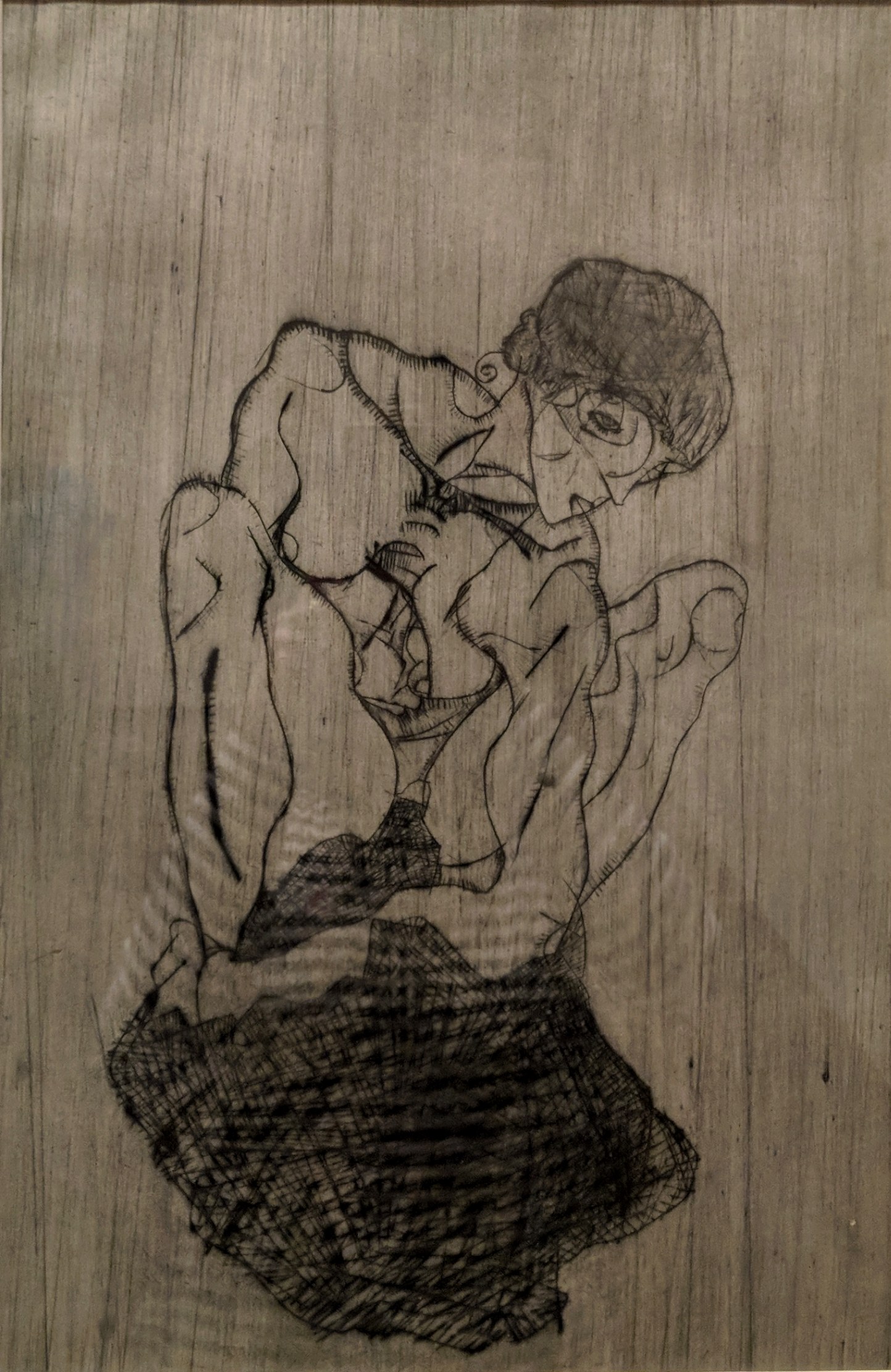
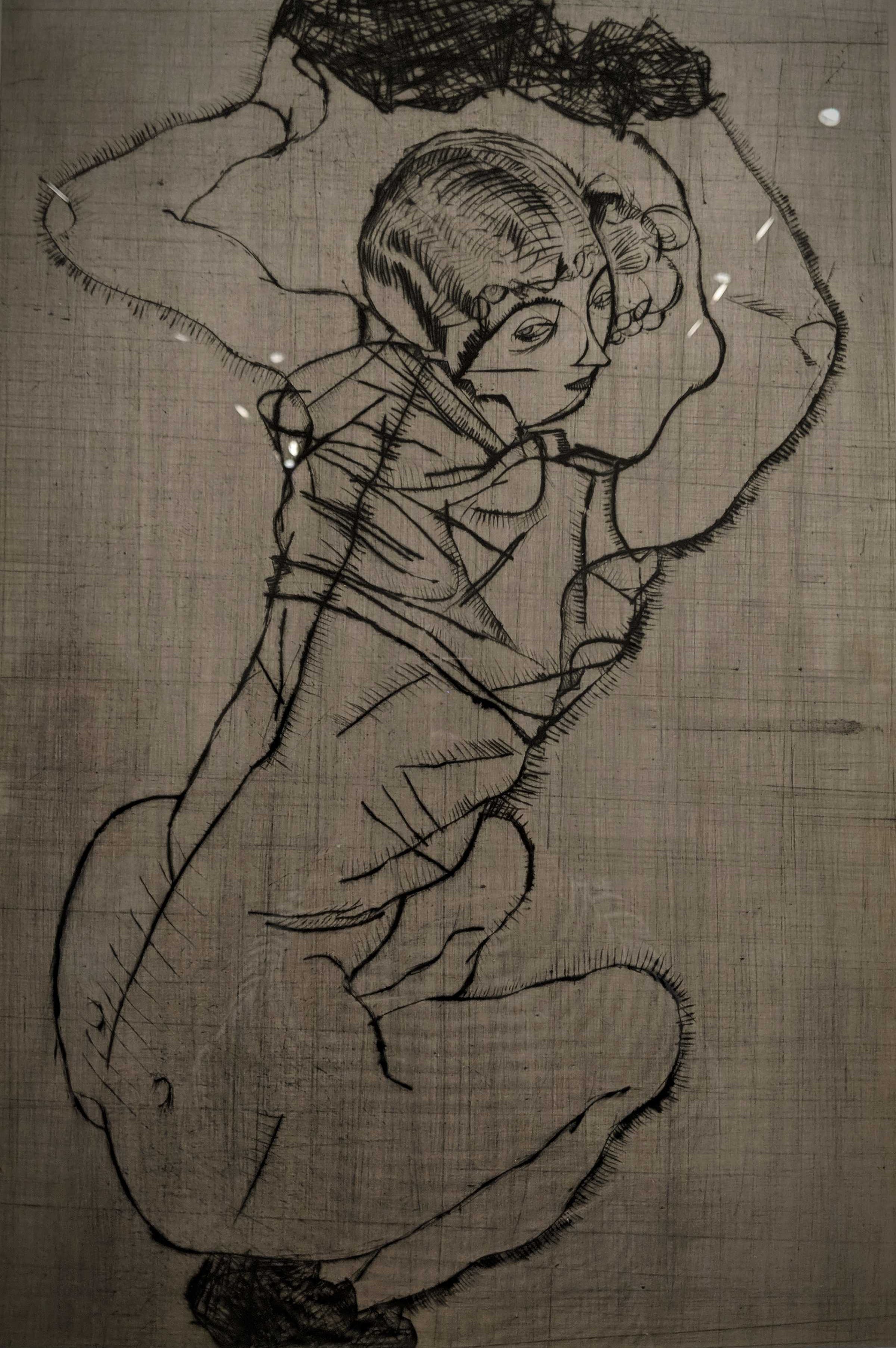
Egon Schiele || Sorrow, 1914 || Drypoint


Egon Schiele || Squatting Woman, 1914 || Drypoint


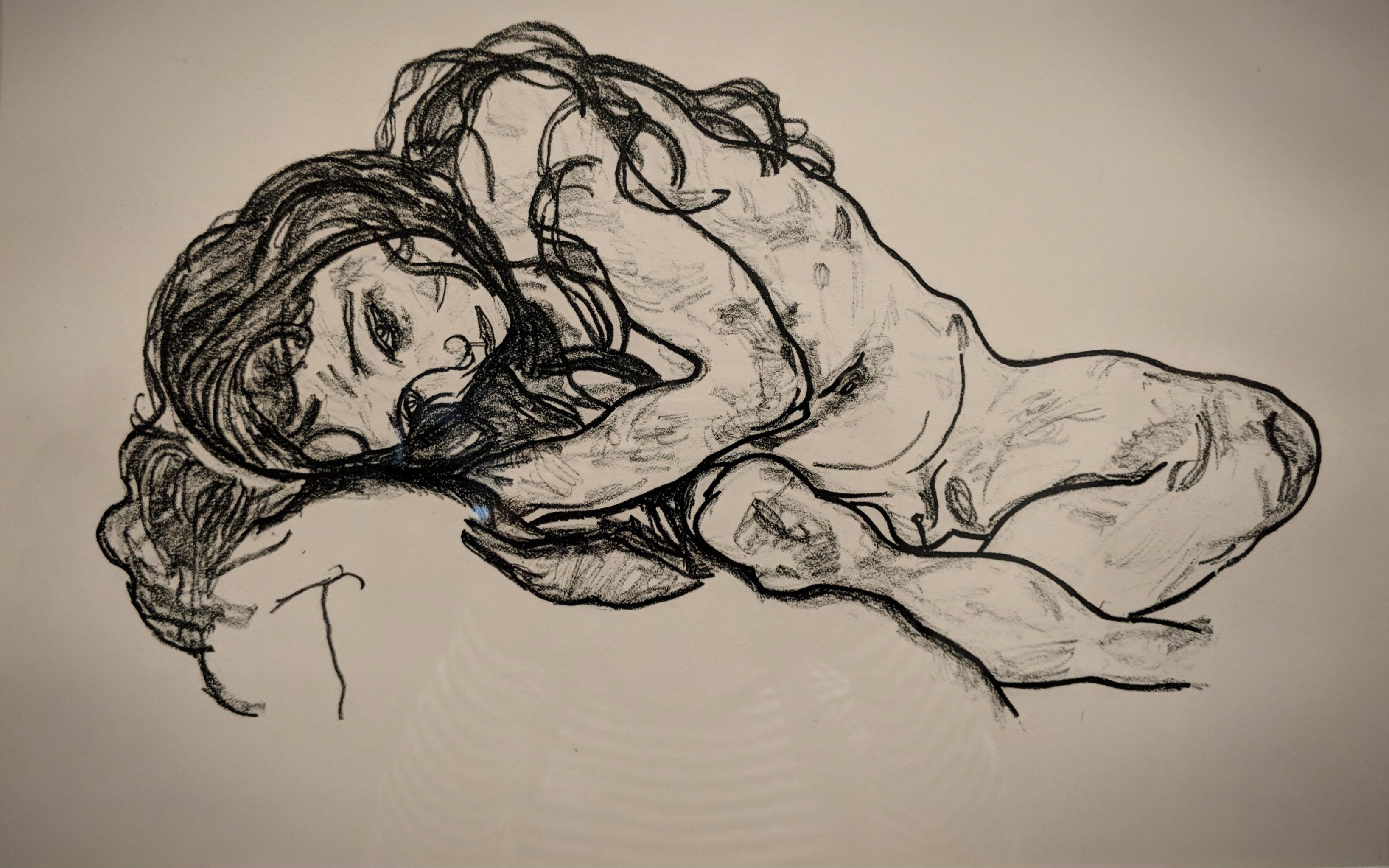
Egon Schiele || Girl, 1918 || Lithograph


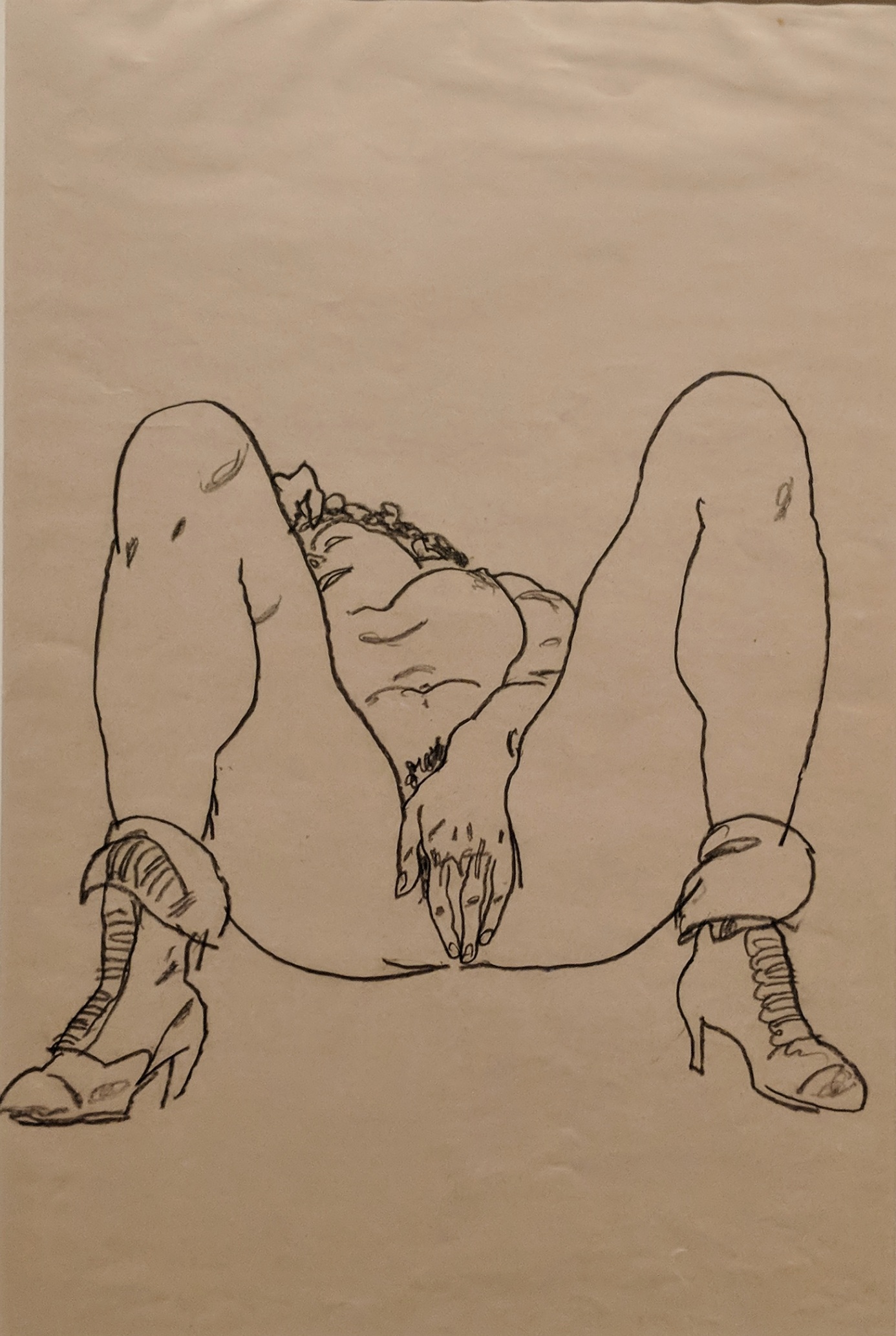
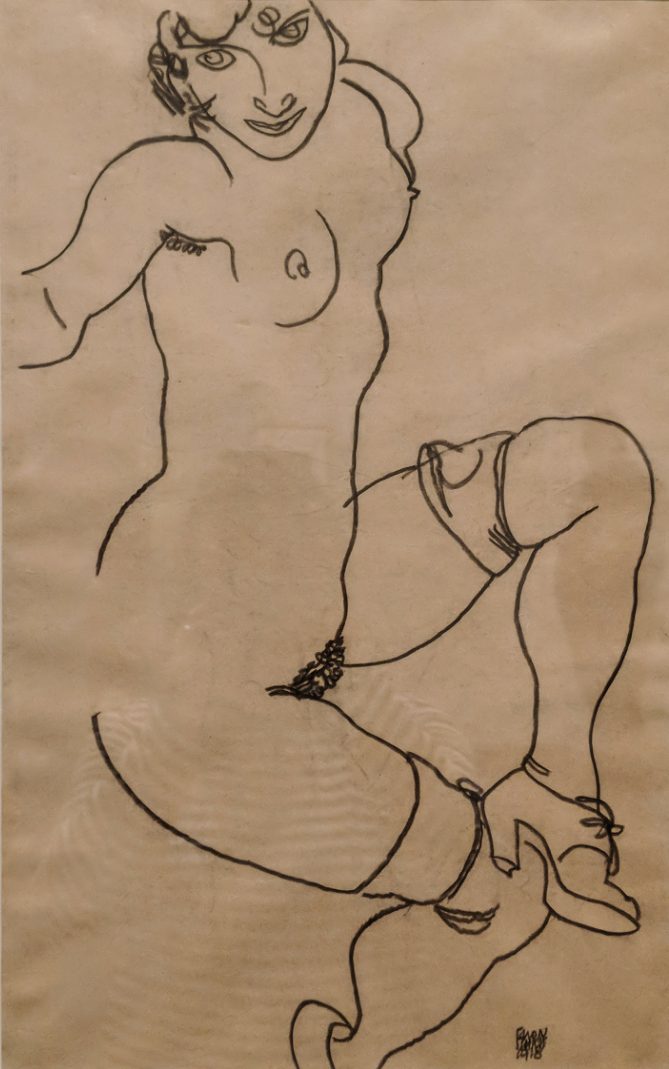
Egon Schiele || Reclining Nude with Boots, 1918 || Charcoal on paper


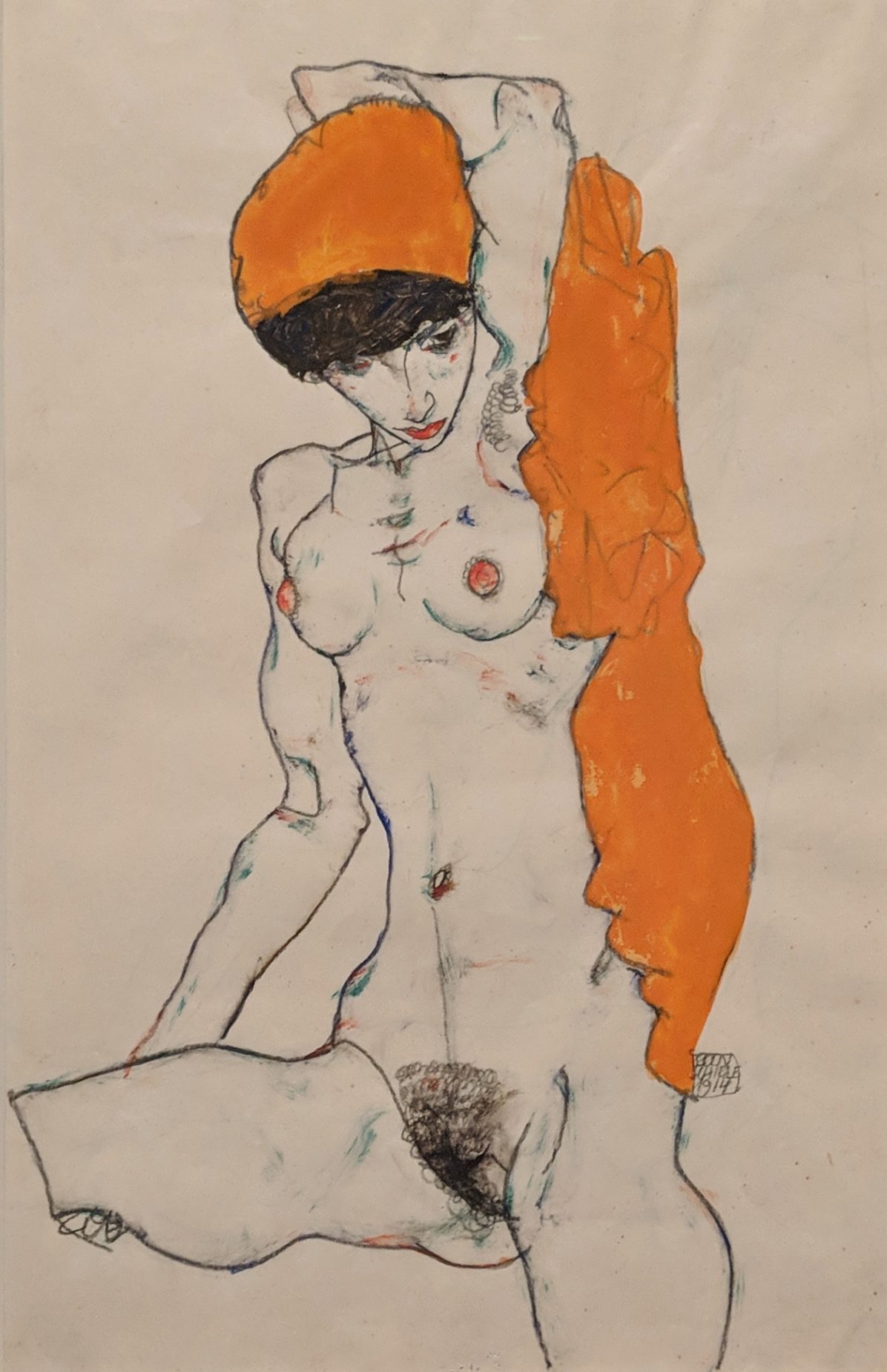
Egon Schiele || Standing Nude with Orange Drapery (recto): Study of Nude with Arms Raised (verso), 1914 || Watercolor, gouache and graphite on paper


Egon Schiele || Nude in Black Stockings, 1917 || Watercolor and charcoal on paper


Egon Schiele || Observed in a Dream, 1911 || Watercolor and graphite on paper


Egon Schiele || Two Reclining Nudes, 1911 || Watercolor and graphite on paper


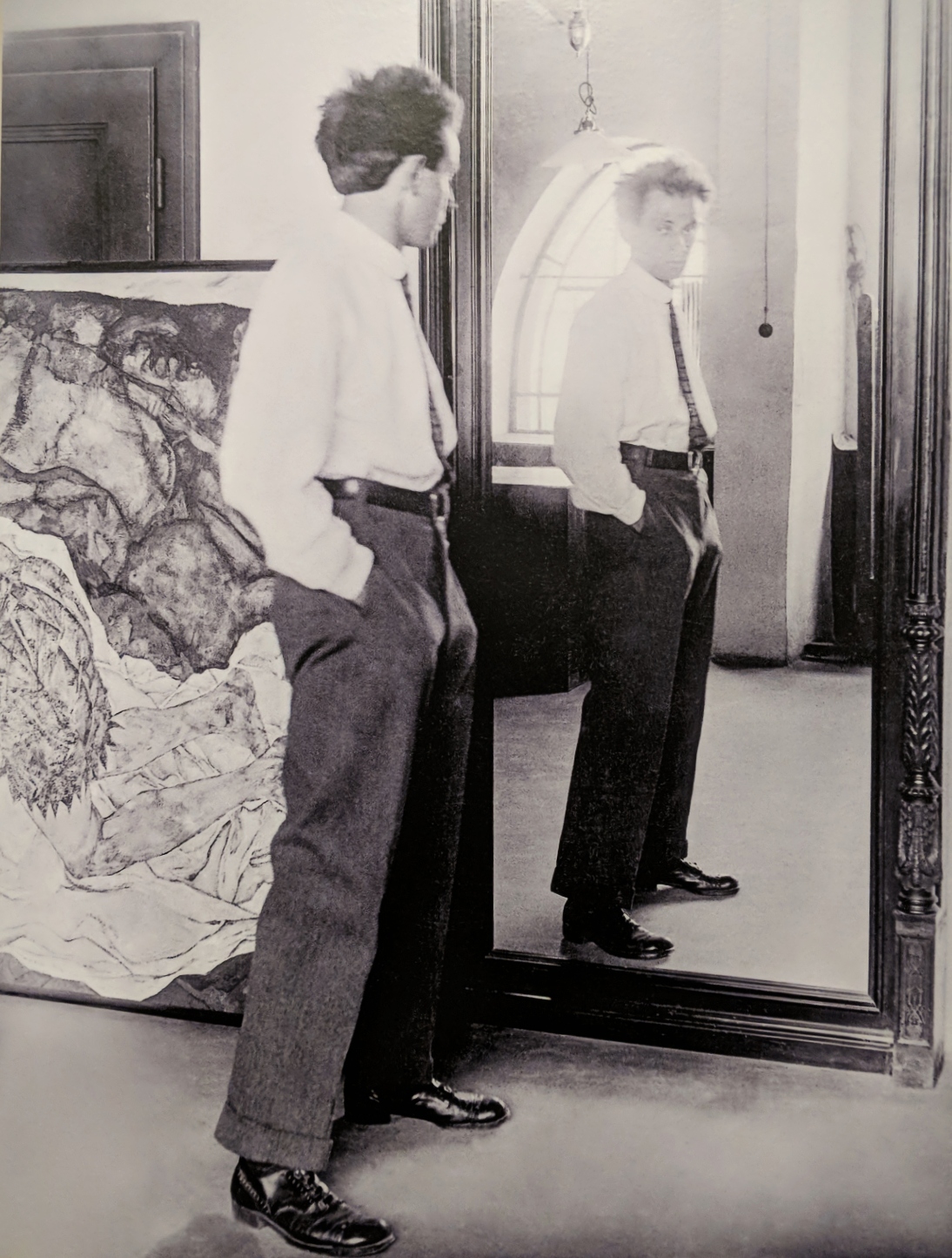
Egon Schiele || Self-Portrait, 1911 || Watercolor, gouache, and graphite on paper


Egon Schiele || Seated Nude in Shoes and Stockings, 1918 || Charcoal on paper


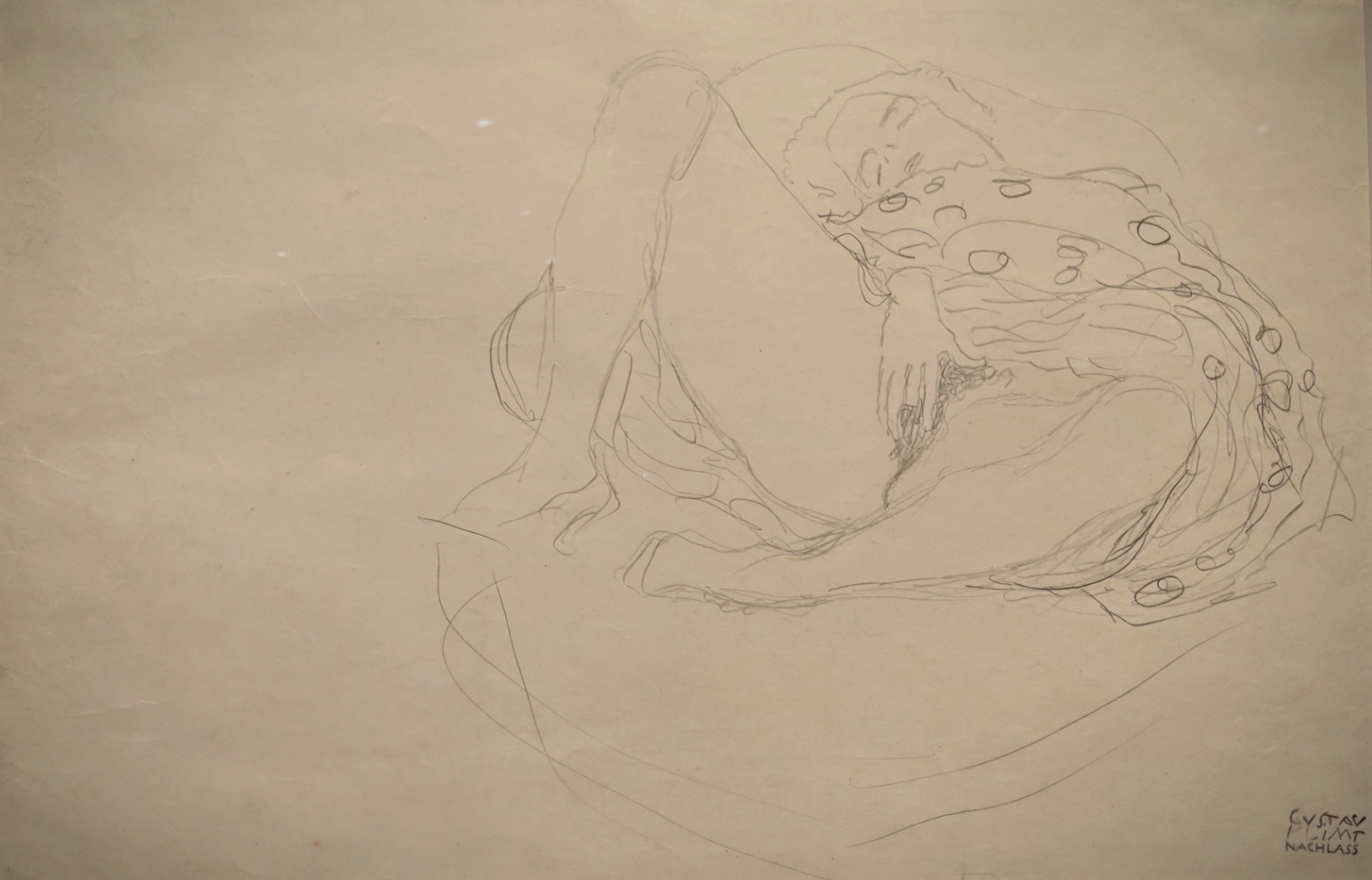
Gustav Klimt || Reclining Nude with Drapery, 1912-13 || Graphite


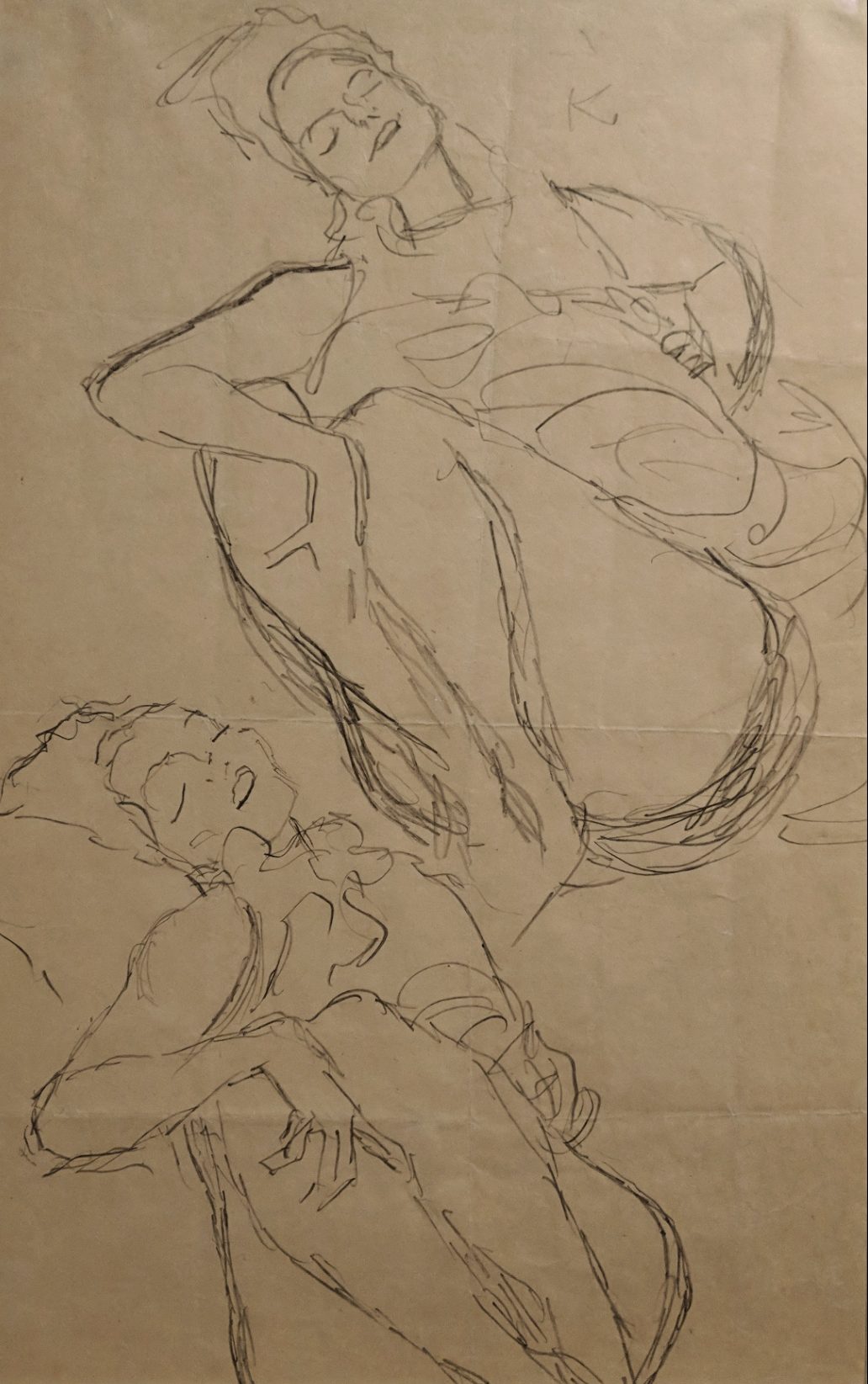
Gustav Klimt || Two Studies for a Crouching Woman, 1914–15 || Graphite


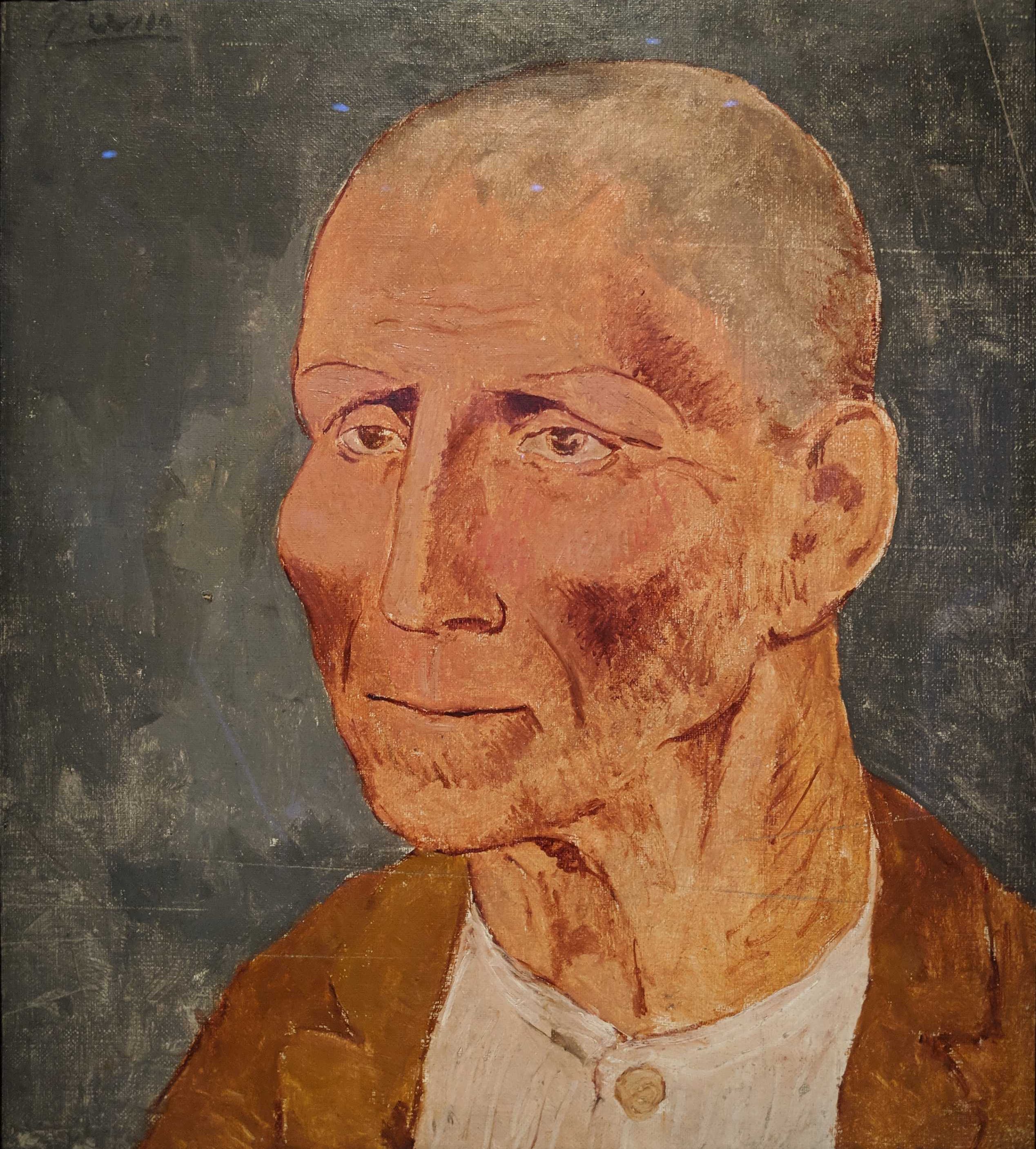
Pablo Picasso || Fondevila, 1906 || Oil on canvas


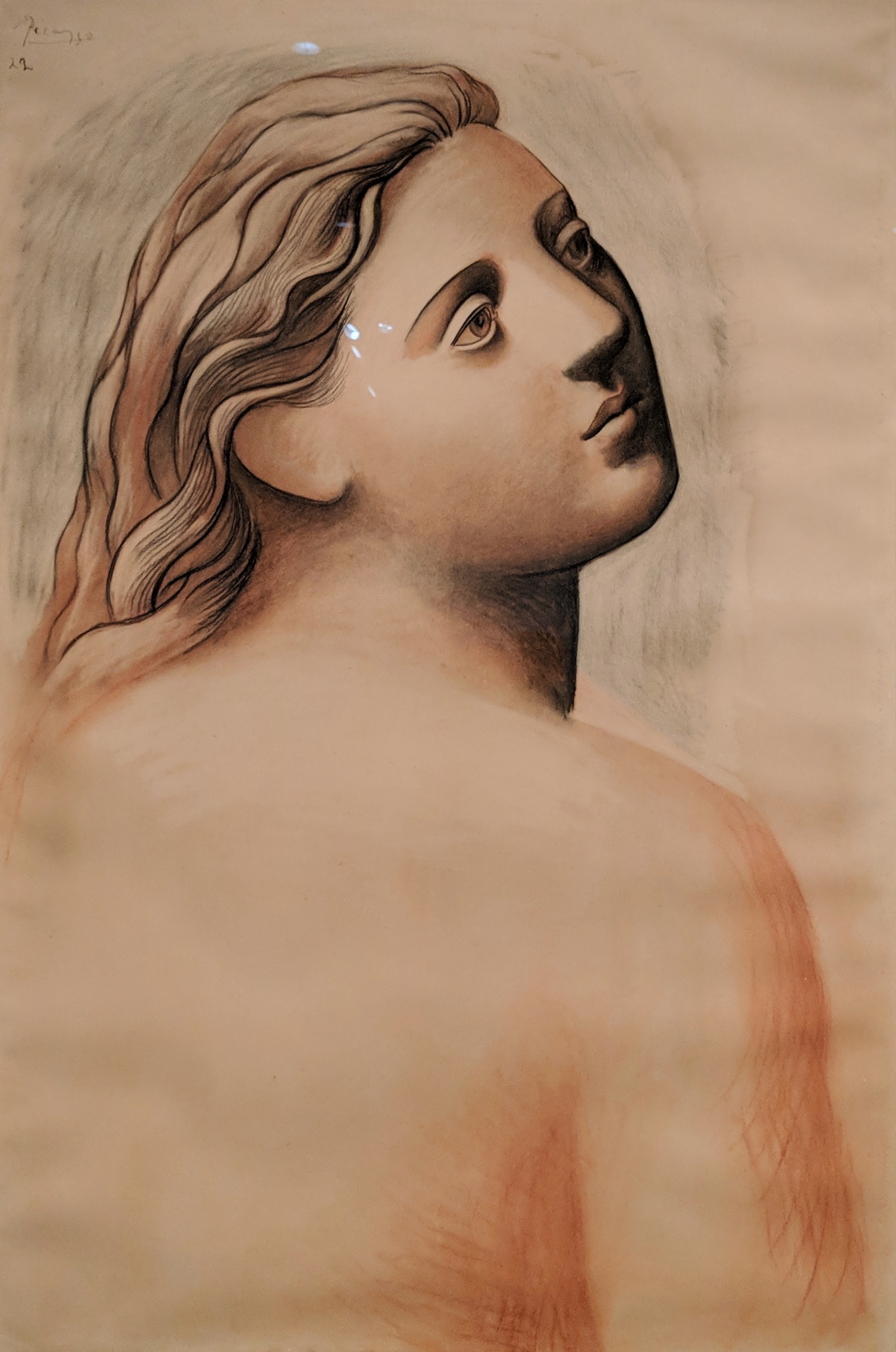
Pablo Picasso || Head of a Woman, 1922 || Chalk on paper


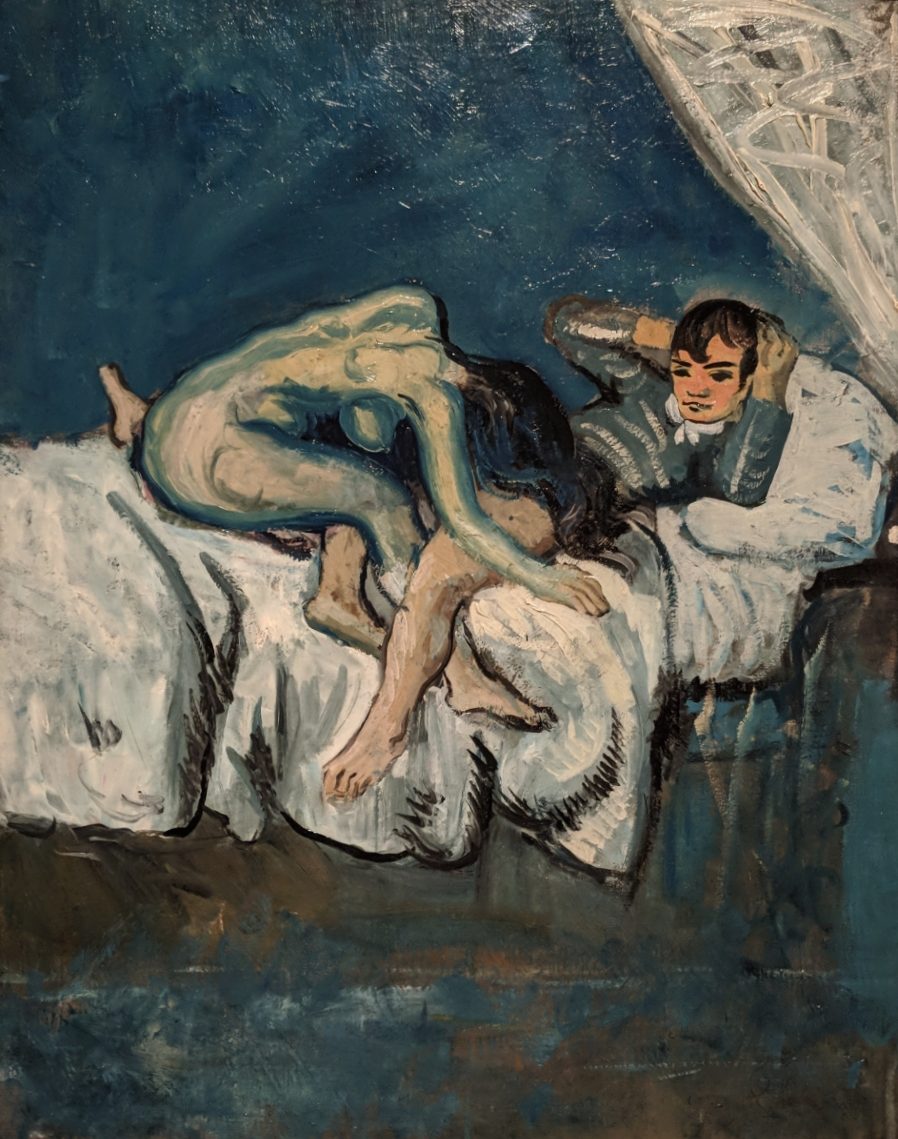
Pablo Picasso || Erotic Scene (La Douceur), 1903 || Oil on canvas


The Met Breuer

August 19th, 2018

ICP Museum || The Decisive moment

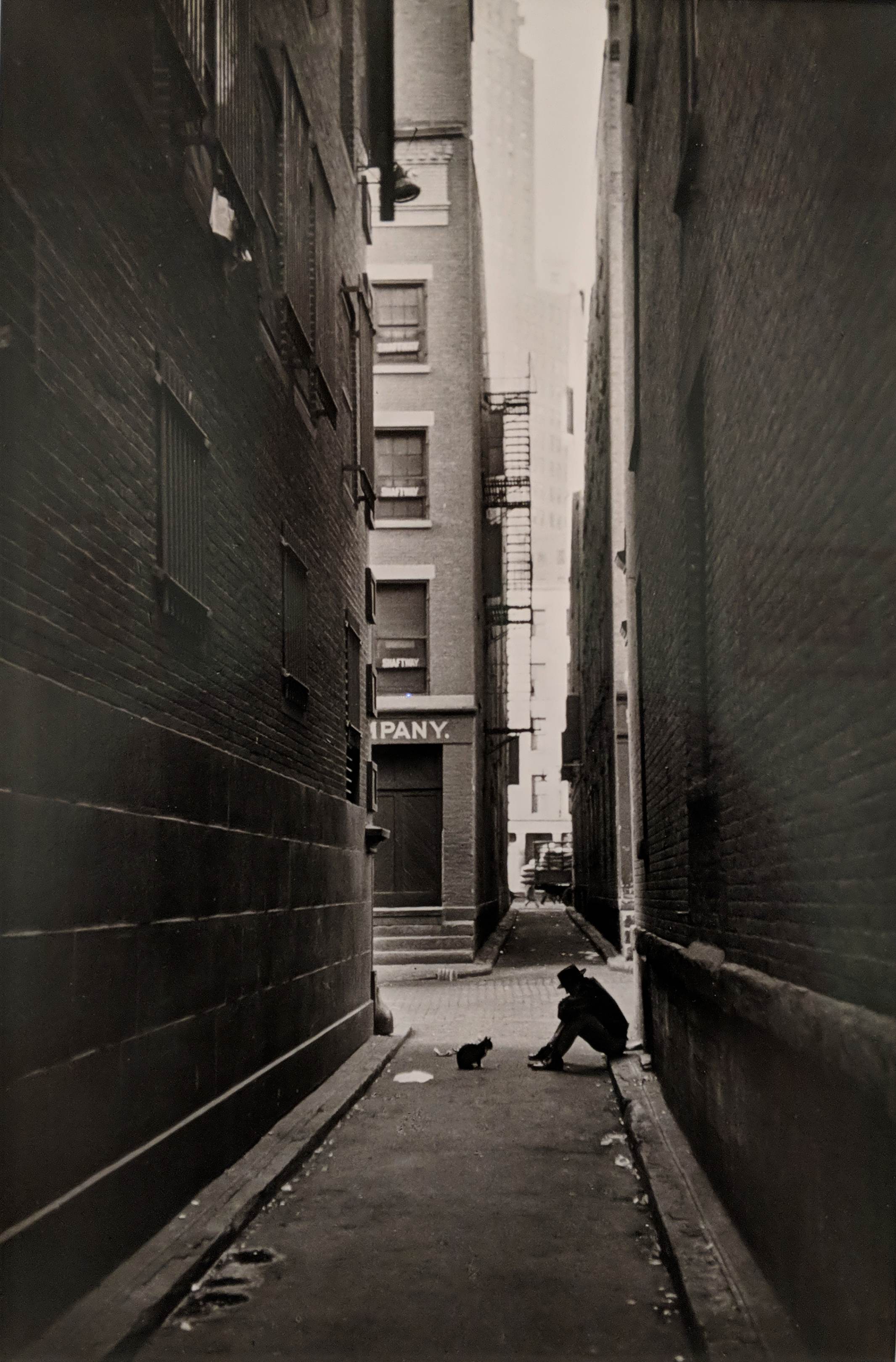
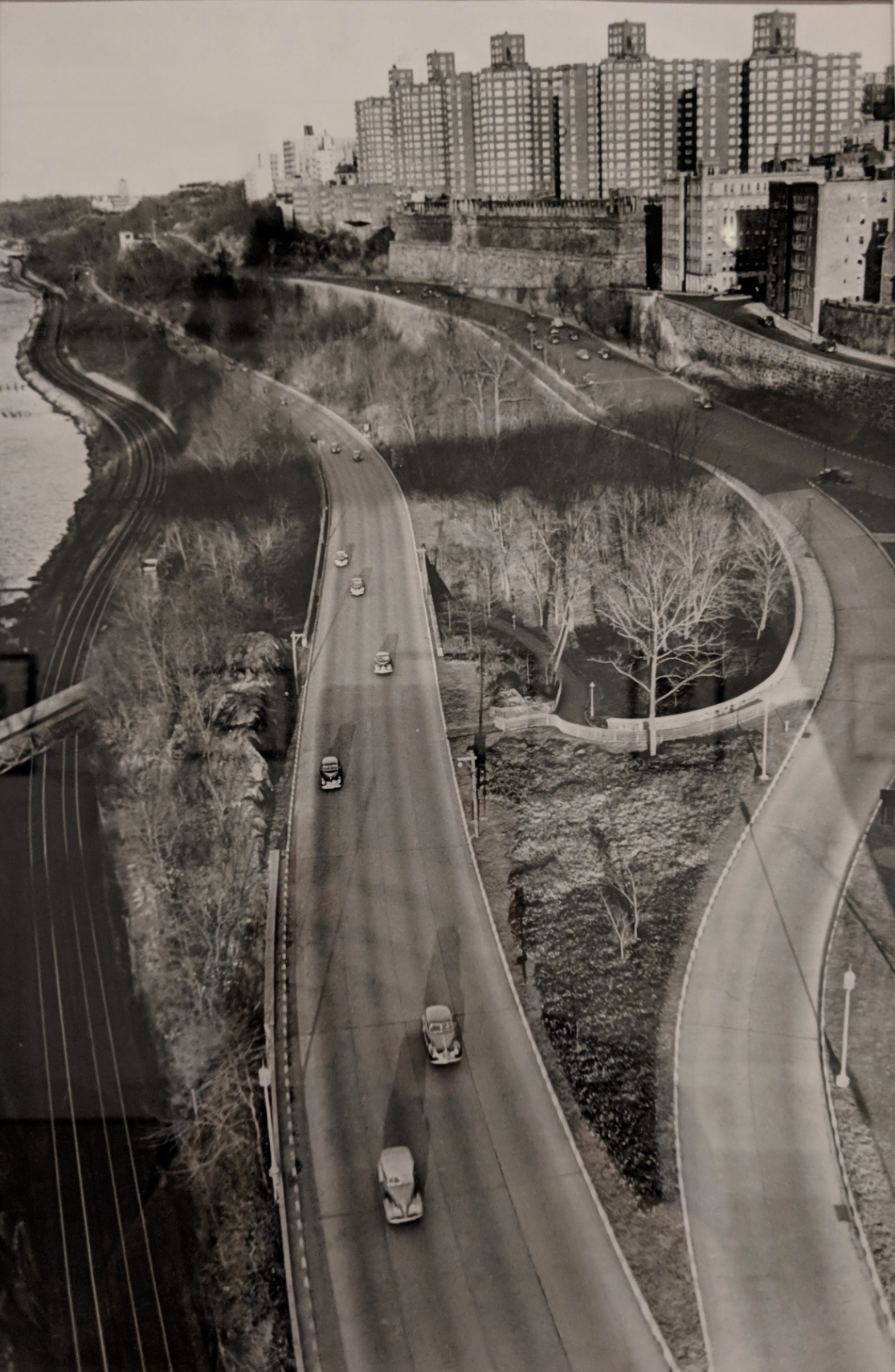
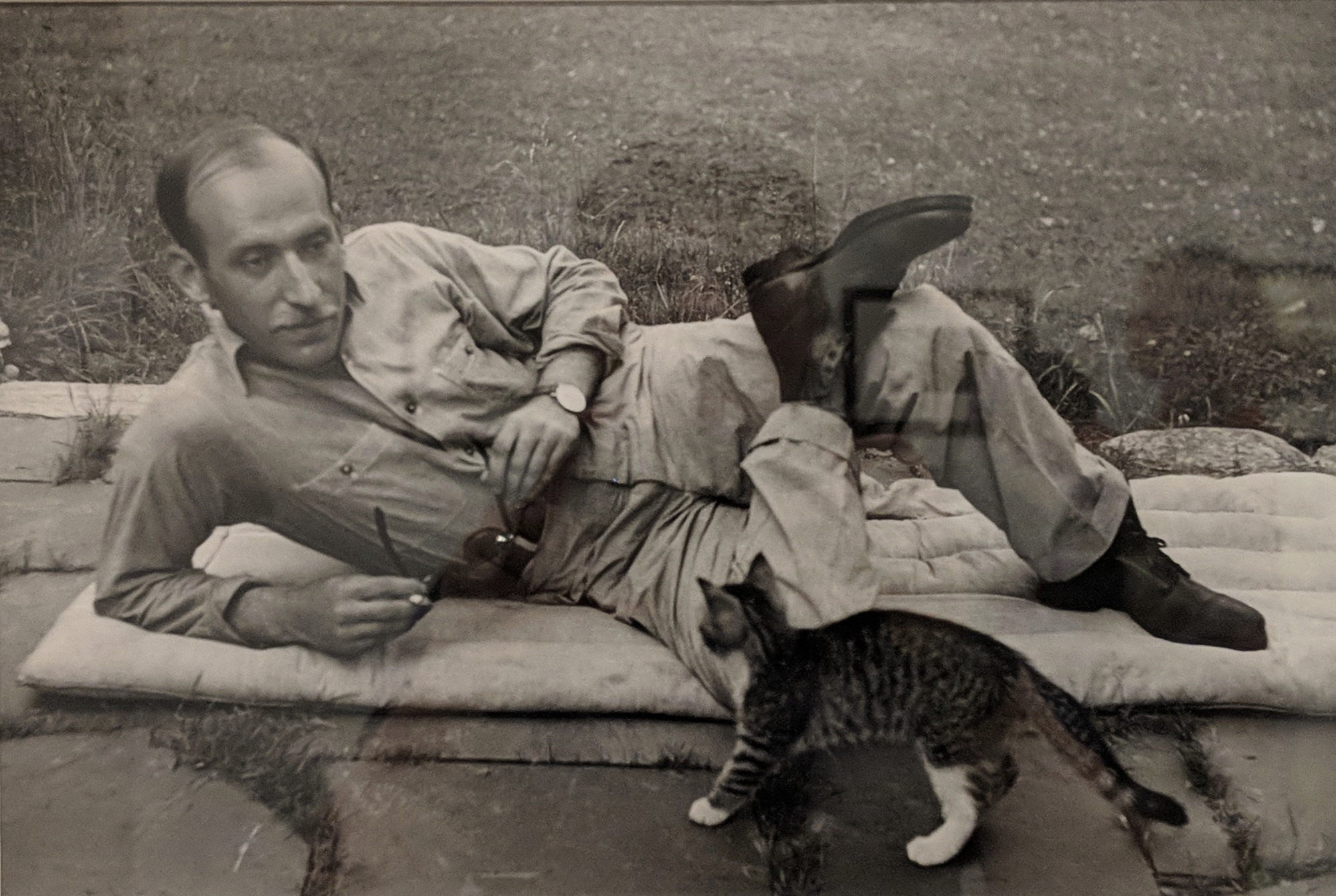
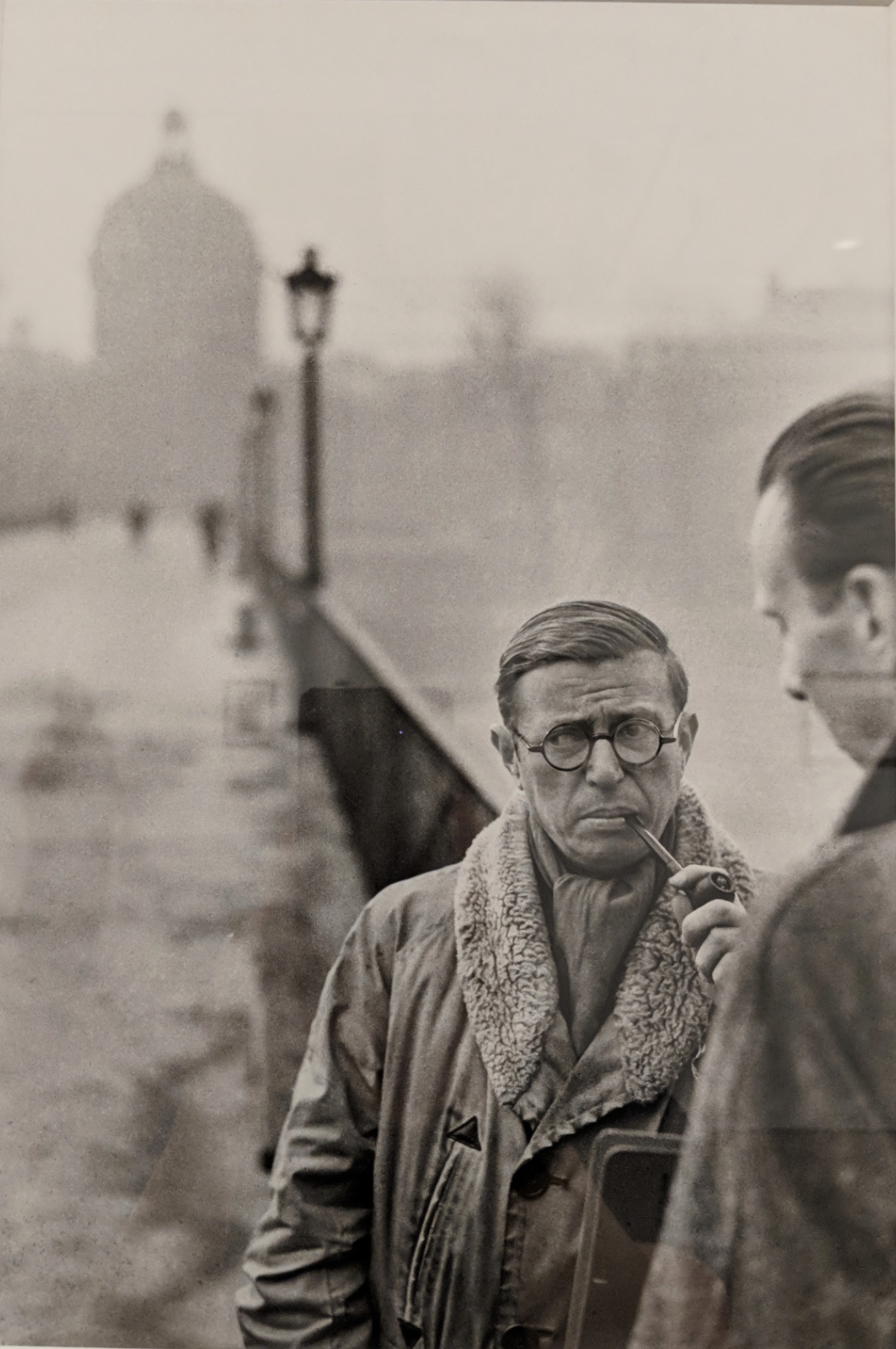
Sometimes it happens that you stall, delay, wait for something to happen. Sometimes you have the feeling that here are all the makings of a picture – except for just one thing that seems to be missing. But what one thing? Perhaps someone suddenly walks into your range of view. You follow his progress through the viewfinder. You wait and wait, and then finally you press the button – and you depart with the feeling (though you don’t know why) that you’ve really got something. Later, to substantiate this, you can take a print of this picture, trace it on the geometric figures which come up under analysis, and you’ll observe that, if the shutter was released at the decisive moment, you have instinctively fixed a geometric pattern without which the photograph would have been both formless and lifeless. – Henri Cartier-Bresson

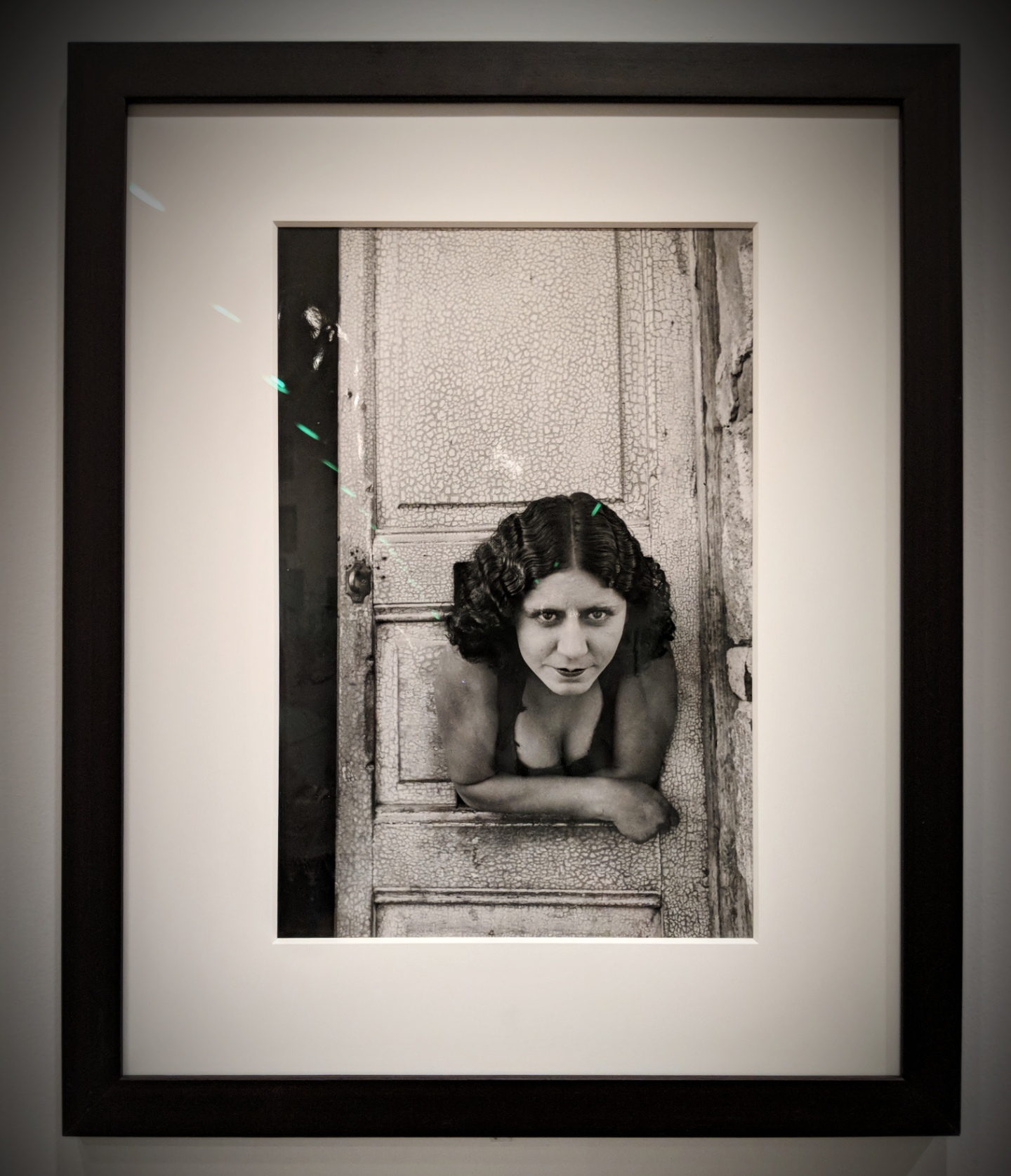
Prostitute, Calle Cuauhtemoctzin, Mexico City, 1934


Behind the Gare St. Lazare, Place de  l’Europe, Paris, 1932

Coronation of King George VI, Trafalgar Square, London, May 12, 1937


Dessau, Germany, May-June 1945


Downtown, Manhattan, New York, 1947


Manhattan, New York, 1947


Saul Steinberg, Vermont, 1947


Jean-Paul Sartre, Le Pont des Arts, Paris, 1946


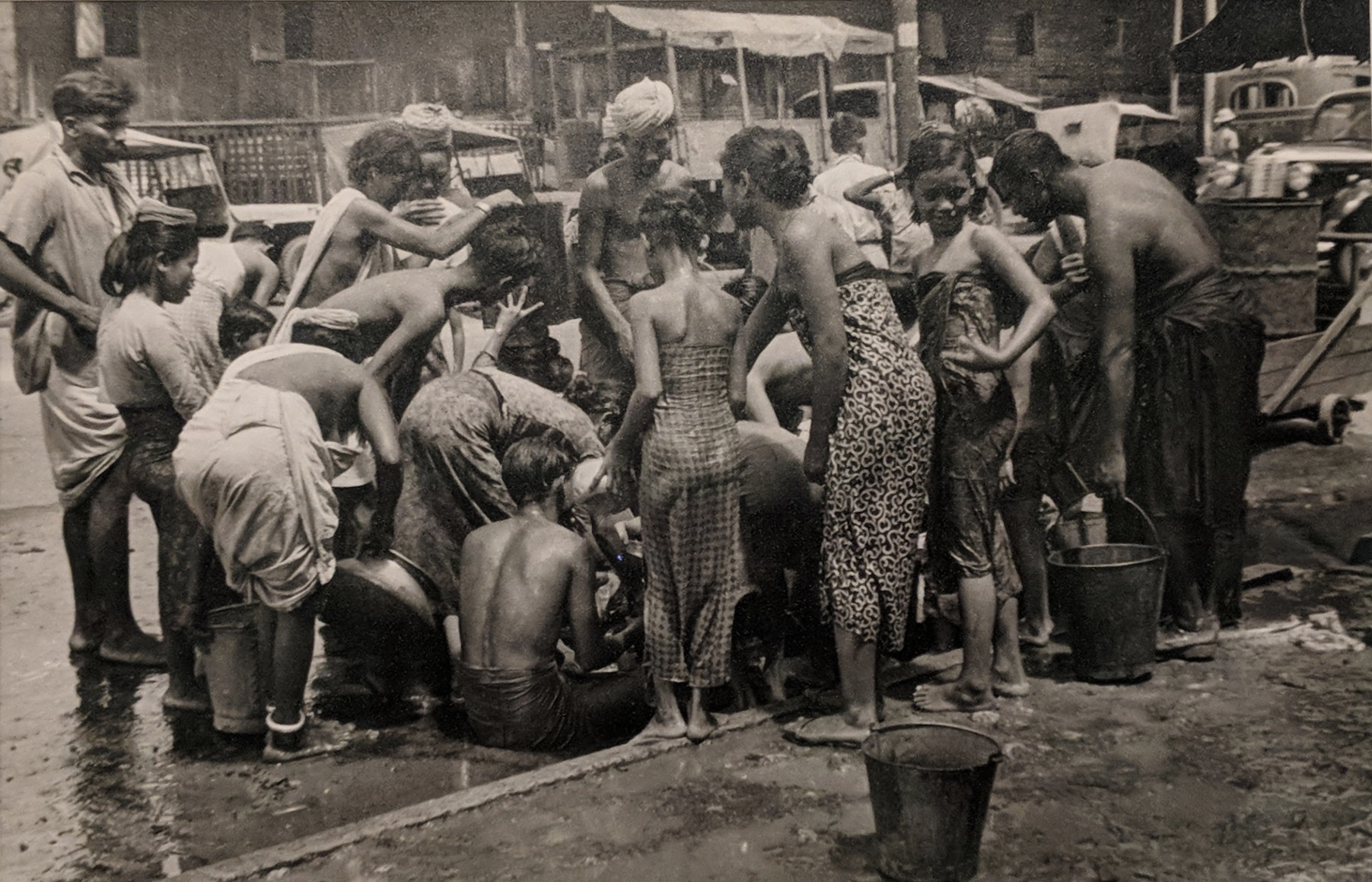
Rangoon, Burma, 1948


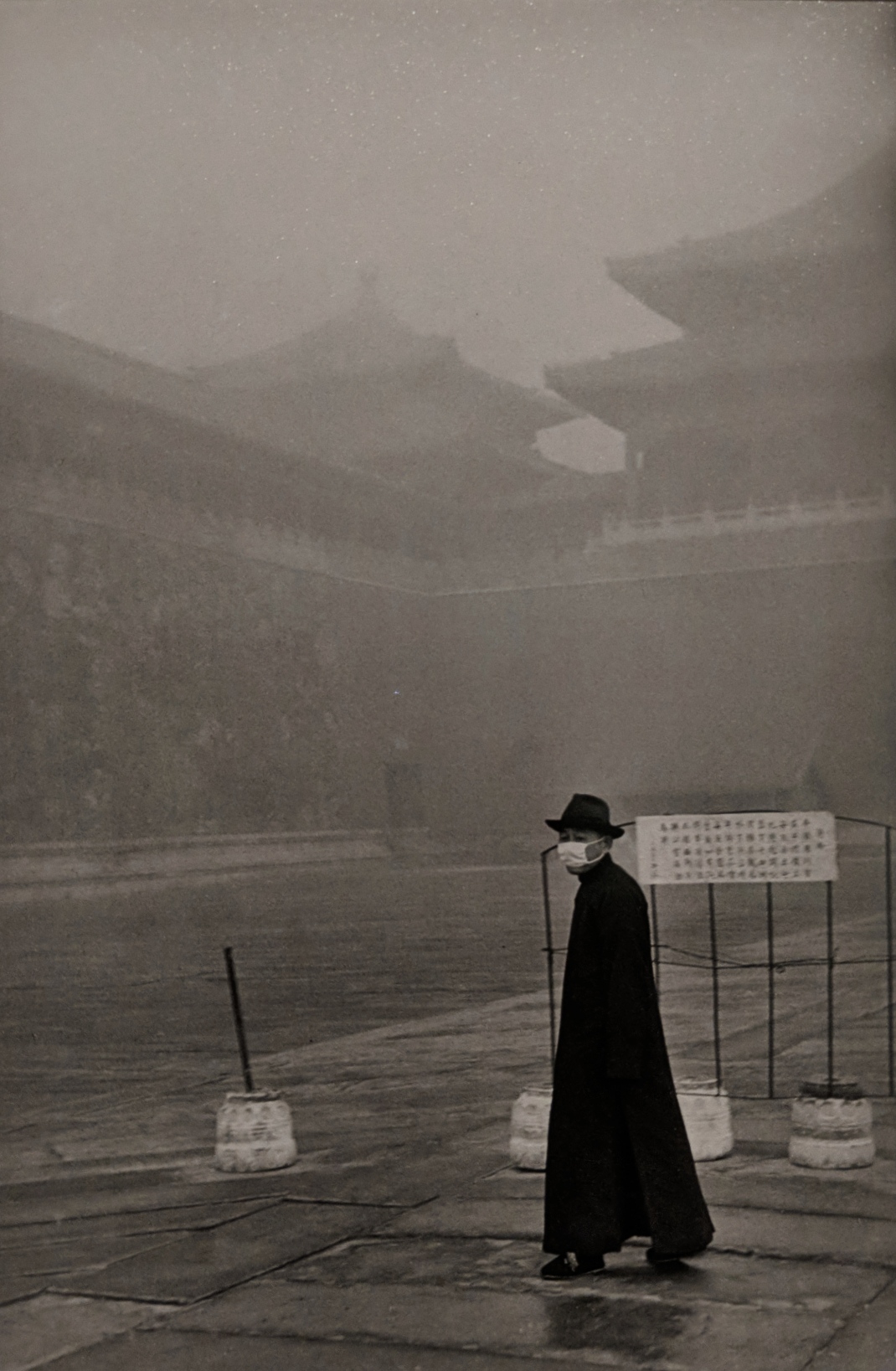
The Forbidden City, Beijing, December 1948


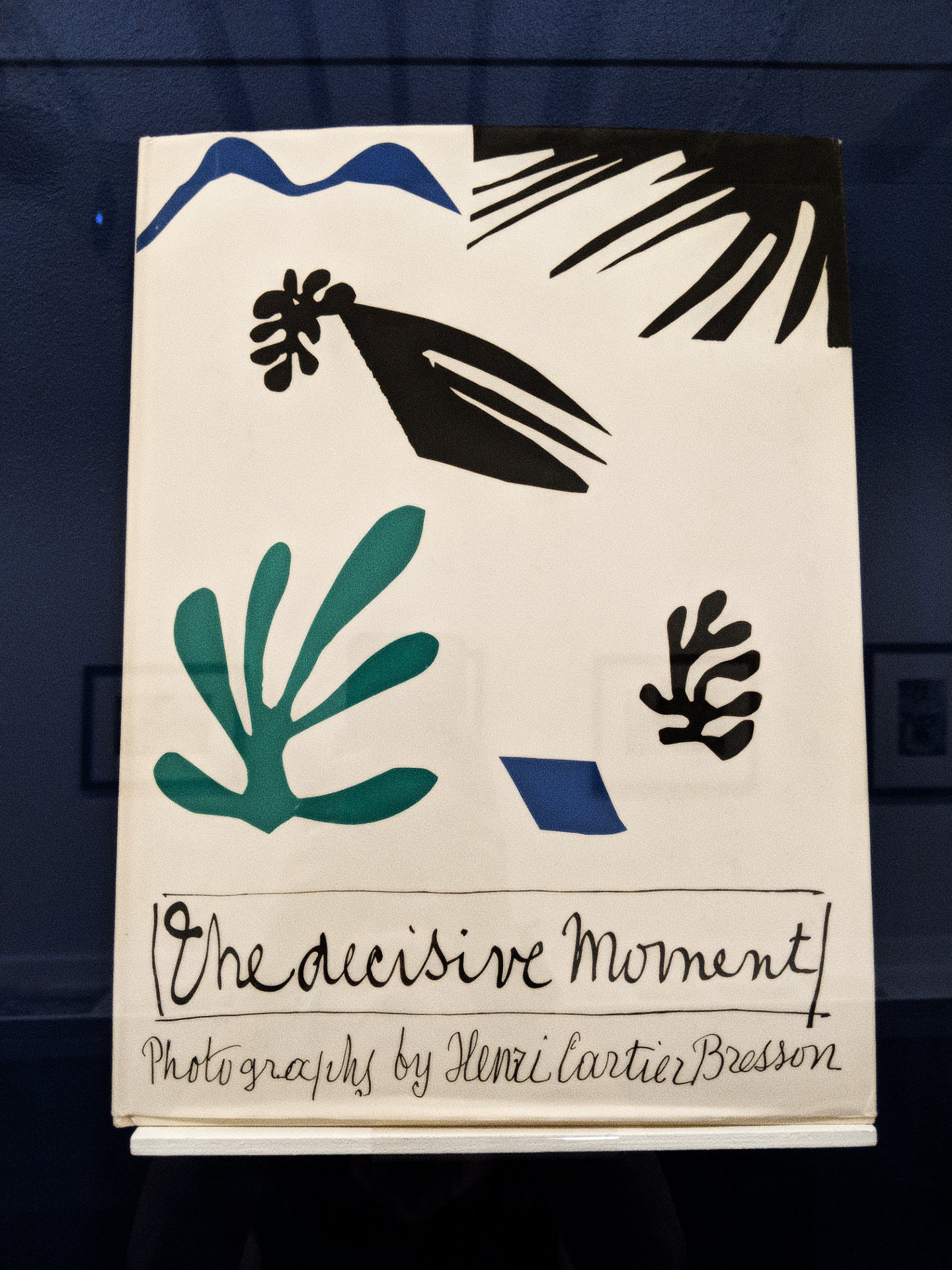
Henri Cartier-Bresson: The Decisive Moment examined Cartier-Bresson’s influential publication, widely considered to be one of the most important photobooks of the twentieth century. Pioneering for its emphasis on the photograph itself as a unique narrative form, The Decisive Moment was described by Robert Capa as “a Bible for photographers.” Originally titled Images à la Sauvette (“images on the run”) in French, the book was published in English with a new title, The Decisive Moment, which unintentionally imposed the motto which would define Cartier-Bresson’s work. – International Center of Photography (ICP)
August 16th, 2018