Halocinations

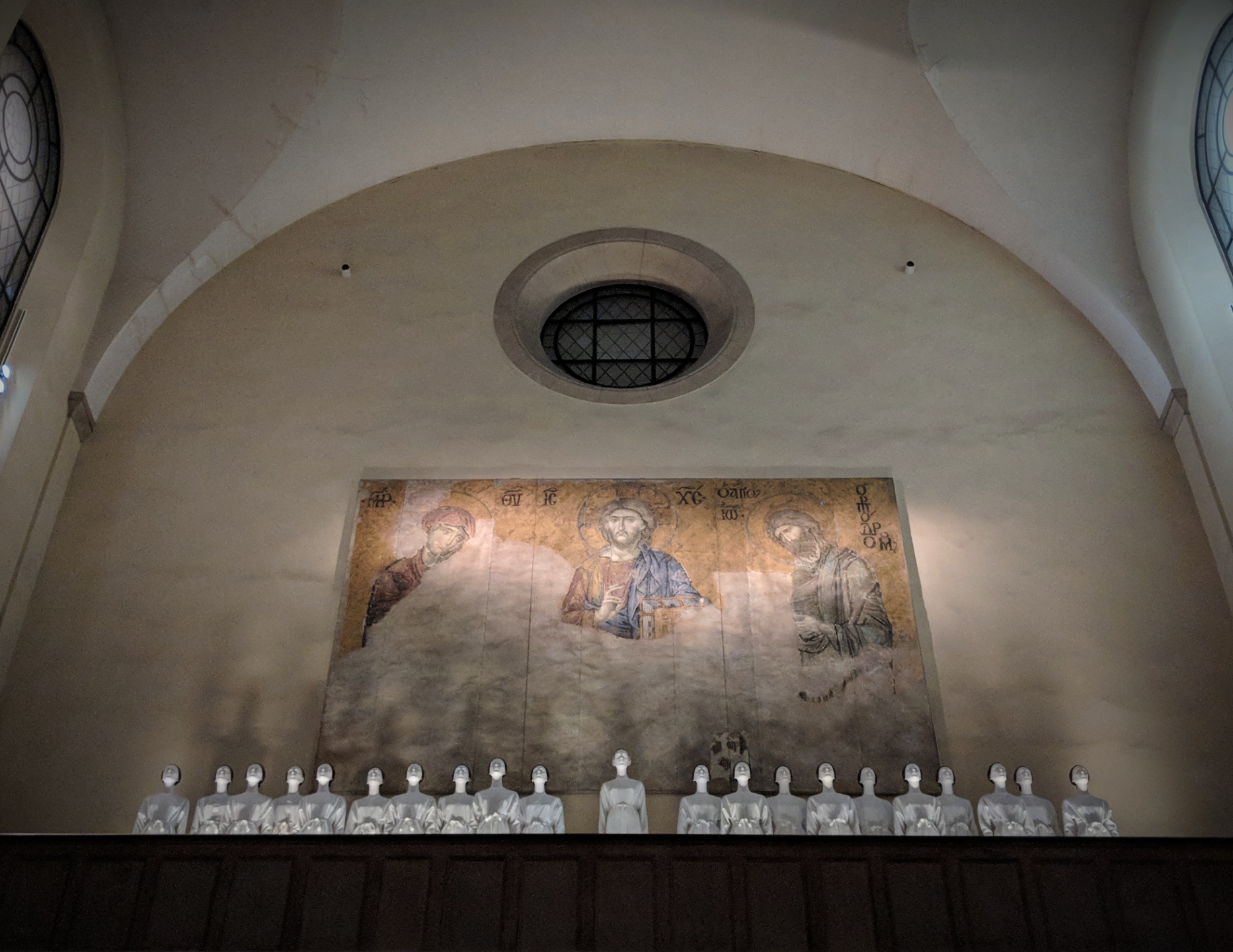
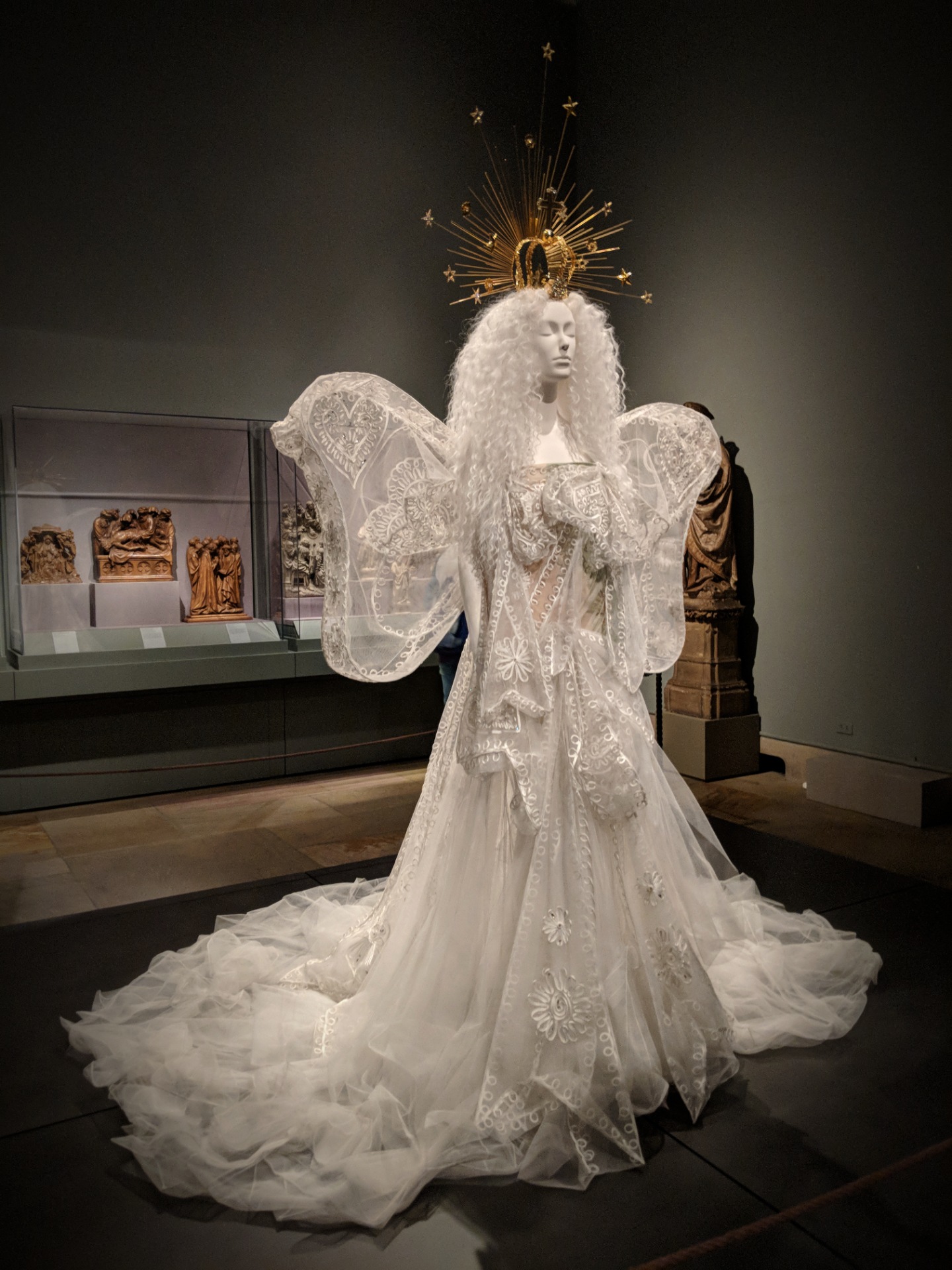
The Angels wear tiaras.

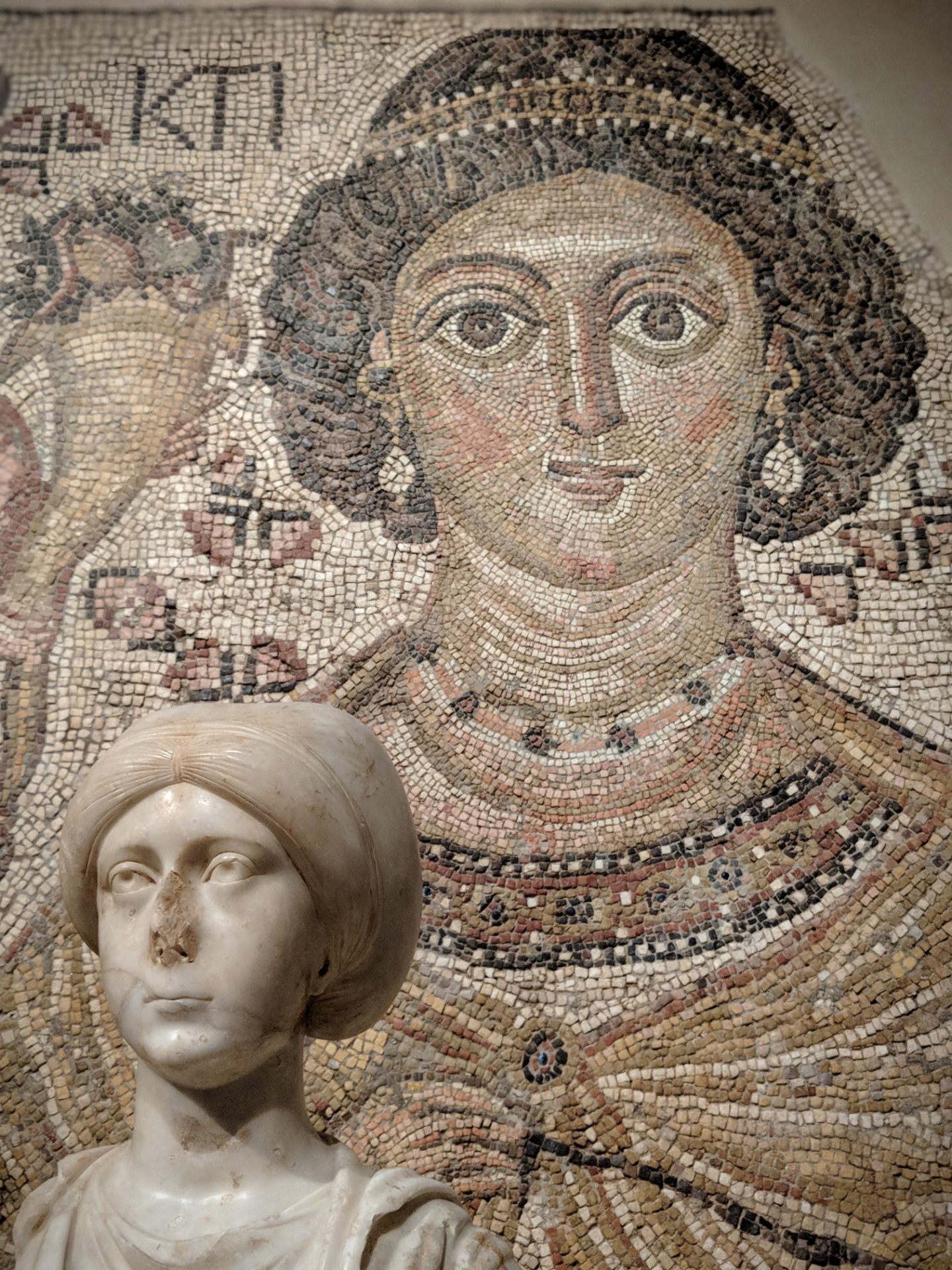
Fragment of a floor mosaic with a personification of Ktisis [Greek for foundation (of a  city or colony)]
Marble and Glass
Byzantine, made 500-550


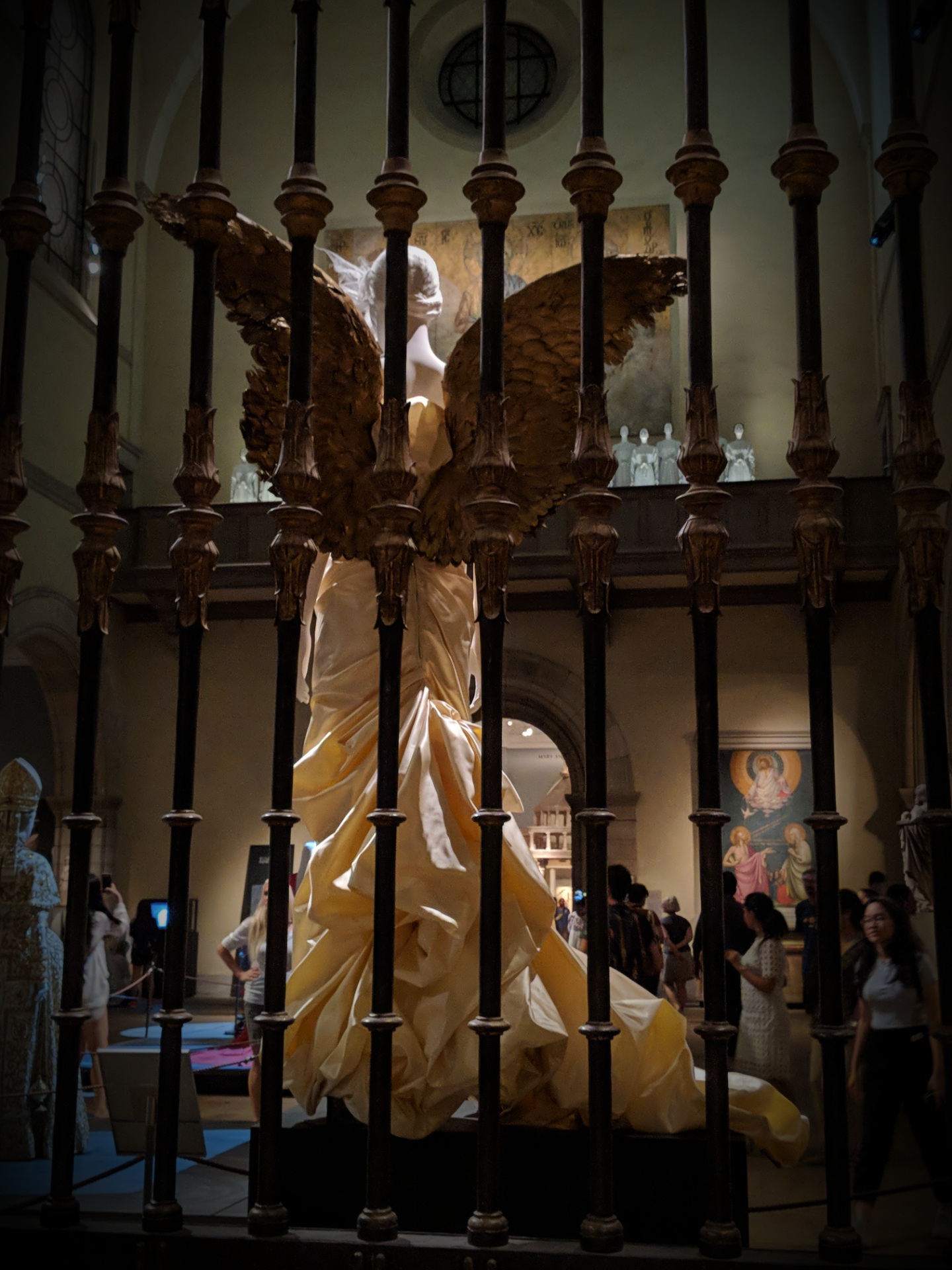
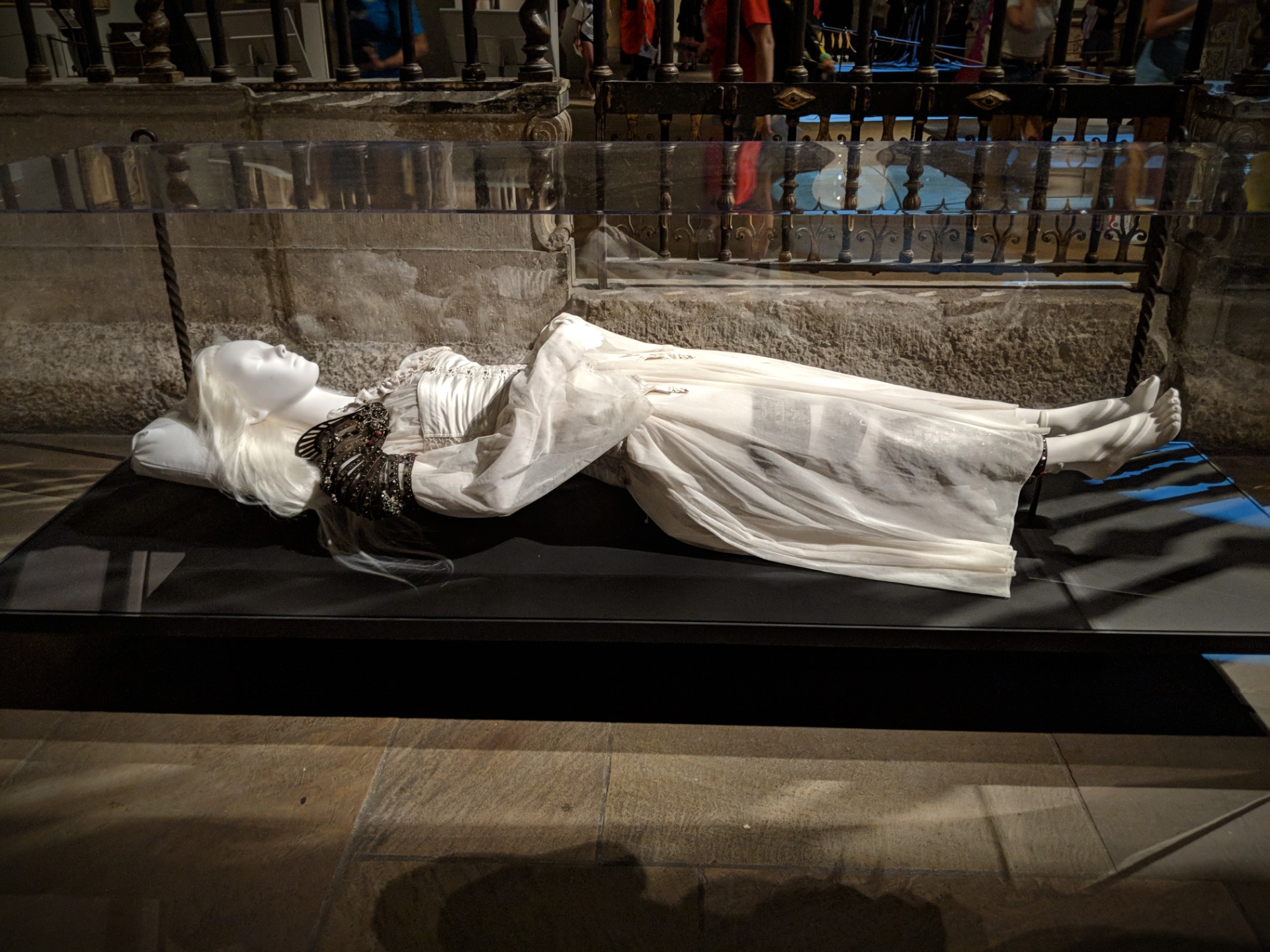
House of Lanvin (Jeanne Lanvin)
”Incertitude” evening dress, 1936


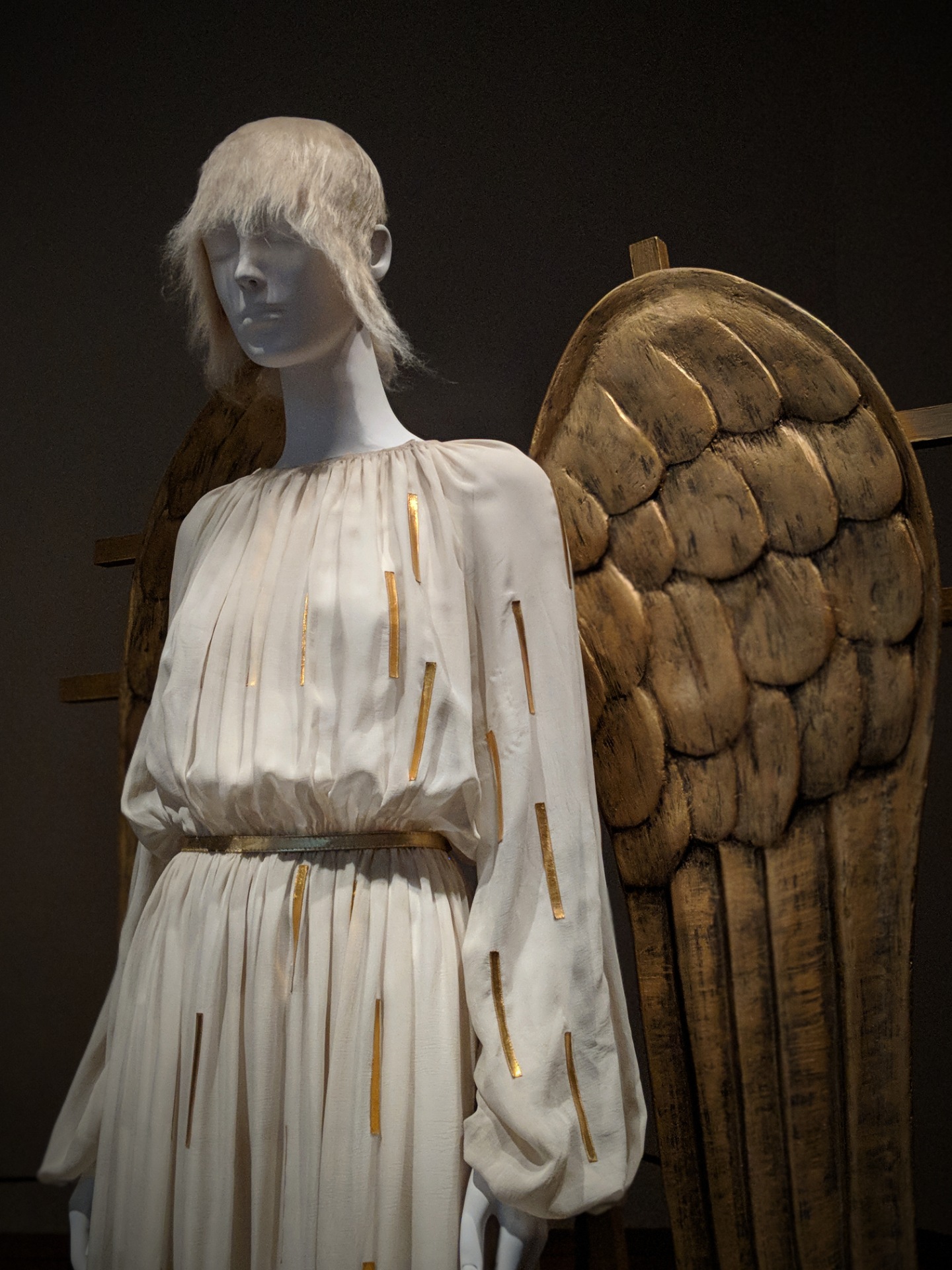
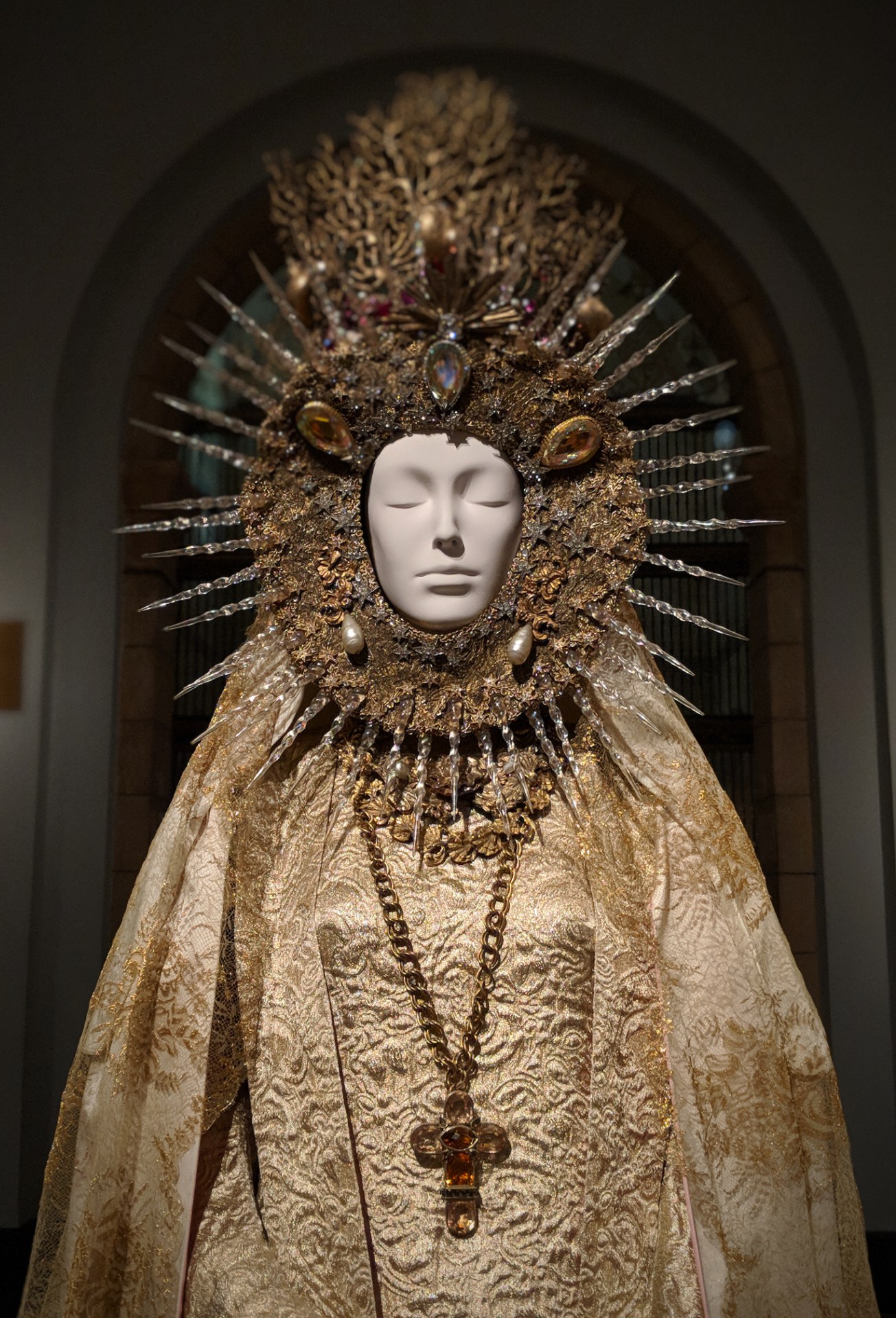
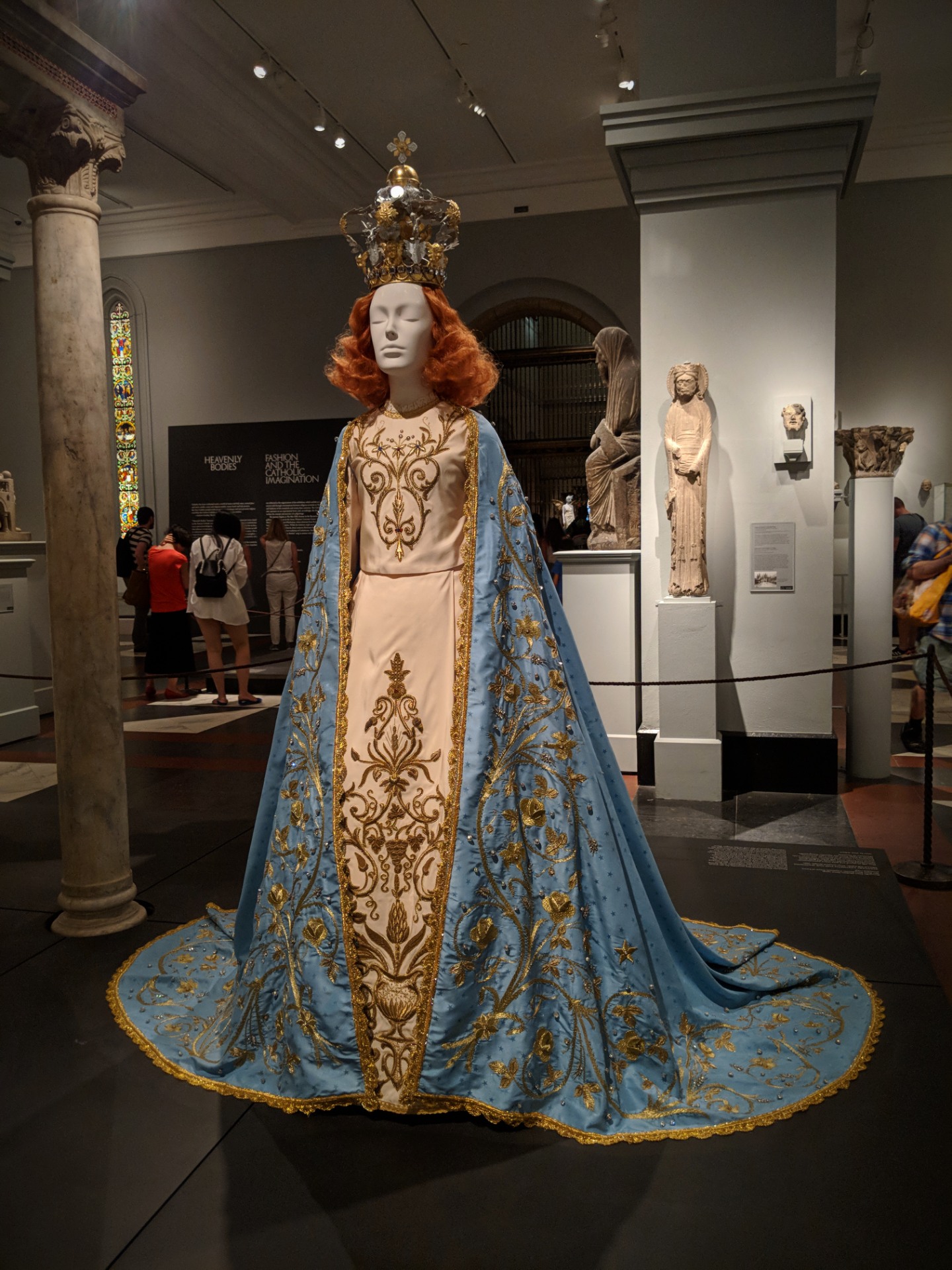
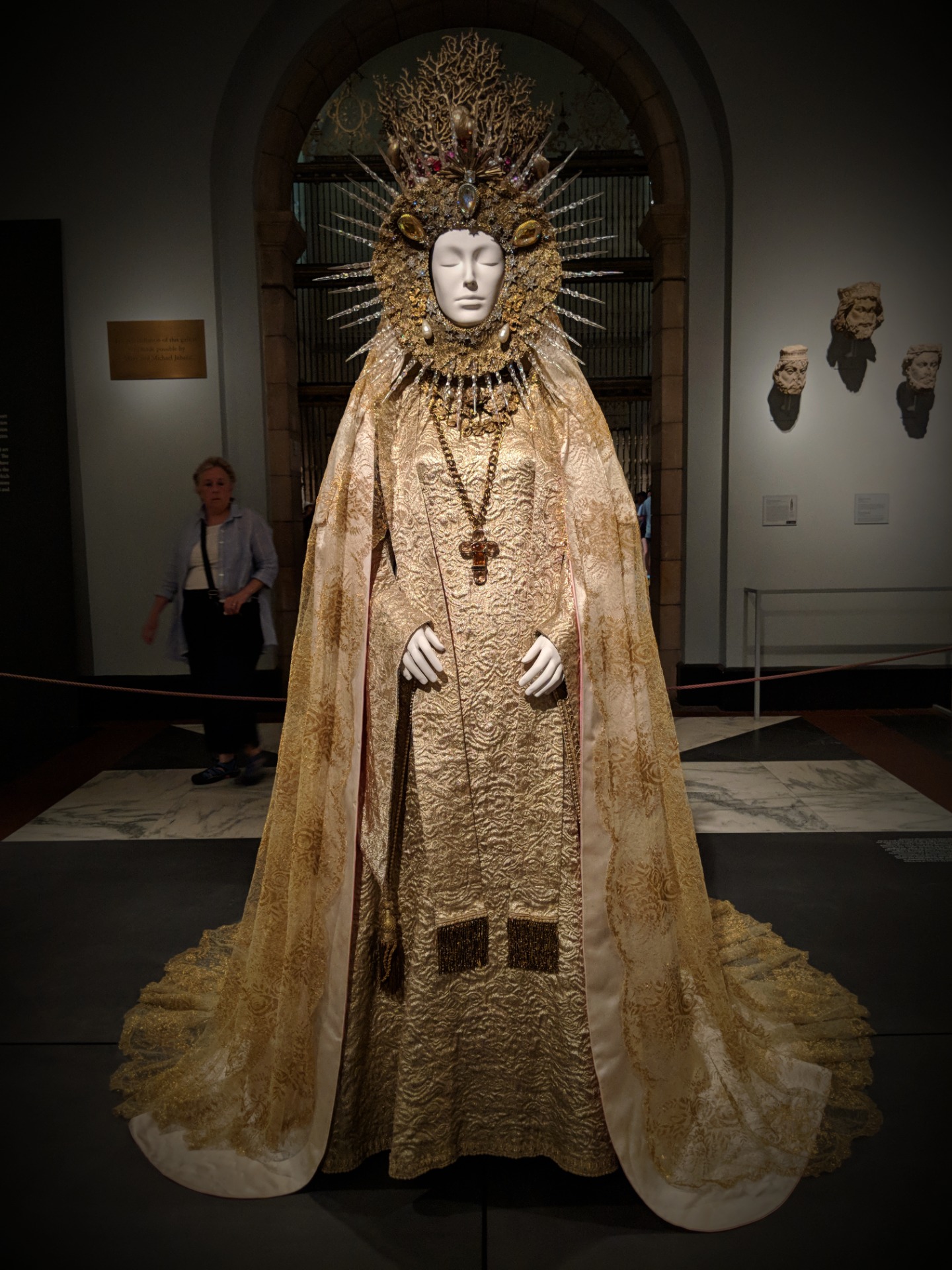
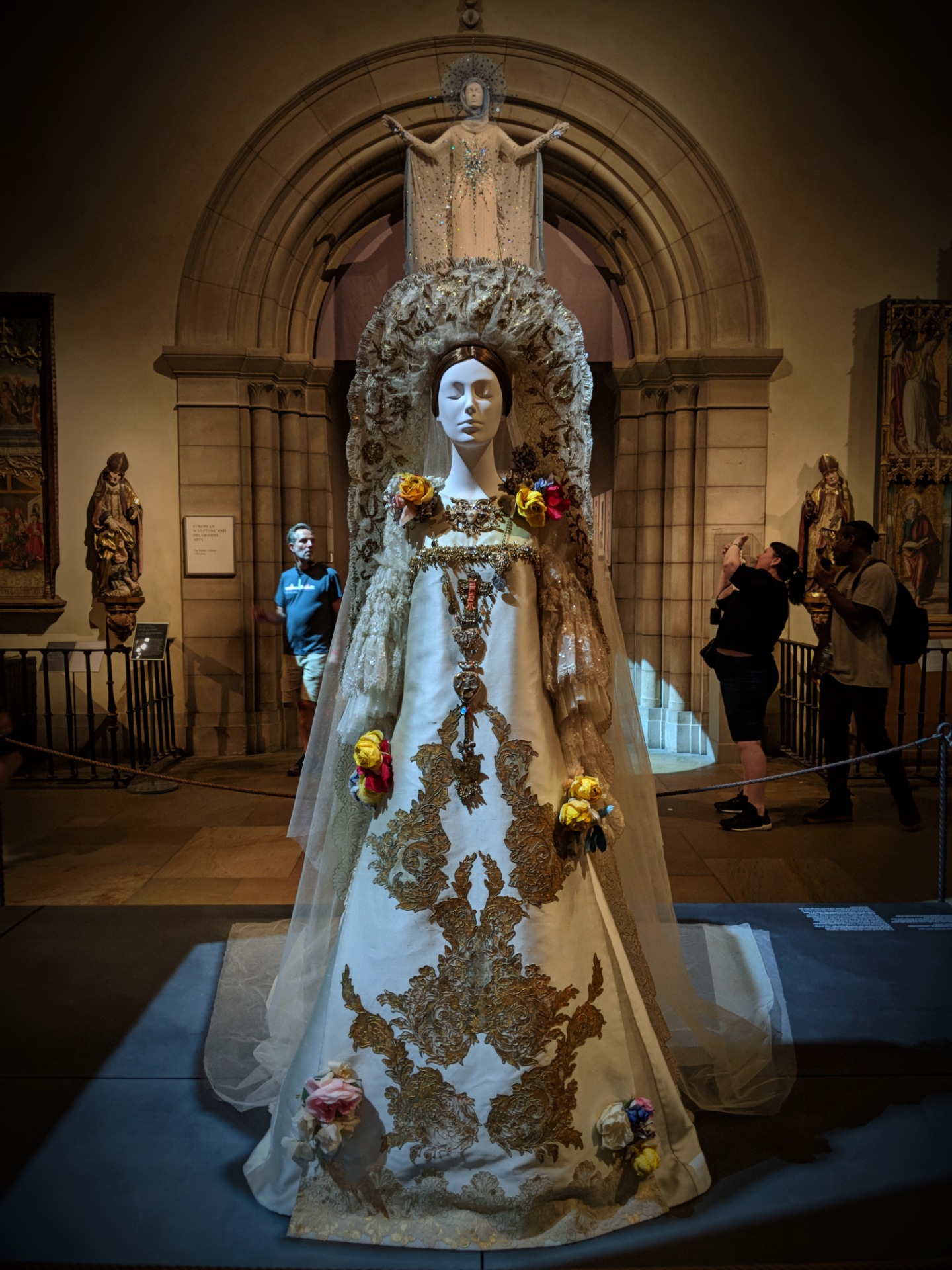
And a closer look at Goossens’ tiara and accessories over the statuary vestment for the Virgin of El Rocio, by Yves Saint Laurent.


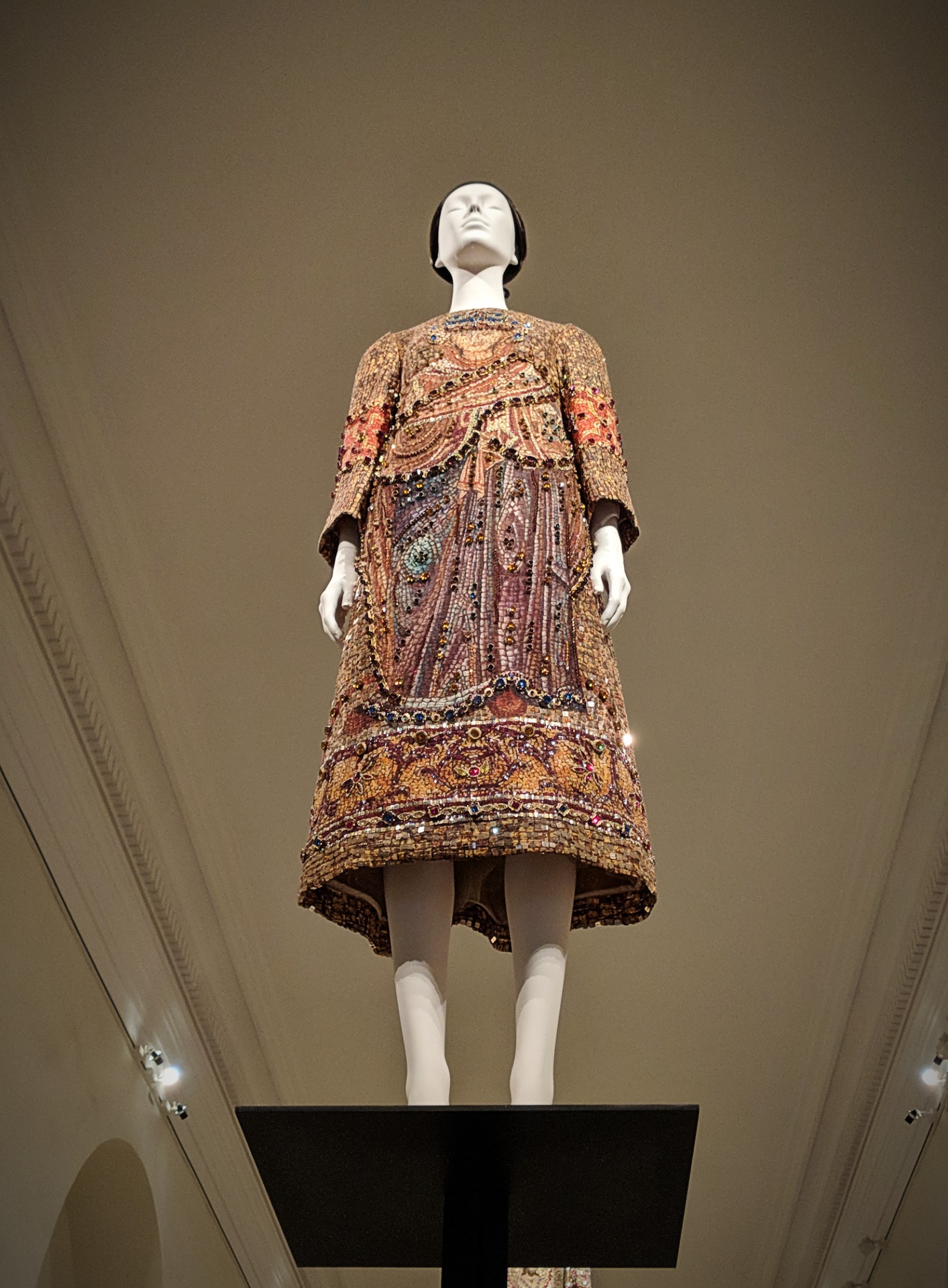
From the Heavenly Bodies exhibiton, held @The Met in 2018

July 14th, 2018

Heavenly Bodies @ The Met

Heaven Avenue beckoned and we followed, taking a couple of breaks along the way.

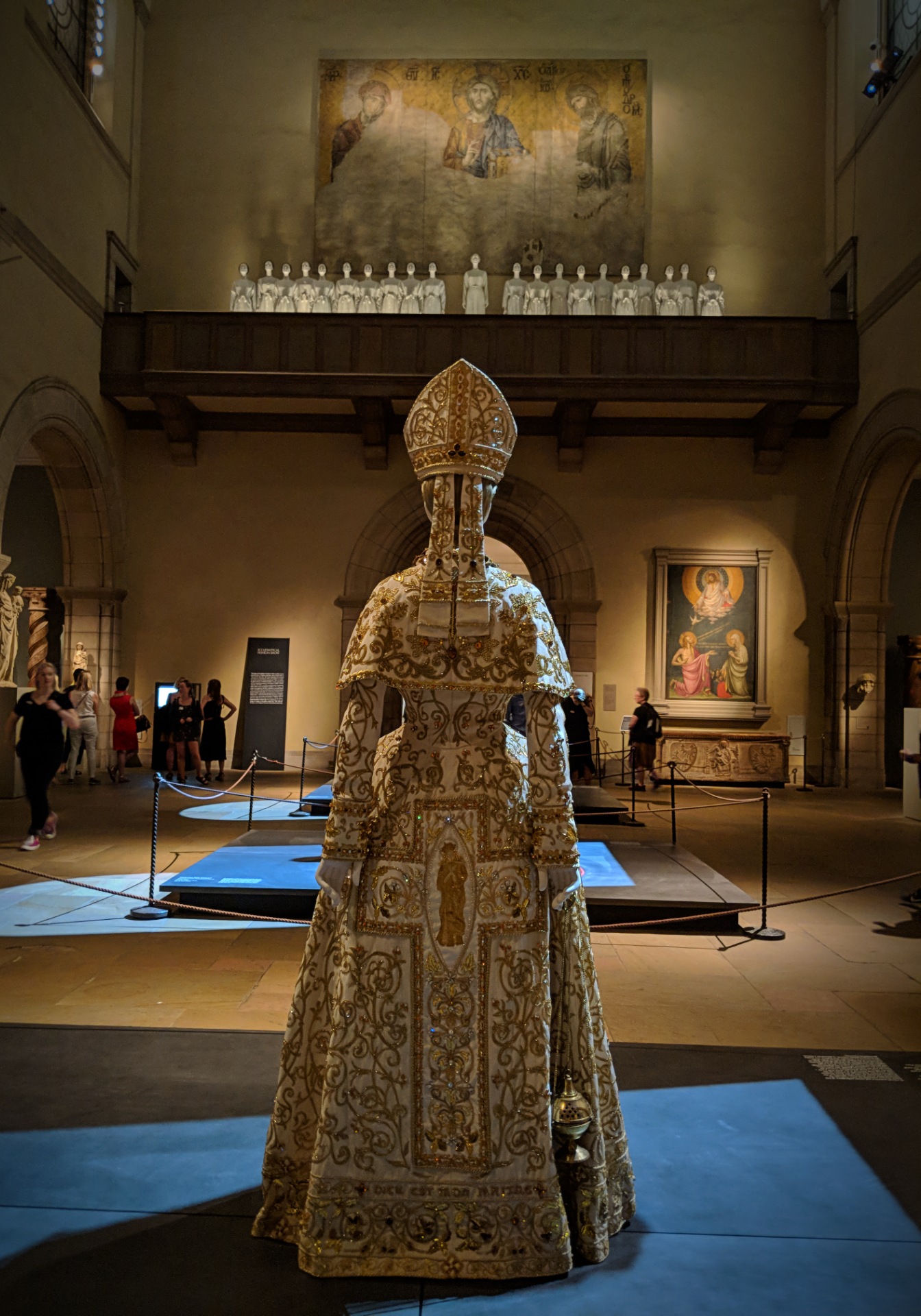
First stop, The Met on Fifth Avenue where, for a short while, some truly divine gowns had descended to take their rightful places next to precious jewels, crosses, relics, mosaics and other objects of medieval art from the Museum’s permanent collection.

When fashion crosses that fine line between ”nothing is sacred” yet ”everything is”, in supreme style.

Dolce & Gabbana, A/W 2013-14


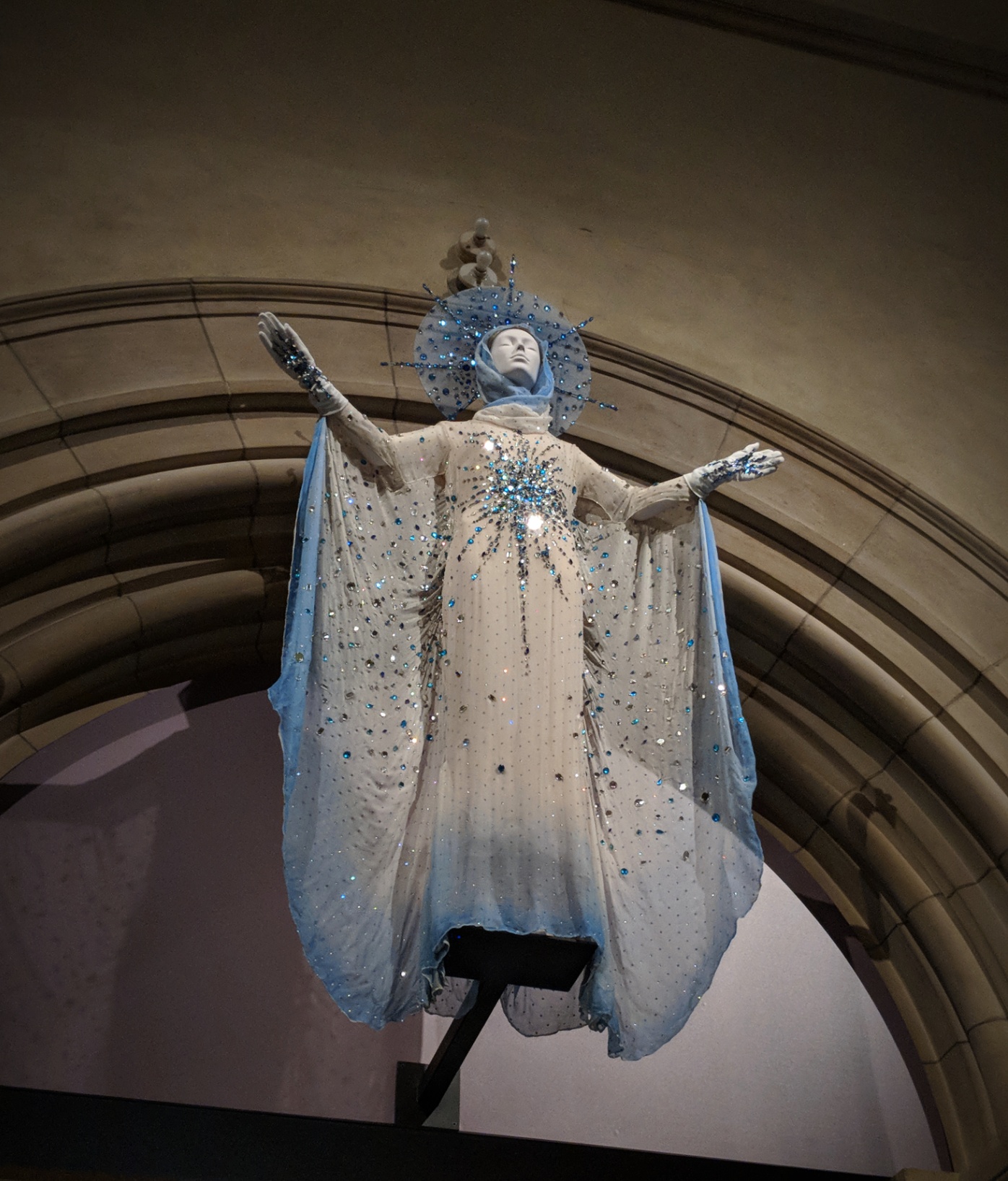
Thierry Mugler
”Madonna” evening ensemble, A/W 1984-85

This ensemble served as the finale to Thierry Mugler’s tenth anniversary collection, staged awt Le Zenith, an indoor arena in Paris. The model Pat Cleveland wore it as she was lowered from the ceiling of the auditorium on a cloud of dry ice, as if descending from heaven.


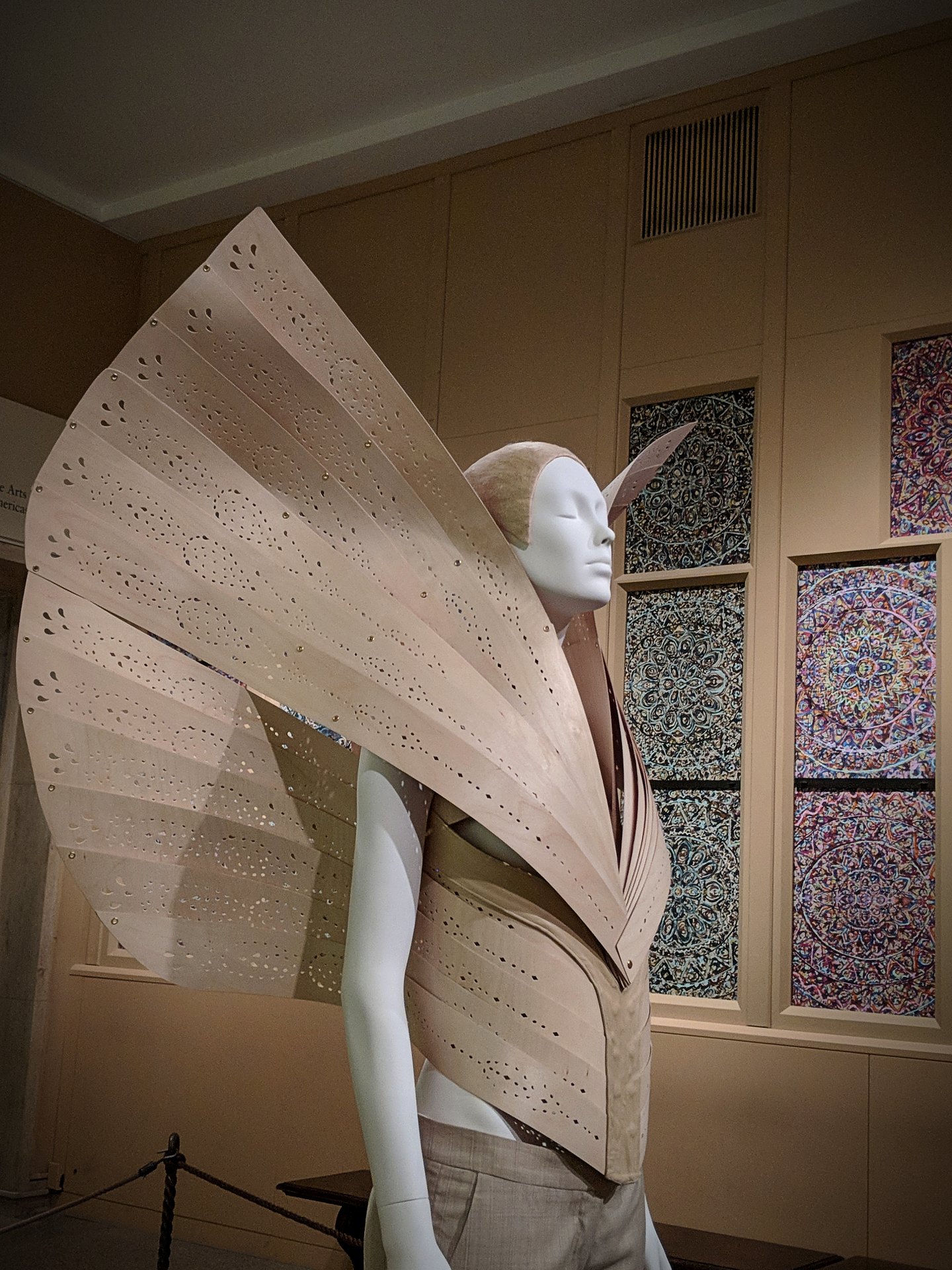
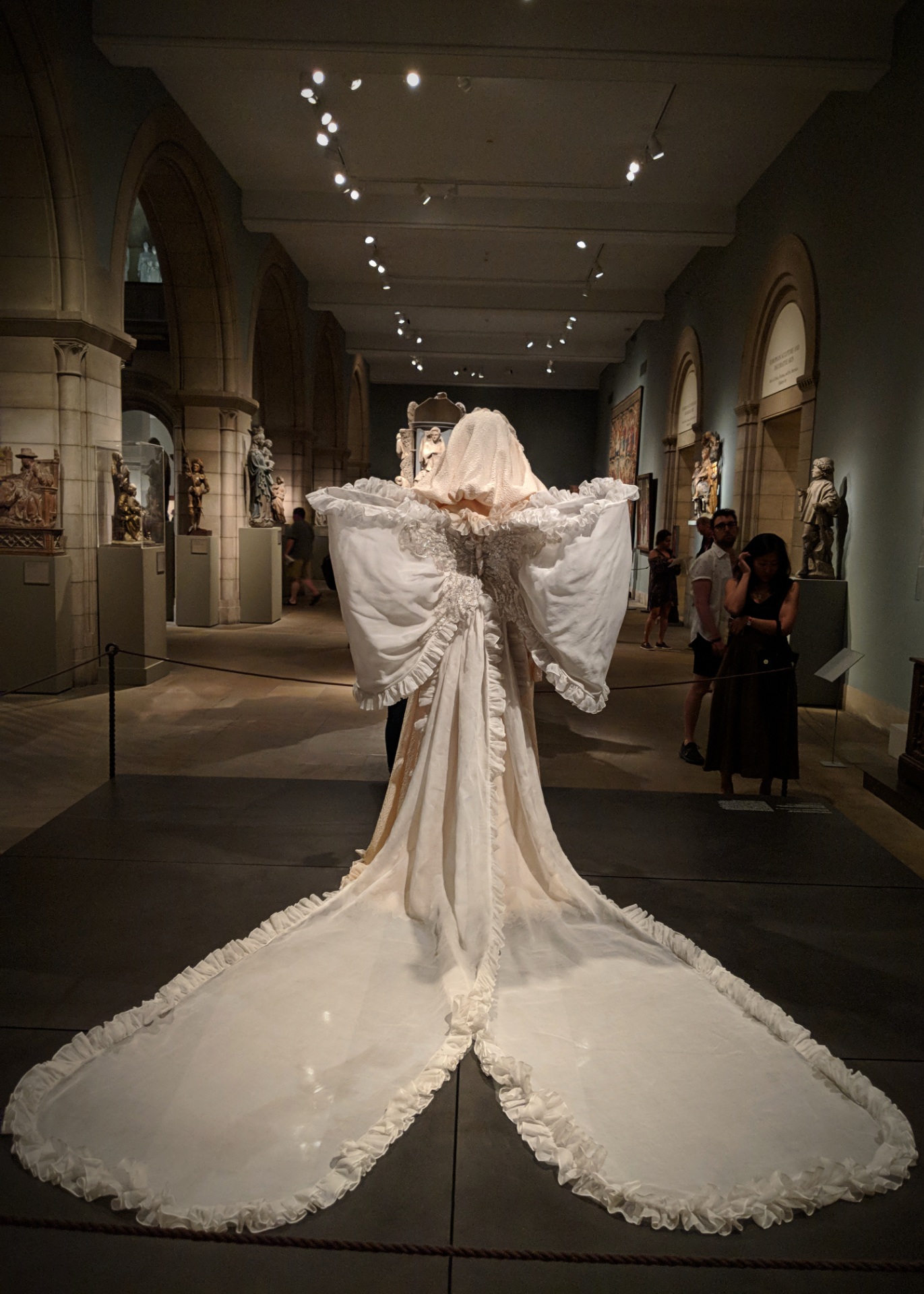
Alexander McQueen
Ensemble, S/S 1999
Birch plywood and ivory leather’ ivory wool twill and ivory silk lace


Riccardo Tisci
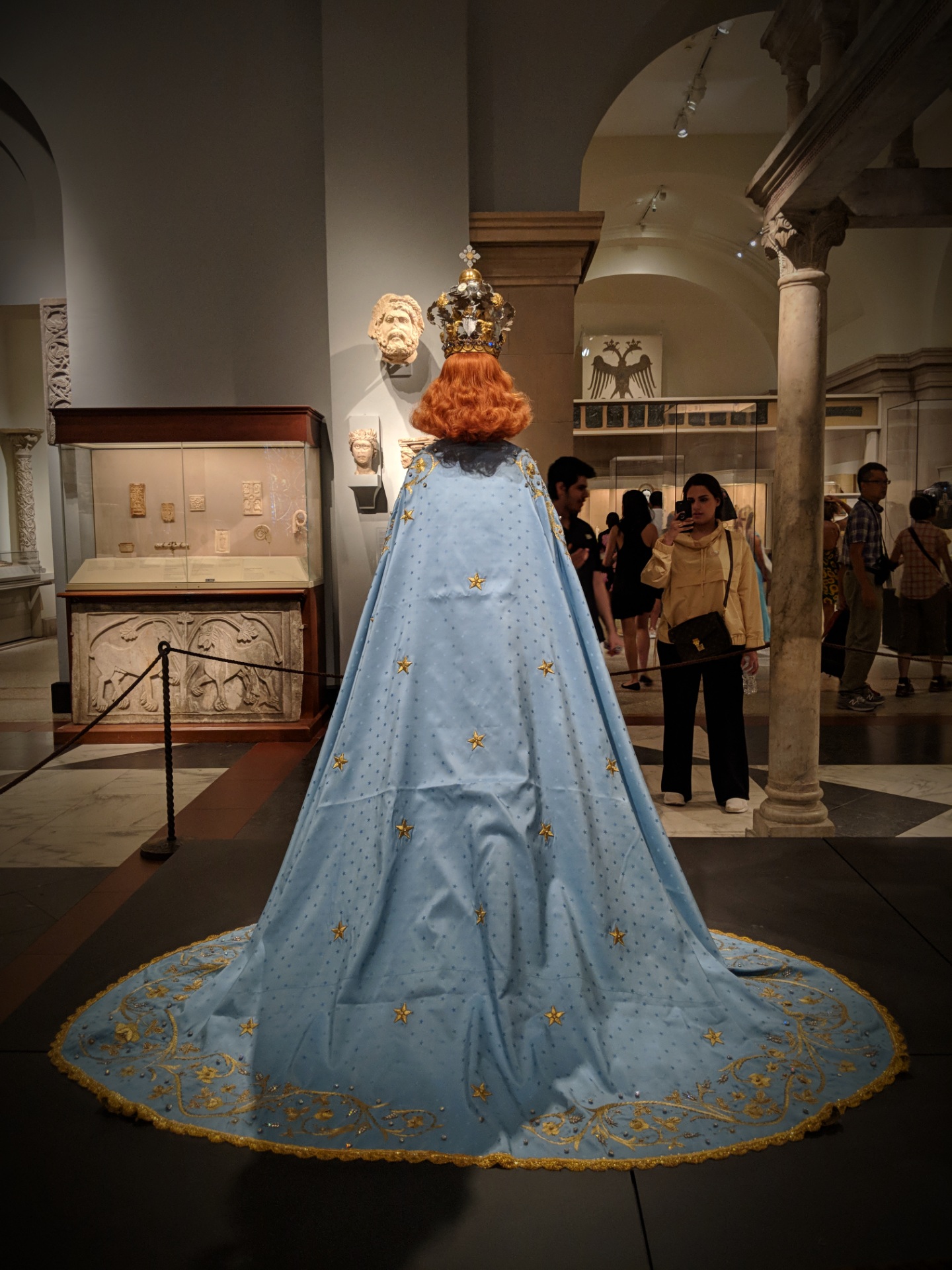
Statuary vestment for the Madonna Delle Grazie, 2015 (original design, 1950)


Yves Saint Laurent
Statuary Vestment for the Virgin of El Rocio, ca. 1985
Tiara and accessories by Goossens


Yves Saint Laurent
Wedding Ensemble, A/W 1977-78


Christian Lacroix
Wedding ensemble, A/W 2009-10


Jean Paul Gaultier
Ensemble S/S 1994


House of Dior by John Galliano
Evening ensemble, A/W 2000-2001


House of Dior by John Galliano
”Madonna” wedding ensemble, A/W 2005-6


The Metropolitan Museum of Art

July 14th, 2018

Walk this Way

IMG-20180623-151323
Walk This Way…

… was an exhibition of footwear from the vast Stuart Weitzman Collection of Historic Shoes, on show at the New-York Historical Society between April-October 2018. Over a 100 pairs of these (mostly) wearable artworks were on display and I was in shoe heaven, barely able to restrain myself from trying them on – and walking away.

Scroll down and tell me you wouldn’t…

00100d-PORTRAIT-00100-BURST20180623151228001-COVER
Sharon Von Senden, Jewels at Work – Swarovski crystals, stained glass, vintage stones
00100d-PORTRAIT-00100-BURST20180623151241044-COVER
Robert Steele, Corrugated Curves, Cardboard
00100d-PORTRAIT-00100-BURST20180623152456400-COVER
Unidentified maker, open-toe mules, ca. 1950s – Leather, plexiglas, rhinestone, elastic Spring-o-lator. These shoes  belonged to Ginger Rogers
00100d-PORTRAIT-00100-BURST20180623152742262-COVER
Unidentified maker, Mary Jane shoes, ca. 1926 – Silk and metallic patterned fabric, embossed metal buttons

”Mary Jane” was originally a character in a popular newspaper strip, Buster Brown. In 1904, the Brown Shoe Company licenced her image to market children’s shoes. Eventually, any shoe with a chunky low heel and a strap across the instep became know as a ”Mary Jane”.

00100d-PORTRAIT-00100-BURST20180623152747019-COVER
Terry de Havilland, Peep-toe platform shoes, ca. 1972 – Suede, leather
00100d-PORTRAIT-00100-BURST20180623152753054-COVER
David Evins, Column-heel pumps, ca. 1970 – Plastic
00100d-PORTRAIT-00100-BURST20180623152939860-COVER
Unidentified maker, Pumps, late 1920s – Silk, leather
00100d-PORTRAIT-00100-BURST20180623152950527-COVER
Unidentified maker, Laced pumps, 1910 – Silk brocade, laces
00100d-PORTRAIT-00100-BURST20180623153111685-COVER
Peal & Co., Buttoned boots, ca. 1920 (left) & Lace-up boots by an unidentified maker, ca. 1910-20 (right)
00100d-PORTRAIT-00100-BURST20180623153429856-COVER
Unidentified maker from China, Ankle-strap sandals, ca. 1930s – Silk, kid leather, embroidery
00100d-PORTRAIT-00100-BURST20180623153709732-COVER
Delman Shoes, Peep-toe evening shoes, ca. 1935 – Leather and mesh net
00100d-PORTRAIT-00100-BURST20180623153837416-COVER
Fenton Footwear, T-strap pumps, ca. 1937 – Velveteen, leather
00100d-PORTRAIT-00100-BURST20180623153922243-COVER
Unidentified maker, Buttoned boots, 1870s
00100d-PORTRAIT-00100-BURST20180623153931667-COVER
Unidentified maker, Lace-up boots, ca. 1900 – Silk and silk brocade
00100d-PORTRAIT-00100-BURST20180623154021420-COVER
Fenton Last, Open-toe slingback sandals, late 1970s – Leather, silk
00100d-PORTRAIT-00100-BURST20180623154211034-COVER
Knight Shoe Ltd., Lace-up boots, 1910-15 – Leather, canvas, laces
00100d-PORTRAIT-00100-BURST20180623154224650-COVER
C. P. Ford & Co., High-top shoes, 1905-10 from Rochester, New York – Leather, buttons
00100d-PORTRAIT-00100-BURST20180623154238828-COVER
Krohn-Fechheimer & Co., Red Cross Noiseless shoes, ca. 1918, Leather
00100d-PORTRAIT-00100-BURST20180623154418300-COVER
Enzo of Roma, Thong sandals, 1960s – Leather, synthetic
00100d-PORTRAIT-00100-BURST20180623154434736-COVER
The Chelsea Cobbler, Peep-toe platform shoes, ca. 1972 – Suede
00100d-PORTRAIT-00100-BURST20180623154548195-COVER
Frank Brothers, T-strap shoes, ca. 1930 – Silk satin, kid leather, mother-of-pearl button
00100d-PORTRAIT-00100-BURST20180623154655686-COVER
Unidentified maker, T-strap evening sandals, ca. 1940s – Leather, silk, rhinestones
00100d-PORTRAIT-00100-BURST20180623155002964-COVER
Herbert Levine Inc., Kabuki platform shoes, 1964 – Suede, wood
IMG-20180623-151257
Robert Tabor, Cabfab – Acrylic, vinyl, rhinestones
IMG-20180623-151504
The Red Carpet
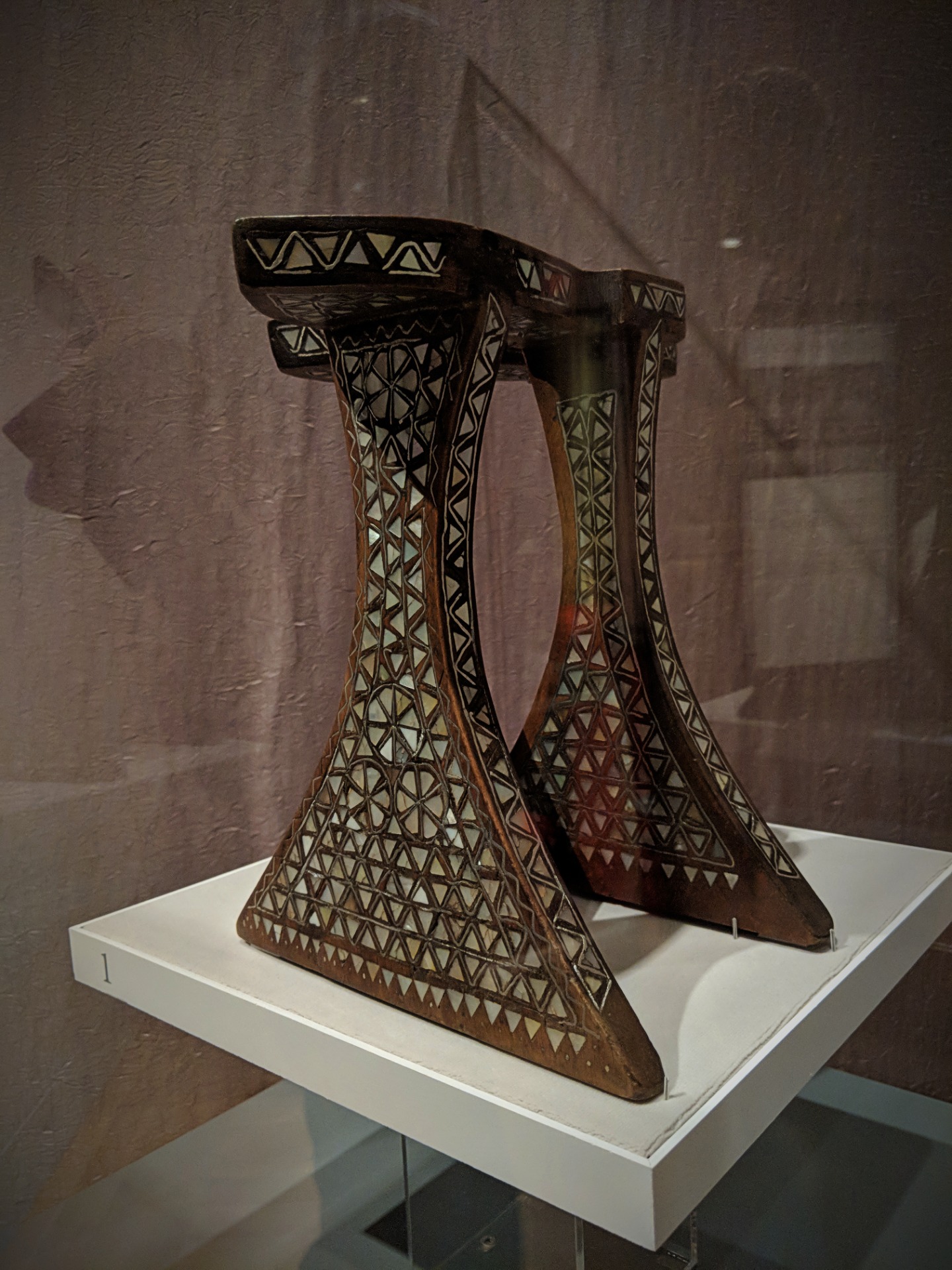
Unidentified maker, Stilted bath clogs (qabâqib), 19th century. Ottoman, possibly Syrian – Wood, inlaid mother-of-pearl

Women throughout the Islamic Middle East wore stilted wooden bath clogs such as these for over four centuries. An adaptation of ancient Roman shoes called sculponea, qabâqib were similarly associated with bathing and bath houses. Nineteenth-century European orientalists considered these highly desirable collectibles, symbolizing an imagined ”Eastern” exoticism and eroticism.

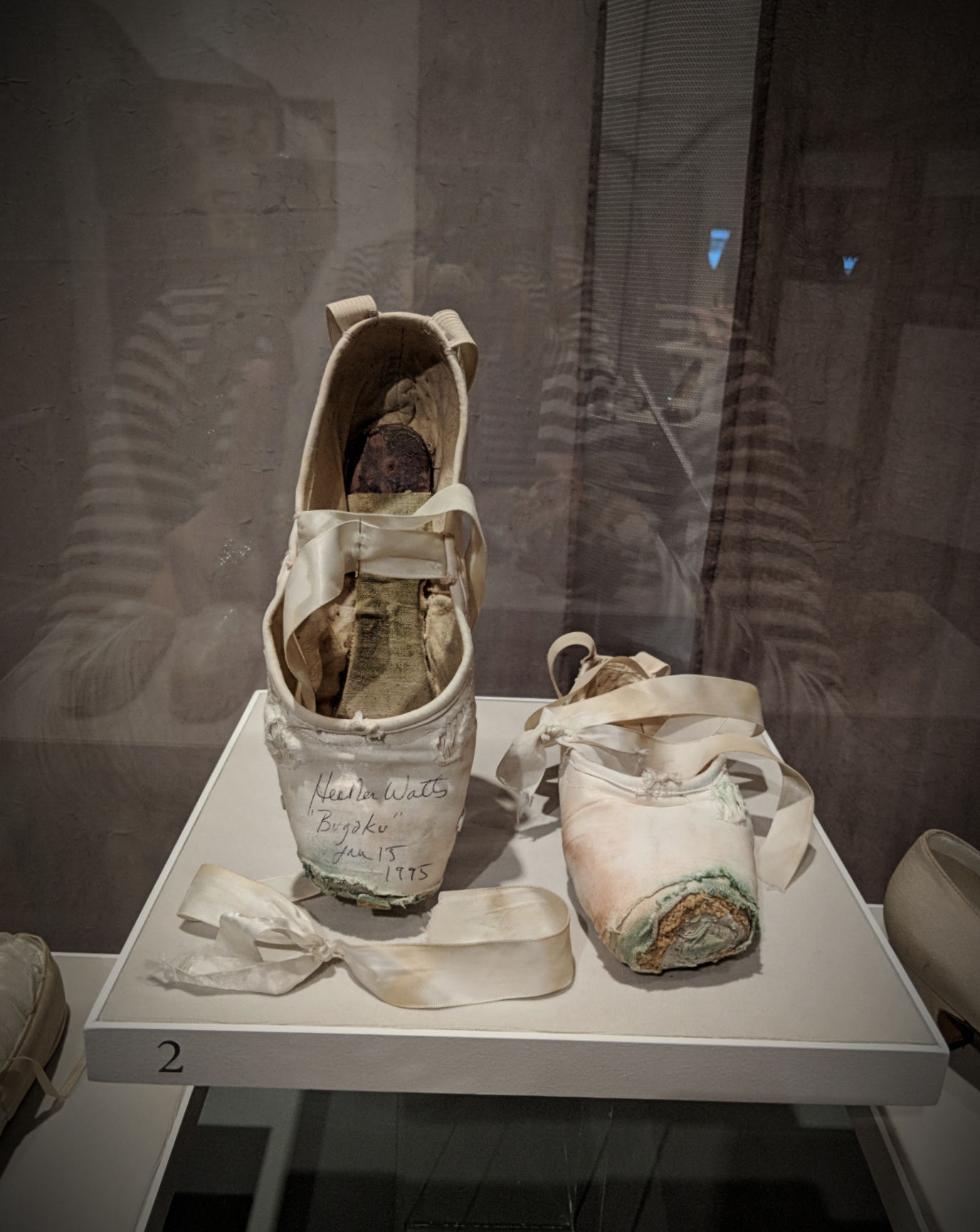
Freed of London, Toe shoes, 1994-95 – Silk, canvas, leather

The ballerina Heather Watts wore this pair of pointe shoes on January 15, 1995 for her farewell performance as a principal dancer with the New York City Ballet, which she joined in 1970. Watts afterwards told the New York Times, ”I need to live in new shoes.”

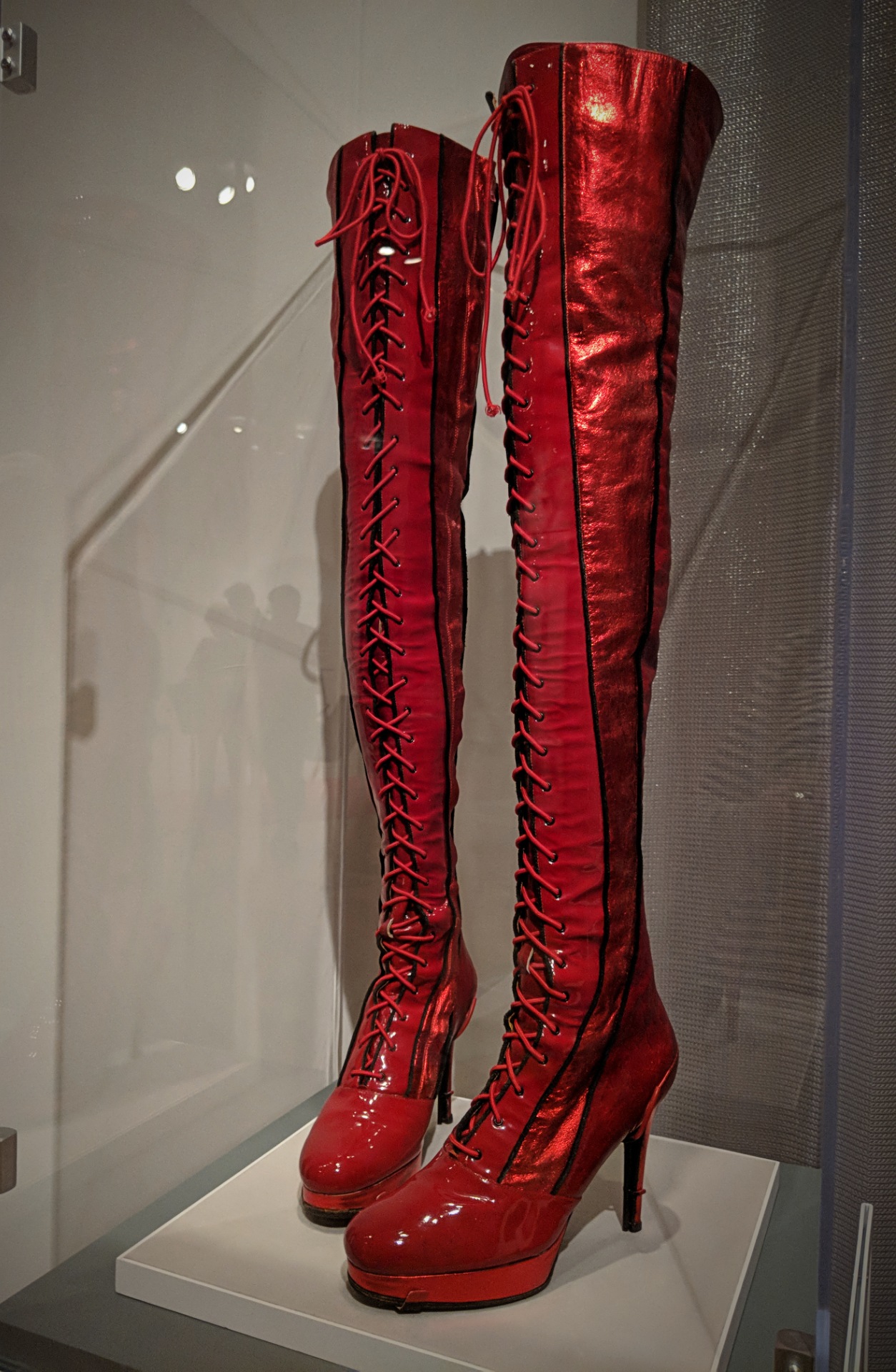
Gregg Barnes, designer. T.O. Dey, maker. ”Kinky boots” ca. 2013, from New York City. Paten metallic leathers, rubber, fabric, metal

”The sex is in the heel / Fierce as you can make it / The sex is the appeal”, sings Lola, the drag queen at the heart of the musical Kinky Boots. The hit Broadway show is based on the true story of a struggling shoe factory that survived by producing high-heeled fetish footwear in men’s sizes.

New-York Historical Society, New York City

June 23rd, 2018

Sound Lab

On permanent view

Sound Lab: Interactive multimedia installations. Electric guitars, drums, samplers, mixing consoles are ready for jamming – all that’s missing is you.

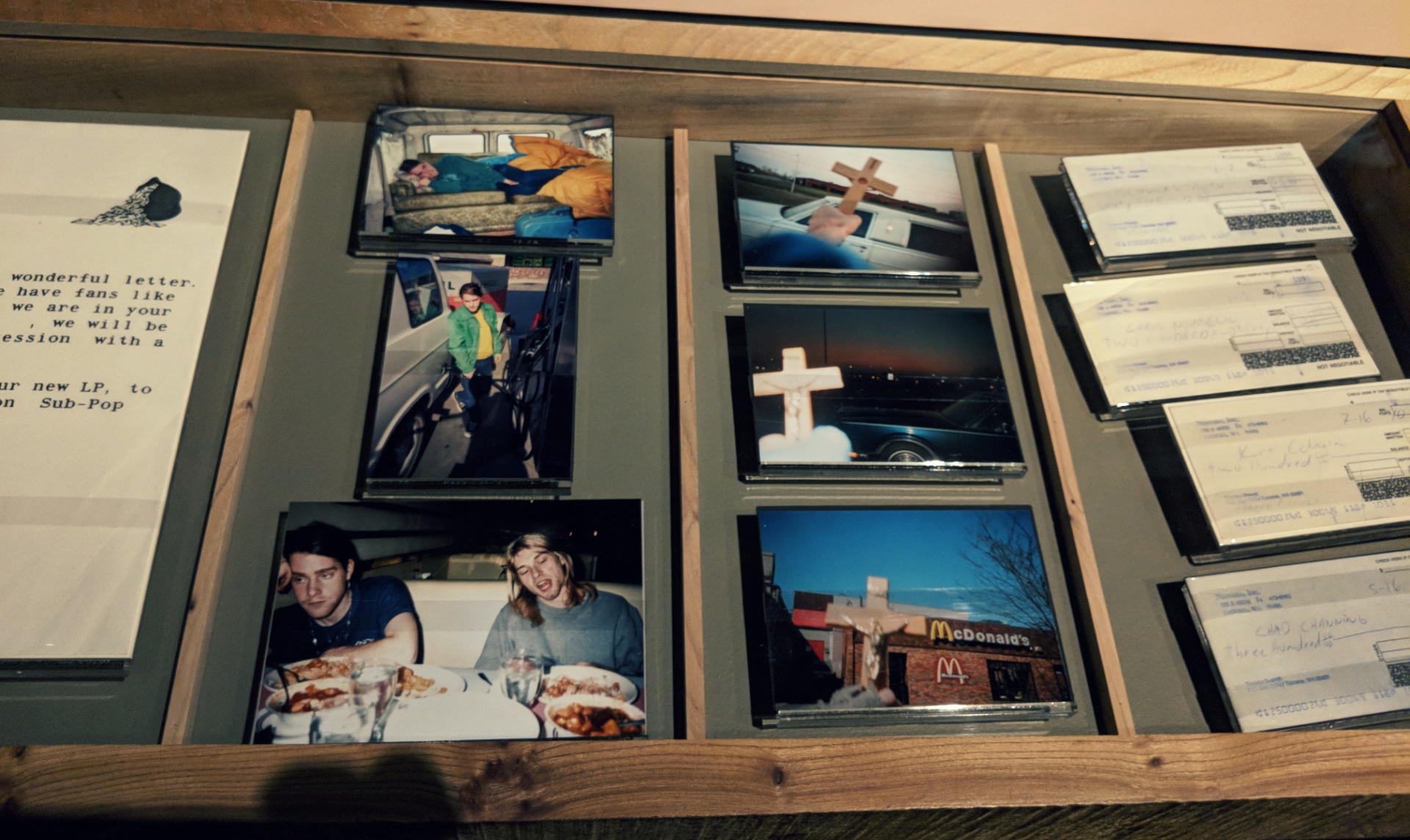
Nirvana: Taking Punk to the Masses. Who would’ve thought they’d be a museum item so soon!

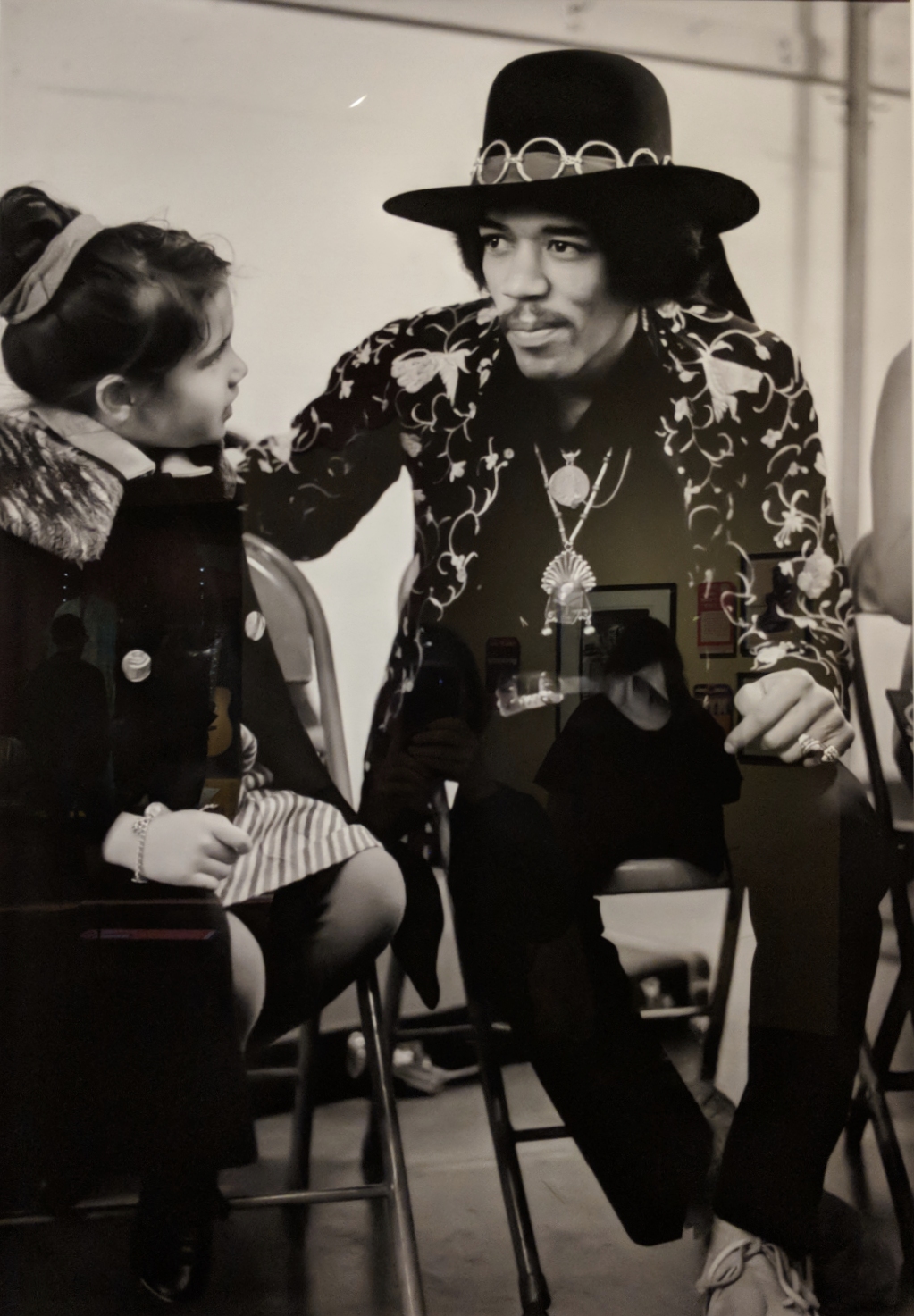
Wild Blue Angel: Hendrix Abroad, 1966-1970. A travelling legend, at home in Seattle.

Museum of Pop Culture

June 13th, 2018

Excelsior! Marvel Universe @ MoPOP || SEAttle

Scarlet Witch #1
David Aja, 2016


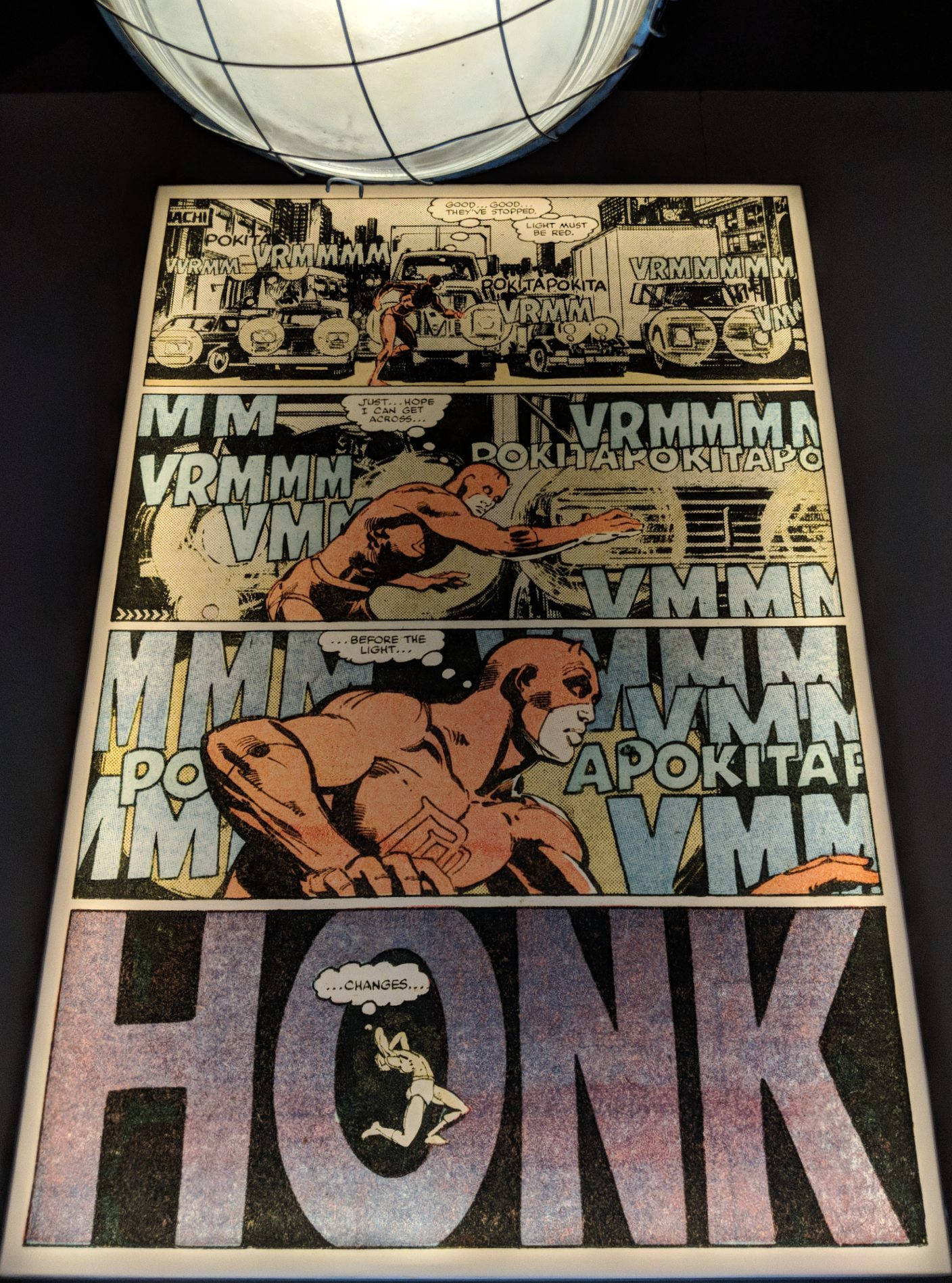
Daredevil #188, cover
Frank Miller (pencils), Klaus Janson (inks), 1982


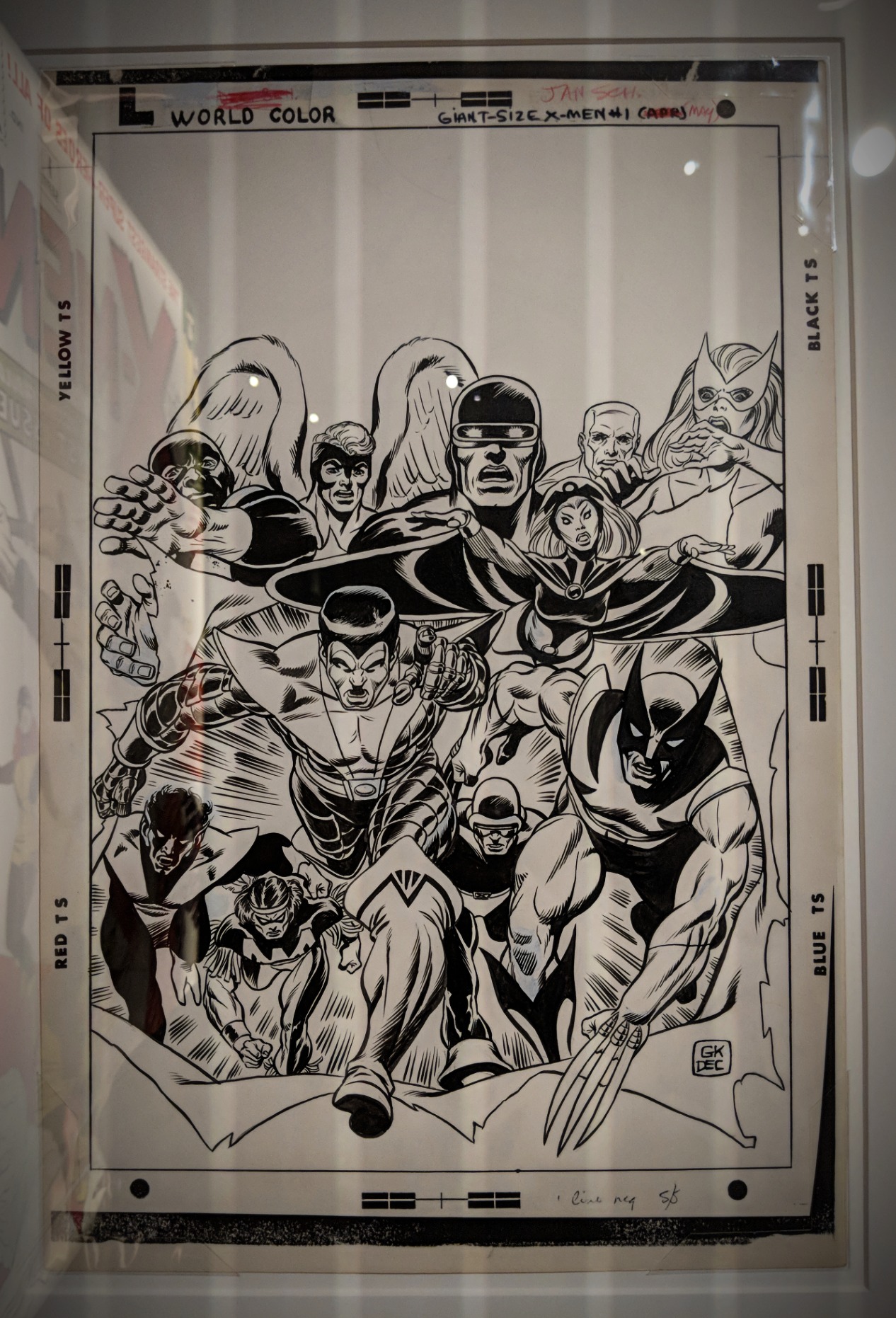
Giant-size X-Men #1, cover
Gil Kane and Dave Cockrum (pencils) and Dave Cockrum (inks), 1975
This rare piece of original art shows the first appearance of the ”new” X-Men literally bursting through an image of the old team.


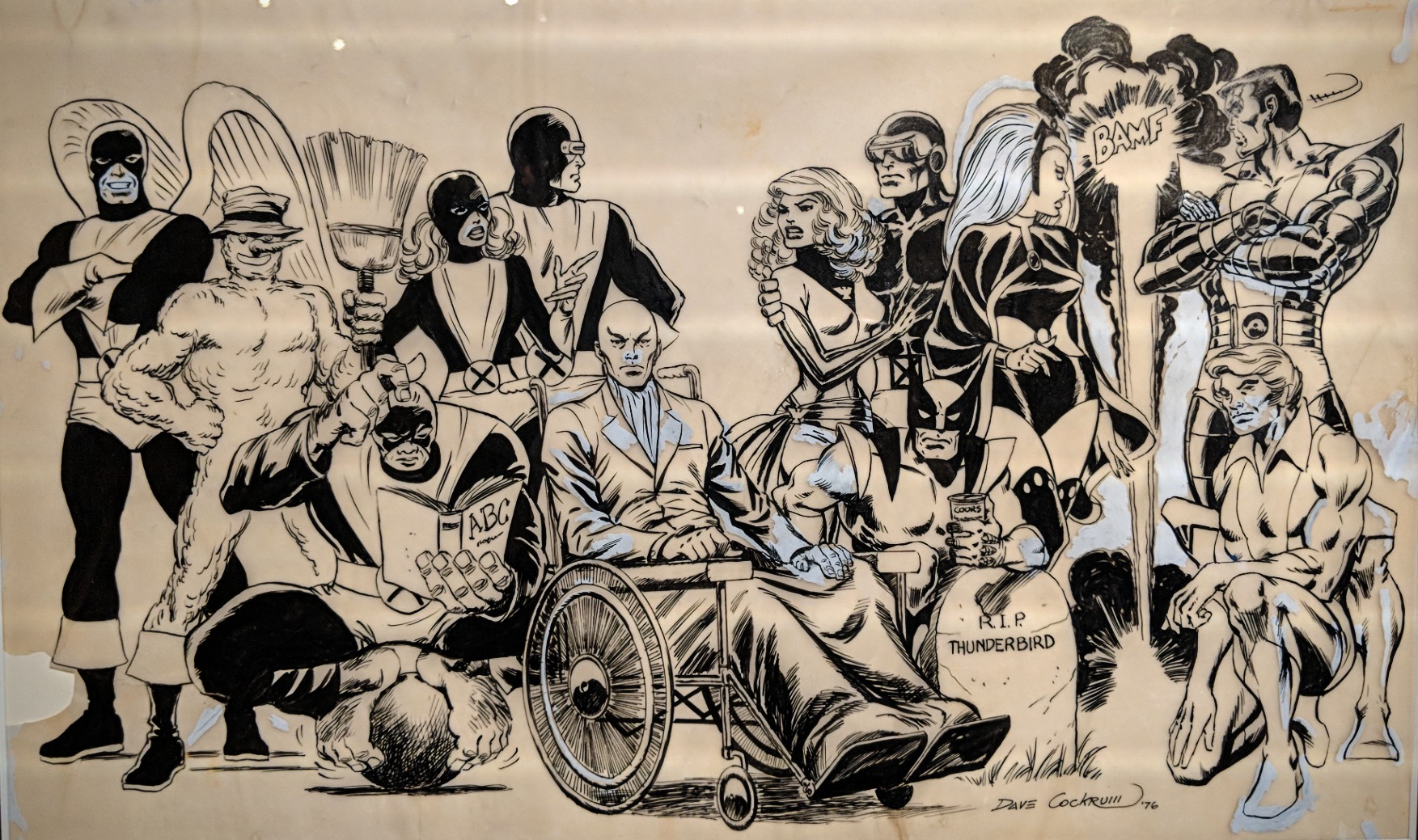
New X-Men, in-house advertising art
By Dave Cockrum, 1978


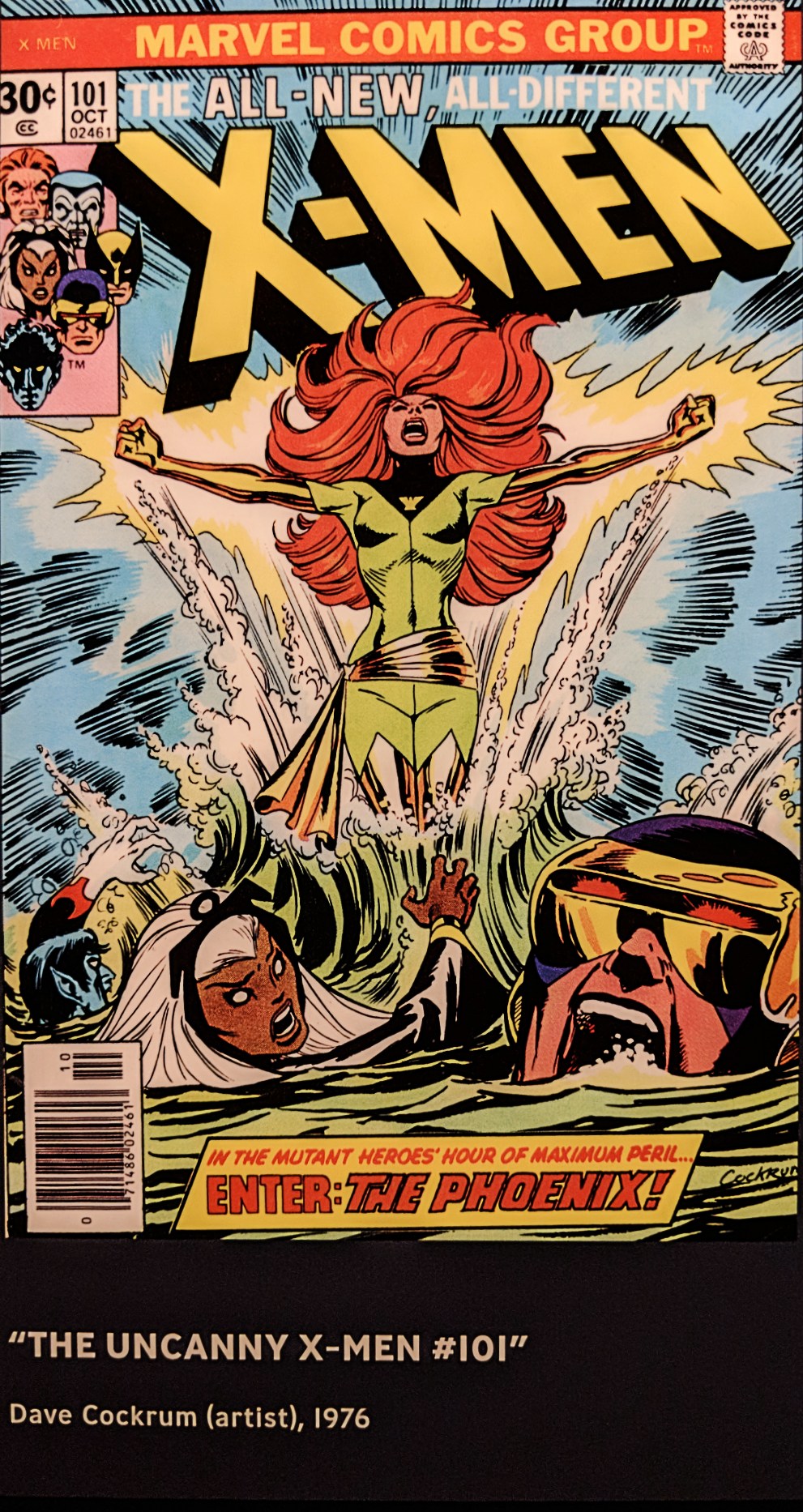
The Uncanny X-Men #136, cover
John Byrne (pencils) and Terry Austin (inks), 1980


Wolverine #1, cover
Frank Miller (pencils), Joe Rubinstein (inks), 1982


New Mutants, poster
Art by Bill Sienkiewicz, 1984
Mixed media


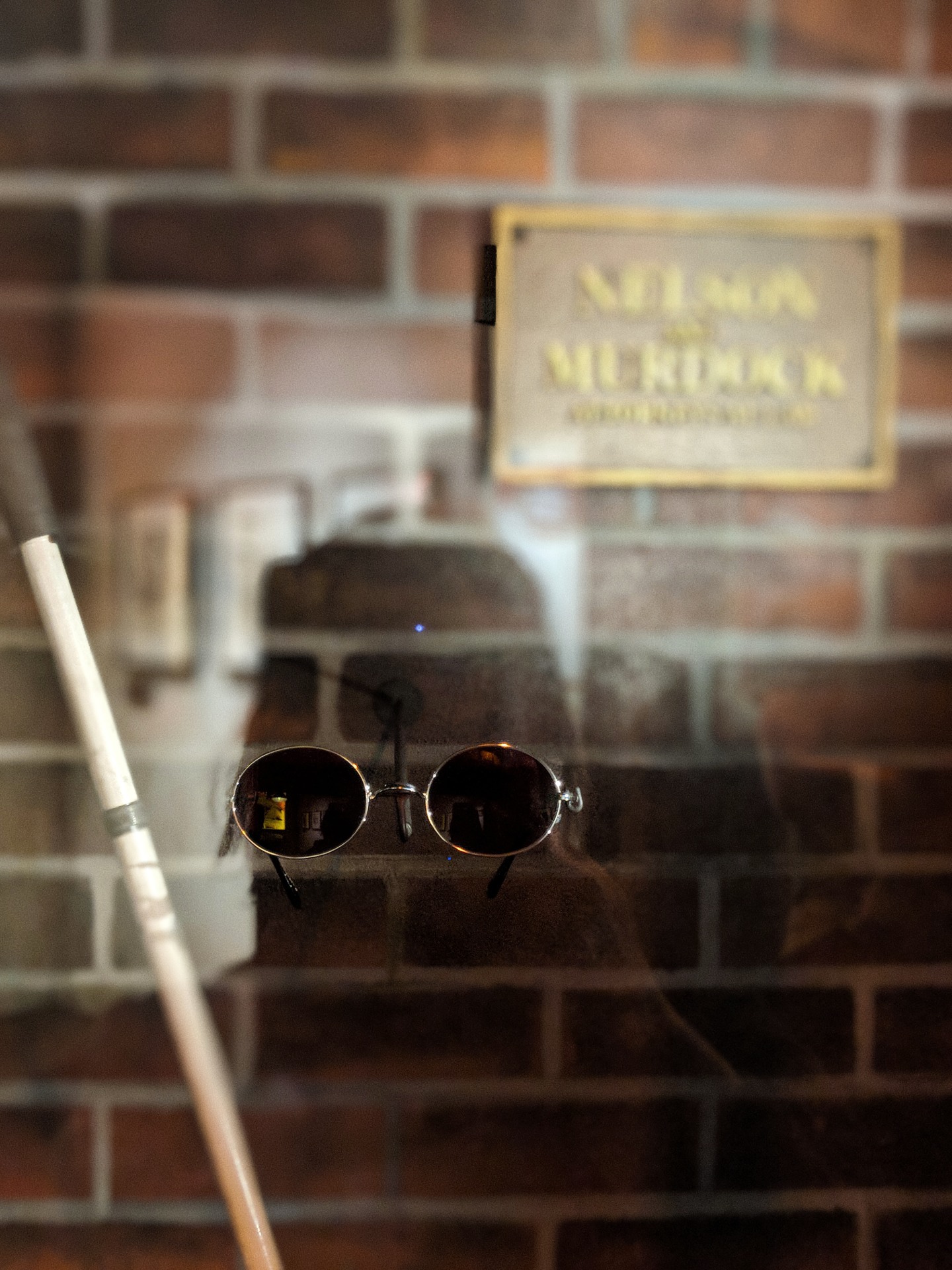
Matt Murdock’s cane & glasses as used by Charlie Cox in ”Daredevil” and ”The Defenders” (2015-2017)


Daredevil #69, cover
Art by Alex Maleev, 1998


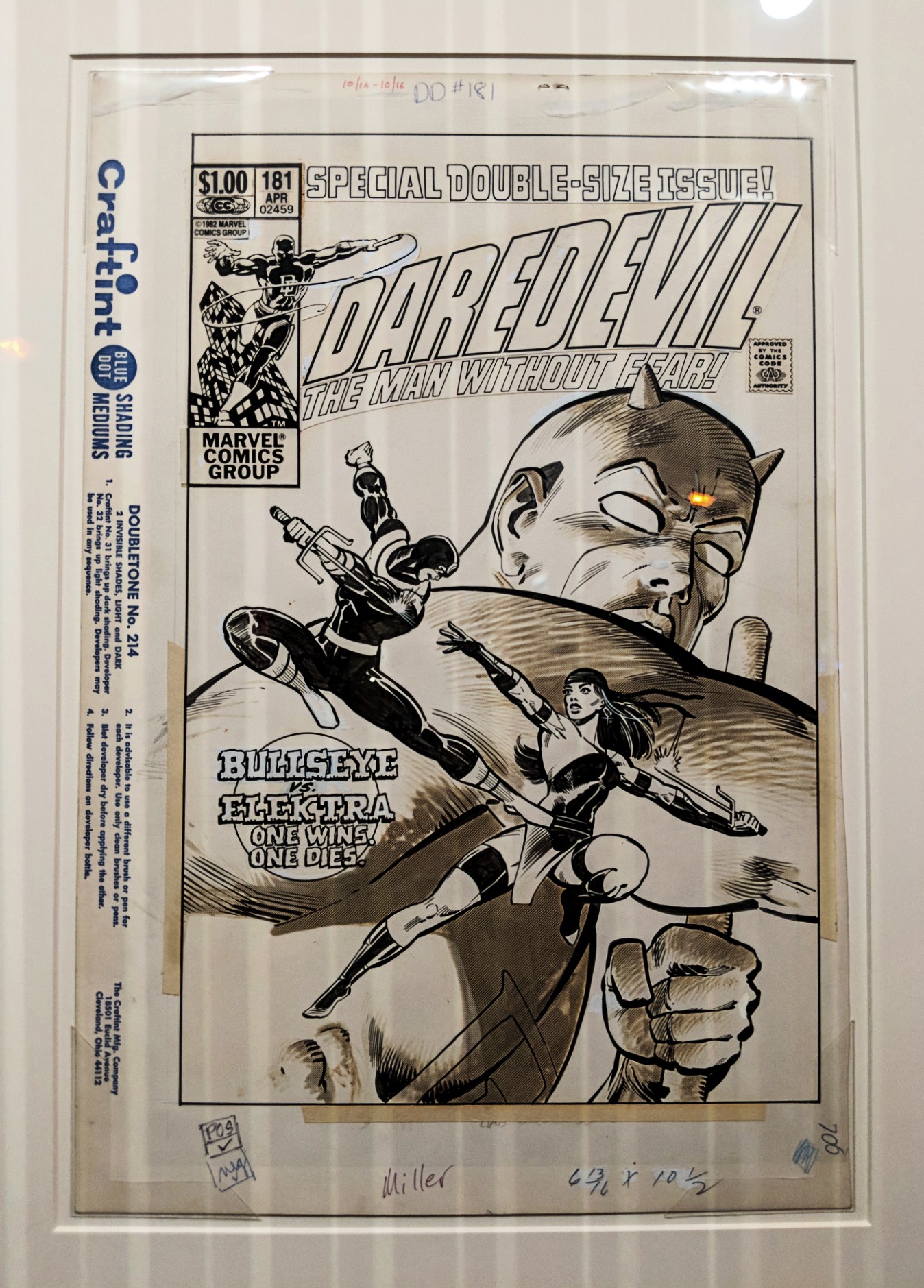
Daredevil #181, cover
Frank Miller (pencils), Klaus Janson (inks), 1982


Tony Isabella and Arvell Jones created Mercedes Kelly Knight in 1975 for the ”Iron Fist” series. A former NYPD cop, Misty had a mechanical arm (courtesy of Tony Stark), a striking Afro hairstyle (courtesy of Angela Davis) and a tough, sexy attitude (courtesy of the popular so-called Blacksploitation movies that also inspired Luke Cage). As a super-powered woman of colour, Misty was instantly ground-breaking; what’s more, in 1977, Misty and Iron Fist shared what may have been the first interracial kiss in a Super hero comic.


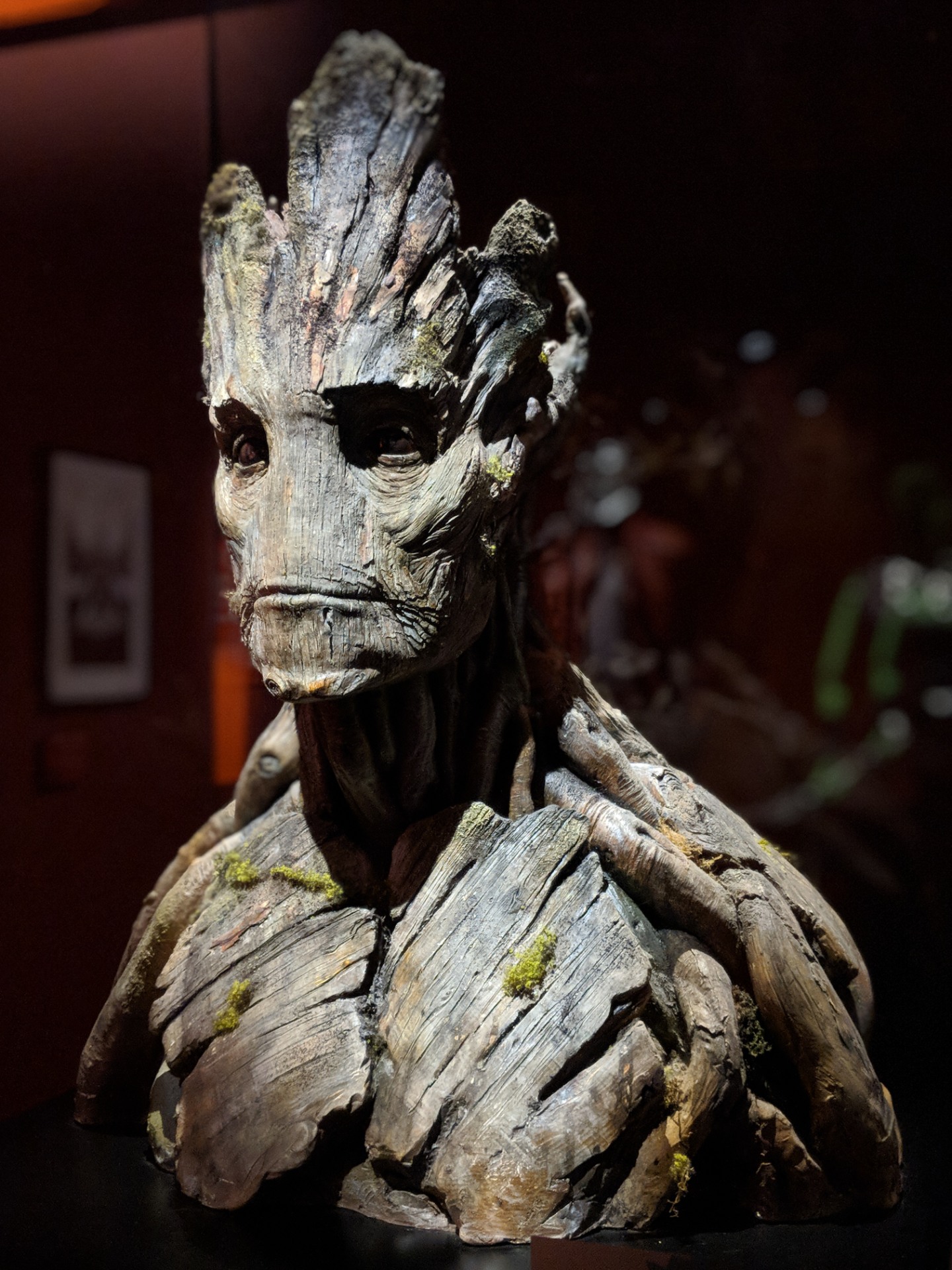
I am Groot, I am Groot, I am Groot, I am Groot (trnsl: Groot as seen in ”Guardians of the Galaxy” (2014)


Museum of Pop Culture

June 13th, 2018

Marvel Universe @ MoPOP || SEAttle

Marvel Comics #1
Cover art by Frank R. Paul, 1939


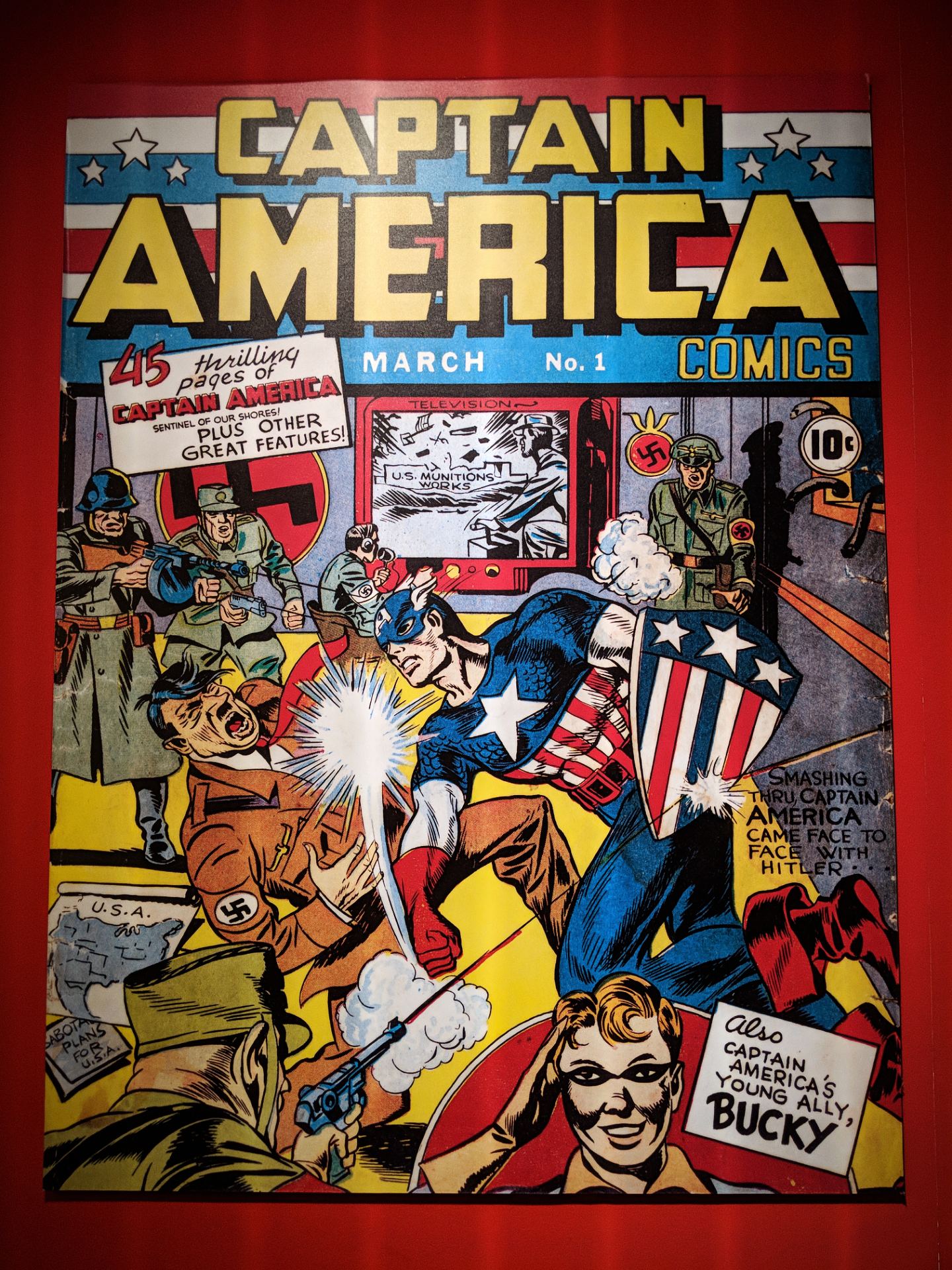
Captain America Comics #1
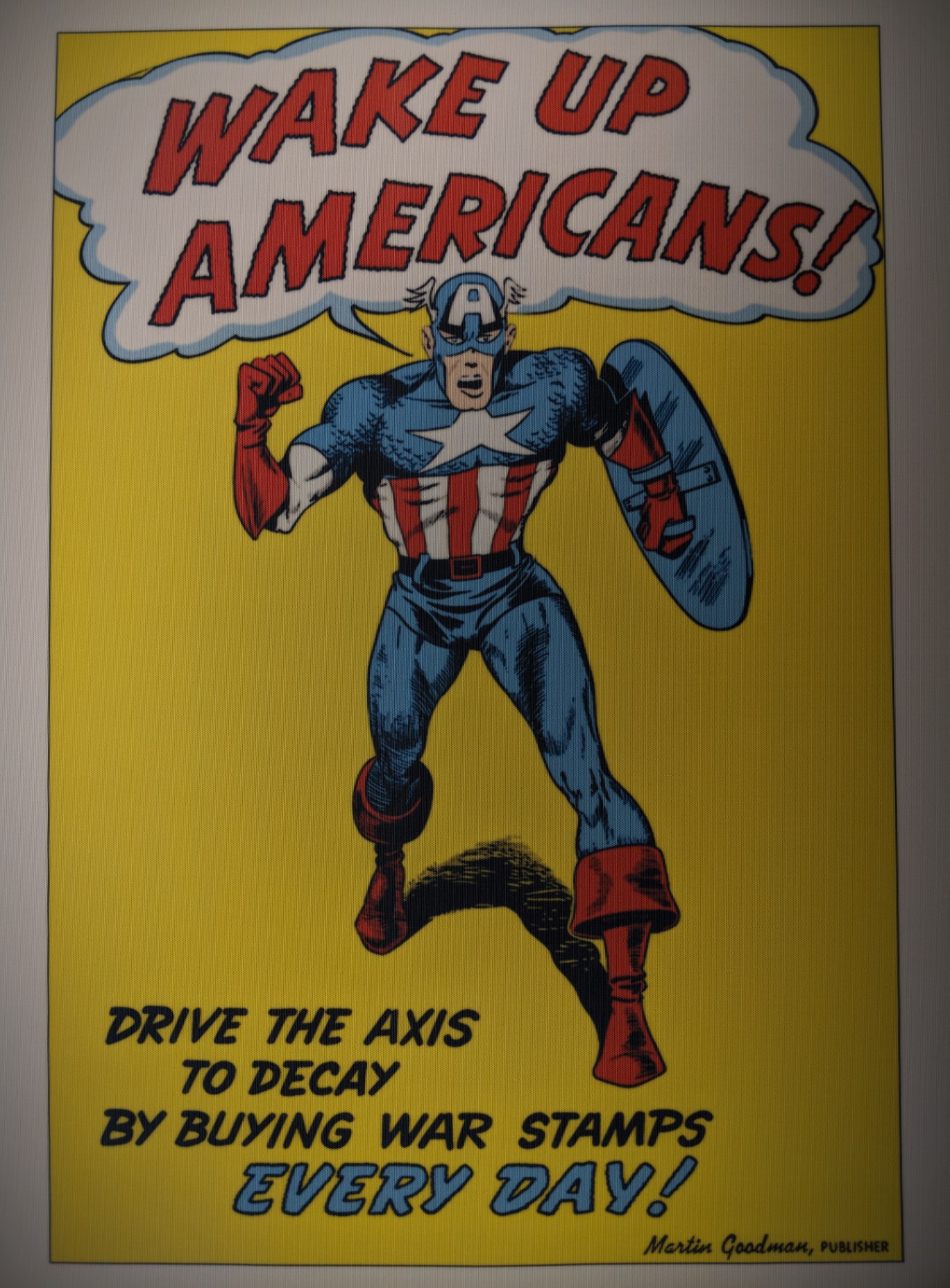
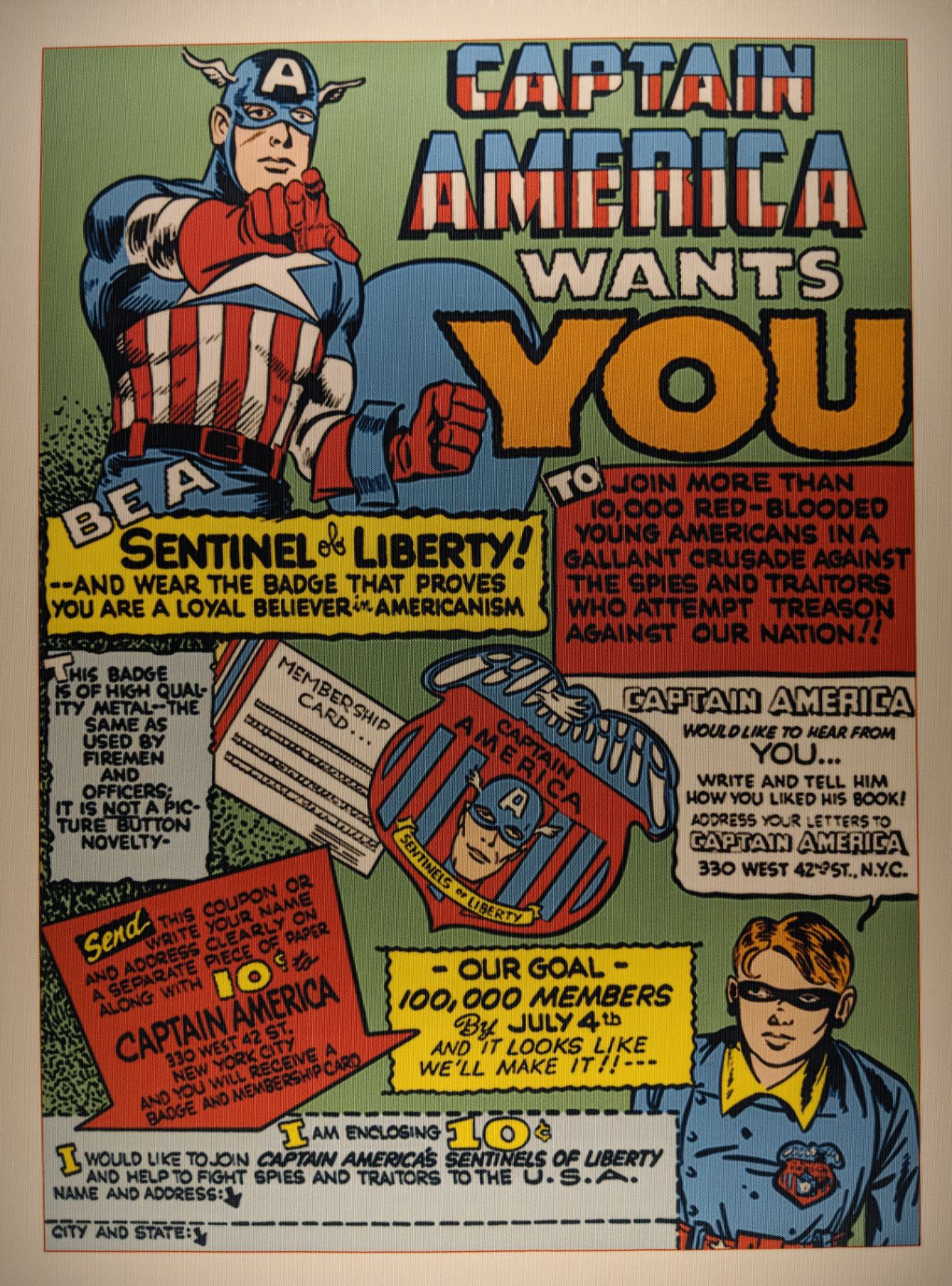
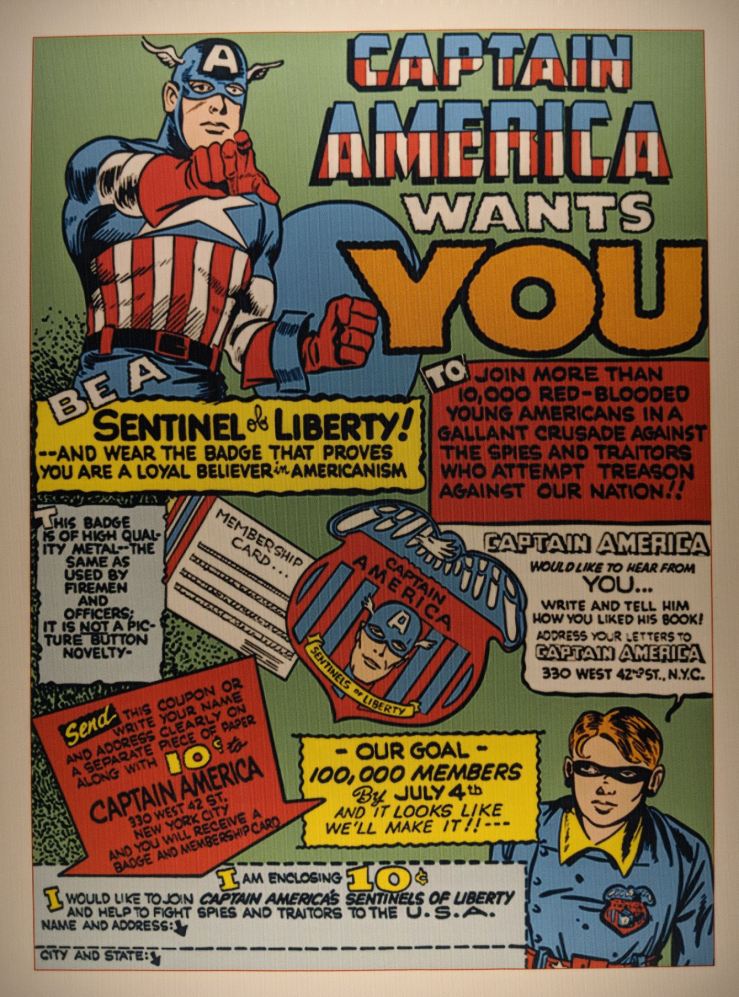
Jack Kirby and Joe Simon gave publisher Martin Goodman one of the biggest comic book hits of the 1940s when they invented Captain America. Although America had not yet entered World War Two, Simon, Kirby and Goodman already saw Hitler as a grave threat to the principles of democracy and equality. This bold cover powerfully expressed their feelings.

Flo Steinberg
Stan Lee and Jack Kirby worked with many talented collaborators at Marvel – and if you visited the company in the 1960s, ”Fabulous” Flo Steinberg was probably the first person you’d meet. As Stan’s assistant she handled his appointments, helped keep artists and writers on deadline, responded to fan letters, mailed out ”Merry Marvel Marching Society” kits and even dealt with the Comics Code Authority. When she passed away in 2017 she was celebrated as ”the heart of Marvel (in the 1960s) and a legend in her own right.”

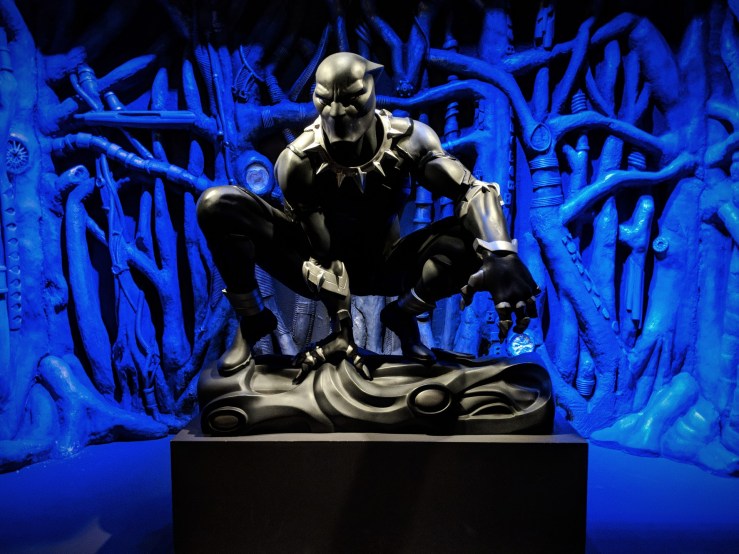
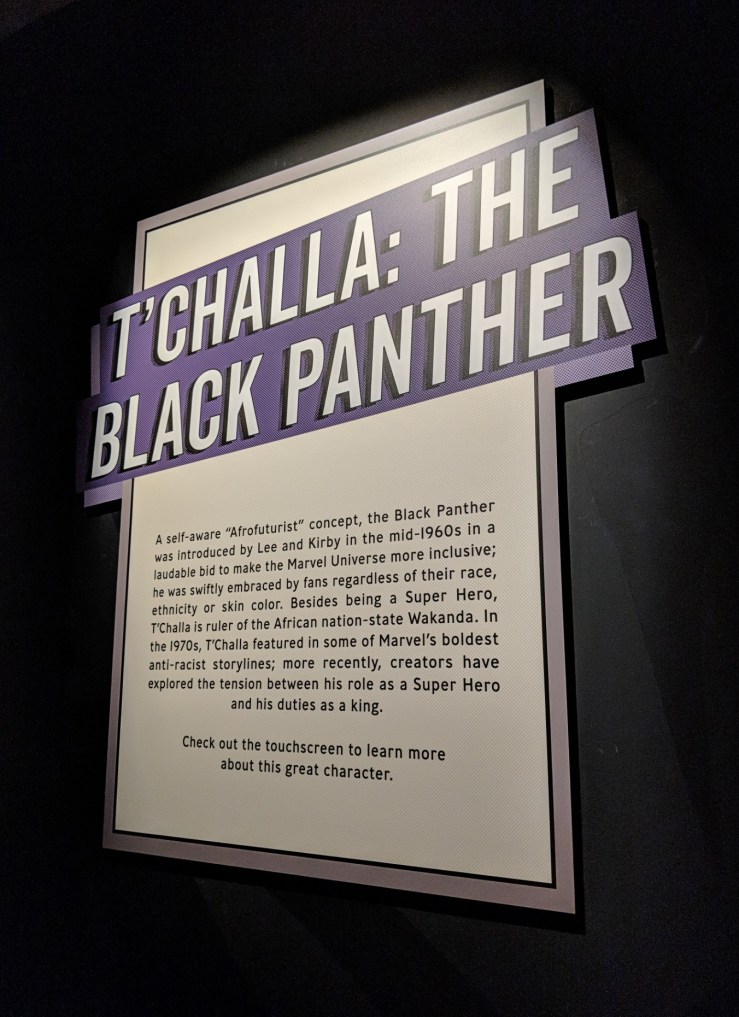
Tales of Suspense #98, cover
Jack Kirby (pencils), Frank Giacoia (inks), 1968


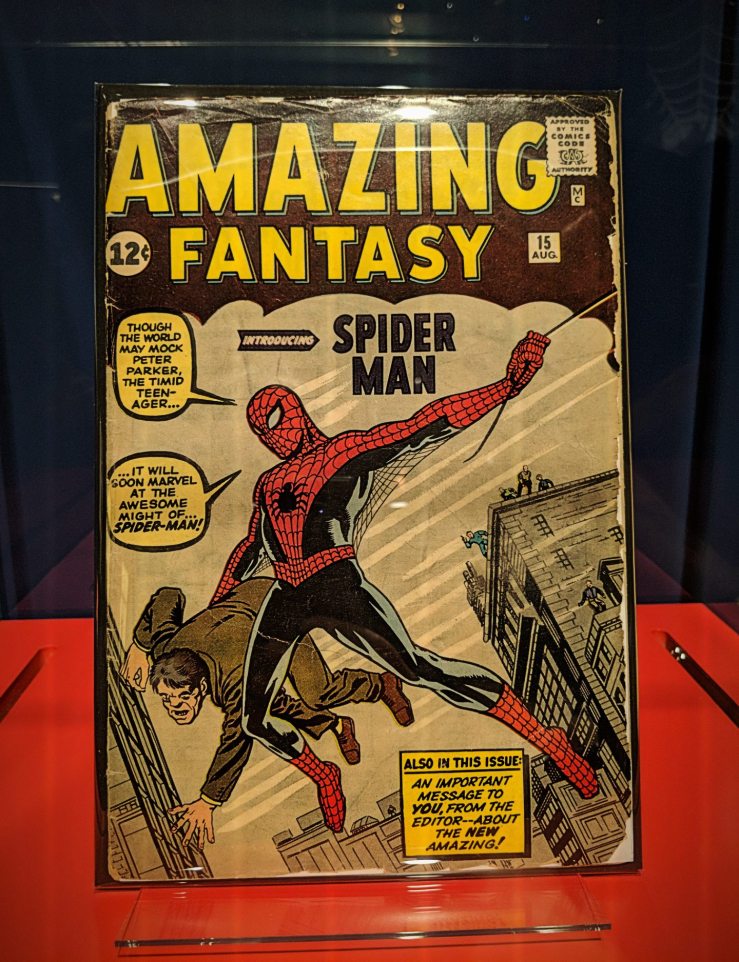
Amazing Fantasy #15
Jack Kirby (pencils), Steve Ditko (inks), 1962


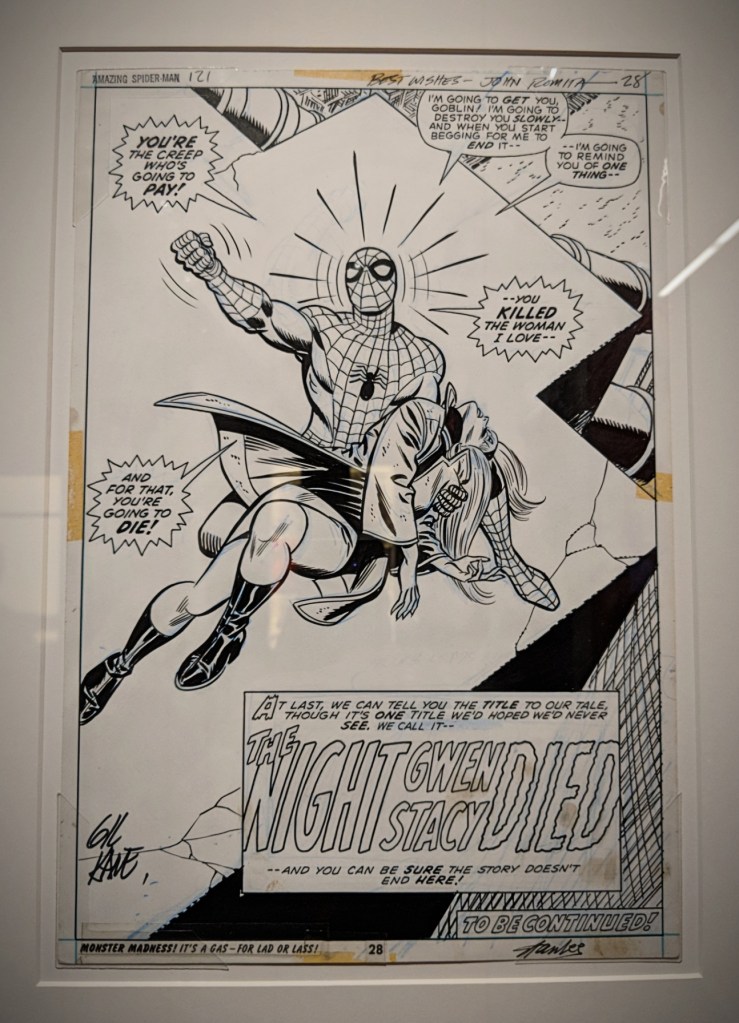
The Amazing Spider-Man #121
Gil Kane (pencils), John Romita Sr. (inks), 1973


Scarlet Witch #1
David Aja, 2016


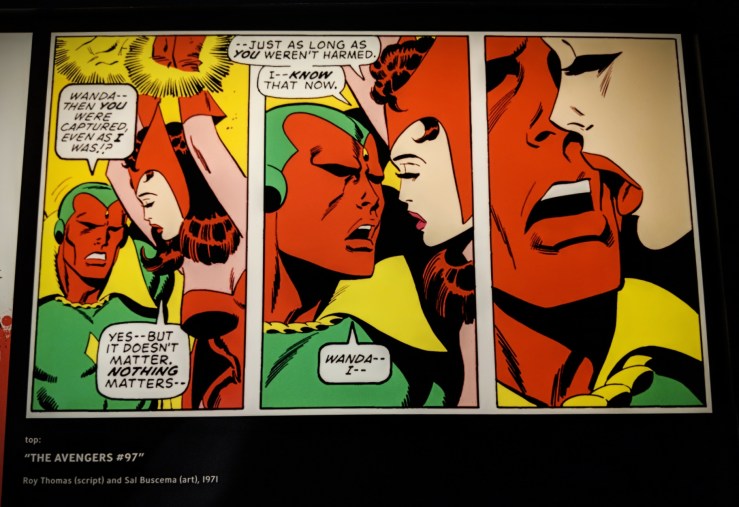
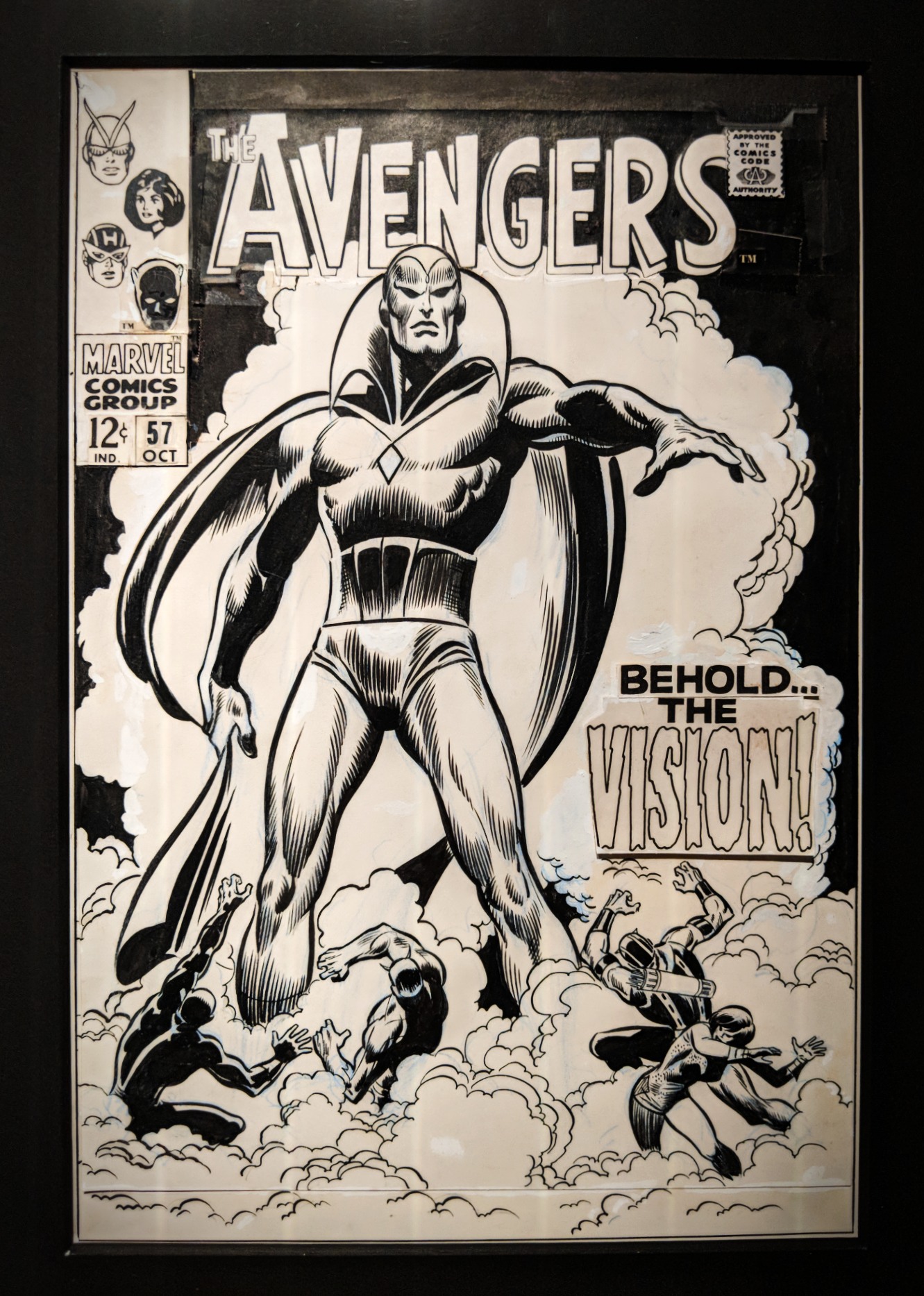
The Avengers #57, cover
John Buscema (pencils), George Klein (inks), 1968
This legendary cover depicts the first appearance of The Vision

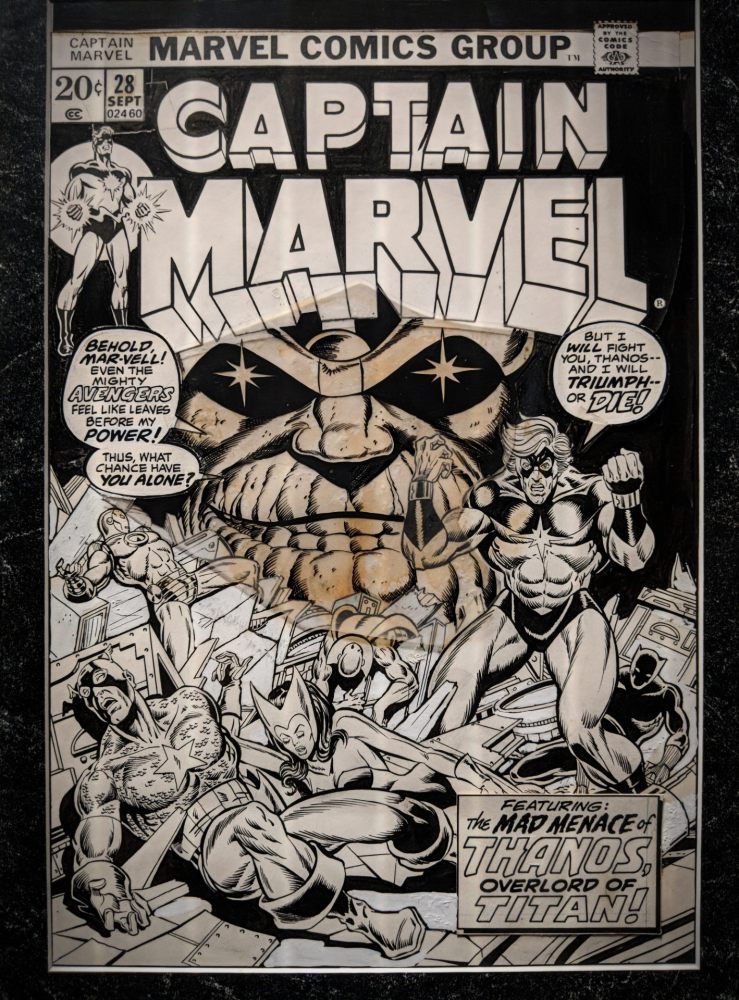
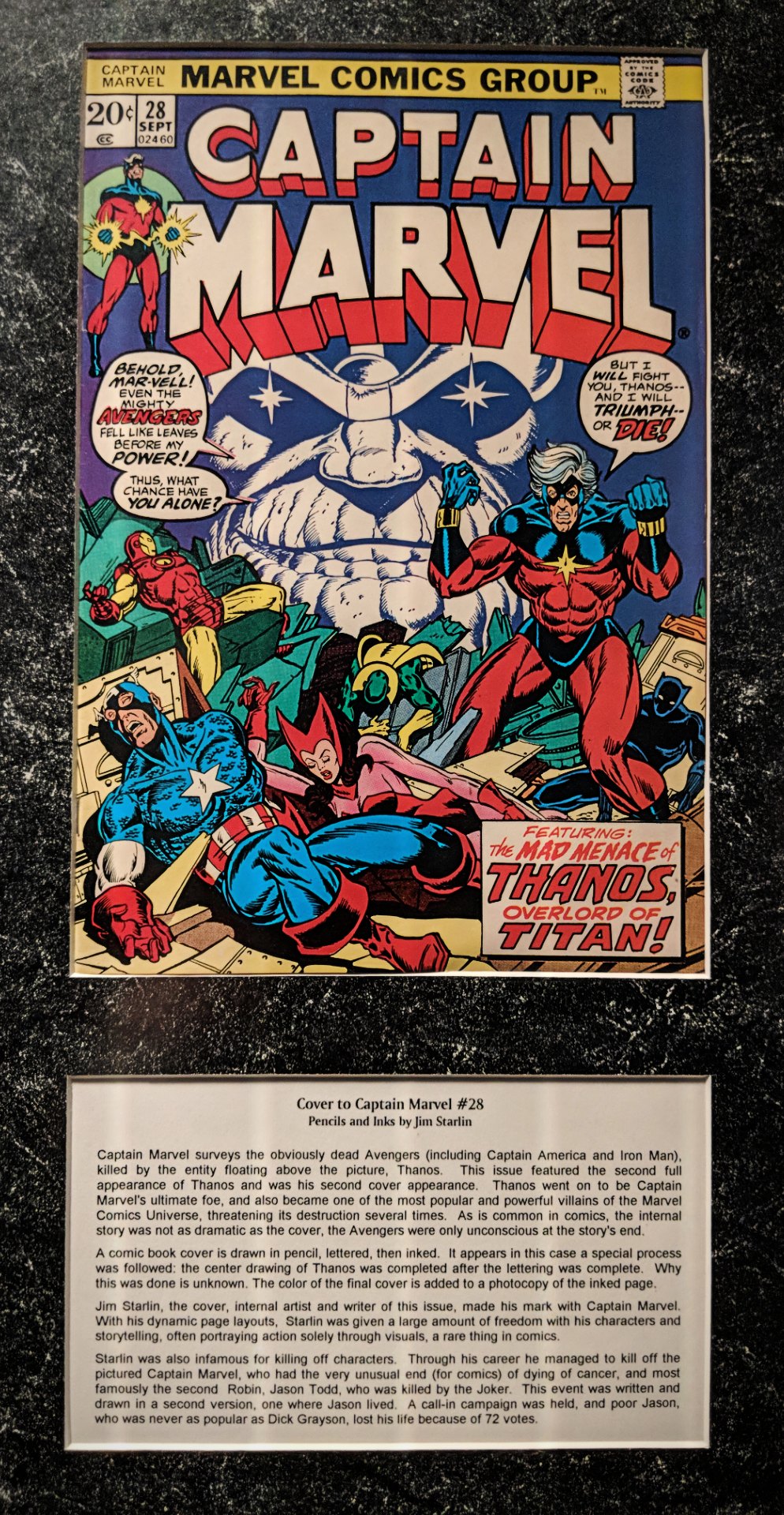
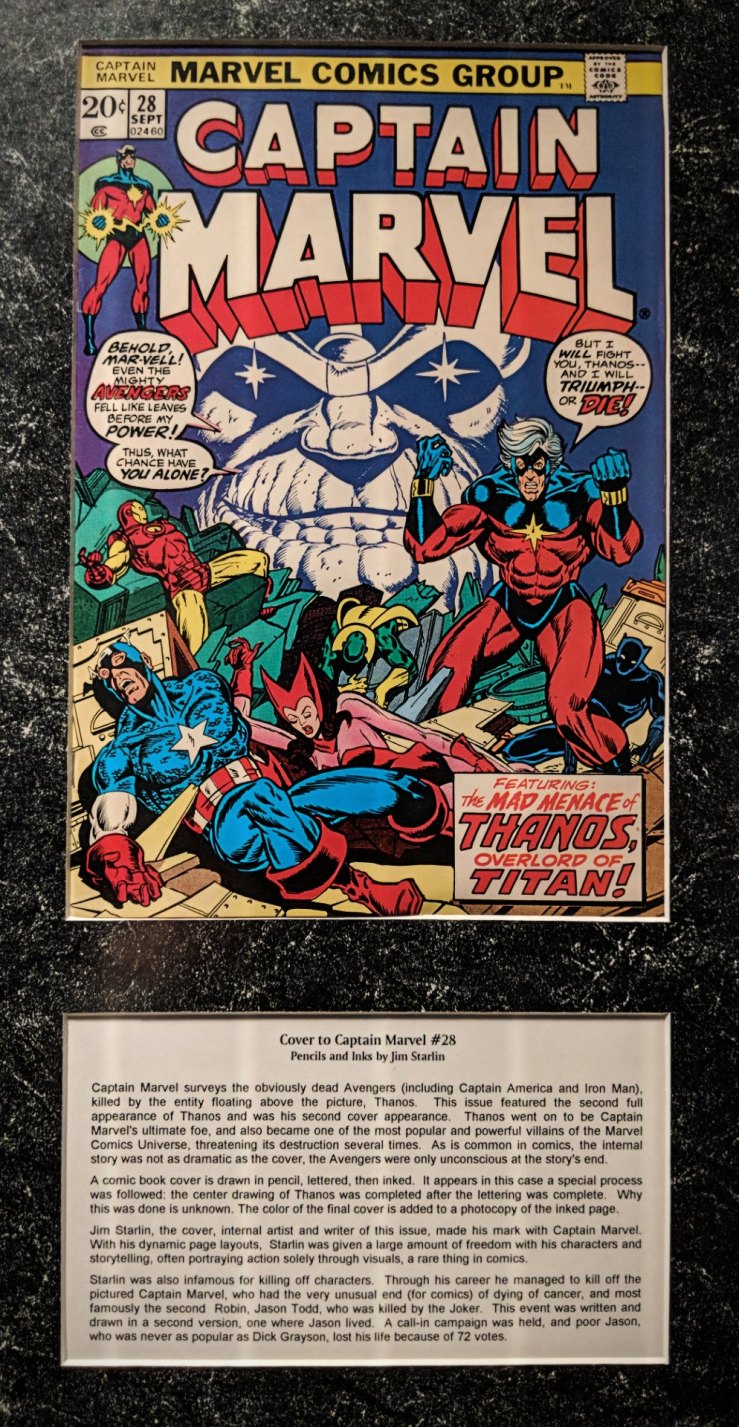
Captain Marvel #28, cover
Jim Starlin (pencils), Pablo Marcos (inks), 1973

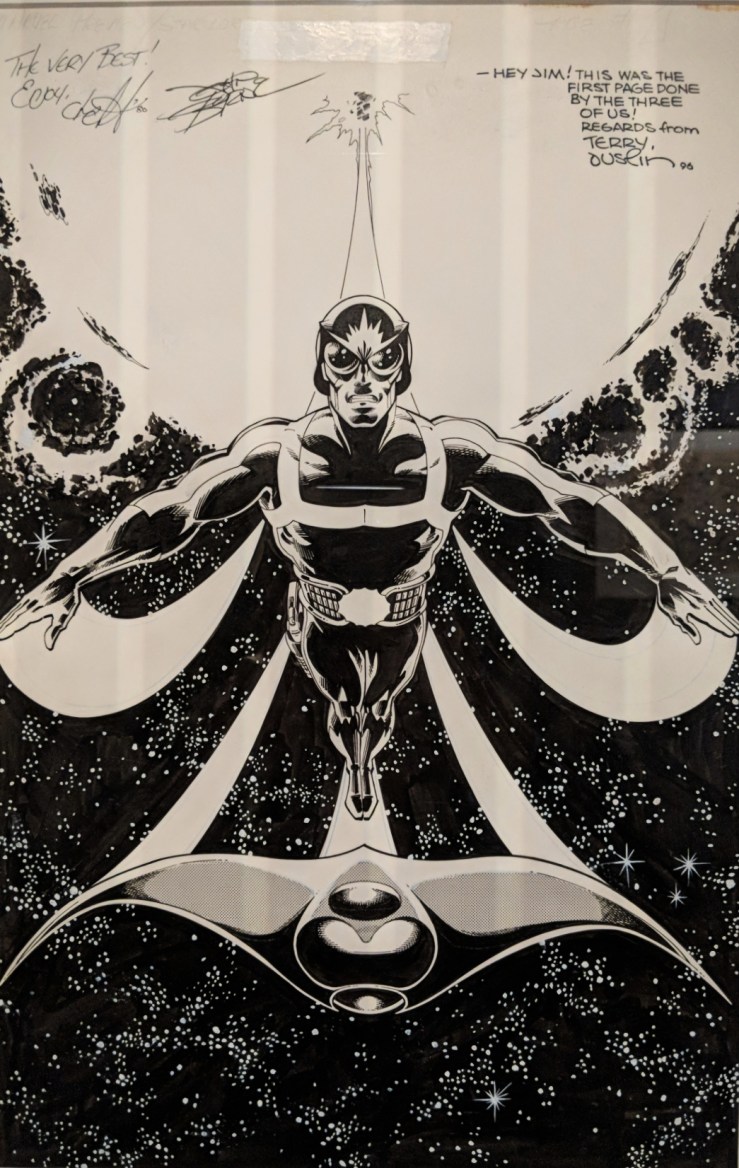
Marvel Preview #11, splash page
John Byrne (pencils), Terry Austin (inks), 1977
Watercolour and gouache on paper

Star-Lord has changed a great deal from his original conception here. This page comes from the first story to pair artists John Byrne and Terry Austin; the two would soon be widely admired for their work on the X-Men


Spider-Man, 1978 Calendar Illustration
John Byrne (pencils), Joe Sinnott (inks)
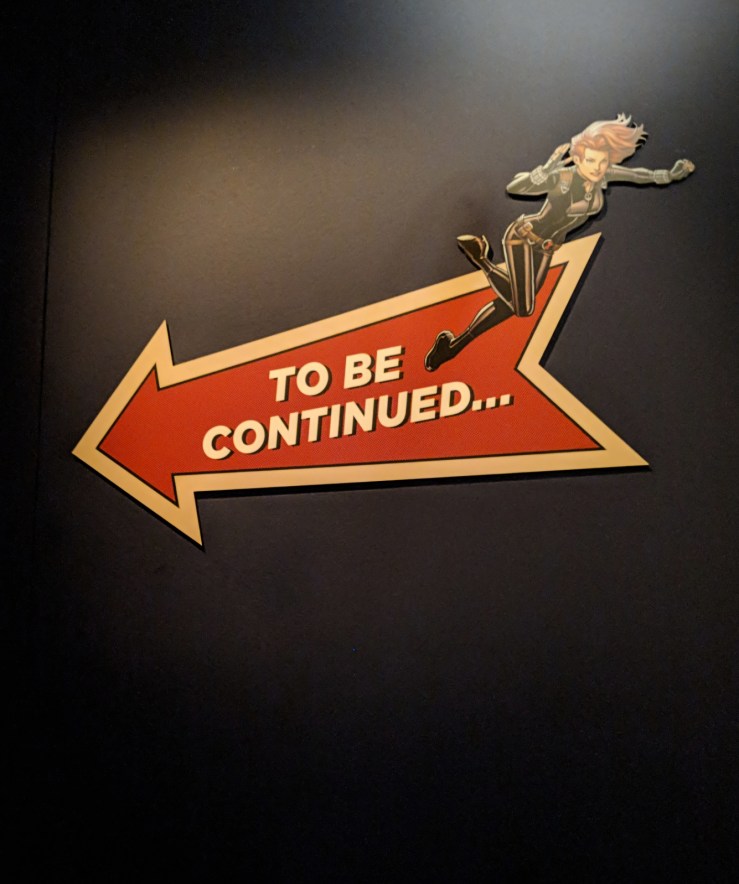

Celebrating 80 years of Marvel Superheroes, the exhibition ran through February 2019. With comics, costumes, props and films, it was Marvel-ously entertaining. I have so much I’d like to show you, that Superheroes will dominate the Humble Fabulist Universe in the coming days. You have been warned!

Seattle, WA

June 13th, 2018
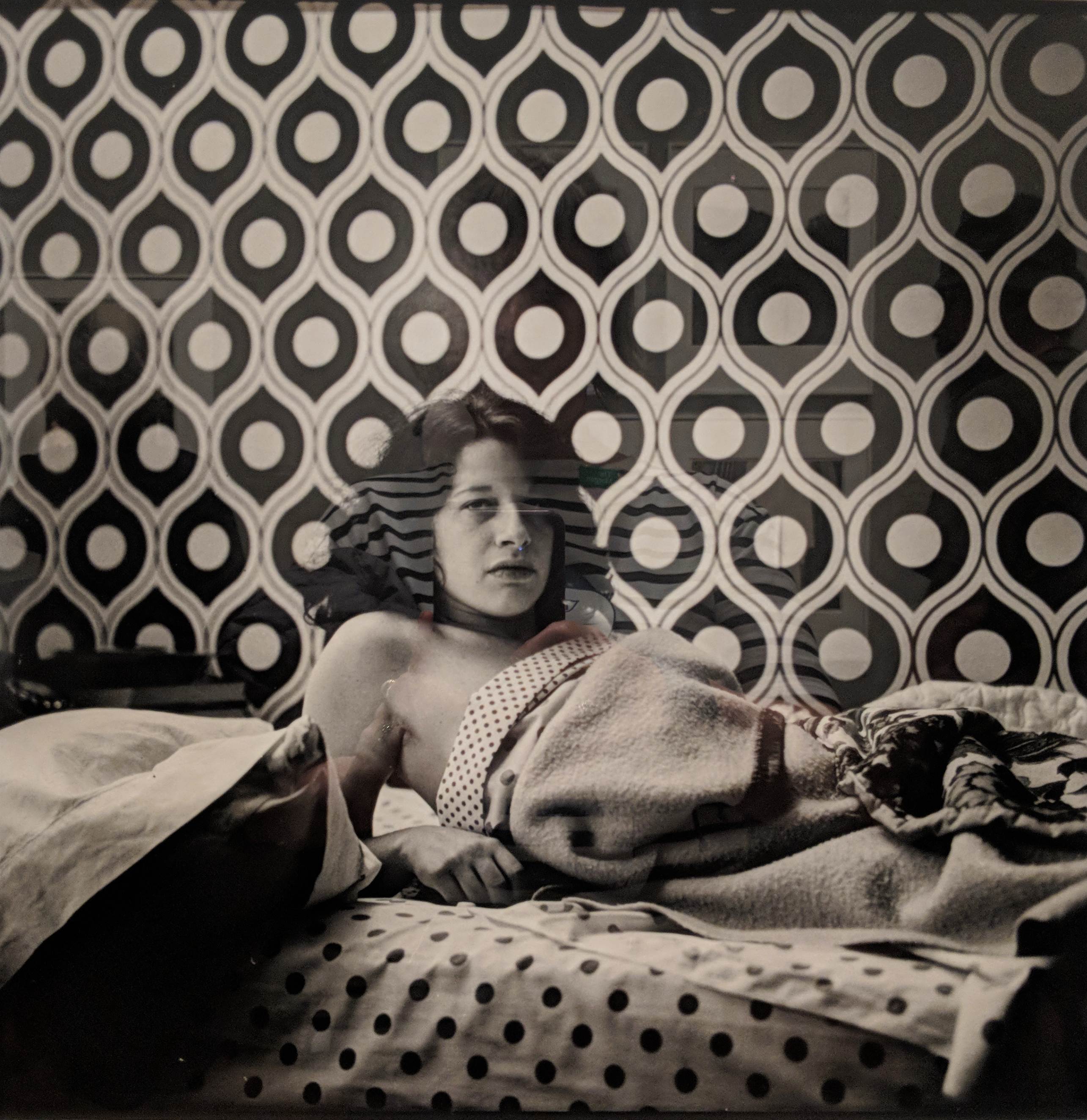
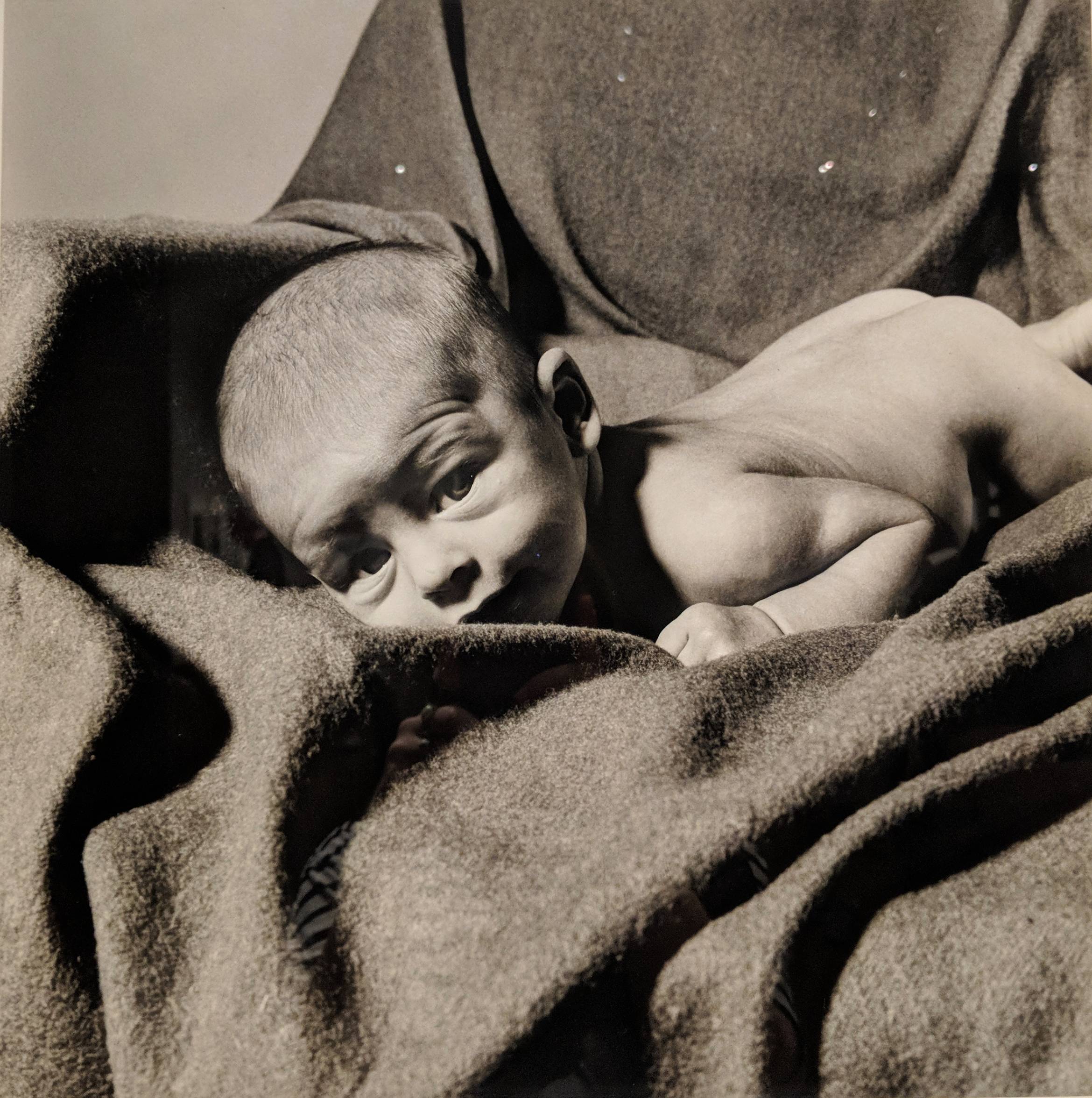
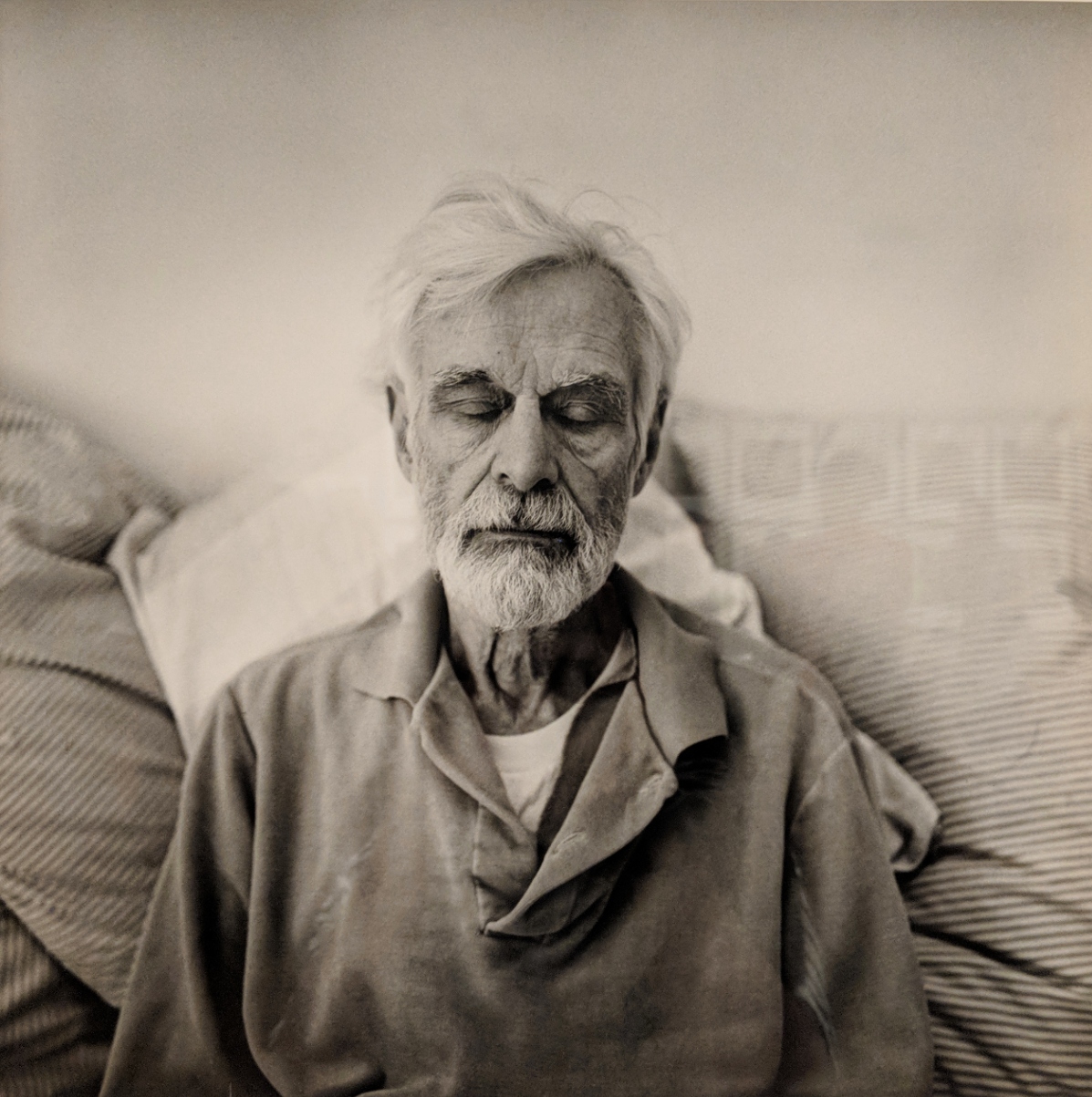
Peter Hujar: Speed of Life

The life and art of Peter Hujar (1934–1987) were rooted in downtown New York. Private by nature, combative in manner, well-read, and widely connected, Hujar inhabited a world of avant-garde dance, music, art, and drag performance. His mature career paralleled the public unfolding of gay life between the Stonewall uprising in 1969 and the AIDS crisis of the 1980s.

In his loft studio in the East Village, Hujar focused on those who followed their creative instincts and shunned mainstream success. He made, in his words, “uncomplicated, direct photographs of complicated and difficult subjects,” immortalizing moments, individuals, and subcultures passing at the speed of life.

Peter Hujar: Speed of Life was on view at the Morgan Library through May 20, 2018.

Cat on Cash Register, 1957
Chloe Finch, 1981
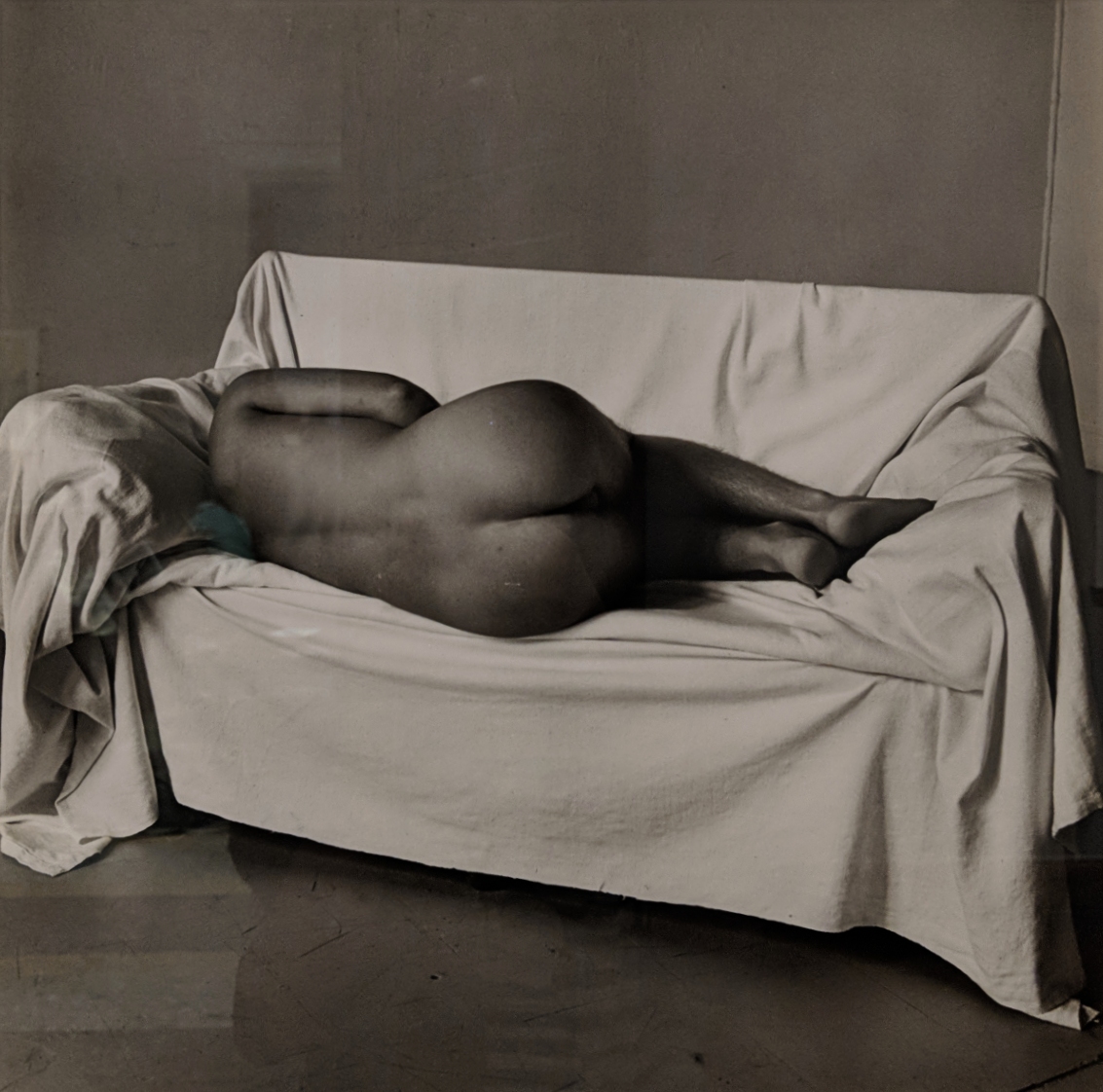
Reclining Nude on Couch, 1978
Daisy Aldan, June 18, 1955
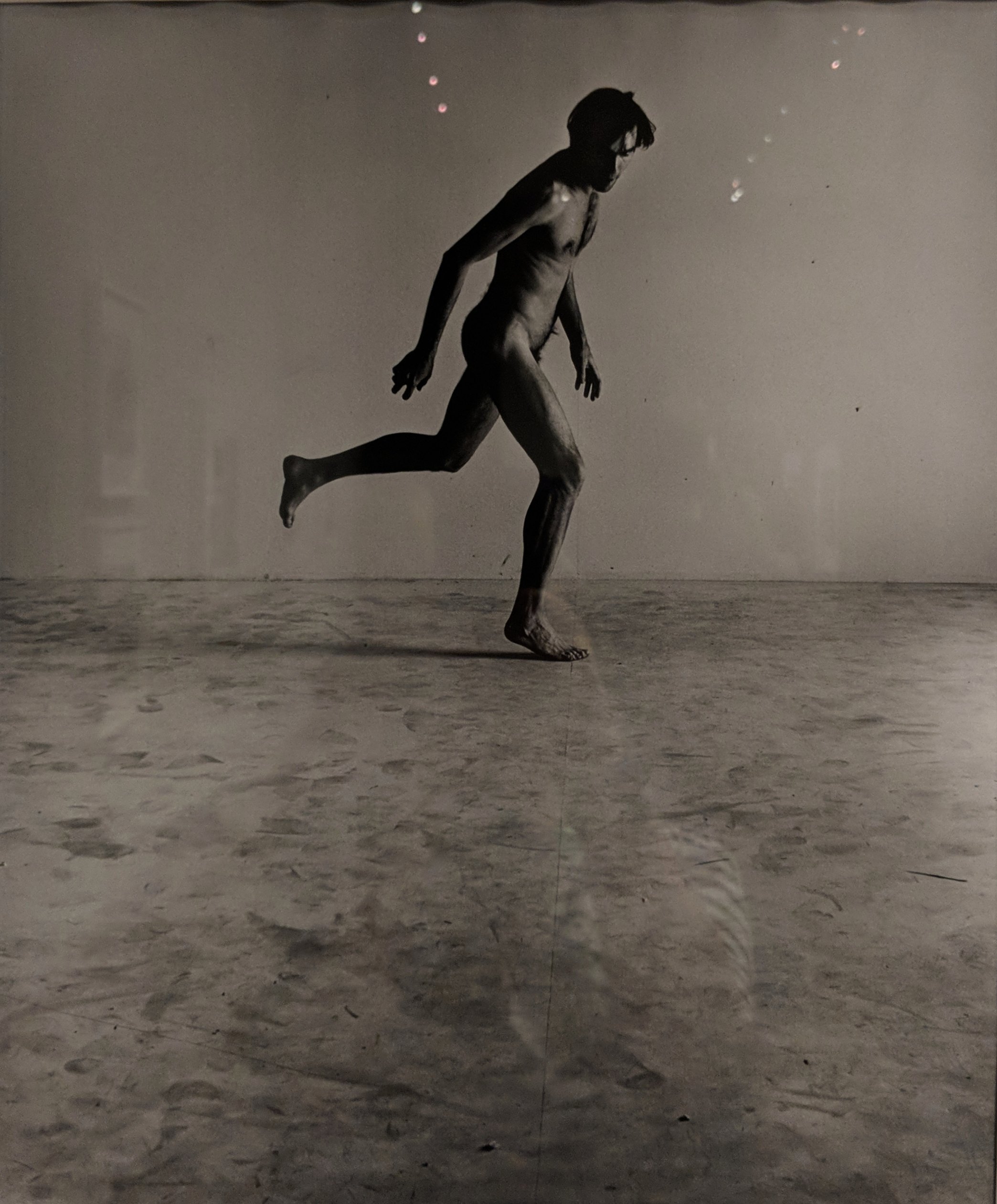
Nude Self-Portrait, Running, 1966-67

For a 1966-67 workshop led by Richard Avedon and art director Marvin Israel, Hujar turned in an uncharacteristic series of nude, running self-portraits made with a flash unit in the studio of his employer. In a conscious echo of Avedon’s manner, the images emphasize action, vivid gesture and empty space- sensational effects calculated to hold a magazine page. Over the next couple of years, during Hujar’s brief pursuit of a career in fashion, the two photographers had frequent late-night phonecalls. Avedon wrote to him in 1979, ”if you ever have new work that you’re interested in selling, please call me as I am your collector.”

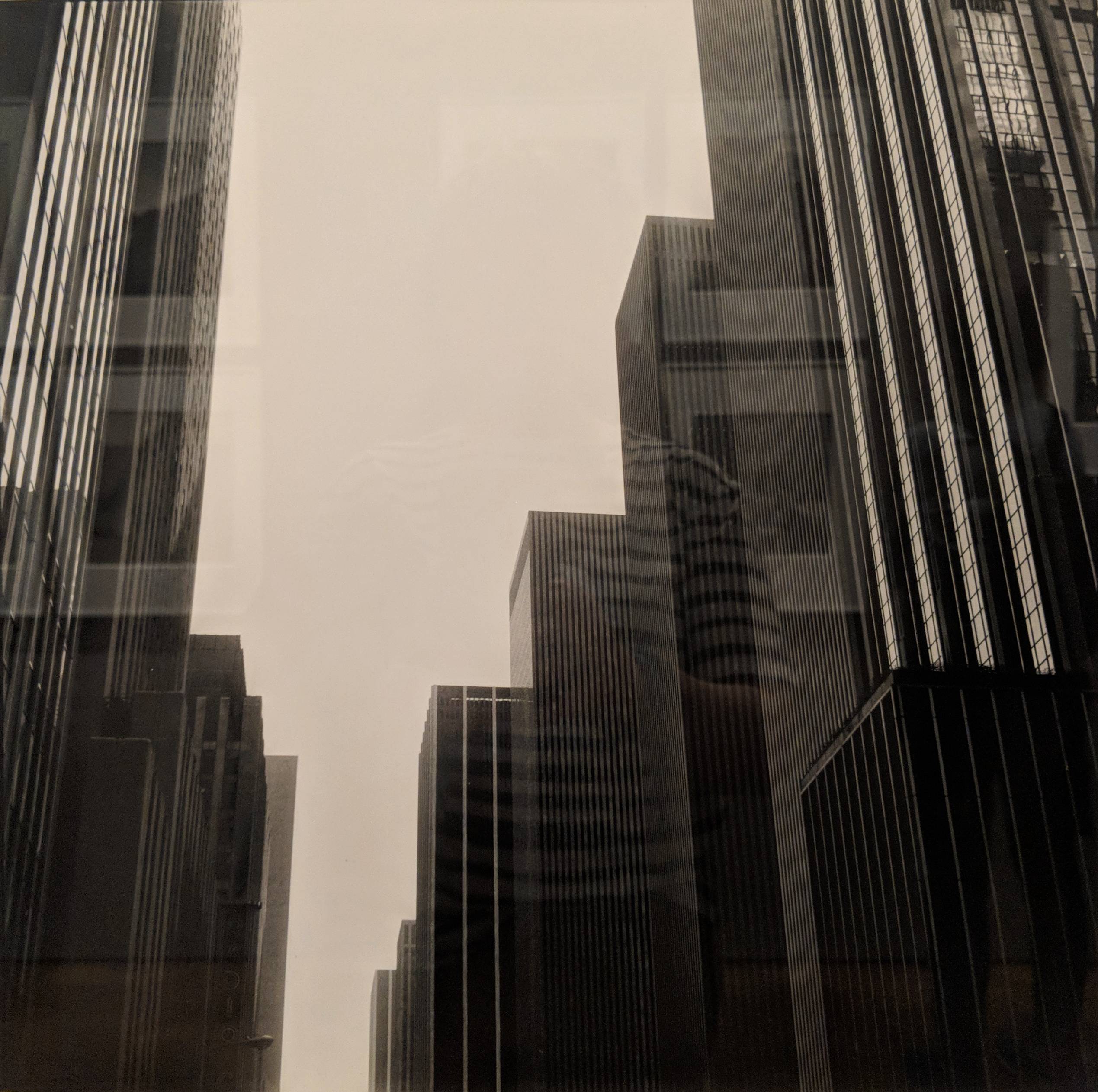
New York: Sixth Avenue (1), 1976
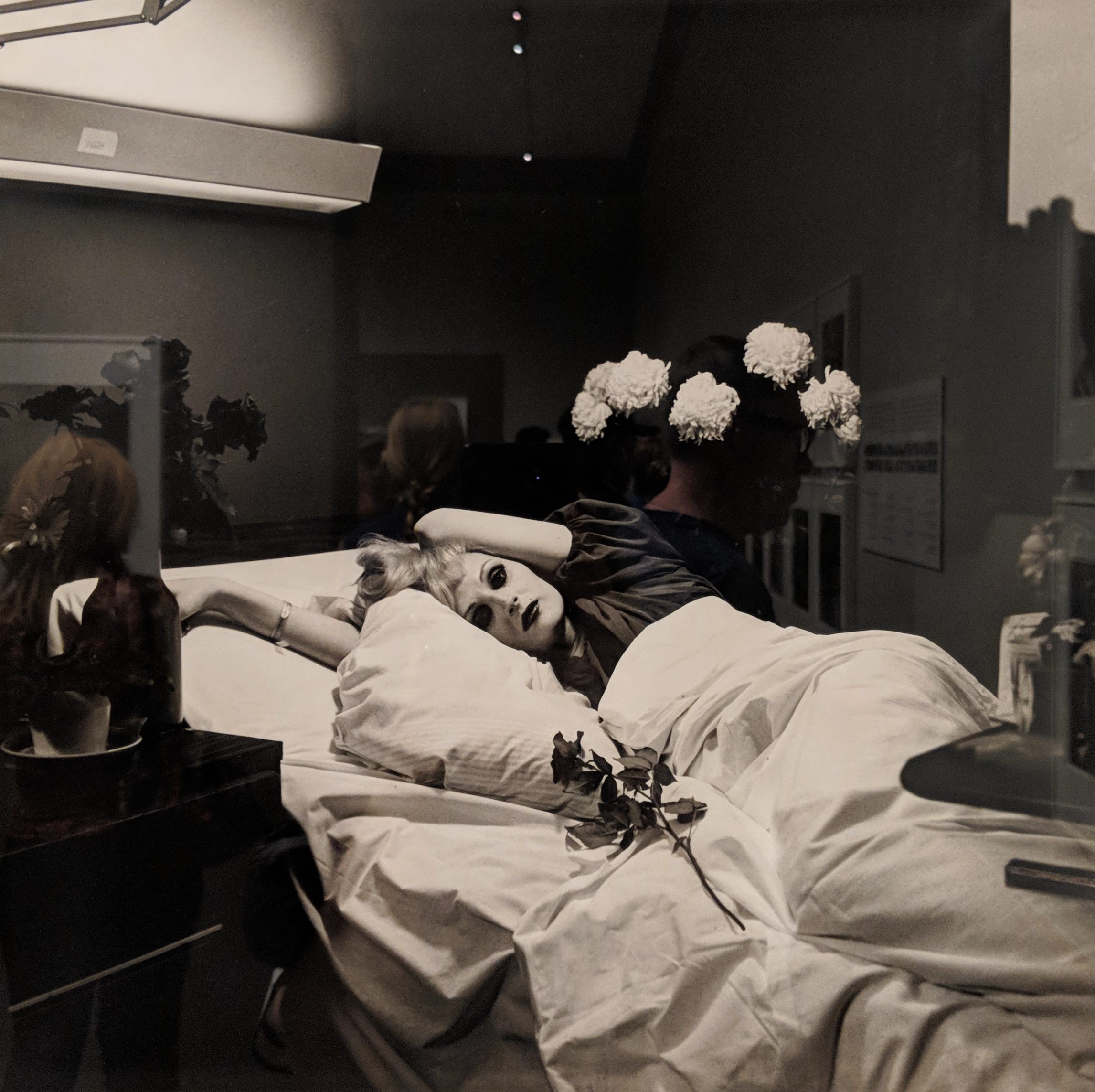
Candy Darling on Her Deathbed, 1973

In September 1973, transgender Warhol Superstar Candy Darling (born James Lawrence Slattery) was hospitalized for lymphoma. She asked Hujar to make a portrait of her ”as a farewell to my fans.” Out of several dozen exposures, Hujar chose to print this languorous pose. As rendered in the print, Candy’s banal, fluorescent-lit hospital room looks as elegant as the studio props in a Hollywood starlet’s portrait. Hujar later wrote that his style cues came from Candy, who was ”playing every death scene from every movie.”

The image, first seen in print in the New York Post after Candy’s death six months later, became the most widely reproduced of Hujar’s works during his lifetime.

Fran Lebowitz at Home in Morristown, New Jersey, 1974
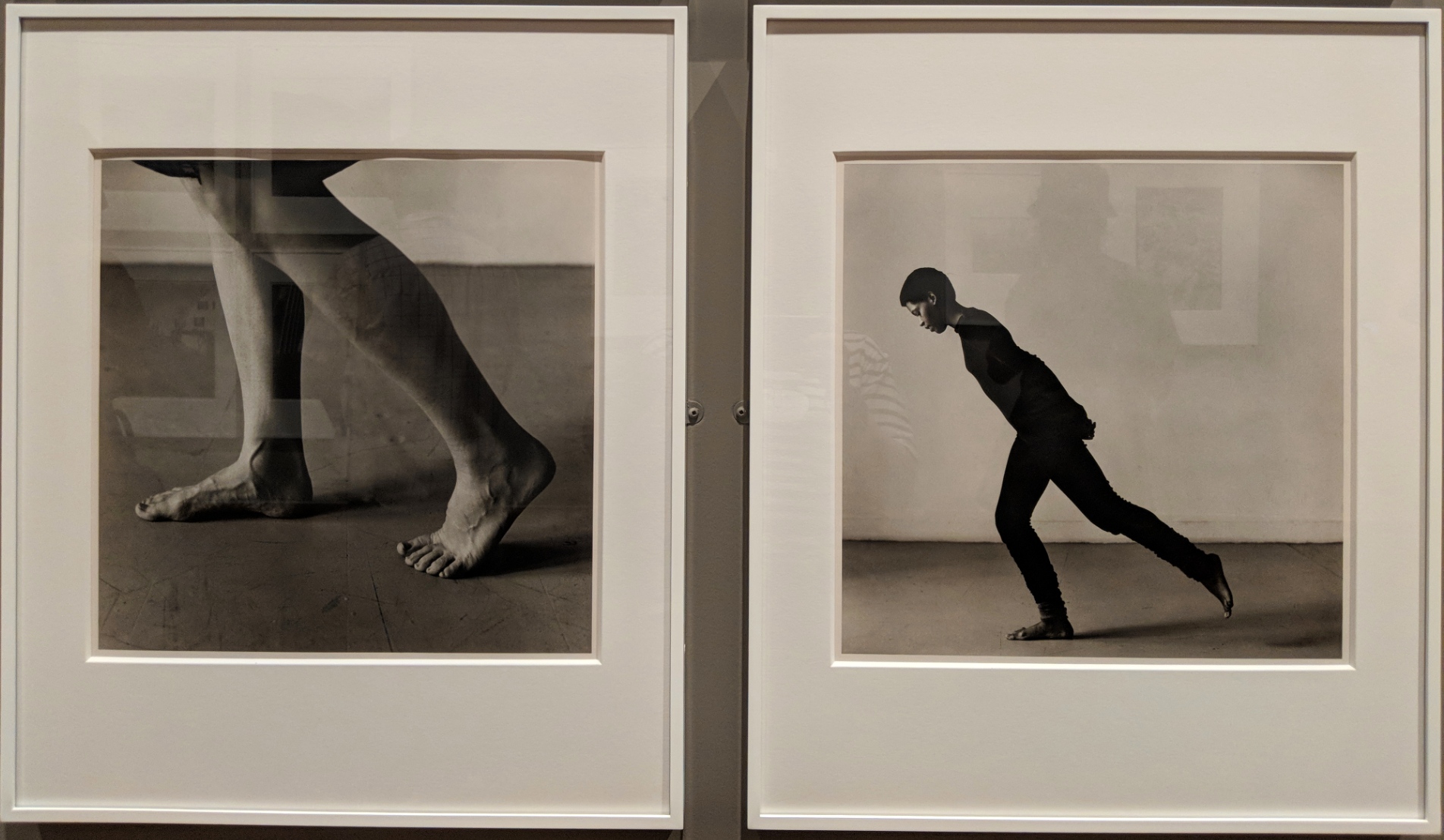
Dana Reitz’s legs, Walking, 1979 & Sheryl Sutton, 1977
John McClellan, 1981
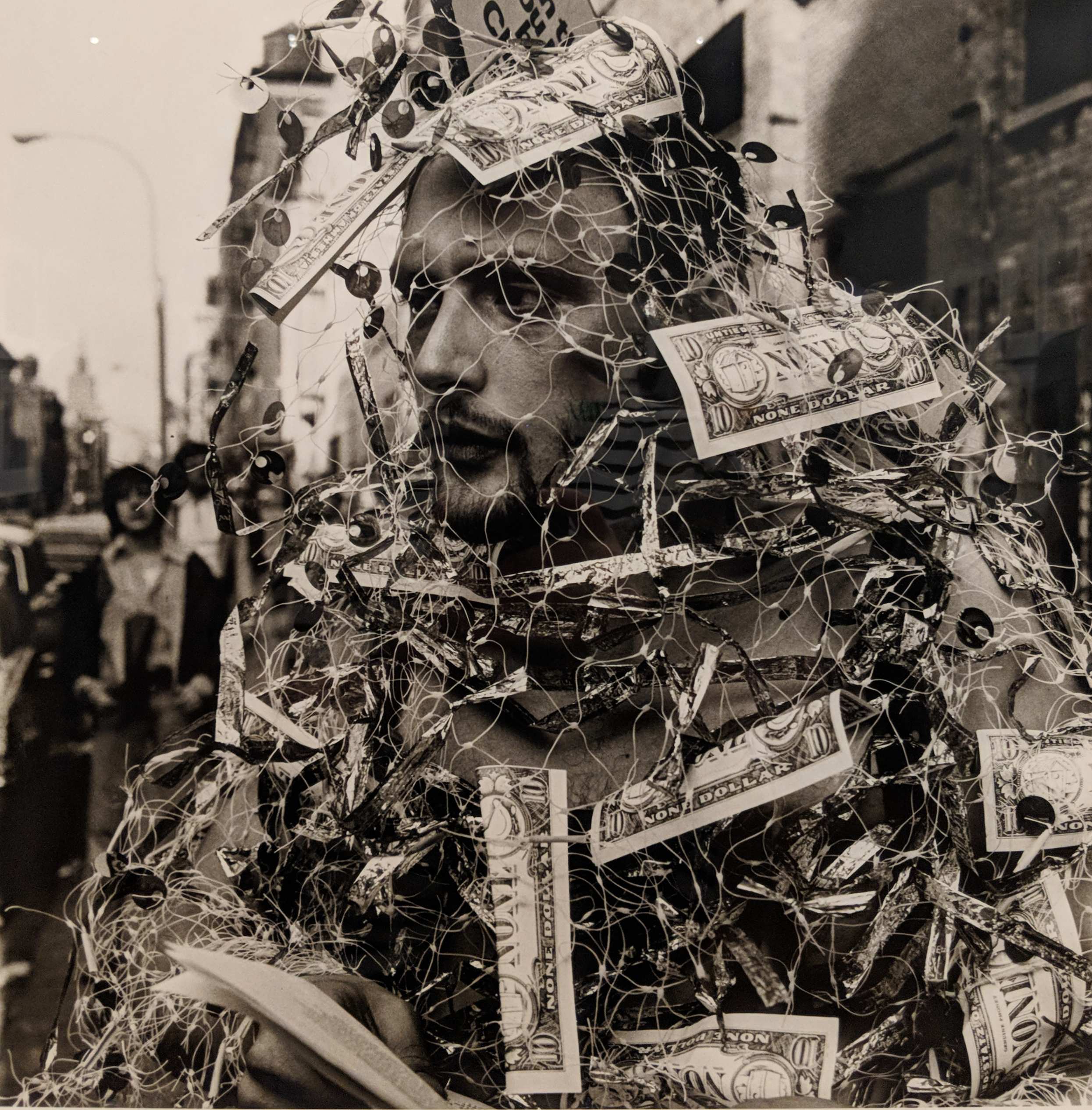
Stephen Varble (3), 1976
Edwin Denby (1), 1975
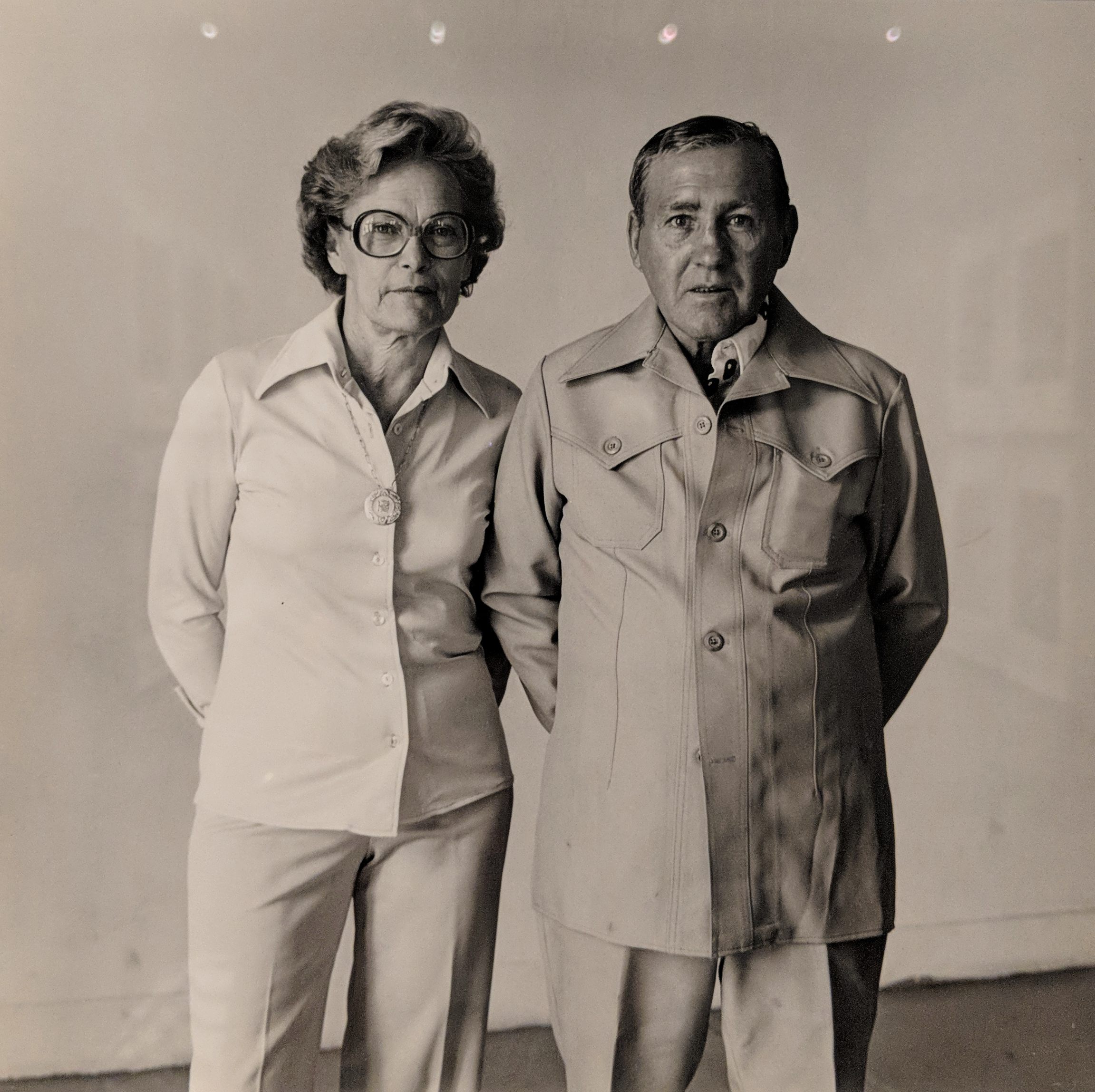
Rose and Edward Murphy (2), 1977

Hujar photographed his mother and her second husband, Ed ”Snookie” Murphy, on a rare occasion when they visited his loft. Obliged at age eleven to move into their one-bedroom apartment on E 32nd St., Hujar had moved out at sixteen. In adulthood, he maintained a protective distance, consistently referring to Rose Murphy by her full, unrelated-sounding name. Rose Murphy never reconciled herself to her son’s homosexuality, nor did he forgive her rejection.
When invited to a friend’s for dinner, Hujar often gave his host a recent photograph printed at a modest scale. No other print of this image is known.

The Morgan Library & Museum

May 20th, 2018

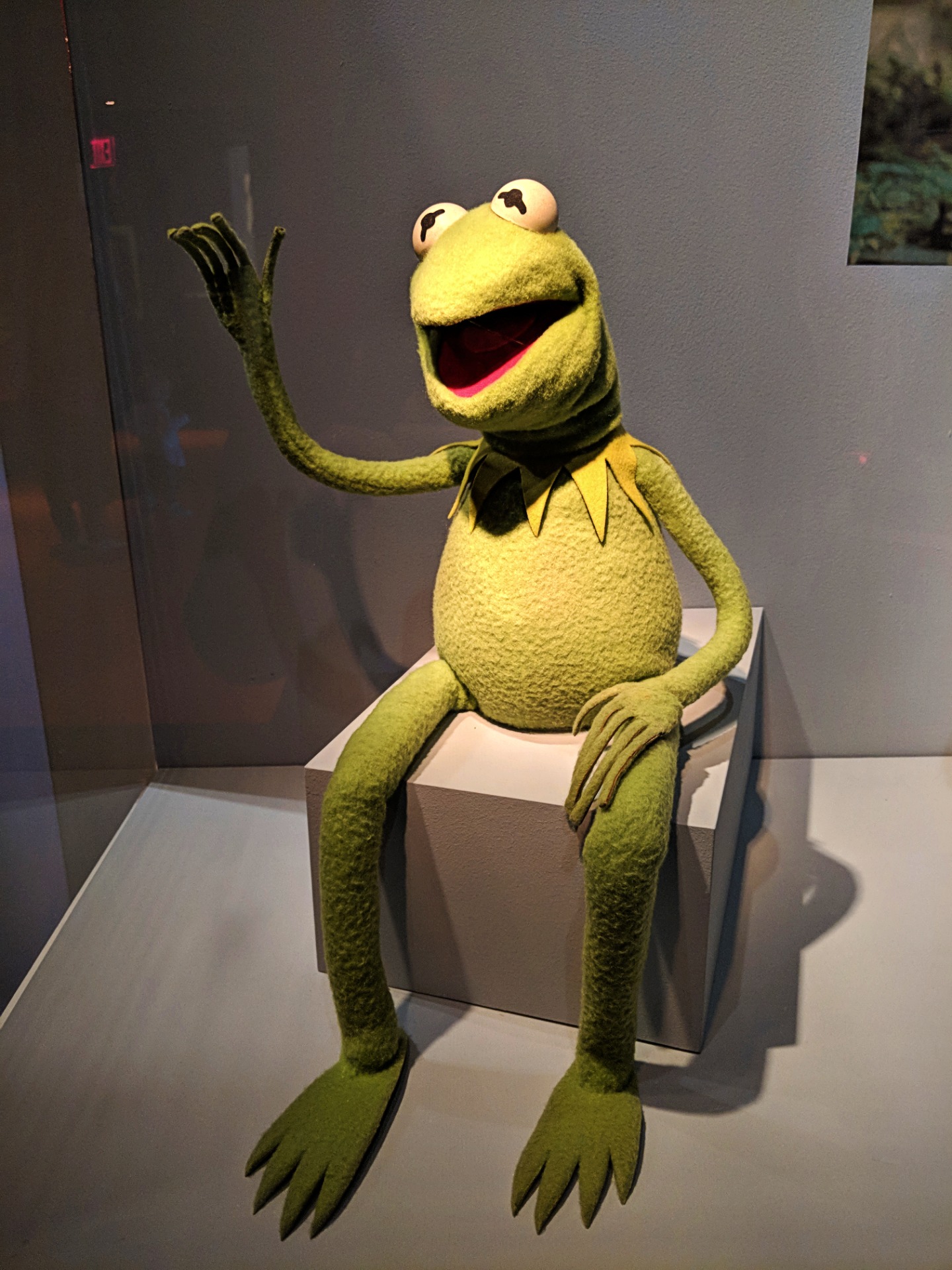
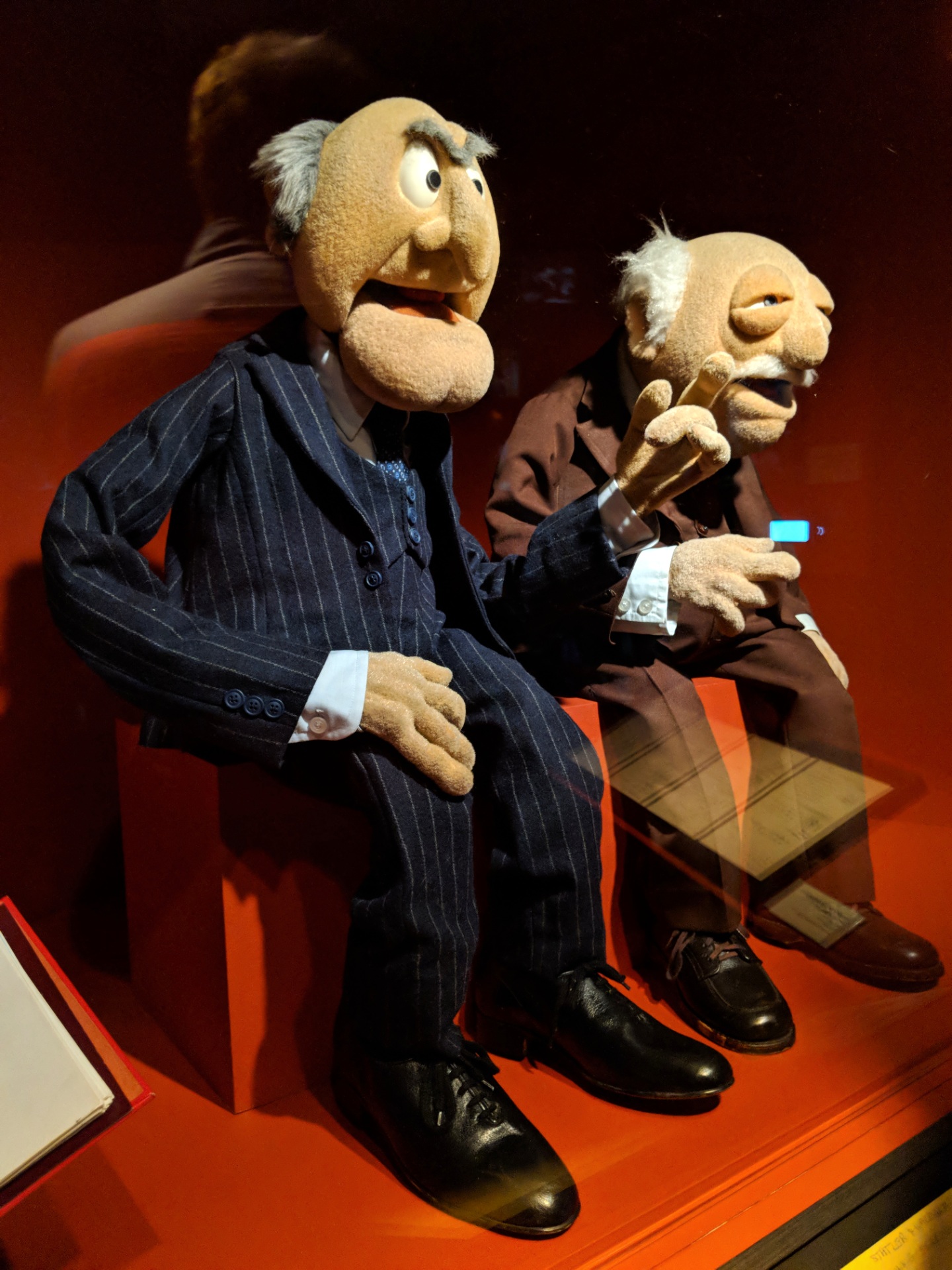
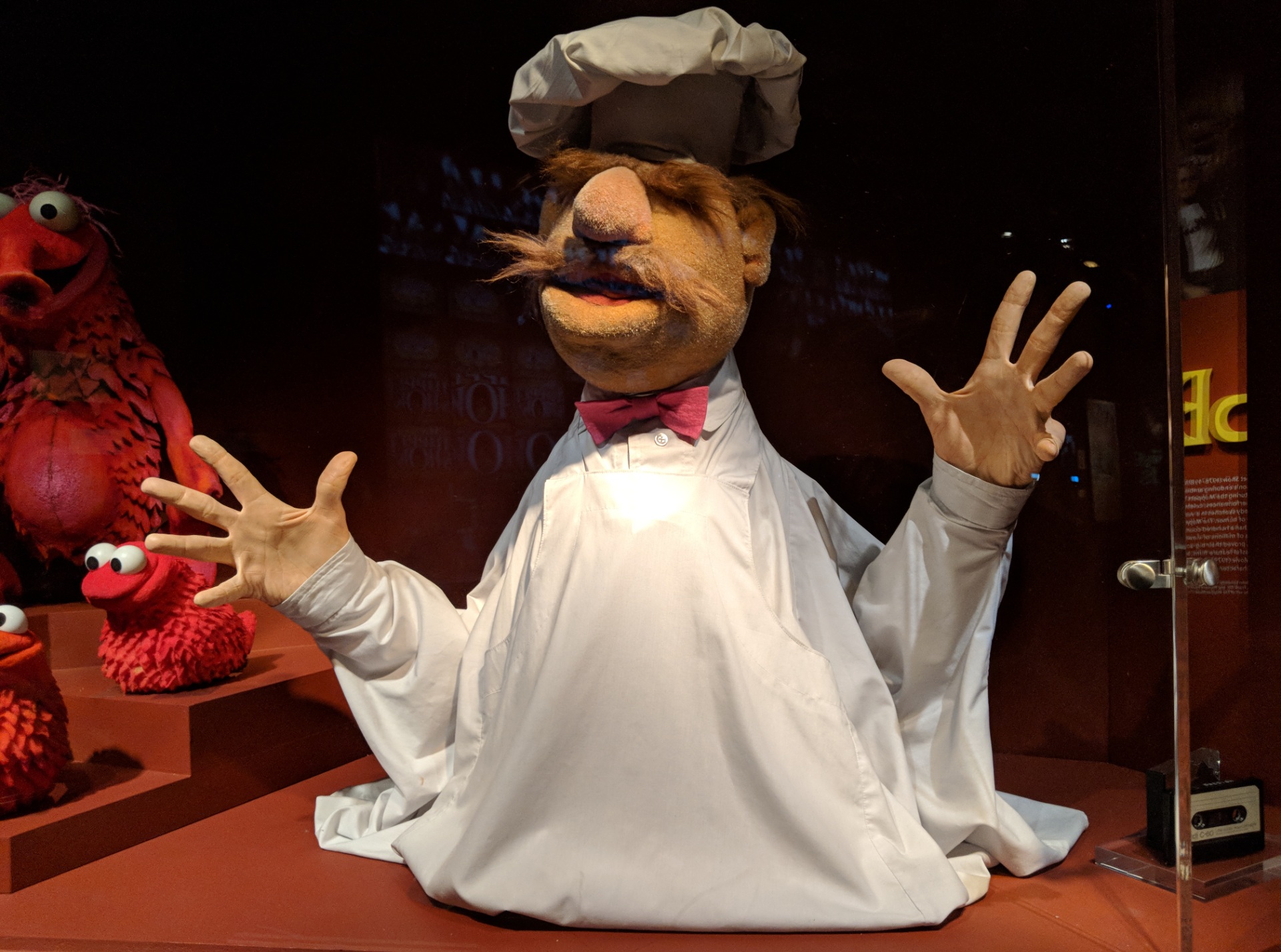
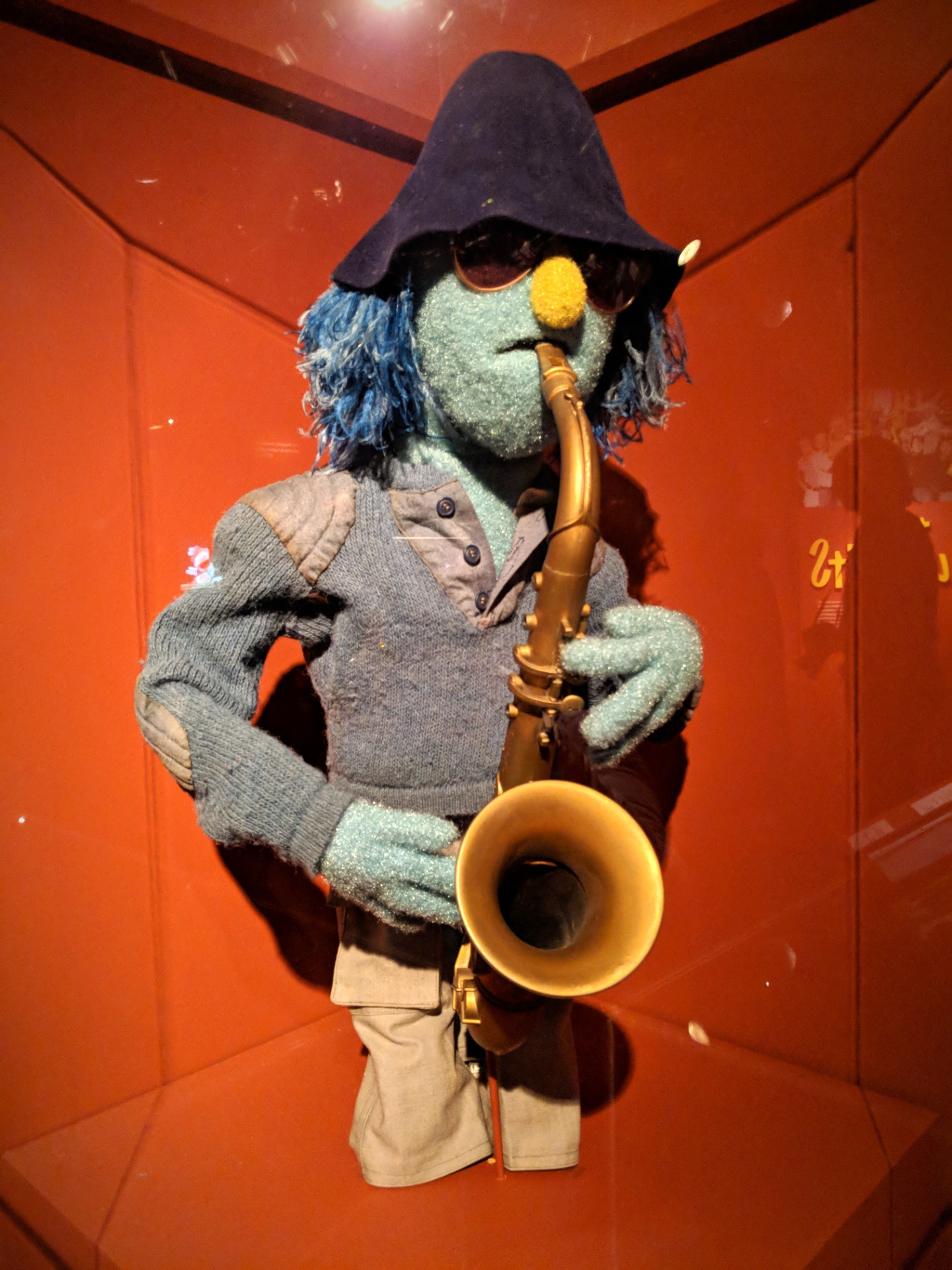
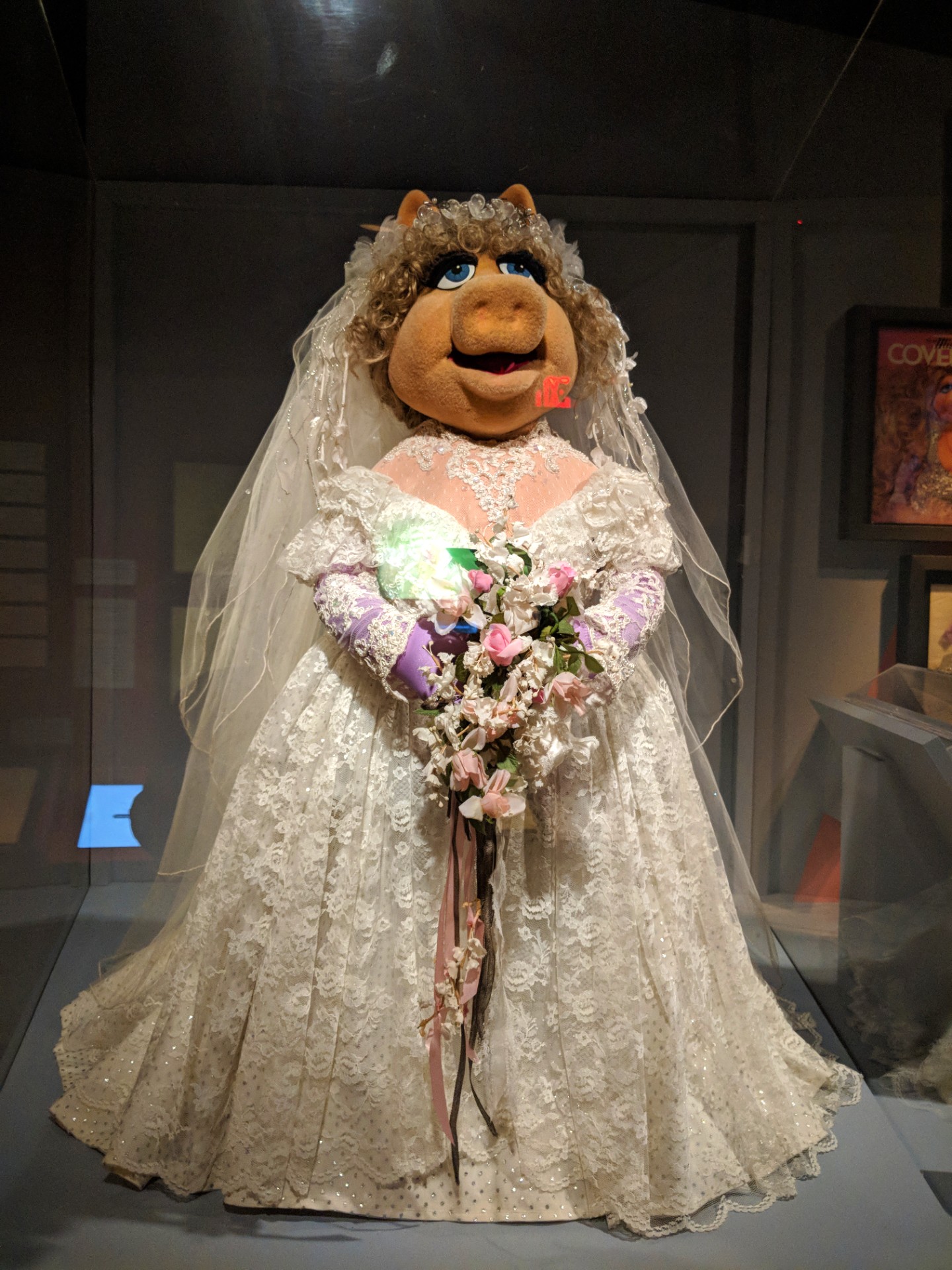
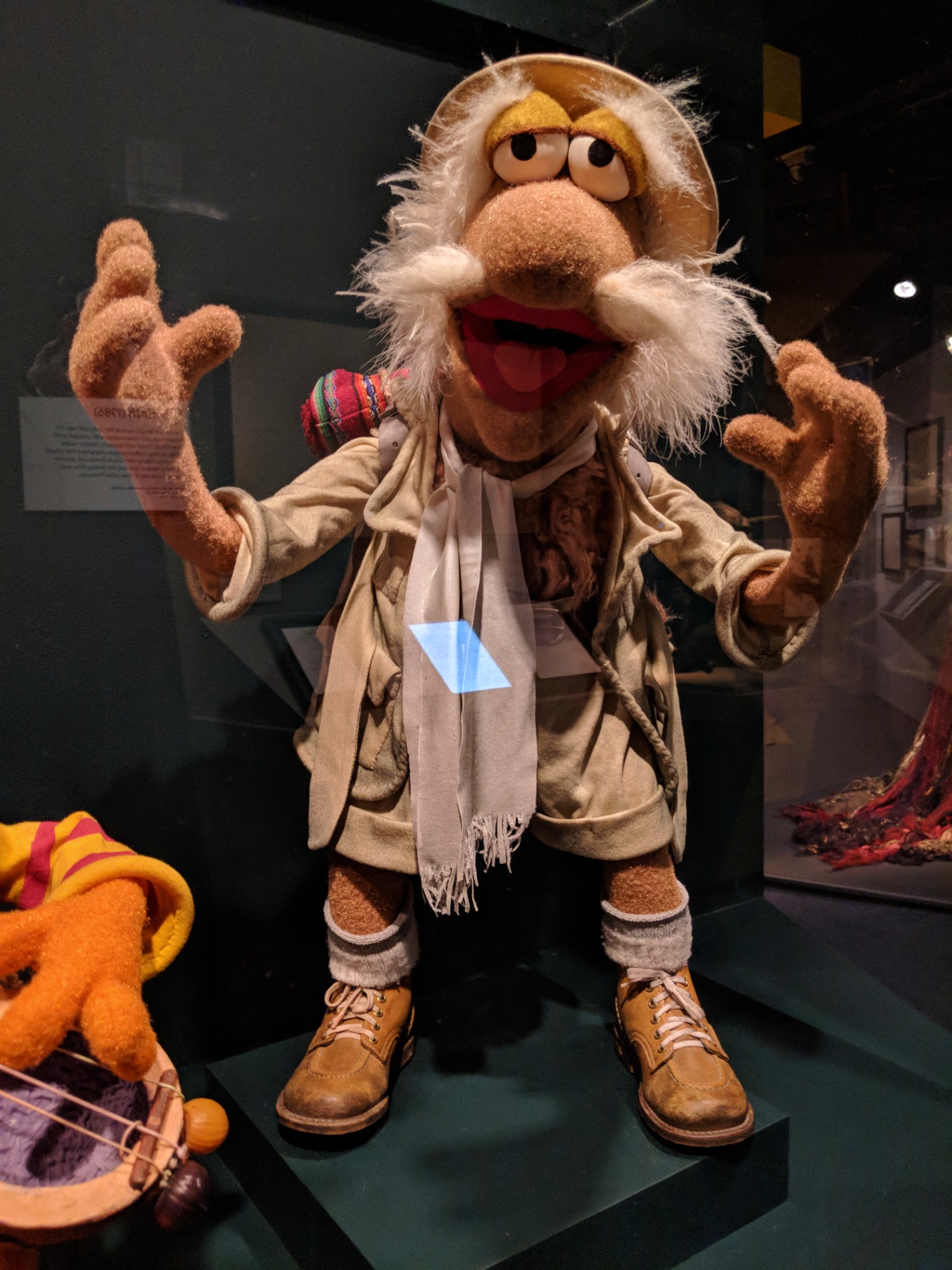
The Muppets (& Other Puppets)

@the_Museum_of_the_Moving_Image

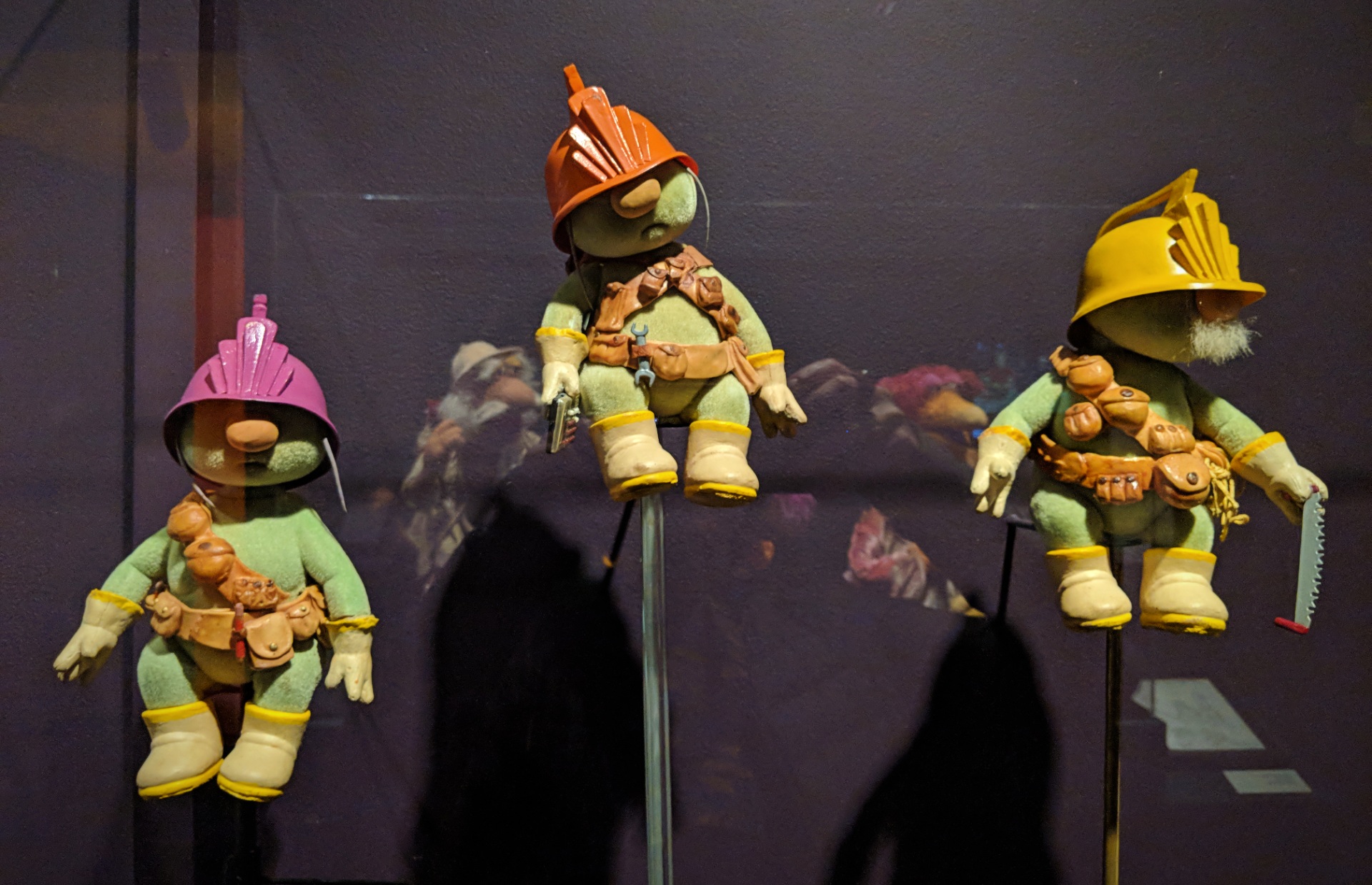
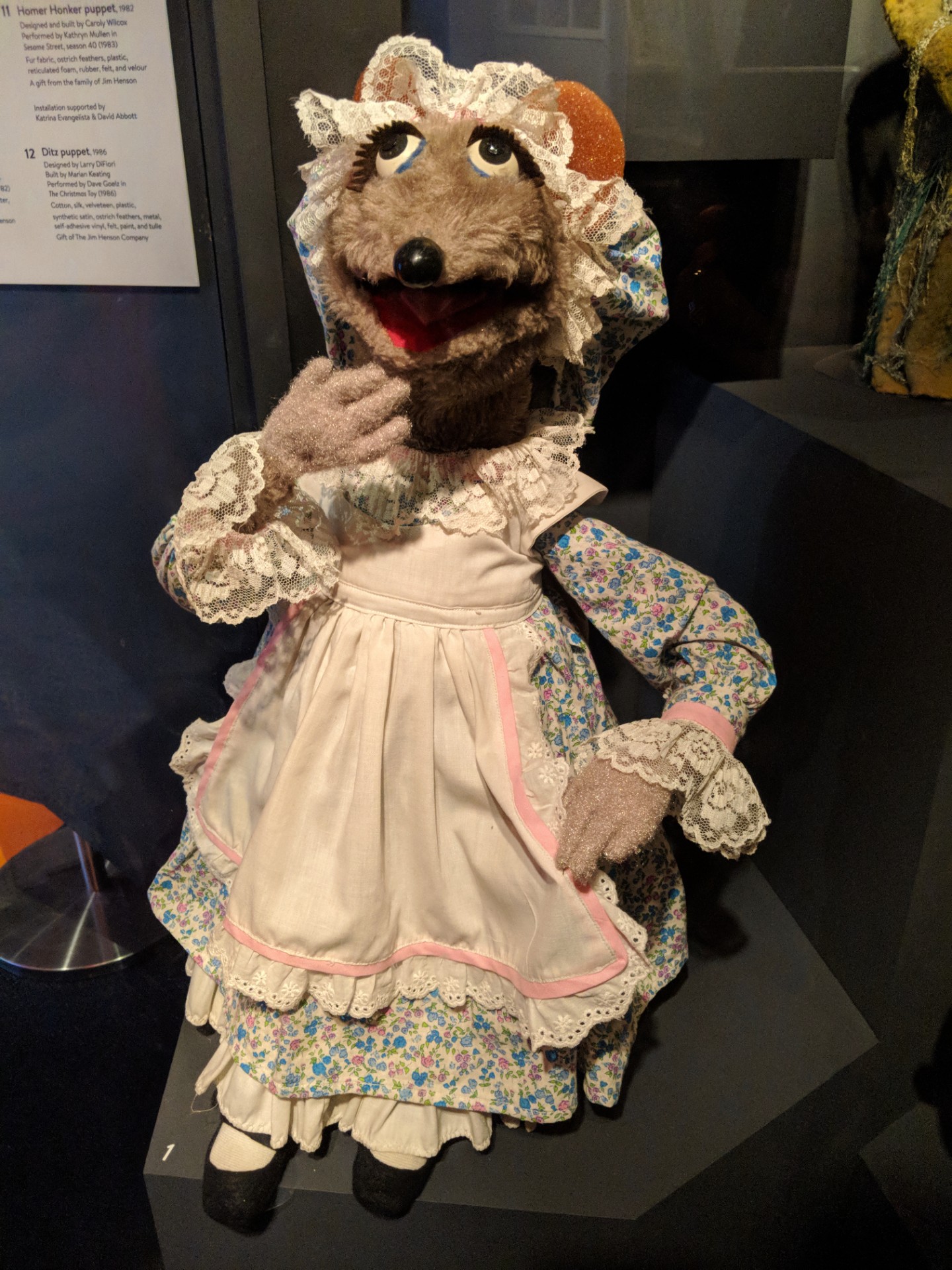
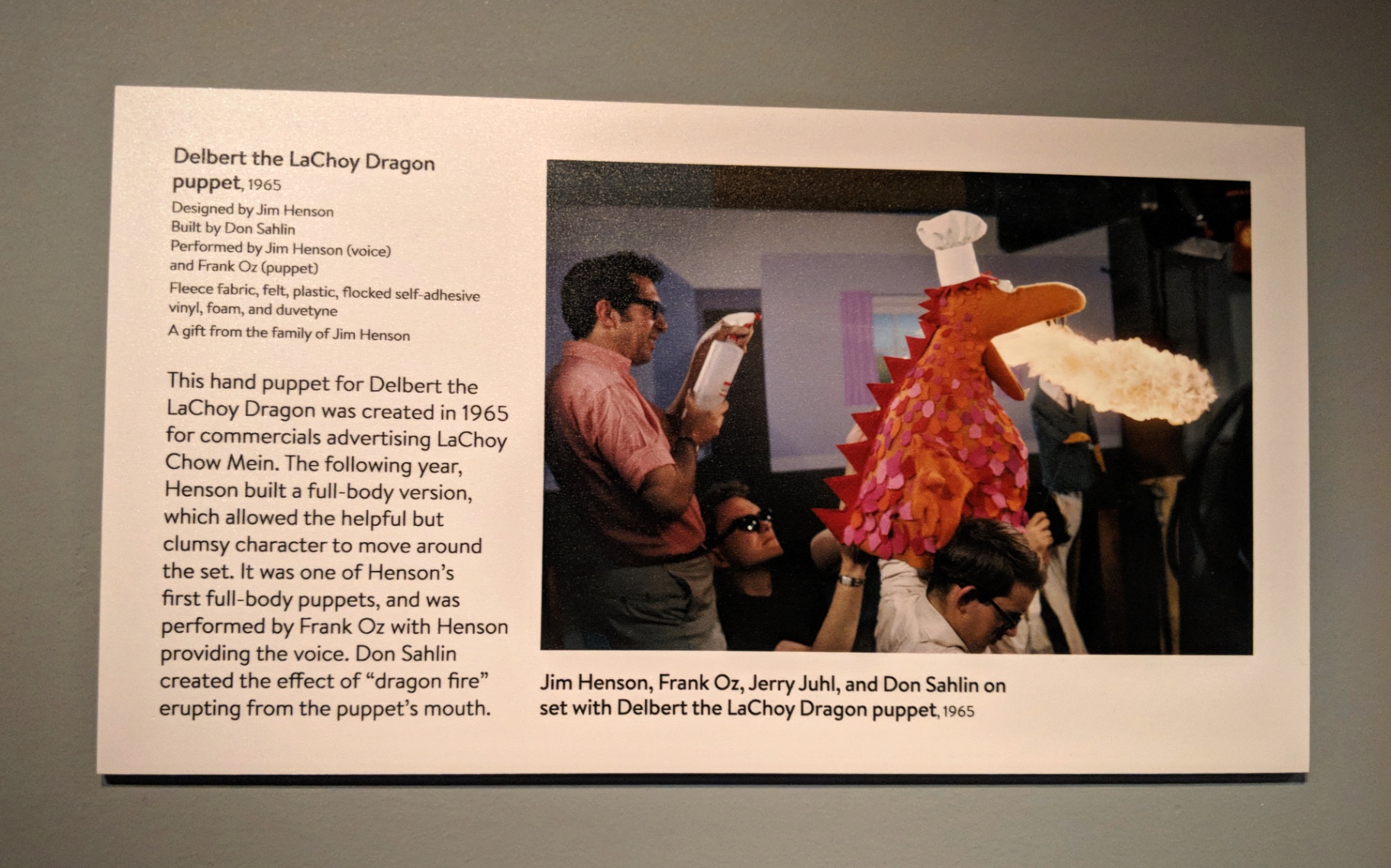
From The Jim Henson Exhibition which features all our favourite puppets from The Muppet Show and Sesame Street, and a whole range of character sketches, storyboards, scripts, photographs, and costumes from Jim Henson’s universe. It is now travelling, currently stopped at the Albuquerque Museum, Albuquerque, NM, until April 19, 2020. Check here for future venues.

”The Jim Henson Exhibition features a broad range of objects from throughout his remarkable career. It reveals how Henson and his team of builders, performers, and writers brought to life the enduringly popular worlds of The Muppet Show, the Muppet movies, Sesame Street, Fraggle Rock, The Dark Crystal, and Labyrinth. It also includes material from Henson’s experimental film projects and his early work, presenting him as a restlessly creative performer, filmmaker, and technical innovator.”

Museum of the Moving Image, Astoria, New York

May 13th, 2018

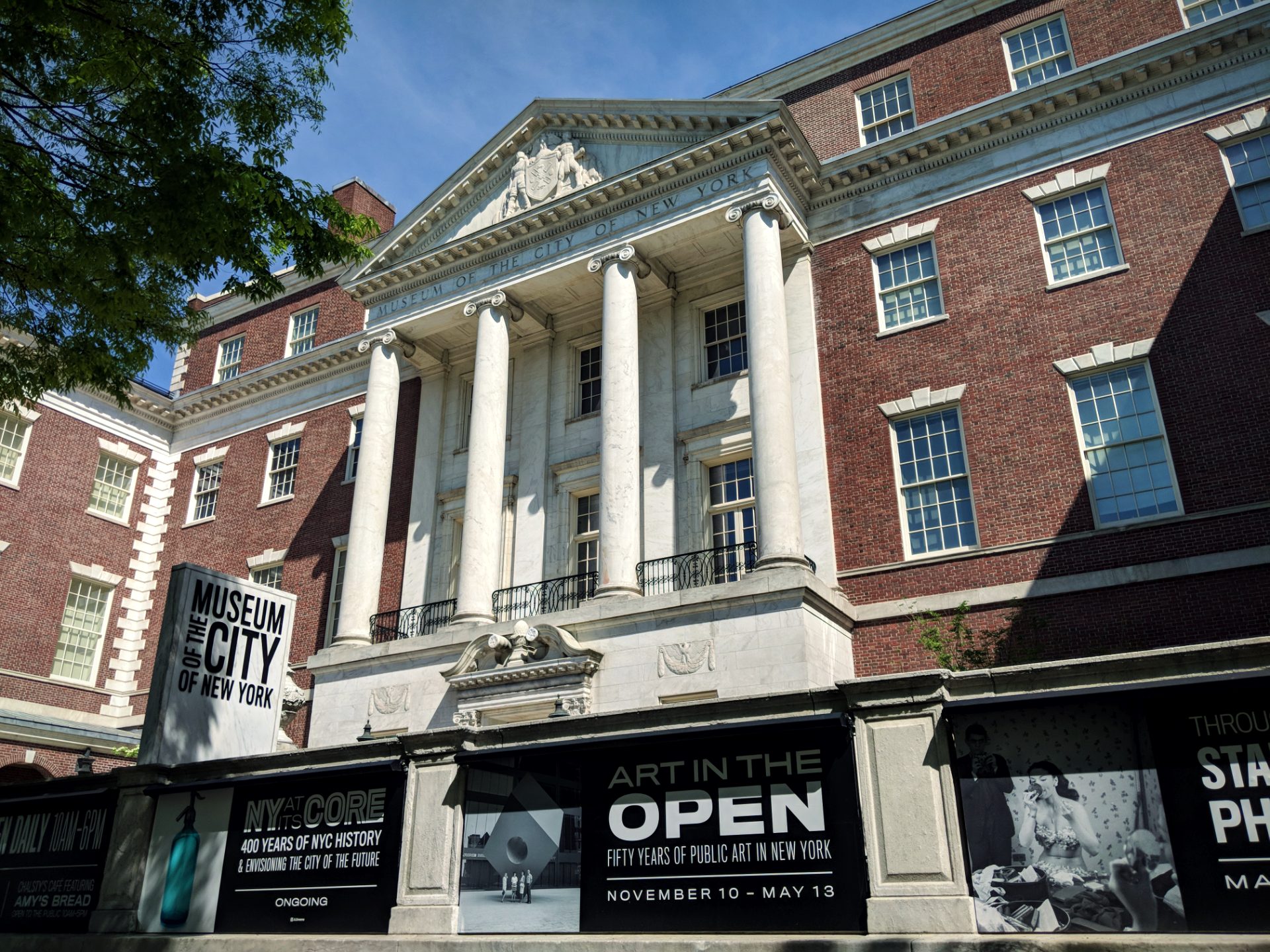
Museum of the City of New York

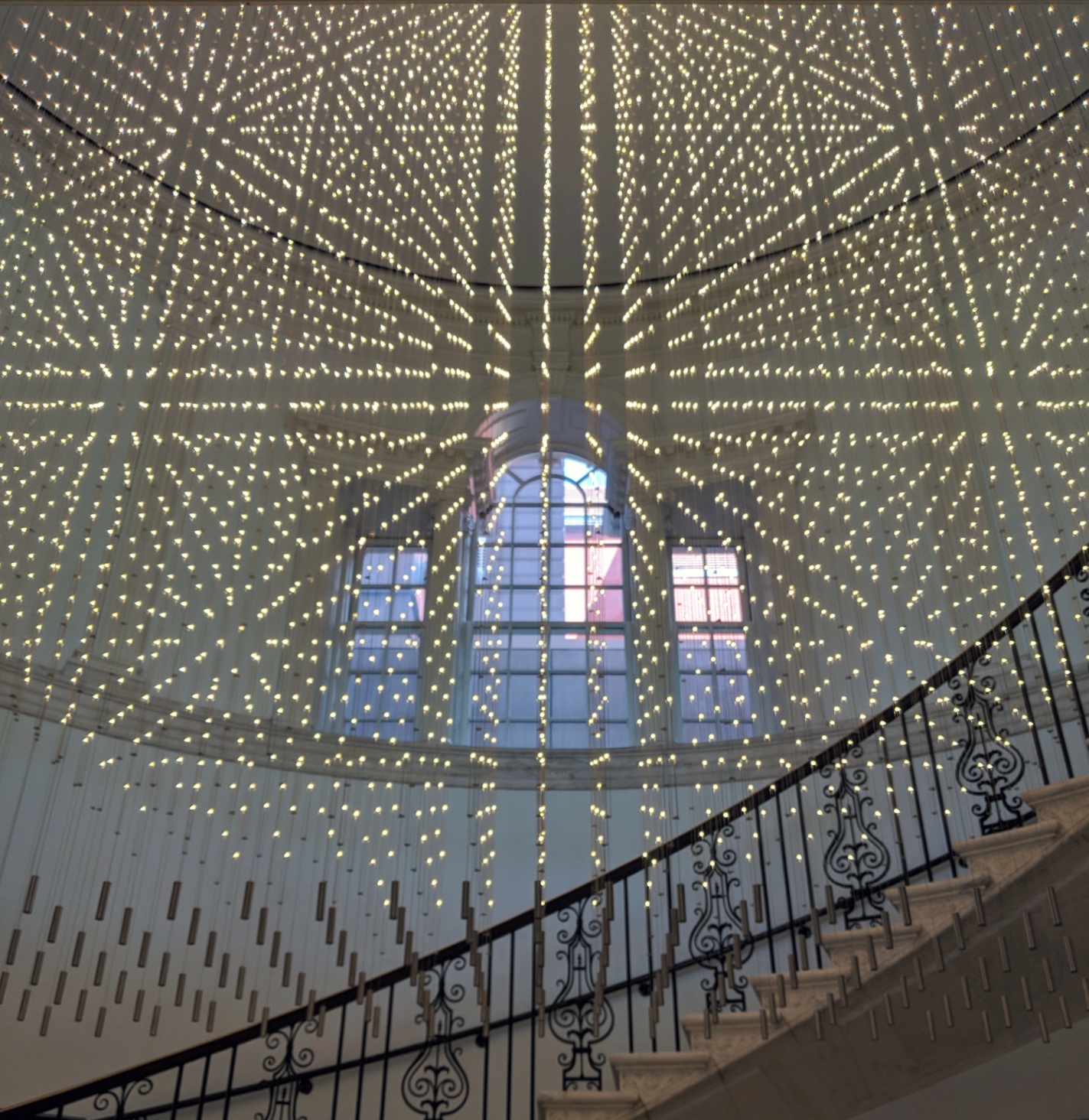
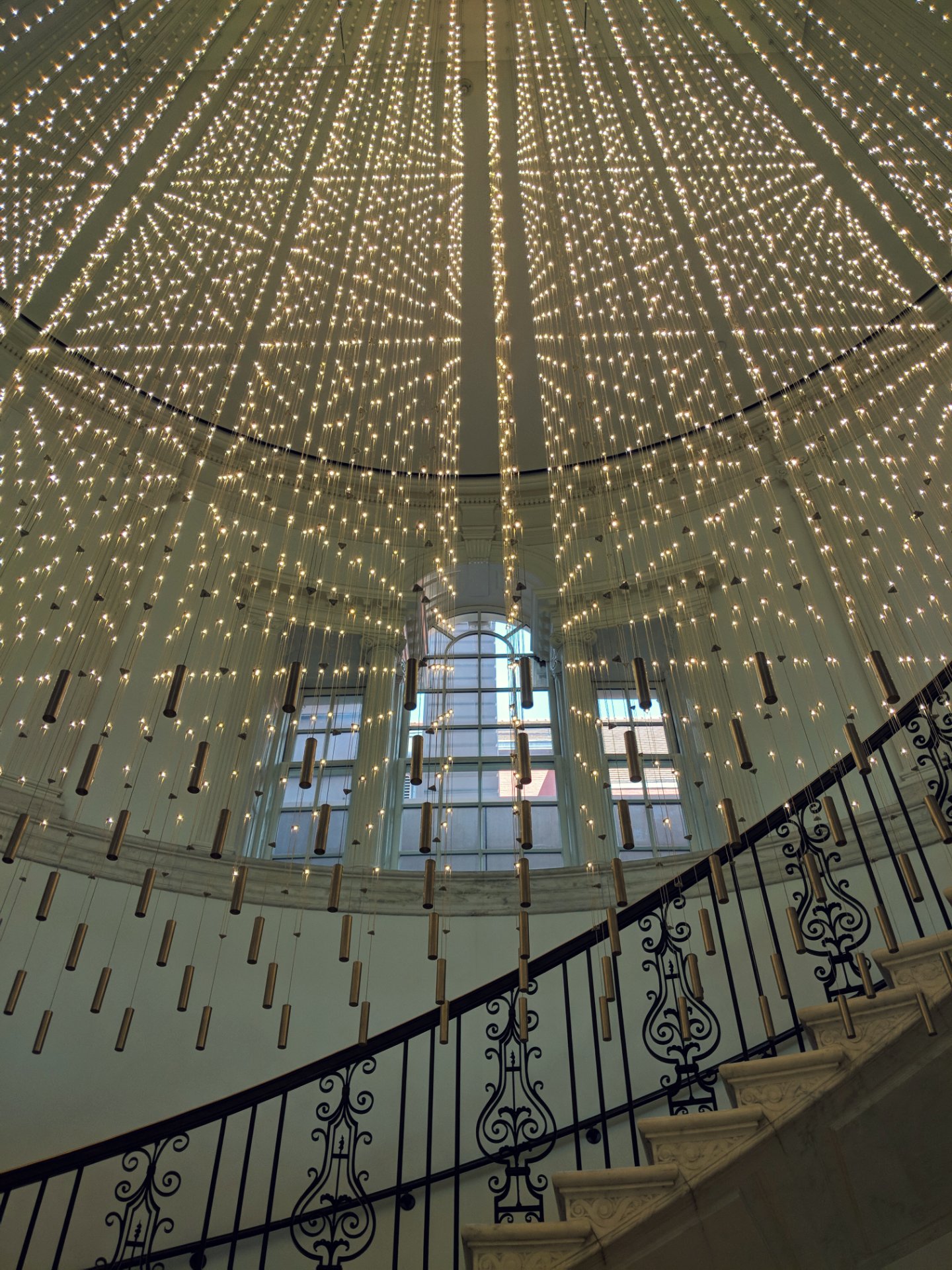
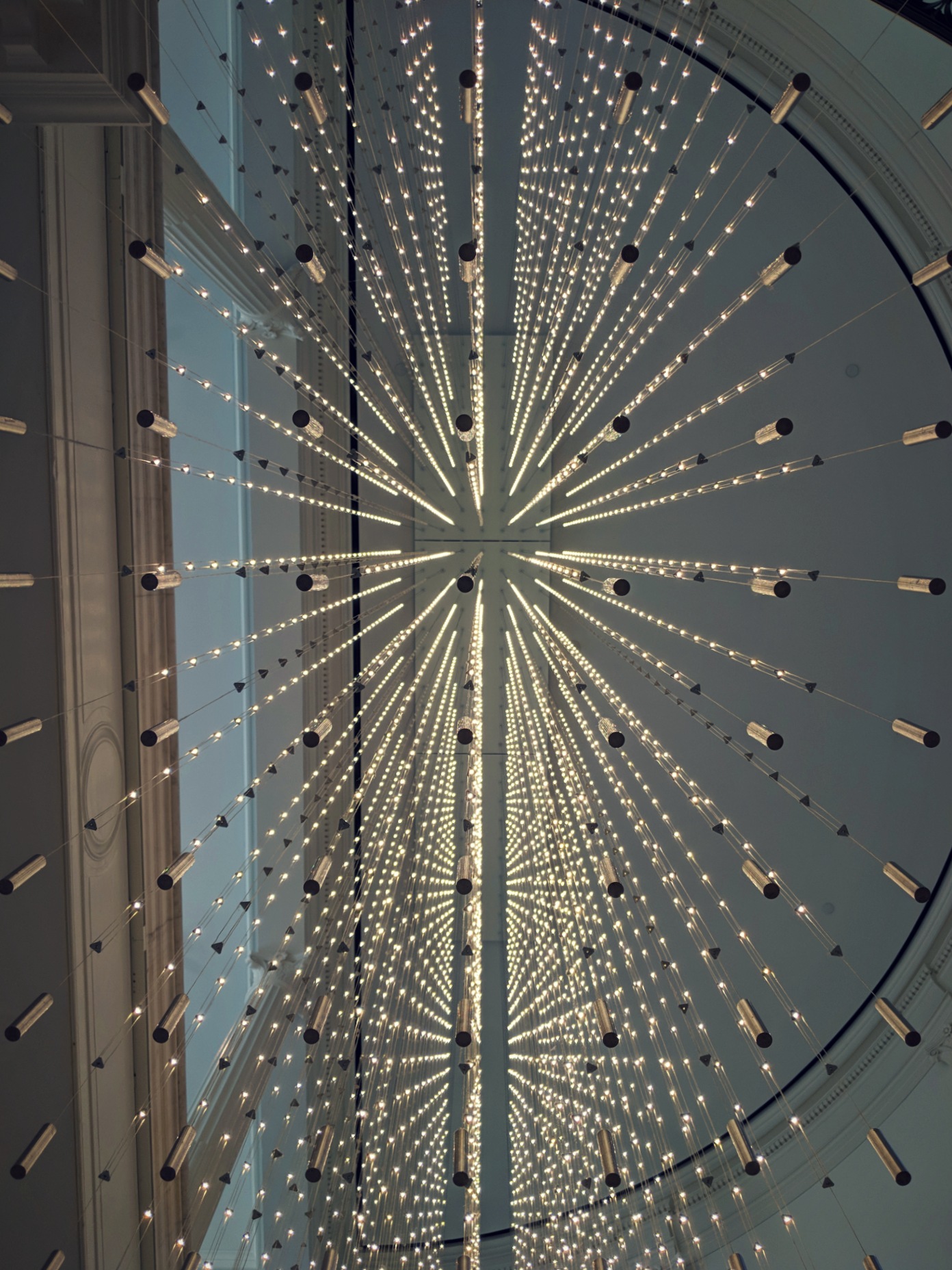
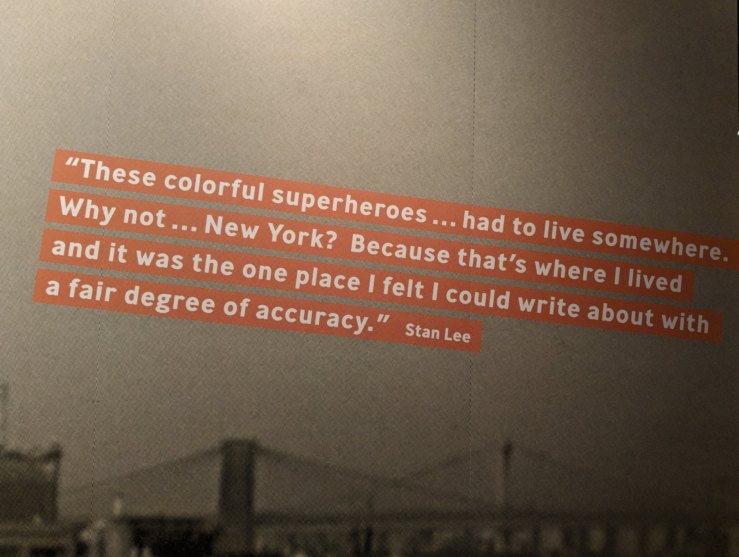
Kubrick or no Kubrick, learning about New York City’s past, present and future in a dedicated Museum, is fun. As is capturing Starlight, the brilliant light fixture by Cooper Joseph Studio which dominates its entrance and lights up the circular staircase.

Images:

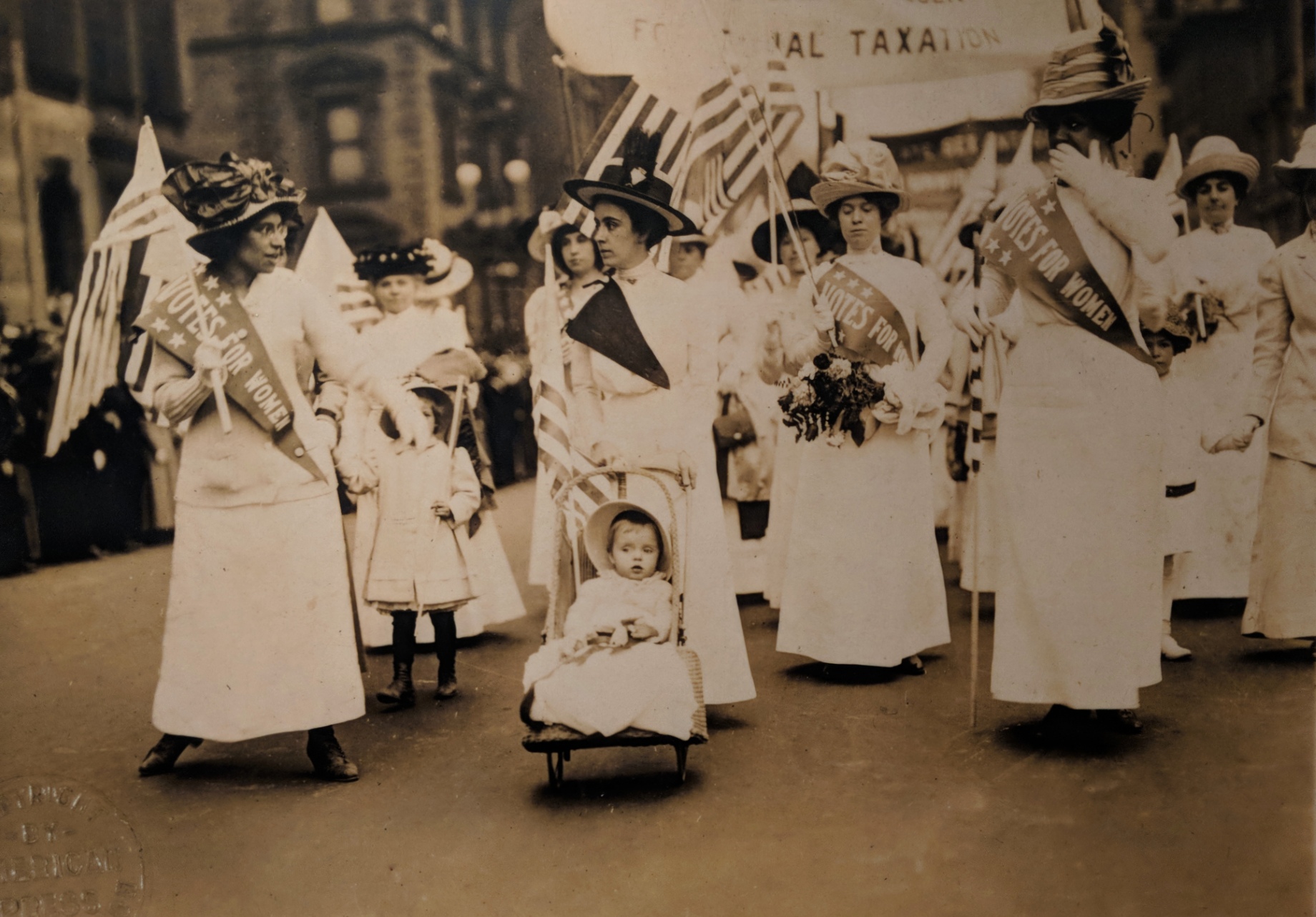
Poster detail from the Suffrage parade through Madison Square, 1915. The ladies were dressed in white, emblem of purity, which was a way for more moderate suffragists to show their support for the vote.

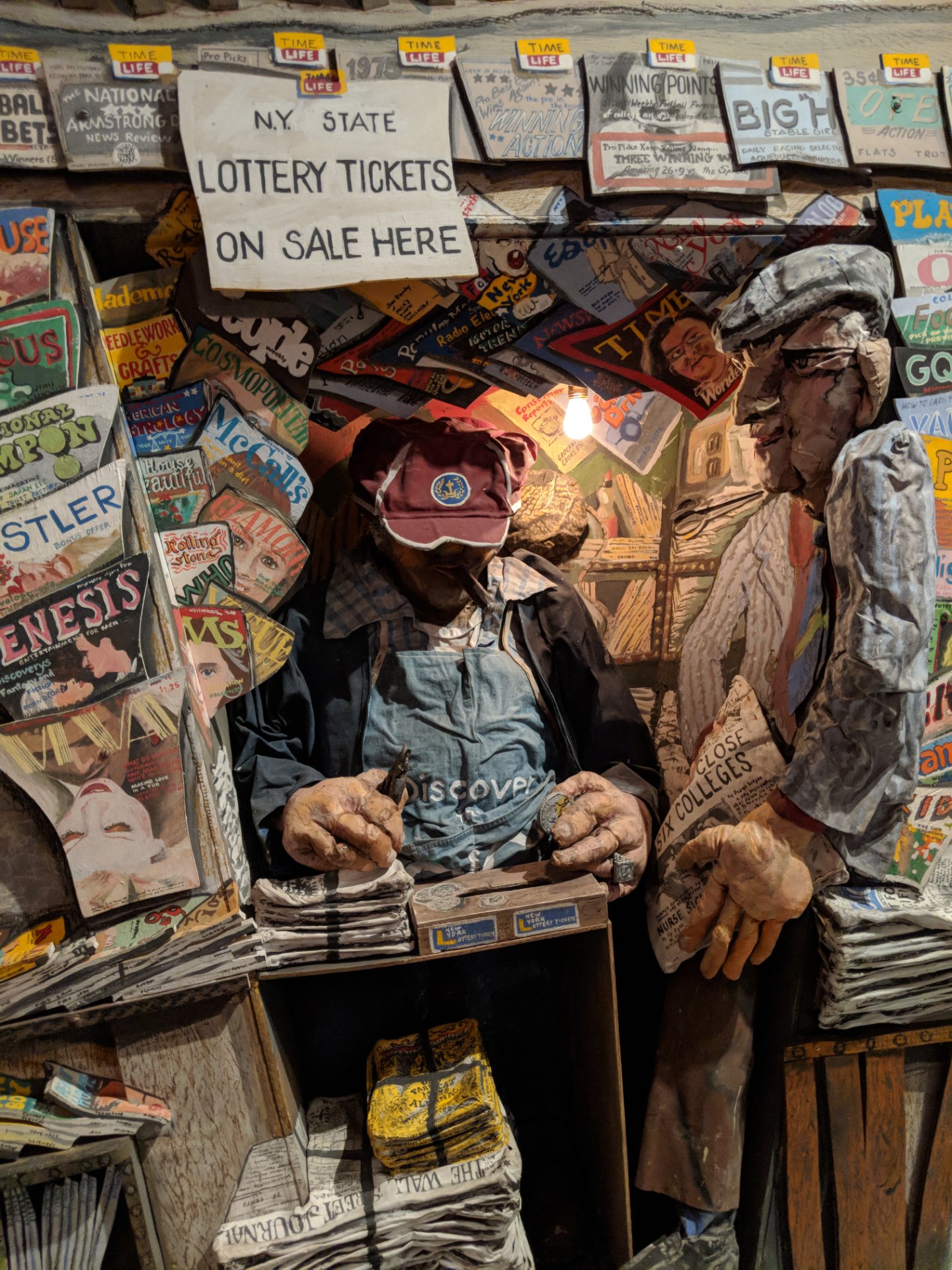
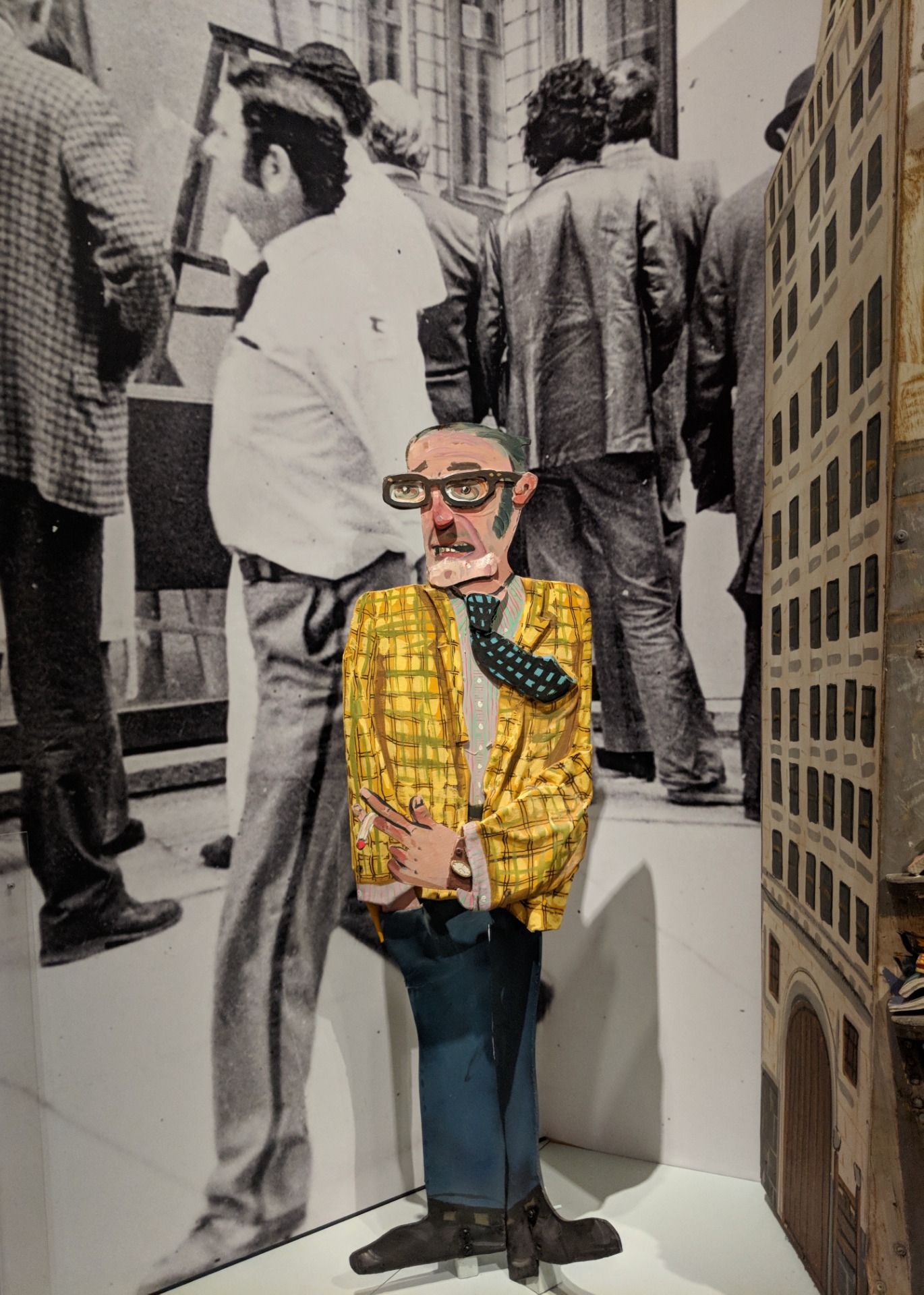
Detail from ”Ruckus Manhattan: Wall Street-Newsstand and Lamppost, 1976
Papier-mâché, wood, plastic, fiberglass and vinyl by Red Grooms, Mimi Gross and Ruckus Construction Company

”The Truth Is… I See You”, speech bubbles by Hank Willis Thomas (b. 1976)
MetroTech Commons, 2015

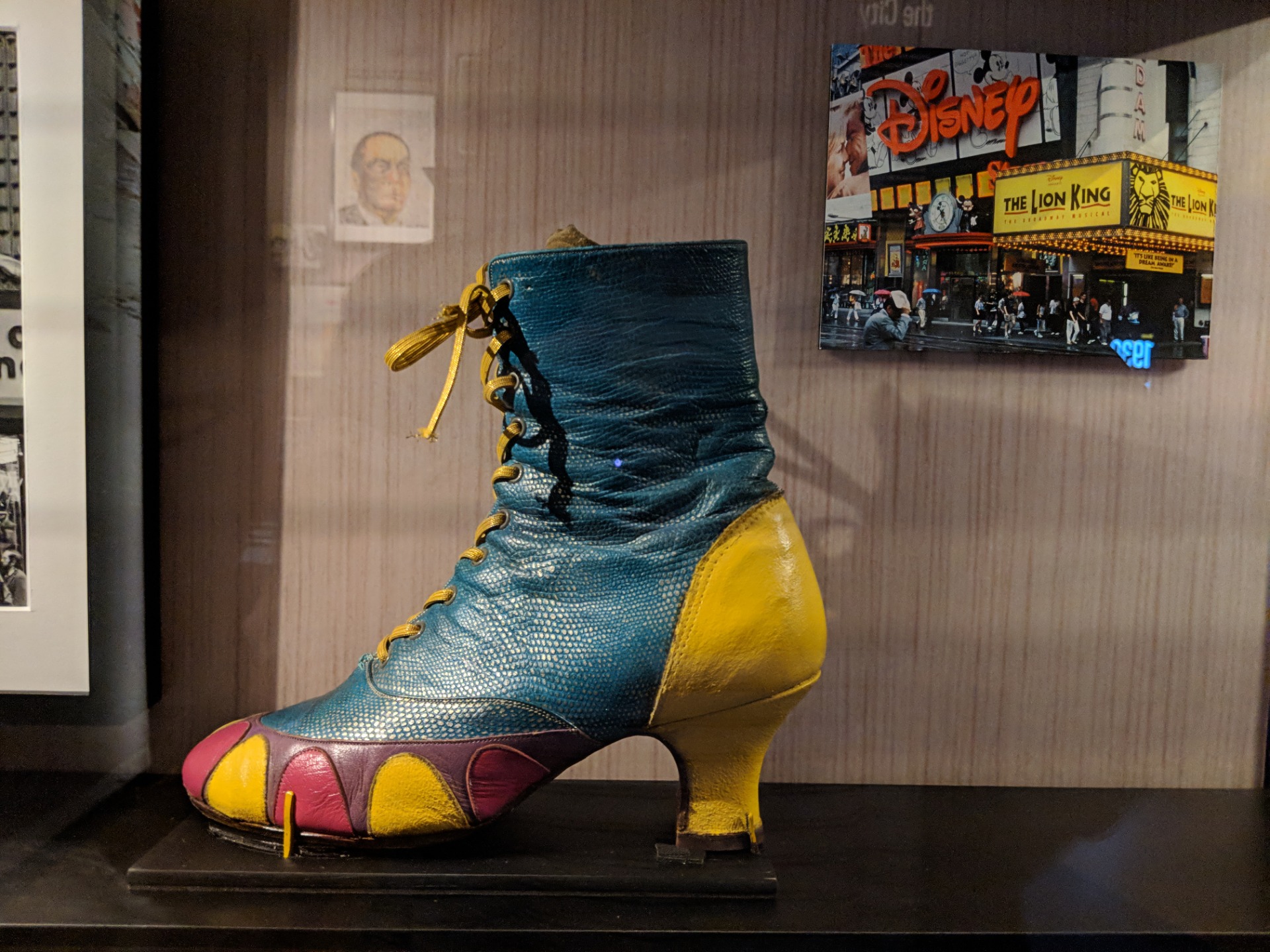
A boot, worn by ”Mrs. Potts” in Beauty and the Beast, 1993-94

Museum of the City of New York, East Harlem, Manhattan

May 9th, 2018