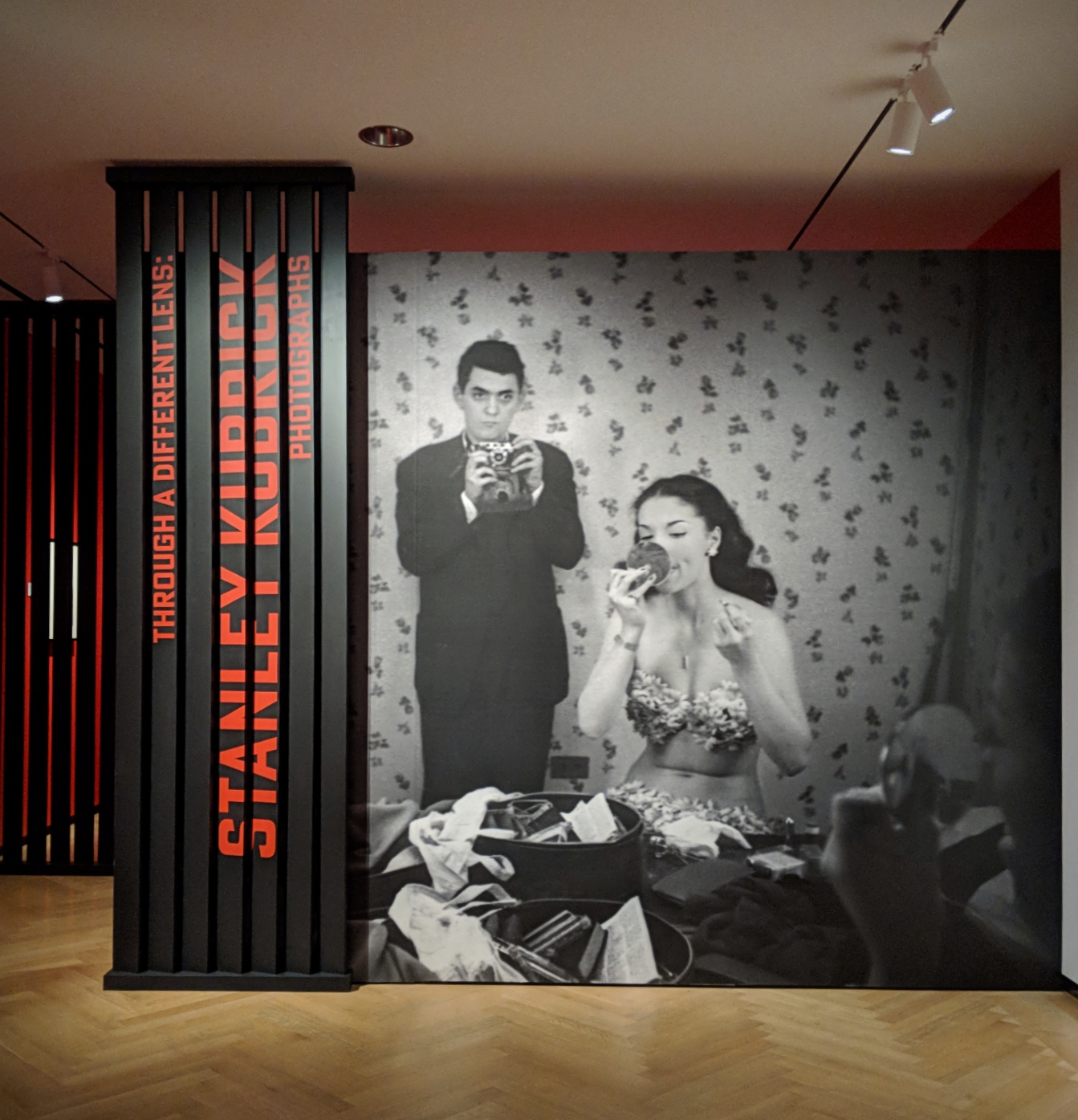
Through a Different Lens: Stanley Kubrick Photographs

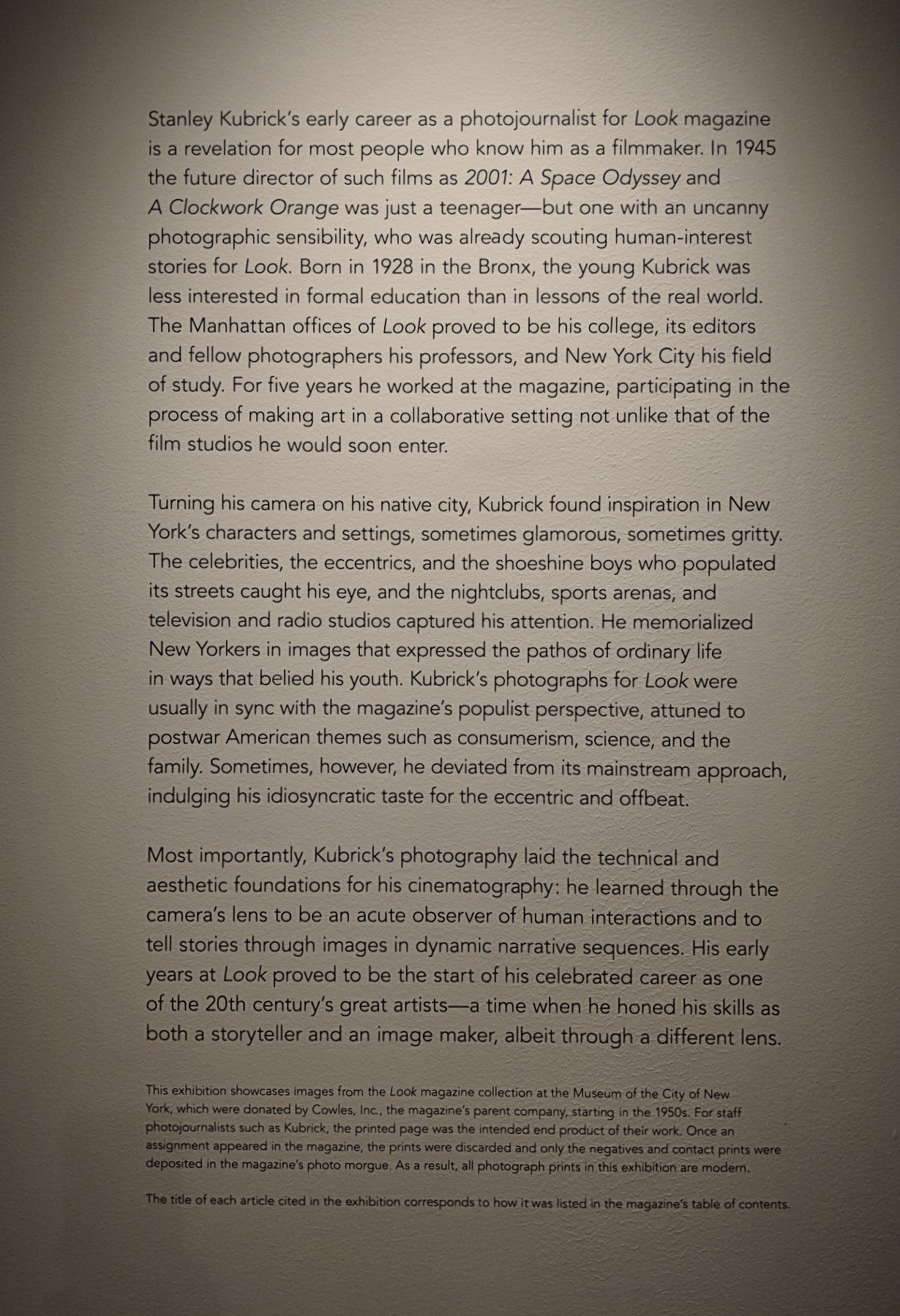
Stanley Kubrick was just 17 when he sold his first photograph to the pictorial magazine Look in 1945. In his photographs, many unpublished, Manhattan-born and Bronx-raised Kubrick trained the camera on his native city, drawing inspiration from the nightclubs, street scenes, and sporting events that made up his first assignments, and capturing the pathos of ordinary life with a sophistication that belied his young age.

Through a Different Lens: Stanley Kubrick Photographs features more than 120 photographs by Kubrick from the Look Magazine archive of the Museum of the City of New York, an unparalleled collection that includes 129 photography assignments and more than 12,000 negatives from his five years as a staff photographer.

The exhibition was on show in the Museum of the City of New York through October 2018, a tribute to the great cinematographer-to-be, capturing life in his City. It is now traveling and on show in Skirball Cultural Center, Los Angeles through March 8, 2020.

Park Benches: Love is Everywhere
Unpublished, filed: May 1, 1946

This series of photographs captured New Yorkers, many unaware of Kubrick’s camera, in romantic situations on park benches, fire escapes and other locations. Several images were probably taken with infrared film and flash, which allowed Kubrick to photograph in the dark. Kubrick likely learned of this technology, rare among magazine photographers at the time, from the celebrated tabloid photographer Weegee, who used the technique in the early 1940s to photograph seemingly unaware patrons at movie theatres.


Dentist’s Office: Americans Are Dutiful but Nervous Dental Patients
Published: October 1, 1946


While Mama Shops: Kids are Bored, Get into Mischief While Mom’s Away
Published: March 18, 1947


Advertising Sign Painters at Work
Unpublished, Filed: September 3, 1947

Kubrick shared this unpublished assignment with two other photographers, Frank Bauman and Tom Weber. The photographers documented a publicity stunt performed by sign painters and a live female model as they created a billboard for a Peter Pan bra advertisement high above the corner of Fifth Avenue and 42nd Street.

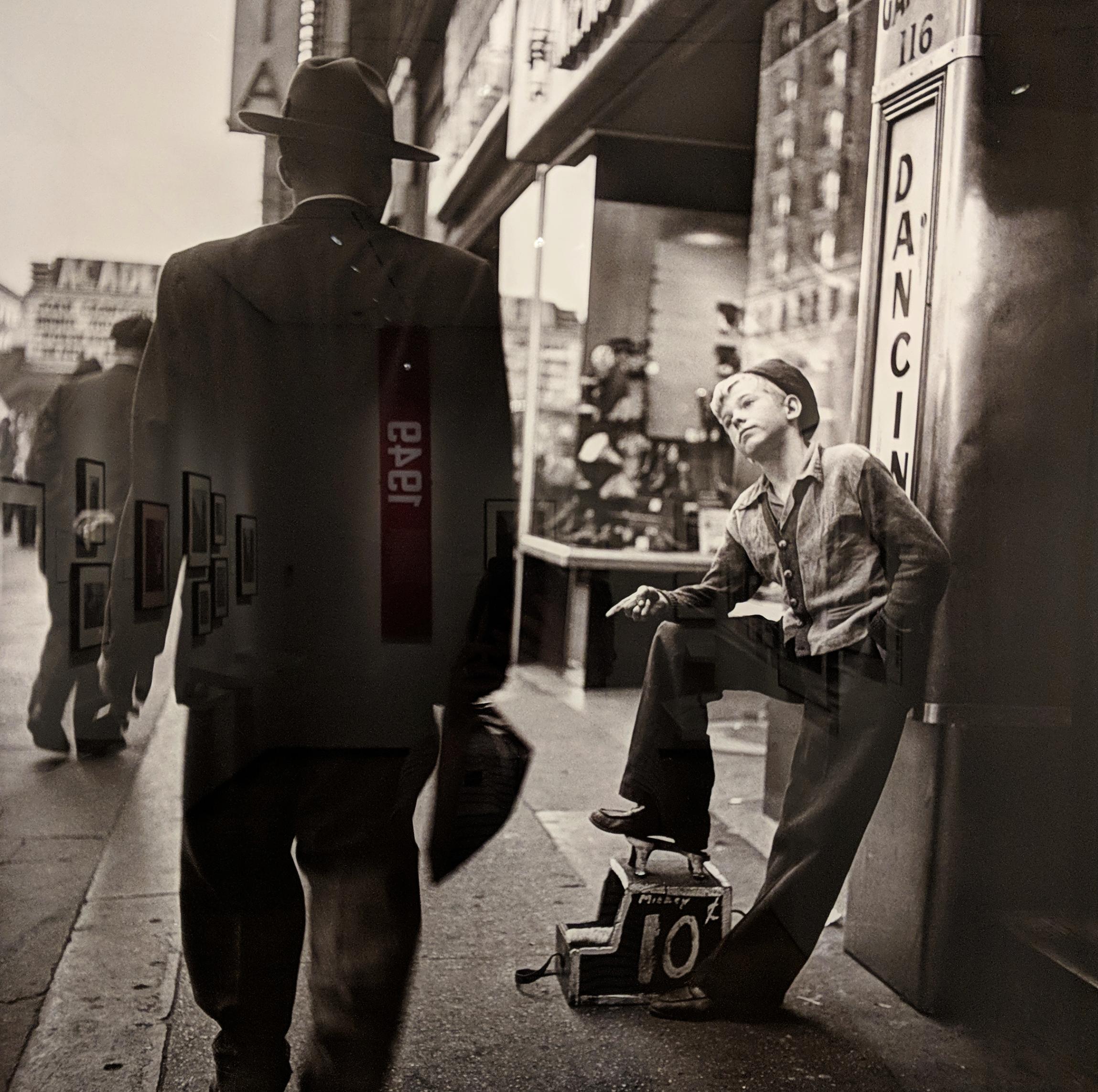
Shoeshine Boy
Unpublished, Filed: October 6th, 1947

One of the earliest narrative assignments Kubrick created for Look was a series of photographs of Mickey, an adolescent shoeshine boy. Kubrick shot more than 250 photographs that closely followed Mickey through the course of his day.


Columbia University
Author: Don Wharton, Published: May 11, 1948


Wash Day: Look visits a Greenwich Village Self-Service Laundry
Published: April 27, 1948
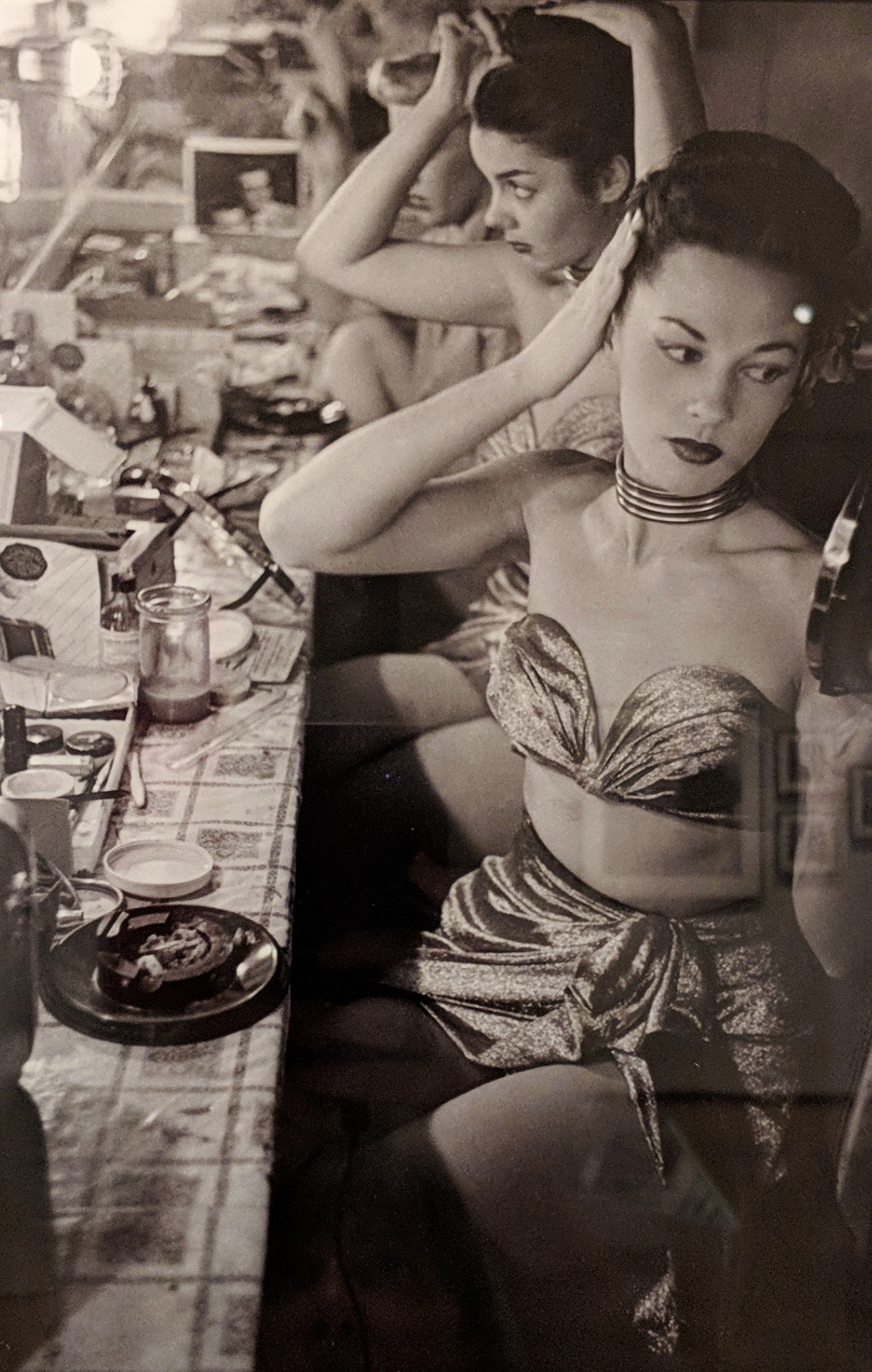

Midsummer Nights in New York
Author: Patricia Coffin, Published: July 19, 1949


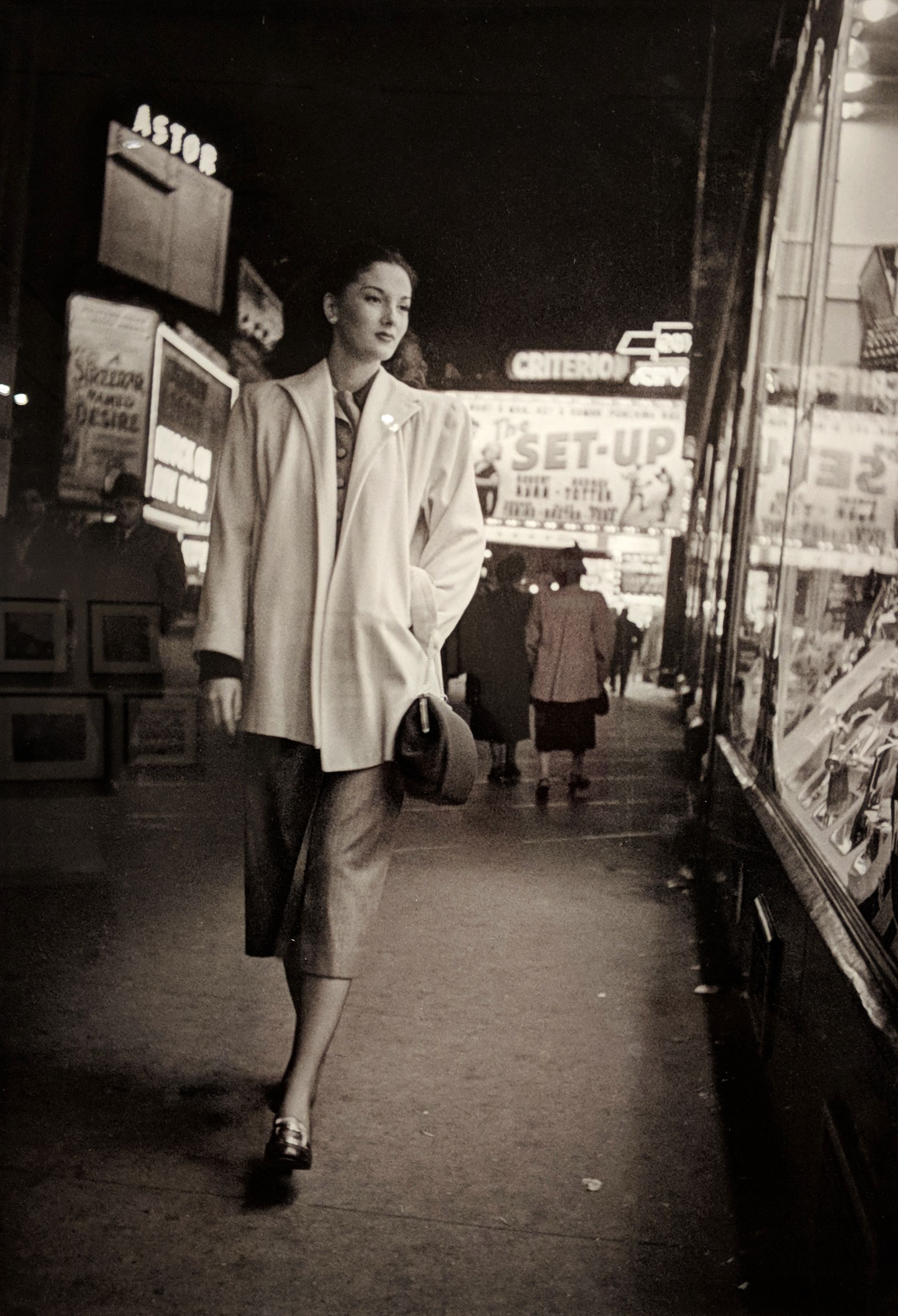
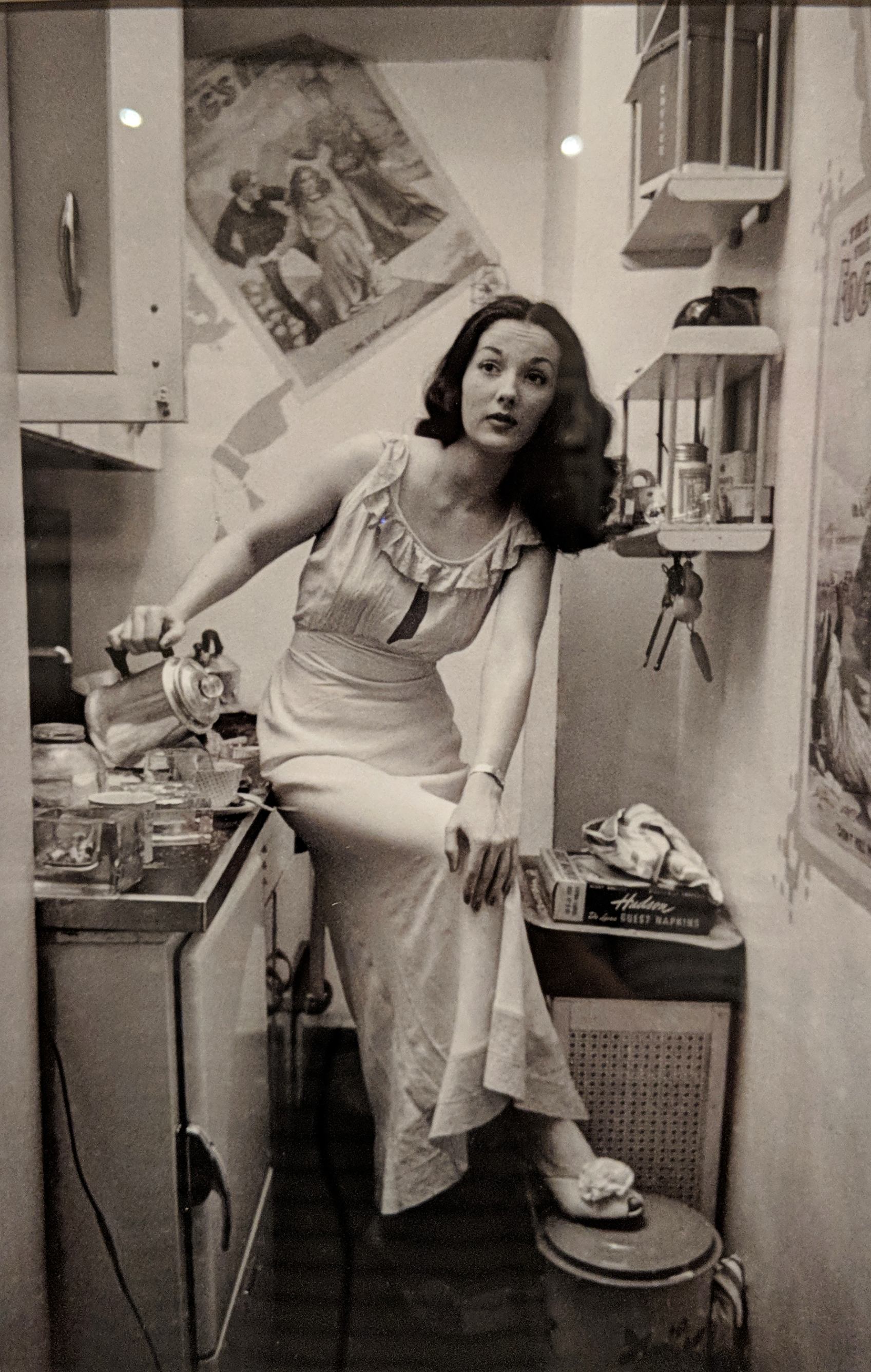
Rosemary Williams: Showgirl
Unpublished. Filed: March 1949

One of Kubrick’s largest unpublished profiles, approximately 700 images of aspiring model and actress Rosemary Williams, was likely created for a proposed day-in-the-life piece contrasting her onstage persona and her backstage real life.
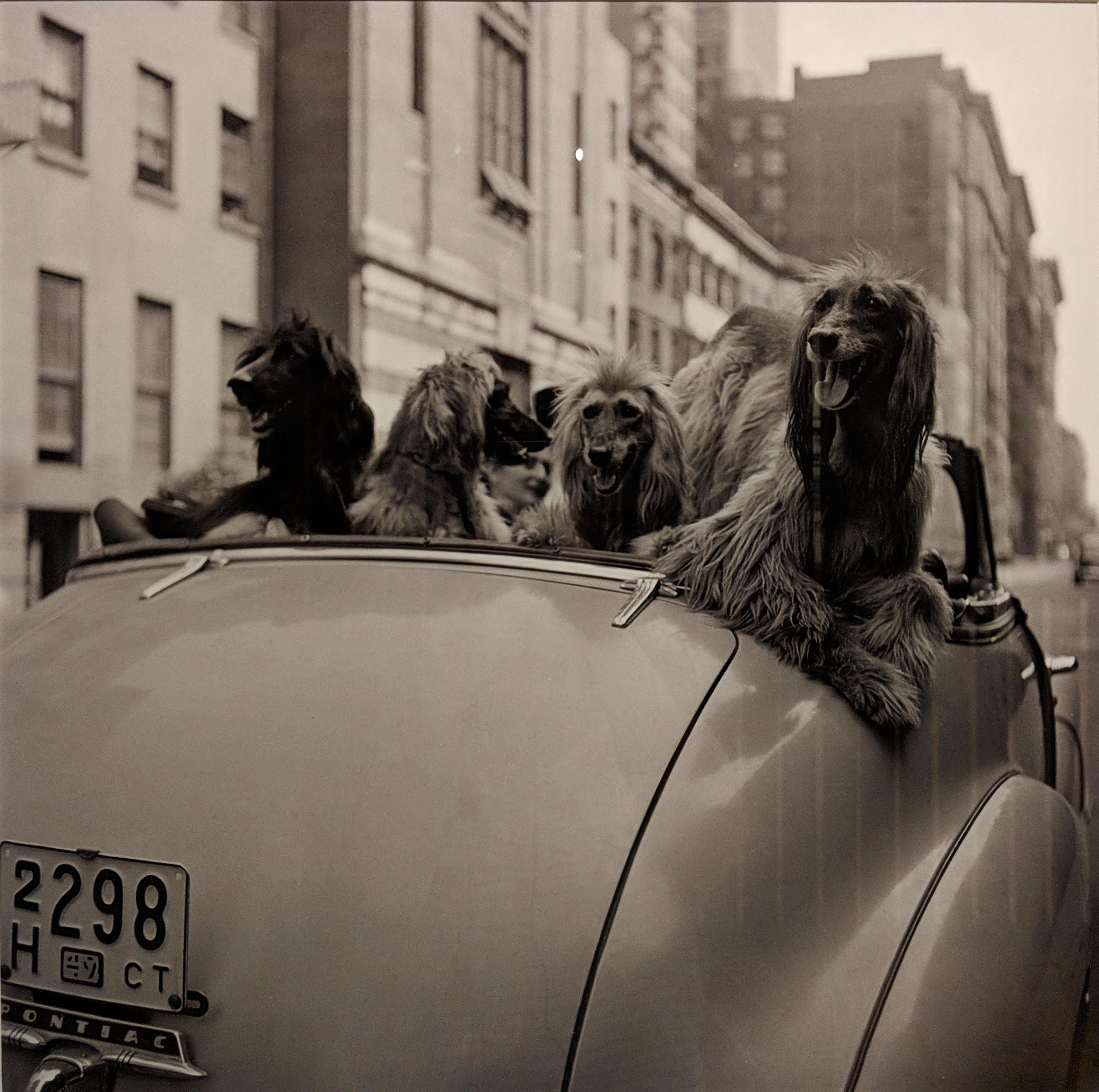
A Dog’s Life in the Big City
Author: Isabella Taves
Published: November 8, 1949

Exploring the lives of New York’s 291,018 licensed dogs, this story extolled an ”only in New York” quirkiness that Look often promoted in its coverage of the city.


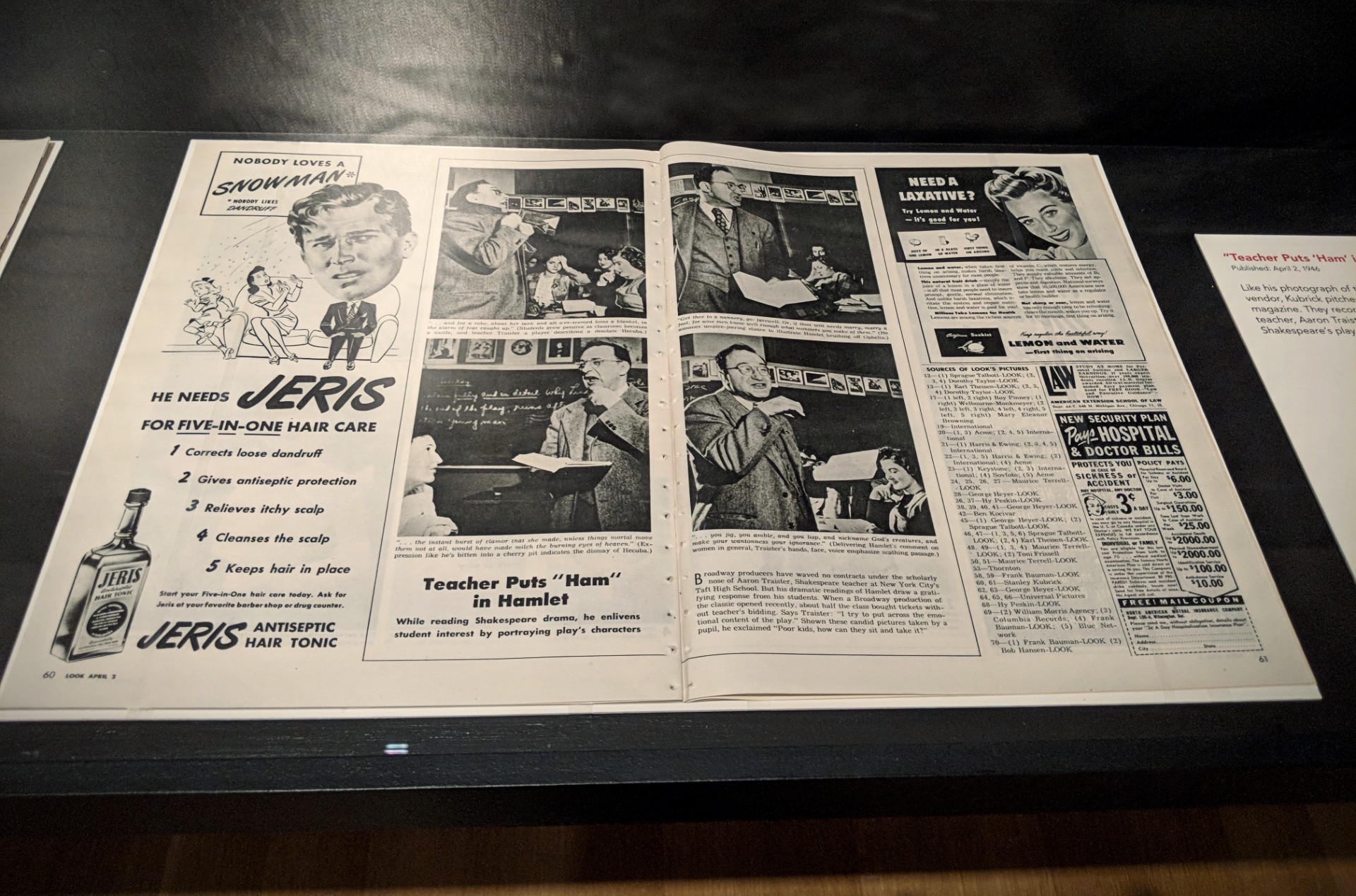
What Teenagers Should Know About Love
Author: Evelyn Millis Duvall
Published: October 10, 1950


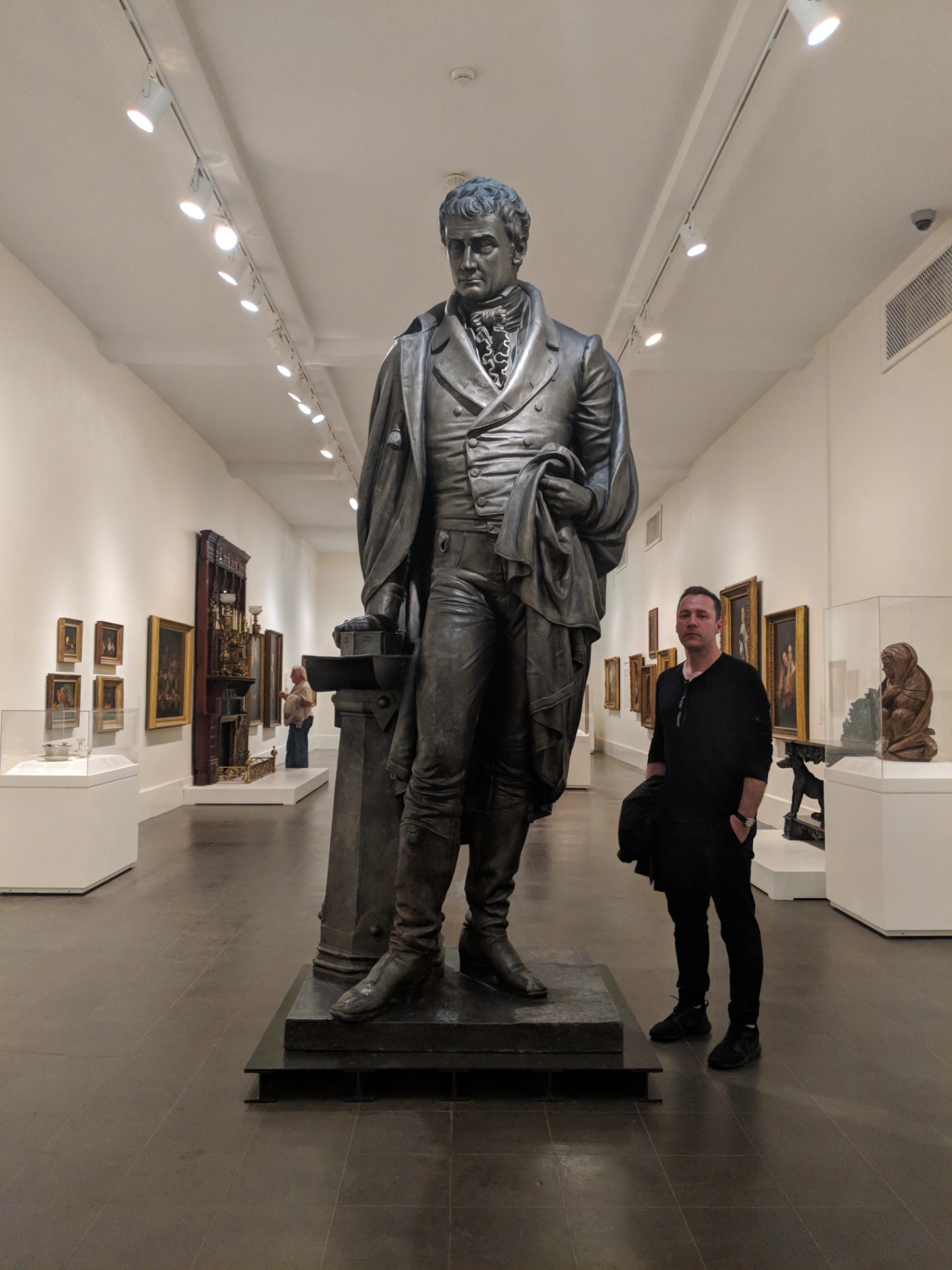
Museum of the City of New York, East Harlem, Manhattan

May 9th, 2018
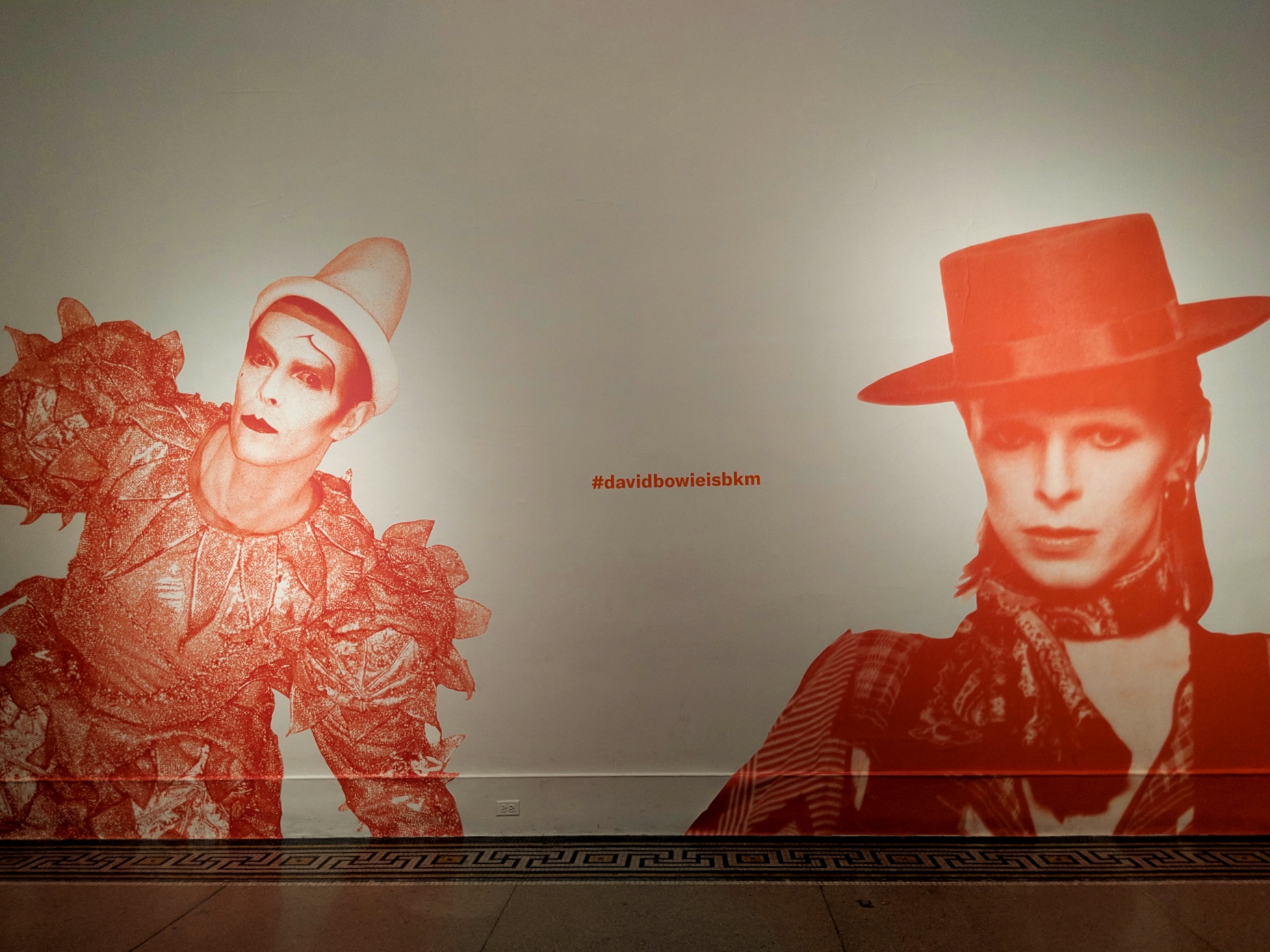
David Bowie Is…

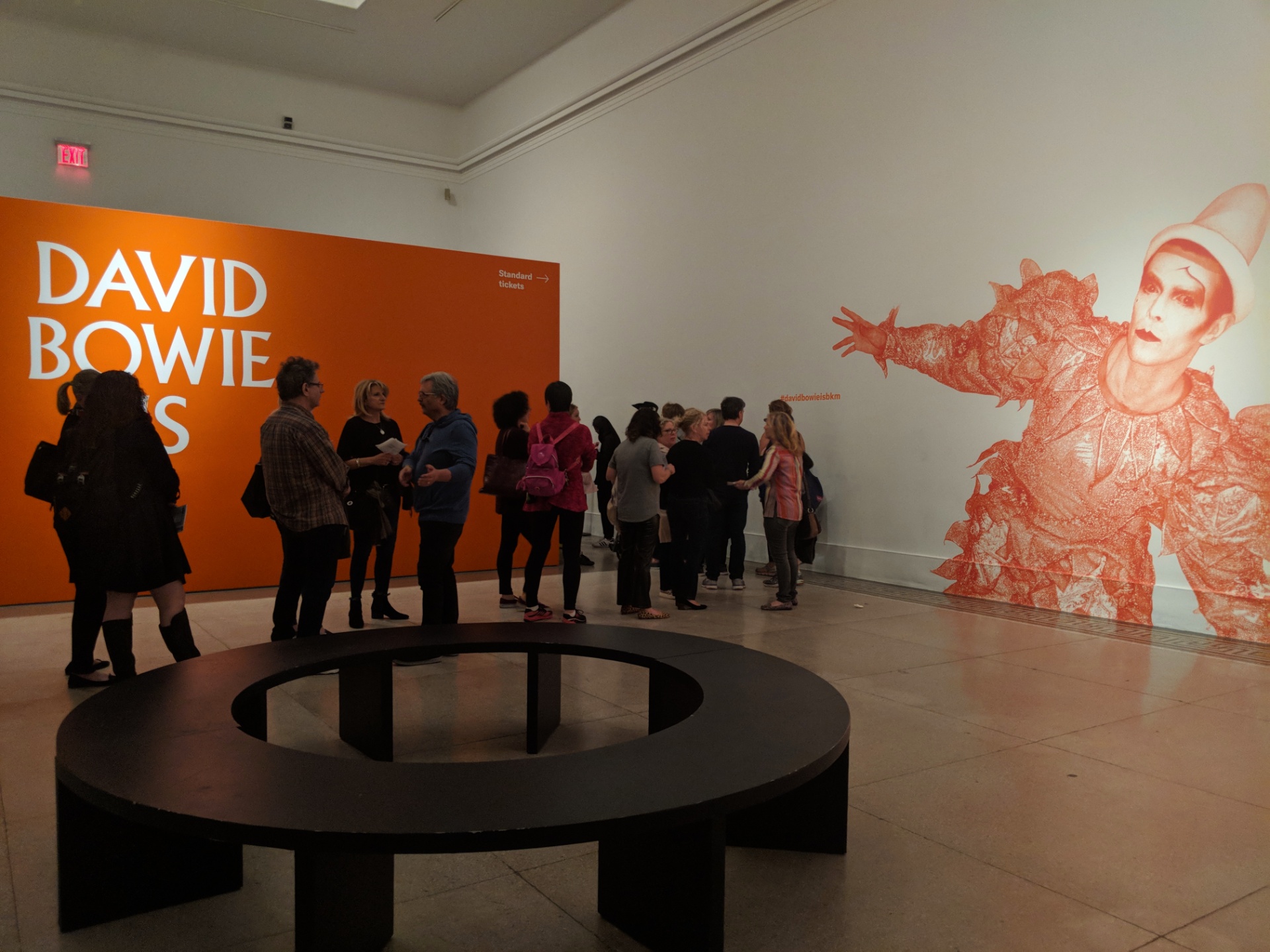
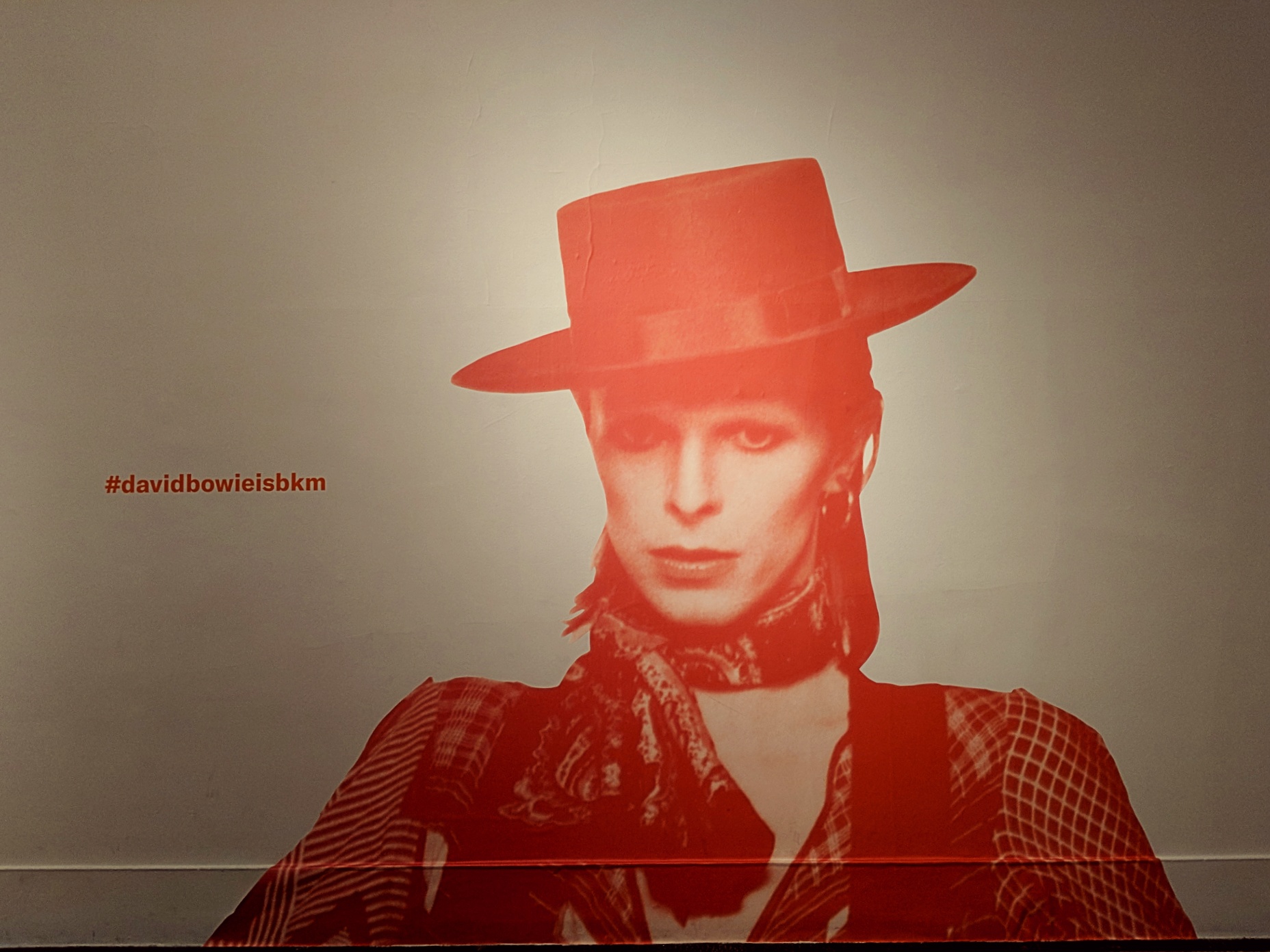
Farewell to April and farewell to David, who is now and forever somewhere else. First time I listened to his music again, since he became immortal in 2016. It was well curated, the exhibition in the Brooklyn Museum, a bit smaller than the original in the V&A but, after David’s passing, all the more emotional.

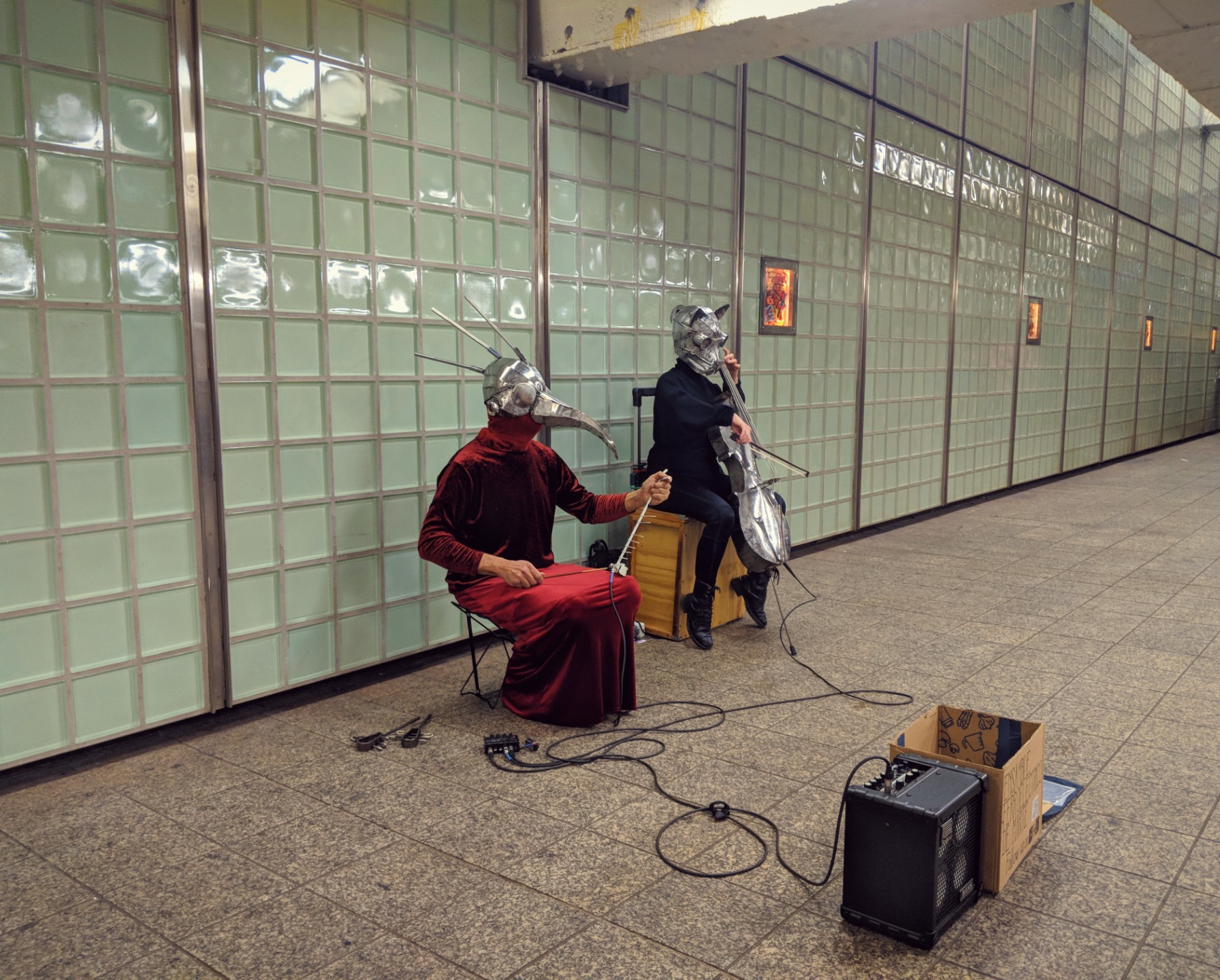
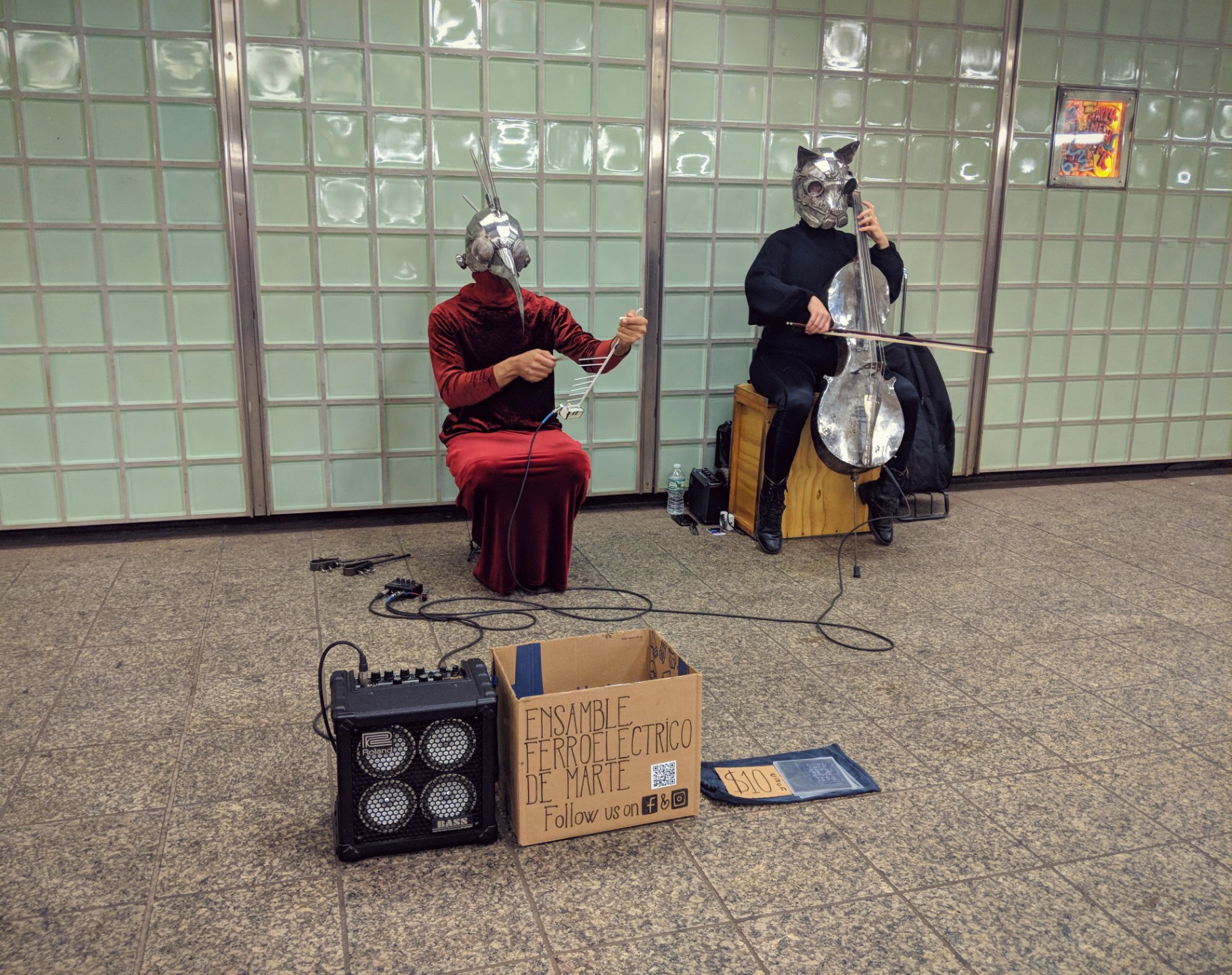
Back to Manhattan, into the alien world of NYC Subway. Ensamble Ferroeléctrico de Marte, anonymous musicians with iron masks that look like animals. Music for the urban jungle.

April 29th, 2018
PS: My take of the original exhibition in V&A London in 2013, is here{x}

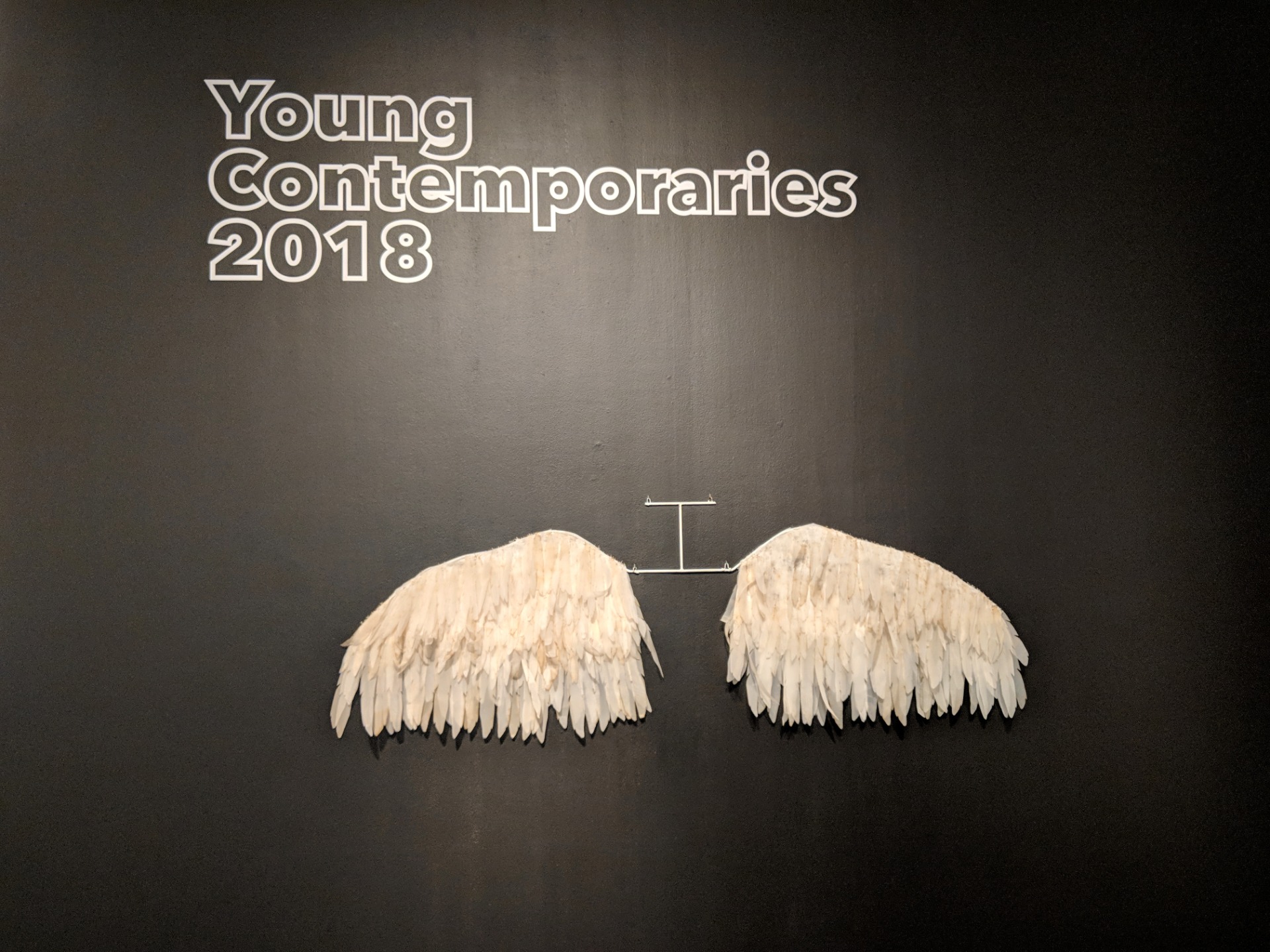
Young Contemporaries 2018 @ The Halsey

A long-standing tradition at the College of Charleston, Young Contemporaries is an annual exhibition presented by the Halsey Institute, featuring work by College students selected by a nationally prominent juror.

In 2018, the 33rd Annual Juried Student Exhibition was curated by Amy Yoes.

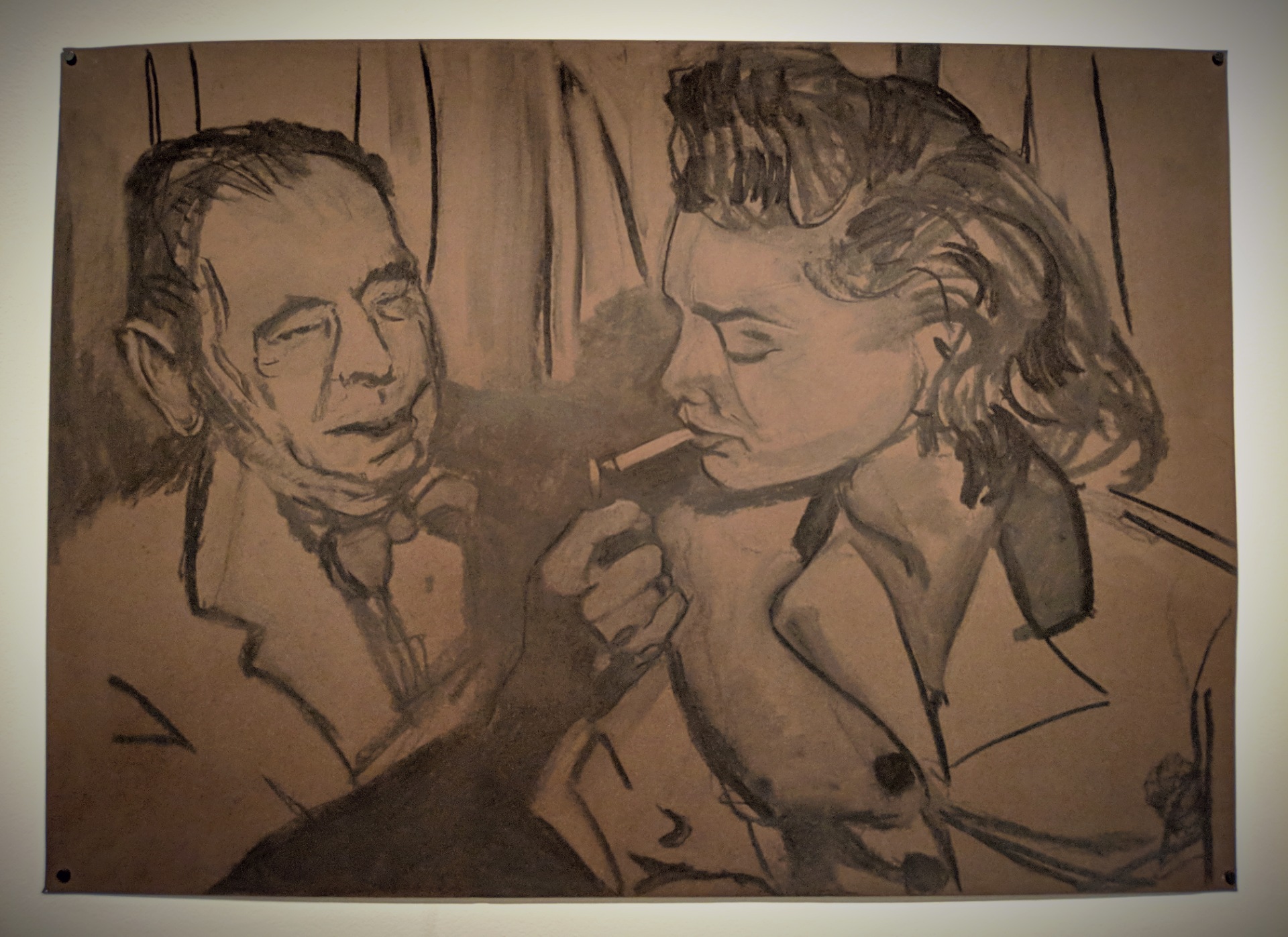
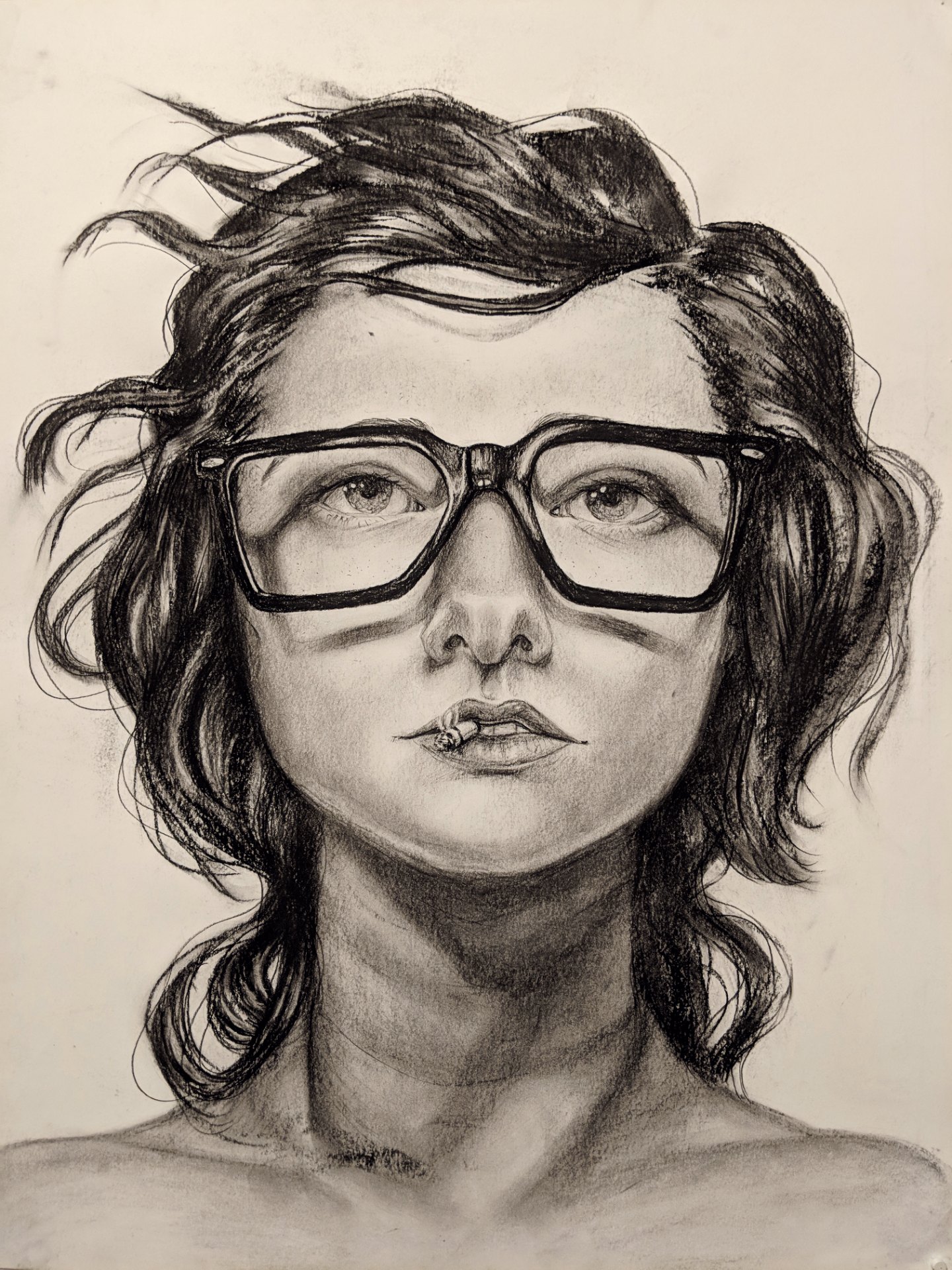
Hope Morgan
Smokers, 2017-18
Charcoal on paper


Austin Darby
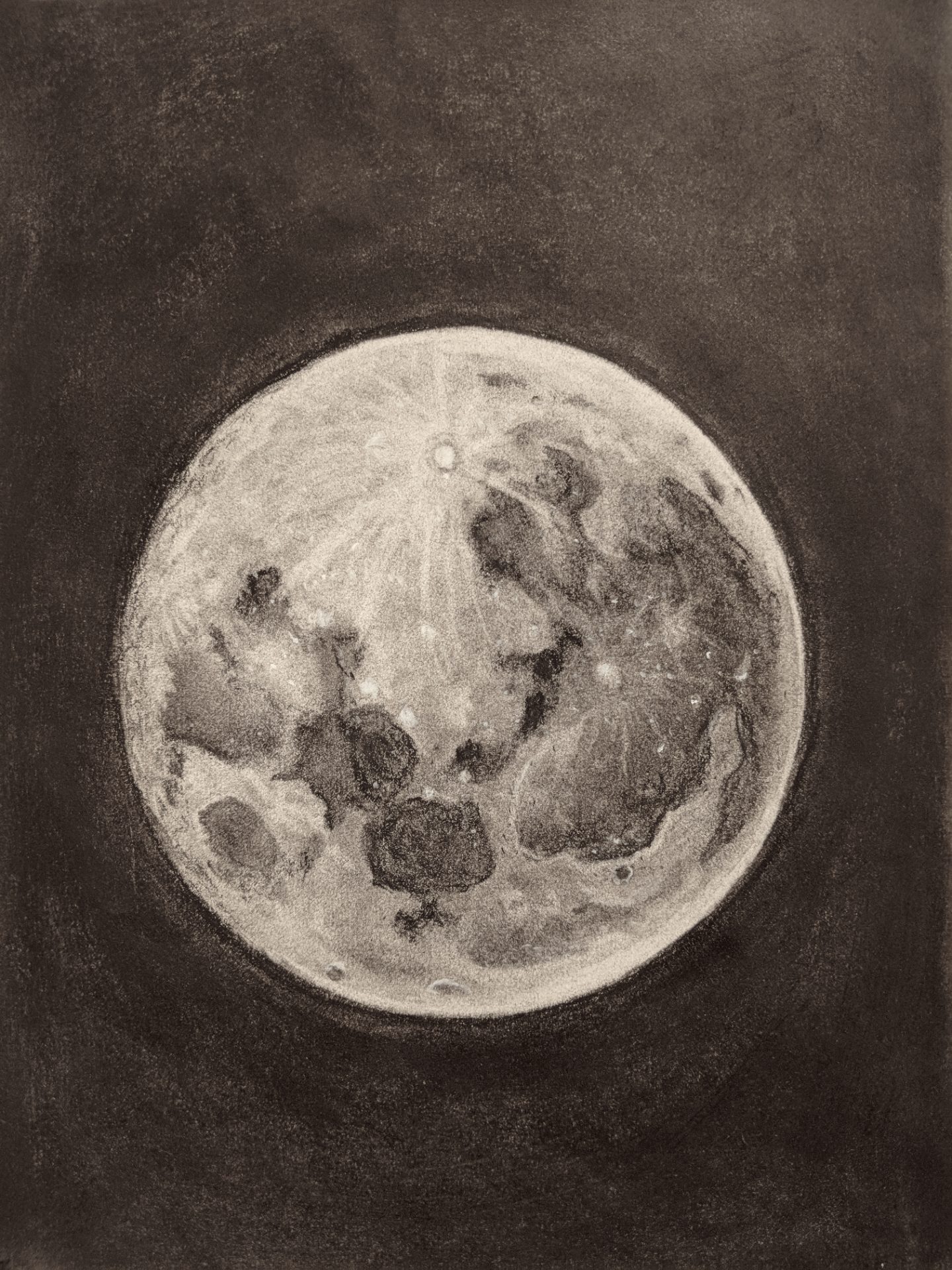
Moon, 2017
Graphite and charcoal on paper


Austin Darby
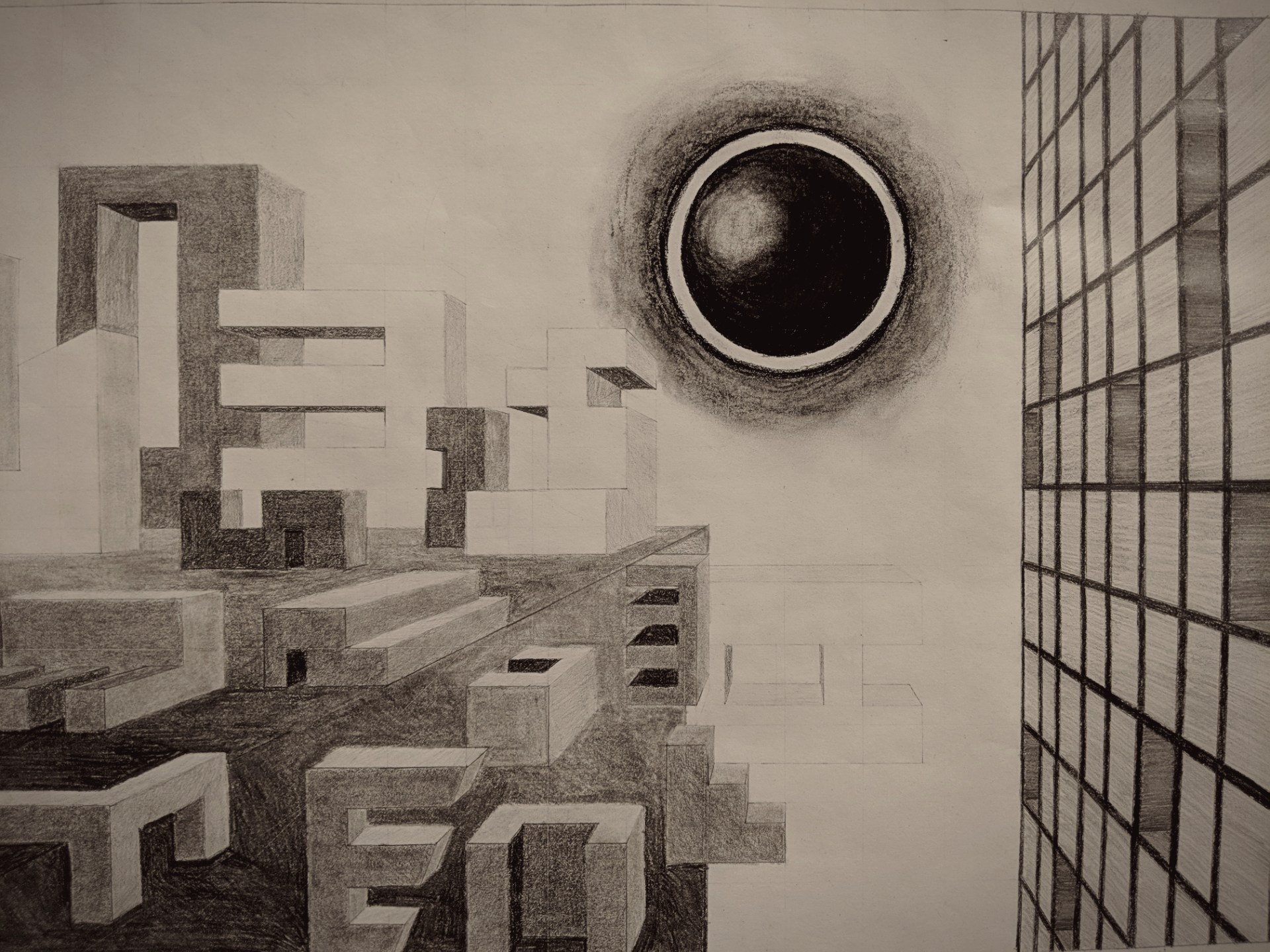
Edge City, 2017
Graphite and charcoal on paper


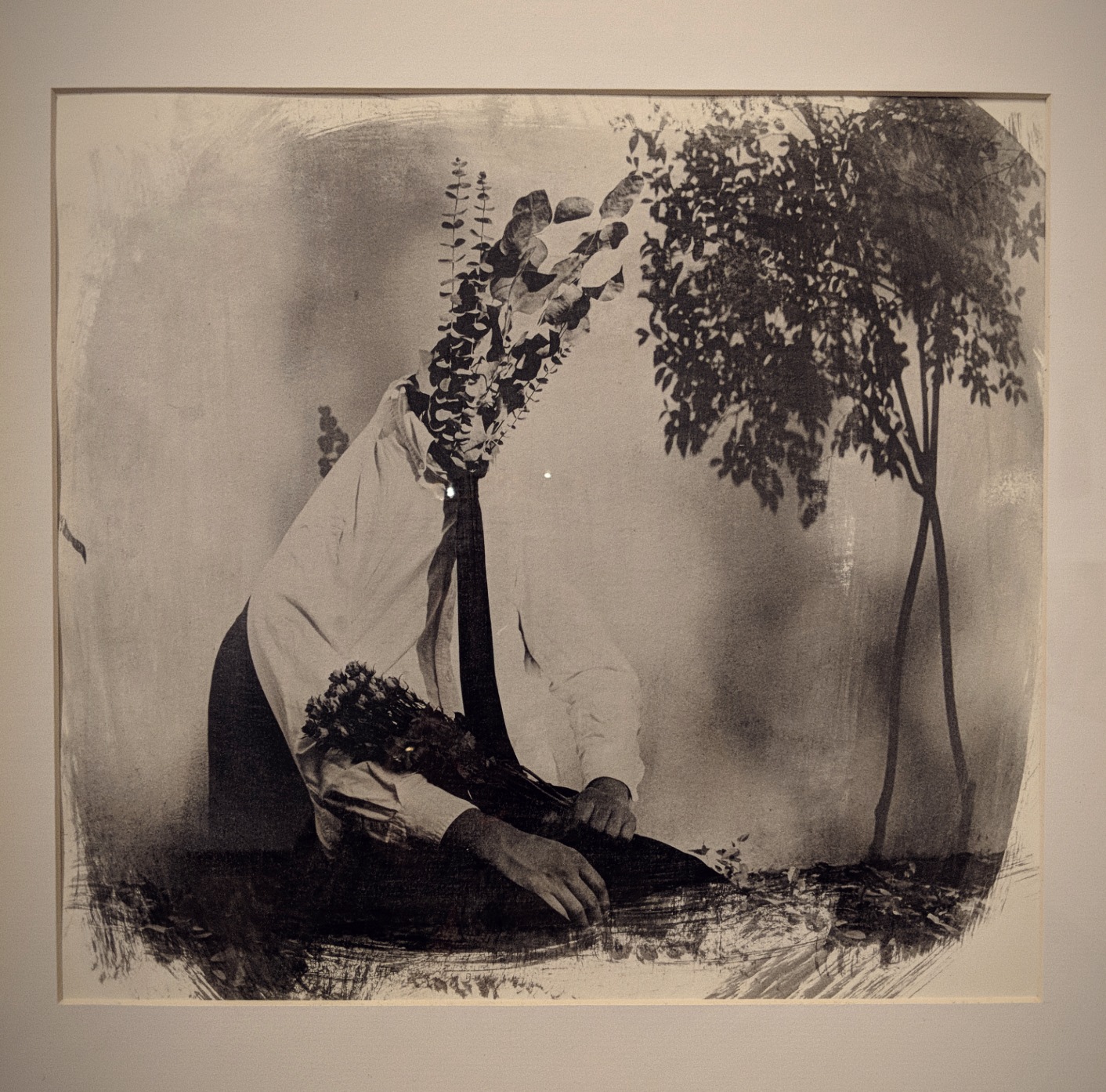
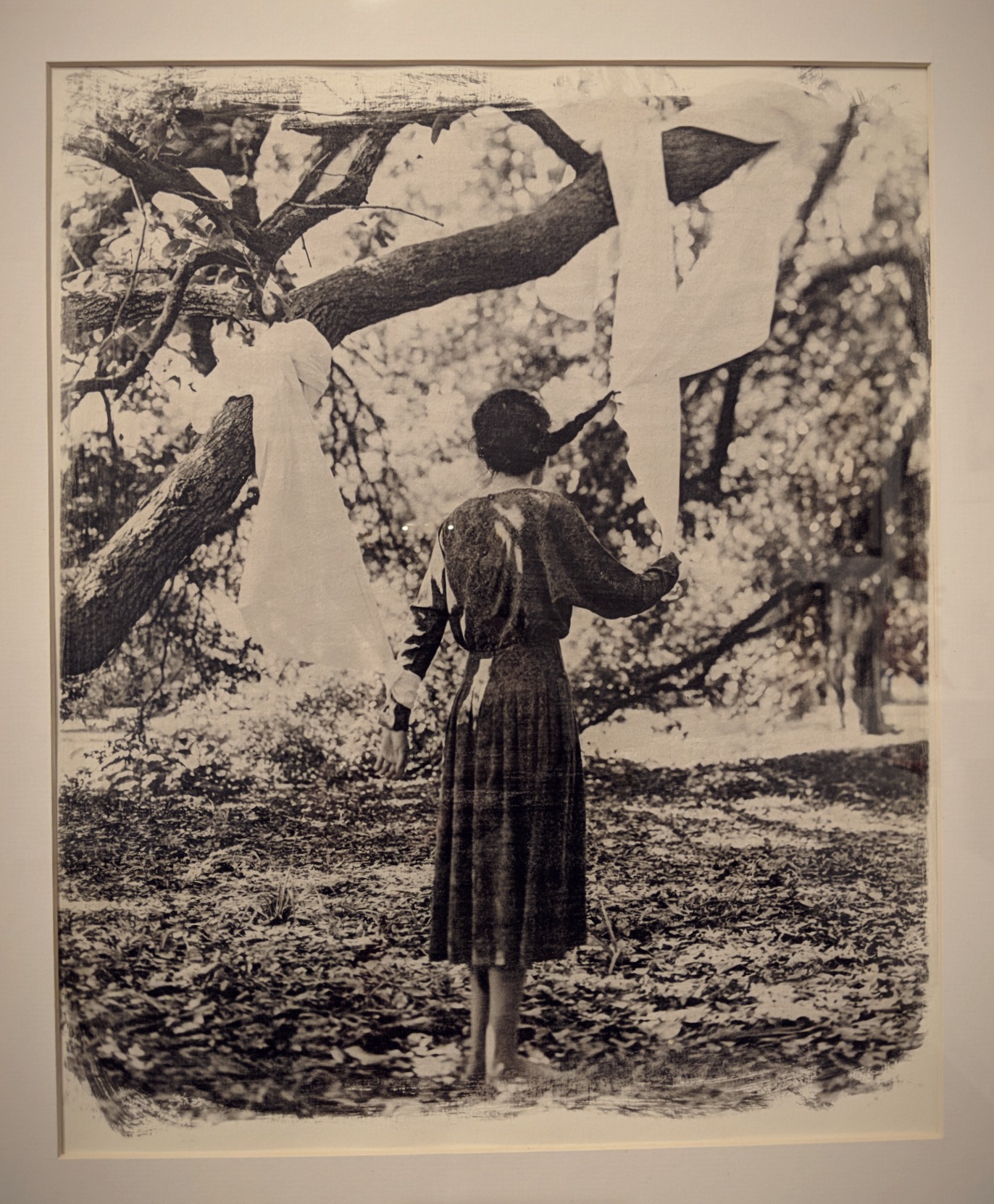
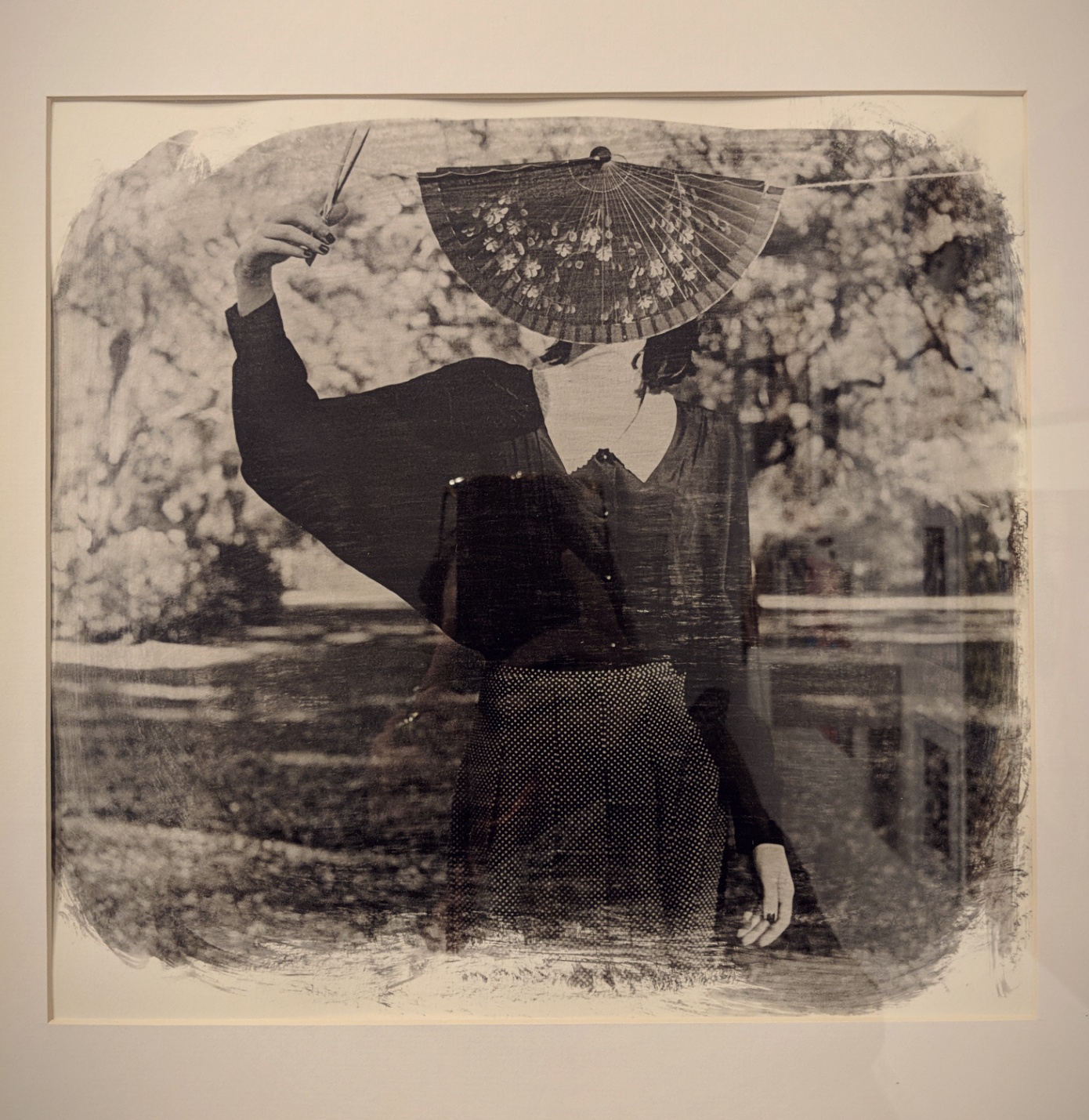
3 untitled works (2017) by Bow Smith
Liquid silver emulsion print


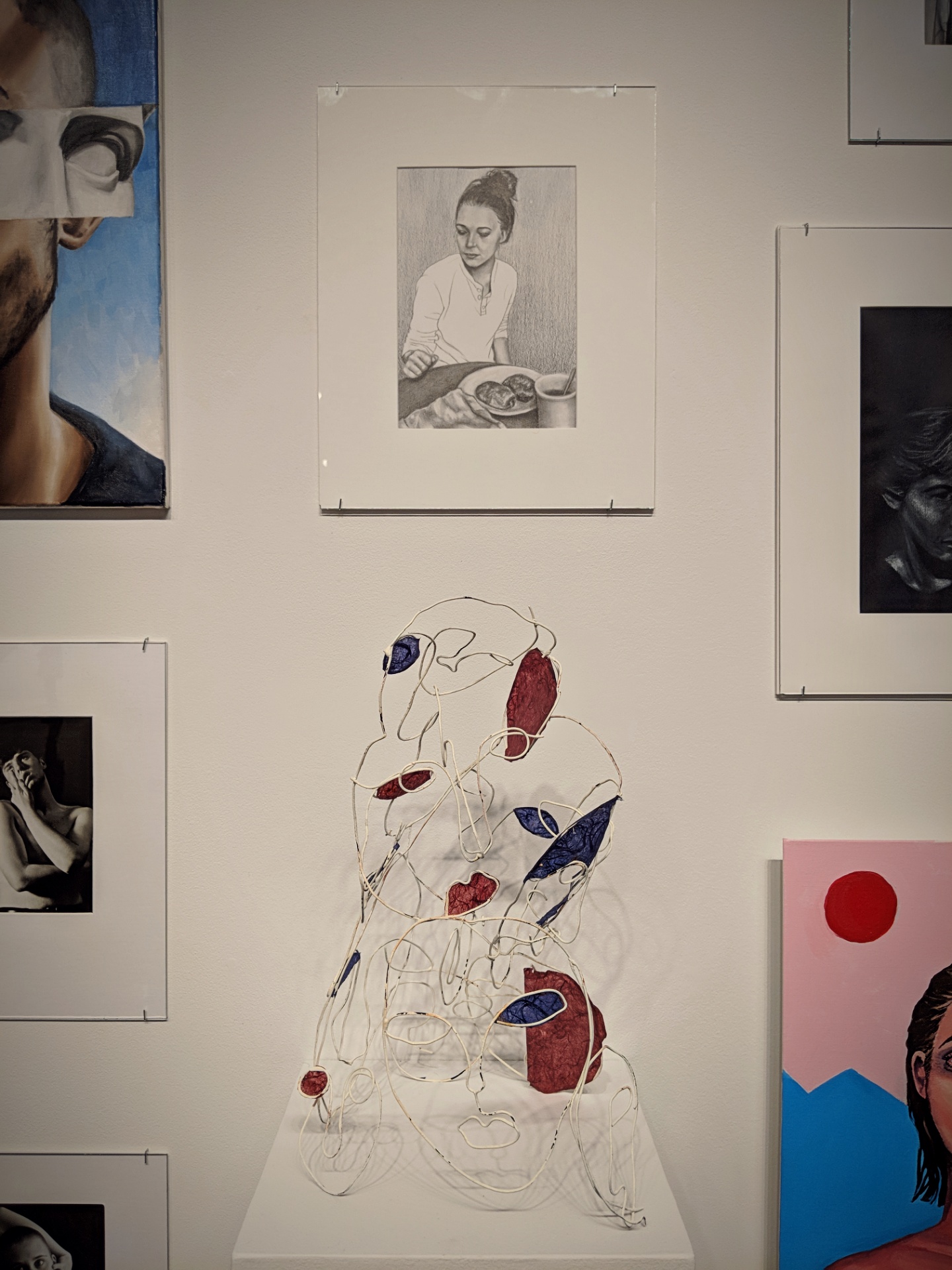
Lilli Cameron
Le Petit Déjeuner, 2017
Graphite on paper

on top of

”Many faces”, 2018 by Hailee Selby
Paper and wire


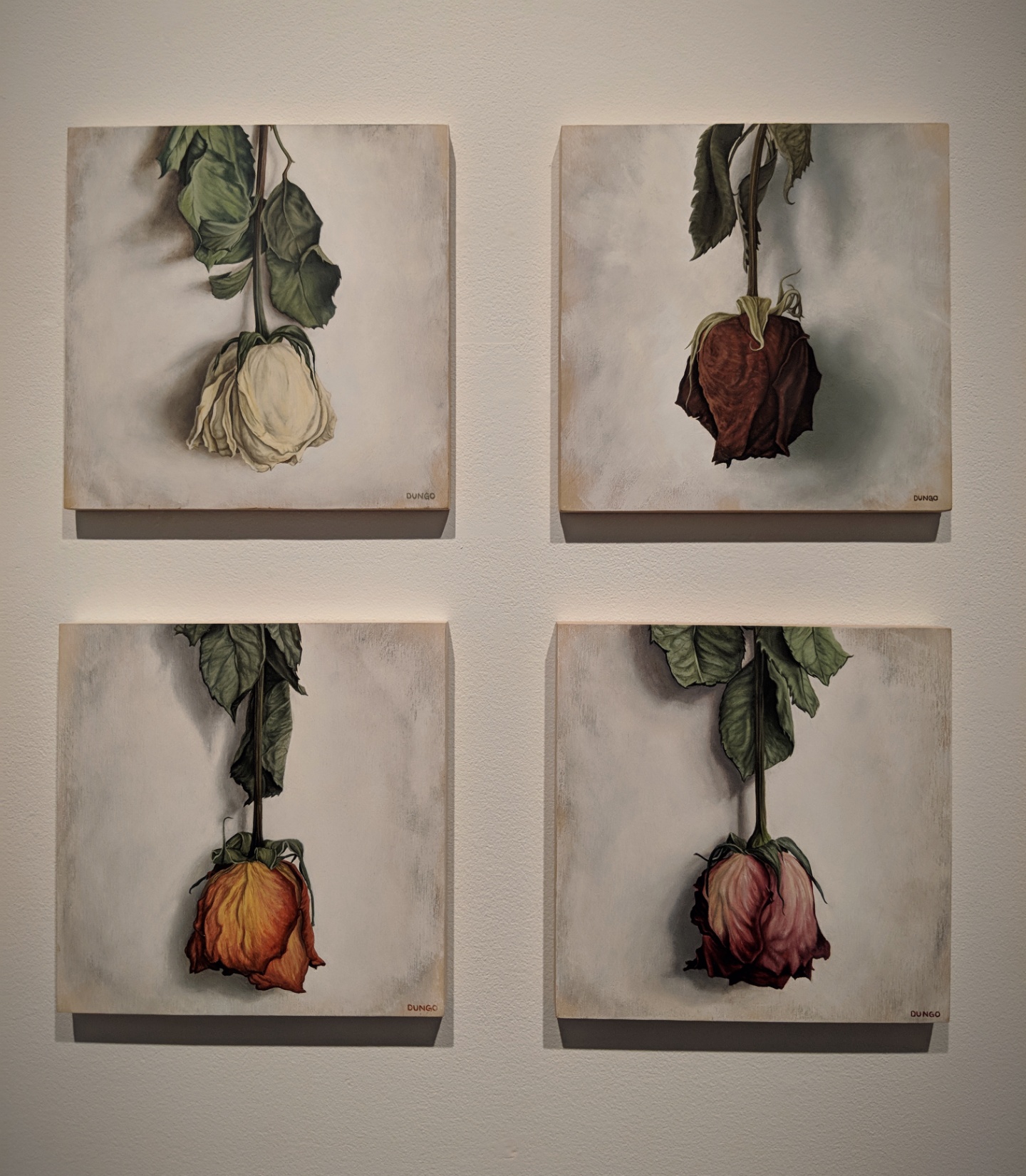
Danielle Dungo
Rose Series, 2017-18
Oil on panel


Chloe Hogan
Sunday Afternoon, 2018
Oil on canvas


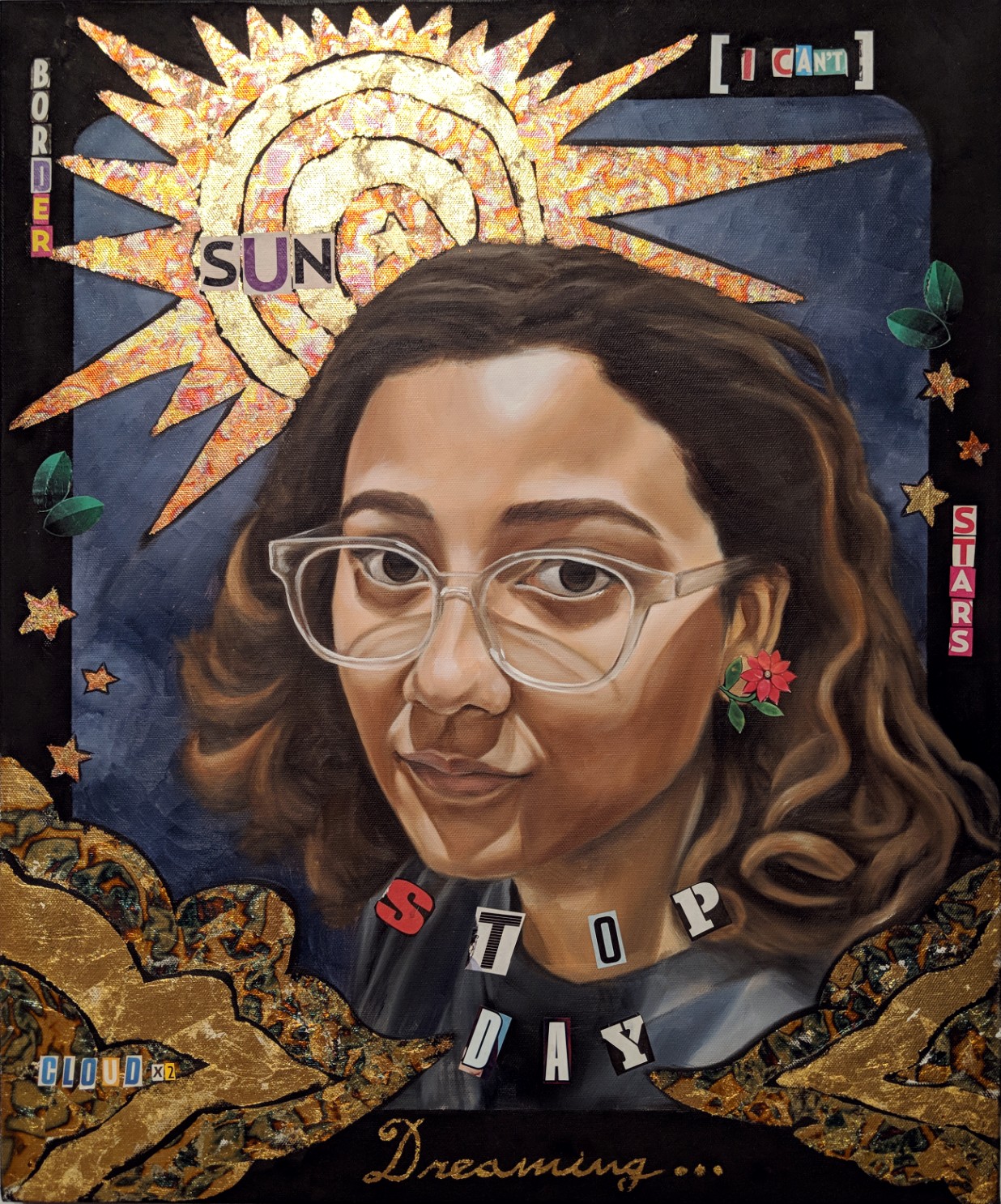
Timothy Hunter
(I Can’t) Stop Daydreaming, 2018
Oil on canvas


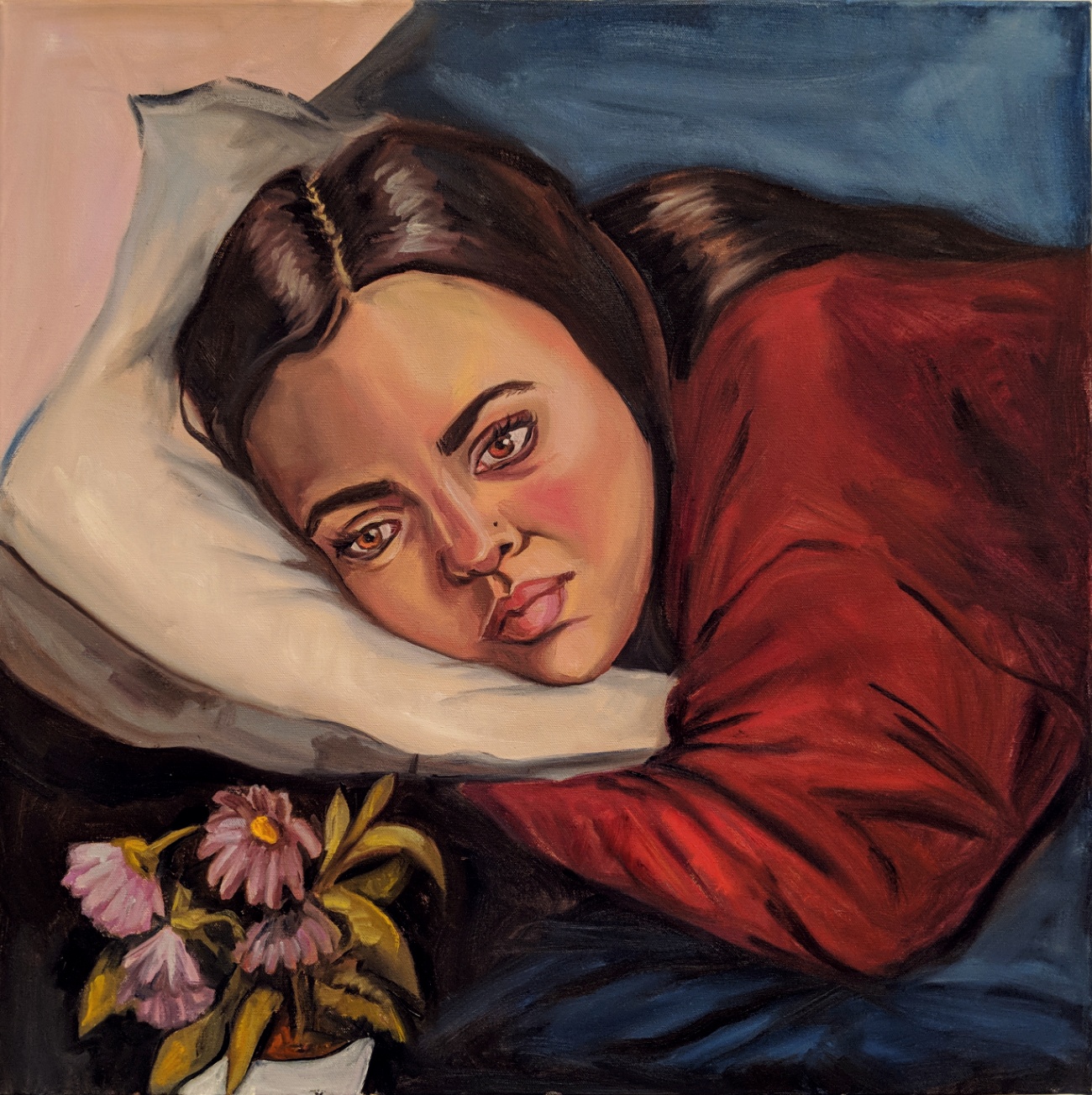
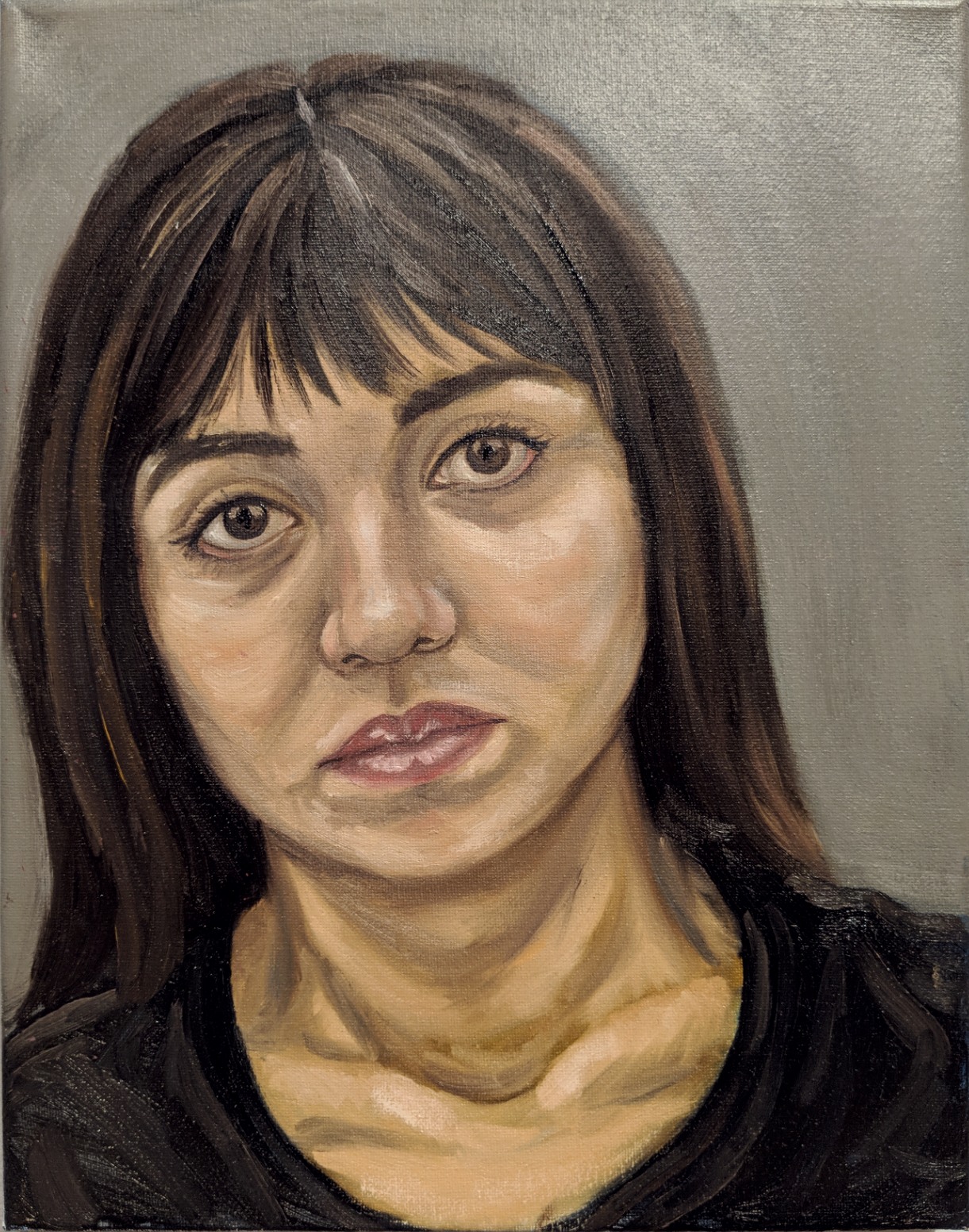
Danielle Dungo
Self Portrait, 2018
Oil on canvas


And the winner was…

Anna Newell
Closish, 2018
Graphite and charcoal on paper

YC18 Best in Drawing

A small, personal selection from the Young Contemporaries 2018 @ The Halsey Institute of Contemporary Art

Charleston, SC

April 11th, 2018

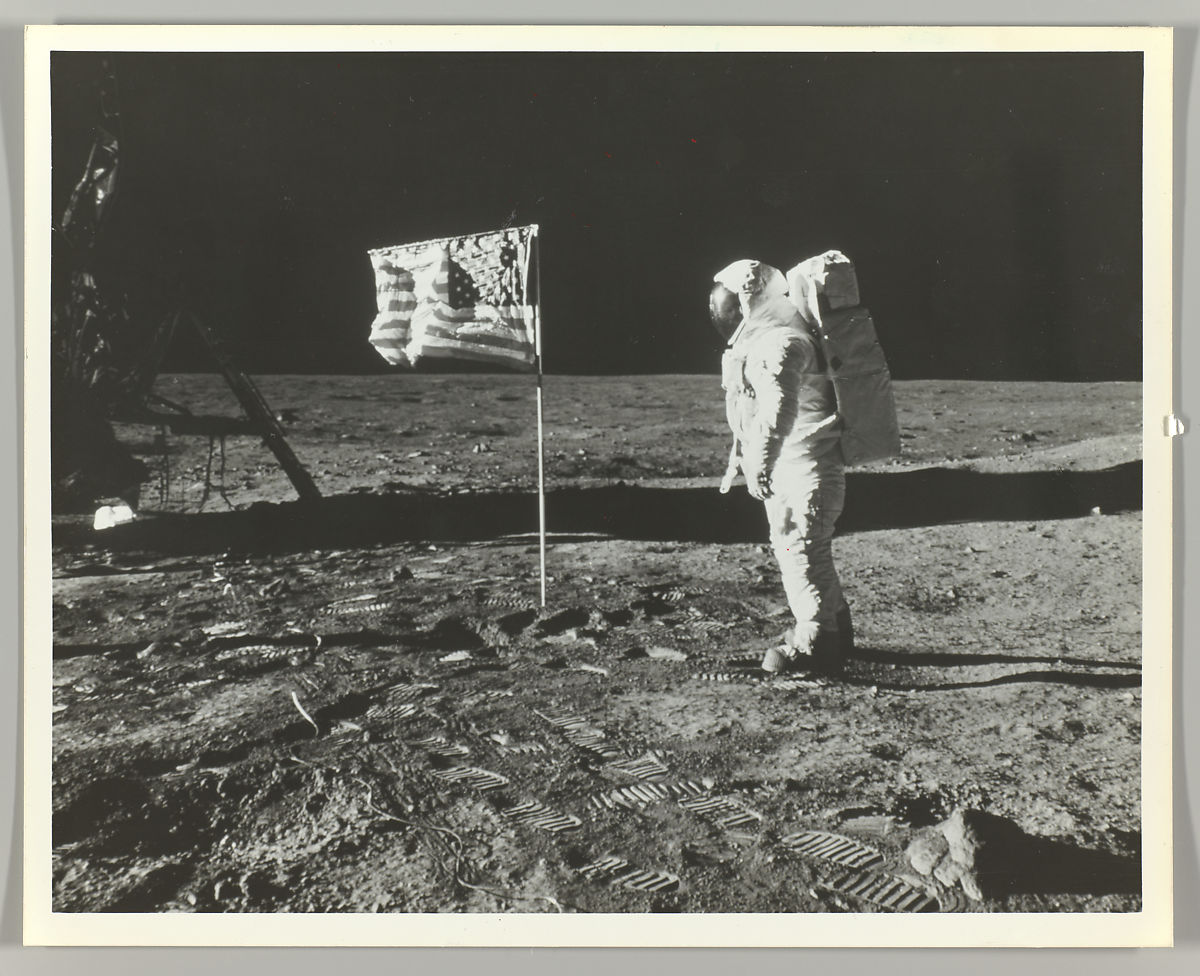
July 20, 1969 || One small step for Man

Buzz Aldrin Walking on the Surface of the Moon Near a Leg of the Lunar Module,


Buzz Aldrin with Apollo 11 Lunar Module on the Moon, Neil Armstrong


Apollo 11 Command and Service Modules Photographed from the Lunar Module in Orbit, 1


Buzz Aldrin on the Moon with the American Flag,


Astronauts in Lifeboat After Apollo 11 Splashdown,


Celebrating the fiftieth anniversary of the Apollo 11 moon landing, Apollo’s Muse: The Moon in the Age of Photography @ The Metropolitan Museum of Art, surveys visual representations of the moon from the dawn of photography through the present. In addition to photographs, the show features a selection of related drawings, prints, paintings, films, astronomical instruments, and cameras used by Apollo astronauts.

It will run through September 22, 2019. One more good reason to return to the Met.

July 20th, 2019

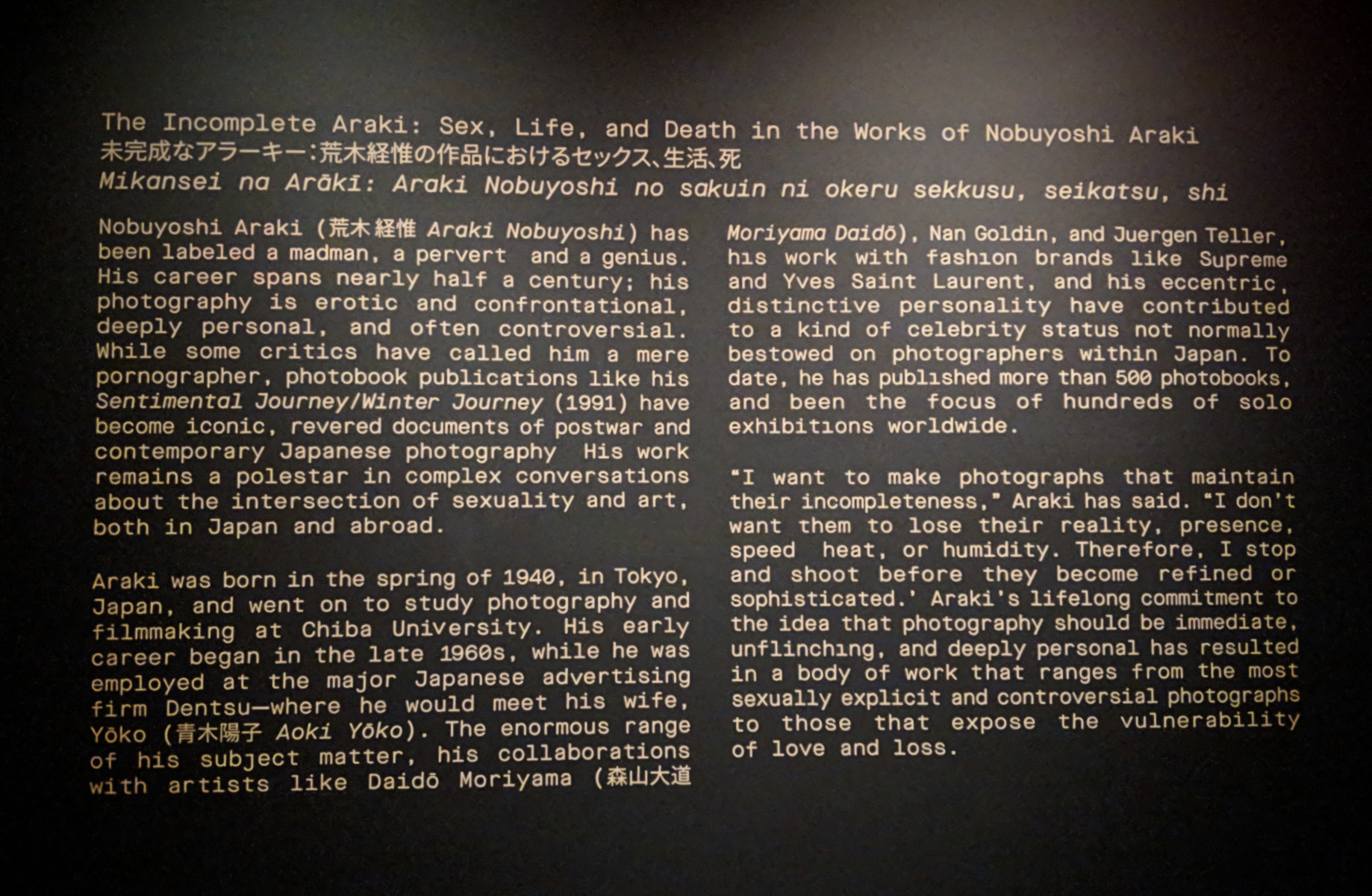
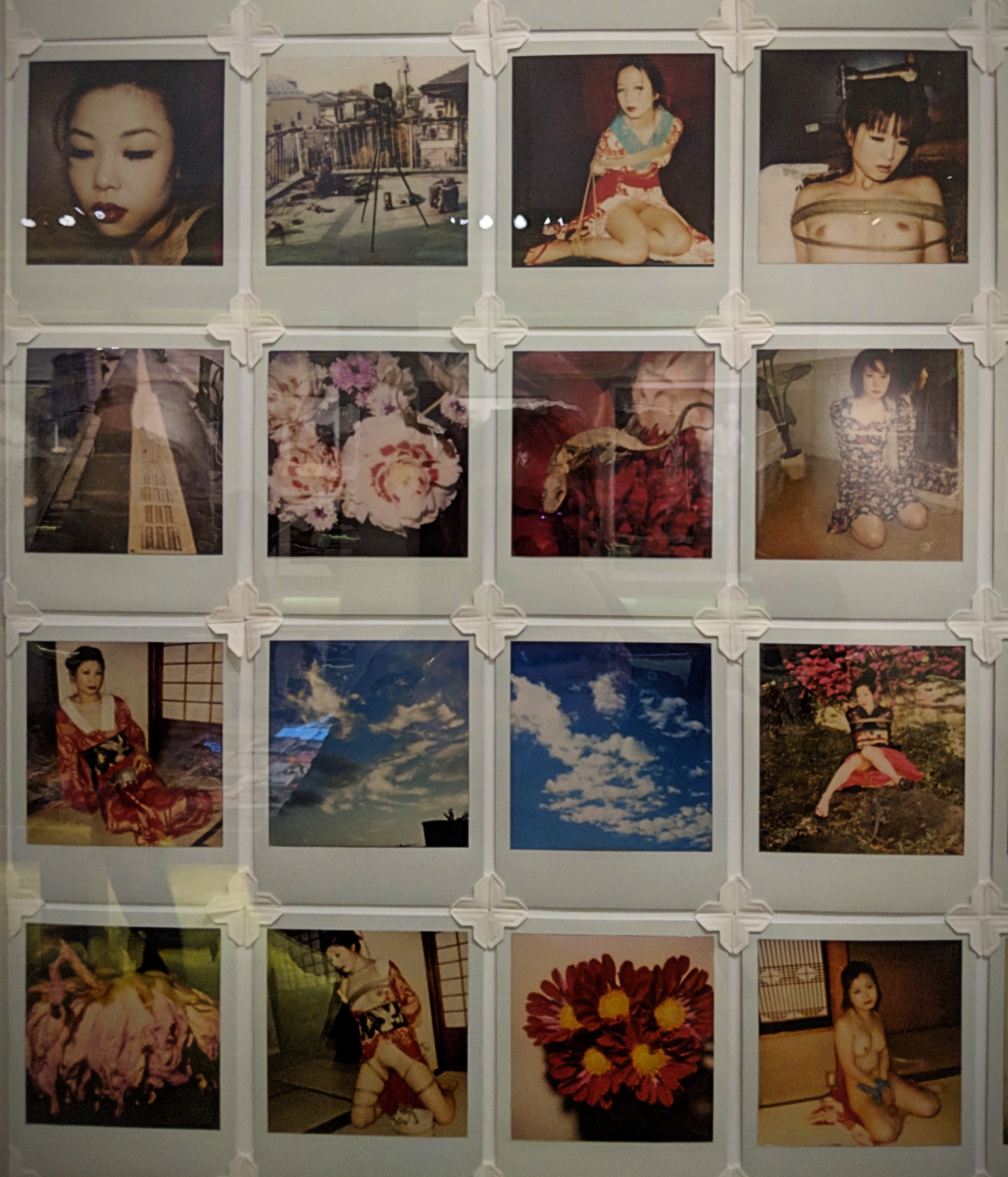
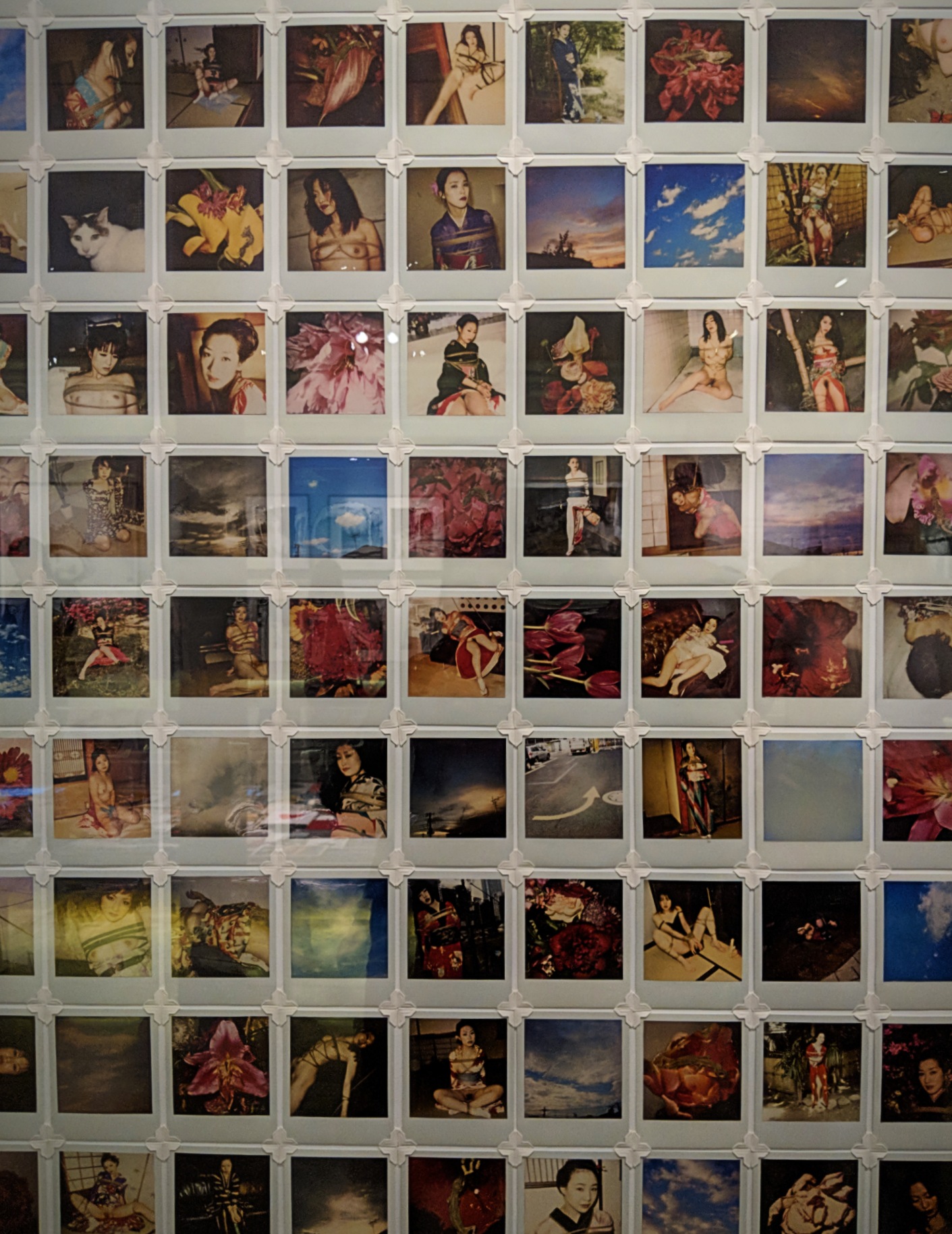
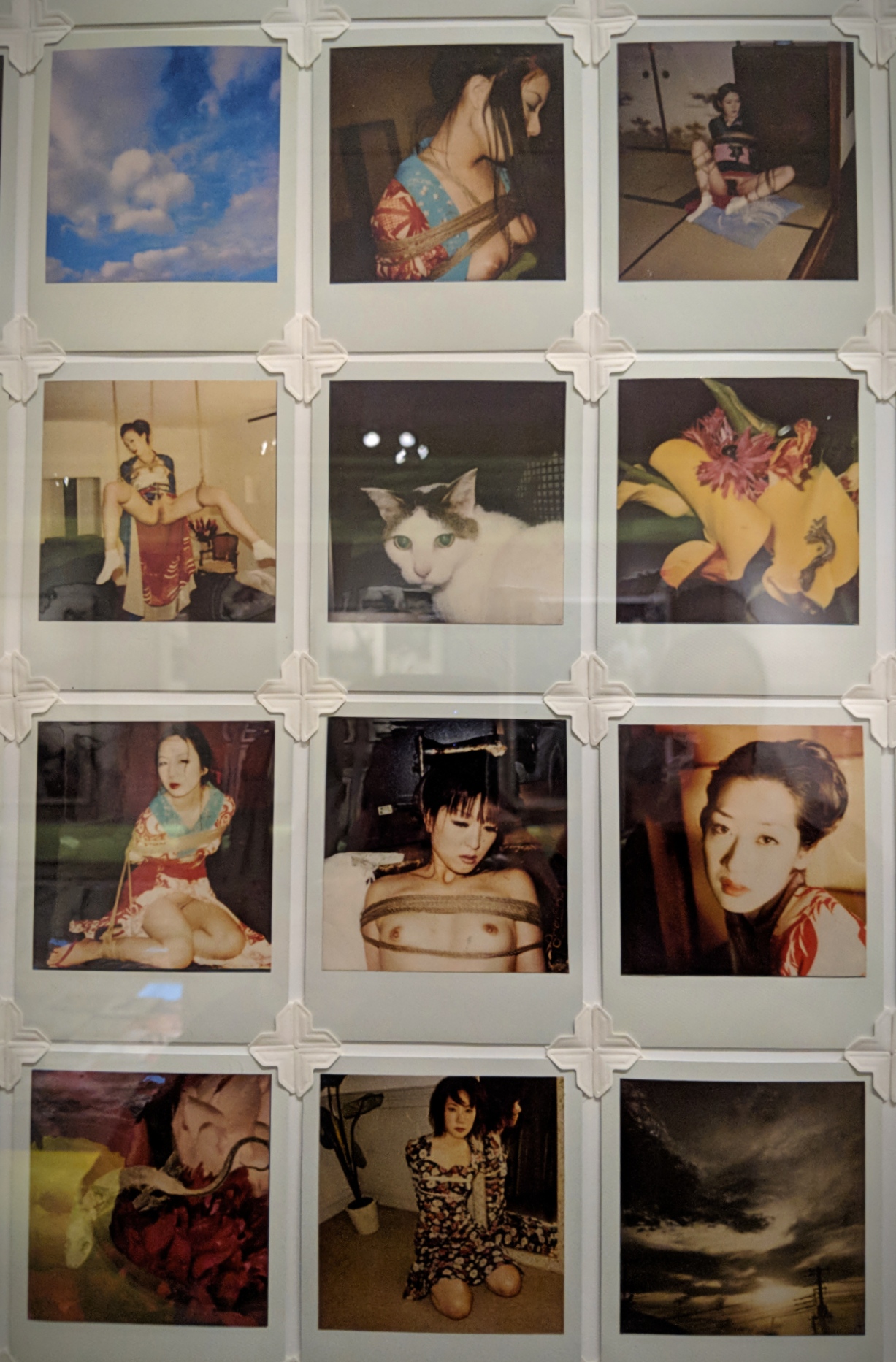
*NSFW* || The Incomplete Araki

*But if you are at work and looking, I promise not to judge you…!

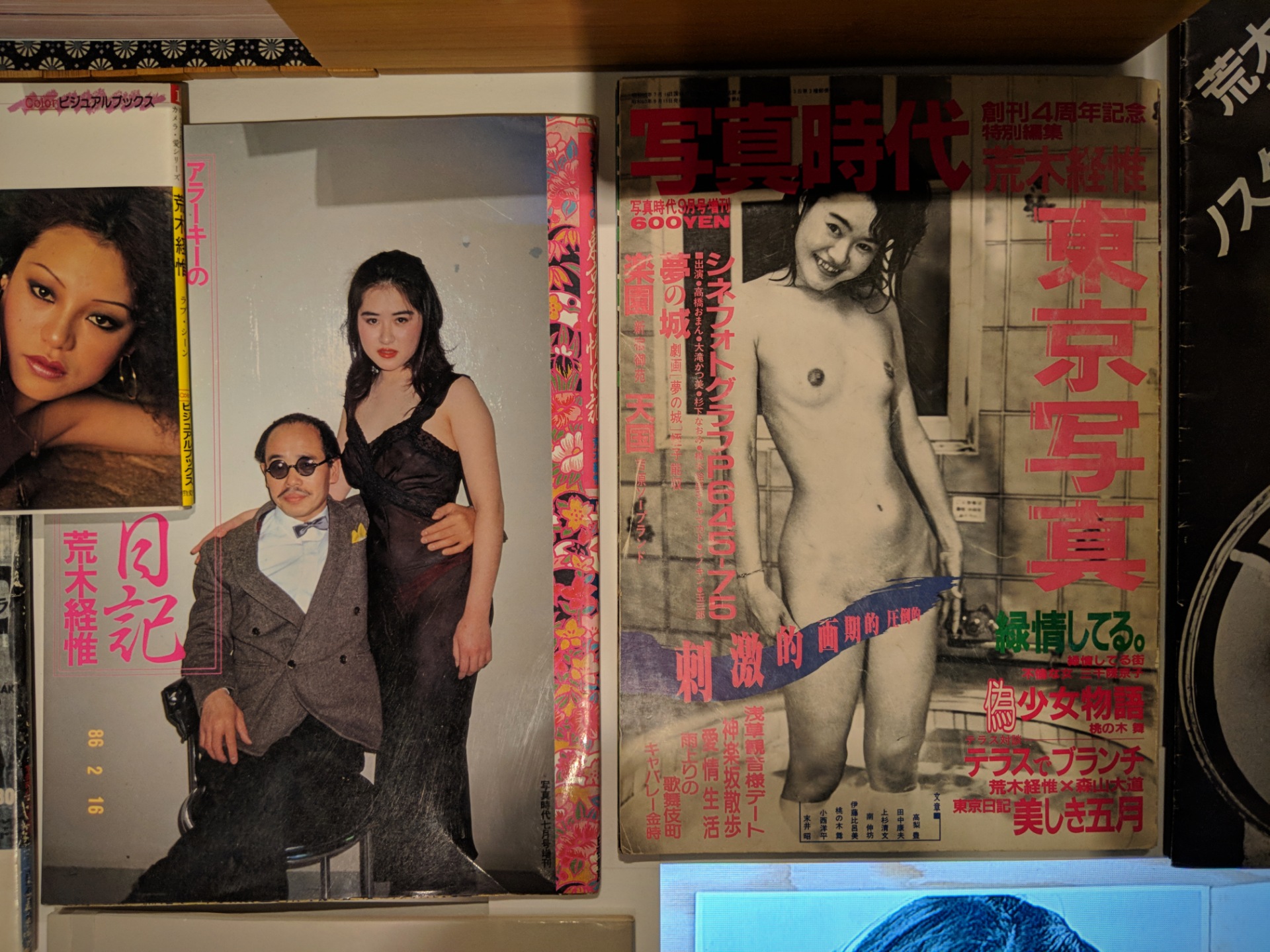
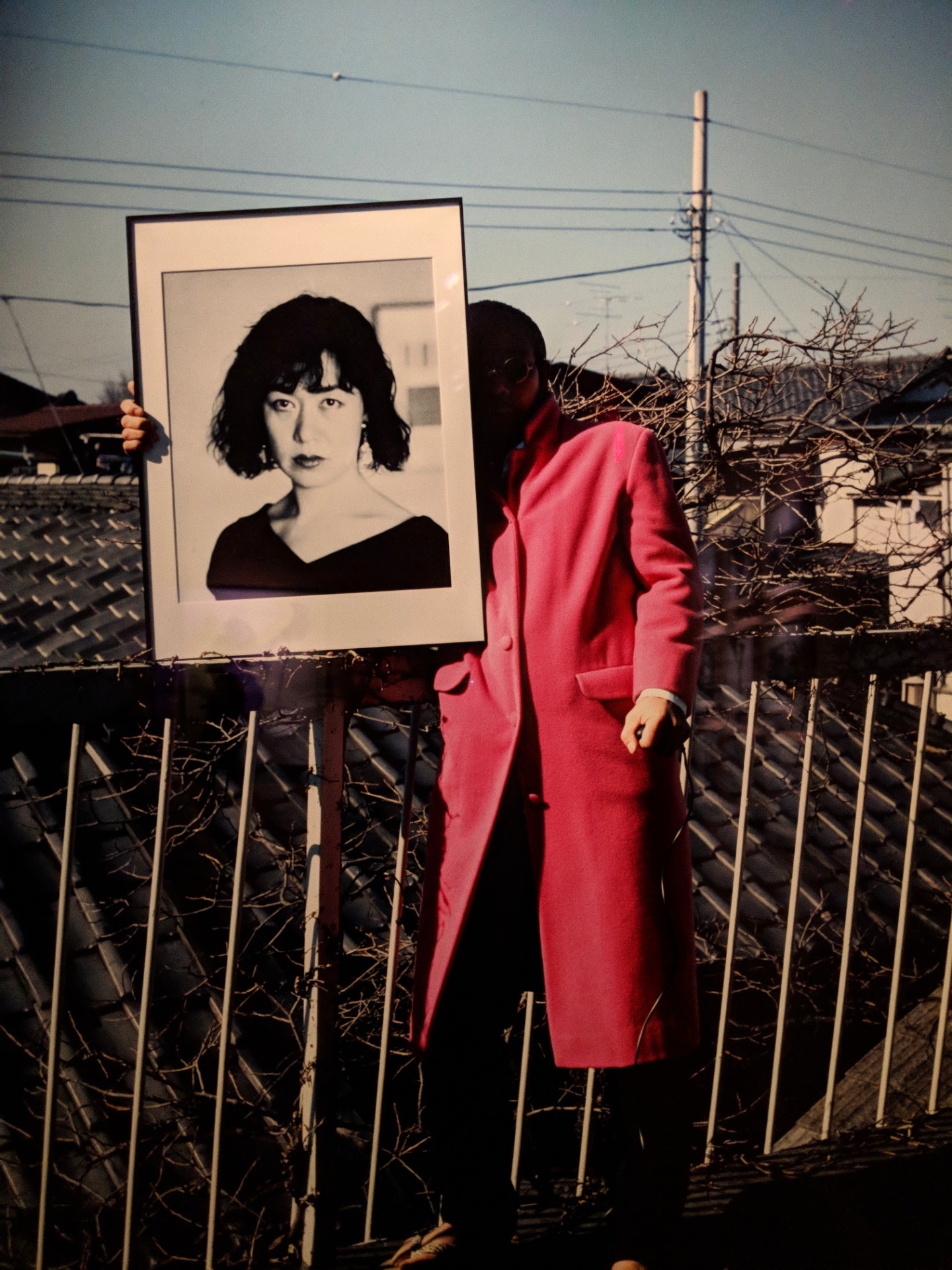
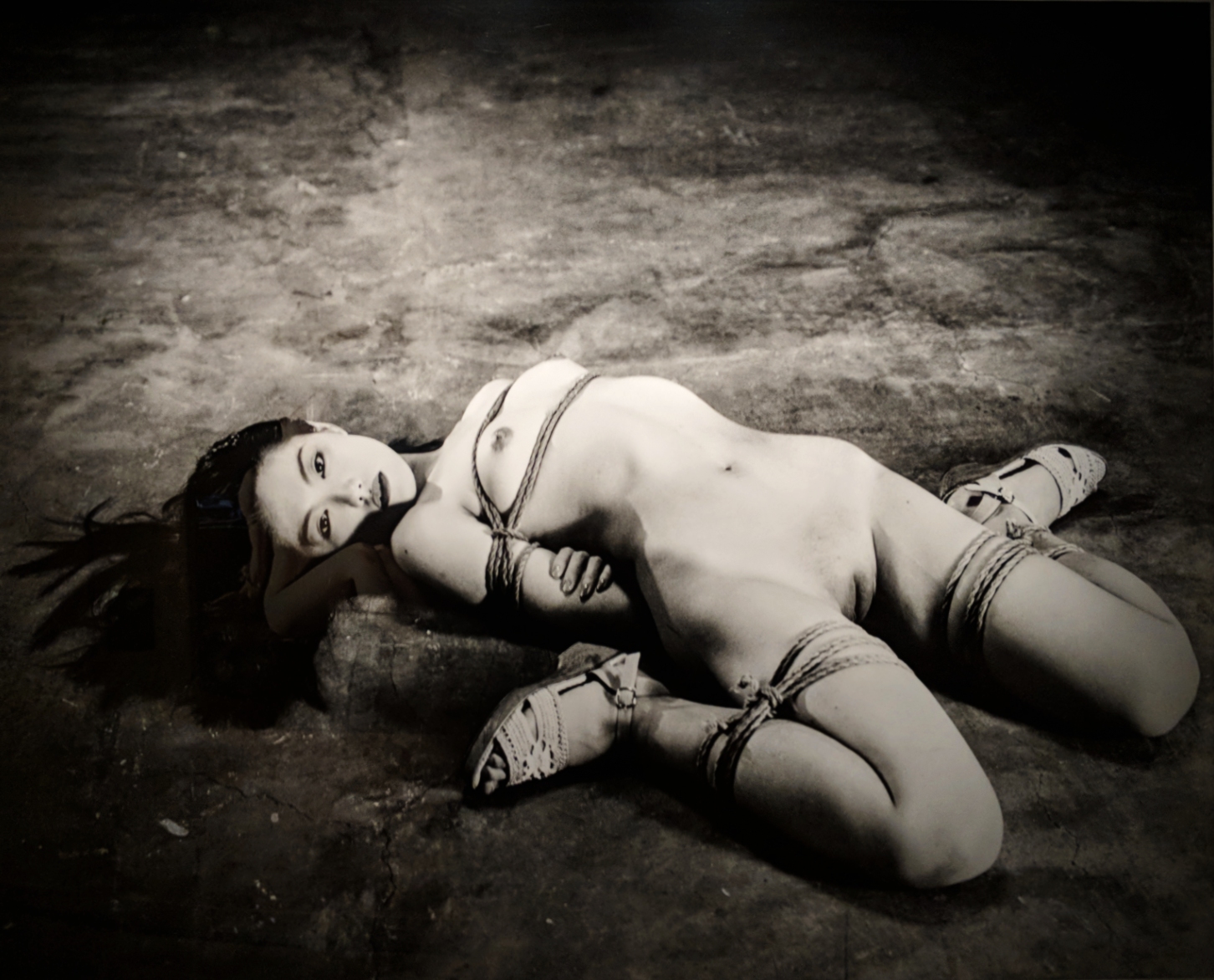
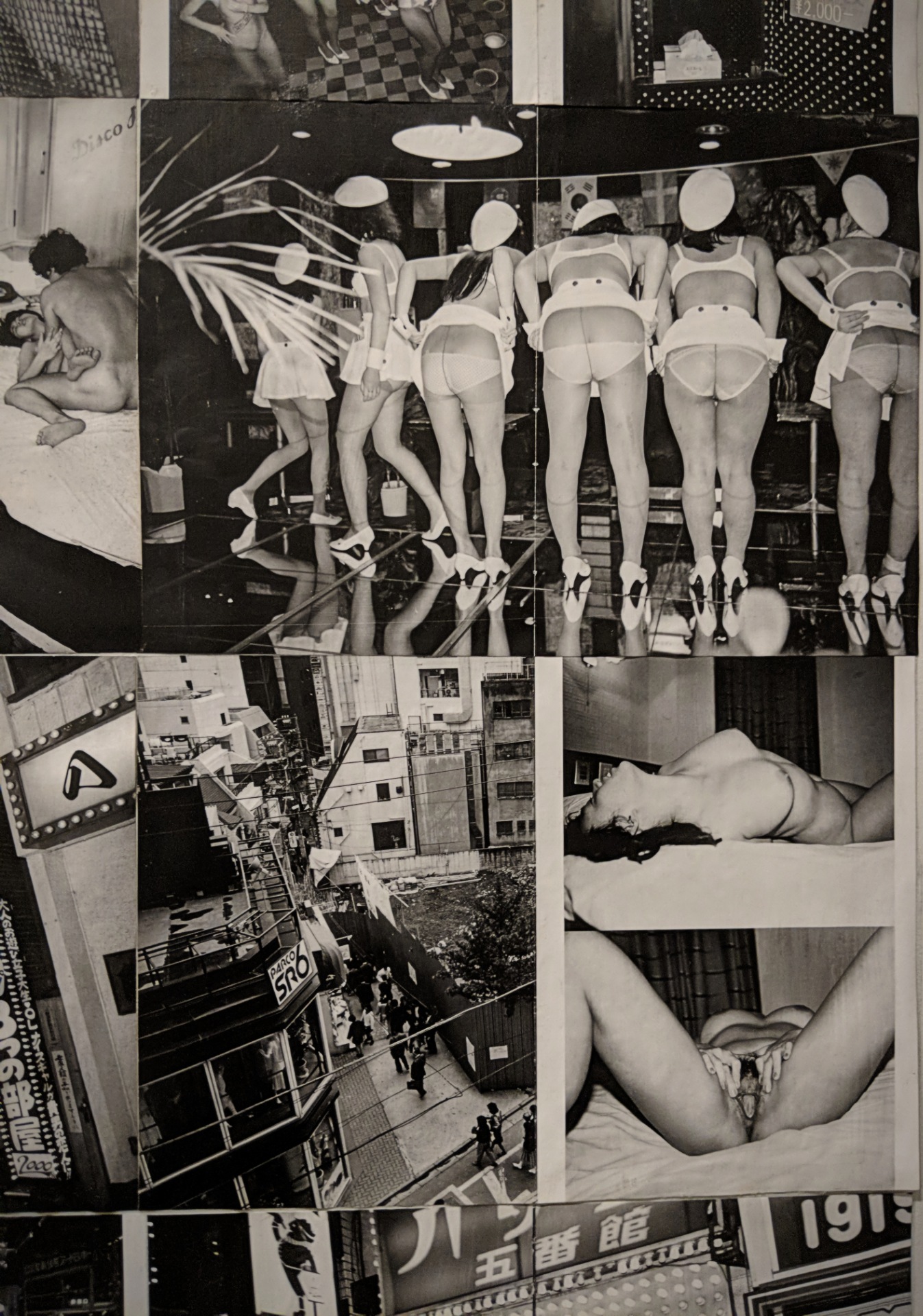
New York’s Museum of Sex is nowhere near the top of my ”places-to-see” list; it didn’t even make it to my ”tourist-traps-but-should-go-at-least-once” list. That was until ”The Incomplete Araki” a major retrospective about the erotic, provocative, sensual, eclectic and deeply, deeply personal work by one of the most notorious photographers of our times came up, back in 2018;  it was time to make an exception.

Lady Gaga
Nobuyoshi Araki, 2011
Gelatin silver print

This print originally comes from a 2009 photoshoot with Lady Gaga for Voguy Hommes Japan, and is distinctive because it combined for the first time Gaga’s particular brand of global superstardom and Araki’s signature use of bondage.


Self-portrait with Yōko (Colourscapes)
Nobuyoshi Araki, 1991
C-print

In all the ways that Araki chooses to represent himself in his photography – whether it be via self-portrait, metaphor, brushstroke or through documentary practice – perhaps none are so charged as the ones where he seeks to express how his marriage to his wife Yōko resulted in the most complex and private component of his identity.


Colourscapes
Nobuyoshi Araki, 1991
C-print


Winter Journey
Nobuyoshi Araki, 1989-90/2005
Gelatin silver print


Sentimental Journey
Nobuyoshi Araki, 1971/2017
Gelatin sliver print

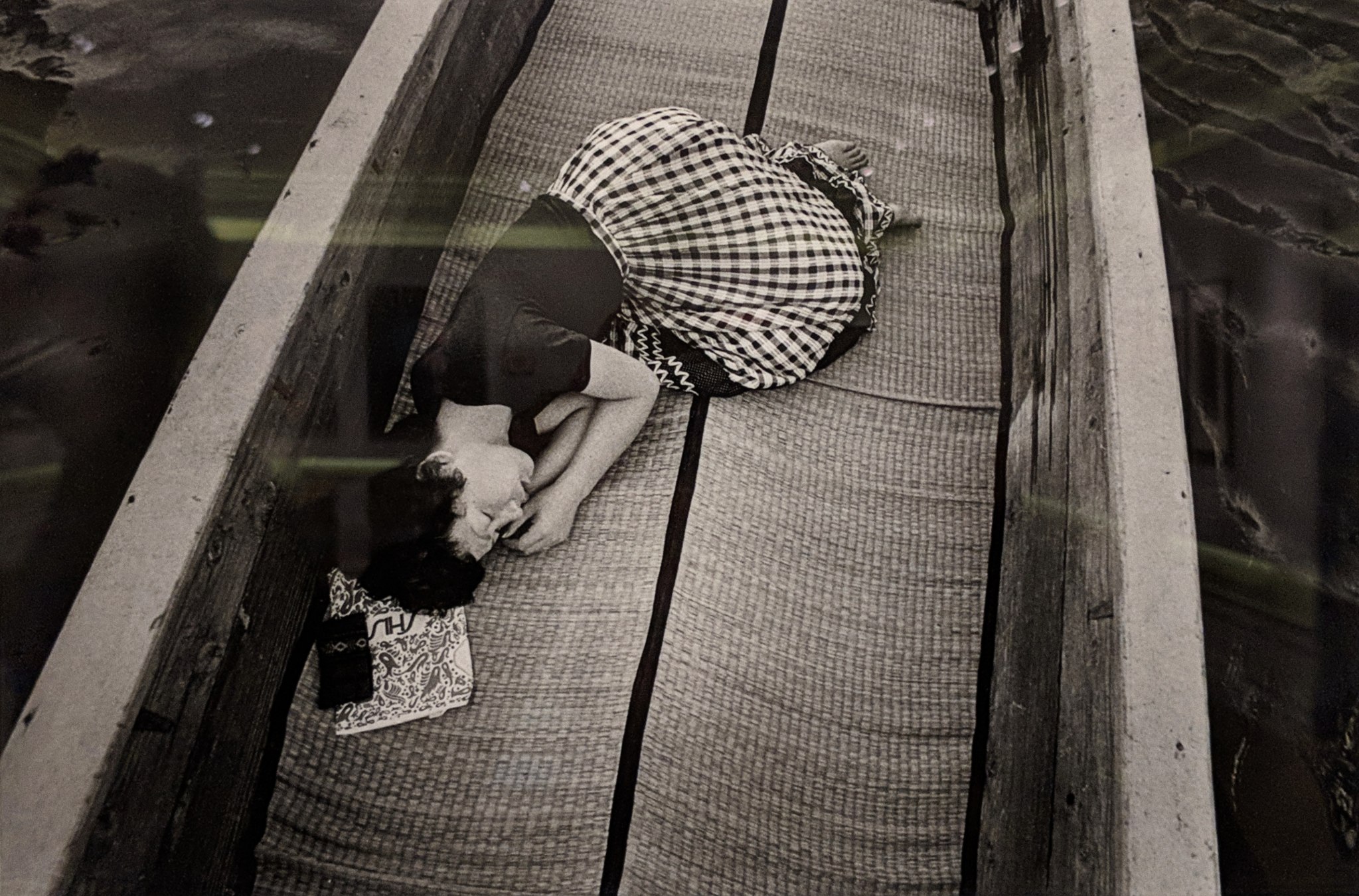
”There is a picture of Yōko sleeping on a boat on the Yanagawa River,” Araki has said, about on of his favourite images from Sentimental Journey. ”It was our honeymoon, so she was exhausted from all the sex. In Japan we say that you cross the Sanzu River when you depart to the ‘other world’. I had no intention of taking a picture like that, so I feel like maybe God or someone made me take that picture. Her posture is like that of a fetus.”


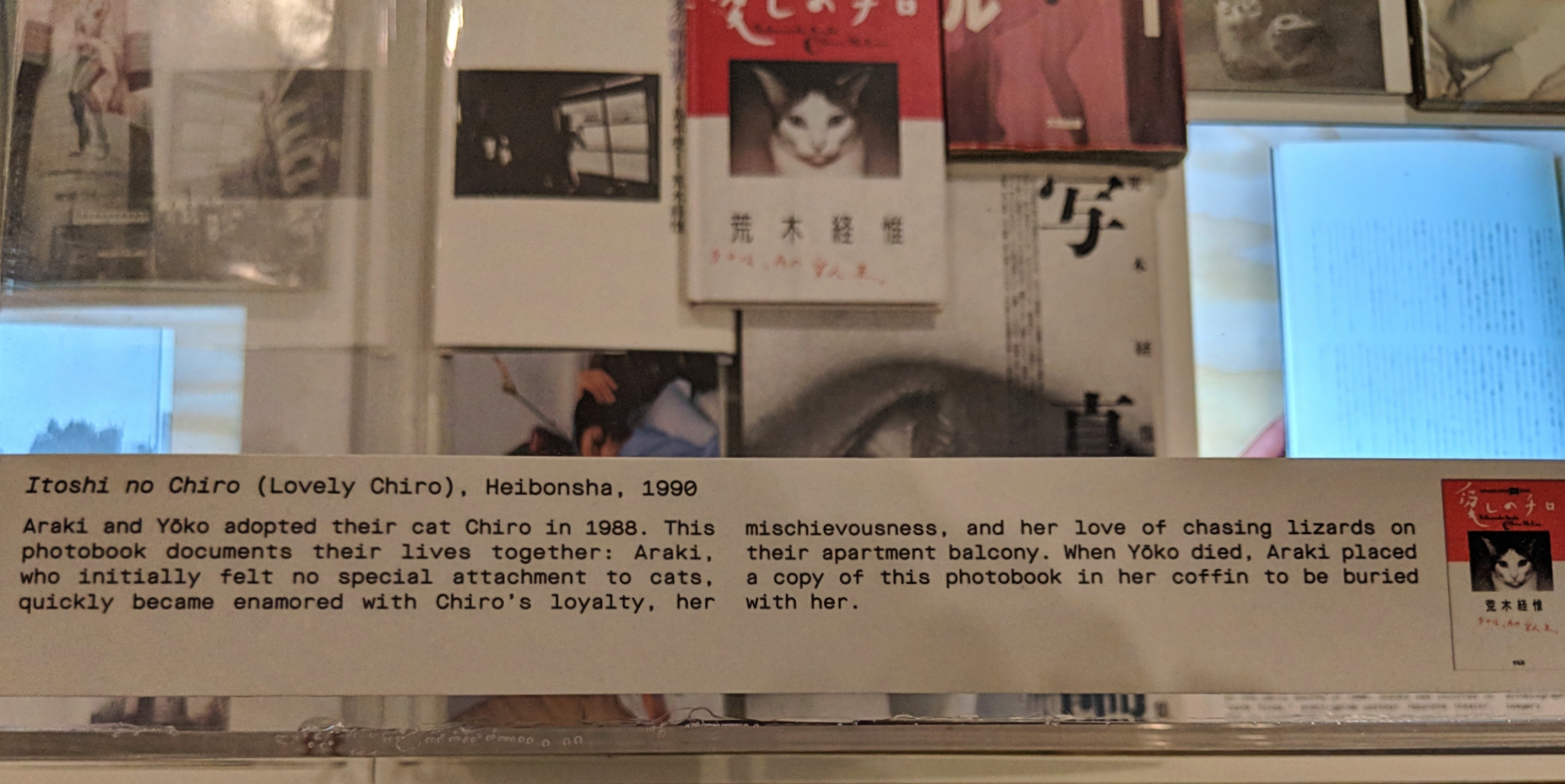
Araki and Yōko met while they were both employed at the Japanese advertising firm Dentsu, in the late 1960s. They were married in 1971 and for the next 19 years, their relationship – everyday life, sex, their cat Chiro, Yōko’s sudden diagnosis of ovarian cancer, her illness, her death, her funeral – would be the basis for photographic work infused with intimacy, unabashed directness and a kind of evolving understanding that even the ferocious love Araki felt for Yōko would end, like all journeys do.

Complement:

Start your day with a good breakfast together, 2009
From the series Experimental Relationship
Chromogenic prints

&

Soft-heeled Shoes, 2013
3D printed Polyjet photopolymers, suede shoes, metal

by Pixy Liao


India in Woodstock, 2013
From the series Pheromone Hotbox

&

Céline, 2016
From the series Vénéneuse

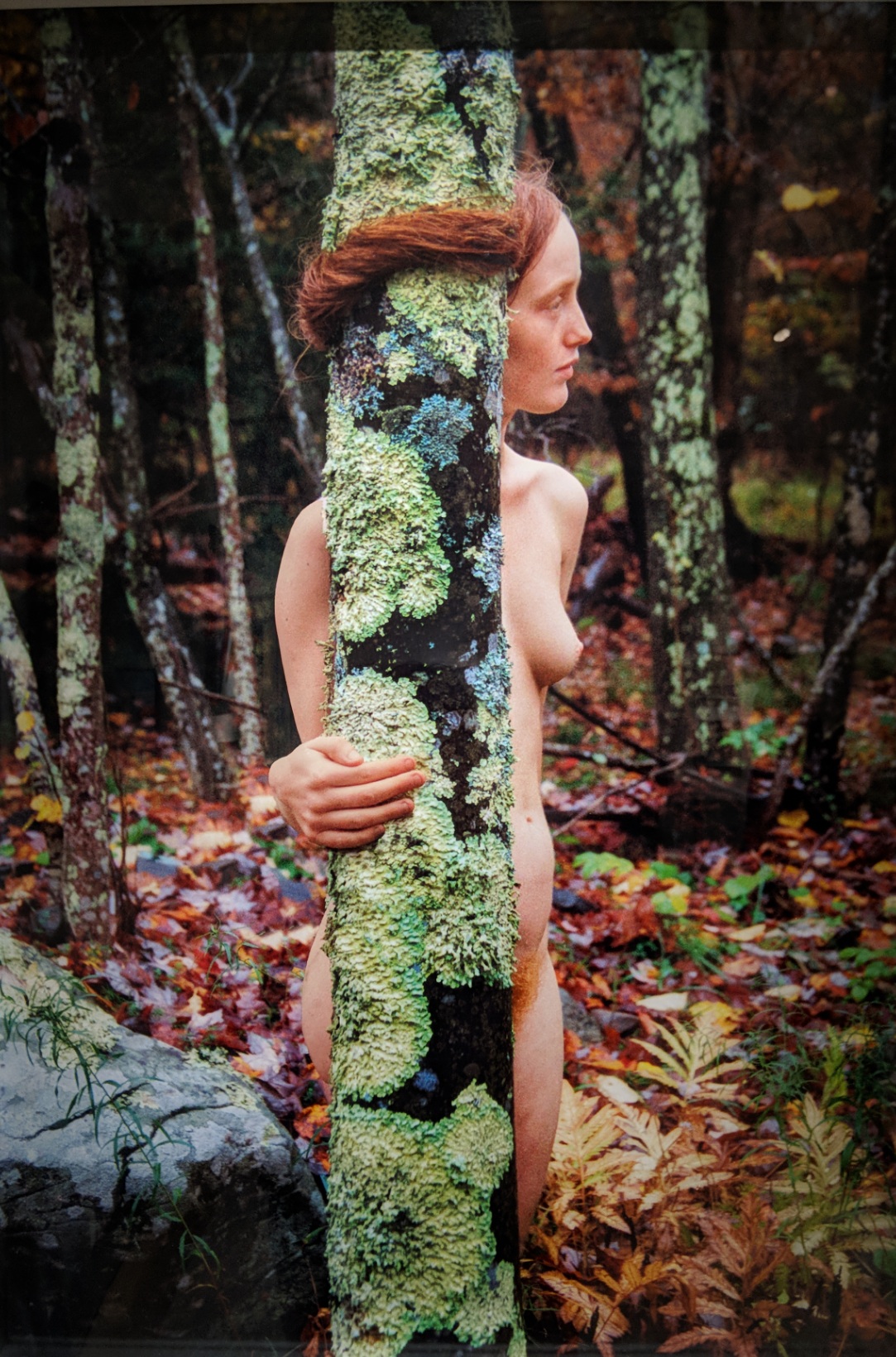
by Amanda Charchian


Museum of Sex, Manhattan

February 18th, 2018
David Hockney

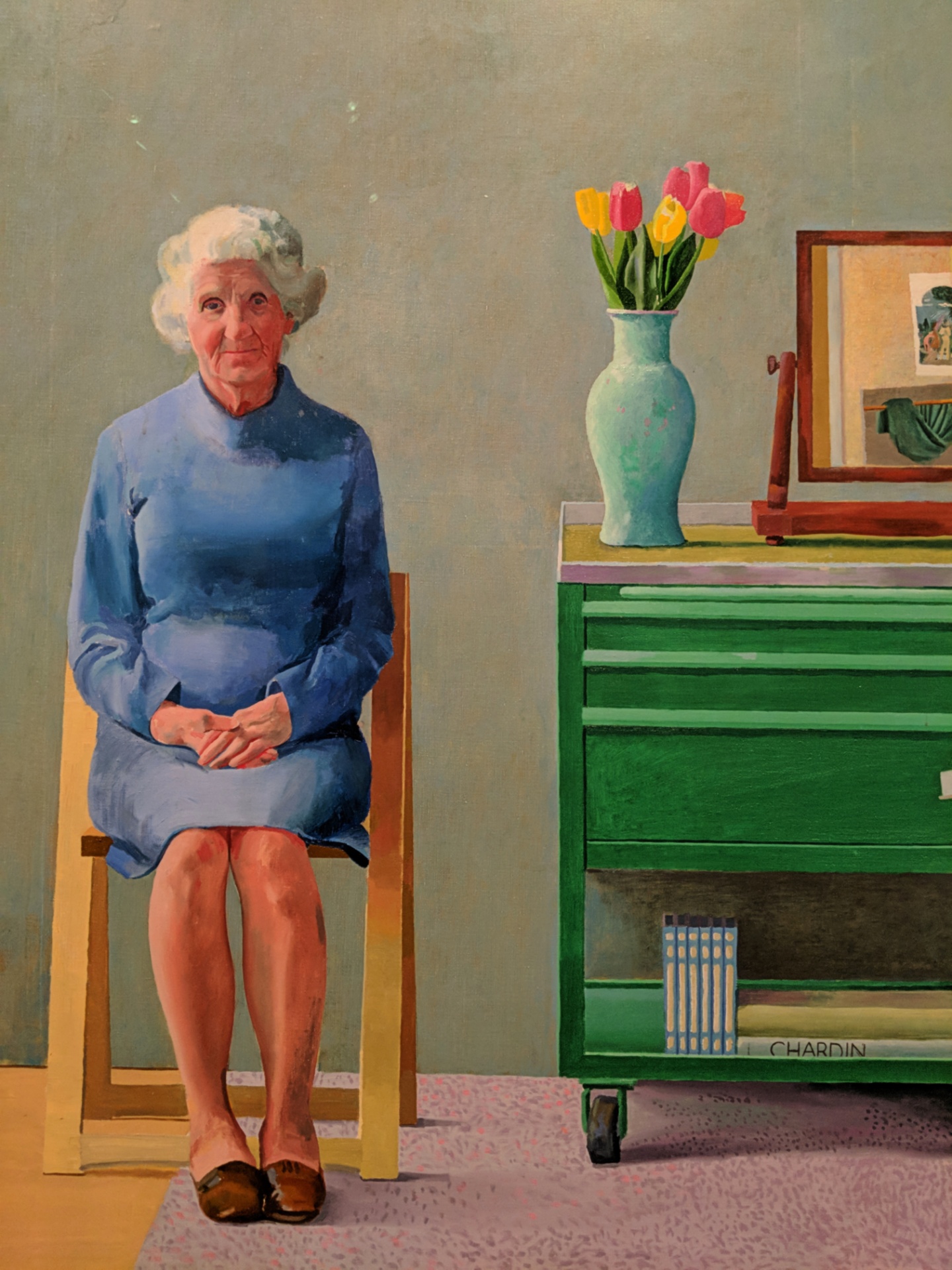
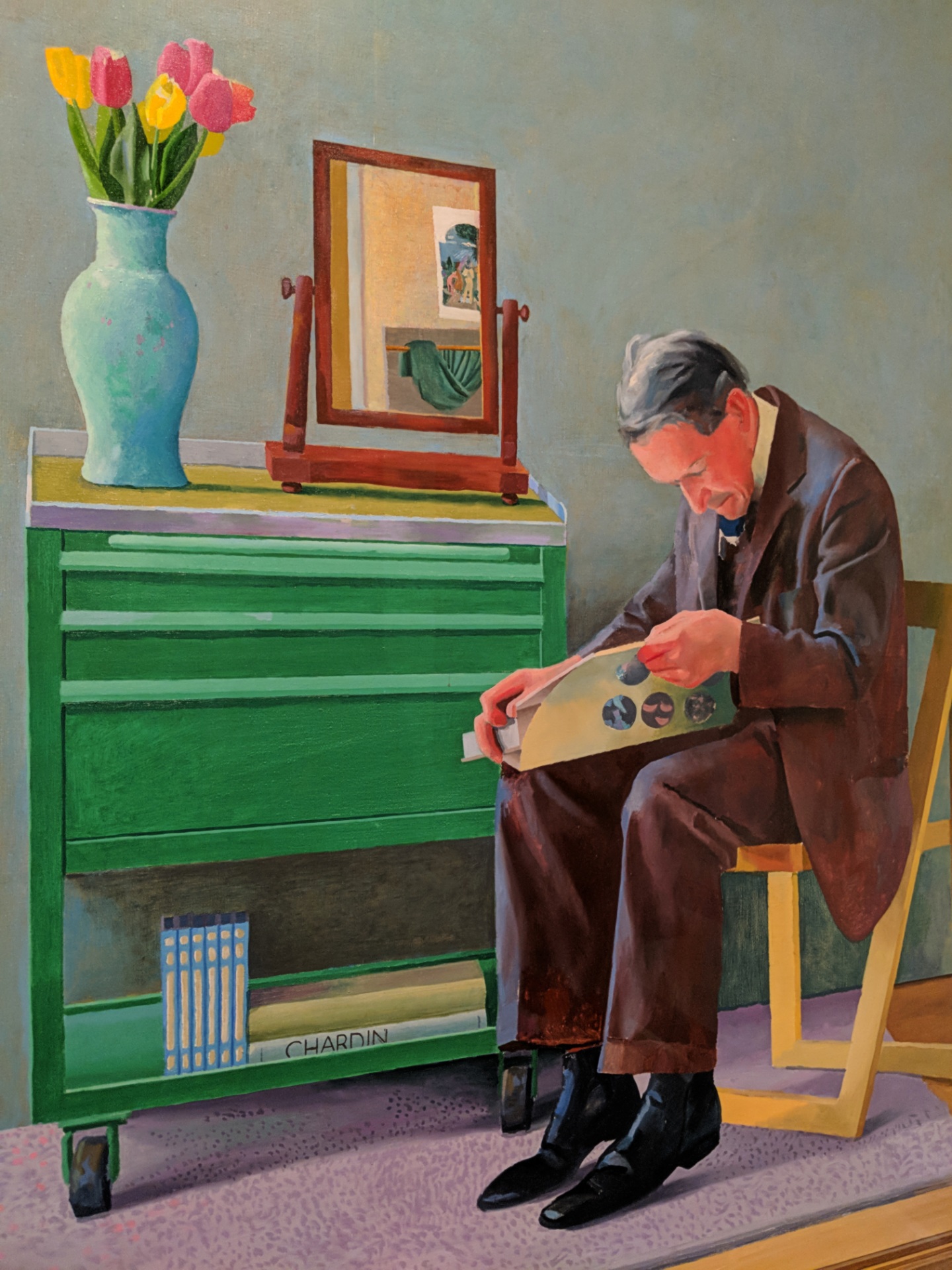
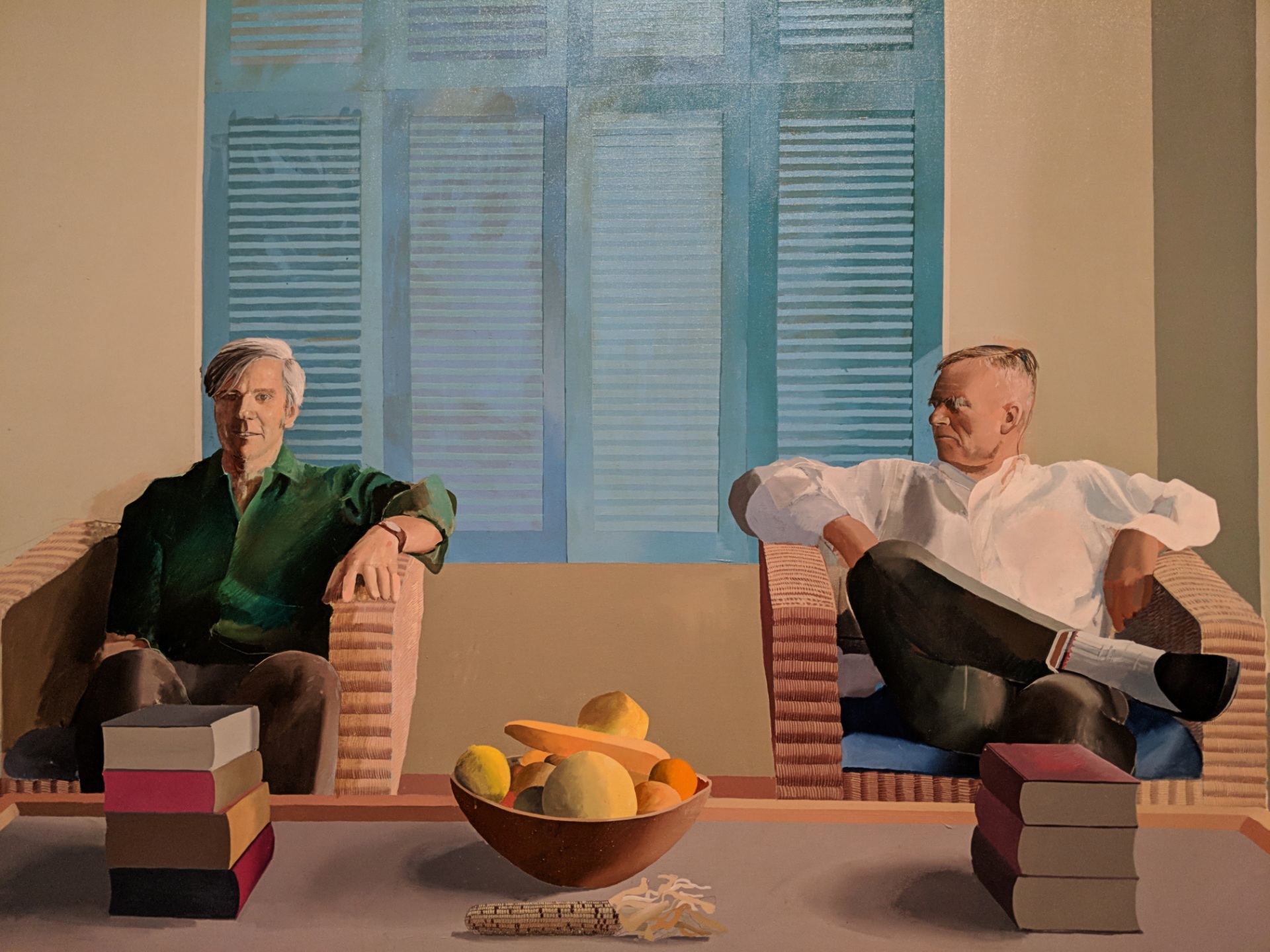
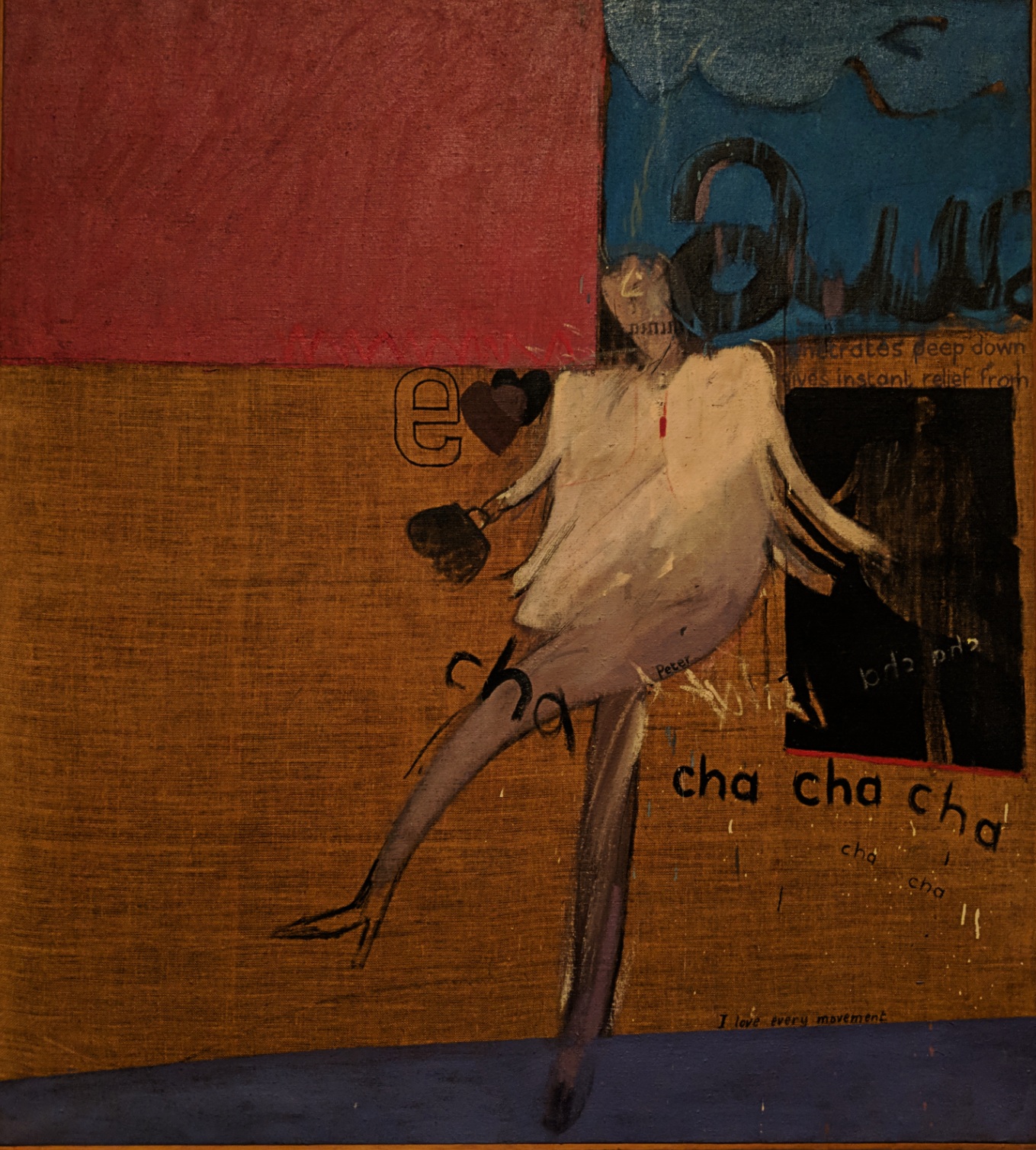
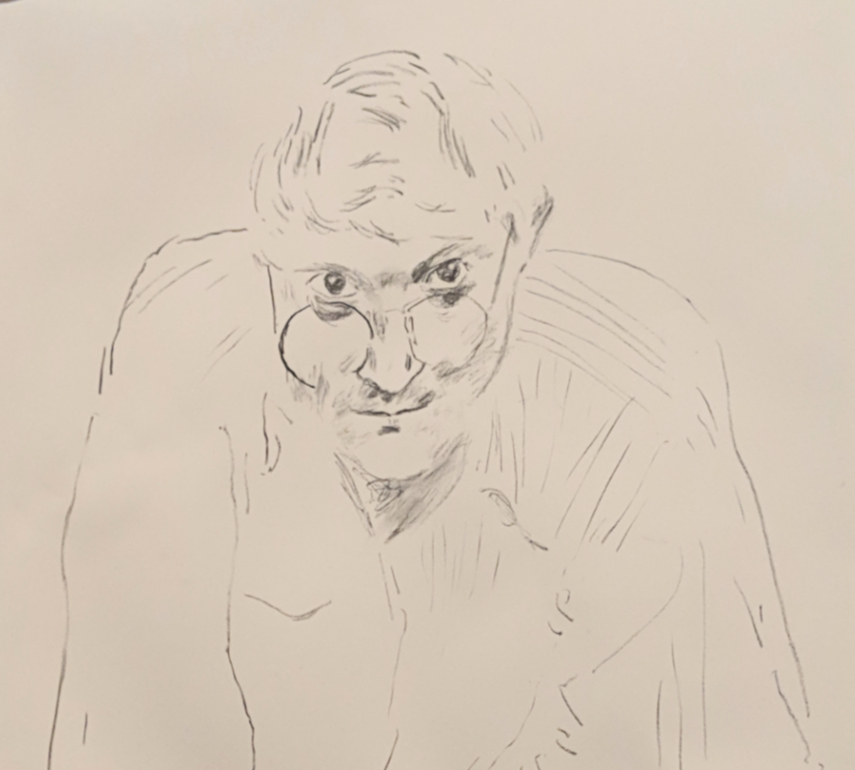
What I was saying yesterday, about popular exhibitions? Well, David Hockney’s major retrospective held at the Met between November 2017 & February 2018, was one of them.  Impossible to enjoy – oftentimes not being able to see anything at all, multiple rows of heads obscuring the art. So crowded were the galleries, we soon gave up. But not before catching at least a few striking images on camera, the most ”presentable” of which I’m glad to share today with you.

Art:

1/ & 2/
My Parents, 1977
Oil on canvas

3/
Christopher Isherwood and Don Bachardy, 1968
Acrylic on canvas

4/
The Cha-Cha That Was Danced in the Early Hours of 24th March, 1961
Oil on canvas

5/
Self-portrait, 1983
Charcoal on paper

David Hockney @The Metropolitan Museum of Art

February 17th, 2018

Met Breuer

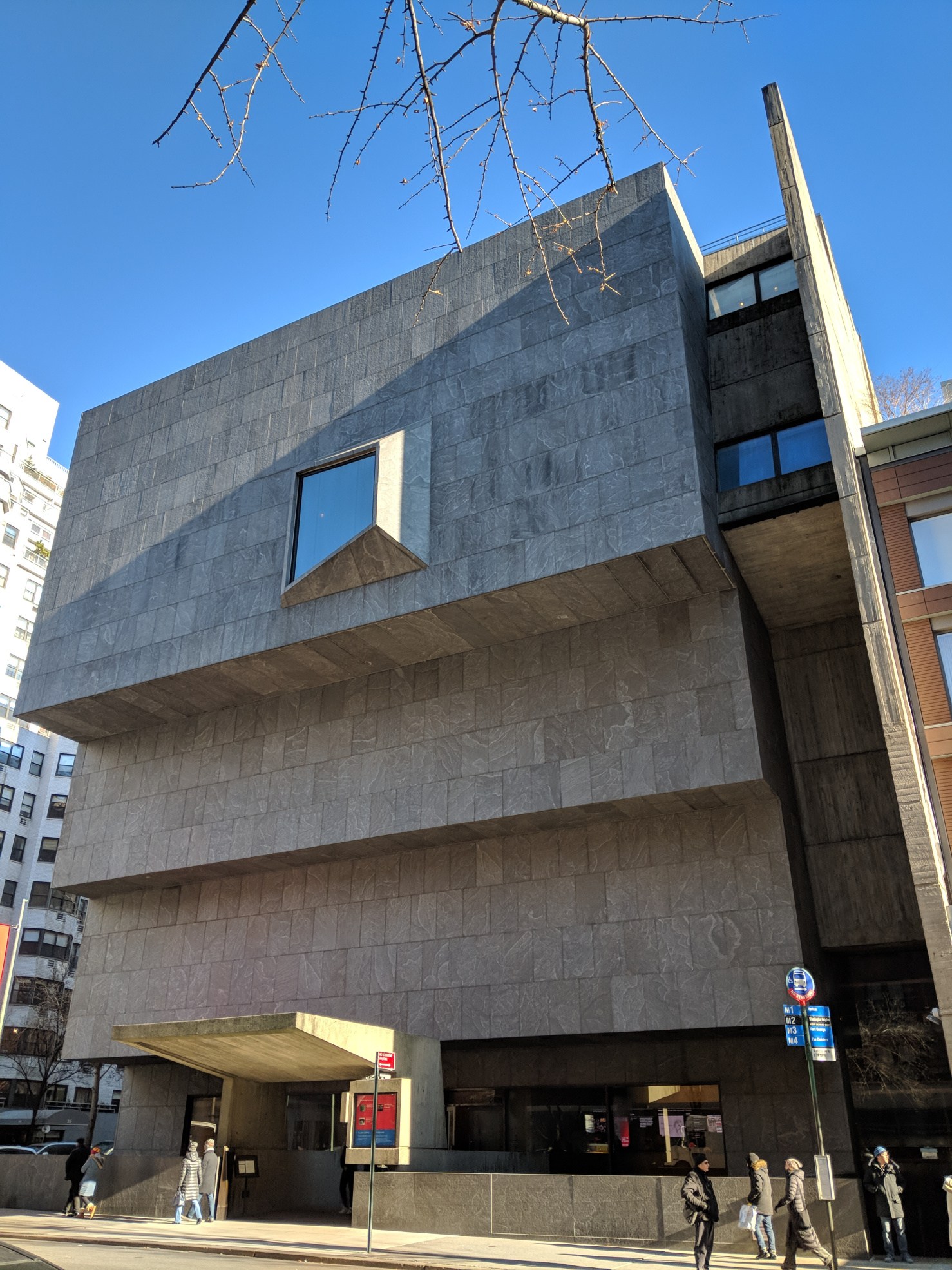
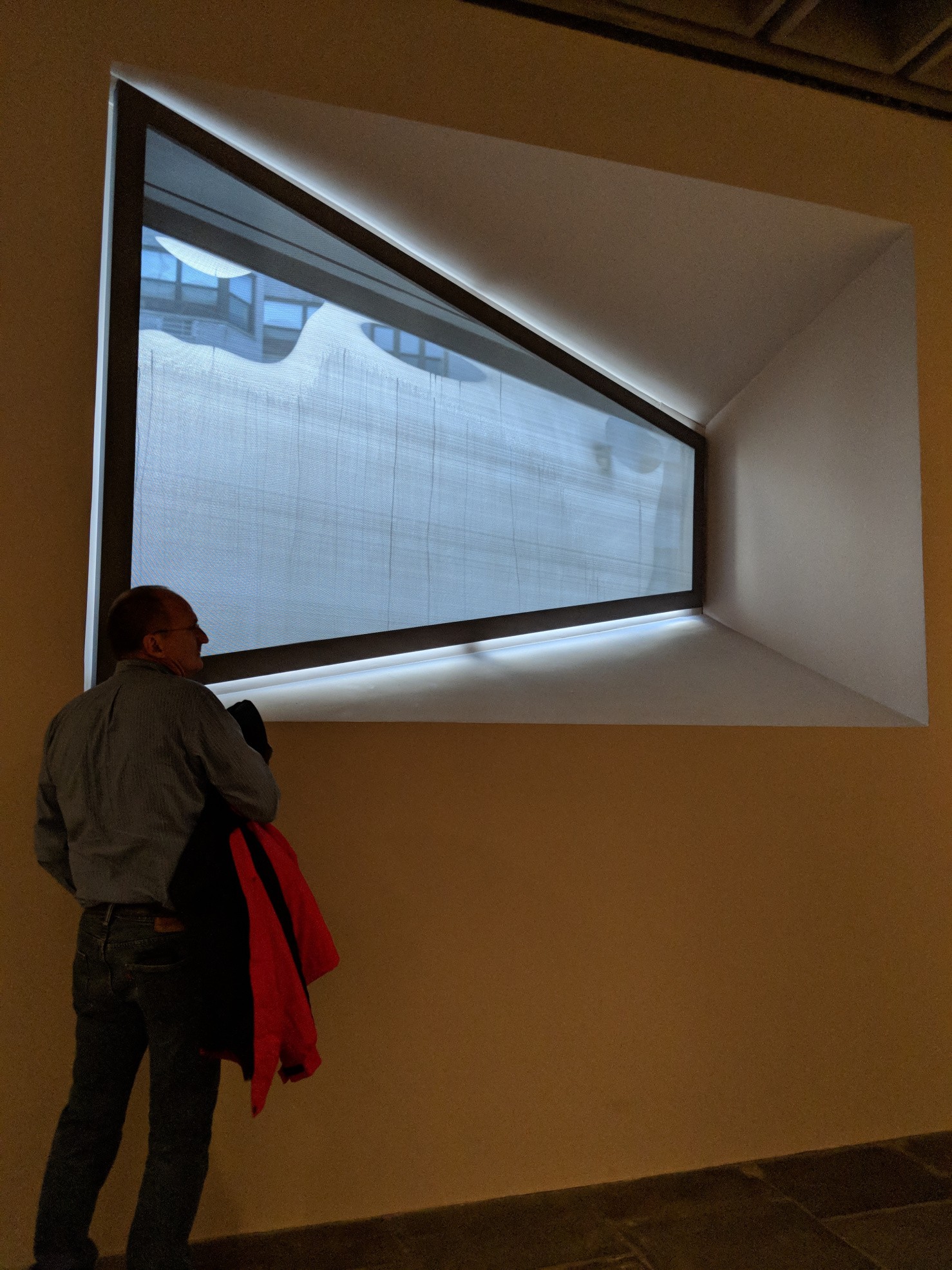
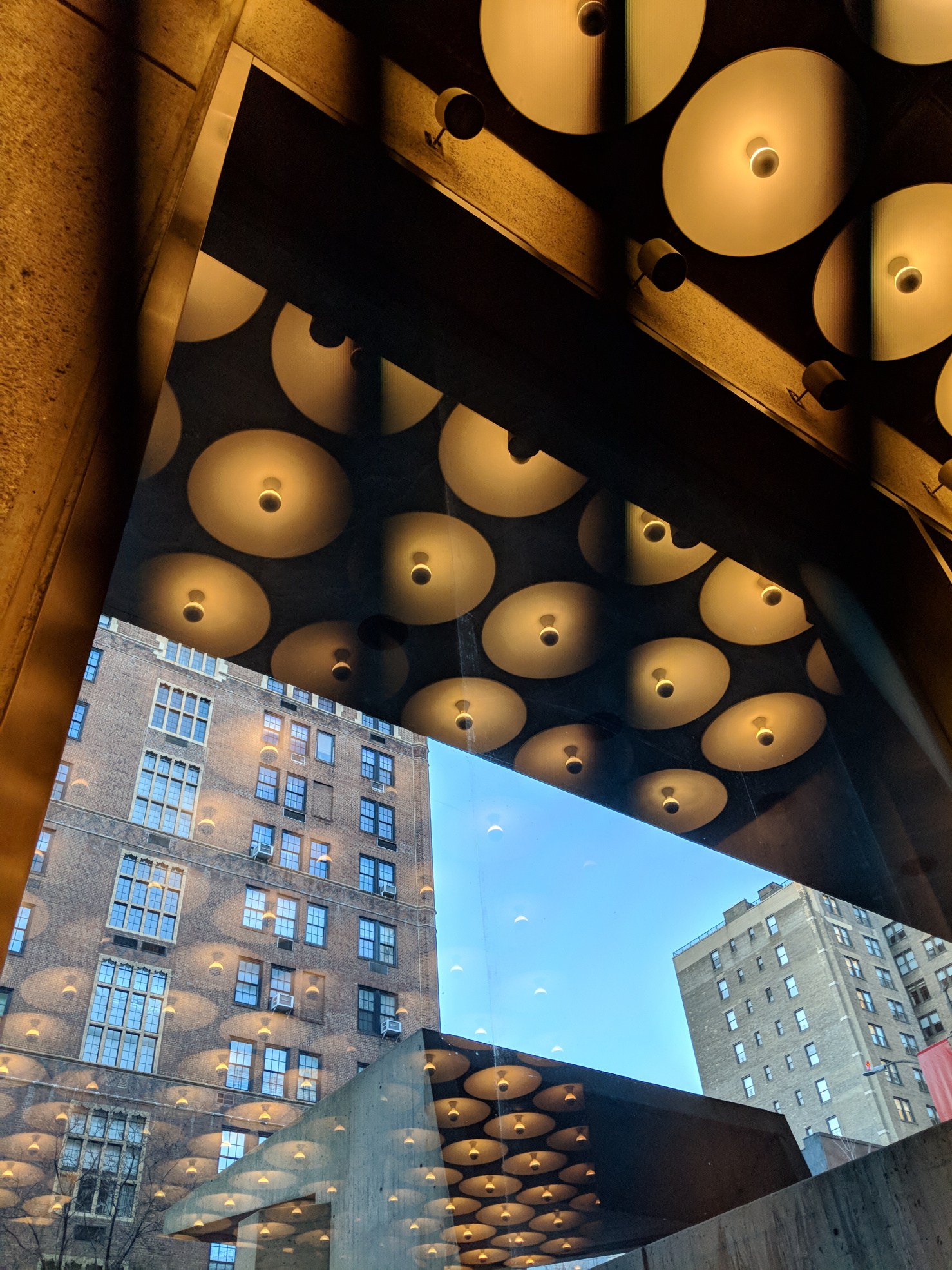
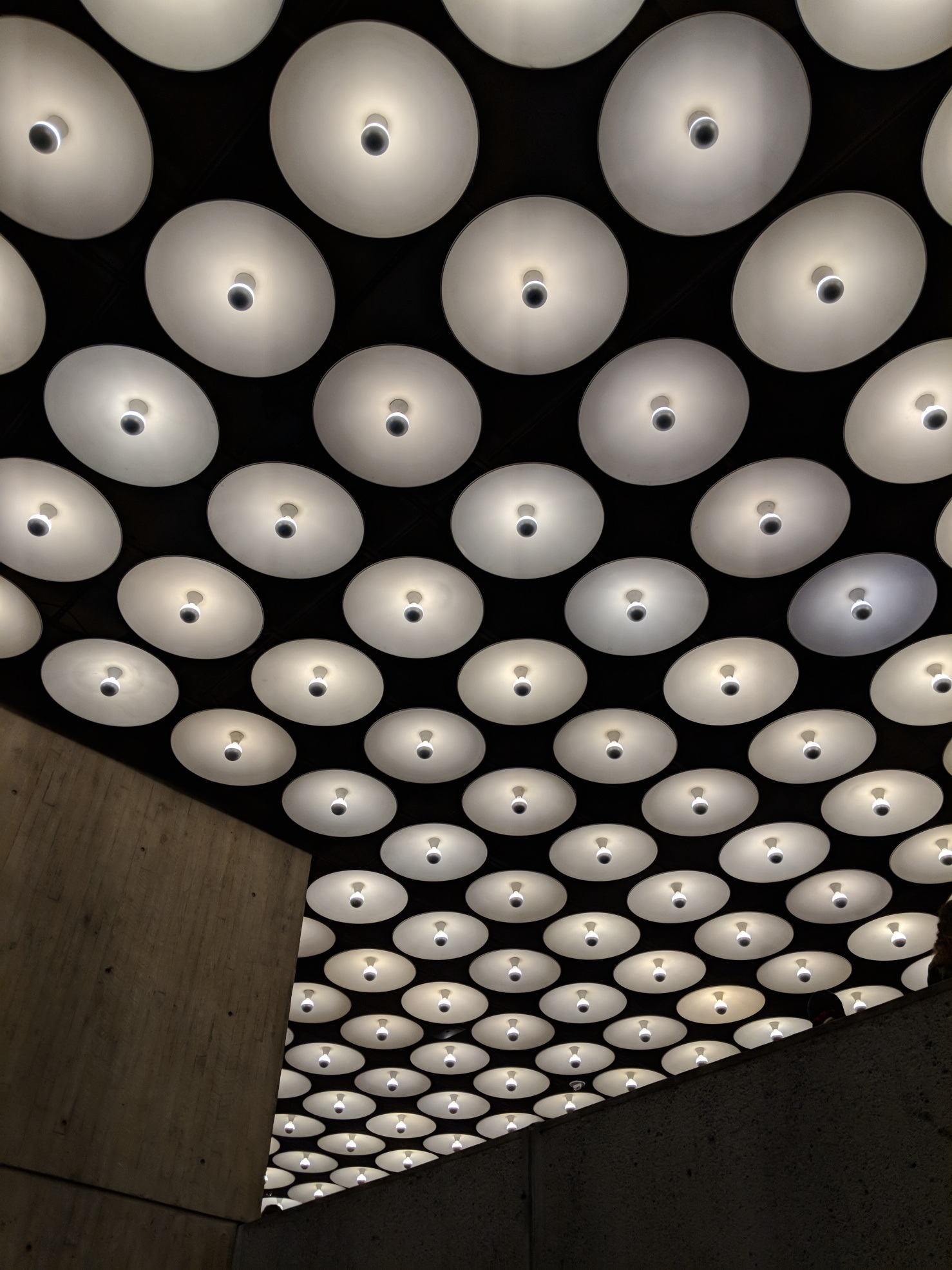
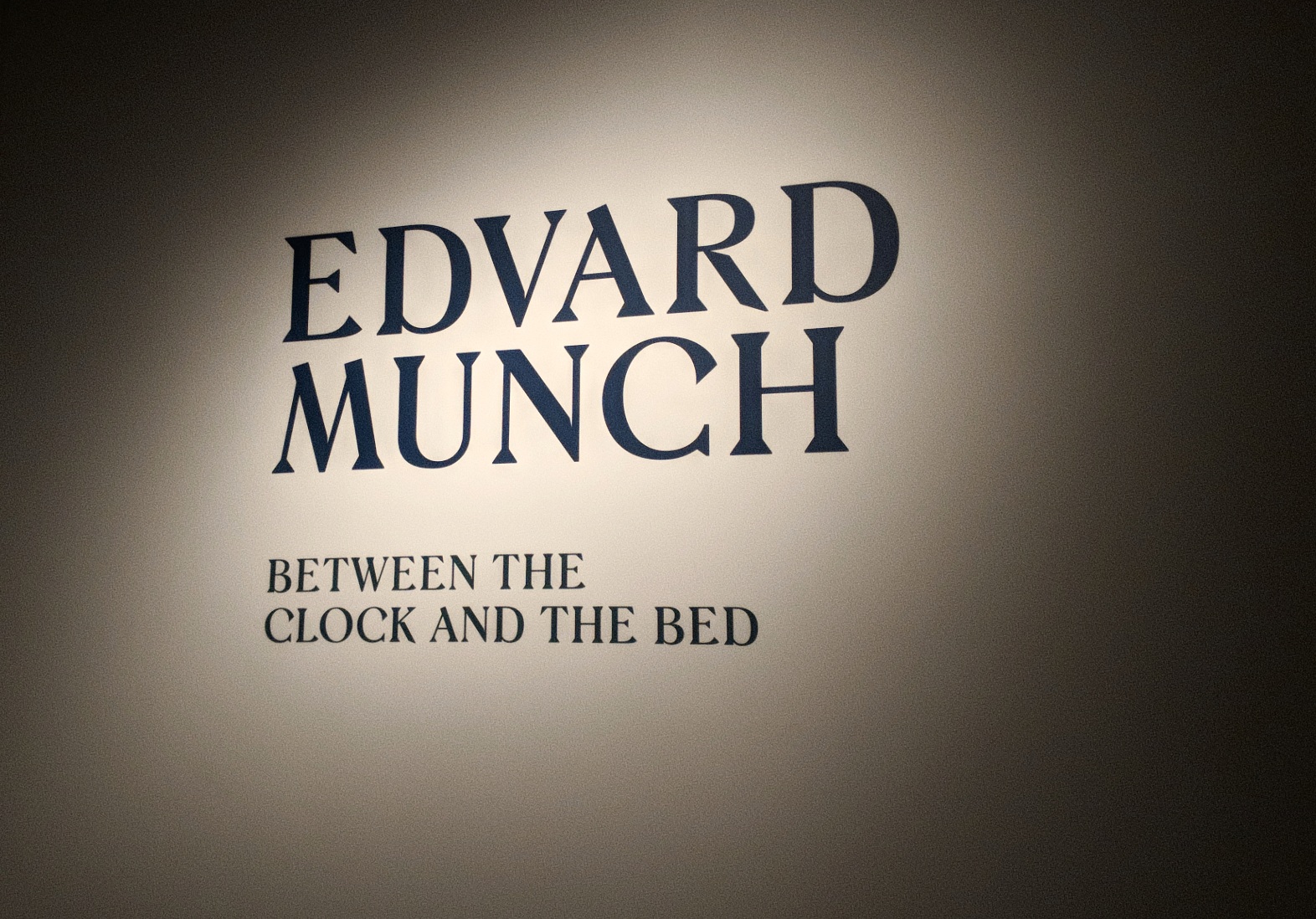
Edvard Munch always makes a strong impression but, in this case, the same can be said about the host building. This is Met Breuer, built in 1966 and named after its Brutalist architect Marcel Breuer, who designed it to house the Whitney Museum – and so it did until 2015, when the Whitney moved to its current location in downtown Manhattan, and this beautiful concrete ”inverted ziggurat” was leased by the Metropolitan Museum of Art.

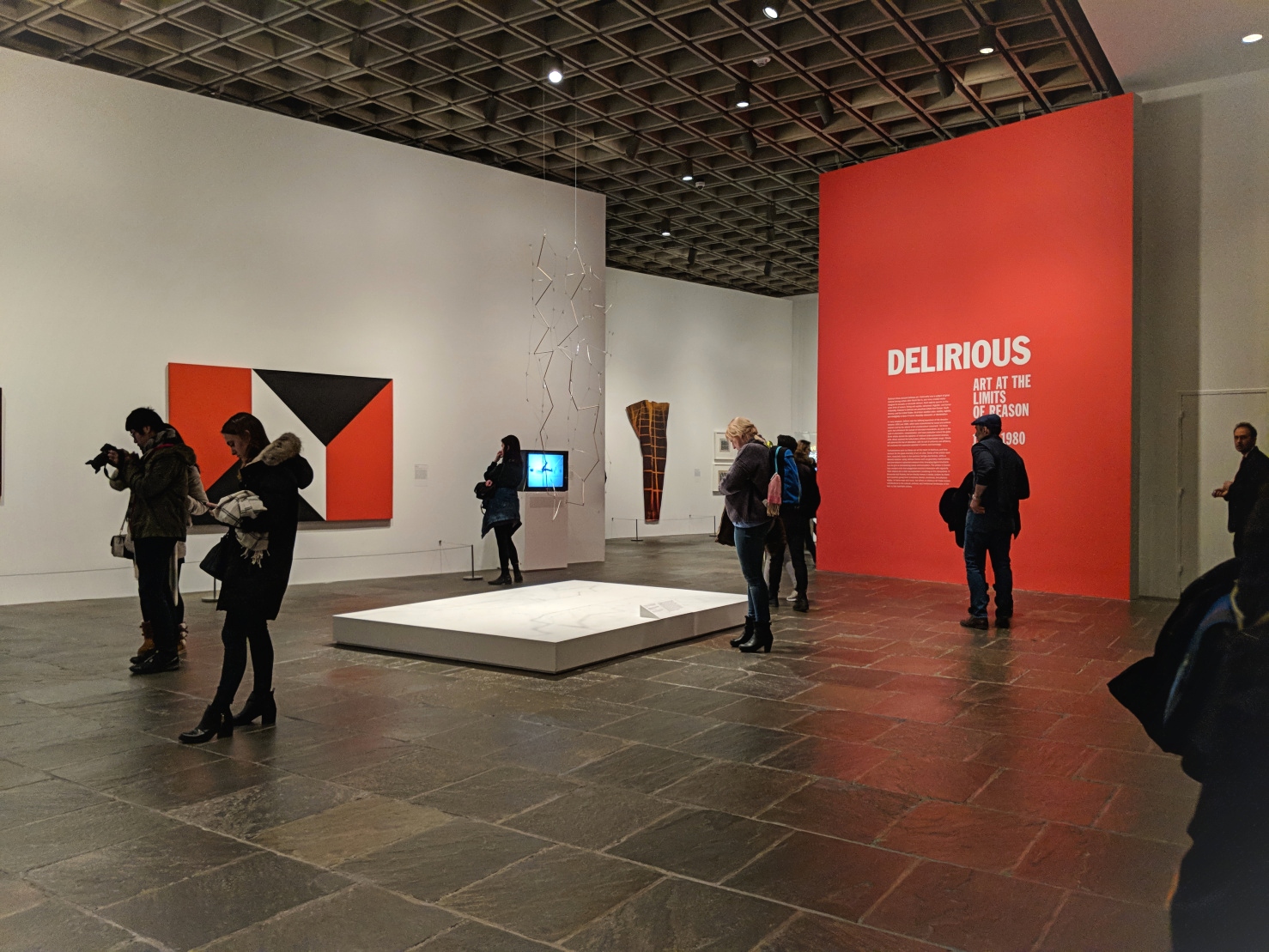
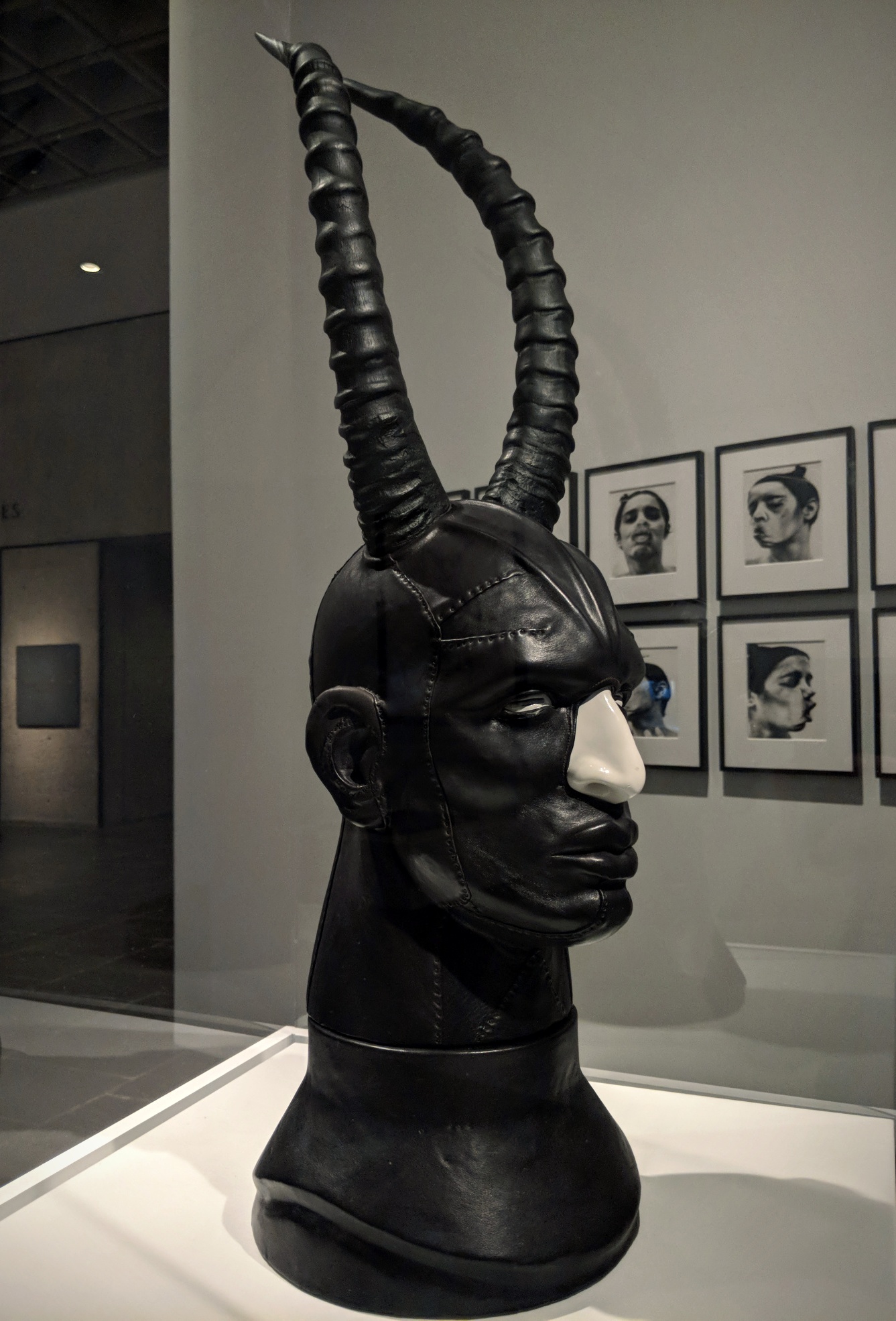
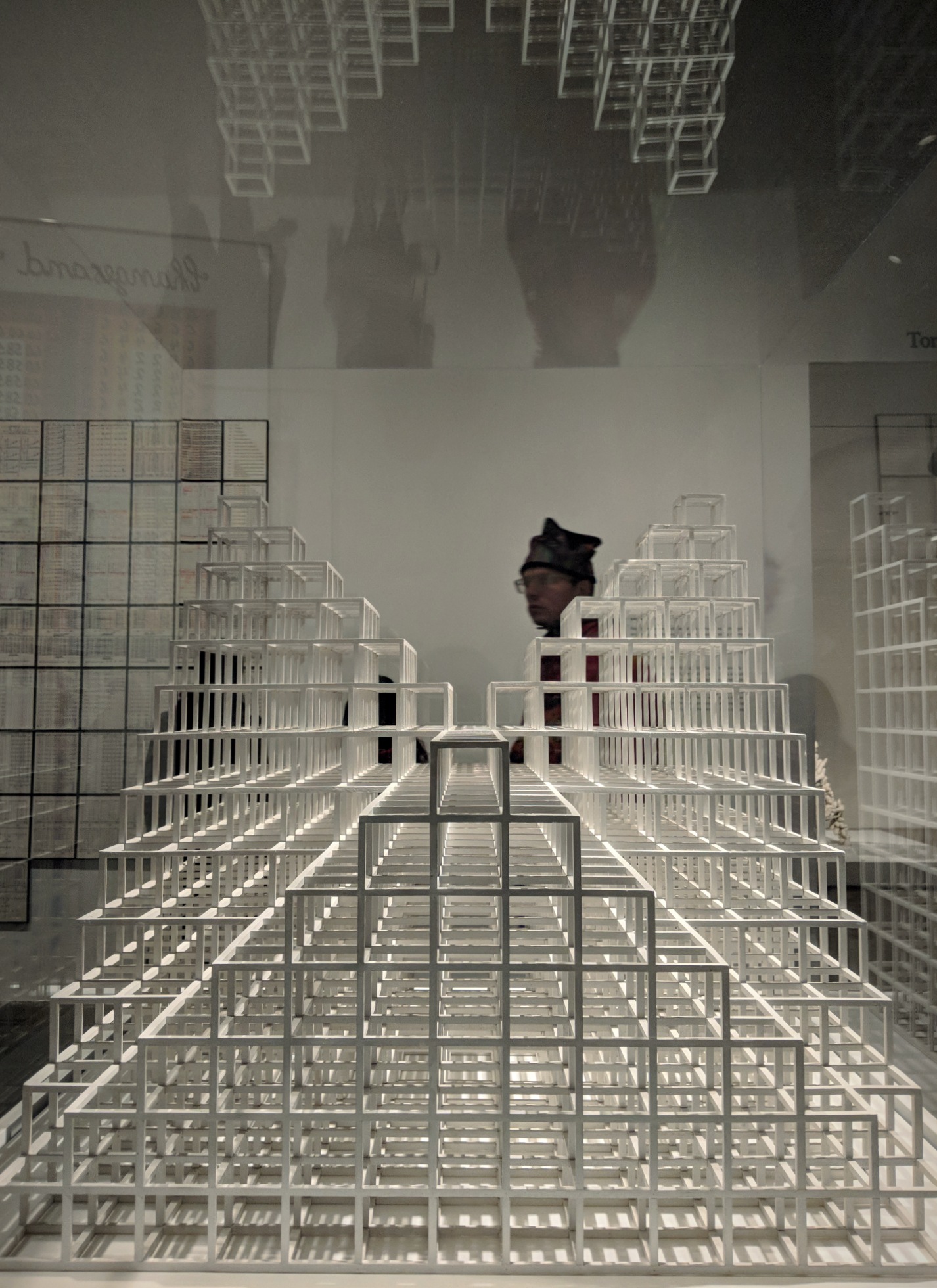
Artwork from “Delirious Art at the Limits of Reason 1950-1980”, an exhibition running in parallel to Edvard Munch’s “Between the Clock and the Bed”.


Credits:

Cob II, 1977-80 by Nancy Grossman
Wood, leather, painted horn, lacquer, lead

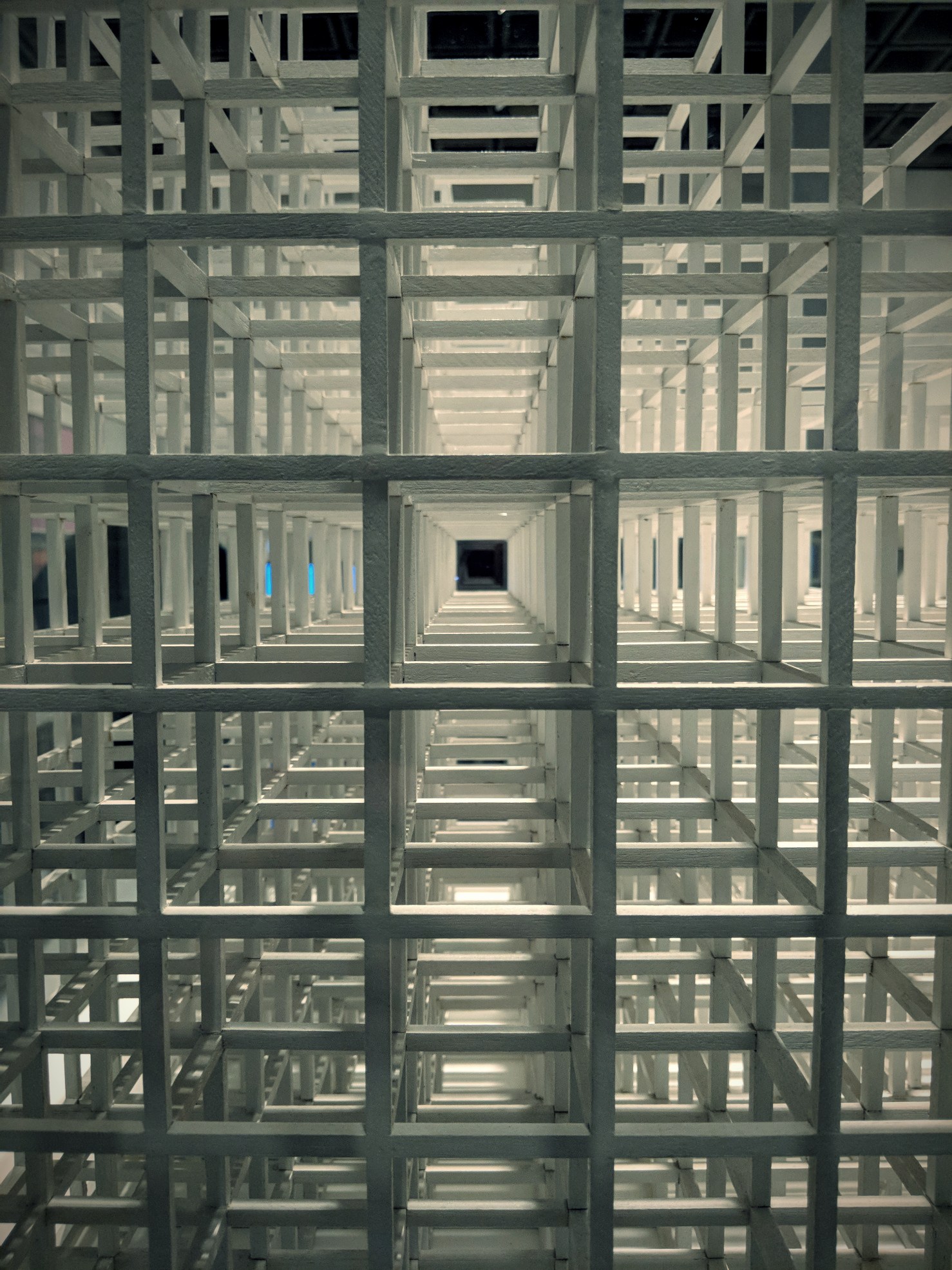
13/3, 1981 by Sol LeWitt
Painted balsa wood

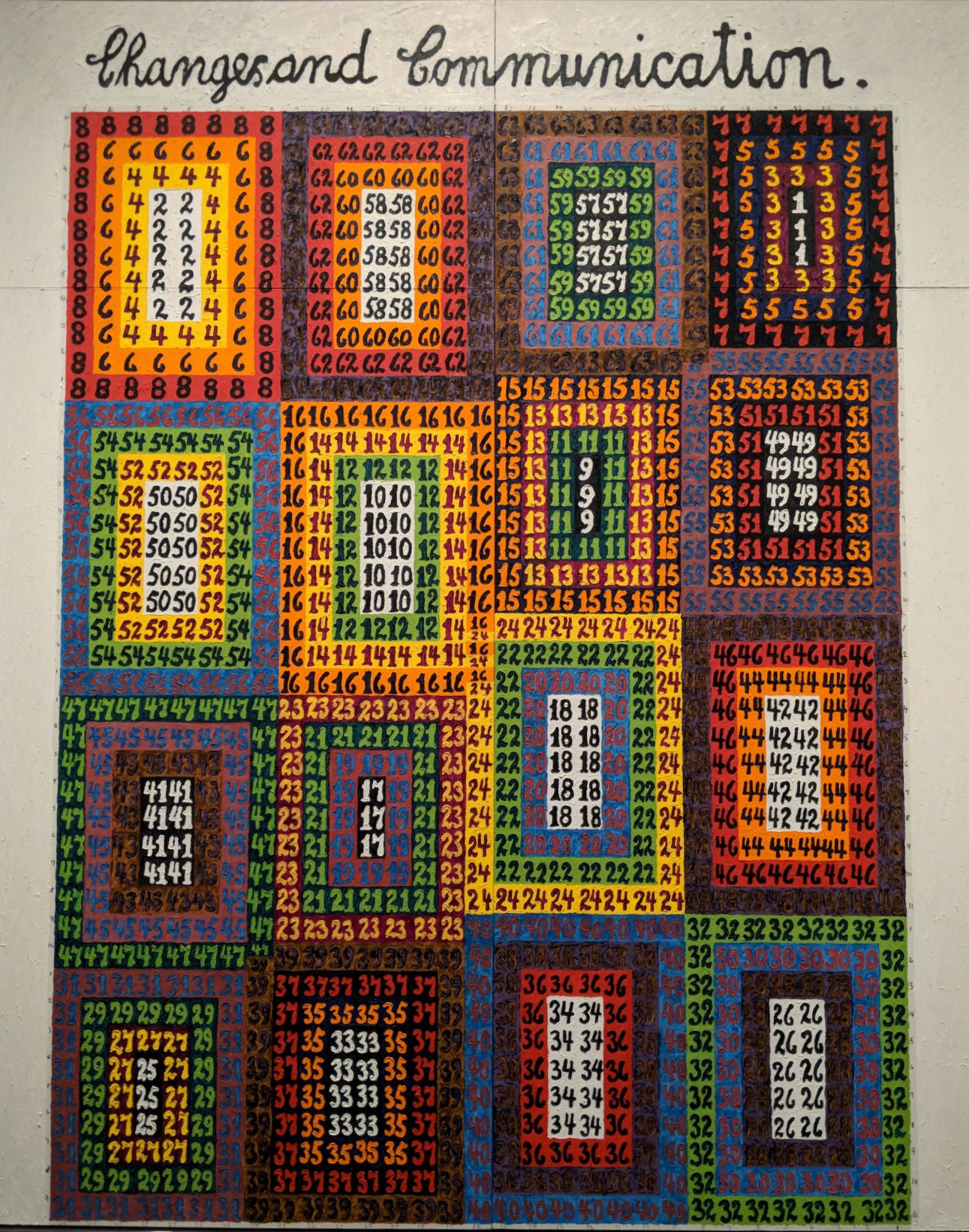
Beginning Study for Changes and Communication, 1978 by Alfred Jensen
Oil on canvas

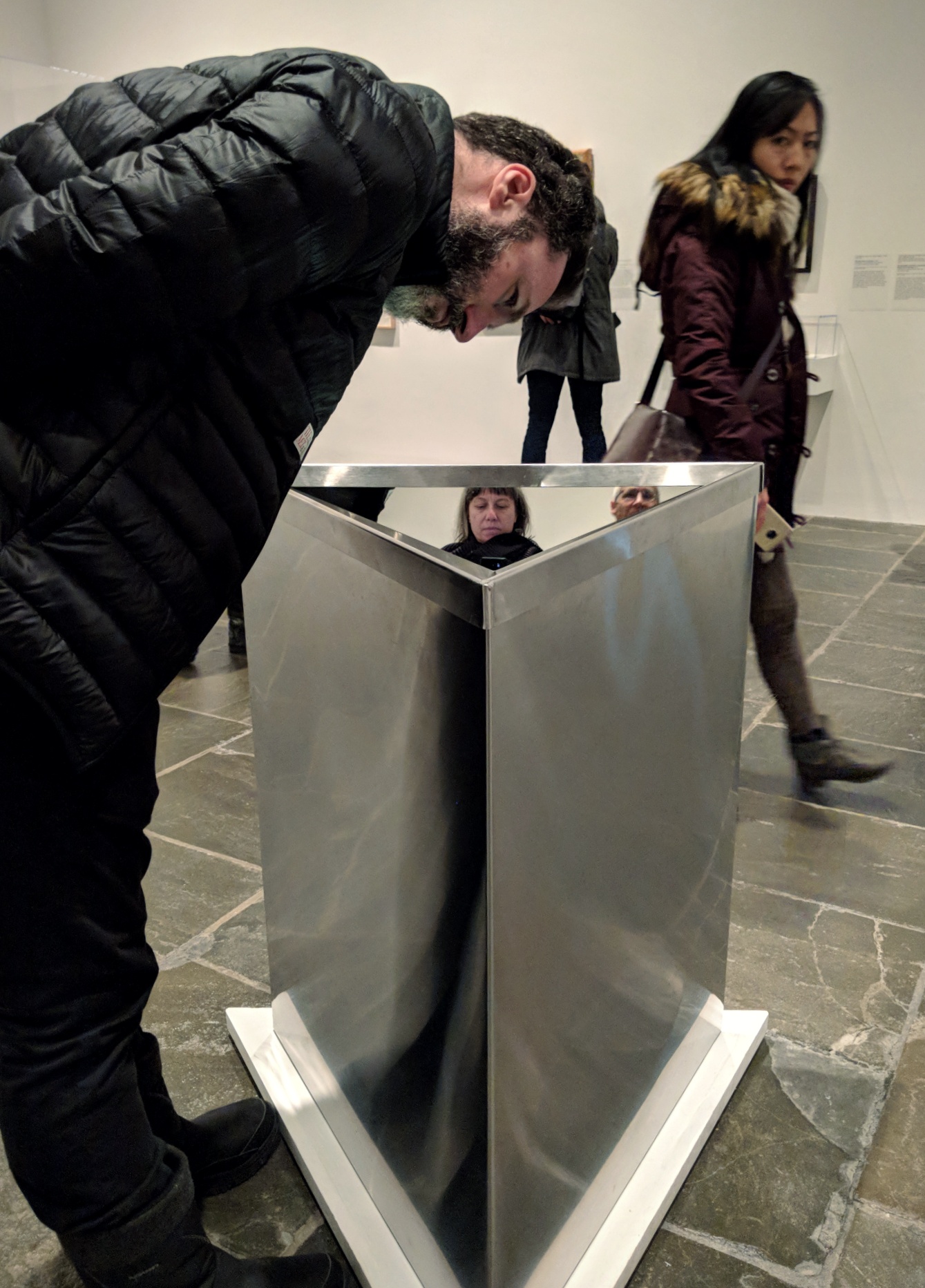
Three Mirror Vortex, 1965 by Robert Smithson
Stainless steel, three mirrors

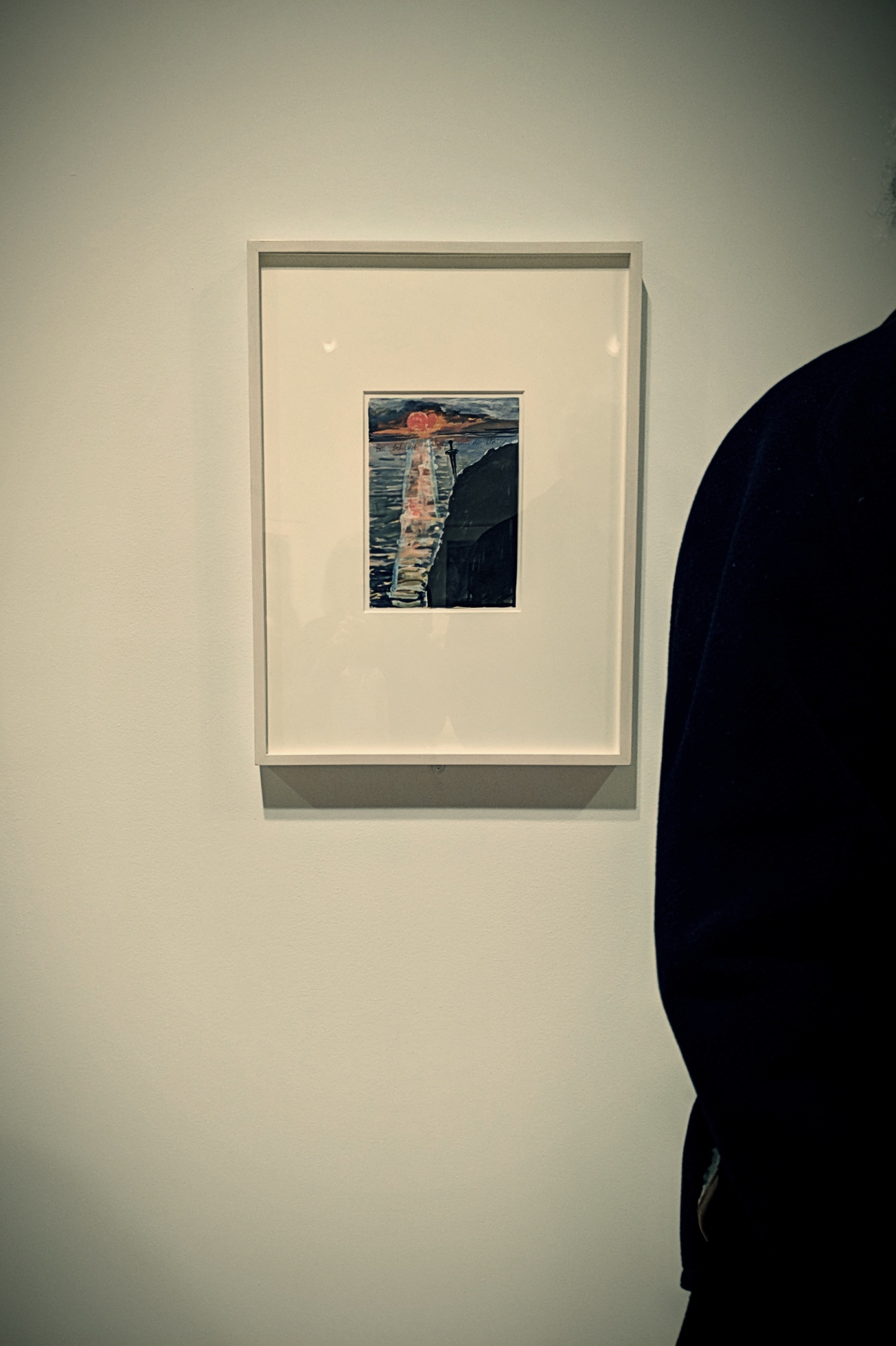
My Father Pledged Me a Sword, 1975, by Anselm Kiefer
Watercolour, gouache, coloured pencil and ballpoint pen on paper

Met Breuer, 945 Madison Avenue, Manhattan

December 28th, 2017

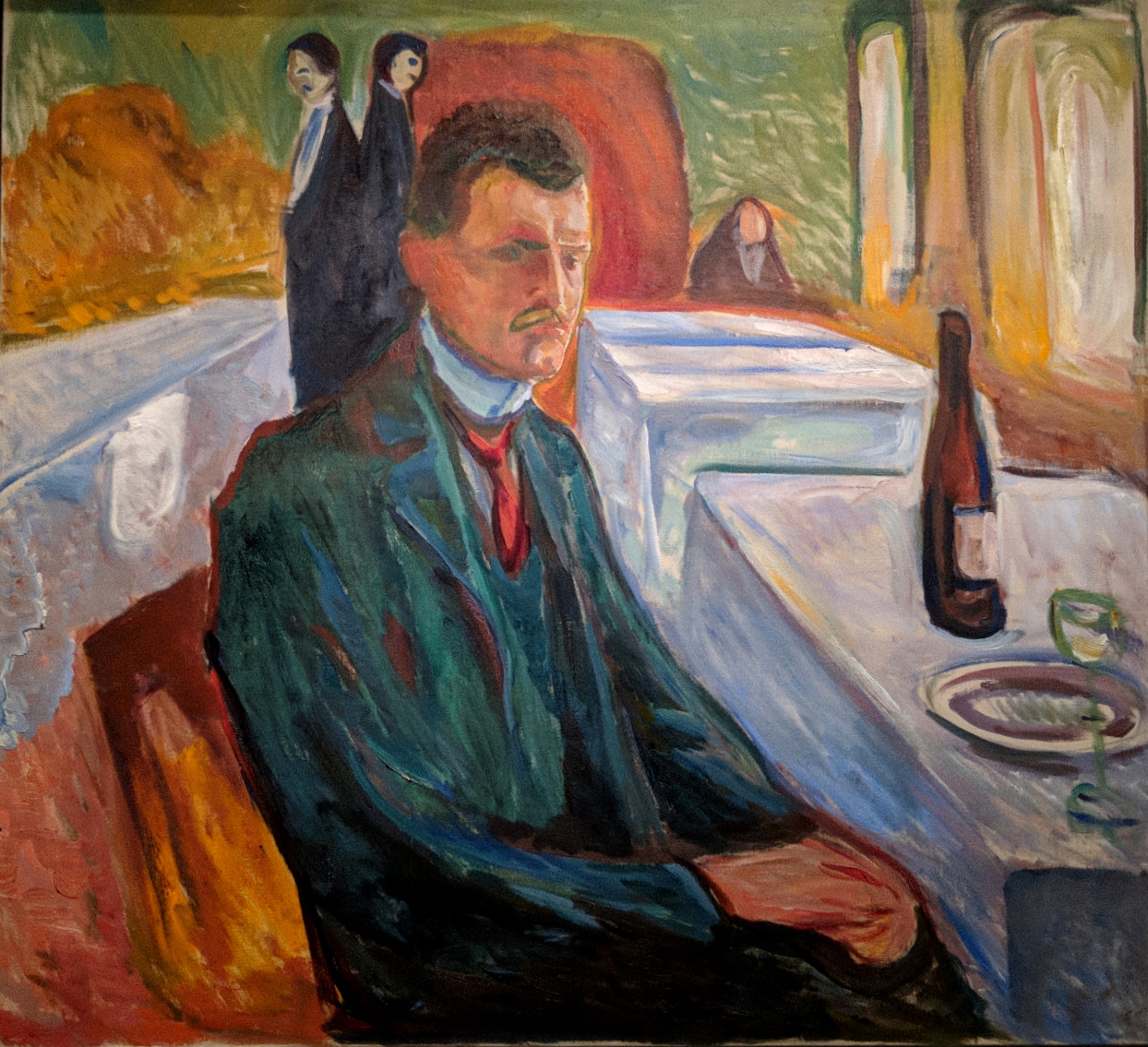
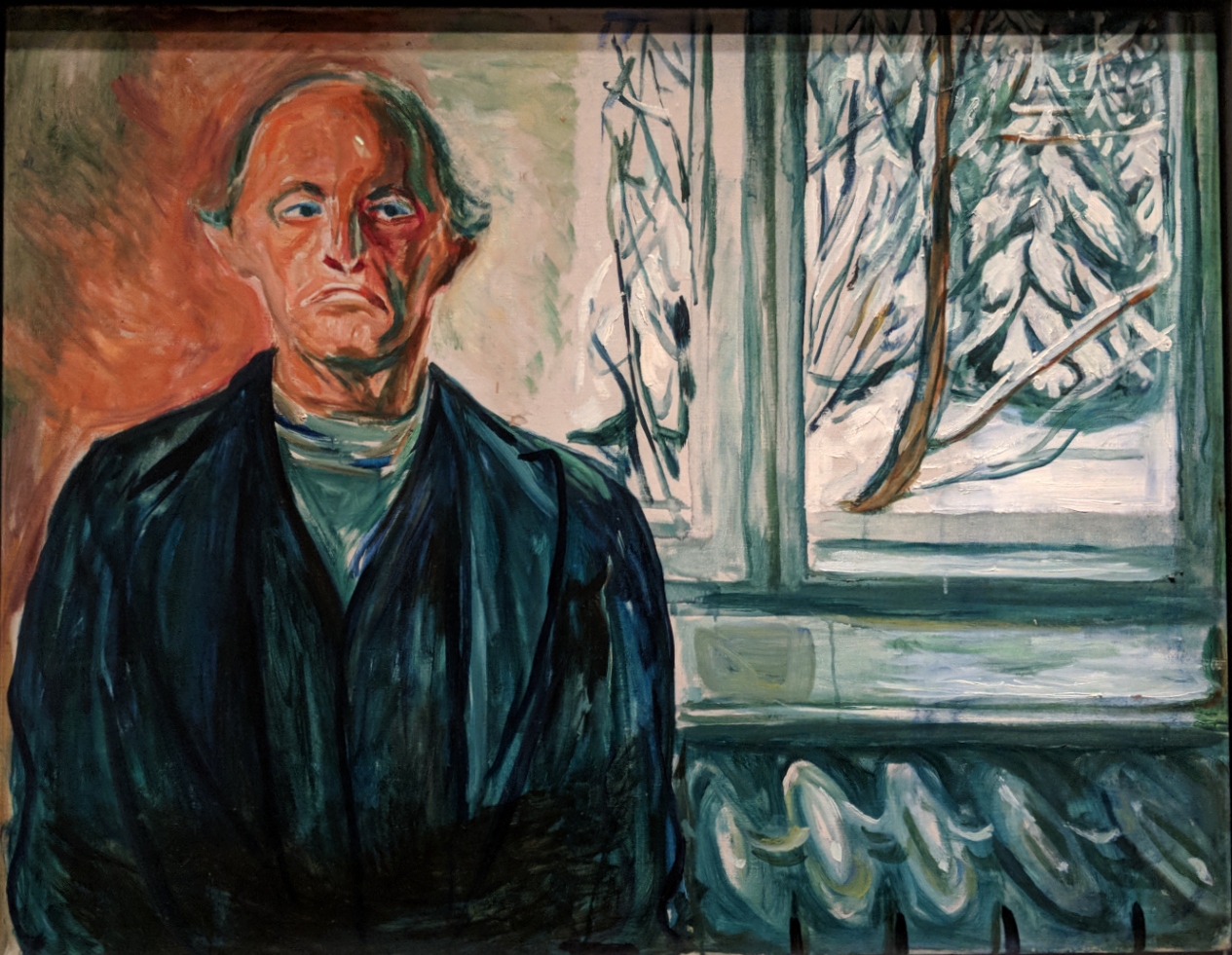
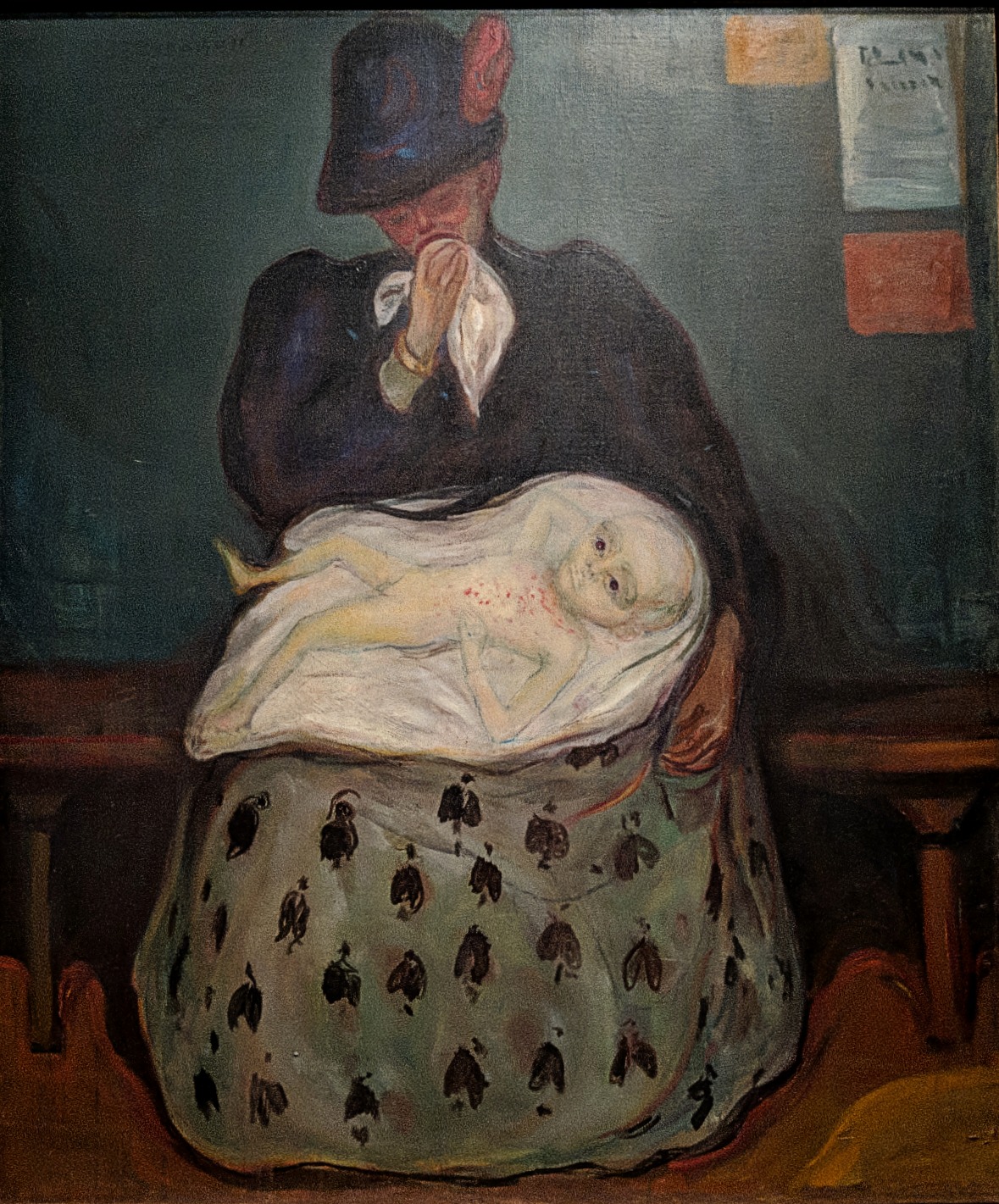
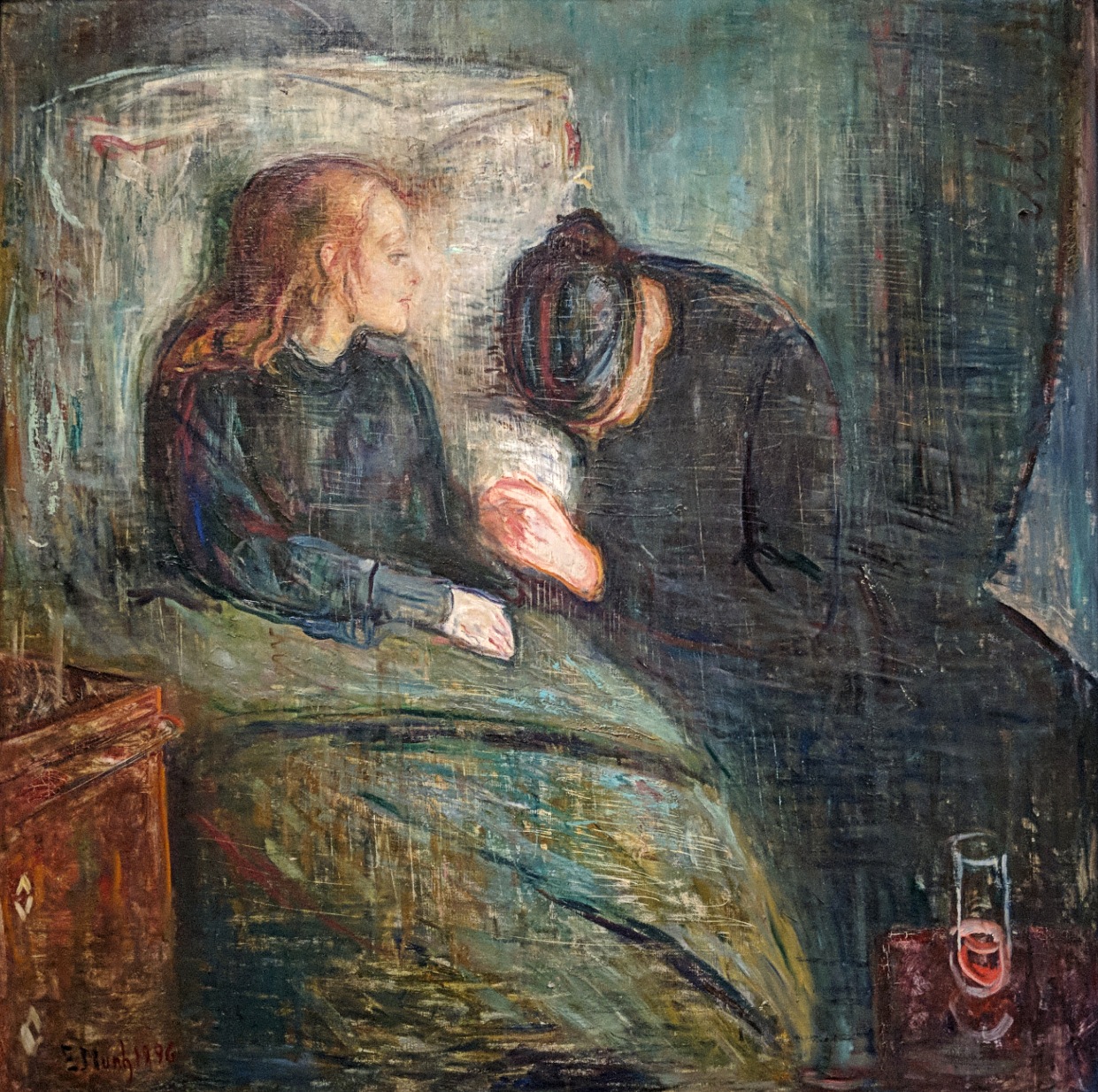
Edvard Munch Art

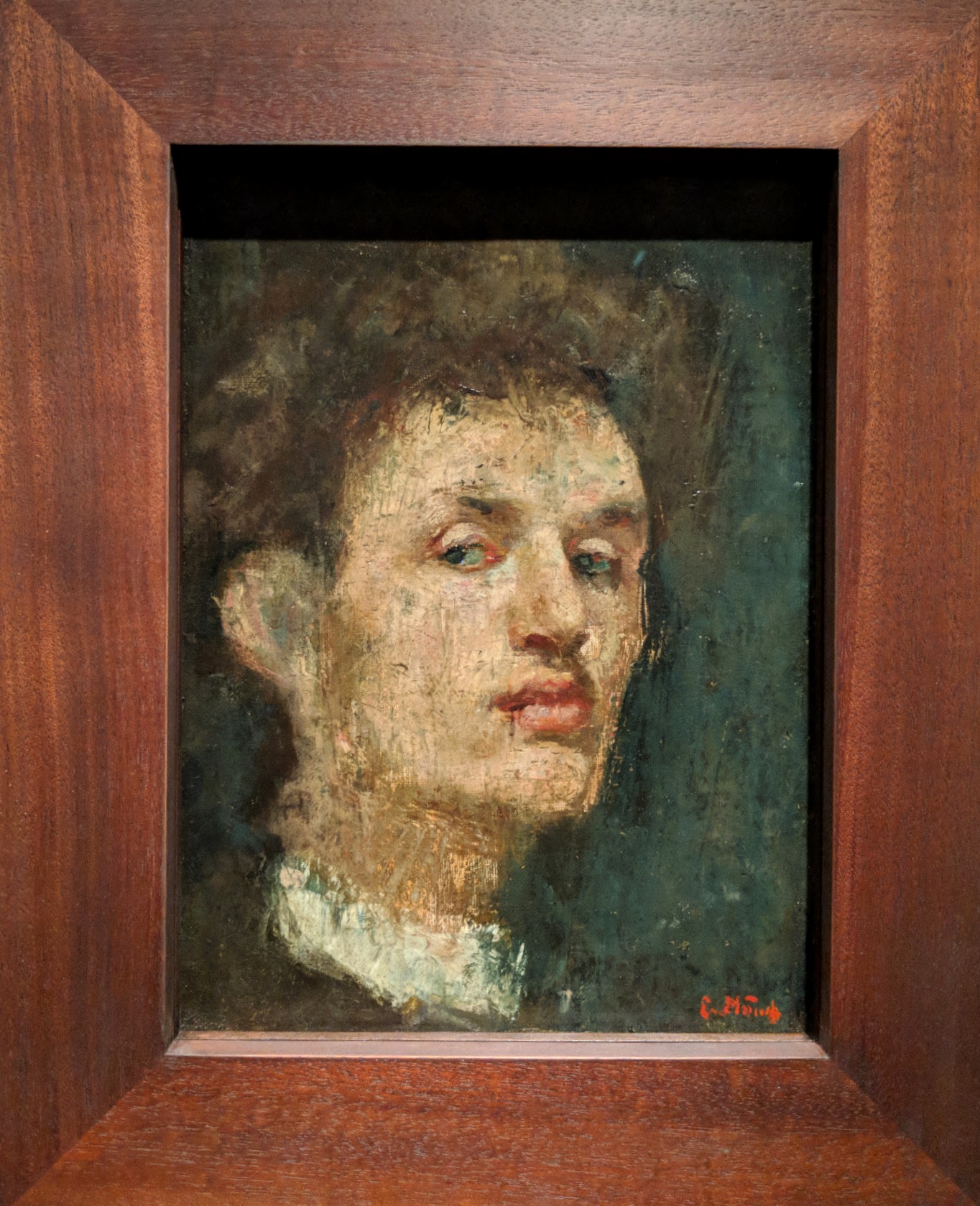
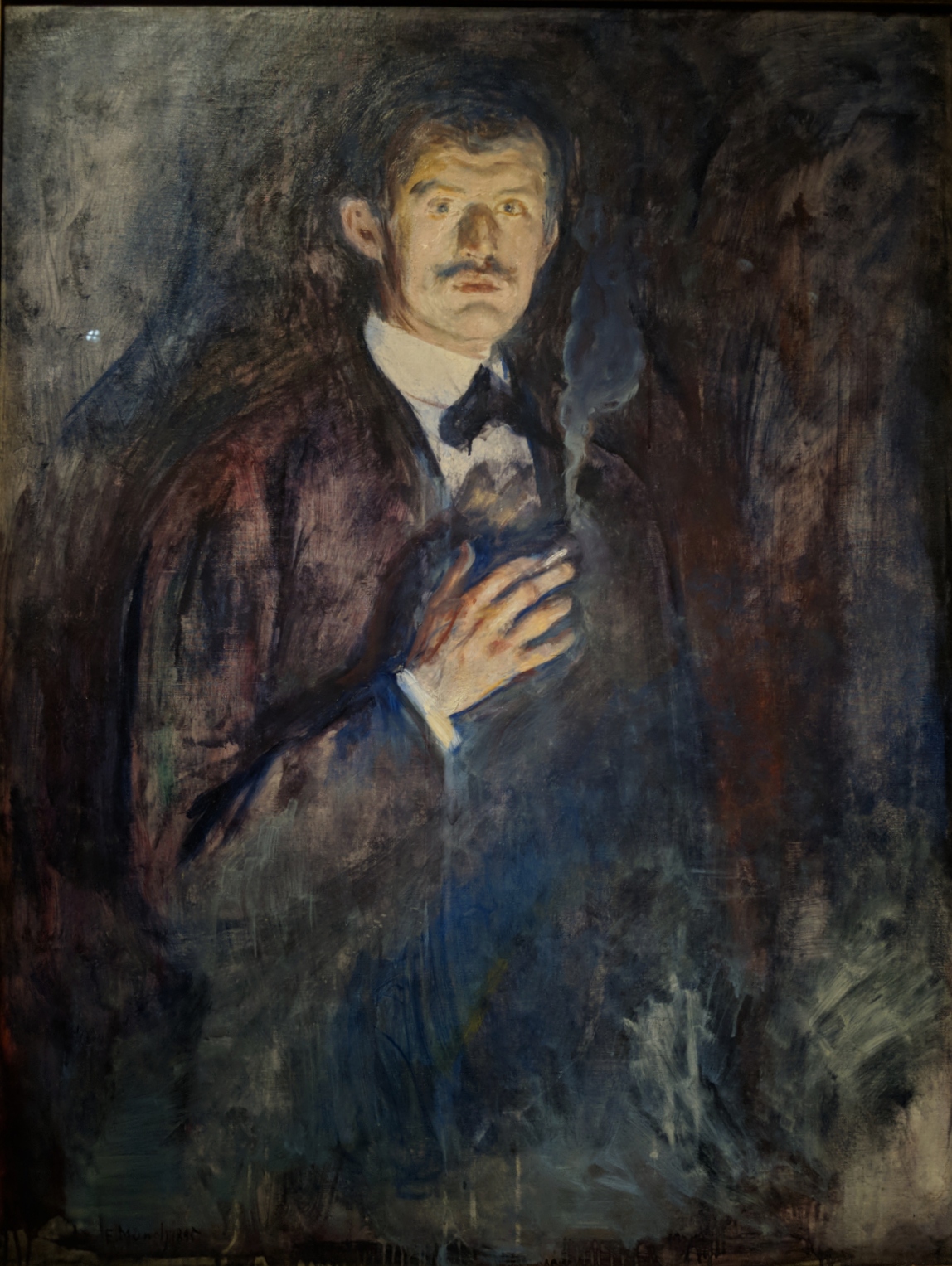
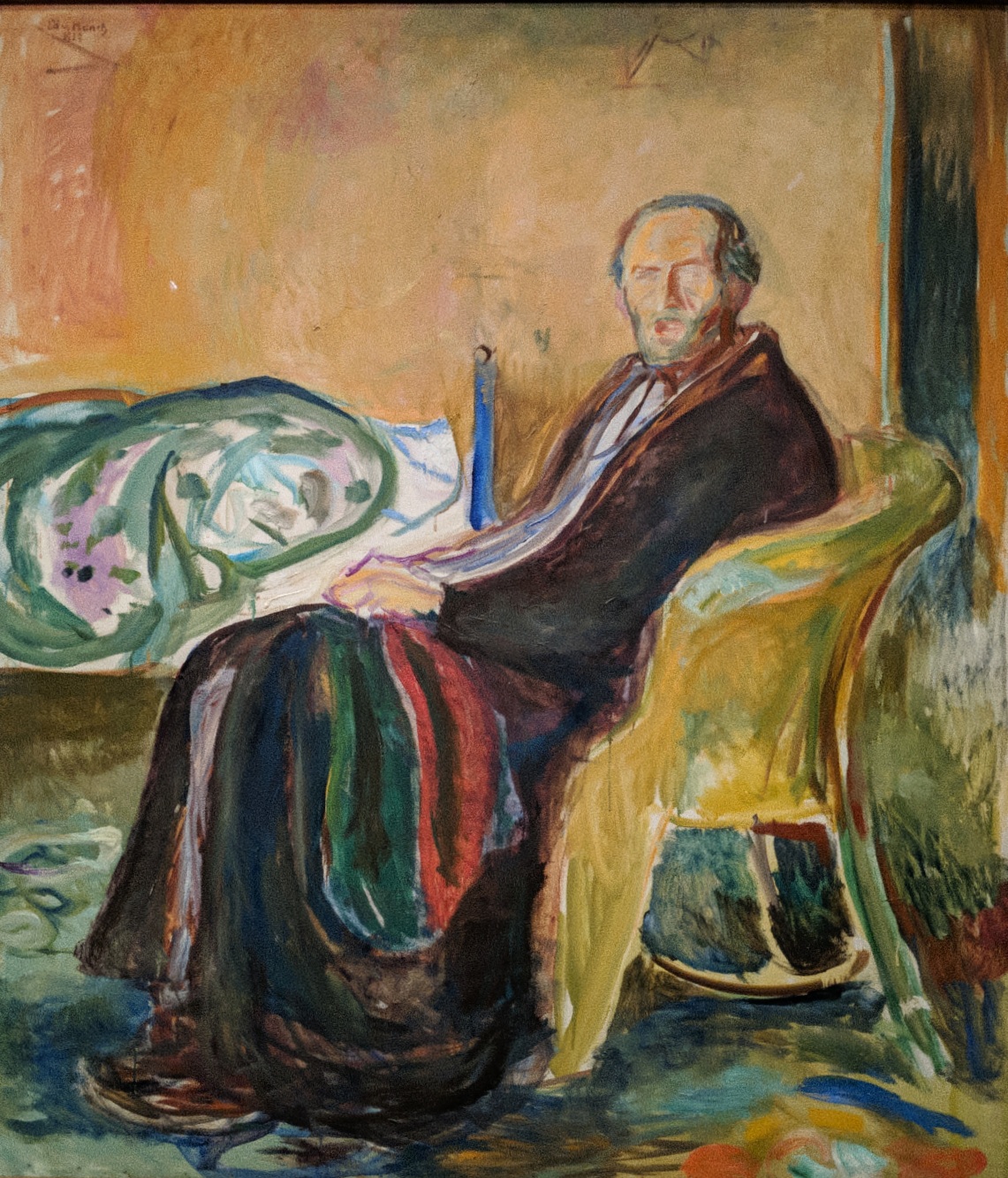
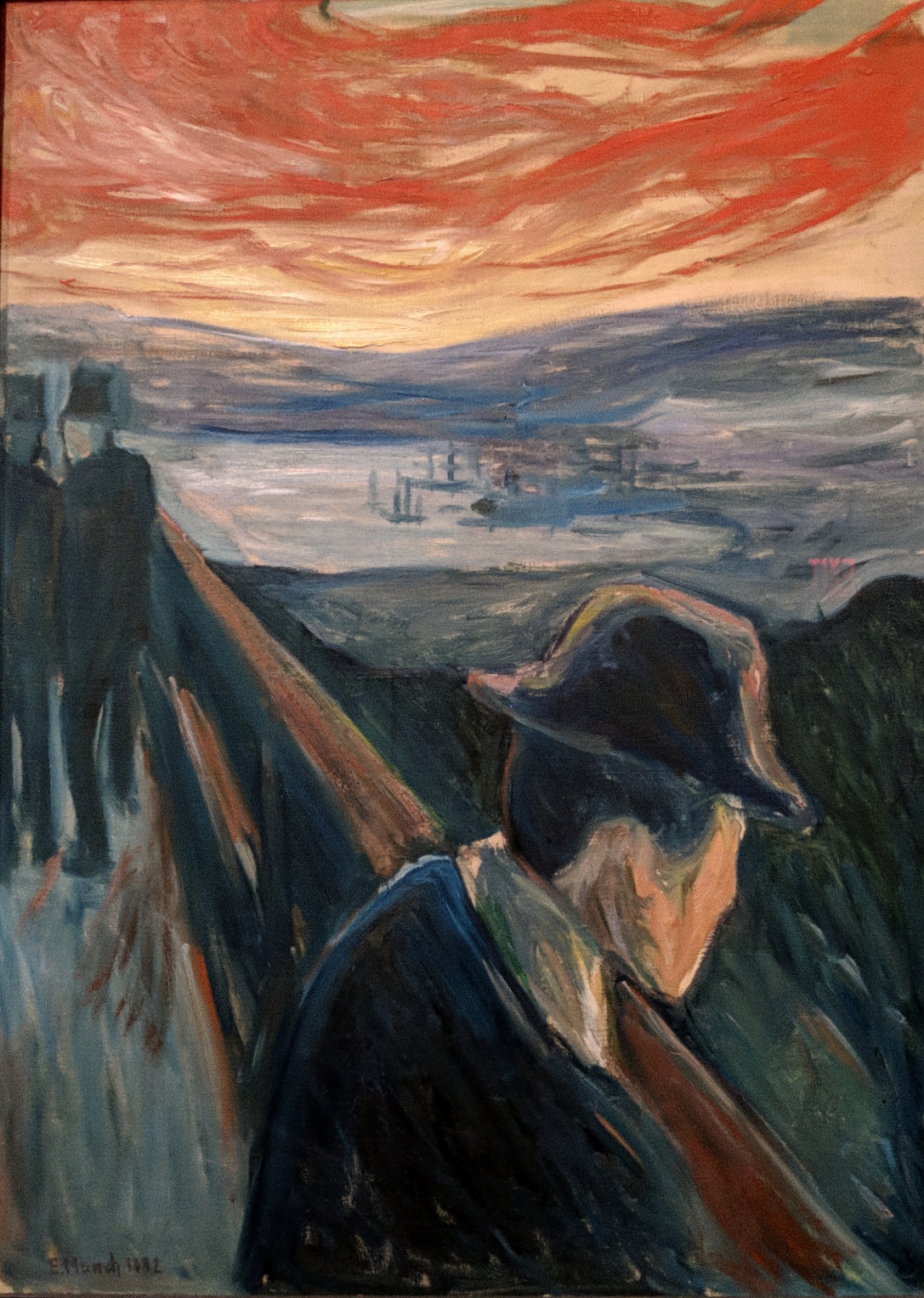
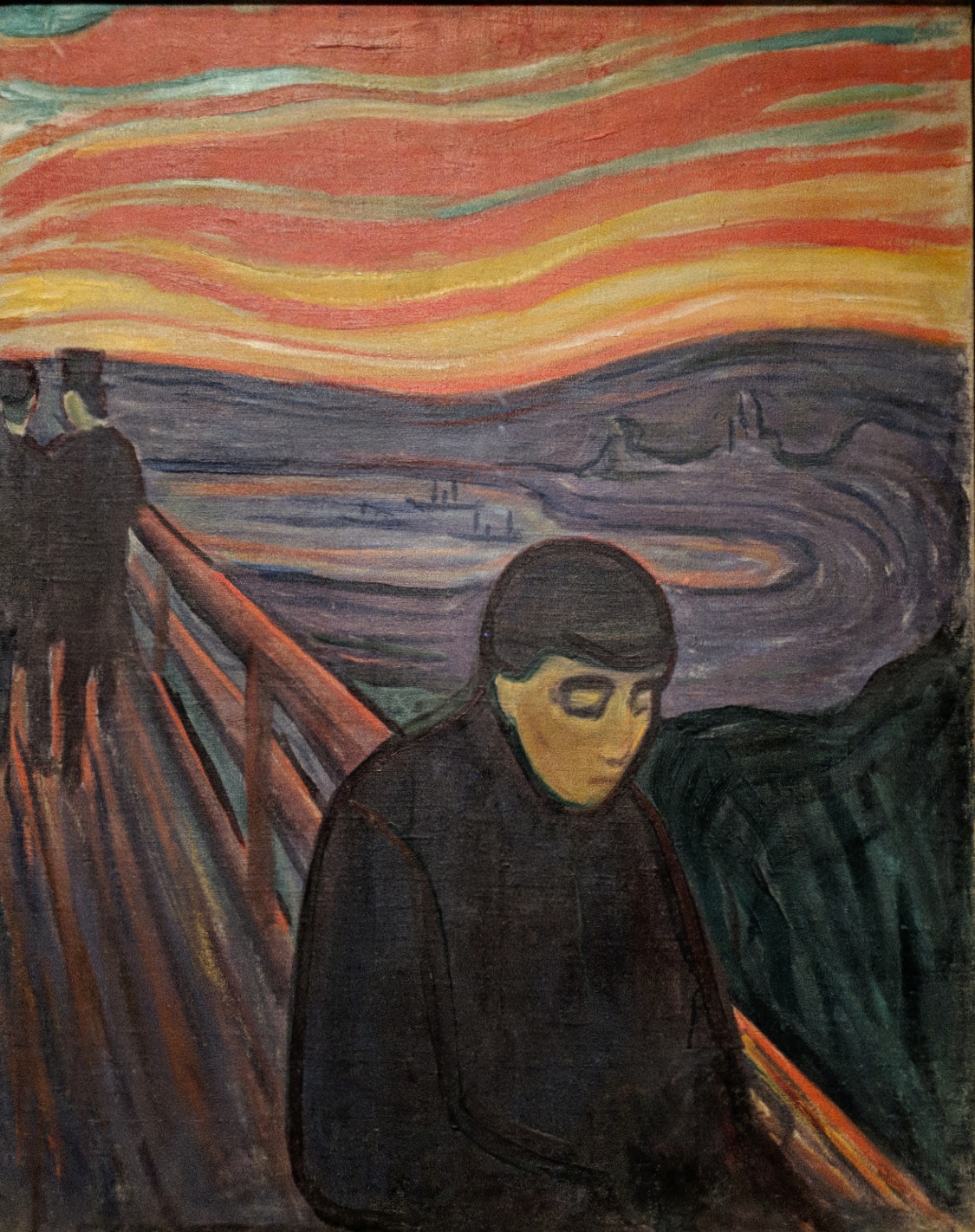
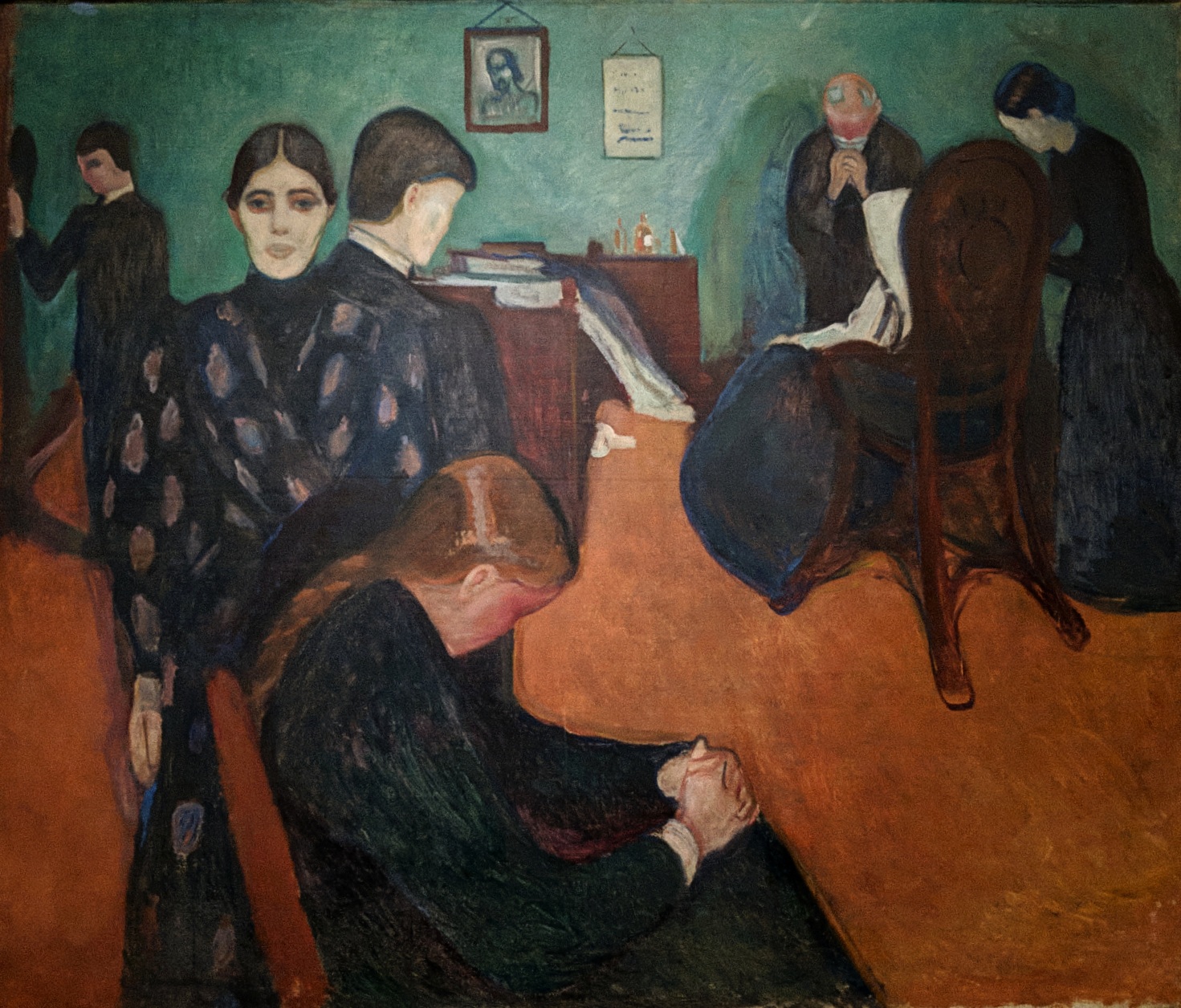
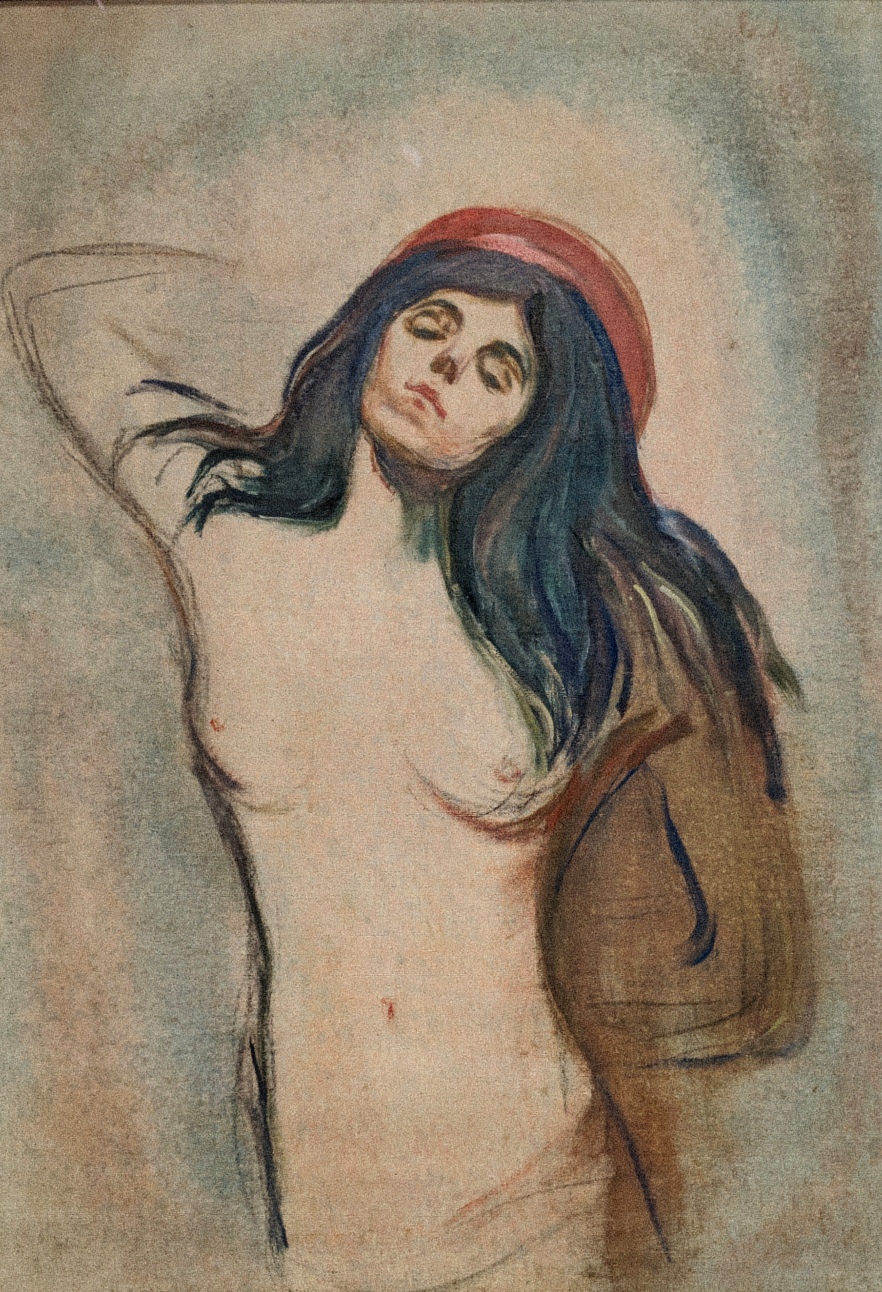
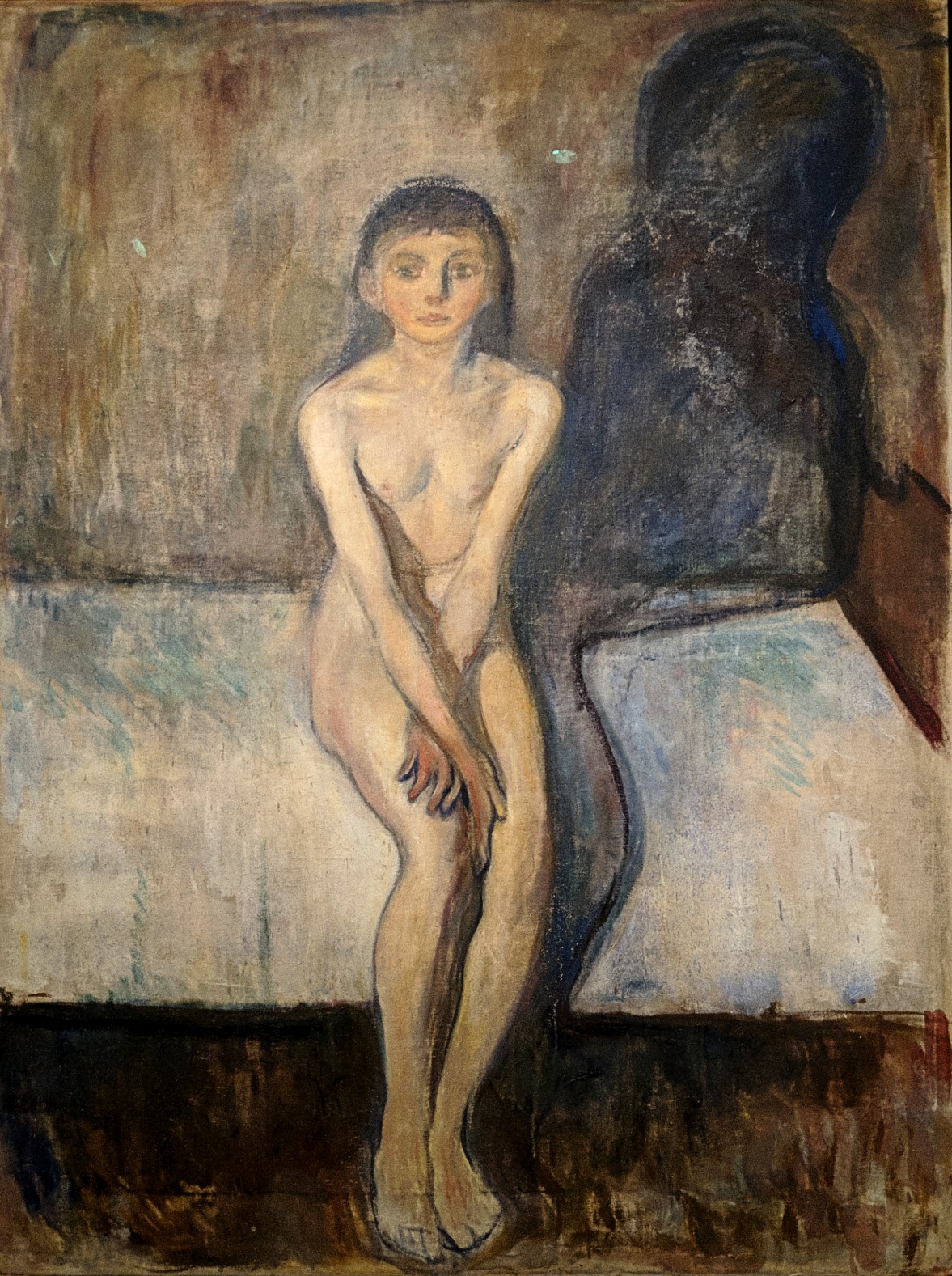
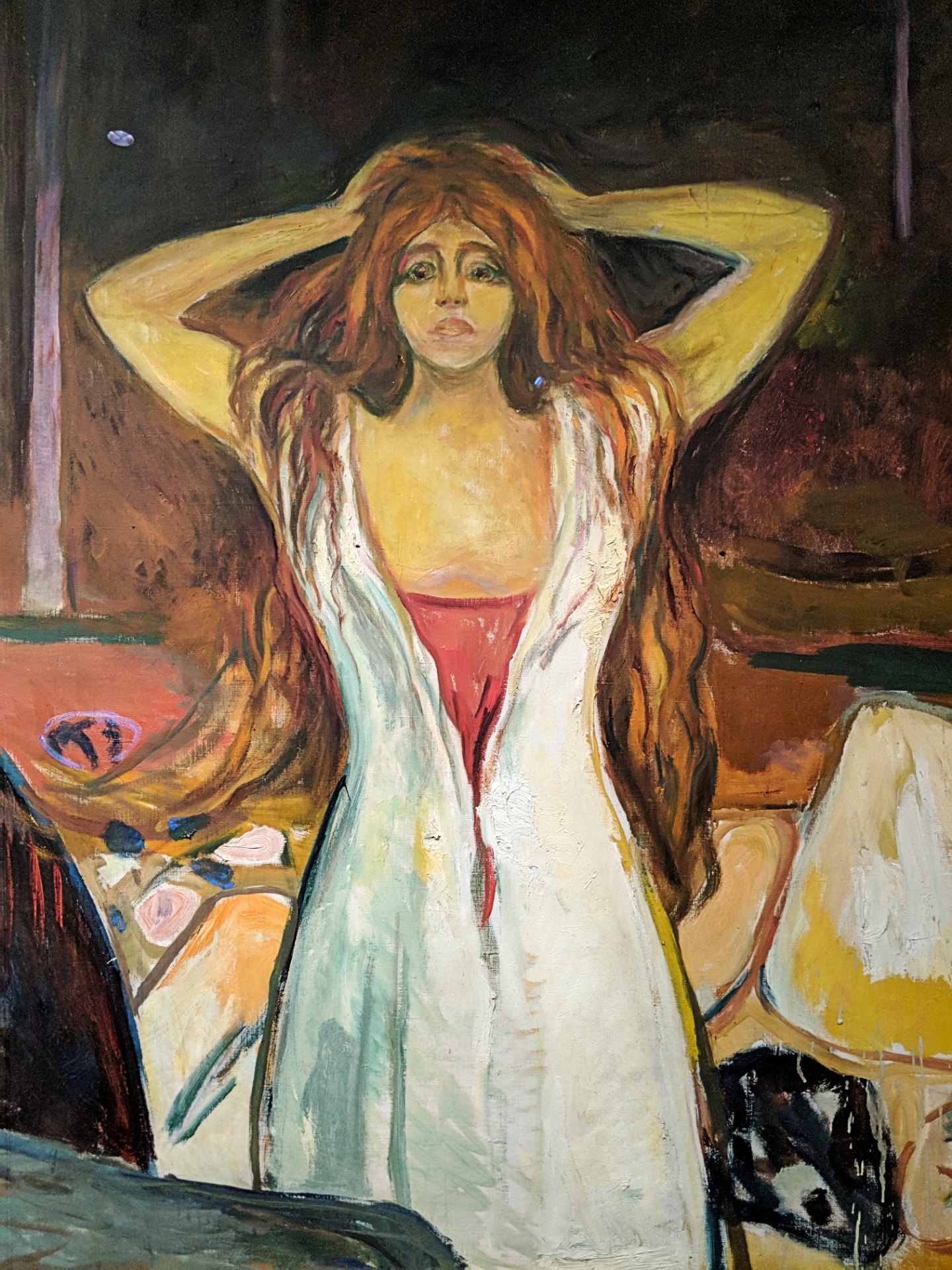
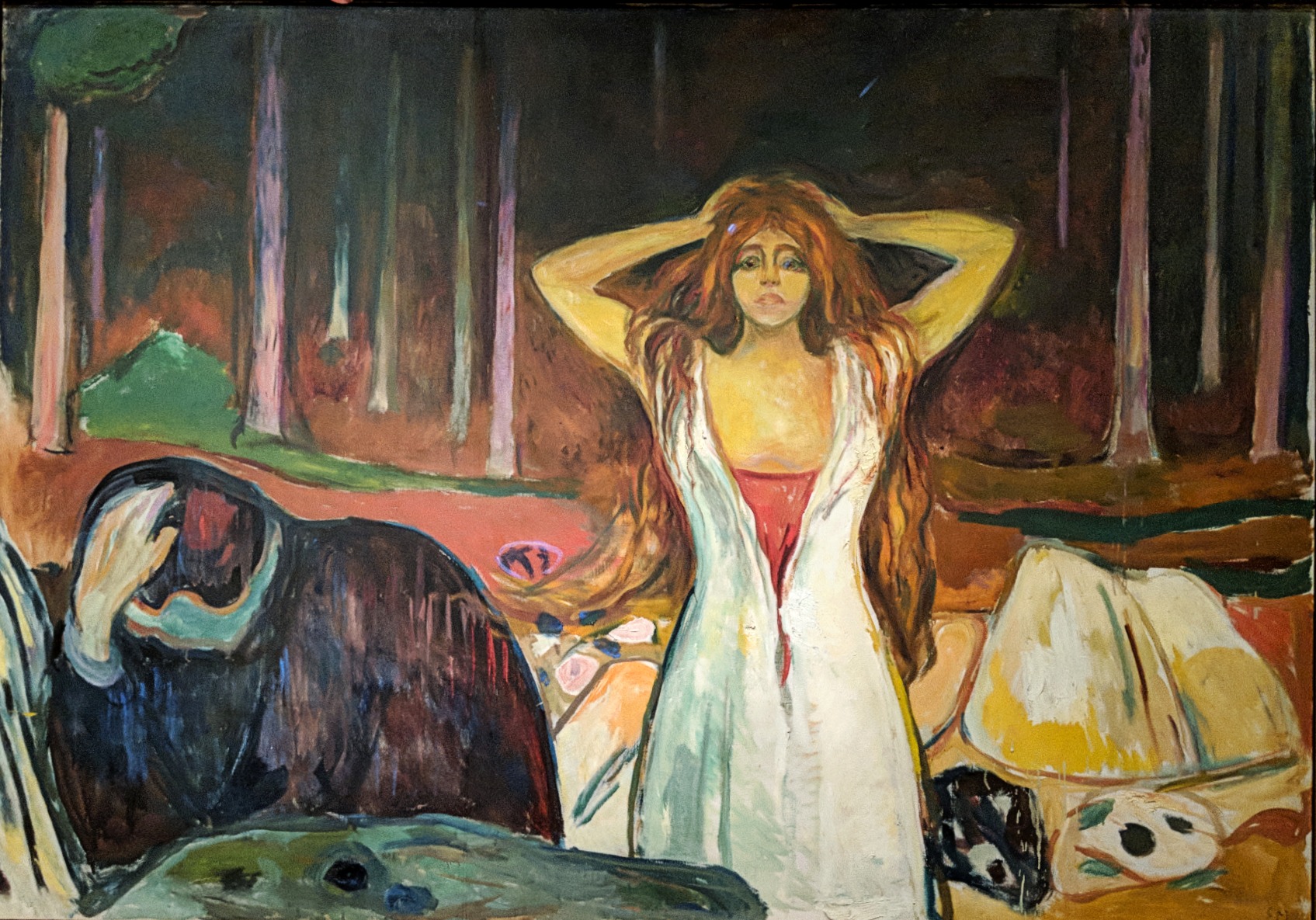
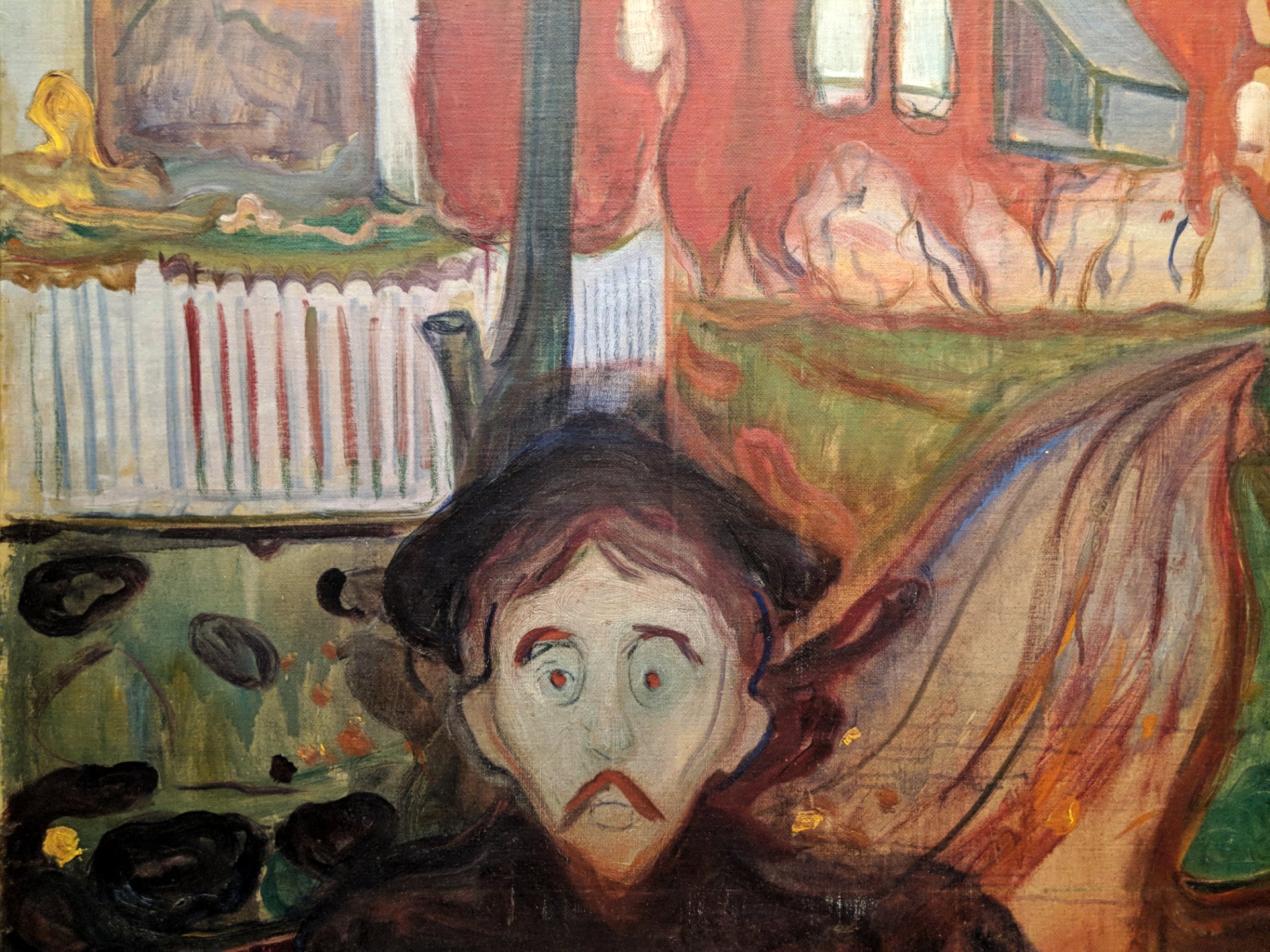
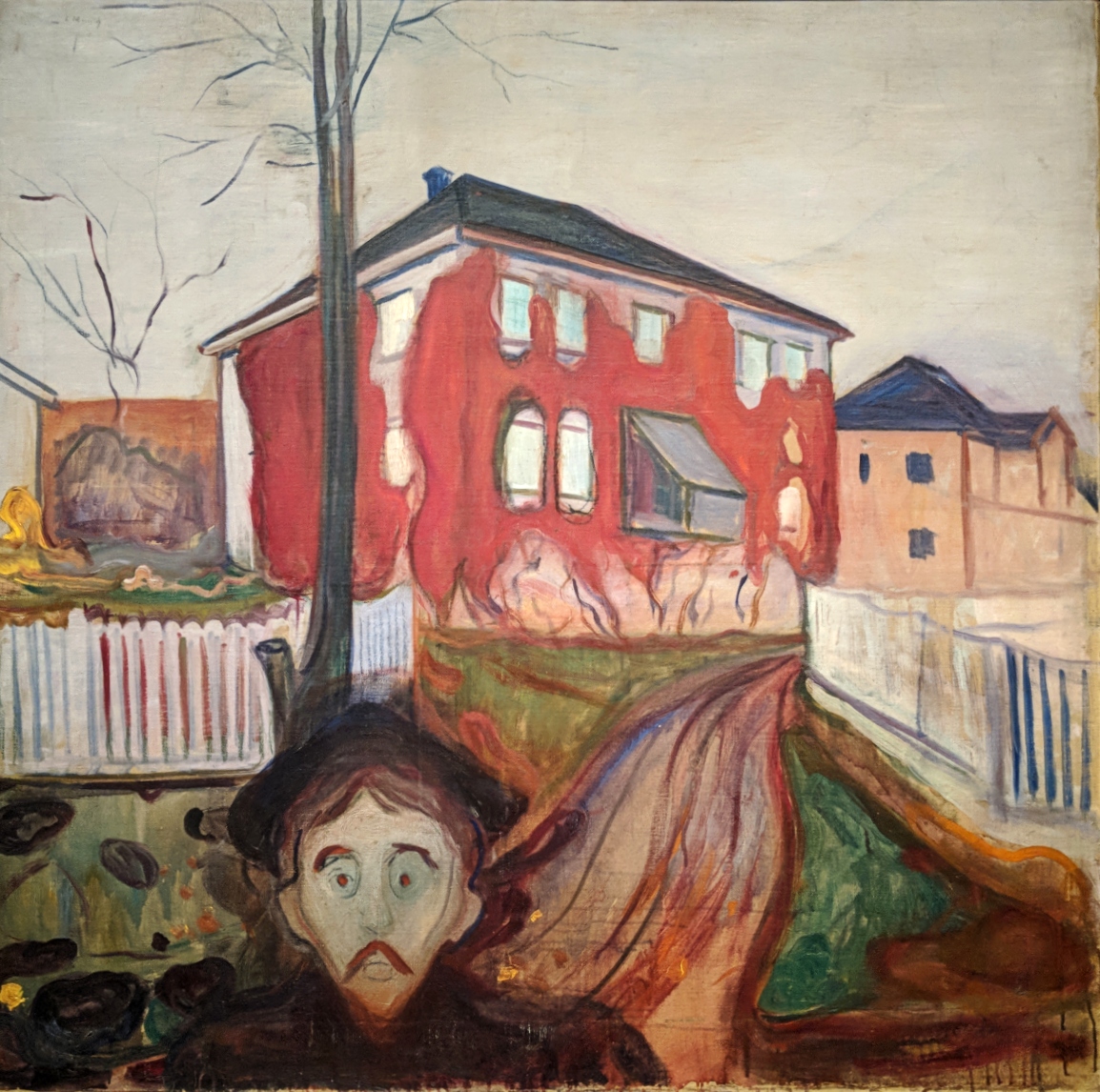
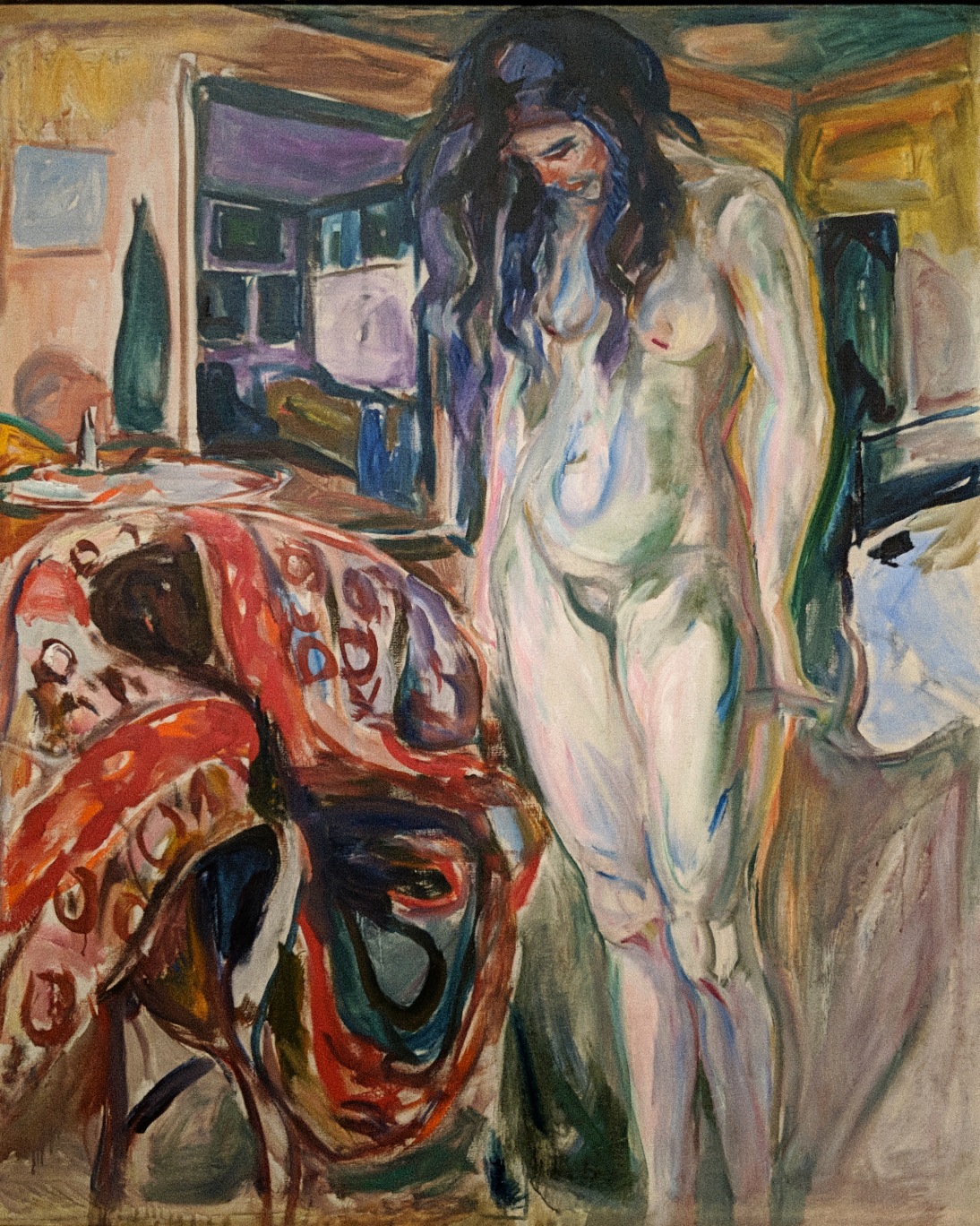
As intrigued as I was in discovering Munch the Photographer, I couldn’t wait to renew my acquaintance with some of the inspiring, melancholic and – at times – tormented, works of Munch the Painter; and be reminded that there’s more loneliness in Munch the Man and a deeper agony than what he let us see/hear with ”The Scream”.

Self-Portrait, 1886
Oil on canvas


Self-Portrait with Cigarette, 1895
Oil on canvas


Self-Portrait with the Spanish Flu, 1919
Oil on canvas


Self-Portrait with a Bottle of Wine, 1906
Oil on canvas


Self-Portrait by the Window, ca. 1940
Oil on canvas


Inheritance, 1897-99
Oil on canvas


The Sick Child, 1896
Oil on canvas


Sick Mood at Sunset: Despair, 1892
Oil on canvas


Despair, 1894
Oil on canvas


Death in the Sick Room, 1893
Oil on canvas


Madonna, ca. 1895-97
Oil on canvas


Puberty, 1894
Oil on unprimed canvas


Ashes, 1925
Oil on canvas


Jealousy, ca. 1907
Oil on canvas


Model by the Wicker Chair, 11919-21
Oil on canvas


Edvard Munch: Between the Clock and the Bed @ Met Breuer, November 2107 – February 2018.

December, 28th 2017

Edvard Munch Photography

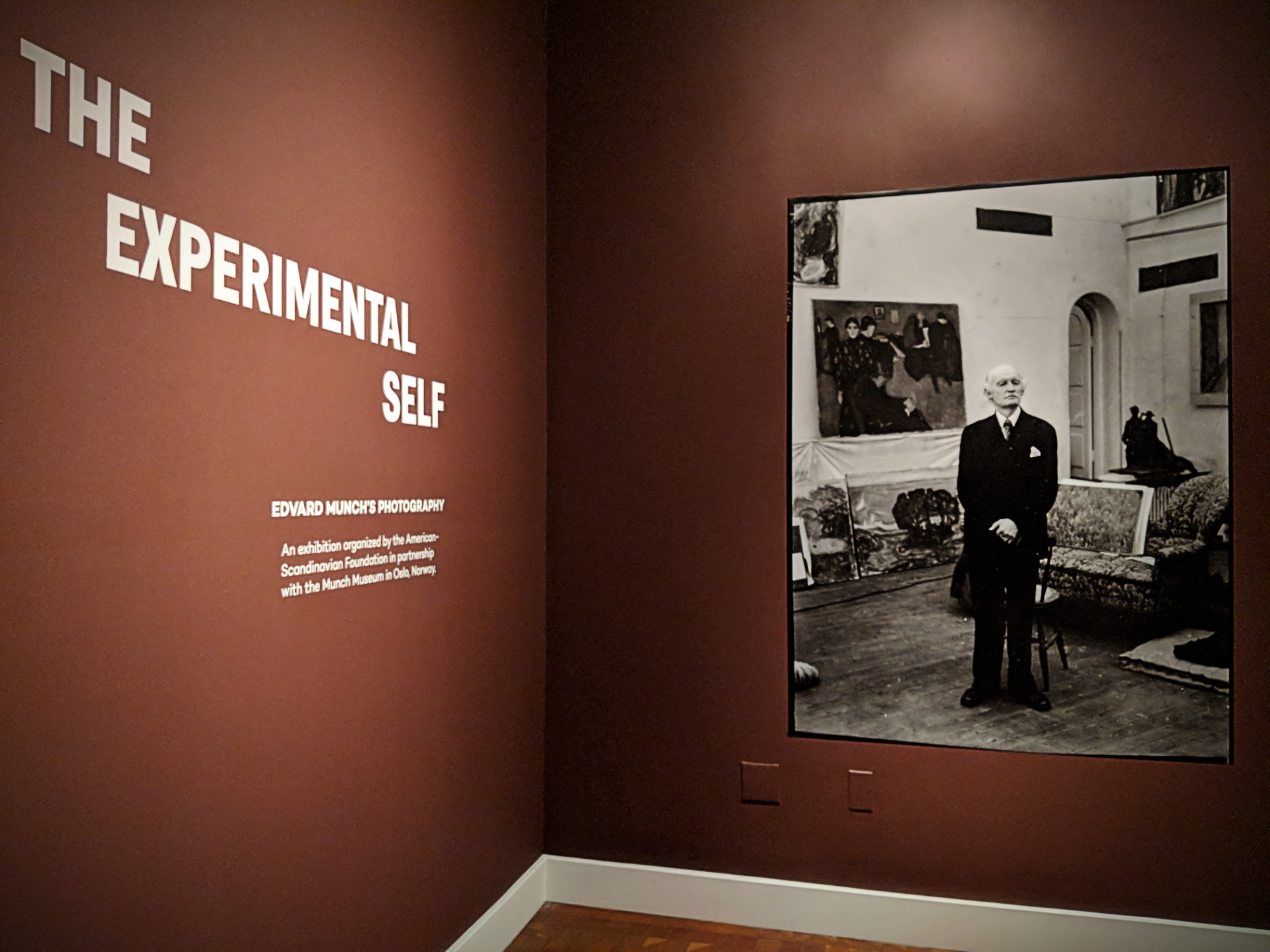
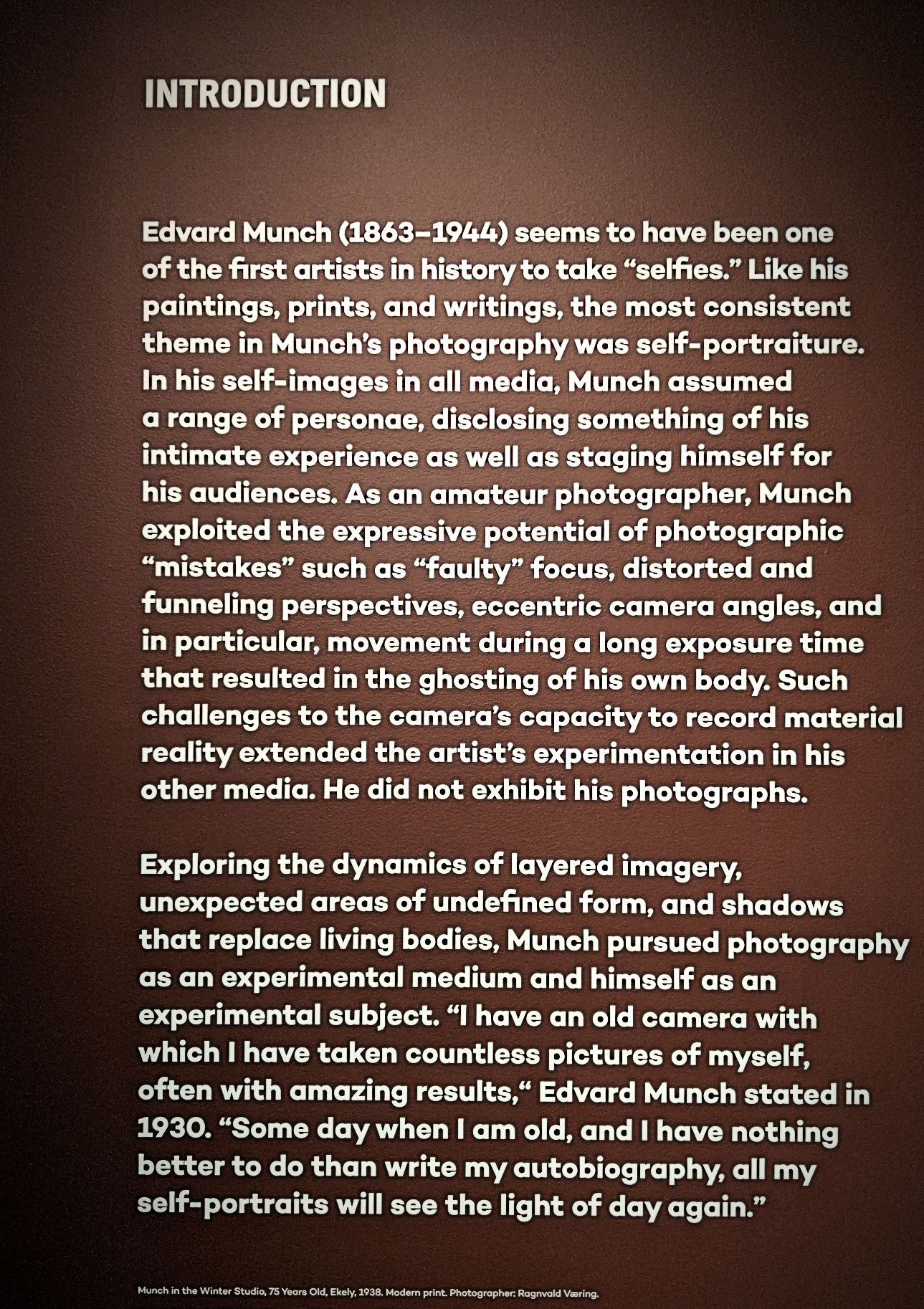
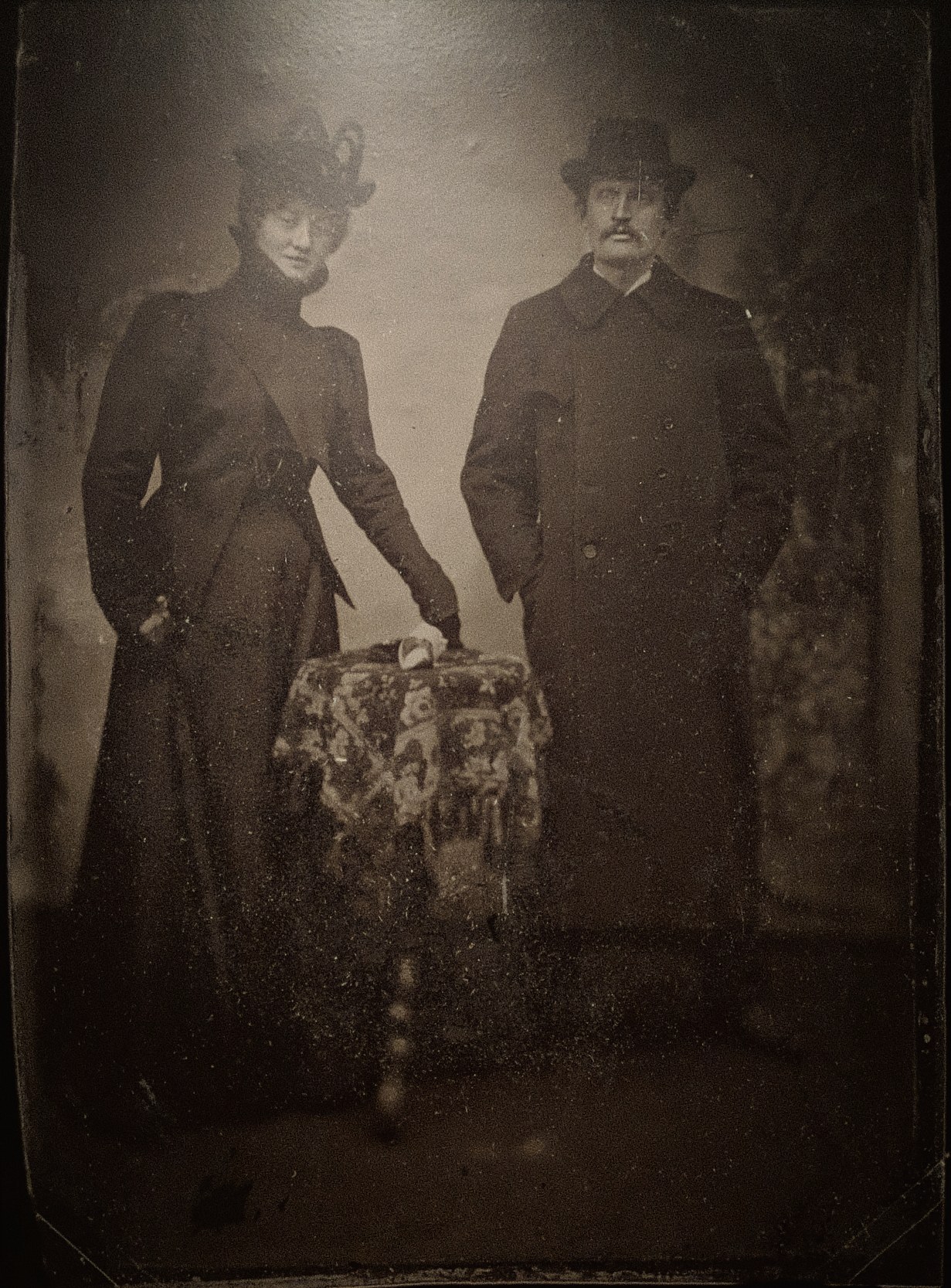
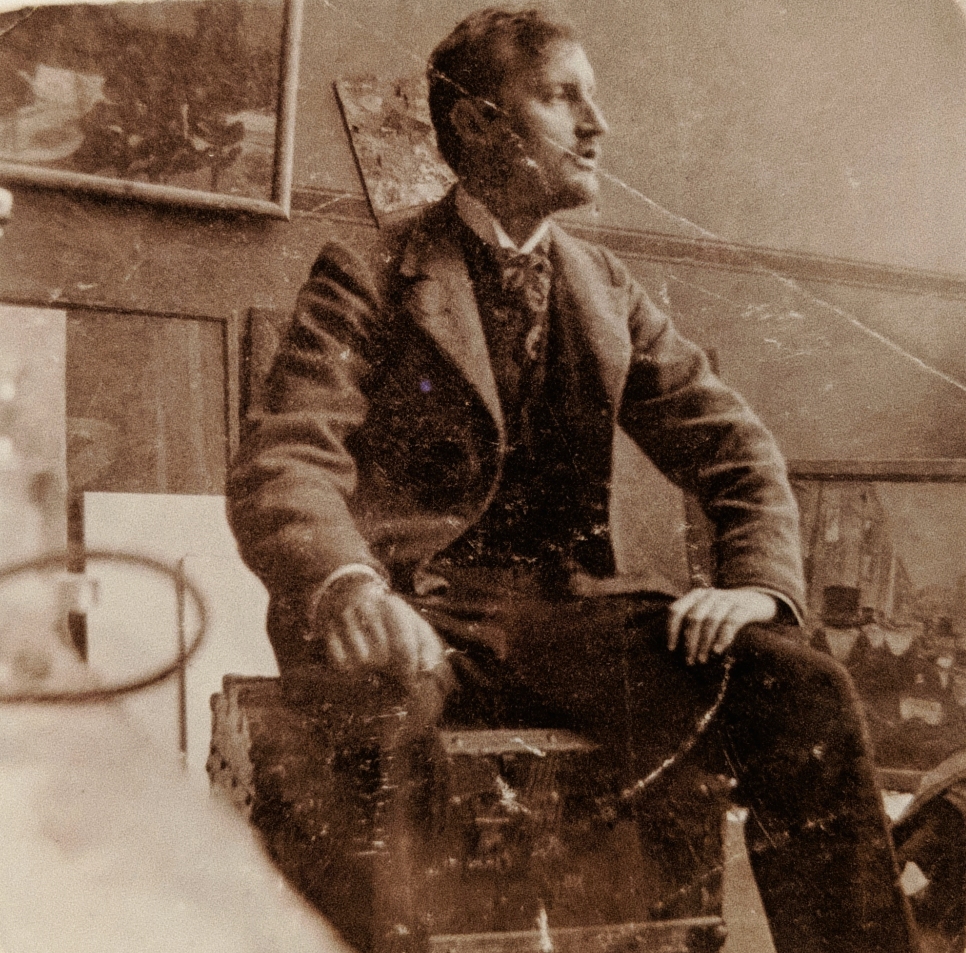
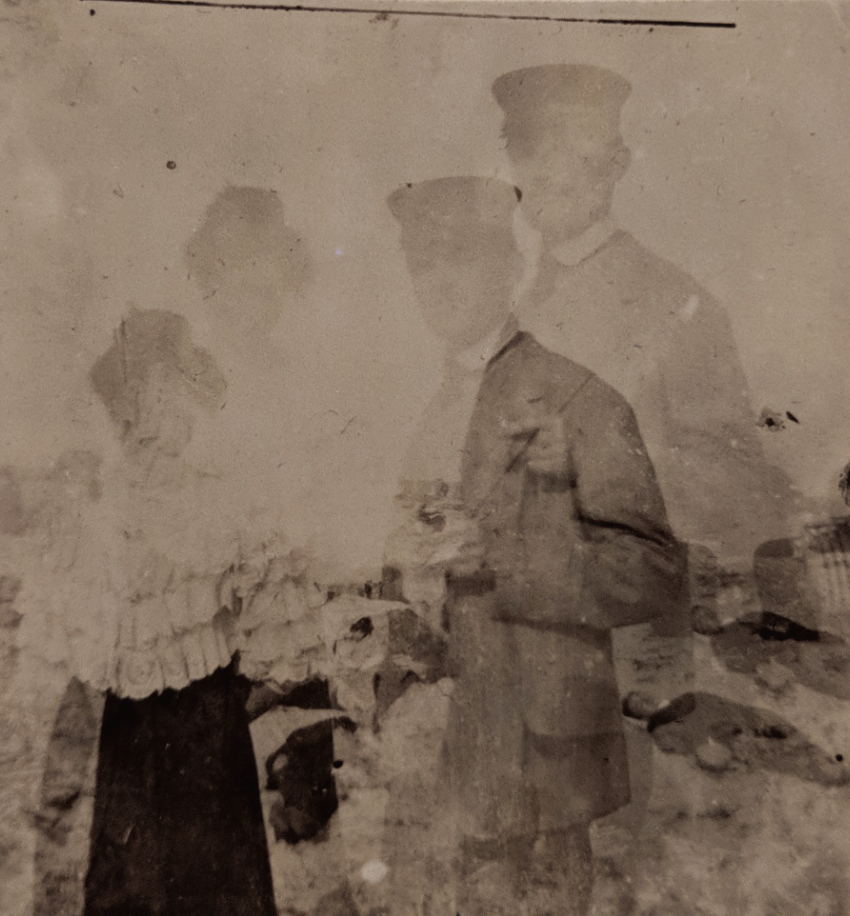
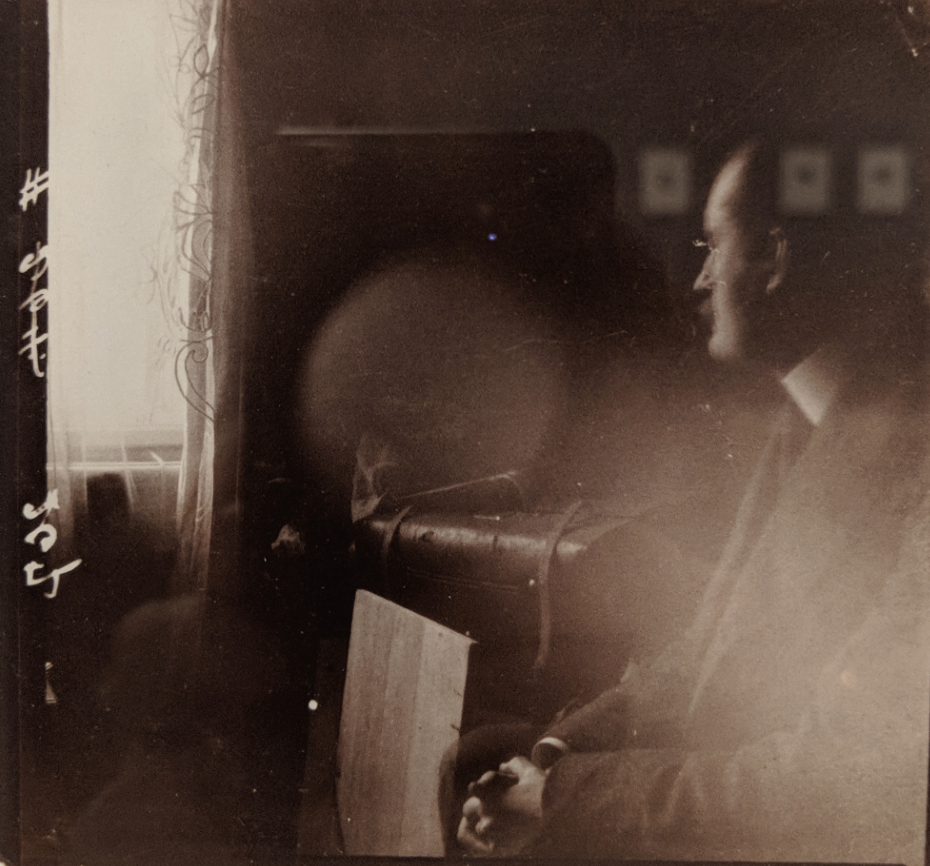
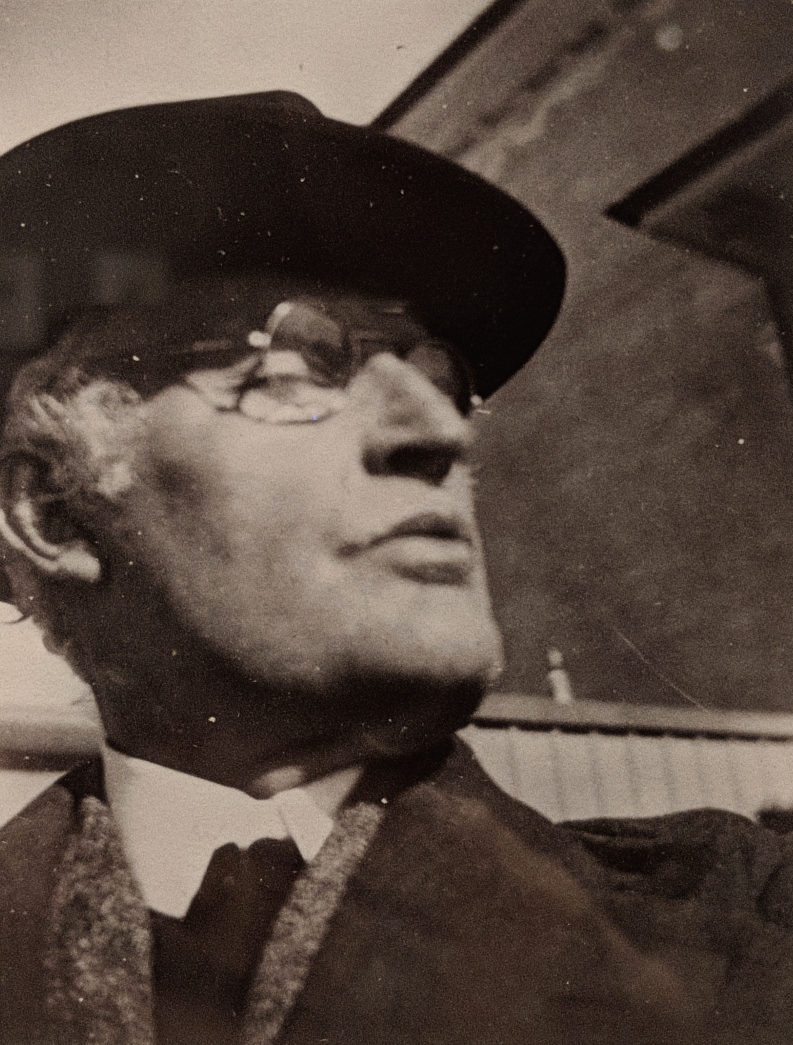
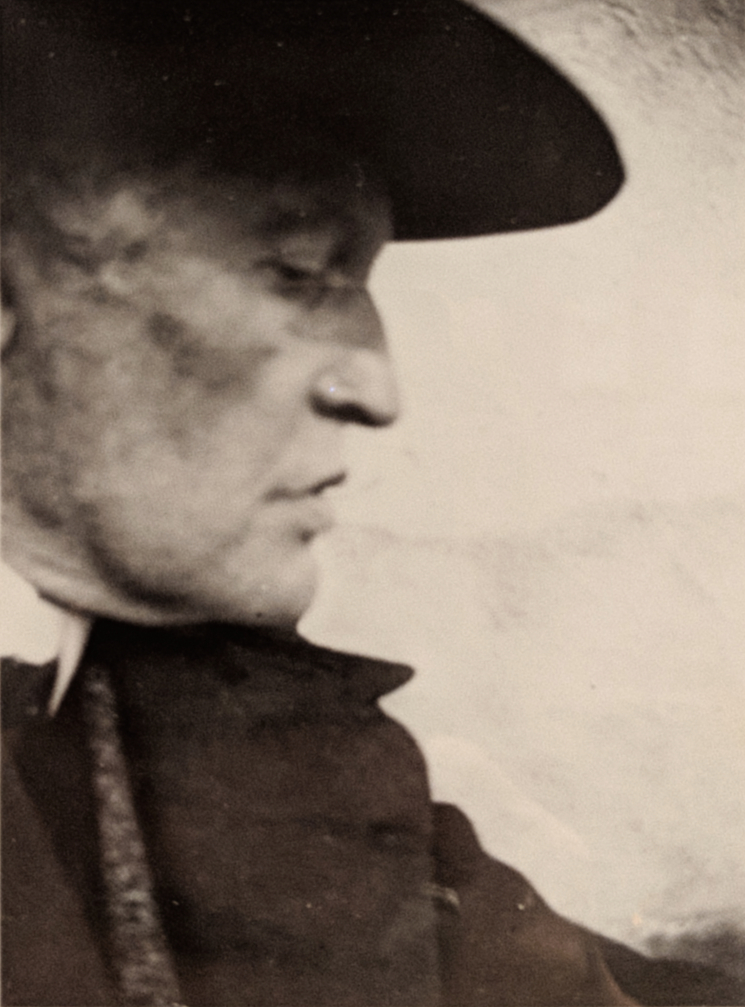
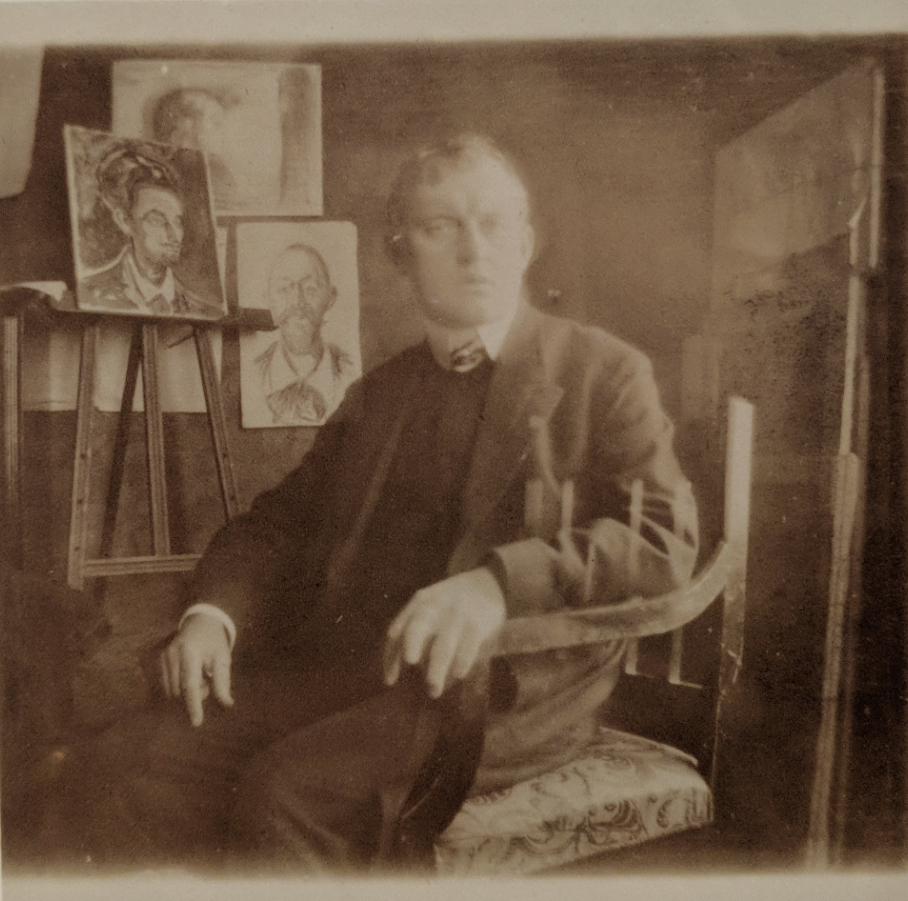
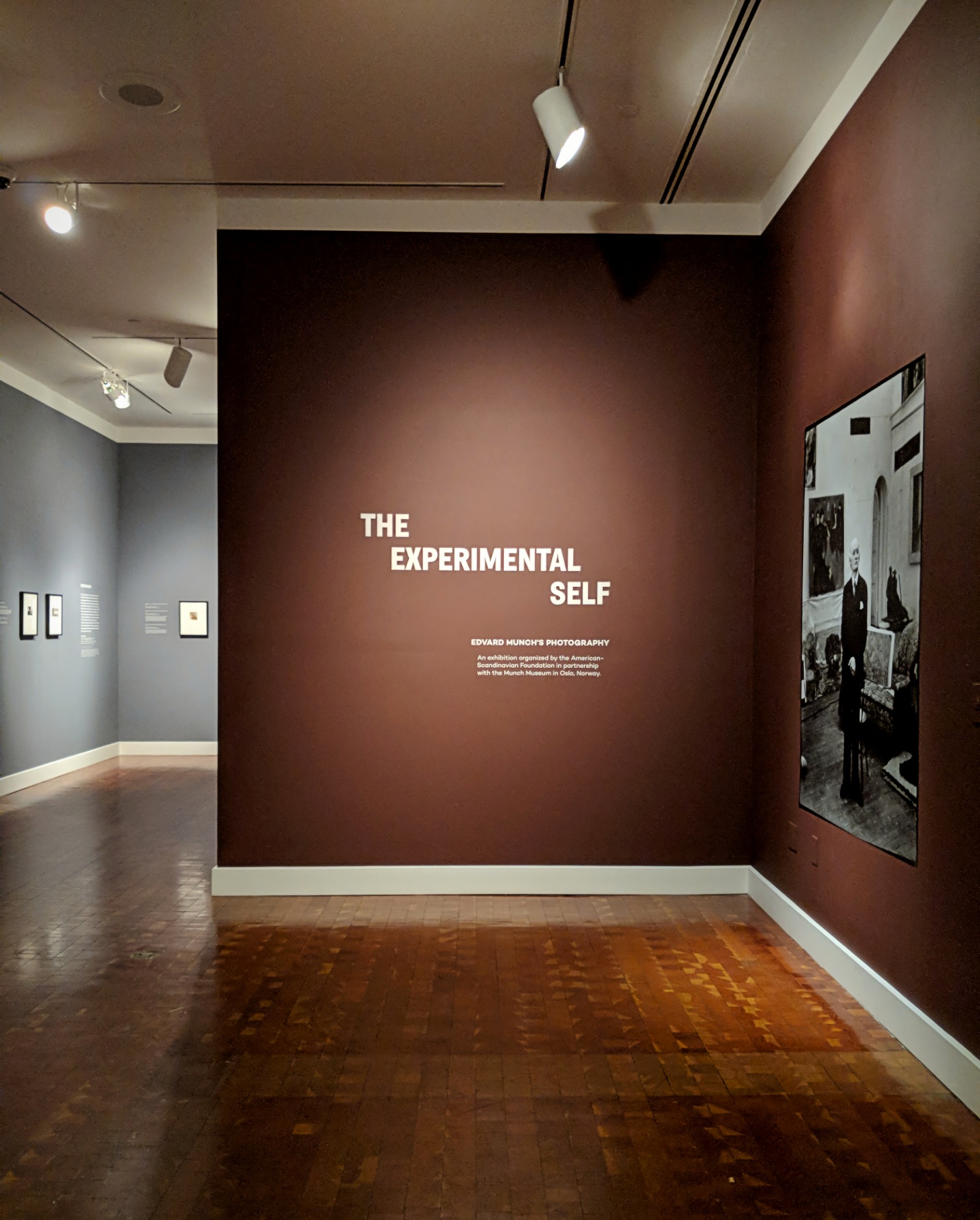
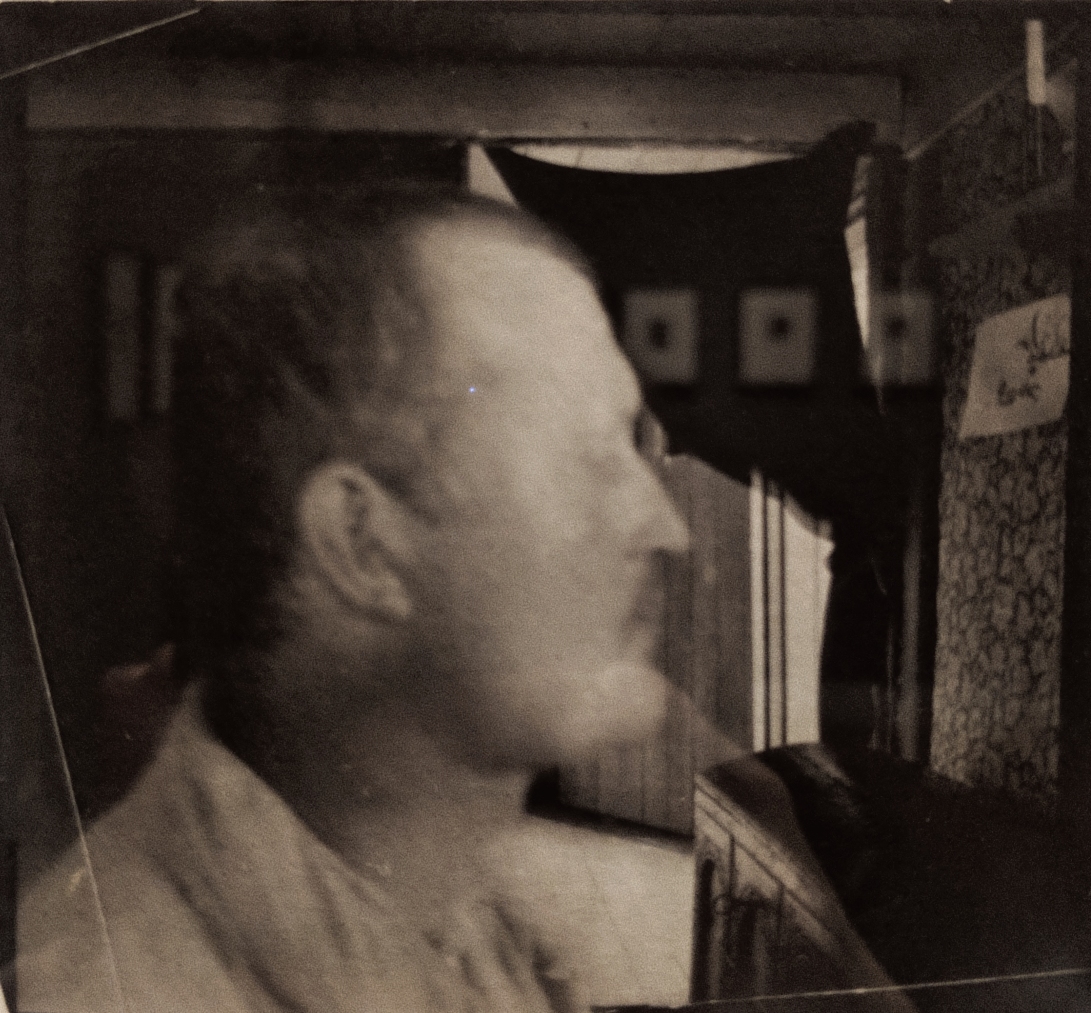
It was nearing the end of 2017 and New York was in the mood for Munch with not one, but two exhibitions running in parallel. These images are from ”The Experimental Self”, which focused on Munch’s experimentations with photography showing portraits of friends and family – but mainly of himself.

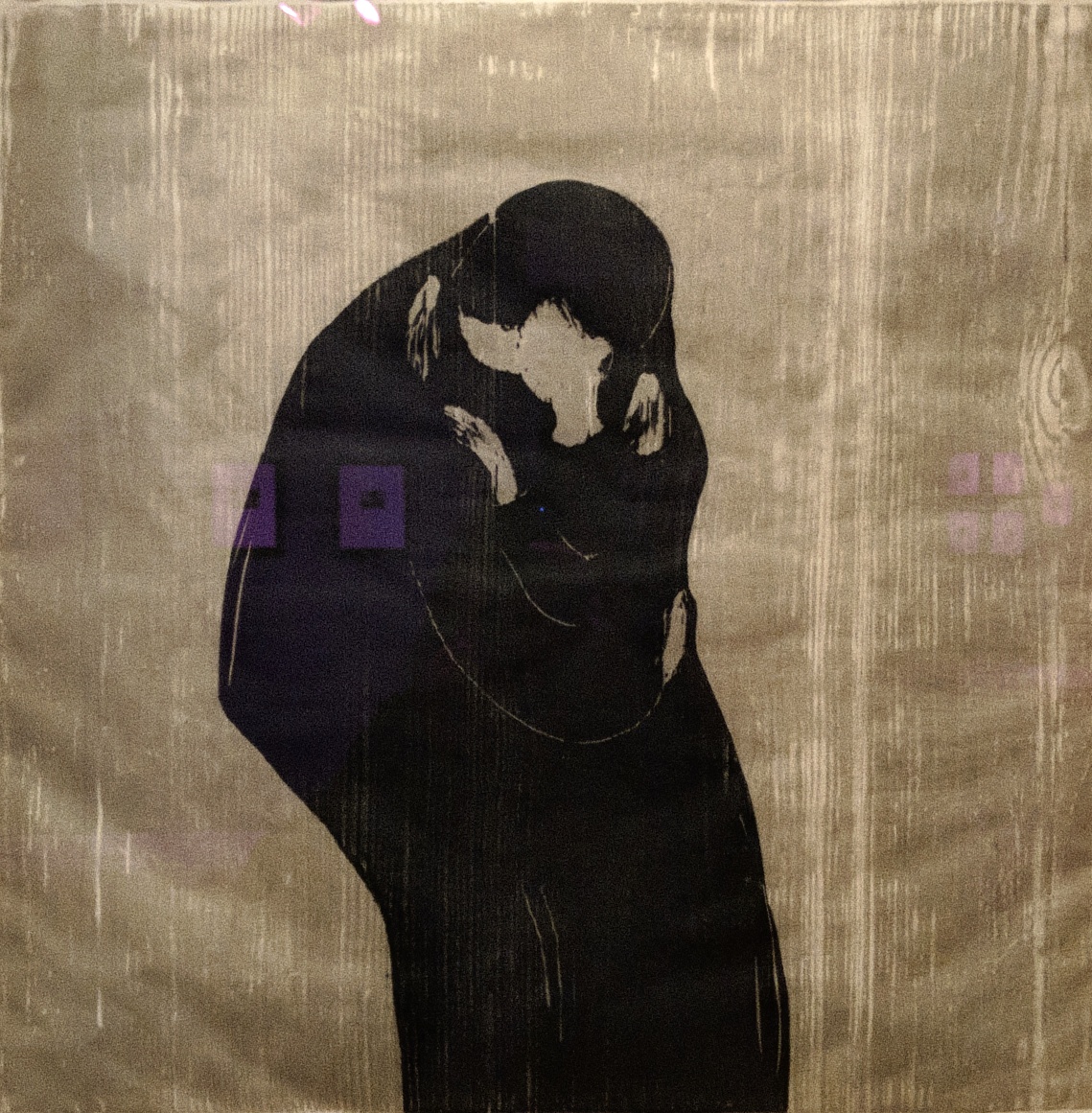
Did you know that Munch was probably one of the first artists in history to ever take selfies? The Kiss IV, 1902
Woodcut with gouges and fretsaw


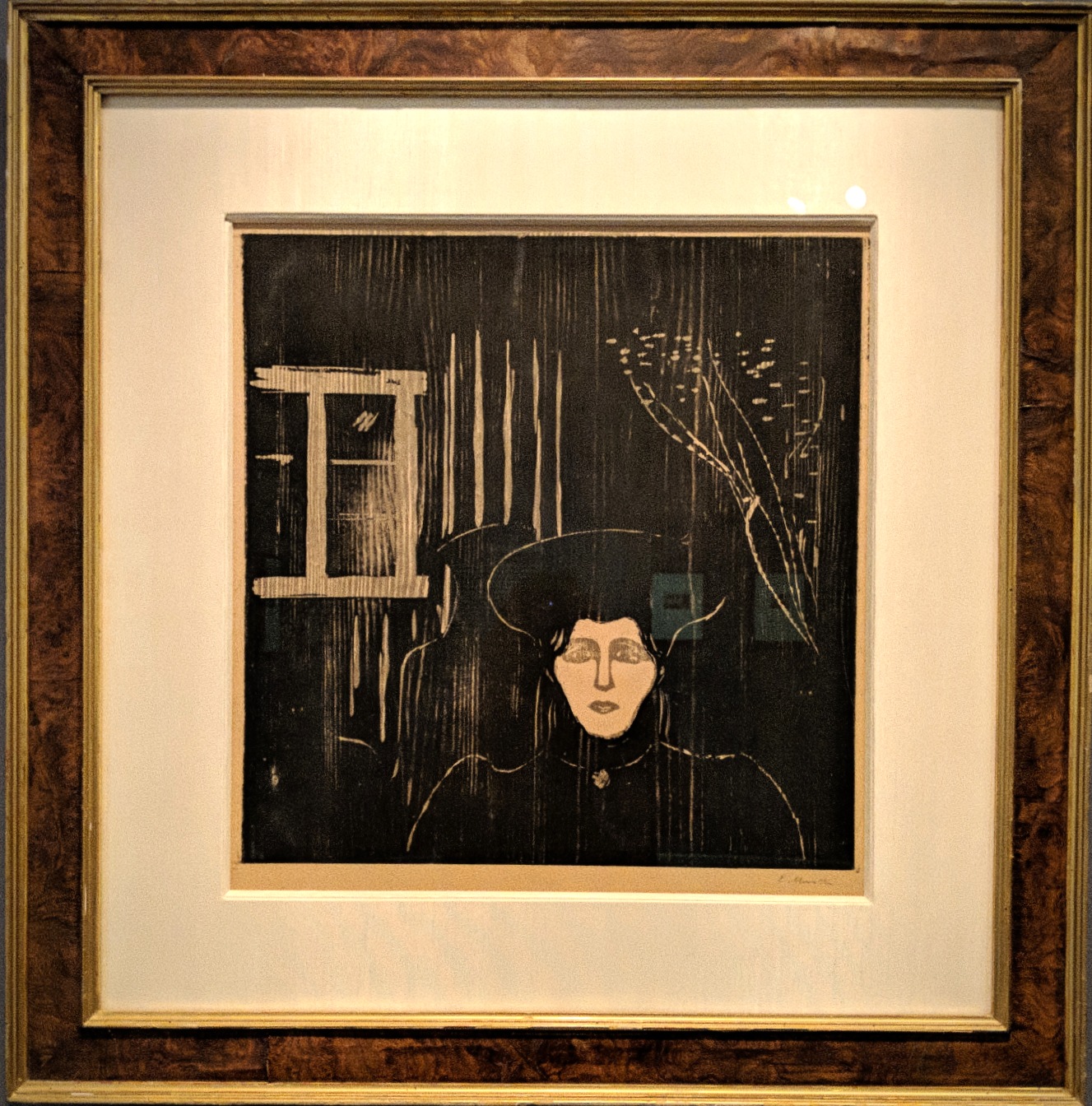
Moonlight II, 1902
Woodcut with gouges and fretsaw


The Experimental Self @ Scandinavia House

December 20th, 2017

Items: Is Fashion Modern? @ MoMA

On October 1st, 2017, MoMA opened a new exhibition with the inquiring title ”Items: Is Fashion Modern?”, sparking waves of excitement across the worlds of fashion and design. Not so much because of the items themselves, which were mainly clothes and accessories we are all familiar with in our everyday lives, but mainly because ”Items” was the first fashion show that MoMA had organised in more than 70 years, the last time being in 1944 with a similarly inquiring exhibition, called ”Are Clothes Modern?”

The 2017 show consisted of 111 items of clothing and accessories that had had a strong impact on the world in the 20th and 21st centuries. It had also invited some designers, engineers, and manufacturers to reexamine these familiar items with the view of rendering them – or at least some versions of them – useful, updated and ”Modern” further into the future.

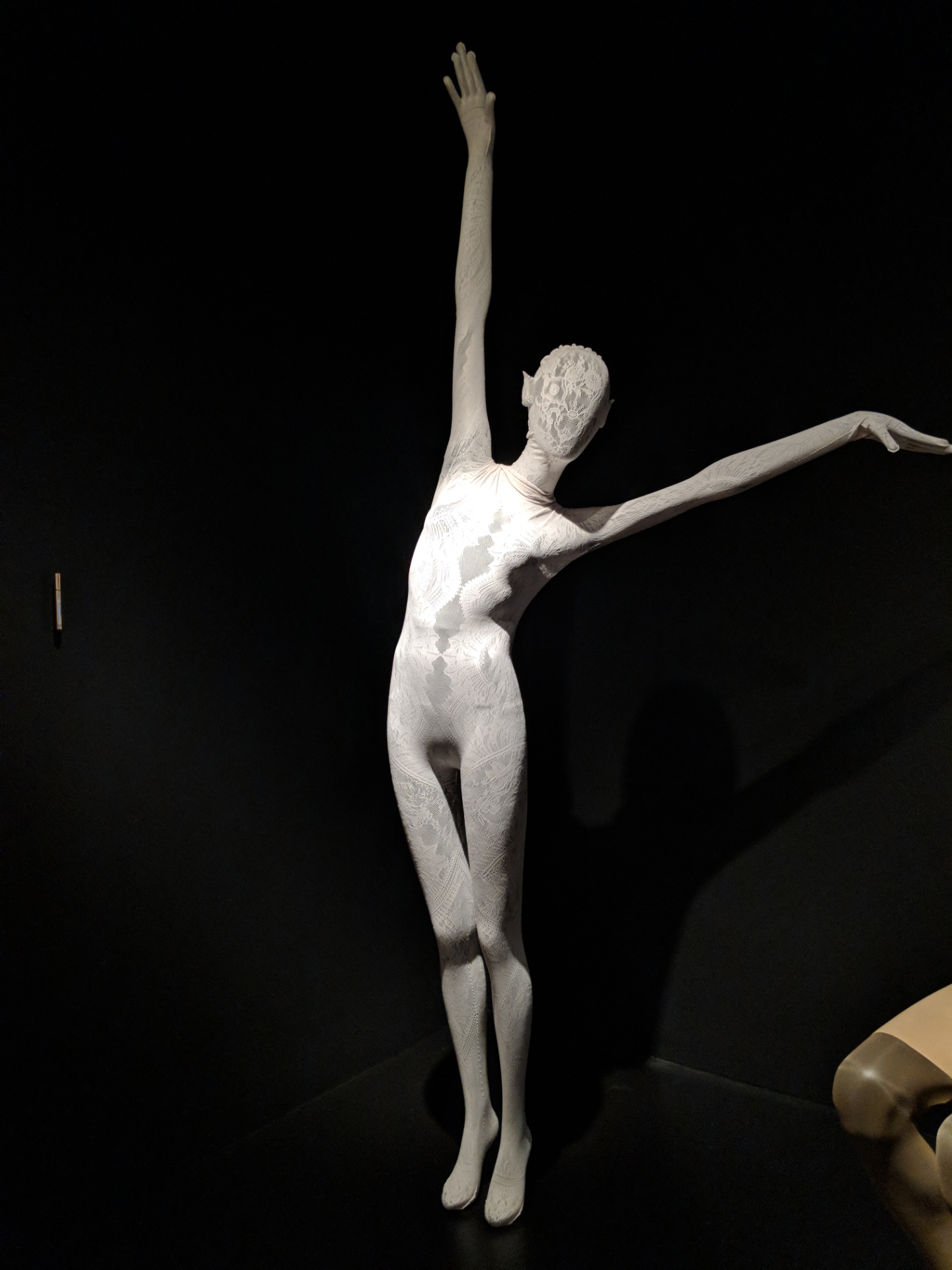
Robin From Skin Series, 2006
Tamae Hirokawa, Japanese, b. 1976 – Somarta, Japan, founded 2006
Tights

Somarta developed a computer-aided design and manufacturing process to produce seamless, three-dimensional knitted garments that are halfway between tattoos and tights


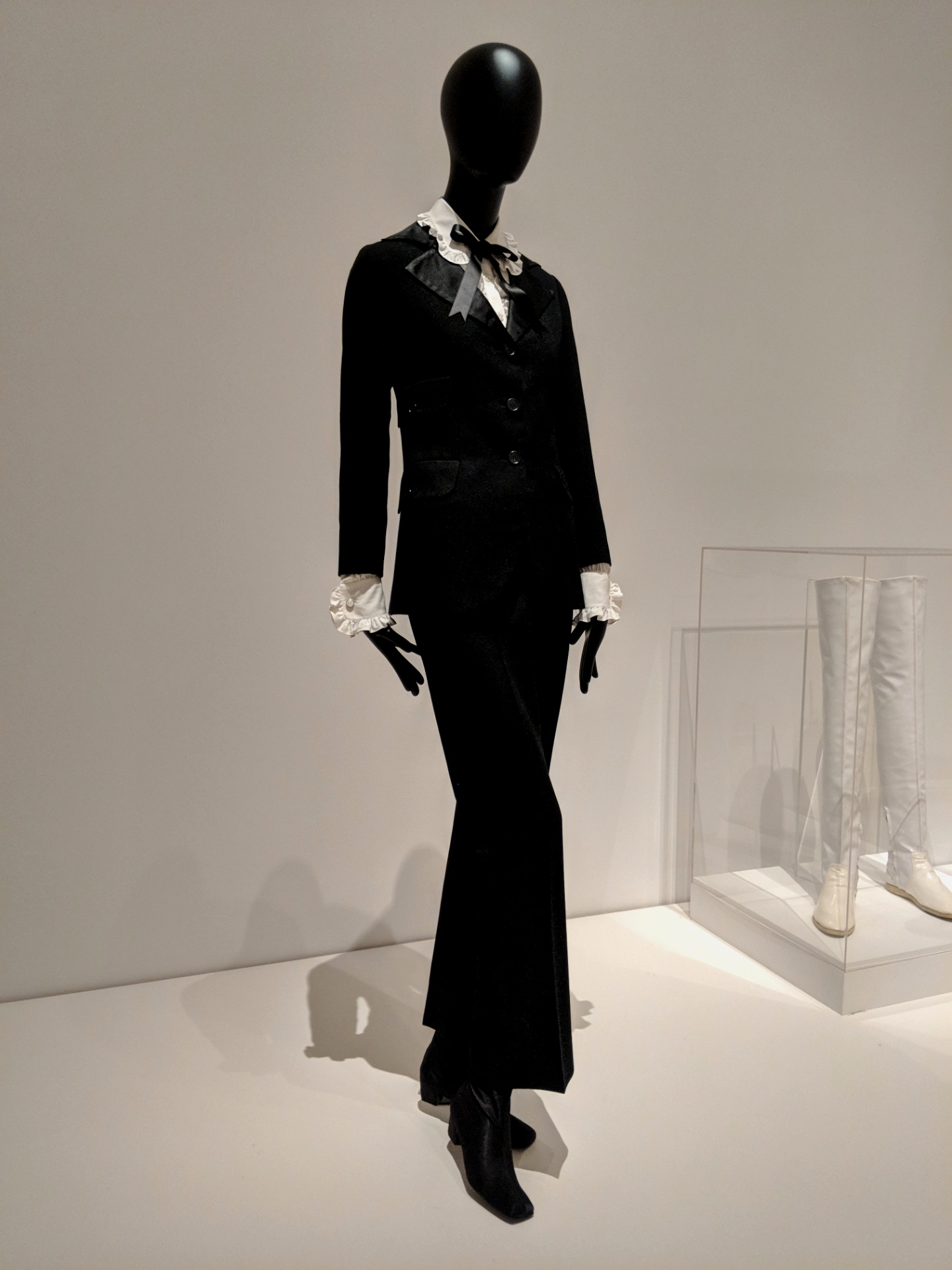
Le Smoking, 1967
Yves Saint Laurent Rive Gauche


StarckNaked, 1997
Philippe Starck for Wolford
Little Black Dress


Pia Interlandi, Australian, b. 1985
Garments for the Grave, founded 2012
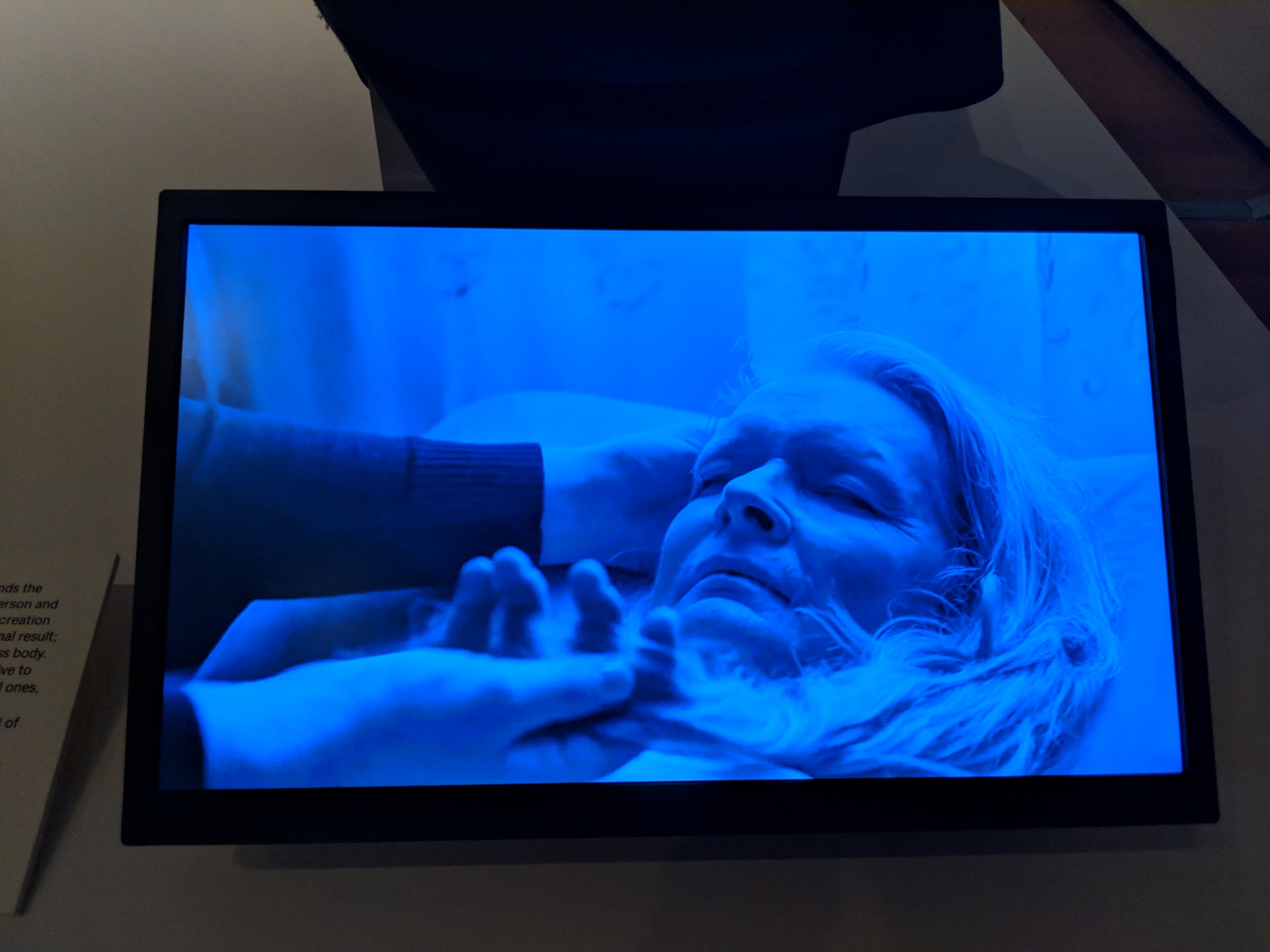
Little Black (Death) Dress, 2017

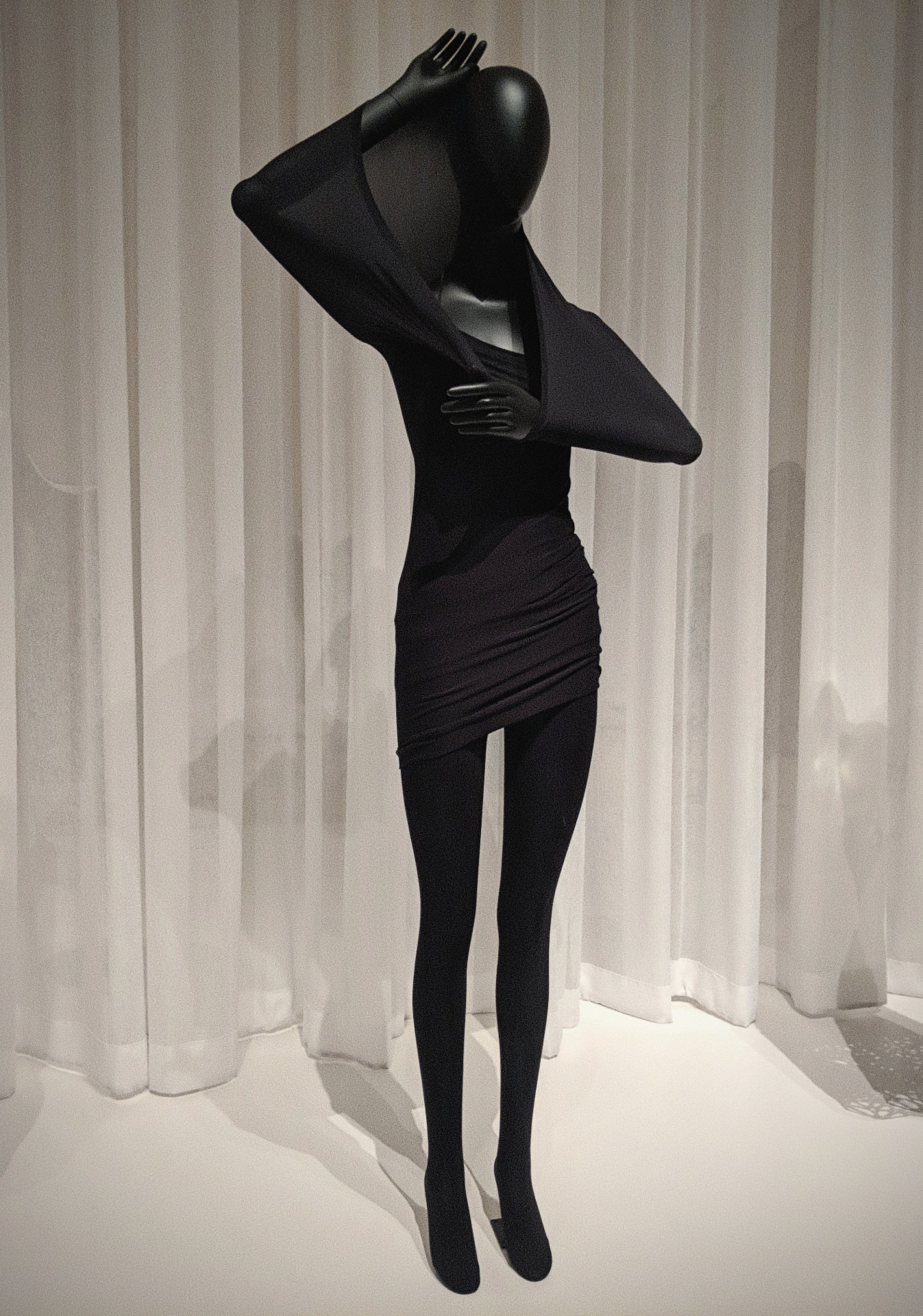
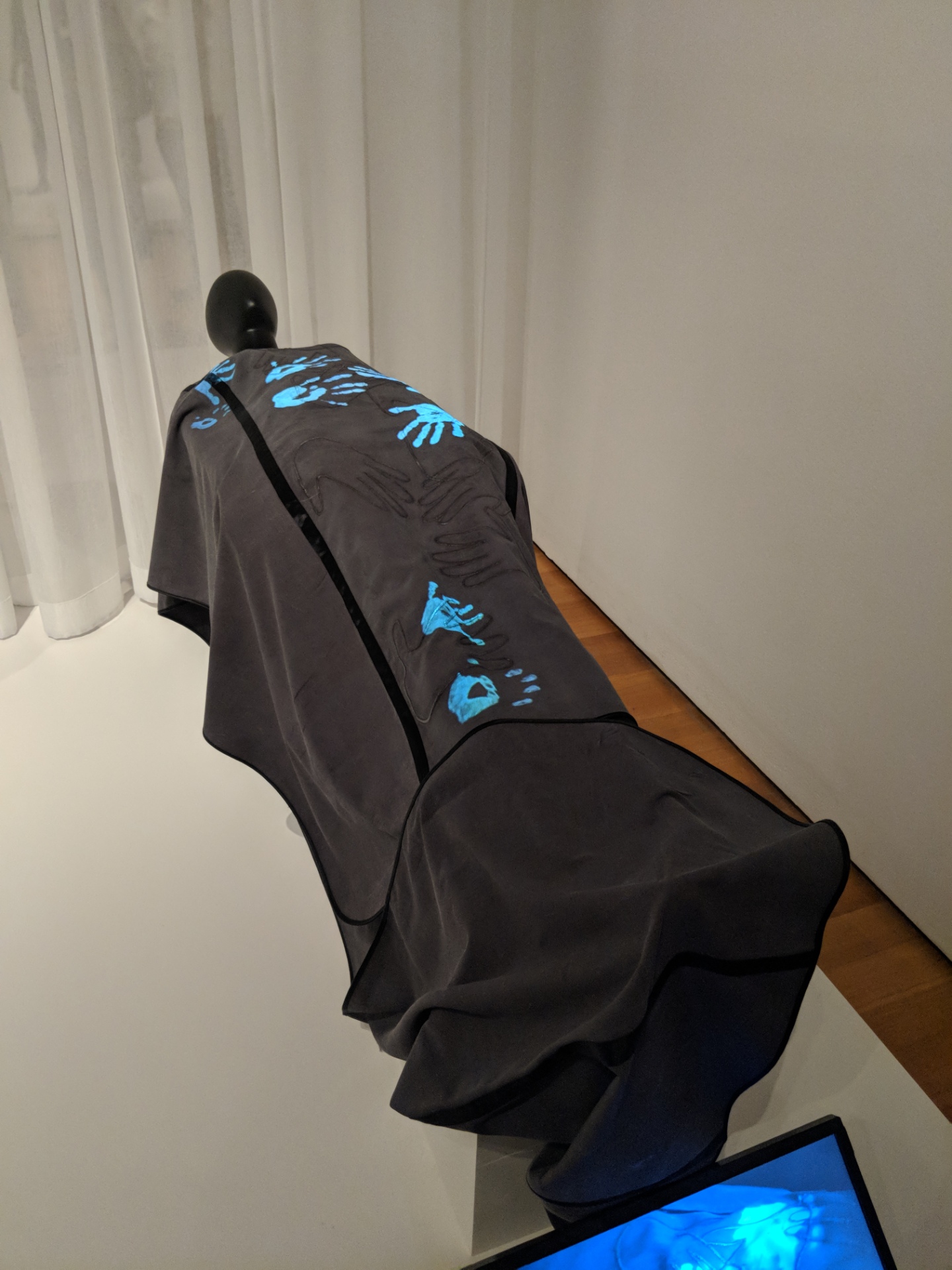
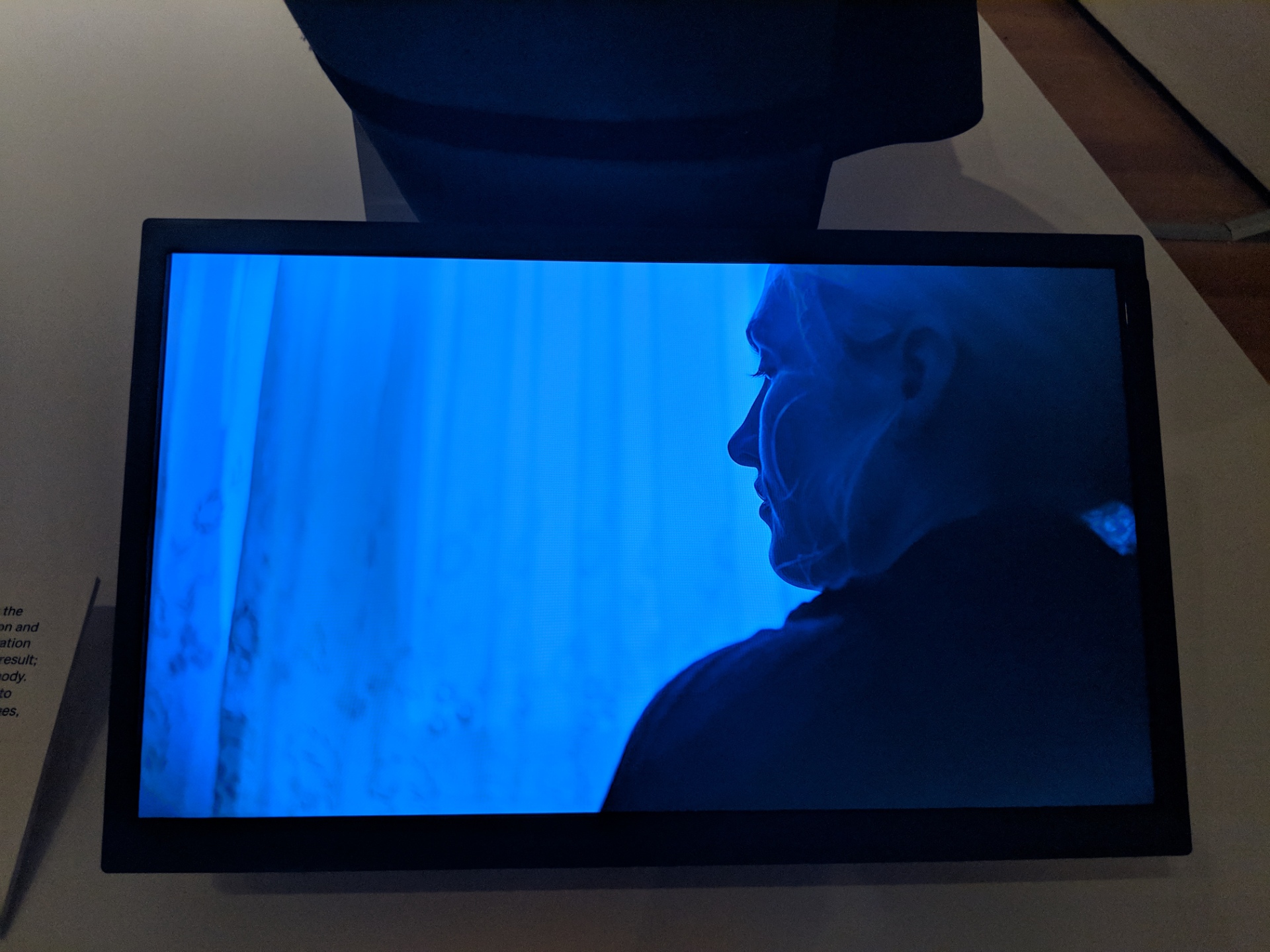
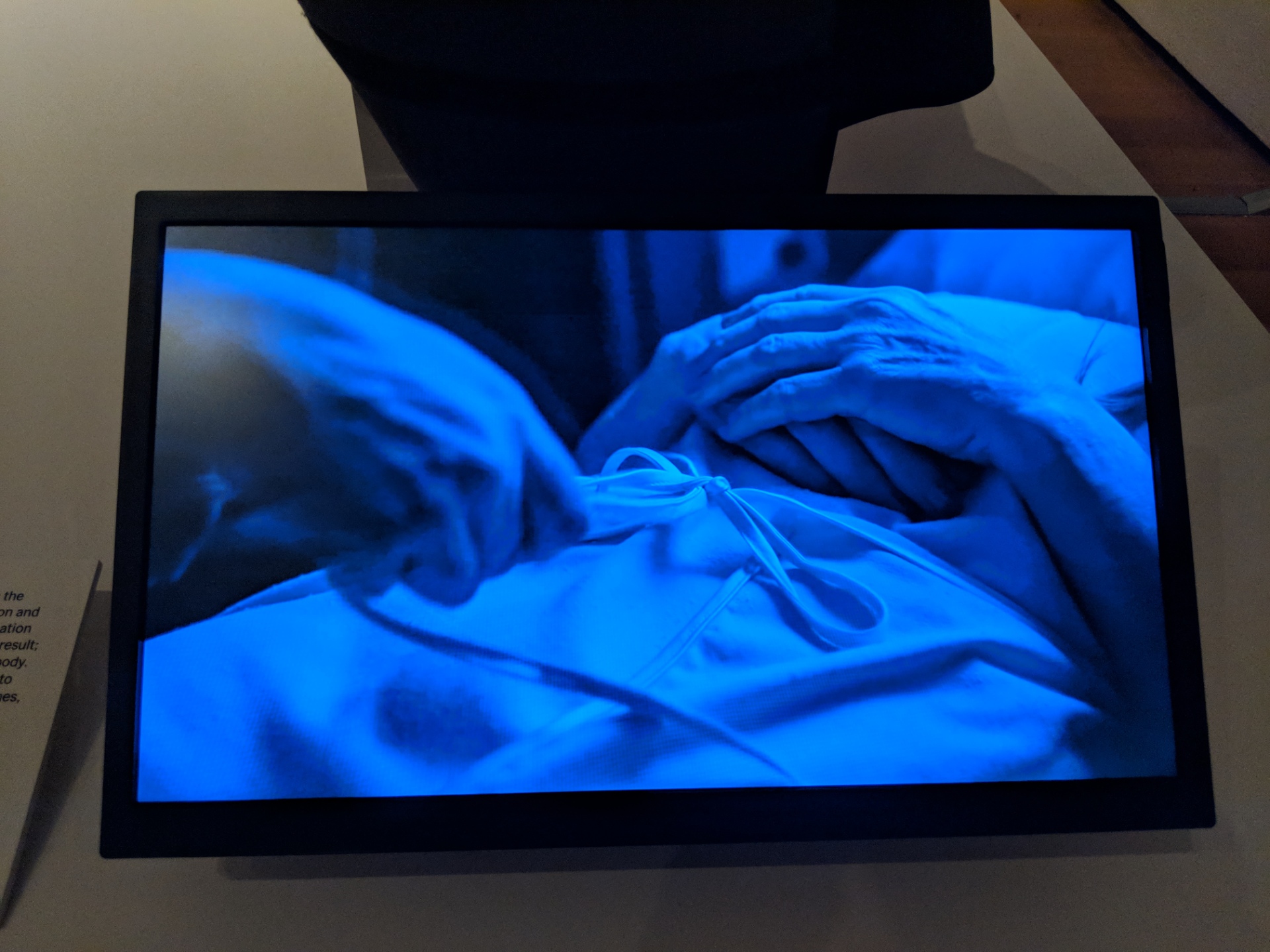
Pia Interlandi’s Little Black Dress incorporates all of the classic principles of the LBD – versatility, sophistication and understated glamour – to form, in the words of the designer, a garment ”to carry one from this world to the next, a garment literally created for the grave.” The ensemble upends the traditional relationship between person and dress: its wearer participates in its creation but never sees herself wearing the final result; its major function is to shroud a lifeless body. Interlandi uses a fabric that is responsive to the touch of the hands of grieving loved ones, turning from black to white through the transfer of body heat. The act is a symbol of the energy embodied in the process of decomposition and the cycles of mourning, from despair to acceptance. Sandals, S/S 1996
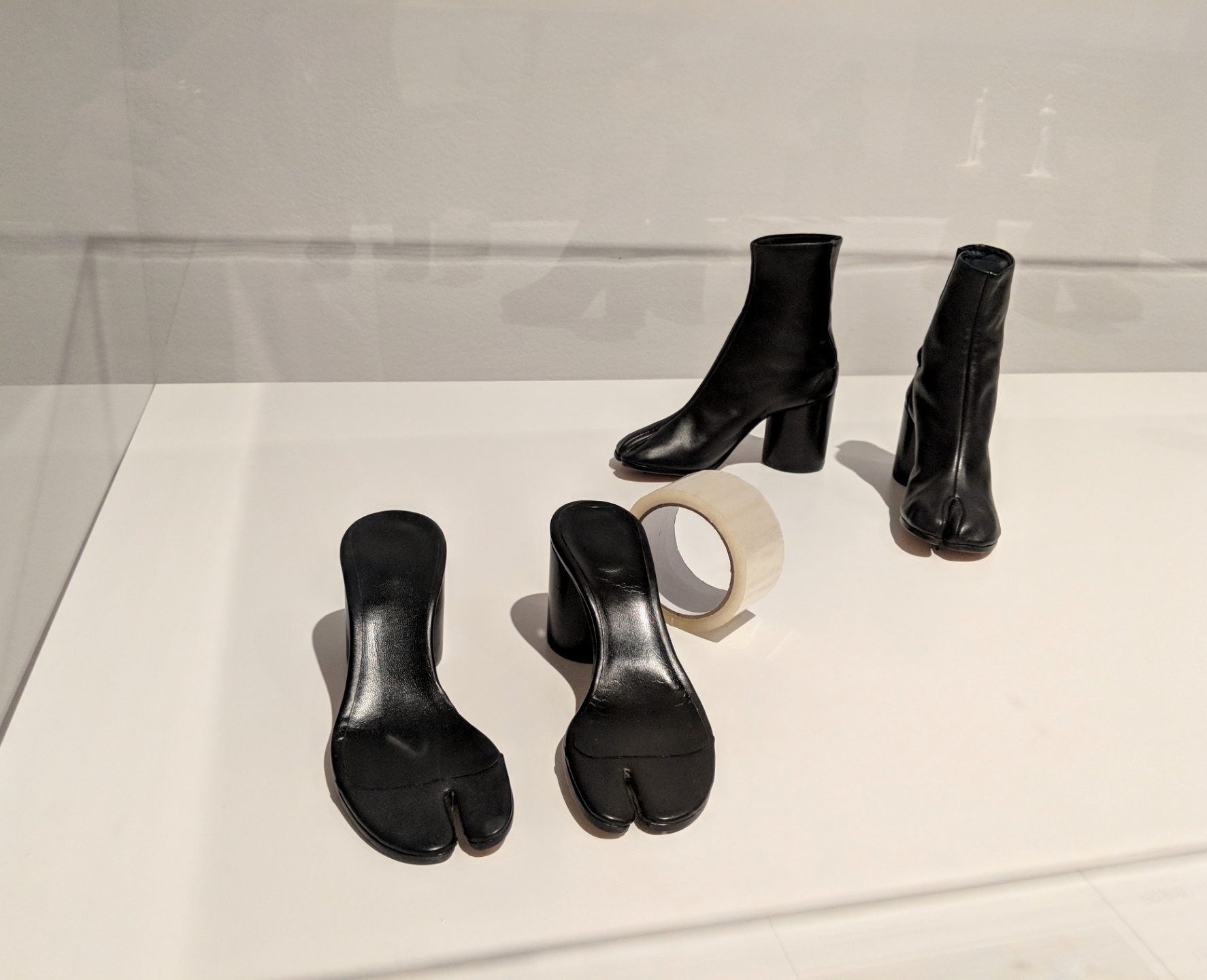
Martin Margiela


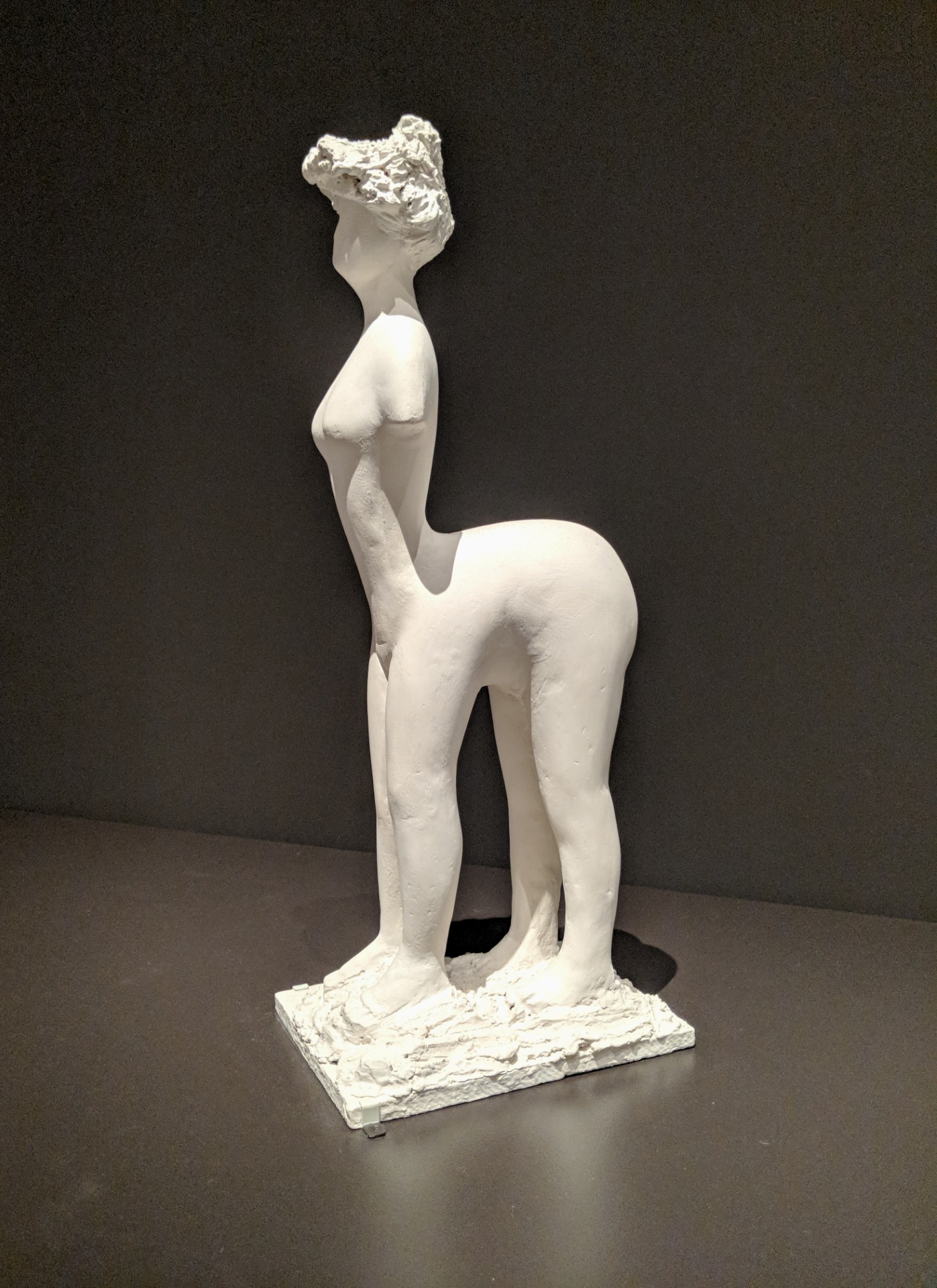
Bernard Rudofsky, architect and designer, American, born Austria, 1905-1988
One of the items presented in the 1944 exhibition ”Are Clothes Modern?”. A statue representing what a female body should have looked like to match the fashion of that particular time in history. This one, the bustle of 1875, transformed its wearer into a four-legged centaur.


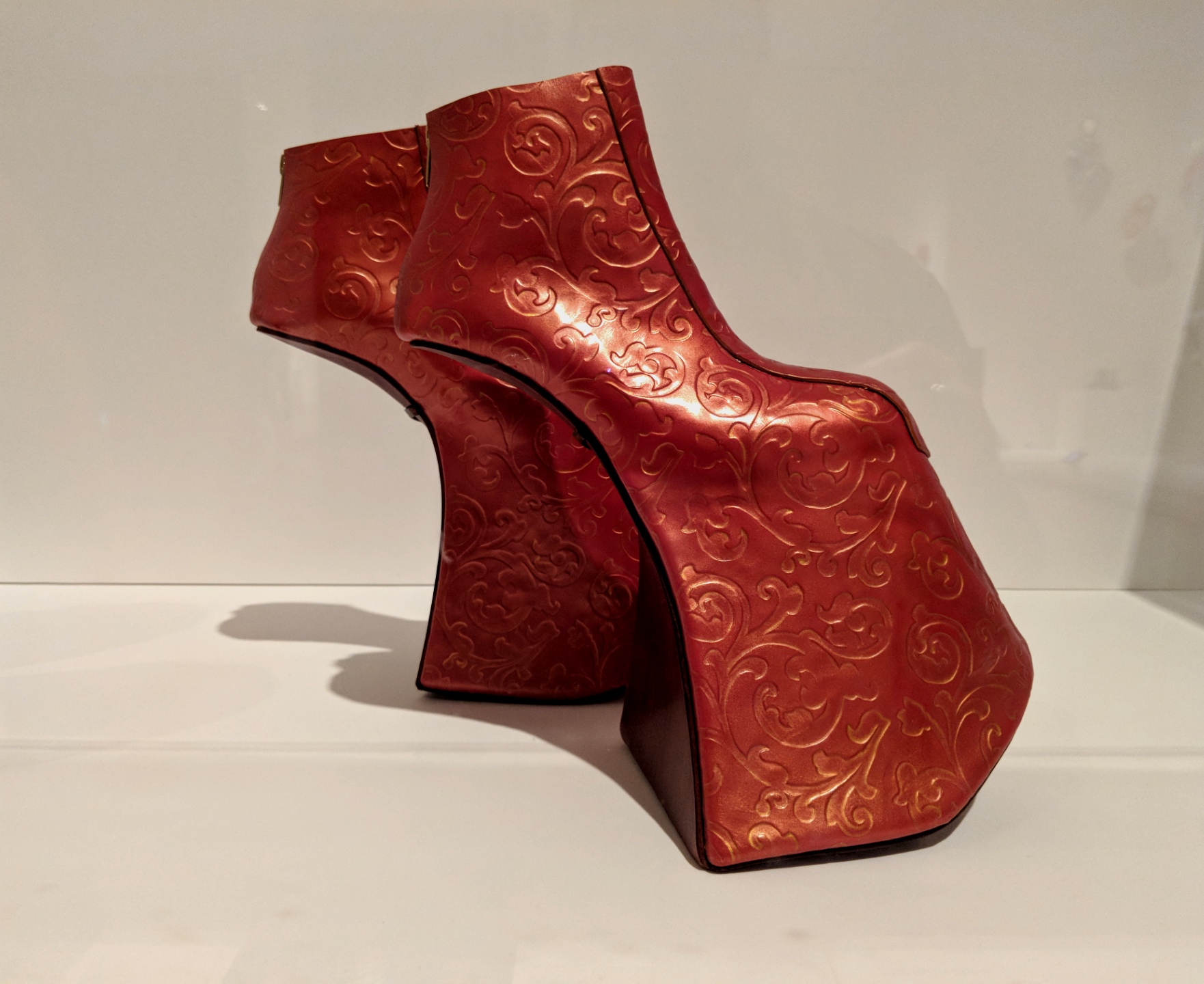
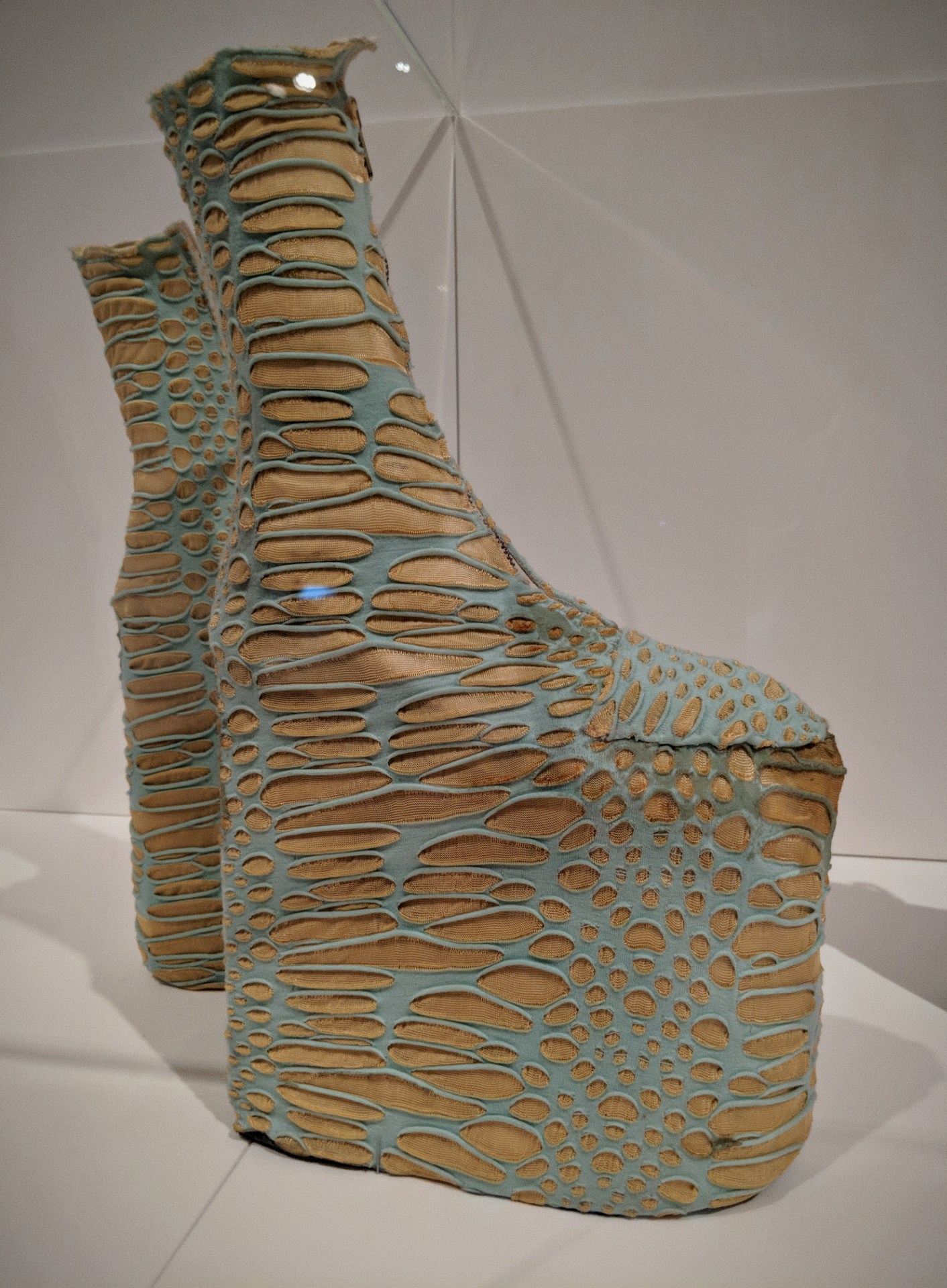
Boots, fall 2010
Noritaka Tatehana, Japanese, born 1985


Shoes, 1993
Andrew Buckler and Johanne Price, British


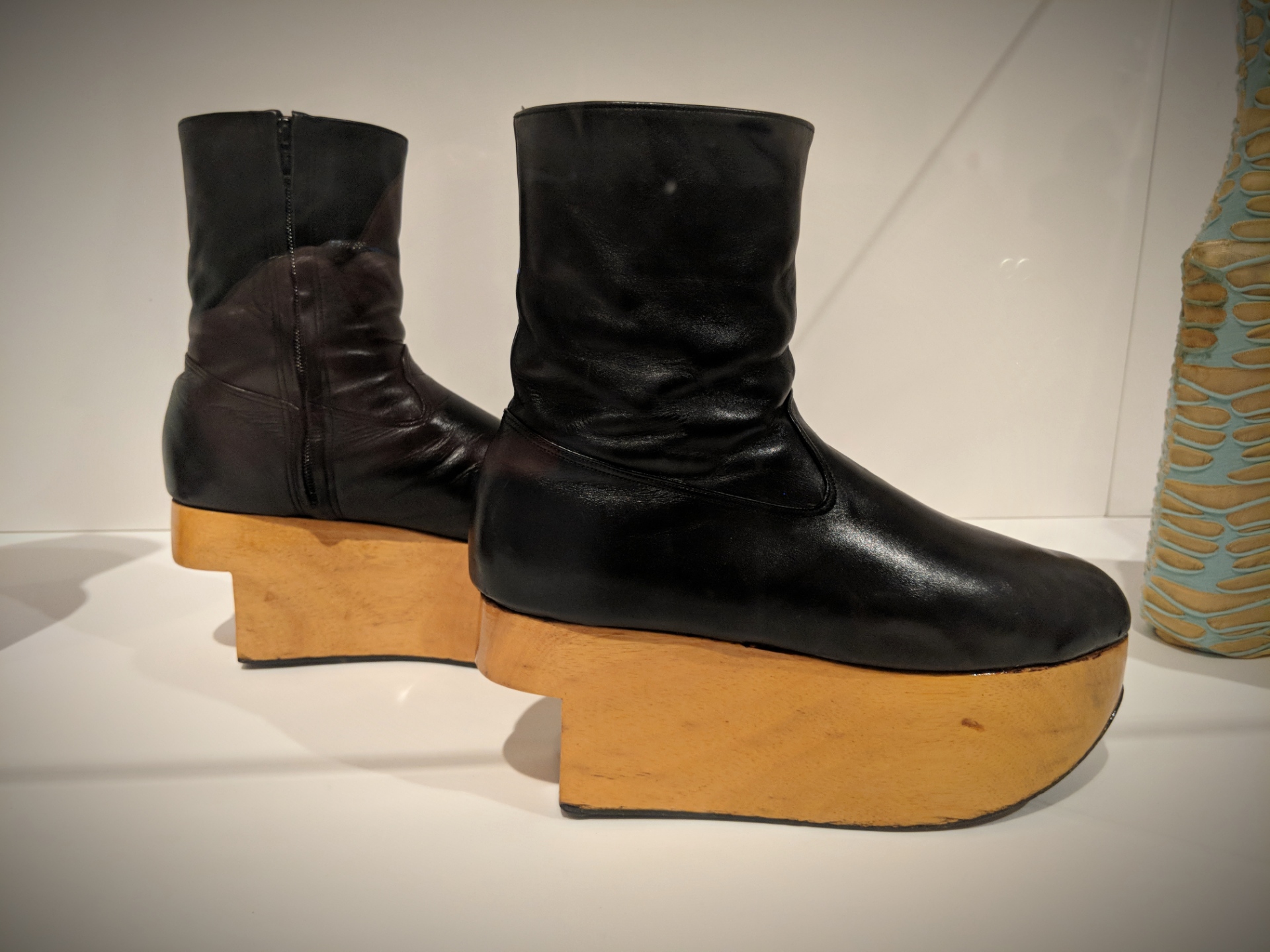
Boots, 1987
Vivienne Westwood


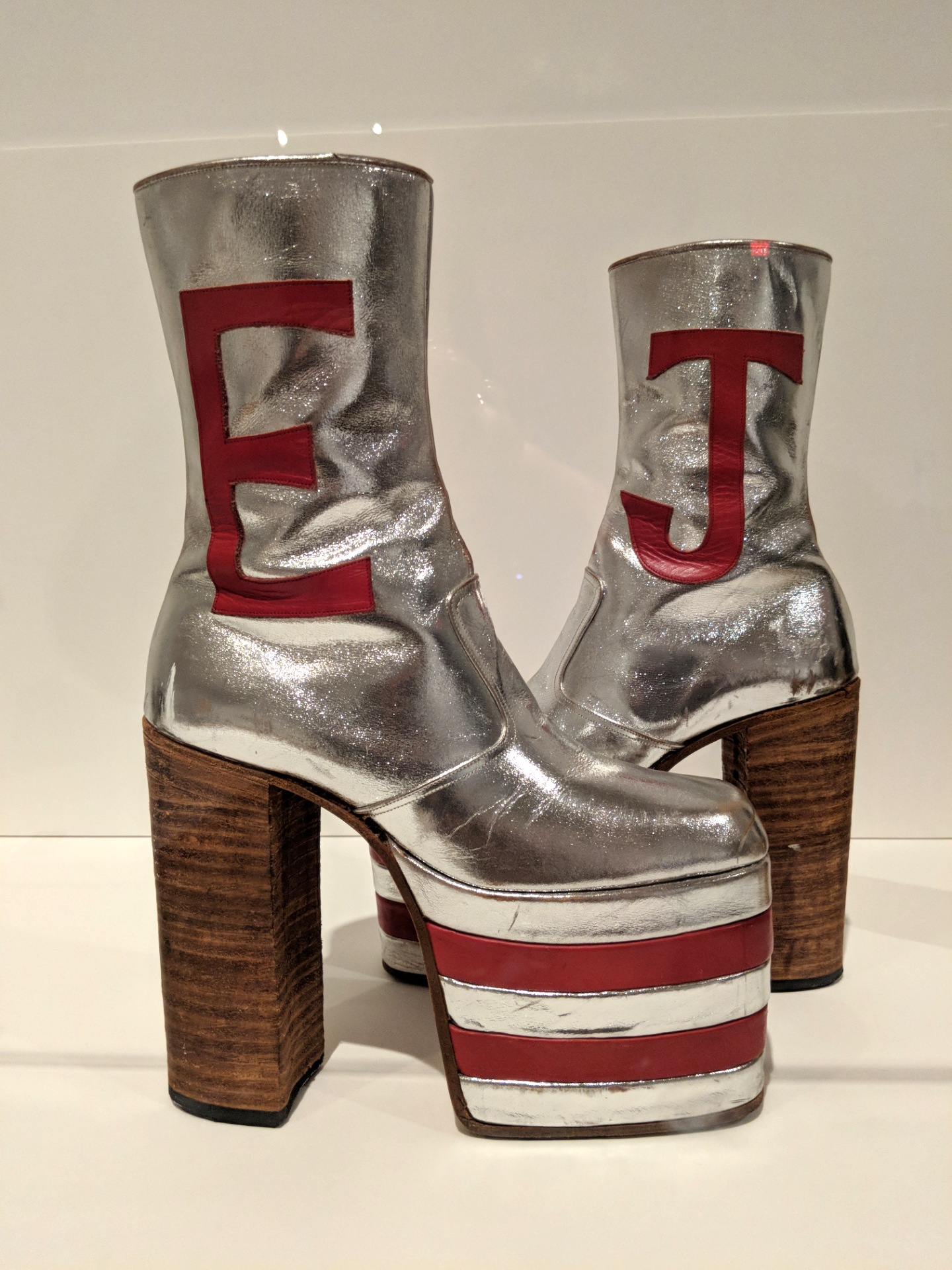
Boots made for Elton John, 1974
Unknown desinger


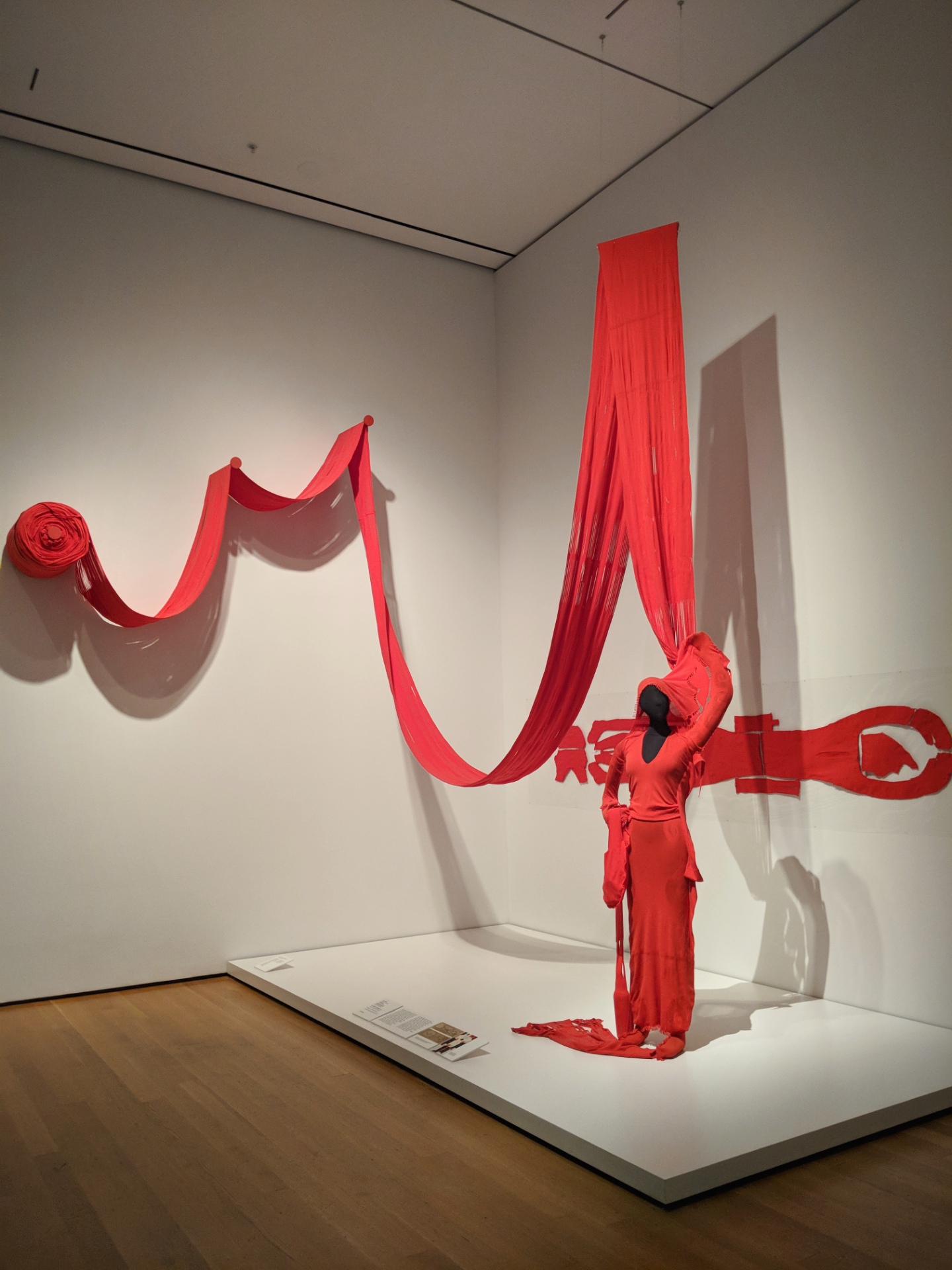
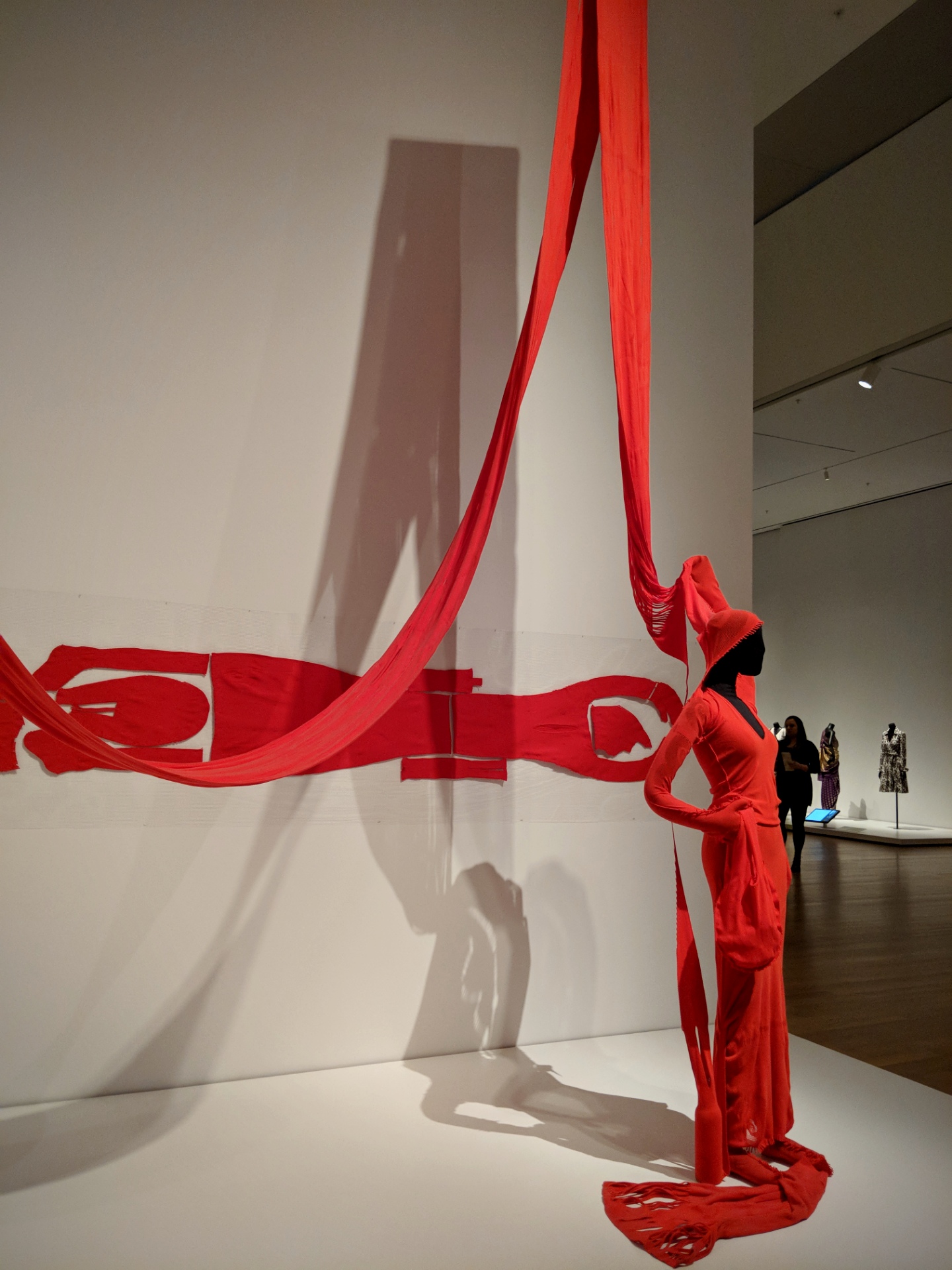
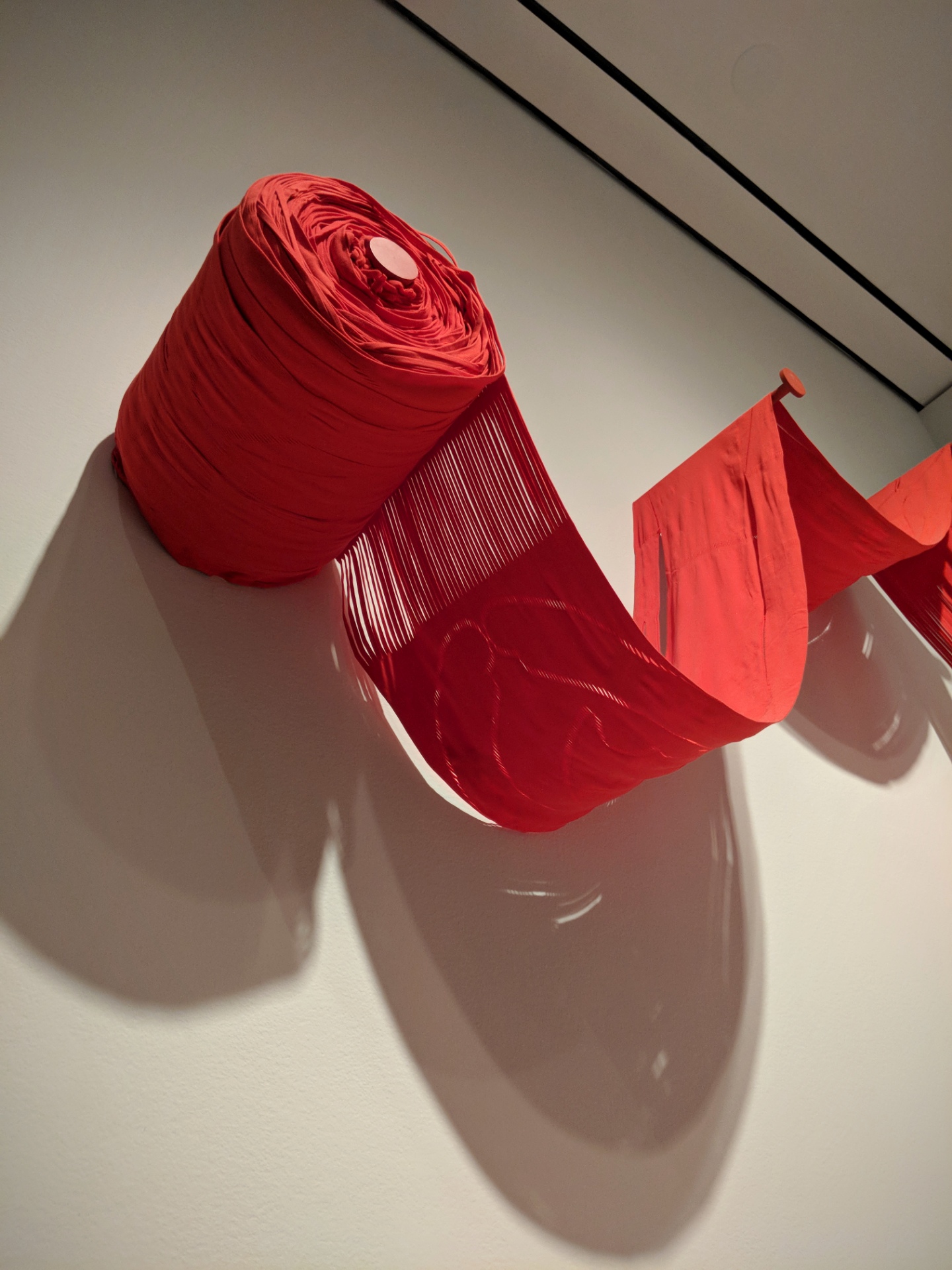
A-POC Queen, 1997
Issey Miyake & Dai Fujiwara

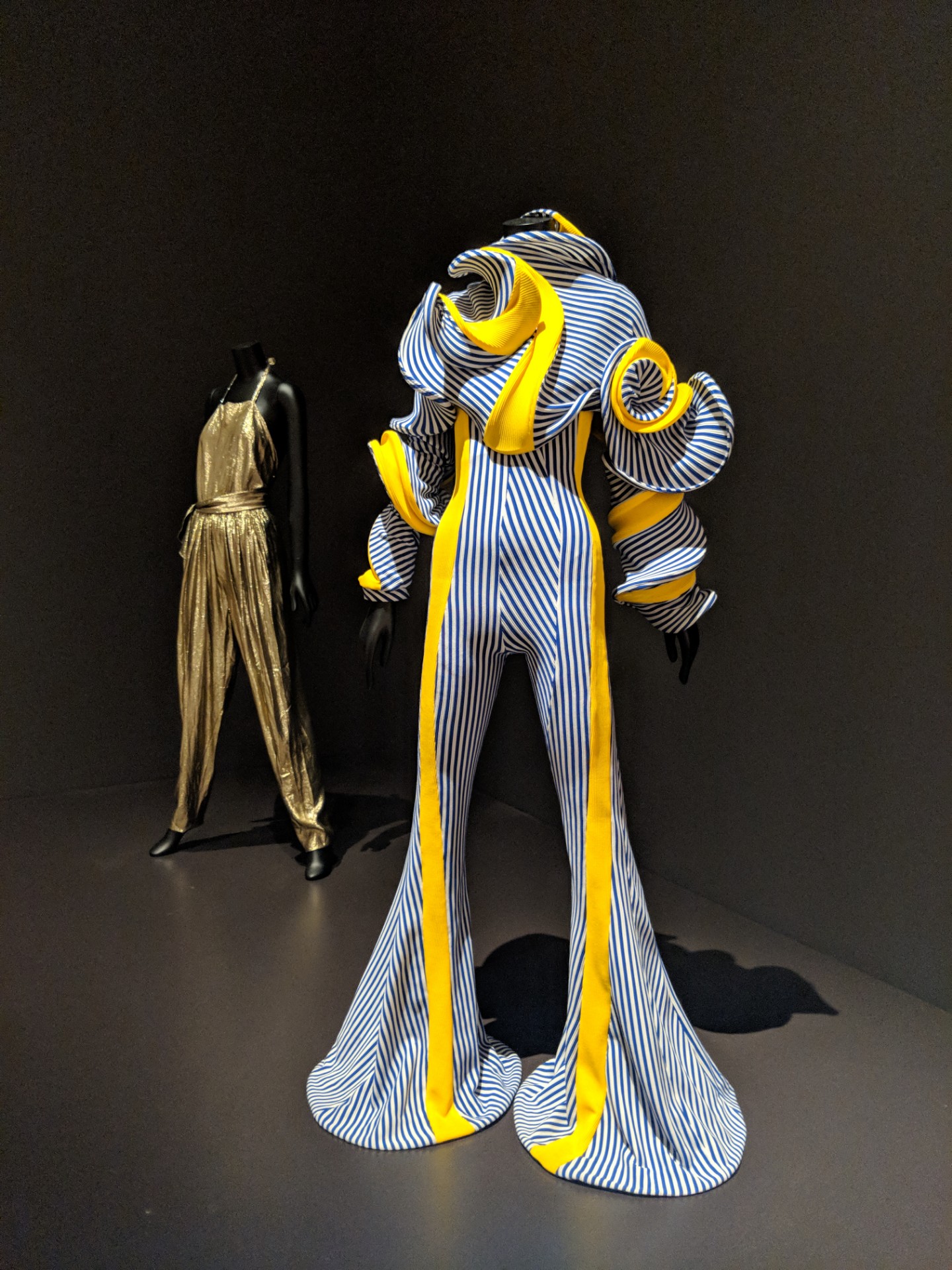
A-POC Queen is a textile generated from a single thread by a computer-programmed industrial knitting machine.  The customer can cut along the seams without destroying the tubular structure of each individual item, and virtually no material is wasted in the process of creating – without needle or thread – a complete monochromatic outfit from this single swath of cloth. Jumpsuit Specimen, 2017
Richard Malone, Irish, born 1990


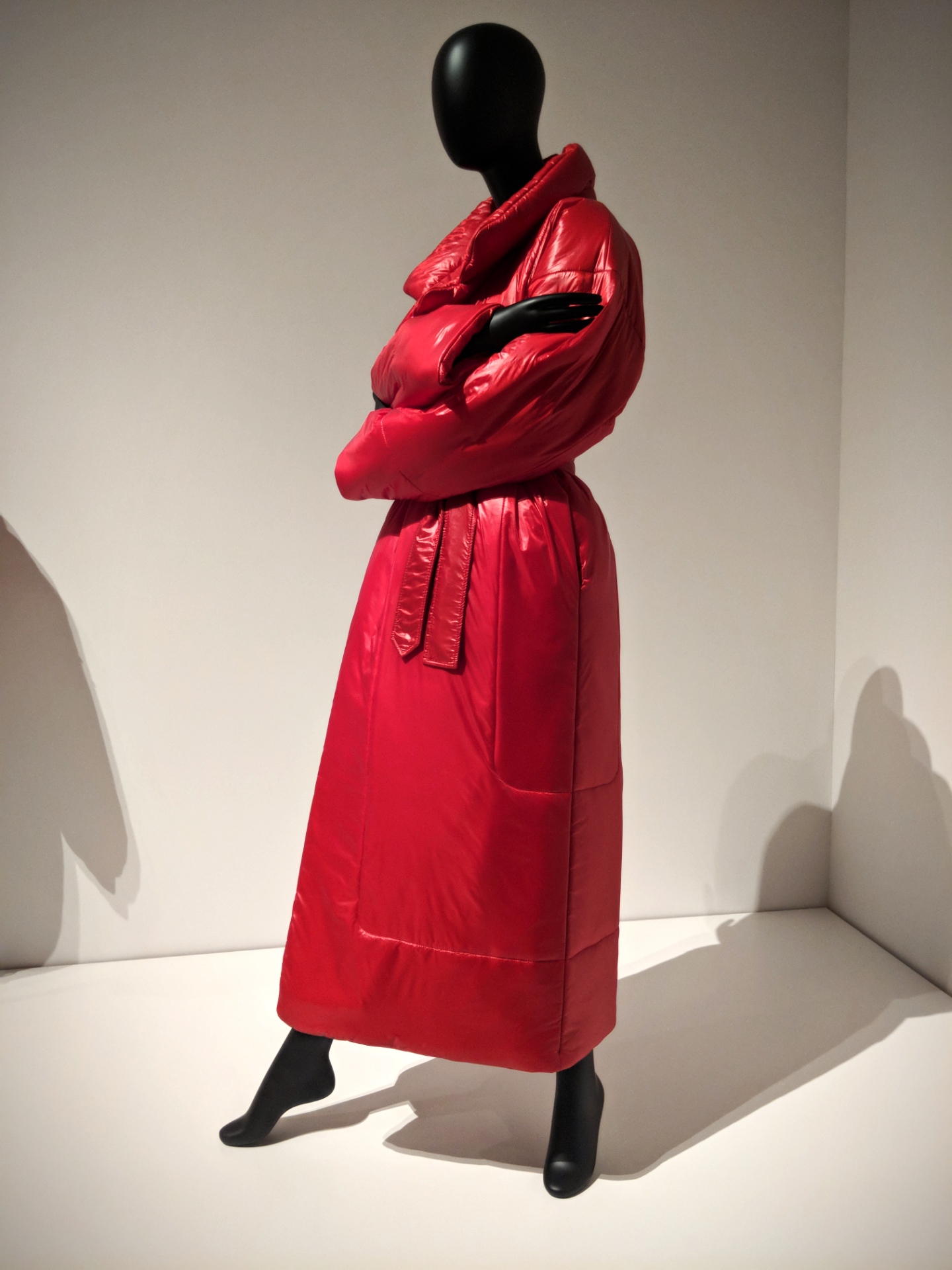
Sleeping Bag Coat, designed 1973, manufactured 2017
Norma Kamali


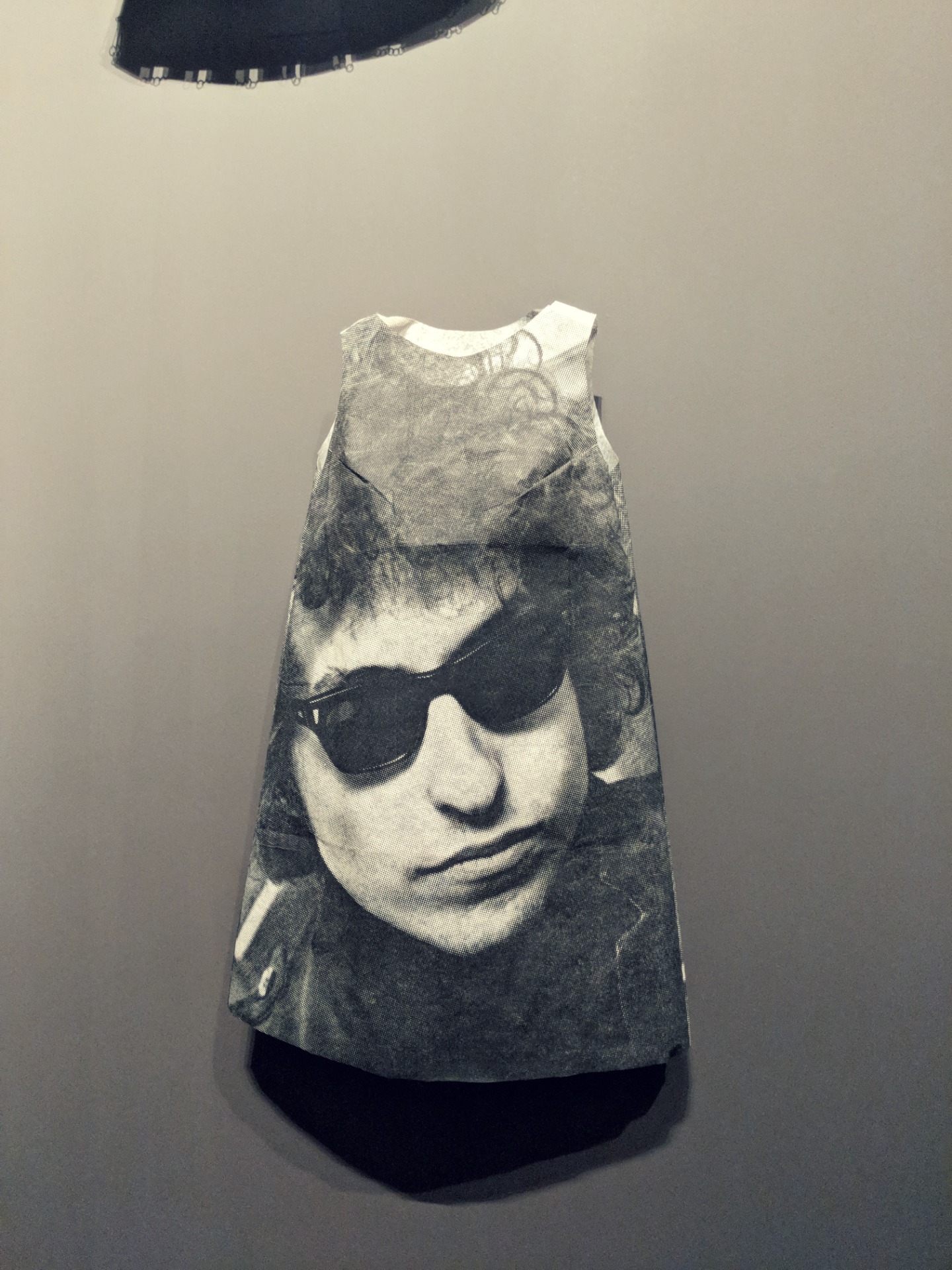
Poster Dress, 1967
Harry Gordon, American, 1930-2007

Disposable paper dresses became widely available by 1966, eschewing tailoring and washability in favour of affordable, faddish designs. Graphic designer Harry Gordon released a series of poster shift dresses inspired by pop culture and politics, including a 1967 version with an image of Bob Dylan; the packaging encouraged buyers to repurpose it as a poster or pillow covers.


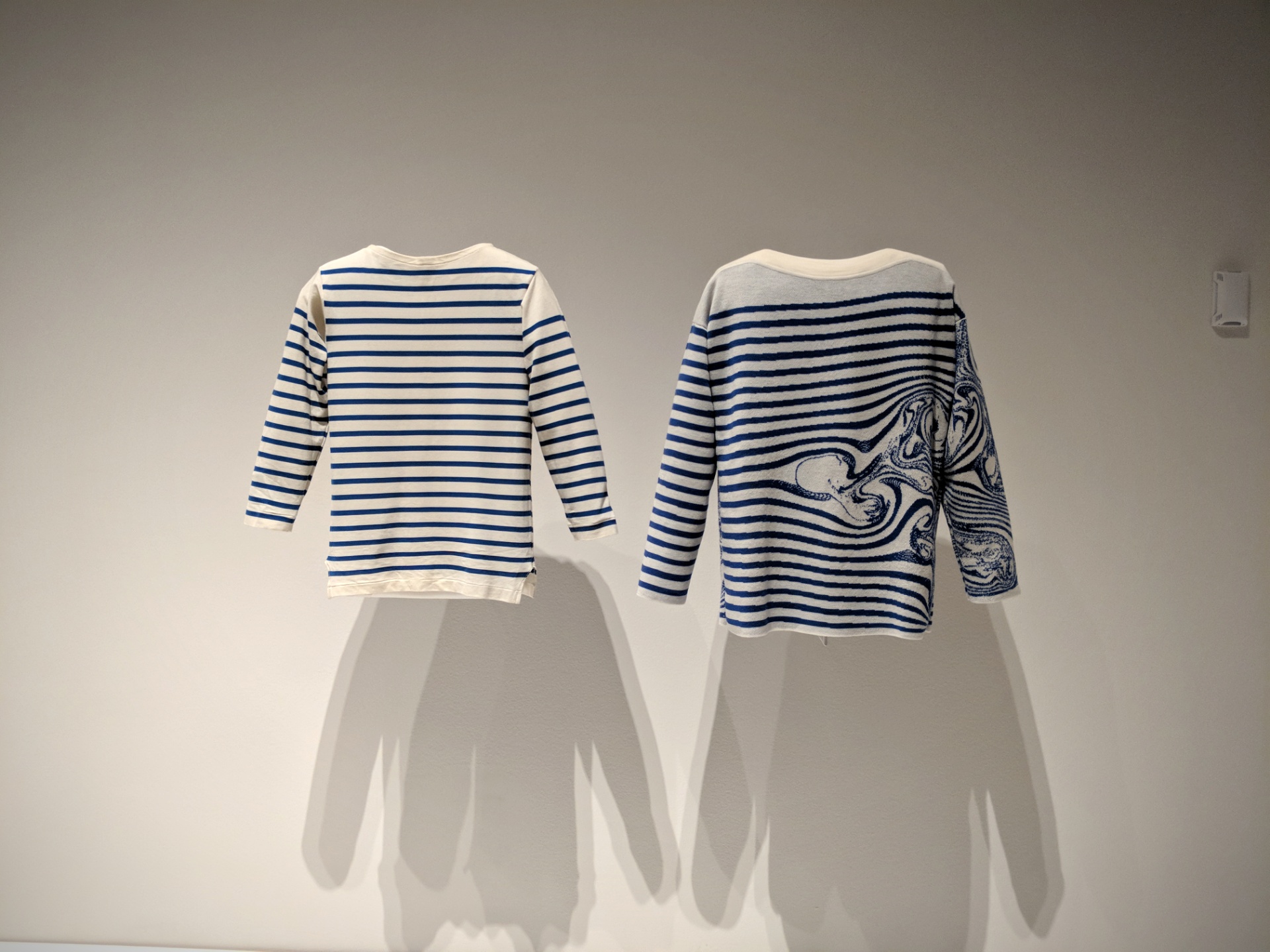
Bret.on 2017
Unmade, UK, founded 2014

Bret.on is a reinterpretation of the classic Breton shirt by the fashion technology company Unmade, which allows brands and individuals to create unique, customized knitted garments on an industrial scale.


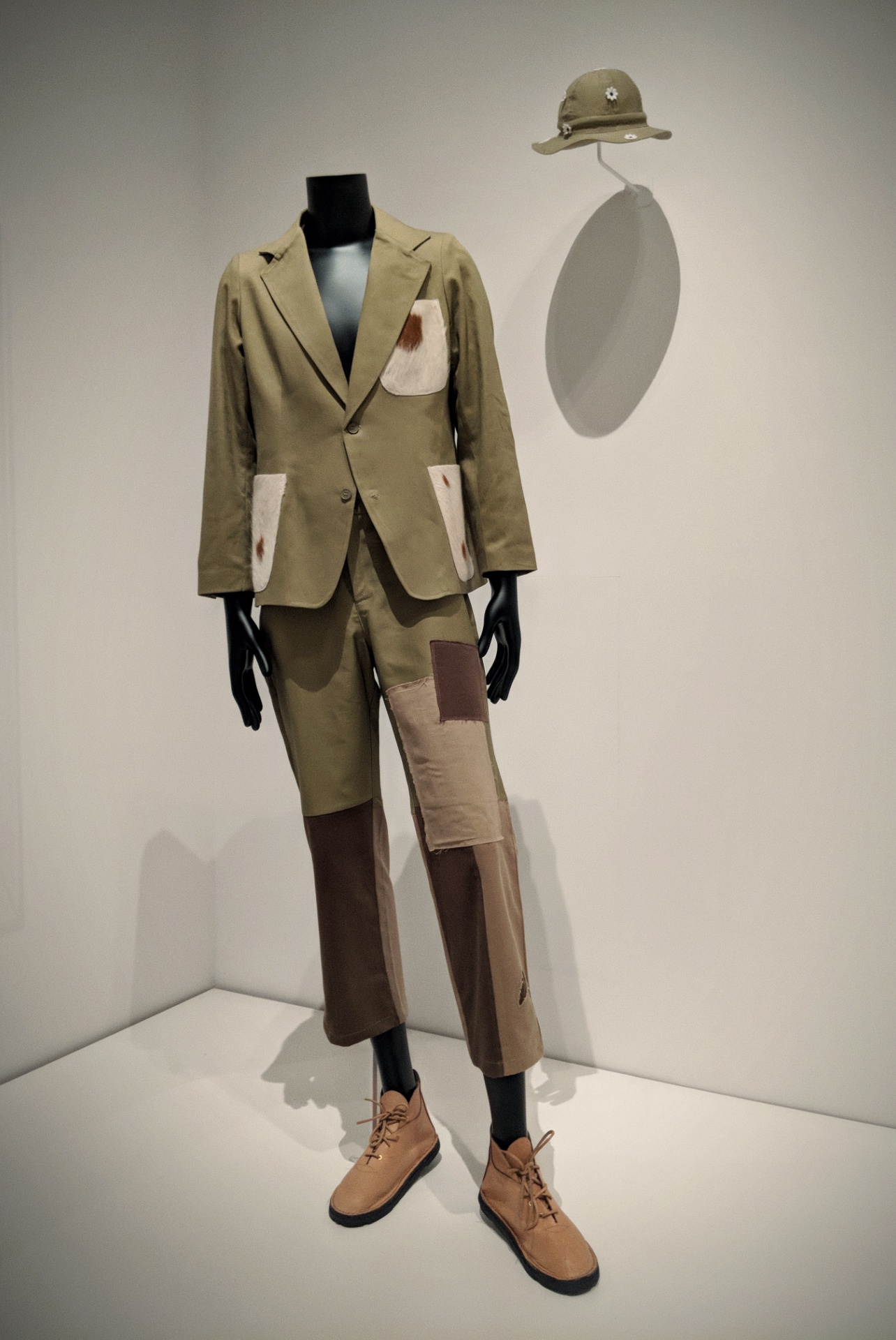
Chinos, 2017
The Sartists, South Africa, founded 2013

A collective of young designers based in Johannesburg and Cape Town, The Sartists combine collaborative design processes, found materials, astute brand awareness and reflections on their country’s political history, namely apartheid and colonialism.


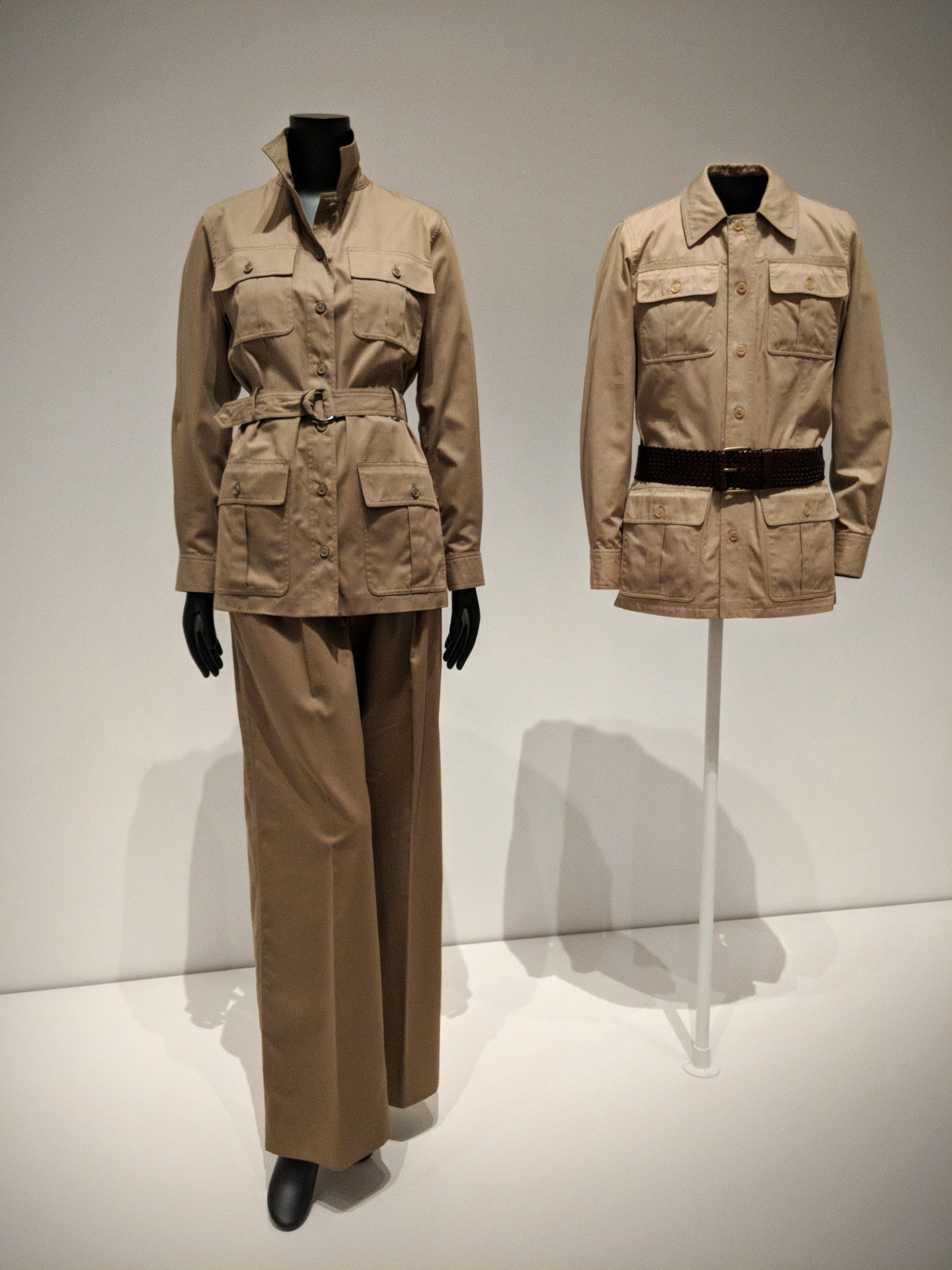
Safari jacket 1969-70 & Pantsuit S/S 1970
Yves Saint Laurent Rive Gauche


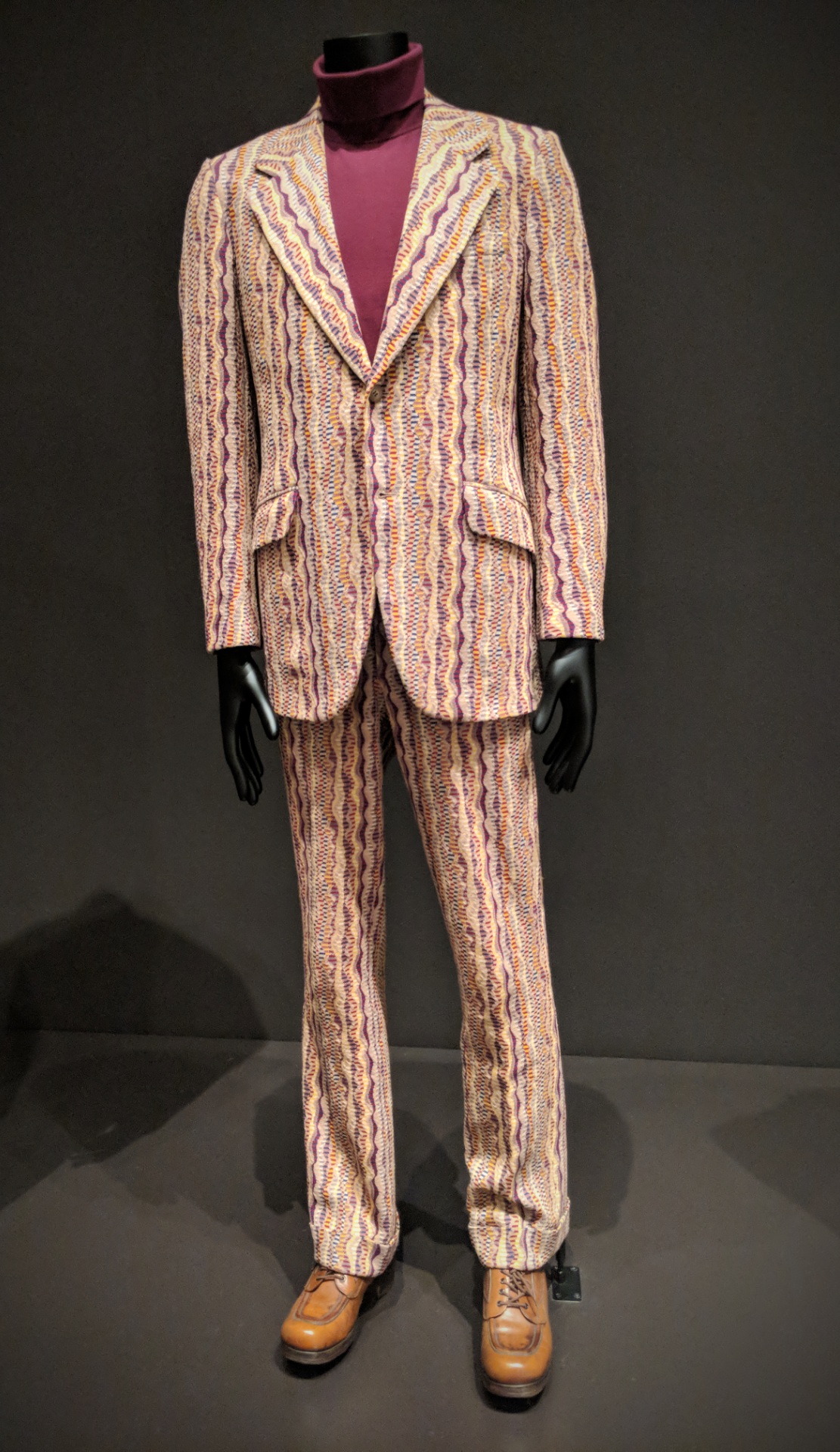
Suit, 1970
Bill Blass


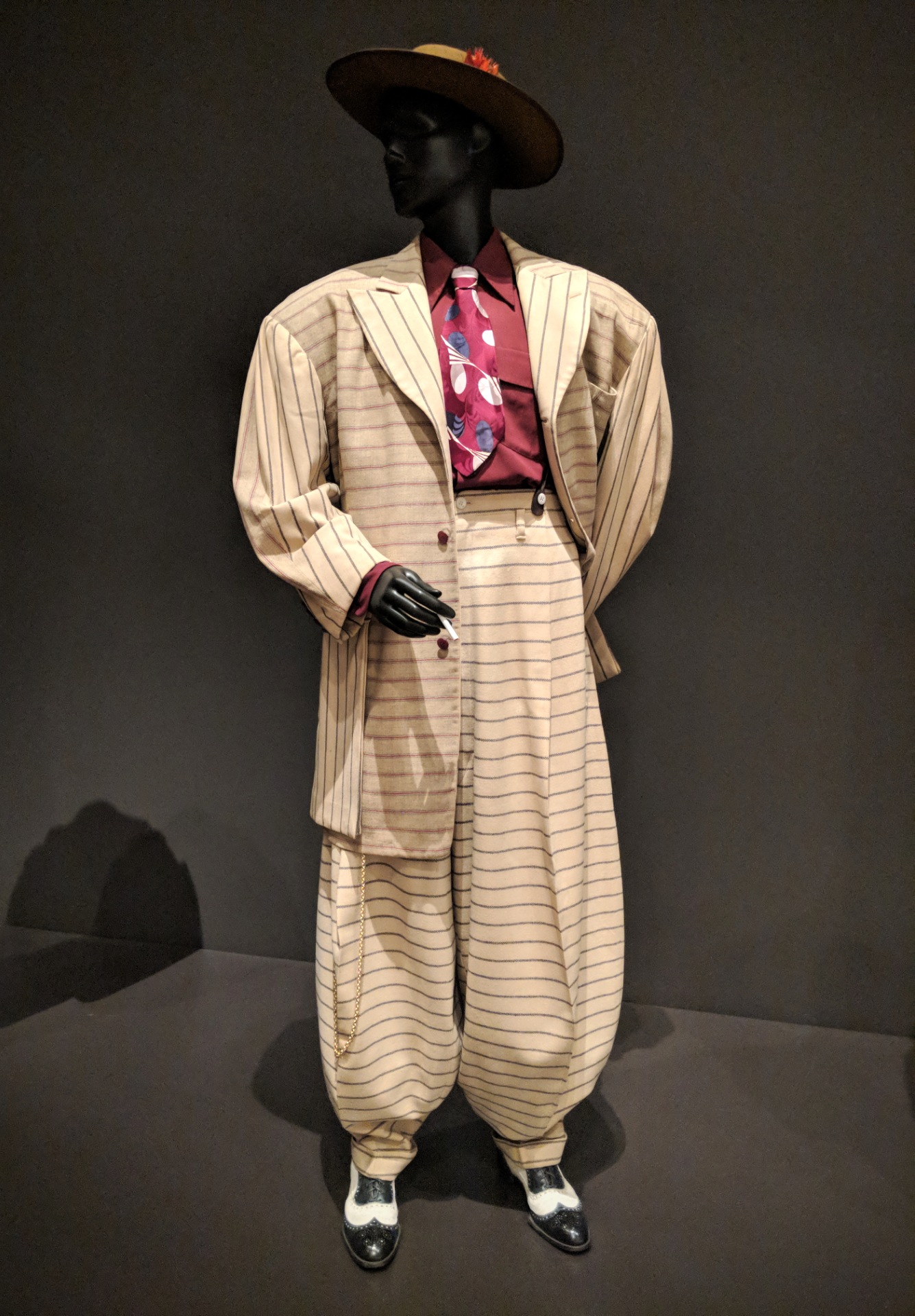
Zoot suit, 1940-42
Unknown designer, U.S.A.


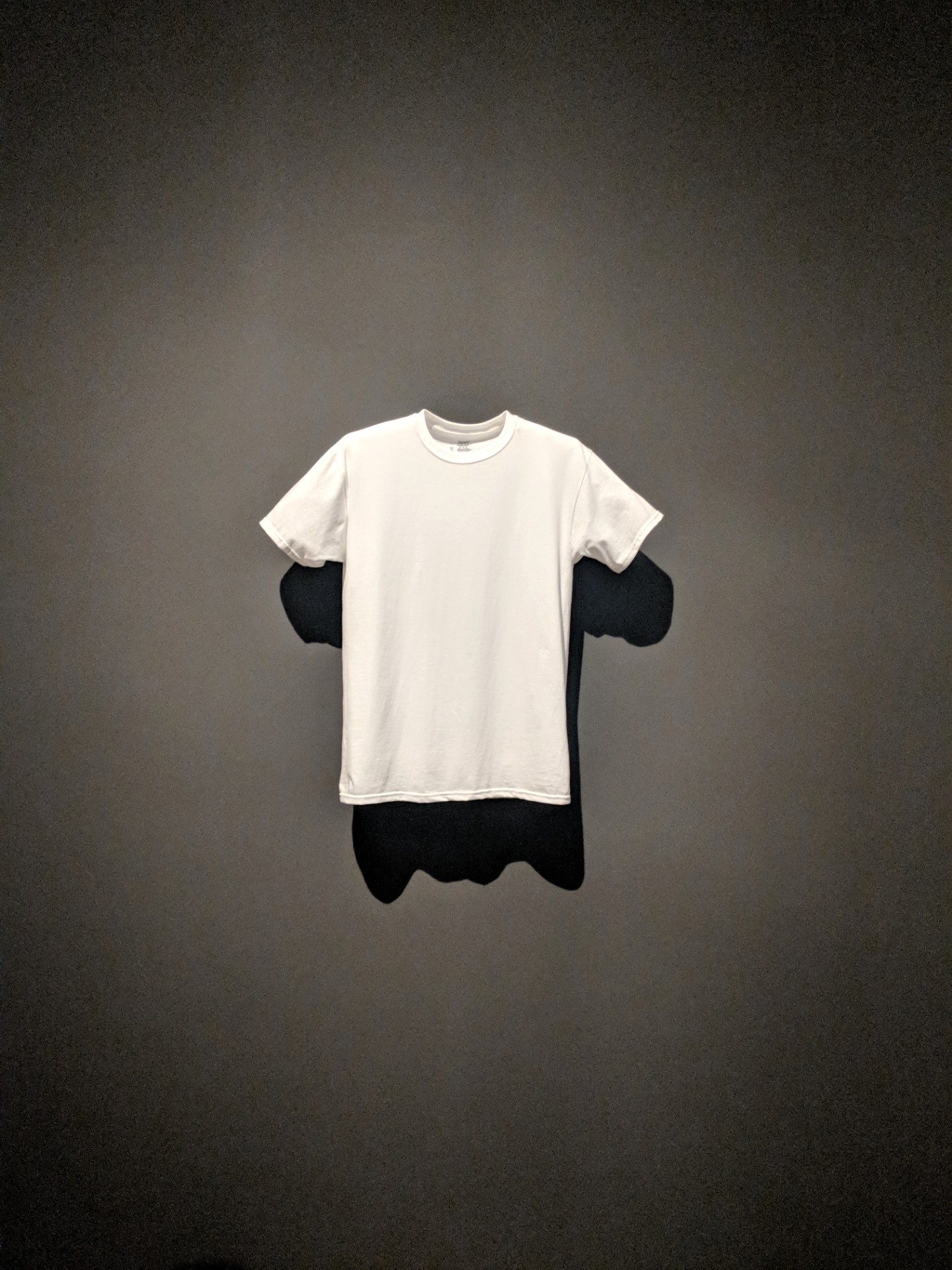
T-shirt 2017
Hanes


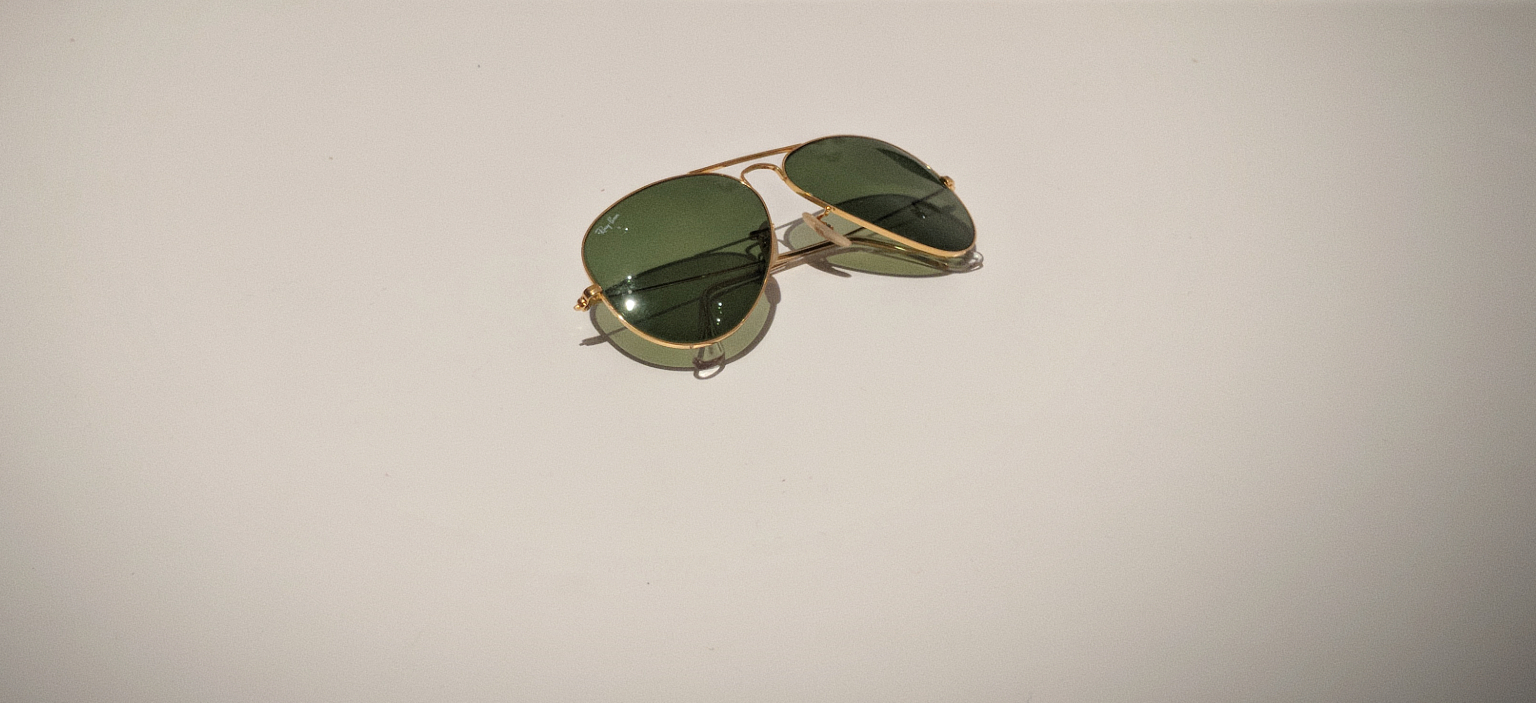
Ray-Ban Sunglasses, 1970s

When American test pilot Major Rudolph William ”Shorty” Schroeder injured his eye mid-flight in 1920, fellow pilot Lieutenant John Macready, alongside optical company Bausch & Lomb, designed googles to mitigate both frost formation and sunlight, aptly named Ray-Ban. These goggles in turn inspired the development of sunglasses branded the Ray-Ban Aviator in 1938.


MoMA, December 3rd, 2017