In 2017, Irving Penn (1917–2009) would have been one hundred years old. To mark the occasion, The Metropolitan Museum of Art hosted ”Irving Penn: Centennial”, in collaboration with The Irving Penn Foundation. It was the most comprehensive retrospective to date of the work of the great American photographer.
Here are some photos of the photos (and reflections thereof) which I hope you’ll enjoy :-


Image titles:
1/ Irving Penn: Centennial
2-3/ Roleiflex 3.5 E3 Twin-Lens Reflex Camera with 75 mm Carl Zeiss Planar Lens, 1961-64. Irving Penn acquired this camera in 1964 and used it and other similar models for portrait sittings for the next four decades. It is topped with a modified Hasselblad chimney viewfinder and mounted on a Tiltall pan/tilt head above a table tripod of the artist’s own design.
4/Carl Erickson and Elise Daniels, New York, 1947
5/Charles James, New York, 1948
6/Marcel Duchamp, New York, 1948
7/Alfred Hitchcock, New York, 1947
8/Dusek Brothers, New York, ca. 1948
9/Ballet Society, New York, 1948
10/The Tarot Reader (Bridget Tichenor and Jean Patchett), New York, 1949
11/Black and White Fashion with Handbag (Jean Patchett), New York, 1950
12/Vogue covers: Between 1943 and 2004 Penn produced photographs for 165 Vogue magazine covers, more than any other artist to date.
13/Vogue Fashion Photography (Jean Patchett), New York, 1949
14/Woman with Roses (Lisa Fonssagrives-Penn in Lafaurie Dress), Paris, 1950
15/Girl Drinking (Mary Jane Russell), New York, 1949
16/Man Lighting Girl’s Cigarette (Jean Patchett), New York, 1949
17/Many Skirted Indian Woman, Cuzco, 1948
18/Cuzco Children, 1948
19/Butcher, London, 1950
20/Facteur (Mailman), Paris, 1950
21/Yves Saint Laurent, Paris, 1957
22/Francis Bacon, London, 1962
23/Cecil Beaton, London, 1950
24/Cat Woman, New Guinea, 1970
25/Two Guedras, Morocco, 1971
26/Four Guedras, Morocco, 1971
27/Not an Irvin Penn image but the type of background he would frequently use, New York, 2017
28/Birgitta Klercker – Long Hair with Bathing Suit, New York, 1966
29/Clockwise from left: Ingmar Bergmann, Stockholm, 1964 – Alvin Ailey, New York, 1971 – S. J. Perelman, New York, 1962 – Tom Wolfe, New York, 1966
30/Truman Capote, New York, 1965
31/Justice Ruth Bader Ginsburg, New York, 1993
32/Three Poppies ‘Arab Chief’, New York, 1969
33/Girl with Tobacco on Tongue (Mary Jane Russell), New York, 1951
May 28th, 2017

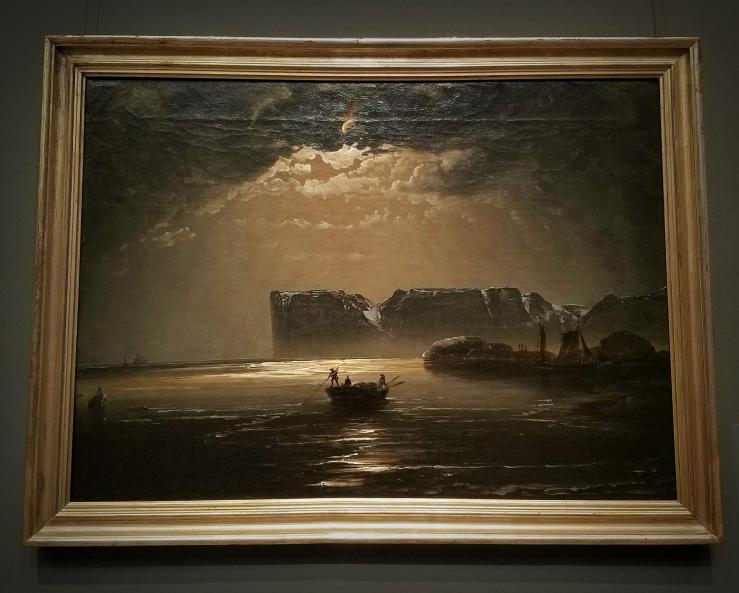 The North Cape by Moonlight, 1848
 Finnmark Landscape, ca. 1860
 Seascape, 1870s
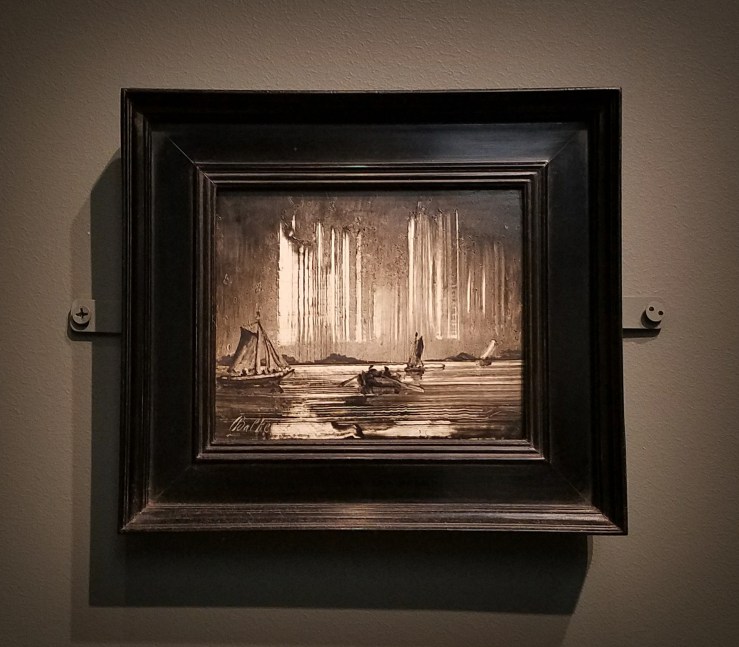 Northern Lights, 1870s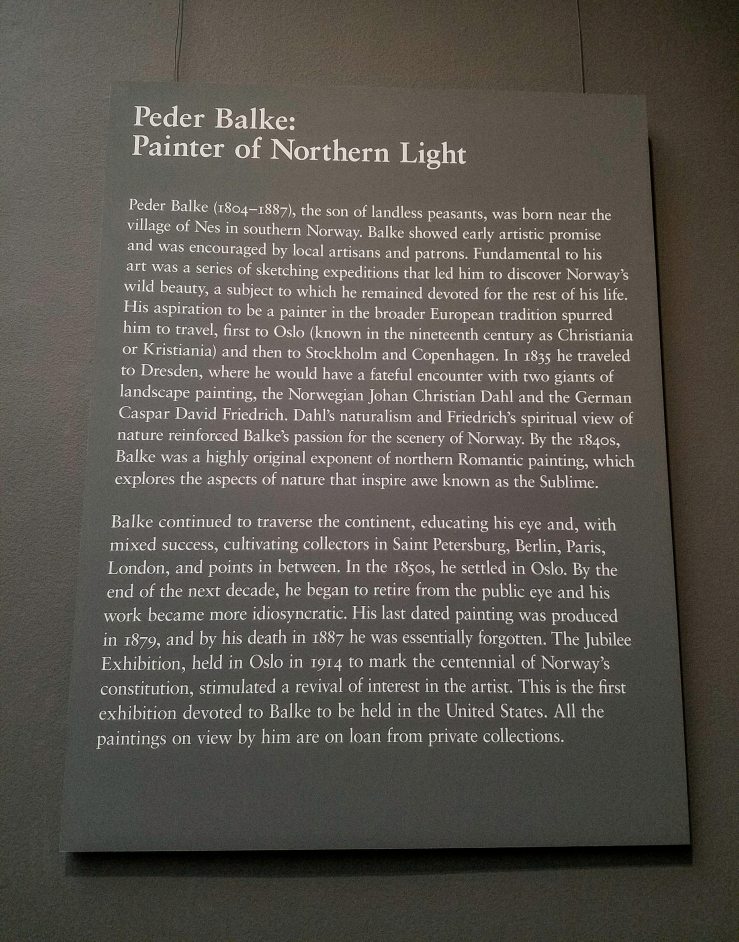
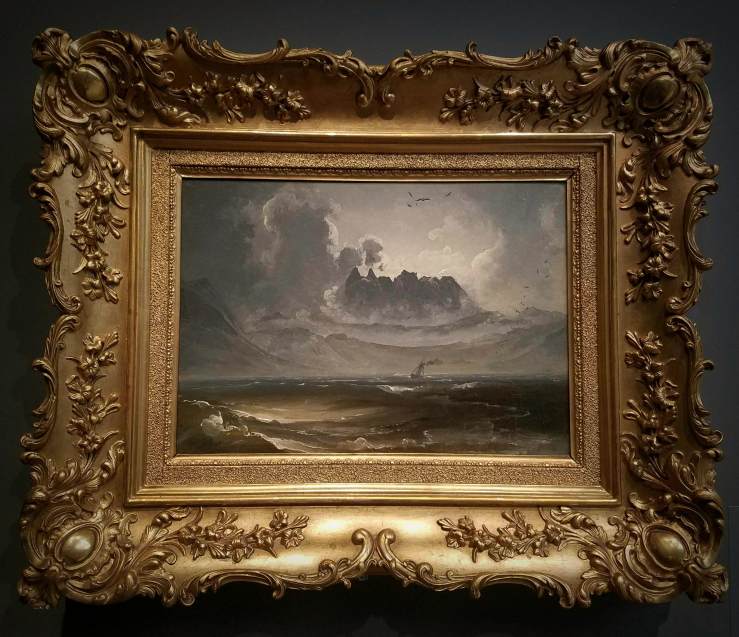 Seascape, ca. 1845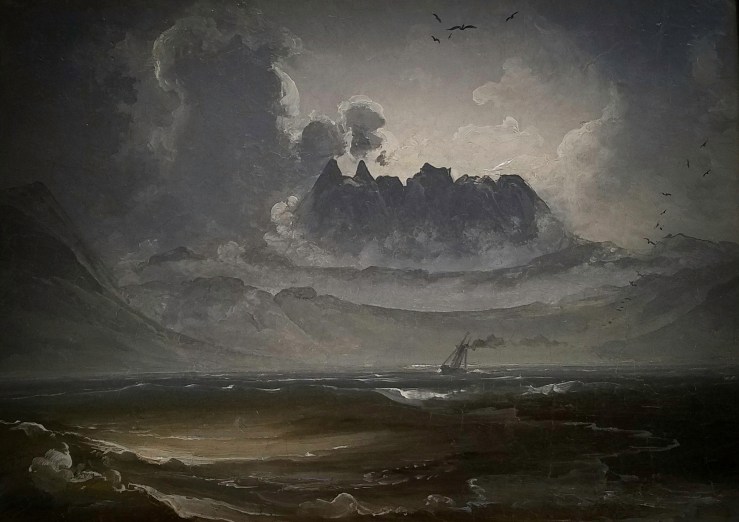
 Moonlit View of Stockholm, ca. 1850


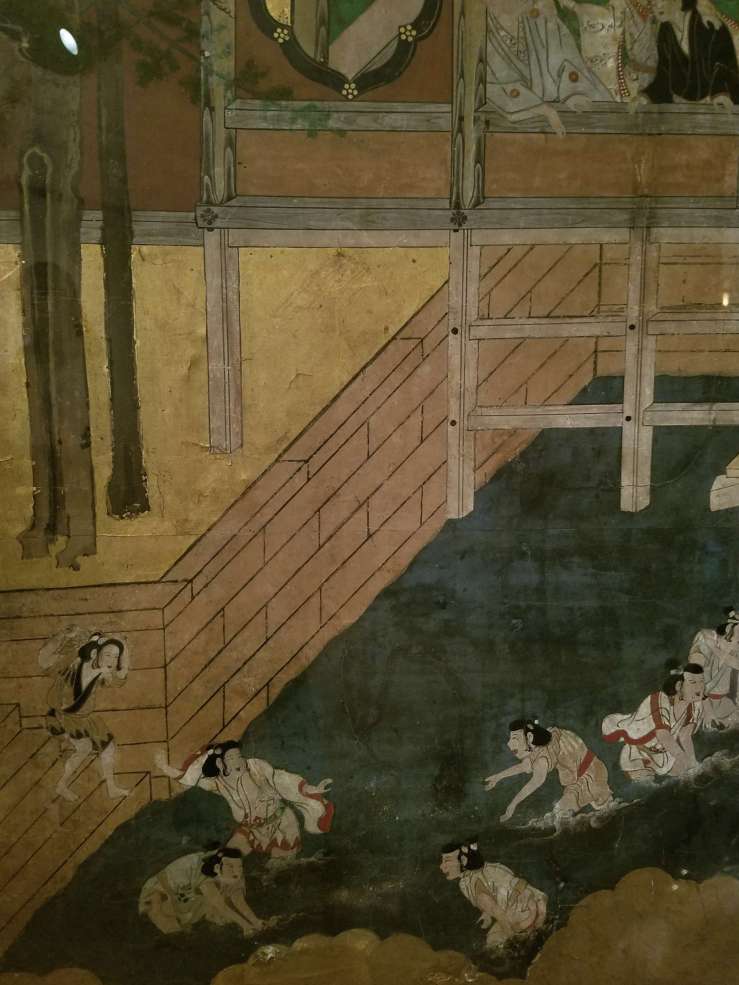
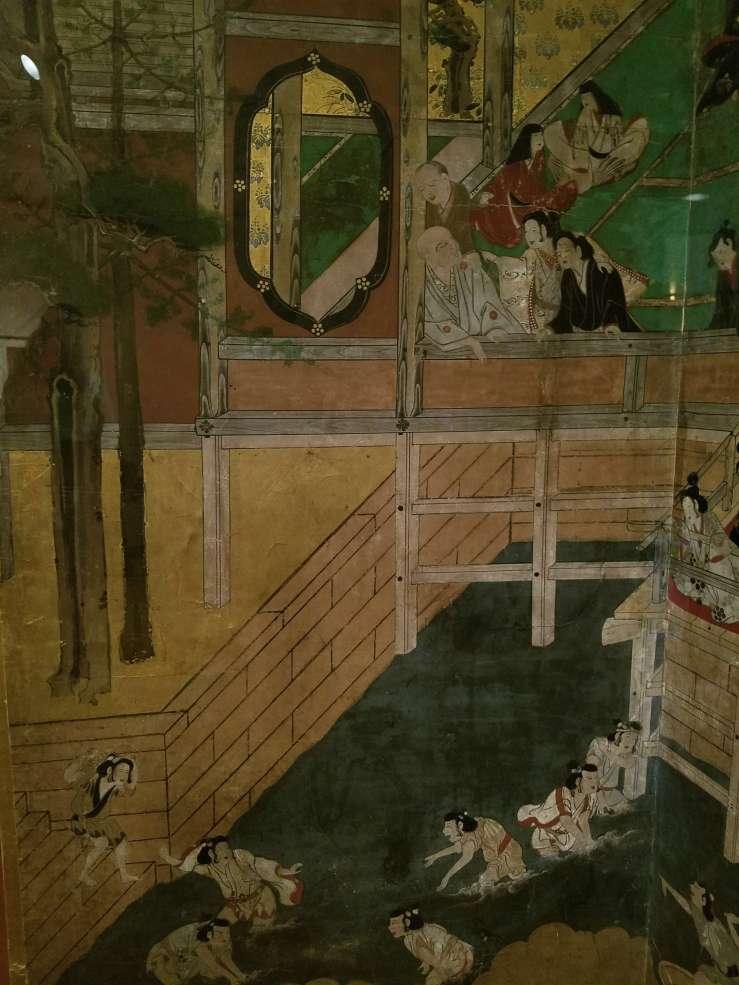
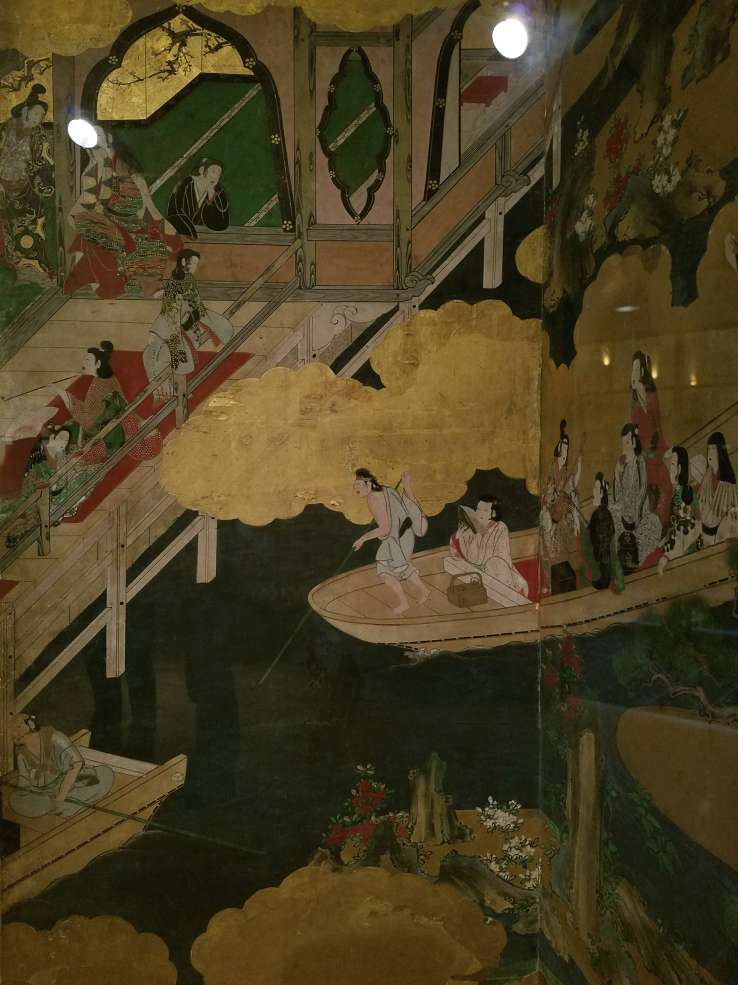
 Six-fold screen, gold and pigment on paper (detail)




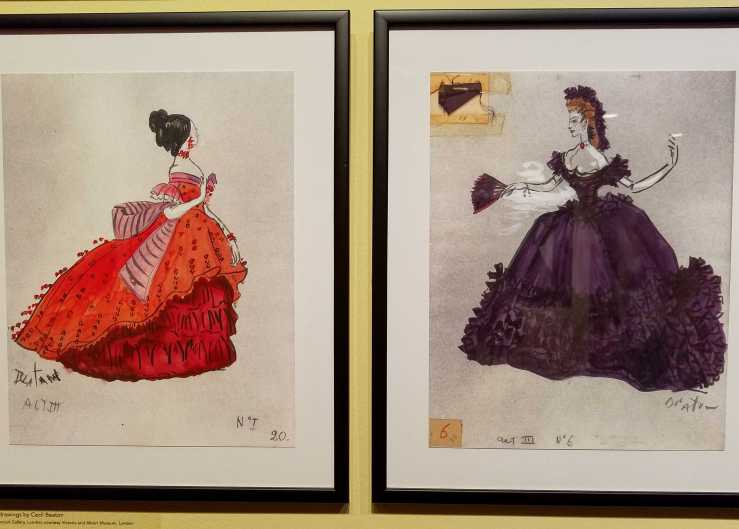
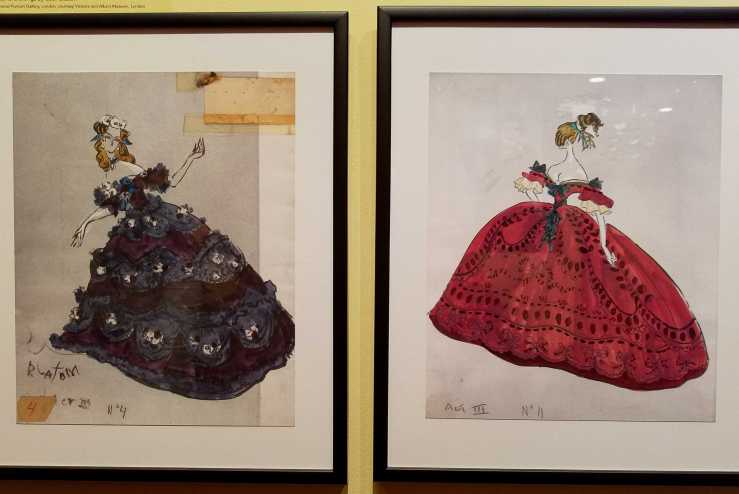


 Cecil Beaton photographed his La Traviata costume designs for the September 15, 1966 issue of Vogue magazine.


 Otis Allen Bullard (1816-1853)
 Emily Dickinson (1830-1886)
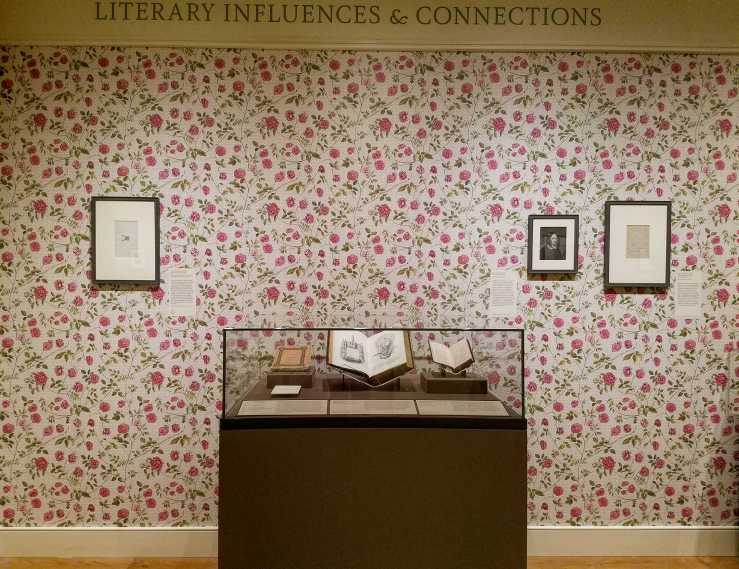 The entire gallery was lined with floral wallpaper from Emily Dickinson’s bedroom in Amherst.
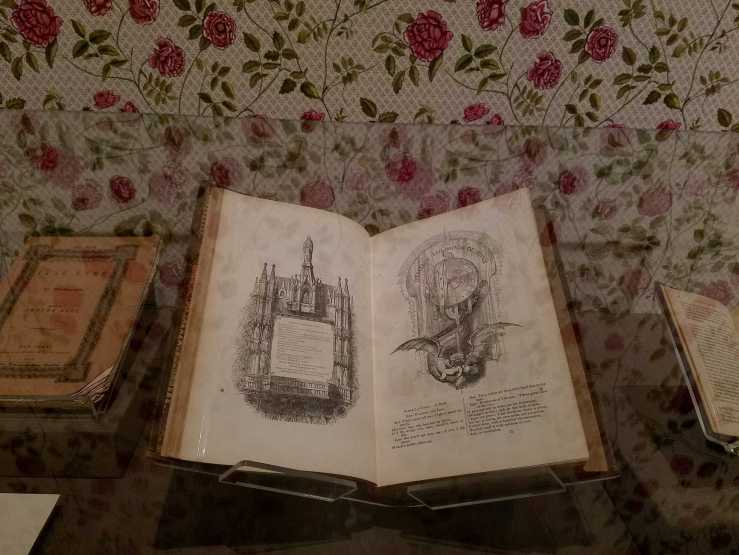 William Shakespeare (1564-1616)
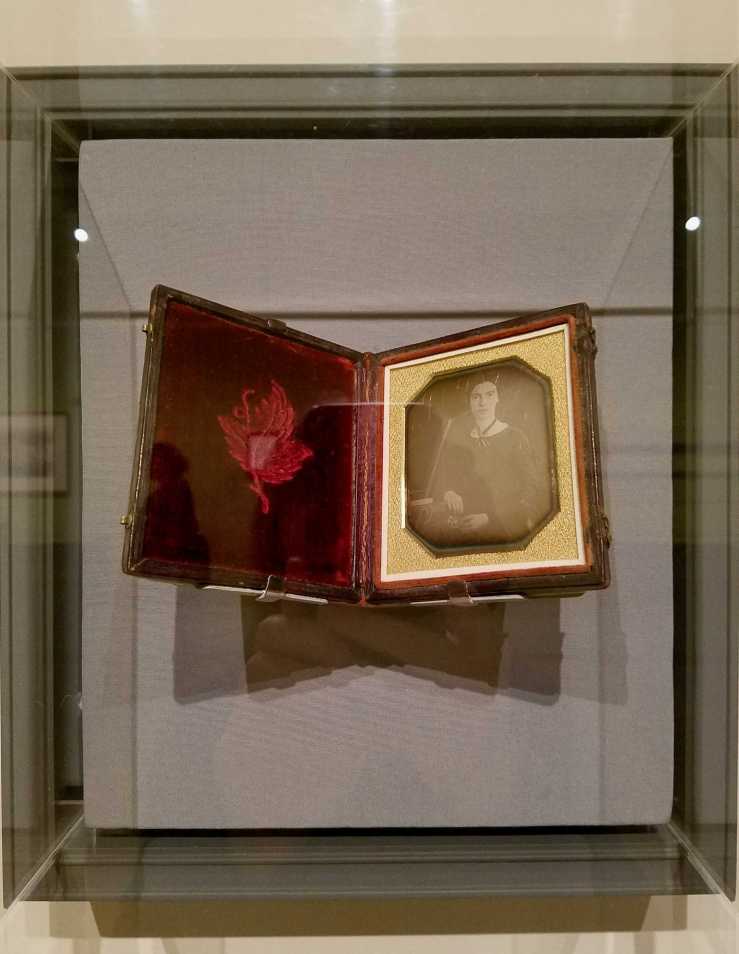 Photographer unknown
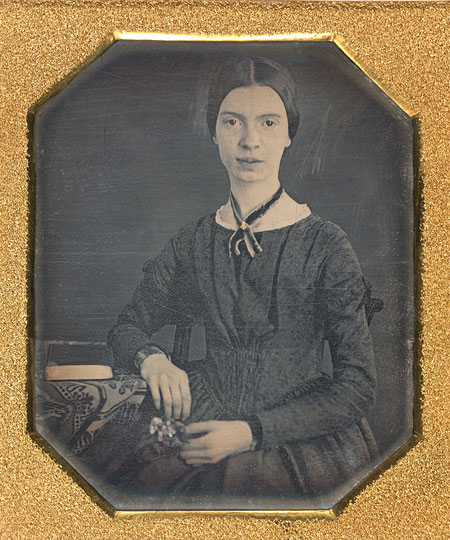
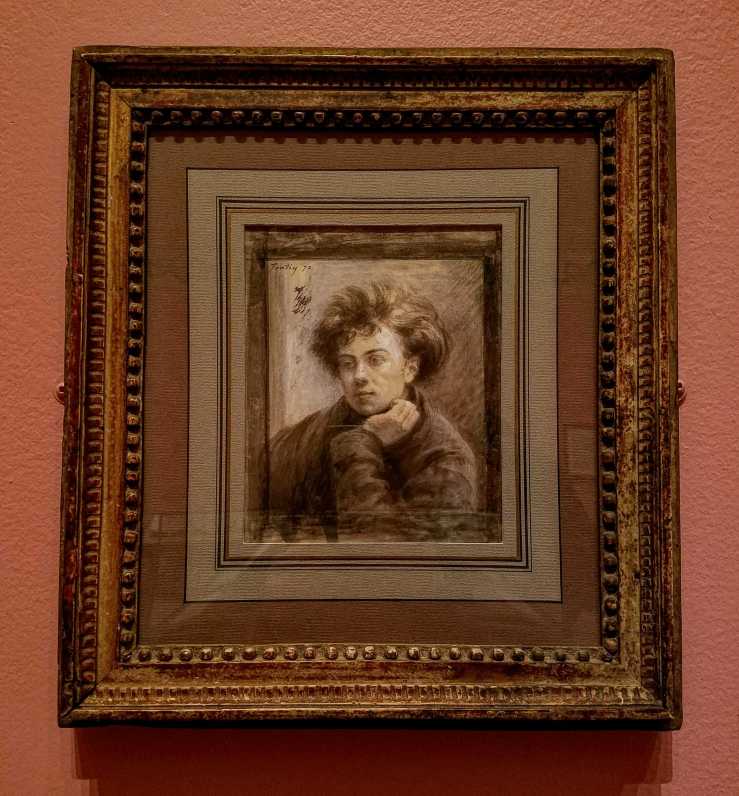 Henri Fantin-Latour (1836-1904)
 Odilon Redon (1840-1916)
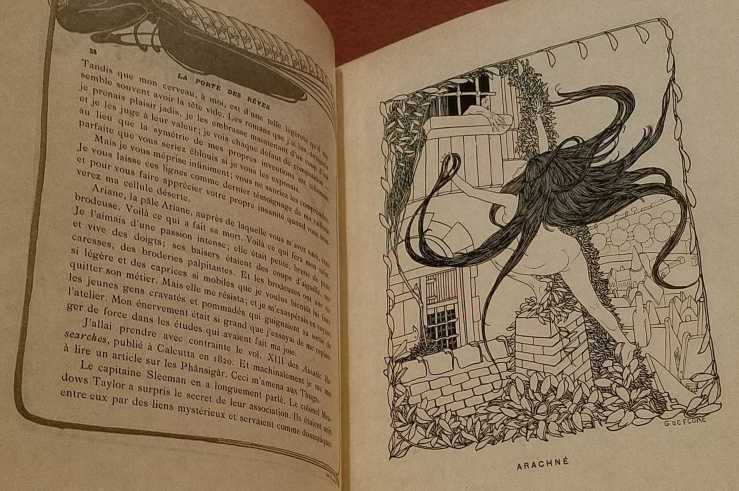 Marcel Schwob (1867-1905)
 Odilon Redon (1840-1916)
 This is ”Sentient Veil”, a sculptural sound piece created in 2017, by Philip Beesley (b. 1956). Small glass ampules containing gold and blue liquids hang in clusters from a digitally fabricated textile, along with LED lighting and miniature acoustic resonators. “Sentient Veil” is silent until visitors enter the gallery; movement in the room triggers a mixture of whispers, mechanical clicks and gentle tones, creating a quiet chorus.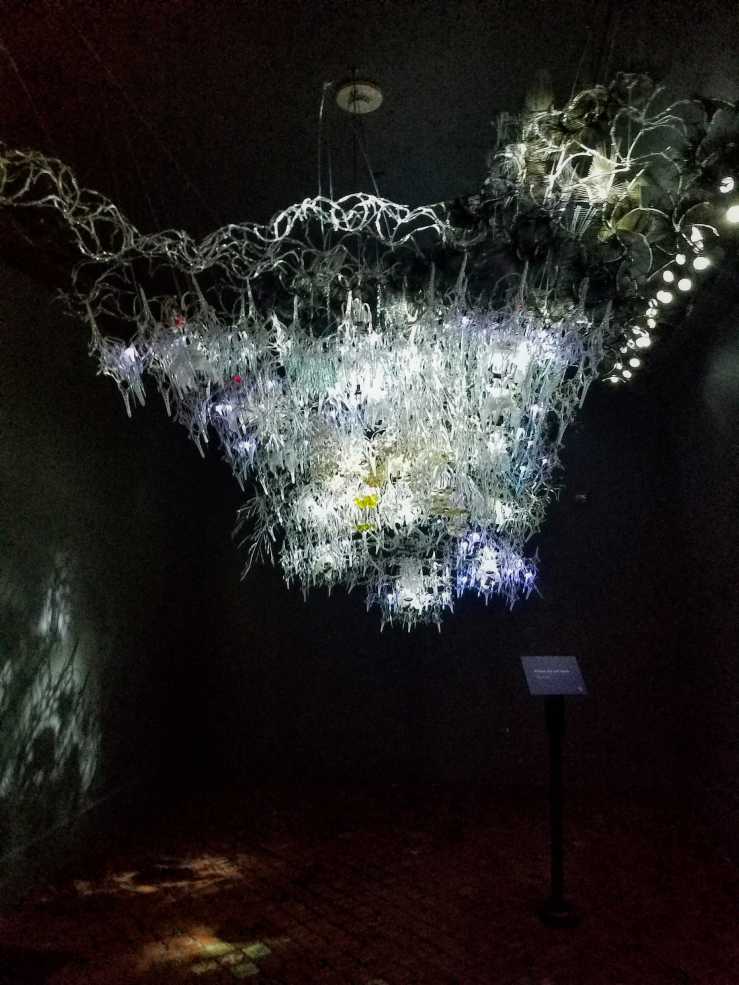

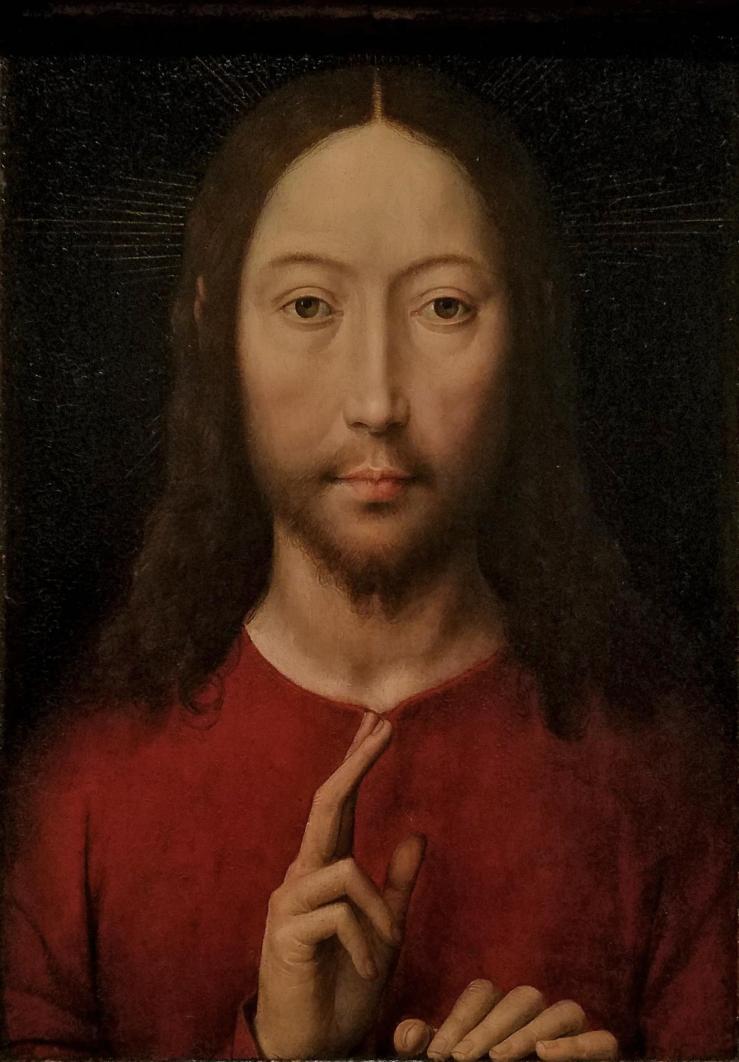 Hans Memling

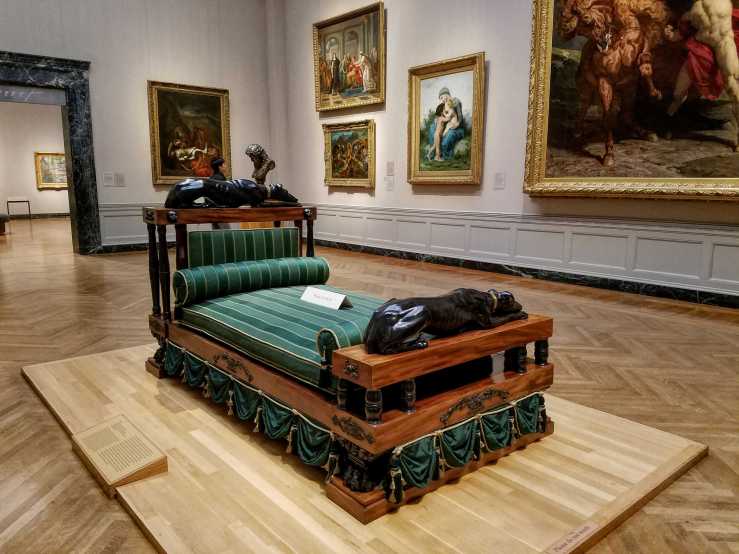 Bed
Bed  This bed is among the most original pieces of English Regency furniture. Dominant in English interiors from about 1800 to 1830, the Regency style perpetuated the classical taste of the late 18th century but was more academic and archaeologically correct. This bed closely resembles furnishings designed by Thomas Hope – collector, connoisseur and a pivotal figure in the classical revival of Regency England- for one of his residences. Its architectural form and bronze mounts derive from ancient and Renaissance models. The greyhounds, however, are inspired by medieval tomb sculpture and exemplify the more romantic interpretation of historical sources characteristic of Hope’s influential furniture designs. The bed may have been used for resting – a day bed – or for sleeping.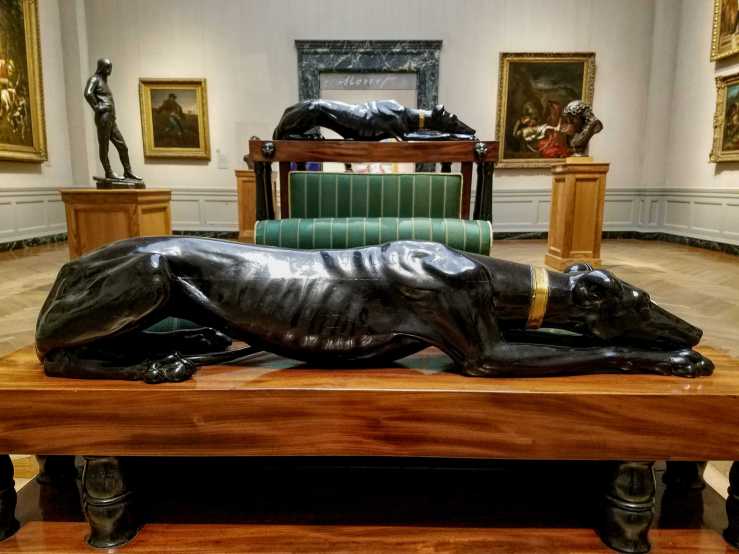










 Judy Dater
 The Humble Fabulist