A frosty cool day in March @ Lincoln Center, Manhattan West
March 2nd, 2019
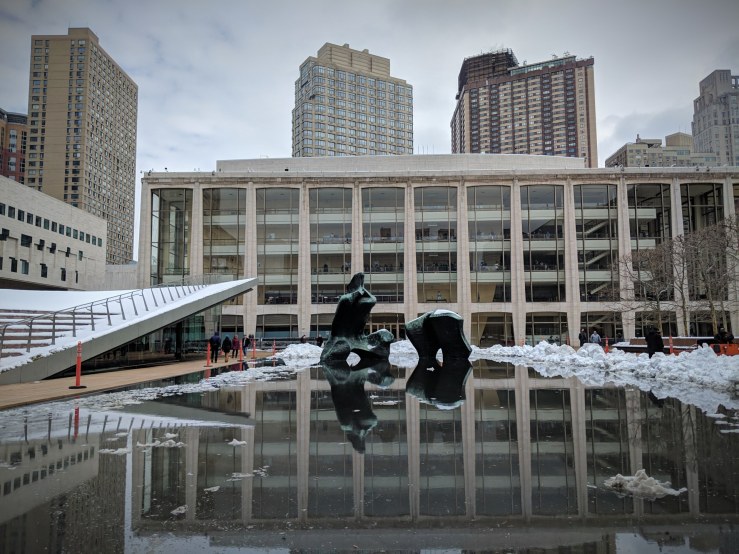
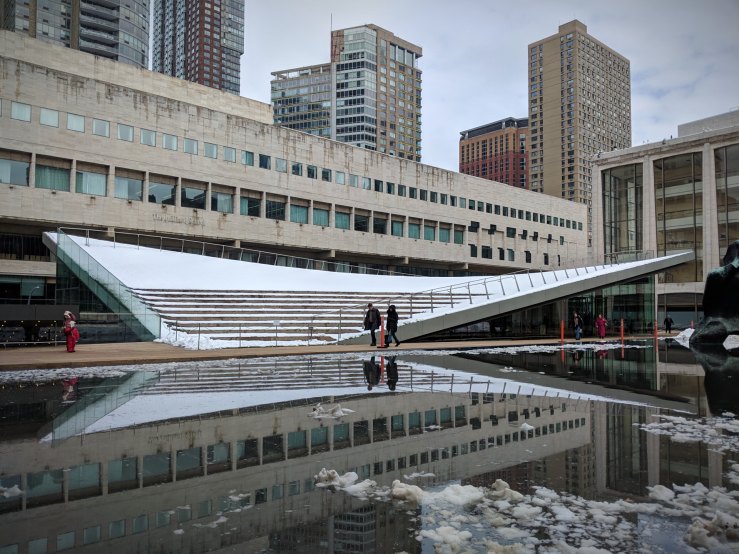
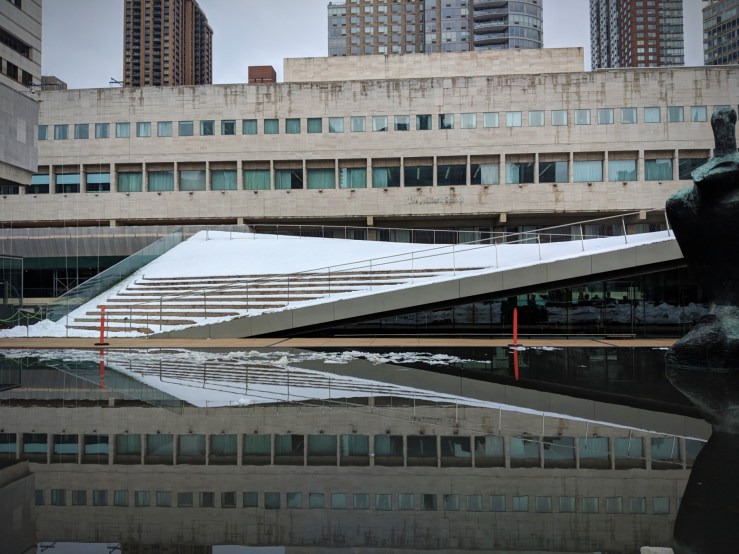
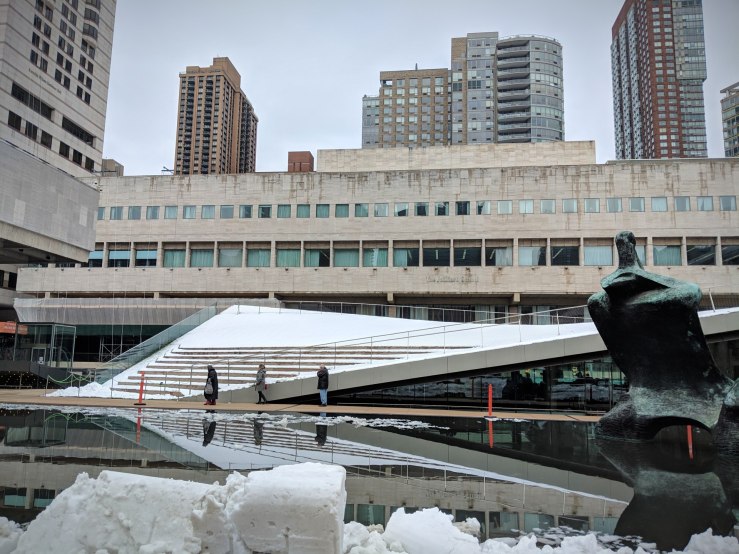
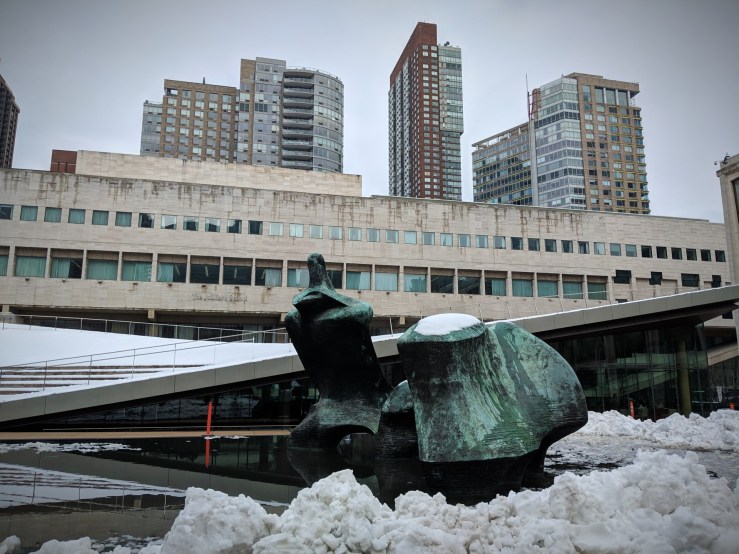
A frosty cool day in March @ Lincoln Center, Manhattan West
March 2nd, 2019
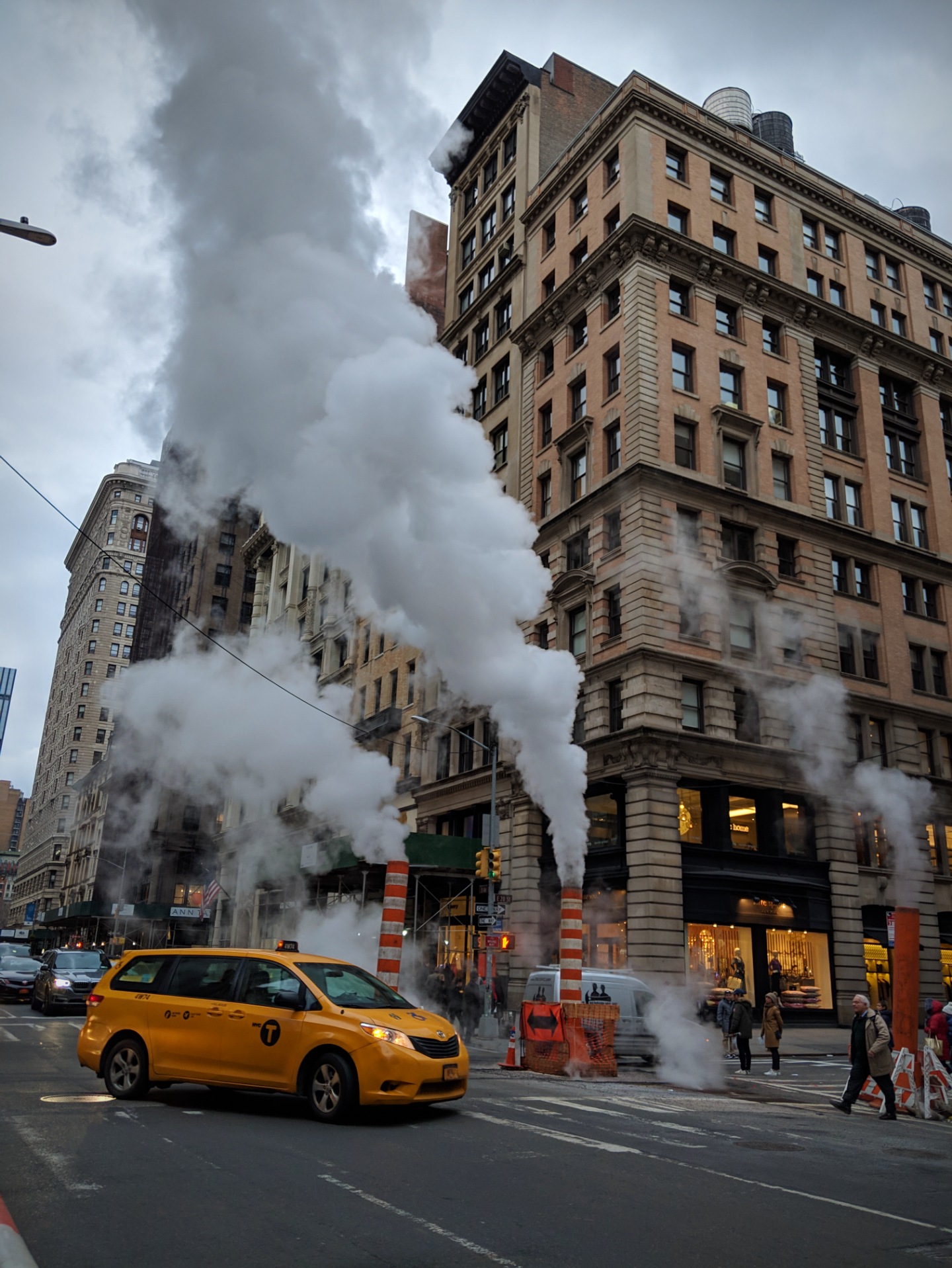
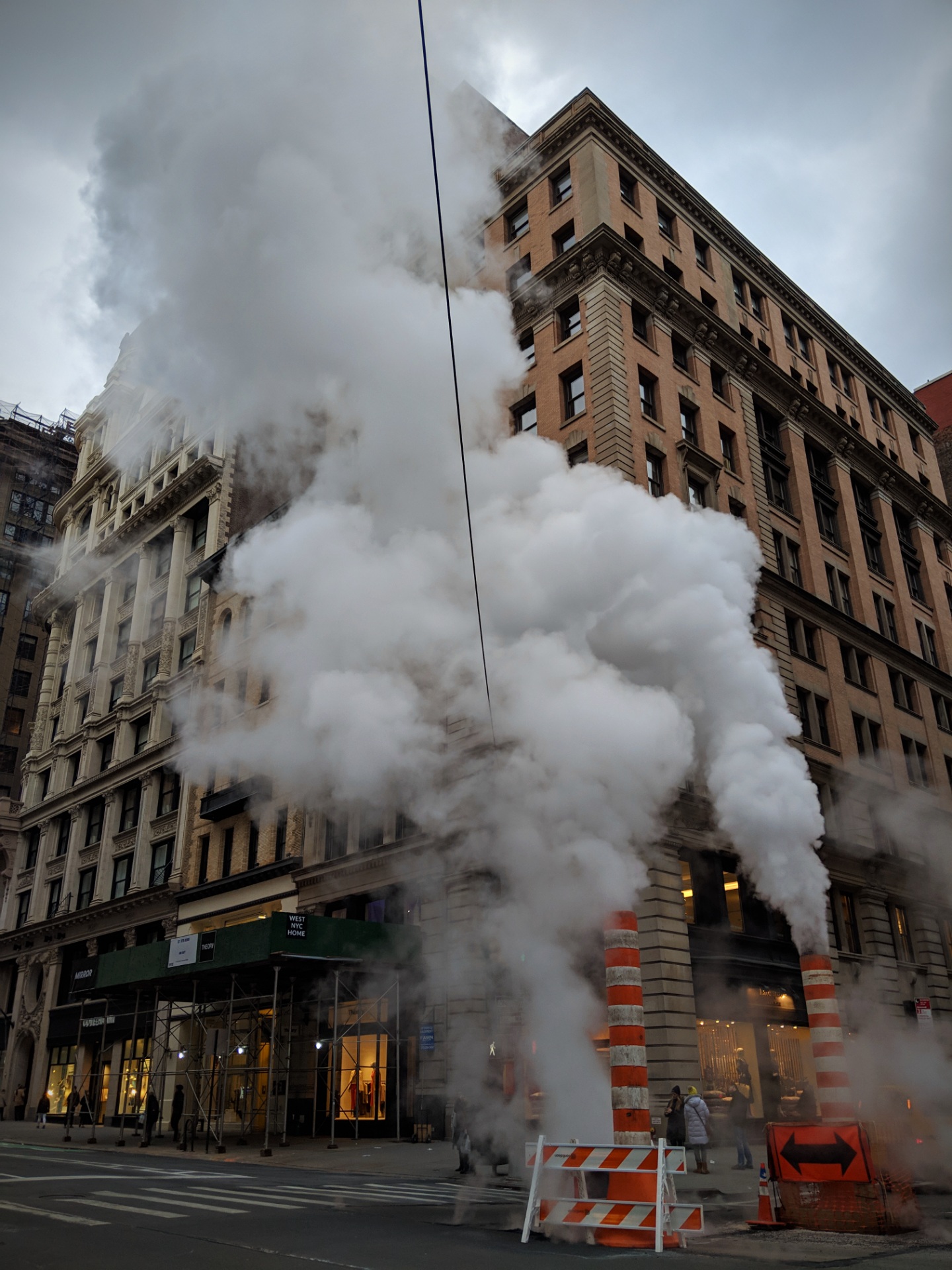
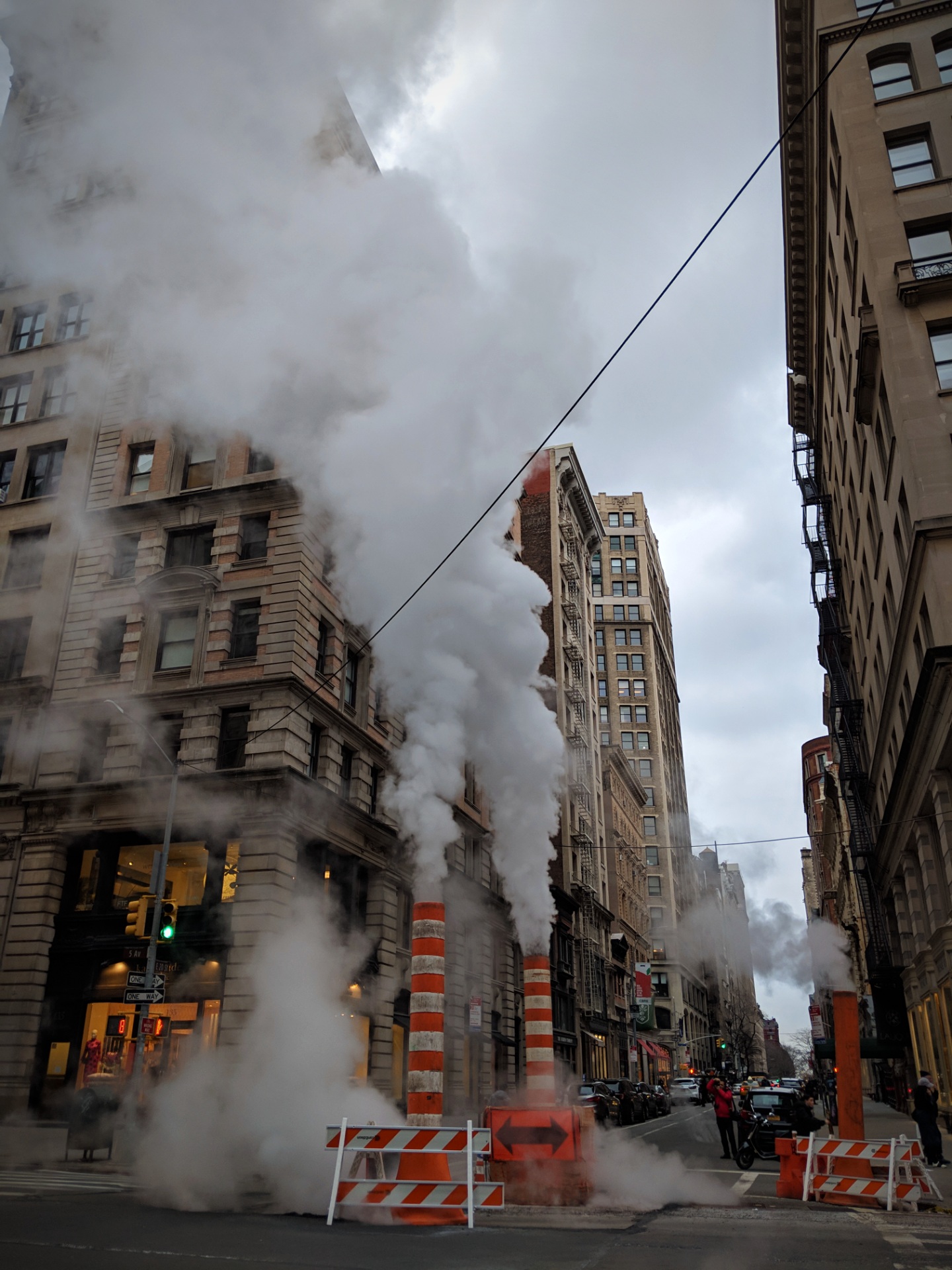

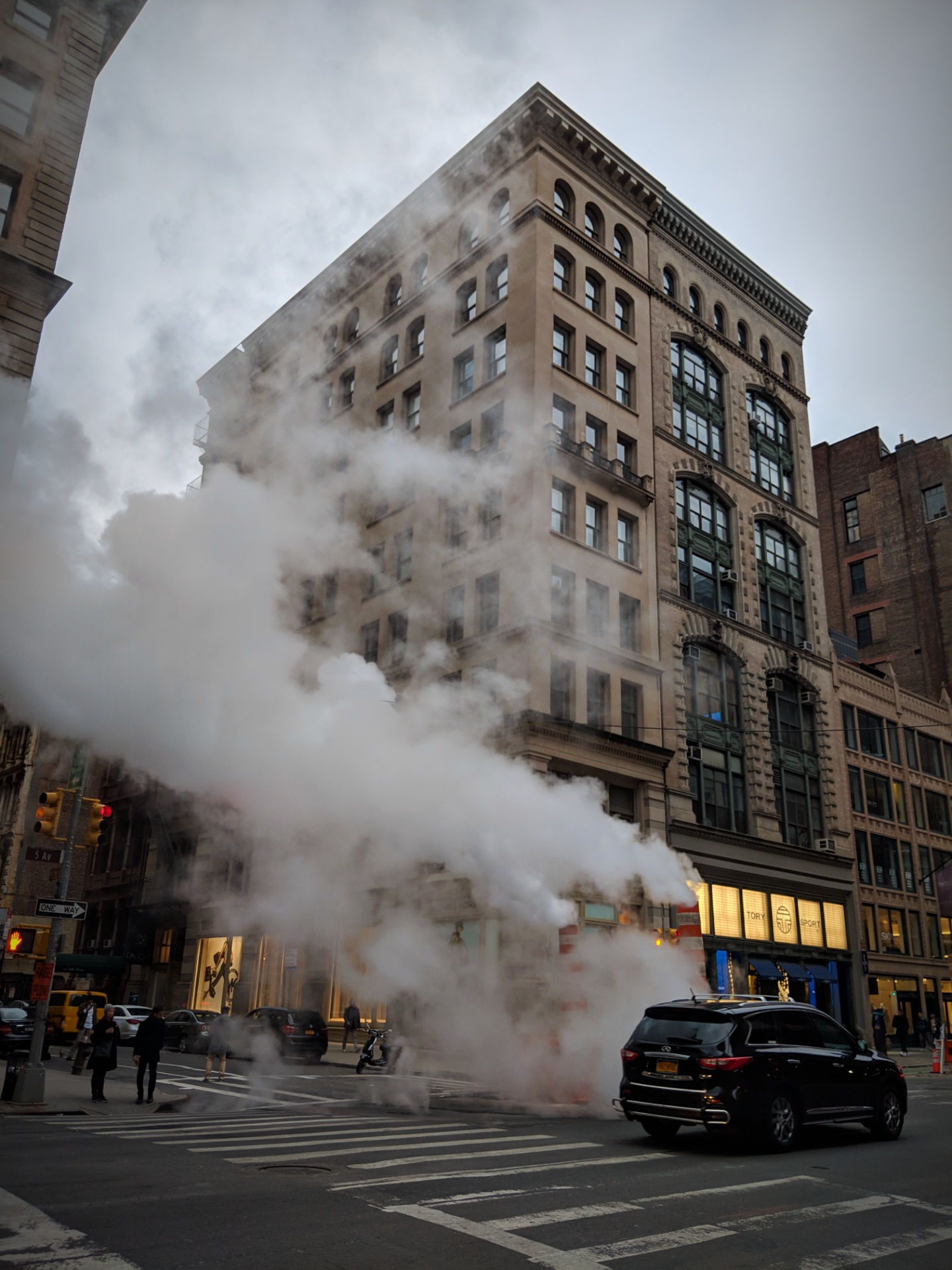
Manhattan, N.Y.C.
February 23rd, 2019
Of the City that was
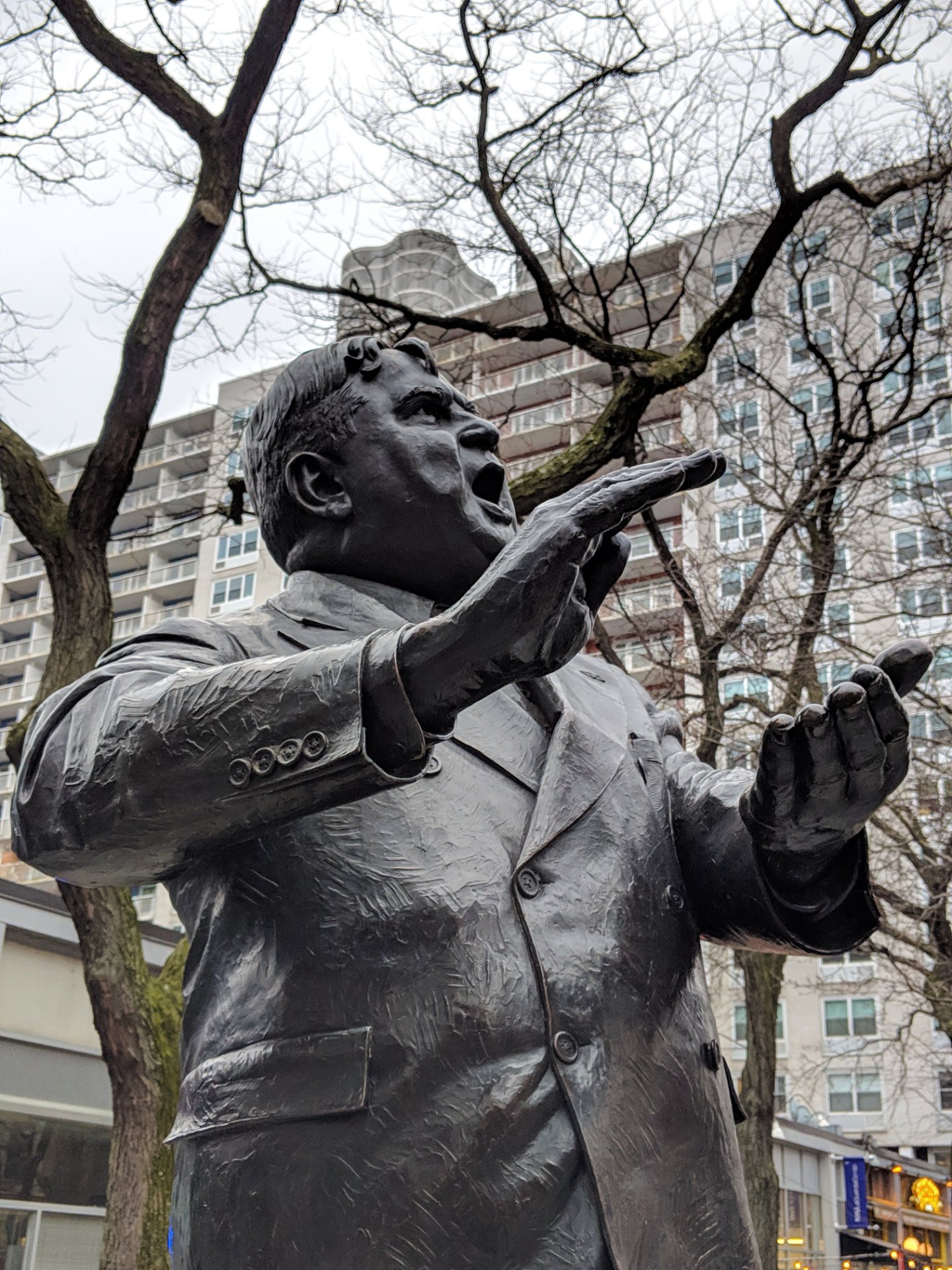
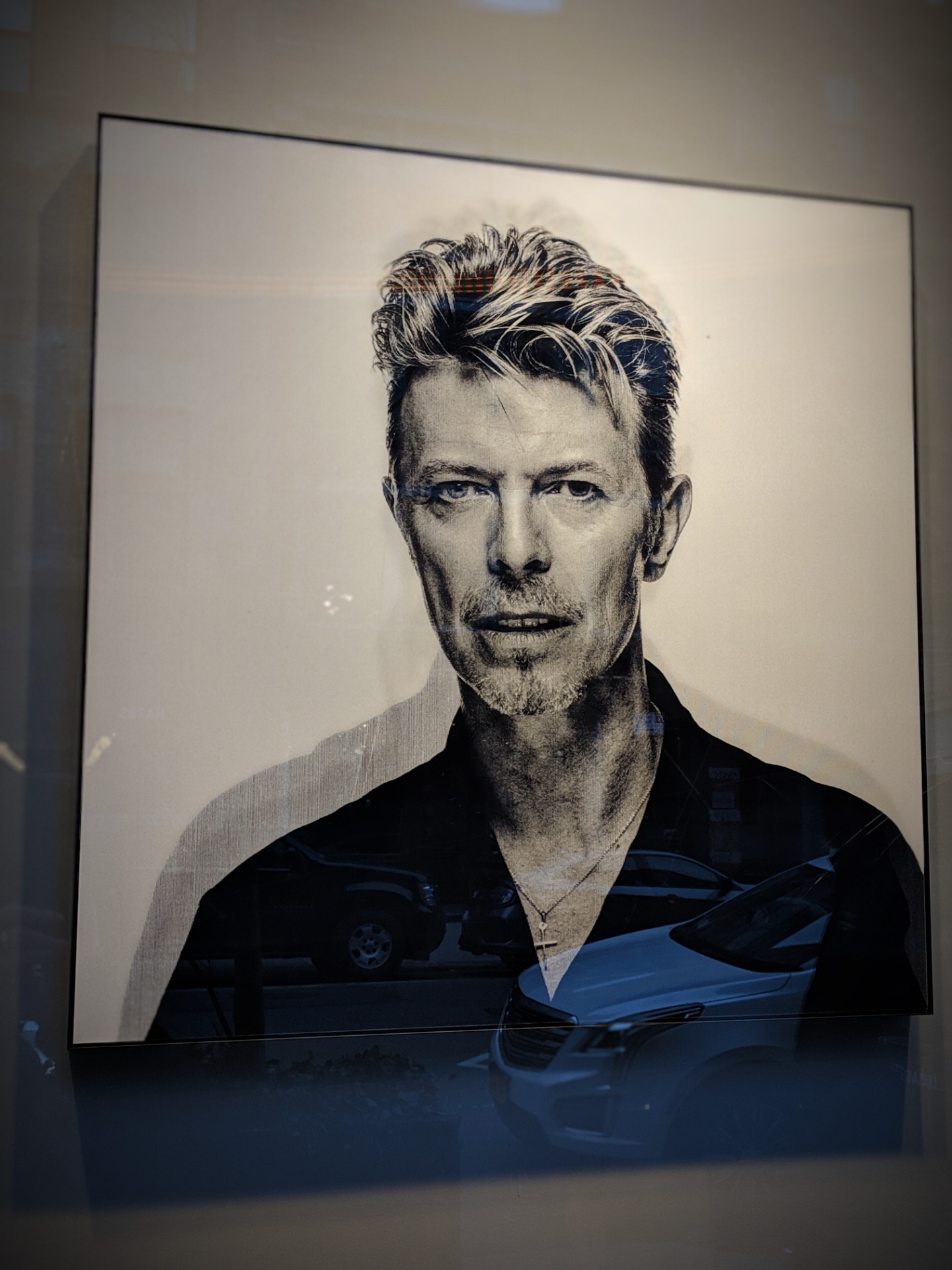
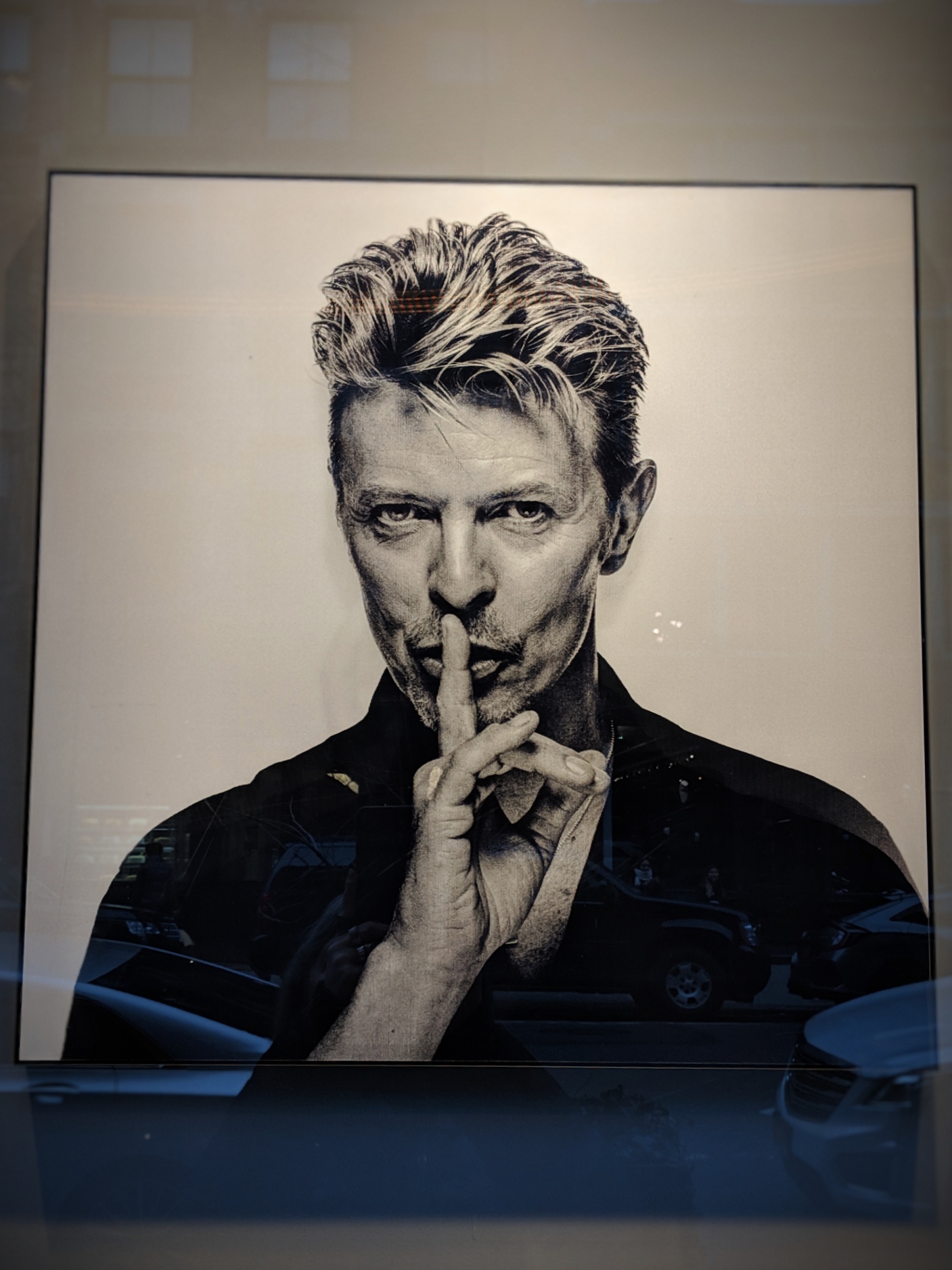
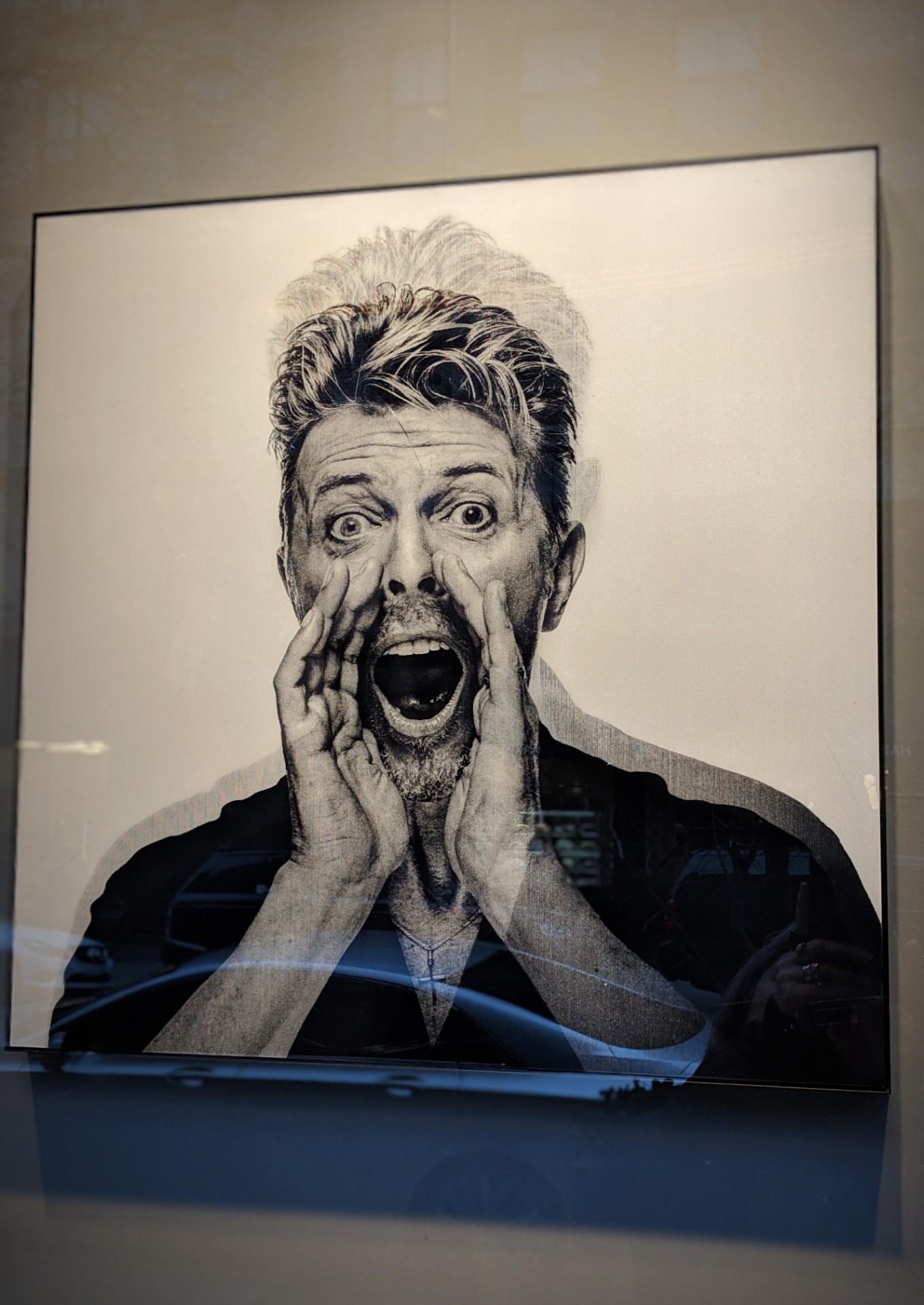
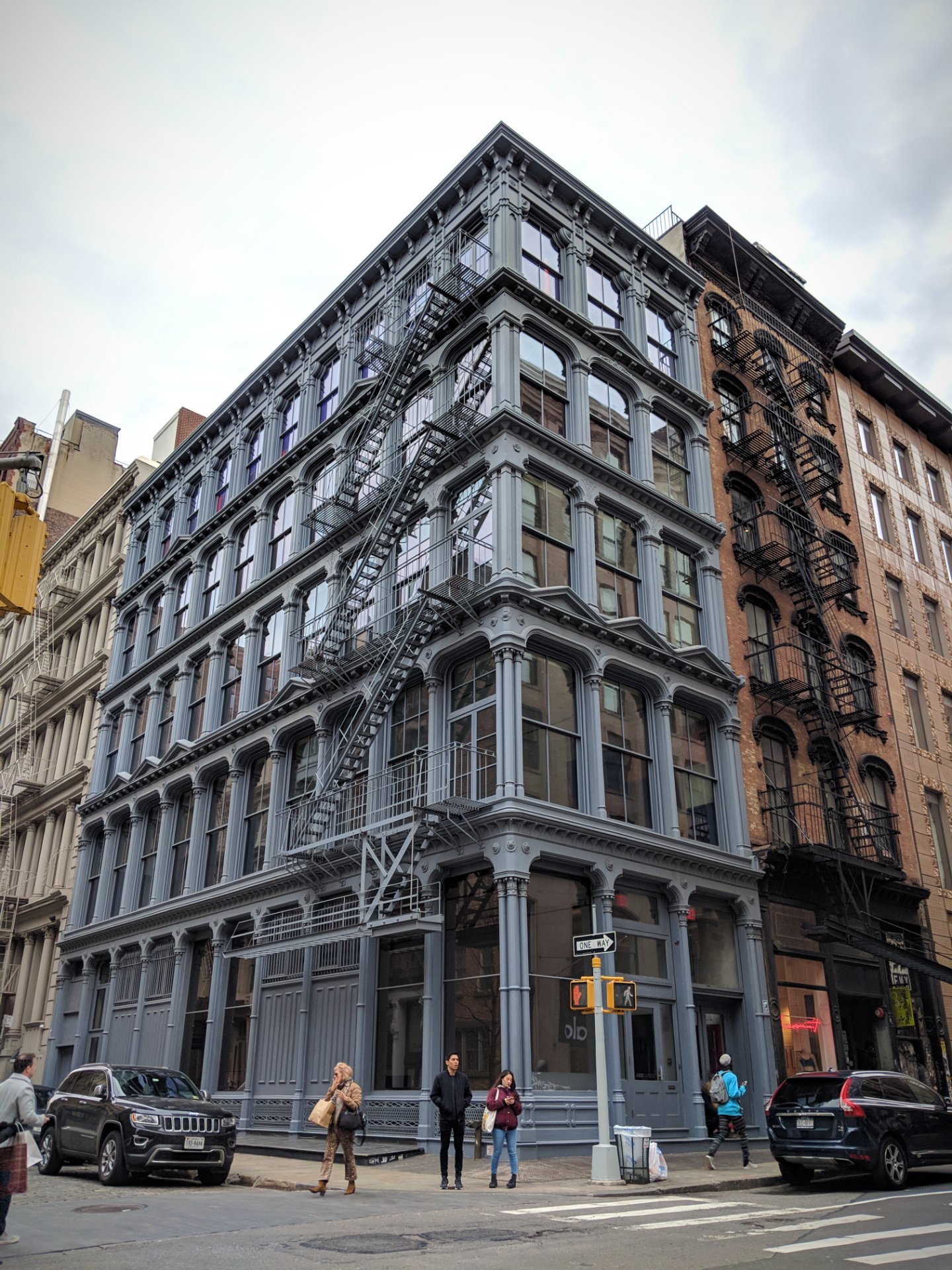
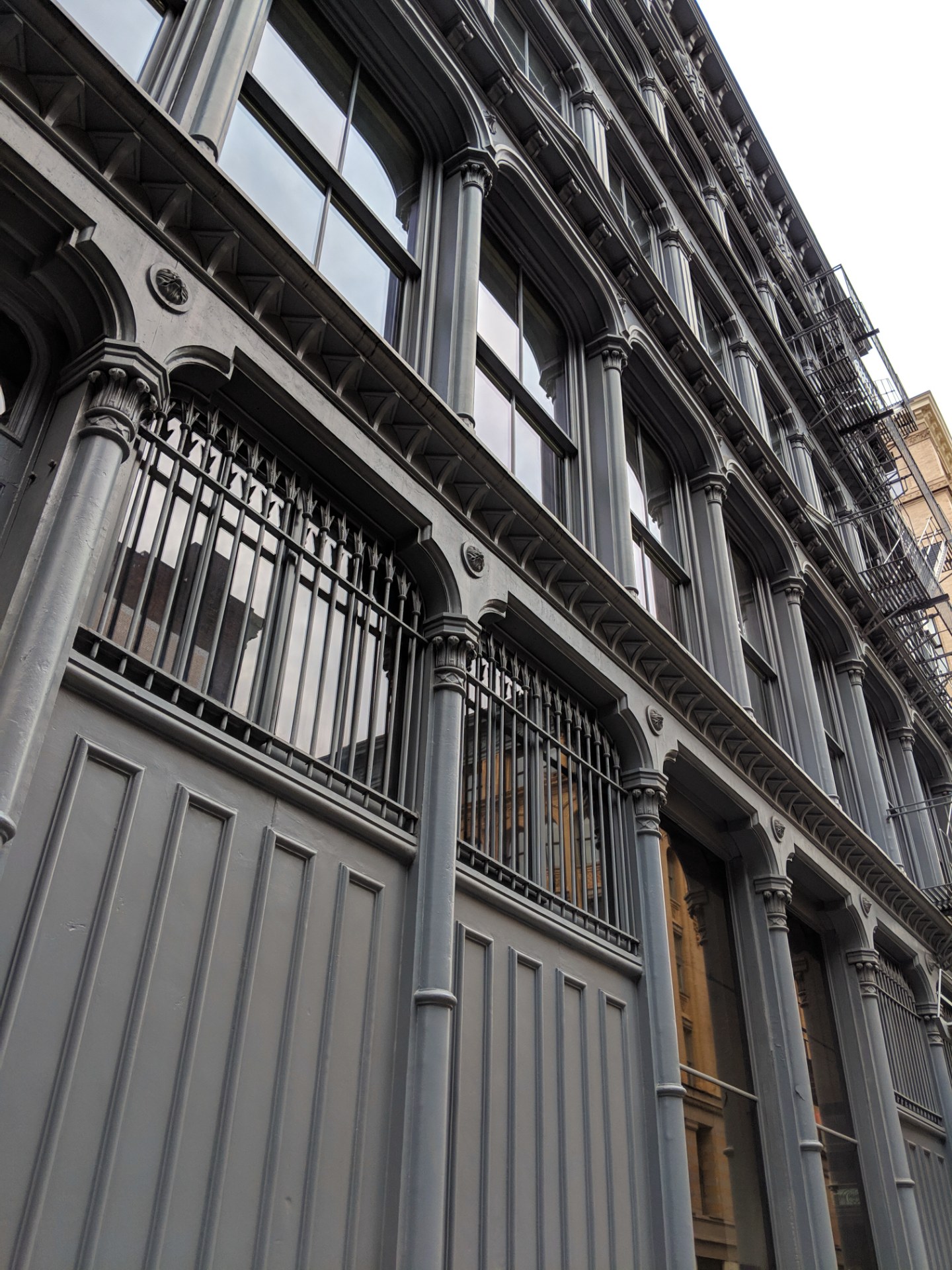
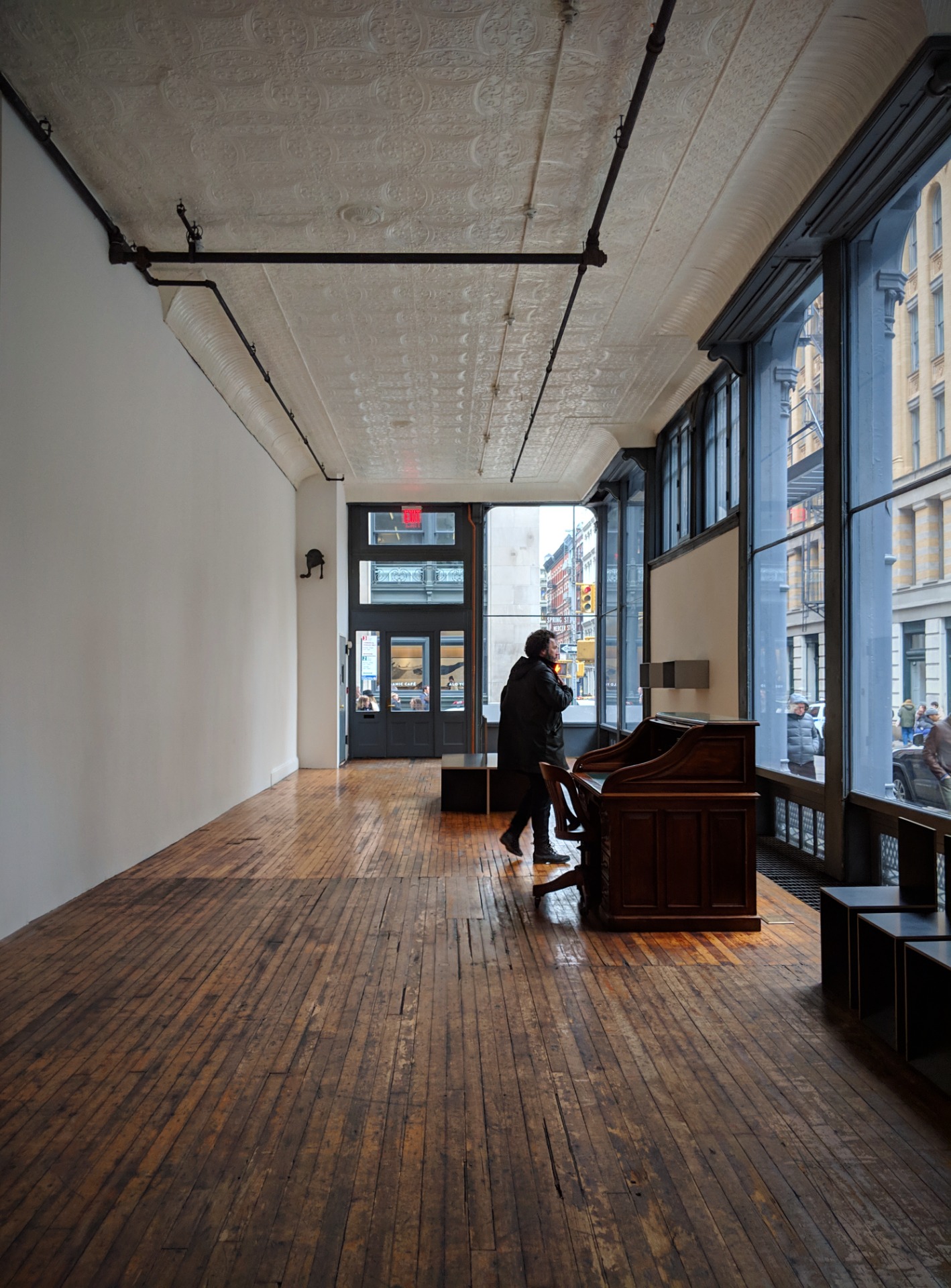
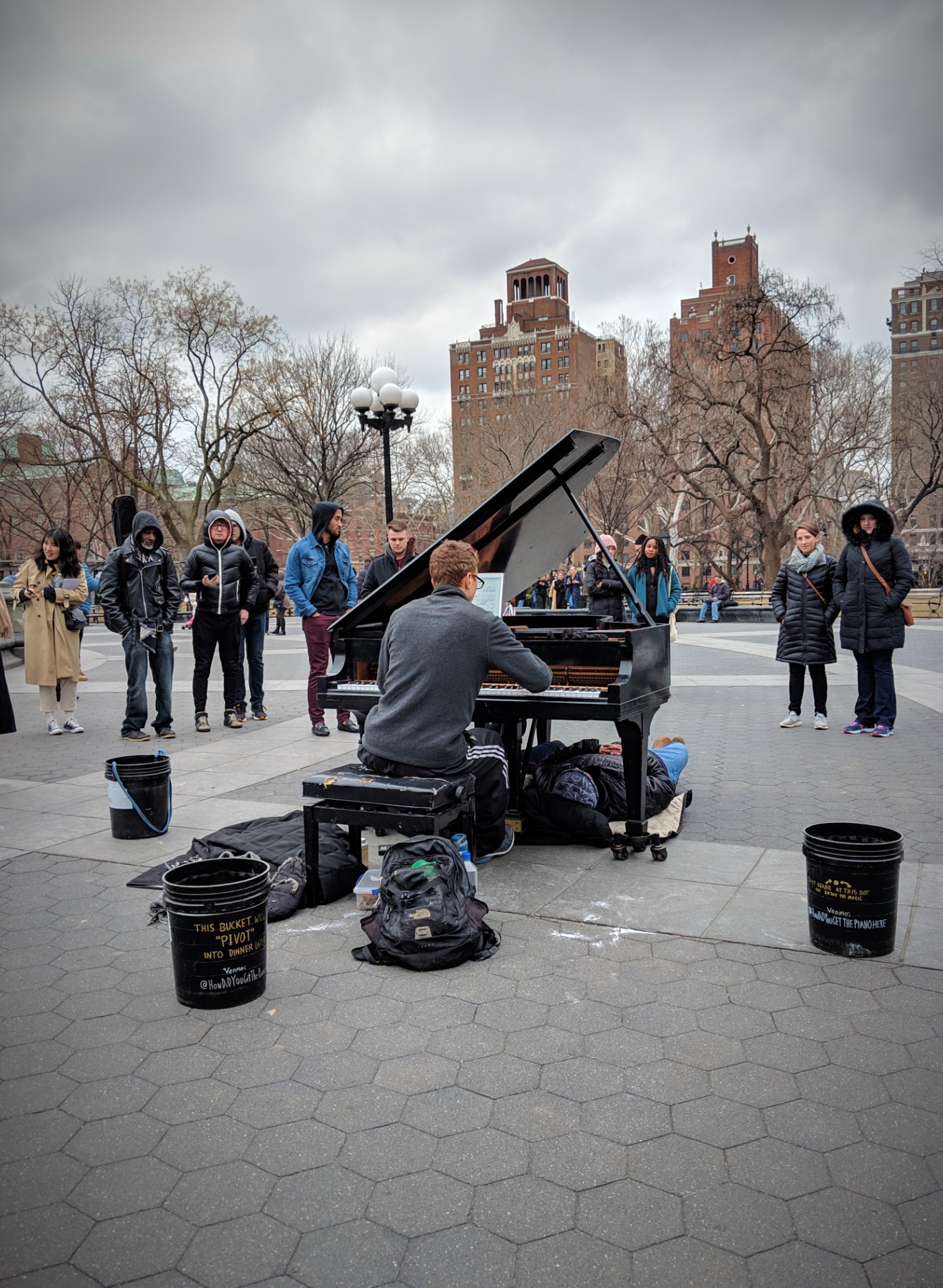
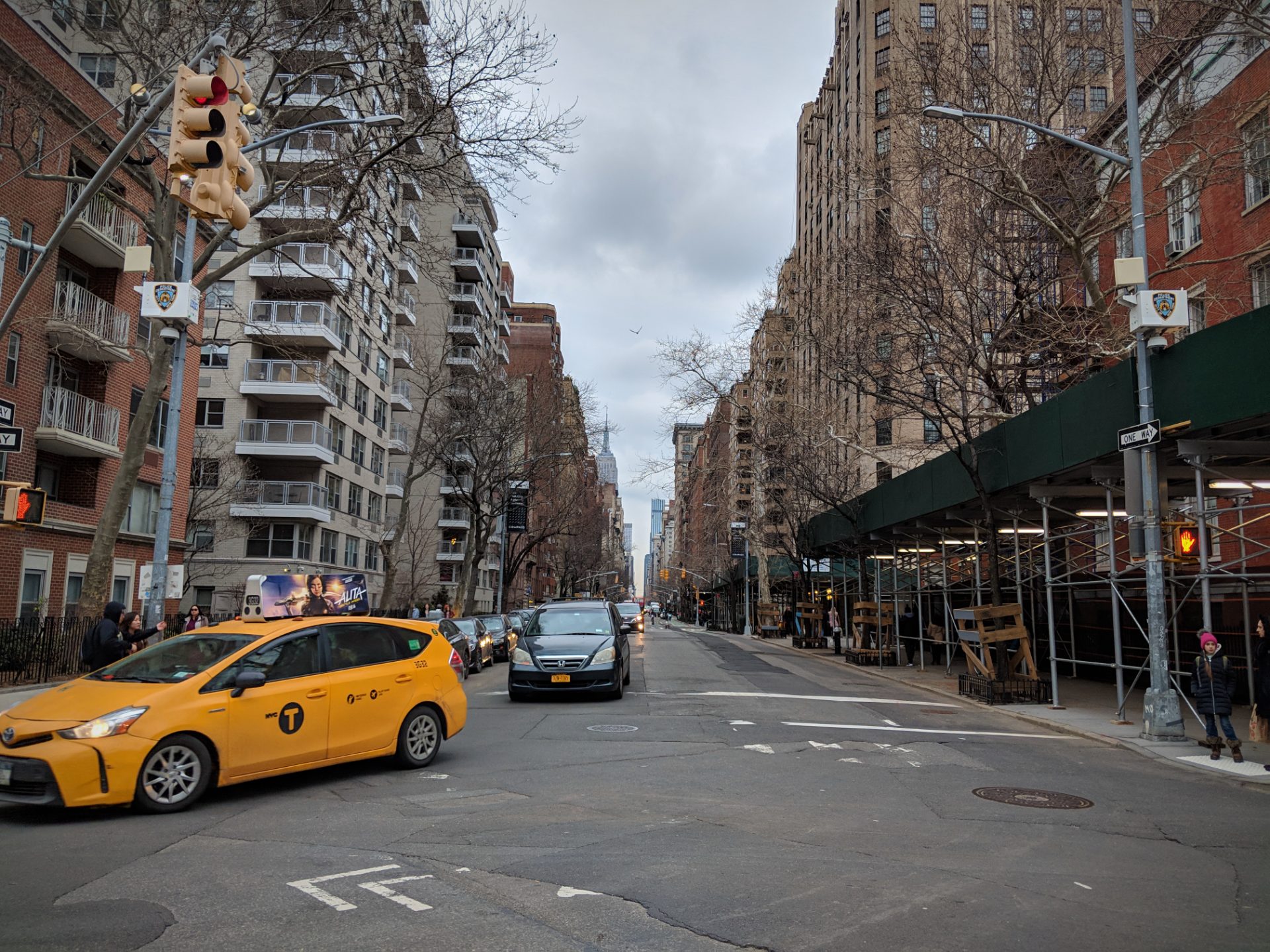

Soho – Washington Square Park – Flatiron
February 23rd, 2019
In case you Missed it!
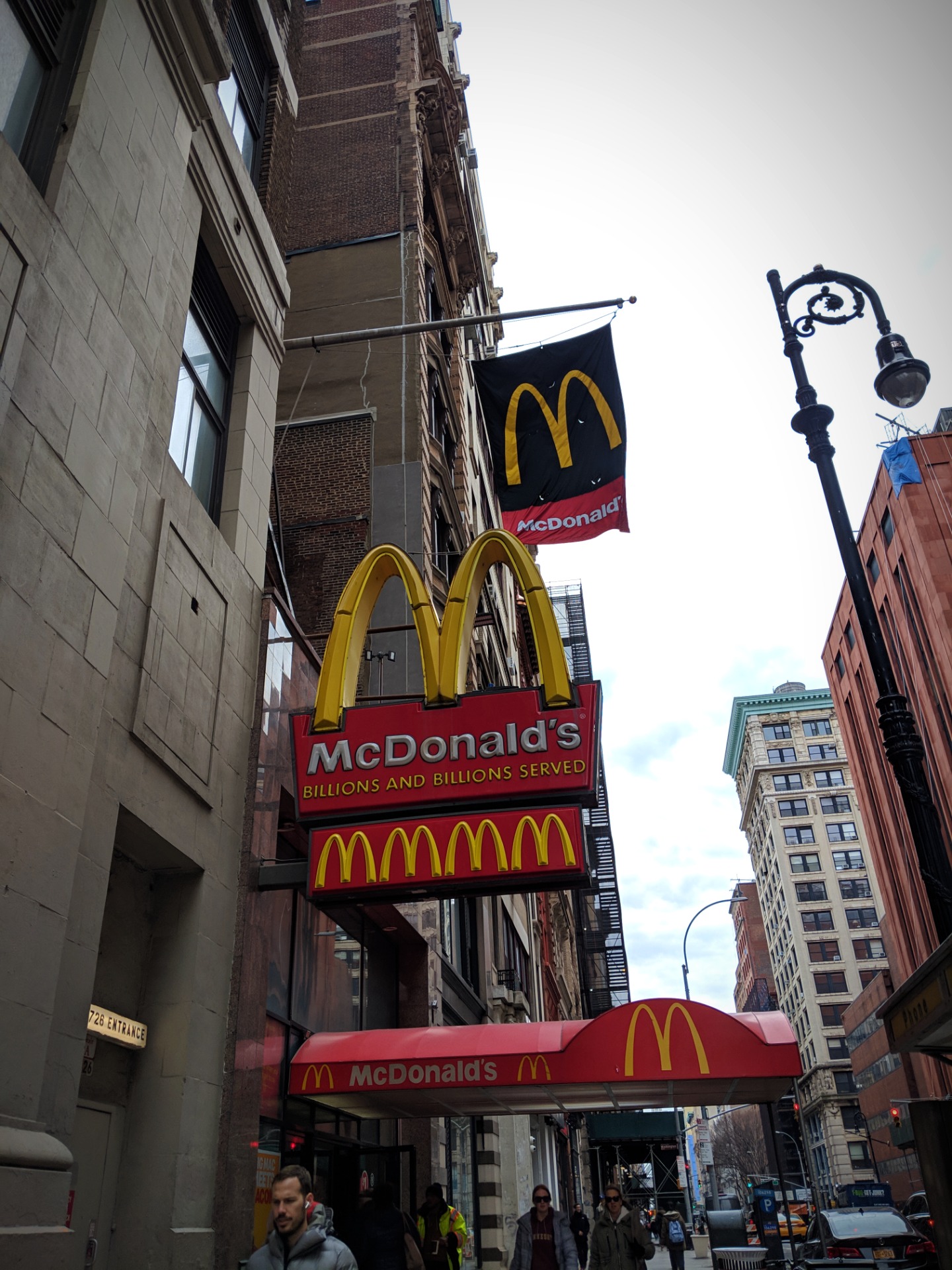
Soho, N.Y.C
February 23rd, 2019
250 cubic yards of earth (197 cubic meters)
3,600 square feet of floor space (335 square meters)
22 inch depth of material (56 centimeters)
Total weight of sculpture: 280,000 lbs. (127,300 kilos)
In a loft at 141 Wooster Street, Manhattan


And a glimpse of ”The Broken Kilometer”, 1979. Located at 393 West Broadway in New York City, is composed of 500 highly polished, round, solid brass rods, each measuring two meters in length and five centimeters (two inches) in diameter. The 500 rods are placed in five parallel rows of 100 rods each. The sculpture weighs 18 3/4 tons and would measure 3,280 feet if all the elements were laid end-to-end.


”The New York Earth Room” and ”The Broken Kilometer” are works by Walter De Maria, both managed by Dia: Photography is not permitted, but you can find better images and notes on the Dia: website
February 17th, 2019
In the foreground Kodak Stereo 1954 – 1959
 View-Master Personal Stereo Camera (1952)
In late 1939, the View-Master was introduced at the New York World’s Fair. It was intended as an alternative to the scenic postcard, and was originally sold at photography shops, stationery stores, and scenic-attraction gift shops.
The View-Master Personal stereo camera uses 35mm film to produce 69 stereo pairs from a 36 exposure roll of film.
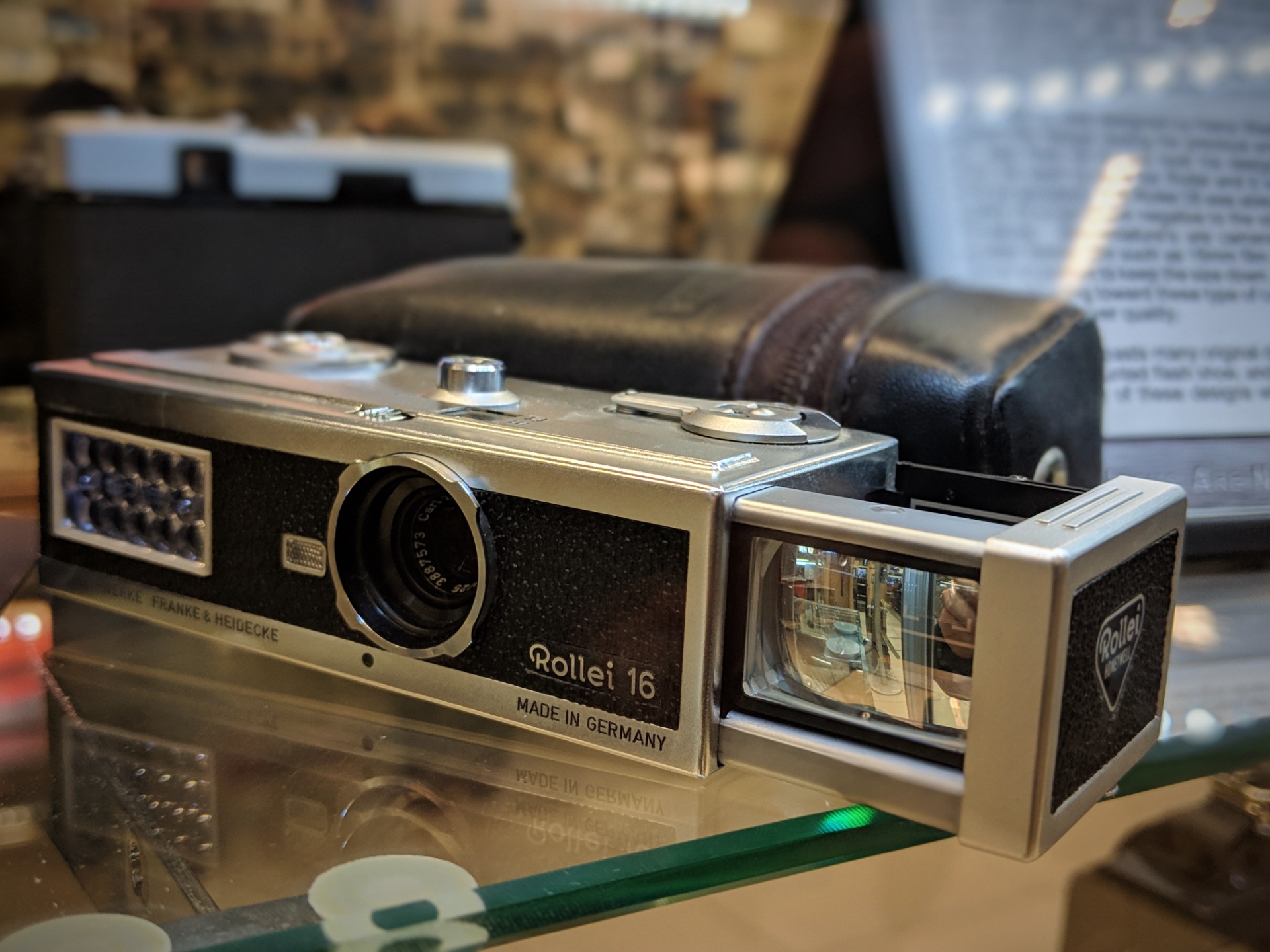 Rollei 16
The Rollei 16 was the Rolls Royce of 16mm still cameras. Beautifully finished, beautifully engineered, very expensive when new, and arguably the best of their kind – among the best made ”subminiature” ever. Introduced in 1966 and produced until 1972, they arrived at the end of the 16mm sub-mini camera craze that flourished after WWII.
 Polaroid SX-70 Land Camera
In 1947, Polaroid introduced its first consumer camera. The Land Camera Model 95 was the first camera to use instant film to quickly produce photographs without developing them in a laboratory.
 Exakta Varex VX
The Exakta Varex had an interchangeable waist or eye-level finder. Most controls, including the shutter release and the film wind lever are on the left-hand side. The film is transported in the opposite direction to other 35mm SLRs.
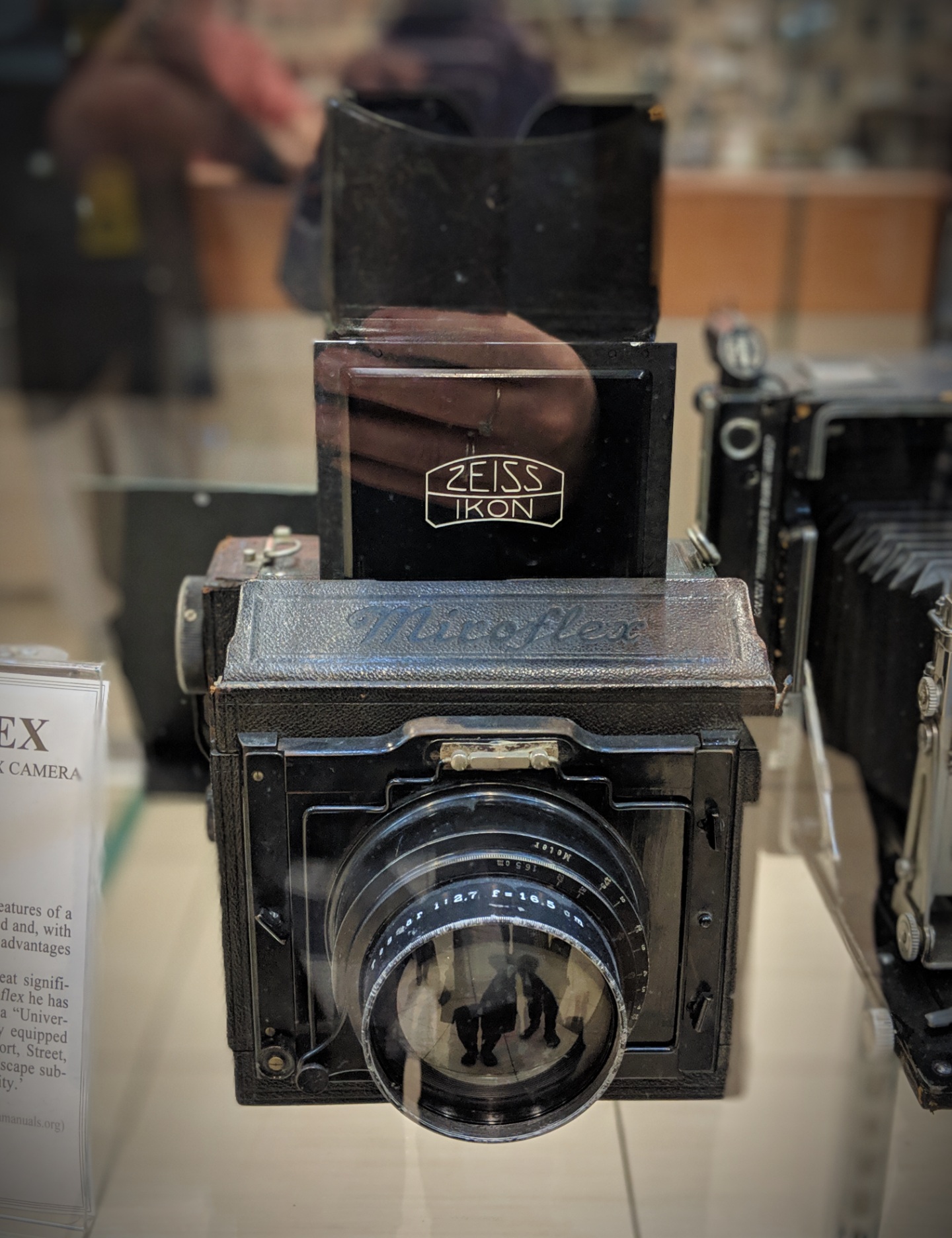 Zeiss Ikon Miroflex
 Brownie Bull’s-Eye
The Brownie Bull’s-Eye was a Bakelite Box camera made by Kodak between 1954 & 1960, designed by Arthur H. Crapsey. The body featured an eye-level viewfinder and a large shutter-release button on the front vertical edge, in front of the winding knob.
B&H photo on 9th Avenue
Brenda Starr, Reporter debuted in June of 1940 and was an immediate hit with young women and girls. Brenda Starr’s name came from a 1930’s debutante, Brenda Frazier, and her body, fashion sense, and persona mirrored leading Hollywood actress, Rita Hayworth, complete with matching long red hair and a curvaceous figure.
At its peak, Brenda Starr, Reporter was included in 250 newspapers and read by more than 60 million readers. When Starr and her long-time “Mystery Man” boyfriend, whose very survival depended on the serum found in the fictitious but famous black orchid, finally married after 36 years in 1976, President Gerald Ford sent a congratulatory telegram. [source]
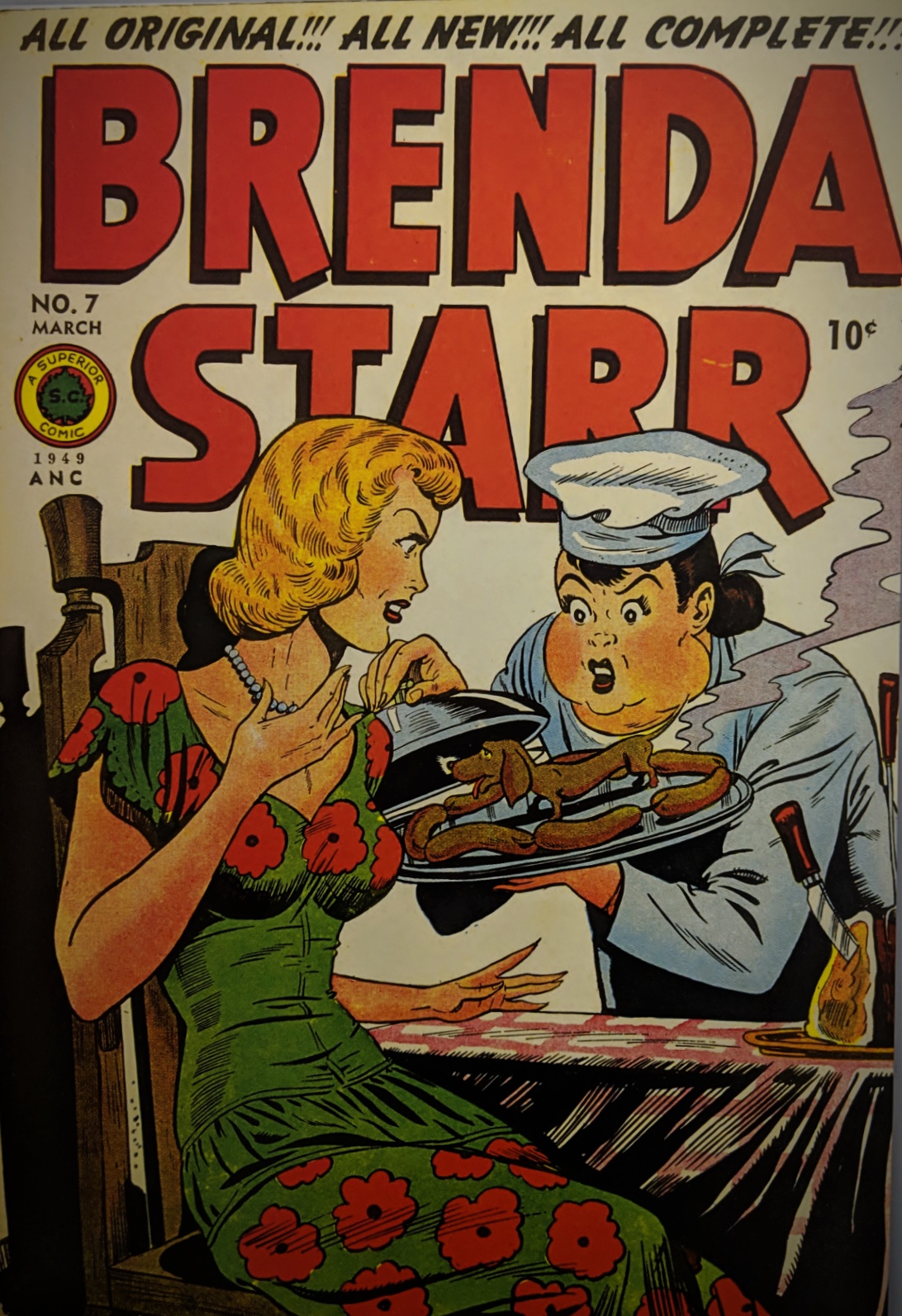
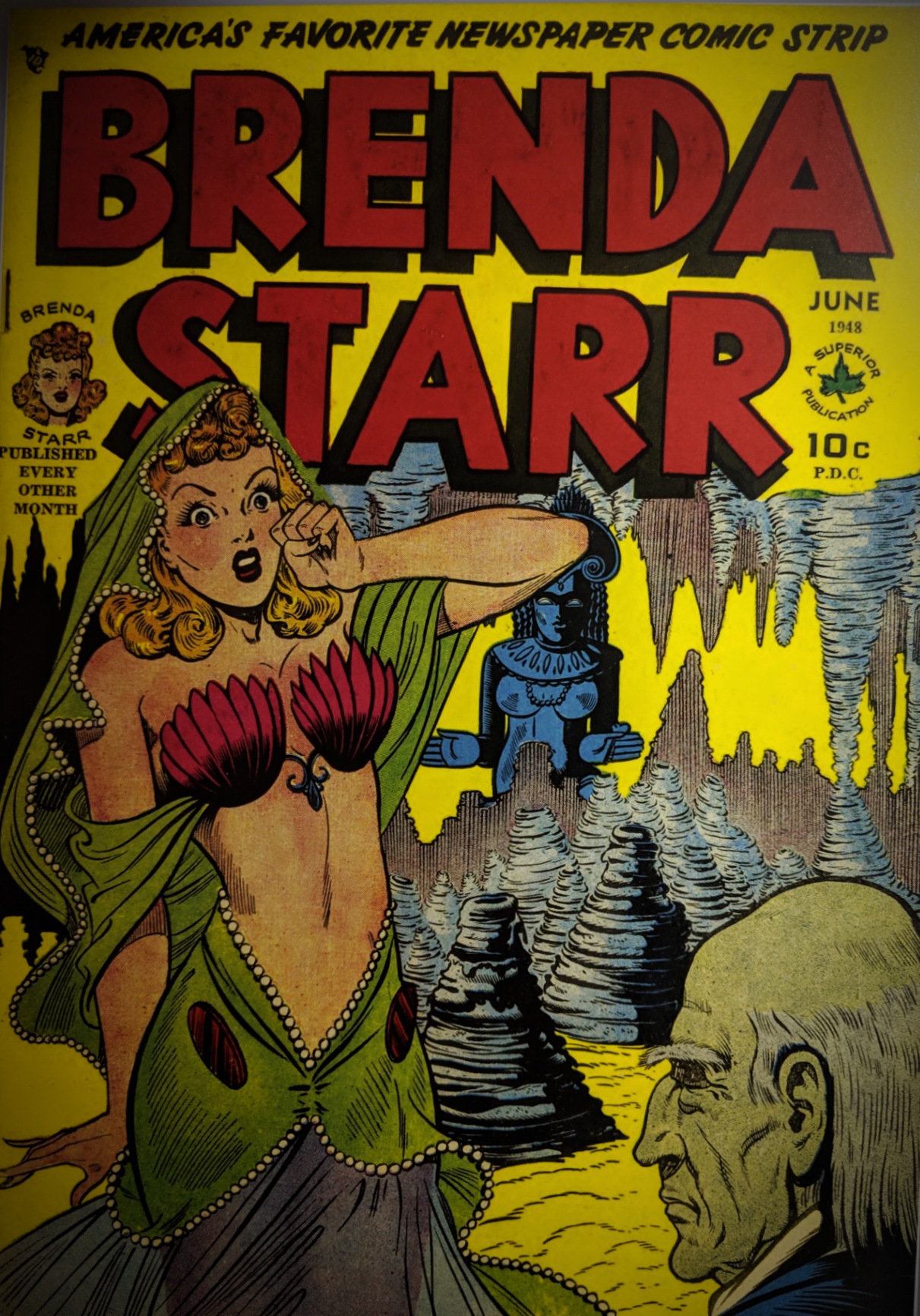
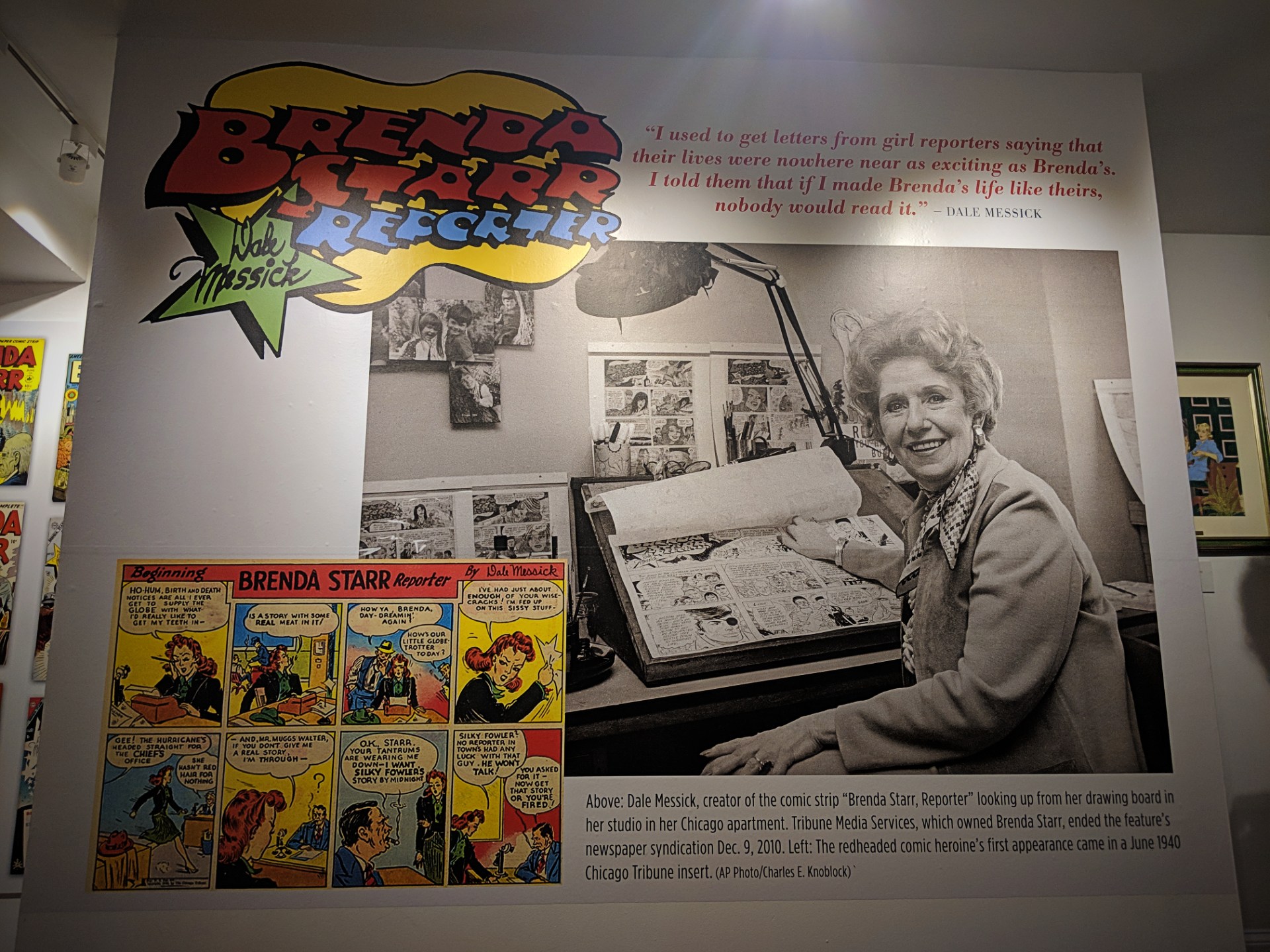
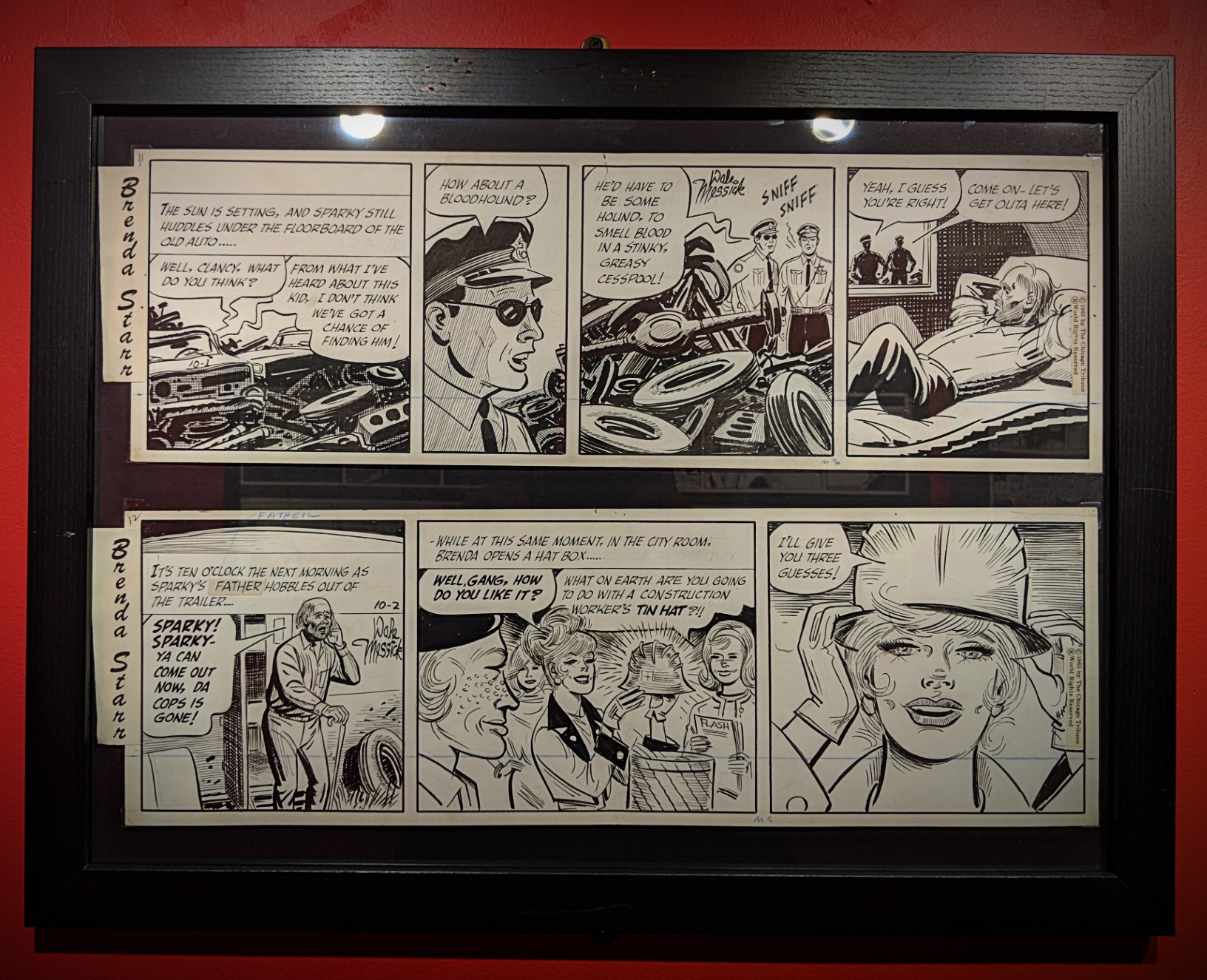
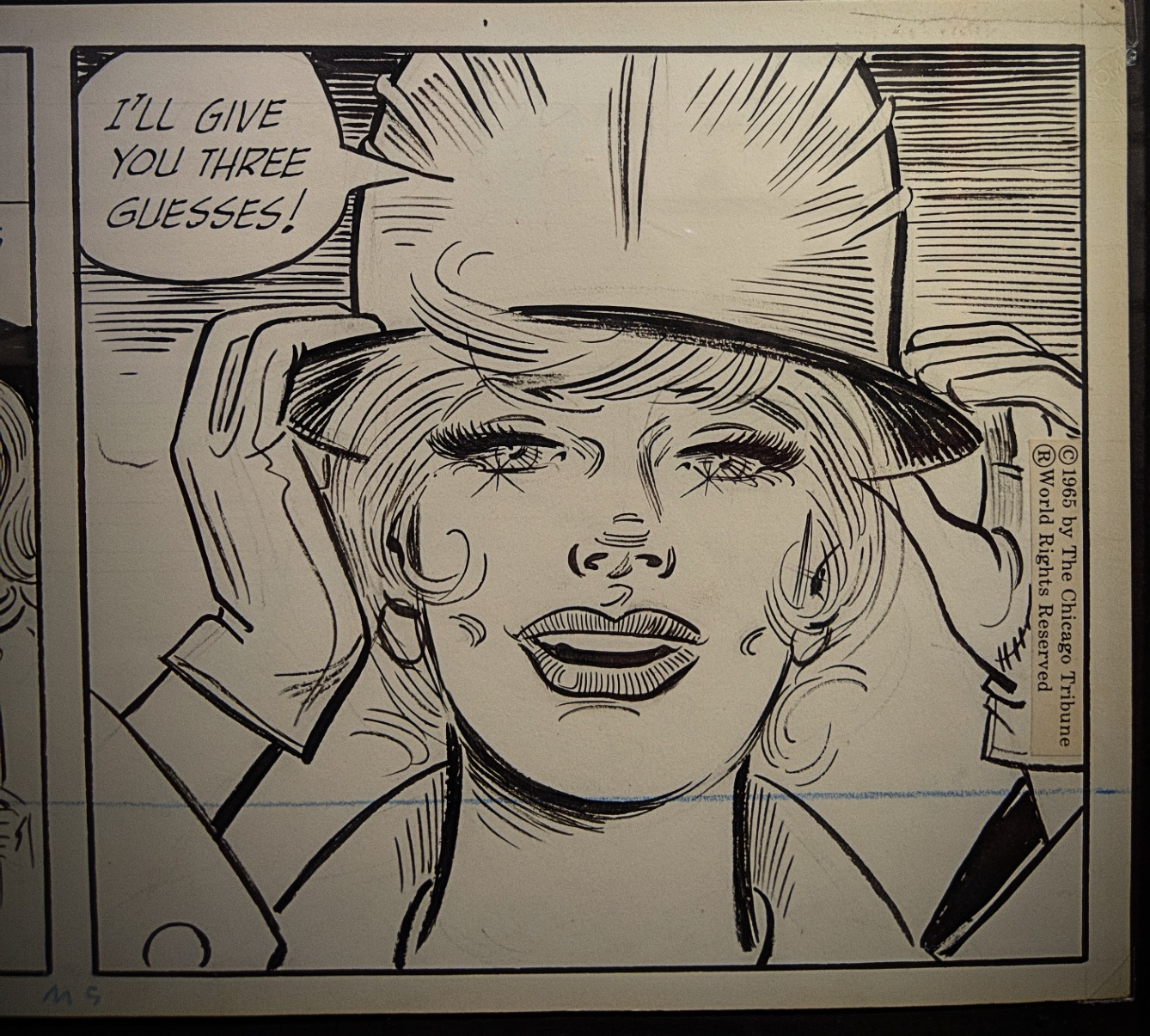
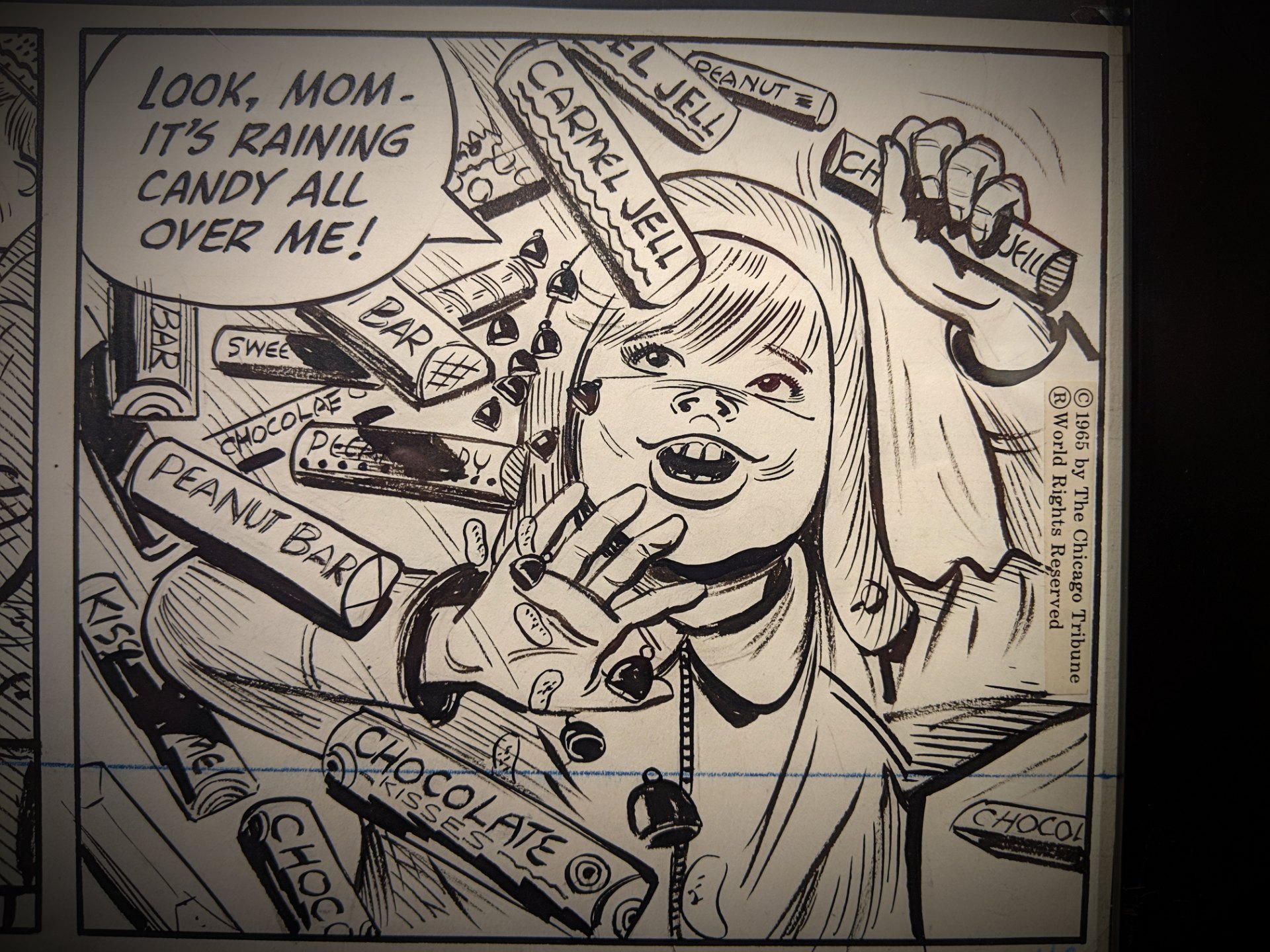
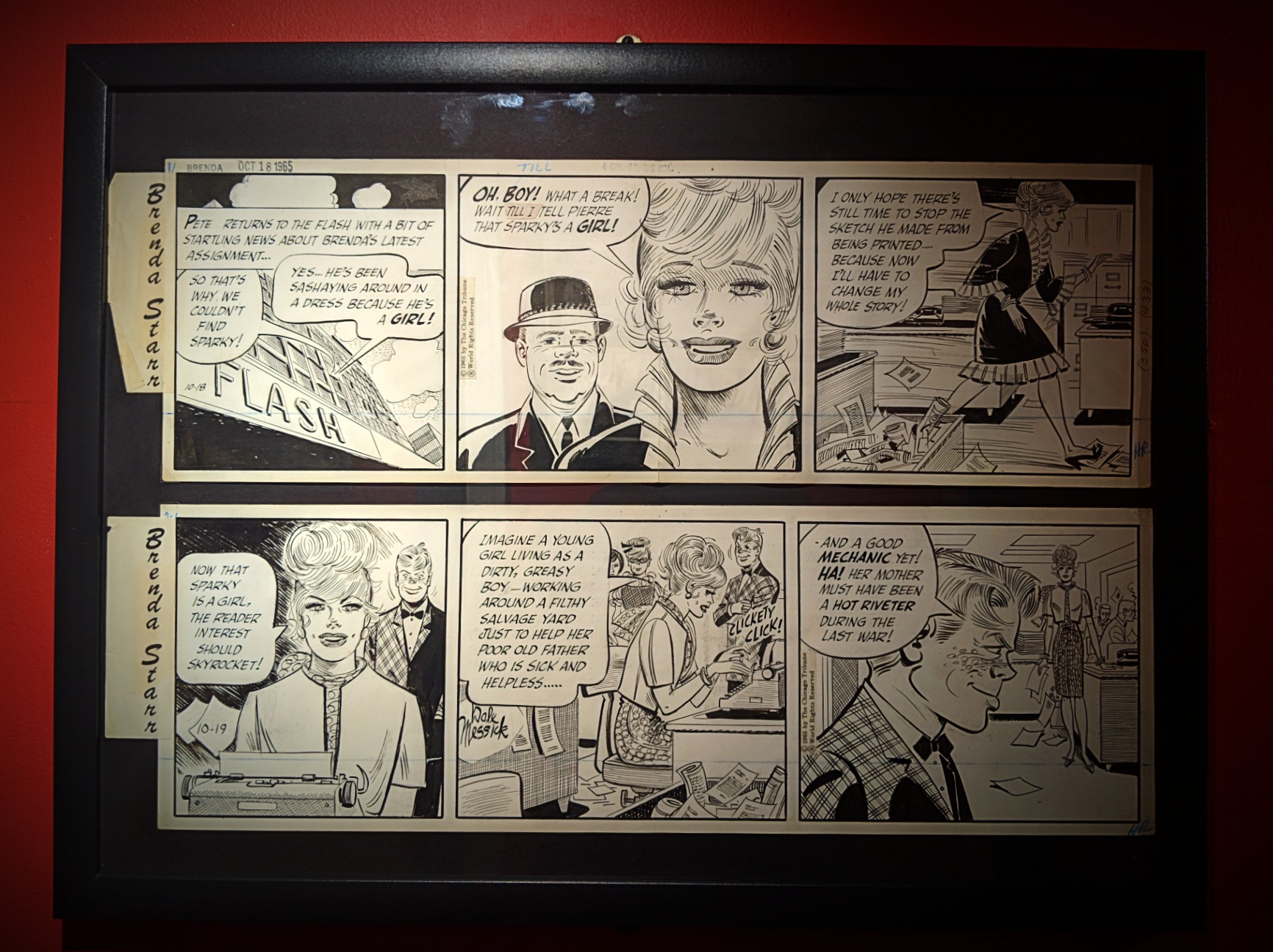
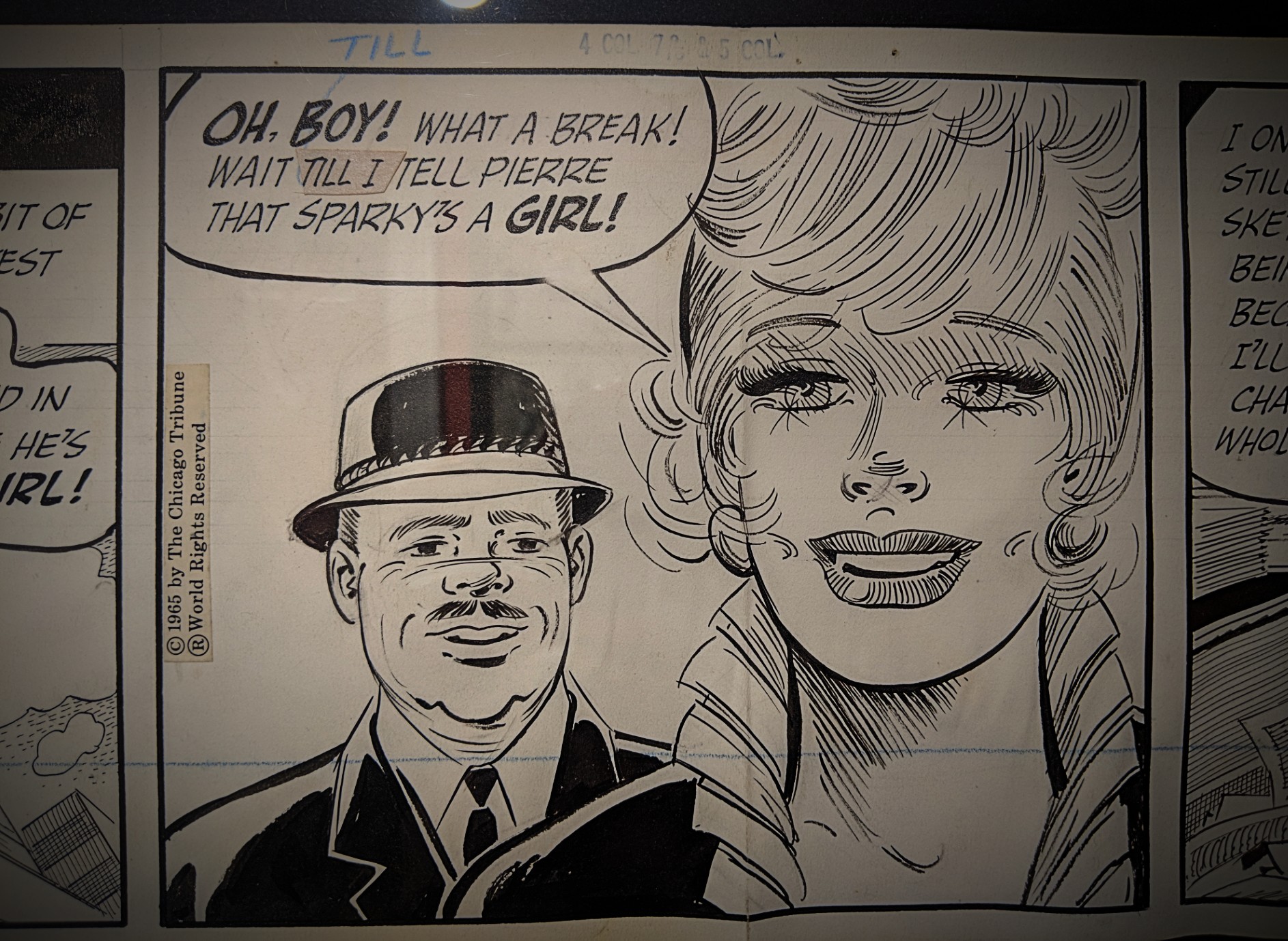
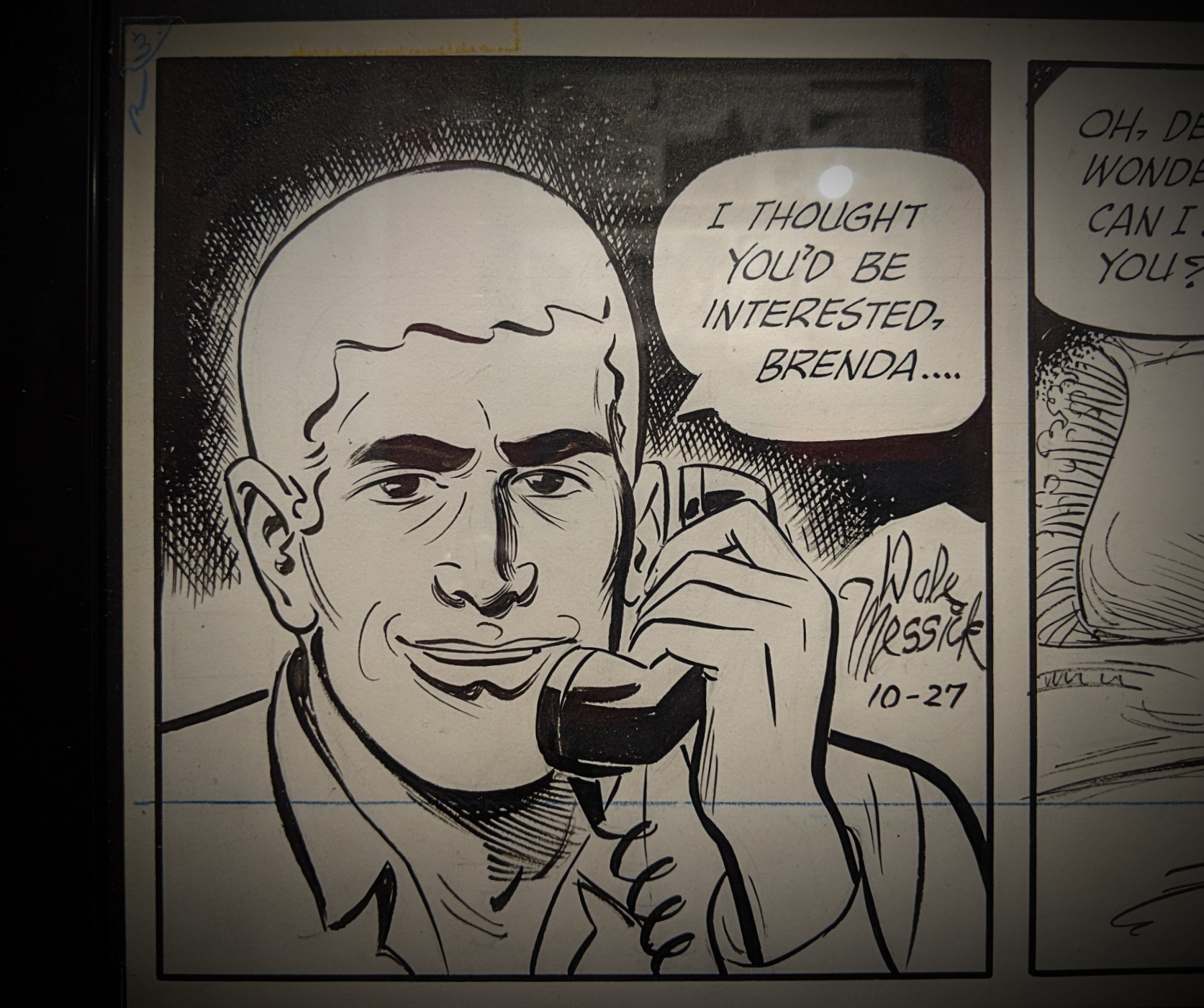
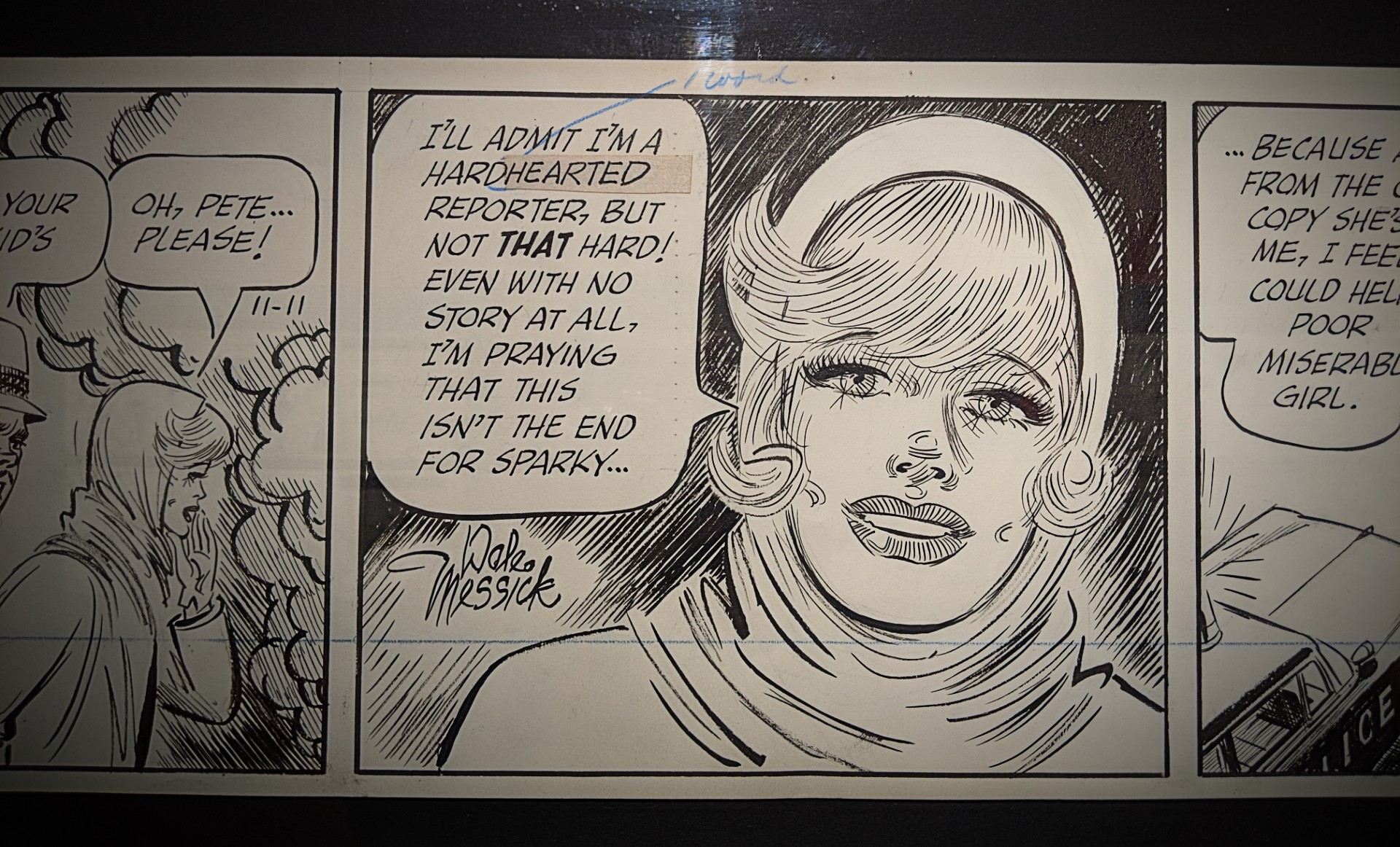
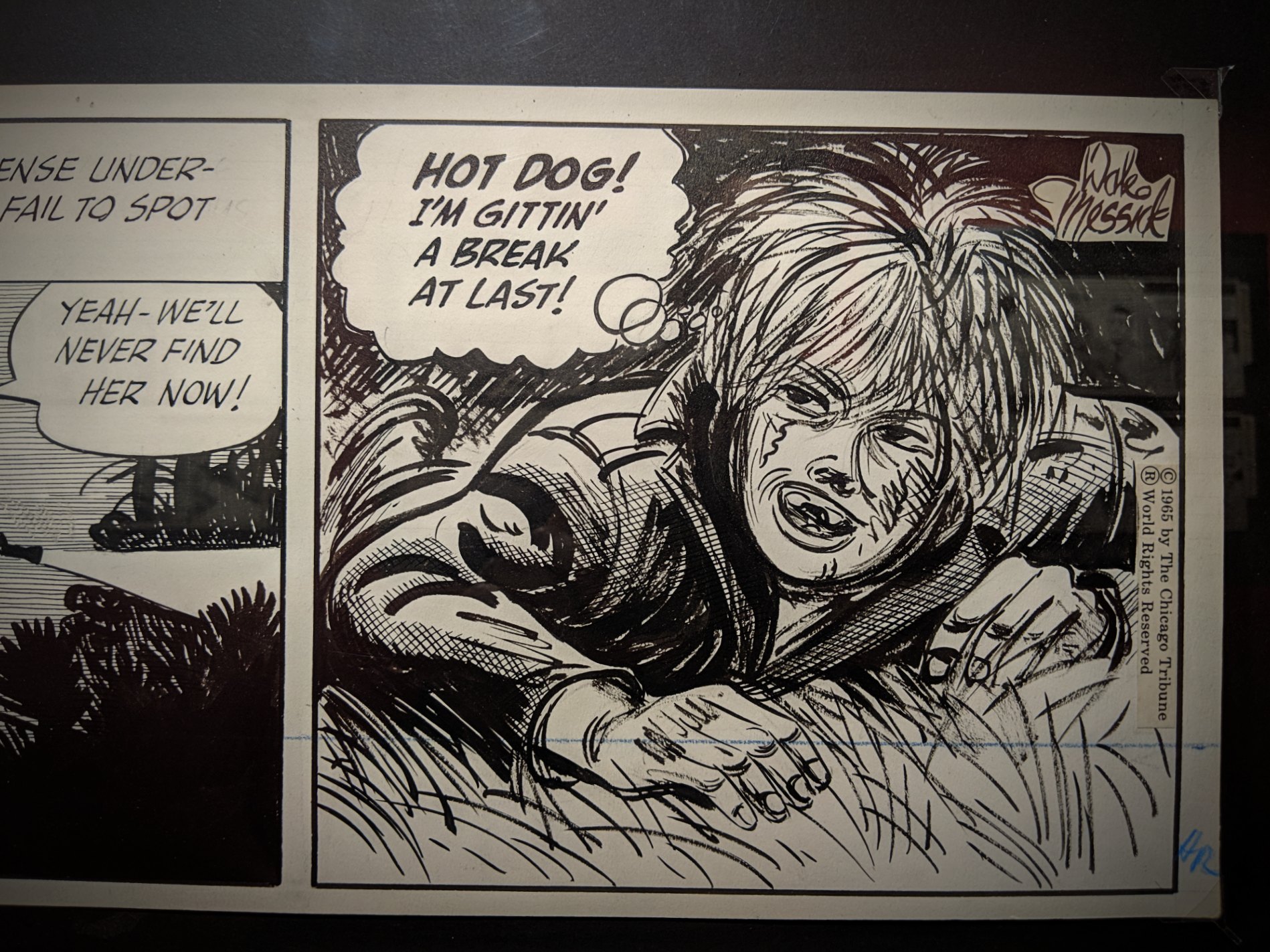
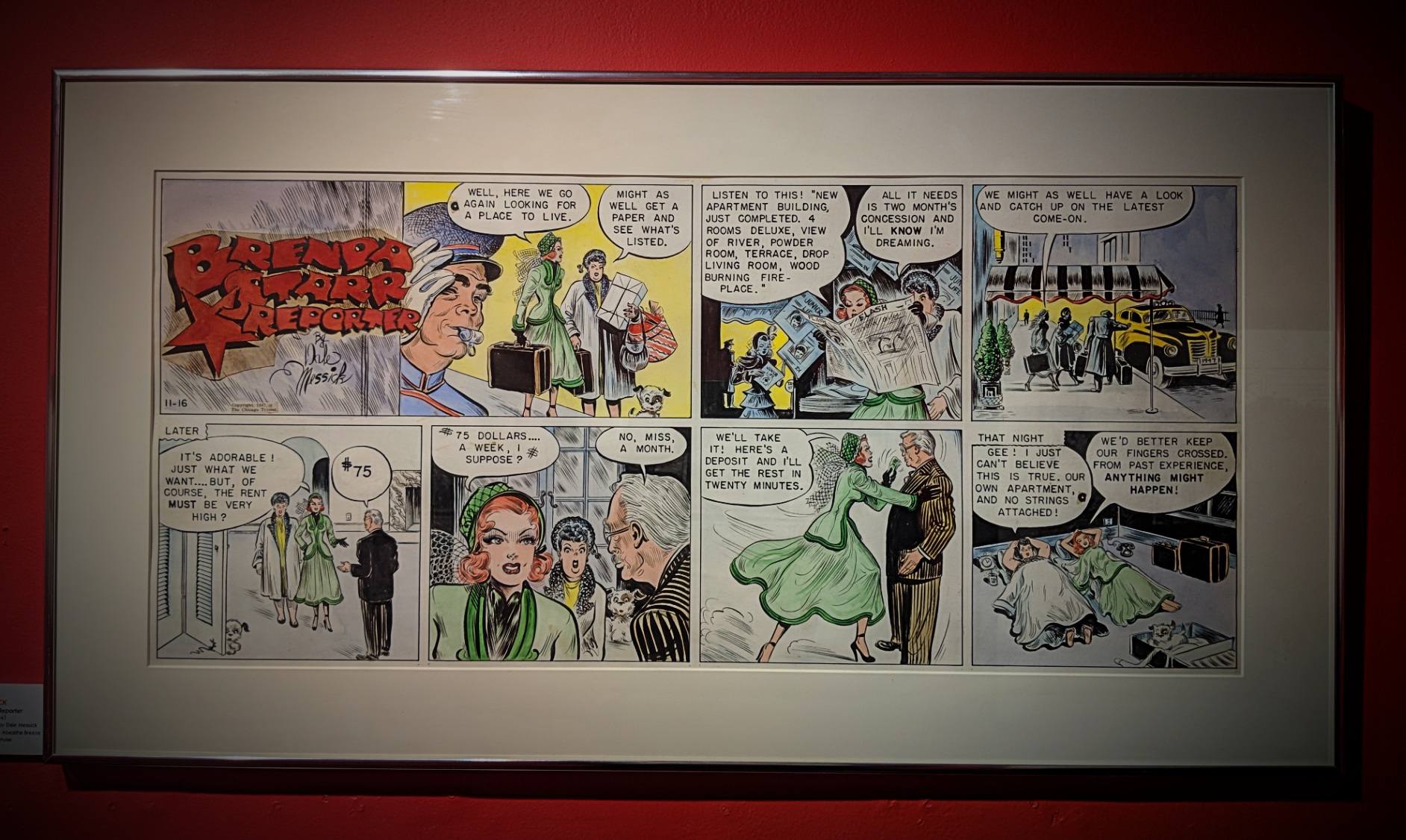
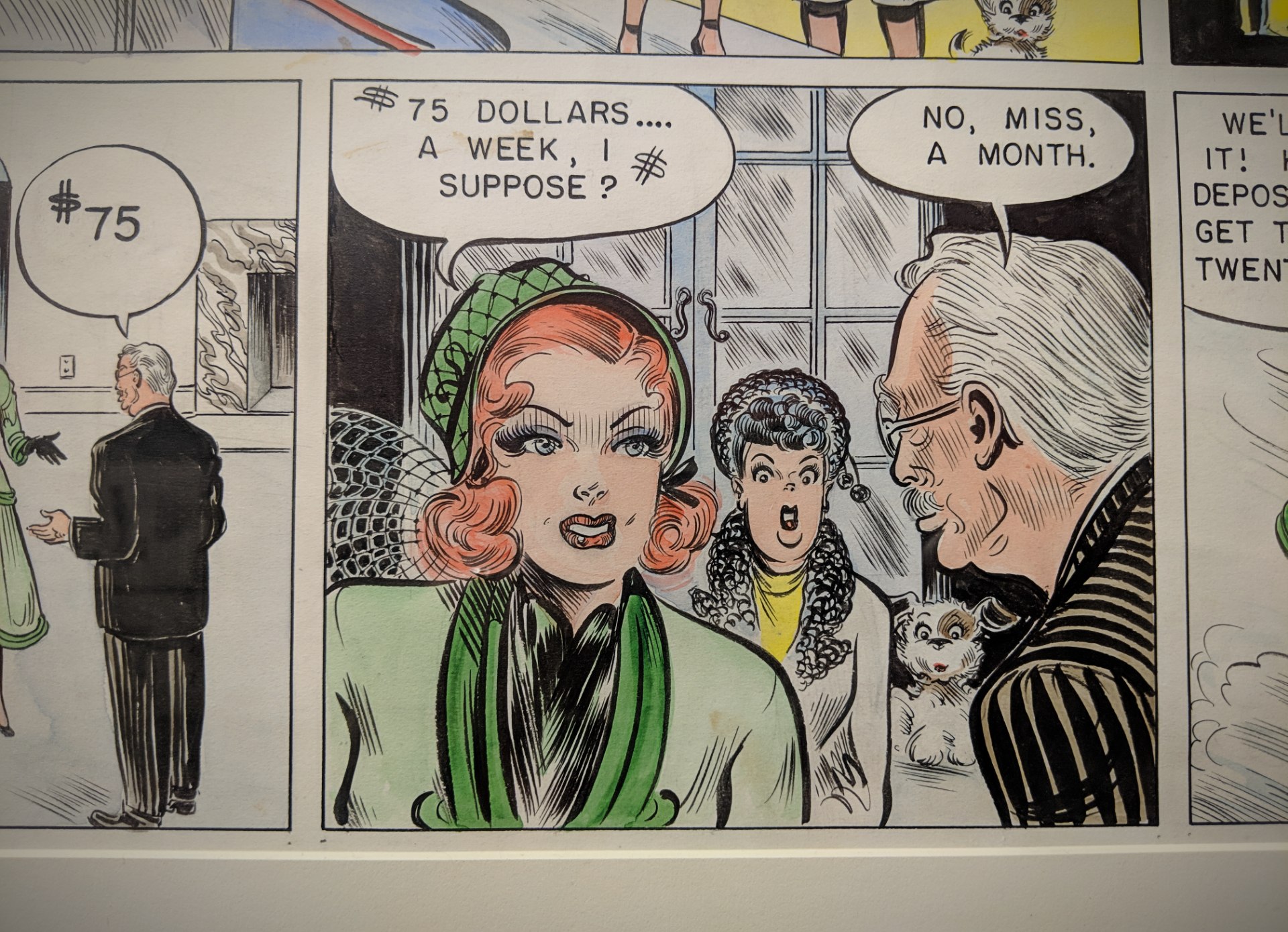
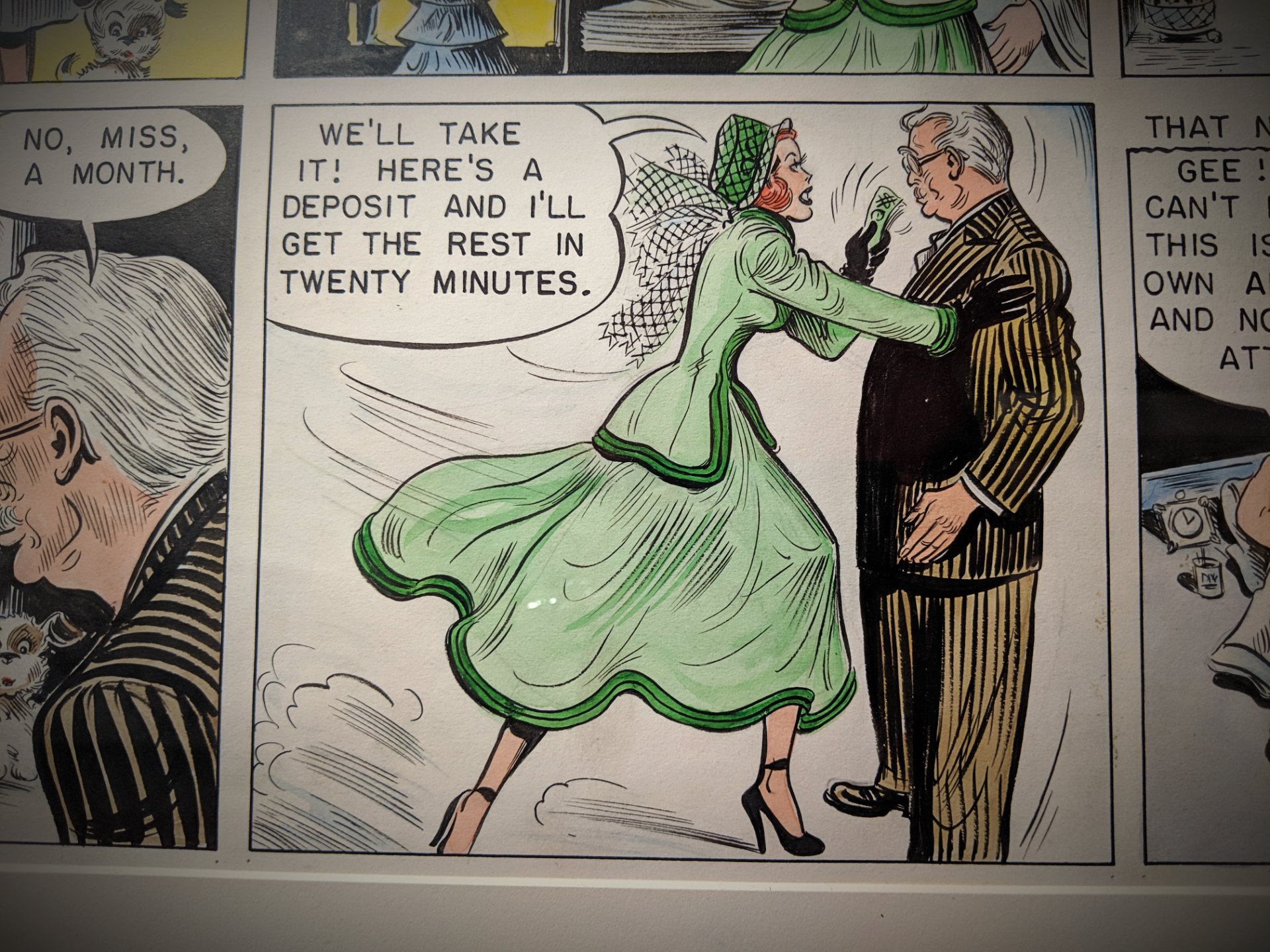
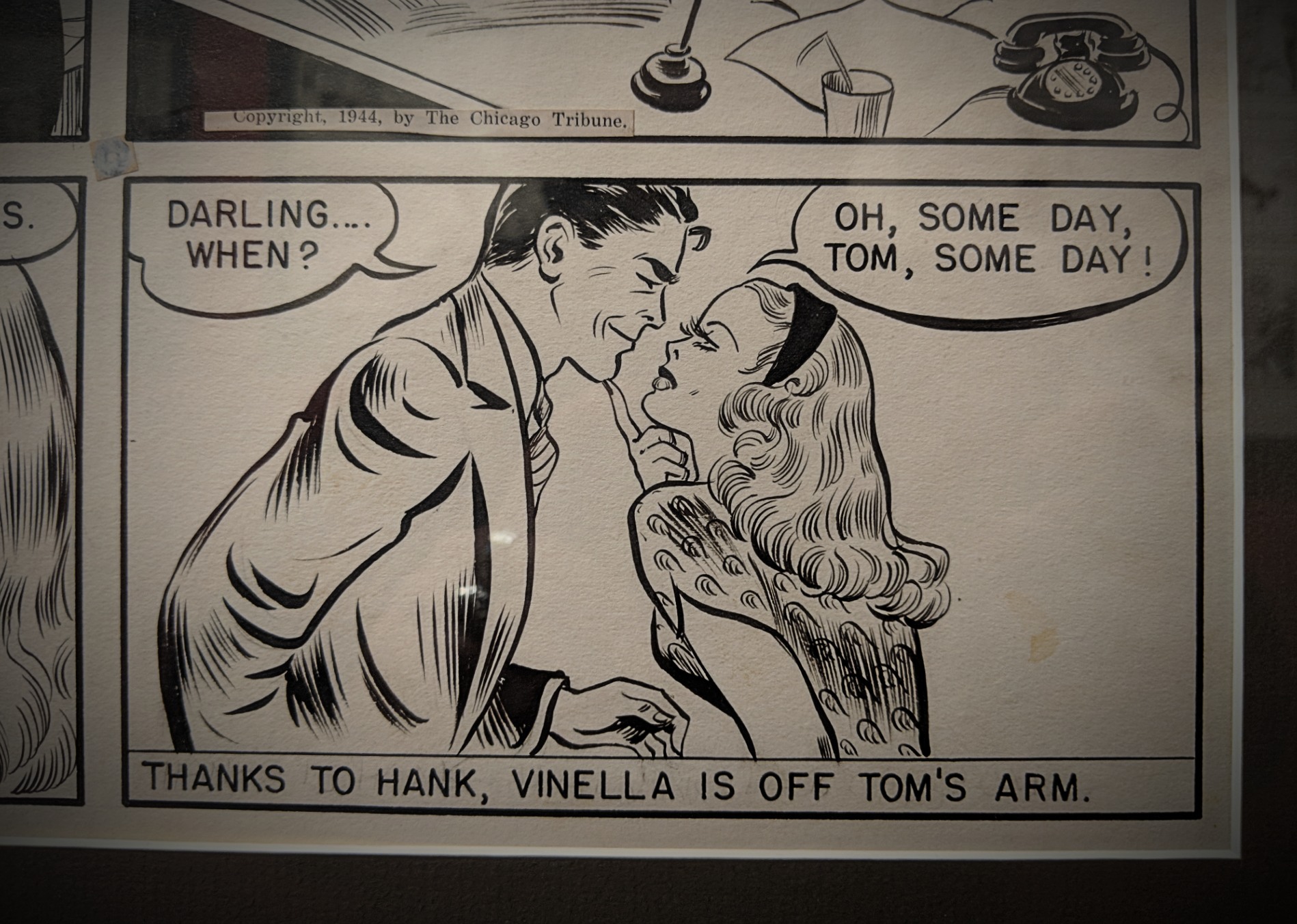
Random squares from an exhibition @ The Society of Illustrators
February 9th, 2019

Midtown Manhattan, N.Y.
February 14th, 2019
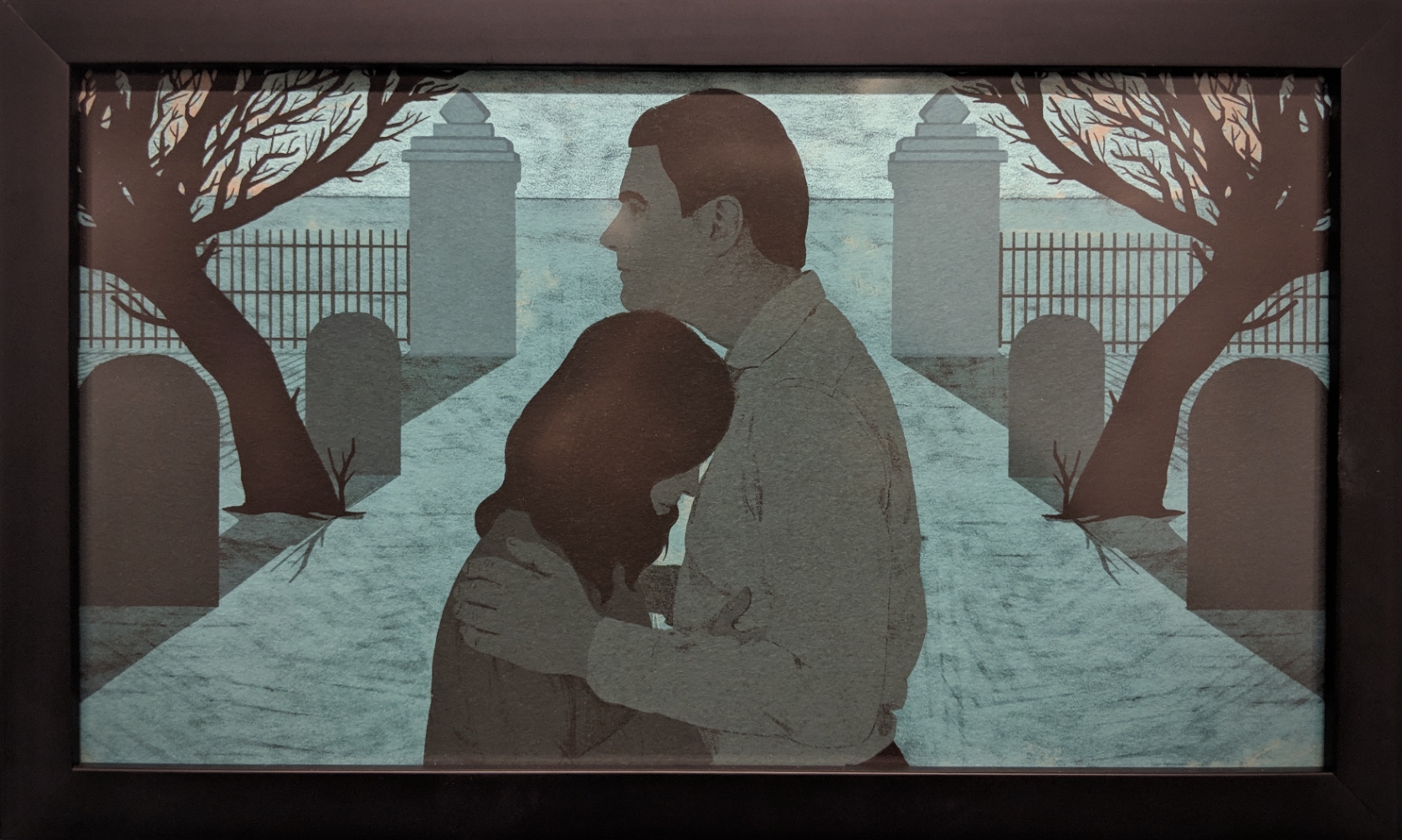
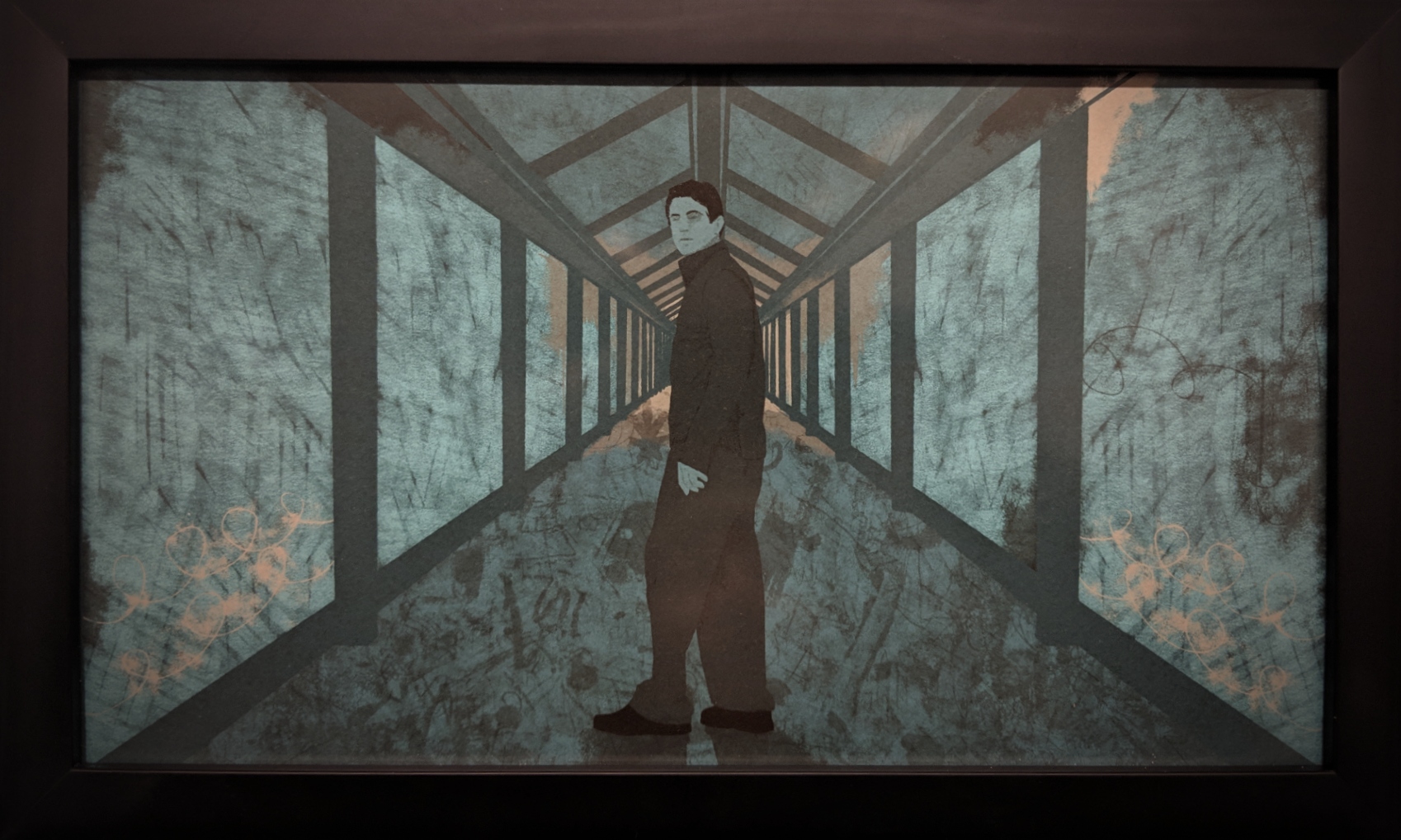
Rebecca Hendin
Lost in A System, Digital
Editorial series, for BBC News
February 9th, 2019


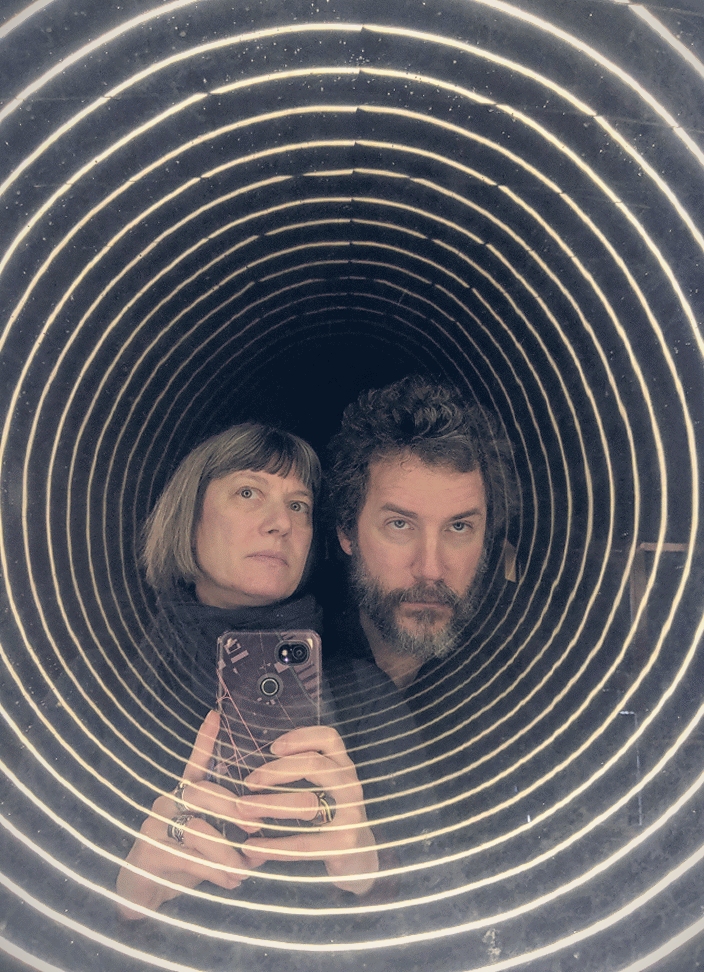

Midtown Manhattan
February 10th, 2019
subjective worldview
Actor, writer, cook and author
Travel experiences & Strasbourg city guide
Writer
joy, happiness, travel, adventure, gratitude
"Rêve onirique & Bulle d'évasion"
makes pretty things on paper
This WordPress.com site is Pacific War era information
Welcome to my curious world of words....
Photographs, music and writing about daily life. Contact: elcheo@swcp.com
Free listening and free download (mp3) chill and down tempo music (album compilation ep single) for free (usually name your price). Full merged styles: trip-hop electro chill-hop instrumental hip-hop ambient lo-fi boombap beatmaking turntablism indie psy dub step d'n'b reggae wave sainte-pop rock alternative cinematic organic classical world jazz soul groove funk balkan .... Discover lots of underground and emerging artists from around the world.
A 365 analogue photography project
Barcelona's Multiverse | Art | Culture | Science
Een digitaal atelier aan de (zee)slag.
‘Doodling Ambiguity’s in Ink.’
Miscellaneous photography
Glimpses along the way on a journey of discovery into symmetry...
 The Humble Fabulist