 Manhattan, NYC
December 17th, 2018
Manhattan, NYC
December 17th, 2018
 Manhattan, NYC
December 16th, 2018
An alternative title could have been ”The Andy Warhol Clan”.
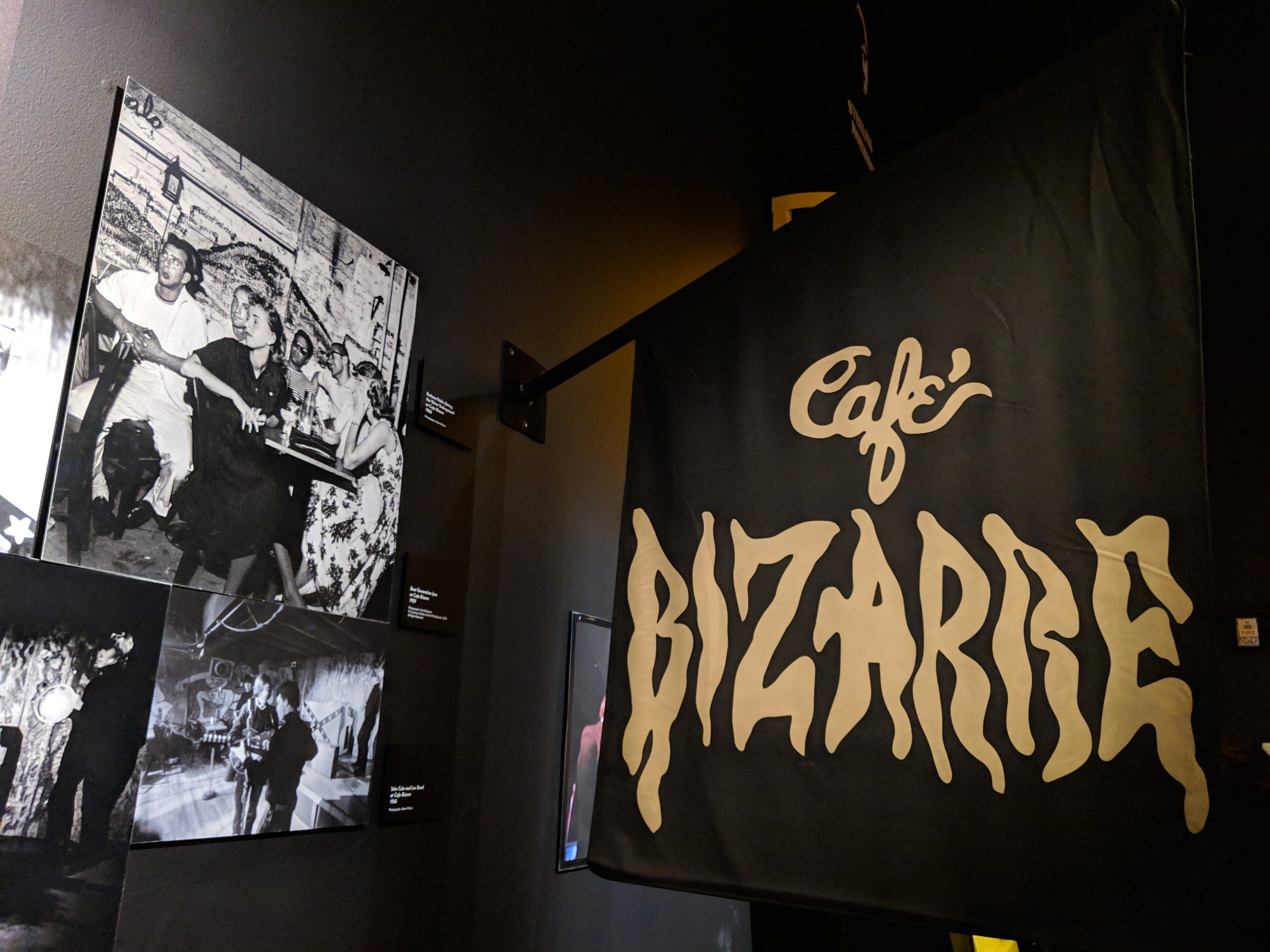
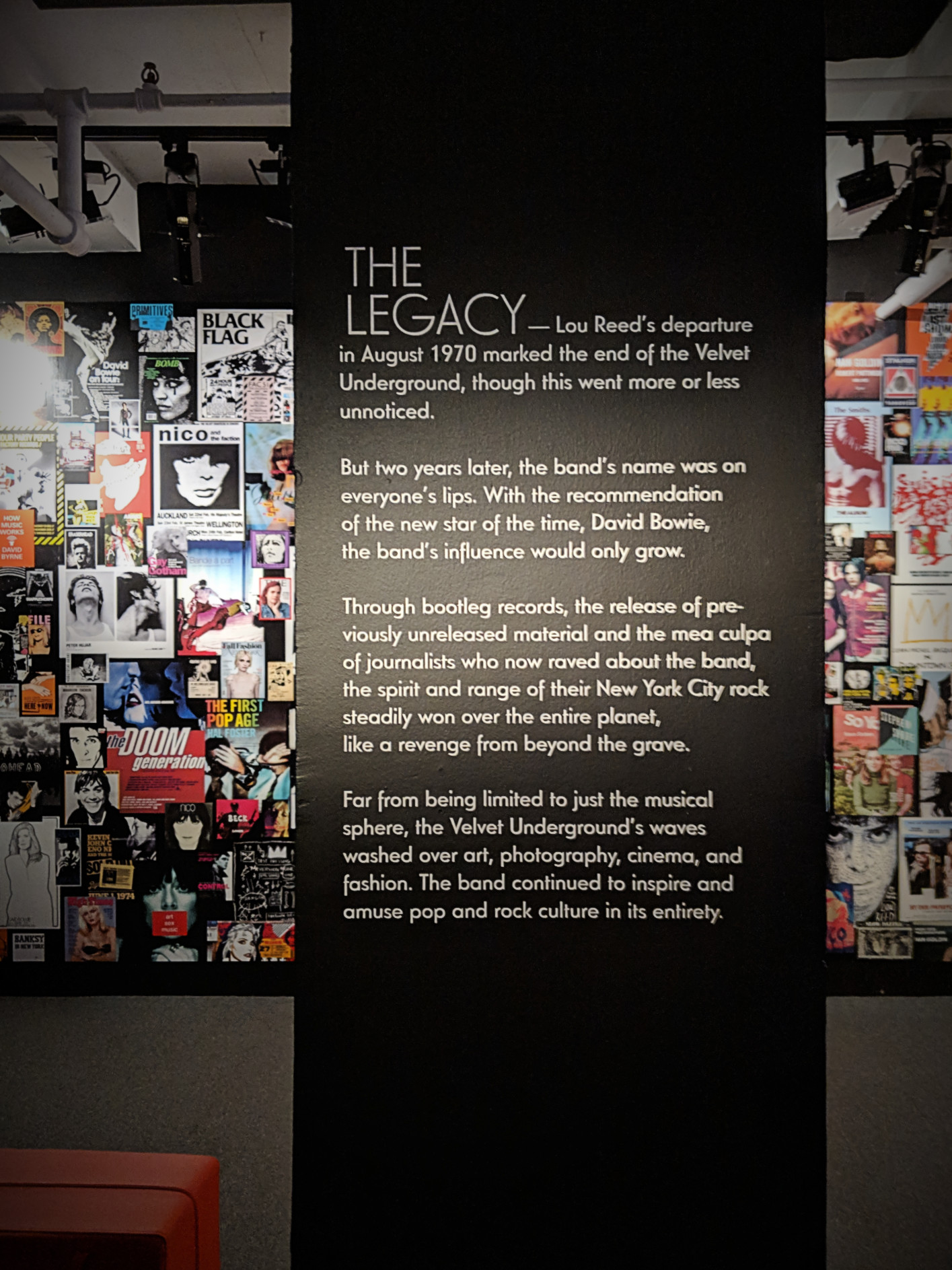
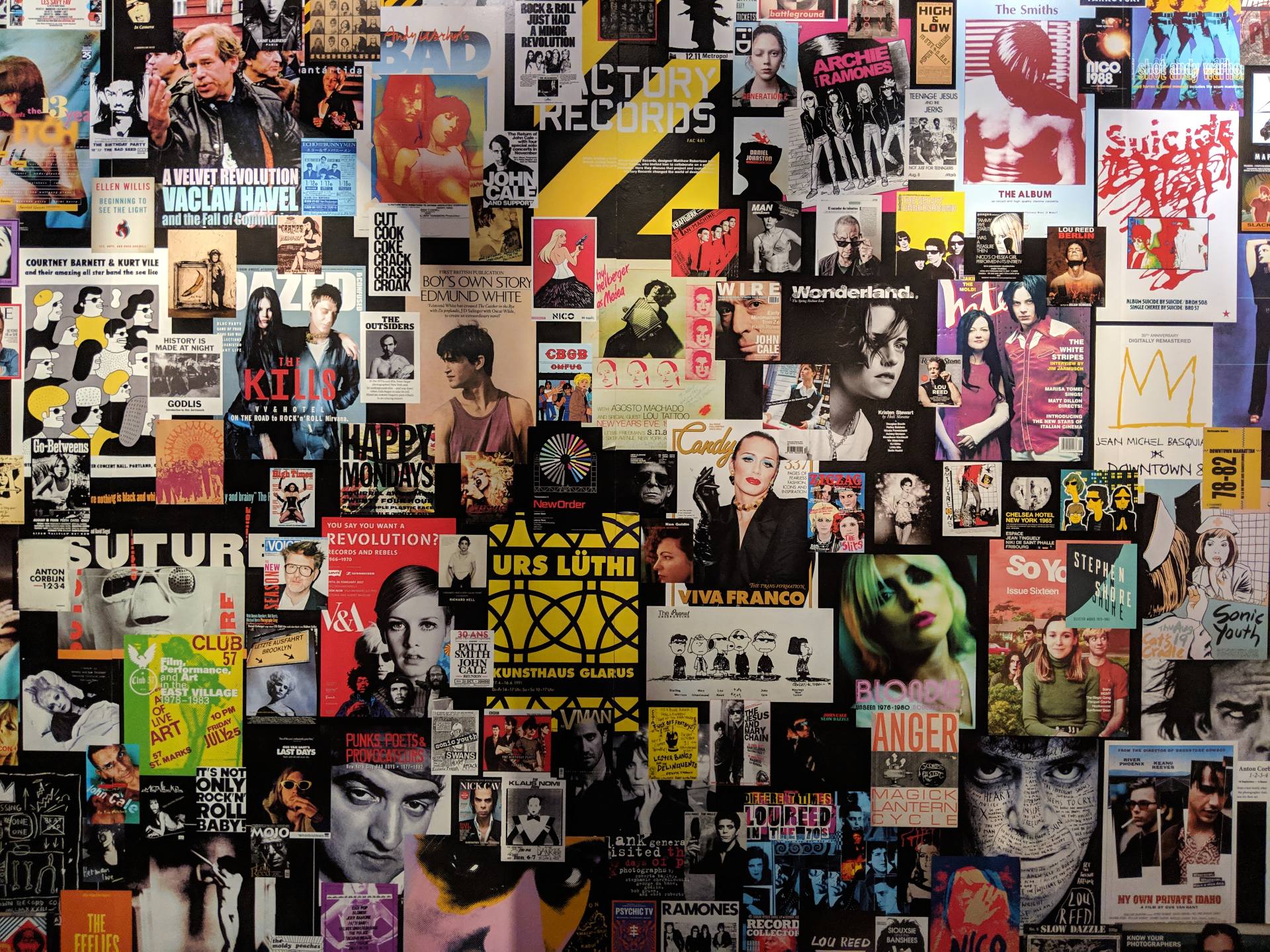
The exhibition was set to explore how The Velvet Underground influenced modern music, fashion, art, and popular culture in Lou Reed’s native city. Yet, so many were the references to Andy Warhol, he might as well have been part of the band. One couldn’t take two steps in The City’s artistic sphere without stumbling upon Warhol. The man who created ”superstars” would become a superstar himself.

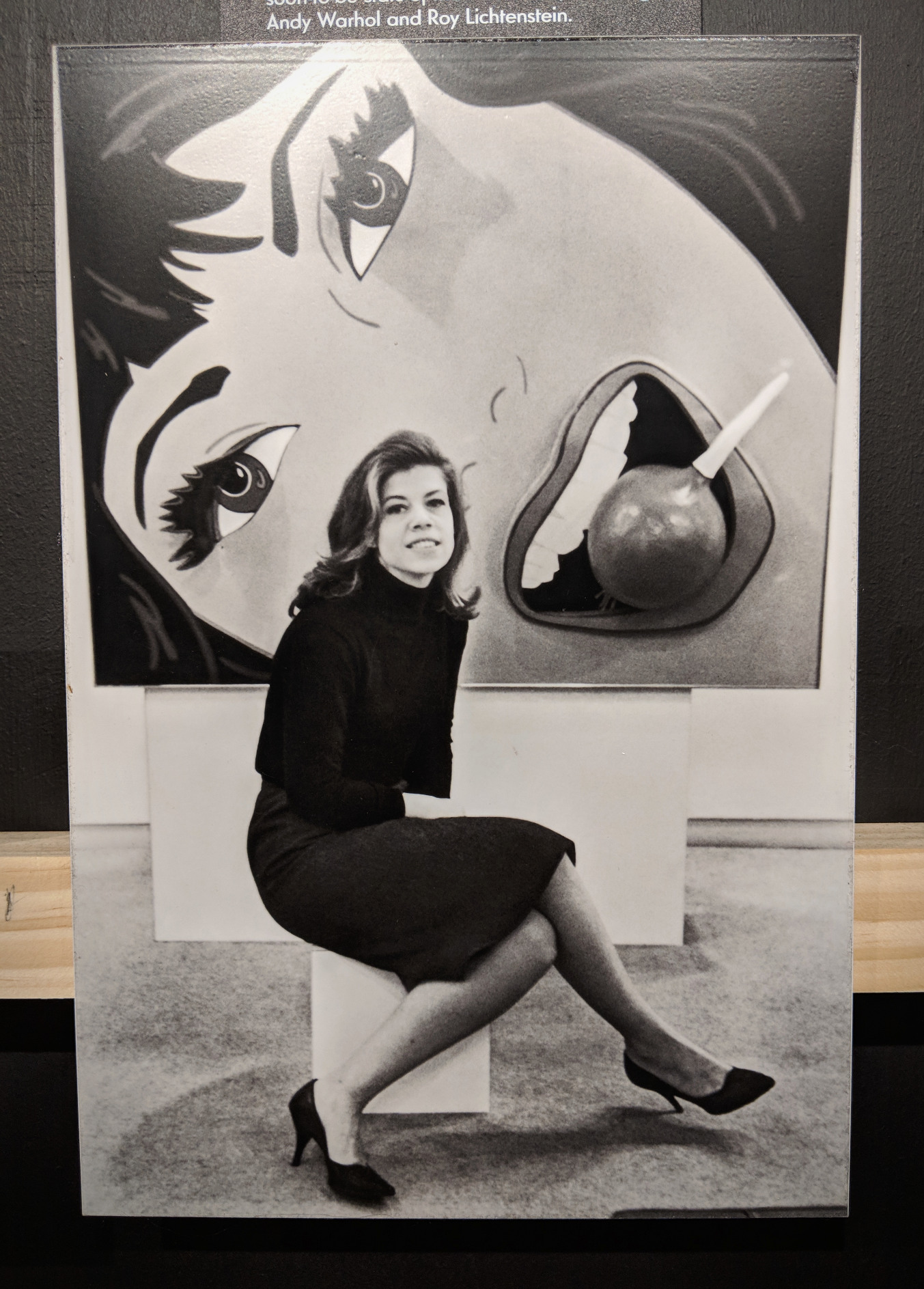 Marjorie Strider in front of Girl with Radish, 1965
This painting was the icon of the 1964 exhibition ”First International Girlie Show” at the Pace Gallery, where Strider exposed along with several soon-to-be stars of the movement, including Andy Warhol and Roy Lichtenstein
 Nathan’s Famous, 1965
Gathering in front of a restaurant in Lou Reed’s favourite seaside resort, Coney Island. In May 1969, the Velvet Underground recorded a song called Coney Island Steeplechase. In 1975, Lou Reed’s fifth solo album was entitled Coney Island Baby.
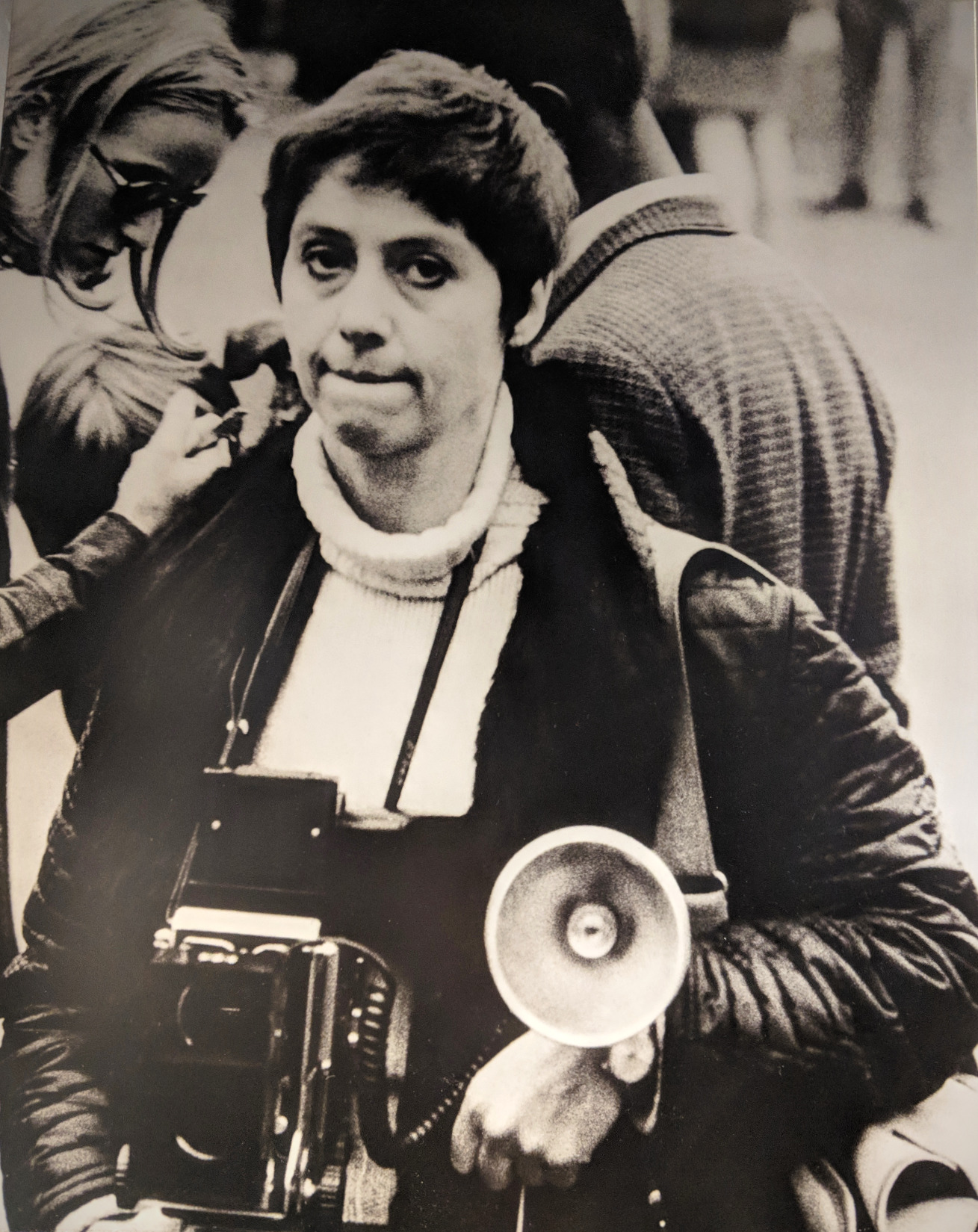 Diane Arbus, 1967
The photographer participates in a pacifist and psychedelic gathering organized by New York students
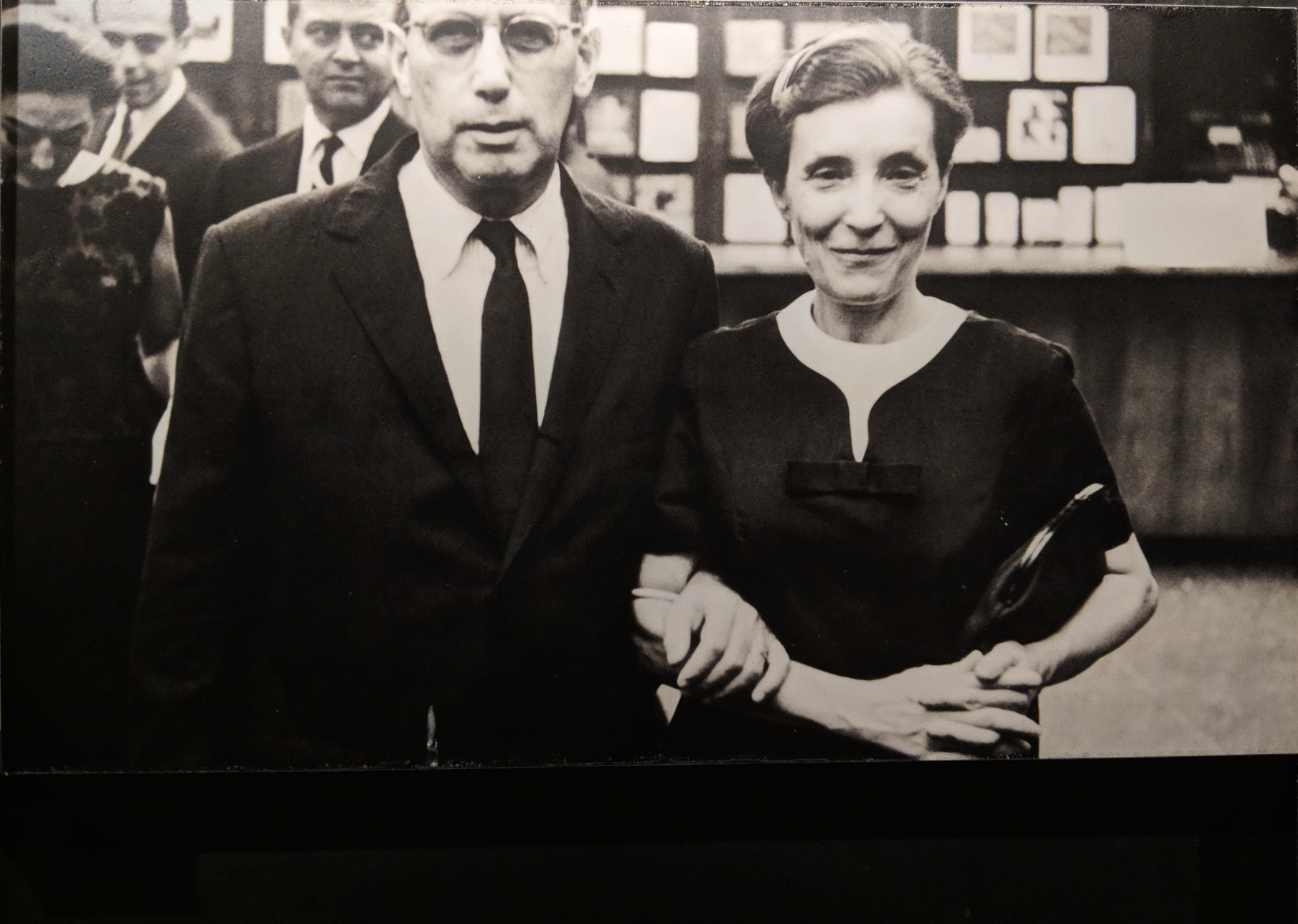 Louise Bourgeois and Robert Goldwater, 1963
The French sculptor, a New Yorker by adoption, and the art historian Robert Goldwater, her husband, at the Museum of Modern Art in New York
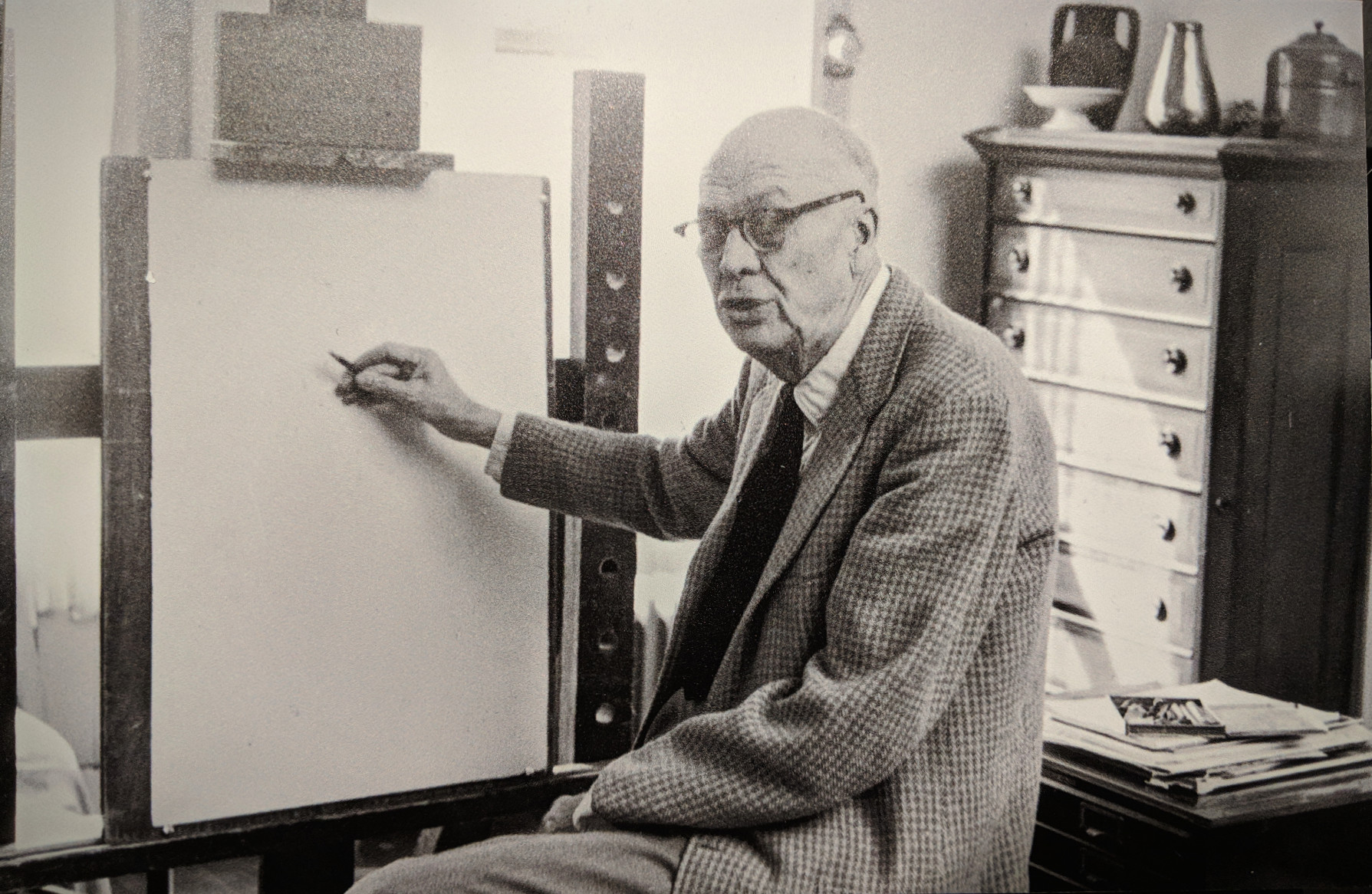 Edward Hopper, 1965
The painter of urban loneliness, facing his easel. Is it possible that Edward Hopper had an impact on Lou Reed? The first song of The Velvet Underground & Nico, Sunday Morning, is a troubling reference to the atmosphere of Hopper’s 1930 painting, Early Sunday Morning
 Death to the Highway!, 1962
Protest against the upcoming construction of an urban highway, the Lower Manhattan Expressway, which would have resulted in the expropriation of thousands of Greenwich Village residents. As a result of the mobilization, the project was abandoned

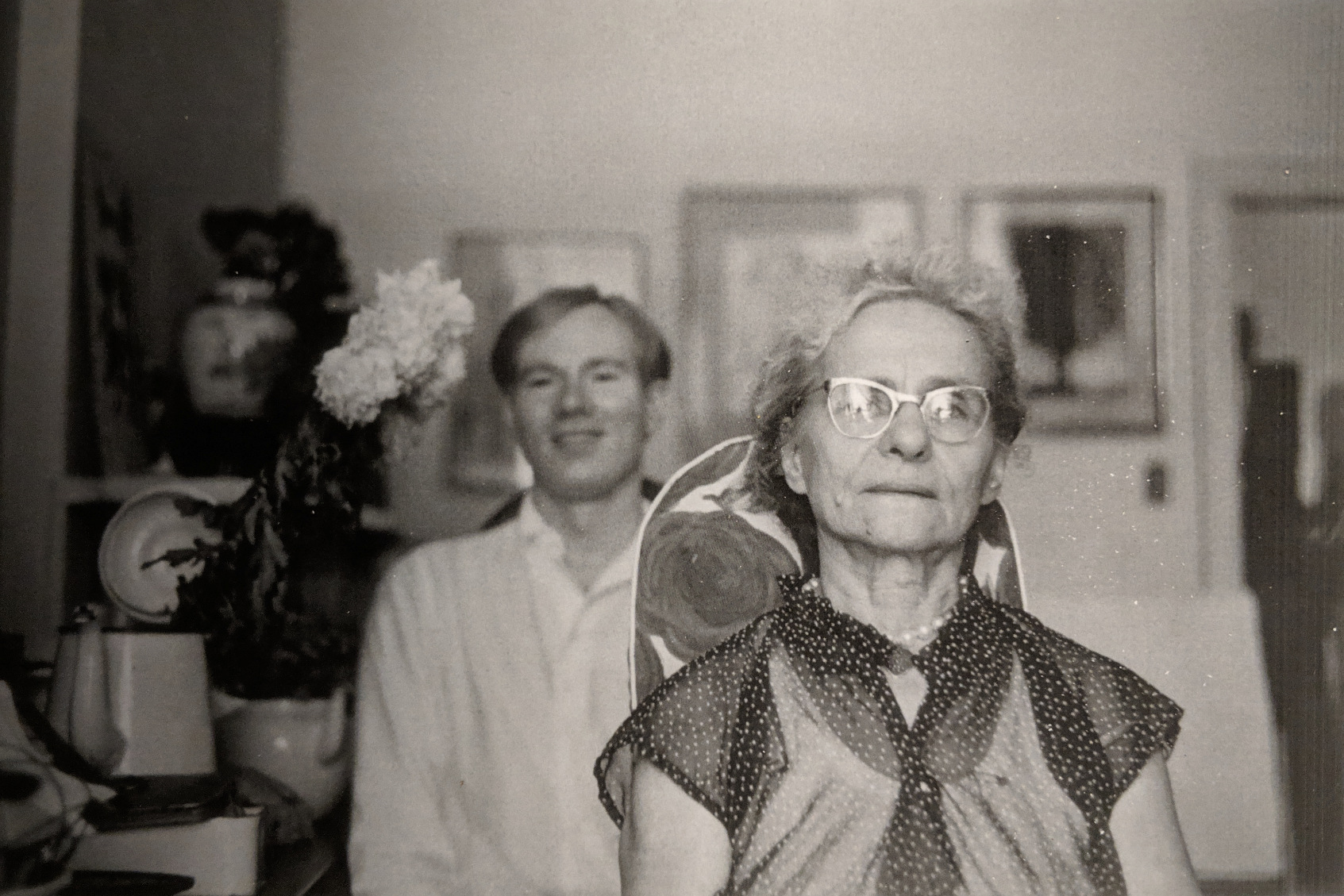 Andy Warhol and Julia Warhola


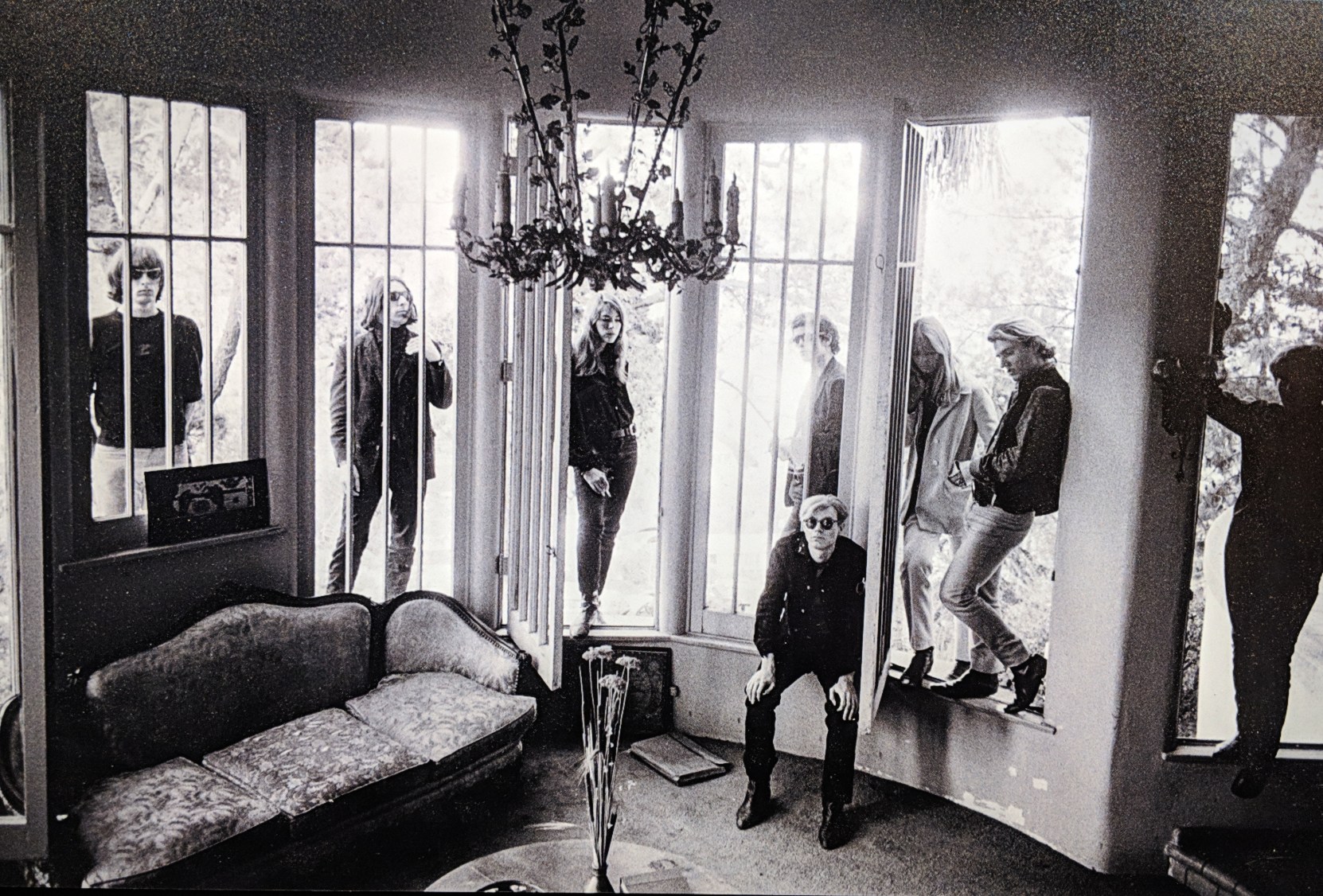

 John Cale, Lou Reed and Andy Warhol at the Ocean Club, NYC
July 1976 – Photography by Bob Gruen
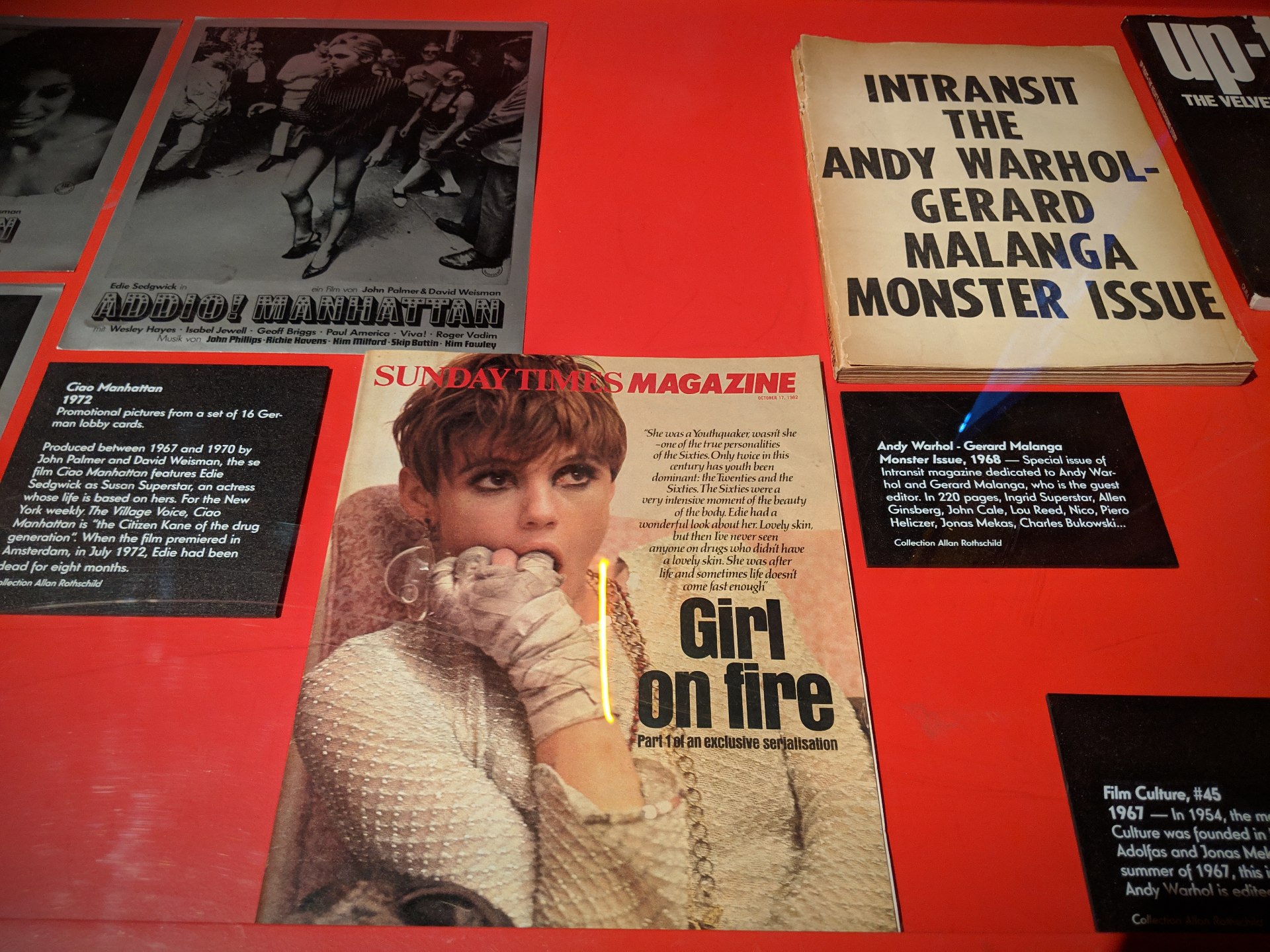

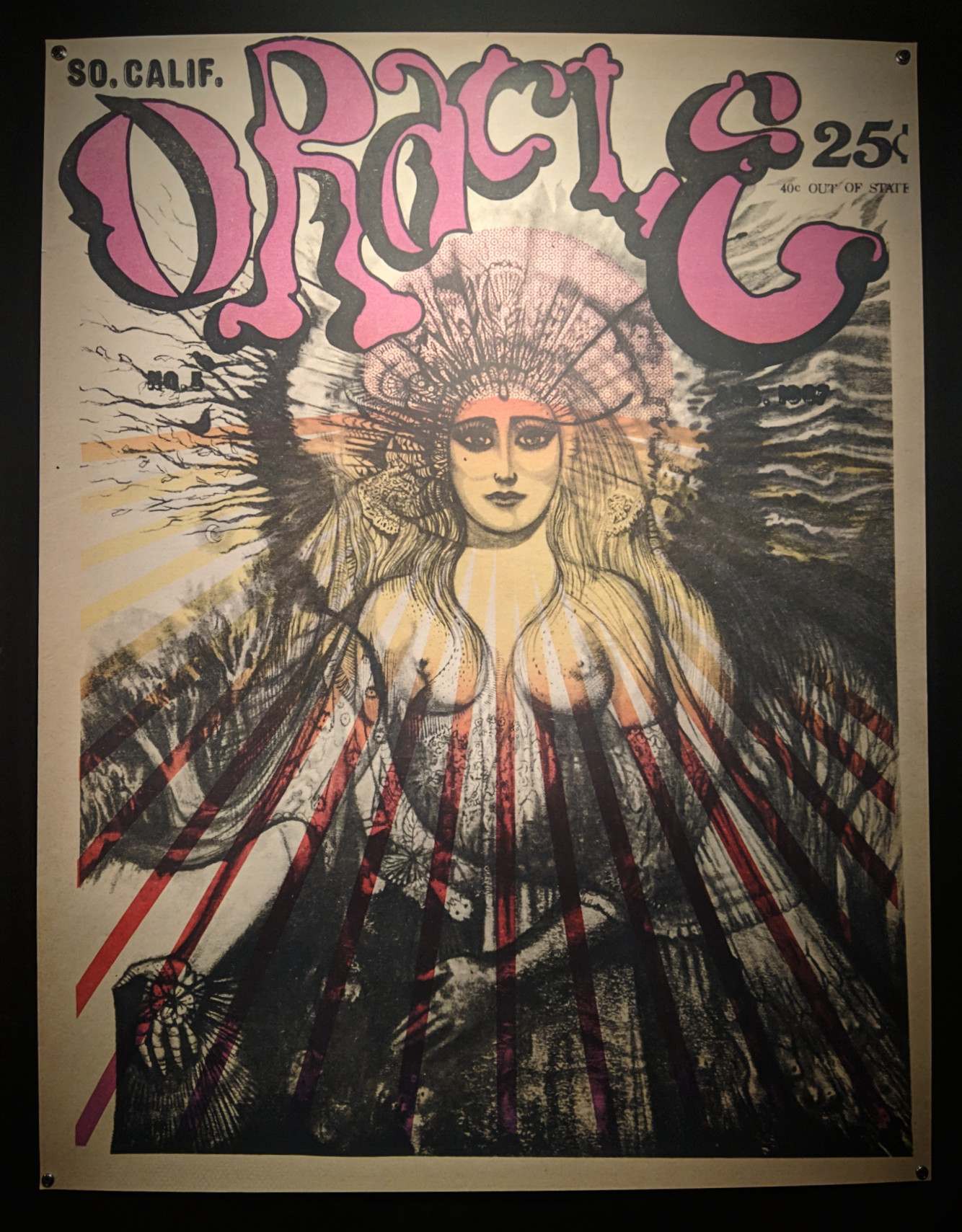
 New York City
December 16th, 2018
When Hilma af Klint began creating radically abstract paintings in 1906, they were like little that had been seen before: bold, colorful, and untethered from any recognizable references to the physical world. It was years before Vasily Kandinsky, Kazimir Malevich, Piet Mondrian, and others would take similar strides to rid their own artwork of representational content. Yet while many of her better-known contemporaries published manifestos and exhibited widely, af Klint kept her groundbreaking paintings largely private. She rarely exhibited them and, convinced the world was not yet ready to understand her work, stipulated that it not be shown for twenty years following her death. Ultimately, her work was all but unseen until 1986, and only over the subsequent three decades have her paintings and works on paper begun to receive serious attention. [source: The Guggenheim]
Hilma af Klint (1862-1944)


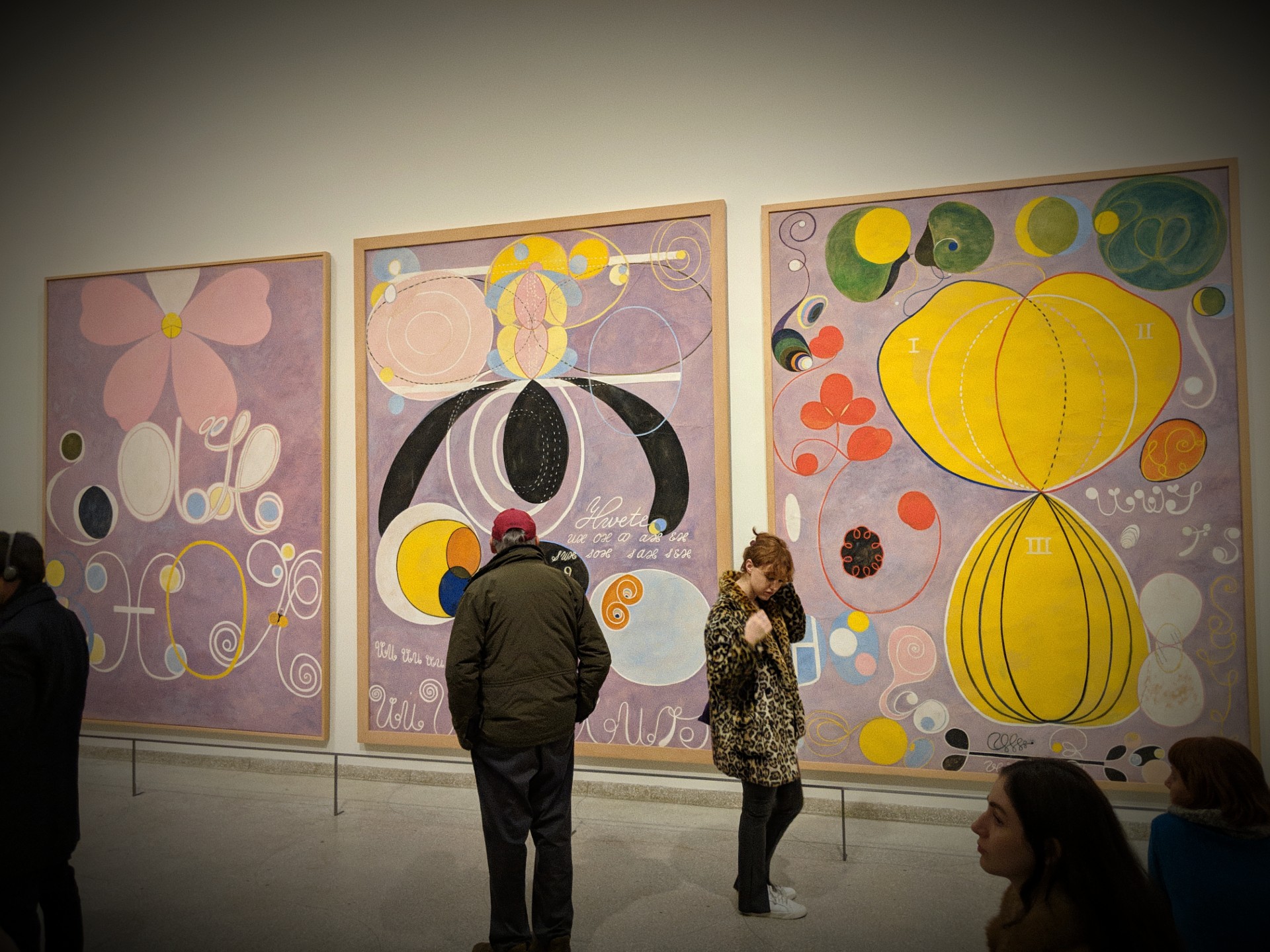
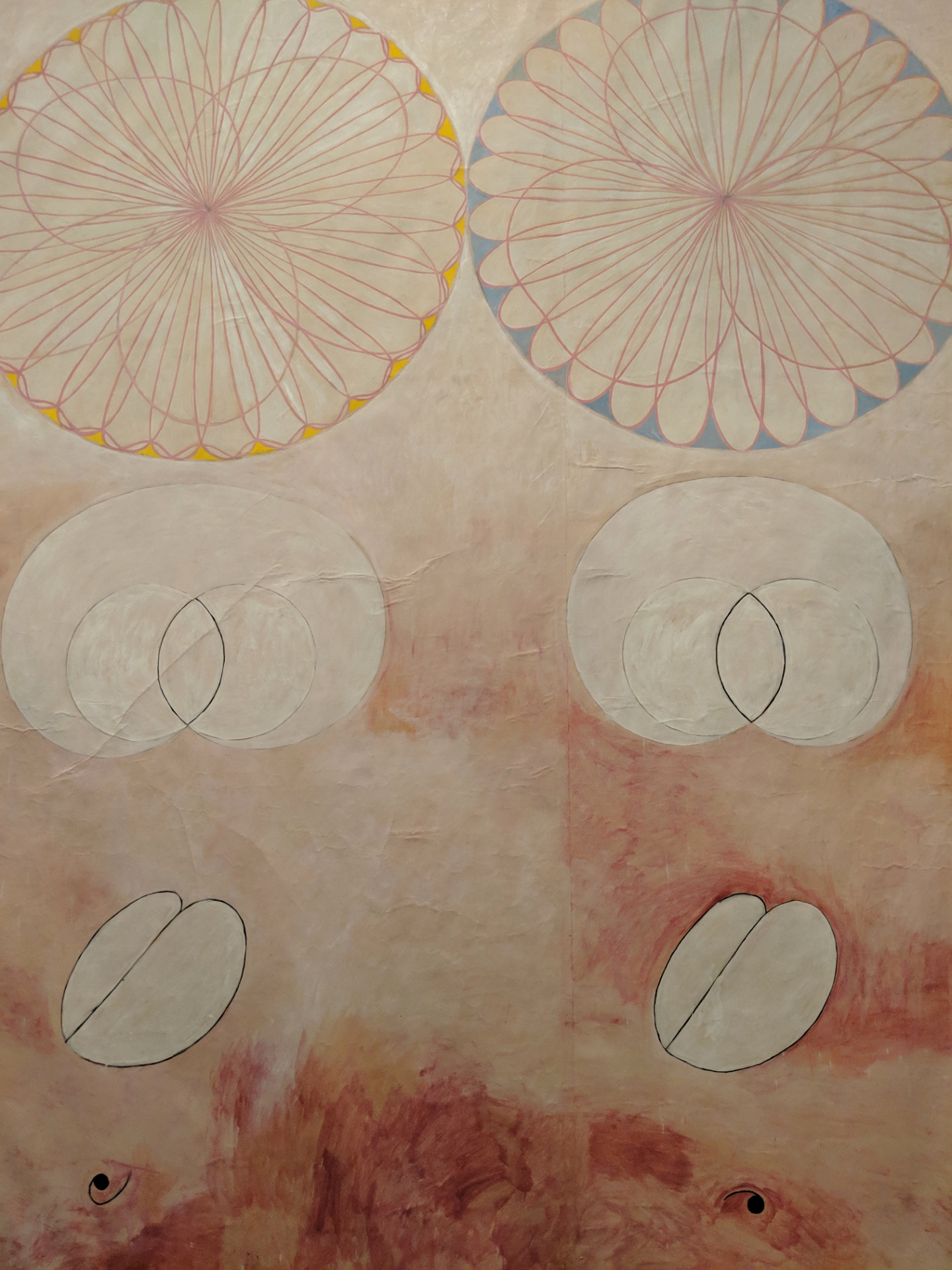
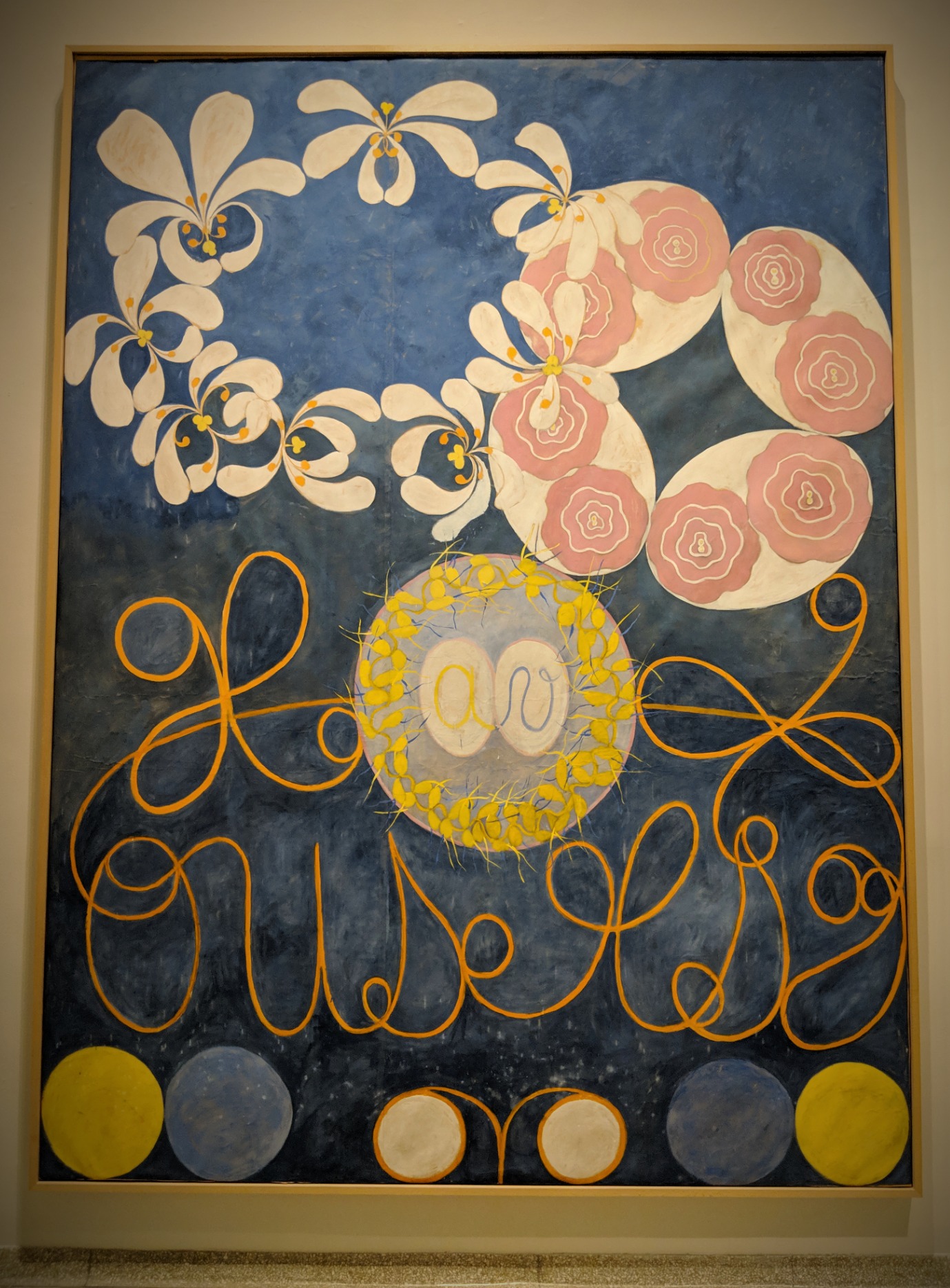
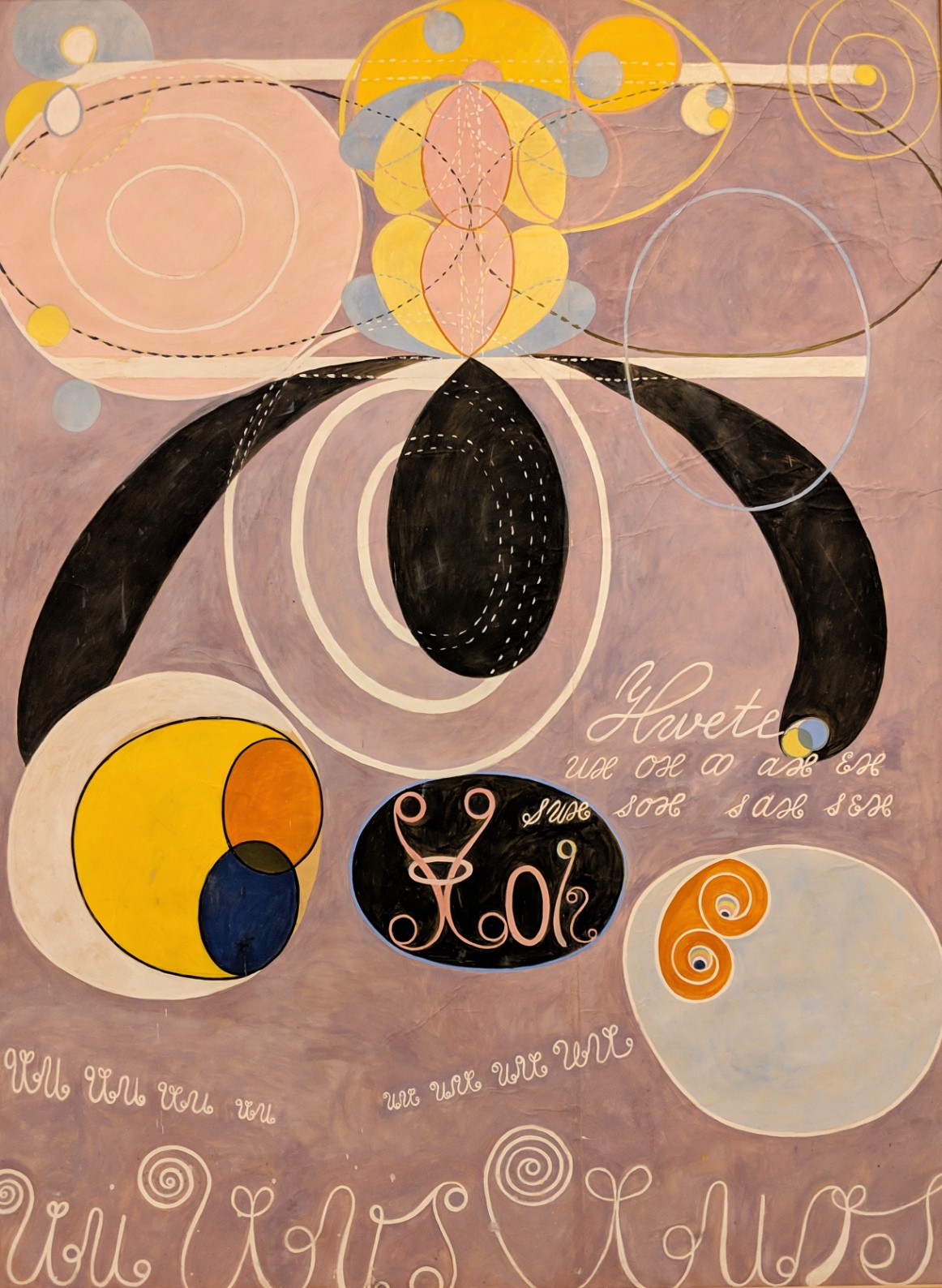

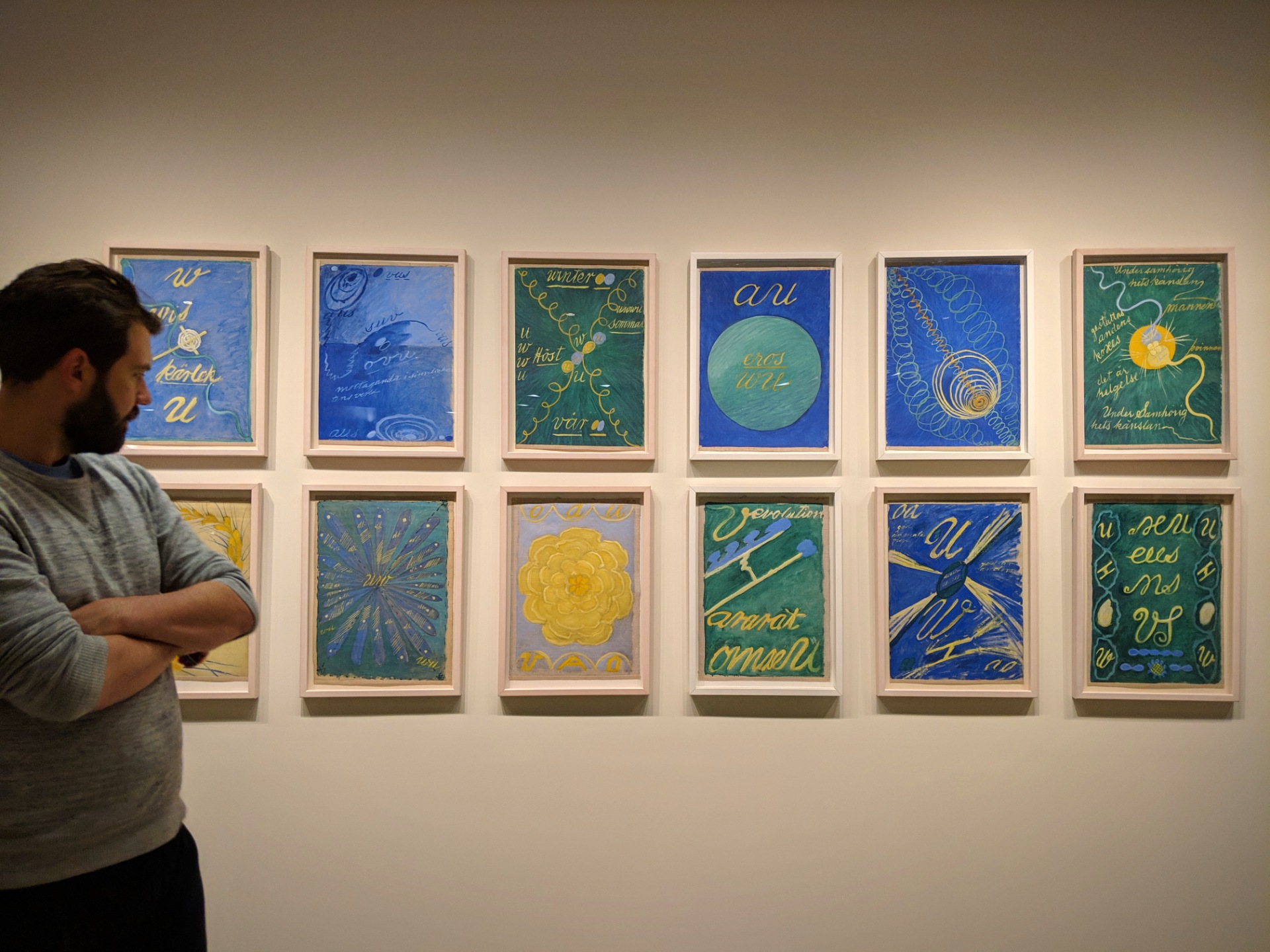


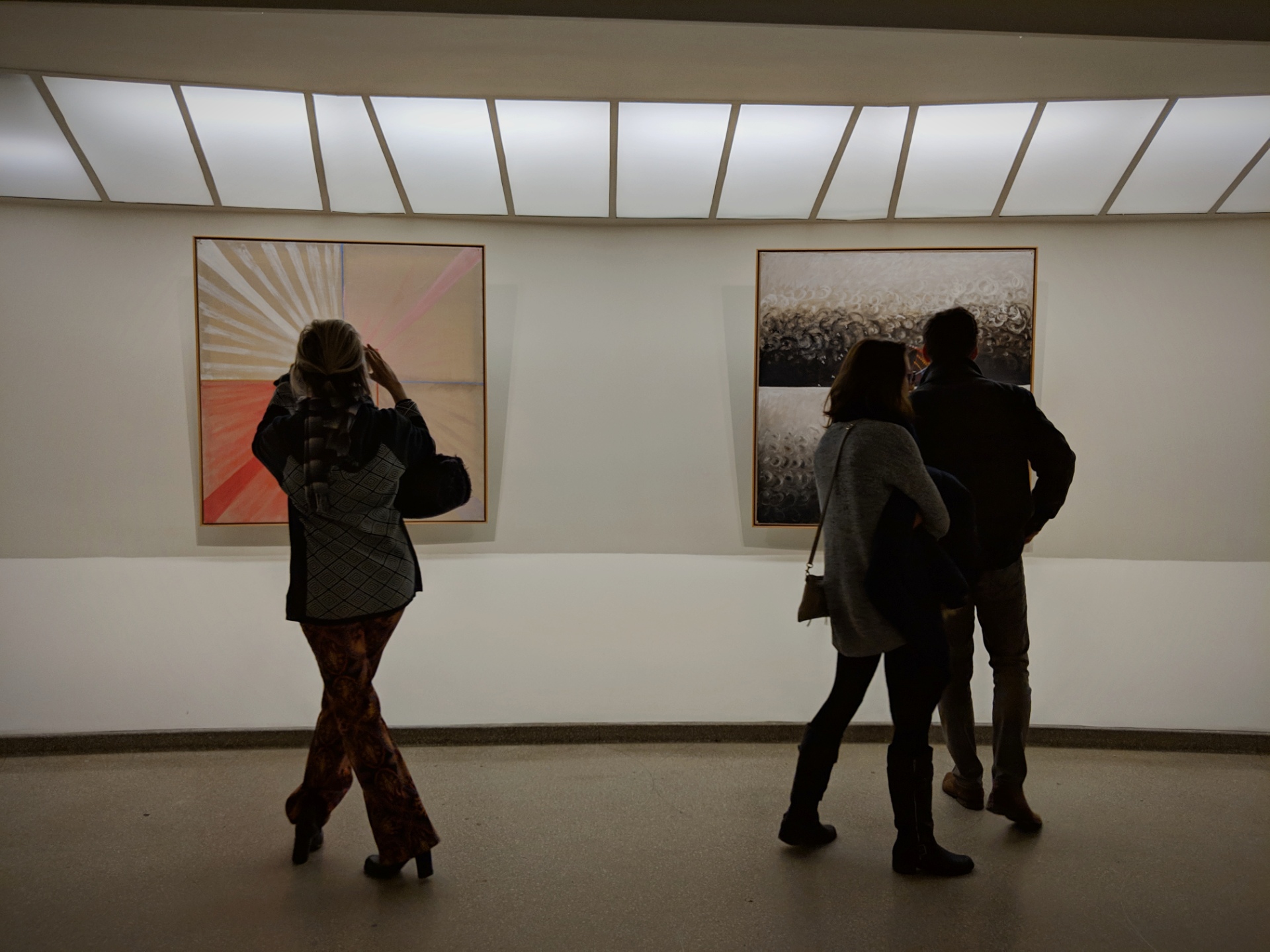

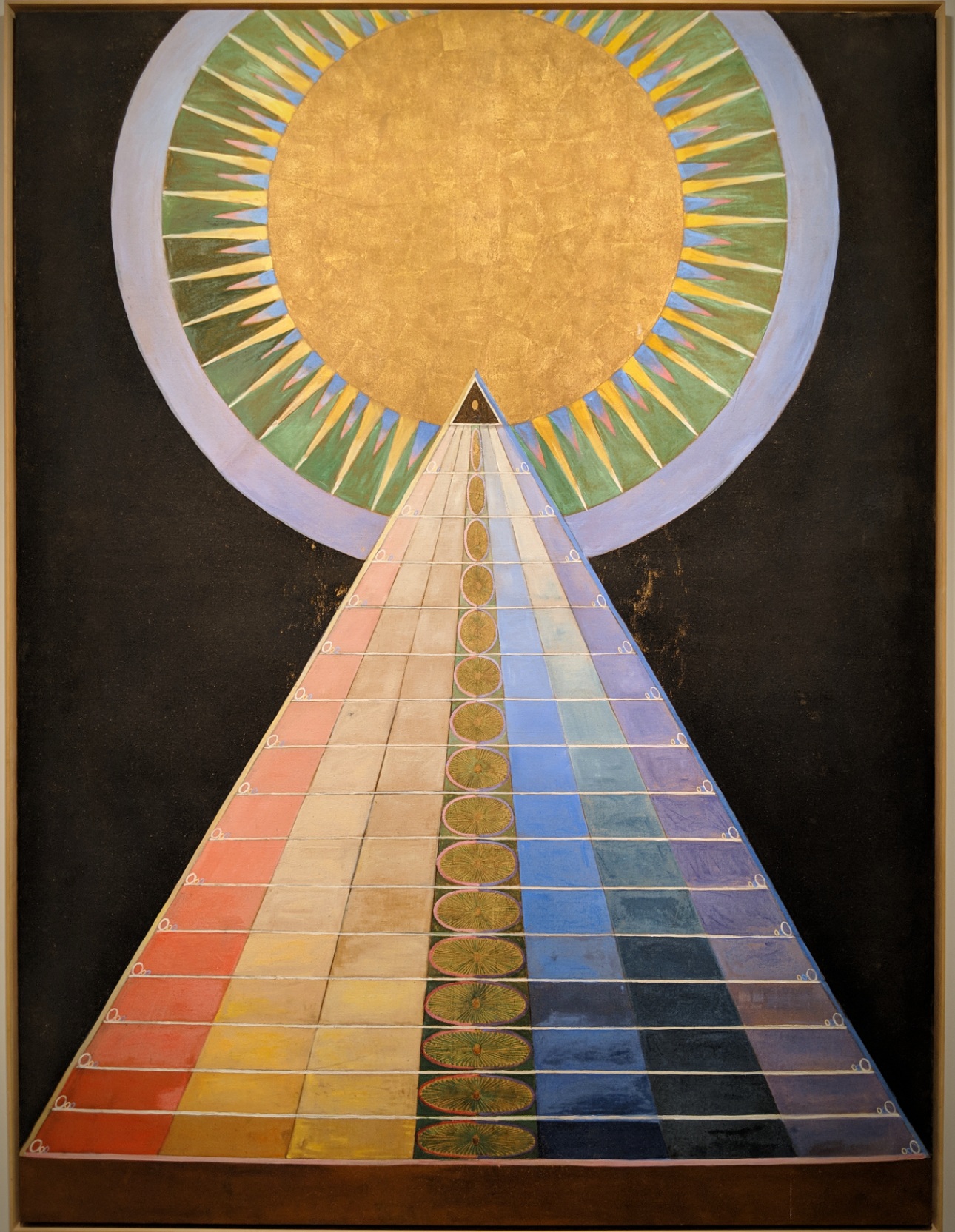

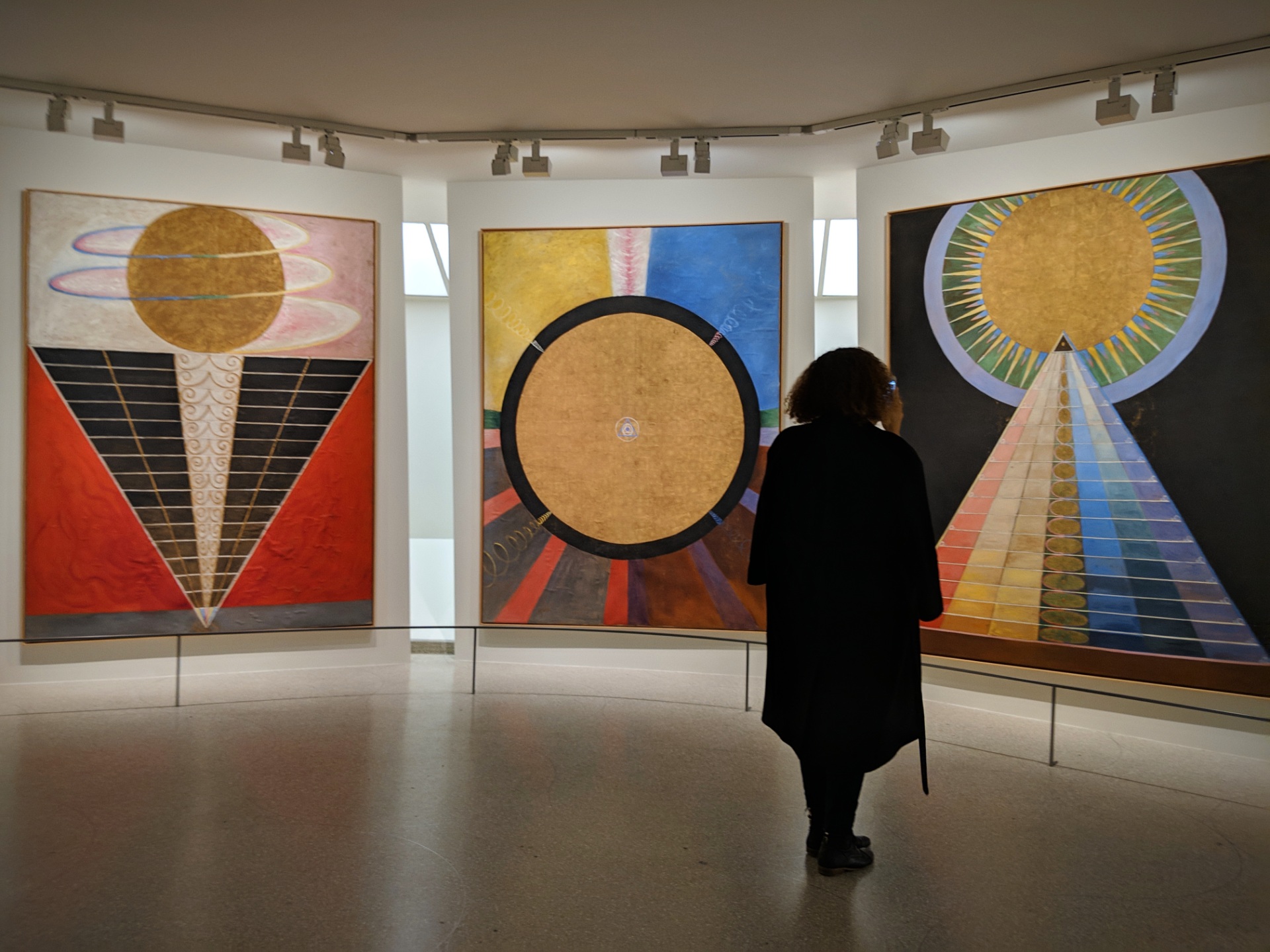
Hilma af Klint: Paintings for the Future, was the first major solo exhibition of the artist in the United States, running from October 2018 to April 2019.
December 9th, 2018
 Overseeing the birth of the Guggenheim
December 9th, 2018

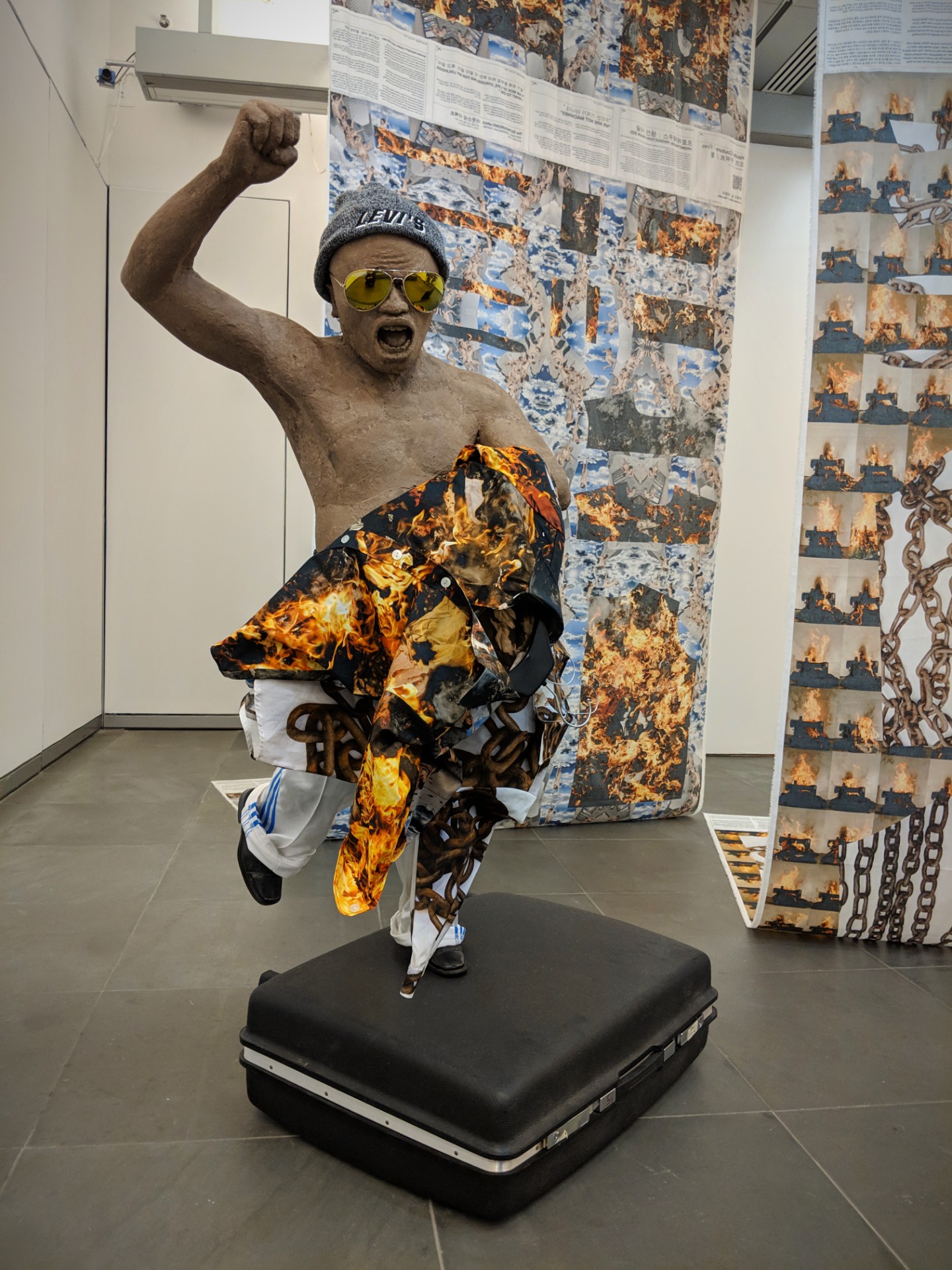


Ines Doujak, Not Dressed for Conquering: 01 Fires, 2015. Installation with various materials
“WE ARE NOT MACHINES”
Chun Tae-il, textile worker, setting himself alight, Seoul 1970 in protest at the ultra-exploitation of the mostly women workers in clothing factories.
“The labourer supplies himself with necessaries in order to maintain his labour-power, just as coal and water are supplied to the steam engine and oil to the wheel.” Karl Marx: Das Kapital Volume I, 1866
“In some cases the young seamstresses did not undress during nine consecutive days and nights, and could only rest a moment or two upon a mattress, where food was served to them ready cut up in order to require the least possible time for swallowing.” Friedrich Engels: The condition of the Working Class in England, 1887
BURN-OUT
“I AM SICK OF LIFE, STRUGGLING FOR MY LIVLIHOOD.
I WANT TO DIE.”
Diary of Sammi, worker at the Greenhill Textile Company, Seoul, who did die along with 21 other workers on 25th March 1988 in a locked in dormitory when a fire broke out in the factory below.
“My main finding is that the garment industry is so bad for women’s health that they cannot continue for more than 4 or 5 years. Often they leave as invalids. It’s just too strenuous.” Dr. Pratima Paul Majumber, Bangladesh
“Because we have no holidays, night shift is too tiring and so our bodies become exhausted. Therefore we take ’Timing’ a medicine to keep us awake. Some of us have eaten too many and are addicted to these pills. If we fall asleep we are reprimanded, beaten and shaken.” A public statement by women workers at Pangrim textiles in Korea in 1978
The OUTSOURCING effect:
“OVERLOADED, OVERSTRETCHED, OVERTIME…and OVER THERE”
24 workers were killed and many more injured at the Mirpur clothing factory, Dhaka, in a fire caused by sparks from an overloaded electricity circuit board on the 6th floor. They were doing enforced overtime and the emergency gates were locked.
“If you didn’t do overtime they would dismiss you, it didn’t matter if it was night or day.” Sophal, Cambodian clothing worker
Haute Couture 01 Fires is in progress.
***
From WOMEN.NOW, a group exhibition showcasing contemporary female artists based in Austria and the United States. On view from September 2018 to February 2019, the show united artists from different generations, commenting on women’s role in society and the arts.
December 8th, 2018
Women’s Words 


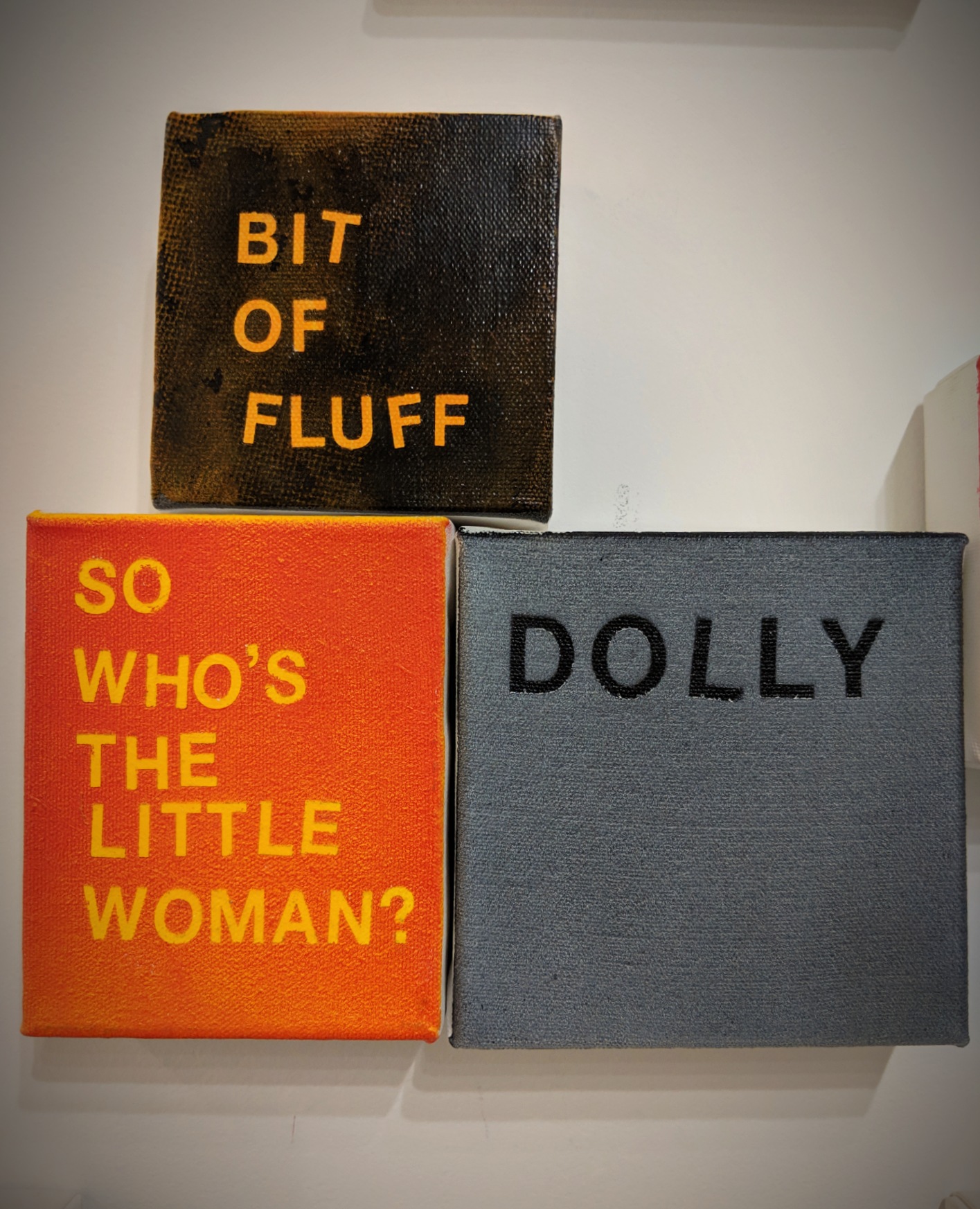

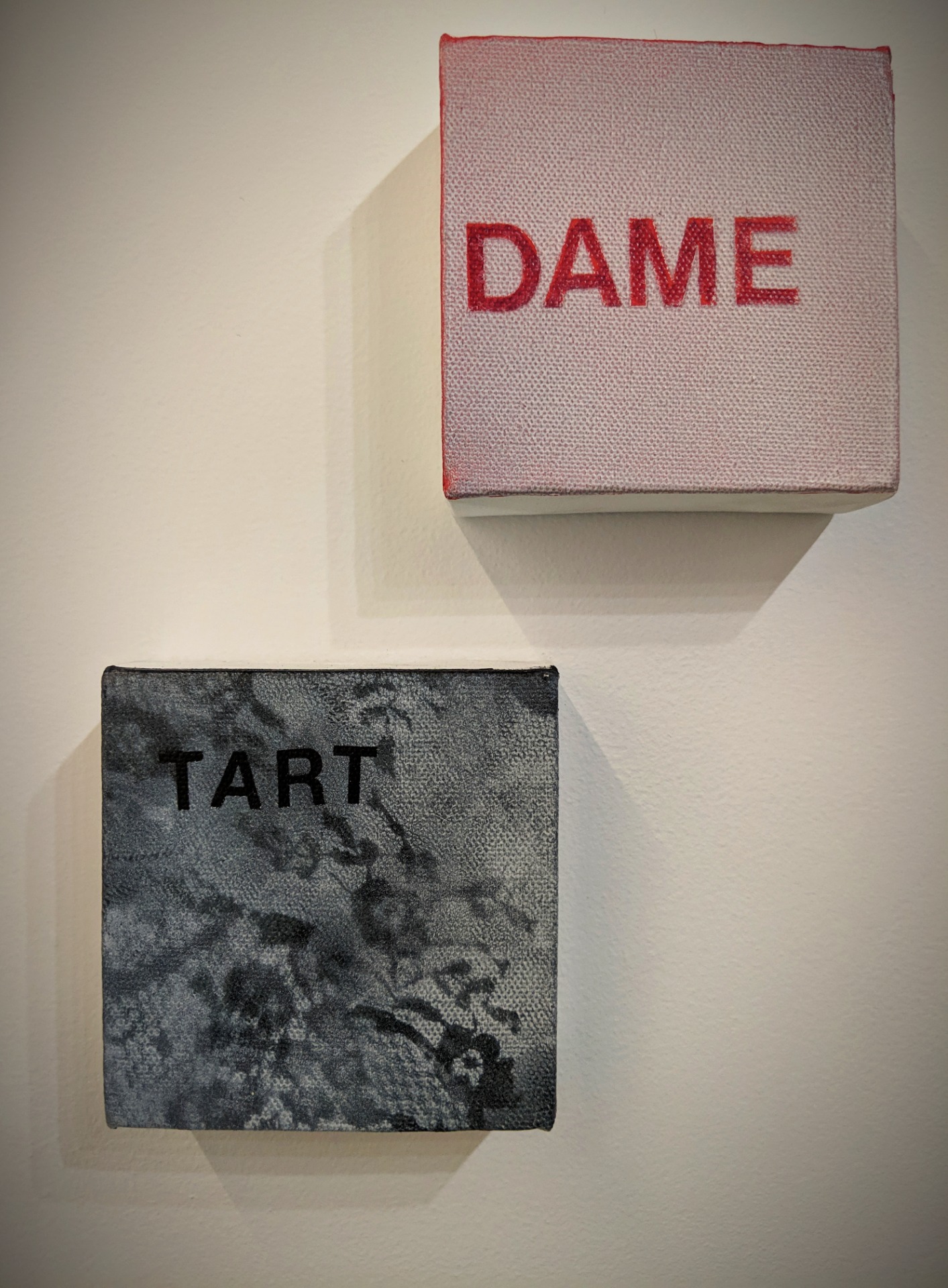

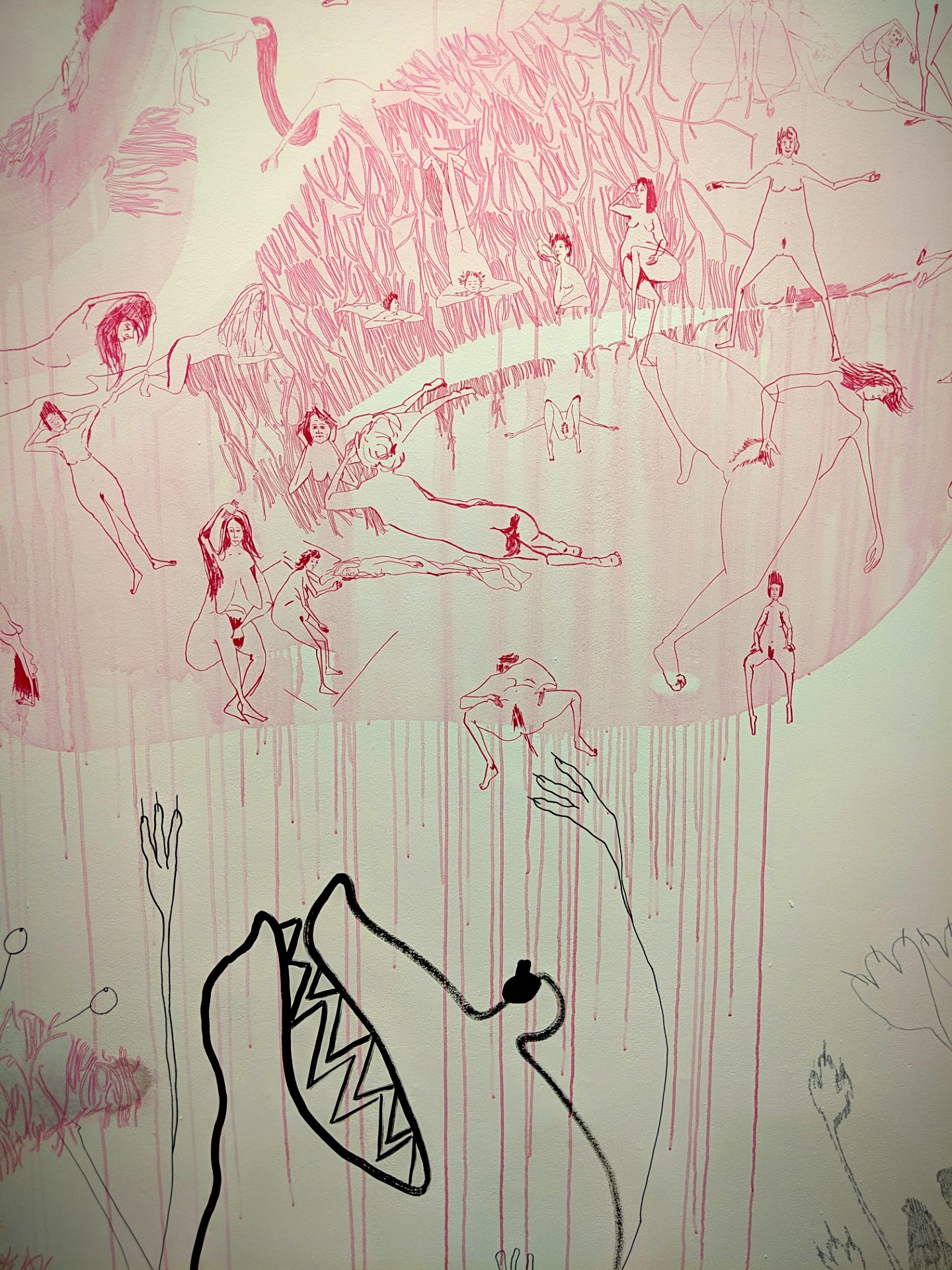
Betty Tompkins’ Women’s Words, 2016. Installation, acryl on paper, acryl on canvas
∼paired with∼
Sevda Chkoutova’s Untitled, 2018 (Detail). India ink, painted on wall over two floors
From WOMEN.NOW, a group exhibition showcasing contemporary female artists based in Austria and the United States. On view from September 2018 to February 2019, the show united artists from different generations, commenting on women’s role in society and the arts.
December 8th, 2018

Walking in Manhattan
December 8th, 2018
If I were a photographer, I’d wish my photos would look like these.

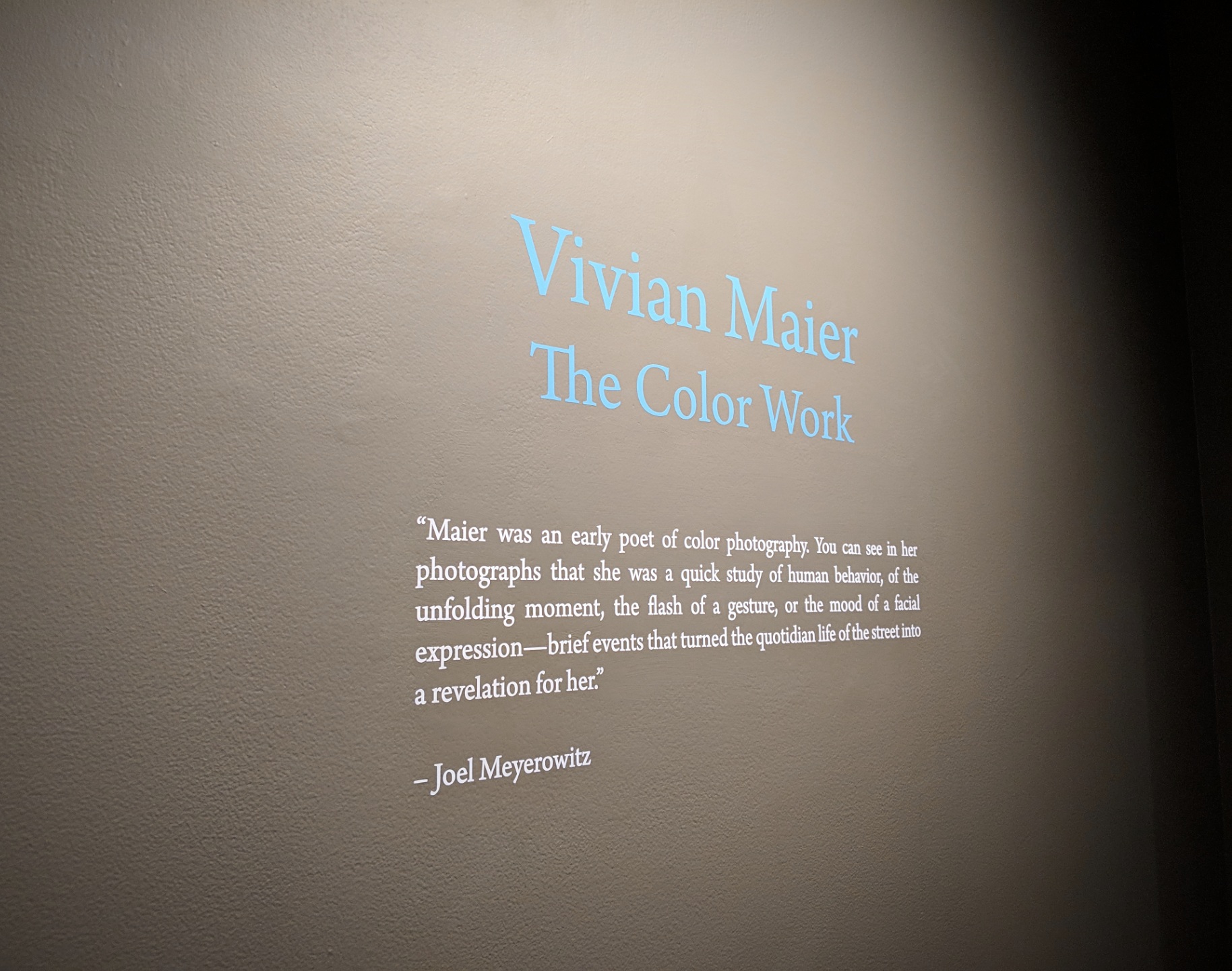


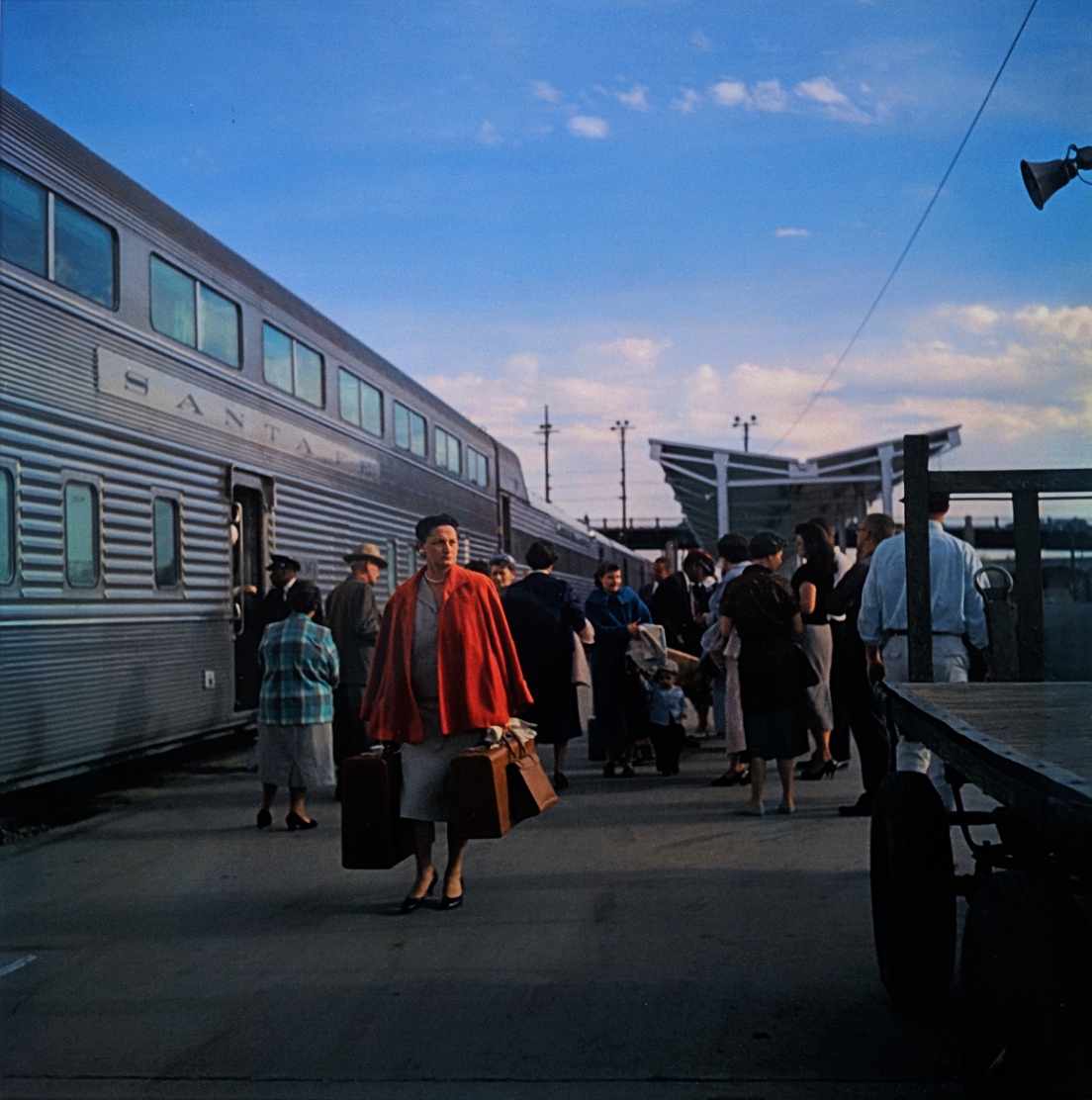


From an exhibition at Howard Greenberg Gallery (November 2018 – March 2019), which coincided with the publication of ”Vivian Maier: The Color Work”, the first book devoted to her colour images.
Vivian Maier (1926 – 2009)
subjective worldview
Actor, writer, cook and author
Travel experiences & Strasbourg city guide
Writer
joy, happiness, travel, adventure, gratitude
"Rêve onirique & Bulle d'évasion"
makes pretty things on paper
This WordPress.com site is Pacific War era information
Welcome to my curious world of words....
Photographs, music and writing about daily life. Contact: elcheo@swcp.com
Free listening and free download (mp3) chill and down tempo music (album compilation ep single) for free (usually name your price). Full merged styles: trip-hop electro chill-hop instrumental hip-hop ambient lo-fi boombap beatmaking turntablism indie psy dub step d'n'b reggae wave sainte-pop rock alternative cinematic organic classical world jazz soul groove funk balkan .... Discover lots of underground and emerging artists from around the world.
A 365 analogue photography project
Barcelona's Multiverse | Art | Culture | Science
Een digitaal atelier aan de (zee)slag.
‘Doodling Ambiguity’s in Ink.’
Miscellaneous photography
Glimpses along the way on a journey of discovery into symmetry...

 The Humble Fabulist