Hustle and bustle as usual.
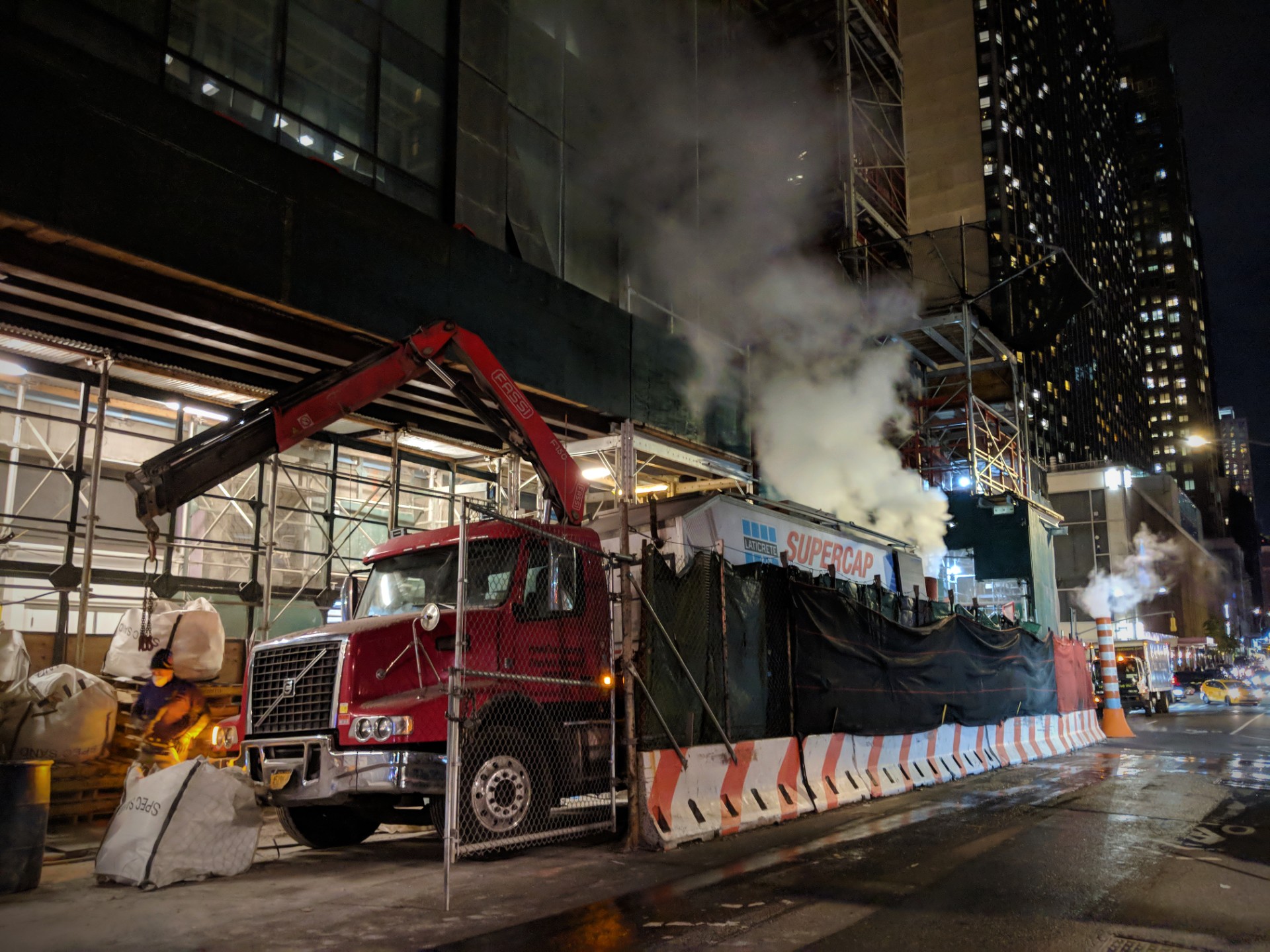
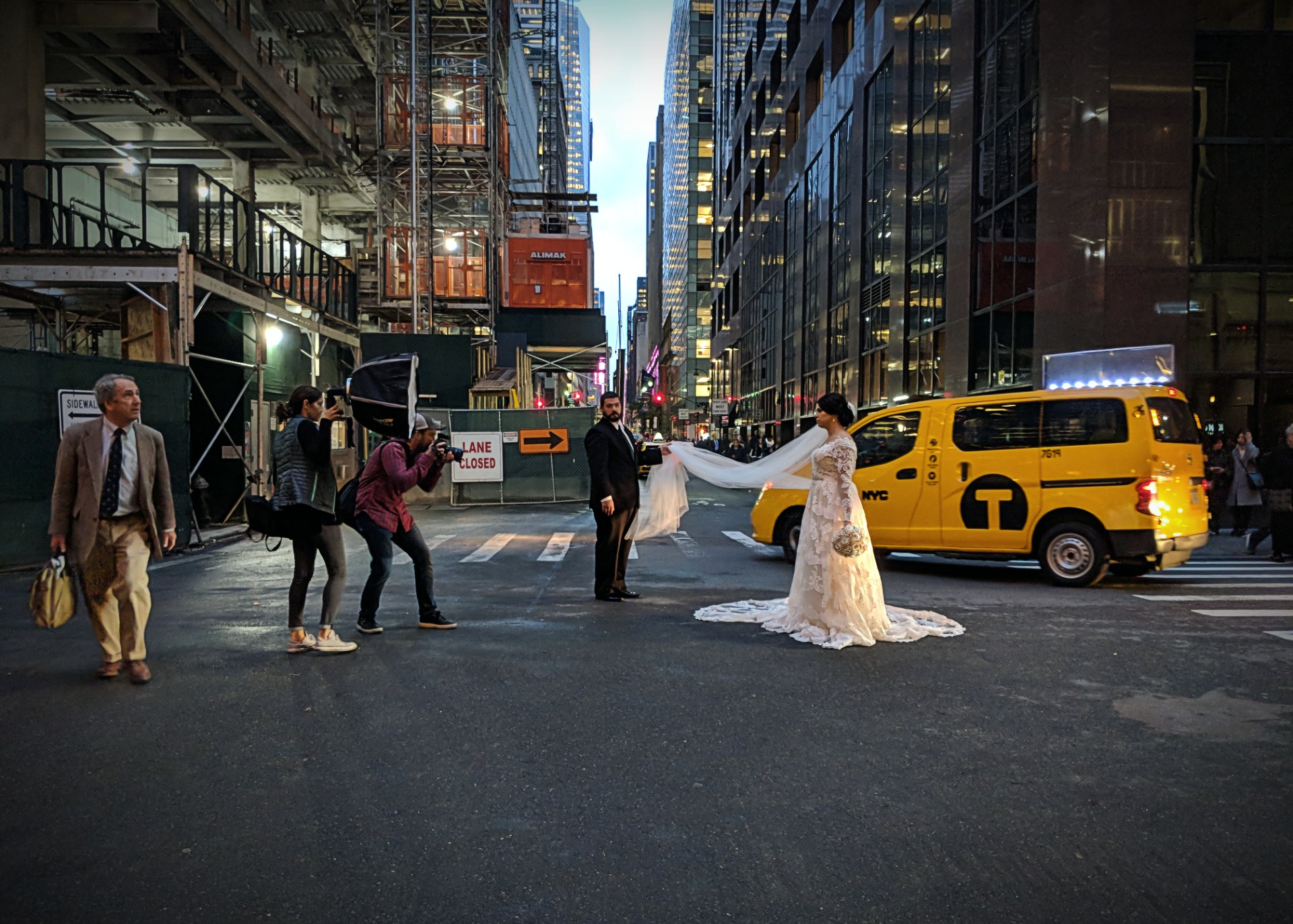
October 19th, 2018
Hustle and bustle as usual.
October 19th, 2018
The Six Brandenburg Concertos, one of J.S. Bach’s most iconic masterpieces meet Anne Teresa De Keersmaeker, one of the world’s most acclaimed choreographers meet Park Avenue Armory, one of New York’s most iconic venues. A winning combination and one of the highlights of the year.
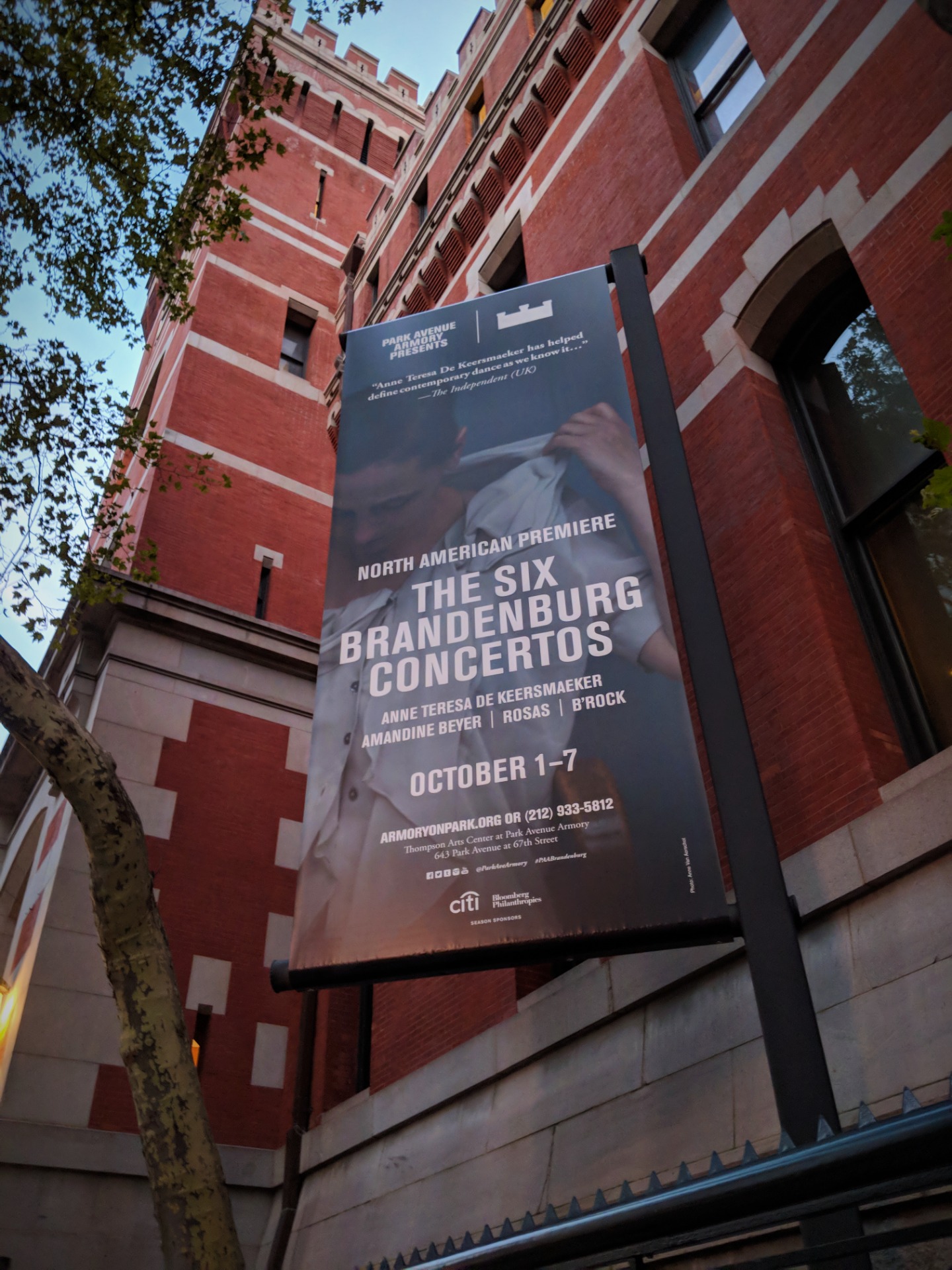
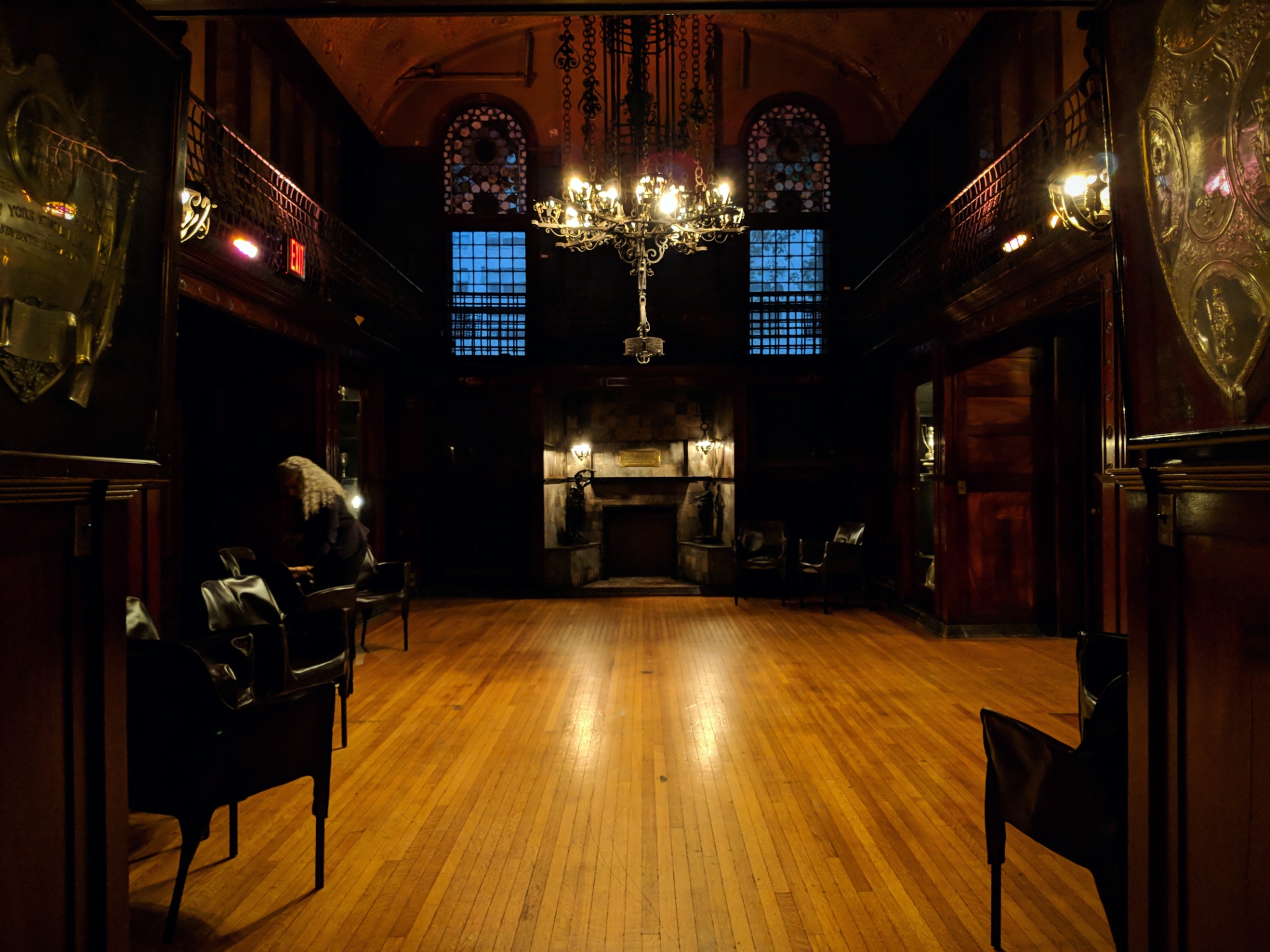
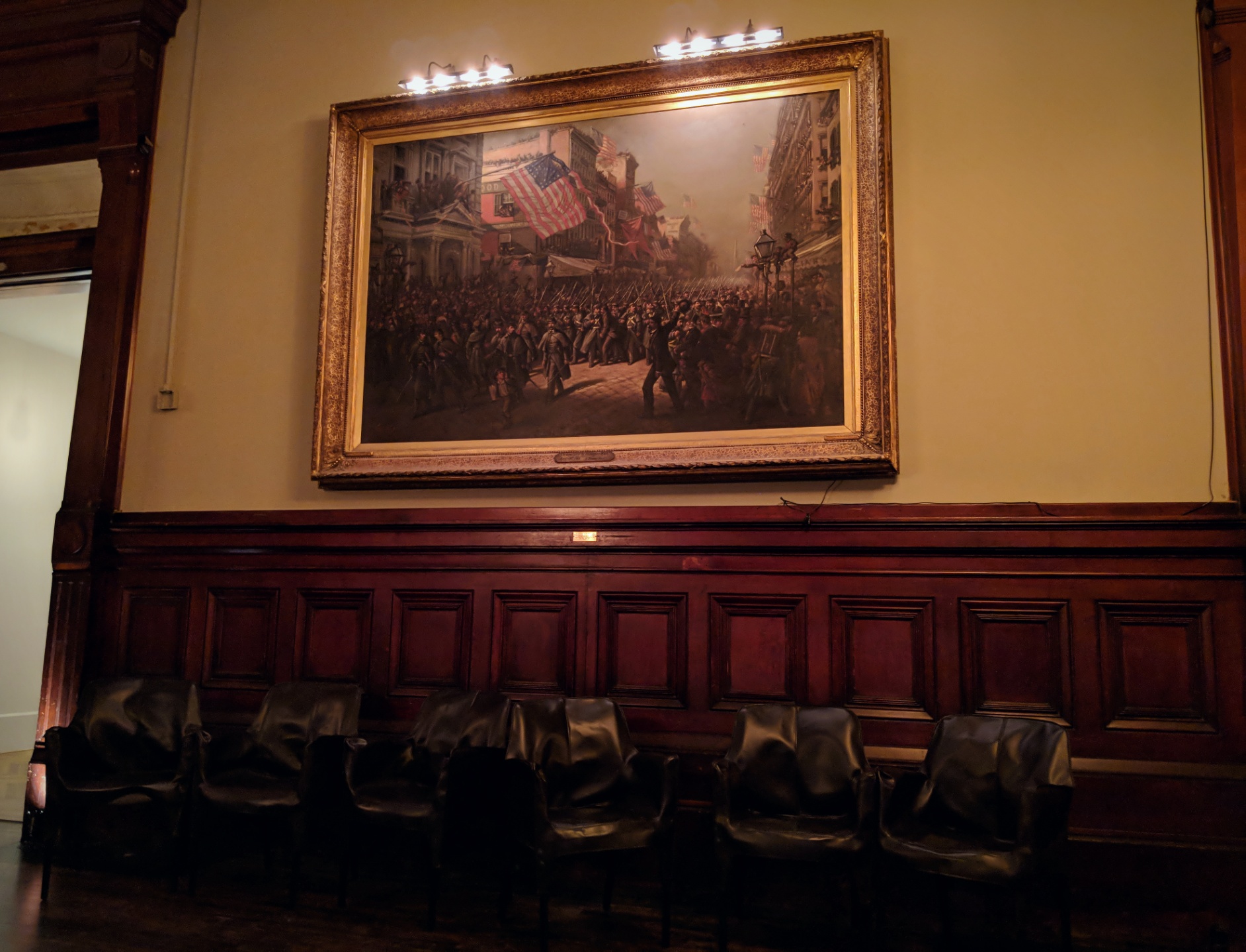
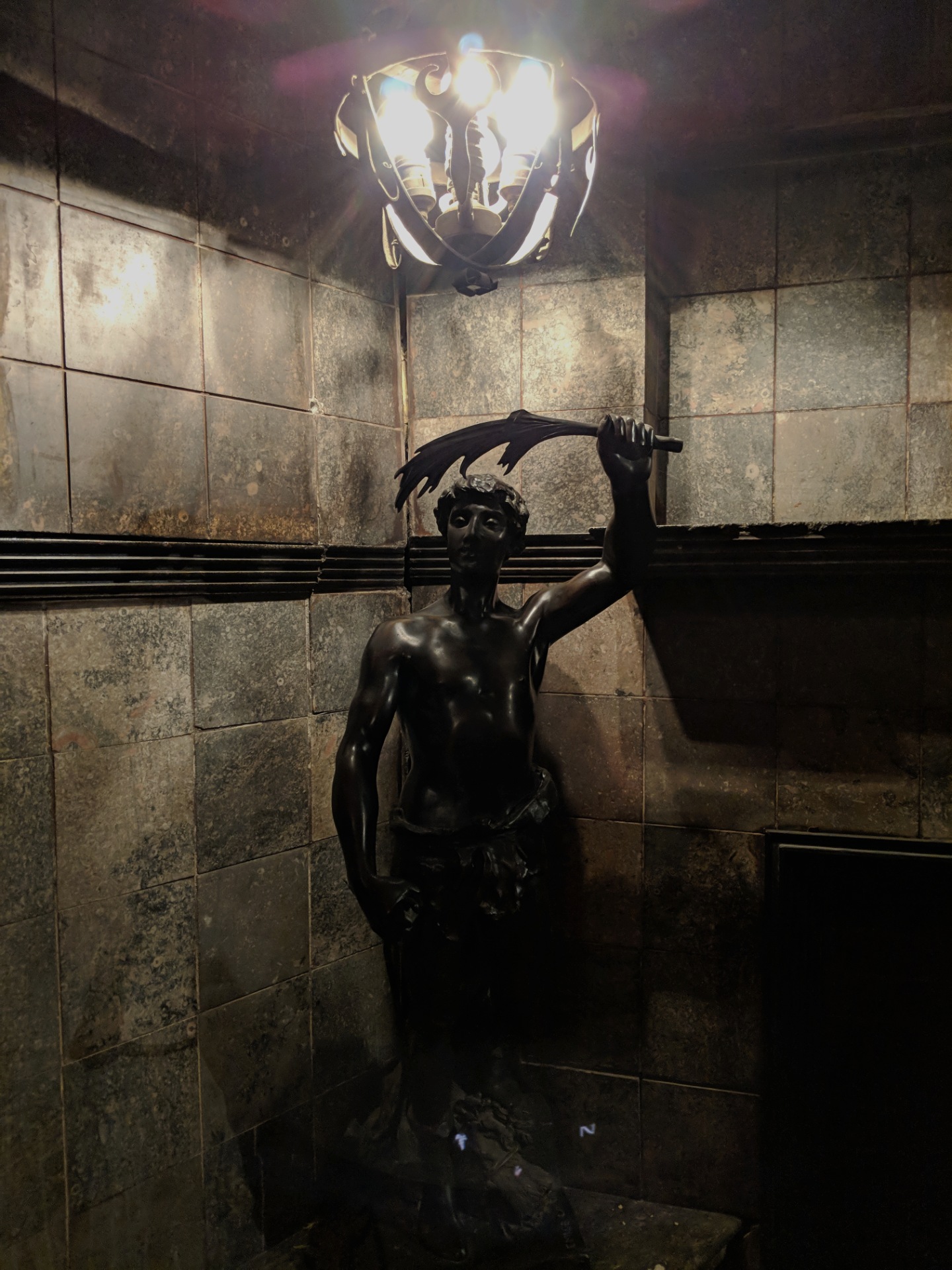
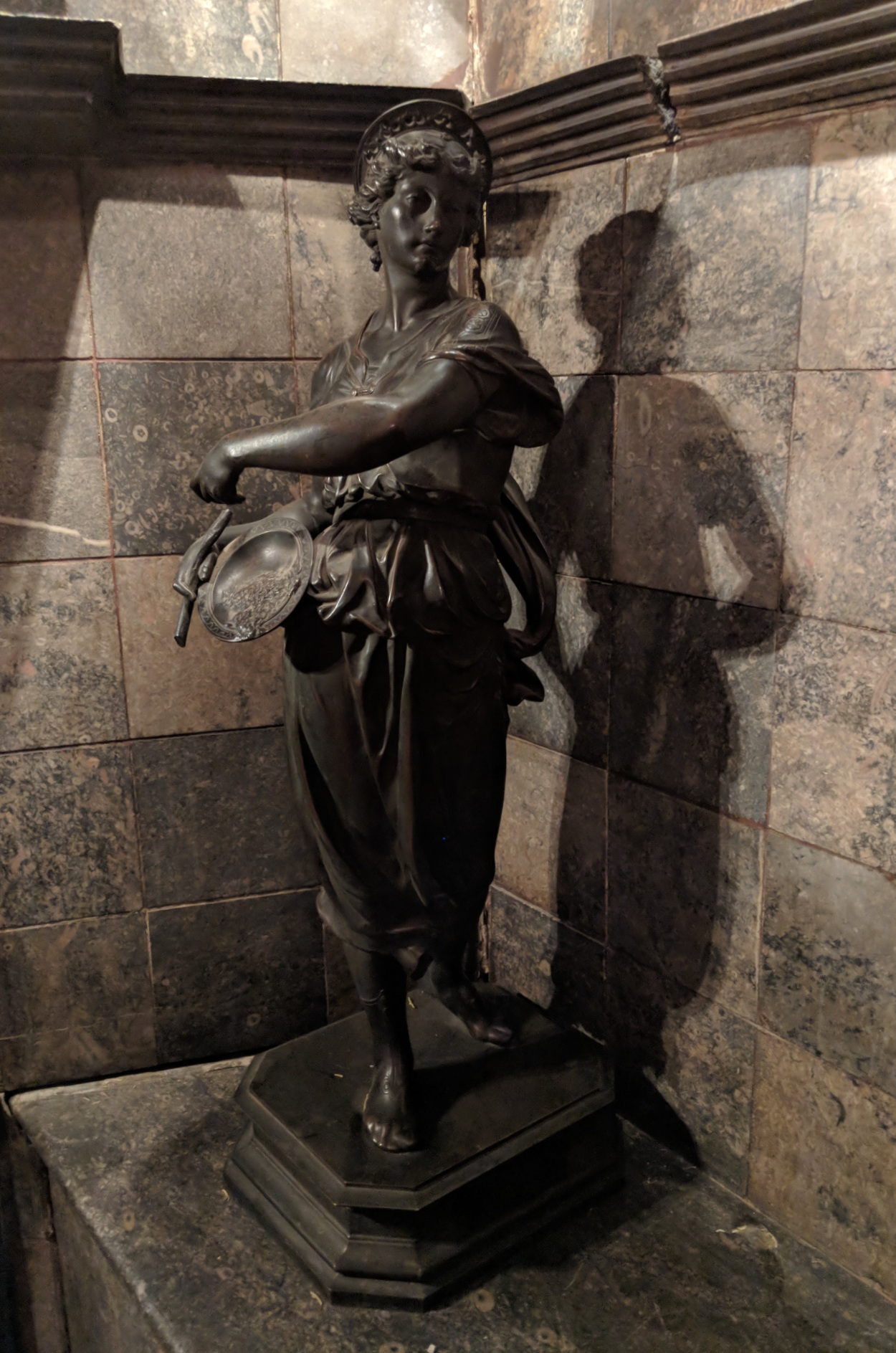
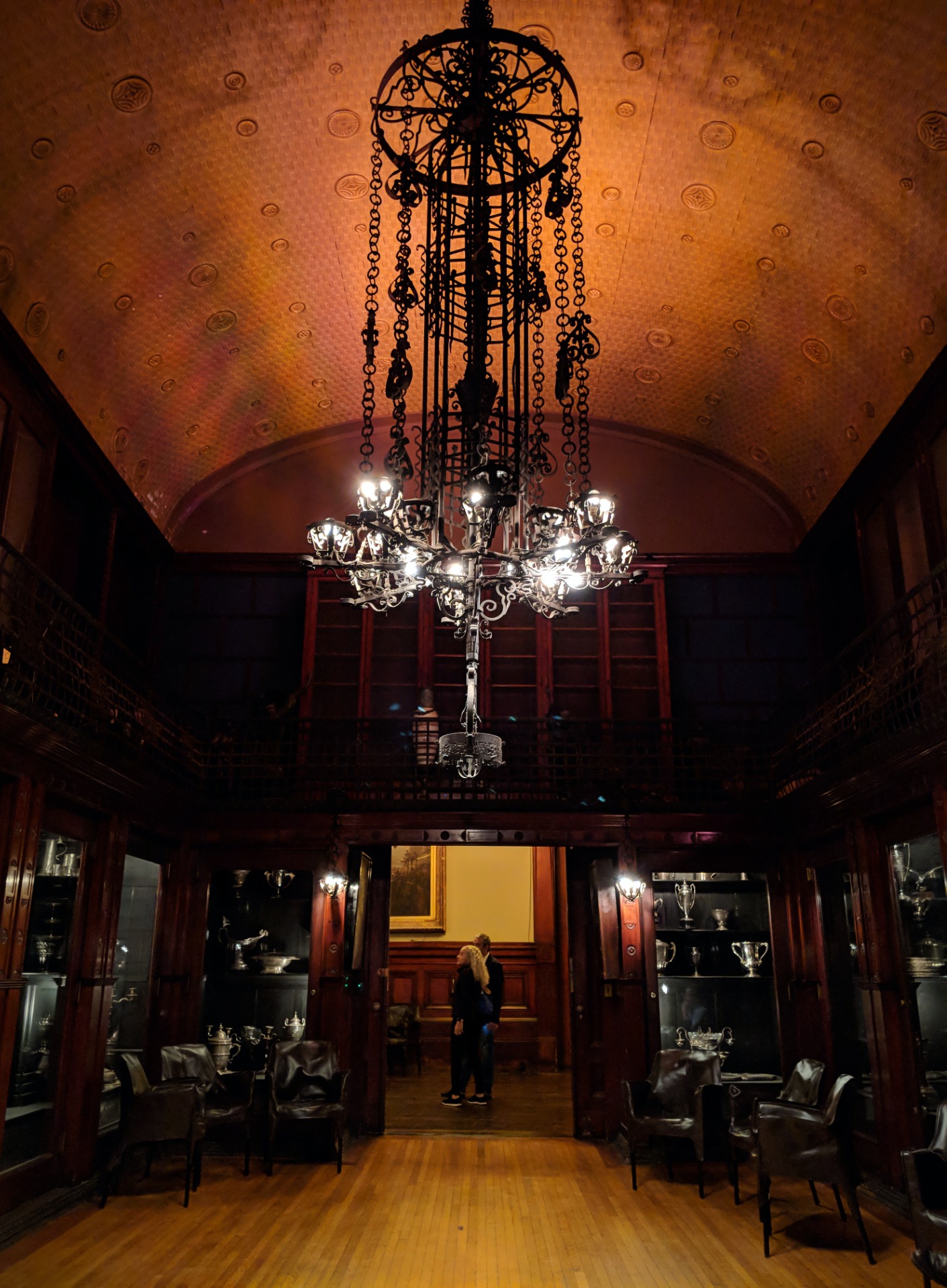
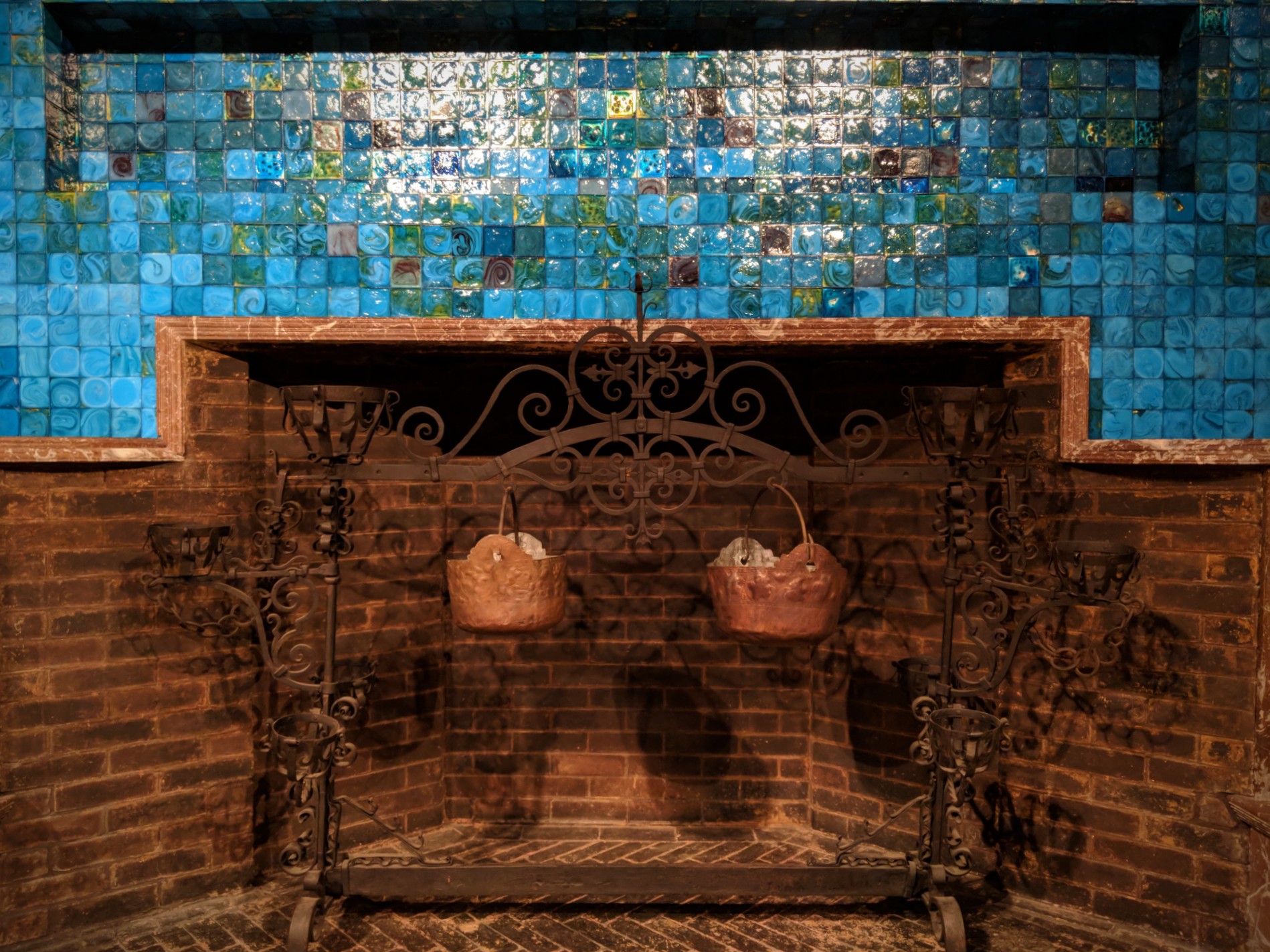
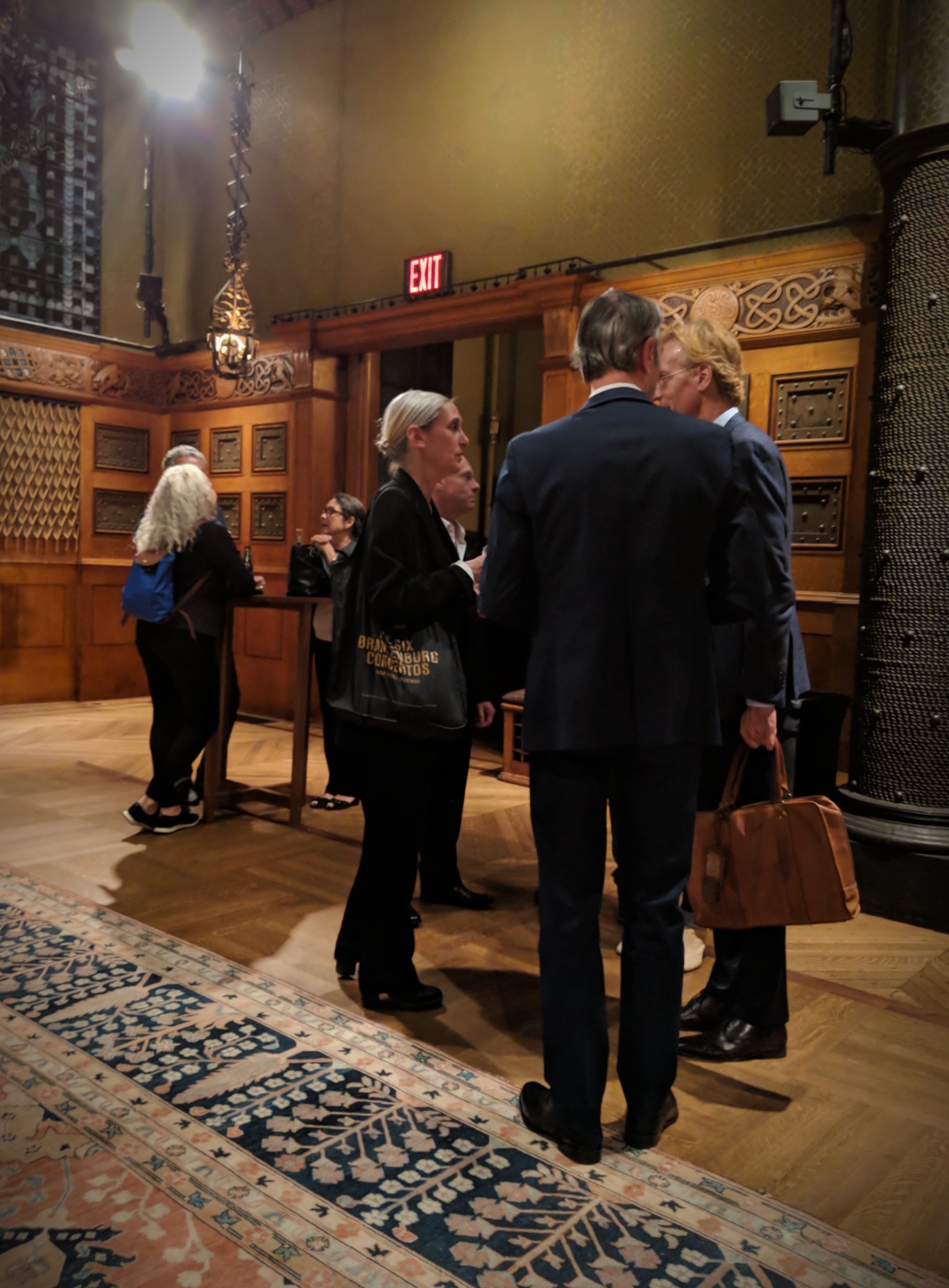
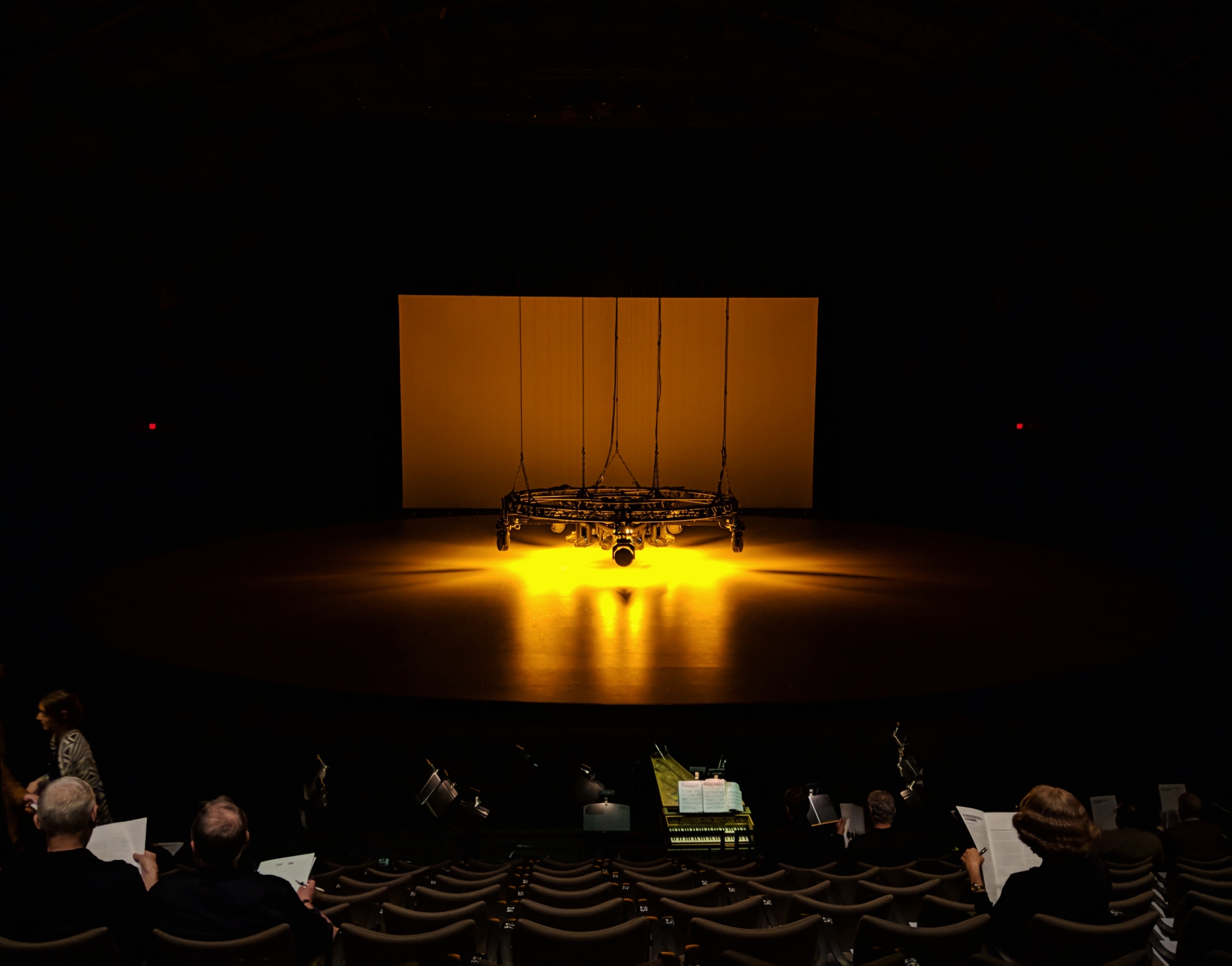
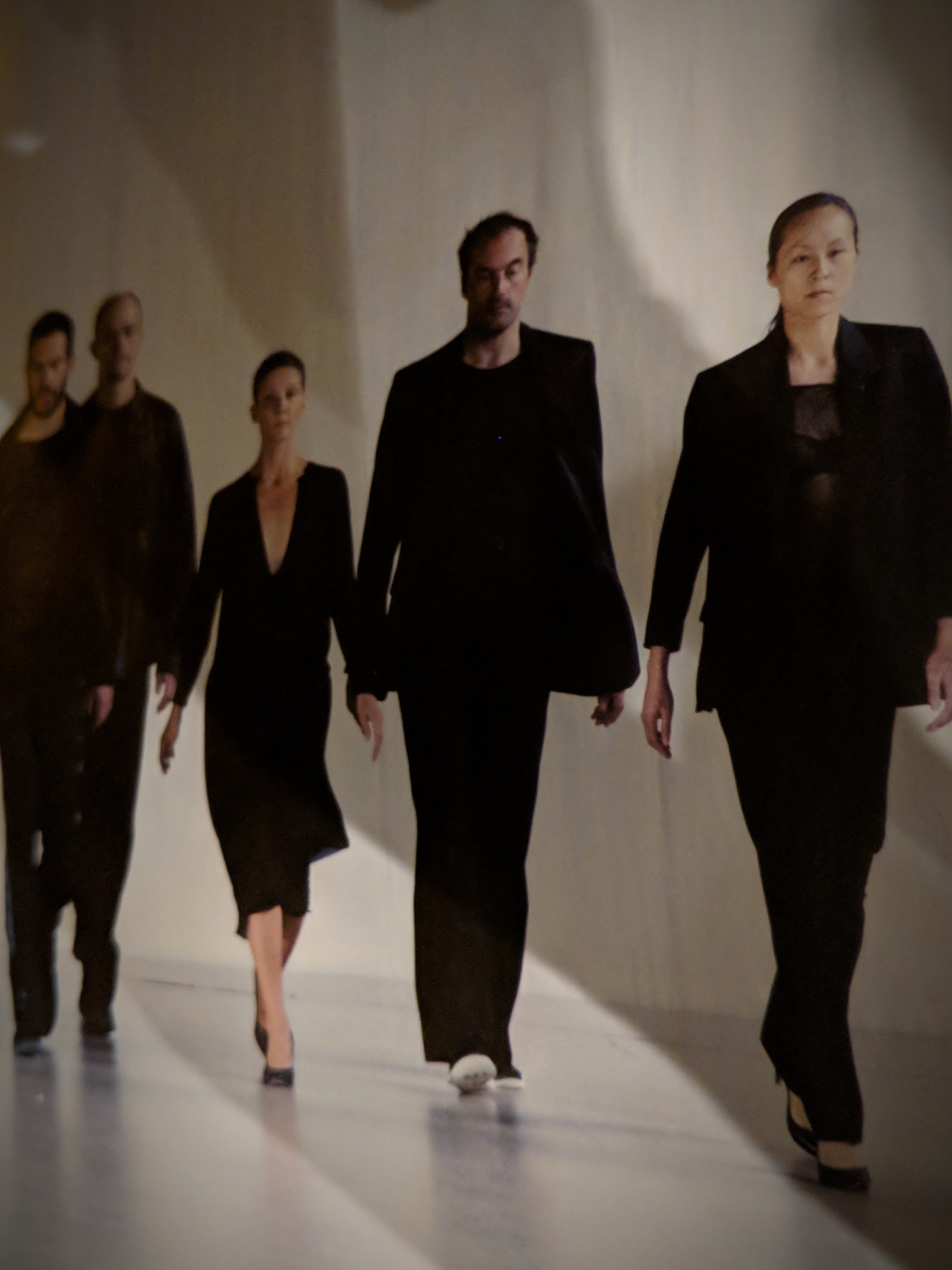
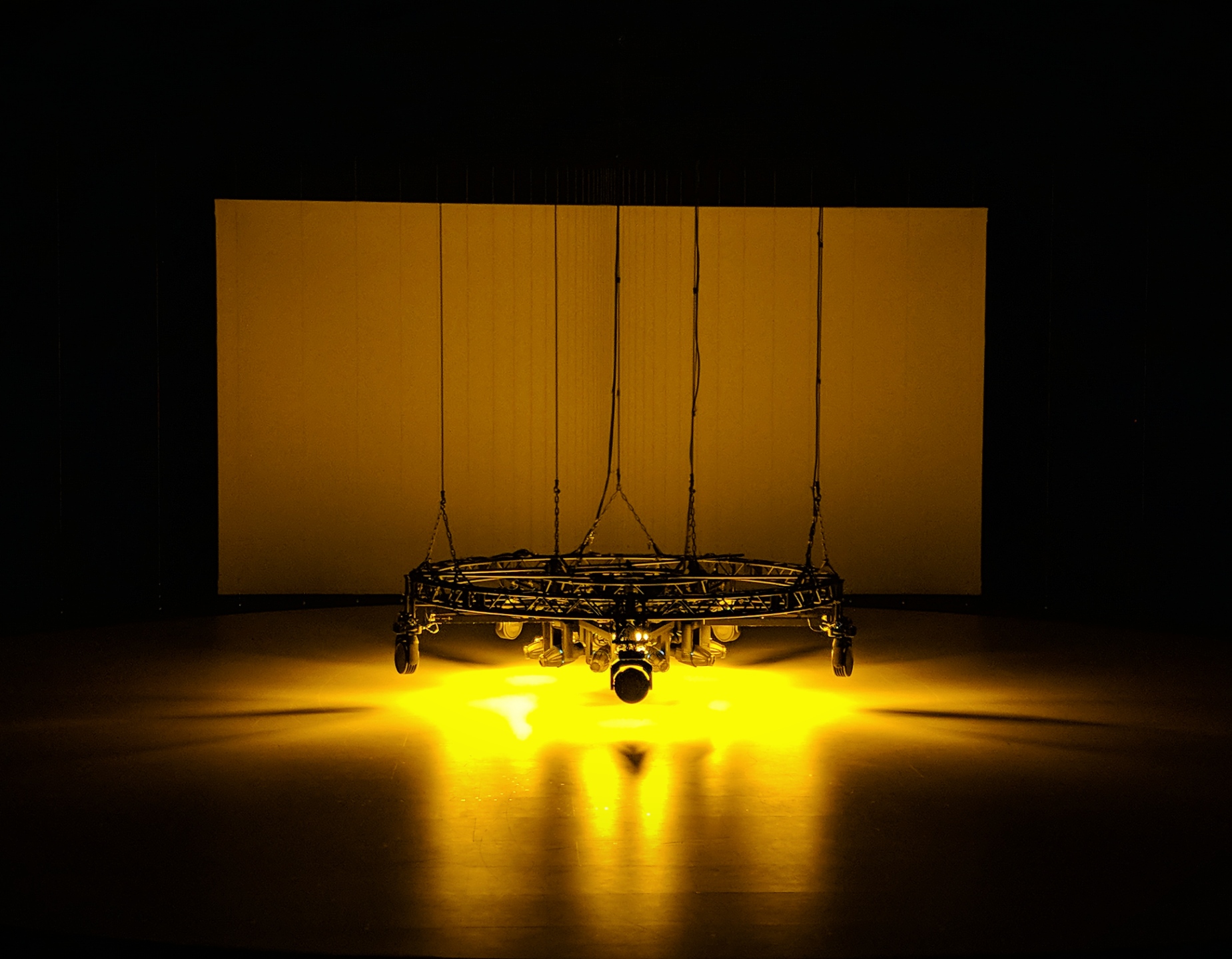
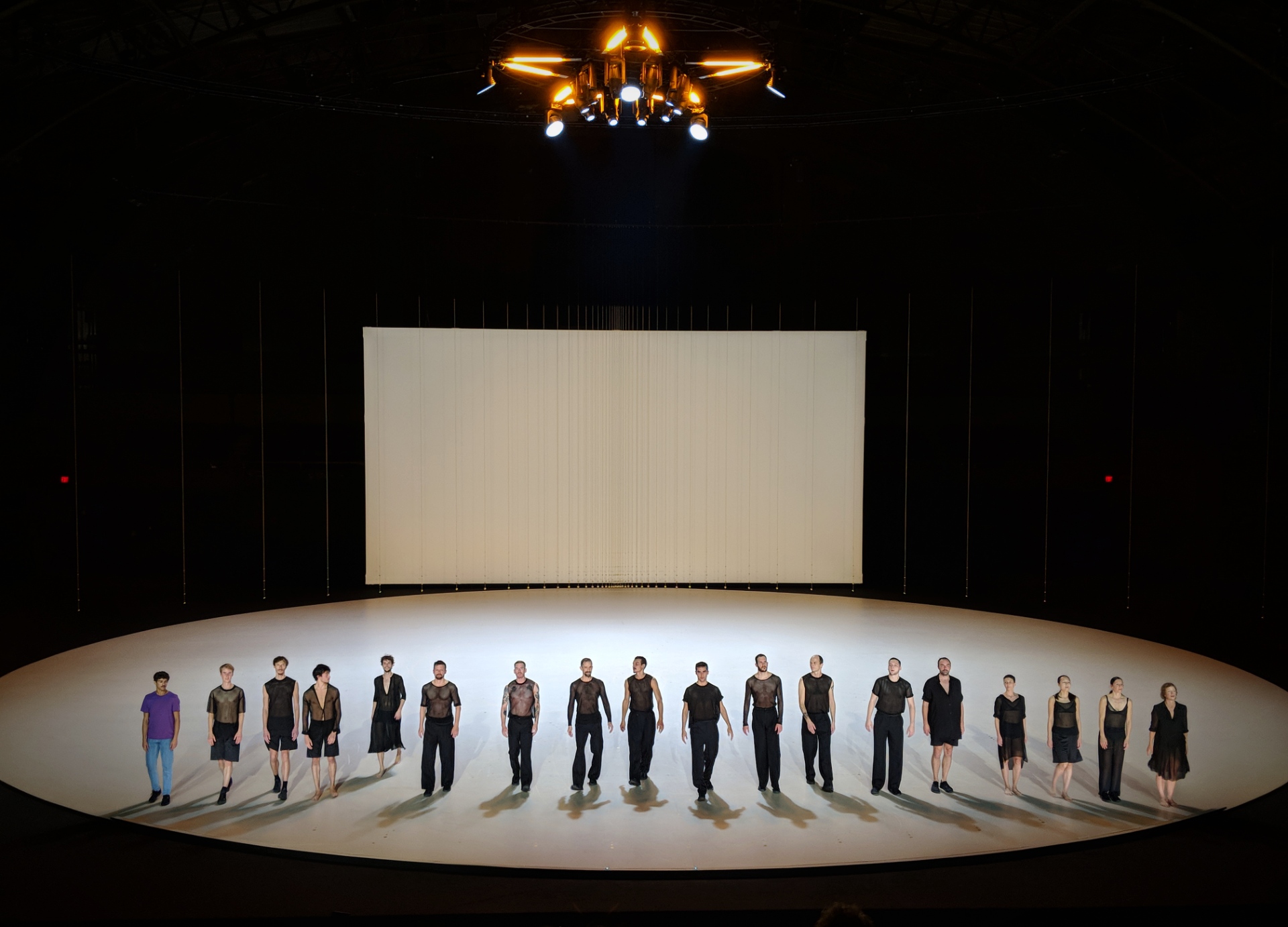
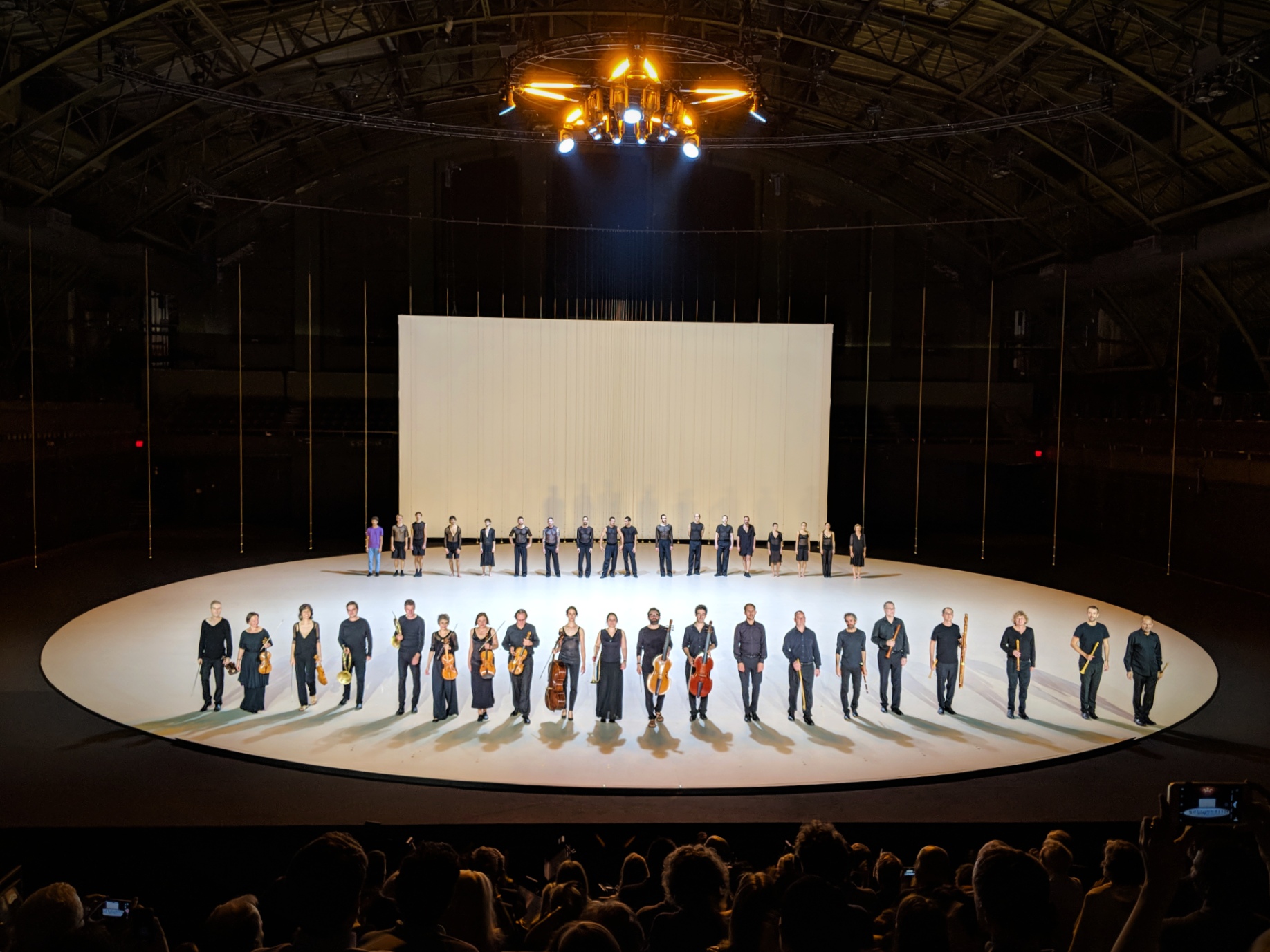
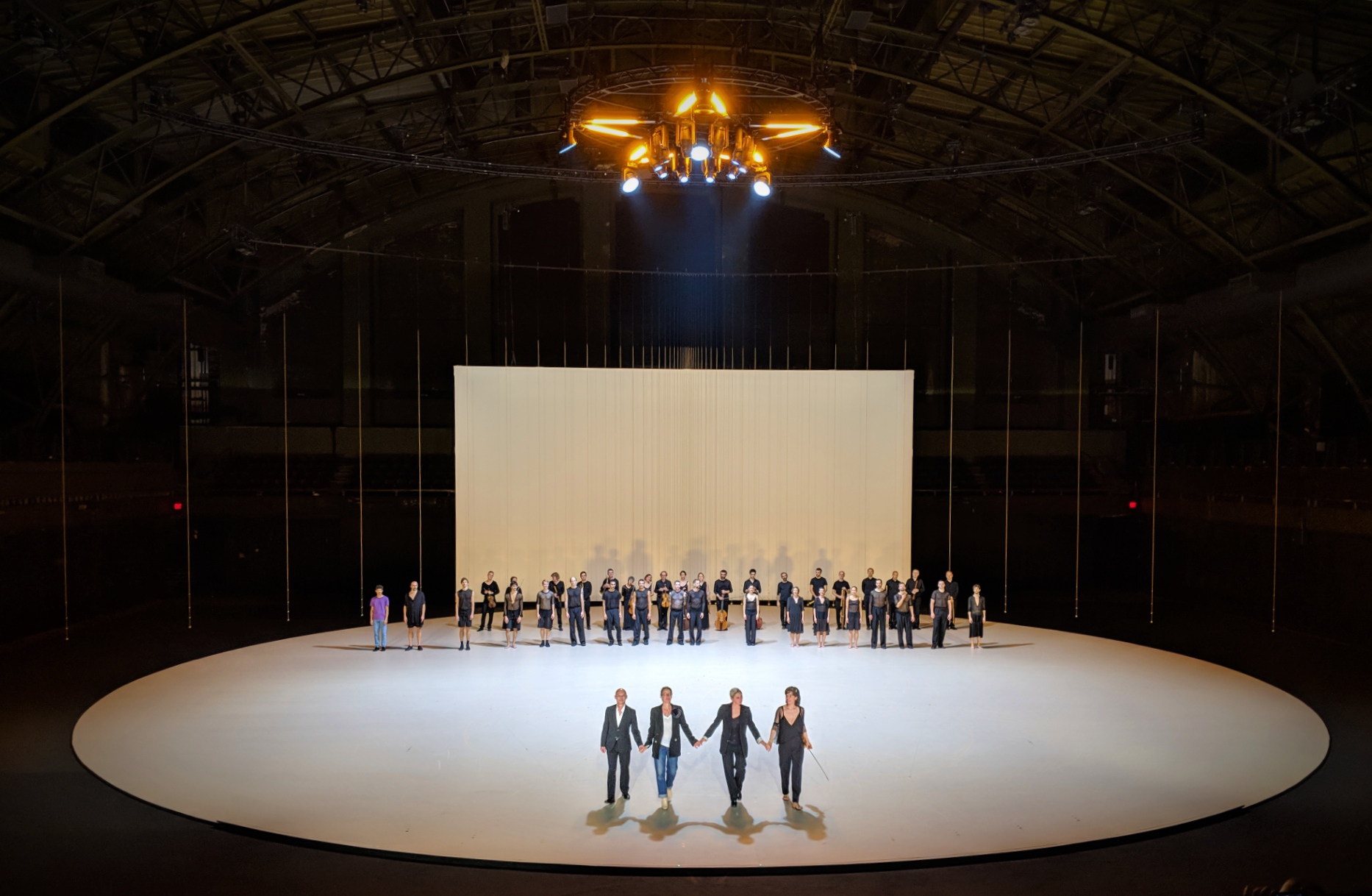
”The Brandenburg Concertos consist of six concerti grossi, in which Bach deploys the instruments from the baroque orchestra in different, often audacious constellations. Against this backdrop, De Keersmaeker sets sixteen dancers originating in different Rosas generations. Following the premiere of Mitten wir im Leben sind/Bach6Cellosuiten De Keersmaeker approaches, as in Vortex Temporum (2013), Bach’s music as if it were a ready-made score for a dance piece, embodying Bach’s polyphonic mastery. The concertos are played live by the baroque ensemble B’Rock. Violinist Amandine Beyer, with whom De Keersmaeker previously co-operated for Partita 2, will conduct the orchestra.” – [source: Rosas]
October 1st, 2018
Visiting the site of UN Headquarters is like walking into a bubble; a microcosm of our world within my reach, coming to terms with the knowledge I’m no longer walking in New York City but on the grounds of an international territory.
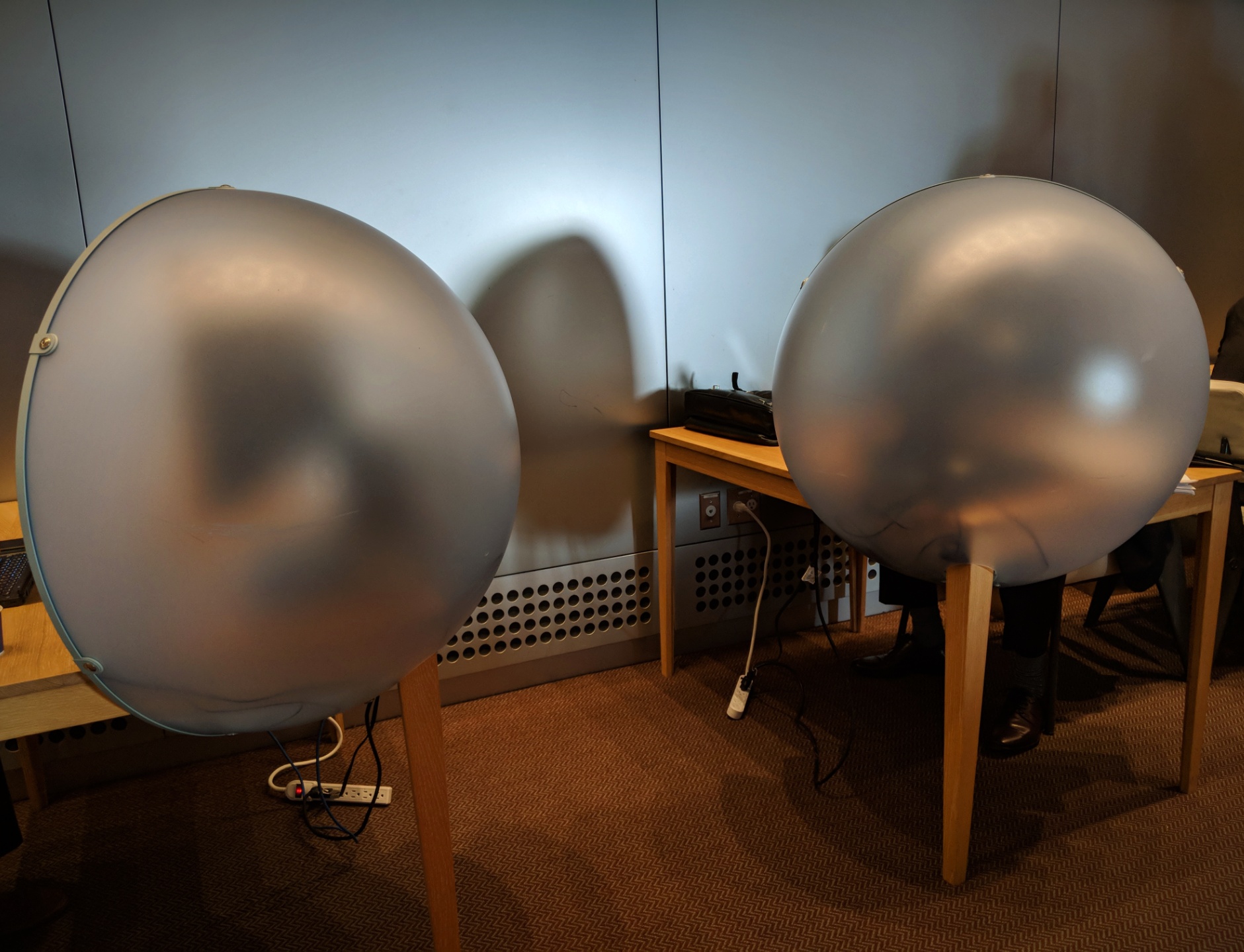
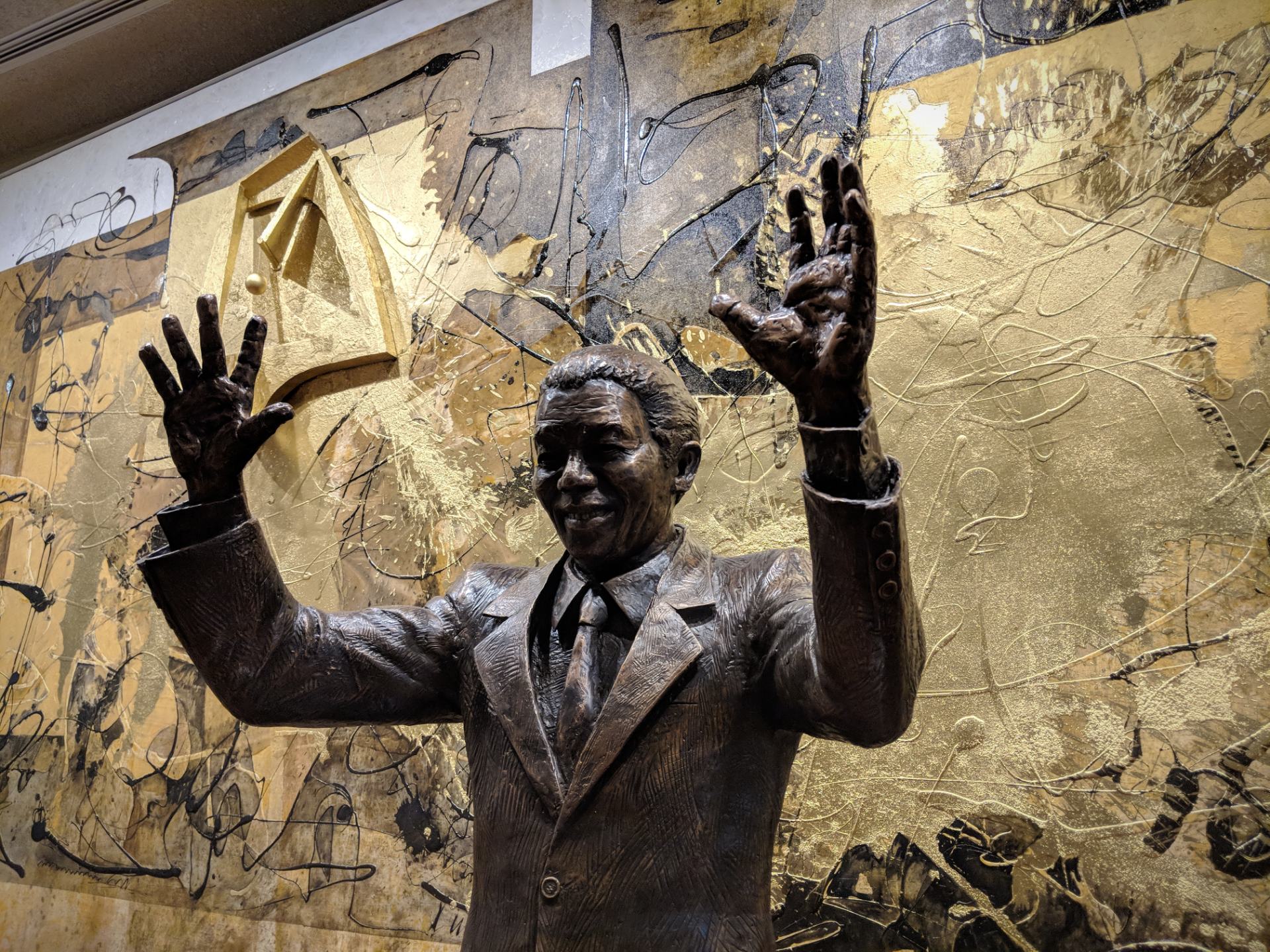
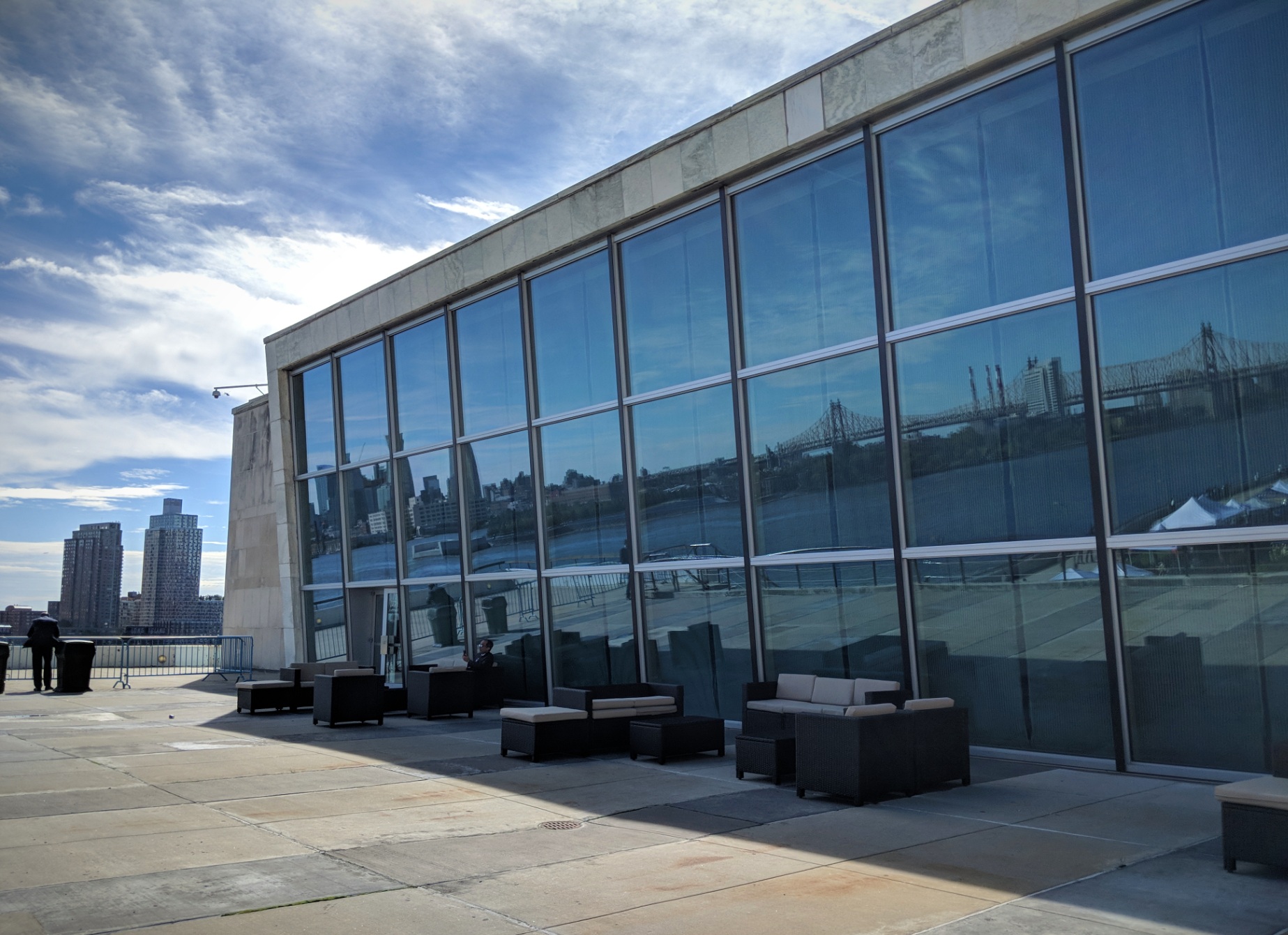
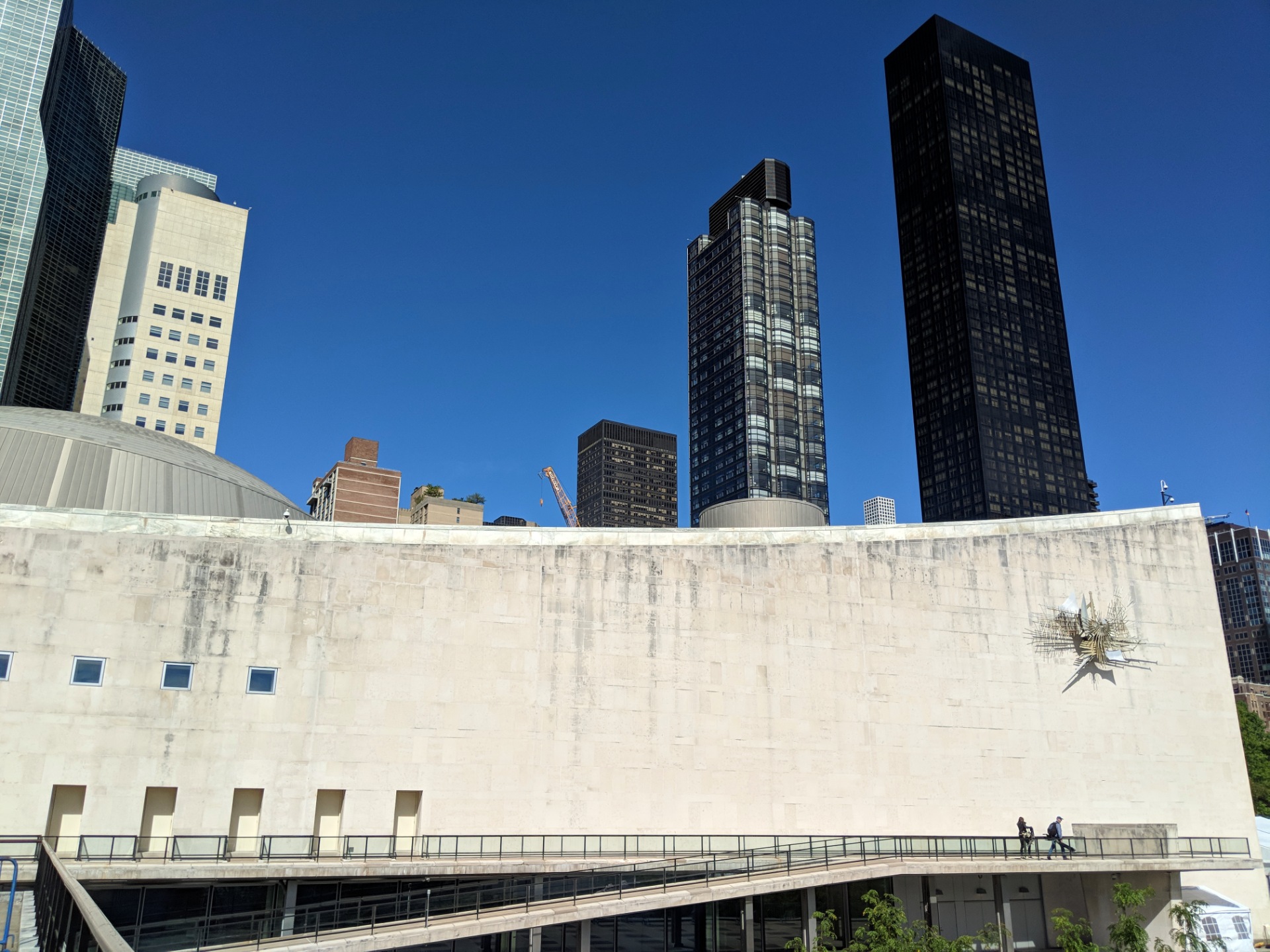
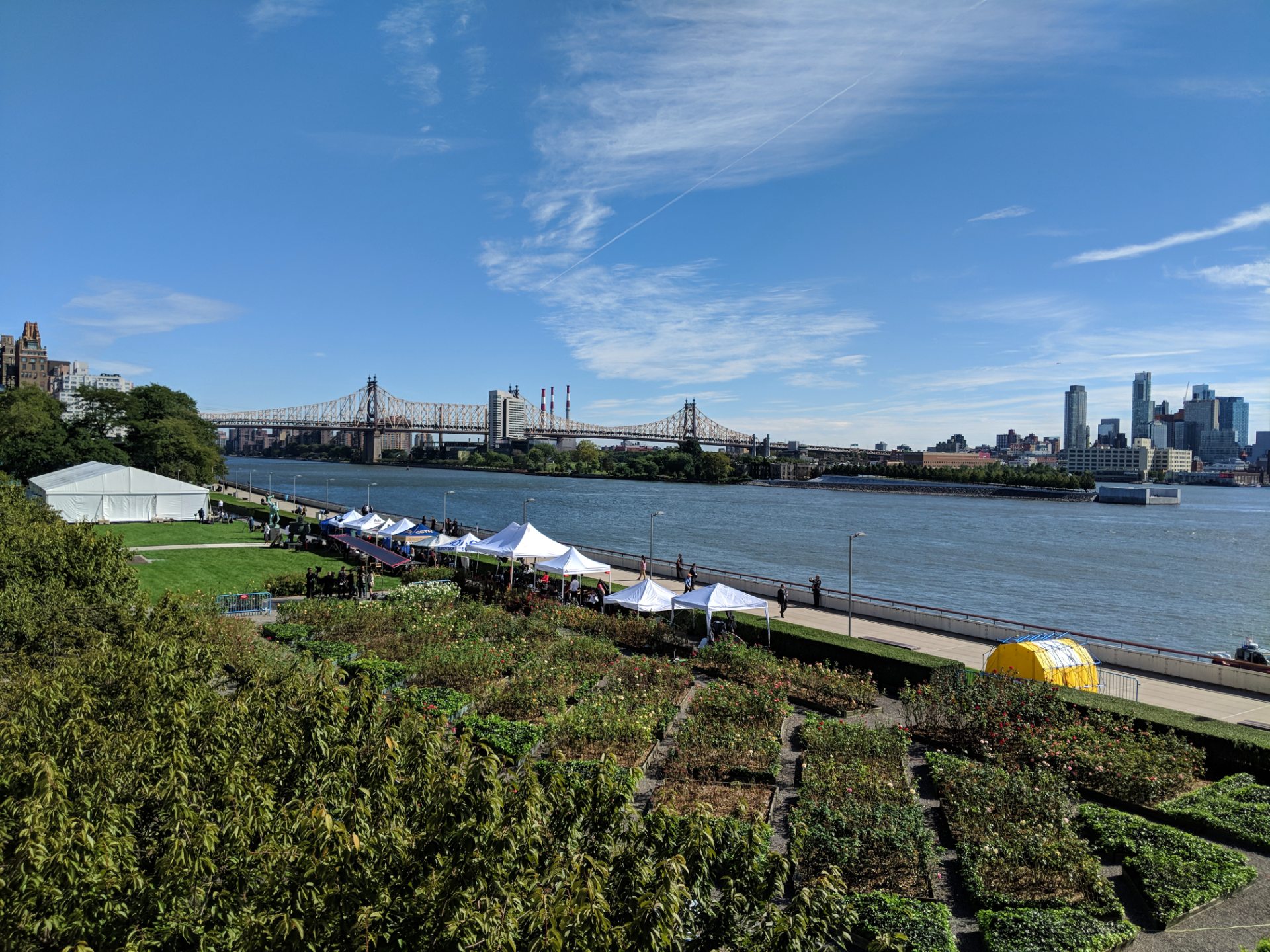
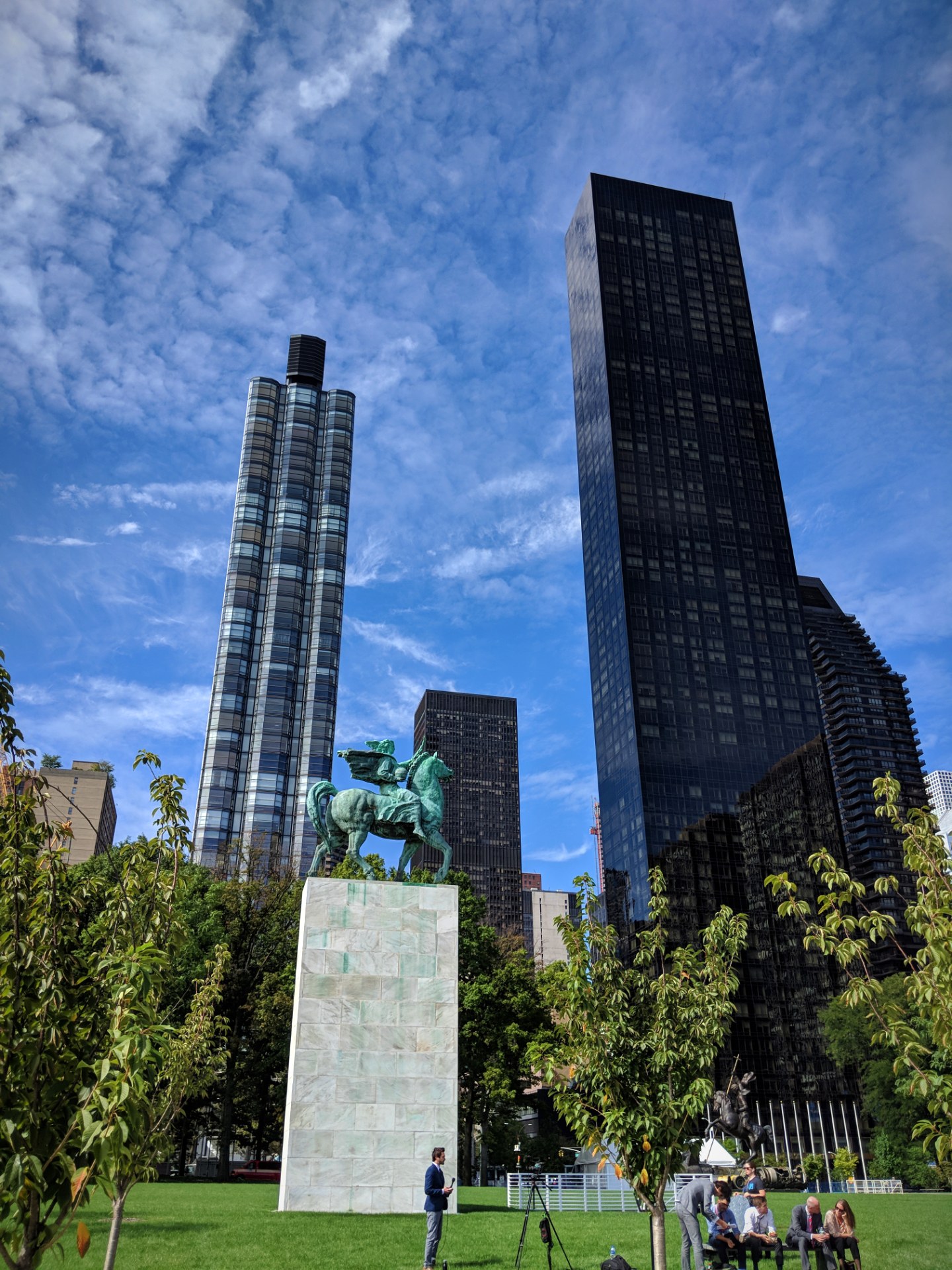
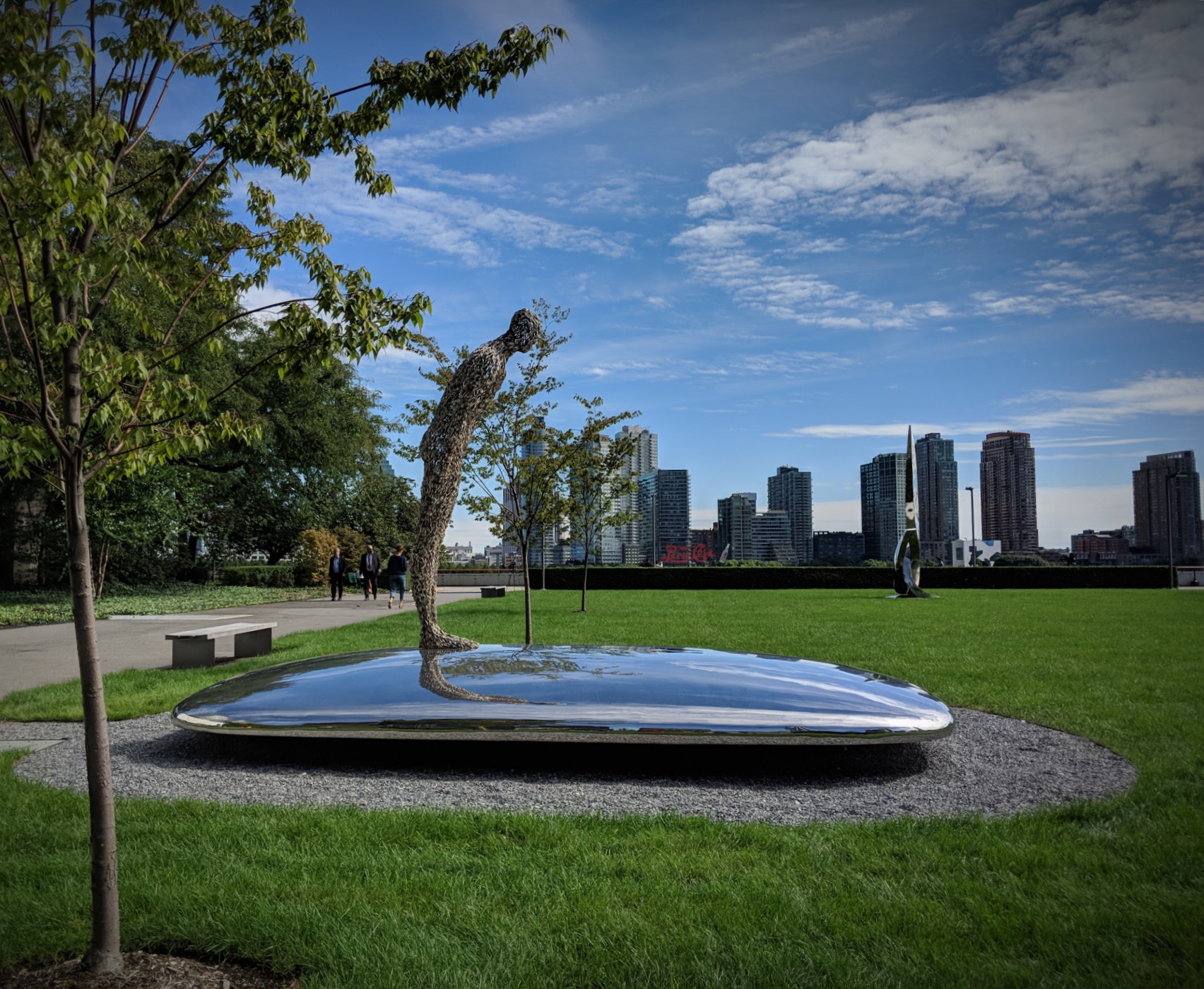

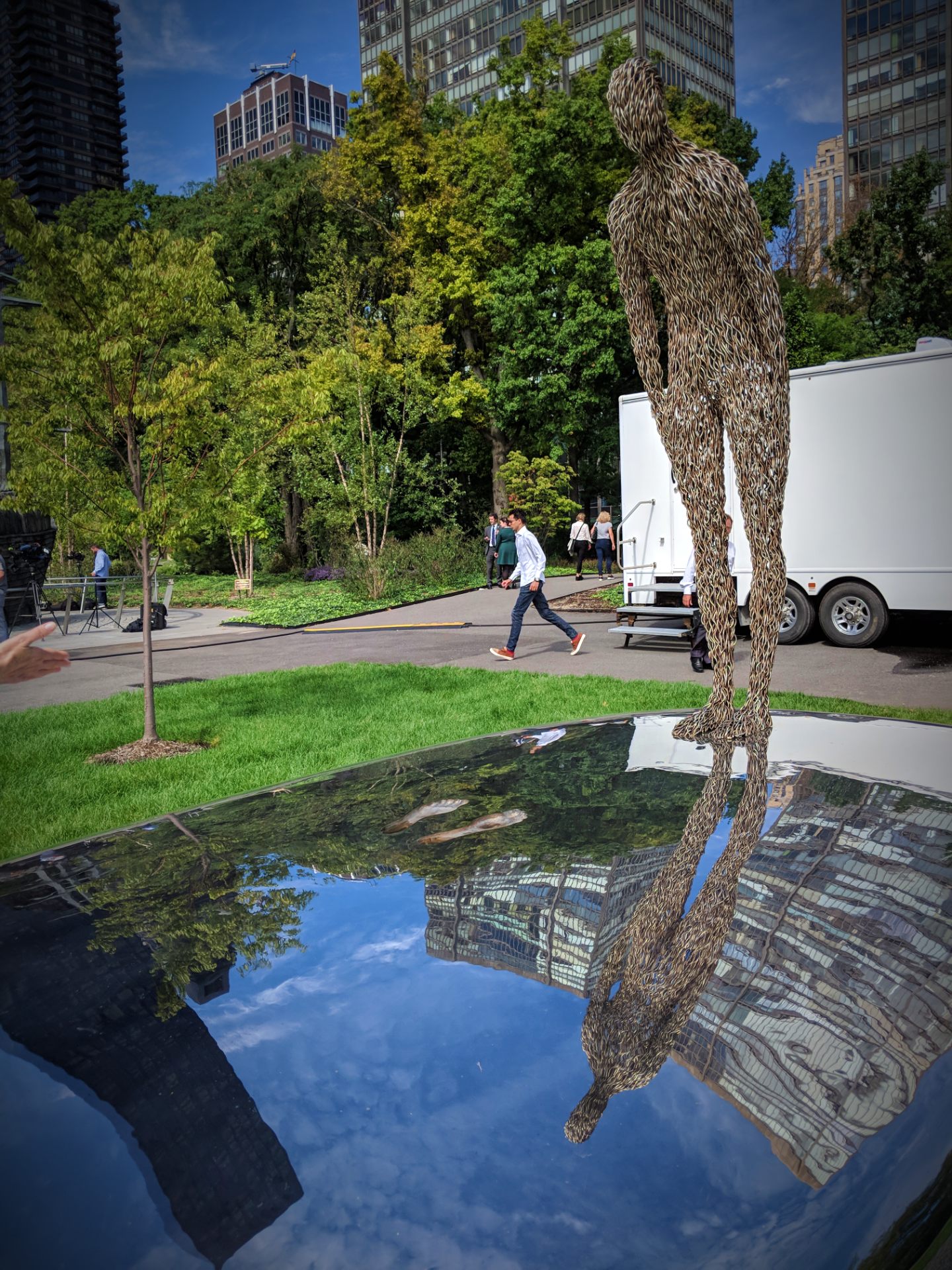
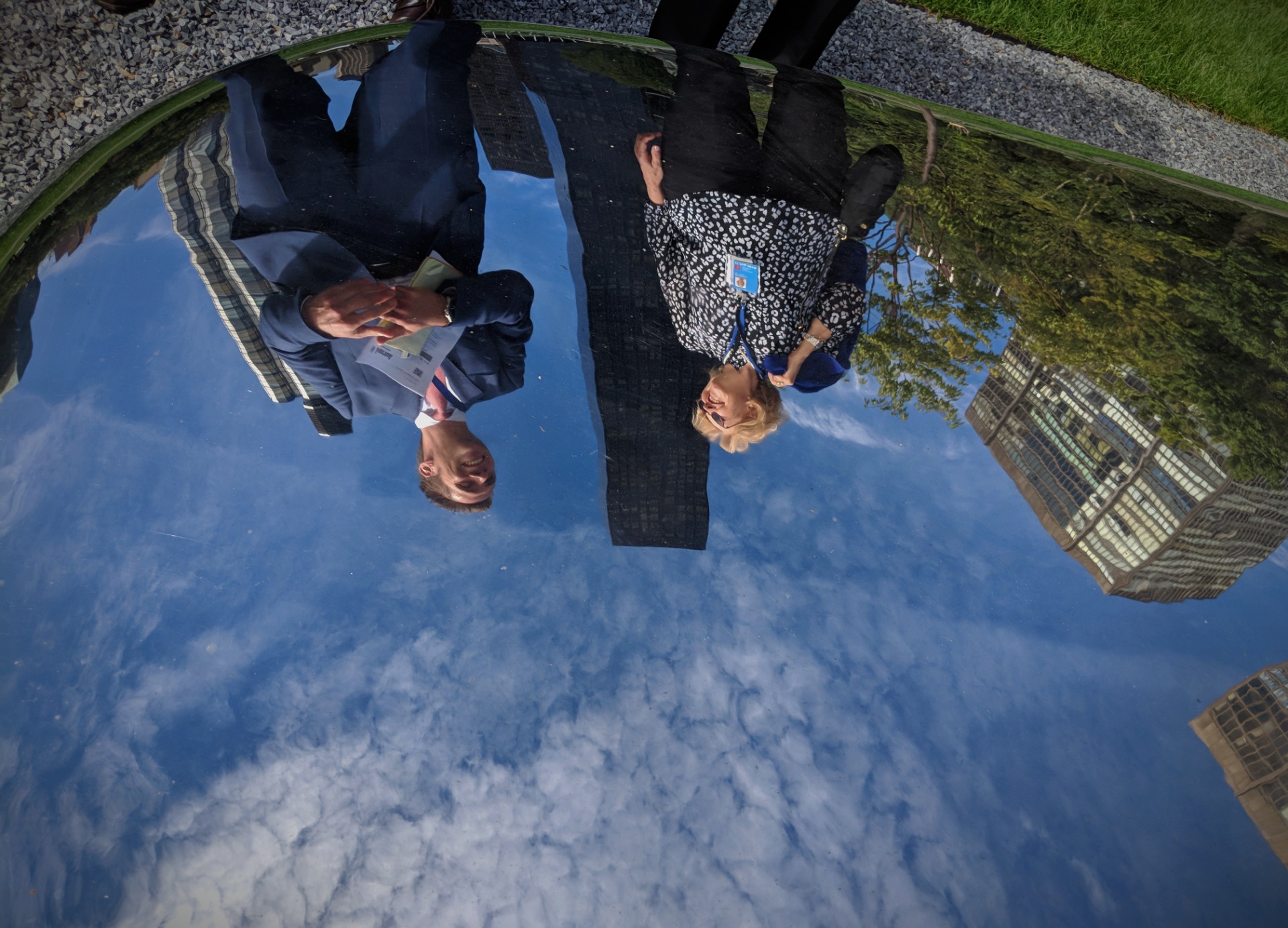
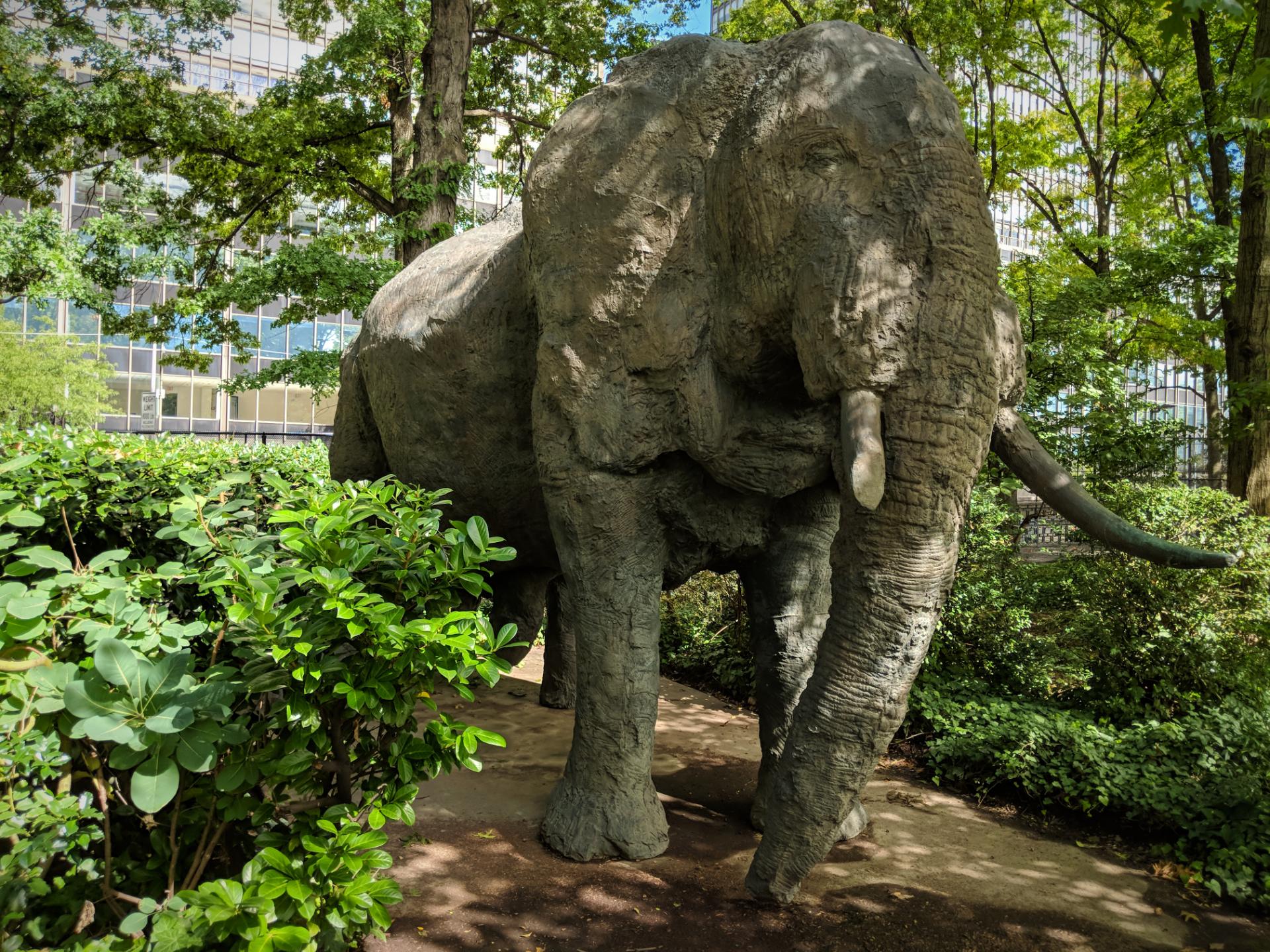
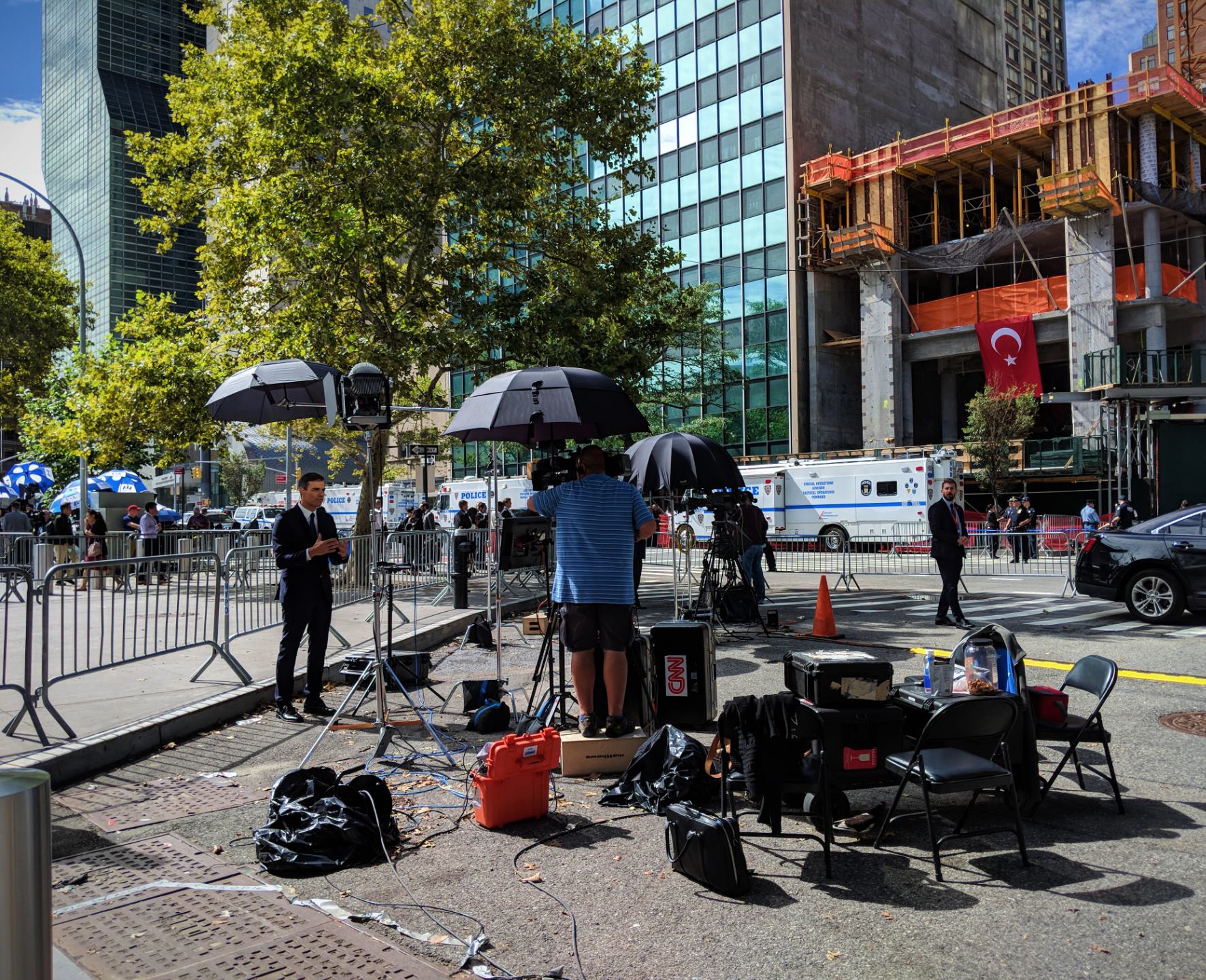
The site of UN Headquarters is owned by the United Nations. It is an international territory. No federal, state or local officer or official of the United States, whether administrative, judicial, military or police, may enter UN Headquarters, except with the consent of and under conditions agreed to by the Secretary-General of the Organization.
United Nations Headquarters remains both a symbol of peace and a beacon of hope – in the present troubled times, more than ever.
Images taken during the 73rd Session of the UN General Assembly (UNGA 73)
Sculpture: “Consciousness” by Mongolian artist Ochirbold Ayurza, a gift from Mongolia to the United Nations
September 27th, 2018
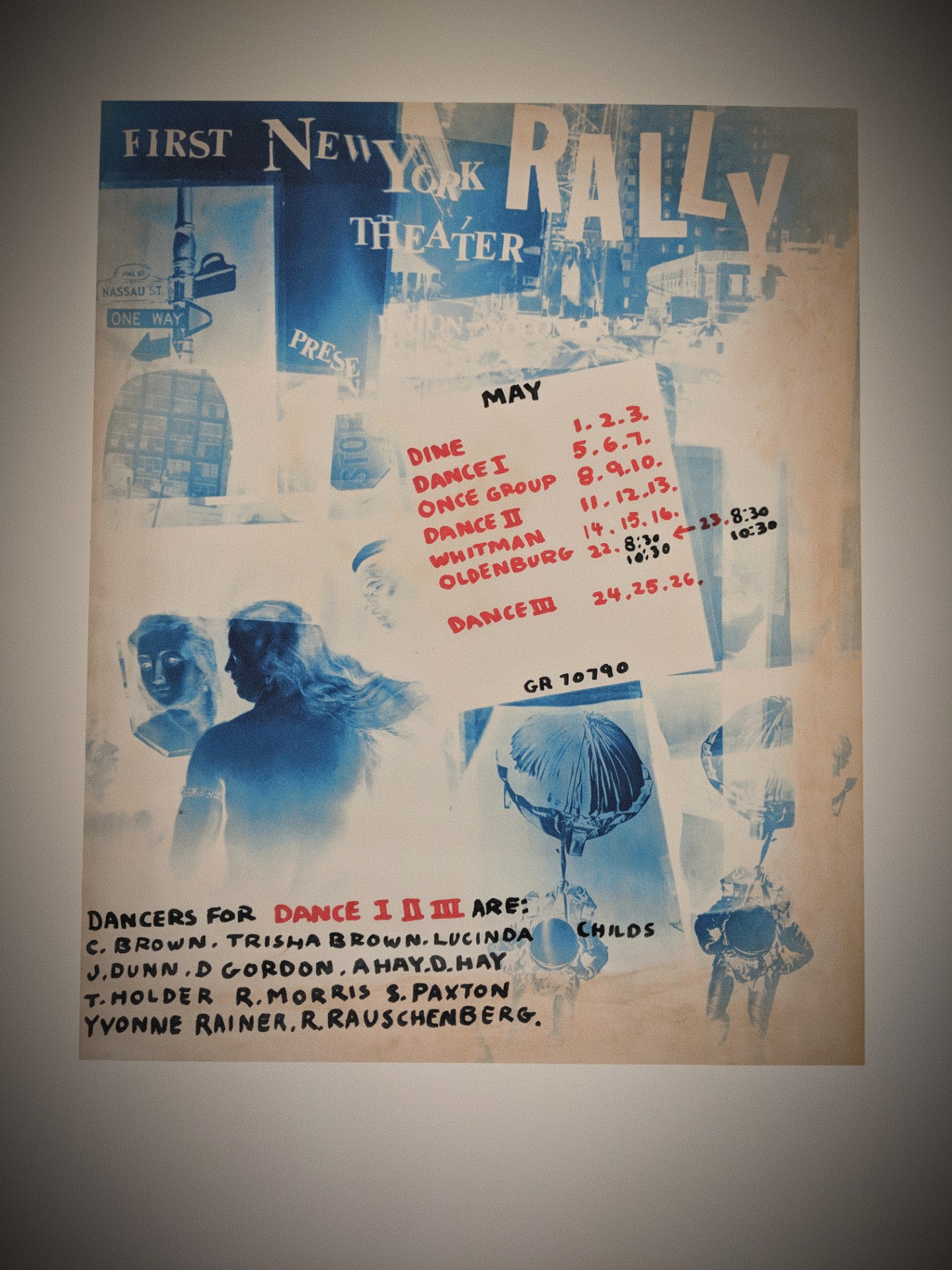
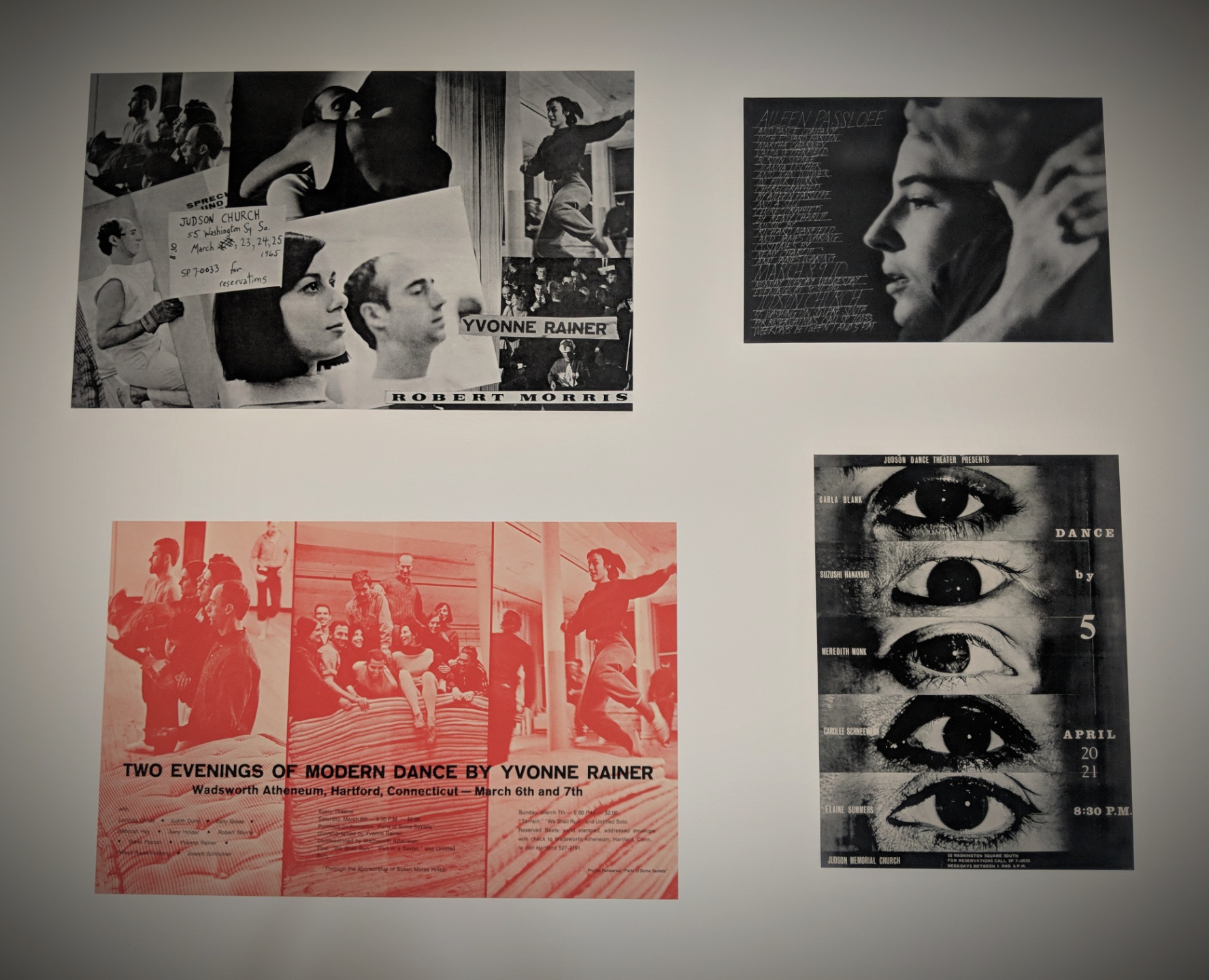
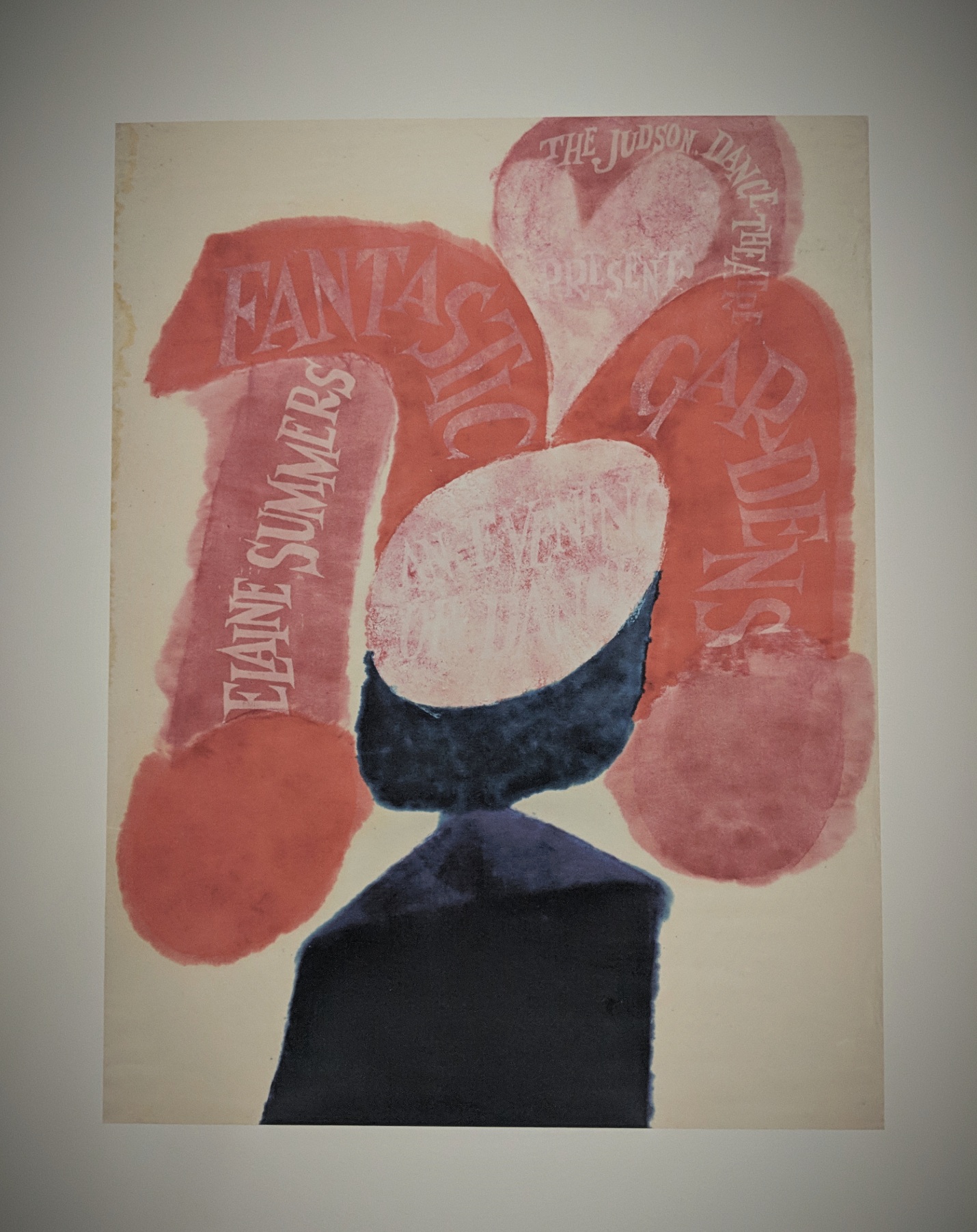
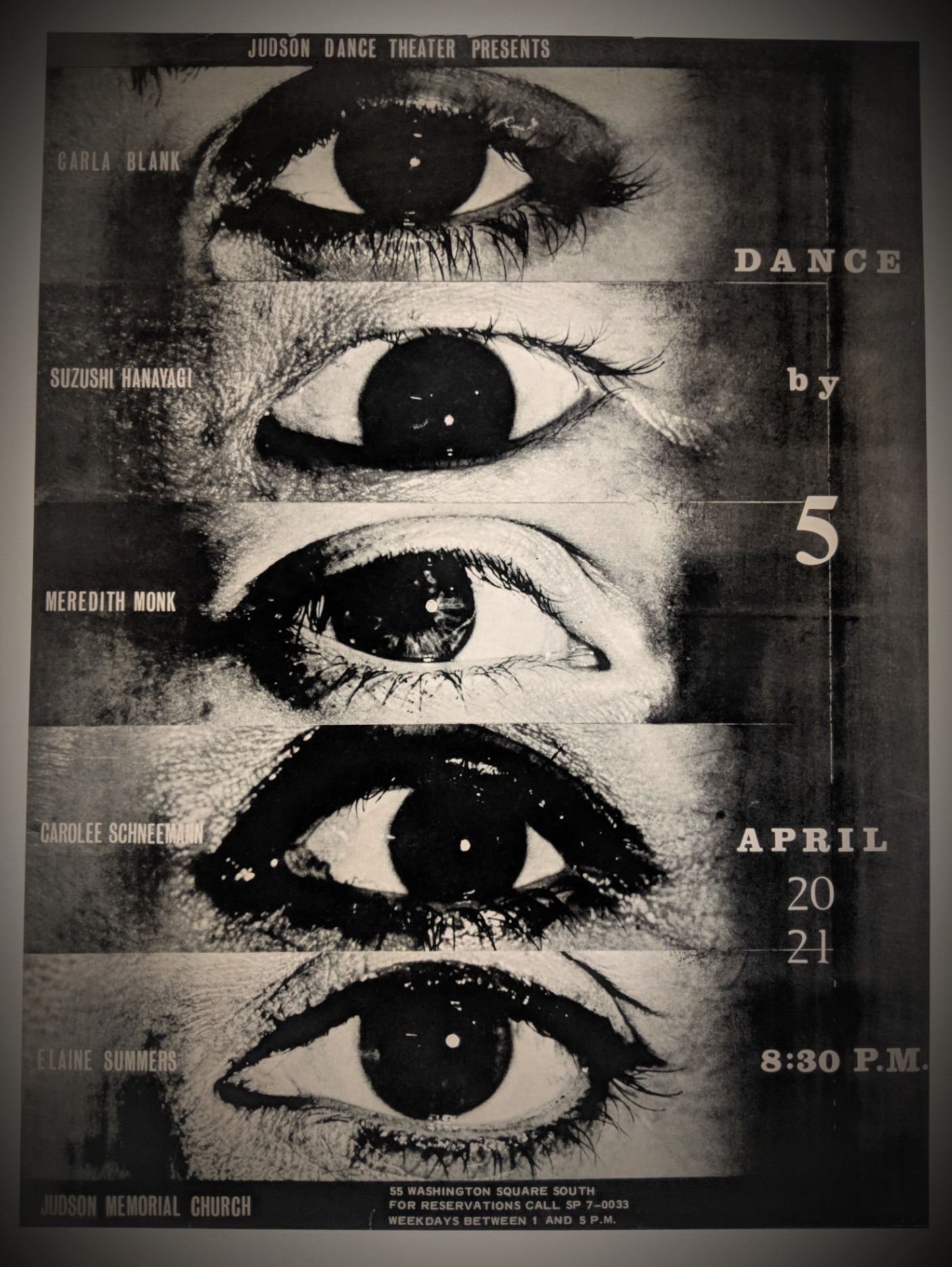
”For a brief period in the early 1960s, a group of choreographers, visual artists, composers, and filmmakers gathered in Judson Memorial Church, a socially engaged Protestant congregation in New York’s Greenwich Village, for a series of workshops that ultimately redefined what counted as dance. The performances that evolved from these workshops incorporated everyday movements—gestures drawn from the street or the home; their structures were based on games, simple tasks, and social dances. Spontaneity and unconventional methods of composition were emphasized. The Judson artists investigated the very fundamentals of choreography, stripping dance of its theatrical conventions, and the result, according to Village Voice critic Jill Johnston, was the most exciting new dance in a generation.” – [source: MoMA]
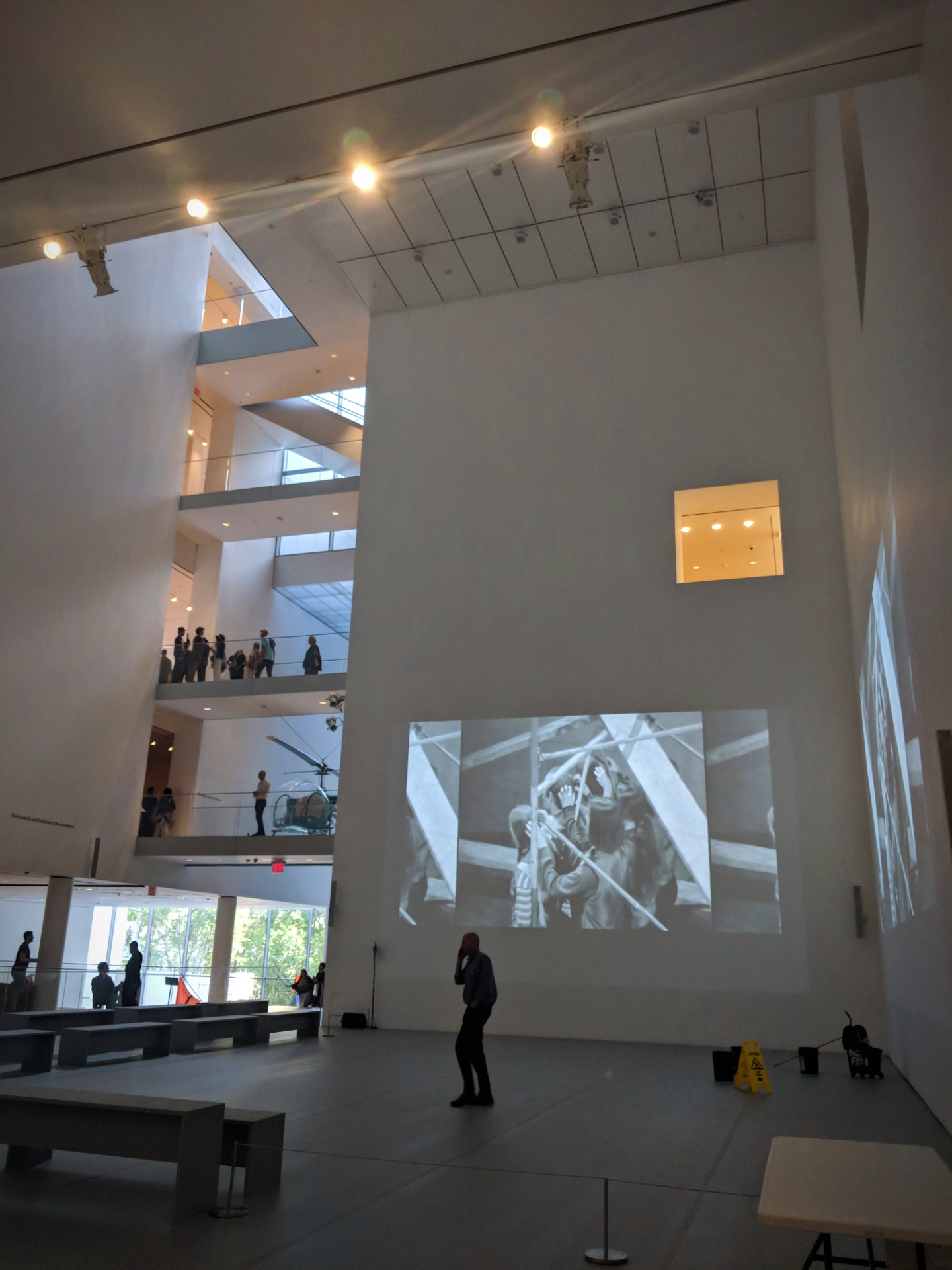
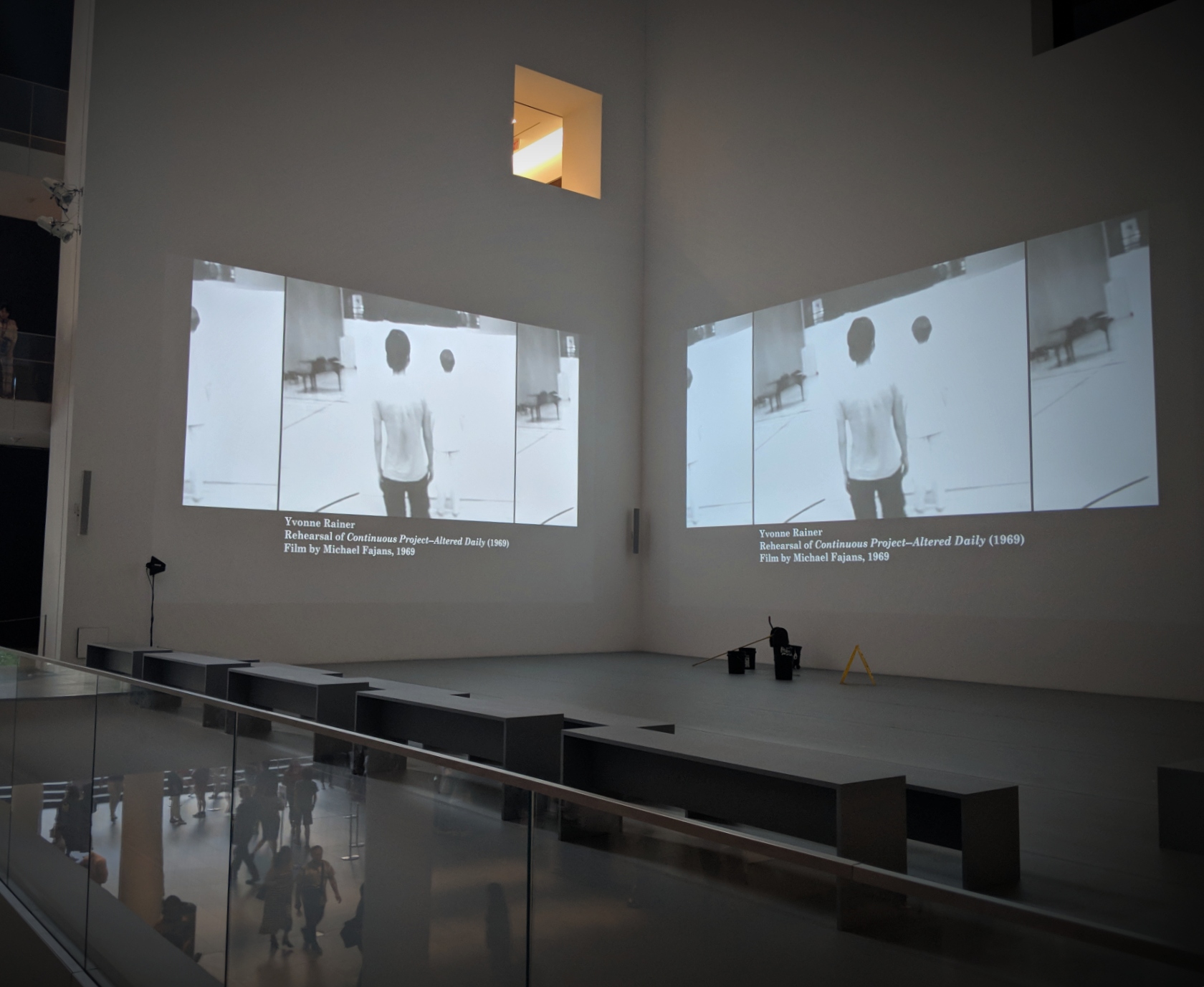
Judson Dance Theater: The Work Is Never Done was a walk through the history of Judson Dance Theater with performances, films, photographs, posters and other archival materials. It was also an introduction to the very beginnings of the life and work of artists I have been admiring for some time – and others that were completely new to me.
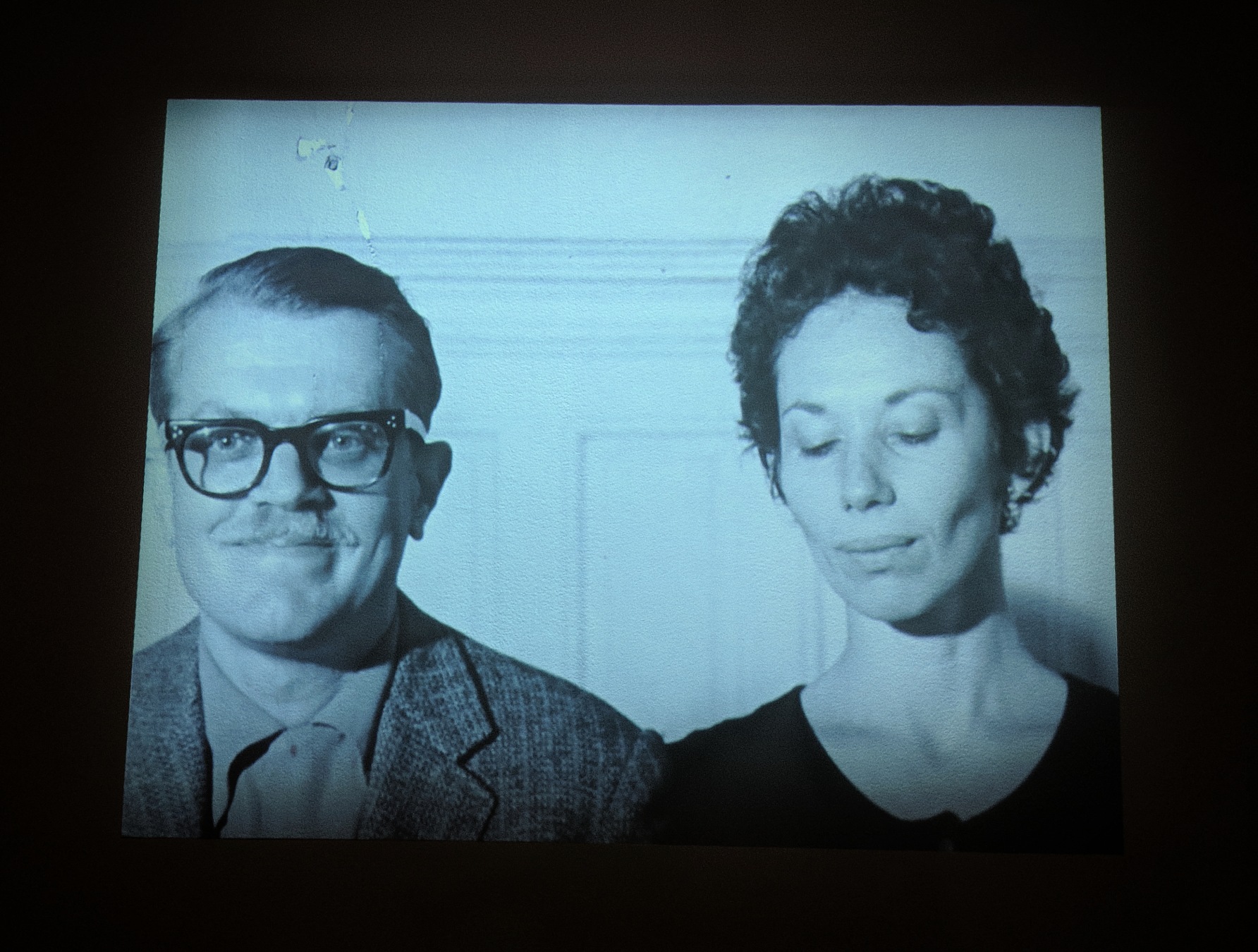
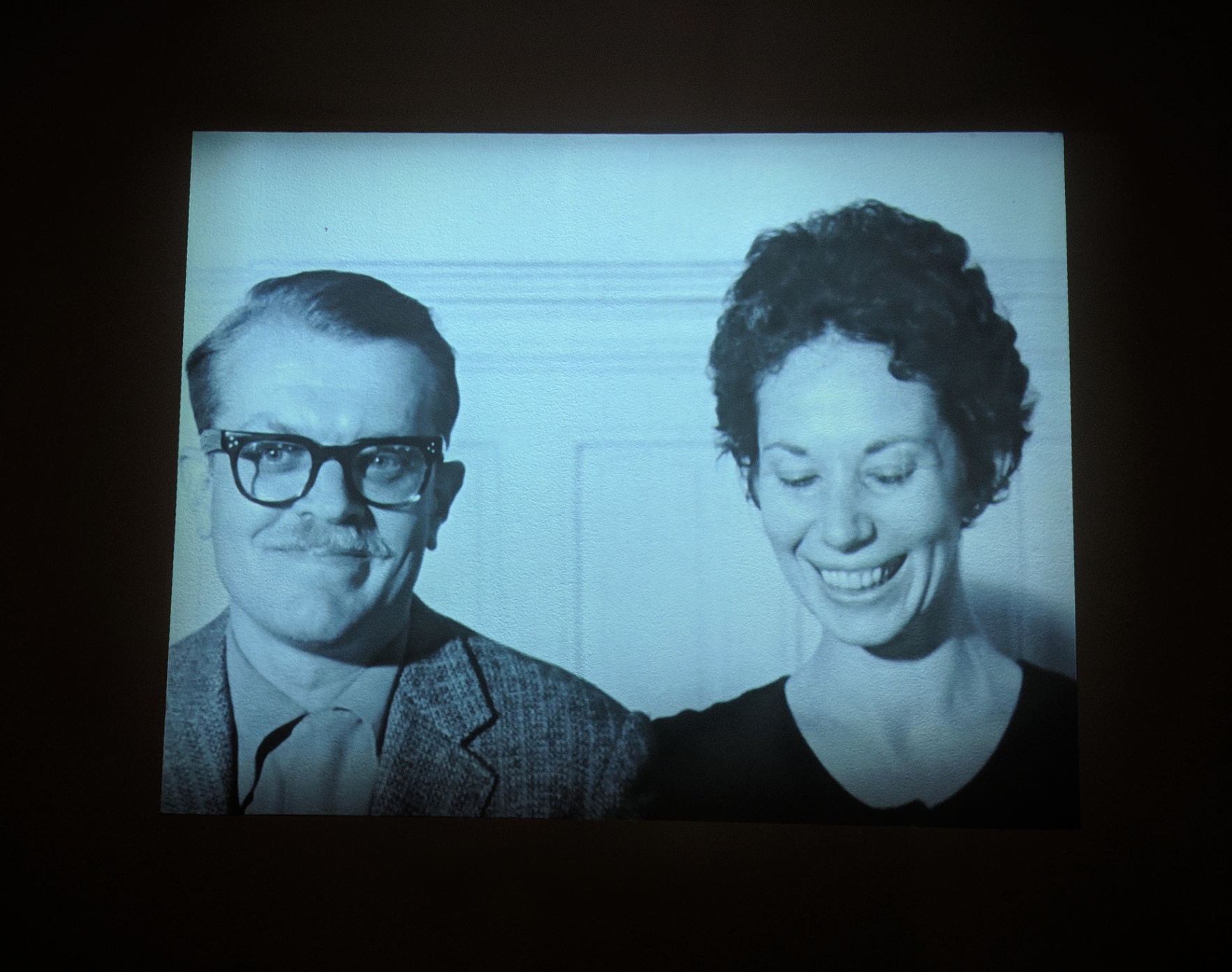
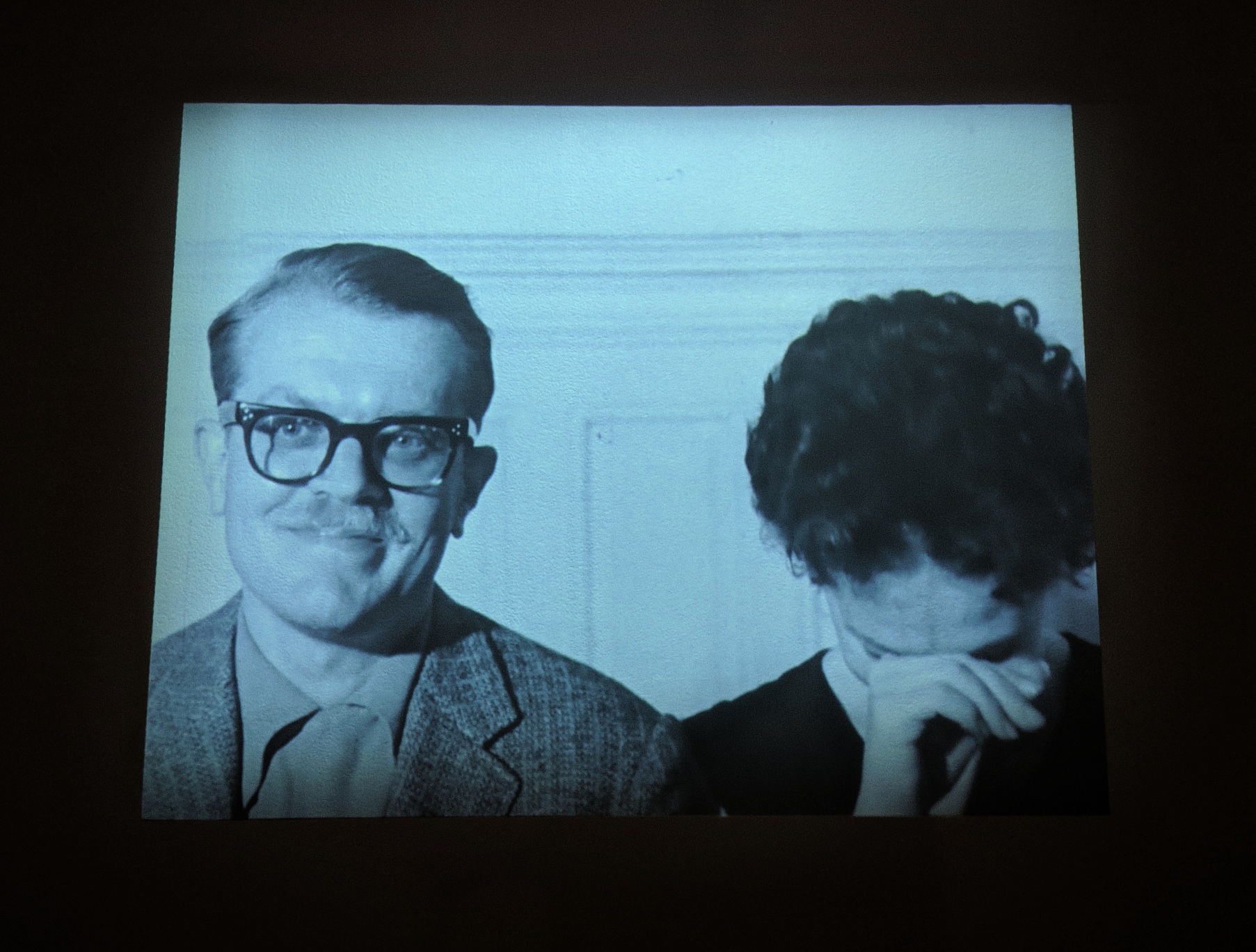
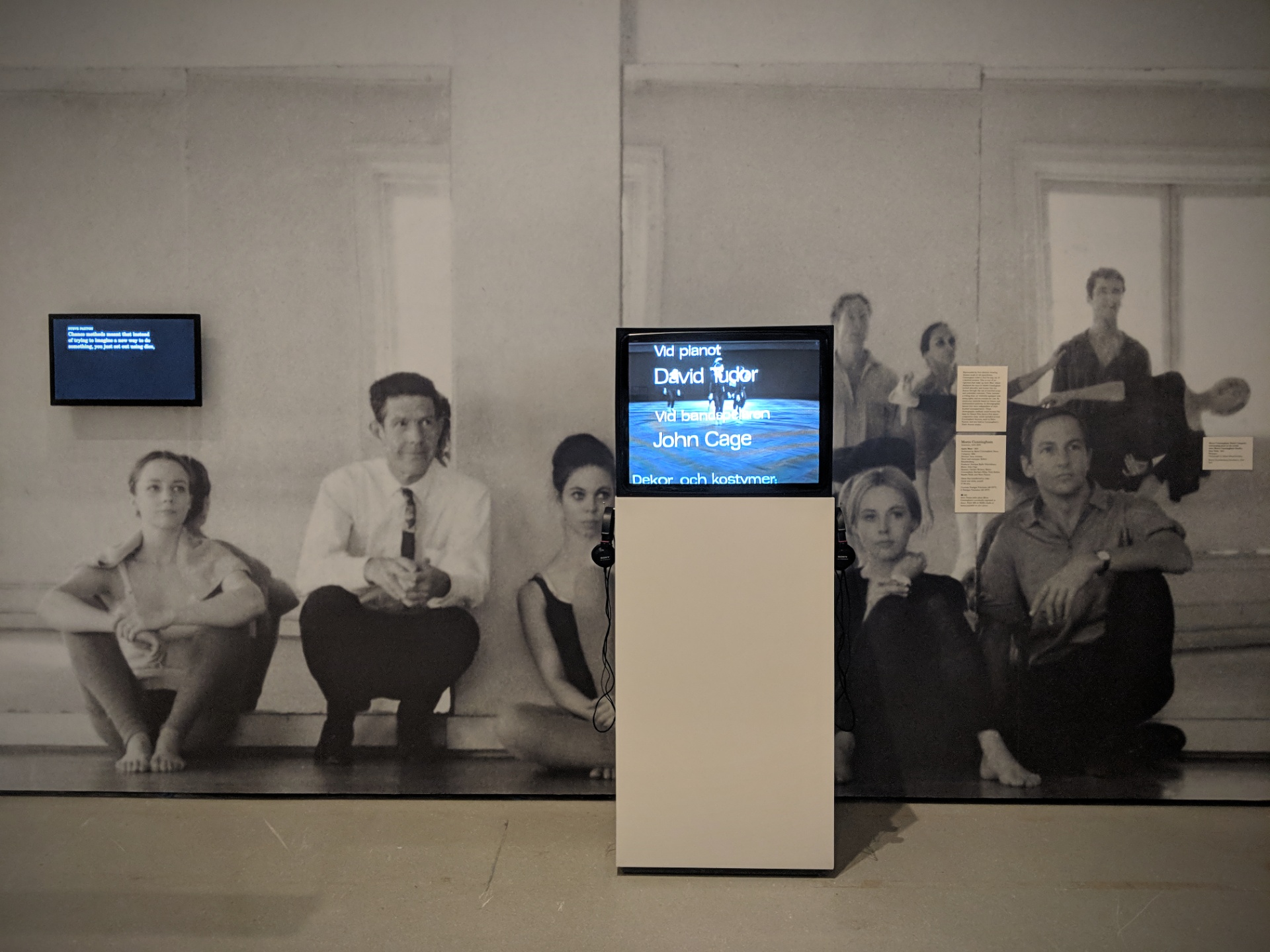 Instructed by the filmmaker Gene Friedman not to talk or hide their faces, Judith Dunn and Robert Ellis Dunn looked directly at the camera with deadpan expressions until they both broke into laughter. Judith Dunn was a choreographer and member of Merce Cunningham’s company, while Robert Dunn was a teacher and Cunningham’s accompanist.
Gene Friedman
Excerpt from Heads, 1965
16mm film transferred to video
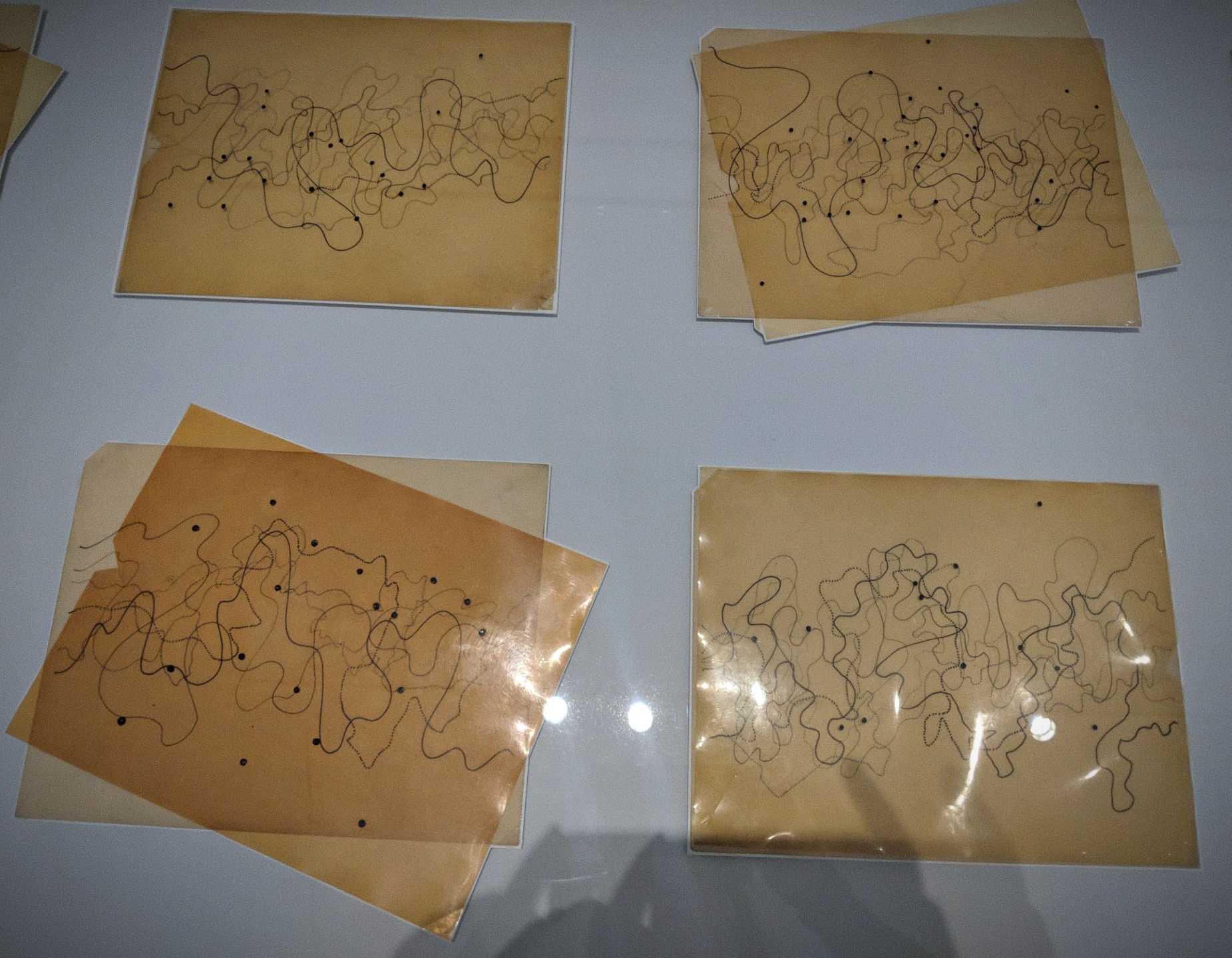
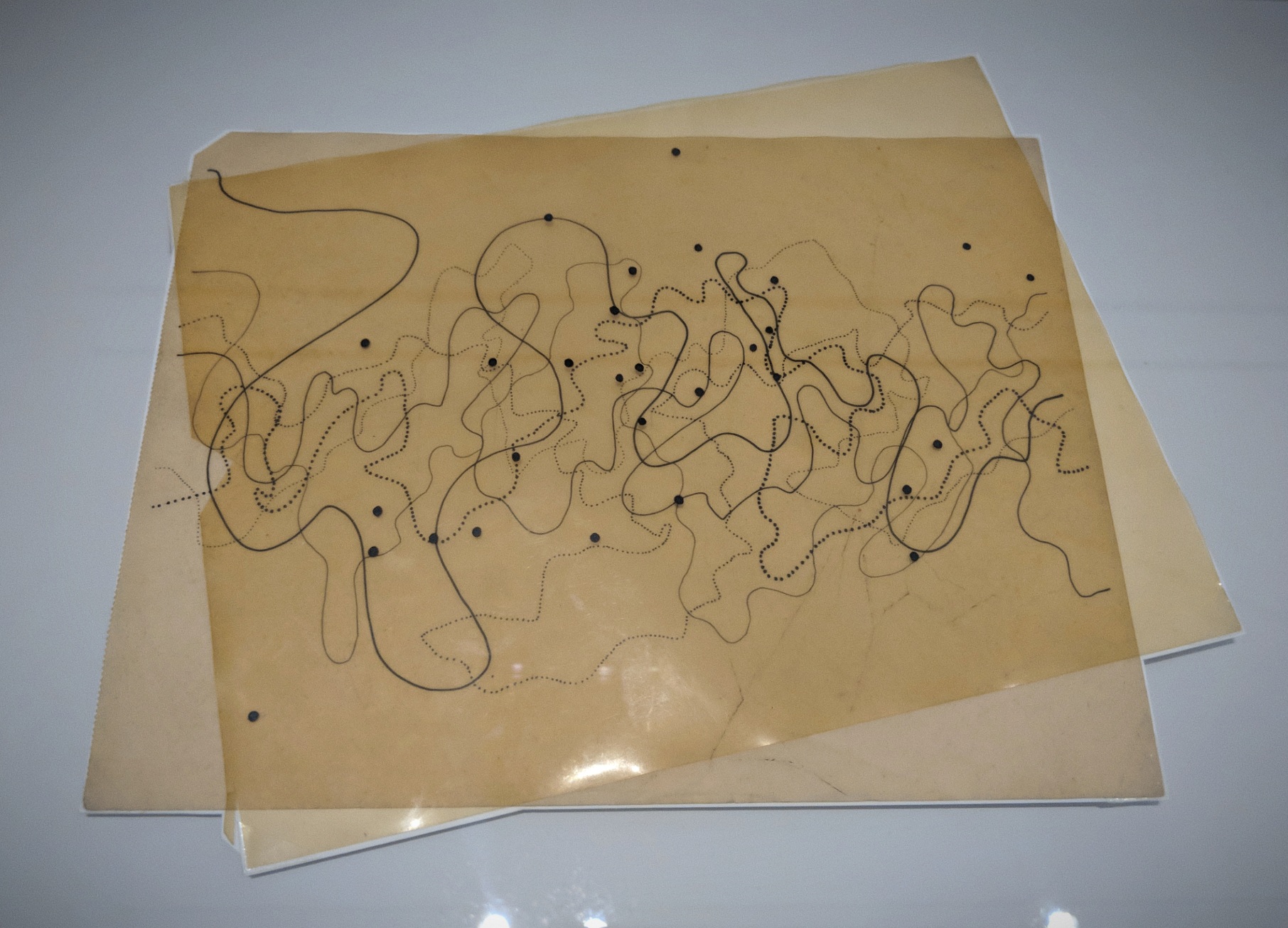 In his workshops, Robert Ellis Dunn presented his students with Cage’s score for ”Fontana Mix” and asked them to use it as inspiration for a performance. The score instructed performers to layer transparencies containing lines and dots over a grid to create a random visual arrangement, with they then interpreted using a variety of movements and actions. This exercise exposed the students to chance operations, a composition technique popularized by Cage that introduced randomness into the art-making process.
John Cage
Fontana Mix, 1958
Ink on paper and transparent sheets
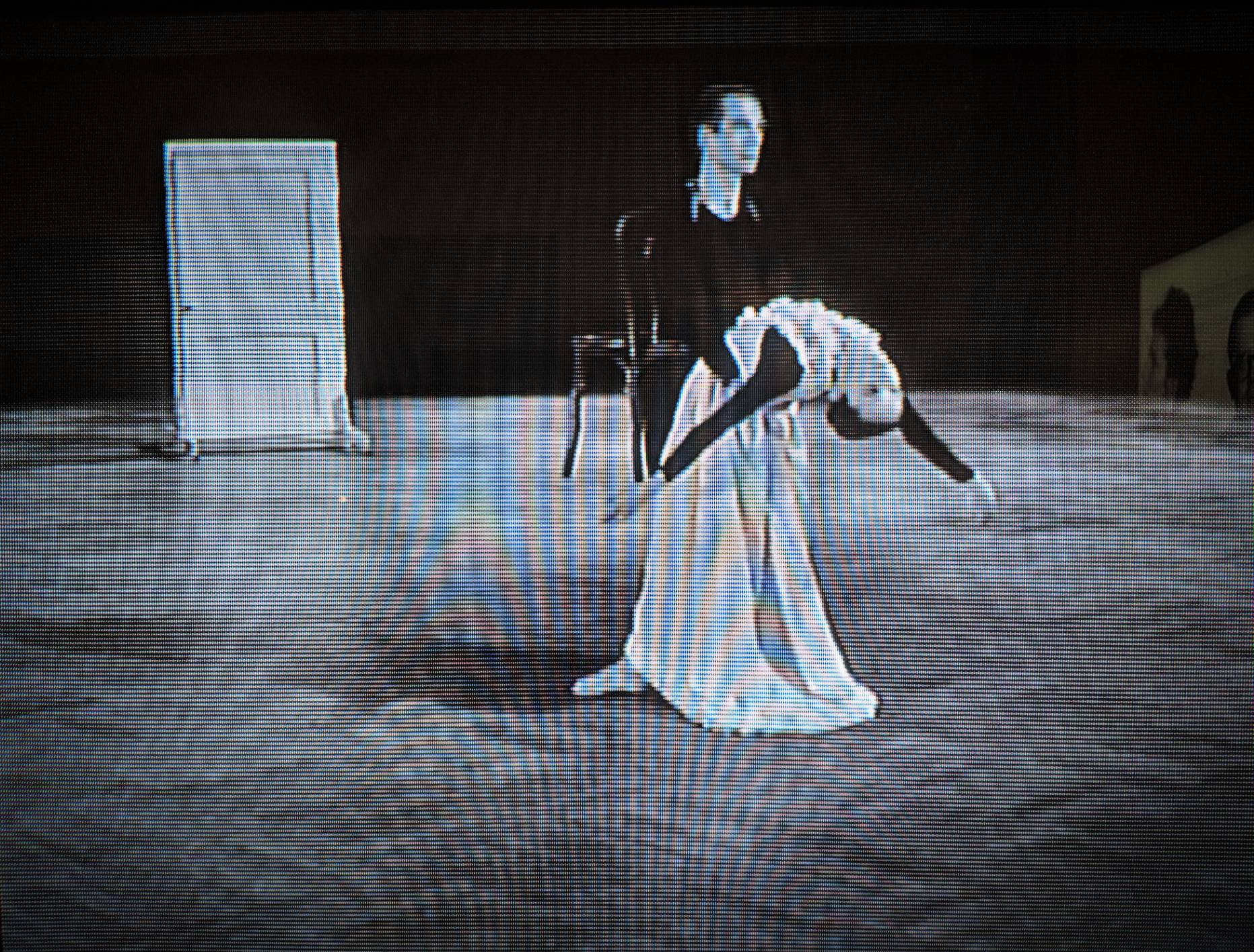
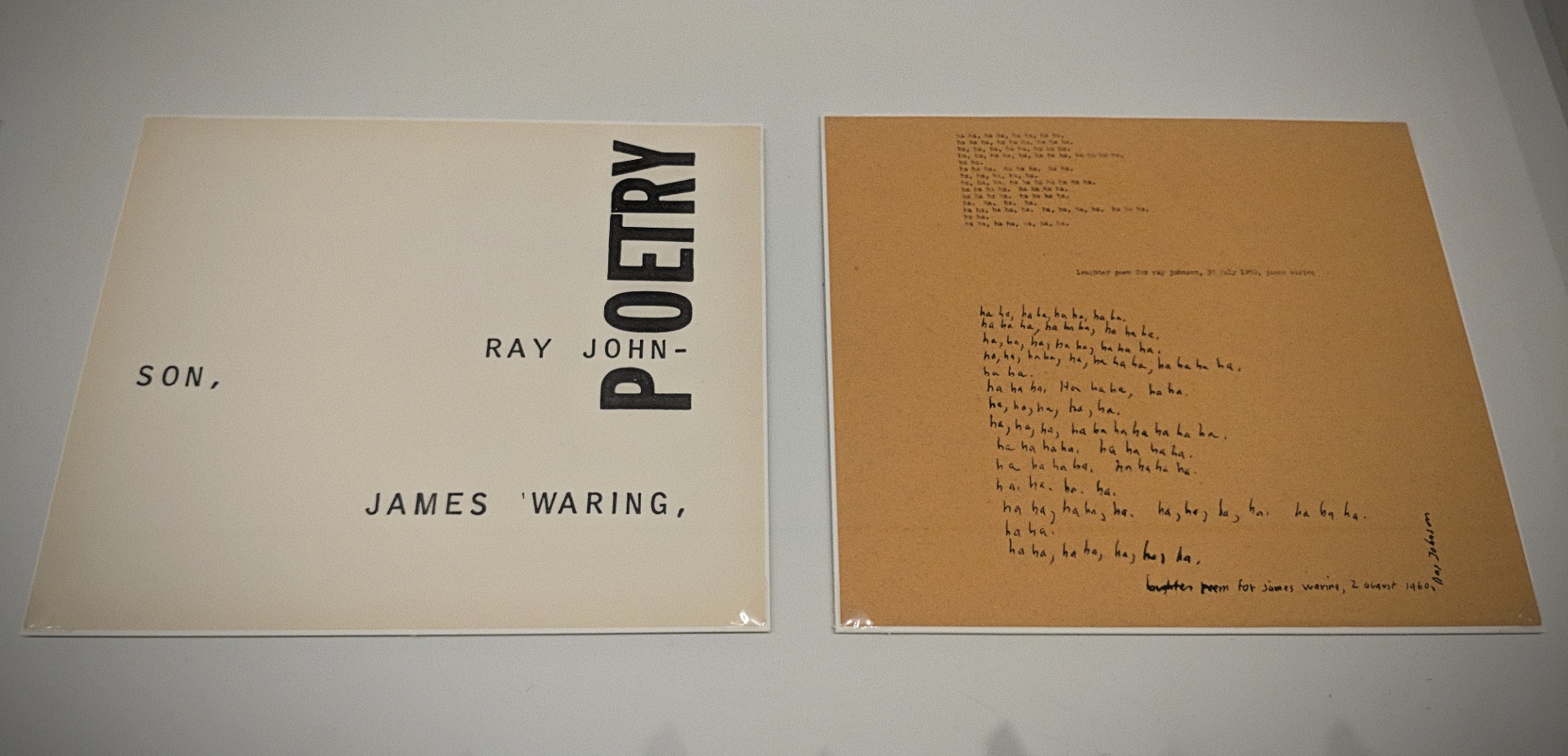 Laughter poem* for James Waring, 2 August 1960, by Ray Johnson
*If you are curious to know how a laughter poem sounds, please click on this page: Atlanta Poets Group to find out. You can also listen to the first one: Laughter poem for Ray Johnson, 30 July 1960, by James Waring.
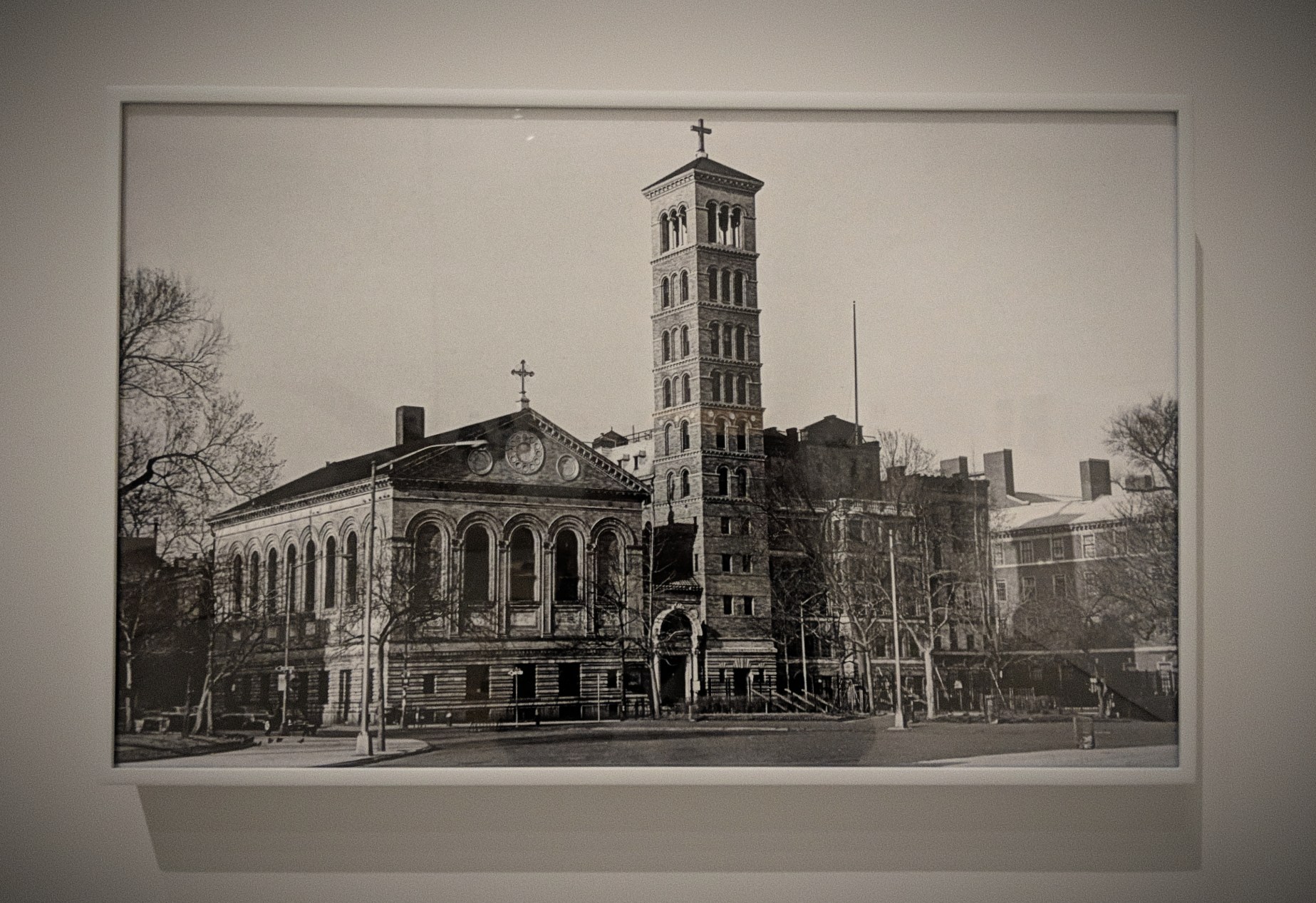 Judson Memorial Church, New York – March 16, 1966
Fred W. McDarrah
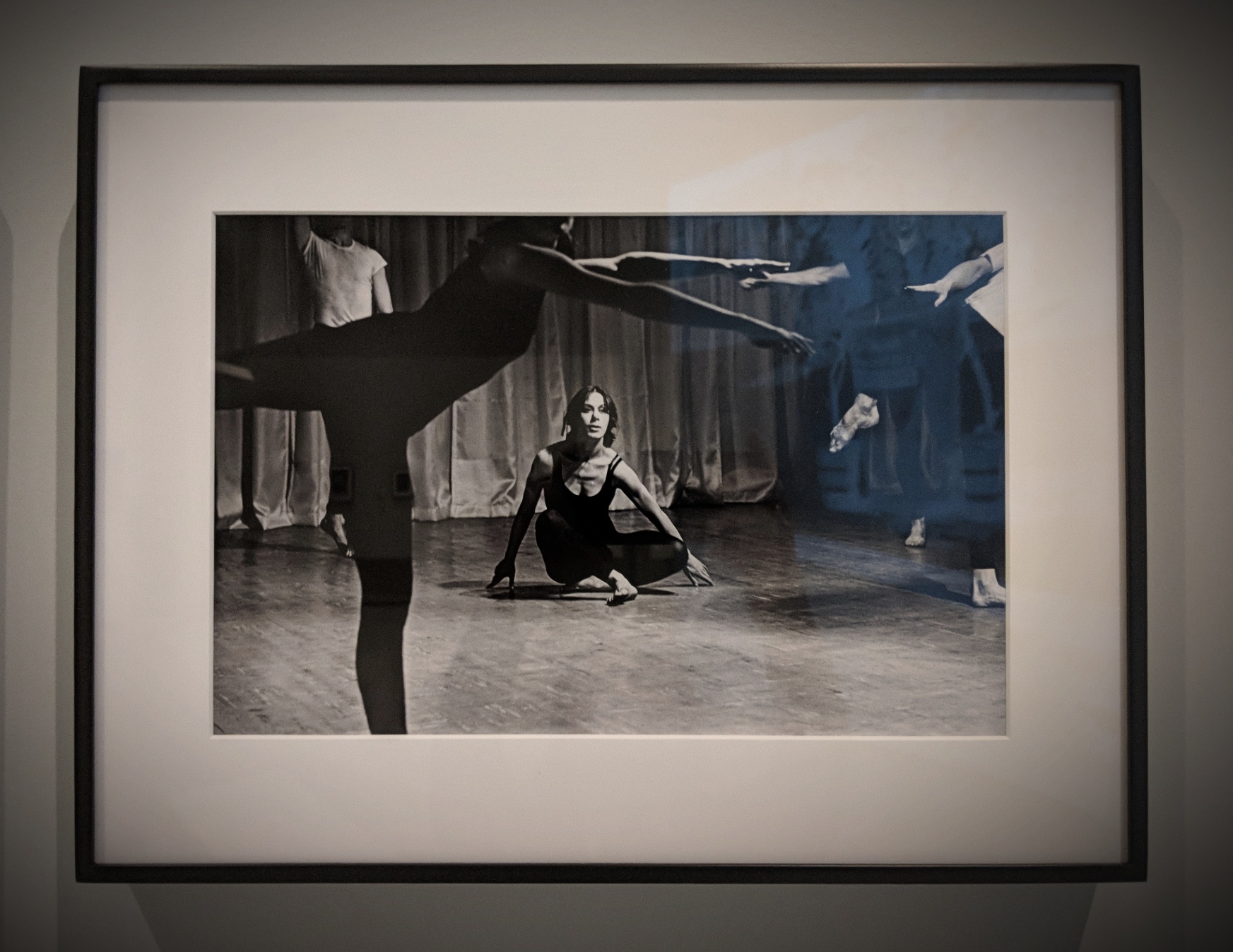
 Yvone Rainer
”Bach” From Terrain, 1963
Performed at Judson Memorial Church, April 28th, 1963
By Trisha Brown, William Davis, Judith Dunn, Steve Paxton, Yvonne Rainer and Albert Reid
Rainer’s first evening-length work Terrain, was a five-part dance for multiple performers. Some of the sections were choreographed, while others were structured like a game, with rules and strategies that defined each dancer’s behavior but still allowed for spontaneity and improvisation.
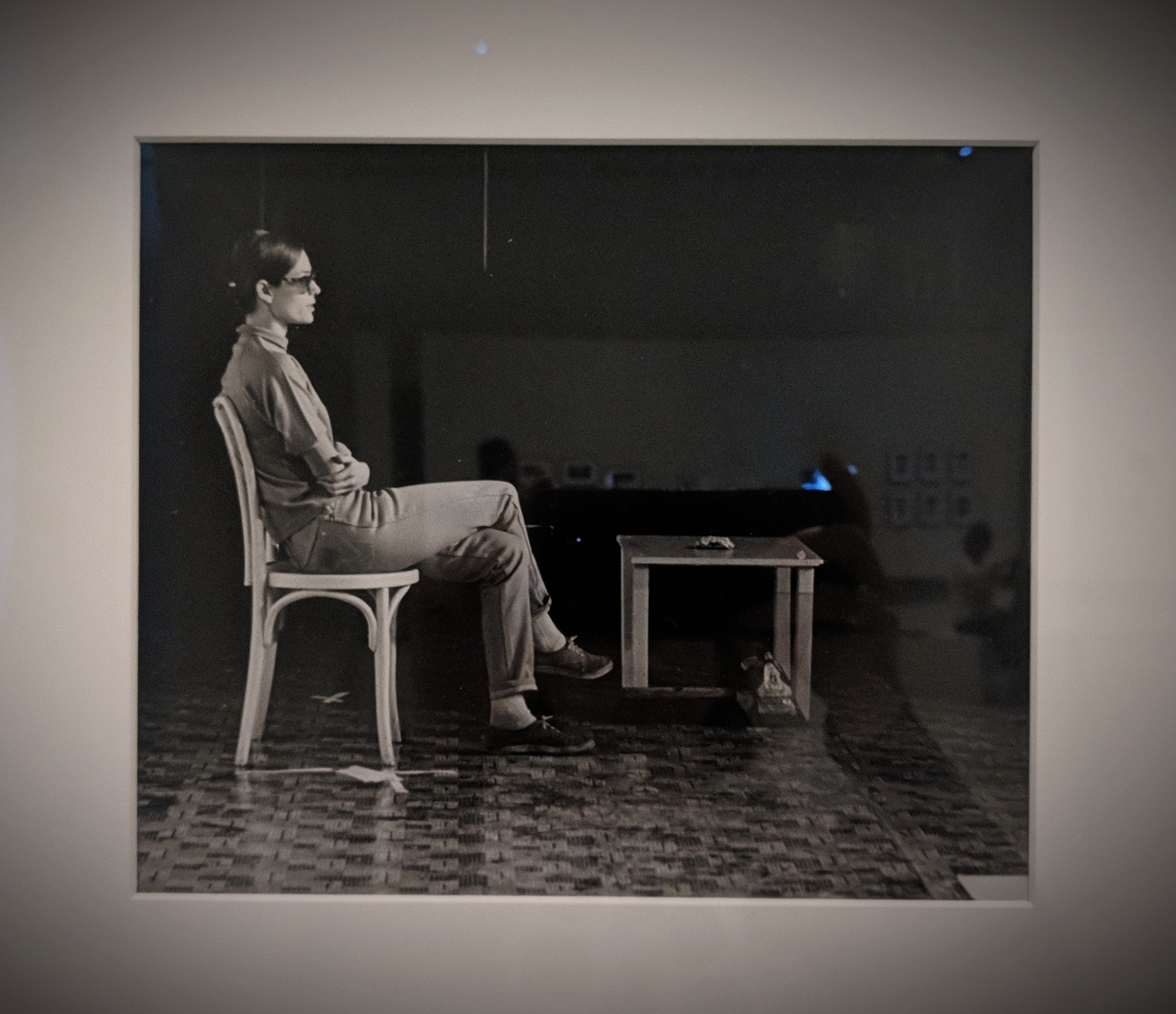
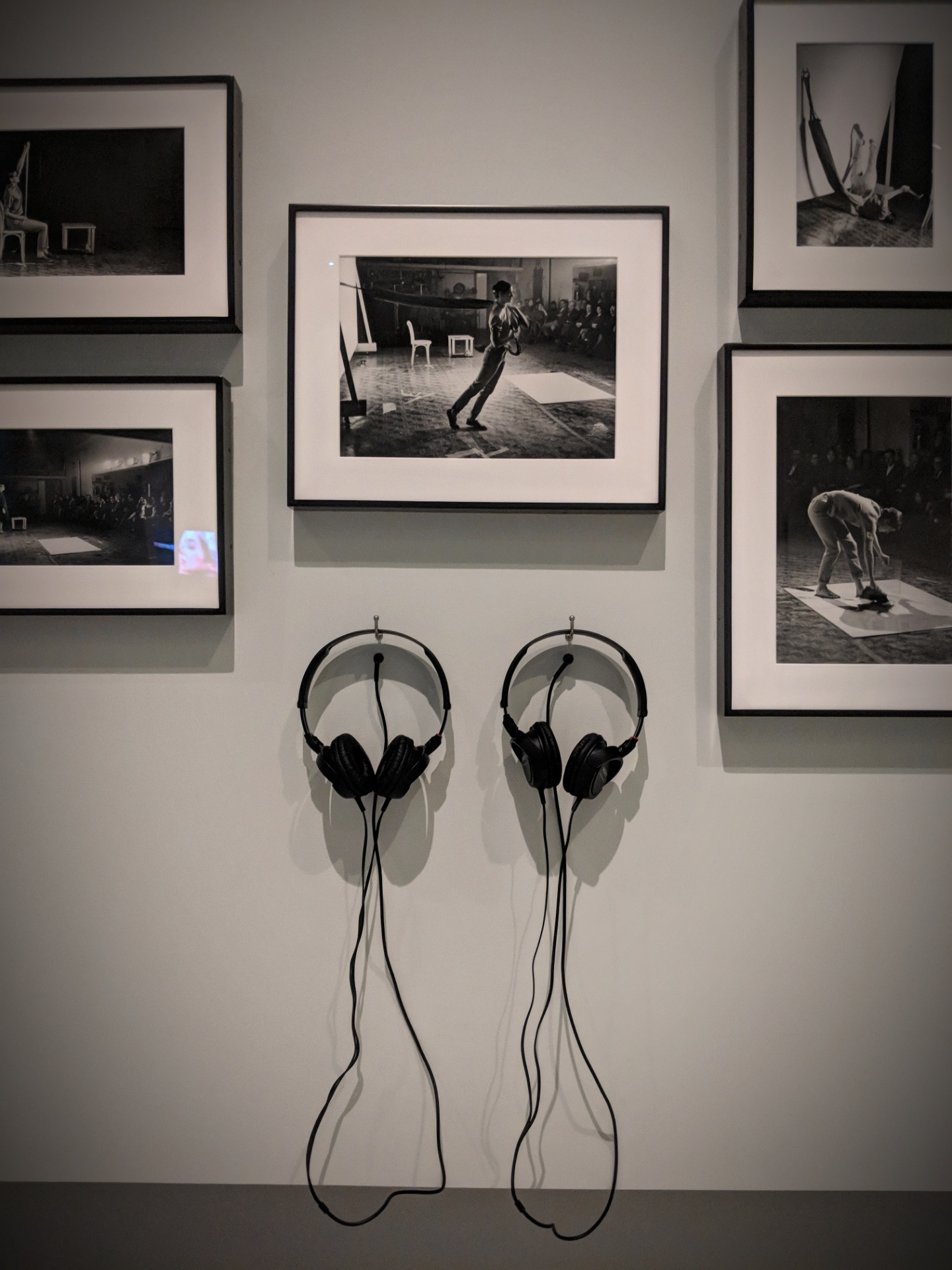
Lucinda Childs
Geranium, 1965. Performed at 940 Broadway, January 29th, 1965
Geranium was set to the sounds of a championship football game, complete with sports commentators describing the action on the field, to which Childs added her imitation of sports broadcasting and intervals of music. Using the tape as a score and its sounds as cues, Childs interacted with objects including a wooden pole, a tinfoil scrap, a hammer and a pound of soil. She used a hammock to support her weight as she performed, in slow motion, the movement of a football player who – according to the broadcast – raced toward the ball, stumbled and fell.
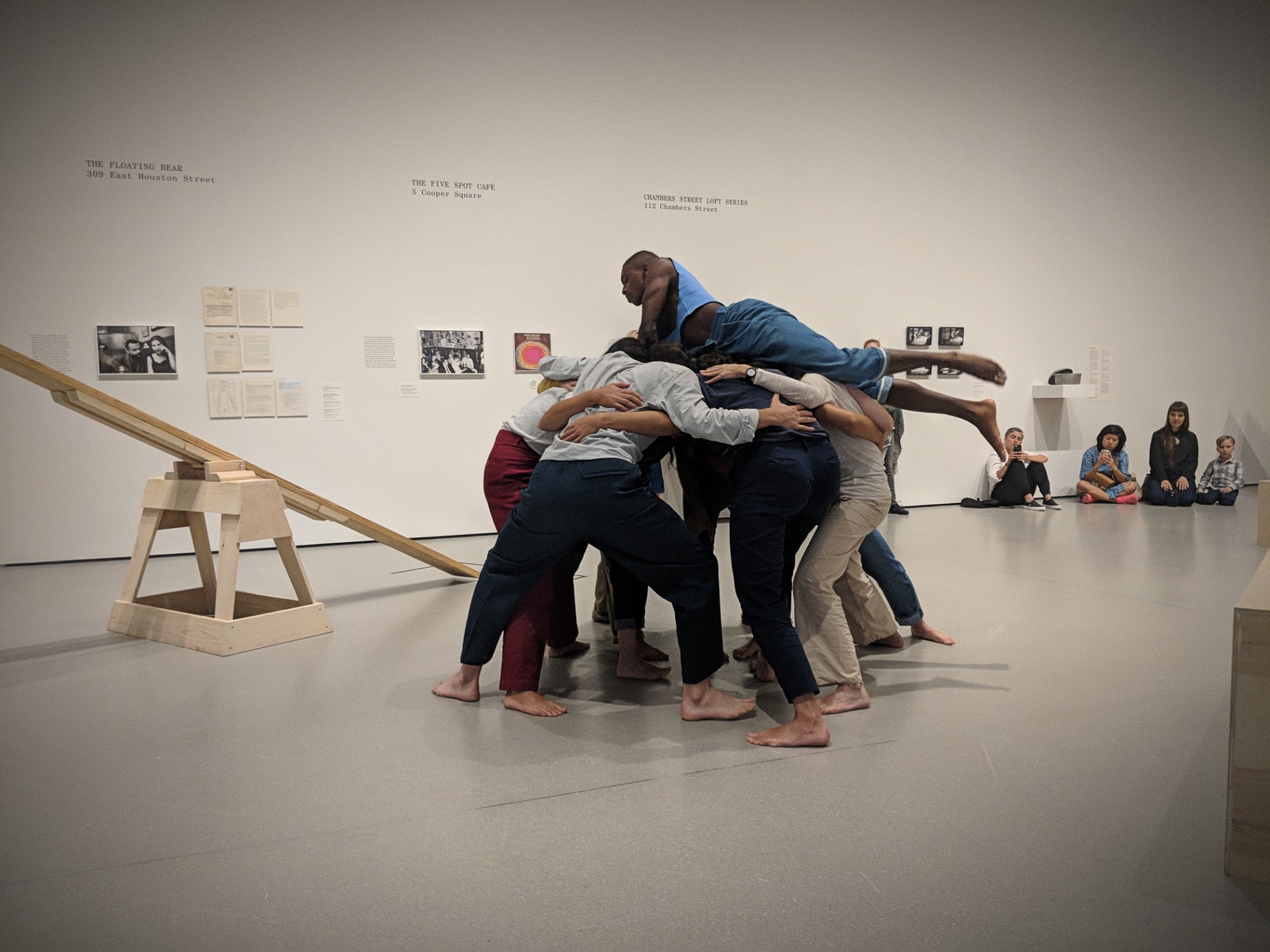
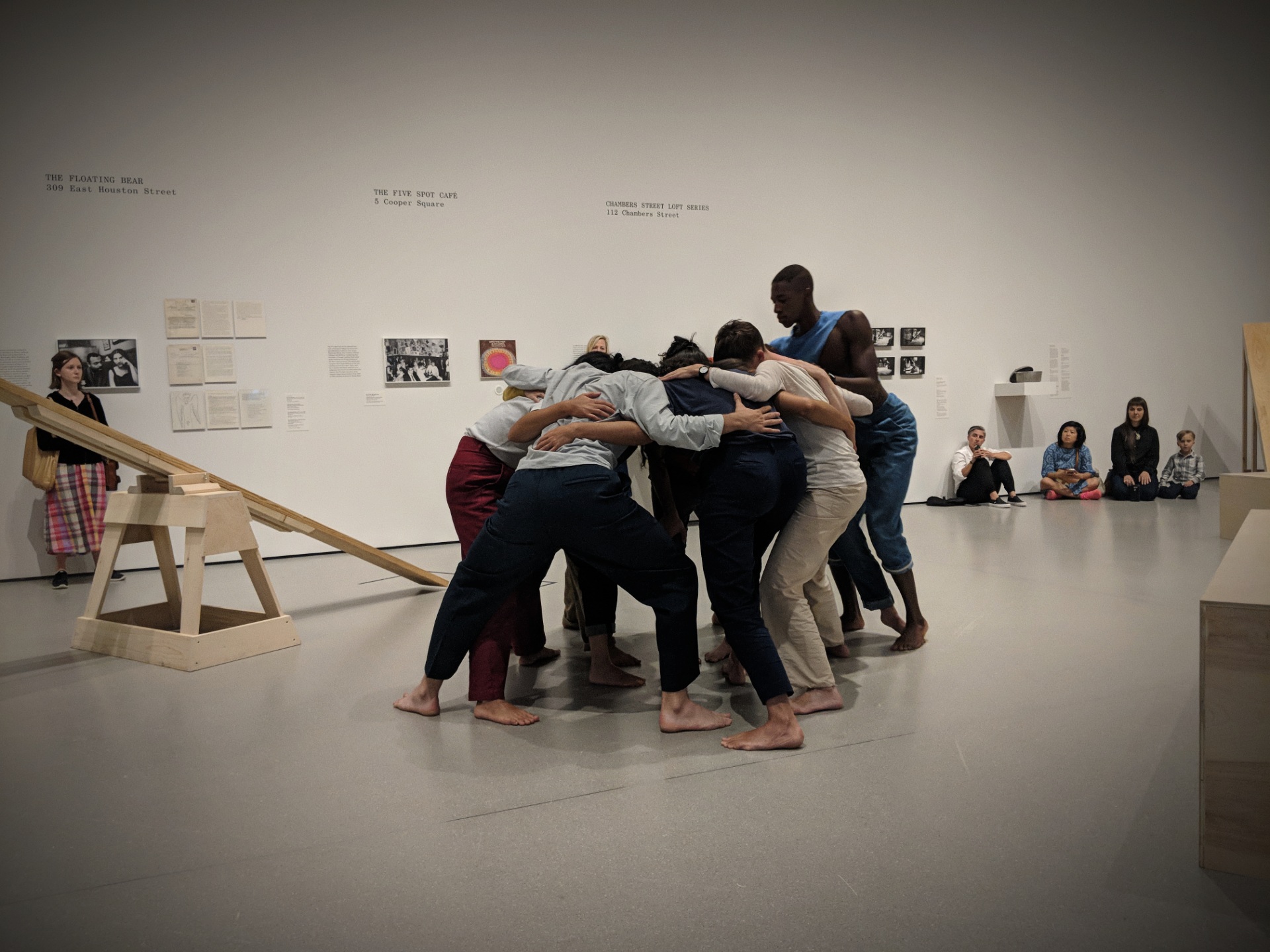
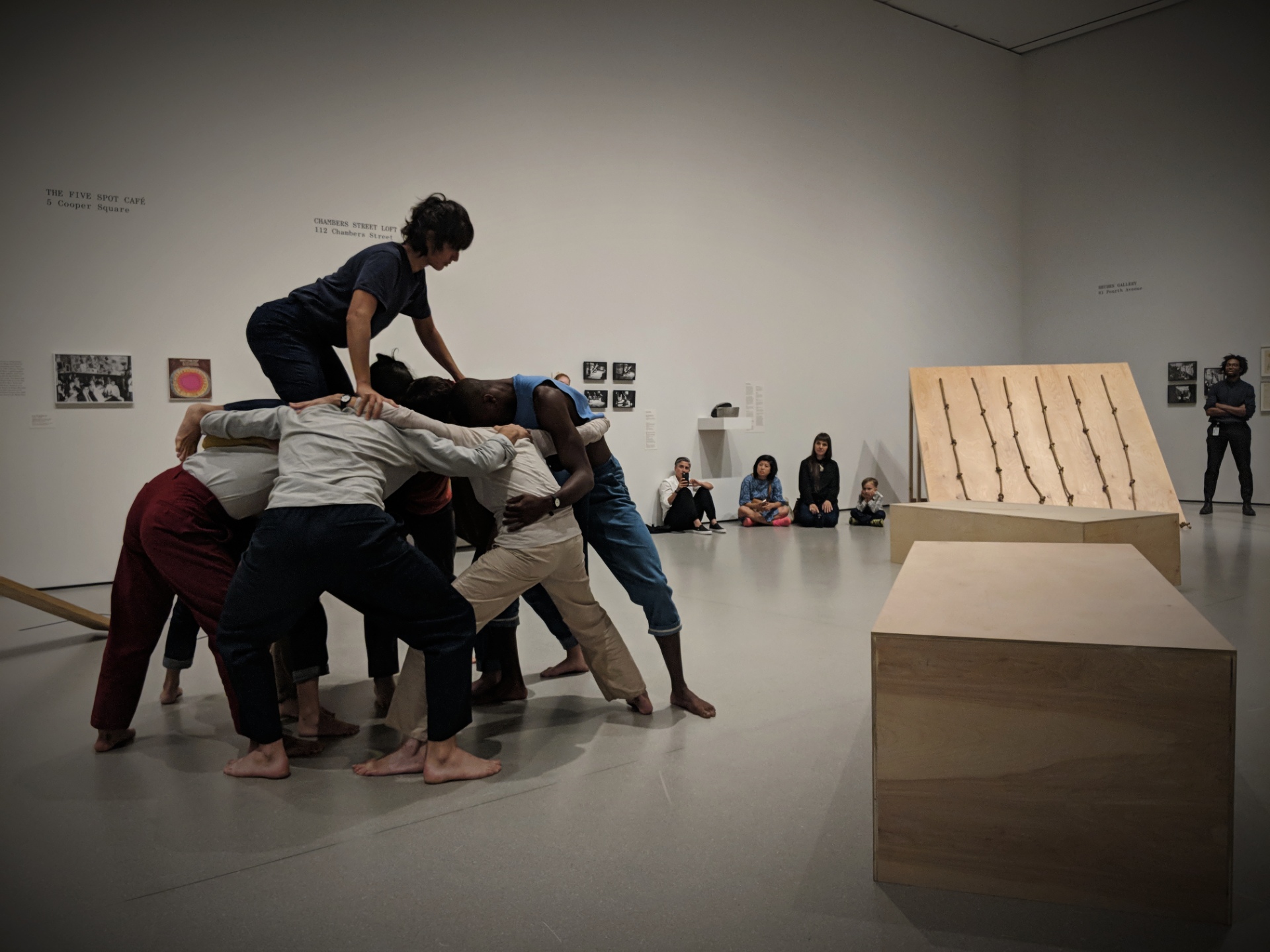
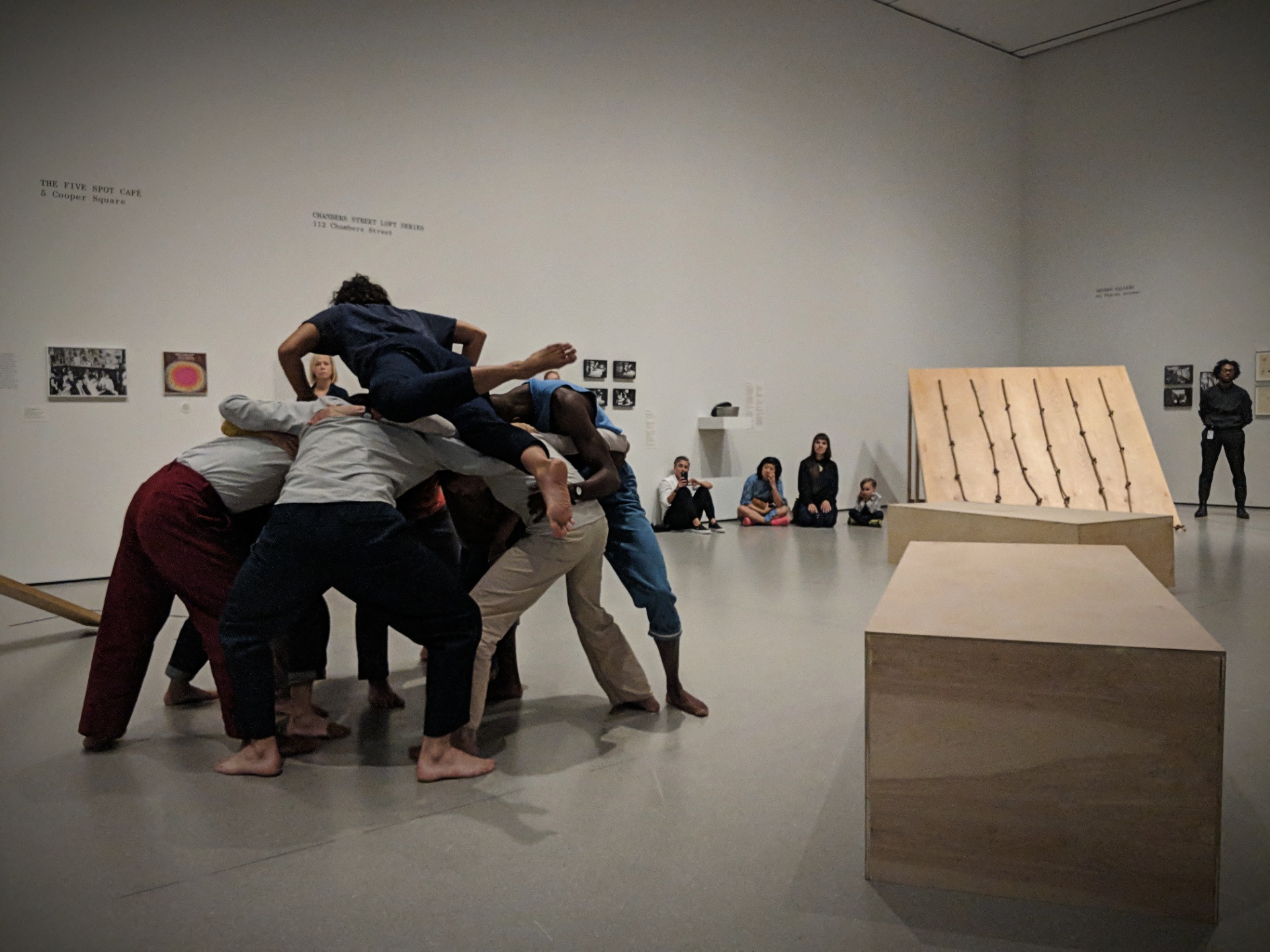
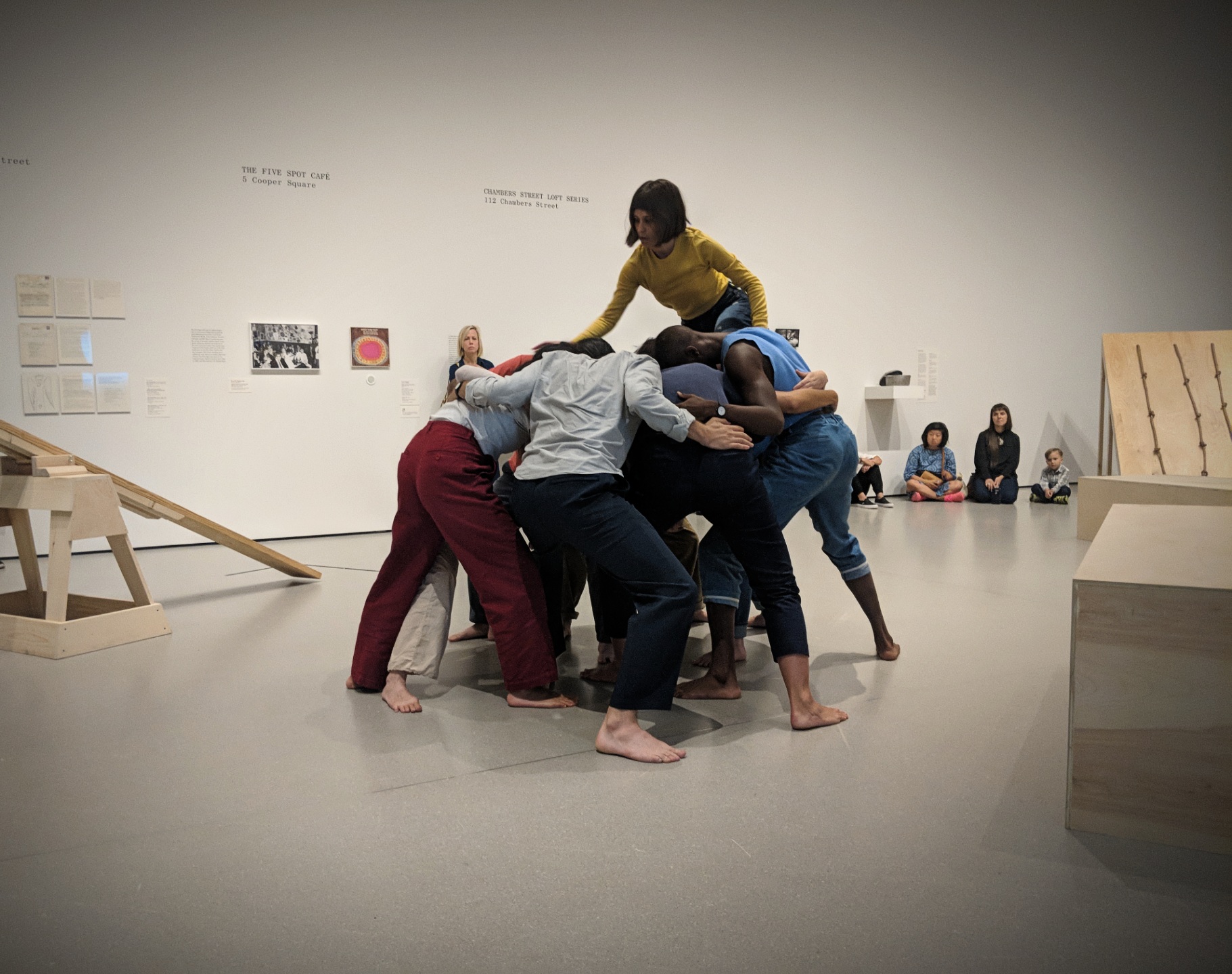
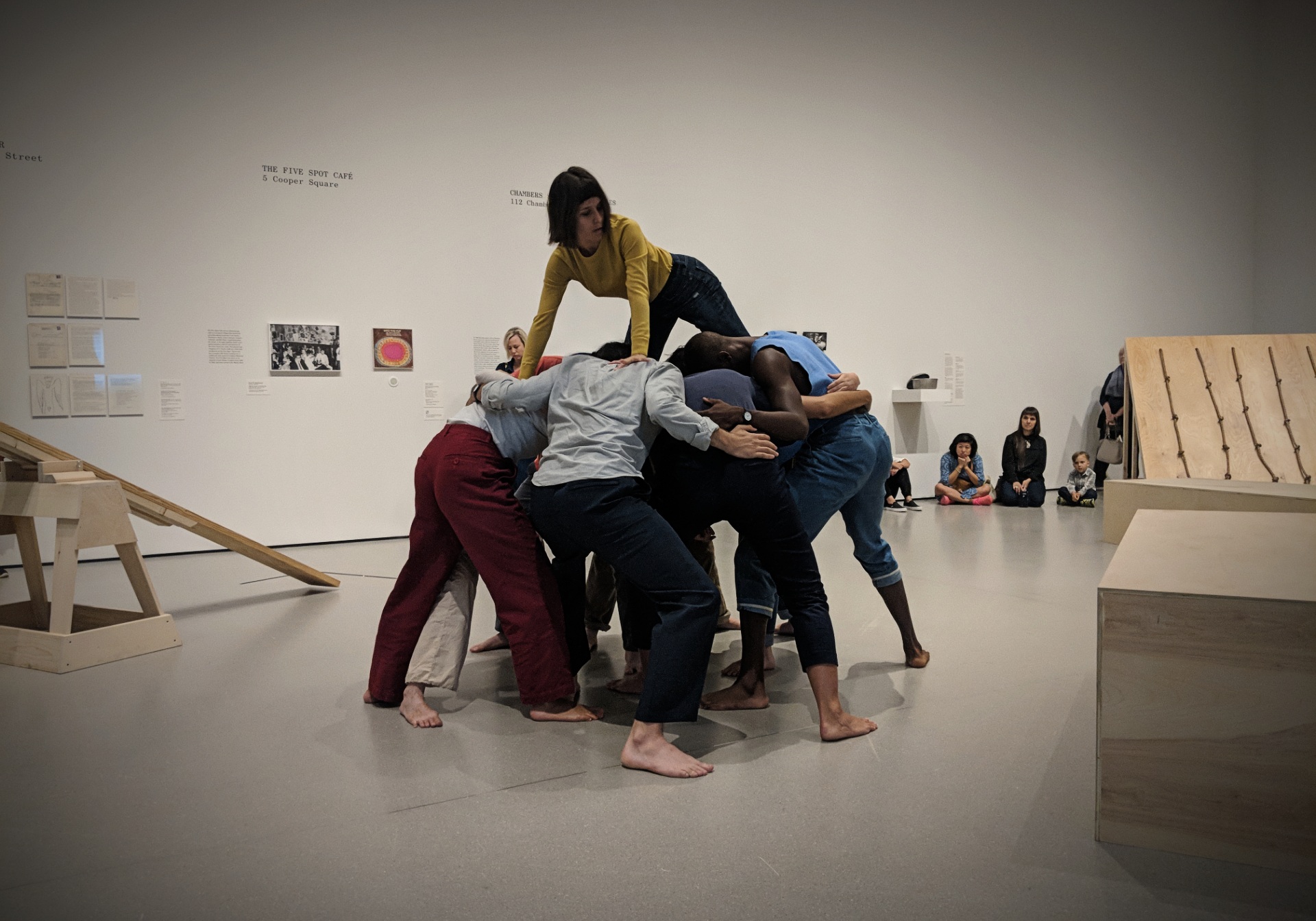
Huddle is part of Simone Forti’s Dance Constructions (1960-61), a continually shifting mass of bodies. Seven to nine performers create a solid base and take turns climbing over the group. In doing this, they create a sculptural form Forti has often described as a mountain.
Simone Forti’s Dance Constructions (1960–61) were key forerunners to Judson Dance Theater. Made from inexpensive materials, including plywood and rope, each “construction” prompts actions such as climbing, leaning, standing or whistling. Simultaneously sculptures and performances, the works were first presented at Reuben Gallery and the artist Yoko Ono’s loft, both in New York.
Huddle was performed live in intervals, throughout the exhibition.
September 15th, 2018
The City rose upwards to reach the last remaining square of open sky.
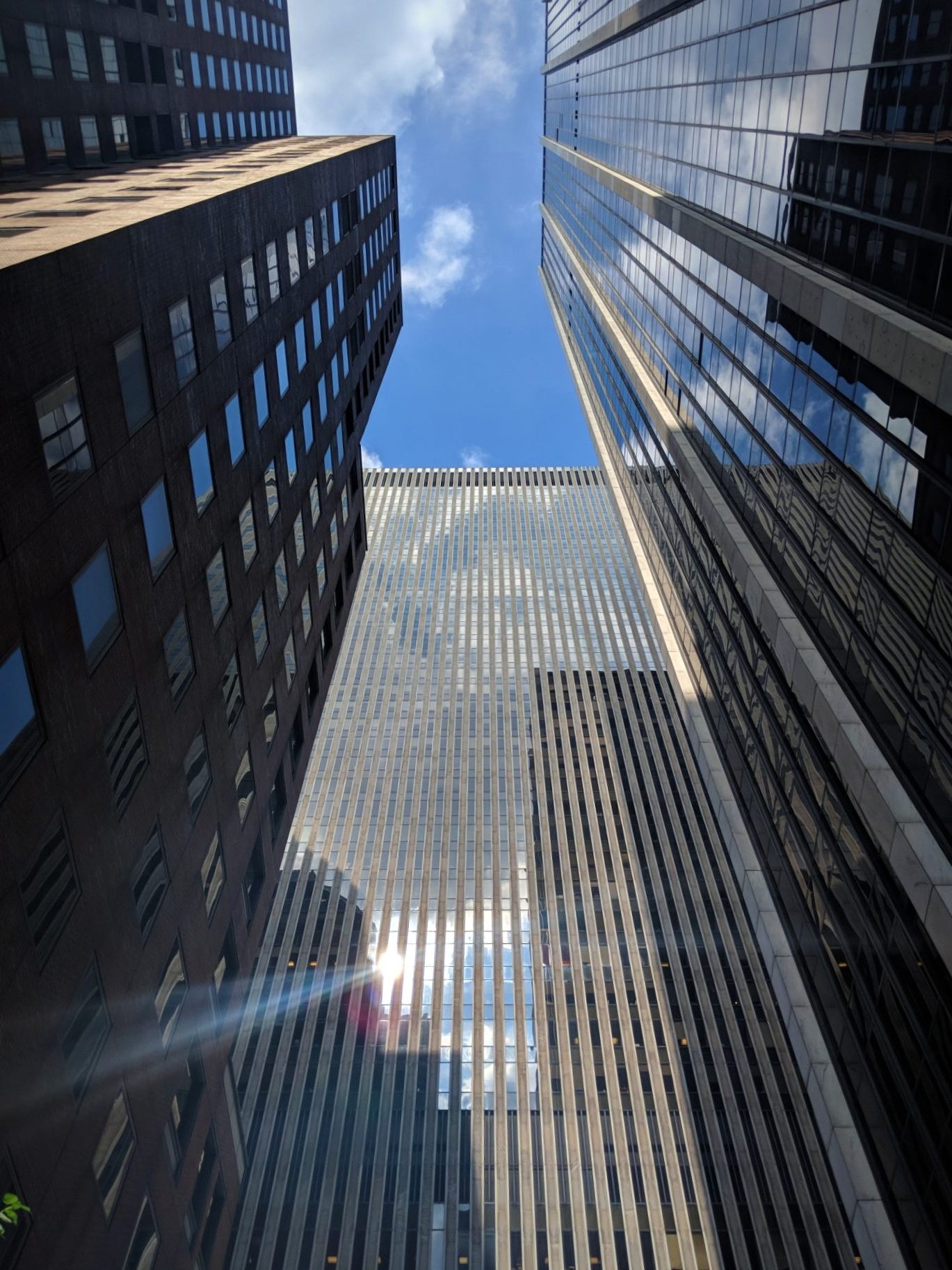
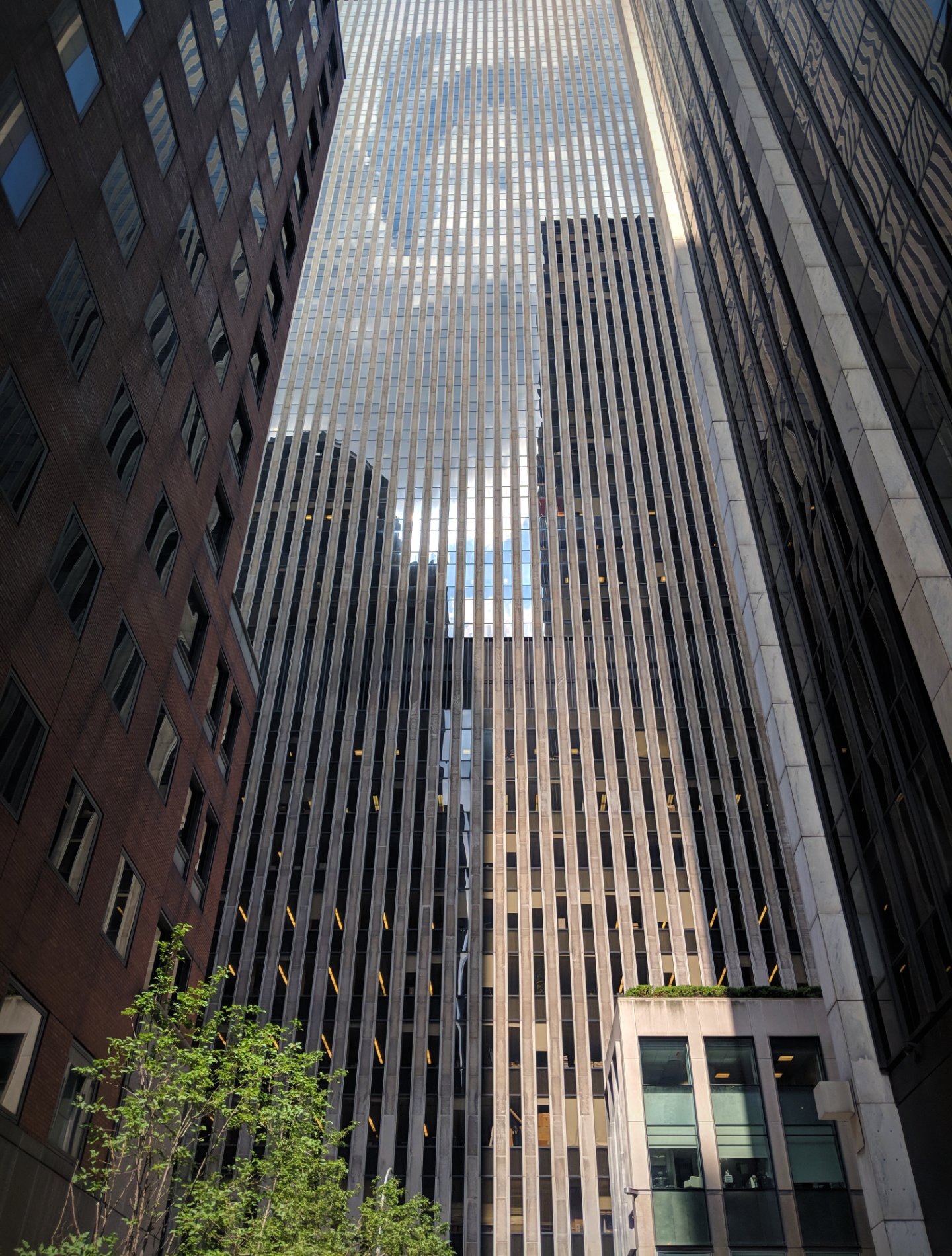
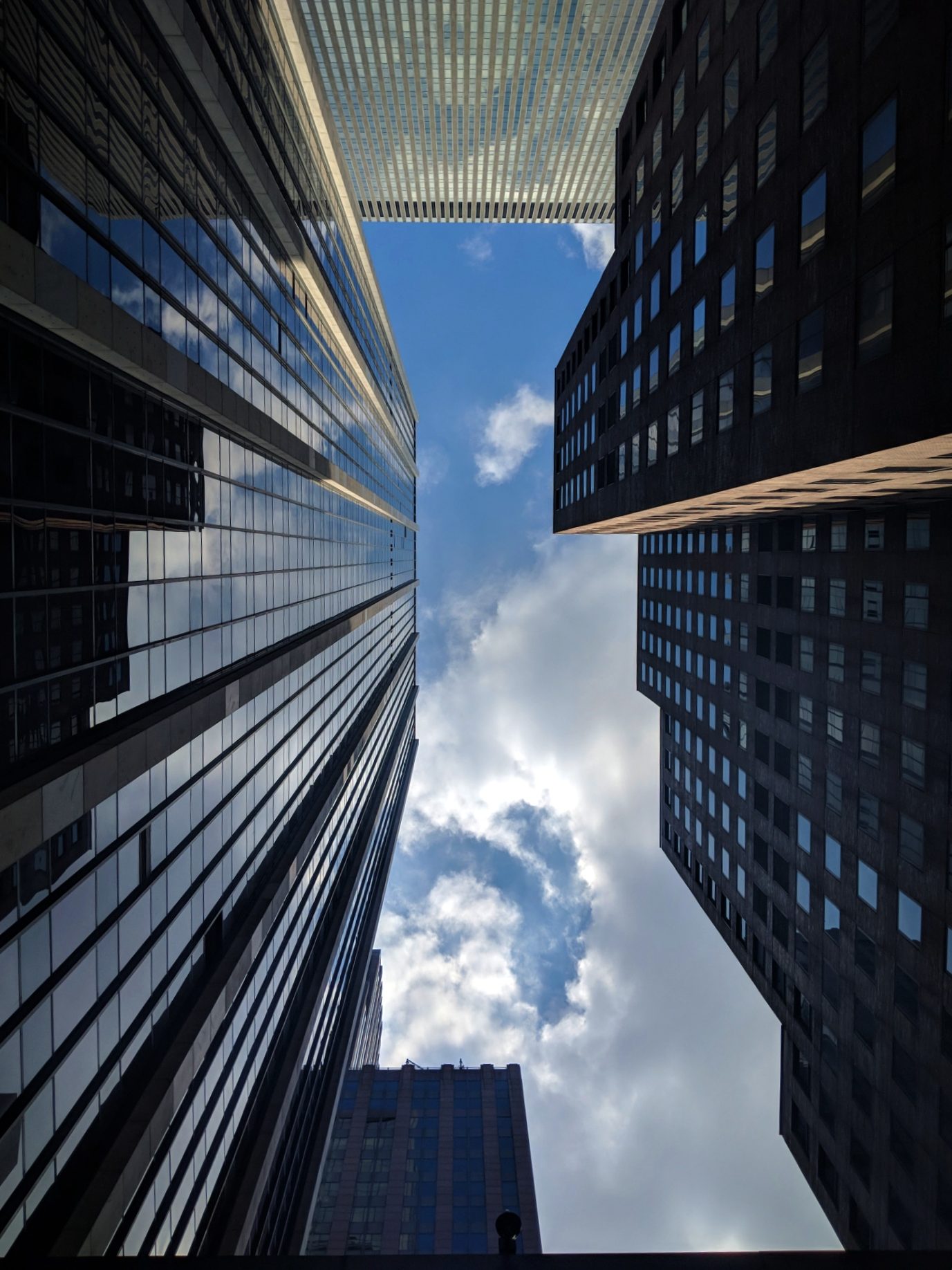
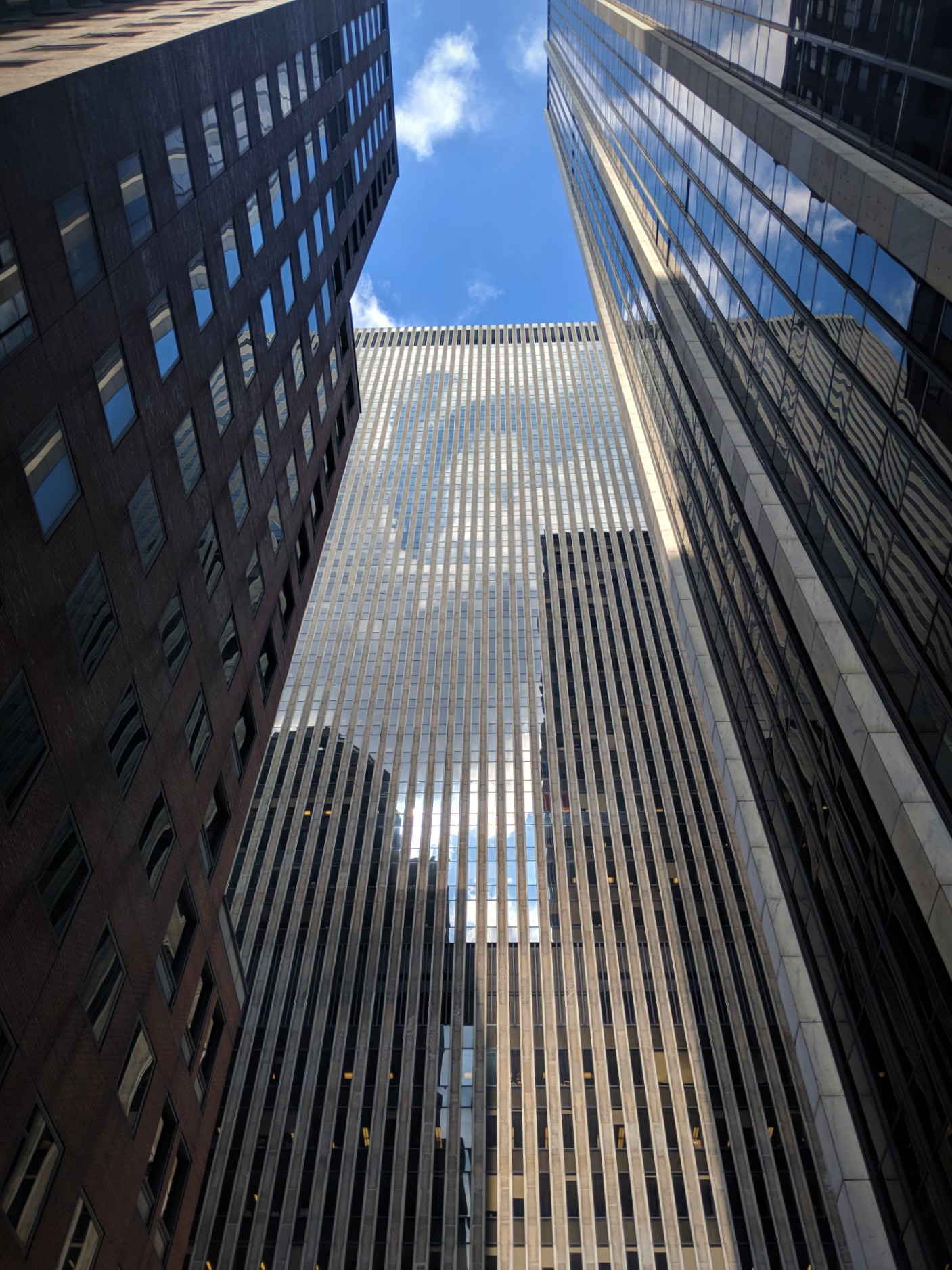
Midtown Manhattan
September 15th, 2018
Even a gloomy day looks shinny and bright gazing at this marvelous piece of engineering – a control console/switchboard/language selector from the then… It always stops me in my tracks.
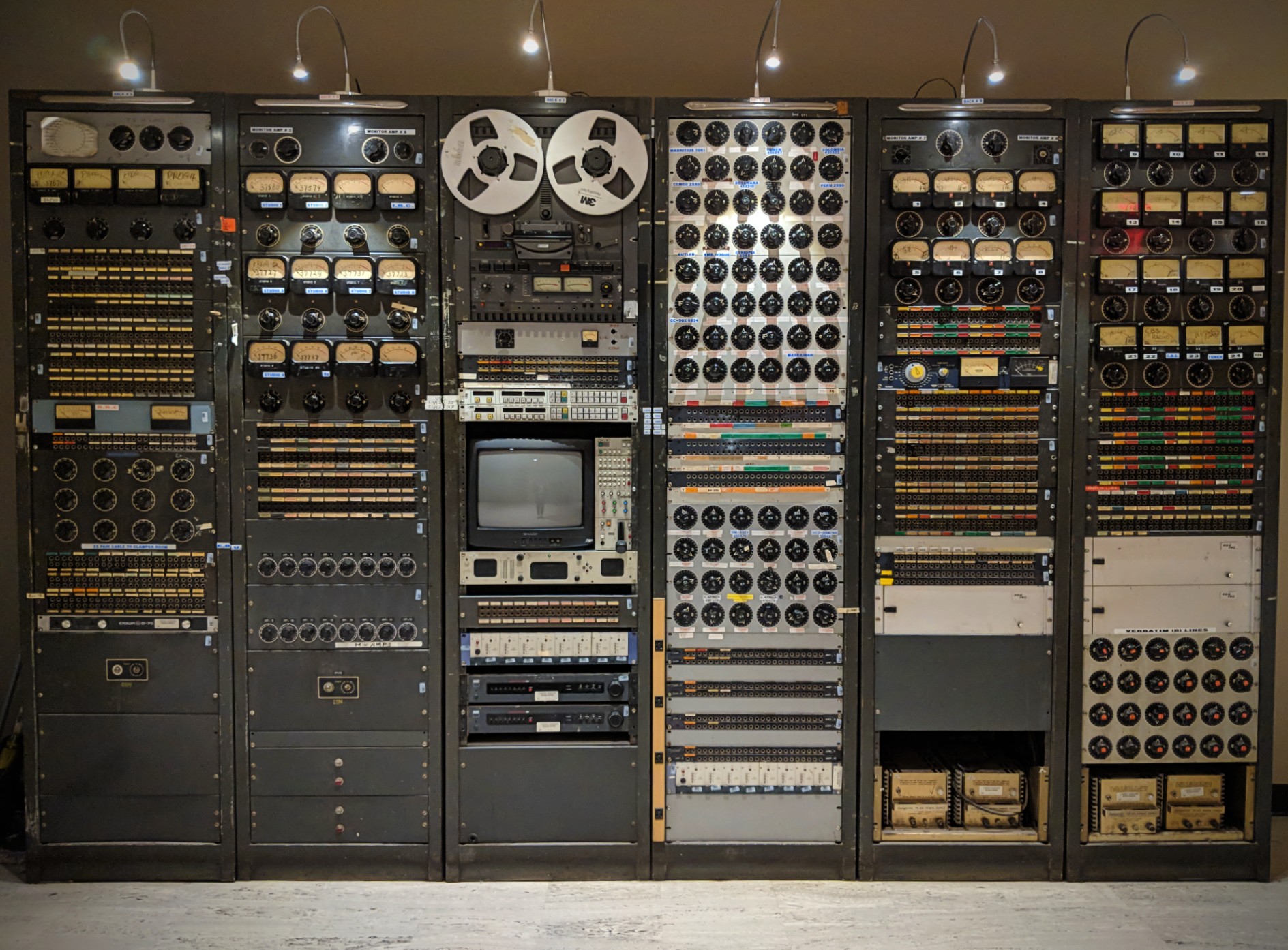
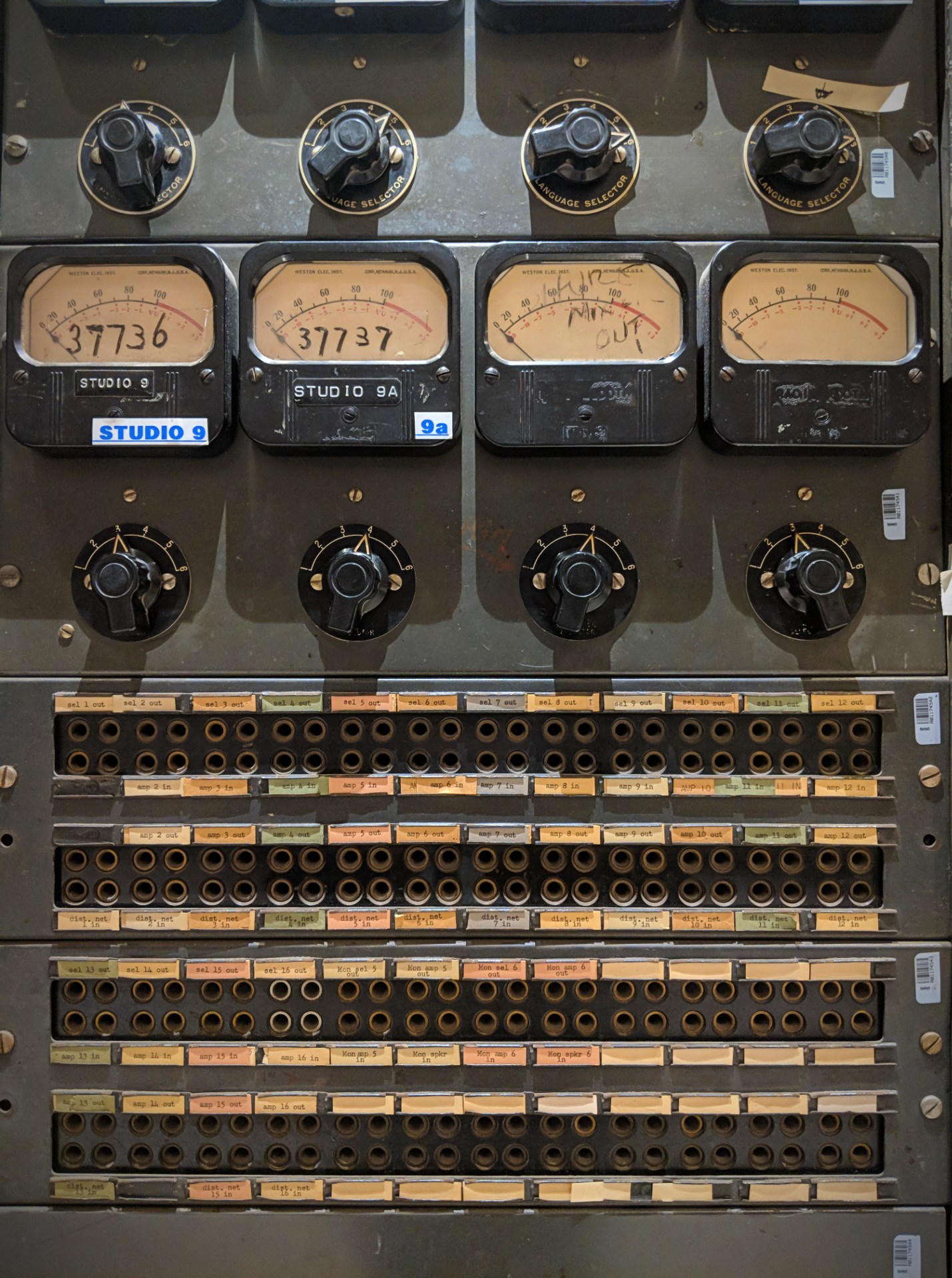
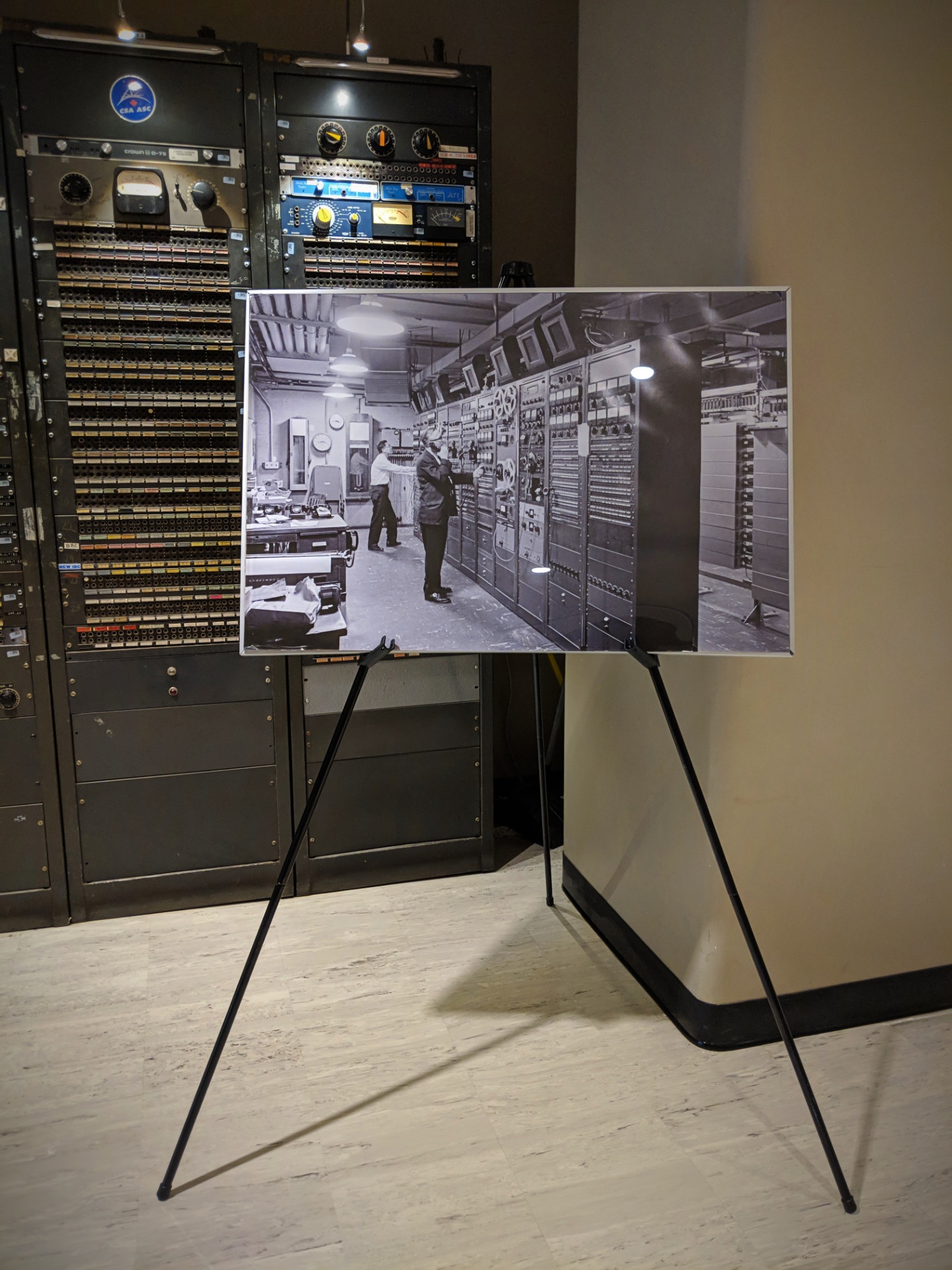
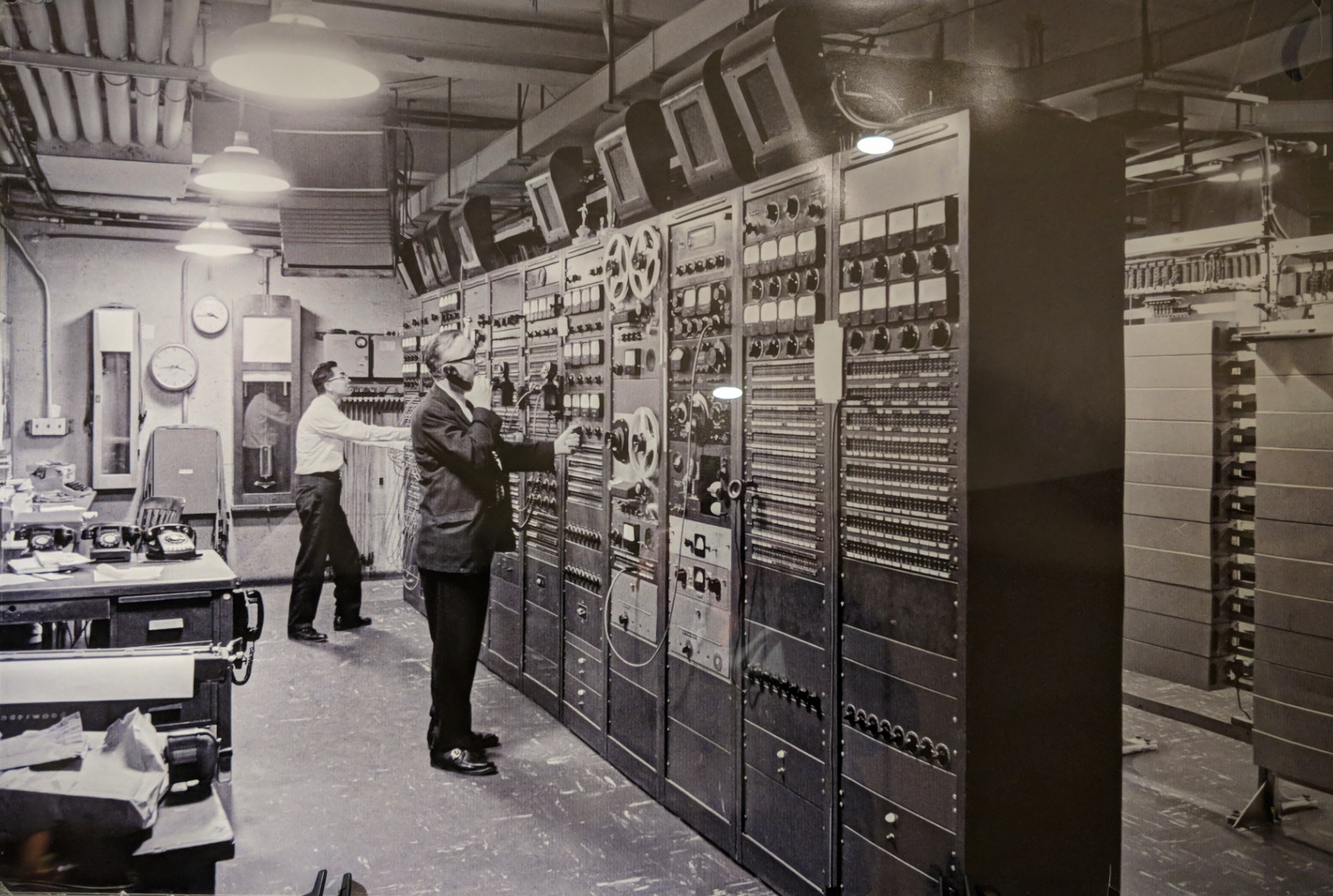
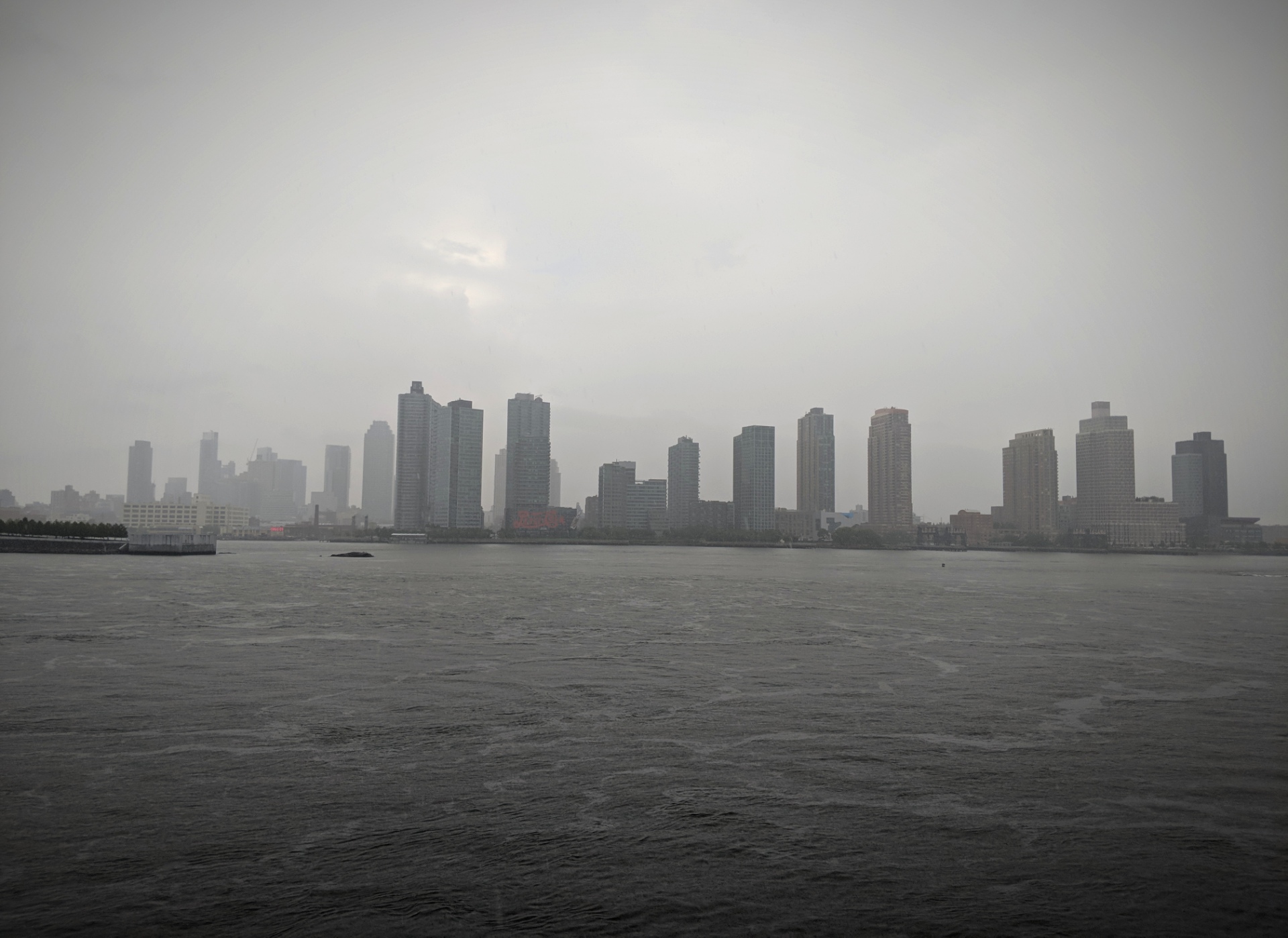
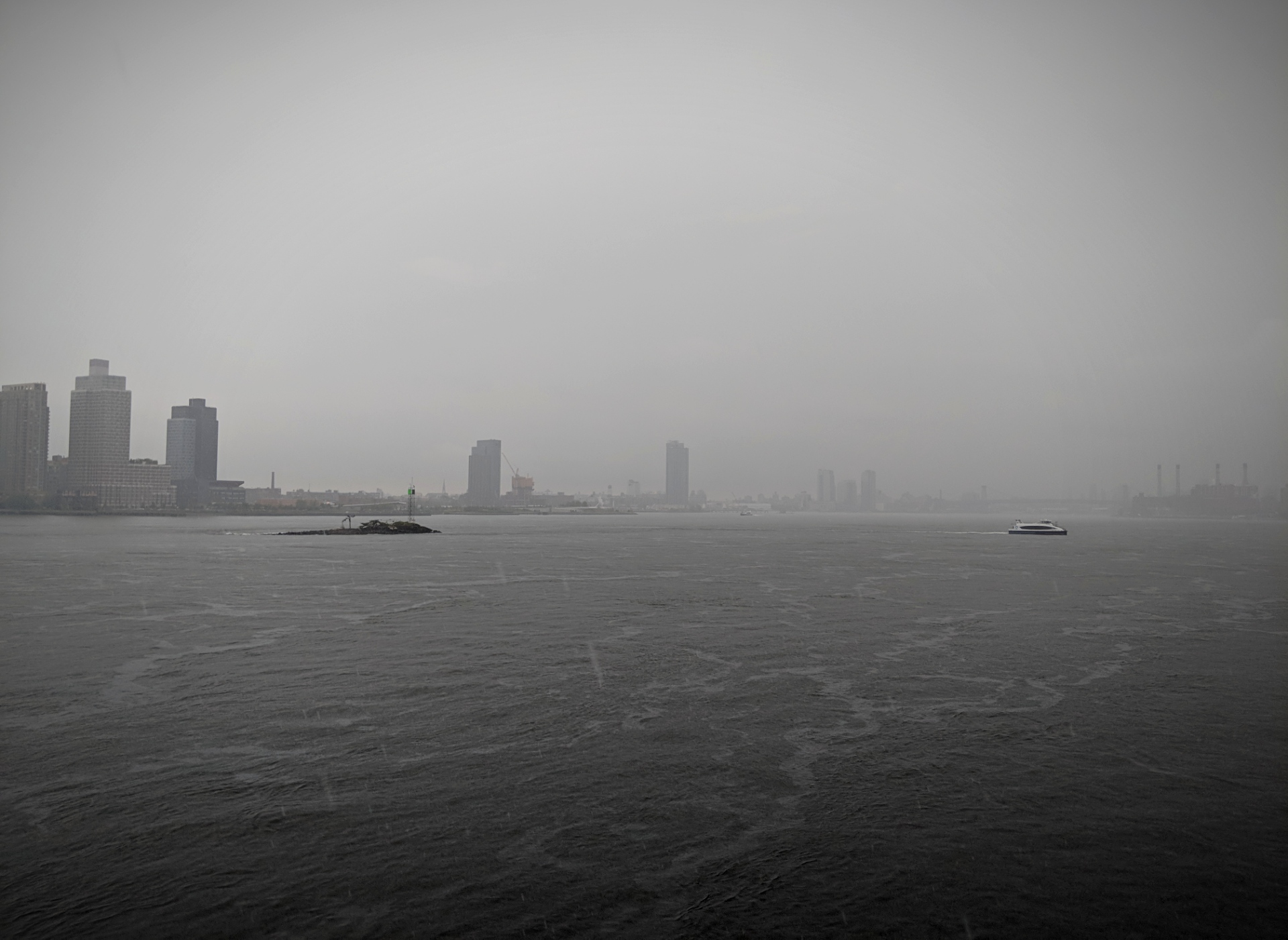
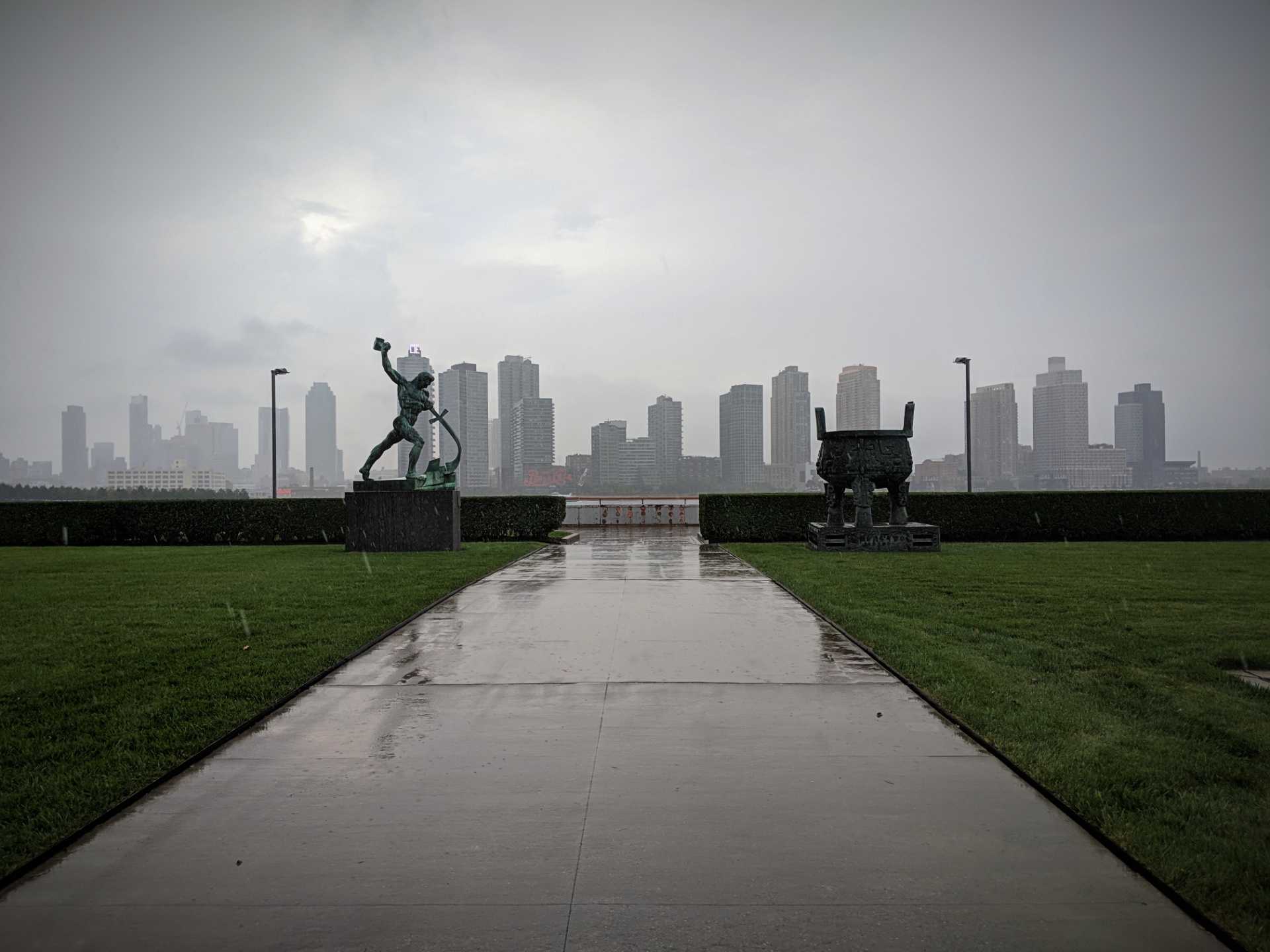
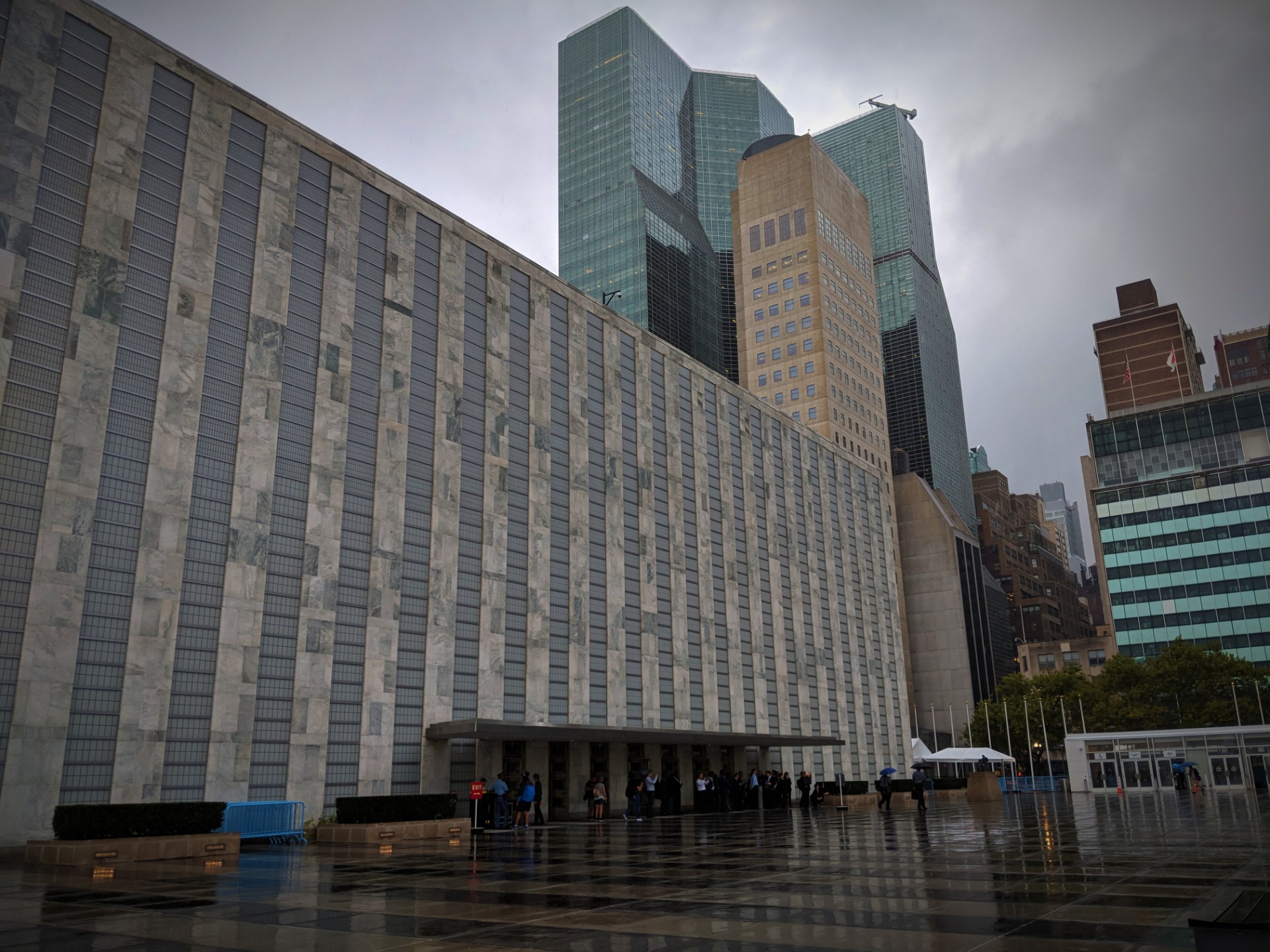
United Nations Headquarters, New York
September 12th, 2018
Sitting on a cliff between 40th and 43rd Streets, overlooking First Avenue and the United Nations Headquarters, Tudor City is a red brick apartment complex with wonderful stonework, that took its name from its architectural style: Tudor Revival. A massive – yet far from oppressive – enclave, a heaven of tranquility amidst one of noisiest, busiest parts of the City.

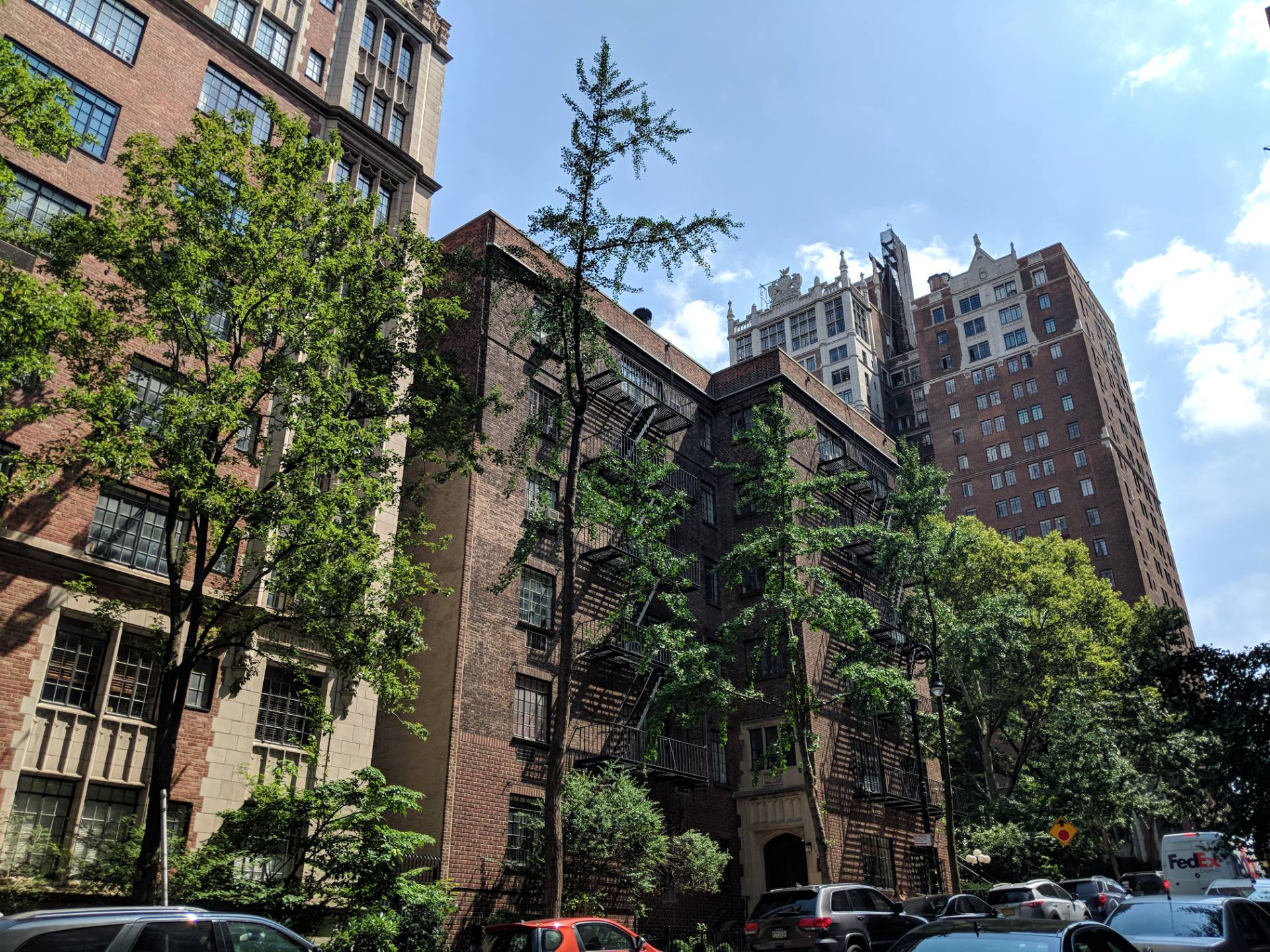
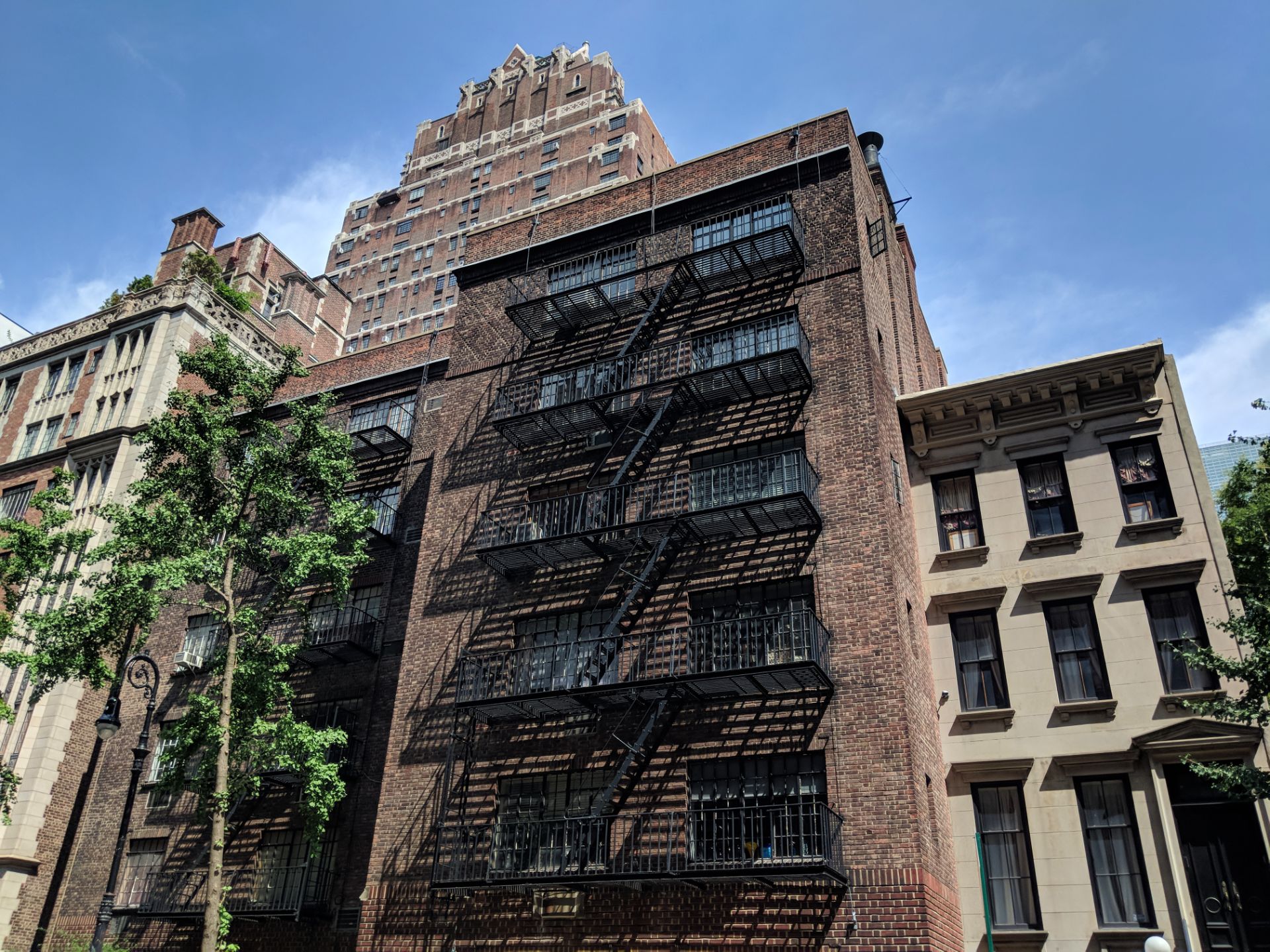
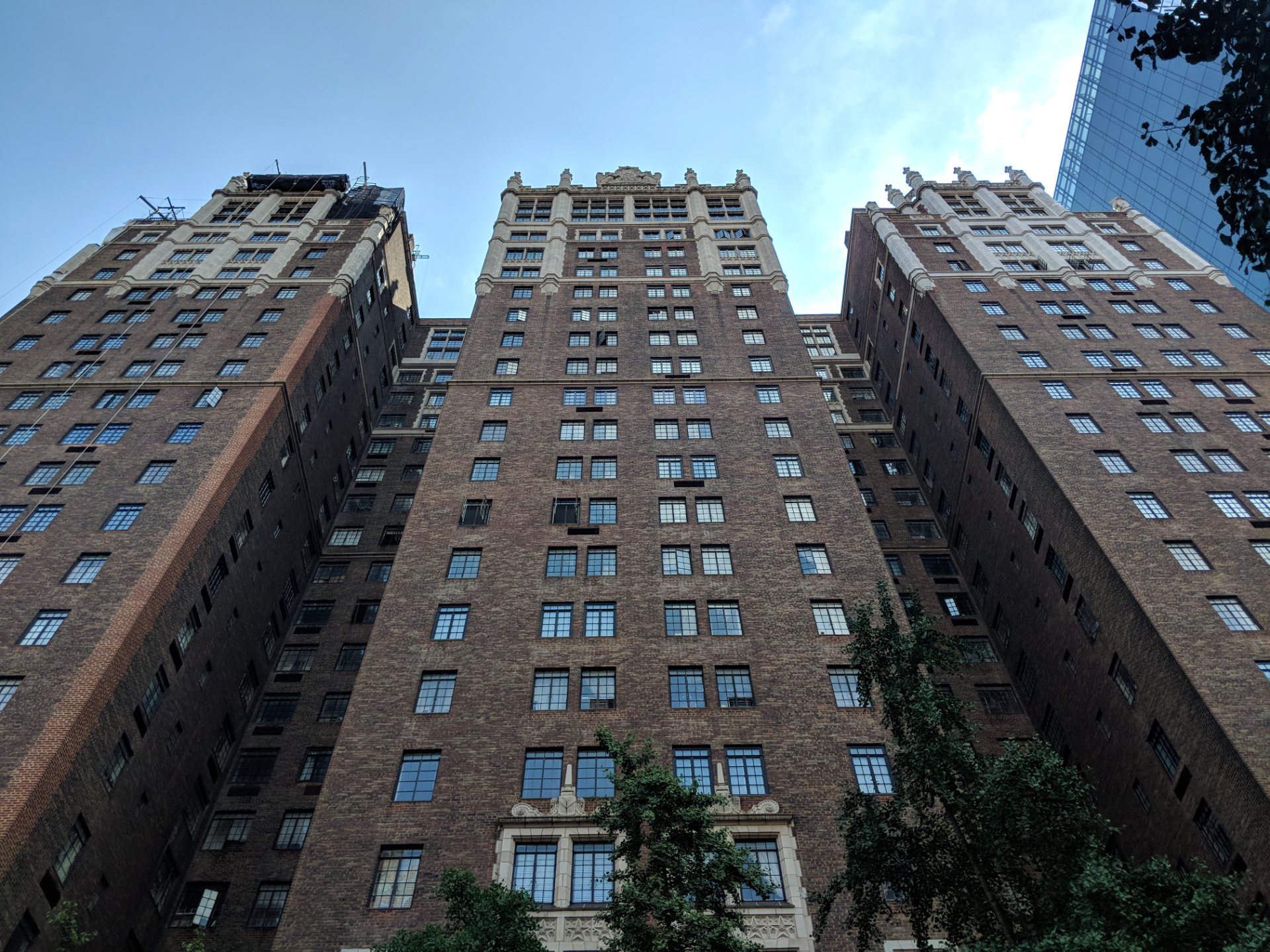
Midtown Manhattan East
August 25th, 2018
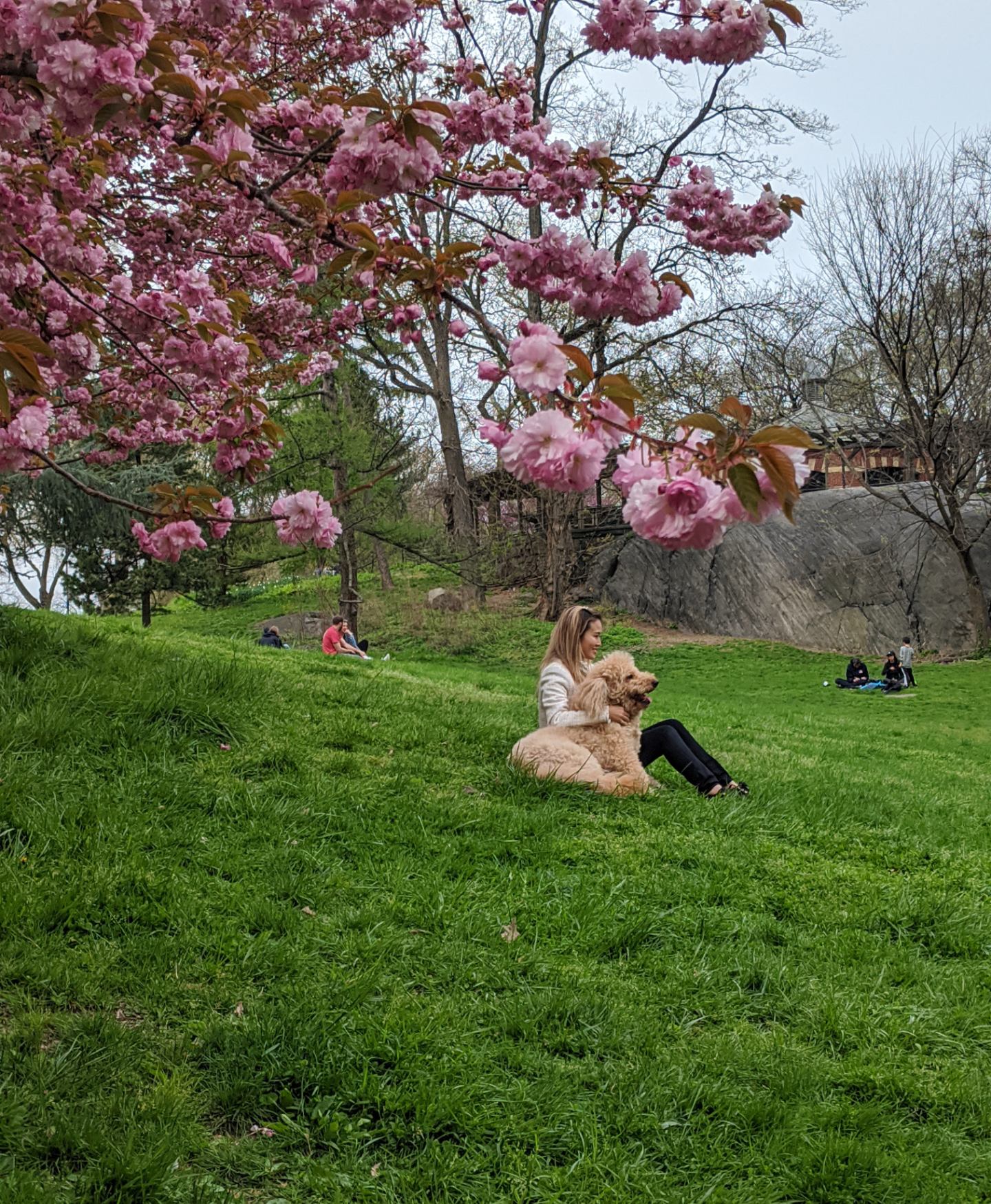
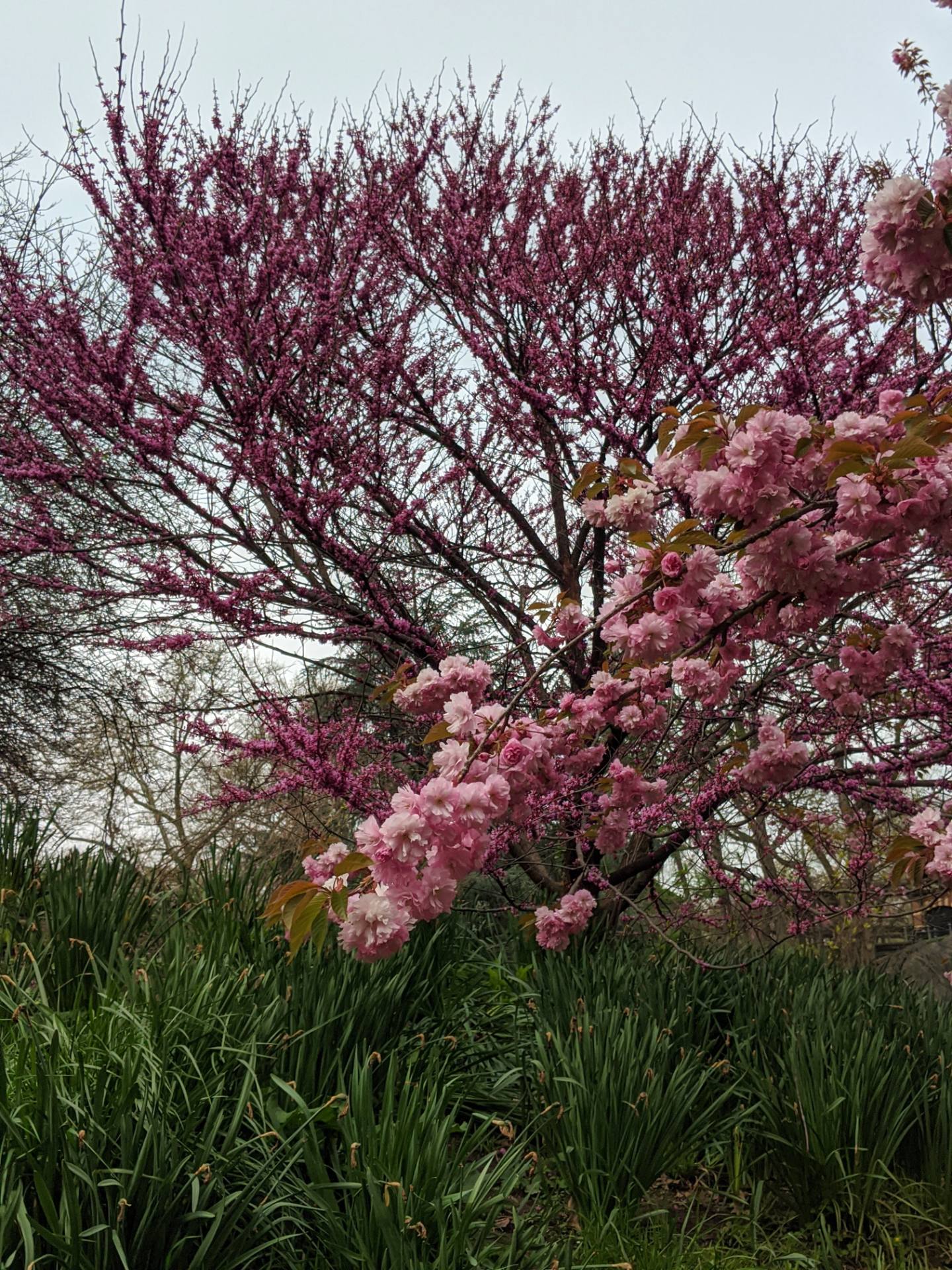
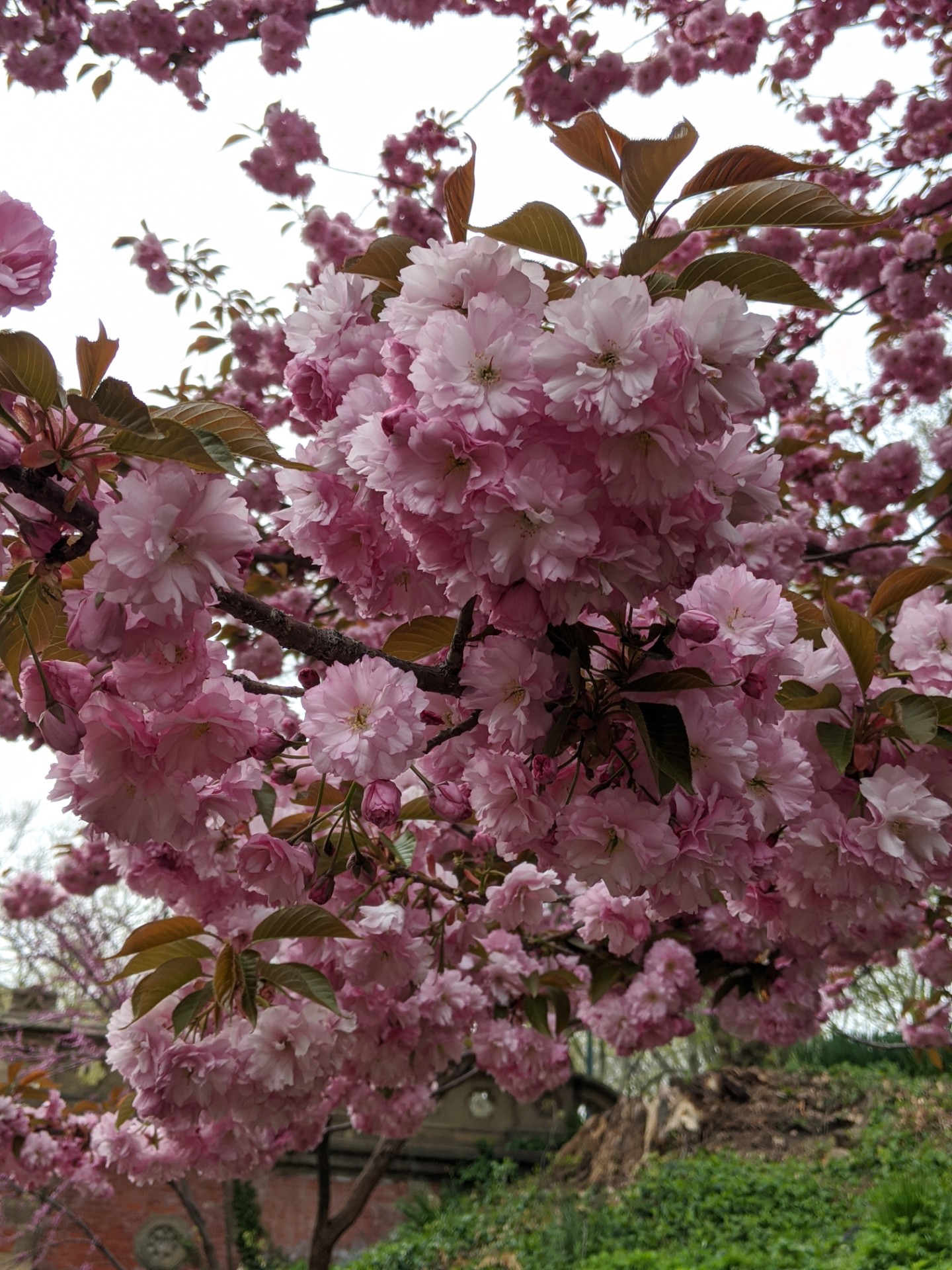
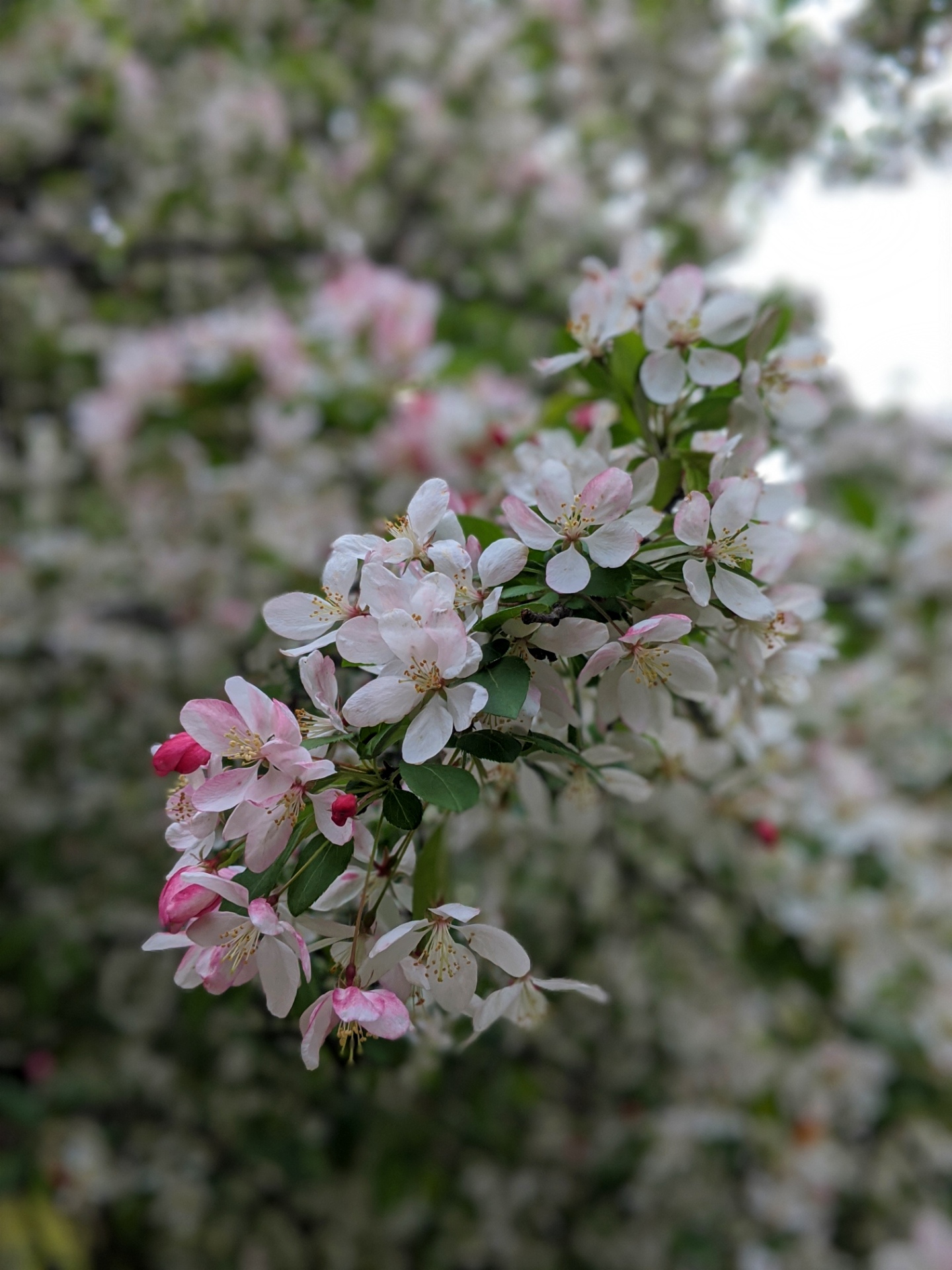
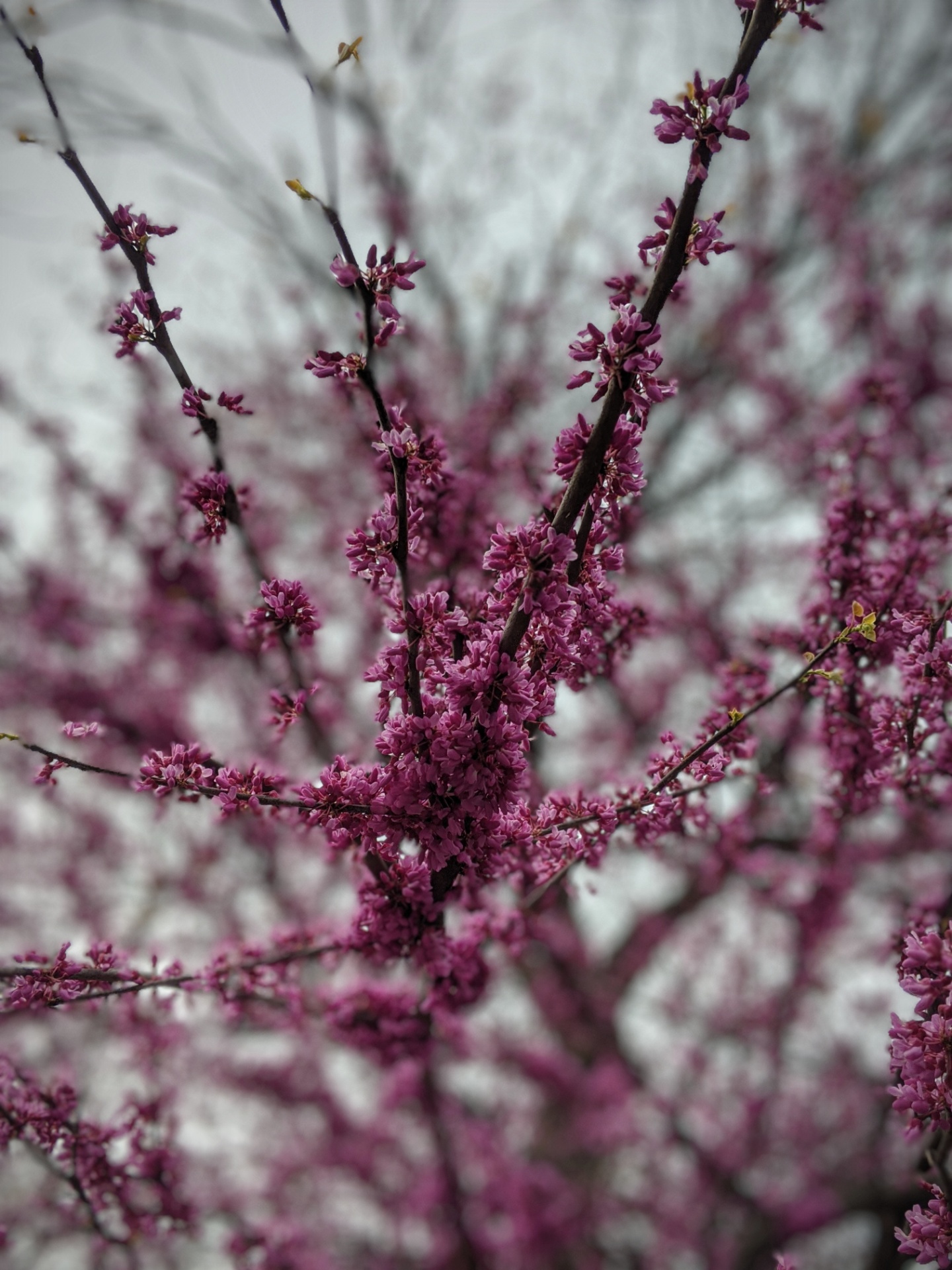
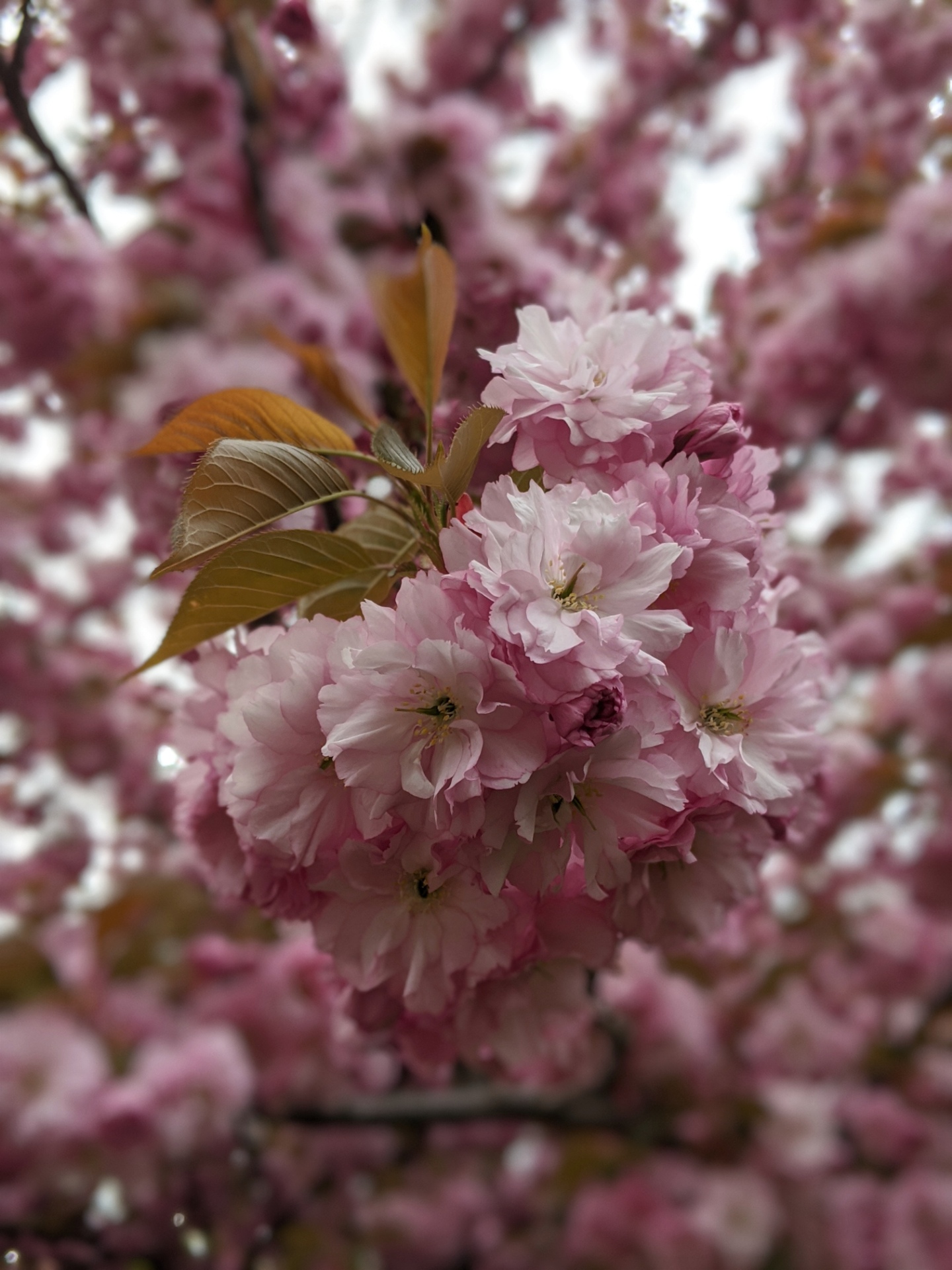
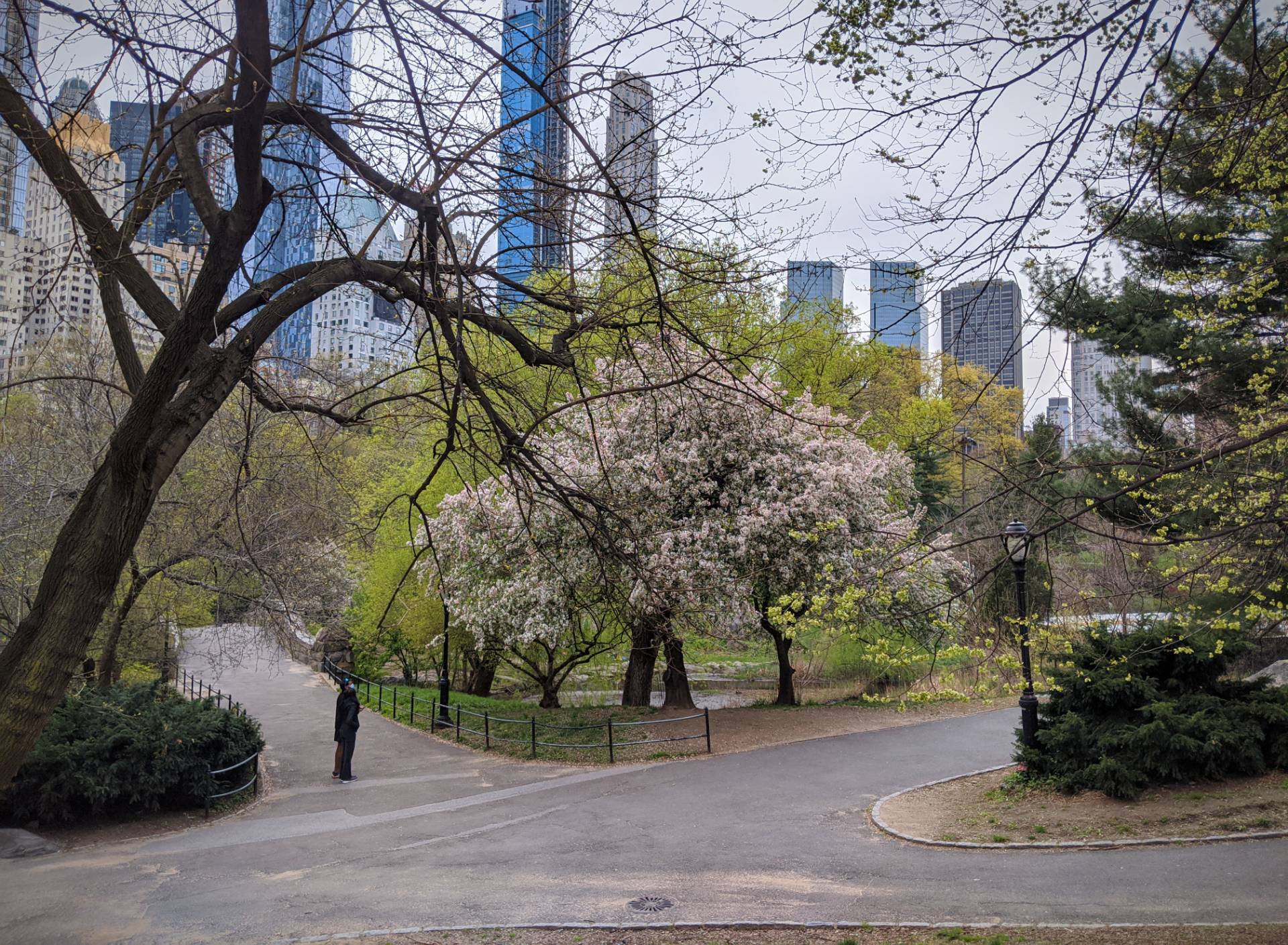
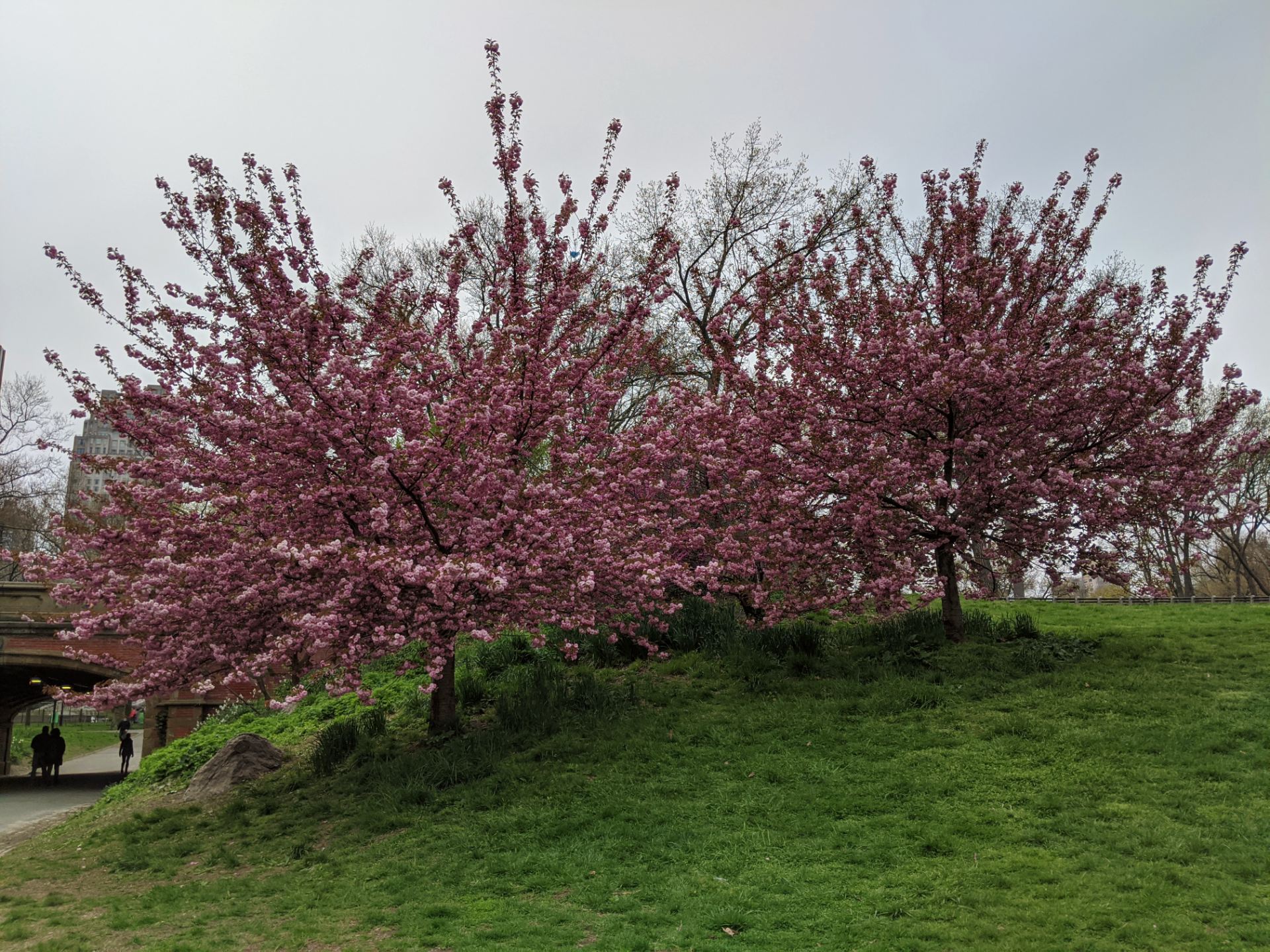
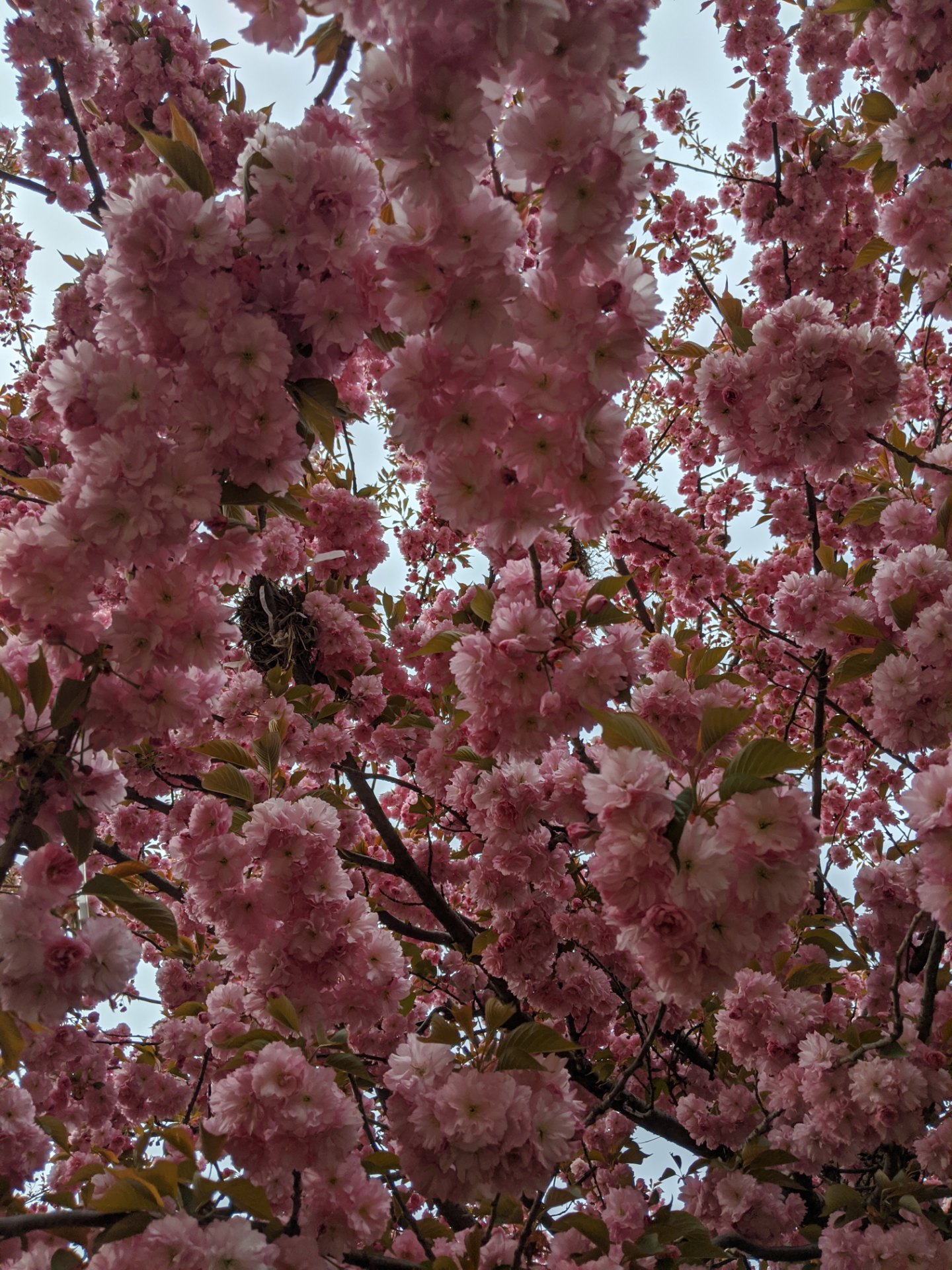
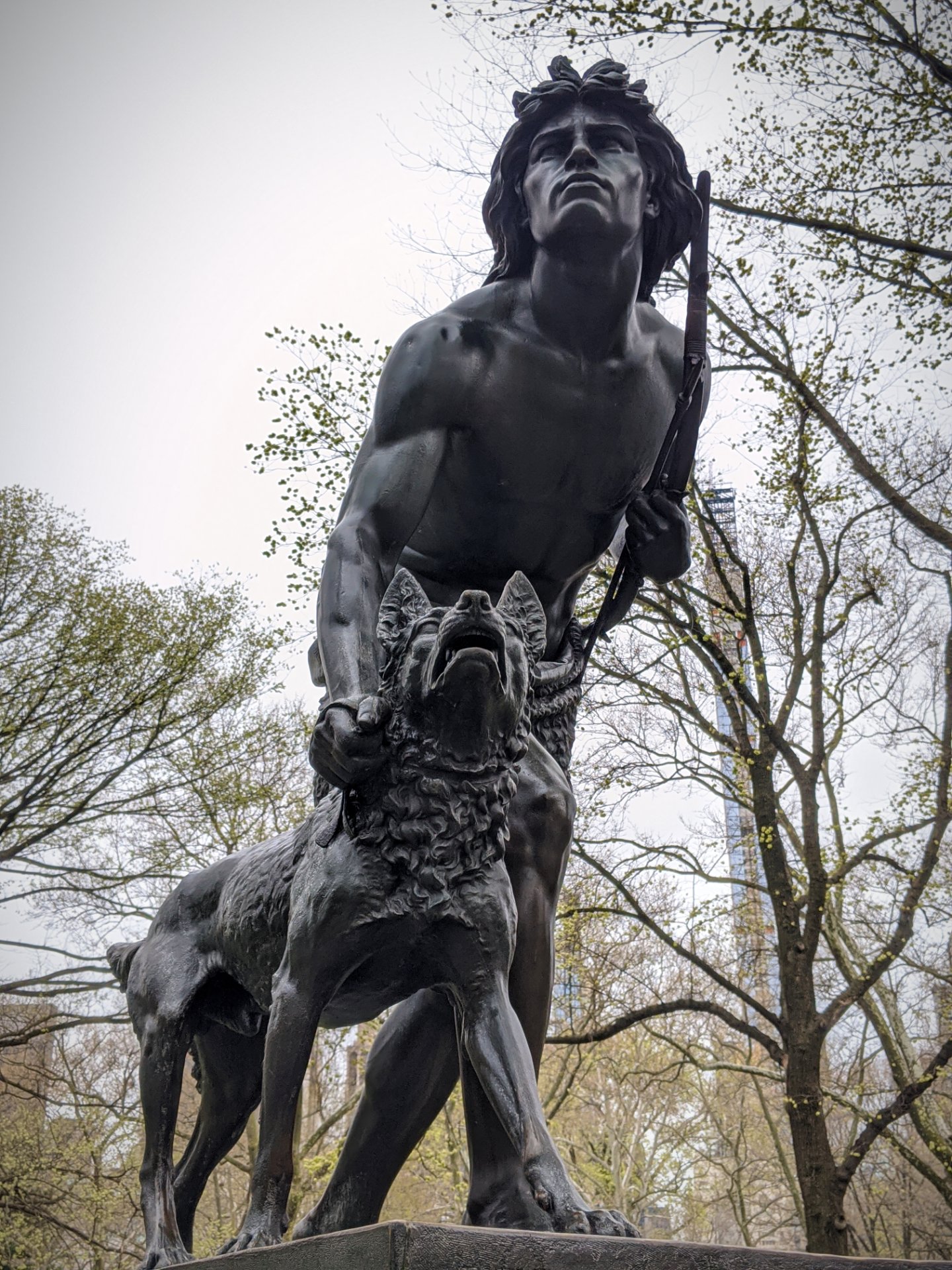
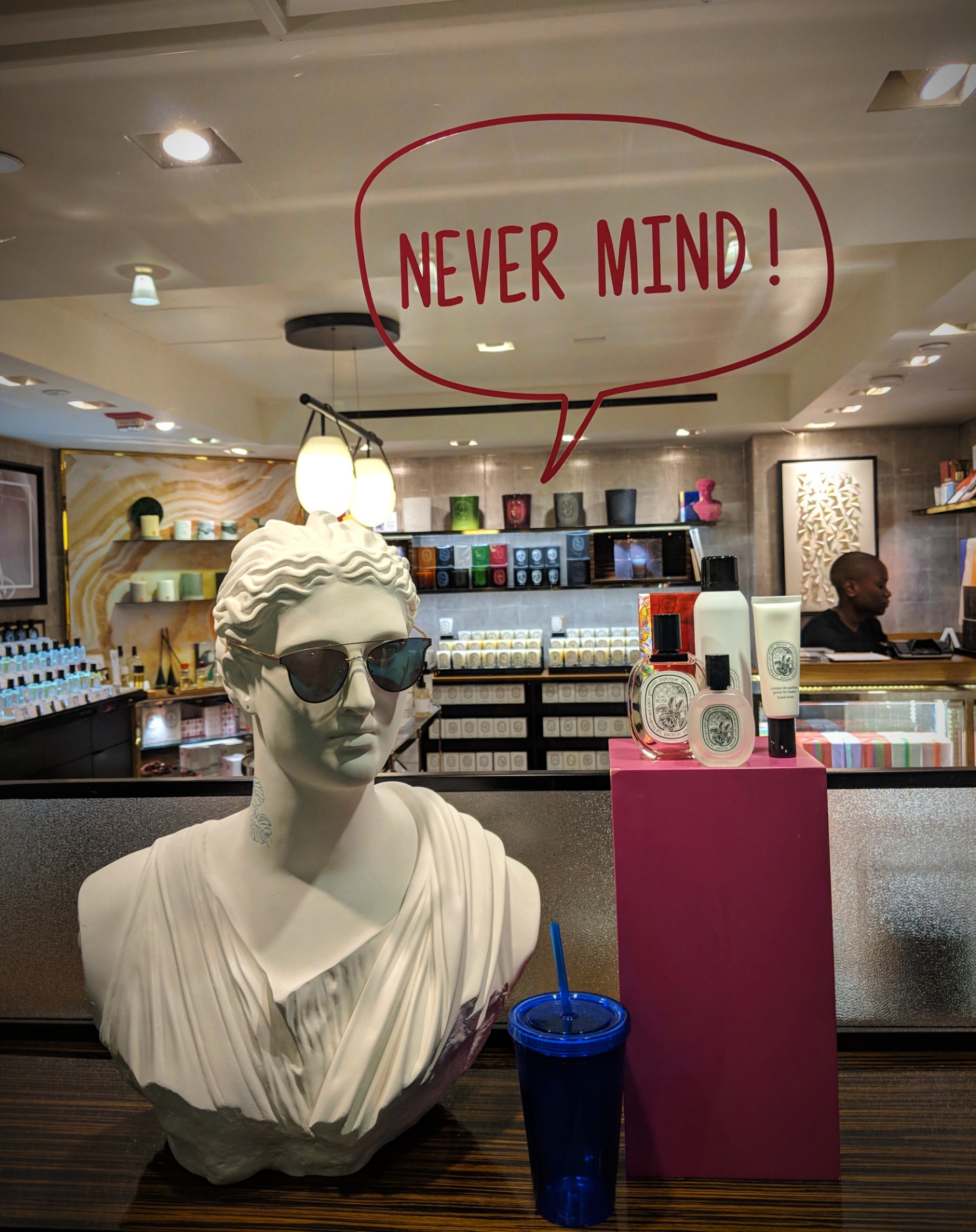
Anyone for a walk in Central Park?
Switched to the present for a moment, because Central Park is breathtaking this Spring, as always. So is wearing a mask, but humans are the most adaptable species, we’ll get used to them too.
Central Park
April 19, 2020
And a full Moonhenge it was, too. Like a Manhattanhenge, only a lot cooler.
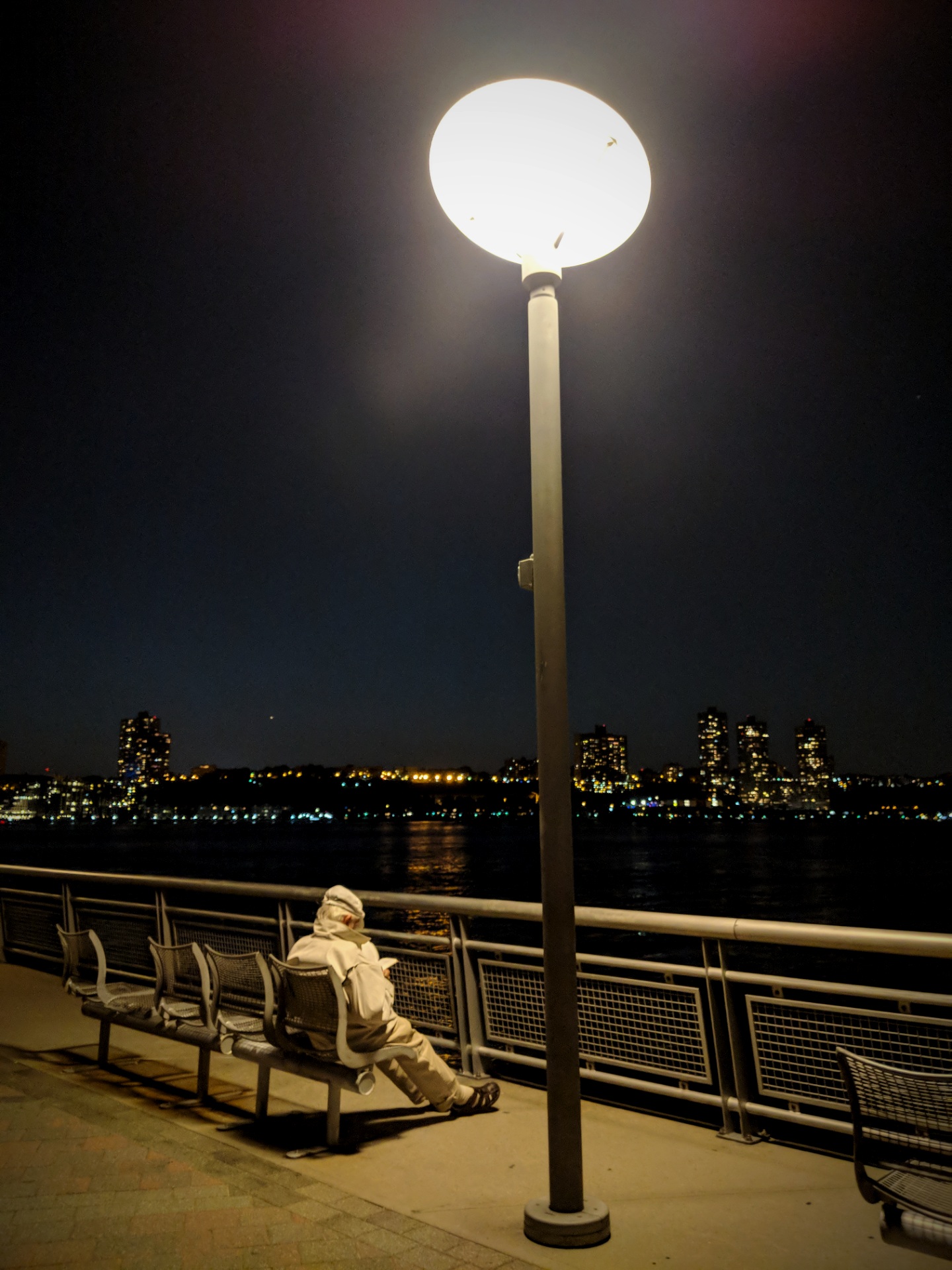
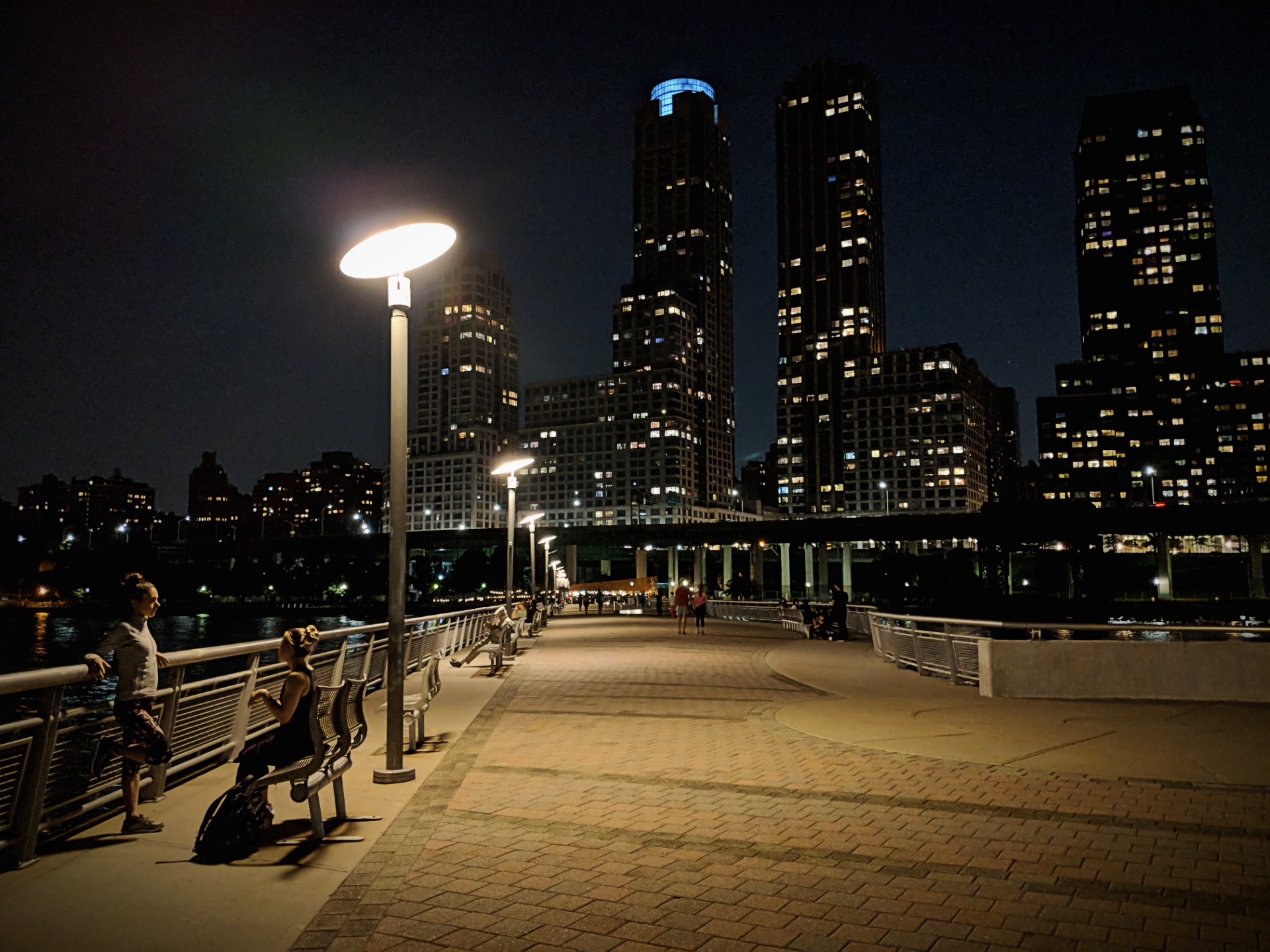
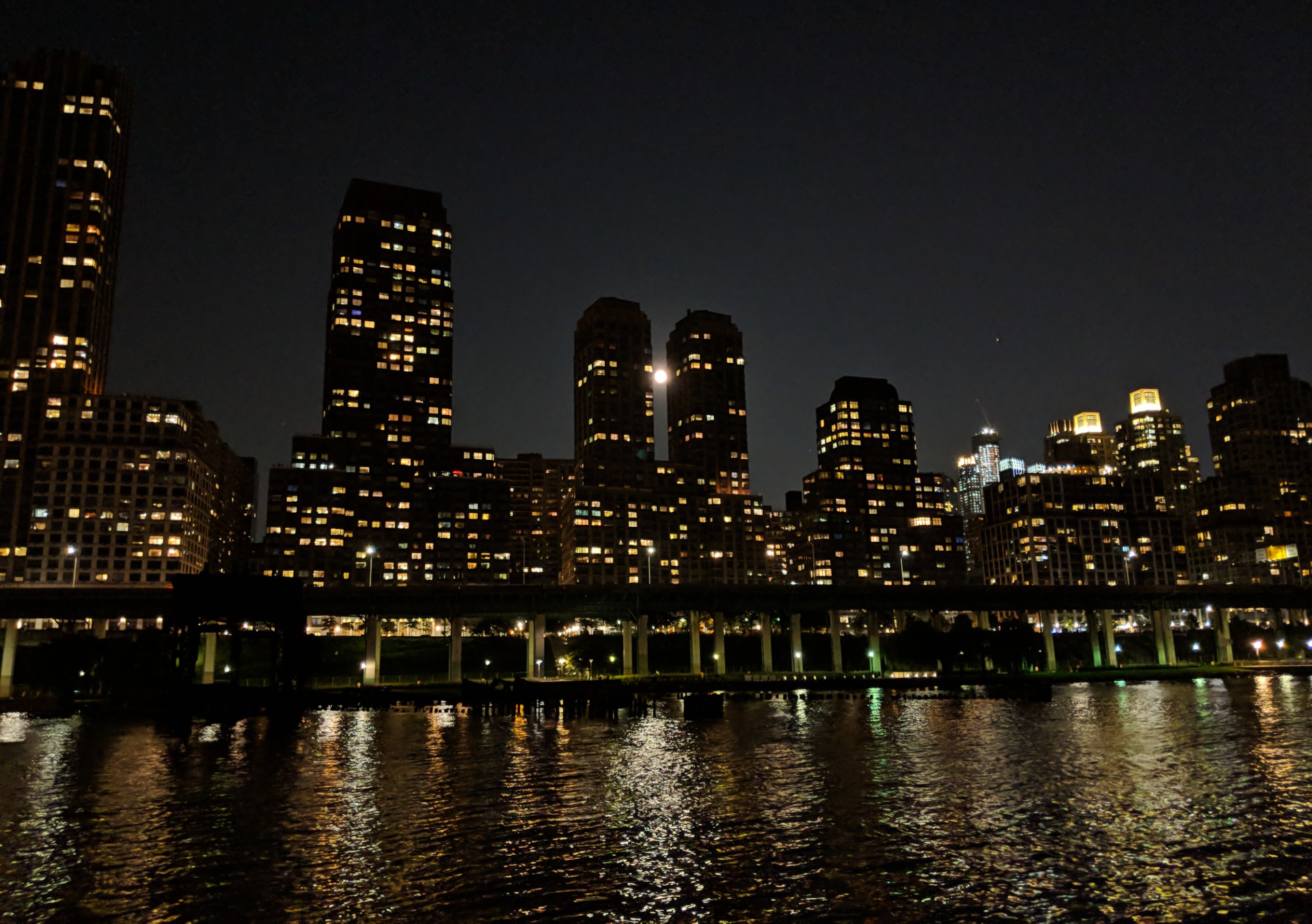

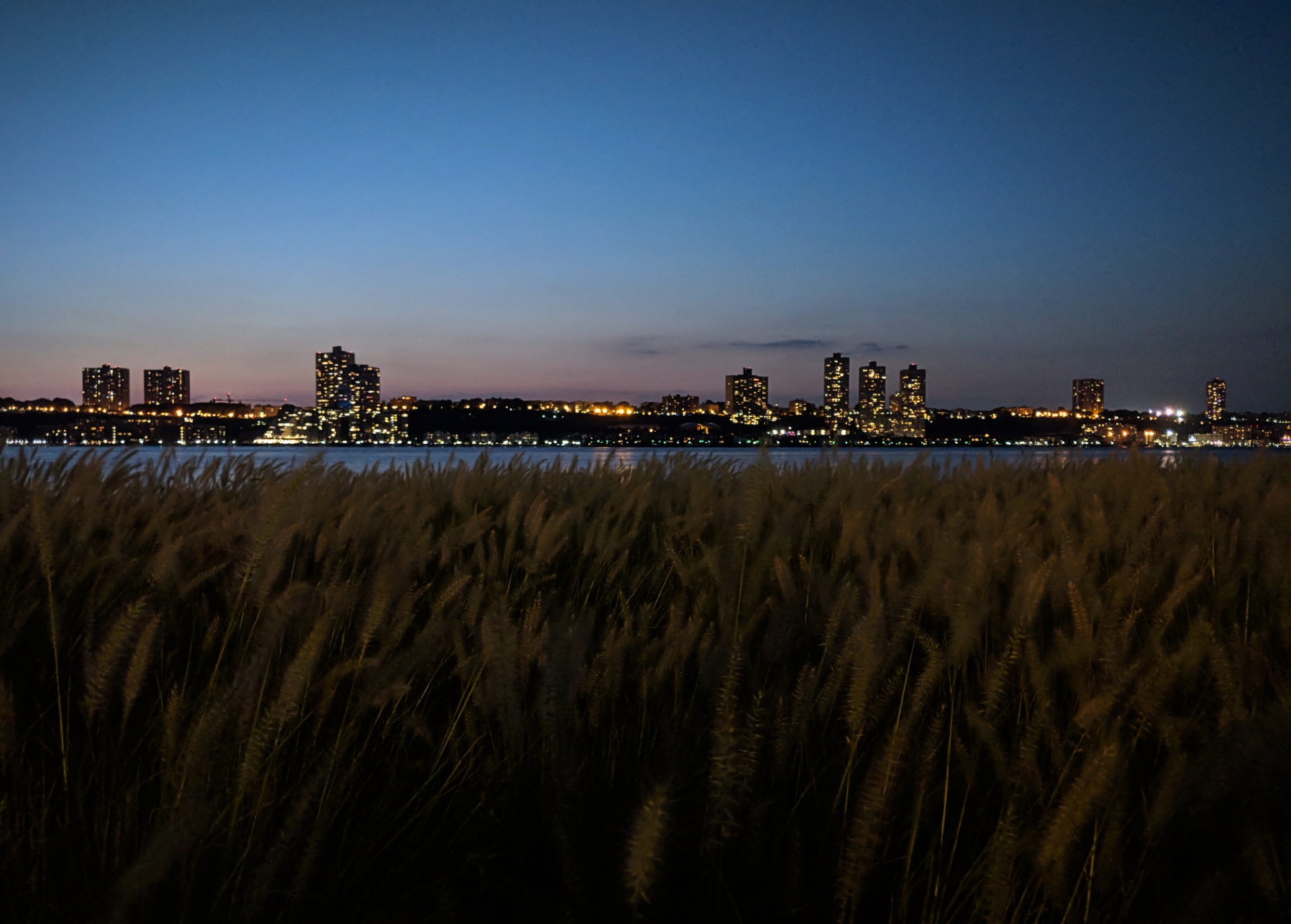
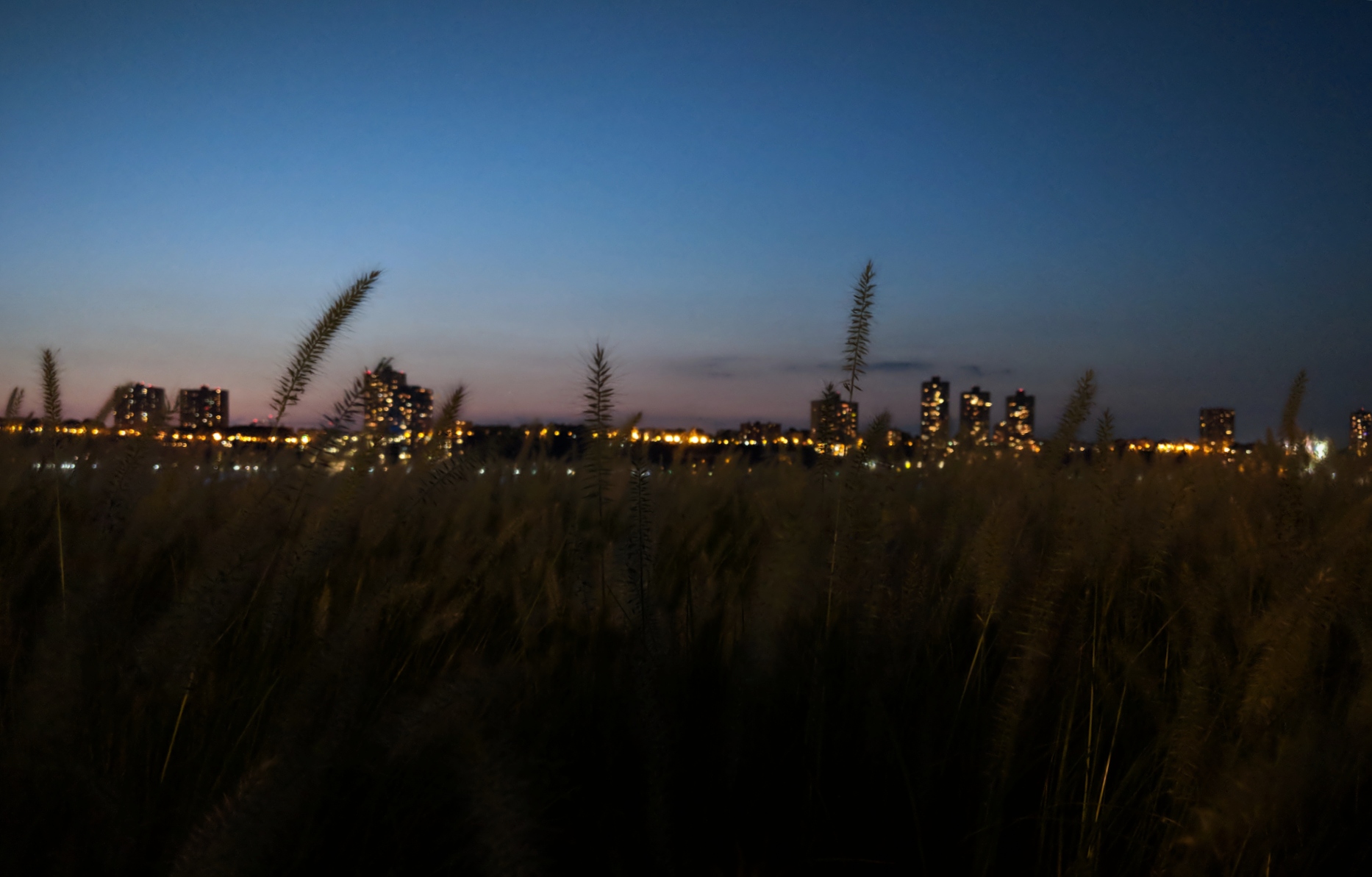

Hudson River Greenway, Manhattan West
August 24th, 2018
From the Scofield Thayer Collection.
Scofield Thayer (1889-1982) was editor and co-owner of the Dial, a journal that published writing and art by the European and American avant-garde from 1919 to 1926. An aesthete, he was a brilliant abstract thinker and a complex, conflicted personality. In the early 1920s, Thayer underwent psychoanalysis with Sigmund Freud in Vienna. While in Europe, he assembled a large collection of some six hundred artworks – mostly works on paper – with staggering speed, acquiring them from artists and dealers in Vienna, London, Paris and Berlin.
While Pablo Picasso’s work had been shown in America, Gustav Klimt and Egon Schiele were unknown in this country at that time. Both artists were remarkable for their frank portrayals of female nudity and sexuality.
In 1924 a selection from Thayer’s collection was exhibited at a New York gallery and won acclaim, but it found little favour when shown in his native city of Worcester, Massachusetts. Offended by intolerant views toward provocative art, Thayer drew up his will in 1925, leaving his collection to The Met before retreating from public life until his death in 1982.
An exhibition of the bequest has been planned since its arrival at the Museum in 1984, but its diversity, unevenness and vast quantity proved a challenge. While a select group of paintings by artists of the School of Paris is always on view, the light-sensitive watercolours, drawings and prints have been rarely displayed. This exhibition, held on the centenary of the 1918 deaths of Klimt and Schiele, presented these erotic and evocative works together for the first time.
It ran from July through October 2018 at The Met Breuer.
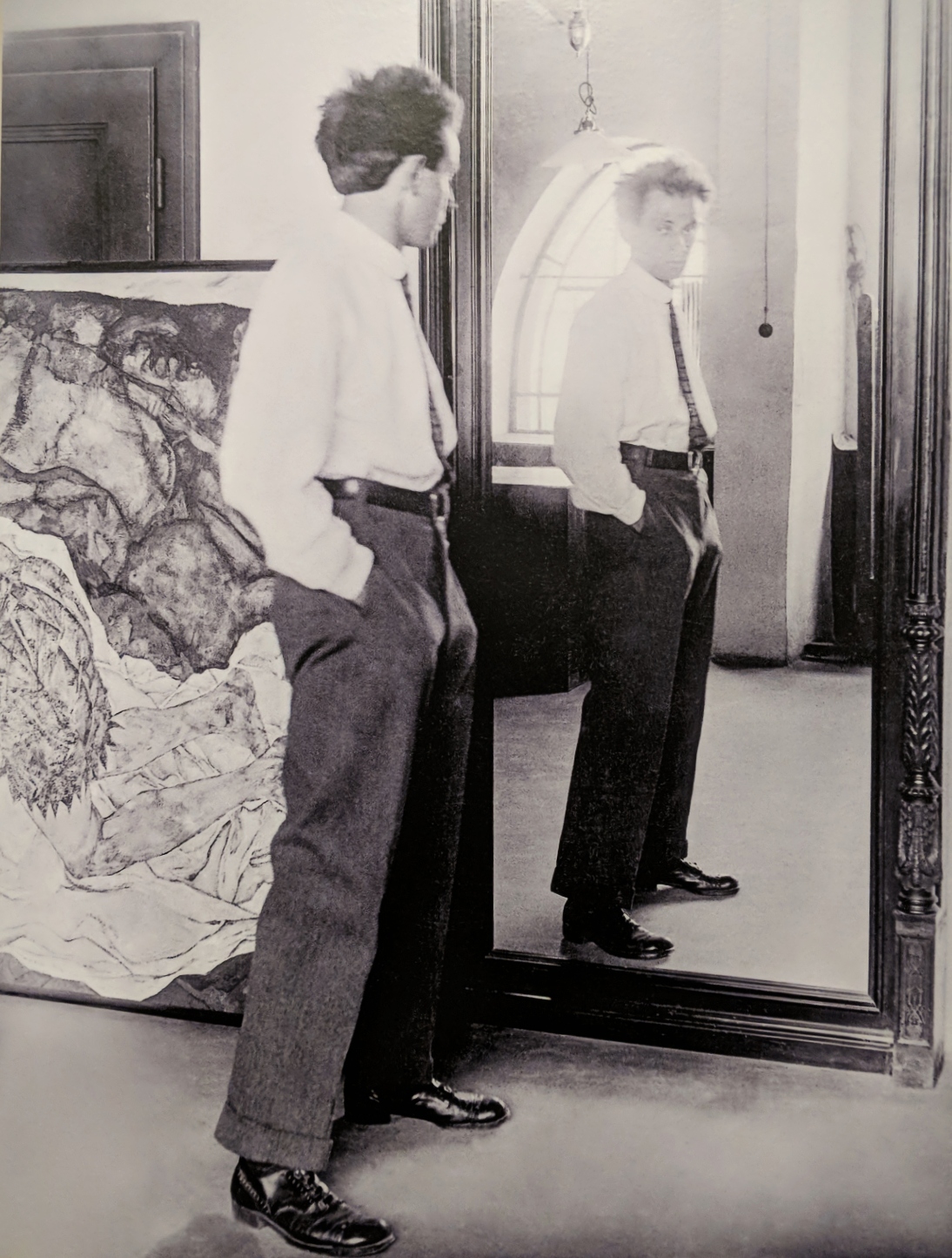
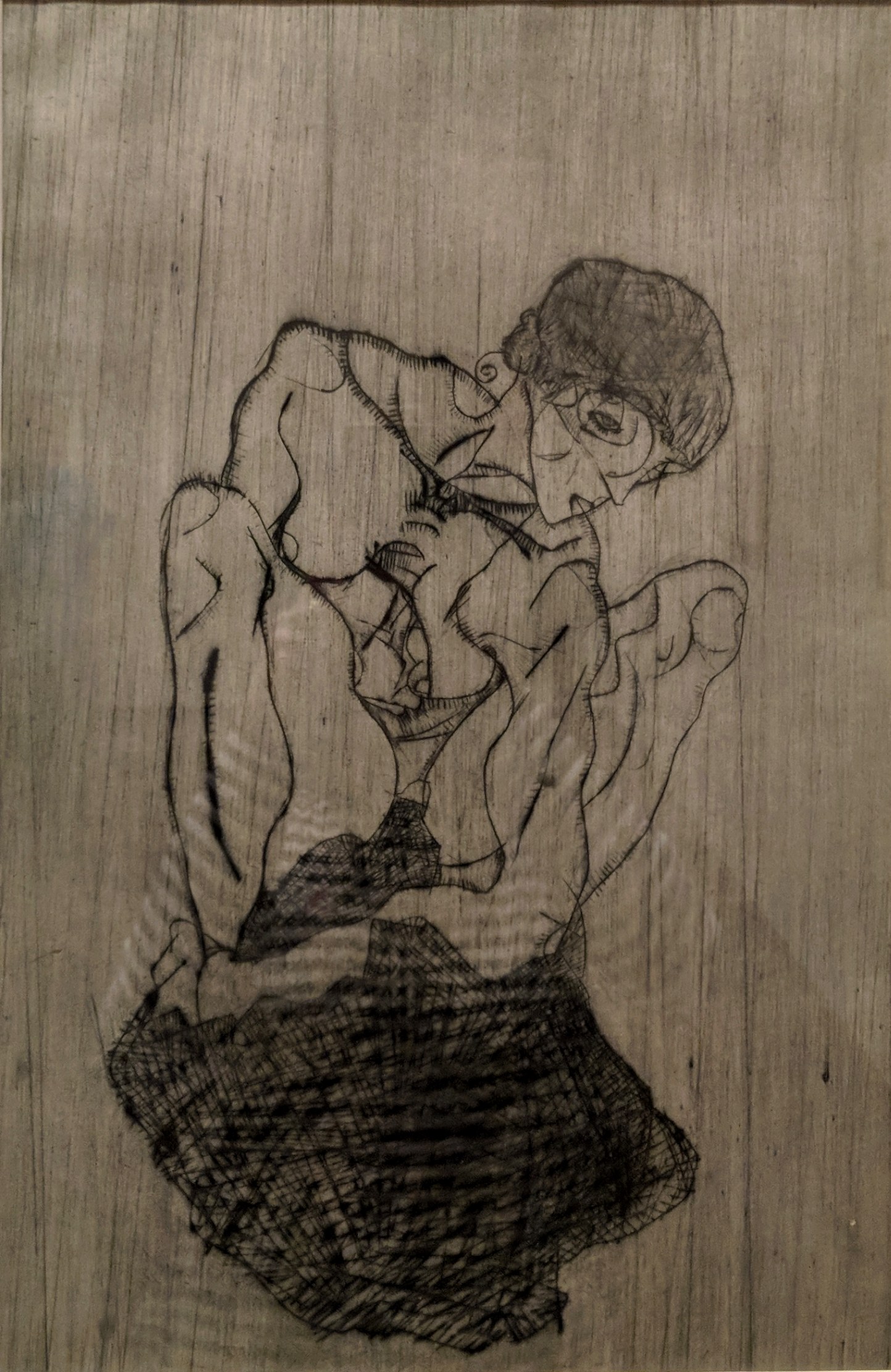 Egon Schiele || Sorrow, 1914 || Drypoint
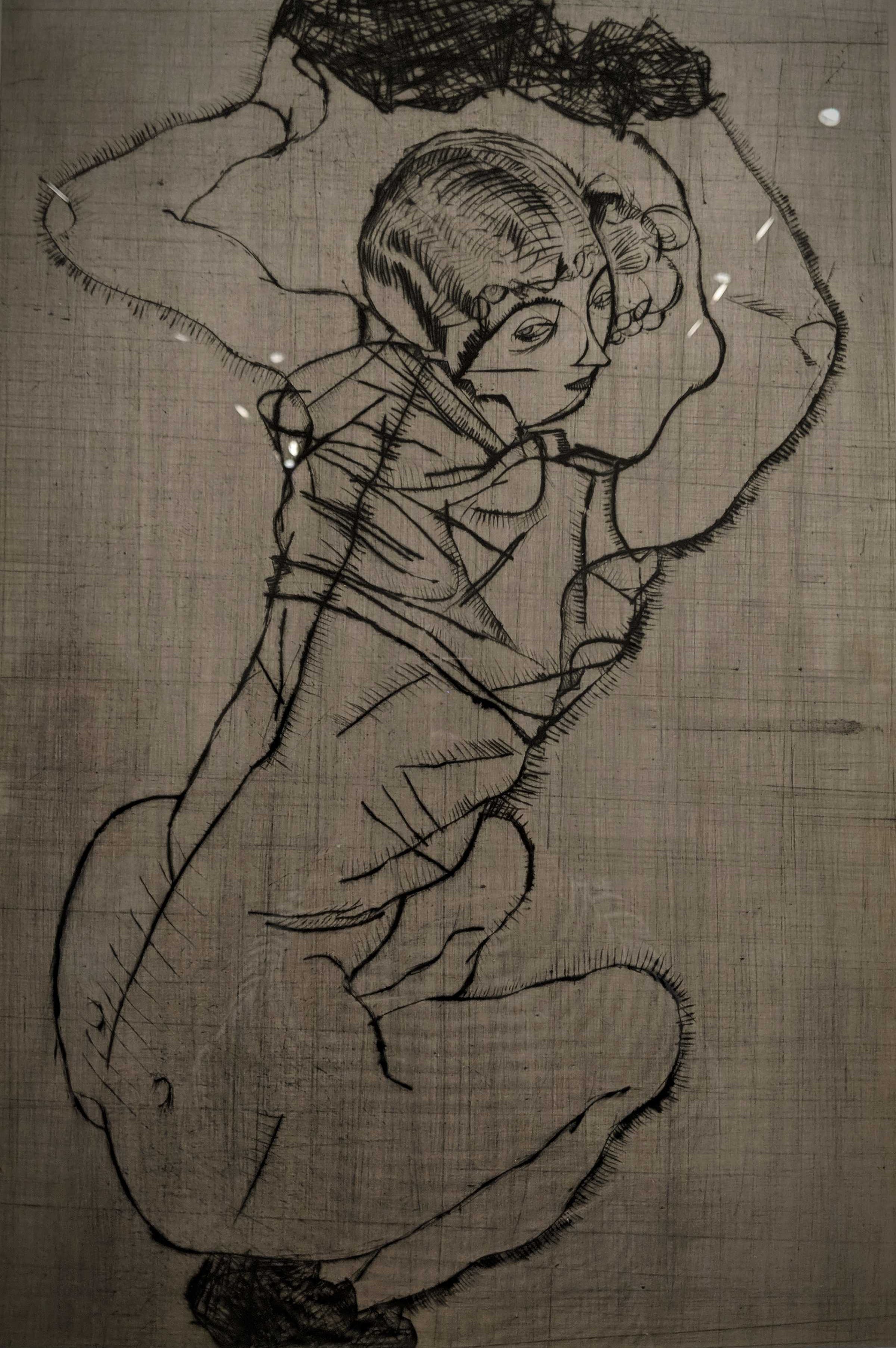 Egon Schiele || Squatting Woman, 1914 || Drypoint
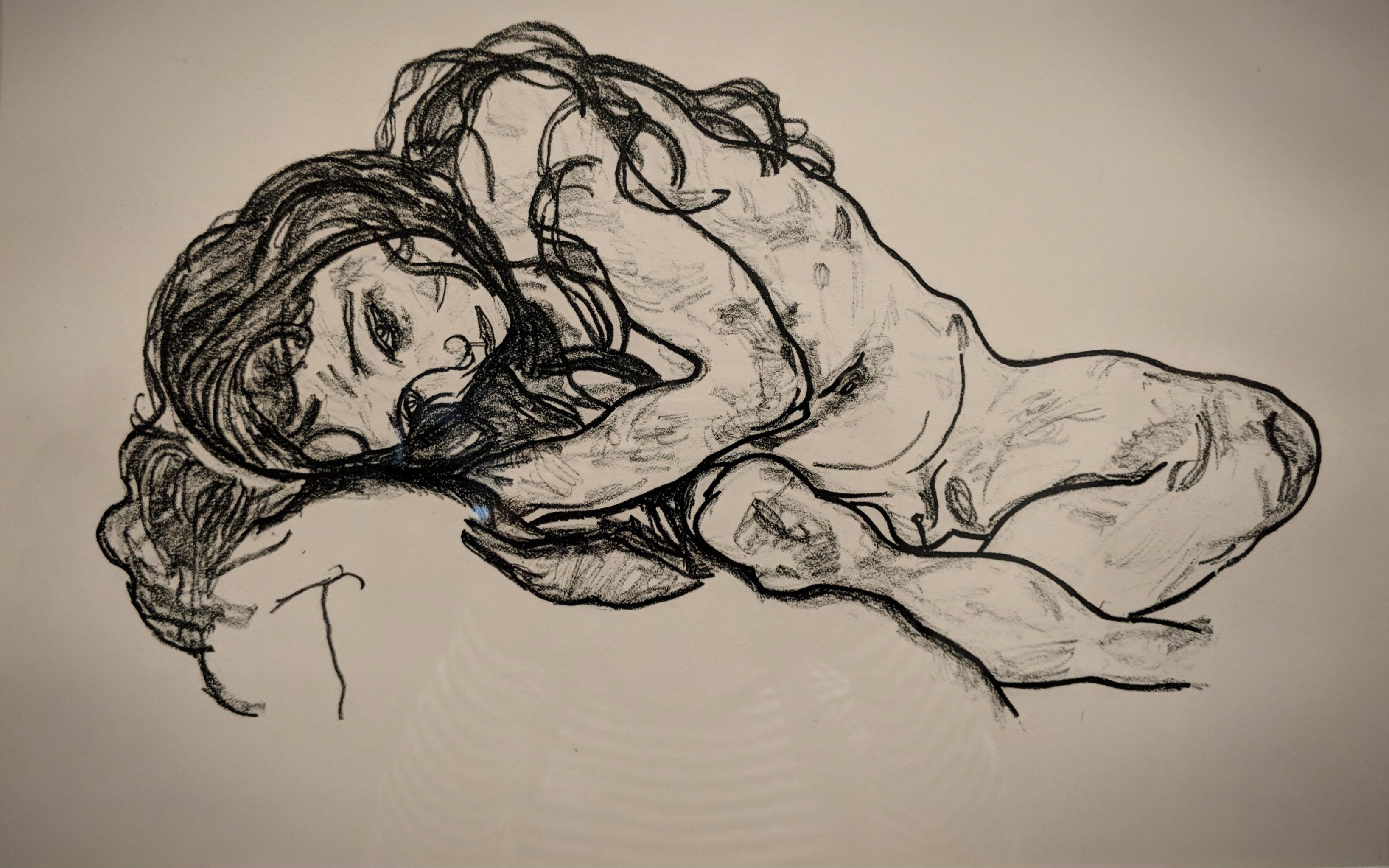 Egon Schiele || Girl, 1918 || Lithograph
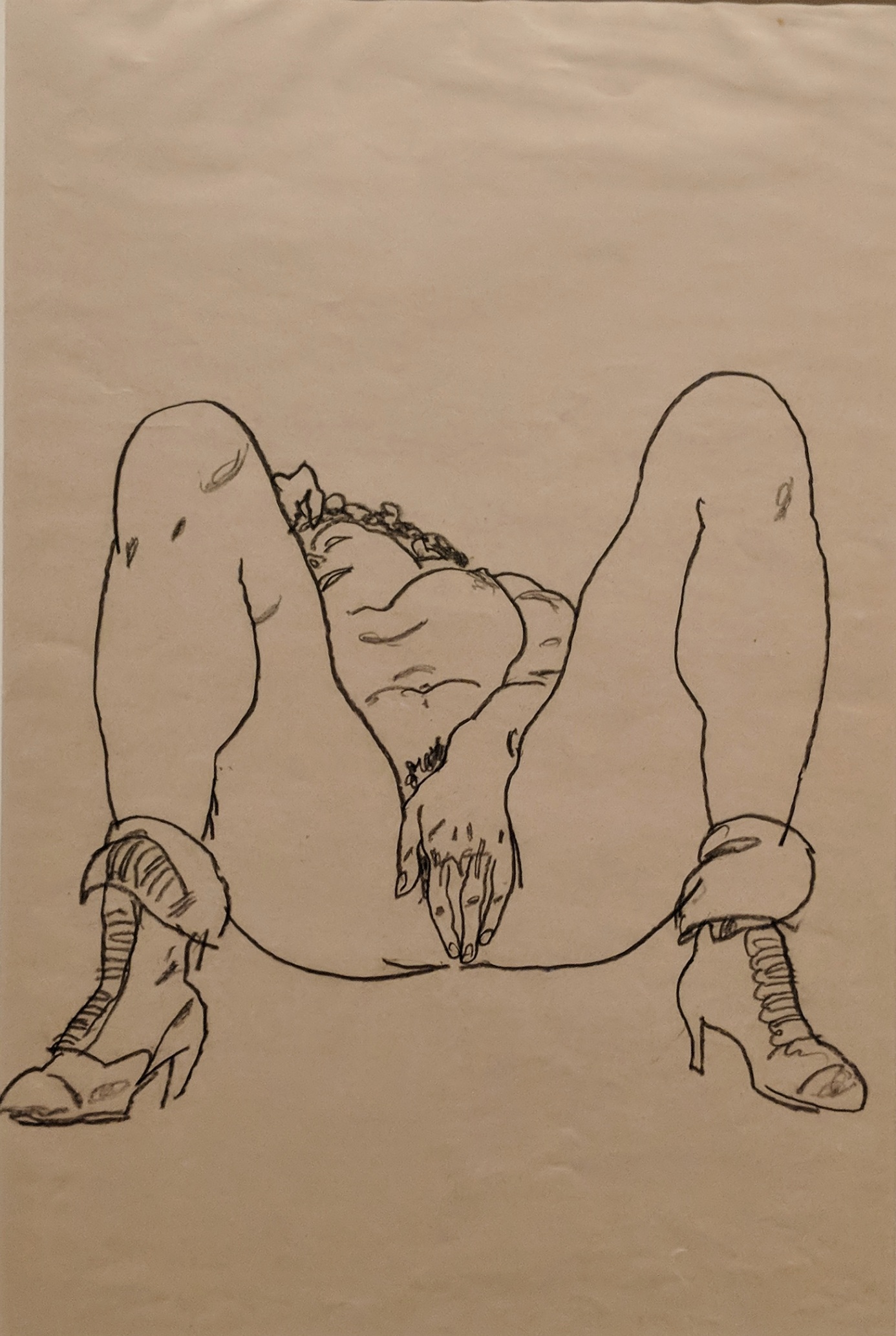 Egon Schiele || Reclining Nude with Boots, 1918 || Charcoal on paper
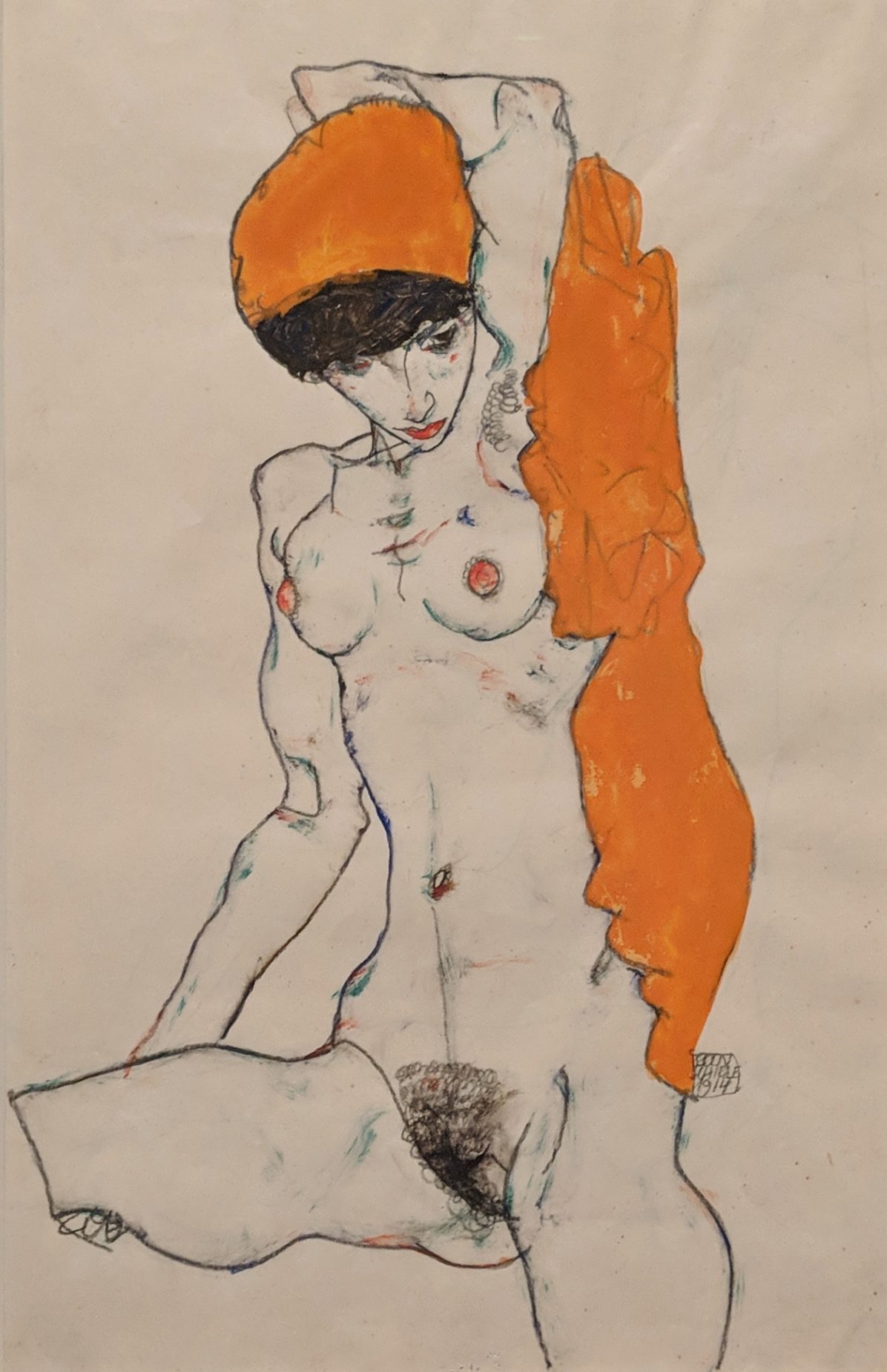 Egon Schiele || Standing Nude with Orange Drapery (recto): Study of Nude with Arms Raised (verso), 1914 || Watercolor, gouache and graphite on paper
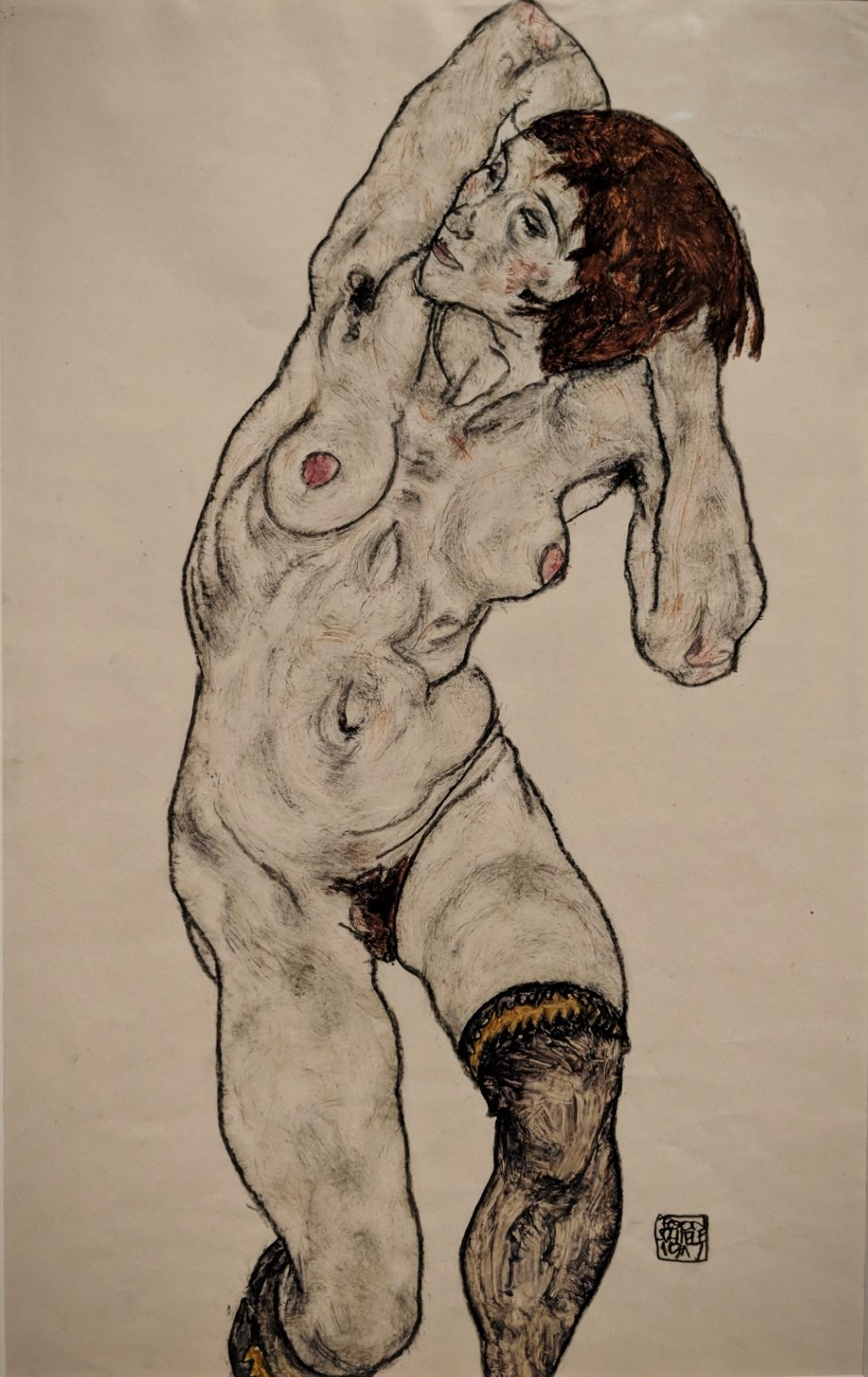 Egon Schiele || Nude in Black Stockings, 1917 || Watercolor and charcoal on paper
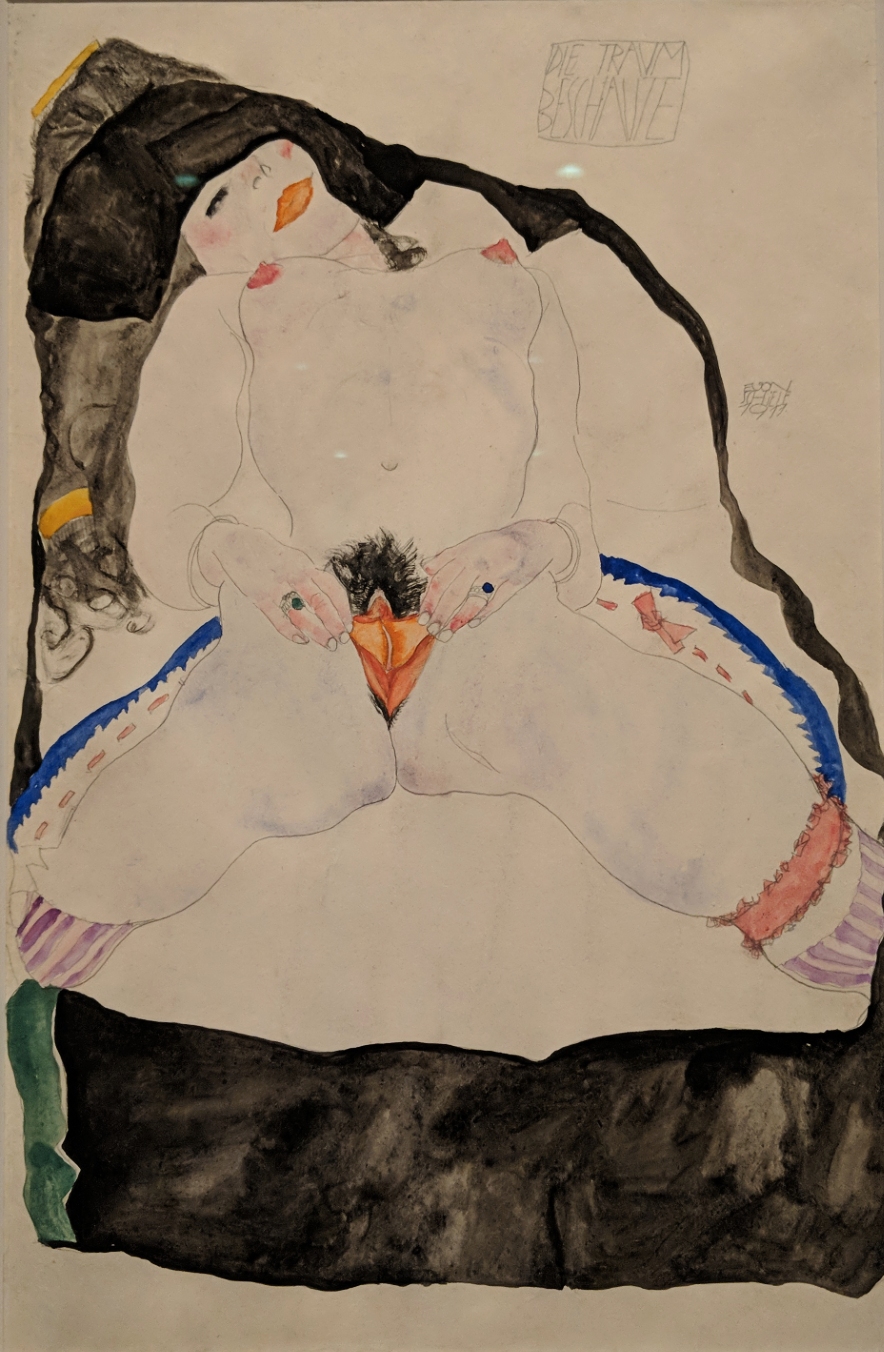 Egon Schiele || Observed in a Dream, 1911 || Watercolor and graphite on paper
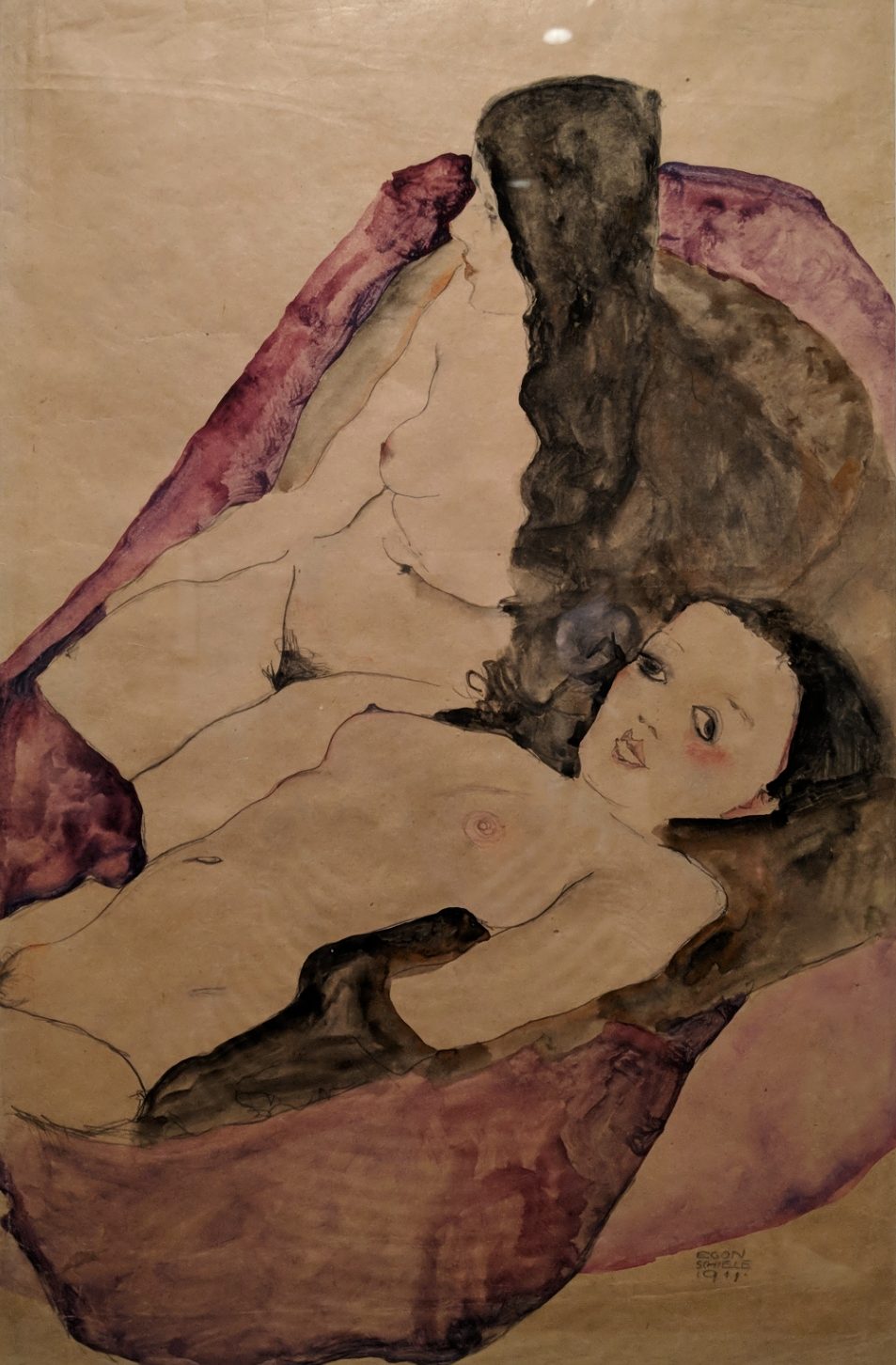 Egon Schiele || Two Reclining Nudes, 1911 || Watercolor and graphite on paper
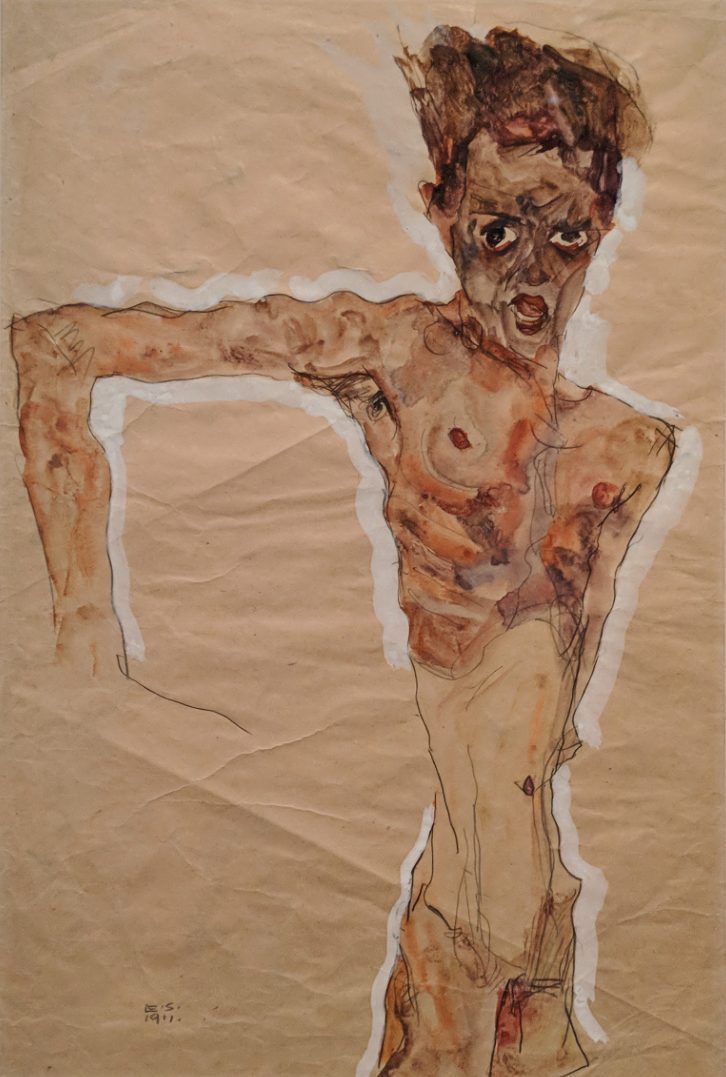 Egon Schiele || Self-Portrait, 1911 || Watercolor, gouache, and graphite on paper
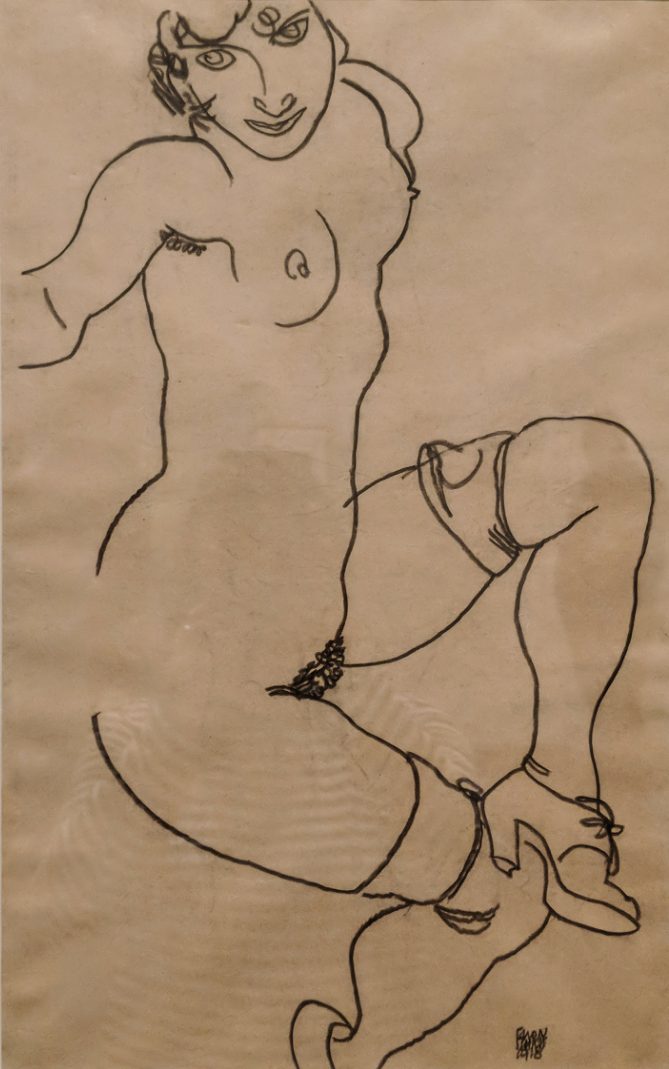 Egon Schiele || Seated Nude in Shoes and Stockings, 1918 || Charcoal on paper
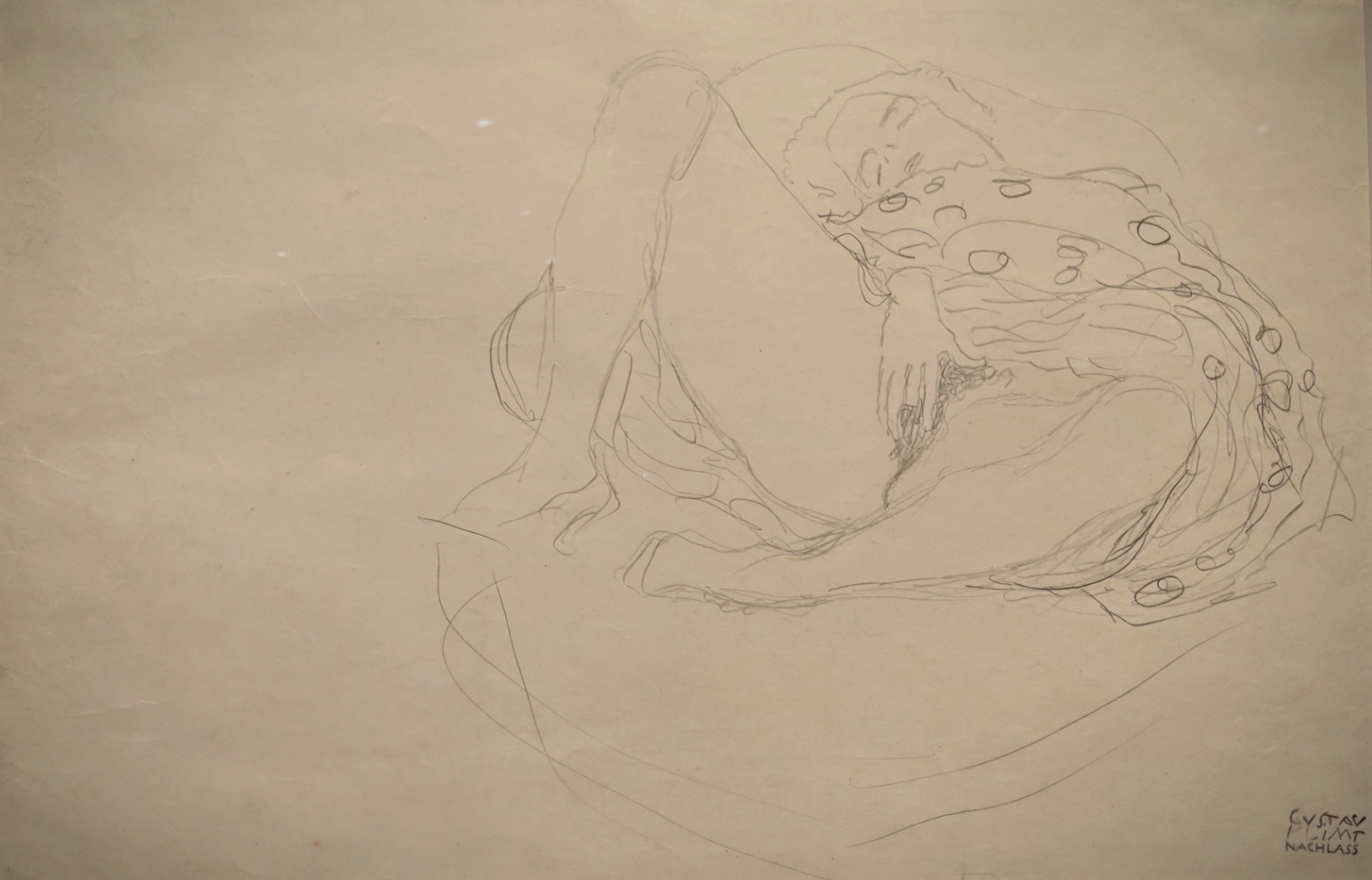 Gustav Klimt || Reclining Nude with Drapery, 1912-13 || Graphite
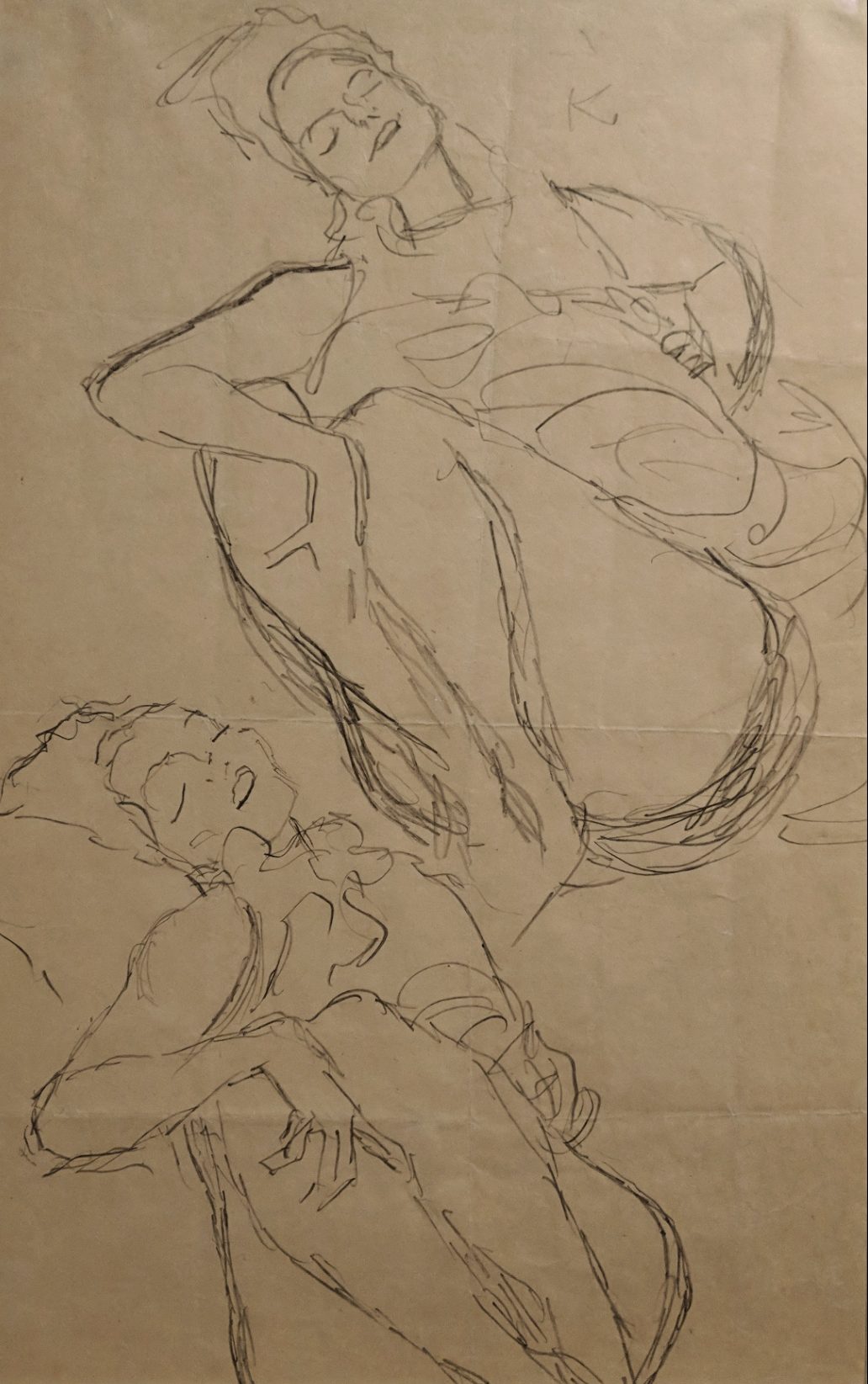 Gustav Klimt || Two Studies for a Crouching Woman, 1914–15 || Graphite
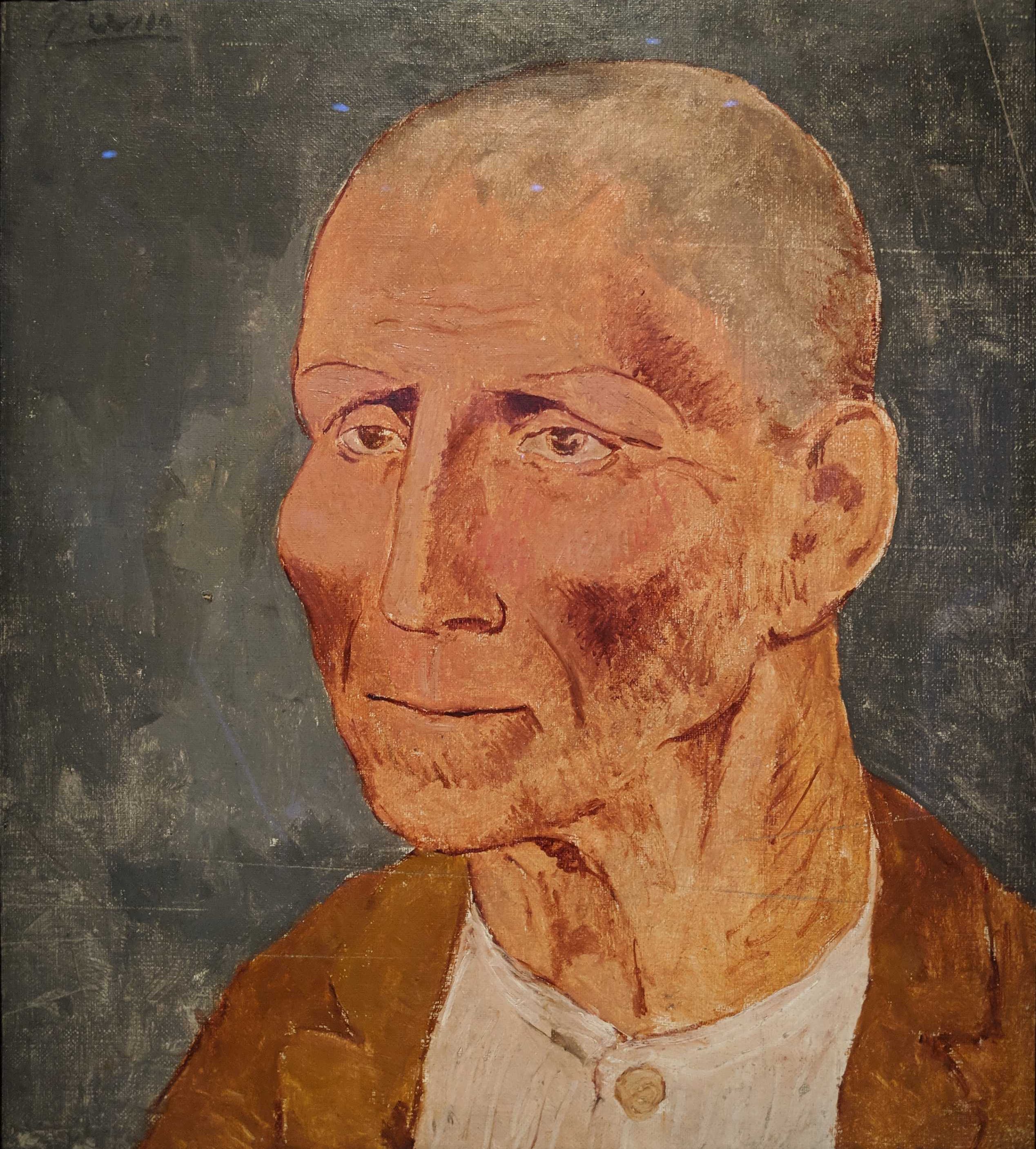 Pablo Picasso || Fondevila, 1906 || Oil on canvas
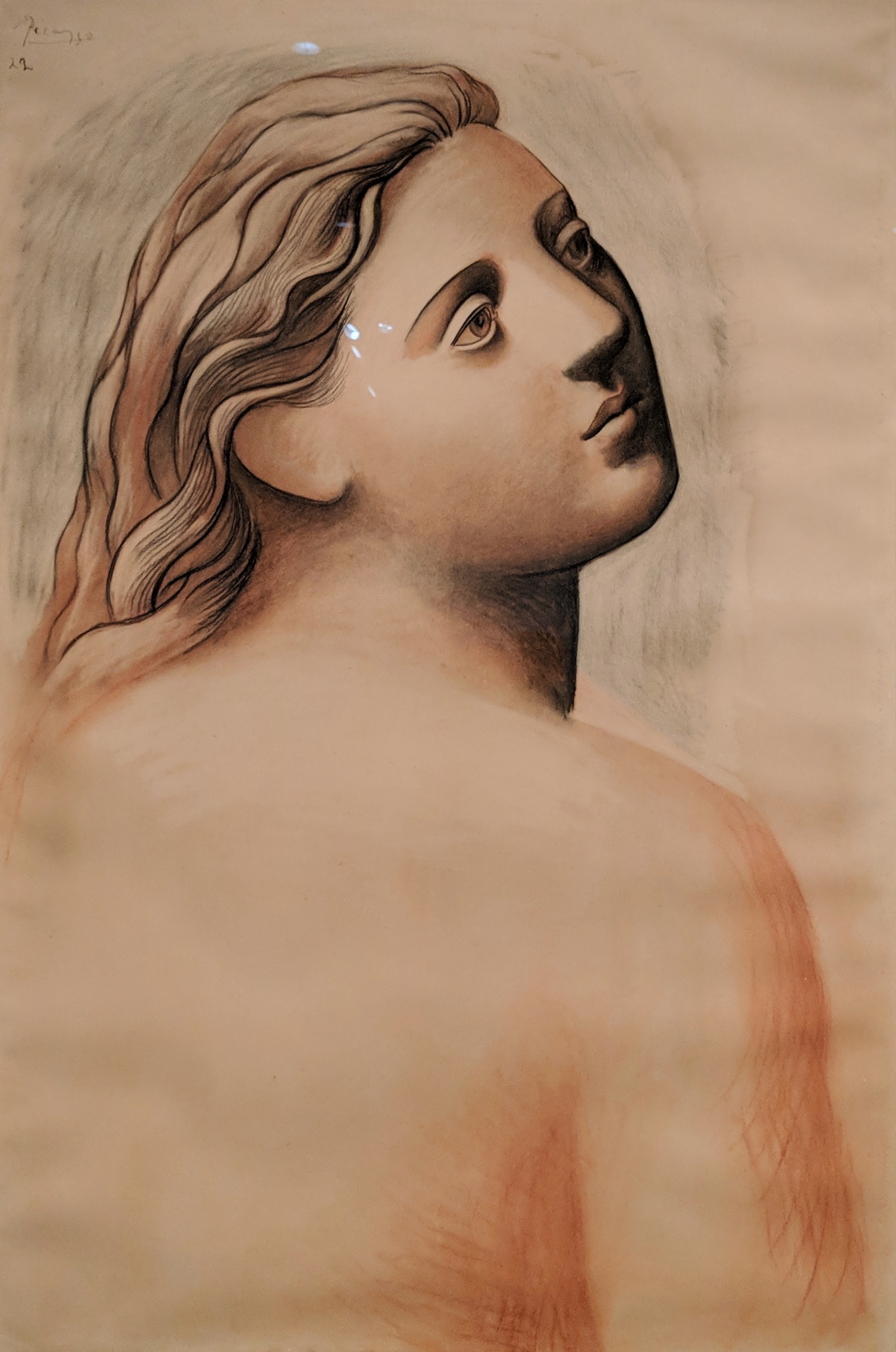 Pablo Picasso || Head of a Woman, 1922 || Chalk on paper
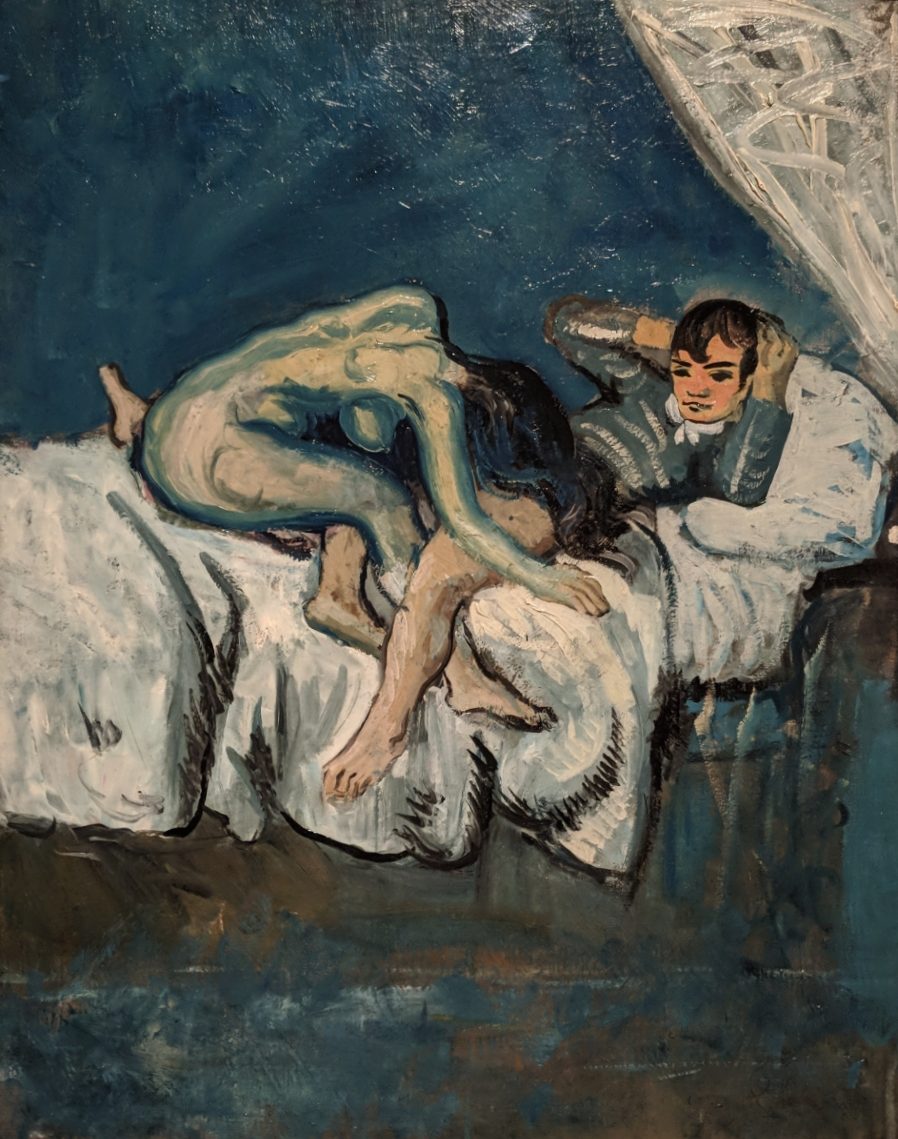 Pablo Picasso || Erotic Scene (La Douceur), 1903 || Oil on canvas
The Met Breuer
August 19th, 2018
subjective worldview
Actor, writer, cook and author
Travel experiences & Strasbourg city guide
Writer
joy, happiness, travel, adventure, gratitude
"Rêve onirique & Bulle d'évasion"
makes pretty things on paper
This WordPress.com site is Pacific War era information
Welcome to my curious world of words....
Photographs, music and writing about daily life. Contact: elcheo@swcp.com
Free listening and free download (mp3) chill and down tempo music (album compilation ep single) for free (usually name your price). Full merged styles: trip-hop electro chill-hop instrumental hip-hop ambient lo-fi boombap beatmaking turntablism indie psy dub step d'n'b reggae wave sainte-pop rock alternative cinematic organic classical world jazz soul groove funk balkan .... Discover lots of underground and emerging artists from around the world.
A 365 analogue photography project
Barcelona's Multiverse | Art | Culture | Science
Een digitaal atelier aan de (zee)slag.
‘Doodling Ambiguity’s in Ink.’
Miscellaneous photography
Glimpses along the way on a journey of discovery into symmetry...
 The Humble Fabulist